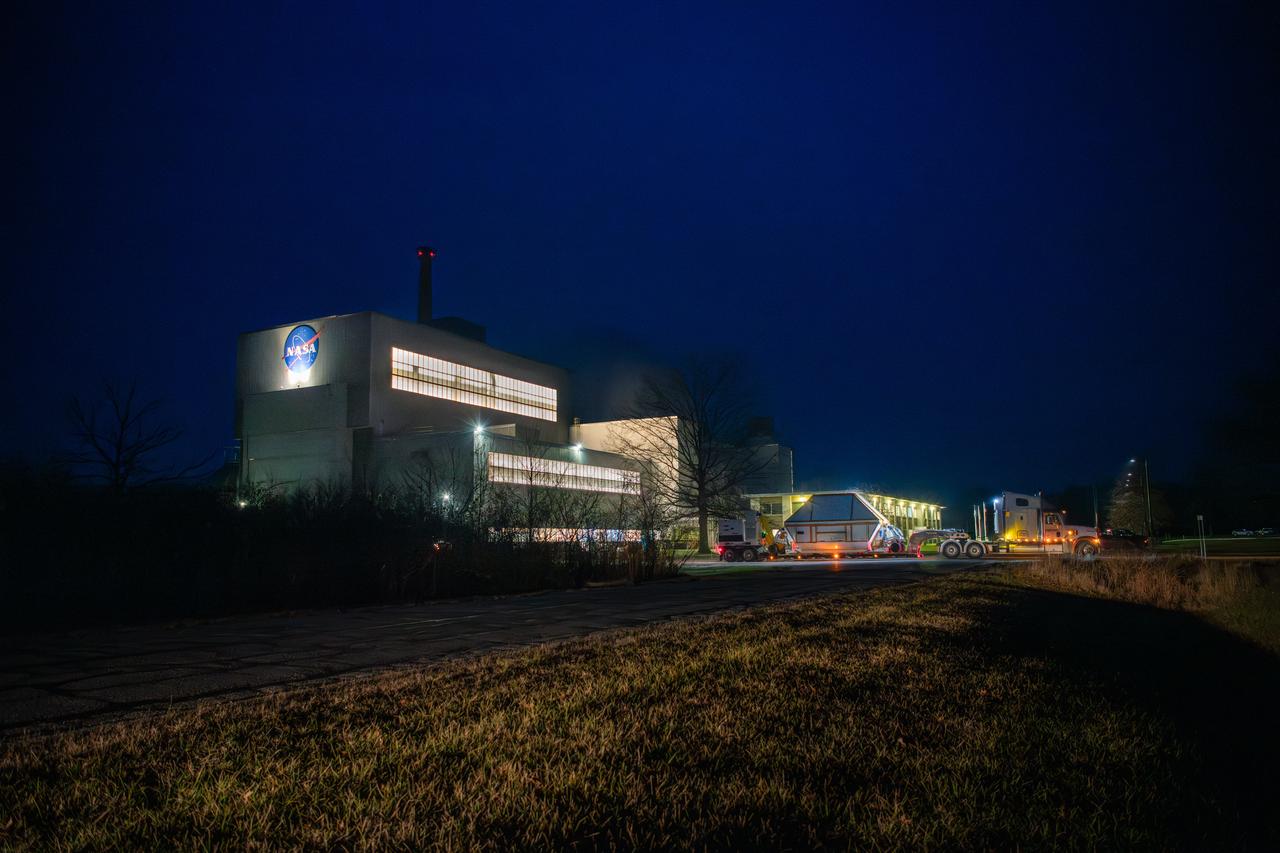
Orion ETA Hardware, Launch Abort System and Crew Module Documentation Photographs - Crew Module Arrival
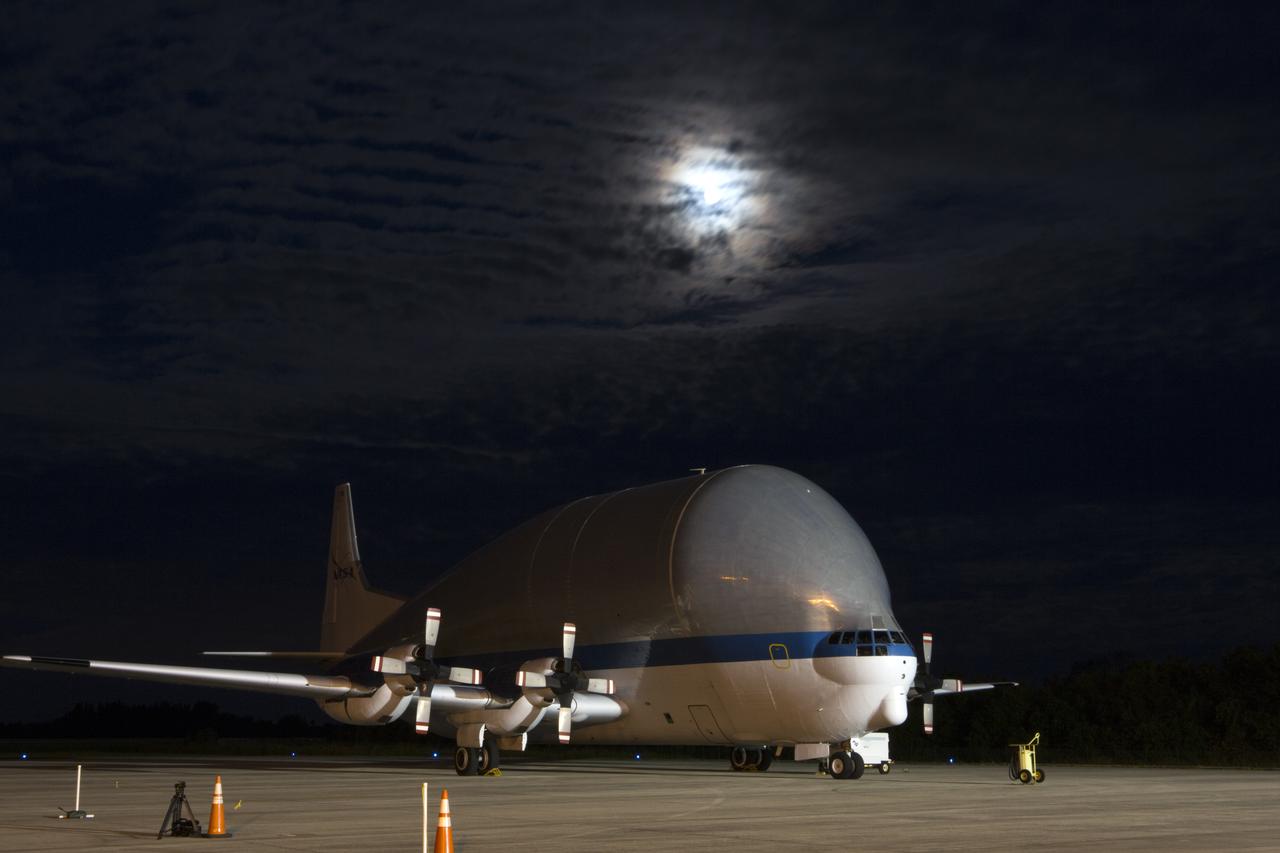
NASA’s Super Guppy aircraft, carrying the Orion crew module structural test article (STA), arrives at the Shuttle Landing Facility operated by Space Florida at NASA’s Kennedy Space Center in Florida. The STA will be offloaded and transported to the Neil Armstrong Operations and Checkout Building high bay for further testing. The Orion spacecraft will launch atop NASA’s Space Launch System rocket on EM-1, its first deep space mission, in late 2018.
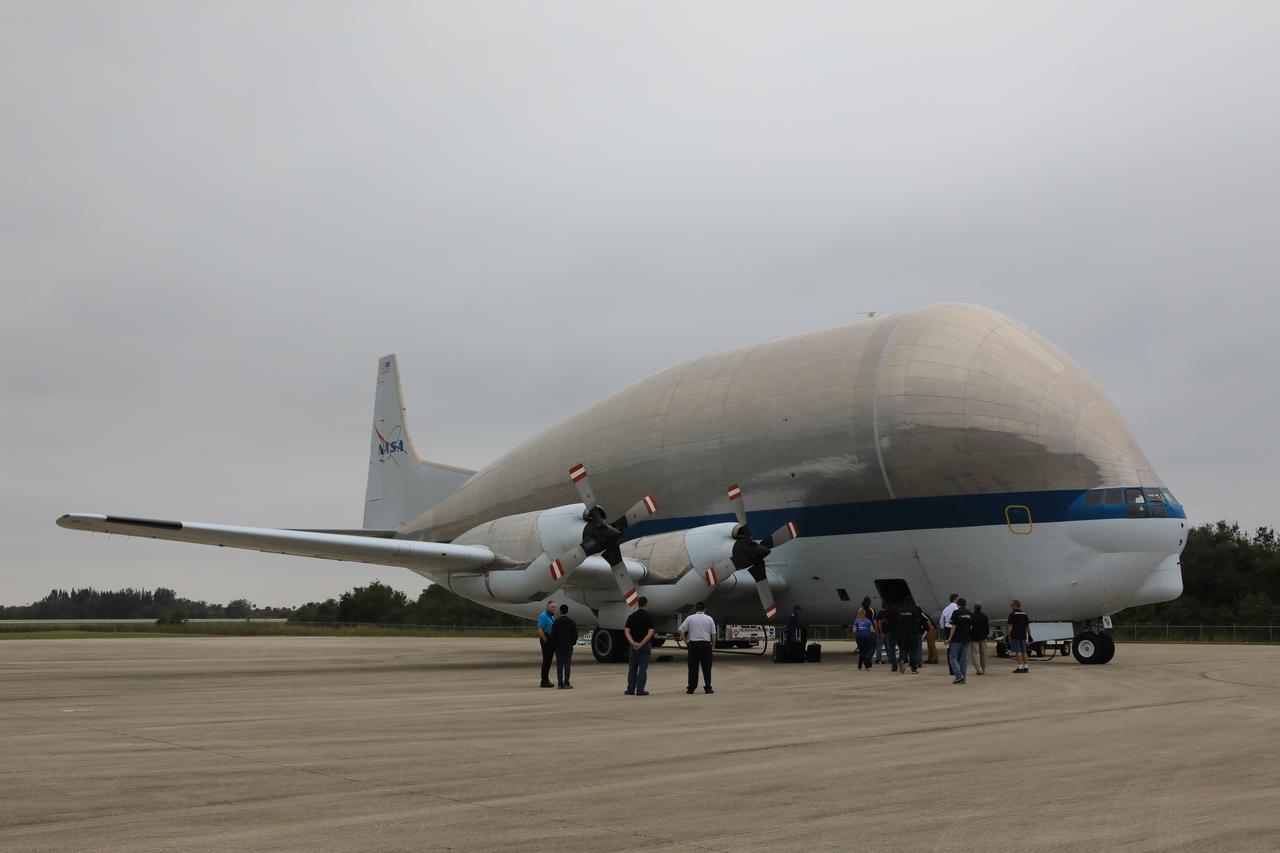
NASA’s Super Guppy aircraft arrives on the tarmac after touching down at the Shuttle Landing Facility at the agency’s Kennedy Space Center in Florida. The guppy is carrying the Orion crew module structural test article (STA). The STA will be offloaded and transported to the Neil Armstrong Operations and Checkout Building high bay for further testing. Photo credit: NASA/Kim Shiflett
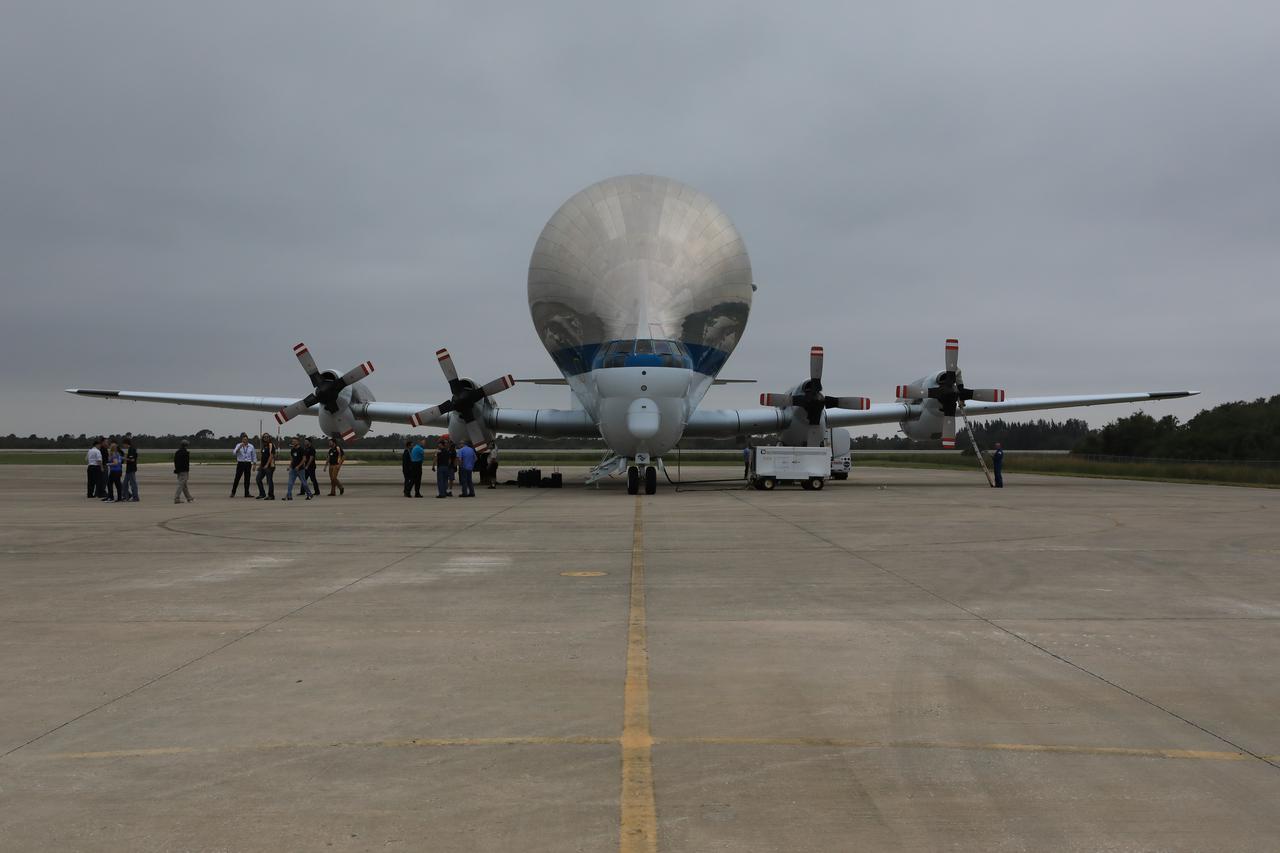
NASA’s Super Guppy aircraft arrives on the tarmac after touching down at the Shuttle Landing Facility at the agency’s Kennedy Space Center in Florida. The guppy is carrying the Orion crew module structural test article (STA). The STA will be offloaded and transported to the Neil Armstrong Operations and Checkout Building high bay for further testing. Photo credit: NASA/Kim Shiflett
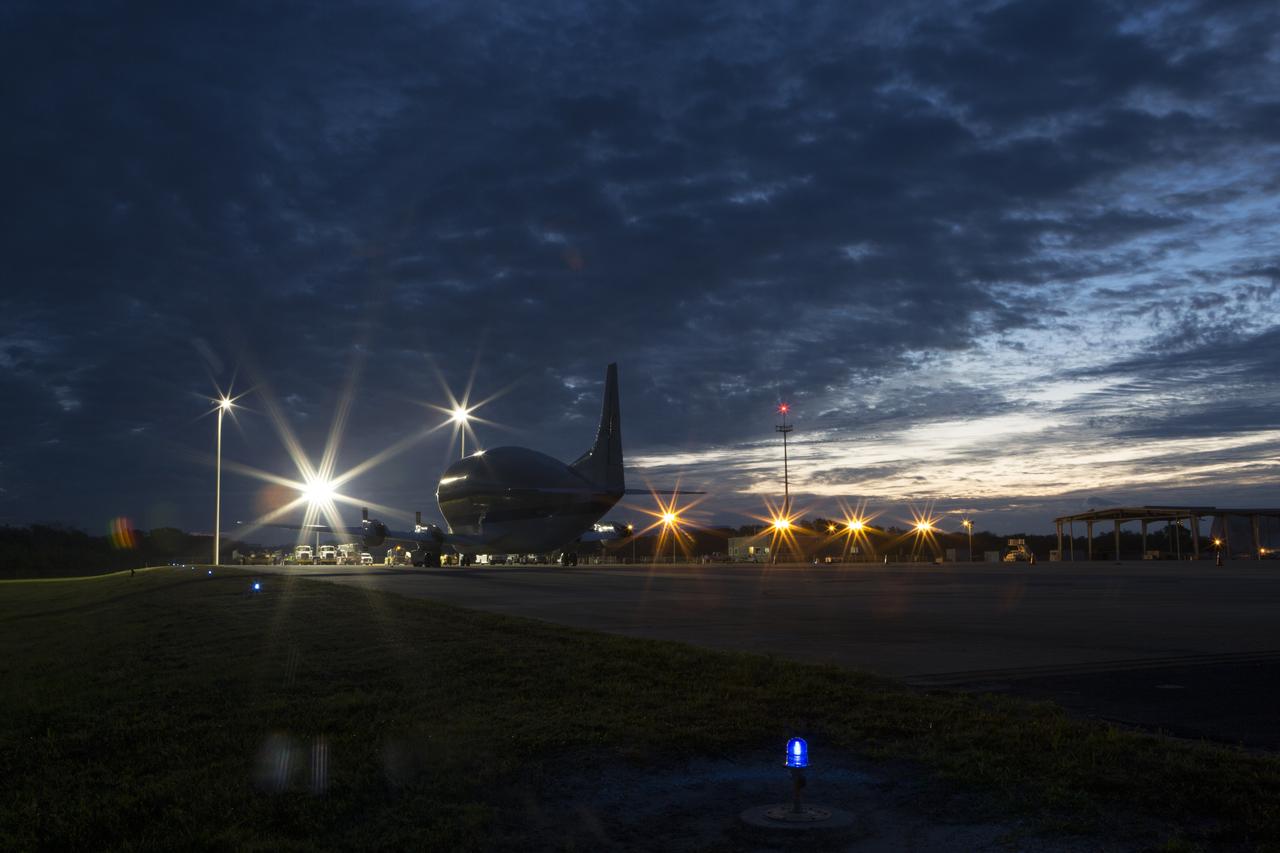
NASA’s Super Guppy aircraft, carrying the Orion crew module structural test article (STA), arrives at the Shuttle Landing Facility operated by Space Florida at NASA’s Kennedy Space Center in Florida. The STA will be offloaded and transported to the Neil Armstrong Operations and Checkout Building high bay for further testing. The Orion spacecraft will launch atop NASA’s Space Launch System rocket on EM-1, its first deep space mission, in late 2018.
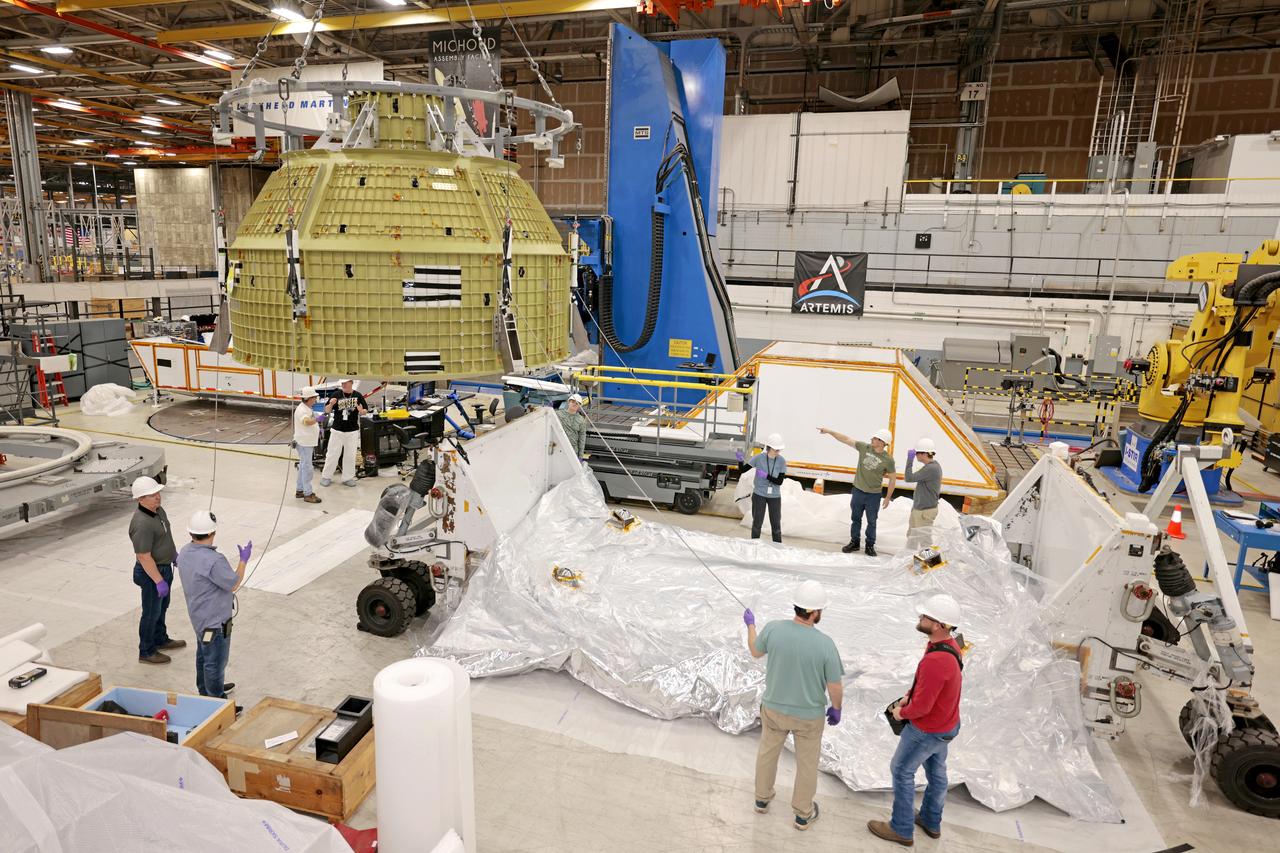
Teams at NASA’s Michoud Assembly Facility in New Orleans prepare the completed Orion pressure vessel for the Artemis IV mission for shipment to NASA’s Kennedy Space Center in Florida. The pressure vessel, which was assembled by lead contractor, Lockheed Martin, is the Orion crew module primary structure – the core upon which all other elements of Orion’s crew module are integrated. The structure is critical to Artemis crews as it holds the pressurized atmosphere astronauts breathe and work in a while in the vacuum of deep space. Once the module arrives at Kennedy’s Vehicle Assembly Building high bay, teams will begin integration of the pressure vessel with the Orion spacecraft crew module adapter and other assembly. With Artemis missions, NASA will land the first woman and the first person of color on the lunar surface, paving the way for human exploration of the Moon and on to Mars. Image credit: NASA/Michael DeMocker
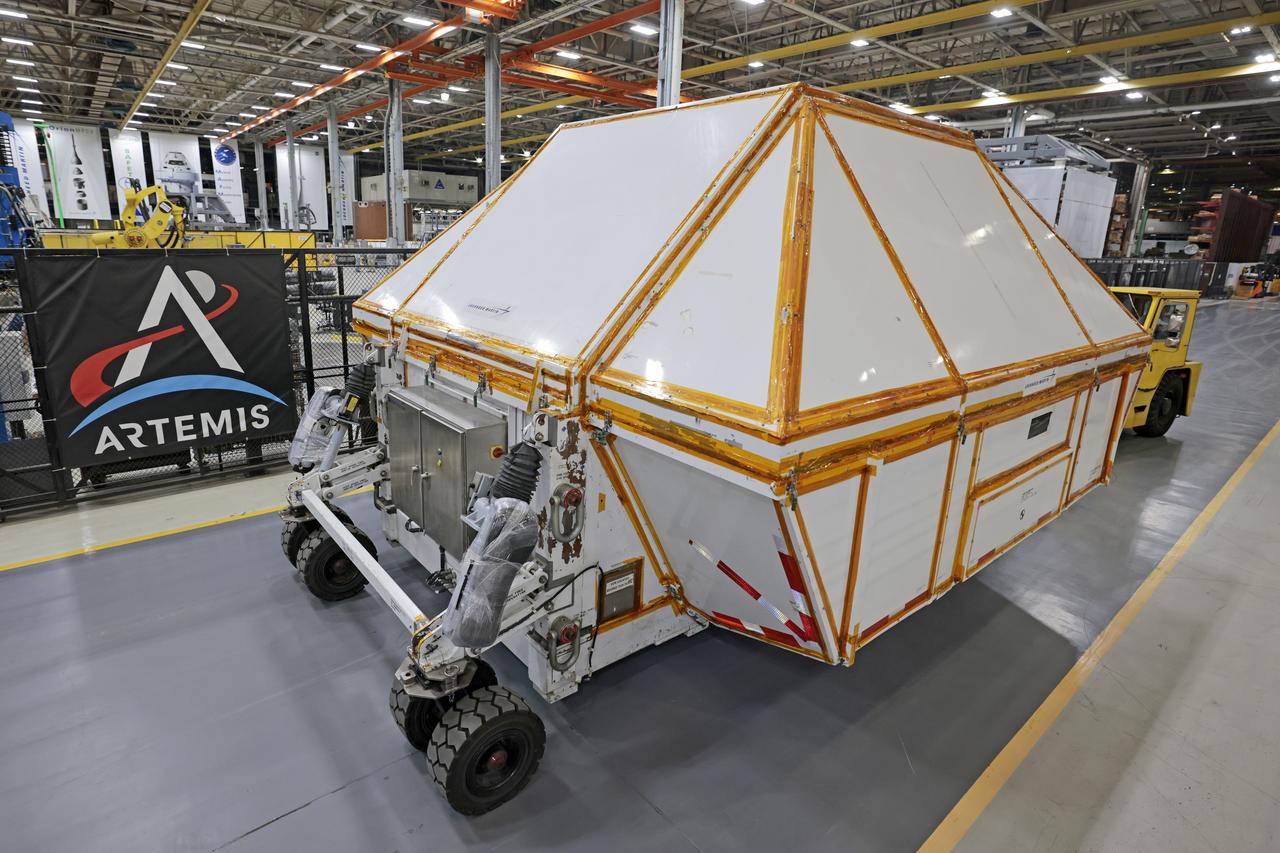
Teams at NASA’s Michoud Assembly Facility in New Orleans prepare the completed Orion pressure vessel for the Artemis IV mission for shipment to NASA’s Kennedy Space Center in Florida. The pressure vessel, which was assembled by lead contractor, Lockheed Martin, is the Orion crew module primary structure – the core upon which all other elements of Orion’s crew module are integrated. The structure is critical to Artemis crews as it holds the pressurized atmosphere astronauts breathe and work in a while in the vacuum of deep space. Once the module arrives at Kennedy’s Vehicle Assembly Building high bay, teams will begin integration of the pressure vessel with the Orion spacecraft crew module adapter and other assembly. With Artemis missions, NASA will land the first woman and the first person of color on the lunar surface, paving the way for human exploration of the Moon and on to Mars. Image credit: NASA/Michael DeMocker
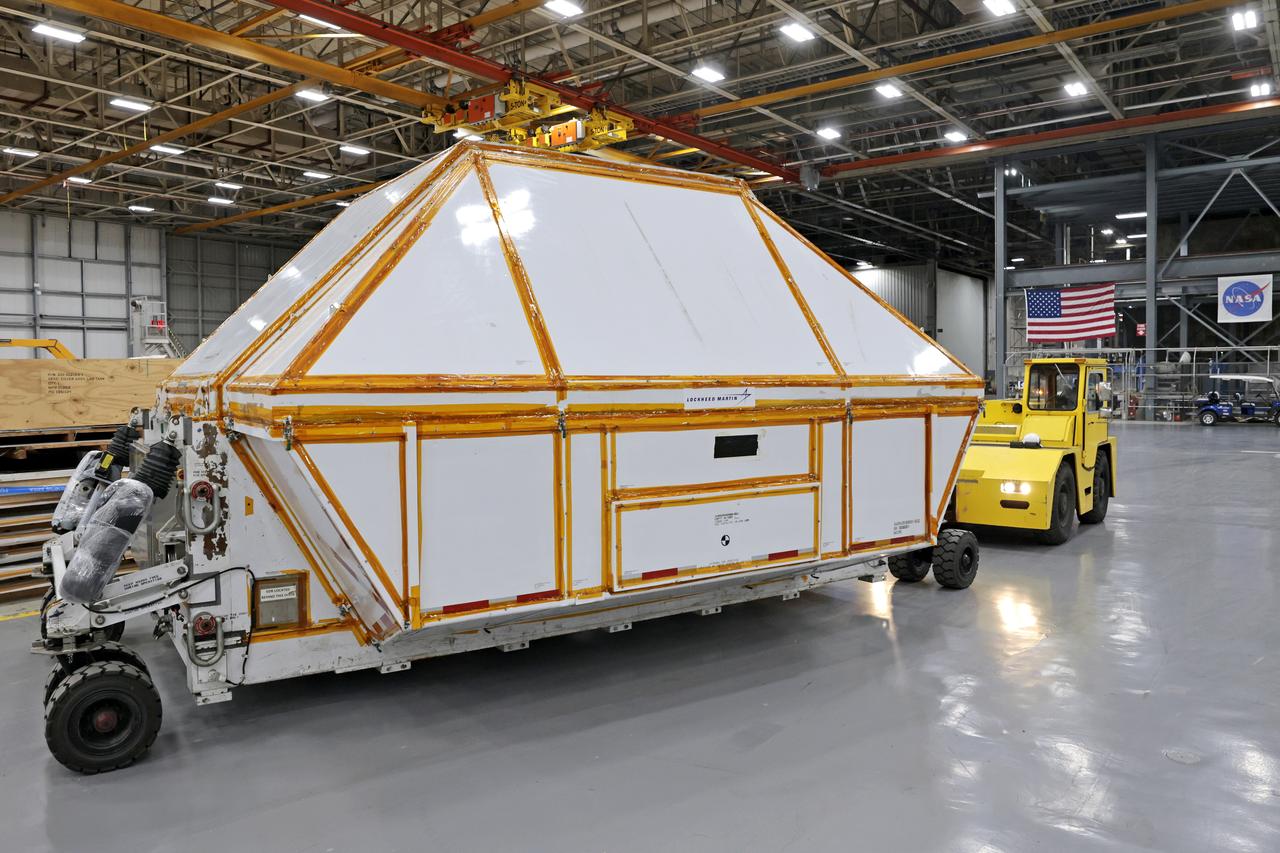
Teams at NASA’s Michoud Assembly Facility in New Orleans prepare the completed Orion pressure vessel for the Artemis IV mission for shipment to NASA’s Kennedy Space Center in Florida. The pressure vessel, which was assembled by lead contractor, Lockheed Martin, is the Orion crew module primary structure – the core upon which all other elements of Orion’s crew module are integrated. The structure is critical to Artemis crews as it holds the pressurized atmosphere astronauts breathe and work in a while in the vacuum of deep space. Once the module arrives at Kennedy’s Vehicle Assembly Building high bay, teams will begin integration of the pressure vessel with the Orion spacecraft crew module adapter and other assembly. With Artemis missions, NASA will land the first woman and the first person of color on the lunar surface, paving the way for human exploration of the Moon and on to Mars. Image credit: NASA/Michael DeMocker
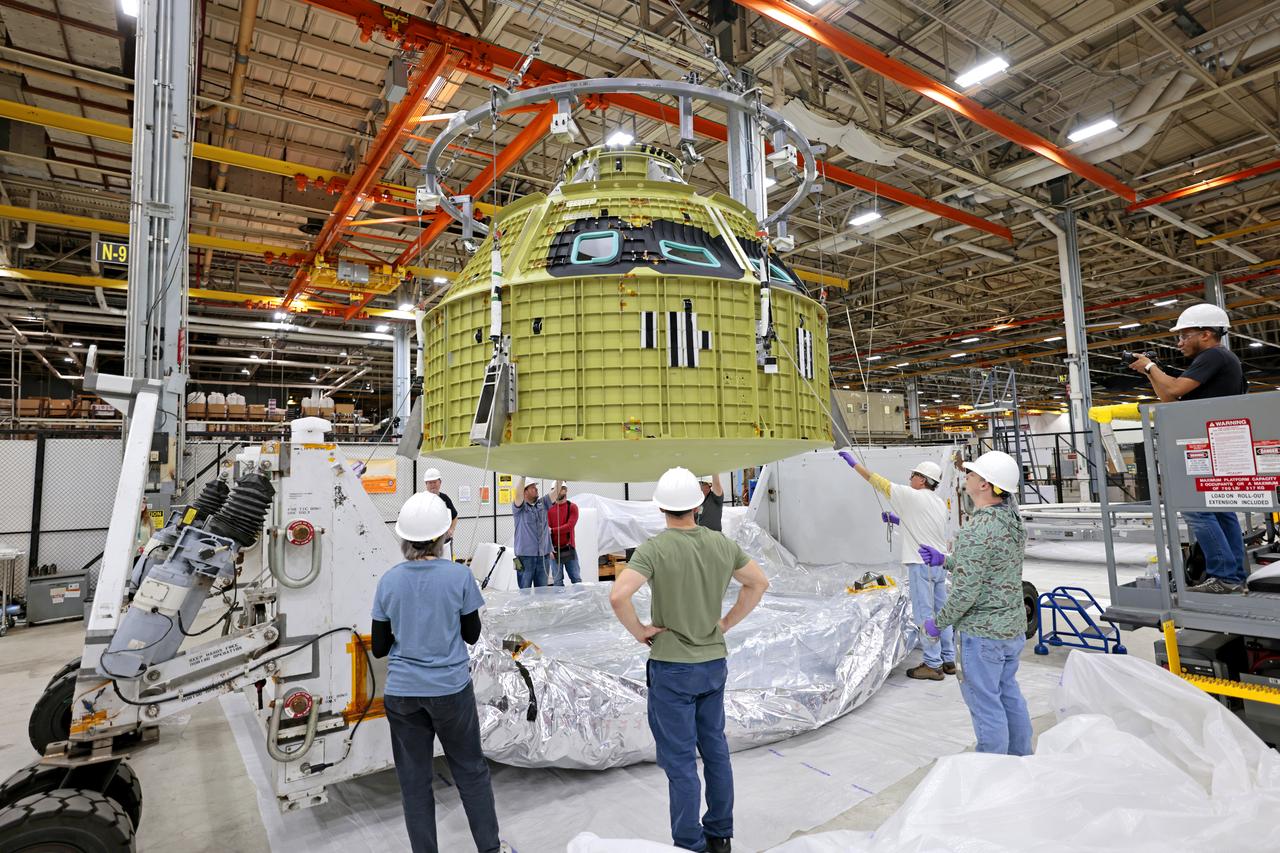
Teams at NASA’s Michoud Assembly Facility in New Orleans prepare the completed Orion pressure vessel for the Artemis IV mission for shipment to NASA’s Kennedy Space Center in Florida. The pressure vessel, which was assembled by lead contractor, Lockheed Martin, is the Orion crew module primary structure – the core upon which all other elements of Orion’s crew module are integrated. The structure is critical to Artemis crews as it holds the pressurized atmosphere astronauts breathe and work in a while in the vacuum of deep space. Once the module arrives at Kennedy’s Vehicle Assembly Building high bay, teams will begin integration of the pressure vessel with the Orion spacecraft crew module adapter and other assembly. With Artemis missions, NASA will land the first woman and the first person of color on the lunar surface, paving the way for human exploration of the Moon and on to Mars. Image credit: NASA/Michael DeMocker
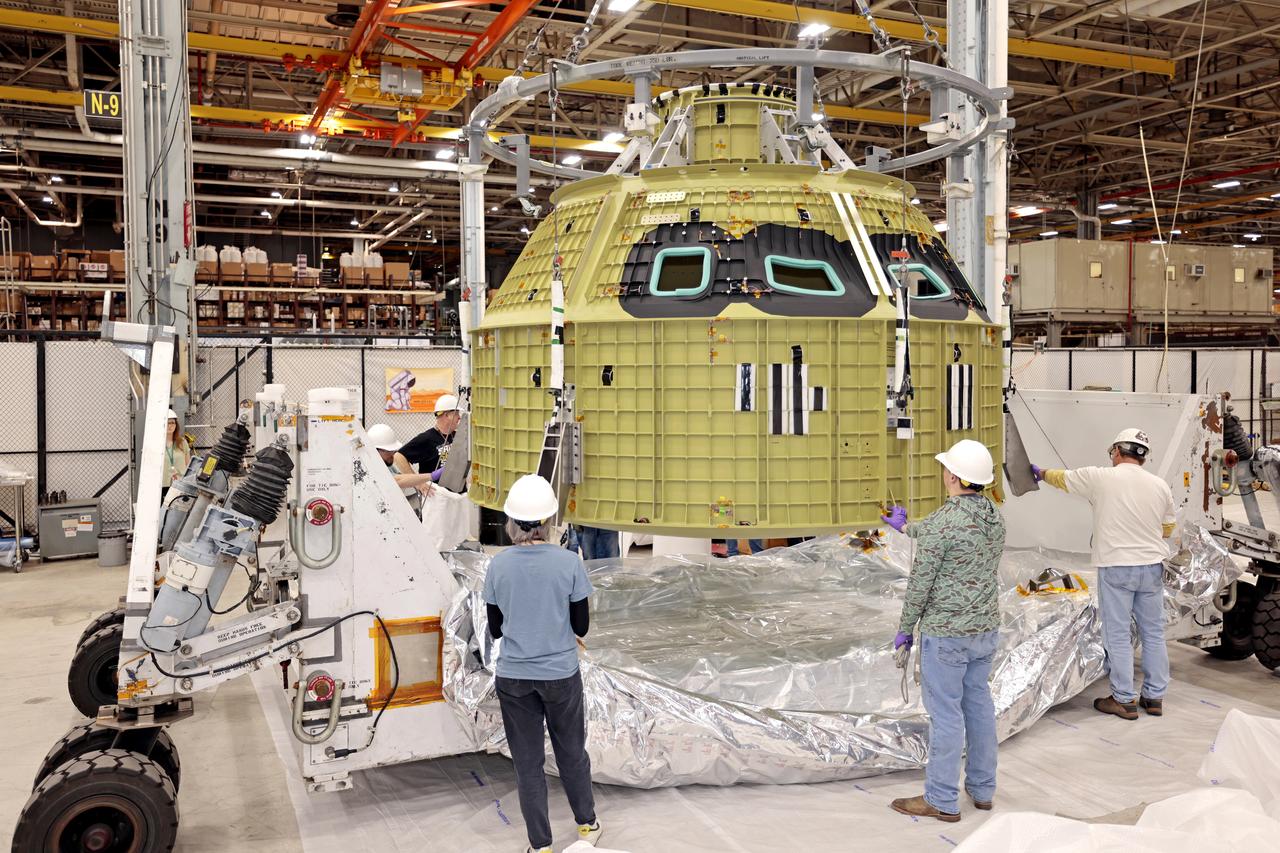
Teams at NASA’s Michoud Assembly Facility in New Orleans prepare the completed Orion pressure vessel for the Artemis IV mission for shipment to NASA’s Kennedy Space Center in Florida. The pressure vessel, which was assembled by lead contractor, Lockheed Martin, is the Orion crew module primary structure – the core upon which all other elements of Orion’s crew module are integrated. The structure is critical to Artemis crews as it holds the pressurized atmosphere astronauts breathe and work in a while in the vacuum of deep space. Once the module arrives at Kennedy’s Vehicle Assembly Building high bay, teams will begin integration of the pressure vessel with the Orion spacecraft crew module adapter and other assembly. With Artemis missions, NASA will land the first woman and the first person of color on the lunar surface, paving the way for human exploration of the Moon and on to Mars. Image credit: NASA/Michael DeMocker
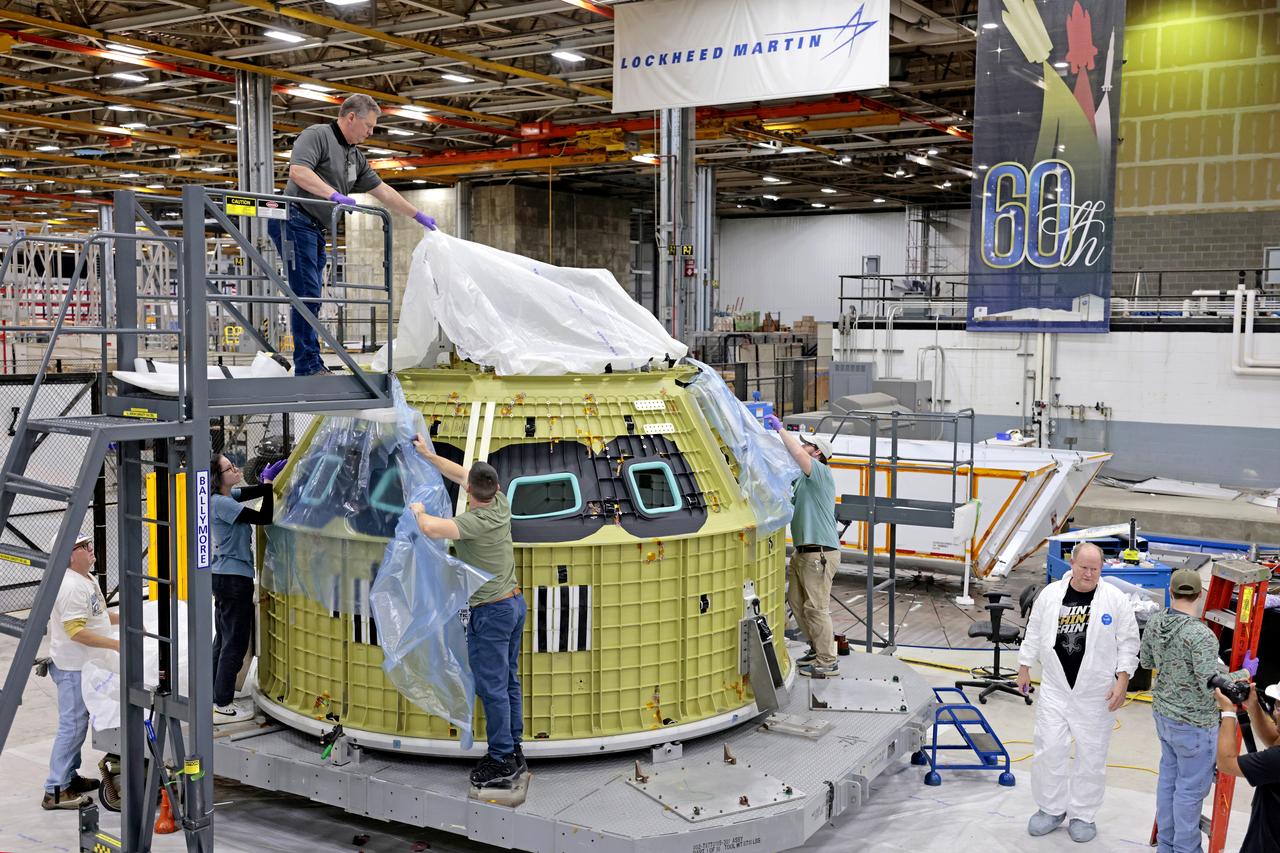
Teams at NASA’s Michoud Assembly Facility in New Orleans prepare the completed Orion pressure vessel for the Artemis IV mission for shipment to NASA’s Kennedy Space Center in Florida. The pressure vessel, which was assembled by lead contractor, Lockheed Martin, is the Orion crew module primary structure – the core upon which all other elements of Orion’s crew module are integrated. The structure is critical to Artemis crews as it holds the pressurized atmosphere astronauts breathe and work in a while in the vacuum of deep space. Once the module arrives at Kennedy’s Vehicle Assembly Building high bay, teams will begin integration of the pressure vessel with the Orion spacecraft crew module adapter and other assembly. With Artemis missions, NASA will land the first woman and the first person of color on the lunar surface, paving the way for human exploration of the Moon and on to Mars. Image credit: NASA/Michael DeMocker
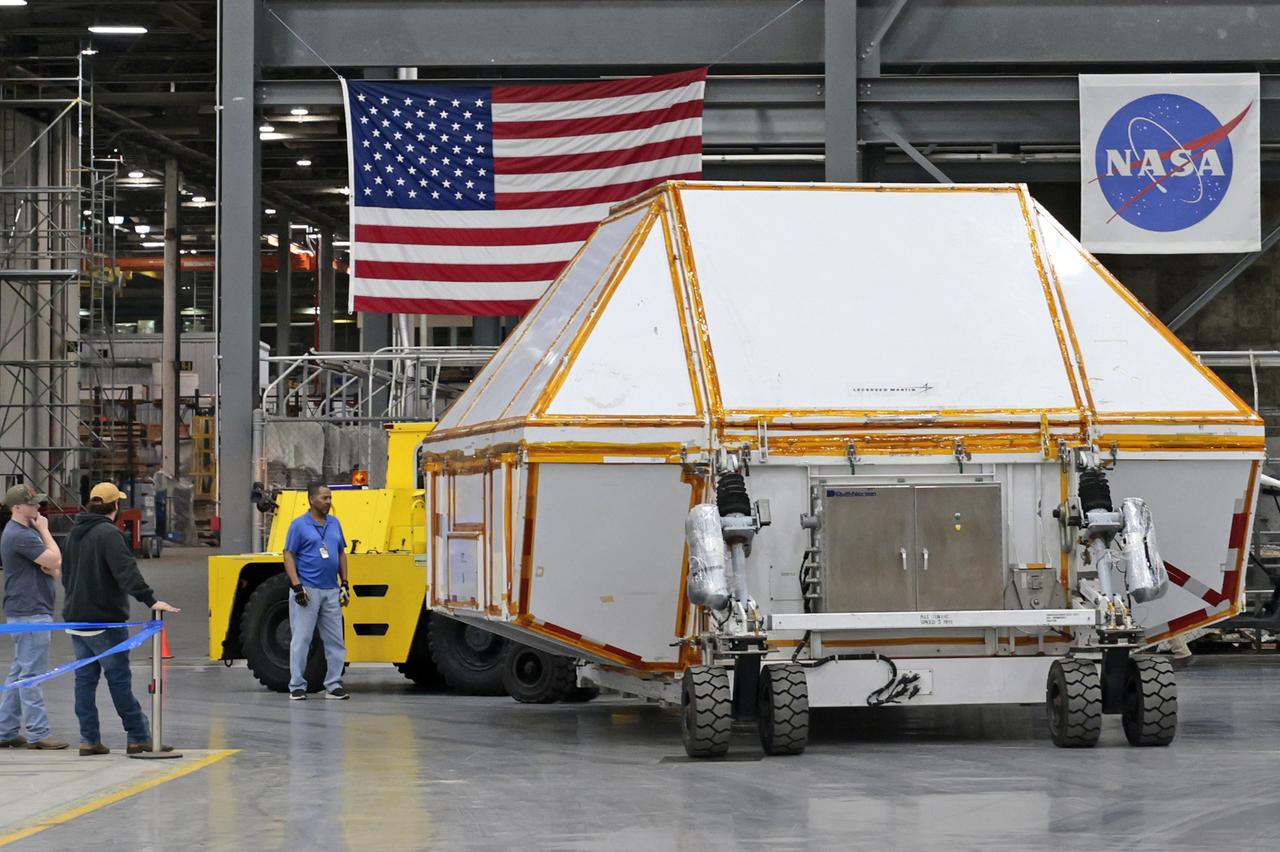
Teams at NASA’s Michoud Assembly Facility in New Orleans prepare the completed Orion pressure vessel for the Artemis IV mission for shipment to NASA’s Kennedy Space Center in Florida. The pressure vessel, which was assembled by lead contractor, Lockheed Martin, is the Orion crew module primary structure – the core upon which all other elements of Orion’s crew module are integrated. The structure is critical to Artemis crews as it holds the pressurized atmosphere astronauts breathe and work in a while in the vacuum of deep space. Once the module arrives at Kennedy’s Vehicle Assembly Building high bay, teams will begin integration of the pressure vessel with the Orion spacecraft crew module adapter and other assembly. With Artemis missions, NASA will land the first woman and the first person of color on the lunar surface, paving the way for human exploration of the Moon and on to Mars. Image credit: NASA/Michael DeMocker
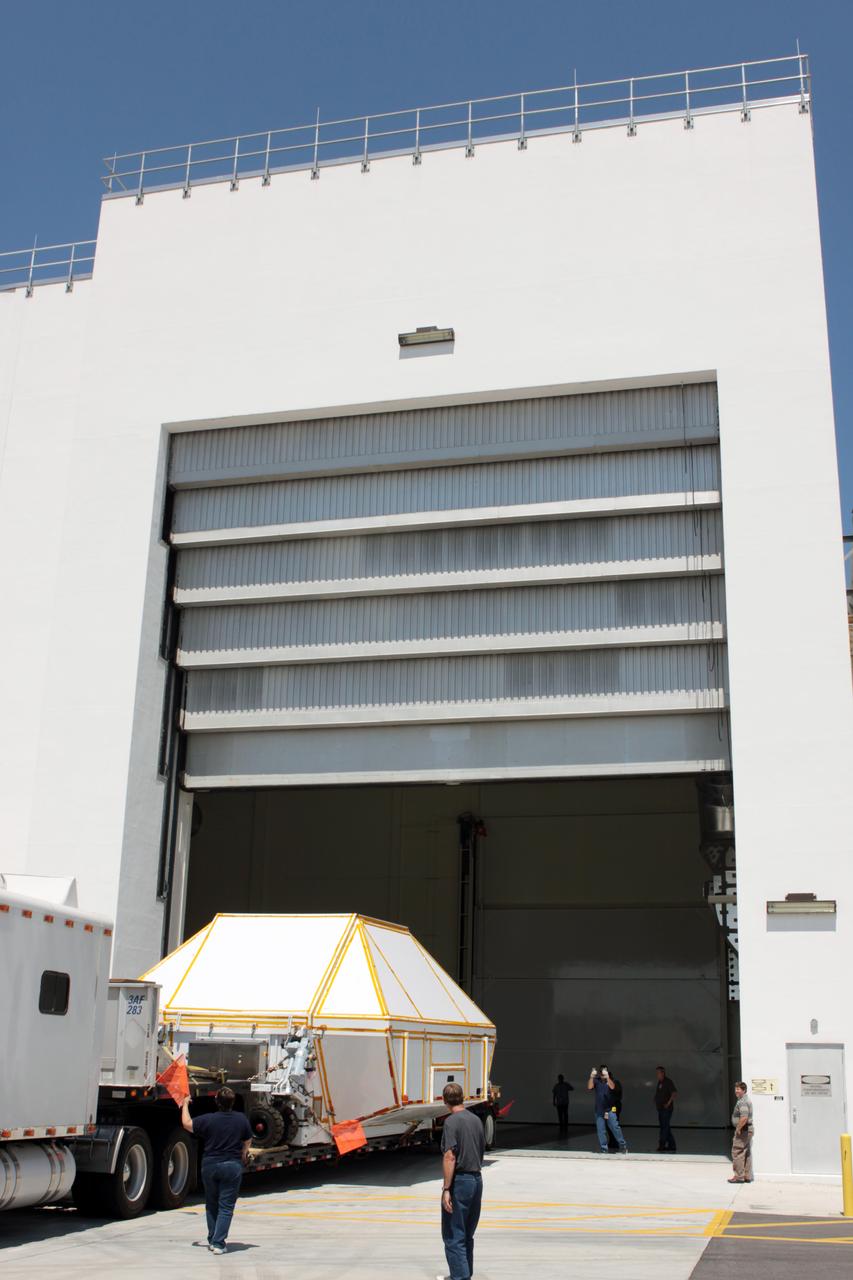
Orion EFT-1 Crew Module Arrival
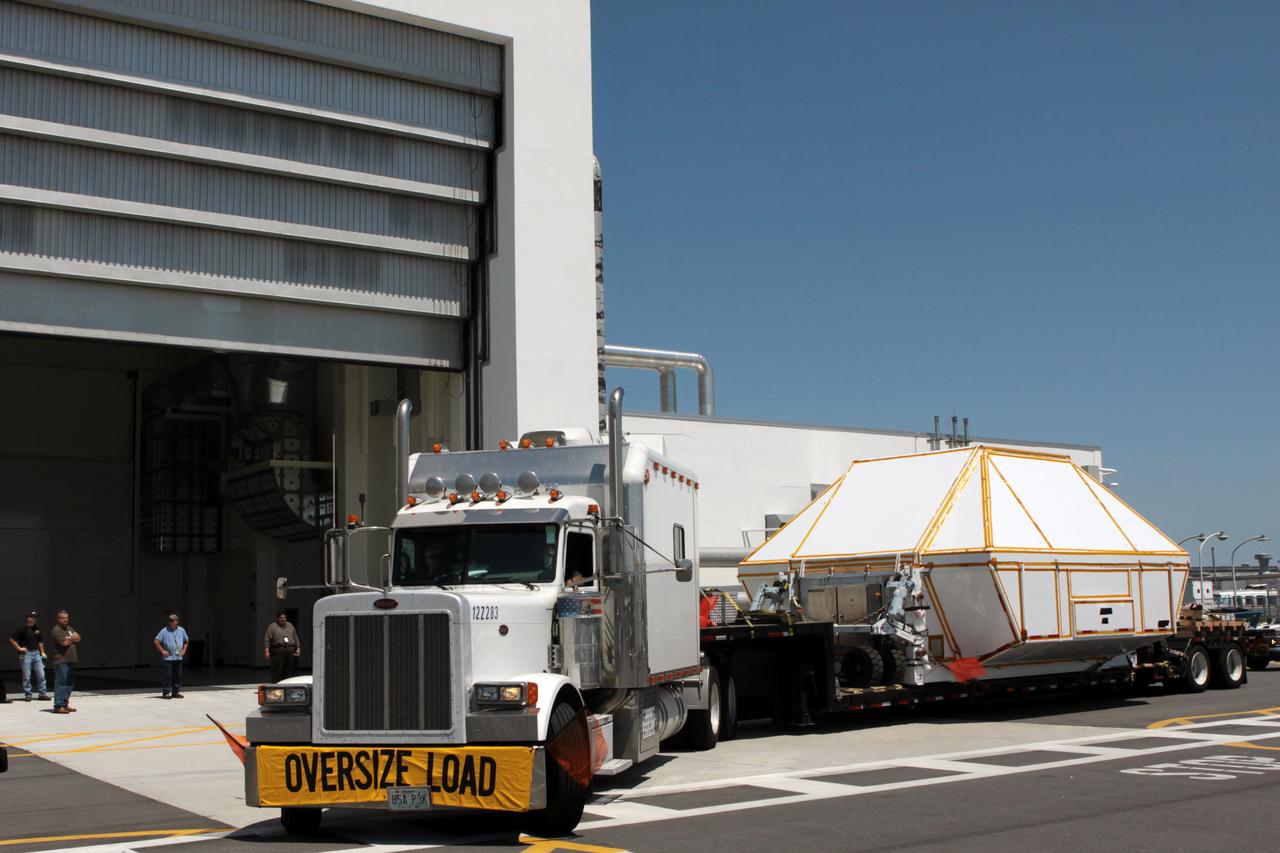
Orion EFT-1 Crew Module Arrival
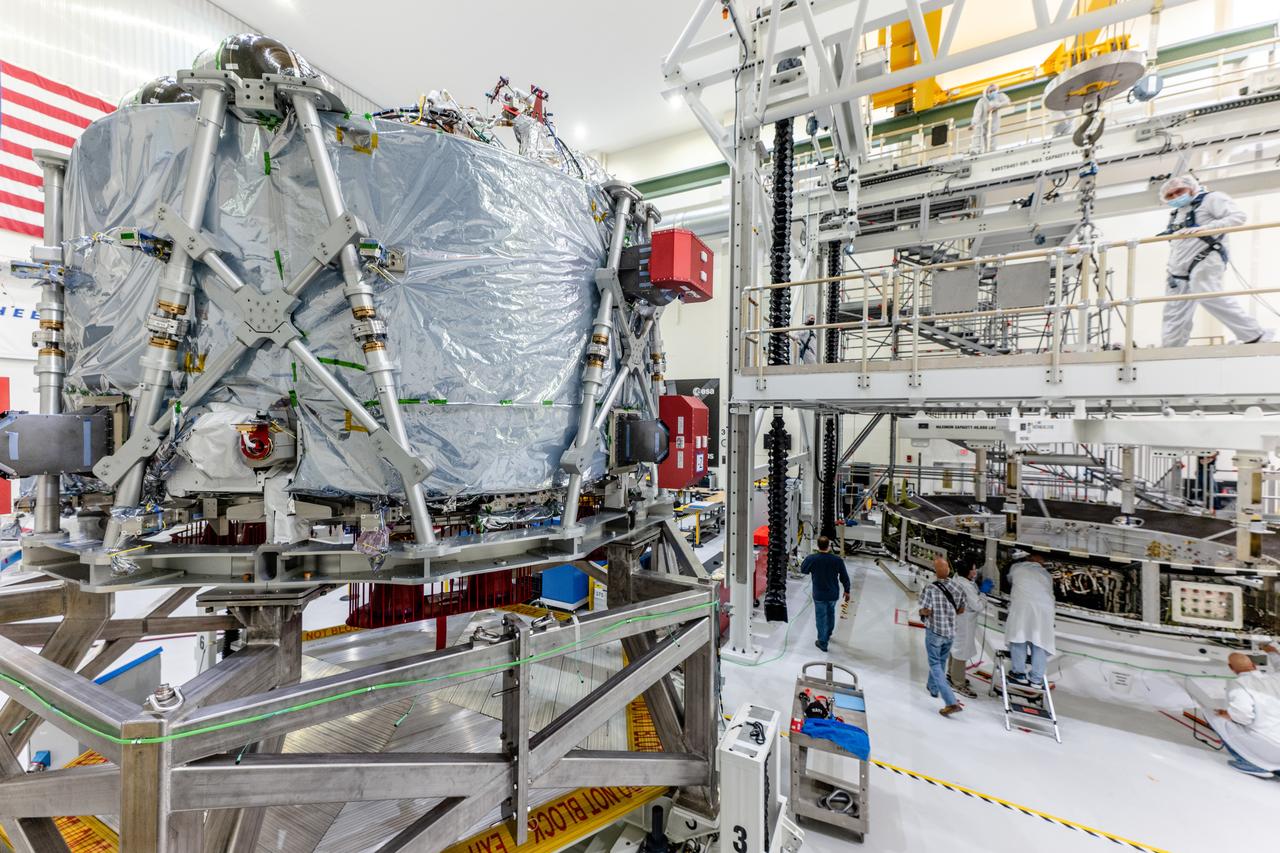
The crew module adapter, which connects Orion's crew module with the European Service module is lifted in preparation for mate with the Artemis II service module on Oct. 19, 2021, which recently arrived from Airbus in Bremen.
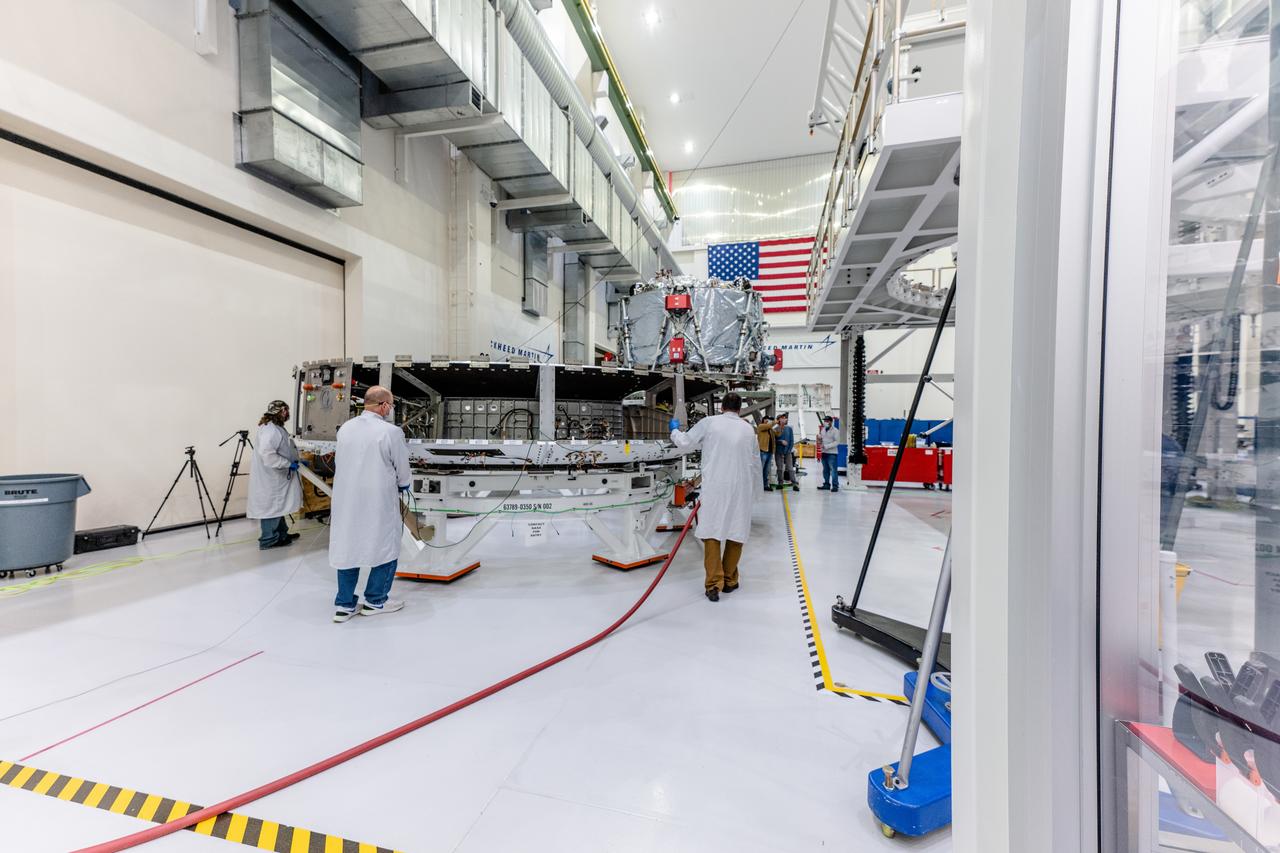
The crew module adapter, which connects Orion's crew module with the European Service module is lifted in preparation for mate with the Artemis II service module on Oct. 19, 2021, which recently arrived from Airbus in Bremen.
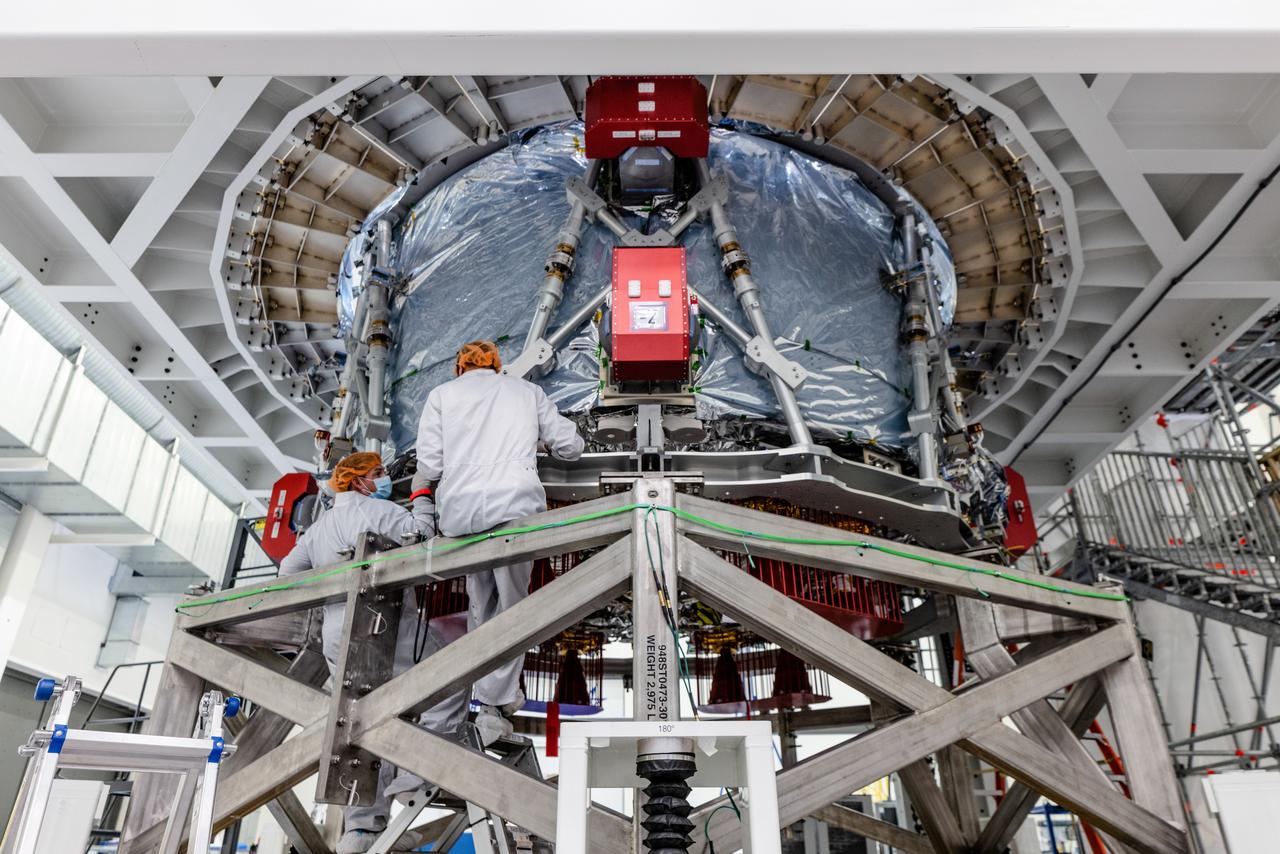
The crew module adapter, which connects Orion's crew module with the European Service module is lifted in preparation for mate with the Artemis II service module on Oct. 19, 2021, which recently arrived from Airbus in Bremen.
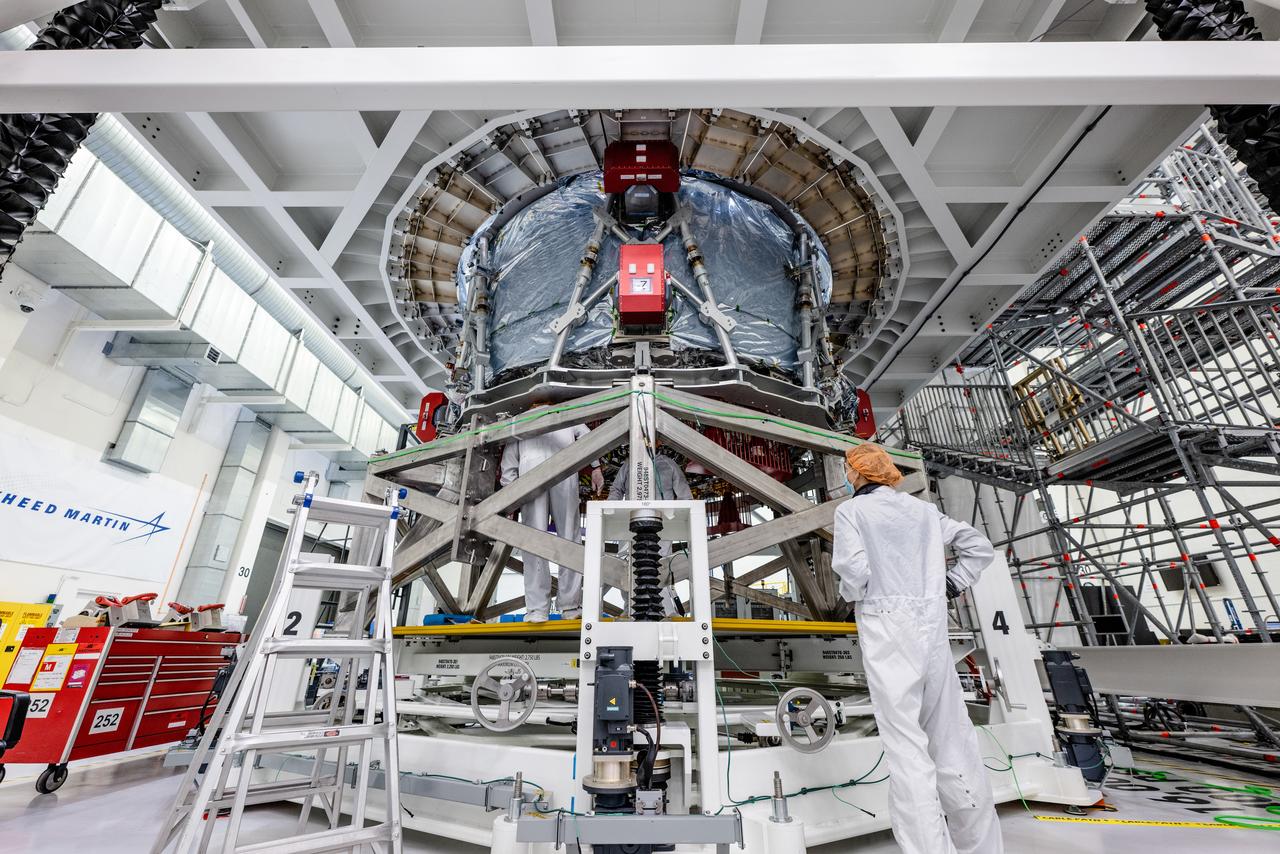
The crew module adapter, which connects Orion's crew module with the European Service module is lifted in preparation for mate with the Artemis II service module on Oct. 19, 2021, which recently arrived from Airbus in Bremen.
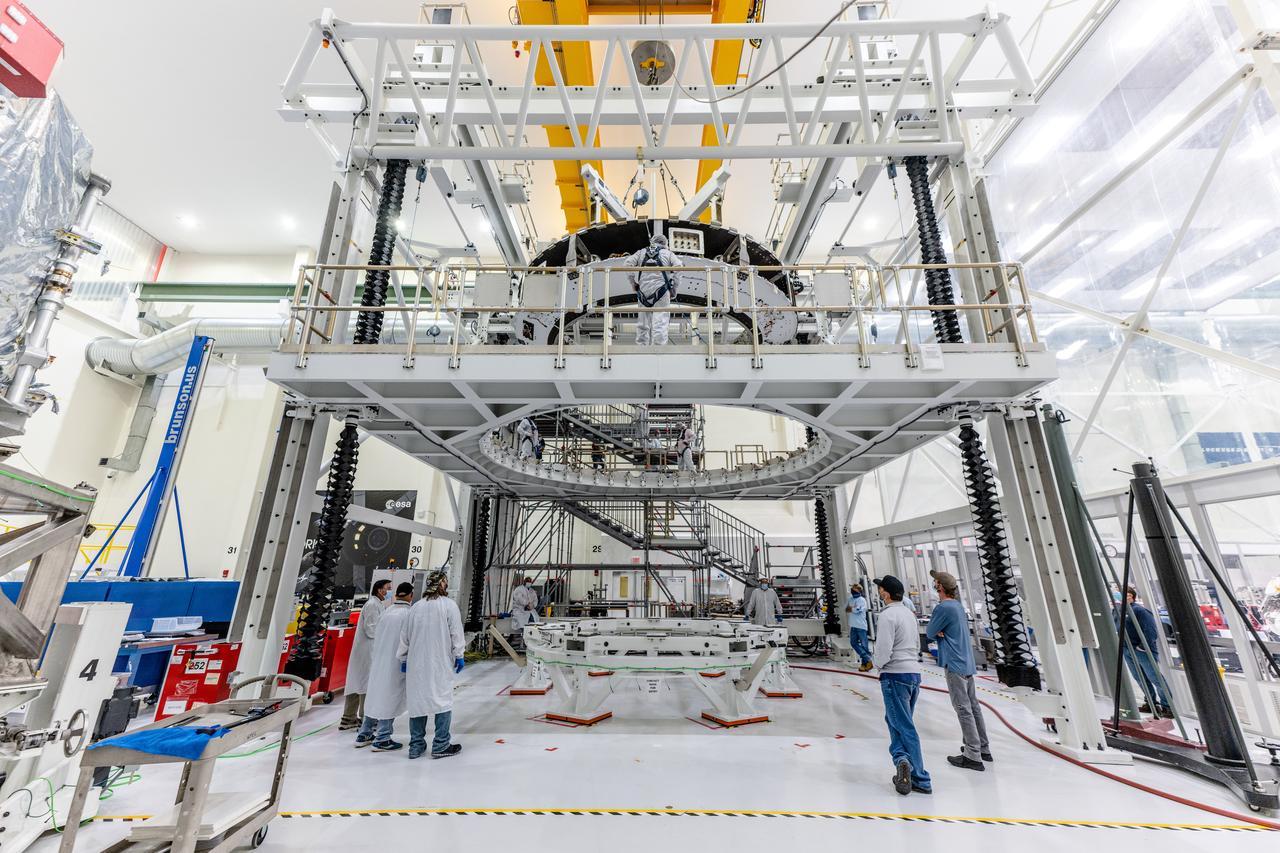
The crew module adapter, which connects Orion's crew module with the European Service module is lifted in preparation for mate with the Artemis II service module on Oct. 19, 2021, which recently arrived from Airbus in Bremen.
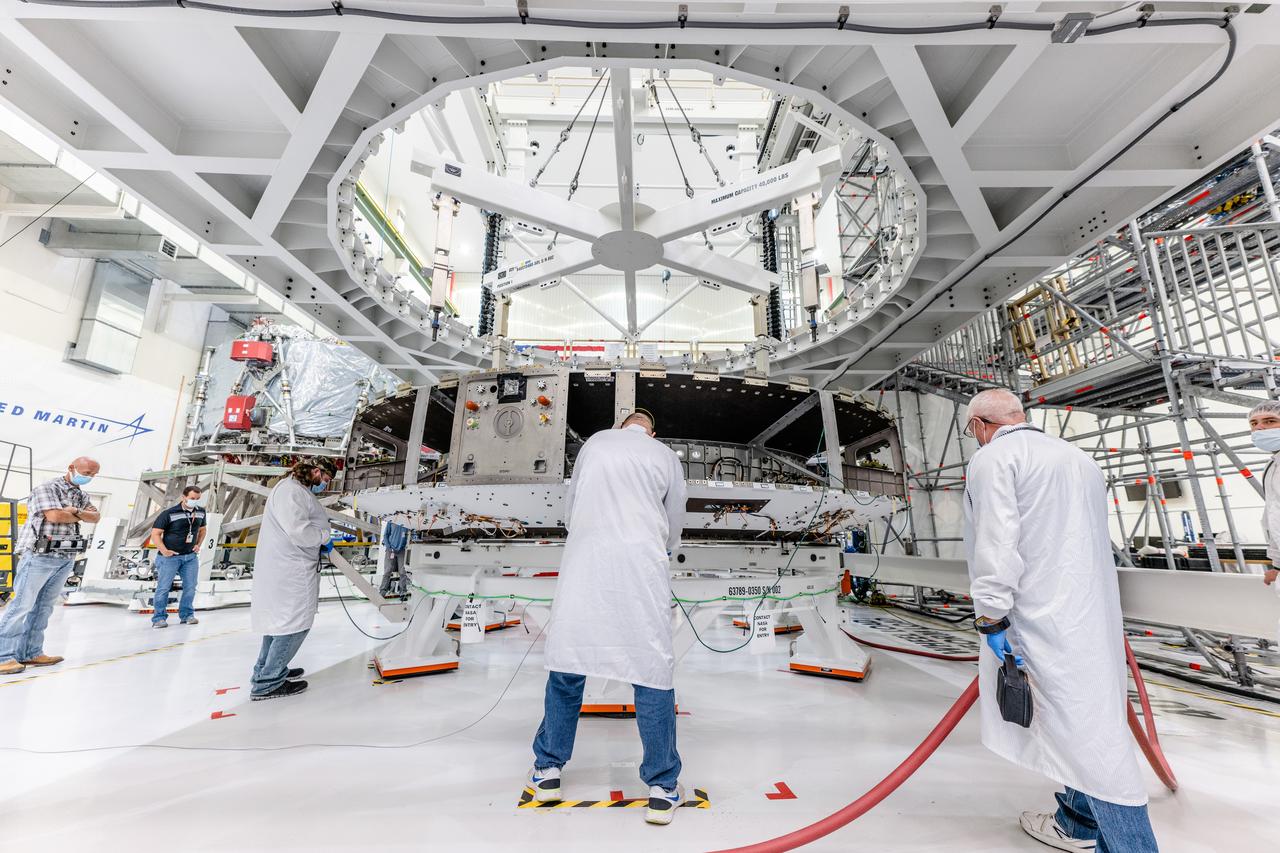
The crew module adapter, which connects Orion's crew module with the European Service module is lifted in preparation for mate with the Artemis II service module on Oct. 19, 2021, which recently arrived from Airbus in Bremen.
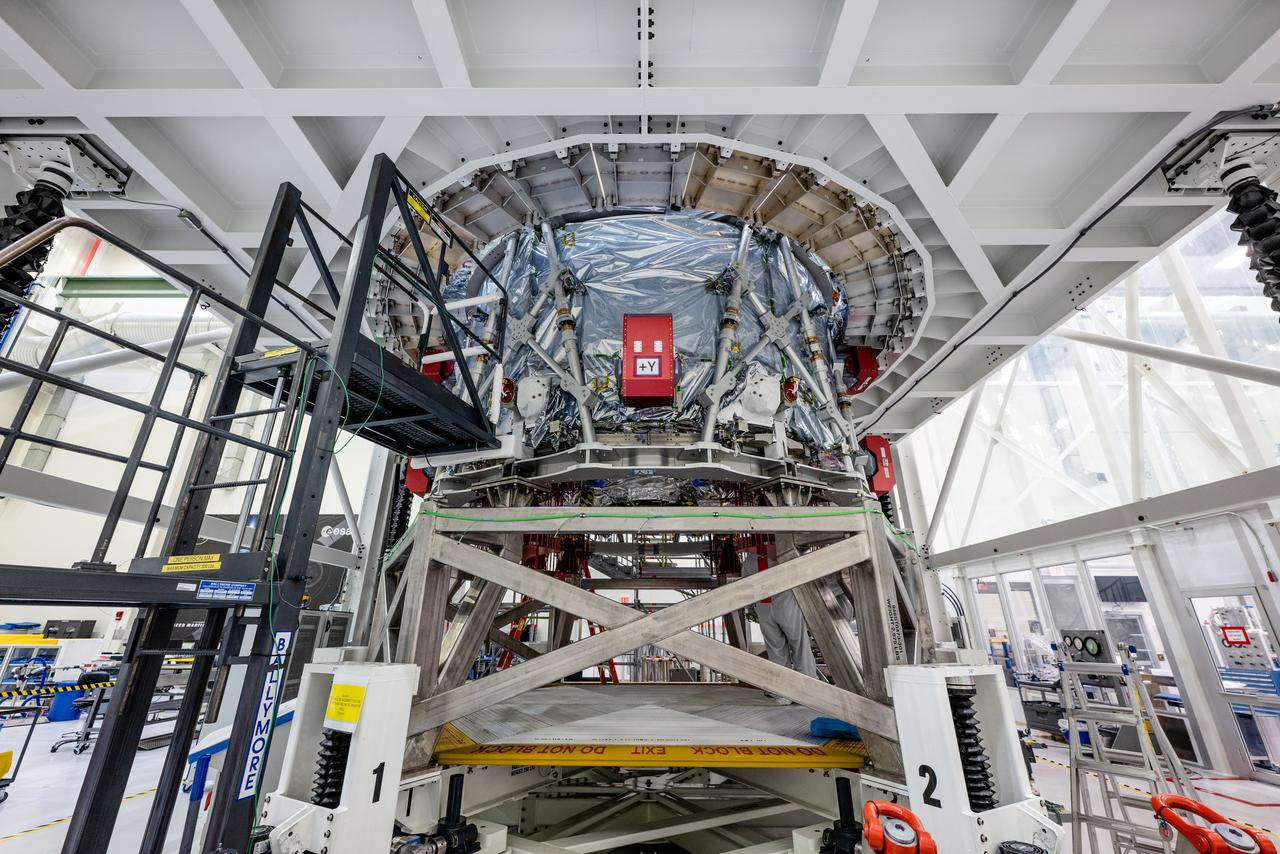
The crew module adapter, which connects Orion's crew module with the European Service module is lifted in preparation for mate with the Artemis II service module on Oct. 19, 2021, which recently arrived from Airbus in Bremen.
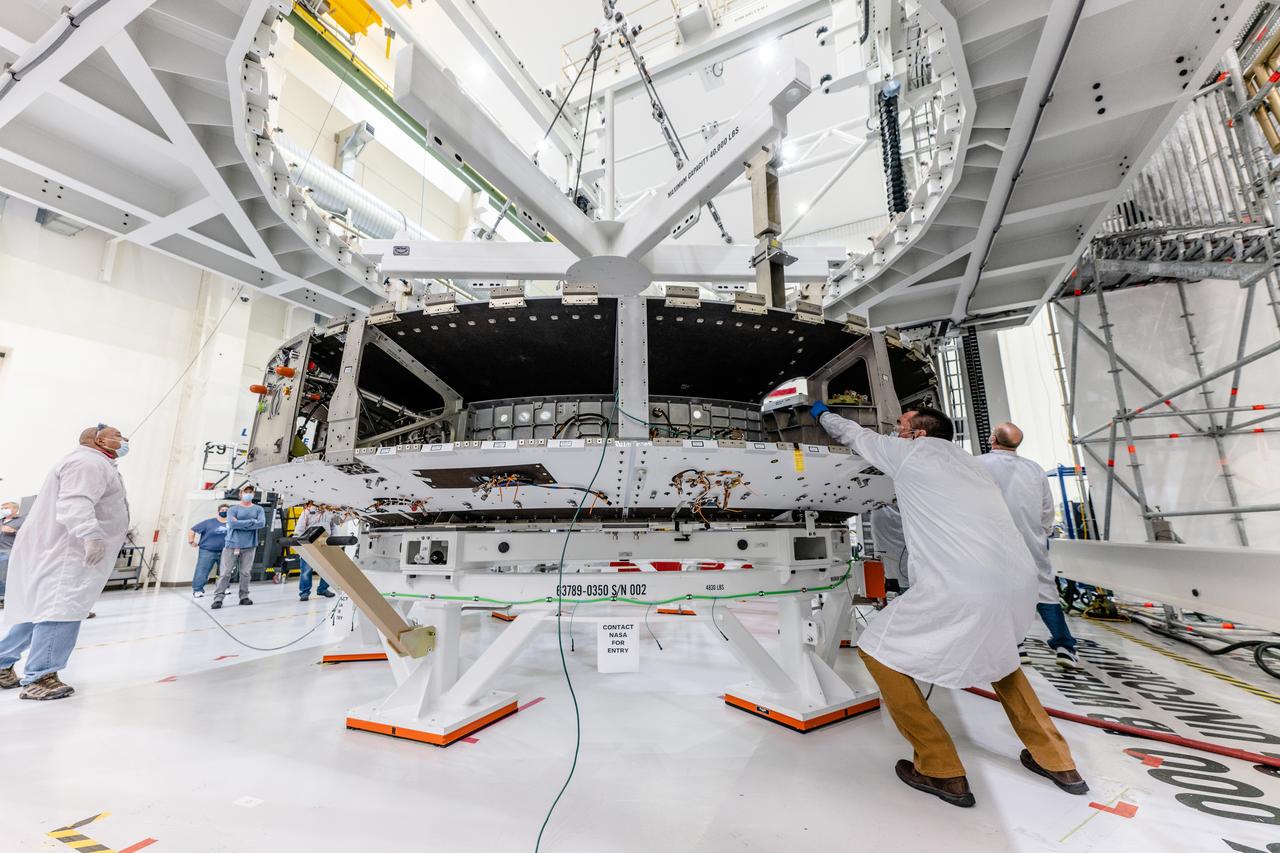
The crew module adapter, which connects Orion's crew module with the European Service module is lifted in preparation for mate with the Artemis II service module on Oct. 19, 2021, which recently arrived from Airbus in Bremen.
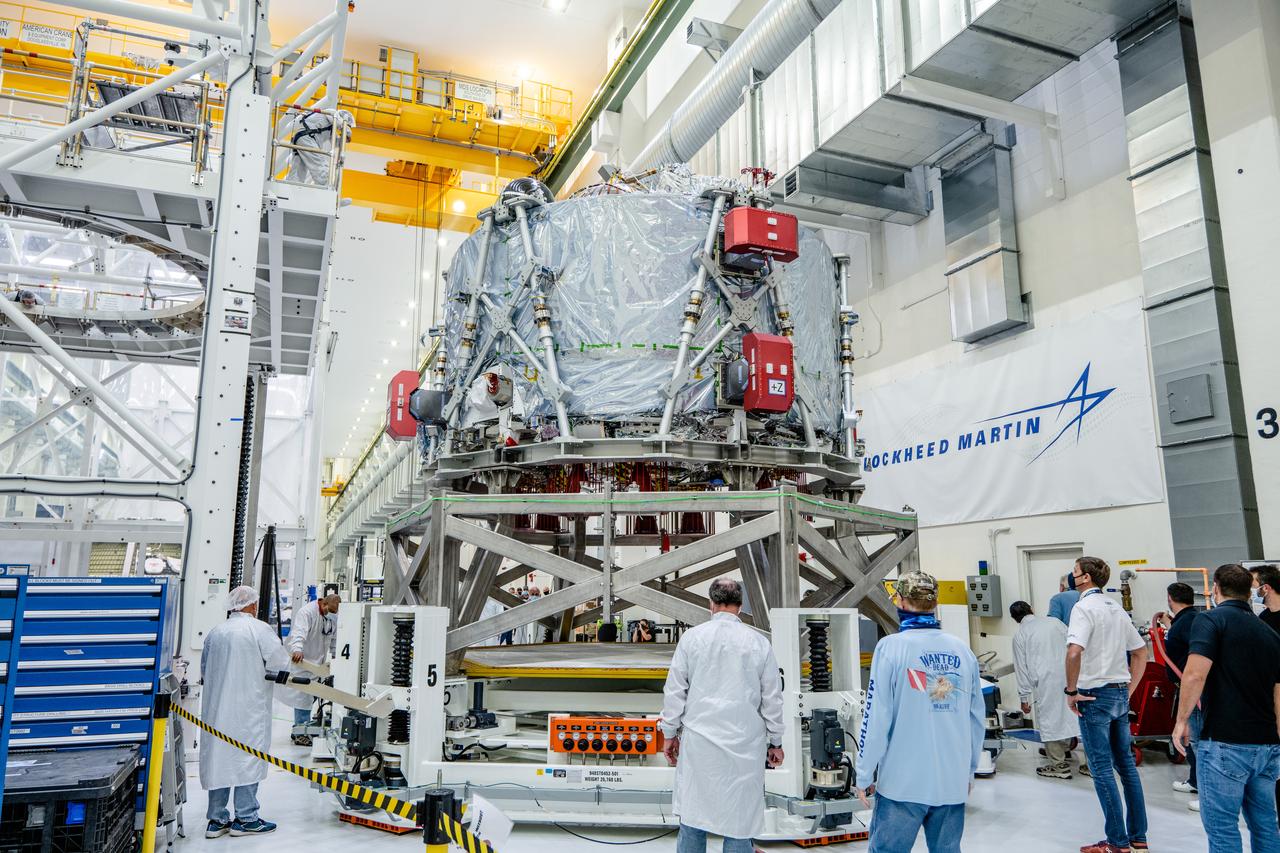
The crew module adapter, which connects Orion's crew module with the European Service module is lifted in preparation for mate with the Artemis II service module on Oct. 19, 2021, which recently arrived from Airbus in Bremen.
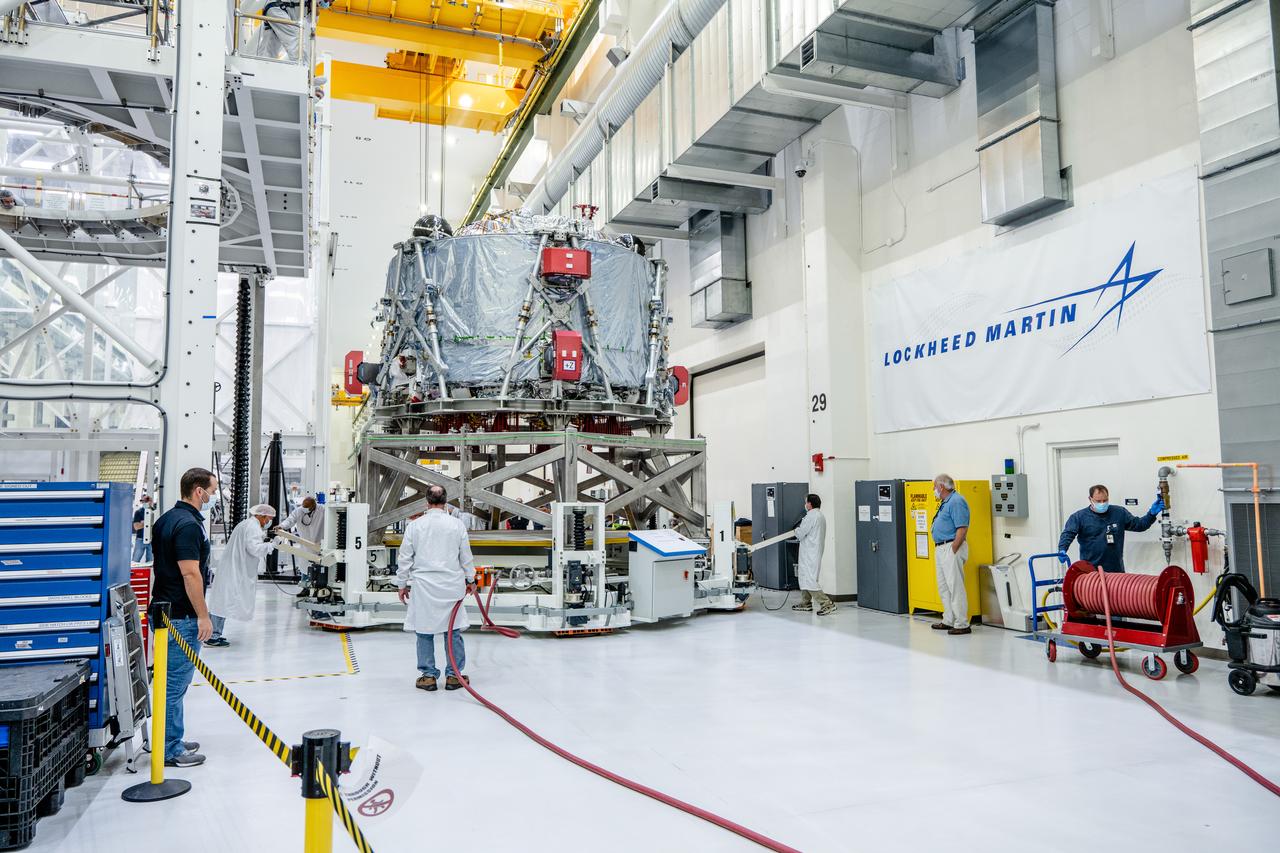
The crew module adapter, which connects Orion's crew module with the European Service module is lifted in preparation for mate with the Artemis II service module on Oct. 19, 2021, which recently arrived from Airbus in Bremen.
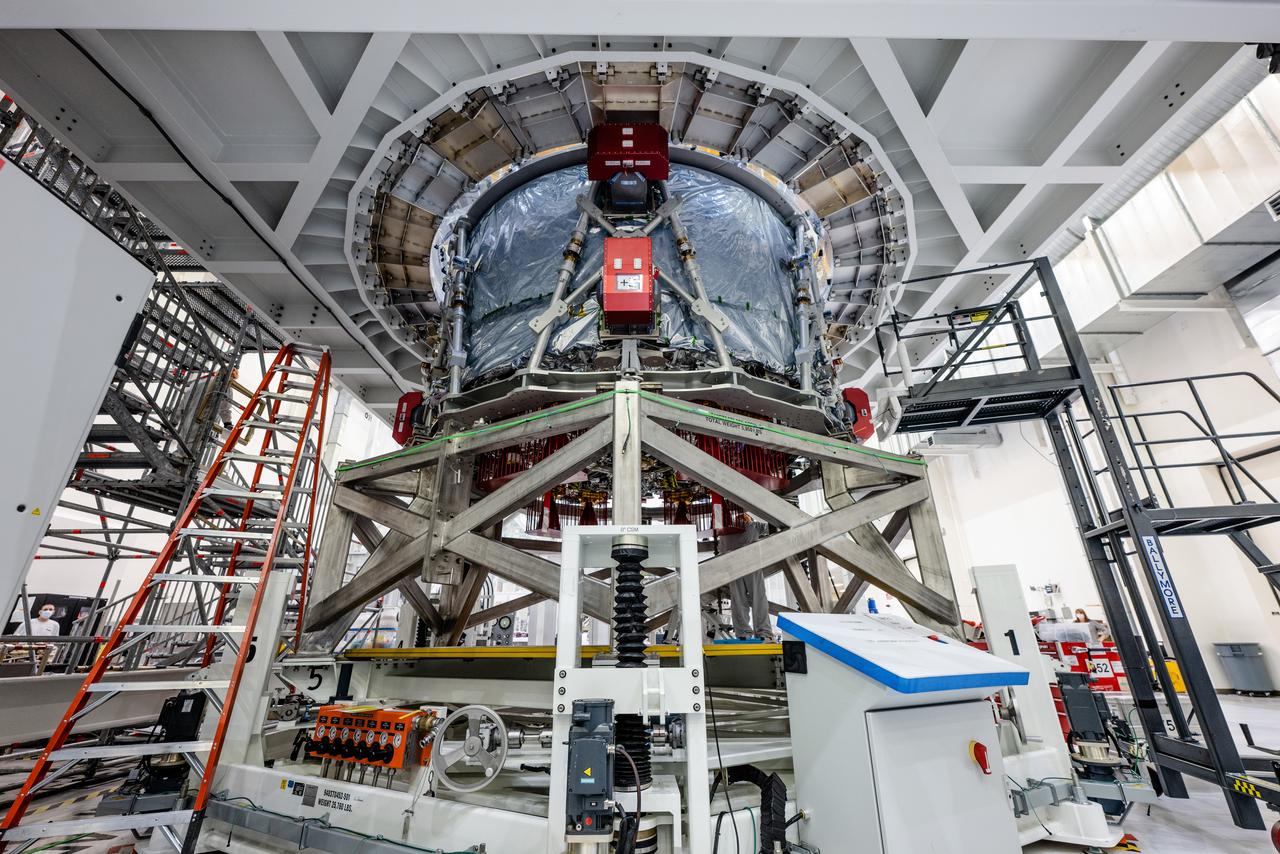
The crew module adapter, which connects Orion's crew module with the European Service module is lifted in preparation for mate with the Artemis II service module on Oct. 19, 2021, which recently arrived from Airbus in Bremen.
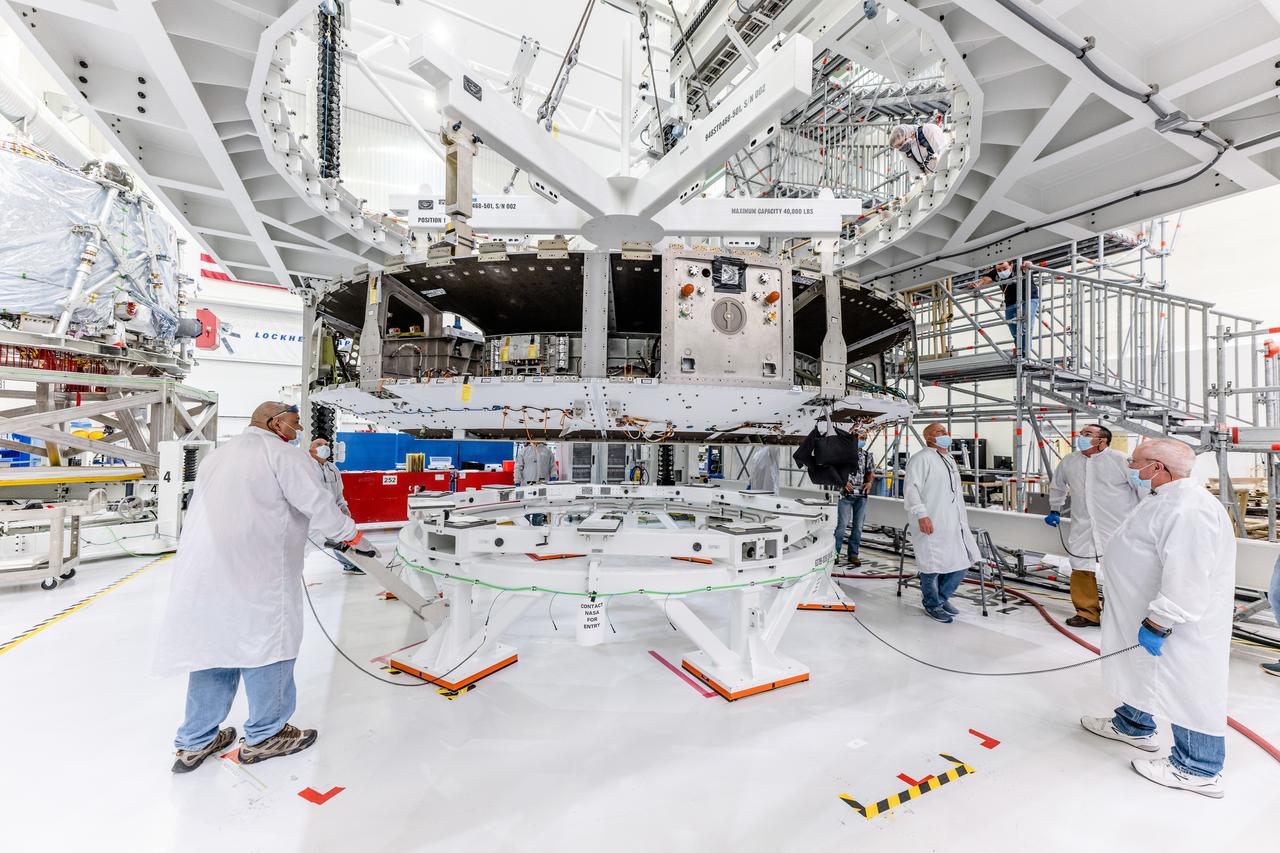
The crew module adapter, which connects Orion's crew module with the European Service module is lifted in preparation for mate with the Artemis II service module on Oct. 19, 2021, which recently arrived from Airbus in Bremen.
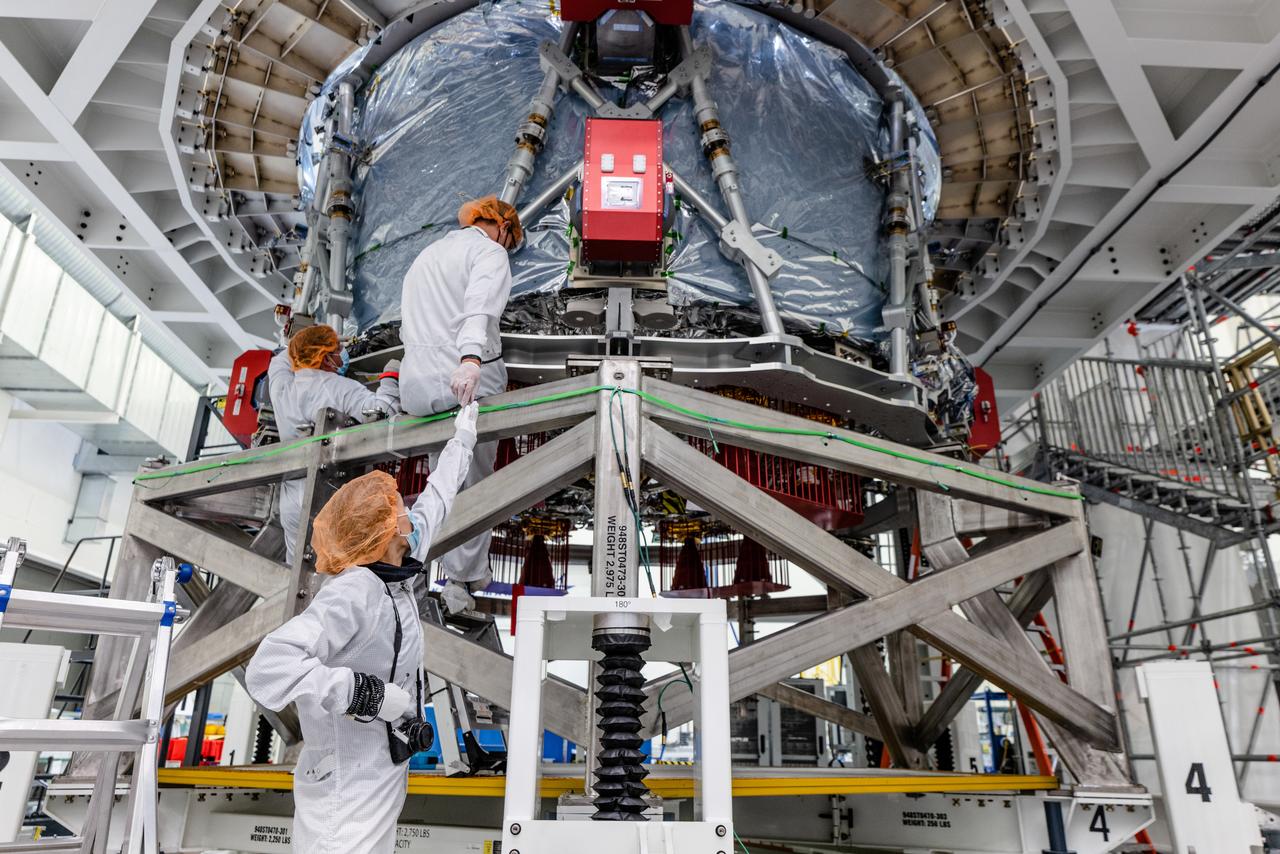
The crew module adapter, which connects Orion's crew module with the European Service module is lifted in preparation for mate with the Artemis II service module on Oct. 19, 2021, which recently arrived from Airbus in Bremen.
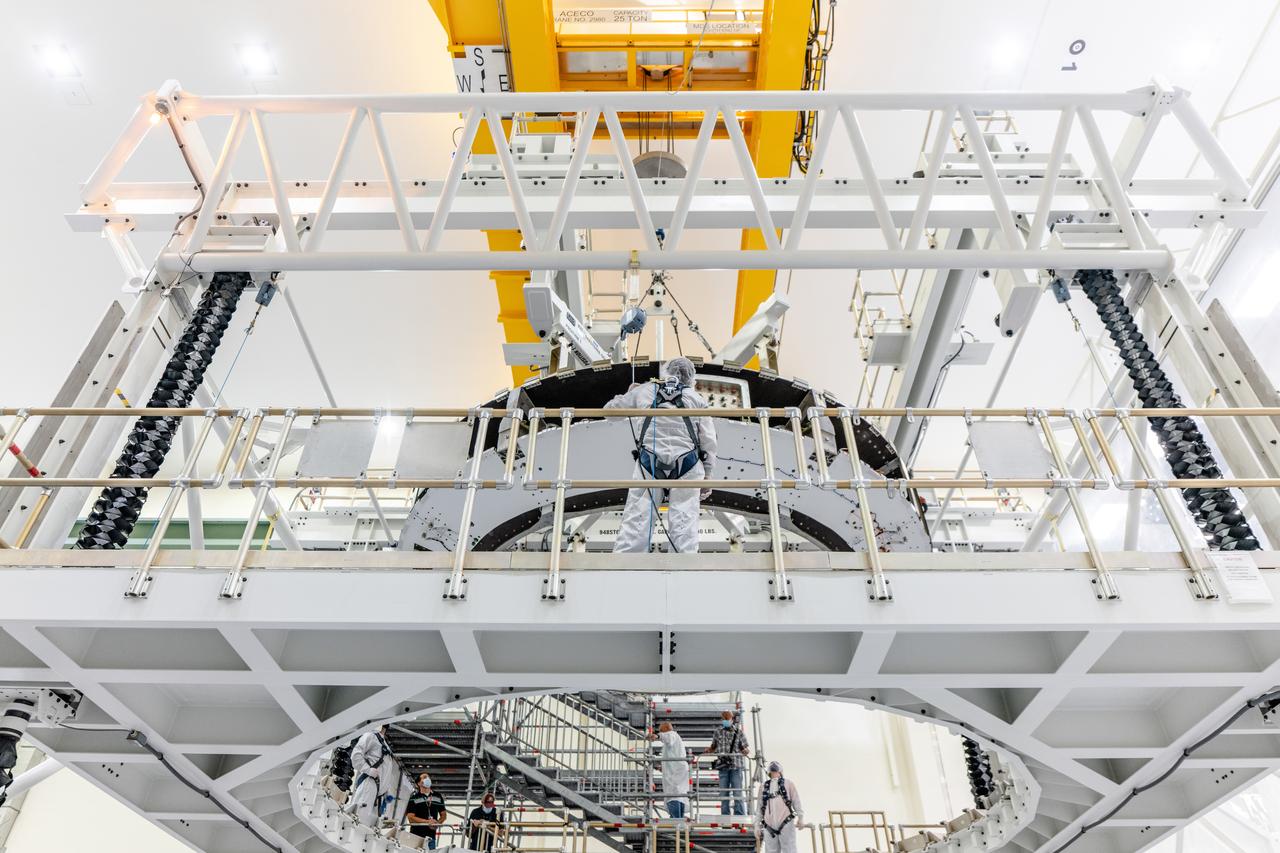
The crew module adapter, which connects Orion's crew module with the European Service module is lifted in preparation for mate with the Artemis II service module on Oct. 19, 2021, which recently arrived from Airbus in Bremen.
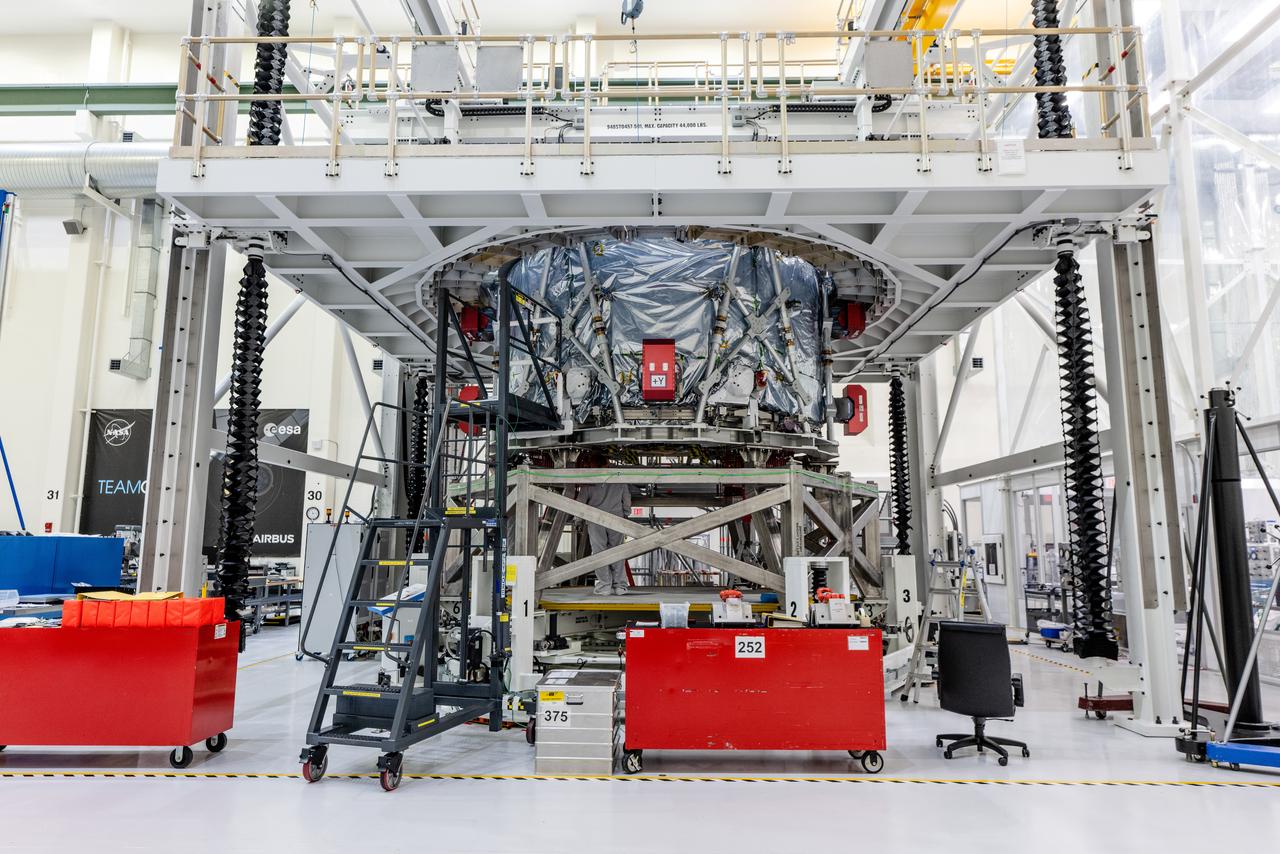
The crew module adapter, which connects Orion's crew module with the European Service module is lifted in preparation for mate with the Artemis II service module on Oct. 19, 2021, which recently arrived from Airbus in Bremen.
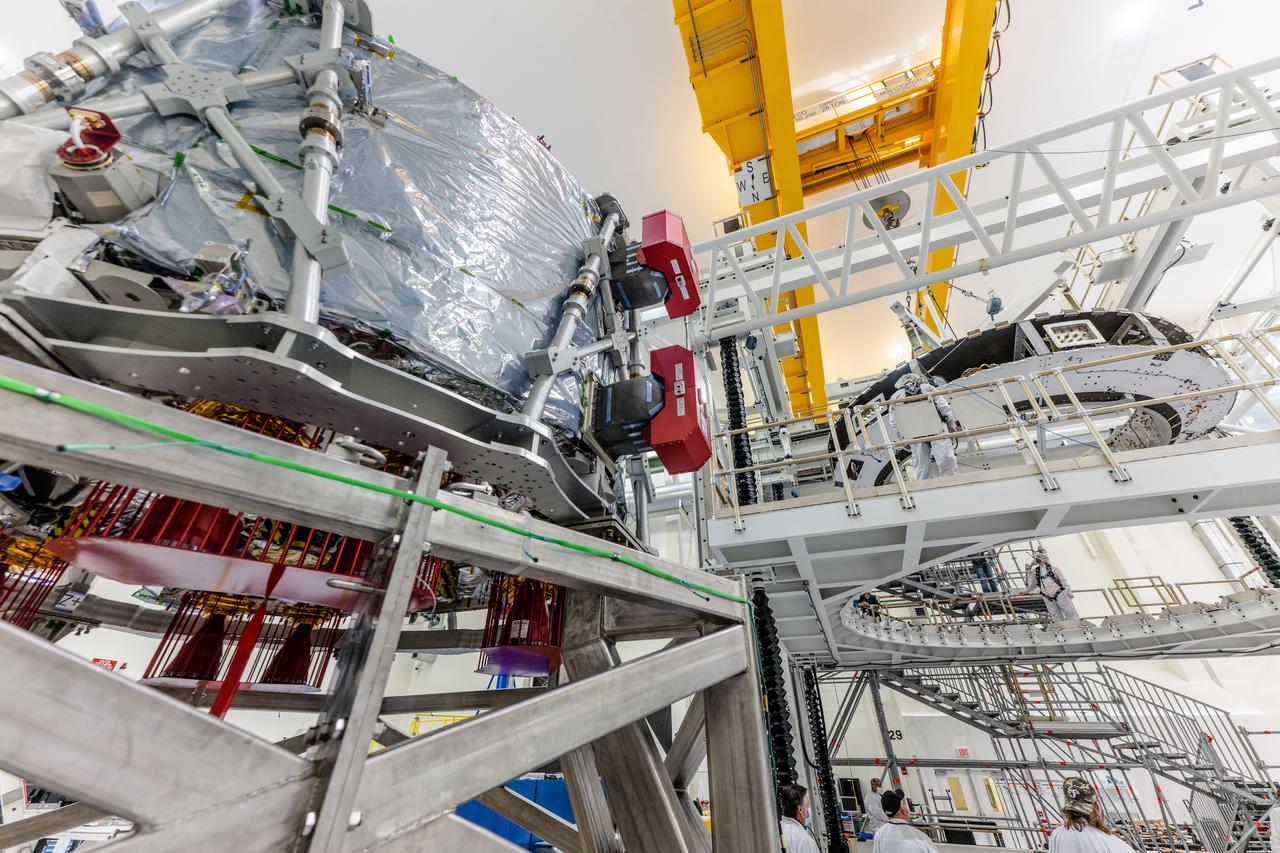
The crew module adapter, which connects Orion's crew module with the European Service module is lifted in preparation for mate with the Artemis II service module on Oct. 19, 2021, which recently arrived from Airbus in Bremen.
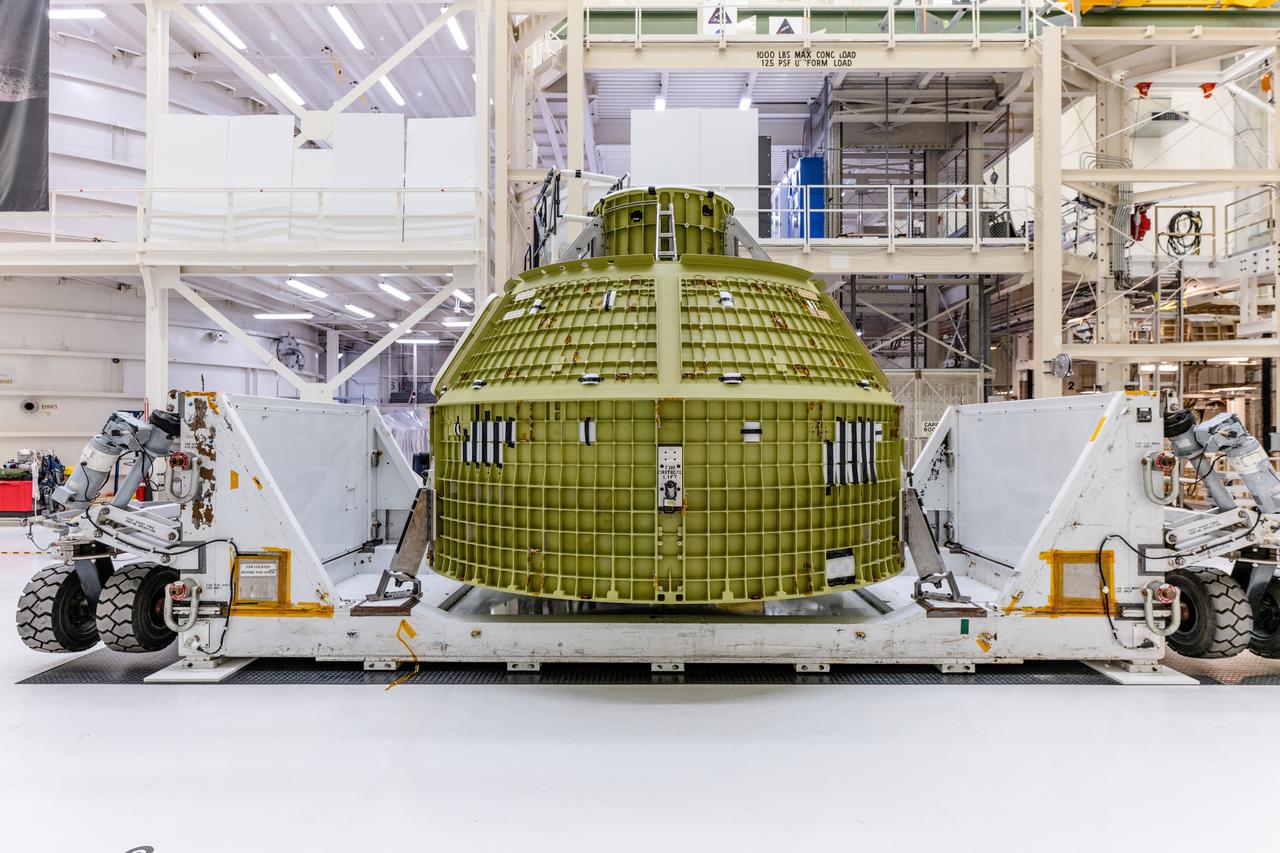
The crew module adapter, which connects Orion's crew module with the European Service module is lifted in preparation for mate with the Artemis II service module on Oct. 19, 2021, which recently arrived from Airbus in Bremen.
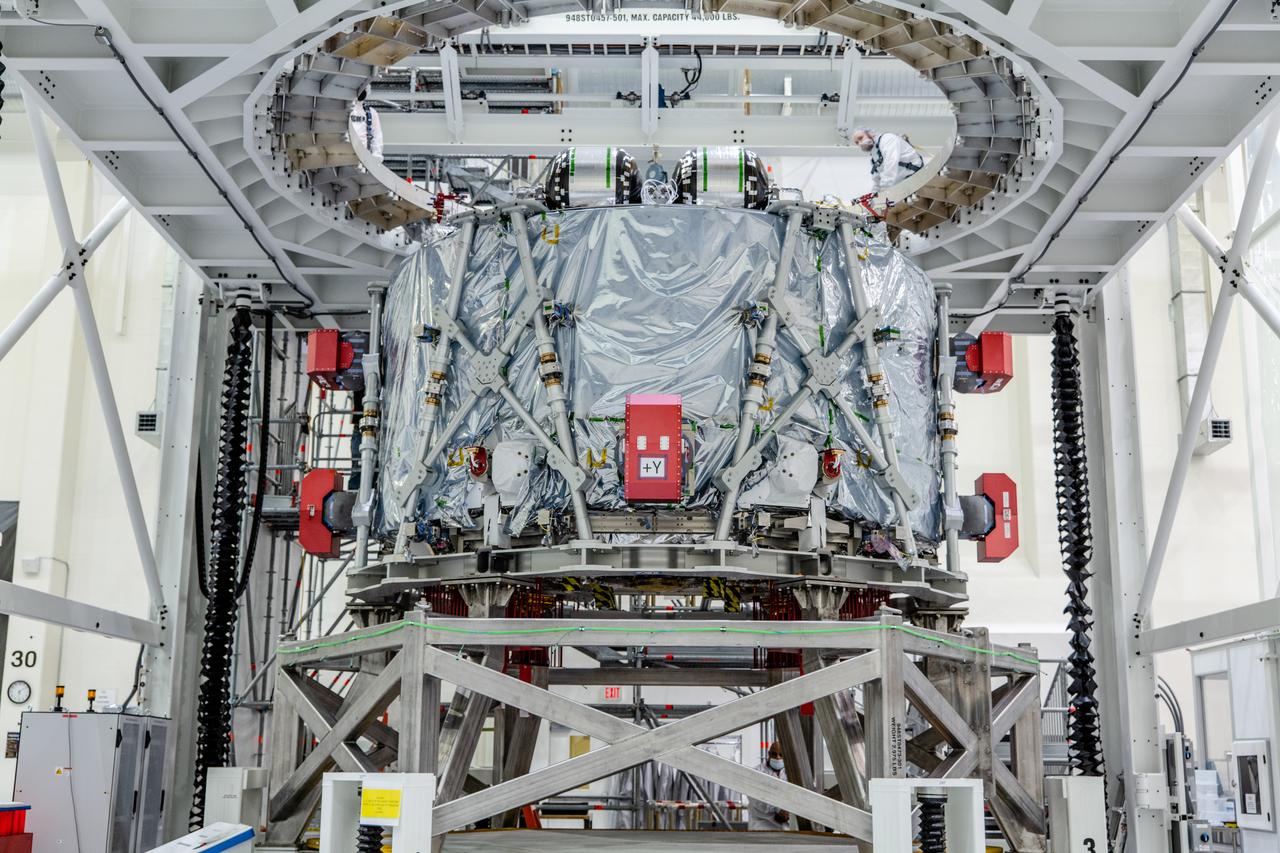
The crew module adapter, which connects Orion's crew module with the European Service module is lifted in preparation for mate with the Artemis II service module on Oct. 19, 2021, which recently arrived from Airbus in Bremen.
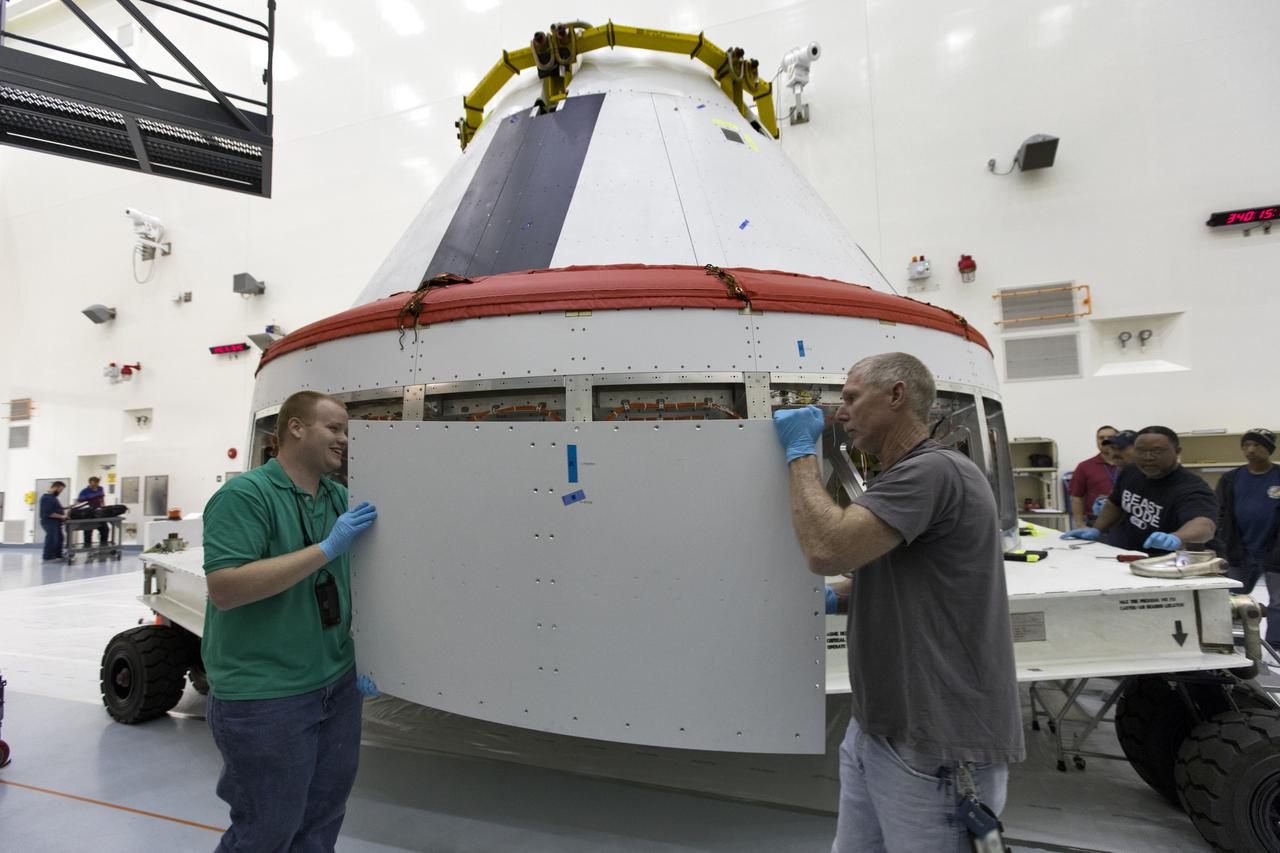
Workers remove cover plates from a mock Orion crew module inside the Multi-Payload Processing Facility at NASA’s Kennedy Space Center in Florida on Dec. 6, 2018. The crew module will be used during a full stress test of the Launch Abort System (LAS), called Ascent Abort-2 (AA-2), scheduled for April 2019. During the test, the Northrop Grumman booster will launch from Space Launch Complex 46, carrying a fully functional LAS and the 22,000-pound Orion test vehicle to an altitude of 31,000 feet and traveling at more than 1,000 miles an hour. The test will verify the LAS can steer the crew module and astronauts aboard to safety in the event of an issue with the Space Launch System (SLS) rocket when the spacecraft is under the highest aerodynamic loads it will experience during a rapid climb into space.
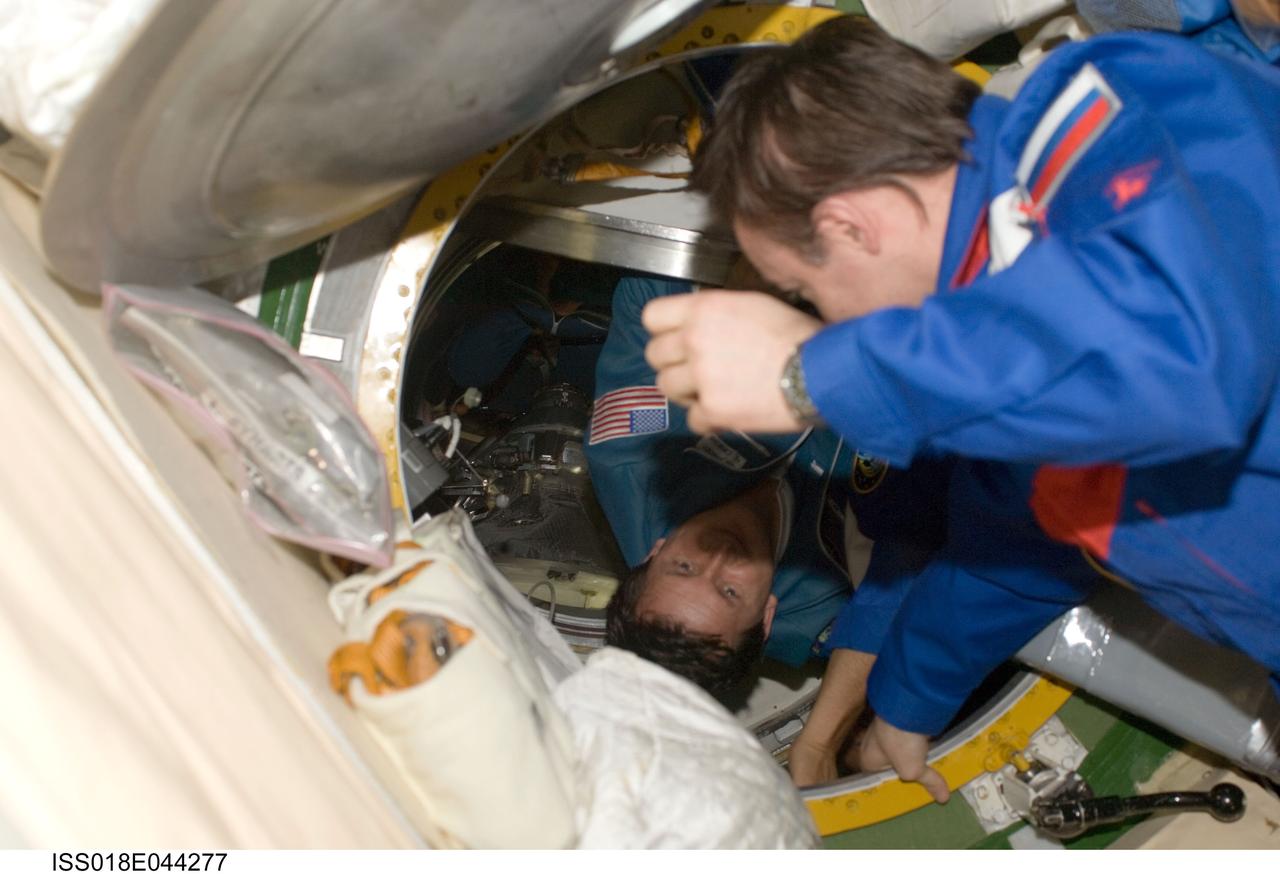
ISS018-E-044277 (28 March 2009) --- Astronaut Michael Fincke (foreground), Expedition 18 commander, welcomes U.S. spaceflight participant Charles Simonyi as he ingresses the International Space Station after arriving onboard a Soyuz spacecraft with two Expedition 19 crewmembers (out of frame).
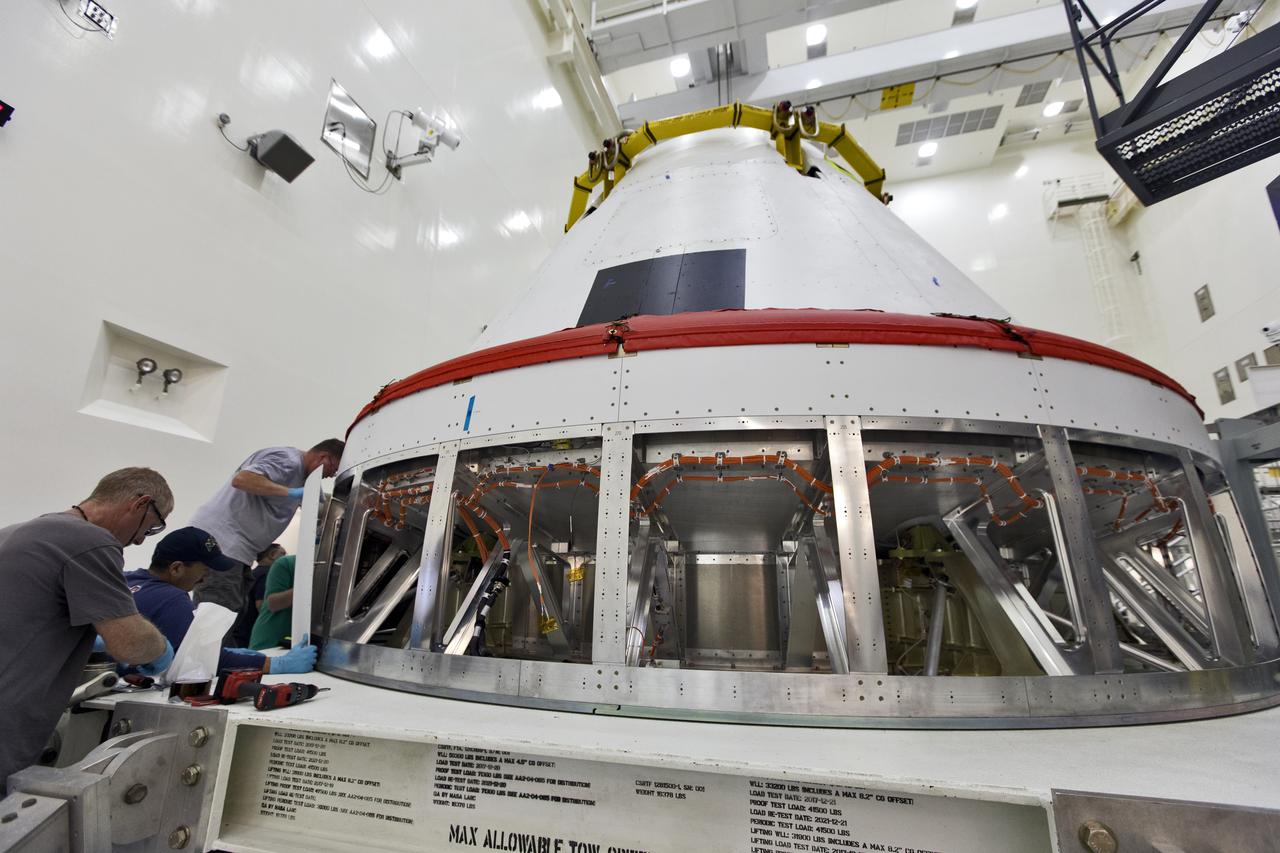
Workers remove cover plates from a mock Orion crew module inside the Multi-Payload Processing Facility at NASA’s Kennedy Space Center in Florida on Dec. 6, 2018. The crew module will be used during a full stress test of the Launch Abort System (LAS), called Ascent Abort-2 (AA-2), scheduled for April 2019. During the test, the booster will launch from Space Launch Complex 46, carrying a fully functional LAS and the 22,000-pound Orion test vehicle to an altitude of 31,000 feet and traveling at more than 1,000 miles an hour. The test will verify the LAS can steer the crew module and astronauts aboard to safety in the event of an issue with the Space Launch System (SLS) rocket when the spacecraft is under the highest aerodynamic loads it will experience during a rapid climb into space.
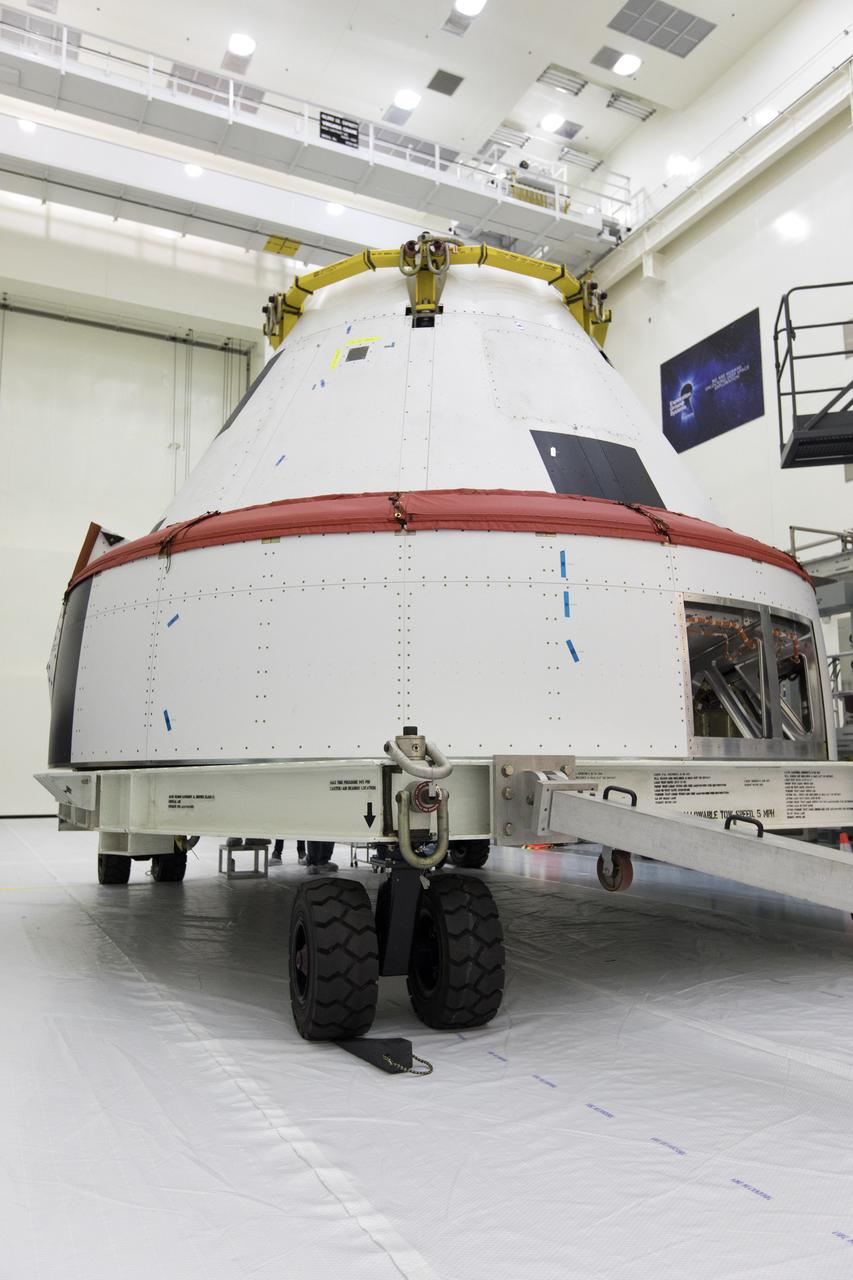
A mock Orion crew module is inside the Multi-Payload Processing Facility at NASA’s Kennedy Space Center in Florida on Dec. 6, 2018. The crew module will be used during a full stress test of the Launch Abort System (LAS), called Ascent Abort-2 (AA-2), scheduled for April 2019. During the test, the Northrop Grumman booster will launch from Space Launch Complex 46, carrying a fully functional LAS and the 22,000-pound Orion test vehicle to an altitude of 31,000 feet and traveling at more than 1,000 miles an hour. The test will verify the LAS can steer the crew module and astronauts aboard to safety in the event of an issue with the Space Launch System (SLS) rocket when the spacecraft is under the highest aerodynamic loads it will experience during a rapid climb into space.
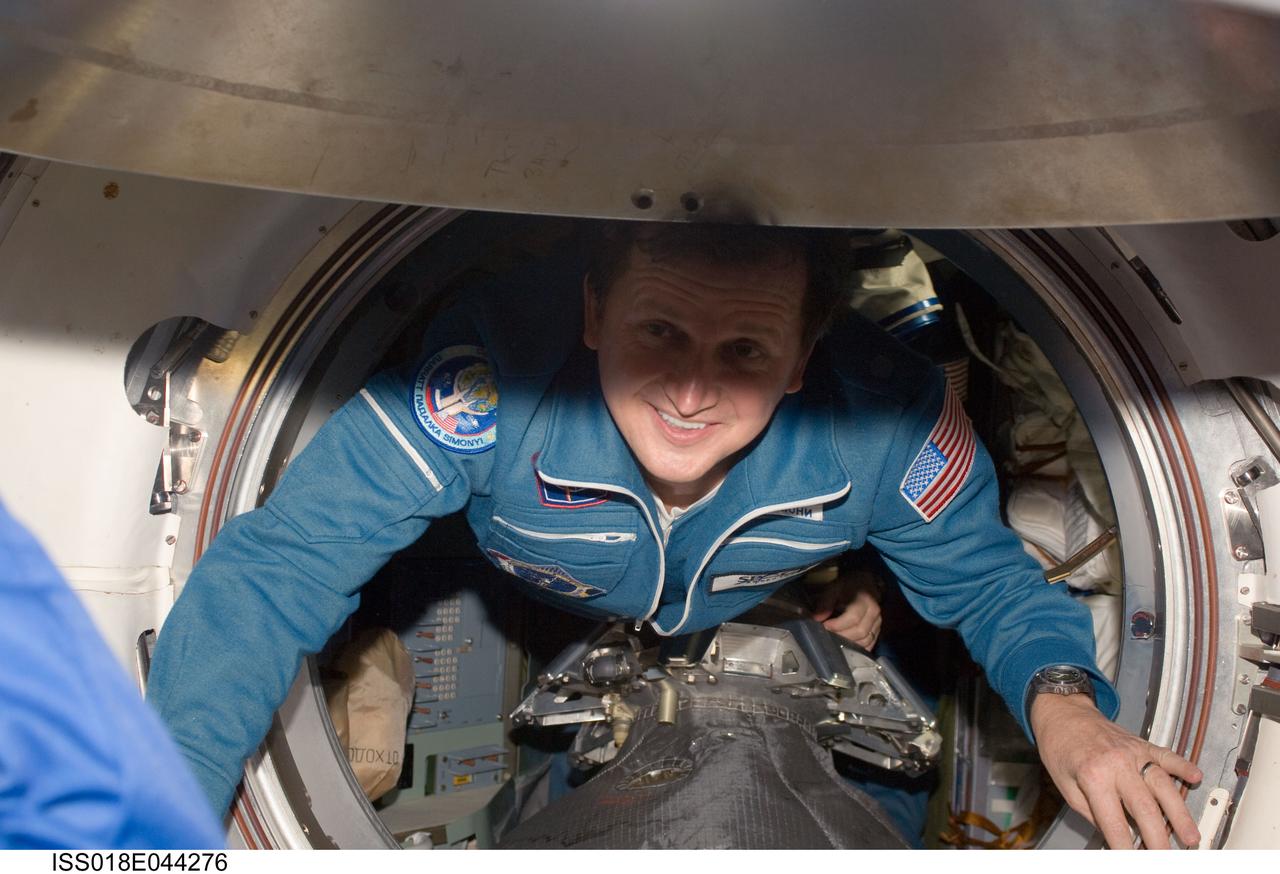
ISS018-E-044276 (28 March 2009) --- U.S. spaceflight participant Charles Simonyi ingresses the International Space Station after arriving onboard a Soyuz spacecraft with two Expedition 19 crewmembers (out of frame).
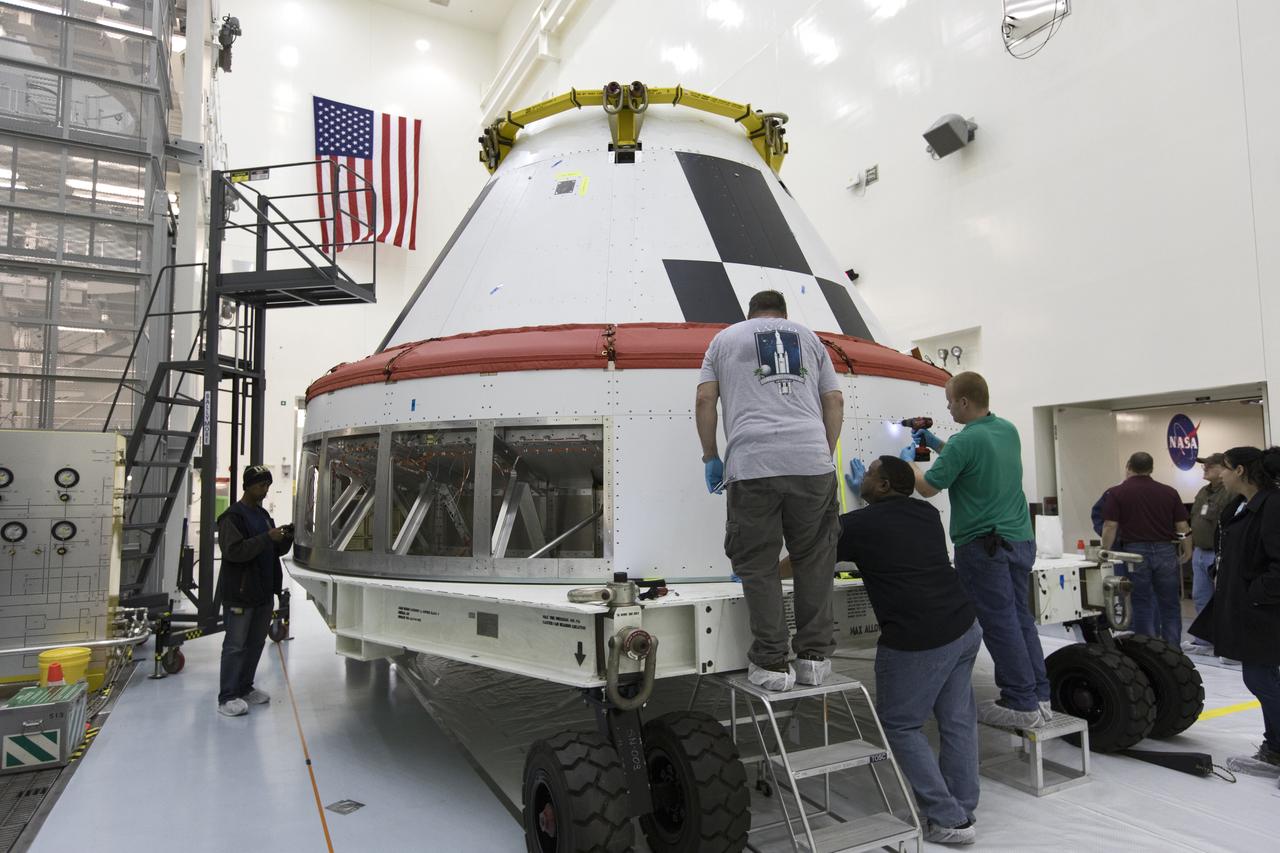
Workers remove cover plates from a mock Orion crew module inside the Multi-Payload Processing Facility at NASA’s Kennedy Space Center in Florida on Dec. 6, 2018. The crew module will be used during a full stress test of the Launch Abort System (LAS), called Ascent Abort-2 (AA-2), scheduled for April 2019. During the test, the Northrop Grumman booster will launch from Space Launch Complex 46, carrying a fully functional LAS and the 22,000-pound Orion test vehicle to an altitude of 31,000 feet and traveling at more than 1,000 miles an hour. The test will verify the LAS can steer the crew module and astronauts aboard to safety in the event of an issue with the Space Launch System (SLS) rocket when the spacecraft is under the highest aerodynamic loads it will experience during a rapid climb into space.
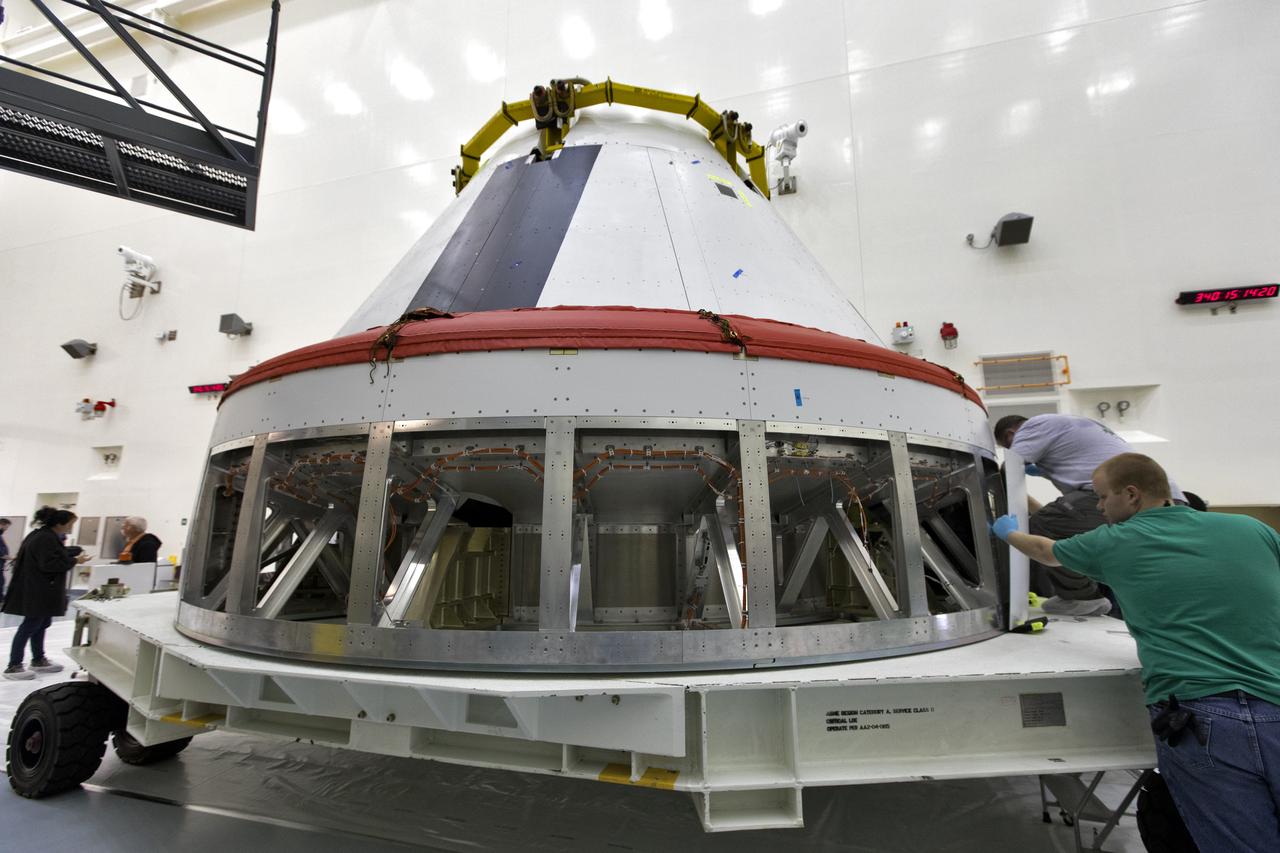
Workers remove cover plates from a mock Orion crew module inside the Multi-Payload Processing Facility at NASA’s Kennedy Space Center in Florida on Dec. 6, 2018. The crew module will be used during a full stress test of the Launch Abort System (LAS), called Ascent Abort-2 (AA-2), scheduled for April 2019. During the test, the Northrop Grumman booster will launch from Space Launch Complex 46, carrying a fully functional LAS and the 22,000-pound Orion test vehicle to an altitude of 31,000 feet and traveling at more than 1,000 miles an hour. The test will verify the LAS can steer the crew module and astronauts aboard to safety in the event of an issue with the Space Launch System (SLS) rocket when the spacecraft is under the highest aerodynamic loads it will experience during a rapid climb into space.
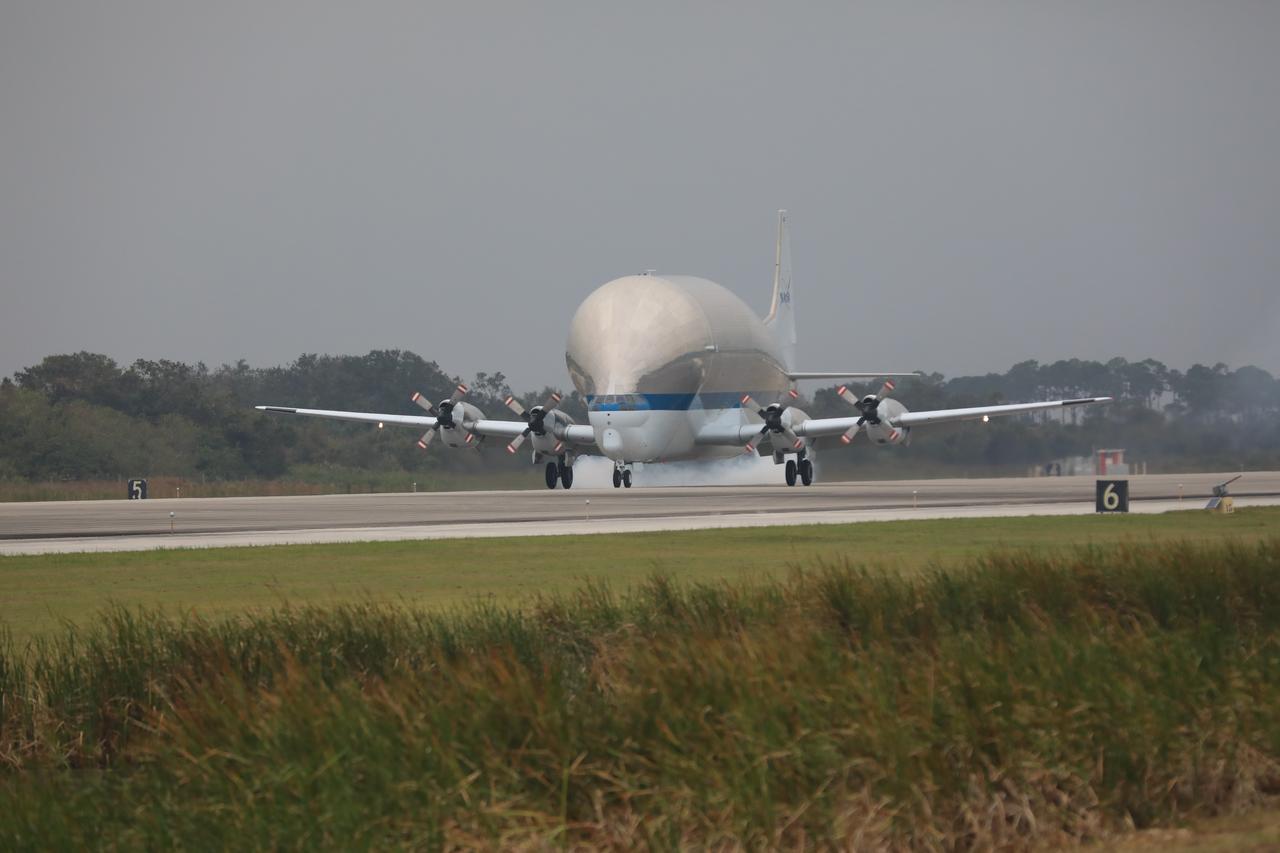
NASA’s Super Guppy aircraft touches down at the Shuttle Landing Facility at the agency’s Kennedy Space Center in Florida, carrying the Orion crew module structural test article (STA). The STA will be offloaded and transported to the Neil Armstrong Operations and Checkout Building high bay for further testing. Photo credit: NASA/Kim Shiflett
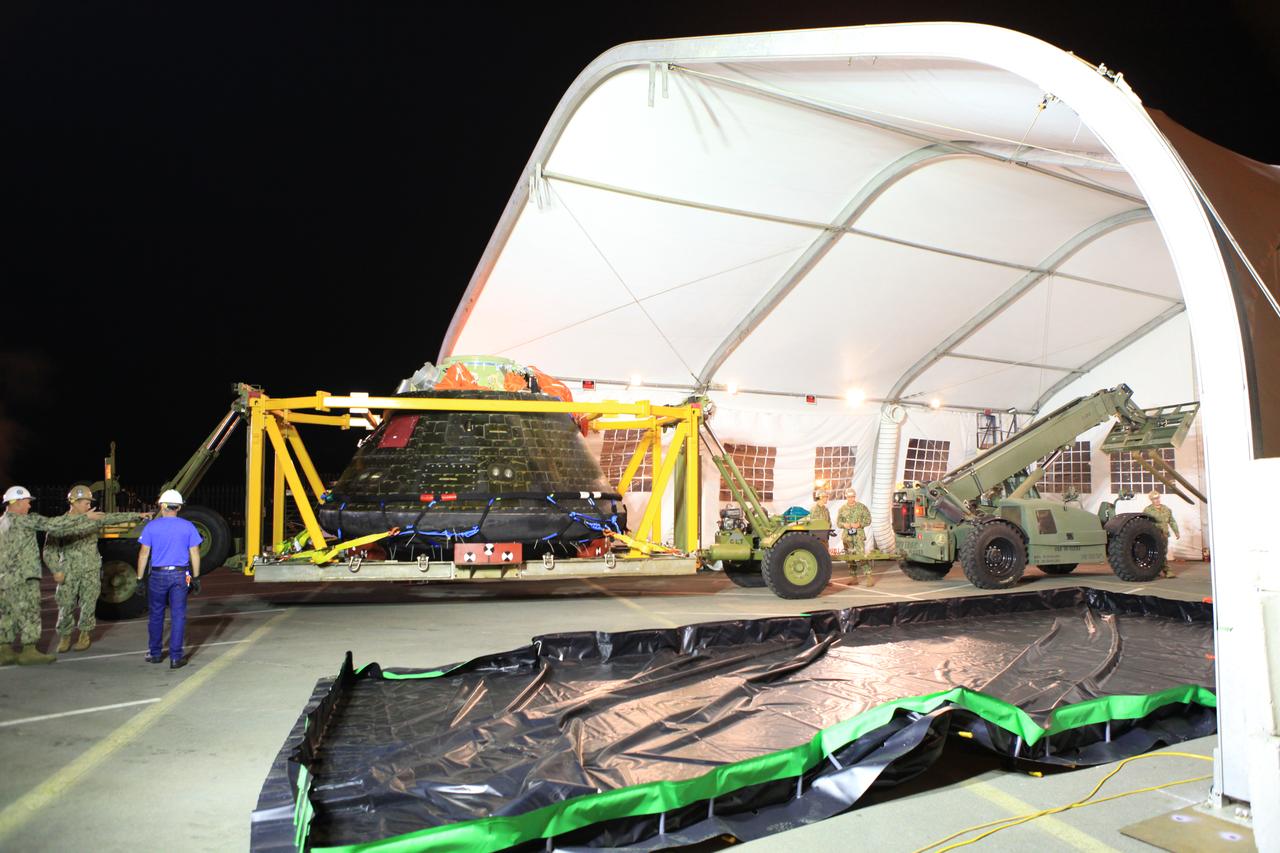
The Orion crew module is being moved into a covered structure at the Mole Pier at Naval Base San Diego in California where it will be prepared for return to NASA's Kennedy Space Center in Florida. Orion was secured on its crew module recovery cradle in the well deck of the USS Anchorage after it was recovered from the Pacific Ocean. After lifting off at 7:05 a.m. EST on Dec. 5, atop a Delta IV Heavy rocket from Space Launch Complex 37 at Cape Canaveral Air Force Station in Florida, Orion completed a two-orbit, four-and-a-half hour mission to test systems critical to crew safety, including the launch abort system, the heat shield and the parachute system. NASA, the U.S. Navy and Lockheed Martin coordinated efforts to recover Orion after splashdown in the Pacific Ocean. The Ground Systems Development and Operations Program led the recovery efforts.
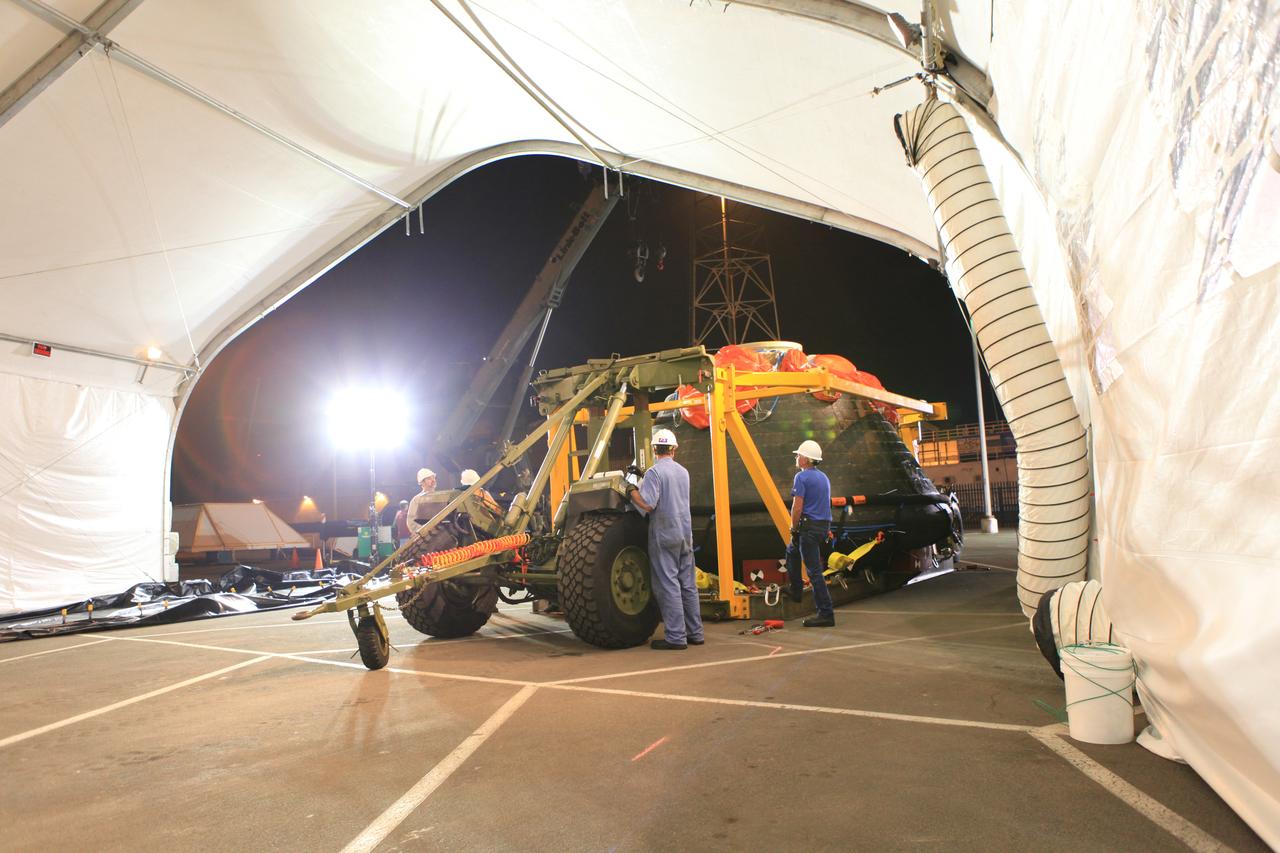
The Orion crew module is being moved into a covered structure at the Mole Pier at Naval Base San Diego in California where it will be prepared for return to NASA's Kennedy Space Center in Florida. Orion was secured on its crew module recovery cradle in the well deck of the USS Anchorage after it was recovered from the Pacific Ocean. After lifting off at 7:05 a.m. EST on Dec. 5, atop a Delta IV Heavy rocket from Space Launch Complex 37 at Cape Canaveral Air Force Station in Florida, Orion completed a two-orbit, four-and-a-half hour mission to test systems critical to crew safety, including the launch abort system, the heat shield and the parachute system. NASA, the U.S. Navy and Lockheed Martin coordinated efforts to recover Orion after splashdown in the Pacific Ocean. The Ground Systems Development and Operations Program led the recovery efforts.
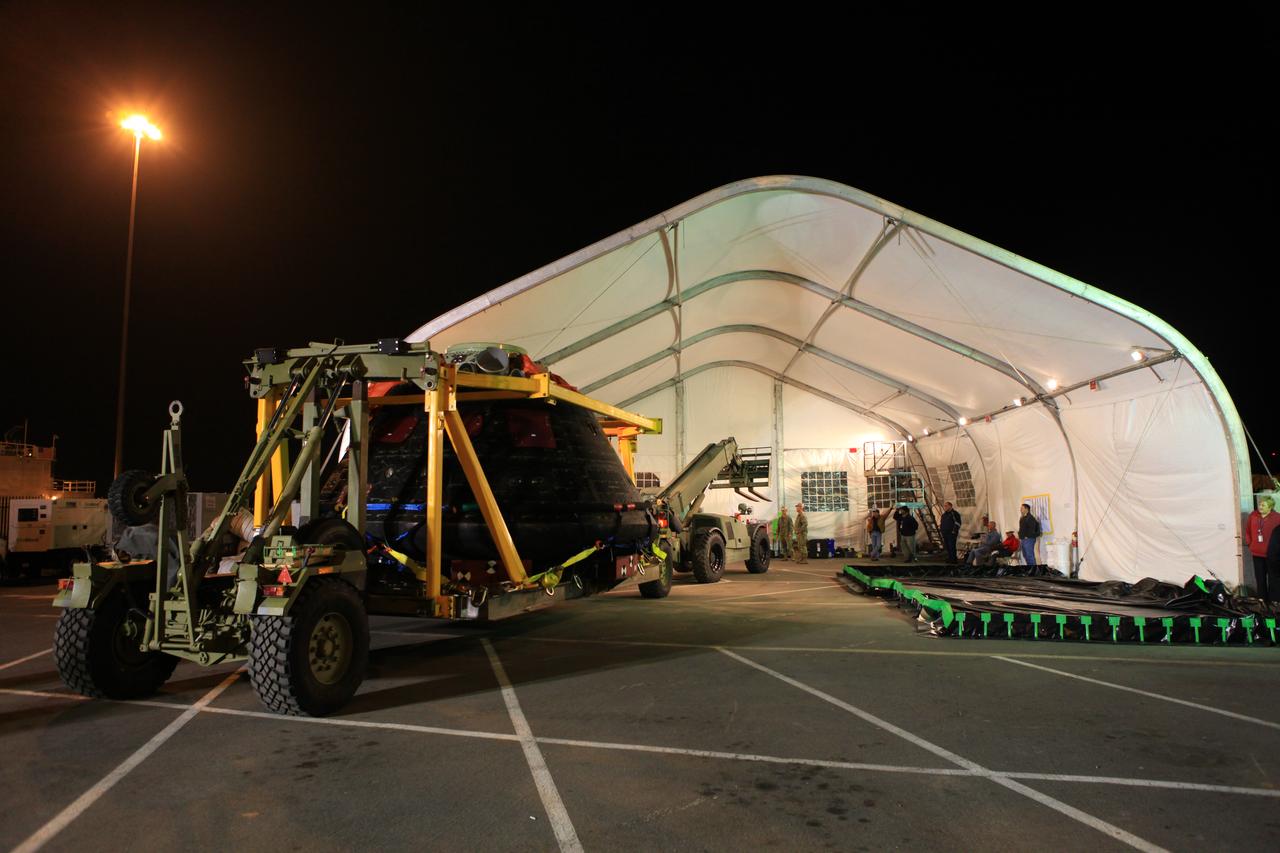
The Orion crew module is being moved into a covered structure at the Mole Pier at Naval Base San Diego in California where it will be prepared for return to NASA's Kennedy Space Center in Florida. Orion was secured on its crew module recovery cradle in the well deck of the USS Anchorage after it was recovered from the Pacific Ocean. After lifting off at 7:05 a.m. EST on Dec. 5, atop a Delta IV Heavy rocket from Space Launch Complex 37 at Cape Canaveral Air Force Station in Florida, Orion completed a two-orbit, four-and-a-half hour mission to test systems critical to crew safety, including the launch abort system, the heat shield and the parachute system. NASA, the U.S. Navy and Lockheed Martin coordinated efforts to recover Orion after splashdown in the Pacific Ocean. The Ground Systems Development and Operations Program led the recovery efforts.
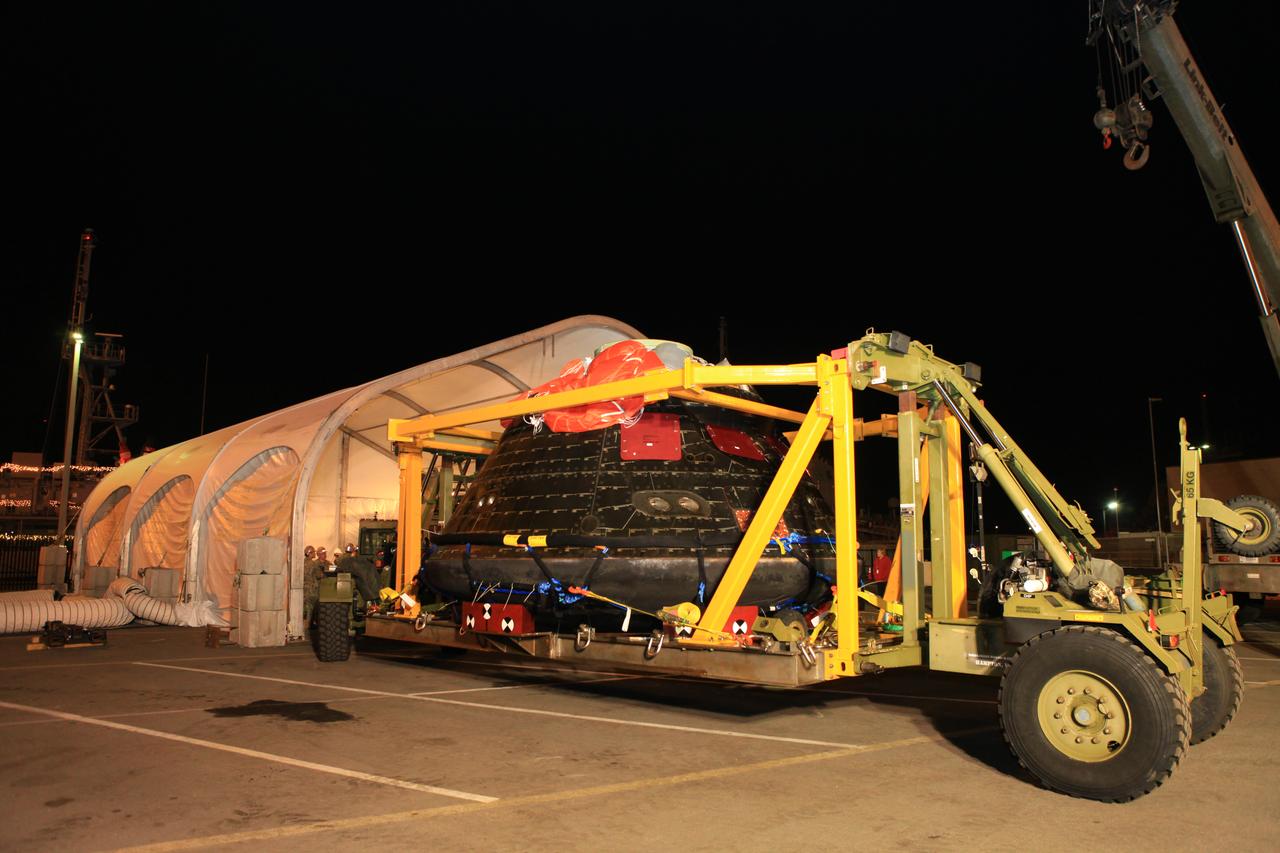
The Orion crew module has been transported to the Mole Pier at Naval Base San Diego in California where it will be prepared for return to NASA's Kennedy Space Center in Florida. Orion was secured on its crew module recovery cradle in the well deck of the USS Anchorage after it was recovered from the Pacific Ocean. After lifting off at 7:05 a.m. EST on Dec. 5, atop a Delta IV Heavy rocket from Space Launch Complex 37 at Cape Canaveral Air Force Station in Florida, Orion completed a two-orbit, four-and-a-half hour mission to test systems critical to crew safety, including the launch abort system, the heat shield and the parachute system. NASA, the U.S. Navy and Lockheed Martin coordinated efforts to recover Orion after splashdown in the Pacific Ocean. The Ground Systems Development and Operations Program led the recovery efforts.
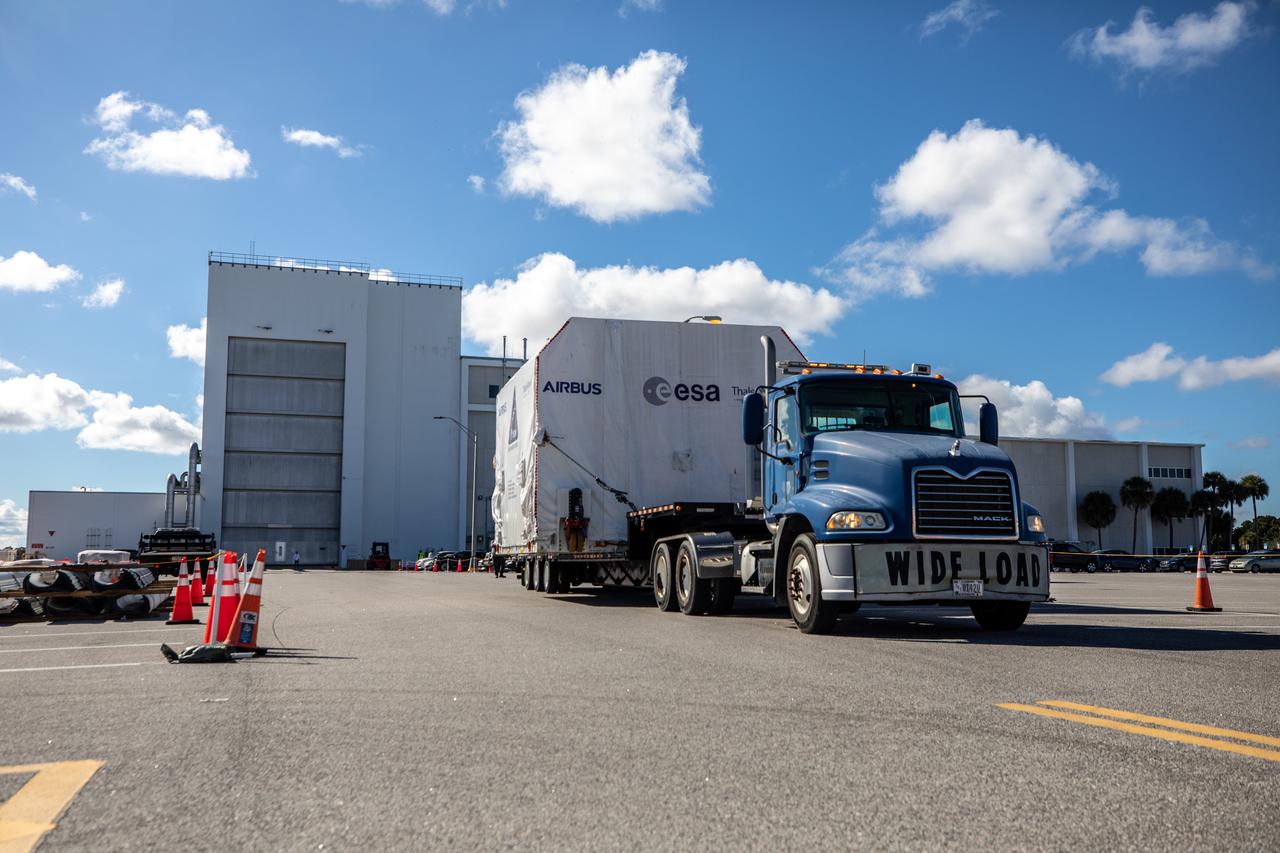
The European Service Module (ESM) for NASA’s Orion spacecraft arrived at the Neil A. Armstrong Operations and Checkout Facility at Kennedy Space Center in Florida on Oct 14, 2021. Earlier in the day the ESM arrived at the Launch and Landing Facility at Kennedy after making the journey from the Airbus Facility in Bremen, Germany, aboard a Russian Antonov aircraft. There, teams from NASA and Lockheed Martin will integrate the service module with the crew module adapter and crew module, already housed in the facility. The powerhouse that will fuel and propel Orion in space, the ESM will be used for Artemis II, the first Artemis mission flying crew aboard Orion. Teams with the European Space Agency and Airbus built the service module.
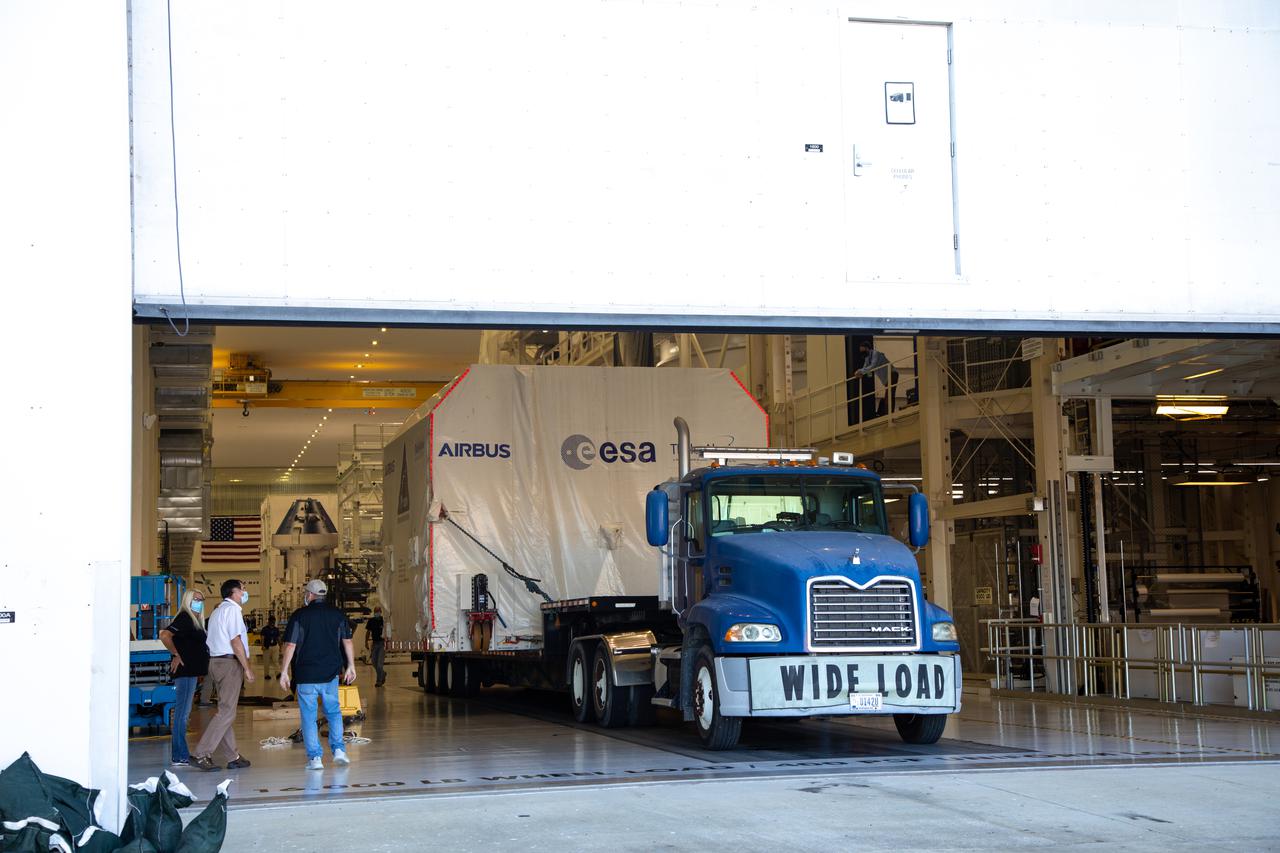
The European Service Module (ESM) for NASA’s Orion spacecraft arrived at the Neil A. Armstrong Operations and Checkout Facility at Kennedy Space Center in Florida on Oct 14, 2021. Earlier in the day the ESM arrived at the Launch and Landing Facility at Kennedy after making the journey from the Airbus Facility in Bremen, Germany, aboard a Russian Antonov aircraft. There, teams from NASA and Lockheed Martin will integrate the service module with the crew module adapter and crew module, already housed in the facility. The powerhouse that will fuel and propel Orion in space, the ESM will be used for Artemis II, the first Artemis mission flying crew aboard Orion. Teams with the European Space Agency and Airbus built the service module.
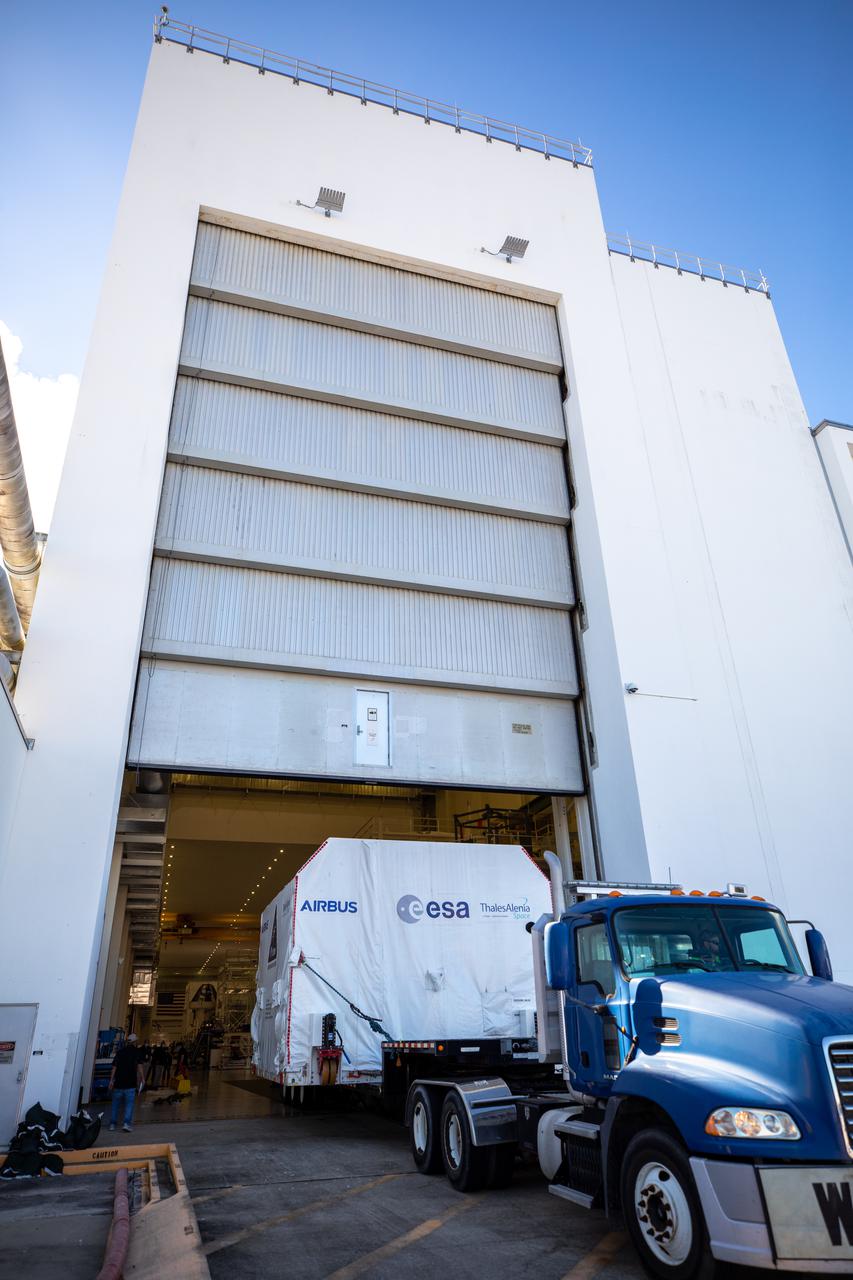
The European Service Module (ESM) for NASA’s Orion spacecraft arrived at the Neil A. Armstrong Operations and Checkout Facility at Kennedy Space Center in Florida on Oct 14, 2021. Earlier in the day the ESM arrived at the Launch and Landing Facility at Kennedy after making the journey from the Airbus Facility in Bremen, Germany, aboard a Russian Antonov aircraft. There, teams from NASA and Lockheed Martin will integrate the service module with the crew module adapter and crew module, already housed in the facility. The powerhouse that will fuel and propel Orion in space, the ESM will be used for Artemis II, the first Artemis mission flying crew aboard Orion. Teams with the European Space Agency and Airbus built the service module.
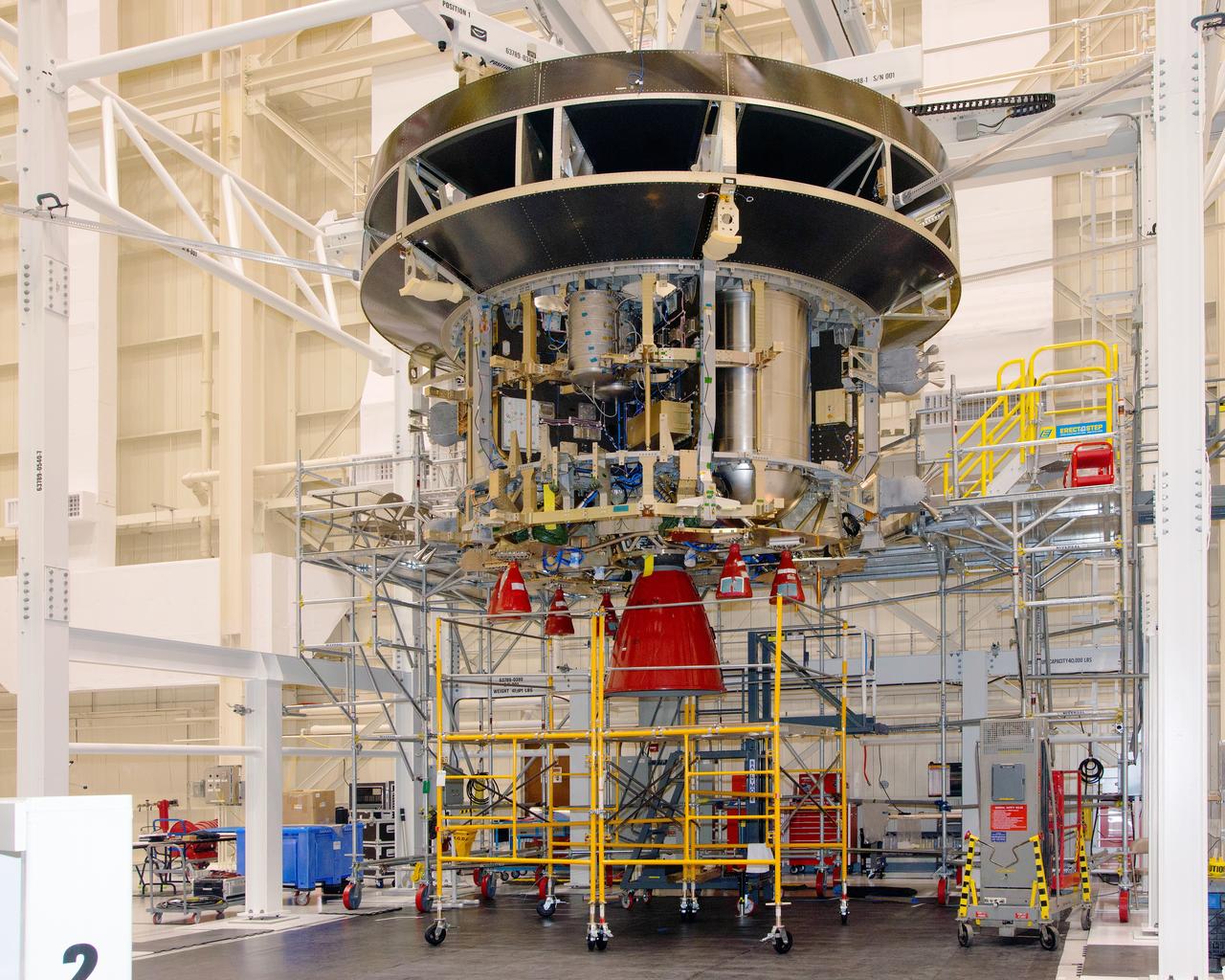
The first European hardware to arrive at NASA for Orion is the European Service Module structural test article on Jan. 12, 2016. This test version of the service module has the same weight and configuration as the real thing and will undergo advanced testing at NASA’s Plum Brook Station in Ohio, USA...In this photo the test article is in scaffolding being ‘mated’ to the Crew Module Adapter, which connects the service module to the Orion Crew Module. Part of Batch image transfer from Flickr.

KENNEDY SPACE CENTER, FLA. -- In the Space Station Processing Facility, astronaut Takao Doi (left) and Commander Dominic Gorie pose in front of the Experiment Logistics Module Pressurized Section for the Japanese Experiment Module, or JEM, that recently arrived at Kennedy. Doi and Gorie are crew members for mission STS-123 that will deliver the logistics module to the International Space Station. Earlier, NASA and Japanese Aerospace and Exploration Agency (JAXA) officials welcomed the arrival of the module. The new International Space Station component arrived at Kennedy March 12 to begin preparations for its future launch on mission STS-123. It will serve as an on-orbit storage area for materials, tools and supplies. It can hold up to eight experiment racks and will attach to the top of another larger pressurized module. Photo credit: NASA/George Shelton
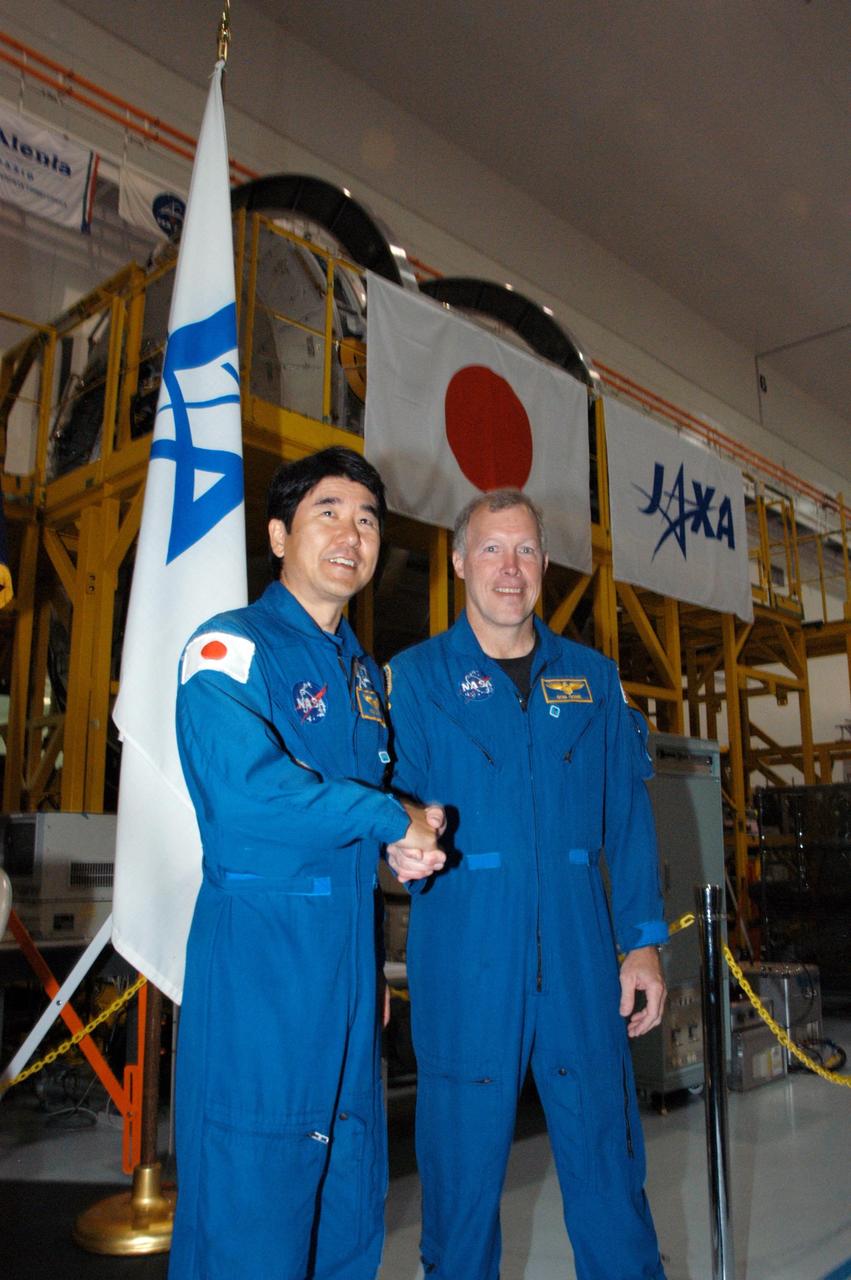
KENNEDY SPACE CENTER, FLA. -- In the Space Station Processing Facility, astronaut Takao Doi (left) and Commander Dominic Gorie pose in front of the Experiment Logistics Module Pressurized Section for the Japanese Experiment Module, or JEM, that recently arrived at Kennedy. Doi and Gorie are crew members for mission STS-123 that will deliver the logistics module to the International Space Station. Earlier, NASA and Japanese Aerospace and Exploration Agency (JAXA) officials welcomed the arrival of the module. The new International Space Station component arrived at Kennedy March 12 to begin preparations for its future launch on mission STS-123. It will serve as an on-orbit storage area for materials, tools and supplies. It can hold up to eight experiment racks and will attach to the top of another larger pressurized module. Photo credit: NASA/George Shelton
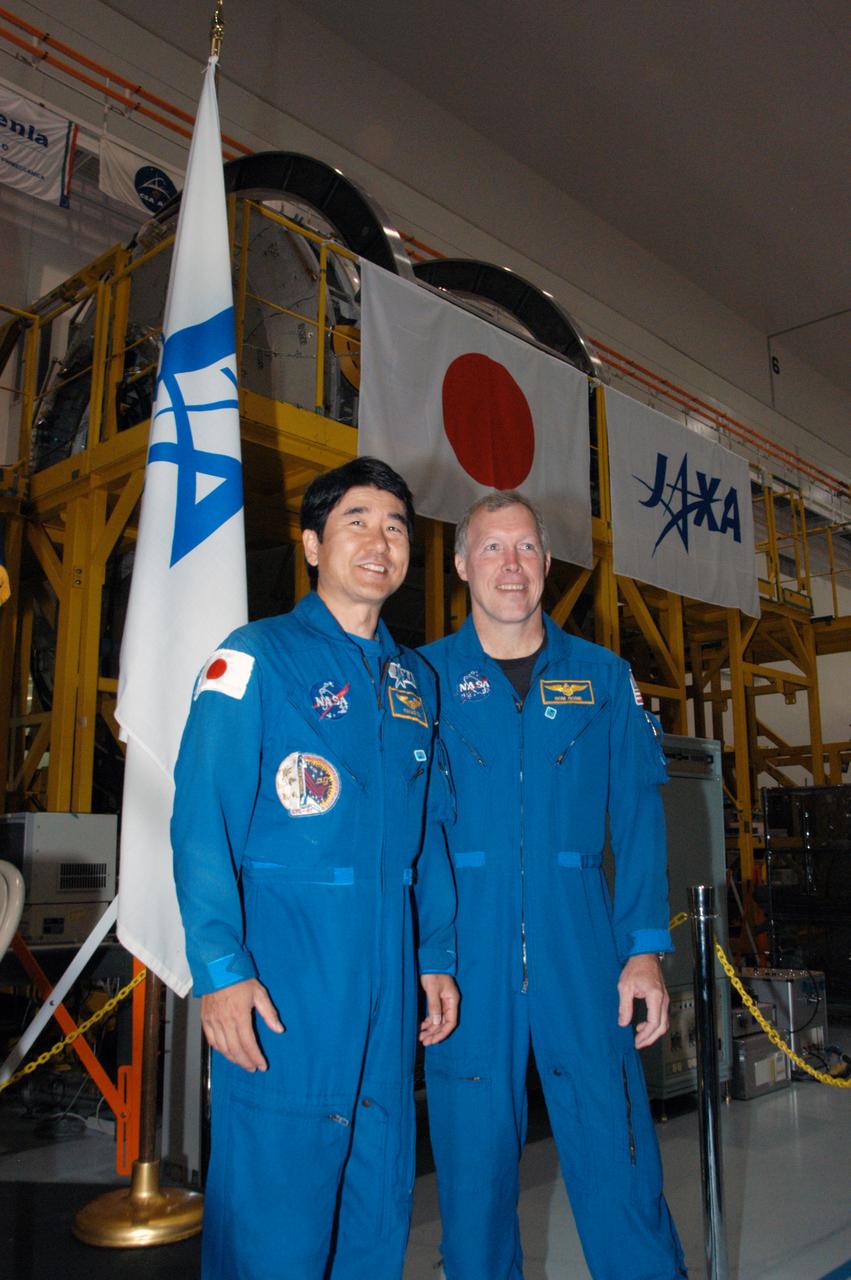
In the Space Station Processing Facility, astronaut Takao Doi (left) and Commander Dominic Gorie pose in front of the Experiment Logistics Module Pressurized Section for the Japanese Experiment Module, or JEM, that recently arrived at Kennedy. Doi and Gorie are crew members for mission STS-123 that will deliver the logistics module to the International Space Station. Earlier, NASA and Japanese Aerospace and Exploration Agency (JAXA) officials welcomed the arrival of the module. The new International Space Station component arrived at Kennedy March 12 to begin preparations for its future launch on mission STS-123. It will serve as an on-orbit storage area for materials, tools and supplies. It can hold up to eight experiment racks and will attach to the top of another larger pressurized module.
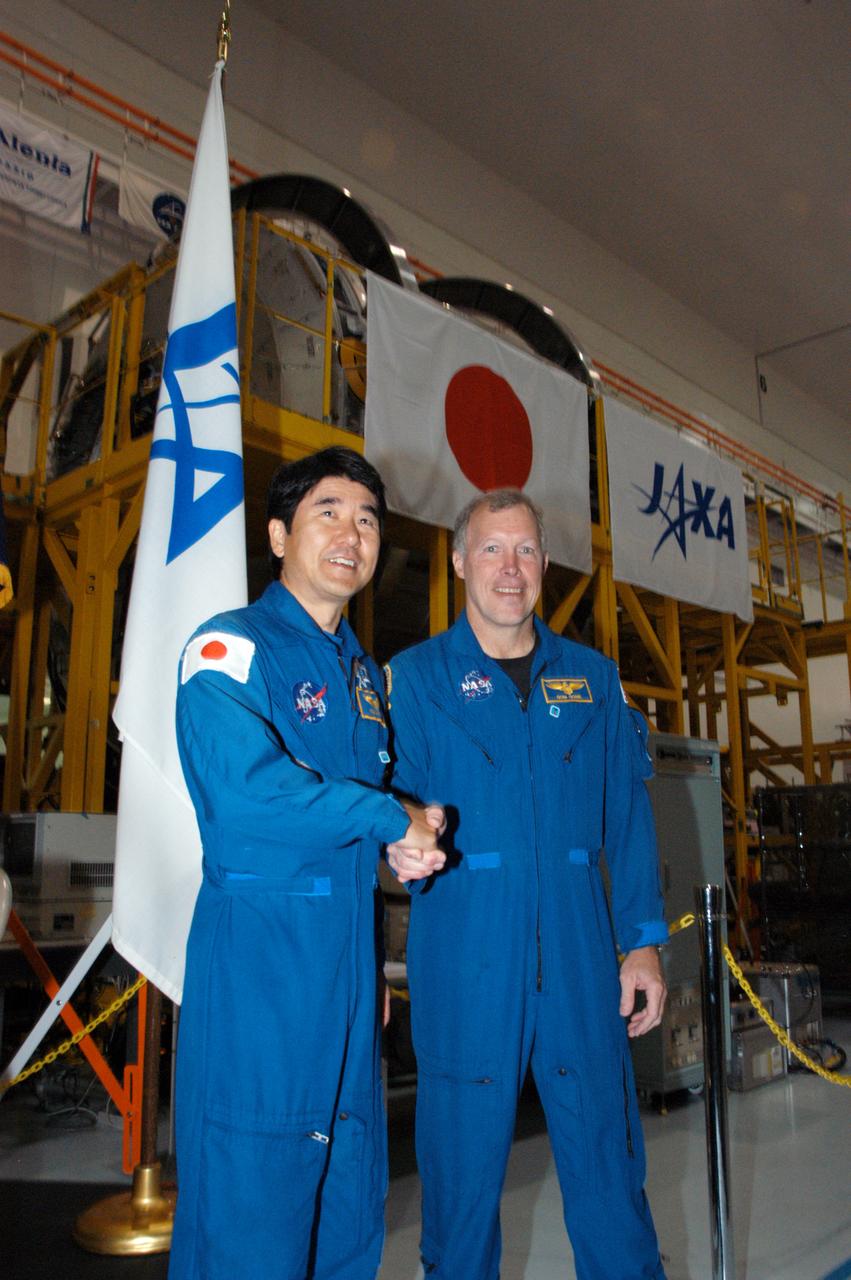
In the Space Station Processing Facility, astronaut Takao Doi (left) and Commander Dominic Gorie pose in front of the Experiment Logistics Module Pressurized Section for the Japanese Experiment Module, or JEM, that recently arrived at Kennedy. Doi and Gorie are crew members for mission STS-123 that will deliver the logistics module to the International Space Station. Earlier, NASA and Japanese Aerospace and Exploration Agency (JAXA) officials welcomed the arrival of the module. The new International Space Station component arrived at Kennedy March 12 to begin preparations for its future launch on mission STS-123. It will serve as an on-orbit storage area for materials, tools and supplies. It can hold up to eight experiment racks and will attach to the top of another larger pressurized module.
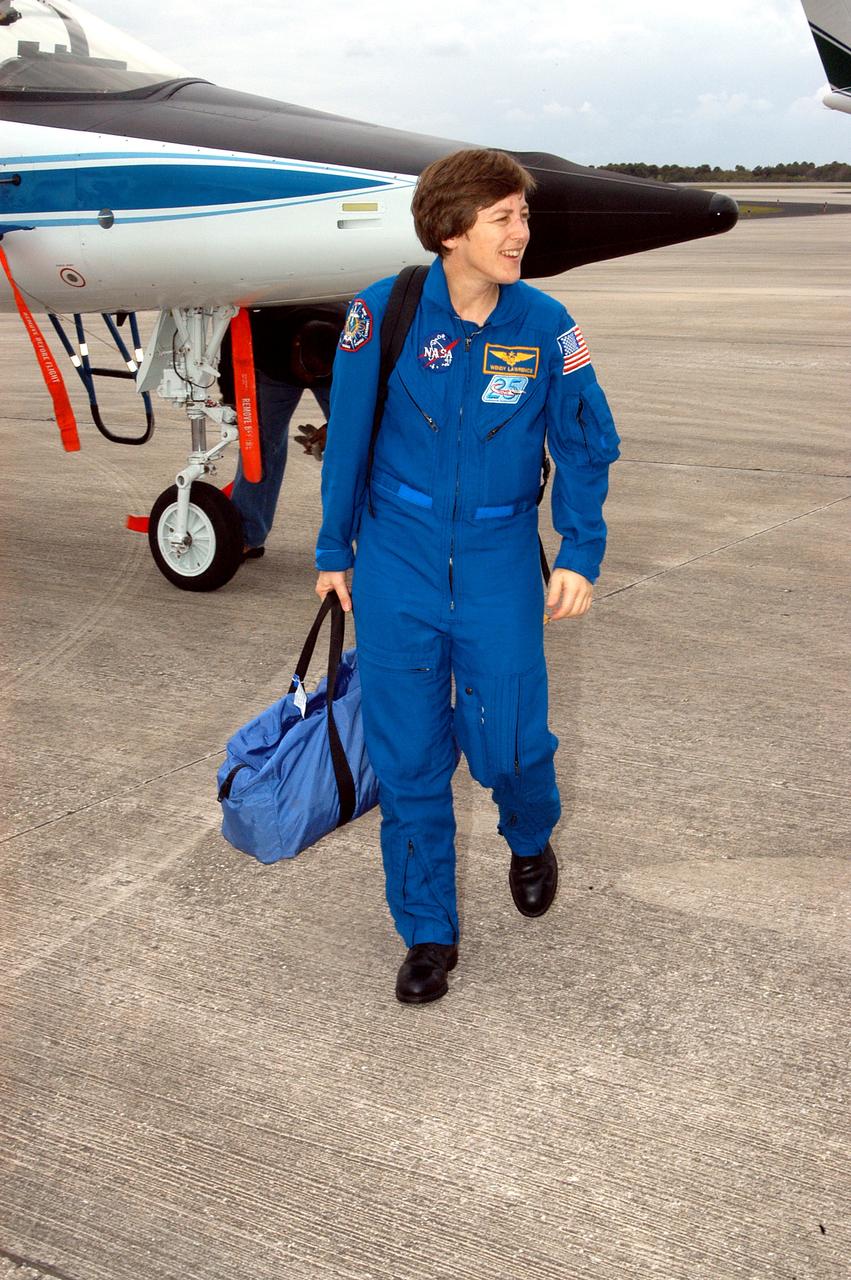
KENNEDY SPACE CENTER, FLA. - STS-114 Mission Specialist Wendy Lawrence is pleased to be back at KSC after arriving aboard a T-38 jet aircraft. She and other crew members are at the Center for familiarization activities with equipment. The mission is Logistics Flight 1, scheduled to deliver the Multi-Purpose Logistics Module carrying supplies and equipment to the Space Station and the external stowage platform.
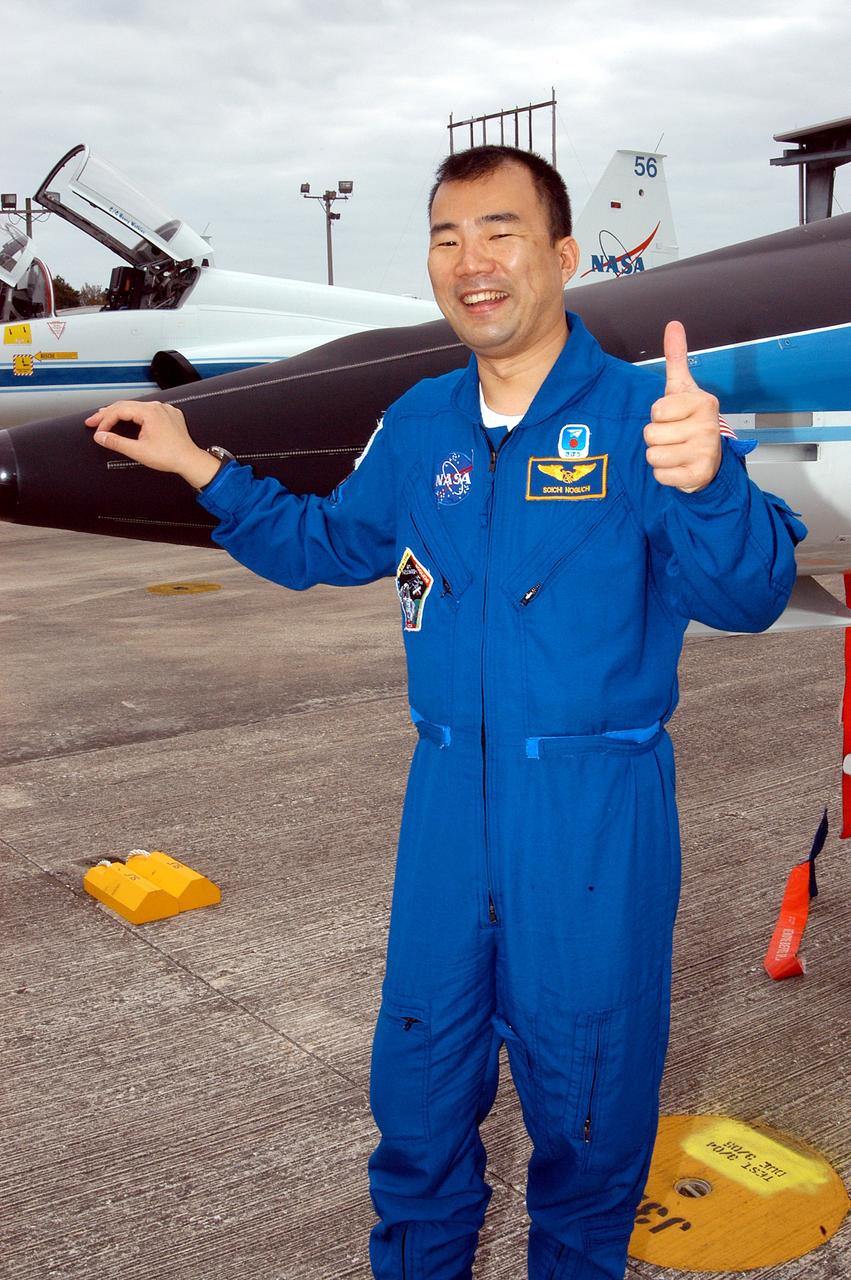
KENNEDY SPACE CENTER, FLA. - STS-114 Mission Specialist Soichi Noguchi is happy to be back at KSC after arriving aboard a T-38 jet aircraft. He and other crew members are at the Center for familiarization activities with equipment. The mission is Logistics Flight 1, scheduled to deliver the Multi-Purpose Logistics Module carrying supplies and equipment to the Space Station and the external stowage platform.
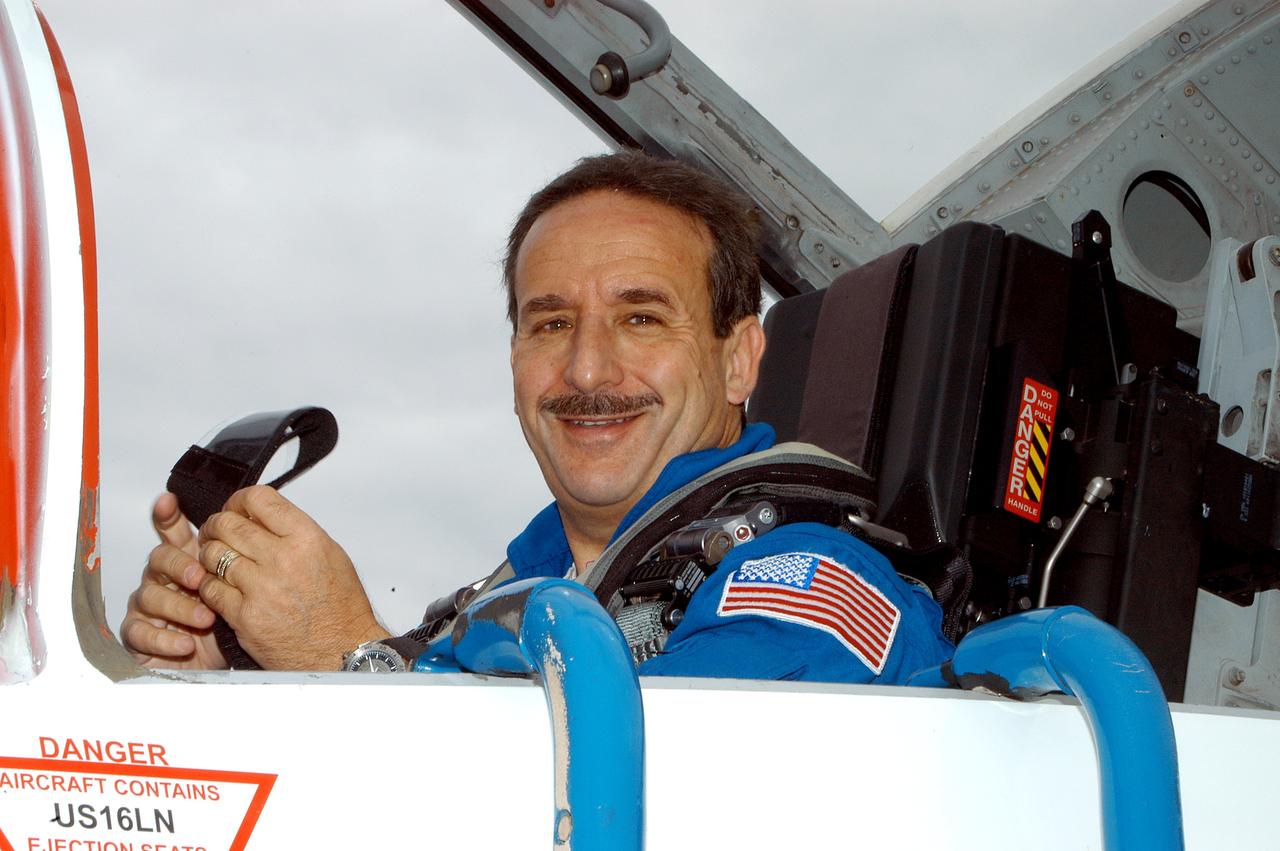
KENNEDY SPACE CENTER, FLA. - STS-114 Mission Specialist Charles Camarda arrives at KSC aboard a T-38 jet aircraft. He and other crew members are at the Center for familiarization activities with equipment. The mission is Logistics Flight 1, scheduled to deliver the Multi-Purpose Logistics Module carrying supplies and equipment,to the Space Station, and the external stowage platform.
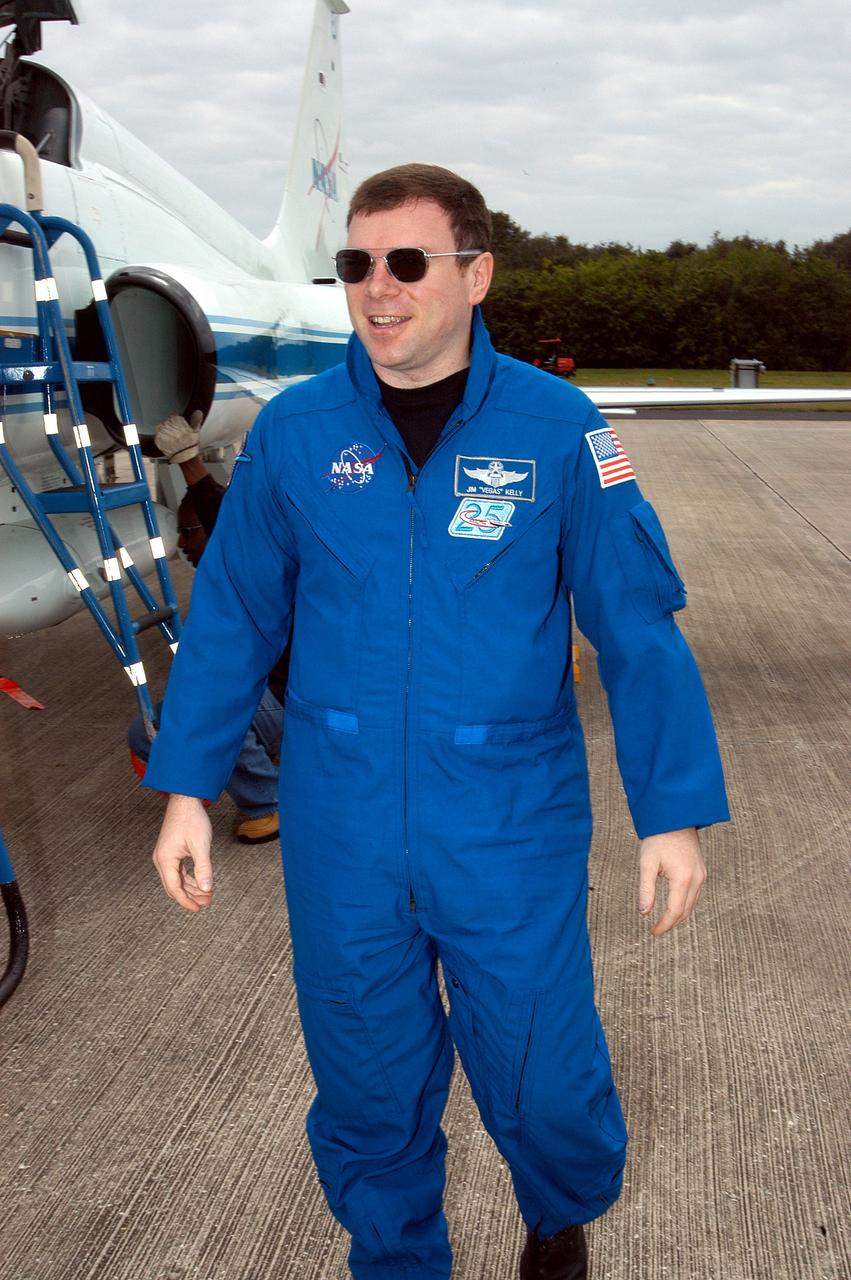
KENNEDY SPACE CENTER, FLA. - STS-114 Pilot Jim Kelly is pleased to be back at KSC after arriving aboard a T-38 jet aircraft. He and other crew members are at the Center for familiarization activities with equipment. The mission is Logistics Flight 1, scheduled to deliver the Multi-Purpose Logistics Module carrying supplies and equipment to the Space Station and the external stowage platform.
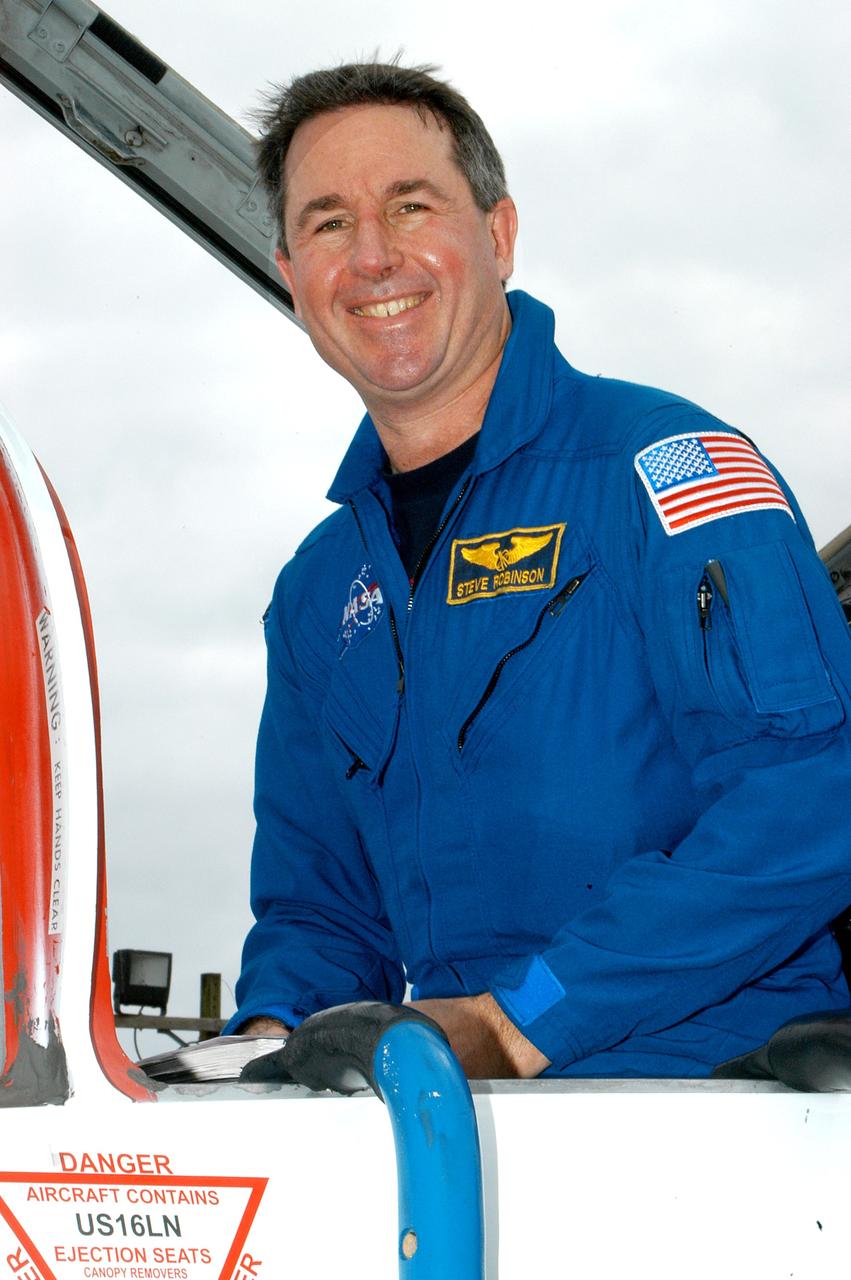
KENNEDY SPACE CENTER, FLA. - STS-114 Mission Specialist Stephen Robinson arrives at KSC aboard a T-38 jet aircraft. He and other crew members are at the Center for familiarization activities with equipment. The mission is Logistics Flight 1, scheduled to deliver the Multi-Purpose Logistics Module carrying supplies and equipment to the Space Station and the external stowage platform.
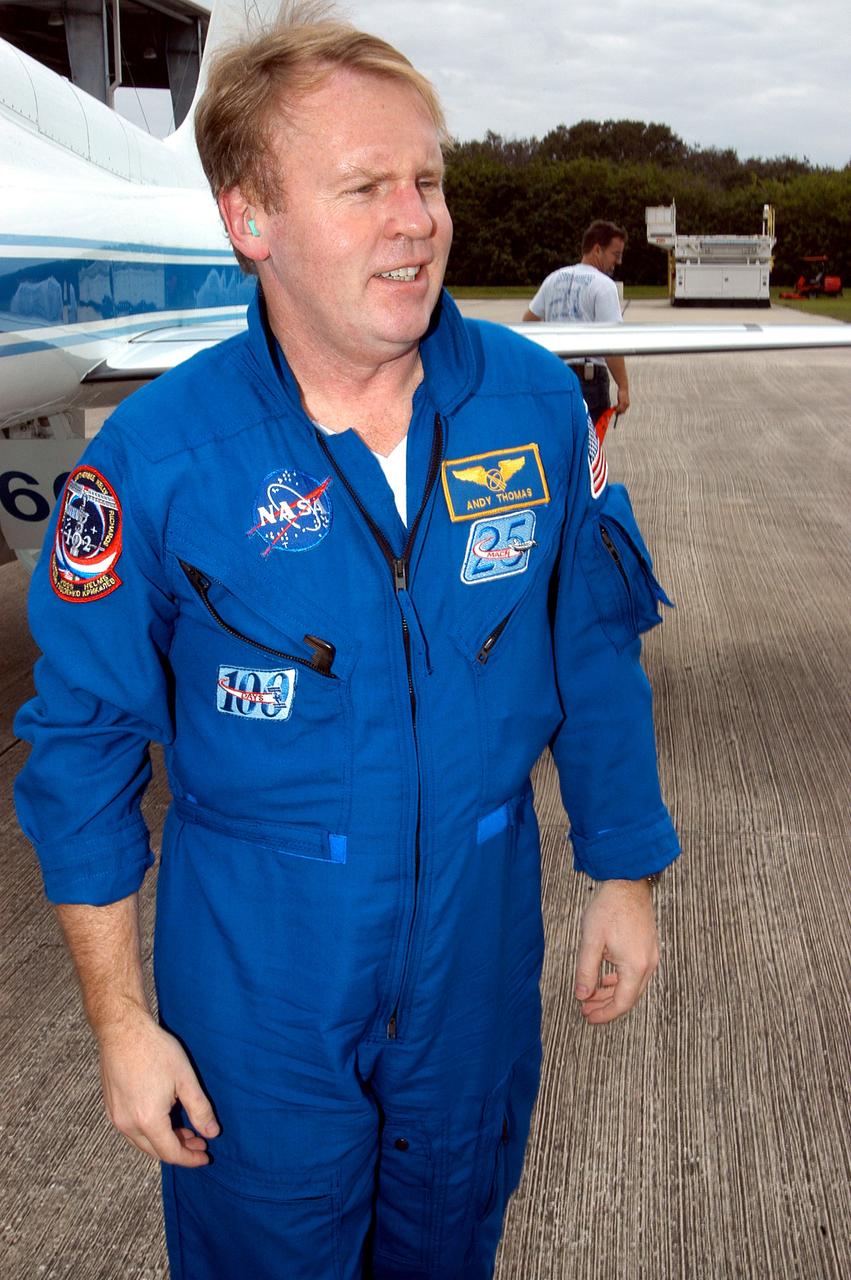
KENNEDY SPACE CENTER, FLA. - STS-114 Mission Specialist Andrew Thomas is pleased to be back at KSC after arriving aboard a T-38 jet aircraft. He and other crew members are at the Center for familiarization activities with equipment. The mission is Logistics Flight 1, scheduled to deliver to the Space Station the external stowage platform and the Multi-Purpose Logistics Module with supplies and equipment.
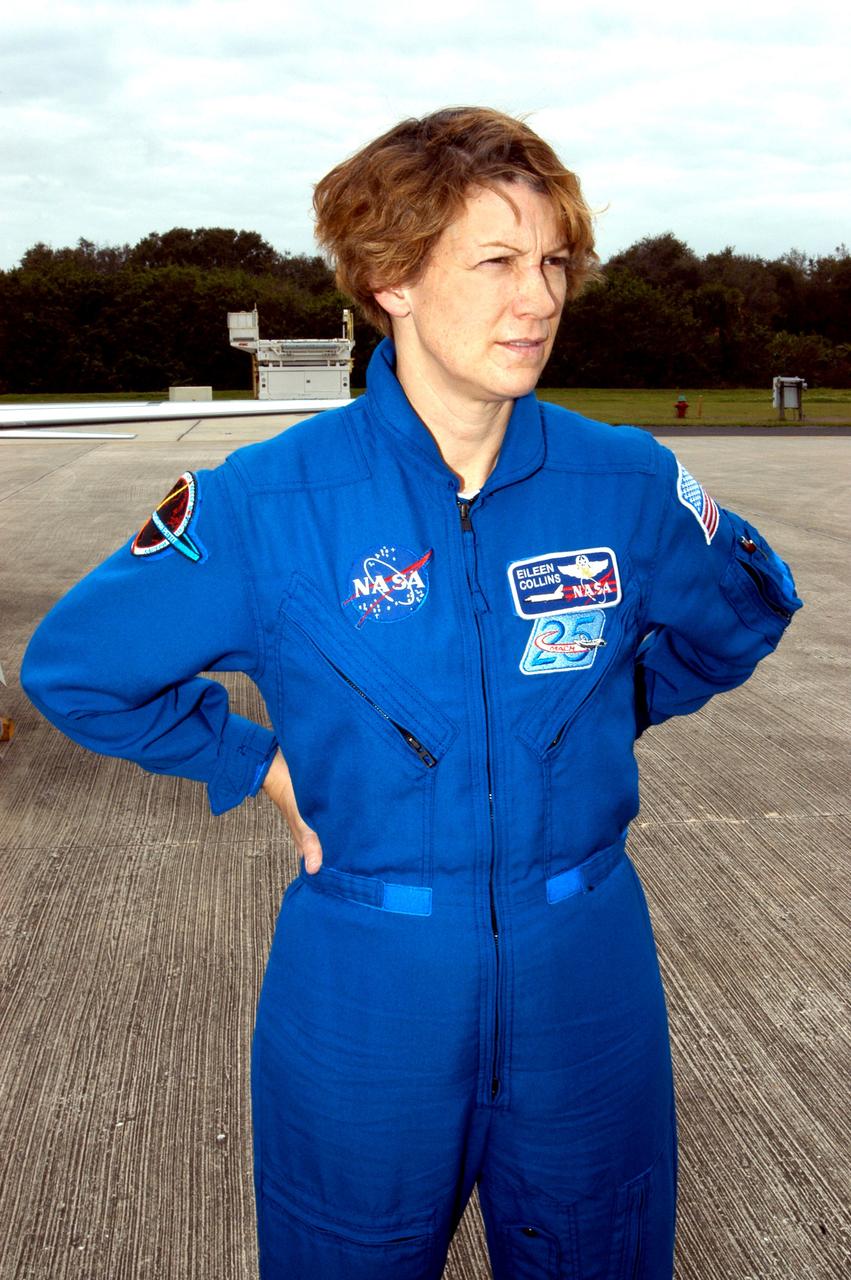
KENNEDY SPACE CENTER, FLA. - STS-114 Mission Commander Eileen Collins is pleased to be back at KSC after arriving aboard a T-38 jet aircraft. She and other crew members are at the Center for familiarization activities with equipment. The mission is Logistics Flight 1, scheduled to deliver to the Space Station the external stowage platform and the Multi-Purpose Logistics Module with supplies and equipment.
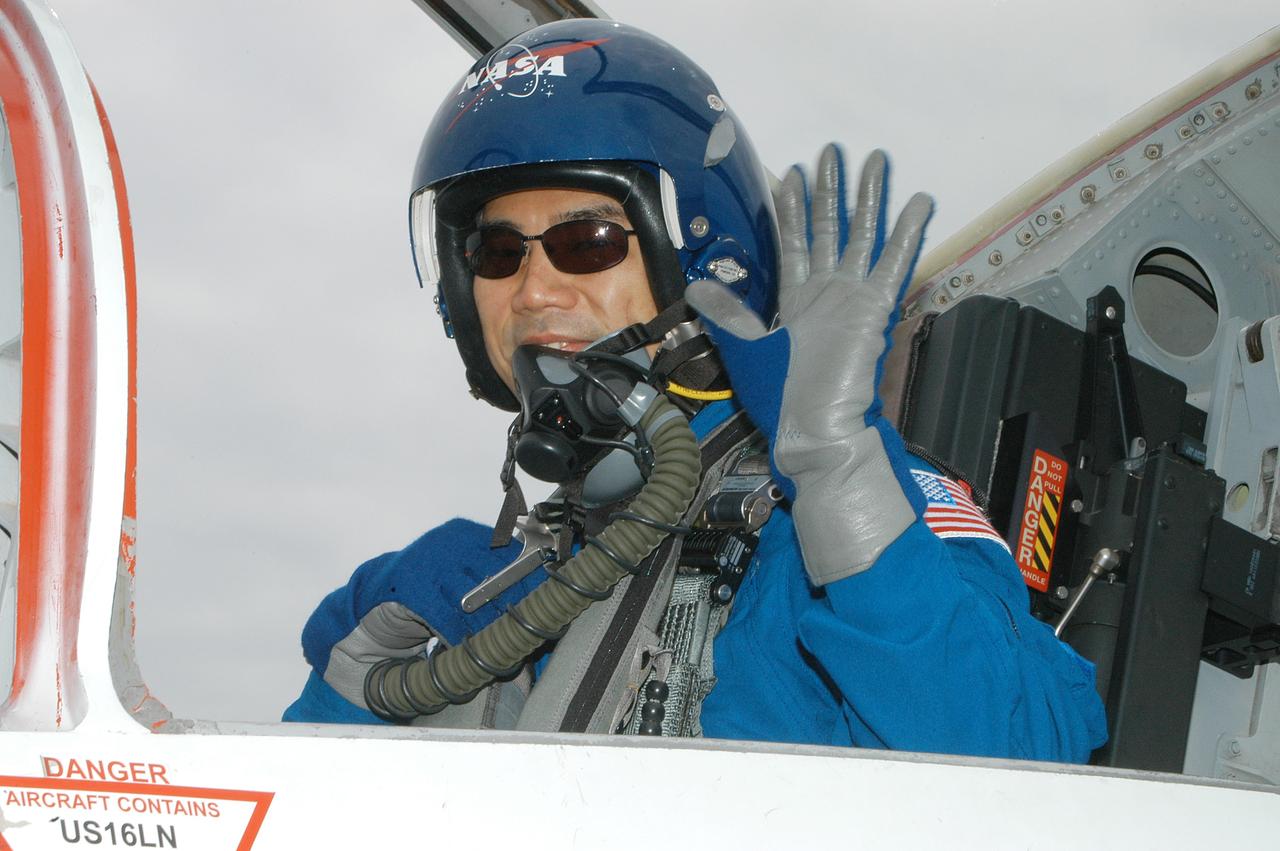
KENNEDY SPACE CENTER, FLA. - STS-114 Mission Specialist Soichi Noguchi arrives at KSC aboard a T-38 jet aircraft. He and other crew members are at the Center for familiarization activities with equipment. The mission is Logistics Flight 1, scheduled to deliver the Multi-Purpose Logistics Module carrying supplies and equipment to the Space Station and the external stowage platform.
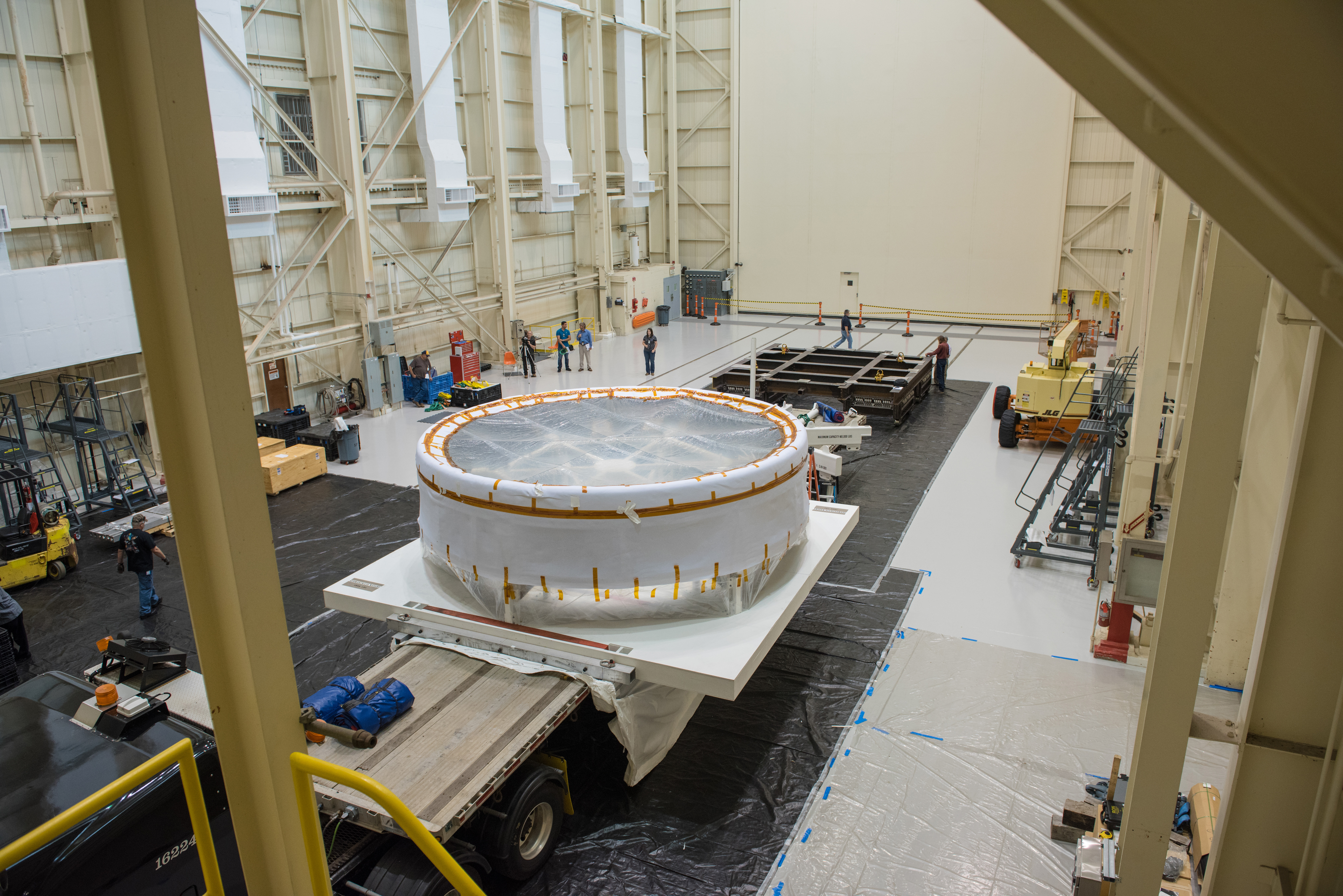
The Orion Crew Module Adapter simulator arrives at NASA Glenn's Plum Brook Station Space Power Facility in Sandusky, Ohio on June 24, 2015. Part of Batch image transfer from Flickr.
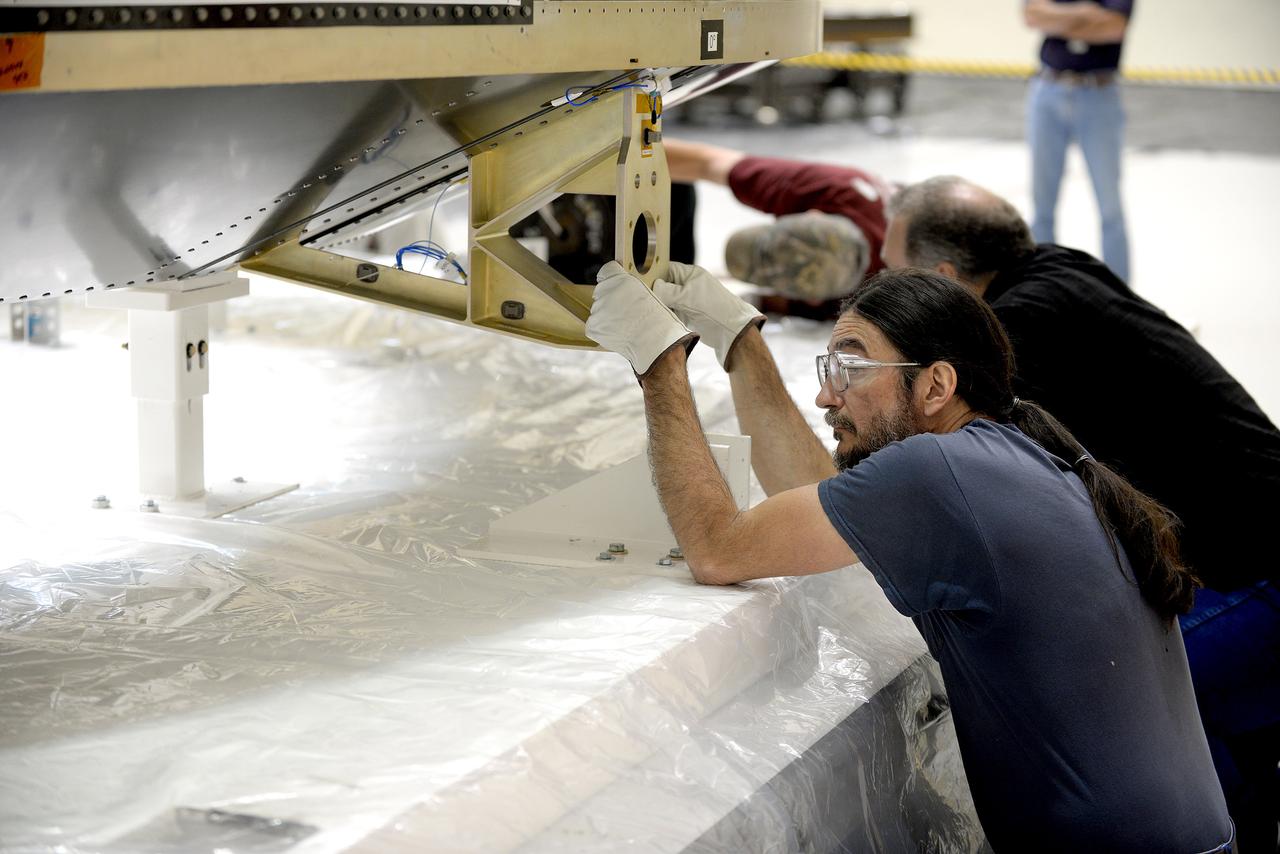
The Orion Crew Module Adapter simulator arrives at NASA Glenn's Plum Brook Station Space Power Facility in Sandusky, Ohio on June 24, 2015. Part of Batch image transfer from Flickr.

The Orion Crew Module Adapter simulator arrives at NASA Glenn's Plum Brook Station Space Power Facility in Sandusky, Ohio on June 24, 2015. Part of Batch image transfer from Flickr.
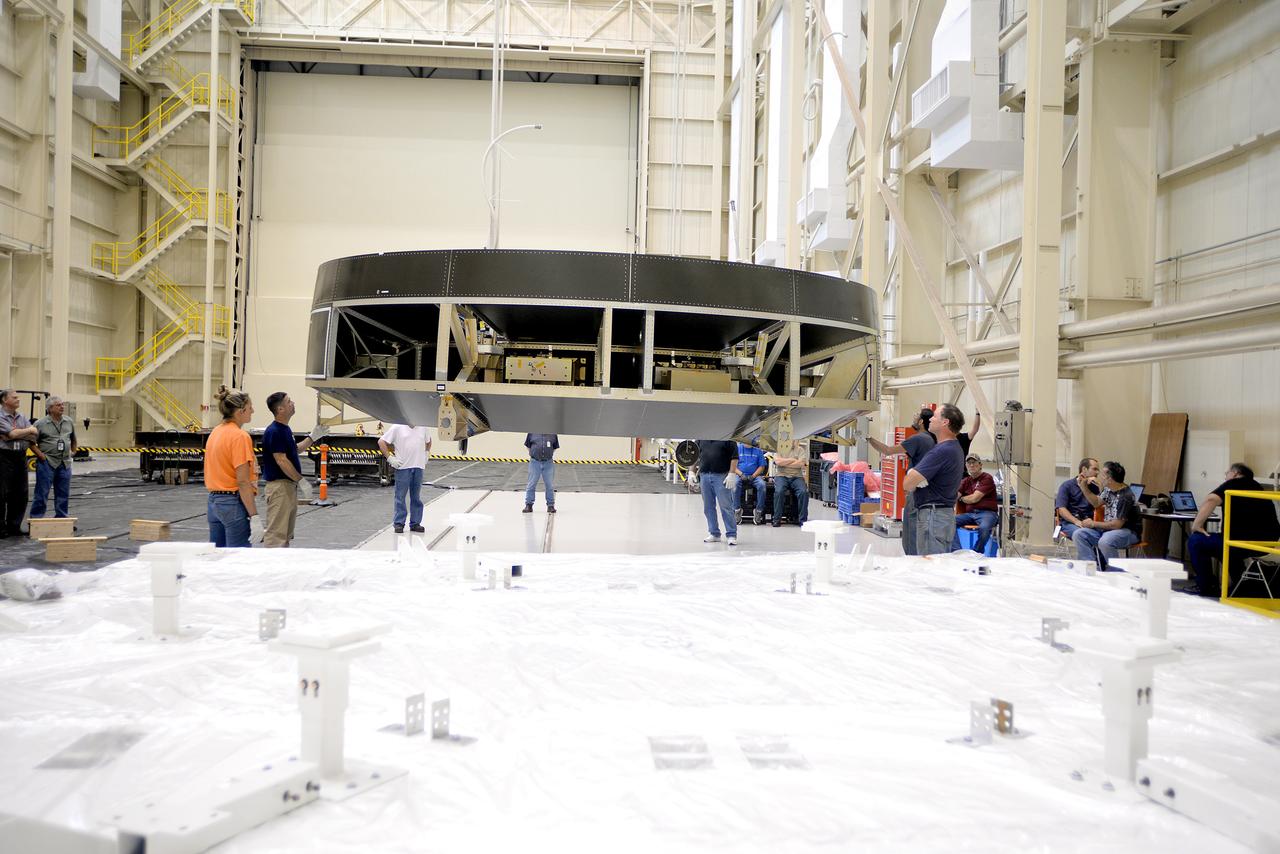
The Orion Crew Module Adapter simulator arrives at NASA Glenn's Plum Brook Station Space Power Facility in Sandusky, Ohio on June 24, 2015. Part of Batch image transfer from Flickr.

The Orion Crew Module Adapter simulator arrives at NASA Glenn's Plum Brook Station Space Power Facility in Sandusky, Ohio on June 24, 2015. Part of Batch image transfer from Flickr.

The Orion Crew Module Adapter simulator arrives at NASA Glenn's Plum Brook Station Space Power Facility in Sandusky, Ohio on June 24, 2015. Part of Batch image transfer from Flickr.

The Orion Crew Module Adapter simulator arrives at NASA Glenn's Plum Brook Station Space Power Facility in Sandusky, Ohio on June 24, 2015. Part of Batch image transfer from Flickr.
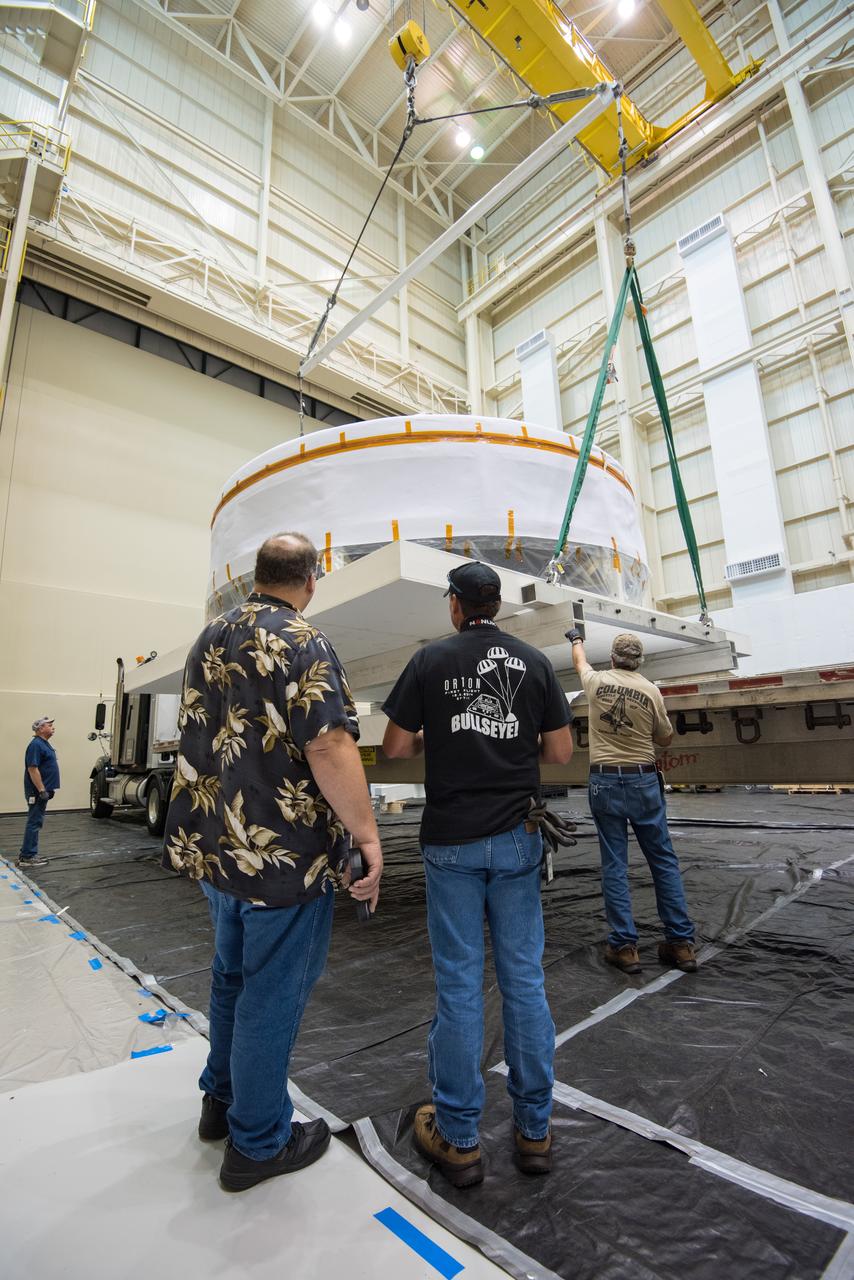
The Orion Crew Module Adapter simulator arrives at NASA Glenn's Plum Brook Station Space Power Facility in Sandusky, Ohio on June 24, 2015. Part of Batch image transfer from Flickr.
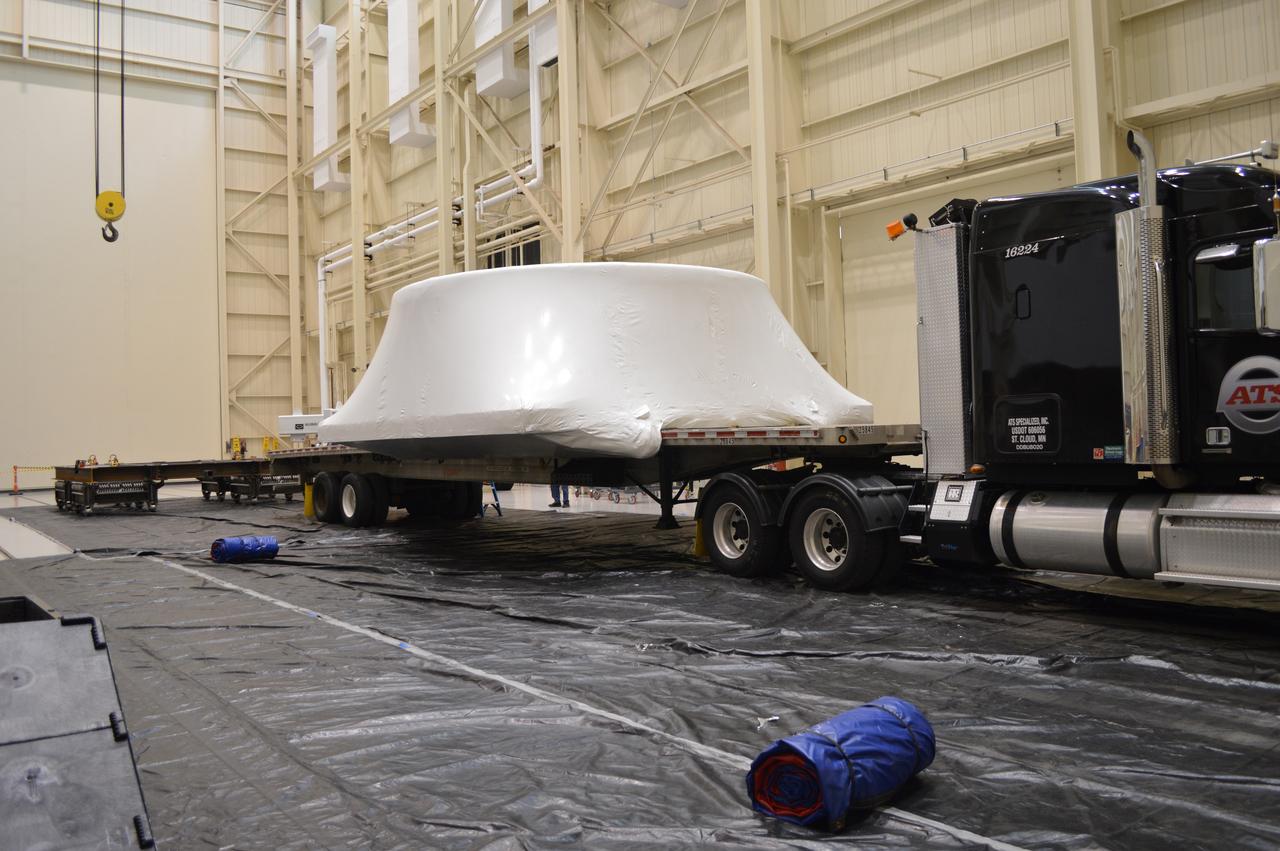
The Orion Crew Module Adapter simulator arrives at NASA Glenn's Plum Brook Station Space Power Facility in Sandusky, Ohio on June 24, 2015. Part of Batch image transfer from Flickr.
The Orion Crew Module Adapter simulator arrives at NASA Glenn's Plum Brook Station Space Power Facility in Sandusky, Ohio on June 24, 2015. Part of Batch image transfer from Flickr.
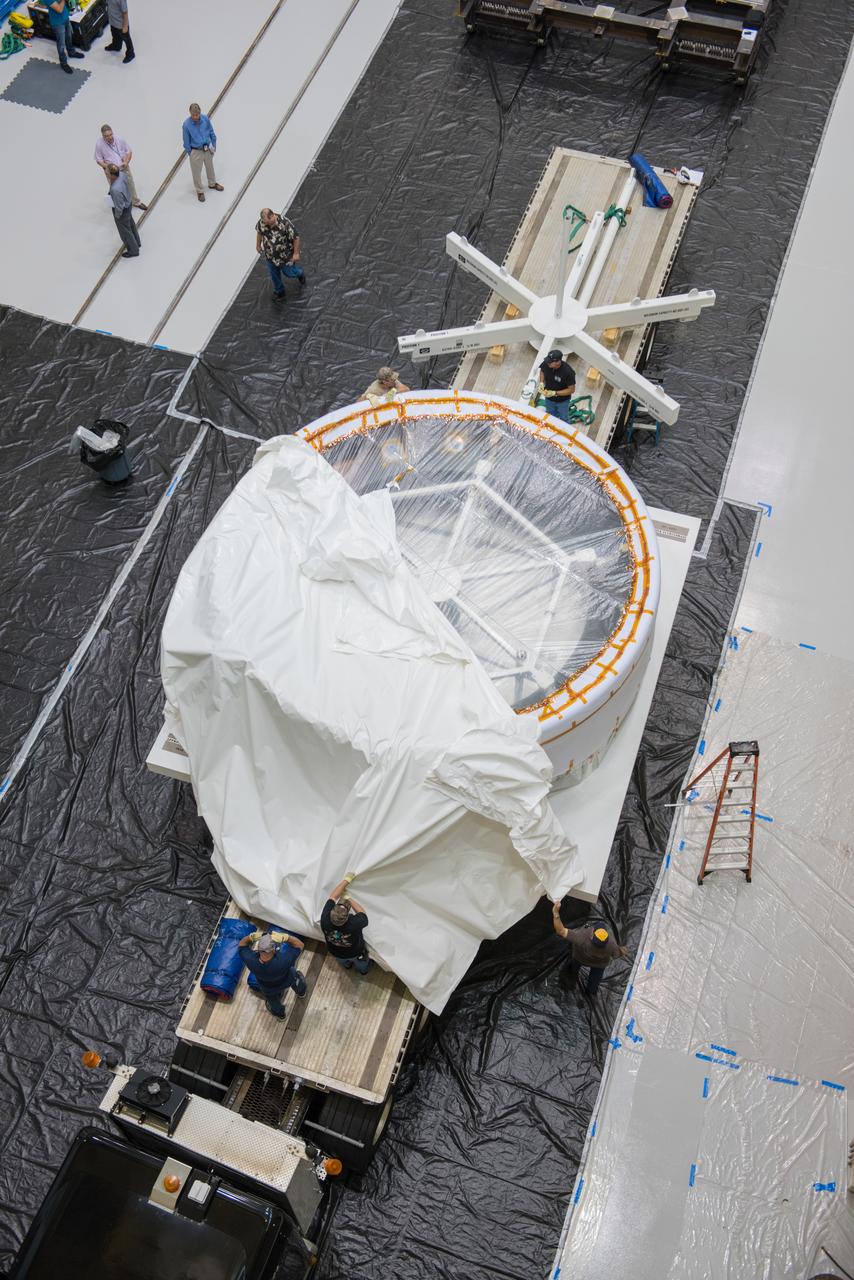
The Orion Crew Module Adapter simulator arrives at NASA Glenn's Plum Brook Station Space Power Facility in Sandusky, Ohio on June 24, 2015. Part of Batch image transfer from Flickr.

The Orion Crew Module Adapter simulator arrives at NASA Glenn's Plum Brook Station Space Power Facility in Sandusky, Ohio on June 24, 2015. Part of Batch image transfer from Flickr.
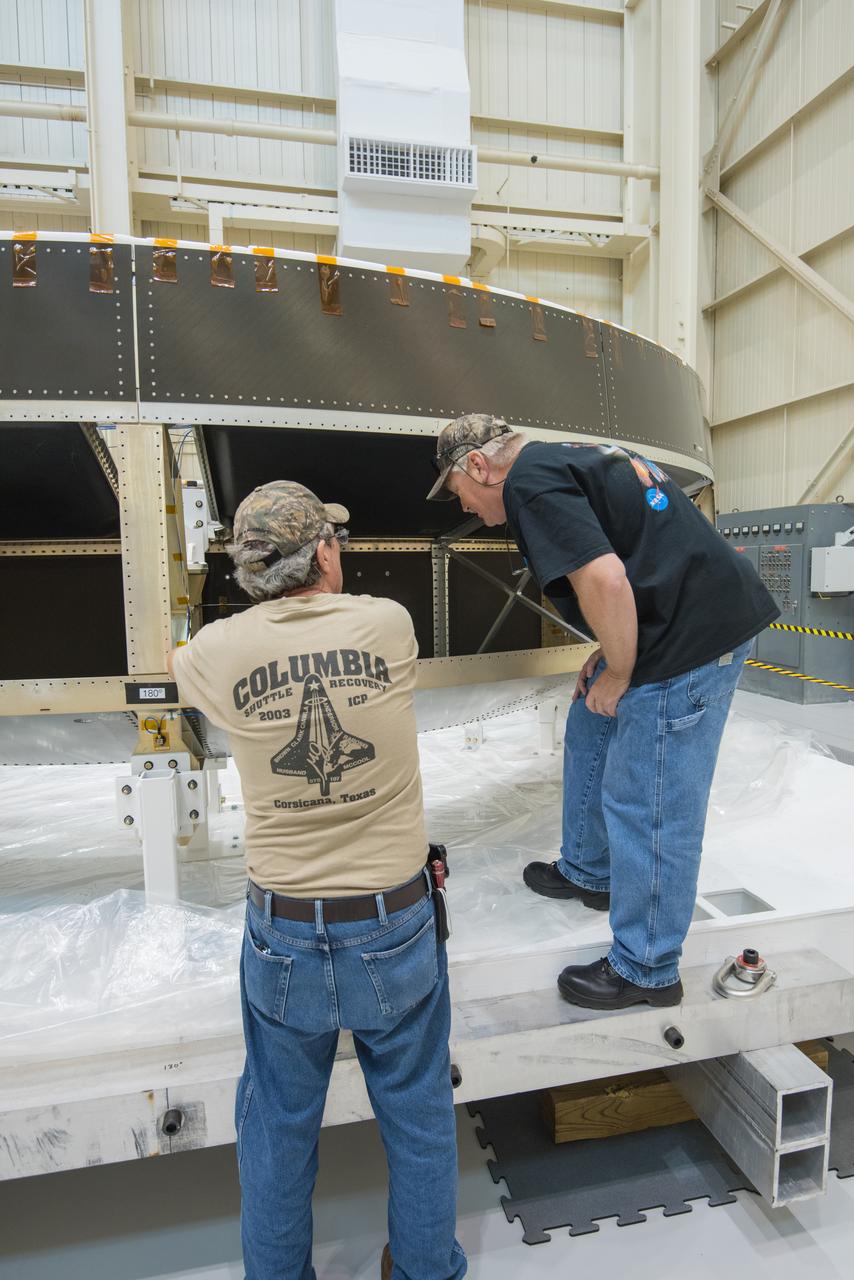
The Orion Crew Module Adapter simulator arrives at NASA Glenn's Plum Brook Station Space Power Facility in Sandusky, Ohio on June 24, 2015. Part of Batch image transfer from Flickr.

The Orion Crew Module Adapter simulator arrives at NASA Glenn's Plum Brook Station Space Power Facility in Sandusky, Ohio on June 24, 2015. Part of Batch image transfer from Flickr.

The Orion Crew Module Adapter simulator arrives at NASA Glenn's Plum Brook Station Space Power Facility in Sandusky, Ohio on June 24, 2015. Part of Batch image transfer from Flickr.
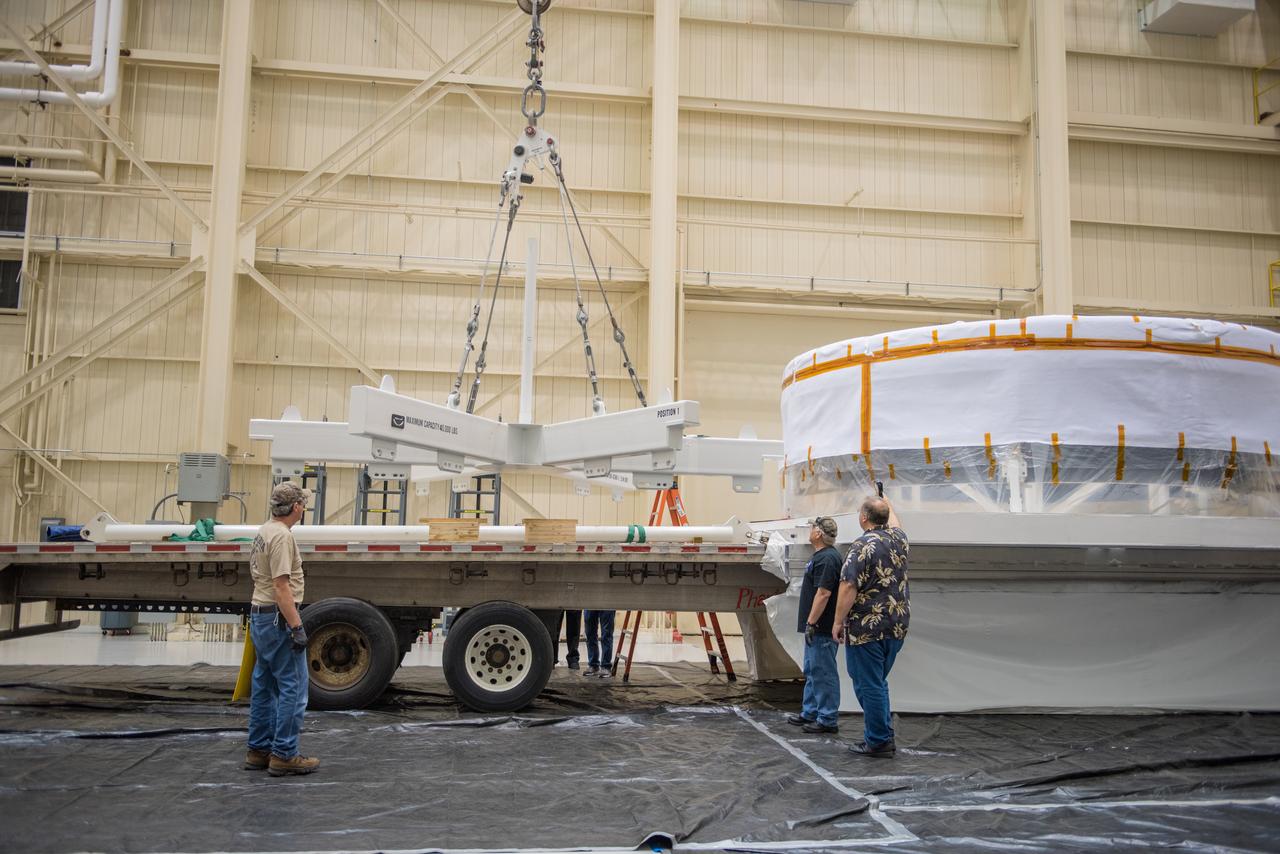
The Orion Crew Module Adapter simulator arrives at NASA Glenn's Plum Brook Station Space Power Facility in Sandusky, Ohio on June 24, 2015. Part of Batch image transfer from Flickr.
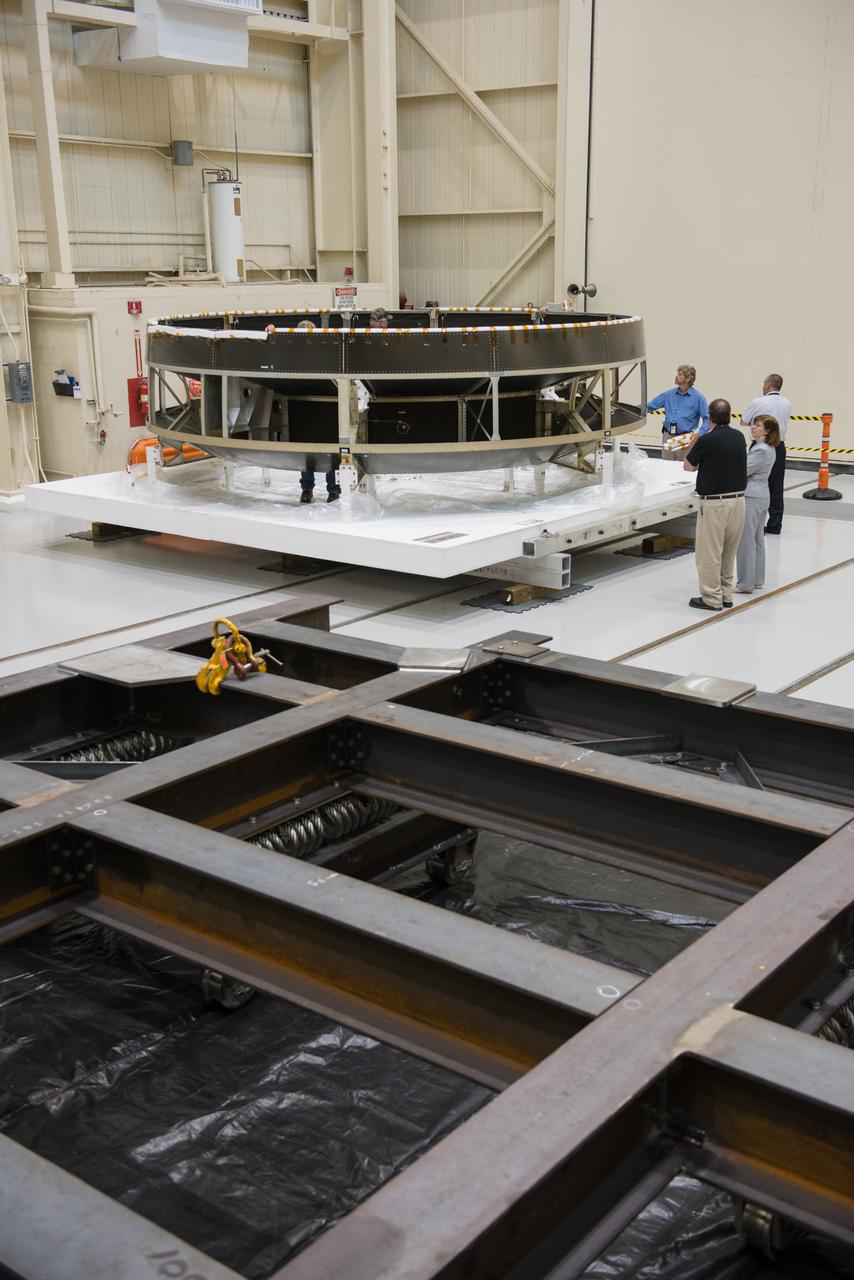
The Orion Crew Module Adapter simulator arrives at NASA Glenn's Plum Brook Station Space Power Facility in Sandusky, Ohio on June 24, 2015. Part of Batch image transfer from Flickr.

JSC2006-E-43479 (May 2000) --- Computer-generated artist's rendering of the International Space Station after flight STS-101/2A.2a. The STS-101 crew readied the station for the arrival of the Zvezda Service Module.

The Orion Crew Module Adapter simulator arrives at NASA Glenn's Plum Brook Station Space Power Facility in Sandusky, Ohio on June 24, 2015. Part of Batch image transfer from Flickr.
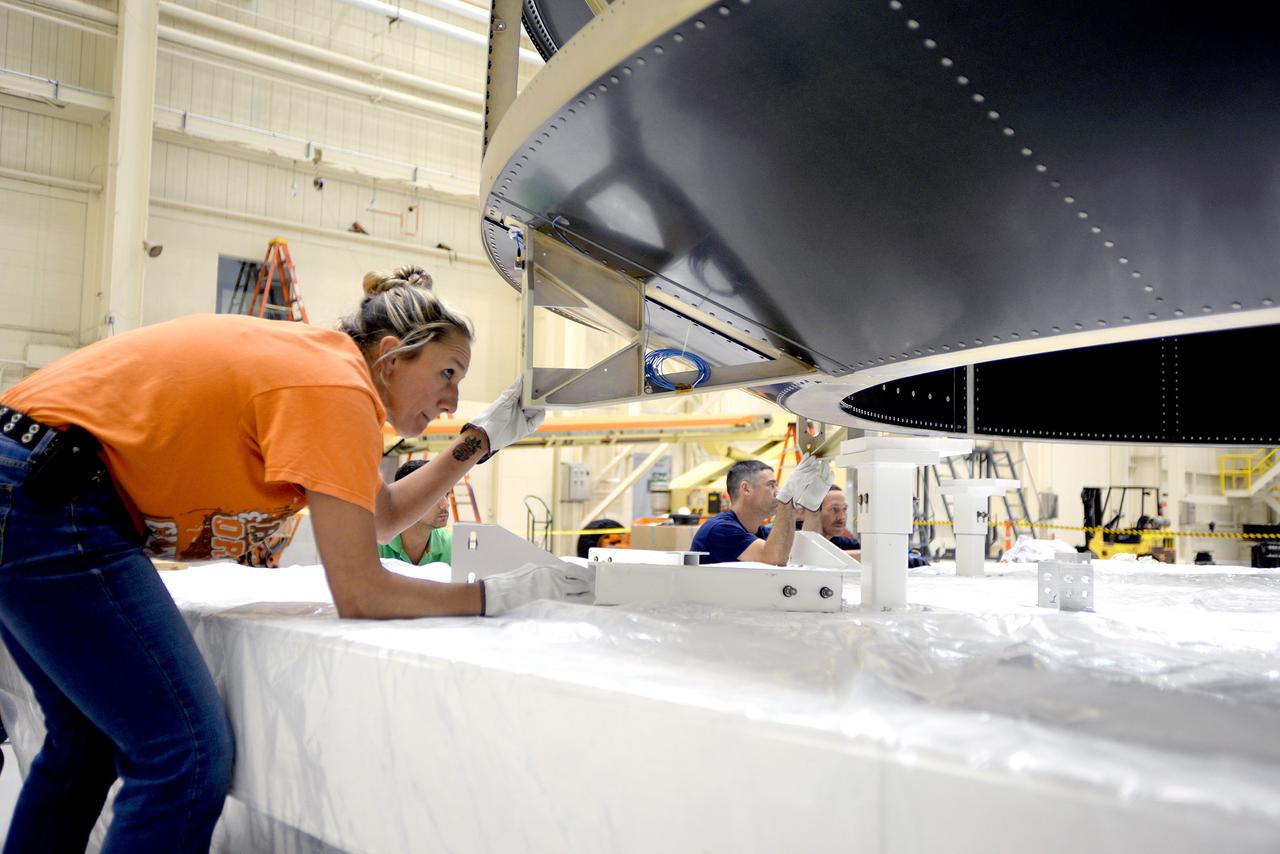
The Orion Crew Module Adapter simulator arrives at NASA Glenn's Plum Brook Station Space Power Facility in Sandusky, Ohio on June 24, 2015. Part of Batch image transfer from Flickr.
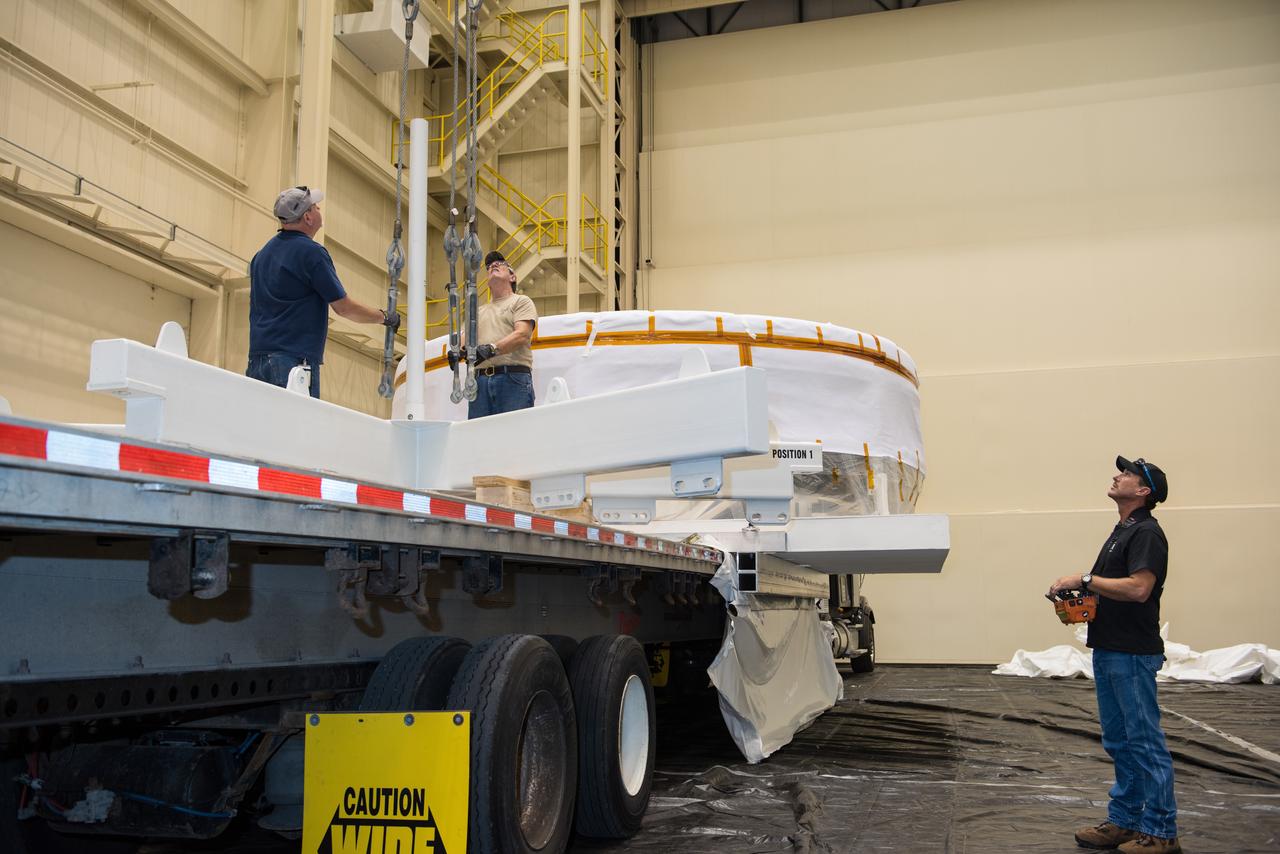
The Orion Crew Module Adapter simulator arrives at NASA Glenn's Plum Brook Station Space Power Facility in Sandusky, Ohio on June 24, 2015. Part of Batch image transfer from Flickr.
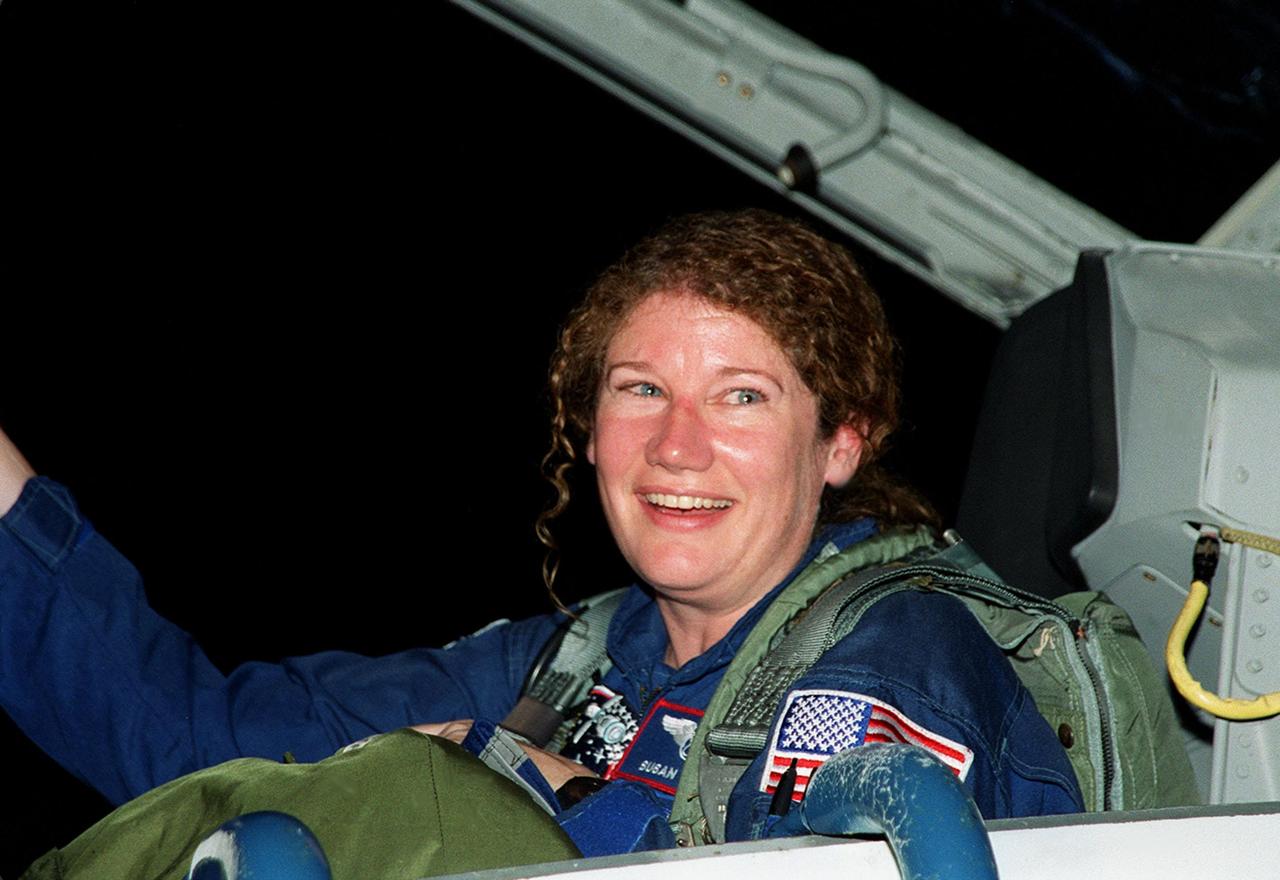
KENNEDY SPACE CENTR, FLA. -- STS-101 Mission Specialist Susan Helms arrives at KSC's Shuttle Landing Facility aboard a T-38 jet aircraft. The last to arrive, she and the rest of the crew will be preparing for the launch on May 18. The mission will take the crew of seven to the International Space Station, delivering logistics and supplies, plus preparing the Station for the arrival of the Zvezda Service Module, expected to be launched by Russia in July 2000. Also, the crew will conduct one space walk to perform maintenance on the Space Station. This will be the third assembly flight for the Space Station. STS-101 is targeted for liftoff at 6:38 a.m. EDT from Launch Pad 39A
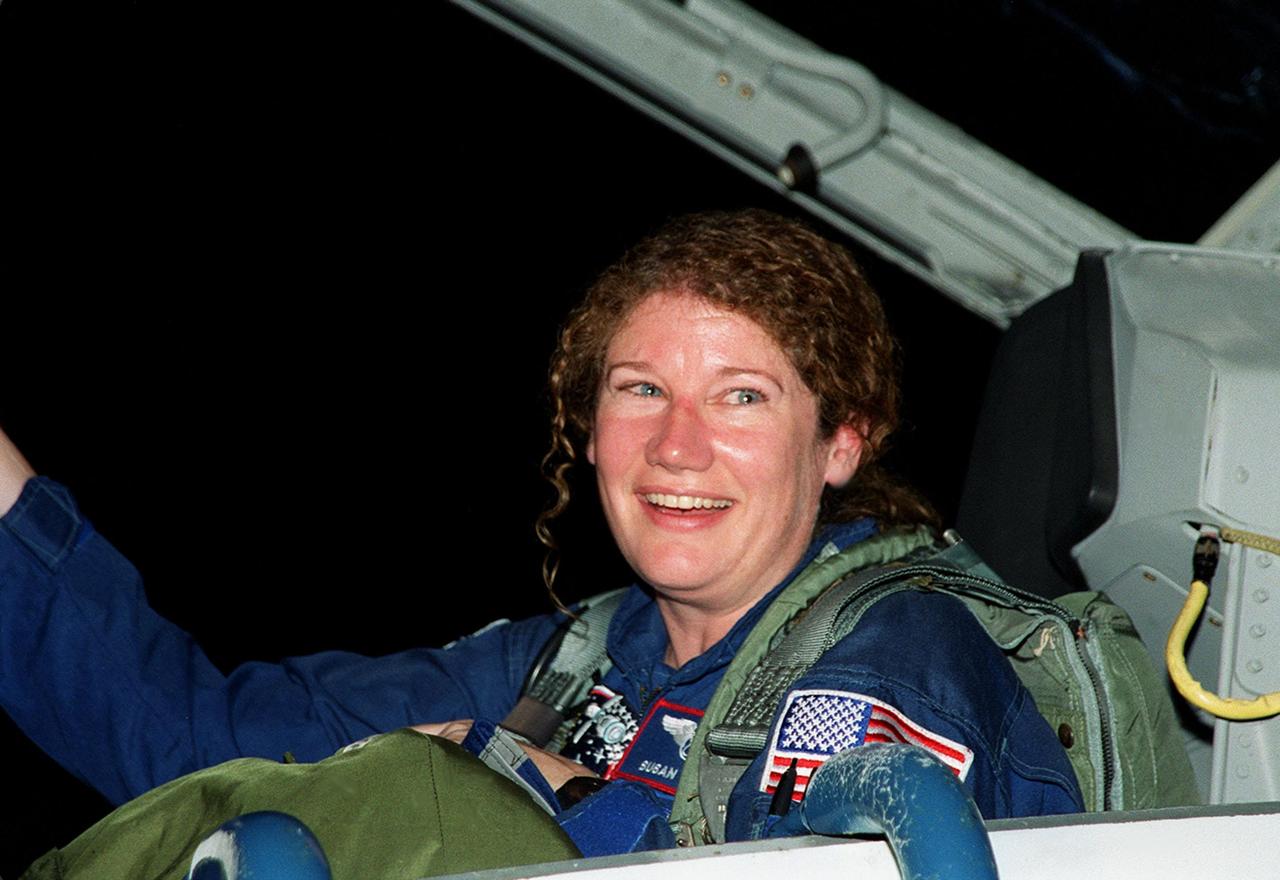
KENNEDY SPACE CENTR, FLA. -- STS-101 Mission Specialist Susan Helms arrives at KSC's Shuttle Landing Facility aboard a T-38 jet aircraft. The last to arrive, she and the rest of the crew will be preparing for the launch on May 18. The mission will take the crew of seven to the International Space Station, delivering logistics and supplies, plus preparing the Station for the arrival of the Zvezda Service Module, expected to be launched by Russia in July 2000. Also, the crew will conduct one space walk to perform maintenance on the Space Station. This will be the third assembly flight for the Space Station. STS-101 is targeted for liftoff at 6:38 a.m. EDT from Launch Pad 39A
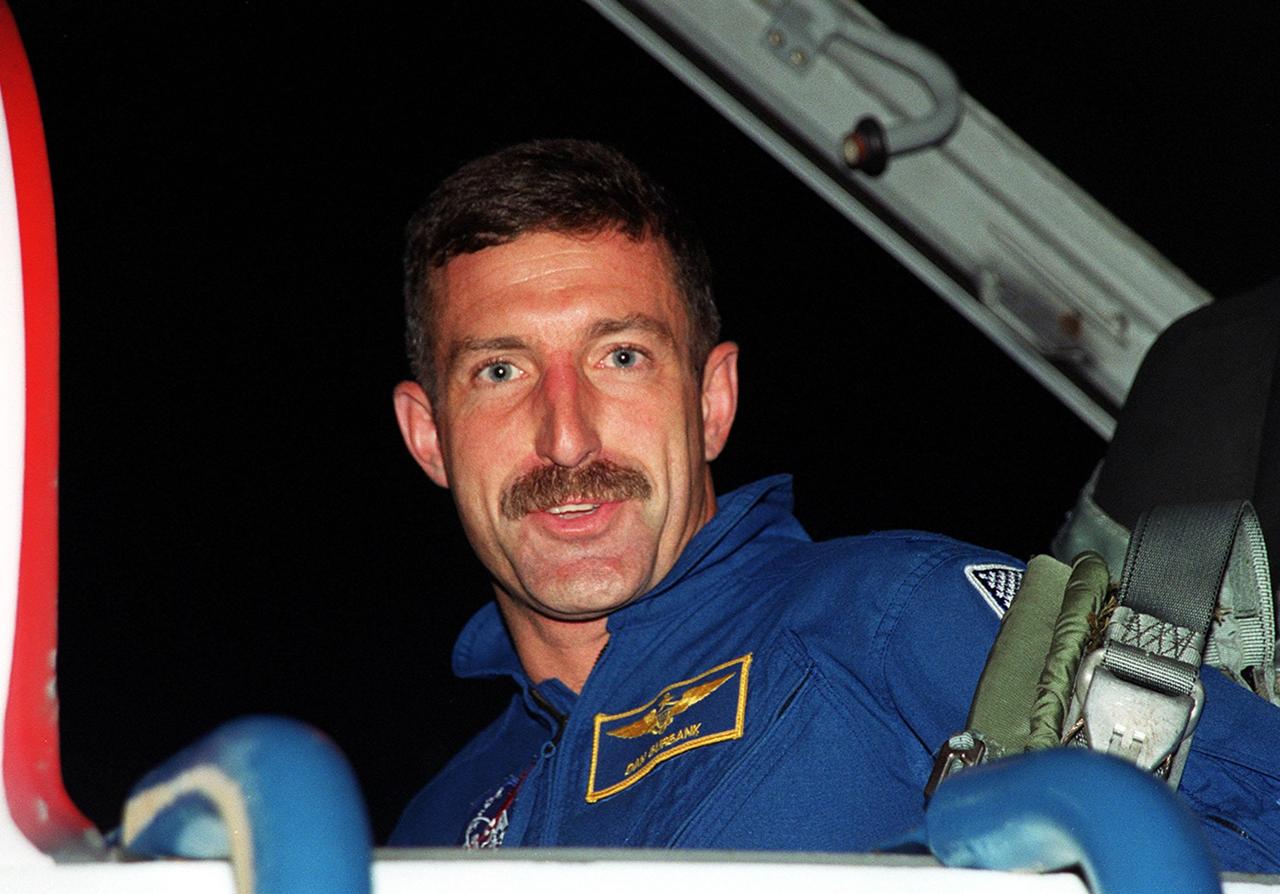
STS-106 Mission Specialist Daniel C. Burbank smiles on his arrival at the KSC Shuttle Landing Facility. He and the rest of the crew will be making pre-launch preparations for the fourth flight to the International Space Station. STS-106 is scheduled to launch Sept. 8, 2000, at 8:45 a.m. EDT from Launch Pad 39B. On the 11-day mission, the seven-member crew will perform support tasks on orbit, transfer supplies and prepare the living quarters in the newly arrived Zvezda Service Module. The first long-duration crew, dubbed “Expedition One,” is due to arrive at the Station in late fall
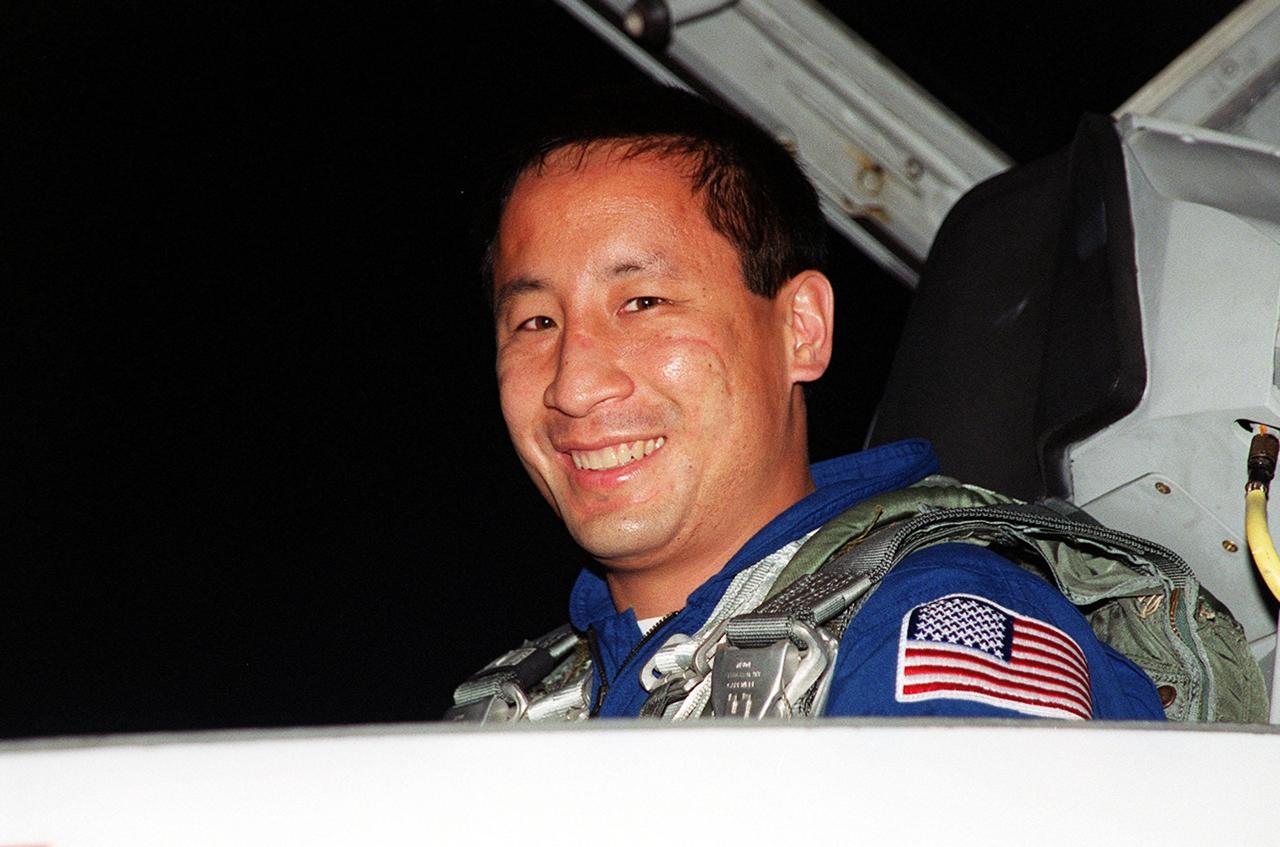
STS-106 Mission Specialist Edward T. Lu grins upon his arrival at the KSC Shuttle Landing Facility. He and the rest of the crew will be making pre-launch preparations for the fourth flight to the International Space Station. STS-106 is scheduled to launch Sept. 8, 2000, at 8:45 a.m. EDT from Launch Pad 39B. On the 11-day mission, the seven-member crew will perform support tasks on orbit, transfer supplies and prepare the living quarters in the newly arrived Zvezda Service Module. The first long-duration crew, dubbed "Expedition One," is due to arrive at the Station in late fall
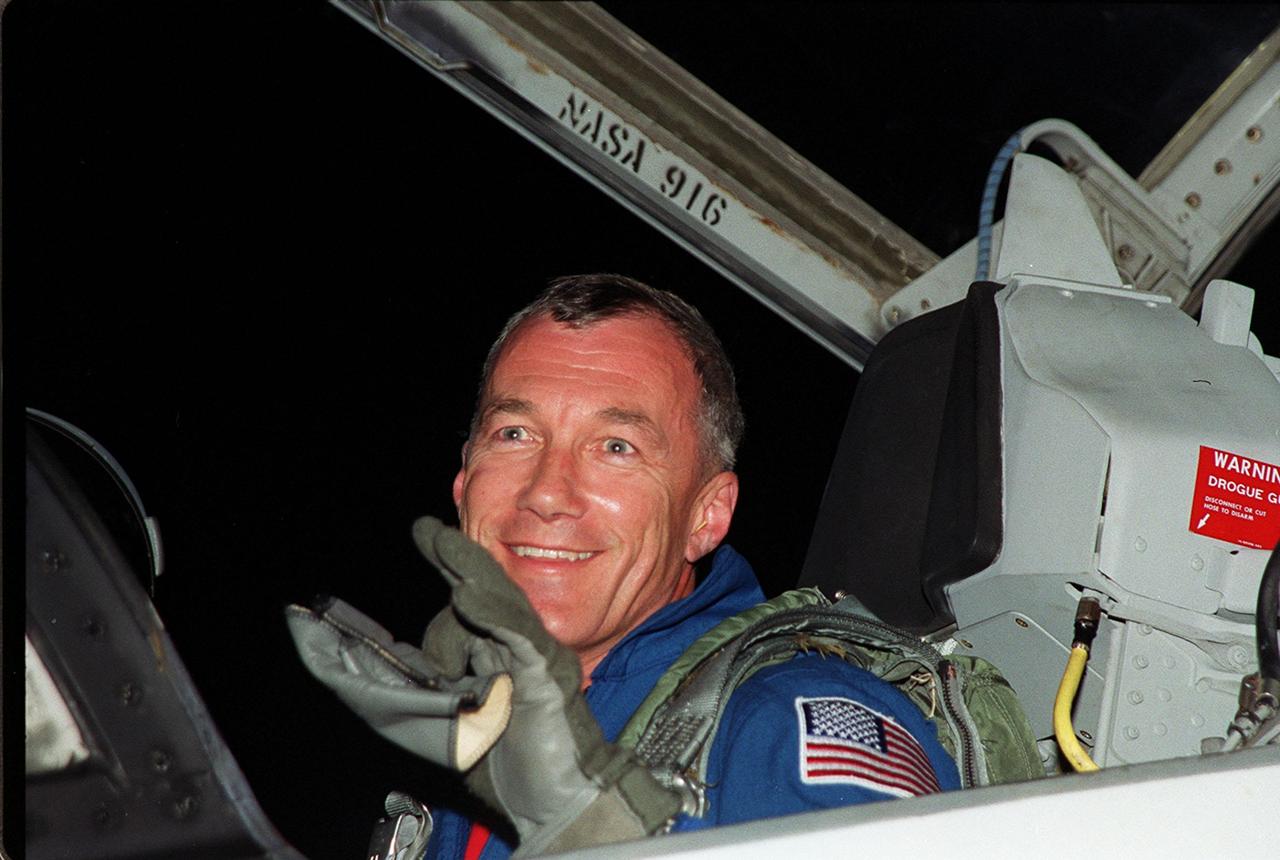
STS-106 Commander Terrence W. Wilcutt waves to onlookers as he arrives at the KSC Shuttle Landing Facility. He and the rest of the crew will be making pre-launch preparations for the fourth flight to the International Space Station. STS-106 is scheduled to launch Sept. 8, 2000, at 8:45 a.m. EDT from Launch Pad 39B. On the 11-day mission, the seven-member crew will perform support tasks on orbit, transfer supplies and prepare the living quarters in the newly arrived Zvezda Service Module. The first long-duration crew, dubbed “Expedition One,” is due to arrive at the Station in late fall
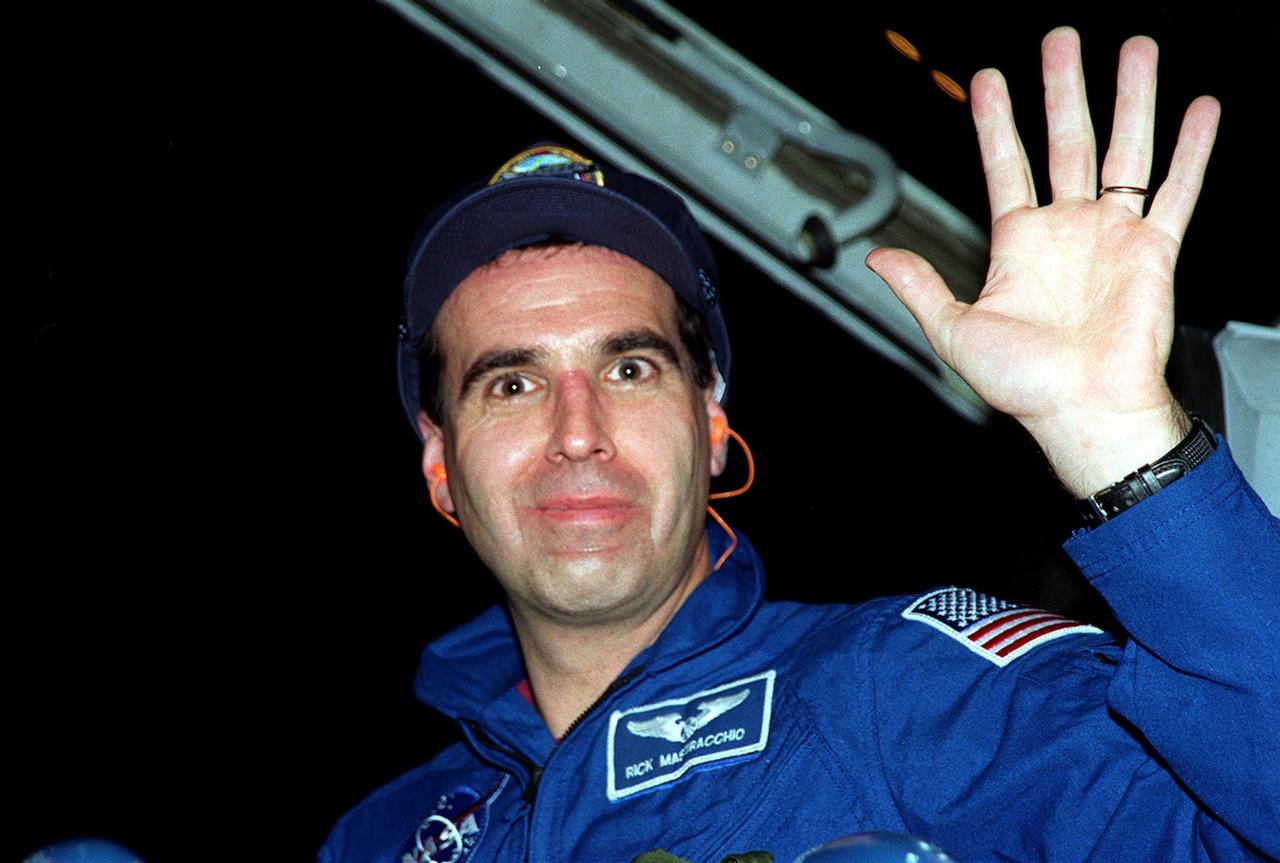
STS-106 Mission Specialist Richard A. Mastracchio waves at the camera upon his arrival at the KSC Shuttle Landing Facility. He and the rest of the crew will be making pre-launch preparations for the fourth flight to the International Space Station. STS-106 is scheduled to launch Sept. 8, 2000, at 8:45 a.m. EDT from Launch Pad 39B. On the 11-day mission, the seven-member crew will perform support tasks on orbit, transfer supplies and prepare the living quarters in the newly arrived Zvezda Service Module. The first long-duration crew, dubbed “Expedition One,” is due to arrive at the Station in late fall
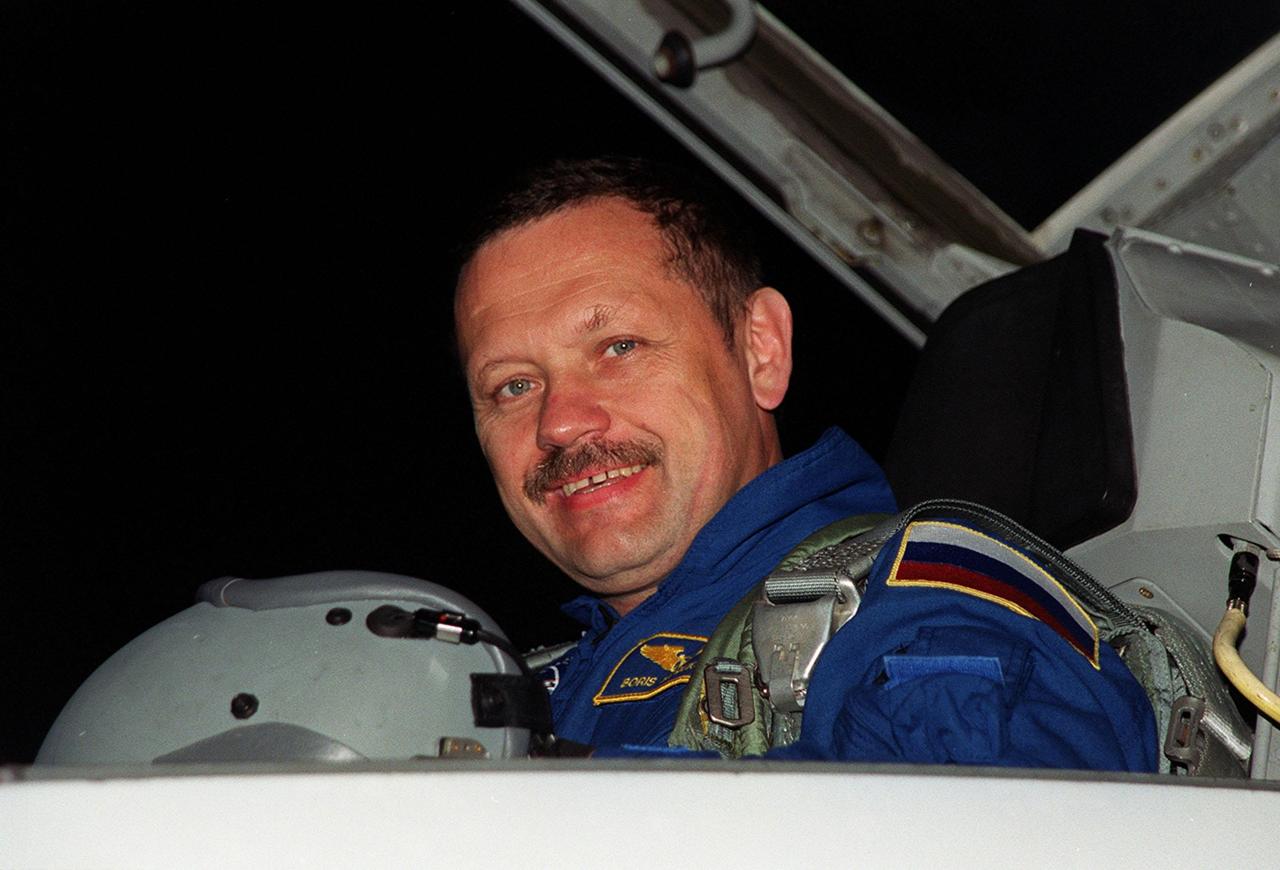
STS-106 Mission Specialist Boris V. Morukov smiles upon his arrival at the KSC Shuttle Landing Facility. He and the rest of the crew will be making pre-launch preparations for the fourth flight to the International Space Station. STS-106 is scheduled to launch Sept. 8, 2000, at 8:45 a.m. EDT from Launch Pad 39B. On the 11-day mission, the seven-member crew will perform support tasks on orbit, transfer supplies and prepare the living quarters in the newly arrived Zvezda Service Module. The first long-duration crew, dubbed “Expedition One,” is due to arrive at the Station in late fall
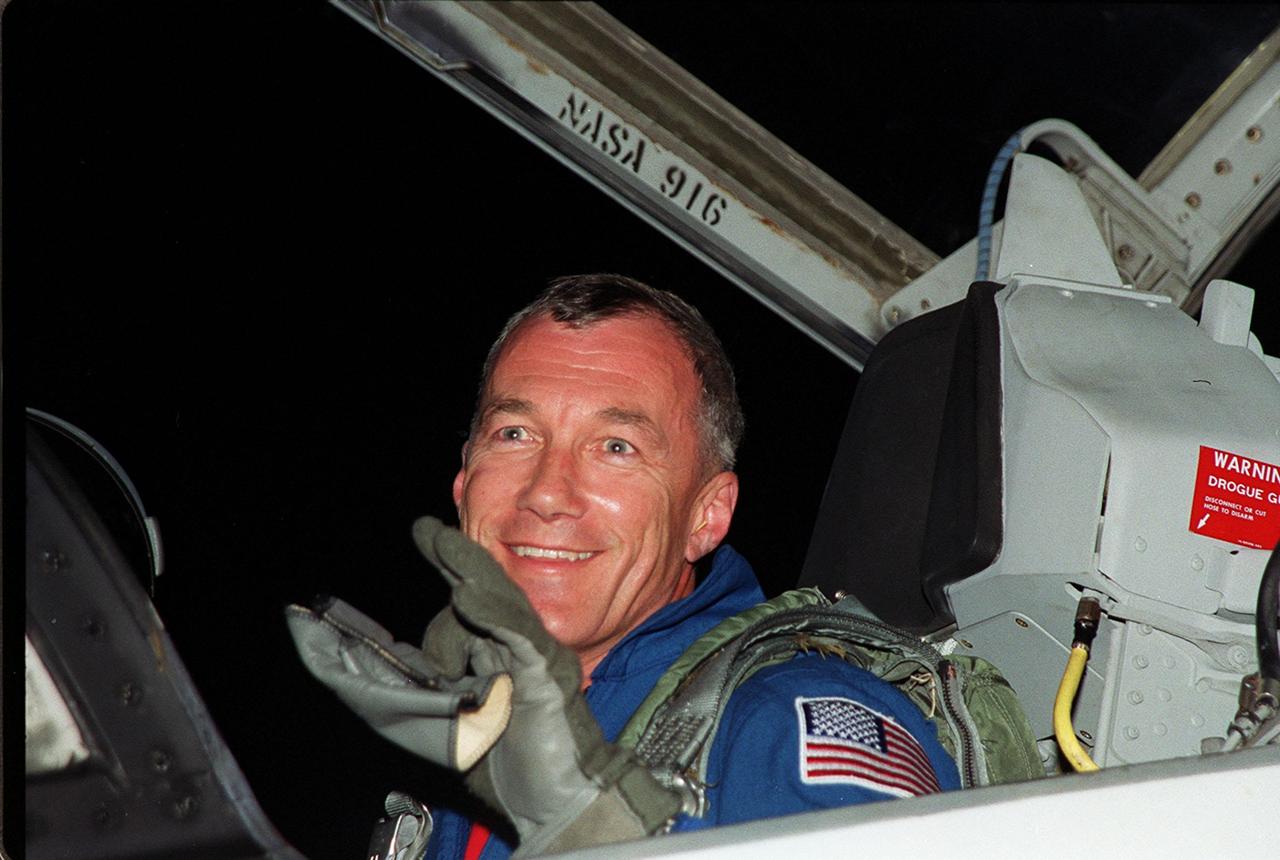
STS-106 Commander Terrence W. Wilcutt waves to onlookers as he arrives at the KSC Shuttle Landing Facility. He and the rest of the crew will be making pre-launch preparations for the fourth flight to the International Space Station. STS-106 is scheduled to launch Sept. 8, 2000, at 8:45 a.m. EDT from Launch Pad 39B. On the 11-day mission, the seven-member crew will perform support tasks on orbit, transfer supplies and prepare the living quarters in the newly arrived Zvezda Service Module. The first long-duration crew, dubbed “Expedition One,” is due to arrive at the Station in late fall
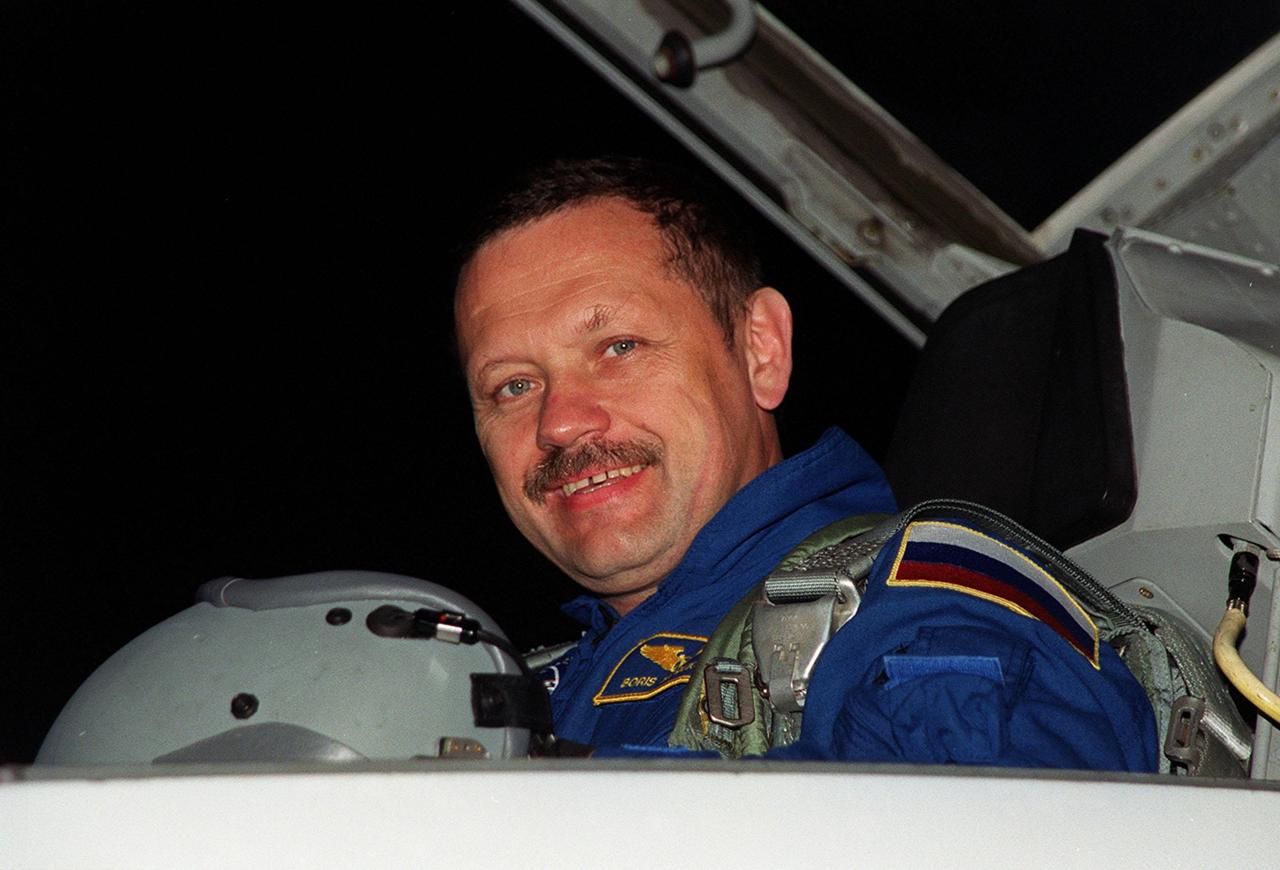
STS-106 Mission Specialist Boris V. Morukov smiles upon his arrival at the KSC Shuttle Landing Facility. He and the rest of the crew will be making pre-launch preparations for the fourth flight to the International Space Station. STS-106 is scheduled to launch Sept. 8, 2000, at 8:45 a.m. EDT from Launch Pad 39B. On the 11-day mission, the seven-member crew will perform support tasks on orbit, transfer supplies and prepare the living quarters in the newly arrived Zvezda Service Module. The first long-duration crew, dubbed “Expedition One,” is due to arrive at the Station in late fall
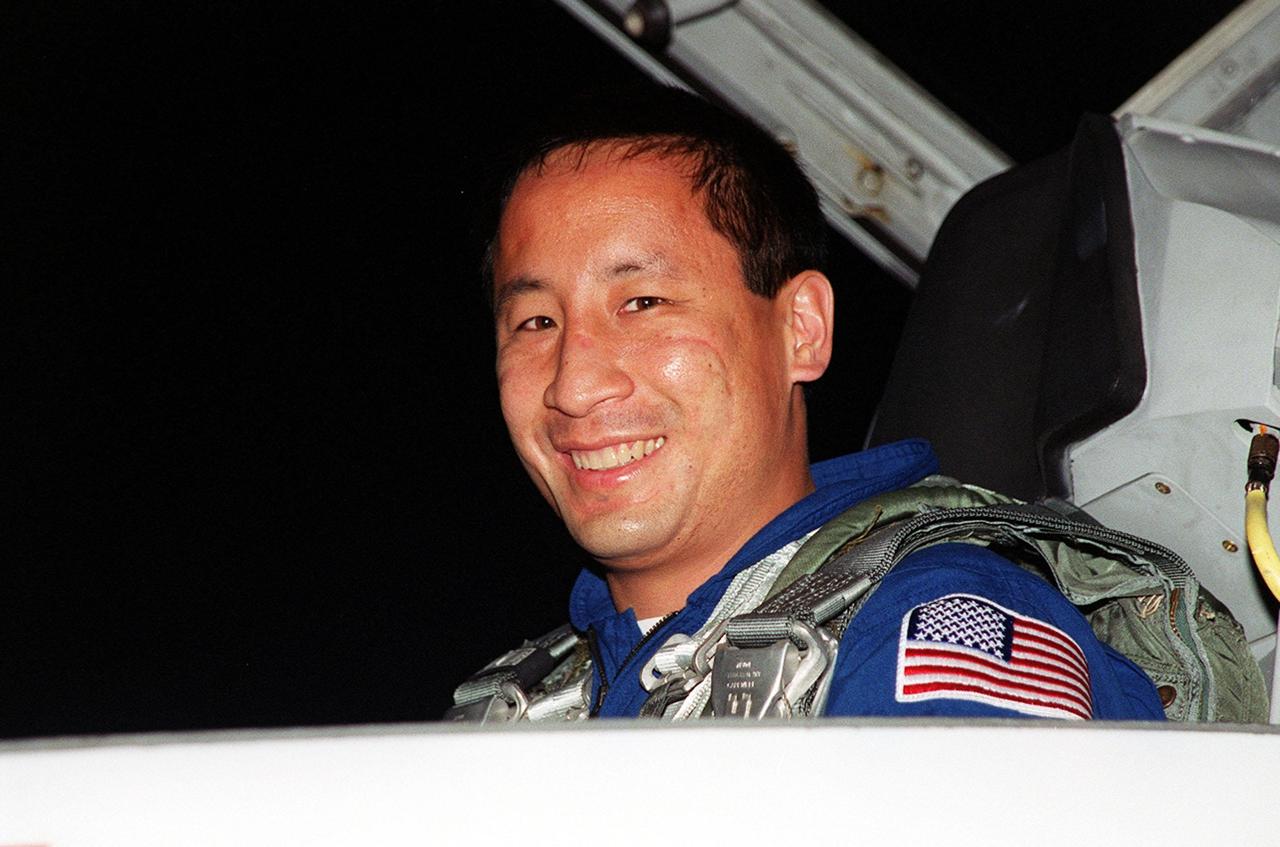
STS-106 Mission Specialist Edward T. Lu grins upon his arrival at the KSC Shuttle Landing Facility. He and the rest of the crew will be making pre-launch preparations for the fourth flight to the International Space Station. STS-106 is scheduled to launch Sept. 8, 2000, at 8:45 a.m. EDT from Launch Pad 39B. On the 11-day mission, the seven-member crew will perform support tasks on orbit, transfer supplies and prepare the living quarters in the newly arrived Zvezda Service Module. The first long-duration crew, dubbed "Expedition One," is due to arrive at the Station in late fall
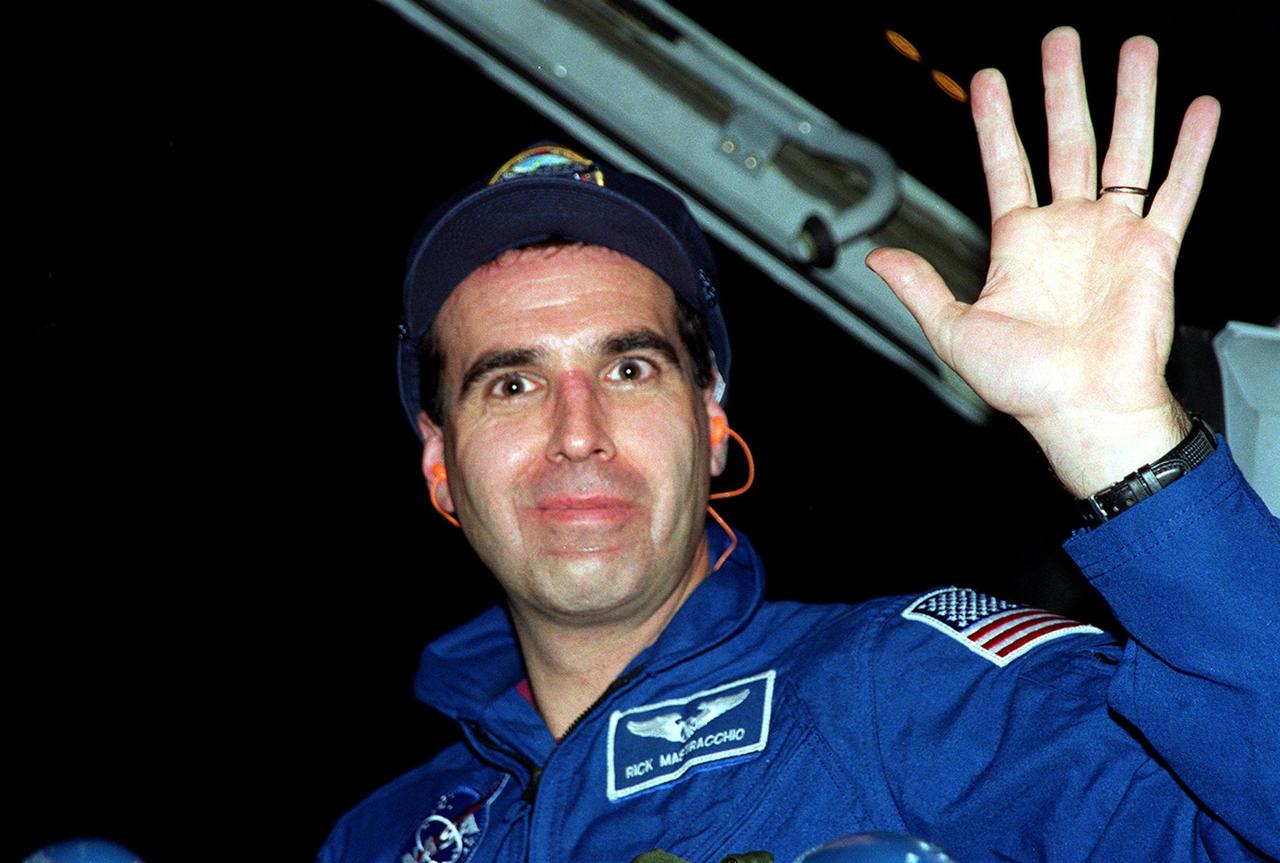
STS-106 Mission Specialist Richard A. Mastracchio waves at the camera upon his arrival at the KSC Shuttle Landing Facility. He and the rest of the crew will be making pre-launch preparations for the fourth flight to the International Space Station. STS-106 is scheduled to launch Sept. 8, 2000, at 8:45 a.m. EDT from Launch Pad 39B. On the 11-day mission, the seven-member crew will perform support tasks on orbit, transfer supplies and prepare the living quarters in the newly arrived Zvezda Service Module. The first long-duration crew, dubbed “Expedition One,” is due to arrive at the Station in late fall
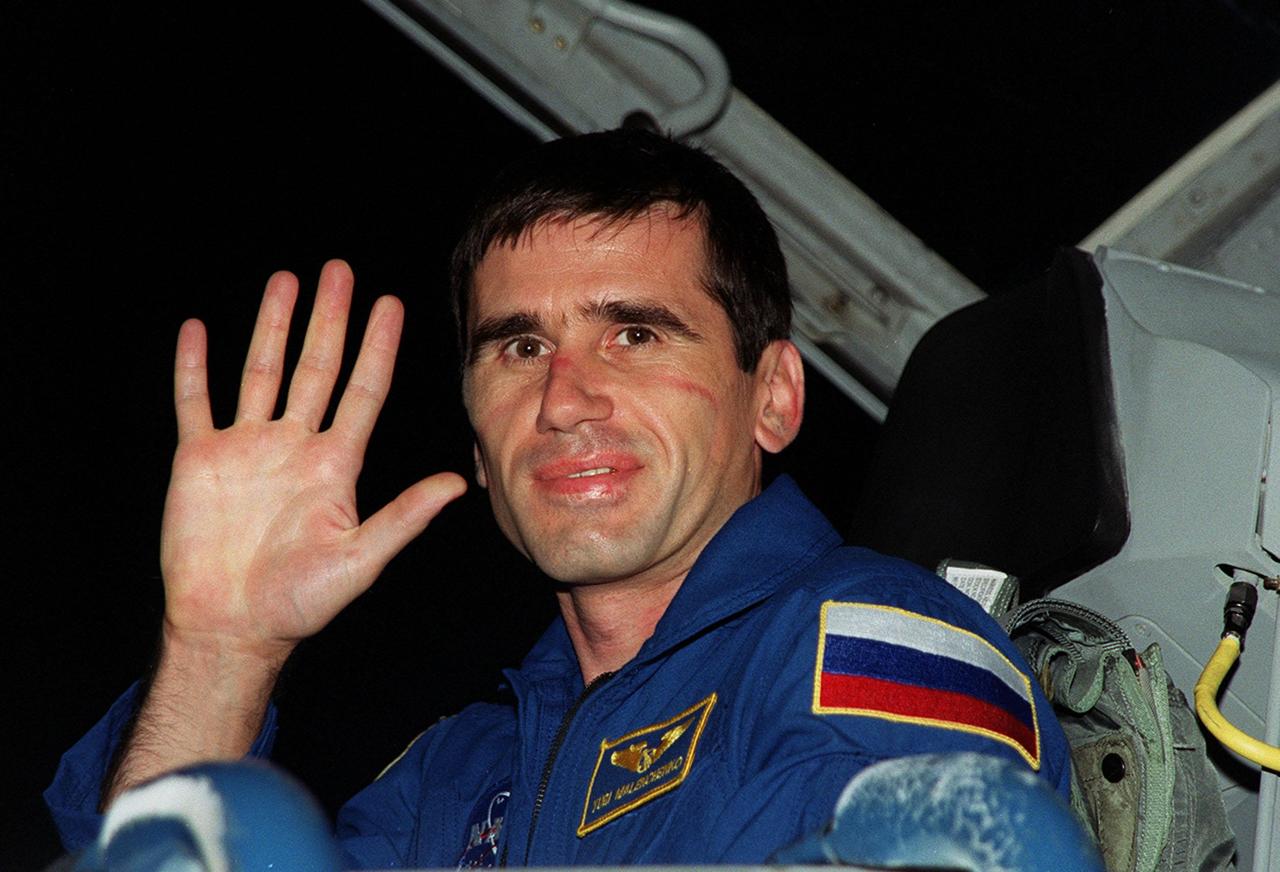
STS-106 Mission Specialist Yuri I. Malenchenko waves for the camera as he arrives at the KSC Shuttle Landing Facility. Malenchenko is with the Russian Aviation and Space Agency. He and the rest of the crew will be making pre-launch preparations for the fourth flight to the International Space Station. STS-106 is scheduled to launch Sept. 8, 2000, at 8:45 a.m. EDT from Launch Pad 39B. On the 11-day mission, the seven-member crew will perform support tasks on orbit, transfer supplies and prepare the living quarters in the newly arrived Zvezda Service Module. The first long-duration crew, dubbed "Expedition One," is due to arrive at the Station in late fall
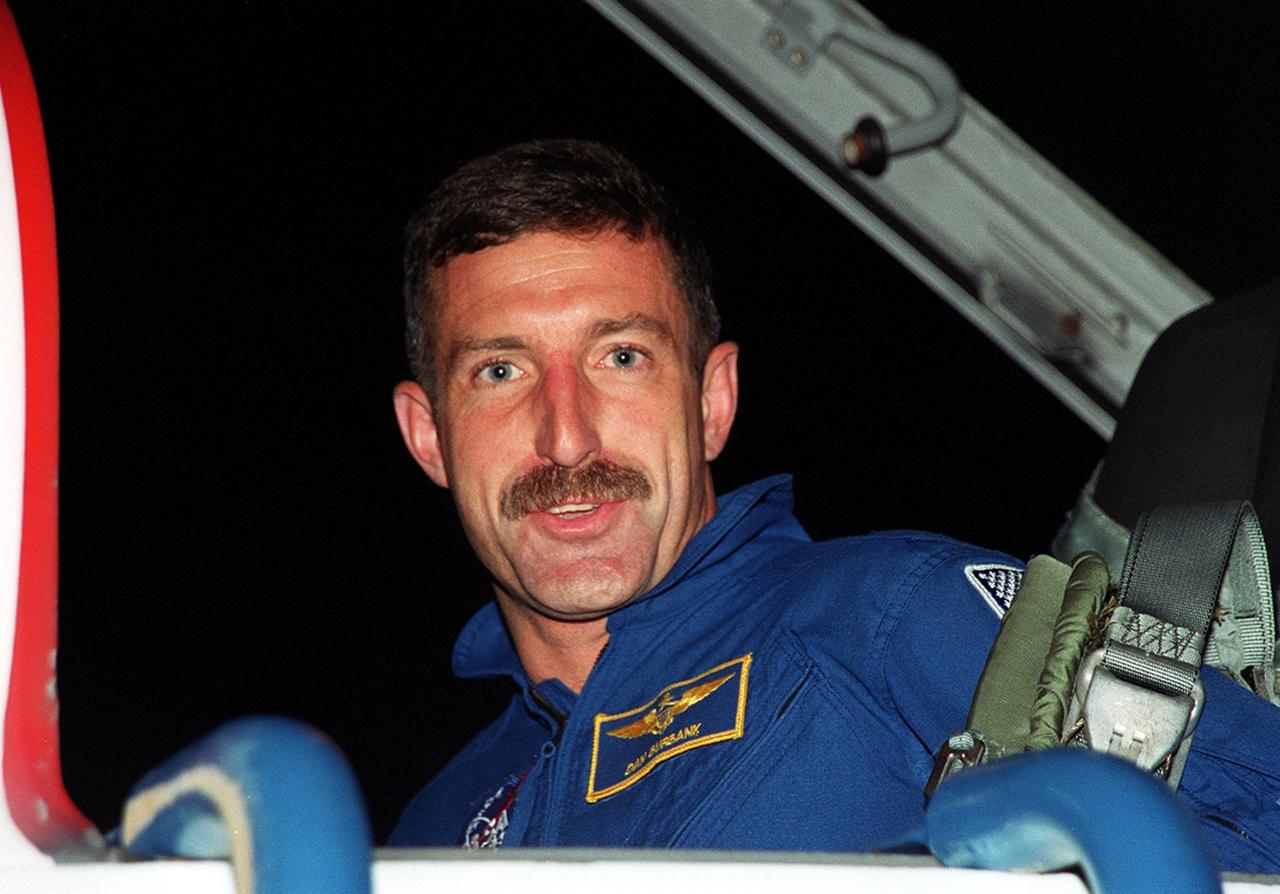
STS-106 Mission Specialist Daniel C. Burbank smiles on his arrival at the KSC Shuttle Landing Facility. He and the rest of the crew will be making pre-launch preparations for the fourth flight to the International Space Station. STS-106 is scheduled to launch Sept. 8, 2000, at 8:45 a.m. EDT from Launch Pad 39B. On the 11-day mission, the seven-member crew will perform support tasks on orbit, transfer supplies and prepare the living quarters in the newly arrived Zvezda Service Module. The first long-duration crew, dubbed “Expedition One,” is due to arrive at the Station in late fall
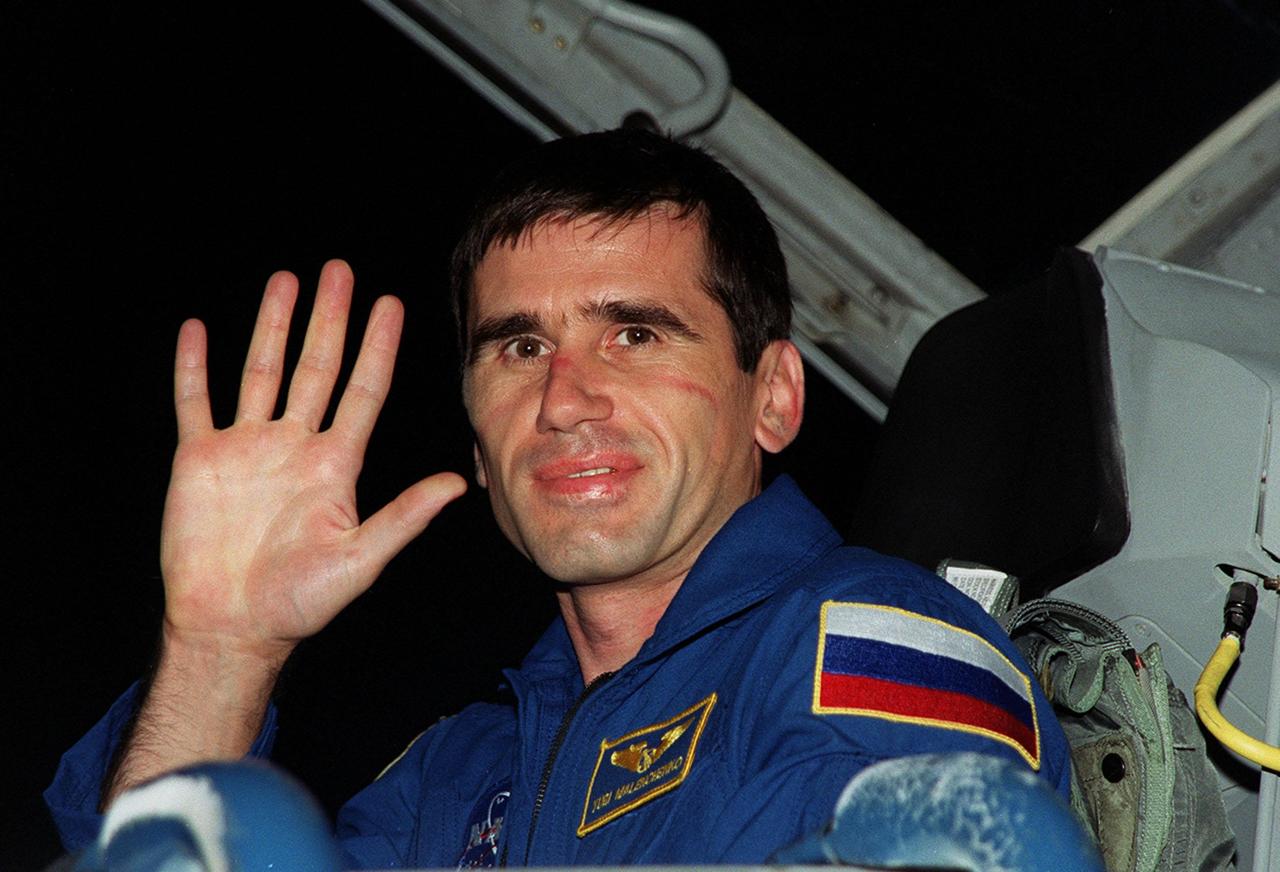
STS-106 Mission Specialist Yuri I. Malenchenko waves for the camera as he arrives at the KSC Shuttle Landing Facility. Malenchenko is with the Russian Aviation and Space Agency. He and the rest of the crew will be making pre-launch preparations for the fourth flight to the International Space Station. STS-106 is scheduled to launch Sept. 8, 2000, at 8:45 a.m. EDT from Launch Pad 39B. On the 11-day mission, the seven-member crew will perform support tasks on orbit, transfer supplies and prepare the living quarters in the newly arrived Zvezda Service Module. The first long-duration crew, dubbed "Expedition One," is due to arrive at the Station in late fall
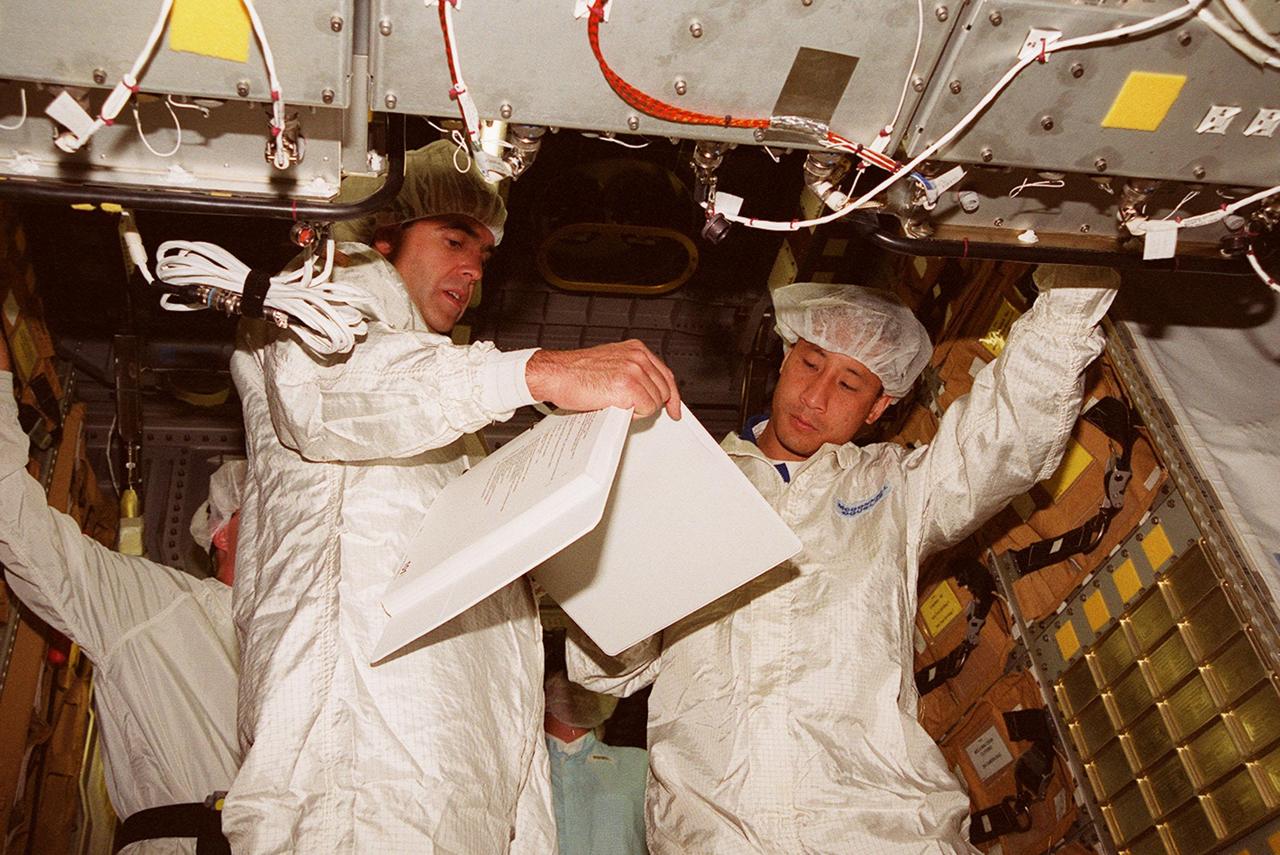
KENNEDY SPACE CENTER, FLA. -- Inside the SPACEHAB module, STS-106 Mission Specialists Richard A. Mastracchio (left) and Edward T. Lu (right) look over documentation on the equipment in the module. The two astronauts and other crew members Commander Terrence W. Wilcutt, Pilot Scott D. Altman, and Mission Specialists Boris V. Morukov, Yuri I. Malenchenko and Daniel C. Burbank are taking part Crew Equipment Interface Test activities at KSC. On the 11-day mission, the seven-member crew will perform support tasks on orbit, transfer supplies and prepare the living quarters in the newly arrived Zvezda Service Module for the first long-duration crew, dubbed “Expedition One,” which is due to arrive at the Station in late fall. STS-106 is scheduled to launch Sept. 8, 2000, at 8:31 a.m. EDT from Launch Pad 39B
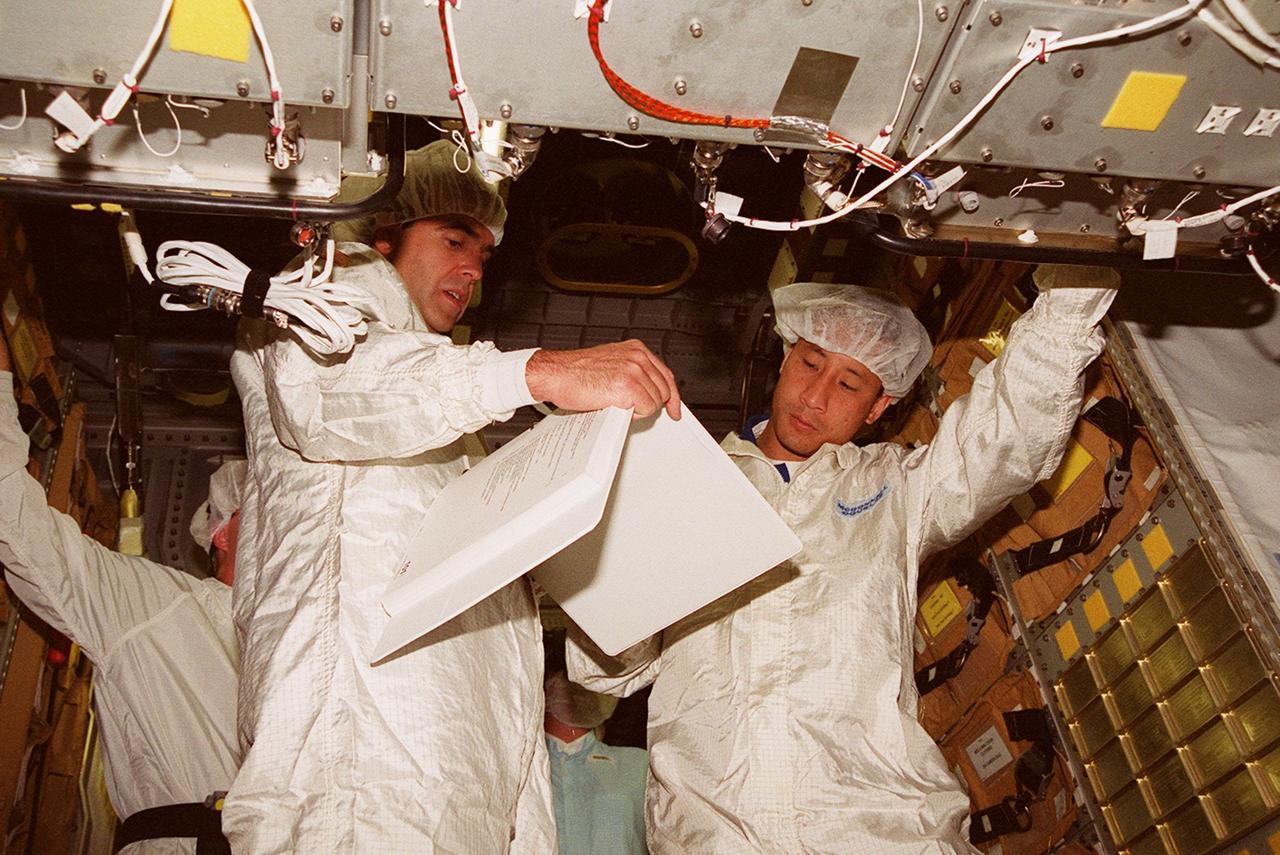
KENNEDY SPACE CENTER, FLA. -- Inside the SPACEHAB module, STS-106 Mission Specialists Richard A. Mastracchio (left) and Edward T. Lu (right) look over documentation on the equipment in the module. The two astronauts and other crew members Commander Terrence W. Wilcutt, Pilot Scott D. Altman, and Mission Specialists Boris V. Morukov, Yuri I. Malenchenko and Daniel C. Burbank are taking part Crew Equipment Interface Test activities at KSC. On the 11-day mission, the seven-member crew will perform support tasks on orbit, transfer supplies and prepare the living quarters in the newly arrived Zvezda Service Module for the first long-duration crew, dubbed “Expedition One,” which is due to arrive at the Station in late fall. STS-106 is scheduled to launch Sept. 8, 2000, at 8:31 a.m. EDT from Launch Pad 39B
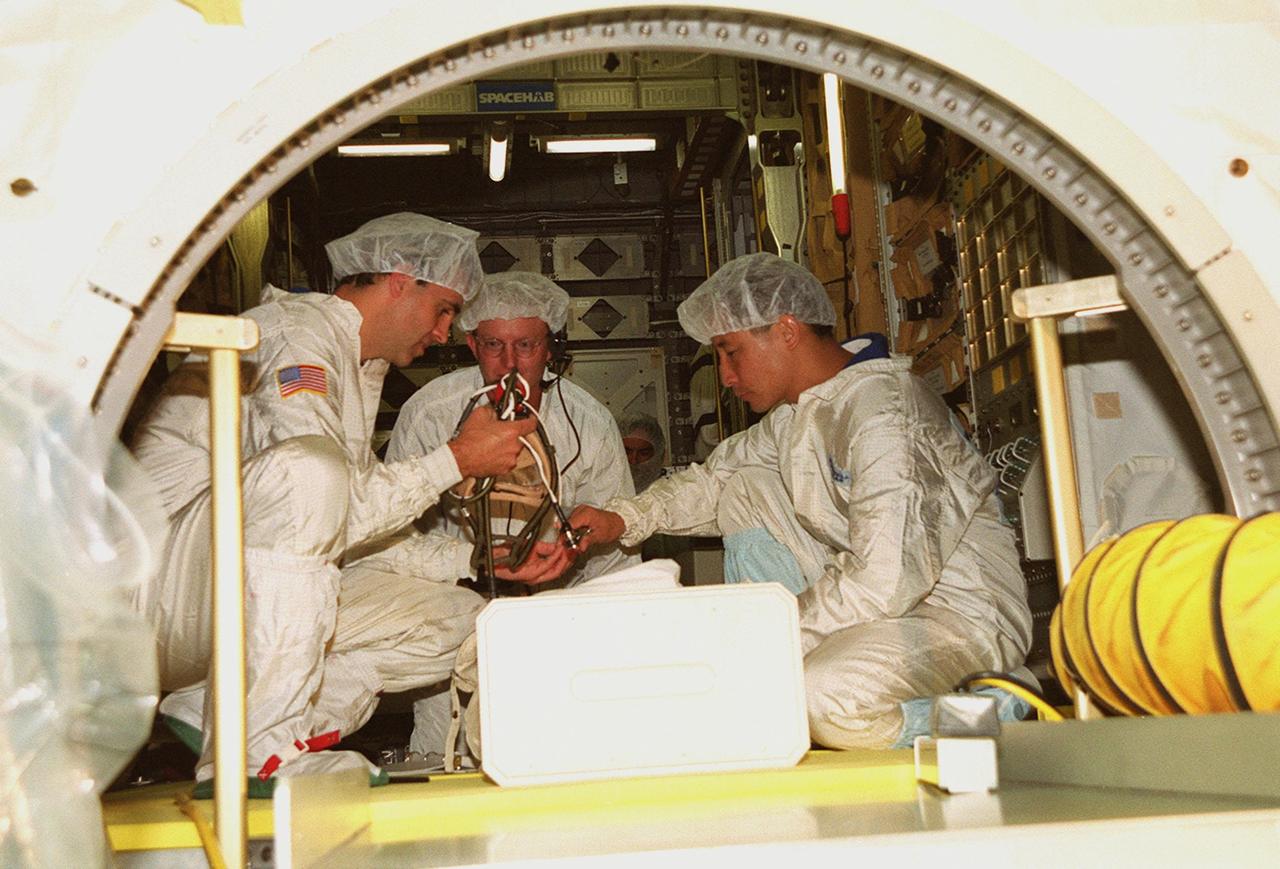
KENNEDY SPACE CENTER, FLA. -- Inside the SPACEHAB module, STS-106 Mission Specialists Richard A. Mastracchio (left) and Edward T. Lu (right) check out the equipment in the module that will fly on the mission. At center is a SPACEHAB worker. The two astronauts and other crew members Commander Terrence W. Wilcutt, Pilot Scott D. Altman, and Mission Specialists Boris V. Morukov, Yuri I. Malenchenko and Daniel C. Burbank are taking part Crew Equipment Interface Test activities at KSC. On the 11-day mission, the seven-member crew will perform support tasks on orbit, transfer supplies and prepare the living quarters in the newly arrived Zvezda Service Module for the first long-duration crew, dubbed “Expedition One,” which is due to arrive at the Station in late fall. STS-106 is scheduled to launch Sept. 8, 2000, at 8:31 a.m. EDT from Launch Pad 39B
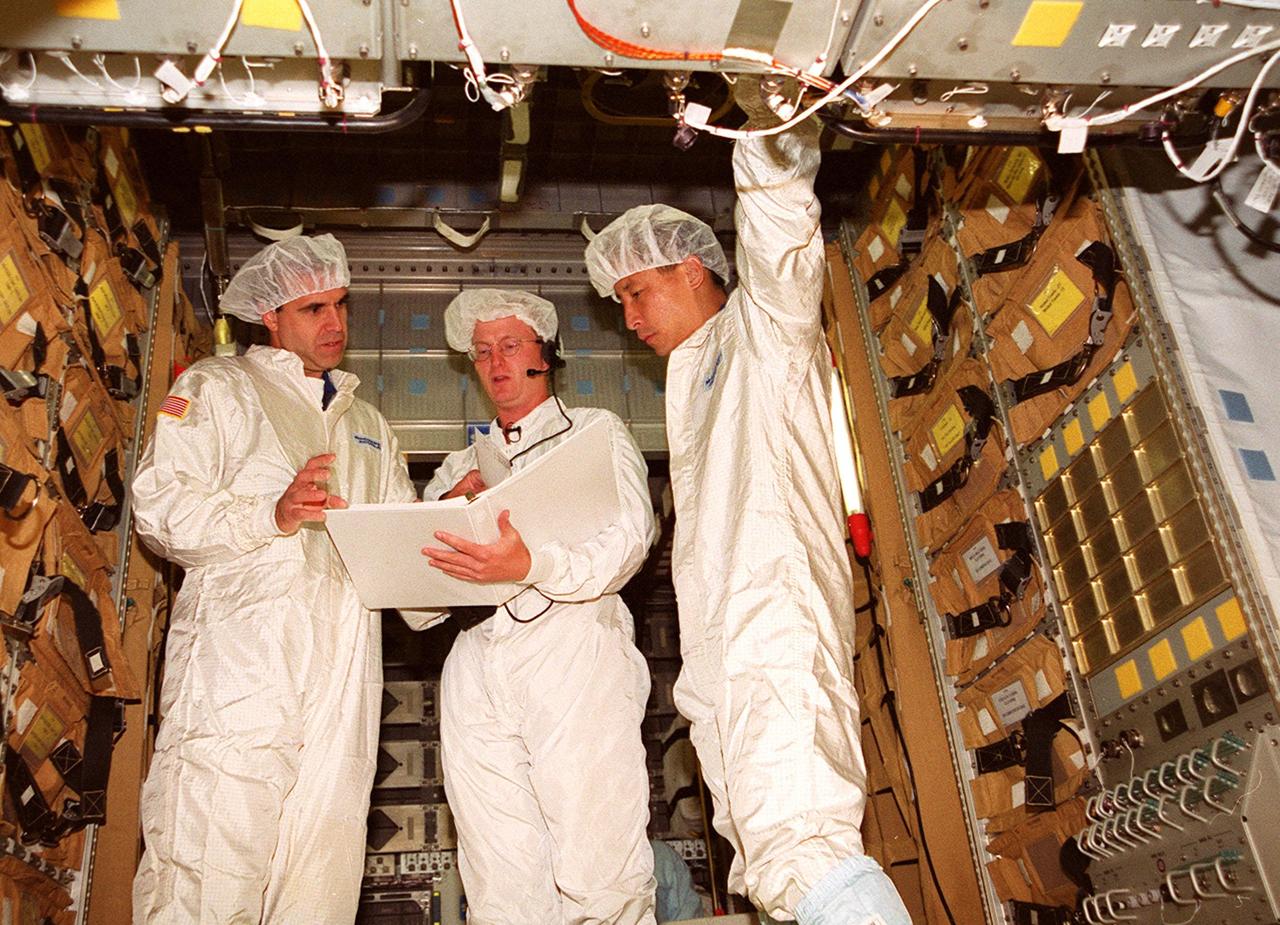
KENNEDY SPACE CENTER, FLA. -- Inside the SPACEHAB module, STS-106 Mission Specialists Richard A. Mastracchio (left) and Edward T. Lu (right) get information from a worker about the equipment in the module. They and other crew members Commander Terrence W. Wilcutt, Pilot Scott D. Altman, and Mission Specialists Boris V. Morukov, Yuri I. Malenchenko and Daniel C. Burbank are taking part Crew Equipment Interface Test activities at KSC. On the 11-day mission, the seven-member crew will perform support tasks on orbit, transfer supplies and prepare the living quarters in the newly arrived Zvezda Service Module for the first long-duration crew, dubbed “Expedition One,” which is due to arrive at the Station in late fall. STS-106 is scheduled to launch Sept. 8, 2000, at 8:31 a.m. EDT from Launch Pad 39B
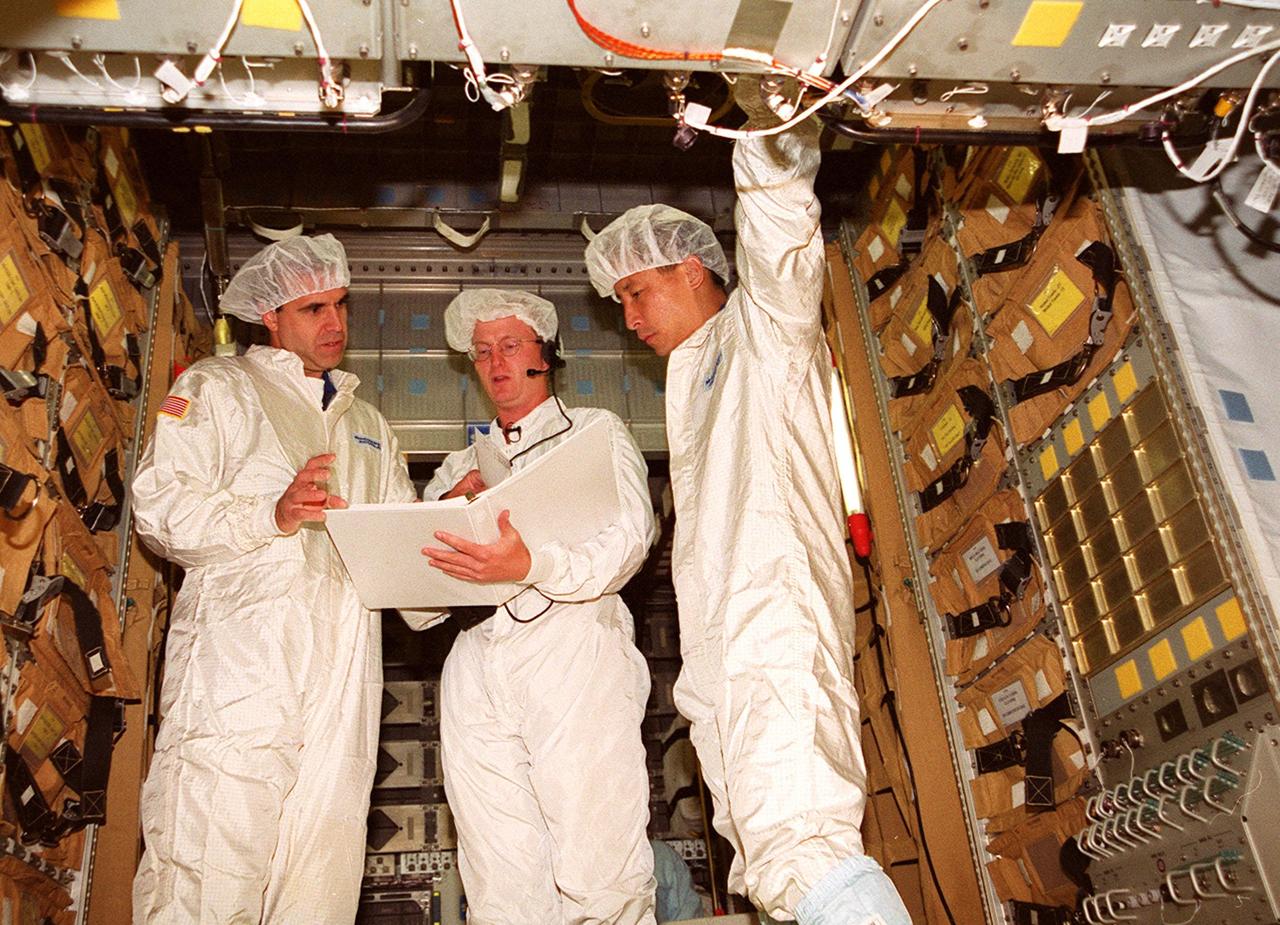
KENNEDY SPACE CENTER, FLA. -- Inside the SPACEHAB module, STS-106 Mission Specialists Richard A. Mastracchio (left) and Edward T. Lu (right) get information from a worker about the equipment in the module. They and other crew members Commander Terrence W. Wilcutt, Pilot Scott D. Altman, and Mission Specialists Boris V. Morukov, Yuri I. Malenchenko and Daniel C. Burbank are taking part Crew Equipment Interface Test activities at KSC. On the 11-day mission, the seven-member crew will perform support tasks on orbit, transfer supplies and prepare the living quarters in the newly arrived Zvezda Service Module for the first long-duration crew, dubbed “Expedition One,” which is due to arrive at the Station in late fall. STS-106 is scheduled to launch Sept. 8, 2000, at 8:31 a.m. EDT from Launch Pad 39B