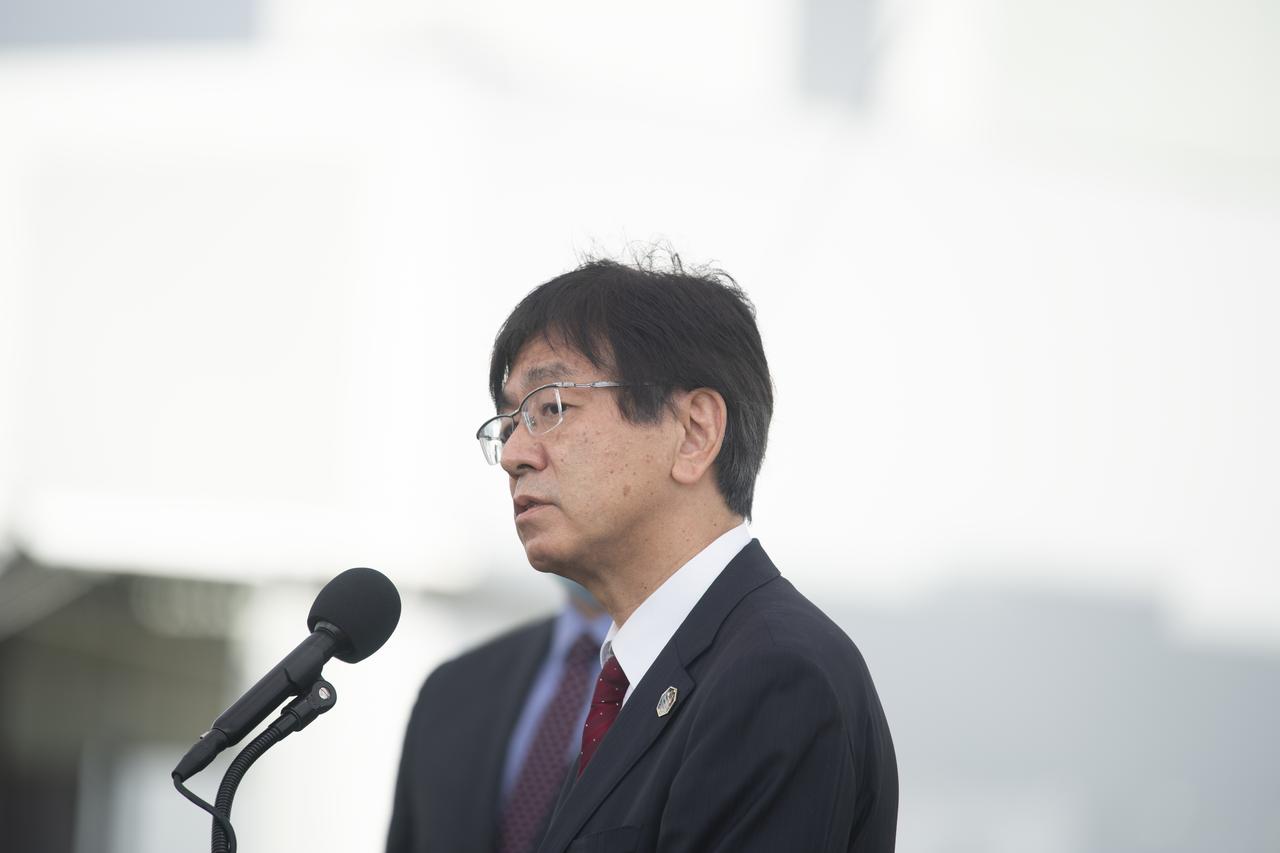
Hiroshi Sasaki, vice president and director general of the Japan Aerospace Exploration Agency’s Human Spaceflight Technology Directorate, speaks to members of the media during a press conference ahead of the Crew-1 launch, Friday, Nov. 13, 2020, at NASA’s Kennedy Space Center in Florida. NASA’s SpaceX Crew-1 mission is the first crew rotation mission of the SpaceX Crew Dragon spacecraft and Falcon 9 rocket to the International Space Station as part of the agency’s Commercial Crew Program. NASA astronauts Mike Hopkins, Victor Glover, and Shannon Walker, and astronaut Soichi Noguchi of the Japan Aerospace Exploration Agency (JAXA) are scheduled to launch at 7:49 p.m. EST on Saturday, Nov. 14, from Launch Complex 39A at the Kennedy Space Center. Photo Credit: (NASA/Joel Kowsky)
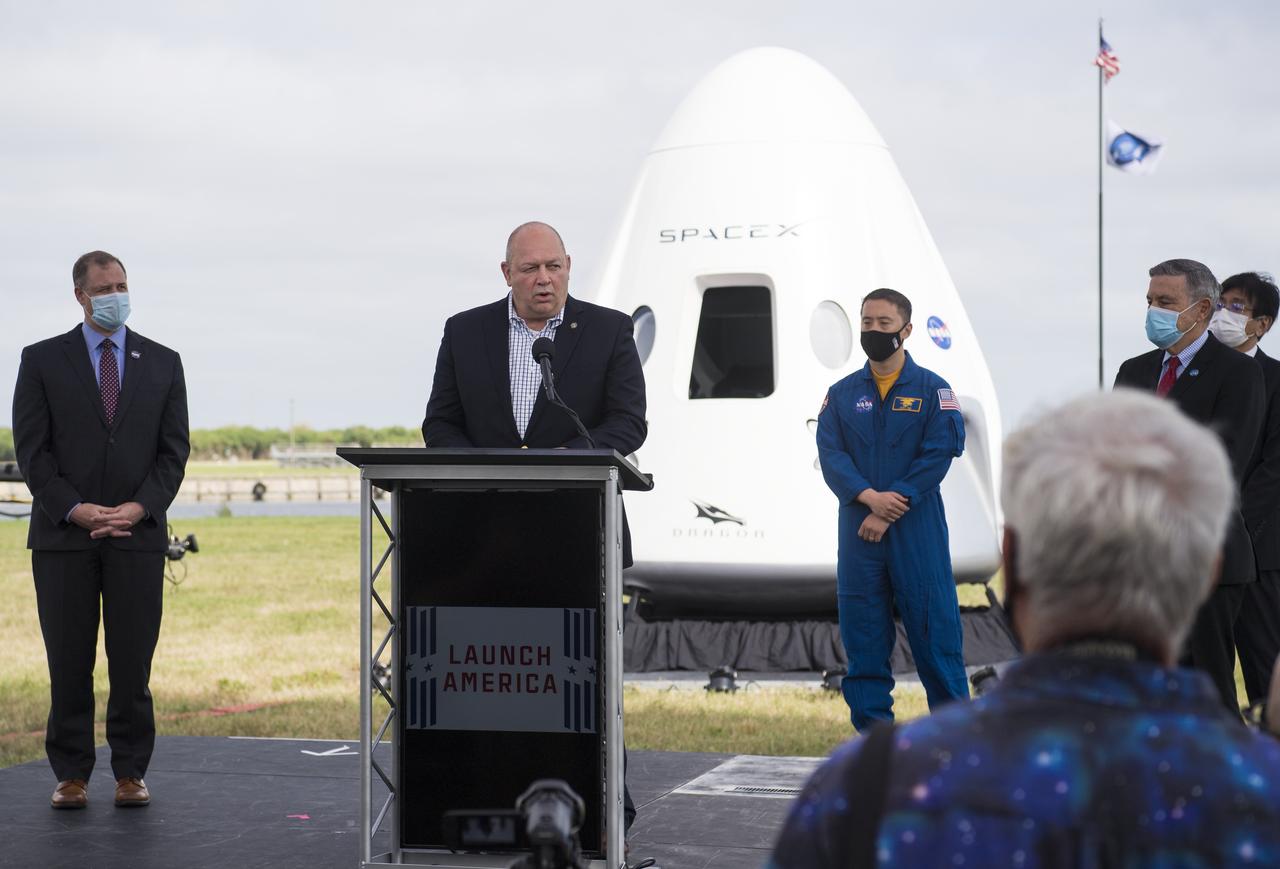
FAA Administrator Stephen Dickson, center, speaks to members of the media during a press conference ahead of the Crew-1 launch, Friday, Nov. 13, 2020, at NASA’s Kennedy Space Center in Florida. NASA’s SpaceX Crew-1 mission is the first crew rotation mission of the SpaceX Crew Dragon spacecraft and Falcon 9 rocket to the International Space Station as part of the agency’s Commercial Crew Program. NASA astronauts Mike Hopkins, Victor Glover, and Shannon Walker, and astronaut Soichi Noguchi of the Japan Aerospace Exploration Agency (JAXA) are scheduled to launch at 7:49 p.m. EST on Saturday, Nov. 14, from Launch Complex 39A at the Kennedy Space Center. Photo Credit: (NASA/Joel Kowsky)
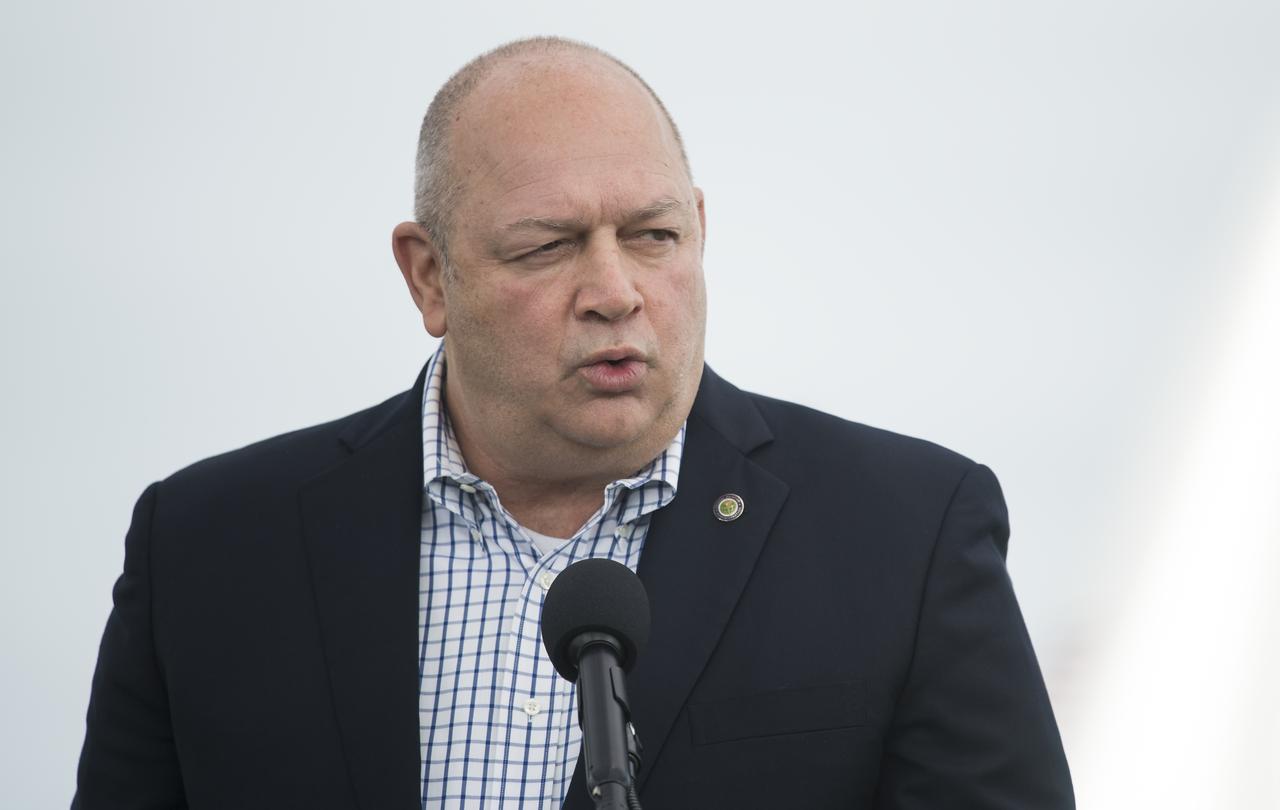
FAA Administrator Stephen Dickson speaks to members of the media during a press conference ahead of the Crew-1 launch, Friday, Nov. 13, 2020, at NASA’s Kennedy Space Center in Florida. NASA’s SpaceX Crew-1 mission is the first crew rotation mission of the SpaceX Crew Dragon spacecraft and Falcon 9 rocket to the International Space Station as part of the agency’s Commercial Crew Program. NASA astronauts Mike Hopkins, Victor Glover, and Shannon Walker, and astronaut Soichi Noguchi of the Japan Aerospace Exploration Agency (JAXA) are scheduled to launch at 7:49 p.m. EST on Saturday, Nov. 14, from Launch Complex 39A at the Kennedy Space Center. Photo Credit: (NASA/Joel Kowsky)
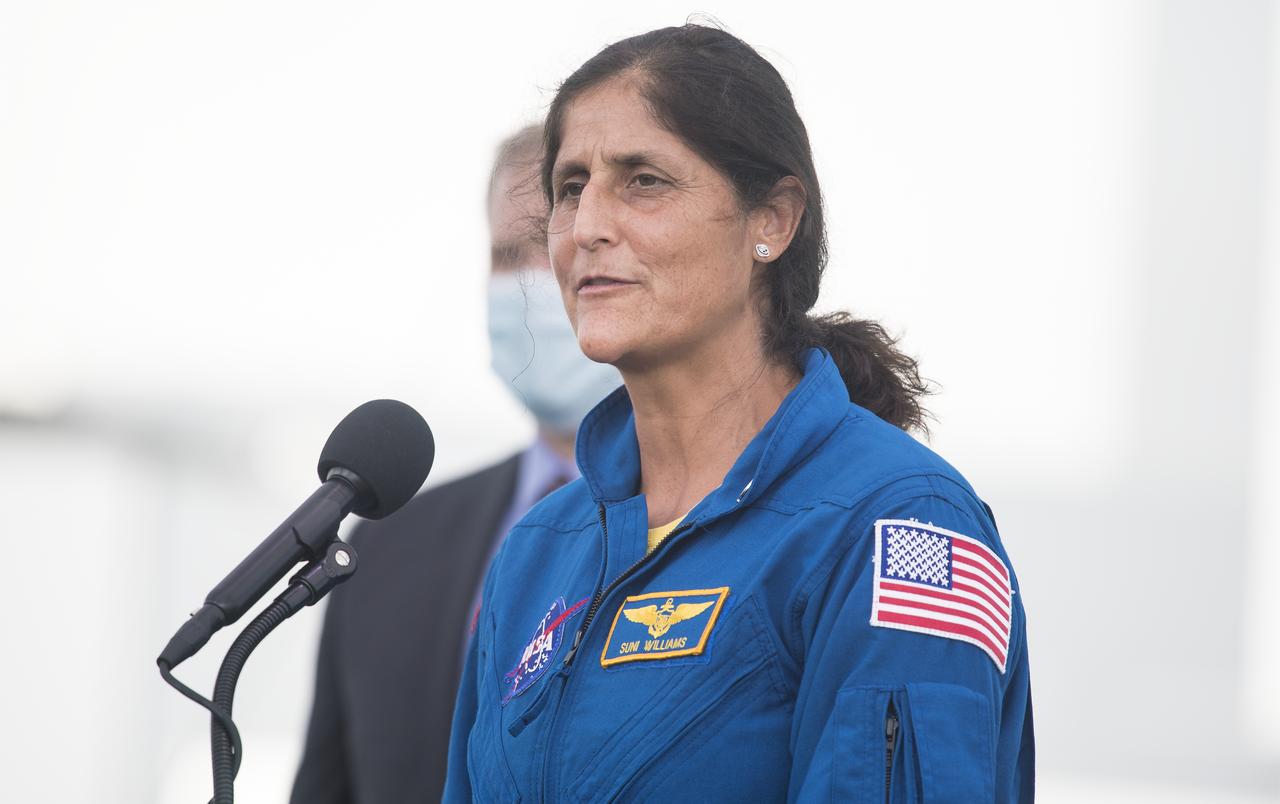
NASA astronaut Suni Williams speaks to members of the media during a press conference ahead of the Crew-1 launch, Friday, Nov. 13, 2020, at NASA’s Kennedy Space Center in Florida. NASA’s SpaceX Crew-1 mission is the first crew rotation mission of the SpaceX Crew Dragon spacecraft and Falcon 9 rocket to the International Space Station as part of the agency’s Commercial Crew Program. NASA astronauts Mike Hopkins, Victor Glover, and Shannon Walker, and astronaut Soichi Noguchi of the Japan Aerospace Exploration Agency (JAXA) are scheduled to launch at 7:49 p.m. EST on Saturday, Nov. 14, from Launch Complex 39A at the Kennedy Space Center. Photo Credit: (NASA/Joel Kowsky)
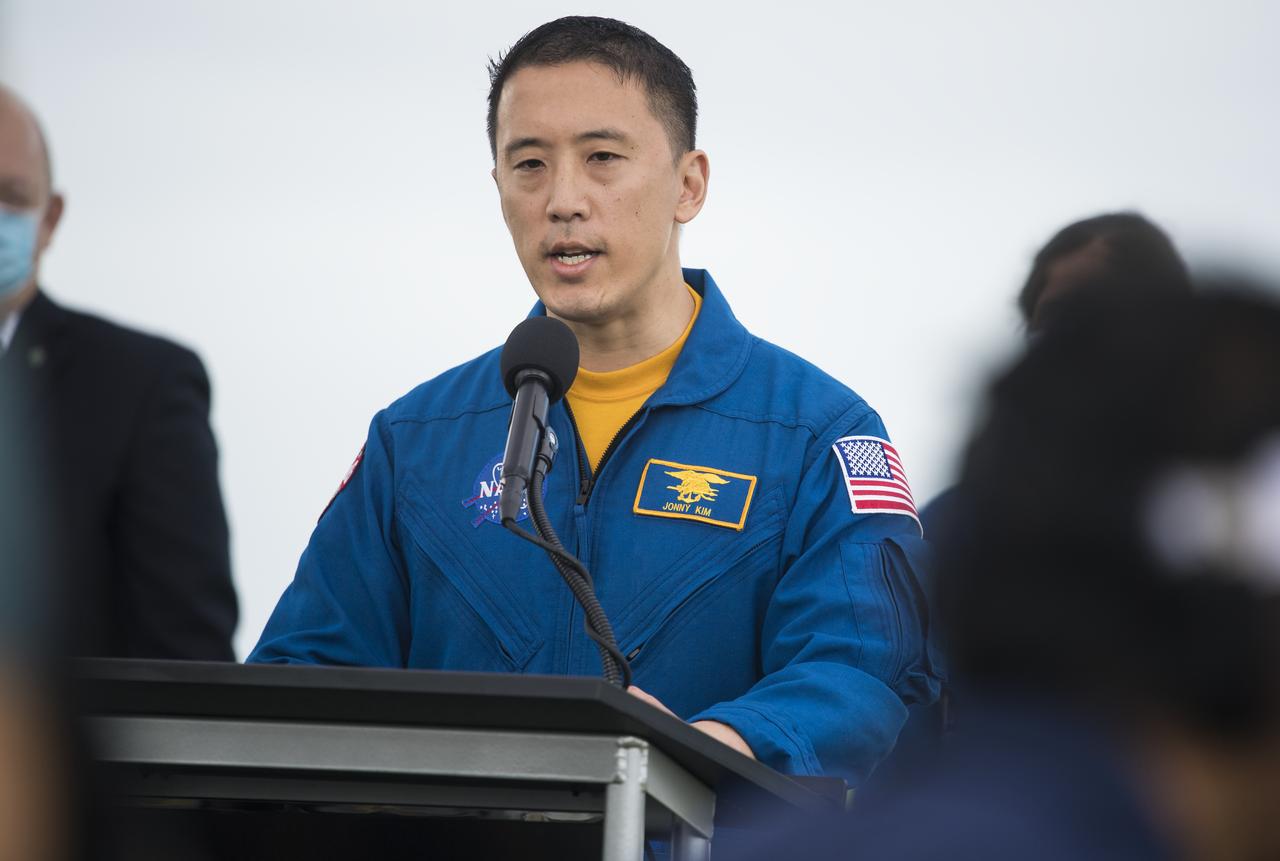
NASA astronaut Jonny Kim speaks to members of the media during a press conference ahead of the Crew-1 launch, Friday, Nov. 13, 2020, at NASA’s Kennedy Space Center in Florida. NASA’s SpaceX Crew-1 mission is the first crew rotation mission of the SpaceX Crew Dragon spacecraft and Falcon 9 rocket to the International Space Station as part of the agency’s Commercial Crew Program. NASA astronauts Mike Hopkins, Victor Glover, and Shannon Walker, and astronaut Soichi Noguchi of the Japan Aerospace Exploration Agency (JAXA) are scheduled to launch at 7:49 p.m. EST on Saturday, Nov. 14, from Launch Complex 39A at the Kennedy Space Center. Photo Credit: (NASA/Joel Kowsky)
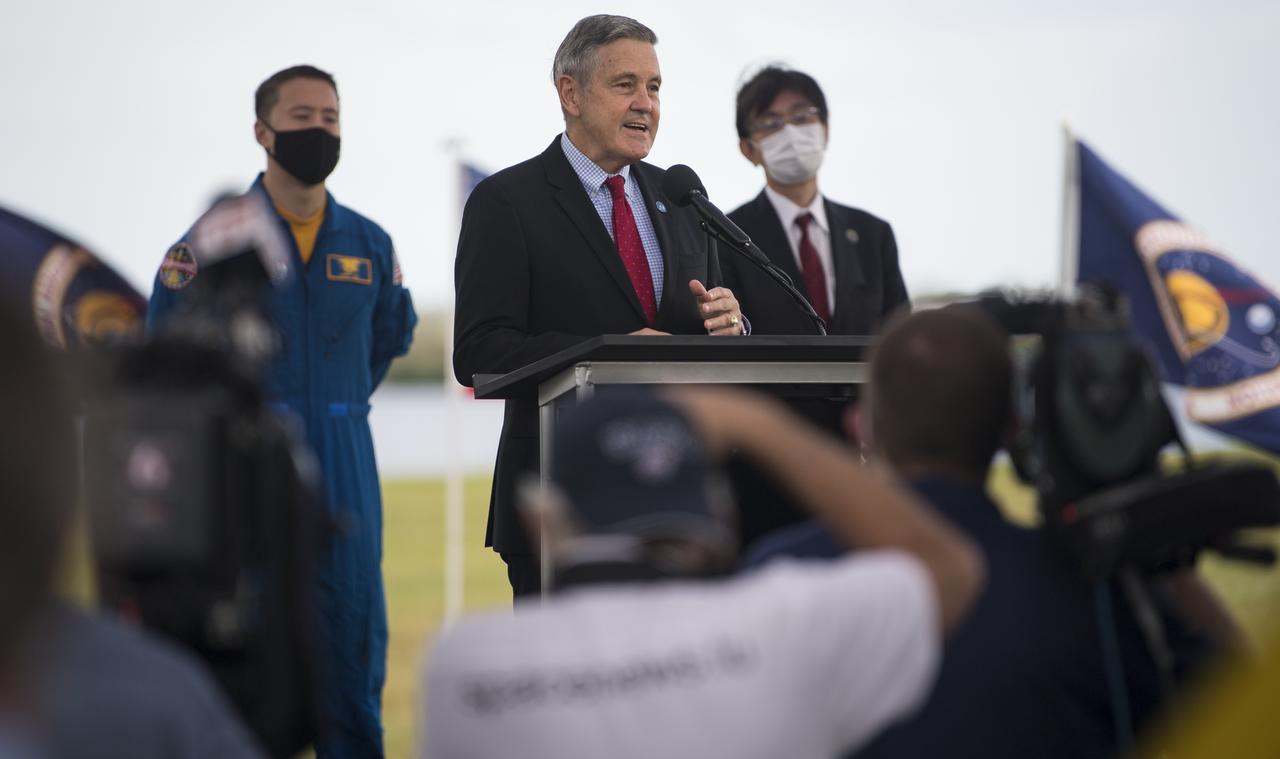
Kennedy Space Center Director Bob Cabana speaks to members of the media during a press conference ahead of the Crew-1 launch, Friday, Nov. 13, 2020, at NASA’s Kennedy Space Center in Florida. NASA’s SpaceX Crew-1 mission is the first crew rotation mission of the SpaceX Crew Dragon spacecraft and Falcon 9 rocket to the International Space Station as part of the agency’s Commercial Crew Program. NASA astronauts Mike Hopkins, Victor Glover, and Shannon Walker, and astronaut Soichi Noguchi of the Japan Aerospace Exploration Agency (JAXA) are scheduled to launch at 7:49 p.m. EST on Saturday, Nov. 14, from Launch Complex 39A at the Kennedy Space Center. Photo Credit: (NASA/Joel Kowsky)
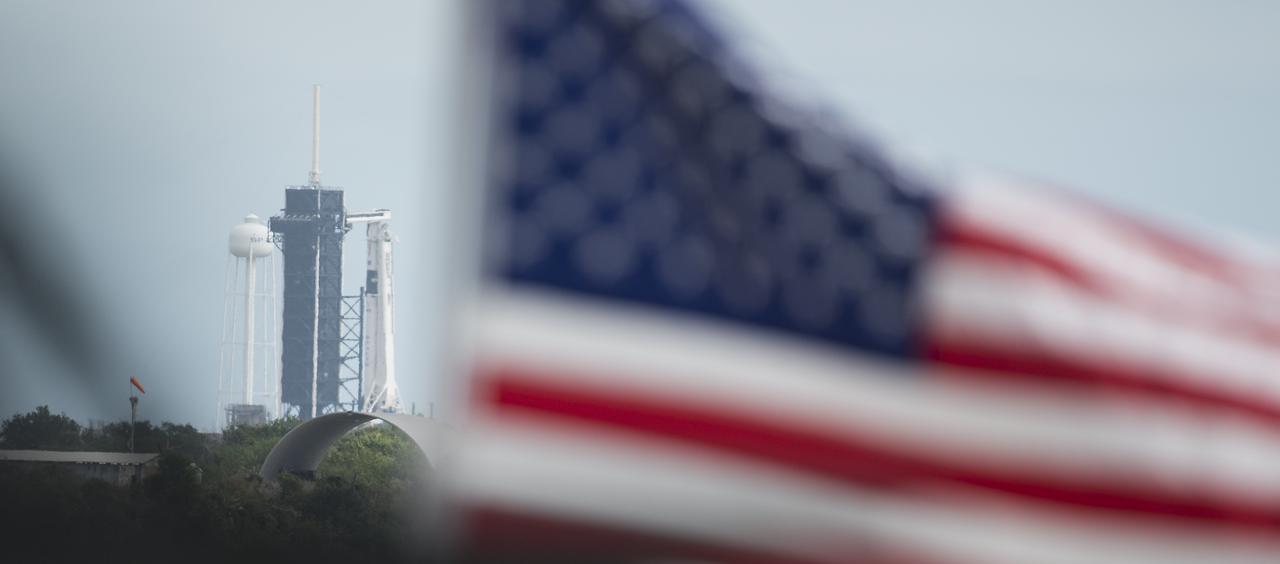
A SpaceX Falcon 9 rocket carrying the company’s Crew Dragon spacecraft is seen during a press conference ahead of the Crew-1 launch, Friday, Nov. 13, 2020, at NASA’s Kennedy Space Center in Florida. NASA’s SpaceX Crew-1 mission is the first crew rotation mission of the SpaceX Crew Dragon spacecraft and Falcon 9 rocket to the International Space Station as part of the agency’s Commercial Crew Program. NASA astronauts Mike Hopkins, Victor Glover, and Shannon Walker, and astronaut Soichi Noguchi of the Japan Aerospace Exploration Agency (JAXA) are scheduled to launch at 7:49 p.m. EST on Saturday, Nov. 14, from Launch Complex 39A at the Kennedy Space Center. Photo Credit: (NASA/Joel Kowsky)
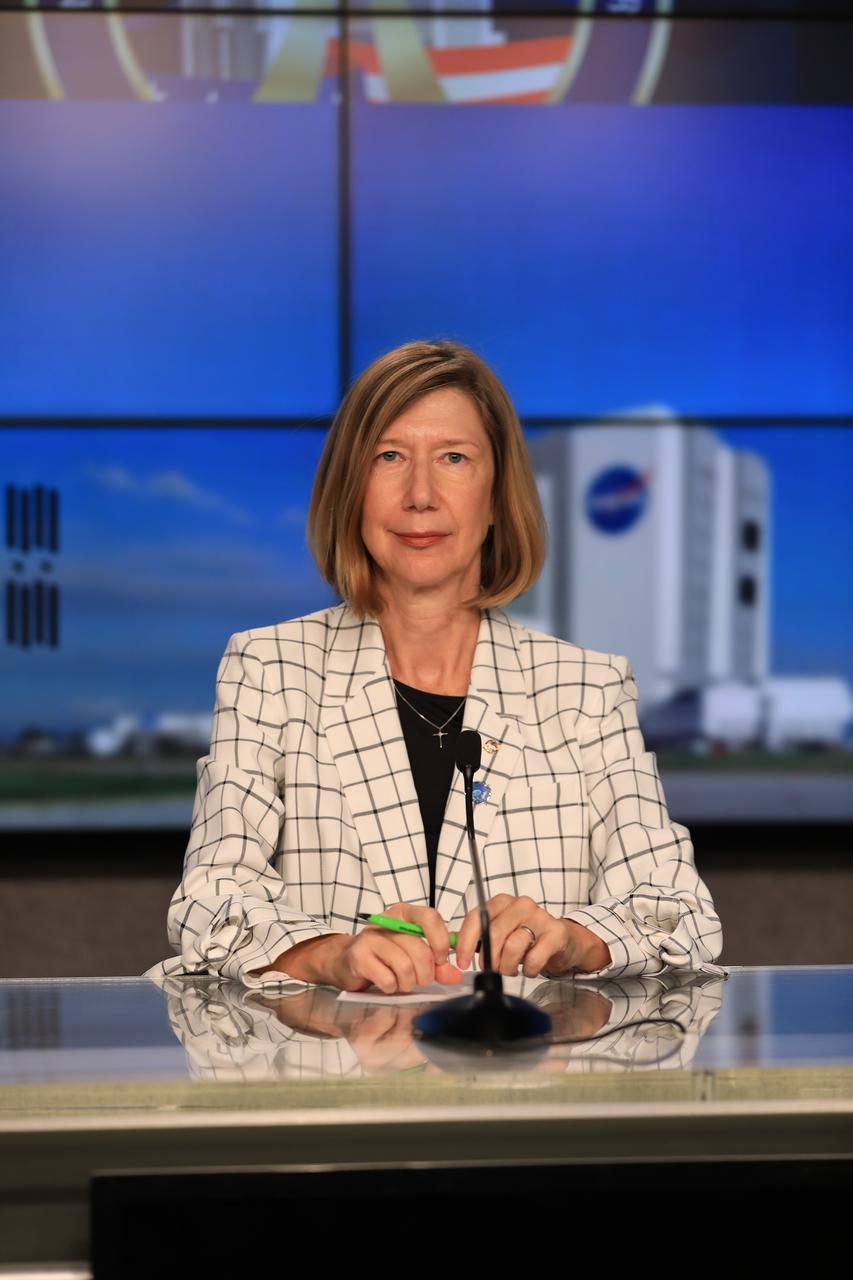
Kathy Lueders, associate administrator, Human Exploration and Operations Mission Directorate, NASA Headquarters, participates in a preflight briefing for NASA’s SpaceX Crew-1 mission on Sept. 29, 2020. NASA’s SpaceX Crew-1 mission is the first crew rotational flight of a U.S. commercial spacecraft with astronauts to the International Space Station. The Crew-1 mission will launch from Launch Complex 39A at Kennedy Space Center in Florida. Crew-1 is part of NASA's Commercial Crew Program, which has returned human spaceflight capabilities to the U.S.
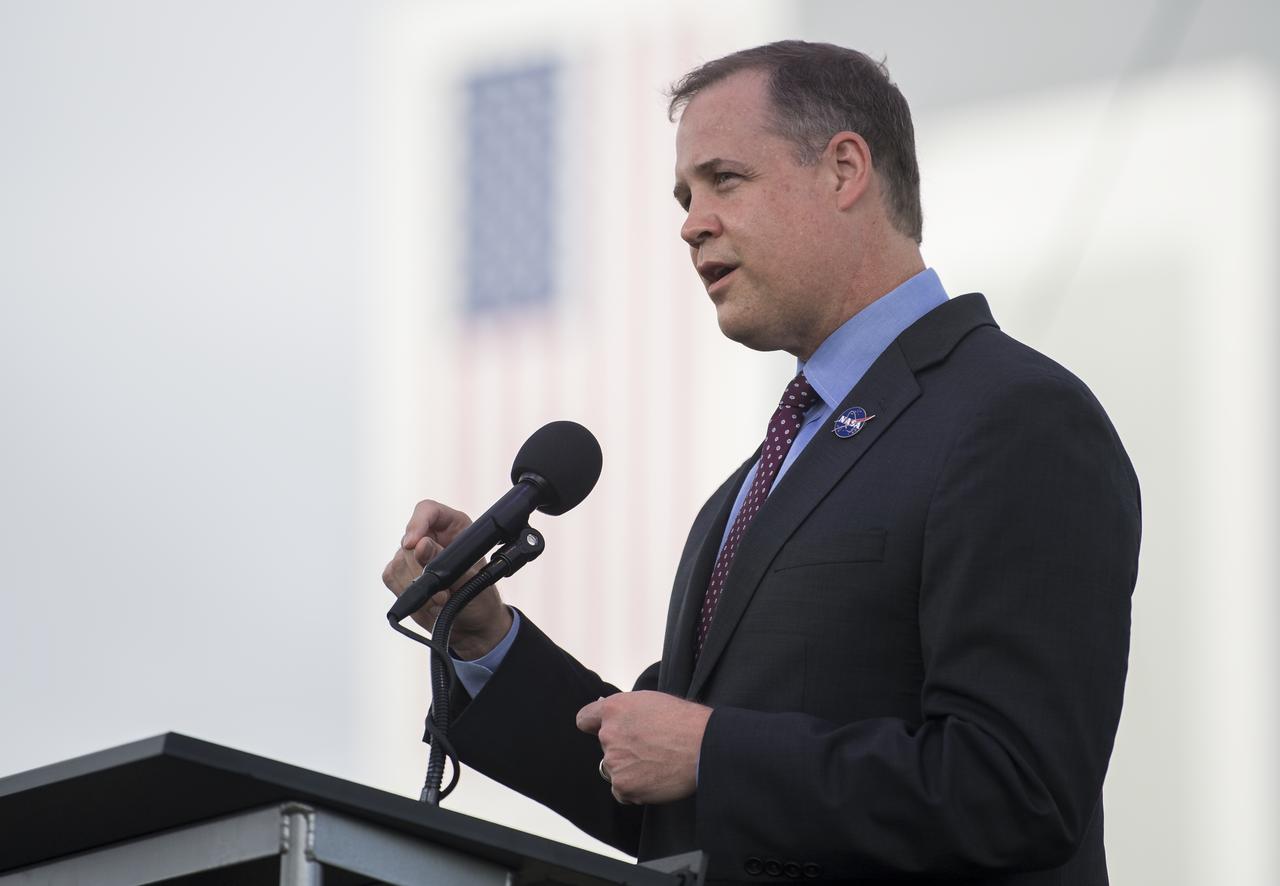
NASA Administrator Jim Bridenstine speaks to members of the media during a press conference ahead of the Crew-1 launch, Friday, Nov. 13, 2020, at NASA’s Kennedy Space Center in Florida. NASA’s SpaceX Crew-1 mission is the first crew rotation mission of the SpaceX Crew Dragon spacecraft and Falcon 9 rocket to the International Space Station as part of the agency’s Commercial Crew Program. NASA astronauts Mike Hopkins, Victor Glover, and Shannon Walker, and astronaut Soichi Noguchi of the Japan Aerospace Exploration Agency (JAXA) are scheduled to launch at 7:49 p.m. EST on Saturday, Nov. 14, from Launch Complex 39A at the Kennedy Space Center. Photo Credit: (NASA/Joel Kowsky)
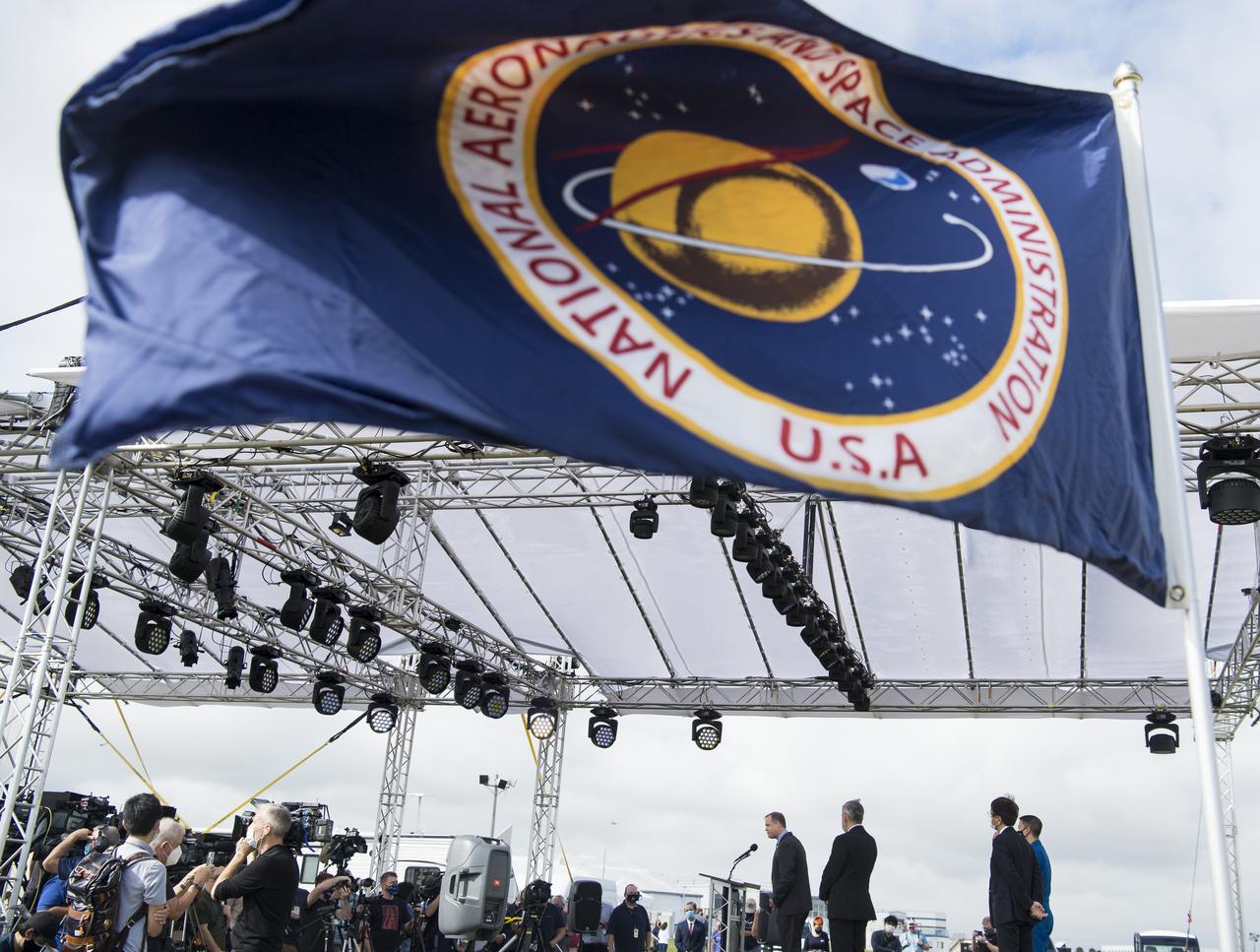
NASA Administrator Jim Bridenstine answers a question from the media during a press conference ahead of the Crew-1 launch, Friday, Nov. 13, 2020, at NASA’s Kennedy Space Center in Florida. NASA’s SpaceX Crew-1 mission is the first crew rotation mission of the SpaceX Crew Dragon spacecraft and Falcon 9 rocket to the International Space Station as part of the agency’s Commercial Crew Program. NASA astronauts Mike Hopkins, Victor Glover, and Shannon Walker, and astronaut Soichi Noguchi of the Japan Aerospace Exploration Agency (JAXA) are scheduled to launch at 7:49 p.m. EST on Saturday, Nov. 14, from Launch Complex 39A at the Kennedy Space Center. Photo Credit: (NASA/Joel Kowsky)
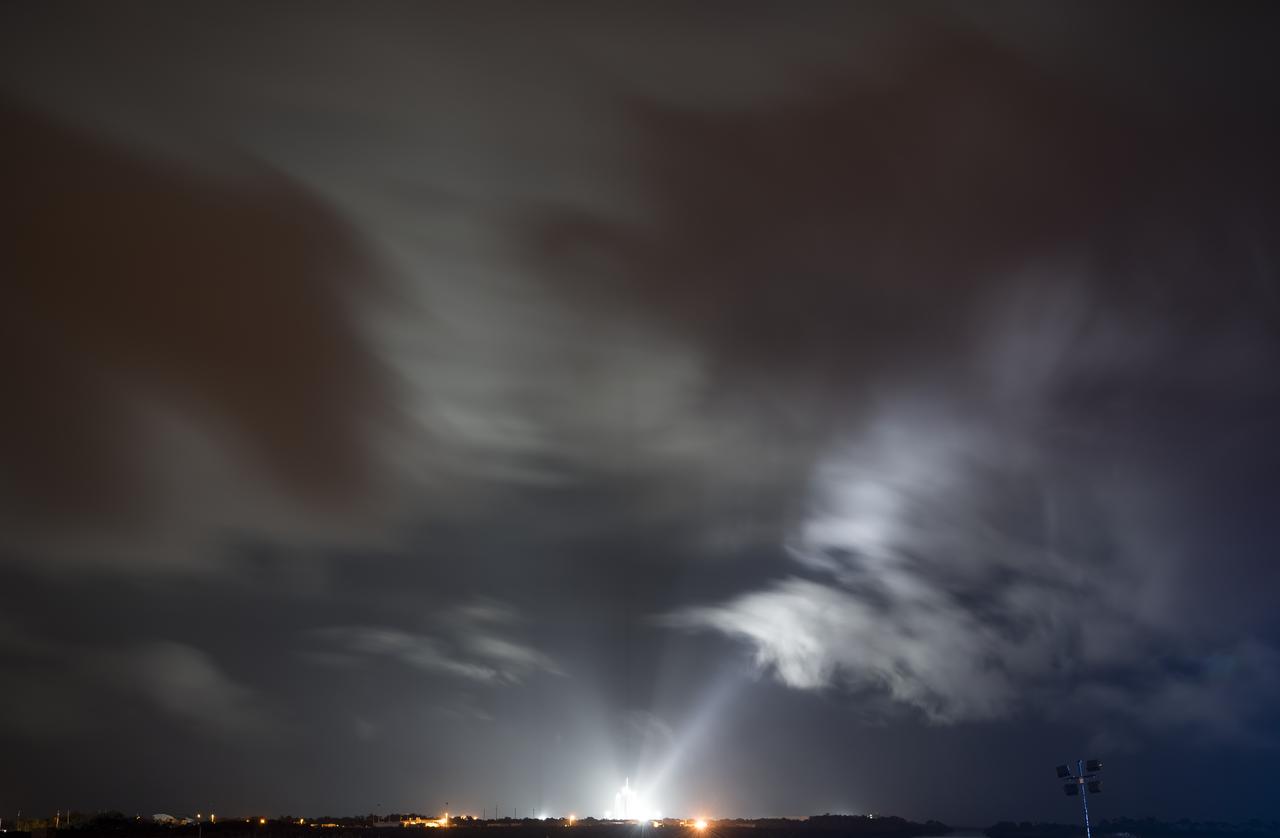
A SpaceX Falcon 9 rocket with the company's Crew Dragon spacecraft onboard is seen, in this thirty second exposure, illuminated by spotlights on the launch pad at Launch Complex 39A as preparations continue for the Crew-1 mission, Saturday, Nov. 14, 2020, at NASA’s Kennedy Space Center in Florida. NASA’s SpaceX Crew-1 mission is the first crew rotation mission of the SpaceX Crew Dragon spacecraft and Falcon 9 rocket to the International Space Station as part of the agency’s Commercial Crew Program. NASA astronauts Mike Hopkins, Victor Glover, and Shannon Walker, and astronaut Soichi Noguchi of the Japan Aerospace Exploration Agency (JAXA) are scheduled to launch at 7:27 p.m. EST on Sunday, Nov. 15, from Launch Complex 39A at the Kennedy Space Center. Photo Credit: (NASA/Joel Kowsky)
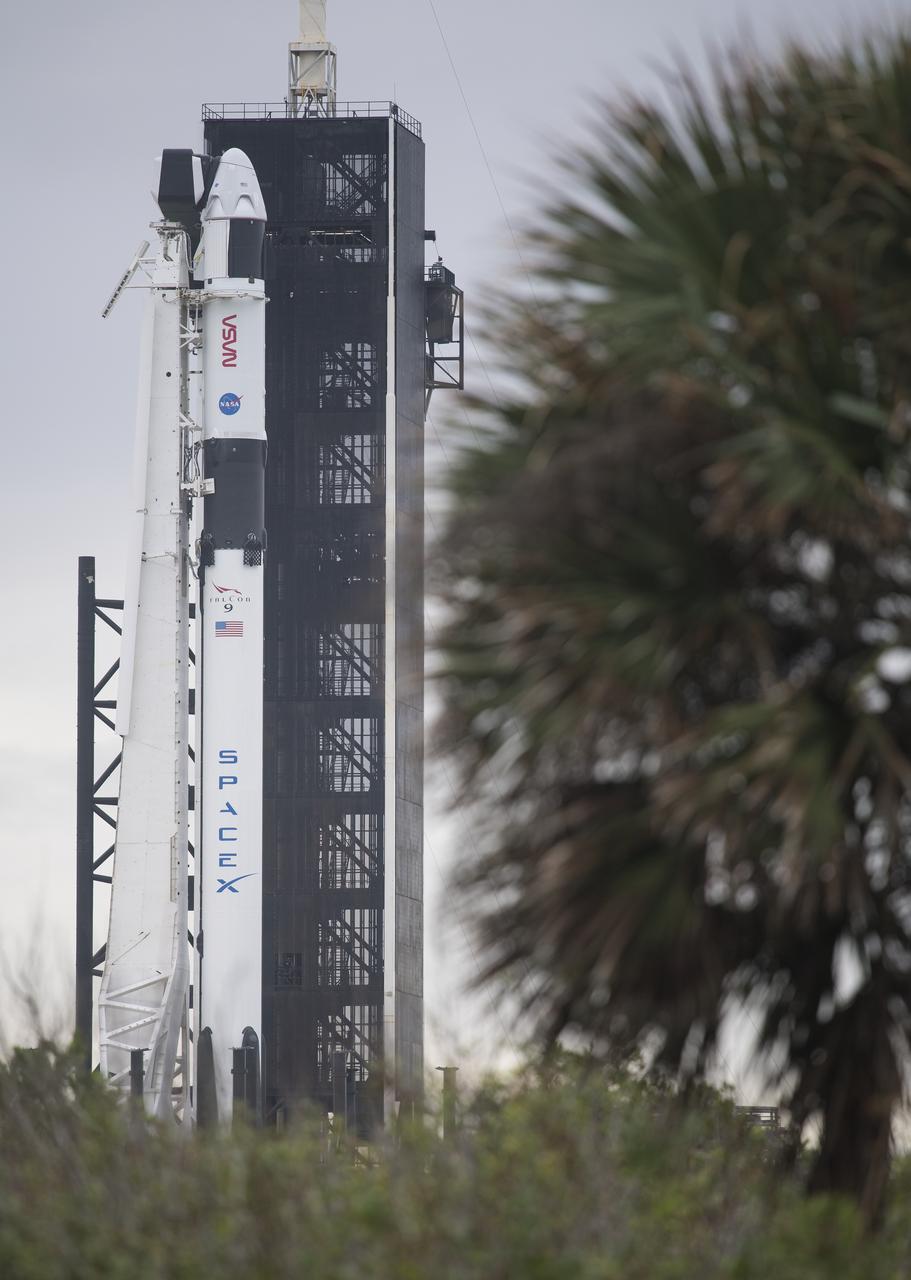
A SpaceX Falcon 9 rocket with the company's Crew Dragon spacecraft onboard is seen on the launch pad at Launch Complex 39A as preparations continue for the Crew-1 mission, Saturday, Nov. 14, 2020, at NASA’s Kennedy Space Center in Florida. NASA’s SpaceX Crew-1 mission is the first crew rotation mission of the SpaceX Crew Dragon spacecraft and Falcon 9 rocket to the International Space Station as part of the agency’s Commercial Crew Program. NASA astronauts Mike Hopkins, Victor Glover, and Shannon Walker, and astronaut Soichi Noguchi of the Japan Aerospace Exploration Agency (JAXA) are scheduled to launch at 7:27 p.m. EST on Sunday, Nov. 15, from Launch Complex 39A at the Kennedy Space Center. Photo Credit: (NASA/Joel Kowsky)
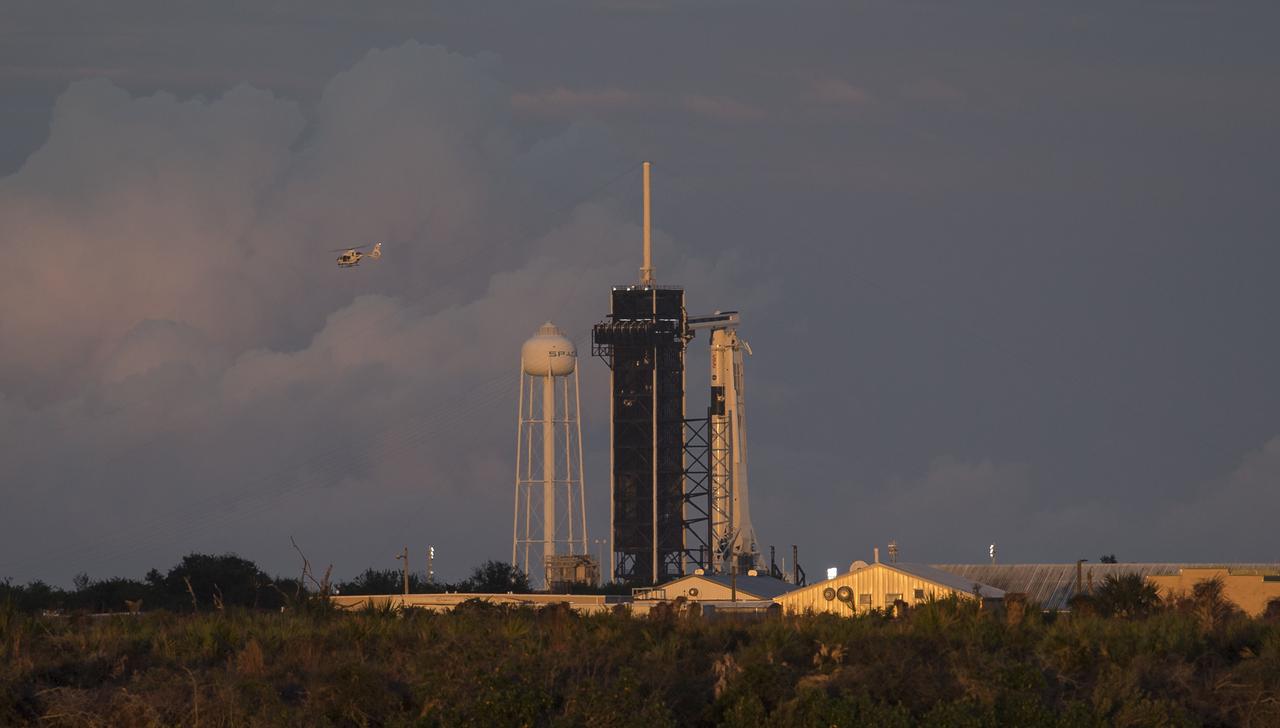
A NASA helicopter is seen flying past a SpaceX Falcon 9 rocket with the company's Crew Dragon spacecraft onboard on the launch pad at Launch Complex 39A as the countdown progresses for the launch of the Crew-1 mission, Sunday, Nov. 15, 2020, at NASA’s Kennedy Space Center in Florida. NASA’s SpaceX Crew-1 mission is the first crew rotation mission of the SpaceX Crew Dragon spacecraft and Falcon 9 rocket to the International Space Station as part of the agency’s Commercial Crew Program. NASA astronauts Mike Hopkins, Victor Glover, and Shannon Walker, and astronaut Soichi Noguchi of the Japan Aerospace Exploration Agency (JAXA) are scheduled to launch at 7:27 p.m. EST, from Launch Complex 39A at the Kennedy Space Center. Photo Credit: (NASA/Joel Kowsky)
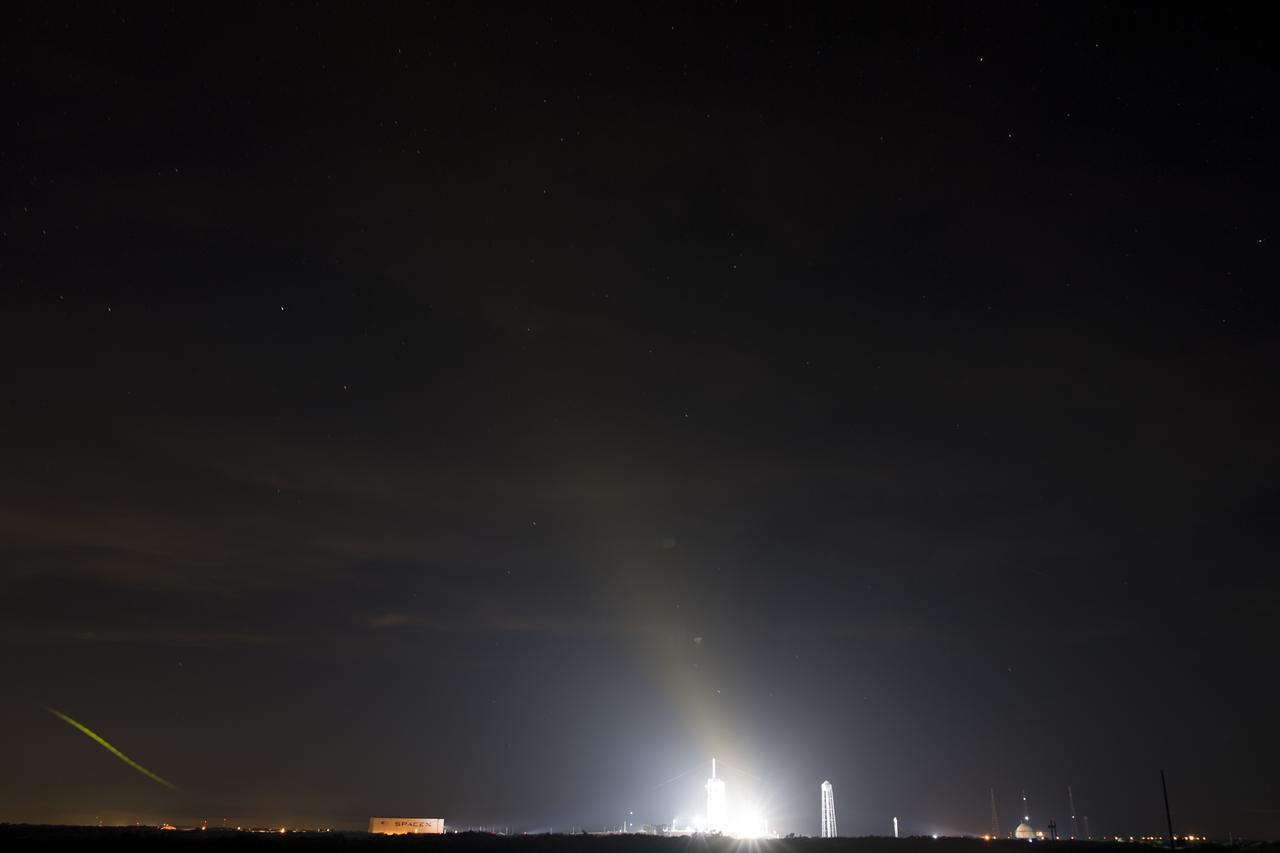
A SpaceX Falcon 9 rocket with the company's Crew Dragon spacecraft onboard is seen, in this 30 second exposure, illuminated by spotlights on the launch pad at Launch Complex 39A as preparations continue for the Crew-1 mission, Thursday, Nov. 12, 2020, at NASA’s Kennedy Space Center in Florida. NASA’s SpaceX Crew-1 mission is the first crew rotation mission of the SpaceX Crew Dragon spacecraft and Falcon 9 rocket to the International Space Station as part of the agency’s Commercial Crew Program. NASA astronauts Mike Hopkins, Victor Glover, and Shannon Walker, and astronaut Soichi Noguchi of the Japan Aerospace Exploration Agency (JAXA) are scheduled to launch at 7:49 p.m. EST on Saturday, Nov. 14, from Launch Complex 39A at the Kennedy Space Center. Photo Credit: (NASA/Joel Kowsky)
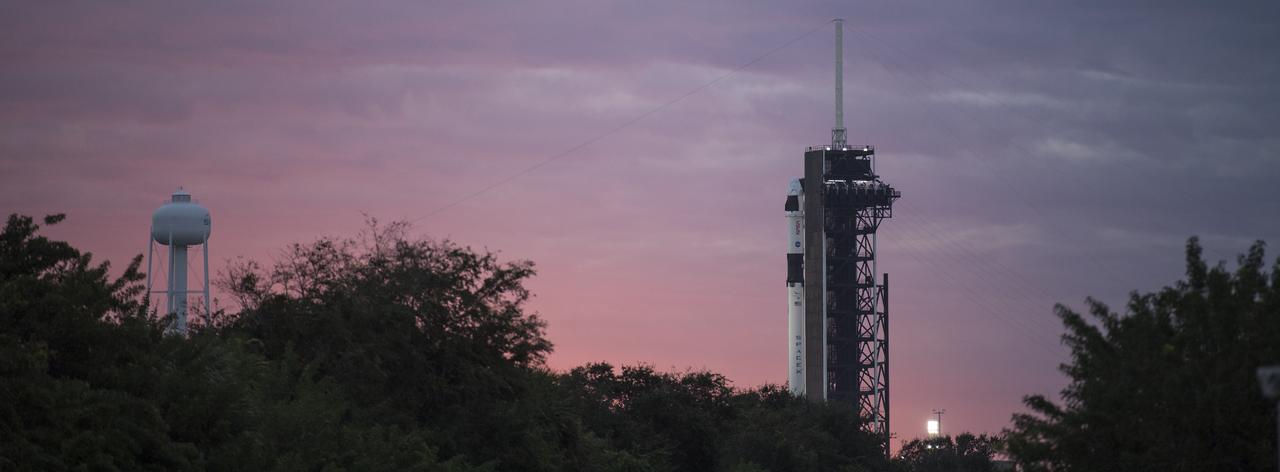
A SpaceX Falcon 9 rocket with the company's Crew Dragon spacecraft onboard is seen at sunrise on the launch pad at Launch Complex 39A as preparations continue for the Crew-1 mission, Sunday, Nov. 15, 2020, at NASA’s Kennedy Space Center in Florida. NASA’s SpaceX Crew-1 mission is the first crew rotation mission of the SpaceX Crew Dragon spacecraft and Falcon 9 rocket to the International Space Station as part of the agency’s Commercial Crew Program. NASA astronauts Mike Hopkins, Victor Glover, and Shannon Walker, and astronaut Soichi Noguchi of the Japan Aerospace Exploration Agency (JAXA) are scheduled to launch at 7:27 p.m. EST on Sunday, Nov. 15, from Launch Complex 39A at the Kennedy Space Center. Photo Credit: (NASA/Joel Kowsky)
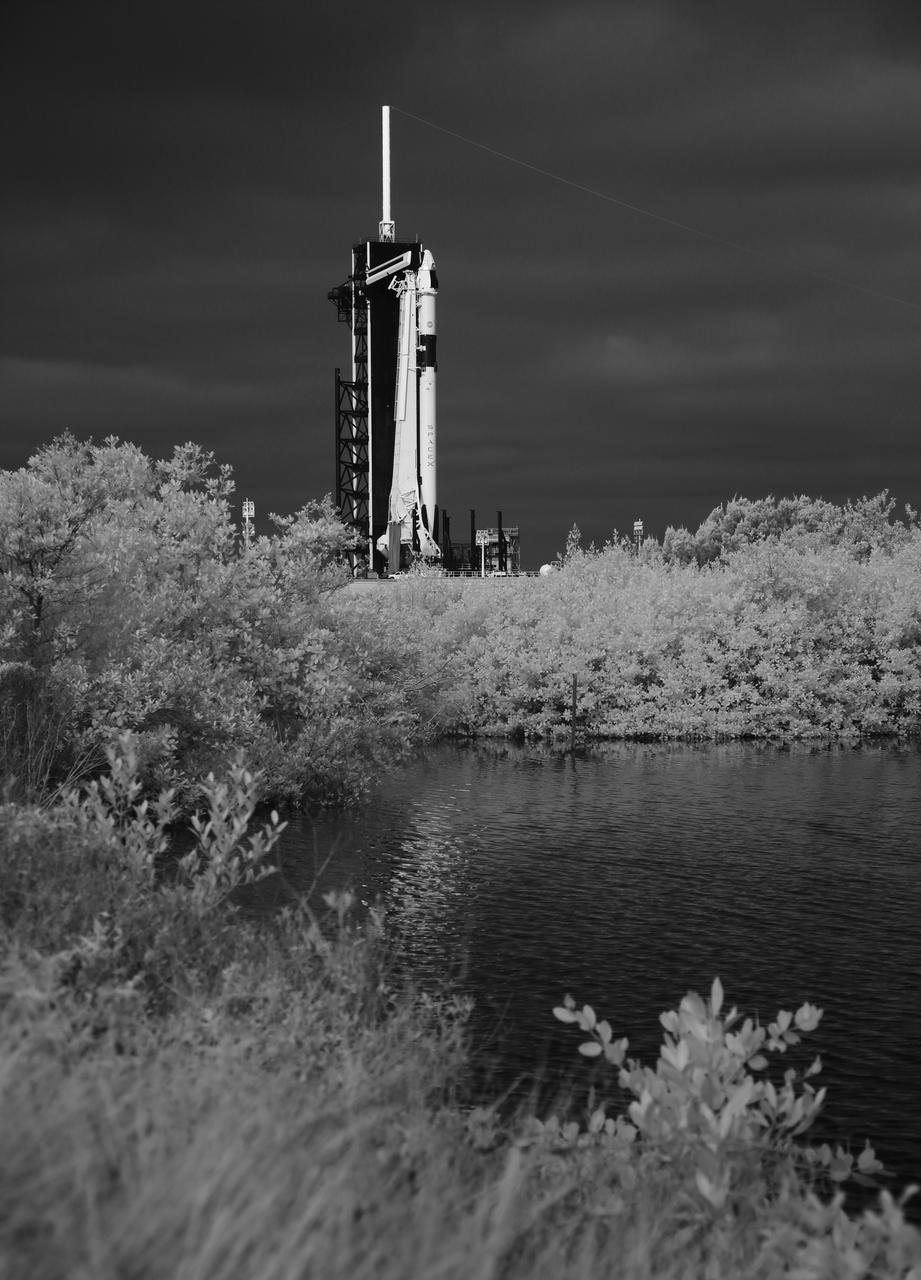
In this black and white infrared image, a SpaceX Falcon 9 rocket with the company's Crew Dragon spacecraft onboard is seen on the launch pad at Launch Complex 39A as preparations continue for the Crew-1 mission, Friday, Nov. 13, 2020, at NASA’s Kennedy Space Center in Florida. NASA’s SpaceX Crew-1 mission is the first crew rotation mission of the SpaceX Crew Dragon spacecraft and Falcon 9 rocket to the International Space Station as part of the agency’s Commercial Crew Program. NASA astronauts Mike Hopkins, Victor Glover, and Shannon Walker, and astronaut Soichi Noguchi of the Japan Aerospace Exploration Agency (JAXA) launched at 7:27 p.m. EST on Sunday, Nov. 15, from Launch Complex 39A at the Kennedy Space Center. Photo Credit: (NASA/Joel Kowsky)
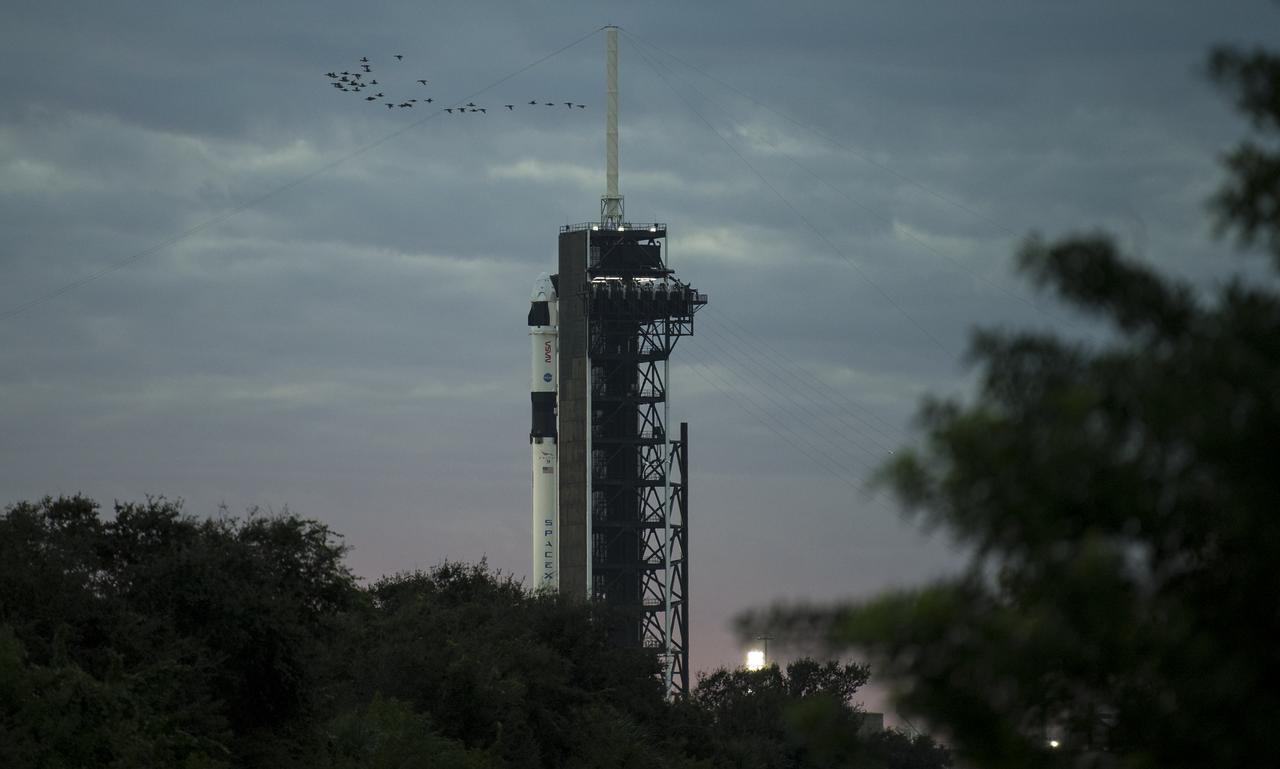
A SpaceX Falcon 9 rocket with the company's Crew Dragon spacecraft onboard is seen on the launch pad at Launch Complex 39A as preparations continue for the Crew-1 mission, Sunday, Nov. 15, 2020, at NASA’s Kennedy Space Center in Florida. NASA’s SpaceX Crew-1 mission is the first crew rotation mission of the SpaceX Crew Dragon spacecraft and Falcon 9 rocket to the International Space Station as part of the agency’s Commercial Crew Program. NASA astronauts Mike Hopkins, Victor Glover, and Shannon Walker, and astronaut Soichi Noguchi of the Japan Aerospace Exploration Agency (JAXA) are scheduled to launch at 7:27 p.m. EST on Sunday, Nov. 15, from Launch Complex 39A at the Kennedy Space Center. Photo Credit: (NASA/Joel Kowsky)
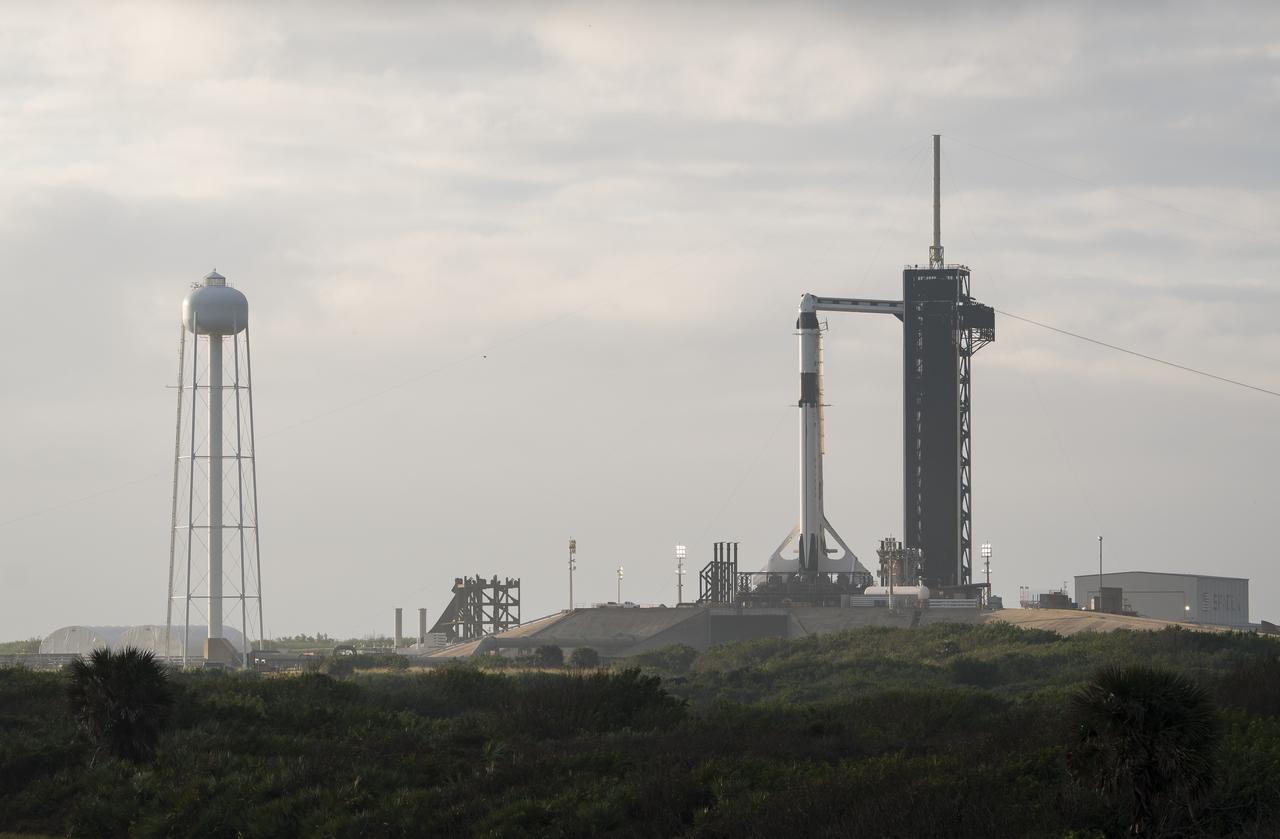
A SpaceX Falcon 9 rocket with the company's Crew Dragon spacecraft onboard is seen on the launch pad at Launch Complex 39A as preparations continue for the Crew-1 mission, Friday, Nov. 13, 2020, at NASA’s Kennedy Space Center in Florida. NASA’s SpaceX Crew-1 mission is the first crew rotational mission of the SpaceX Crew Dragon spacecraft and Falcon 9 rocket to the International Space Station as part of the agency’s Commercial Crew Program. NASA astronauts Mike Hopkins, Victor Glover, and Shannon Walker, and astronaut Soichi Noguchi of the Japan Aerospace Exploration Agency (JAXA) are scheduled to launch at 7:49 p.m. EST on Saturday, Nov. 14, from Launch Complex 39A at the Kennedy Space Center. Photo Credit: (NASA/Aubrey Gemignani)
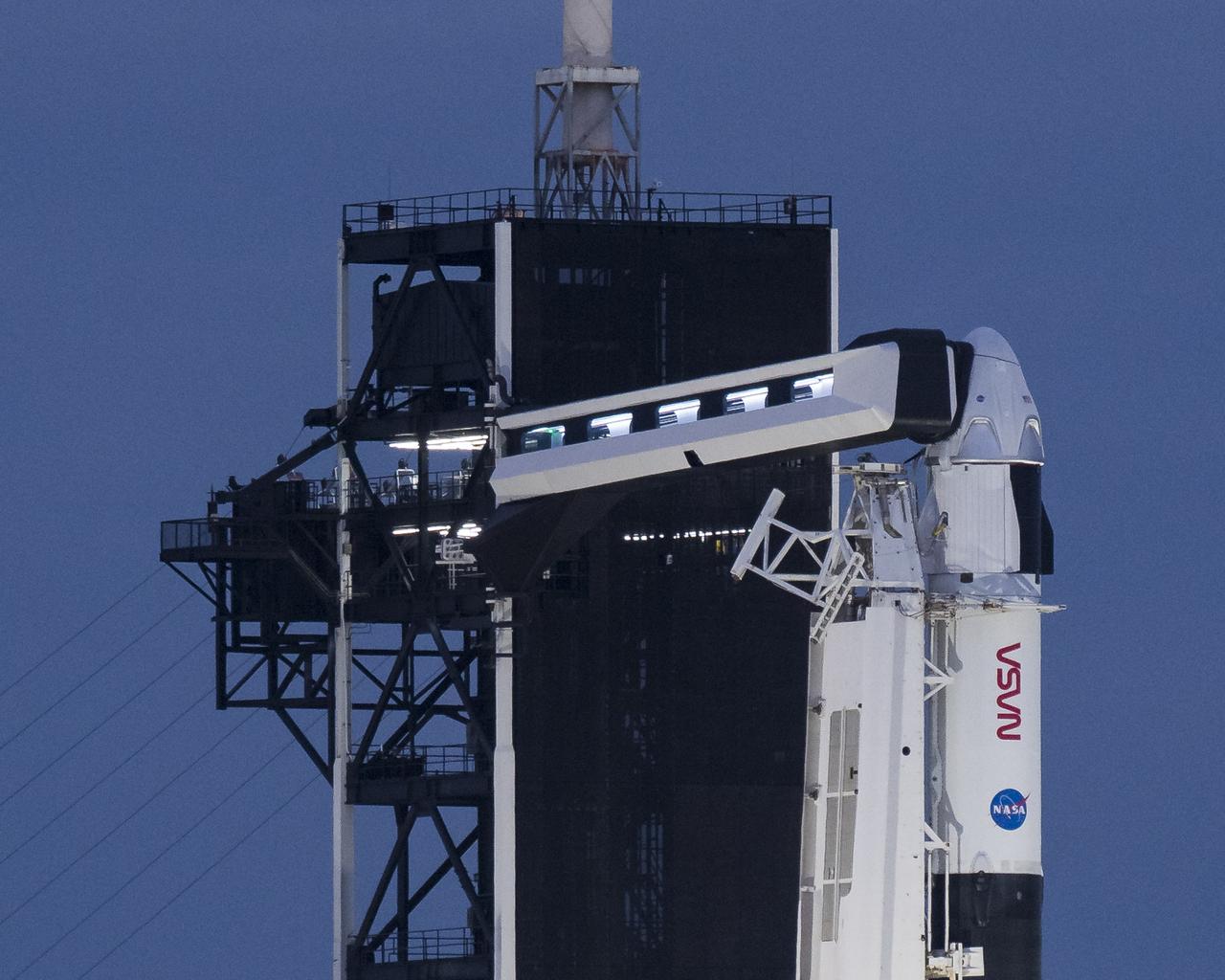
A SpaceX Falcon 9 rocket with the company's Crew Dragon spacecraft onboard is seen just before sunrise on the launch pad at Launch Complex 39A as preparations continue for the Crew-1 mission, Sunday, Nov. 15, 2020, at NASA’s Kennedy Space Center in Florida. NASA’s SpaceX Crew-1 mission is the first crew rotational mission of the SpaceX Crew Dragon spacecraft and Falcon 9 rocket to the International Space Station as part of the agency’s Commercial Crew Program. NASA astronauts Mike Hopkins, Victor Glover, and Shannon Walker, and astronaut Soichi Noguchi of the Japan Aerospace Exploration Agency (JAXA) are scheduled to launch at 7:27 p.m. EST on Sunday, Nov. 15 from Launch Complex 39A at the Kennedy Space Center. Photo Credit: (NASA/Aubrey Gemignani)
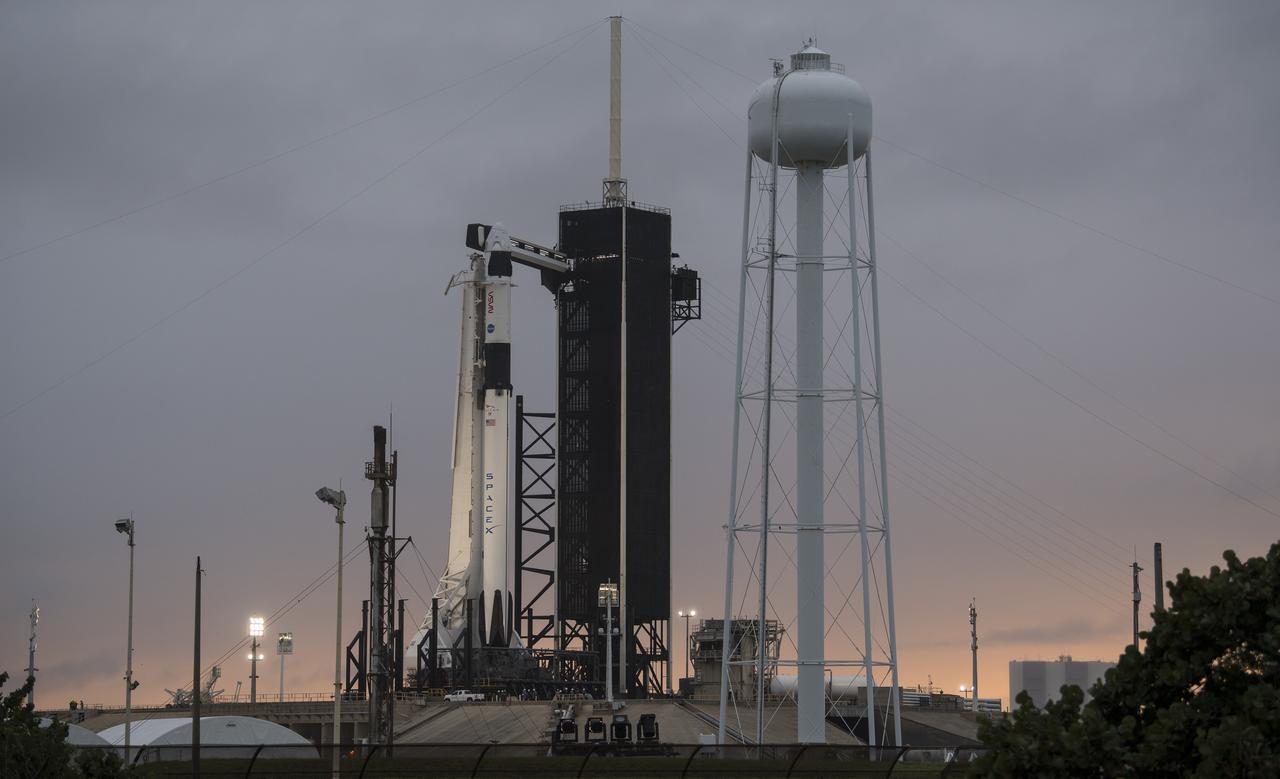
A SpaceX Falcon 9 rocket with the company's Crew Dragon spacecraft onboard is seen on the launch pad at Launch Complex 39A at sunset as preparations continue for the Crew-1 mission, Saturday, Nov. 14, 2020, at NASA’s Kennedy Space Center in Florida. NASA’s SpaceX Crew-1 mission is the first crew rotation mission of the SpaceX Crew Dragon spacecraft and Falcon 9 rocket to the International Space Station as part of the agency’s Commercial Crew Program. NASA astronauts Mike Hopkins, Victor Glover, and Shannon Walker, and astronaut Soichi Noguchi of the Japan Aerospace Exploration Agency (JAXA) are scheduled to launch at 7:27 p.m. EST on Sunday, Nov. 15, from Launch Complex 39A at the Kennedy Space Center. Photo Credit: (NASA/Joel Kowsky)

A SpaceX Falcon 9 rocket with the company's Crew Dragon spacecraft onboard is seen on the launch pad at Launch Complex 39A as preparations continue for the Crew-1 mission, Friday, Nov. 13, 2020, at NASA’s Kennedy Space Center in Florida. NASA’s SpaceX Crew-1 mission is the first operational mission of the SpaceX Crew Dragon spacecraft and Falcon 9 rocket to the International Space Station as part of the agency’s Commercial Crew Program. NASA astronauts Mike Hopkins, Victor Glover, and Shannon Walker, and astronaut Soichi Noguchi of the Japan Aerospace Exploration Agency (JAXA) are scheduled to launch at 7:49 p.m. EST on Saturday, Nov. 14, from Launch Complex 39A at the Kennedy Space Center. Photo Credit: (NASA/Joel Kowsky)
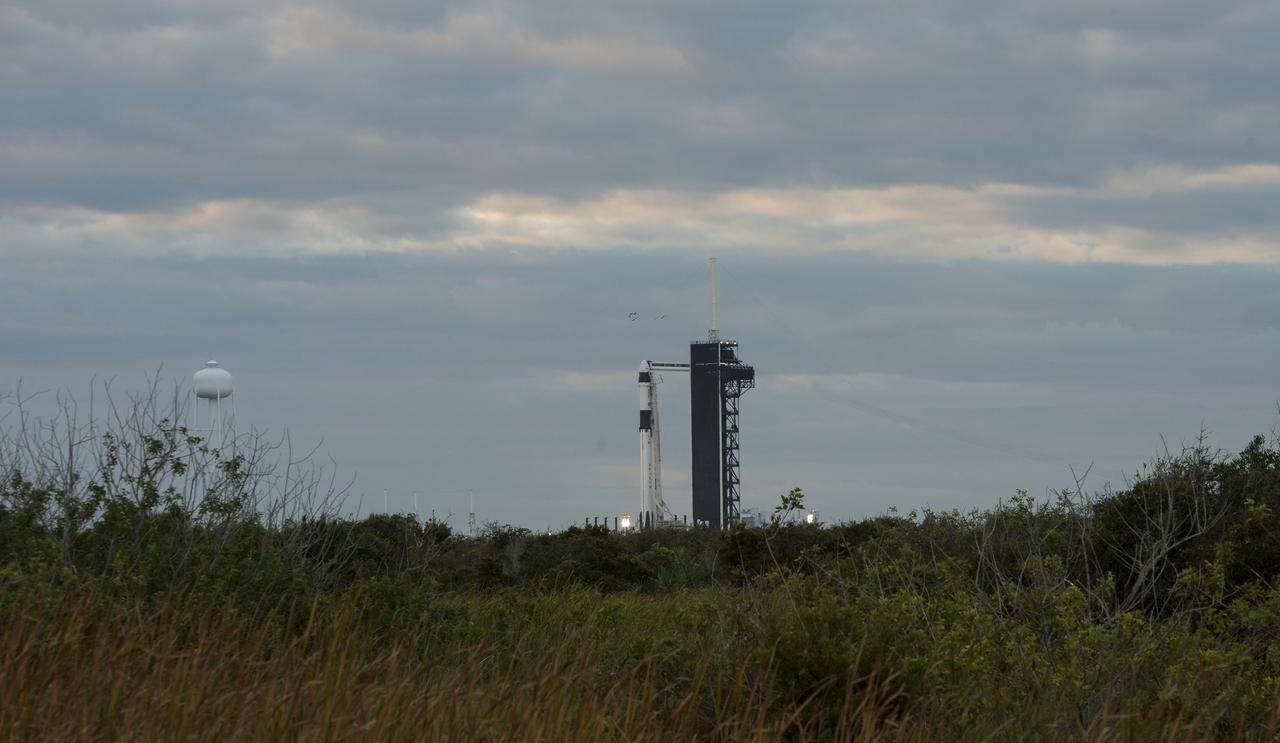
A SpaceX Falcon 9 rocket with the company's Crew Dragon spacecraft onboard is seen on the launch pad at Launch Complex 39A as preparations continue for the Crew-1 mission, Sunday, Nov. 15, 2020, at NASA’s Kennedy Space Center in Florida. NASA’s SpaceX Crew-1 mission is the first crew rotation mission of the SpaceX Crew Dragon spacecraft and Falcon 9 rocket to the International Space Station as part of the agency’s Commercial Crew Program. NASA astronauts Mike Hopkins, Victor Glover, and Shannon Walker, and astronaut Soichi Noguchi of the Japan Aerospace Exploration Agency (JAXA) are scheduled to launch at 7:27 p.m. EST on Sunday, Nov. 15, from Launch Complex 39A at the Kennedy Space Center. Photo Credit: (NASA/Joel Kowsky)
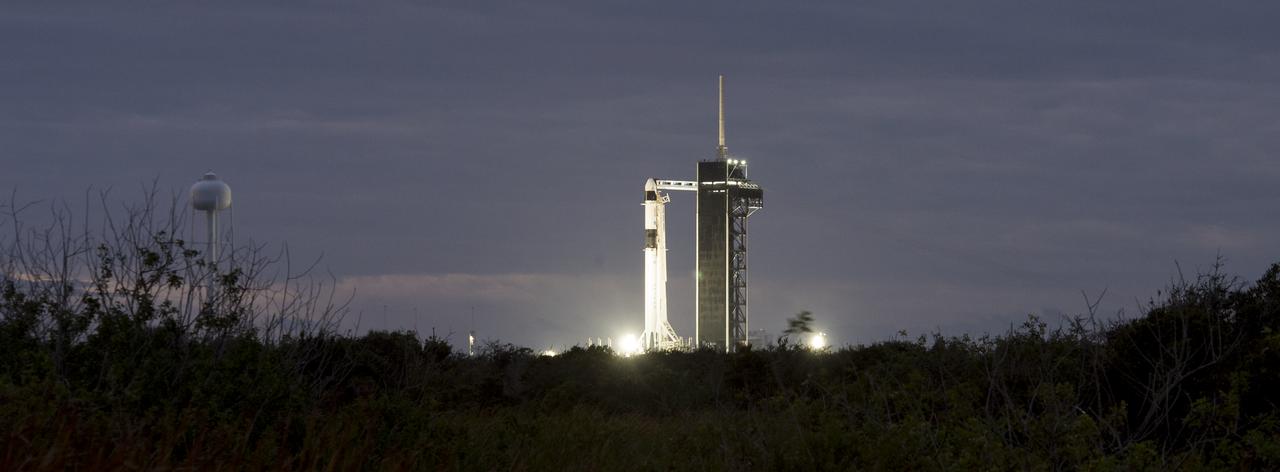
A SpaceX Falcon 9 rocket with the company's Crew Dragon spacecraft onboard is seen on the launch pad at Launch Complex 39A as preparations continue for the Crew-1 mission, Sunday, Nov. 15, 2020, at NASA’s Kennedy Space Center in Florida. NASA’s SpaceX Crew-1 mission is the first crew rotation mission of the SpaceX Crew Dragon spacecraft and Falcon 9 rocket to the International Space Station as part of the agency’s Commercial Crew Program. NASA astronauts Mike Hopkins, Victor Glover, and Shannon Walker, and astronaut Soichi Noguchi of the Japan Aerospace Exploration Agency (JAXA) are scheduled to launch at 7:27 p.m. EST on Sunday, Nov. 15, from Launch Complex 39A at the Kennedy Space Center. Photo Credit: (NASA/Joel Kowsky)
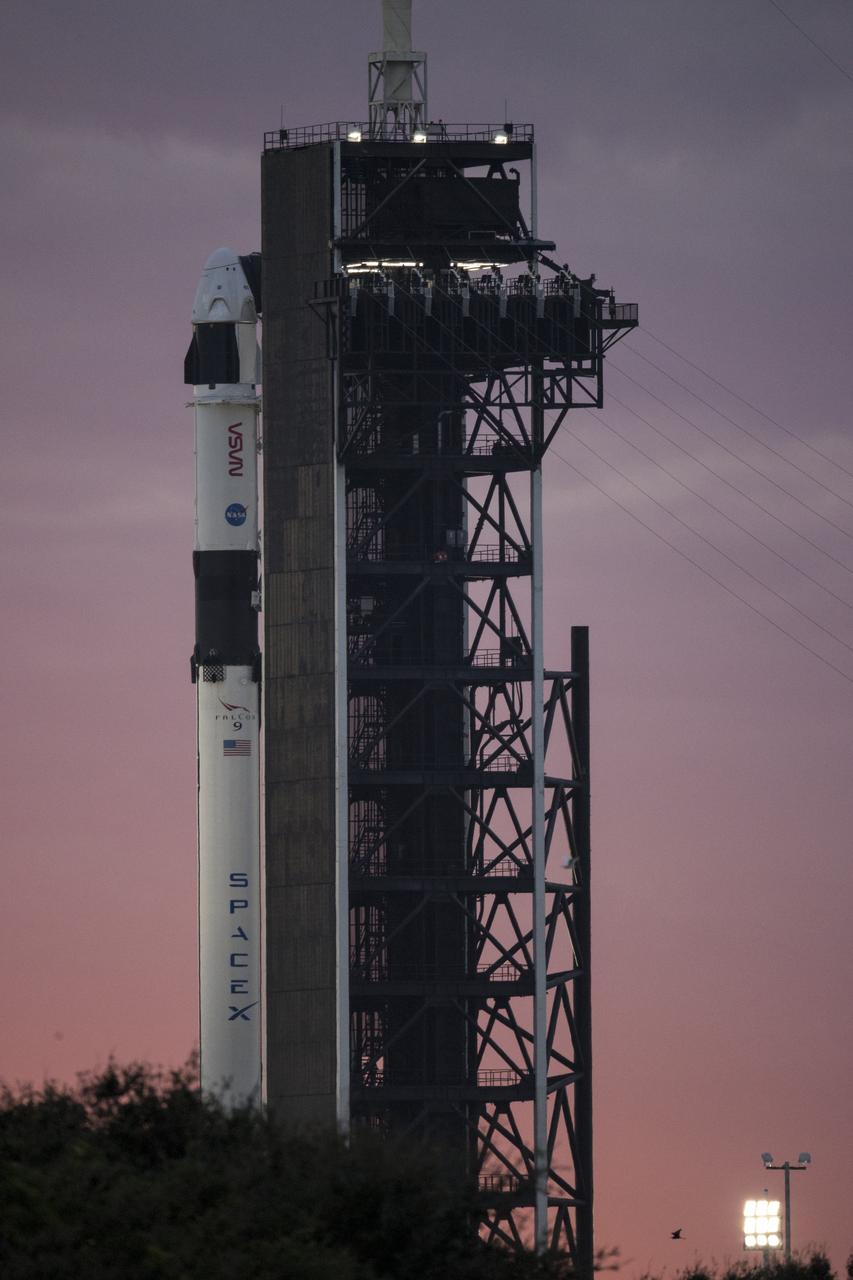
A SpaceX Falcon 9 rocket with the company's Crew Dragon spacecraft onboard is seen at sunrise on the launch pad at Launch Complex 39A as preparations continue for the Crew-1 mission, Sunday, Nov. 15, 2020, at NASA’s Kennedy Space Center in Florida. NASA’s SpaceX Crew-1 mission is the first crew rotation mission of the SpaceX Crew Dragon spacecraft and Falcon 9 rocket to the International Space Station as part of the agency’s Commercial Crew Program. NASA astronauts Mike Hopkins, Victor Glover, and Shannon Walker, and astronaut Soichi Noguchi of the Japan Aerospace Exploration Agency (JAXA) are scheduled to launch at 7:27 p.m. EST on Sunday, Nov. 15, from Launch Complex 39A at the Kennedy Space Center. Photo Credit: (NASA/Joel Kowsky)
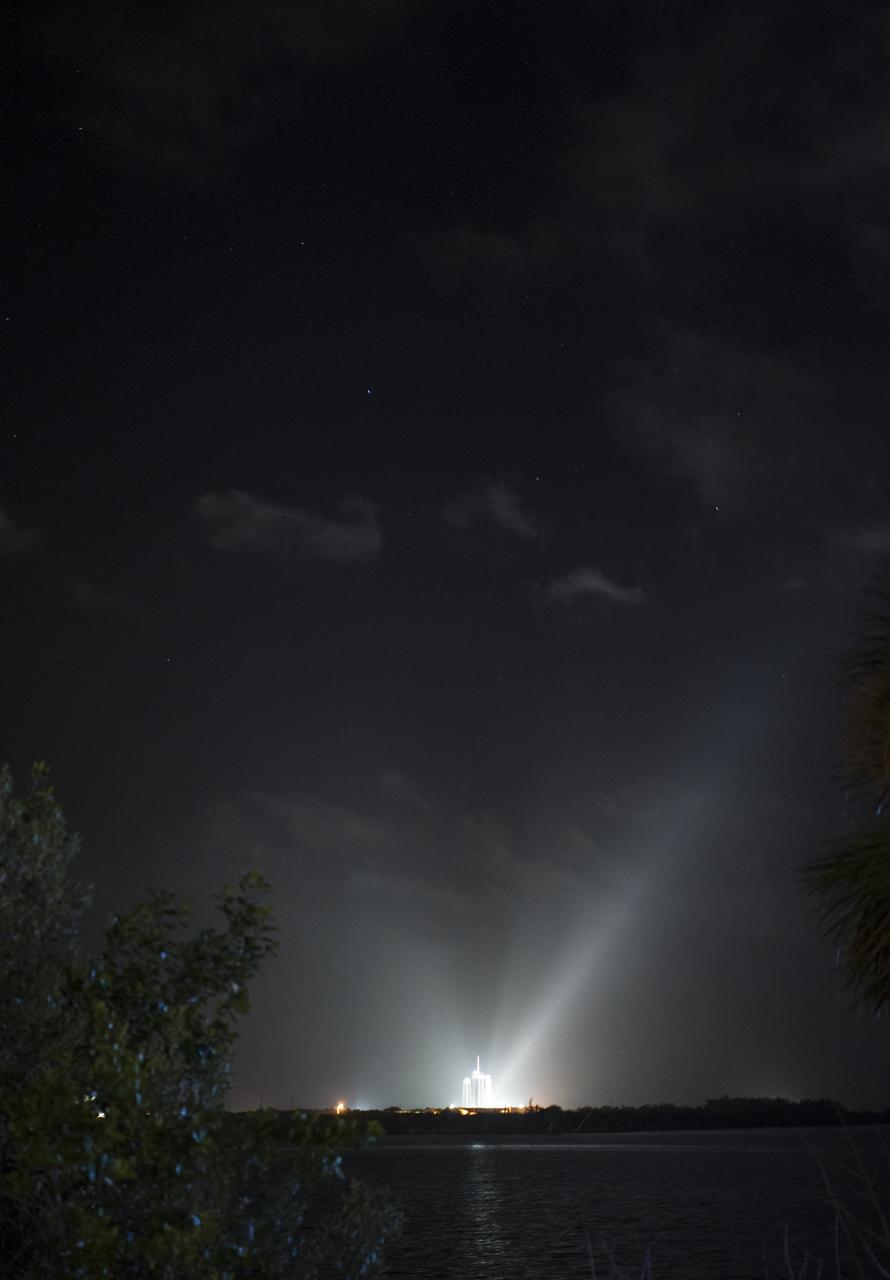
A SpaceX Falcon 9 rocket with the company's Crew Dragon spacecraft onboard is seen illuminated by spotlights on the launch pad at Launch Complex 39A as preparations continue for the Crew-1 mission, Friday, Nov. 13, 2020, at NASA’s Kennedy Space Center in Florida. NASA’s SpaceX Crew-1 mission is the first crew rotation mission of the SpaceX Crew Dragon spacecraft and Falcon 9 rocket to the International Space Station as part of the agency’s Commercial Crew Program. NASA astronauts Mike Hopkins, Victor Glover, and Shannon Walker, and astronaut Soichi Noguchi of the Japan Aerospace Exploration Agency (JAXA) are scheduled to launch at 7:27 p.m. EST on Sunday, Nov. 15, from Launch Complex 39A at the Kennedy Space Center. Photo Credit: (NASA/Joel Kowsky)
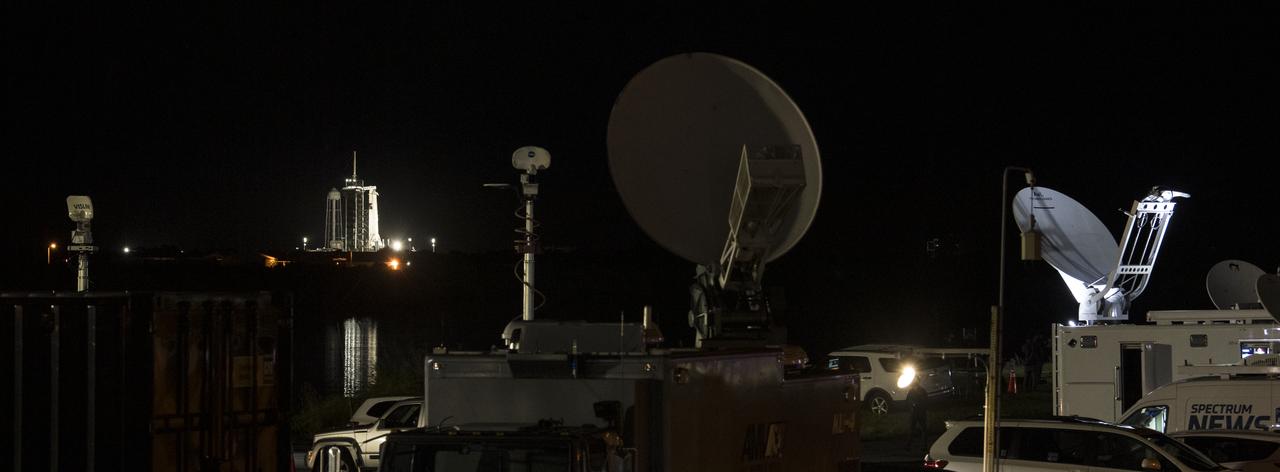
A SpaceX Falcon 9 rocket with the company's Crew Dragon spacecraft onboard is seen on the launch pad at Launch Complex 39A as the countdown continues for the launch of the Crew-1 mission, Sunday, Nov. 15, 2020, at NASA’s Kennedy Space Center in Florida. NASA’s SpaceX Crew-1 mission is the first crew rotation mission of the SpaceX Crew Dragon spacecraft and Falcon 9 rocket to the International Space Station as part of the agency’s Commercial Crew Program. NASA astronauts Mike Hopkins, Victor Glover, and Shannon Walker, and astronaut Soichi Noguchi of the Japan Aerospace Exploration Agency (JAXA) are scheduled to launch at 7:27 p.m. EST, from Launch Complex 39A at the Kennedy Space Center. Photo Credit: (NASA/Joel Kowsky)

A SpaceX Falcon 9 rocket with the company's Crew Dragon spacecraft onboard is seen illuminated by spotlights, in this thirty second exposure, on the launch pad at Launch Complex 39A as preparations continue for the Crew-1 mission, Saturday, Nov. 14, 2020, at NASA’s Kennedy Space Center in Florida. NASA’s SpaceX Crew-1 mission is the first crew rotation mission of the SpaceX Crew Dragon spacecraft and Falcon 9 rocket to the International Space Station as part of the agency’s Commercial Crew Program. NASA astronauts Mike Hopkins, Victor Glover, and Shannon Walker, and astronaut Soichi Noguchi of the Japan Aerospace Exploration Agency (JAXA) are scheduled to launch at 7:27 p.m. EST on Sunday, Nov. 15, from Launch Complex 39A at the Kennedy Space Center. Photo Credit: (NASA/Joel Kowsky)
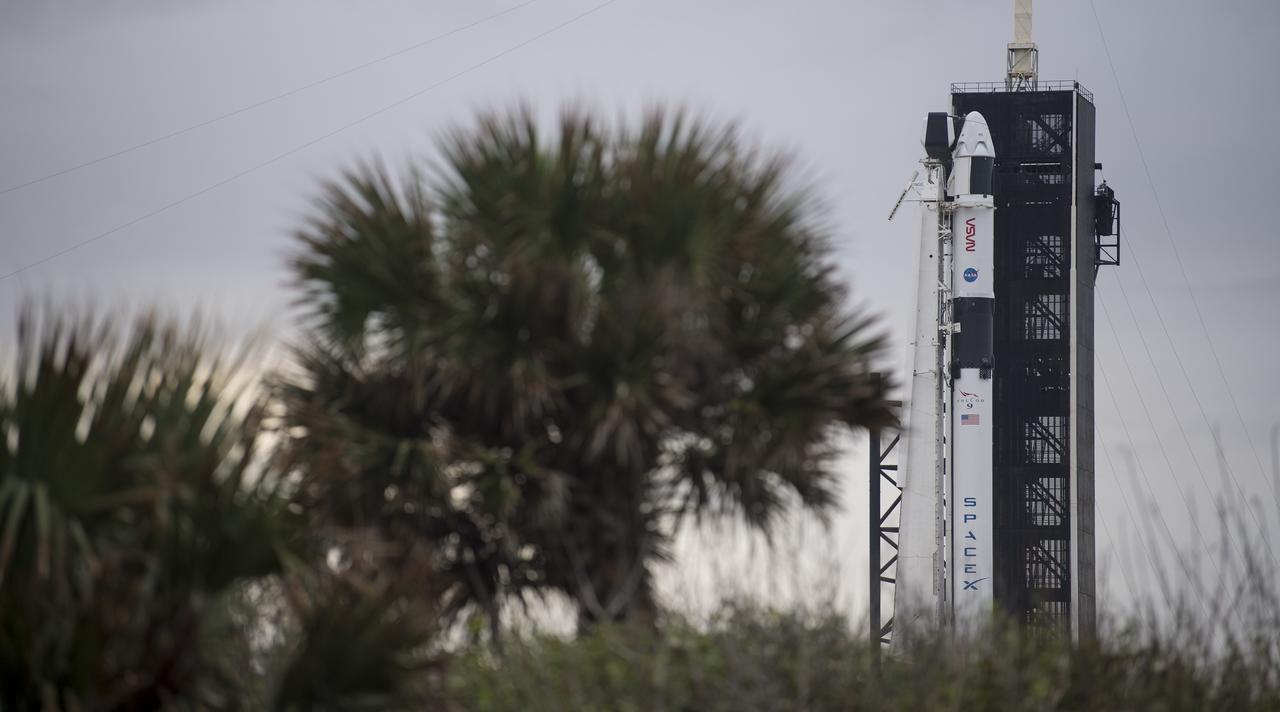
A SpaceX Falcon 9 rocket with the company's Crew Dragon spacecraft onboard is seen on the launch pad at Launch Complex 39A as preparations continue for the Crew-1 mission, Saturday, Nov. 14, 2020, at NASA’s Kennedy Space Center in Florida. NASA’s SpaceX Crew-1 mission is the first crew rotation mission of the SpaceX Crew Dragon spacecraft and Falcon 9 rocket to the International Space Station as part of the agency’s Commercial Crew Program. NASA astronauts Mike Hopkins, Victor Glover, and Shannon Walker, and astronaut Soichi Noguchi of the Japan Aerospace Exploration Agency (JAXA) are scheduled to launch at 7:27 p.m. EST on Sunday, Nov. 15, from Launch Complex 39A at the Kennedy Space Center. Photo Credit: (NASA/Joel Kowsky)
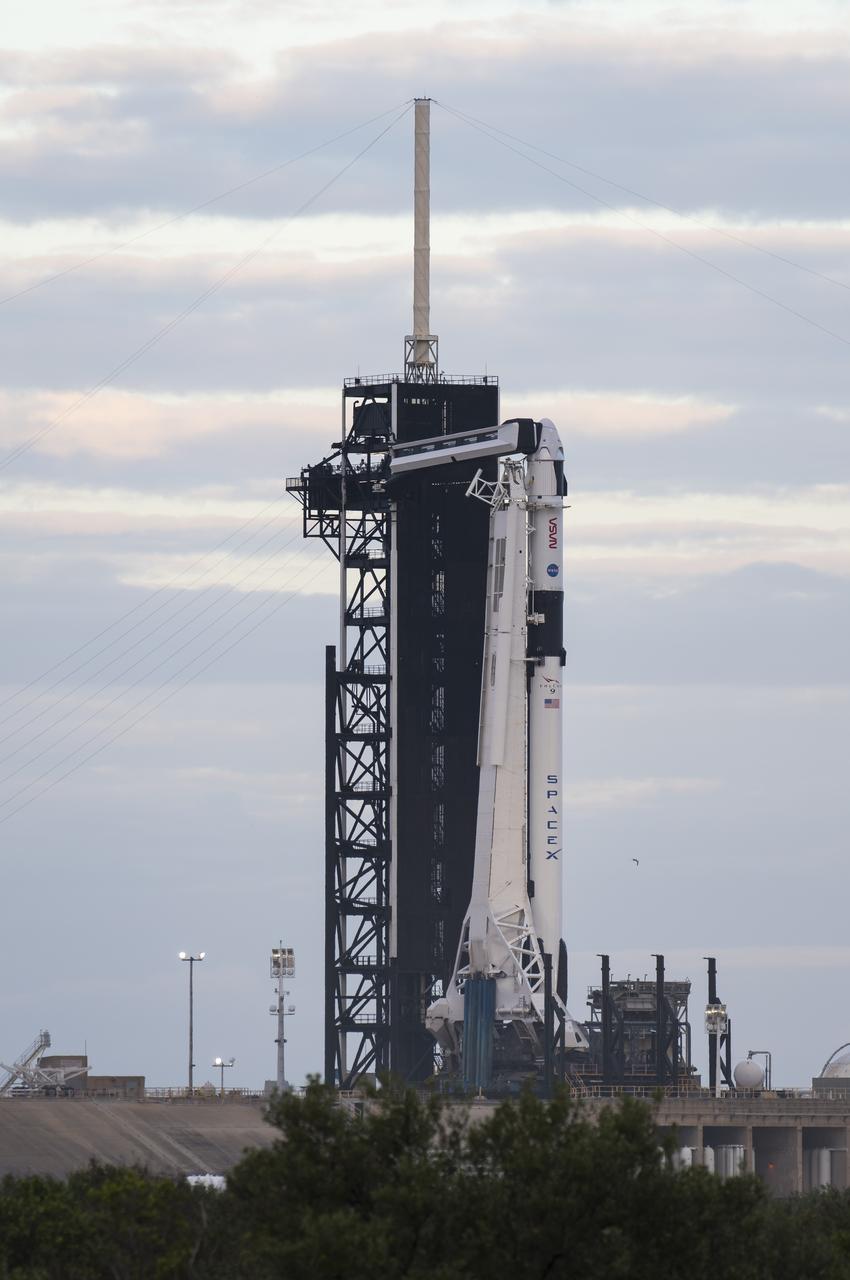
A SpaceX Falcon 9 rocket with the company's Crew Dragon spacecraft onboard is seen on the launch pad at sunrise at Launch Complex 39A as preparations continue for the Crew-1 mission, Sunday, Nov. 15, 2020, at NASA’s Kennedy Space Center in Florida. NASA’s SpaceX Crew-1 mission is the first crew rotational mission of the SpaceX Crew Dragon spacecraft and Falcon 9 rocket to the International Space Station as part of the agency’s Commercial Crew Program. NASA astronauts Mike Hopkins, Victor Glover, and Shannon Walker, and astronaut Soichi Noguchi of the Japan Aerospace Exploration Agency (JAXA) are scheduled to launch at 7:27 p.m. EST on Sunday, Nov. 15, from Launch Complex 39A at the Kennedy Space Center. Photo Credit: (NASA/Aubrey Gemignani)
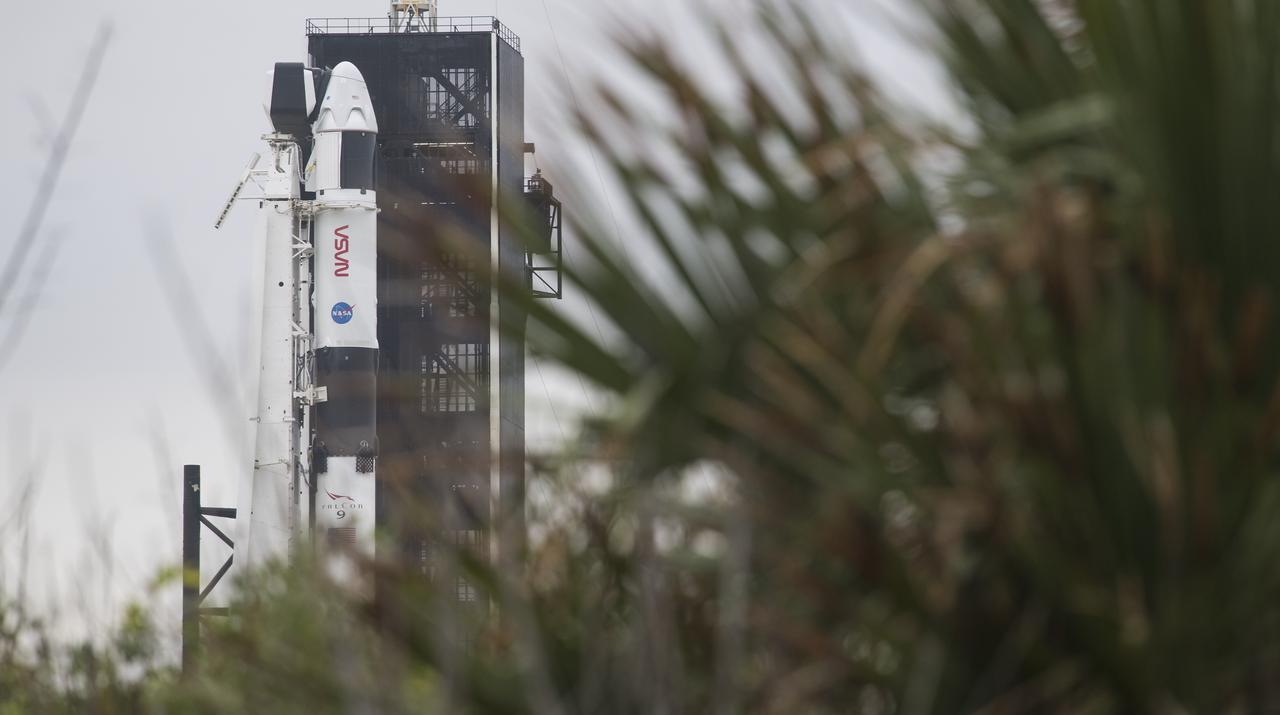
A SpaceX Falcon 9 rocket with the company's Crew Dragon spacecraft onboard is seen on the launch pad at Launch Complex 39A as preparations continue for the Crew-1 mission, Saturday, Nov. 14, 2020, at NASA’s Kennedy Space Center in Florida. NASA’s SpaceX Crew-1 mission is the first crew rotation mission of the SpaceX Crew Dragon spacecraft and Falcon 9 rocket to the International Space Station as part of the agency’s Commercial Crew Program. NASA astronauts Mike Hopkins, Victor Glover, and Shannon Walker, and astronaut Soichi Noguchi of the Japan Aerospace Exploration Agency (JAXA) are scheduled to launch at 7:27 p.m. EST on Sunday, Nov. 15, from Launch Complex 39A at the Kennedy Space Center. Photo Credit: (NASA/Joel Kowsky)
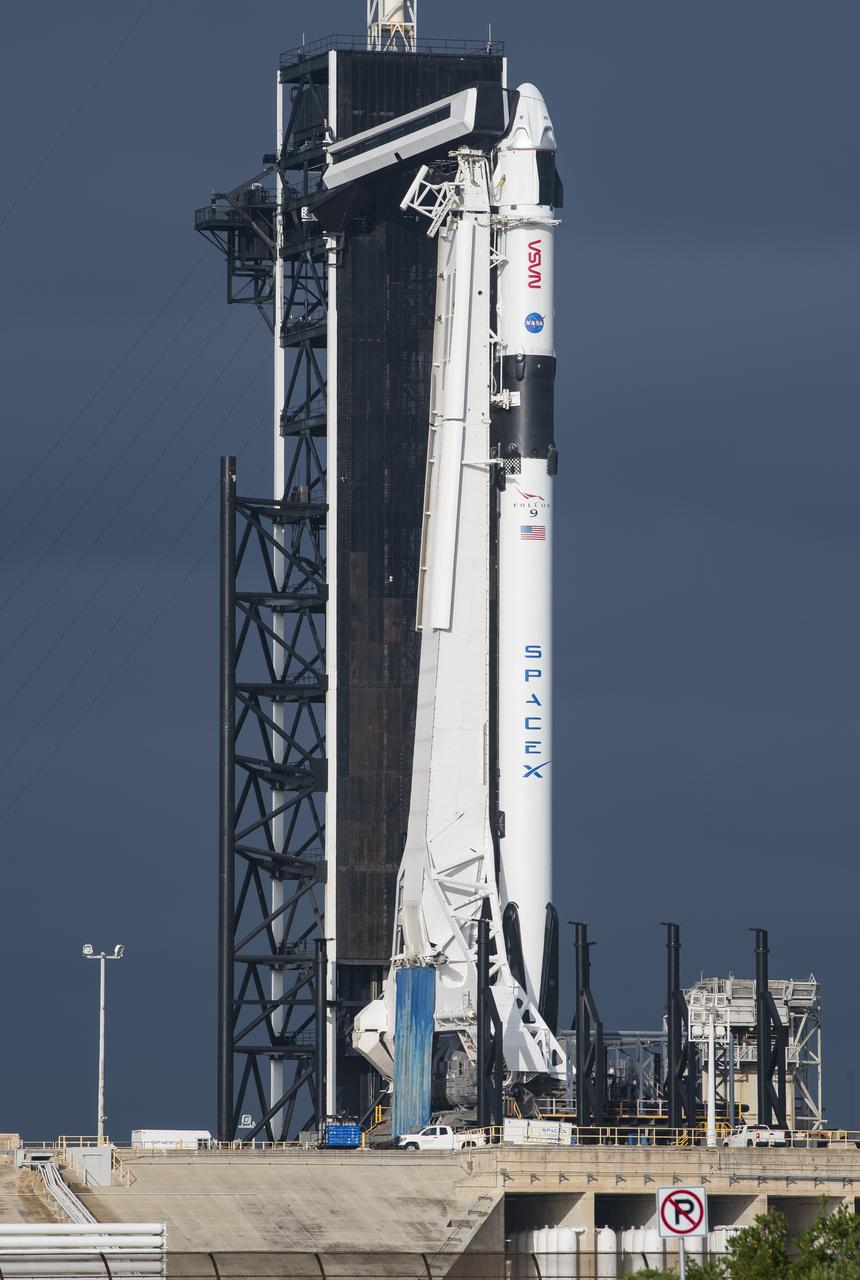
A SpaceX Falcon 9 rocket with the company's Crew Dragon spacecraft onboard is seen on the launch pad at Launch Complex 39A as preparations continue for the Crew-1 mission, Friday, Nov. 13, 2020, at NASA’s Kennedy Space Center in Florida. NASA’s SpaceX Crew-1 mission is the first crew rotational mission of the SpaceX Crew Dragon spacecraft and Falcon 9 rocket to the International Space Station as part of the agency’s Commercial Crew Program. NASA astronauts Mike Hopkins, Victor Glover, and Shannon Walker, and astronaut Soichi Noguchi of the Japan Aerospace Exploration Agency (JAXA) are scheduled to launch at 7:49 p.m. EST on Saturday, Nov. 14, from Launch Complex 39A at the Kennedy Space Center. Photo Credit: (NASA/\3030994#1\)
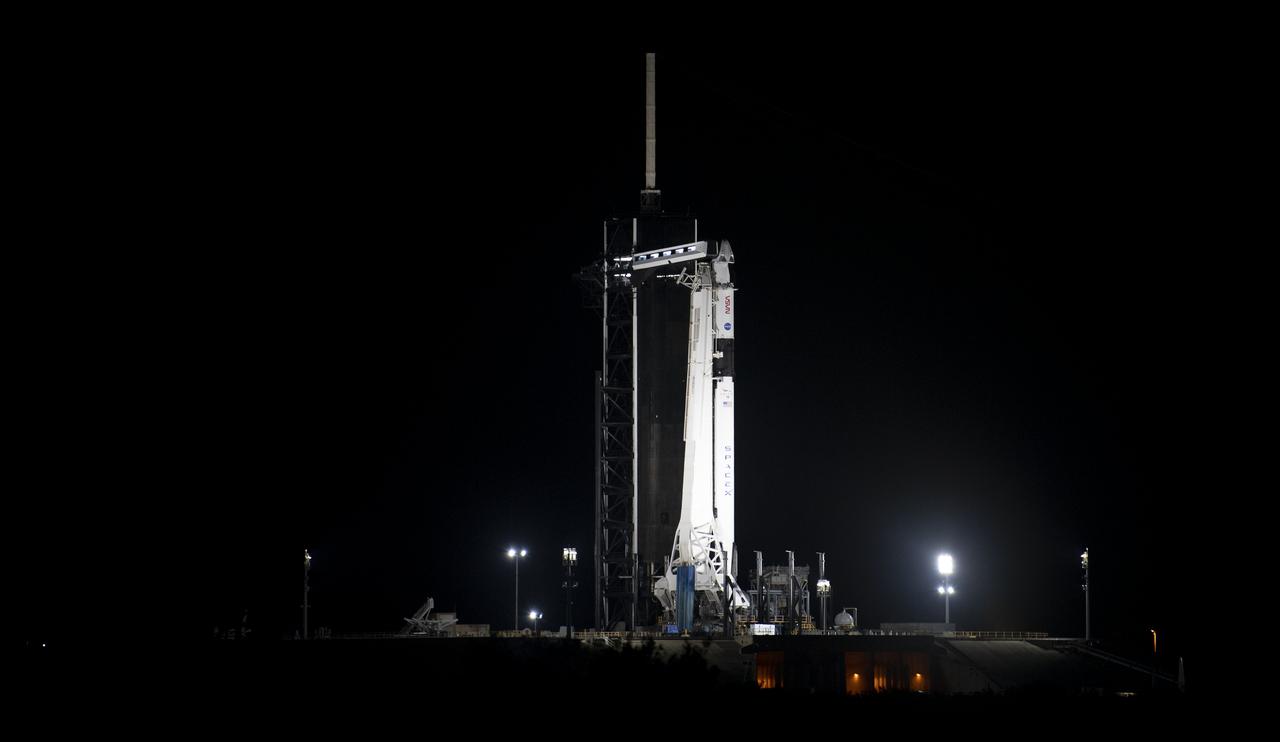
A SpaceX Falcon 9 rocket with the company's Crew Dragon spacecraft onboard is seen illuminated by spotlights on the launch pad at Launch Complex 39A as preparations continue for the Crew-1 mission, Thursday, Nov. 12, 2020, at NASA’s Kennedy Space Center in Florida. NASA’s SpaceX Crew-1 mission is the first crew rotation mission of the SpaceX Crew Dragon spacecraft and Falcon 9 rocket to the International Space Station as part of the agency’s Commercial Crew Program. NASA astronauts Mike Hopkins, Victor Glover, and Shannon Walker, and astronaut Soichi Noguchi of the Japan Aerospace Exploration Agency (JAXA) are scheduled to launch at 7:49 p.m. EST on Saturday, Nov. 14, from Launch Complex 39A at the Kennedy Space Center. Photo Credit: (NASA/Joel Kowsky)

Views of the STS-31/61B Crew during Emergency Egress Training, Bldg. 9A, 10/28/1985; and, the Crew Preflight Press Conference, Bldg. 2, 10/24/1985. 1. STS-31/61B - CREW TRAINING (EMERGENCY EGRESS) JSC, HOUSTON, TX
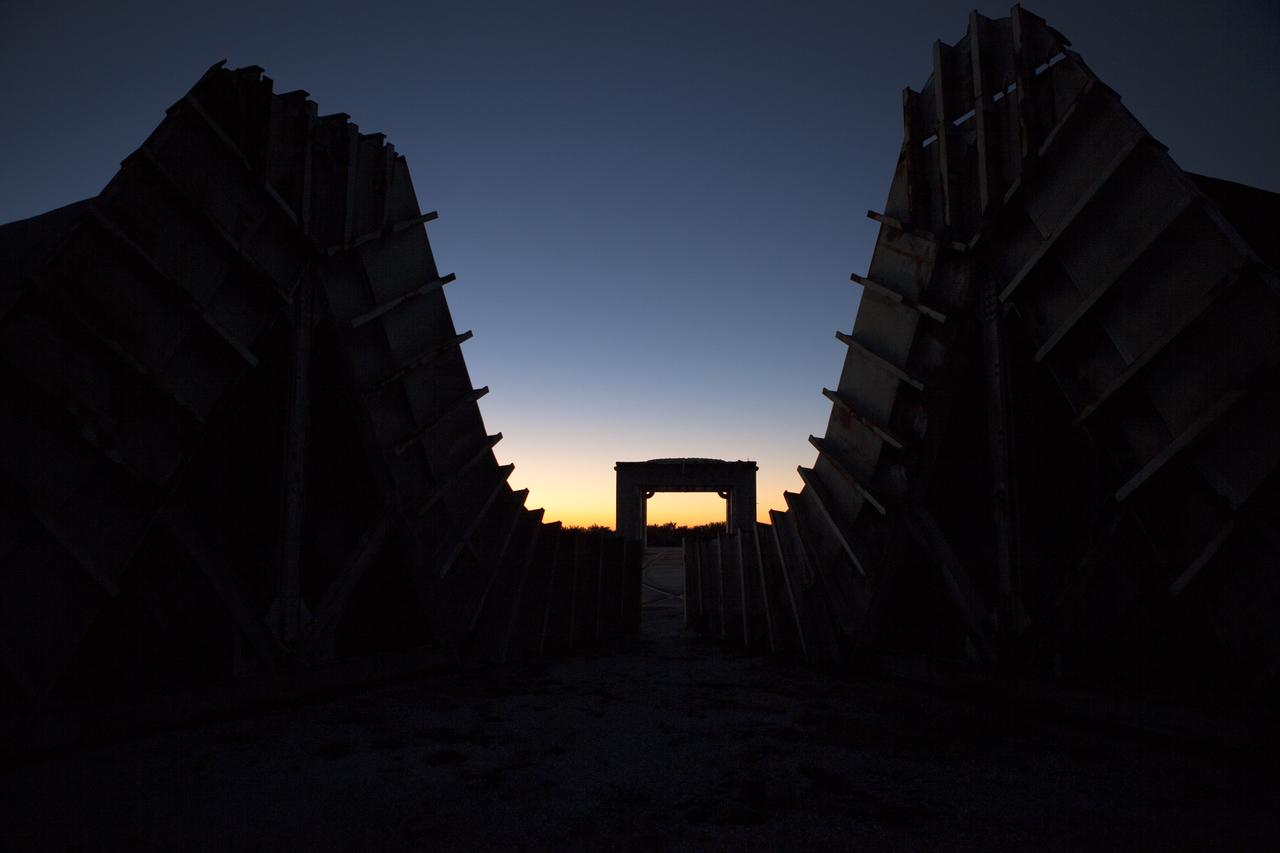
CAPE CANAVERAL, Fla. – Flame deflectors frame what remains of the historic gantry on Launch Pad 34 on Cape Canaveral Air Force Station in Florida. On this day in 1967, a fire erupted on the pad during a preflight test, taking the lives of the Apollo 1 crew, NASA astronauts Virgil Grissom, Edward White and Roger Chaffee. To learn more about Apollo 1 and the crew, visit http://www.nasa.gov/mission_pages/apollo/missions/apollo1.html. Photo credit: NASA/Ben Smegelsky
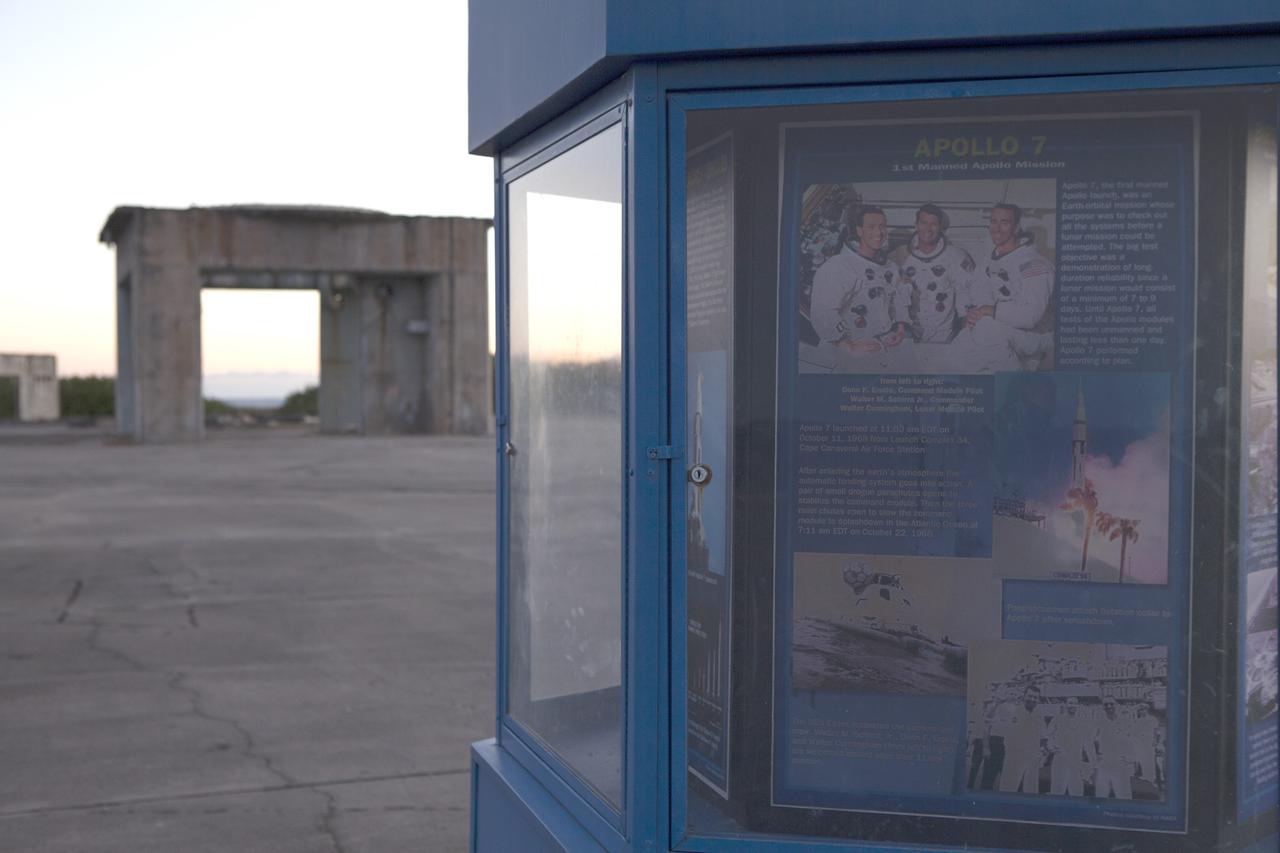
CAPE CANAVERAL, Fla. – A kiosk near what remains of the once majestic gantry on Launch Pad 34 on Cape Canaveral Air Force Station in Florida describes the historic events that took place there. On this day in 1967, a fire erupted on the pad during a preflight test, taking the lives of the Apollo 1 crew, NASA astronauts Virgil Grissom, Edward White and Roger Chaffee. To learn more about Apollo 1 and the crew, visit http://www.nasa.gov/mission_pages/apollo/missions/apollo1.html. Photo credit: NASA/Ben Smegelsky
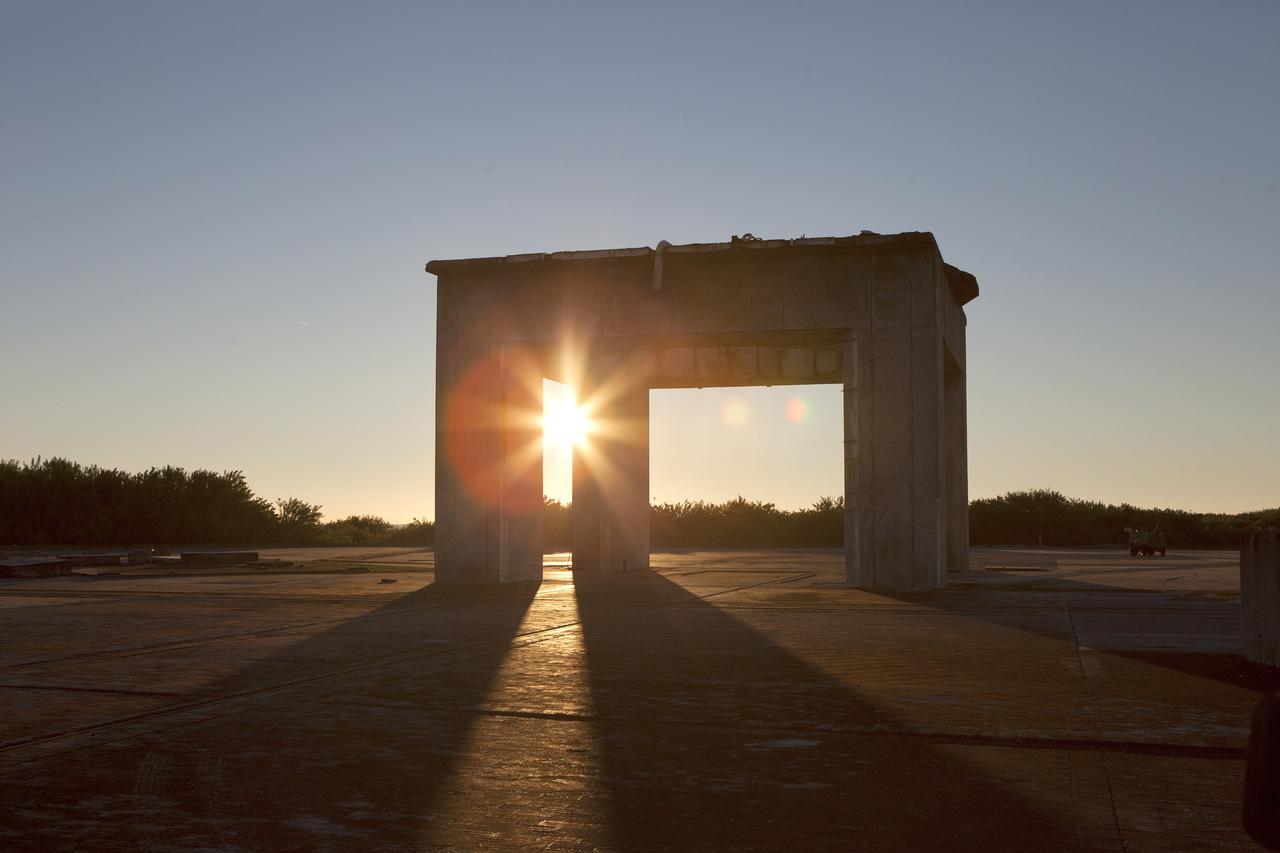
CAPE CANAVERAL, Fla. – The sun beams through what remains of the gantry on Launch Pad 34 on Cape Canaveral Air Force Station in Florida. On this day in 1967, a fire erupted on the pad during a preflight test, taking the lives of the Apollo 1 crew, NASA astronauts Virgil Grissom, Edward White and Roger Chaffee. To learn more about Apollo 1 and the crew, visit http://www.nasa.gov/mission_pages/apollo/missions/apollo1.html. Photo credit: NASA/Ben Smegelsky
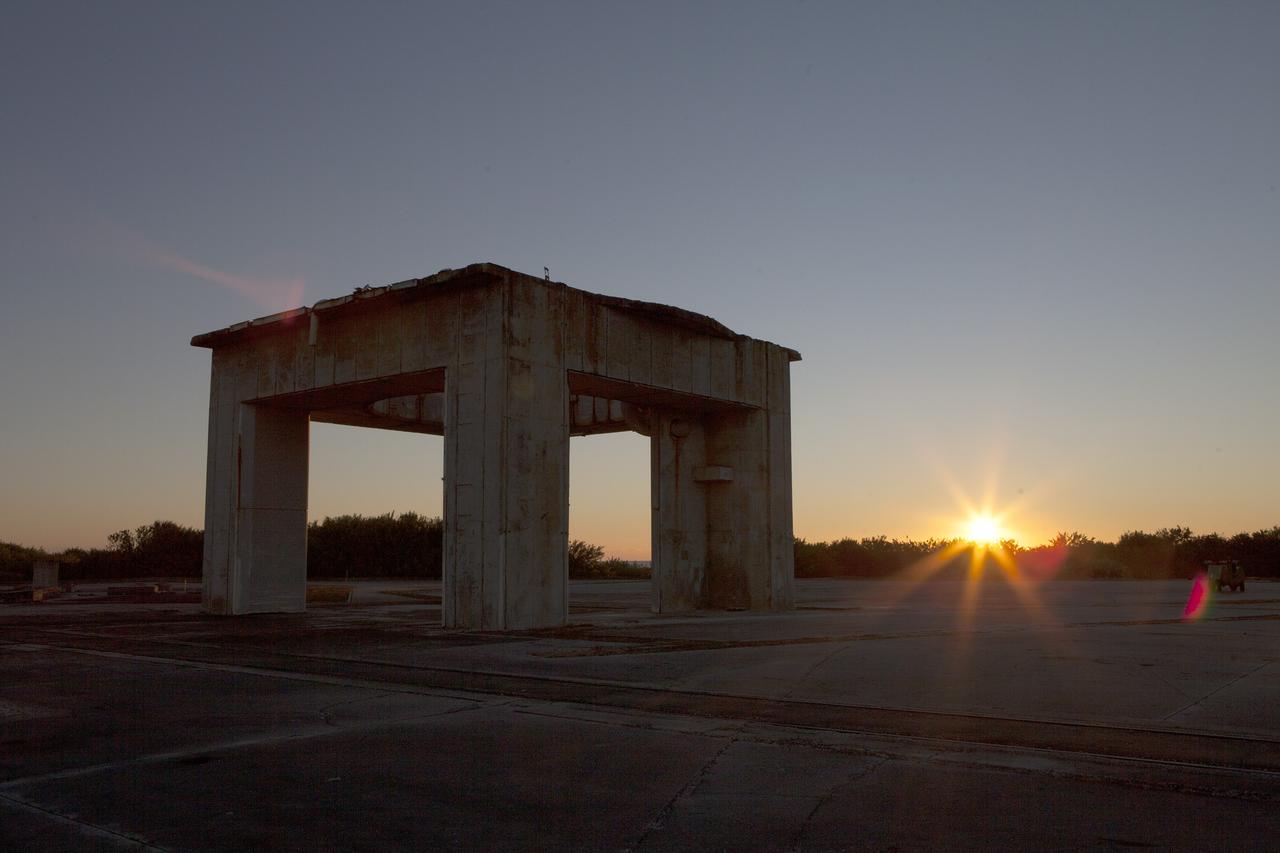
CAPE CANAVERAL, Fla. – The sun comes up behind what remains of the gantry on Launch Pad 34 on Cape Canaveral Air Force Station in Florida. On this day in 1967, a fire erupted on the pad during a preflight test, taking the lives of the Apollo 1 crew, NASA astronauts Virgil Grissom, Edward White and Roger Chaffee. To learn more about Apollo 1 and the crew, visit http://www.nasa.gov/mission_pages/apollo/missions/apollo1.html. Photo credit: NASA/Ben Smegelsky
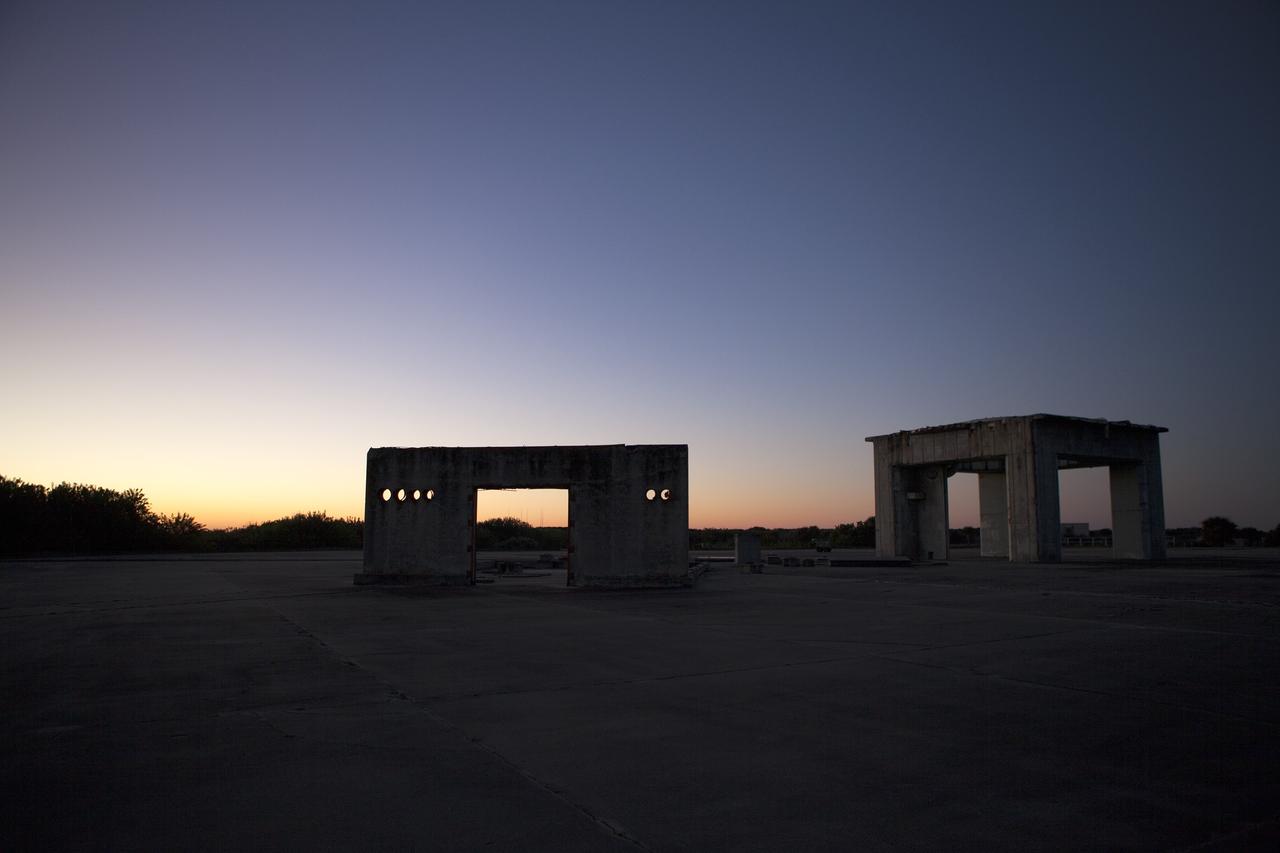
CAPE CANAVERAL, Fla. – The sun rises over what remains of the historic gantry and support structures on Launch Pad 34 on Cape Canaveral Air Force Station in Florida. On this day in 1967, a fire erupted on the pad during a preflight test, taking the lives of the Apollo 1 crew, NASA astronauts Virgil Grissom, Edward White and Roger Chaffee. To learn more about Apollo 1 and the crew, visit http://www.nasa.gov/mission_pages/apollo/missions/apollo1.html. Photo credit: NASA/Ben Smegelsky
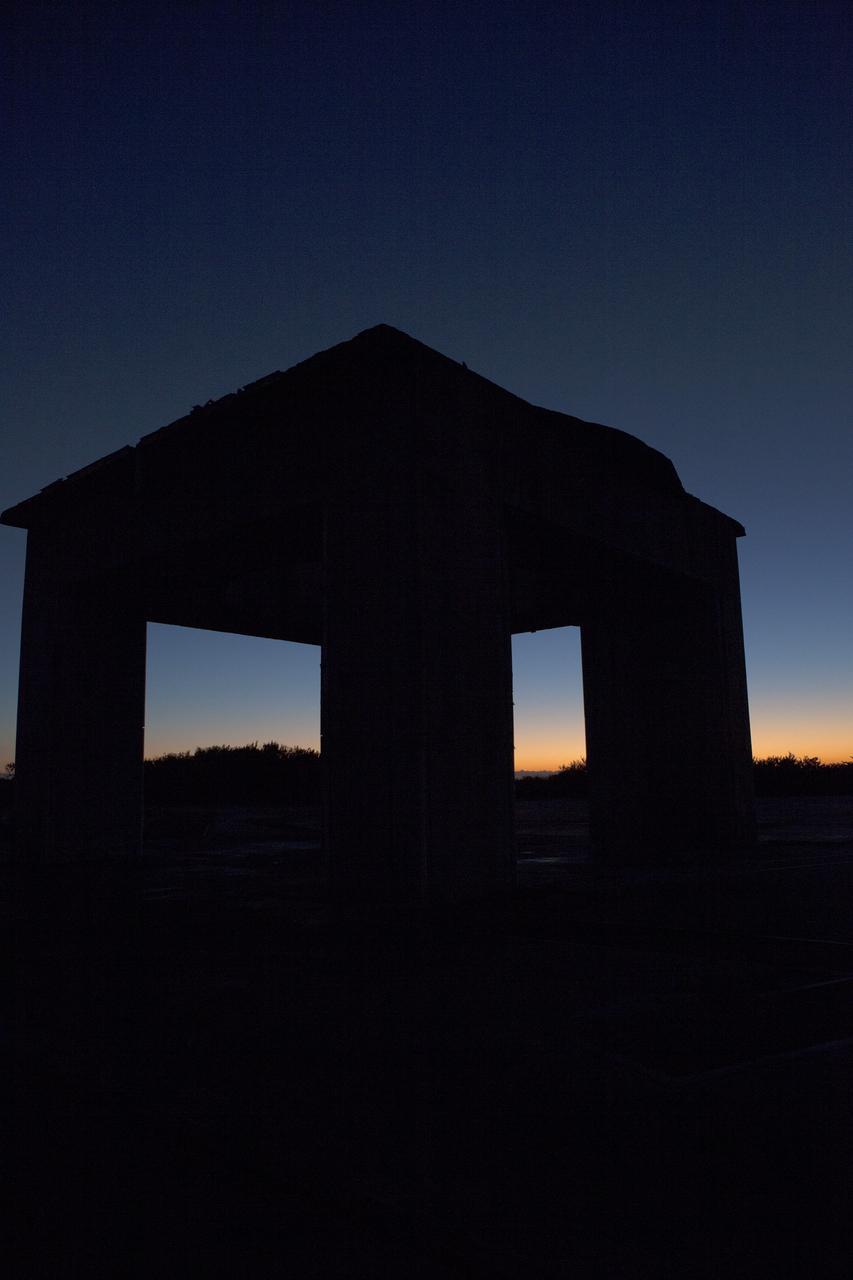
CAPE CANAVERAL, Fla. – Sunrise at Launch Pad 34 on Cape Canaveral Air Force Station in Florida illuminates what remains of the pad's historic gantry. On this day in 1967, a fire erupted on the pad during a preflight test, taking the lives of the Apollo 1 crew, NASA astronauts Virgil Grissom, Edward White and Roger Chaffee. To learn more about Apollo 1 and the crew, visit http://www.nasa.gov/mission_pages/apollo/missions/apollo1.html. Photo credit: NASA/Ben Smegelsky
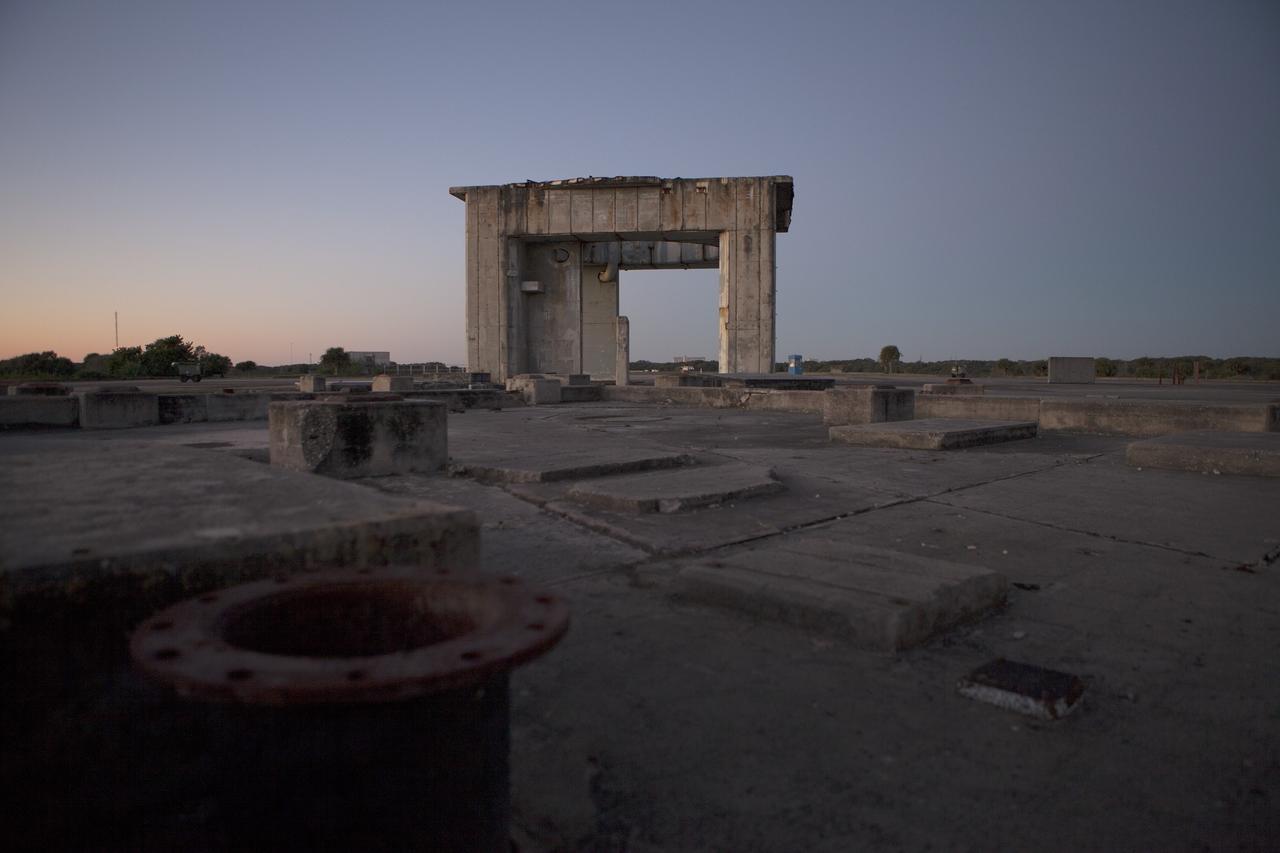
CAPE CANAVERAL, Fla. – Sunrise over Launch Pad 34 on Cape Canaveral Air Force Station in Florida reveals only remnants of the concrete and steel of the once majestic launch gantry. On this day in 1967, a fire erupted on the pad during a preflight test, taking the lives of the Apollo 1 crew, NASA astronauts Virgil Grissom, Edward White and Roger Chaffee. To learn more about Apollo 1 and the crew, visit http://www.nasa.gov/mission_pages/apollo/missions/apollo1.html. Photo credit: NASA/Ben Smegelsky
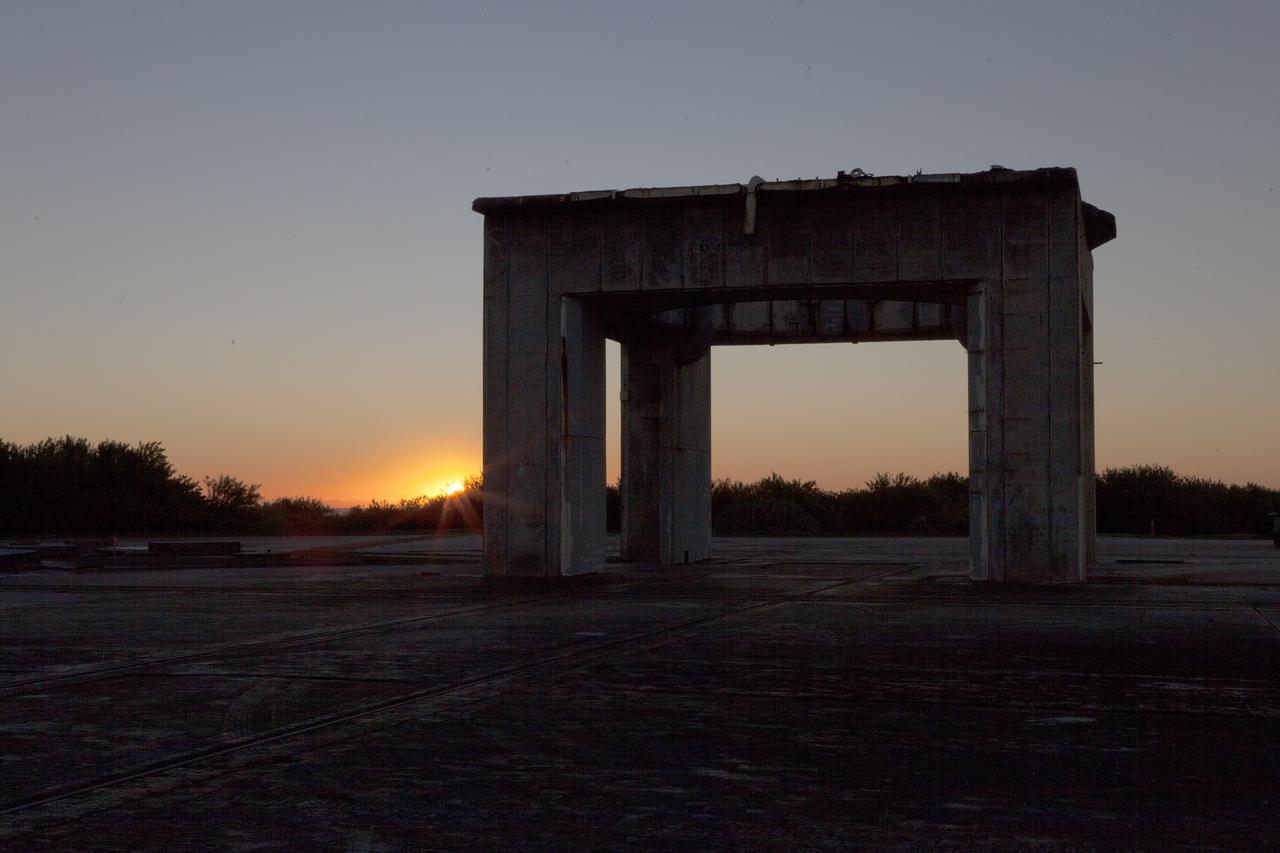
CAPE CANAVERAL, Fla. – The sun comes up behind what remains of the gantry on Launch Pad 34 on Cape Canaveral Air Force Station in Florida. On this day in 1967, a fire erupted on the pad during a preflight test, taking the lives of the Apollo 1 crew, NASA astronauts Virgil Grissom, Edward White and Roger Chaffee. To learn more about Apollo 1 and the crew, visit http://www.nasa.gov/mission_pages/apollo/missions/apollo1.html. Photo credit: NASA/Ben Smegelsky
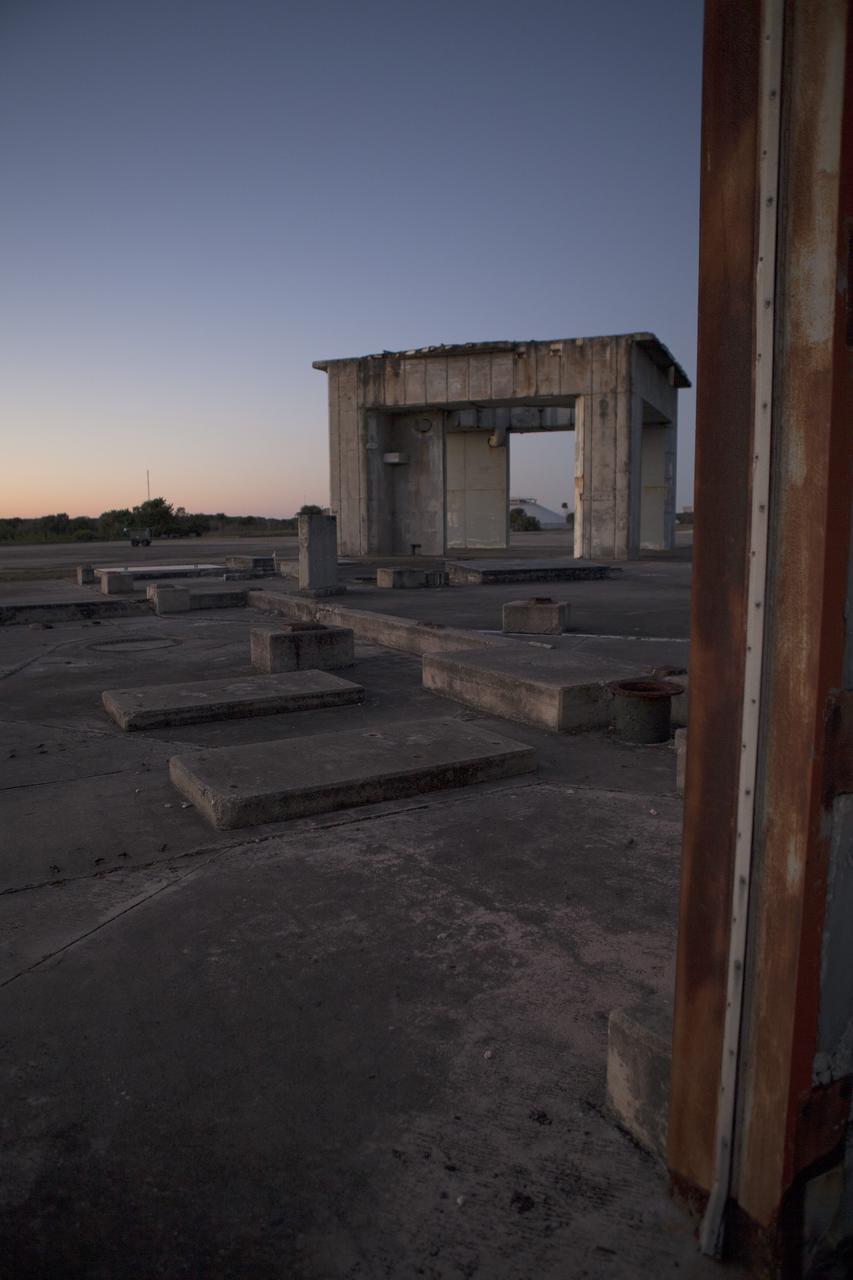
CAPE CANAVERAL, Fla. – Sunrise over Launch Pad 34 on Cape Canaveral Air Force Station in Florida finds only concrete and steel remain of the historic site, long since demolished. On this day in 1967, a fire erupted on the pad during a preflight test, taking the lives of the Apollo 1 crew, NASA astronauts Virgil Grissom, Edward White and Roger Chaffee. To learn more about Apollo 1 and the crew, visit http://www.nasa.gov/mission_pages/apollo/missions/apollo1.html. Photo credit: NASA/Ben Smegelsky
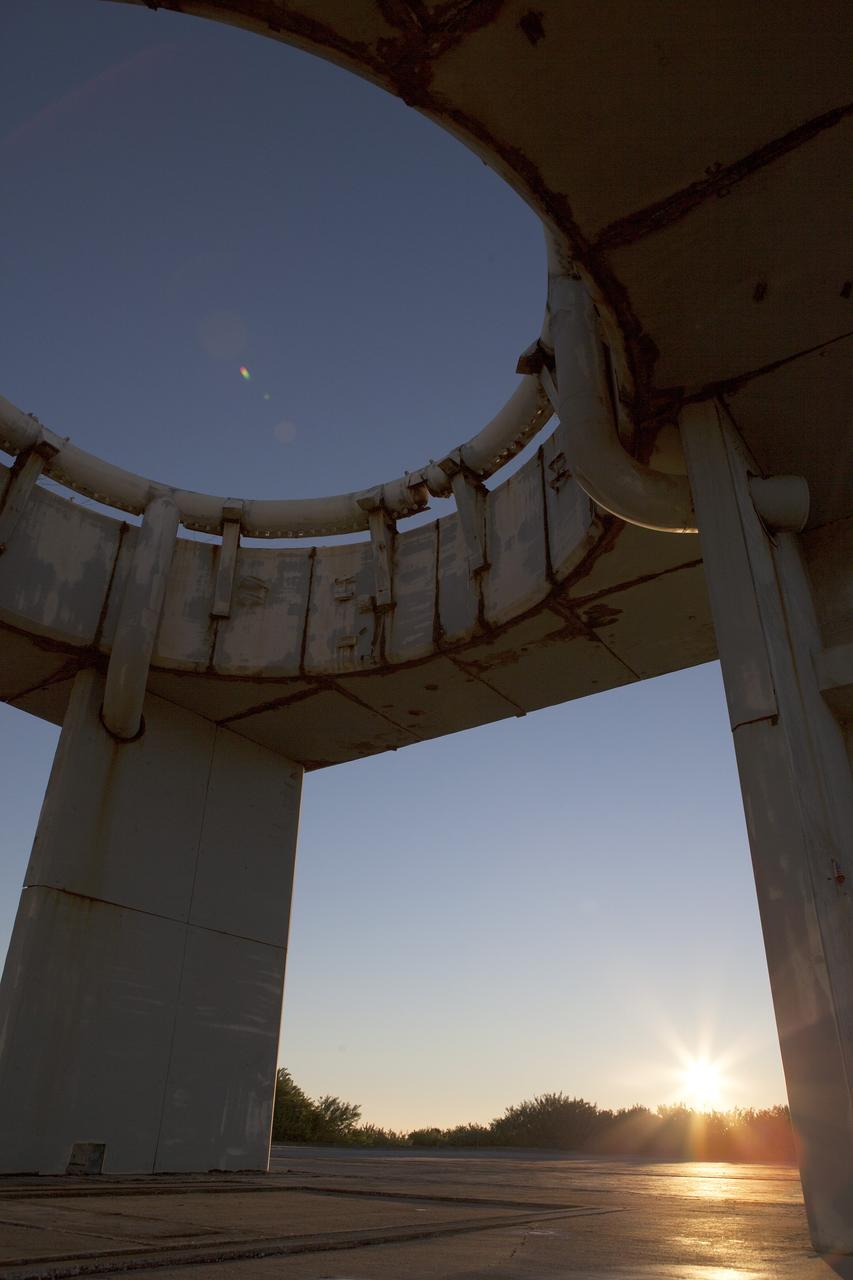
CAPE CANAVERAL, Fla. – The sun comes up behind what remains of the gantry on Launch Pad 34 on Cape Canaveral Air Force Station in Florida. On this day in 1967, a fire erupted on the pad during a preflight test, taking the lives of the Apollo 1 crew, NASA astronauts Virgil Grissom, Edward White and Roger Chaffee. To learn more about Apollo 1 and the crew, visit http://www.nasa.gov/mission_pages/apollo/missions/apollo1.html. Photo credit: NASA/Ben Smegelsky
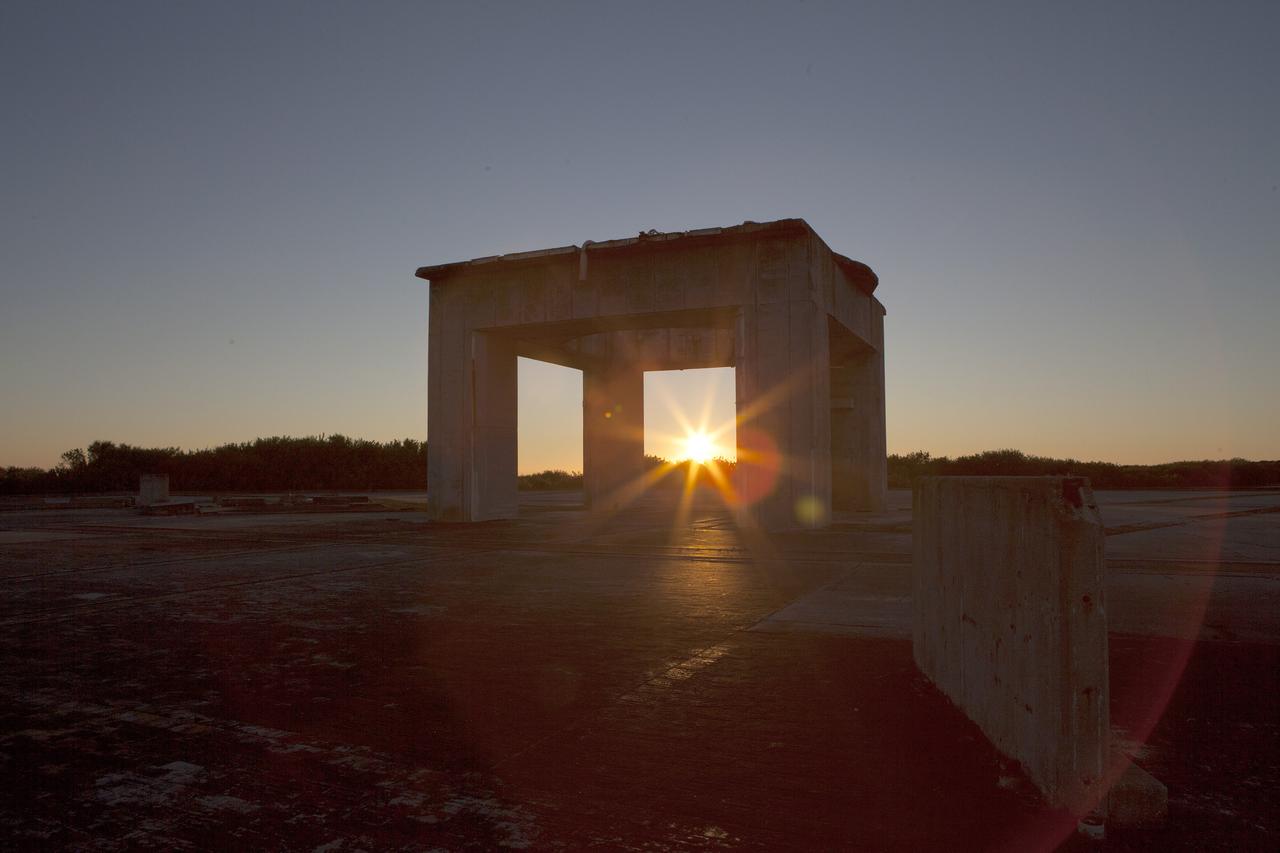
CAPE CANAVERAL, Fla. – The sun peeks through what remains of the gantry on Launch Pad 34 on Cape Canaveral Air Force Station in Florida. On this day in 1967, a fire erupted on the pad during a preflight test, taking the lives of the Apollo 1 crew, NASA astronauts Virgil Grissom, Edward White and Roger Chaffee. To learn more about Apollo 1 and the crew, visit http://www.nasa.gov/mission_pages/apollo/missions/apollo1.html. Photo credit: NASA/Ben Smegelsky
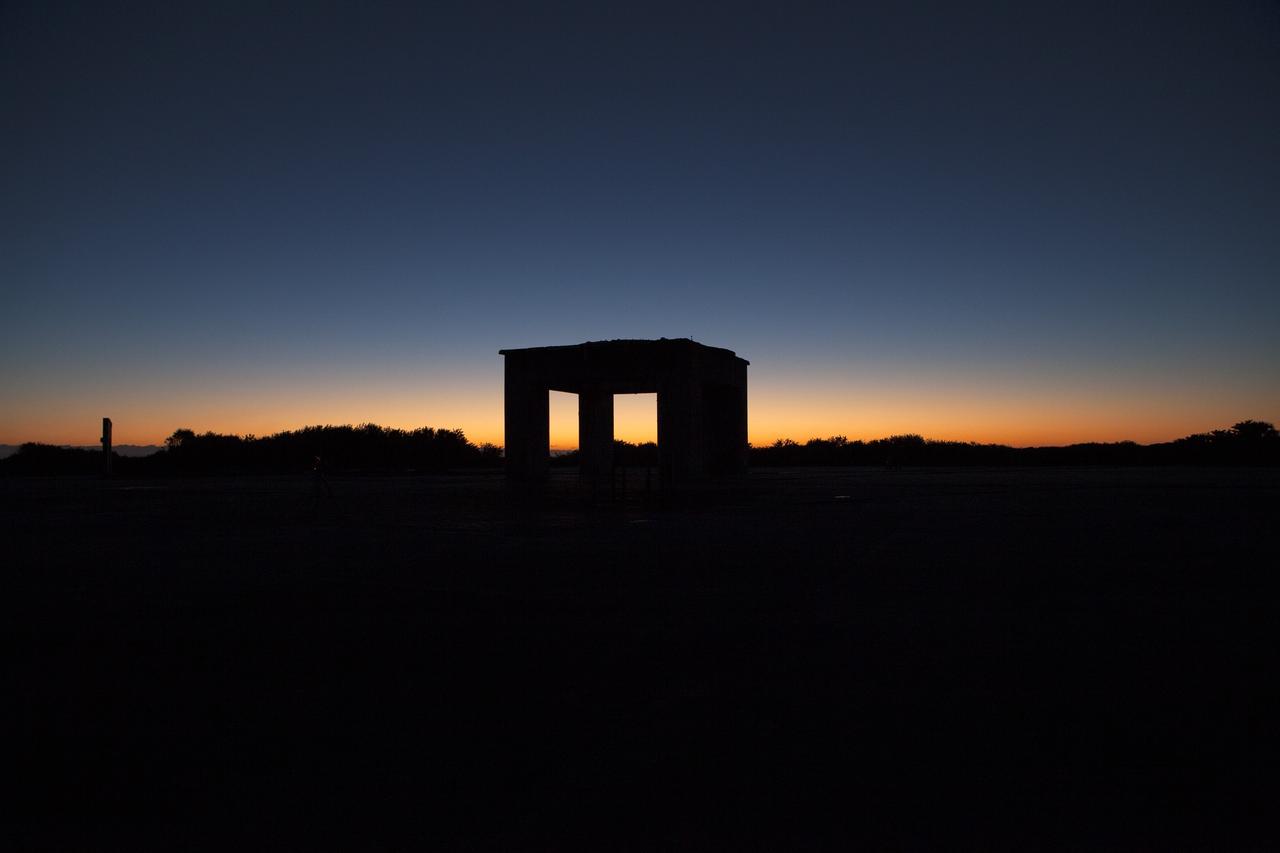
CAPE CANAVERAL, Fla. – Sunrise at Launch Pad 34 on Cape Canaveral Air Force Station in Florida silhouettes what remains of the pad's historic gantry. On this day in 1967, a fire erupted on the pad during a preflight test, taking the lives of the Apollo 1 crew, NASA astronauts Virgil Grissom, Edward White and Roger Chaffee. To learn more about Apollo 1 and the crew, visit http://www.nasa.gov/mission_pages/apollo/missions/apollo1.html. Photo credit: NASA/Ben Smegelsky
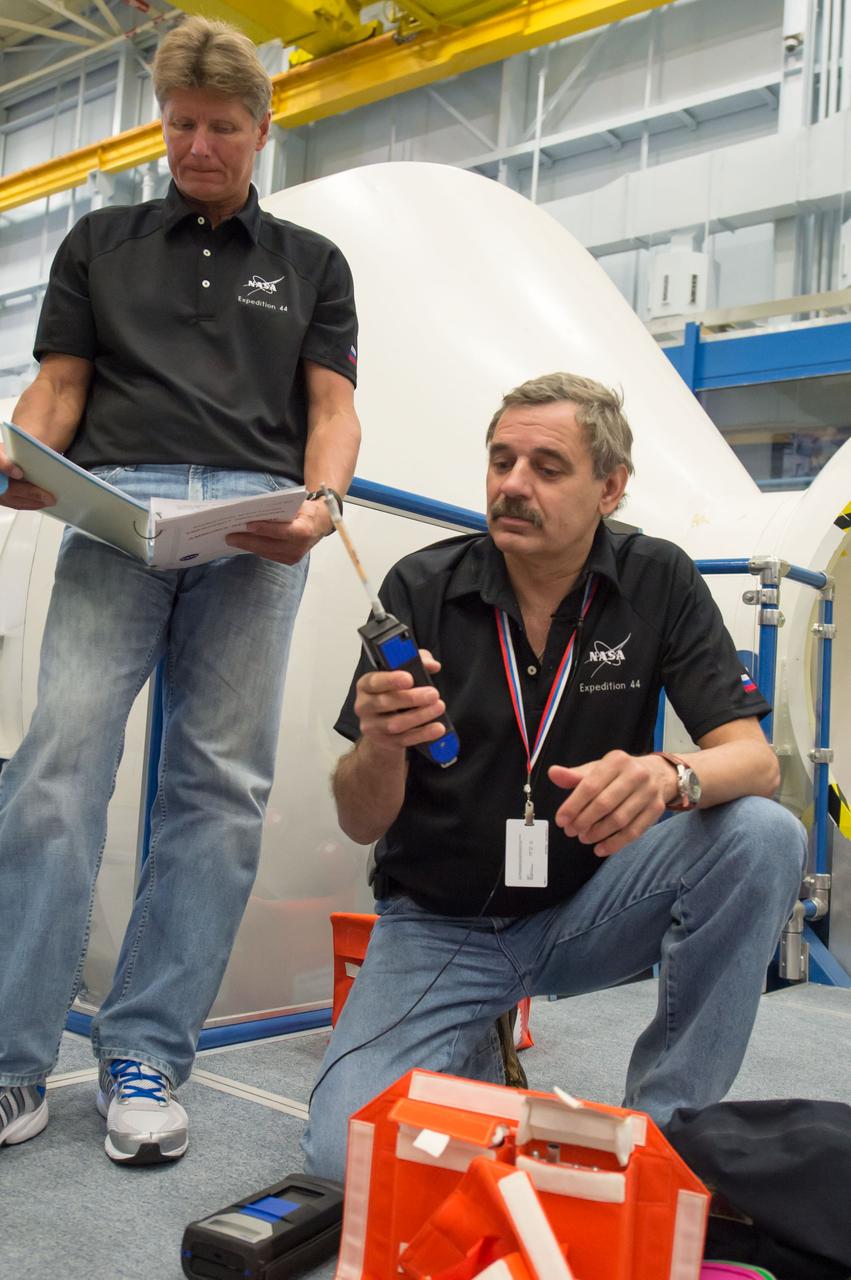
Date:04-08-2014 Location:B9NW ISS Trainers Subject:Photograph ISS One Year Crew training with Scott Kelly, Gennady Padalka and Mikahil Kornienko during Emergency Scenario Training 1. Photograph crew interaction with trainers, during briefings, in mockup facility, each other, individual photos of crew members in mockup, etc. Post on IO/ISS Missions/Soyuz 42 Long Duration/Preflight. Photog: David DeHoyos
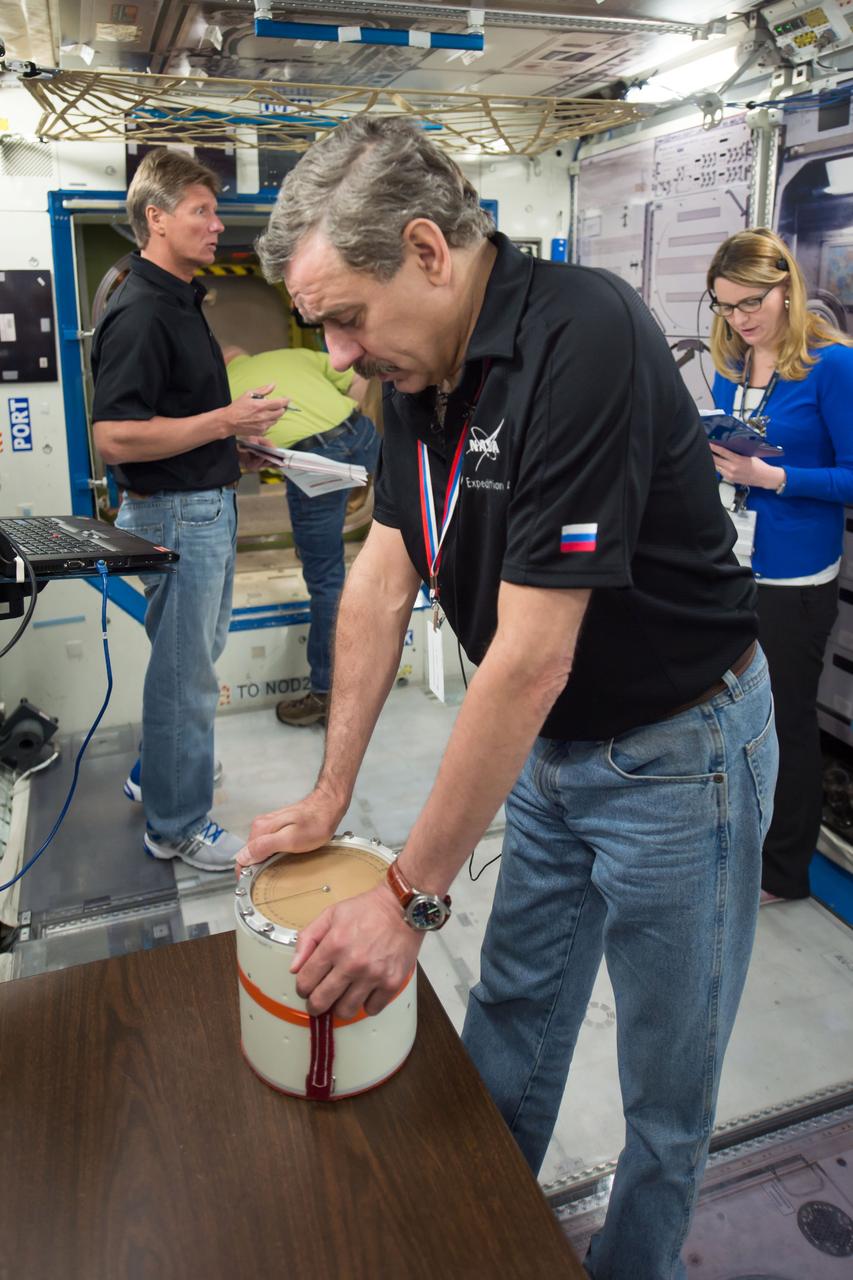
Date:04-08-2014 Location:B9NW ISS Trainers Subject:Photograph ISS One Year Crew training with Scott Kelly, Gennady Padalka and Mikahil Kornienko during Emergency Scenario Training 1. Photograph crew interaction with trainers, during briefings, in mockup facility, each other, individual photos of crew members in mockup, etc. Post on IO/ISS Missions/Soyuz 42 Long Duration/Preflight. Photog: David DeHoyos
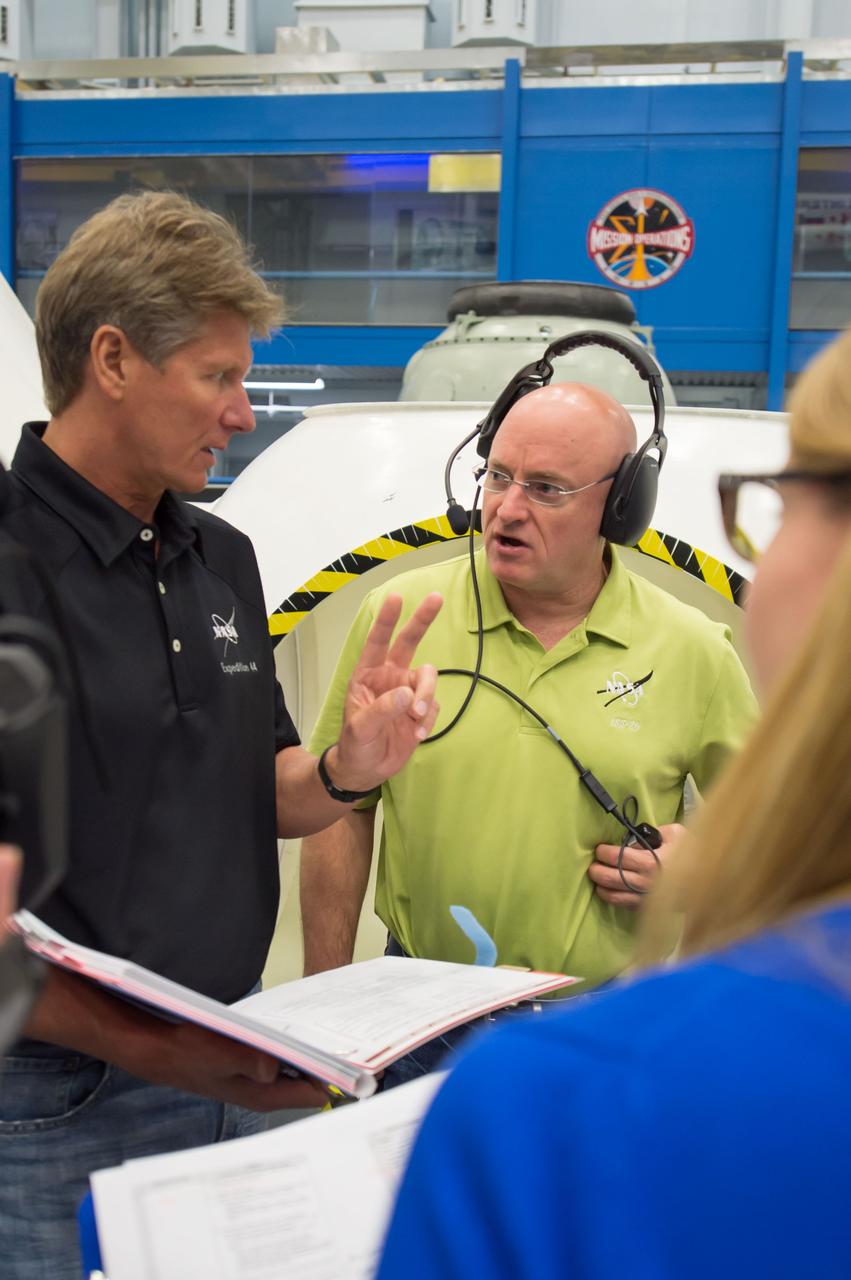
Date:04-08-2014 Location:B9NW ISS Trainers Subject:Photograph ISS One Year Crew training with Scott Kelly, Gennady Padalka and Mikahil Kornienko during Emergency Scenario Training 1. Photograph crew interaction with trainers, during briefings, in mockup facility, each other, individual photos of crew members in mockup, etc. Post on IO/ISS Missions/Soyuz 42 Long Duration/Preflight. Photog: David DeHoyos
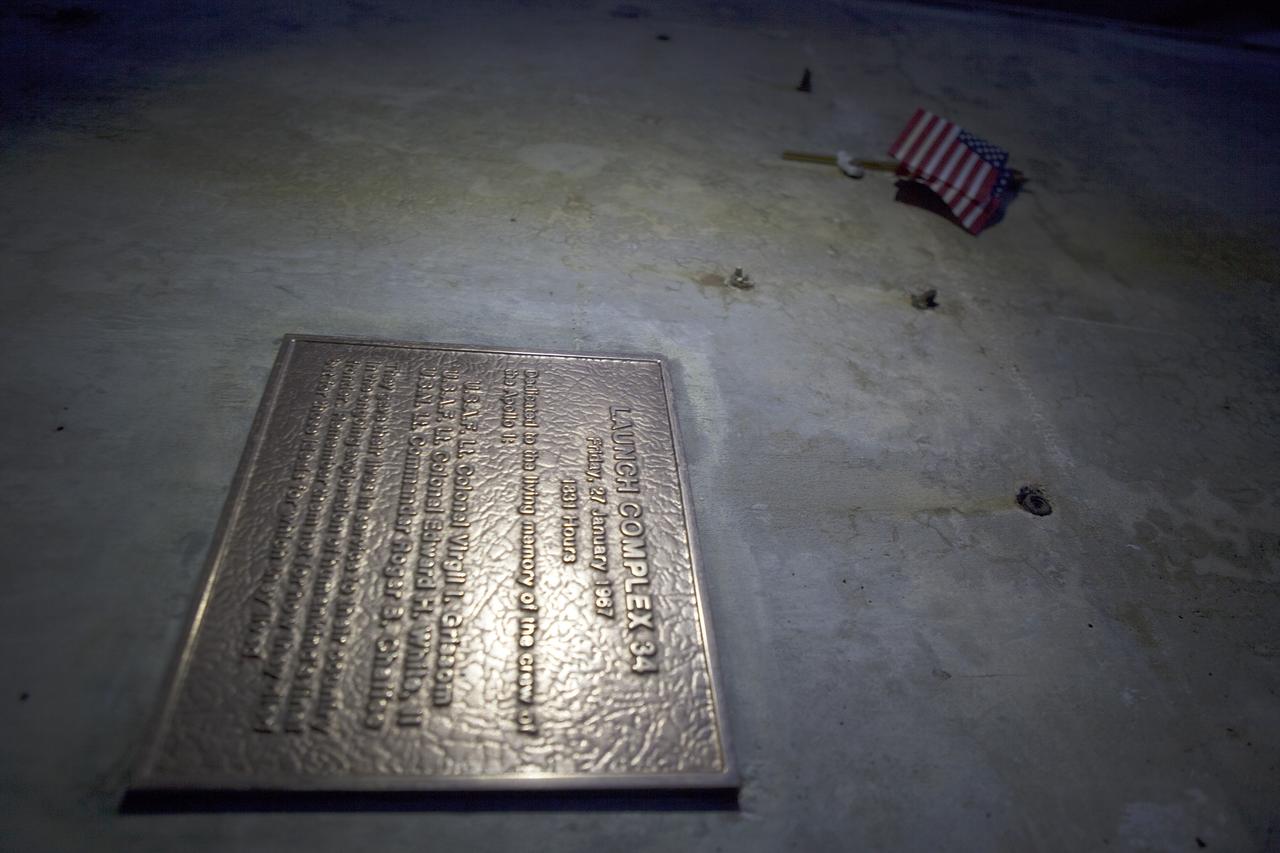
CAPE CANAVERAL, Fla. – A plaque affixed to what remains of the historic gantry on Launch Pad 34 on Cape Canaveral Air Force Station in Florida pays tribute to those who died there in the pursuit of exploration and discovery. On this day in 1967, a fire erupted on the pad during a preflight test, taking the lives of the Apollo 1 crew, NASA astronauts Virgil Grissom, Edward White and Roger Chaffee. To learn more about Apollo 1 and the crew, visit http://www.nasa.gov/mission_pages/apollo/missions/apollo1.html. Photo credit: NASA/Ben Smegelsky
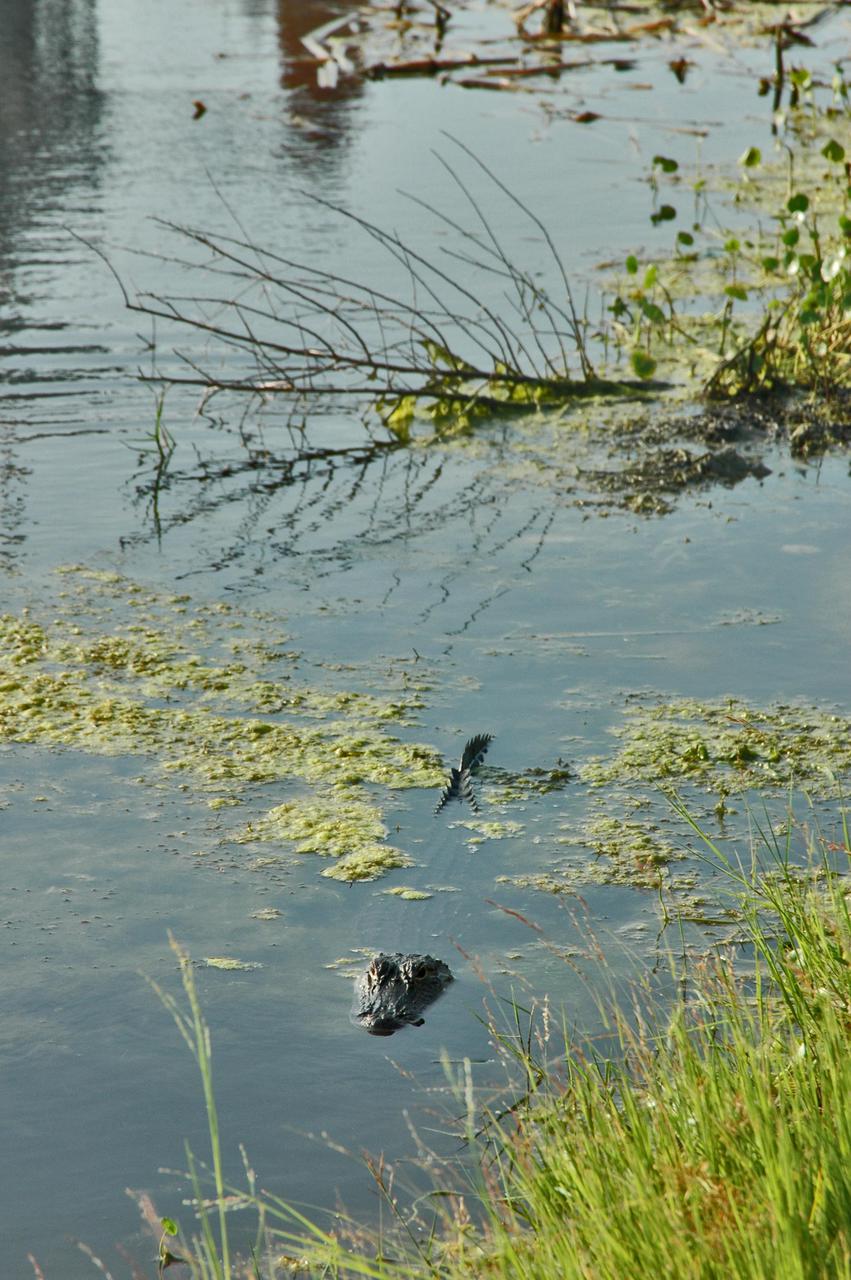
KENNEDY SPACE CENTER, FLA. - In a pond near Launch Pad 39B, an alligator lurks near the tall grass. Nearby is Space Shuttle Discovery, in full launch configuration after rollback of the Rotating Service Structure (RSS). Rollback of the RSS is a major preflight milestone, typically occurring during the T-11-hour hold on L-1 (the day before launch). Discovery is scheduled to lift off on the historic Return to Flight mission STS-114 at 10:39 a.m. EDT July 26 with a crew of seven.
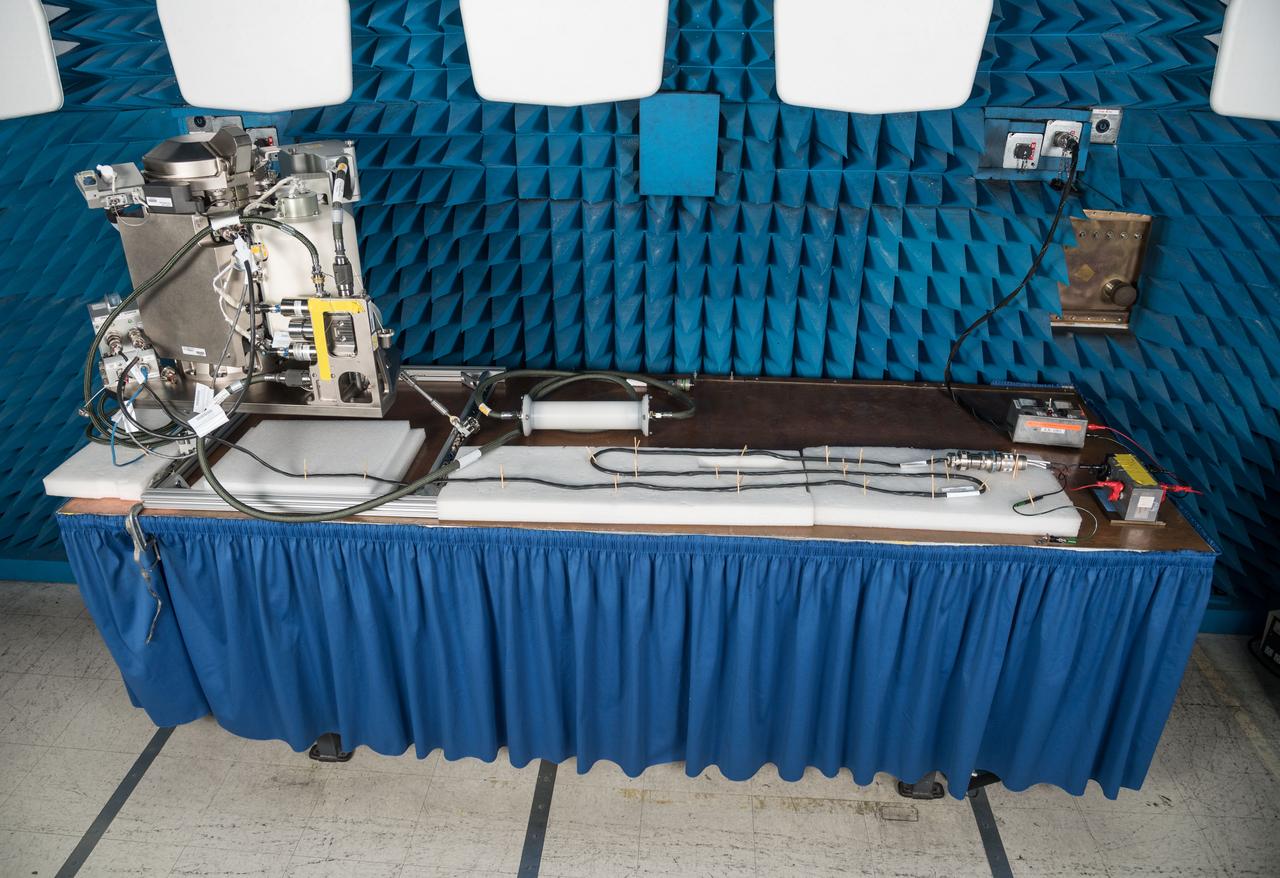
jsc2019e070457 (12/13/2019) --- A preflight view taken of the ISS Universal Waste Management System, Unit 1 during EMI/EMC Testing. This technology provides additional waste disposal points to the International Space Station (ISS) and aids in planning for future exploration missions including Deep Space Gateway (DSG). A smaller, more comfortable and more reliable waste-disposal method allows the crew to focus on other activities and enables further exploration in space.
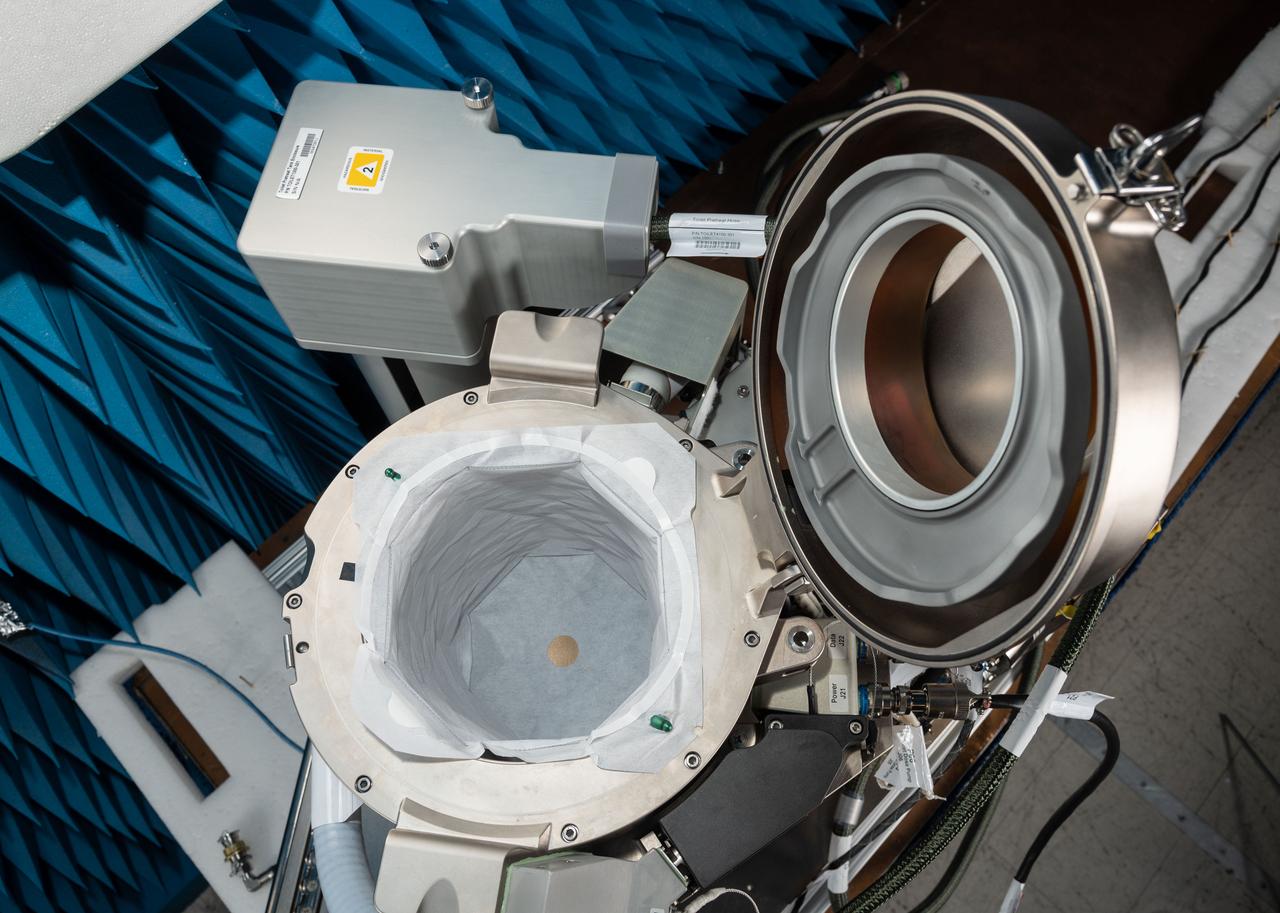
jsc2019e070462 (12/13/2019) --- A preflight view taken of the ISS Universal Waste Management System, Unit 1 during EMI/EMC Testing. This technology provides additional waste disposal points to the International Space Station (ISS) and aids in planning for future exploration missions including Deep Space Gateway (DSG). A smaller, more comfortable and more reliable waste-disposal method allows the crew to focus on other activities and enables further exploration in space.
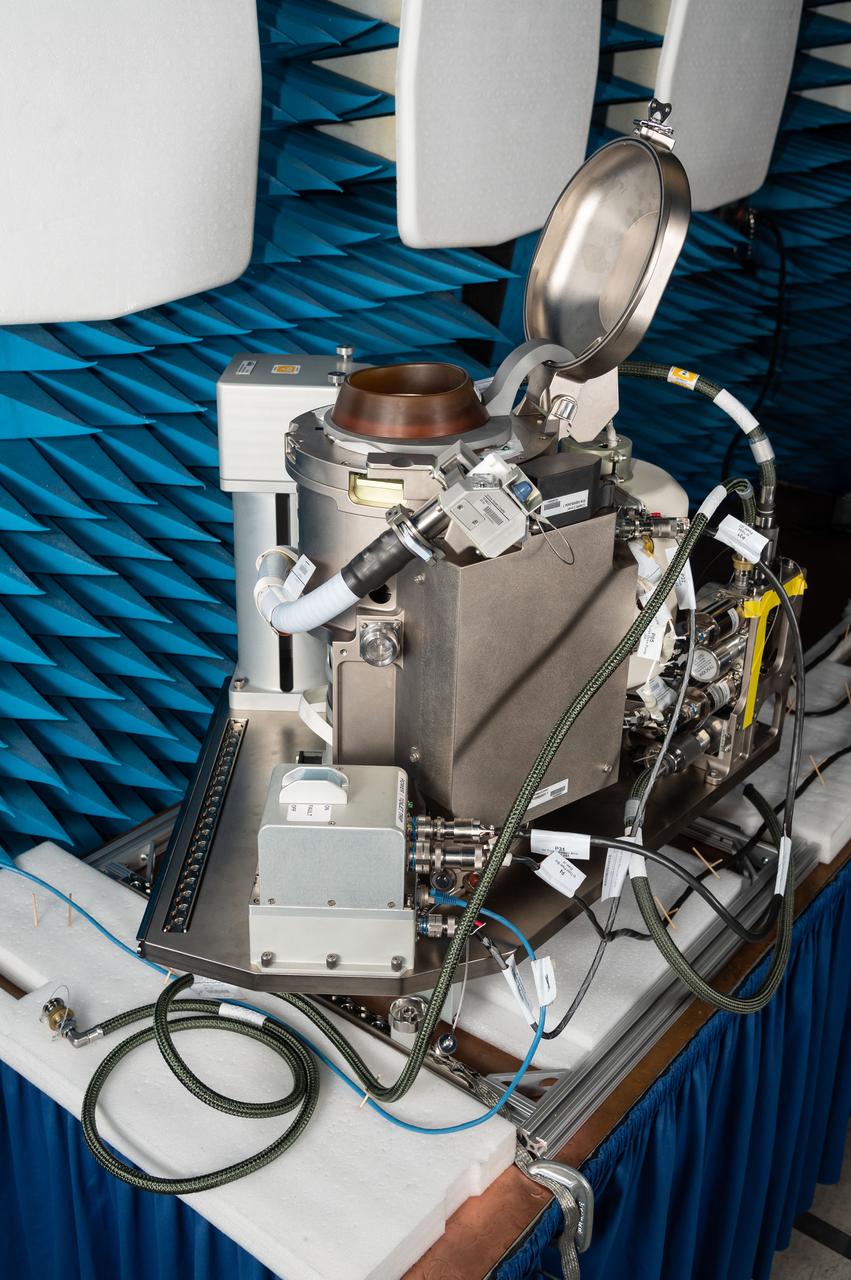
jsc2019e070459 (12/13/2019) --- A preflight view taken of the ISS Universal Waste Management System, Unit 1 during EMI/EMC Testing. This technology provides additional waste disposal points to the International Space Station (ISS) and aids in planning for future exploration missions including Deep Space Gateway (DSG). A smaller, more comfortable and more reliable waste-disposal method allows the crew to focus on other activities and enables further exploration in space.
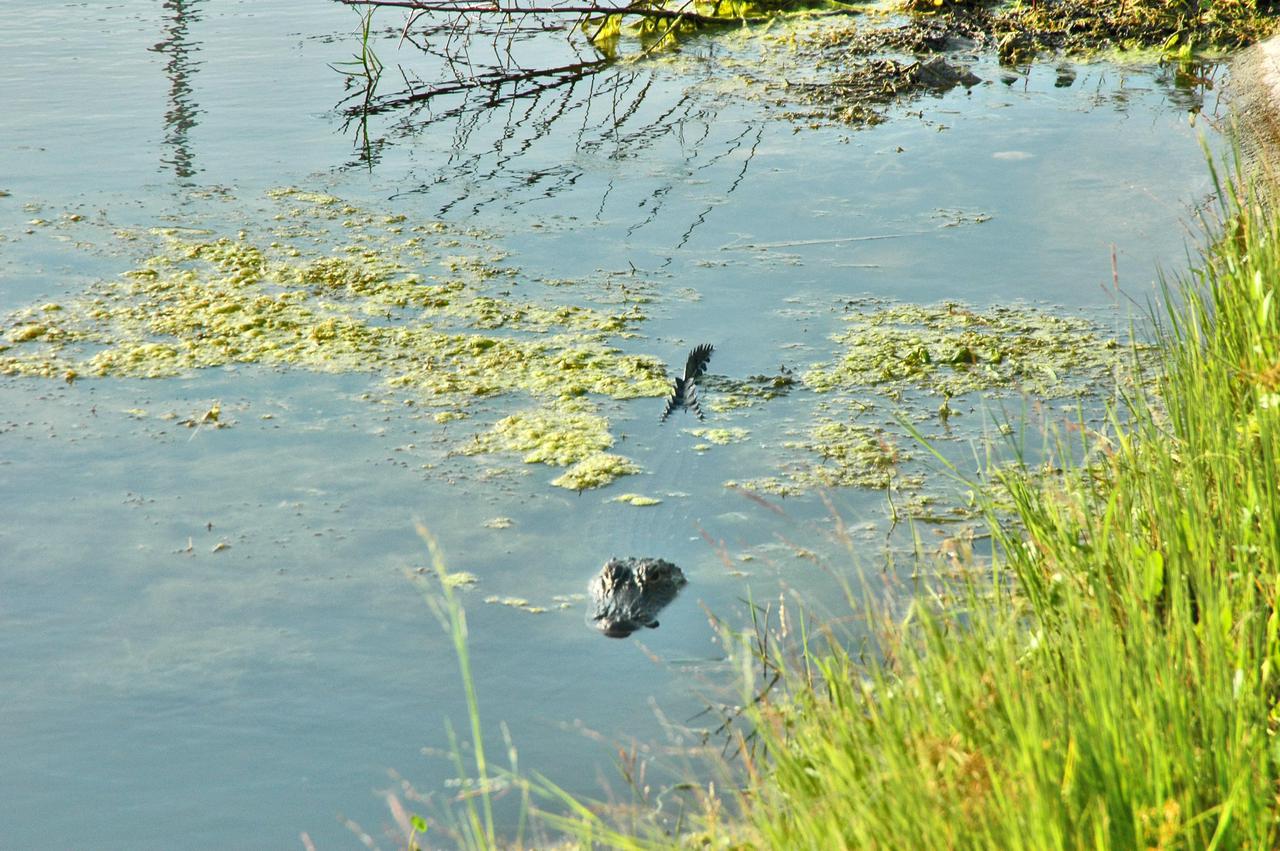
KENNEDY SPACE CENTER, FLA. - In a pond near Launch Pad 39B, an alligator lurks near the tall grass. Nearby is Space Shuttle Discovery, in full launch configuration after rollback of the Rotating Service Structure (RSS). Rollback of the RSS is a major preflight milestone, typically occurring during the T-11-hour hold on L-1 (the day before launch). Discovery is scheduled to lift off on the historic Return to Flight mission STS-114 at 10:39 a.m. EDT July 26 with a crew of seven.
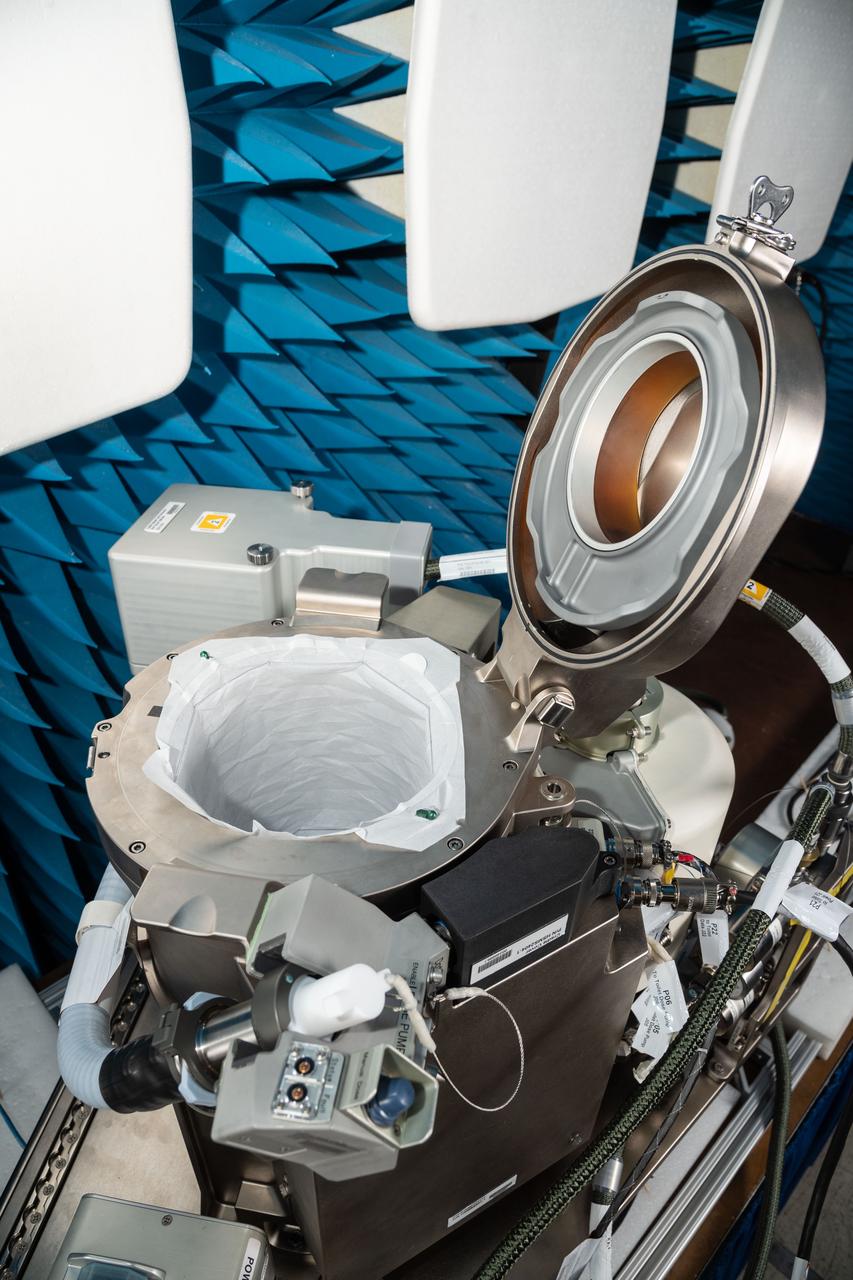
jsc2019e070461 (12/13/2019) --- A preflight view taken of the ISS Universal Waste Management System, Unit 1 during EMI/EMC Testing. This technology provides additional waste disposal points to the International Space Station (ISS) and aids in planning for future exploration missions including Deep Space Gateway (DSG). A smaller, more comfortable and more reliable waste-disposal method allows the crew to focus on other activities and enables further exploration in space.
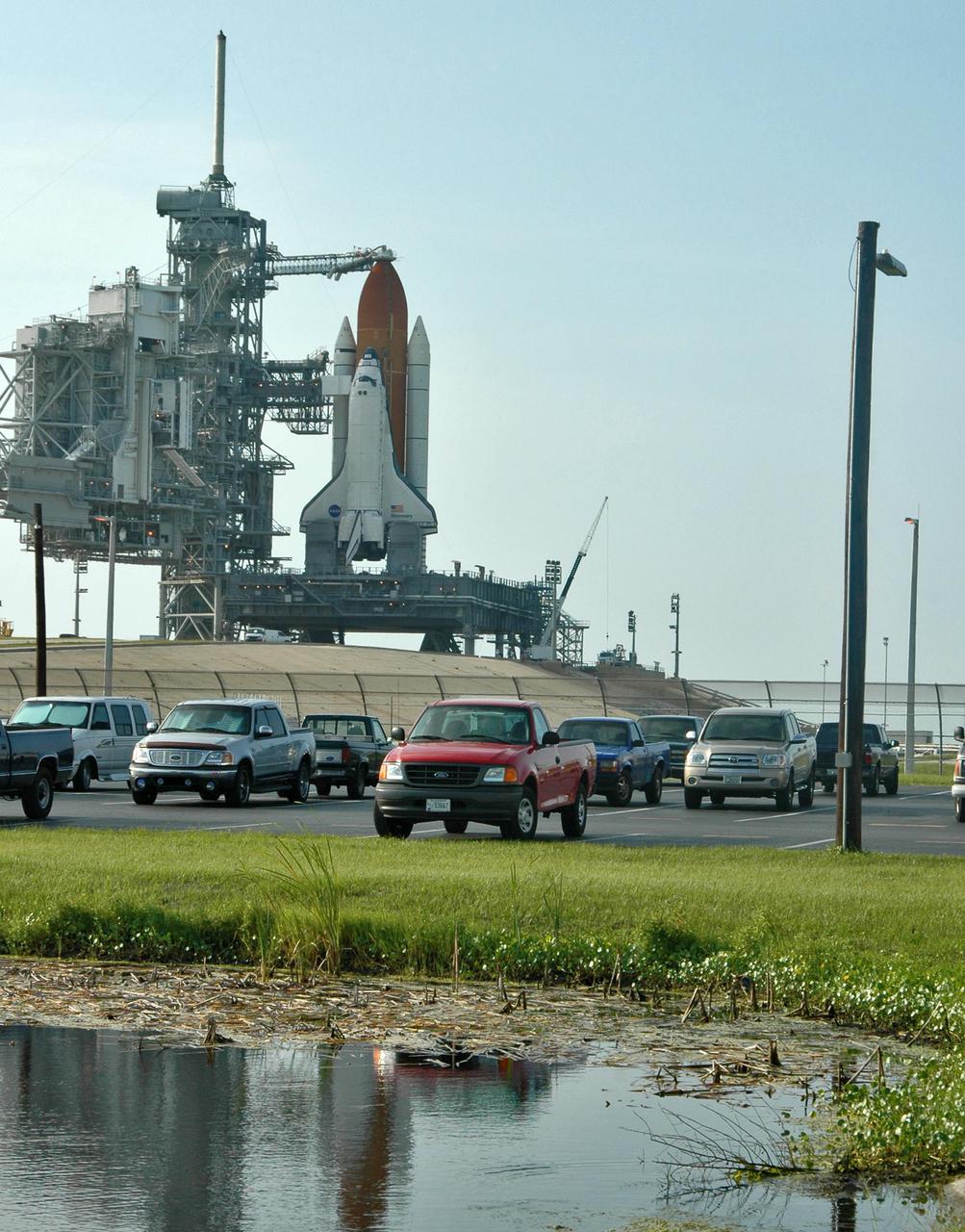
KENNEDY SPACE CENTER, FLA. - Space Shuttle Discovery in full launch configuration is revealed after the Rotating Service Structure (RSS) was rotated back at Launch Pad 39B at NASA Kennedy Space Center. Rollback of the RSS is a major preflight milestone, typically occurring during the T-11-hour hold on L-1 (the day before launch). Discovery is scheduled to lift off on the historic Return to Flight mission STS-114 at 10:39 a.m. EDT July 26 with a crew of seven.
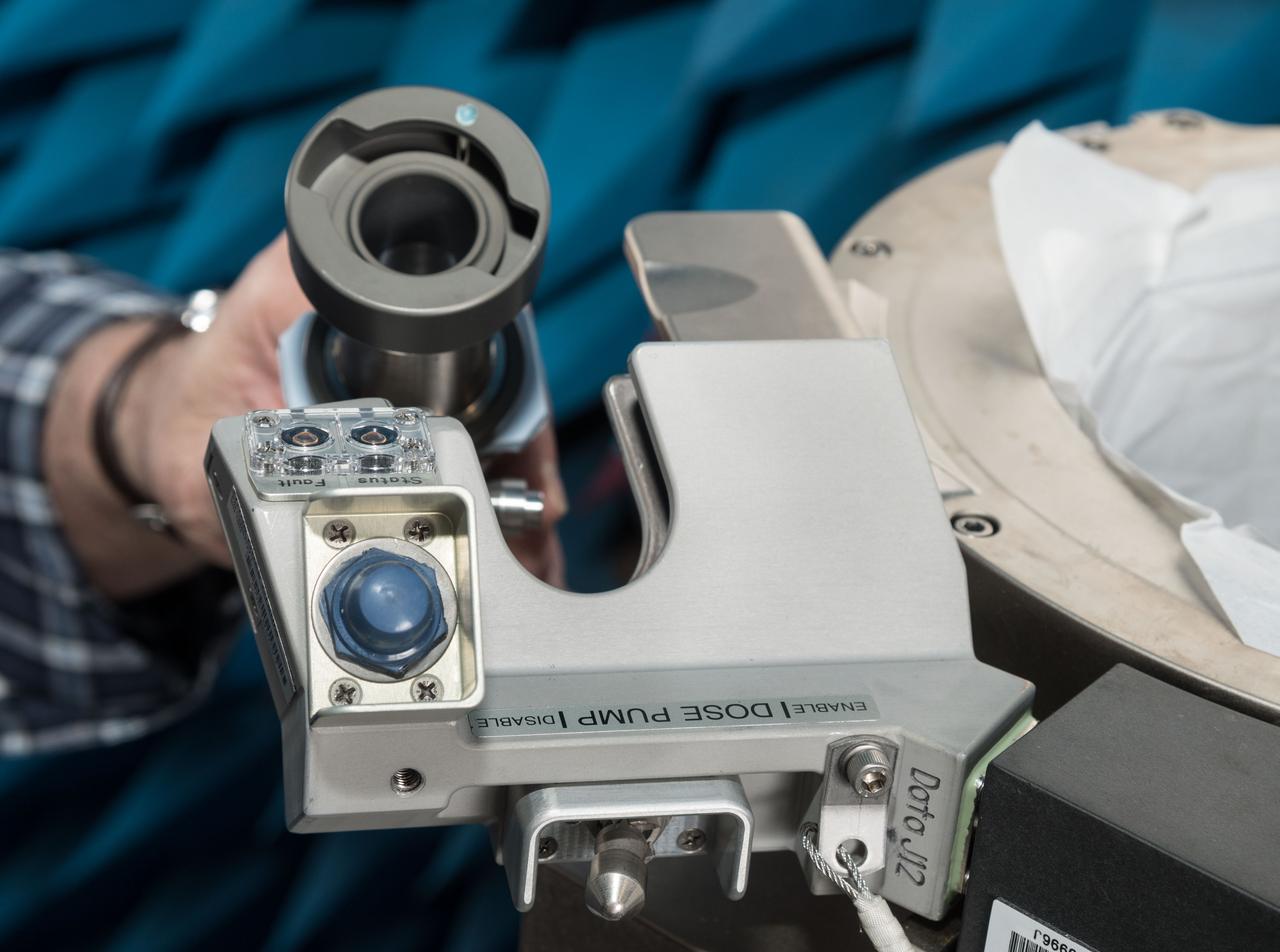
jsc2019e070463 (12/13/2019) --- A preflight view taken of the ISS Universal Waste Management System, Unit 1 during EMI/EMC Testing. This technology provides additional waste disposal points to the International Space Station (ISS) and aids in planning for future exploration missions including Deep Space Gateway (DSG). A smaller, more comfortable and more reliable waste-disposal method allows the crew to focus on other activities and enables further exploration in space.
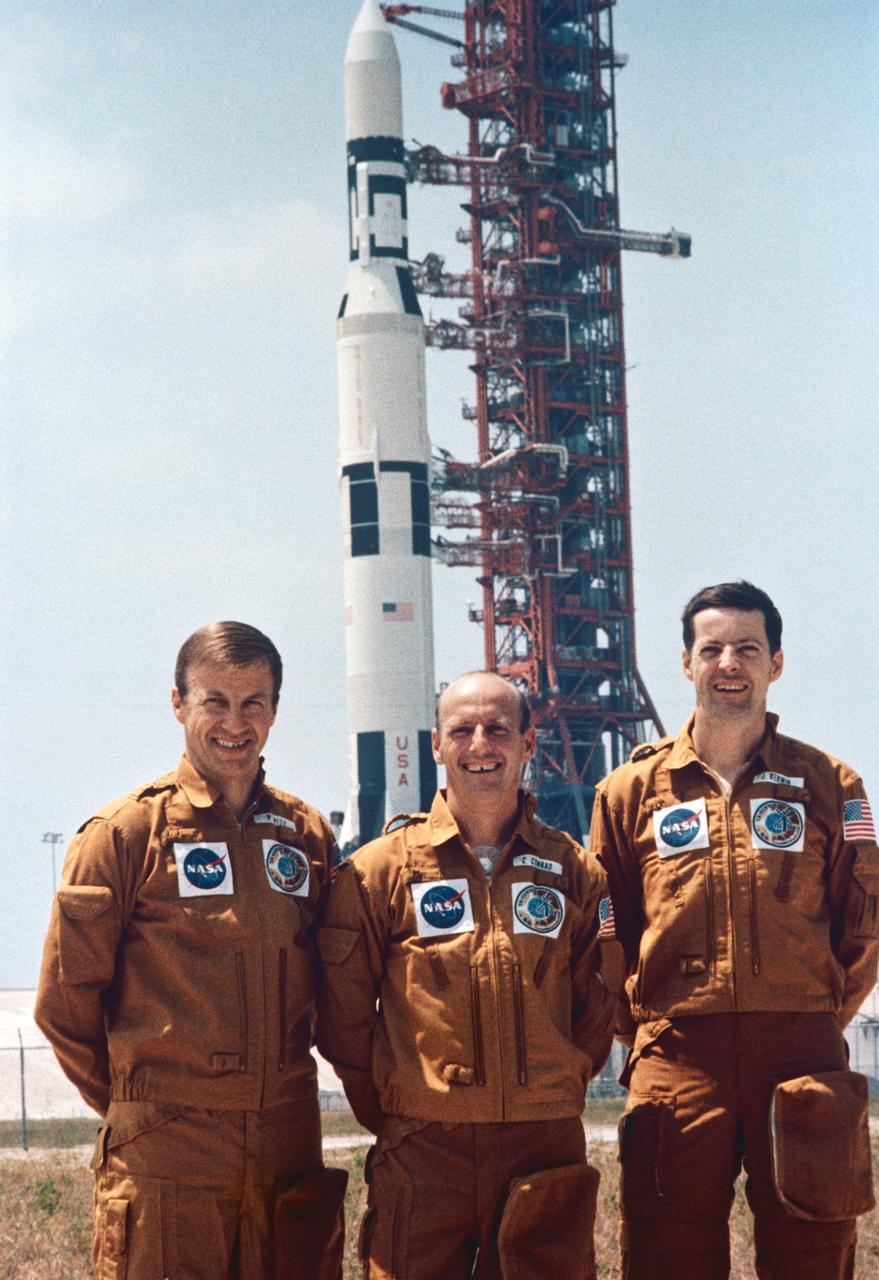
S73-25902 (4 May 1973) --- The three prime crew members of the first manned Skylab mission (Skylab 2) are photographed at Launch Complex 39, Kennedy Space Center, during preflight activity. They are, left to right, astronaut Paul J. Weitz, pilot; astronaut Charles Conrad Jr., commander; and scientist-astronaut Joseph P. Kerwin, science pilot. In the background is the Skylab 1/Saturn V space vehicle with its Skylab space station payload on Pad A. Photo credit: NASA
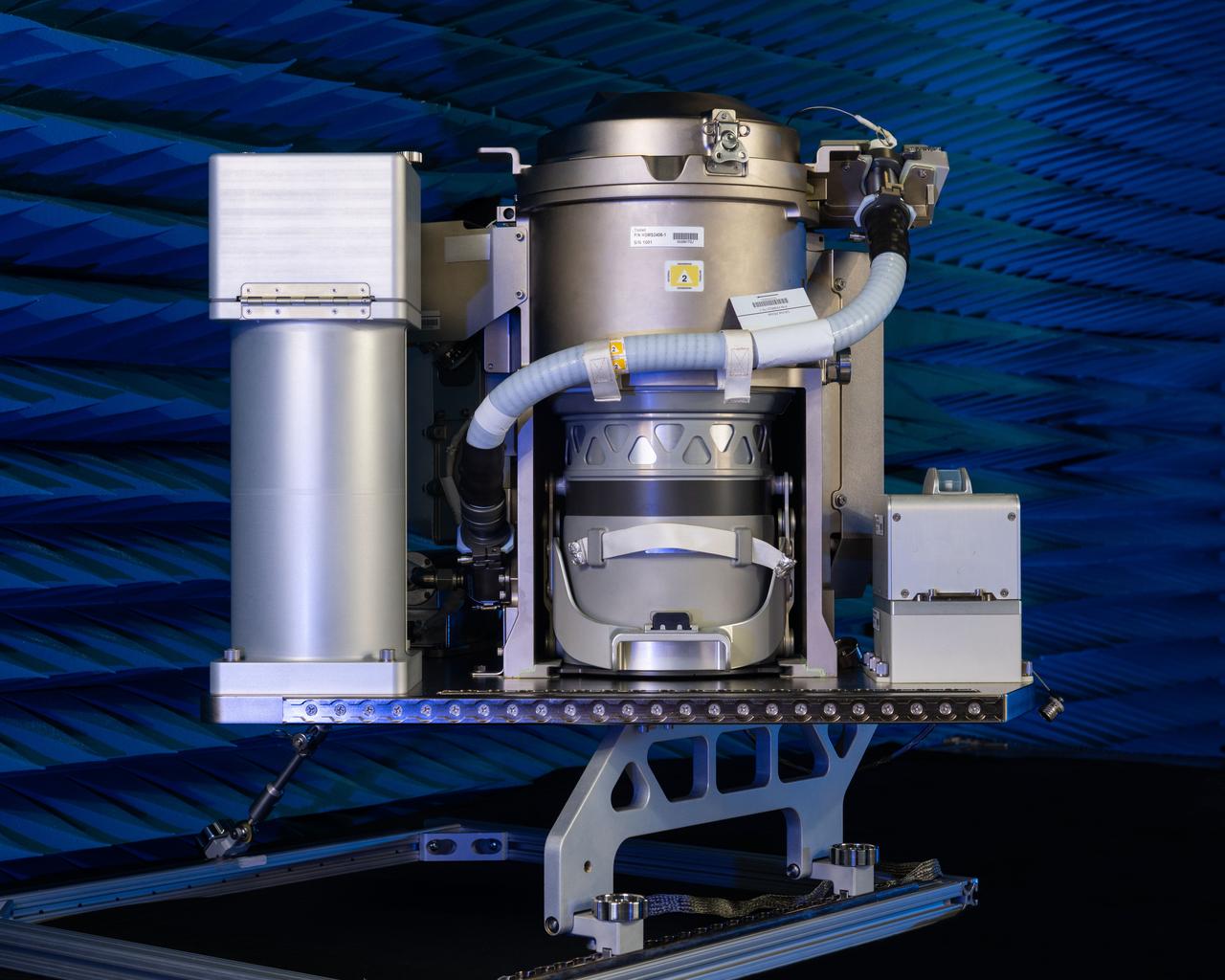
jsc2019e070684_alt (12/16/2019) --- A preflight view taken of the ISS Universal Waste Management System, Unit 1 during EMI/EMC Testing. This technology provides additional waste disposal points to the International Space Station (ISS) and aids in planning for future exploration missions including Deep Space Gateway (DSG). A smaller, more comfortable and more reliable waste-disposal method allows the crew to focus on other activities and enables further exploration in space.
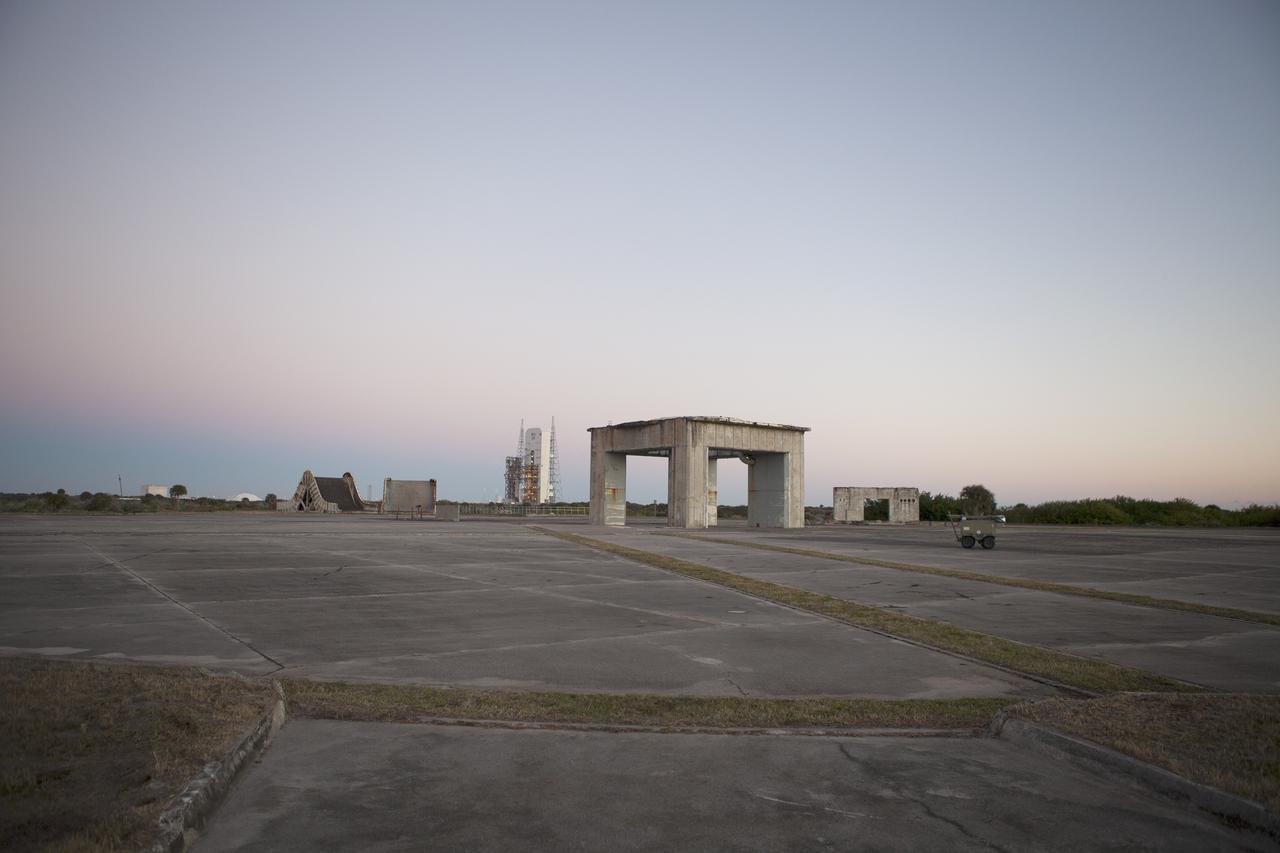
CAPE CANAVERAL, Fla. – The past intersects with the future on Cape Canaveral Air Force Station in Florida. In the foreground is what remains of historic Launch Pad 34 in the distance behind it is Space Launch Complex 37 whence NASA's Orion spacecraft made its first flight test. On this day in 1967, a fire erupted on the Pad 34 during a preflight test, taking the lives of the Apollo 1 crew, NASA astronauts Virgil Grissom, Edward White and Roger Chaffee. To learn more about Apollo 1 and the crew, visit http://www.nasa.gov/mission_pages/apollo/missions/apollo1.html. To learn more about Orion, visit http://www.nasa.gov/exploration/systems/orion/. Photo credit: NASA/Ben Smegelsky
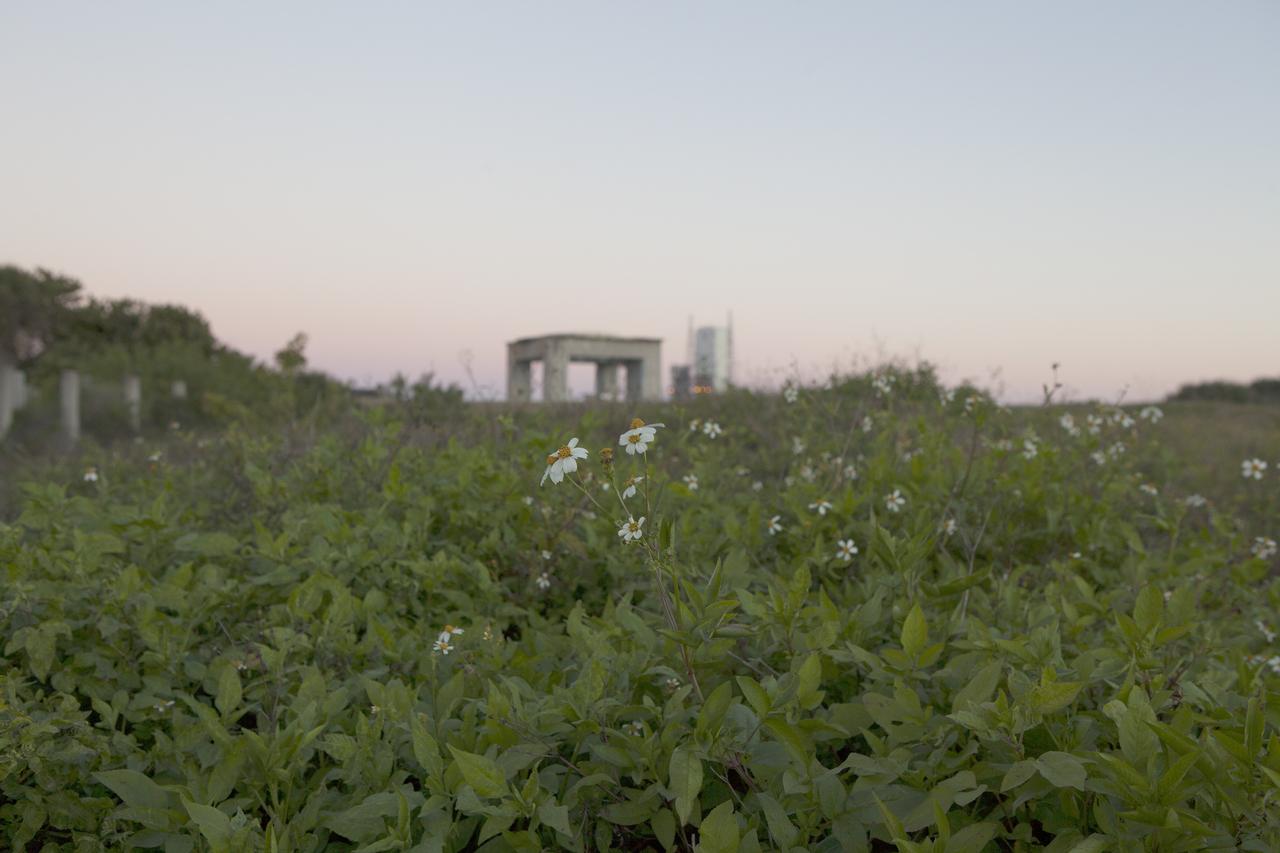
CAPE CANAVERAL, Fla. – The past intersects with the future on Cape Canaveral Air Force Station in Florida. In the foreground is what remains of historic Launch Pad 34 in the distance behind it is Space Launch Complex 37 whence NASA's Orion spacecraft made its first flight test. On this day in 1967, a fire erupted on the Pad 34 during a preflight test, taking the lives of the Apollo 1 crew, NASA astronauts Virgil Grissom, Edward White and Roger Chaffee. To learn more about Apollo 1 and the crew, visit http://www.nasa.gov/mission_pages/apollo/missions/apollo1.html. To learn more about Orion, visit http://www.nasa.gov/exploration/systems/orion/. Photo credit: NASA/Ben Smegelsky
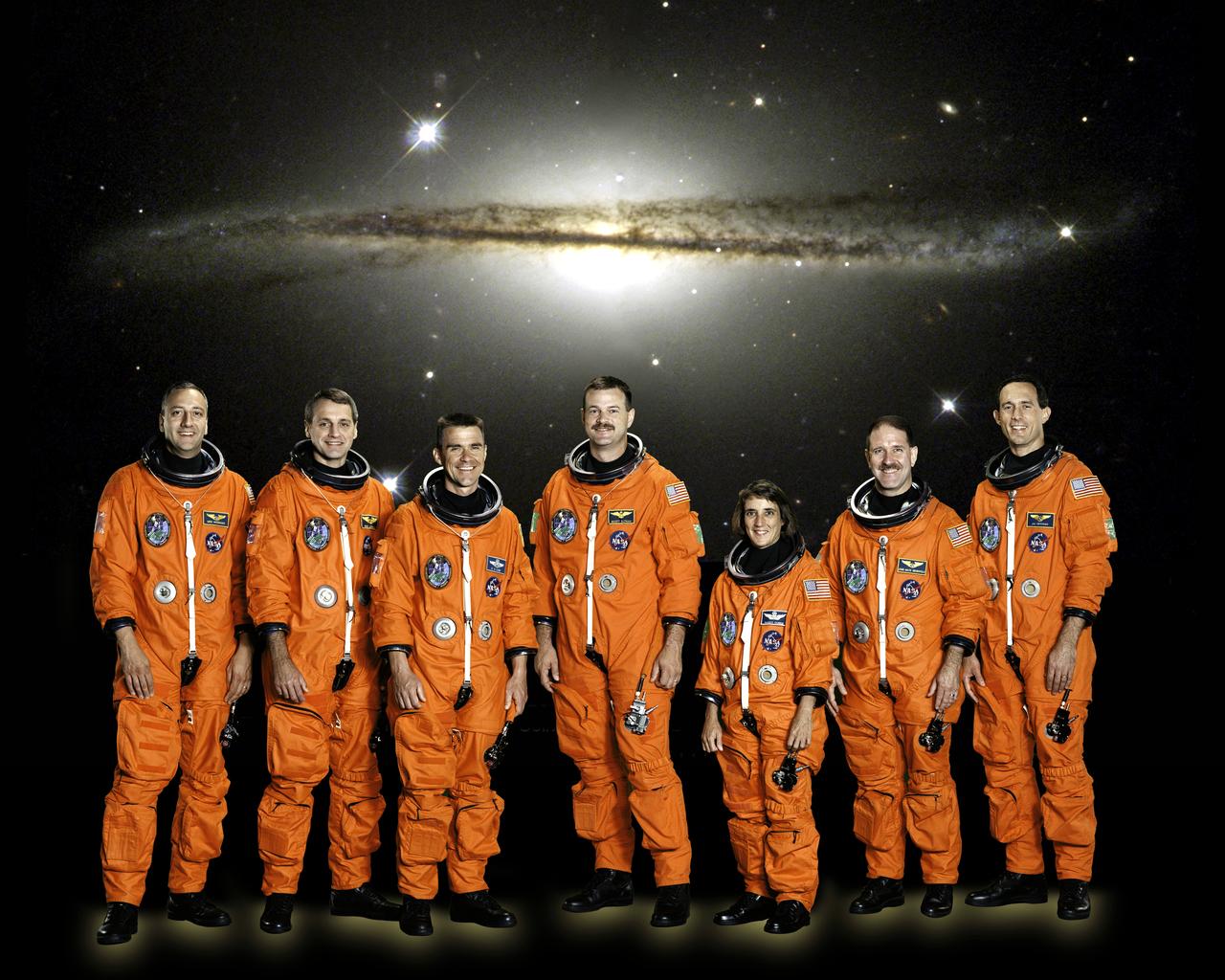
Posing for the traditional preflight crew portrait, the seven astronauts of the STS-109 mission are (left to right) astronauts Michael J. Massimino, Richard M. Linnehan, Duane G. Carey, Scott D. Altman, Nancy J. Currie, John M. Grunsfeld and James H. Newman. Altman and Carey were commander and pilot, respectively, with the others serving as mission specialists. Grunsfeld was payload commander. Launched aboard the Space Shuttle Columbia on March 1, 2002, the group was the fourth visit to the the Hubble Space Telescope (HST) for performing upgrade and servicing on the giant orbital observatory.
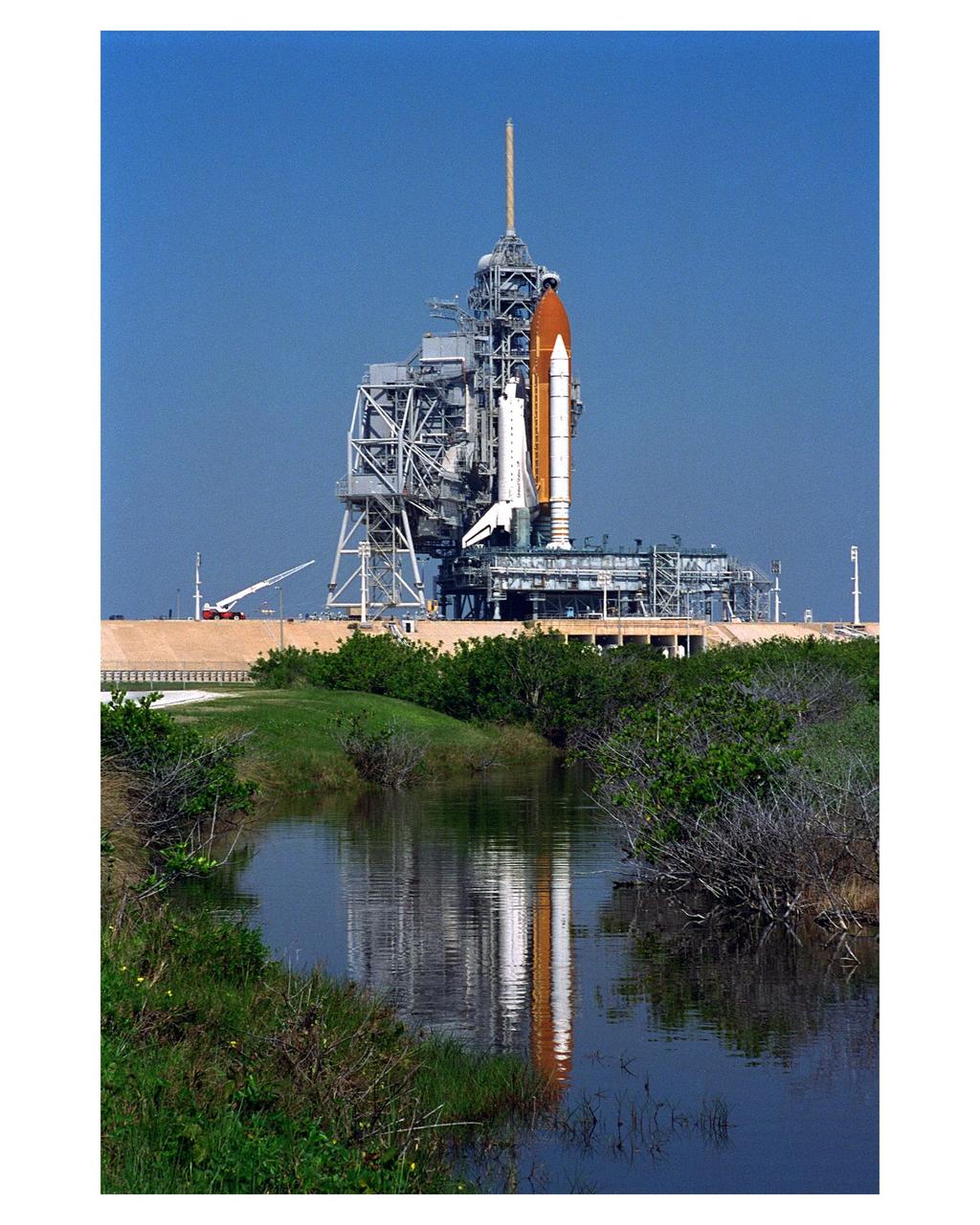
The Space Shuttle Atlantis in full launch configuration is reflected in water around Launch Pad 39A as the Rotating Service Structure (RSS) is rotated back to the park position. Rollback of the RSS is a major preflight milestone, typically occurring during the T-11-hour hold on L-1 (the day before launch). Atlantis and its crew of seven are in final preparations for liftoff on Mission STS-84, the sixth of nine planned dockings of the Space Shuttle with the Russian Space Station Mir. Launch is scheduled at about 4:08 a.m. during an approximately 7-minute launch window. The exact liftoff time will be determined about 90 minutes prior to launch, based on the most current location of Mir
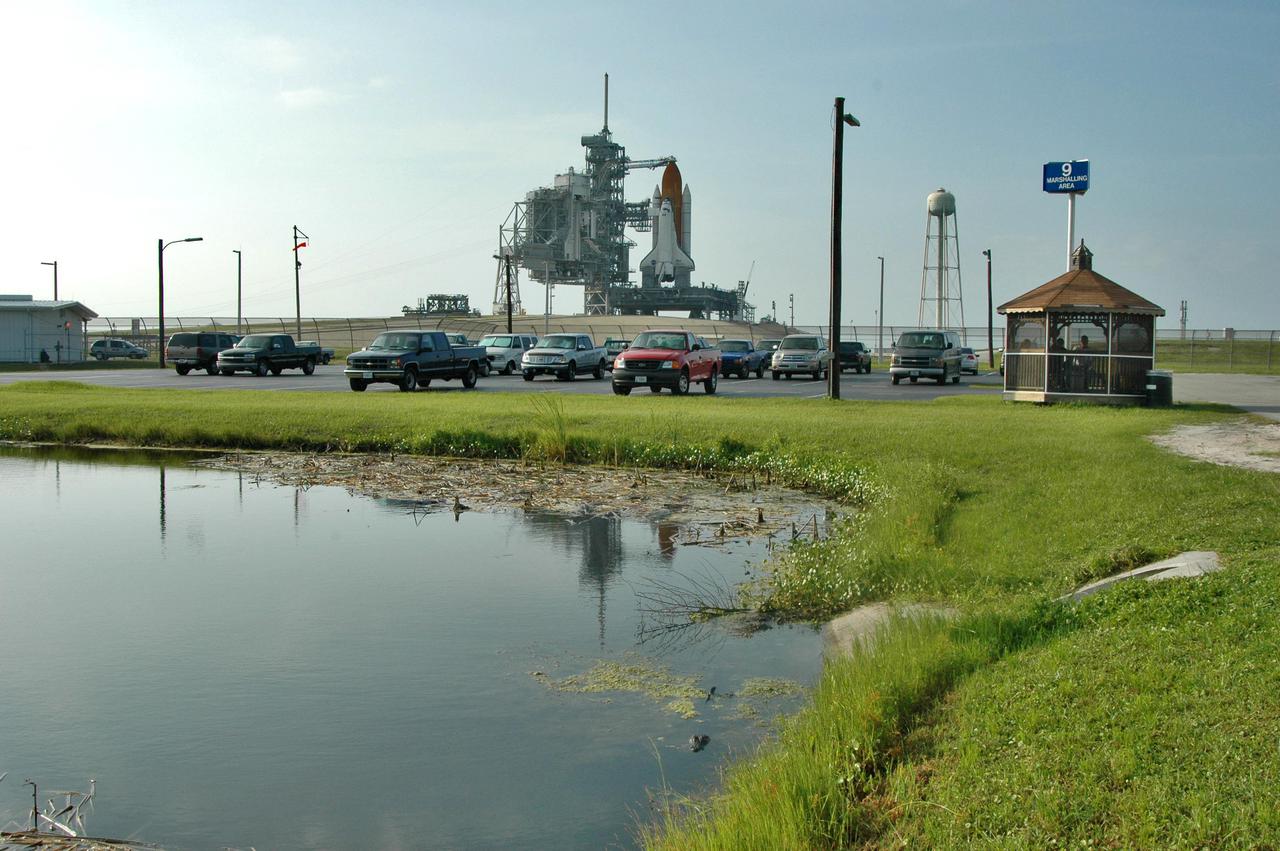
KENNEDY SPACE CENTER, FLA. - In a pond near Launch Pad 39B, an alligator lurks near the tall grass on the lower right side. In the background is Space Shuttle Discovery, in full launch configuration after rollback of the Rotating Service Structure (RSS). Rollback of the RSS is a major preflight milestone, typically occurring during the T-11-hour hold on L-1 (the day before launch). Discovery is scheduled to lift off on the historic Return to Flight mission STS-114 at 10:39 a.m. EDT July 26 with a crew of seven.
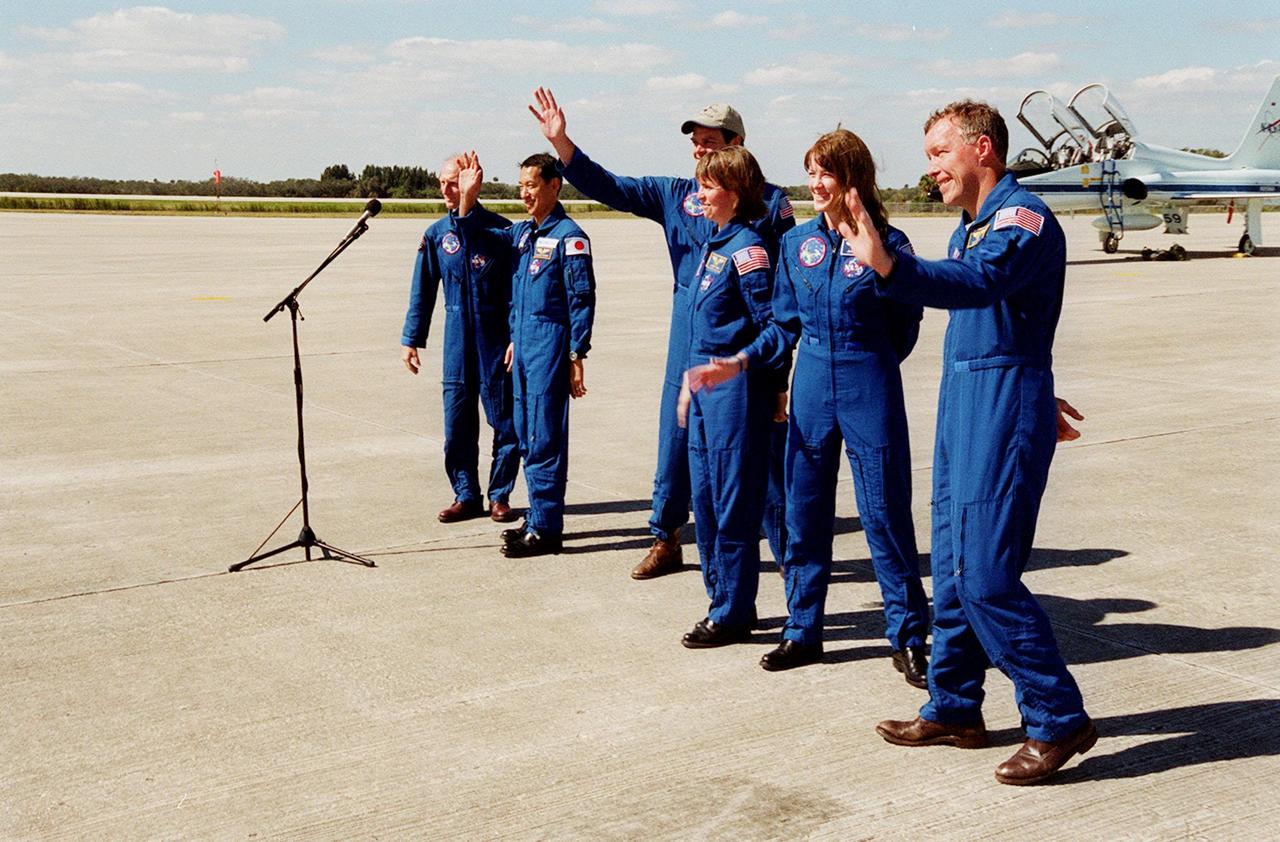
After addressing the media at the Shuttle Landing Facility, the STS-99 crew wave goodbye as they leave for crew quarters in the Operations and Checkout Building. The crew is ready to prepare for the second launch attempt of Endeavour Feb. 11 at 12:30 p.m. EST from Launch Pad 39A. The earlier launch scheduled for Jan. 31 was scrubbed due to poor weather and a faulty Enhanced Master Events Controller in the orbiter's aft compartment. Over the next few days, the crew will review mission procedures, conduct test flights in the Shuttle Training Aircraft and undergo routine preflight medical exams. STS-99 is the Shuttle Radar Topography Mission, which will produce unrivaled 3-D images of the Earth's surface. The result of the Shuttle Radar Topography Mission could be close to 1 trillion measurements of the Earth's topography. Landing is expected at KSC on Feb. 22 at 4:36 p.m. EST
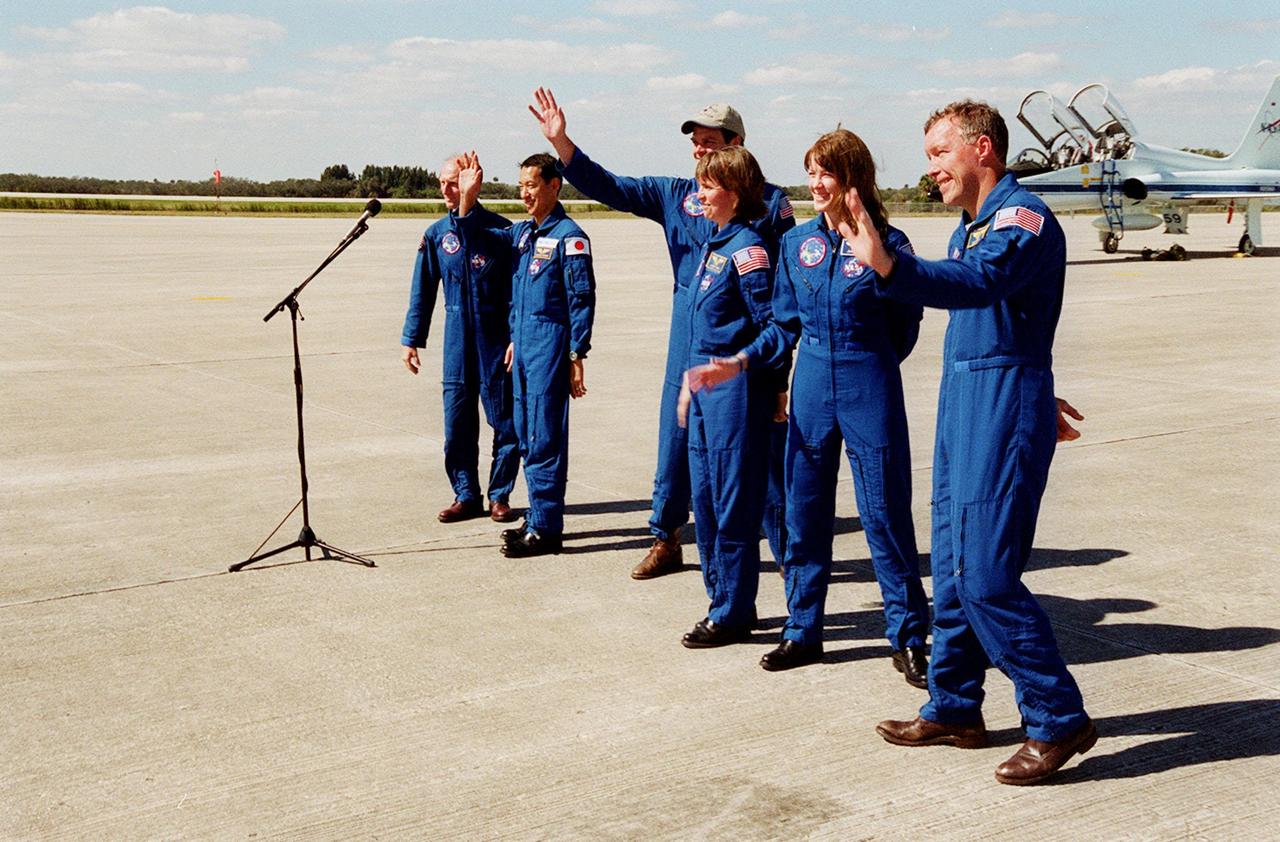
After addressing the media at the Shuttle Landing Facility, the STS-99 crew wave goodbye as they leave for crew quarters in the Operations and Checkout Building. The crew is ready to prepare for the second launch attempt of Endeavour Feb. 11 at 12:30 p.m. EST from Launch Pad 39A. The earlier launch scheduled for Jan. 31 was scrubbed due to poor weather and a faulty Enhanced Master Events Controller in the orbiter's aft compartment. Over the next few days, the crew will review mission procedures, conduct test flights in the Shuttle Training Aircraft and undergo routine preflight medical exams. STS-99 is the Shuttle Radar Topography Mission, which will produce unrivaled 3-D images of the Earth's surface. The result of the Shuttle Radar Topography Mission could be close to 1 trillion measurements of the Earth's topography. Landing is expected at KSC on Feb. 22 at 4:36 p.m. EST
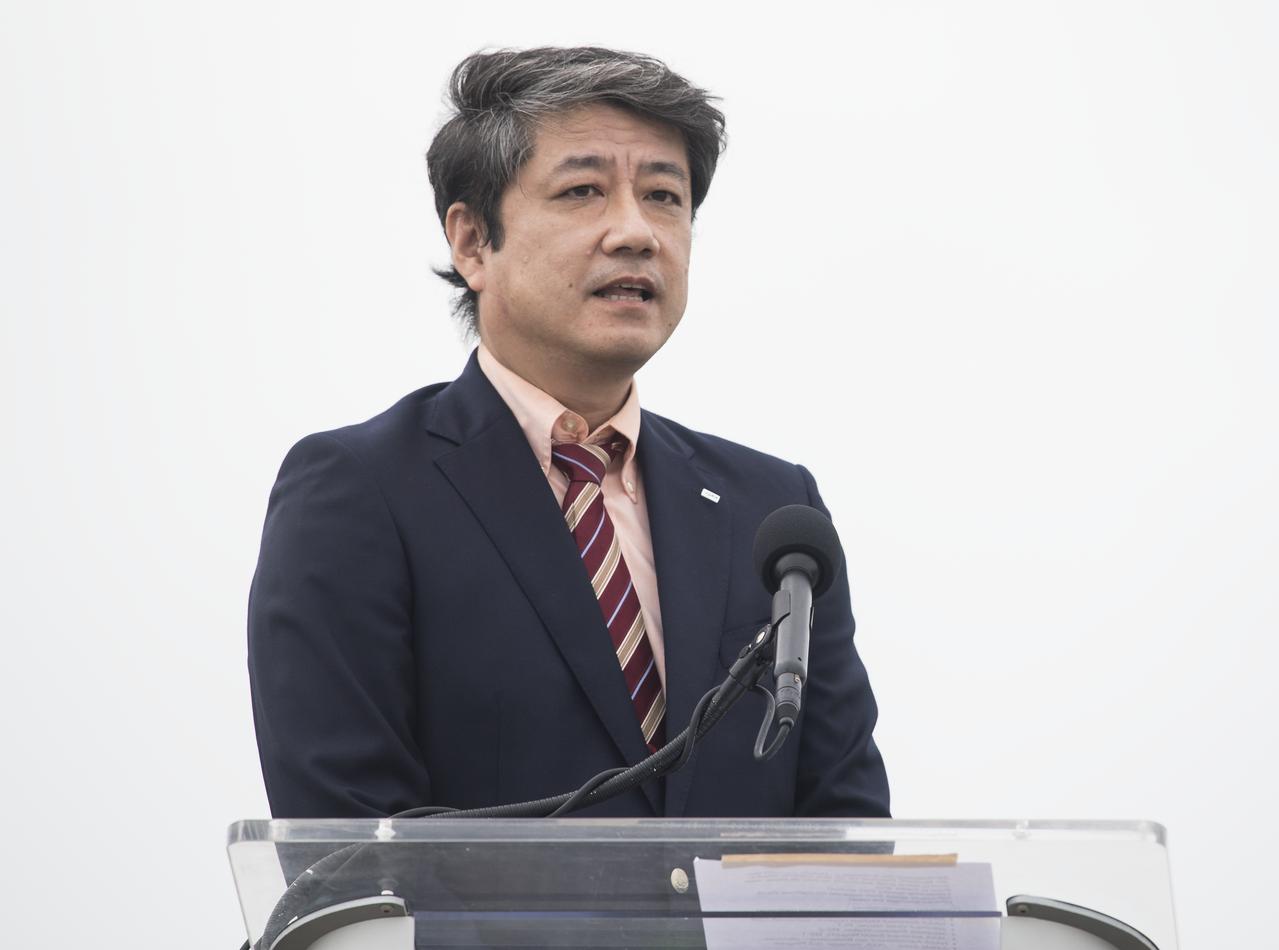
Junichi Sakai, manager of the International Space Station Program for the Japan Aerospace Exploration Agency (JAXA) speaks to members of the media following the arrival of NASA astronauts Mike Hopkins, Victor Glover, and Shannon Walker, and astronaut Soichi Noguchi of the Japan Aerospace Exploration Agency (JAXA) at the Launch and Landing Facility at NASA’s Kennedy Space Center ahead of SpaceX’s Crew-1 mission, Sunday, Nov. 8, 2020, in Florida. NASA’s SpaceX Crew-1 mission is the first operational mission of the SpaceX Crew Dragon spacecraft and Falcon 9 rocket to the International Space Station as part of the agency’s Commercial Crew Program. Hopkins, Glover, Walker, Noguchi are scheduled to launch at 7:49 p.m. EST on Saturday, Nov. 14, from Launch Complex 39A at the Kennedy Space Center. Photo Credit: (NASA/Joel Kowsky)
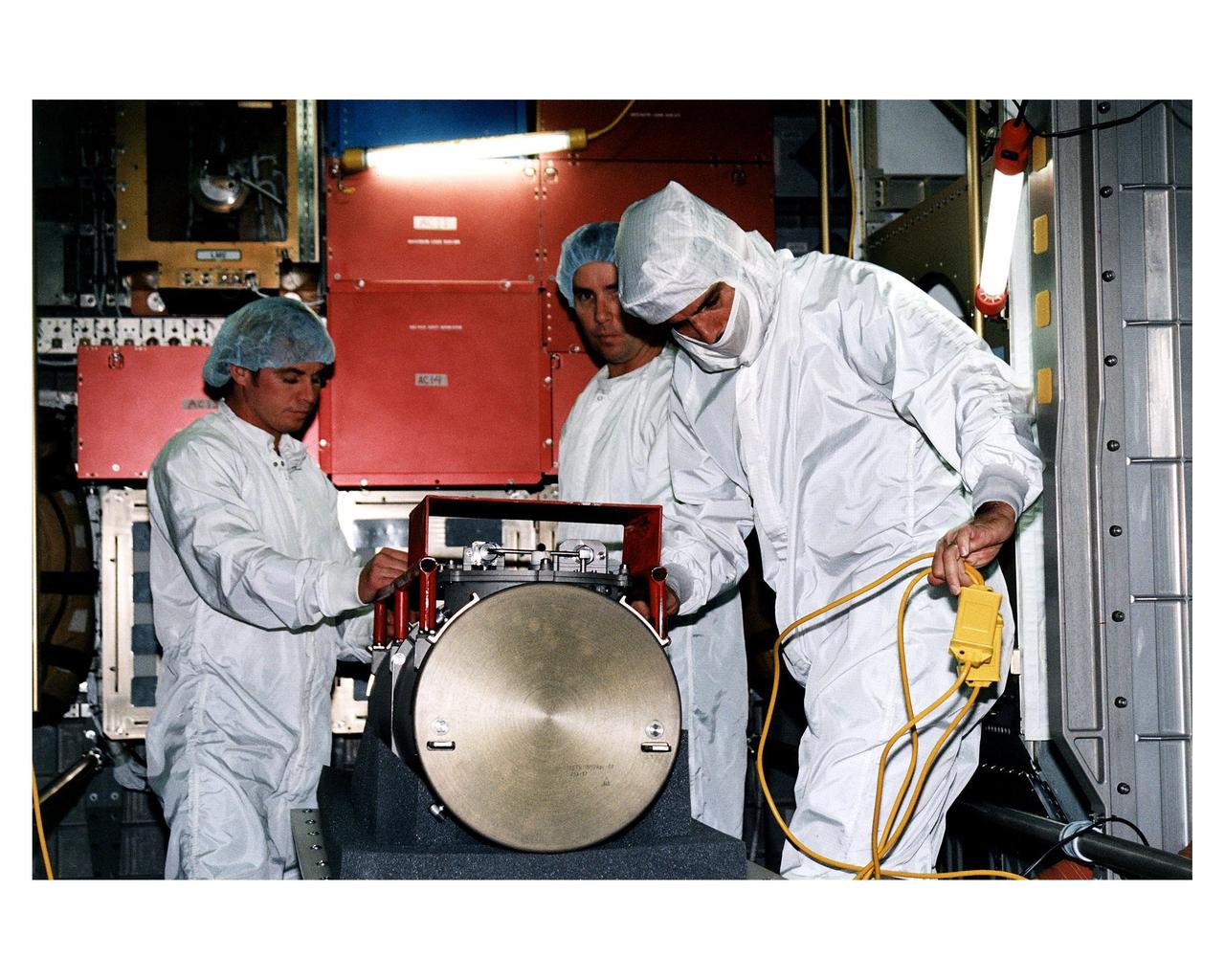
KENNEDY SPACE CENTER, FLA. -- McDonnell Douglas-SPACEHAB technicians prepare to place a Russian-made oxygen generator into position for transport in a SPACEHAB Double Module being processed for flight on Space Shuttle Mission STS-84. The module is undergoing preflight preparations in the SPACEHAB Payload Processing Facility just outside of Gate 1 on Cape Canaveral Air Station. The Space Shuttle Atlantis will carry the oxygen generator to the Russian Space Station Mir to replace one of two Mir units that have been malfunctioning recently. The nearly 300-pound generator functions by electrolysis, which separates water into its oxygen and hydrogen components. The hydrogen is vented and the oxygen is used for breathing by the Mir crew. The generator is 4.2 feet long with a diameter of 1.4 feet. STS-84, which is planned to include a Mir crew exchange of astronaut C. Michael Foale for Jerry M. Linenger, is targeted for a May 15 launch. It will be the sixth Shuttle-Mir docking
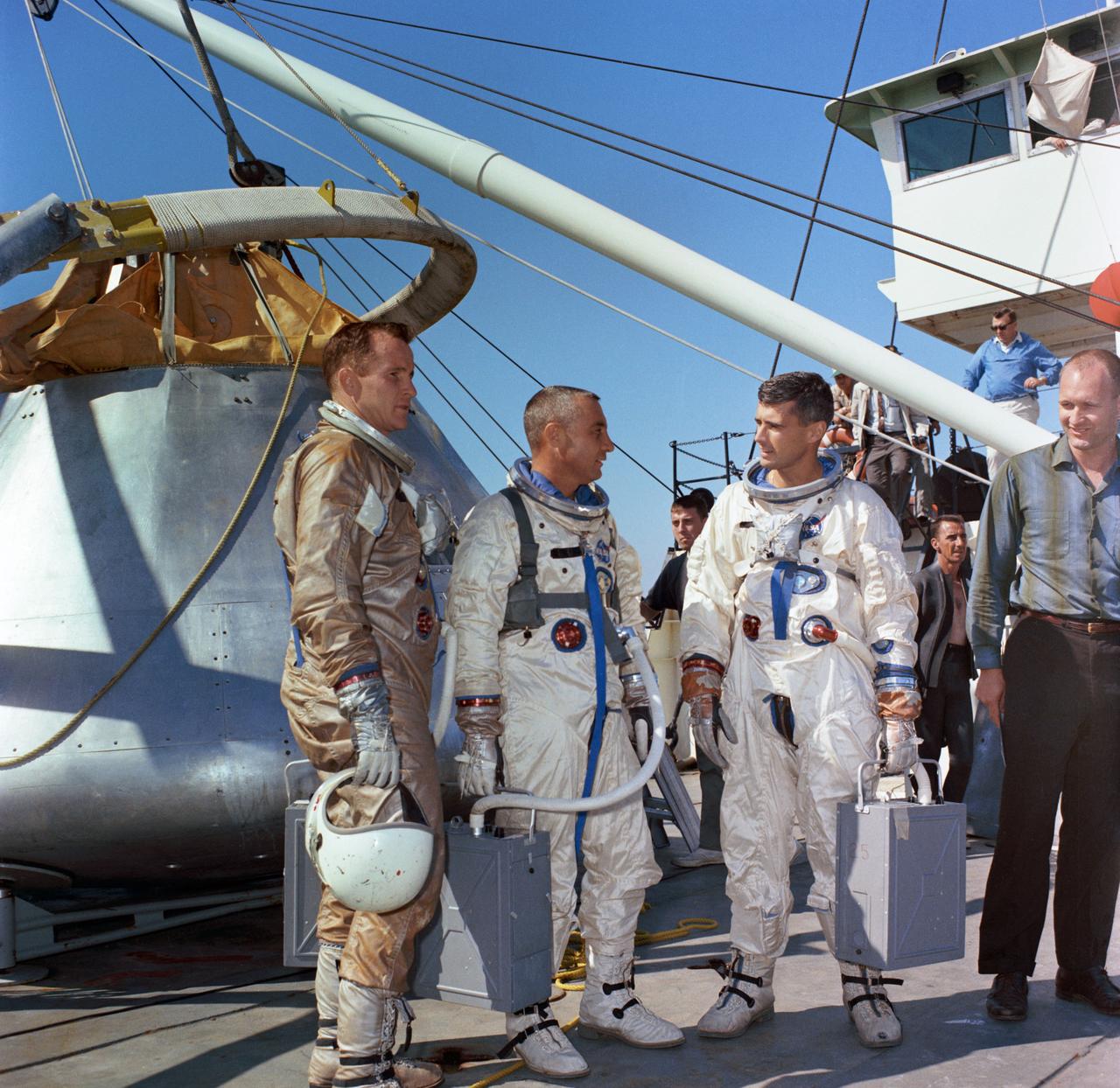
S66-58501 (27 Oct. 1966) --- The prime crew of the first manned Apollo Space Flight, Apollo/Saturn (AS) mission 204, is suited up aboard the NASA Motor Vessel Retriever (MVR) in preparation for Apollo water egress training in the Gulf of Mexico. Left to right, are astronauts Edward H. White II, senior pilot; Virgil I. Grissom, command pilot; and Roger B. Chaffee, pilot.
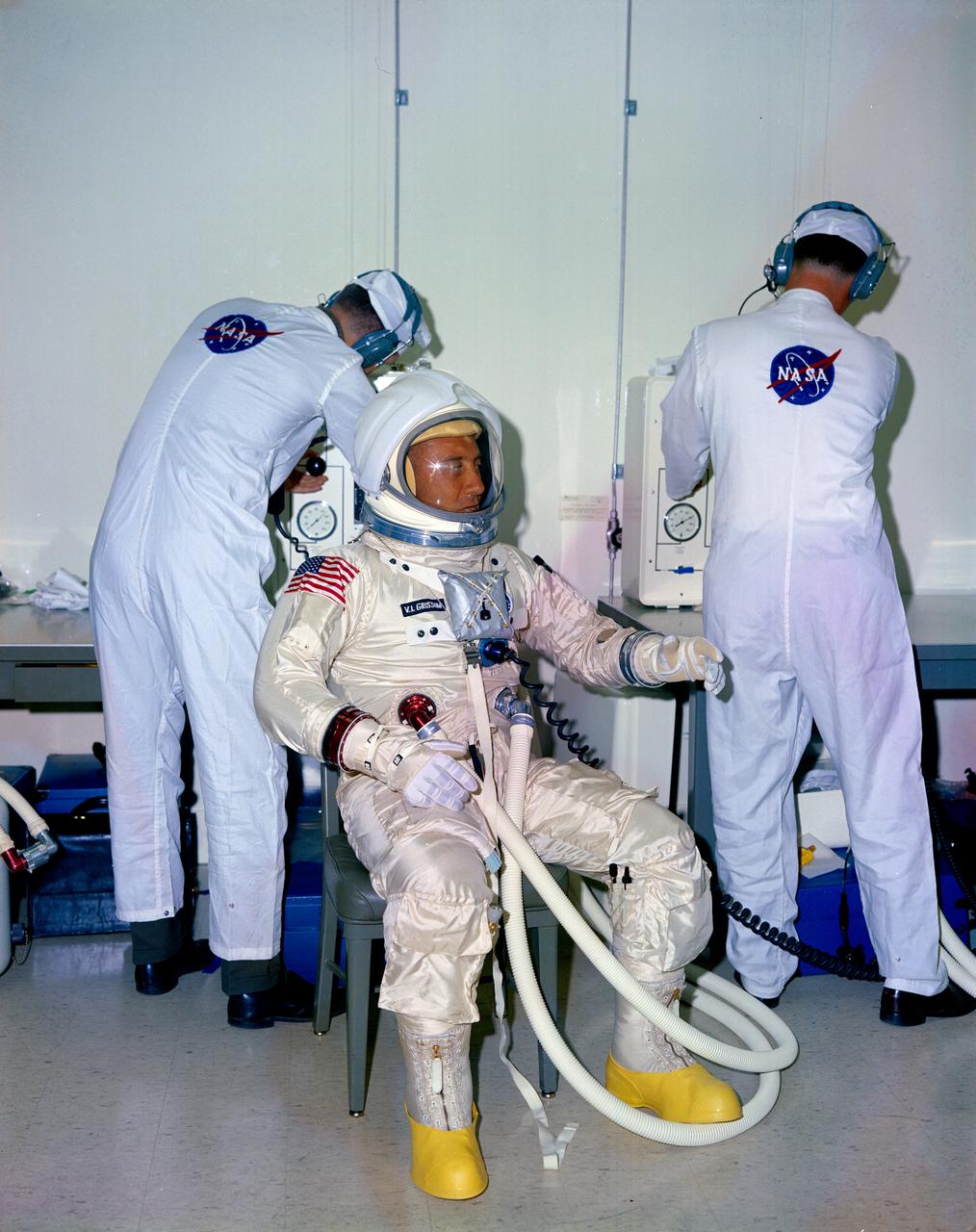
S66-58023 (1966) --- NASA suit technicians assist astronaut Virgil I. Grissom during suiting operations prior to tests at the Kennedy Space Center.
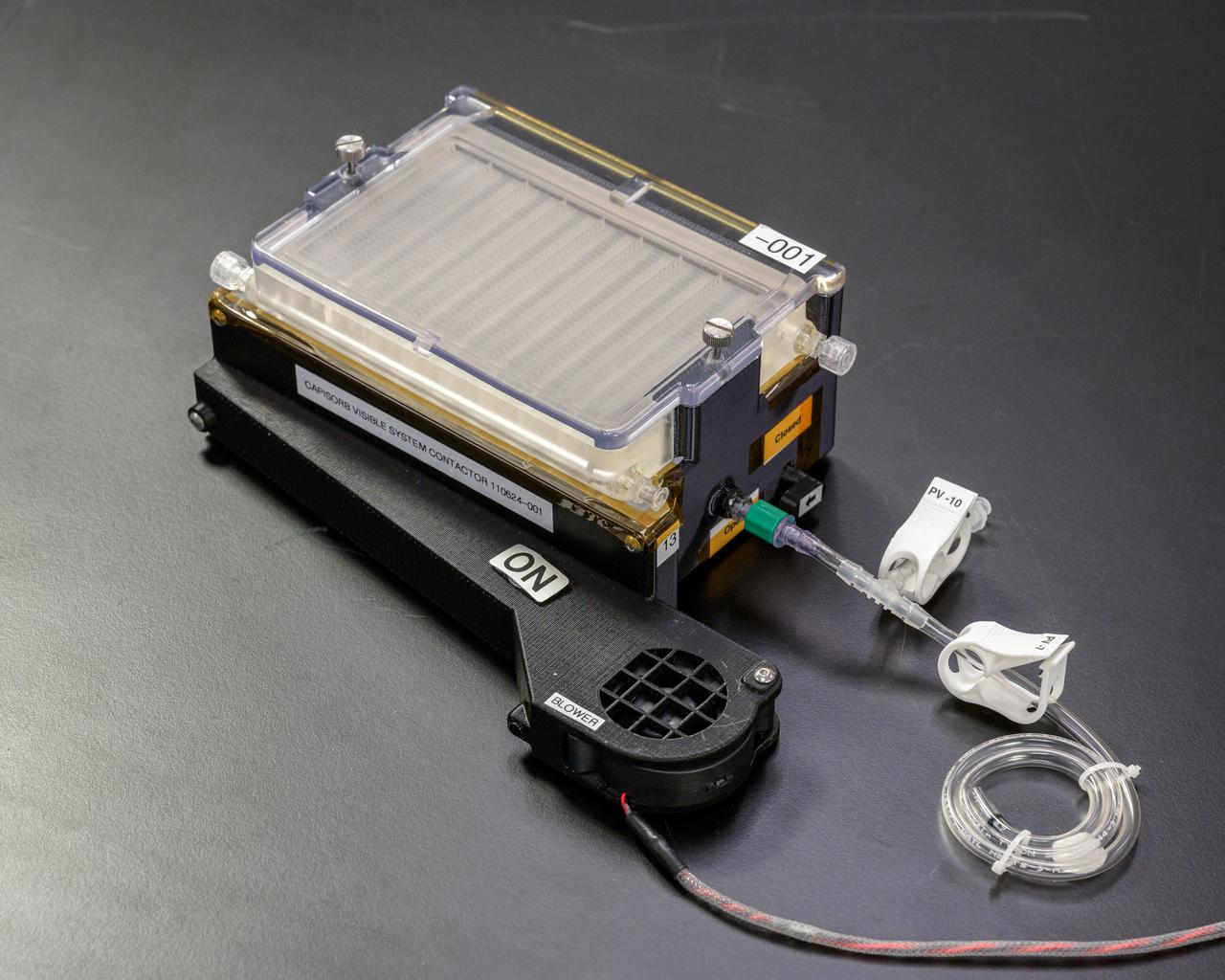
jsc2023e010168 (1/30/2023) --- CapiSorb Visible System flight unit contactor in N240 room 133B. The CapiSorb Visible System will be launched on SpaceX CRS-27 in March 2023 to the International Space Station to demonstrate a liquid sorbent-based system that leverages the advantages of liquid control through capillary action to remove carbon dioxide from crewed atmospheres...Capillary wedges in the CapiSorb Visible System Contactor, shown here preflight, control and passively transport viscous liquid in microgravity in order to demonstrate capabilities needed for future liquid carbon dioxide removal technologies. The CapiSorb Visible System investigation demonstrates a liquid control using capillary forces, over a range of properties that are characteristic of liquids which absorb carbon dioxide. Image courtesy of NASA's Ames Research Cente
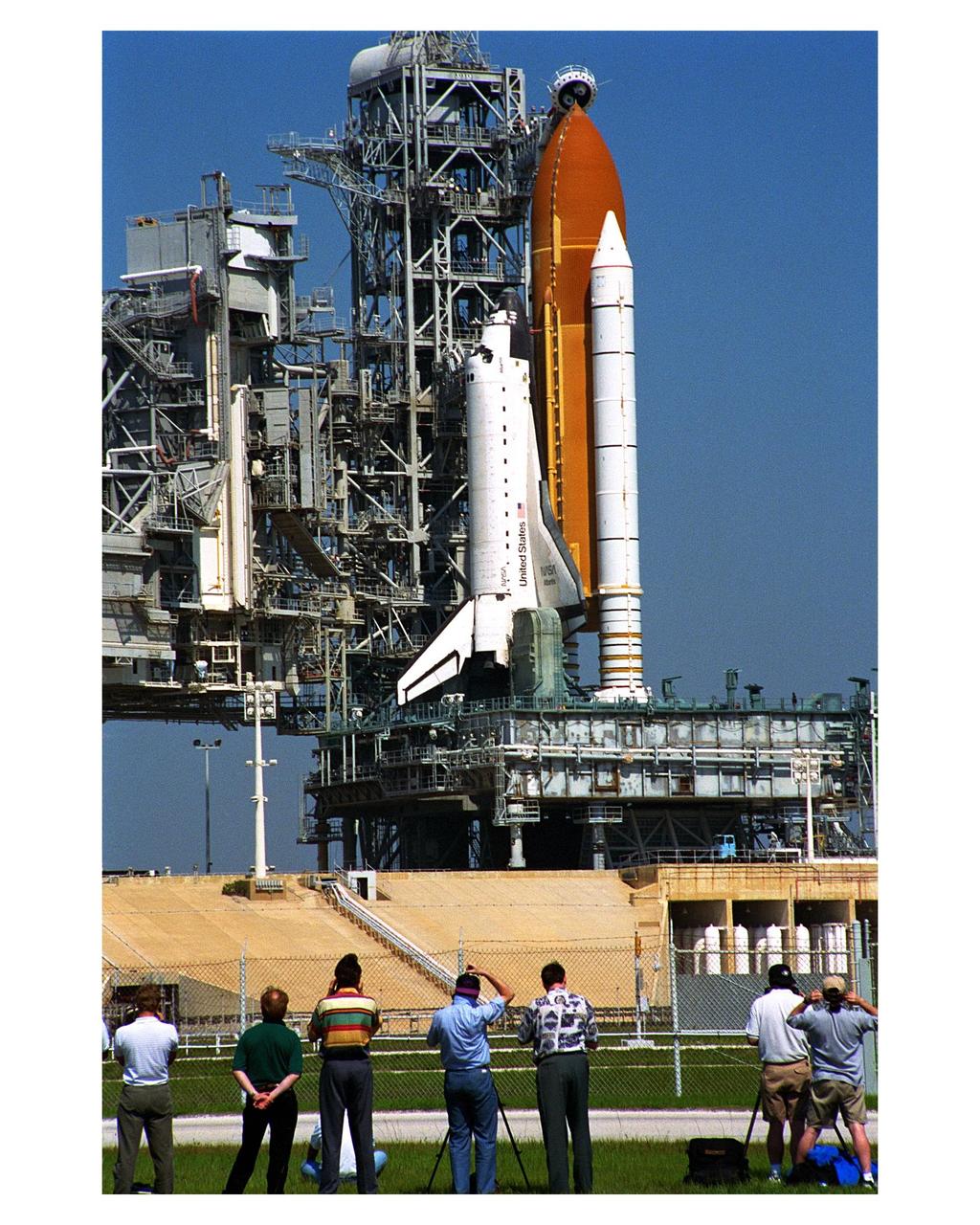
News media representatives watch and record as the Space Shuttle Atlantis in full launch configuration is revealed after the Rotating Service Structure (RSS) is rotated back at Launch Pad 39A. Rollback of the RSS is a major preflight milestone, typically occurring during the T-11-hour hold on L-1 (the day before launch). Atlantis and its crew of seven are in final preparations for liftoff on Mission STS-84, the sixth of nine planned dockings of the Space Shuttle with the Russian Space Station Mir. Launch is scheduled at about 4:08 a.m. during an approximately 7-minute launch window. The exact liftoff time will be determined about 90 minutes prior to launch, based on the most current location of Mir
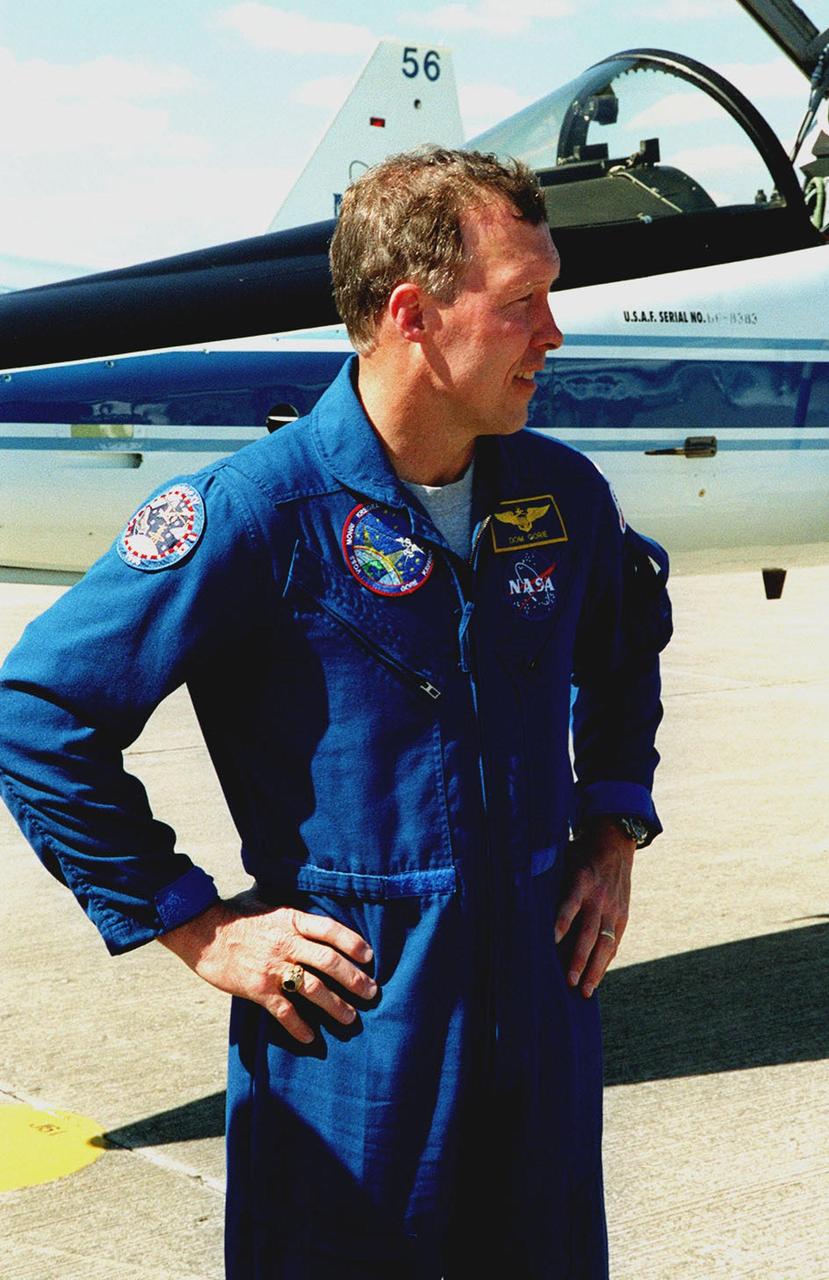
After landing at the Shuttle Landing Facility aboard a T-38 jet aircraft, STS-99 Pilot Dominic Gorie stands ready to prepare for the second launch attempt of Endeavour Feb. 11 at 12:30 p.m. EST from Launch Pad 39A. The earlier launch scheduled for Jan. 31 was scrubbed due to poor weather and a faulty Enhanced Master Events Controller in the orbiter's aft compartment. Over the next few days, the crew will review mission procedures, conduct test flights in the Shuttle Training Aircraft and undergo routine preflight medical exams. STS-99 is the Shuttle Radar Topography Mission, which will produce unrivaled 3-D images of the Earth's surface. The result of the Shuttle Radar Topography Mission could be close to 1 trillion measurements of the Earth's topography. Landing is expected at KSC on Feb. 22 at 4:36 p.m. EST
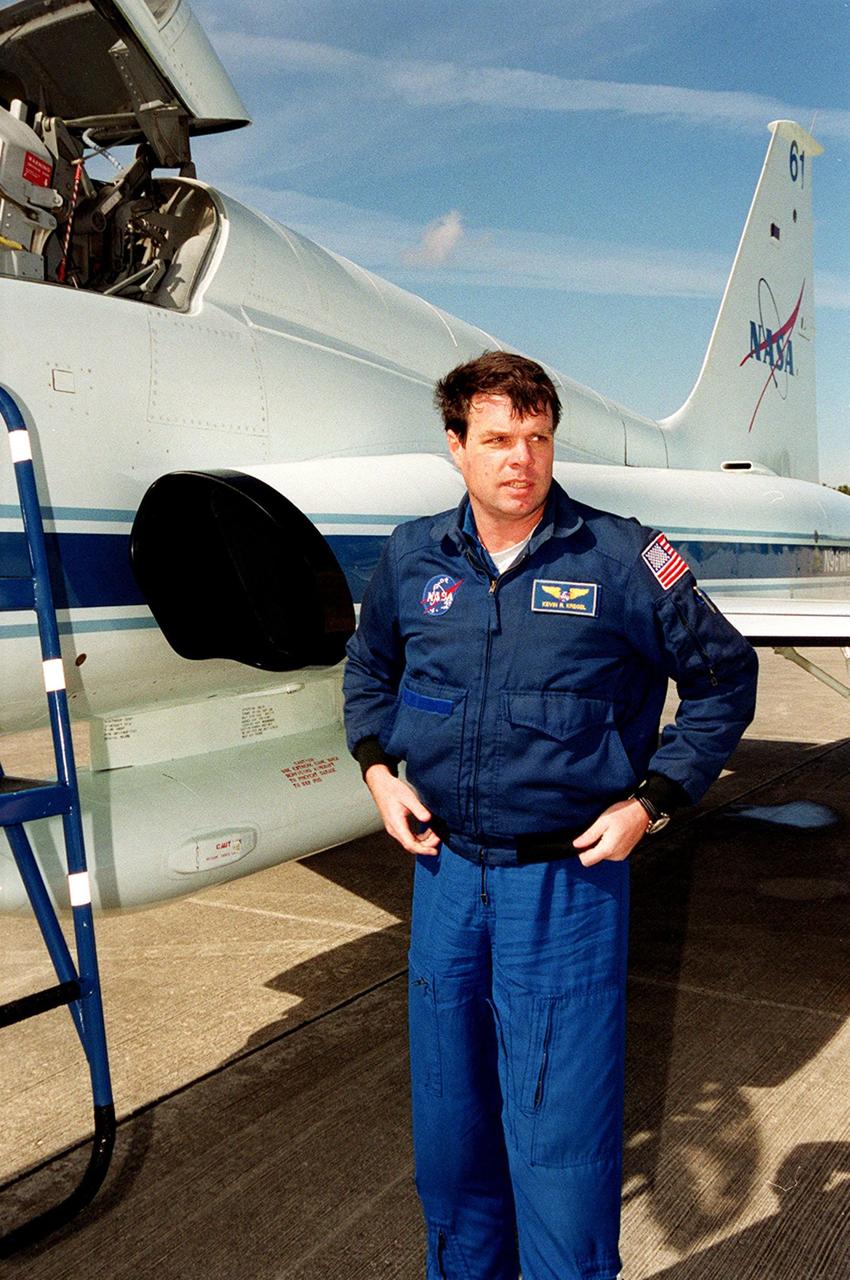
STS-99 Commander Kevin Kregel arrives at KSC aboard a T-38 jet aircraft to prepare for launch of Endeavour Jan. 31 at 12:47 p.m. EST. Over the next few days, the crew will review mission procedures, conduct test flights in the Shuttle Training Aircraft and undergo routine preflight medical exams. STS-99 is the Shuttle Radar Topography Mission, which will chart a new course, using two antennae and a 200-foot-long section of space station-derived mast protruding from the payload bay to produce unrivaled 3-D images of the Earth's surface. The result of the Shuttle Radar Topography Mission could be close to 1 trillion measurements of the Earth's topography. Besides contributing to the production of better maps, these measurements could lead to improved water drainage modeling, more realistic flight simulators, better locations for cell phone towers, and enhanced navigation safety
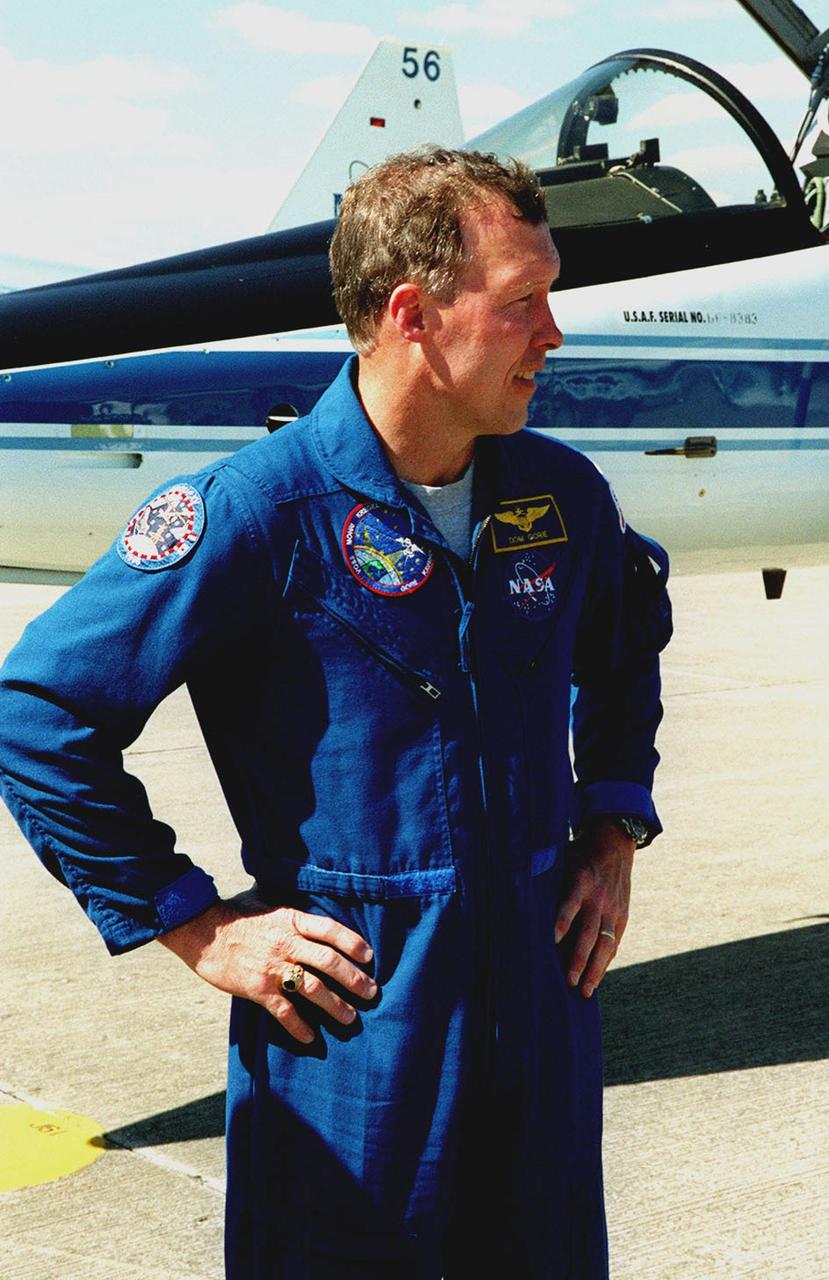
After landing at the Shuttle Landing Facility aboard a T-38 jet aircraft, STS-99 Pilot Dominic Gorie stands ready to prepare for the second launch attempt of Endeavour Feb. 11 at 12:30 p.m. EST from Launch Pad 39A. The earlier launch scheduled for Jan. 31 was scrubbed due to poor weather and a faulty Enhanced Master Events Controller in the orbiter's aft compartment. Over the next few days, the crew will review mission procedures, conduct test flights in the Shuttle Training Aircraft and undergo routine preflight medical exams. STS-99 is the Shuttle Radar Topography Mission, which will produce unrivaled 3-D images of the Earth's surface. The result of the Shuttle Radar Topography Mission could be close to 1 trillion measurements of the Earth's topography. Landing is expected at KSC on Feb. 22 at 4:36 p.m. EST
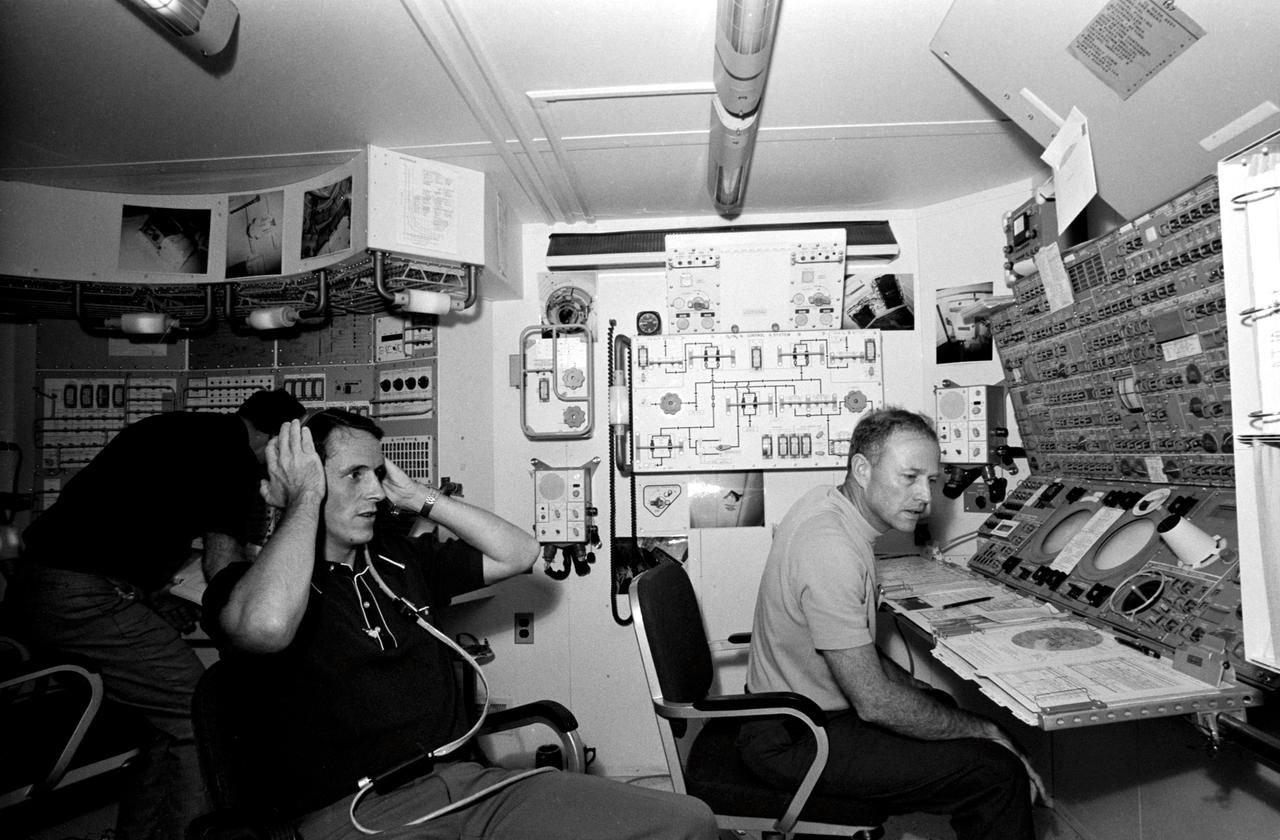
S73-28411 (February 1973) --- The three members of the prime crew of the third of three scheduled manned Skylab missions (Skylab 4) go through Skylab preflight training in the Mission Training and Simulation Facility at the Johnson Space Center. Astronaut Gerald P. Carr (on right), Skylab 4 commander, is seated at a simulator which represents the control and display console of the Apollo Telescope Mount which is located in the space station's Multiple Docking Adapter. Seated on the left is scientist-astronaut Edward G. Gibson, Skylab 4 science pilot. In the left background is astronaut William R. Pogue, Skylab 4 pilot. (Unmanned Skylab 1 will carry the Skylab space station payload into Earth orbit). Photo credit: NASA

The Rotating Service Structure (RSS) at Launch Pad 39A is rotated back, revealing the Space Shuttle orbiter Atlantis with its external tank and twin solid rocket boosters in full launch configuration. Rollback of the RSS is a major preflight milestone, typically occurring during the T-11-hour hold on L-1 (the day before launch). Atlantis and its crew of seven are in final preparations for liftoff on Mission STS-84, the sixth of nine planned dockings of the Space Shuttle with the Russian Space Station Mir. Launch is scheduled at about 4:08 a.m. during an approximately 7-minute launch window. The exact liftoff time will be determined about 90 minutes prior to launch, based on the most current location of Mir
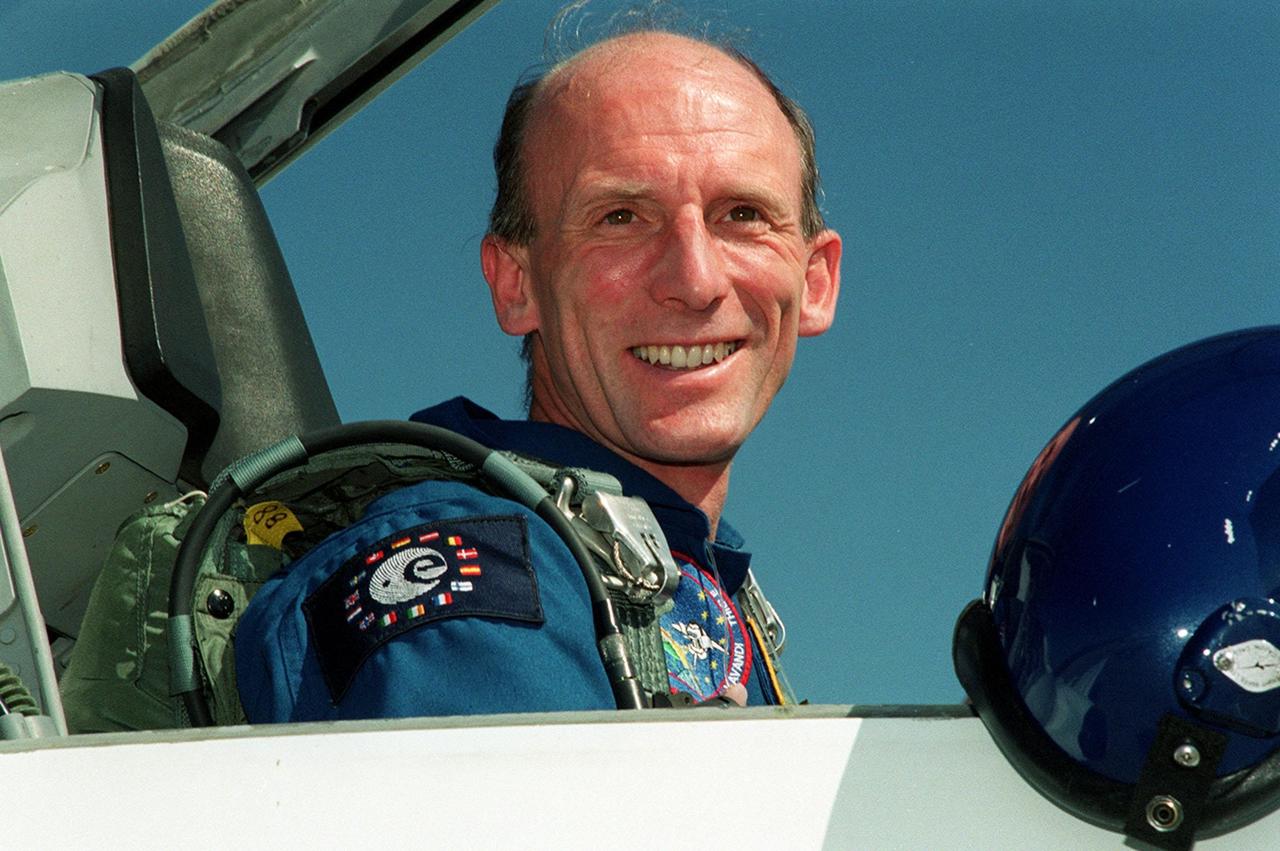
STS-99 Mission Specialist Gerhard P.J. Thiele of Germany arrives at KSC aboard a T-38 jet aircraft eager to prepare for the second launch attempt of Endeavour Feb. 11 at 12:30 p.m. EST from Launch Pad 39A. Thiele is with the European Space Agency. The earlier launch scheduled for Jan. 31 was scrubbed due to poor weather and a faulty Enhanced Master Events Controller in the orbiter's aft compartment. Over the next few days, the crew will review mission procedures, conduct test flights in the Shuttle Training Aircraft and undergo routine preflight medical exams. STS-99 is the Shuttle Radar Topography Mission, which will produce unrivaled 3-D images of the Earth's surface. The result of the Shuttle Radar Topography Mission could be close to 1 trillion measurements of the Earth's topography. Landing is expected at KSC on Feb. 22 at 4:36 p.m. EST
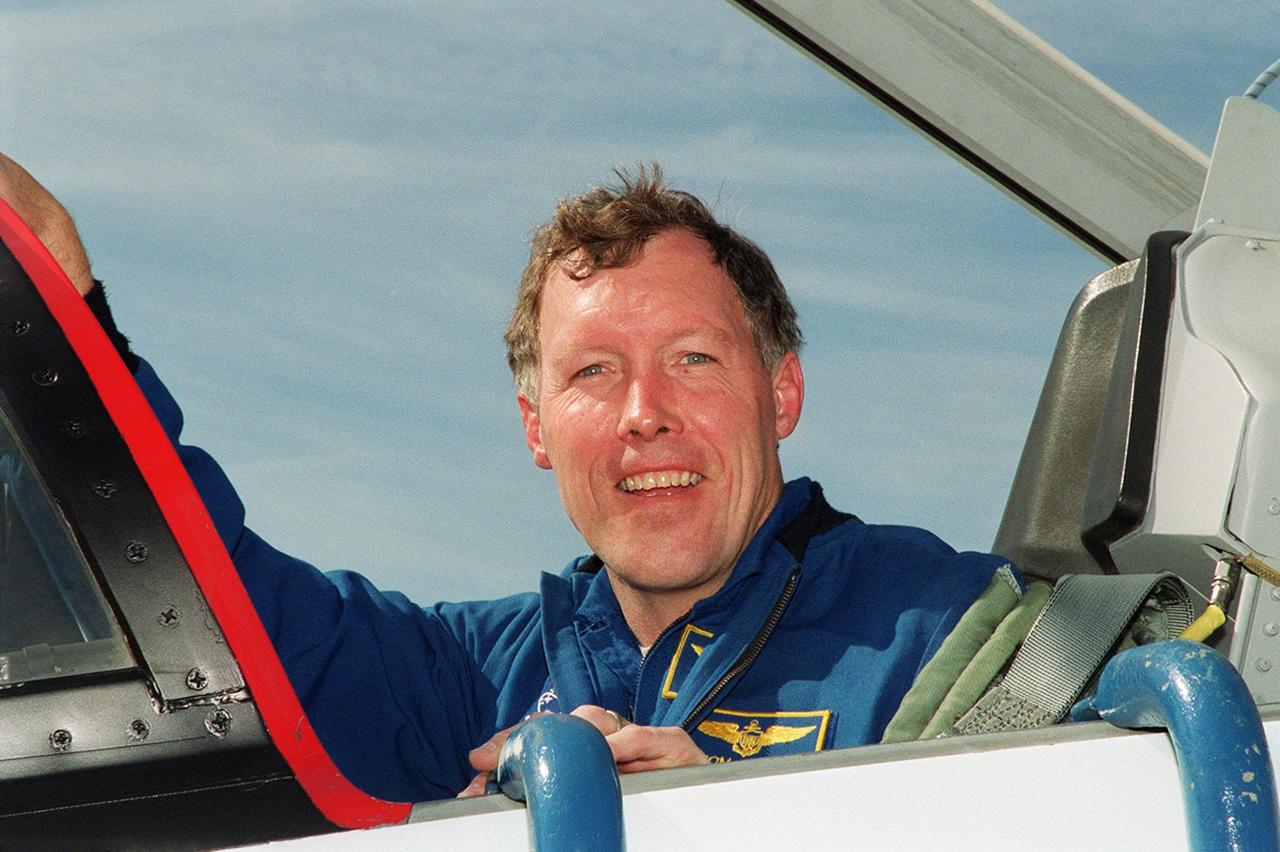
STS-99 Pilot Dominic Gorie arrives at KSC aboard a T-38 jet aircraft to prepare for launch of Endeavour Jan. 31 at 12:47 p.m. EST. Over the next few days, the crew will review mission procedures, conduct test flights in the Shuttle Training Aircraft and undergo routine preflight medical exams. STS-99 is the Shuttle Radar Topography Mission, which will chart a new course, using two antennae and a 200-foot-long section of space station-derived mast protruding from the payload bay to produce unrivaled 3-D images of the Earth's surface. The result of the Shuttle Radar Topography Mission could be close to 1 trillion measurements of the Earth's topography. Besides contributing to the production of better maps, these measurements could lead to improved water drainage modeling, more realistic flight simulators, better locations for cell phone towers, and enhanced navigation safety
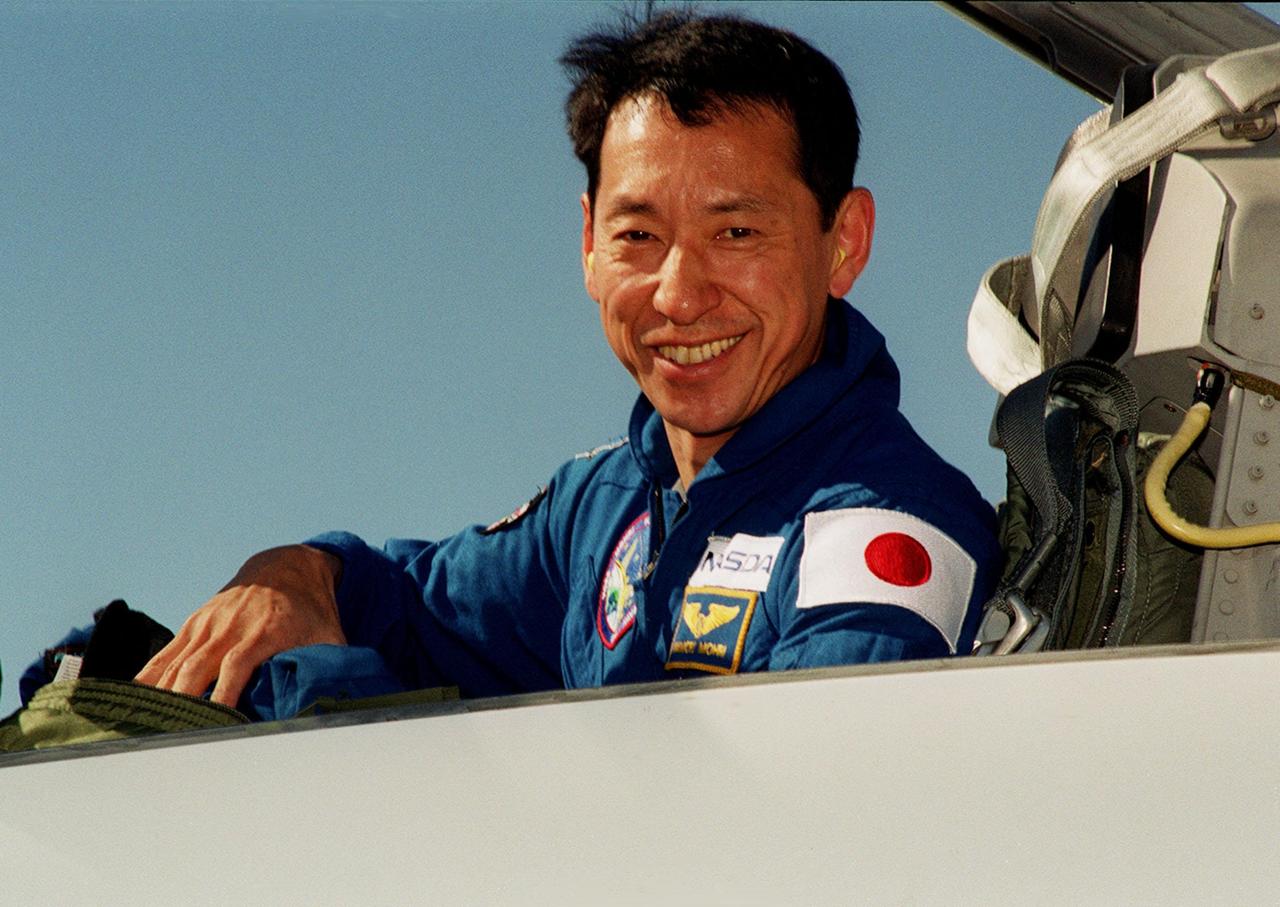
A smiling STS-99 Mission Specialist Mamoru Mohri of Japan arrives at KSC aboard a T-38 jet aircraft eager to prepare for the second launch attempt of Endeavour Feb. 11 at 12:30 p.m. EST from Launch Pad 39A. Mohri is with the Japanese National Space Development Agency (NASDA). The earlier launch scheduled for Jan. 31 was scrubbed due to poor weather and a faulty Enhanced Master Events Controller in the orbiter's aft compartment. Over the next few days, the crew will review mission procedures, conduct test flights in the Shuttle Training Aircraft and undergo routine preflight medical exams. STS-99 is the Shuttle Radar Topography Mission, which will produce unrivaled 3-D images of the Earth's surface. The result of the Shuttle Radar Topography Mission could be close to 1 trillion measurements of the Earth's topography. Landing is expected at KSC on Feb. 22 at 4:36 p.m. EST
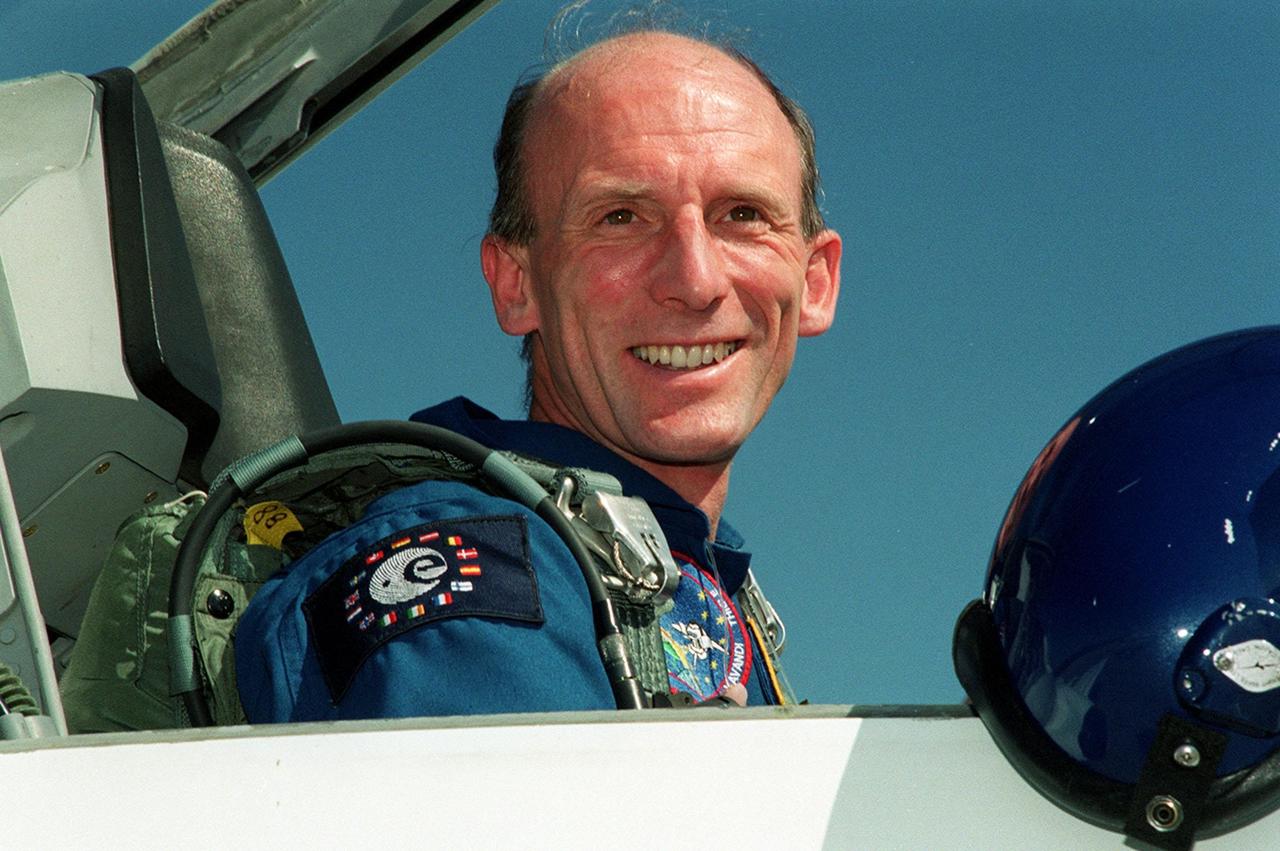
STS-99 Mission Specialist Gerhard P.J. Thiele of Germany arrives at KSC aboard a T-38 jet aircraft eager to prepare for the second launch attempt of Endeavour Feb. 11 at 12:30 p.m. EST from Launch Pad 39A. Thiele is with the European Space Agency. The earlier launch scheduled for Jan. 31 was scrubbed due to poor weather and a faulty Enhanced Master Events Controller in the orbiter's aft compartment. Over the next few days, the crew will review mission procedures, conduct test flights in the Shuttle Training Aircraft and undergo routine preflight medical exams. STS-99 is the Shuttle Radar Topography Mission, which will produce unrivaled 3-D images of the Earth's surface. The result of the Shuttle Radar Topography Mission could be close to 1 trillion measurements of the Earth's topography. Landing is expected at KSC on Feb. 22 at 4:36 p.m. EST
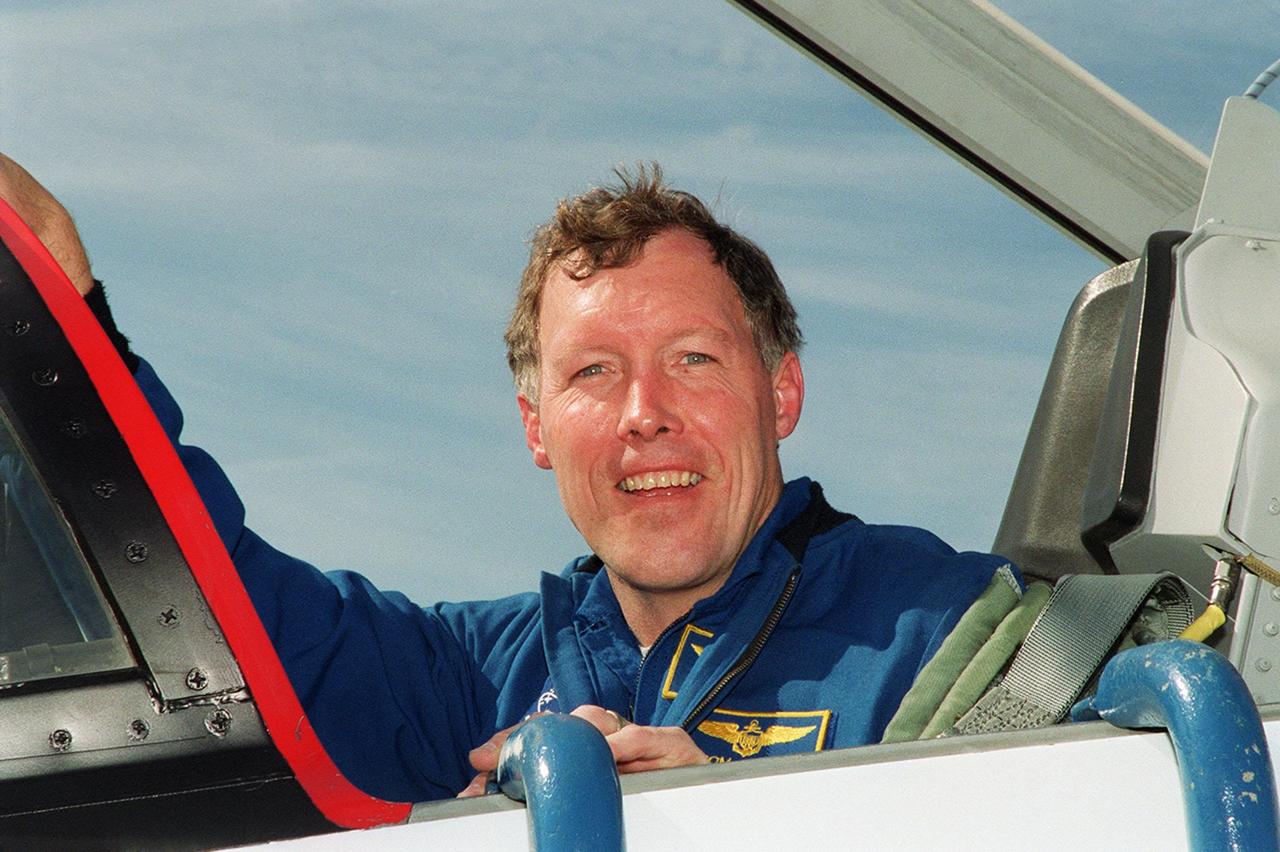
STS-99 Pilot Dominic Gorie arrives at KSC aboard a T-38 jet aircraft to prepare for launch of Endeavour Jan. 31 at 12:47 p.m. EST. Over the next few days, the crew will review mission procedures, conduct test flights in the Shuttle Training Aircraft and undergo routine preflight medical exams. STS-99 is the Shuttle Radar Topography Mission, which will chart a new course, using two antennae and a 200-foot-long section of space station-derived mast protruding from the payload bay to produce unrivaled 3-D images of the Earth's surface. The result of the Shuttle Radar Topography Mission could be close to 1 trillion measurements of the Earth's topography. Besides contributing to the production of better maps, these measurements could lead to improved water drainage modeling, more realistic flight simulators, better locations for cell phone towers, and enhanced navigation safety
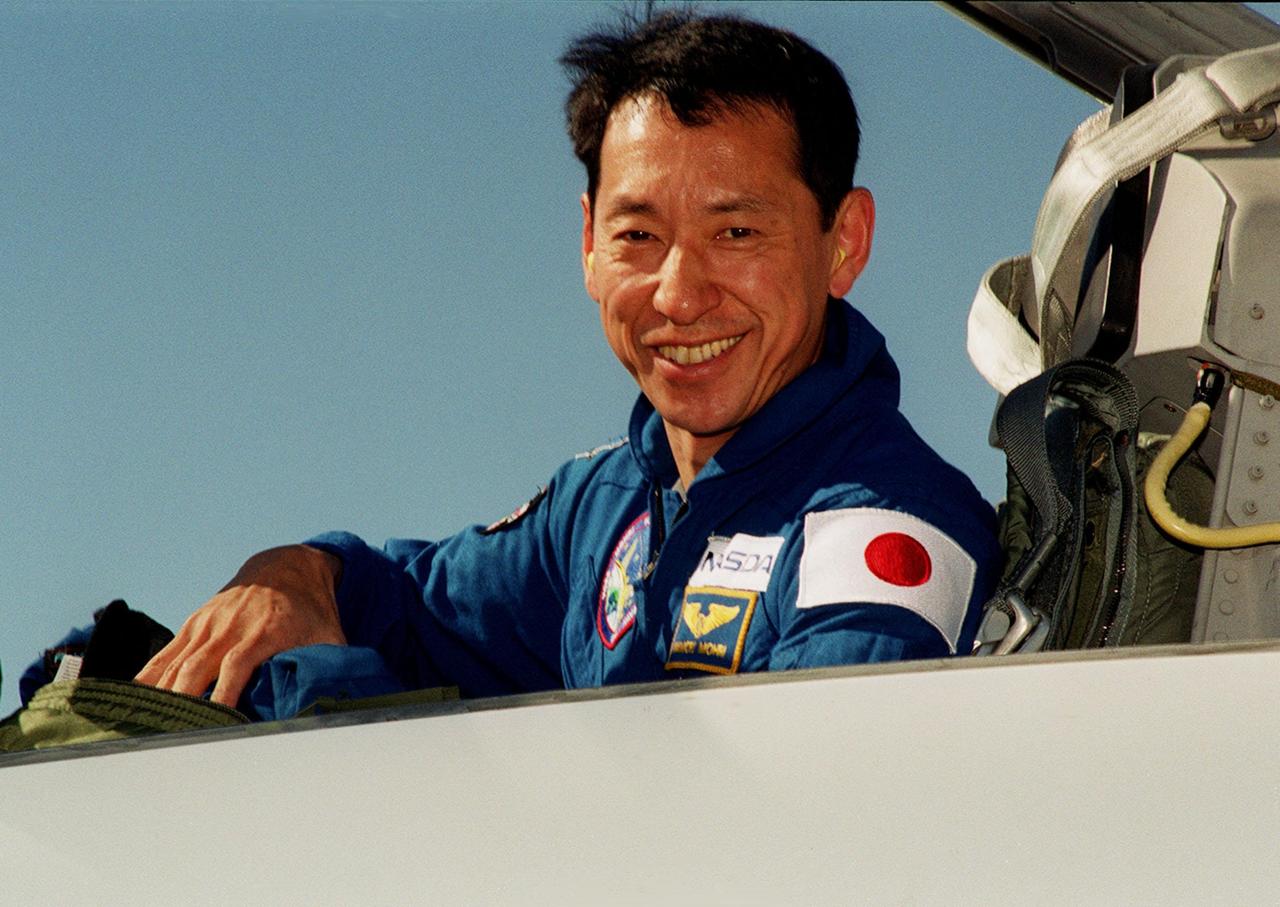
A smiling STS-99 Mission Specialist Mamoru Mohri of Japan arrives at KSC aboard a T-38 jet aircraft eager to prepare for the second launch attempt of Endeavour Feb. 11 at 12:30 p.m. EST from Launch Pad 39A. Mohri is with the Japanese National Space Development Agency (NASDA). The earlier launch scheduled for Jan. 31 was scrubbed due to poor weather and a faulty Enhanced Master Events Controller in the orbiter's aft compartment. Over the next few days, the crew will review mission procedures, conduct test flights in the Shuttle Training Aircraft and undergo routine preflight medical exams. STS-99 is the Shuttle Radar Topography Mission, which will produce unrivaled 3-D images of the Earth's surface. The result of the Shuttle Radar Topography Mission could be close to 1 trillion measurements of the Earth's topography. Landing is expected at KSC on Feb. 22 at 4:36 p.m. EST
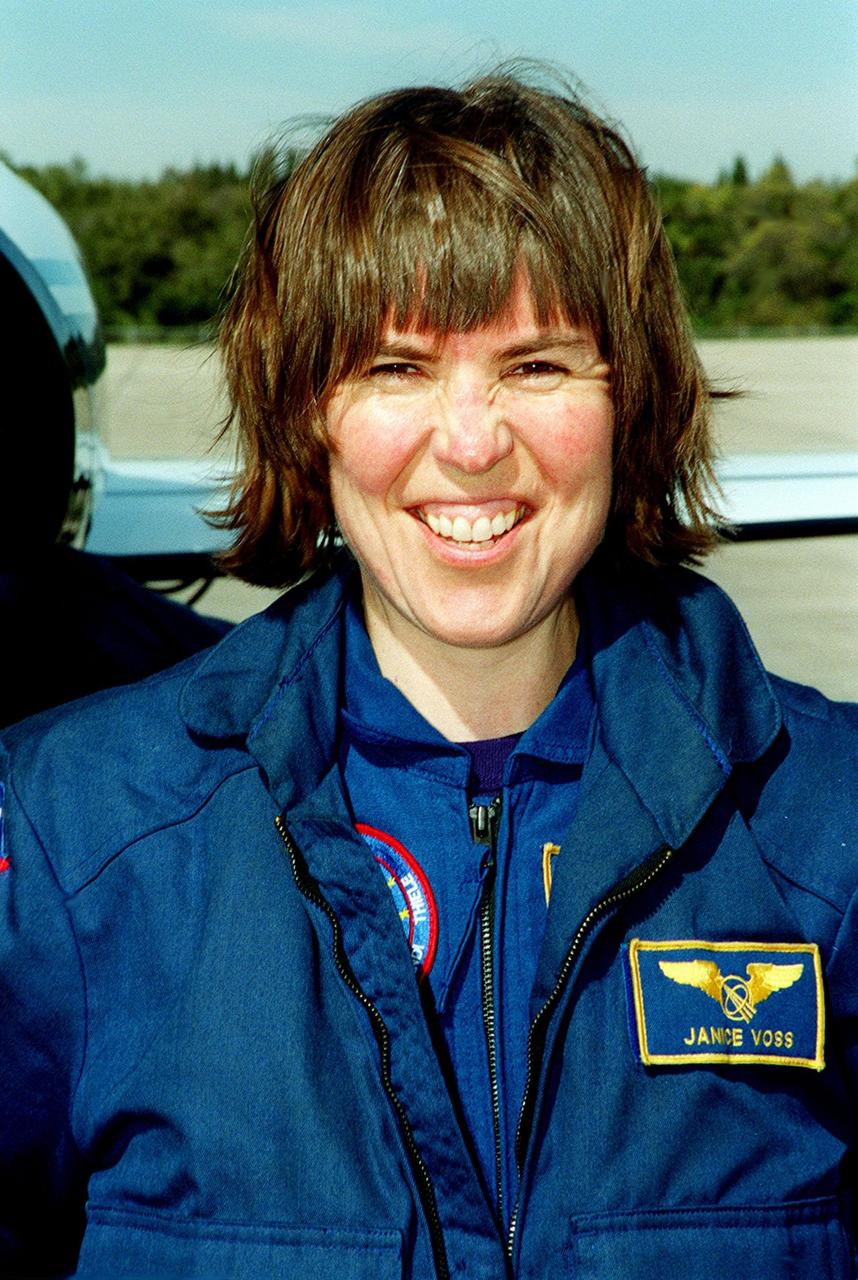
STS-99 Mission Specialist Janice Voss (Ph.D.) looks happy after landing at KSC aboard a T-38 jet aircraft to prepare for launch of Endeavour Jan. 31 at 12:47 p.m. EST. Over the next few days, the crew will review mission procedures, conduct test flights in the Shuttle Training Aircraft and undergo routine preflight medical exams. STS-99 is the Shuttle Radar Topography Mission, which will chart a new course, using two antennae and a 200-foot-long section of space station-derived mast protruding from the payload bay to produce unrivaled 3-D images of the Earth's surface. The result of the Shuttle Radar Topography Mission could be close to 1 trillion measurements of the Earth's topography. Besides contributing to the production of better maps, these measurements could lead to improved water drainage modeling, more realistic flight simulators, better locations for cell phone towers, and enhanced navigation safety
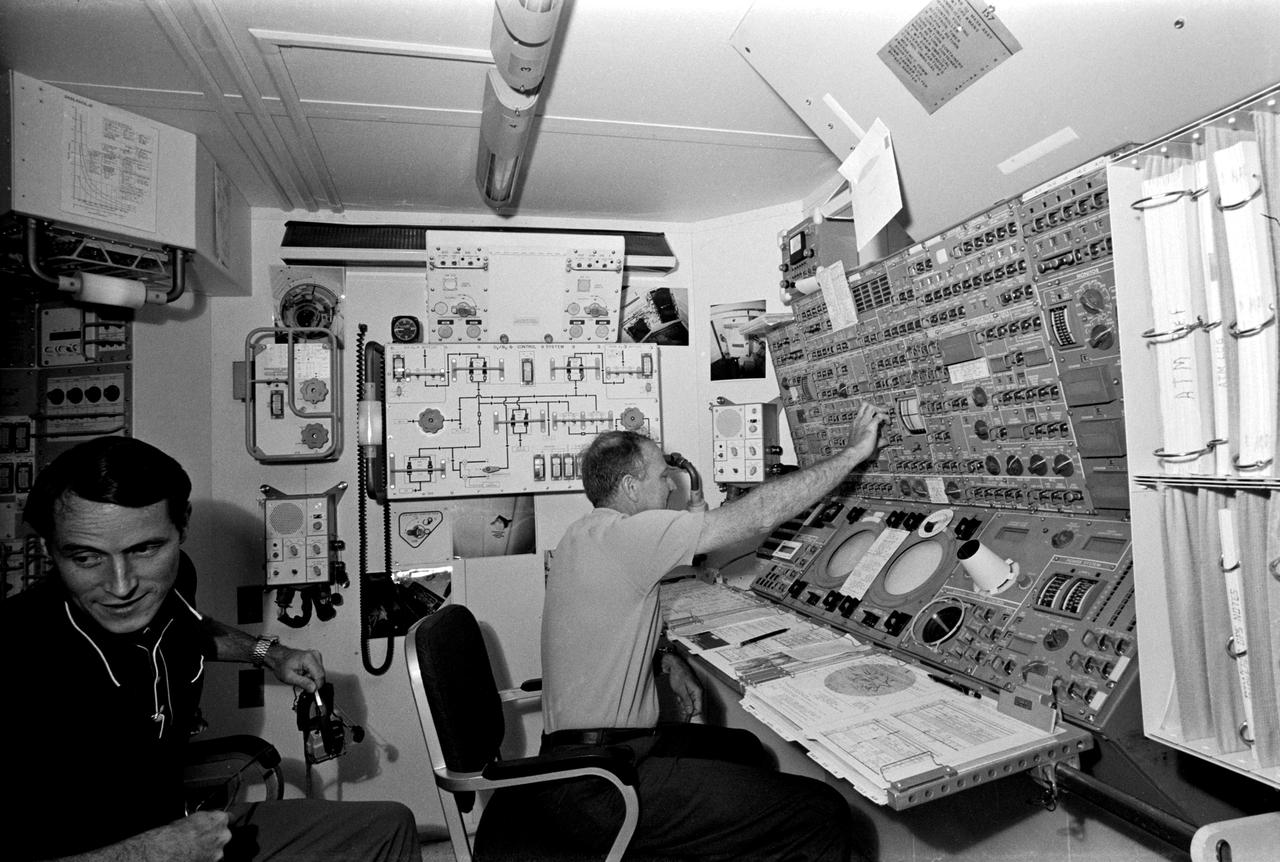
S73-28412 (February 1973) --- The three members of the prime crew of the third of three scheduled manned Skylab missions (Skylab 4) go through Skylab preflight training in the Mission Training and Simulation Facility at the Johnson Space Center. Astronaut Gerald P. Carr (on right), Skylab 4 commander, is seated at a simulator which represents the control and display console of the Apollo Telescope Mount which is located in the space station's Multiple Docking Adapter. Seated on the left is scientist-astronaut Edward G. Gibson, Skylab 4 science pilot. In the left background is astronaut William R. Pogue, Skylab 4 pilot. (Unmanned Skylab 1 will carry the Skylab space station payload into Earth orbit). Photo credit: NASA
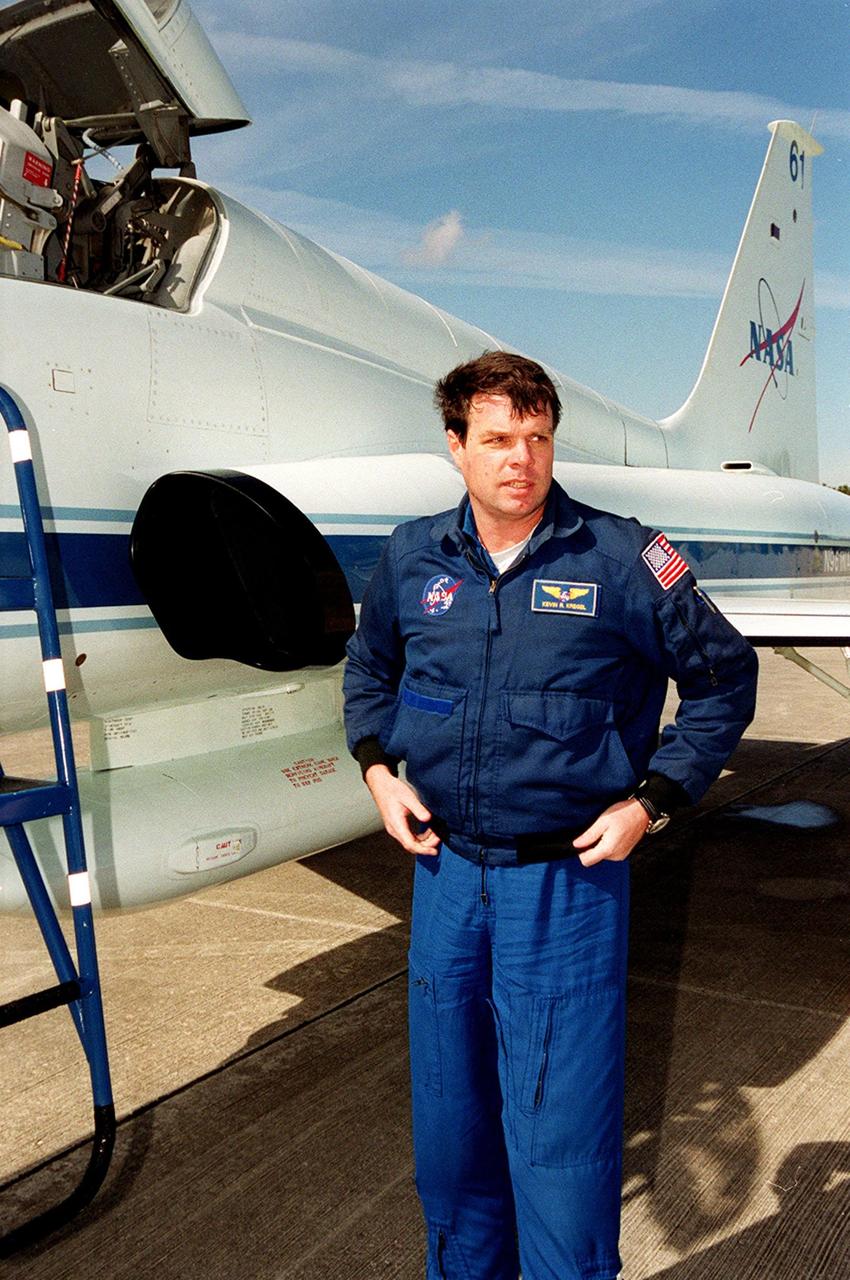
STS-99 Commander Kevin Kregel arrives at KSC aboard a T-38 jet aircraft to prepare for launch of Endeavour Jan. 31 at 12:47 p.m. EST. Over the next few days, the crew will review mission procedures, conduct test flights in the Shuttle Training Aircraft and undergo routine preflight medical exams. STS-99 is the Shuttle Radar Topography Mission, which will chart a new course, using two antennae and a 200-foot-long section of space station-derived mast protruding from the payload bay to produce unrivaled 3-D images of the Earth's surface. The result of the Shuttle Radar Topography Mission could be close to 1 trillion measurements of the Earth's topography. Besides contributing to the production of better maps, these measurements could lead to improved water drainage modeling, more realistic flight simulators, better locations for cell phone towers, and enhanced navigation safety
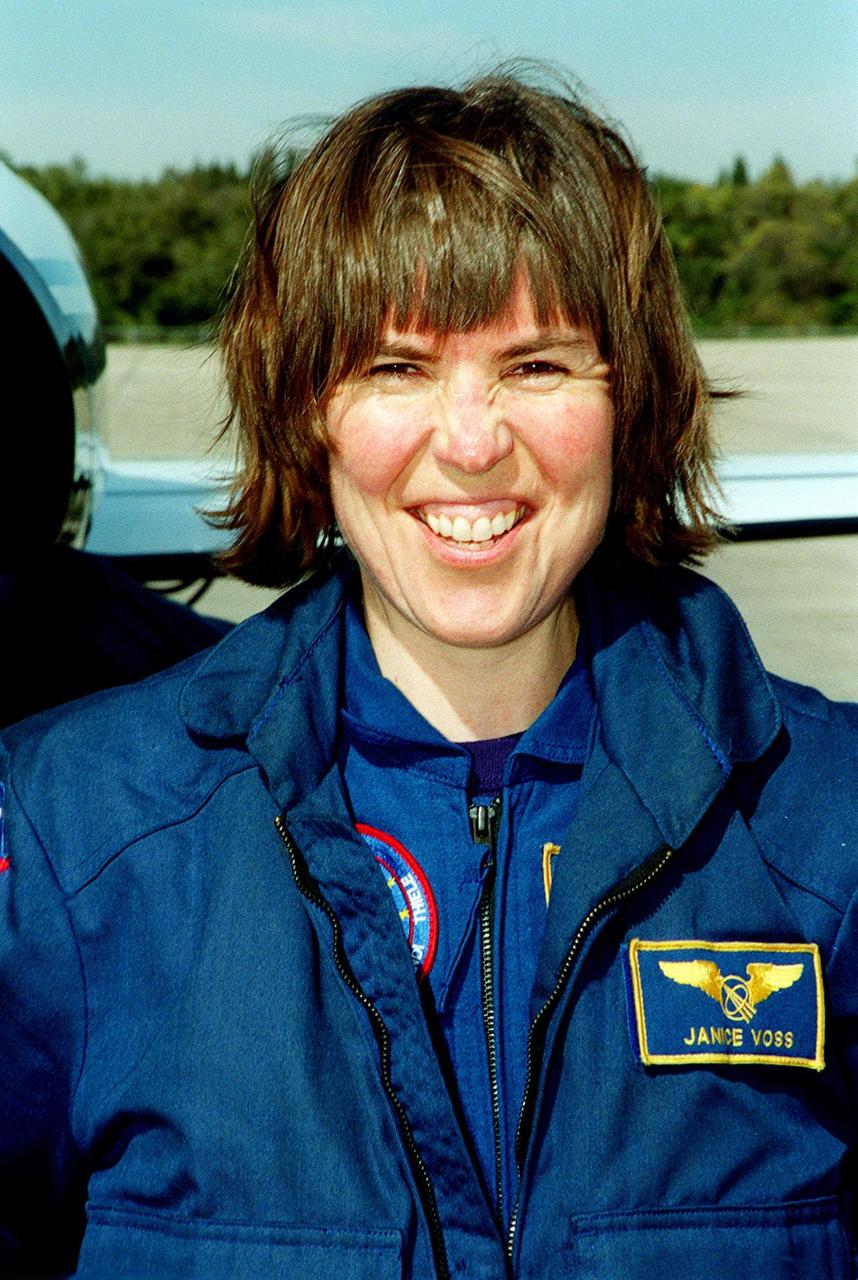
STS-99 Mission Specialist Janice Voss (Ph.D.) looks happy after landing at KSC aboard a T-38 jet aircraft to prepare for launch of Endeavour Jan. 31 at 12:47 p.m. EST. Over the next few days, the crew will review mission procedures, conduct test flights in the Shuttle Training Aircraft and undergo routine preflight medical exams. STS-99 is the Shuttle Radar Topography Mission, which will chart a new course, using two antennae and a 200-foot-long section of space station-derived mast protruding from the payload bay to produce unrivaled 3-D images of the Earth's surface. The result of the Shuttle Radar Topography Mission could be close to 1 trillion measurements of the Earth's topography. Besides contributing to the production of better maps, these measurements could lead to improved water drainage modeling, more realistic flight simulators, better locations for cell phone towers, and enhanced navigation safety
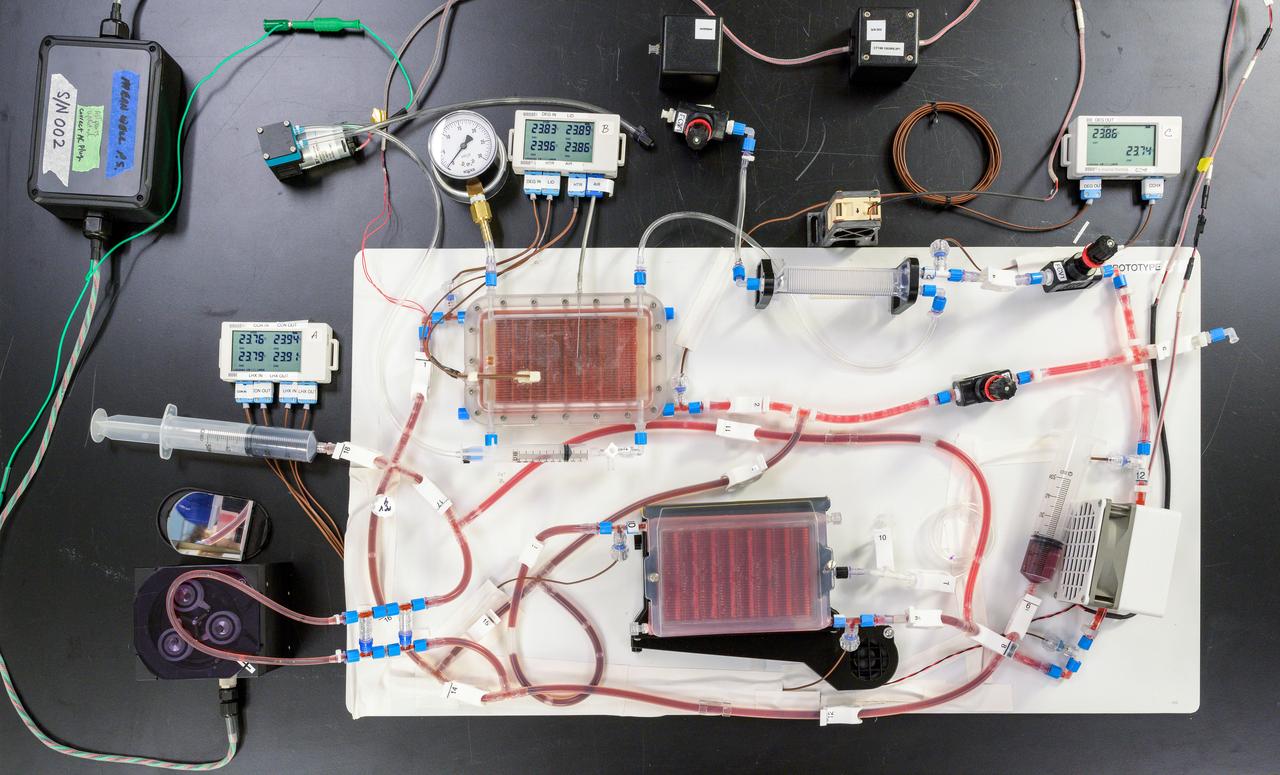
jsc2023e010170 (1/30/2023) --- Overall view of the CapiSorb Visible System prototype with sorbent simulant liquid in N240 room 133B. The CapiSorb Visible System will be launched on SpaceX CRS-27 in March 2023 to the International Space Station to demonstrate a liquid sorbent-based system that leverages the advantages of liquid control through capillary action to remove carbon dioxide from crewed atmospheres...The CapiSorb Visible System, shown here preflight, is used to study visco-capillary control and passive transport of liquid while simulating a fluid loop representative of a liquid carbon dioxide sorbent scrubber. The CapiSorb Visible System investigation demonstrates a liquid control using capillary forces, over a range of properties that are characteristic of liquids which absorb carbon dioxide. Image courtesy of NASA's Ames Research Center.
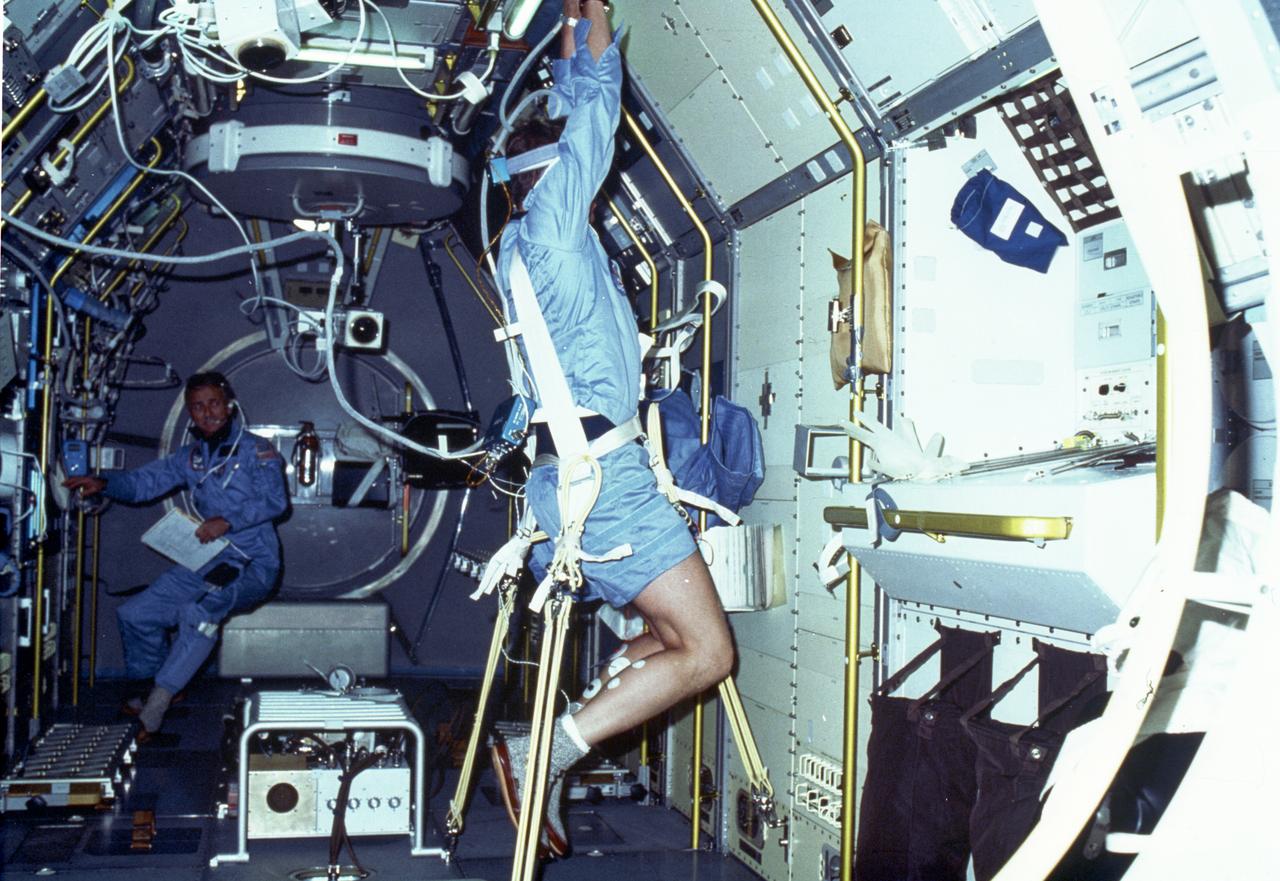
In this Spacelab-1 mission onboard photograph, astronaut Byron Lichtenberg performs a drop experiment, one of the Vestibular Experiments in Space investigations. The experiment examined spinal reflexes to determine whether they changed in microgravity. In Earth's environment, the otoliths signal the muscles to prepare for jolts associated with falling. During the flight, the normal reflex between the otoliths and the muscles was partially inhibited early in flight, declined further as the flight progressed, and returned to normal immediately after landing, suggesting that the brain ignored or reinterpreted otolith signals during space flight. Crewmembers reported a lack of awareness of position and location of feet, difficulty in maintaining balance, and a perception that falls were more sudden, faster, and harder than similar drops experienced in preflight. Crewmembers experienced illusions as they performed prescribed movement tests. When crew members viewed various targets and then pointed at them while blindfolded, their perception of target location and position of their own limbs was inaccurate in flight compared with similar tests on the ground. The Spacelab-1 was a multidisciplinary mission; that is, investigations were performed in several different fields of scientific research. The overall goal of the mission was to verify Spacelab performance through a variety of scientific experiments. The Spacelab-1 was launched aboard the Space Shuttle Orbiter Columbia for the STS-9 mission on November 28, 1983. The Marshall Space Flight Center had management responsibilities for the mission.
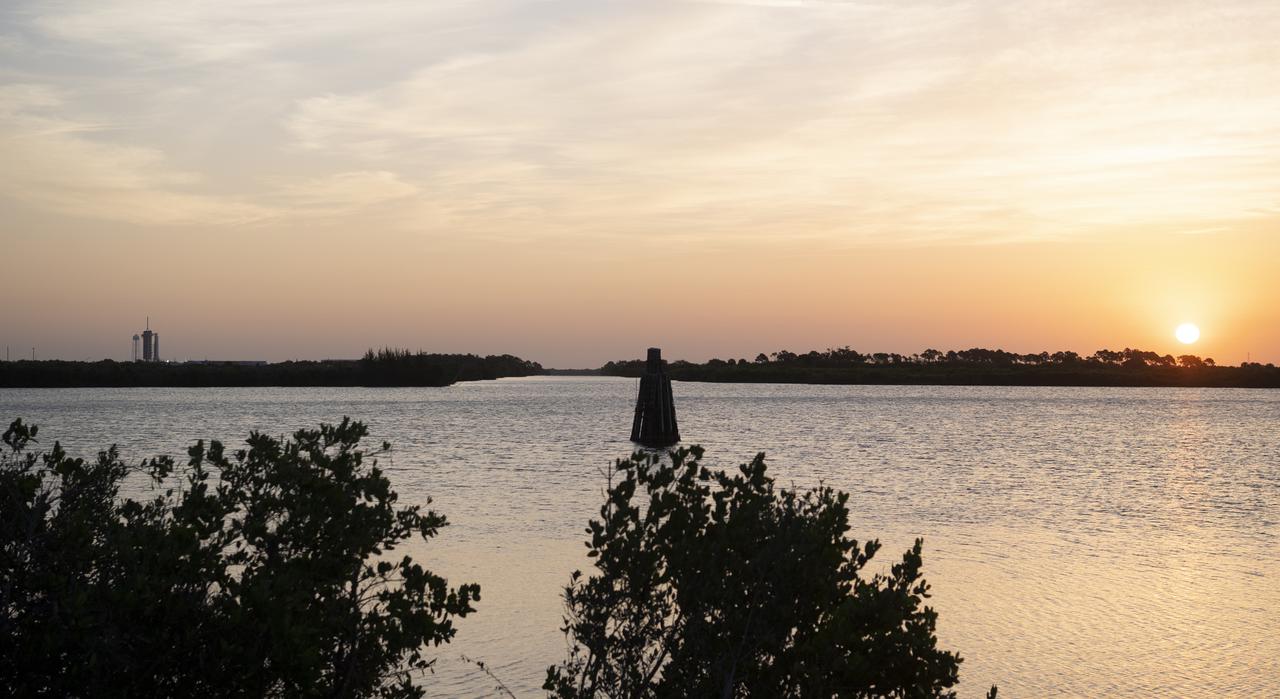
A SpaceX Falcon 9 rocket with the company's Crew Dragon spacecraft aboard is seen at sunrise on the launch pad at Launch Complex 39A as preparations continue for Axiom Mission 1 (Ax-1), Friday, April 8, 2022, at NASA’s Kennedy Space Center in Florida. The Ax-1 mission is the first private astronaut mission to the International Space Station. Ax-1 crew members Commander Michael López-Alegría of Spain and the United States, Pilot Larry Connor of the United States, and Mission Specialists Eytan Stibbe of Israel, and Mark Pathy of Canada are scheduled to launch at 11:17 a.m. EDT from Launch Complex 39A at the Kennedy Space Center. Photo Credit: (NASA/Joel Kowsky)
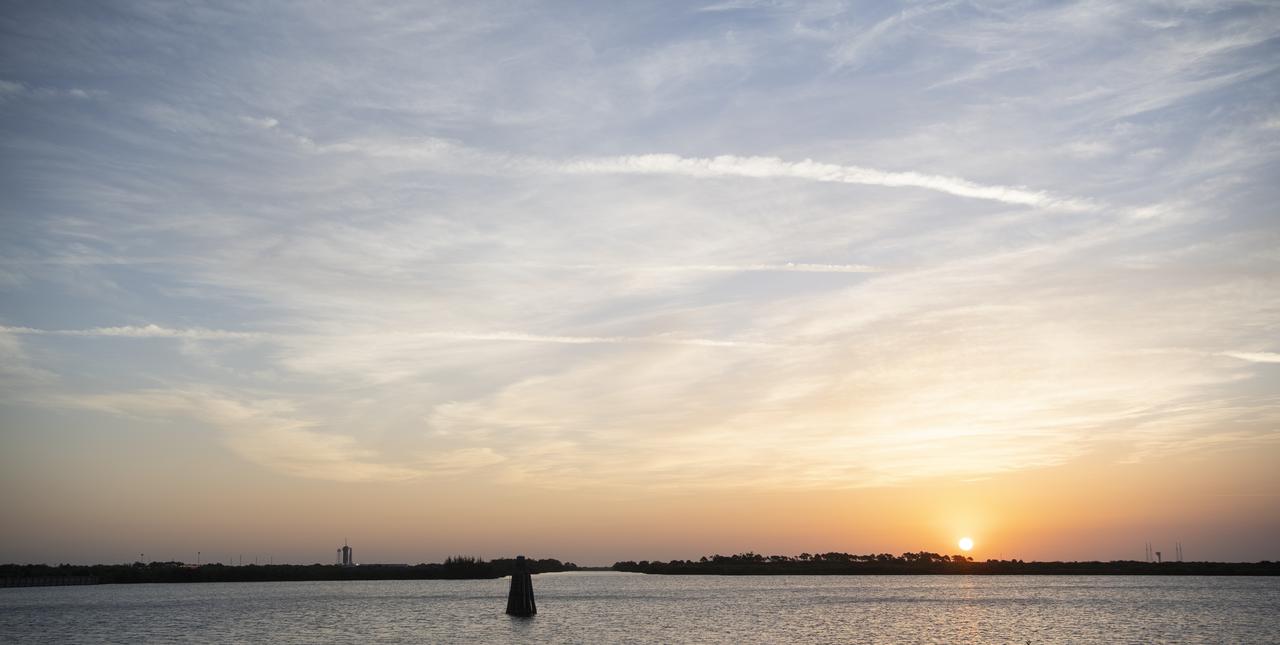
A SpaceX Falcon 9 rocket with the company's Crew Dragon spacecraft aboard is seen at sunrise on the launch pad at Launch Complex 39A as preparations continue for Axiom Mission 1 (Ax-1), Friday, April 8, 2022, at NASA’s Kennedy Space Center in Florida. The Ax-1 mission is the first private astronaut mission to the International Space Station. Ax-1 crew members Commander Michael López-Alegría of Spain and the United States, Pilot Larry Connor of the United States, and Mission Specialists Eytan Stibbe of Israel, and Mark Pathy of Canada are scheduled to launch at 11:17 a.m. EDT from Launch Complex 39A at the Kennedy Space Center. Photo Credit: (NASA/Joel Kowsky)
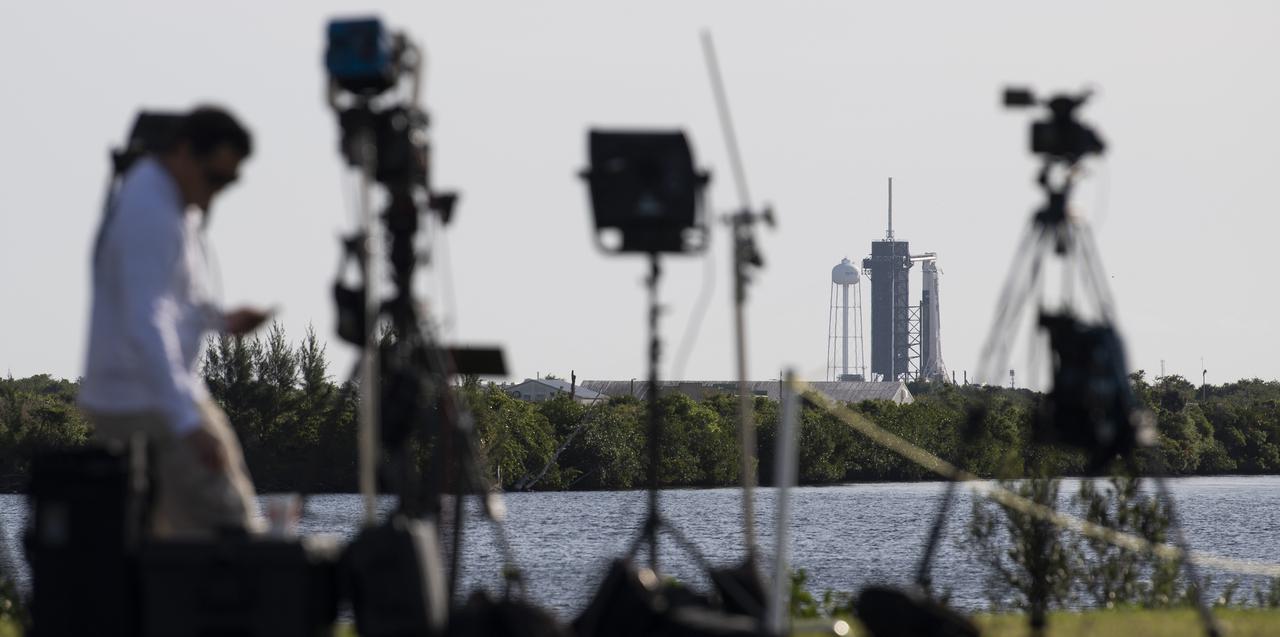
A SpaceX Falcon 9 rocket with the company's Crew Dragon spacecraft aboard is seen on the launch pad at Launch Complex 39A as preparations continue for Axiom Mission 1 (Ax-1), Friday, April 8, 2022, at NASA’s Kennedy Space Center in Florida. The Ax-1 mission is the first private astronaut mission to the International Space Station. Ax-1 crew members Commander Michael López-Alegría of Spain and the United States, Pilot Larry Connor of the United States, and Mission Specialists Eytan Stibbe of Israel, and Mark Pathy of Canada are scheduled to launch at 11:17 a.m. EDT, from Launch Complex 39A at the Kennedy Space Center. Photo Credit: (NASA/Joel Kowsky)
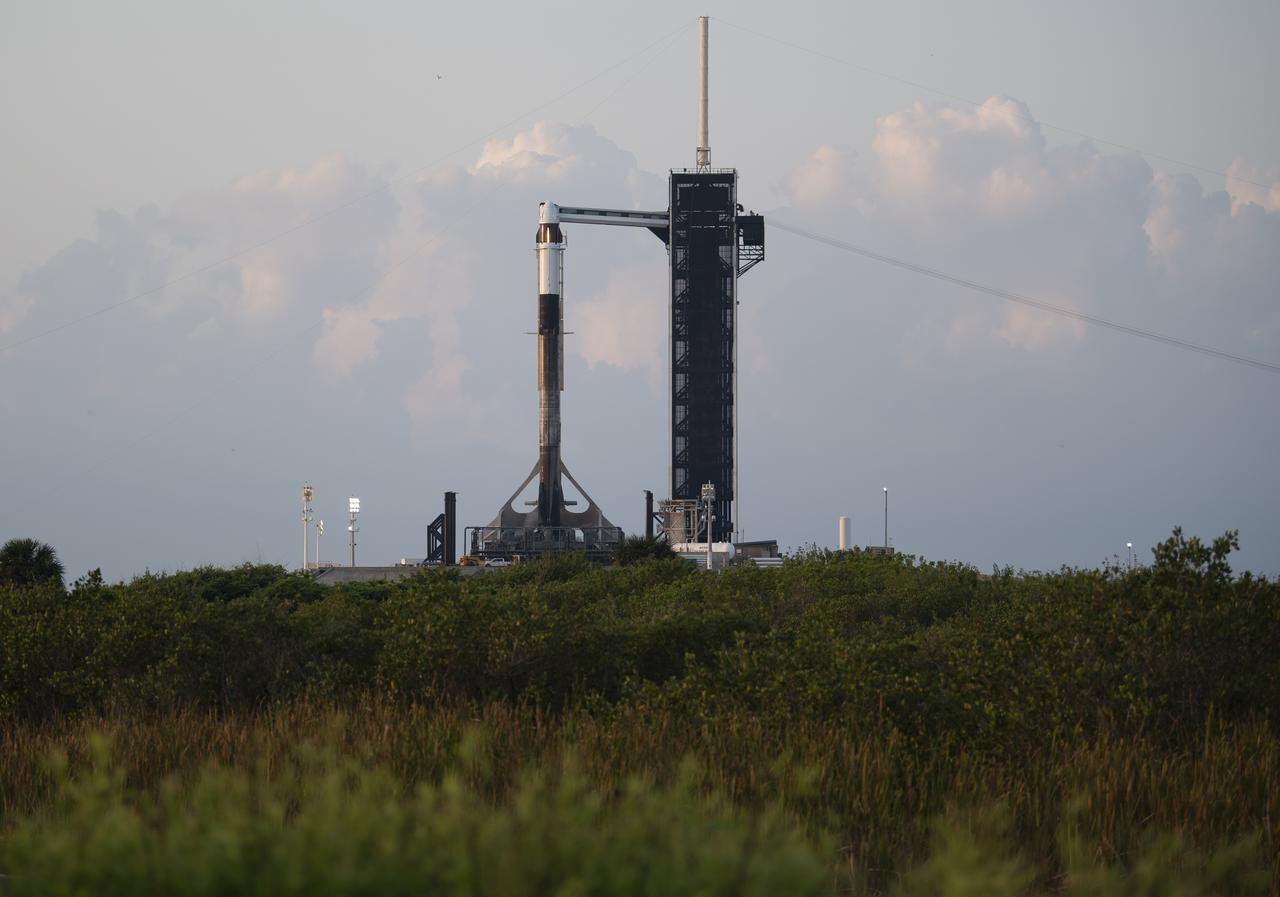
A SpaceX Falcon 9 rocket with the company's Crew Dragon spacecraft aboard is seen at sunrise on the launch pad at Launch Complex 39A as preparations continue for Axiom Mission 1 (Ax-1), Thursday, April 7, 2022, at NASA’s Kennedy Space Center in Florida. The Ax-1 mission is the first private astronaut mission to the International Space Station. Ax-1 crew members Commander Michael López-Alegría of Spain and the United States, Pilot Larry Connor of the United States, and Mission Specialists Eytan Stibbe of Israel, and Mark Pathy of Canada are scheduled to launch on April 8 at 11:17 a.m. EDT, from Launch Complex 39A at the Kennedy Space Center. Photo Credit: (NASA/Joel Kowsky)
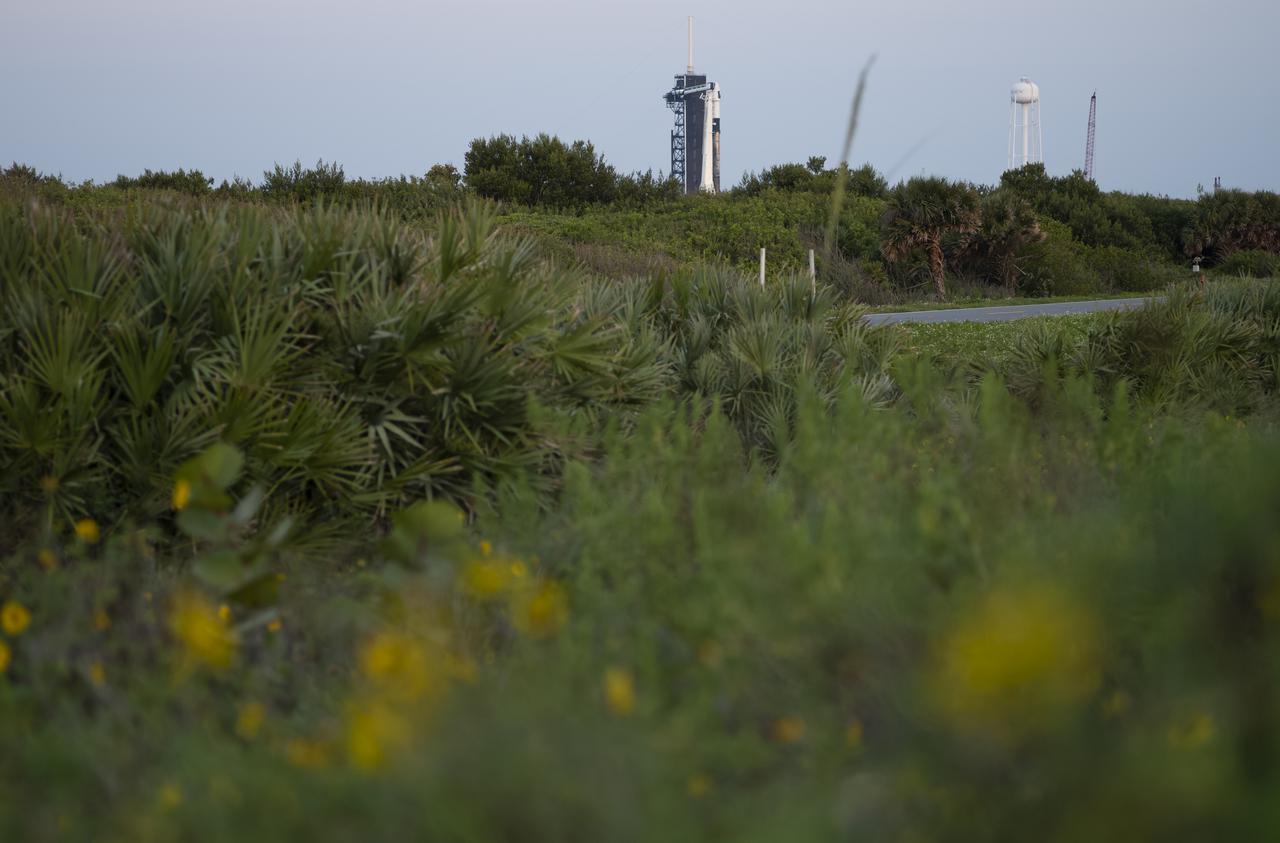
A SpaceX Falcon 9 rocket with the company's Crew Dragon spacecraft aboard is seen at sunrise on the launch pad at Launch Complex 39A as preparations continue for Axiom Mission 1 (Ax-1), Thursday, April 7, 2022, at NASA’s Kennedy Space Center in Florida. The Ax-1 mission is the first private astronaut mission to the International Space Station. Ax-1 crew members Commander Michael López-Alegría of Spain and the United States, Pilot Larry Connor of the United States, and Mission Specialists Eytan Stibbe of Israel, and Mark Pathy of Canada are scheduled to launch on April 8 at 11:17 a.m. EDT, from Launch Complex 39A at the Kennedy Space Center. Photo Credit: (NASA/Joel Kowsky)
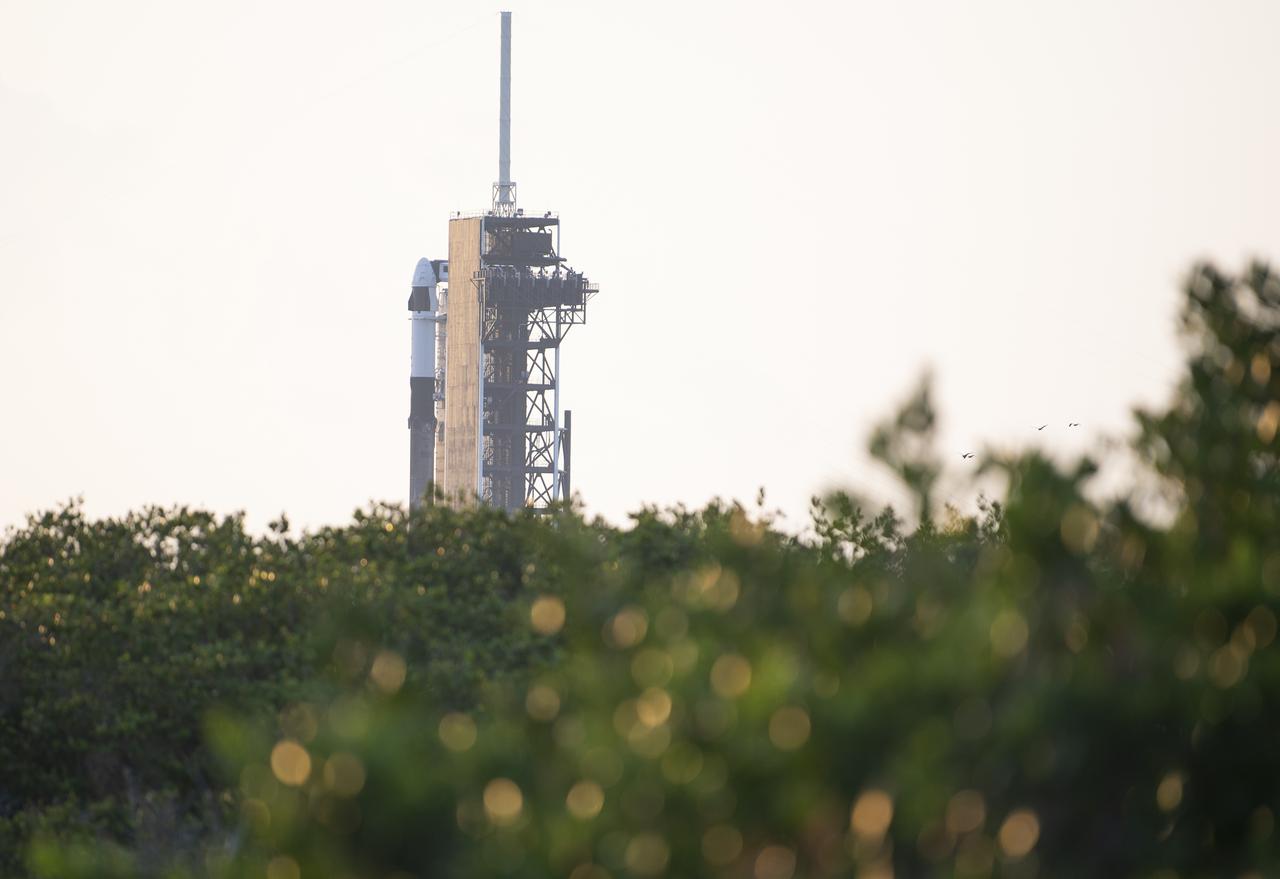
A SpaceX Falcon 9 rocket with the company's Crew Dragon spacecraft aboard is seen at sunrise on the launch pad at Launch Complex 39A as preparations continue for Axiom Mission 1 (Ax-1), Thursday, April 7, 2022, at NASA’s Kennedy Space Center in Florida. The Ax-1 mission is the first private astronaut mission to the International Space Station. Ax-1 crew members Commander Michael López-Alegría of Spain and the United States, Pilot Larry Connor of the United States, and Mission Specialists Eytan Stibbe of Israel, and Mark Pathy of Canada are scheduled to launch on April 8 at 11:17 a.m. EDT, from Launch Complex 39A at the Kennedy Space Center. Photo Credit: (NASA/Joel Kowsky)
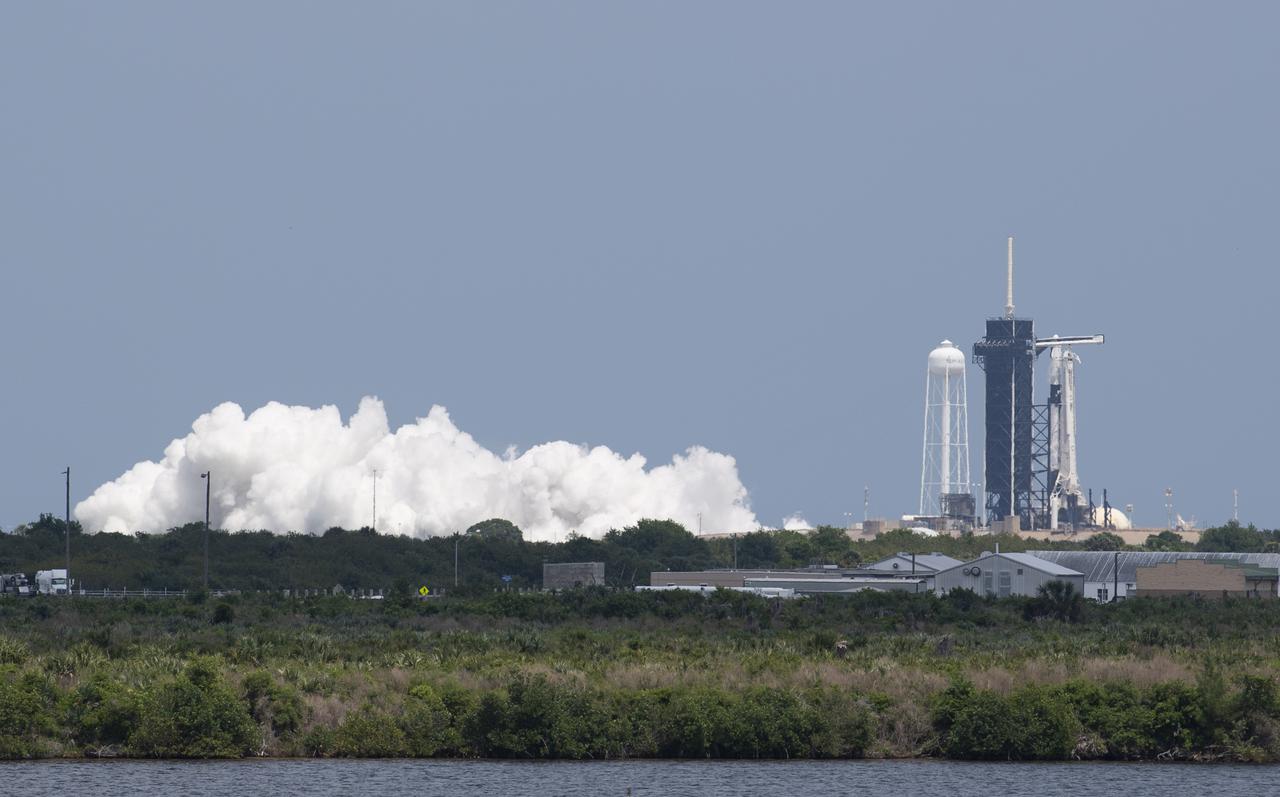
A SpaceX Falcon 9 rocket with the company's Crew Dragon spacecraft aboard is seen on the launch pad at Launch Complex 39A during a brief static fire test ahead of Axiom Mission 1 (Ax-1), Wednesday, April 6, 2022, at NASA’s Kennedy Space Center in Florida. The Ax-1 mission is the first private astronaut mission to the International Space Station. Ax-1 crew members Commander Michael López-Alegría of Spain and the United States, Pilot Larry Connor of the United States, and Mission Specialists Eytan Stibbe of Israel, and Mark Pathy of Canada are scheduled to launch on no earlier than March 20, from Launch Complex 39A at the Kennedy Space Center. Photo Credit: (NASA/Joel Kowsky)
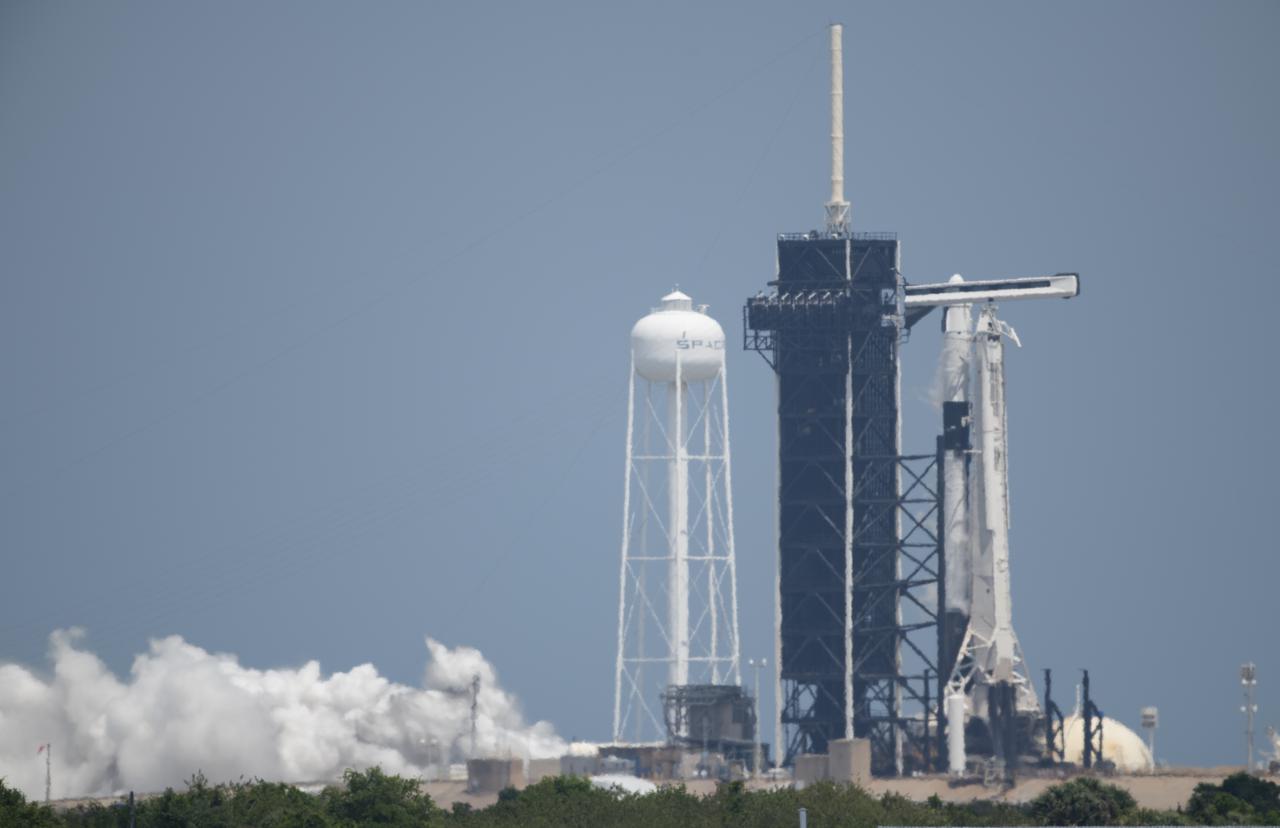
A SpaceX Falcon 9 rocket with the company's Crew Dragon spacecraft aboard is seen on the launch pad at Launch Complex 39A during a brief static fire test ahead of Axiom Mission 1 (Ax-1), Wednesday, April 6, 2022, at NASA’s Kennedy Space Center in Florida. The Ax-1 mission is the first private astronaut mission to the International Space Station. Ax-1 crew members Commander Michael López-Alegría of Spain and the United States, Pilot Larry Connor of the United States, and Mission Specialists Eytan Stibbe of Israel, and Mark Pathy of Canada are scheduled to launch on no earlier than March 20, from Launch Complex 39A at the Kennedy Space Center. Photo Credit: (NASA/Joel Kowsky)
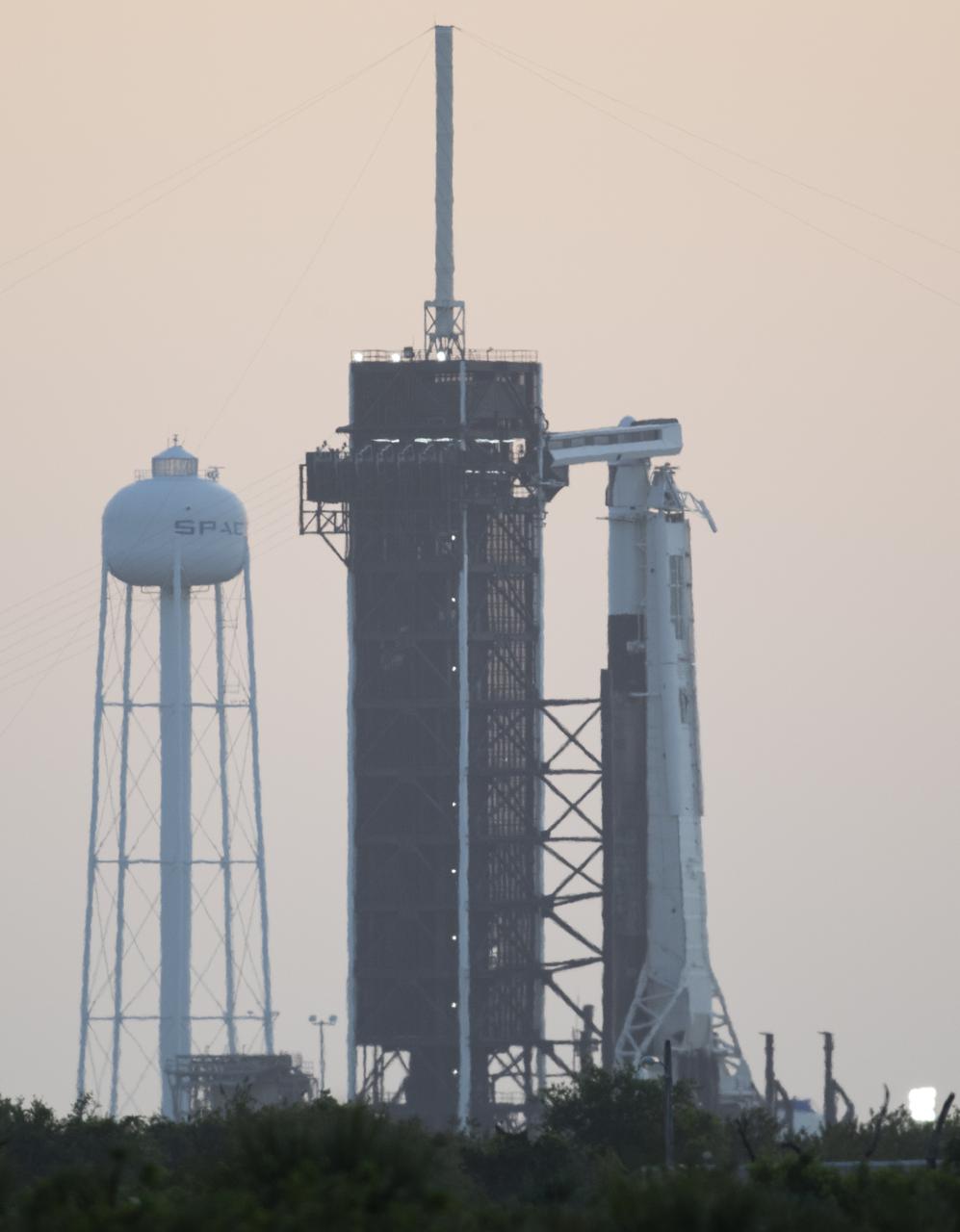
A SpaceX Falcon 9 rocket with the company's Crew Dragon spacecraft aboard is seen at sunrise on the launch pad at Launch Complex 39A as preparations continue for Axiom Mission 1 (Ax-1), Friday, April 8, 2022, at NASA’s Kennedy Space Center in Florida. The Ax-1 mission is the first private astronaut mission to the International Space Station. Ax-1 crew members Commander Michael López-Alegría of Spain and the United States, Pilot Larry Connor of the United States, and Mission Specialists Eytan Stibbe of Israel, and Mark Pathy of Canada are scheduled to launch at 11:17 a.m. EDT from Launch Complex 39A at the Kennedy Space Center. Photo Credit: (NASA/Joel Kowsky)
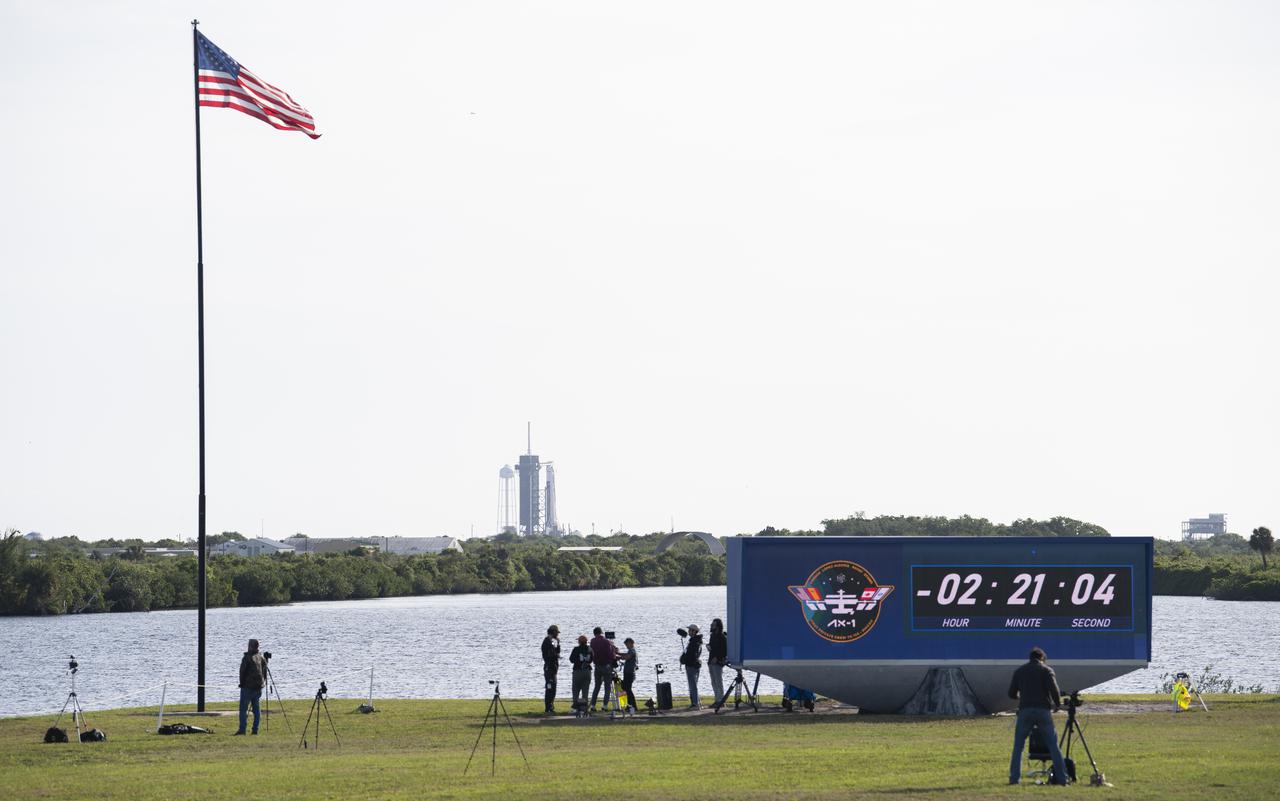
A SpaceX Falcon 9 rocket with the company's Crew Dragon spacecraft aboard is seen on the launch pad at Launch Complex 39A as members of the media are seen next to the countdown clock at NASA’s Kennedy Space Center Press Site ahead of launch of Axiom Mission 1 (Ax-1), Friday, April 8, 2022, in Florida. The Ax-1 mission is the first private astronaut mission to the International Space Station. Ax-1 crew members Commander Michael López-Alegría of Spain and the United States, Pilot Larry Connor of the United States, and Mission Specialists Eytan Stibbe of Israel, and Mark Pathy of Canada are scheduled to launch at 11:17 a.m. EDT, from Launch Complex 39A at the Kennedy Space Center. Photo Credit: (NASA/Joel Kowsky)
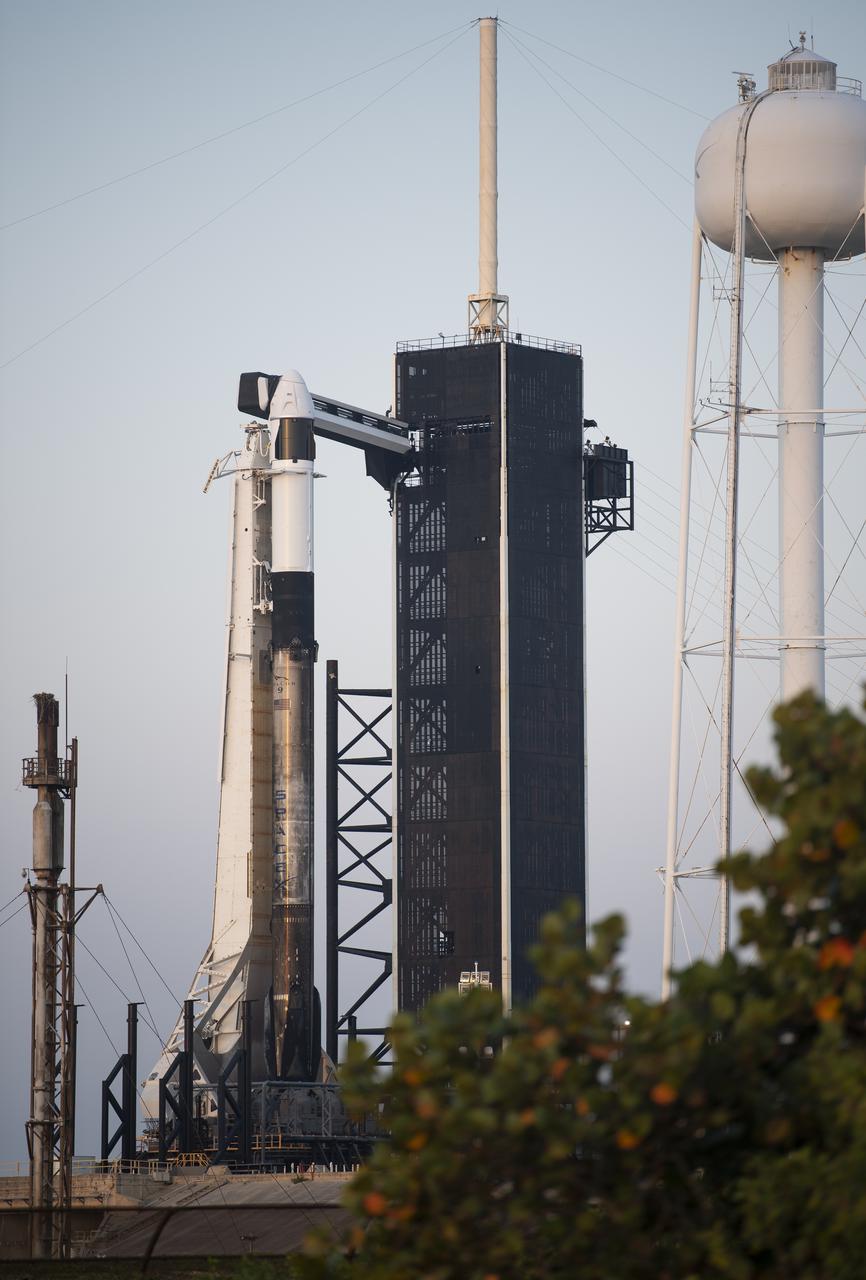
A SpaceX Falcon 9 rocket with the company's Crew Dragon spacecraft aboard is seen at sunrise on the launch pad at Launch Complex 39A as preparations continue for Axiom Mission 1 (Ax-1), Thursday, April 7, 2022, at NASA’s Kennedy Space Center in Florida. The Ax-1 mission is the first private astronaut mission to the International Space Station. Ax-1 crew members Commander Michael López-Alegría of Spain and the United States, Pilot Larry Connor of the United States, and Mission Specialists Eytan Stibbe of Israel, and Mark Pathy of Canada are scheduled to launch on April 8 at 11:17 a.m. EDT, from Launch Complex 39A at the Kennedy Space Center. Photo Credit: (NASA/Joel Kowsky)