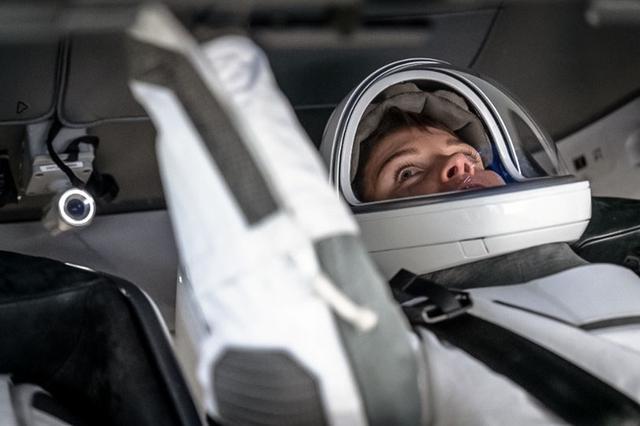
jsc2024e064442 - NASA astronaut and commander of NASA’s SpaceX Crew-10 mission Anne McClain participates in preflight mission training at SpaceX in Hawthorne, California. Credit: SpaceX

Views of the STS-31/61B Crew during Emergency Egress Training, Bldg. 9A, 10/28/1985; and, the Crew Preflight Press Conference, Bldg. 2, 10/24/1985. 1. STS-31/61B - CREW TRAINING (EMERGENCY EGRESS) JSC, HOUSTON, TX
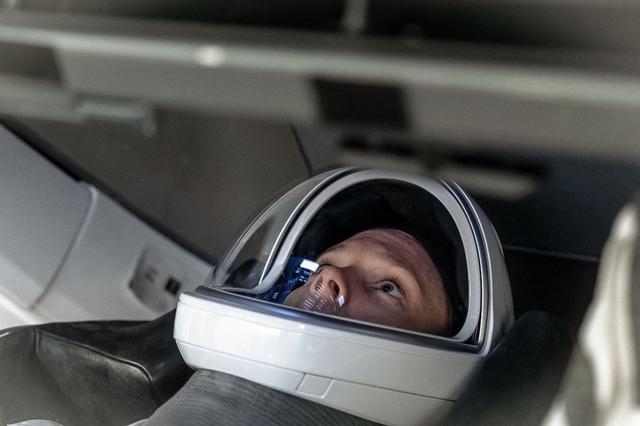
jsc2024e064441 (Sept. 30, 2024) --- NASA astronaut and pilot of NASA’s SpaceX Crew-10 mission Nichole Ayers participates in preflight mission training at SpaceX in Hawthorne, California. Credit: SpaceX
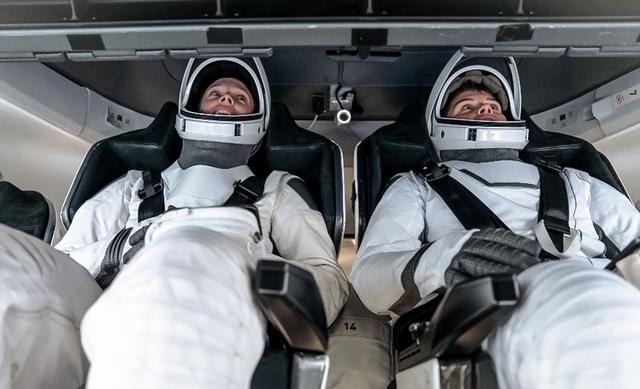
jsc2024e064439 (Sept. 30, 2024) --- NASA astronauts (from left) Nichole Ayers and Anne McClain, Crew-10 pilot and commander respectively, participate in preflight mission training inside a Dragon mockup crew vehicle at SpaceX in Hawthorne, California. Credit: SpaceX
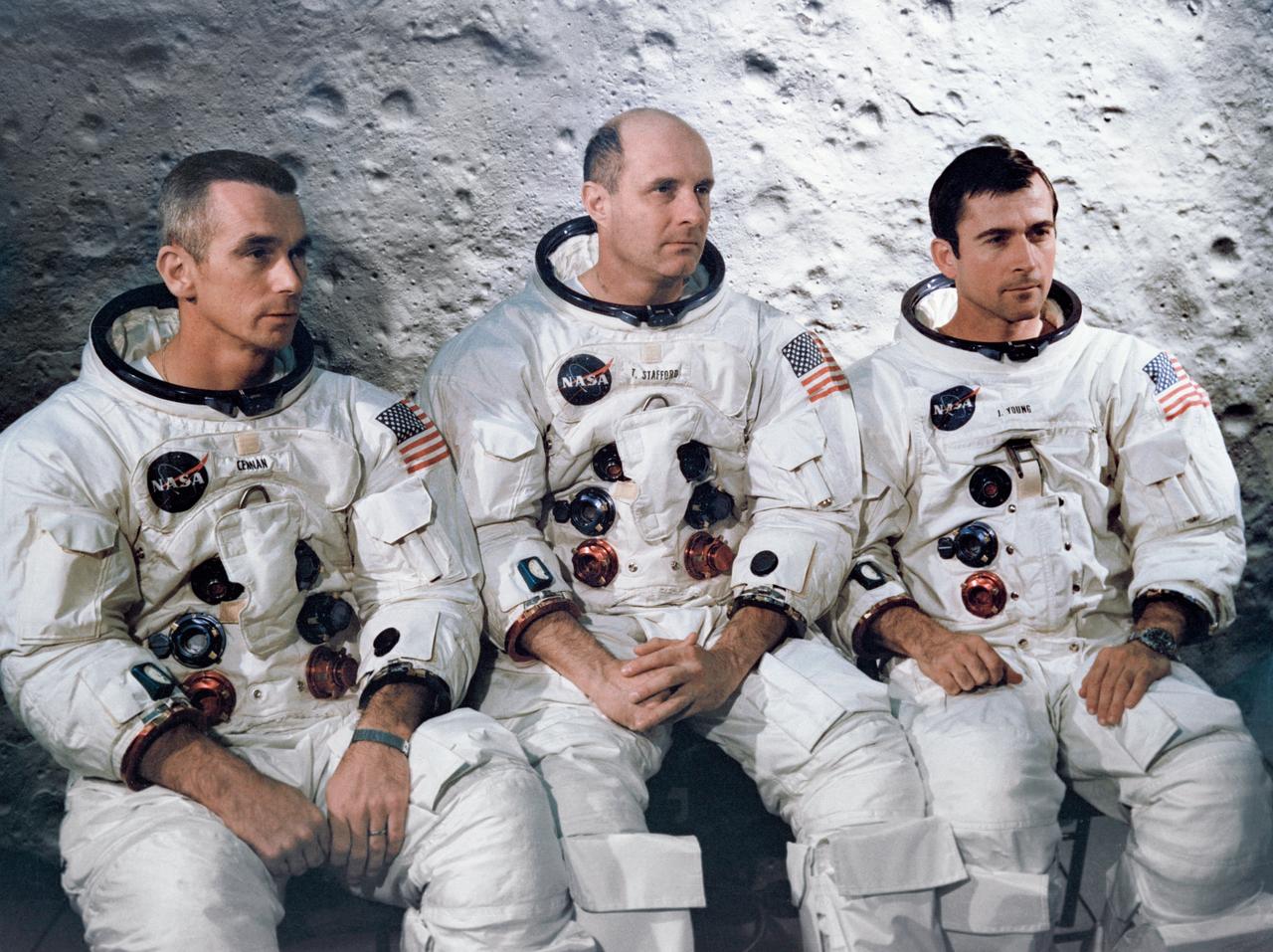
S69-32613 (April 1969) --- The prime crew of the Apollo 10 lunar orbit mission sits for photograph while at the Kennedy Space Center for preflight training. Left to right are astronauts Eugene A. Cernan, lunar module pilot; Thomas P. Stafford, commander; and John W. Young, command module pilot.
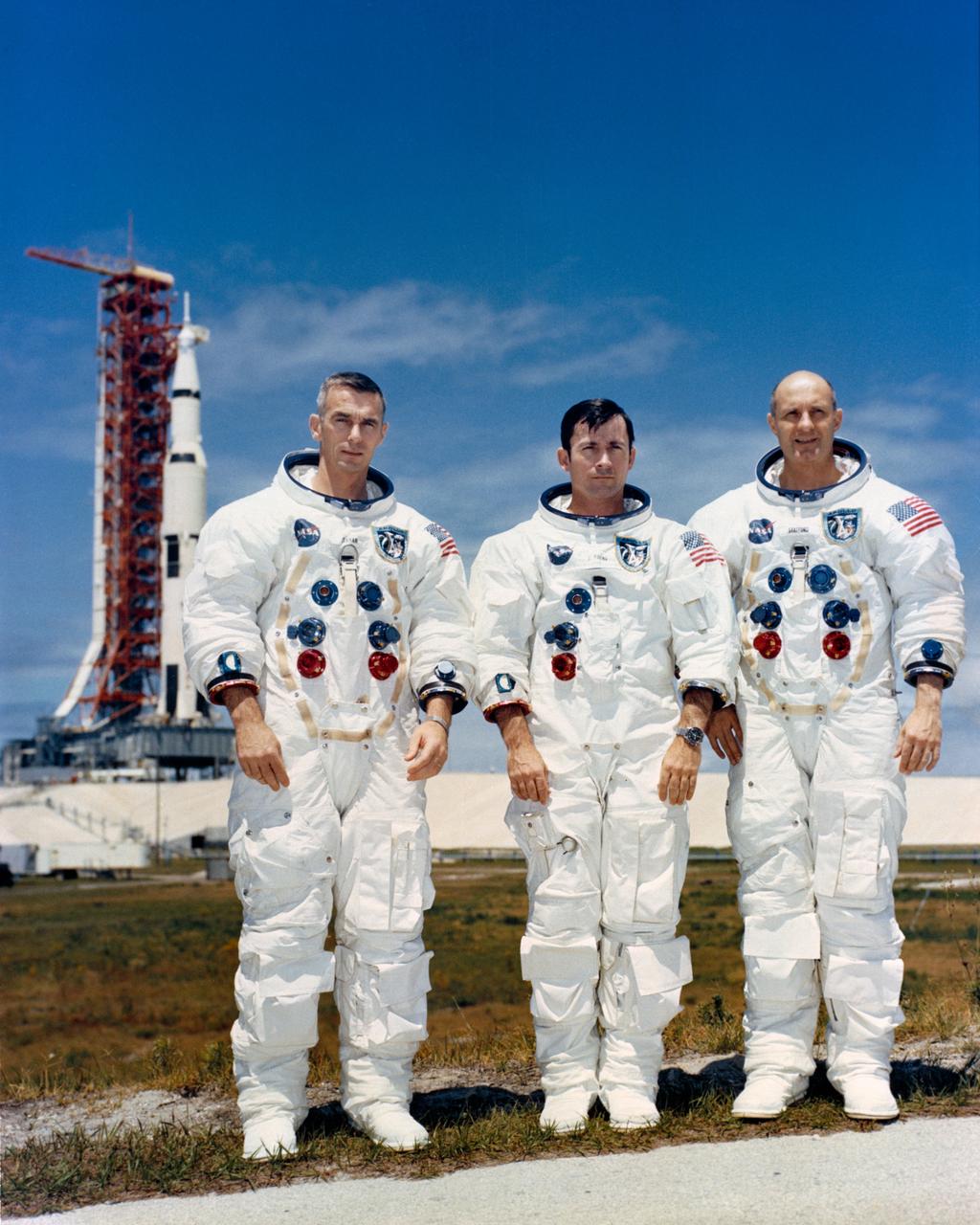
S69-34329 (13 May 1969) --- The prime crew of the Apollo 10 lunar orbit mission sits for photograph while at the Kennedy Space Center for preflight training. Left to right are astronauts Eugene A. Cernan, lunar module pilot; John W. Young, command module pilot; and Thomas P. Stafford, commander. In the left background is the Apollo 10 space vehicle on Pad B, Launch Complex 39, Kennedy Space Center. The three crewmen had just completed a Countdown Demonstration Test exercise.
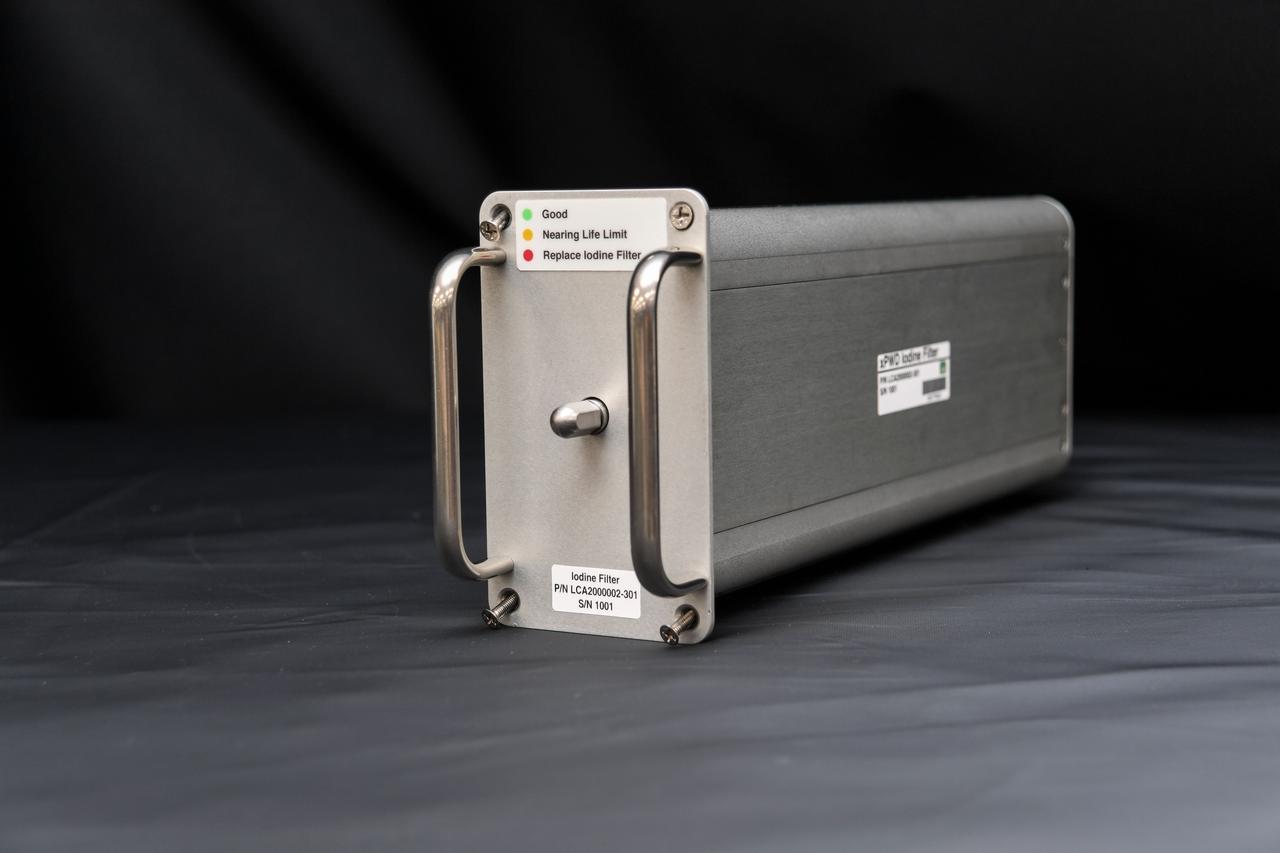
jsc2023e008494 (Feb. 10, 2023) --- A preflight image of the Exploration Potable Water Dispenser (Exploration PWD) iodine filter. Exploration PWD is a device that dispenses ambient and hot water into crew food and drink bags. The Exploration PWD is an improvement to the International Space Station (ISS) legacy PWD. Successful demonstration of this technology could lead to its adoption for future exploration missions and continued use for the space station crew.
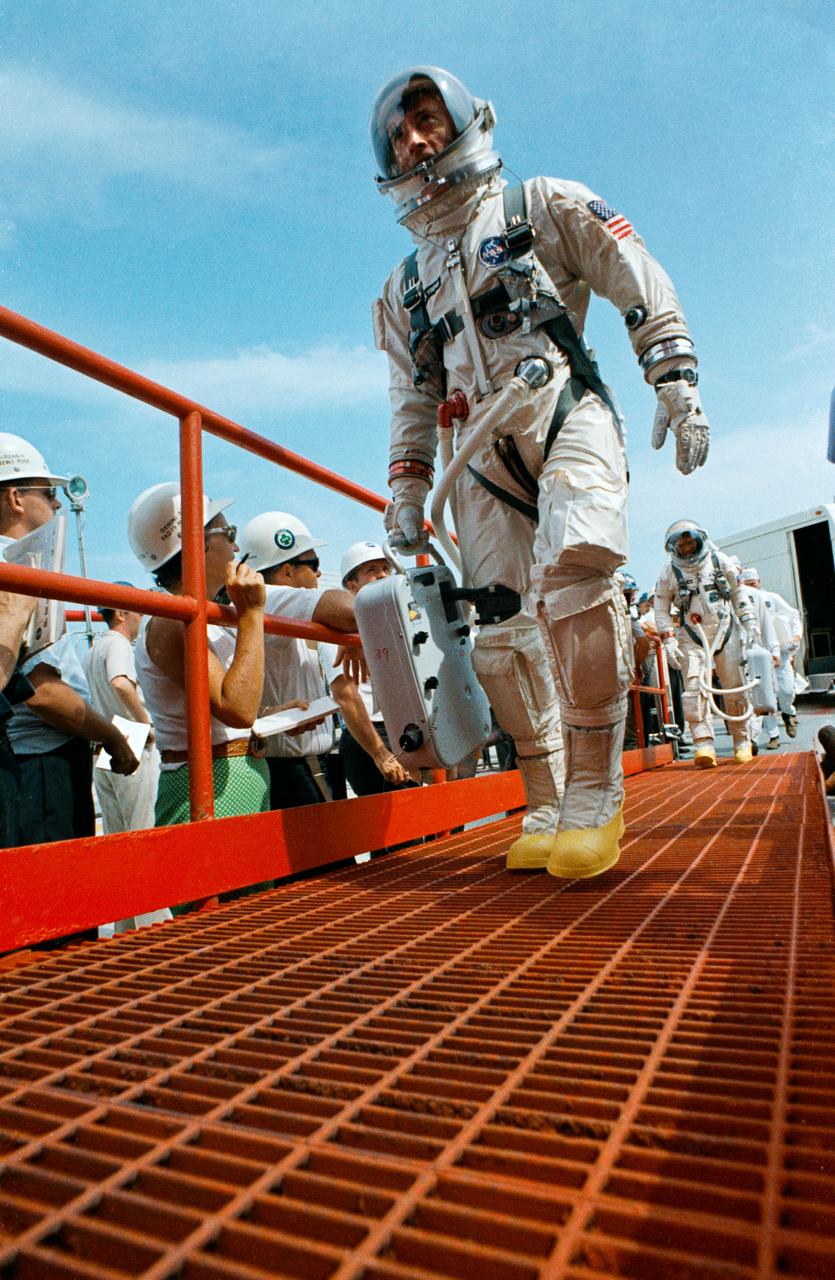
S66-42754 (18 July 1966) --- Astronauts John W. Young (leading), command pilot, and Michael Collins, pilot, walk up the ramp at Pad 19 after arriving from the Launch Complex 16 suiting trailer during the prelaunch countdown. Moments later they entered the elevator which took them to the white room and the waiting Gemini-10 spacecraft. Liftoff was at 5:20 p.m. (EST), July 18, 1966. Photo credit: NASA
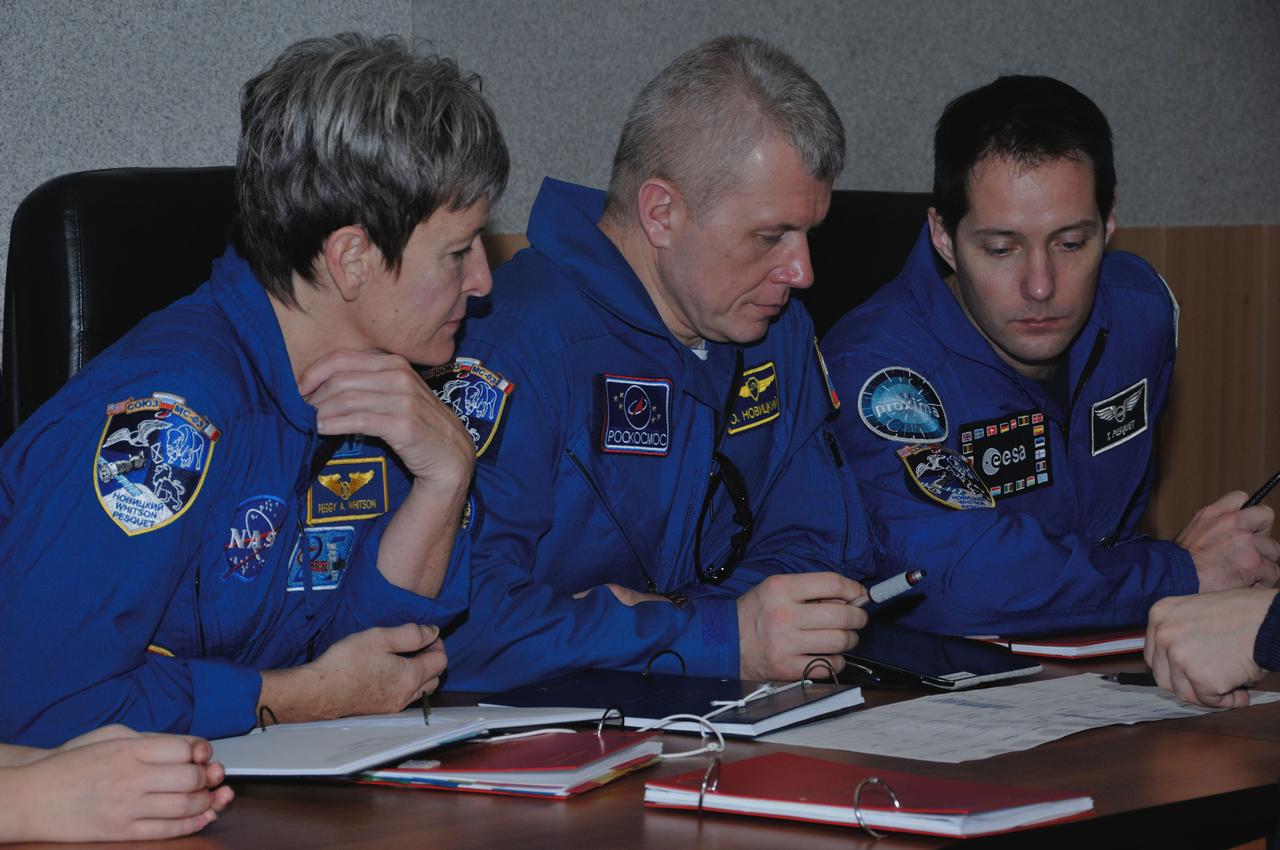
At their Cosmonaut Hotel crew quarters in Baikonur, Kazakhstan, Expedition 50-51 crewmembers Peggy Whitson of NASA (left), Oleg Novitskiy of the Russian Federal Space Agency (Roscosmos, center) and Thomas Pesquet of the European Space Agency (right) review flight plans Nov. 10 as part of their preflight training. They will launch Nov. 18, Baikonur time, on the Soyuz MS-03 spacecraft for a six-month mission on the International Space Station. NASA/Alexander Vysotsky
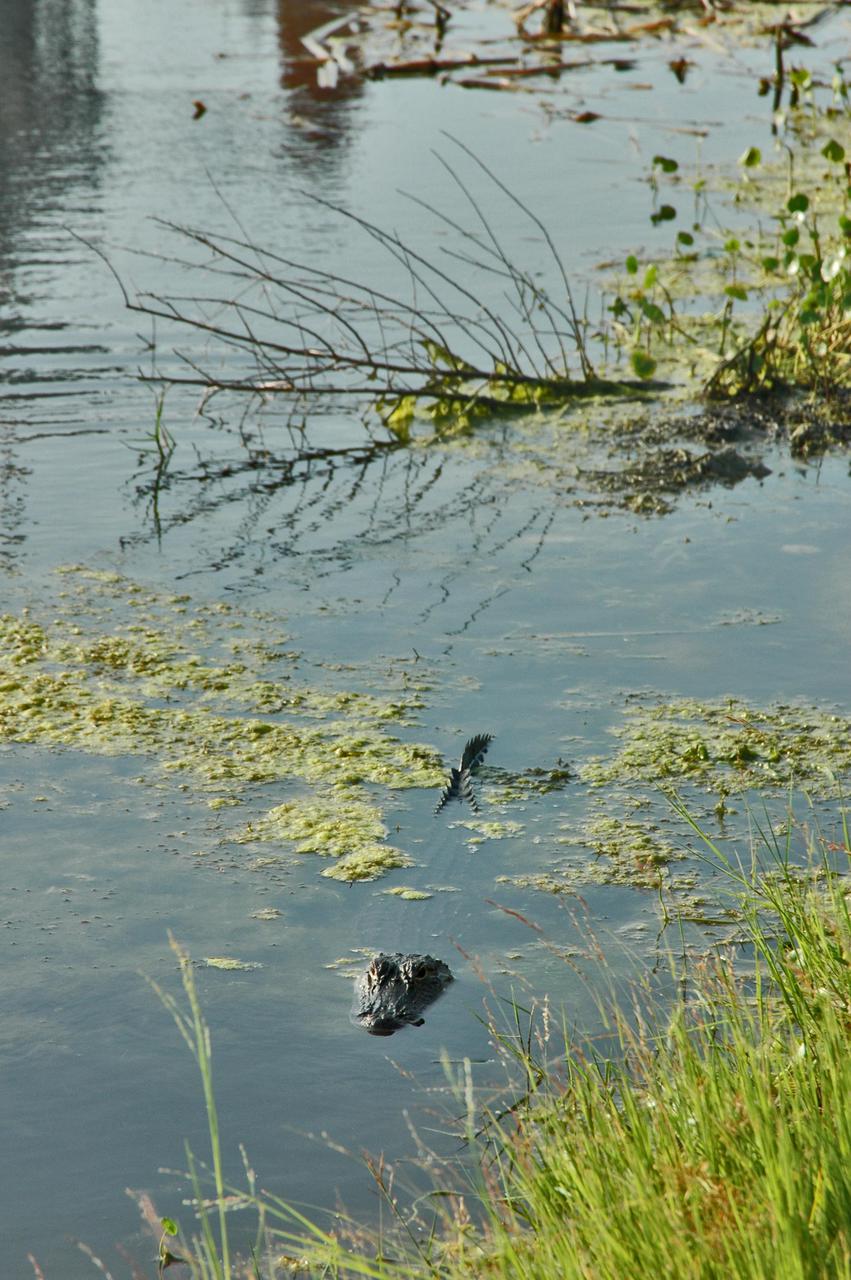
KENNEDY SPACE CENTER, FLA. - In a pond near Launch Pad 39B, an alligator lurks near the tall grass. Nearby is Space Shuttle Discovery, in full launch configuration after rollback of the Rotating Service Structure (RSS). Rollback of the RSS is a major preflight milestone, typically occurring during the T-11-hour hold on L-1 (the day before launch). Discovery is scheduled to lift off on the historic Return to Flight mission STS-114 at 10:39 a.m. EDT July 26 with a crew of seven.
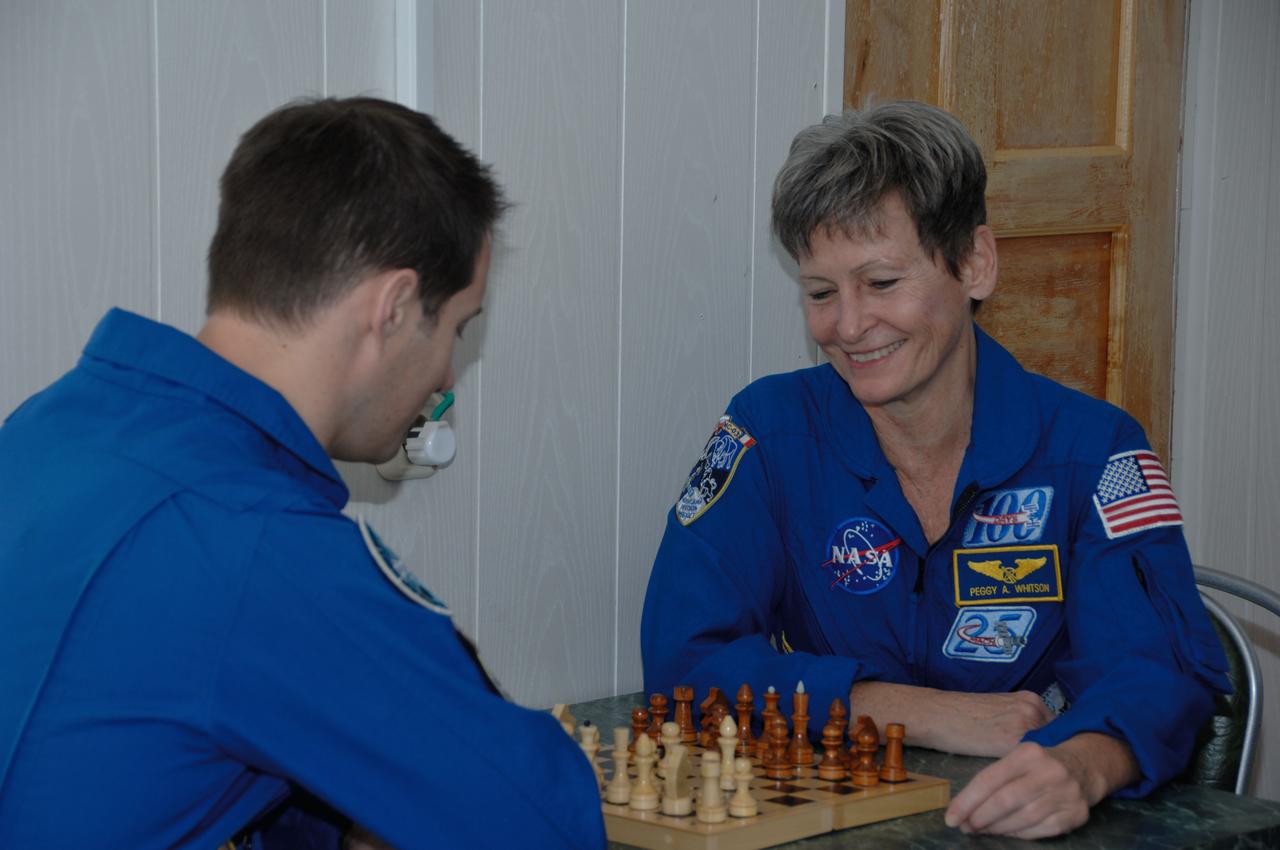
At their Cosmonaut Hotel crew quarters in Baikonur, Kazakhstan, Expedition 50-51 crewmembers Thomas Pesquet of the European Space Agency (left) and Peggy Whitson of NASA (right) try their hand at a game of chess Nov. 10 as part of their preflight activities. Pesquet, Whitson and Oleg Novitskiy of the Russian Federal Space Agency (Roscosmos) will launch Nov. 18, Baikonur time, on the Soyuz MS-03 spacecraft for a six-month mission on the International Space Station. NASA/Alexander Vysotsky
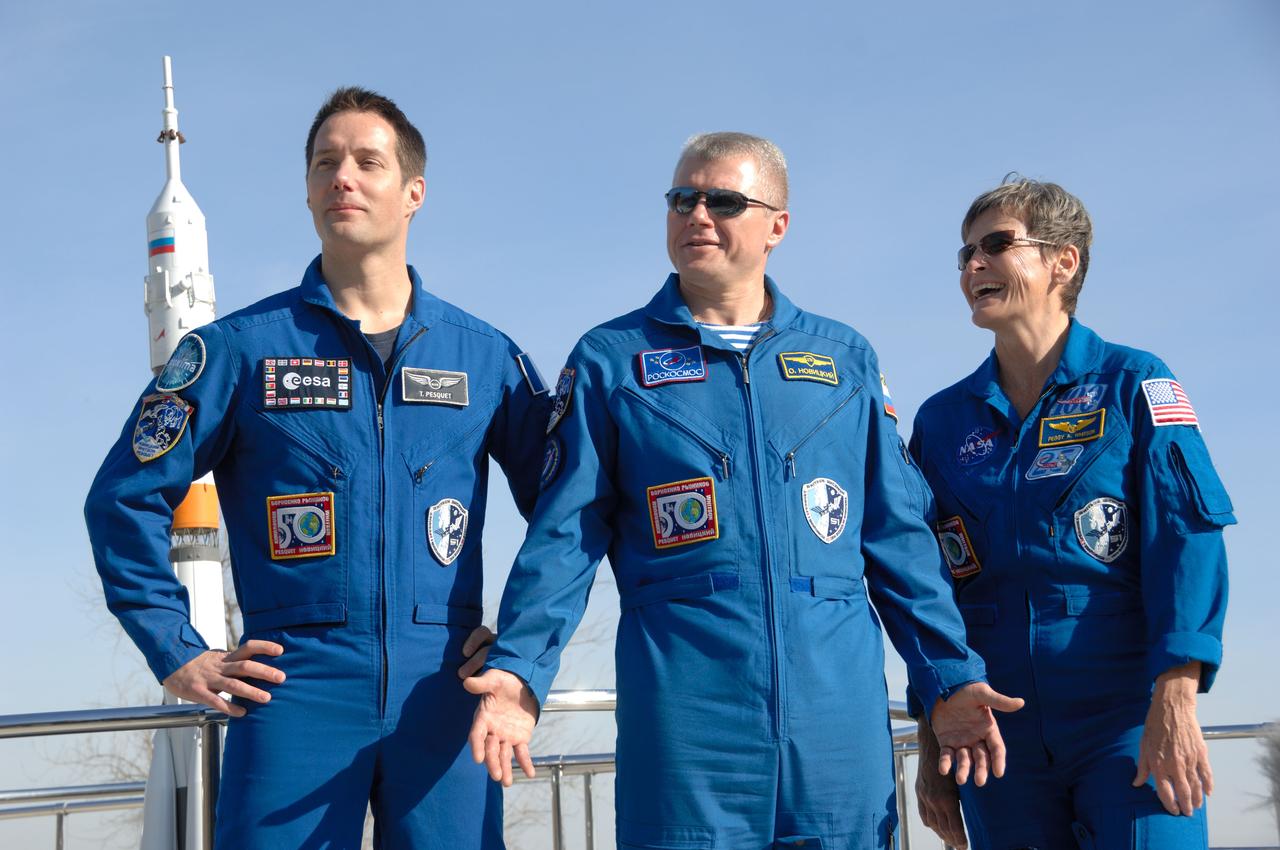
At the Cosmonaut Hotel crew quarters in Baikonur, Kazakhstan, Expedition 50-51 crewmembers Thomas Pesquet of the European Space Agency (left), Oleg Novitskiy of the Russian Federal Space Agency (Roscosmos, center) and Peggy Whitson of NASA (right) pose for pictures Nov. 10 during preflight activities. They will launch Nov. 18, Baikonur time, on the Soyuz MS-03 spacecraft for a six-month mission on the International Space Station. NASA/Alexander Vysotsky
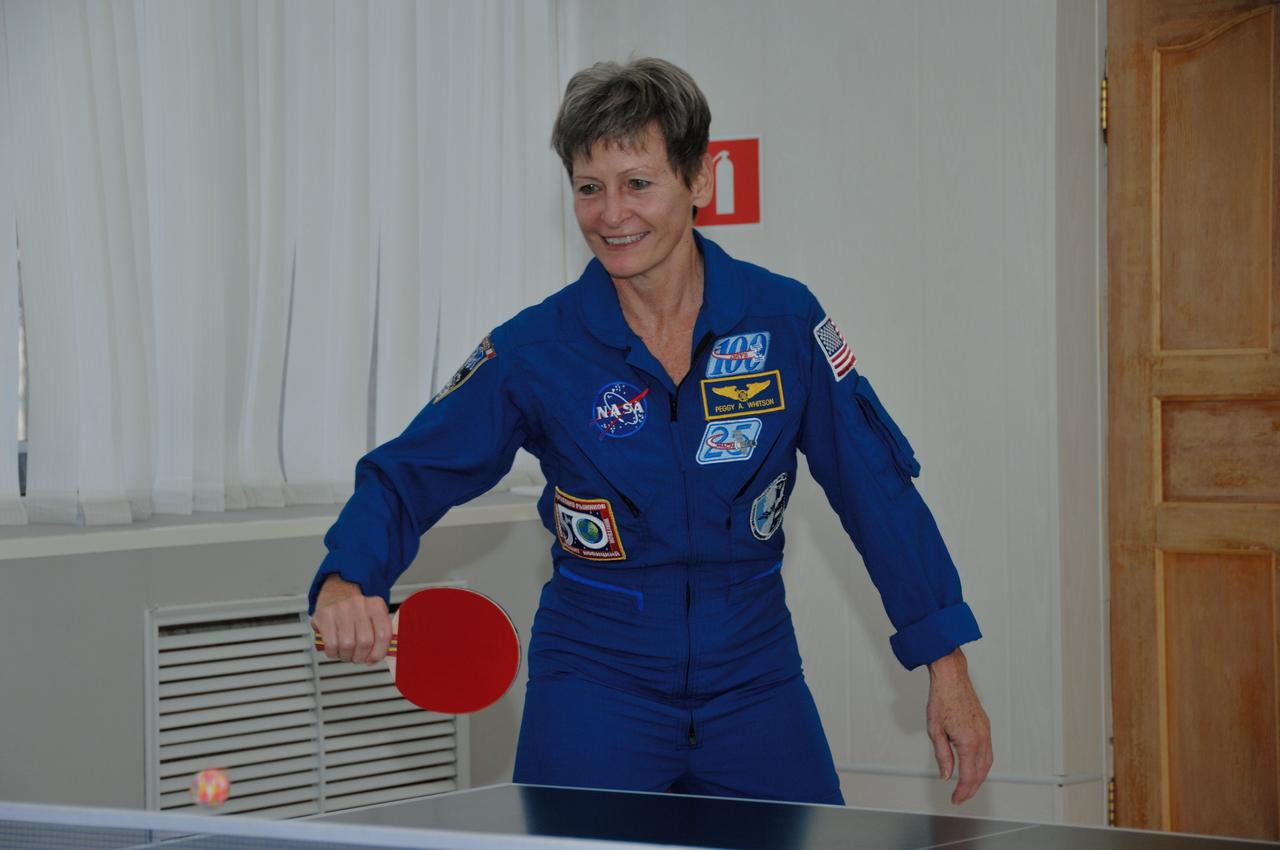
At her Cosmonaut Hotel crew quarters in Baikonur, Kazakhstan, Expedition 50-51 crewmember Peggy Whitson of NASA tries her hand at a game of ping-pong Nov. 10 as part of her preflight activities. Whitson, Thomas Pesquet of the European Space Agency (left) and Oleg Novitskiy of the Russian Federal Space Agency (Roscosmos) will launch Nov. 18, Baikonur time, on the Soyuz MS-03 spacecraft for a six-month mission on the International Space Station. NASA/Alexander Vysotsky
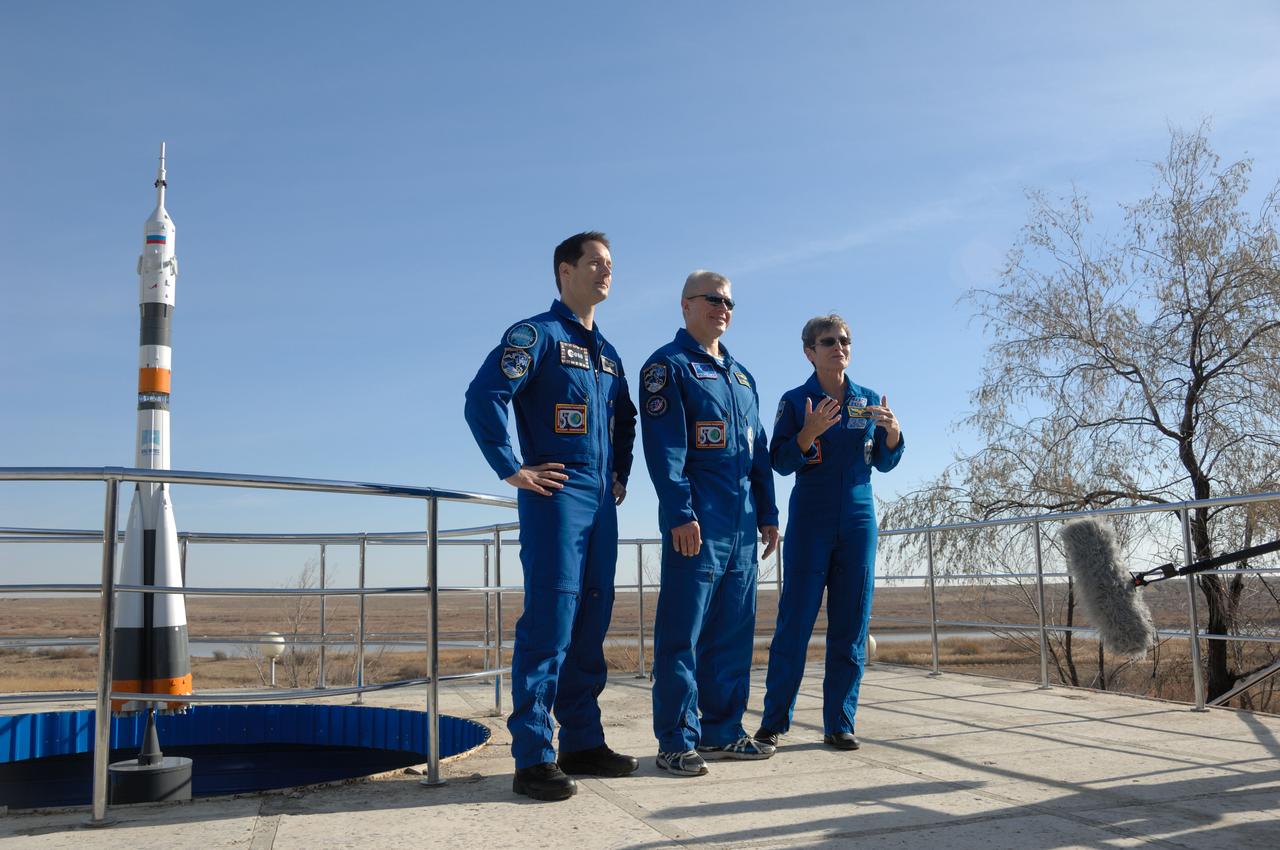
At the Cosmonaut Hotel crew quarters in Baikonur, Kazakhstan, Expedition 50-51 crewmembers Thomas Pesquet of the European Space Agency (left), Oleg Novitskiy of the Russian Federal Space Agency (Roscosmos, center) and Peggy Whitson of NASA (right) answer questions from reporters Nov. 10 during preflight activities. They will launch Nov. 18, Baikonur time, on the Soyuz MS-03 spacecraft for a six-month mission on the International Space Station. NASA/Alexander Vysotsky

At their Cosmonaut Hotel crew quarters in Baikonur, Kazakhstan, Expedition 50-51 crewmembers Peggy Whitson of NASA (left), Oleg Novitskiy of the Russian Federal Space Agency (Roscosmos, center) and Thomas Pesquet of the European Space Agency (right) practice rendezvous and docking procedures on a laptop simulator computer Nov. 10 as part of their preflight training. They will launch Nov. 18, Baikonur time, on the Soyuz MS-03 spacecraft for a six-month mission on the International Space Station. NASA/Alexander Vysotsky
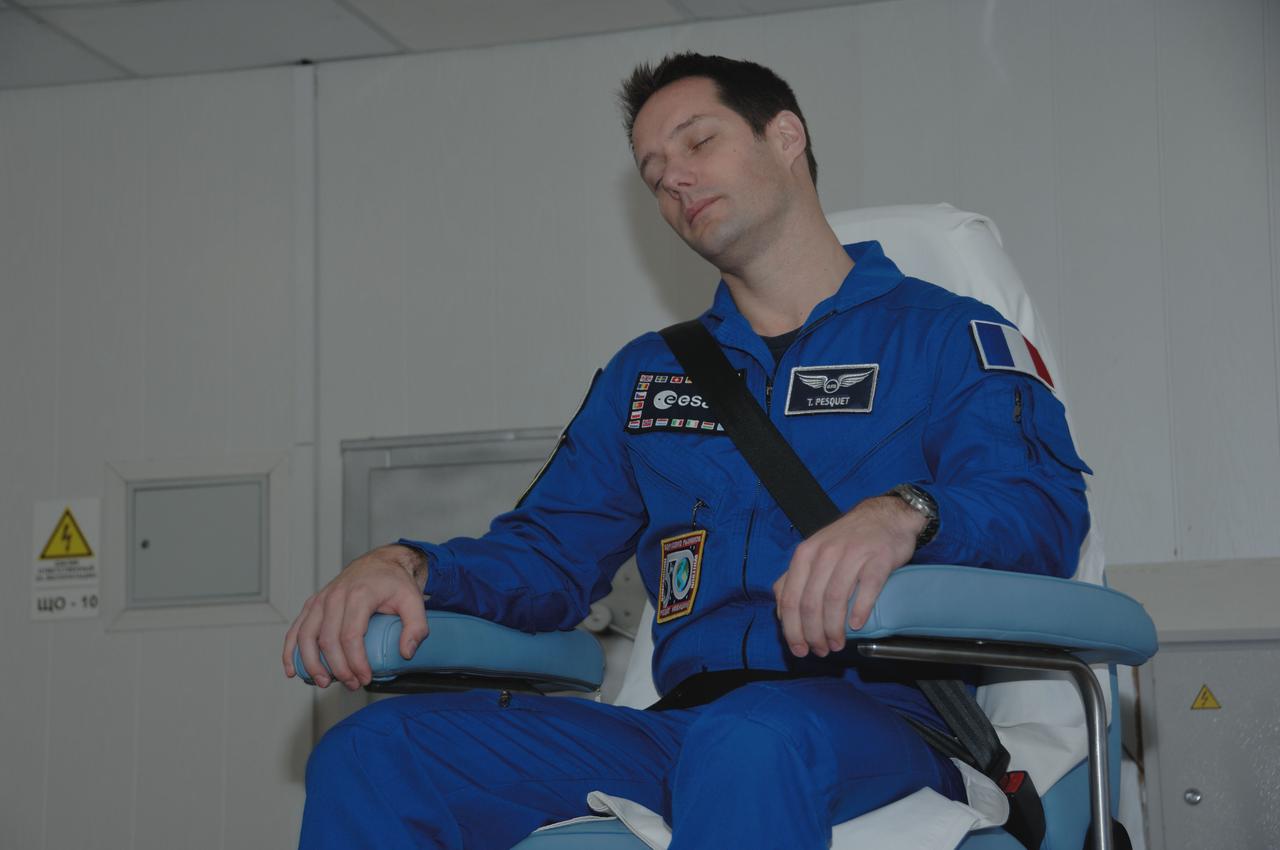
At his Cosmonaut Hotel crew quarters in Baikonur, Kazakhstan, Expedition 50-51 crewmember Thomas Pesquet of the European Space Agency takes a spin in a rotating chair Nov. 10 to test his vestibular system as part of preflight activities. Pesquet, Peggy Whitson of NASA and Oleg Novitskiy of the Russian Federal Space Agency (Roscosmos) will launch Nov. 18, Baikonur time, on the Soyuz MS-03 spacecraft for a six-month mission on the International Space Station. NASA/Alexander Vysotsky
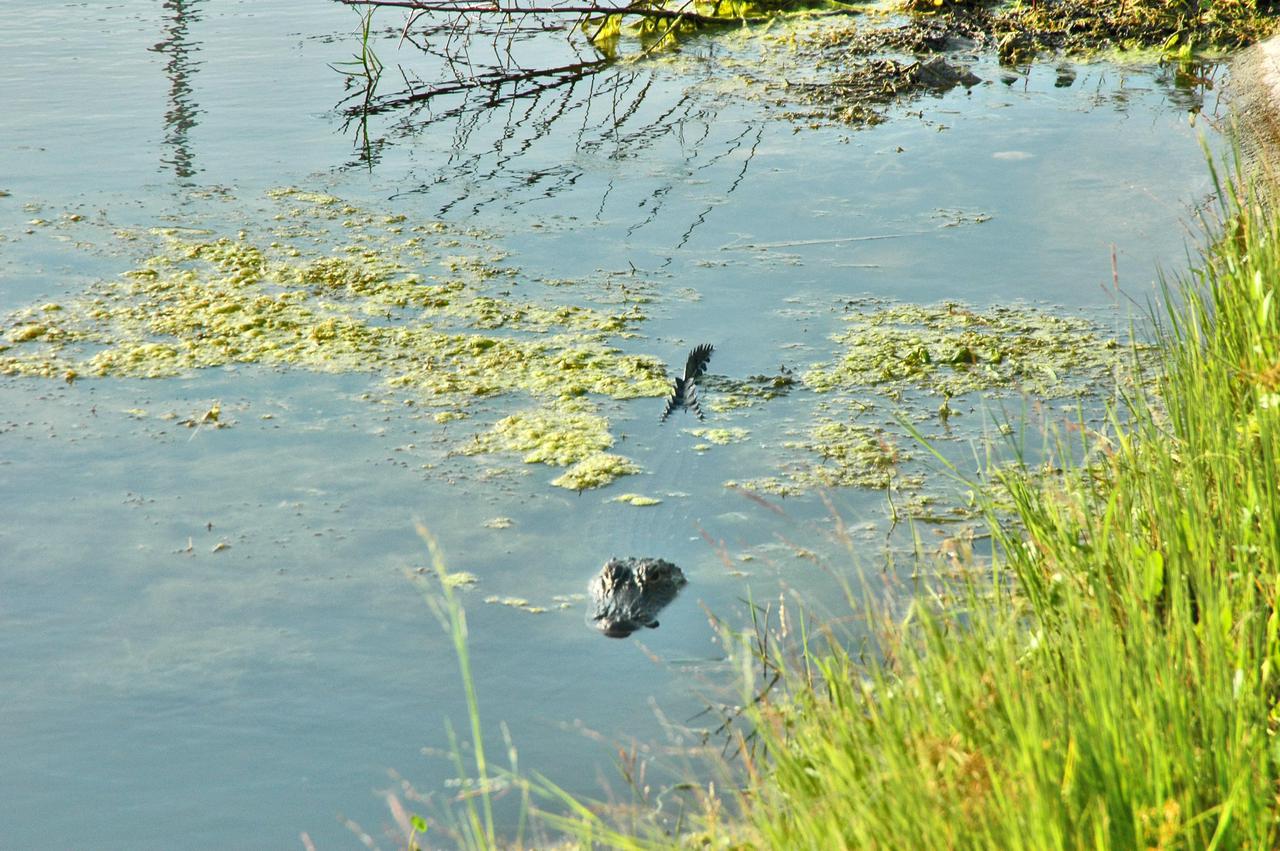
KENNEDY SPACE CENTER, FLA. - In a pond near Launch Pad 39B, an alligator lurks near the tall grass. Nearby is Space Shuttle Discovery, in full launch configuration after rollback of the Rotating Service Structure (RSS). Rollback of the RSS is a major preflight milestone, typically occurring during the T-11-hour hold on L-1 (the day before launch). Discovery is scheduled to lift off on the historic Return to Flight mission STS-114 at 10:39 a.m. EDT July 26 with a crew of seven.
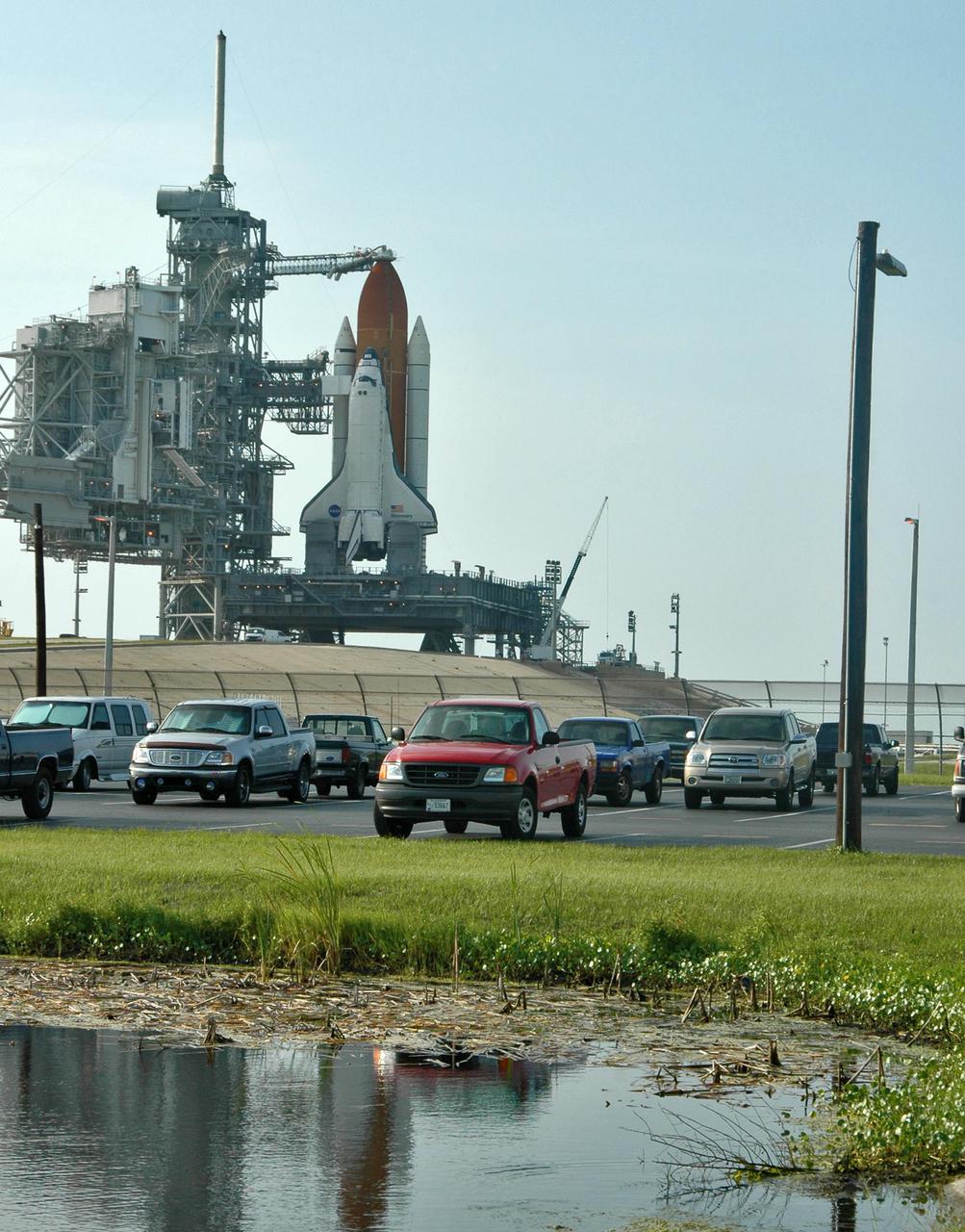
KENNEDY SPACE CENTER, FLA. - Space Shuttle Discovery in full launch configuration is revealed after the Rotating Service Structure (RSS) was rotated back at Launch Pad 39B at NASA Kennedy Space Center. Rollback of the RSS is a major preflight milestone, typically occurring during the T-11-hour hold on L-1 (the day before launch). Discovery is scheduled to lift off on the historic Return to Flight mission STS-114 at 10:39 a.m. EDT July 26 with a crew of seven.
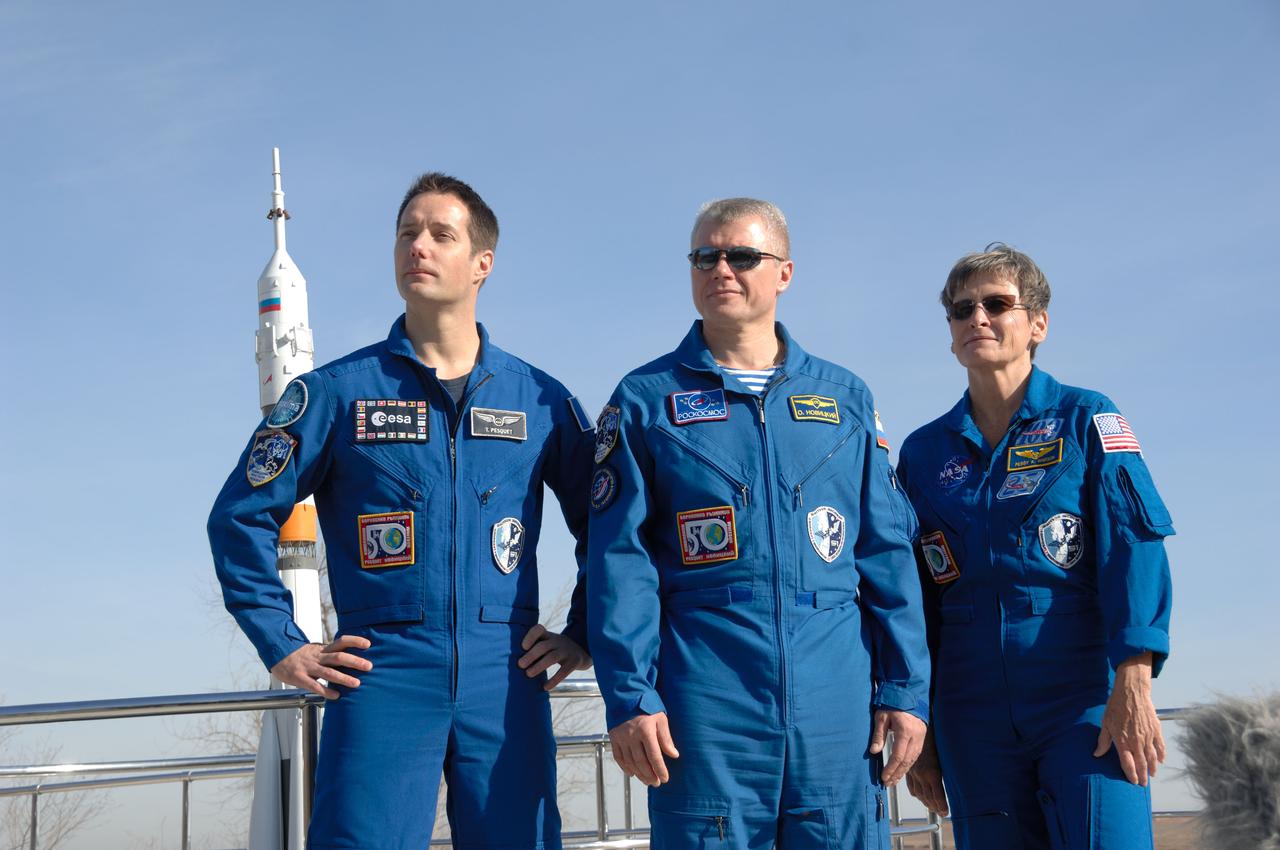
At the Cosmonaut Hotel crew quarters in Baikonur, Kazakhstan, Expedition 50-51 crewmembers Thomas Pesquet of the European Space Agency (left), Oleg Novitskiy of the Russian Federal Space Agency (Roscosmos, center) and Peggy Whitson of NASA (right) pose for pictures Nov. 10 during preflight activities. They will launch Nov. 18, Baikonur time, on the Soyuz MS-03 spacecraft for a six-month mission on the International Space Station. NASA/Alexander Vysotsky
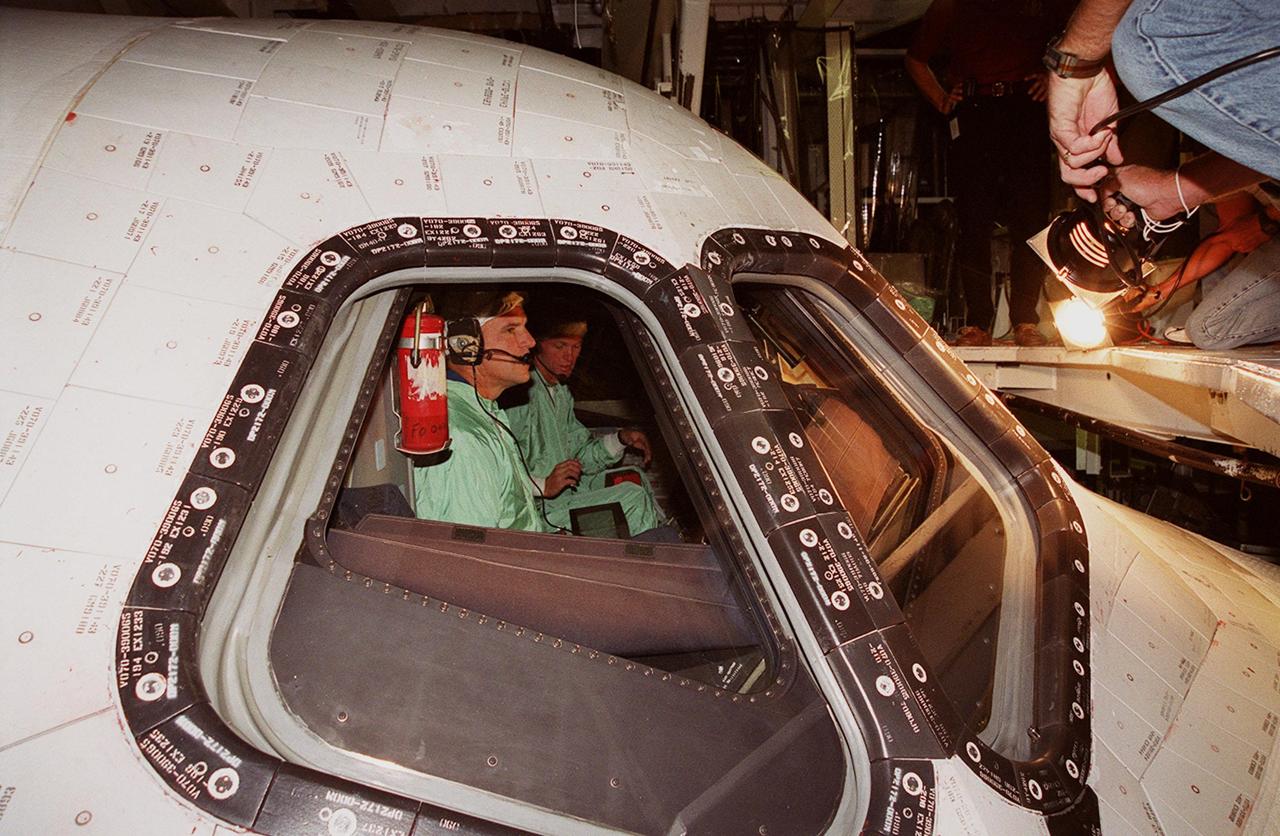
During a Crew Equipment Interface Test (CEIT), STS-97 Commander Brent Jett (left) and Pilot Michael Bloomfied (right) check out the cockpit of orbiter Endeavour in Orbiter Processing Facility bay 2 as part of preflight preparations. The CEIT provides an opportunity for crew members to check equipment and facilities that will be on board the orbiter during their mission. The STS-97 mission will be the sixth construction flight to the International Space Station. The payload includes a photovoltaic (PV) module, providing solar power to the Station. STS-97 is scheduled to launch Nov. 30 from KSC for the 10-day mission
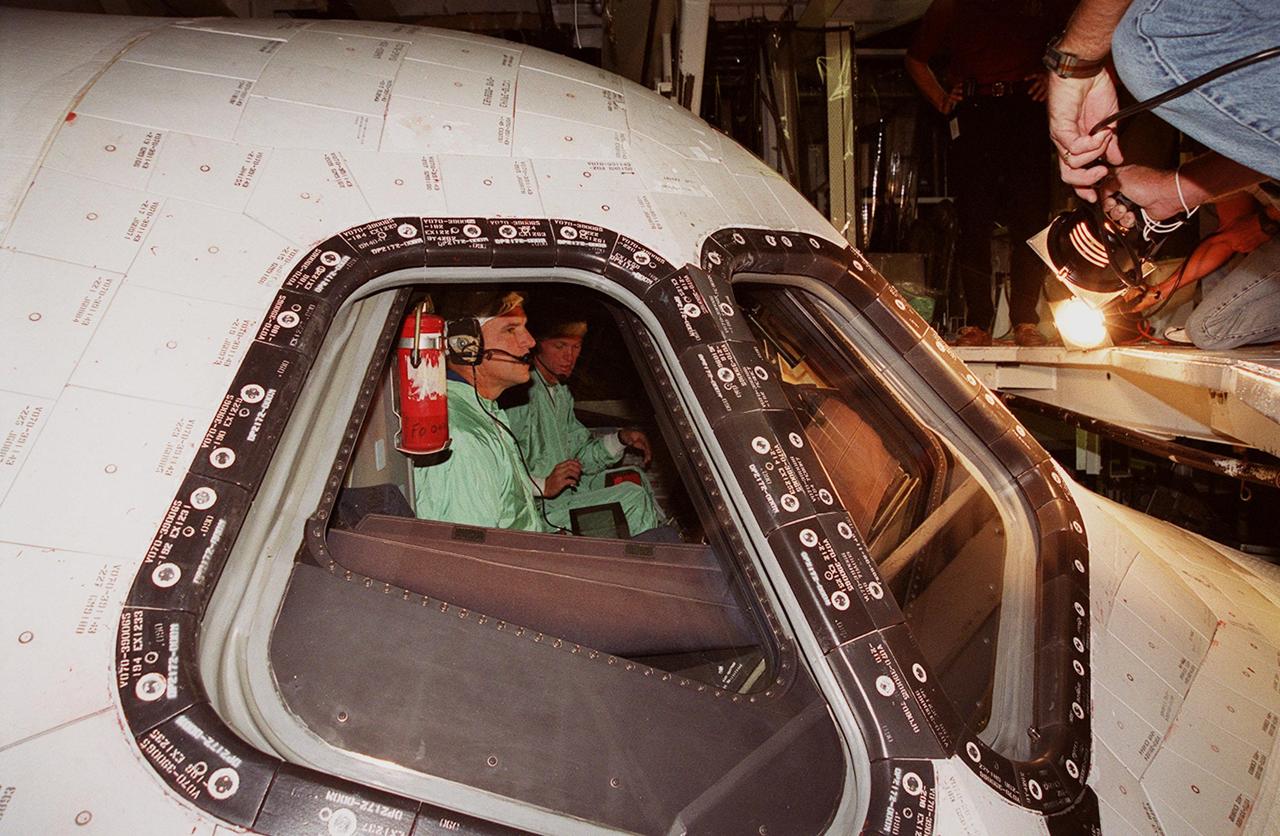
During a Crew Equipment Interface Test (CEIT), STS-97 Commander Brent Jett (left) and Pilot Michael Bloomfied (right) check out the cockpit of orbiter Endeavour in Orbiter Processing Facility bay 2 as part of preflight preparations. The CEIT provides an opportunity for crew members to check equipment and facilities that will be on board the orbiter during their mission. The STS-97 mission will be the sixth construction flight to the International Space Station. The payload includes a photovoltaic (PV) module, providing solar power to the Station. STS-97 is scheduled to launch Nov. 30 from KSC for the 10-day mission
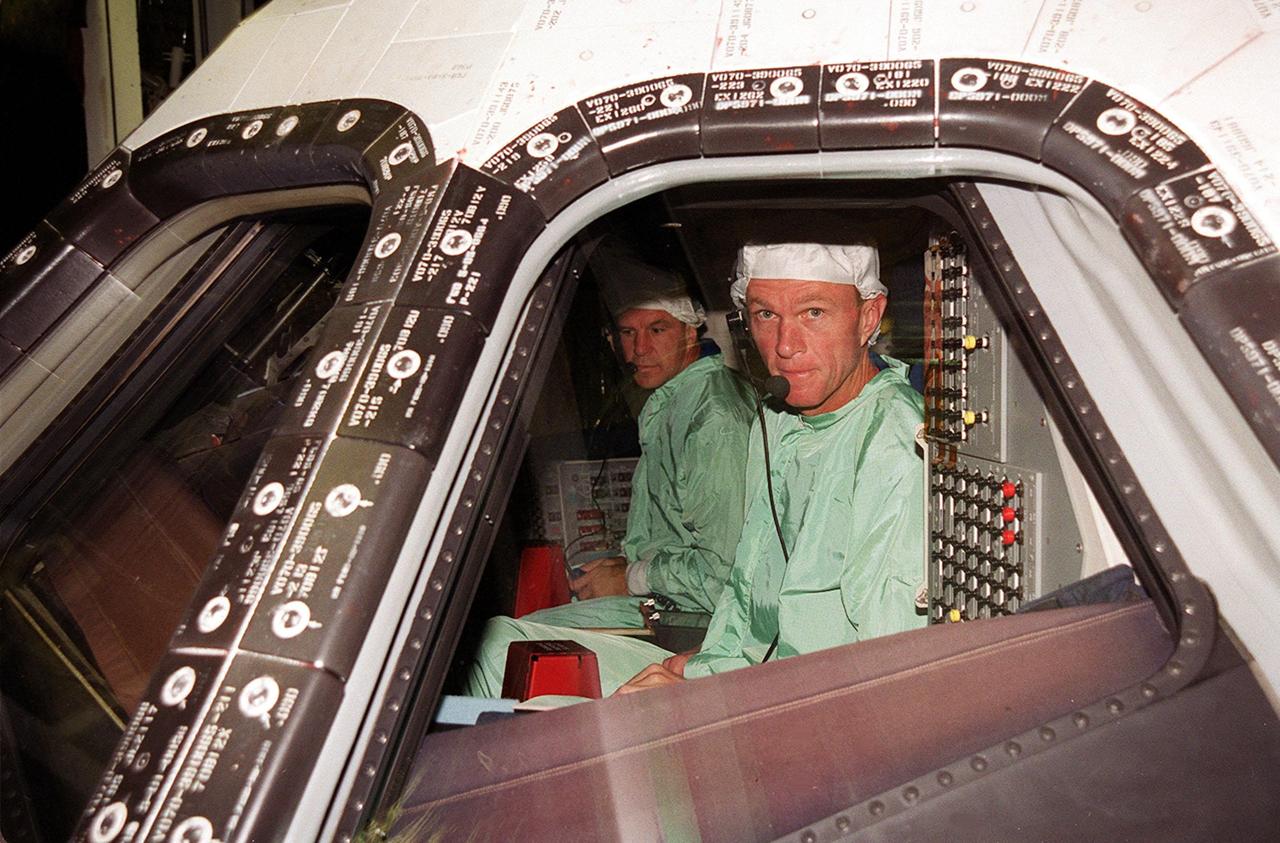
In Orbiter Processing Facility bay 2 during a Crew Equipment Interface Test (CEIT), STS-97 Pilot Michael Bloomfied (left) and Commander Brent Jett (right) check out the cockpit of orbiter Endeavour as part of preflight preparations. The CEIT provides an opportunity for crew members to check equipment and facilities that will be on board the orbiter during their mission. The STS-97 mission will be the sixth construction flight to the International Space Station. The payload includes a photovoltaic (PV) module, providing solar power to the Station. STS-97 is scheduled to launch Nov. 30 from KSC for the 10-day mission
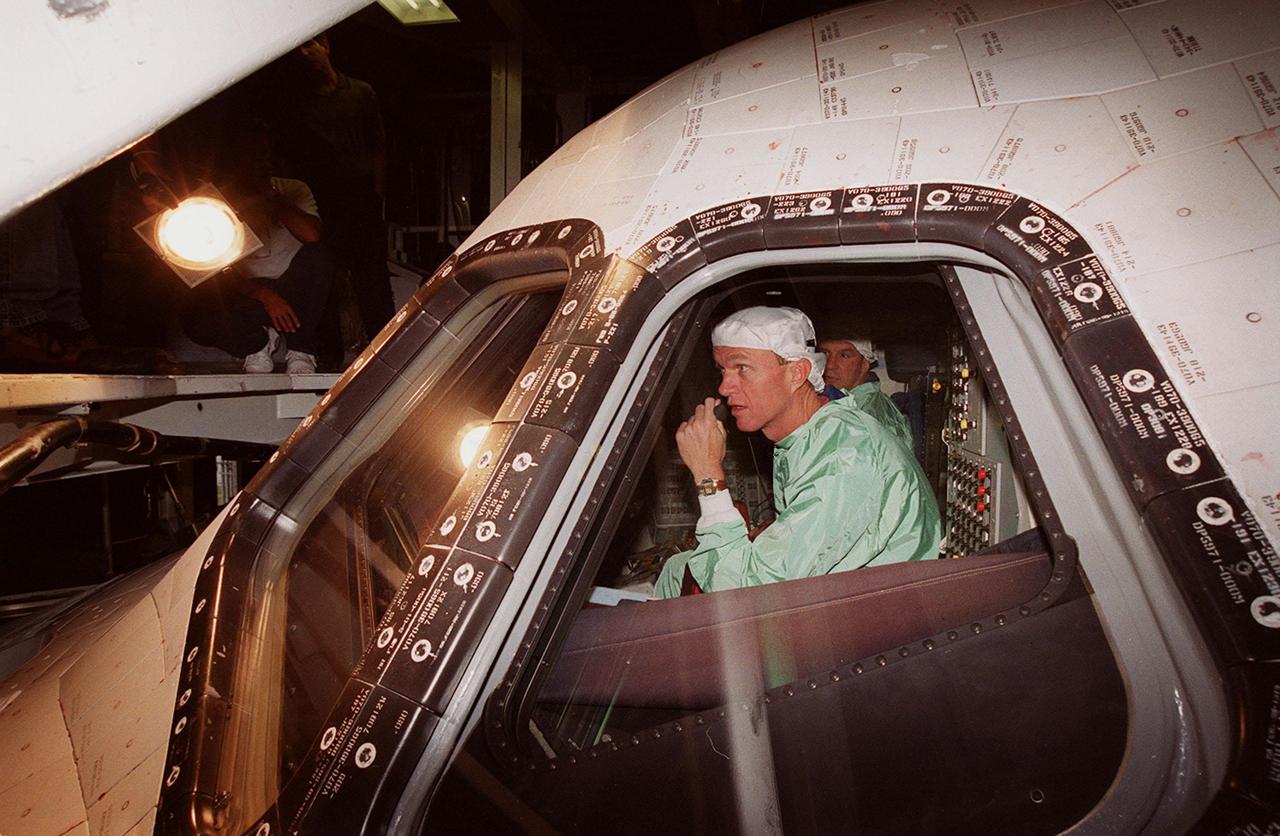
In Orbiter Processing Facility bay 2 during a Crew Equipment Interface Test (CEIT), STS-97 Commander Brent Jett (left) and Pilot Michael Bloomfied (right) check out the cockpit of orbiter Endeavour as part of preflight preparations. The CEIT provides an opportunity for crew members to check equipment and facilities that will be on board the orbiter during their mission. The STS-97 mission will be the sixth construction flight to the International Space Station. The payload includes a photovoltaic (PV) module, providing solar power to the Station. STS-97 is scheduled to launch Nov. 30 from KSC for the 10-day mission
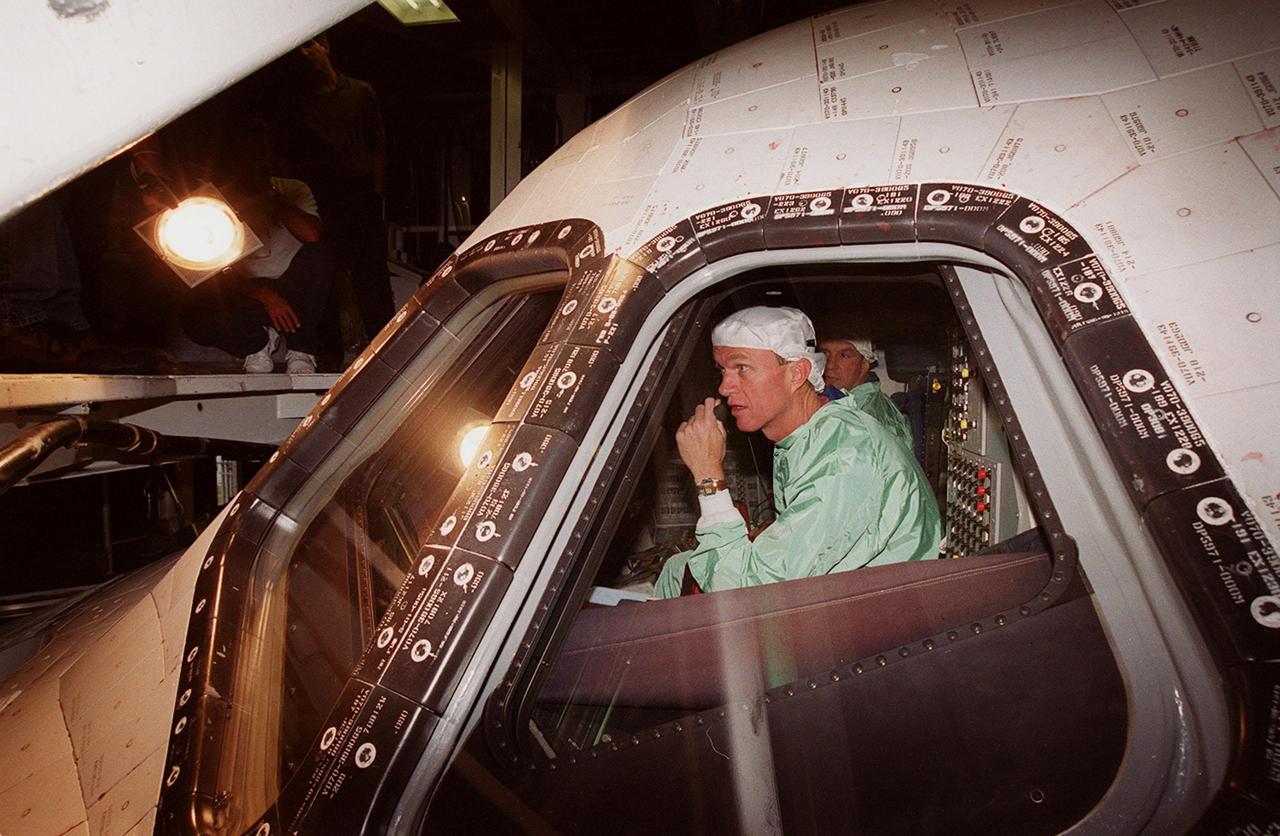
In Orbiter Processing Facility bay 2 during a Crew Equipment Interface Test (CEIT), STS-97 Commander Brent Jett (left) and Pilot Michael Bloomfied (right) check out the cockpit of orbiter Endeavour as part of preflight preparations. The CEIT provides an opportunity for crew members to check equipment and facilities that will be on board the orbiter during their mission. The STS-97 mission will be the sixth construction flight to the International Space Station. The payload includes a photovoltaic (PV) module, providing solar power to the Station. STS-97 is scheduled to launch Nov. 30 from KSC for the 10-day mission
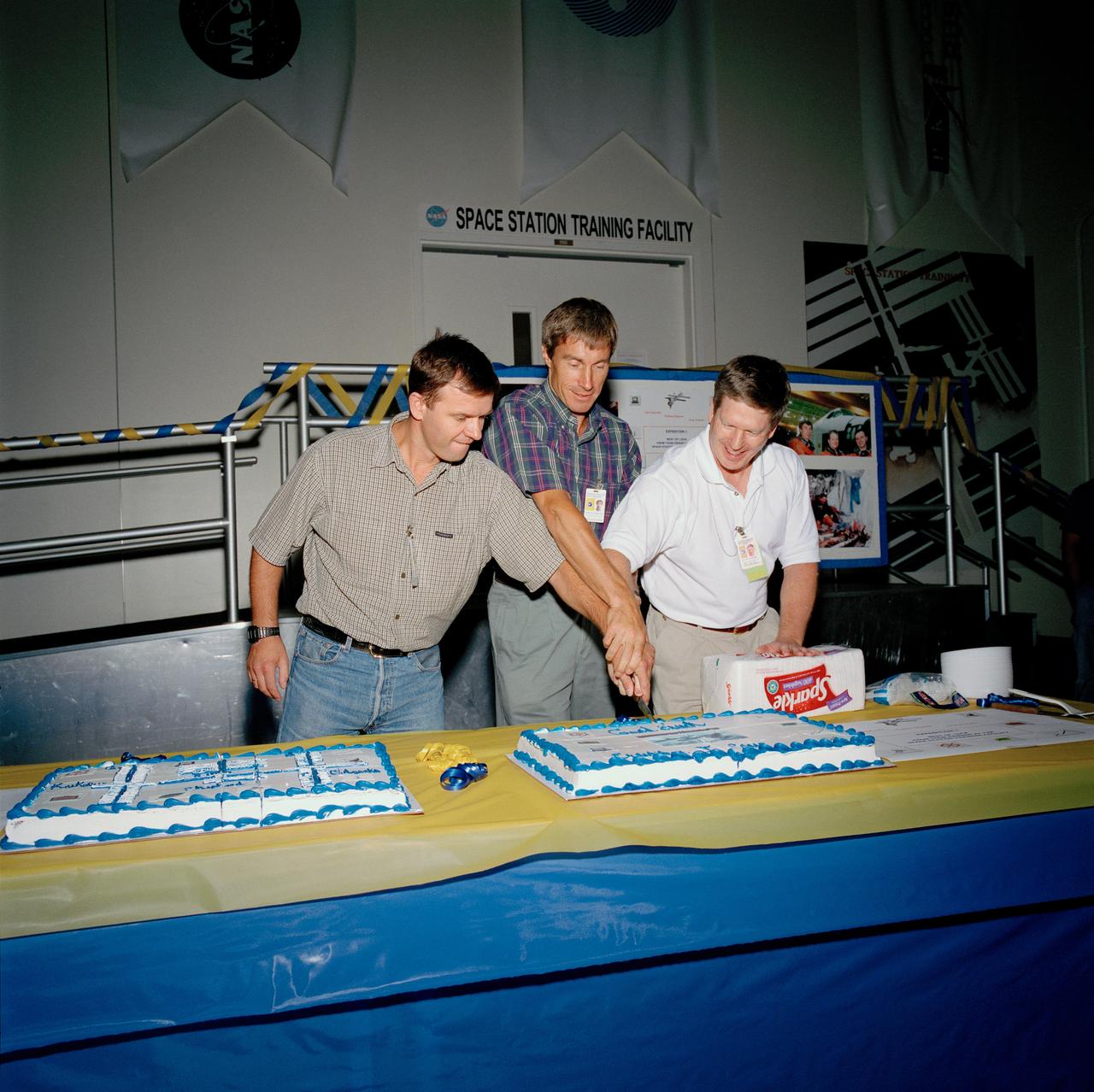
JSC2000-05569 (August 2000) --- Symbolizing the completion of its preflight training in the United States, the Expedition One crew is treated to a celebratory cake from the training team in the Mission Simulation and Training Facility at the Johnson Space Center (JSC). The international crew, from the left, Russian cosmonauts Yuri P. Gidzenko and Sergei K. Krikalev, along with U.S. astronaut William M. Shepherd, departed August 10 for Star City, Russia, where they will continue to train until their scheduled October 30 launch aboard a Russian Soyuz rocket. They will be the first long-duration residents of the station.
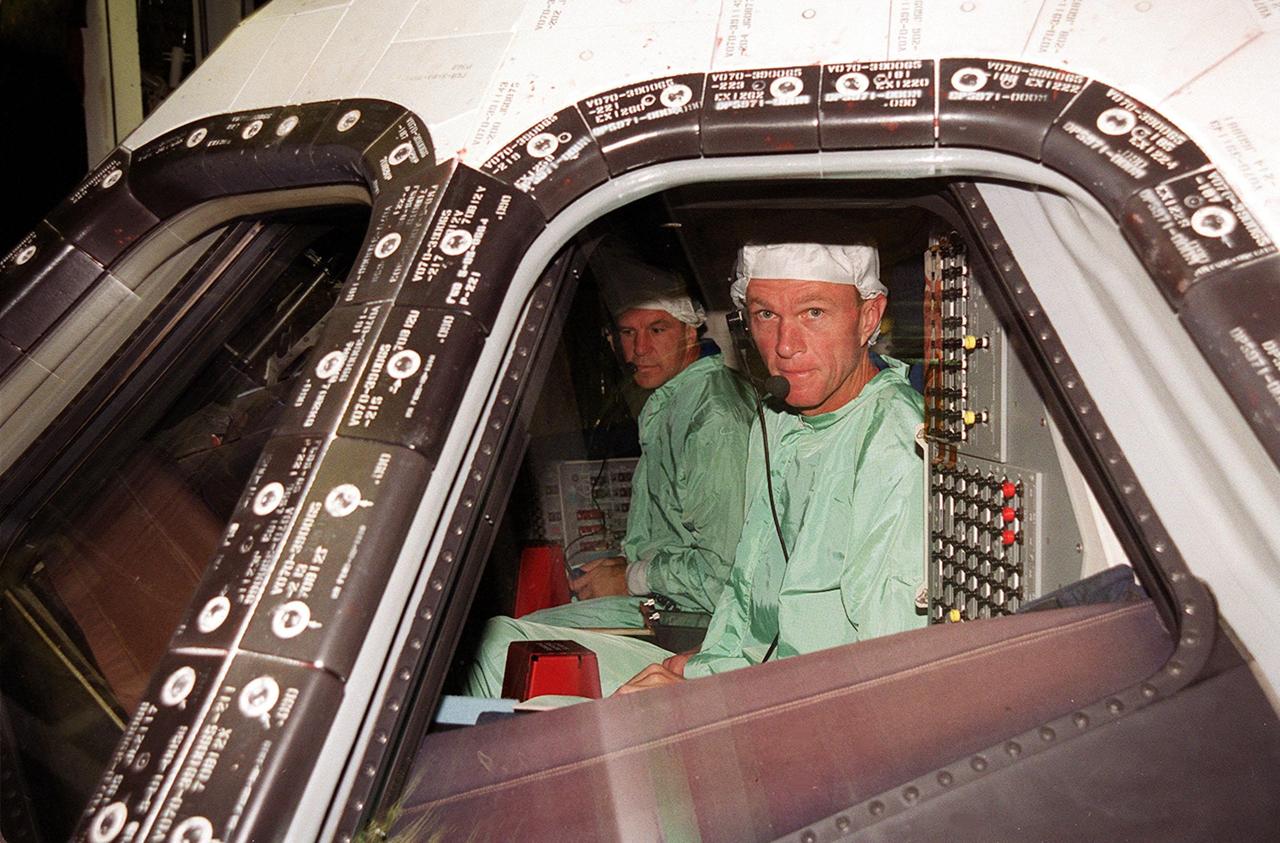
In Orbiter Processing Facility bay 2 during a Crew Equipment Interface Test (CEIT), STS-97 Pilot Michael Bloomfied (left) and Commander Brent Jett (right) check out the cockpit of orbiter Endeavour as part of preflight preparations. The CEIT provides an opportunity for crew members to check equipment and facilities that will be on board the orbiter during their mission. The STS-97 mission will be the sixth construction flight to the International Space Station. The payload includes a photovoltaic (PV) module, providing solar power to the Station. STS-97 is scheduled to launch Nov. 30 from KSC for the 10-day mission
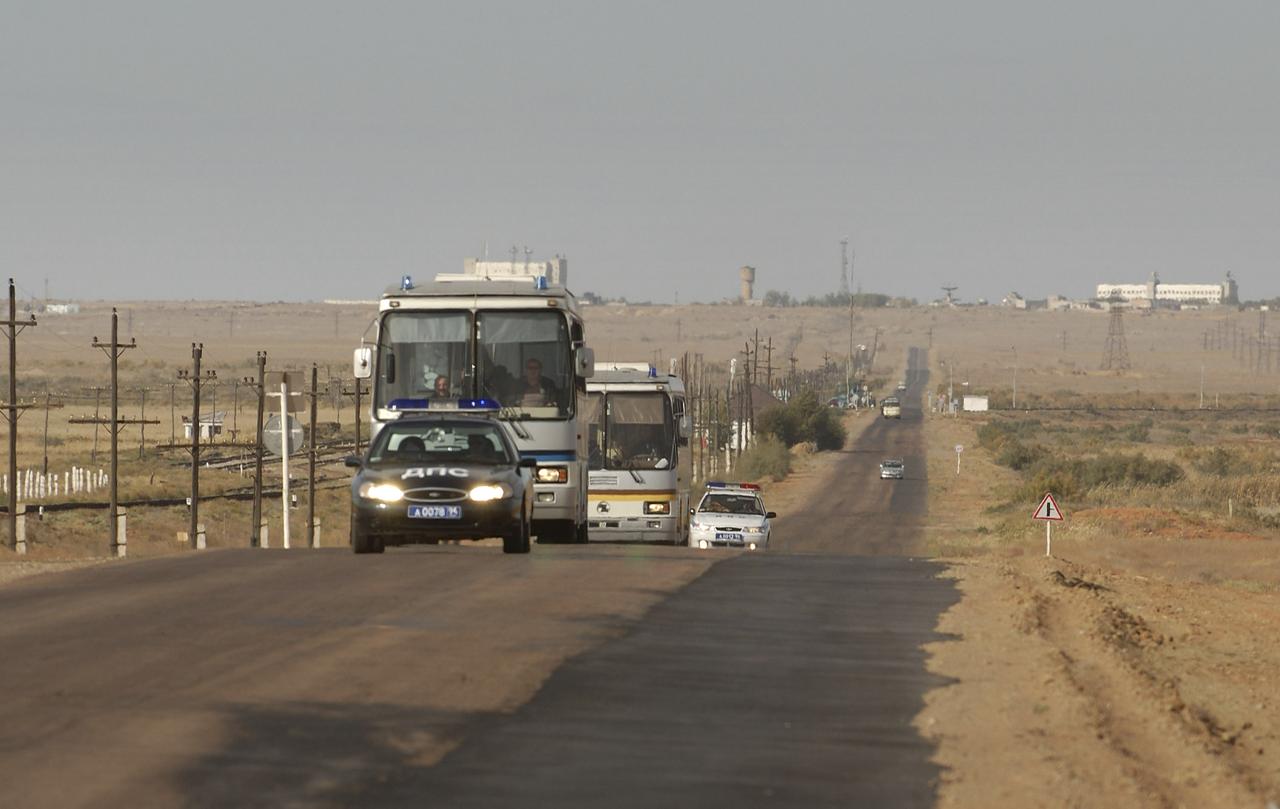
The prime and backup crew buses are escorted through the Baikonur Cosmodrome as the crew returns to the Cosmonaut Hotel. Expedition 10 Commander and NASA Science Officer Leroy Chiao, Flight Engineer and Soyuz Commander Salizhan Sharipov and Russian Space Forces Cosmonaut Yuri Shargin donned their launch and entry suits and climbed aboard their Soyuz TMA-5 spacecraft October 5, 2004 at the Baikonur Cosmodrome in Kazakhstan for a dress rehearsal of launch day activities leading to their liftoff October 14 to the International Space Station. Chiao and Sharipov, the first crew of all-Asian extraction, will spend six months on the Station, while Shargin will return to Earth October 24 with the Station’s current residents, Expedition 9 Commander Gennady Padalka and NASA Flight Engineer and Science Officer Mike Fincke. Photo Credit: “NASA/Bill Ingalls”

jsc2019e041776 (10/2/2012) --- A preflight phase contrast image of vascular endothelial cells cultured on microcarrier beads before being put into the flight hardware. Used for STaARS BioScience-3 experiment. The Spaceflight Effects on Vascular Endothelial and Smooth Muscle Cell Process (STaARS BioScience-3) investigation contributes to a greater understanding of cardiovascular disease (CVD) through the study of transcriptomics of vascular cells. Upon return from spaceflight, crew members often display alterations in their cardiovascular systems, similar to those suffering from CVD. The goal of this work is to elucidate the mechanism of vascular cell damage in the space environment by exposing vascular cells to spaceflight.
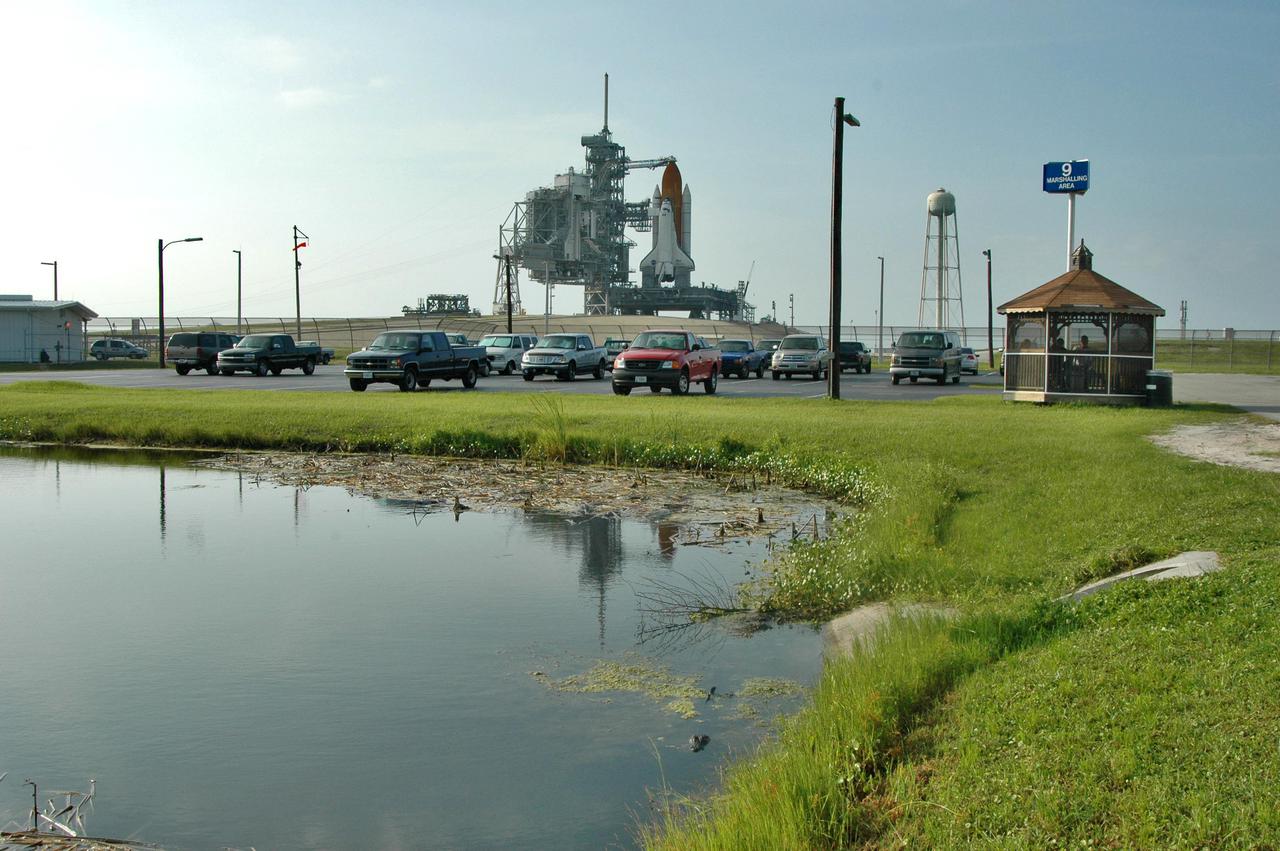
KENNEDY SPACE CENTER, FLA. - In a pond near Launch Pad 39B, an alligator lurks near the tall grass on the lower right side. In the background is Space Shuttle Discovery, in full launch configuration after rollback of the Rotating Service Structure (RSS). Rollback of the RSS is a major preflight milestone, typically occurring during the T-11-hour hold on L-1 (the day before launch). Discovery is scheduled to lift off on the historic Return to Flight mission STS-114 at 10:39 a.m. EDT July 26 with a crew of seven.
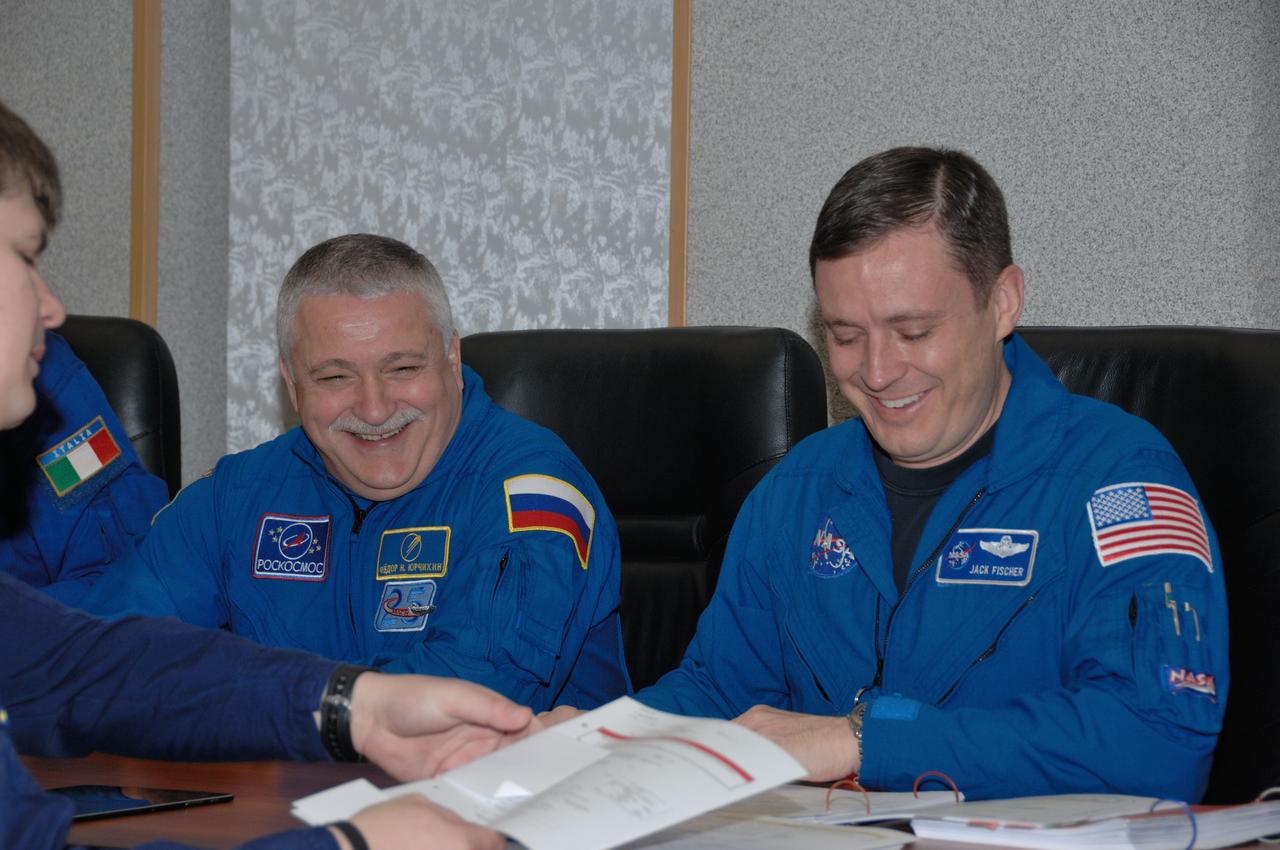
At their Cosmonaut Hotel crew quarters in Baikonur, Kazakhstan, Expedition 50-51 backup crewmembers Fyodor Yurchikhin of the Russian Federal Space Agency (Roscosmos, left) and Jack Fischer of NASA (right) share a light-hearted moment as they review flight plans Nov. 10 as part of preflight training. They are backups to the prime crewmembers, Peggy Whitson of NASA, Oleg Novitskiy of Roscosmos and Thomas Pesquet of the European Space Agency, who will launch Nov. 18, Baikonur time, on the Soyuz MS-03 spacecraft for a six-month mission on the International Space Station. NASA/Alexander Vysotsky
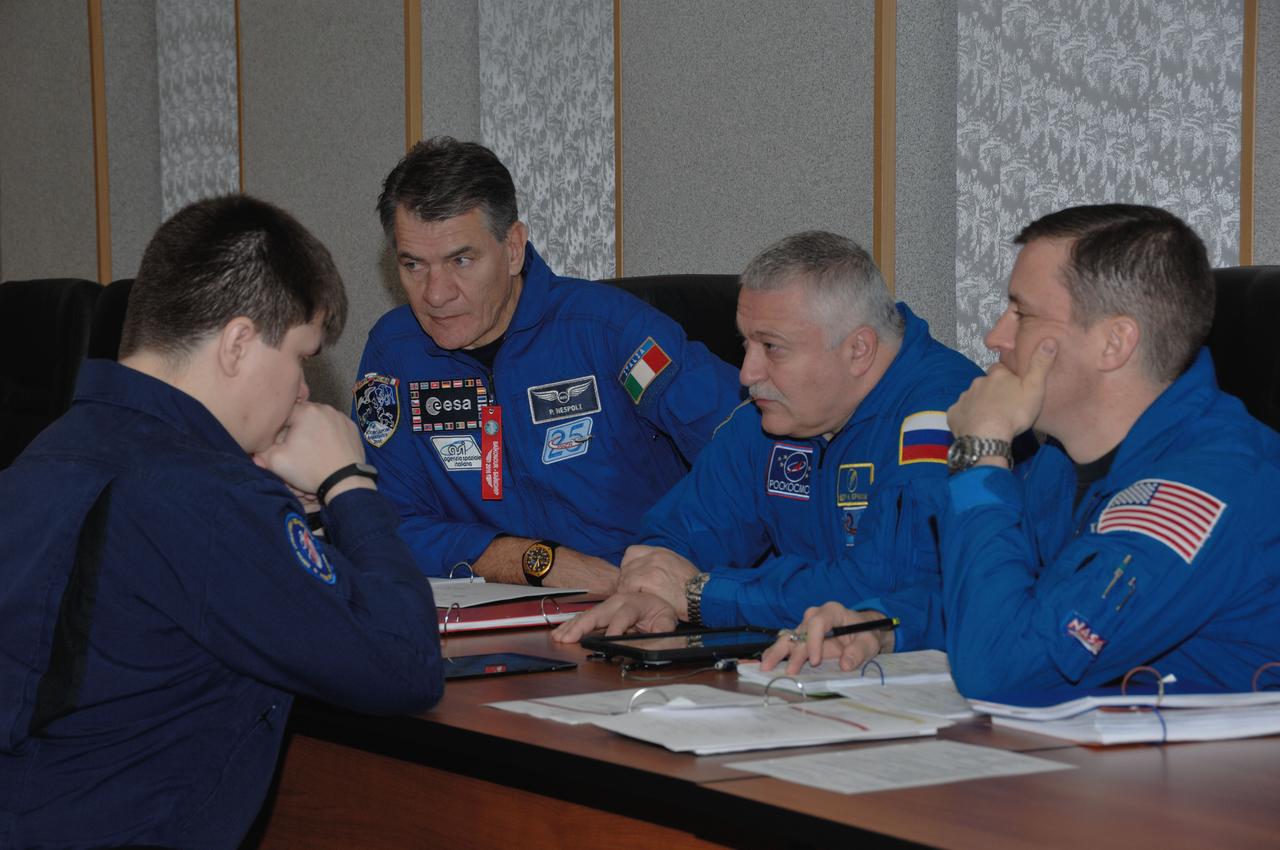
At their Cosmonaut Hotel crew quarters in Baikonur, Kazakhstan, Expedition 50-51 backup crewmembers Paolo Nespoli of the European Space Agency (left), Fyodor Yurchikhin of the Russian Federal Space Agency (Roscosmos, center) and Jack Fischer of NASA (right) review flight plans with trainers Nov. 10 as part of preflight activities. They are backups to the prime crewmembers, Peggy Whitson of NASA, Oleg Novitskiy of Roscosmos and Thomas Pesquet of the European Space Agency, who will launch Nov. 18, Baikonur time, on the Soyuz MS-03 spacecraft for a six-month mission on the International Space Station. NASA/Alexander Vysotsky
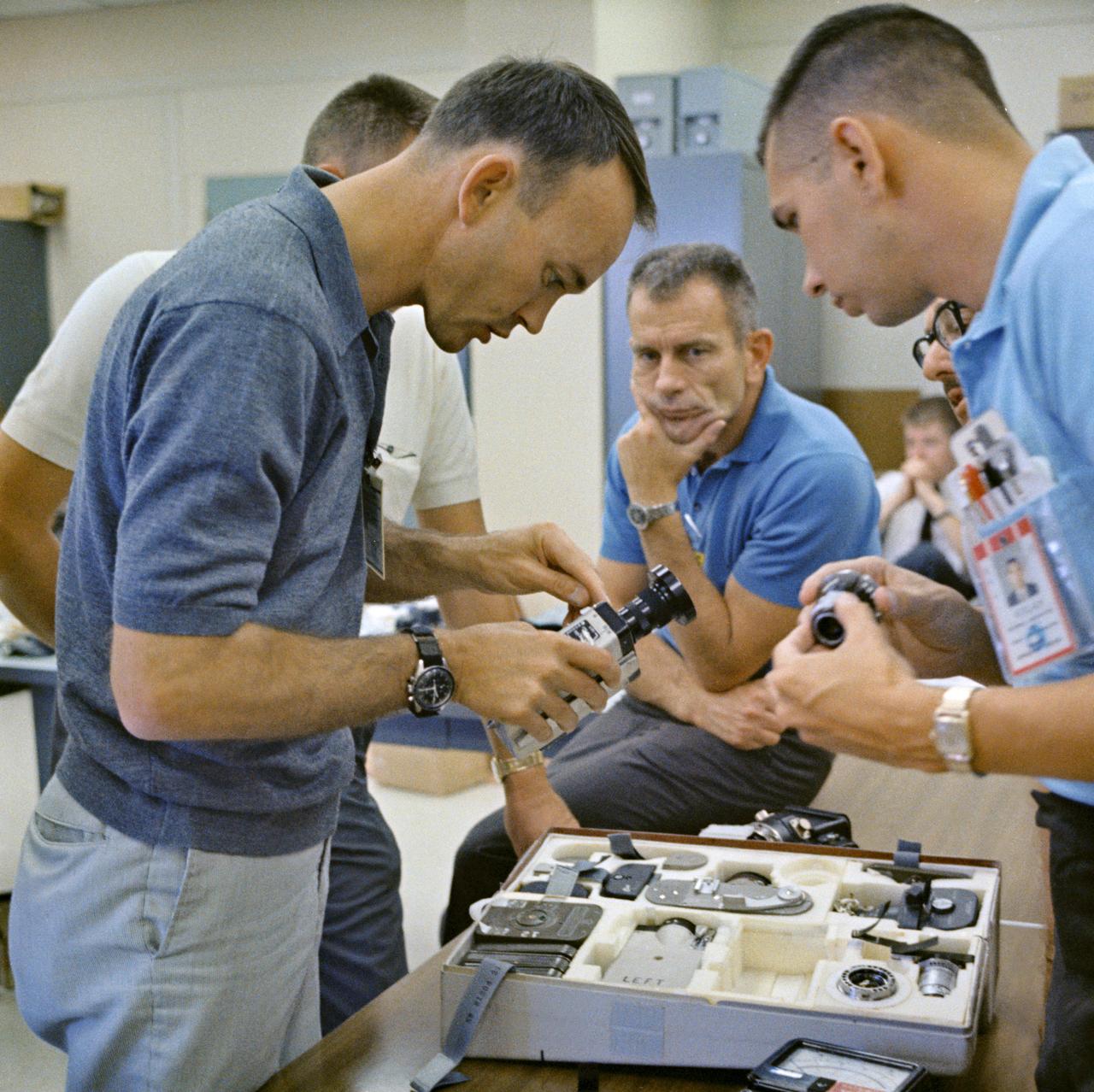
S66-42763 (18 July 1966) --- Astronaut Michael Collins (left), Gemini-10 prime crew pilot, inspects a camera during prelaunch activity at Cape Kennedy, Florida. In center background is Dr. Donald K. Slayton, Manned Spacecraft Center (MSC) Director of Flight Crew Operations. Photo credit: NASA
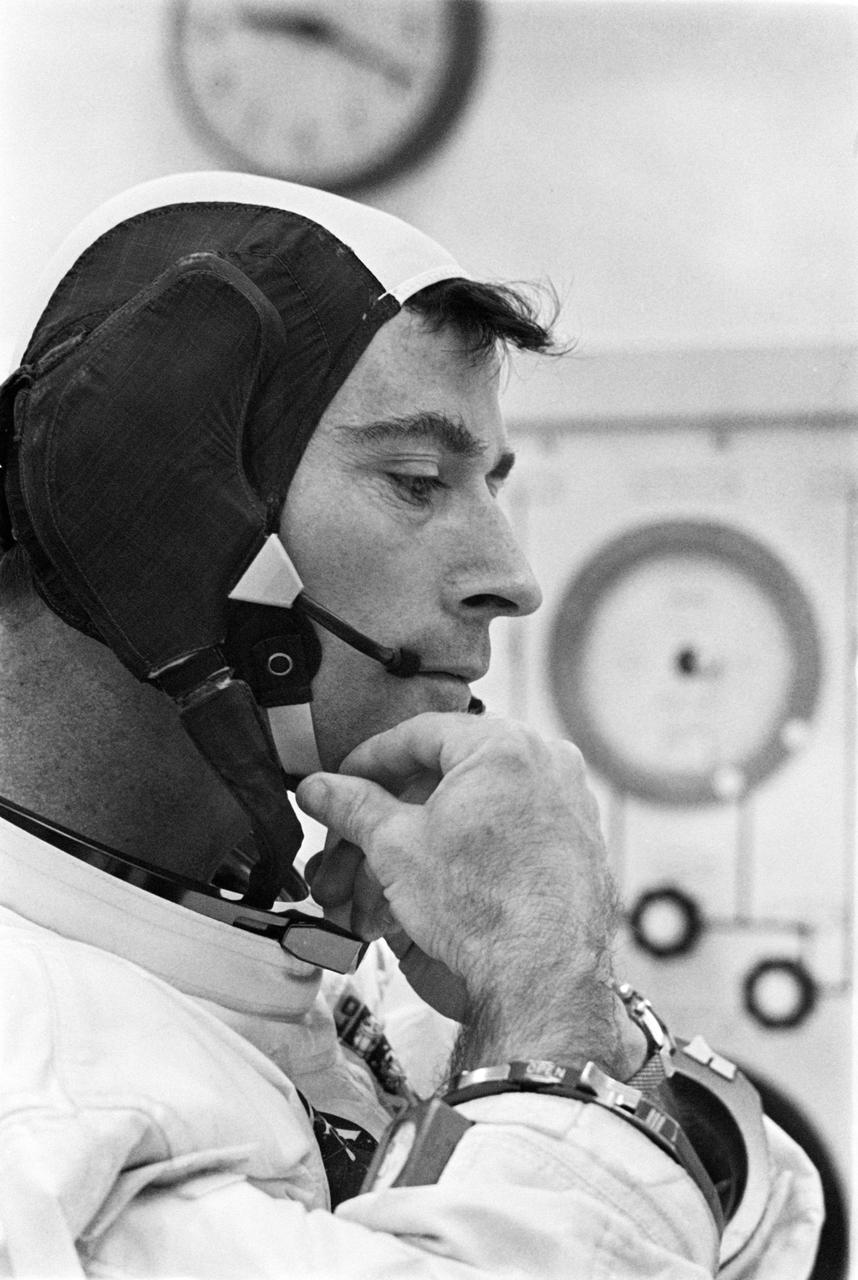
S69-34485 (18 May 1969) --- Astronaut John W. Young, Apollo 10 command module pilot, adjusts strap on his communications cap during suiting up operations for the lunar orbit mission. Minutes later astronauts Young; Thomas P. Stafford, commander; and Eugene A. Cernan, lunar module pilot, rode a transfer van from the Kennedy Space Center's Manned Spacecraft Operations Building over to Pad B, Launch Complex 39, where their spacecraft awaited them. Liftoff was at 12:49 p.m. (EDT), May 18, 1969.
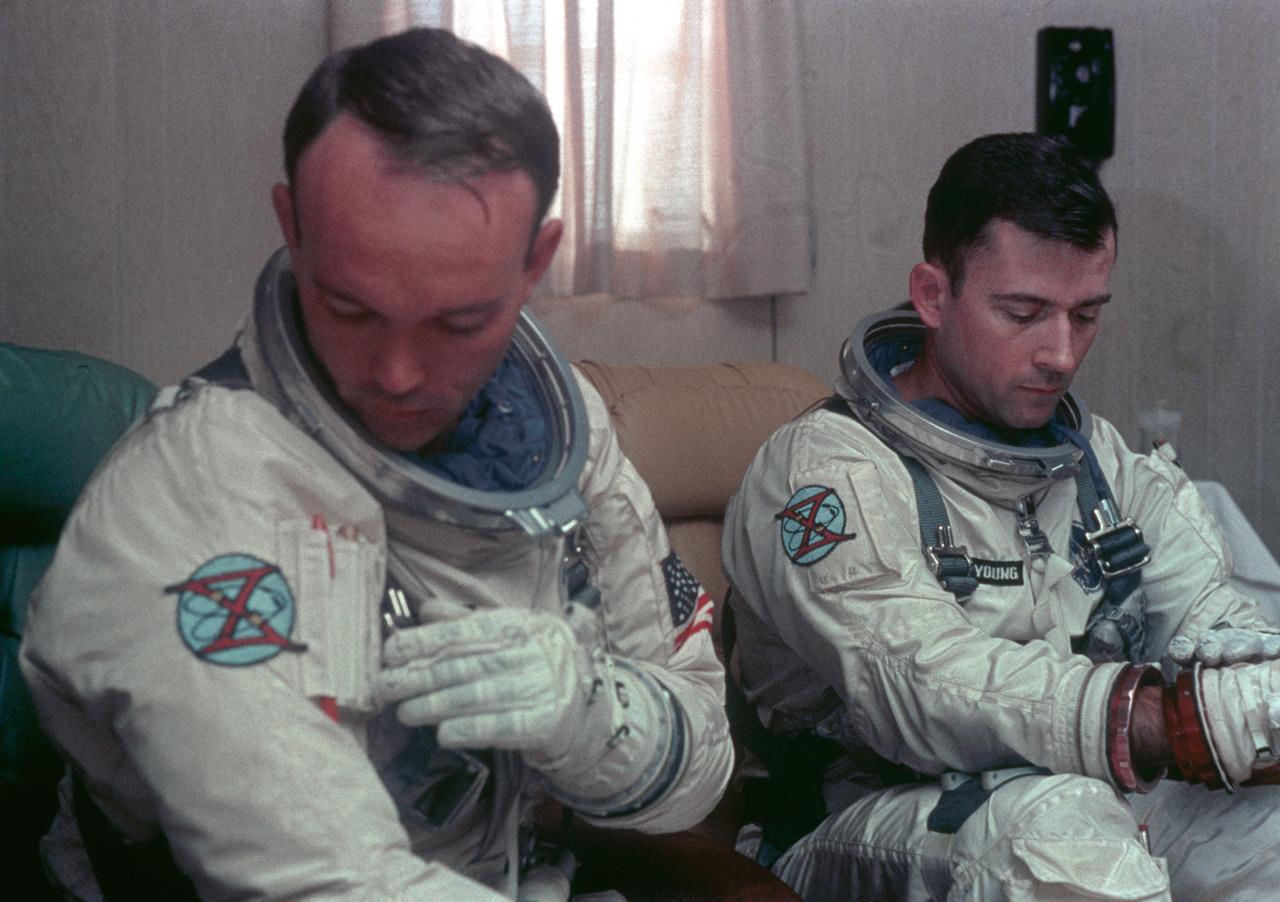
S66-42424 (18 July 1966) --- Astronauts John W. Young (right), command pilot, and Michael Collins (left), pilot, prime crew for the Gemini-10 spaceflight, undergo suiting up operations in the Launch Complex 16 suiting trailer. Photo credit: NASA
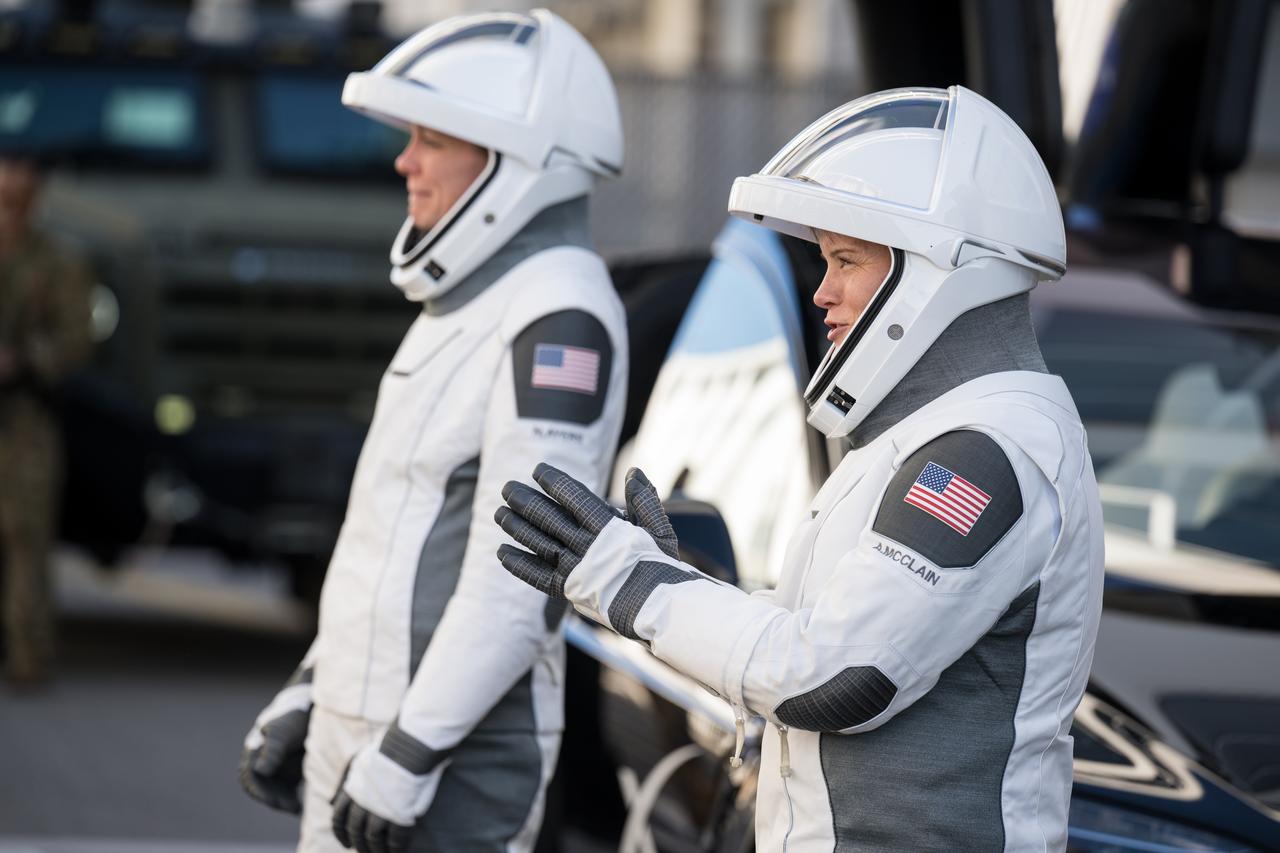
NASA astronauts Anne McClain and Nichole Ayers speak with family and friends as they prepare to depart the Neil A. Armstrong Operations and Checkout Building for Launch Complex 39A on NASA's Kennedy Space Center to board the SpaceX Dragon spacecraft for the Crew-10 mission launch, Wednesday, March 12, 2025, at NASA’s Kennedy Space Center in Florida. NASA’s SpaceX Crew-10 mission is the tenth crew rotation mission of the SpaceX Crew Dragon spacecraft and Falcon 9 rocket to the International Space Station as part of the agency’s Commercial Crew Program. McClain, Ayers, JAXA (Japan Aerospace Exploration Agency) astronaut Takuya Onishi, and Roscosmos cosmonaut Kirill Peskov are scheduled to launch at 7:48 p.m. EDT, from Launch Complex 39A at the NASA's Kennedy Space Center. Photo Credit: (NASA/Aubrey Gemignani)
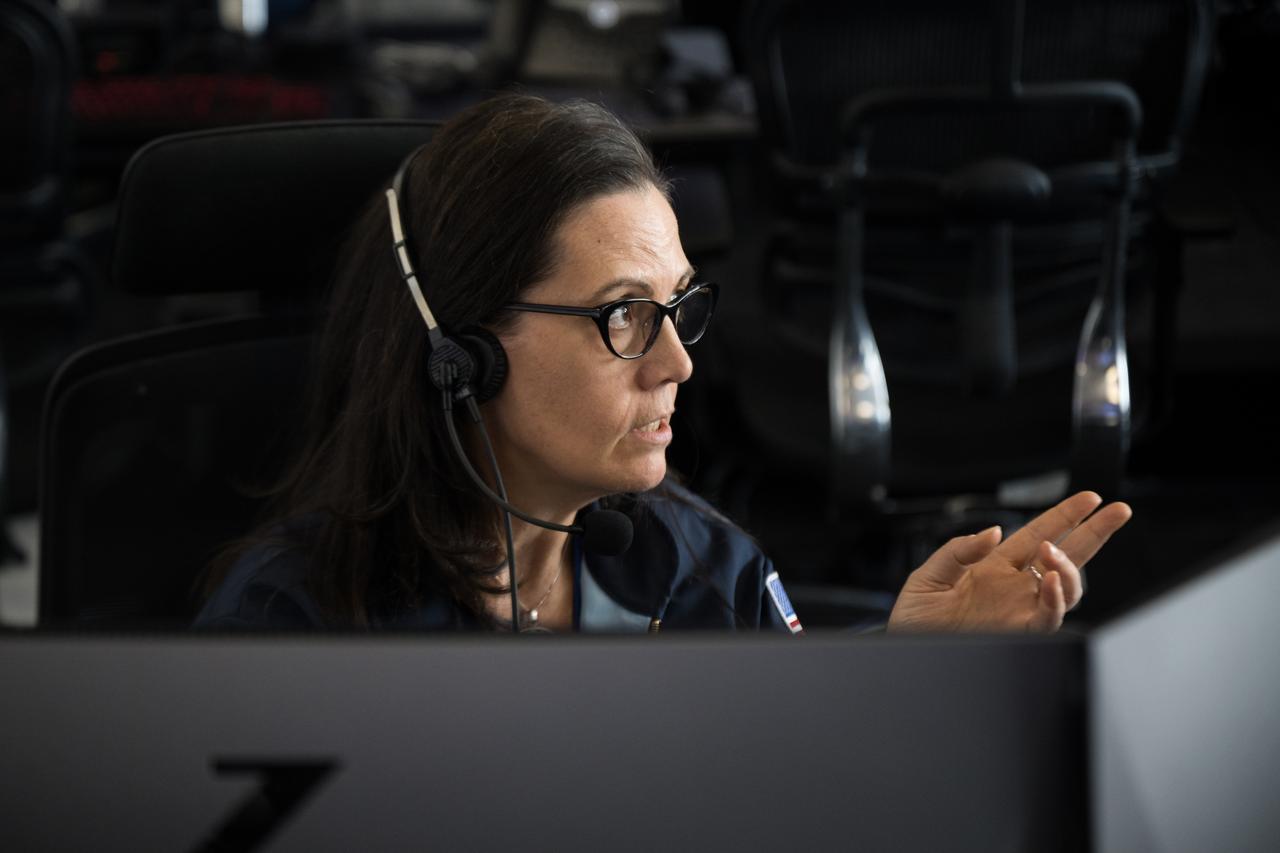
NASA's chief flight director, Emily Nelson, monitors the countdown during a dress rehearsal in preparation for the launch of a SpaceX Falcon 9 rocket carrying the company's Dragon spacecraft on NASA’s SpaceX Crew-10 mission with NASA astronauts Anne McClain and Nichole Ayers, JAXA (Japan Aerospace Exploration Agency) astronaut Takuya Onishi, and Roscosmos cosmonaut Kirill Peskov onboard, Sunday, March 9, 2025, in the control room of SpaceX’s HangarX at NASA’s Kennedy Space Center in Florida. NASA’s SpaceX Crew-10 mission is the tenth crew rotation mission of the SpaceX Dragon spacecraft and Falcon 9 rocket to the International Space Station as part of the agency’s Commercial Crew Program. McClain, Ayers, Onishi, and Peskov are scheduled to launch at 7:48 p.m. EDT on Wednesday, March 12, from Launch Complex 39A at the NASA's Kennedy Space Center. Photo Credit: (NASA/Aubrey Gemignani)
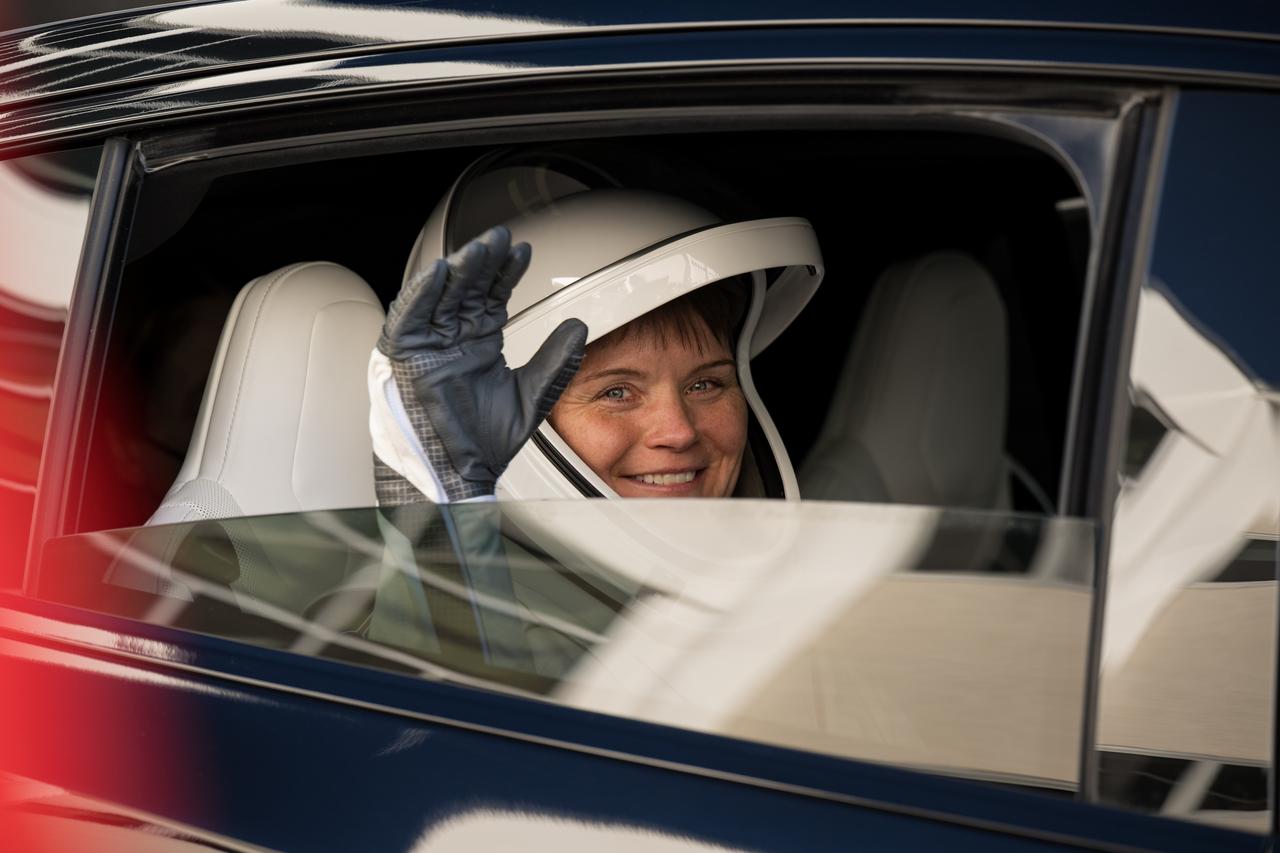
NASA astronaut Anne McClain waves as she and crewmates NASA astronaut Nichole Ayers, JAXA (Japan Aerospace Exploration Agency) astronaut Takuya Onishi, and Roscosmos cosmonaut Kirill Peskov depart the Neil A. Armstrong Operations and Checkout Building for Launch Complex 39A on NASA's Kennedy Space Center to board the SpaceX Dragon spacecraft for the Crew-10 mission launch, Wednesday, March 12, 2025, at NASA’s Kennedy Space Center in Florida. NASA’s SpaceX Crew-10 mission is the tenth crew rotation mission of the SpaceX Crew Dragon spacecraft and Falcon 9 rocket to the International Space Station as part of the agency’s Commercial Crew Program. McClain, Ayers, Onishi, and Peskov are scheduled to launch at 7:48 p.m. EDT, from Launch Complex 39A at the NASA's Kennedy Space Center. Photo Credit: (NASA/Aubrey Gemignani)
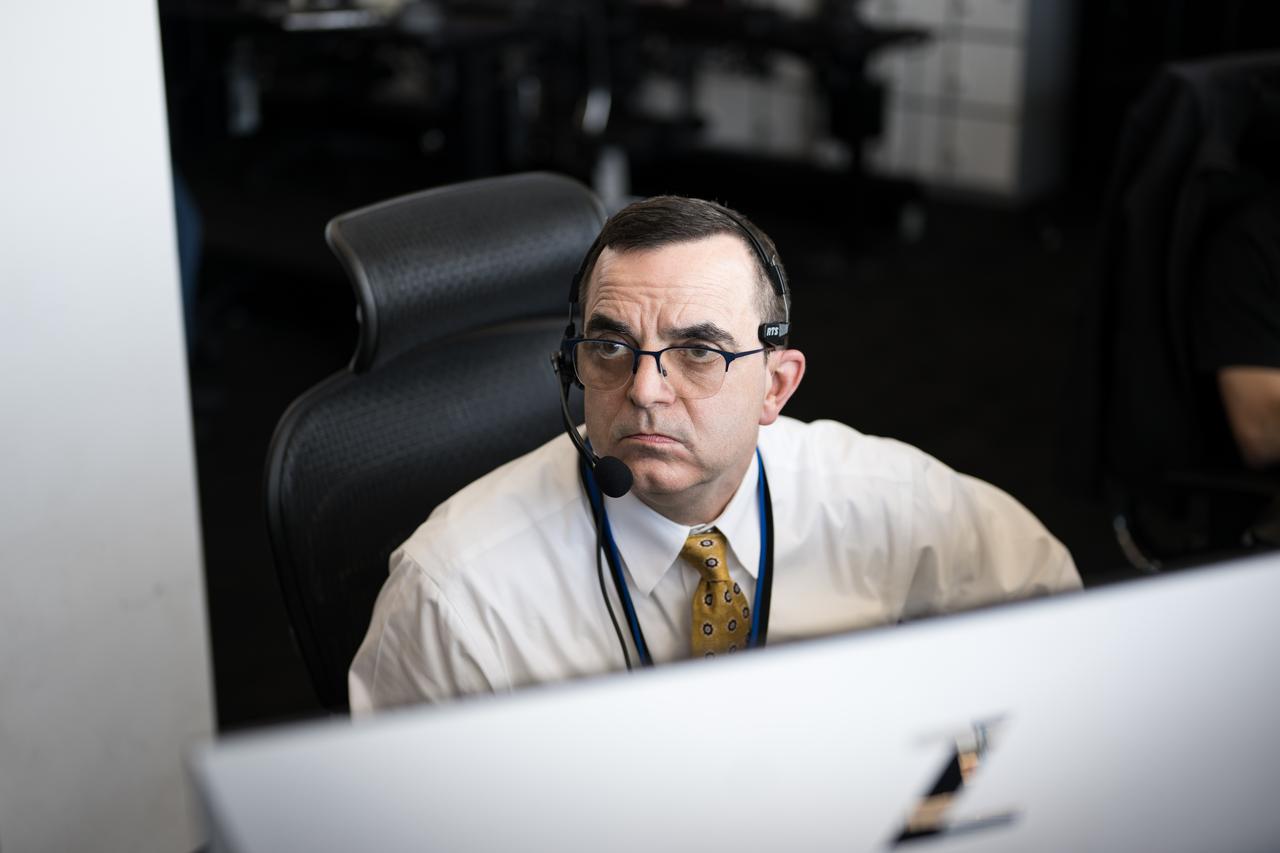
Dr. J.D. Polk, NASA's chief health and medical officer, monitors the countdown during a dress rehearsal in preparation for the launch of a SpaceX Falcon 9 rocket carrying the company's Dragon spacecraft on NASA’s SpaceX Crew-10 mission with NASA astronauts Anne McClain and Nichole Ayers, JAXA (Japan Aerospace Exploration Agency) astronaut Takuya Onishi, and Roscosmos cosmonaut Kirill Peskov onboard, Sunday, March 9, 2025, in the control room of SpaceX’s HangarX at NASA’s Kennedy Space Center in Florida. NASA’s SpaceX Crew-10 mission is the tenth crew rotation mission of the SpaceX Dragon spacecraft and Falcon 9 rocket to the International Space Station as part of the agency’s Commercial Crew Program. McClain, Ayers, Onishi, and Peskov are scheduled to launch at 7:48 p.m. EDT on Wednesday, March 12, from Launch Complex 39A at the NASA's Kennedy Space Center. Photo Credit: (NASA/Aubrey Gemignani)

NASA astronauts Anne McClain and Nichole Ayers, JAXA (Japan Aerospace Exploration Agency) astronaut Takuya Onishi, and Roscosmos cosmonaut Kirill Peskov, wearing SpaceX spacesuits, are seen as they prepare to depart the Neil A. Armstrong Operations and Checkout Building for Launch Complex 39A on NASA's Kennedy Space Center to board the SpaceX Dragon spacecraft for the Crew-10 mission launch, Wednesday, March 12, 2025, at NASA’s Kennedy Space Center in Florida. NASA’s SpaceX Crew-10 mission is the tenth crew rotation mission of the SpaceX Crew Dragon spacecraft and Falcon 9 rocket to the International Space Station as part of the agency’s Commercial Crew Program. McClain, Ayers, Onishi, and Peskov are scheduled to launch at 7:48 p.m. EDT, from Launch Complex 39A at the NASA's Kennedy Space Center. Photo Credit: (NASA/Aubrey Gemignani)

Family and friends gesture through the car window to JAXA (Japan Aerospace Exploration Agency) astronaut Takuya Onishi, and Roscosmos cosmonaut Kirill Peskov as they prepare to depart the Neil A. Armstrong Operations and Checkout Building for Launch Complex 39A on NASA's Kennedy Space Center to board the SpaceX Dragon spacecraft for the Crew-10 mission launch, Wednesday, March 12, 2025, at NASA’s Kennedy Space Center in Florida. NASA’s SpaceX Crew-10 mission is the tenth crew rotation mission of the SpaceX Crew Dragon spacecraft and Falcon 9 rocket to the International Space Station as part of the agency’s Commercial Crew Program. Onishi, Peskov, and NASA astronauts Anne McClain and Nichole Ayers are scheduled to launch at 7:48 p.m. EDT, from Launch Complex 39A at the NASA's Kennedy Space Center. Photo Credit: (NASA/Aubrey Gemignani)

Family and friends gesture through the car window to NASA astronauts Anne McClain and Nichole Ayers, as they prepare to depart the Neil A. Armstrong Operations and Checkout Building for Launch Complex 39A on NASA's Kennedy Space Center to board the SpaceX Dragon spacecraft for the Crew-10 mission launch, Wednesday, March 12, 2025, at NASA’s Kennedy Space Center in Florida. NASA’s SpaceX Crew-10 mission is the tenth crew rotation mission of the SpaceX Crew Dragon spacecraft and Falcon 9 rocket to the International Space Station as part of the agency’s Commercial Crew Program. McClain, Ayers, JAXA (Japan Aerospace Exploration Agency) astronaut Takuya Onishi, and Roscosmos cosmonaut Kirill Peskov, are scheduled to launch at 7:48 p.m. EDT, from Launch Complex 39A at the NASA's Kennedy Space Center. Photo Credit: (NASA/Aubrey Gemignani)
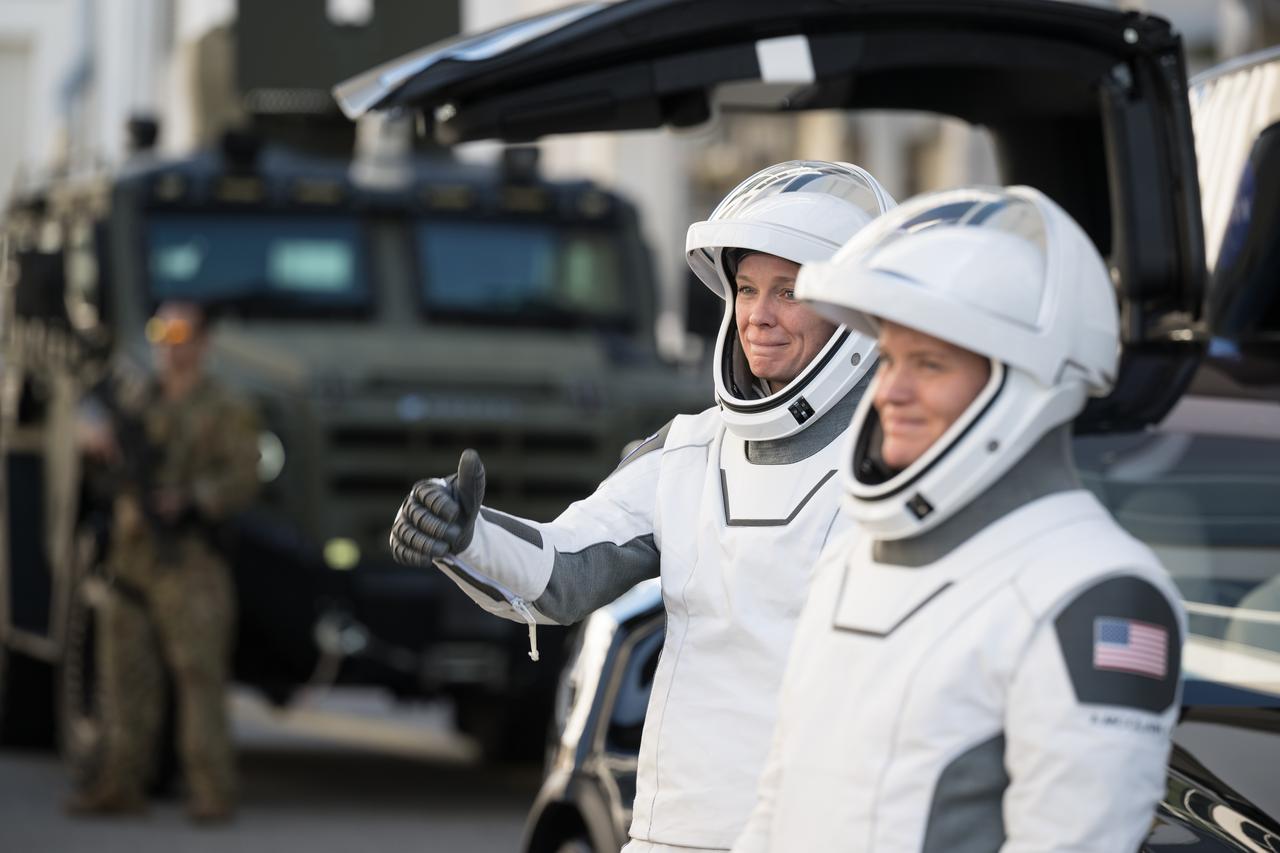
NASA astronaut Nichole Ayers gestures to family and friends as her and fellow crewmates NASA astronaut Anne McClain, JAXA (Japan Aerospace Exploration Agency) astronaut Takuya Onishi, and Roscosmos cosmonaut Kirill Peskov prepare to depart the Neil A. Armstrong Operations and Checkout Building for Launch Complex 39A on NASA's Kennedy Space Center to board the SpaceX Dragon spacecraft for the Crew-10 mission launch, Wednesday, March 12, 2025, at NASA’s Kennedy Space Center in Florida. NASA’s SpaceX Crew-10 mission is the tenth crew rotation mission of the SpaceX Crew Dragon spacecraft and Falcon 9 rocket to the International Space Station as part of the agency’s Commercial Crew Program. McClain, Ayers, Onishi, and Peskov are scheduled to launch at 7:48 p.m. EDT, from Launch Complex 39A at the NASA's Kennedy Space Center. Photo Credit: (NASA/Aubrey Gemignani)
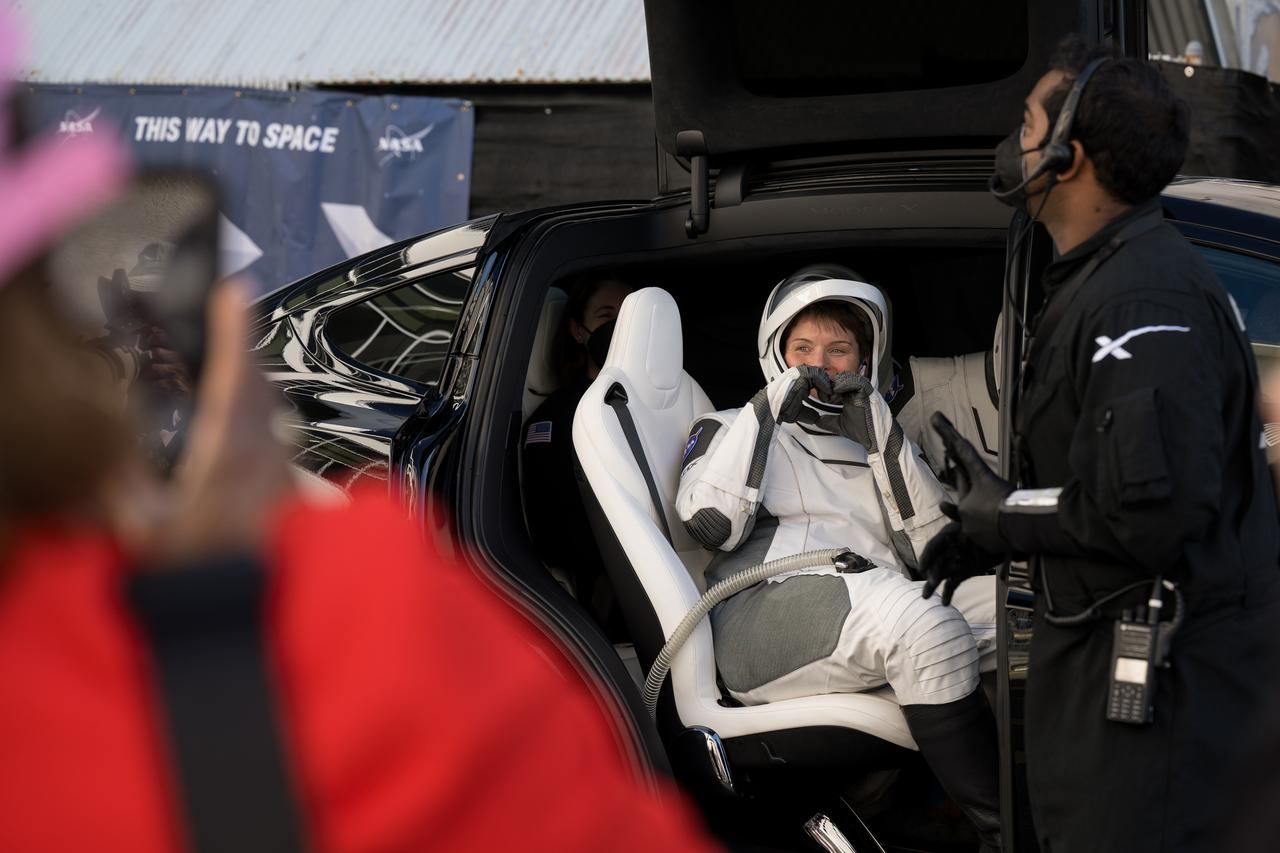
NASA astronaut Anne McClain gestures to family and friends as she and crewmates NASA astronaut Nichole Ayers, JAXA (Japan Aerospace Exploration Agency) astronaut Takuya Onishi, and Roscosmos cosmonaut Kirill Peskov, prepare to depart the Neil A. Armstrong Operations and Checkout Building for Launch Complex 39A on NASA's Kennedy Space Center to board the SpaceX Dragon spacecraft for the Crew-10 mission launch, Wednesday, March 12, 2025, at NASA’s Kennedy Space Center in Florida. NASA’s SpaceX Crew-10 mission is the tenth crew rotation mission of the SpaceX Crew Dragon spacecraft and Falcon 9 rocket to the International Space Station as part of the agency’s Commercial Crew Program. McClain, Ayers, Onishi, and Peskov are scheduled to launch at 7:48 p.m. EDT, from Launch Complex 39A at the NASA's Kennedy Space Center. Photo Credit: (NASA/Aubrey Gemignani)

Angel Colon-Rios, NASA Commercial Crew Program electrical power systems engineer, monitors the countdown during a dress rehearsal in preparation for the launch of a SpaceX Falcon 9 rocket carrying the company's Dragon spacecraft on NASA’s SpaceX Crew-10 mission with NASA astronauts Anne McClain and Nichole Ayers, JAXA (Japan Aerospace Exploration Agency) astronaut Takuya Onishi, and Roscosmos cosmonaut Kirill Peskov onboard, Sunday, March 9, 2025, in the control room of SpaceX’s HangarX at NASA’s Kennedy Space Center in Florida. NASA’s SpaceX Crew-10 mission is the tenth crew rotation mission of the SpaceX Dragon spacecraft and Falcon 9 rocket to the International Space Station as part of the agency’s Commercial Crew Program. McClain, Ayers, Onishi, and Peskov are scheduled to launch at 7:48 p.m. EDT on Wednesday, March 12, from Launch Complex 39A at the NASA's Kennedy Space Center. Photo Credit: (NASA/Aubrey Gemignani)

NASA astronauts Anne McClain and Nichole Ayers, JAXA (Japan Aerospace Exploration Agency) astronaut Takuya Onishi, and Roscosmos cosmonaut Kirill Peskov, wearing SpaceX spacesuits, are seen as they prepare to depart the Neil A. Armstrong Operations and Checkout Building for Launch Complex 39A on NASA's Kennedy Space Center to board the SpaceX Dragon spacecraft for the Crew-10 mission launch, Wednesday, March 12, 2025, at NASA’s Kennedy Space Center in Florida. NASA’s SpaceX Crew-10 mission is the tenth crew rotation mission of the SpaceX Crew Dragon spacecraft and Falcon 9 rocket to the International Space Station as part of the agency’s Commercial Crew Program. McClain, Ayers, Onishi, and Peskov are scheduled to launch at 7:48 p.m. EDT, from Launch Complex 39A at the NASA's Kennedy Space Center. Photo Credit: (NASA/Aubrey Gemignani)
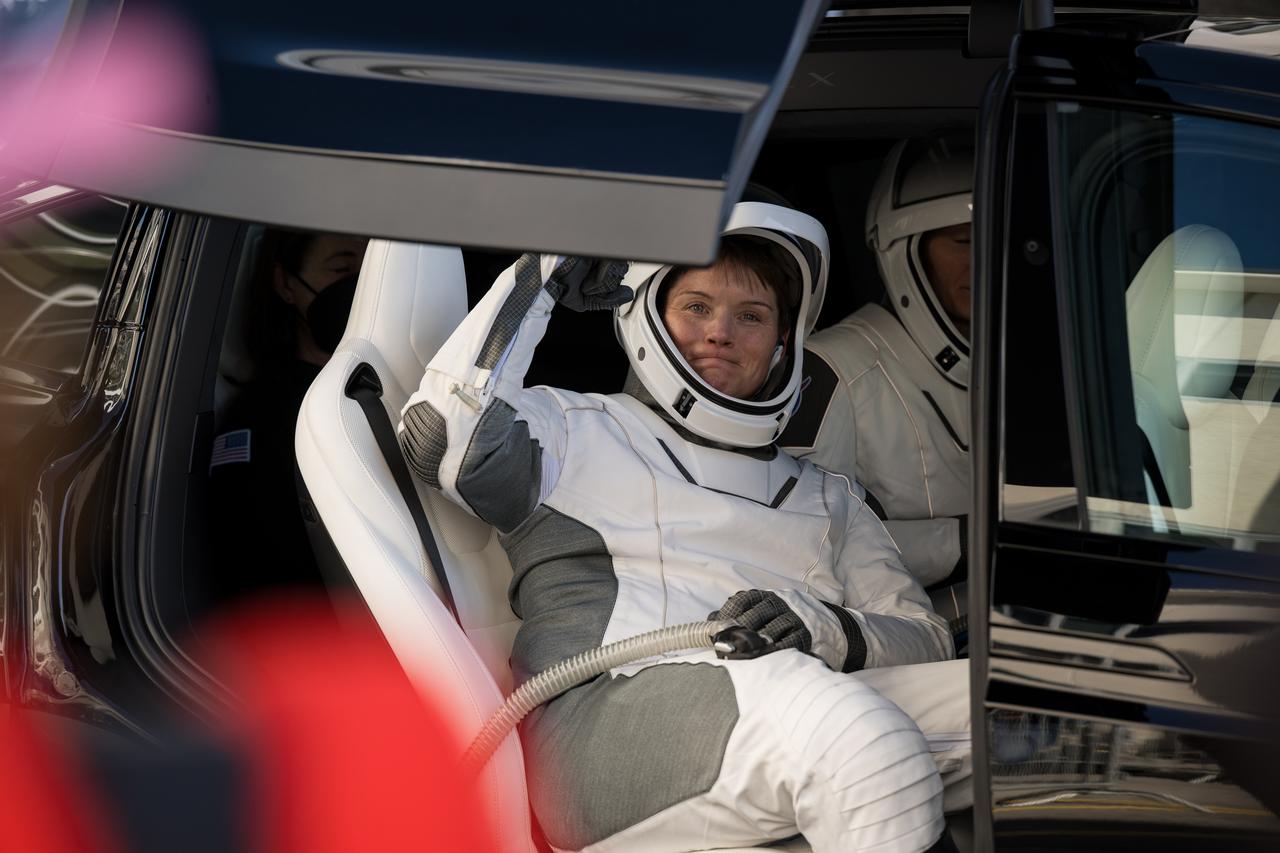
NASA astronaut Anne McClain gestures to family and friends as she and crewmates NASA astronaut Nichole Ayers, JAXA (Japan Aerospace Exploration Agency) astronaut Takuya Onishi, and Roscosmos cosmonaut Kirill Peskov, prepare to depart the Neil A. Armstrong Operations and Checkout Building for Launch Complex 39A on NASA's Kennedy Space Center to board the SpaceX Dragon spacecraft for the Crew-10 mission launch, Wednesday, March 12, 2025, at NASA’s Kennedy Space Center in Florida. NASA’s SpaceX Crew-10 mission is the tenth crew rotation mission of the SpaceX Crew Dragon spacecraft and Falcon 9 rocket to the International Space Station as part of the agency’s Commercial Crew Program. McClain, Ayers, Onishi, and Peskov are scheduled to launch at 7:48 p.m. EDT, from Launch Complex 39A at the NASA's Kennedy Space Center. Photo Credit: (NASA/Aubrey Gemignani)
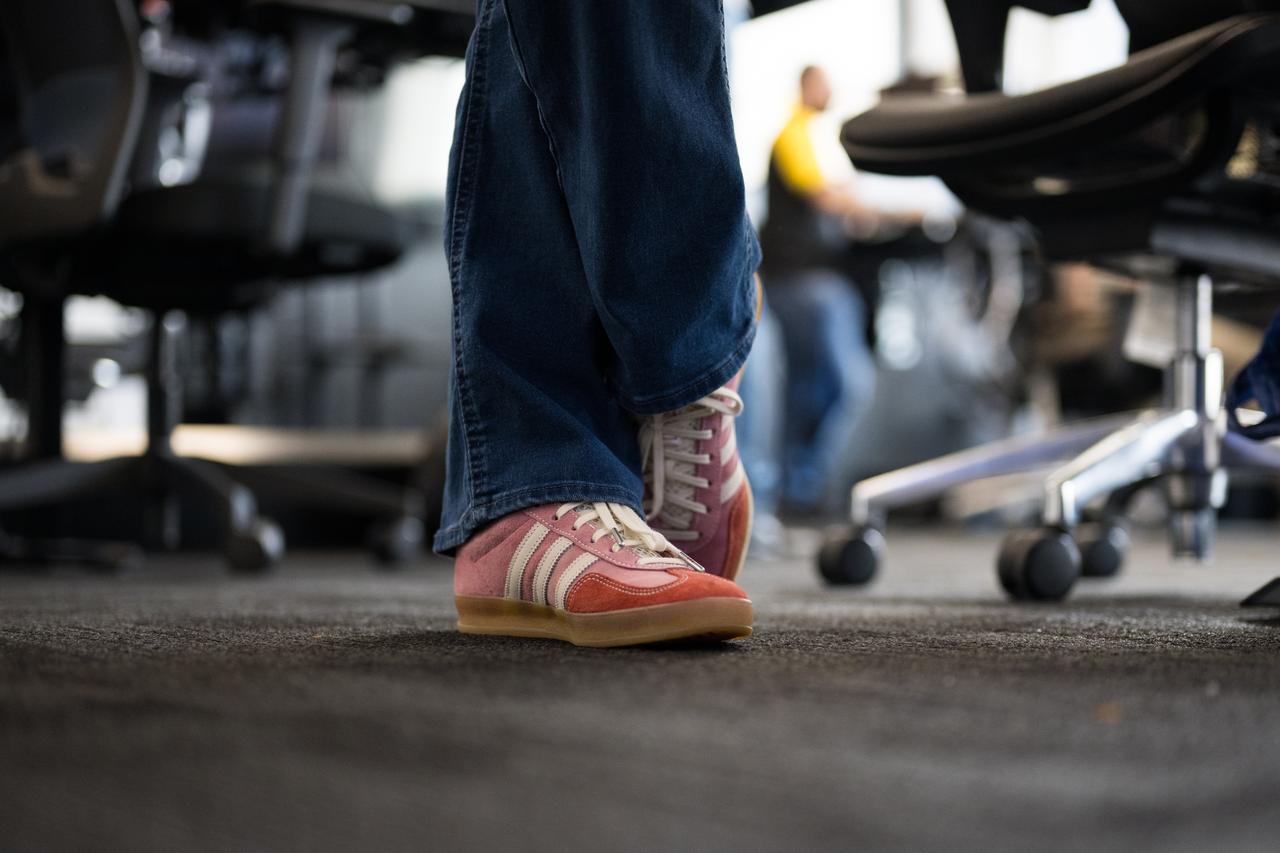
The shoes of Nicole Jordan, NASA operations manager for the Commercial Crew Program are seen as she monitors the countdown during a dress rehearsal in preparation for the launch of a SpaceX Falcon 9 rocket carrying the company's Dragon spacecraft on NASA’s SpaceX Crew-10 mission with NASA astronauts Anne McClain and Nichole Ayers, JAXA (Japan Aerospace Exploration Agency) astronaut Takuya Onishi, and Roscosmos cosmonaut Kirill Peskov onboard, Sunday, March 9, 2025, in the control room of SpaceX’s HangarX at NASA’s Kennedy Space Center in Florida. NASA’s SpaceX Crew-10 mission is the tenth crew rotation mission of the SpaceX Dragon spacecraft and Falcon 9 rocket to the International Space Station as part of the agency’s Commercial Crew Program. McClain, Ayers, Onishi, and Peskov are scheduled to launch at 7:48 p.m. EDT on Wednesday, March 12, from Launch Complex 39A at the NASA's Kennedy Space Center. Photo Credit: (NASA/Aubrey Gemignani)
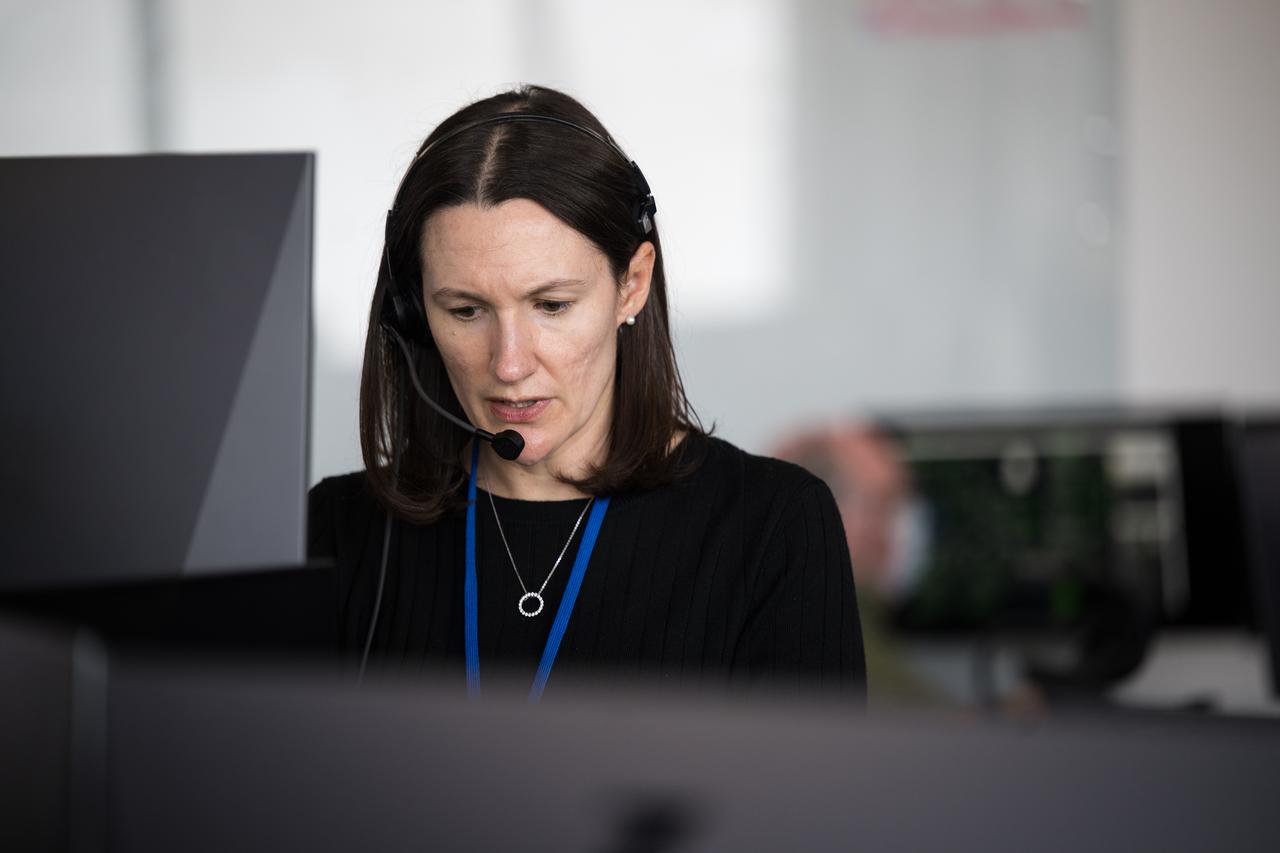
Nicole Jordan, NASA operations manager for the Commercial Crew Program, monitors the countdown during a dress rehearsal in preparation for the launch of a SpaceX Falcon 9 rocket carrying the company's Dragon spacecraft on NASA’s SpaceX Crew-10 mission with NASA astronauts Anne McClain and Nichole Ayers, JAXA (Japan Aerospace Exploration Agency) astronaut Takuya Onishi, and Roscosmos cosmonaut Kirill Peskov onboard, Sunday, March 9, 2025, in the control room of SpaceX’s HangarX at NASA’s Kennedy Space Center in Florida. NASA’s SpaceX Crew-10 mission is the tenth crew rotation mission of the SpaceX Dragon spacecraft and Falcon 9 rocket to the International Space Station as part of the agency’s Commercial Crew Program. McClain, Ayers, Onishi, and Peskov are scheduled to launch at 7:48 p.m. EDT on Wednesday, March 12, from Launch Complex 39A at the NASA's Kennedy Space Center. Photo Credit: (NASA/Aubrey Gemignani)
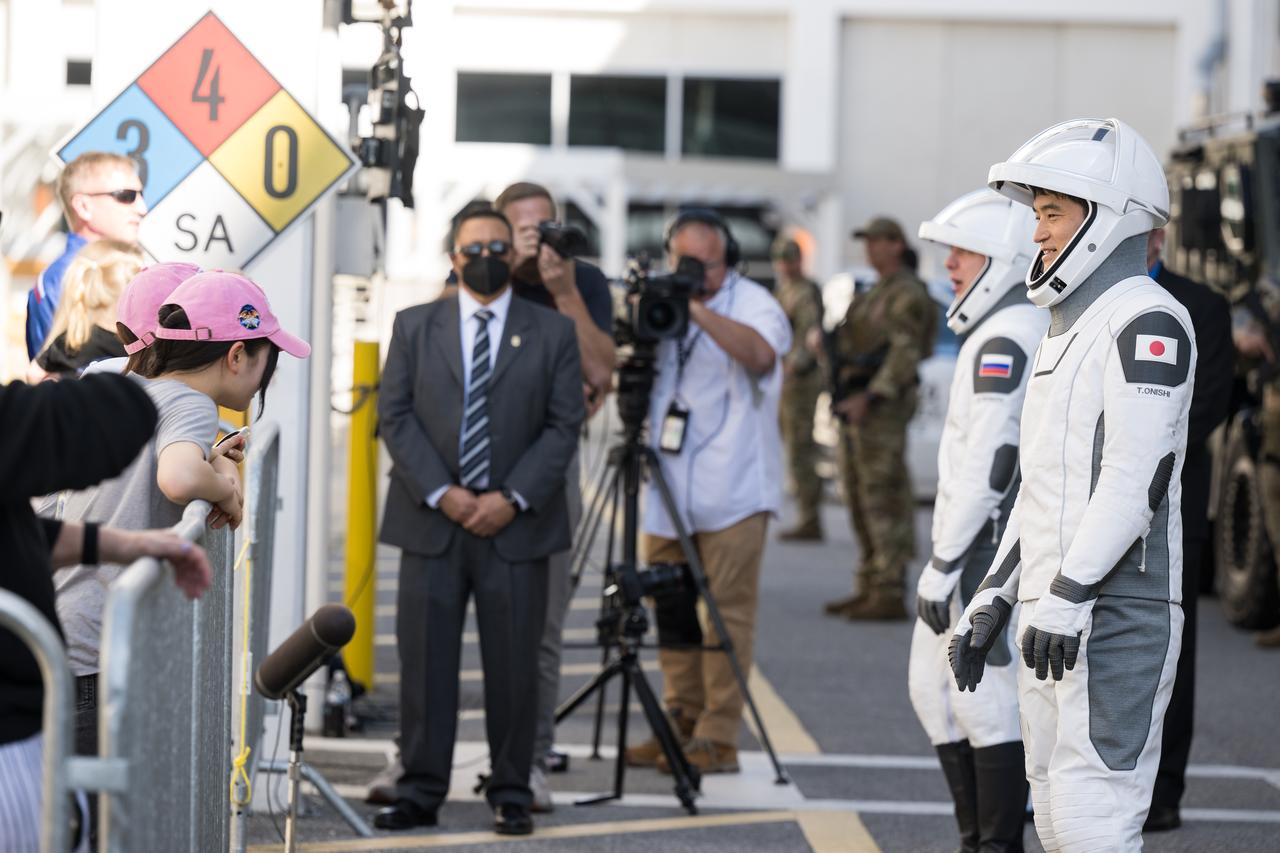
JAXA (Japan Aerospace Exploration Agency) astronaut Takuya Onishi and Roscosmos cosmonaut Kirill Peskov speak with family and friends as they prepare to depart the Neil A. Armstrong Operations and Checkout Building for Launch Complex 39A on NASA's Kennedy Space Center to board the SpaceX Dragon spacecraft for the Crew-10 mission launch, Wednesday, March 12, 2025, at NASA’s Kennedy Space Center in Florida. NASA’s SpaceX Crew-10 mission is the tenth crew rotation mission of the SpaceX Crew Dragon spacecraft and Falcon 9 rocket to the International Space Station as part of the agency’s Commercial Crew Program. Onishi, Peskov, and NASA astronauts Anne McClain and Nichole Ayers are scheduled to launch at 7:48 p.m. EDT, from Launch Complex 39A at the NASA's Kennedy Space Center. Photo Credit: (NASA/Aubrey Gemignani)
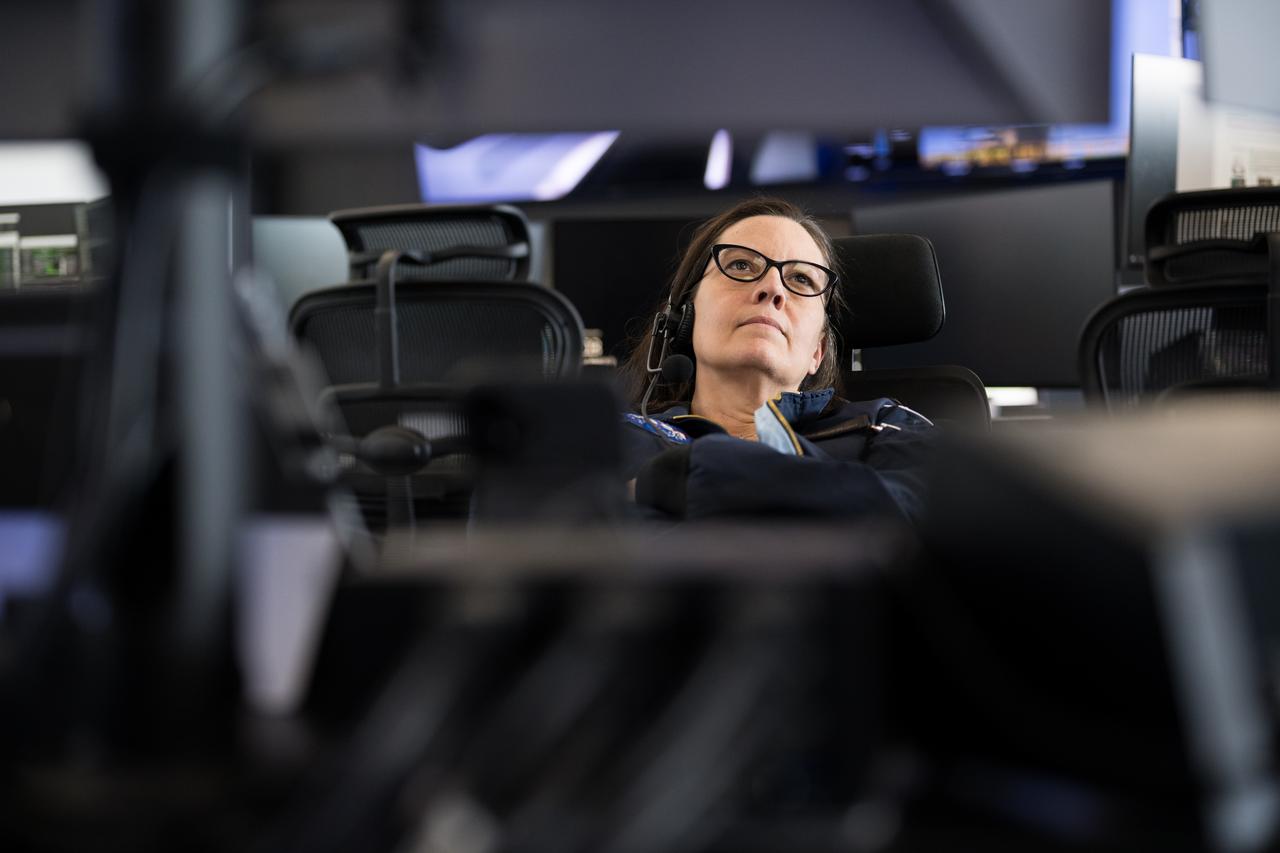
NASA's chief flight director, Emily Nelson, monitors the countdown during a dress rehearsal in preparation for the launch of a SpaceX Falcon 9 rocket carrying the company's Dragon spacecraft on NASA’s SpaceX Crew-10 mission with NASA astronauts Anne McClain and Nichole Ayers, JAXA (Japan Aerospace Exploration Agency) astronaut Takuya Onishi, and Roscosmos cosmonaut Kirill Peskov onboard, Sunday, March 9, 2025, in the control room of SpaceX’s HangarX at NASA’s Kennedy Space Center in Florida. NASA’s SpaceX Crew-10 mission is the tenth crew rotation mission of the SpaceX Dragon spacecraft and Falcon 9 rocket to the International Space Station as part of the agency’s Commercial Crew Program. McClain, Ayers, Onishi, and Peskov are scheduled to launch at 7:48 p.m. EDT on Wednesday, March 12, from Launch Complex 39A at the NASA's Kennedy Space Center. Photo Credit: (NASA/Aubrey Gemignani)
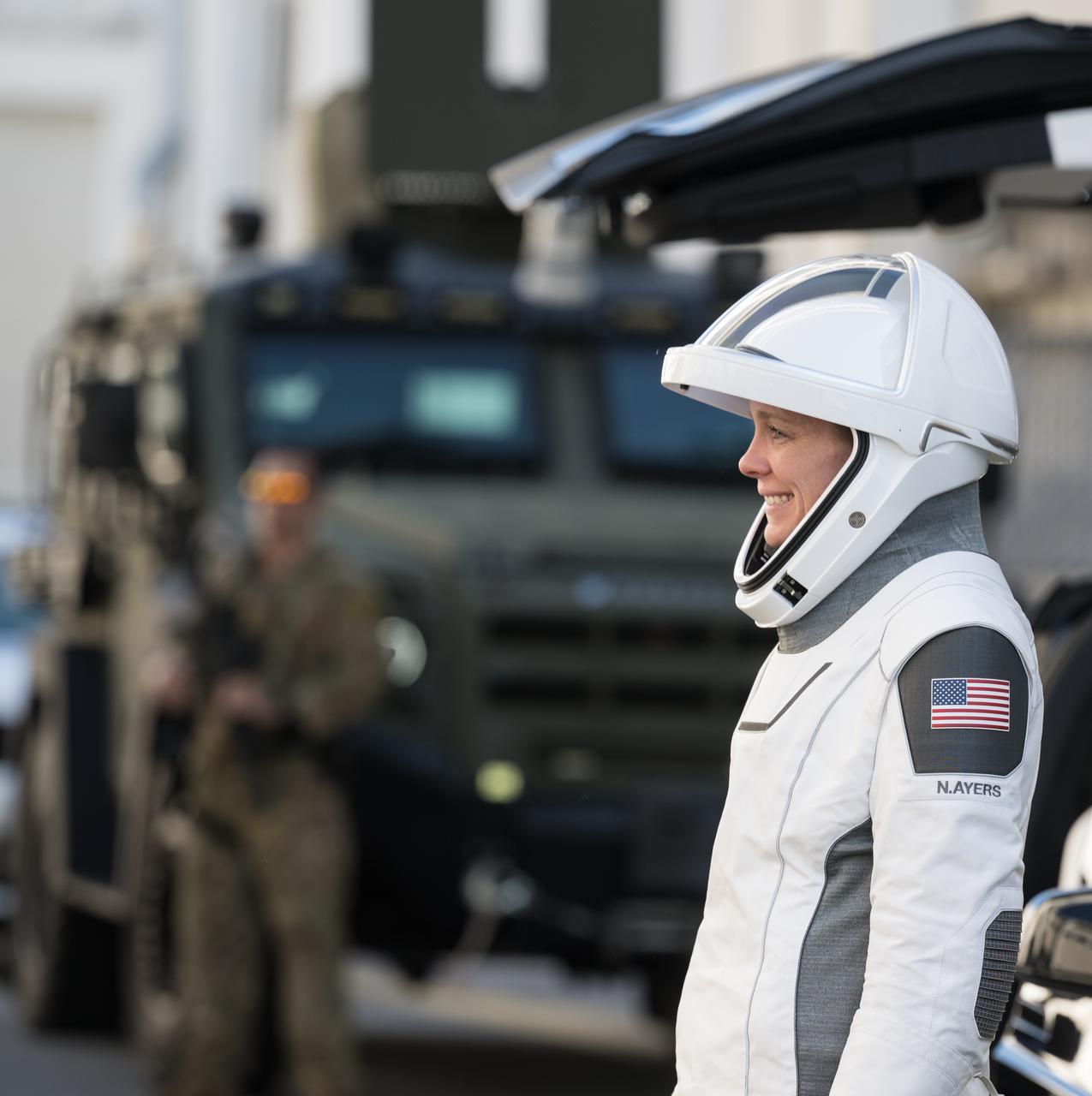
NASA astronaut Nichole Ayers speaks to family and friends as her and fellow crewmates NASA astronaut Anne McClain, JAXA (Japan Aerospace Exploration Agency) astronaut Takuya Onishi, and Roscosmos cosmonaut Kirill Peskov prepare to depart the Neil A. Armstrong Operations and Checkout Building for Launch Complex 39A on NASA's Kennedy Space Center to board the SpaceX Dragon spacecraft for the Crew-10 mission launch, Wednesday, March 12, 2025, at NASA’s Kennedy Space Center in Florida. NASA’s SpaceX Crew-10 mission is the tenth crew rotation mission of the SpaceX Crew Dragon spacecraft and Falcon 9 rocket to the International Space Station as part of the agency’s Commercial Crew Program. McClain, Ayers, Onishi, and Peskov are scheduled to launch at 7:48 p.m. EDT, from Launch Complex 39A at the NASA's Kennedy Space Center. Photo Credit: (NASA/Aubrey Gemignani)
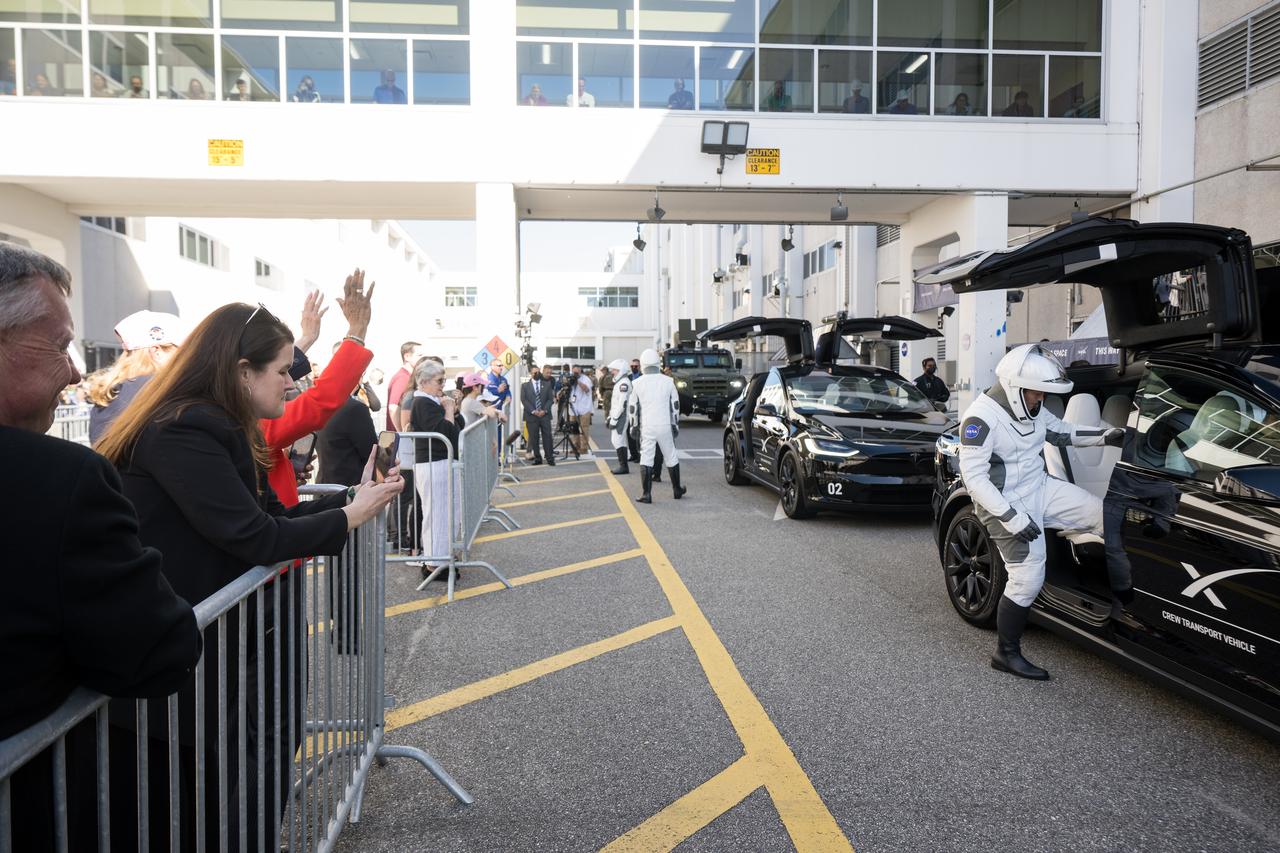
NASA astronauts Anne McClain and Nichole Ayers, JAXA (Japan Aerospace Exploration Agency) astronaut Takuya Onishi, and Roscosmos cosmonaut Kirill Peskov, wearing SpaceX spacesuits, are seen as they prepare to depart the Neil A. Armstrong Operations and Checkout Building for Launch Complex 39A on NASA's Kennedy Space Center to board the SpaceX Dragon spacecraft for the Crew-10 mission launch, Wednesday, March 12, 2025, at NASA’s Kennedy Space Center in Florida. NASA’s SpaceX Crew-10 mission is the tenth crew rotation mission of the SpaceX Crew Dragon spacecraft and Falcon 9 rocket to the International Space Station as part of the agency’s Commercial Crew Program. McClain, Ayers, Onishi, and Peskov are scheduled to launch at 7:48 p.m. EDT, from Launch Complex 39A at the NASA's Kennedy Space Center. Photo Credit: (NASA/Aubrey Gemignani)

NASA's chief flight director, Emily Nelson, monitors the countdown during a dress rehearsal in preparation for the launch of a SpaceX Falcon 9 rocket carrying the company's Dragon spacecraft on NASA’s SpaceX Crew-10 mission with NASA astronauts Anne McClain and Nichole Ayers, JAXA (Japan Aerospace Exploration Agency) astronaut Takuya Onishi, and Roscosmos cosmonaut Kirill Peskov onboard, Sunday, March 9, 2025, in the control room of SpaceX’s HangarX at NASA’s Kennedy Space Center in Florida. NASA’s SpaceX Crew-10 mission is the tenth crew rotation mission of the SpaceX Dragon spacecraft and Falcon 9 rocket to the International Space Station as part of the agency’s Commercial Crew Program. McClain, Ayers, Onishi, and Peskov are scheduled to launch at 7:48 p.m. EDT on Wednesday, March 12, from Launch Complex 39A at the NASA's Kennedy Space Center. Photo Credit: (NASA/Aubrey Gemignani)
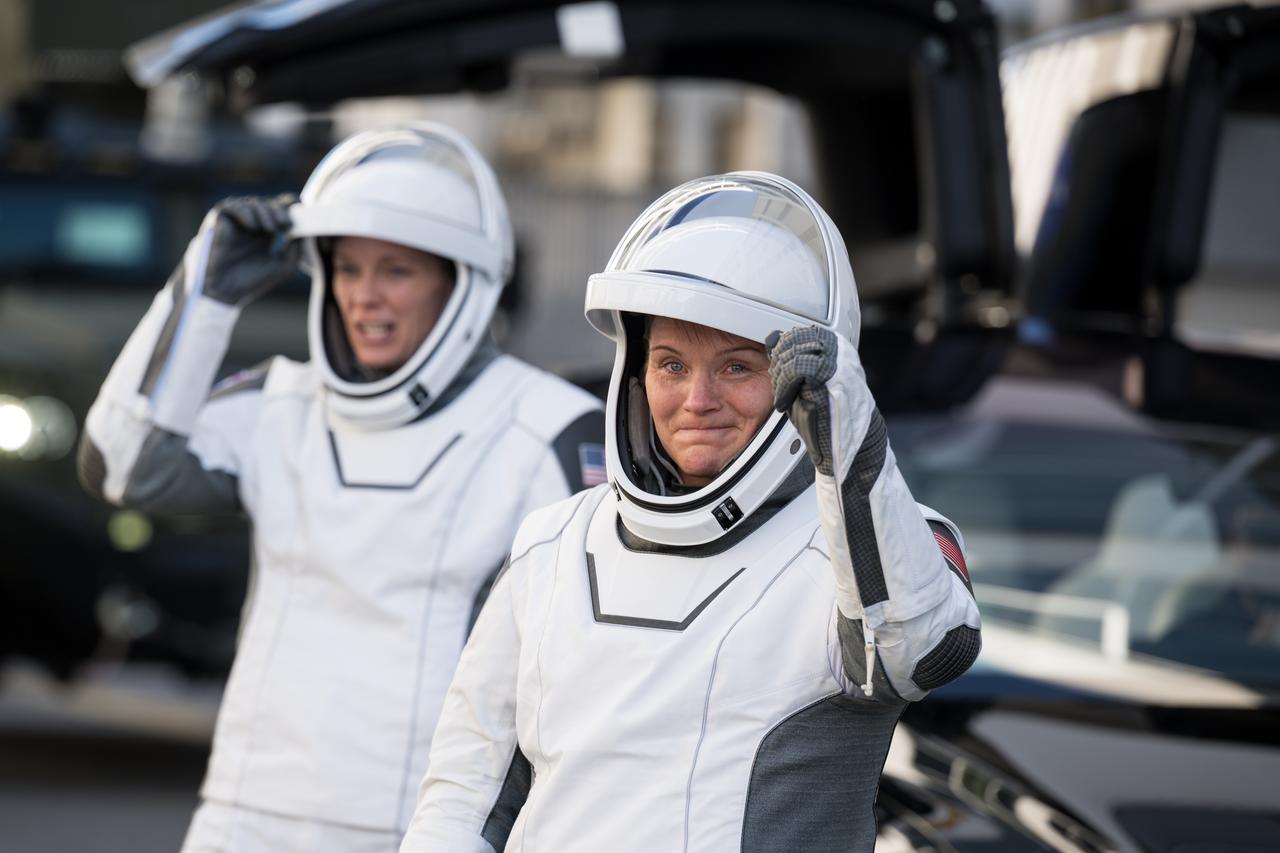
NASA astronauts Anne McClain and Nichole Ayers gesture to family and friends as they prepare to depart the Neil A. Armstrong Operations and Checkout Building for Launch Complex 39A on NASA's Kennedy Space Center to board the SpaceX Dragon spacecraft for the Crew-10 mission launch, Wednesday, March 12, 2025, at NASA’s Kennedy Space Center in Florida. NASA’s SpaceX Crew-10 mission is the tenth crew rotation mission of the SpaceX Crew Dragon spacecraft and Falcon 9 rocket to the International Space Station as part of the agency’s Commercial Crew Program. McClain, Ayers, JAXA (Japan Aerospace Exploration Agency) astronaut Takuya Onishi, and Roscosmos cosmonaut Kirill Peskov are scheduled to launch at 7:48 p.m. EDT, from Launch Complex 39A at the NASA's Kennedy Space Center. Photo Credit: (NASA/Aubrey Gemignani)
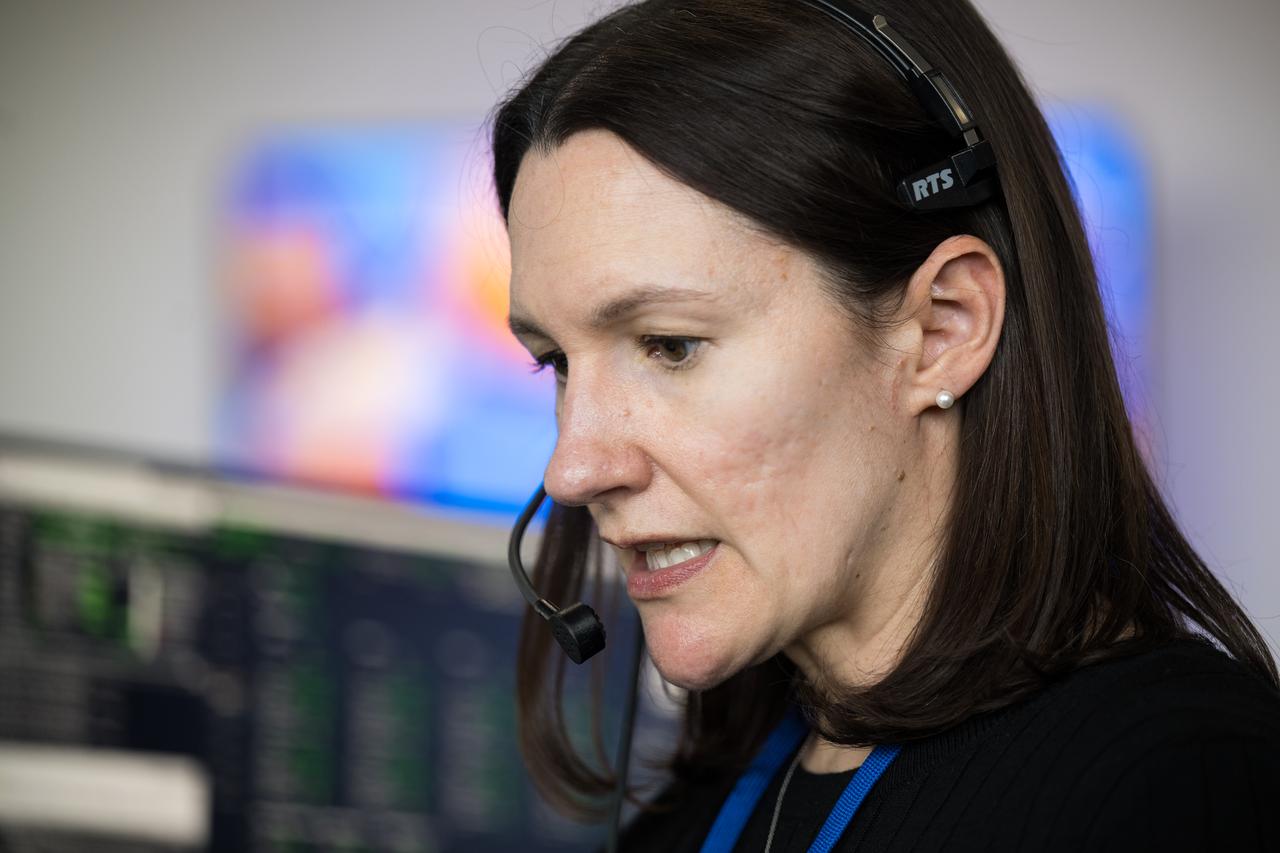
Nicole Jordan, NASA operations manager for the Commercial Crew Program, monitors the countdown during a dress rehearsal in preparation for the launch of a SpaceX Falcon 9 rocket carrying the company's Dragon spacecraft on NASA’s SpaceX Crew-10 mission with NASA astronauts Anne McClain and Nichole Ayers, JAXA (Japan Aerospace Exploration Agency) astronaut Takuya Onishi, and Roscosmos cosmonaut Kirill Peskov onboard, Sunday, March 9, 2025, in the control room of SpaceX’s HangarX at NASA’s Kennedy Space Center in Florida. NASA’s SpaceX Crew-10 mission is the tenth crew rotation mission of the SpaceX Dragon spacecraft and Falcon 9 rocket to the International Space Station as part of the agency’s Commercial Crew Program. McClain, Ayers, Onishi, and Peskov are scheduled to launch at 7:48 p.m. EDT on Wednesday, March 12, from Launch Complex 39A at the NASA's Kennedy Space Center. Photo Credit: (NASA/Aubrey Gemignani)
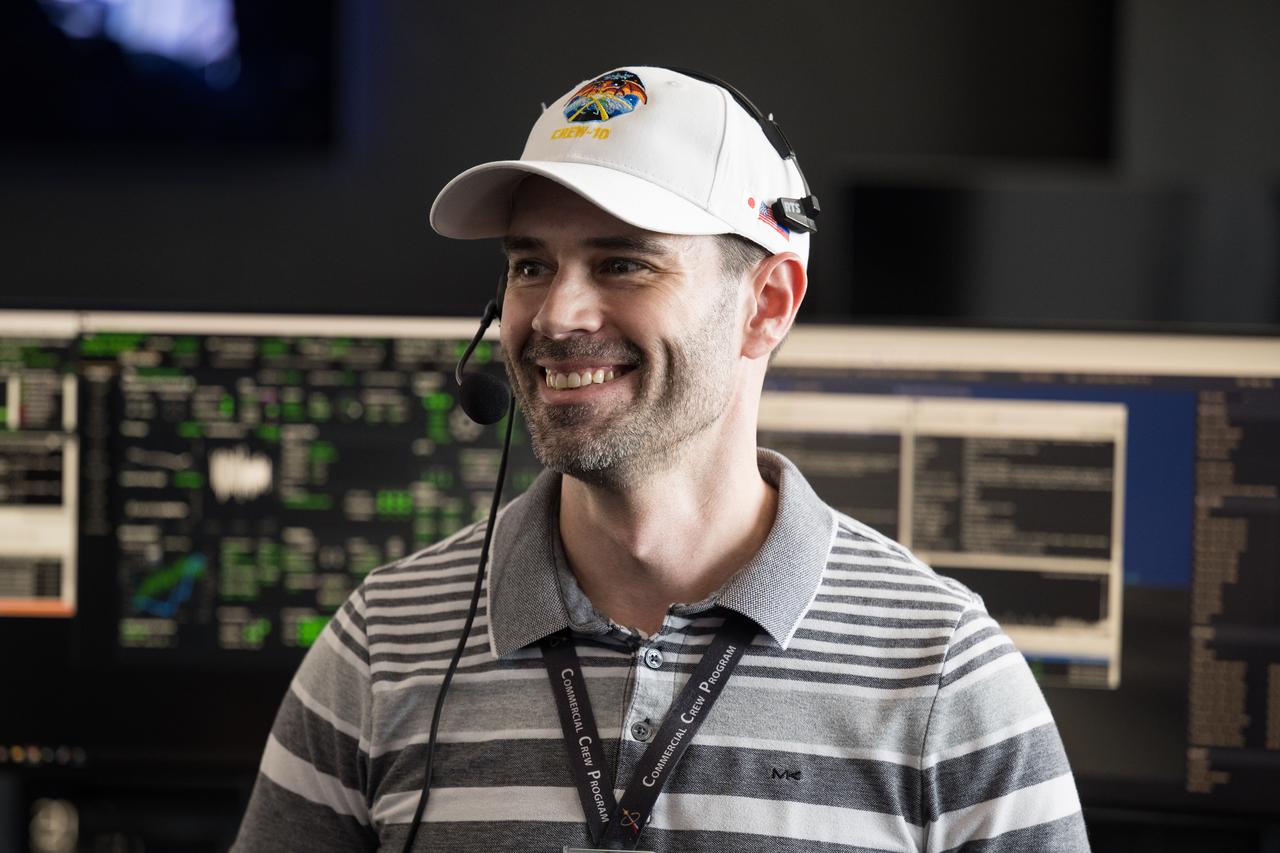
John Posey, NASA’s Crew Dragon Lead Engineer, serving as NASA chief engineer for this launch, monitors the countdown during a dress rehearsal in preparation for the launch of a SpaceX Falcon 9 rocket carrying the company's Dragon spacecraft on NASA’s SpaceX Crew-10 mission with NASA astronauts Anne McClain and Nichole Ayers, JAXA (Japan Aerospace Exploration Agency) astronaut Takuya Onishi, and Roscosmos cosmonaut Kirill Peskov onboard, Sunday, March 9, 2025, in the control room of SpaceX’s HangarX at NASA’s Kennedy Space Center in Florida. NASA’s SpaceX Crew-10 mission is the tenth crew rotation mission of the SpaceX Dragon spacecraft and Falcon 9 rocket to the International Space Station as part of the agency’s Commercial Crew Program. McClain, Ayers, Onishi, and Peskov are scheduled to launch at 7:48 p.m. EDT on Wednesday, March 12, from Launch Complex 39A at the NASA's Kennedy Space Center. Photo Credit: (NASA/Aubrey Gemignani)

Paul Hamilton, NASA's SpaceX Flight Lead for the International Space Station (ISS) Program, monitors the countdown during a dress rehearsal in preparation for the launch of a SpaceX Falcon 9 rocket carrying the company's Dragon spacecraft on NASA’s SpaceX Crew-10 mission with NASA astronauts Anne McClain and Nichole Ayers, JAXA (Japan Aerospace Exploration Agency) astronaut Takuya Onishi, and Roscosmos cosmonaut Kirill Peskov onboard, Sunday, March 9, 2025, in the control room of SpaceX’s HangarX at NASA’s Kennedy Space Center in Florida. NASA’s SpaceX Crew-10 mission is the tenth crew rotation mission of the SpaceX Dragon spacecraft and Falcon 9 rocket to the International Space Station as part of the agency’s Commercial Crew Program. McClain, Ayers, Onishi, and Peskov are scheduled to launch at 7:48 p.m. EDT on Wednesday, March 12, from Launch Complex 39A at the NASA's Kennedy Space Center. Photo Credit: (NASA/Aubrey Gemignani)

From left to right, Acting NASA Administrator Janet Petro, Acting NASA Associate Administrator Vanessa Wyche, and NASA deputy associate administrator Casey Swails wave to NASA astronauts Anne McClain and Nichole Ayers, JAXA (Japan Aerospace Exploration Agency) astronaut Takuya Onishi, and Roscosmos cosmonaut Kirill Peskov, as they prepare to depart the Neil A. Armstrong Operations and Checkout Building for Launch Complex 39A on NASA's Kennedy Space Center to board the SpaceX Dragon spacecraft for the Crew-10 mission launch, Wednesday, March 12, 2025, at NASA’s Kennedy Space Center in Florida. NASA’s SpaceX Crew-10 mission is the tenth crew rotation mission of the SpaceX Crew Dragon spacecraft and Falcon 9 rocket to the International Space Station as part of the agency’s Commercial Crew Program. McClain, Ayers, Onishi, and Peskov are scheduled to launch at 7:48 p.m. EDT, from Launch Complex 39A at the NASA's Kennedy Space Center. Photo Credit: (NASA/Aubrey Gemignani)
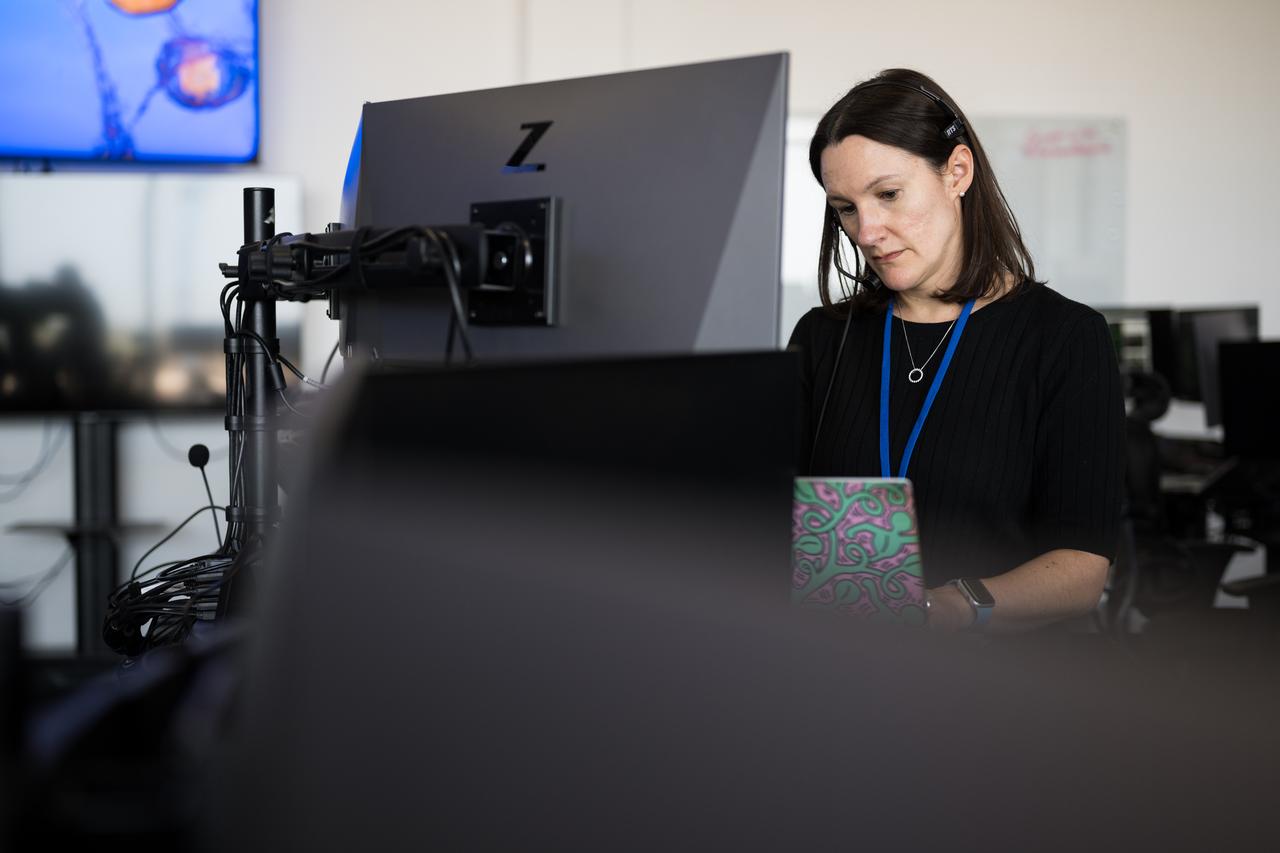
Nicole Jordan, NASA operations manager for the Commercial Crew Program, monitors the countdown during a dress rehearsal in preparation for the launch of a SpaceX Falcon 9 rocket carrying the company's Dragon spacecraft on NASA’s SpaceX Crew-10 mission with NASA astronauts Anne McClain and Nichole Ayers, JAXA (Japan Aerospace Exploration Agency) astronaut Takuya Onishi, and Roscosmos cosmonaut Kirill Peskov onboard, Sunday, March 9, 2025, in the control room of SpaceX’s HangarX at NASA’s Kennedy Space Center in Florida. NASA’s SpaceX Crew-10 mission is the tenth crew rotation mission of the SpaceX Dragon spacecraft and Falcon 9 rocket to the International Space Station as part of the agency’s Commercial Crew Program. McClain, Ayers, Onishi, and Peskov are scheduled to launch at 7:48 p.m. EDT on Wednesday, March 12, from Launch Complex 39A at the NASA's Kennedy Space Center. Photo Credit: (NASA/Aubrey Gemignani)
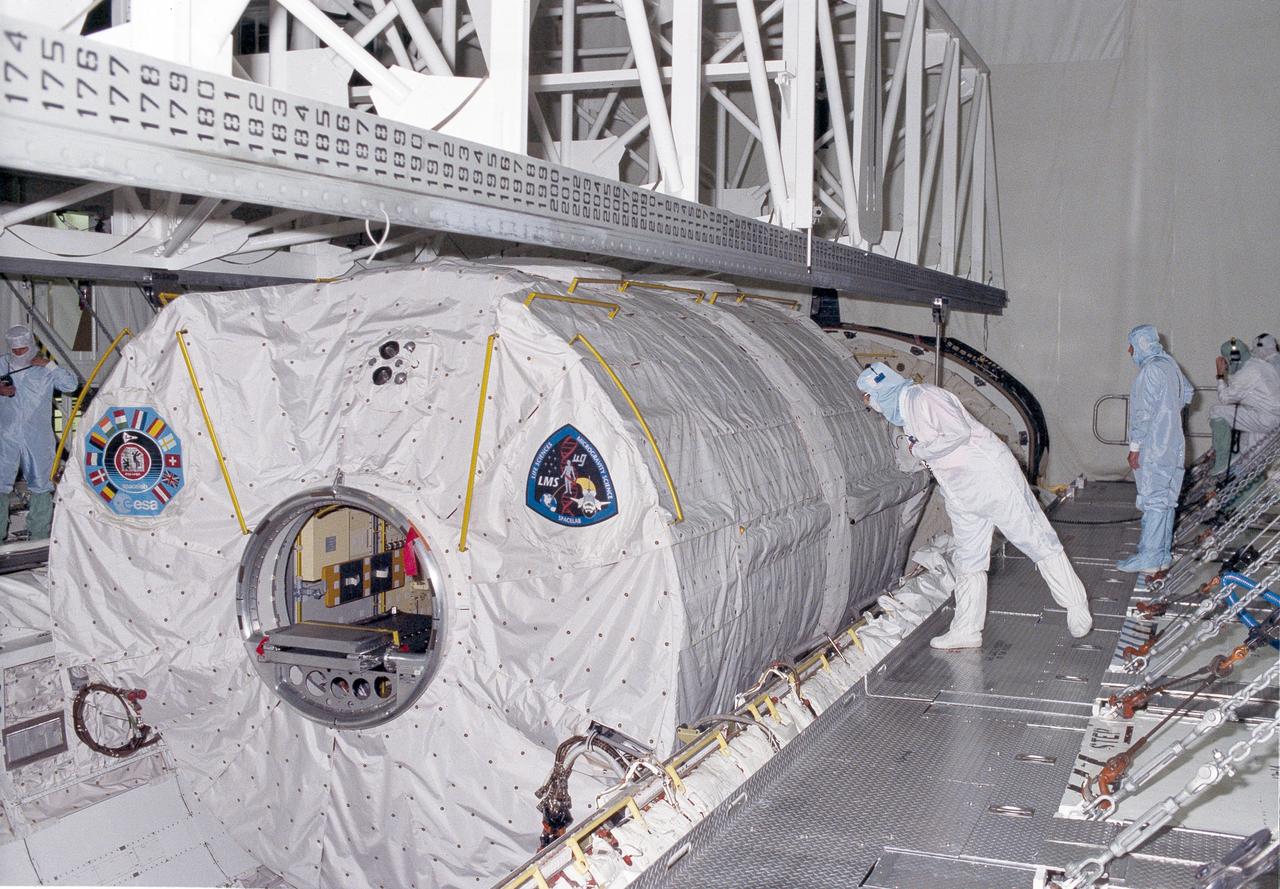
Launched on June 20, 1996, the STS-78 mission’s primary payload was the Life and Microgravity Spacelab (LMS), which was managed by the Marshall Space Flight Center (MSFC). During the 17 day space flight, the crew conducted a diverse slate of experiments divided into a mix of life science and microgravity investigations. In a manner very similar to future International Space Station operations, LMS researchers from the United States and their European counterparts shared resources such as crew time and equipment. Five space agencies (NASA/USA, European Space Agency/Europe (ESA), French Space Agency/France, Canadian Space Agency /Canada, and Italian Space Agency/Italy) along with research scientists from 10 countries worked together on the design, development and construction of the LMS. This photo shows the LMS spacelab being installed in the payload bay of the orbiter Columbia during preflight preparations.
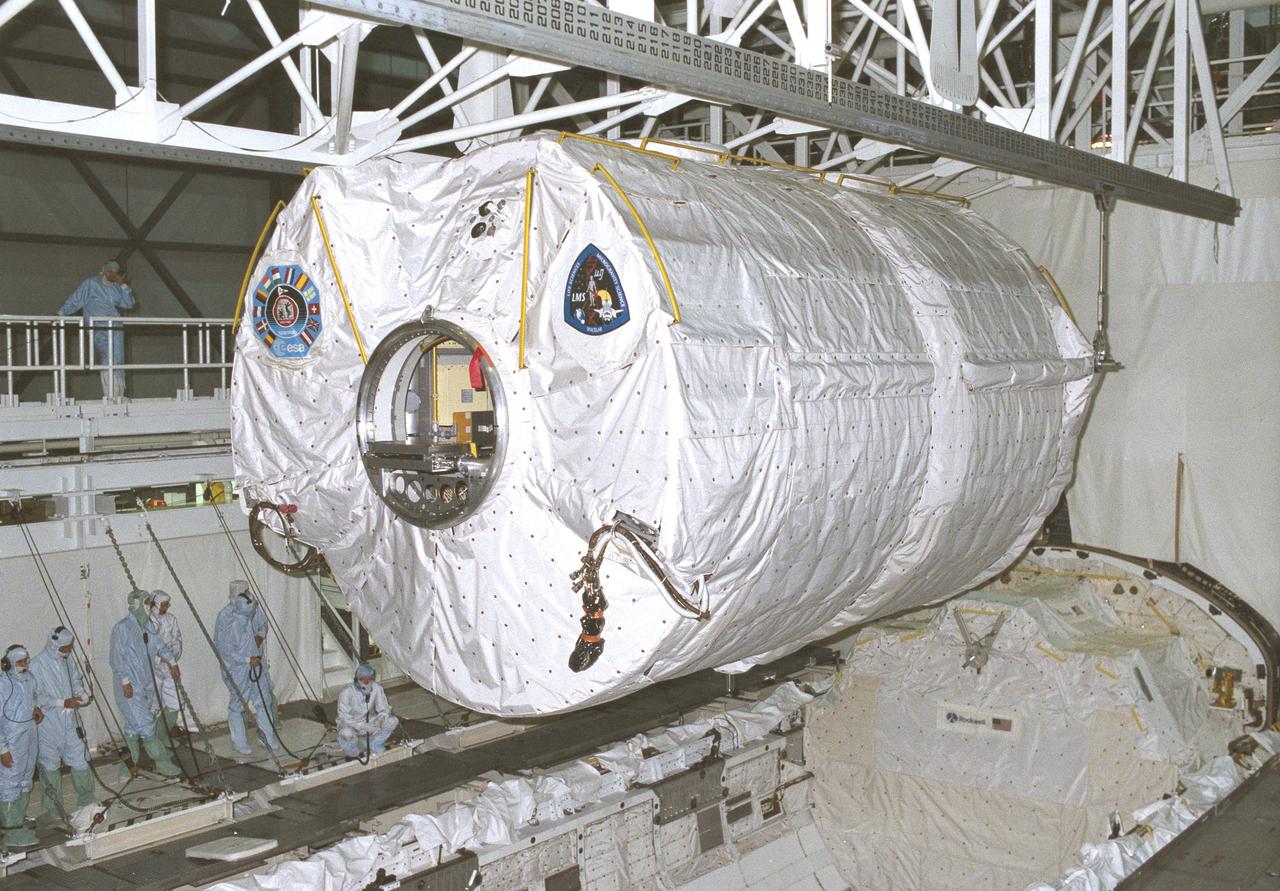
Launched on June 20, 1996, the STS-78 mission’s primary payload was the Life and Microgravity Spacelab (LMS), which was managed by the Marshall Space Flight Center (MSFC). During the 17 day space flight, the crew conducted a diverse slate of experiments divided into a mix of life science and microgravity investigations. In a manner very similar to future International Space Station operations, LMS researchers from the United States and their European counterparts shared resources such as crew time and equipment. Five space agencies (NASA/USA, European Space Agency/Europe (ESA), French Space Agency/France, Canadian Space Agency /Canada, and Italian Space Agency/Italy) along with research scientists from 10 countries worked together on the design, development and construction of the LMS. This photo shows the LMS being installed in the payload bay of the orbiter Columbia during preflight preparations.
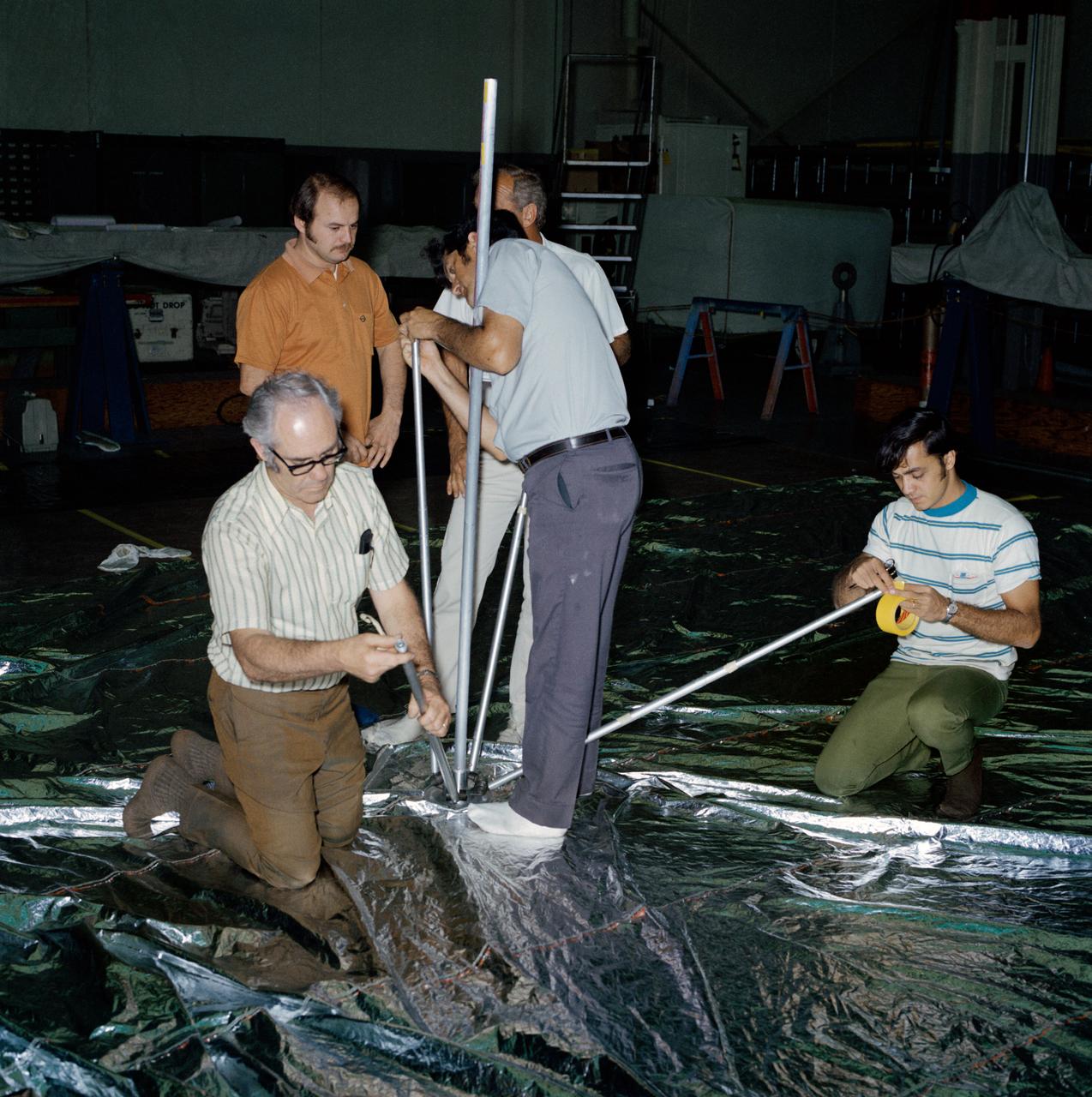
S73-26380 (23 May 1973) --- Technicians in the Technical Services shop in Building 10 work on the fabrication of the umbrella-like mechanical device called the “parasol” during Skylab 2 preflight preparations at NASA's Johnson Space Center. Here, they are attaching the telescoping extension rods to the canopy. The “parasol” is designed to fit into the TO27 experiment photometer canister. The canopy is 24 feet by 22 feet. The sunshade device will be deployed through the solar scientific airlock in the side of the OWS. The “parasol” solar shield is considered the prime possibility for use as the OWS sunshade because it will not require EVA by the Skylab 2 crewmen, because of the operational ease of using it, and because of the simplicity of the device which minimizes crew training. Photo credit: NASA
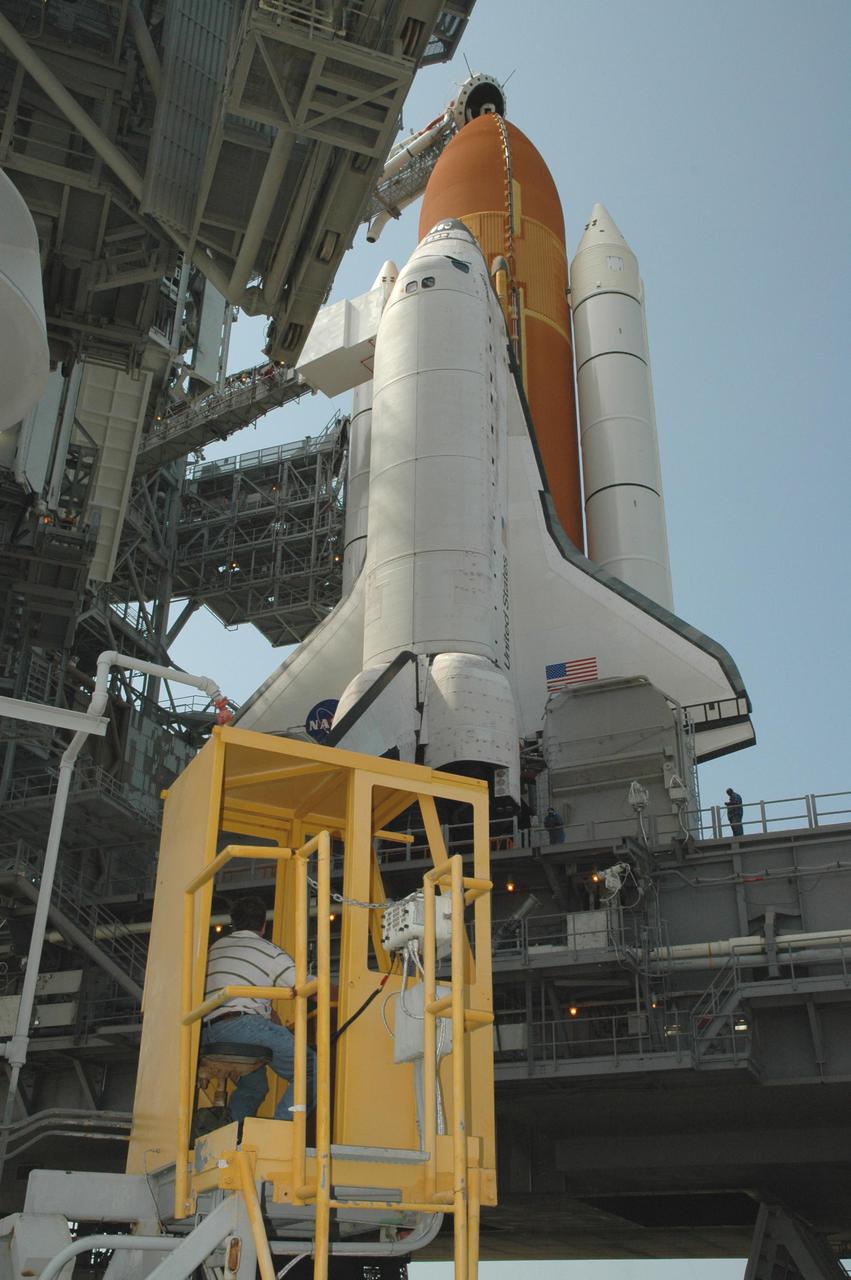
KENNEDY SPACE CENTER, FLA. - A worker on Launch Pad 39B at NASA Kennedy Space Center sits in the control cab of the Rotating Service Structure as it begins rolling back from its position around Space Shuttle Discovery. Rollback of the RSS is a major preflight milestone, typically occurring during the T-11-hour hold on L-1 (the day before launch). Discovery is scheduled to lift off on the historic Return to Flight mission STS-114 at 10:39 a.m. EDT July 26 with a crew of seven. On the mission to the International Space Station the crew will perform inspections on orbit for the first time of all of the Reinforced Carbon-Carbon (RCC) panels on the leading edge of the wings and the Thermal Protection System tiles using the new Canadian-built Orbiter Boom Sensor System and the data from 176 impact and temperature sensors. Mission Specialists will also practice repair techniques on RCC and tile samples during a spacewalk in the payload bay. During two additional spacewalks, the crew will install the External Stowage Platform-2, equipped with spare part assemblies, and a replacement Control Moment Gyroscope contained in the Lightweight Multi-Purpose Experiment Support Structure.
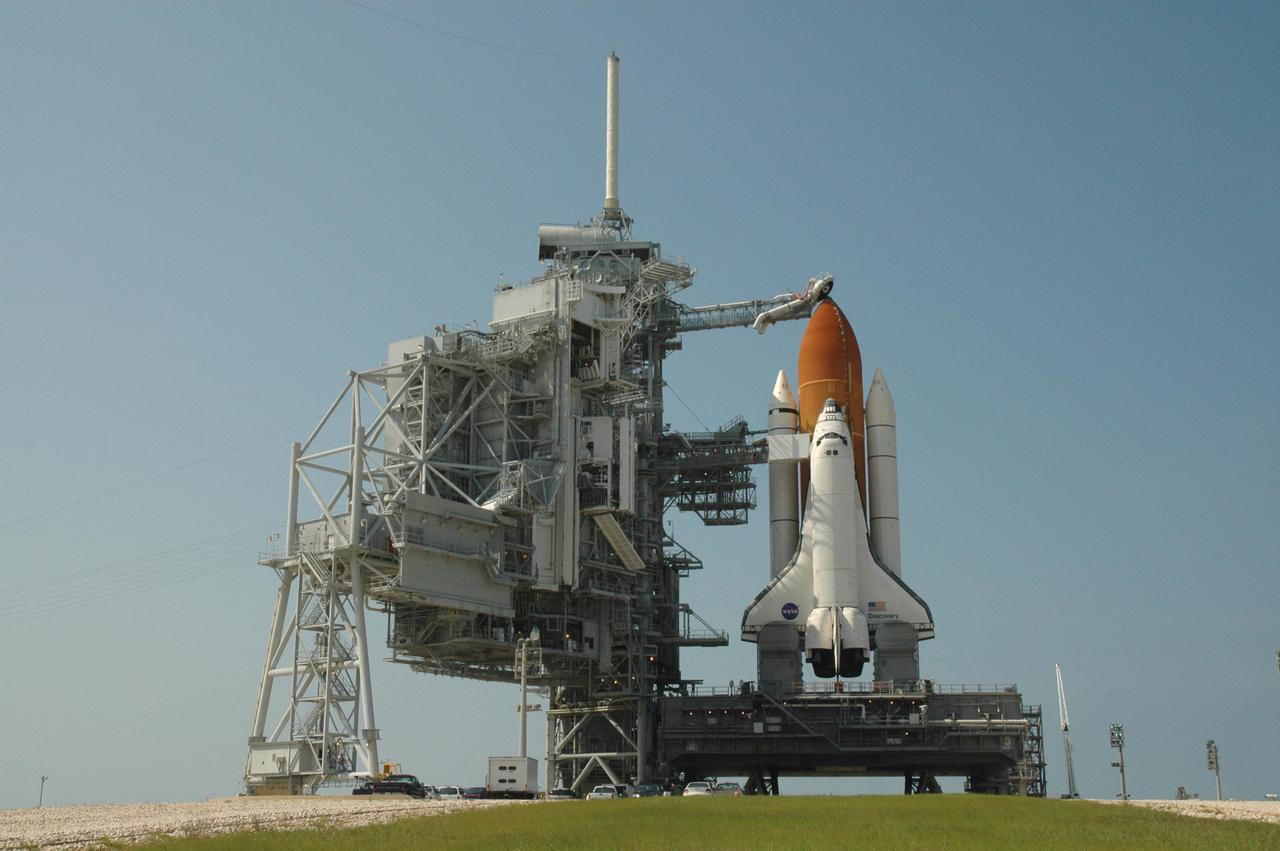
KENNEDY SPACE CENTER, FLA. - Space Shuttle Discovery in full launch configuration is revealed after the Rotating Service Structure (RSS) is rotated back at Launch Pad 39B at NASA Kennedy Space Center. At the top of the Fixed Service Structure is the 80-foot-tall lightning mast. Rollback of the RSS is a major preflight milestone, typically occurring during the T-11-hour hold on L-1 (the day before launch). Discovery is scheduled to lift off on the historic Return to Flight mission STS-114 at 10:39 a.m. EDT July 26 with a crew of seven. On the mission to the International Space Station the crew will perform inspections on orbit for the first time of all of the Reinforced Carbon-Carbon (RCC) panels on the leading edge of the wings and the Thermal Protection System tiles using the new Canadian-built Orbiter Boom Sensor System and the data from 176 impact and temperature sensors. Mission Specialists will also practice repair techniques on RCC and tile samples during a spacewalk in the payload bay. During two additional spacewalks, the crew will install the External Stowage Platform-2, equipped with spare part assemblies, and a replacement Control Moment Gyroscope contained in the Lightweight Multi-Purpose Experiment Support Structure.
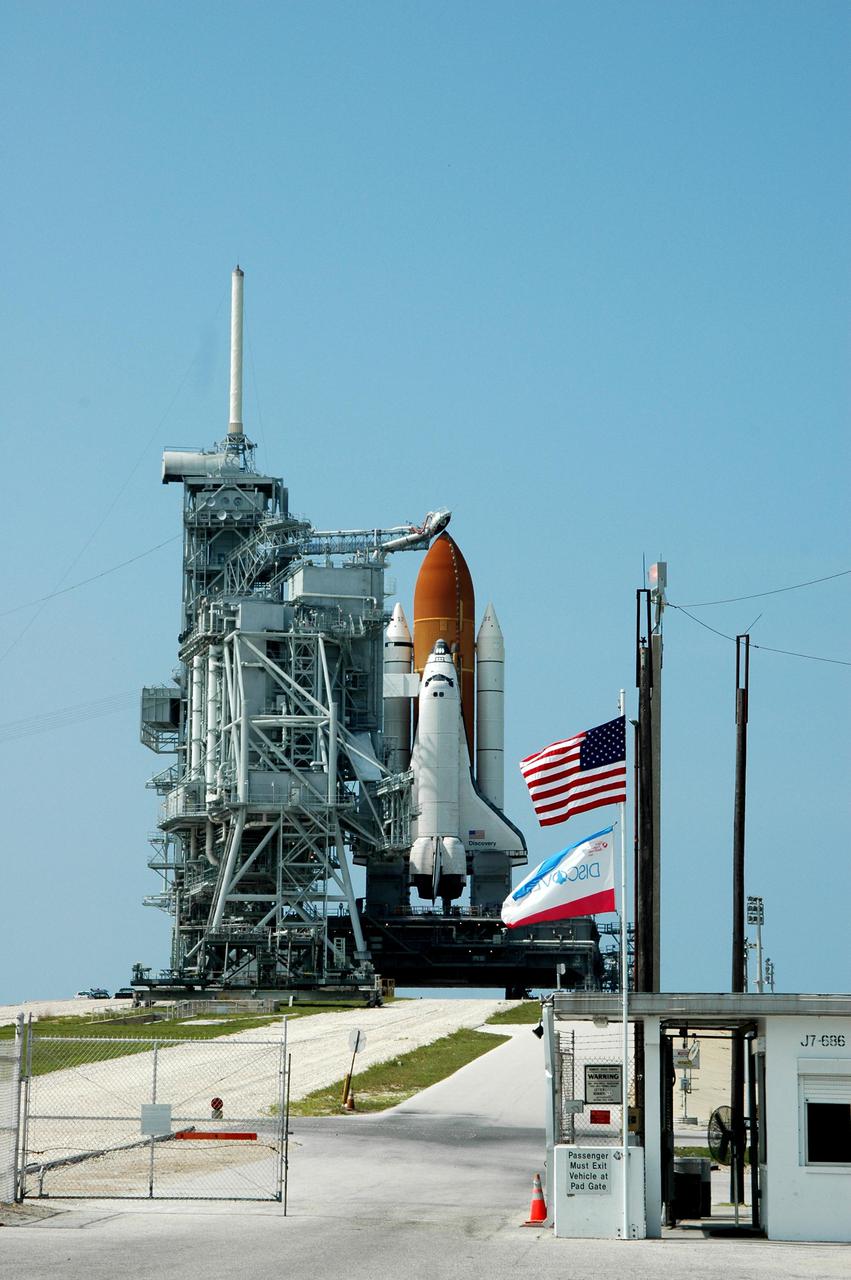
KENNEDY SPACE CENTER, FLA. - Flags are flying on Launch Pad 39B at NASA Kennedy Space Center as Space Shuttle Discovery is ready on the pad for launch after rollback of the Rotating Service Structure. Rollback of the RSS is a major preflight milestone, typically occurring during the T-11-hour hold on L-1 (the day before launch). Discovery is scheduled to lift off on the historic Return to Flight mission STS-114 at 10:39 a.m. EDT July 26 with a crew of seven. On the mission to the International Space Station the crew will perform inspections on orbit for the first time of all of the Reinforced Carbon-Carbon (RCC) panels on the leading edge of the wings and the Thermal Protection System tiles using the new Canadian-built Orbiter Boom Sensor System and the data from 176 impact and temperature sensors. Mission Specialists will also practice repair techniques on RCC and tile samples during a spacewalk in the payload bay. During two additional spacewalks, the crew will install the External Stowage Platform-2, equipped with spare part assemblies, and a replacement Control Moment Gyroscope contained in the Lightweight Multi-Purpose Experiment Support Structure.

KENNEDY SPACE CENTER, FLA. - A worker on Launch Pad 39B at NASA Kennedy Space Center walks alongside the track of the Rotating Service Structure as it begins rolling back from its position around Space Shuttle Discovery. Rollback of the RSS is a major preflight milestone, typically occurring during the T-11-hour hold on L-1 (the day before launch). Discovery is scheduled to lift off on the historic Return to Flight mission STS-114 at 10:39 a.m. EDT July 26 with a crew of seven. On the mission to the International Space Station the crew will perform inspections on orbit for the first time of all of the Reinforced Carbon-Carbon (RCC) panels on the leading edge of the wings and the Thermal Protection System tiles using the new Canadian-built Orbiter Boom Sensor System and the data from 176 impact and temperature sensors. Mission Specialists will also practice repair techniques on RCC and tile samples during a spacewalk in the payload bay. During two additional spacewalks, the crew will install the External Stowage Platform-2, equipped with spare part assemblies, and a replacement Control Moment Gyroscope contained in the Lightweight Multi-Purpose Experiment Support Structure.
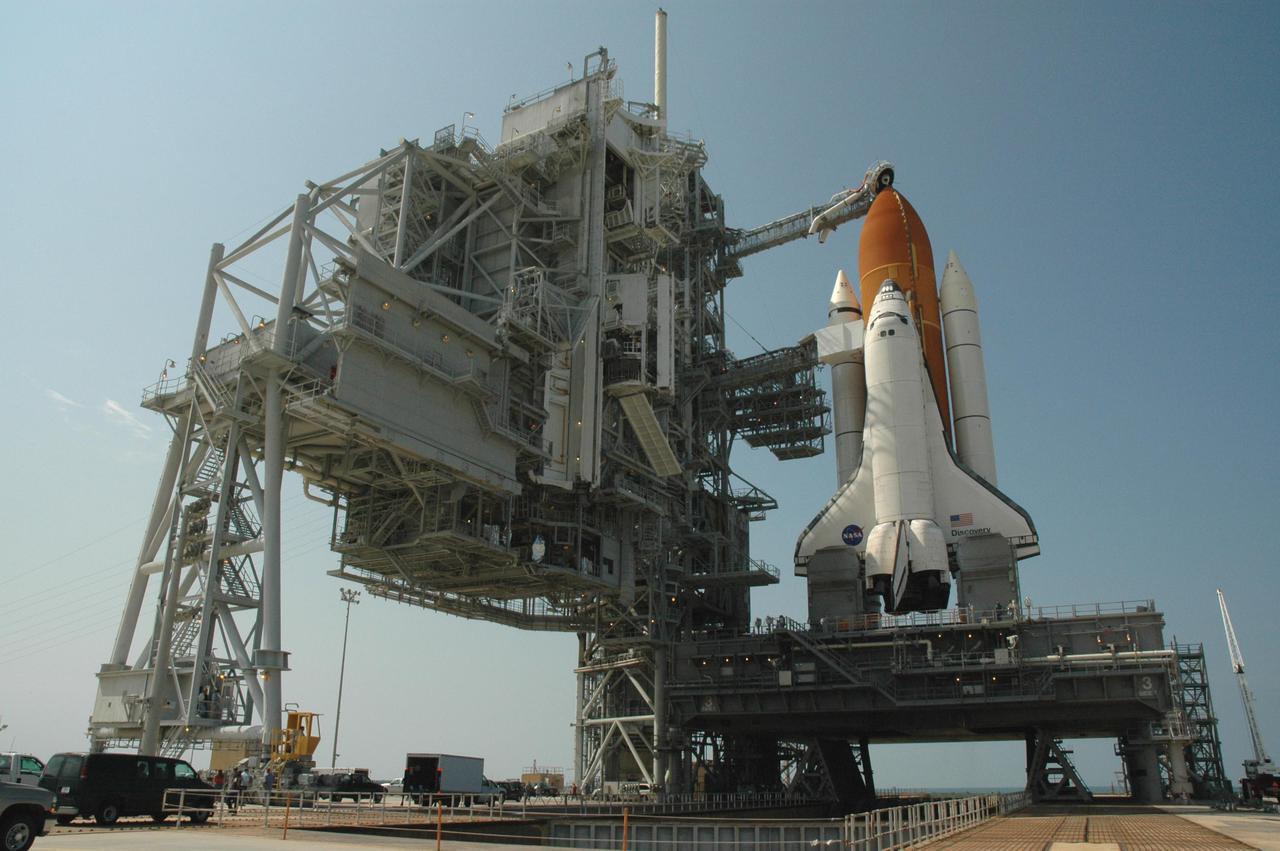
KENNEDY SPACE CENTER, FLA. - Space Shuttle Discovery in full launch configuration is revealed after the Rotating Service Structure (RSS) is rotated back at Launch Pad 39B at NASA Kennedy Space Center. Rollback of the RSS is a major preflight milestone, typically occurring during the T-11-hour hold on L-1 (the day before launch). Discovery is scheduled to lift off on the historic Return to Flight mission STS-114 at 10:39 a.m. EDT July 26 with a crew of seven. On the mission to the International Space Station the crew will perform inspections on orbit for the first time of all of the Reinforced Carbon-Carbon (RCC) panels on the leading edge of the wings and the Thermal Protection System tiles using the new Canadian-built Orbiter Boom Sensor System and the data from 176 impact and temperature sensors. Mission Specialists will also practice repair techniques on RCC and tile samples during a spacewalk in the payload bay. During two additional spacewalks, the crew will install the External Stowage Platform-2, equipped with spare part assemblies, and a replacement Control Moment Gyroscope contained in the Lightweight Multi-Purpose Experiment Support Structure.
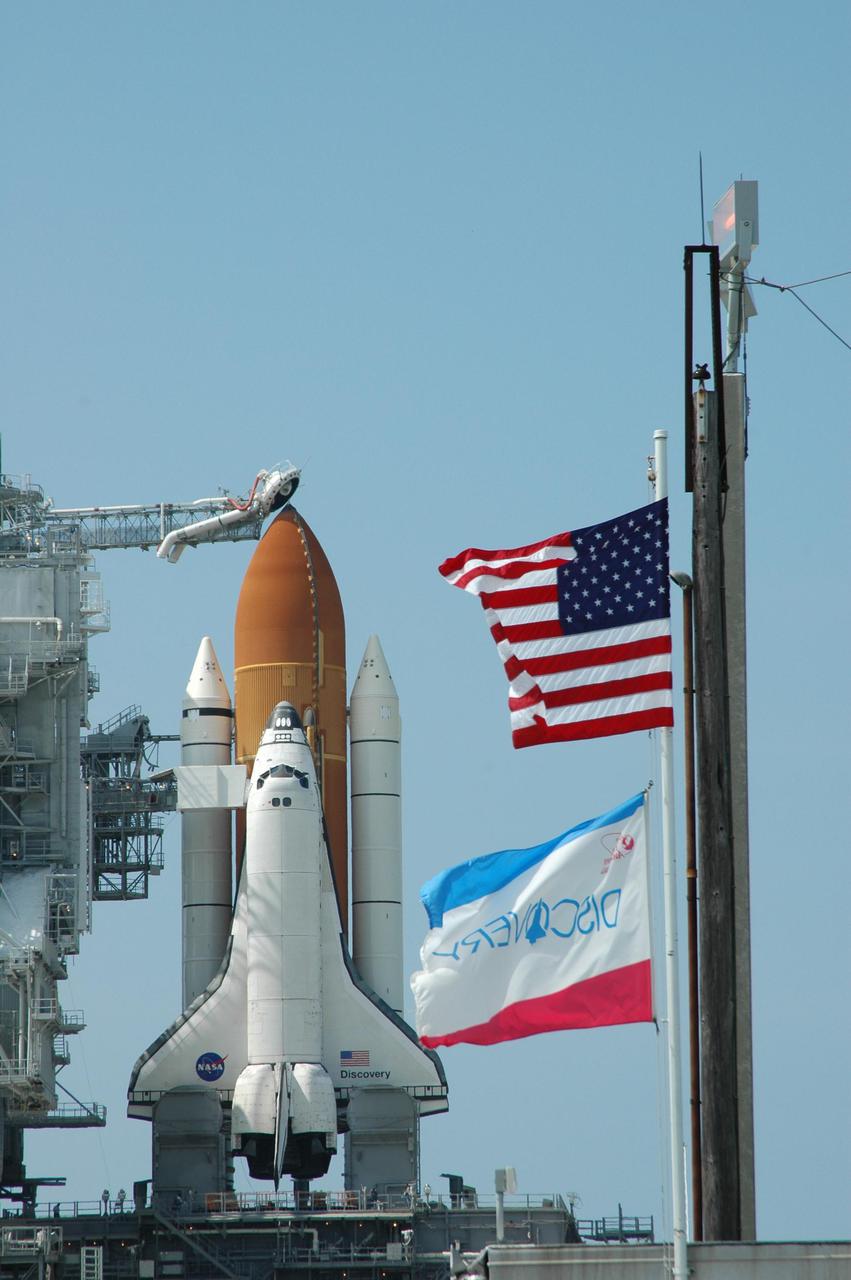
KENNEDY SPACE CENTER, FLA. - Flags are flying on Launch Pad 39B at NASA Kennedy Space Center as Space Shuttle Discovery is ready on the pad for launch after rollback of the Rotating Service Structure. Visible above the External Tank is the gaseous oxygen vent arm (beanie cap). Rollback of the RSS is a major preflight milestone, typically occurring during the T-11-hour hold on L-1 (the day before launch). Discovery is scheduled to lift off on the historic Return to Flight mission STS-114 at 10:39 a.m. EDT July 26 with a crew of seven. On the mission to the International Space Station the crew will perform inspections on orbit for the first time of all of the Reinforced Carbon-Carbon (RCC) panels on the leading edge of the wings and the Thermal Protection System tiles using the new Canadian-built Orbiter Boom Sensor System and the data from 176 impact and temperature sensors. Mission Specialists will also practice repair techniques on RCC and tile samples during a spacewalk in the payload bay. During two additional spacewalks, the crew will install the External Stowage Platform-2, equipped with spare part assemblies, and a replacement Control Moment Gyroscope contained in the Lightweight Multi-Purpose Experiment Support Structure.
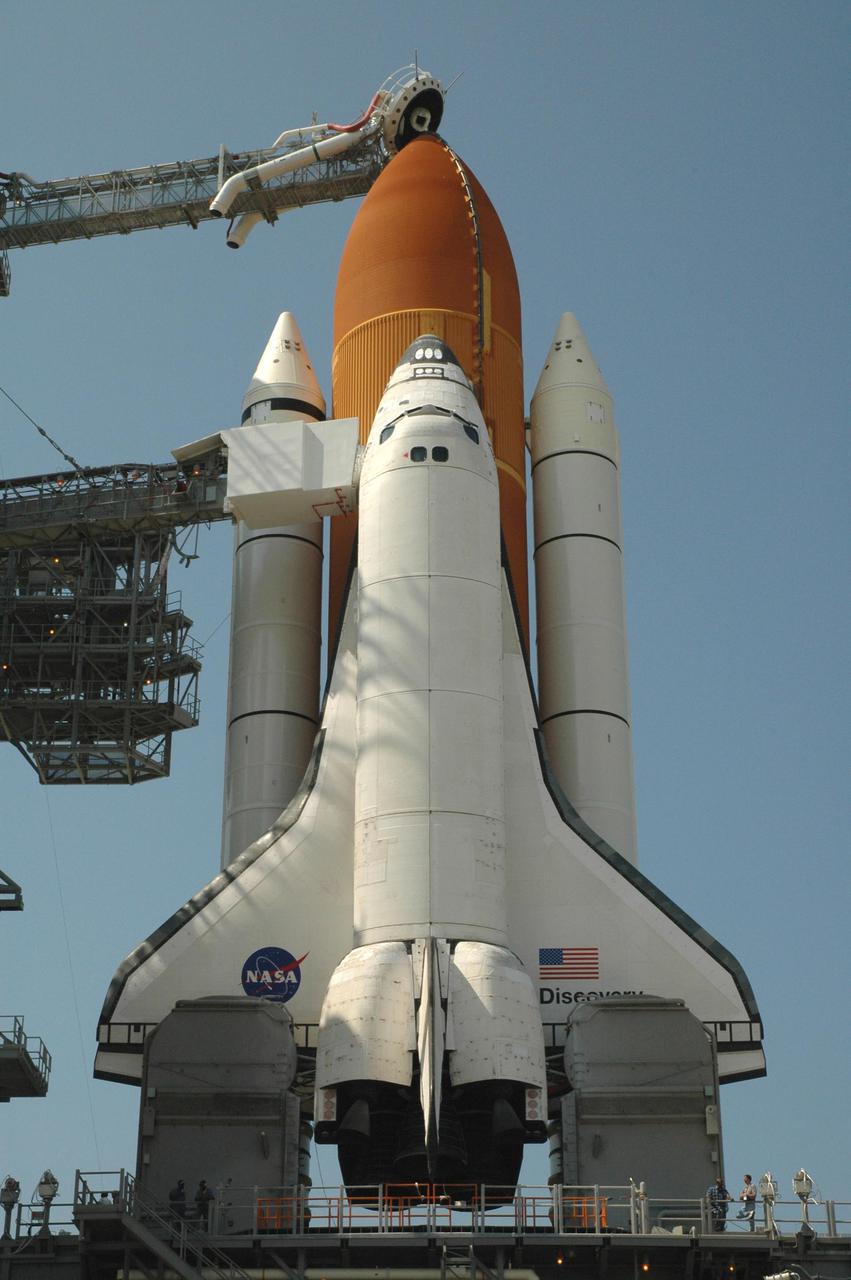
KENNEDY SPACE CENTER, FLA. - Space Shuttle Discovery in full launch configuration is revealed after the Rotating Service Structure (RSS) is rotated back at Launch Pad 39B at NASA Kennedy Space Center. The gaseous oxygen vent arm (beanie cap) has been extended to the top of the External Tank and the orbiter access arm is extended to Discovery’s hatch. Rollback of the RSS is a major preflight milestone, typically occurring during the T-11-hour hold on L-1 (the day before launch). Discovery is scheduled to lift off on the historic Return to Flight mission STS-114 at 10:39 a.m. EDT July 26 with a crew of seven. On the mission to the International Space Station the crew will perform inspections on orbit for the first time of all of the Reinforced Carbon-Carbon (RCC) panels on the leading edge of the wings and the Thermal Protection System tiles using the new Canadian-built Orbiter Boom Sensor System and the data from 176 impact and temperature sensors. Mission Specialists will also practice repair techniques on RCC and tile samples during a spacewalk in the payload bay. During two additional spacewalks, the crew will install the External Stowage Platform-2, equipped with spare part assemblies, and a replacement Control Moment Gyroscope contained in the Lightweight Multi-Purpose Experiment Support Structure.
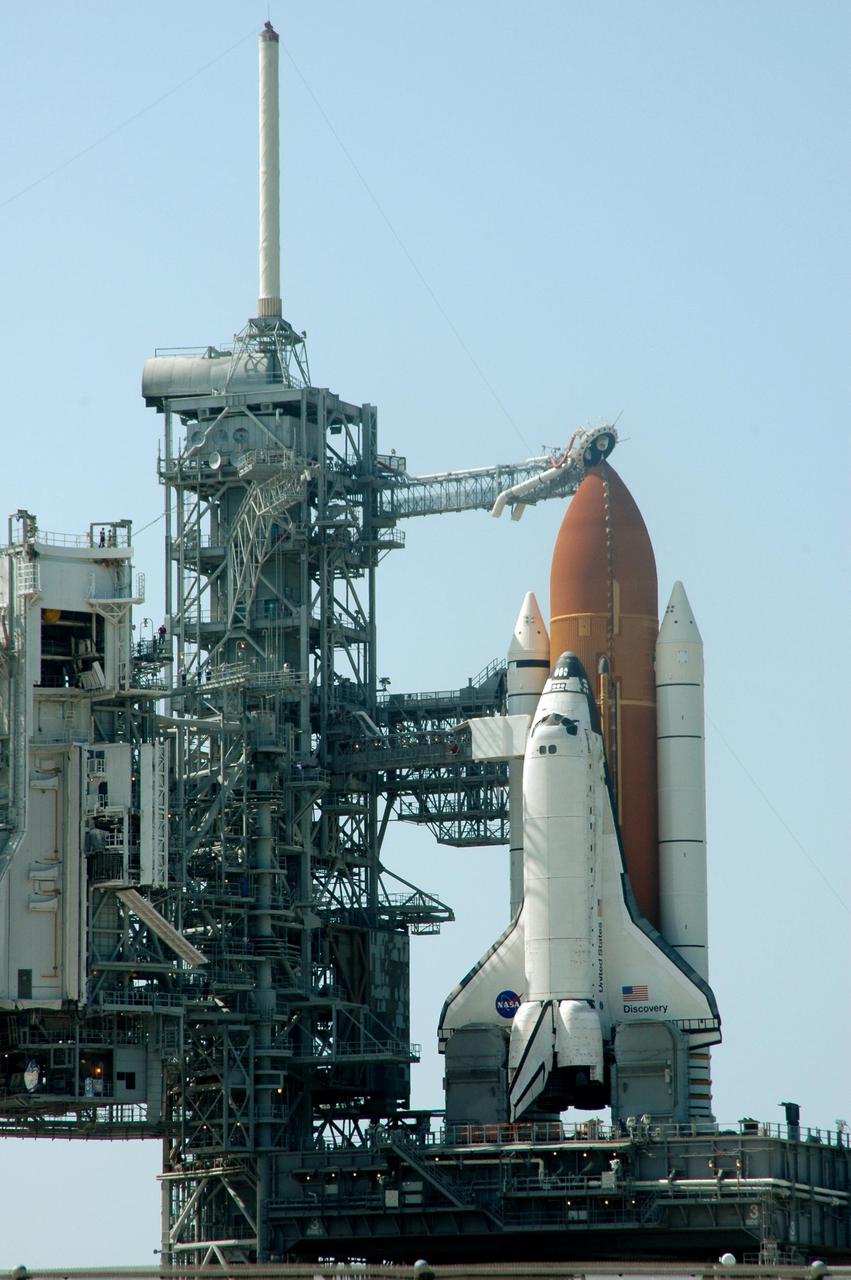
KENNEDY SPACE CENTER, FLA. - Space Shuttle Discovery in full launch configuration is revealed after the Rotating Service Structure (RSS) is rotated back at Launch Pad 39B at NASA Kennedy Space Center. The gaseous oxygen vent arm (beanie cap) has been extended to the top of the External Tank. Rollback of the RSS is a major preflight milestone, typically occurring during the T-11-hour hold on L-1 (the day before launch). Discovery is scheduled to lift off on the historic Return to Flight mission STS-114 at 10:39 a.m. EDT July 26 with a crew of seven. On the mission to the International Space Station the crew will perform inspections on orbit for the first time of all of the Reinforced Carbon-Carbon (RCC) panels on the leading edge of the wings and the Thermal Protection System tiles using the new Canadian-built Orbiter Boom Sensor System and the data from 176 impact and temperature sensors. Mission Specialists will also practice repair techniques on RCC and tile samples during a spacewalk in the payload bay. During two additional spacewalks, the crew will install the External Stowage Platform-2, equipped with spare part assemblies, and a replacement Control Moment Gyroscope contained in the Lightweight Multi-Purpose Experiment Support Structure.
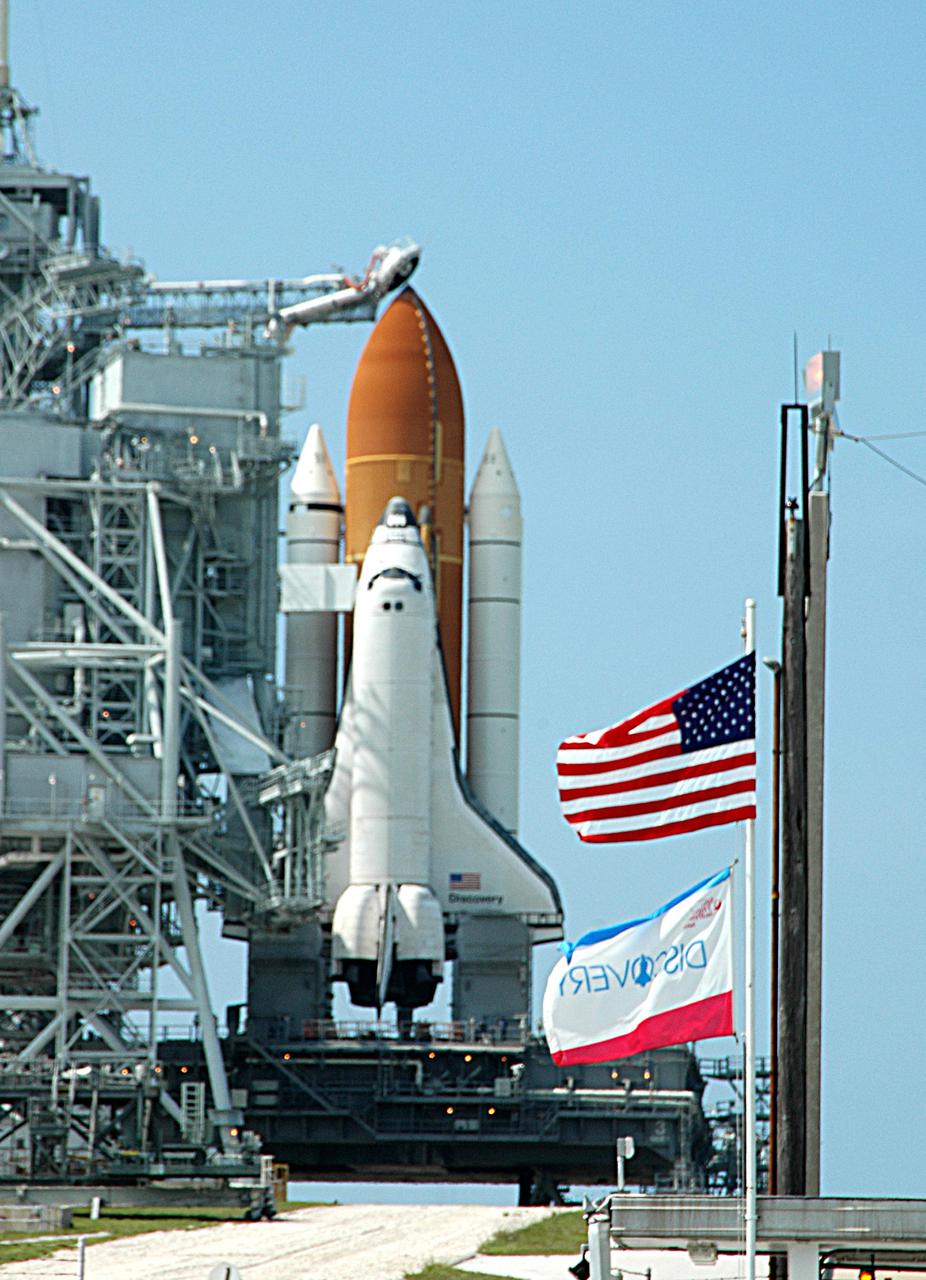
KENNEDY SPACE CENTER, FLA. - Flags are flying on Launch Pad 39B at NASA Kennedy Space Center as Space Shuttle Discovery is ready on the pad for launch after rollback of the Rotating Service Structure. Visible above the External Tank is the gaseous oxygen vent arm (beanie cap). Rollback of the RSS is a major preflight milestone, typically occurring during the T-11-hour hold on L-1 (the day before launch). Discovery is scheduled to lift off on the historic Return to Flight mission STS-114 at 10:39 a.m. EDT July 26 with a crew of seven. On the mission to the International Space Station the crew will perform inspections on orbit for the first time of all of the Reinforced Carbon-Carbon (RCC) panels on the leading edge of the wings and the Thermal Protection System tiles using the new Canadian-built Orbiter Boom Sensor System and the data from 176 impact and temperature sensors. Mission Specialists will also practice repair techniques on RCC and tile samples during a spacewalk in the payload bay. During two additional spacewalks, the crew will install the External Stowage Platform-2, equipped with spare part assemblies, and a replacement Control Moment Gyroscope contained in the Lightweight Multi-Purpose Experiment Support Structure.
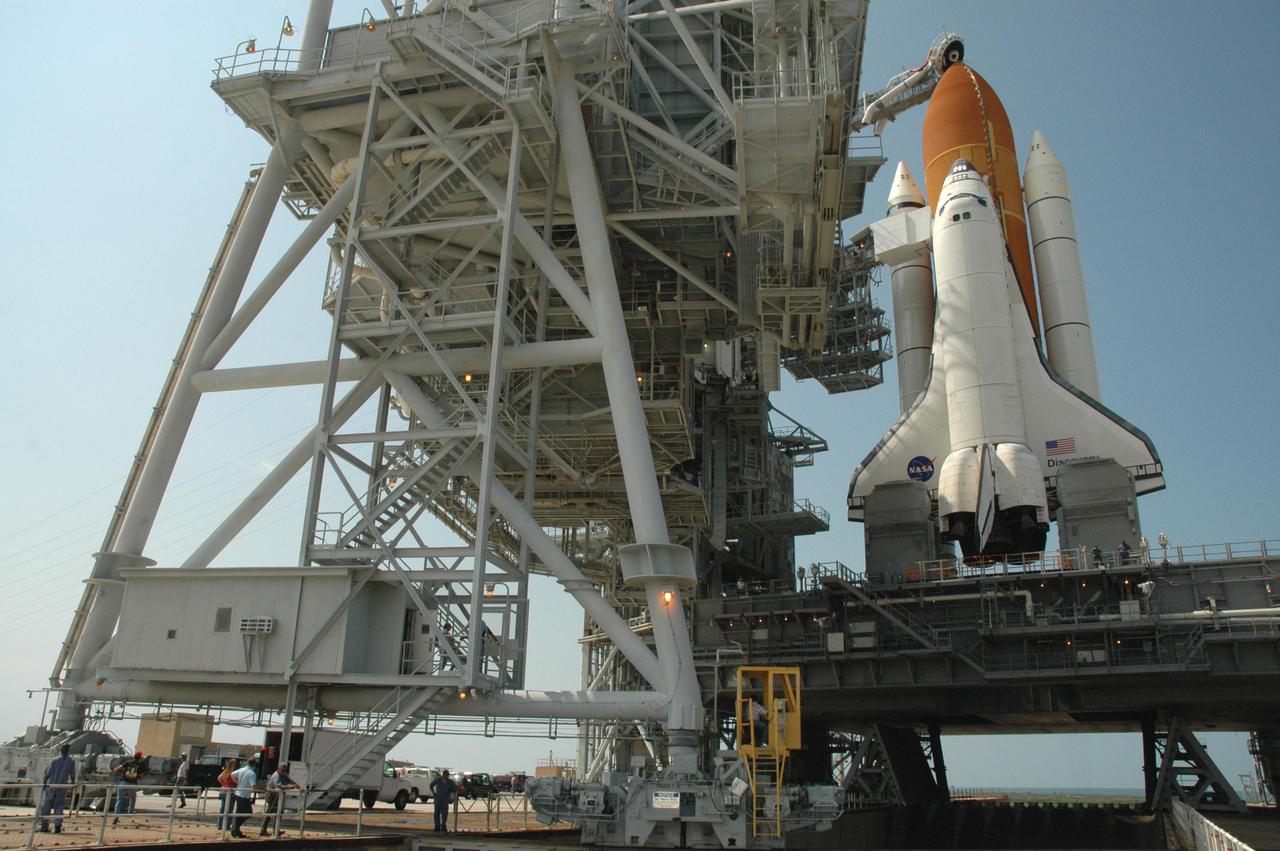
KENNEDY SPACE CENTER, FLA. - Space Shuttle Discovery in full launch configuration is revealed after the Rotating Service Structure (RSS) is rotated back at Launch Pad 39B at NASA Kennedy Space Center. Rollback of the RSS is a major preflight milestone, typically occurring during the T-11-hour hold on L-1 (the day before launch). Discovery is scheduled to lift off on the historic Return to Flight mission STS-114 at 10:39 a.m. EDT July 26 with a crew of seven. On the mission to the International Space Station the crew will perform inspections on orbit for the first time of all of the Reinforced Carbon-Carbon (RCC) panels on the leading edge of the wings and the Thermal Protection System tiles using the new Canadian-built Orbiter Boom Sensor System and the data from 176 impact and temperature sensors. Mission Specialists will also practice repair techniques on RCC and tile samples during a spacewalk in the payload bay. During two additional spacewalks, the crew will install the External Stowage Platform-2, equipped with spare part assemblies, and a replacement Control Moment Gyroscope contained in the Lightweight Multi-Purpose Experiment Support Structure.