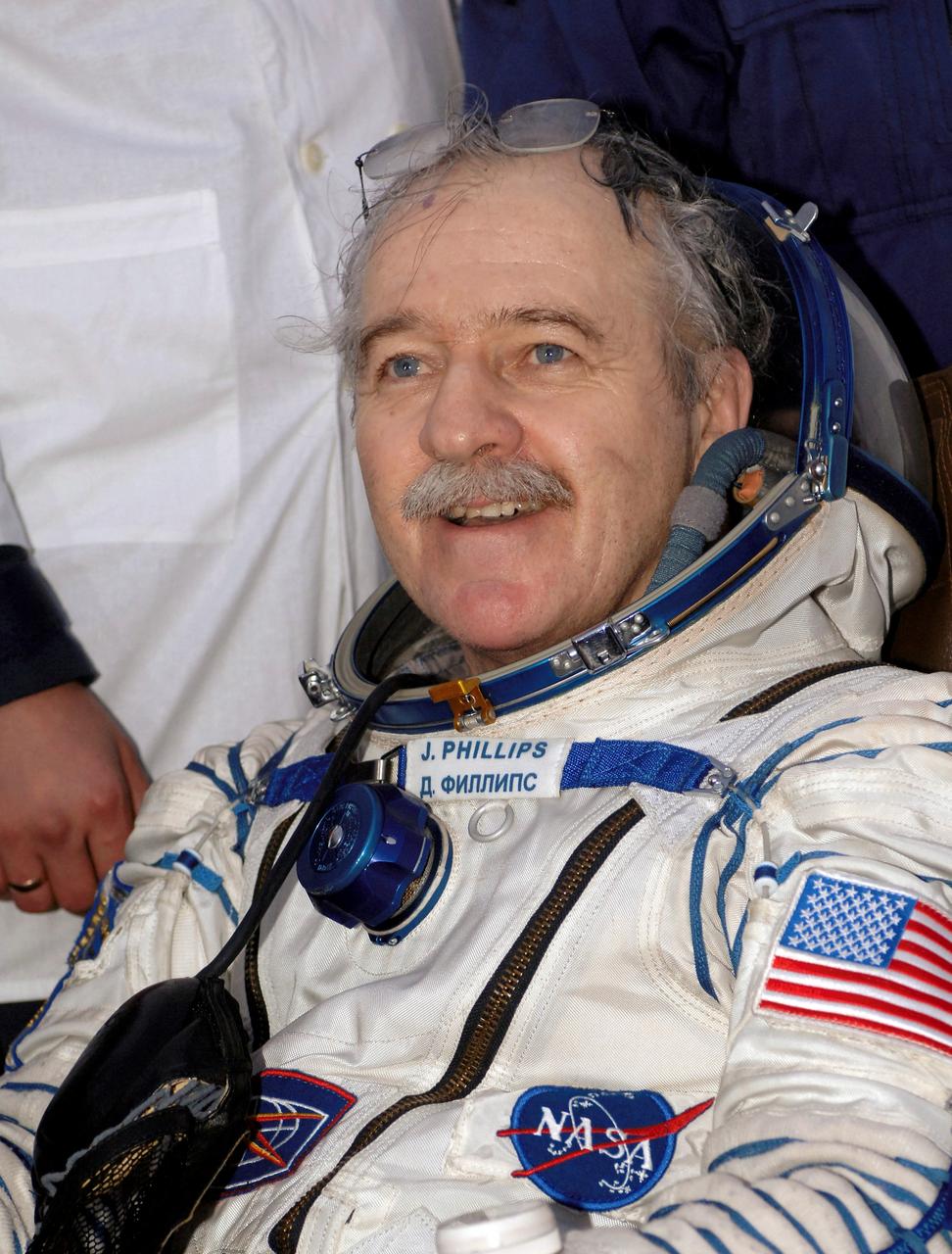
JSC2005-E-41363 (11 October 2005) --- Astronaut John L. Phillips, Expedition 11 NASA science officer and flight engineer is seated after having his first encounter with terra firma in several months following the successful landing of the Soyuz TMA-6 in Kazakhstan on Oct. 11 (local time). Photo Credit: NASA/Bill Ingalls
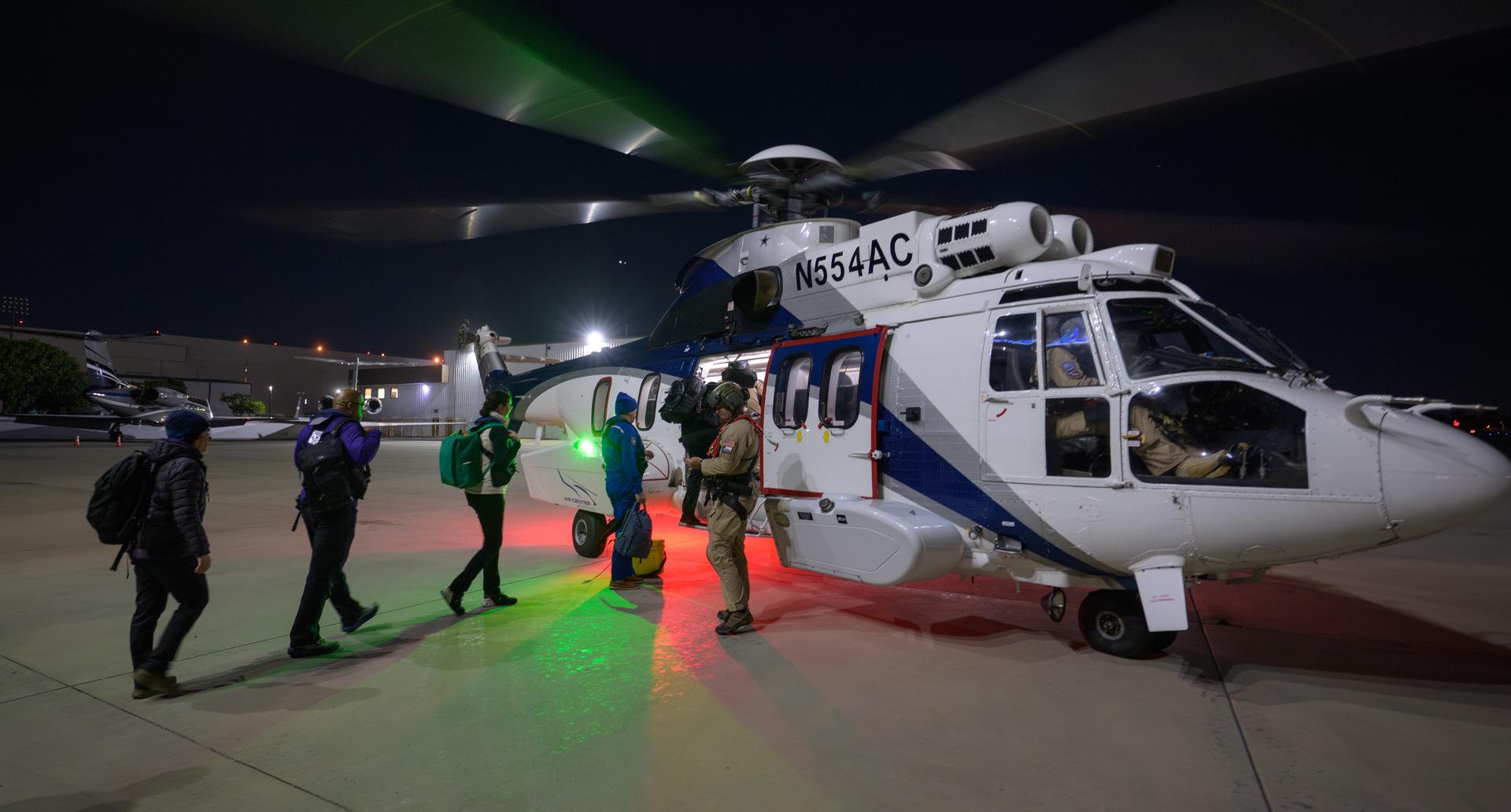
NASA and SpaceX support teams board a helicopter to stage for the landing of the SpaceX Dragon Endeavour spacecraft with NASA astronauts Zena Cardman, Mike Fincke, JAXA (Japan Aerospace Exploration Agency) astronaut Kimiya Yui, and Roscosmos cosmonaut Oleg Platonov aboard, Wednesday, Jan. 14, 2026, in Long Beach, Calif.. Cardman, Fincke, Yui, Platonov are landing in the Pacific Ocean after 167 days in space as part of Expedition 74 aboard the International Space Station. Photo Credit: (NASA/Bill Ingalls)
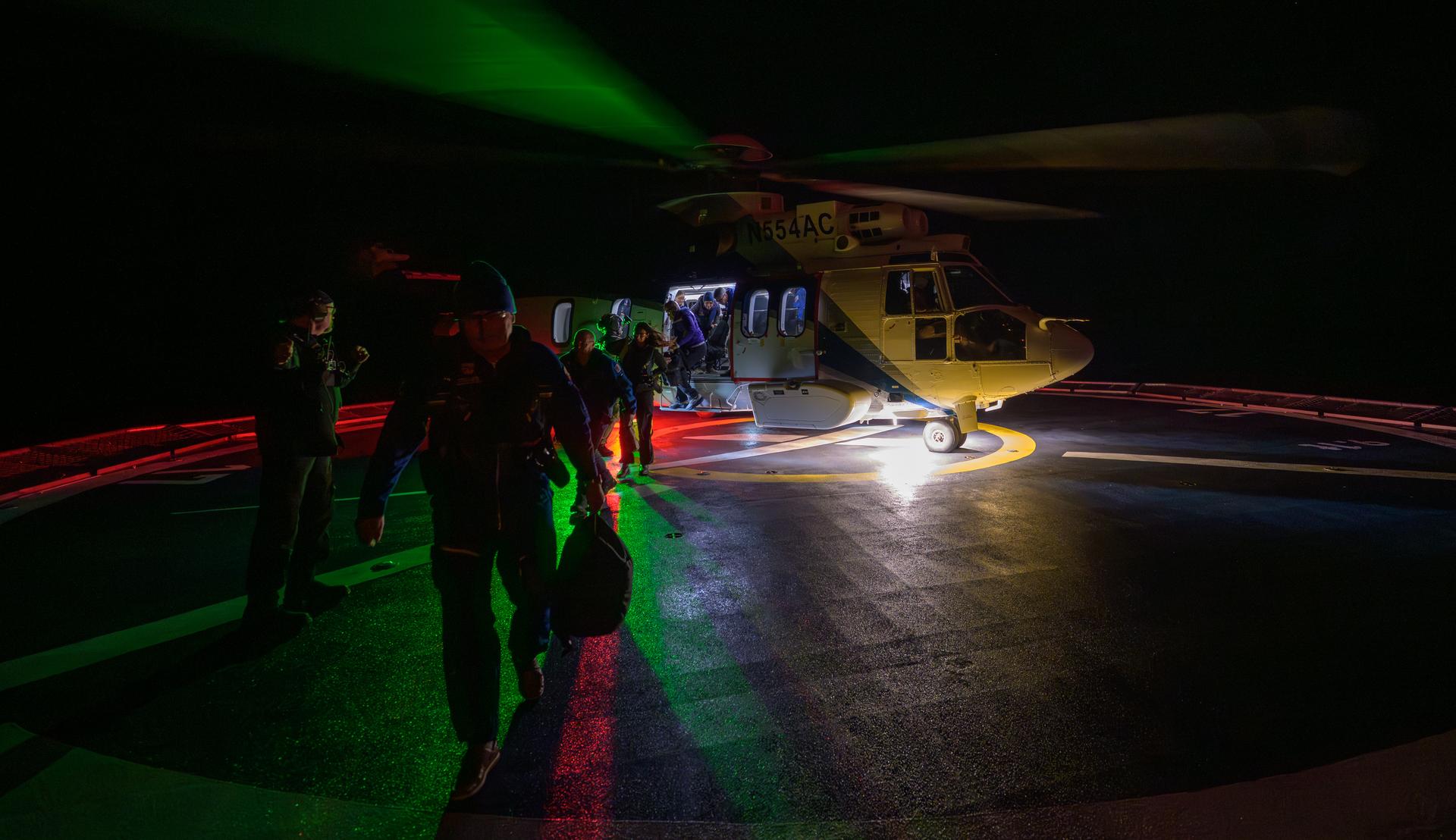
NASA and SpaceX support teams board the ship SHANNON to prepare for the landing of the SpaceX Dragon Endeavour spacecraft with NASA astronauts Zena Cardman, Mike Fincke, JAXA (Japan Aerospace Exploration Agency) astronaut Kimiya Yui, and Roscosmos cosmonaut Oleg Platonov aboard, Wednesday, Jan. 14, 2026, in San Diego, Calif.. Cardman, Fincke, Yui, Platonov are landing in the Pacific Ocean after 167 days in space as part of Expedition 74 aboard the International Space Station. Photo Credit: (NASA/Bill Ingalls)
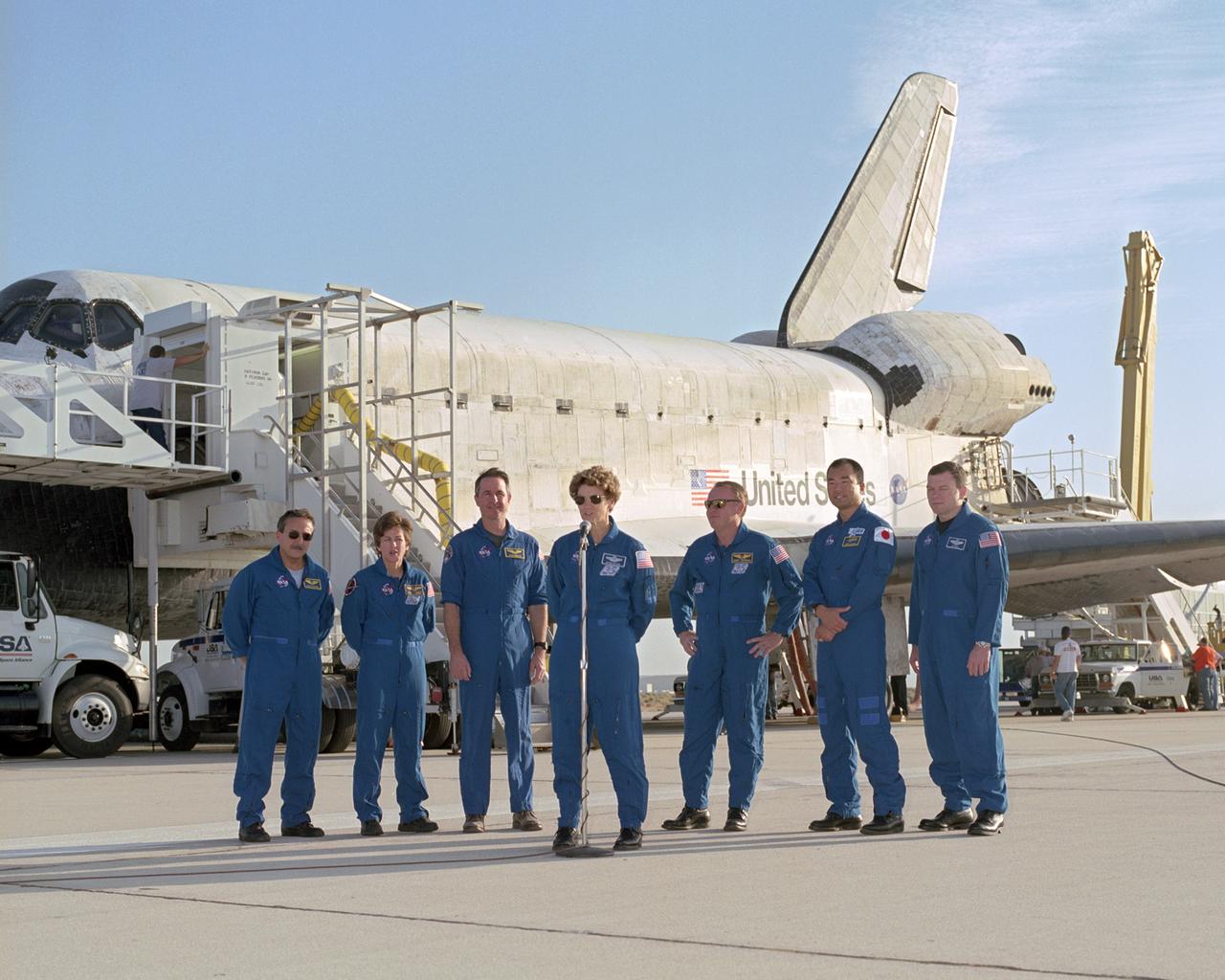
The crew of Space Shuttle mission STS-114 gathered for a press brief following landing at Edwards Air Force Base, California, 5:11 am, August 9, 2005. Left to right: Mission Specialists Charles Camarda, Wendy Lawrence and Stephen Robinson, Commander Eileen Collins at microphone, Mission Specialists Andrew Thomas and Soichi Noguchi, and Pilot James Kelly. Space Shuttle Discovery landed safely at NASA's Dryden Flight Research Center at Edwards Air Force Base in California at 5:11:22 a.m. PDT this morning, following the very successful 14-day STS-114 return to flight mission. During their two weeks in space, Commander Eileen Collins and her six crewmates tested out new safety procedures and delivered supplies and equipment the International Space Station. Discovery spent two weeks in space, where the crew demonstrated new methods to inspect and repair the Shuttle in orbit. The crew also delivered supplies, outfitted and performed maintenance on the International Space Station. A number of these tasks were conducted during three spacewalks. In an unprecedented event, spacewalkers were called upon to remove protruding gap fillers from the heat shield on Discovery's underbelly. In other spacewalk activities, astronauts installed an external platform onto the Station's Quest Airlock and replaced one of the orbital outpost's Control Moment Gyroscopes. Inside the Station, the STS-114 crew conducted joint operations with the Expedition 11 crew. They unloaded fresh supplies from the Shuttle and the Raffaello Multi-Purpose Logistics Module. Before Discovery undocked, the crews filled Raffeallo with unneeded items and returned to Shuttle payload bay. Discovery launched on July 26 and spent almost 14 days on orbit.
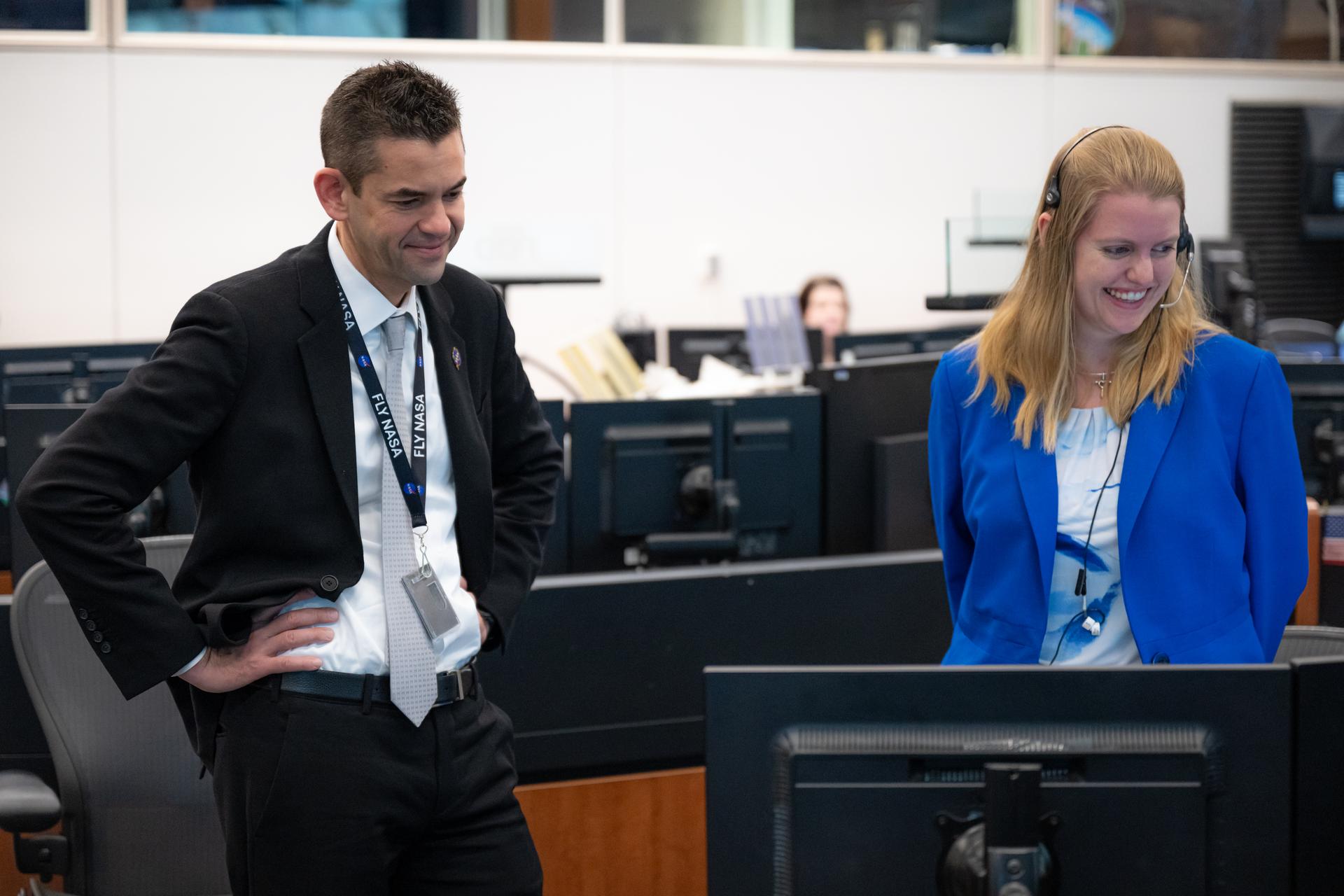
NASA Administrator Jared Isaacman, left, speaks with Rachel Krause, SPARTAN (Station Power, Articulation, Thermal, and Analysis) flight controller, right, Thursday, Jan. 15, 2026, inside the Christopher C. Kraft Jr. Mission Control Center at NASA’s Johnson Space Center in Houston, Texas, following splashdown of the agency’s Crew-11 mission at 3:41 a.m. ET. Photo Credit: (NASA/John Kraus)
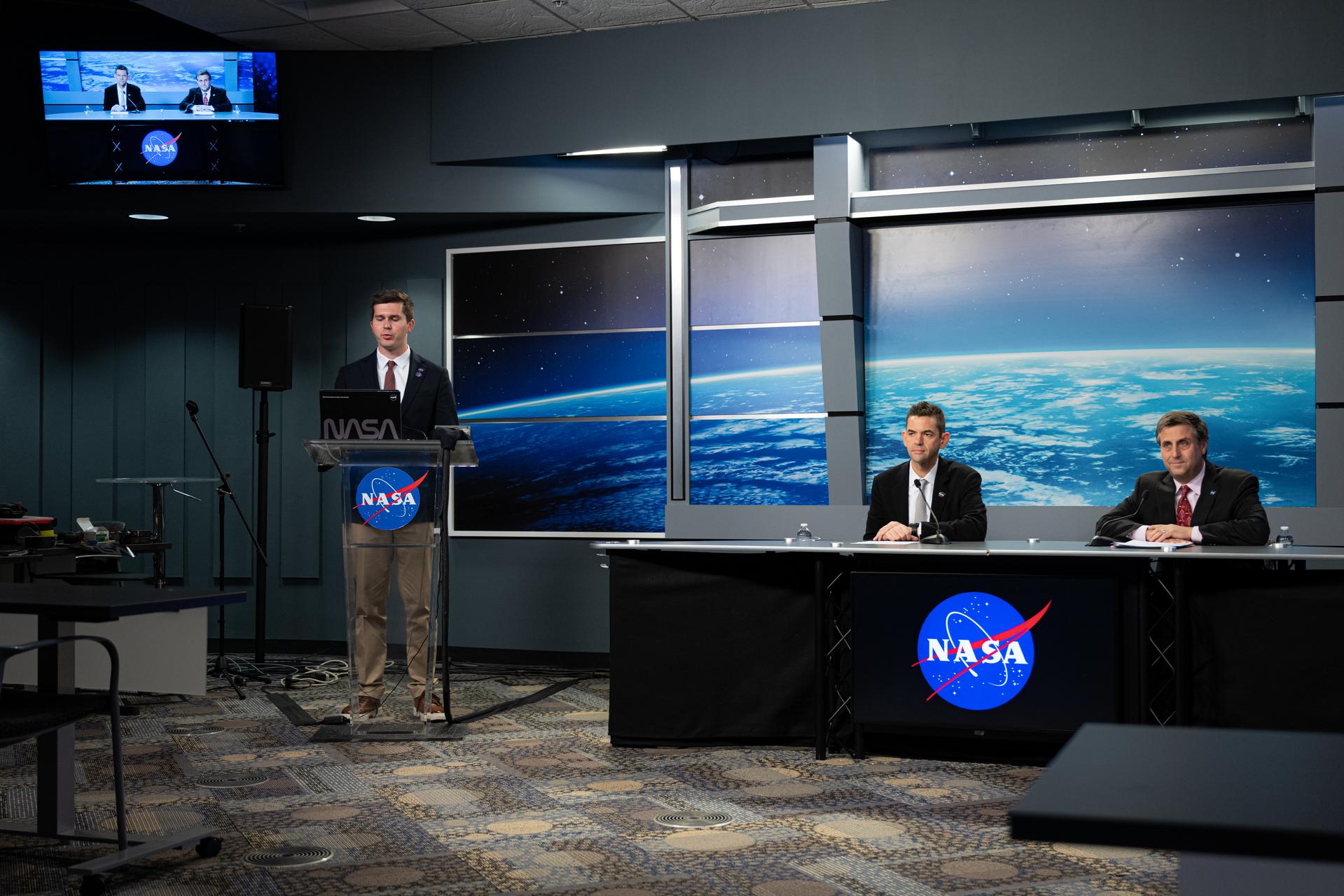
George Alderman, NASA deputy press secretary, left, speaks during a press conference as NASA Administrator Jared Isaacman, center, and Joel Montalbano, deputy associate administrator for NASA’s Space Operations Mission Directorate, right, listen, Thursday, Jan. 15, 2026, at NASA’s Johnson Space Center in Houston, Texas, following the splashdown of the agency’s Crew-11 mission at 3:41 a.m. ET. Photo Credit: (NASA/John Kraus)
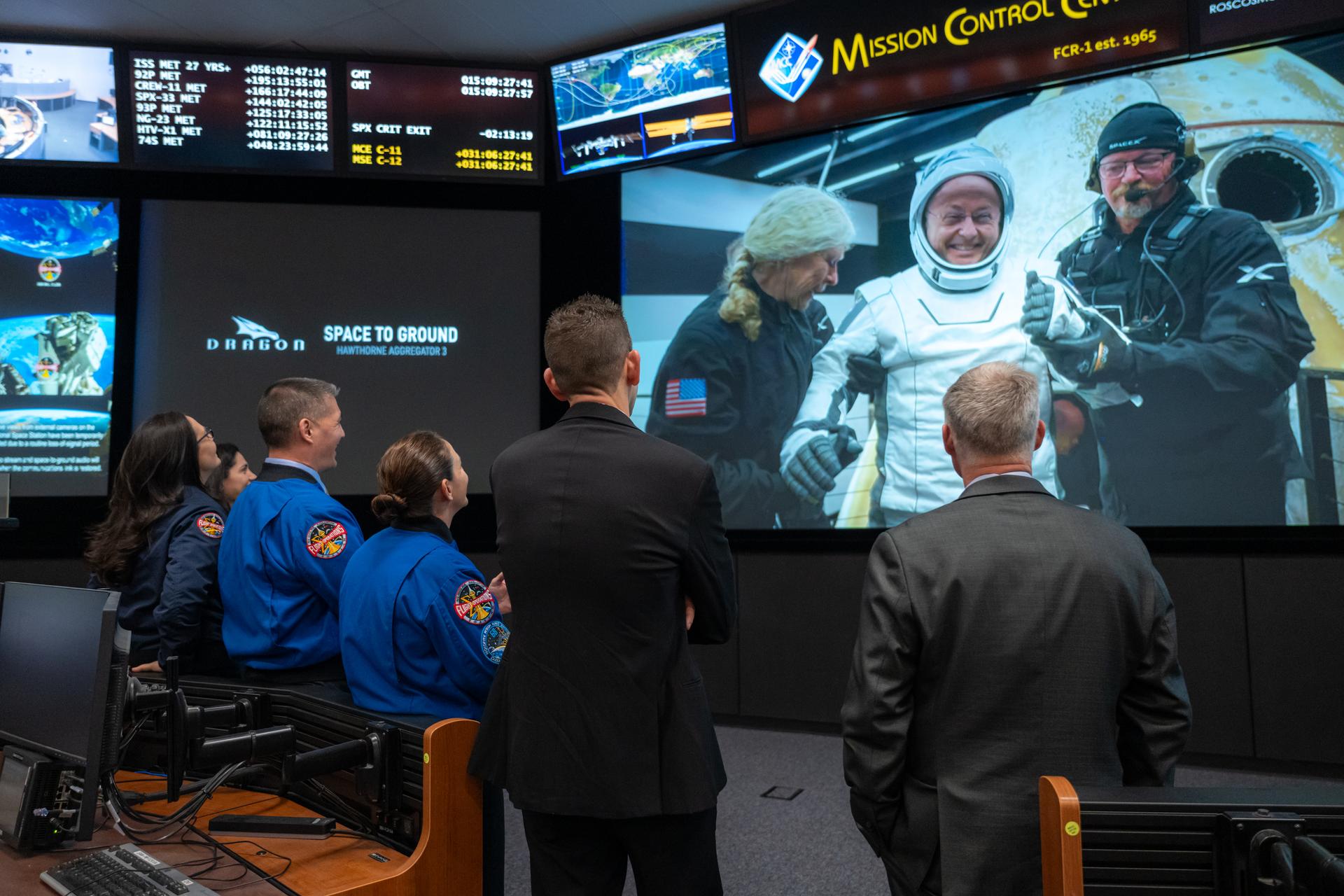
NASA Administrator Jared Isaacman, center, watches as NASA astronaut Michael Fincke egresses the SpaceX Dragon Endeavour spacecraft, Thursday, Jan. 15, 2026. Isaacman, NASA astronauts, and agency leadership monitored the 3:41 a.m. ET splashdown and subsequent crew egress from the Christopher C. Kraft Jr. Mission Control Center at NASA’s Johnson Space Center in Houston, Texas. Photo Credit: (NASA/John Kraus)
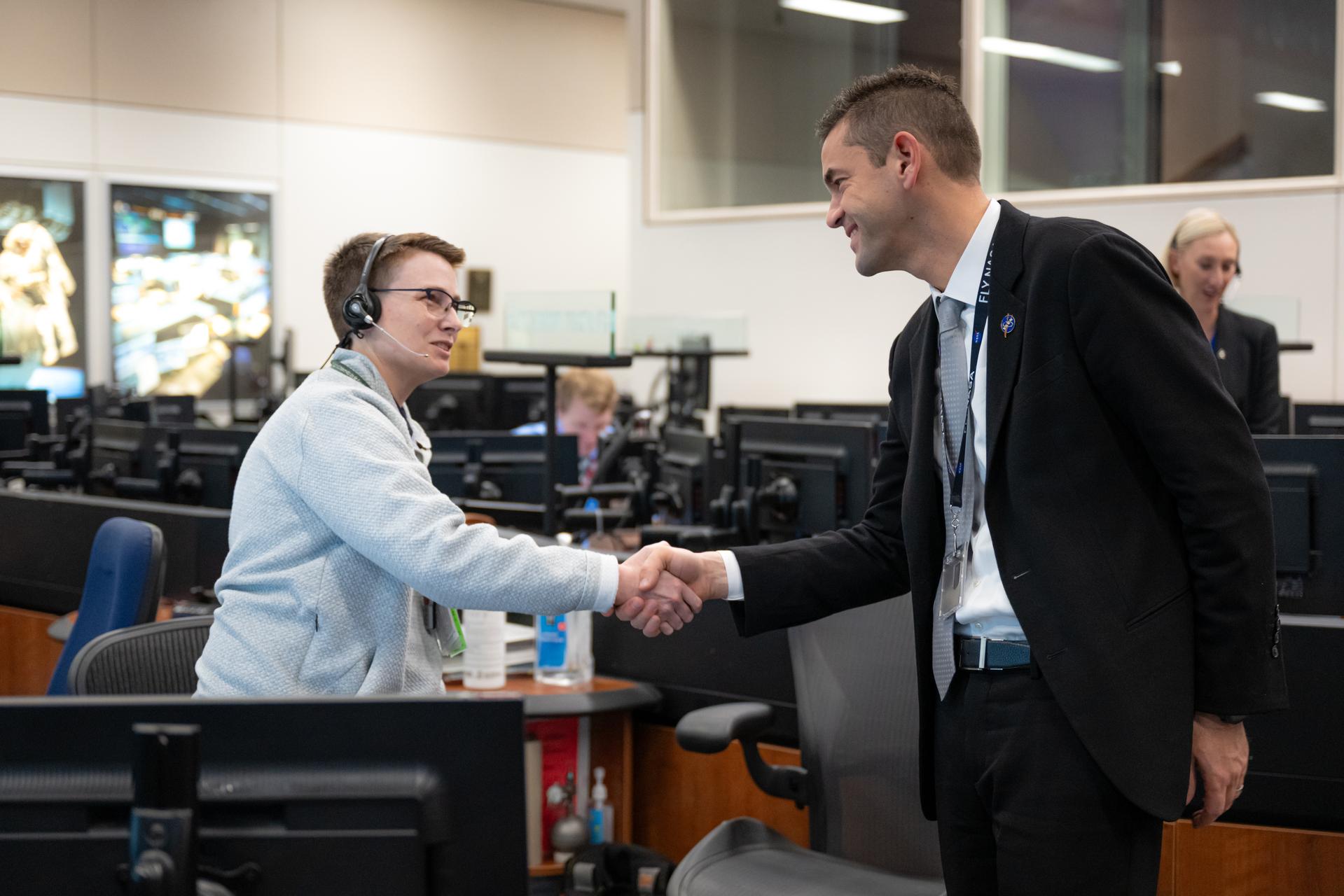
NASA Administrator Jared Isaacman, right, greets Katie Burlingame, ETHOS (Environmental and Thermal Operating Systems) flight controller and instructor, left, Thursday, Jan. 15, 2026, inside the Christopher C. Kraft Jr. Mission Control Center at NASA’s Johnson Space Center in Houston, Texas, following splashdown of the agency’s Crew-11 mission at 3:41 a.m. ET. Photo Credit: (NASA/John Kraus)
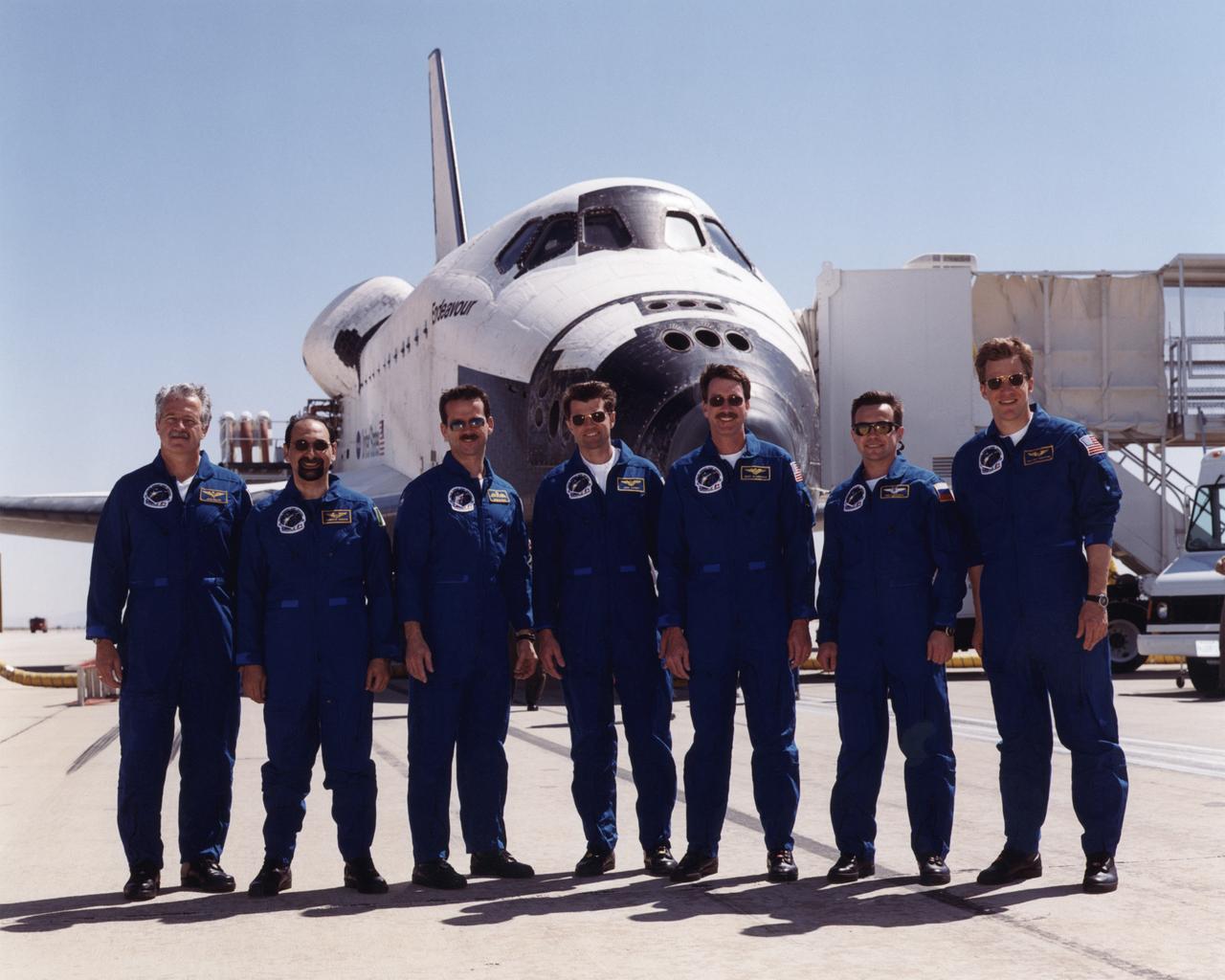
The crew of Space Shuttle mission STS-100 gathered in front of the shuttle Endeavour following landing at Edwards Air Force Base, California, 9:11 am, May 1, 2001. From left to right: John L. Phillips, mission specialist (U.S.); Umberto Guidoni, mission specialist (European Space Agency); Chris A. Hadfield, mission specialist (Canadian Space Agency); Jeffrey S. Ashby, pilot (U.S.); Kent V. Rominger, commander (U.S.); Yuri V. Lonchakov, mission specialist (Russia); Scott E. Prazynski, mission specialist (U.S.).
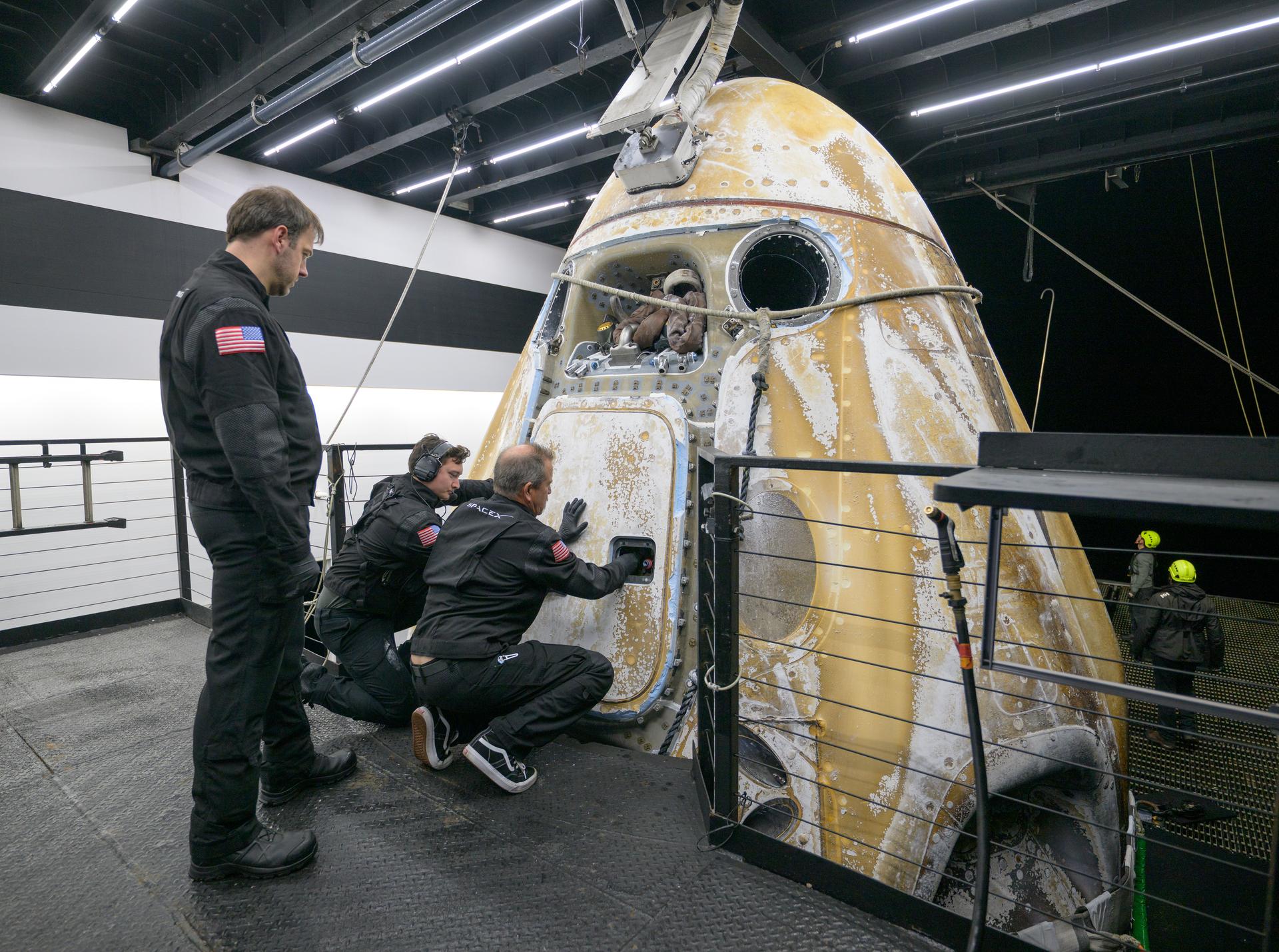
Support teams onboard the SpaceX recovery ship SHANNON open the hatch to the SpaceX Dragon Endeavour spacecraft shortly after it landed with NASA astronauts Zena Cardman, Mike Fincke, JAXA (Japan Aerospace Exploration Agency) astronaut Kimiya Yui, and Roscosmos cosmonaut Oleg Platonov aboard in the Pacific Ocean off the coast of San Diego, Calif., Thursday, Jan. 15, 2026. Cardman, Fincke, Yui, Platonov are returning after 167 days in space as part of Expedition 74 aboard the International Space Station. Photo Credit: (NASA/Bill Ingalls)
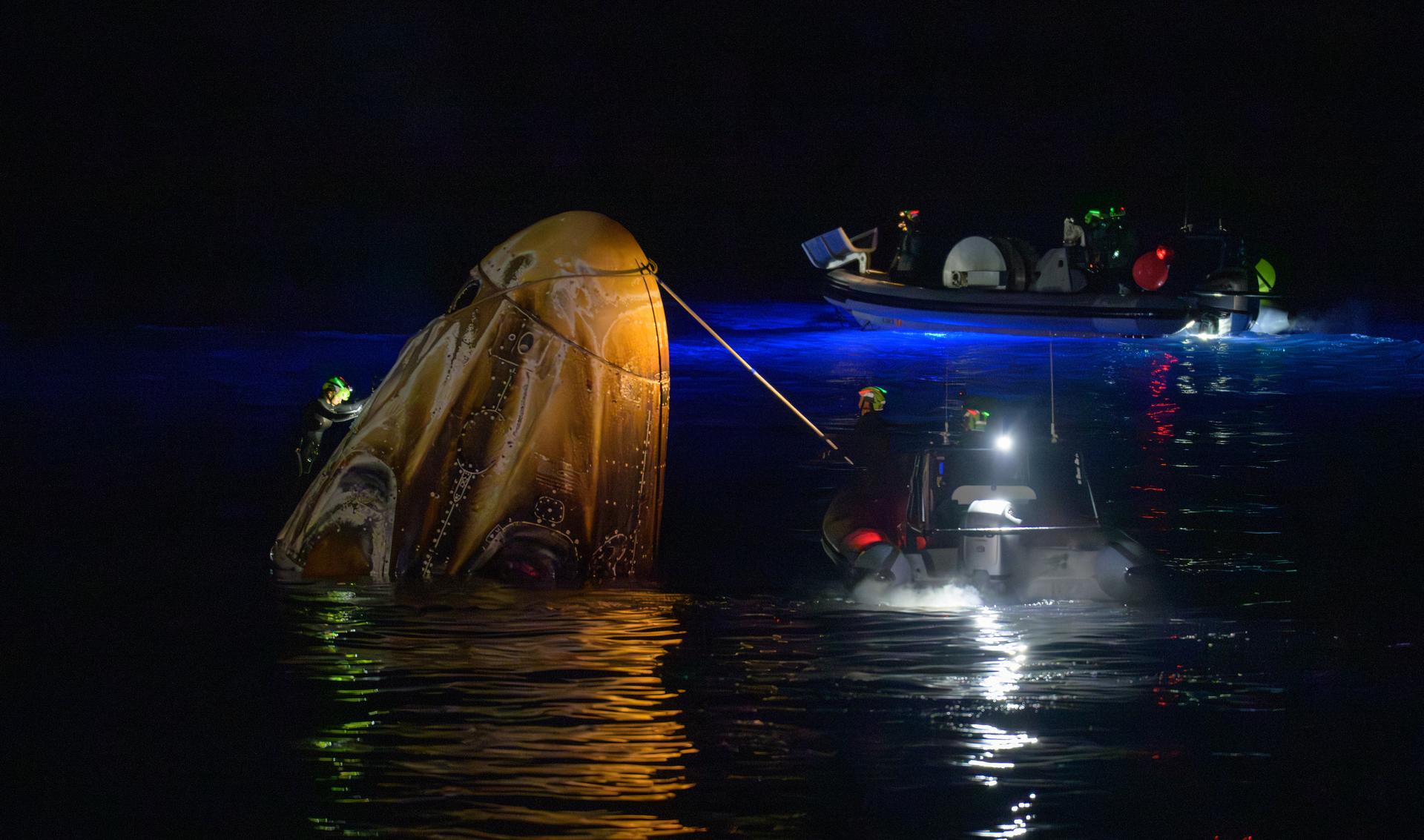
Support teams work around the SpaceX Dragon Endeavour spacecraft shortly after it landed with NASA astronauts Zena Cardman, Mike Fincke, JAXA (Japan Aerospace Exploration Agency) astronaut Kimiya Yui, and Roscosmos cosmonaut Oleg Platonov aboard in the Pacific Ocean off the coast of San Diego, Calif., Thursday, Jan. 15,2026. Cardman, Fincke, Yui, Platonov are returning after 167 days in space as part of Expedition 74 aboard the International Space Station. Photo Credit: (NASA/Bill Ingalls)
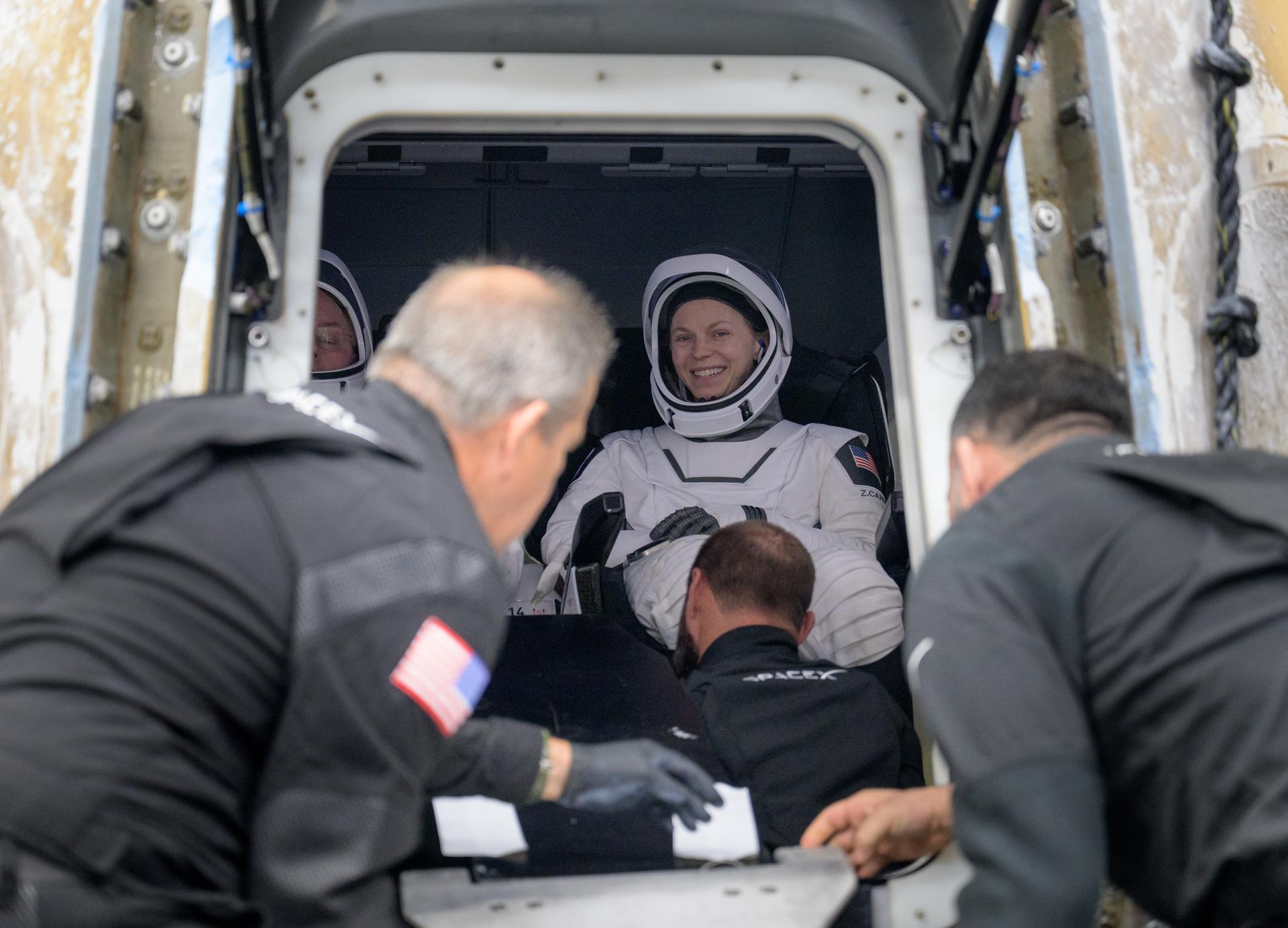
NASA astronaut Zena Cardman is seen inside the SpaceX Dragon Endeavour spacecraft onboard the SpaceX recovery ship SHANNON after she, NASA astronaut Mike Fincke, JAXA (Japan Aerospace Exploration Agency) astronaut Kimiya Yui, and Roscosmos cosmonaut Oleg Platonov landed in the Pacific Ocean off the coast of San Diego, Calif., Thursday, Jan. 15, 2026. Cardman, Fincke, Yui, Platonov are returning after 167 days in space as part of Expedition 74 aboard the International Space Station. Photo Credit: (NASA/Bill Ingalls)
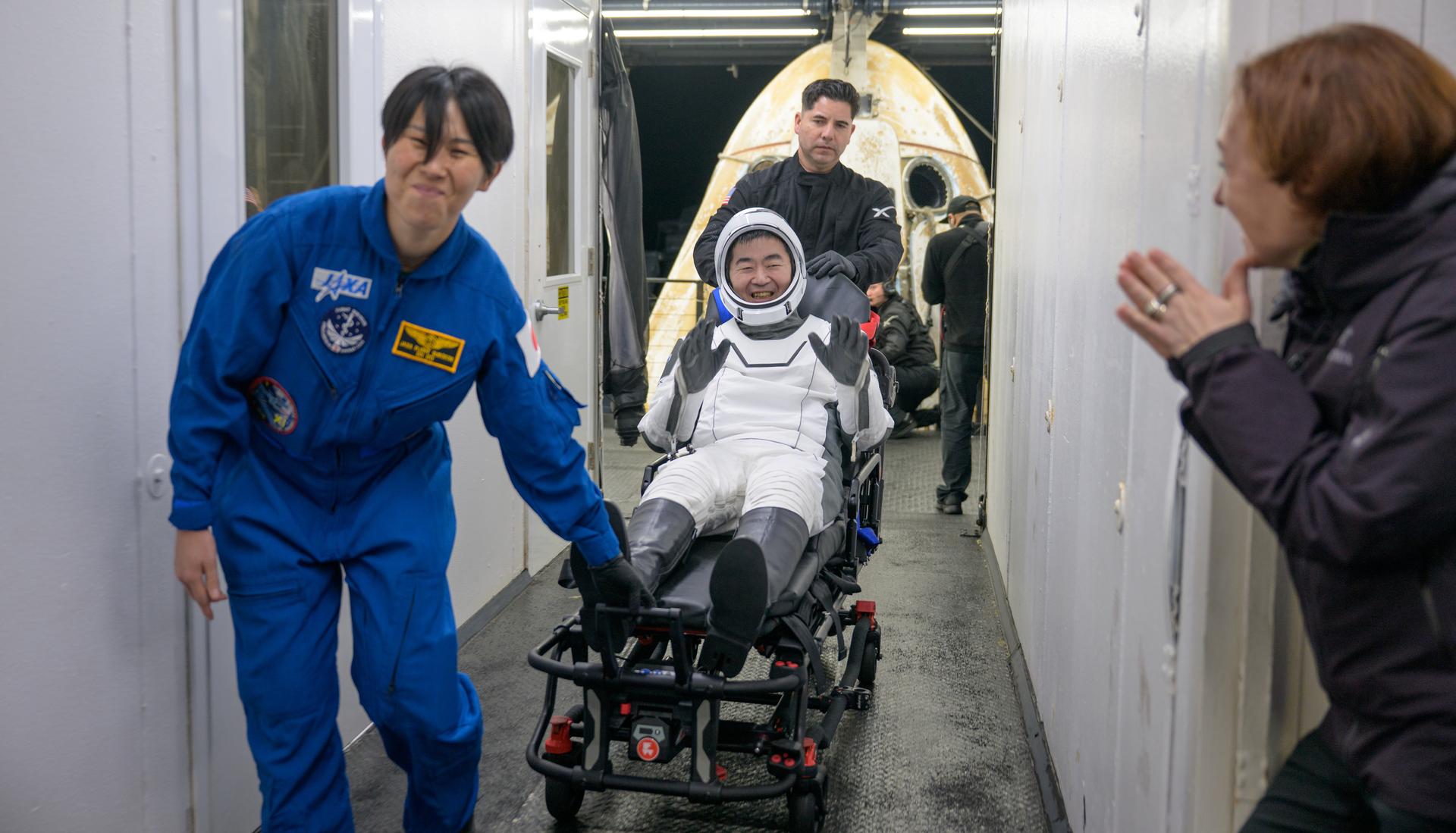
JAXA (Japan Aerospace Exploration Agency) astronaut Kimiya Yui is helped out of the SpaceX Dragon Endeavour spacecraft onboard the SpaceX recovery ship SHANNON after he, NASA astronauts Mike Fincke, Zena Cardman, and Roscosmos cosmonaut Oleg Platonov landed in the Pacific Ocean off the coast of San Diego, Calif., Thursday, Jan. 15, 2026. Cardman, Fincke, Yui, Platonov are returning after 167 days in space as part of Expedition 74 aboard the International Space Station. Photo Credit: (NASA/Bill Ingalls)
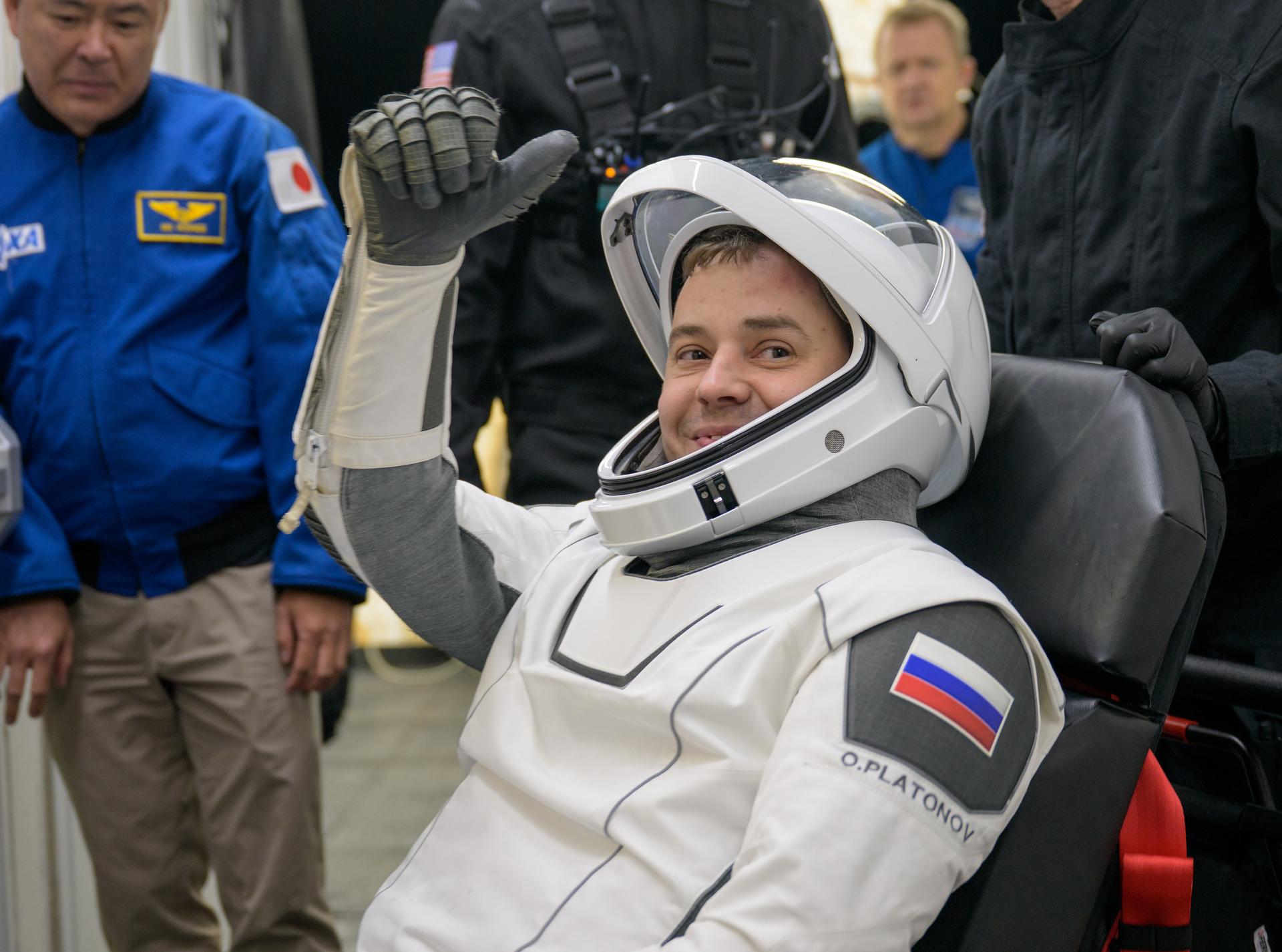
Roscosmos cosmonaut Oleg Platonov is helped out of the SpaceX Dragon Endeavour spacecraft onboard the SpaceX recovery ship SHANNON after he, NASA astronauts Mike Fincke, Zena Cardman and JAXA (Japan Aerospace Exploration Agency) astronaut Kimiya Yui landed in the Pacific Ocean off the coast of San Diego, Calif., Thursday, Jan. 15, 2026. Cardman, Fincke, Yui, Platonov are returning after 167 days in space as part of Expedition 74 aboard the International Space Station. Photo Credit: (NASA/Bill Ingalls)
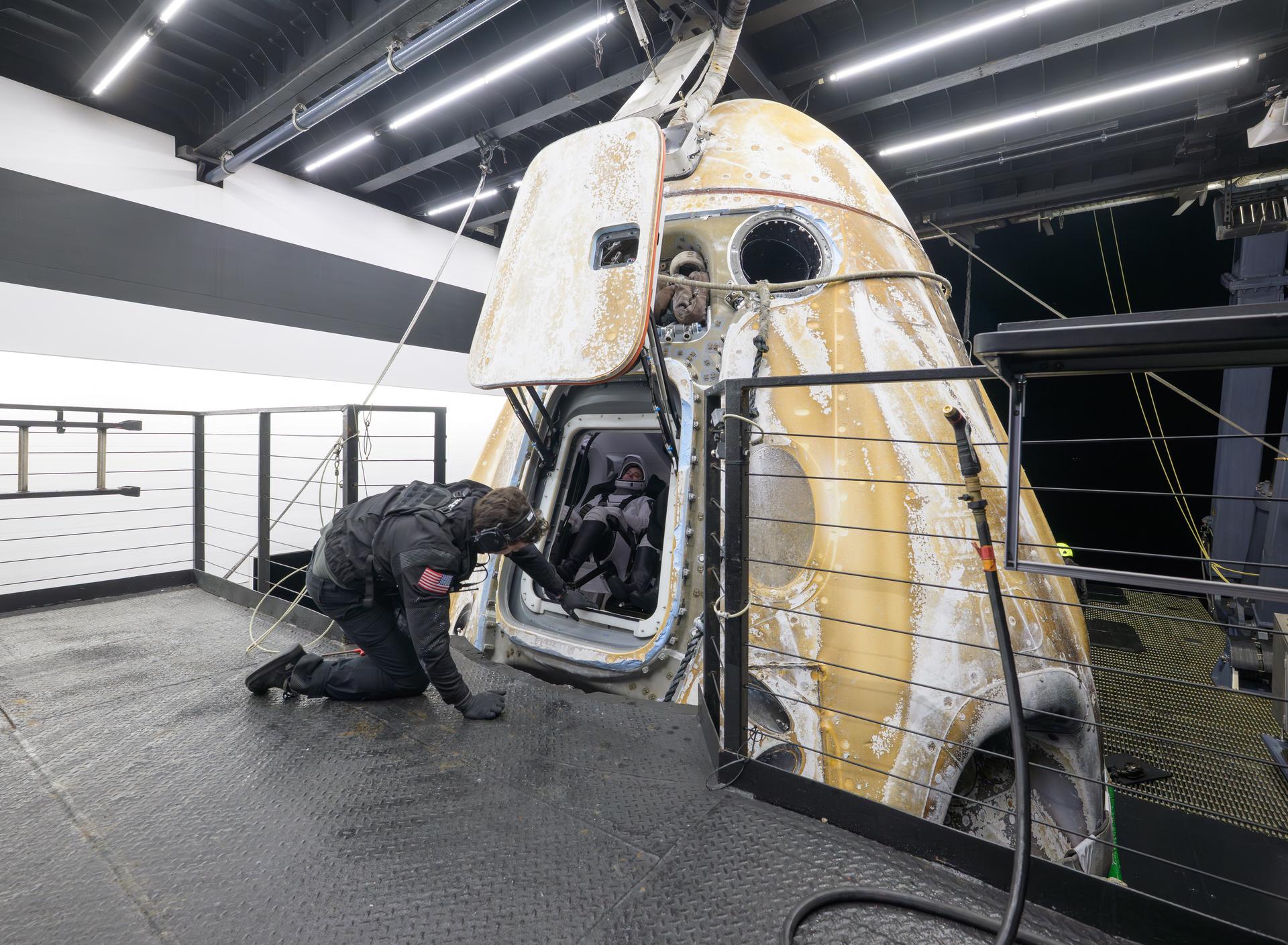
Support teams onboard the SpaceX recovery ship SHANNON work around the SpaceX Dragon Endeavour spacecraft after the hatch was opened shortly after it landed with NASA astronauts Zena Cardman, Mike Fincke, JAXA (Japan Aerospace Exploration Agency) astronaut Kimiya Yui, and Roscosmos cosmonaut Oleg Platonov aboard in the Pacific Ocean off the coast of San Diego, Calif., Thursday, Jan. 15, 2026. Cardman, Fincke, Yui, Platonov are returning after 167 days in space as part of Expedition 74 aboard the International Space Station. Photo Credit: (NASA/Bill Ingalls)
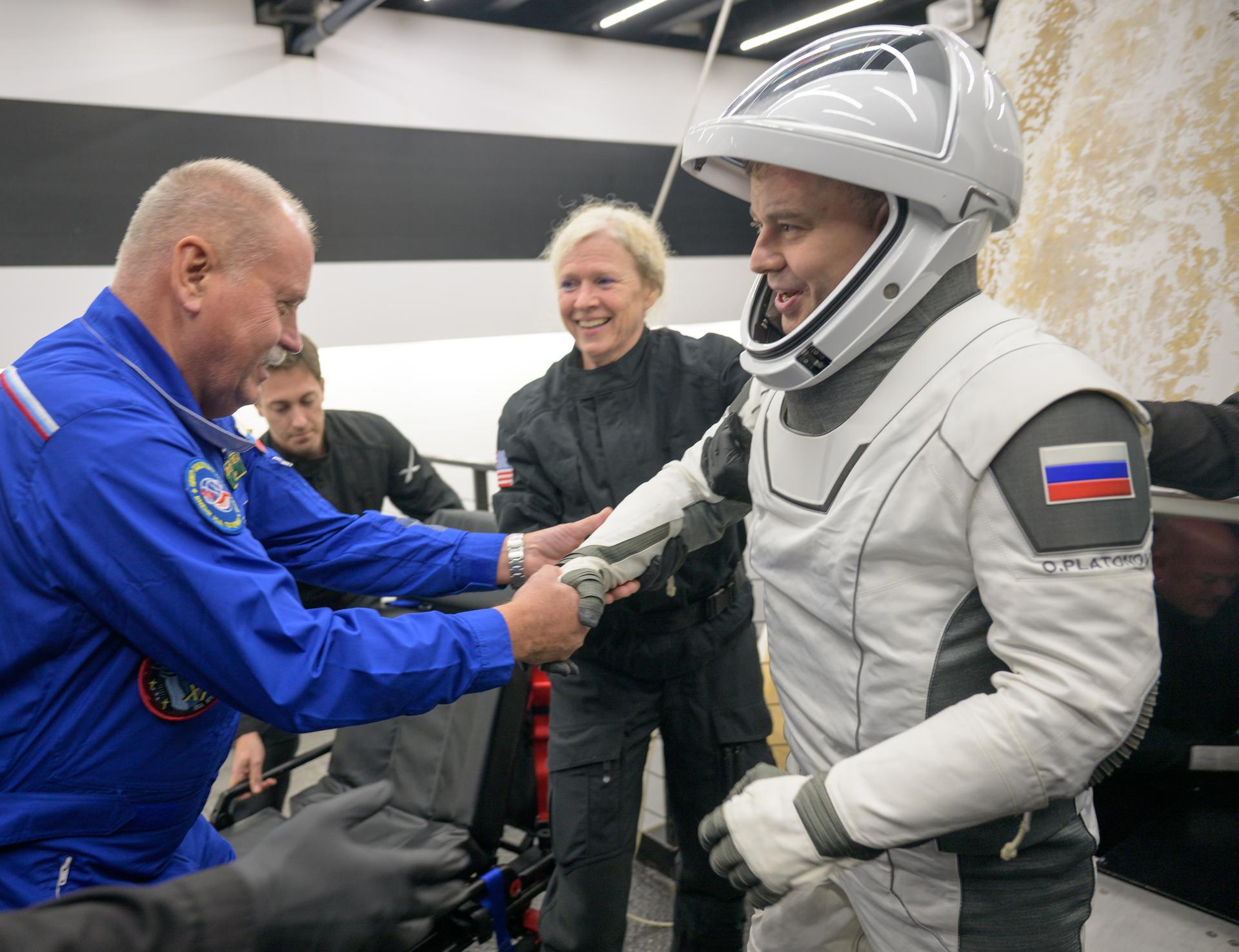
Roscosmos cosmonaut Oleg Platonov is helped out of the SpaceX Dragon Endeavour spacecraft onboard the SpaceX recovery ship SHANNON after he, NASA astronauts Mike Fincke, Zena Cardman and JAXA (Japan Aerospace Exploration Agency) astronaut Kimiya Yui landed in the Pacific Ocean off the coast of San Diego, Calif., Thursday, Jan. 15, 2026. Cardman, Fincke, Yui, Platonov are returning after 167 days in space as part of Expedition 74 aboard the International Space Station. Photo Credit: (NASA/Bill Ingalls)
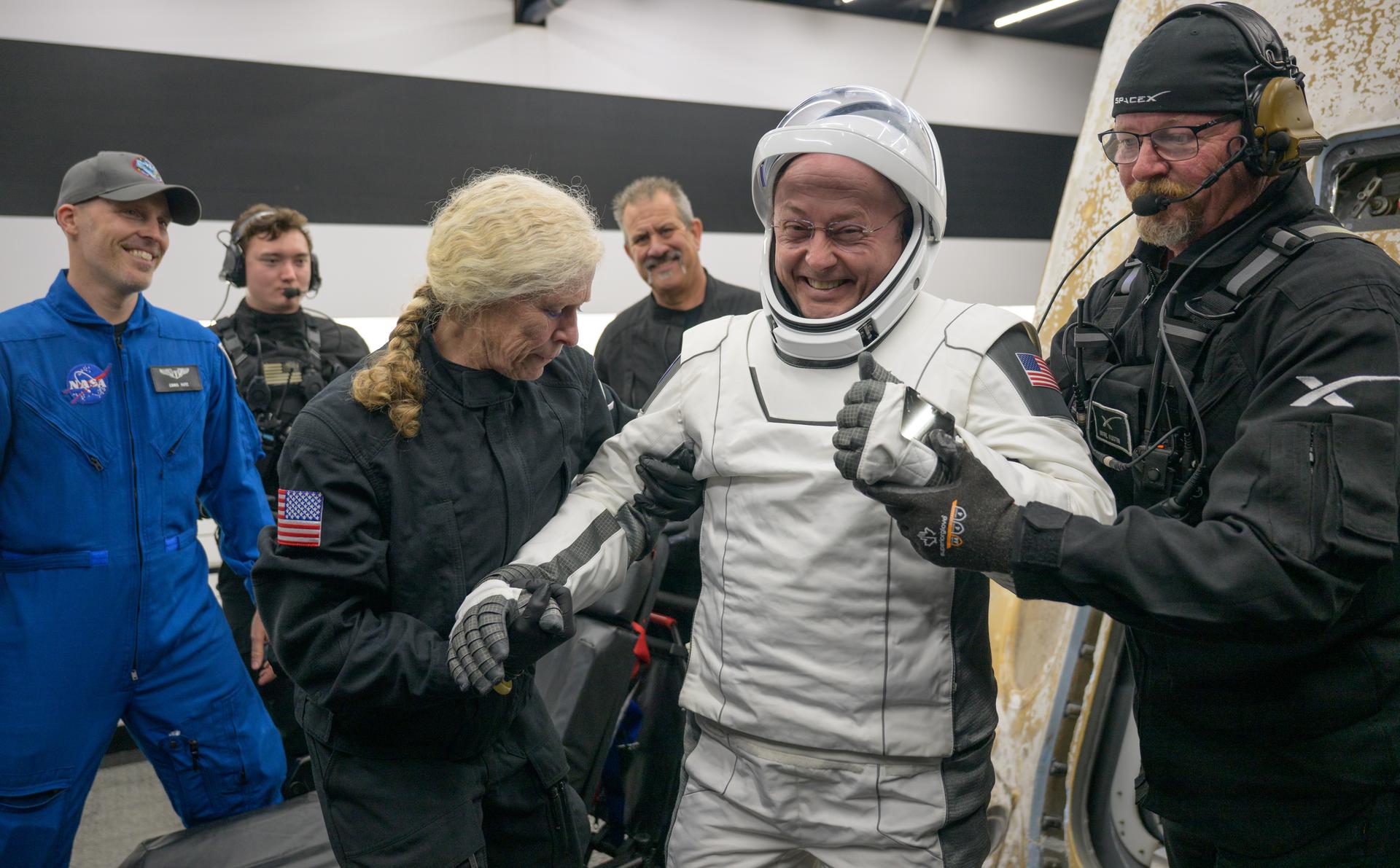
NASA astronaut Mike Fincke helped out of the SpaceX Dragon Endeavour spacecraft onboard the SpaceX recovery ship SHANNON after he, NASA astronaut Zena Cardman, JAXA (Japan Aerospace Exploration Agency) astronaut Kimiya Yui, and Roscosmos cosmonaut Oleg Platonov landed in the Pacific Ocean off the coast of San Diego, Calif., Thursday, Jan. 15, 2026. Cardman, Fincke, Yui, Platonov are returning after 167 days in space as part of Expedition 74 aboard the International Space Station. Photo Credit: (NASA/Bill Ingalls)
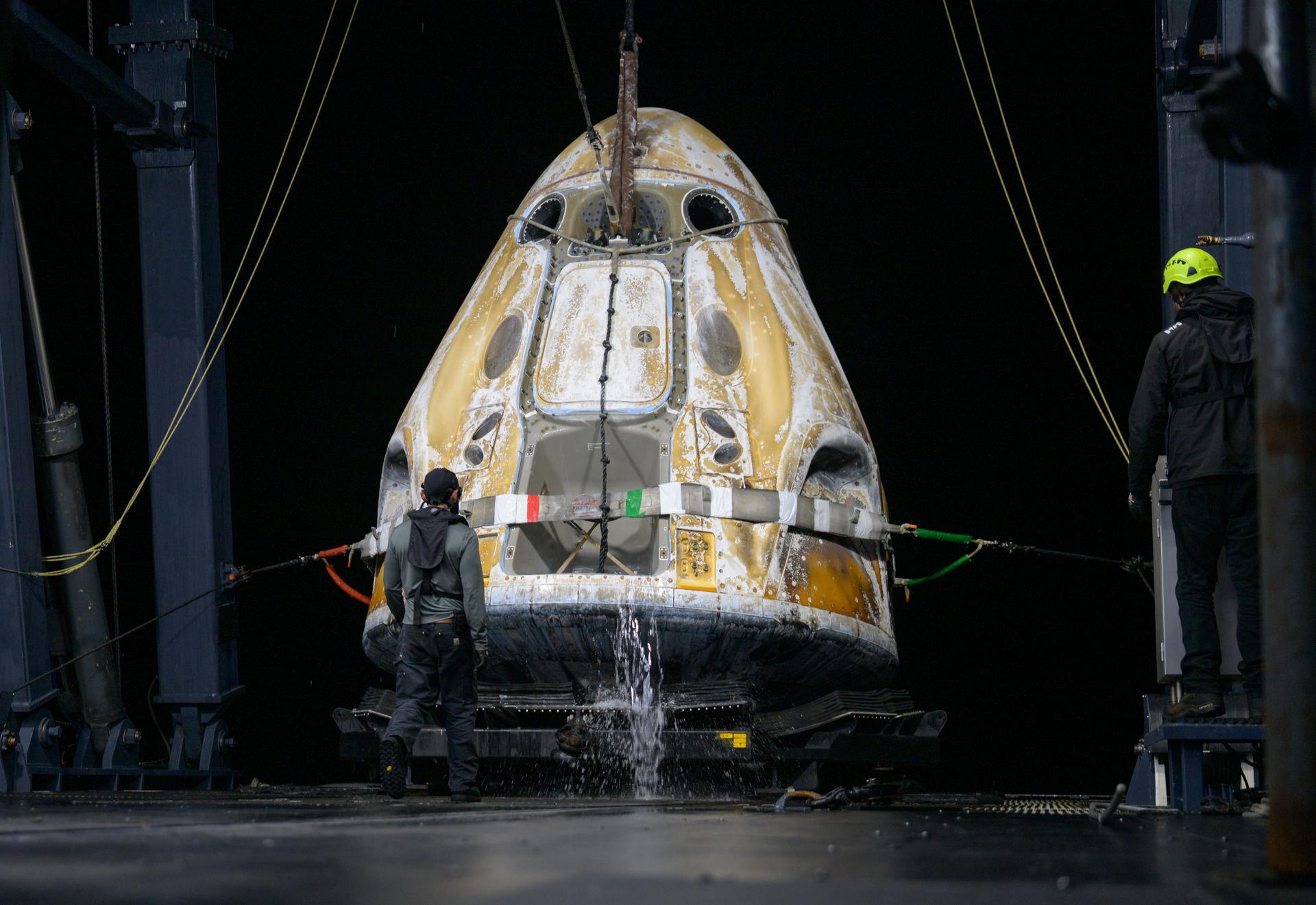
Support teams onboard the SpaceX recovery ship SHANNON work around the SpaceX Dragon Endeavour spacecraft shortly after it landed with NASA astronauts Zena Cardman, Mike Fincke, JAXA (Japan Aerospace Exploration Agency) astronaut Kimiya Yui, and Roscosmos cosmonaut Oleg Platonov aboard in the Pacific Ocean off the coast of San Diego, Calif., Thursday, Jan. 15, 2026. Cardman, Fincke, Yui, Platonov are returning after 167 days in space as part of Expedition 74 aboard the International Space Station. Photo Credit: (NASA/Bill Ingalls)
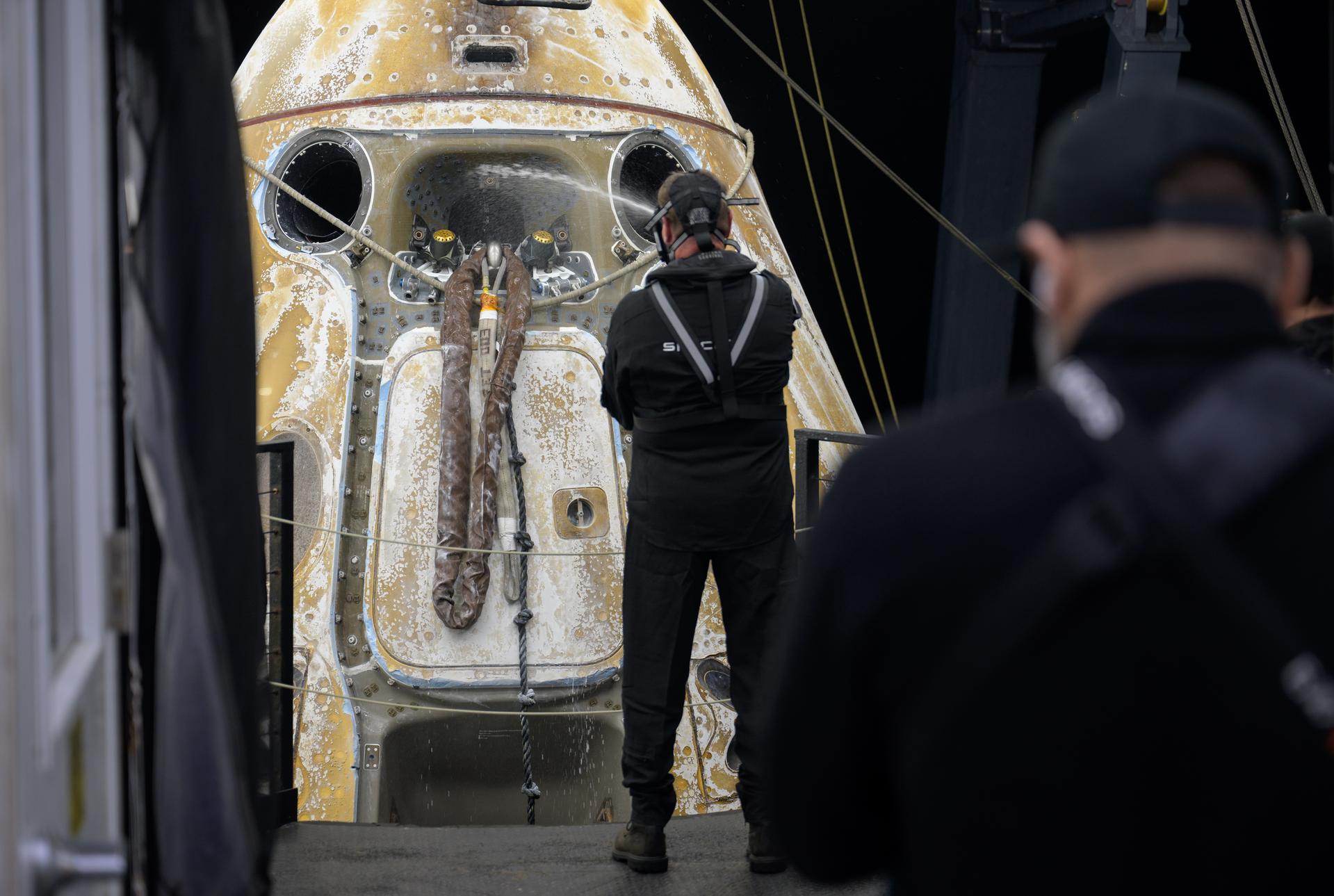
Support teams onboard the SpaceX recovery ship SHANNON work around the SpaceX Dragon Endeavour spacecraft shortly after it landed with NASA astronauts Zena Cardman, Mike Fincke, JAXA (Japan Aerospace Exploration Agency) astronaut Kimiya Yui, and Roscosmos cosmonaut Oleg Platonov aboard in the Pacific Ocean off the coast of San Diego, Calif., Thursday, Jan. 15, 2026. Cardman, Fincke, Yui, Platonov are returning after 167 days in space as part of Expedition 74 aboard the International Space Station. Photo Credit: (NASA/Bill Ingalls)
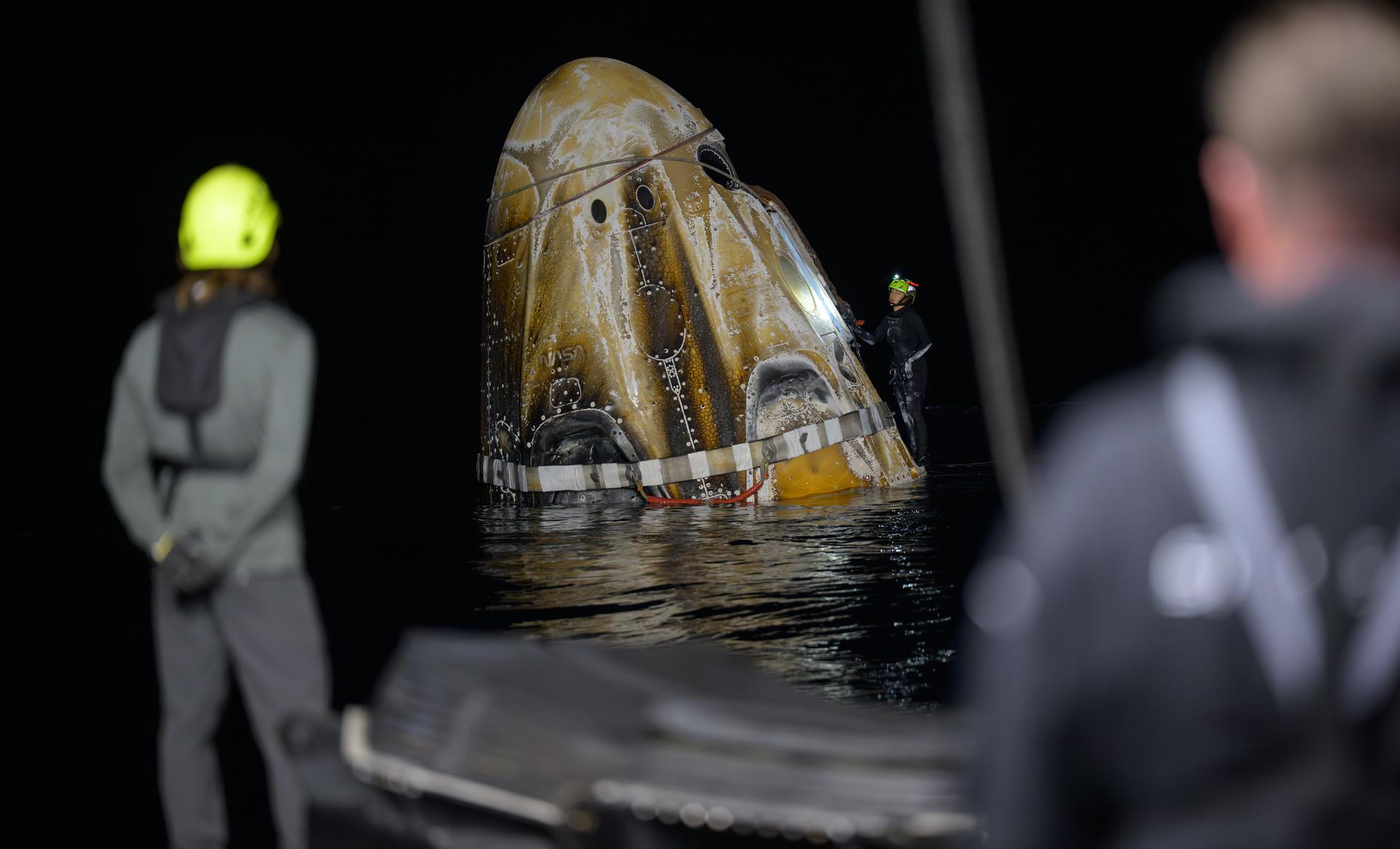
Support teams work around the SpaceX Dragon Endeavour spacecraft shortly after it landed with NASA astronauts Zena Cardman, Mike Fincke, JAXA (Japan Aerospace Exploration Agency) astronaut Kimiya Yui, and Roscosmos cosmonaut Oleg Platonov aboard in the Pacific Ocean off the coast of San Diego, Calif., Thursday, Jan. 15,2026. Cardman, Fincke, Yui, Platonov are returning after 167 days in space as part of Expedition 74 aboard the International Space Station. Photo Credit: (NASA/Bill Ingalls)
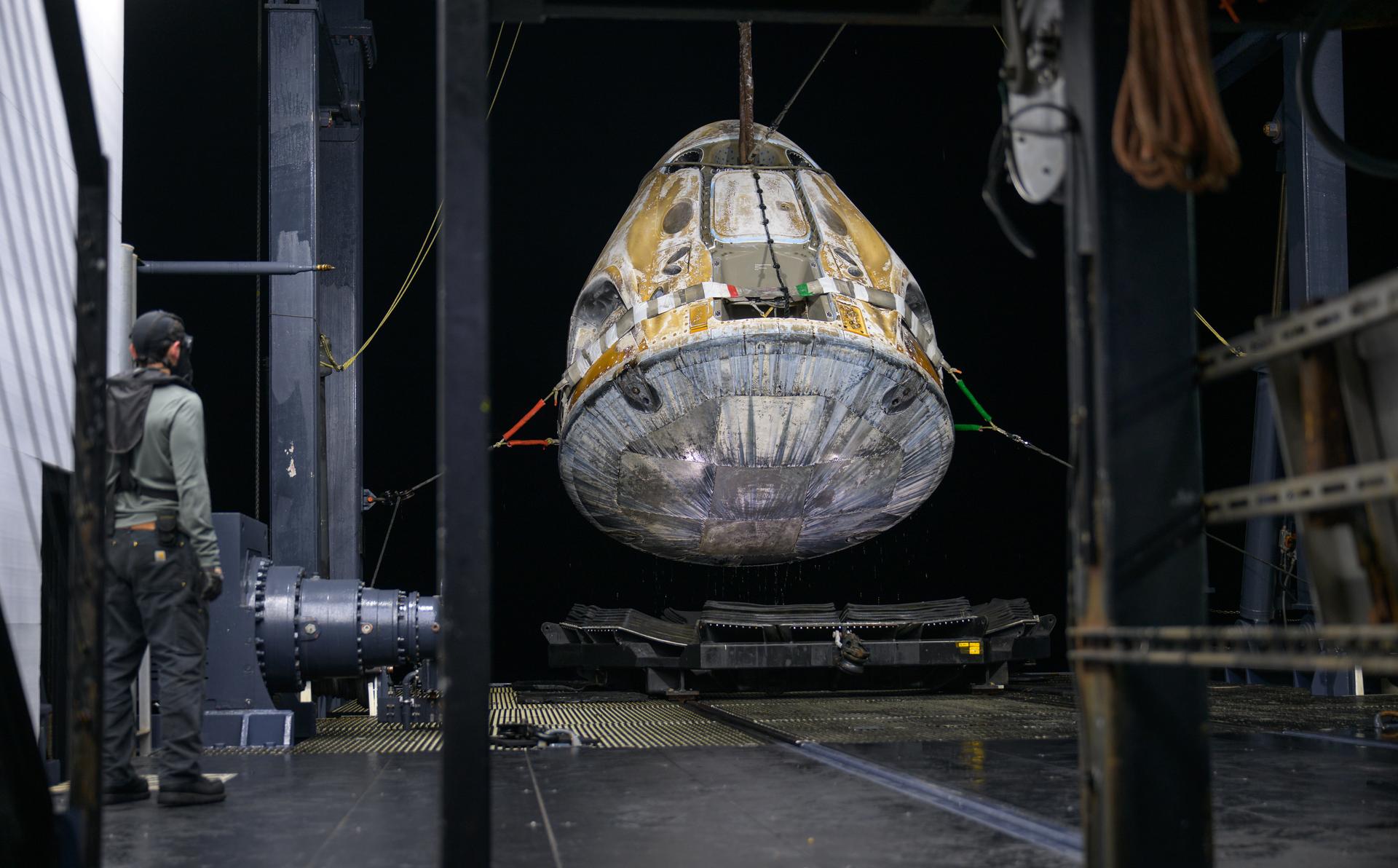
Support teams raise the SpaceX Dragon Endeavour spacecraft aboard the recovery ship SHANNON shortly after it landed with NASA astronauts Zena Cardman, Mike Fincke, JAXA (Japan Aerospace Exploration Agency) astronaut Kimiya Yui, and Roscosmos cosmonaut Oleg Platonov aboard in thePacific Ocean off the coast of San Diego, Calif.,Thursday, Jan. 15, 2026. Cardman, Fincke, Yui, Platonov are returning after 167 days in space as part of Expedition 74 aboard the International Space Station. Photo Credit: (NASA/Bill Ingalls)
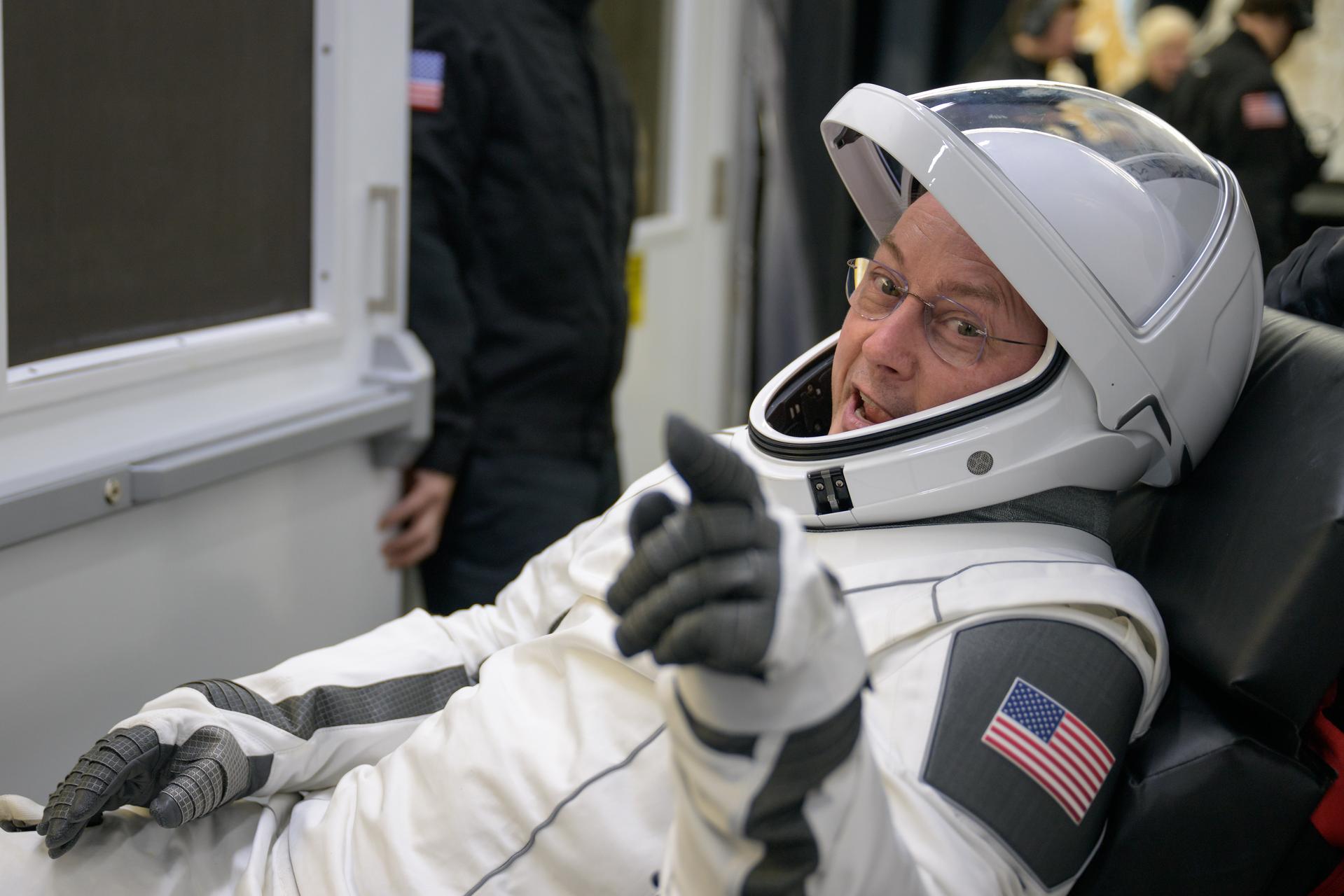
NASA astronaut Mike Fincke smiles after being helped out of the SpaceX Dragon Endeavour spacecraft onboard the SpaceX recovery ship SHANNON shortly after he, NASA astronaut Zena Cardman, JAXA (Japan Aerospace Exploration Agency) astronaut Kimiya Yui, and Roscosmos cosmonaut Oleg Platonov landed in the Pacific Ocean off the coast of San Diego, Calif., Thursday, Jan. 15, 2026. Cardman, Fincke, Yui, Platonov are returning after 167 days in space as part of Expedition 74 aboard the International Space Station. Photo Credit: (NASA/Bill Ingalls)
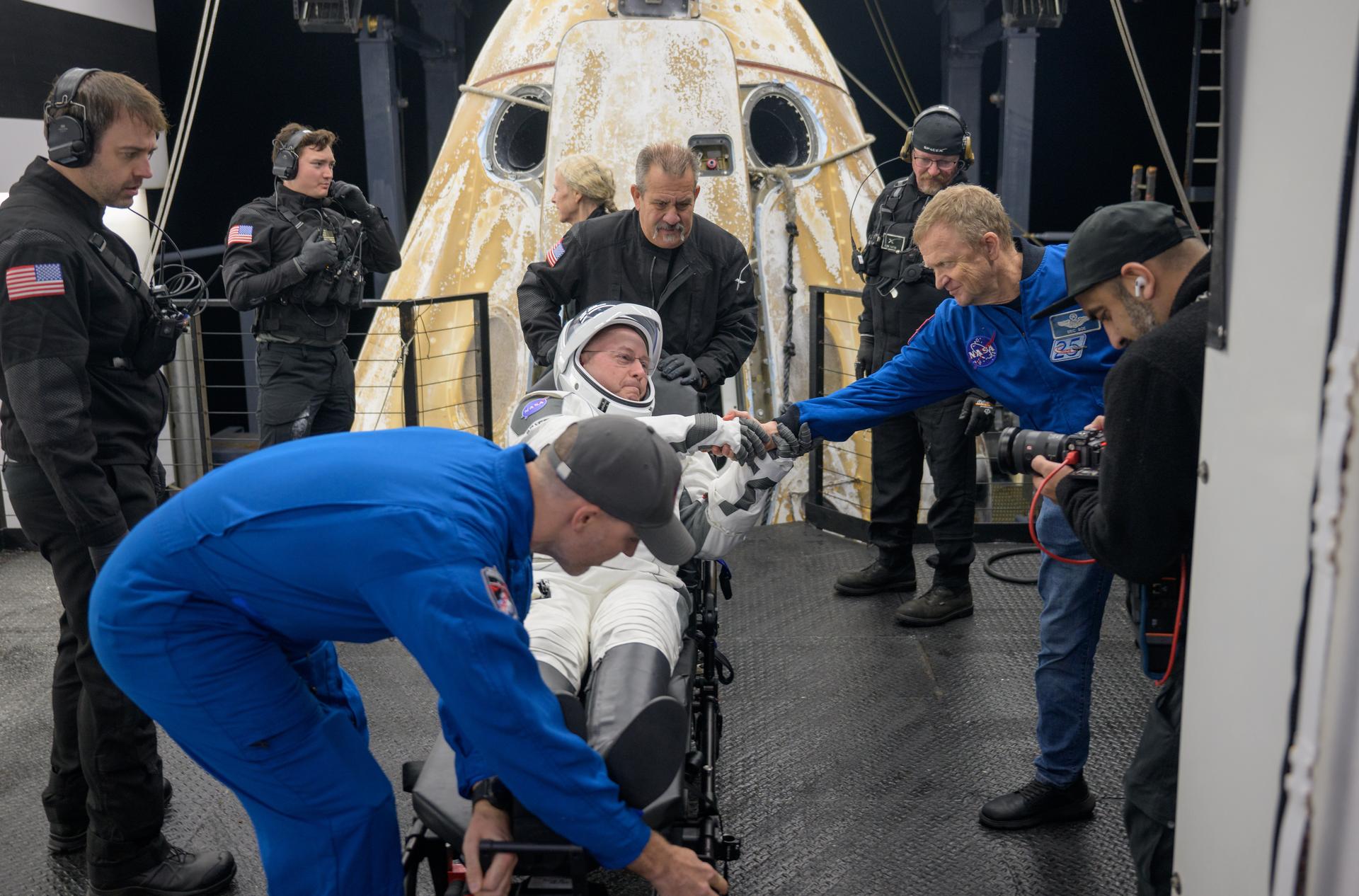
NASA astronaut Mike Fincke shakes hands with NASA astronaut Eric Bow after being helped out of the SpaceX Dragon Endeavour spacecraft onboard the SpaceX recovery ship SHANNON after he, NASA astronaut Zena Cardman, JAXA (Japan Aerospace Exploration Agency) astronaut Kimiya Yui, and Roscosmos cosmonaut Oleg Platonov landed in the Pacific Ocean off the coast of San Diego, Calif., Thursday, Jan. 15, 2026. Cardman, Fincke, Yui, Platonov are returning after 167 days in space as part of Expedition 74 aboard the International Space Station. Photo Credit: (NASA/Bill Ingalls)
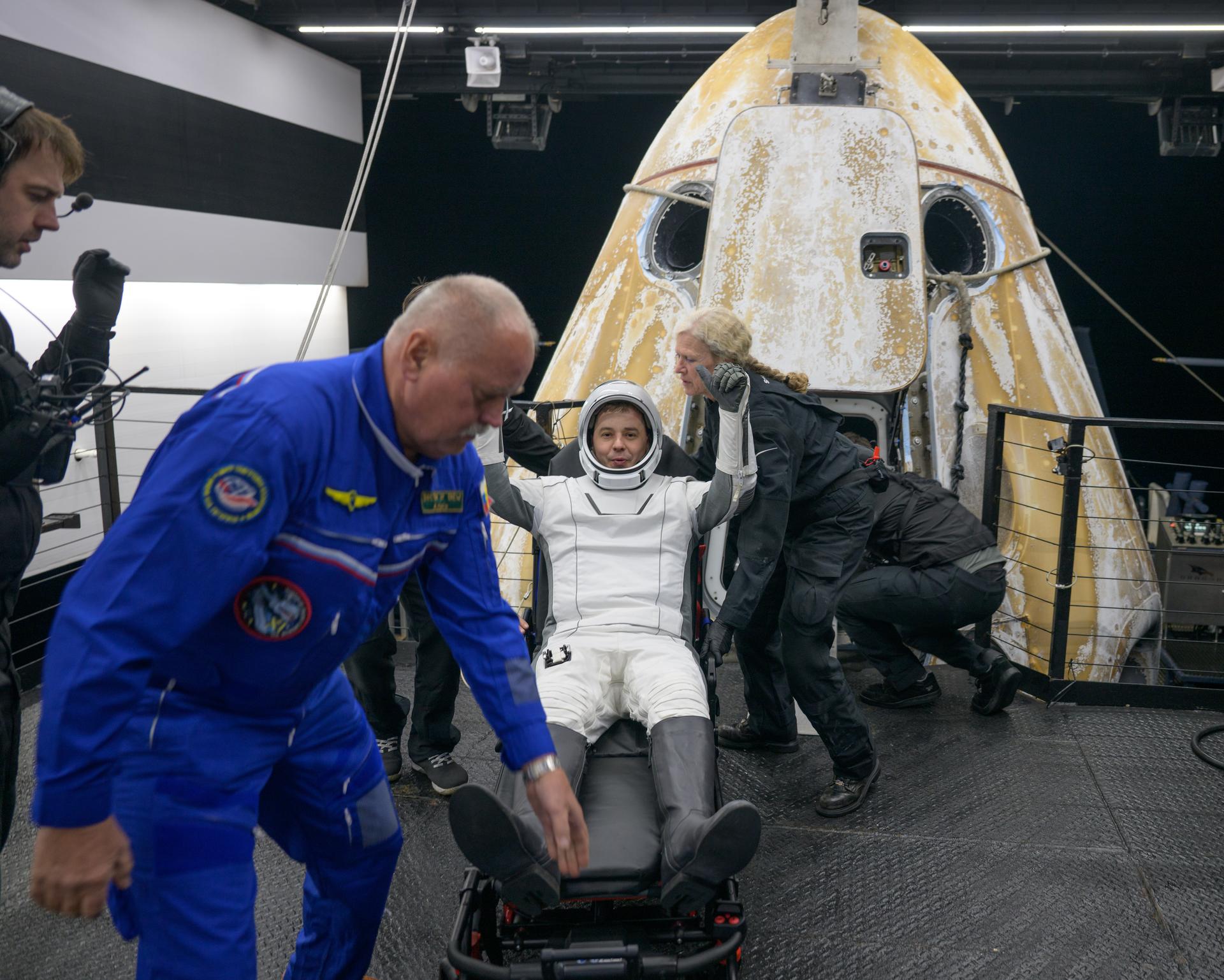
Roscosmos cosmonaut Oleg Platonov is helped out of the SpaceX Dragon Endeavour spacecraft onboard the SpaceX recovery ship SHANNON after he, NASA astronauts Mike Fincke, Zena Cardman and JAXA (Japan Aerospace Exploration Agency) astronaut Kimiya Yui landed in the Pacific Ocean off the coast of San Diego, Calif., Thursday, Jan. 15, 2026. Cardman, Fincke, Yui, Platonov are returning after 167 days in space as part of Expedition 74 aboard the International Space Station. Photo Credit: (NASA/Bill Ingalls)
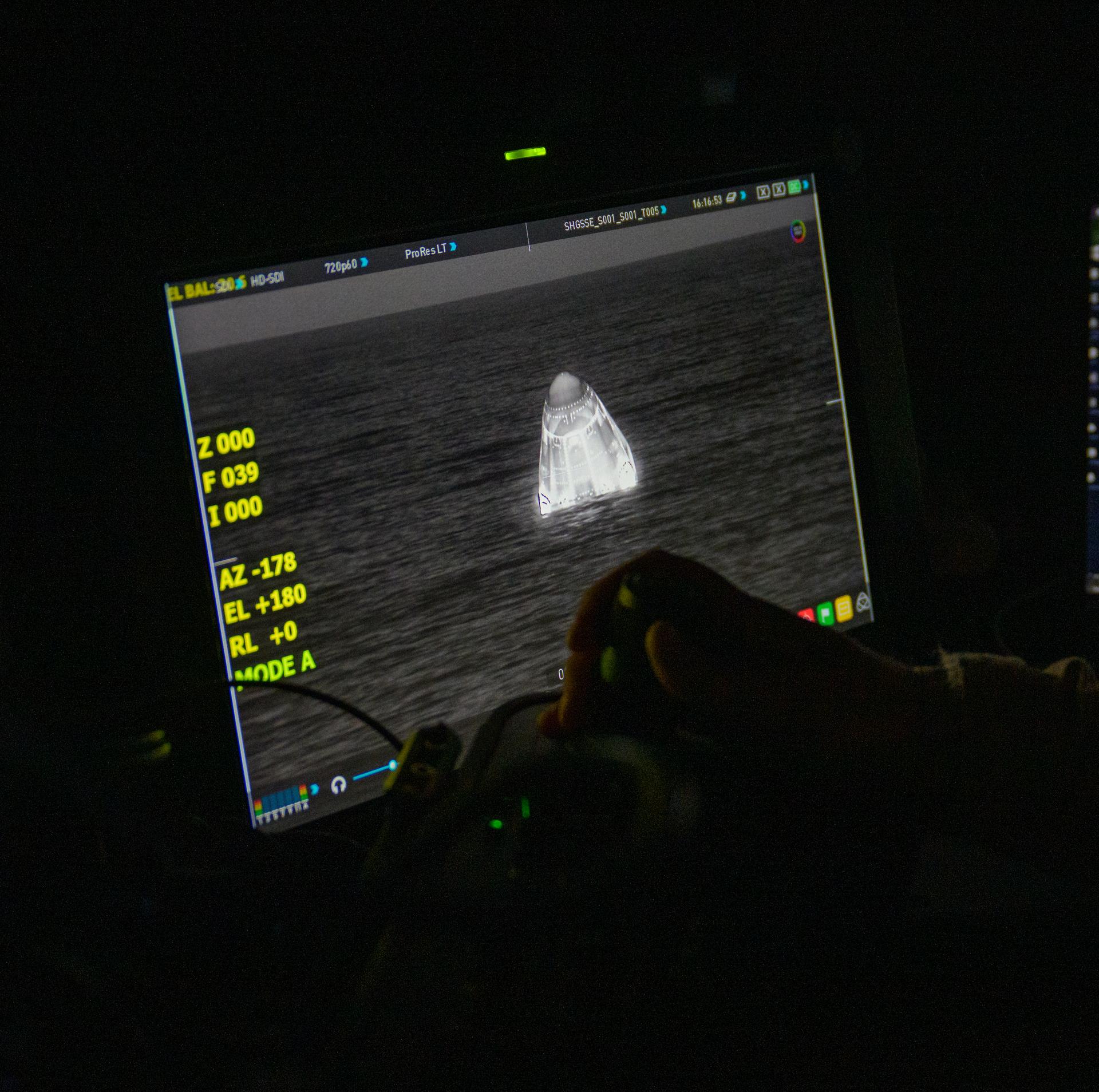
The SpaceX Dragon Endeavour spacecraft is seen on a monitor onboard the ship SHANNON shortly after it landed with NASA astronauts Zena Cardman, Mike Fincke, JAXA (Japan Aerospace Exploration Agency) astronaut Kimiya Yui, and Roscosmos cosmonaut Oleg Platonov aboard in the Pacific Ocean off the coast of San Diego, Calif., Thursday, Jan. 15,2026. Cardman, Fincke, Yui, Platonov are returning after 167 days in space as part of Expedition 74 aboard the International Space Station. Photo Credit: (NASA/Bill Ingalls)
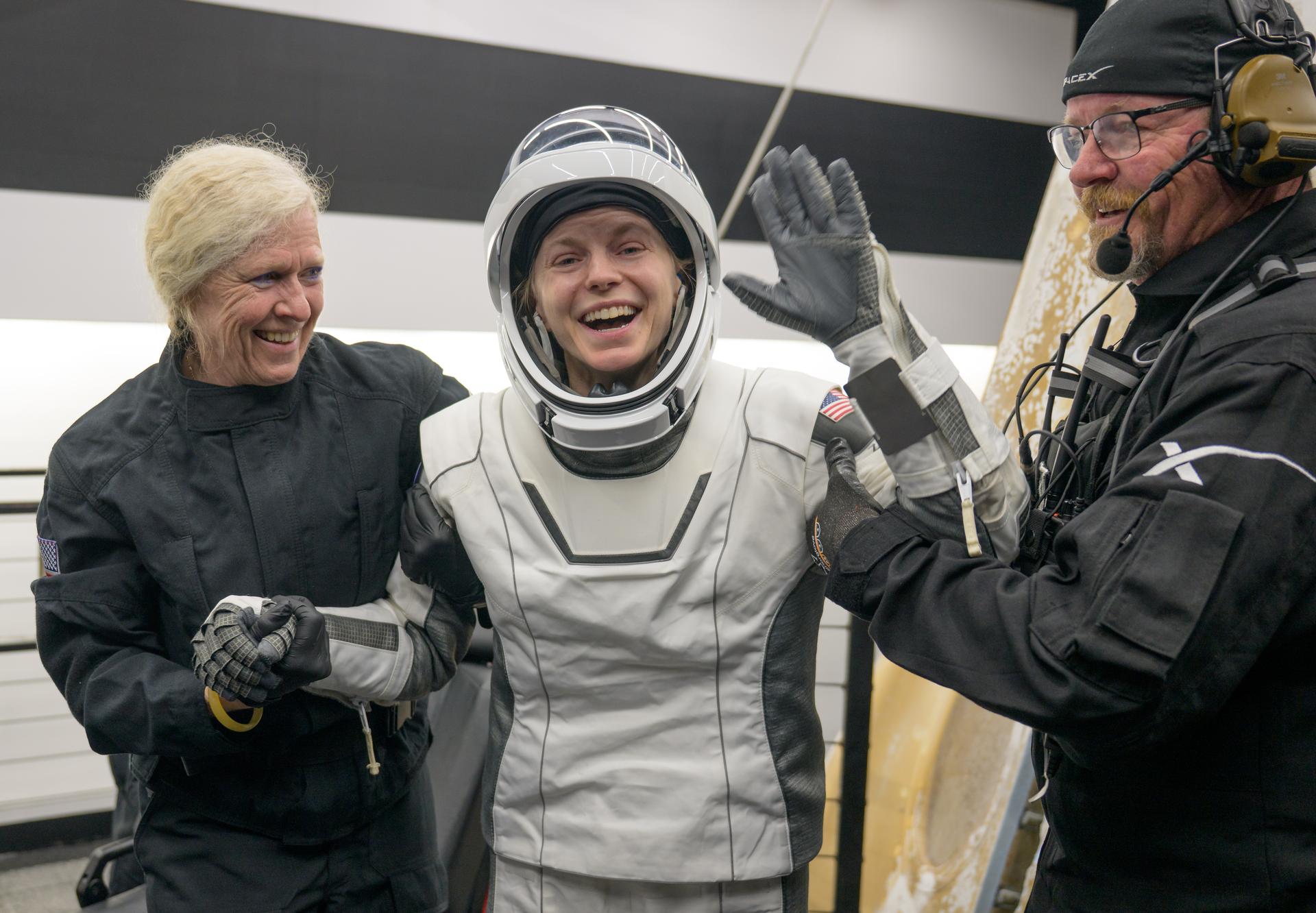
NASA astronaut Zena Cardman is helped out of the SpaceX Dragon Endeavour spacecraft onboard the SpaceX recovery ship SHANNON after she, NASA astronaut Mike Fincke, JAXA (Japan Aerospace Exploration Agency) astronaut Kimiya Yui, and Roscosmos cosmonaut Oleg Platonov landed in the Pacific Ocean off the coast of San Diego, Calif., Thursday, Jan. 15, 2026. Cardman, Fincke, Yui, Platonov are returning after 167 days in space as part of Expedition 74 aboard the International Space Station. Photo Credit: (NASA/Bill Ingalls)
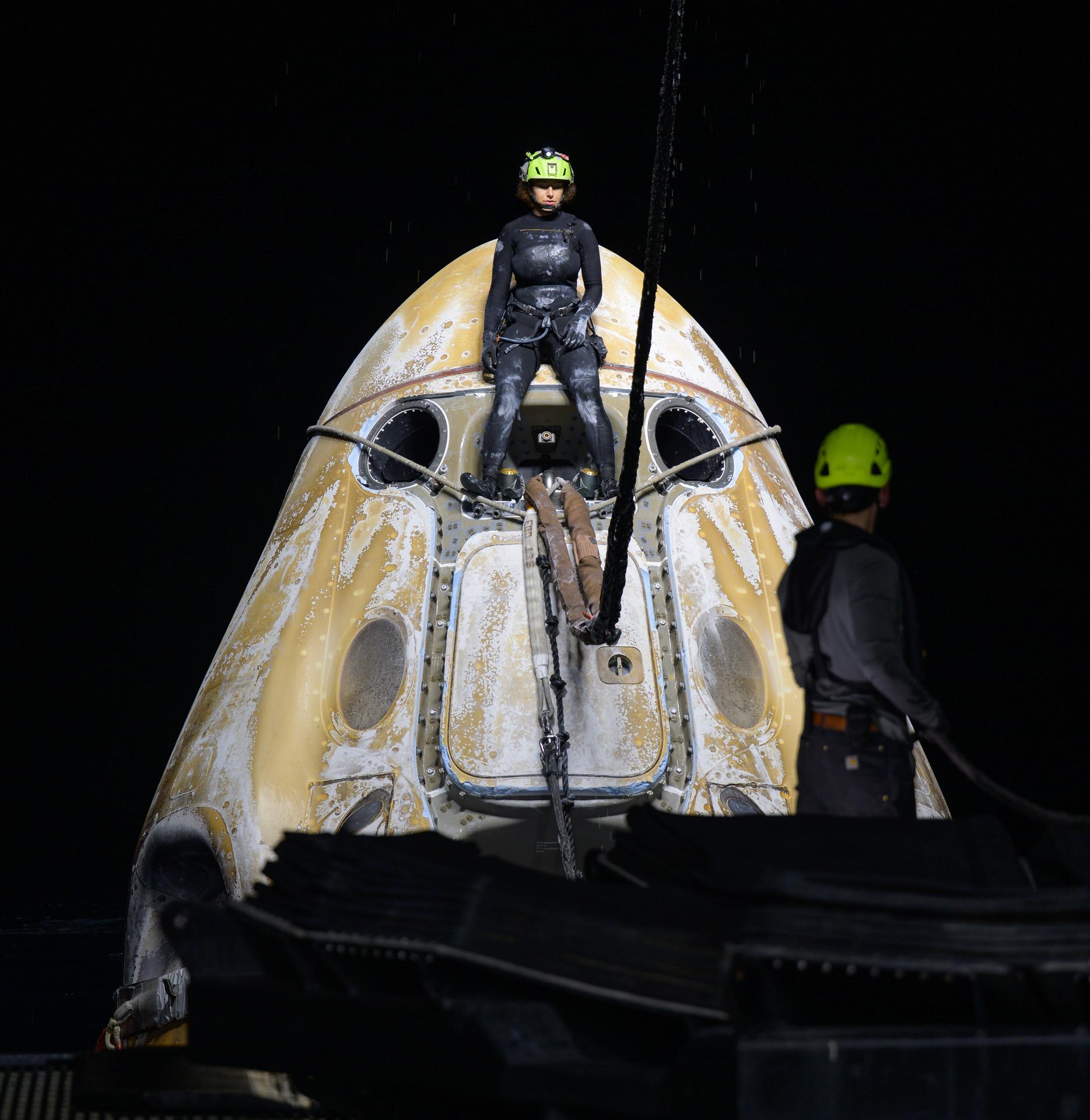
Support teams work around the SpaceX Dragon Endeavour spacecraft shortly after it landed with NASA astronauts Zena Cardman, Mike Fincke, JAXA (Japan Aerospace Exploration Agency) astronaut Kimiya Yui, and Roscosmos cosmonaut Oleg Platonov aboard in the Pacific Ocean off the coast of San Diego, Calif., Thursday, Jan. 15,2026. Cardman, Fincke, Yui, Platonov are returning after 167 days in space as part of Expedition 74 aboard the International Space Station. Photo Credit: (NASA/Bill Ingalls)
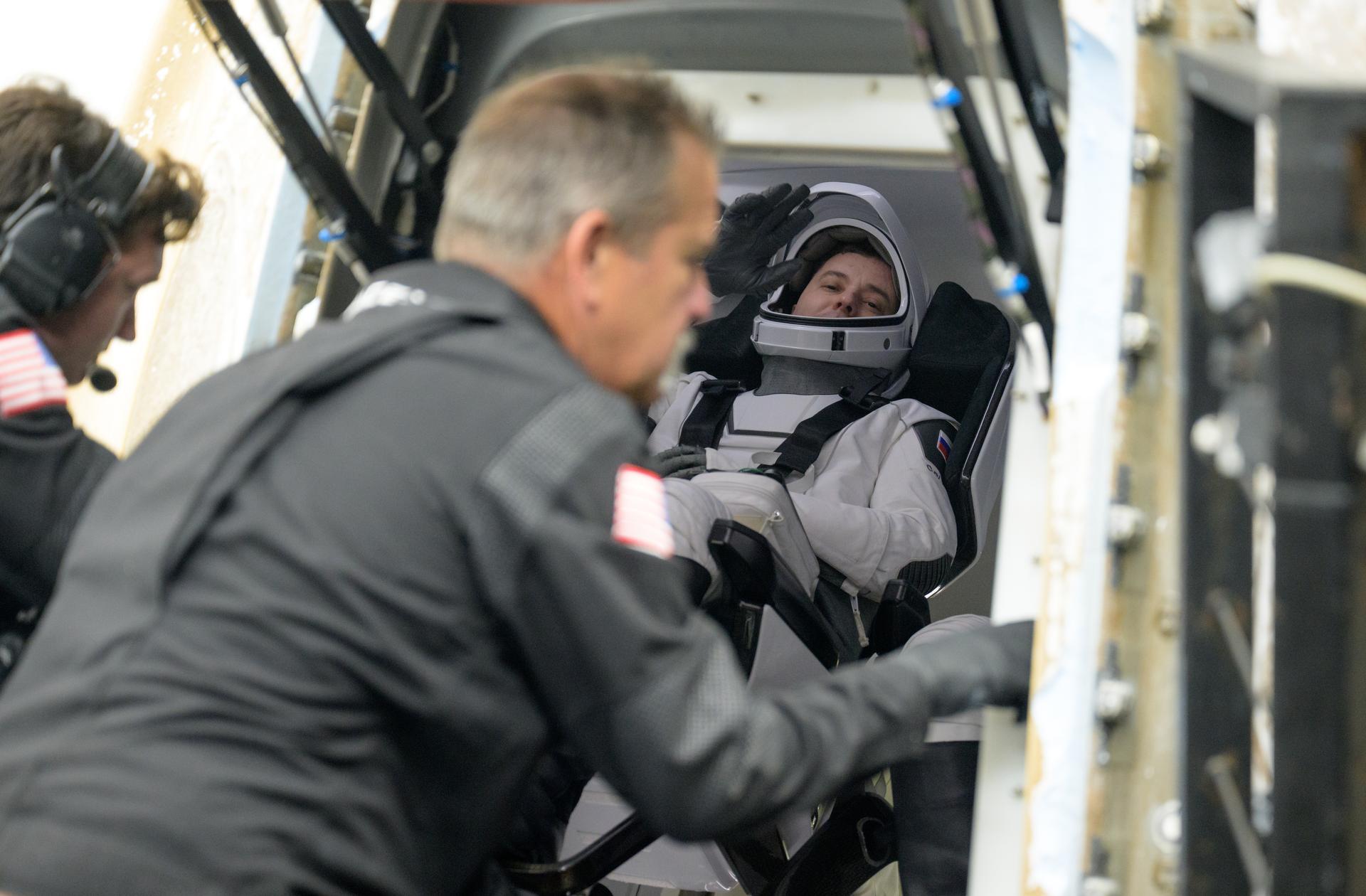
Roscosmos cosmonaut Oleg Platonov is seen inside the SpaceX Dragon Endeavour spacecraft onboard the SpaceX recovery ship SHANNON after he, NASA astronauts Mike Fincke, Zena Cardman and JAXA (Japan Aerospace Exploration Agency) astronaut Kimiya Yui landed in the Pacific Ocean off the coast of San Diego, Calif., Thursday, Jan. 15, 2026. Cardman, Fincke, Yui, Platonov are returning after 167 days in space as part of Expedition 74 aboard the International Space Station. Photo Credit: (NASA/Bill Ingalls)
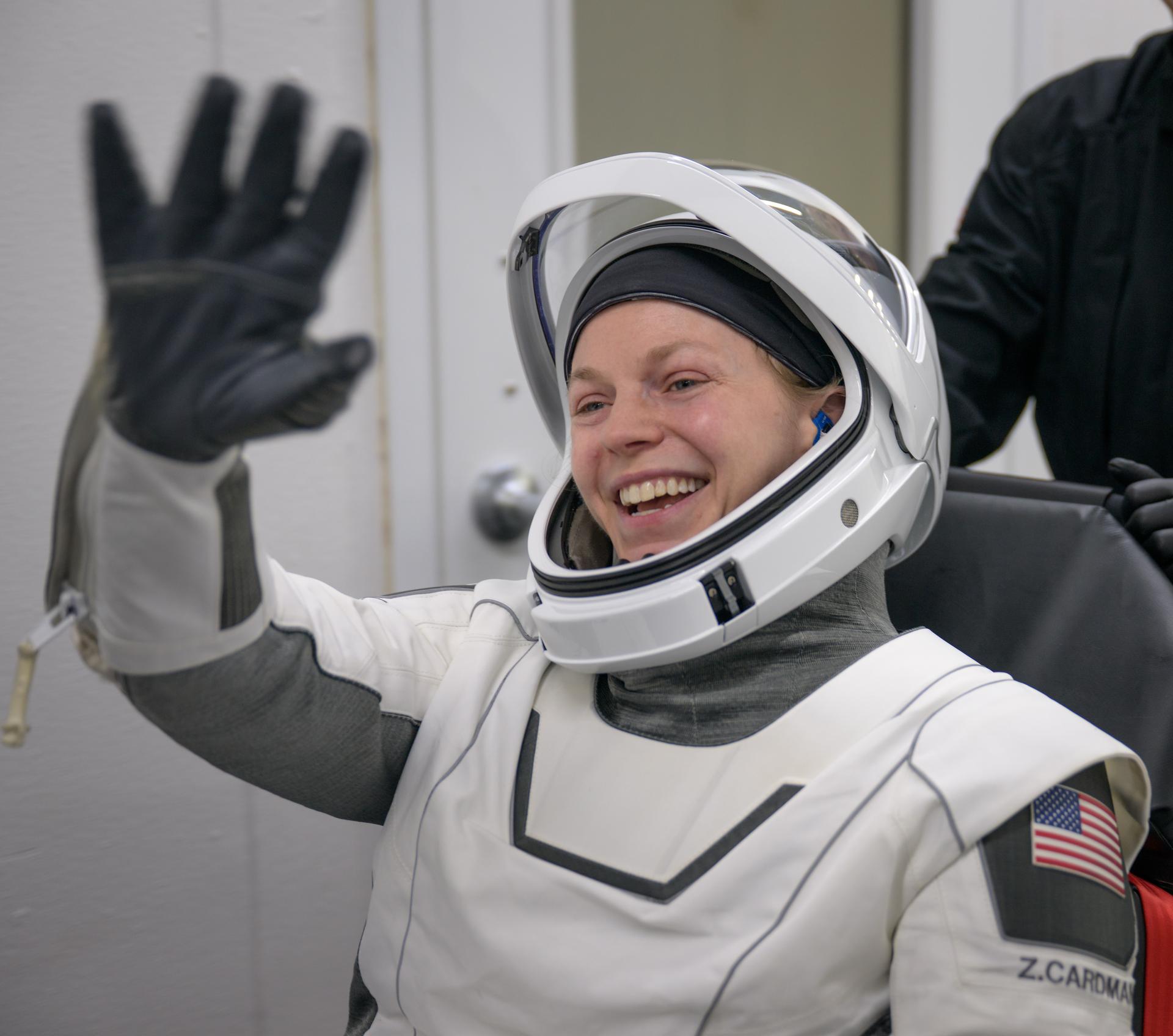
NASA astronaut Zena Cardman is helped out of the SpaceX Dragon Endeavour spacecraft onboard the SpaceX recovery ship SHANNON after she, NASA astronaut Mike Fincke, JAXA (Japan Aerospace Exploration Agency) astronaut Kimiya Yui, and Roscosmos cosmonaut Oleg Platonov landed in the Pacific Ocean off the coast of San Diego, Calif., Thursday, Jan. 15, 2026. Cardman, Fincke, Yui, Platonov are returning after 167 days in space as part of Expedition 74 aboard the International Space Station. Photo Credit: (NASA/Bill Ingalls)
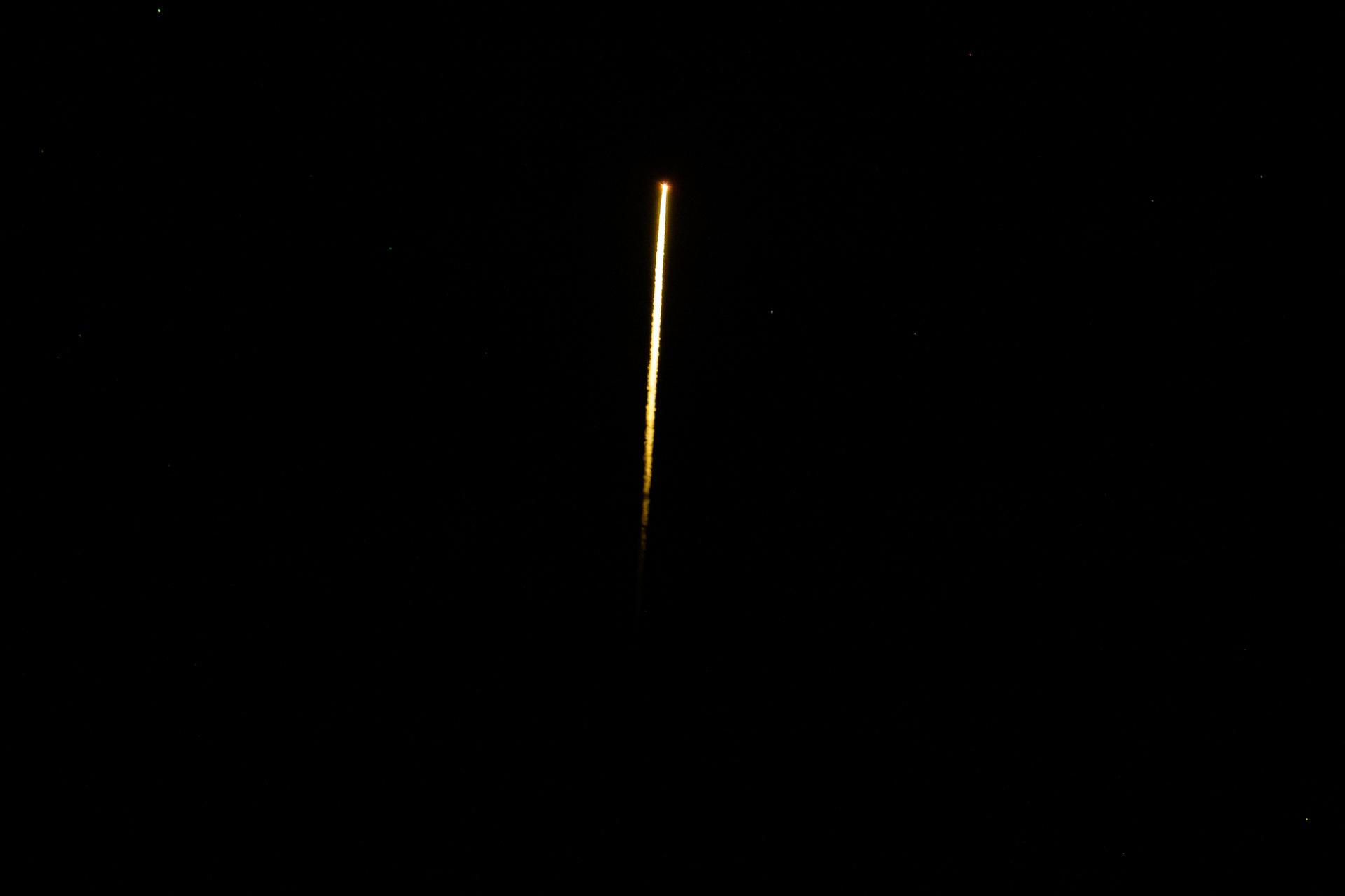
The SpaceX Crew Dragon Endeavour spacecraft is seen as it lands with NASA astronauts Zena Cardman, Mike Fincke, JAXA (Japan Aerospace Exploration Agency) astronaut Kimiya Yui, and Roscosmos cosmonaut Oleg Platonov aboard in the Pacific Ocean off the coast of San Diego, Calif., Thursday, Jan. 15, 2026. Cardman, Fincke, Yui, Platonov are returning after 167 days in space as part of Expedition 74 aboard the International Space Station. Photo Credit: (NASA/Bill Ingalls)
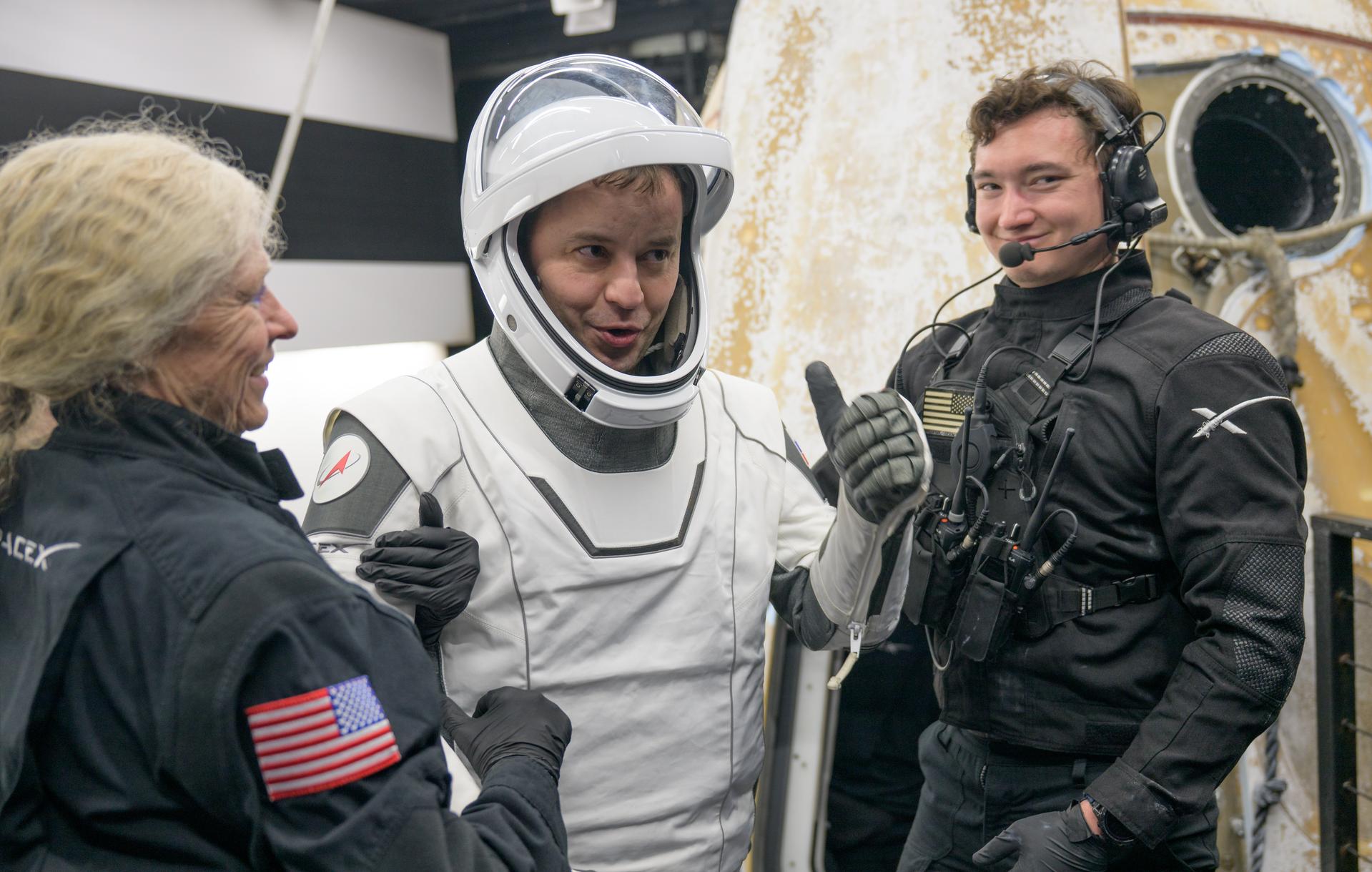
Roscosmos cosmonaut Oleg Platonov is helped out of the SpaceX Dragon Endeavour spacecraft onboard the SpaceX recovery ship SHANNON after he, NASA astronauts Mike Fincke, Zena Cardman and JAXA (Japan Aerospace Exploration Agency) astronaut Kimiya Yui landed in the Pacific Ocean off the coast of San Diego, Calif., Thursday, Jan. 15, 2026. Cardman, Fincke, Yui, Platonov are returning after 167 days in space as part of Expedition 74 aboard the International Space Station. Photo Credit: (NASA/Bill Ingalls)
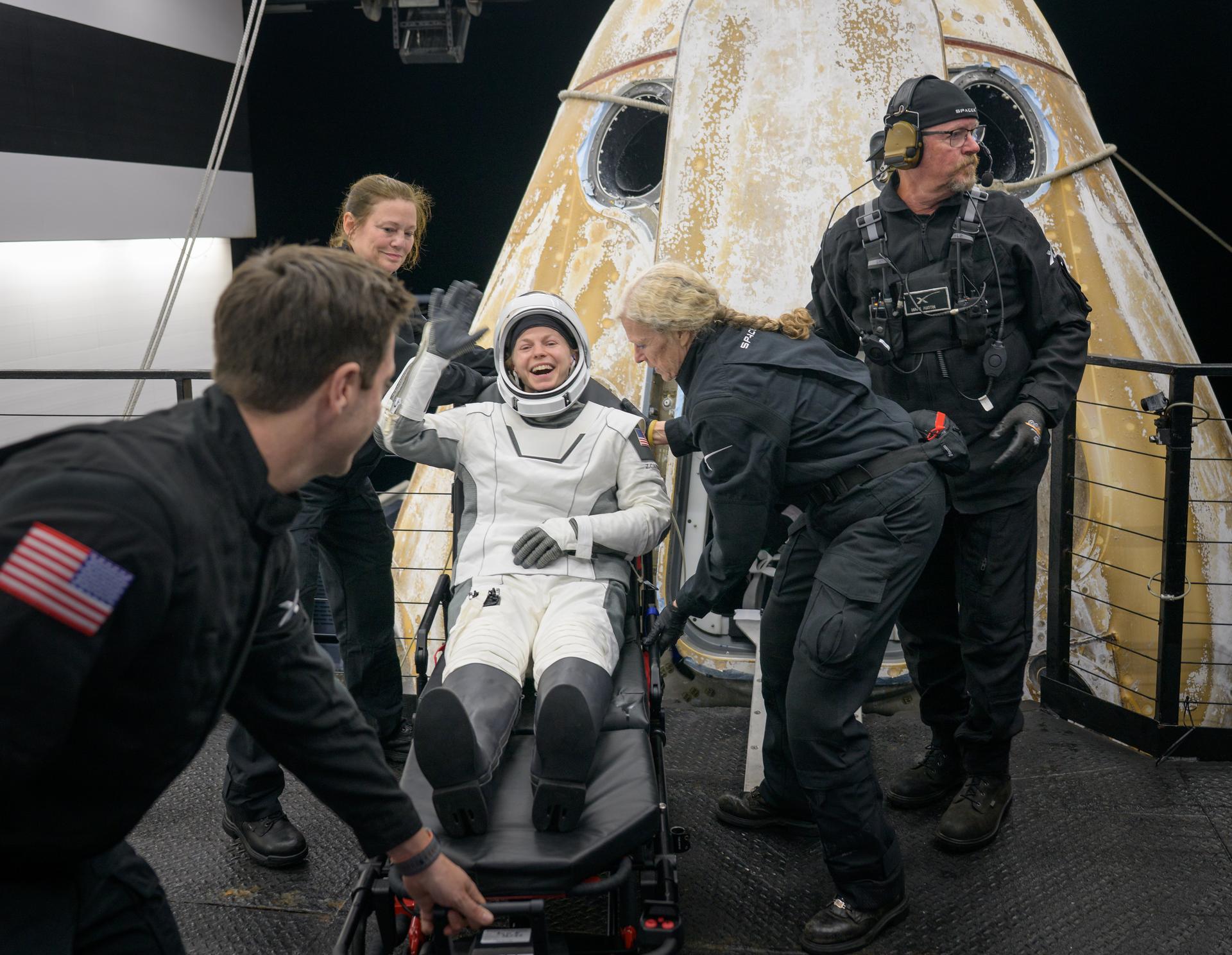
NASA astronaut Zena Cardman is helped out of the SpaceX Dragon Endeavour spacecraft onboard the SpaceX recovery ship SHANNON after she, NASA astronaut Mike Fincke, JAXA (Japan Aerospace Exploration Agency) astronaut Kimiya Yui, and Roscosmos cosmonaut Oleg Platonov landed in the Pacific Ocean off the coast of San Diego, Calif., Thursday, Jan. 15, 2026. Cardman, Fincke, Yui, Platonov are returning after 167 days in space as part of Expedition 74 aboard the International Space Station. Photo Credit: (NASA/Bill Ingalls)
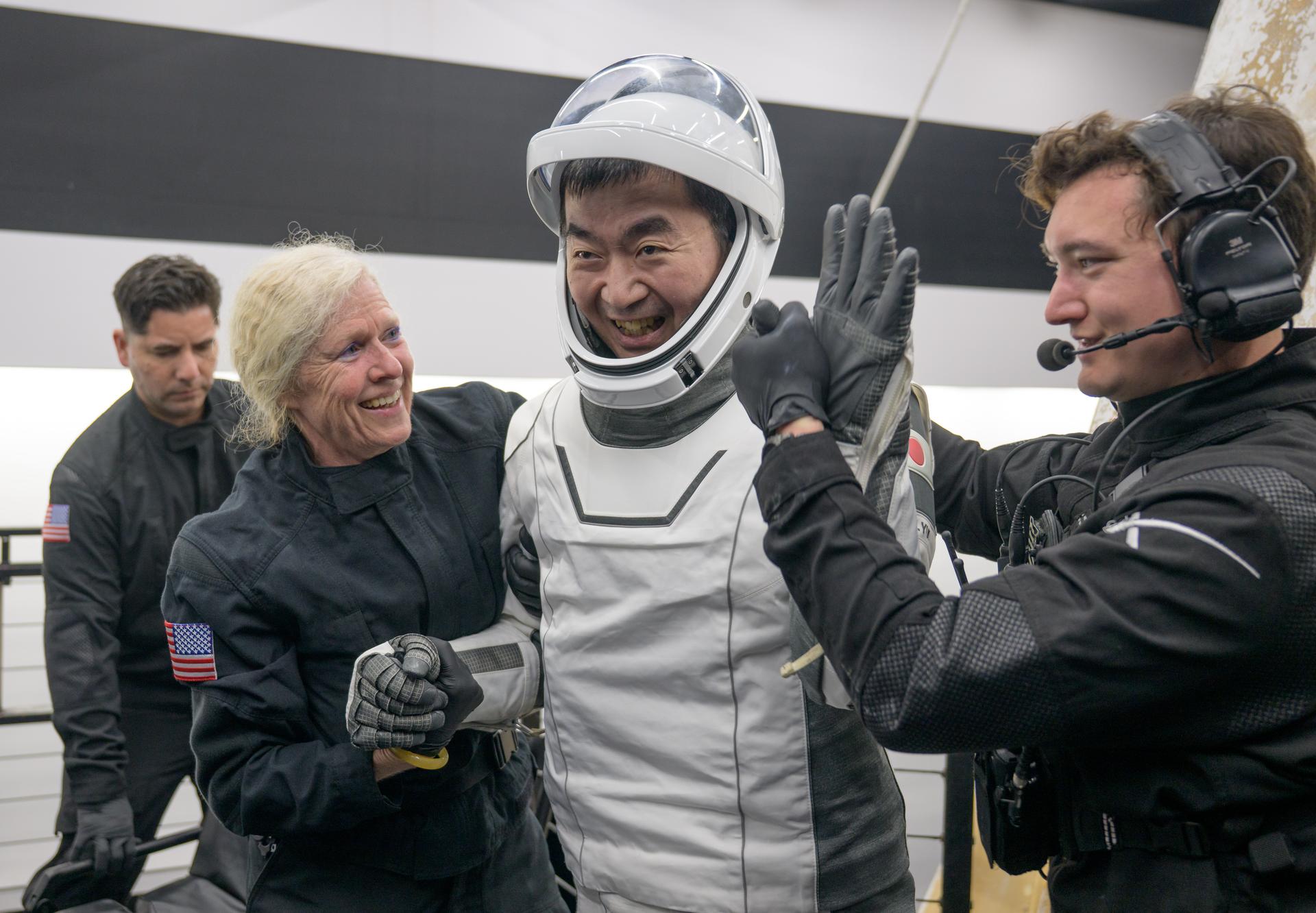
JAXA (Japan Aerospace Exploration Agency) astronaut Kimiya Yui is helped out of the SpaceX Dragon Endeavour spacecraft onboard the SpaceX recovery ship SHANNON after he, NASA astronauts Mike Fincke, Zena Cardman, and Roscosmos cosmonaut Oleg Platonov landed in the Pacific Ocean off the coast of San Diego, Calif., Thursday, Jan. 15, 2026. Cardman, Fincke, Yui, Platonov are returning after 167 days in space as part of Expedition 74 aboard the International Space Station. Photo Credit: (NASA/Bill Ingalls)

A cruise ship is seen off in the disctance as the SpaceX Crew Dragon Endeavour spacecraft lands with NASA astronauts Zena Cardman, Mike Fincke, JAXA (Japan Aerospace Exploration Agency) astronaut Kimiya Yui, and Roscosmos cosmonaut Oleg Platonov aboard in the Pacific Ocean off the coast of San Diego, Calif., Thursday, Jan. 15, 2026. Cardman, Fincke, Yui, Platonov are returning after 167 days in space as part of Expedition 74 aboard the International Space Station. Photo Credit: (NASA/Bill Ingalls)
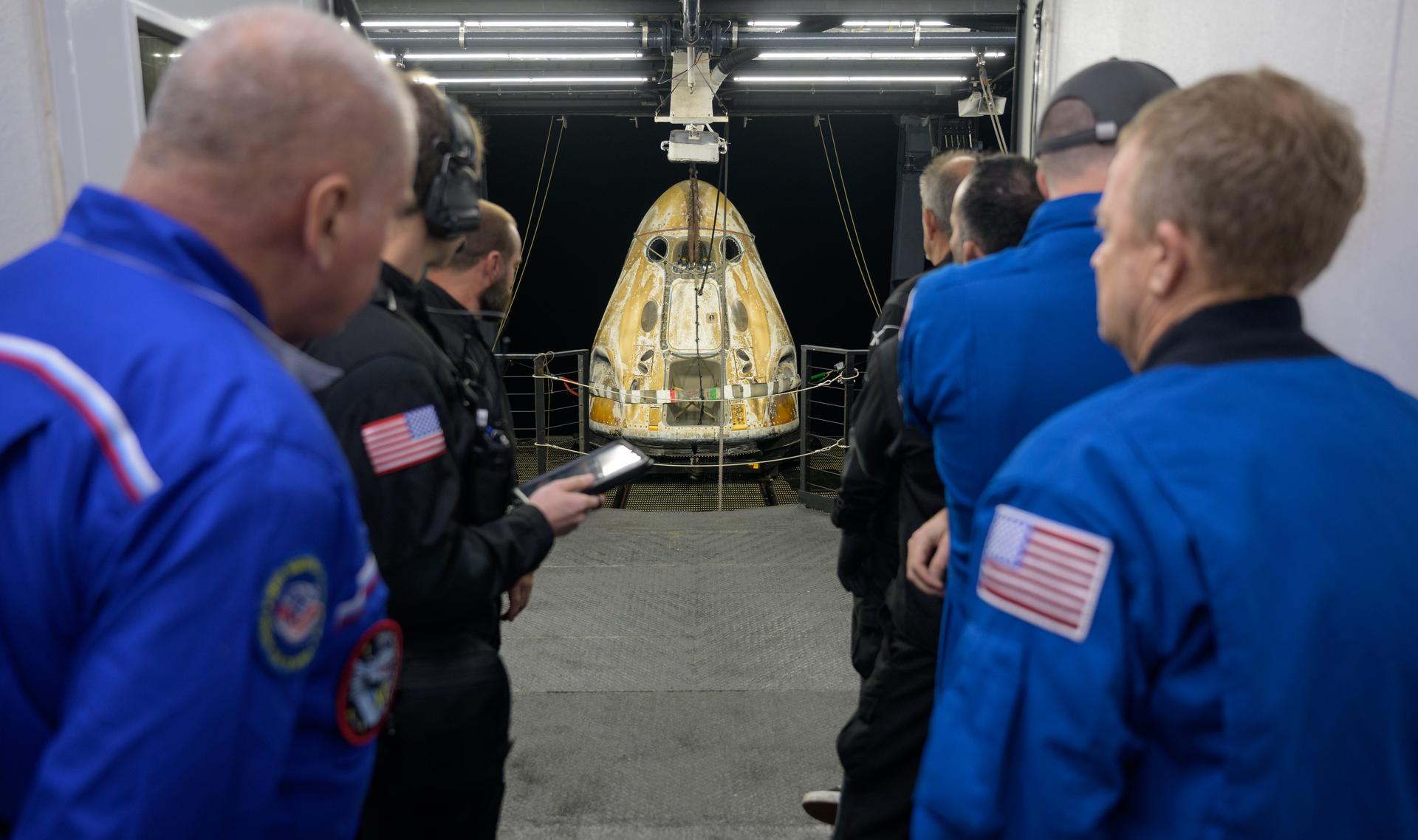
Support teams onboard the SpaceX recovery ship SHANNON work around the SpaceX Dragon Endeavour spacecraft shortly after it landed with NASA astronauts Zena Cardman, Mike Fincke, JAXA (Japan Aerospace Exploration Agency) astronaut Kimiya Yui, and Roscosmos cosmonaut Oleg Platonov aboard in the Pacific Ocean off the coast of San Diego, Calif., Thursday, Jan. 15, 2026. Cardman, Fincke, Yui, Platonov are returning after 167 days in space as part of Expedition 74 aboard the International Space Station. Photo Credit: (NASA/Bill Ingalls)
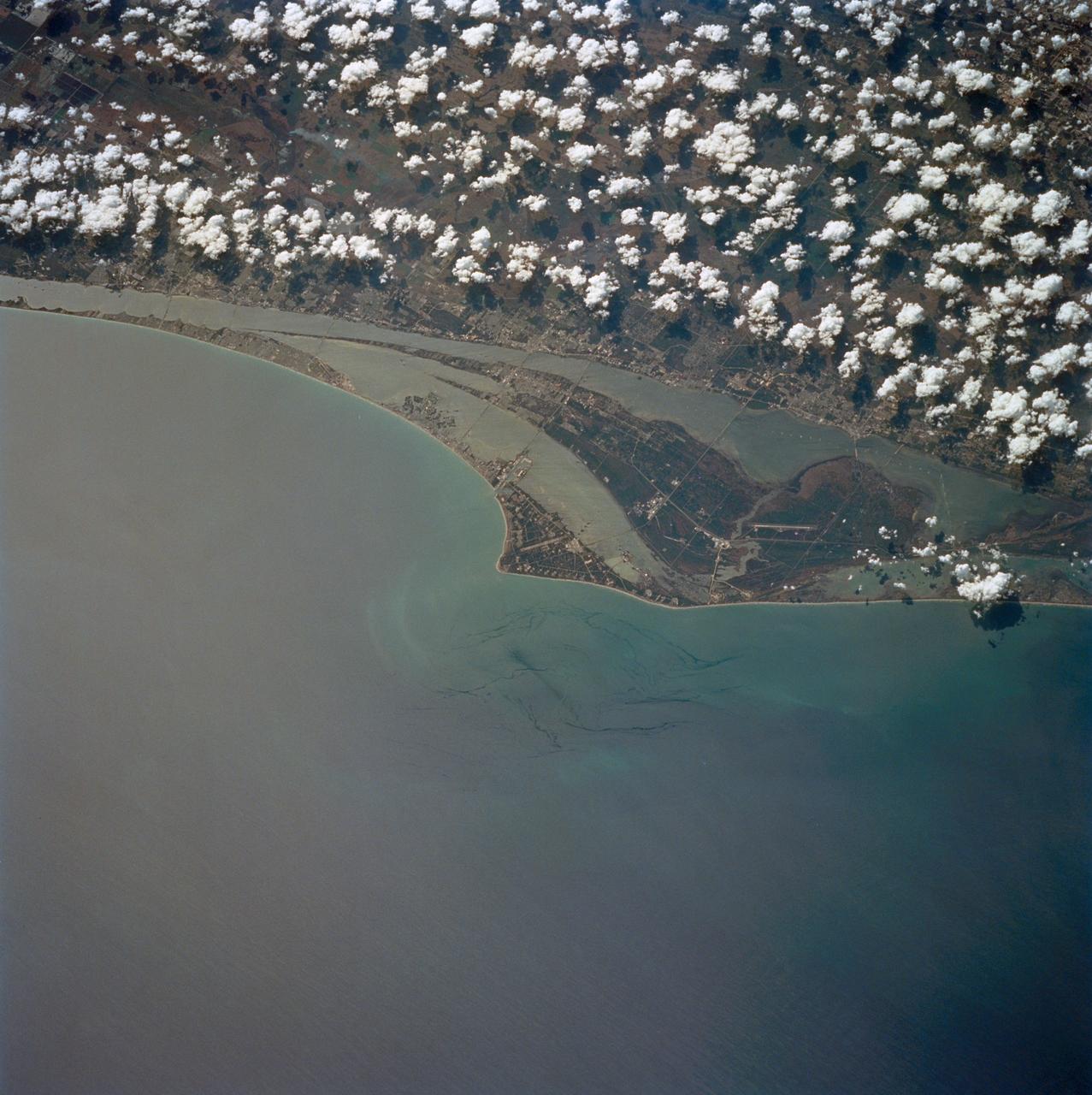
STS060-84-021 (3-11 Feb 1994) --- The Kennedy Space Center (KSC) and its partially cloud-covered environs were captured on 70mm by one of the STS-60 crew members during the eight-day mission. The Shuttle landing facility, on which Discovery landed February 11, 1994, visible at left center.
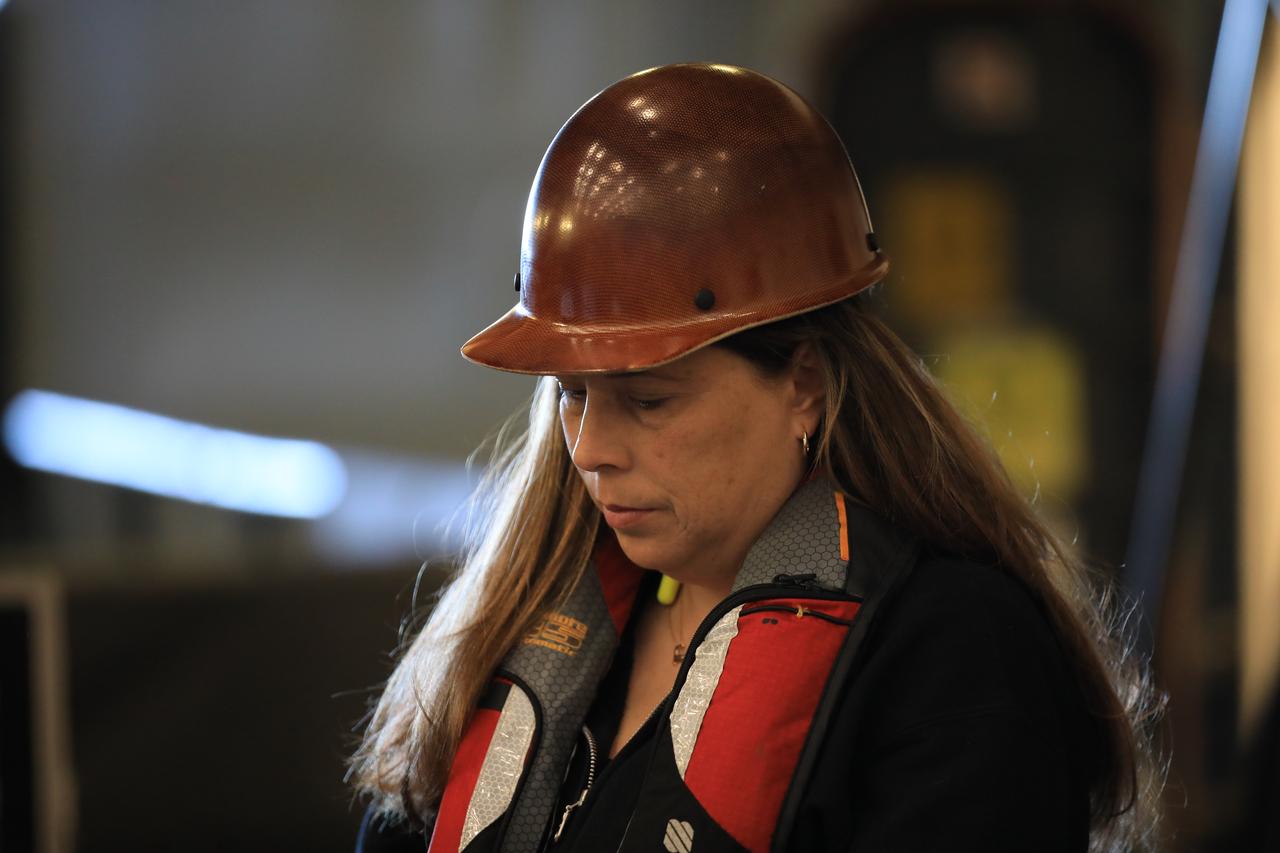
Liliana Villarreal, Artemis II Landing and Recovery Director, of NASA’s Exploration Ground System’s Landing and Recovery team monitors operations of the day aboard the USS San Diego during Underway Recovery Test 11 (URT-11) off the coast of San Diego on Thursday, Feb. 22, 2024. URT-11 is the eleventh in a series of Artemis recovery tests for members of the agency’s Landing and Recovery team and partners from the Department of Defense to practice recovery procedures using the Crew Module Test Article in preparation for Artemis II.
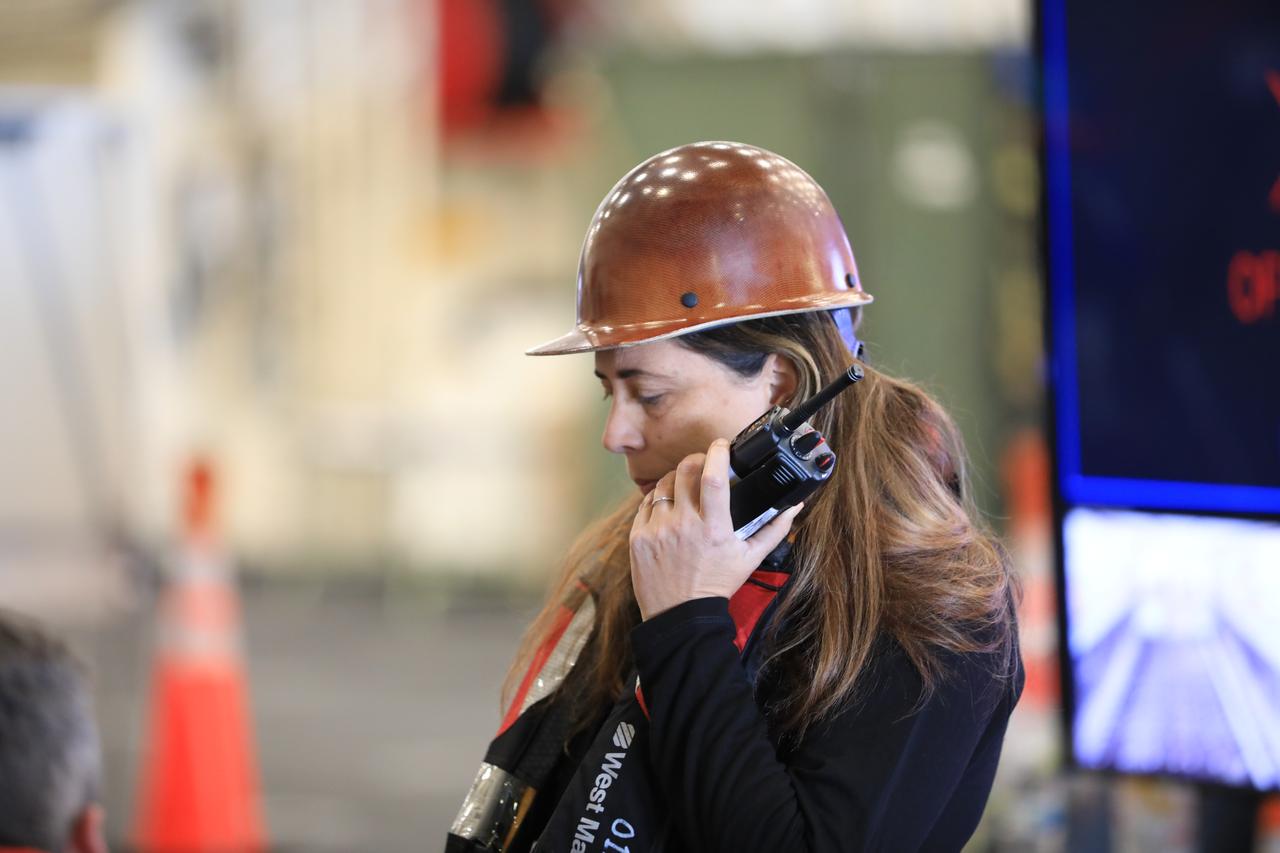
Liliana Villarreal, Artemis II Landing and Recovery Director, of NASA’s Exploration Ground System’s Landing and Recovery team monitors operations of the day aboard the USS San Diego during Underway Recovery Test 11 (URT-11) off the coast of San Diego on Saturday, Feb. 24, 2024. URT-11 is the eleventh in a series of Artemis recovery tests for members of the agency’s Landing and Recovery team and partners from the Department of Defense to practice recovery procedures using the Crew Module Test Article in preparation for Artemis II.
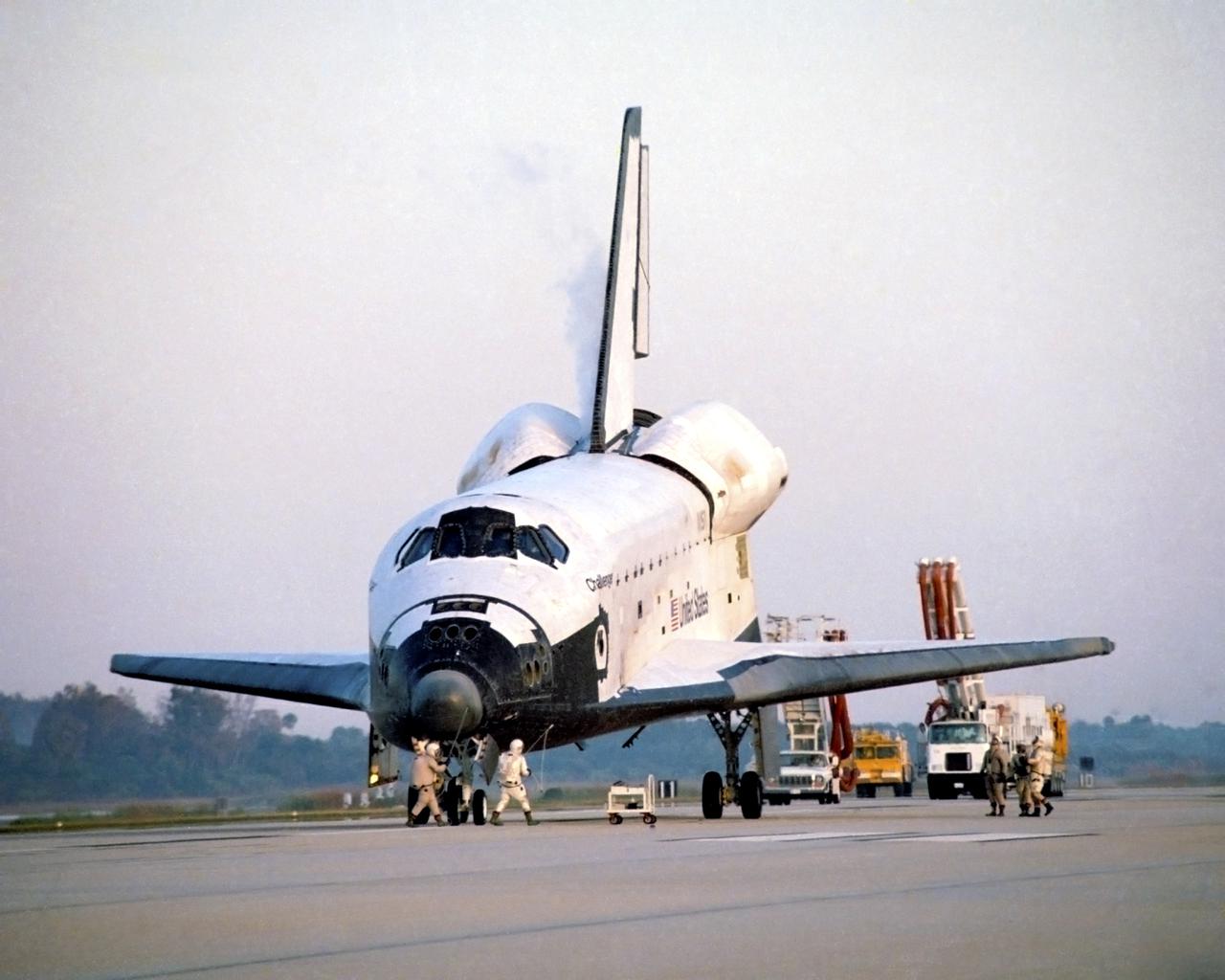
CAPE CANAVERAL, Fla. -- Ground crew members perform initial post-landing procedures on orbiter Challenger as the the crew, the first-ever to experience both launch and landing at KSC, prepare to exit the spaceship. Touchdown was at 7:15:55 a.m. EST on Feb. 11. Crew members for the historic Mission 41-B STS-11 are Commander Vance D. Brand, Pilot Robert L.'Hoot' Gibson, and Mission Specialists Bruce McCandless II, Robert L. Stewart and Ronald E. McNair. Photo credit: NASA
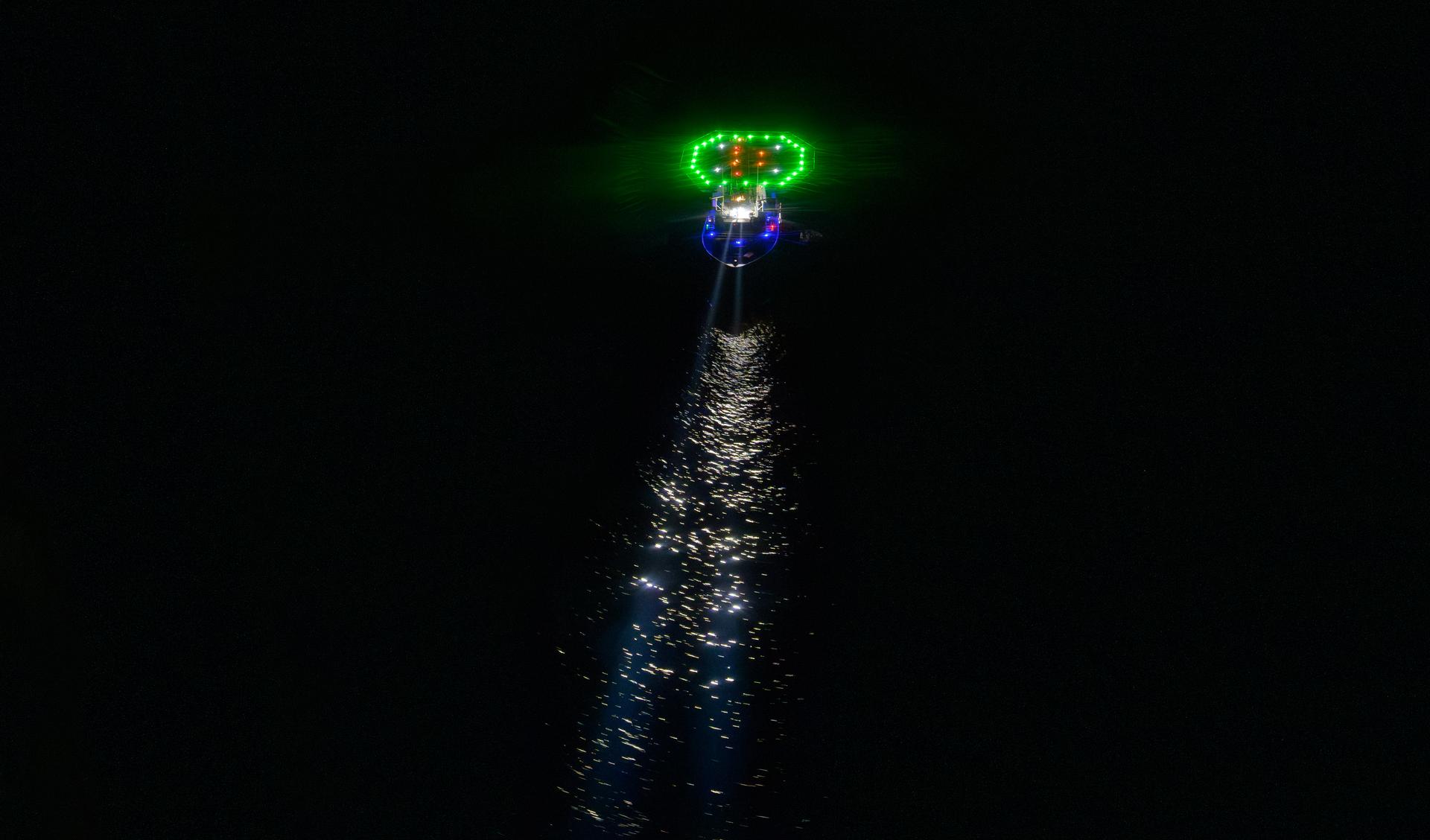
The SpaceX recovery ship SHANNON is seen in the Pacific Ocean as the recovery team prepares for the landing of the SpaceX Dragon spacecraft with NASA astronauts Zena Cardman, Mike Fincke, JAXA (Japan Aerospace Exploration Agency) astronaut Kimiya Yui, and Roscosmos cosmonaut Oleg Platonov aboard, Wednesday, Jan. 14, 2026, off the coast of San Diego, Calif.. Cardman, Fincke, Yui, Platonov are returning after 167 days days in space as part of Expedition 74 aboard the International Space Station. Photo Credit: (NASA/Bill Ingalls)
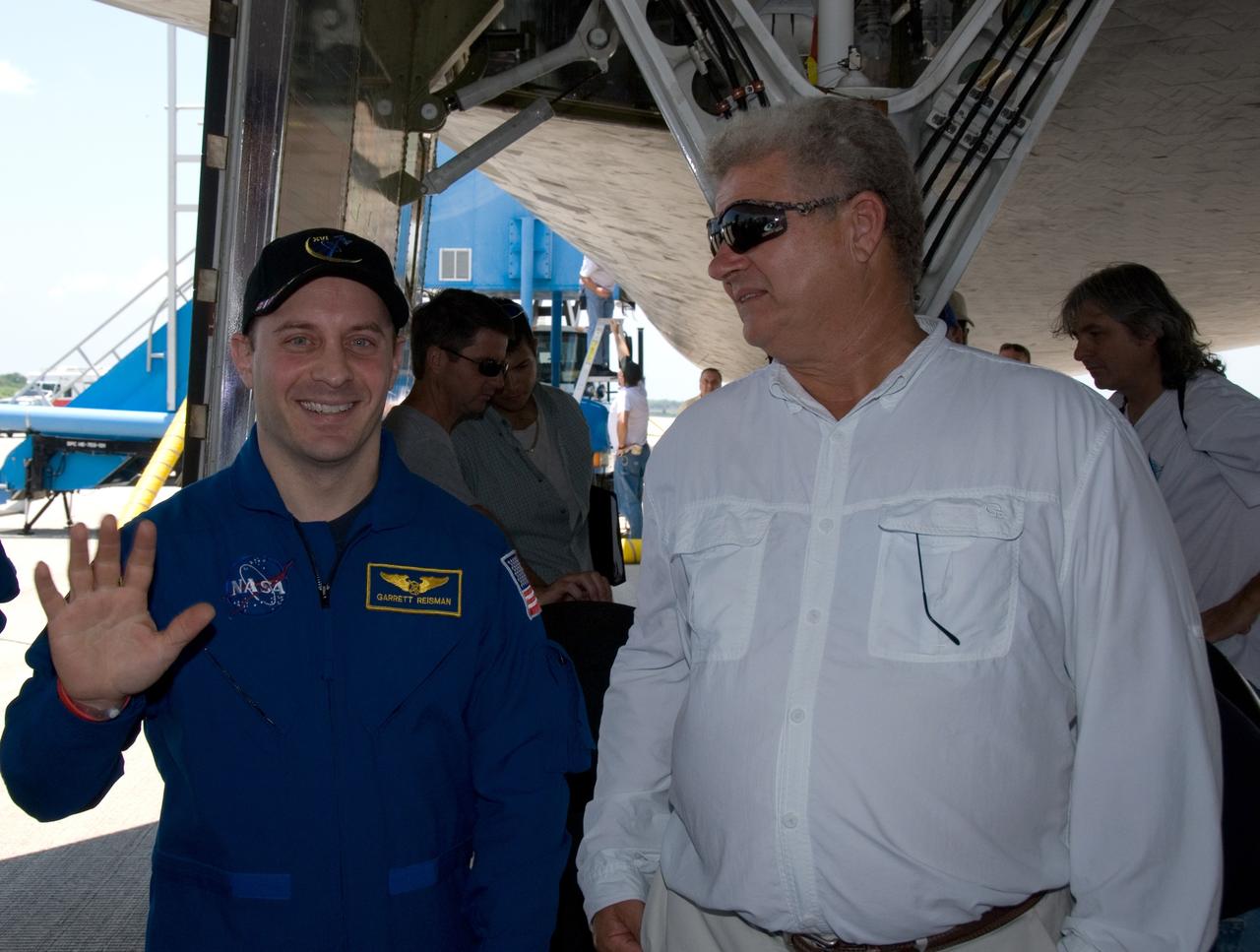
CAPE CANAVERAL, Fla. – After landing with the STS-124 mission crew, astronaut Garrett Reisman joins in the traditional walk-around under the shuttle after landing. Reisman spent 95 days on the International Space Station as part of the Expedition 17 crew. The STS-124 mission ended with space shuttle Discovery's landing on Runway 15 at NASA's Kennedy Space Center, ending a 14-day mission to the International Space Station. Discovery's main landing gear touched down at 11:15:19 a.m. EDT on Runway 15. The nose landing gear touched down at 11:15:30 a.m. and wheel stop was at 11:16:19 a.m. The mission completed 5.7 million miles. The STS-124 mission delivered the Japan Aerospace Exploration Agency's large Japanese Pressurized Module and its remote manipulator system to the space station. Photo credit: NASA/Kim Shiflett
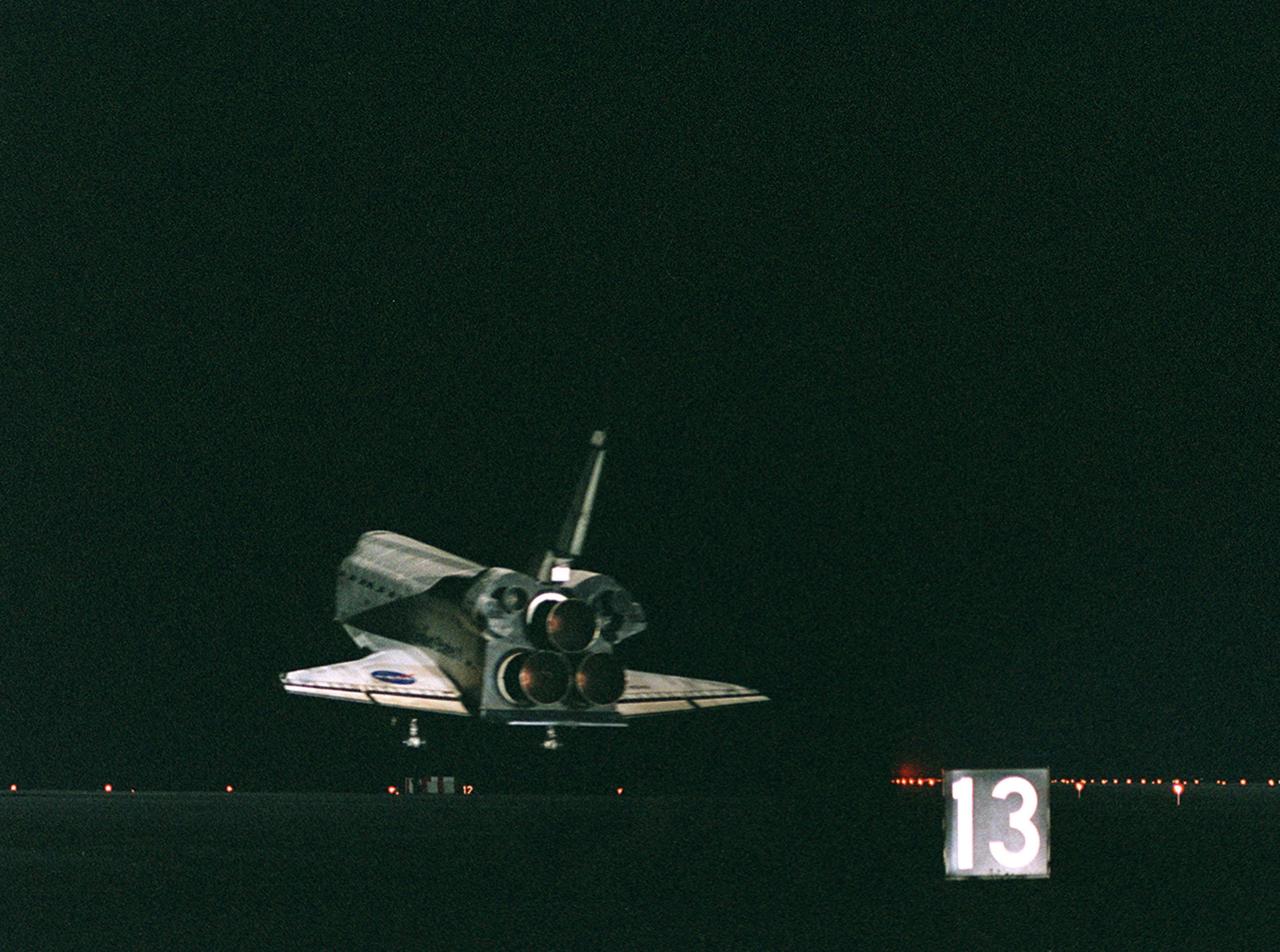
KENNEDY SPACE CENTER, Fla. -- The orbiter Atlantis nears touchdown on Runway 15 of the KSC Shuttle Landing Facility. Atlantis and crew traveled 4.9 million miles on the 11-day, 19-hour, 11-minute mission STS-106. Main gear touchdown occurred on-time at 3:56:48 a.m. EDT. During the mission to the International Space Station, the crew transferred nearly 5,000 pounds of equipment and supplies for use by the first resident crew expected to arrive in November. STS-106 was the 99th flight in the Shuttle program and the 22nd for Atlantis. STS-106 also marked the 15th nighttime landing in Shuttle history and the 23rd consecutive landing at KSC
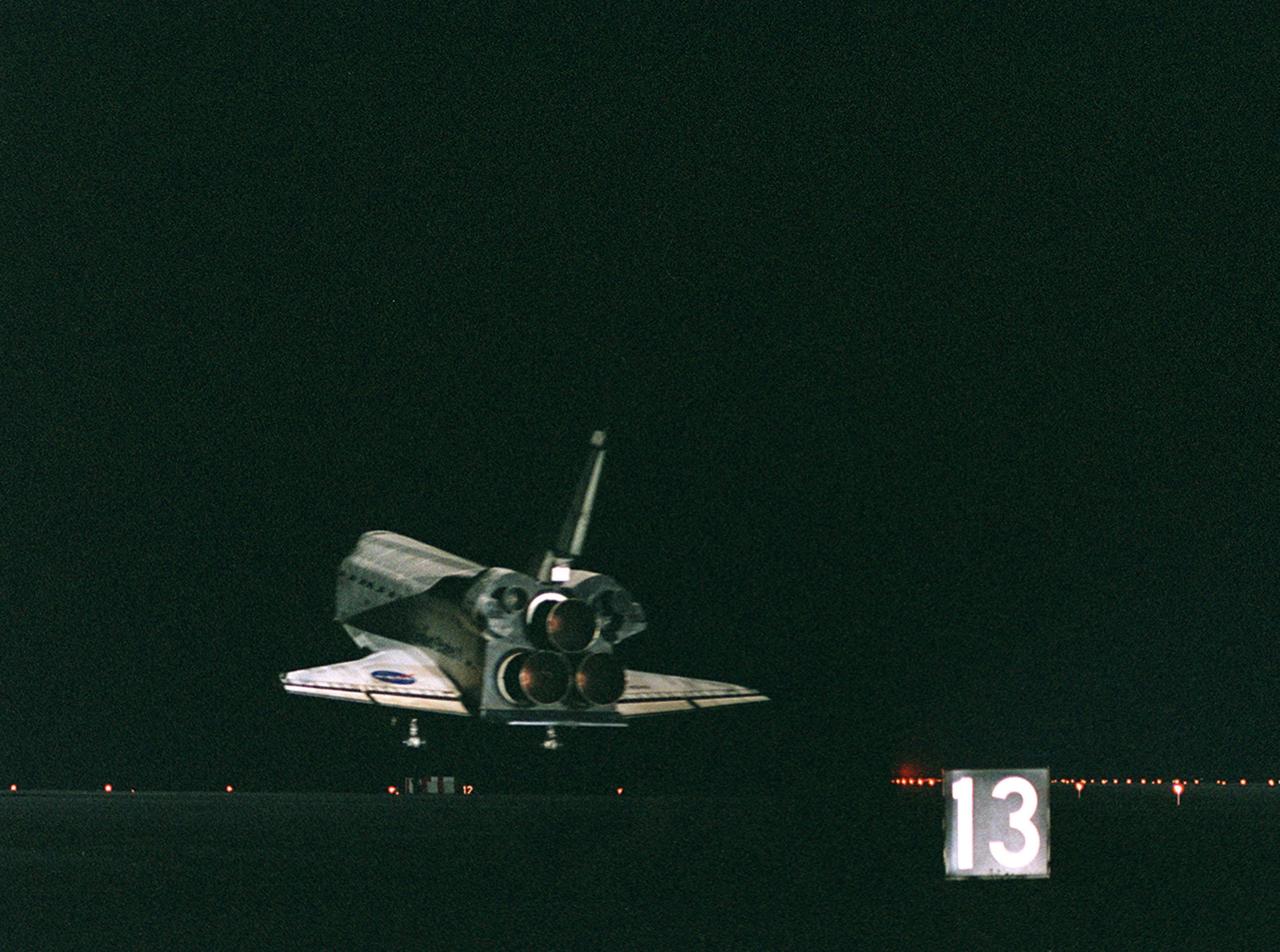
KENNEDY SPACE CENTER, Fla. -- The orbiter Atlantis nears touchdown on Runway 15 of the KSC Shuttle Landing Facility. Atlantis and crew traveled 4.9 million miles on the 11-day, 19-hour, 11-minute mission STS-106. Main gear touchdown occurred on-time at 3:56:48 a.m. EDT. During the mission to the International Space Station, the crew transferred nearly 5,000 pounds of equipment and supplies for use by the first resident crew expected to arrive in November. STS-106 was the 99th flight in the Shuttle program and the 22nd for Atlantis. STS-106 also marked the 15th nighttime landing in Shuttle history and the 23rd consecutive landing at KSC
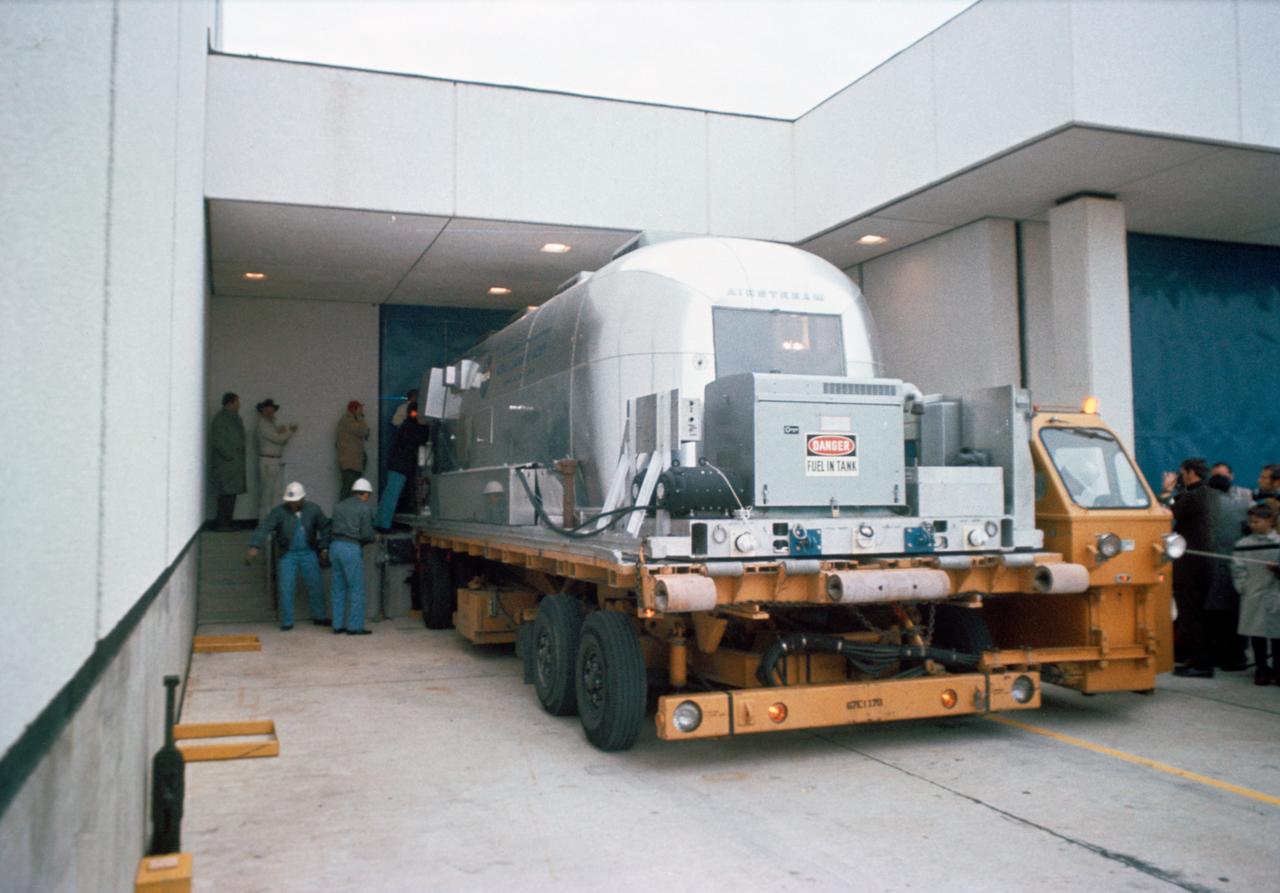
A Mobile Quarantine Facility (MQF), with the crew of the Apollo XII Lunar Landing Mission aboard, is shown on arriving at JSC, Saturday morning, 11/29/1969.
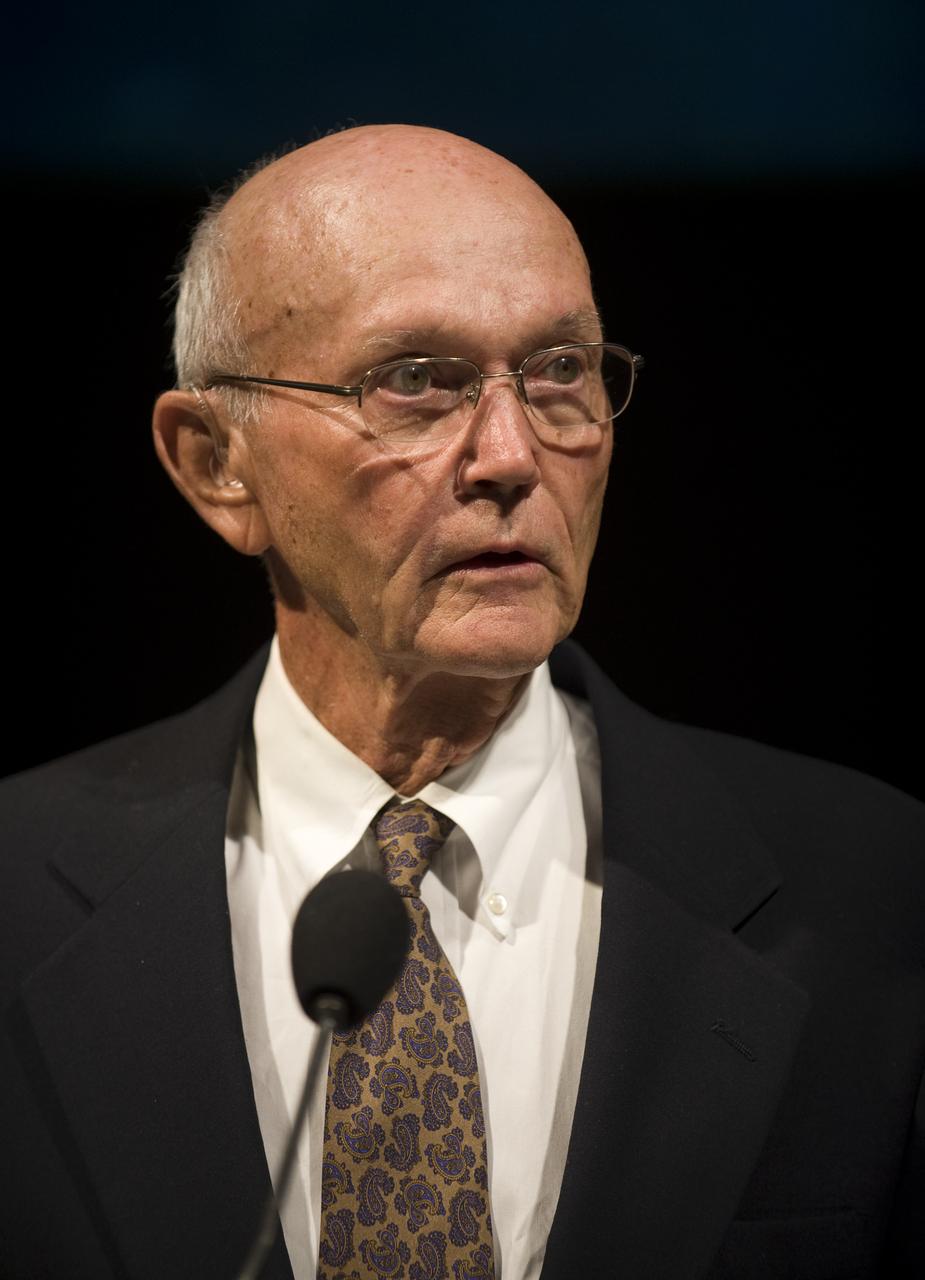
On the eve of the fortieth anniversary of Apollo 11's first human landing on the Moon, Apollo 11 crew member, Michael Collins speaks during a lecture in honor of Apollo 11 at the National Air and Space Museum in Washington, Sunday, July 19, 2009. Guest speakers included Former NASA Astronaut and U.S. Senator John Glenn, NASA Mission Control creator and former NASA Johnson Space Center director Chris Kraft and the crew of Apollo 11. Photo Credit: (NASA/Bill Ingalls)
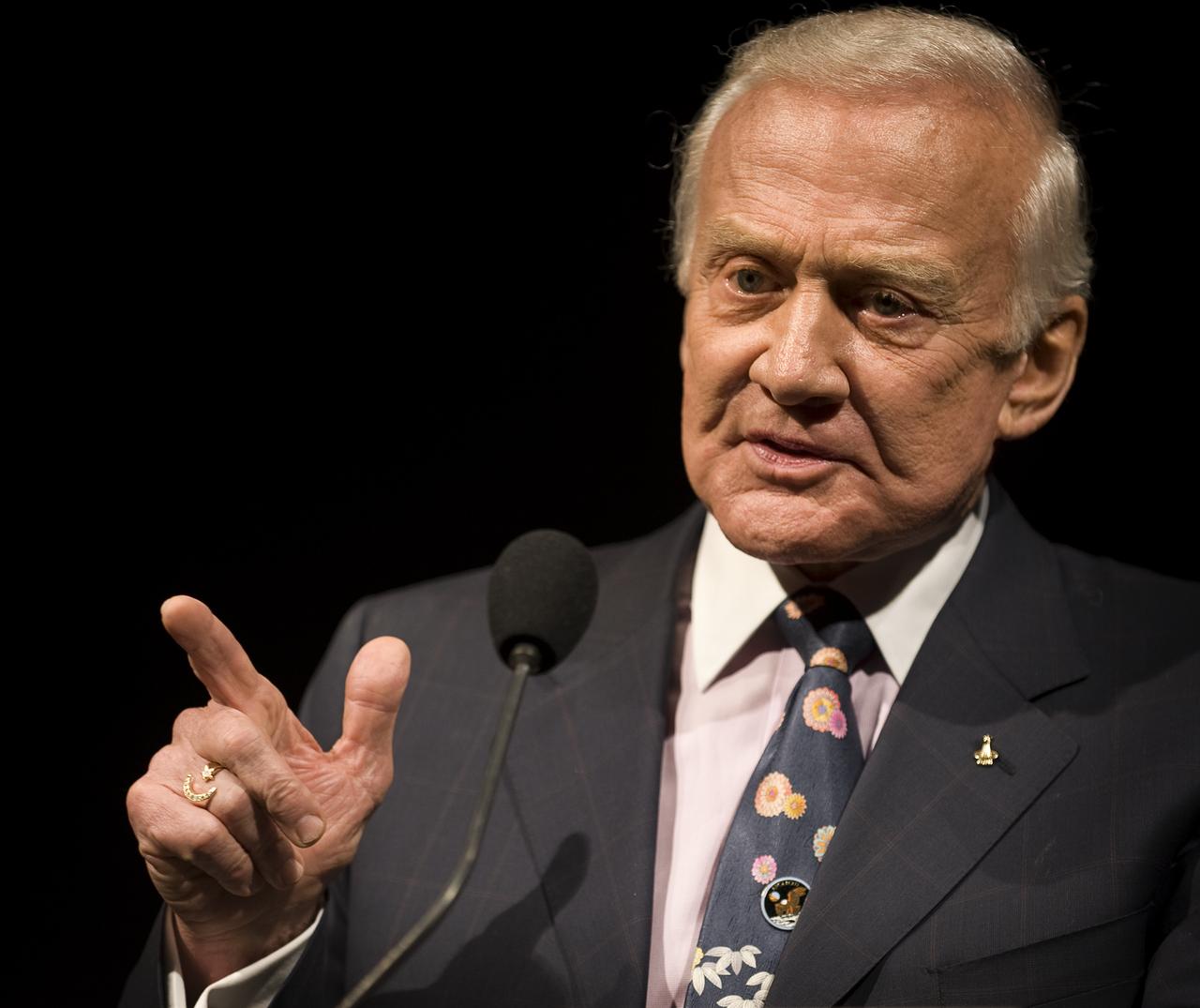
On the eve of the fortieth anniversary of Apollo 11's first human landing on the Moon, Apollo 11 crew member, Buzz Aldrin speaks during a lecture in honor of Apollo 11 at the National Air and Space Museum in Washington, Sunday, July 19, 2009. Guest speakers included Former NASA Astronaut and U.S. Senator John Glenn, NASA Mission Control creator and former NASA Johnson Space Center director Chris Kraft and the crew of Apollo 11. Photo Credit: (NASA/Bill Ingalls)
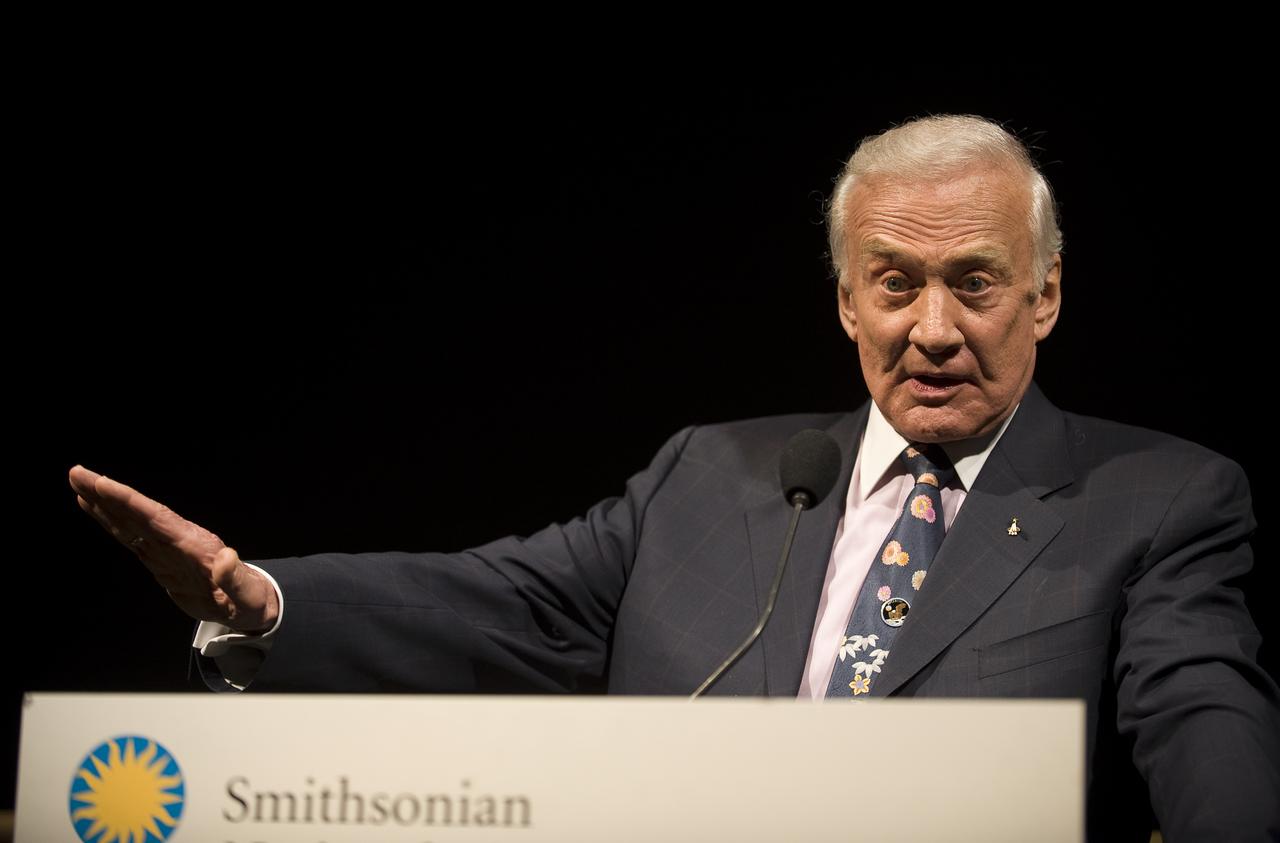
On the eve of the fortieth anniversary of Apollo 11's first human landing on the Moon, Apollo 11 crew member, Buzz Aldrin speaks during a lecture in honor of Apollo 11 at the National Air and Space Museum in Washington, Sunday, July 19, 2009. Guest speakers included Former NASA Astronaut and U.S. Senator John Glenn, NASA Mission Control creator and former NASA Johnson Space Center director Chris Kraft and the crew of Apollo 11. Photo Credit: (NASA/Bill Ingalls)
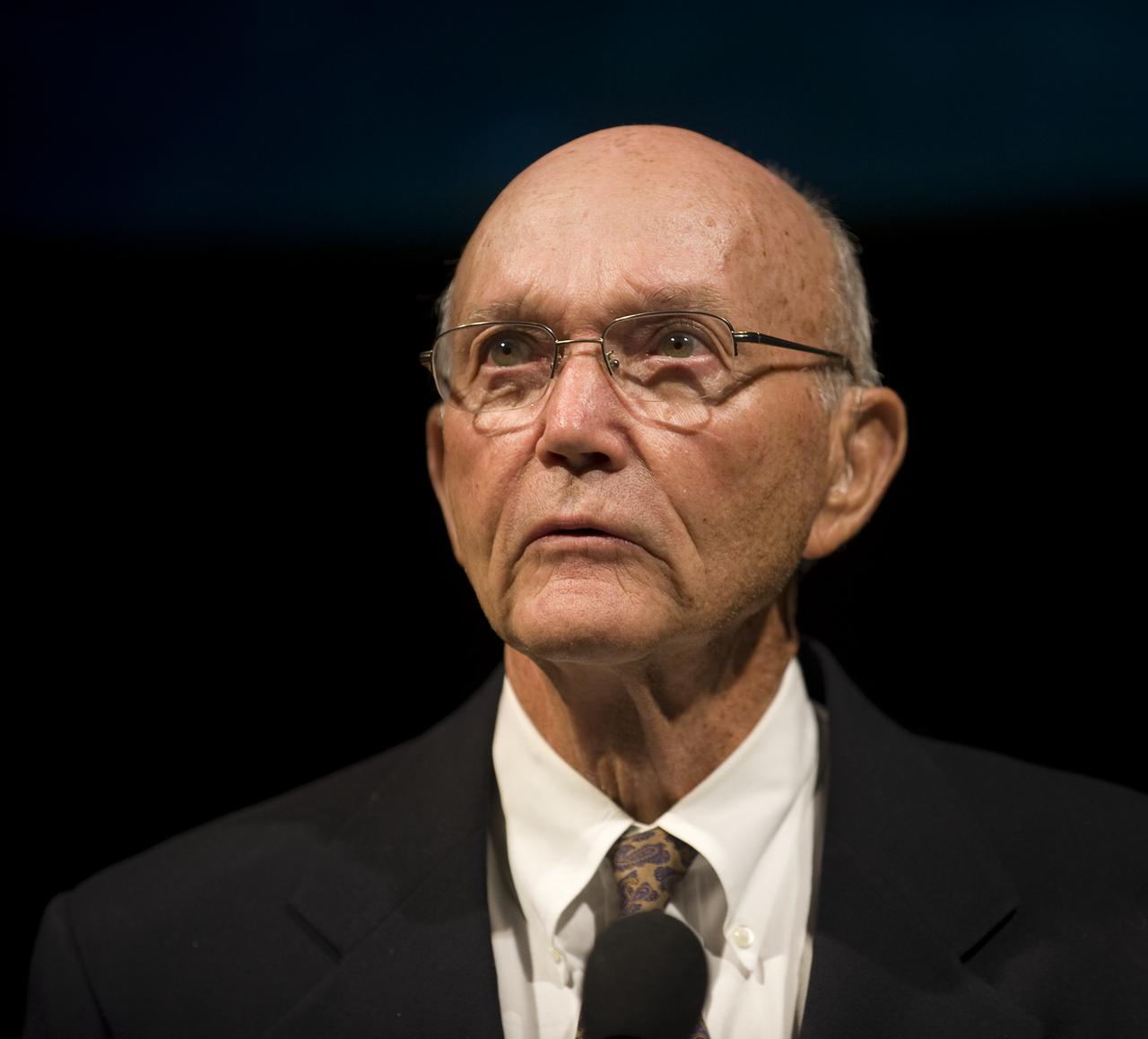
On the eve of the fortieth anniversary of Apollo 11's first human landing on the Moon, Apollo 11 crew member, Michael Collins speaks during a lecture in honor of Apollo 11 at the National Air and Space Museum in Washington, Sunday, July 19, 2009. Guest speakers included Former NASA Astronaut and U.S. Senator John Glenn, NASA Mission Control creator and former NASA Johnson Space Center director Chris Kraft and the crew of Apollo 11. Photo Credit: (NASA/Bill Ingalls)
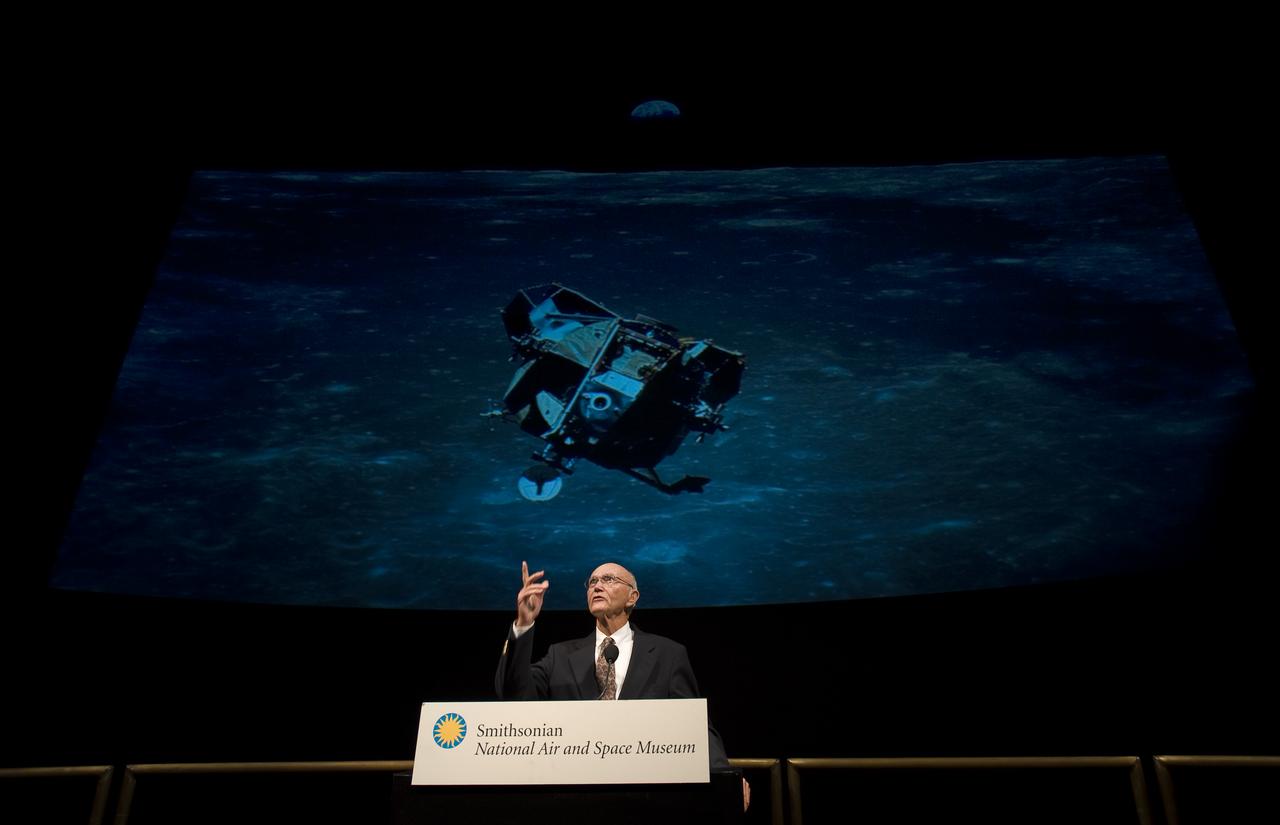
On the eve of the fortieth anniversary of Apollo 11's first human landing on the Moon, Apollo 11 crew member, Michael Collins speaks during a lecture in honor of Apollo 11 at the National Air and Space Museum in Washington, Sunday, July 19, 2009. Guest speakers included Former NASA Astronaut and U.S. Senator John Glenn, NASA Mission Control creator and former NASA Johnson Space Center director Chris Kraft and the crew of Apollo 11. Photo Credit: (NASA/Bill Ingalls)
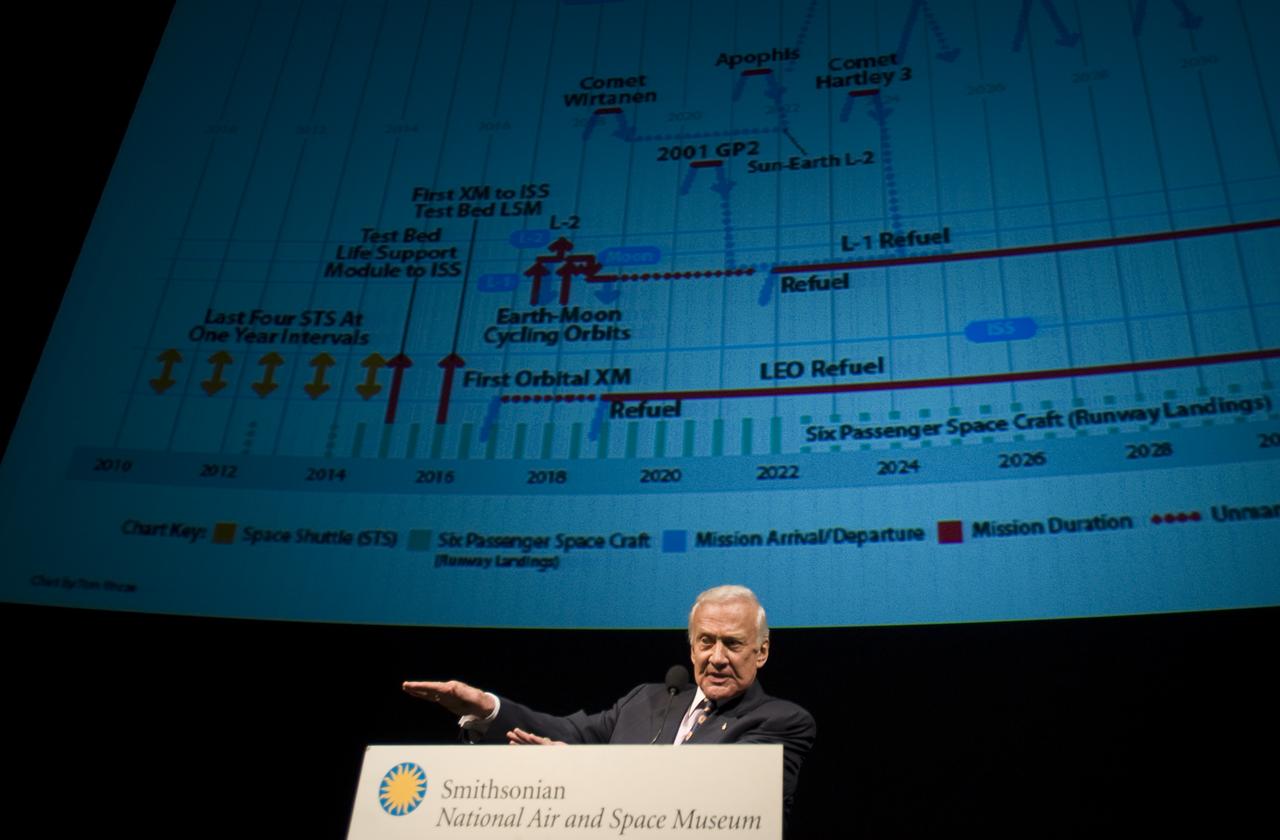
On the eve of the fortieth anniversary of Apollo 11's first human landing on the Moon, Apollo 11 crew member, Buzz Aldrin speaks during a lecture in honor of Apollo 11 at the National Air and Space Museum in Washington, Sunday, July 19, 2009. Guest speakers included Former NASA Astronaut and U.S. Senator John Glenn, NASA Mission Control creator and former NASA Johnson Space Center director Chris Kraft and the crew of Apollo 11. Photo Credit: (NASA/Bill Ingalls)
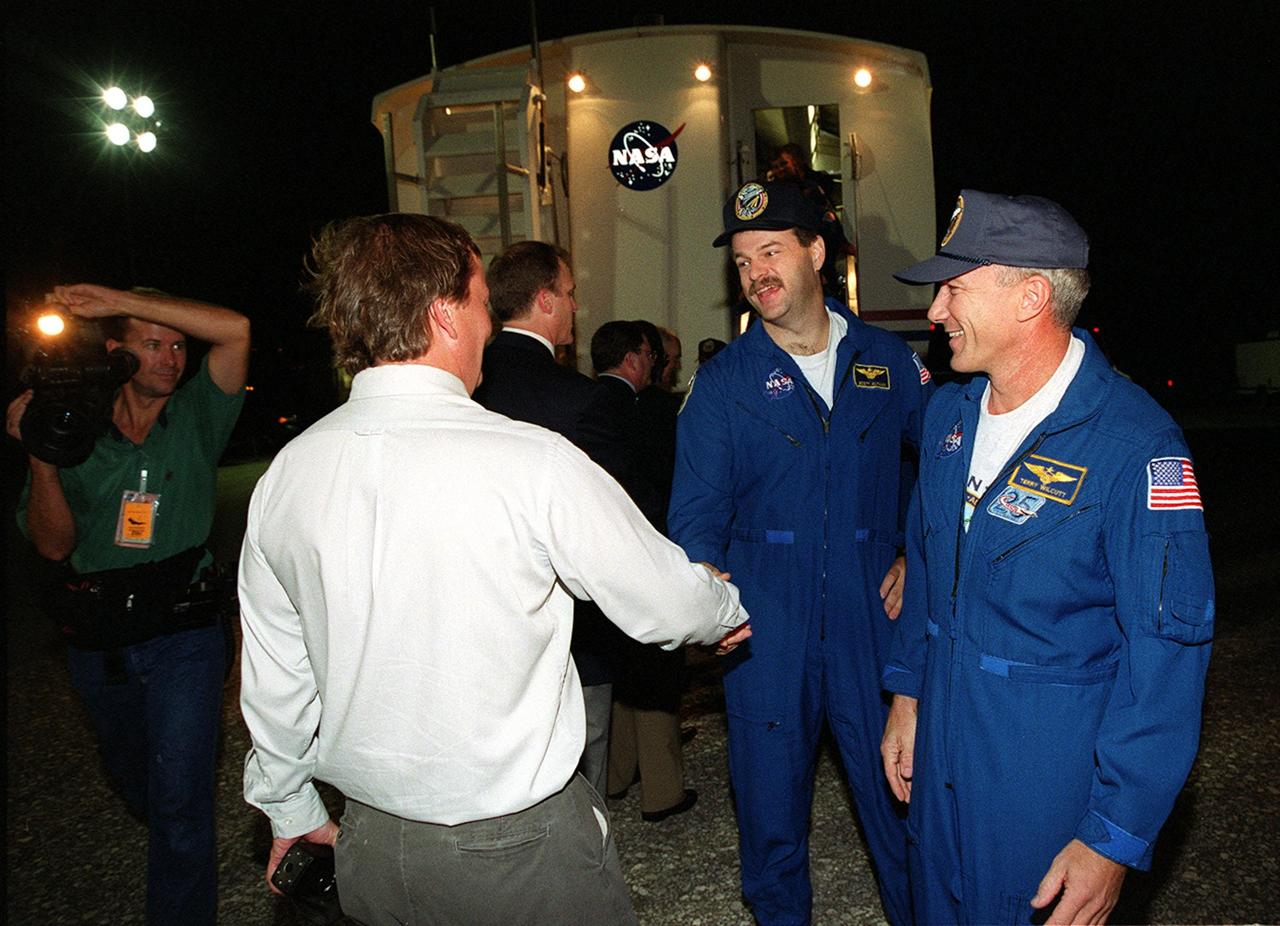
KENNEDY SPACE CENTER, FLA. -- At the Shuttle Landing Facility, KSC Launch Director Michael Leinbach (shaking hands) greets STS-106 Pilot Scott D. Altman and Commander Terrence W. Wilcutt after their successful mission and landing. Just behind Leinbach is Jim Halsell, manager of Space Shuttle Launch Integration and former Shuttle Commander, plus other dignitaries on hand to welcome the crew home. Landing occurred on-time at 3:56:48 a.m. EDT. Atlantis and crew traveled 4.9 million miles on the 11-day, 19-hour, 11-minute STS-106 mission. During the mission to the International Space Station, the crew transferred nearly 5,000 pounds of equipment and supplies for use by the first resident crew expected to arrive in November. STs-106 was the 99th flight in the Shuttle program and the 22nd for Atlantis. STS-106 also marked the 15th nighttime landing in Shuttle history and the 23rd consecutive landing at KSC
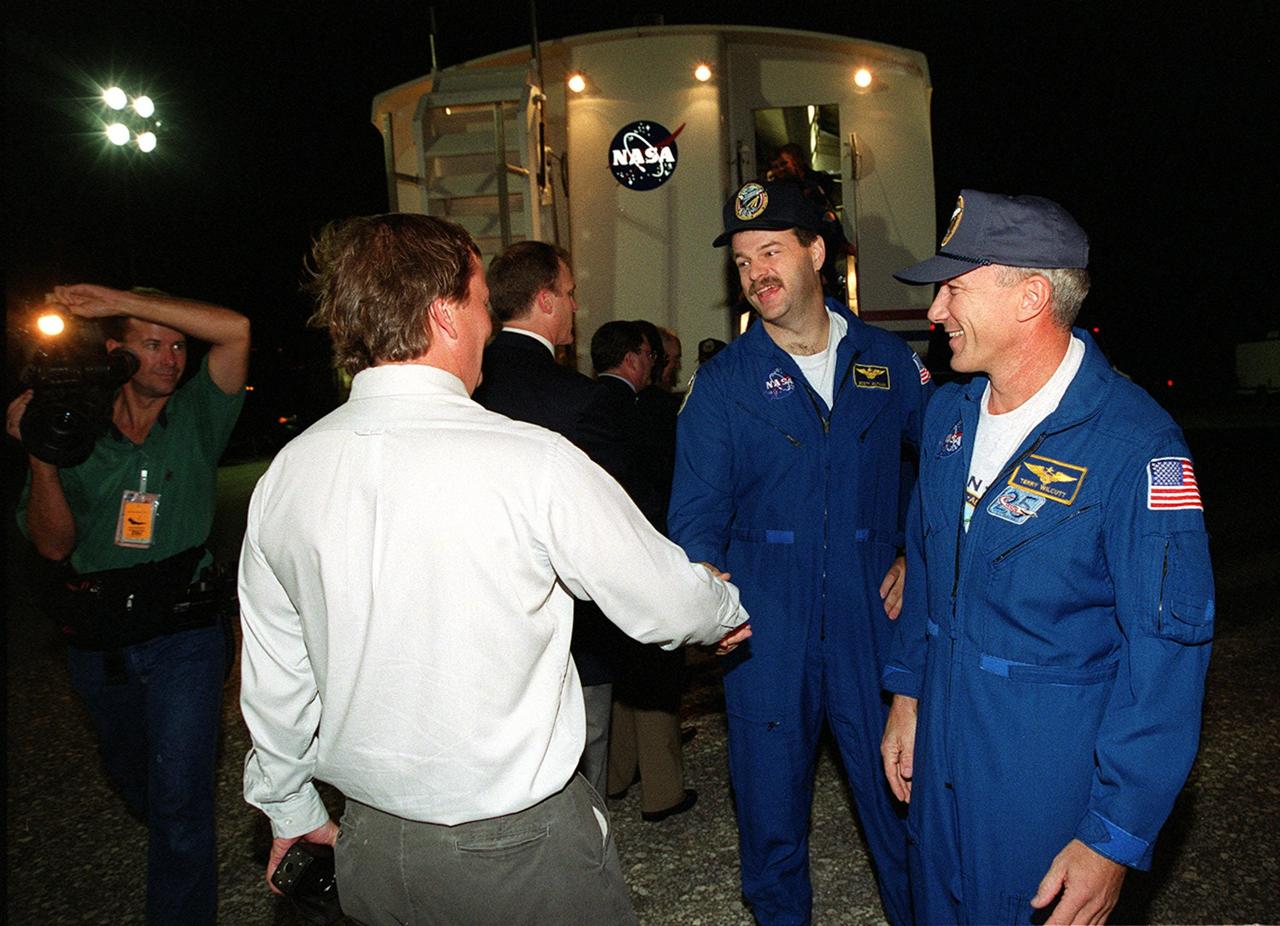
KENNEDY SPACE CENTER, FLA. -- At the Shuttle Landing Facility, KSC Launch Director Michael Leinbach (shaking hands) greets STS-106 Pilot Scott D. Altman and Commander Terrence W. Wilcutt after their successful mission and landing. Just behind Leinbach is Jim Halsell, manager of Space Shuttle Launch Integration and former Shuttle Commander, plus other dignitaries on hand to welcome the crew home. Landing occurred on-time at 3:56:48 a.m. EDT. Atlantis and crew traveled 4.9 million miles on the 11-day, 19-hour, 11-minute STS-106 mission. During the mission to the International Space Station, the crew transferred nearly 5,000 pounds of equipment and supplies for use by the first resident crew expected to arrive in November. STs-106 was the 99th flight in the Shuttle program and the 22nd for Atlantis. STS-106 also marked the 15th nighttime landing in Shuttle history and the 23rd consecutive landing at KSC
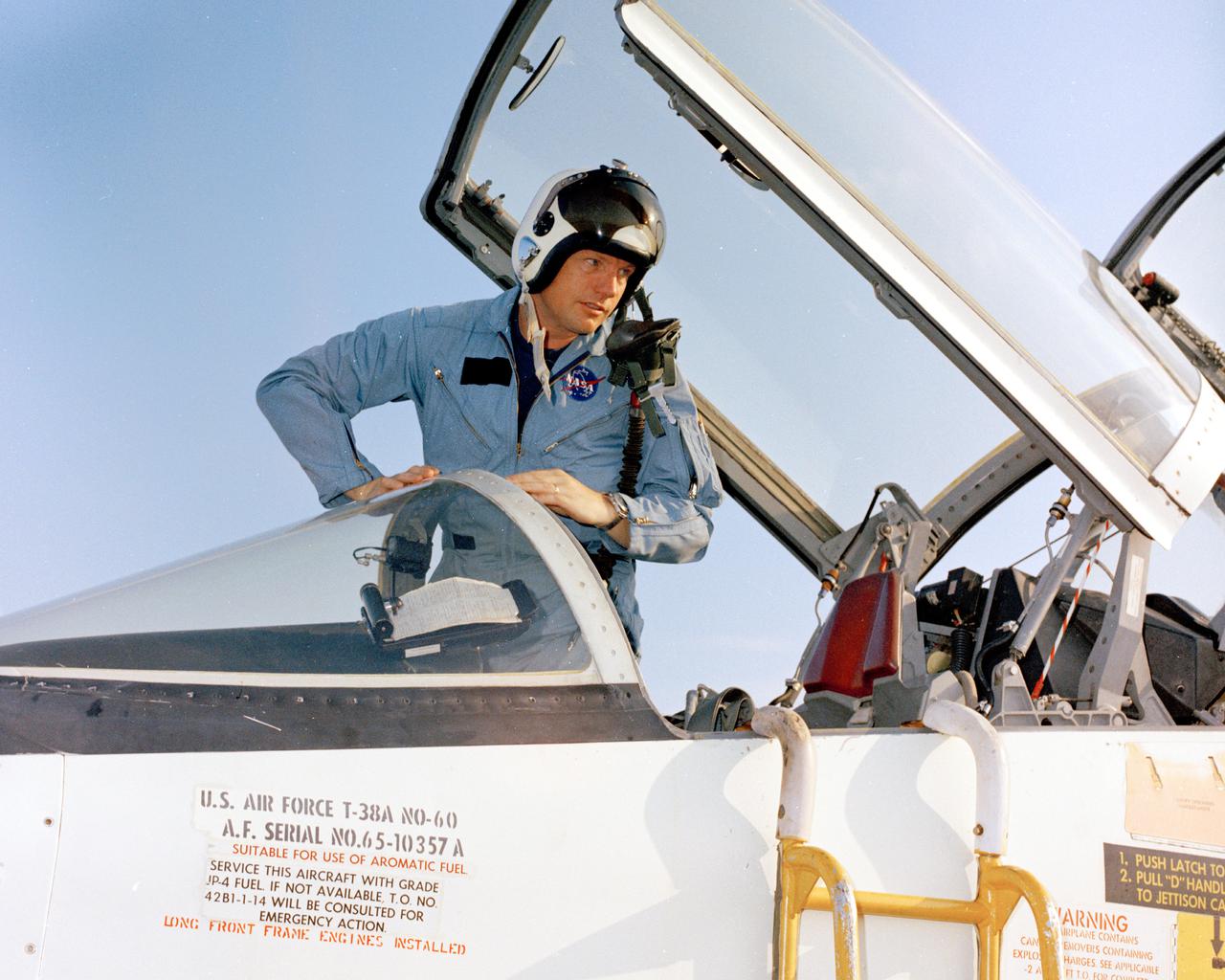
PATRICK AFB, Fla. – In preparation of the nation’s first lunar landing mission, Apollo 11 crew members arrive at Patrick Air Force Base, Florida. Mission commander Neil Armstrong climbs out of a T-38 jet. Lift off atop a Saturn V launch vehicle is scheduled for July 16, 1969. During Apollo 11 the command module, Columbia, will remain in orbit around the moon while the lunar module, Eagle, carrying Armstrong and Aldrin, lands on the lunar surface. During 2½ hours of surface exploration, the crew plans to collect lunar surface material for analysis back on Earth. For more: http:__www-pao.ksc.nasa.gov_history_apollo_apollo-11_apollo-11.htm Photo credit: NASA
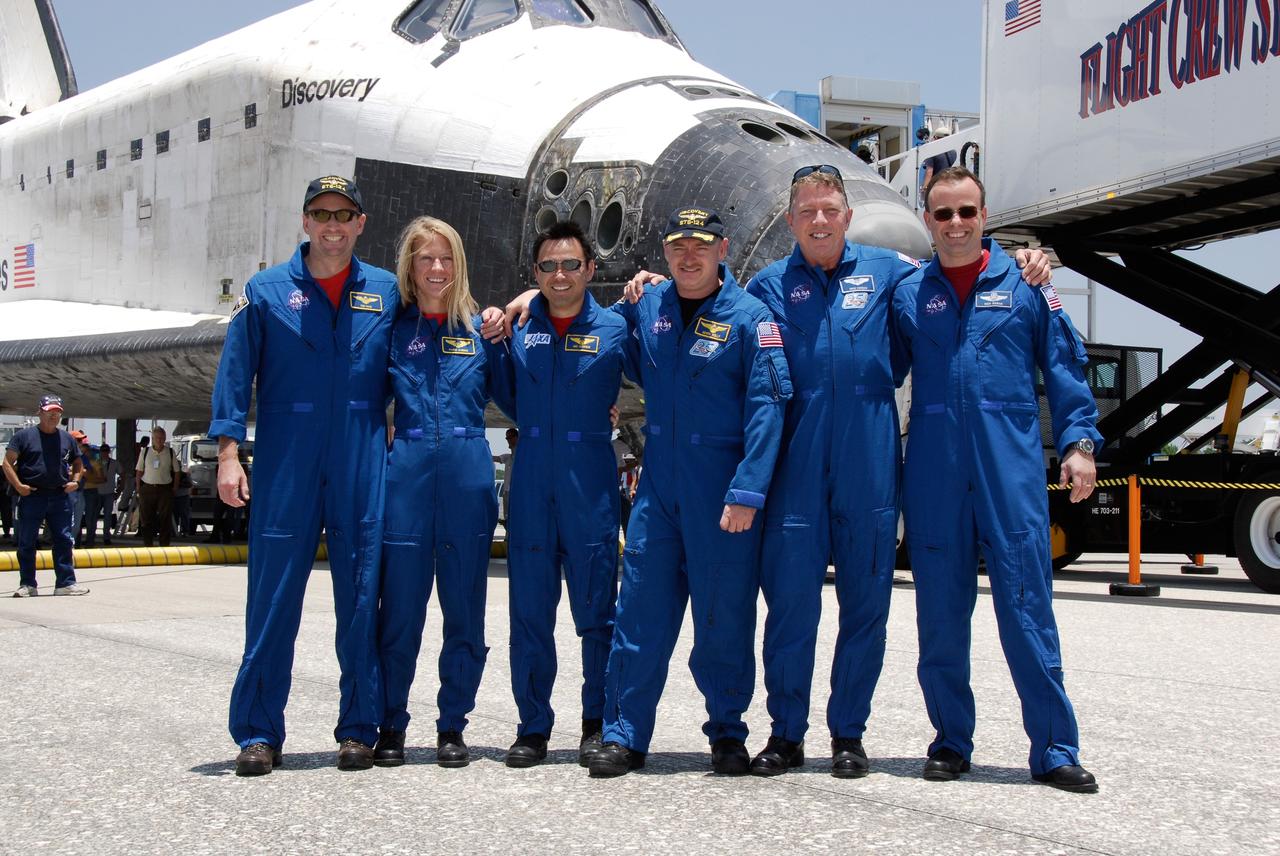
CAPE CANAVERAL, Fla. – The STS-124 mission crew pose for a final group photo before heading to crew quarters after their successful landing aboard space shuttle Discovery on Runway 15 at NASA's Kennedy Space Center. The landing ended a 14-day mission to the International Space Station. From left are Pilot Ken Ham, Mission Specialists Karen Nyberg and Akihiko Hoshide, Commander Mark Kelly, and Mission Specialists Mike Fossum and Ron Garan. Discovery's main landing gear touched down at 11:15:19 a.m. EDT. The nose landing gear touched down at 11:15:30 a.m. and wheel stop was at 11:16:19 a.m. The mission completed 5.7 million miles. The STS-124 mission delivered the Japan Aerospace Exploration Agency's large Japanese Pressurized Module and its remote manipulator system to the space station. Photo credit: NASA/Kim Shiflett
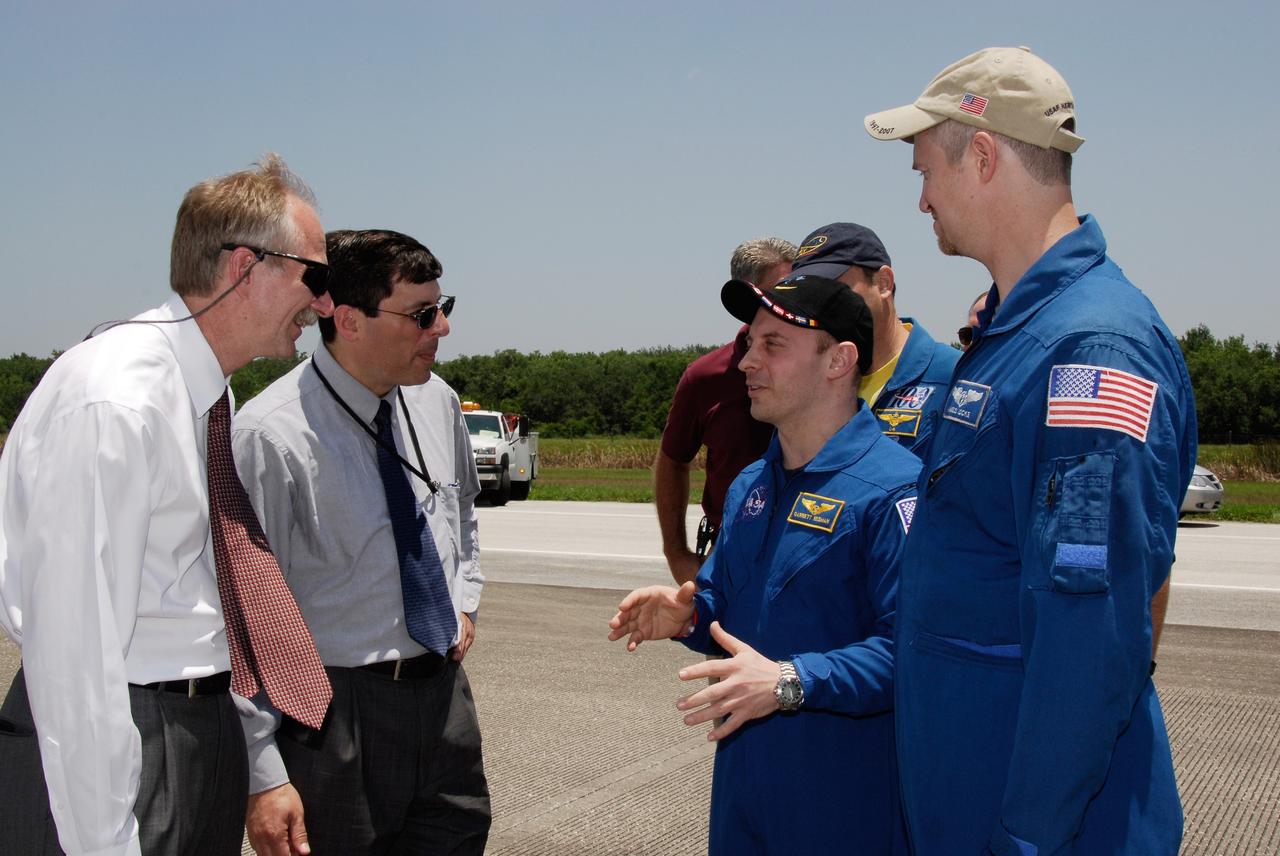
CAPE CANAVERAL, Fla. – After landing with the STS-124 mission crew, astronaut Garrett Reisman talks to NASA Associate Administrator for Space Operations Bill Gerstenmaier and NASA Associate Administrator Chris Scolese. Reisman spent 95 days on the International Space Station as part of the Expedition 17 crew. The STS-124 mission ended with space shuttle Discovery's landing on Runway 15 at NASA's Kennedy Space Center, ending a 14-day mission to the International Space Station. Discovery's main landing gear touched down at 11:15:19 a.m. EDT on Runway 15. The nose landing gear touched down at 11:15:30 a.m. and wheel stop was at 11:16:19 a.m. The mission completed 5.7 million miles. The STS-124 mission delivered the Japan Aerospace Exploration Agency's large Japanese Pressurized Module and its remote manipulator system to the space station. Photo credit: NASA/Kim Shiflett
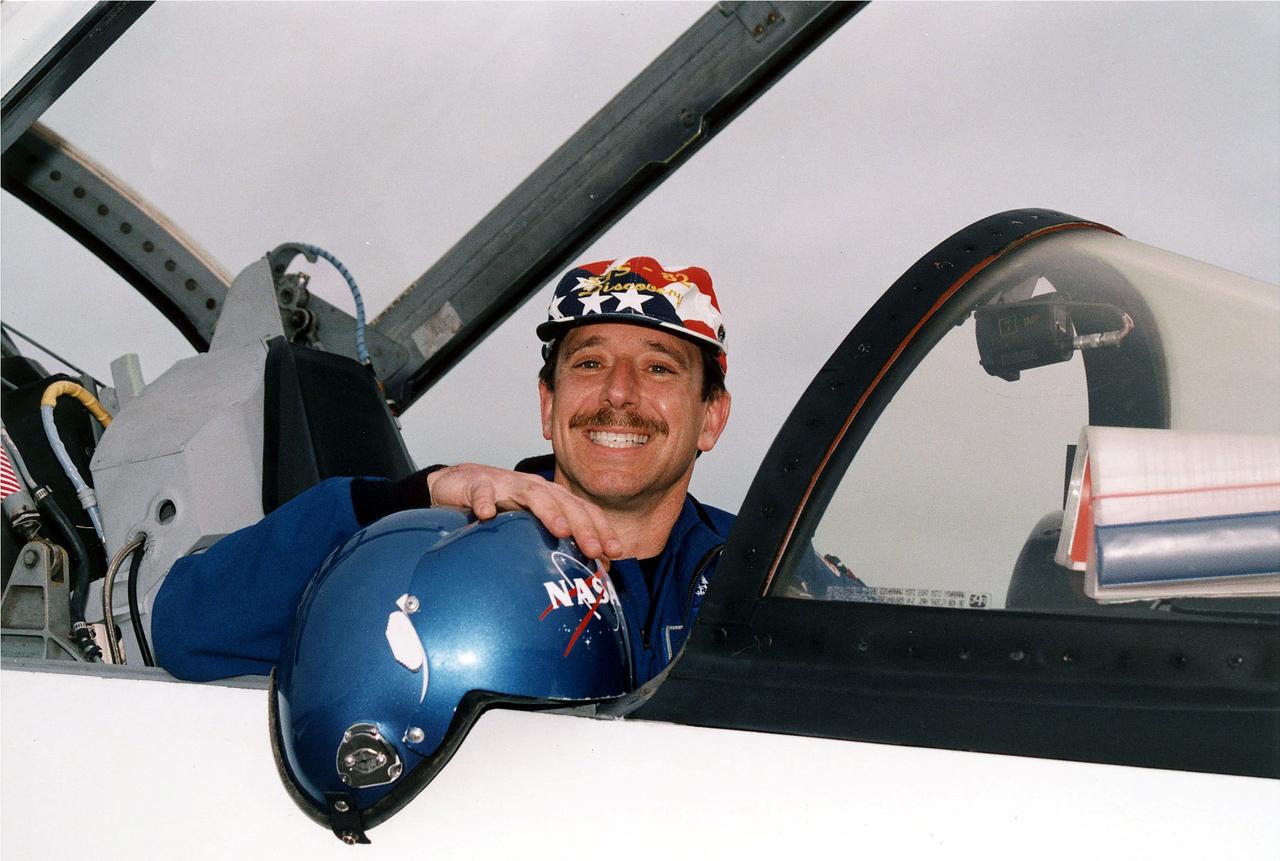
KENNEDY SPACE CENTER, FLA. - STS-82 Pilot Scott J. "Doc" Horowitz flashes a wide grin for photographers after landing his T-38 jet at KSC's Shuttle Landing Facility. Horowitz and the other six members of the STS-82 crew came from their home base at Johnson Space Center in Houston, Texas, to spend the last few days before launch at KSC. STS-82 is scheduled for liftoff on Feb. 11 during a 65-minute launch window that opens at 3:56 a.m. EST. The 10-day flight aboard the Space Shuttle Discovery will be the second Hubble Space Telescope (HST) servicing mission.
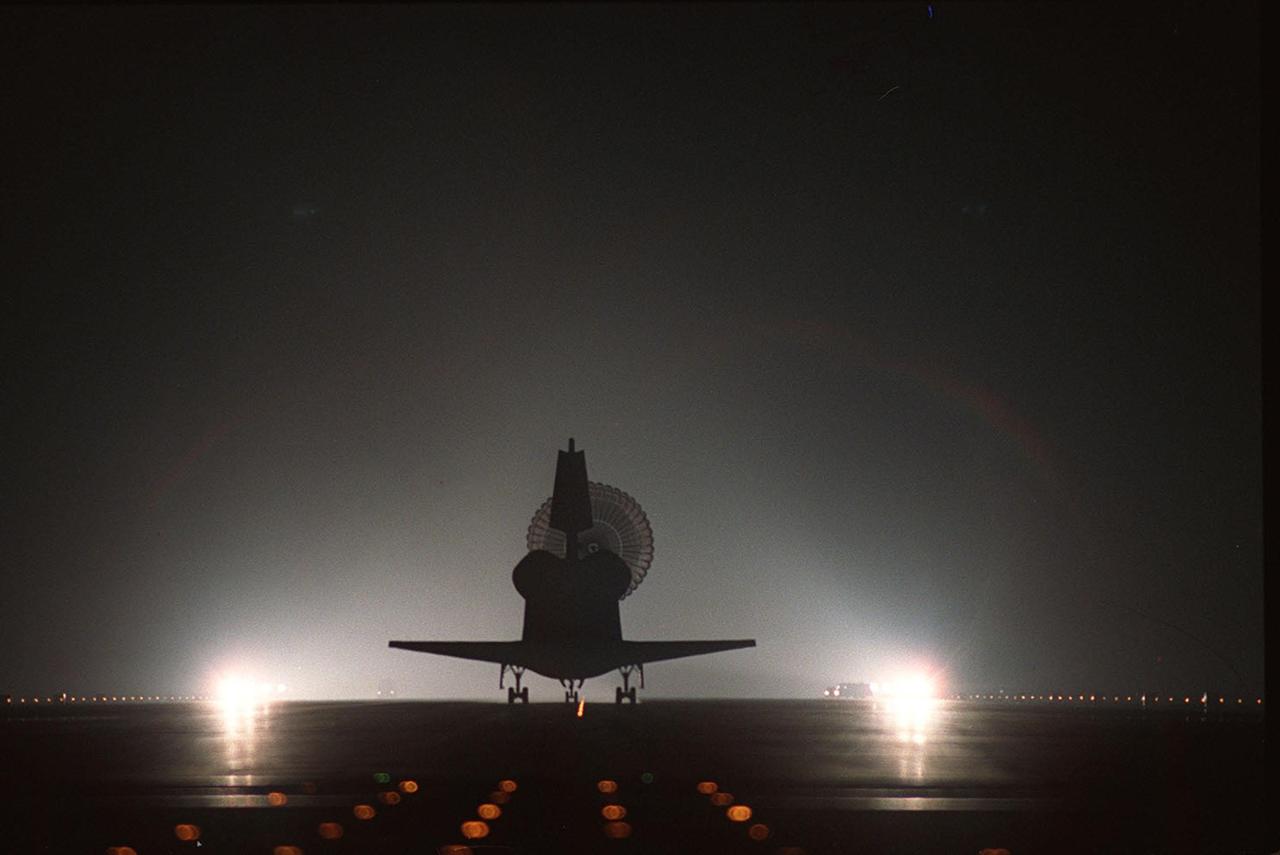
KENNEDY SPACE CENTER, FLA. -- Atlantis is silhouetted by the brilliant runway lights as it lands on Runway 15 of the KSC Shuttle Landing Facility. Main gear touchdown was at 3:56:48 a.m. EDT, landing on orbit 185 of the mission. Nose gear touchdown was at 3:56:57 a.m. EDT and wheel stop at 3:58:01 a.m. EDT.; Atlantis and crew traveled 4.9 million miles on the 11-day, 19-hour, 11-minute mission STS-106. During the mission to the International Space Station, the crew transferred nearly 5,000 pounds of equipment and supplies for use by the first resident crew expected to arrive in November. STS-106 was the 99th flight in the Shuttle program and the 22nd for Atlantis. STS-106 also marked the 15th nighttime landing in Shuttle history and the 23rd consecutive landing at KSC
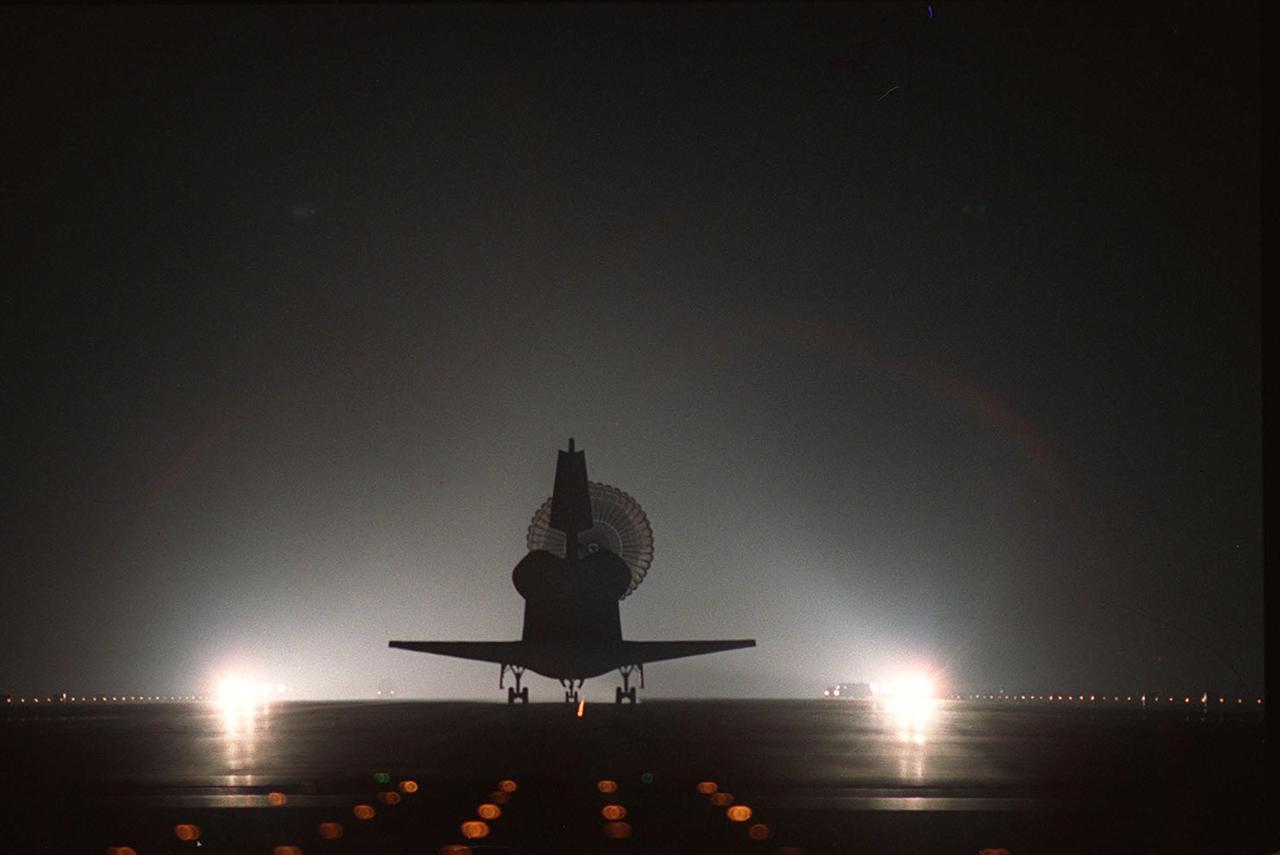
KENNEDY SPACE CENTER, FLA. -- Atlantis is silhouetted by the brilliant runway lights as it lands on Runway 15 of the KSC Shuttle Landing Facility. Main gear touchdown was at 3:56:48 a.m. EDT, landing on orbit 185 of the mission. Nose gear touchdown was at 3:56:57 a.m. EDT and wheel stop at 3:58:01 a.m. EDT.; Atlantis and crew traveled 4.9 million miles on the 11-day, 19-hour, 11-minute mission STS-106. During the mission to the International Space Station, the crew transferred nearly 5,000 pounds of equipment and supplies for use by the first resident crew expected to arrive in November. STS-106 was the 99th flight in the Shuttle program and the 22nd for Atlantis. STS-106 also marked the 15th nighttime landing in Shuttle history and the 23rd consecutive landing at KSC
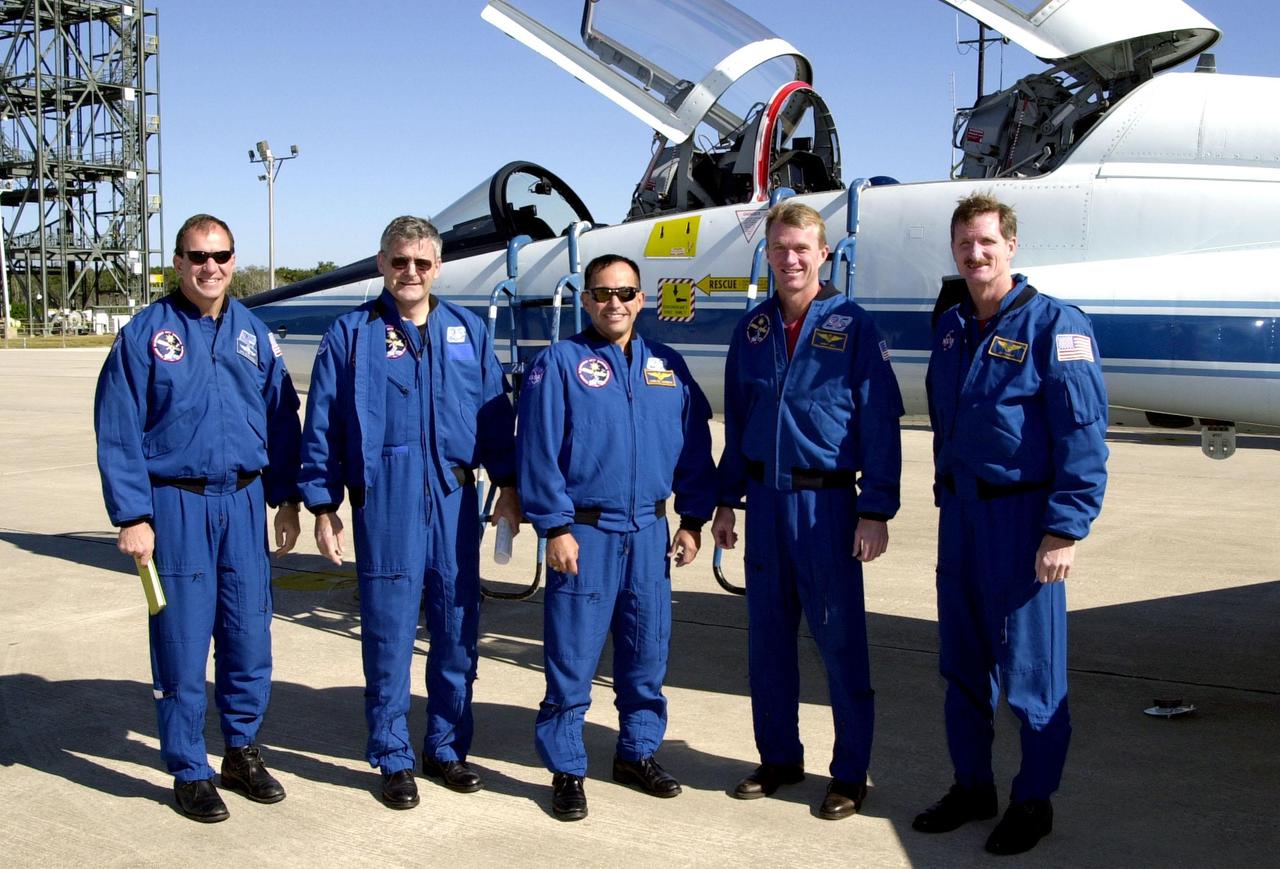
The STS-97 crew poses for a photo after landing at KSC’s Shuttle Landing Facility. Standing, left to right, are Pilot Mike Bloomfield, Mission Specialists Marc Garneau and Carlos Noriega, Commander Brent Jett and Mission Specialist Joe Tanner. They are at KSC for a mini-CEIT (Crew Equipment Interface Test). STS-97 is scheduled to launch Nov. 30 at 10:06 p.m. EST from Launch Pad 39B. The sixth flight to the International Space Station, the mission is expected to last 11 days, with a planned KSC landing at about 5:58 p.m. Dec. 11
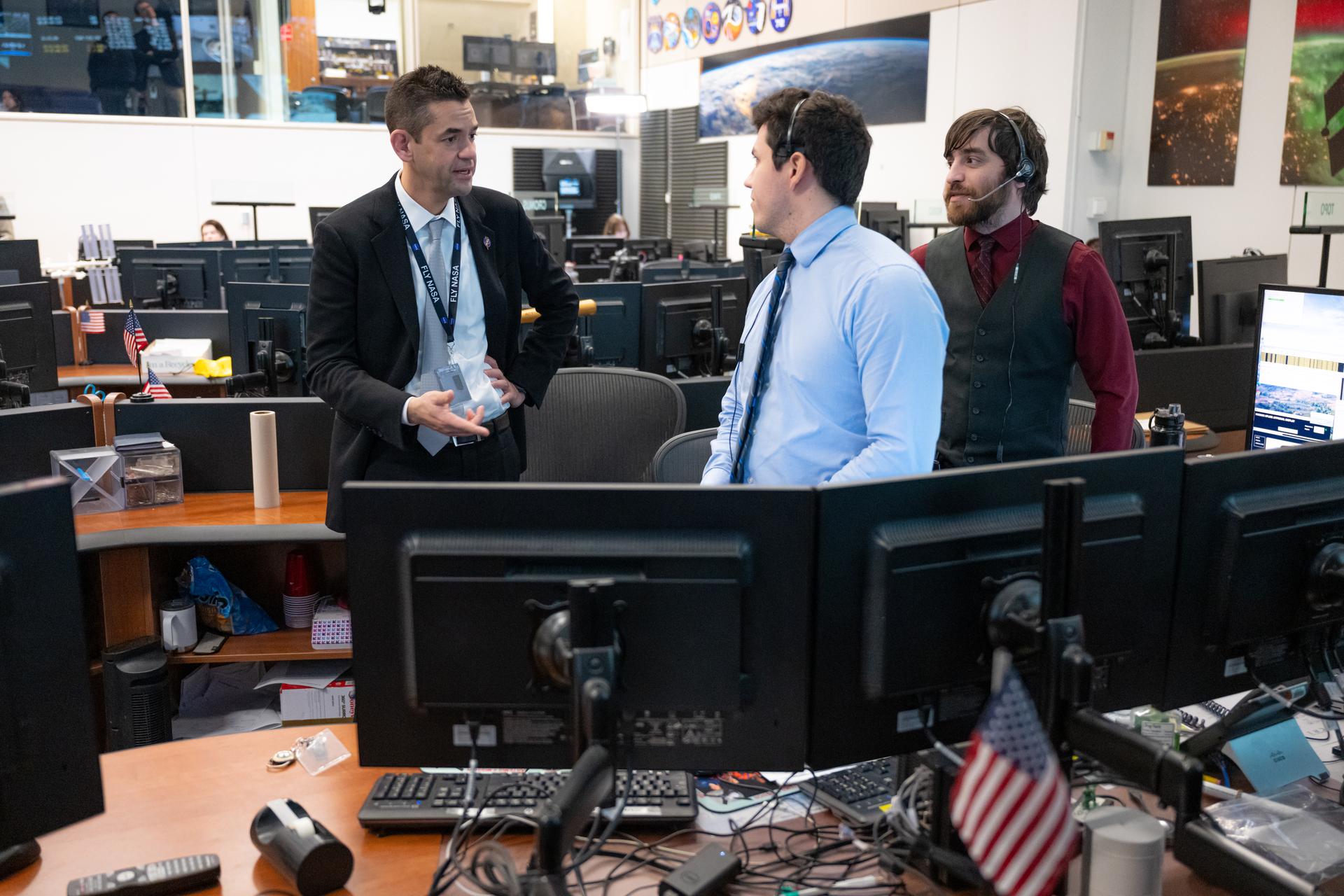
NASA Administrator Jared Isaacman, left, speaks with ground controllers Anthony Ayes, center, and Josh Kantara, right, Thursday, Jan. 15, 2026, inside the Christopher C. Kraft Jr. Mission Control Center at NASA’s Johnson Space Center in Houston, Texas, following splashdown of the agency’s Crew-11 mission at 3:41 a.m. ET. Photo Credit: (NASA/John Kraus)
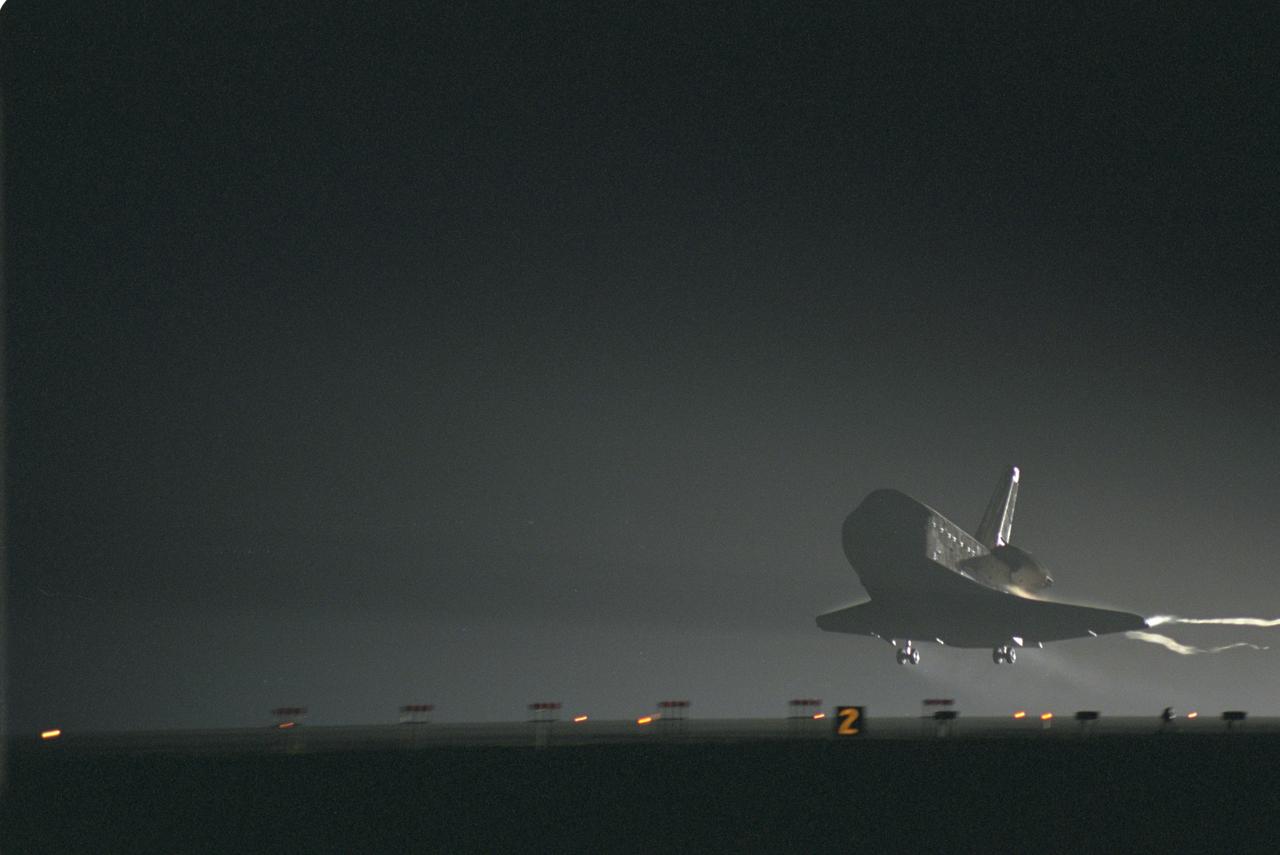
STS106-S-014 (20 September 2000) --- The Space Shuttle Atlantis nears its touchdown point on Runway 33 of the KSC Shuttle Landing Facility. Main gear touchdown was at 3:56:48 a.m. (EDT), September 20, 2000, landing on orbit 185 of the mission. Nose gear touchdown was at 3:56:57 a.m. EDT and wheel stop at 3:58:01 a.m. (EDT). Atlantis and crew traveled 4.9 million miles on the 11-day, 19-hour, 11-minute mission STS-106. During the mission to the International Space Station, the crew transferred nearly 5,000 pounds of equipment and supplies for use by the first resident crew expected to arrive in November. STS-106 was the 99th flight in the Shuttle program and the 22nd for Atlantis. STS-106 also marked the 15th nighttime landing in Shuttle history and the 23rd consecutive landing at KSC.
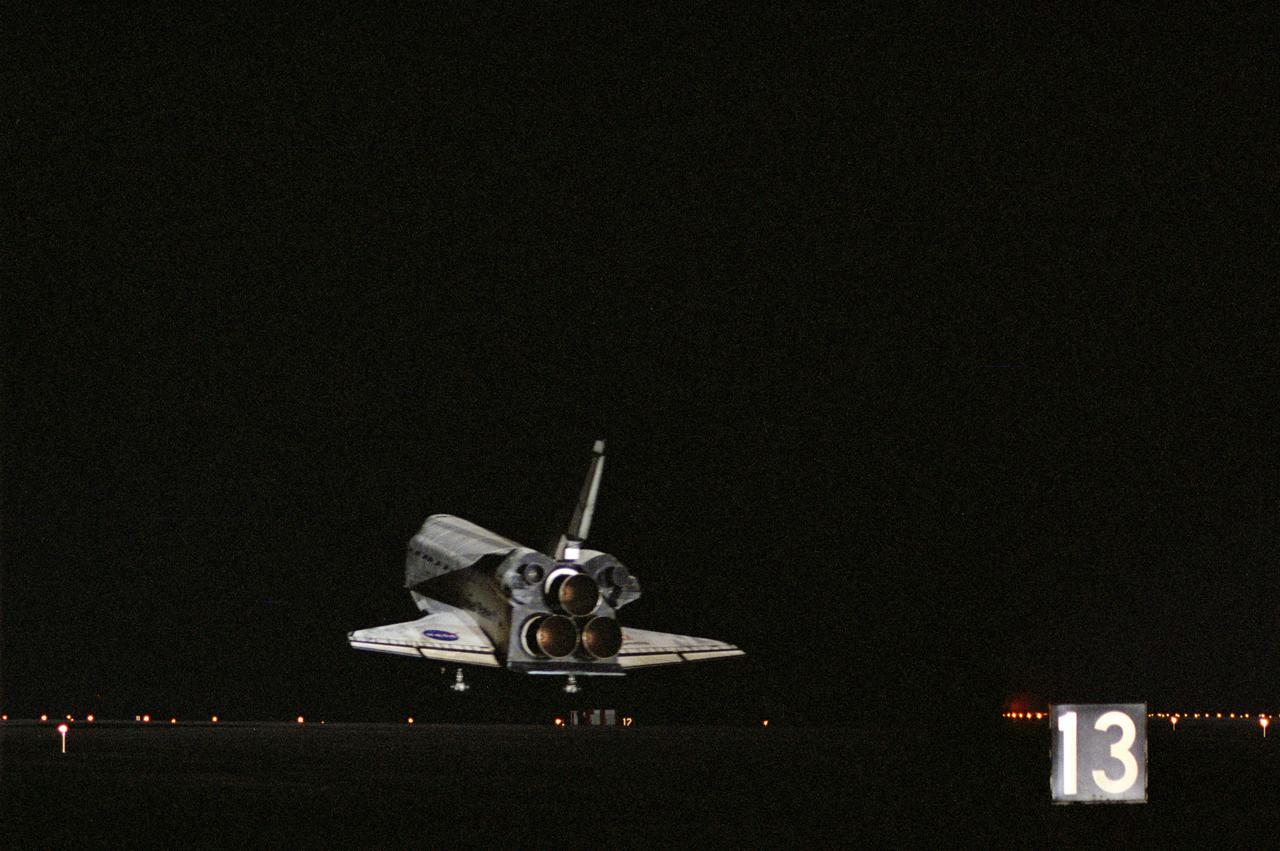
STS106-S-016 (20 September 2000) --- An aft view shows the Space Shuttle Atlantis nears its touchdown point on Runway 33 of the KSC Shuttle Landing Facility. Main gear touchdown was at 3:56:48 a.m. (EDT), September 20, 2000, landing on orbit 185 of the mission. Nose gear touchdown was at 3:56:57 a.m. EDT and wheel stop at 3:58:01 a.m. (EDT). Atlantis and crew traveled 4.9 million miles on the 11-day, 19-hour, 11-minute mission STS-106. During the mission to the International Space Station, the crew transferred nearly 5,000 pounds of equipment and supplies for use by the first resident crew expected to arrive in November. STS-106 was the 99th flight in the Shuttle program and the 22nd for Atlantis. STS-106 also marked the 15th nighttime landing in Shuttle history and the 23rd consecutive landing at KSC.
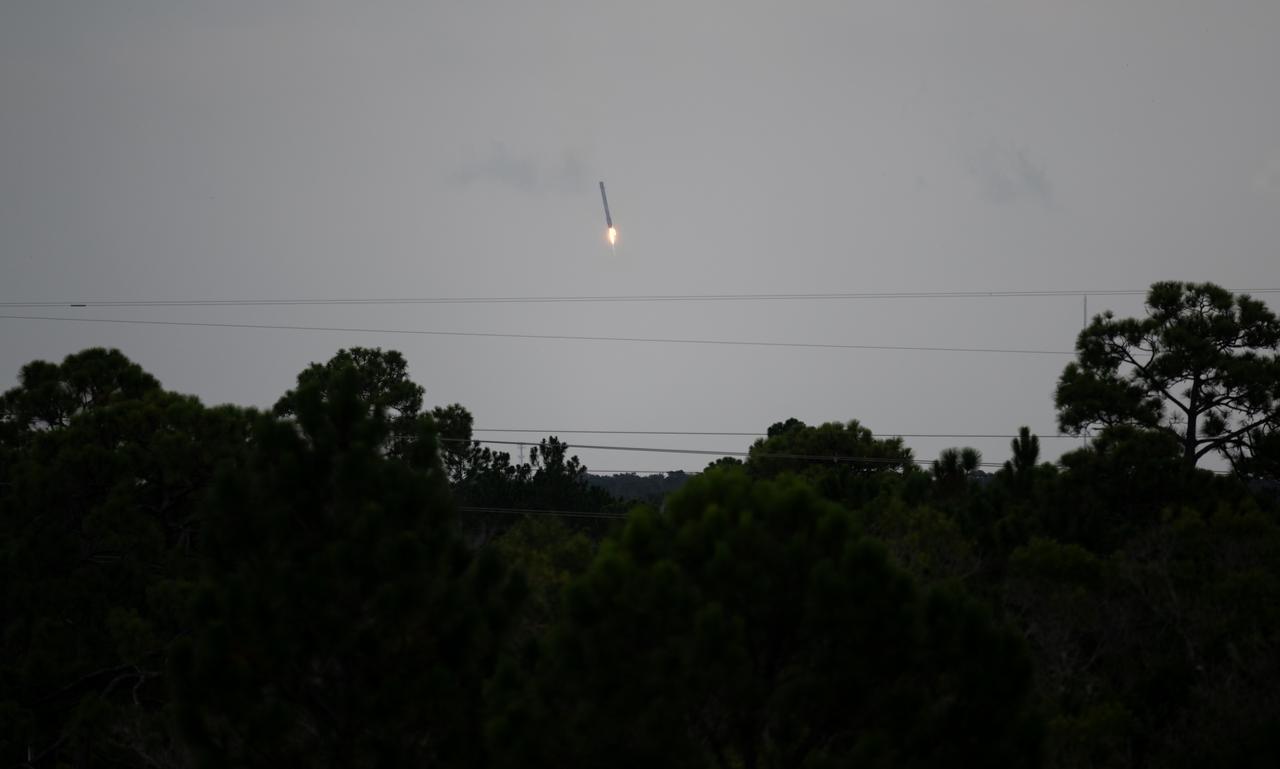
The first stage of a SpaceX Falcon 9 lands at Landing Zone 1 after launching the company’s Dragon spacecraft on NASA’s SpaceX Crew-11 mission to the International Space Station with NASA astronauts Zena Cardman, Mike Fincke, JAXA (Japan Aerospace Exploration Agency) astronaut Kimiya Yui, and Roscosmos cosmonaut Oleg Platonov onboard, Friday, Aug. 1, 2025, from NASA's Kennedy Space Center in Florida. NASA’s SpaceX Crew-11 mission is the eleventh crew rotation mission of the SpaceX Dragon spacecraft and Falcon 9 rocket to the International Space Station as part of the agency’s Commercial Crew Program. Cardman, Fincke, Yui, Platonov launched at 11:43 a.m. EDT from Launch Complex 39A at the NASA's Kennedy Space Center to begin a six month mission aboard the orbital outpost. Photo Credit: (NASA/Joel Kowsky)
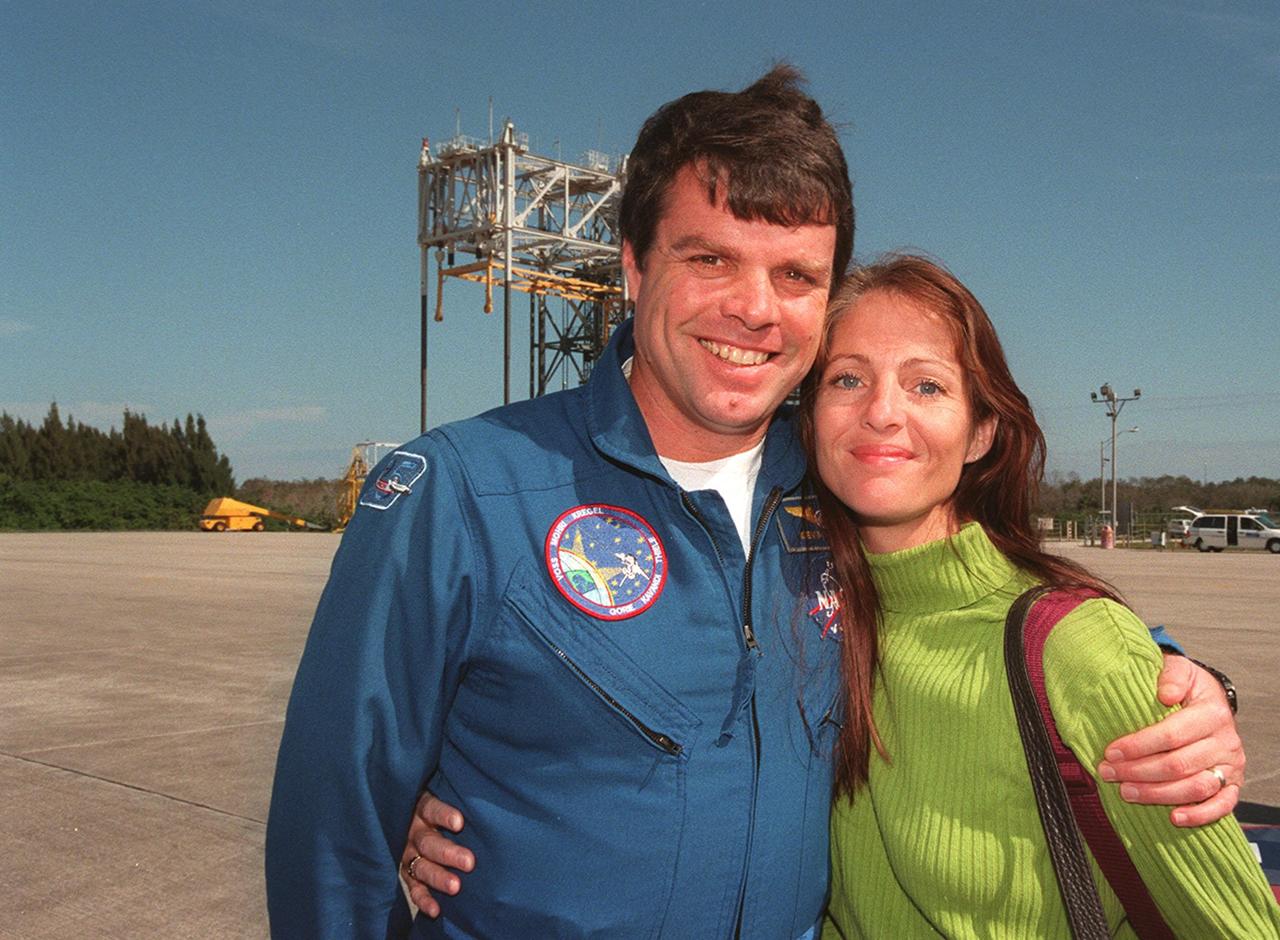
At the Shuttle Landing Facility, STS-99 Commander Kevin Kregel is joined by his wife, Jeanne, before their departure for Houston. The STS-99 crew completed a successful 11-day Shuttle Radar Topography Mission mapping 47 million square miles of the Earth's surface before landing at KSC Feb. 22
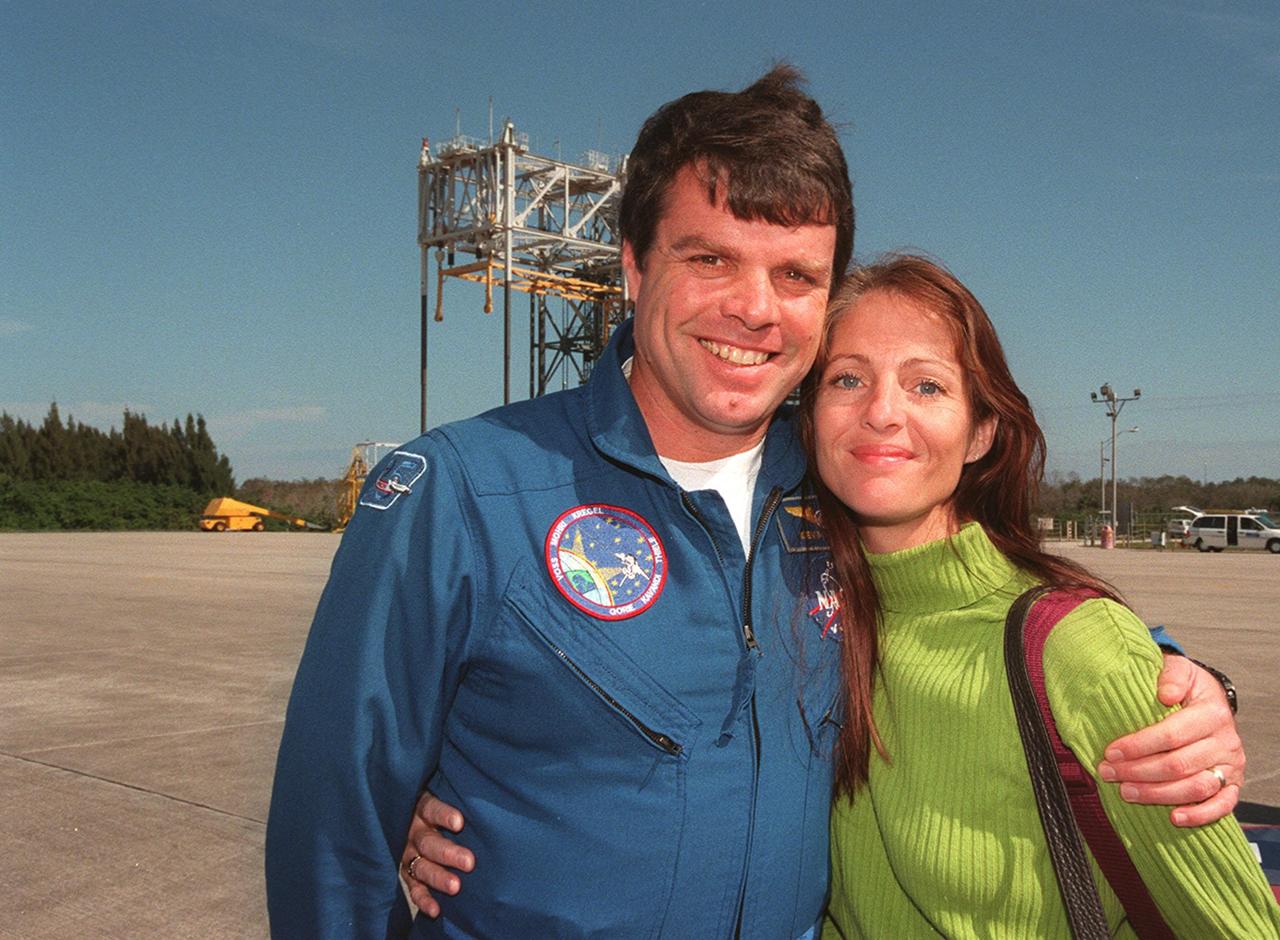
At the Shuttle Landing Facility, STS-99 Commander Kevin Kregel is joined by his wife, Jeanne, before their departure for Houston. The STS-99 crew completed a successful 11-day Shuttle Radar Topography Mission mapping 47 million square miles of the Earth's surface before landing at KSC Feb. 22
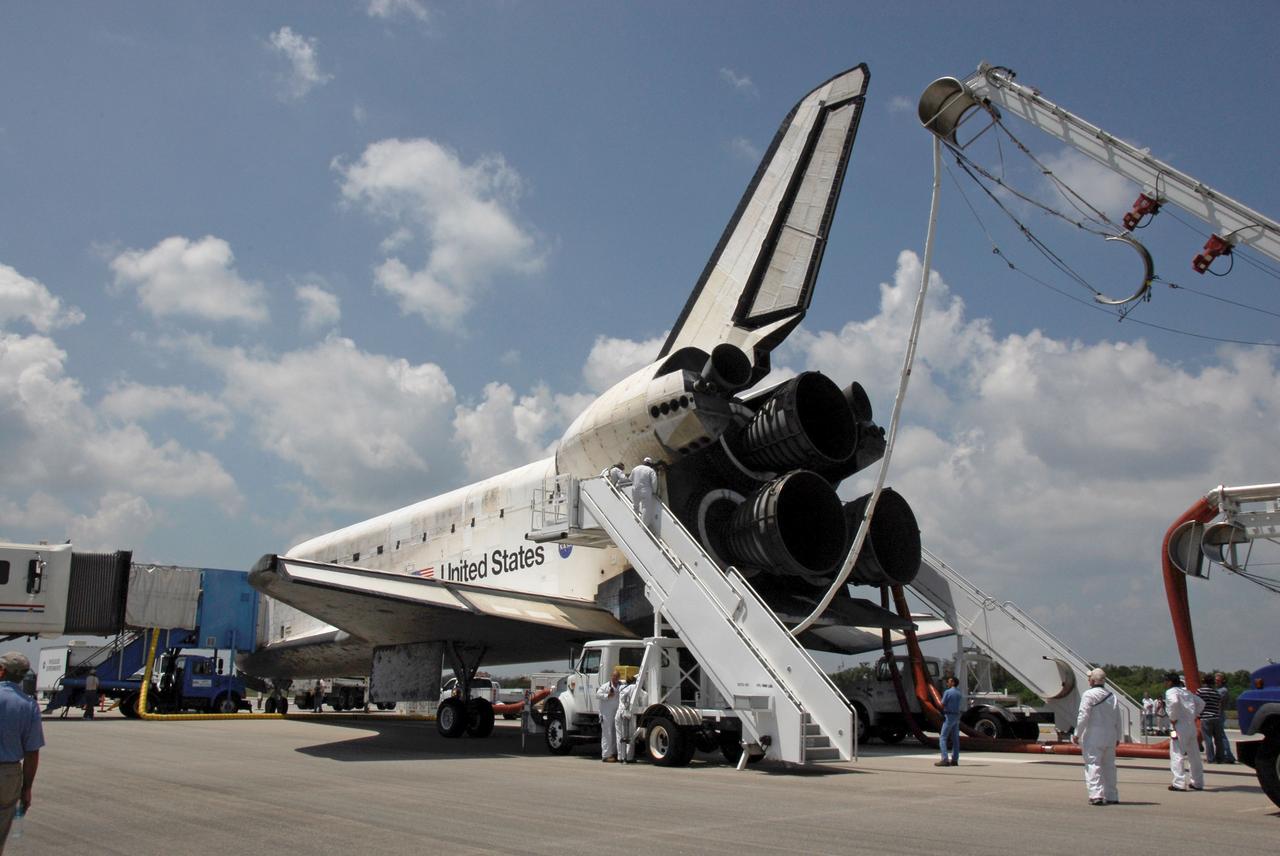
STS124-S-071 (14 June 2008) --- After landing on runway 15 at NASA's Kennedy Space Center, space shuttle Discovery is purged -- providing cool and humidified air conditioning to the payload bay and other cavities to remove any residual explosive or toxic fumes -- while still on the runway. Cooling transfer to ground services occurs at about the same time, allowing onboard cooling to be shut down. When it is determined that the area in and around the orbiter is safe, the crew prepares for departure from the orbiter. The main landing gear touched down at 11:15:19 a.m. (EDT) on June 14, 2008. The nose landing gear touched down at 11:15:30 a.m. and wheel stop was at 11:16:19 a.m. During the mission, Discovery's crew installed the Japan Aerospace Exploration Agency's large Kibo laboratory and its remote manipulator system leaving a larger space station and one with increased science capabilities.
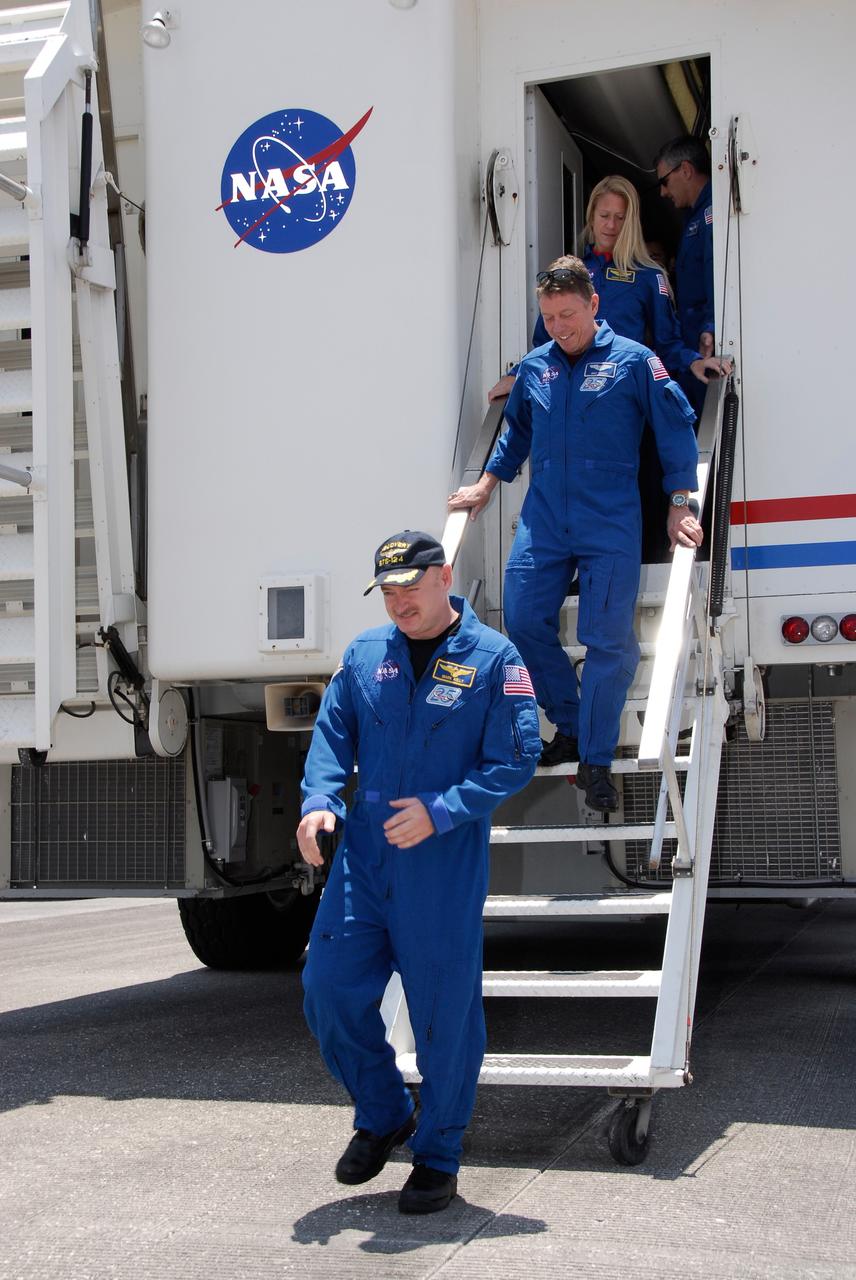
CAPE CANAVERAL, Fla. – After their successful STS-124 mission and landing at NASA's Kennedy Space Center, crew members exit the crew transport vehicle. Leading the way is Commander Mark Kelly, followed by Mission Specialists Mike Fossum and Karen Nyberg. Space shuttle Discovery's main landing gear touched down at 11:15:19 a.m. EDT on Runway 15. The nose landing gear touched down at 11:15:30 a.m. and wheel stop was at 11:16:19 a.m. The mission completed 5.7 million miles. The STS-124 mission delivered the Japan Aerospace Exploration Agency's large Japanese Pressurized Module and its remote manipulator system to the space station. Photo credit: NASA/Kim Shiflett
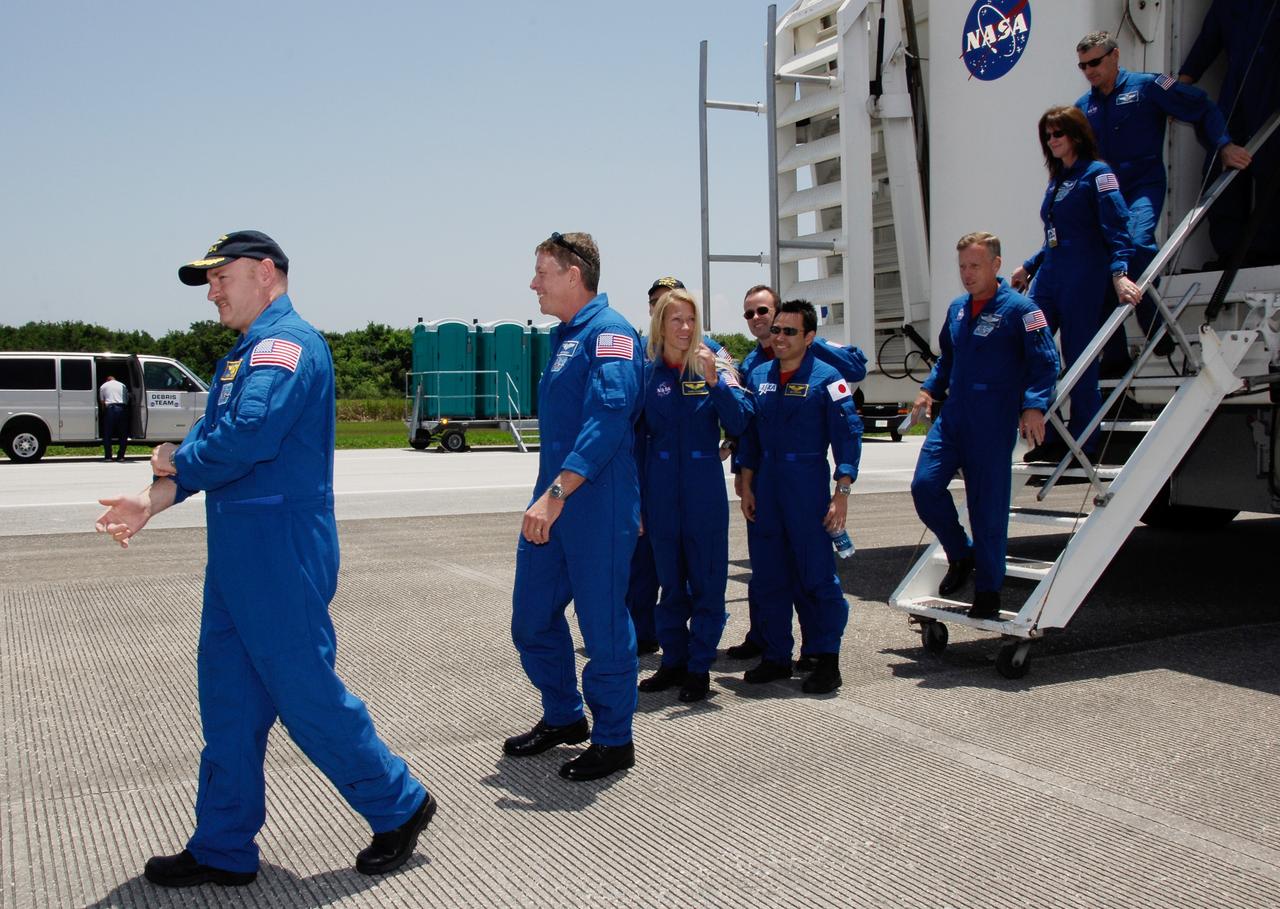
CAPE CANAVERAL, Fla. – After their successful STS-124 mission and landing on Runway 15 at NASA's Kennedy Space Center, crew members exit the crew transport vehicle. Leading the way is Commander Mark Kelly, followed by (from left) Mission Specialists Mike Fossum, Karen Nyberg, Akihiko Hoshide and Ron Garan. Behind them is Stephen Lindsay, chief of the Astronaut Corps, and astronaut Janet Kavandi. Space shuttle Discovery's main landing gear touched down at 11:15:19 a.m. EDT on Runway 15. The nose landing gear touched down at 11:15:30 a.m. and wheel stop was at 11:16:19 a.m. The mission completed 5.7 million miles. The STS-124 mission delivered the Japan Aerospace Exploration Agency's large Japanese Pressurized Module and its remote manipulator system to the space station. Photo credit: NASA/Kim Shiflett
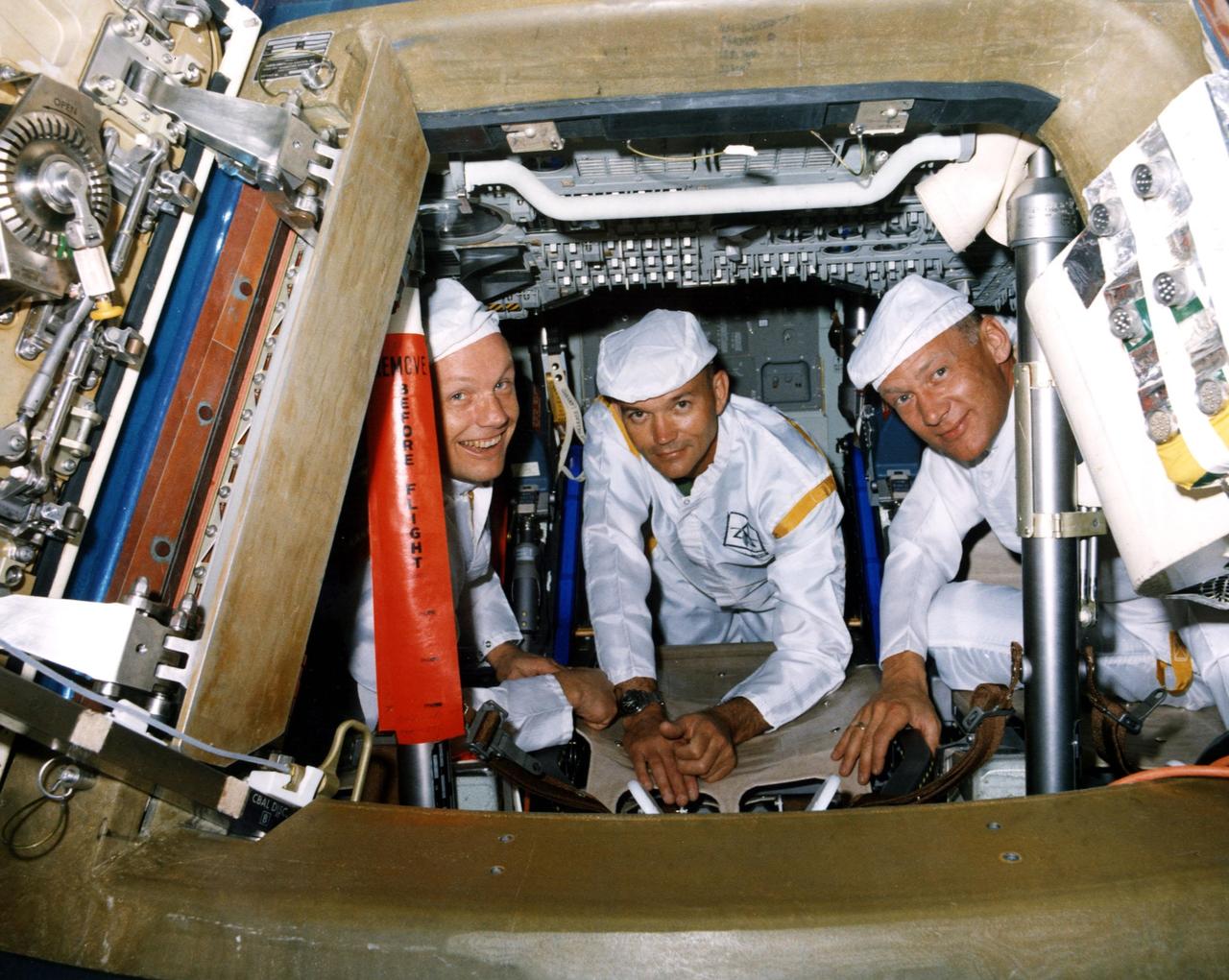
KENNEDY SPACE CENTER, FLA. -- The Apollo 11 prime crew poses for a photograph during a walk-through egress test. The hands-on test is in preparation for the first manned lunar landing mission scheduled for liftoff in July

Sierra Nevada Corp’s Dream Chaser crew prepared for helicopter lift off ramp at NASA’s Armstrong Flight Research Center in California, for its successful approach and landing flight test on Nov. 11, 2017.
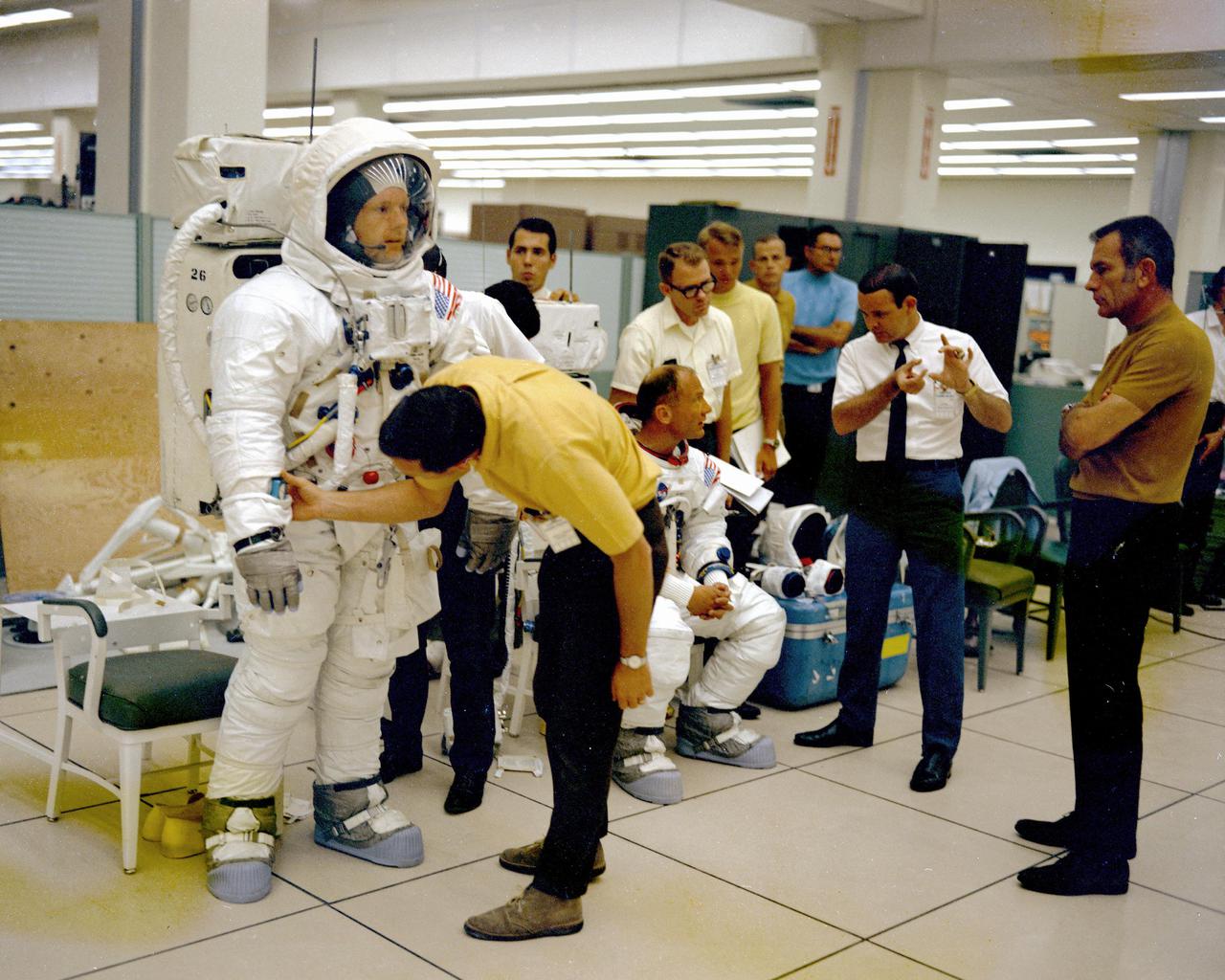
KENNEDY SPACE CENTER, FLA. - The Apollo 11 flight crew are given instructions by technicians and management while undergoing the Extravehicular Activity (EVA) training and the Lunar Module walk-through in preparation for the first manned landing on the Moon.
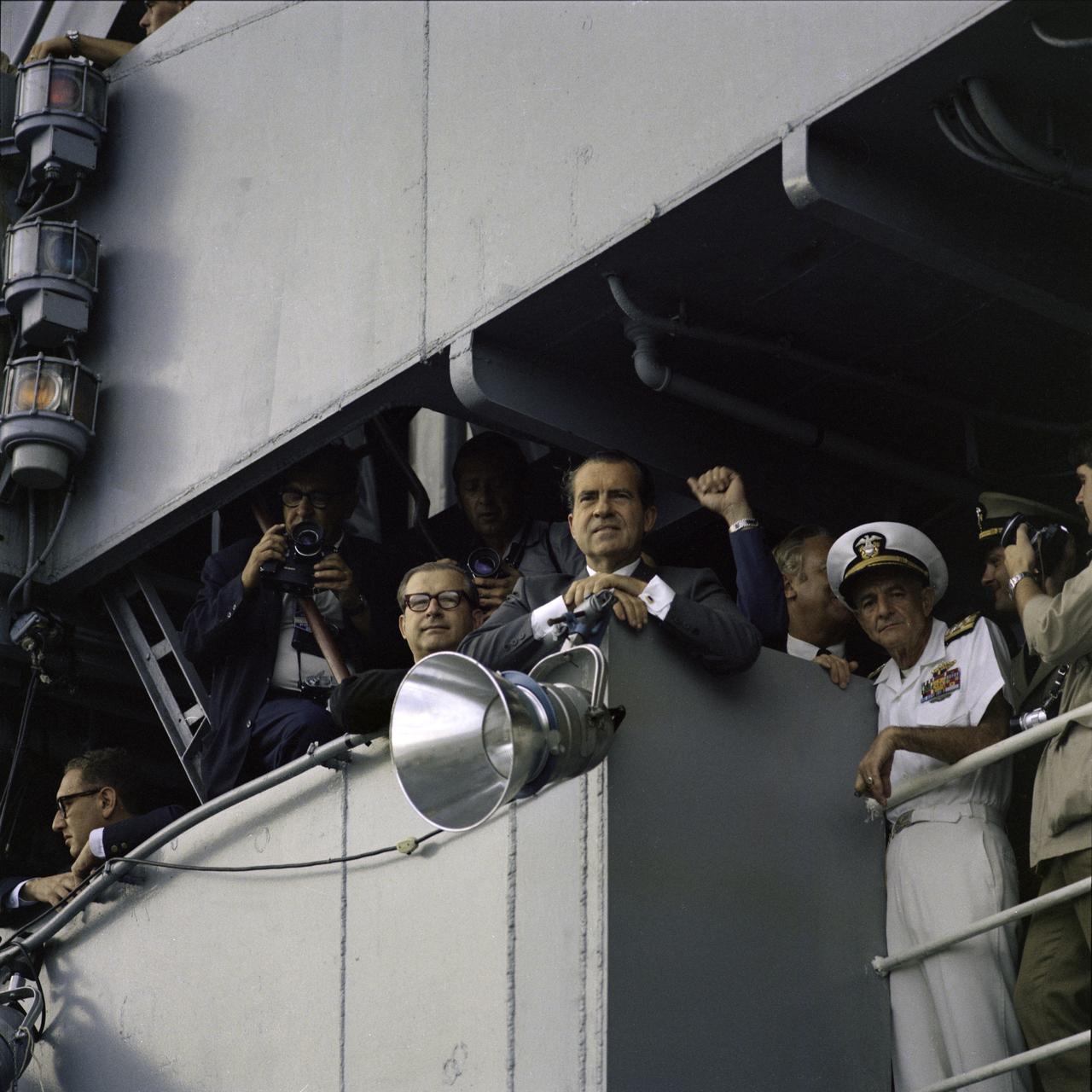
S69-21736 (24 July 1969) --- President Richard M. Nixon photographed on the deck of the USS Hornet, prime recovery ship for the Apollo 11 lunar landing mission, awaiting the Apollo 11 crew arrival. Apollo 11 splashed down at 11:40 a.m. (EDT), July 24, 1969, about 812 nautical miles southwest of Hawaii.
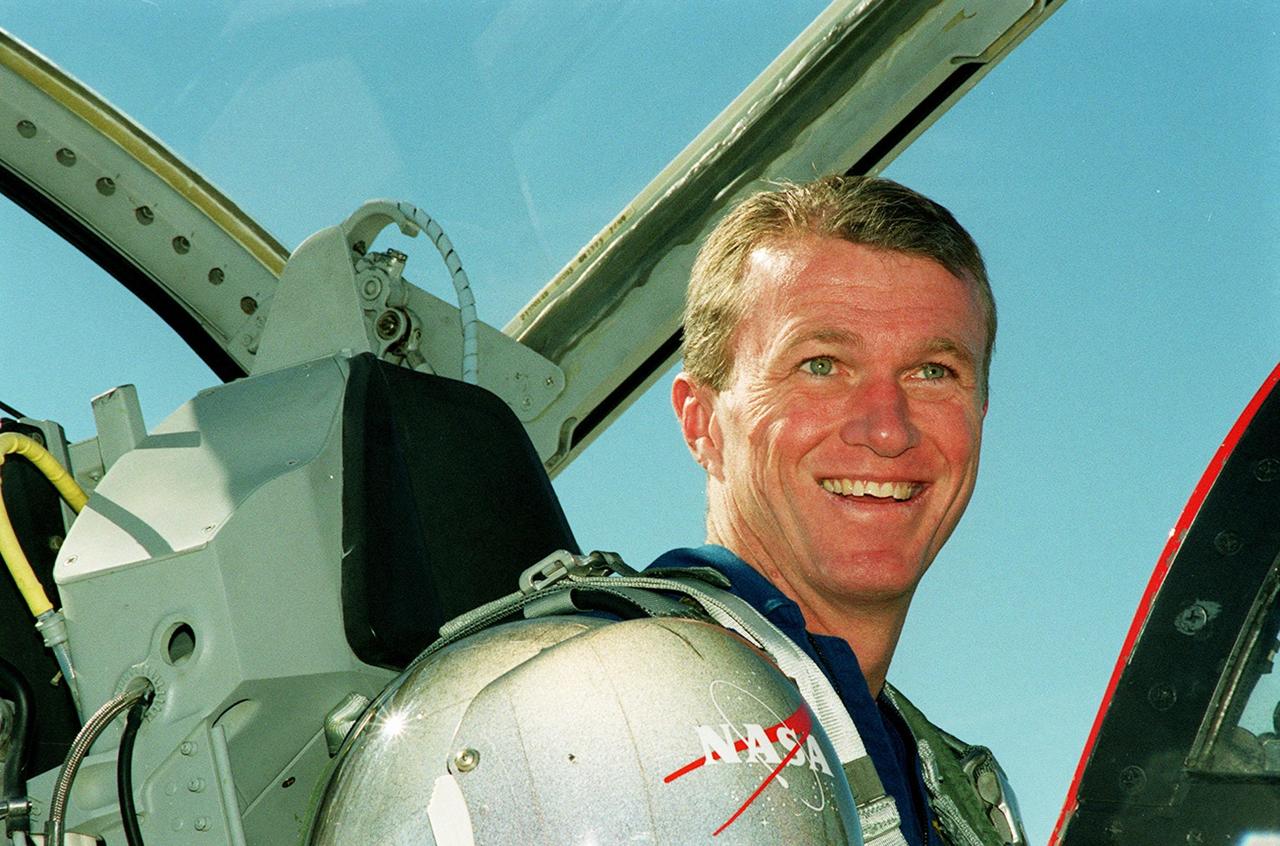
STS-97 Commander Brent Jett waits in the T-38 jet aircraft he piloted to the KSC Shuttle Landing Facility. He and the crew are on site for further work with equipment that will be on the mission. STS-97 is scheduled to launch Nov. 30 at 10:06 p.m. EST from Launch Pad 39B. The sixth flight to the International Space Station, the mission is expected to last 11 days, with a planned KSC landing at about 5:58 p.m. Dec. 11
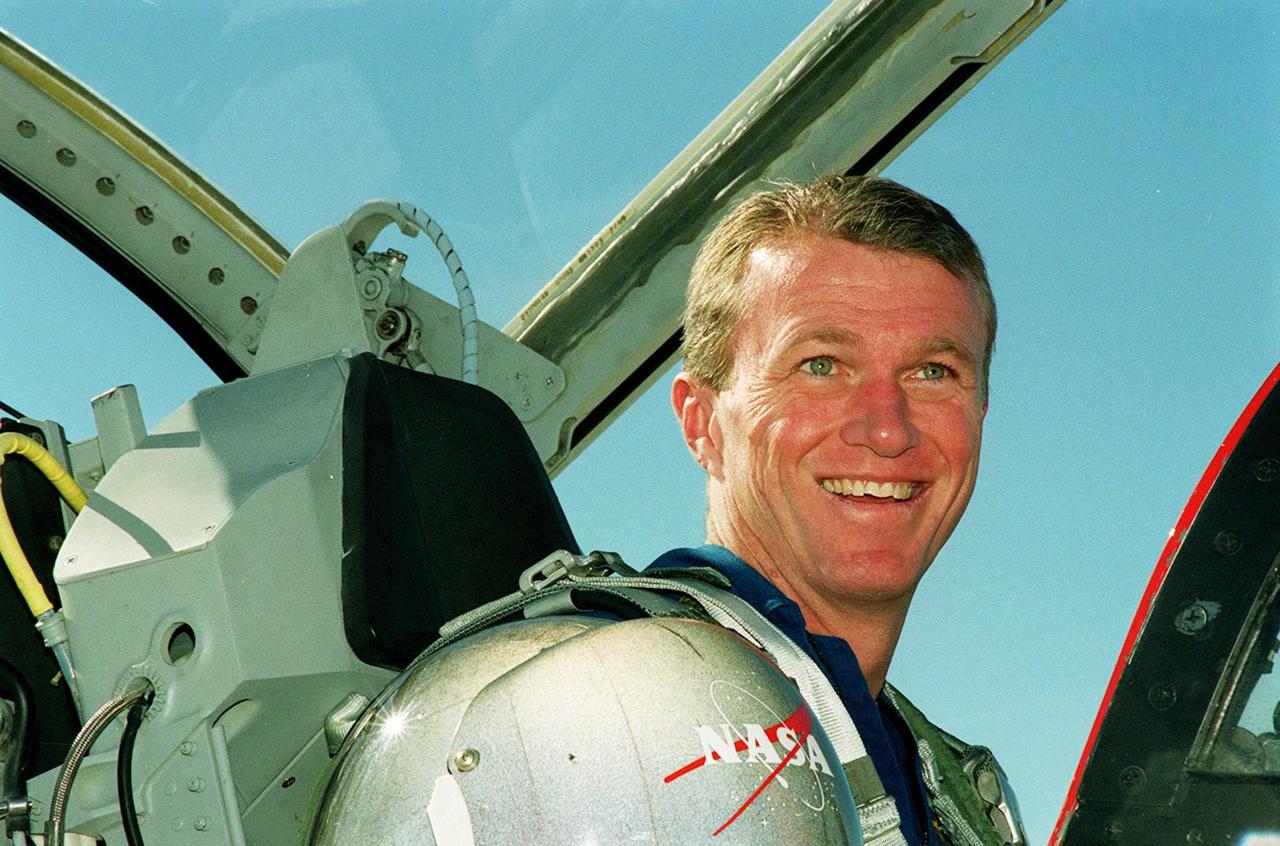
STS-97 Commander Brent Jett waits in the T-38 jet aircraft he piloted to the KSC Shuttle Landing Facility. He and the crew are on site for further work with equipment that will be on the mission. STS-97 is scheduled to launch Nov. 30 at 10:06 p.m. EST from Launch Pad 39B. The sixth flight to the International Space Station, the mission is expected to last 11 days, with a planned KSC landing at about 5:58 p.m. Dec. 11
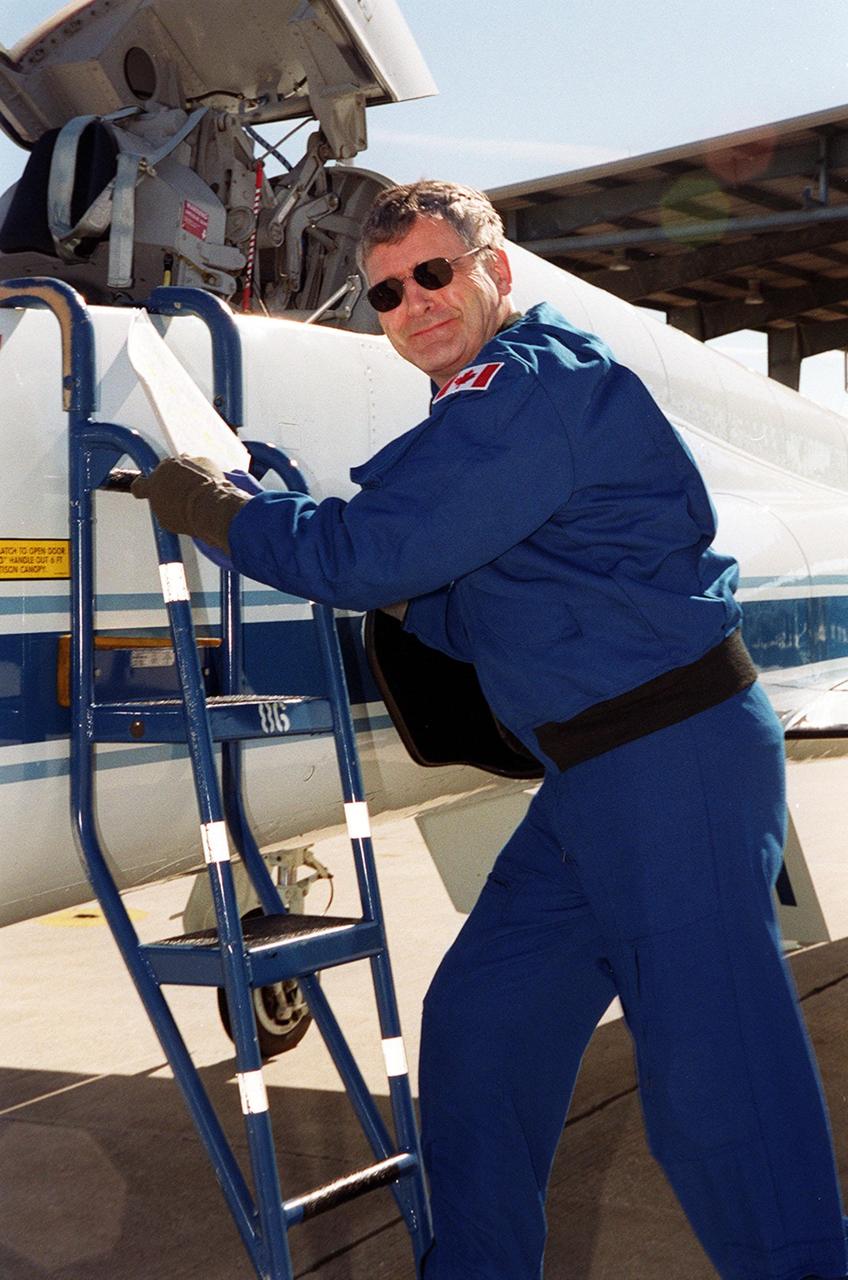
STS-97 Pilot Michael Bloomfield climbs down from the T-38 jet aircraft he piloted to the KSC Shuttle Landing Facility. He and the crew are on site for further work with equipment that will be on the mission. STS-97 is scheduled to launch Nov. 30 at 10:06 p.m. EST from Launch Pad 39B. The sixth flight to the International Space Station, the mission is expected to last 11 days, with a planned KSC landing at about 5:58 p.m. Dec. 11

STS-97 Pilot Michael Bloomfield climbs down from the T-38 jet aircraft he piloted to the KSC Shuttle Landing Facility. He and the crew are on site for further work with equipment that will be on the mission. STS-97 is scheduled to launch Nov. 30 at 10:06 p.m. EST from Launch Pad 39B. The sixth flight to the International Space Station, the mission is expected to last 11 days, with a planned KSC landing at about 5:58 p.m. Dec. 11
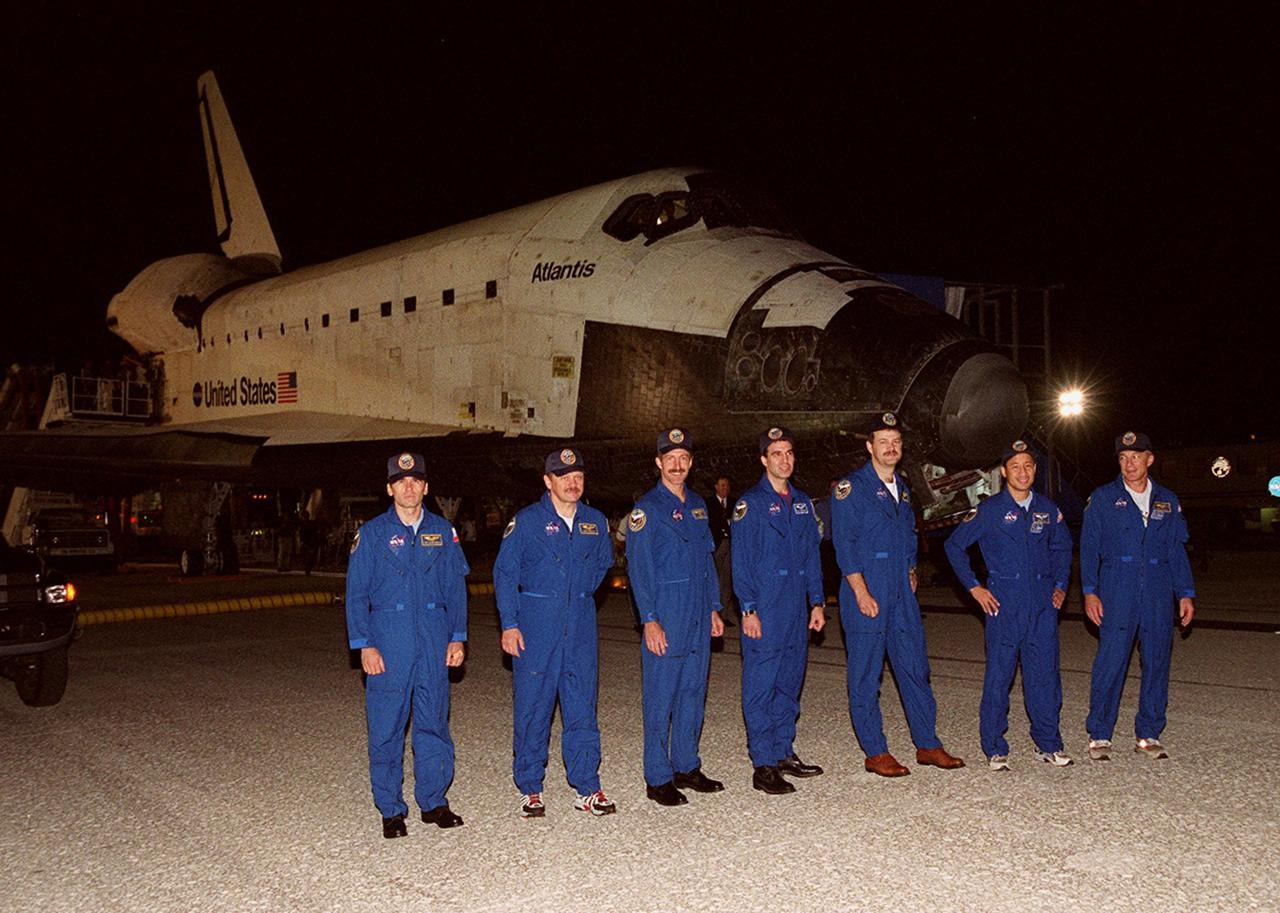
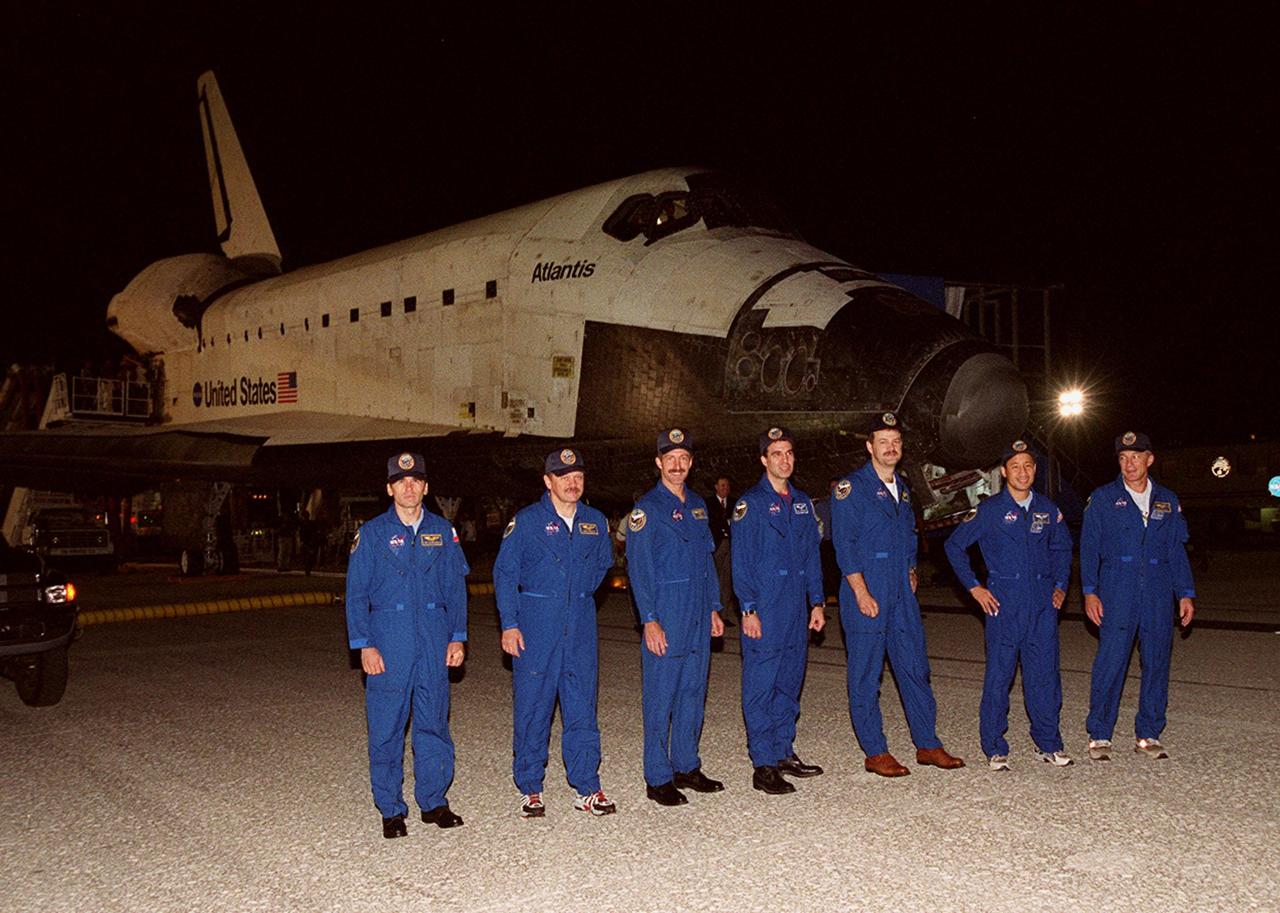
KENNEDY SPACE CENTER, FLA. -- The STS-106 crew poses for a photograph after a successful mission and landing. Standing, left to right, are Mission Specialists Yuri I. Malenchenko, Boris V. Morukov, Daniel C. Burbank and Richard A. Mastracchio; Pilot Scott D. Altman; Mission Specialist Edward T. Lu; and Commander Terrence W. Wilcutt.; Main gear touchdown occurred on-time at 3:56:48 a.m. EDT.; Atlantis and crew traveled 4.9 million miles on the 11-day, 19-hour, 11-minute STS-106 mission. During the mission to the International Space Station, the crew transferred nearly 5,000 pounds of equipment and supplies for use by the first resident crew expected to arrive in November. STS-106 was the 99th flight in the Shuttle program and the 22nd for Atlantis. STS-106 also marked the 15th nighttime landing in Shuttle history and the 23rd consecutive landing at KSC
KENNEDY SPACE CENTER, FLA. -- The STS-106 crew poses for a photograph after a successful mission and landing. Standing, left to right, are Mission Specialists Yuri I. Malenchenko, Boris V. Morukov, Daniel C. Burbank and Richard A. Mastracchio; Pilot Scott D. Altman; Mission Specialist Edward T. Lu; and Commander Terrence W. Wilcutt.; Main gear touchdown occurred on-time at 3:56:48 a.m. EDT.; Atlantis and crew traveled 4.9 million miles on the 11-day, 19-hour, 11-minute STS-106 mission. During the mission to the International Space Station, the crew transferred nearly 5,000 pounds of equipment and supplies for use by the first resident crew expected to arrive in November. STS-106 was the 99th flight in the Shuttle program and the 22nd for Atlantis. STS-106 also marked the 15th nighttime landing in Shuttle history and the 23rd consecutive landing at KSC
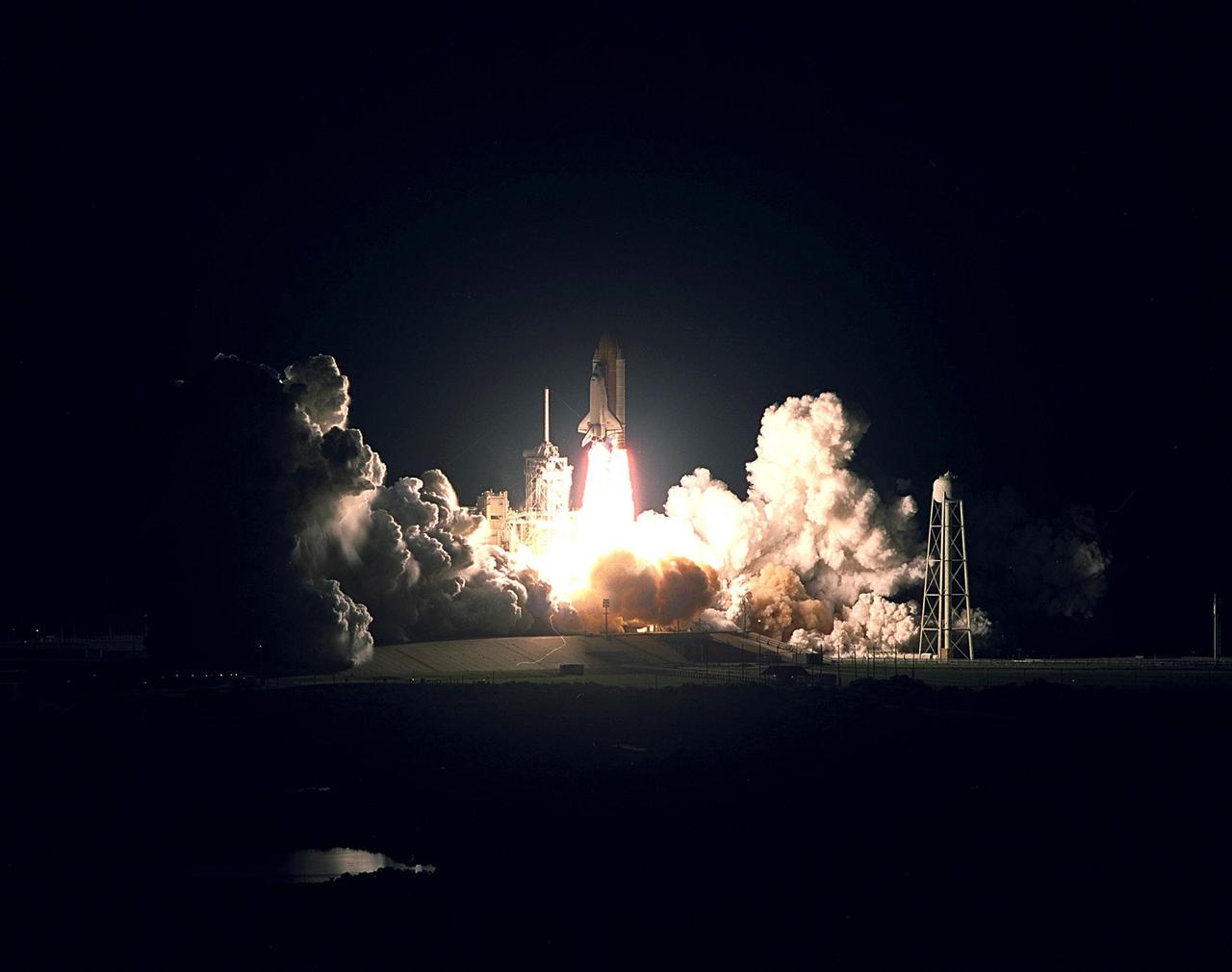
KENNEDY SPACE CENTER, Fla. -- Space Shuttle Endeavour roars into the night sky in a perfect launch. Liftoff occurred on time at 10:06:01 p.m. EST. The Shuttle and its five-member crew will deliver U.S. solar arrays to the International Space Station and be the first Shuttle crew to visit the Station’s first resident crew. The 11-day mission includes three spacewalks. This marks the 101st mission in Space Shuttle history and the 25th night launch. Endeavour is expected to land Dec. 11 at 6:19 p.m. EST
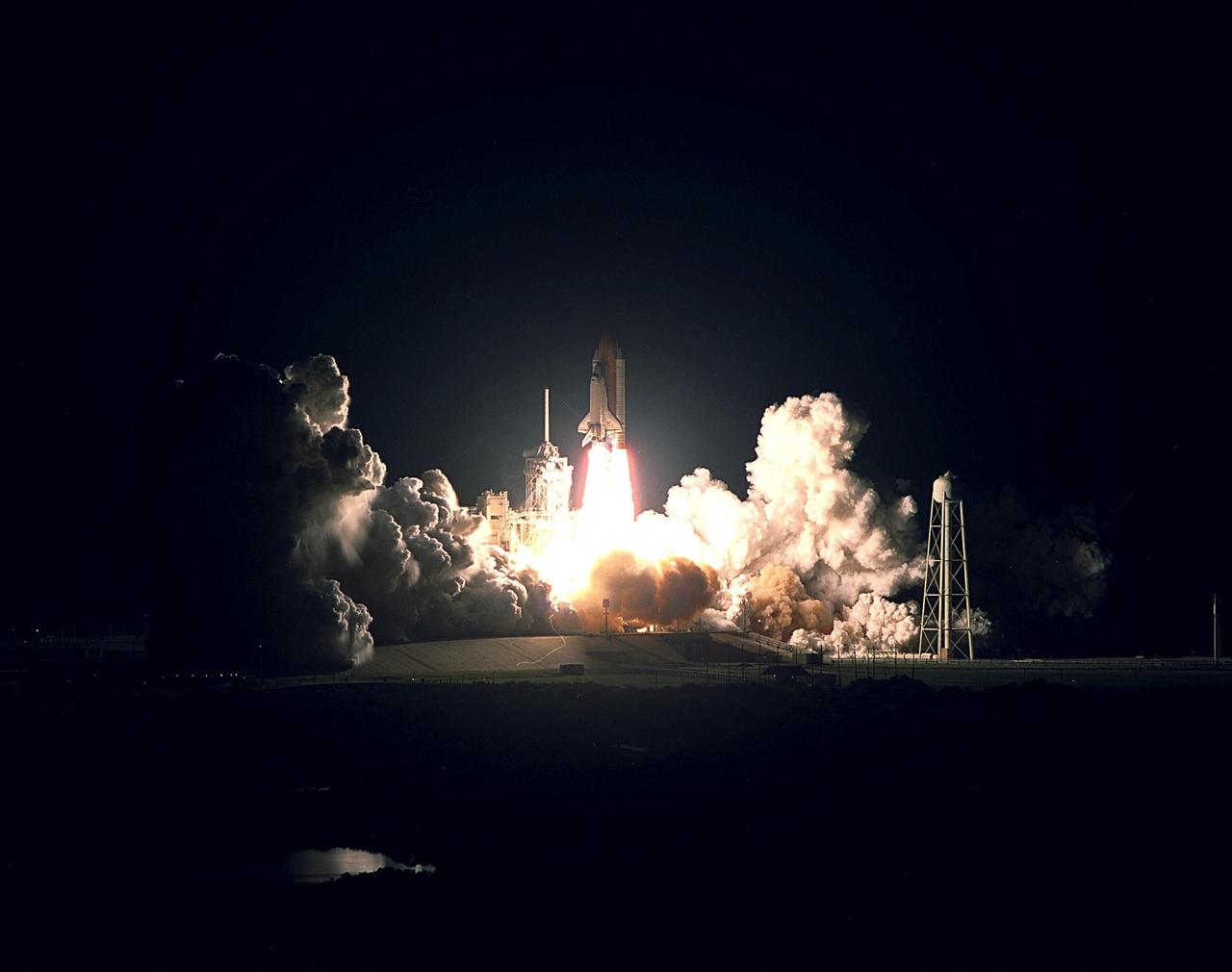
KENNEDY SPACE CENTER, Fla. -- Space Shuttle Endeavour roars into the night sky in a perfect launch. Liftoff occurred on time at 10:06:01 p.m. EST. The Shuttle and its five-member crew will deliver U.S. solar arrays to the International Space Station and be the first Shuttle crew to visit the Station’s first resident crew. The 11-day mission includes three spacewalks. This marks the 101st mission in Space Shuttle history and the 25th night launch. Endeavour is expected to land Dec. 11 at 6:19 p.m. EST
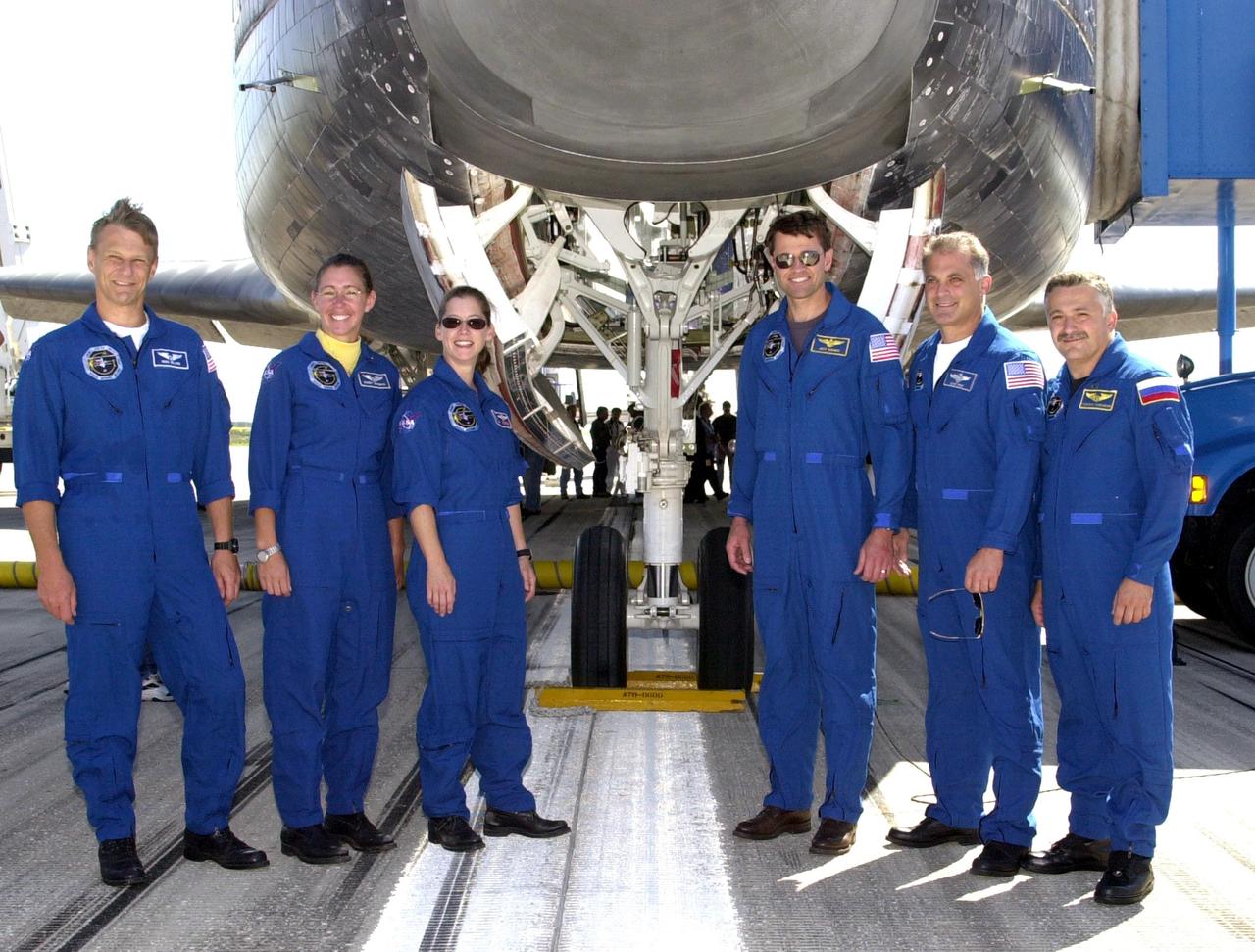
KENNEDY SPACE CENTER, FLA. -- After a flawless landing on runway 33 of the Shuttle Landing Facility, the STS-112 crew poses in front of Atlantis. From left are Mission Specialists Piers Sellers and Sandra Magnus, Pilot Pamela Melroy, Commander Jeffrey Ashby, and Mission Specialists David Wolf and Fyodor Yurchikhin, who represents the Russian Space Agency. Main gear touchdown occurred at 11:43:40 a.m. EDT; nose gear touchdown at 11:43:48 a.m.; and wheel stop at 11:44:35 a.m. Mission elapsed time was 10:19:58:44. STS-112 expanded the size of the Station with the addition of the S1 truss segment.
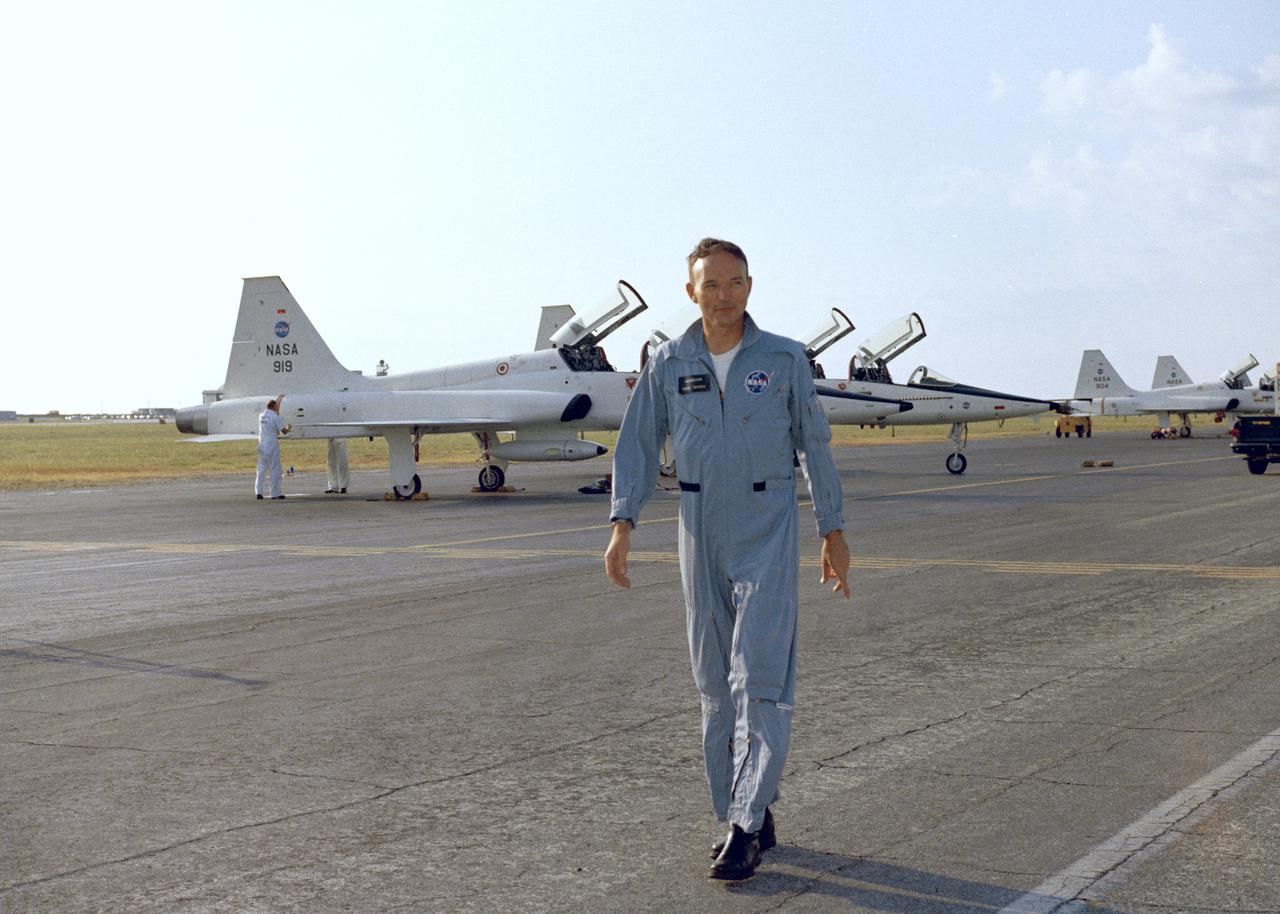
PATRICK AFB, Fla. – Apollo 11 command module pilot Michael Collins, just arrived at Patrick Air Force Base in a T-38 jet in preparation of the nation’s first lunar landing mission. Lift off atop a Saturn V launch vehicle is scheduled for July 16, 1969. During Apollo 11, the command module, Columbia, will remain in orbit around the moon while the lunar module, Eagle, carrying Armstrong and Aldrin, lands on the lunar surface. During 2½ hours of surface exploration, the crew plans to collect lunar surface material for analysis back on Earth. For more: http:__www-pao.ksc.nasa.gov_history_apollo_apollo-11_apollo-11.htm Photo credit: NASA
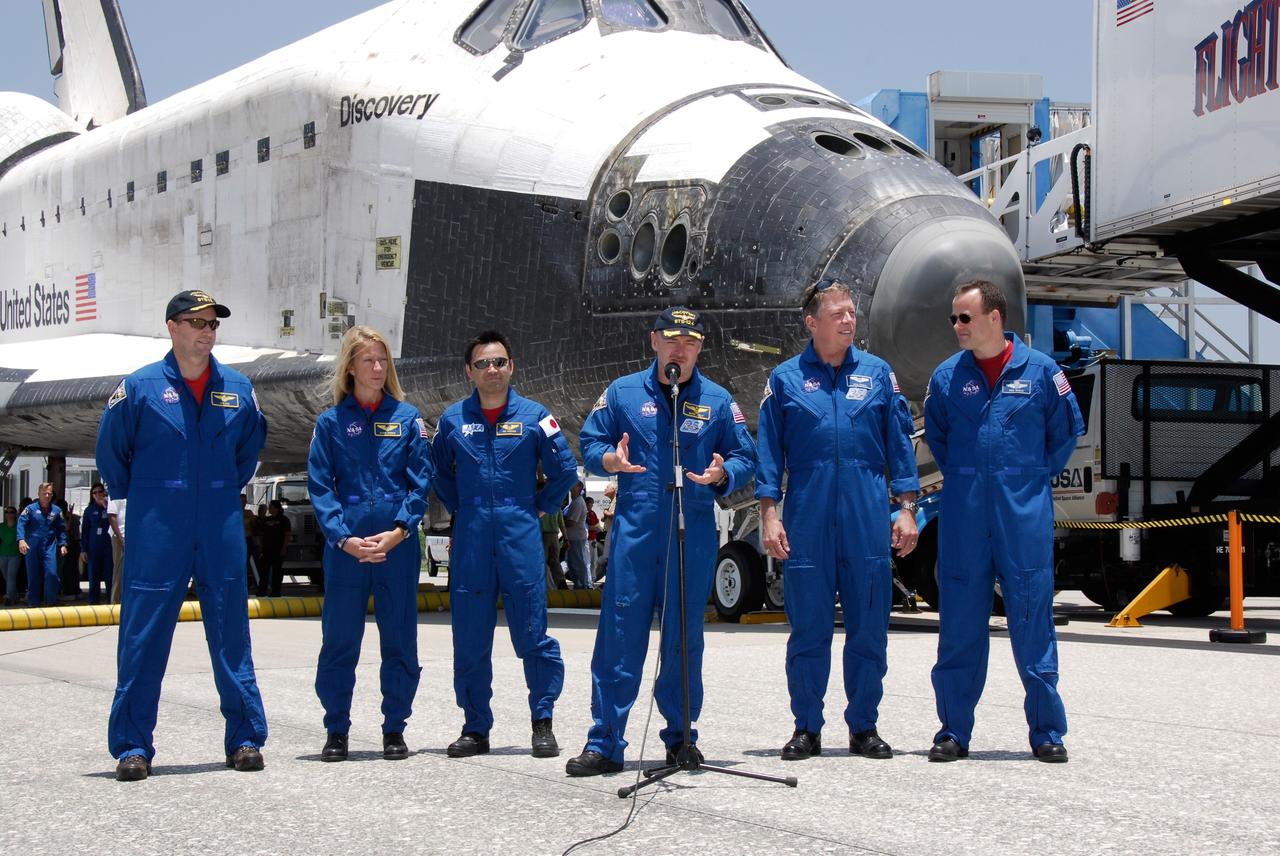
CAPE CANAVERAL, Fla. – The STS-124 mission crew addresses the media after their successful landing aboard space shuttle Discovery on Runway 15 at NASA's Kennedy Space Center. The landing ended a 14-day mission to the International Space Station. From left are Pilot Ken Ham, Mission Specialists Karen Nyberg and Akihiko Hoshide, Commander Mark Kelly, and Mission Specialists Mike Fossum and Ron Garan. Discovery's main landing gear touched down at 11:15:19 a.m. EDT on Runway 15. The nose landing gear touched down at 11:15:30 a.m. and wheel stop was at 11:16:19 a.m. The mission completed 5.7 million miles. The STS-124 mission delivered the Japan Aerospace Exploration Agency's large Japanese Pressurized Module and its remote manipulator system to the space station. Photo credit: NASA/Kim Shiflett
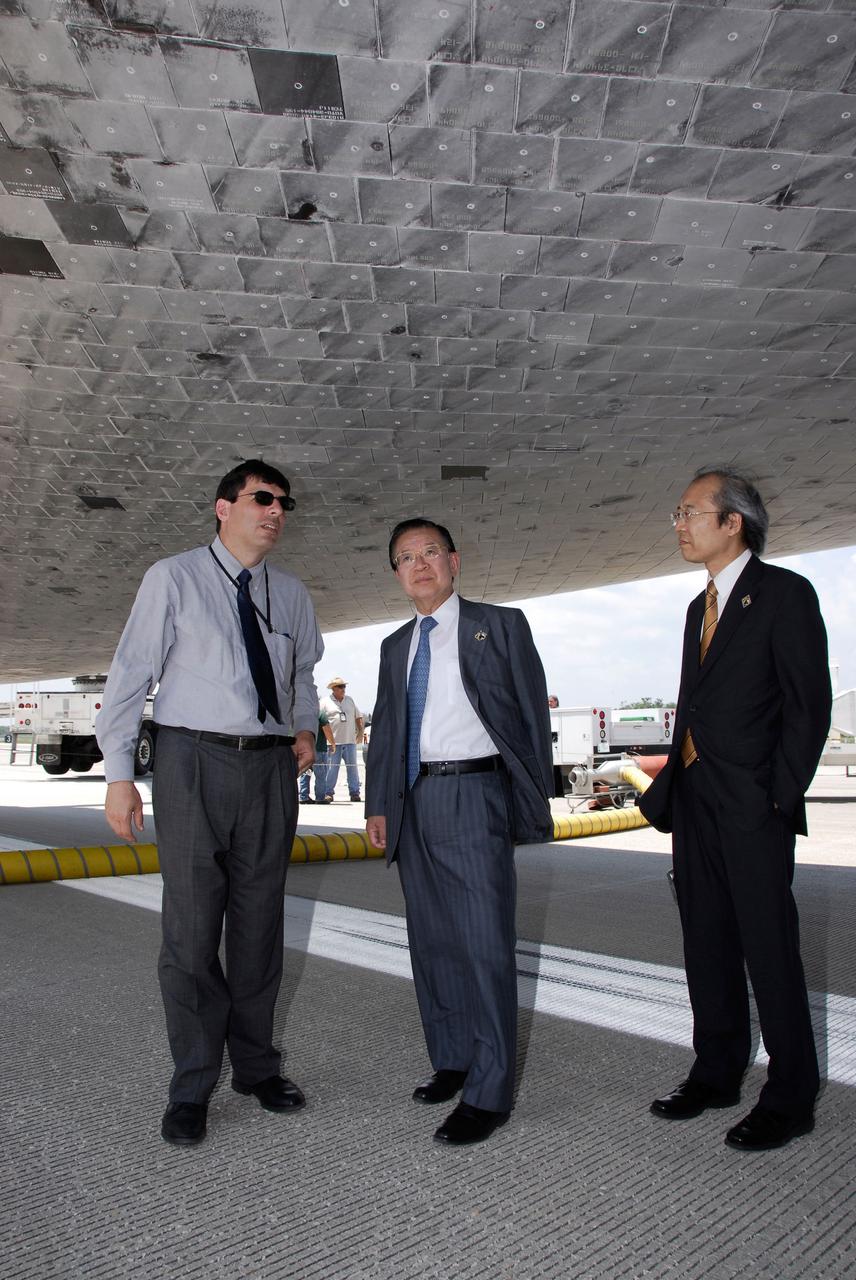
STS124-S-075 (14 June 2008) --- After Space Shuttle Discovery's landing on runway 15 at NASA's Kennedy Space Center, NASA Associate Administrator Chris Scolese (left) joins the Japan Aerospace Exploration Agency's Vice President Kaoru Mamiya (center) and Director of Program Management and Integration Yuichi Yamaura to look at the orbiter's underside. Discovery's landing ended the STS-124 mission, a 14-day flight to the International Space Station. The main landing gear touched down at 11:15:19 a.m. (EDT) on June 14, 2008. The nose landing gear touched down at 11:15:30 a.m. and wheel stop was at 11:16:19 a.m. During the mission, Discovery's crew installed the Japan Aerospace Exploration Agency's large Kibo laboratory and its remote manipulator system leaving a larger space station and one with increased science capabilities.
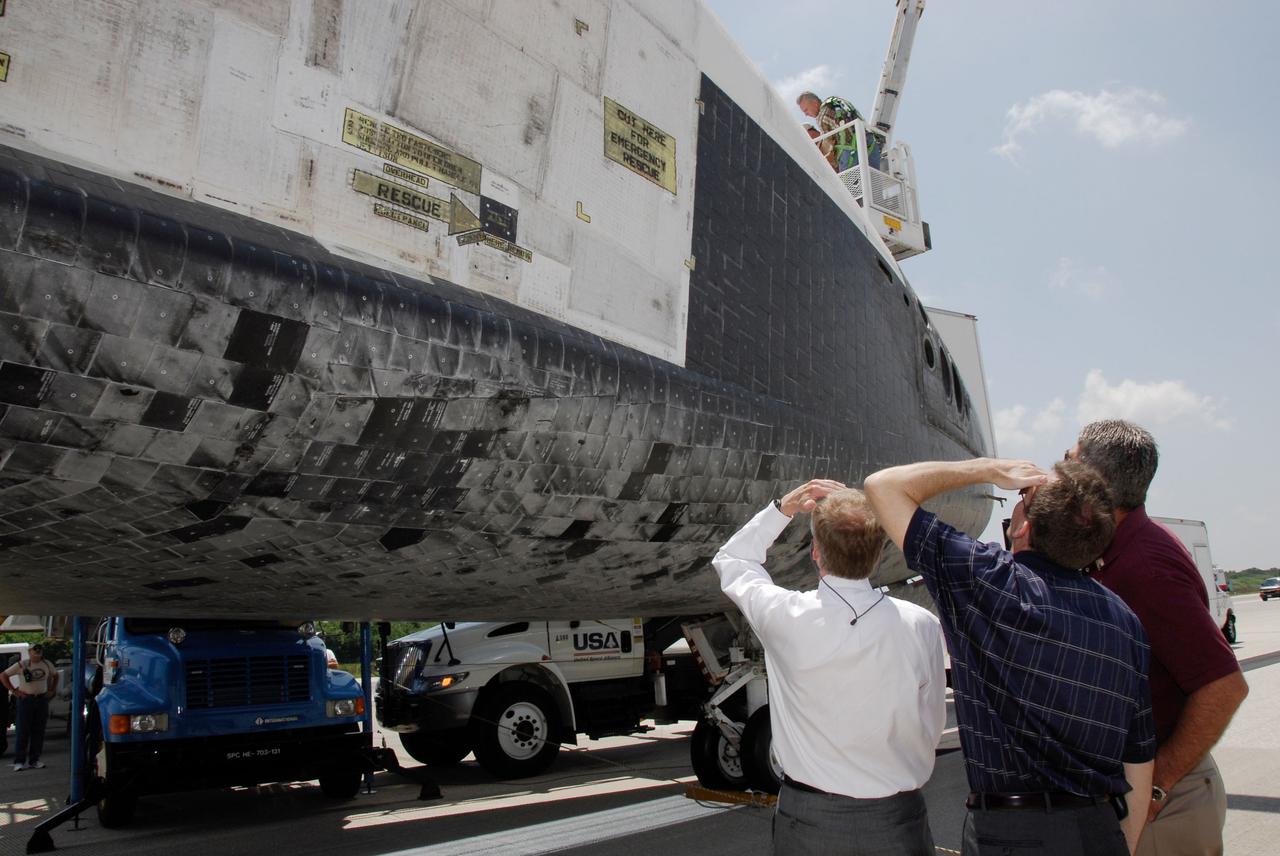
STS124-S-073 (14 June 2008) --- After Space Shuttle Discovery's landing on runway 15 at NASA's Kennedy Space Center (KSC), NASA VIPs take a close look at the orbiter. From the left are Bill Gerstenmaier, NASA associate administrator for Space Operations; LeRoy Cain, NASA deputy shuttle program manager; and KSC Director Bill Parsons. Discovery's landing ended the STS-124 mission, a 14-day flight to the International Space Station. The main landing gear touched down at 11:15:19 a.m. (EDT) on June 14, 2008. The nose landing gear touched down at 11:15:30 a.m. and wheel stop was at 11:16:19 a.m. During the mission, Discovery's crew installed the Japan Aerospace Exploration Agency's large Kibo laboratory and its remote manipulator system leaving a larger space station and one with increased science capabilities.
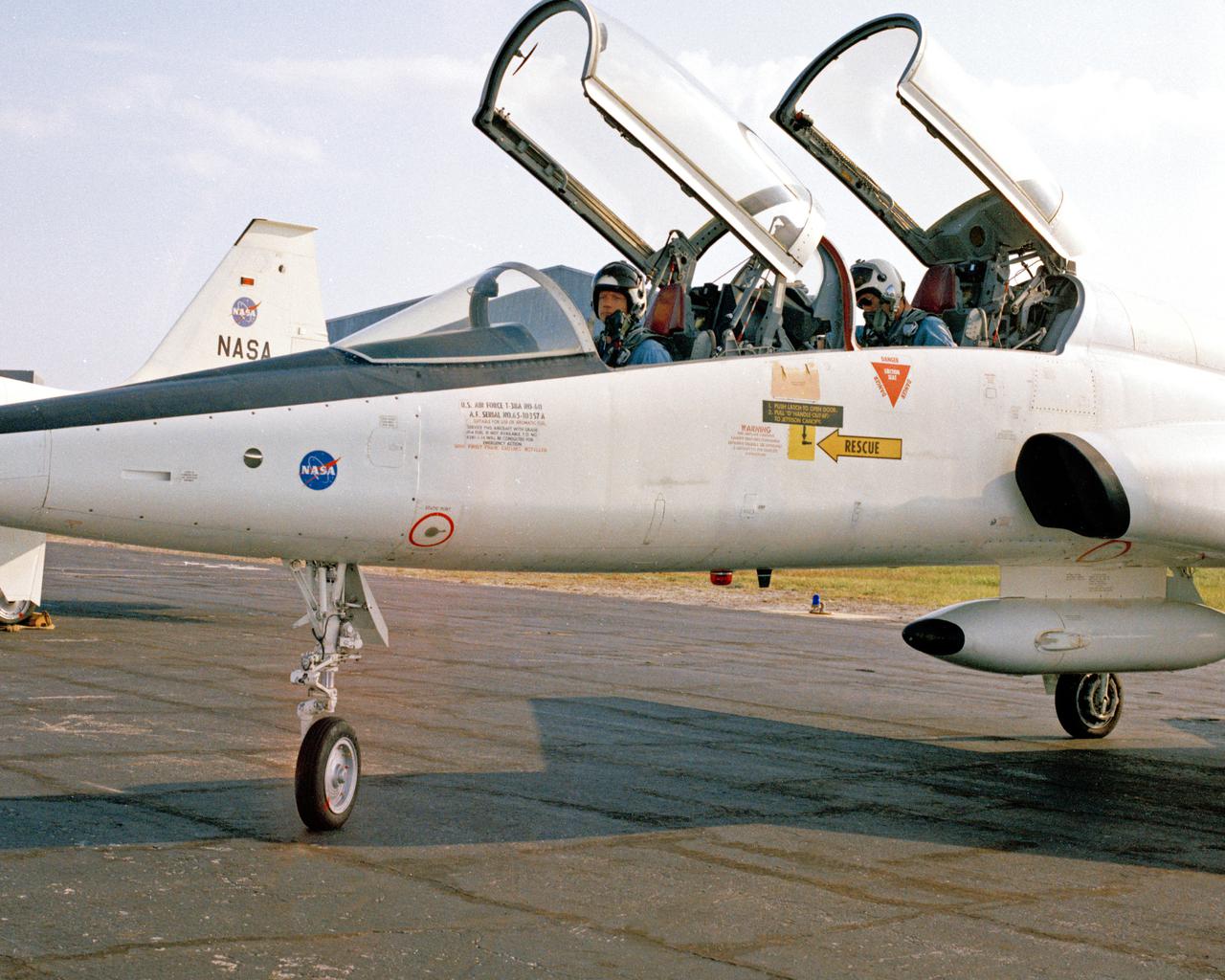
PATRICK AFB, Fla. – In preparation of the nation’s first lunar landing mission, Apollo 11 crew members arrive at Patrick Air Force Base, Florida. Mission commander Neil A. Armstrong is in the front seat of the T-38 jet, with chief astronaut and director of flight crew operations, Donald K. Slayton, in the back. Lift off atop a Saturn V launch vehicle is scheduled for July 16, 1969. During Apollo 11 the command module, Columbia, will remain in orbit around the moon while the lunar module, Eagle, carrying Armstrong and Aldrin, lands on the lunar surface. During 2½ hours of surface exploration, the crew plans to collect lunar surface material for analysis back on Earth. For more: http:__www-pao.ksc.nasa.gov_history_apollo_apollo-11_apollo-11.htm Photo credit: NASA
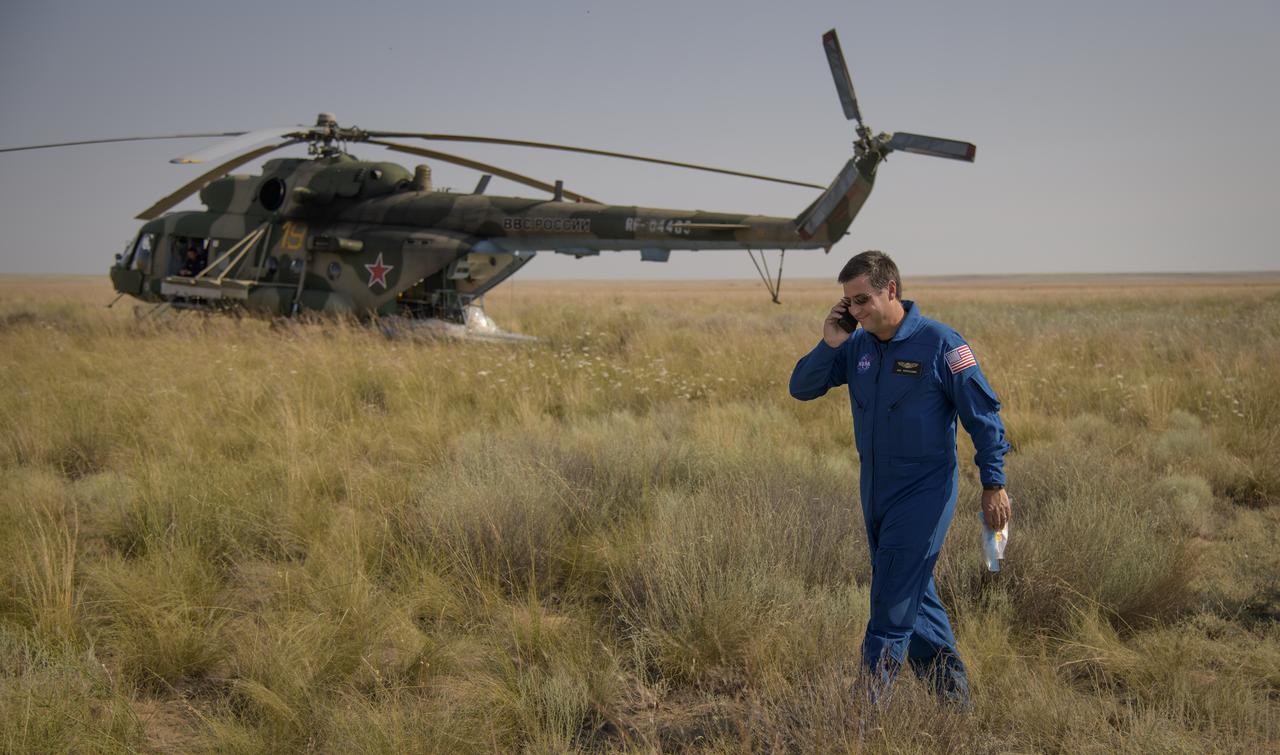
NASA ISS Deputy Program Manager Joel Montalbano talks to mission managers via satellite phone from the Soyuz MS-11 landing zone in a remote area near the town of Zhezkazgan, Kazakhstan on Tuesday, June 25, 2019 Kazakh time (June 24 Eastern time). Expedition 59 crew members Anne McClain of NASA, David Saint-Jacques of the Canadian Space Agency, and Oleg Kononenko of Roscosmos landed in their Soyuz MS-11 spacecraft after 204 days in space where they served as members of the Expedition 58 and 59 crews onboard the International Space Station. Photo Credit: (NASA/Bill Ingalls)
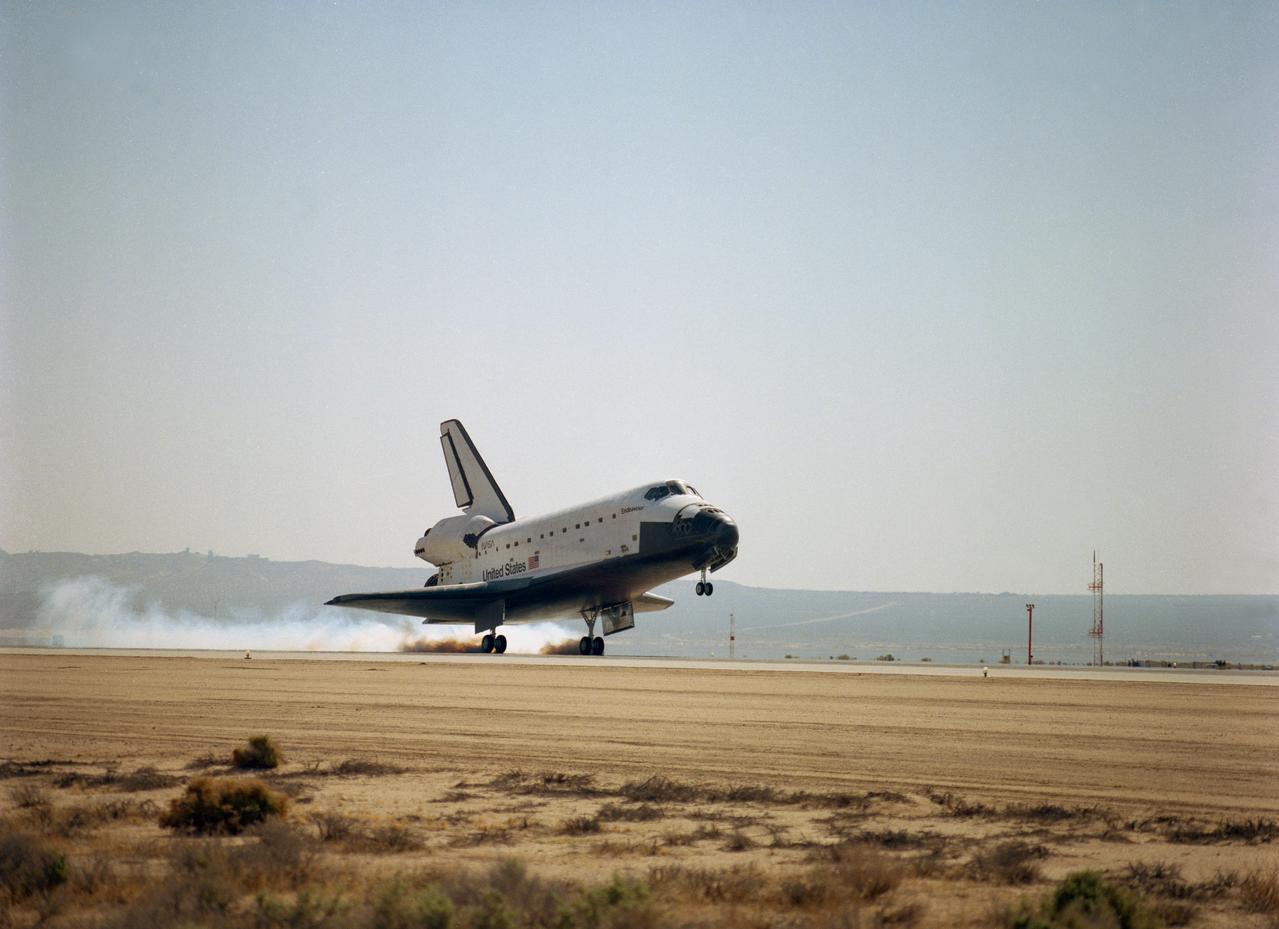
STS059-S-107 (20 April 1994) --- The main landing gear of the Space Shuttle Endeavour touches down at Edwards Air Force Base to complete the 11-day STS-59/SRL-1 mission. Landing occurred at 9:54 a.m. (PDT), April 20, 1994. Mission duration was 11 days, 5 hours, 49 minutes. Guiding Endeavour to a landing was astronaut Sidney M. Gutierrez, STS-59 commander. His crew was Kevin P. Chilton, Linda M. Godwin, Jerome (Jay) Apt, Michael R. (Rich) Clifford and Thomas D. Jones.
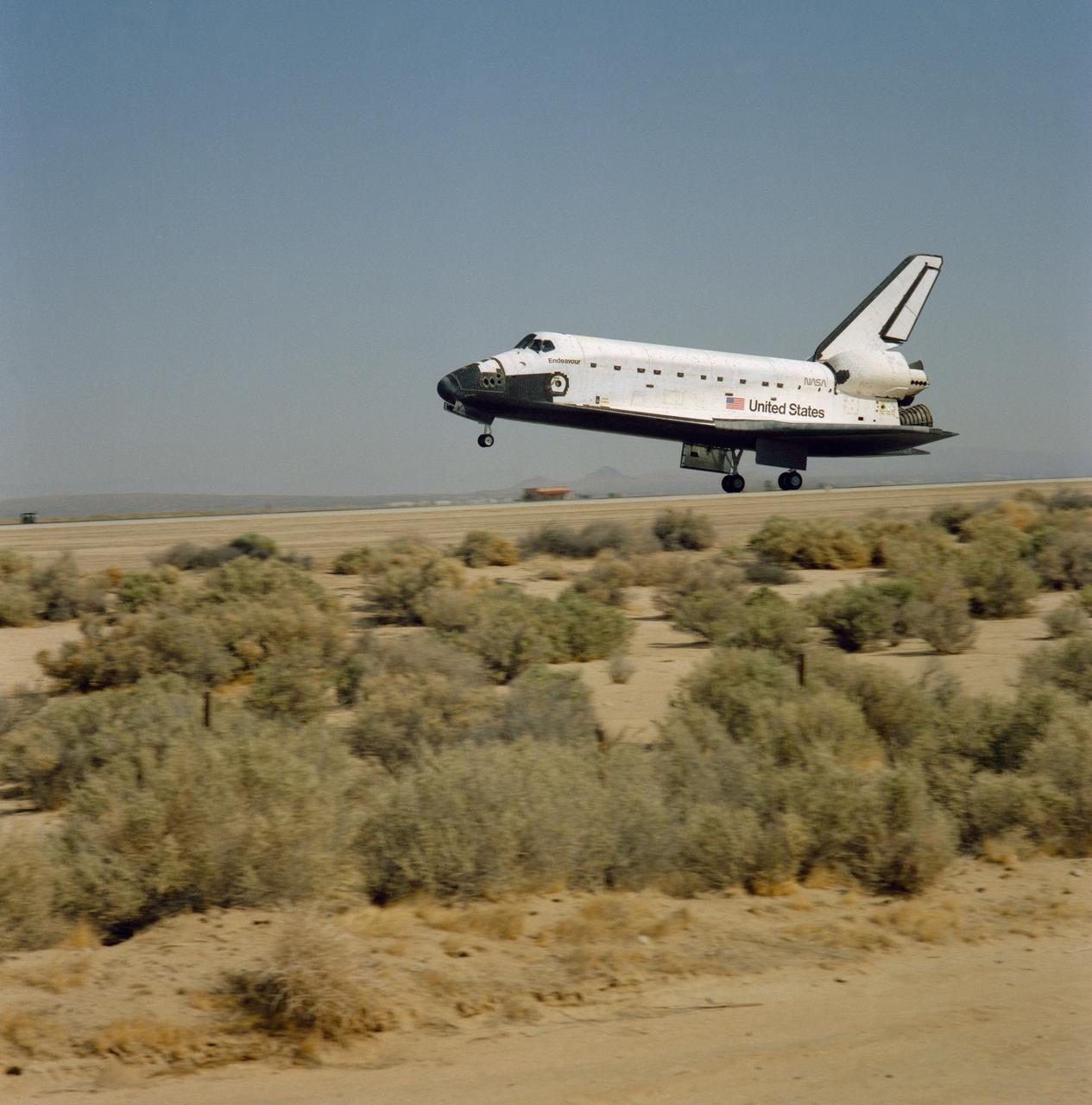
STS059-S-108 (20 April 1994) --- The main landing gear of the Space Shuttle Endeavour touches down at Edwards Air Force Base to complete the 11-day STS-59/SRL-1 mission. Landing occurred at 9:54 a.m. (PDT), April 20, 1994. Mission duration was 11 days, 5 hours, 49 minutes. Guiding Endeavour to a landing was astronaut Sidney M. Gutierrez, STS-59 commander. His crew was Kevin P. Chilton, Linda M. Godwin, Jerome (Jay) Apt, Michael R. (Rich) Clifford and Thomas D. Jones.
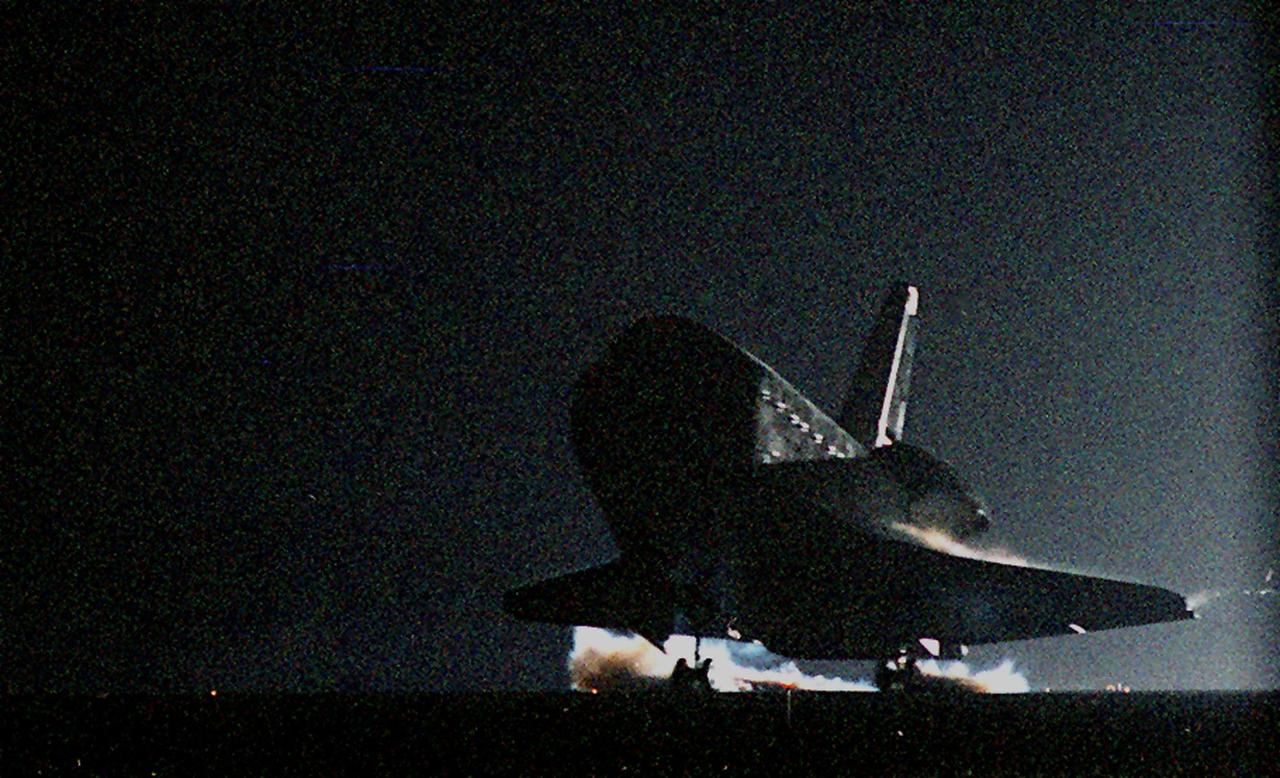
KENNEDY SPACE CENTER, Fla. -- Atlantis’ main gear touchdown on Runway 15 of the KSC Shuttle Landing Facility kicks up swirls of dust reflected in the runway lights. Atlantis and crew traveled 4.9 million miles on the 11-day, 19-hour, 11-minute mission STS-106. Main gear touchdown occurred on-time at 3:56:48 a.m. EDT. During the mission to the International Space Station, the crew transferred nearly 5,000 pounds of equipment and supplies for use by the first resident crew expected to arrive in November. STS-106 was the 99th flight in the Shuttle program and the 22nd for Atlantis. STS-106 also marked the 15th nighttime landing in Shuttle history and the 23rd consecutive landing at KSC
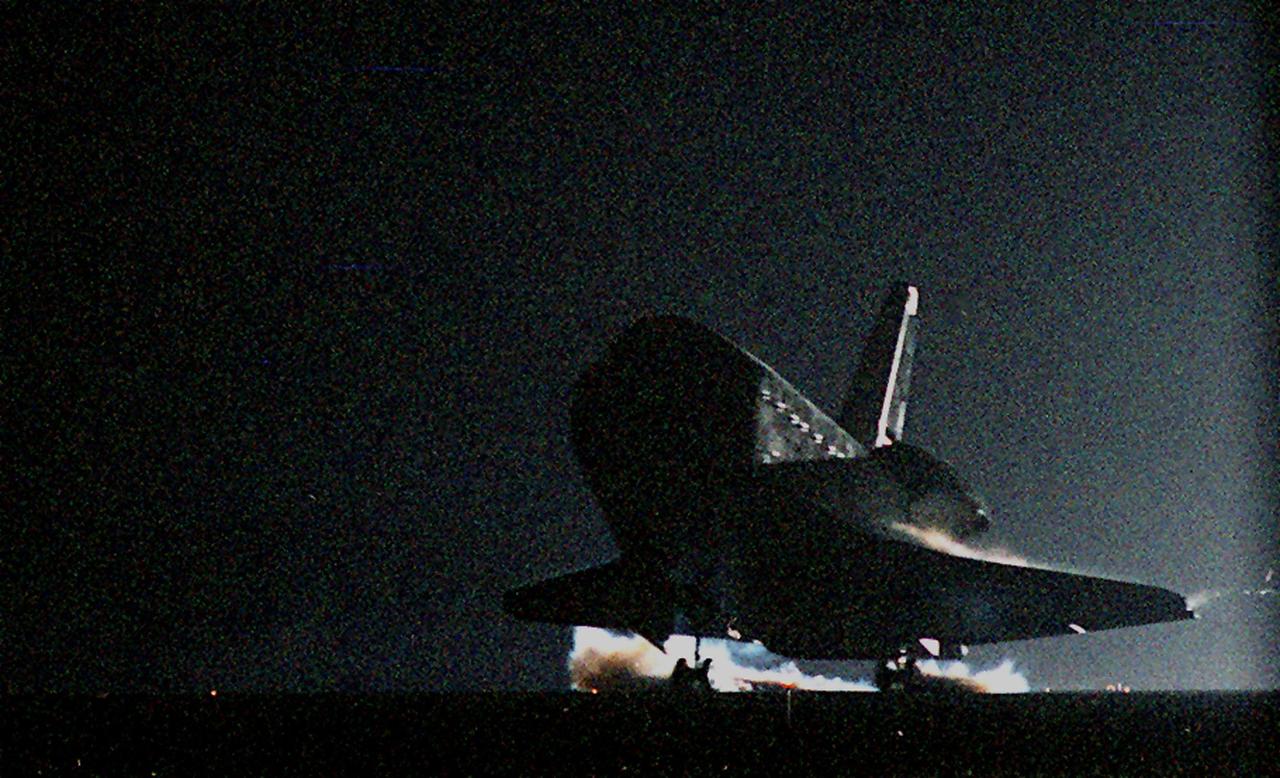
KENNEDY SPACE CENTER, Fla. -- Atlantis’ main gear touchdown on Runway 15 of the KSC Shuttle Landing Facility kicks up swirls of dust reflected in the runway lights. Atlantis and crew traveled 4.9 million miles on the 11-day, 19-hour, 11-minute mission STS-106. Main gear touchdown occurred on-time at 3:56:48 a.m. EDT. During the mission to the International Space Station, the crew transferred nearly 5,000 pounds of equipment and supplies for use by the first resident crew expected to arrive in November. STS-106 was the 99th flight in the Shuttle program and the 22nd for Atlantis. STS-106 also marked the 15th nighttime landing in Shuttle history and the 23rd consecutive landing at KSC
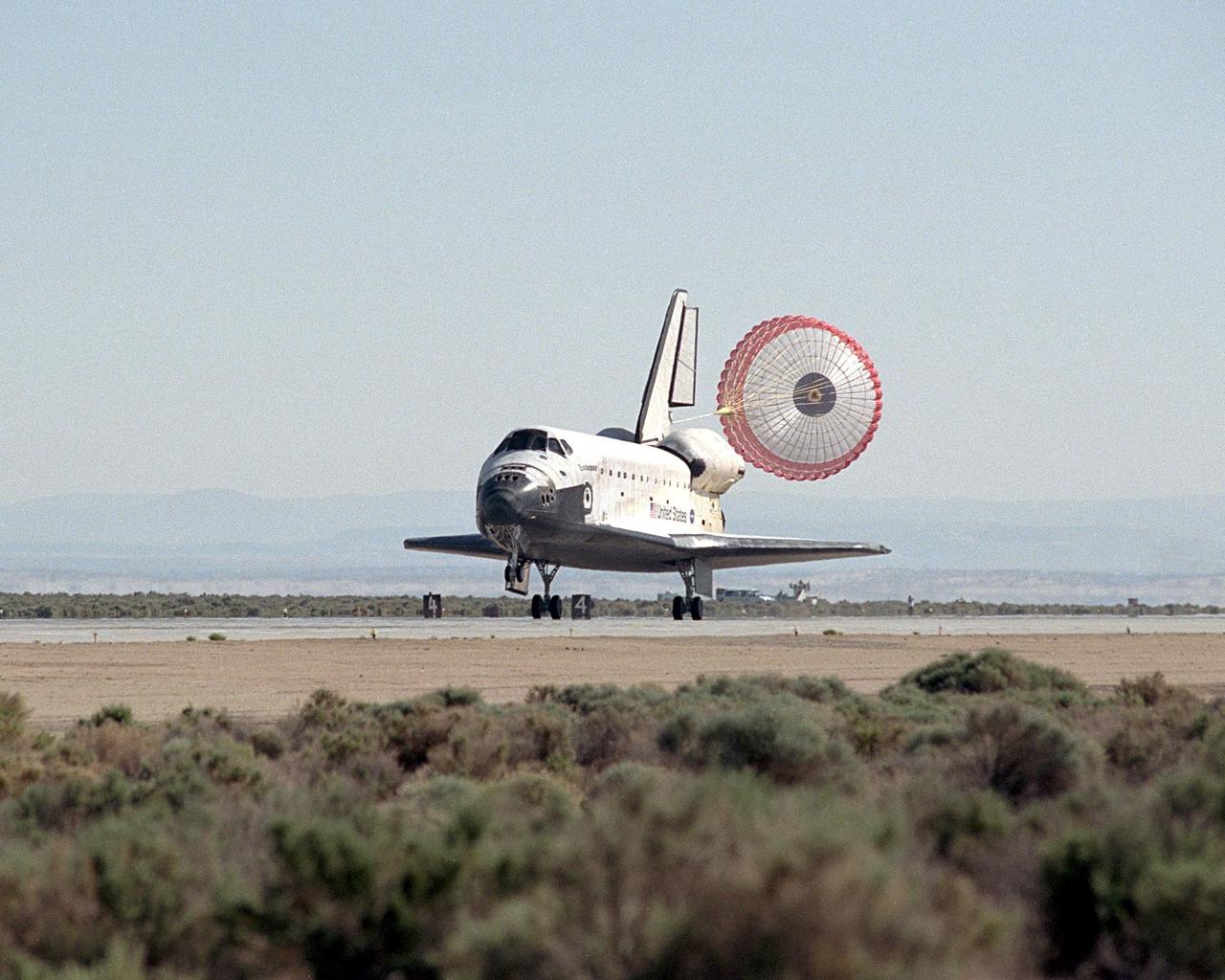
NASA/EDWARDS AFB, CALIF. -- With its drag chute deployed, Endeavour lands on runway 22 at Edwards Air Force Base, Calif., at 12:10:42 p.m. EDT after a mission of 11 days, 12 hours, 54 minutes to the International Space Station on mission STS-100. The orbiter and its crew of seven logged about 4.9 million statute miles in 186 orbits. Due to unfavorable weather conditions, landing at KSC was waved off. The landing marked the third consecutive landing at EAFB.
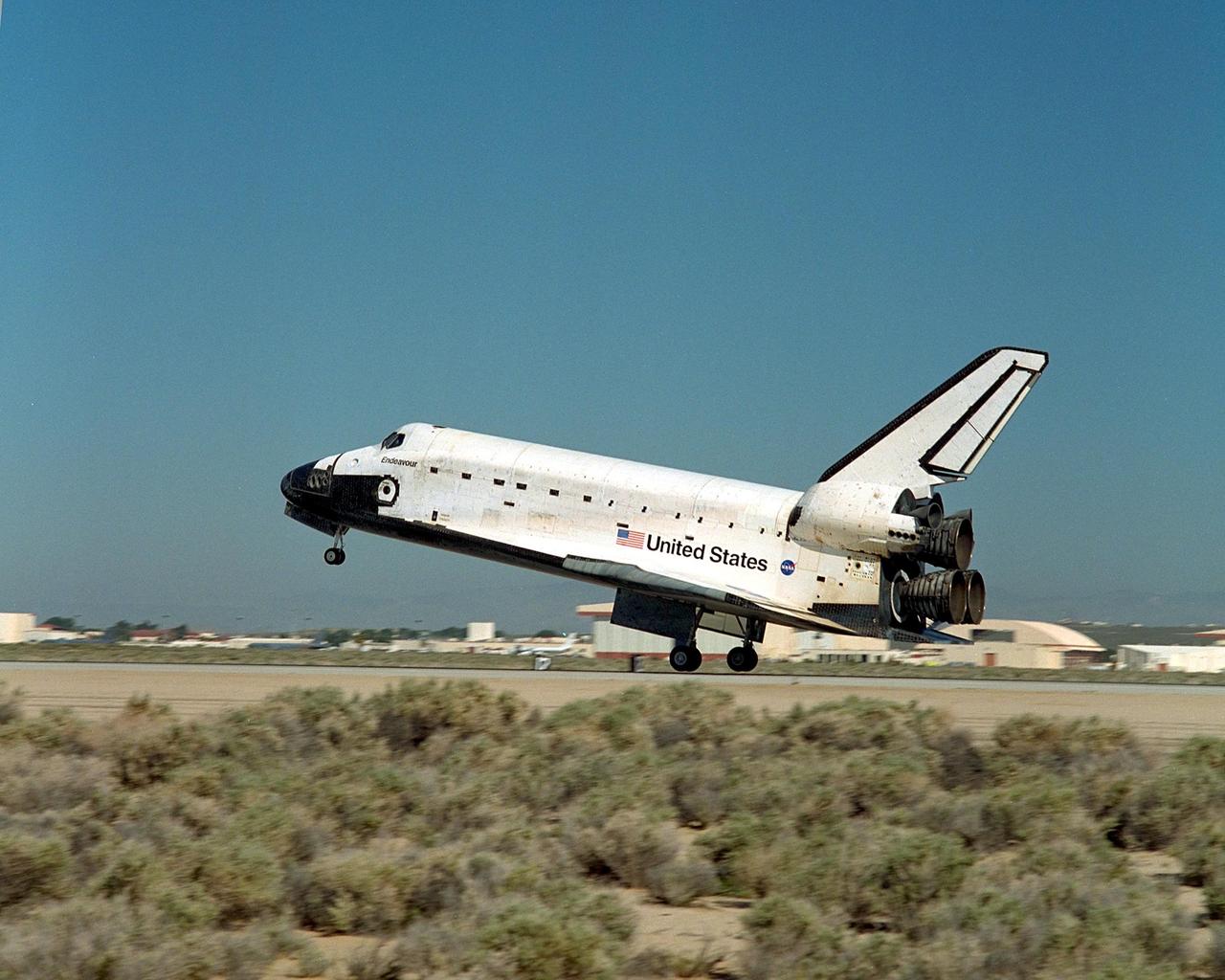
NASA/EDWARDS AFB, CALIF. -- Endeavour’s rear wheels touch down on runway 22 at Edwards Air Force Base, Calif., after the 11-day, 12-hour, 54-minute mission STS-100 to the International Space Station. Landing time was 12:10:42 p.m. EDT. The orbiter and its crew of seven logged about 4.9 million statute miles in 186 orbits. Due to unfavorable weather conditions, landing at KSC was waved off. The landing marked the third consecutive landing at EAFB.
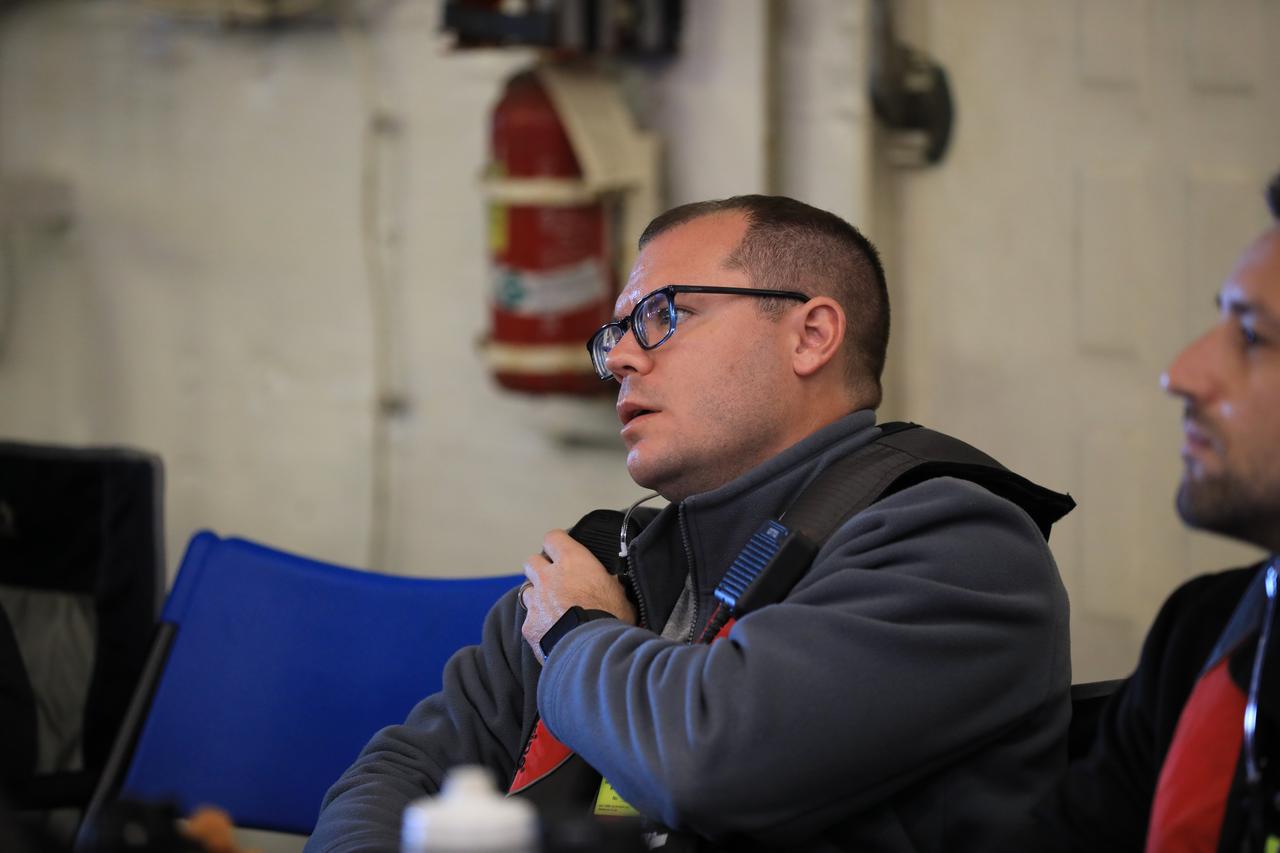
Members of NASA’s Exploration Ground System’s Landing and Recovery team and partners from the Department of Defense aboard the USS San Diego monitor operations of the day in the ship’s well deck and practice recovery procedures using the Crew Module Test Article, during Underway Recovery Test 11 (URT-11) off the coast of San Diego on Thursday, Feb. 22, 2024. URT-11 is the eleventh in a series of Artemis recovery tests, and the first time NASA and its partners put their Artemis II recovery procedures to the test with the astronauts.
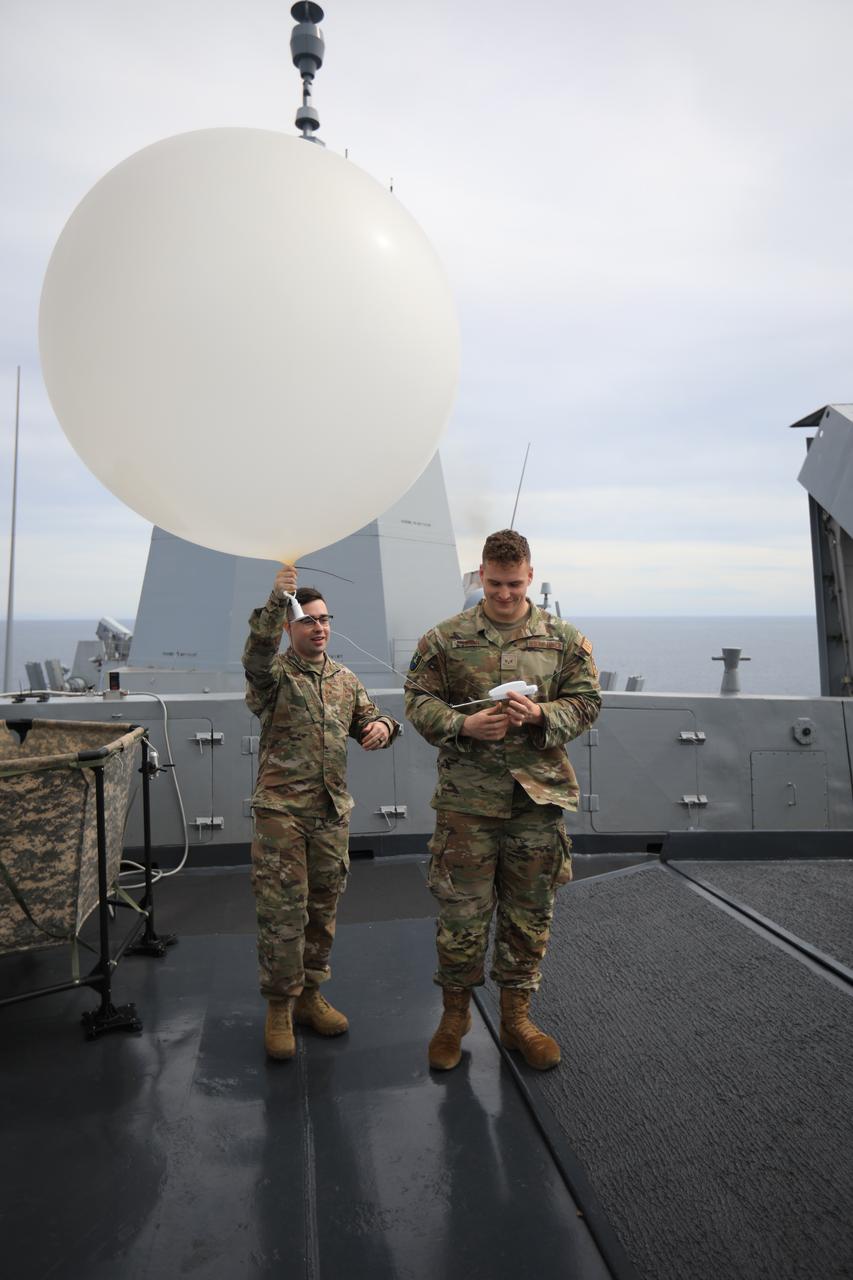
Members of NASA’s Exploration Ground System’s Landing and Recovery team and partners from the Department of Defense aboard the USS San Diego release a weather balloon while practicing recovery procedures using the Crew Module Test Article during Underway Recovery Test 11 (URT-11) off the coast of San Diego on Saturday, Feb. 24, 2024. URT-11 is the eleventh in a series of Artemis recovery tests, and the first time NASA and its partners put their Artemis II recovery procedures to the test with the astronauts.
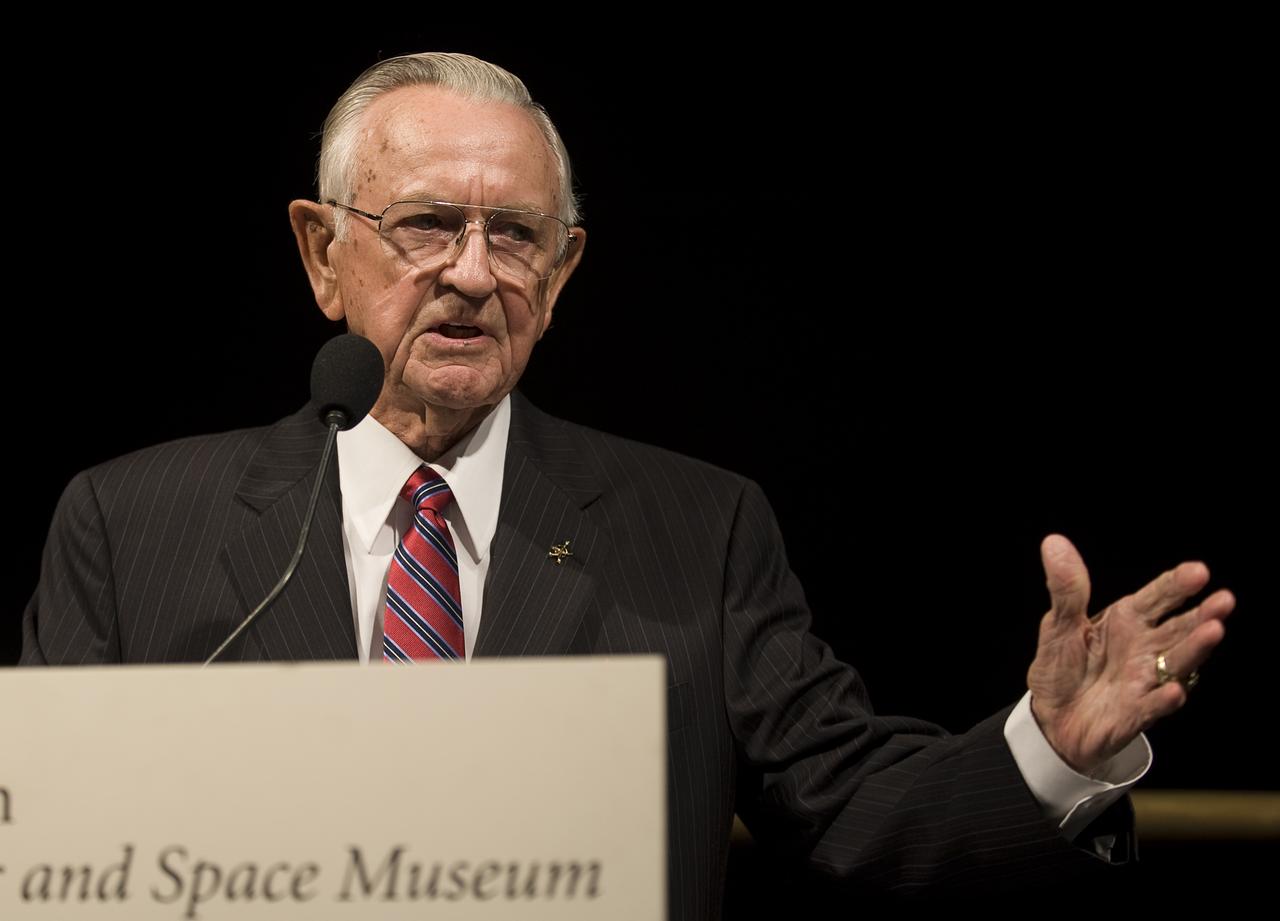
On the eve of the fortieth anniversary of Apollo 11's first human landing on the Moon, NASA Mission Control creator and former NASA Johnson Space Center director Chris Kraft speaks during a lecture in honor of Apollo 11 at the National Air and Space Museum in Washington, Sunday, July 19, 2009. Guest speakers included Former NASA Astronaut and U.S. Senator John Glenn, Apollo 11 crew members, Buzz Aldrin, Neil Armstrong, and Michael Collins. Photo Credit: (NASA/Bill Ingalls)
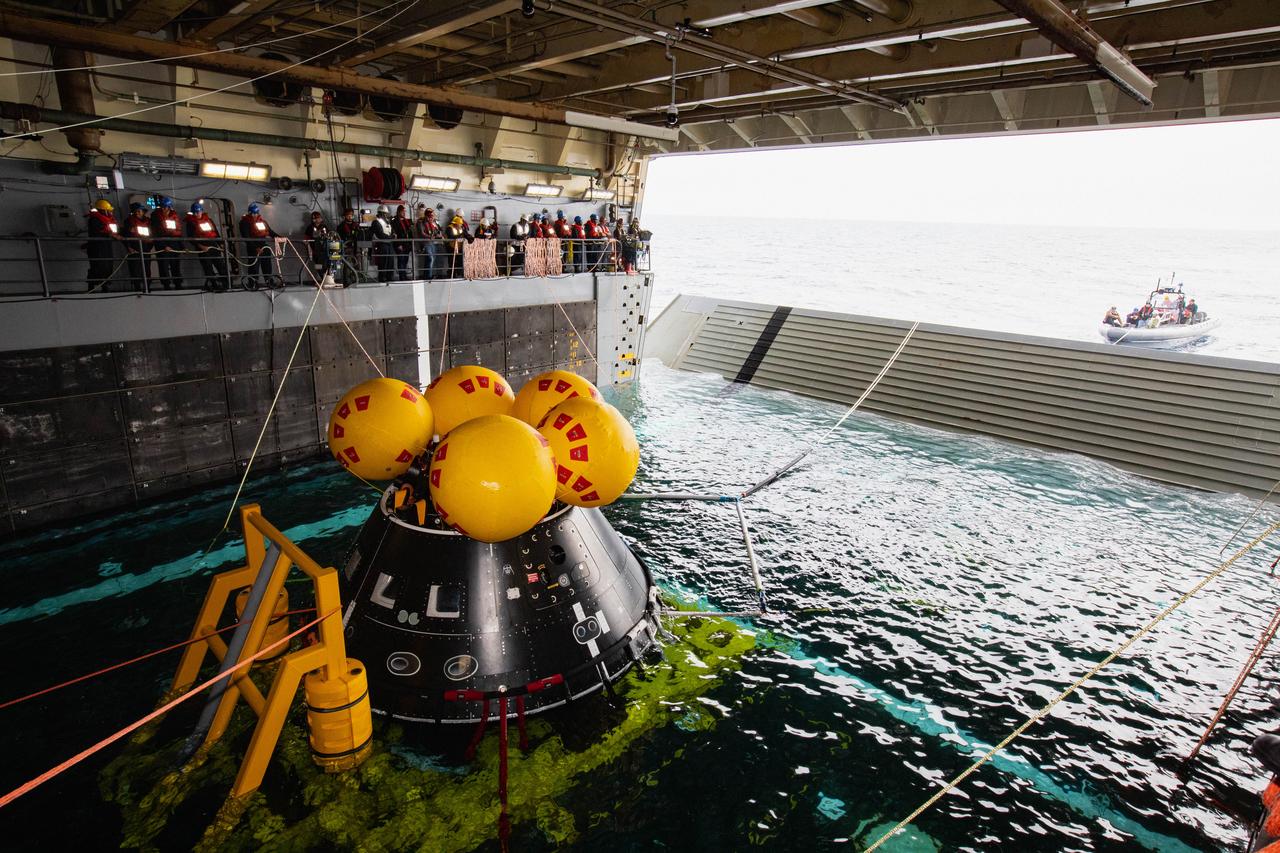
NASA’s Exploration Ground System’s Landing and Recovery team and partners from the Department of Defense aboard the USS San Diego practice recovery procedures using the Crew Module Test Article, during Underway Recovery Test 11 (URT-11) off the coast of San Diego, California on Sunday, Feb. 25, 2024. URT-11 is the eleventh in a series of Artemis recovery tests, and the first time NASA and its partners put their Artemis II recovery procedures to the test with the astronauts.
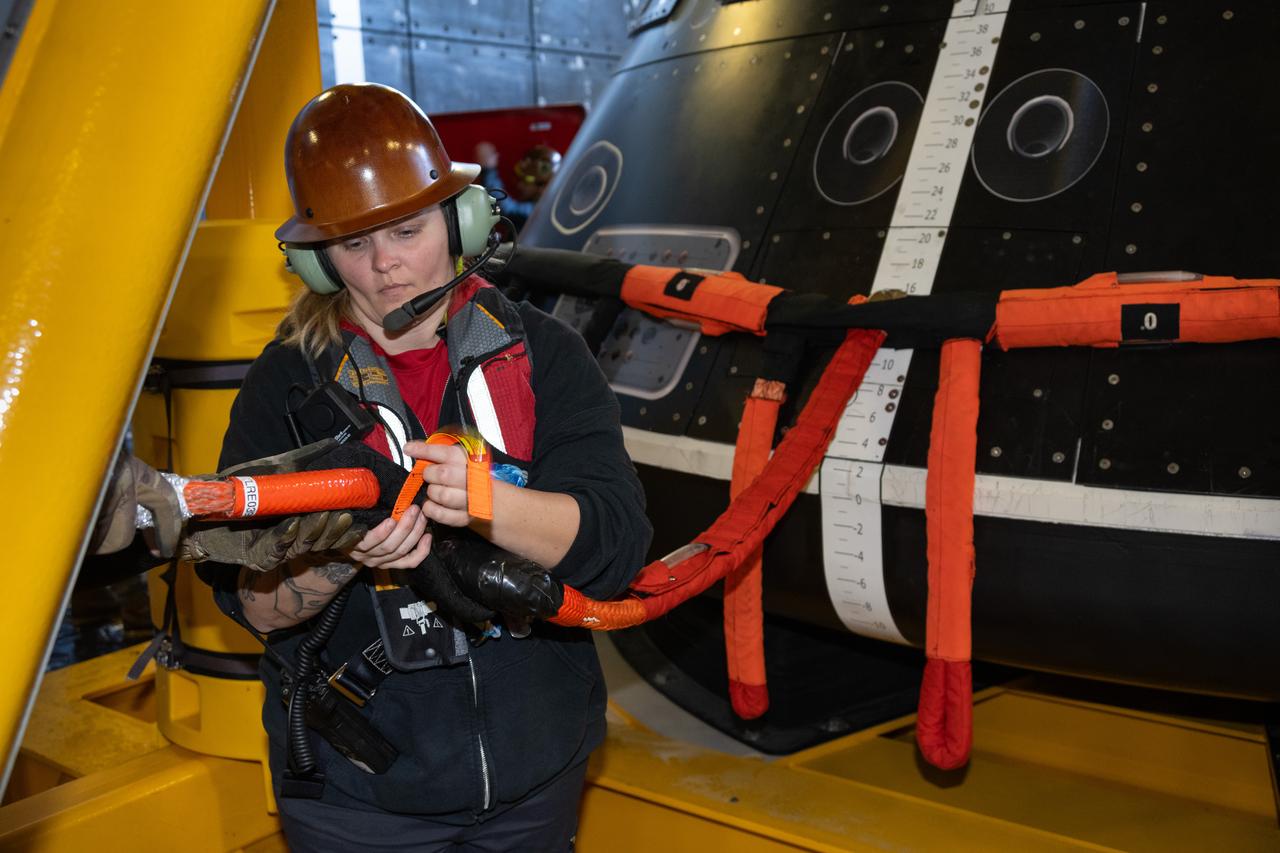
Members of NASA’s Exploration Ground System’s Landing and Recovery team and partners from the Department of Defense aboard the USS San Diego secure the Crew Module Test Article on its stand in the ship’s well deck while practicing recovery procedures during Underway Recovery Test 11 (URT-11) off the coast of San Diego on Thursday, Feb. 22, 2024. URT-11 is the eleventh in a series of Artemis recovery tests, and the first time NASA and its partners put their Artemis II recovery procedures to the test with the astronauts.
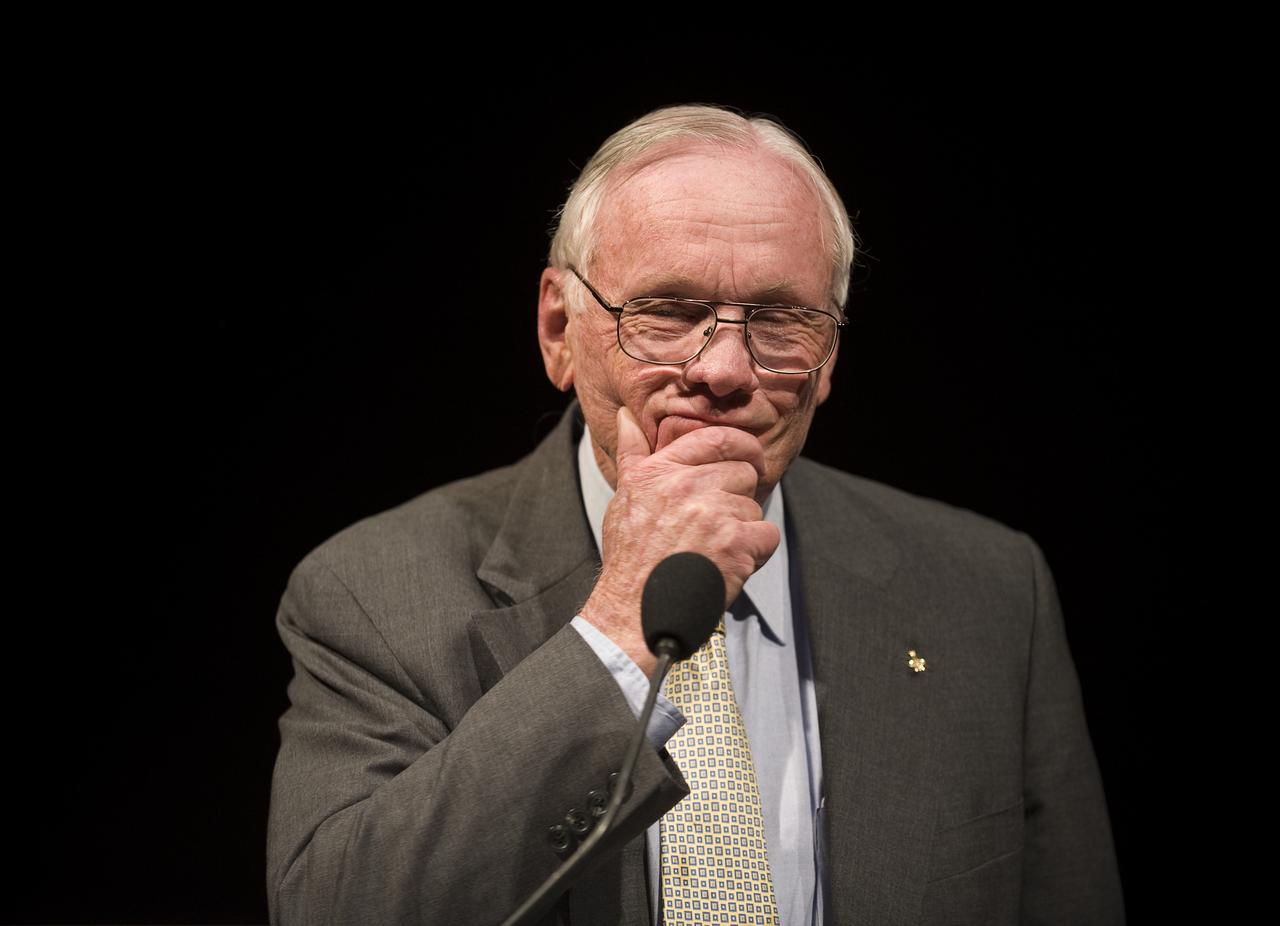
On the eve of the fortieth anniversary of the first human landing on the Moon, Apollo 11 Astronaut Neil Armstrong speaks during a lecture in honor of Apollo 11 at the National Air and Space Museum in Washington, Sunday, July 19, 2009. Guest speakers included Former NASA Astronaut and U.S. Senator John Glenn, NASA Mission Control creator and former NASA Johnson Space Center director Chris Kraft and the crew of Apollo 11. Photo Credit: (NASA/Bill Ingalls)
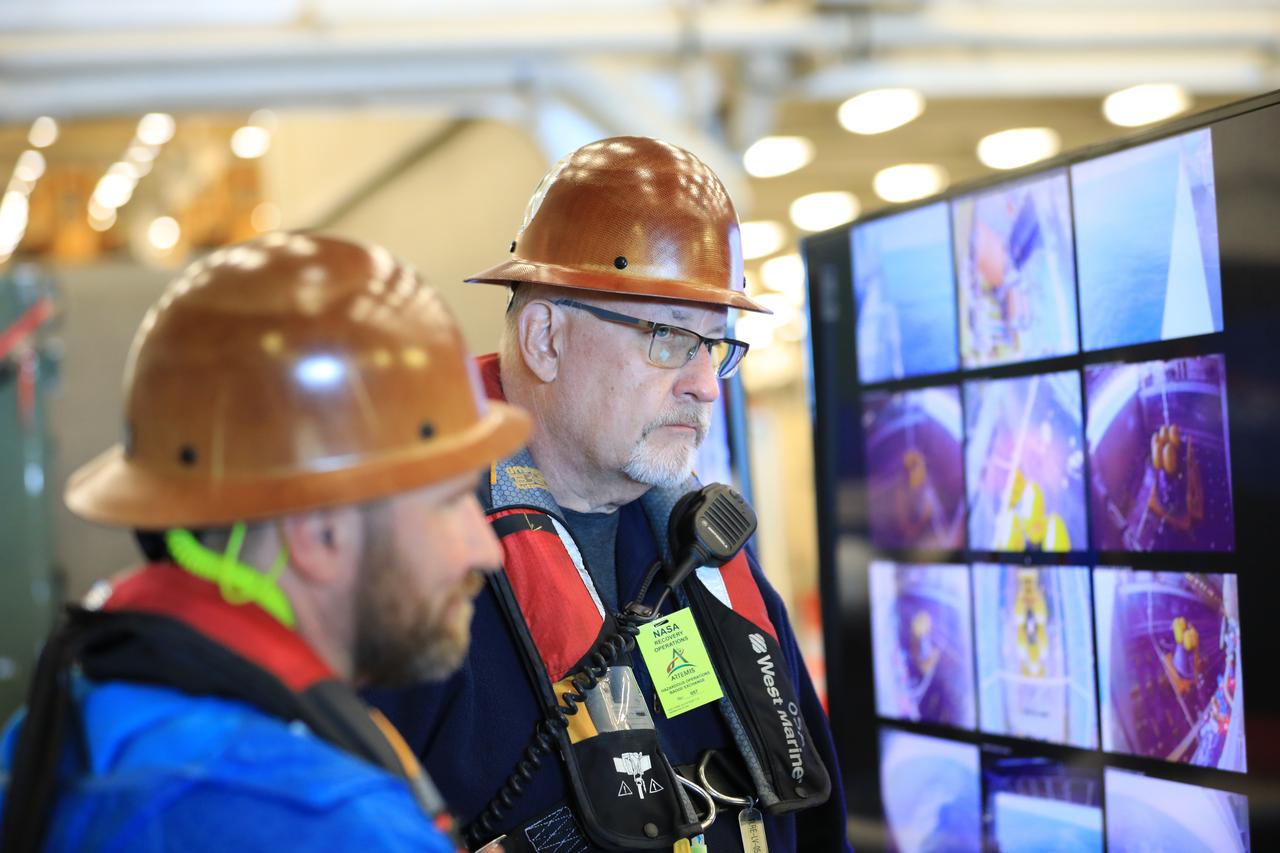
Members of NASA’s Exploration Ground System’s Landing and Recovery team and partners from the Department of Defense aboard the USS San Diego monitor operations of the day in the ship’s well deck and practice recovery procedures using the Crew Module Test Article, during Underway Recovery Test 11 (URT-11) off the coast of San Diego on Thursday, Feb. 22, 2024. URT-11 is the eleventh in a series of Artemis recovery tests, and the first time NASA and its partners put their Artemis II recovery procedures to the test with the astronauts.