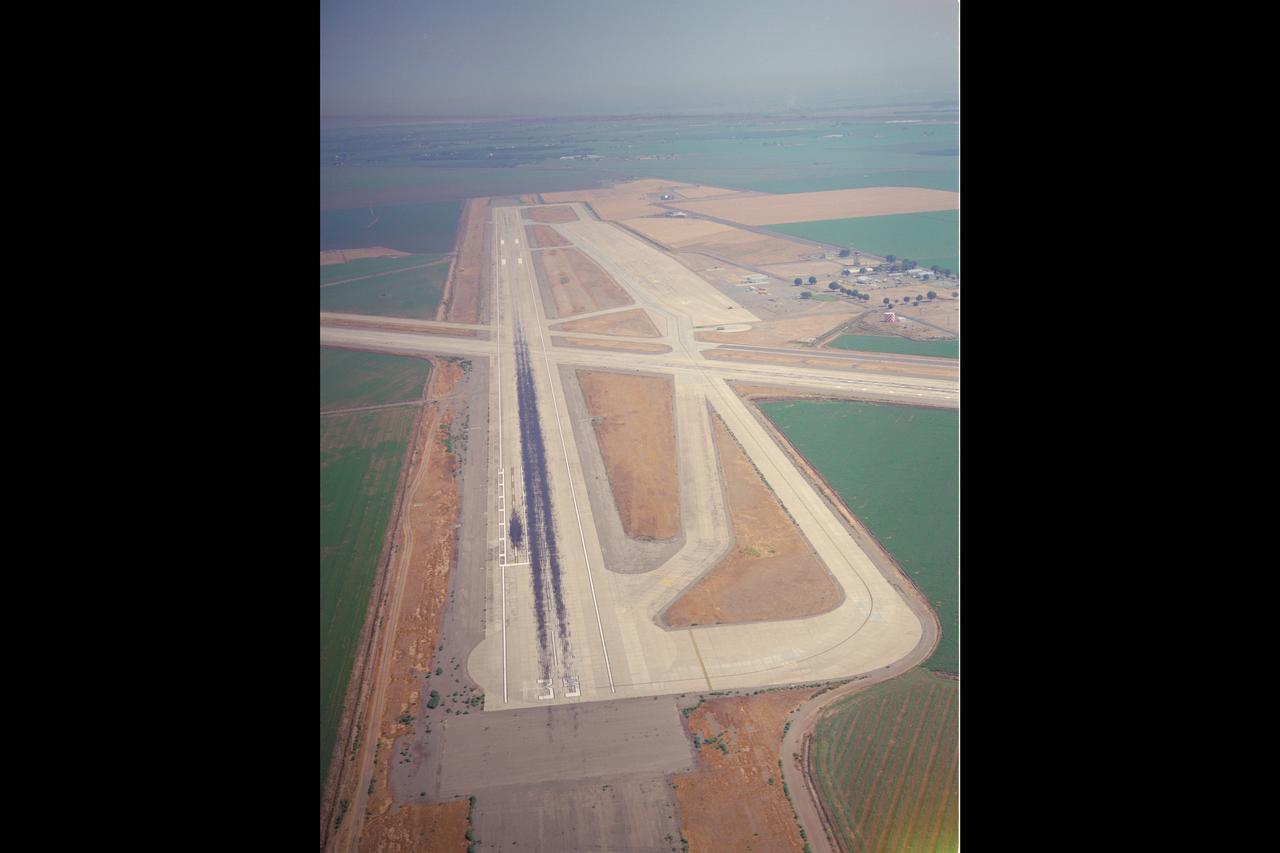
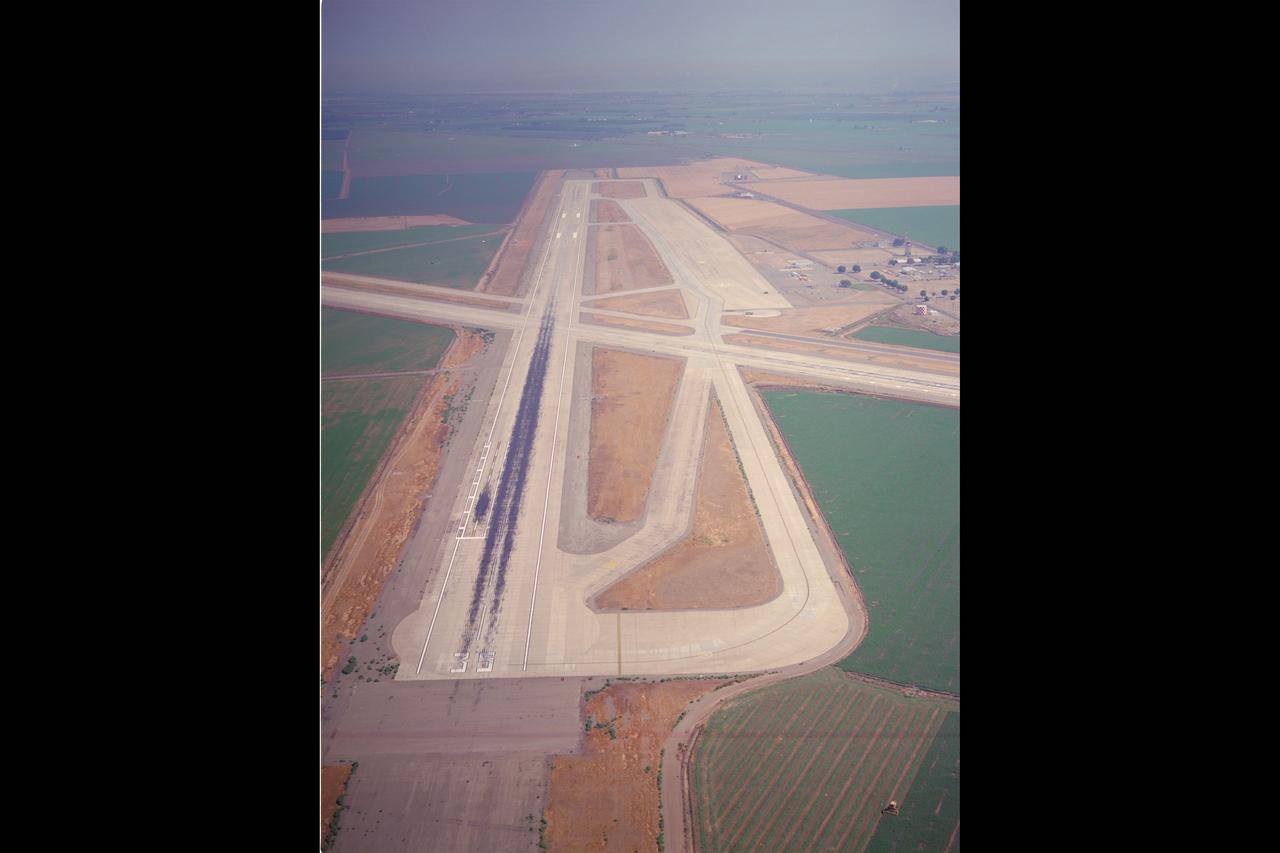
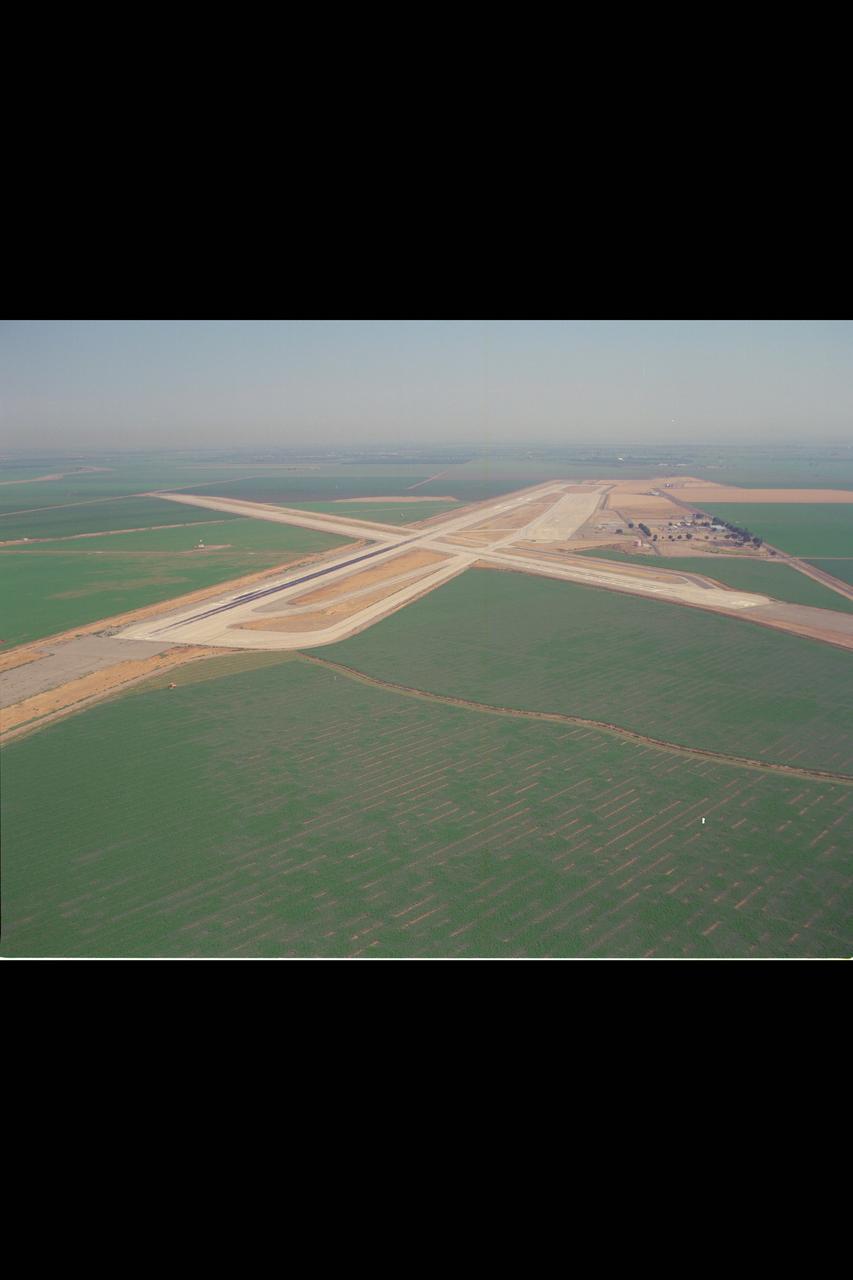
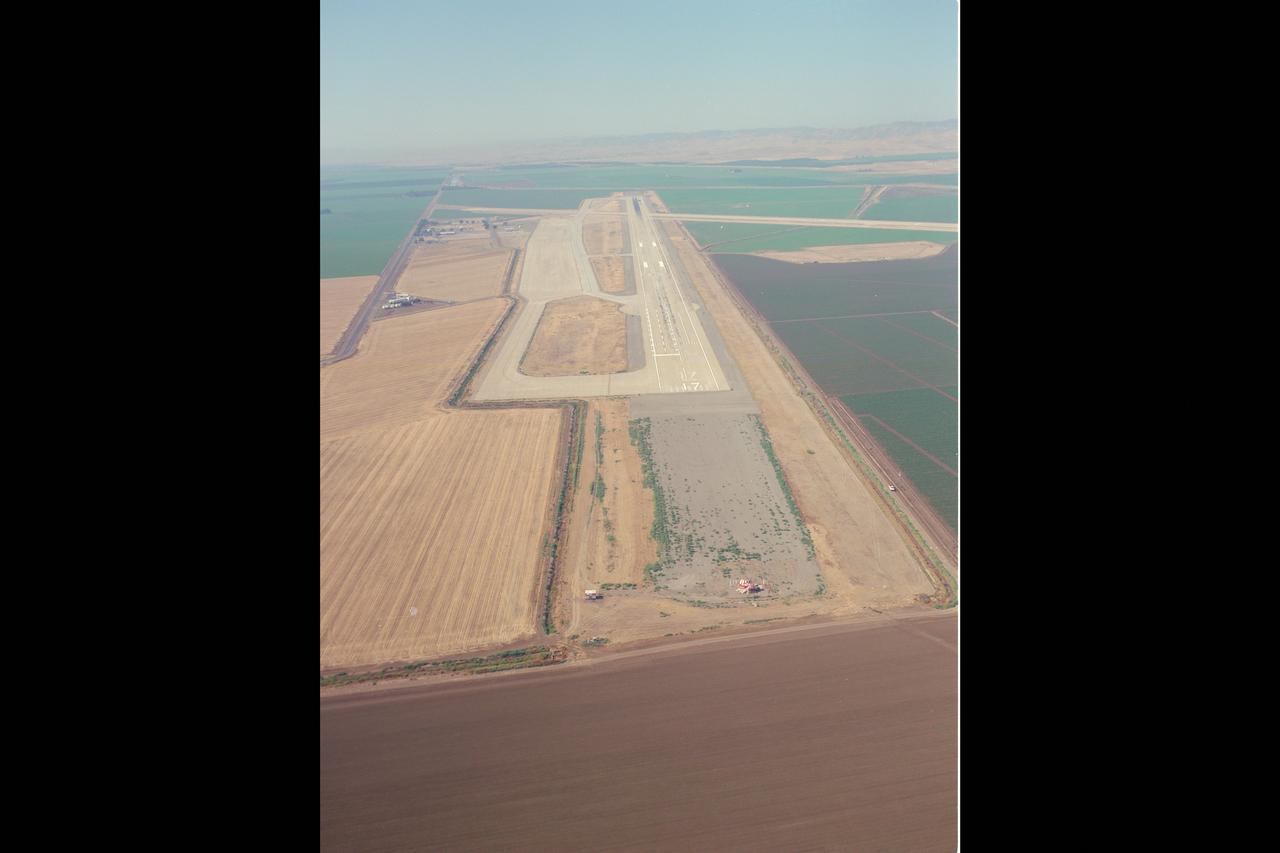
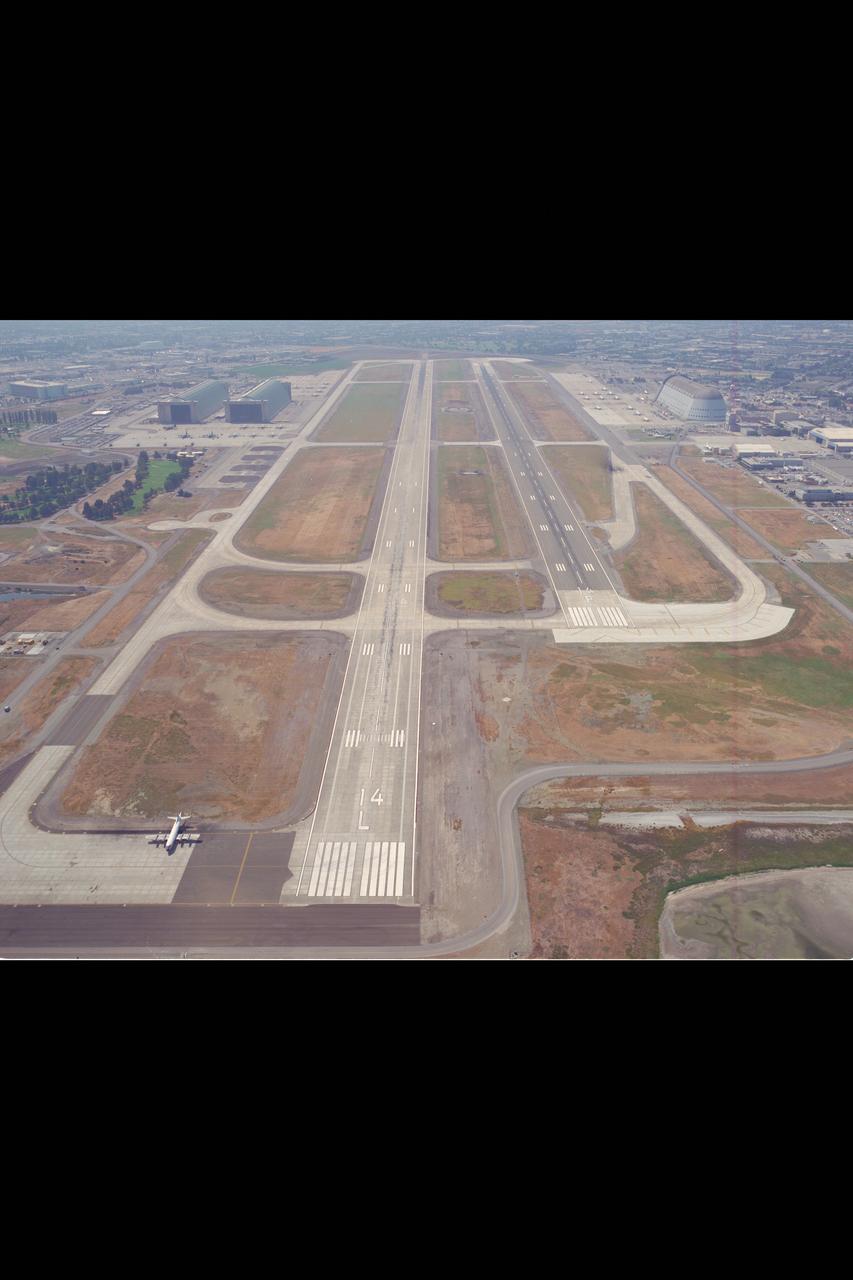
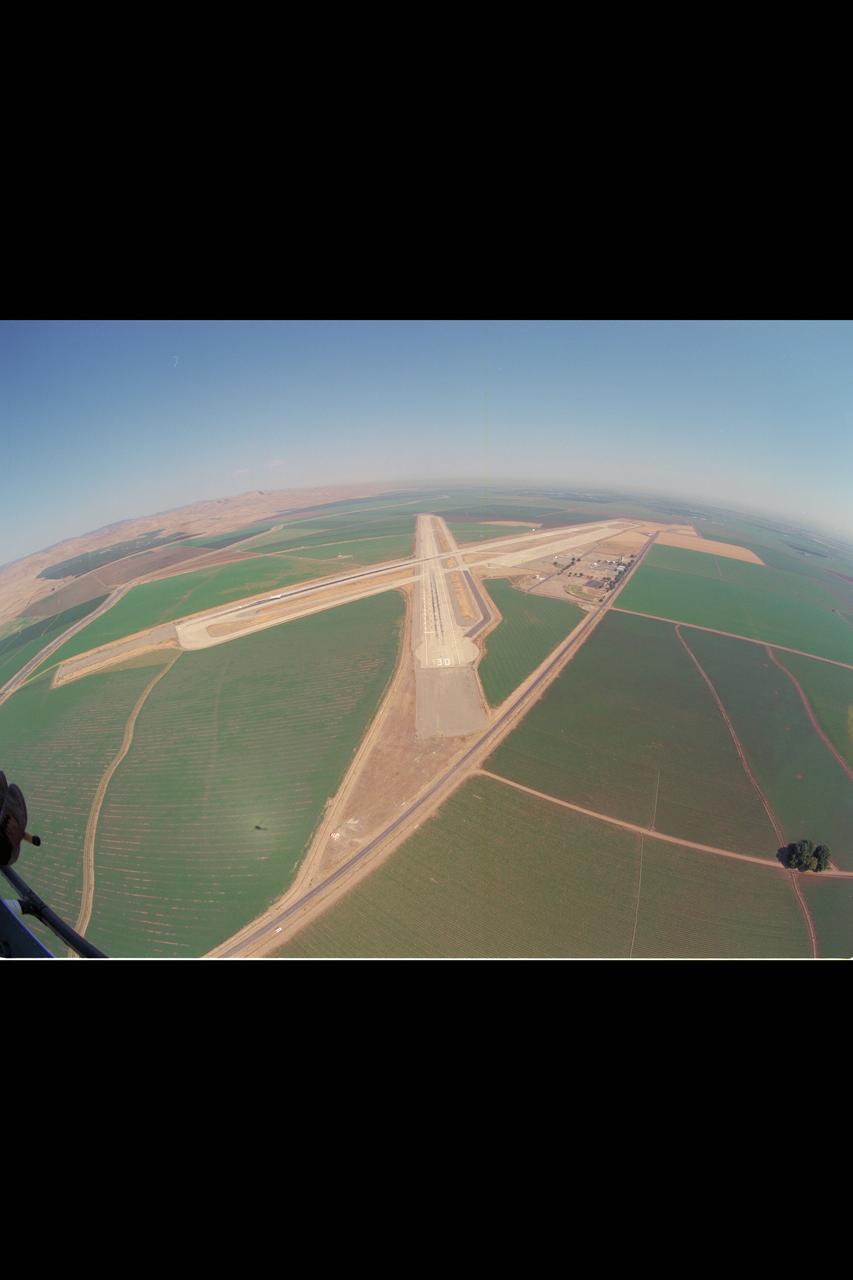
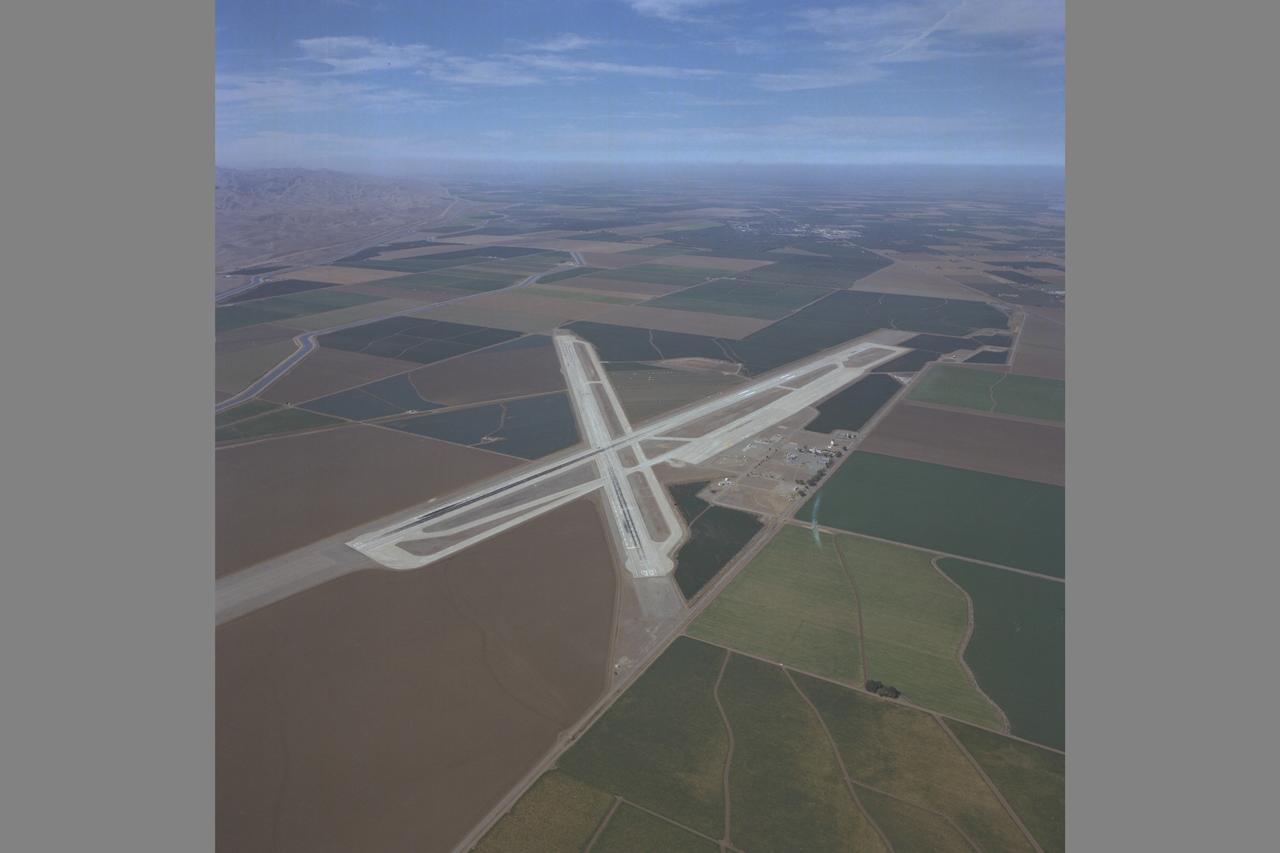
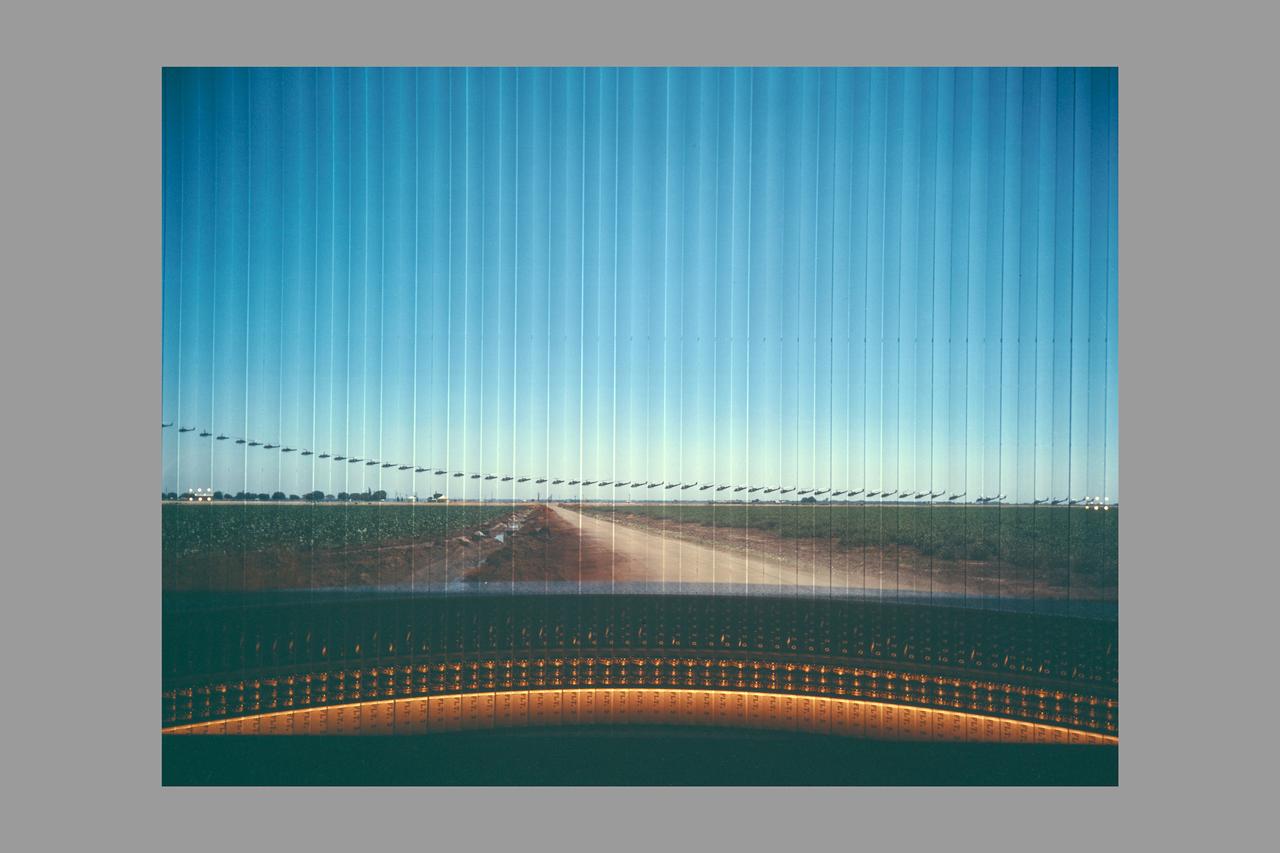
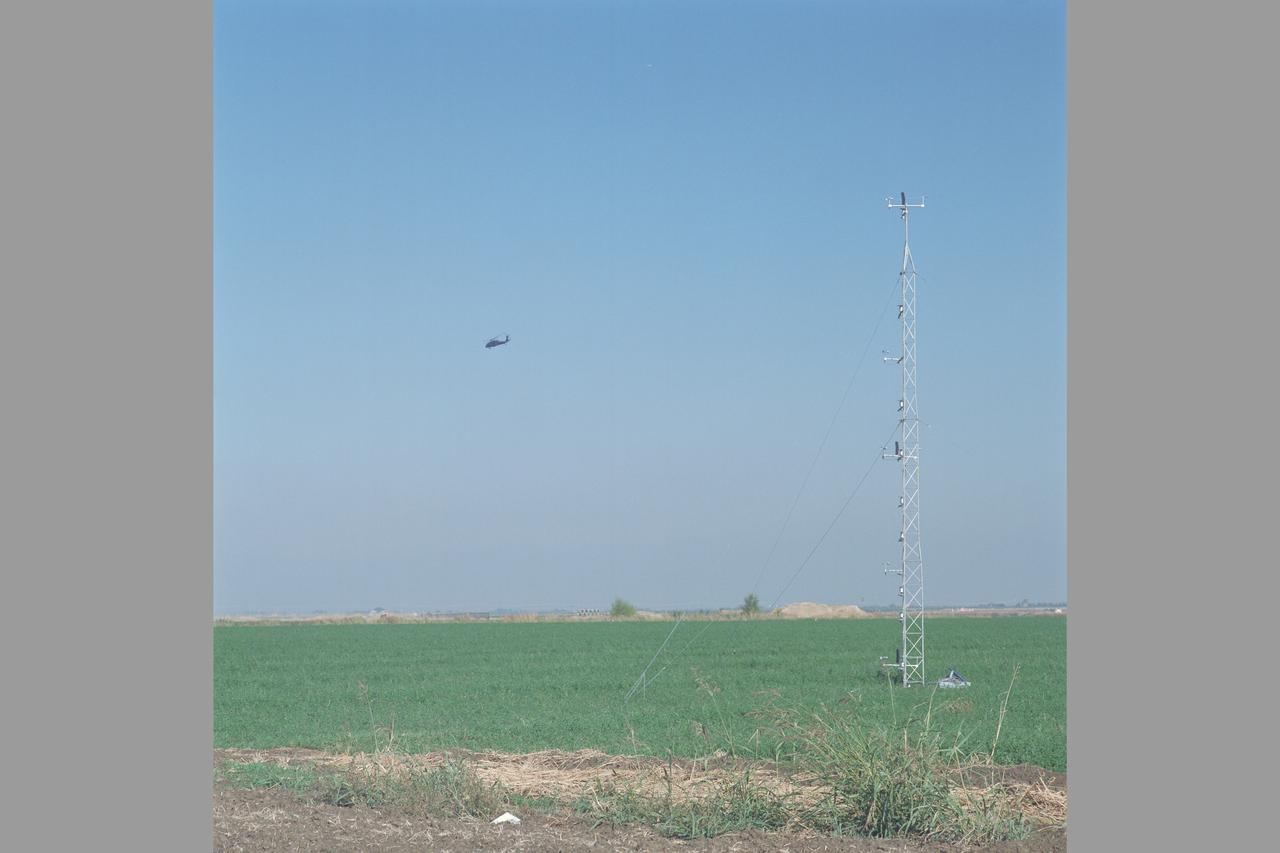
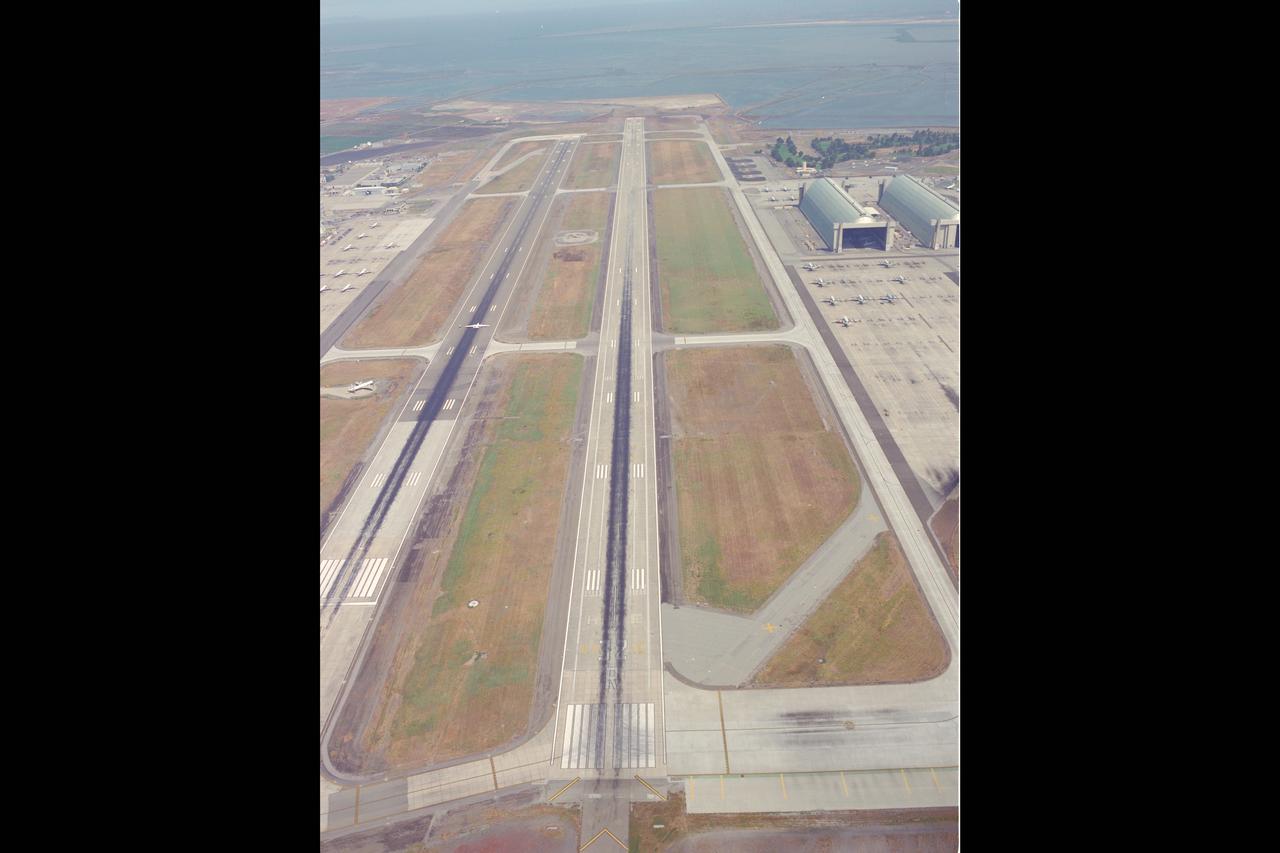
Crows Landing runway approach
ARC-1988-AC88-0443-25
Crows Landing runway approach
ARC-1988-AC88-0443-76
Crows Landing runway approach
ARC-1988-AC88-0443-52
Crows Landing runway approach
ARC-1988-AC88-0443-40
Crows Landing runway approach
ARC-1988-AC88-0443-8
Crows Landing runway approach
ARC-1988-AC88-0443-37
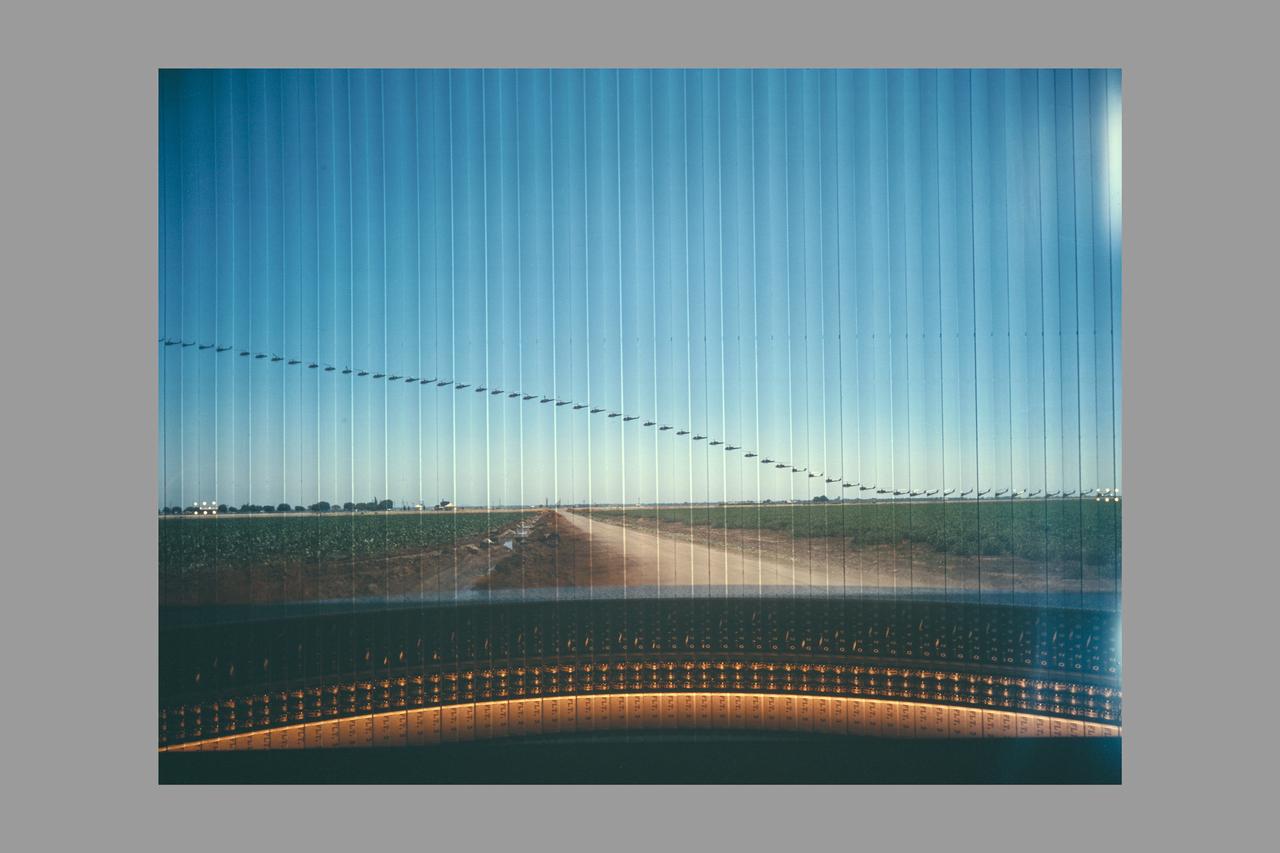
Crows Landing runway approach  (scanning the horizon)
ARC-1988-AC88-0443-35
Crows Landing Naval Auxiliary Landing Field and flight research facility, Crows Landing, CA  Note:  Used in publication in Flight Research at Ames;  57 Years of Development and Validation of Aeronautical Technology NASA SP-1998-3300 fig. 109
ARC-1969-AC76-1400-15
MAX Performance take-offs of helicopter at Crows Landing
ARC-1973-AC73-3482
MAX Performance take-offs of helicopter at Crows Landing
ARC-1973-AC73-3481
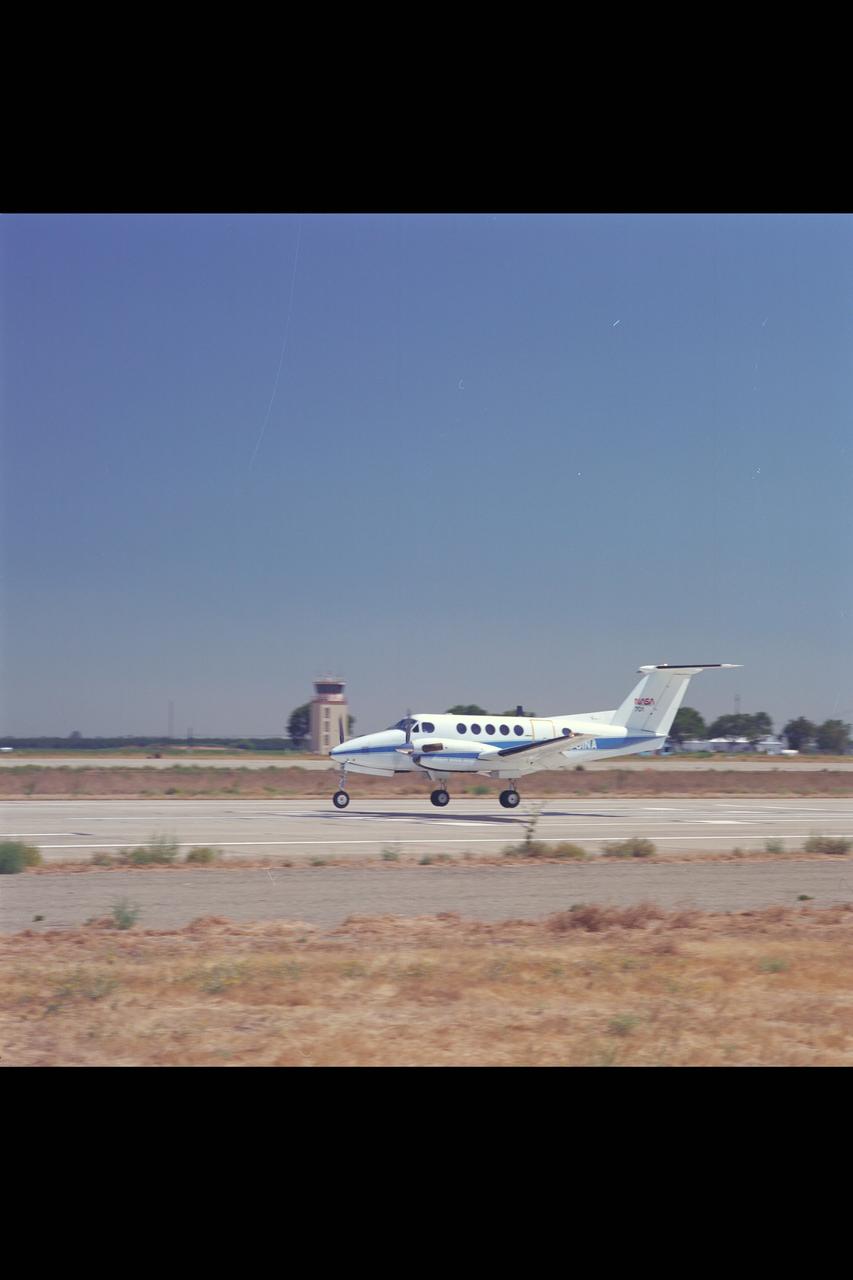
King Air (NASA-701) at Crows Landing
ARC-1969-AC93-0459-5
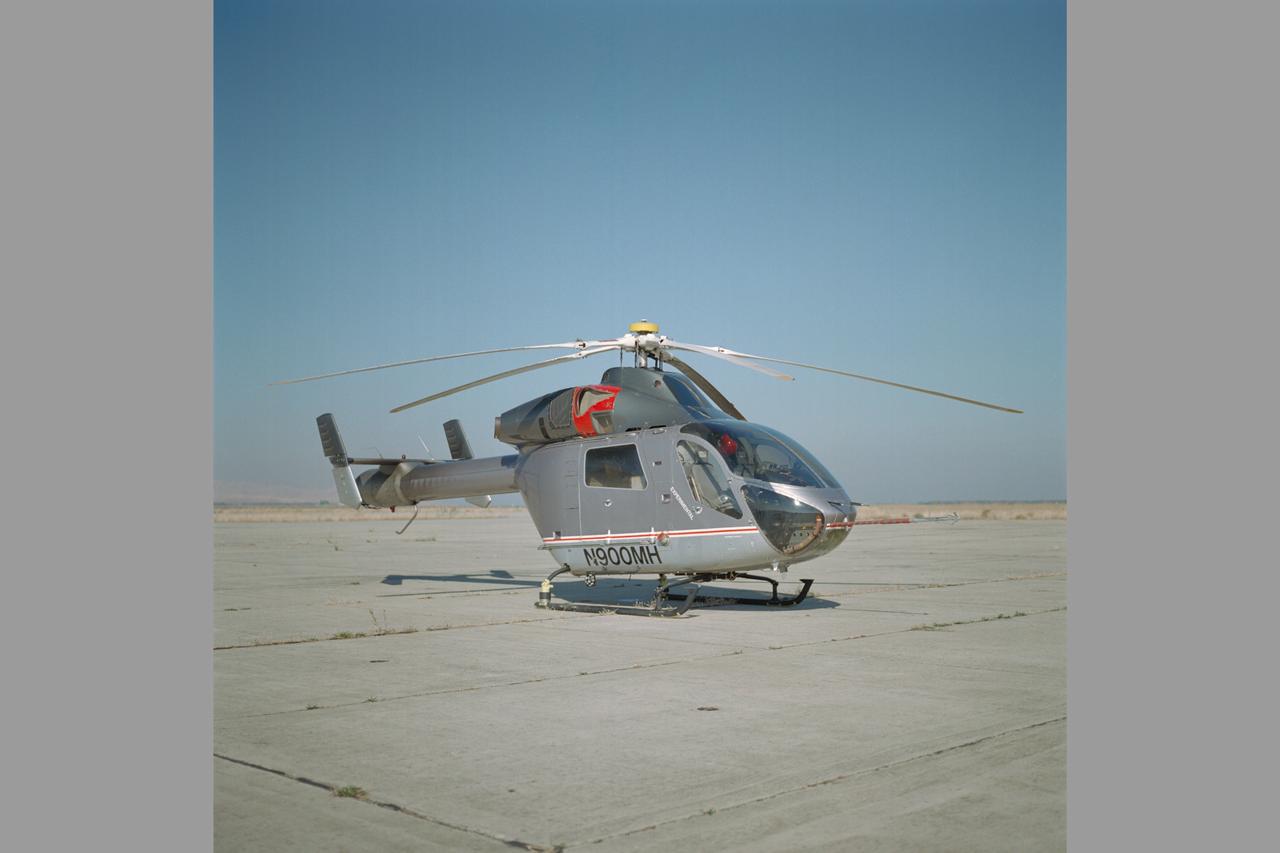
MD-900 (N900MH) Helicopter Noise Abatement Test - Crows Landing
ARC-1996-AC96-0386-1
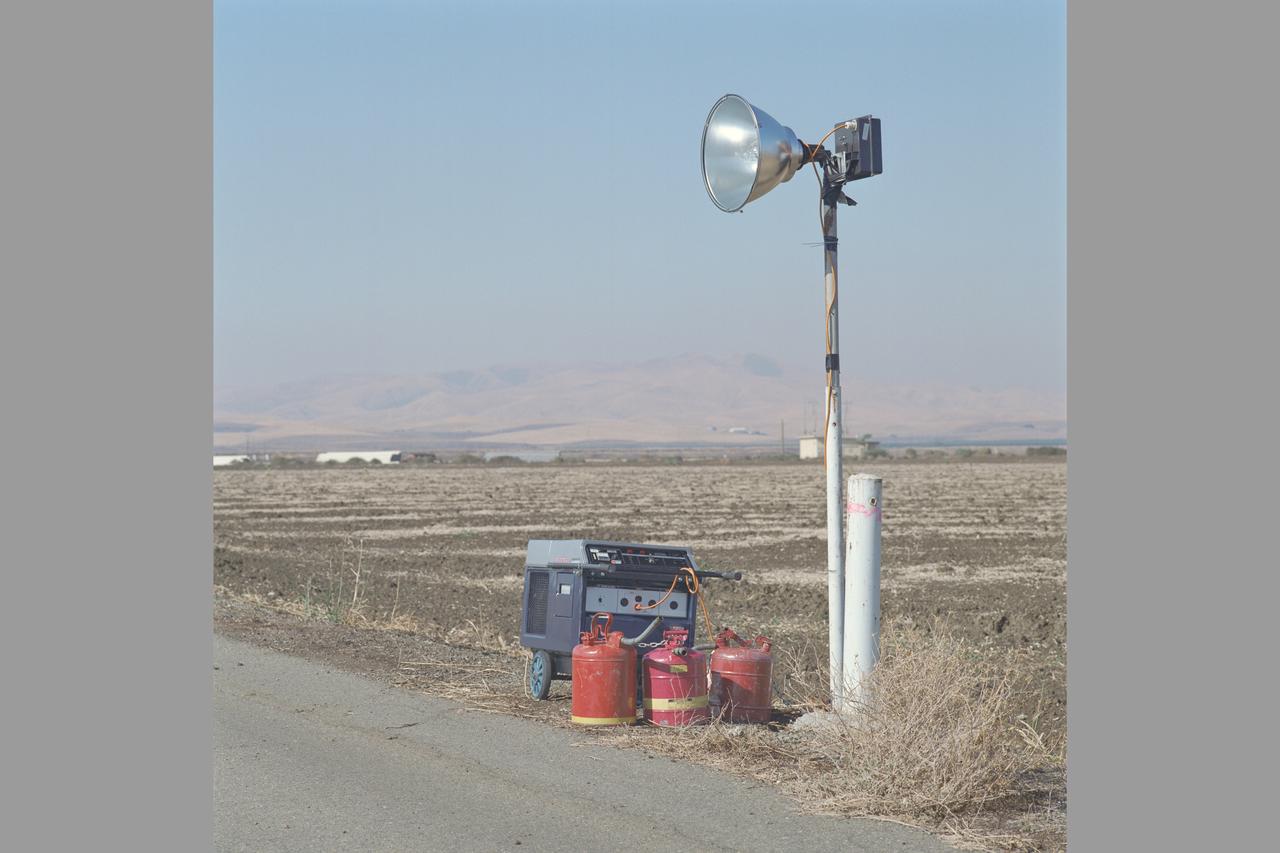
MD-900 (N900MH) Helicopter Noise Abatement Test - Crows Landing,  Microphones
ARC-1996-AC96-0386-5
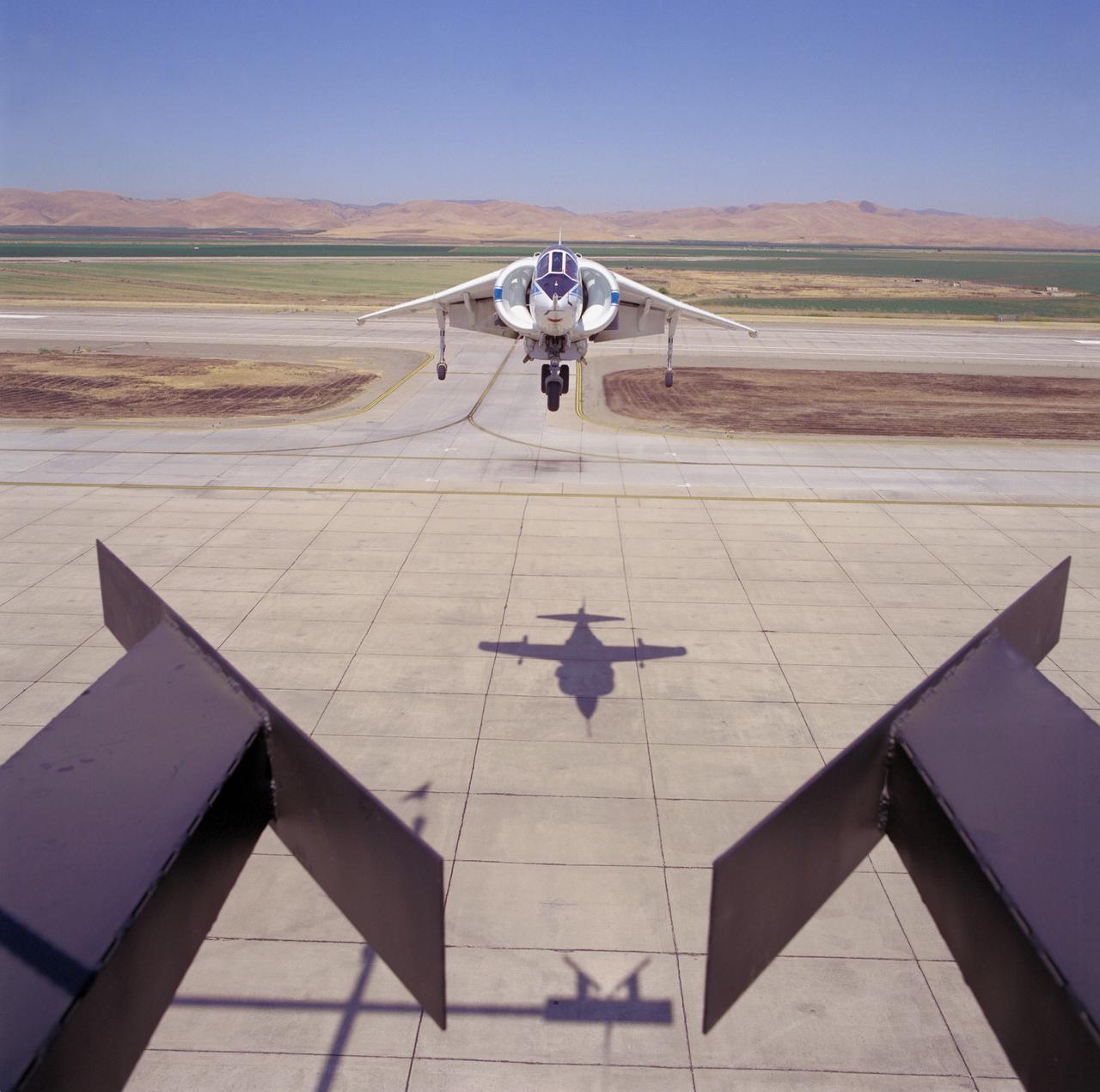
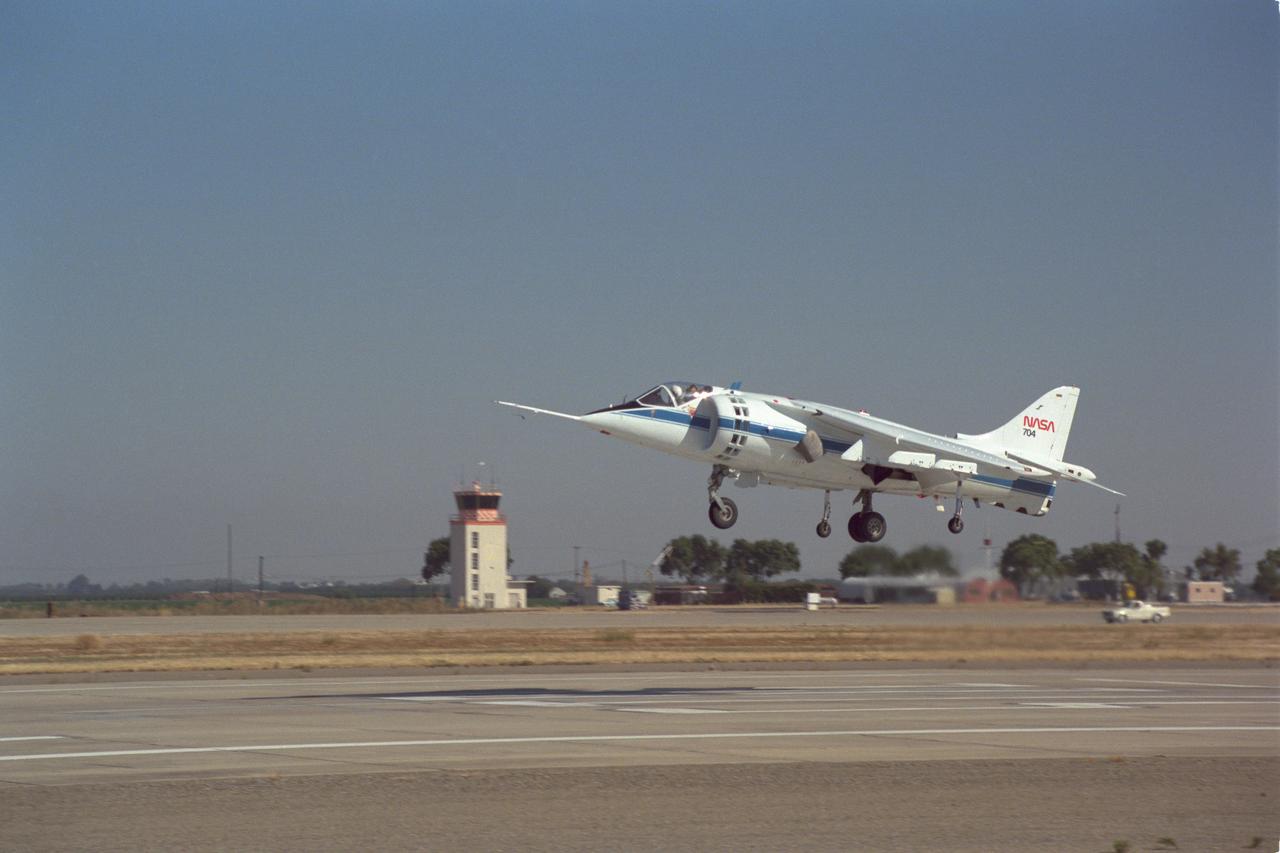
AV-8B (NASA-704) (VSRA) Crows Landing Precision Hover Test
ARC-1987-AC87-0594-15
MD-900 (N900MH) Helicopter Noise Abatement Test - Crows Landing, Microphones,
ARC-1996-AC96-0386-11
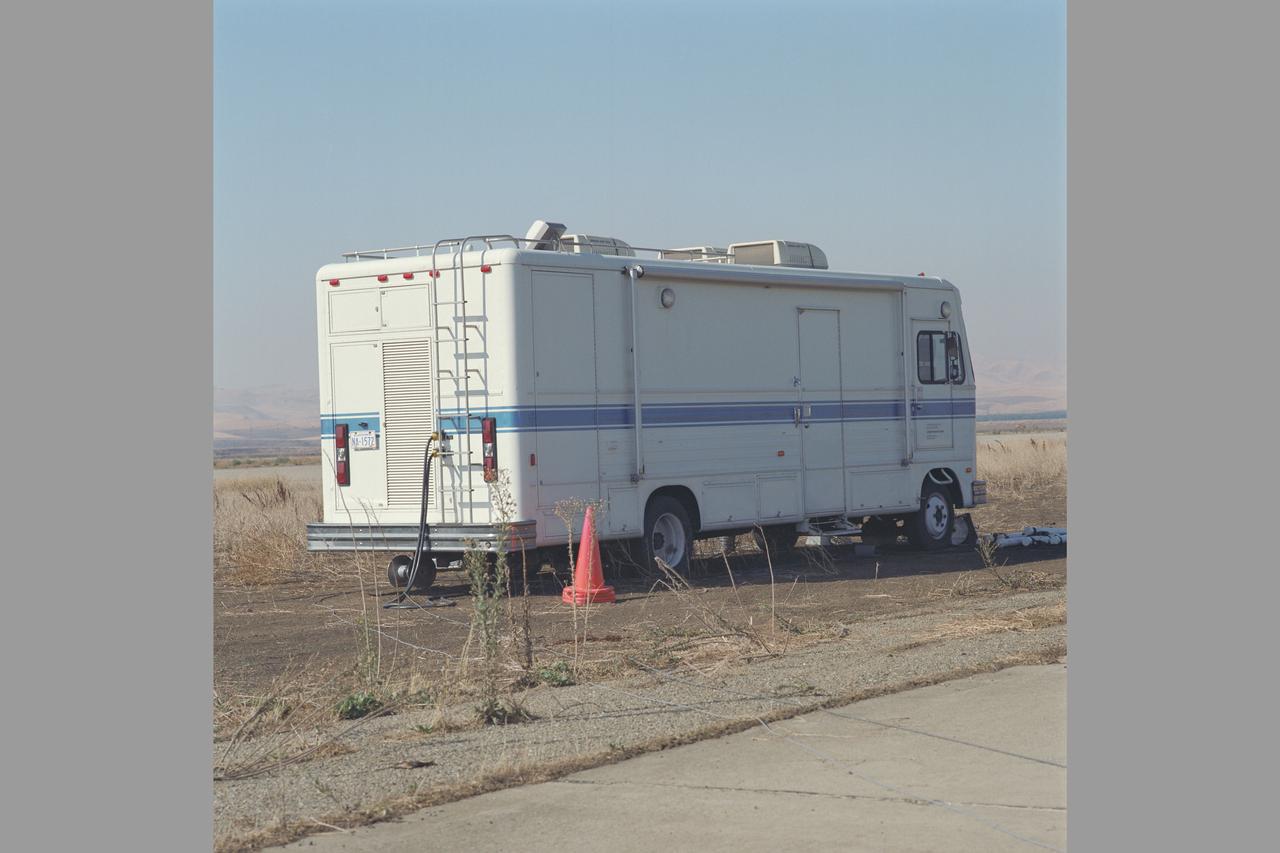
MD-900 (N900MH) Helicopter Noise Abatement Test - Crows Landing, Van
ARC-1996-AC96-0386-4
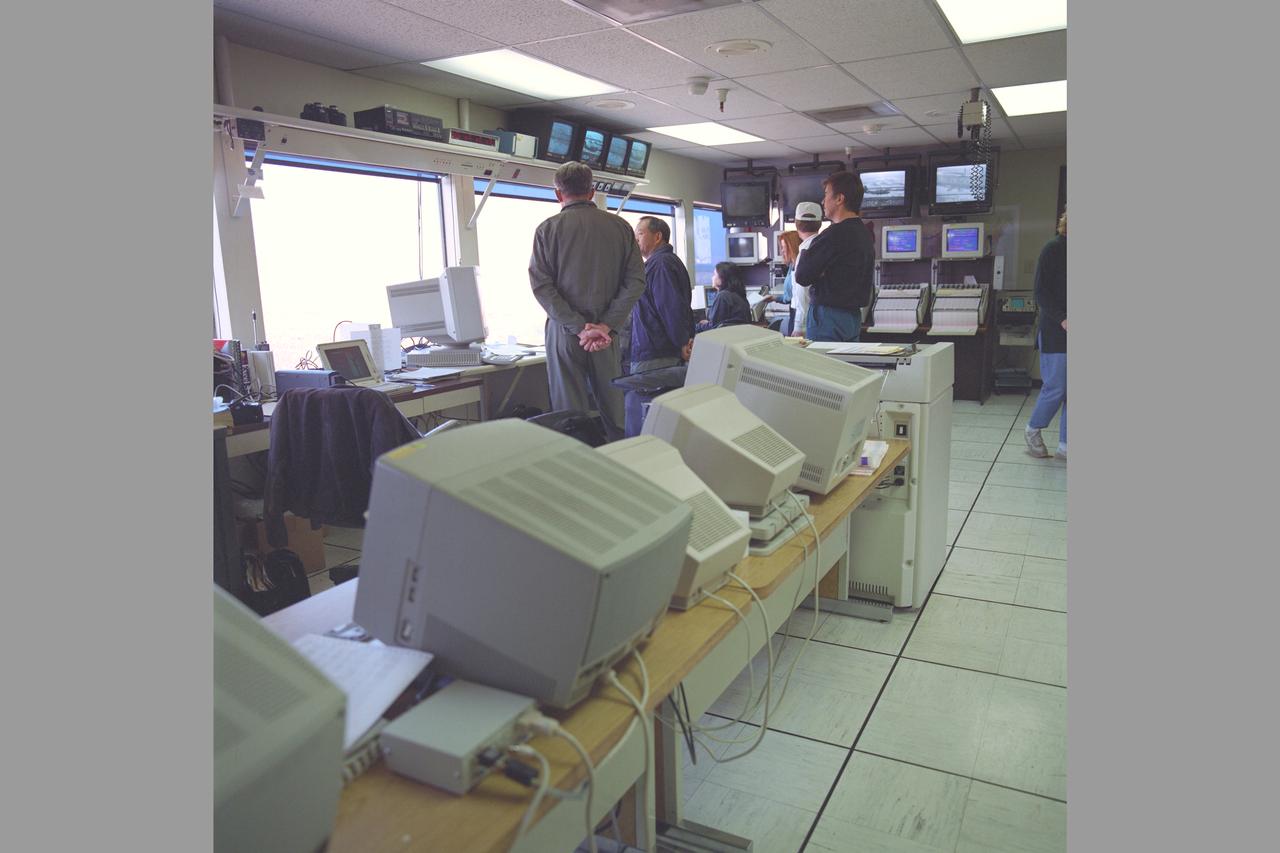
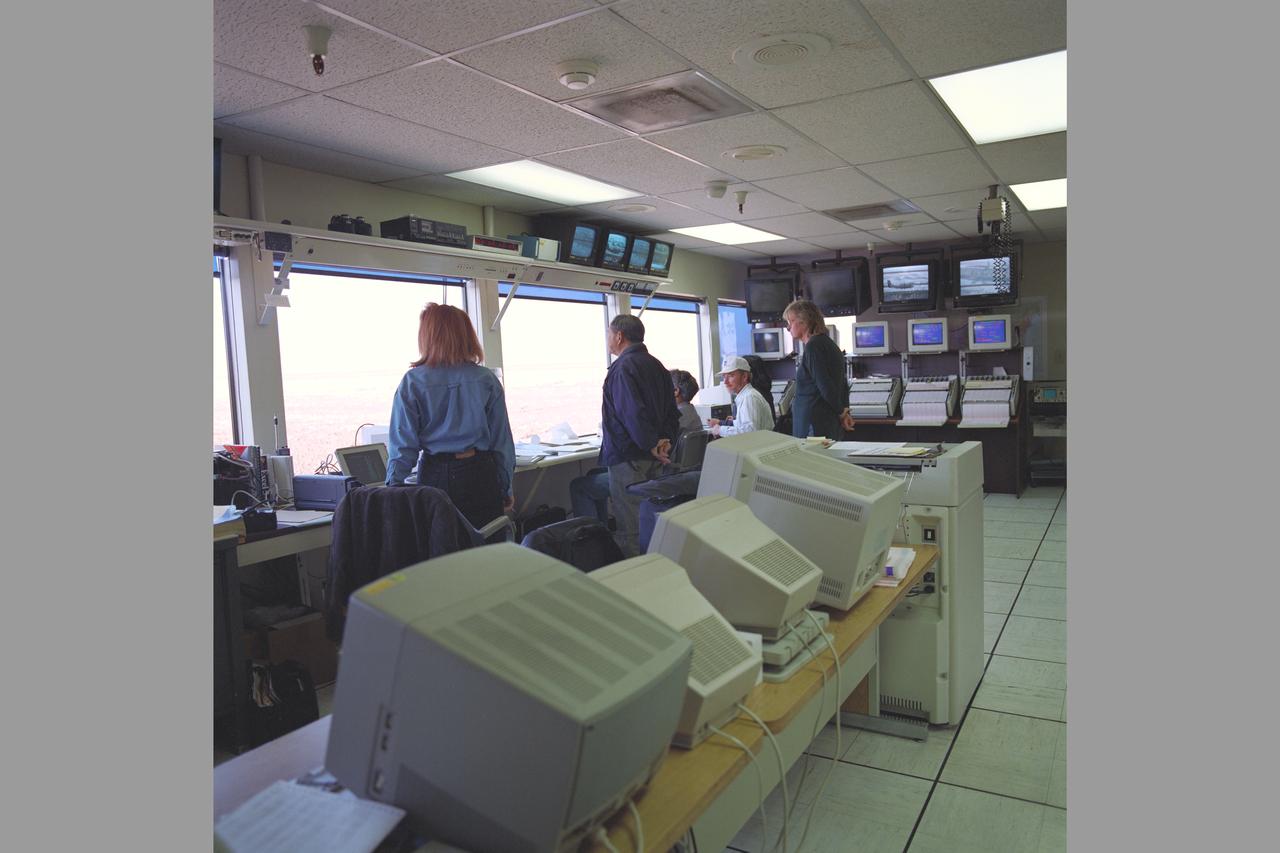
MD-900 (N900MH) Helicopter Noise Abatement Test - Crows Landing, Control Room with test evaluation crew
ARC-1996-AC96-0386-15
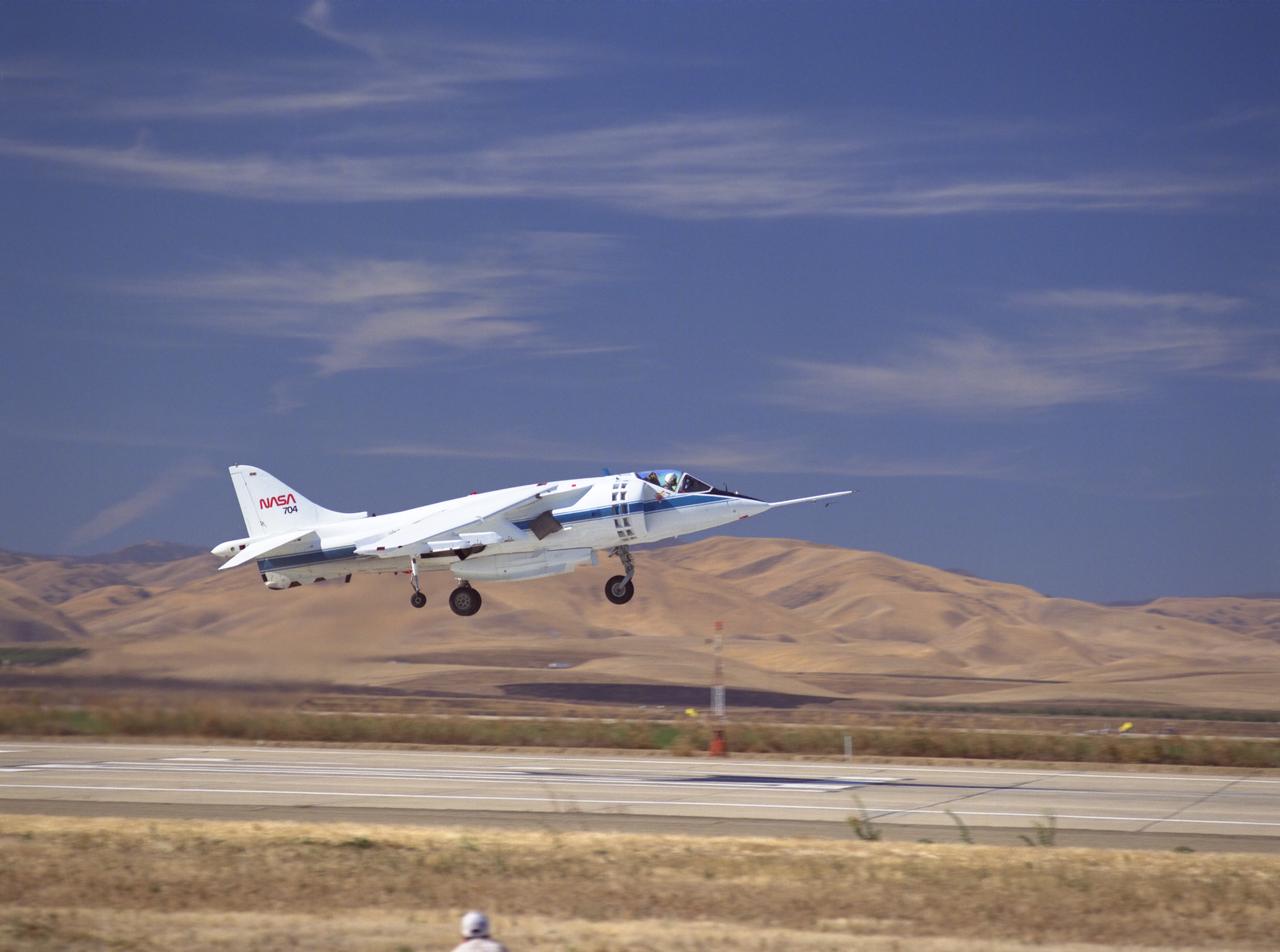
AV-8B (NASA-704) take-off at Crow Landing, Central Valley, CA
ARC-1985-AC85-0850-54
AV-8B Harrier V/STOL Aircraft NASA-704 take off at the NASA Ames facillity Crows Landing, CA
ARC-1985-AC85-0740-13
MD-900 (N900MH) Helicopter Noise Abatement Test - Crows Landing, Control Room with test evaluation crew
ARC-1996-AC96-0386-13
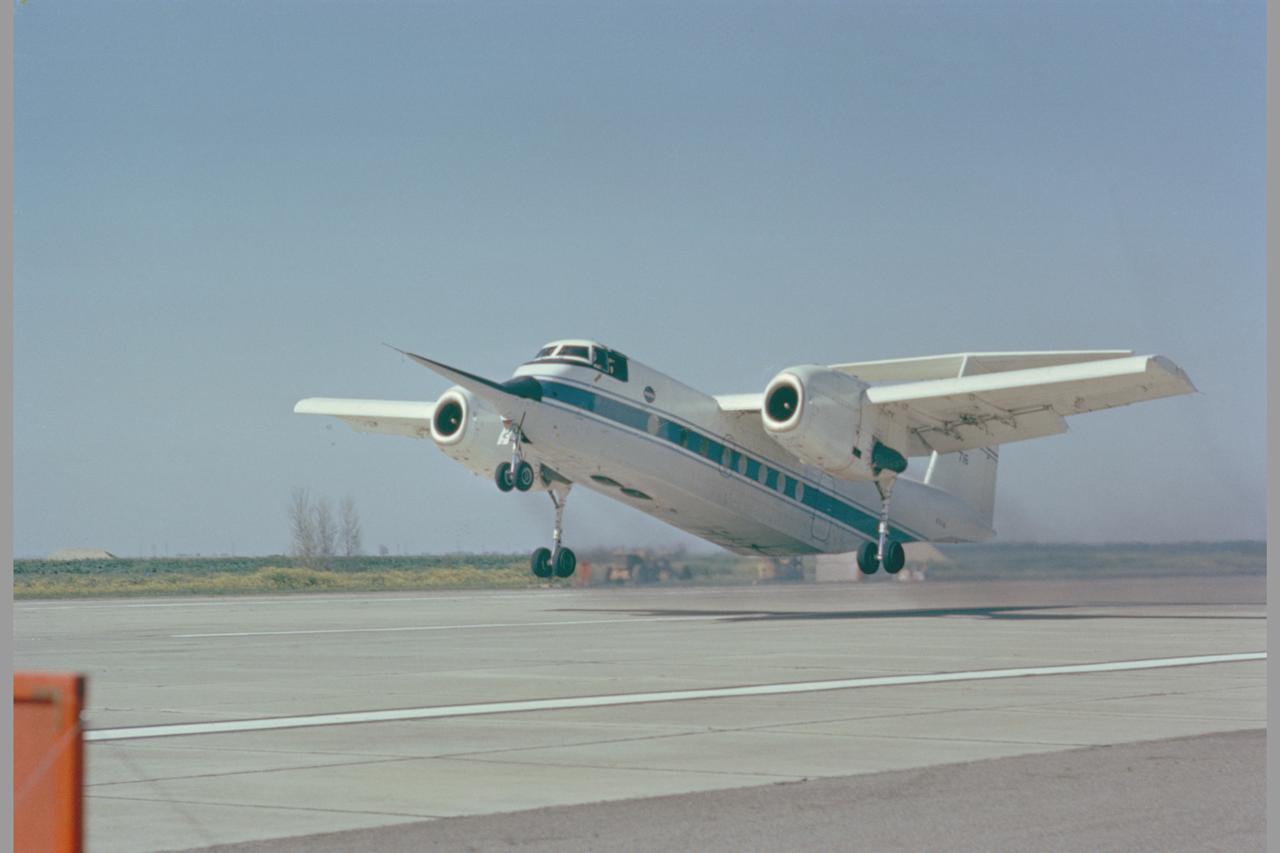
C-8A (NASA-716) Buffalo Augmentor Wing Jet STOL Research Aircraft at Crows Landing during take-off
ARC-1973-AC73-2101
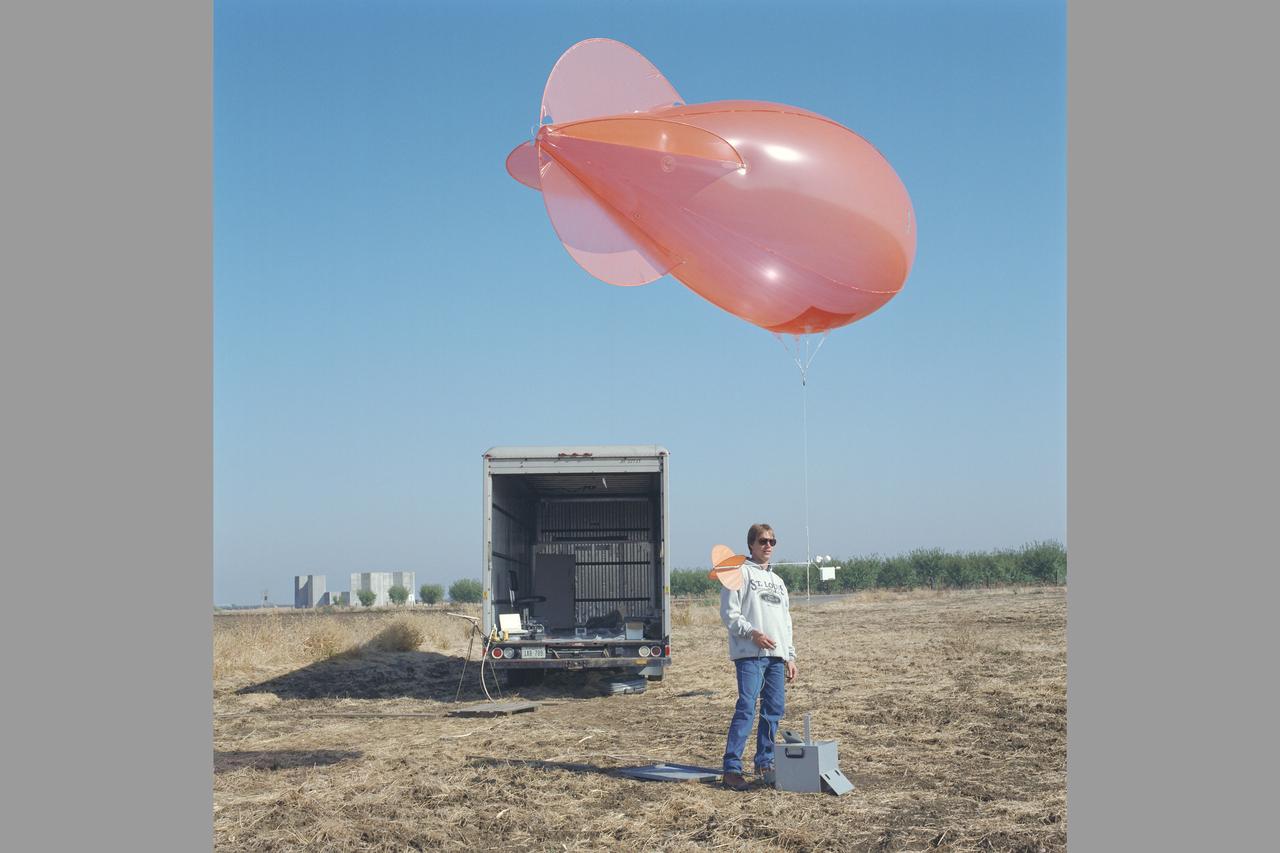
MD-900 (N900MH) Helicopter Noise Abatement Test - Crows Landing, Microphones, Van and balloon blimp (wind indicator)
ARC-1996-AC96-0386-6
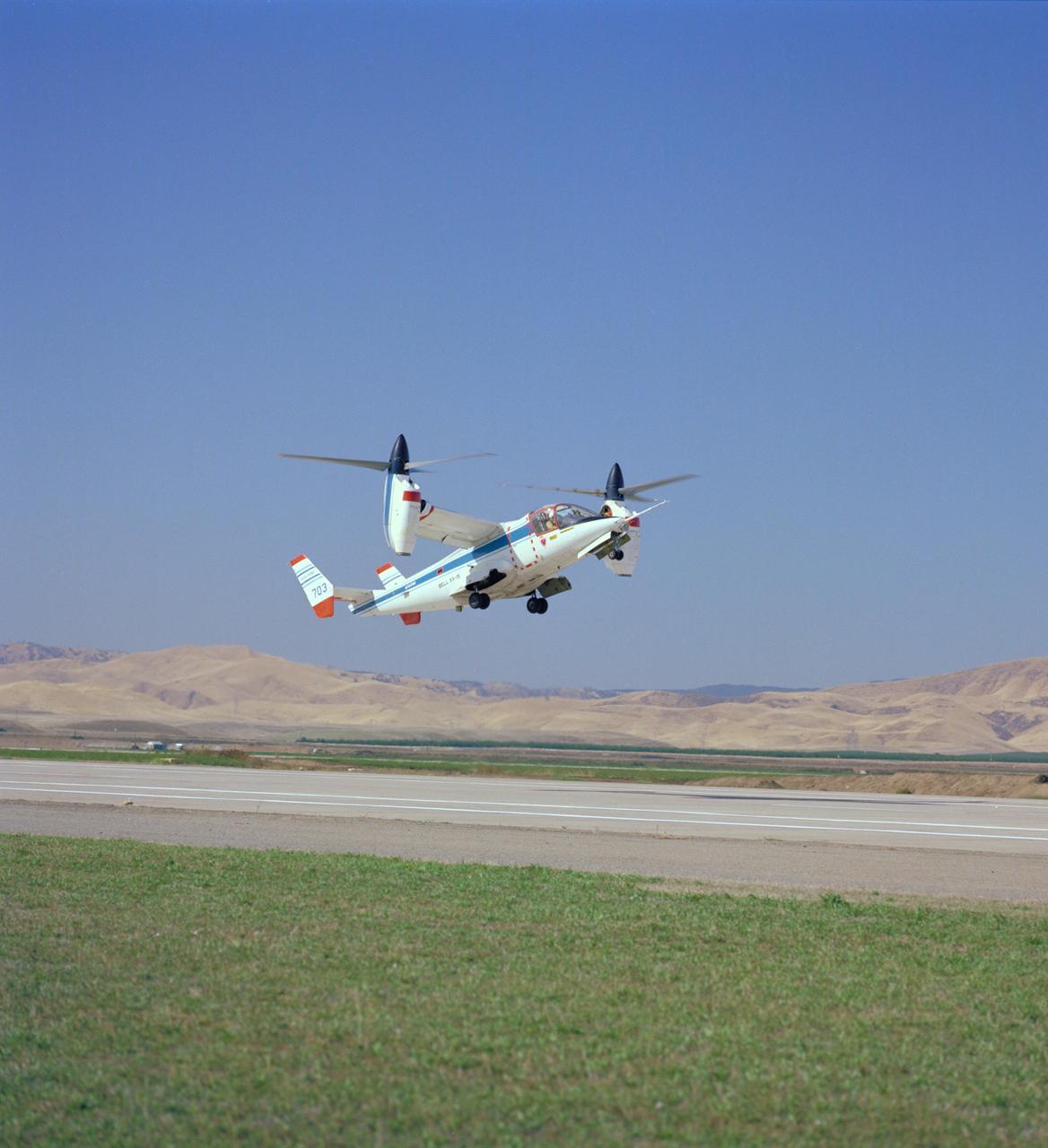
XV-15 (NASA-703) Tilt Rotor take-offs at the NASA Ames facility at Crows Landing, CA
ARC-1982-AC82-0723-22
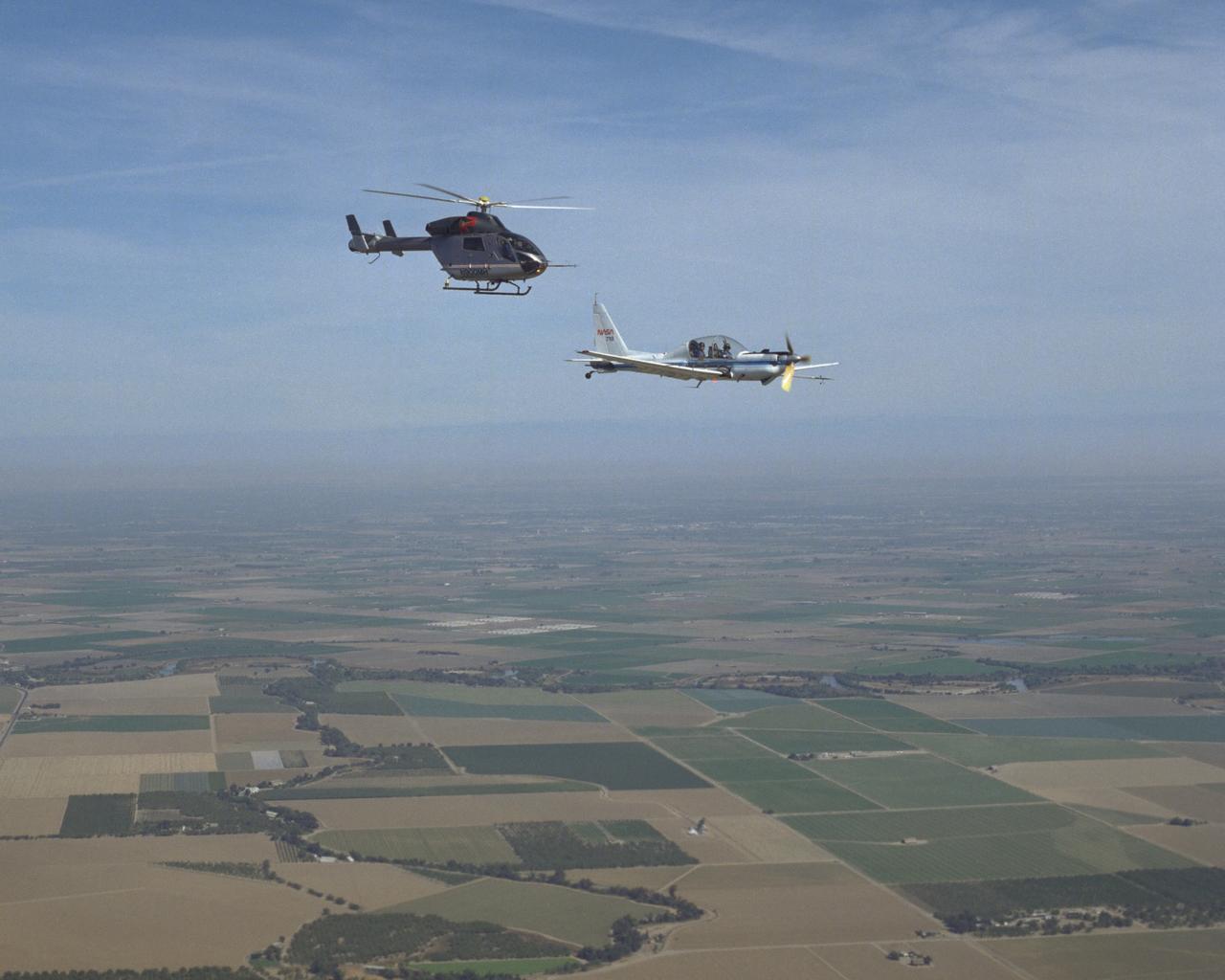
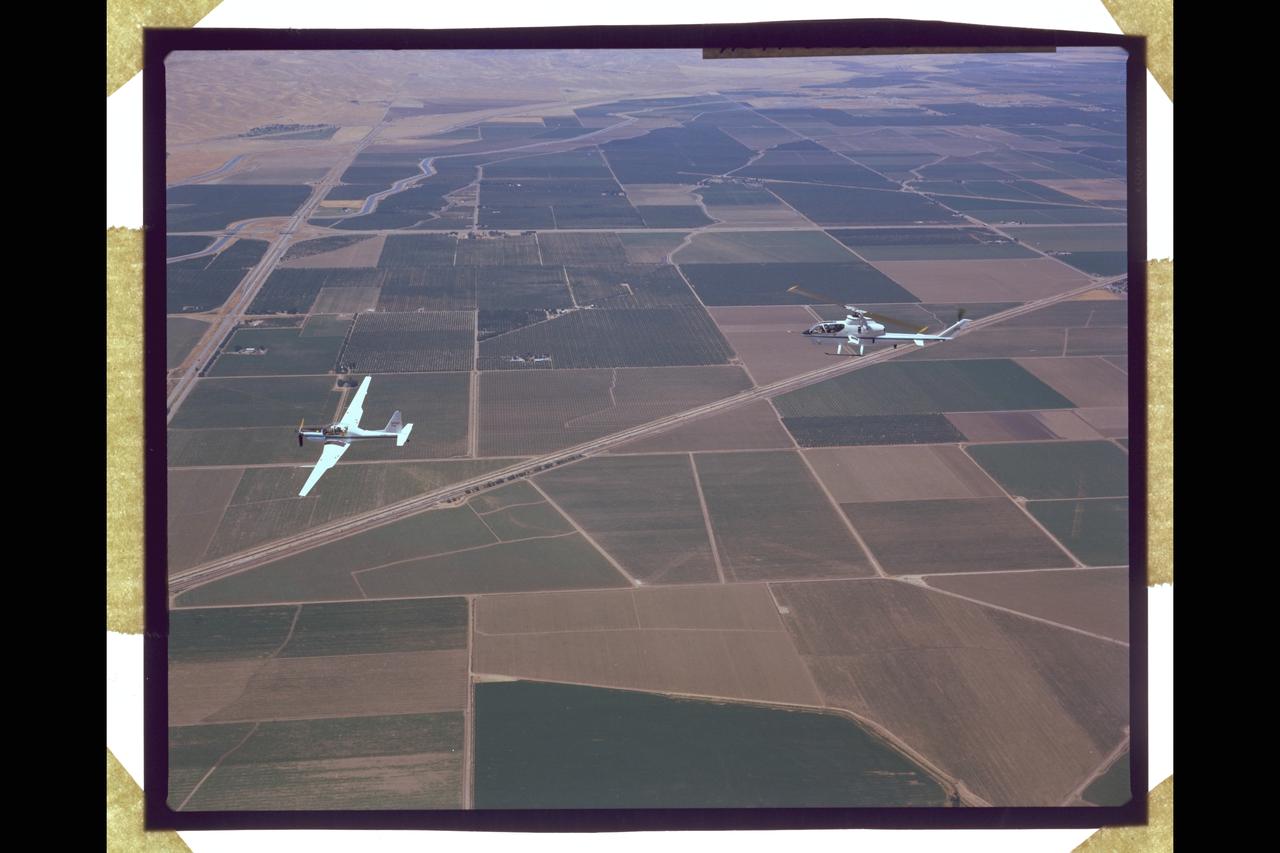
YO-3A (NASA-718) & MD-900 AIR TO AIR OVER MODESTO/CROWS LANDING.
ARC-1996-AC96-0354-5
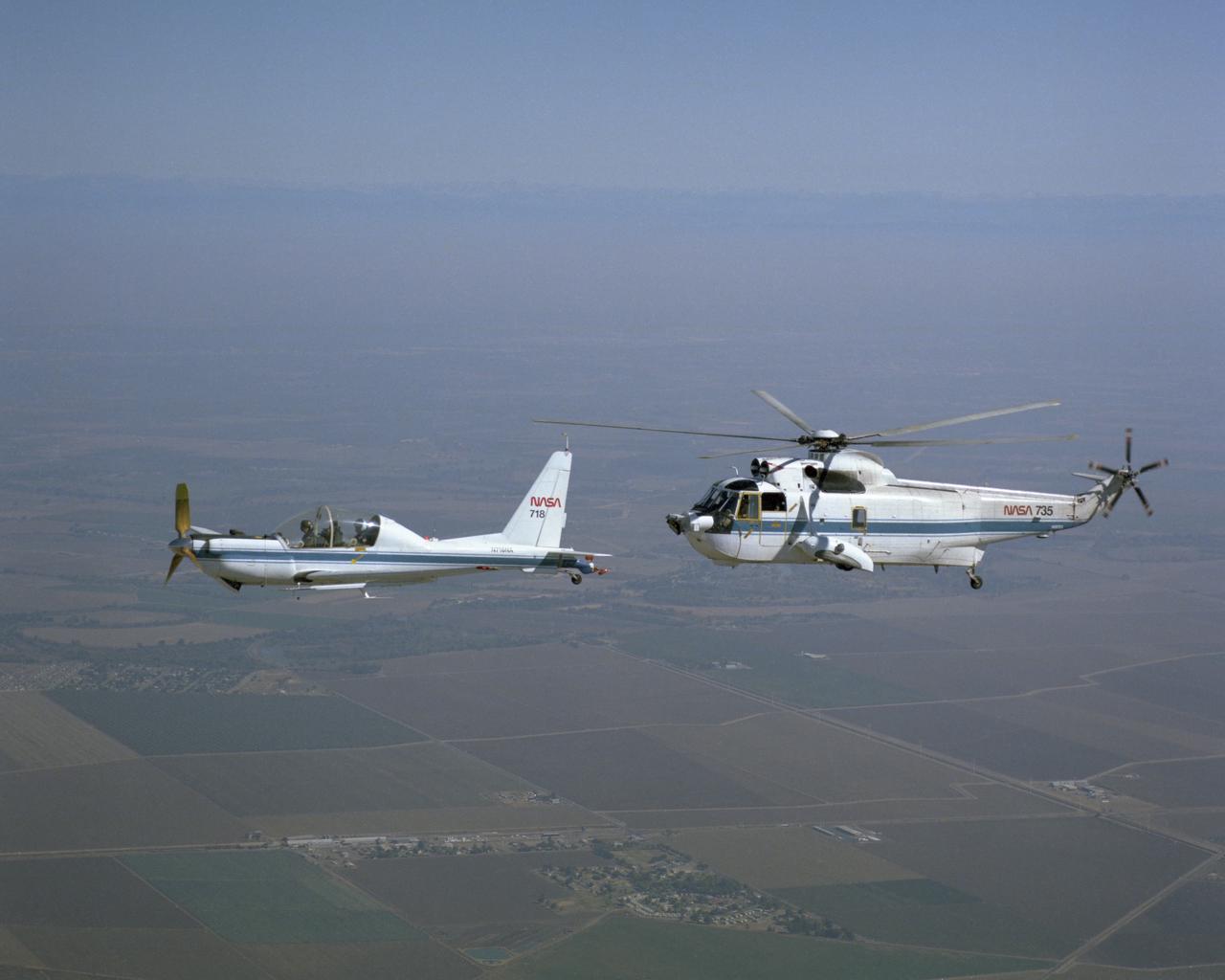
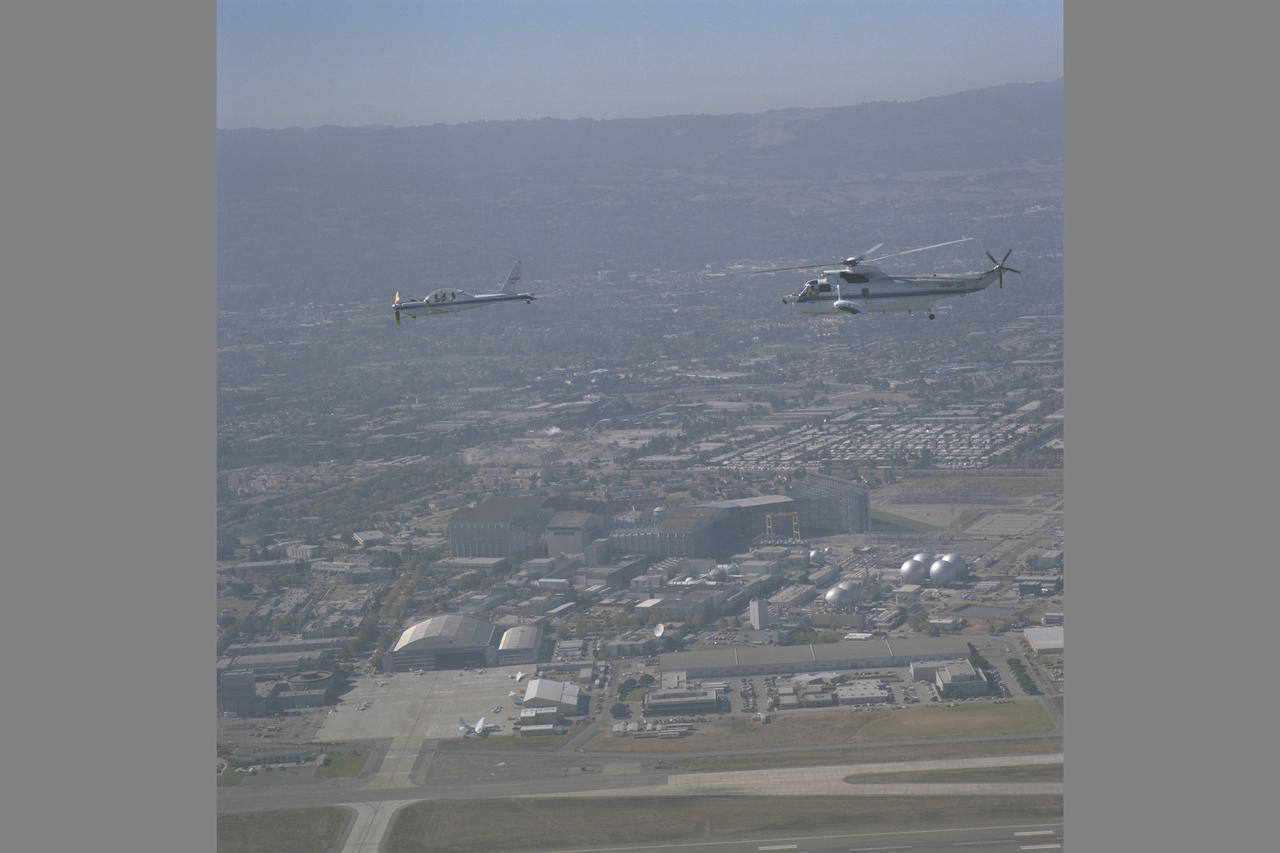
YO-3A (NASA-718) and SH-3G (NASA-735) in flight at Crows Landing during Helicopter Airborne Laser Positioning System
ARC-1990-AC90-0652-2
Y0-3A (NASA-718) Quiet Plane and AH-1G (NASA-736) helicopter during noise abatement flight test at Crow Landing facility
ARC-1979-AC79-0565-2
YO-3A (NASA-718) and SH-3G (NASA-735) in flight over Ames on way to Crows Landing during Helicopter Airborne Laser Positioning System flight tests
ARC-1990-AC90-0652-5
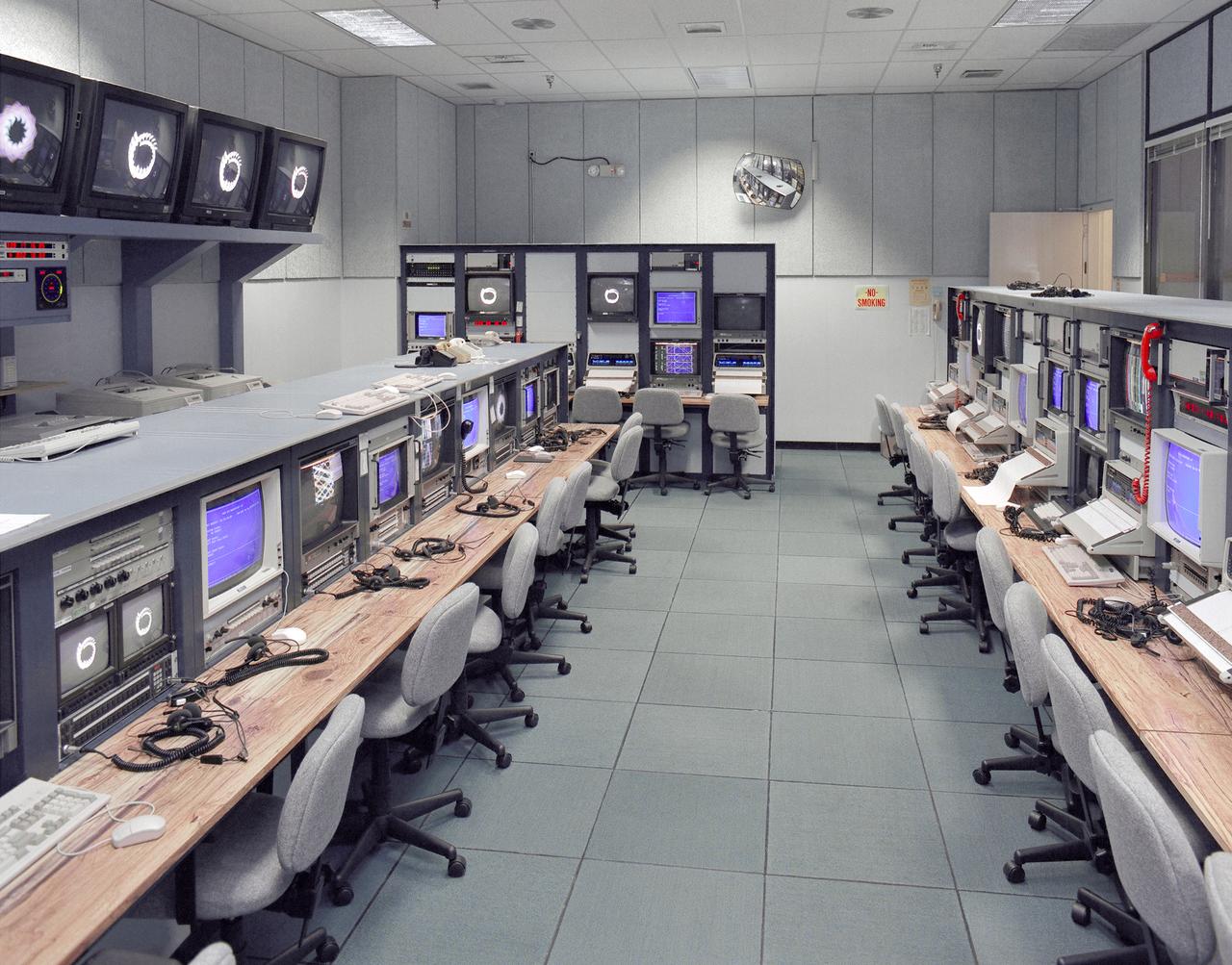
Mission control Blue Room, seen here, in building 4800 at NASA's Dryden Flight Research Center, is part of the Western Aeronautical Test Range (WATR). All aspects of a research mission are monitored from one of two of these control rooms at Dryden.  The WATR consists of a highly automated complex of computer controlled tracking, telemetry, and communications systems and control room complexes that are capable of supporting any type of mission ranging from system and component testing, to sub-scale and full-scale flight tests of new aircraft and reentry systems. Designated areas are assigned for spin/dive tests, corridors are provided for low, medium, and high-altitude supersonic flight, and special STOL/VSTOL facilities are available at Ames Moffett and Crows Landing. Special use airspace, available at Edwards, covers approximately twelve thousand square miles of mostly desert area. The southern boundary lies to the south of Rogers Dry Lake, the western boundary lies midway between Mojave and Bakersfield, the northern boundary passes just south of Bishop, and the eastern boundary follows about 25 miles west of the Nevada border except in the northern areas where it crosses into Nevada.
Western Aeronautical Test Range (WATR) mission control Blue room