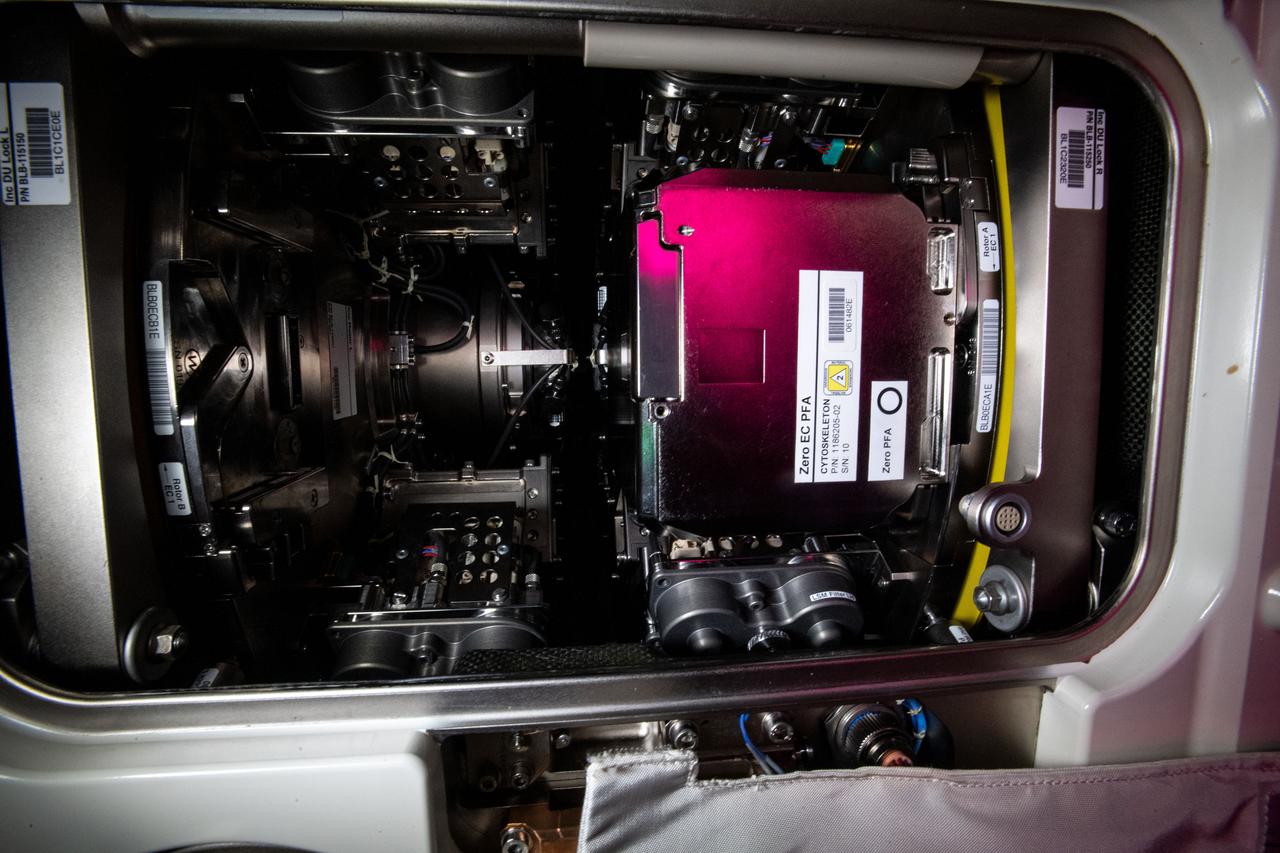
iss066e098812 (12/30/2021) --- A view during installation of the Cytoskeleton experiment containers installed on the BIOLAB Rotor during Expedition 66. This investigation helps to understand the way in which the human body responds to microgravity, which could feed into the development of future countermeasures to help maintain an optimal level of crew member health and performance.
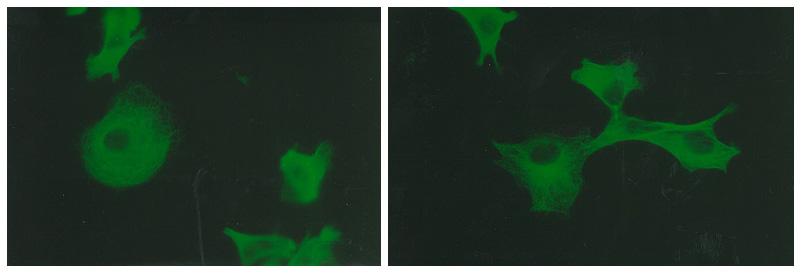
Biomedical research offers hope for a variety of medical problems, from diabetes to the replacement of damaged bone and tissues. Bioreactors, which are used to grow cells and tissue cultures, play a major role in such research and production efforts. Cell culturing, such as this bone cell culture, is an important part of biomedical research. The BioDyn payload includes a tissue engineering investigation. The commercial affiliate, Millenium Biologix, Inc. has been conducting bone implant experiments to better understand how synthetic bone can be used to treat bone-related illnesses and bone damaged in accidents. On STS-95, the BioDyn payload will include a bone cell culture aimed to help develop this commercial synthetic bone product. Millenium Biologix, Inc. is exploring the potential for making human bone implantable materials by seeding its proprietary artificial scaffold material with human bone cells. The product of this tissue engineering experiment using the Bioprocessing Modules (BPMs) on STS-95 is space-grown bone implants, which could have potential for dental implants, long bone grafts, and coating for orthopedic implants such as hip replacements.
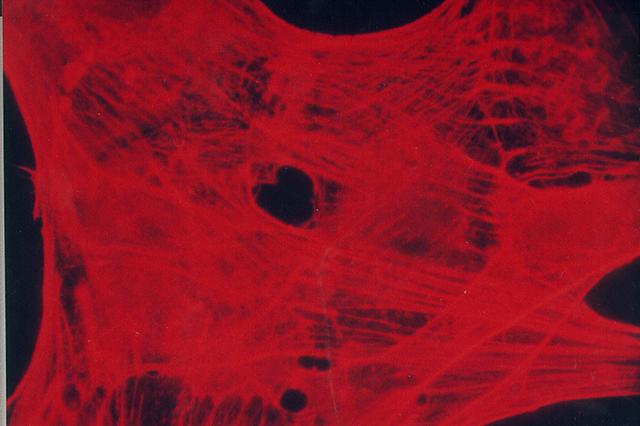
Biomedical research offers hope for a variety of medical problems, from diabetes to the replacement of damaged bone and tissues. Bioreactors, which are used to grow cells and tissue cultures, play a major role in such research and production efforts. Cell culturing, such as this bone cell culture, is an important part of biomedical research. The BioDyn payload includes a tissue engineering investigation. The commercial affiliate, Millenium Biologix, Inc., has been conducting bone implant experiments to better understand how synthetic bone can be used to treat bone-related illnesses and bone damaged in accidents. On STS-95, the BioDyn payload will include a bone cell culture aimed to help develop this commercial synthetic bone product. Millenium Biologix, Inc., is exploring the potential for making human bone implantable materials by seeding its proprietary artificial scaffold material with human bone cells. The product of this tissue engineering experiment using the Bioprocessing Modules (BPMs) on STS-95 is space-grown bone implants, which could have potential for dental implants, long bone grafts, and coating for orthopedic implants such as hip replacements.
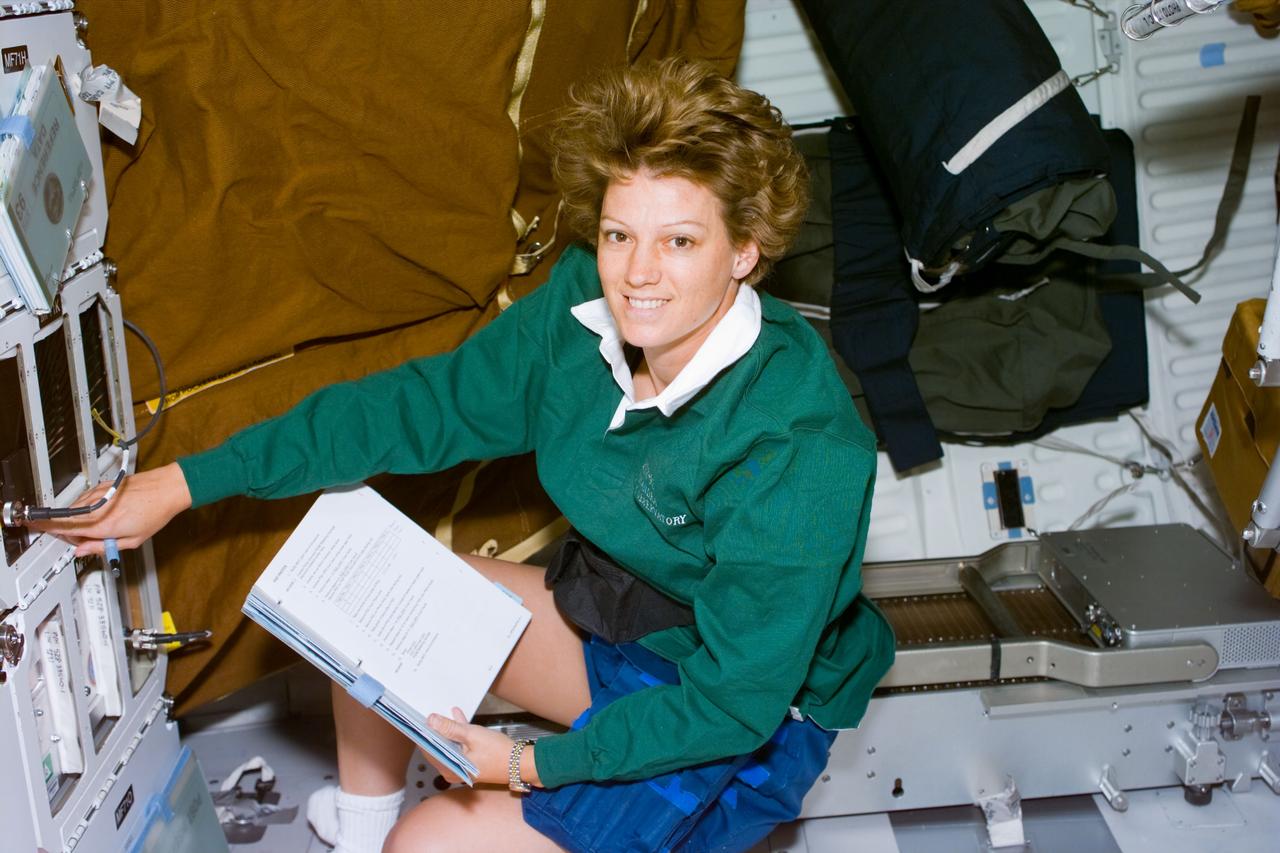
S93-E-5016 (23 July 1999) --- Astronaut Eileen M. Collins, mission commander, checks on an experiment on Columbia's middeck during Flight Day 1 activity. The experiment is called the Cell Culture Model, Configuration C. Objectives of it are to validate cell culture models for muscle, bone and endothelial cell biochemical and functional loss induced by microgravity stress; to evaluate cytoskeleton, metabolism, membrane integrity and protease activity in target cells; and to test tissue loss pharmaceuticals for efficacy. The photo was recorded with an electronic still camera (ESC).