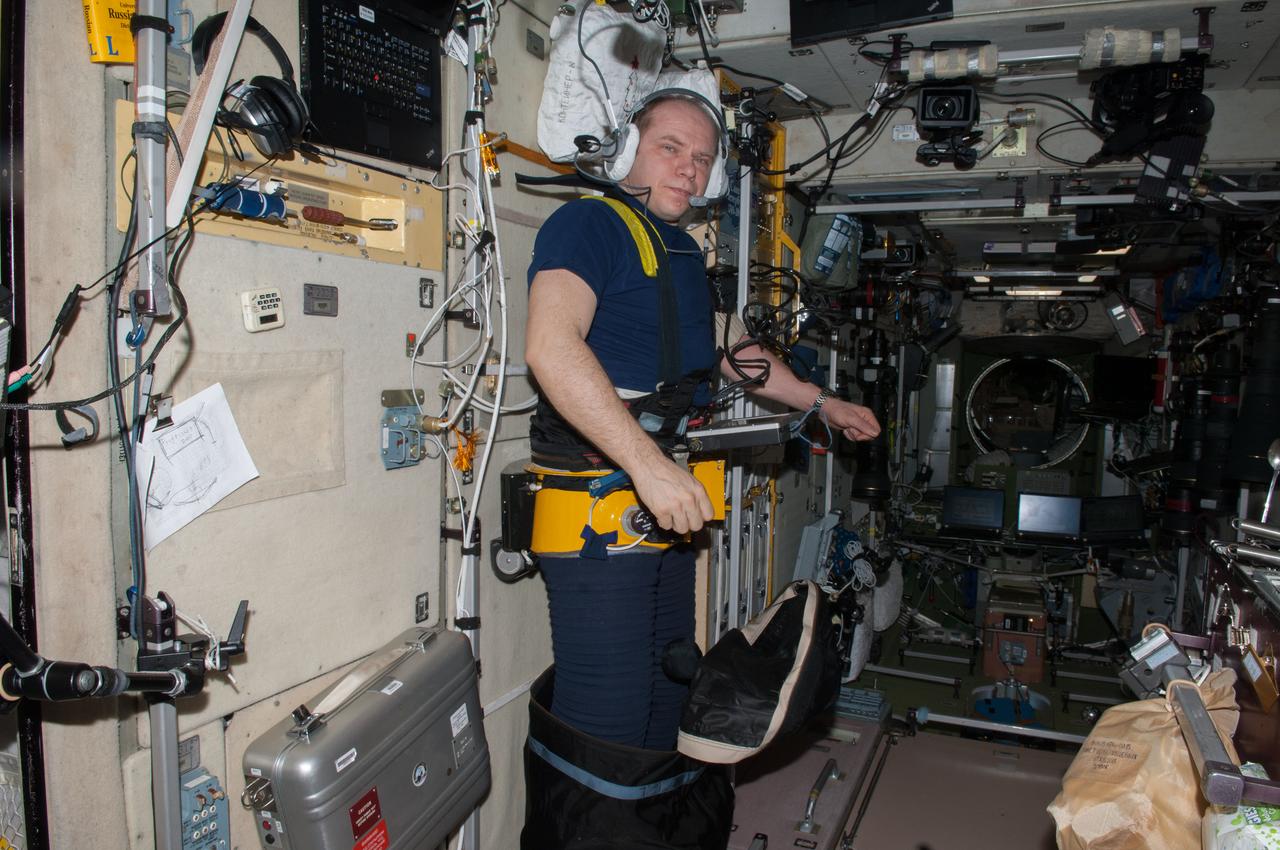
iss038e055233 (2/24/2014) --- Cosmonaut Oleg Kotov, Expedition 38 Commander, is seen during a Lower Body Negative Pressure (LBNP) exercise. This activity was performed for the DAN investigation where researchers revealed that crew members inadvertently hold their breath longer in microgravity than on the ground, especially if the crewmember is lying face up. A better understanding of the supply of oxygen to the body in microgravity allows researchers to provide the environment necessary for adequate intracellular functions and basic human health in space.
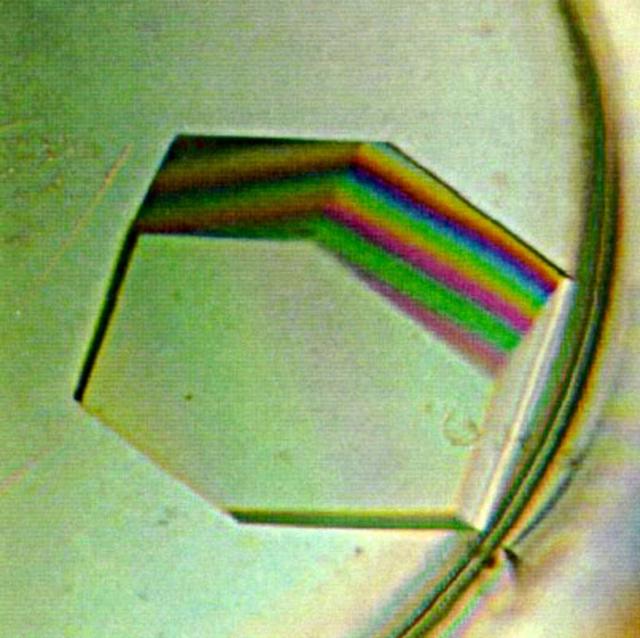
Lysozyme crystal grown on STS-81. A protein model for documentation of the effects of microgravity on crystal growth. Principal Investigator Dan Carter of New Century Pharmaceuticals.
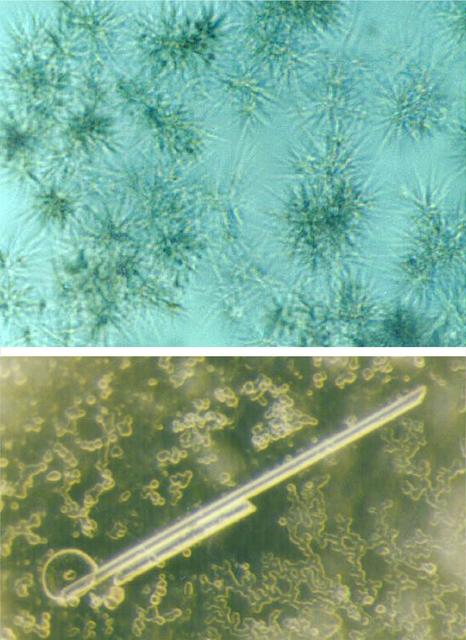
This image shows crystals of the protein raf kinase grown on Earth (photo a) and on USML-2 (photo b). The space-grown crystals are an order of magnitude larger. Principal Investigator: Dan Carter of New Century Pharmaceuticals
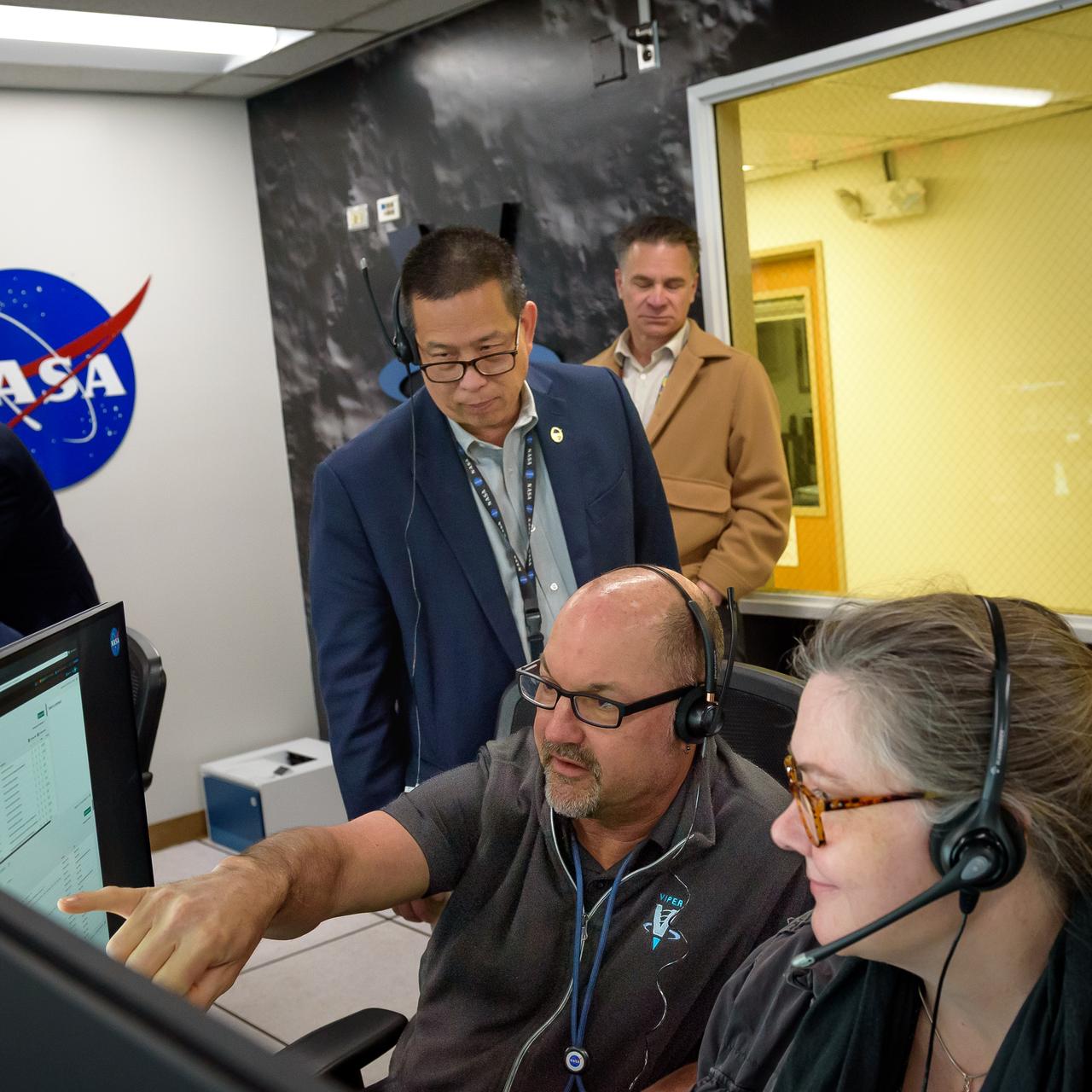
Volatiles Investigating Polar Exploration Rover (VIPER) vehicle operational readiness test in the Multi-Mission Operations Center (MMOC), N240A. On the console, Charles Hacskaylo, left, and Sybil Adams, and Eugene Tu and Dan Andrews standing behind.
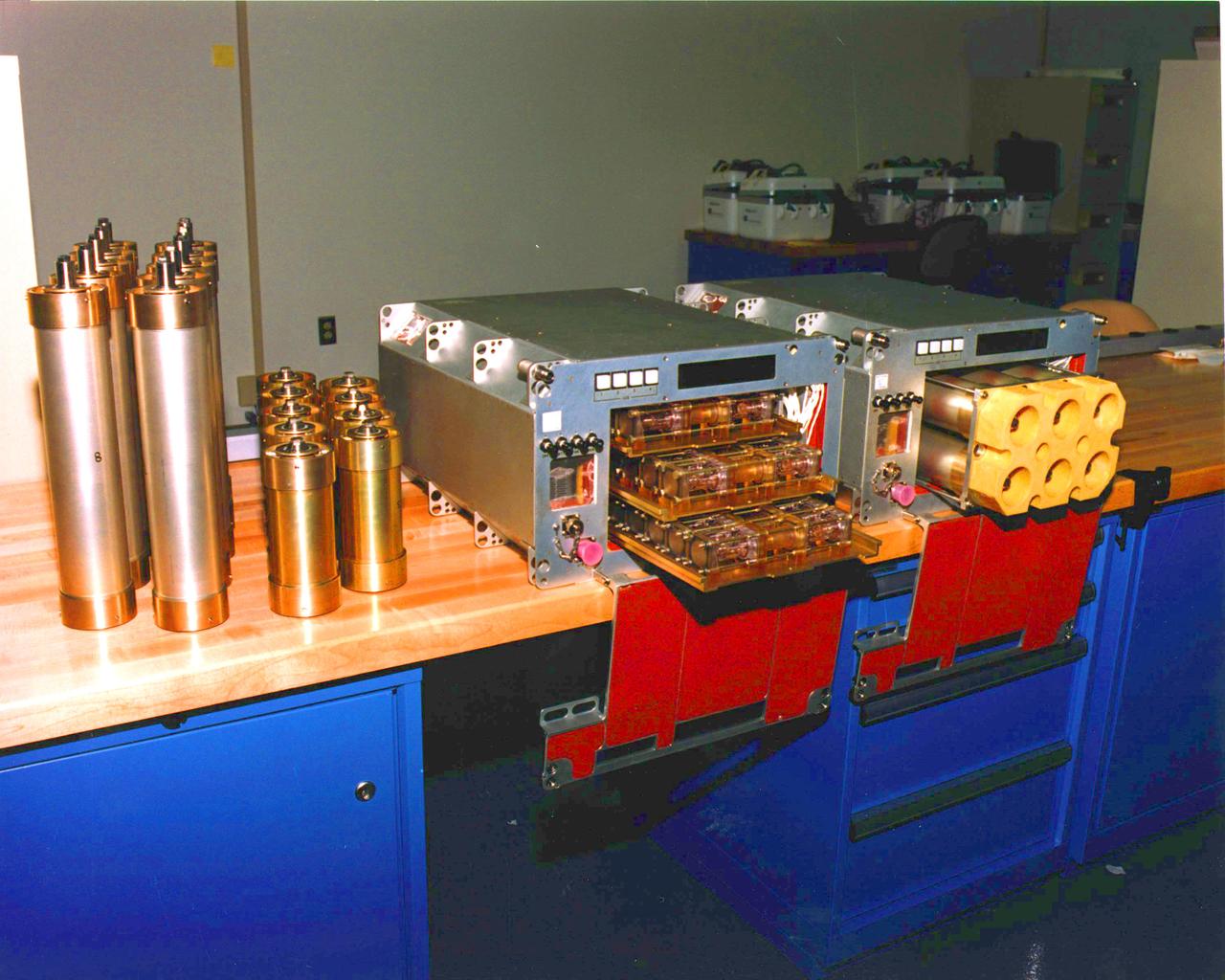
Two versions of (PCAM) Protein Crystallization Apparatus for Microgravity, (DCAM) Diffusion Controled Crystallization Apparatus is in the (STES) Single Locker Thermal Enclosure System. Principal Investigator was Dan Carter.
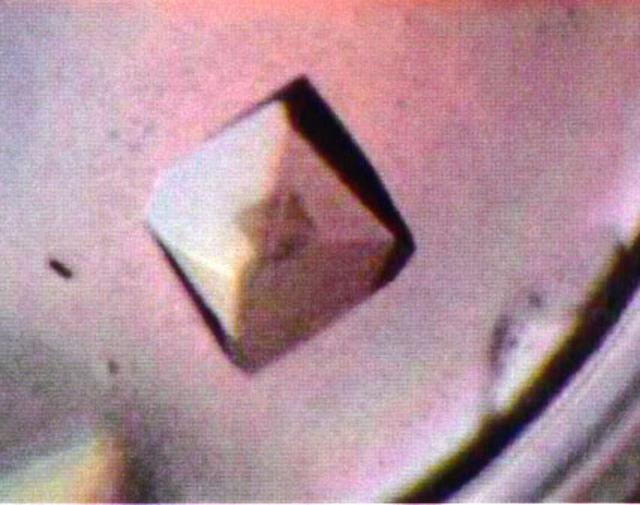
1 mm histone octamer crystal grown on STS-81. A very dynamic structure which functions in many aspects of gene regulation from control of gene activity to the more subtle mechanisms of genetic imprinting. Principle Investigator is Dan Carter of New Century Pharmaceuticals.
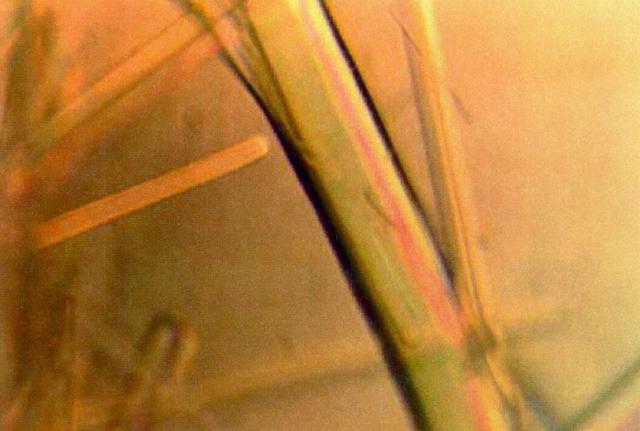
Nucleosome Core Particle grown on STS-81. The fundamental structural unit of chromatin and is the basis for organization within the genome by compaction of DNA within the nucleus of the cell and by making selected regions of chromosomes available for transcription and replication. Principal Investigator's are Dr. Dan Carter and Dr. Gerard Bunick of New Century Pharmaceuticals.

Volatiles Investigating Polar Exploration Rover (VIPER) vehicle operational readiness test in the Multi-Mission Operations Center (MMOC), N240A. Jasper Wolfe, front, with David Korsmeyer, left, Jay Trimble, Eugene Tu, Dan Andrews, and Justin Pane, right.
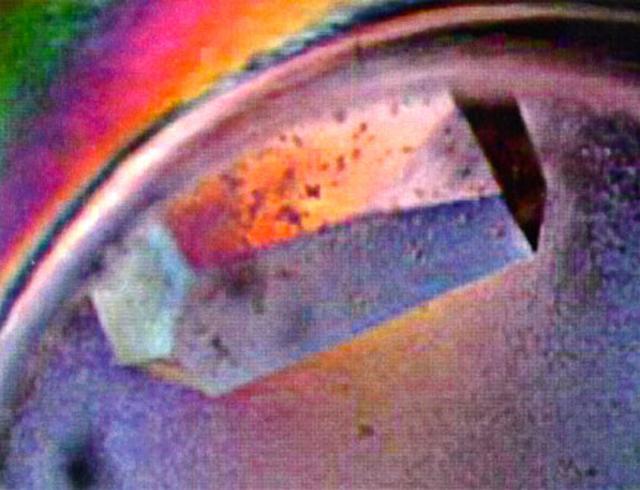
This is a large 2 mm crystal of histone octamer, grown on STS-81. A very dynamic structure which functions in many aspects of gene regulation from control of gene activity to the more subtle mechanisms of genetic imprinting. Principle Investigator is Dan Carter of New Century Pharmaceuticals.
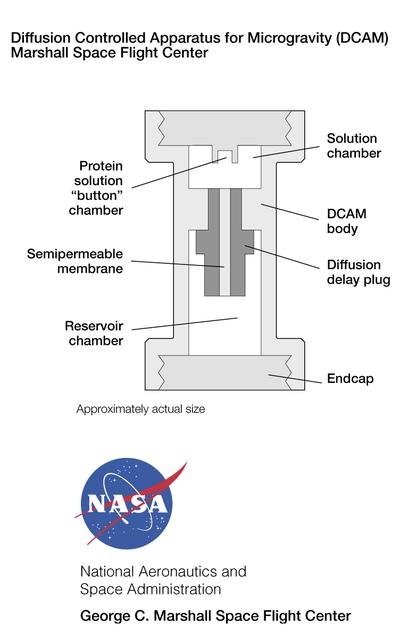
The Diffusion-Controlled Apparatus for Microgravity (DCAM) was developed at NASA's Marshall Space Flight Center. A semi-permeable plug or fuse at the center controls the rate at which a precipitant diffuses from the reservoir chamber into the solution chamber , thus prompting protein molecules in the solution to form crystals. The principal investigator is Dr. Dan Carter of New Century Pharmaceuticals in Huntsville, AL.
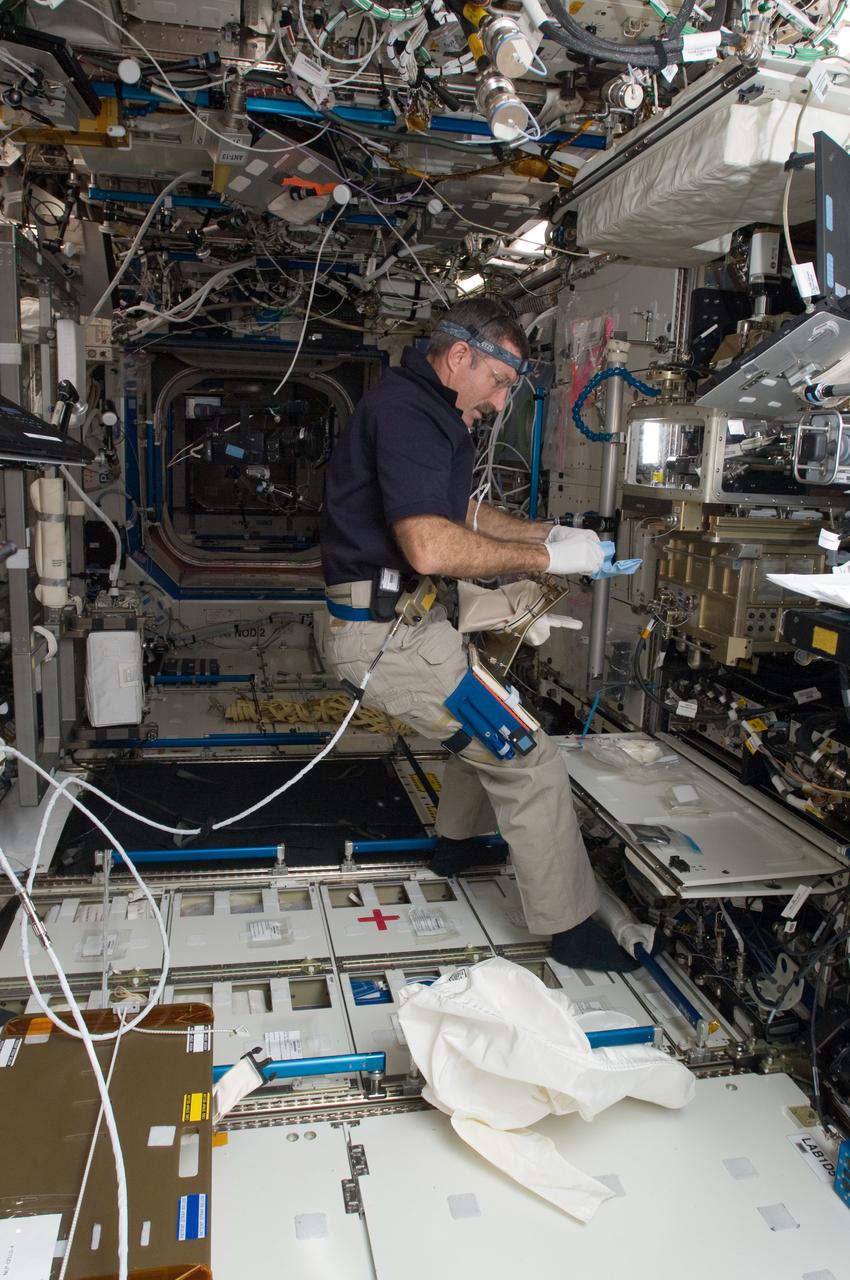
ISS030-E-007419 (1 Dec. 2011) --- In the International Space Station’s Destiny laboratory, NASA astronaut Dan Burbank, Expedition 30 commander, conducts a session with the Preliminary Advanced Colloids Experiment (PACE) at the Light Microscopy Module (LMM) in the Fluids Integrated Rack / Fluids Combustion Facility (FIR/FCF). PACE is designed to investigate the capability of conducting high magnification colloid experiments with the LMM for determining the minimum size particles which can be resolved with it.
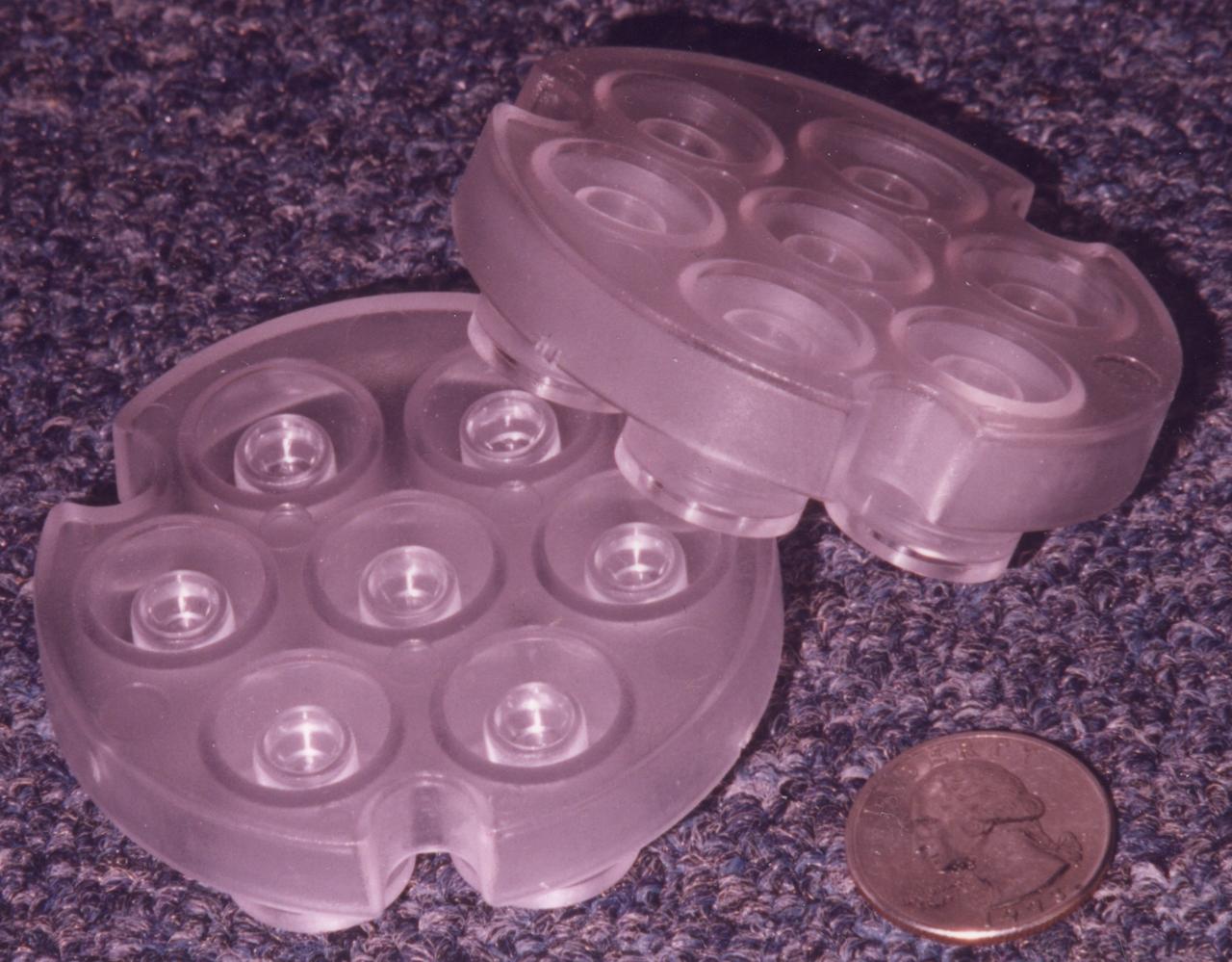
The Protein Crystallization for Microgravity (DCAM) was developed at NASA's Marshall Space Flight Center. A droplet of solution with protein molecules dissolved in it is isolated in the center of a small well. In orbit, an elastomer seal is lifted so the solution can evaporate and be absorbed by a wick material. This raises the concentration of the solution, thus prompting protein molecules in the solution to form crystals. The principal investigator is Dr. Dan Carter of New Century Pharmaceuticals in Huntsville, AL.
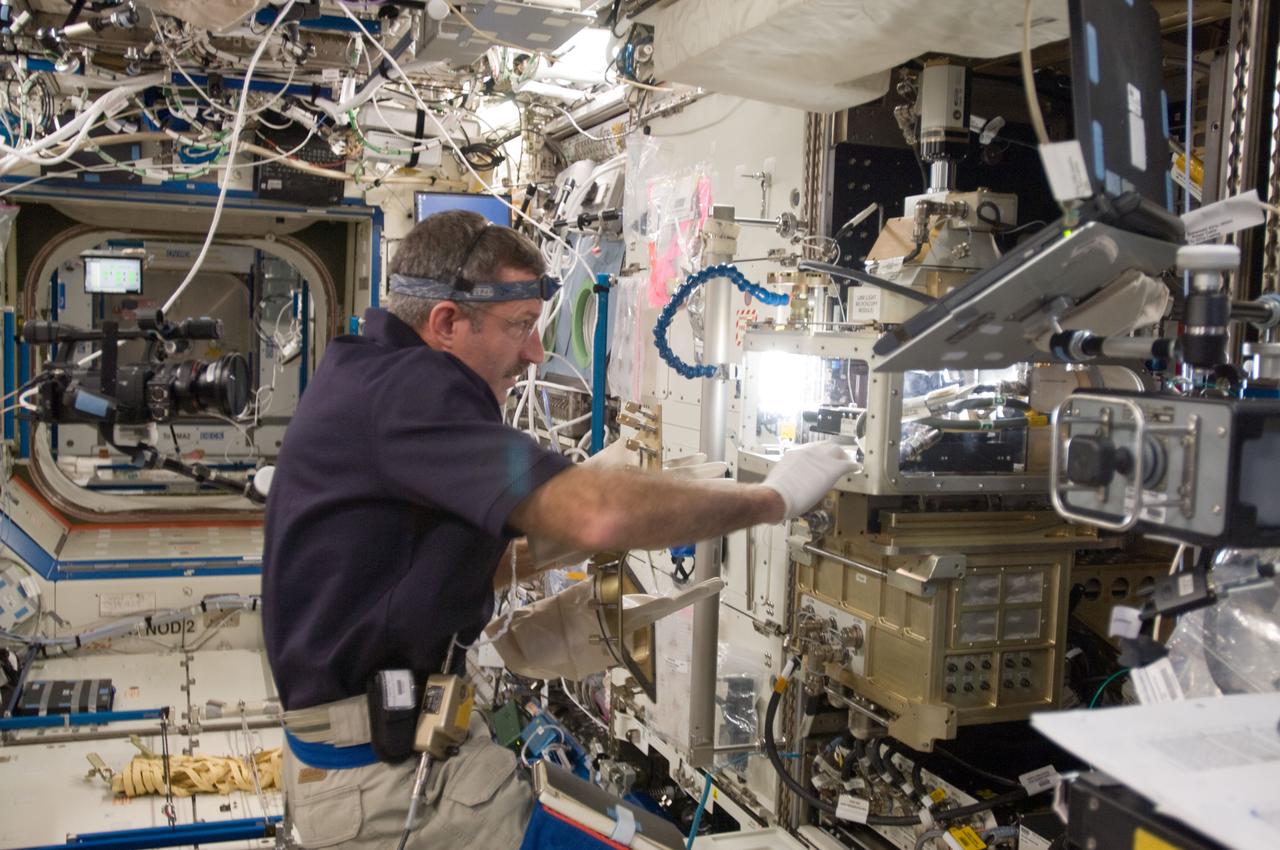
ISS030-E-007417 (1 Dec. 2011) --- In the International Space Station?s Destiny laboratory, NASA astronaut Dan Burbank, Expedition 30 commander, conducts a session with the Preliminary Advanced Colloids Experiment (PACE) at the Light Microscopy Module (LMM) in the Fluids Integrated Rack / Fluids Combustion Facility (FIR/FCF). PACE is designed to investigate the capability of conducting high magnification colloid experiments with the LMM for determining the minimum size particles which can be resolved with it.
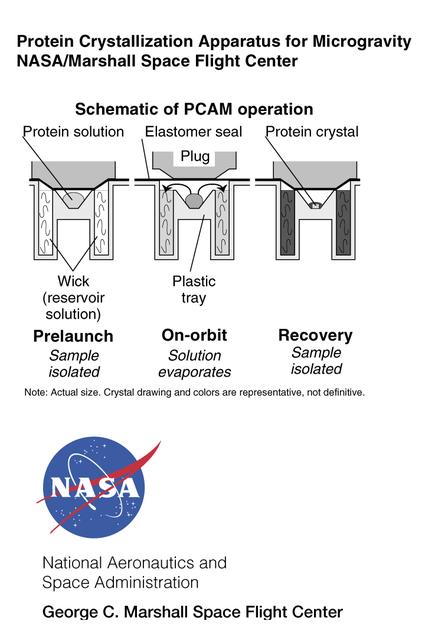
The Protein Crystallization for Microgravity (DCAM) was developed at NASA's Marshall Space Flight Center. A droplet of solution with protein molecules dissolved in it is isolated in the center of a small well. In orbit, an elastomer seal is lifted so the solution can evaporate and be absorbed by a wick material. This raises the concentration of the solution, thus prompting protein molecules in the solution to form crystals. The principal investigator is Dr. Dan Carter of New Century Pharmaceuticals in Huntsville, AL.
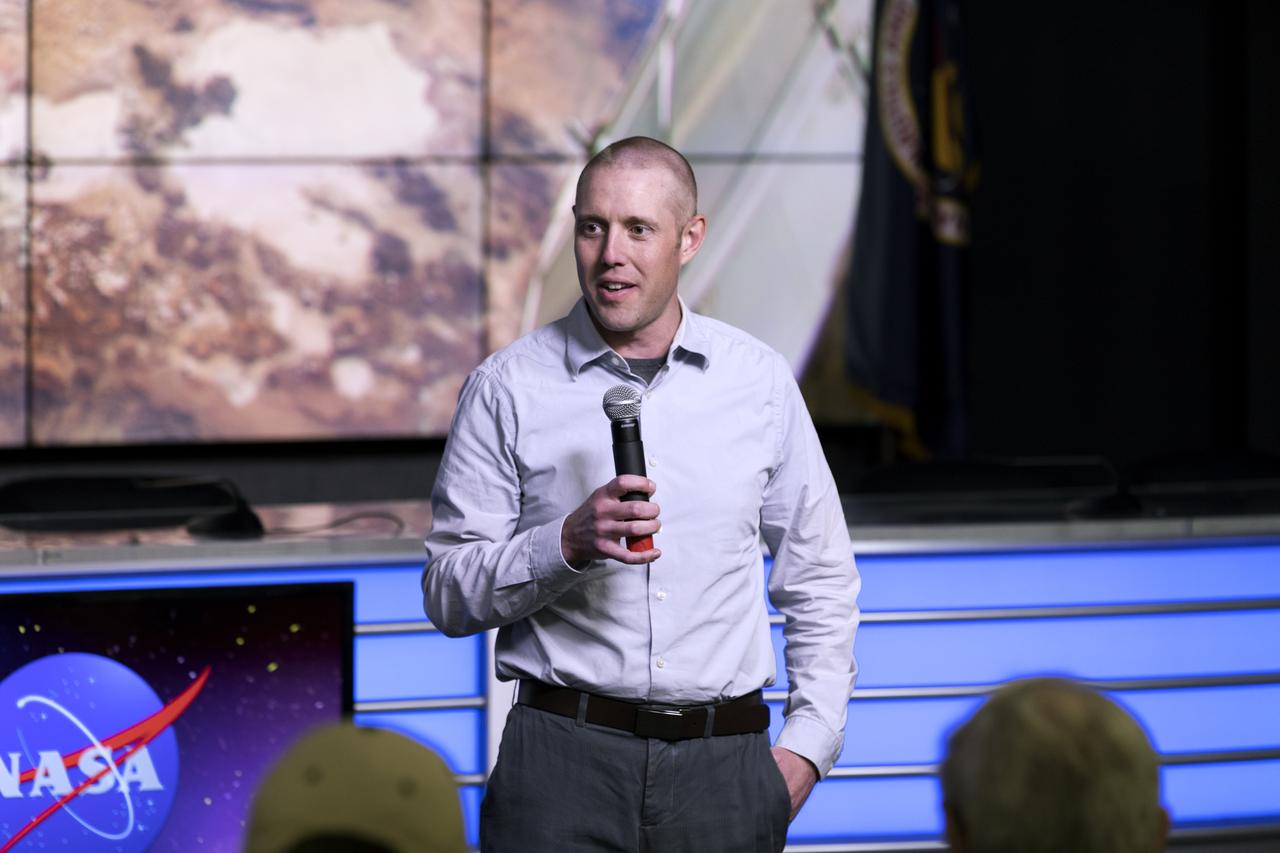
Dan Close, chief scientific officer at 490 BioTech, discusses the company's Metabolic Tracking investigation to evaluate the use of a new method to test, in microgravity, the metabolic impacts of pharmaceutical drugs. This is one of the scientific materials that will be aboard a Dragon spacecraft scheduled for liftoff from Cape Canaveral Air Force Station's Space Launch Complex 40 at 4:30 p.m. EST, on April 2, 2018. The SpaceX Falcon 9 rocket will launch the company's 14th Commercial Resupply Services mission to the space station.
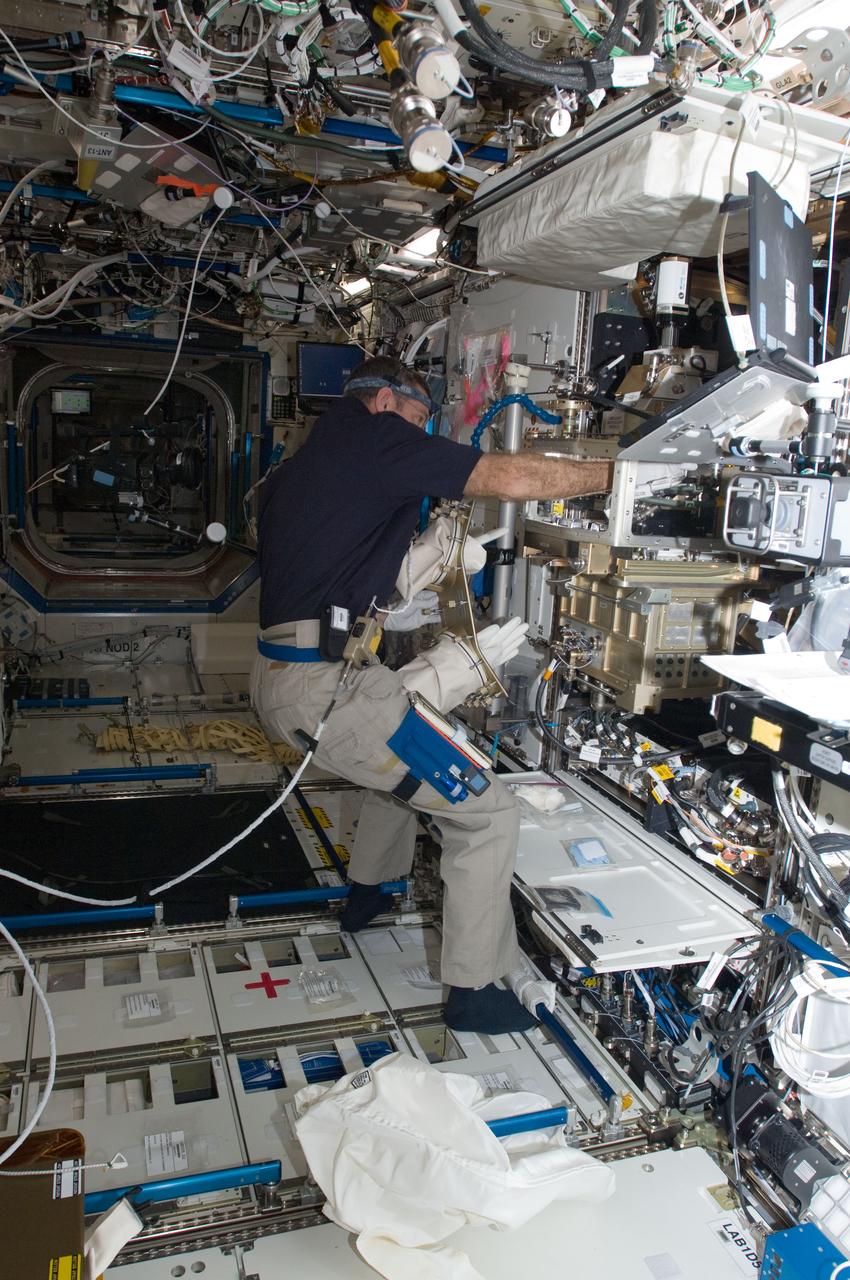
ISS030-E-007418 (1 Dec. 2011) --- In the International Space Station’s Destiny laboratory, NASA astronaut Dan Burbank, Expedition 30 commander, conducts a session with the Preliminary Advanced Colloids Experiment (PACE) at the Light Microscopy Module (LMM) in the Fluids Integrated Rack / Fluids Combustion Facility (FIR/FCF). PACE is designed to investigate the capability of conducting high magnification colloid experiments with the LMM for determining the minimum size particles which can be resolved with it.
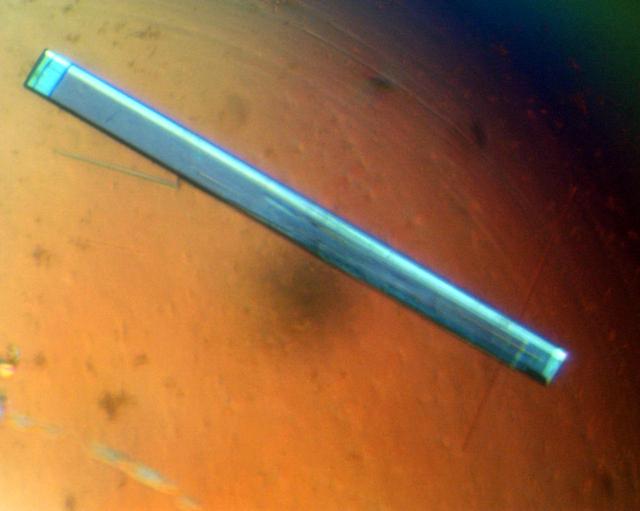
Parvalbumins are found in the muscles, endocrine glands, skin cells, and some neurons of vertebrates, but the role they play for musculature is not yet understood. Researchers are exploring theories of a correlation between parvalbumin concentration levels and the relaxation speed of mammalian muscles after contraction. An ultra-high resolution structure was achieved from samples grown on STS-83 and in July 1997, during STS-94, PCAM produced the largest crystals of pike parvalbumin grown to date. Principal Investigator: Dan Carter of New Century Pharmaceuticals.
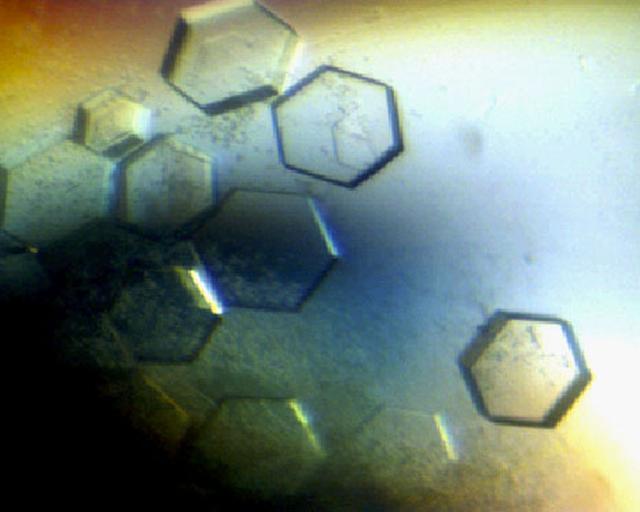
Type II restriction enzymes, such as Eco R1 endonulease, present a unique advantage for the study of sequence-specific recognition because they leave a record of where they have been in the form of the cleaved ends of the DNA sites where they were bound. The differential behavior of a sequence -specific protein at sites of differing base sequence is the essence of the sequence-specificity; the core question is how do these proteins discriminate between different DNA sequences especially when the two sequences are very similar. Principal Investigator: Dan Carter/New Century Pharmaceuticals
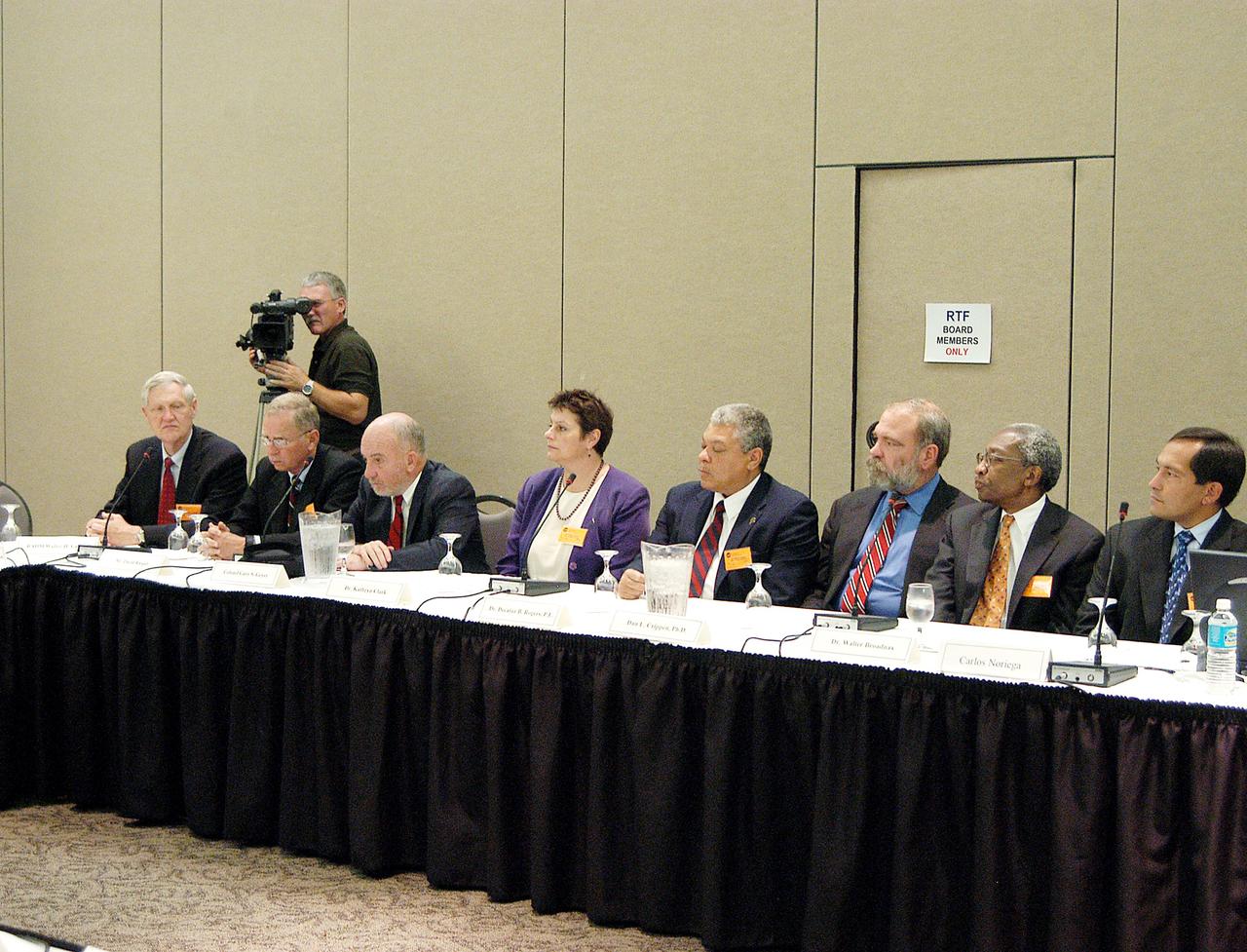
KENNEDY SPACE CENTER, FLA. - The Return To Flight Task Group (RTFTG) holds the first public meeting at the Debus Center, KSC Visitor Complex. Members and staff at the table, from left, are retired Navy Rear Adm. Walter H. Cantrell, David Raspet, retired Air Force Col. Gary S. Geyer, Dr. Kathryn Clark, Dr. Decatur B. Rogers, Dr. Dan L. Crippen, Dr. Walter Broadnax and astronaut Carlos Noriega. The RTFTG was at KSC to conduct organizational activities, tour Space Shuttle facilities and receive briefings on Shuttle-related topics. The task group was chartered by NASA Administrator Sean O’Keefe to perform an independent assessment of NASA’s implementation of the final recommendations of the Columbia Accident Investigation Board. The group is co-chaired by former Shuttle commander Richard O. Covey and retired Air Force Lt. Gen. Thomas P. Stafford, who was an Apollo commander.
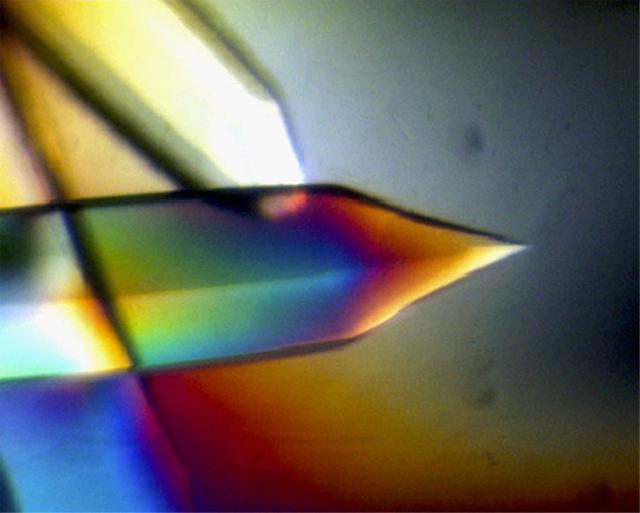
As the most abundant protein in the circulatory system albumin contributes 80% to colloid osmotic blood pressure. Albumin is also chiefly responsible for the maintenance of blood pH. It is located in every tissue and bodily secretion, with extracellular protein comprising 60% of total albumin. Perhaps the most outstanding property of albumin is its ability to bind reversibly to an incredible variety of ligands. It is widely accepted in the pharmaceutical industry that the overall distribution, metabolism, and efficiency of many drugs are rendered ineffective because of their unusually high affinity for this abundant protein. An understanding of the chemistry of the various classes of pharmaceutical interactions with albumin can suggest new approaches to drug therapy and design. Principal Investigator: Dan Carter/New Century Pharmaceuticals

CAPE CANAVERAL, Fla. – In the Kennedy Space Center’s Press Site auditorium, members of news media are briefed on preparations for the launch of the SpaceX CRS-4 mission to resupply the International Space Station. From left are Mike Curie of NASA Public Affairs, Hans Koenigsmann, vice president of Mission Assurance with SpaceX, and Kathy Winters, launch weather officer for the 45th Weather Squadron. Dan Hartman, deputy program manager of the International Space Station Program, participated by telephone. The mission is the fourth of 12 SpaceX flights NASA contracted with the company to resupply the space station. It will be the fifth trip by a Dragon spacecraft to the orbiting laboratory. The spacecraft’s 2.5 tons of supplies, science experiments, and technology demonstrations include critical materials to support 255 science and research investigations that will occur during the station's Expeditions 41 and 42. Liftoff is targeted for an instantaneous window at 2:14 a.m. EDT. To learn more about the mission, visit http://www.nasa.gov/mission_pages/station/structure/launch/index.html Photo credit: NASA/Jim Grossmann
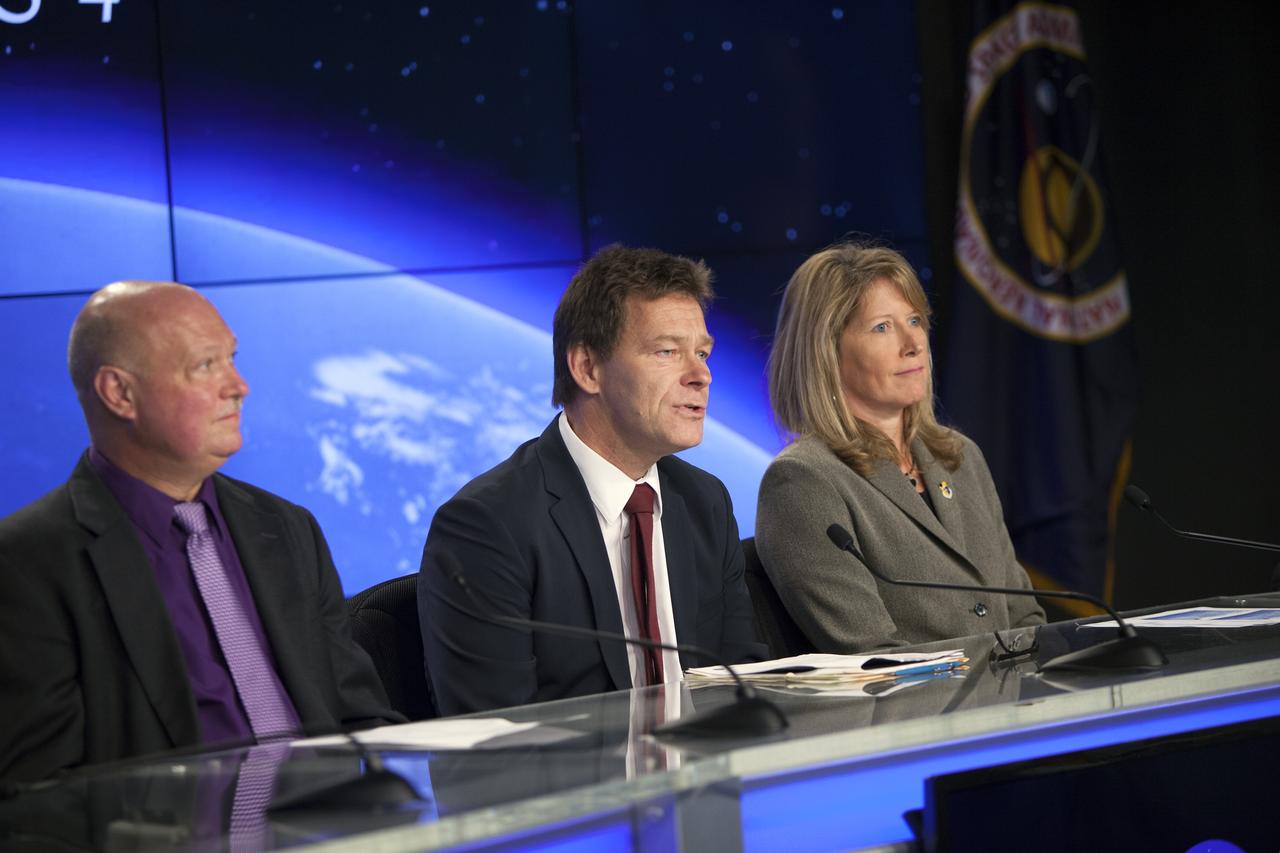
CAPE CANAVERAL, Fla. – In the Kennedy Space Center’s Press Site auditorium, members of news media are briefed on preparations for the launch of the SpaceX CRS-4 mission to resupply the International Space Station. From left are Mike Curie of NASA Public Affairs, Hans Koenigsmann, vice president of Mission Assurance with SpaceX, and Kathy Winters, launch weather officer for the 45th Weather Squadron. Dan Hartman, deputy program manager of the International Space Station Program, participated by telephone. The mission is the fourth of 12 SpaceX flights NASA contracted with the company to resupply the space station. It will be the fifth trip by a Dragon spacecraft to the orbiting laboratory. The spacecraft’s 2.5 tons of supplies, science experiments, and technology demonstrations include critical materials to support 255 science and research investigations that will occur during the station's Expeditions 41 and 42. Liftoff is targeted for an instantaneous window at 2:14 a.m. EDT. To learn more about the mission, visit http://www.nasa.gov/mission_pages/station/structure/launch/index.html Photo credit: NASA/Jim Grossmann
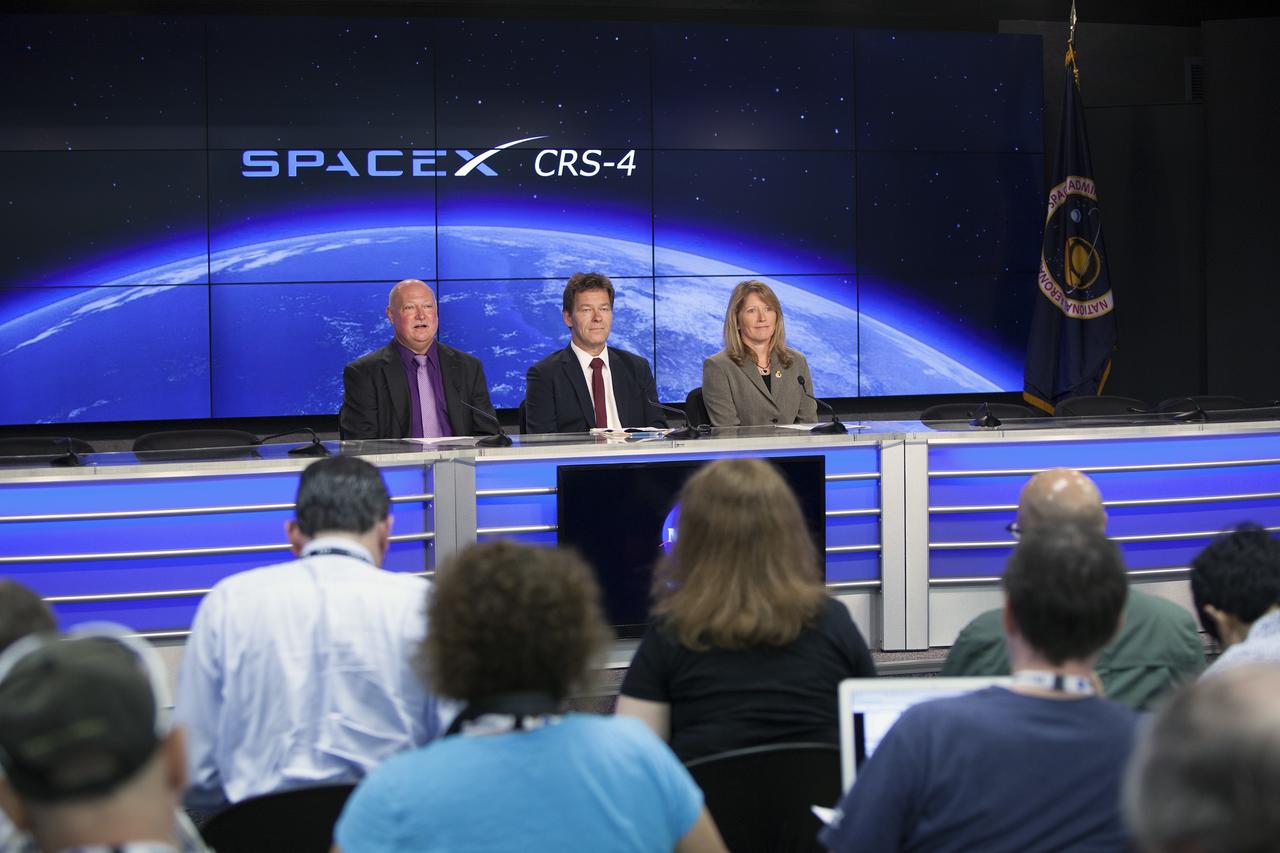
CAPE CANAVERAL, Fla. – In the Kennedy Space Center’s Press Site auditorium, members of news media are briefed on preparations for the launch of the SpaceX CRS-4 mission to resupply the International Space Station. From left are Mike Curie of NASA Public Affairs, Hans Koenigsmann, vice president of Mission Assurance with SpaceX, and Kathy Winters, launch weather officer for the 45th Weather Squadron. Dan Hartman, deputy program manager of the International Space Station Program, participated by telephone. The mission is the fourth of 12 SpaceX flights NASA contracted with the company to resupply the space station. It will be the fifth trip by a Dragon spacecraft to the orbiting laboratory. The spacecraft’s 2.5 tons of supplies, science experiments, and technology demonstrations include critical materials to support 255 science and research investigations that will occur during the station's Expeditions 41 and 42. Liftoff is targeted for an instantaneous window at 2:14 a.m. EDT. To learn more about the mission, visit http://www.nasa.gov/mission_pages/station/structure/launch/index.html Photo credit: NASA/Jim Grossmann
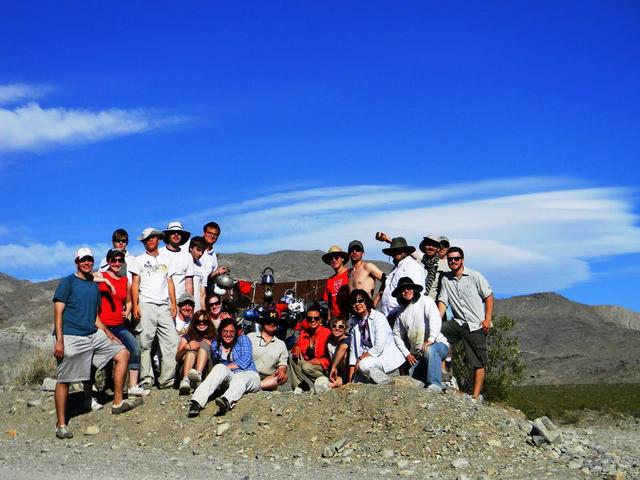
This group photo of the LPSA interns and trip leaders was taken at Tea Kettle Junction in Death Valley, Calif. (Standing on left side, left to right): Kristopher Schwebler, Valerie Fox, Emily Kopp, Kyle Yawn, Dan Burger, Ian Schoch, Devon Miller; (left to right, sitting) Justin Wilde, Jessica Marbourg, Maggie McAdam (a trip leader), Leva McIntire, Ann Parsons (a trip leader), Mindy Krzykowski, Emma McKinney, Cynthia Cheung (LPSA principal investigator and a trip leader), George Fercana; (standing on right side): Kynan Rilee, Gregory Romine, Clint Naquin, Gunther Kletetschka (a trip leader), Andrew Ryan, and in the very back, Brian Jackson (a trip leader). Photo credit: NASA/GSFC/ Leva McIntire/LPSA intern To read a feature story on the Racetrack Playa go to: <a href="http://www.nasa.gov/topics/earth/features/roving-rocks.html" rel="nofollow">www.nasa.gov/topics/earth/features/roving-rocks.html</a> <b><a href="http://www.nasa.gov/centers/goddard/home/index.html" rel="nofollow">NASA Goddard Space Flight Center</a></b> is home to the nation's largest organization of combined scientists, engineers and technologists that build spacecraft, instruments and new technology to study the Earth, the sun, our solar system, and the universe. <b>Follow us on <a href="http://twitter.com/NASA_GoddardPix" rel="nofollow">Twitter</a></b> <b>Join us on <a href="http://www.facebook.com/pages/Greenbelt-MD/NASA-Goddard/395013845897?ref=tsd" rel="nofollow">Facebook</a><b></b></b>