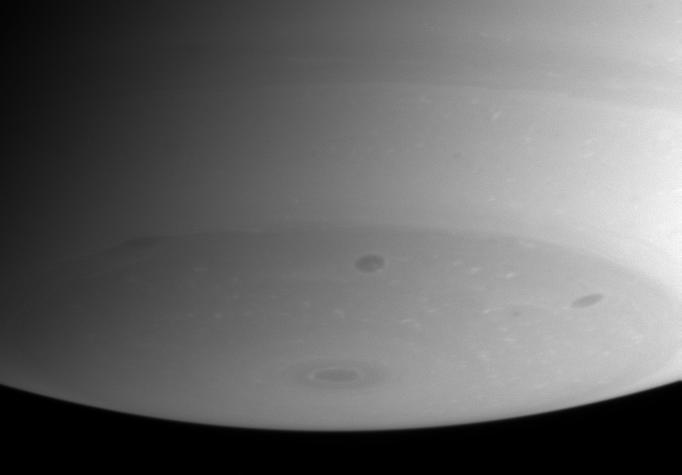
This photograph shows the last face on view of the Great Dark Spot that Voyager will make with the narrow angle camera. The image was shuttered 45 hours before closest approach at a distance of 2.8 million kilometers (1.7 million miles). The smallest structures that can be seen are of an order of 50 kilometers (31 miles). The image shows feathery white clouds that overlie the boundary of the dark and light blue regions. The pinwheel (spiral) structure of both the dark boundary and the white cirrus suggest a storm system rotating counterclockwise. Periodic small scale patterns in the white cloud, possibly waves, are short lived and do not persist from one Neptunian rotation to the next. This color composite was made from the clear and green filters of the narrow-angle camera.  http://photojournal.jpl.nasa.gov/catalog/PIA00052
Neptune Great Dark Spot in High Resolution
A Face in the Dark...?
Seeing in the Dark
Seeing in the Dark
Land of Darkness
Land of Darkness
Ridges in the Dark
Ridges in the Dark
Heart of Darkness
Heart of Darkness
Out of Darkness
Out of Darkness
Dark Streaks
Dark Streaks
Permanent Darkness
Permanent Darkness
Gaps in the Darkness
Dark and Explosive?
Dark and Explosive?
Details in the Dark
Details in the Dark
Dark Lowlands
Dark Lowlands
Seeing in the Dark
Seeing in the Dark
Diagnostic Darkness
Diagnostic Darkness
Dark Boundary
Dark Boundary
Edge of Darkness
Edge of Darkness
Dark Desolation
Dark Desolation
Riddles in the Dark
Riddles in the Dark
Ghosts in the Dark
Ghosts in the Dark
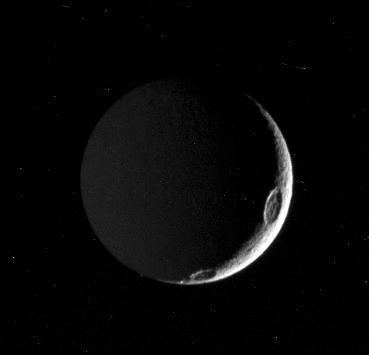
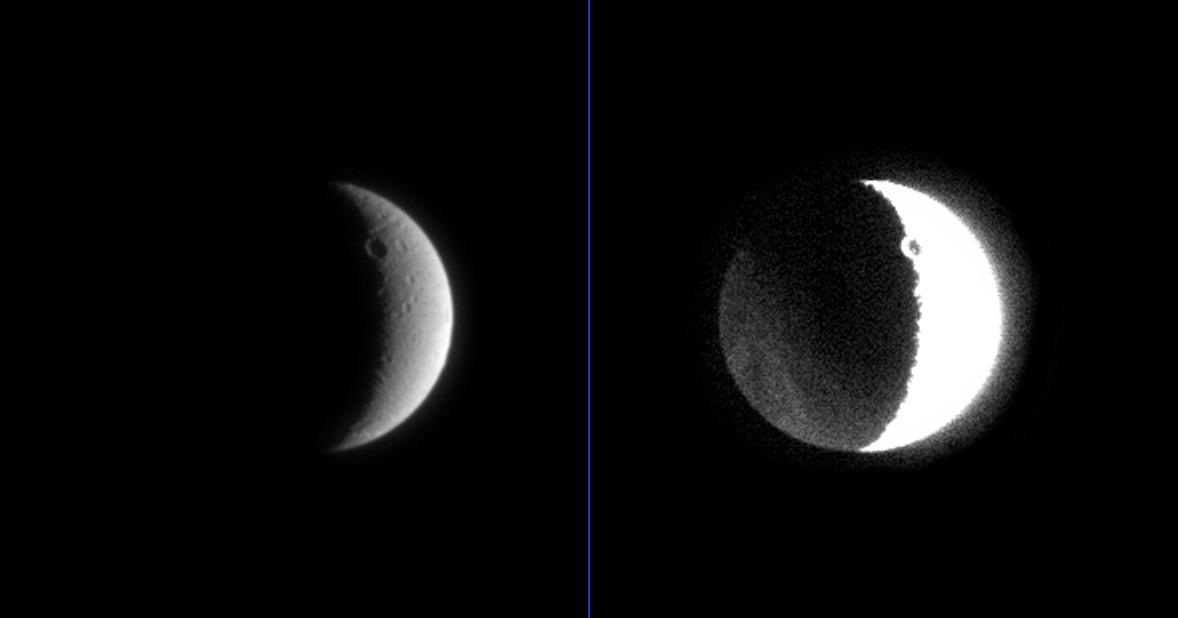
Tethys in the Dark
Tethys in the Dark
Ghost in the Darkness
Darkness Falls
Darkness Falls
Bright and Dark
Bright and Dark
Mountains of Darkness
Bright and Dark
Bright and Dark
Dark Terrain
Dark Terrain
Encroaching Darkness
Dark Patch
Dark Patch
Looking Into the Dark
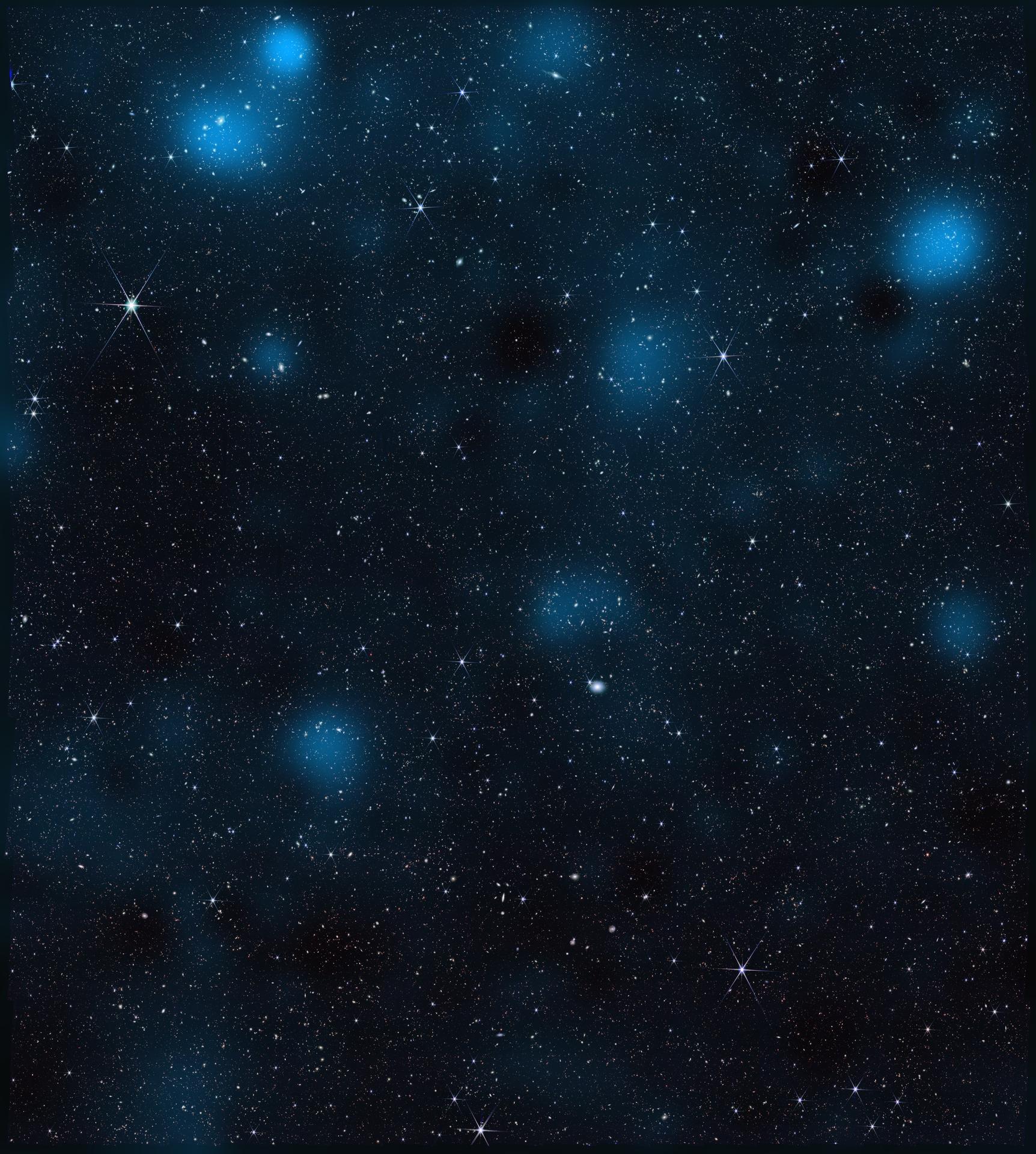
NASA image release March 2, 2012  This composite image shows the distribution of dark matter, galaxies, and hot gas in the core of the merging galaxy cluster Abell 520, formed from a violent collision of massive galaxy clusters. The natural-color image of the galaxies was taken with NASA's Hubble Space Telescope and with the Canada-France-Hawaii Telescope in Hawaii. Superimposed on the image are &quot;false-colored&quot; maps showing the concentration of starlight, hot gas, and dark matter in the cluster.  Starlight from galaxies, derived from observations by the Canada-France-Hawaii Telescope, is colored orange. The green-tinted regions show hot gas, as detected by NASA's Chandra X-ray Observatory. The gas is evidence that a collision took place. The blue-colored areas pinpoint the location of most of the mass in the cluster, which is dominated by dark matter. Dark matter is an invisible substance that makes up most of the universe's mass. The dark-matter map was derived from the Hubble Wide Field Planetary Camera 2 observations, by detecting how light from distant objects is distorted by the cluster galaxies, an effect called gravitational lensing.  The blend of blue and green in the center of the image reveals that a clump of dark matter resides near most of the hot gas, where very few galaxies are found. This finding confirms previous observations of a dark-matter core in the cluster. The result could present a challenge to basic theories of dark matter, which predict that galaxies should be anchored to dark matter, even during the shock of a collision. Abell 520 resides 2.4 billion light-years away.  To read more go to: <a href="http://www.nasa.gov/mission_pages/hubble/science/dark-matter-core.html" rel="nofollow">www.nasa.gov/mission_pages/hubble/science/dark-matter-cor...</a>  Credit: NASA, ESA, CFHT, CXO, M.J. Jee (University of California, Davis), and A. Mahdavi (San Francisco State University)  <b><a href="http://www.nasa.gov/audience/formedia/features/MP_Photo_Guidelines.html" rel="nofollow">NASA image use policy.</a></b>  <b><a href="http://www.nasa.gov/centers/goddard/home/index.html" rel="nofollow">NASA Goddard Space Flight Center</a></b> enables NASA’s mission through four scientific endeavors: Earth Science, Heliophysics, Solar System Exploration, and Astrophysics. Goddard plays a leading role in NASA’s accomplishments by contributing compelling scientific knowledge to advance the Agency’s mission.  <b>Follow us on <a href="http://twitter.com/NASA_GoddardPix" rel="nofollow">Twitter</a></b>  <b>Like us on <a href="http://www.facebook.com/pages/Greenbelt-MD/NASA-Goddard/395013845897?ref=tsd" rel="nofollow">Facebook</a></b>  <b>Find us on <a href="http://instagrid.me/nasagoddard/?vm=grid" rel="nofollow">Instagram</a></b>
Dark Matter Core Defies Explanation
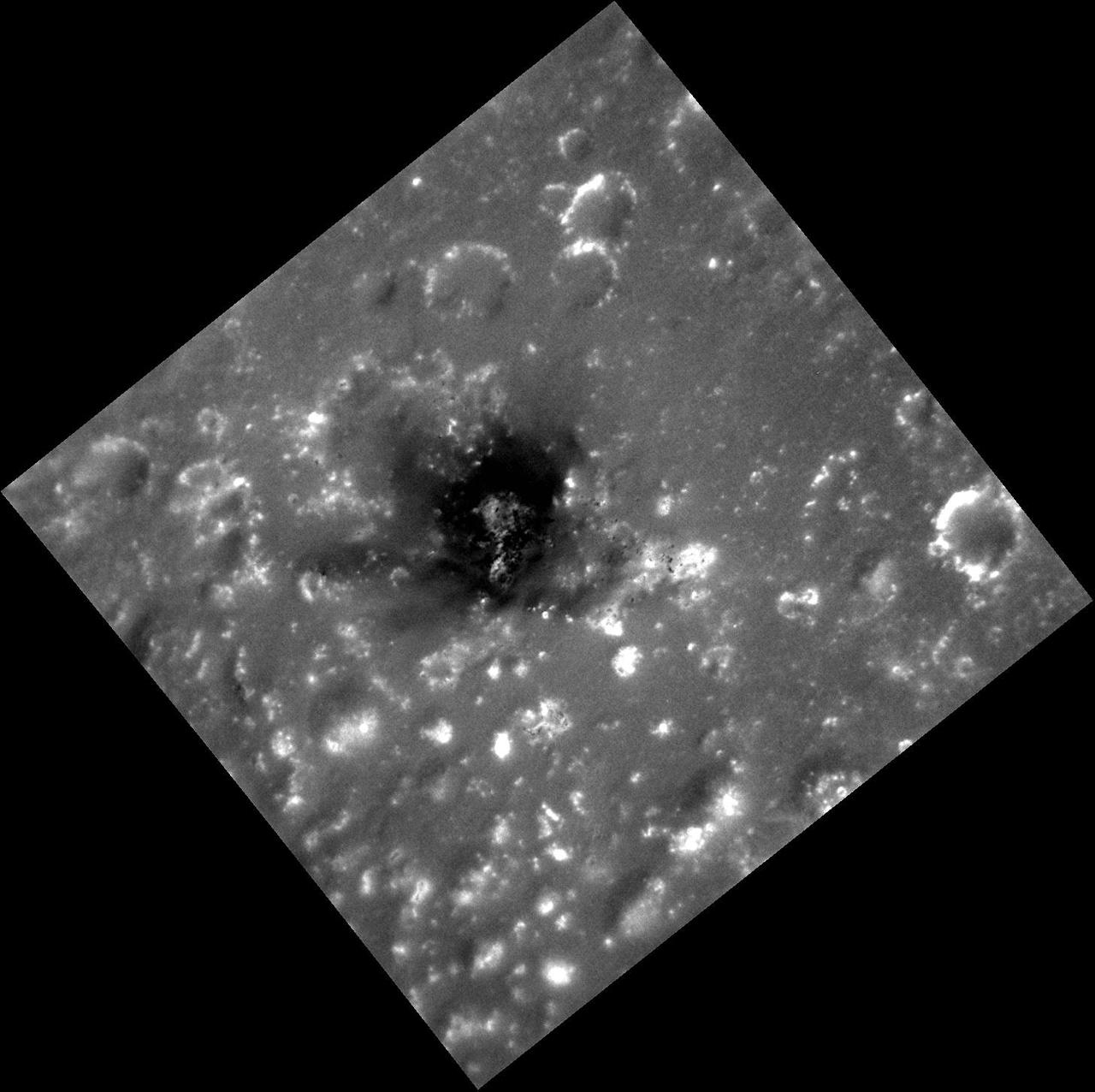
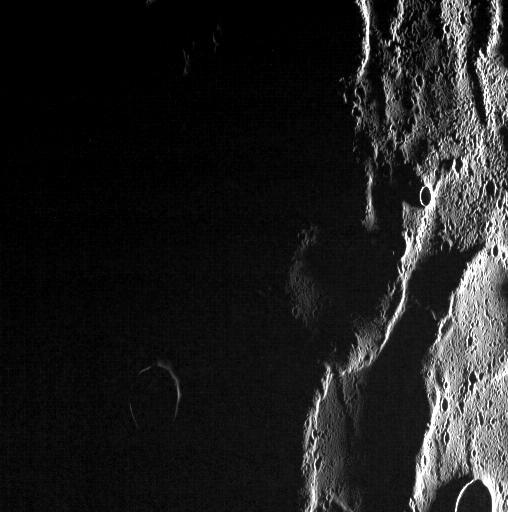
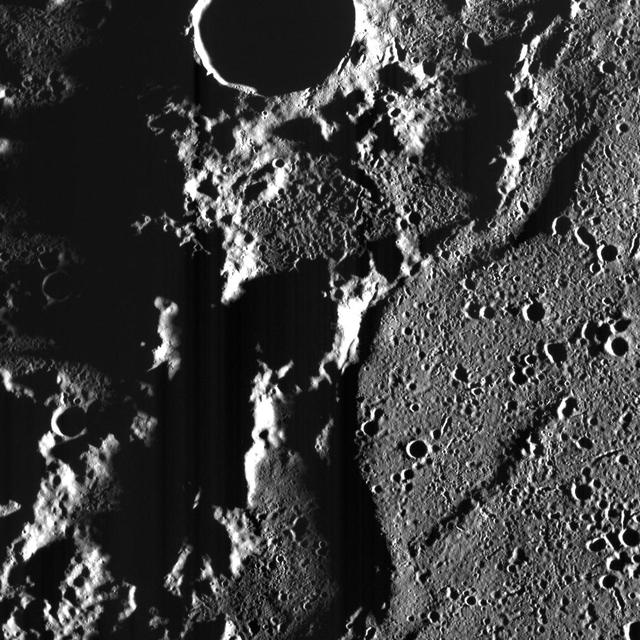
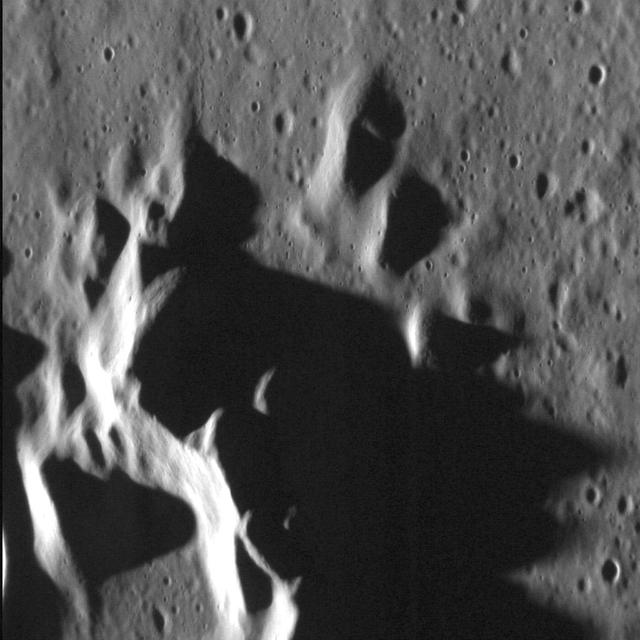
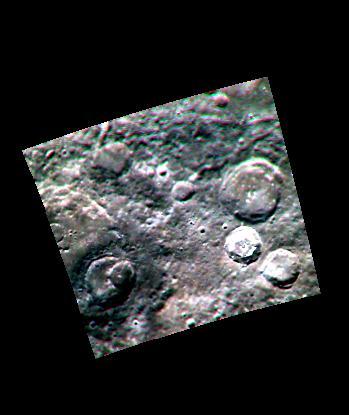
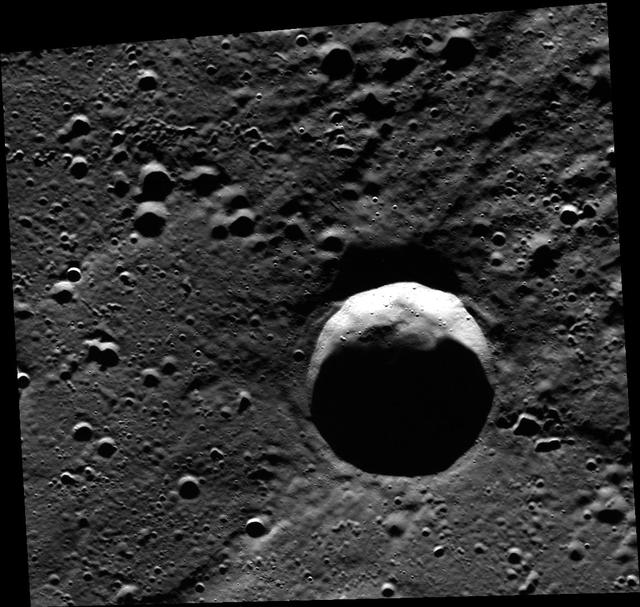
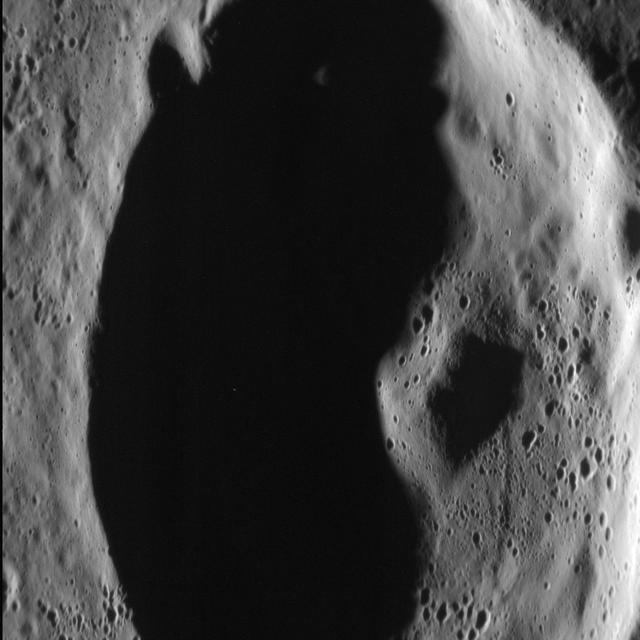
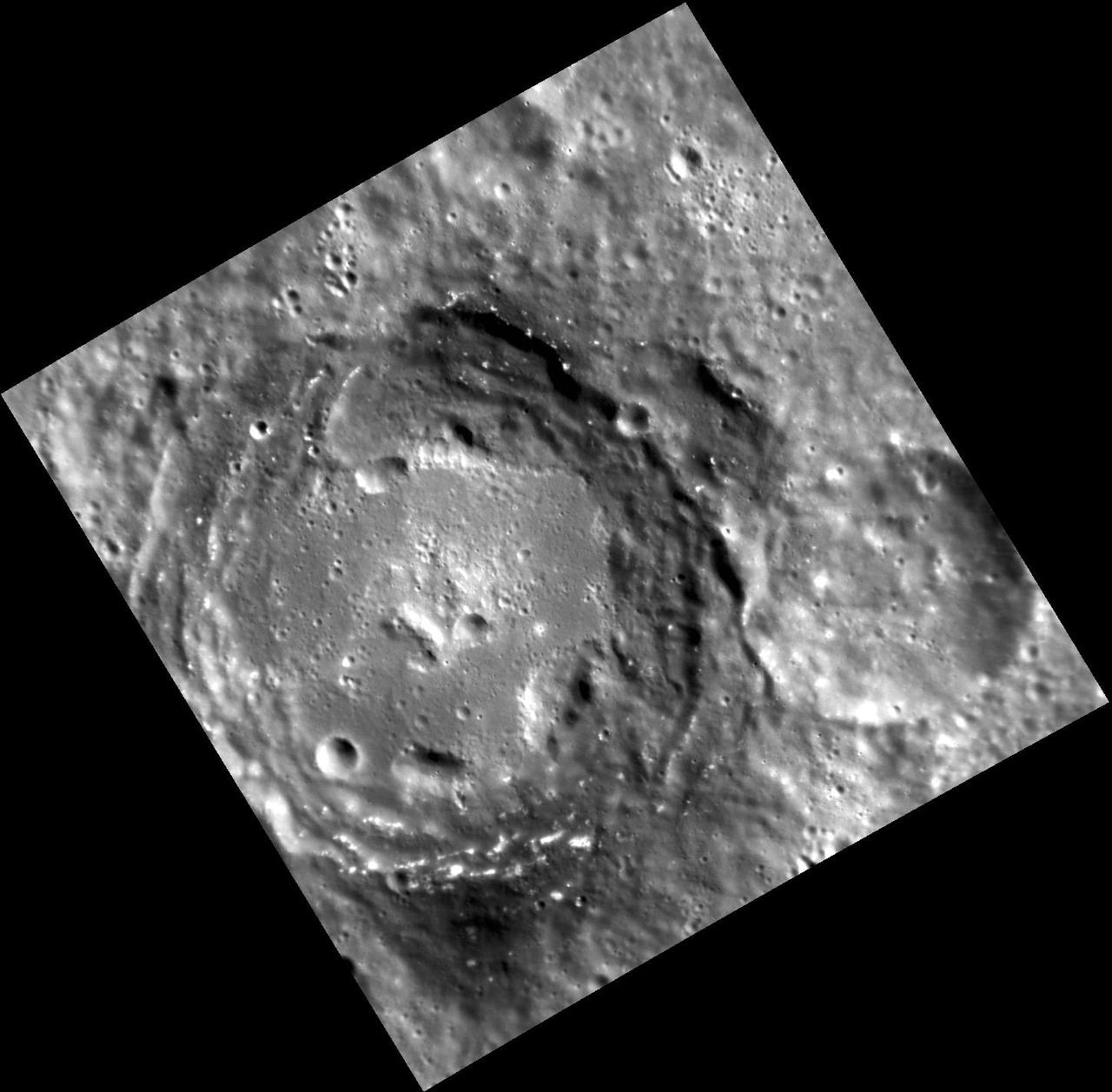
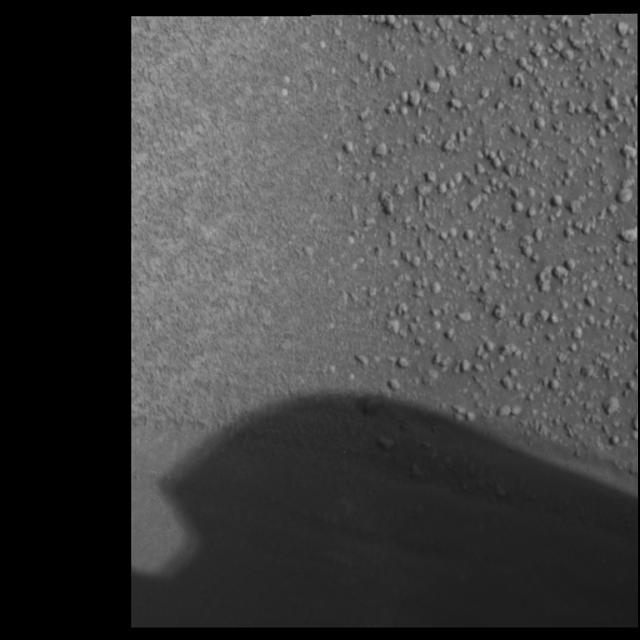
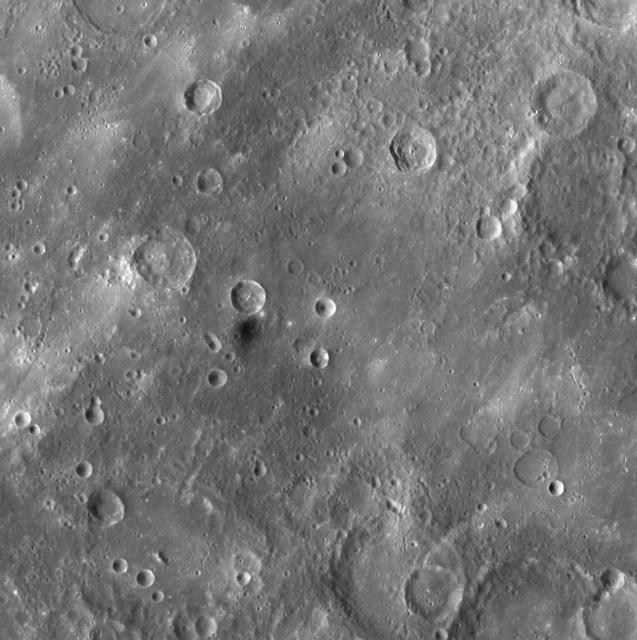
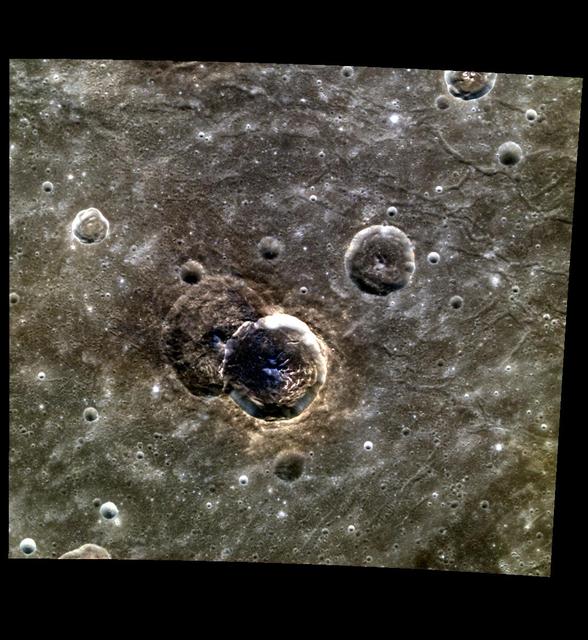
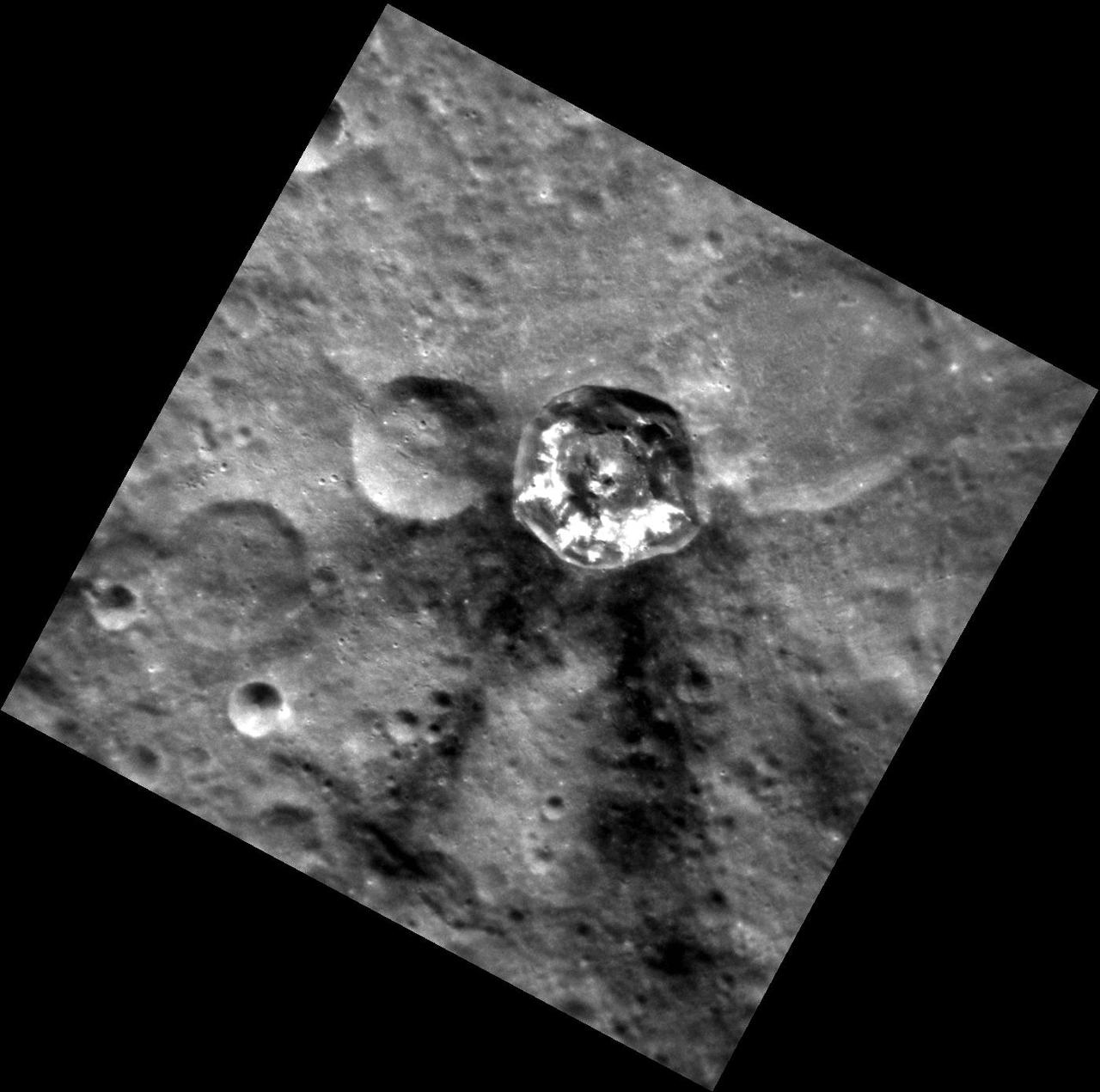
In this dramatic scene, an unnamed crater in Mercury's northern volcanic plains is bathed in darkness as the sun sits low on the horizon. Rising from the floor of the crater is its central peak, a small mountain resulting from the crater's formation. A central peak is a type of crater morphology that lies between &quot;simple&quot; and &quot;peak ring&quot; in the range of crater morphology on Mercury.  This image was acquired as a high-resolution targeted observation. Targeted observations are images of a small area on Mercury's surface at resolutions much higher than the 200-meter/pixel morphology base map. It is not possible to cover all of Mercury's surface at this high resolution, but typically several areas of high scientific interest are imaged in this mode each week.  The MESSENGER spacecraft is the first ever to orbit the planet Mercury, and the spacecraft's seven scientific instruments and radio science investigation are unraveling the history and evolution of the Solar System's innermost planet. During the first two years of orbital operations, MESSENGER acquired over 150,000 images and extensive other data sets. MESSENGER is capable of continuing orbital operations until early 2015.  Credit: NASA/Johns Hopkins University Applied Physics Laboratory/Carnegie Institution of Washington  <b><a href="http://www.nasa.gov/audience/formedia/features/MP_Photo_Guidelines.html" rel="nofollow">NASA image use policy.</a></b>  <b><a href="http://www.nasa.gov/centers/goddard/home/index.html" rel="nofollow">NASA Goddard Space Flight Center</a></b> enables NASA’s mission through four scientific endeavors: Earth Science, Heliophysics, Solar System Exploration, and Astrophysics. Goddard plays a leading role in NASA’s accomplishments by contributing compelling scientific knowledge to advance the Agency’s mission.  <b>Follow us on <a href="http://twitter.com/NASA_GoddardPix" rel="nofollow">Twitter</a></b>  <b>Like us on <a href="http://www.facebook.com/pages/Greenbelt-MD/NASA-Goddard/395013845897?ref=tsd" rel="nofollow">Facebook</a></b>  <b>Find us on <a href="http://instagram.com/nasagoddard?vm=grid" rel="nofollow">Instagram</a></b>
Peaking Into the Dark
This new NASA/ESA Hubble Space Telescope image shows a variety of intriguing cosmic phenomena.  Surrounded by bright stars, towards the upper middle of the frame we see a small young stellar object (YSO) known as SSTC2D J033038.2+303212. Located in the constellation of Perseus, this star is in the early stages of its life and is still forming into a fully-grown star. In this view from Hubble’s Advanced Camera for Surveys(ACS) it appears to have a murky chimney of material emanating outwards and downwards, framed by bright bursts of gas flowing from the star itself. This fledgling star is actually surrounded by a bright disk of material swirling around it as it forms — a disc that we see edge-on from our perspective.   However, this small bright speck is dwarfed by its cosmic neighbor towards the bottom of the frame, a clump of bright, wispy gas swirling around as it appears to spew dark material out into space. The bright cloud is a reflection nebula known as [B77] 63, a cloud of interstellar gas that is reflecting light from the stars embedded within it. There are actually a number of bright stars within [B77] 63, most notably the emission-line star LkHA 326, and it nearby neighbor LZK 18.  These stars are lighting up the surrounding gas and sculpting it into the wispy shape seen in this image. However, the most dramatic part of the image seems to be a dark stream of smoke piling outwards from [B77] 63 and its stars — a dark nebula called Dobashi 4173. Dark nebulae are incredibly dense clouds of pitch-dark material that obscure the patches of sky behind them, seemingly creating great rips and eerily empty chunks of sky. The stars speckled on top of this extreme blackness actually lie between us and Dobashi 4173.  Credit: ESA/NASA  <b><a href="http://www.nasa.gov/audience/formedia/features/MP_Photo_Guidelines.html" rel="nofollow">NASA image use policy.</a></b>  <b><a href="http://www.nasa.gov/centers/goddard/home/index.html" rel="nofollow">NASA Goddard Space Flight Center</a></b> enables NASA’s mission through four scientific endeavors: Earth Science, Heliophysics, Solar System Exploration, and Astrophysics. Goddard plays a leading role in NASA’s accomplishments by contributing compelling scientific knowledge to advance the Agency’s mission. <b>Follow us on <a href="http://twitter.com/NASAGoddardPix" rel="nofollow">Twitter</a></b> <b>Like us on <a href="http://www.facebook.com/pages/Greenbelt-MD/NASA-Goddard/395013845897?ref=tsd" rel="nofollow">Facebook</a></b> <b>Find us on <a href="http://instagram.com/nasagoddard?vm=grid" rel="nofollow">Instagram</a></b>
Hubble Looks at Light and Dark in the Universe
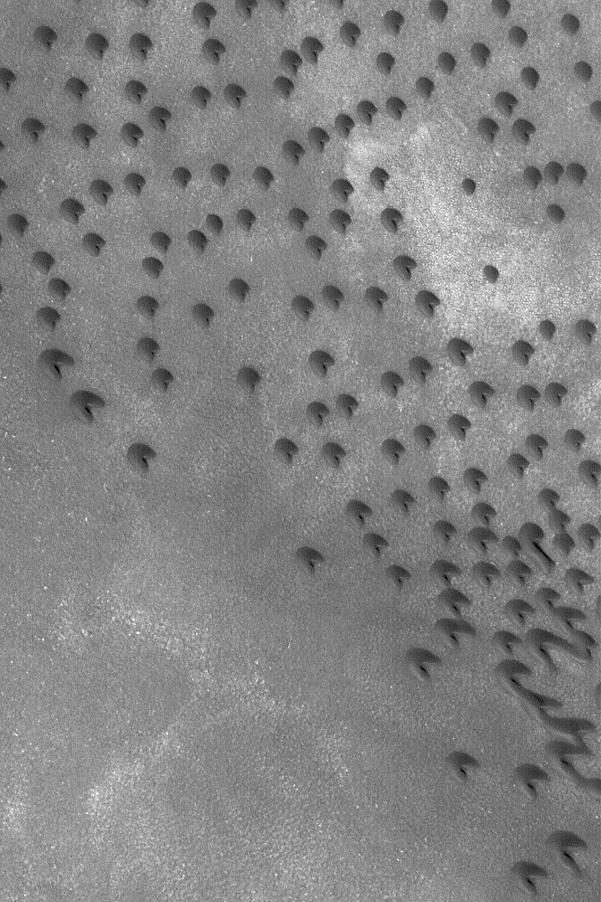
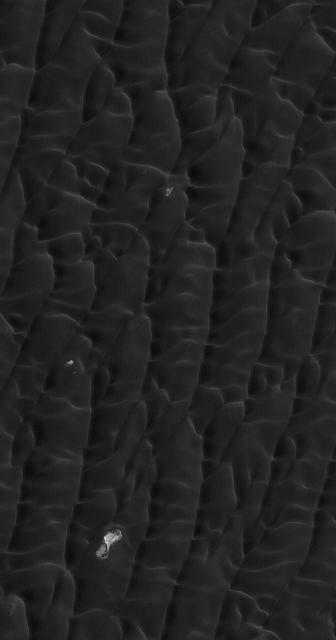
Dark Martian Dunes
Dark Martian Dunes
Light and Dark Rings
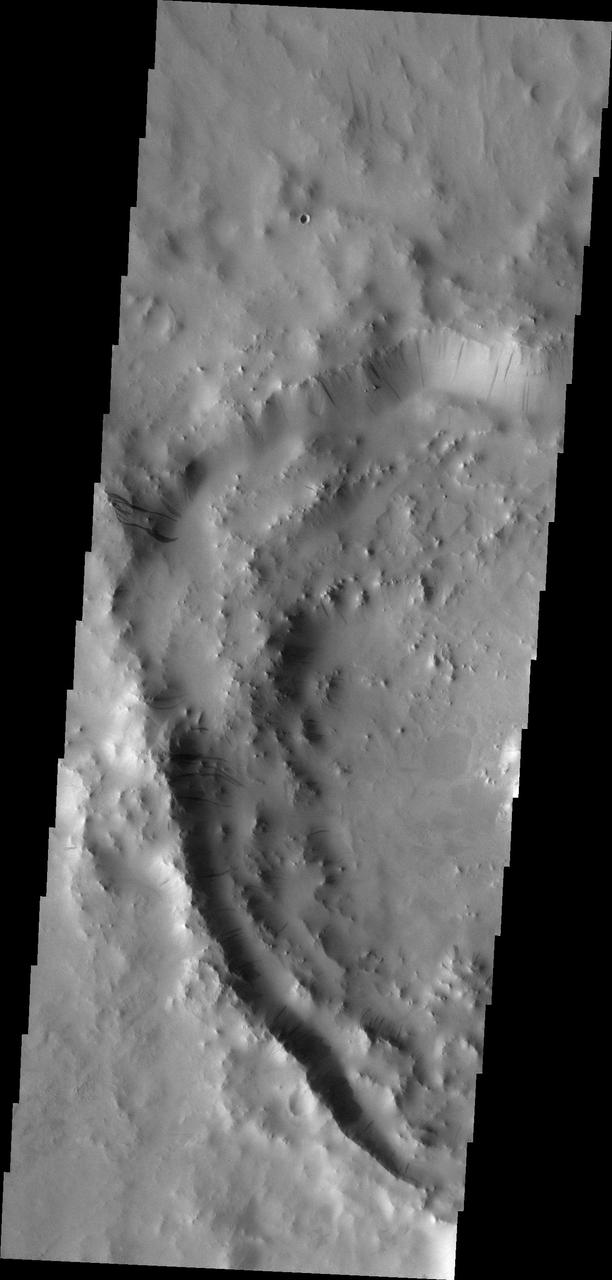
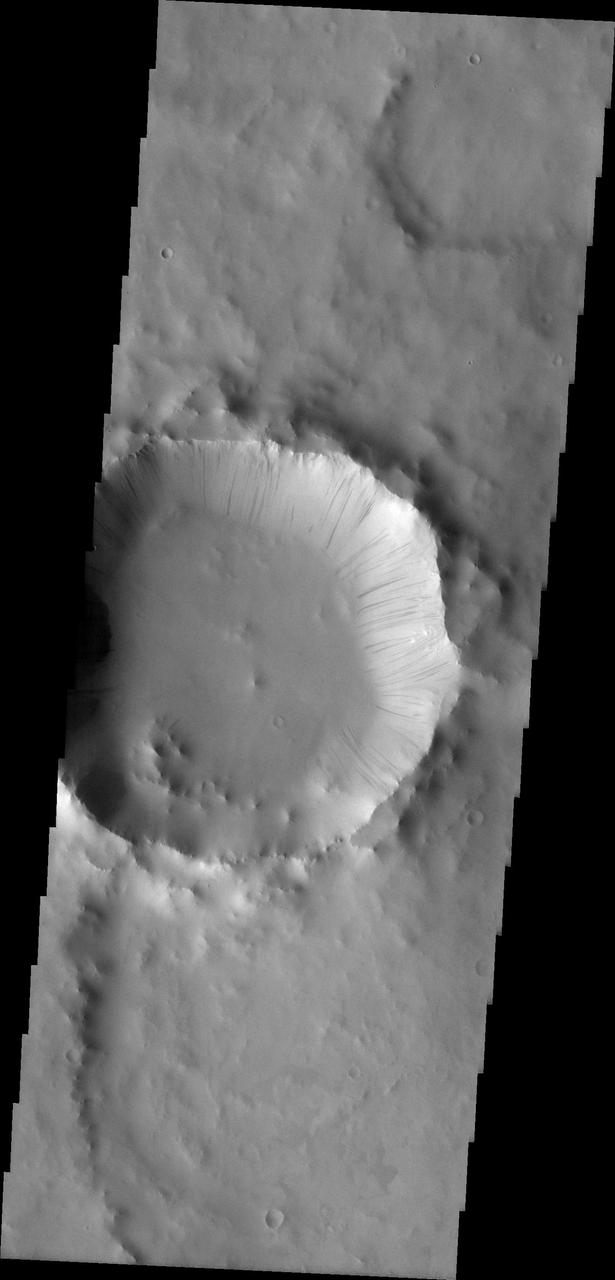
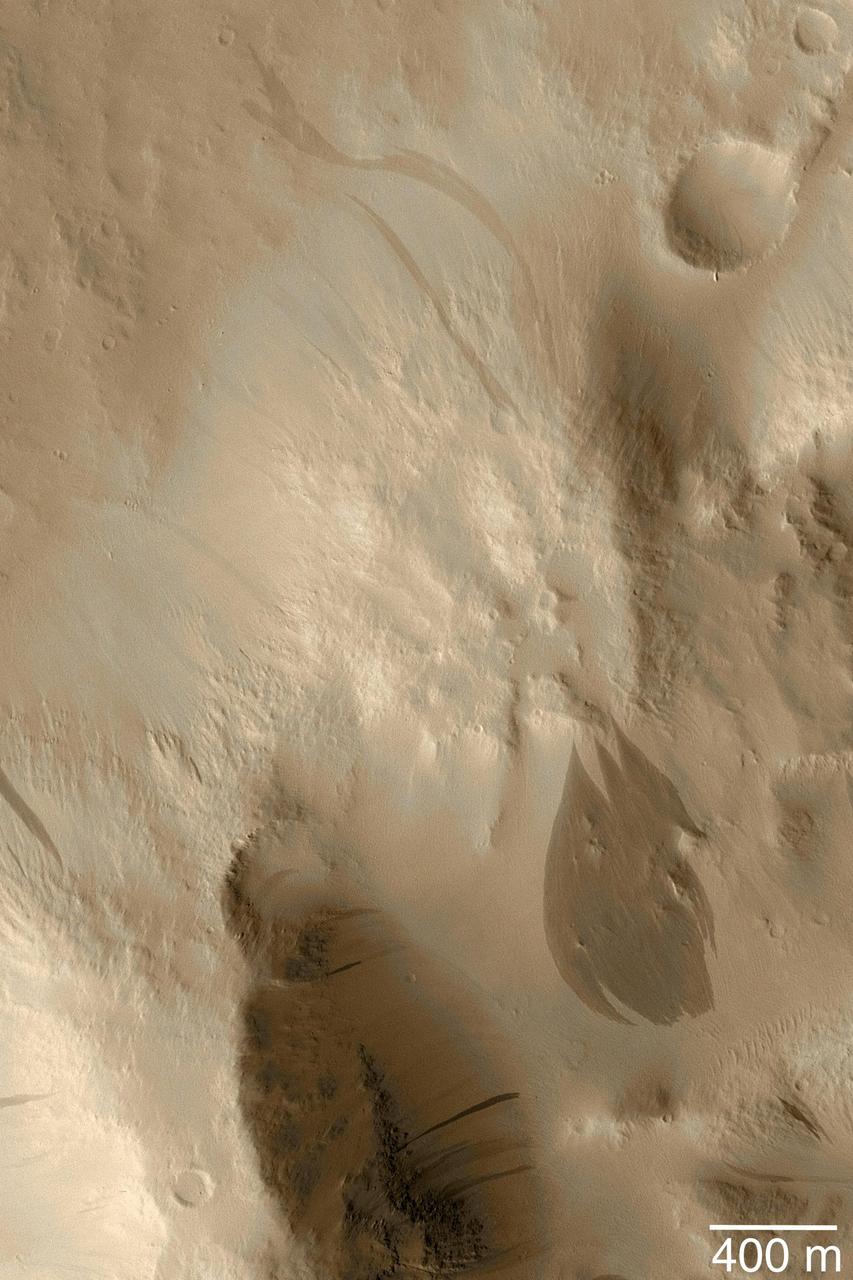
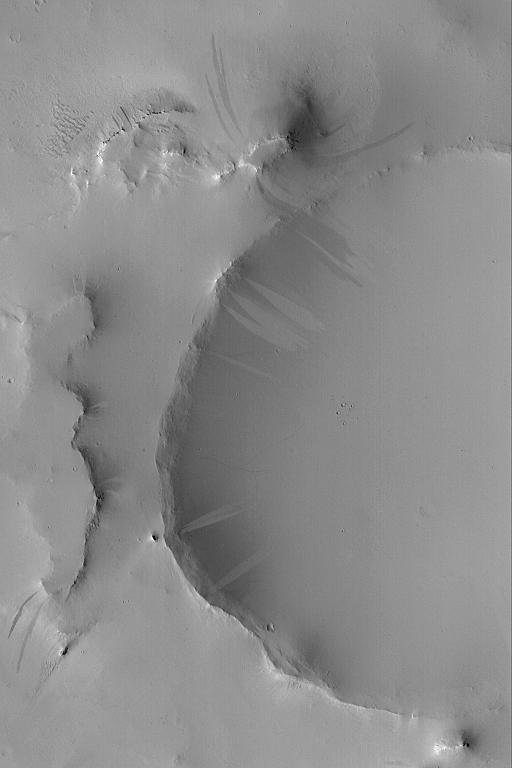
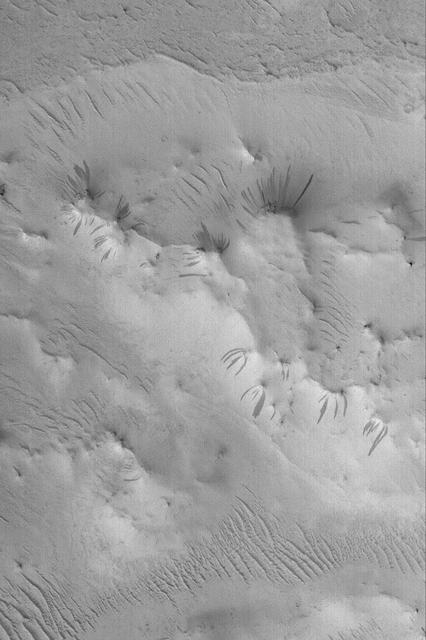
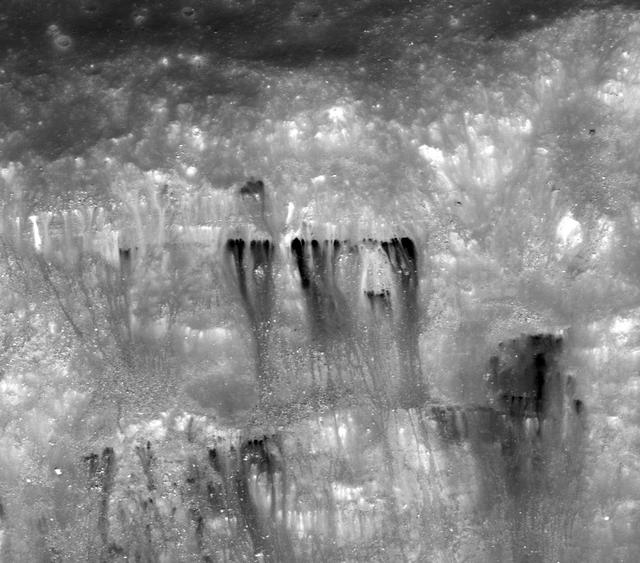
Dark Slope Streaks
Dark Slope Streaks
A Study in Dark and Light
Bright Moon in Darkness
Bright Highlands and Dark Plains
Where Light Meets Dark
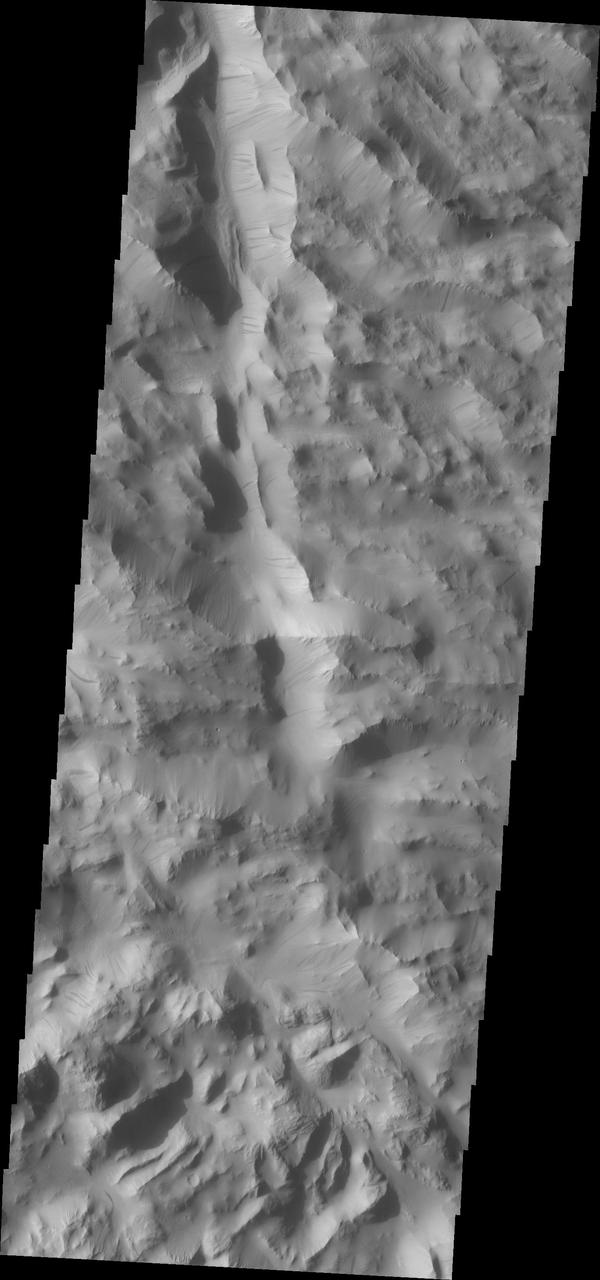
Dark Mesas of Aram Chaos
An Intriguing Dark Halo
Bright and Dark Craters
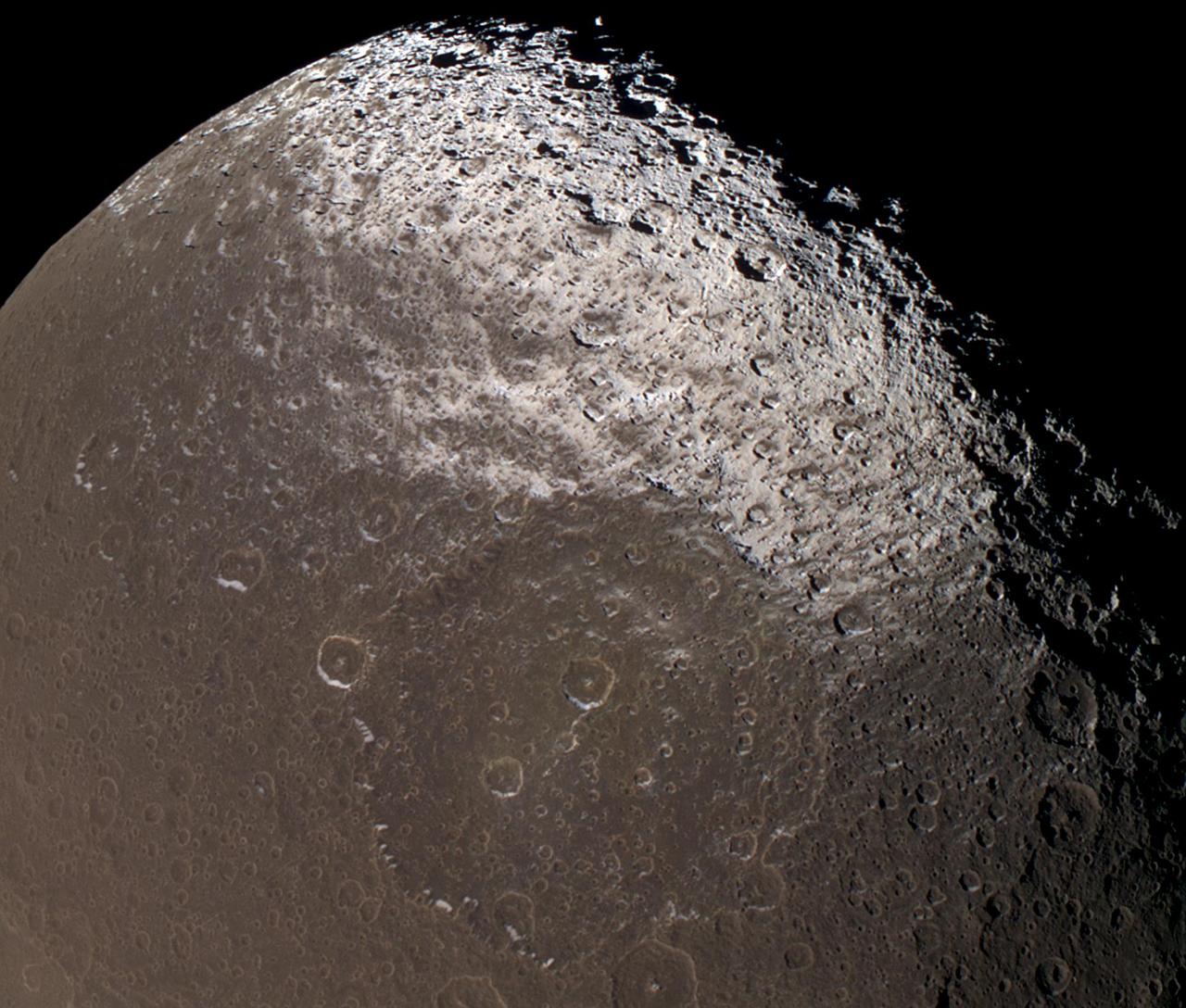
Exposing Iapetus Dark Side
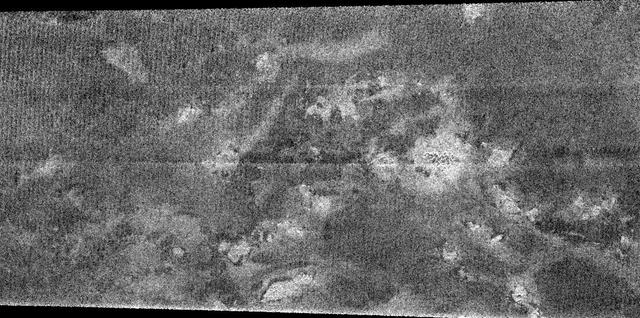
Dark Plains on Titan
Dark Slope Streaks
Dark Slope Streaks
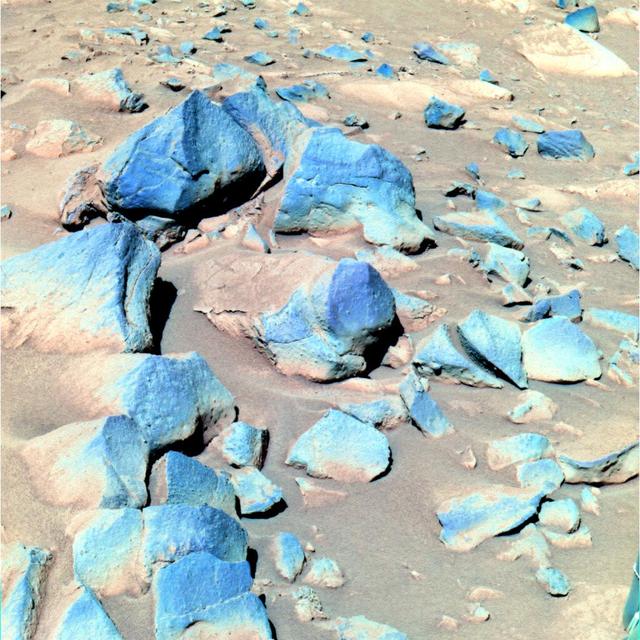
The Call of the Dark Rocks
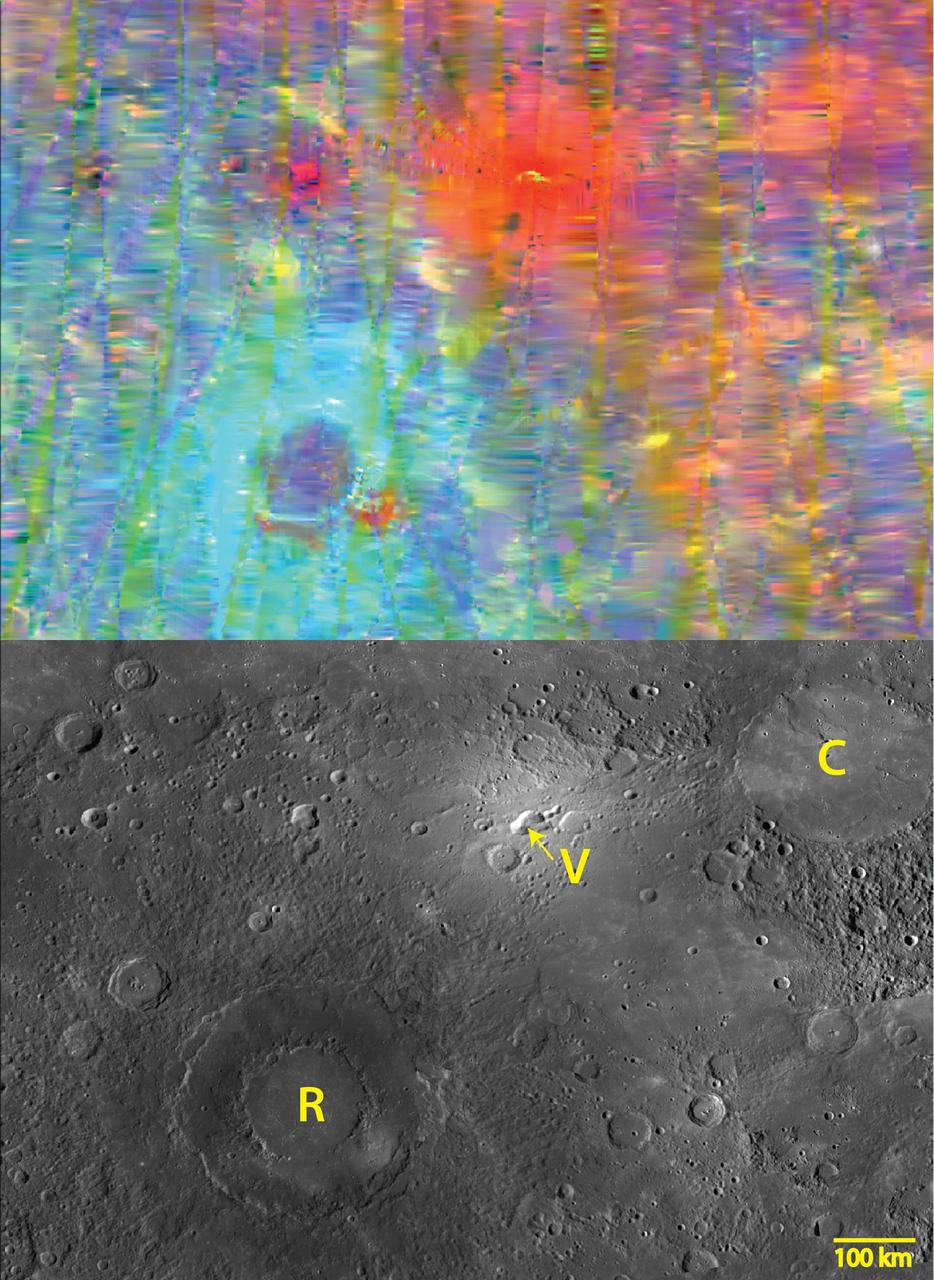
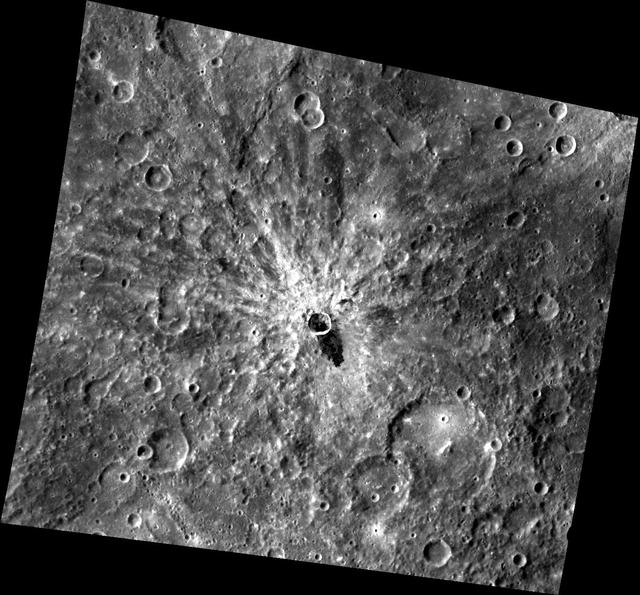
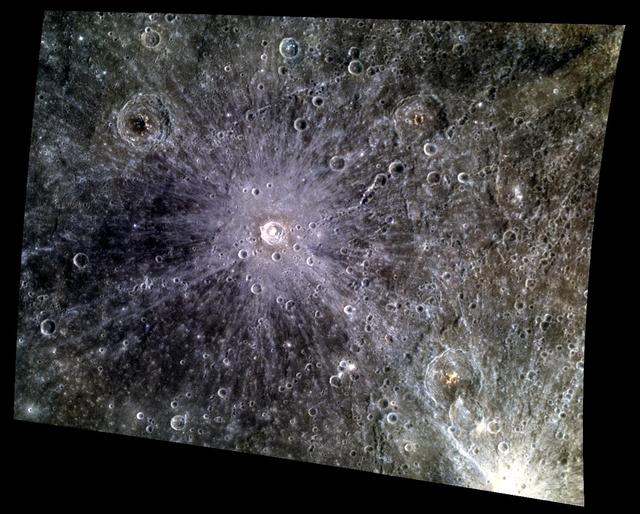
Dark Rays on Mercury
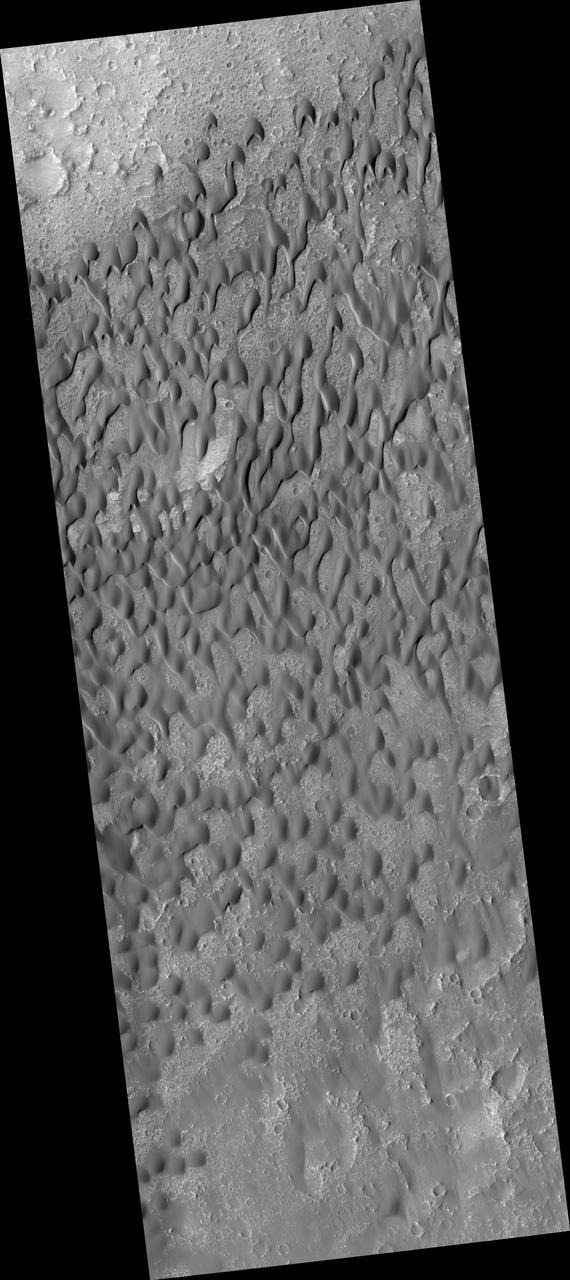
Dark Sand Dunes
Dark Sand Dunes
Dark Sand Dunes
Dark Sand Dunes
Dark Polar Dunes
Dark Polar Dunes
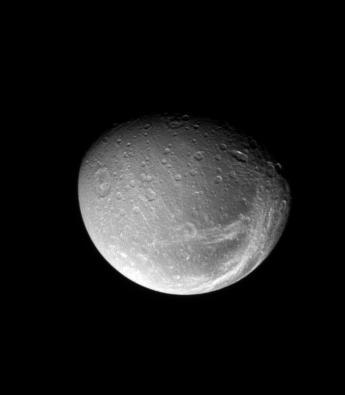
Dark Side of Dione
Dark Side of Dione
Dark Slope Streaks
Dark Slope Streaks
A Light and Dark Duo
Bright and Dark Slopes on Ganymede
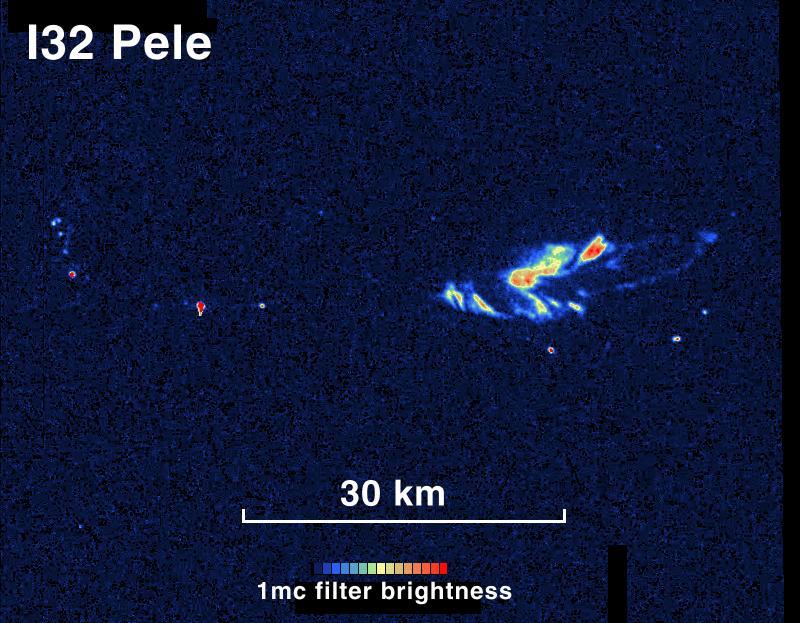
Io Pele Glowing in the Dark
Dark-stained Iapetus
Dark Slope Streaks
Dark Slope Streaks
Light and Dark Bands
Dark and Bright Ridges on Europa
It was a Dark and Stormy Night
Dark Slope Streaks
Dark Slope Streaks
Dark Dunes in Herschel Crater
Light and Dark Slope Streaks
Dark Streaks in Diophantus Crater
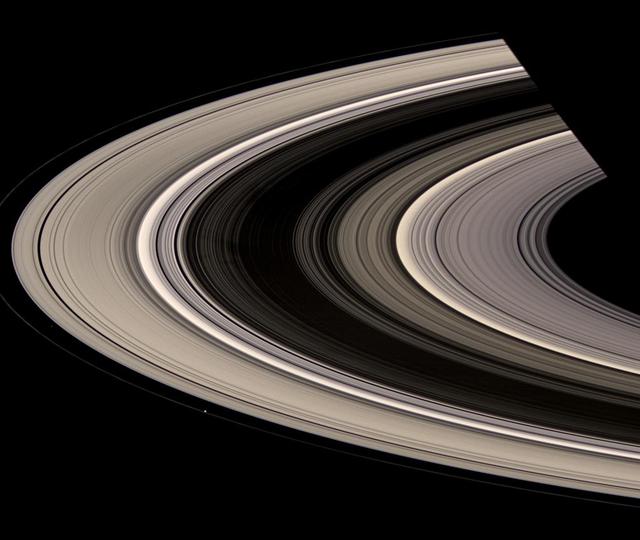
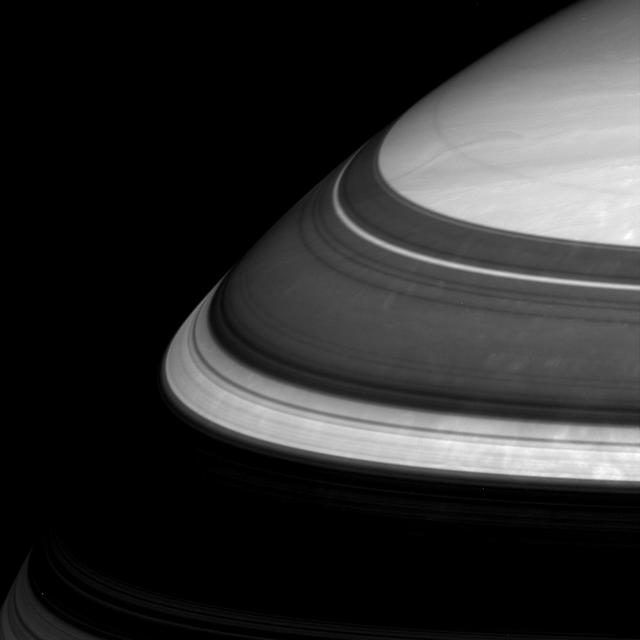
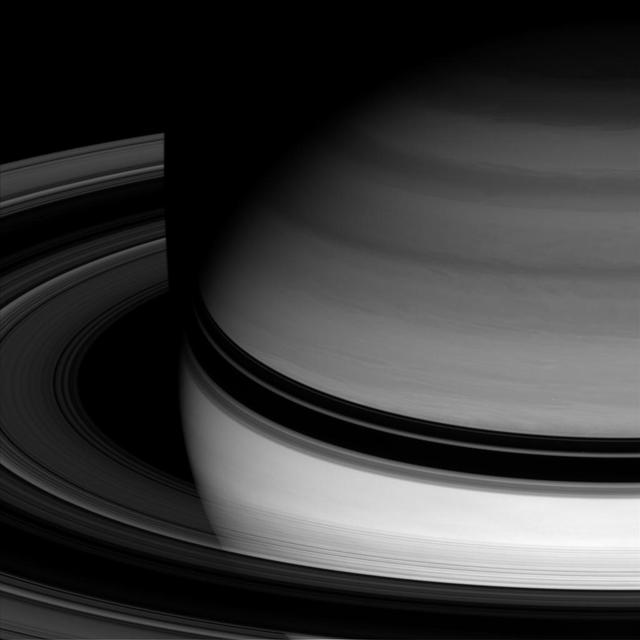
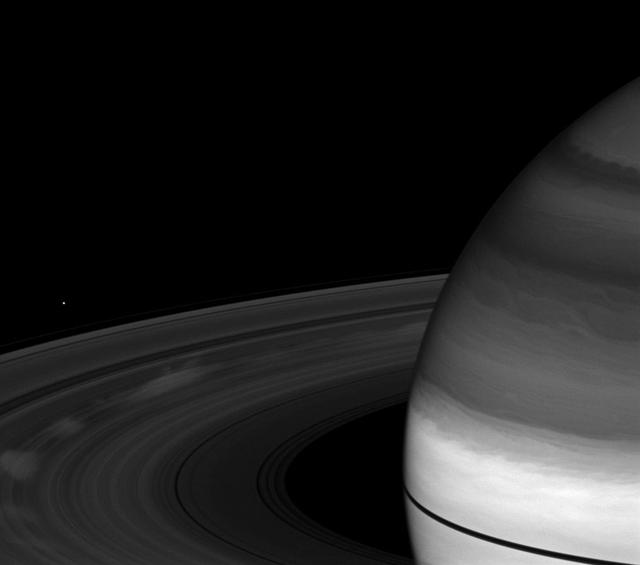
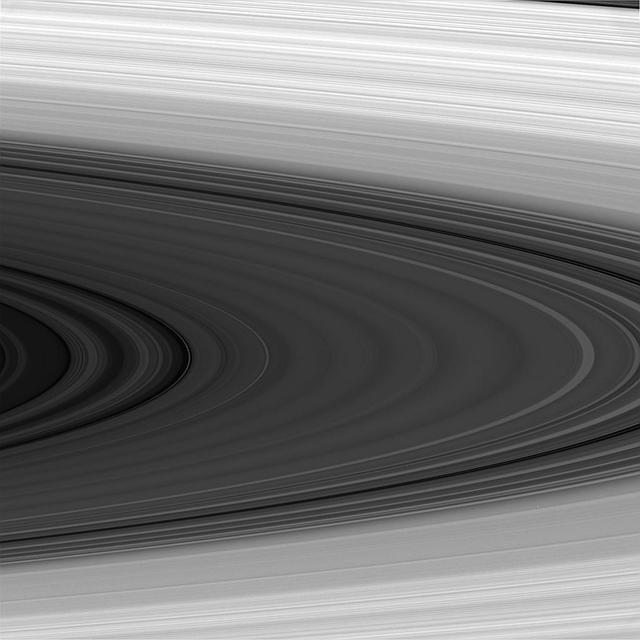
Rings Against a Dark Planet
Dark Slope Streak
Dark Slope Streak
Not-So-Dark Side of Tethys
Islands on a Dark Plain
Bright Streaks and Dark Fans
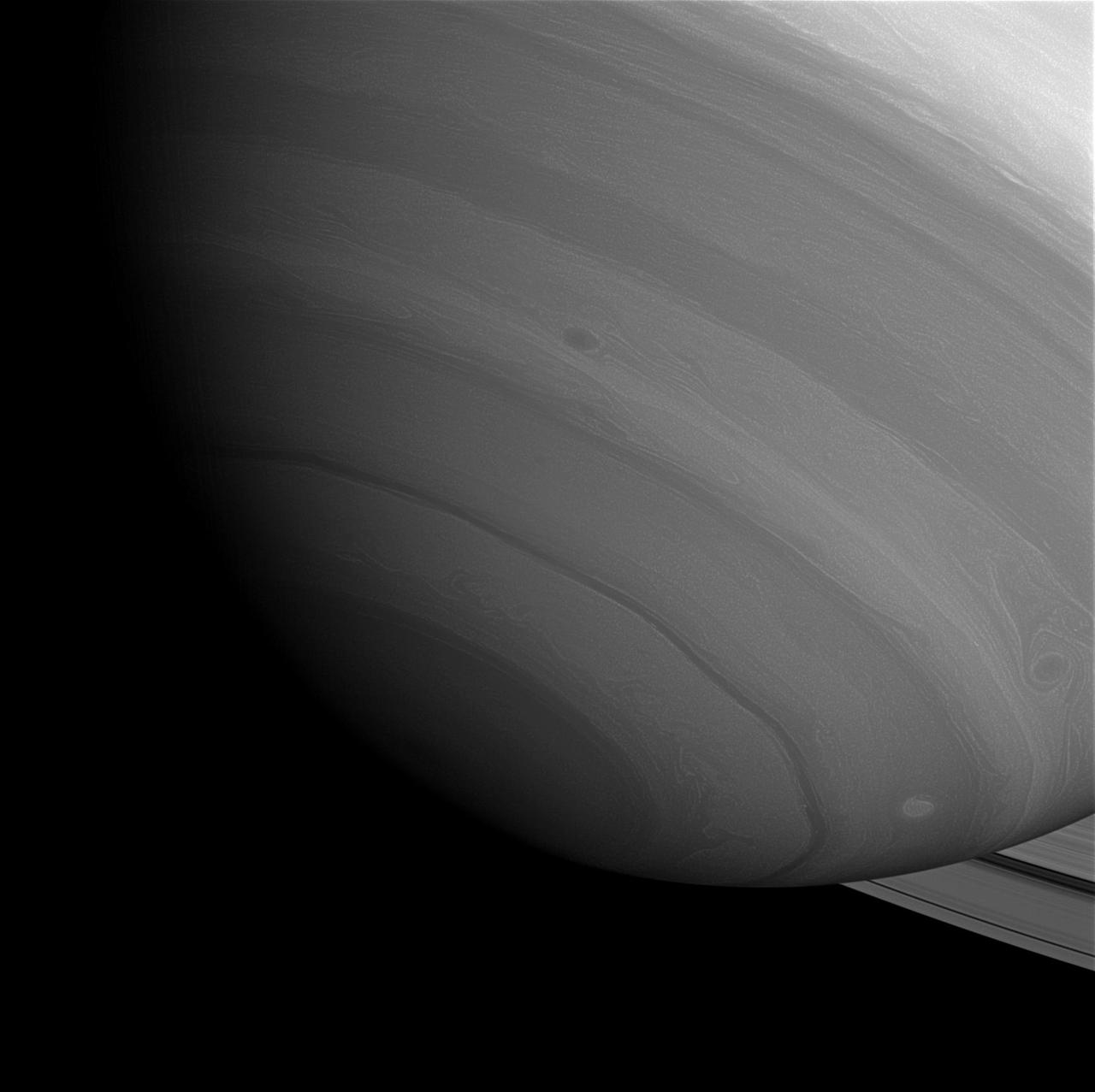
Dark Storms, Bright Clouds
Iapetus: Light and Dark
Dione and the Dark Side
Dark Slope Streaks
Dark Slope Streaks
Dark Polar Dunes
Dark Polar Dunes
Dark Doings at Derain
A Dark Spot on Europa
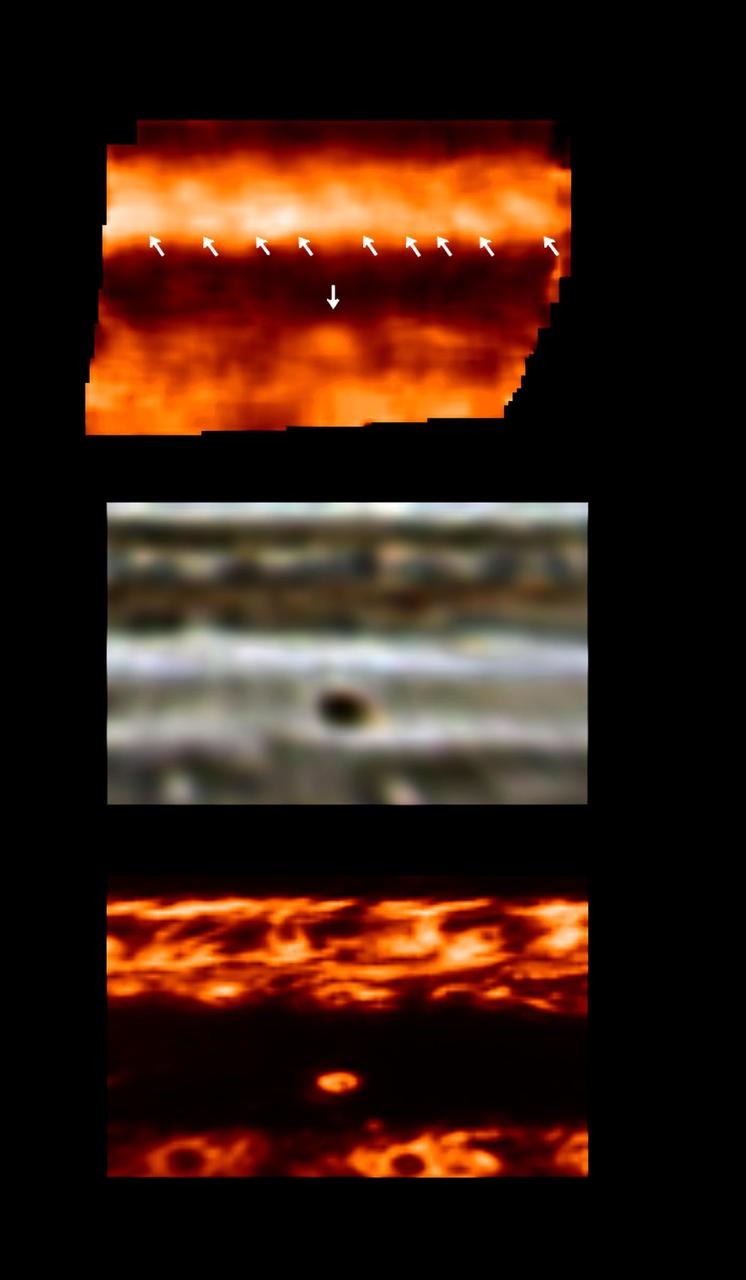
Jovian Dark Spot
Jovian Dark Spot
Dark Slope Streaks
Dark Slope Streaks
The Dark Side of the Crater
Dark Slope Streaks
Dark Slope Streaks
Titan Dark Terrain
Titan Dark Terrain
Bright Spokes, Dark Rings
Dark-Toned Ridges in Meridiani
Dark Halo Crater in Orientale
Dark Slope Streaks
Dark Slope Streaks
The Call of the Dark Rocks
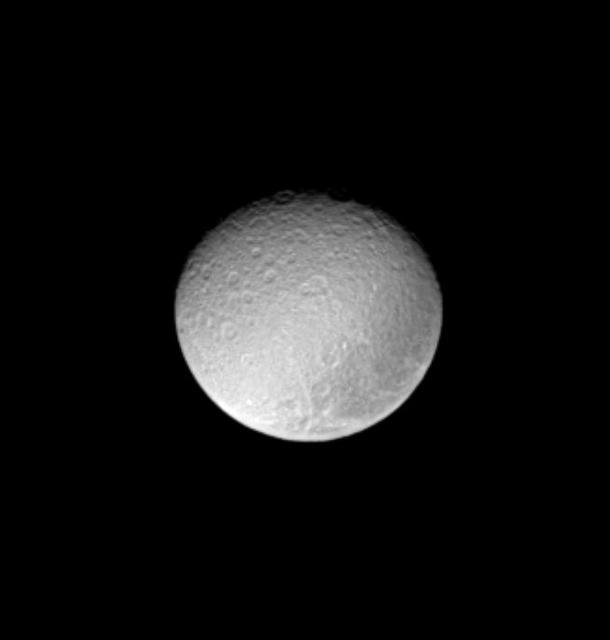
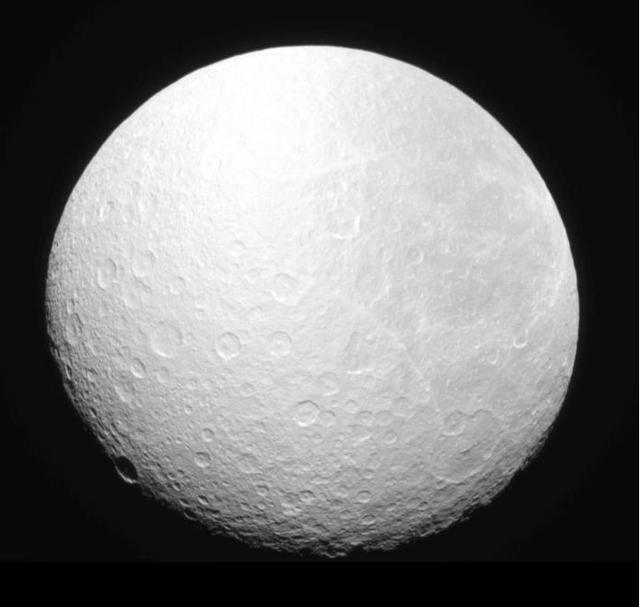
Darkness Falls on Rhea
Matabei Unusual Dark Rays
Uncovering a Dark Past
Dark Side of the Force
Dark Slope Streaks
Dark Slope Streaks
From the Dark Side
From the Dark Side
Dark Slope Streaks
Dark Slope Streaks
Dark Slope Streaks
Dark Slope Streaks
Dark Belt of Tethys
Dark Belt of Tethys
Seduced by the Dark Side
More Dark Slope Streaks
Kittu Dark Ray Crater
Iapetus Dark Side
Iapetus Dark Side