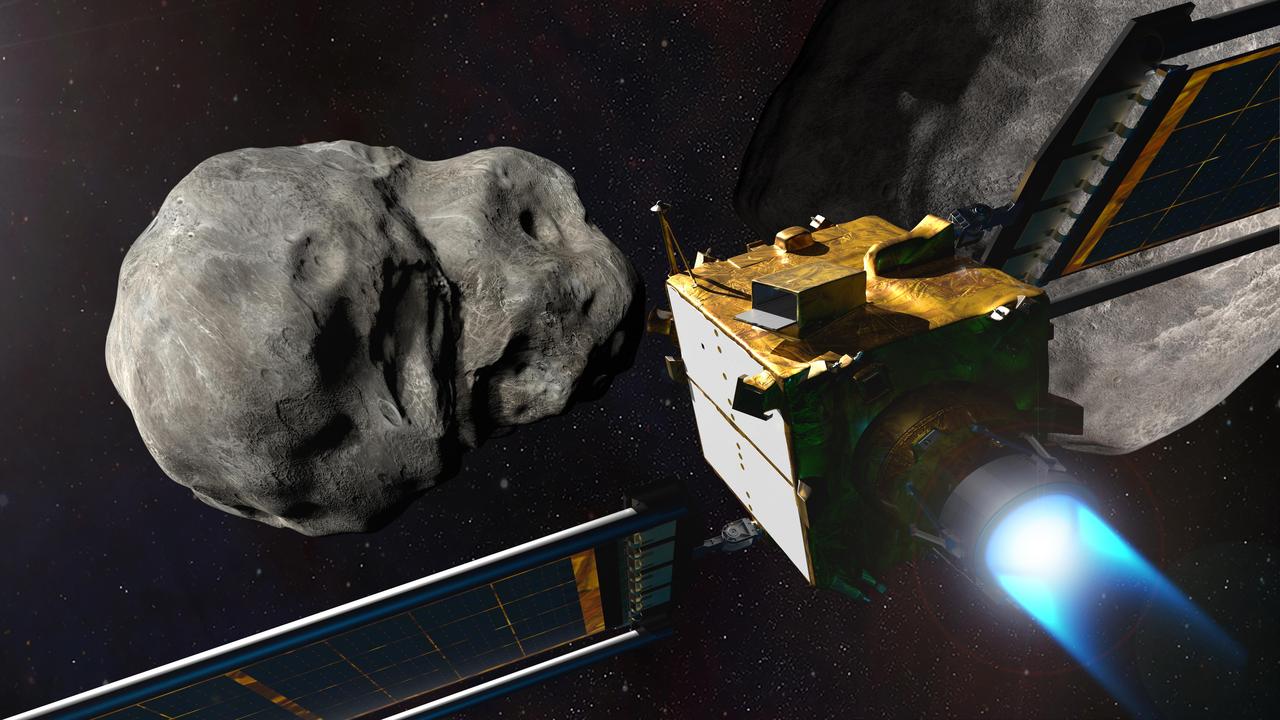
This illustration depicts NASA's Double Asteroid Redirection Test (DART) spacecraft prior to impact at the Didymos binary asteroid system. DART's target asteroid is the moonlet Dimorphos, which orbits the larger asteroid Didymos; the pair are not a threat to Earth. This asteroid system will be a testing ground to see if intentionally crashing a spacecraft into an asteroid is an effective way to change its course, should an Earth-threatening asteroid be discovered in the future. The Johns Hopkins Applied Physics Laboratory in Laurel, Maryland, manages the DART mission for NASA's Planetary Defense Coordination Office as a project of the agency's Planetary Missions Program Office. DART is the world's first planetary defense test mission, intentionally executing a kinetic impact into Dimorphos to slightly change its motion in space. While the asteroid does not pose any threat to Earth, the DART mission will demonstrate that a spacecraft can autonomously navigate to a kinetic impact on a relatively small asteroid and prove this is a viable technique to deflect an asteroid on a collision course with Earth if one is ever discovered. DART will reach its target on Sept. 26, 2022. https://photojournal.jpl.nasa.gov/catalog/PIA25329
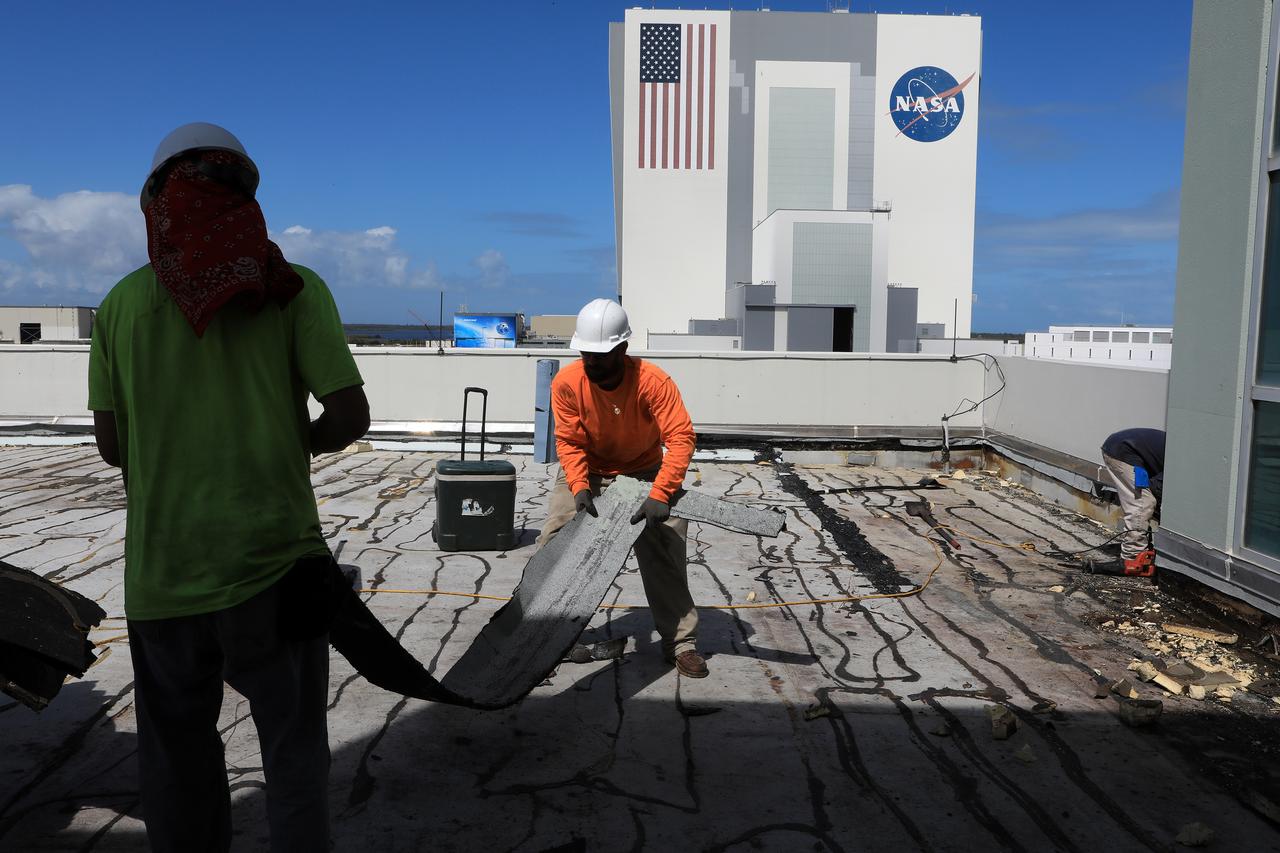
Members of the Disaster Assessment and Recovery Team (DART) repair a section of roof atop the Operations Support Building II at NASA’s Kennedy Space Center in Florida. The effort is part of the spaceport’s ongoing recovery from Hurricane Matthew, which passed to the east of Kennedy on Oct. 6 and 7, 2016. The center received some isolated roof damage, damaged support buildings, a few downed power lines, and limited water intrusion. Beach erosion also occurred, although the storm surge was less than expected.
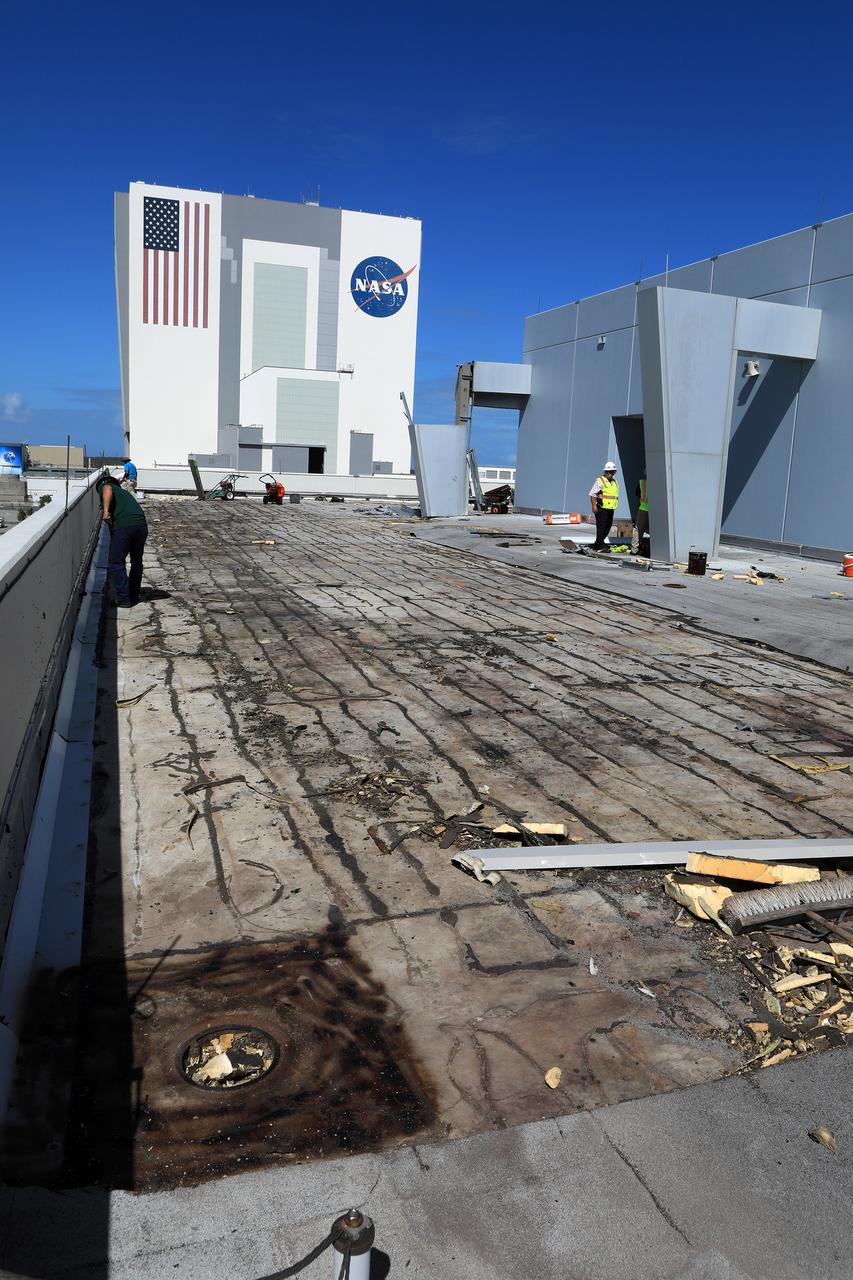
Members of the Disaster Assessment and Recovery Team (DART) repair a section of roof atop the Operations Support Building II at NASA’s Kennedy Space Center in Florida. The effort is part of the spaceport’s ongoing recovery from Hurricane Matthew, which passed to the east of Kennedy on Oct. 6 and 7, 2016. The center received some isolated roof damage, damaged support buildings, a few downed power lines, and limited water intrusion. Beach erosion also occurred, although the storm surge was less than expected.
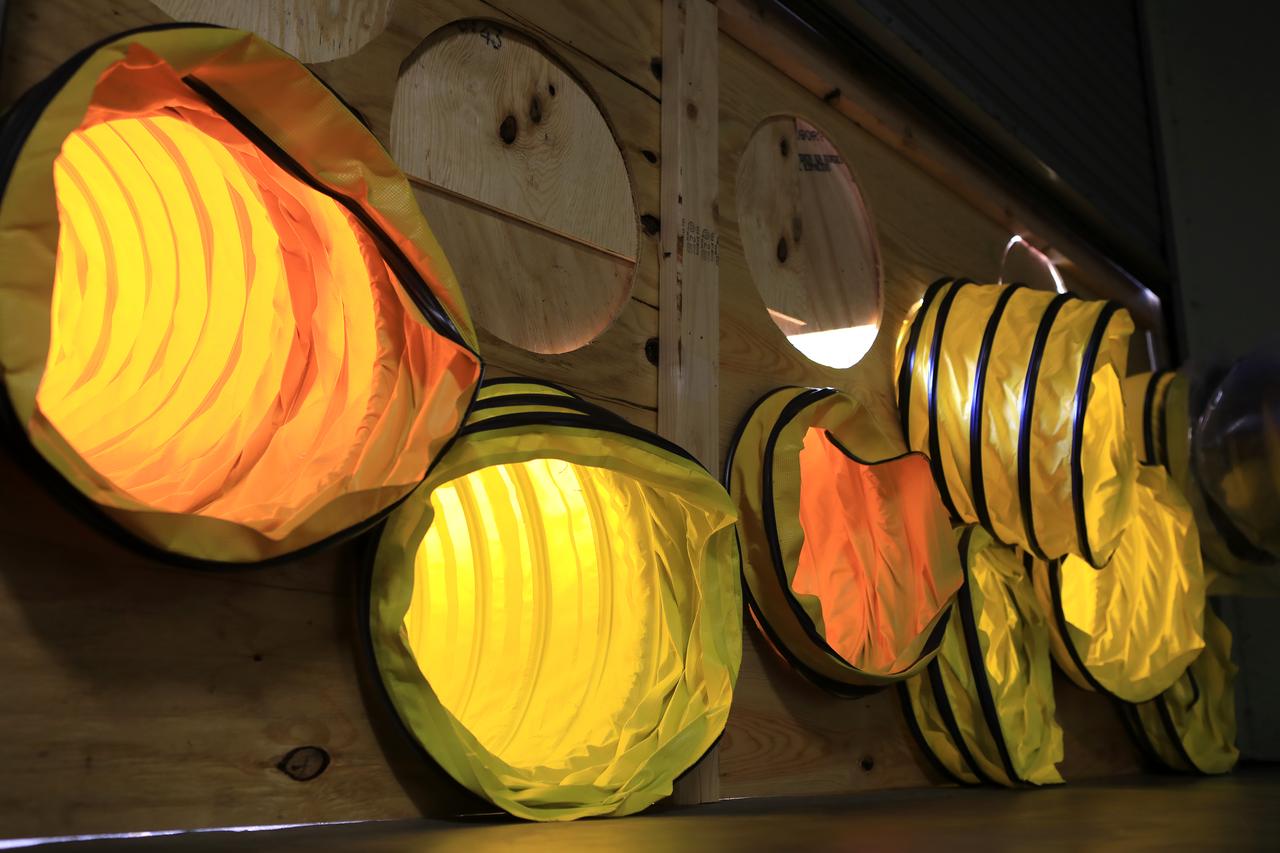
Tubing provides ventilation through boarded-up windows on the Operations Support Building II at NASA’s Kennedy Space Center in Florida. Members of the Disaster Assessment and Recovery Team (DART) are working on repairs to the facility following Hurricane Matthew, which passed to the east of Kennedy on Oct. 6 and 7, 2016. The center received some isolated roof damage, damaged support buildings, a few downed power lines, and limited water intrusion. Beach erosion also occurred, although the storm surge was less than expected.

Members of the Disaster Assessment and Recovery Team (DART) repair a section of roof atop the Operations Support Building II at NASA’s Kennedy Space Center in Florida. The effort is part of the spaceport’s ongoing recovery from Hurricane Matthew, which passed to the east of Kennedy on Oct. 6 and 7, 2016. The center received some isolated roof damage, damaged support buildings, a few downed power lines, and limited water intrusion. Beach erosion also occurred, although the storm surge was less than expected.
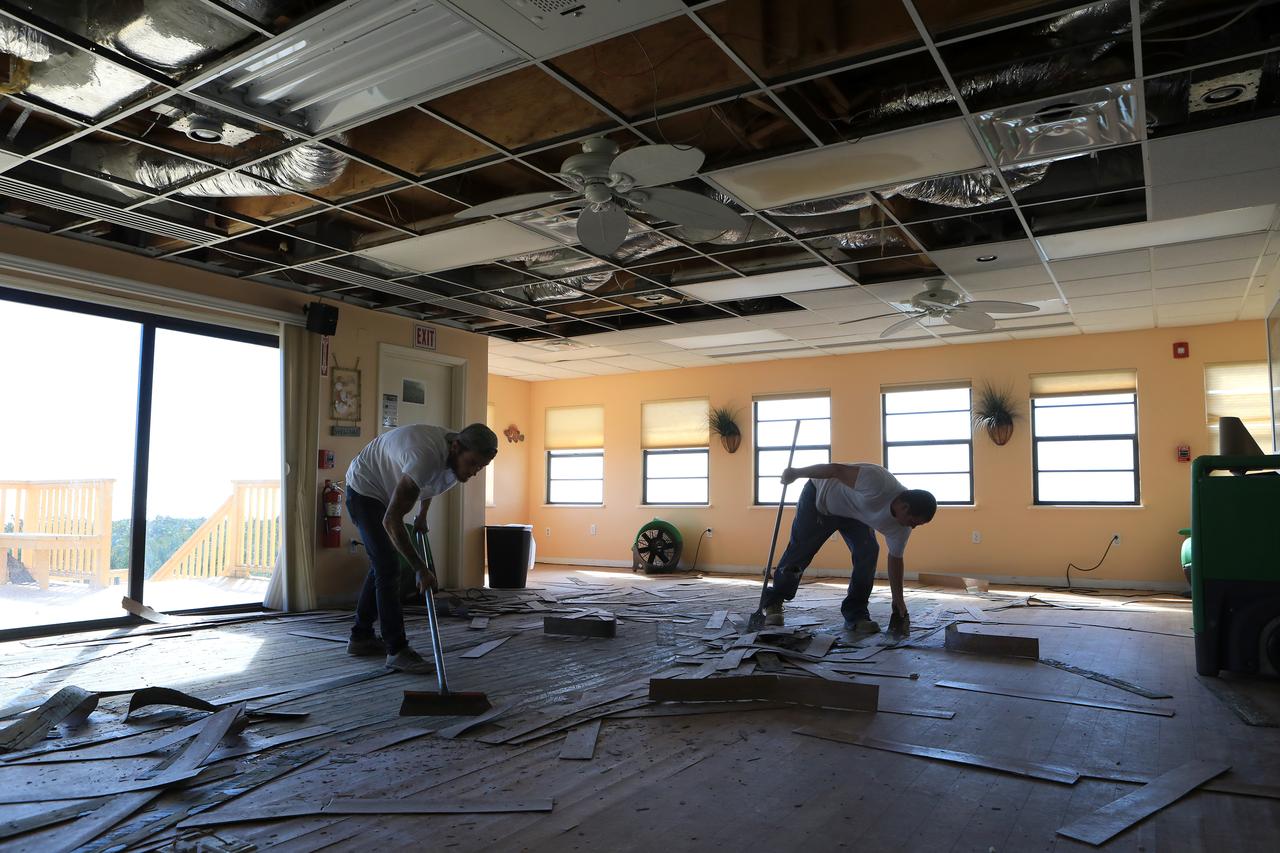
Members of the Disaster Assessment and Recovery Team (DART) work on flooring repairs to the Beach House at NASA’s Kennedy Space Center in Florida. The effort is part of the spaceport’s ongoing recovery from Hurricane Matthew, which passed to the east of Kennedy on Oct. 6 and 7, 2016. The center received some isolated roof damage, damaged support buildings, a few downed power lines, and limited water intrusion. Beach erosion also occurred, although the storm surge was less than expected.
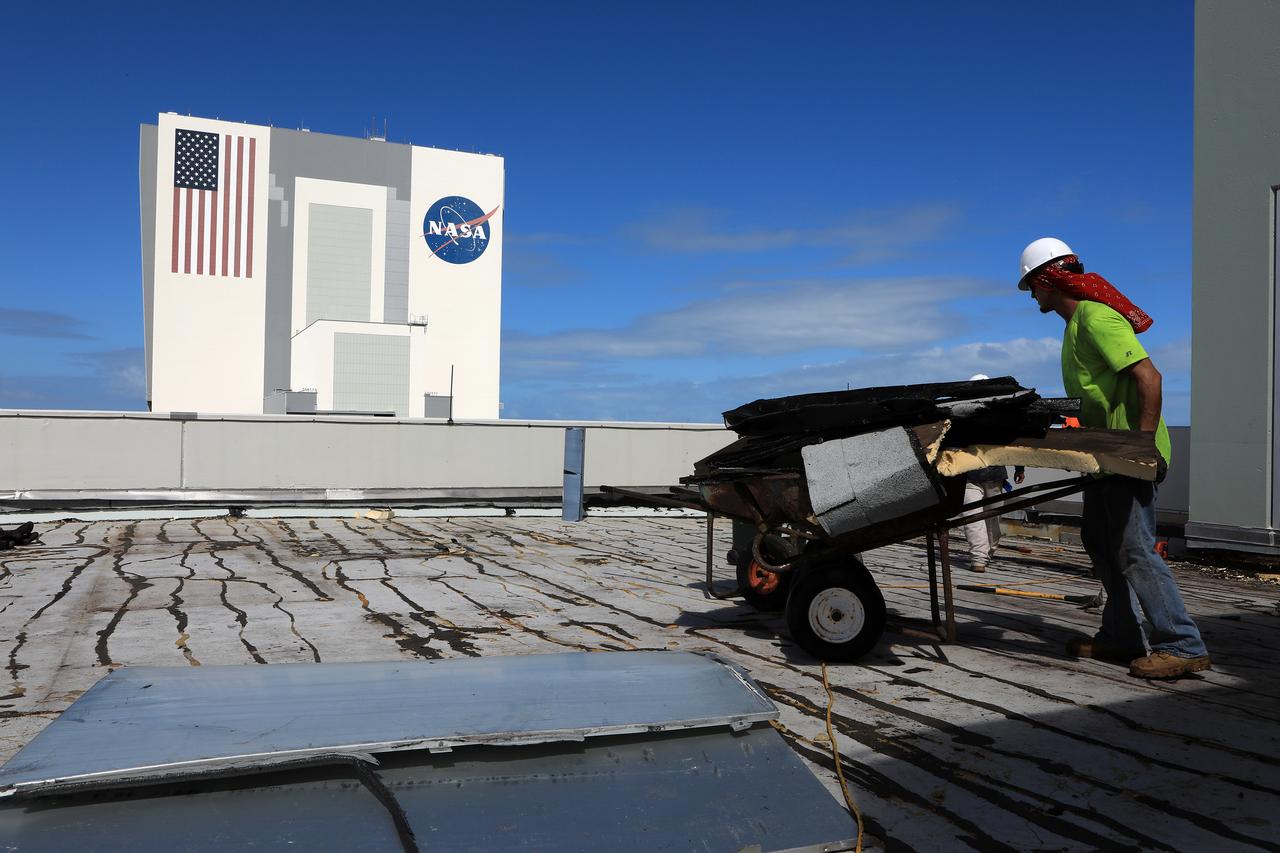
Members of the Disaster Assessment and Recovery Team (DART) repair a section of roof atop the Operations Support Building II at NASA’s Kennedy Space Center in Florida. The effort is part of the spaceport’s ongoing recovery from Hurricane Matthew, which passed to the east of Kennedy on Oct. 6 and 7, 2016. The center received some isolated roof damage, damaged support buildings, a few downed power lines, and limited water intrusion. Beach erosion also occurred, although the storm surge was less than expected.
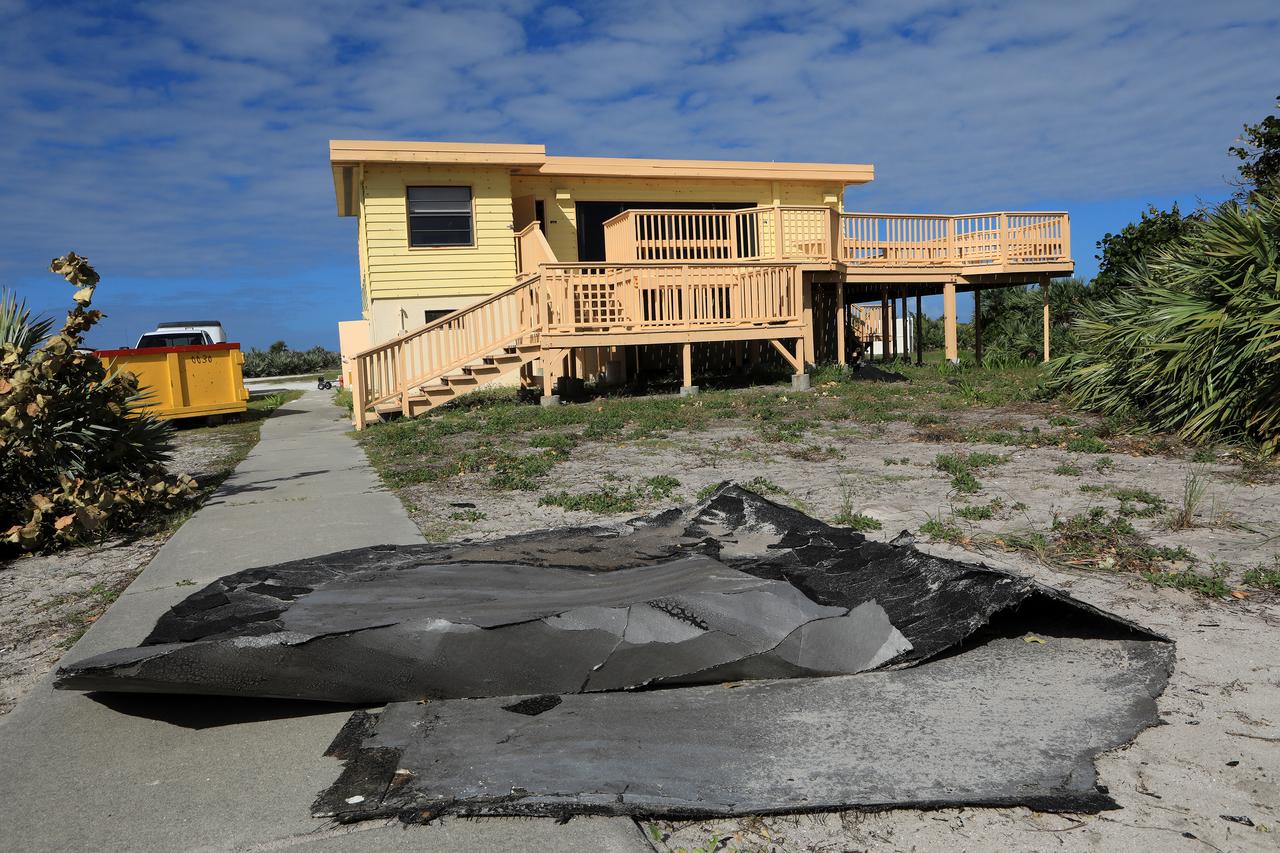
Roofing materials, blown loose by Hurricane Matthew, lie on the ground behind the Beach House at NASA’s Kennedy Space Center in Florida. Members of the Disaster Assessment and Recovery Team (DART) are working on repairs to the facility following Hurricane Matthew, which passed to the east of Kennedy on Oct. 6 and 7, 2016. The center received some isolated roof damage, damaged support buildings, a few downed power lines, and limited water intrusion. Beach erosion also occurred, although the storm surge was less than expected.
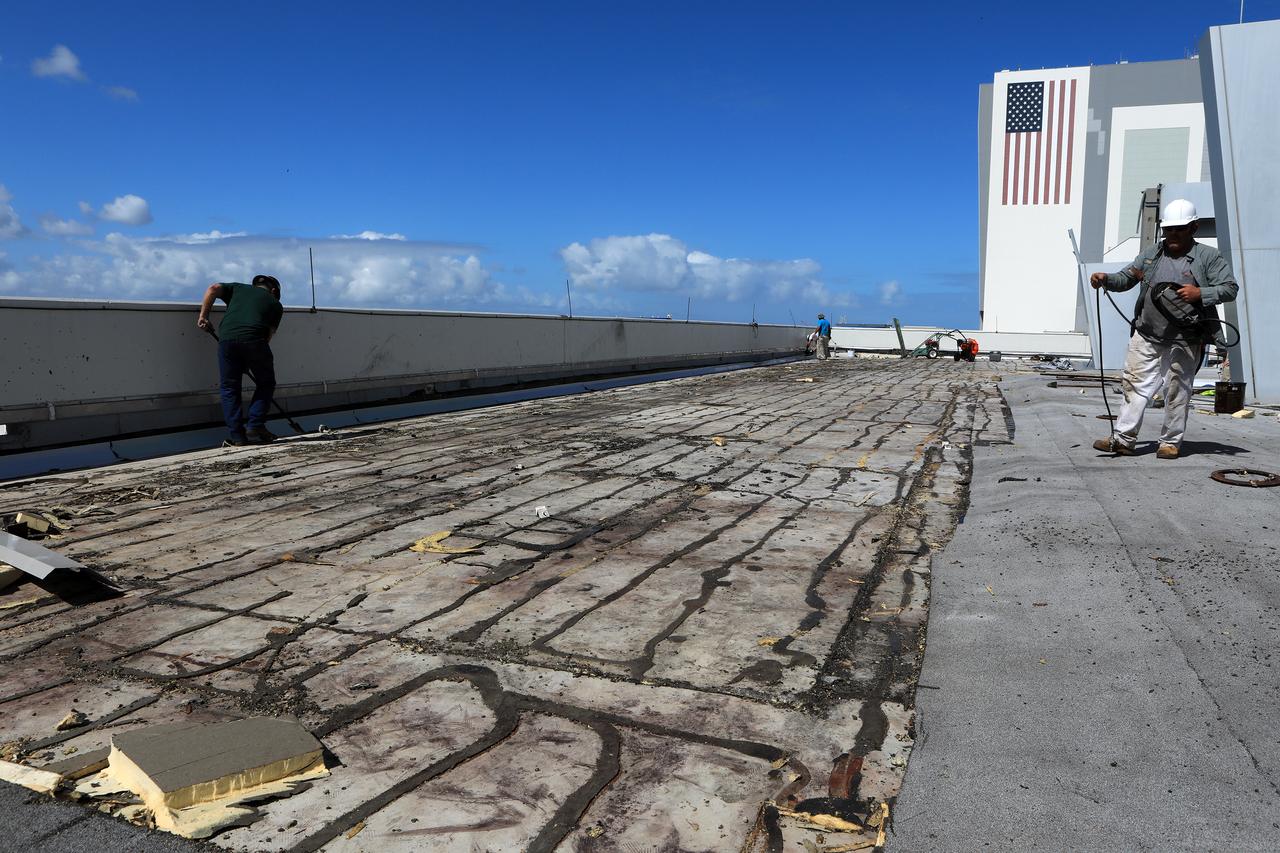
Members of the Disaster Assessment and Recovery Team (DART) repair a section of roof atop the Operations Support Building II at NASA’s Kennedy Space Center in Florida. The effort is part of the spaceport’s ongoing recovery from Hurricane Matthew, which passed to the east of Kennedy on Oct. 6 and 7, 2016. The center received some isolated roof damage, damaged support buildings, a few downed power lines, and limited water intrusion. Beach erosion also occurred, although the storm surge was less than expected.
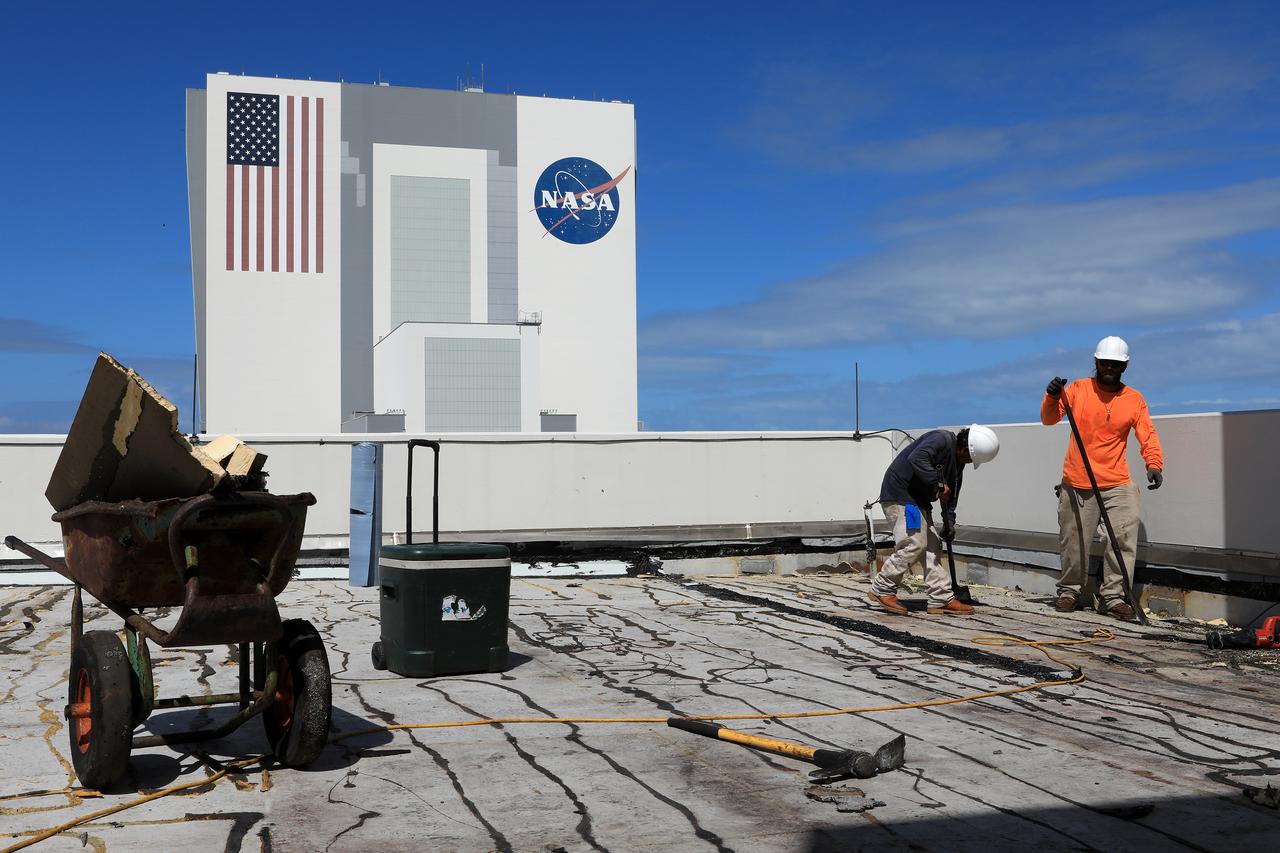
Members of the Disaster Assessment and Recovery Team (DART) repair a section of roof atop the Operations Support Building II at NASA’s Kennedy Space Center in Florida. The effort is part of the spaceport’s ongoing recovery from Hurricane Matthew, which passed to the east of Kennedy on Oct. 6 and 7, 2016. The center received some isolated roof damage, damaged support buildings, a few downed power lines, and limited water intrusion. Beach erosion also occurred, although the storm surge was less than expected.
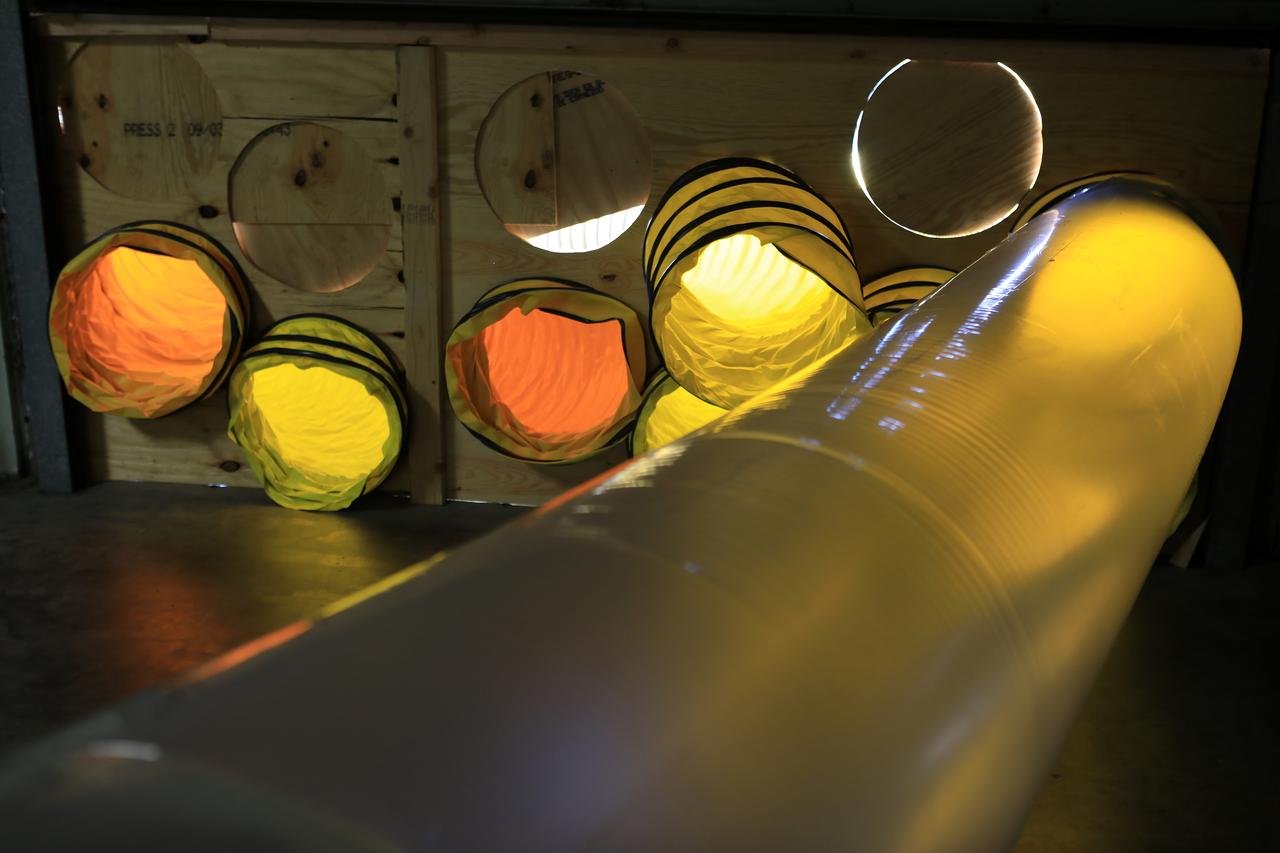
Tubing provides ventilation through boarded-up windows on the Operations Support Building II at NASA’s Kennedy Space Center in Florida. Members of the Disaster Assessment and Recovery Team (DART) are working on repairs to the facility following Hurricane Matthew, which passed to the east of Kennedy on Oct. 6 and 7, 2016. The center received some isolated roof damage, damaged support buildings, a few downed power lines, and limited water intrusion. Beach erosion also occurred, although the storm surge was less than expected.
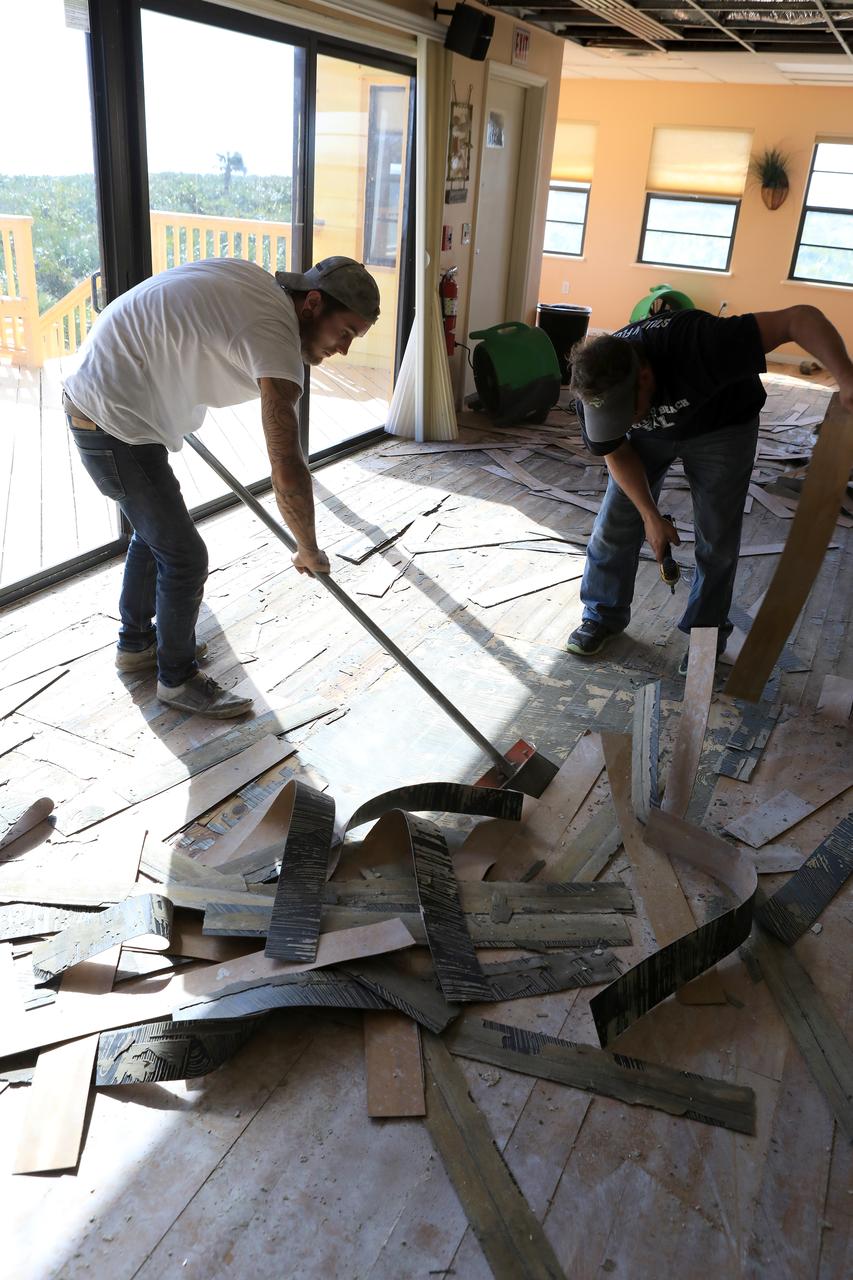
Members of the Disaster Assessment and Recovery Team (DART) work on flooring repairs to the Beach House at NASA’s Kennedy Space Center in Florida. The effort is part of the spaceport’s ongoing recovery from Hurricane Matthew, which passed to the east of Kennedy on Oct. 6 and 7, 2016. The center received some isolated roof damage, damaged support buildings, a few downed power lines, and limited water intrusion. Beach erosion also occurred, although the storm surge was less than expected.
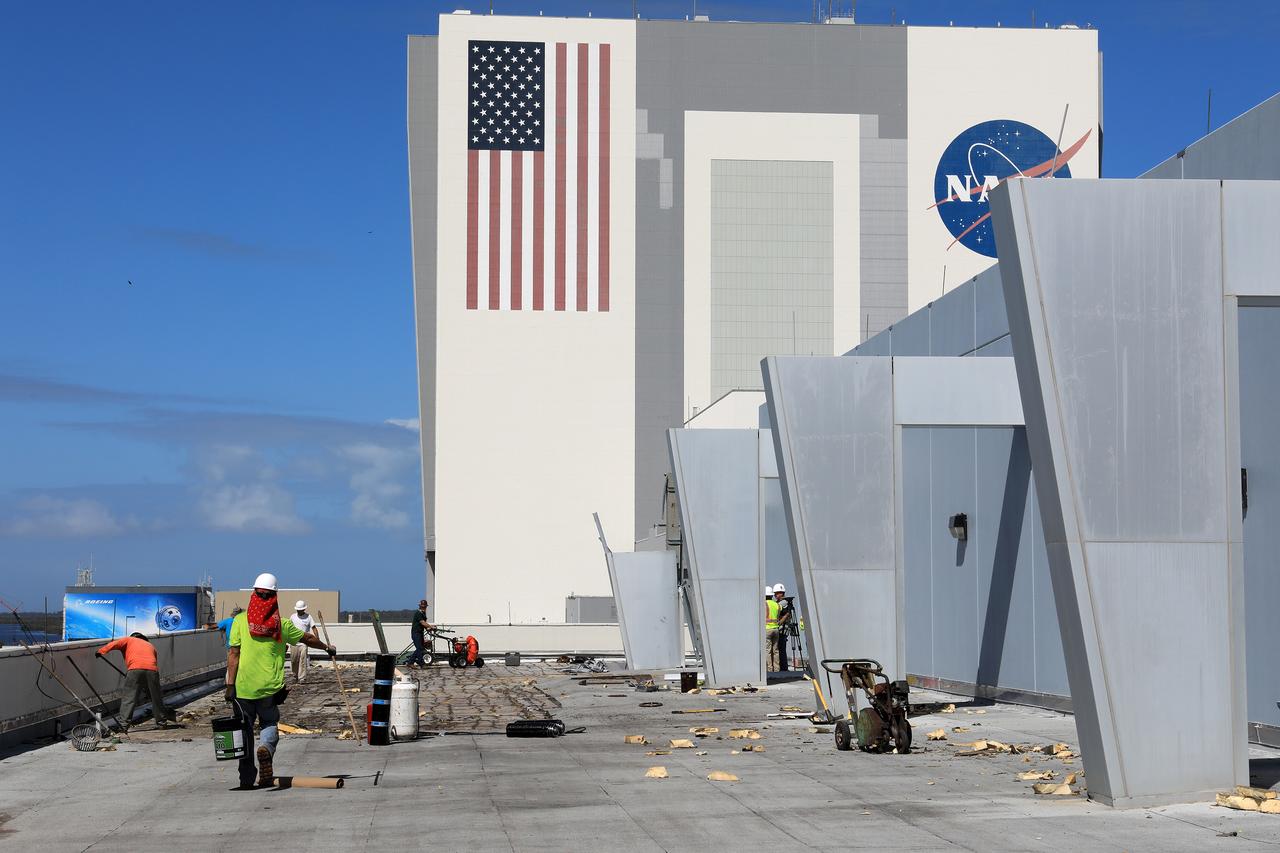
Members of the Disaster Assessment and Recovery Team (DART) repair a section of roof atop the Operations Support Building II at NASA’s Kennedy Space Center in Florida. The effort is part of the spaceport’s ongoing recovery from Hurricane Matthew, which passed to the east of Kennedy on Oct. 6 and 7, 2016. The center received some isolated roof damage, damaged support buildings, a few downed power lines, and limited water intrusion. Beach erosion also occurred, although the storm surge was less than expected.
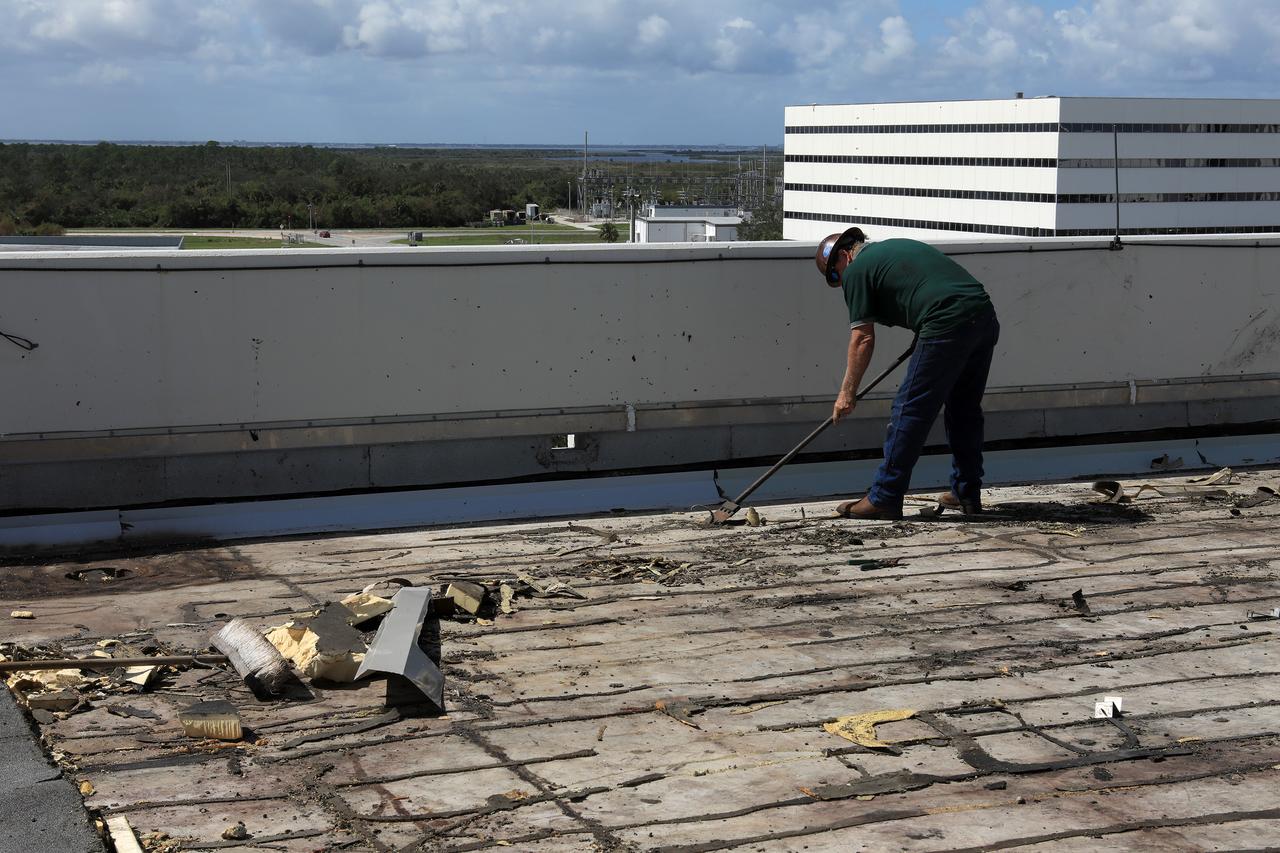
Members of the Disaster Assessment and Recovery Team (DART) repair a section of roof atop the Operations Support Building II at NASA’s Kennedy Space Center in Florida. The effort is part of the spaceport’s ongoing recovery from Hurricane Matthew, which passed to the east of Kennedy on Oct. 6 and 7, 2016. The center received some isolated roof damage, damaged support buildings, a few downed power lines, and limited water intrusion. Beach erosion also occurred, although the storm surge was less than expected.
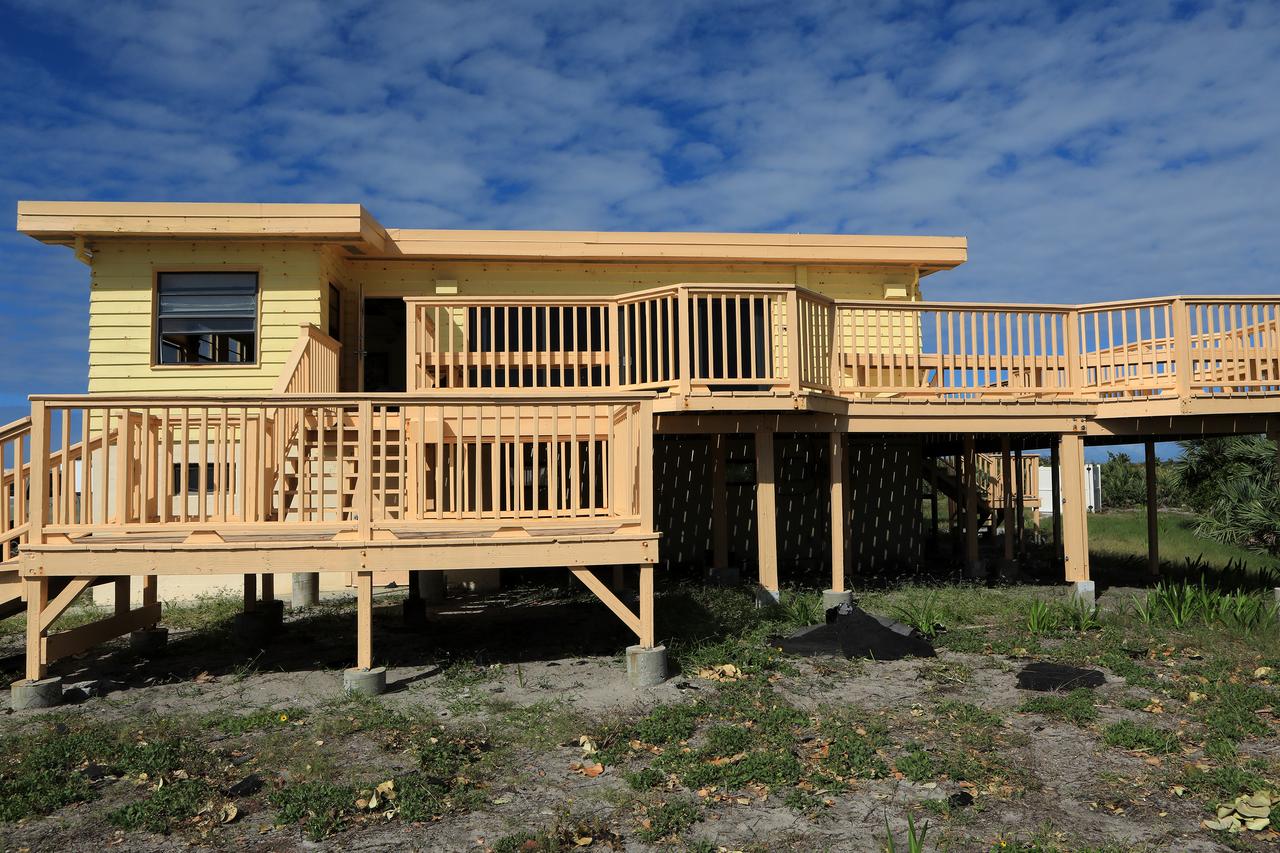
Roofing materials, blown loose by Hurricane Matthew, are visible on the ground below the deck of the Beach House at NASA’s Kennedy Space Center in Florida. Members of the Disaster Assessment and Recovery Team (DART) are working on repairs to the facility following Hurricane Matthew, which passed to the east of Kennedy on Oct. 6 and 7, 2016. The center received some isolated roof damage, damaged support buildings, a few downed power lines, and limited water intrusion. Beach erosion also occurred, although the storm surge was less than expected.
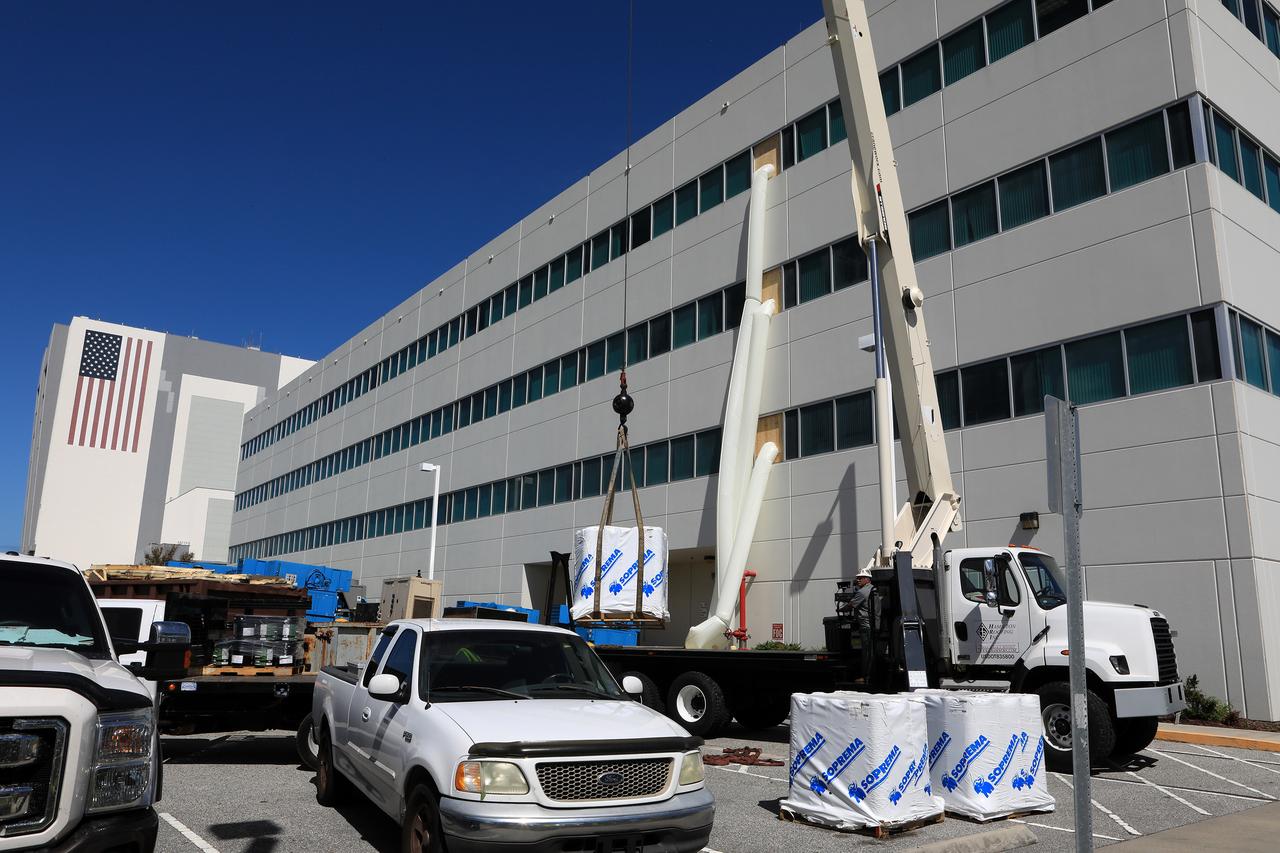
Members of the Disaster Assessment and Recovery Team (DART) work on repairs to the Operations Support Building II at NASA’s Kennedy Space Center in Florida. The effort is part of the spaceport’s ongoing recovery from Hurricane Matthew, which passed to the east of Kennedy on Oct. 6 and 7, 2016. The center received some isolated roof damage, damaged support buildings, a few downed power lines, and limited water intrusion. Beach erosion also occurred, although the storm surge was less than expected.
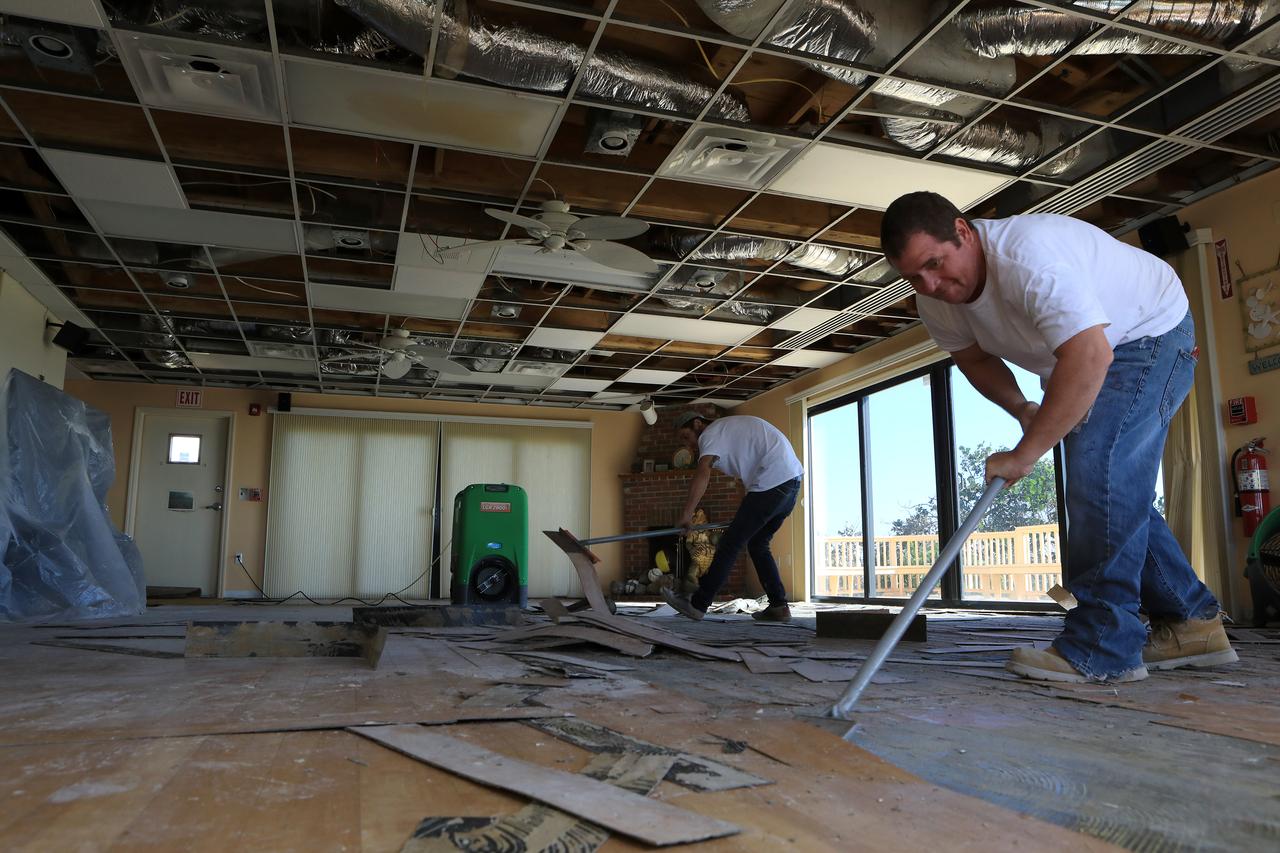
Members of the Disaster Assessment and Recovery Team (DART) work on flooring repairs to the Beach House at NASA’s Kennedy Space Center in Florida. The effort is part of the spaceport’s ongoing recovery from Hurricane Matthew, which passed to the east of Kennedy on Oct. 6 and 7, 2016. The center received some isolated roof damage, damaged support buildings, a few downed power lines, and limited water intrusion. Beach erosion also occurred, although the storm surge was less than expected.
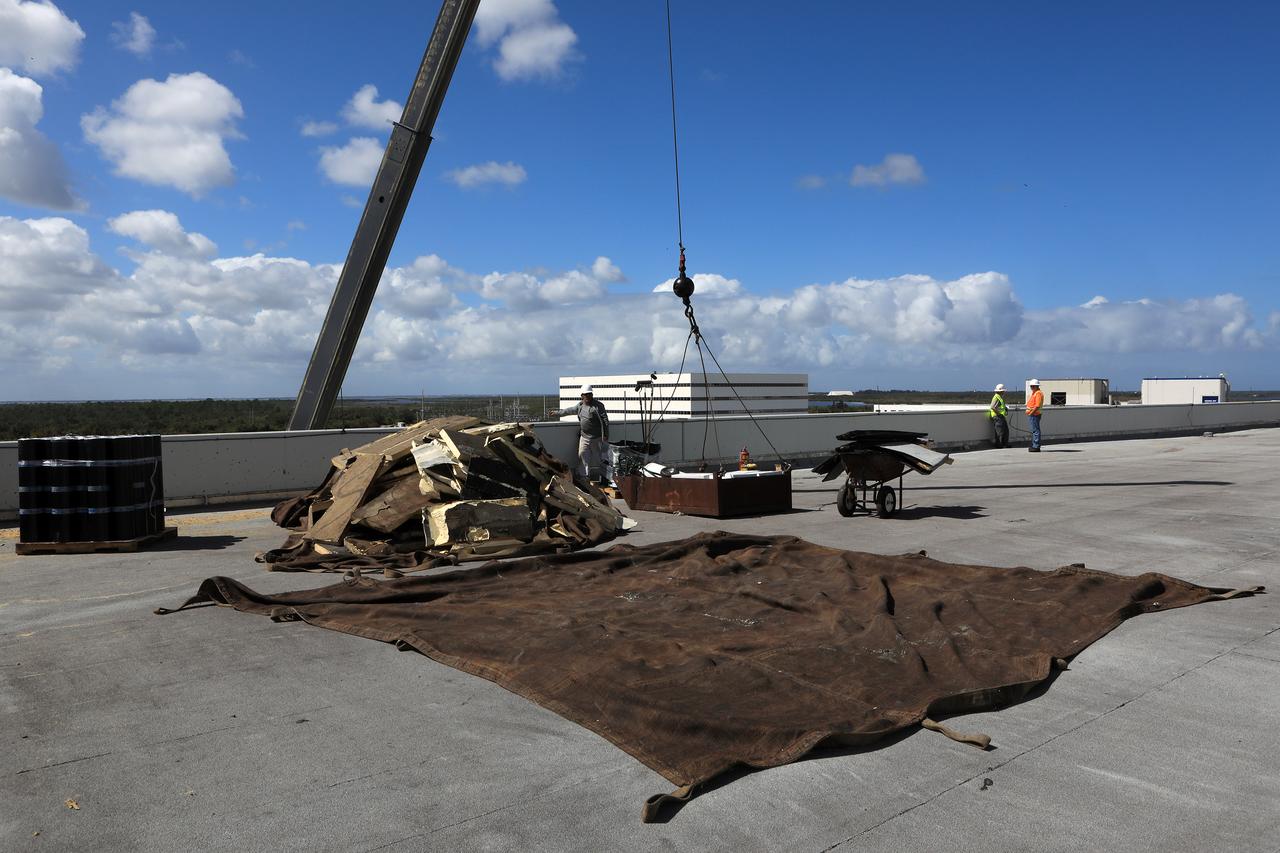
Members of the Disaster Assessment and Recovery Team (DART) repair a section of roof atop the Operations Support Building II at NASA’s Kennedy Space Center in Florida. The effort is part of the spaceport’s ongoing recovery from Hurricane Matthew, which passed to the east of Kennedy on Oct. 6 and 7, 2016. The center received some isolated roof damage, damaged support buildings, a few downed power lines, and limited water intrusion. Beach erosion also occurred, although the storm surge was less than expected.
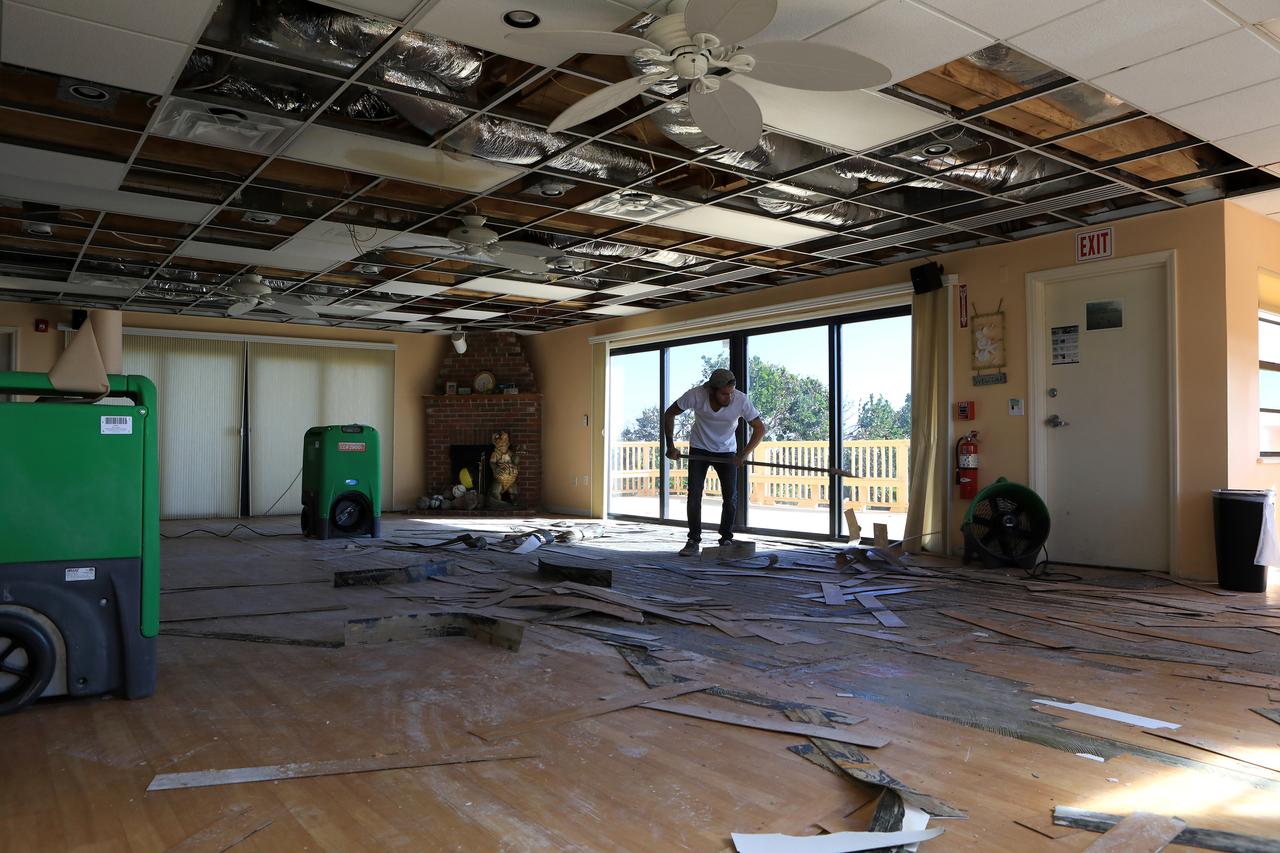
Members of the Disaster Assessment and Recovery Team (DART) work on flooring repairs to the Beach House at NASA’s Kennedy Space Center in Florida. The effort is part of the spaceport’s ongoing recovery from Hurricane Matthew, which passed to the east of Kennedy on Oct. 6 and 7, 2016. The center received some isolated roof damage, damaged support buildings, a few downed power lines, and limited water intrusion. Beach erosion also occurred, although the storm surge was less than expected.
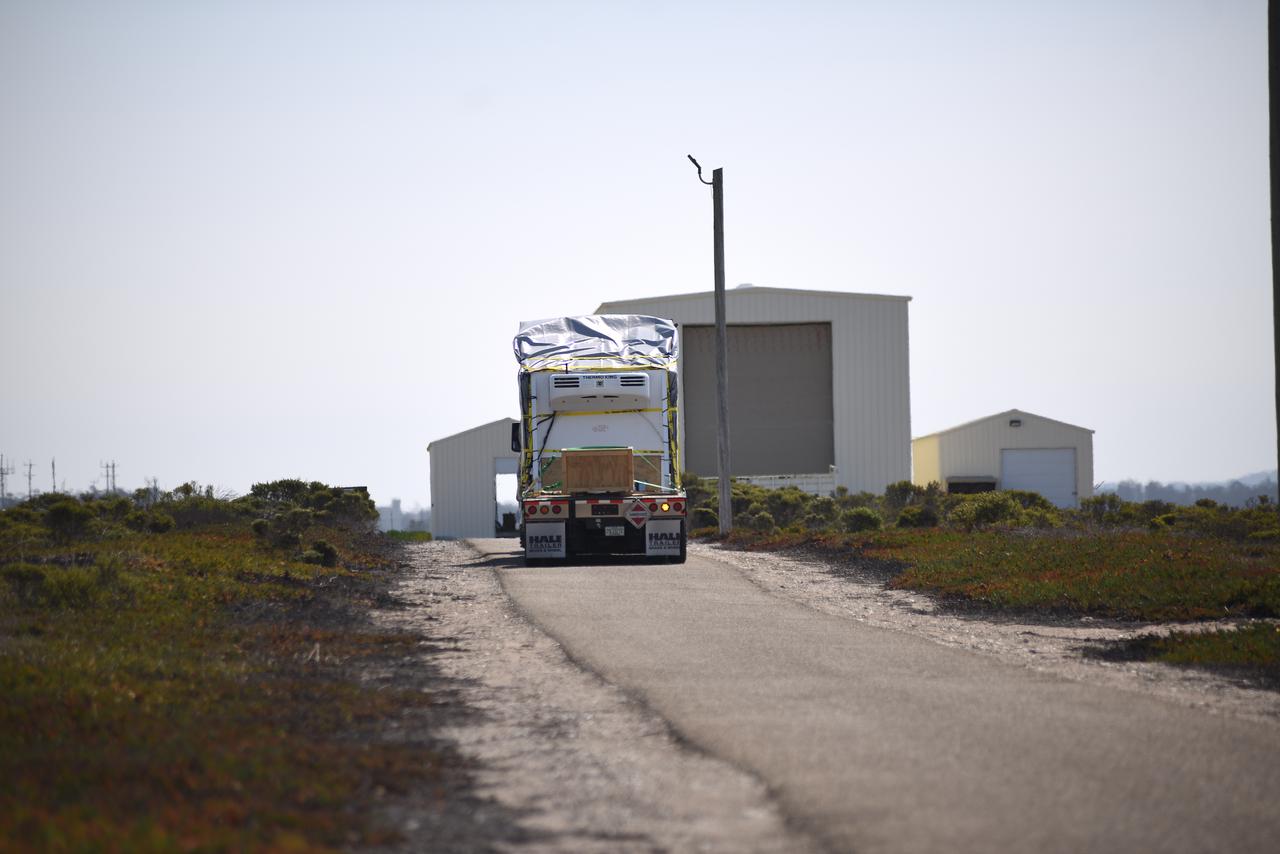
NASA’s Double Asteroid Redirection Test (DART) spacecraft, packed in its shipping container, arrives by truck at Vandenberg Space Force Base in California on Oct. 2, 2021. DART will be transported to the Astrotech Space Operations Facility where workers will put the spacecraft through a series of final tests and checkouts to confirm it is ready for launch. DART is the first mission to test technologies for preventing an impact of Earth by a hazardous asteroid. The mission is targeted to launch on Nov. 23, 2021, aboard a SpaceX Falcon 9 rocket from Vandenberg. NASA’s Launch Services Program, based at Kennedy Space Center, America’s multi-user spaceport, is managing the launch.
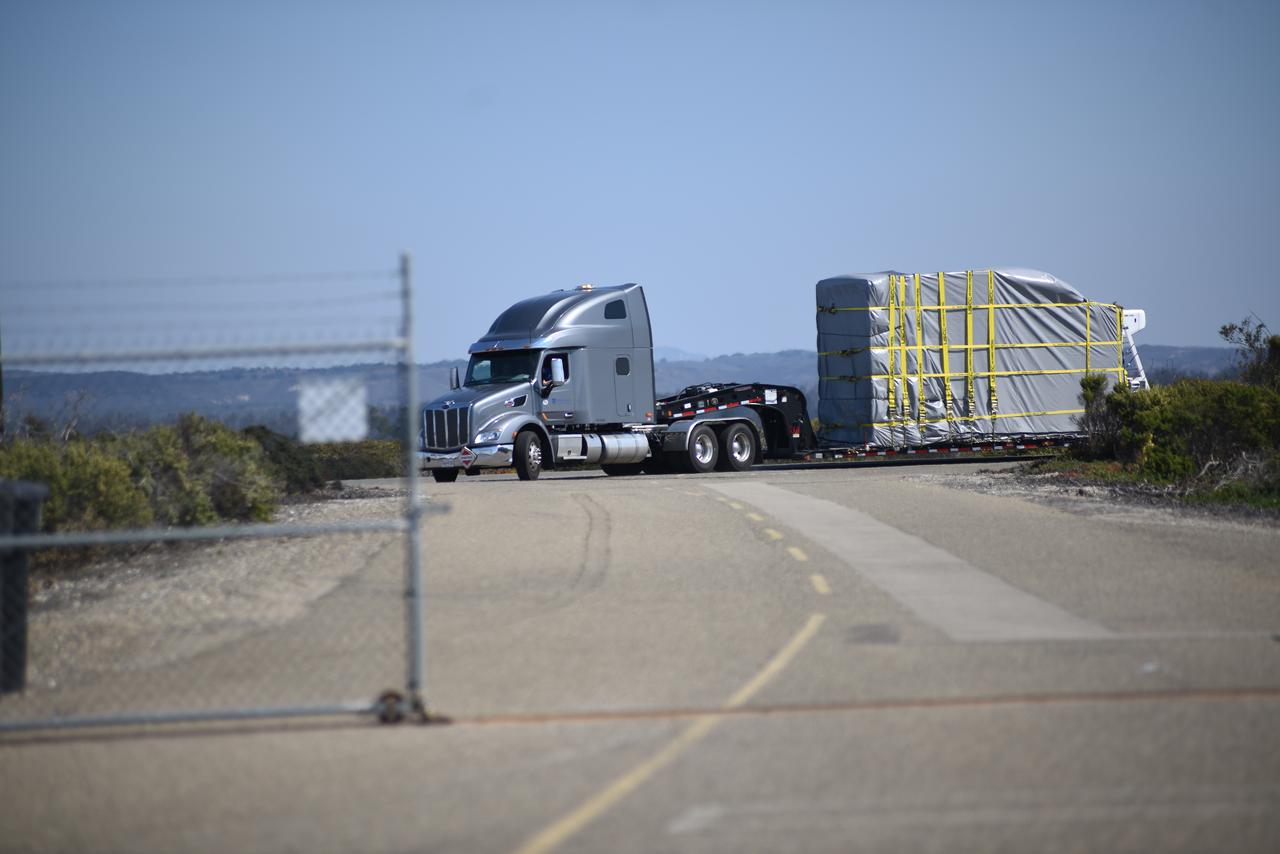
NASA’s Double Asteroid Redirection Test (DART) spacecraft, packed in its shipping container, arrives by truck at the entrance to Vandenberg Space Force Base in California on Oct. 2, 2021. DART will be transported to the Astrotech Space Operations Facility where workers will put the spacecraft through a series of final tests and checkouts to confirm it is ready for launch. DART is the first mission to test technologies for preventing an impact of Earth by a hazardous asteroid. The mission is targeted to launch on Nov. 23, 2021, aboard a SpaceX Falcon 9 rocket from Vandenberg. NASA’s Launch Services Program, based at Kennedy Space Center, America’s multi-user spaceport, is managing the launch.
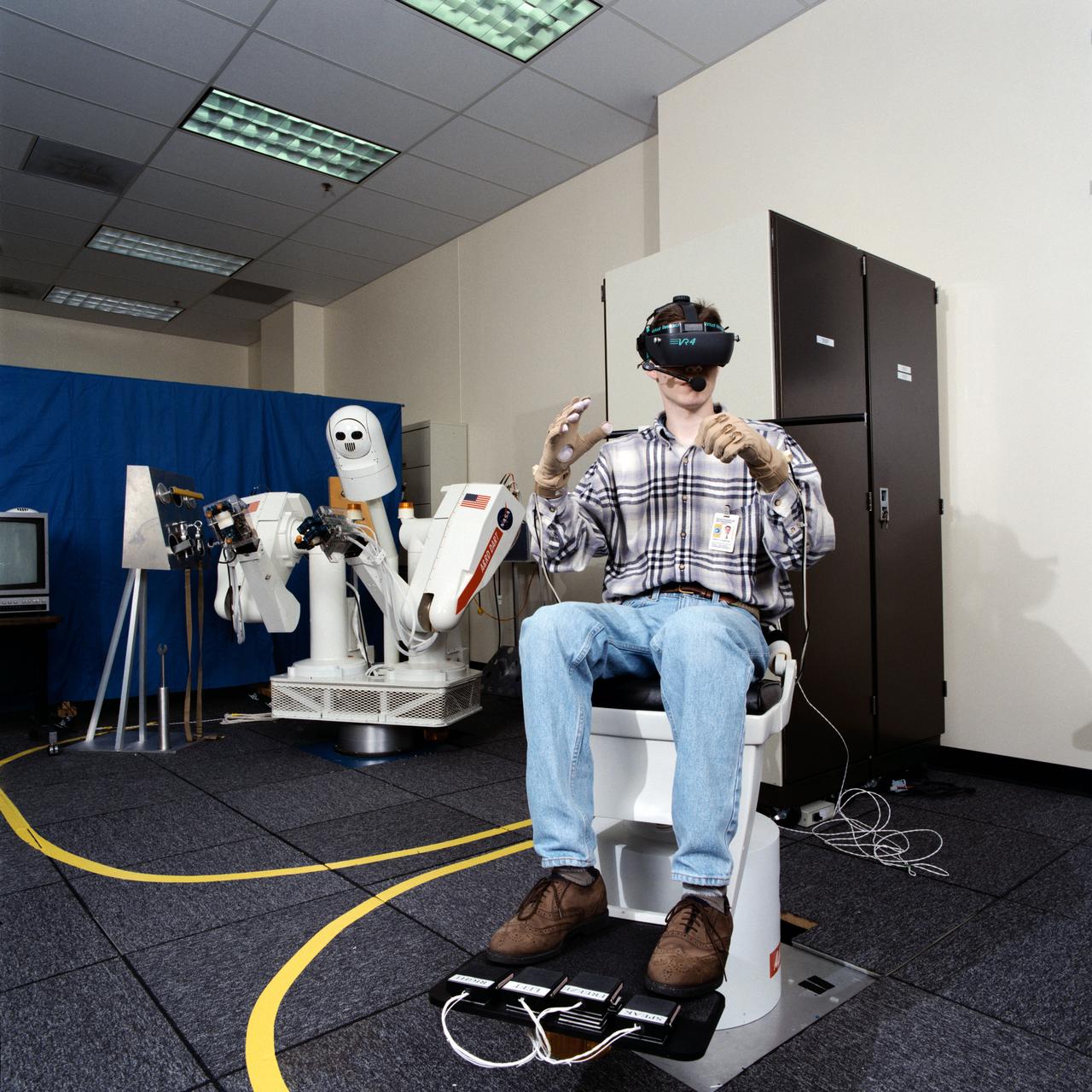
Photographic documentation of the Dextrous Anthropomorphic Robot Testbed (DART)/Full-Immersion Telepresence Testbed (FITT) system. Photos were taken in the Dexterous Robotics Lab, bldg 9N, room 113, and include: DART with upper arm cover removed (08920-1); DART head fully assembled (08922); DART head (08923,08939); DART only official view (08924-5); DART head with shell removed (08926-7); DART/FITT together with operator (08928-9); DART with tools (08930-1,08934); DART with tether hook (08932); DART with rope (08933); DART with Portable Foot Restraint (PFR) (08935); DART pulling out ORU (08936); DART with electronics panel (08937); and DART with automated ball grasp (08938).
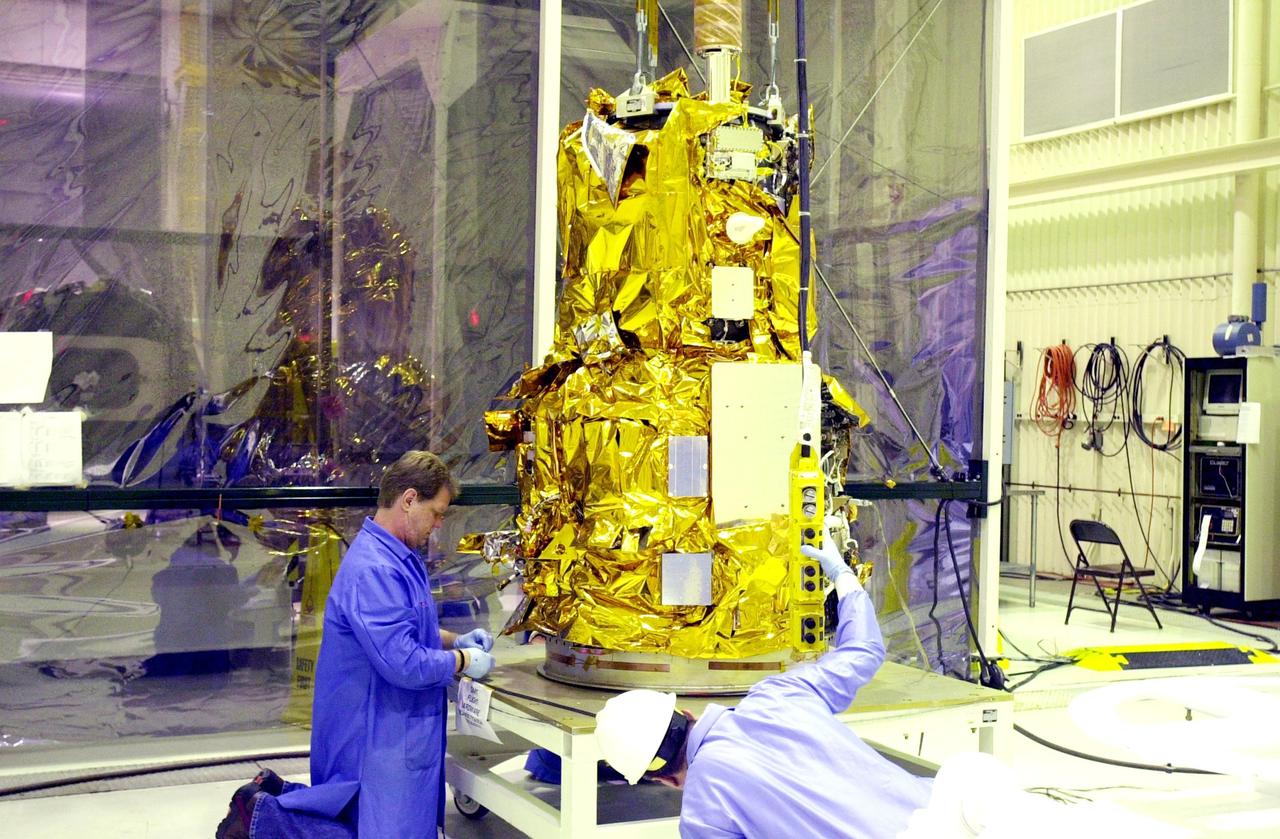
KENNEDY SPACE CENTER, FLA. - At Vandenberg Air Force Base in California, the Demonstration of Autonomous Rendezvous Technology (DART) spacecraft is placed on a work stand for processing activities. The spacecraft was developed for NASA by Orbital Sciences Corporation in Dulles, Va., to prove technologies for locating and maneuvering near an orbiting satellite. DART will be launched on a Pegasus launch vehicle. At about 40,000 feet over the Pacific Ocean, the Pegasus will be released from Orbital’s Stargazer L-1011 aircraft, fire its rocket motors and boost DART into a polar orbit approximately 472 miles by 479 miles. Once in orbit, DART will rendezvous with a target satellite, the Multiple Paths, Beyond-Line-of-Site Communications satellite, also built by Orbital Sciences. DART will then perform several close proximity operations, such as moving toward and away from the satellite using navigation data provided by onboard sensors. DART is scheduled for launch no earlier than Oct. 18.
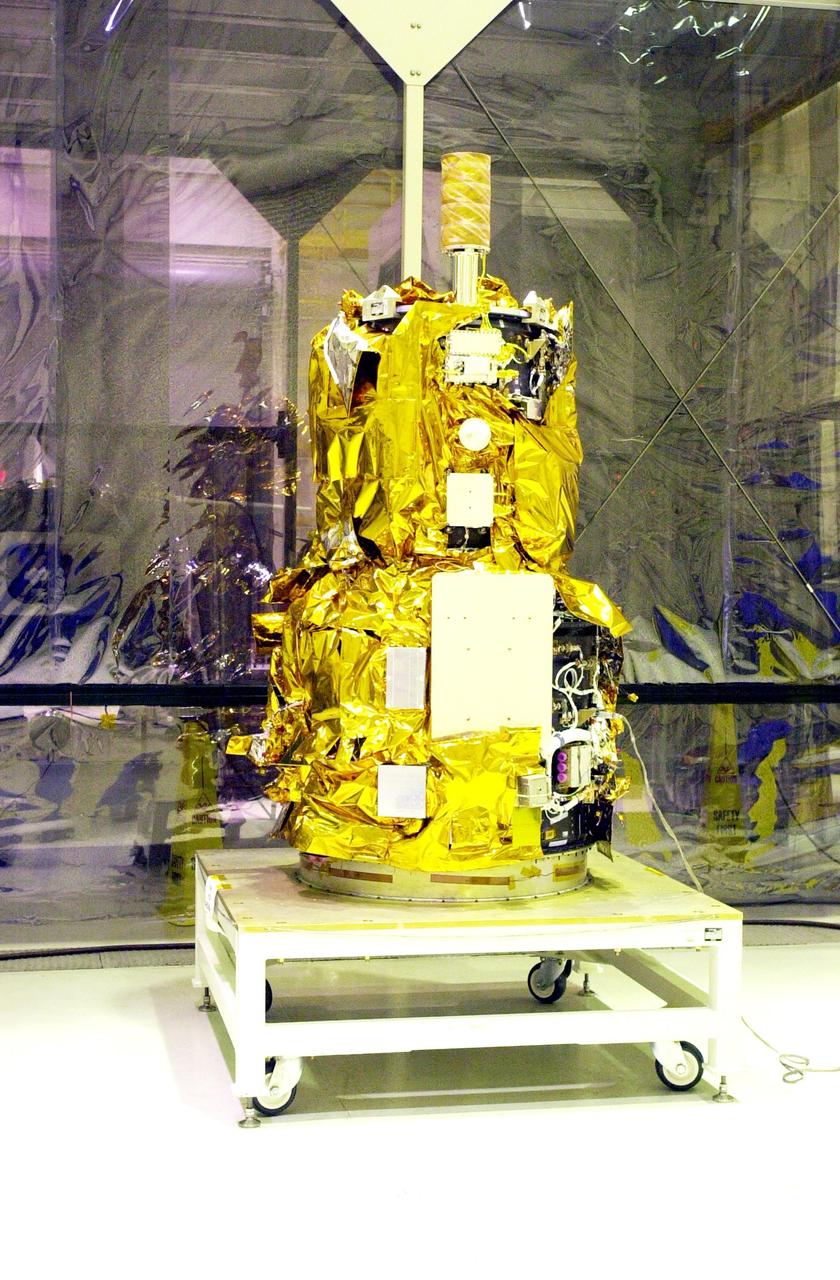
KENNEDY SPACE CENTER, FLA. - At Vandenberg Air Force Base in California, the Demonstration of Autonomous Rendezvous Technology (DART) spacecraft is on a work stand waiting for processing activities. The spacecraft was developed for NASA by Orbital Sciences Corporation in Dulles, Va., to prove technologies for locating and maneuvering near an orbiting satellite. DART will be launched on a Pegasus launch vehicle. At about 40,000 feet over the Pacific Ocean, the Pegasus will be released from Orbital’s Stargazer L-1011 aircraft, fire its rocket motors and boost DART into a polar orbit approximately 472 miles by 479 miles. Once in orbit, DART will rendezvous with a target satellite, the Multiple Paths, Beyond-Line-of-Site Communications satellite, also built by Orbital Sciences. DART will then perform several close proximity operations, such as moving toward and away from the satellite using navigation data provided by onboard sensors. DART is scheduled for launch no earlier than Oct. 18.
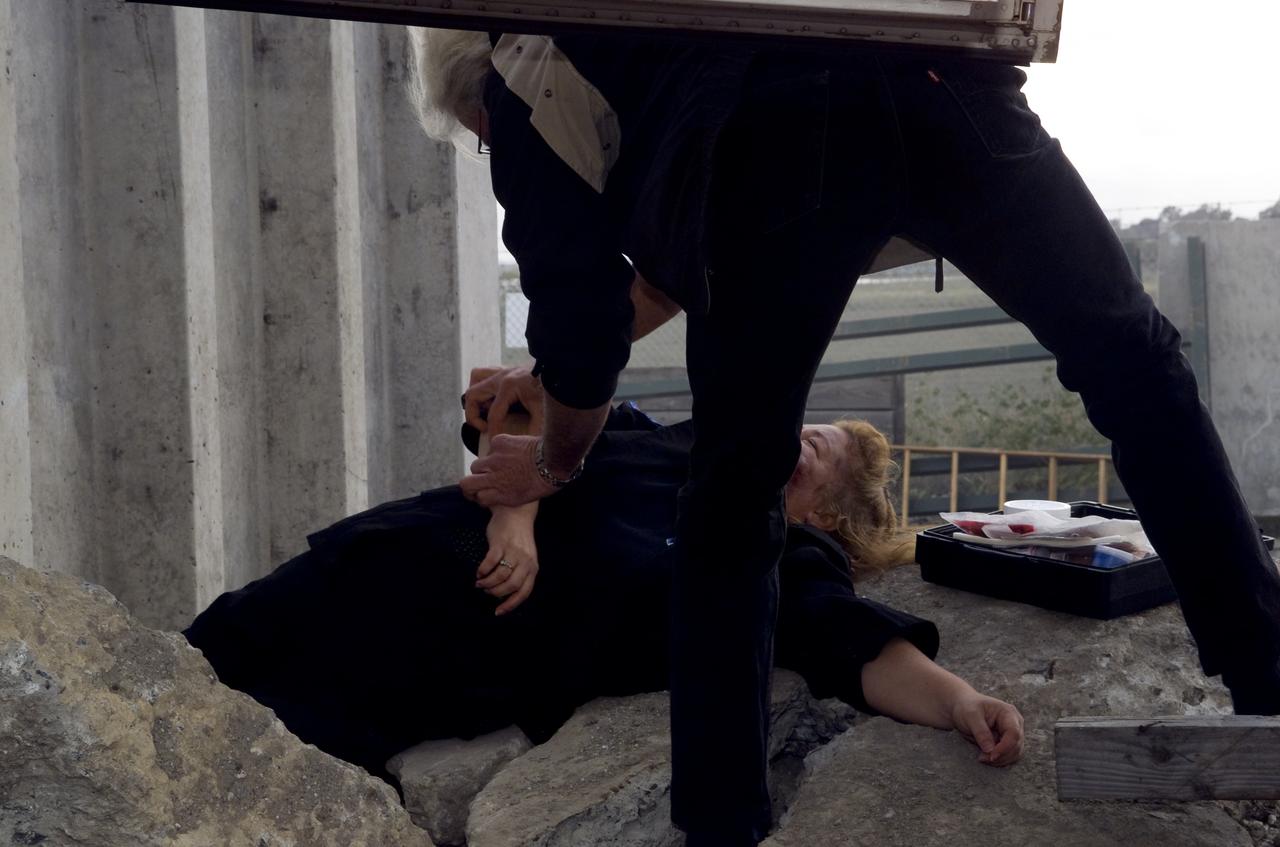
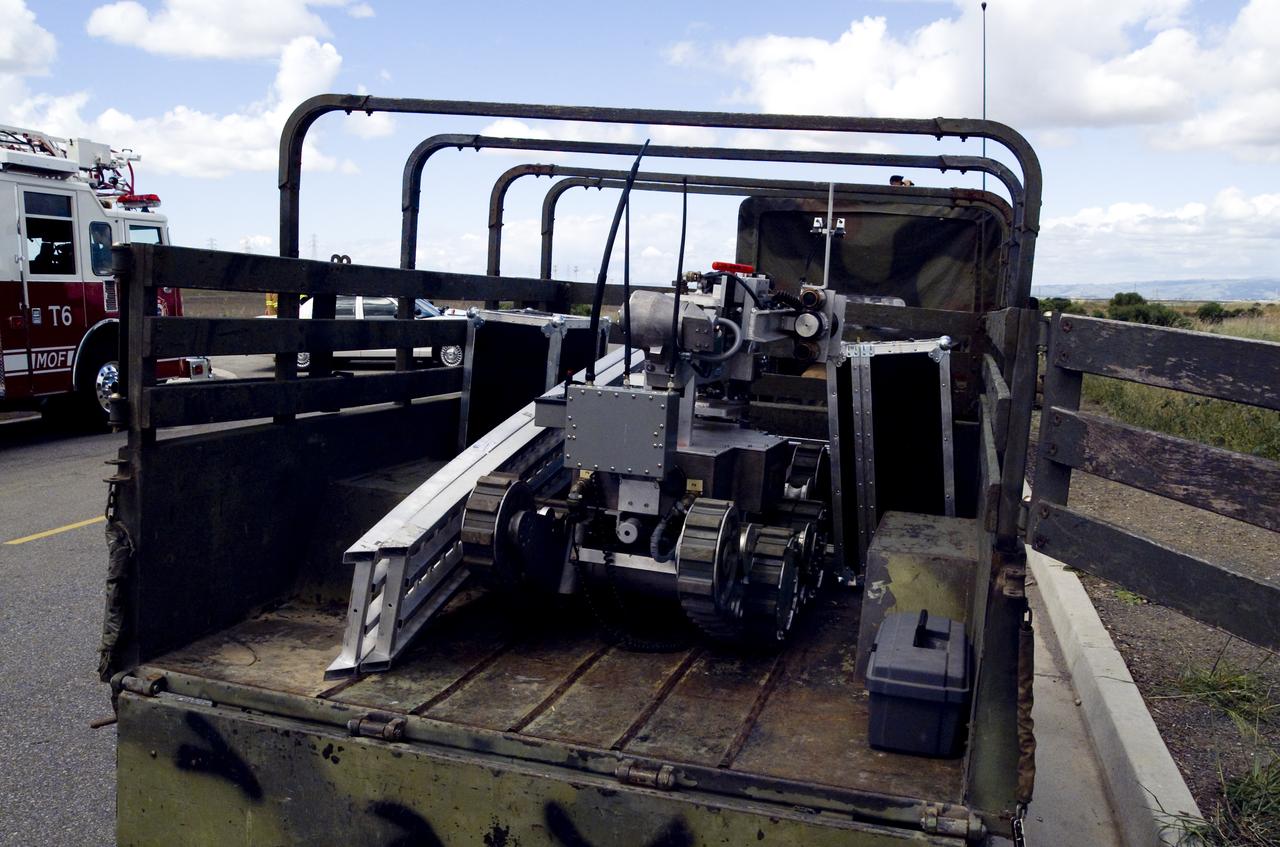
DART Exercise 2002 'Response to Terrorism'
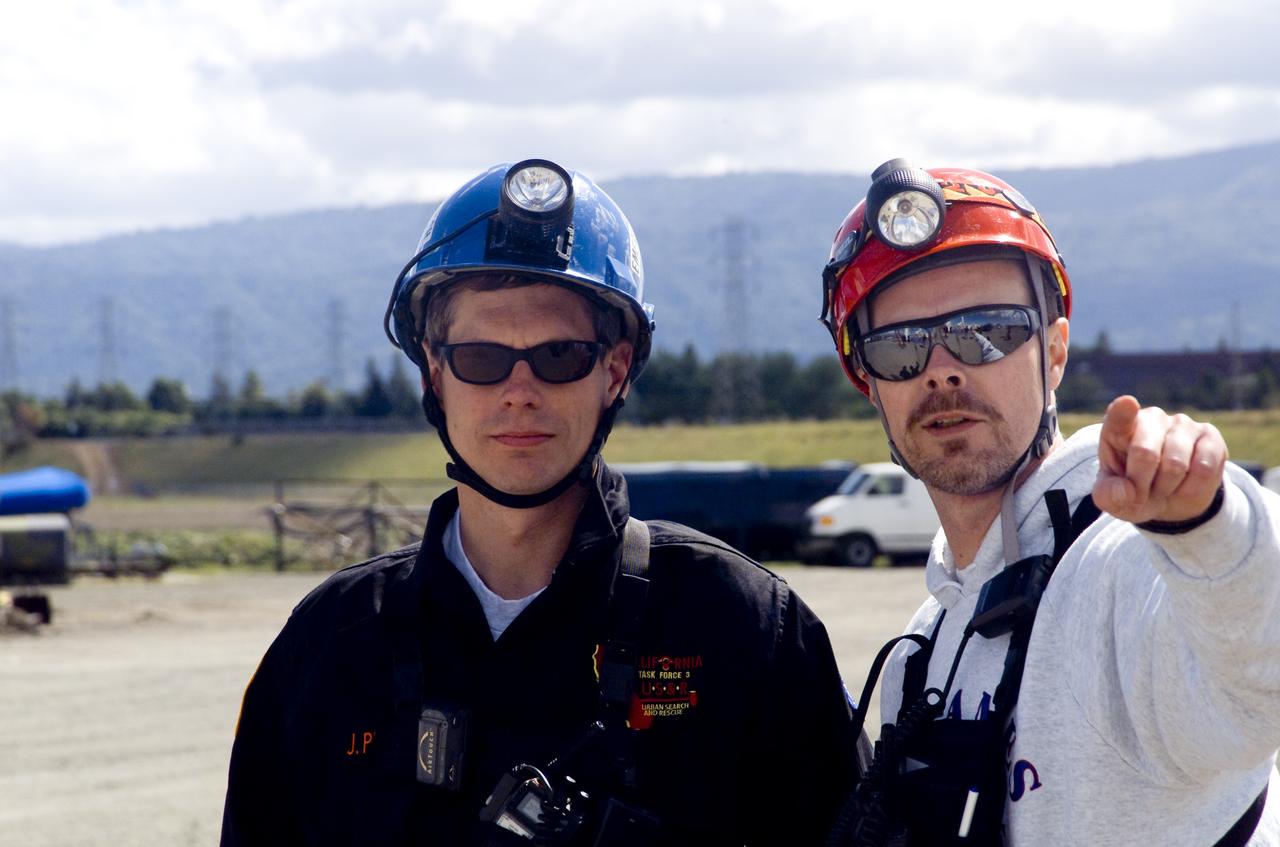
DART Exercise 2002 'Response to Terrorism'
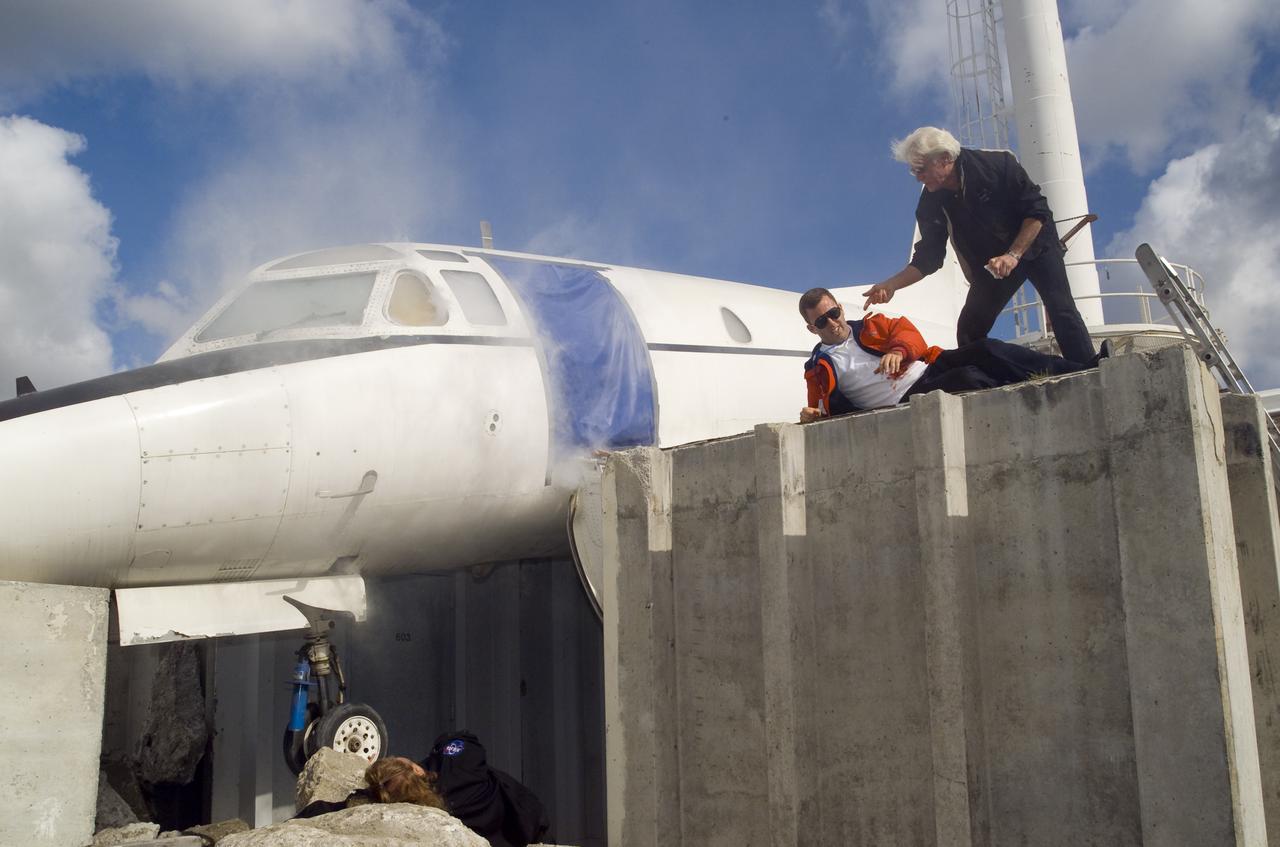
DART Exercise 2002 'Response to Terrorism'
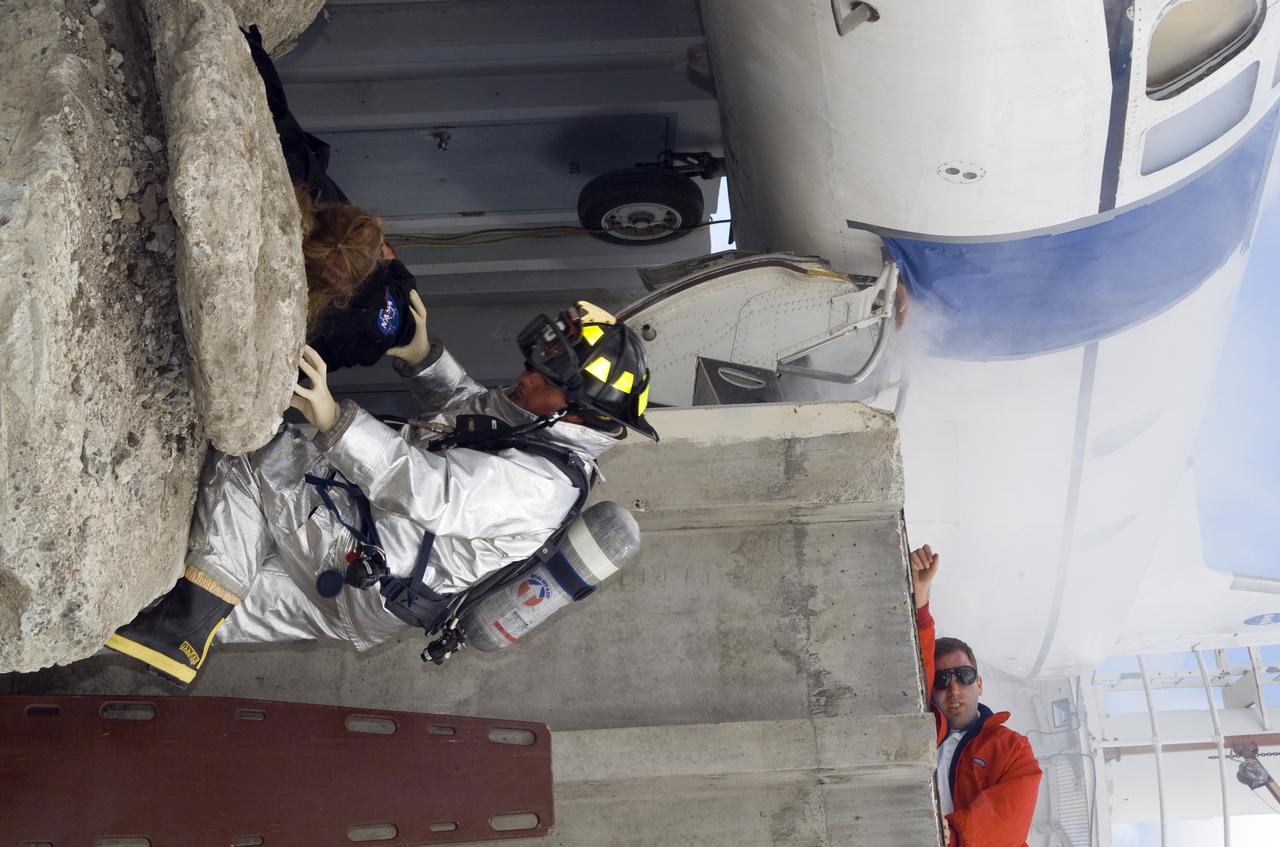
DART Exercise 2002 'Response to Terrorism'

DART Exercise 2002 'Response to Terrorism'
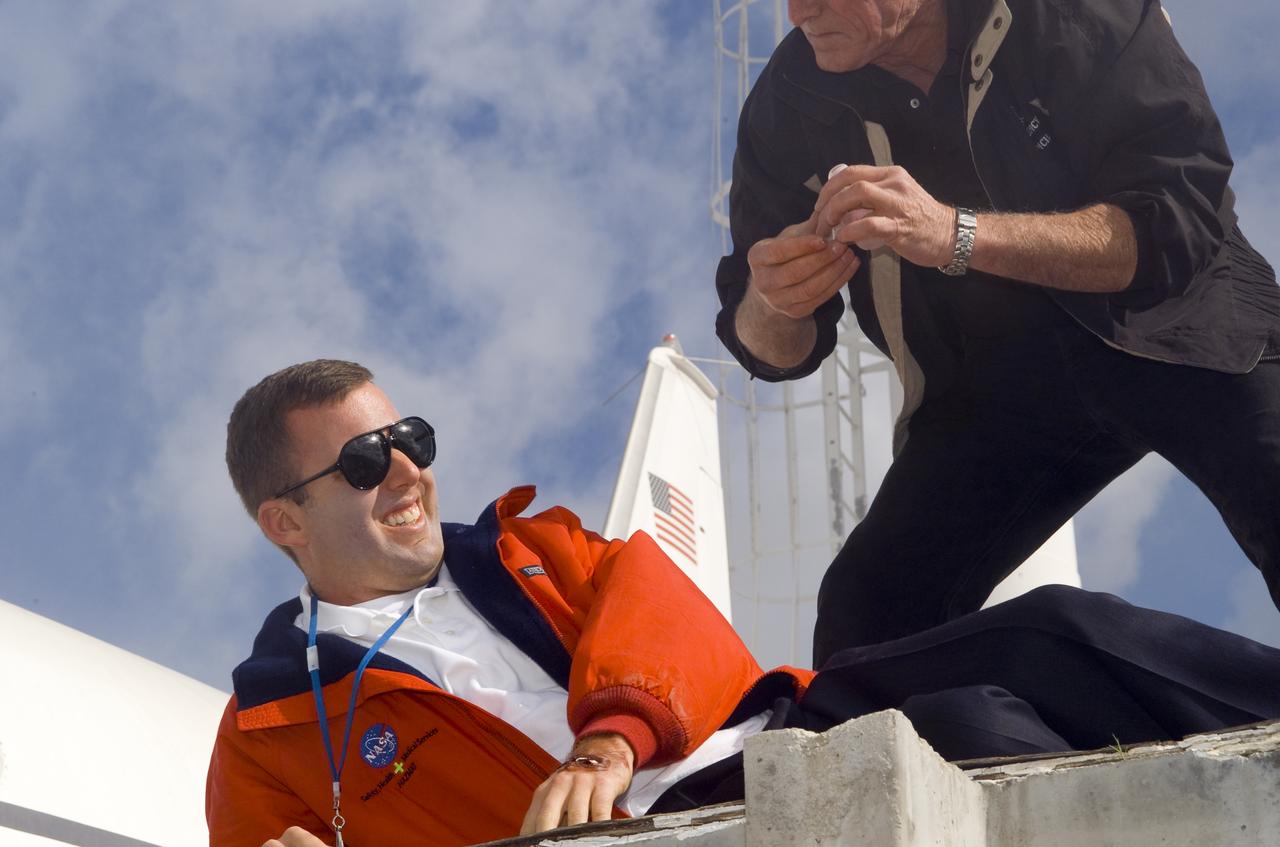
DART Exercise 2002 'Response to Terrorism'
DART Exercise 2002 'Response to Terrorism'
DART Exercise 2002 'Response to Terrorism'
DART Exercise 2002 'Response to Terrorism'
DART Exercise 2002 'Response to Terrorism'

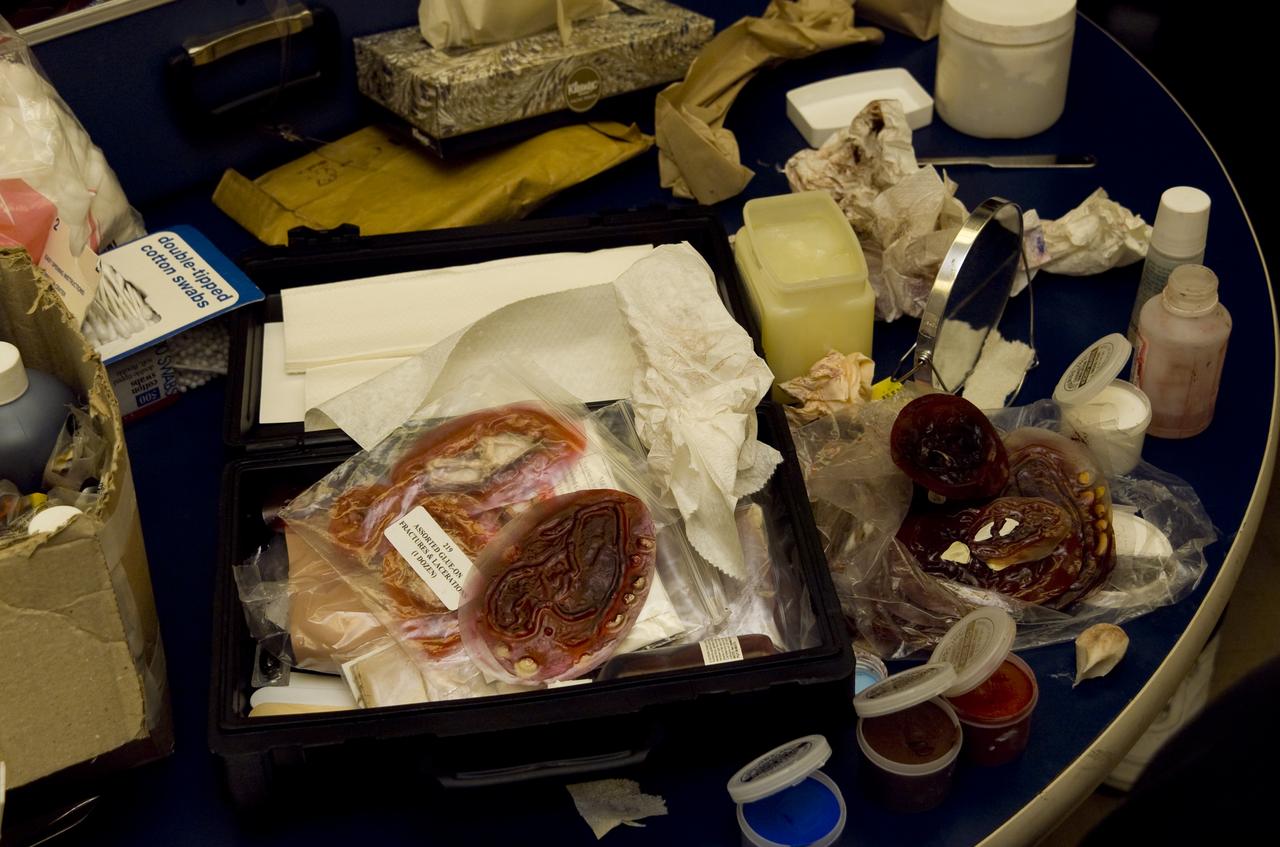
DART Exercise 2002 'Response to Terrorism'
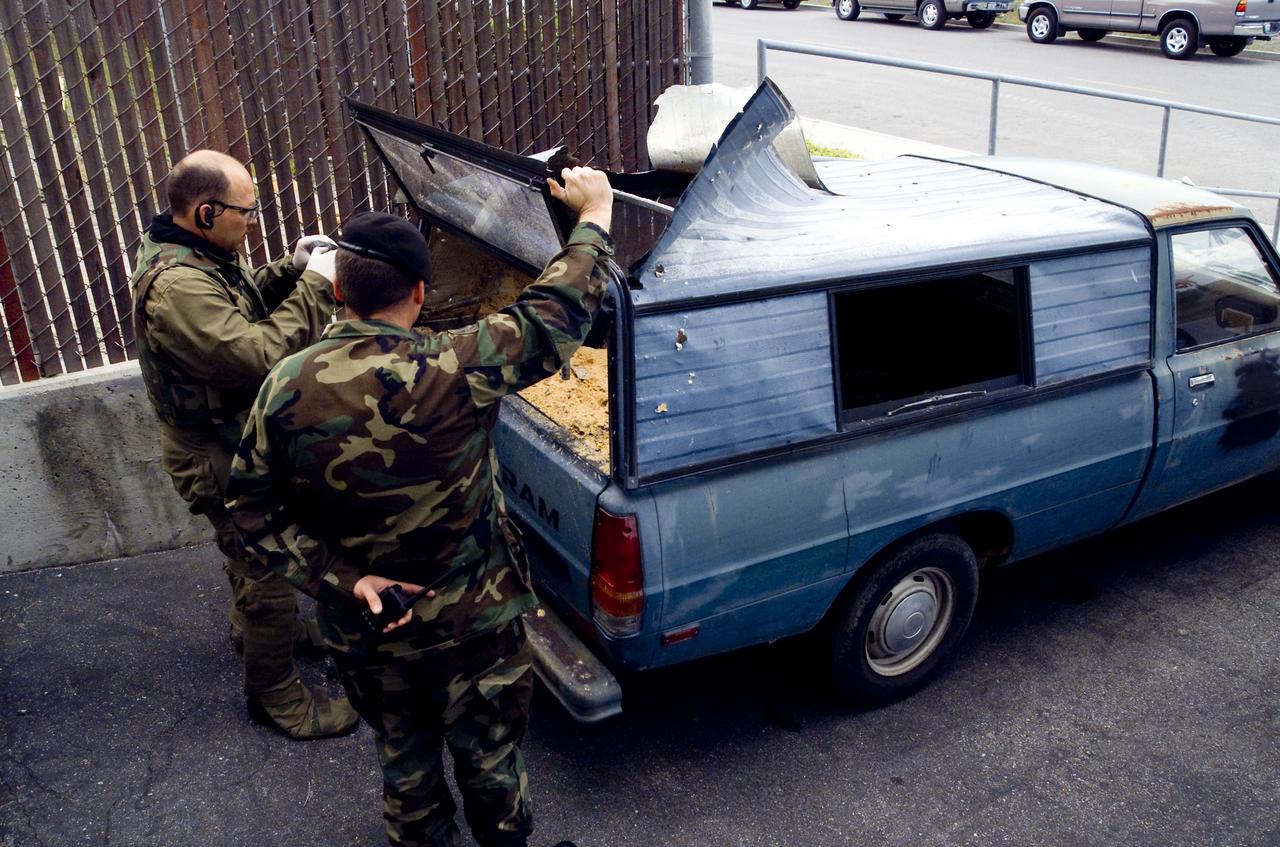
DART Exercise 2002 'Response to Terrorism'
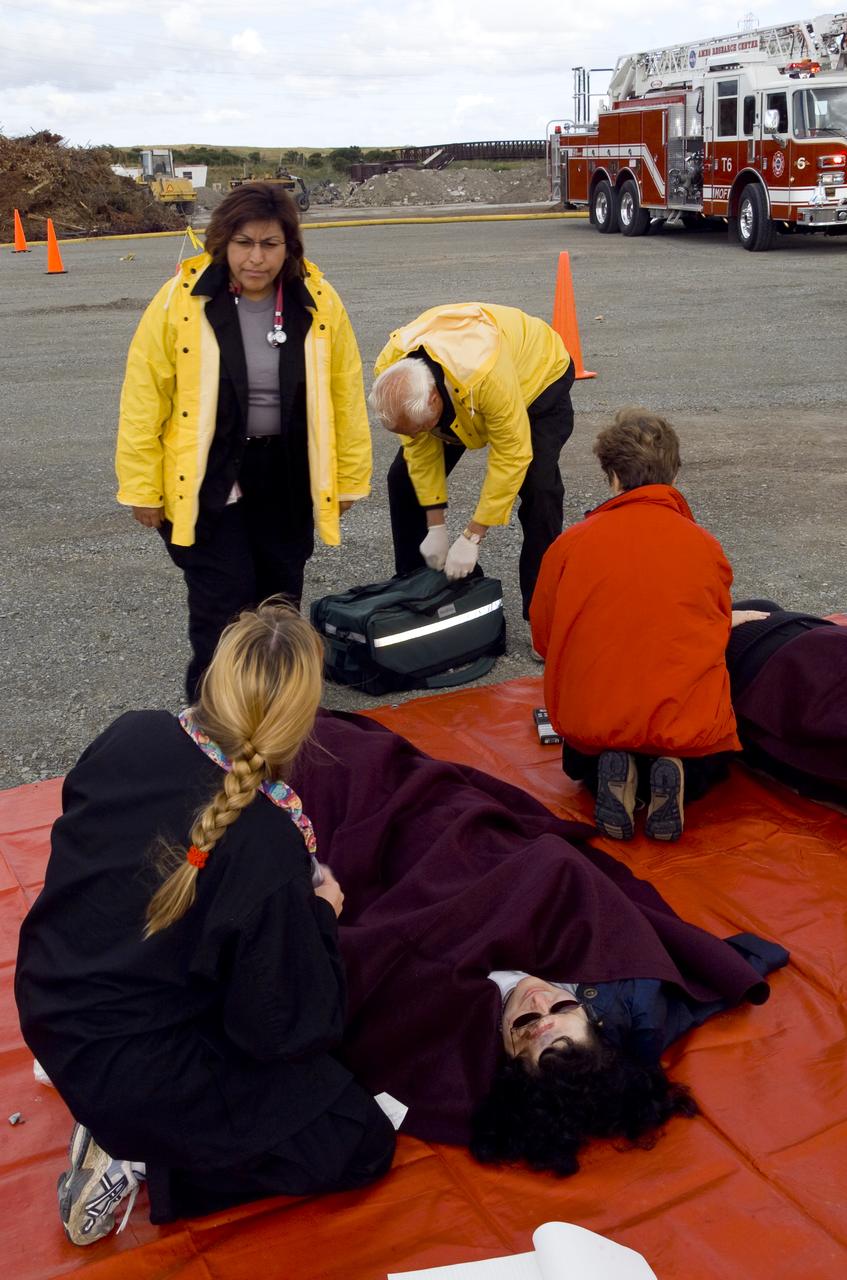
DART Exercise 2002 'Response to Terrorism'
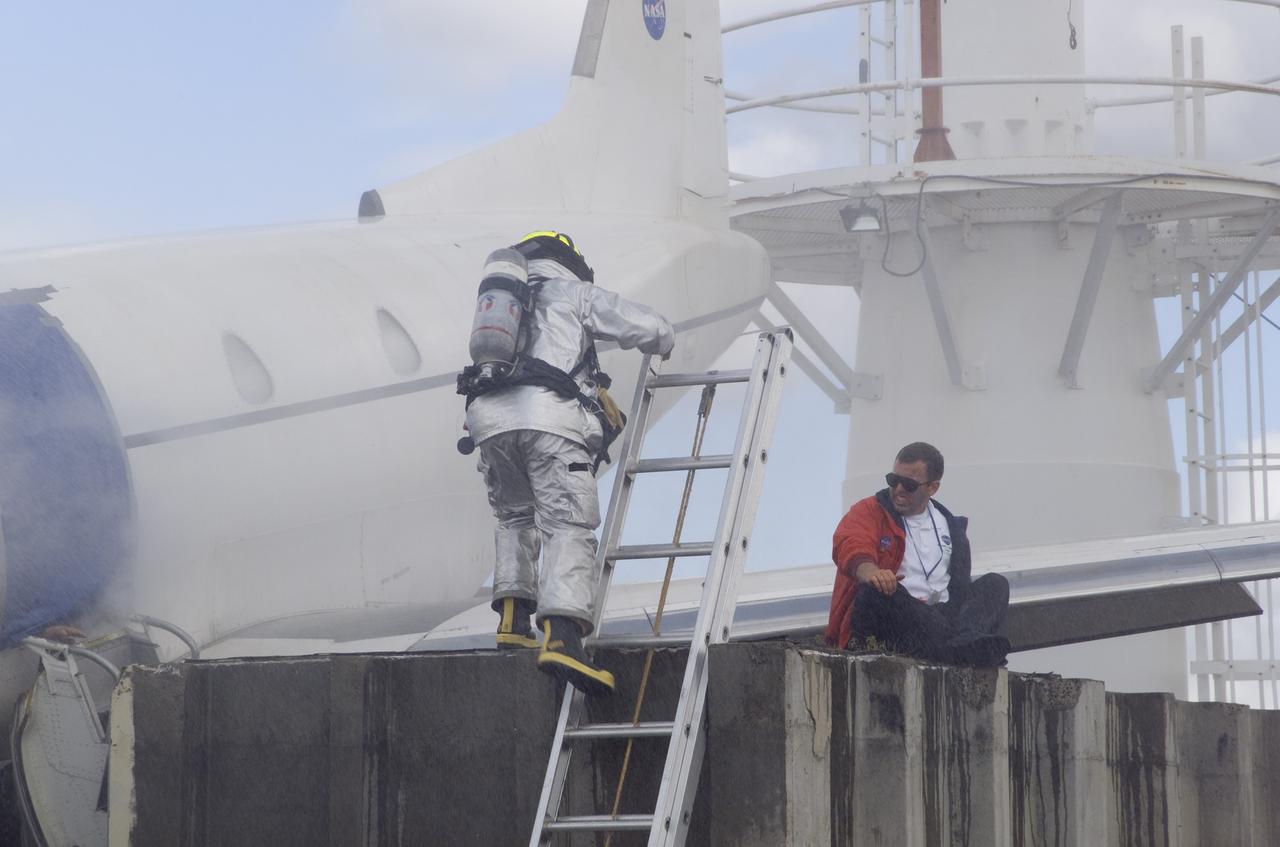
DART Exercise 2002 'Response to Terrorism'
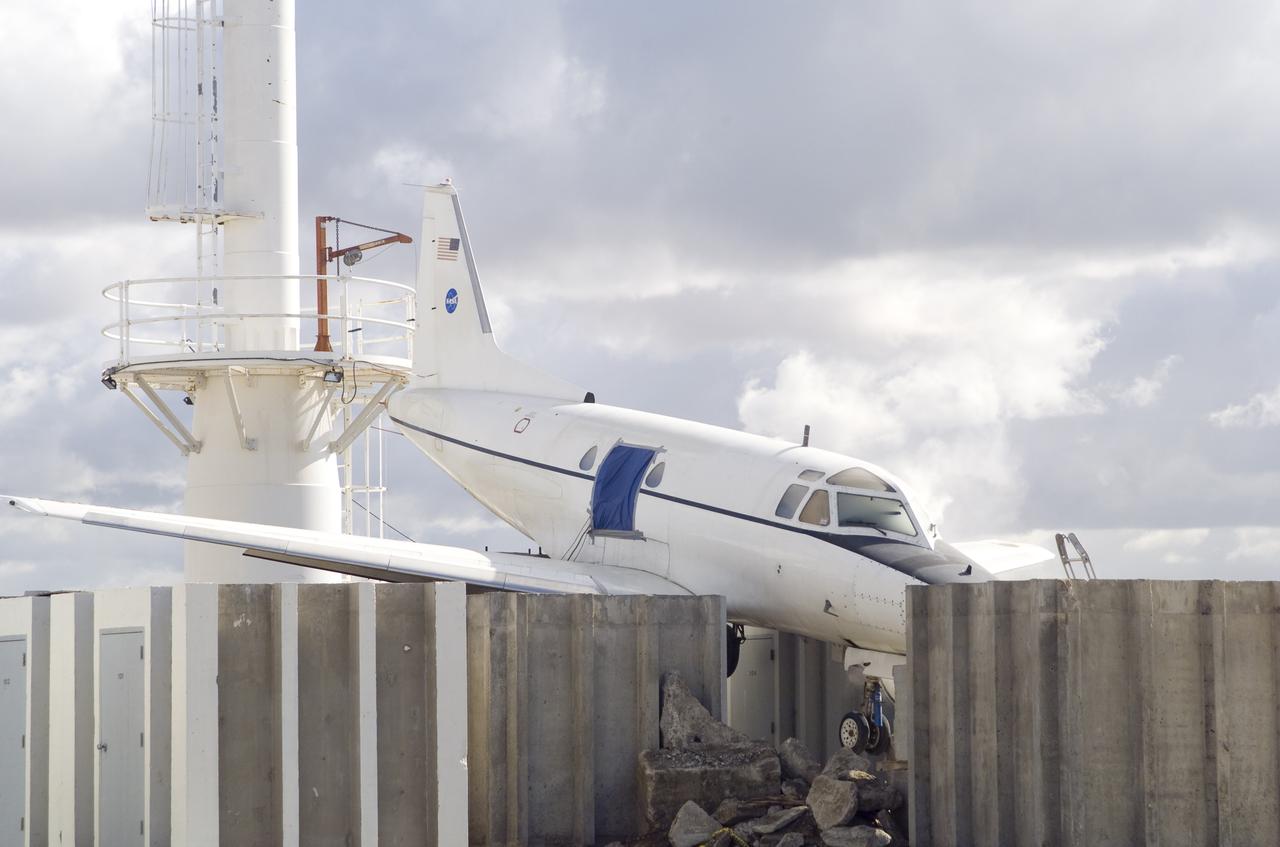
DART Exercise 2002 'Response to Terrorism'
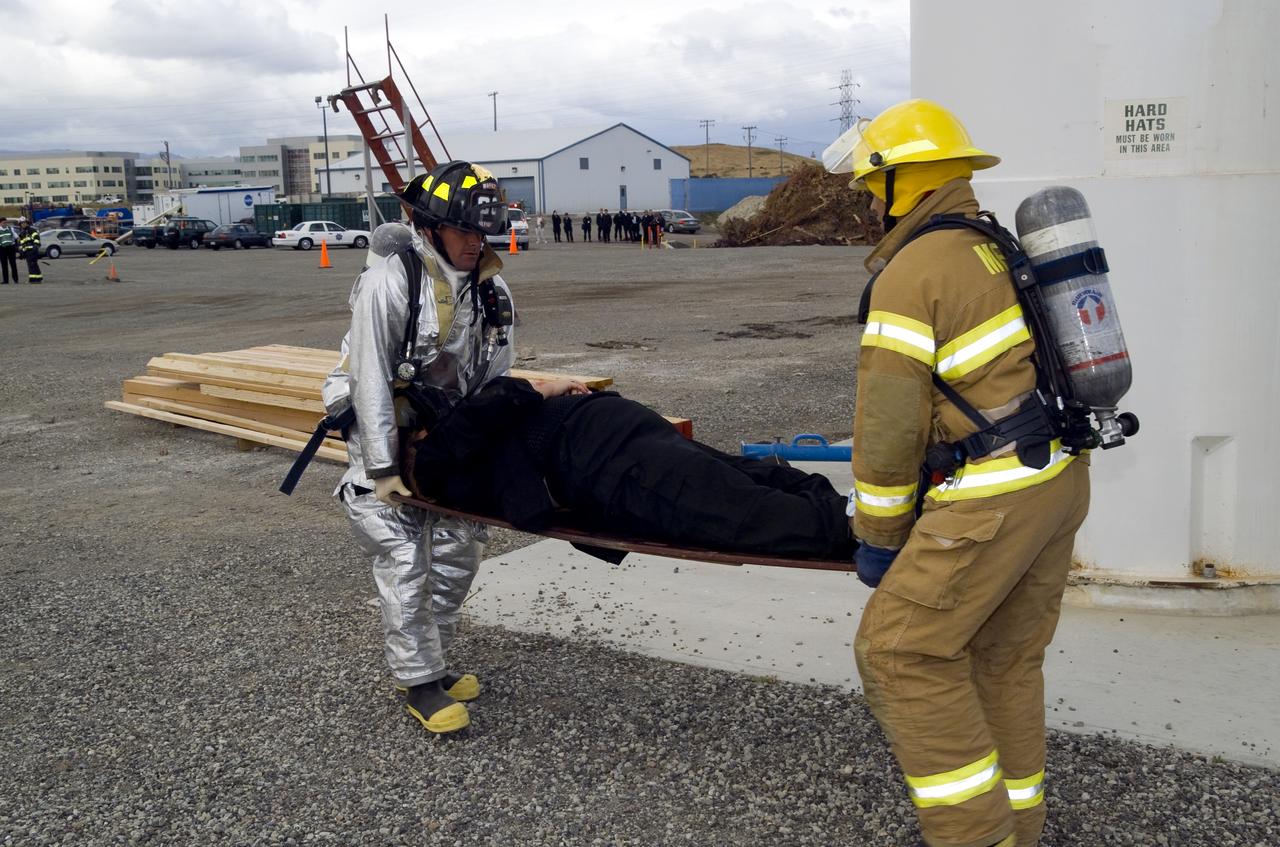
DART Exercise 2002 'Response to Terrorism'
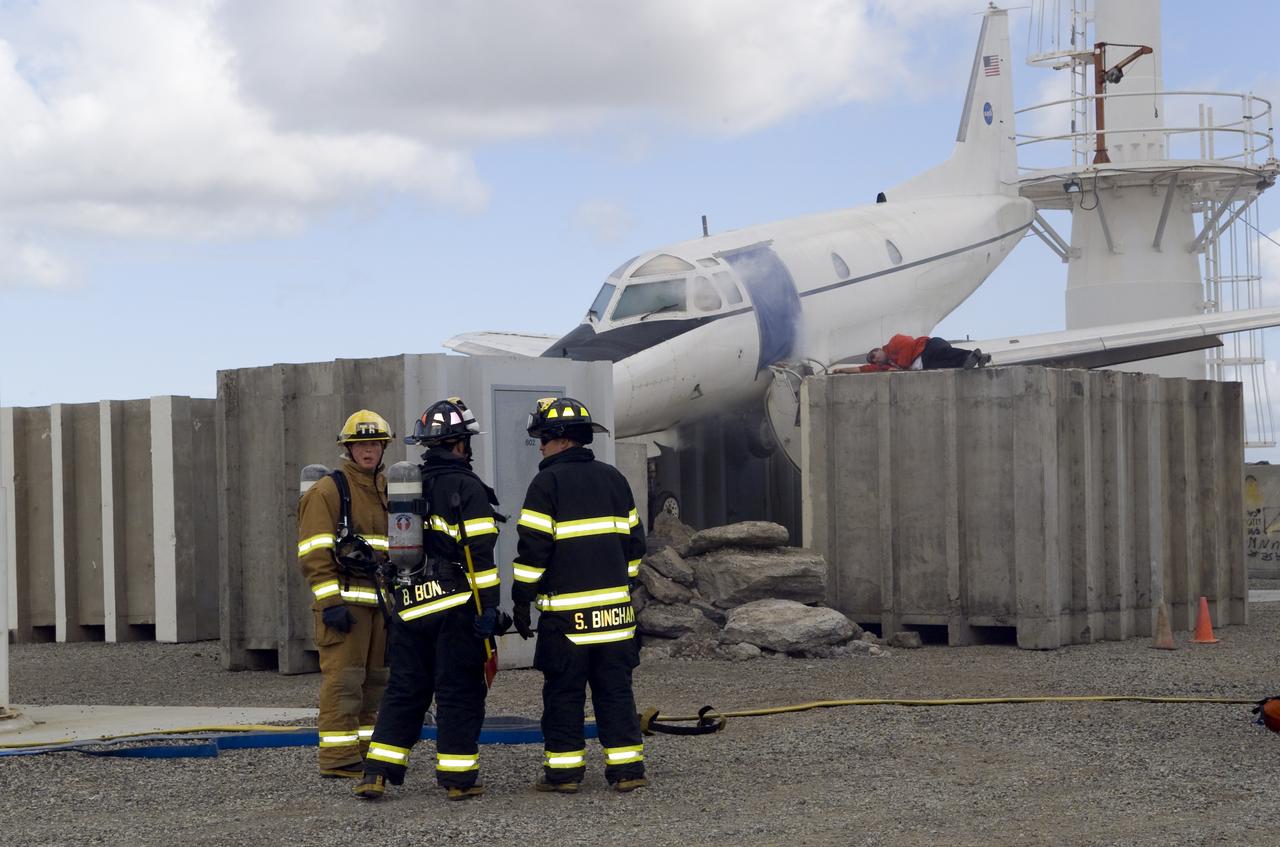
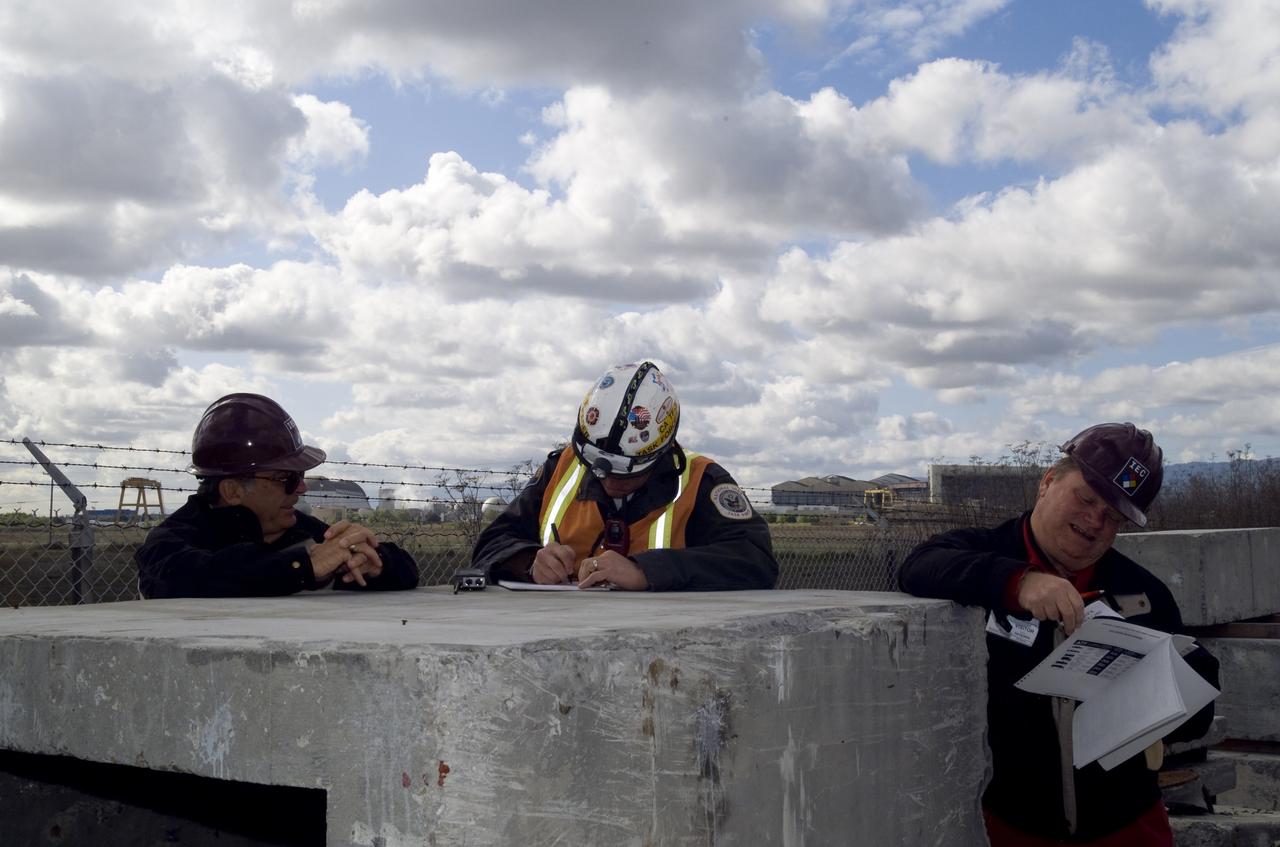
DART Exercise 2002 'Response to Terrorism'
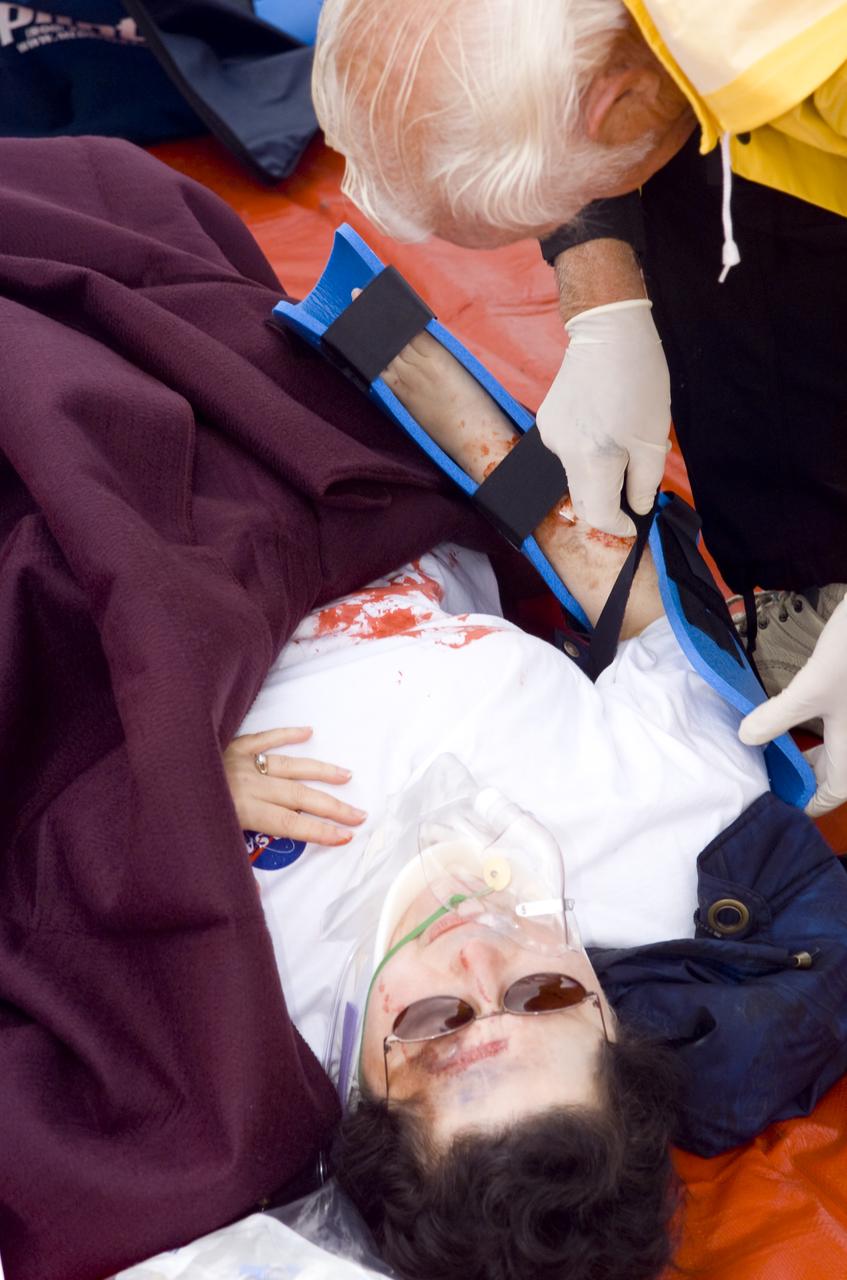
DART Exercise 2002 'Response to Terrorism'
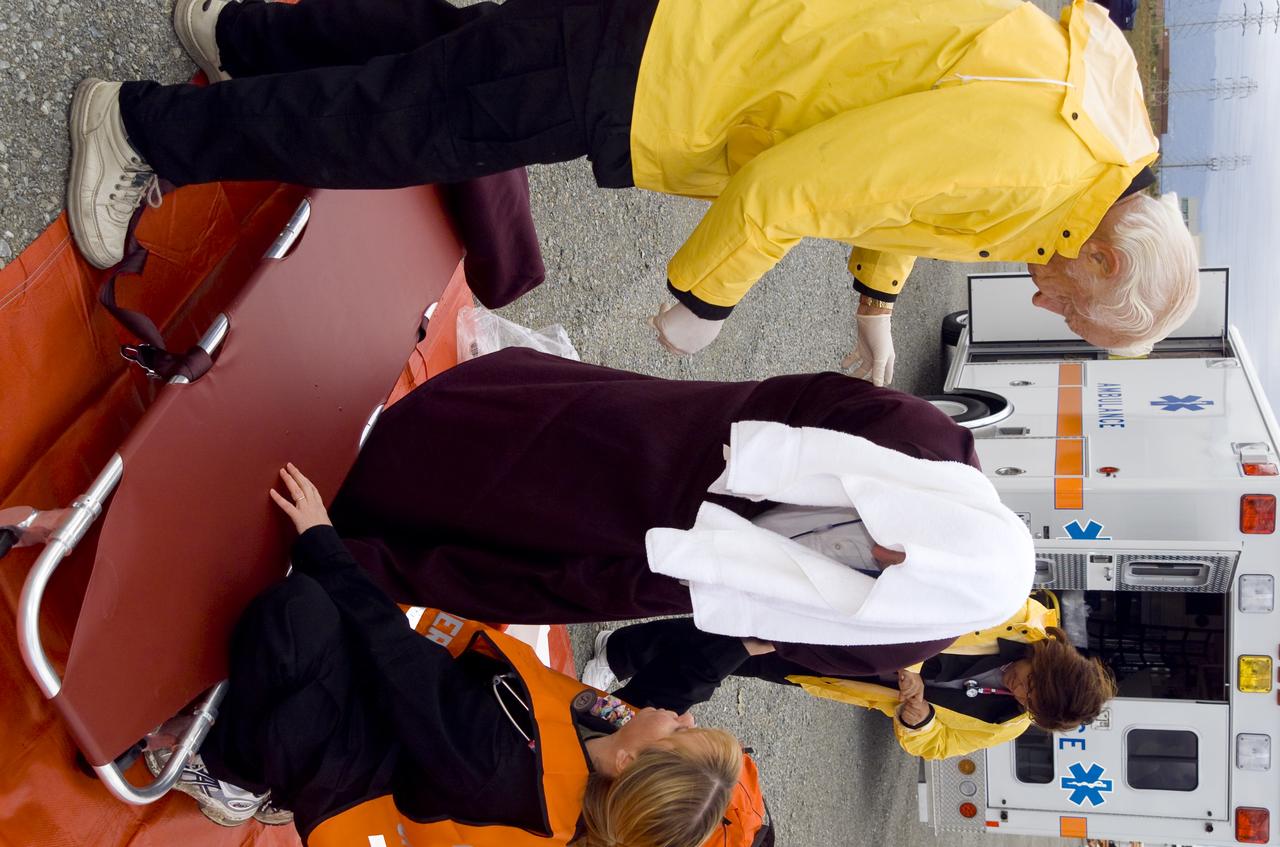
DART Exercise 2002 'Response to Terrorism'
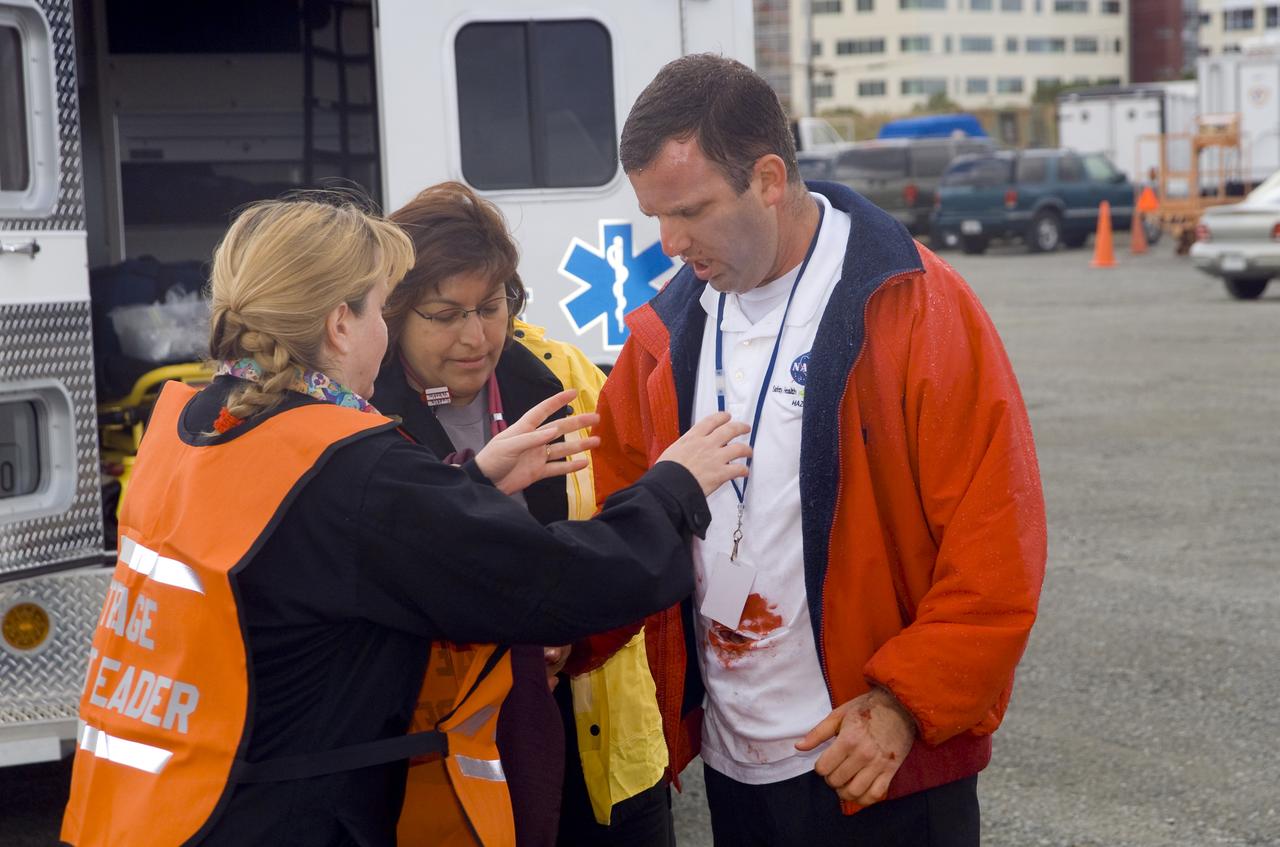
DART Exercise 2002 'Response to Terrorism'
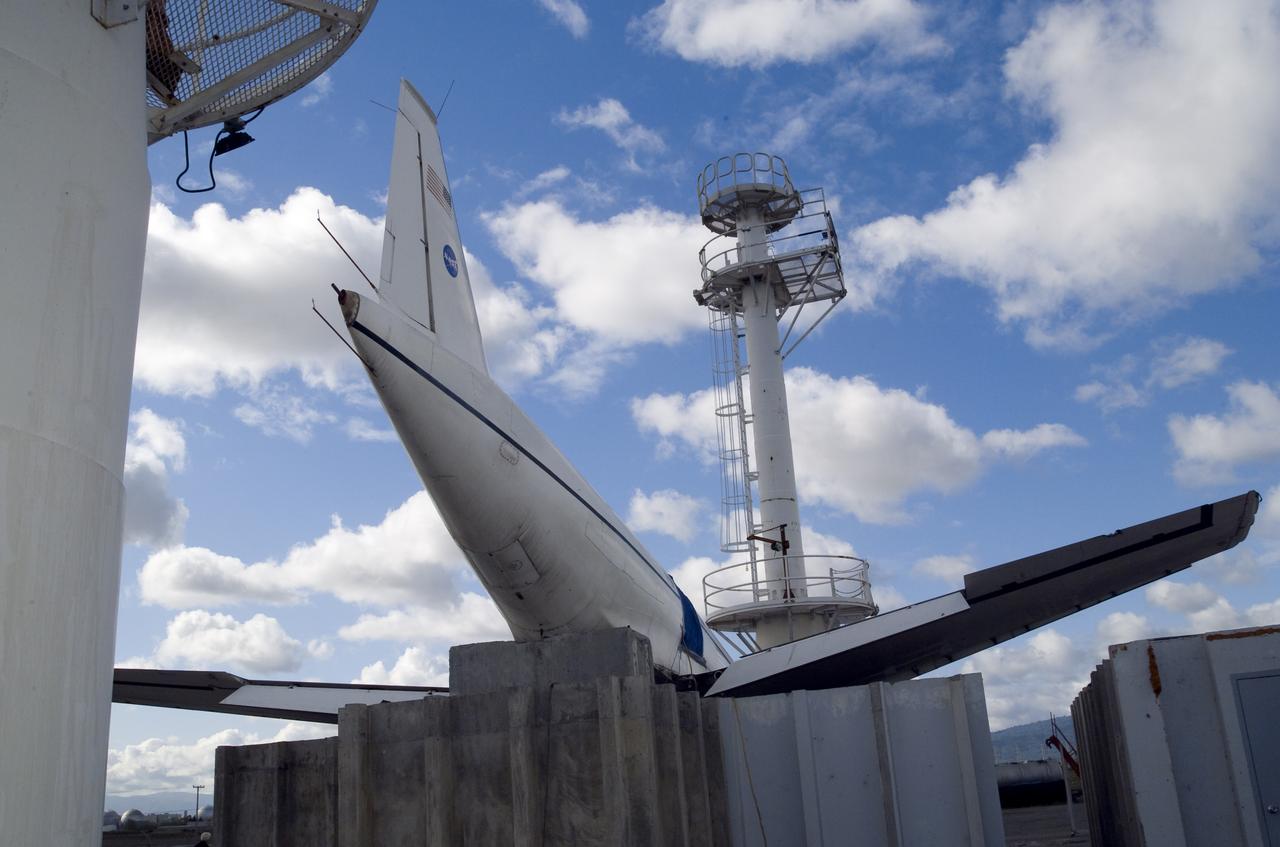
DART Exercise 2002 'Response to Terrorism'
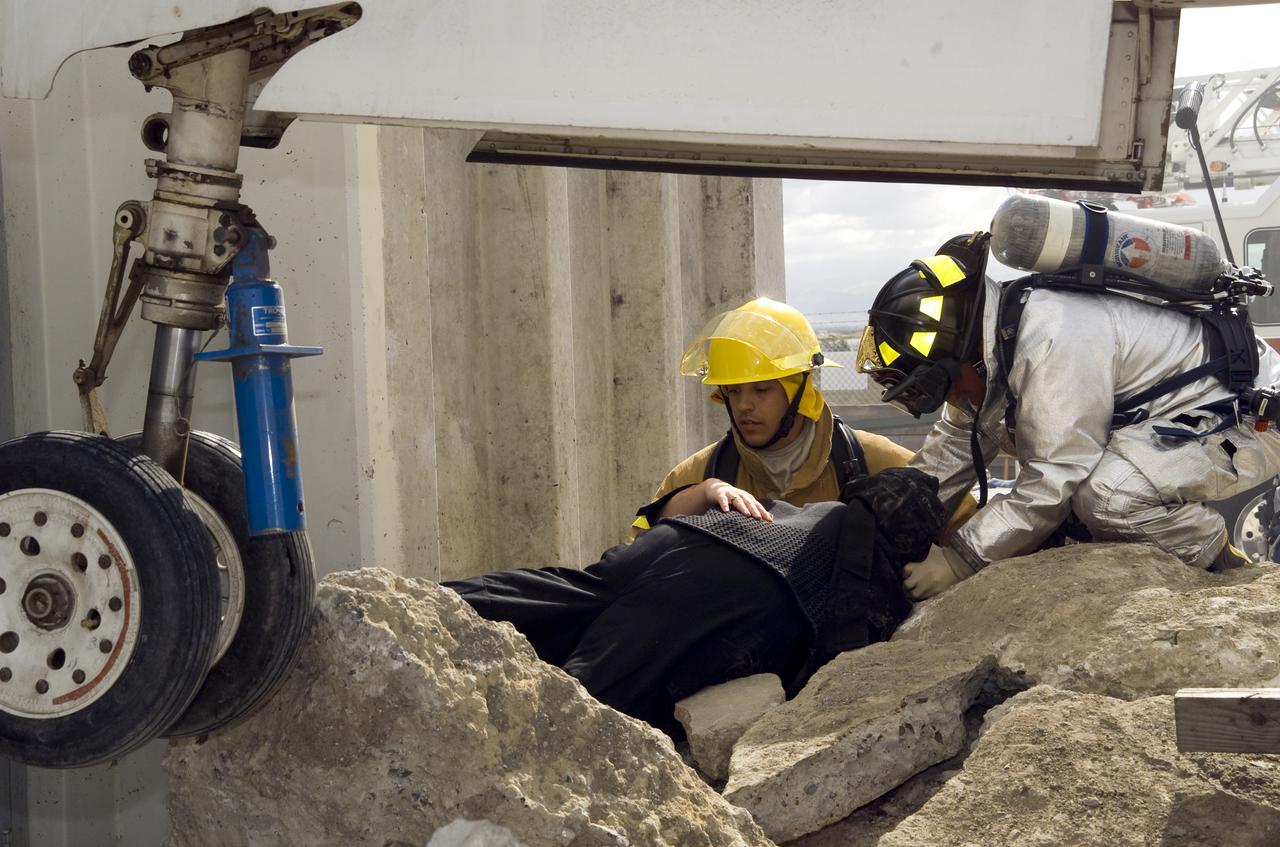
DART Exercise 2002 'Response to Terrorism'
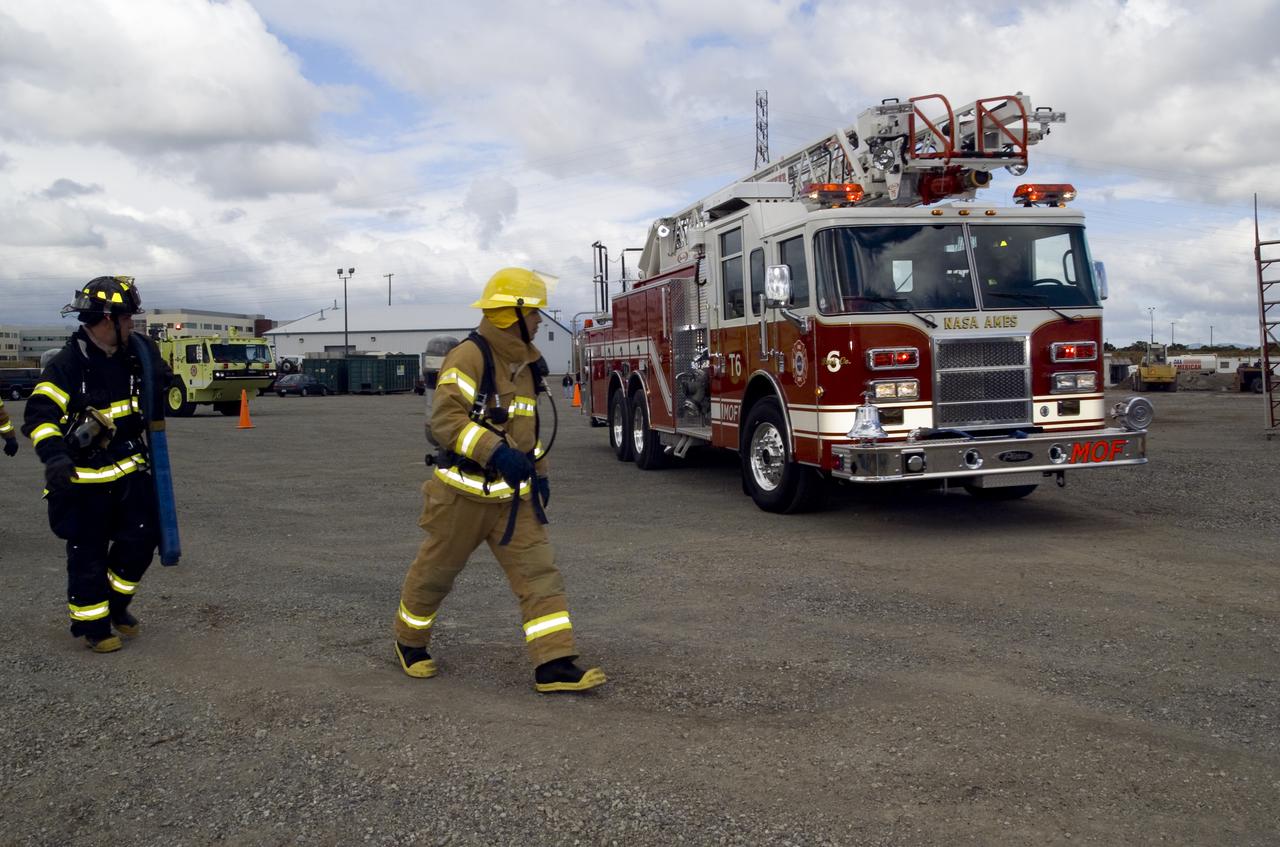
DART Exercise 2002 'Response to Terrorism'

DART Exercise 2002 'Response to Terrorism'
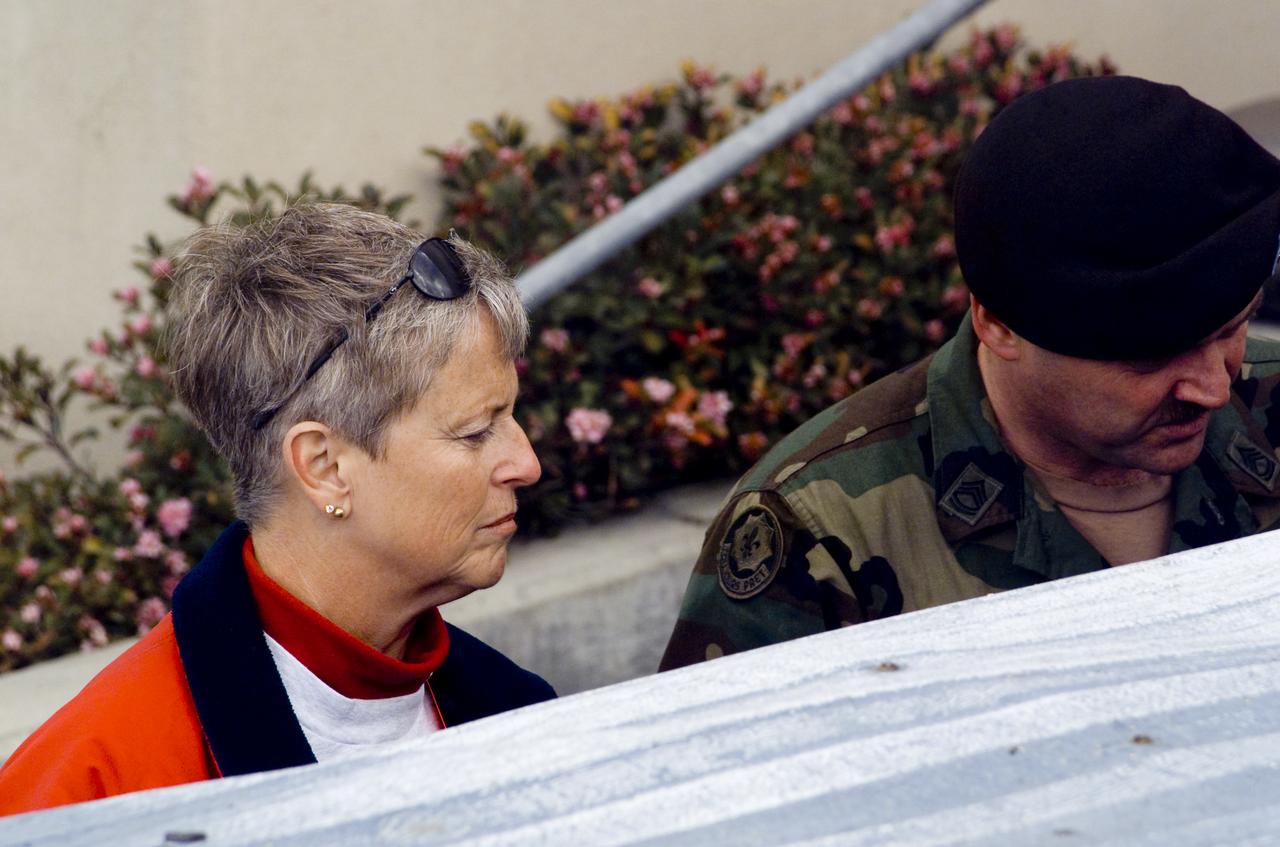
DART Exercise 2002 'Response to Terrorism'
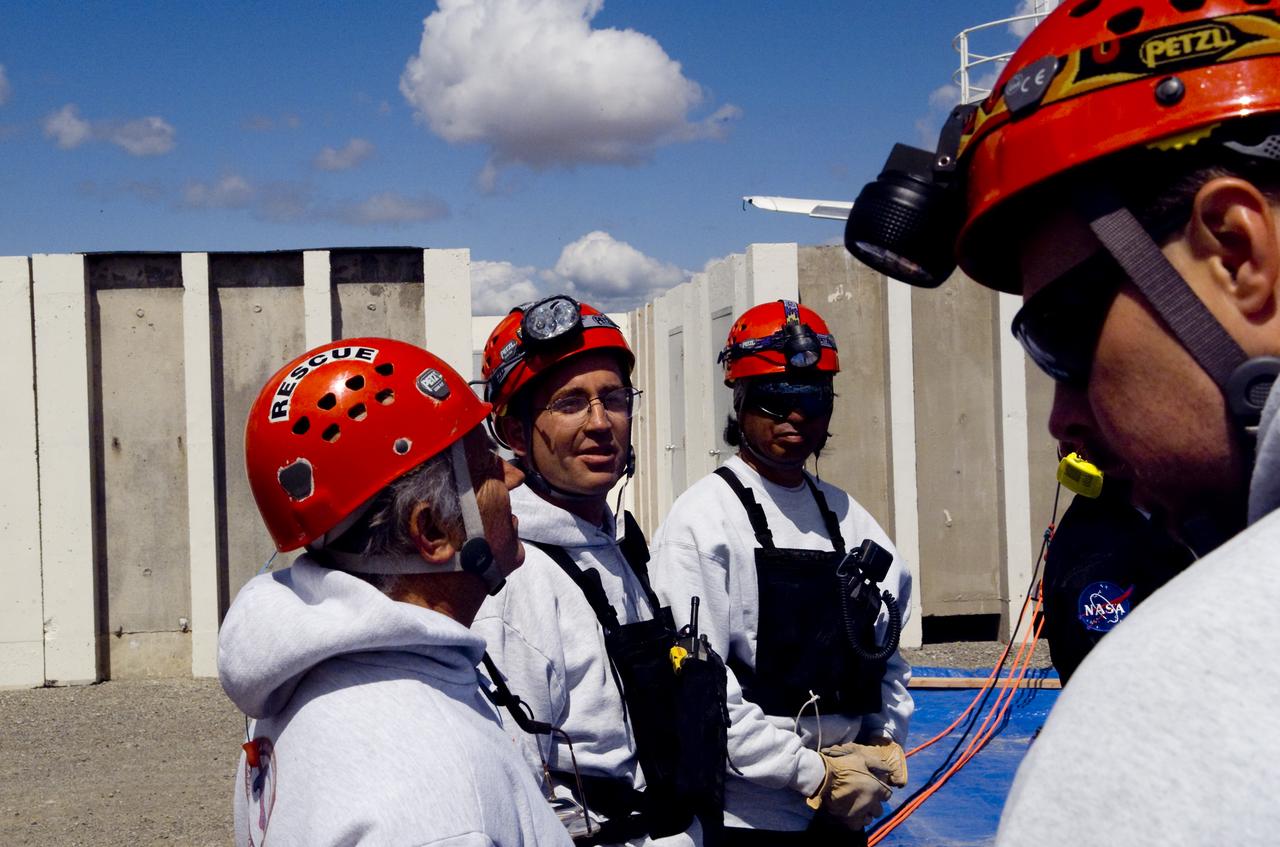
DART Exercise 2002 'Response to Terrorism'
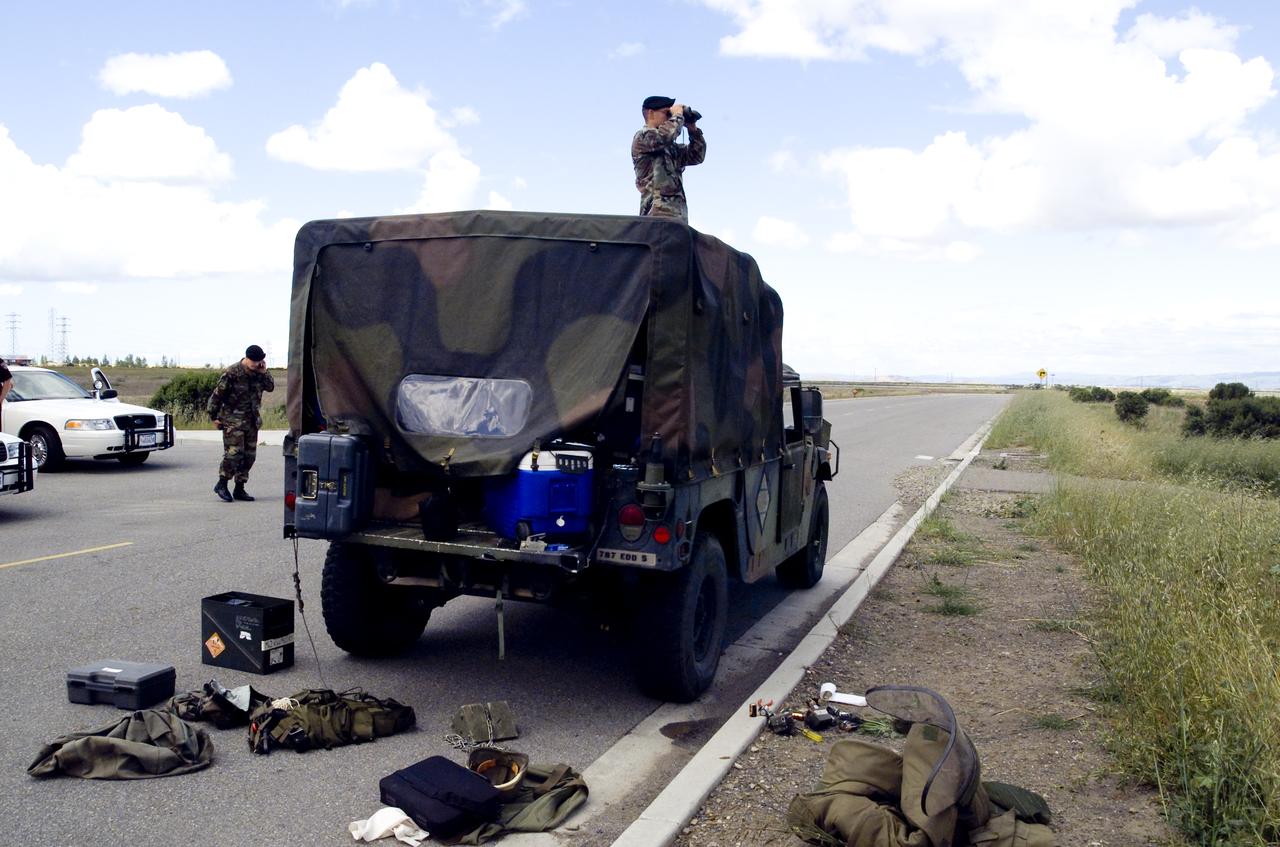
DART Exercise 2002 'Response to Terrorism'
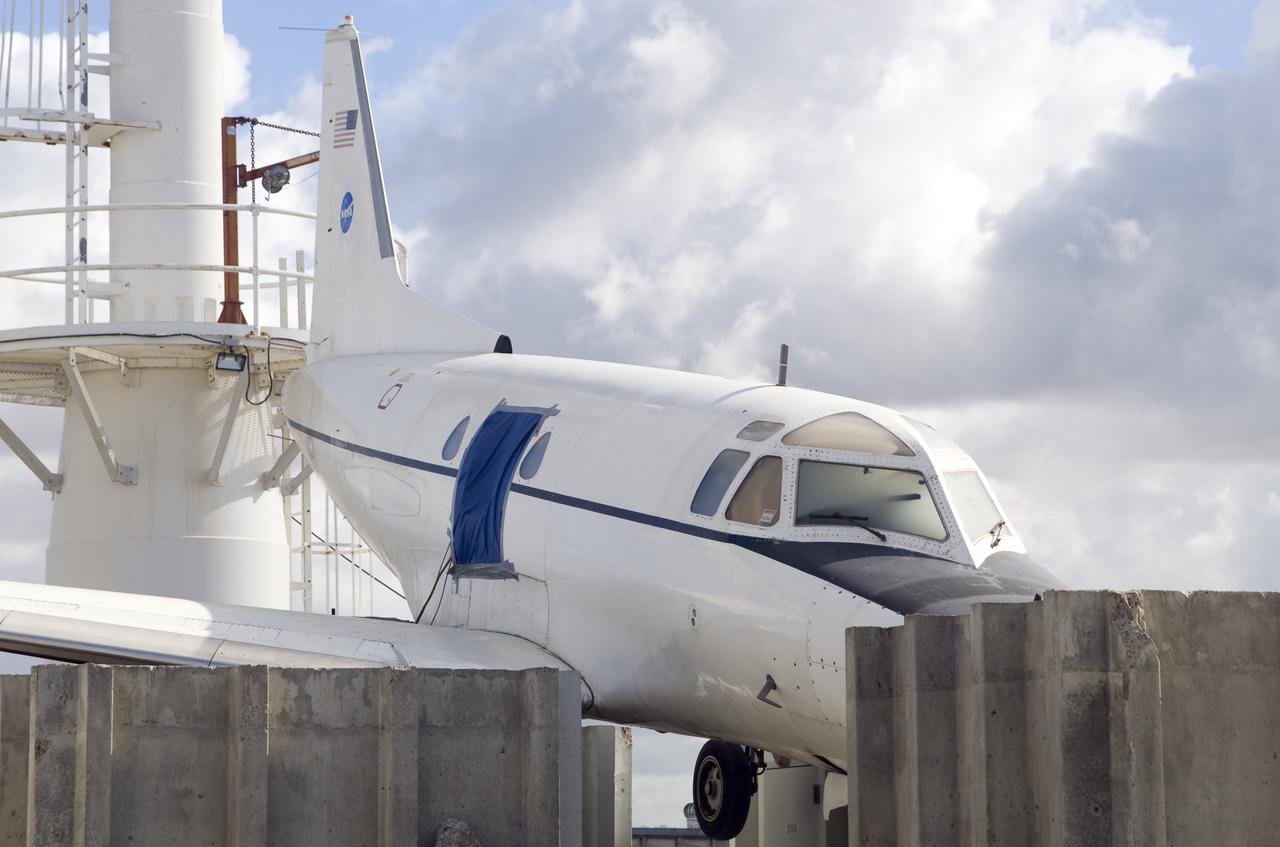
DART Exercise 2002 'Response to Terrorism'
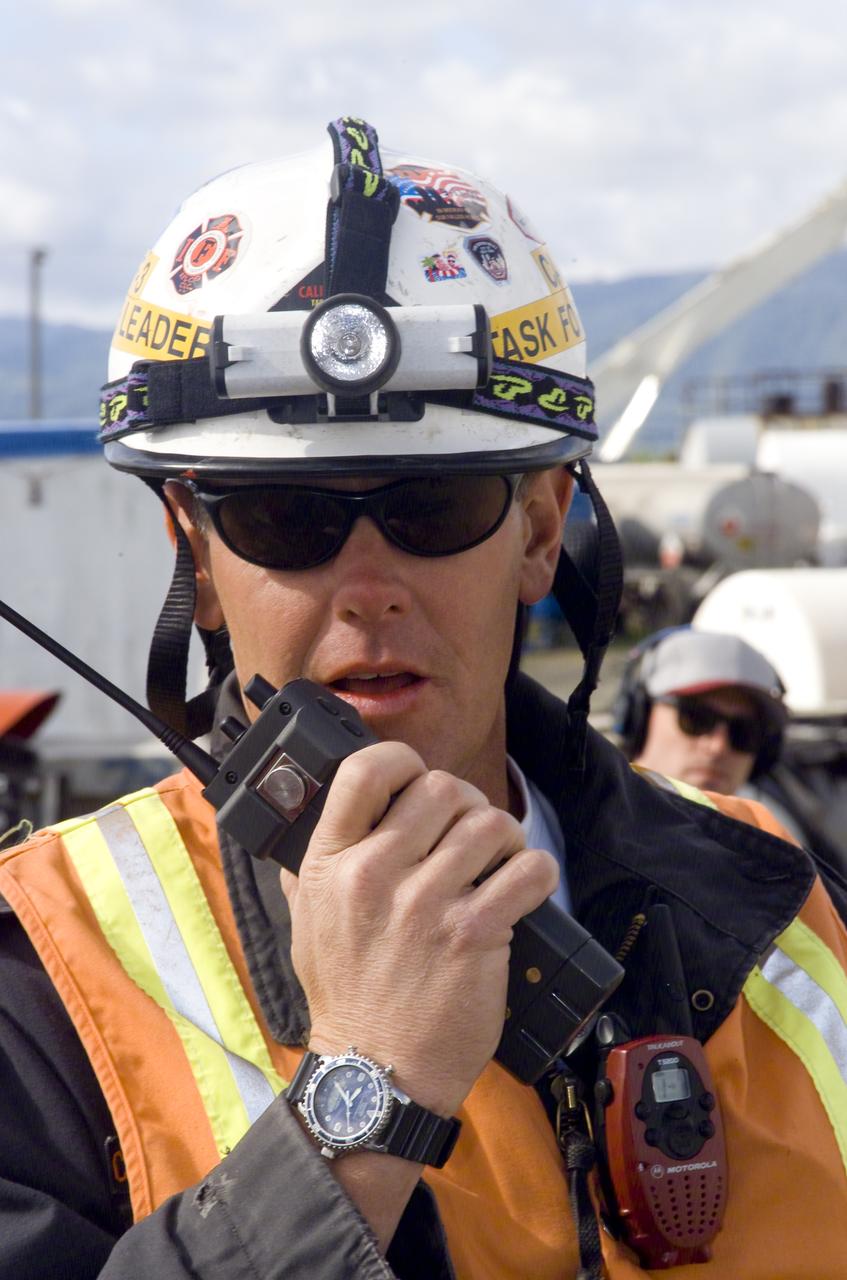
DART Exercise 2002 'Response to Terrorism'
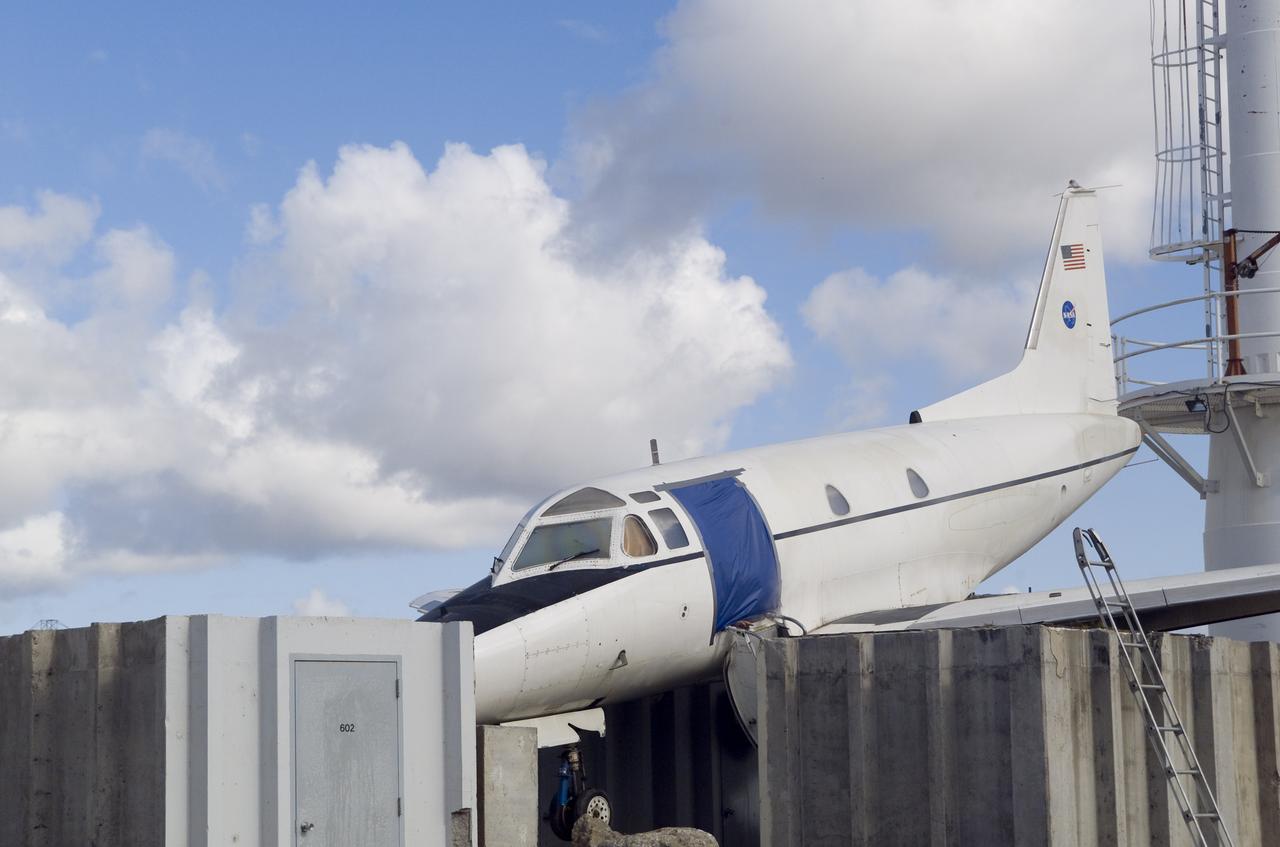
DART Exercise 2002 'Response to Terrorism'
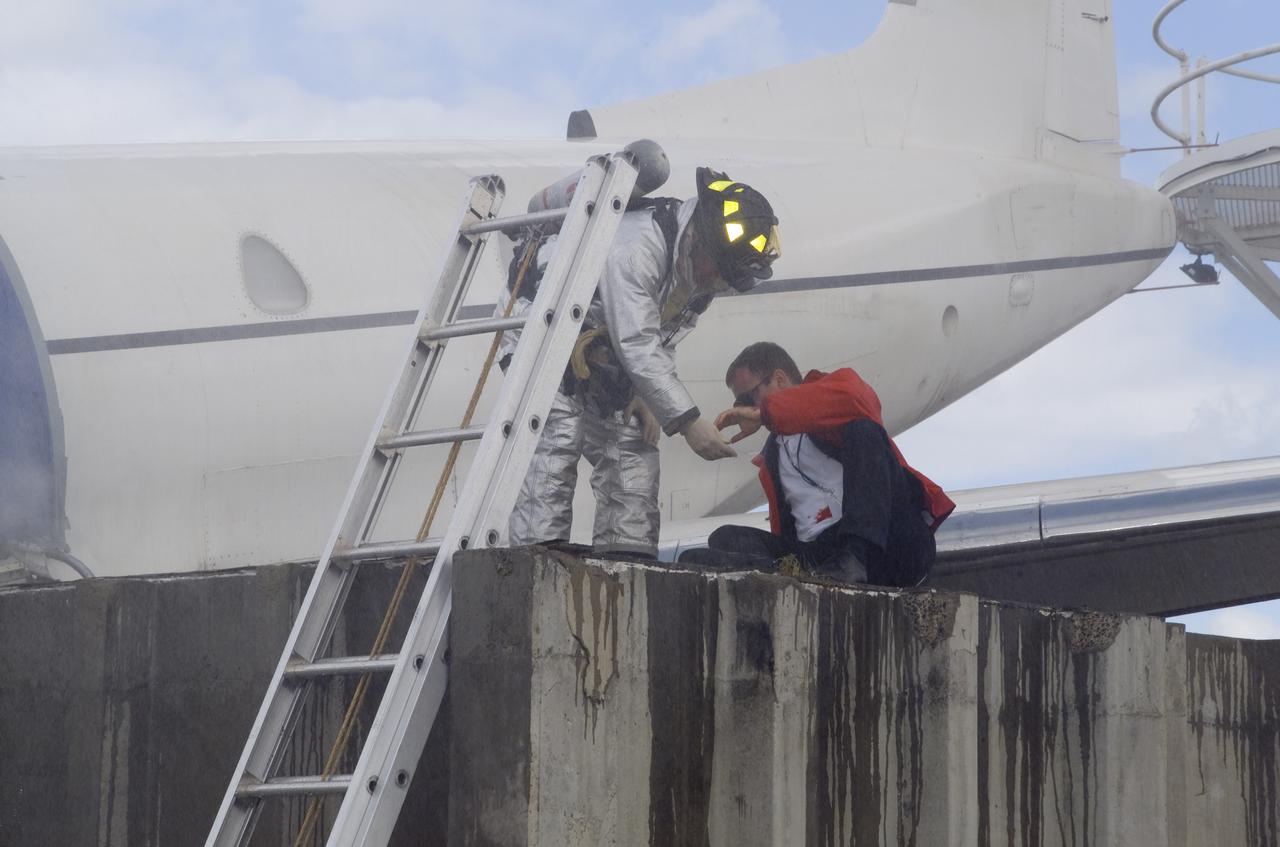
DART Exercise 2002 'Response to Terrorism'
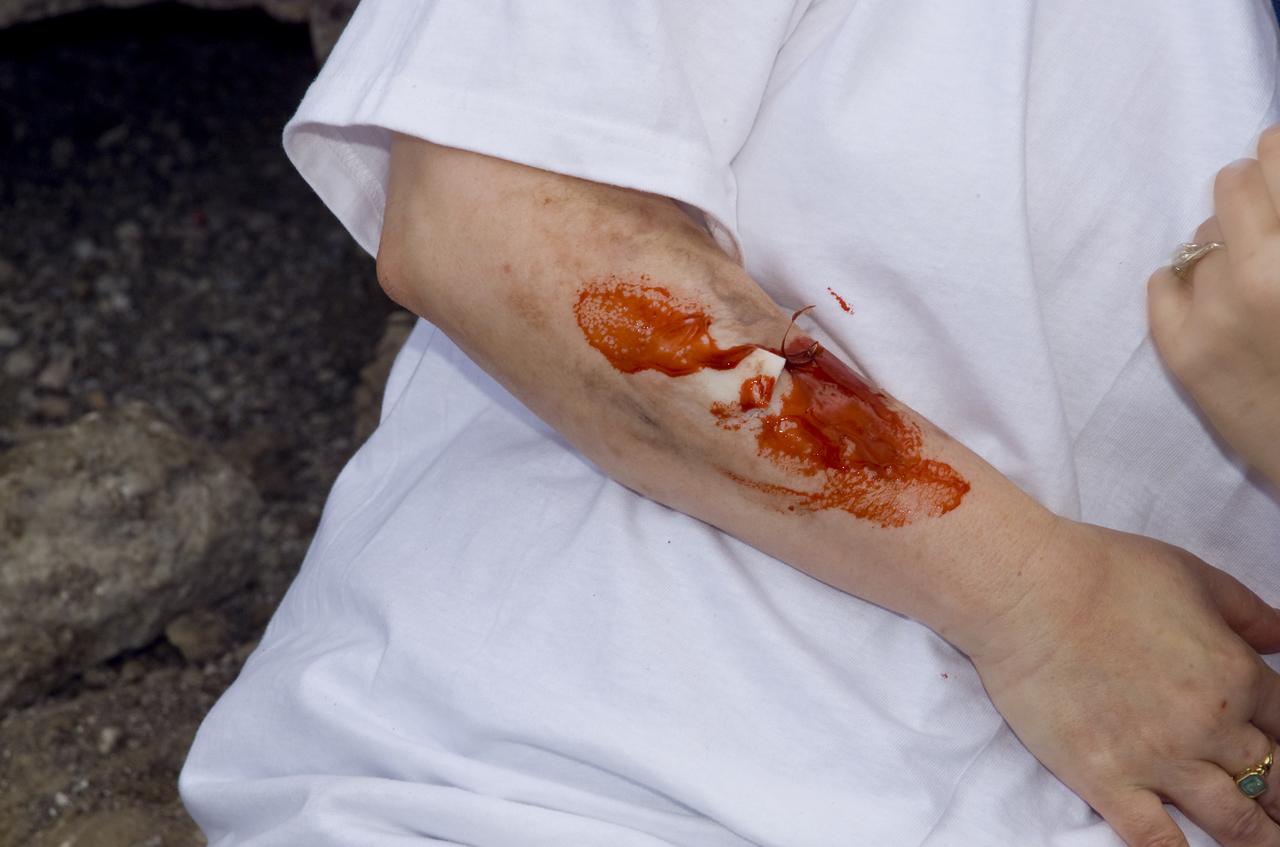
DART Exercise 2002 'Response to Terrorism'
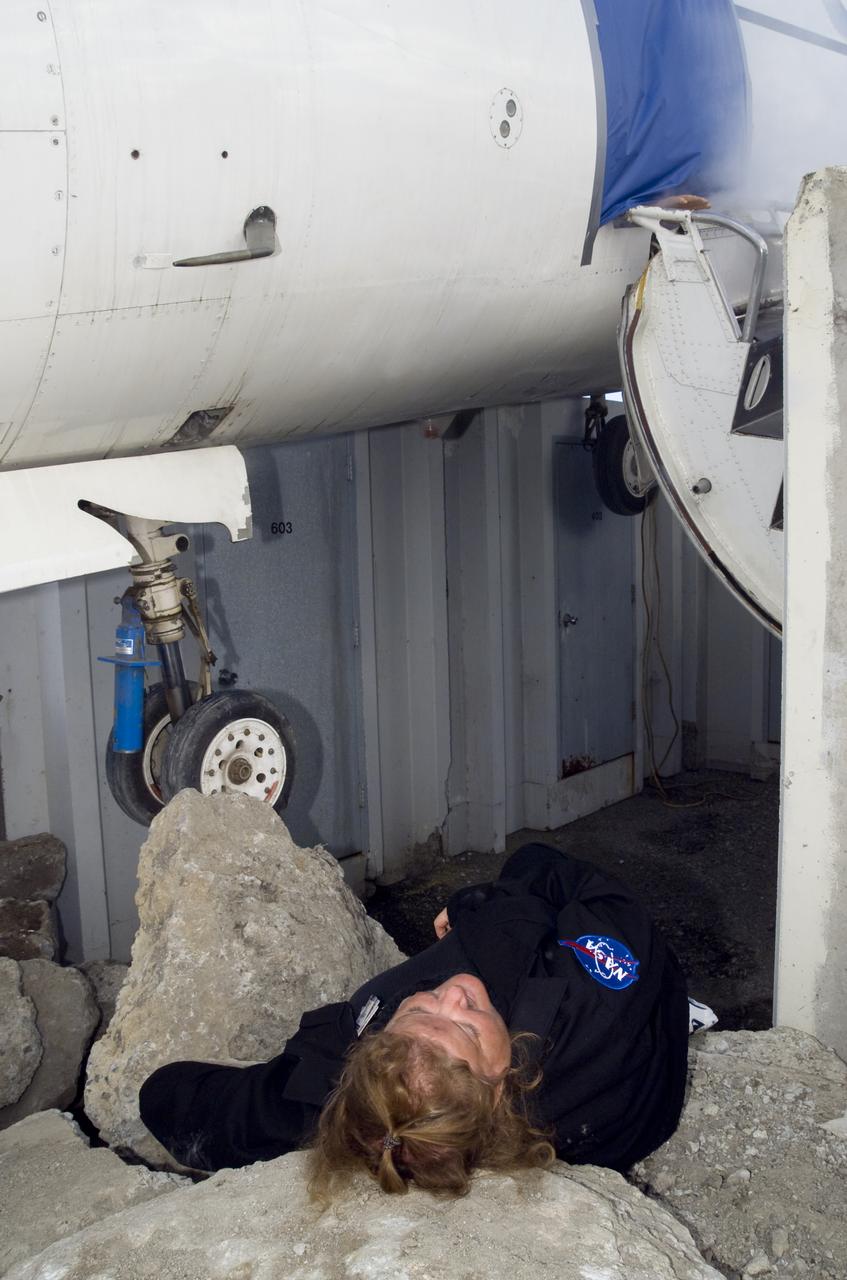
DART Exercise 2002 'Response to Terrorism'
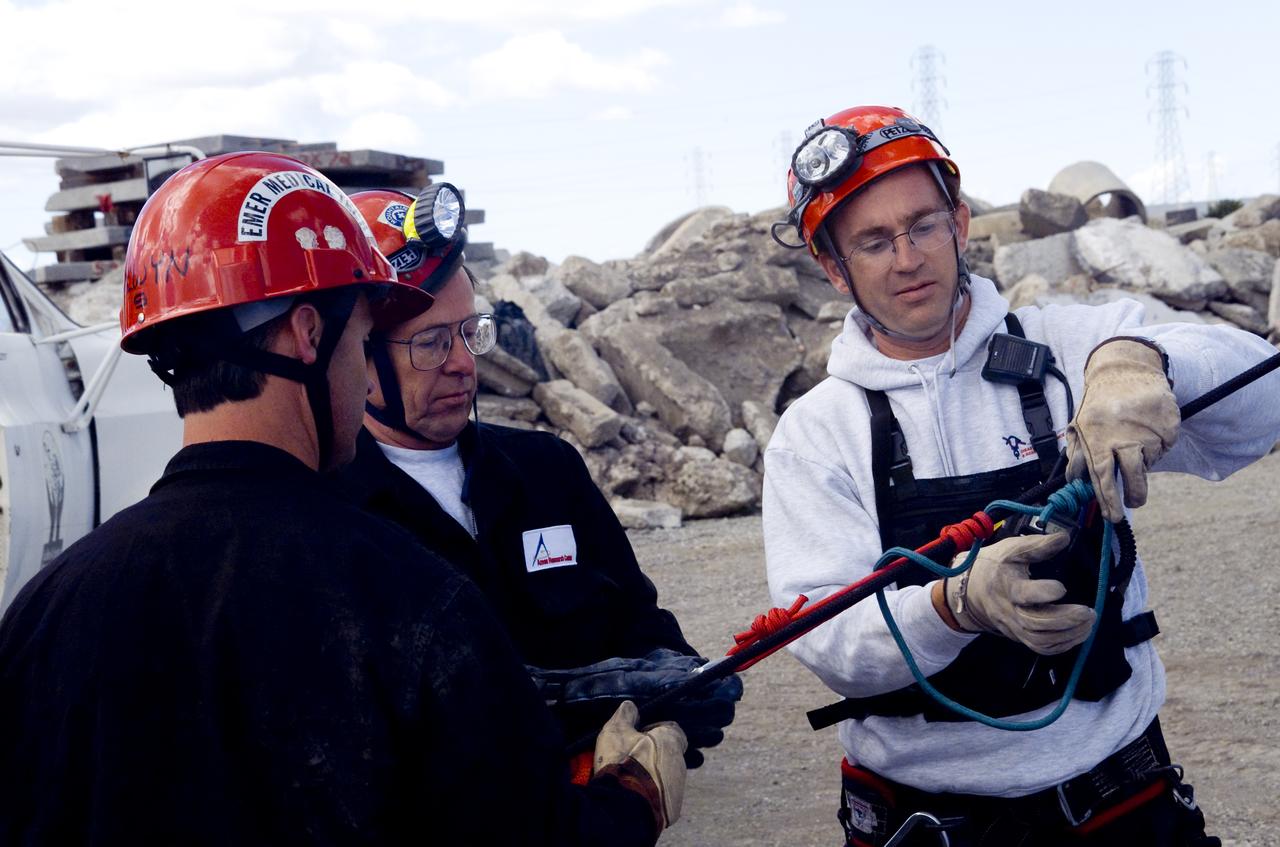
DART Exercise 2002 'Response to Terrorism'
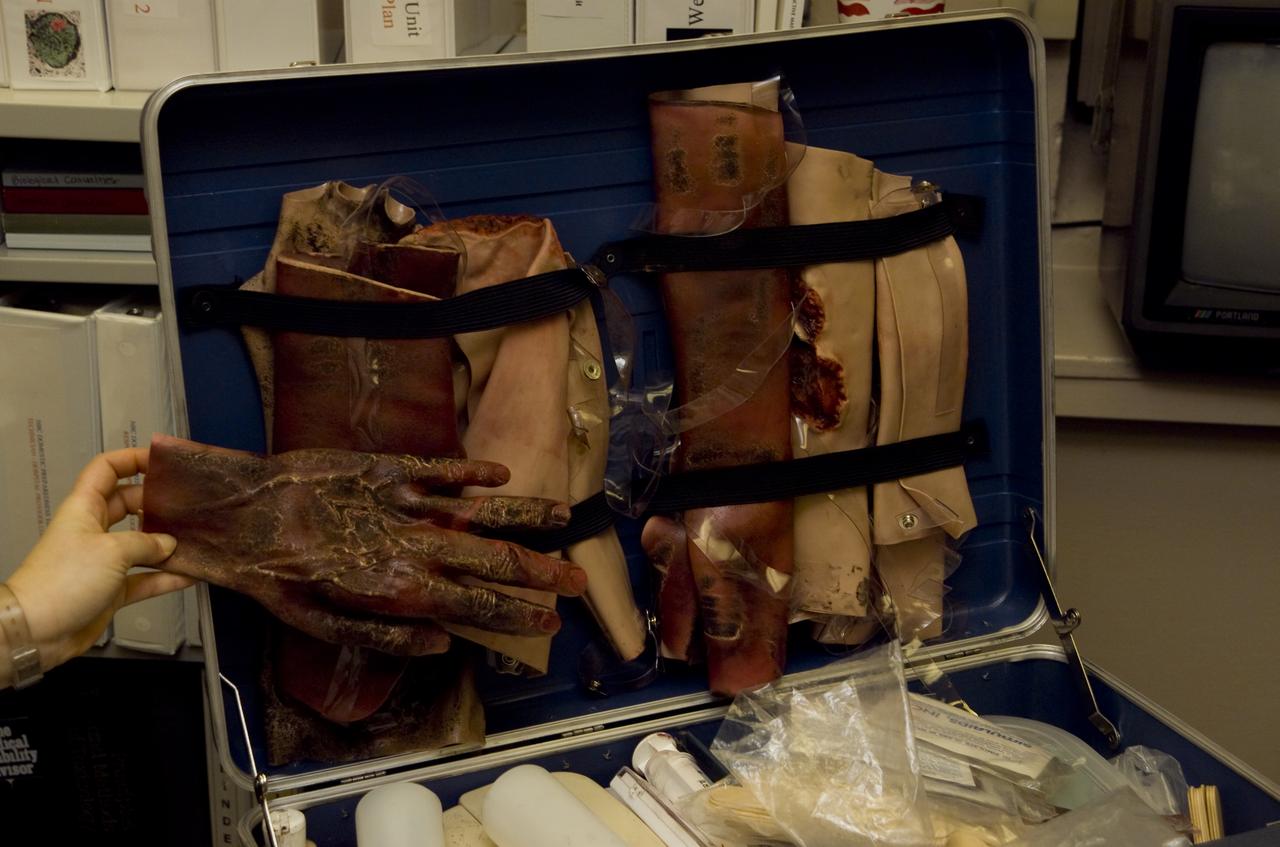
DART Exercise 2002 'Response to Terrorism'
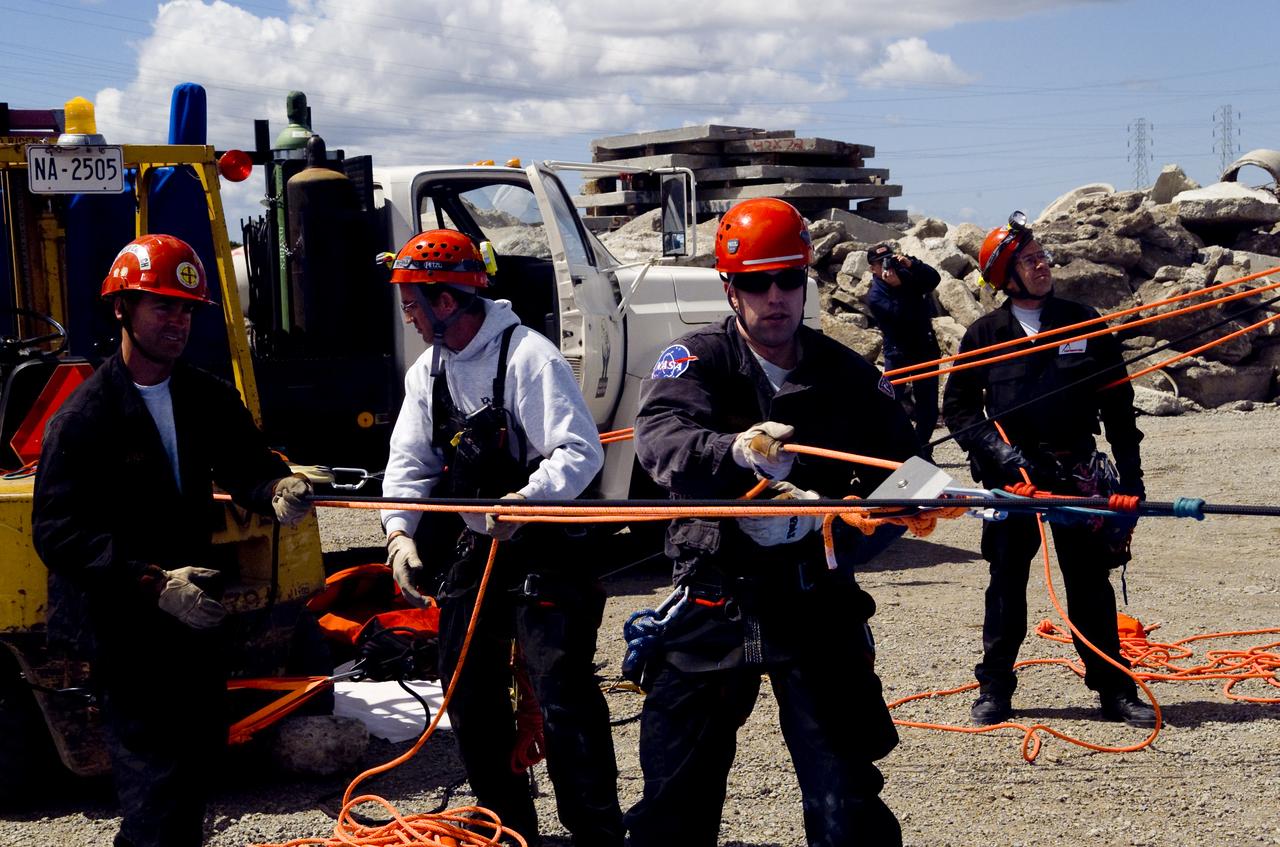
DART Exercise 2002 'Response to Terrorism'
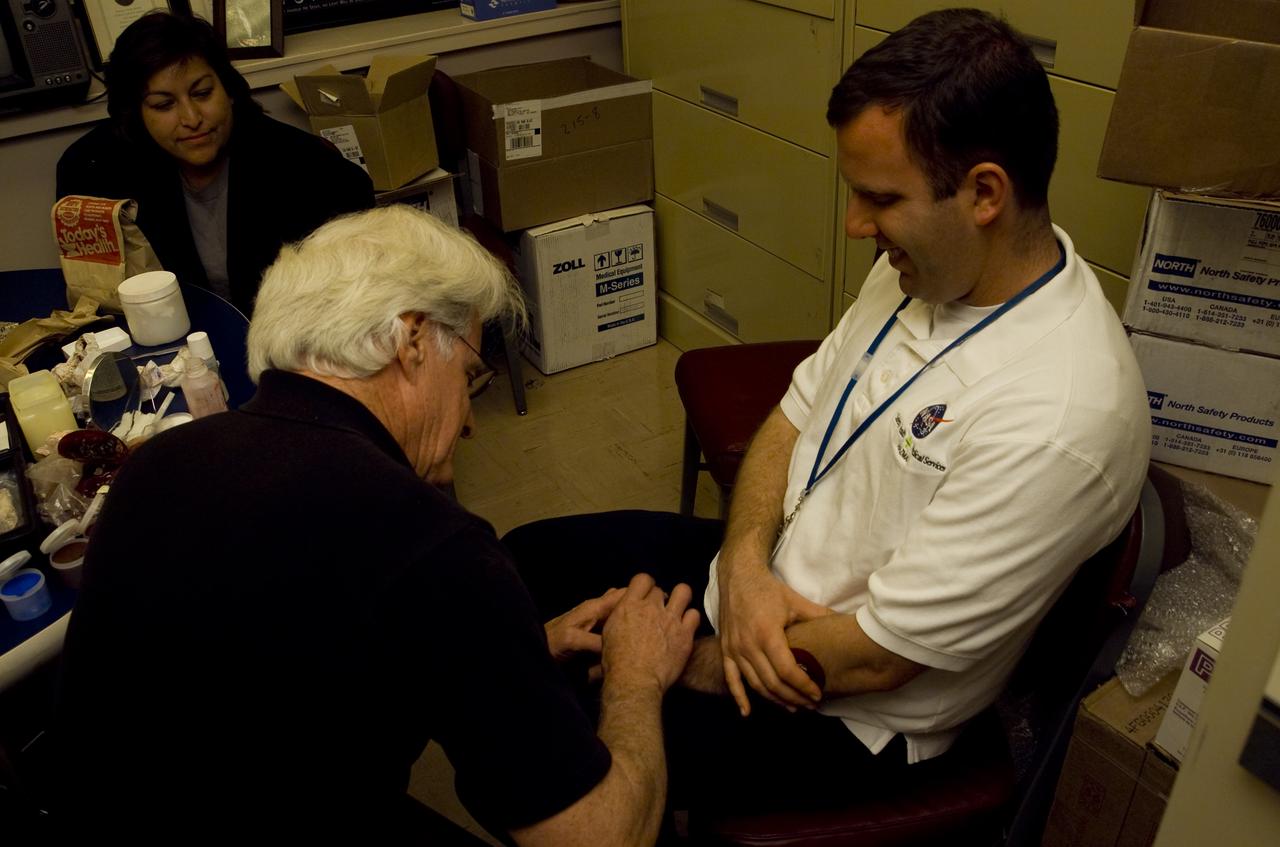
DART Exercise 2002 'Response to Terrorism'
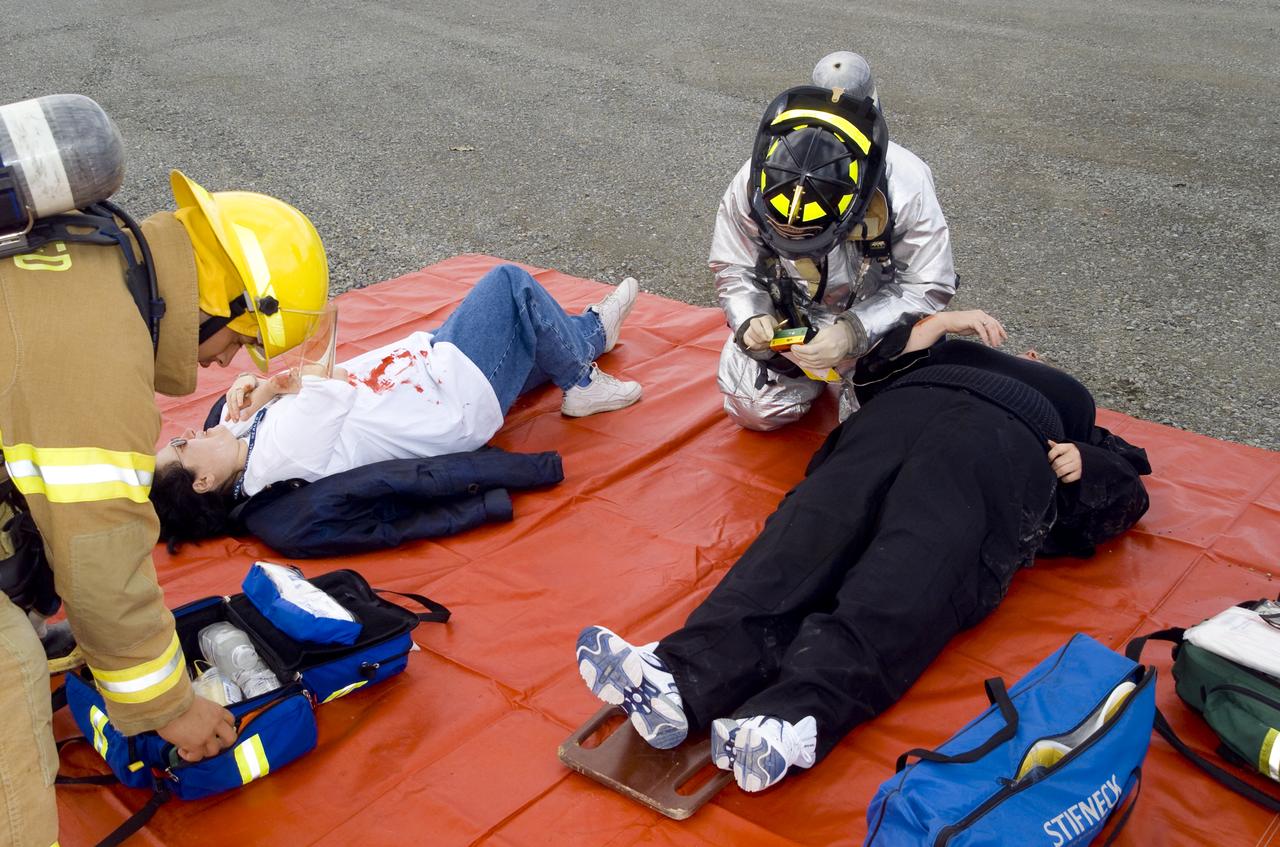
DART Exercise 2002 'Response to Terrorism'
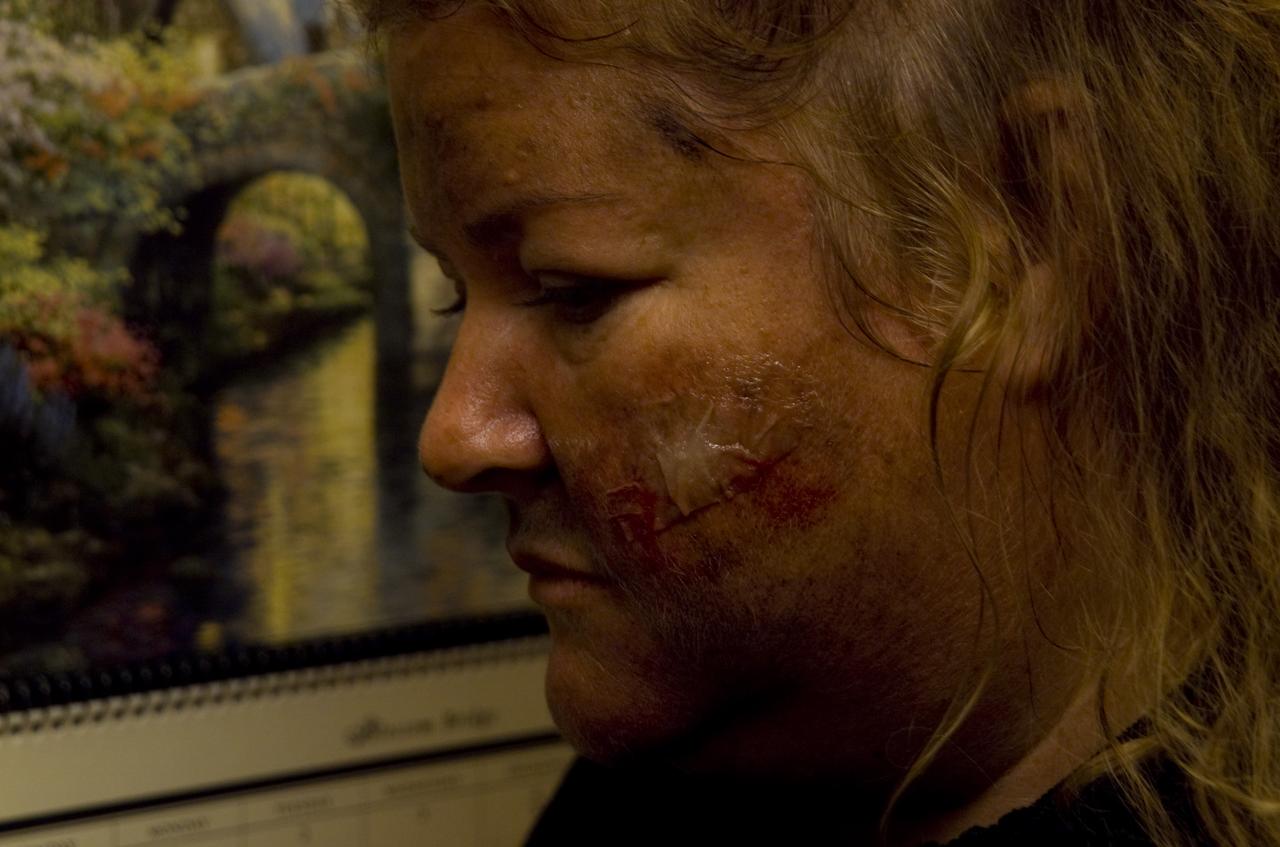
DART Exercise 2002 'Response to Terrorism'
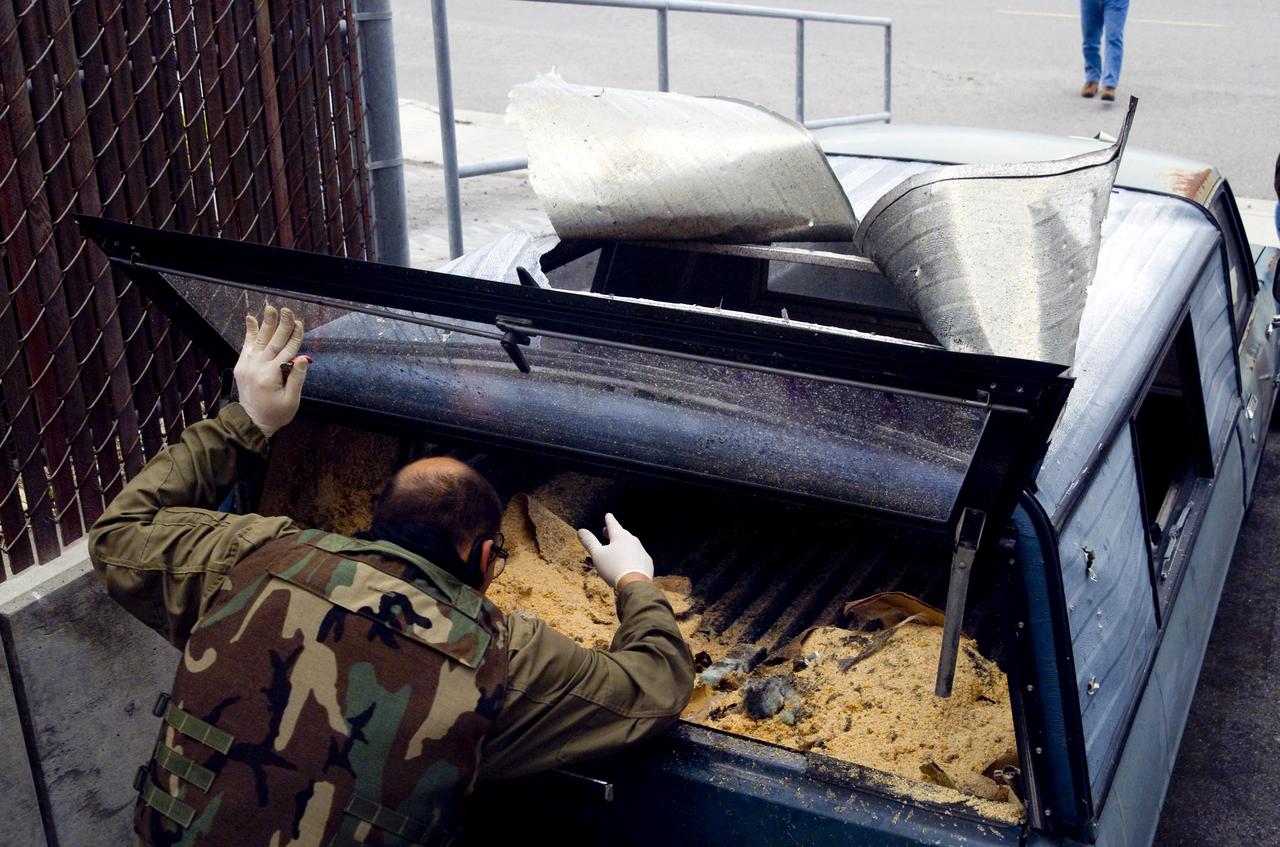
DART Exercise 2002 'Response to Terrorism'
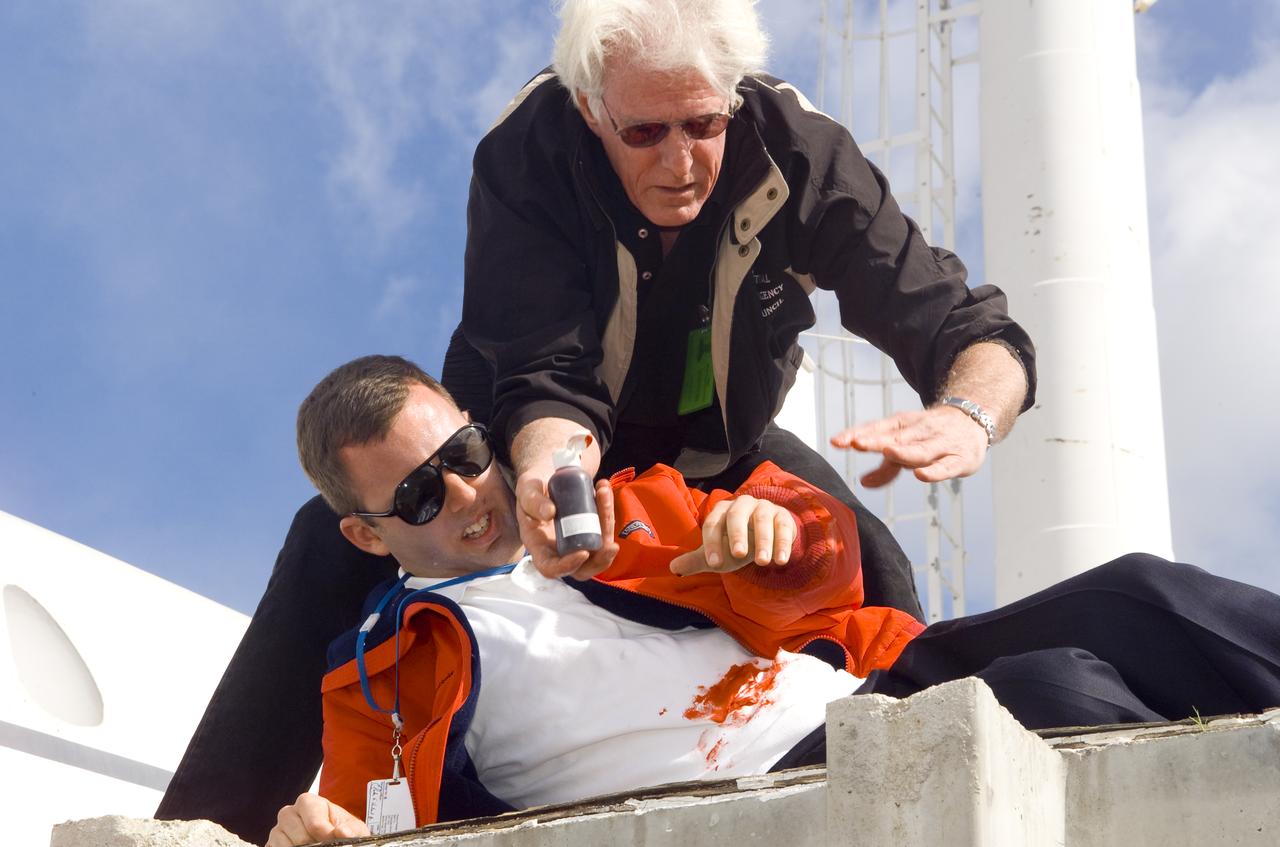
DART Exercise 2002 'Response to Terrorism'
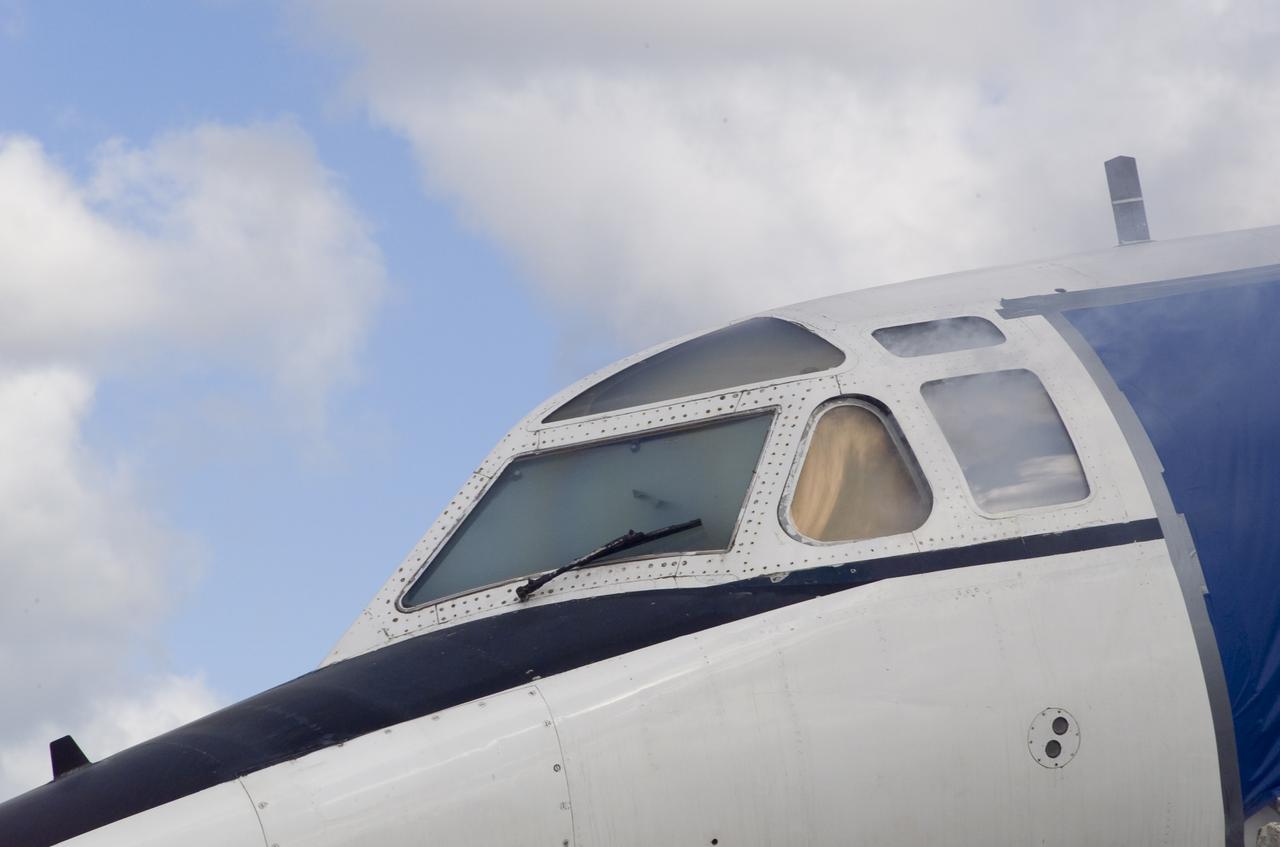
DART Exercise 2002 'Response to Terrorism'
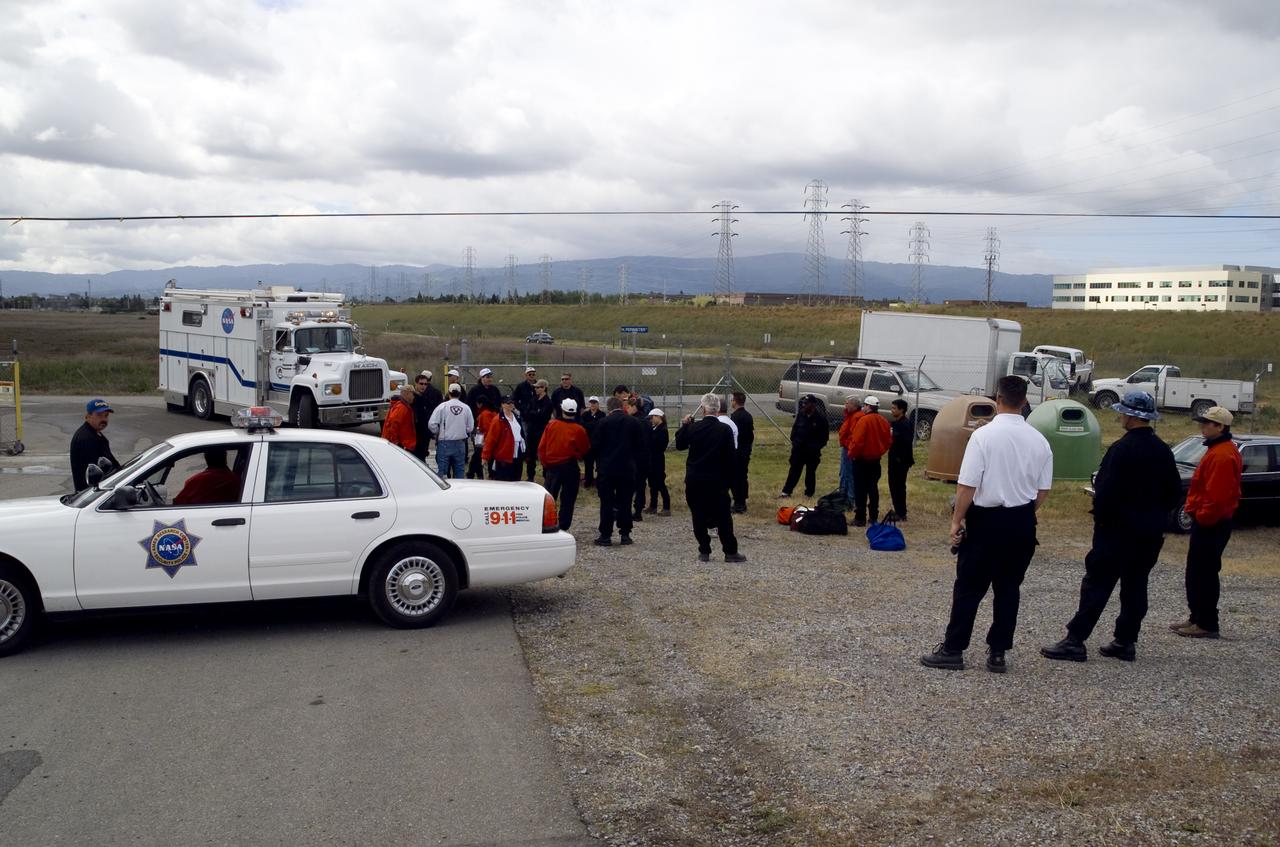
DART Exercise 2002 'Response to Terrorism'
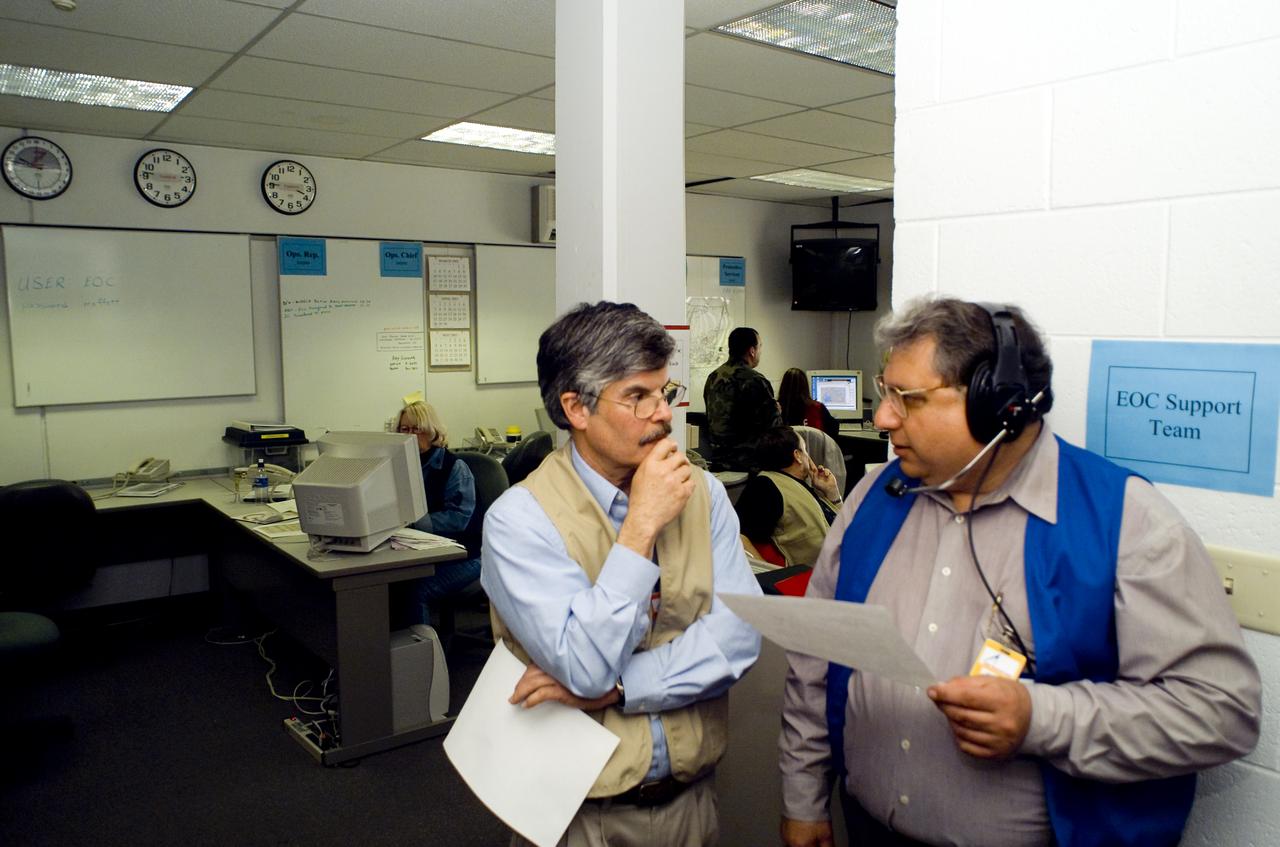
DART Exercise 2002 'Response to Terrorism'
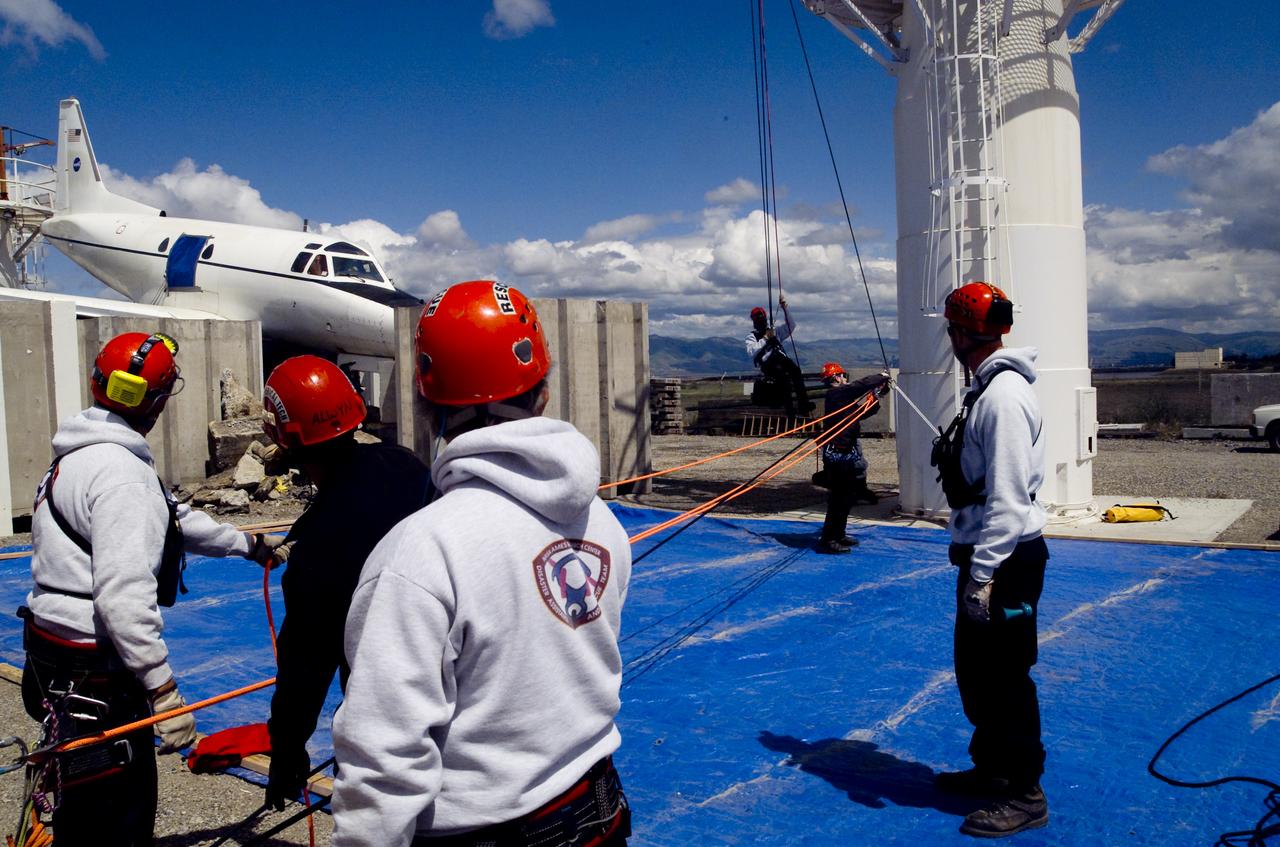
DART Exercise 2002 'Response to Terrorism'
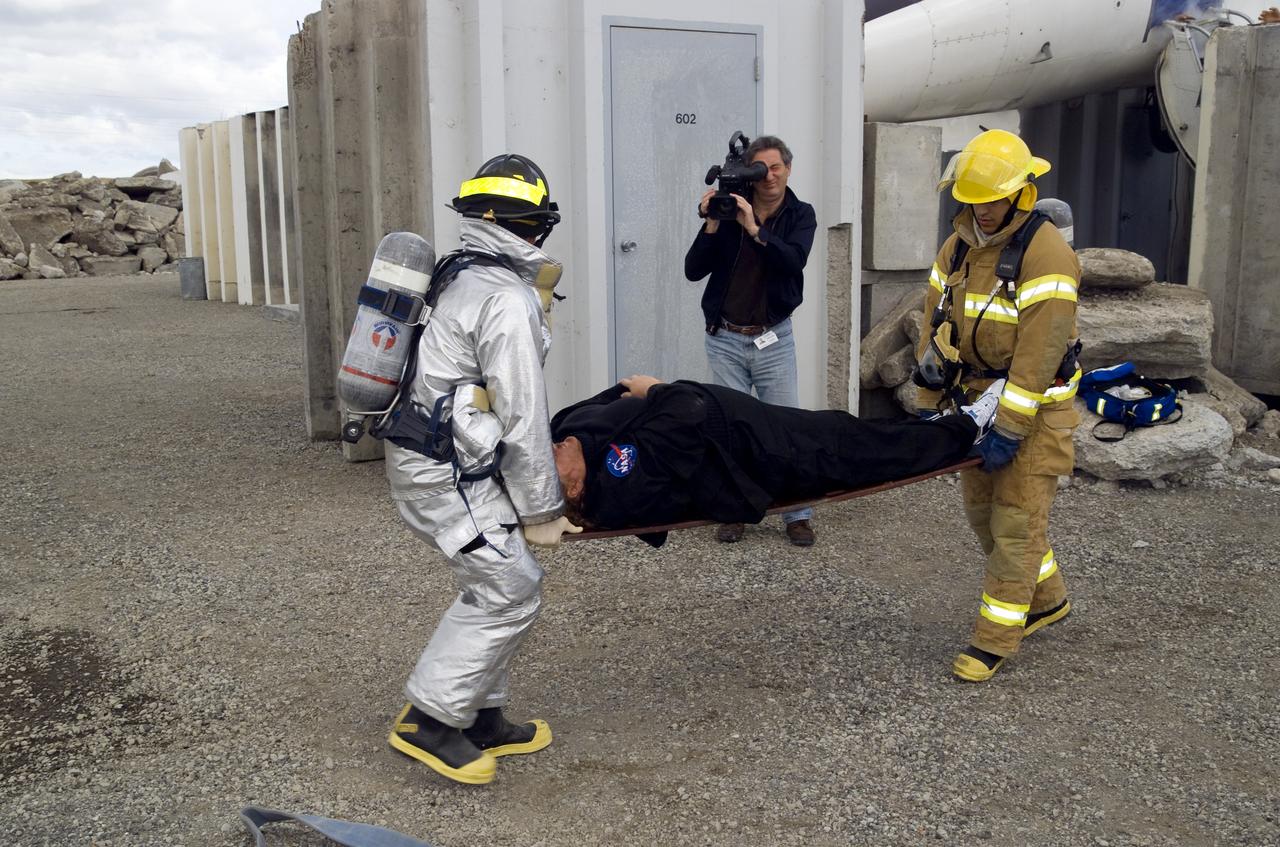
DART Exercise 2002 'Response to Terrorism'
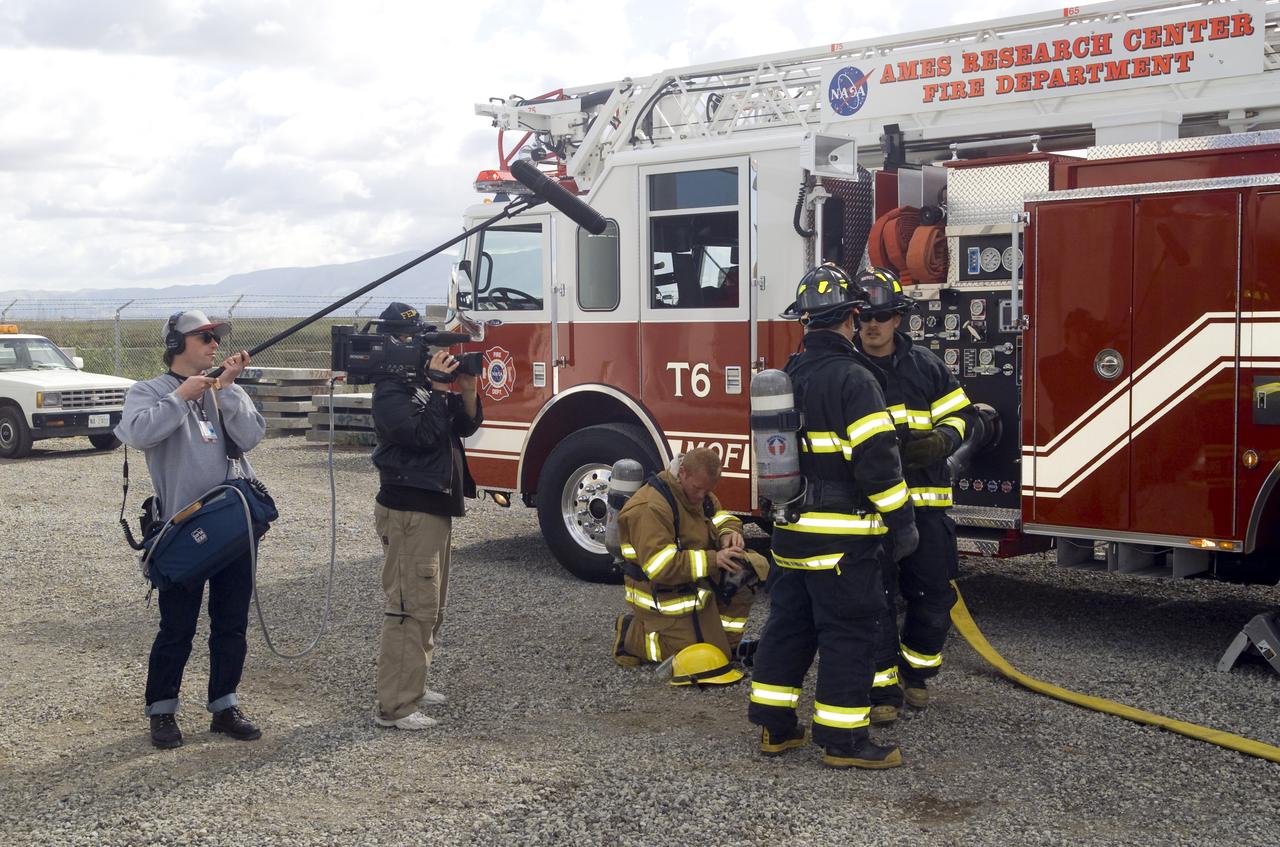
DART Exercise 2002 'Response to Terrorism'
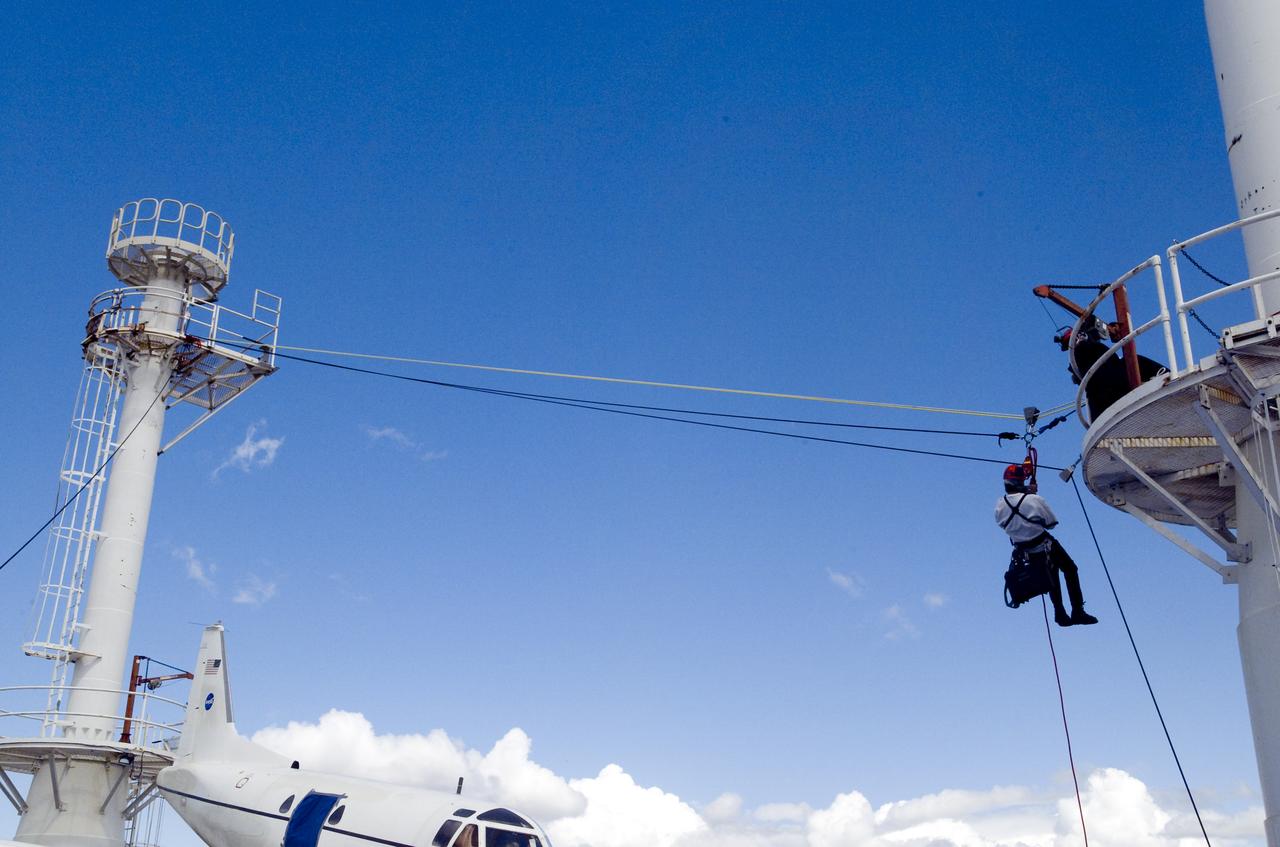
DART Exercise 2002 'Response to Terrorism'
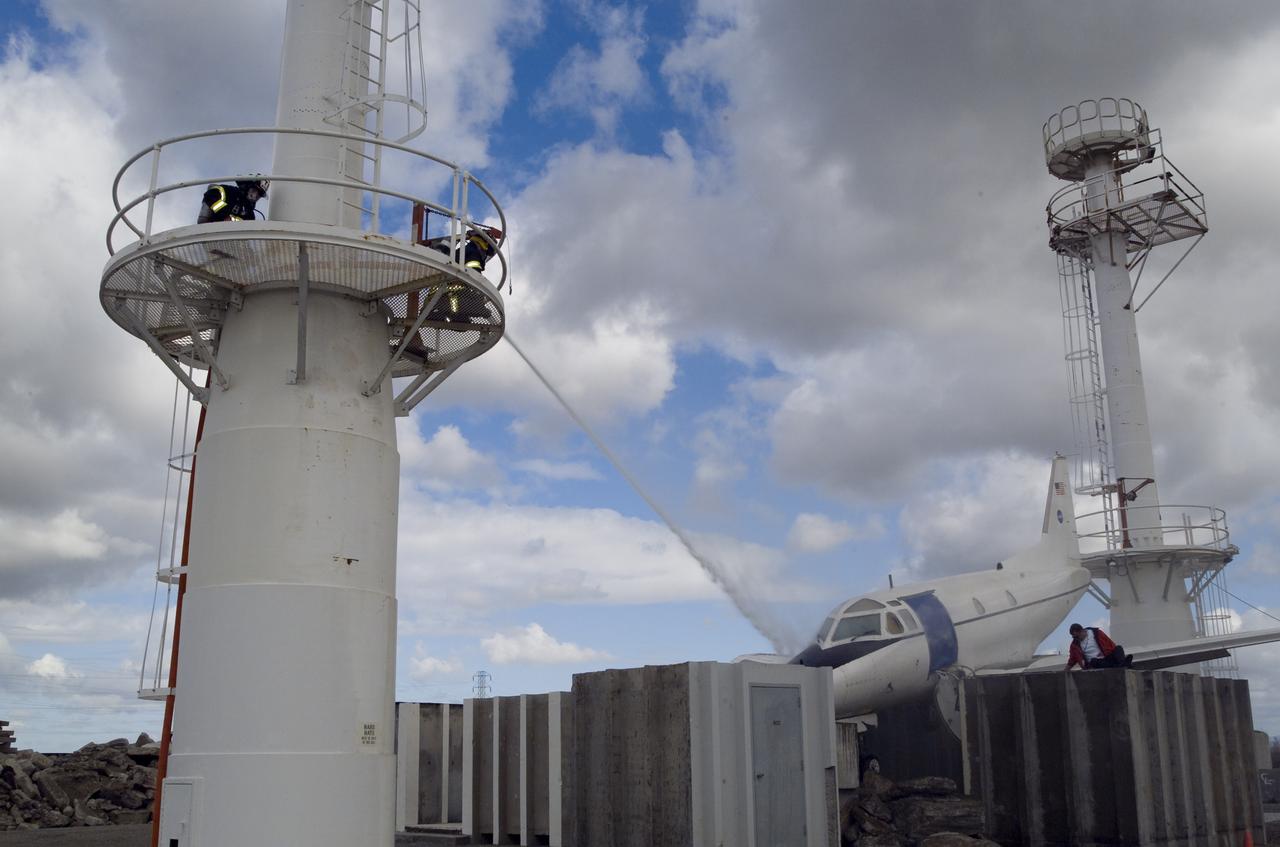
DART Exercise 2002 'Response to Terrorism'
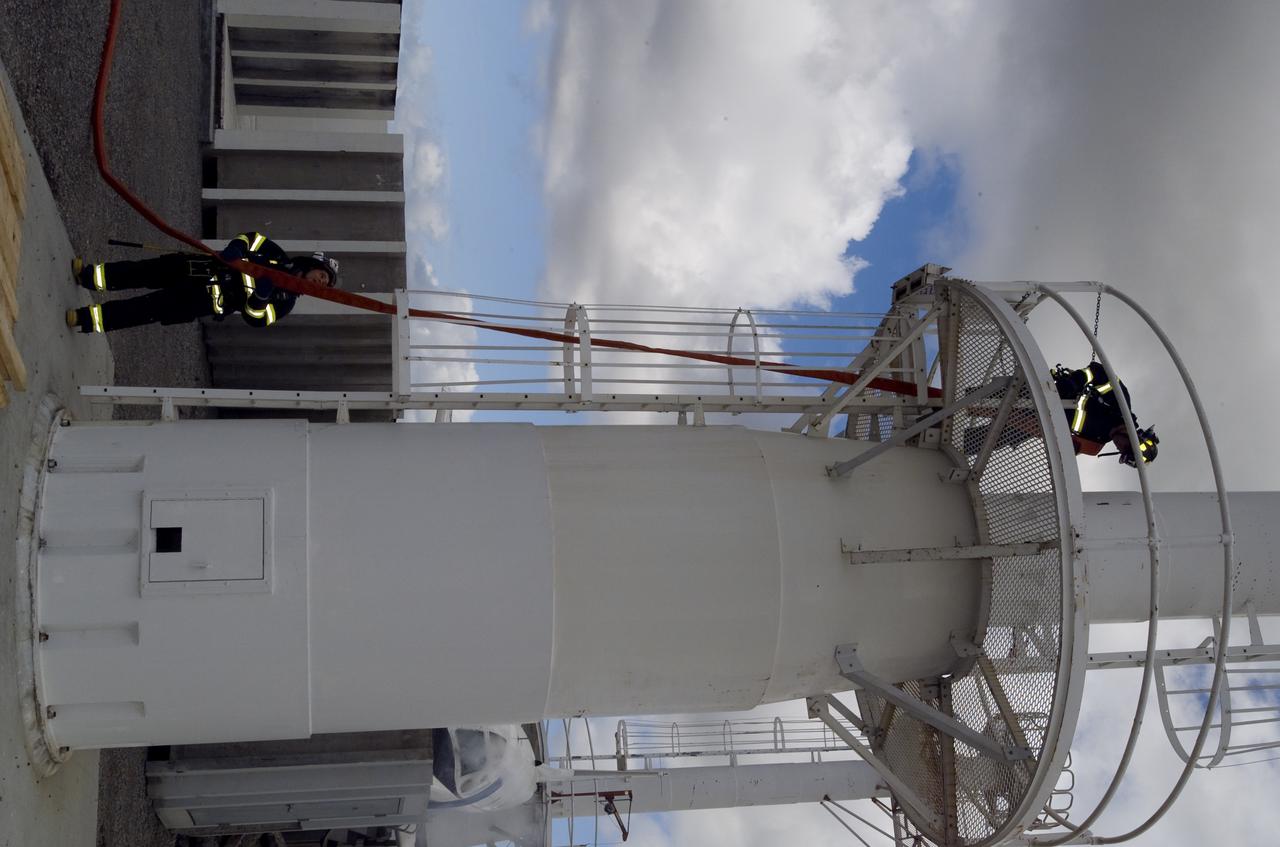
DART Exercise 2002 'Response to Terrorism'
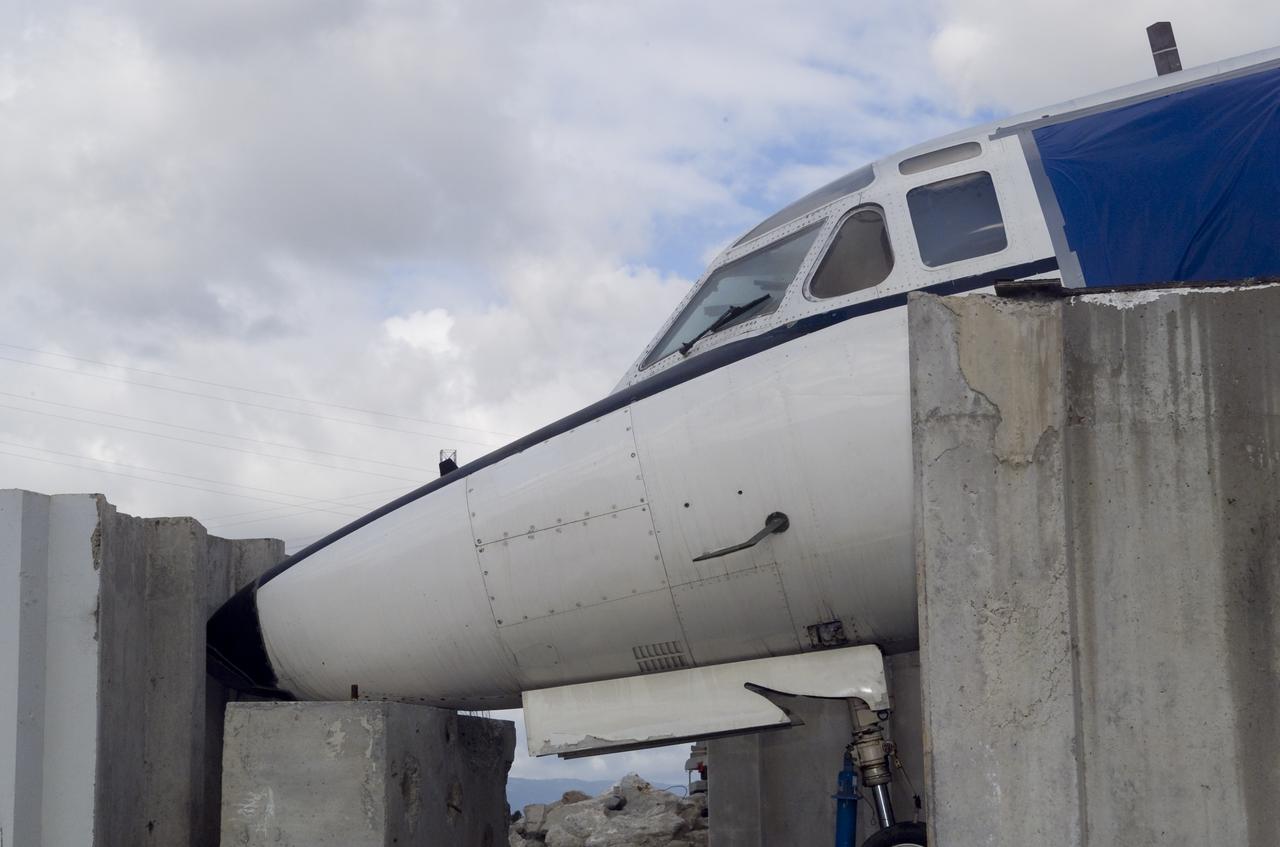
DART Exercise 2002 'Response to Terrorism'
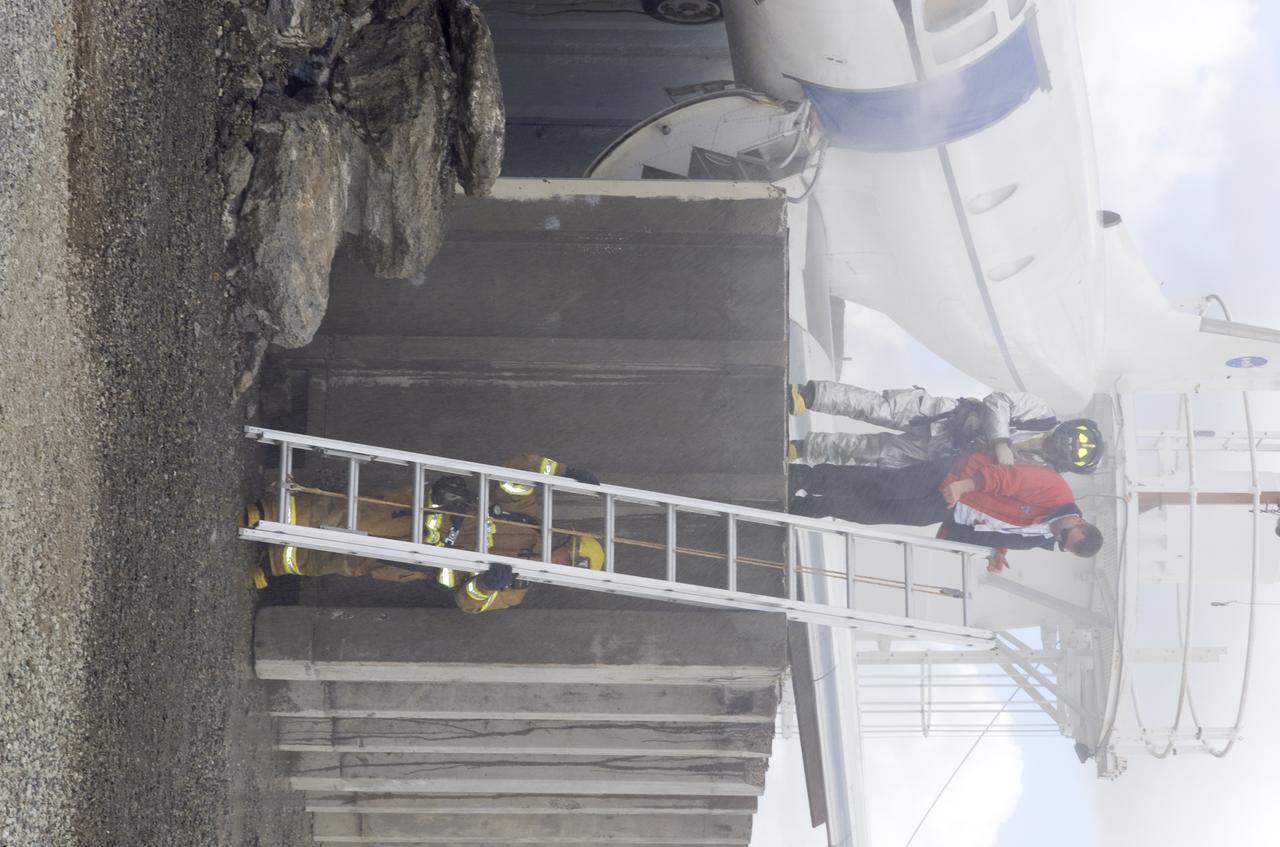
DART Exercise 2002 'Response to Terrorism'
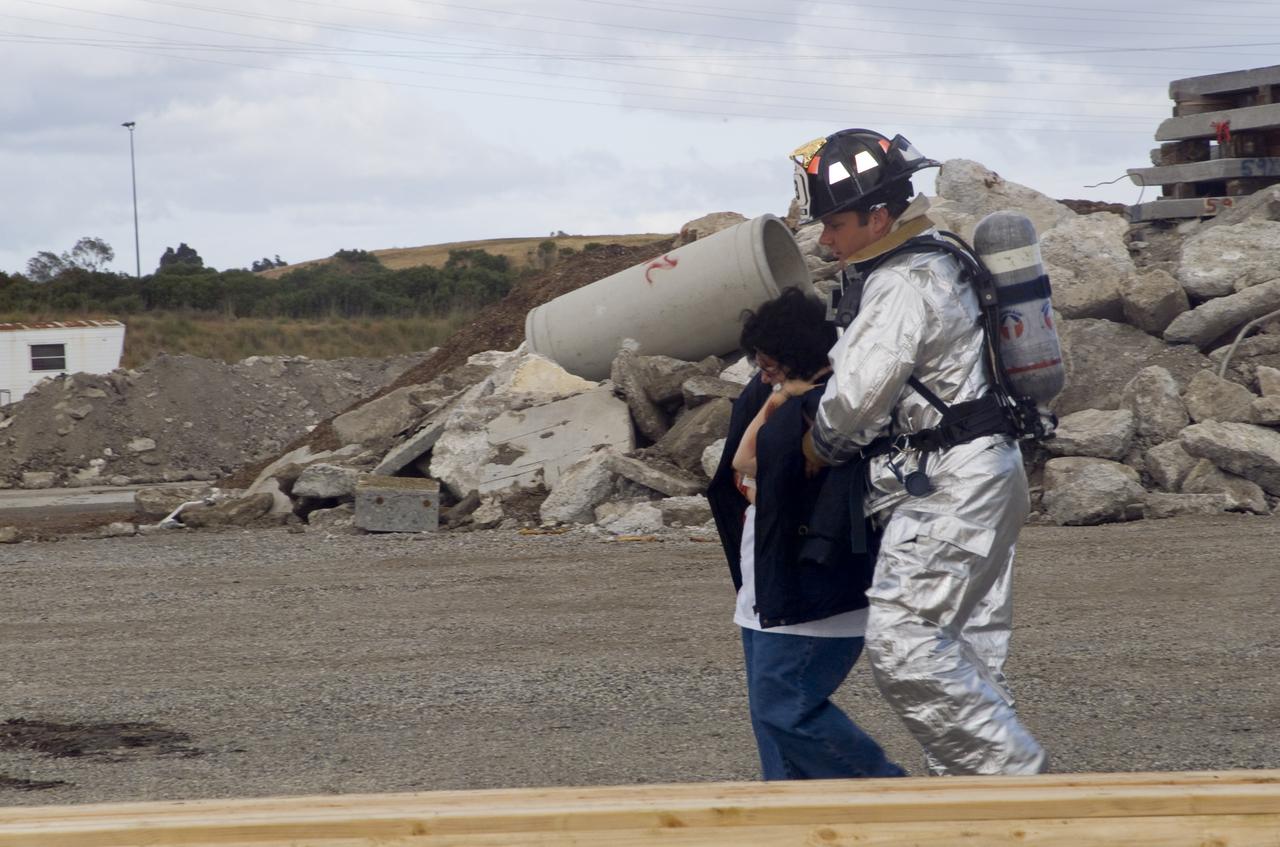
DART Exercise 2002 'Response to Terrorism'
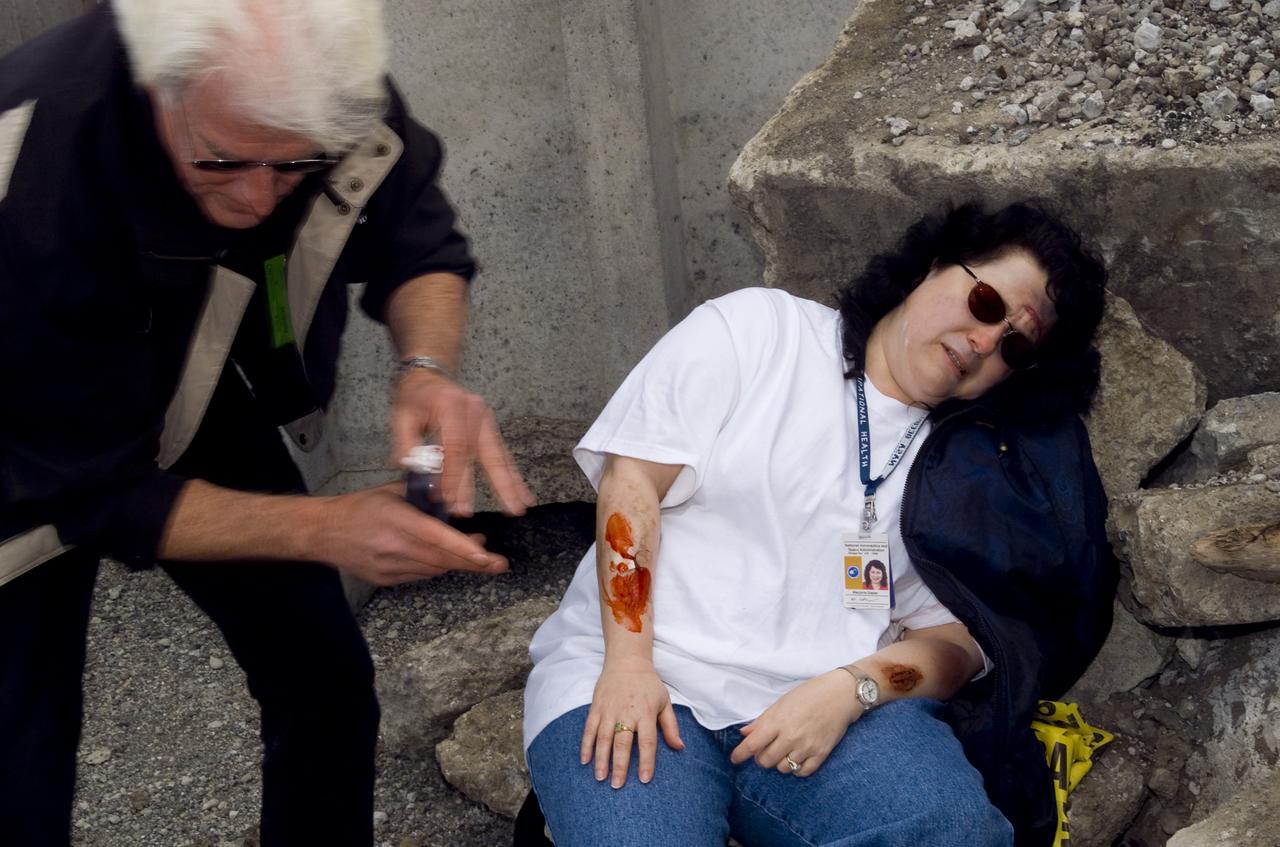
DART Exercise 2002 'Response to Terrorism'
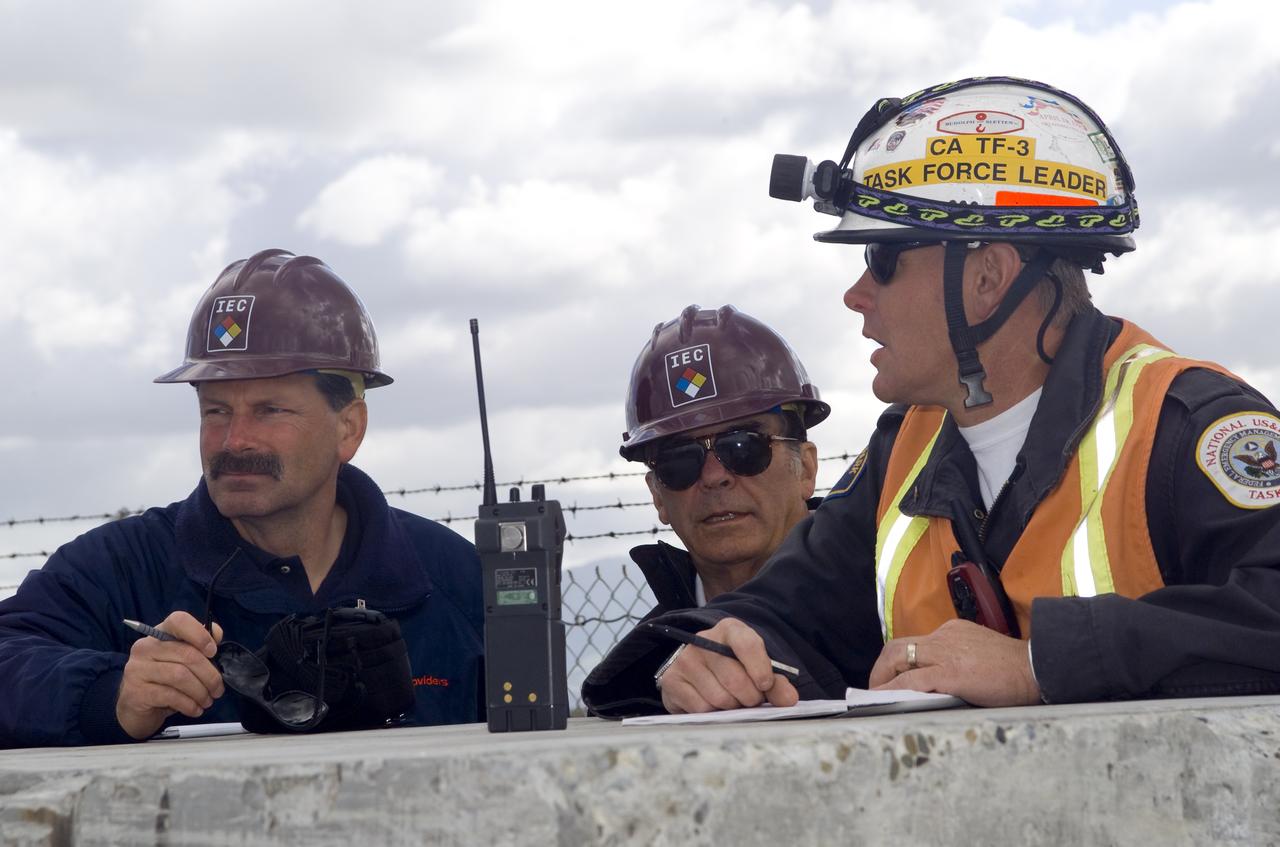
DART Exercise 2002 'Response to Terrorism'
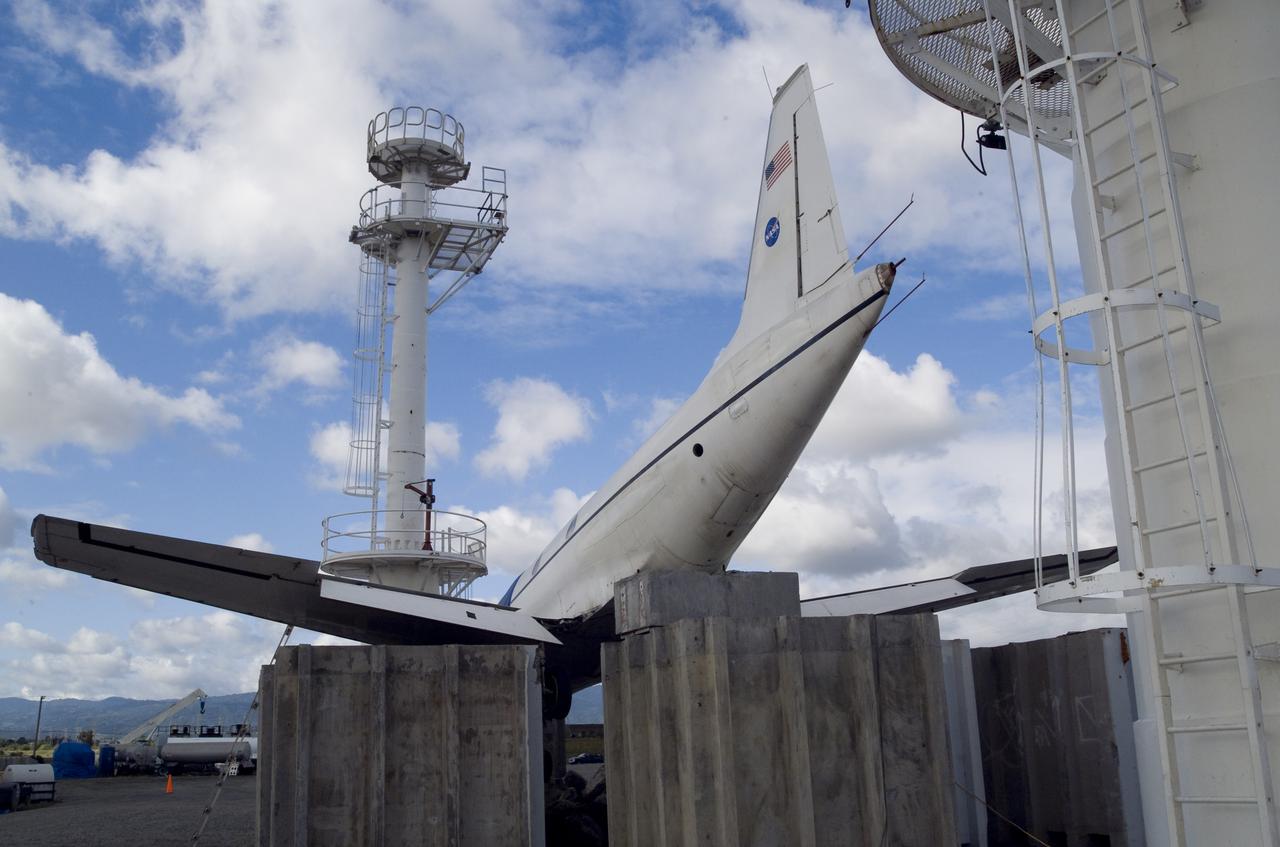
DART Exercise 2002 'Response to Terrorism'
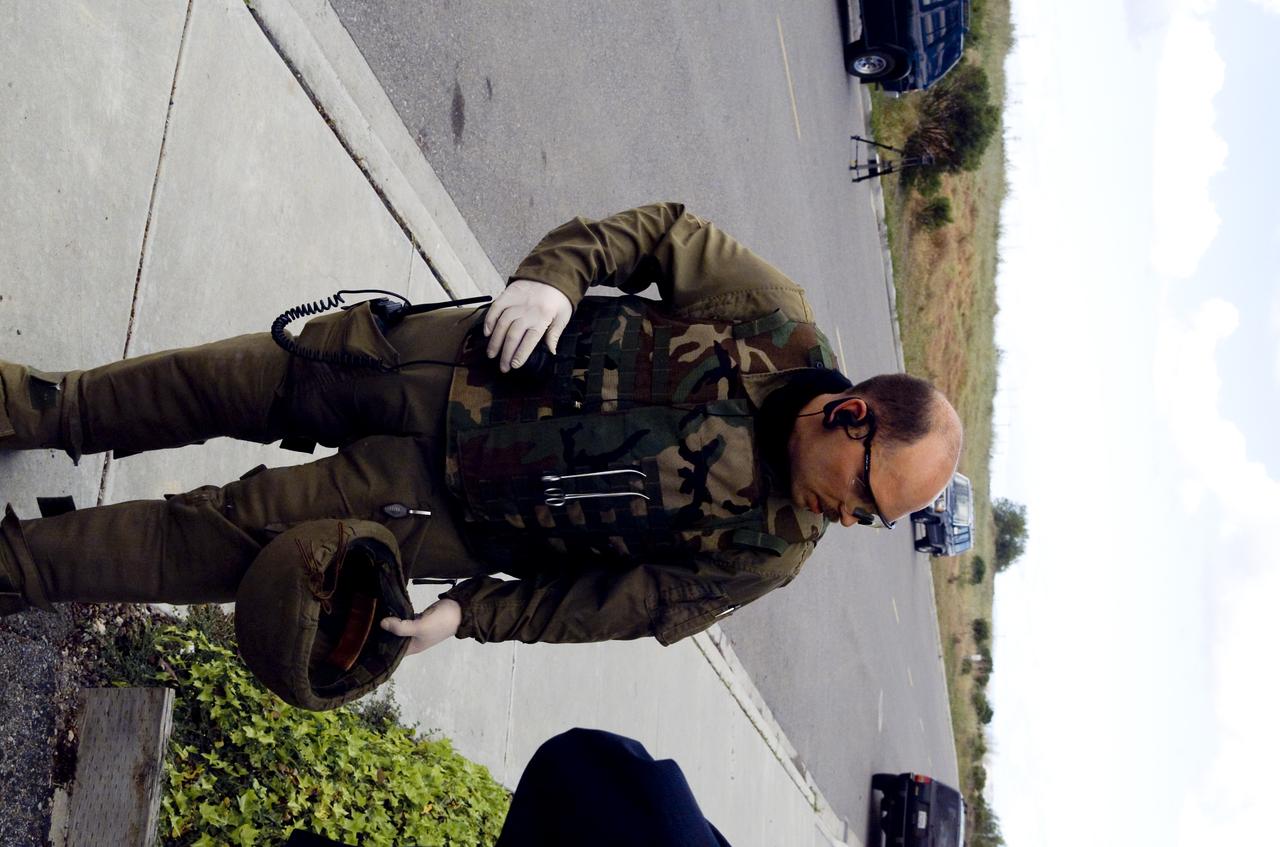
DART Exercise 2002 'Response to Terrorism'
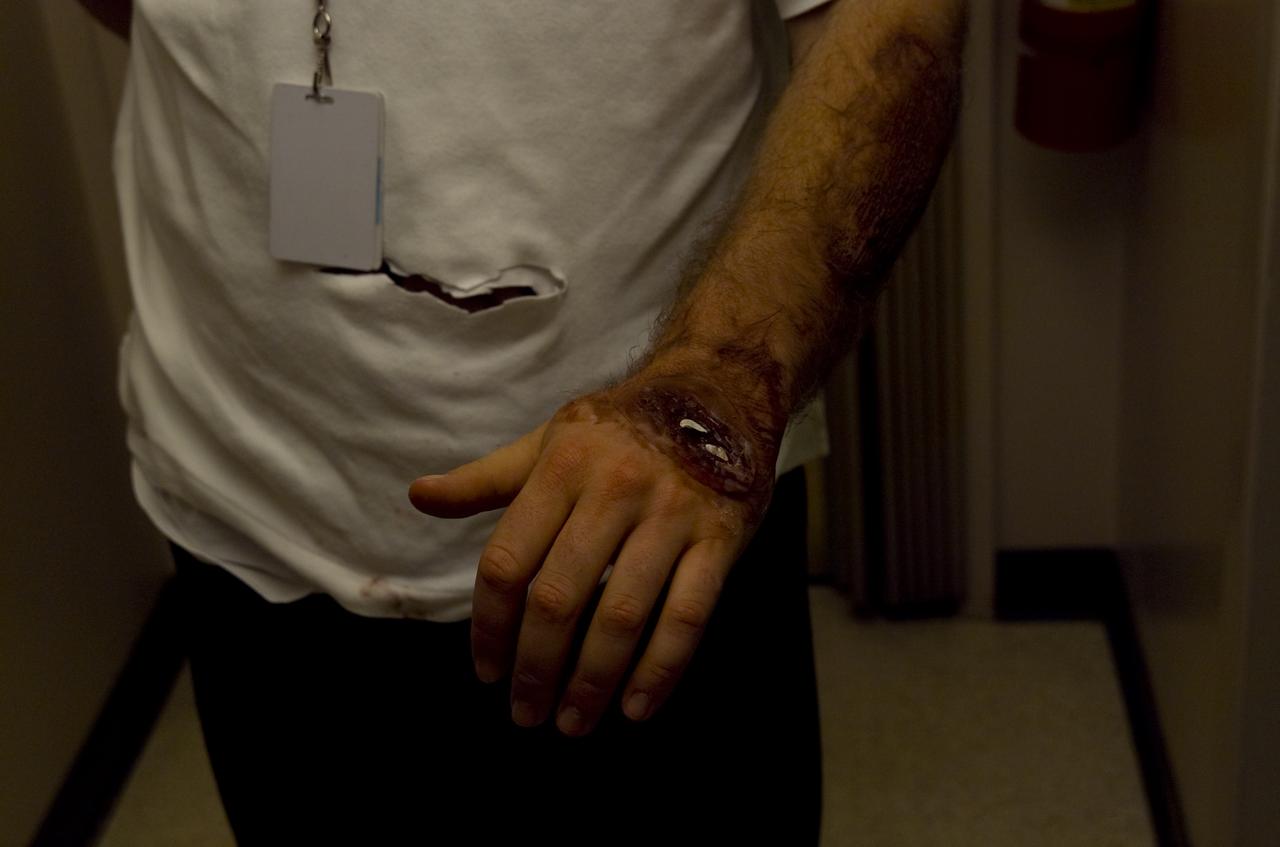
DART Exercise 2002 'Response to Terrorism'
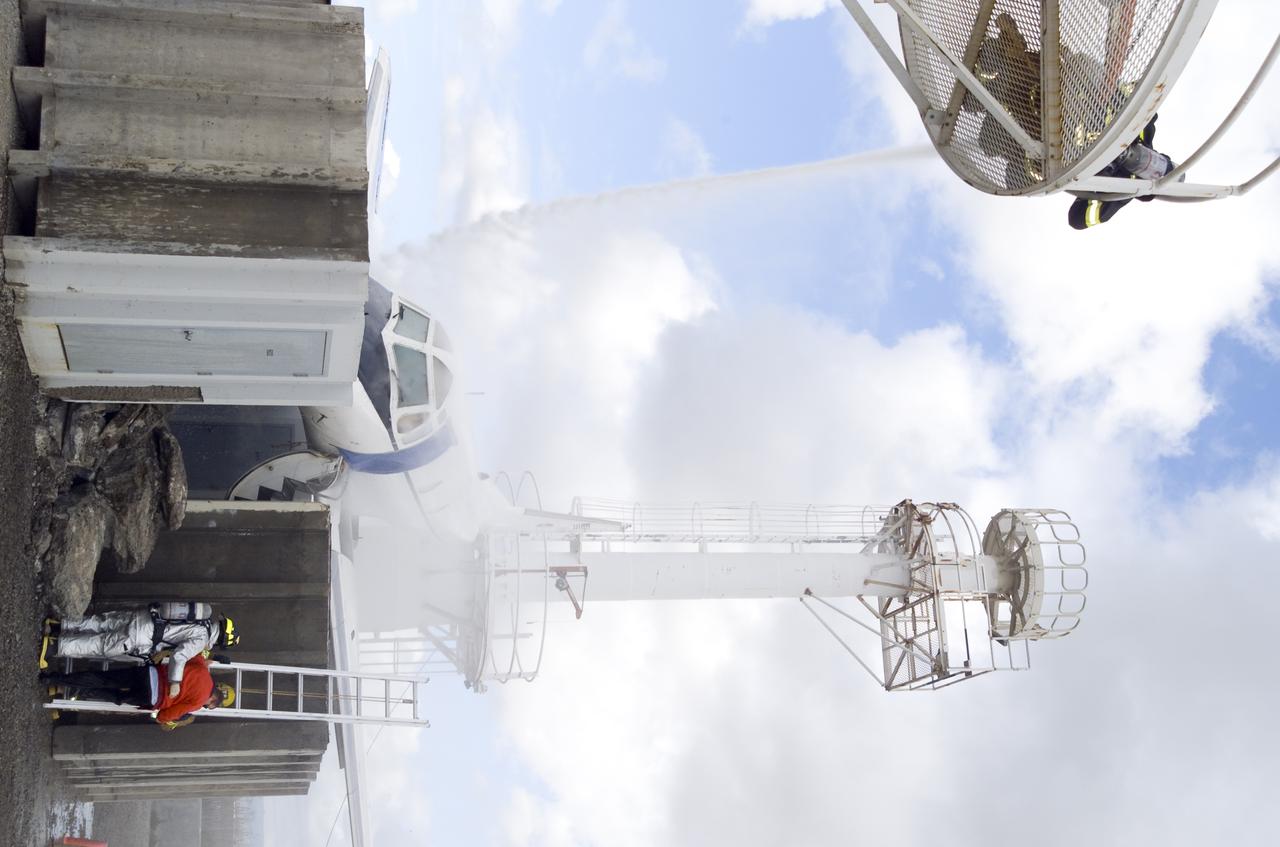
DART Exercise 2002 'Response to Terrorism'
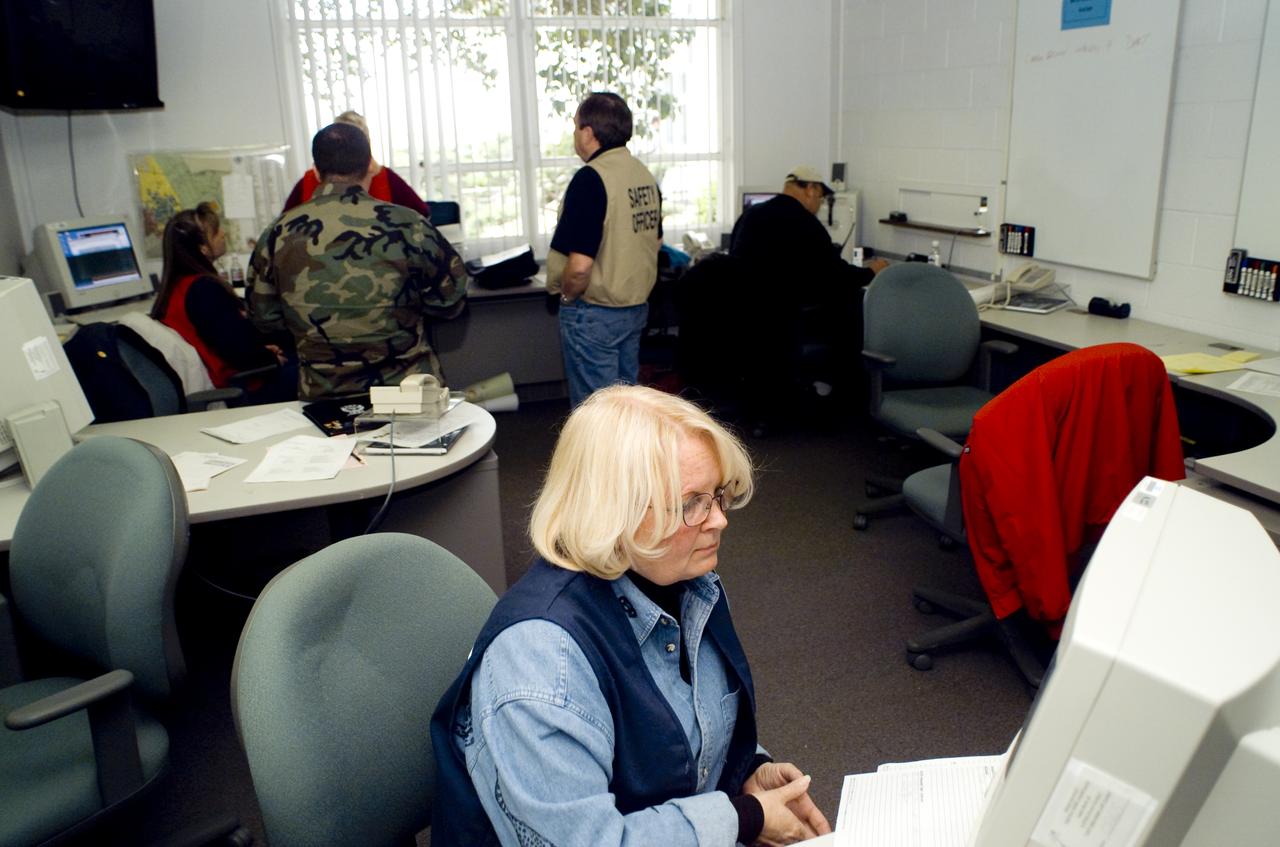
DART Exercise 2002 'Response to Terrorism'
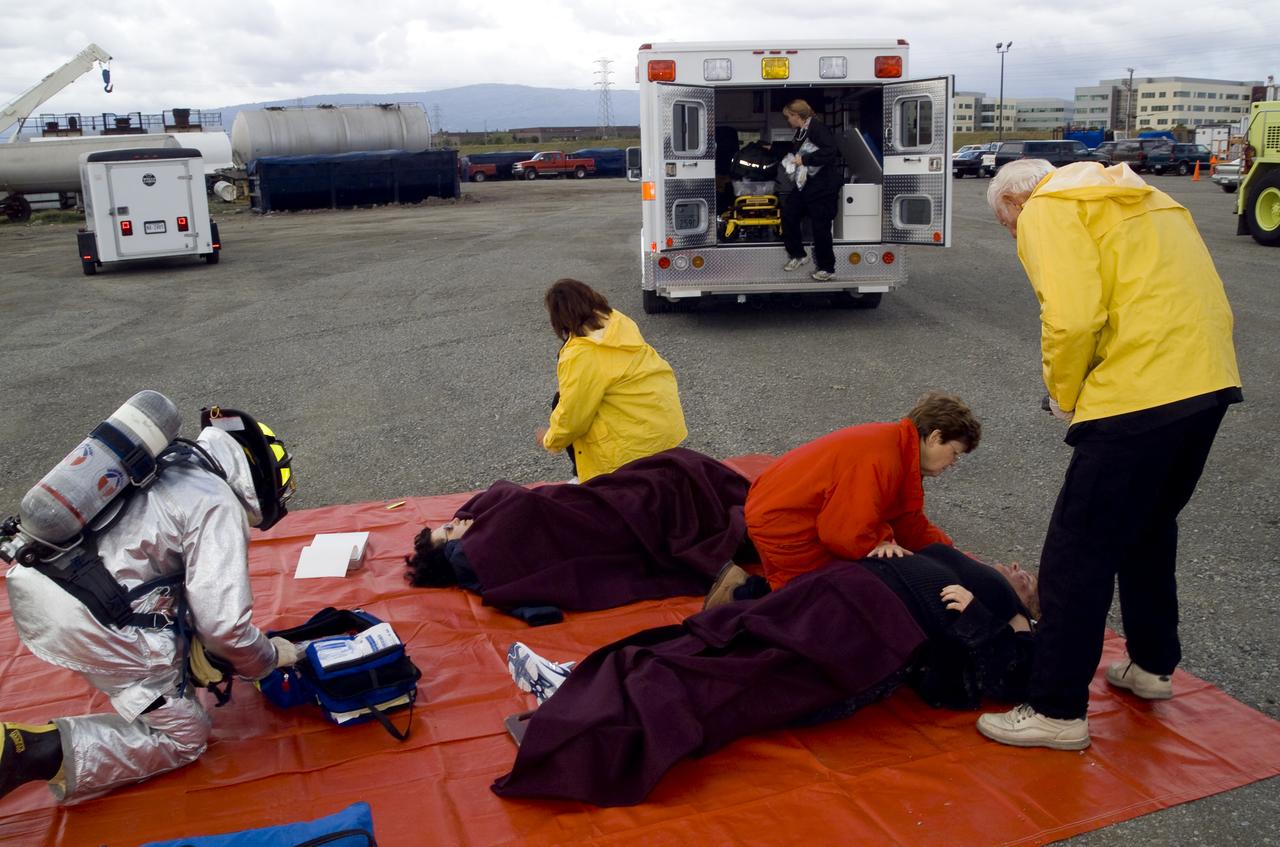
DART Exercise 2002 'Response to Terrorism'
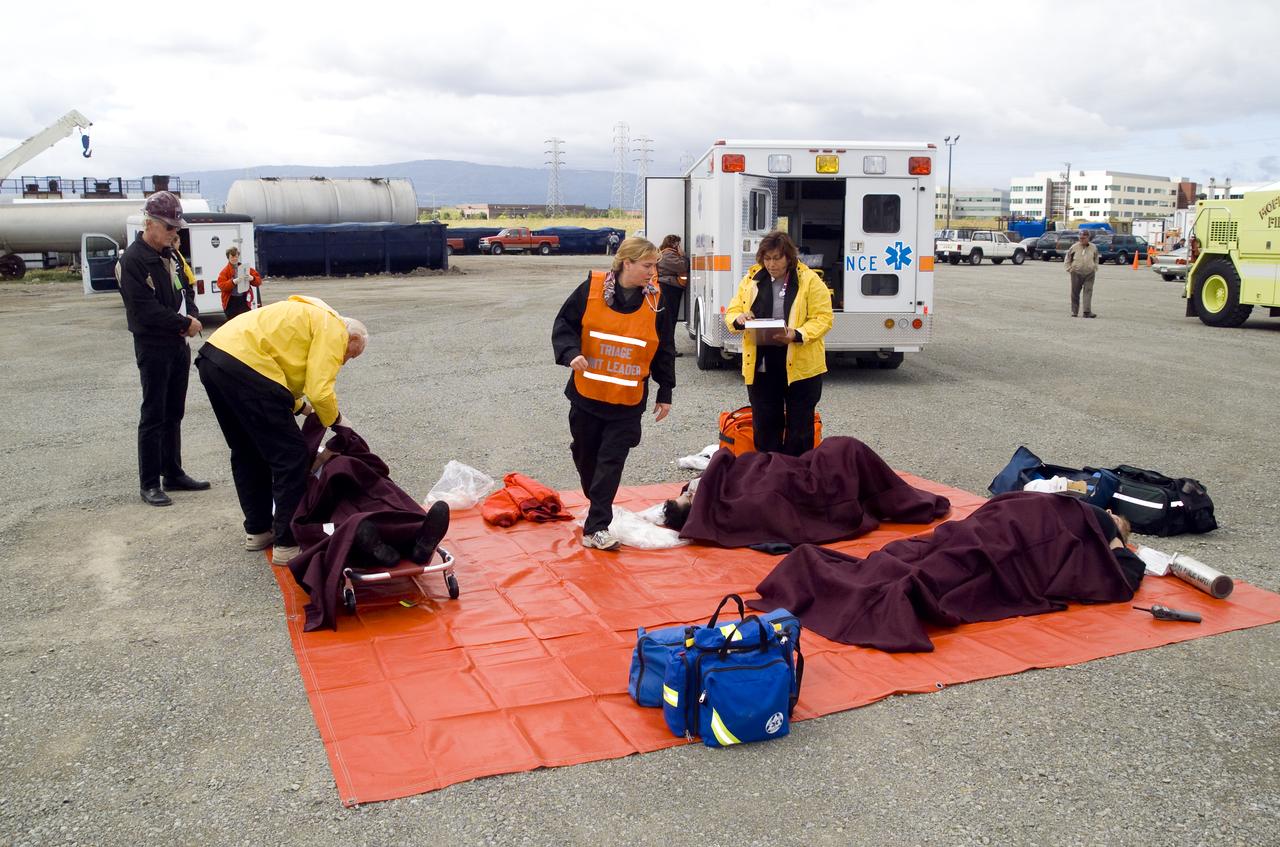
DART Exercise 2002 'Response to Terrorism'
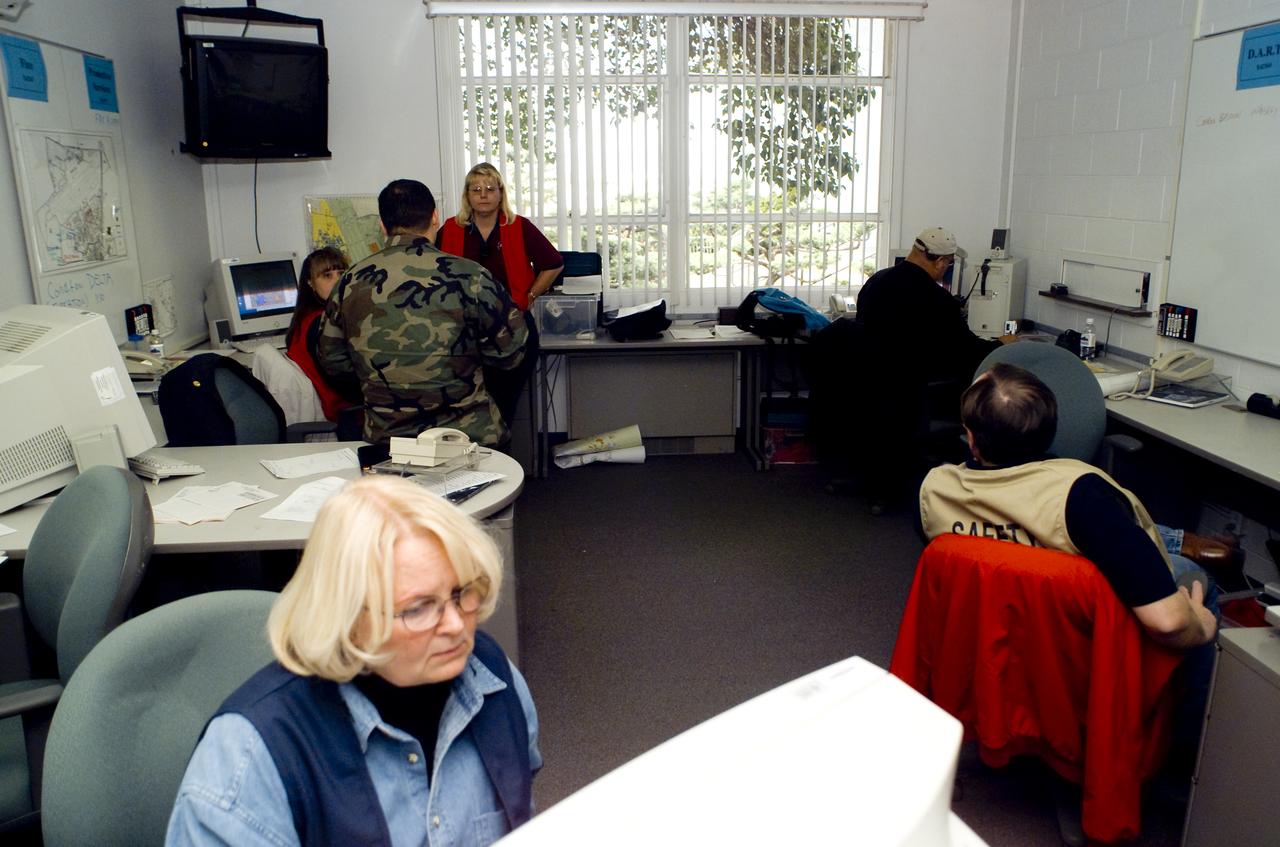
DART Exercise 2002 'Response to Terrorism'
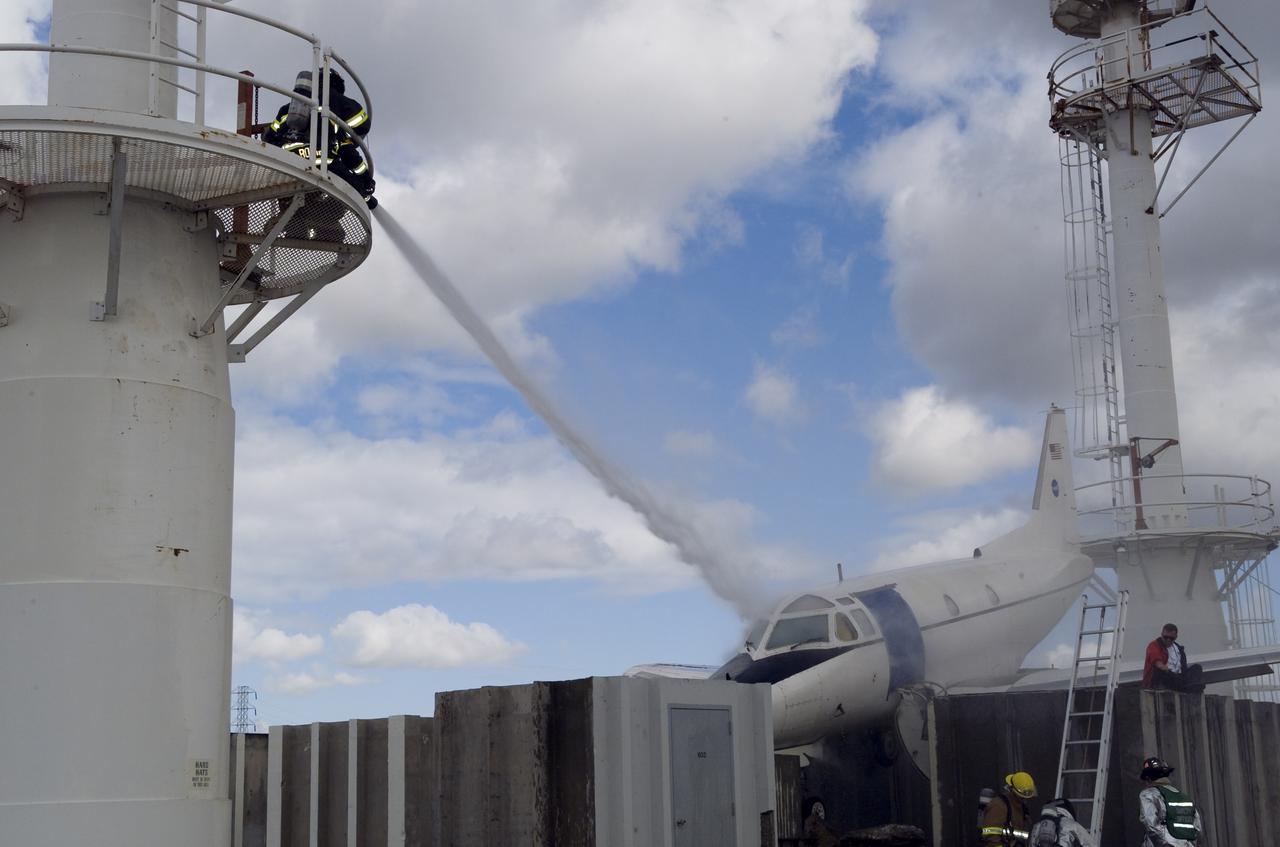
DART Exercise 2002 'Response to Terrorism'
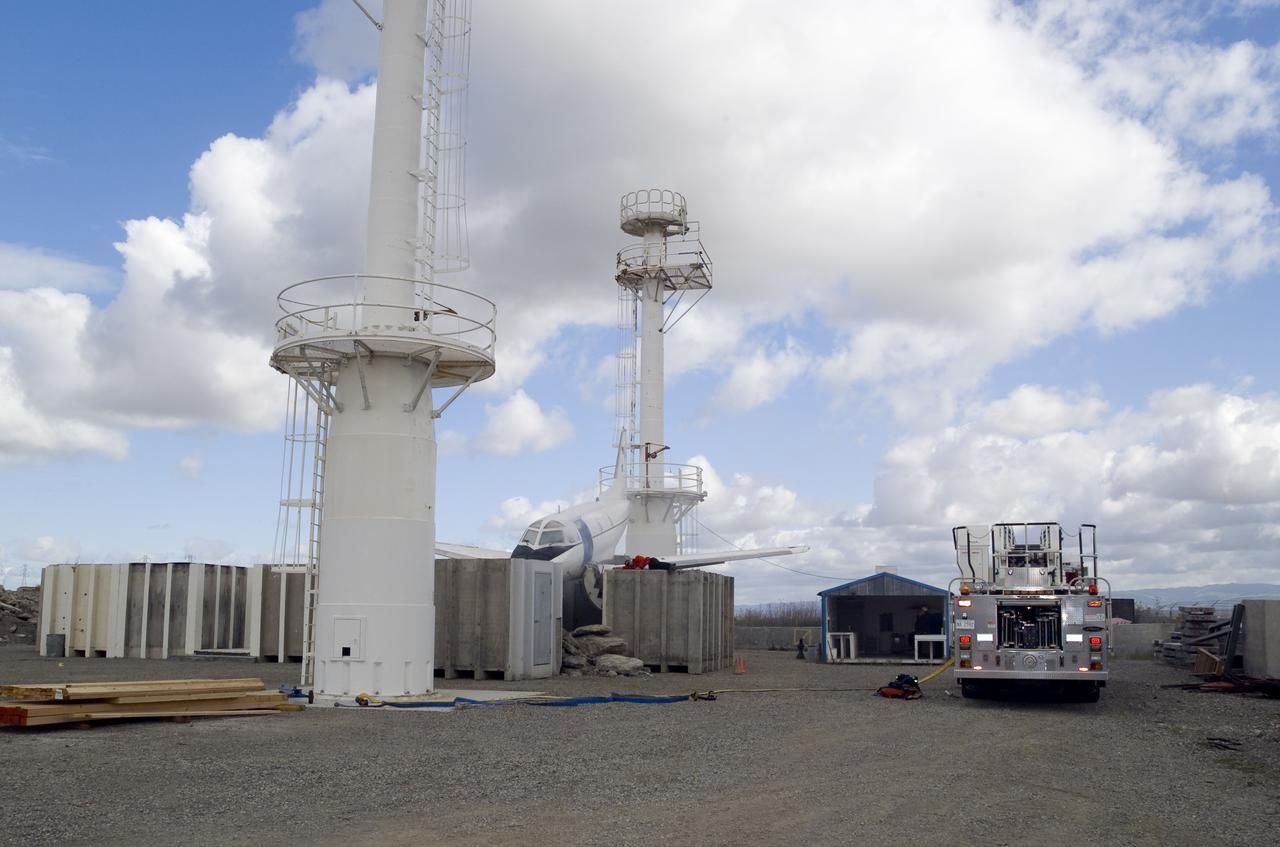
DART Exercise 2002 'Response to Terrorism'
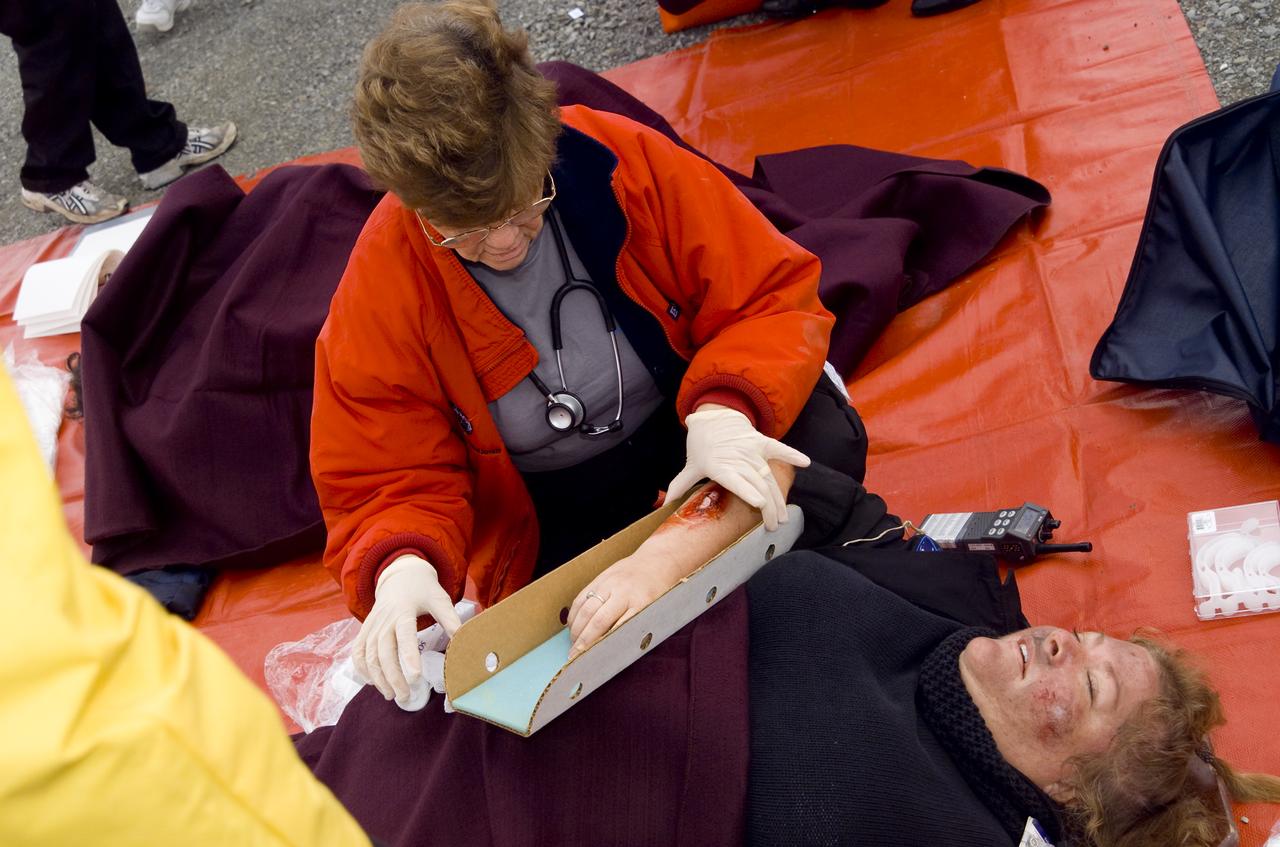
DART Exercise 2002 'Response to Terrorism'
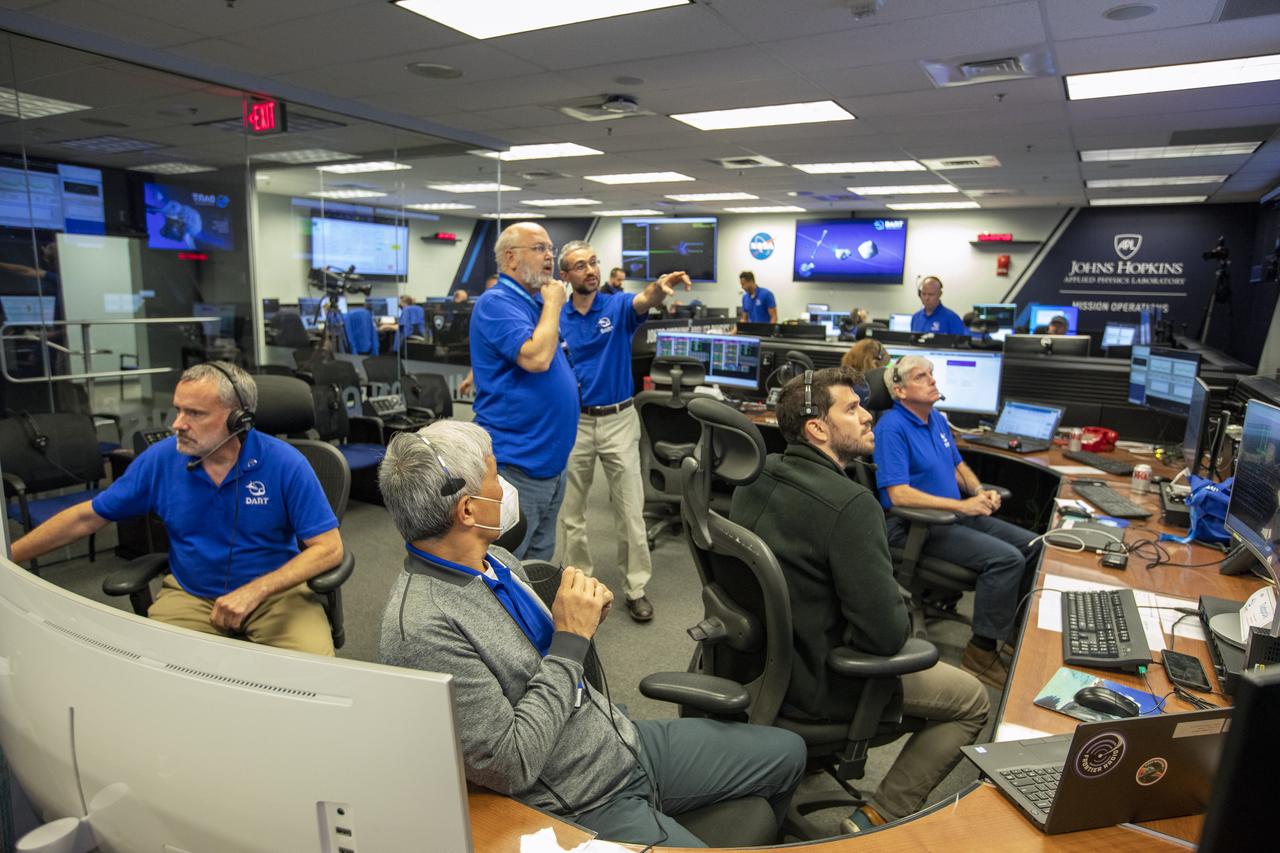
NASA’s Double Asteroid Redirection Test (DART) command team at Johns Hopkins University, Applied Physics Laboratory monitoring the DART spacecraft’s impact into the asteroid Dimorphos. The operation is the first of its kind test to redirect deadly asteroids from hitting Earth.
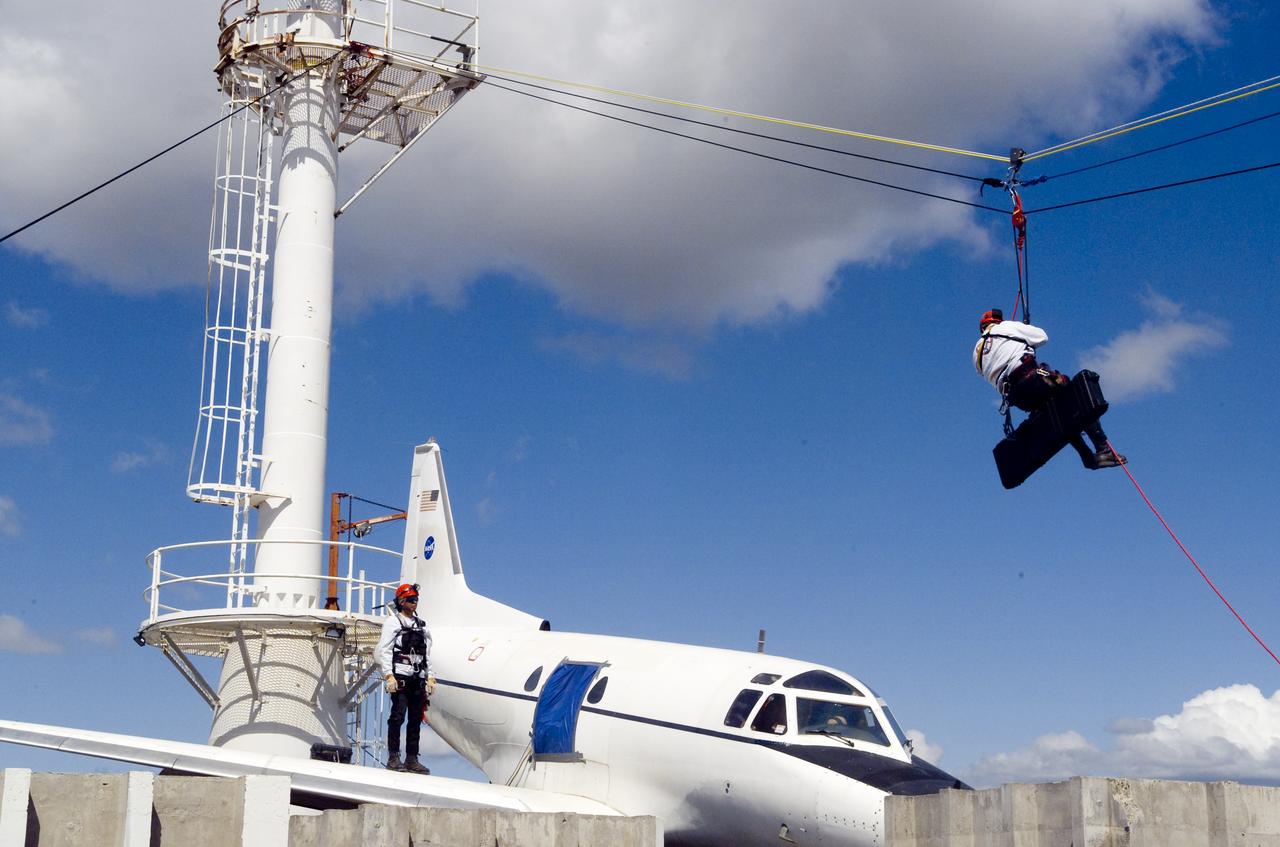
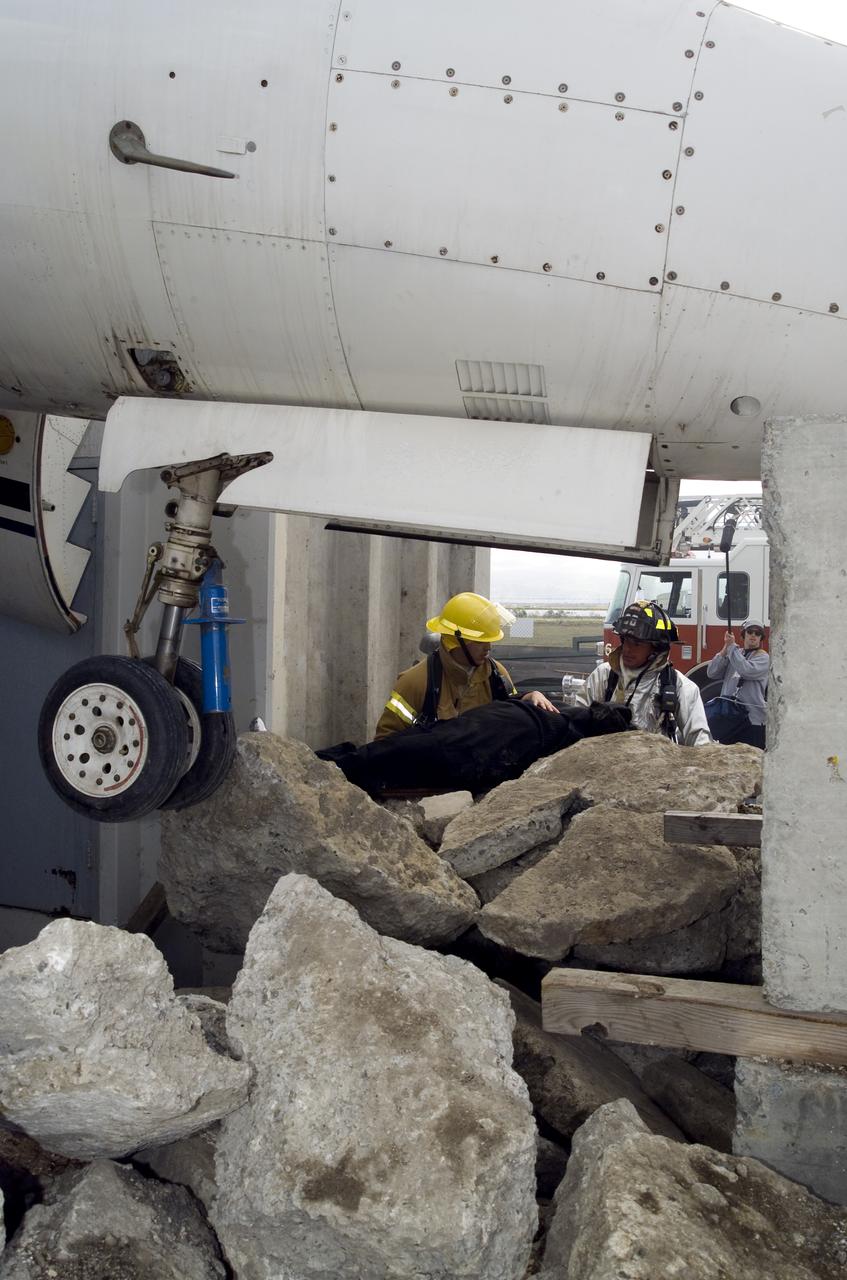
DART Exercise 2002 'Response to Terrorism' aircraft rescue
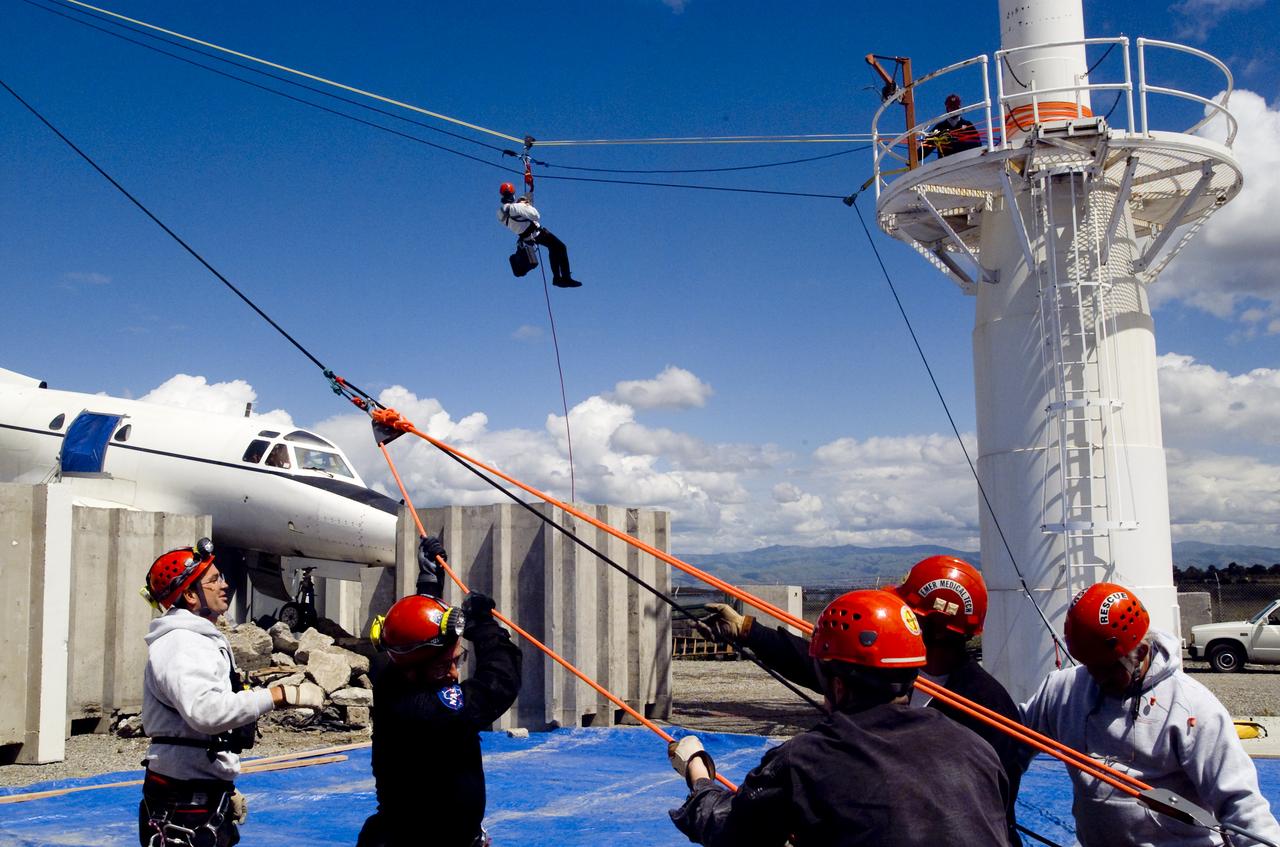
DART Exercise 2002 'Response to Terrorism' aircraft rescue

DART Exercise 2002 'Response to Terrorism' aircraft rescue
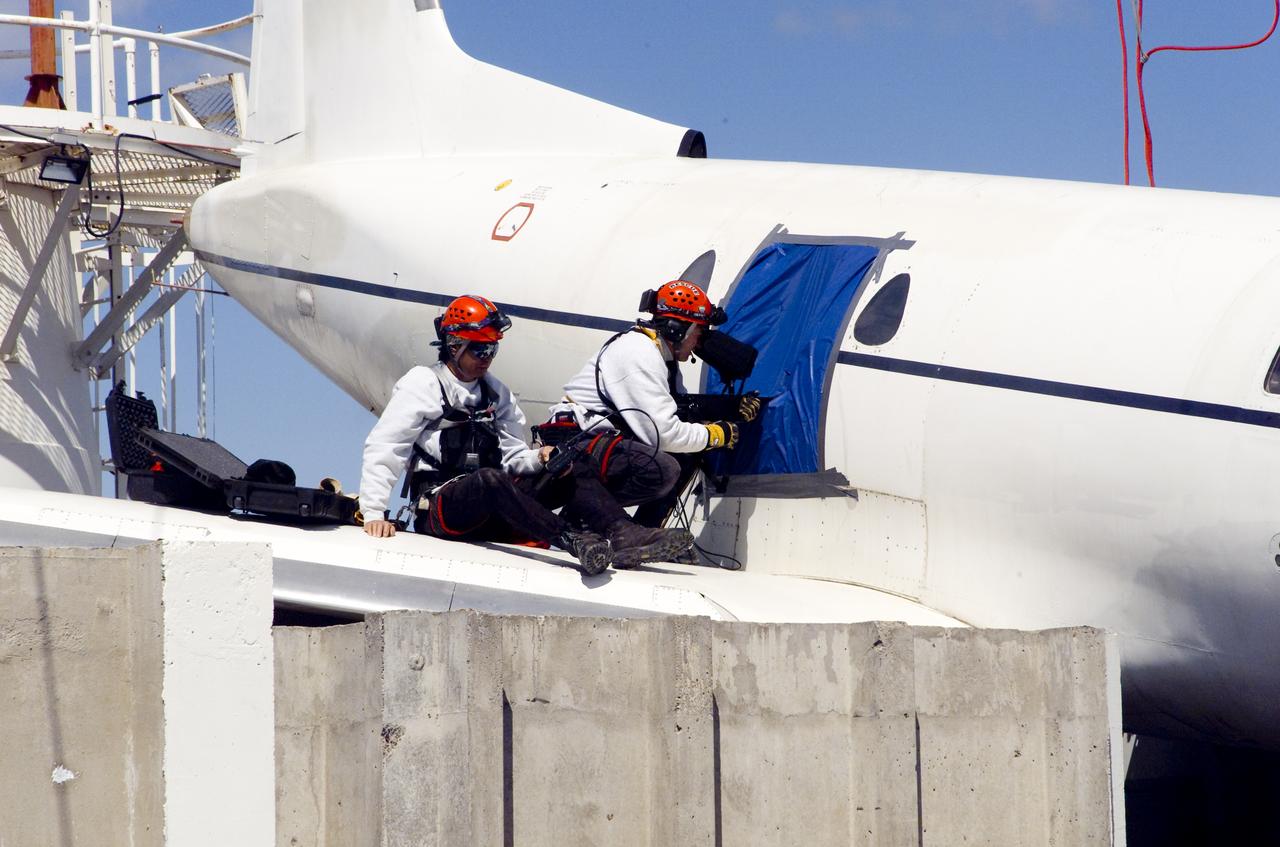
DART Exercise 2002 'Response to Terrorism' aircraft rescue
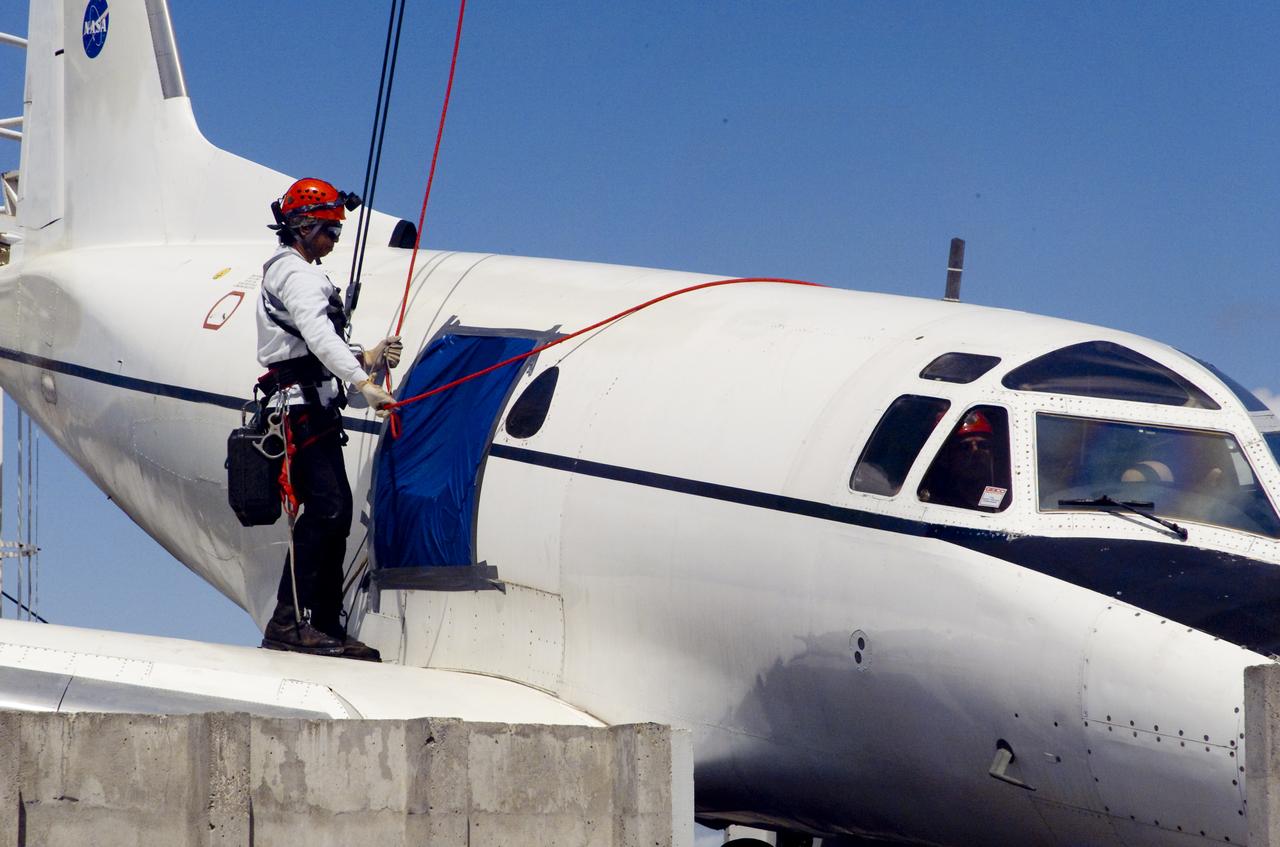
DART Exercise 2002 'Response to Terrorism' aircraft rescue
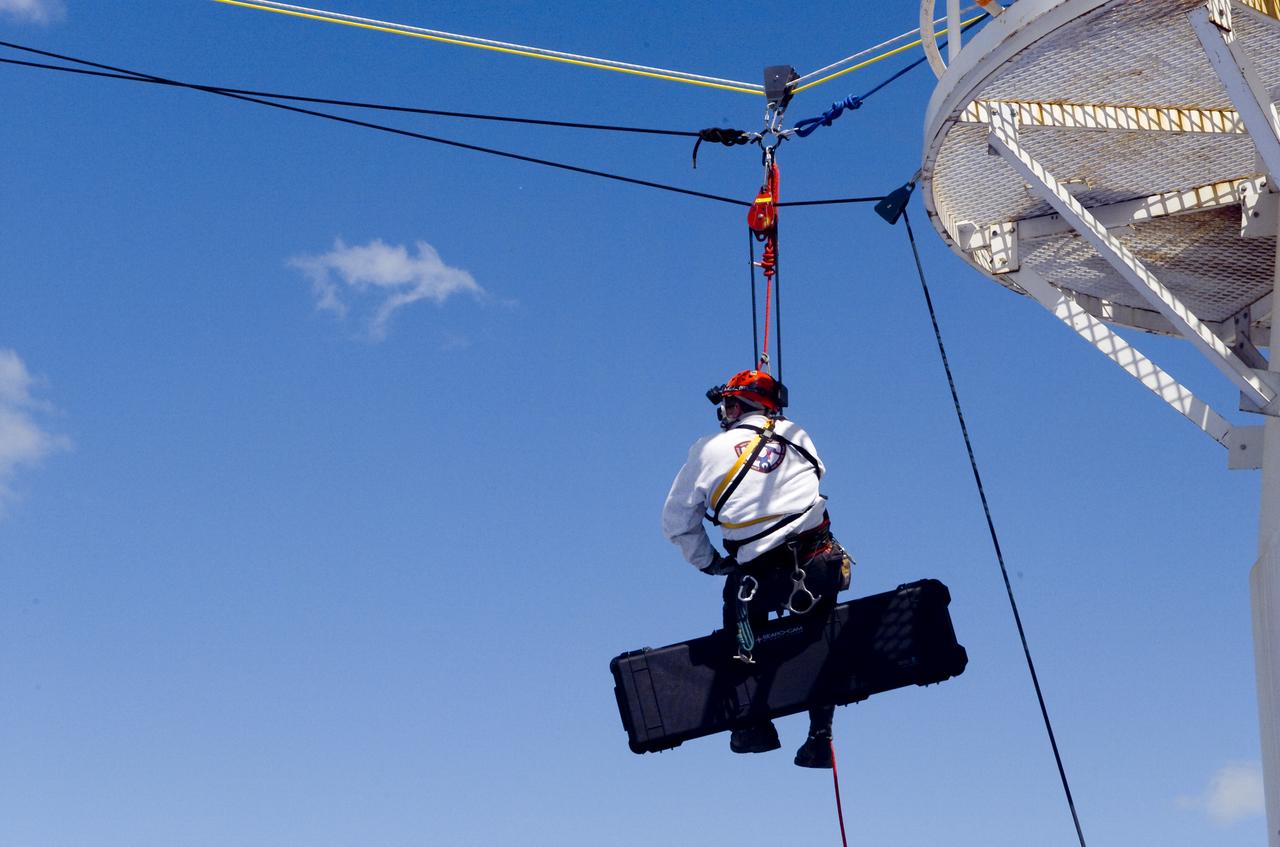
DART Exercise 2002 'Response to Terrorism' aircraft rescue
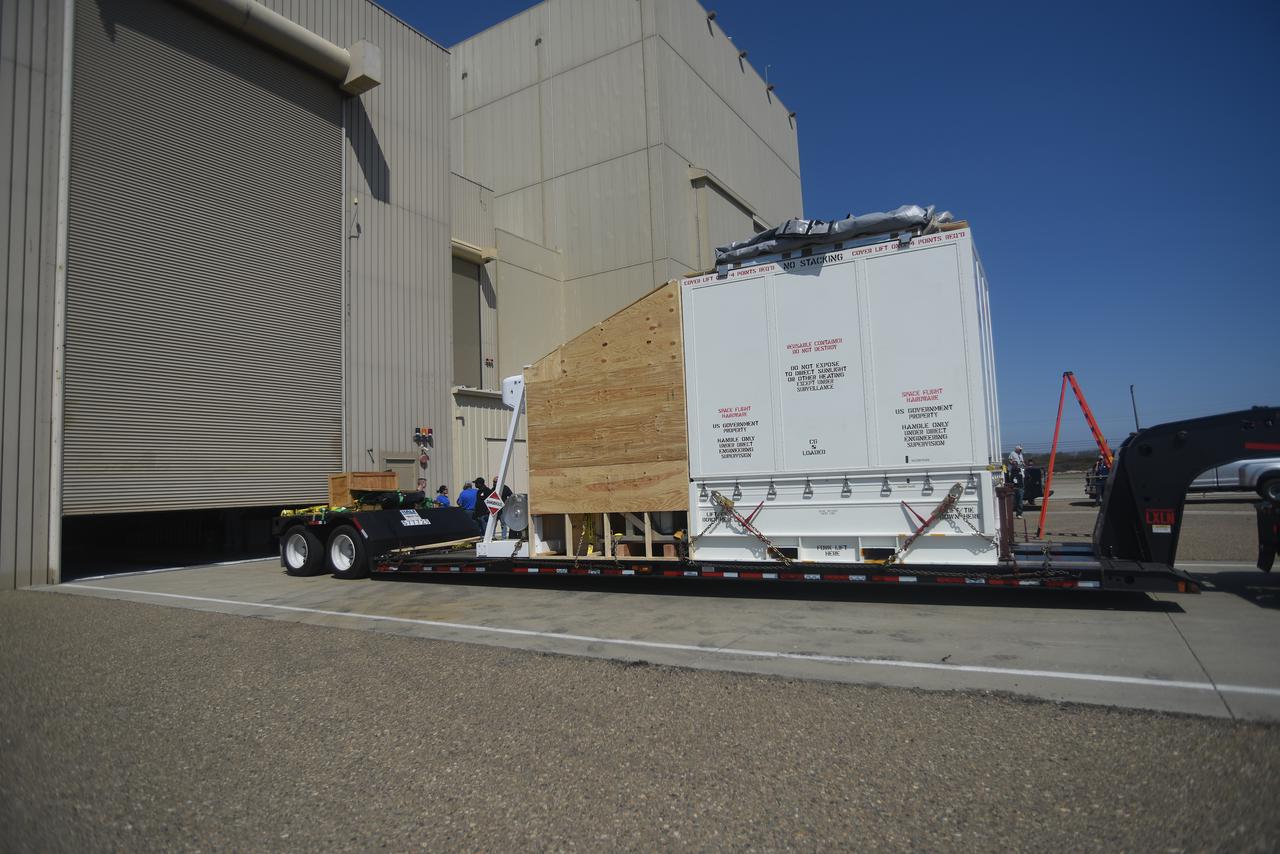
NASA’s Double Asteroid Redirection Test (DART) spacecraft, packed in its shipping container, arrives by truck at the entrance to the Astrotech Space Operations Facility at Vandenberg Space Force Base in California on Oct. 2, 2021. Inside the facility, workers will unpack the spacecraft and complete a series of final tests and checkouts to confirm it is ready for launch. DART is the first mission to test technologies for preventing an impact of Earth by a hazardous asteroid. The mission is targeted to launch on Nov. 23, 2021, aboard a SpaceX Falcon 9 rocket from Vandenberg. NASA’s Launch Services Program, based at Kennedy Space Center, America’s multi-user spaceport, is managing the launch.
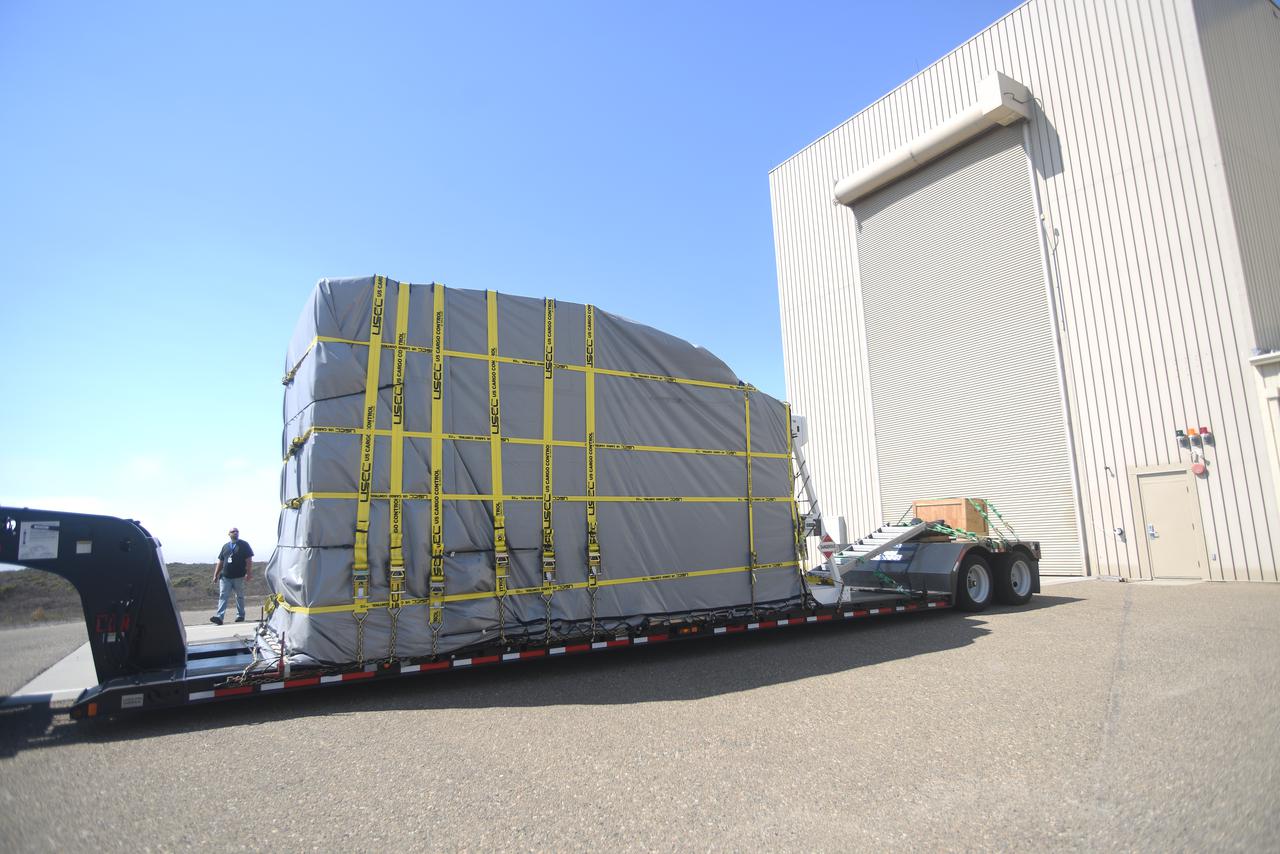
NASA’s Double Asteroid Redirection Test (DART) spacecraft, packed in its shipping container, arrives by truck at the entrance to the Astrotech Space Operations Facility at Vandenberg Space Force Base in California on Oct. 2, 2021. Inside the facility, workers will unpack the spacecraft and complete a series of final tests and checkouts to confirm it is ready for launch. DART is the first mission to test technologies for preventing an impact of Earth by a hazardous asteroid. The mission is targeted to launch on Nov. 23, 2021, aboard a SpaceX Falcon 9 rocket from Vandenberg. NASA’s Launch Services Program, based at Kennedy Space Center, America’s multi-user spaceport, is managing the launch.
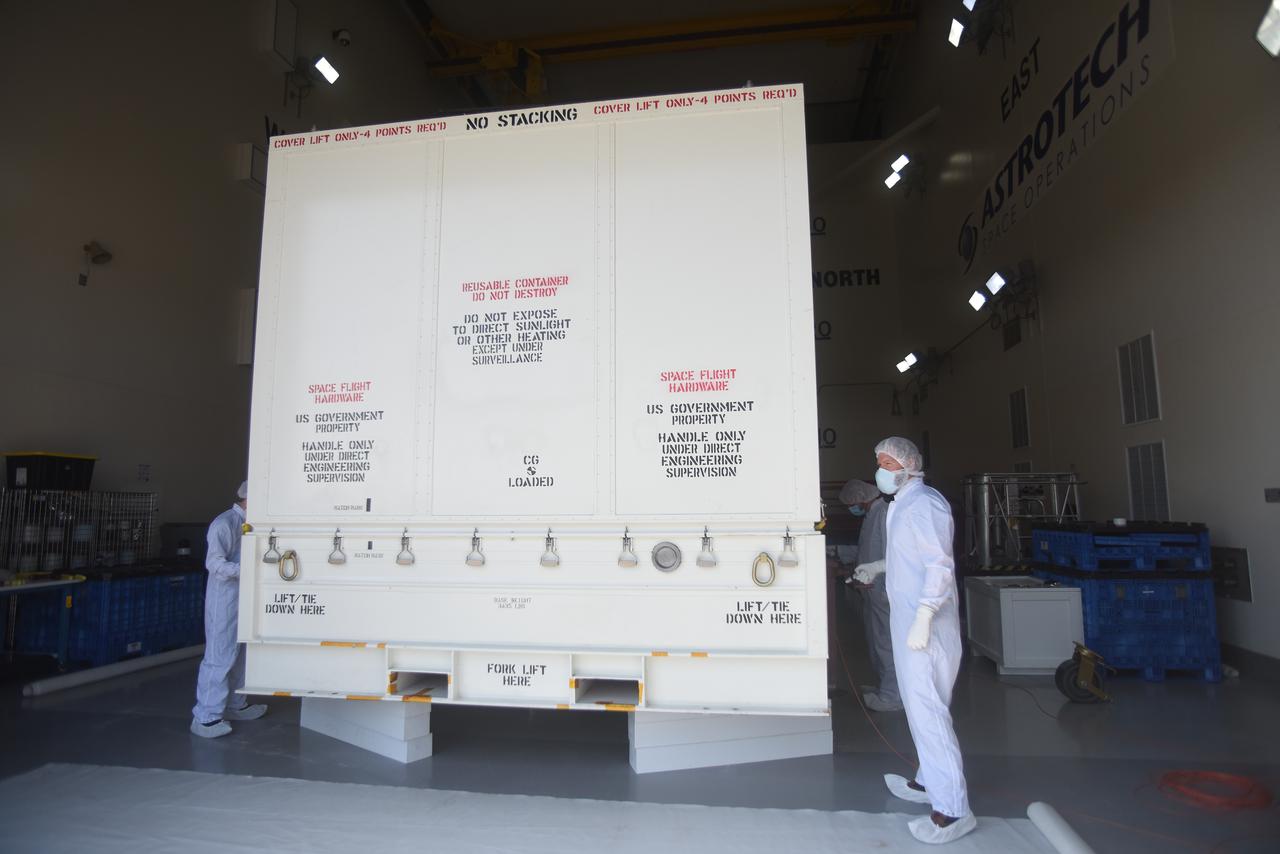
NASA’s Double Asteroid Redirection Test (DART) spacecraft, packed in its shipping container, is inside the Astrotech Space Operations Facility at Vandenberg Space Force Base in California on Oct. 2, 2021. Inside the facility, workers will unpack the spacecraft and complete a series of final tests and checkouts to confirm it is ready for launch. DART is the first mission to test technologies for preventing an impact of Earth by a hazardous asteroid. The mission is targeted to launch on Nov. 23, 2021, aboard a SpaceX Falcon 9 rocket from Vandenberg. NASA’s Launch Services Program, based at Kennedy Space Center, America’s multi-user spaceport, is managing the launch.