
DAST cockpit
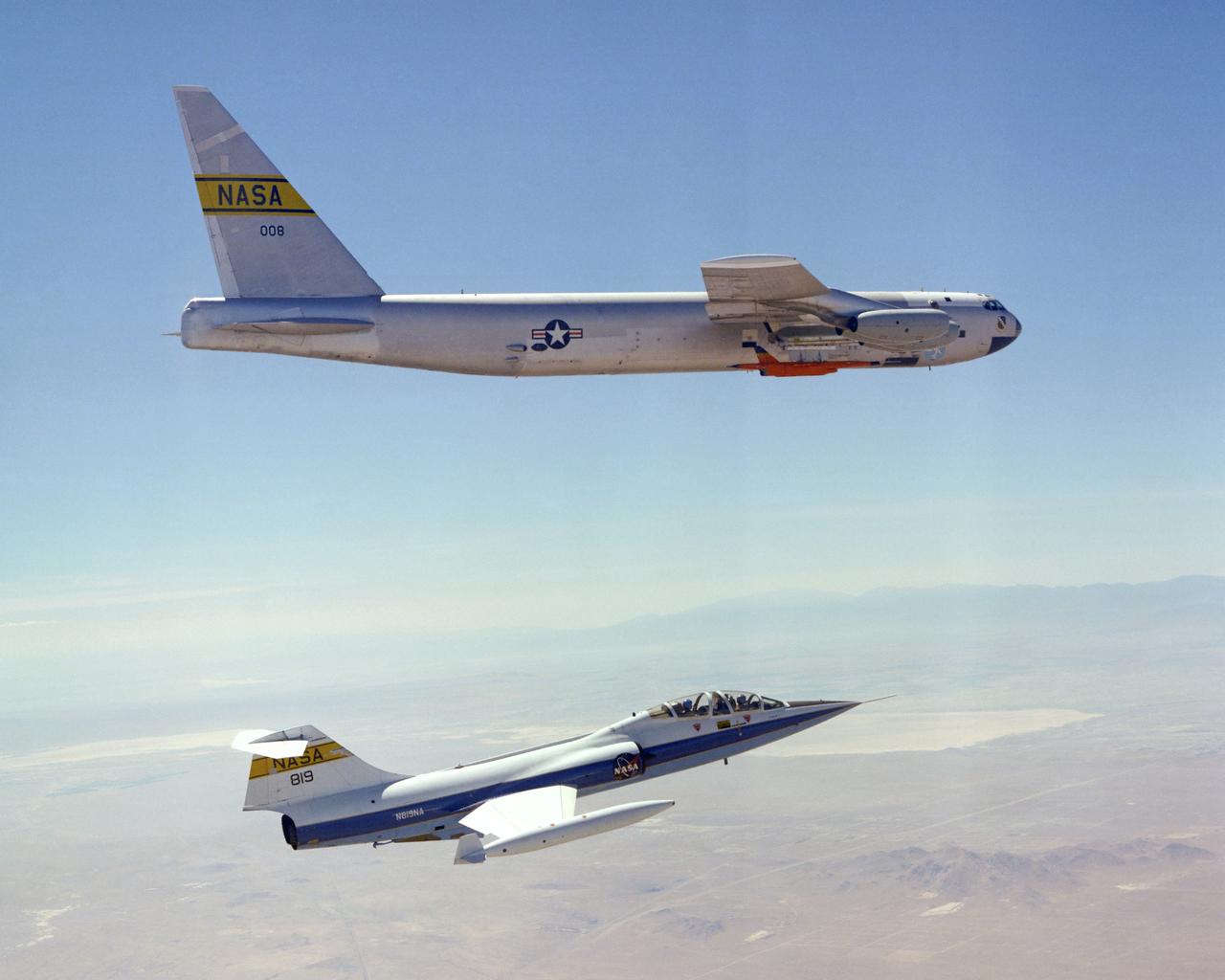
F-104B #819 flies chase on the NB-52B #008 during the first DAST captive flight.
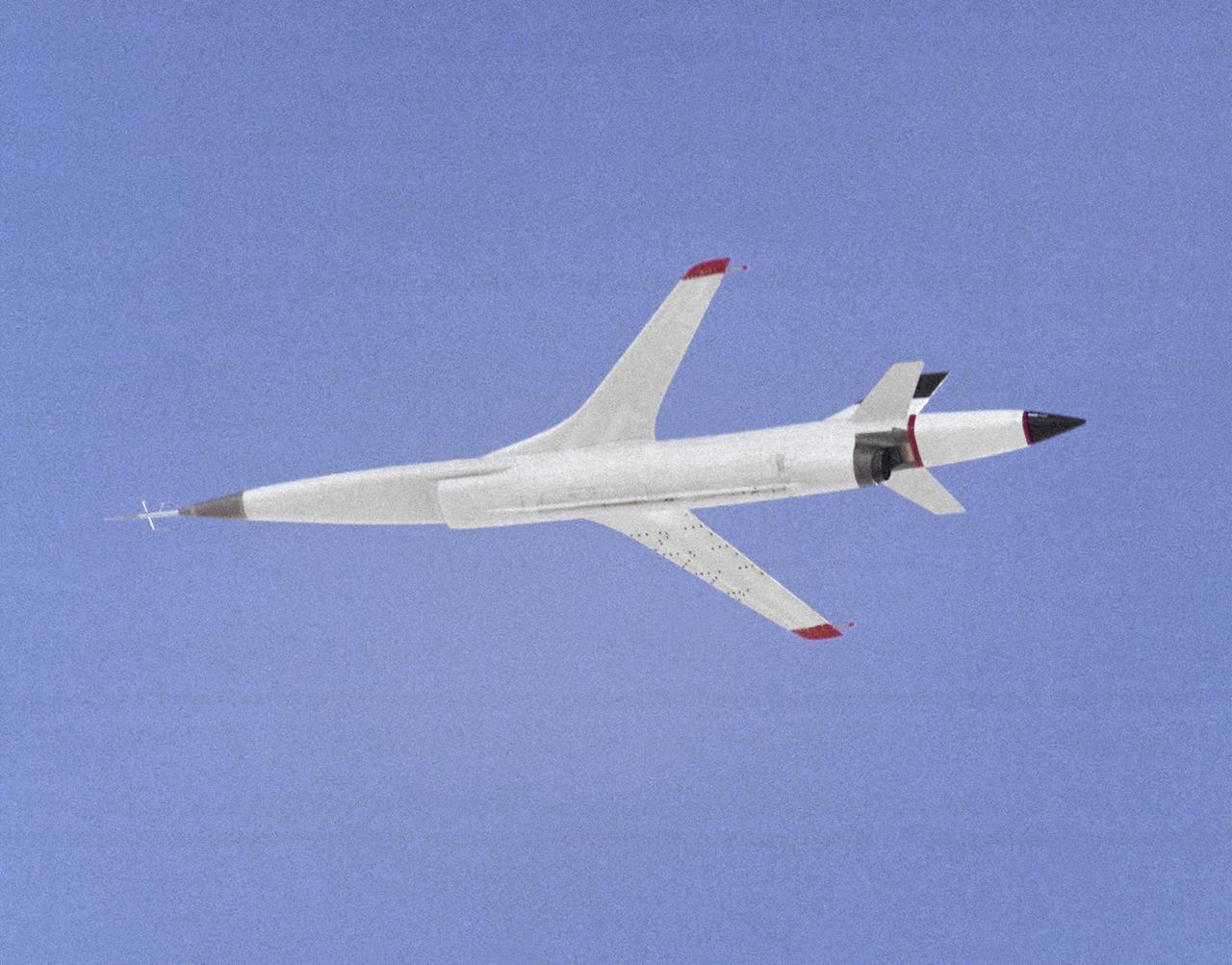
DAST in Flight. Last Flight
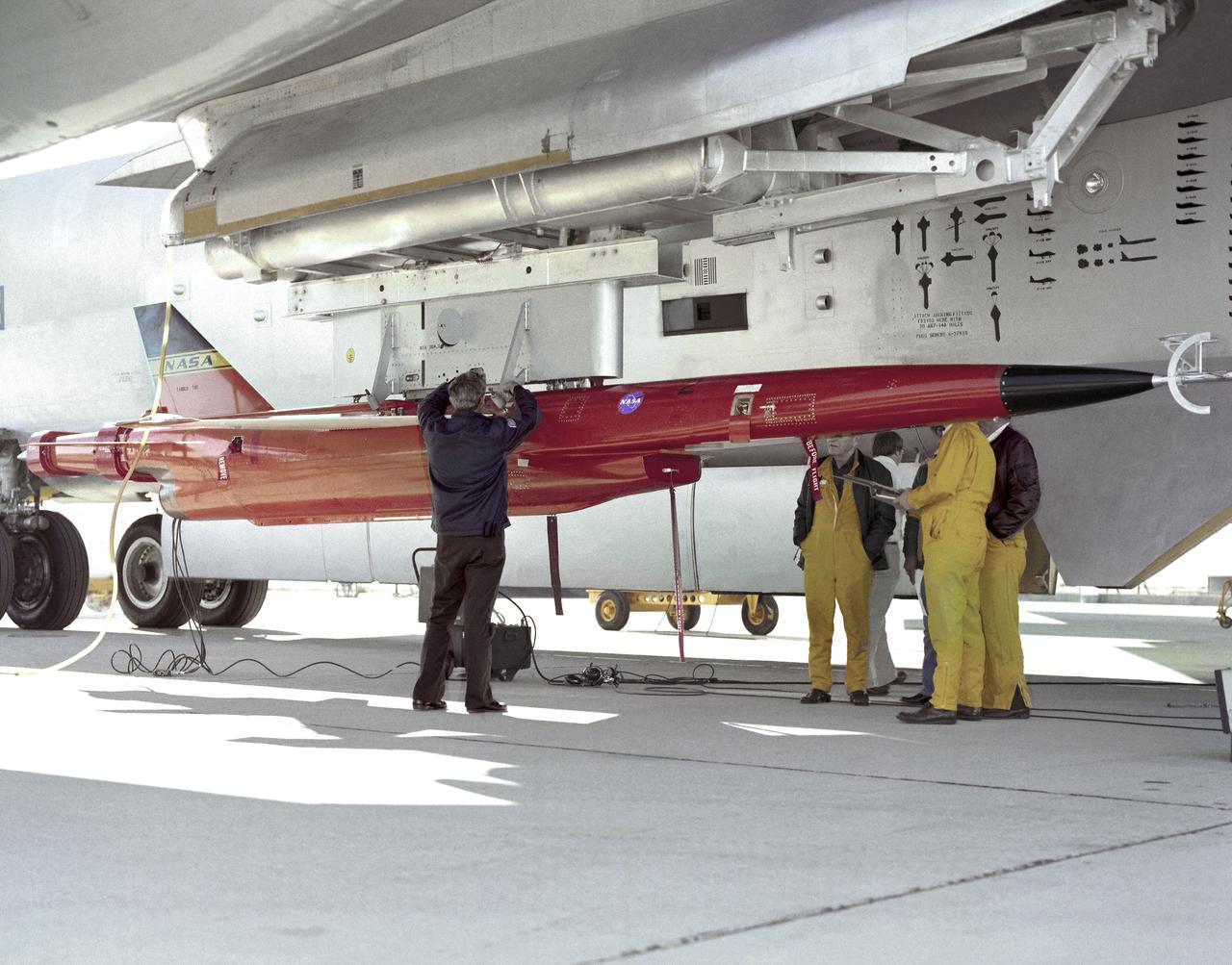
DAST Mated to B-52 on Ramp - Close-up
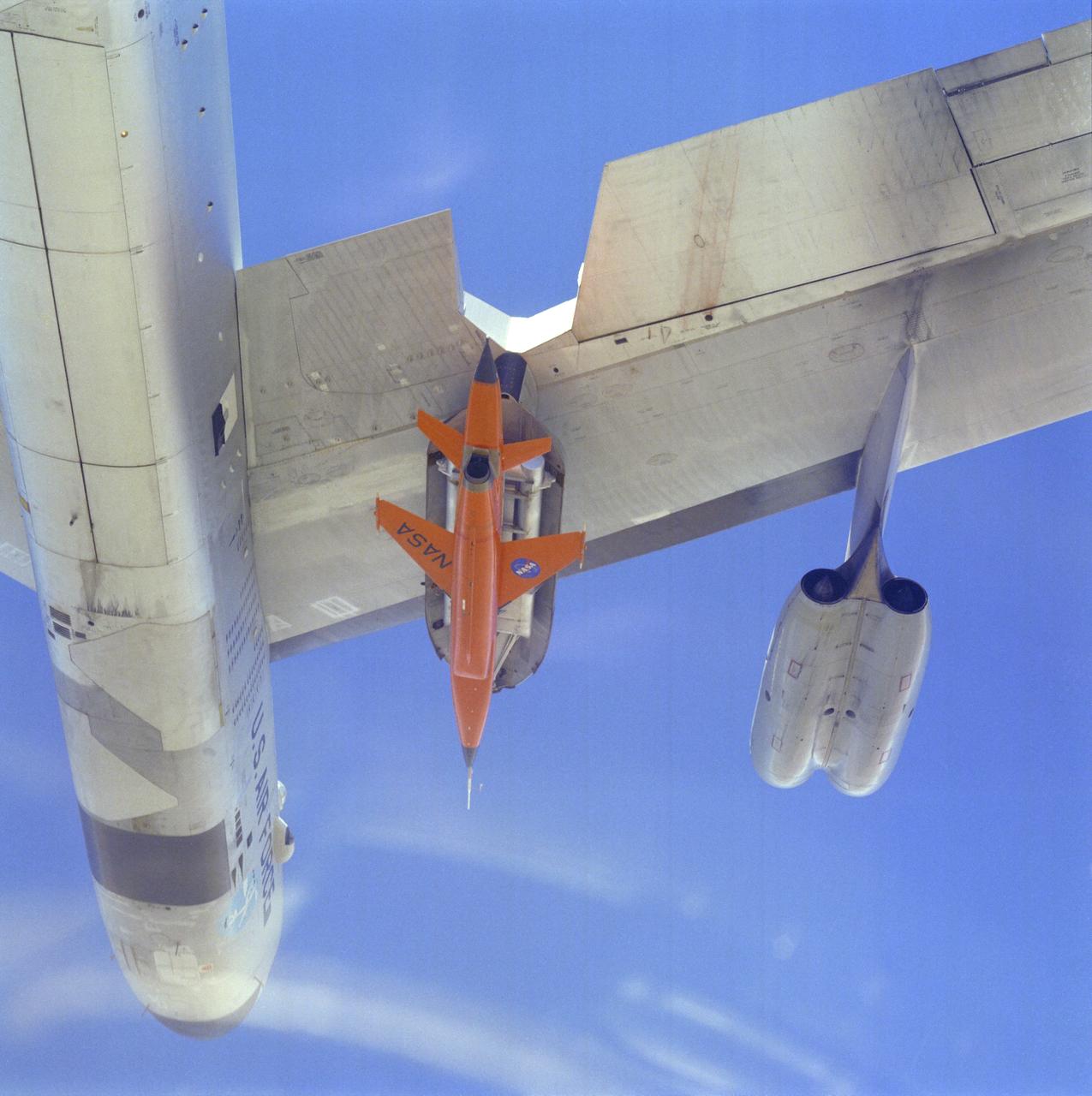
First Captive Flight of DAST Mated to B-52 - Close-up from Below
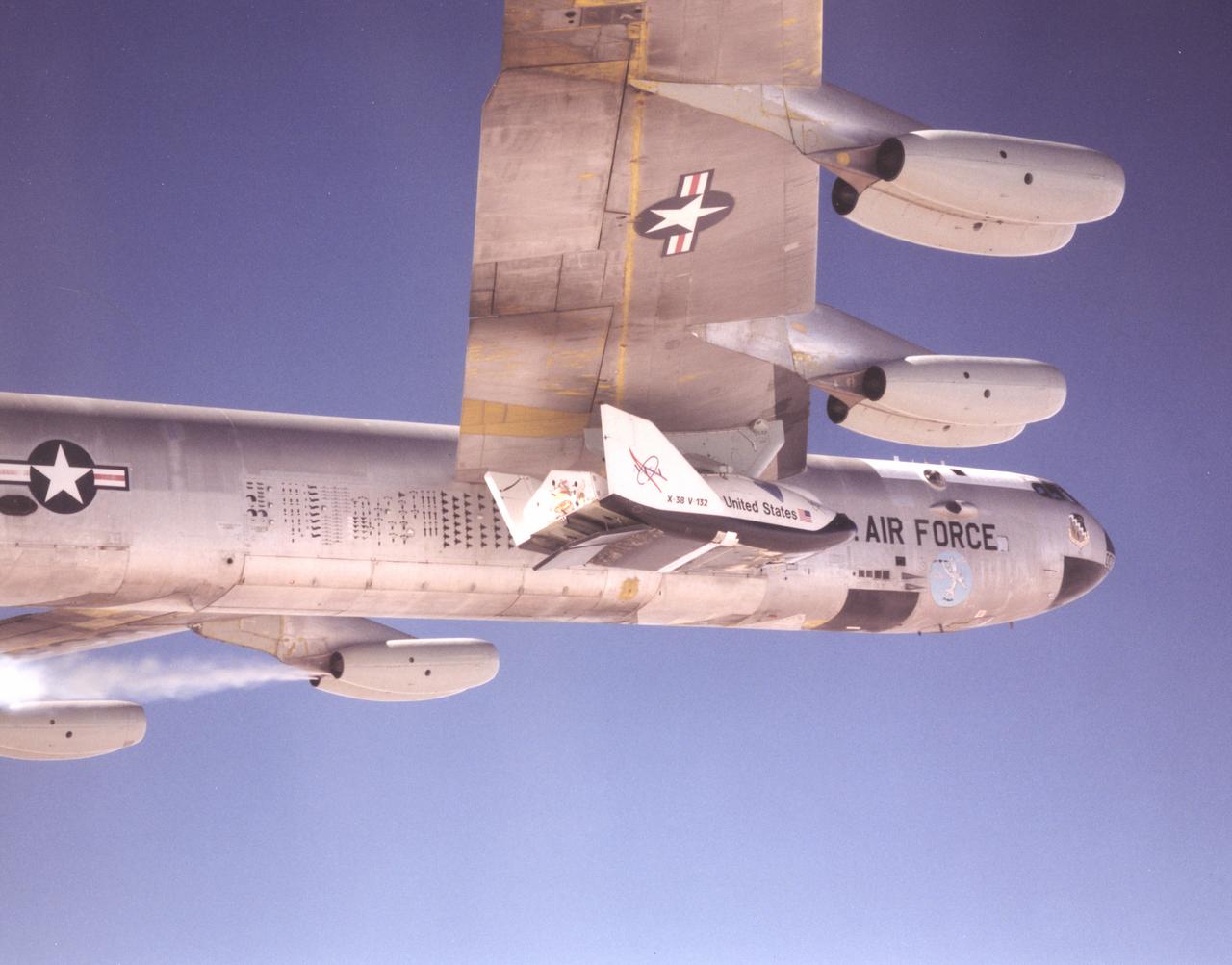
This photo shows one of the X-38 lifting-body research vehicles mated to NASA's B-52 mothership in flight prior to launch. The B-52 has been a workhorse for the Dryden Flight Research Center for more than 40 years, carrying numerous research vehicles aloft and conducting a variety of other research flight experiments.
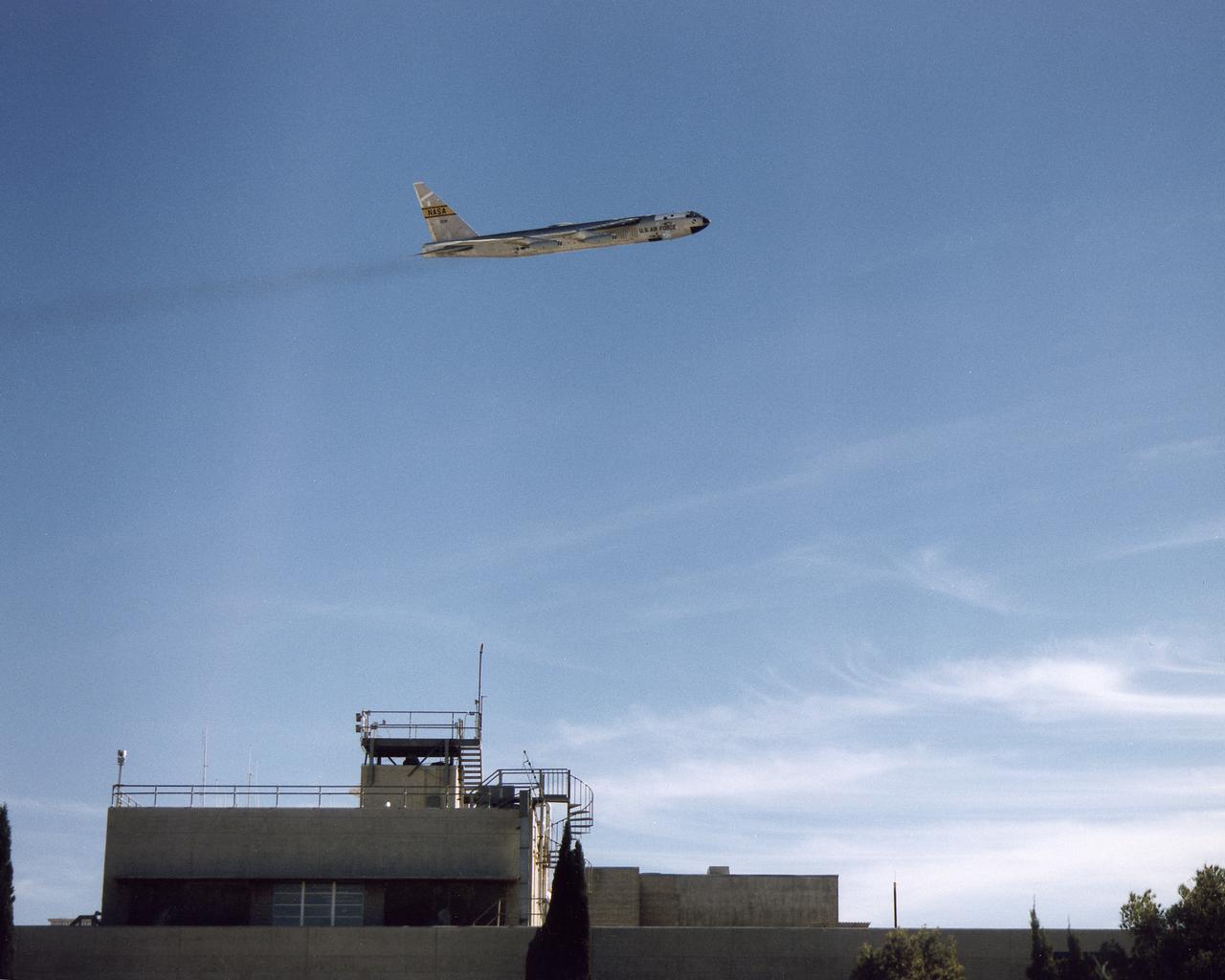
Dryden B-52 Launch Aircraft in Flight over Dryden
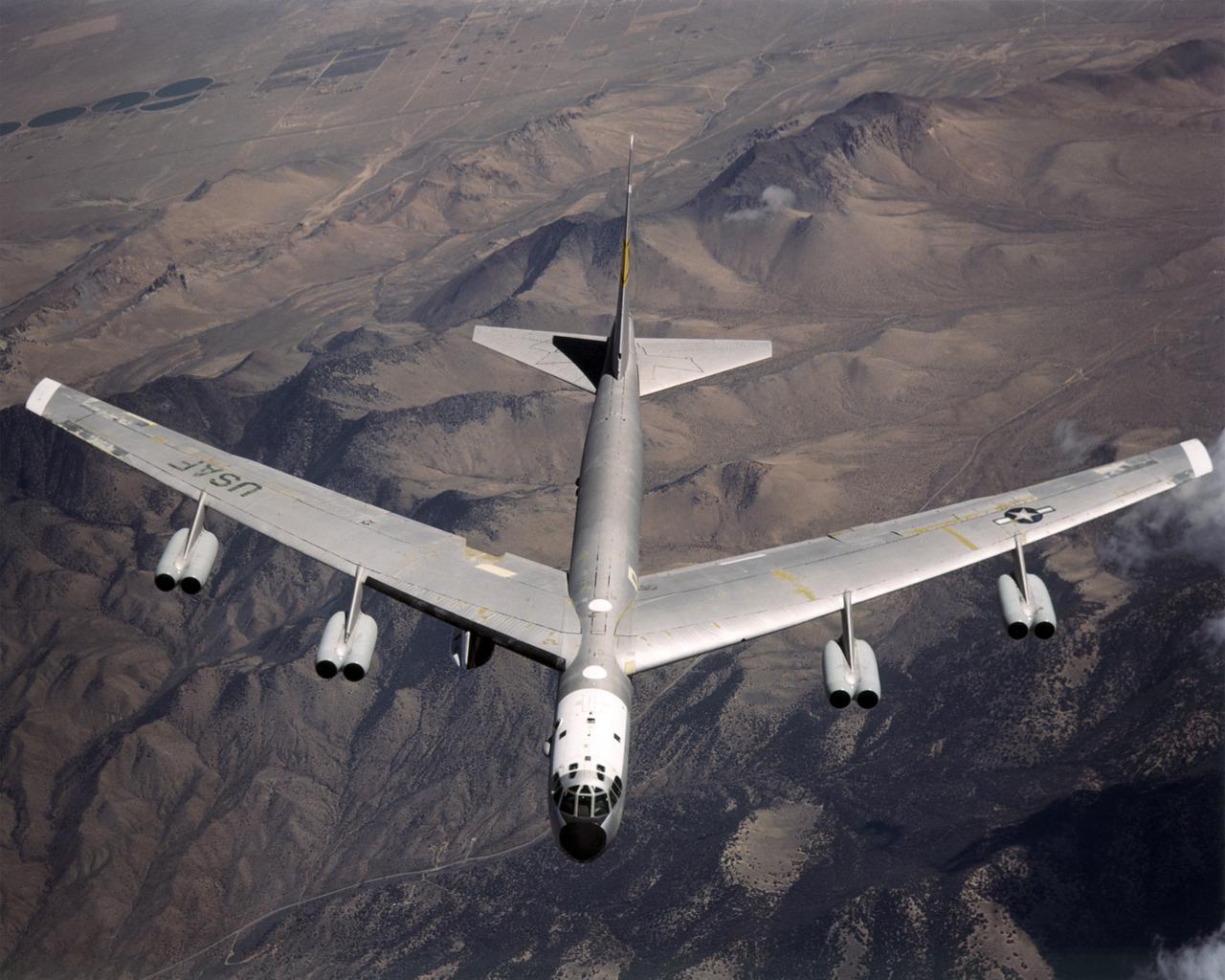
B-52 Launch Aircraft in Flight
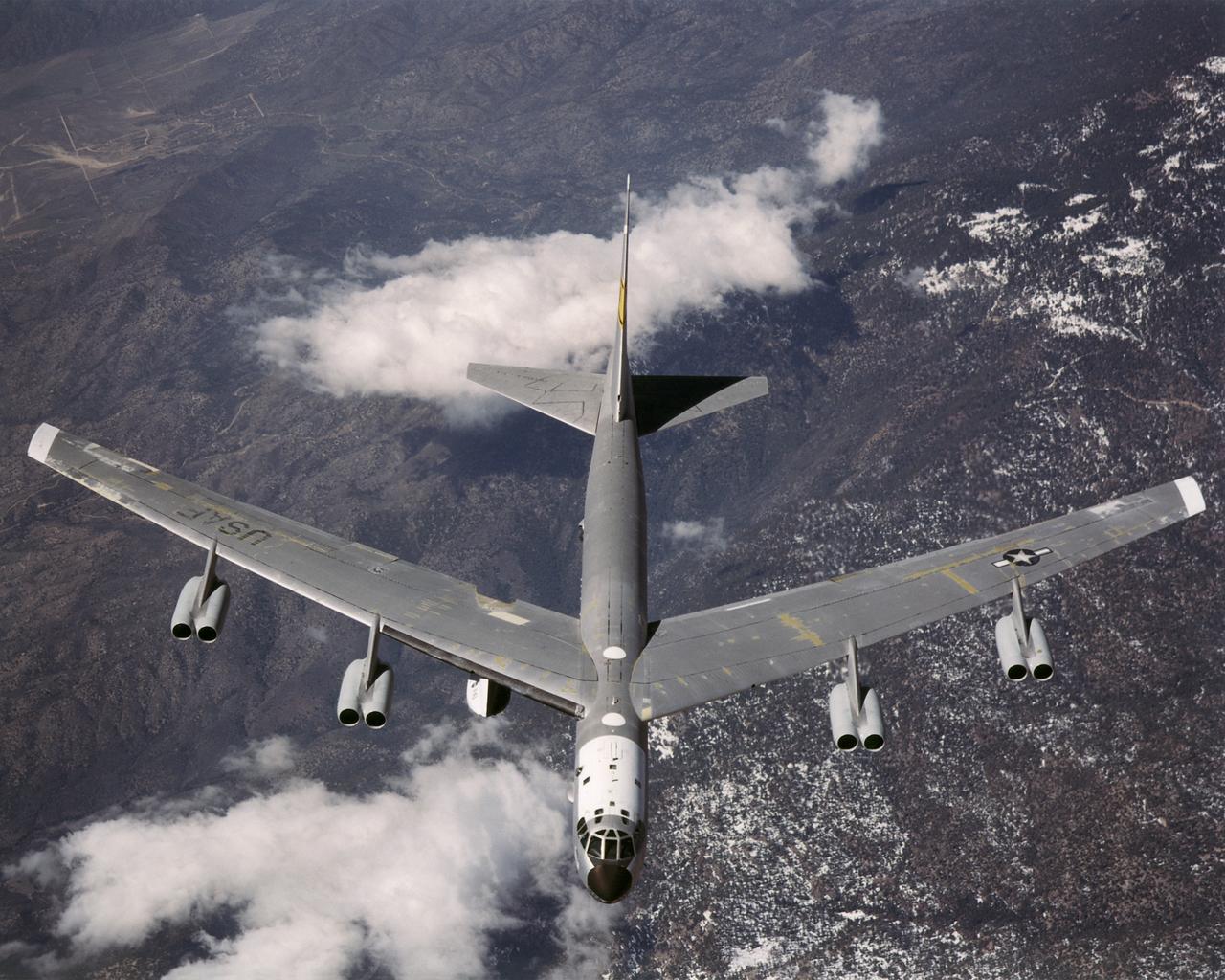
B-52 Launch Aircraft in Flight
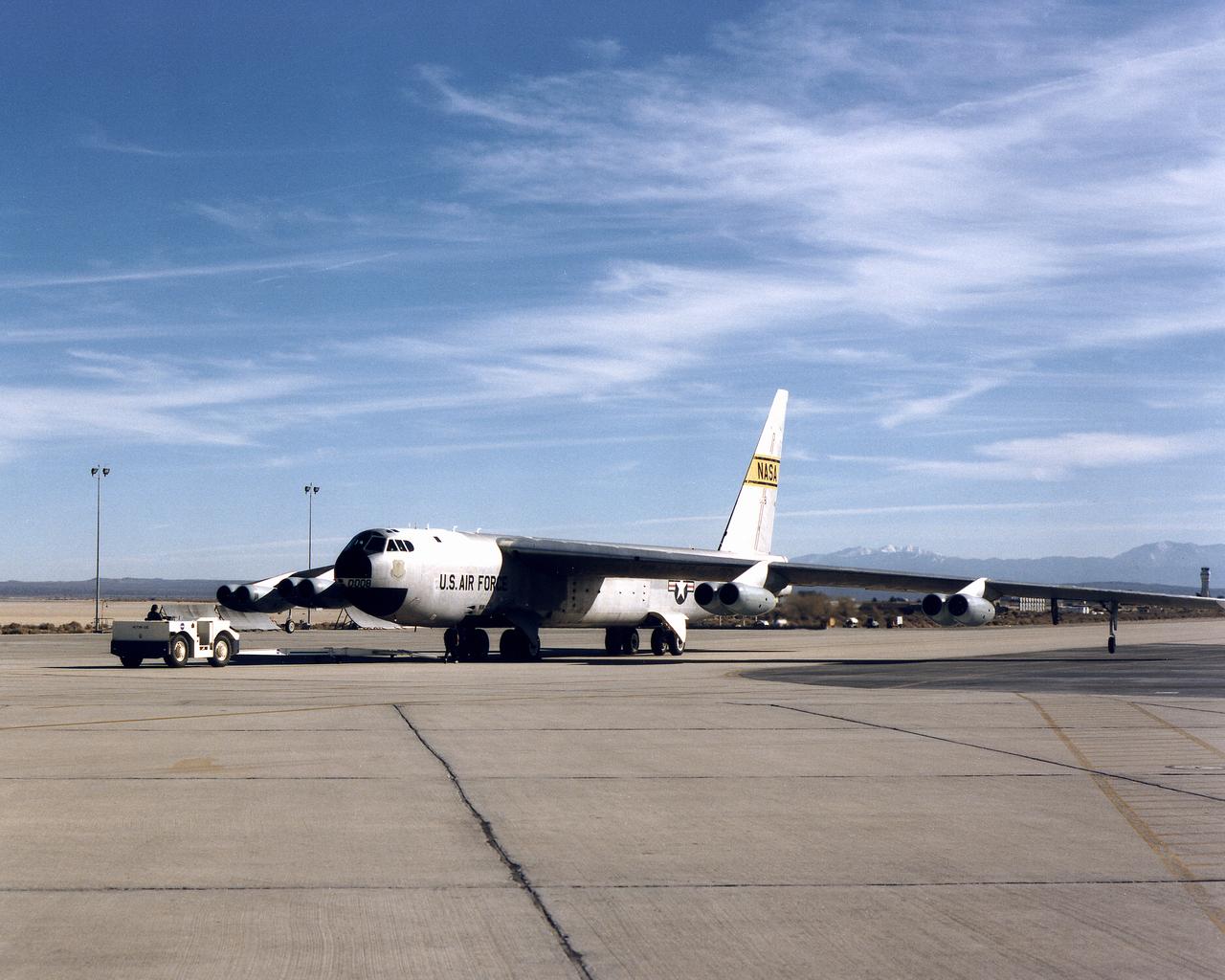
Dryden B-52 Launch Aircraft on Dryden Ramp
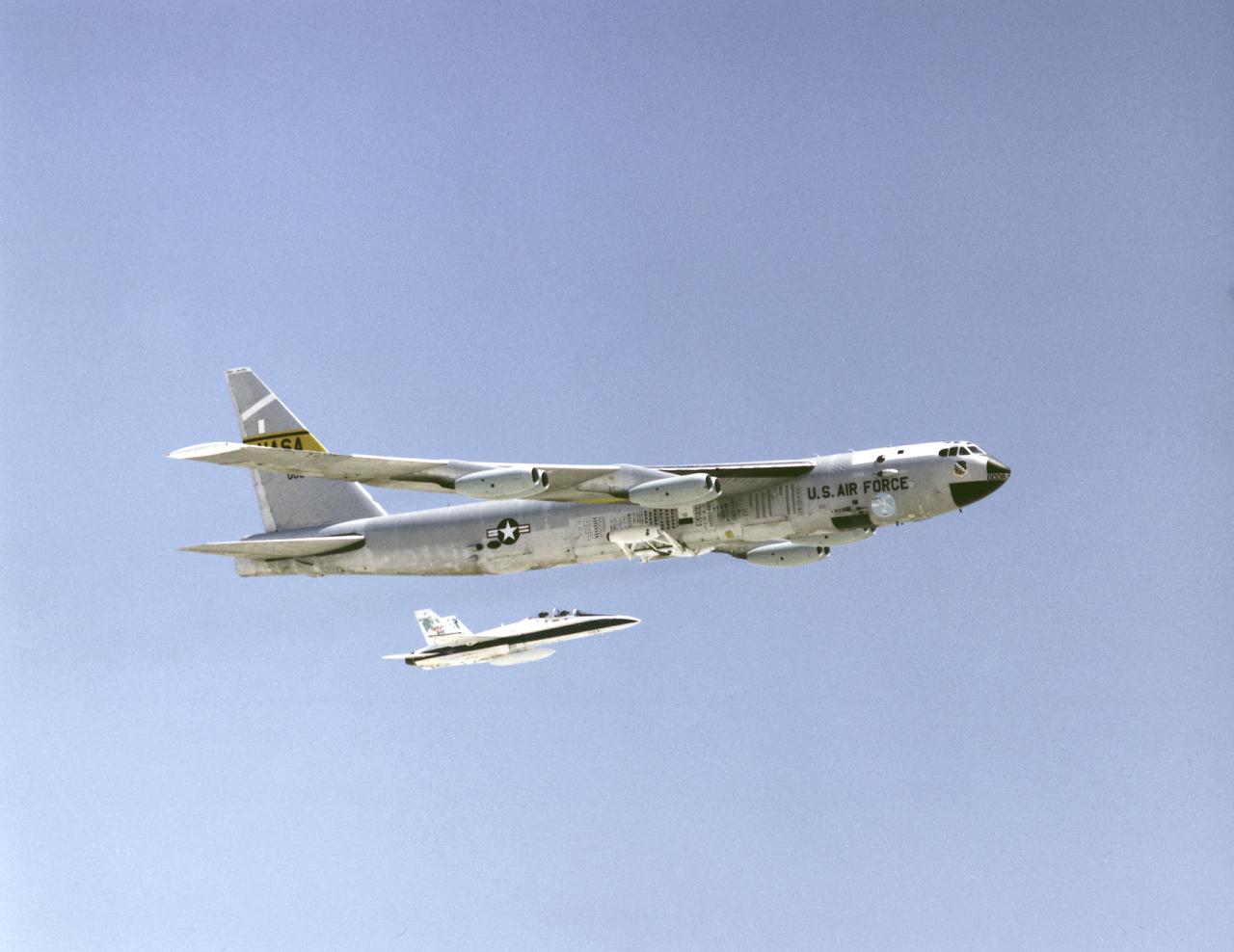
Dryden B-52 Launch Aircraft Accompanied by an F-18 Safety Chase Commemorating 40th Anniversary of Research Flights
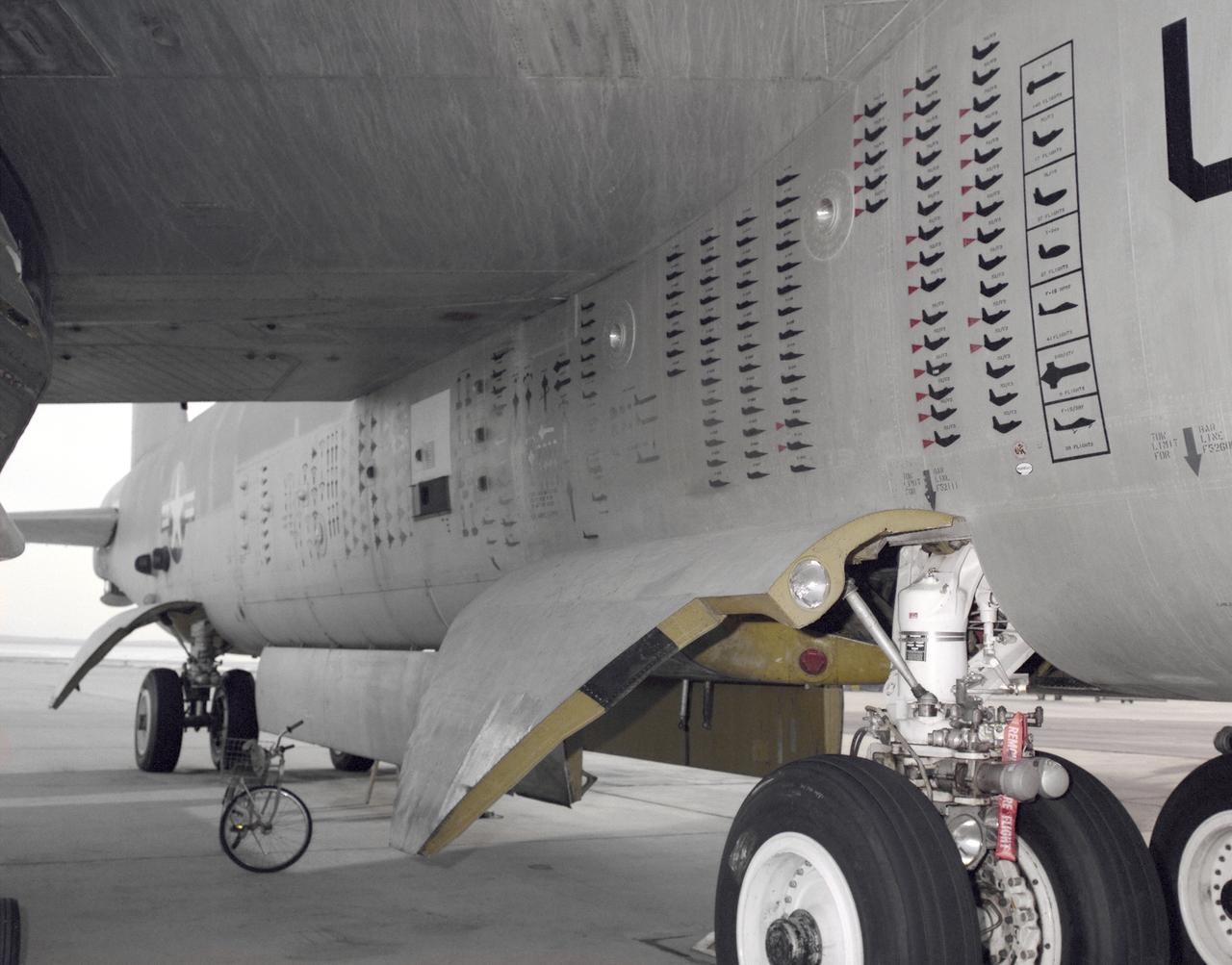
B-52 Flight Mission Symbology on Side of Craft
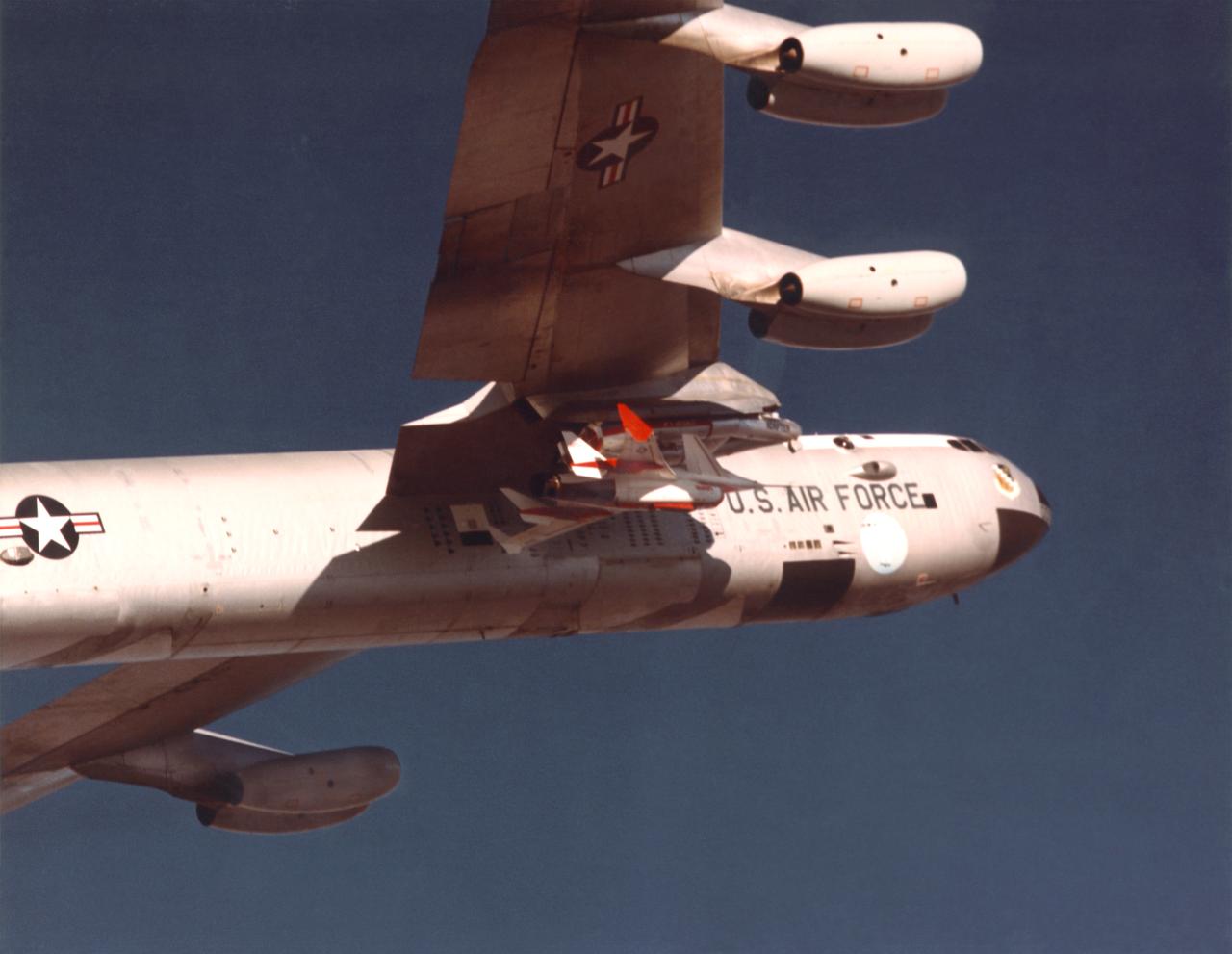
The Highly Maneuverable Aircraft Technology (HiMAT) research vehicle is shown here mated to a wing pylon on NASA’s B-52 mothership aircraft. The HiMAT was a technology demonstrator to test structures and configurations for advanced fighter concepts. Over the course of more than 40 years, the B-52 proved a valuable workhorse for NASA’s Dryden Flight Research Center (under various names), launching a wide variety of vehicles and conducting numerous other research flights.
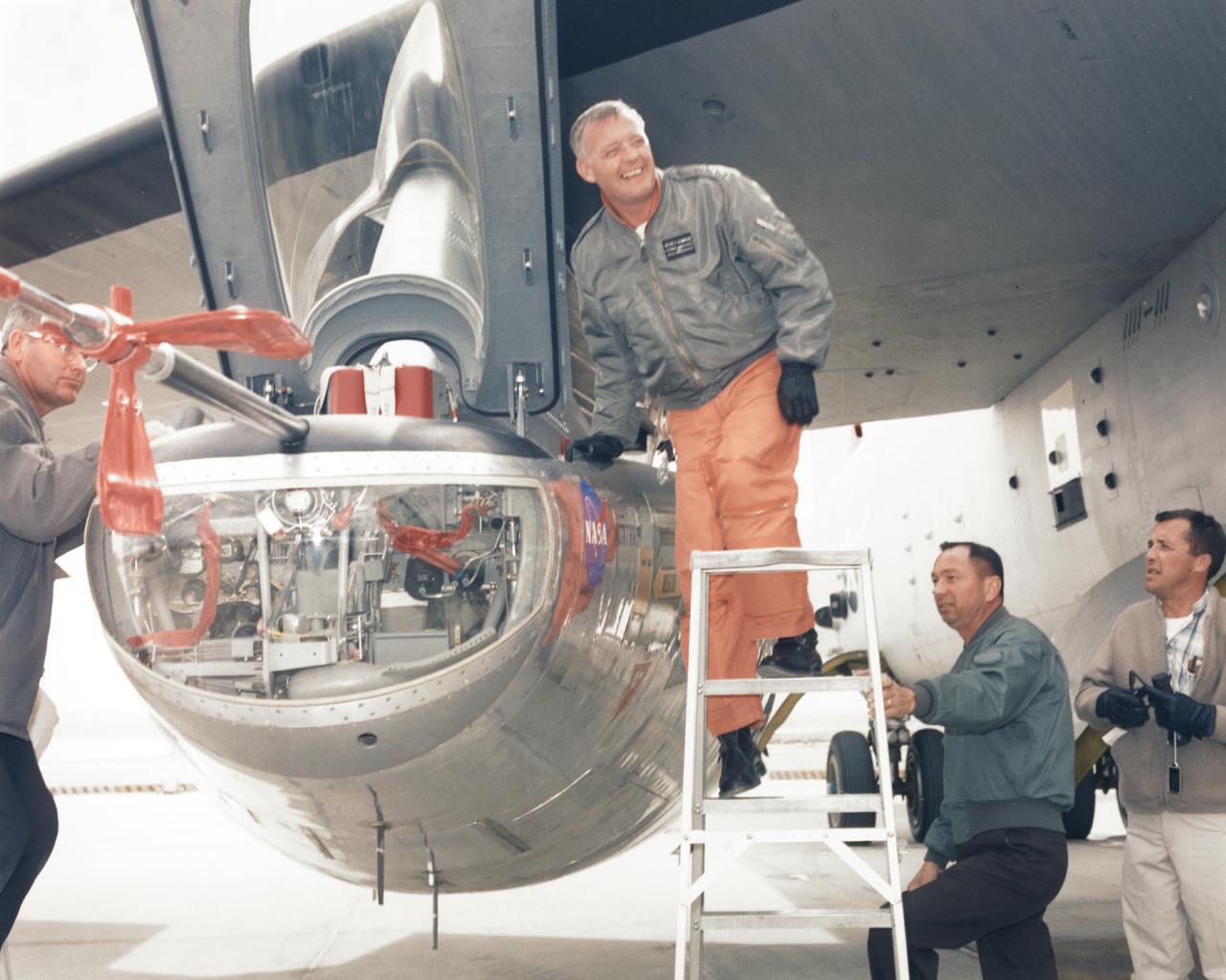
NASA research pilot Milt Thompson is helped into the cockpit of the M2-F2 lifting body research aircraft at NASA’s Flight Research Center (now the Dryden Flight Research Center). The M2-F2 is attached to a wing pylon under the wing of NASA’s B-52 mothership. The flight was a captive flight with the pilot on-board. Milt Thompson flew in the lifting body throughout the flight, but it was never dropped from the mothership.
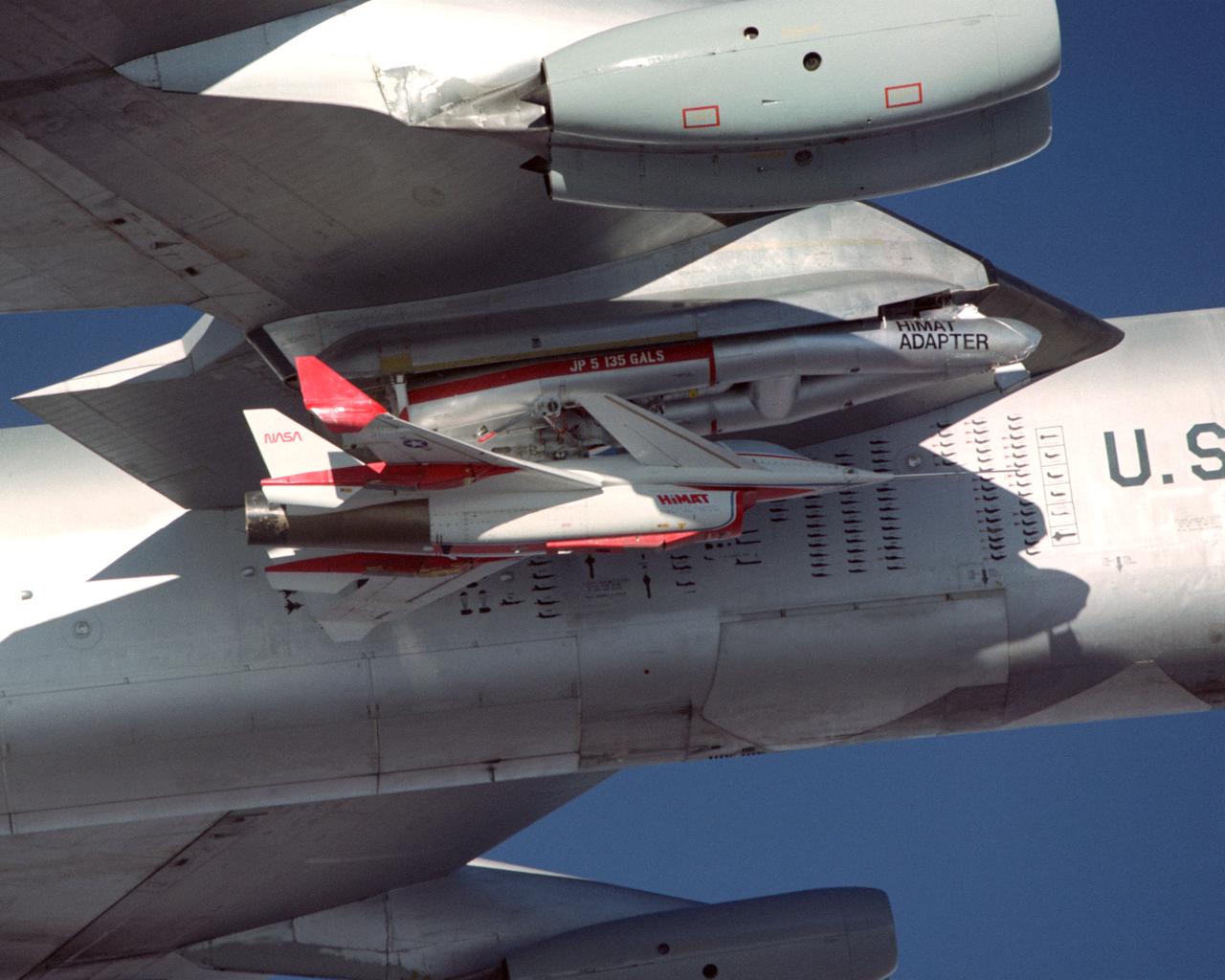
A close-up view of the Highly Maneuverable Aircraft Technology (HiMAT) research vehicle attached to a wing pylon on NASA’s B-52 mothership during a 1980 test flight. The HiMAT used sharply swept-back wings and a canard configuration to test possible technology for advanced fighters.
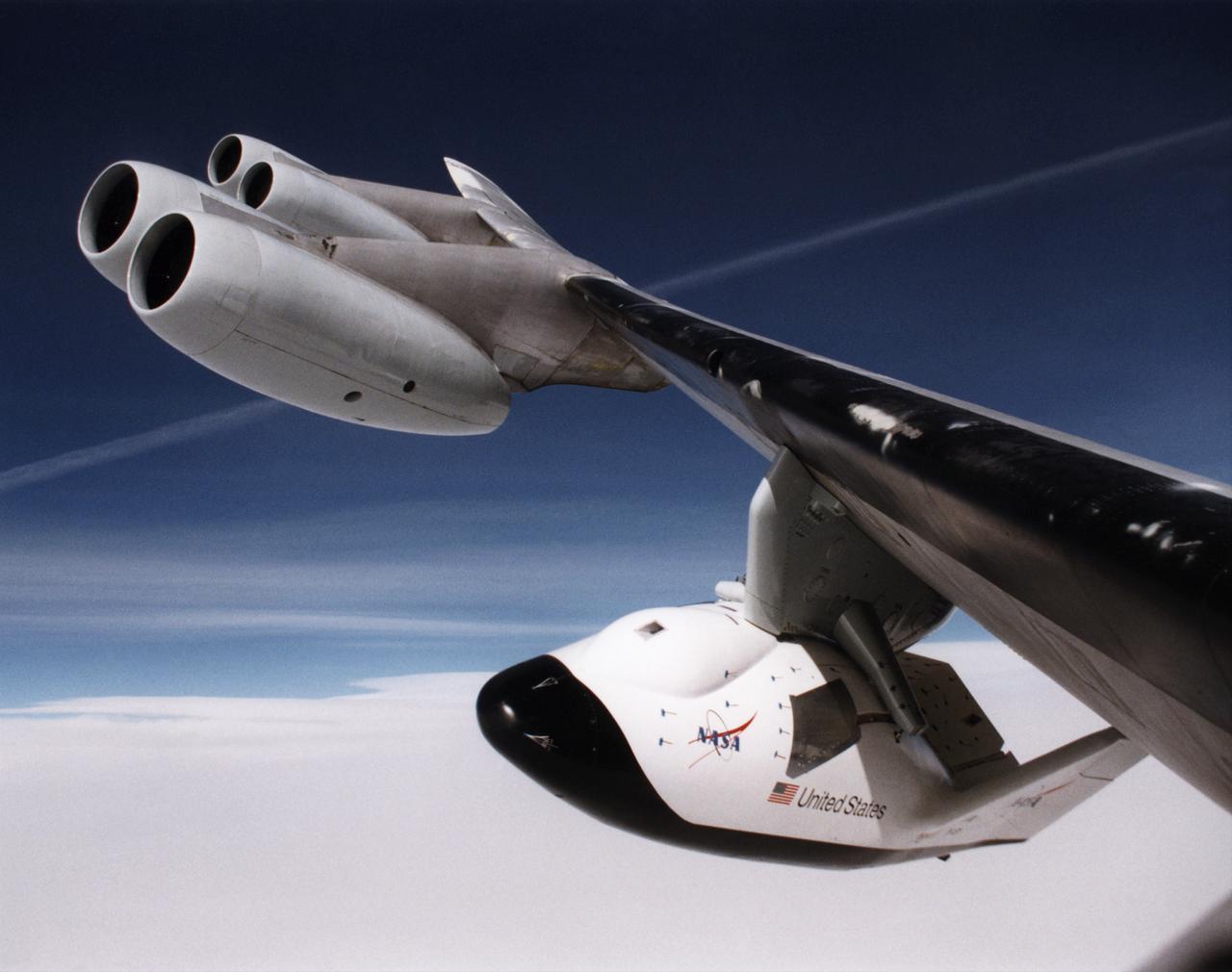
A unique, close-up view of the X-38 under the wing of NASA's B-52 mothership prior to launch of the lifting-body research vehicle. The photo was taken from the observation window of the B-52 bomber as it banked in flight.
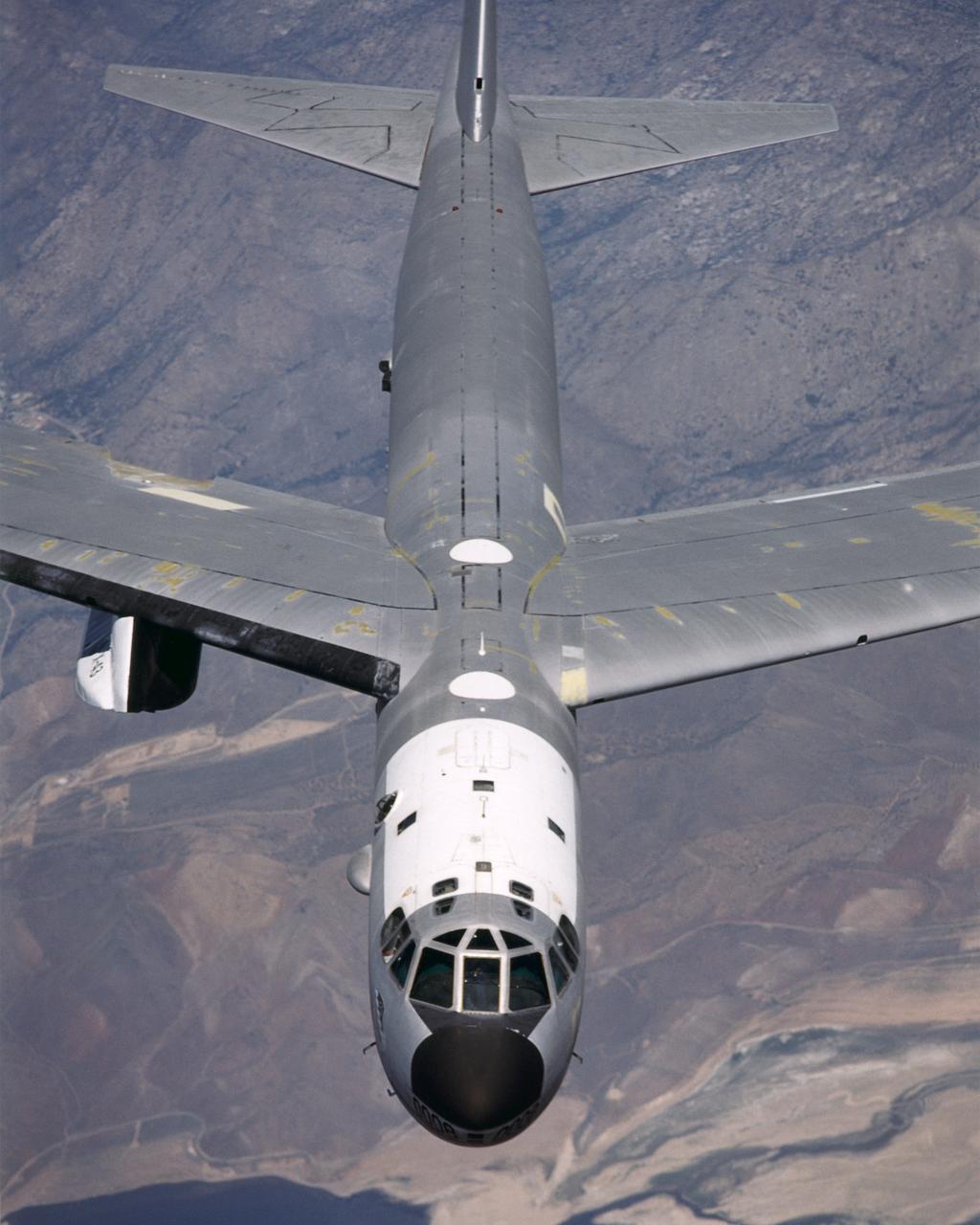
B-52 Launch Aircraft in Flight
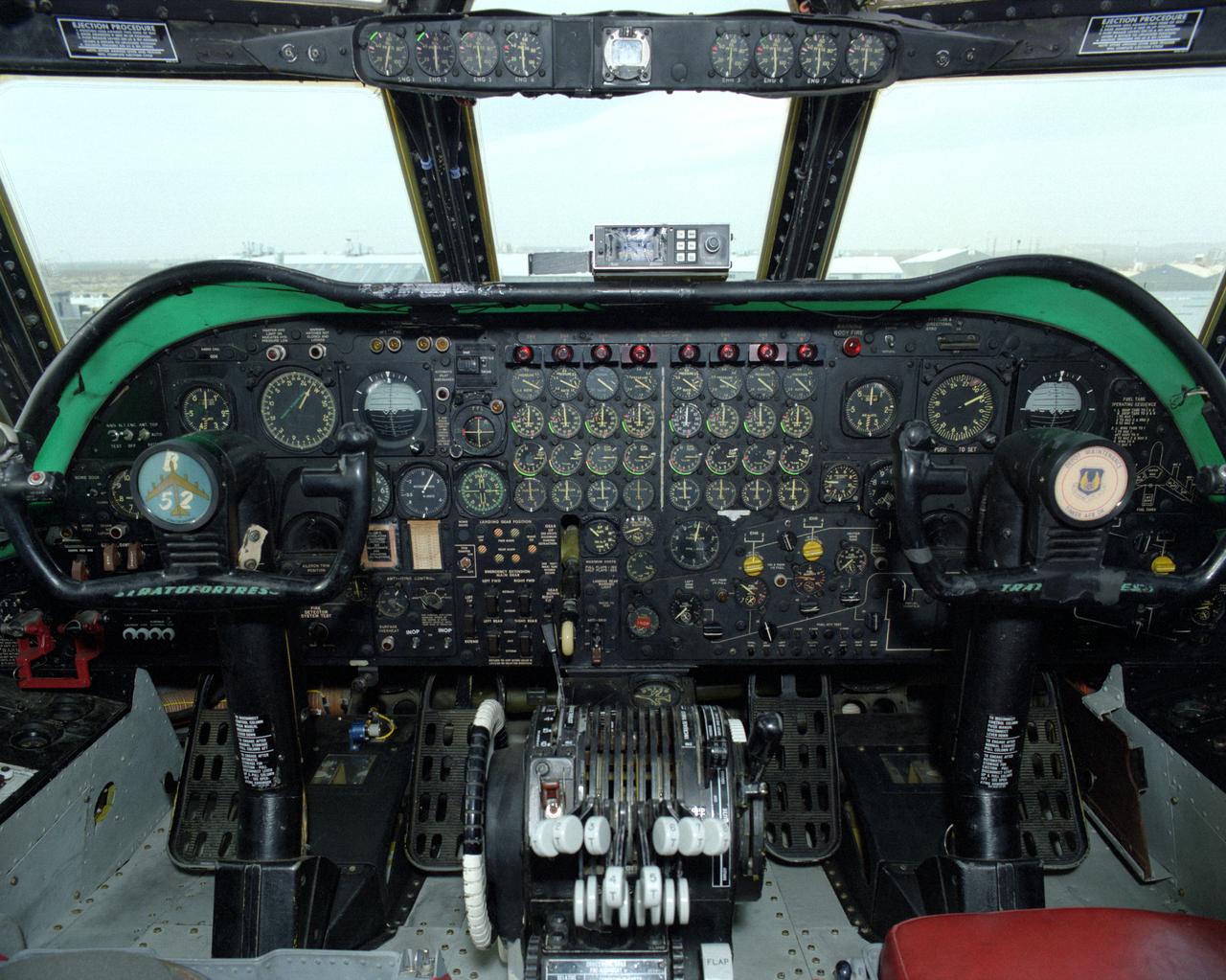
B-52B Cockpit Instrument Panel
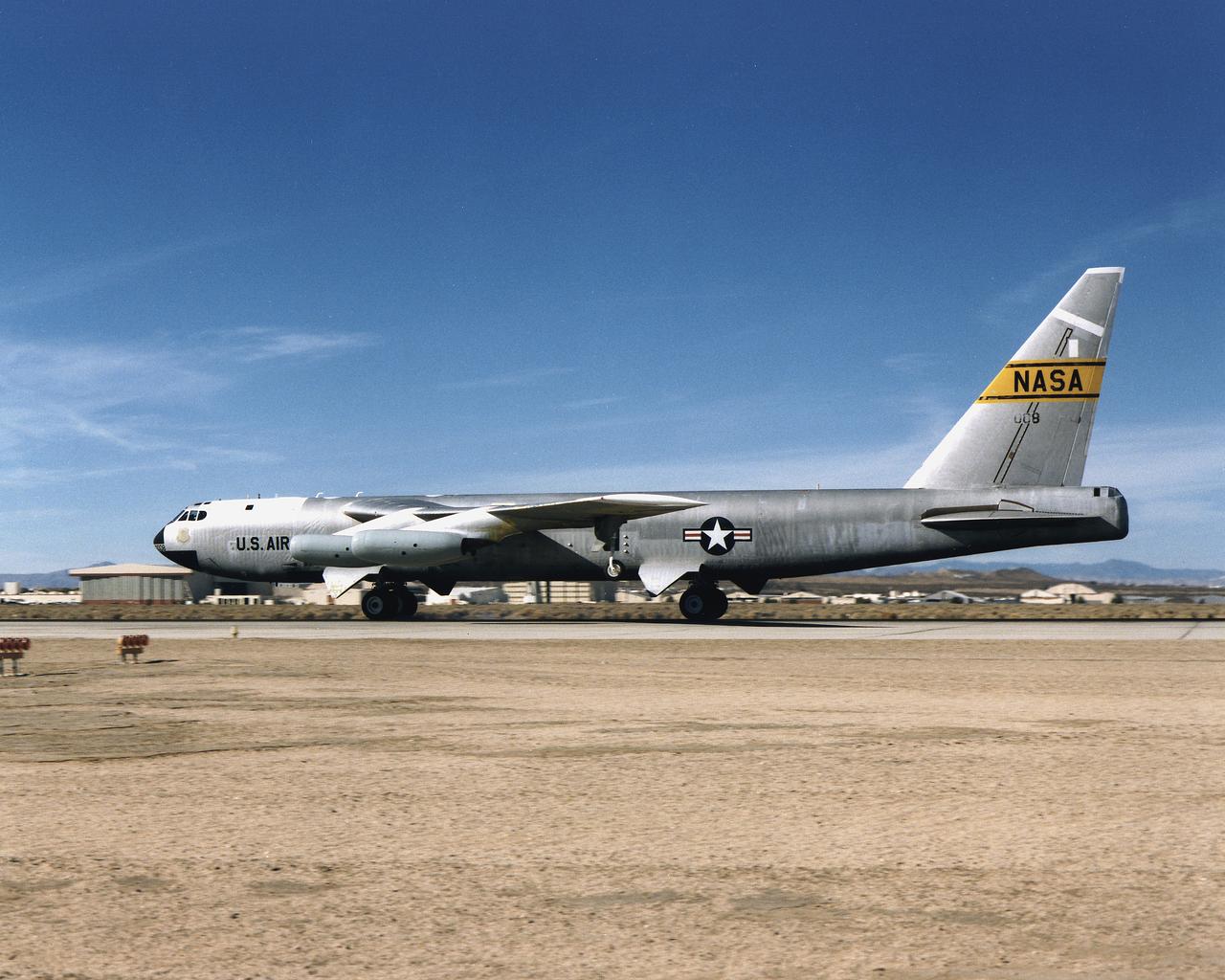
Dryden B-52 Launch Aircraft on Edwards AFB Runway
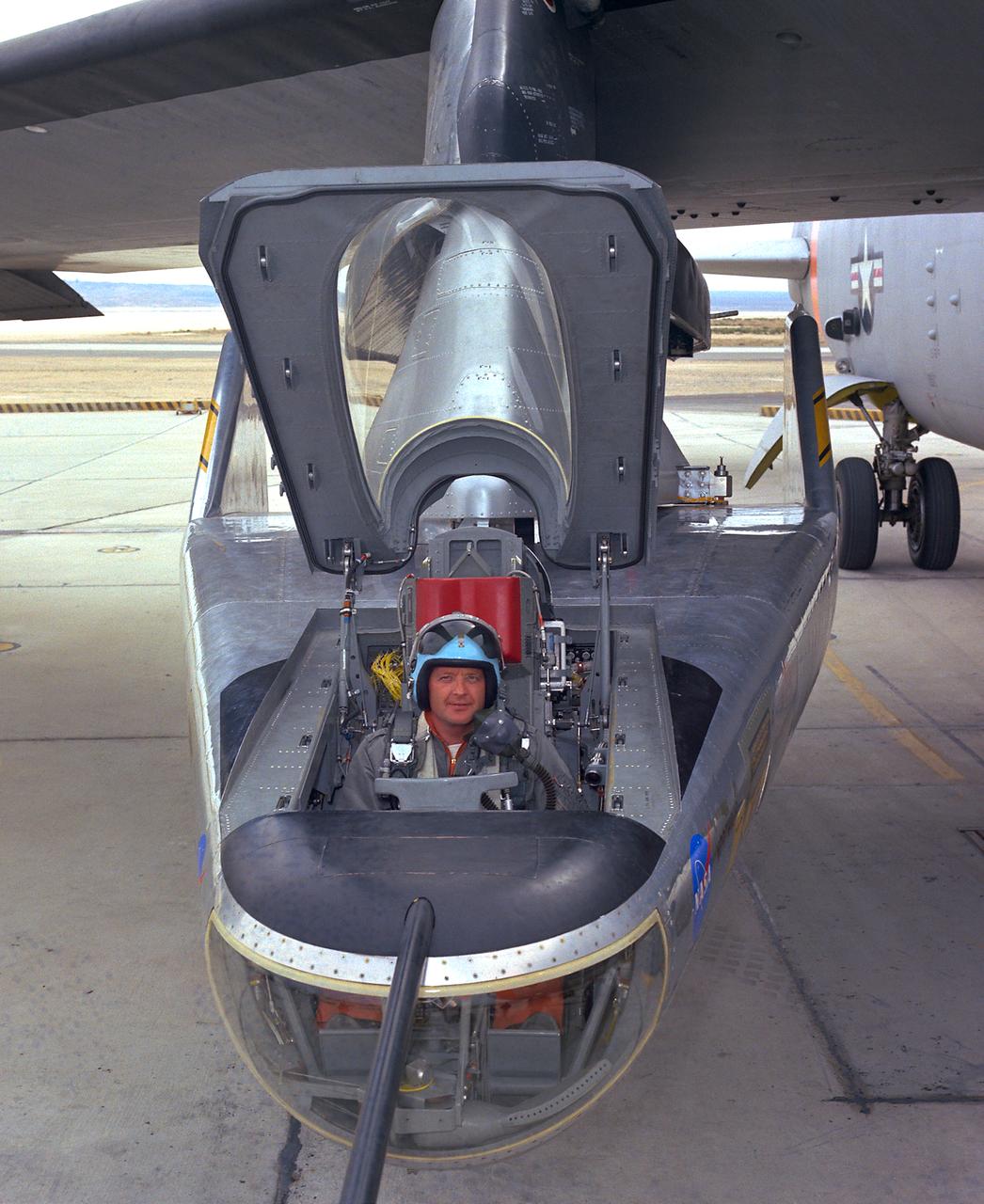
NASA research pilot Milt Thompson sits in the M2-F2 "heavyweight" lifting body research vehicle before a 1966 test flight. The M2-F2 and the other lifting-body designs were all attached to a wing pylon on NASA’s B-52 mothership and carried aloft. The vehicles were then drop-launched and, at the end of their flights, glided back to wheeled landings on the dry lake or runway at Edwards AFB. The lifting body designs influenced the design of the Space Shuttle and were also reincarnated in the design of the X-38 in the 1990s.
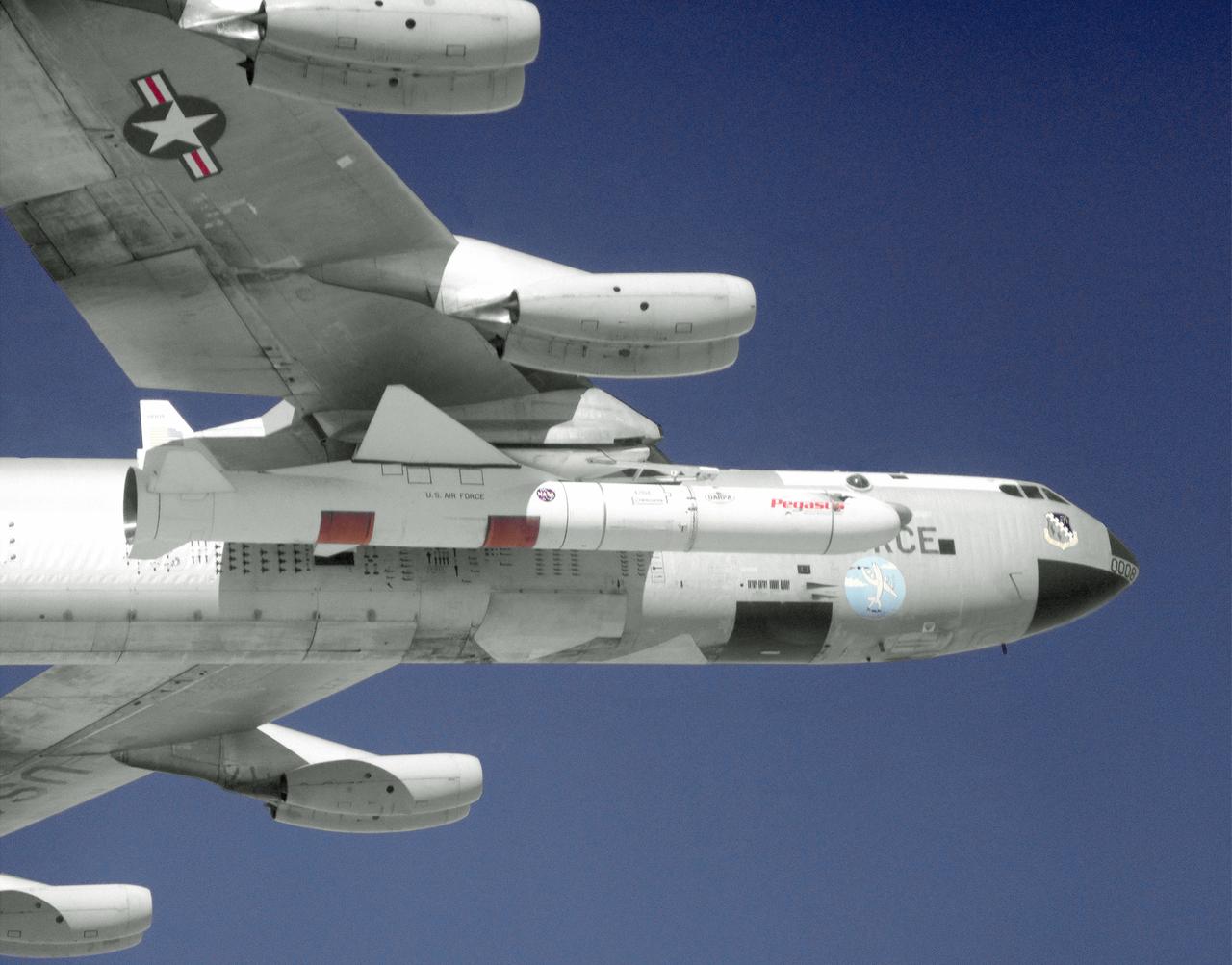
The Pegasus air-launched space booster is carried aloft under the right wing of NASA's B-52 carrier aircraft on its first captive flight from the Dryden Flight Research Center, Edwards, California. The first of two scheduled captive flights was completed on November 9, 1989. Pegasus is used to launch satellites into low-earth orbits cheaply. In 1997, a Pegasus rocket booster was also modified to test a hypersonic experiment (PHYSX). An experimental "glove," installed on a section of its wing, housed hundreds of temperature and pressure sensors that sent hypersonic flight data to ground tracking facilities during the experiment’s flight.
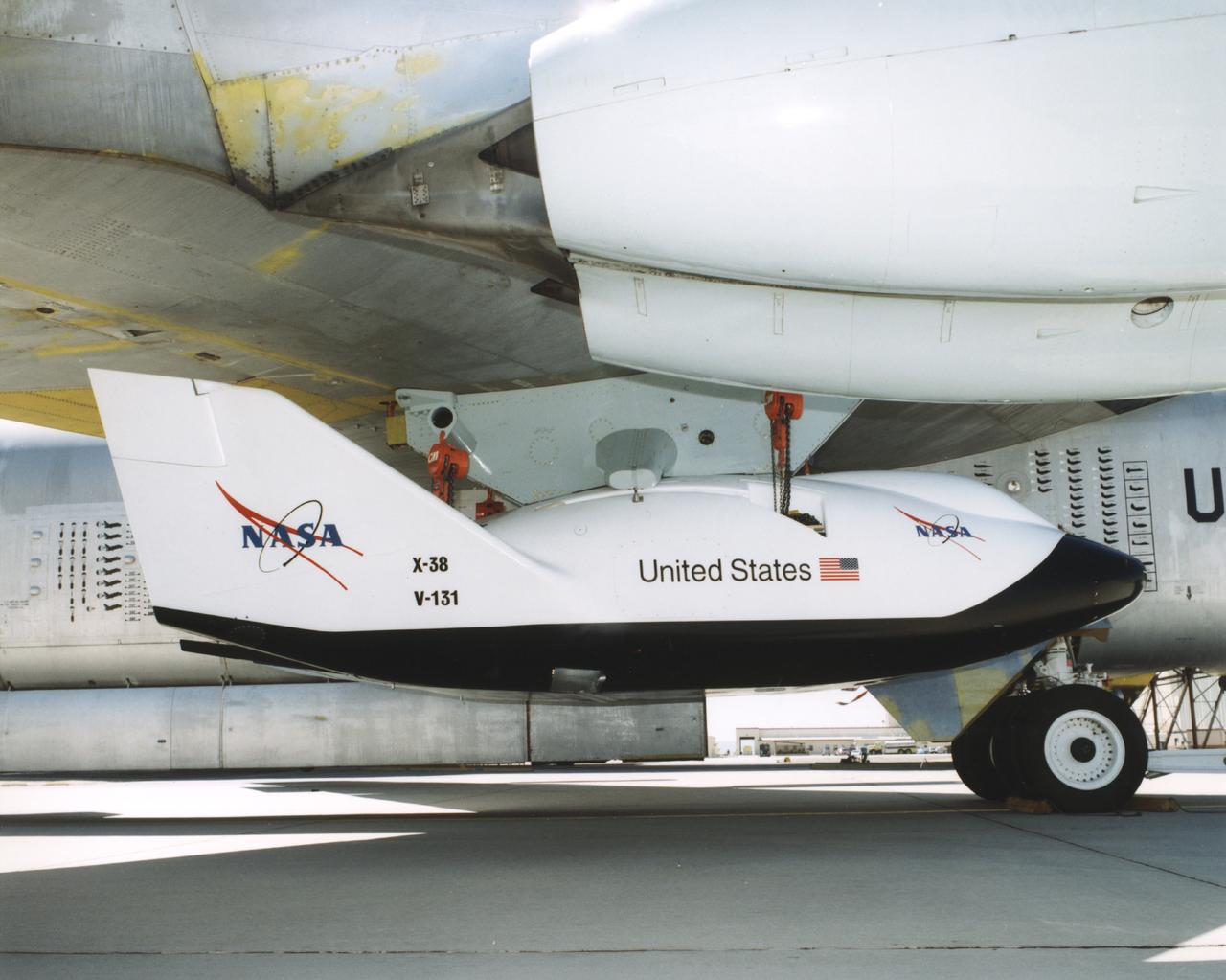
A close-up view of the X-38 research vehicle mounted under the wing of the B-52 mothership prior to a 1997 test flight. The X-38, which was designed to help develop technology for an emergency crew return vehicle (CRV) for the International Space Station, is one of many research vehicles the B-52 has carried aloft over the past 40 years.