
Students compete in the Washington, DC regional FIRST Robotics Competition at the Washington, DC Conventioln Center, Saturday Feb., 28, 2009. Photo Credit: (NASA/Bill Ingalls)

Portrait, Shana L. Dale, Deputy Administrator, National Aeronautics and Space Administration (NASA). Washington, DC, November 28, 2005. Photo Credit: (NASA/Bill Ingalls)
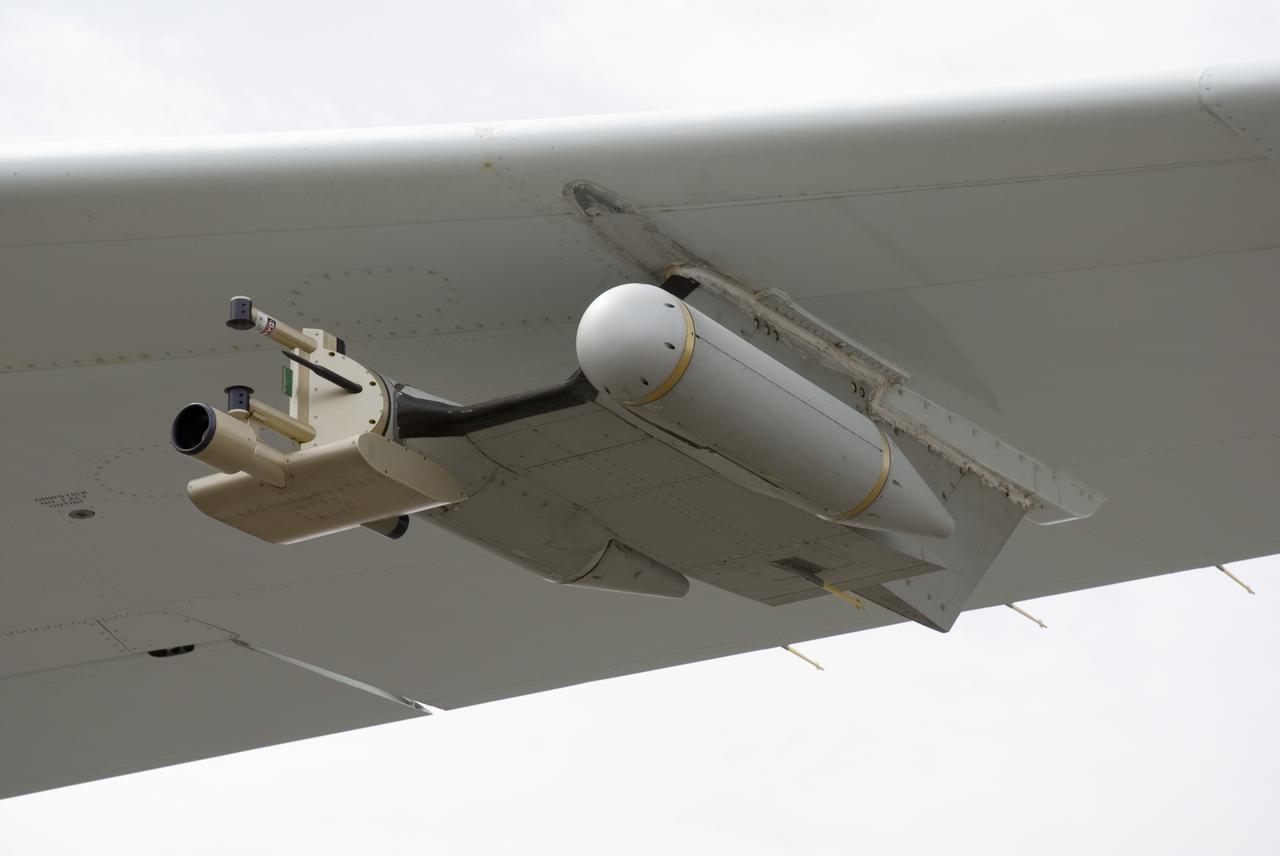
NASA African Monsoon Multidisciplinary Analyses (NAMMA) DC-8 deployment to Cape Verde, Sal island, Africa

Casey Swails, NASA Deputy Associate Administrator greets John Rhys-Davies, the actor best known for his roles as Gimli in The Lord of the Rings trilogy and Sallah in the Indiana Jones franchise, Friday, March 28, 2025 at the Mary W. Jackson NASA Headquarters building in Washington, DC. Photo Credit: (NASA/Aubrey Gemignani)
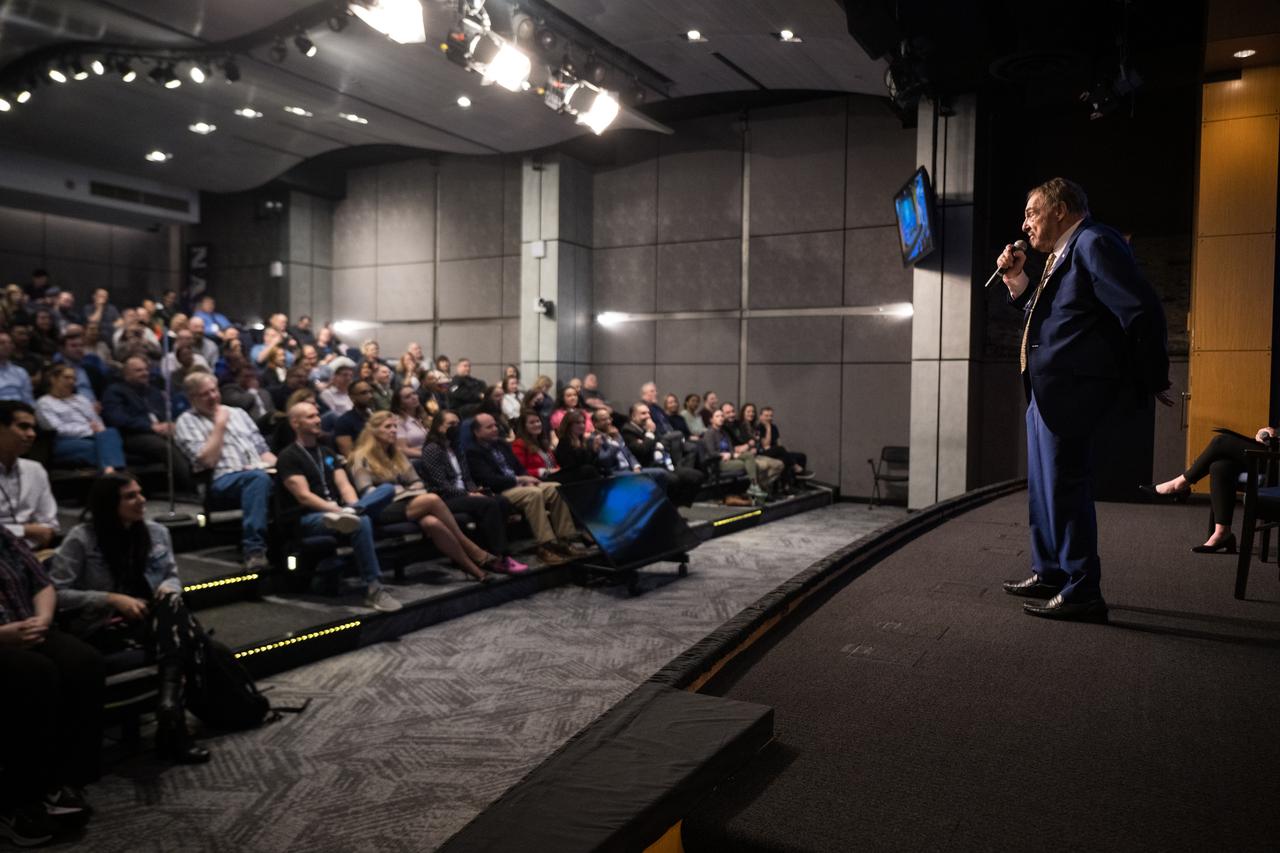
John Rhys-Davies, the actor best known for his roles as Gimli in The Lord of the Rings trilogy and Sallah in the Indiana Jones franchise provides remarks during an employee event, Friday, March 28, 2025 at the Mary W. Jackson NASA Headquarters building in Washington, DC. Photo Credit: (NASA/Aubrey Gemignani)
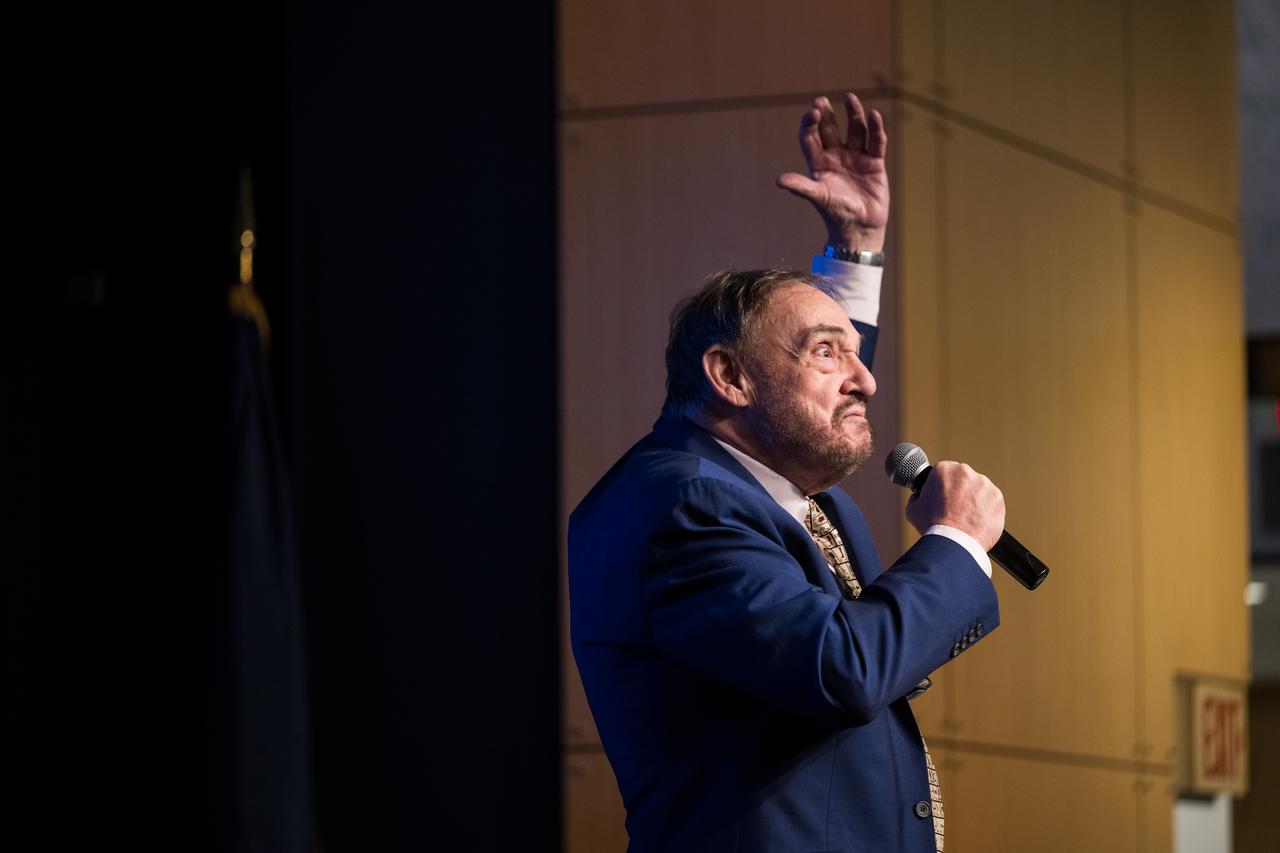
John Rhys-Davies, the actor best known for his roles as Gimli in The Lord of the Rings trilogy and Sallah in the Indiana Jones franchise provides remarks during an employee event, Friday, March 28, 2025 at the Mary W. Jackson NASA Headquarters building in Washington, DC. Photo Credit: (NASA/Aubrey Gemignani)
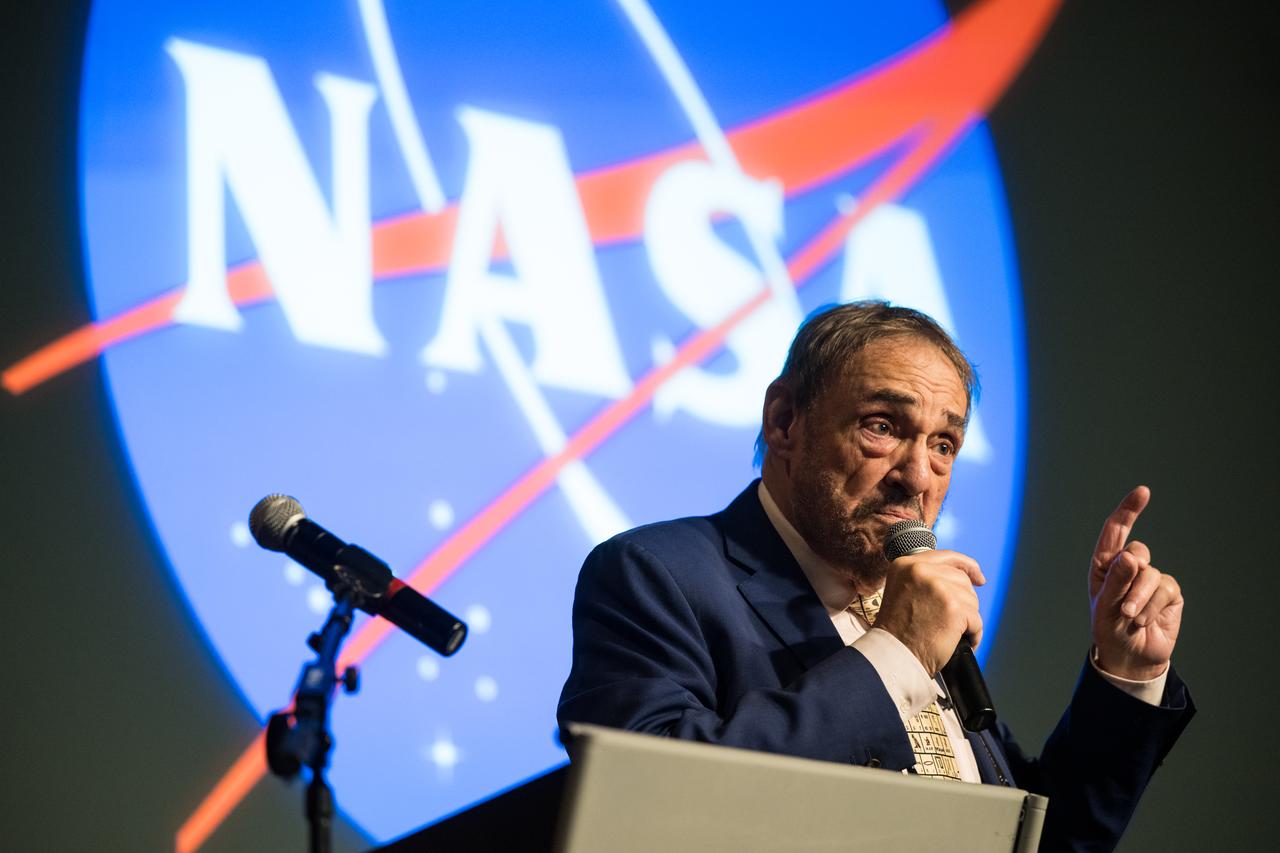
John Rhys-Davies, the actor best known for his roles as Gimli in The Lord of the Rings trilogy and Sallah in the Indiana Jones franchise provides remarks during an employee event, Friday, March 28, 2025 at the Mary W. Jackson NASA Headquarters building in Washington, DC. Photo Credit: (NASA/Aubrey Gemignani)

Casey Swails, NASA Deputy Associate Administrator walks with John Rhys-Davies, the actor best known for his roles as Gimli in The Lord of the Rings trilogy and Sallah in the Indiana Jones franchise, Friday, March 28, 2025 at the Mary W. Jackson NASA Headquarters building in Washington, DC. Photo Credit: (NASA/Aubrey Gemignani)
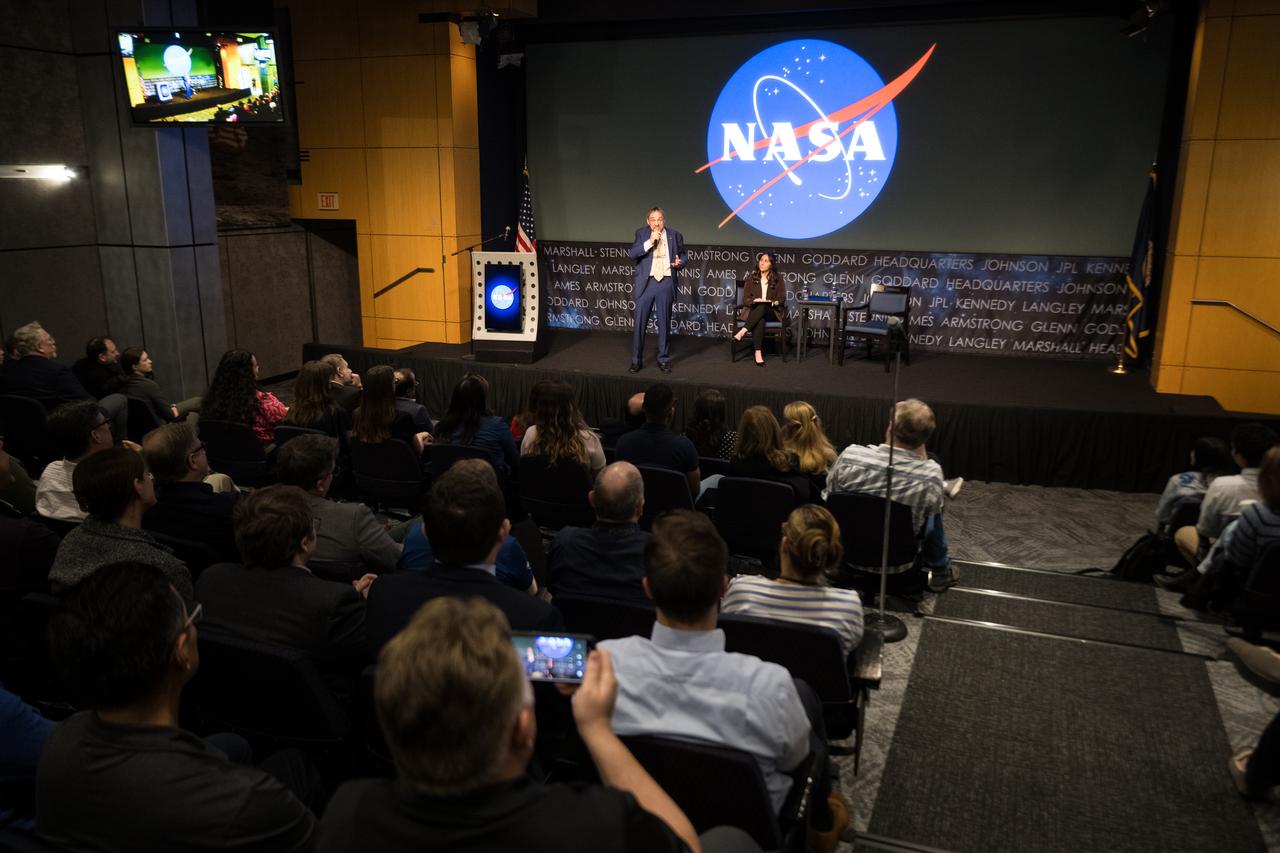
John Rhys-Davies, the actor best known for his roles as Gimli in The Lord of the Rings trilogy and Sallah in the Indiana Jones franchise provides remarks during an employee event, Friday, March 28, 2025 at the Mary W. Jackson NASA Headquarters building in Washington, DC. Photo Credit: (NASA/Aubrey Gemignani)

John Rhys-Davies, the actor best known for his roles as Gimli in The Lord of the Rings trilogy and Sallah in the Indiana Jones franchise provides remarks during an employee event, Friday, March 28, 2025 at the Mary W. Jackson NASA Headquarters building in Washington, DC. Photo Credit: (NASA/Aubrey Gemignani)

John Rhys-Davies, the actor best known for his roles as Gimli in The Lord of the Rings trilogy and Sallah in the Indiana Jones franchise provides remarks during an employee event, Friday, March 28, 2025 at the Mary W. Jackson NASA Headquarters building in Washington, DC. Photo Credit: (NASA/Aubrey Gemignani)

John Rhys-Davies, the actor best known for his roles as Gimli in The Lord of the Rings trilogy and Sallah in the Indiana Jones franchise visits the Space Operations Center (SOC), Friday, March 28, 2025 at the Mary W. Jackson NASA Headquarters building in Washington, DC. Photo Credit: (NASA/Aubrey Gemignani)
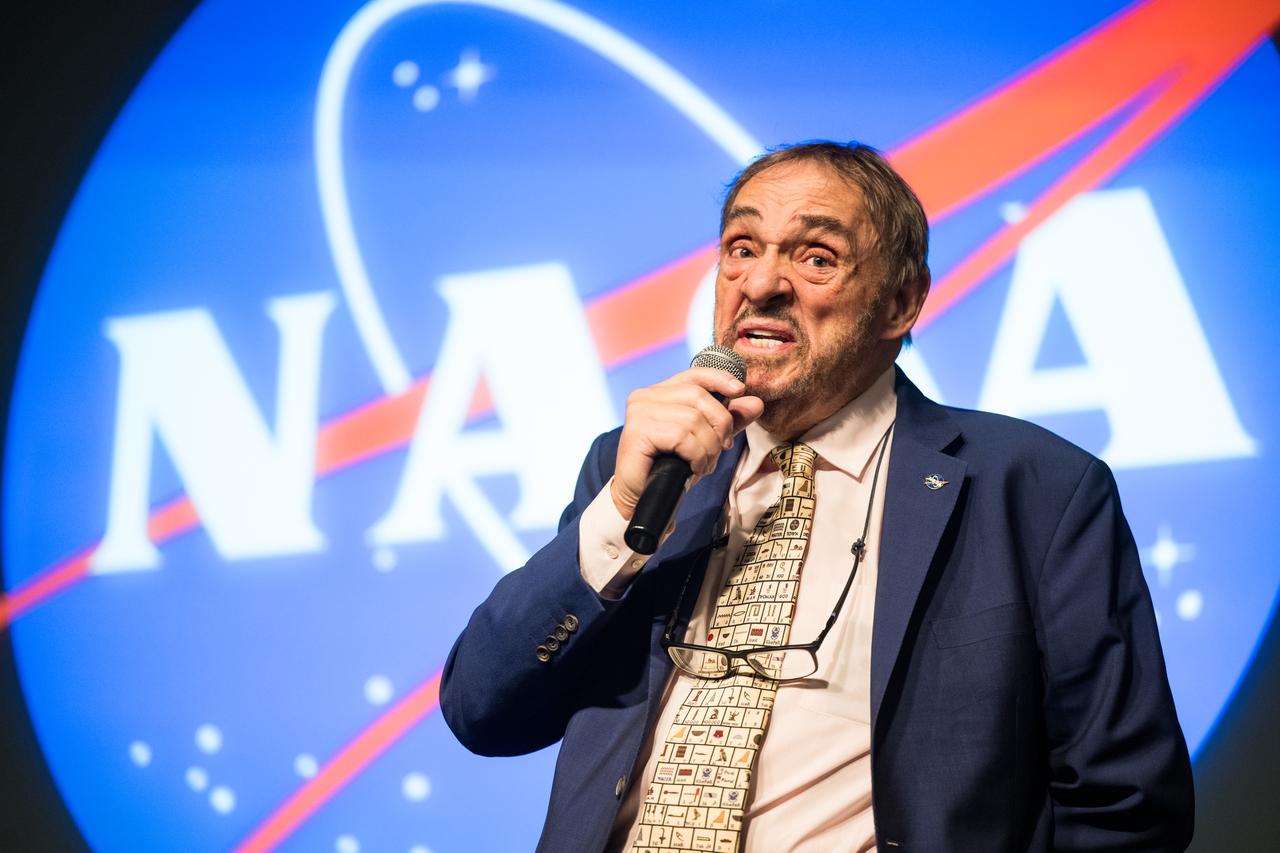
John Rhys-Davies, the actor best known for his roles as Gimli in The Lord of the Rings trilogy and Sallah in the Indiana Jones franchise provides remarks during an employee event, Friday, March 28, 2025 at the Mary W. Jackson NASA Headquarters building in Washington, DC. Photo Credit: (NASA/Aubrey Gemignani)
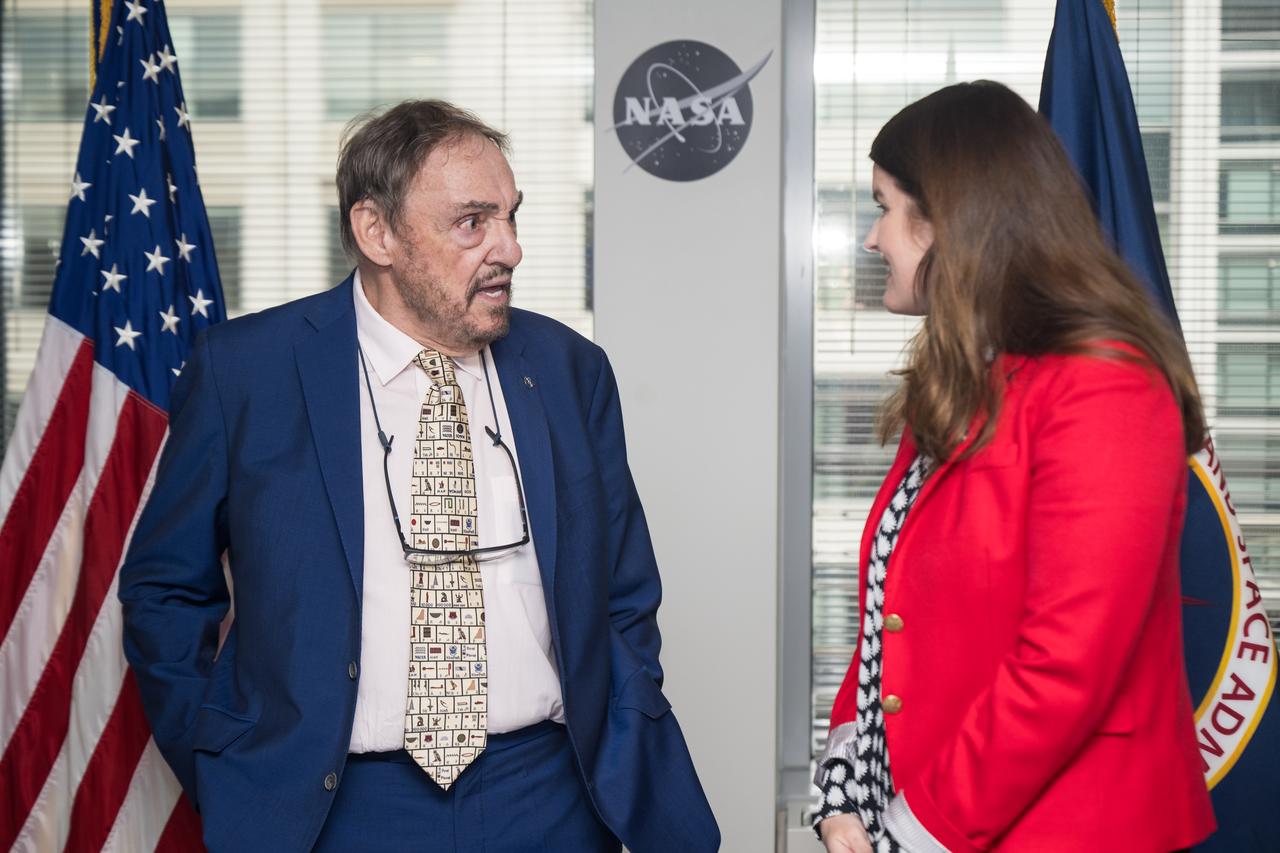
Casey Swails, NASA Deputy Associate Administrator speaks with John Rhys-Davies, the actor best known for his roles as Gimli in The Lord of the Rings trilogy and Sallah in the Indiana Jones franchise, Friday, March 28, 2025 at the Mary W. Jackson NASA Headquarters building in Washington, DC. Photo Credit: (NASA/Aubrey Gemignani)

John Rhys-Davies, the actor best known for his roles as Gimli in The Lord of the Rings trilogy and Sallah in the Indiana Jones franchise provides remarks during an employee event, Friday, March 28, 2025 at the Mary W. Jackson NASA Headquarters building in Washington, DC. Photo Credit: (NASA/Aubrey Gemignani)
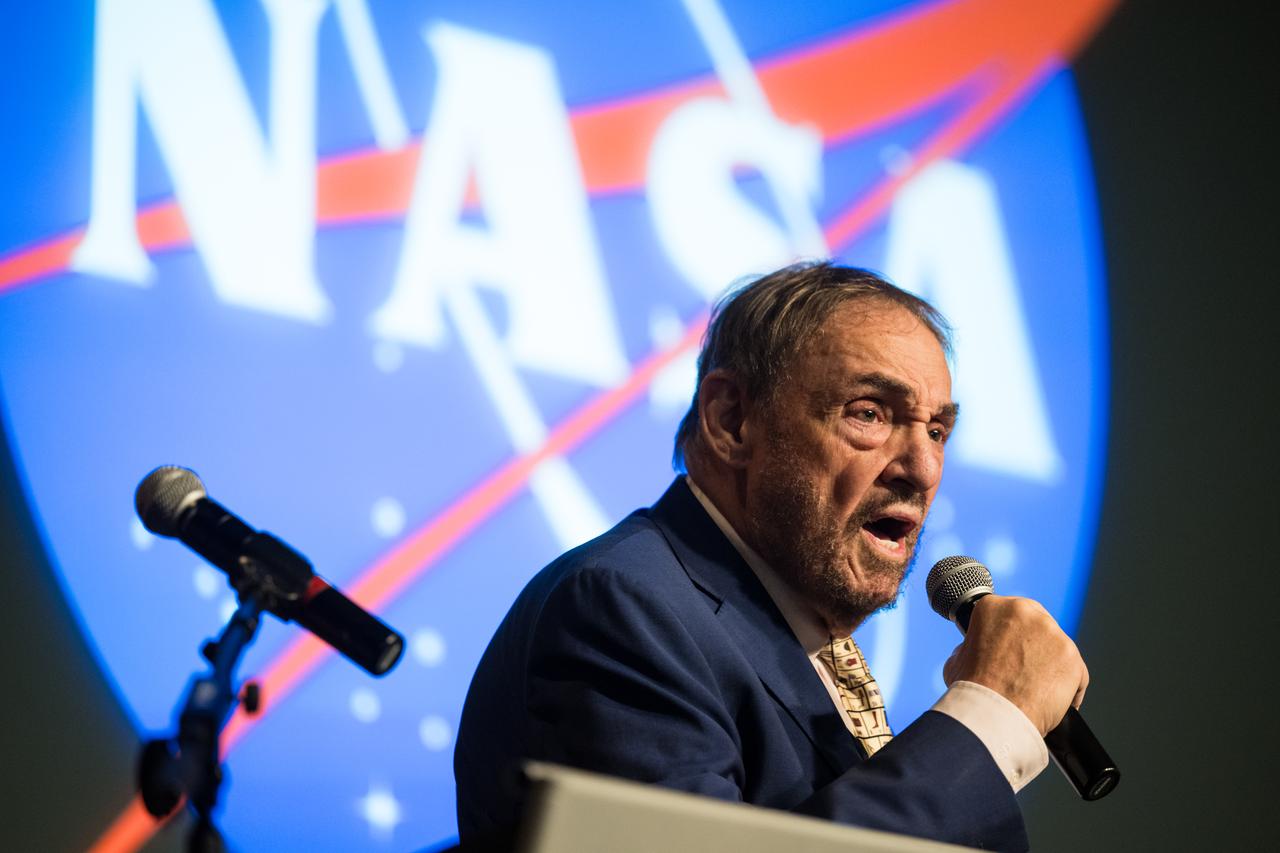
John Rhys-Davies, the actor best known for his roles as Gimli in The Lord of the Rings trilogy and Sallah in the Indiana Jones franchise provides remarks during an employee event, Friday, March 28, 2025 at the Mary W. Jackson NASA Headquarters building in Washington, DC. Photo Credit: (NASA/Aubrey Gemignani)
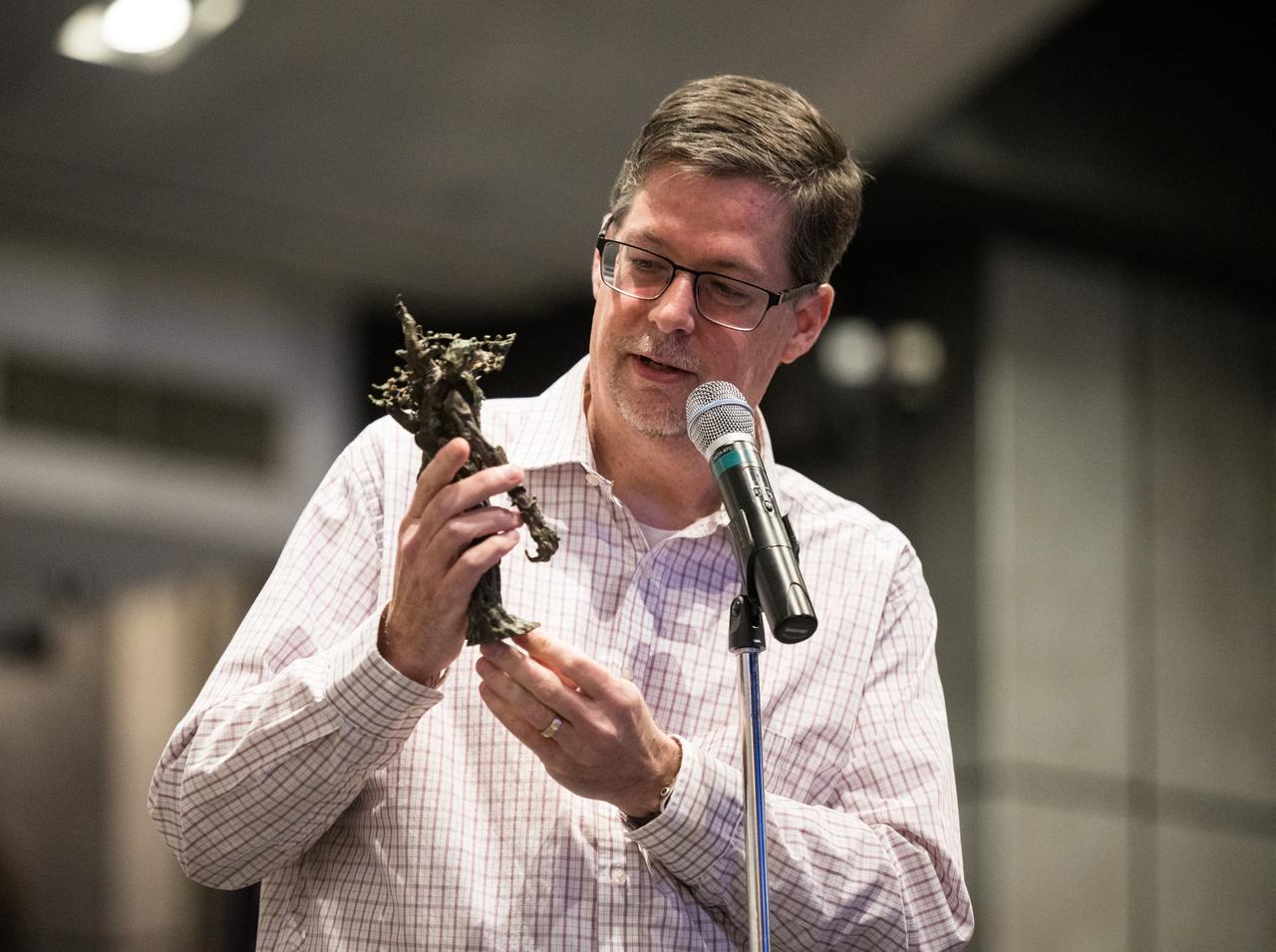
Jim Wilson, NASA public affairs officer, asks John Rhys-Davies, the actor best known for his roles as Gimli in The Lord of the Rings trilogy and Sallah in the Indiana Jones franchise, a question during an employee event, Friday, March 28, 2025 at the Mary W. Jackson NASA Headquarters building in Washington, DC. Photo Credit: (NASA/Aubrey Gemignani)
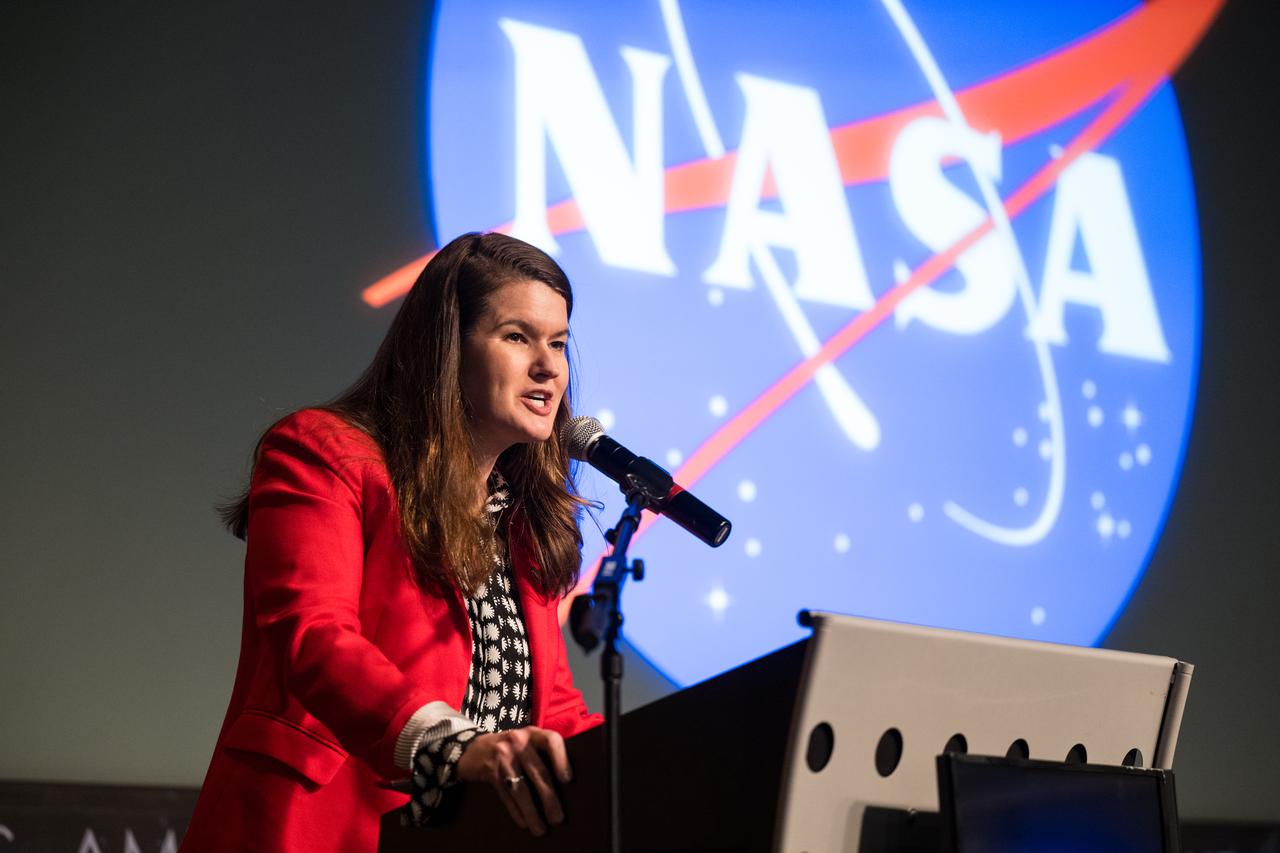
Casey Swails, NASA Deputy Associate Administrator, introduces John Rhys-Davies, the actor best known for his roles as Gimli in The Lord of the Rings trilogy and Sallah in the Indiana Jones franchise, during an employee event, Friday, March 28, 2025 at the Mary W. Jackson NASA Headquarters building in Washington, DC. Photo Credit: (NASA/Aubrey Gemignani)

Alise Fisher, NASA Public Affairs Specialist, Science Mission Directorate, moderates a discussion with John Rhys-Davies, the actor best known for his roles as Gimli in The Lord of the Rings trilogy and Sallah in the Indiana Jones franchise, during an employee event, Friday, March 28, 2025 at the Mary W. Jackson NASA Headquarters building in Washington, DC. Photo Credit: (NASA/Aubrey Gemignani)

Casey Swails, NASA Deputy Associate Administrator, introduces John Rhys-Davies, the actor best known for his roles as Gimli in The Lord of the Rings trilogy and Sallah in the Indiana Jones franchise, during an employee event, Friday, March 28, 2025 at the Mary W. Jackson NASA Headquarters building in Washington, DC. Photo Credit: (NASA/Aubrey Gemignani)
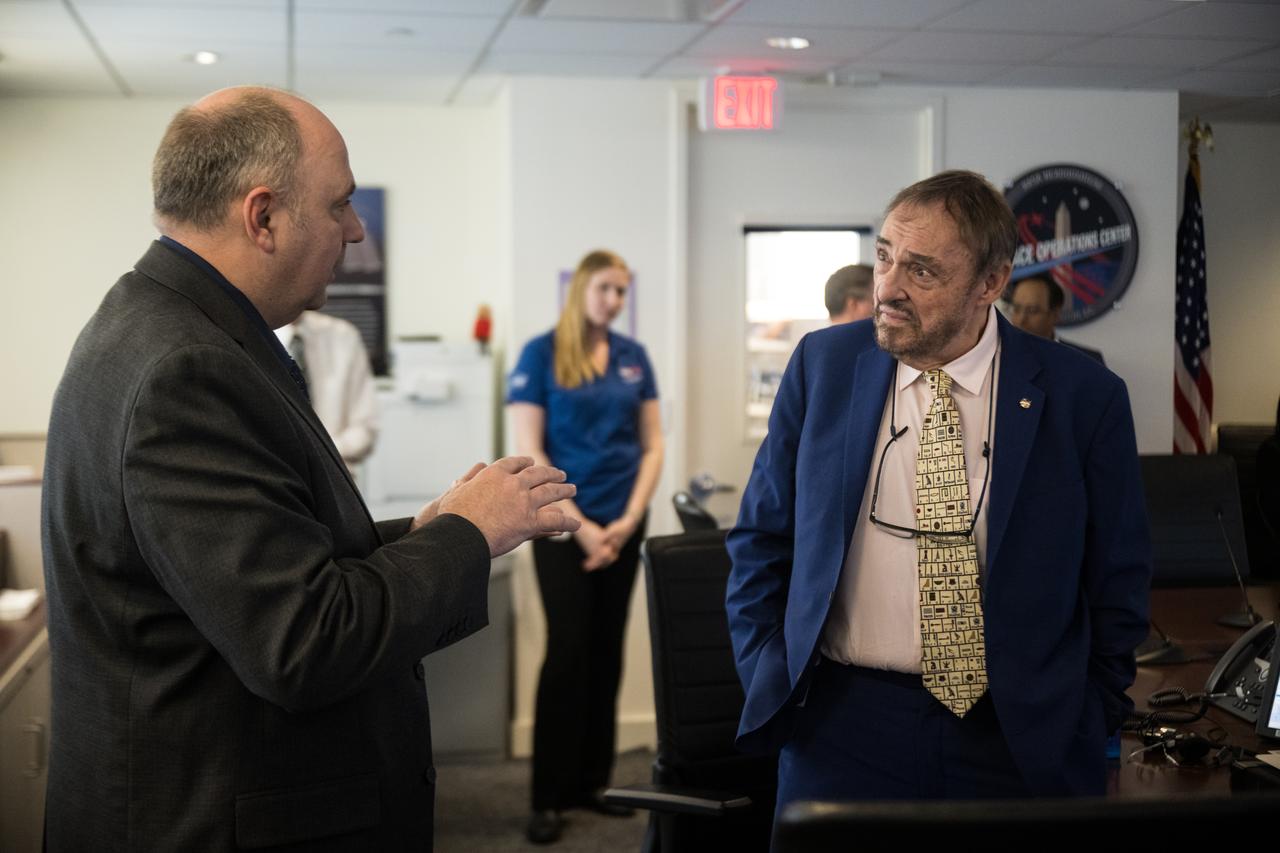
Kevin Metrocavage, NASA Headquarters Space Operations Center (SOC) Manager, Space Operations Mission Directorate, speaks with John Rhys-Davies, the actor best known for his roles as Gimli in The Lord of the Rings trilogy and Sallah in the Indiana Jones franchise, about the International Space Station in the SOC, Friday, March 28, 2025 at the Mary W. Jackson NASA Headquarters building in Washington, DC. Photo Credit: (NASA/Aubrey Gemignani)

Kevin Metrocavage, NASA Headquarters Space Operations Center (SOC) Manager, Space Operations Mission Directorate, speaks with John Rhys-Davies, the actor best known for his roles as Gimli in The Lord of the Rings trilogy and Sallah in the Indiana Jones franchise, about the International Space Station in the SOC, Friday, March 28, 2025 at the Mary W. Jackson NASA Headquarters building in Washington, DC. Photo Credit: (NASA/Aubrey Gemignani)

Alise Fisher, NASA Public Affairs Specialist, Science Mission Directorate, moderates a discussion with John Rhys-Davies, the actor best known for his roles as Gimli in The Lord of the Rings trilogy and Sallah in the Indiana Jones franchise, during an employee event, Friday, March 28, 2025 at the Mary W. Jackson NASA Headquarters building in Washington, DC. Photo Credit: (NASA/Aubrey Gemignani)
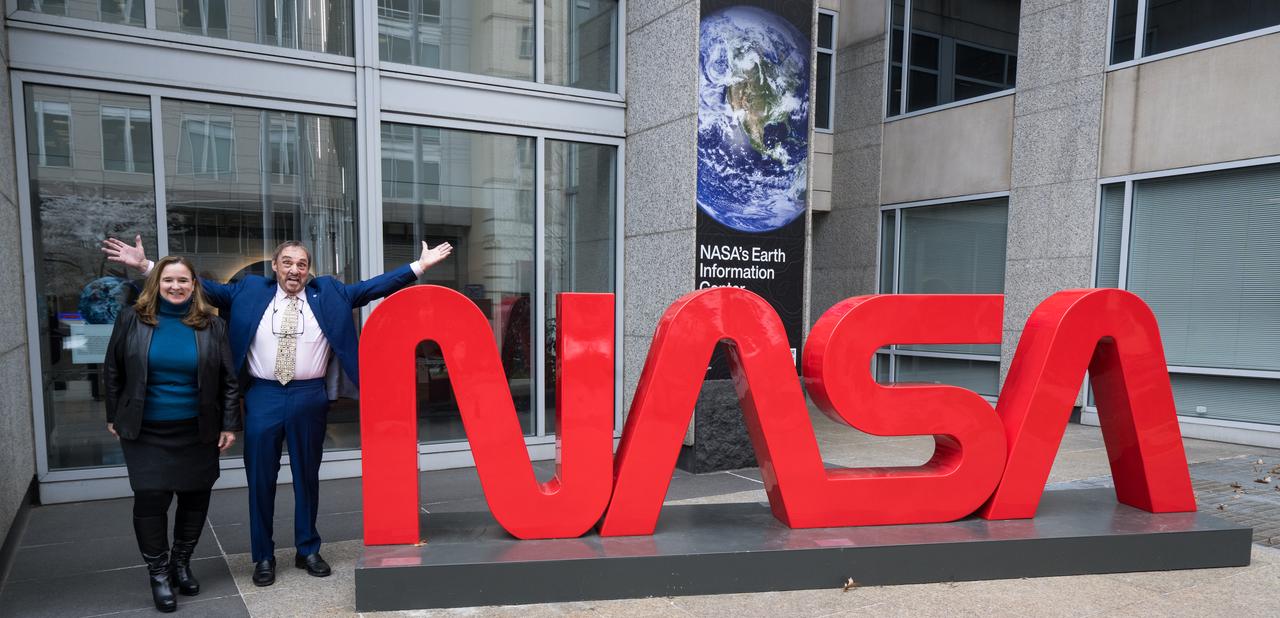
Dr. Karen St. Germain, NASA director of the Earth Science Division, left, and John Rhys-Davies, the actor best known for his roles as Gimli in The Lord of the Rings trilogy and Sallah in the Indiana Jones franchise, pose for a photo, Friday, March 28, 2025 at the Mary W. Jackson NASA Headquarters building in Washington, DC. Photo Credit: (NASA/Aubrey Gemignani)
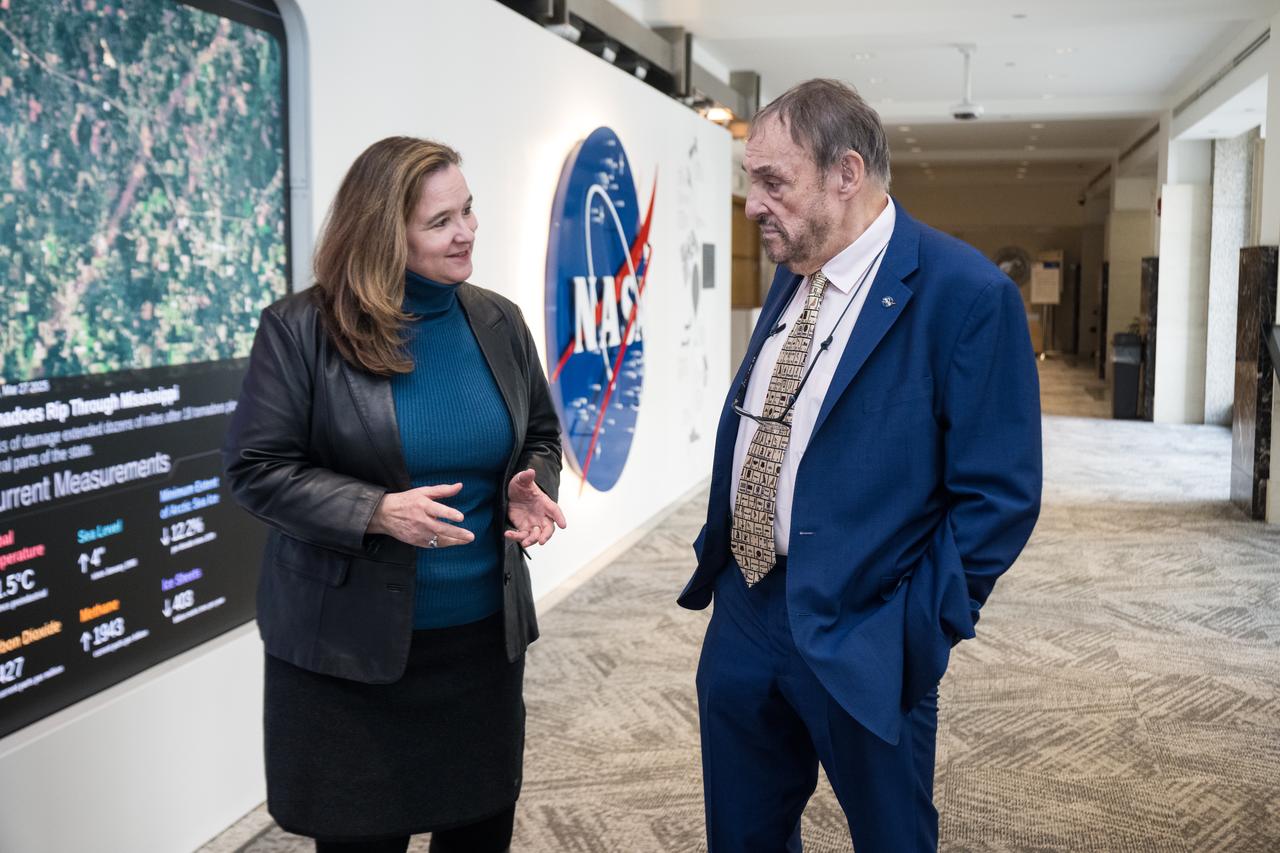
Dr. Karen St. Germain, NASA director of the Earth Science Division, speaks with John Rhys-Davies, the actor best known for his roles as Gimli in The Lord of the Rings trilogy and Sallah in the Indiana Jones franchise at the Earth Information Center (EIC), Friday, March 28, 2025 at the Mary W. Jackson NASA Headquarters building in Washington, DC. Photo Credit: (NASA/Aubrey Gemignani)
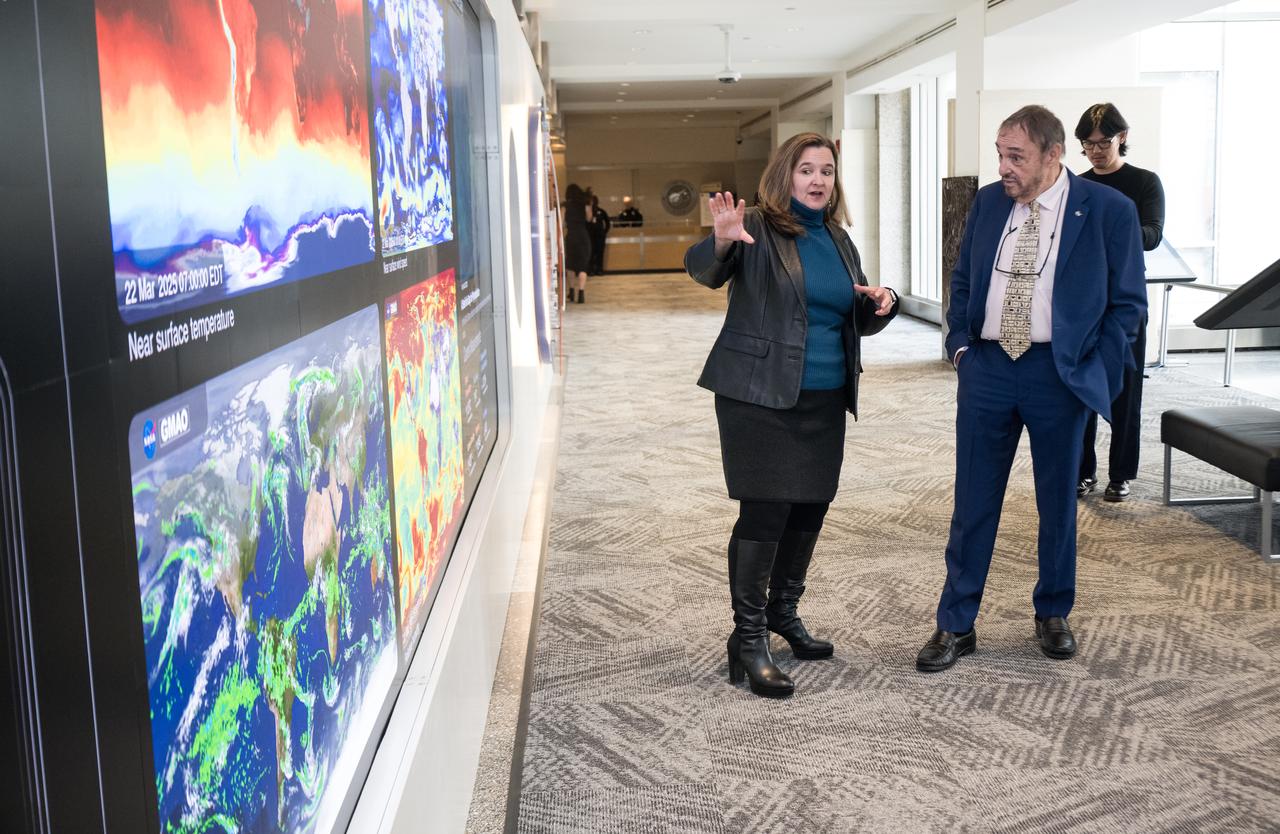
Dr. Karen St. Germain, NASA director of the Earth Science Division, speaks with John Rhys-Davies, the actor best known for his roles as Gimli in The Lord of the Rings trilogy and Sallah in the Indiana Jones franchise at the Earth Information Center (EIC), Friday, March 28, 2025 at the Mary W. Jackson NASA Headquarters building in Washington, DC. Photo Credit: (NASA/Aubrey Gemignani)

Dr. Karen St. Germain, NASA director of the Earth Science Division, speaks with John Rhys-Davies, the actor best known for his roles as Gimli in The Lord of the Rings trilogy and Sallah in the Indiana Jones franchise at the Earth Information Center (EIC), Friday, March 28, 2025 at the Mary W. Jackson NASA Headquarters building in Washington, DC. Photo Credit: (NASA/Aubrey Gemignani)

Dr. Karen St. Germain, NASA director of the Earth Science Division, speaks with John Rhys-Davies, the actor best known for his roles as Gimli in The Lord of the Rings trilogy and Sallah in the Indiana Jones franchise at the Earth Information Center (EIC), Friday, March 28, 2025 at the Mary W. Jackson NASA Headquarters building in Washington, DC. Photo Credit: (NASA/Aubrey Gemignani)
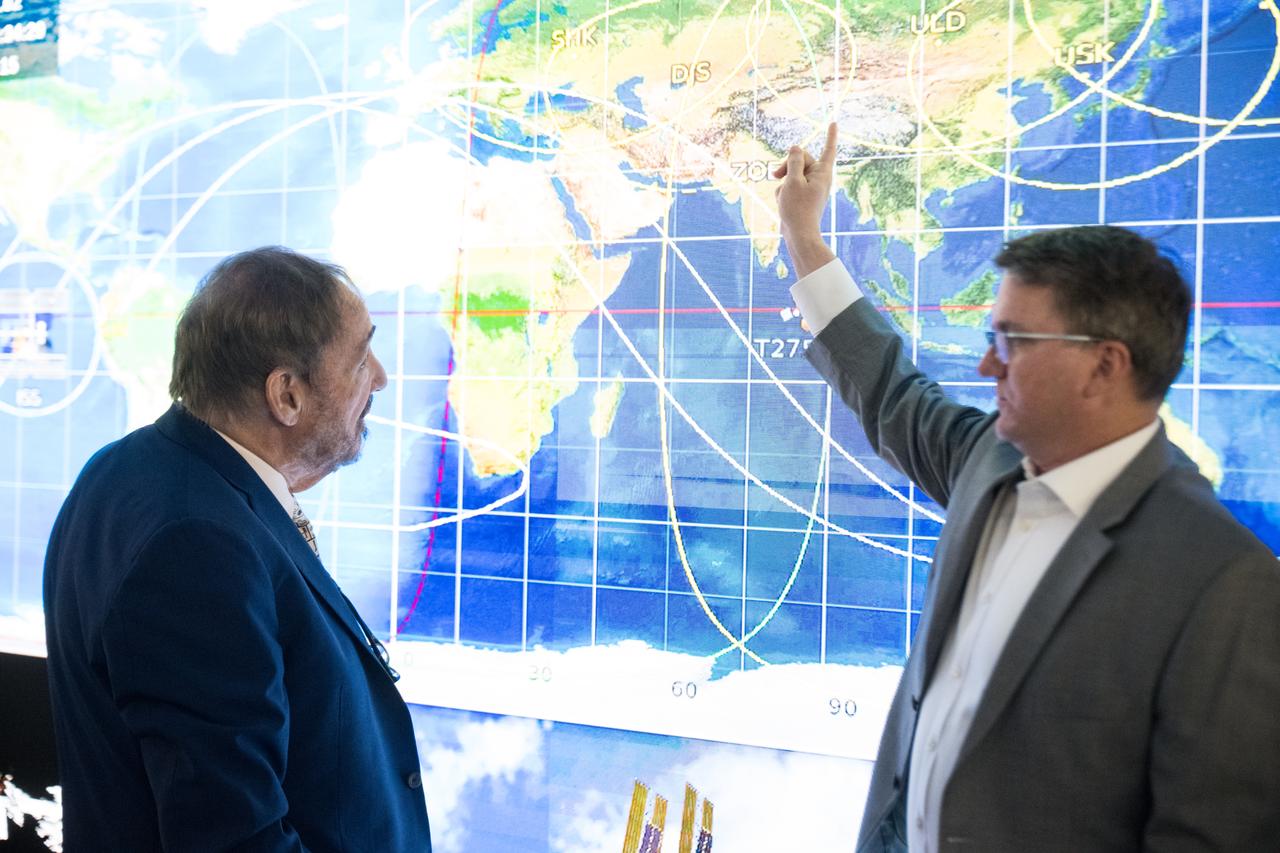
Jacob Keaton, NASA senior policy advisor in the International Space Station (ISS) Division in the Human Exploration and Operations Mission Directorate, speaks with John Rhys-Davies, the actor best known for his roles as Gimli in The Lord of the Rings trilogy and Sallah in the Indiana Jones franchise, in the Space Operations Center (SOC), Friday, March 28, 2025 at the Mary W. Jackson NASA Headquarters building in Washington, DC. Photo Credit: (NASA/Aubrey Gemignani)
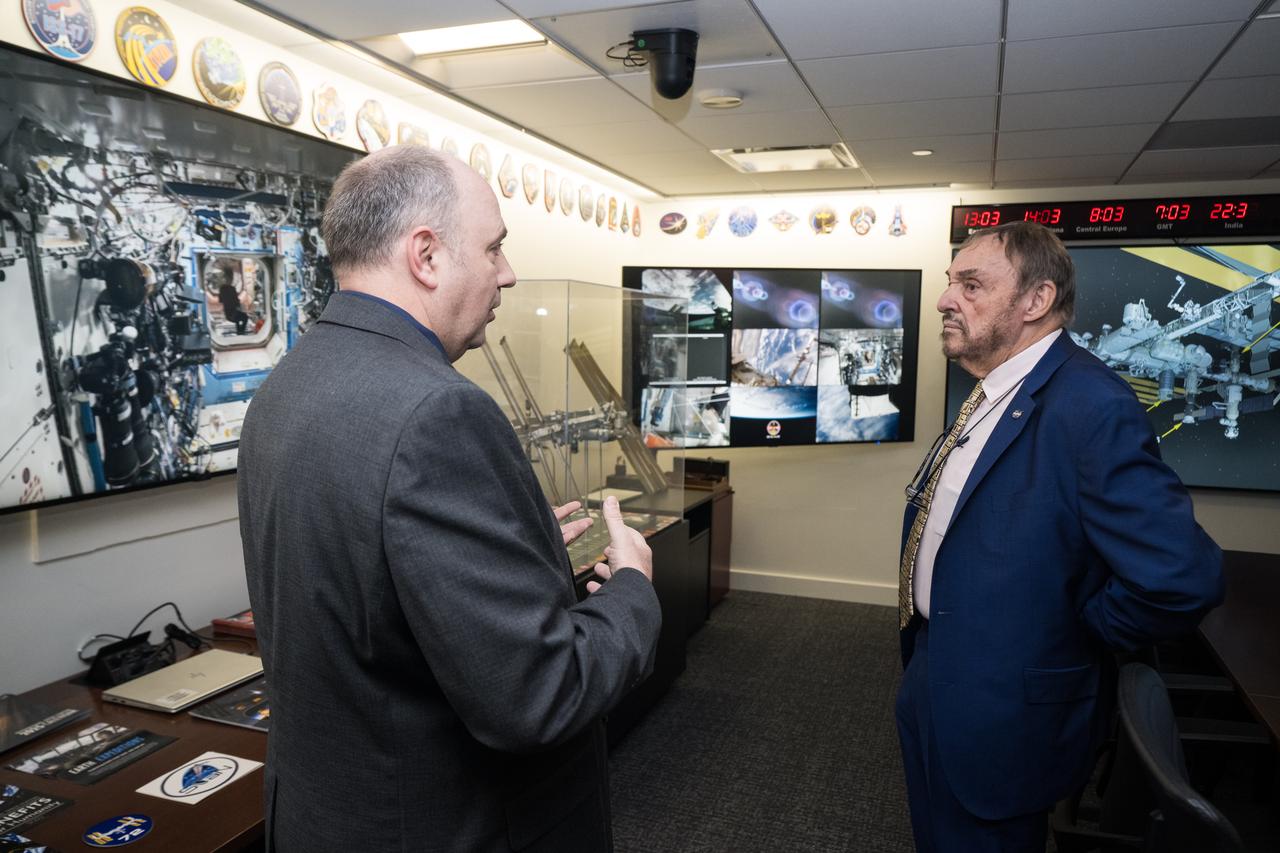
Kevin Metrocavage, NASA Headquarters Space Operations Center (SOC) Manager, Space Operations Mission Directorate, speaks with John Rhys-Davies, the actor best known for his roles as Gimli in The Lord of the Rings trilogy and Sallah in the Indiana Jones franchise, about the International Space Station in the SOC, Friday, March 28, 2025 at the Mary W. Jackson NASA Headquarters building in Washington, DC. Photo Credit: (NASA/Aubrey Gemignani)
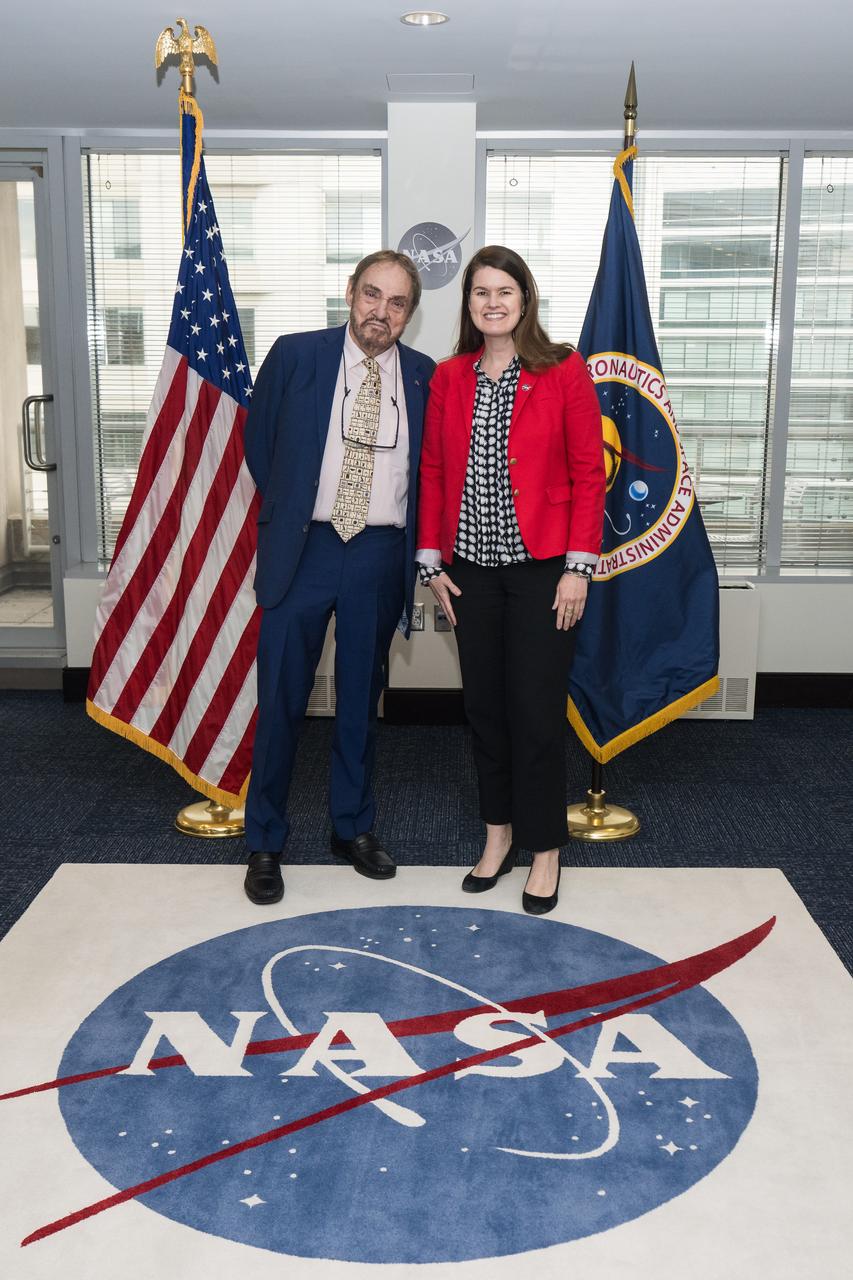
Casey Swails, NASA Deputy Associate Administrator poses for a photo with John Rhys-Davies, the actor best known for his roles as Gimli in The Lord of the Rings trilogy and Sallah in the Indiana Jones franchise, Friday, March 28, 2025 at the Mary W. Jackson NASA Headquarters building in Washington, DC. Photo Credit: (NASA/Aubrey Gemignani)

Kevin Metrocavage, NASA Headquarters Space Operations Center (SOC) Manager, Space Operations Mission Directorate, speaks with John Rhys-Davies, the actor best known for his roles as Gimli in The Lord of the Rings trilogy and Sallah in the Indiana Jones franchise, about the International Space Station in the SOC, Friday, March 28, 2025 at the Mary W. Jackson NASA Headquarters building in Washington, DC. Photo Credit: (NASA/Aubrey Gemignani)
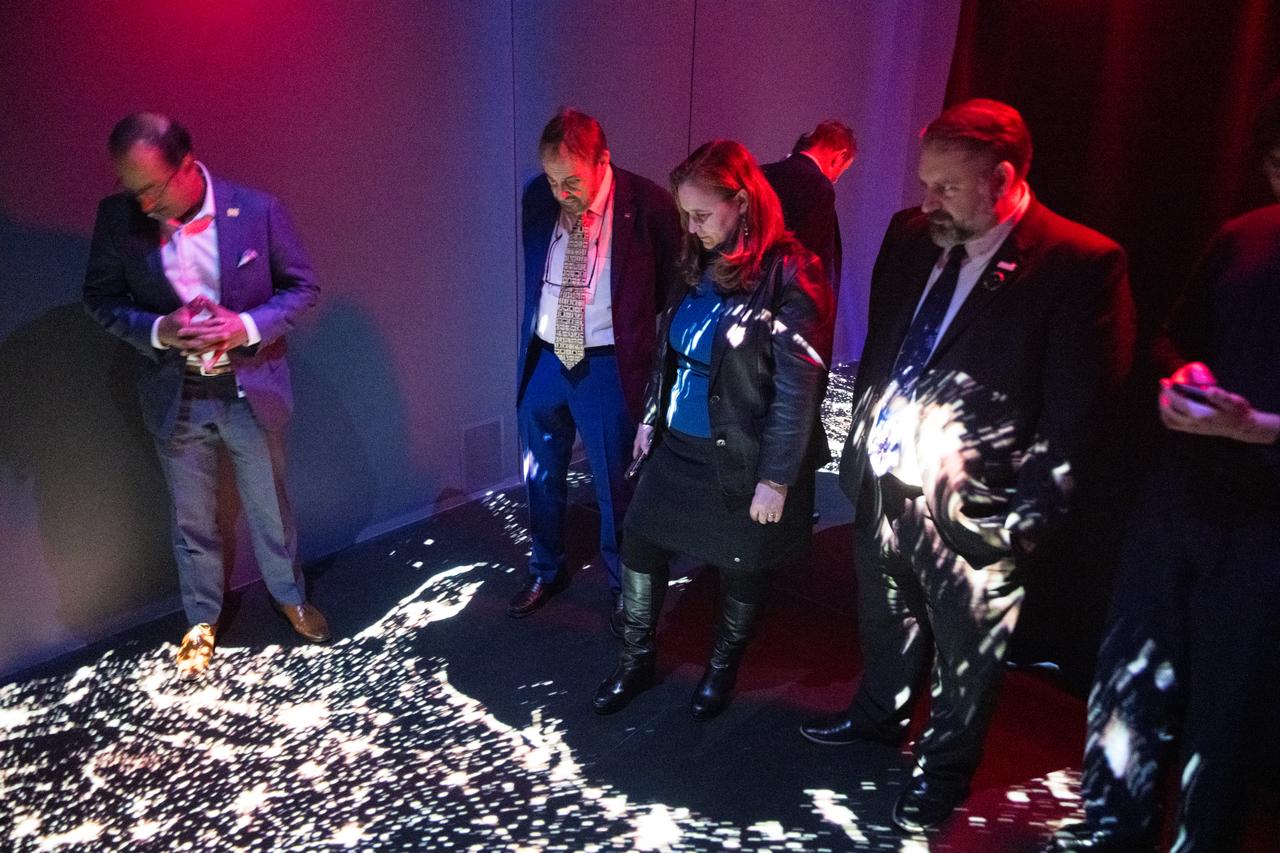
Dr. Karen St. Germain, NASA director of the Earth Science Division, and John Rhys-Davies, the actor best known for his roles as Gimli in The Lord of the Rings trilogy and Sallah in the Indiana Jones franchise, center left, visit the Earth Information Center (EIC), Friday, March 28, 2025 at the Mary W. Jackson NASA Headquarters building in Washington, DC. Photo Credit: (NASA/Aubrey Gemignani)
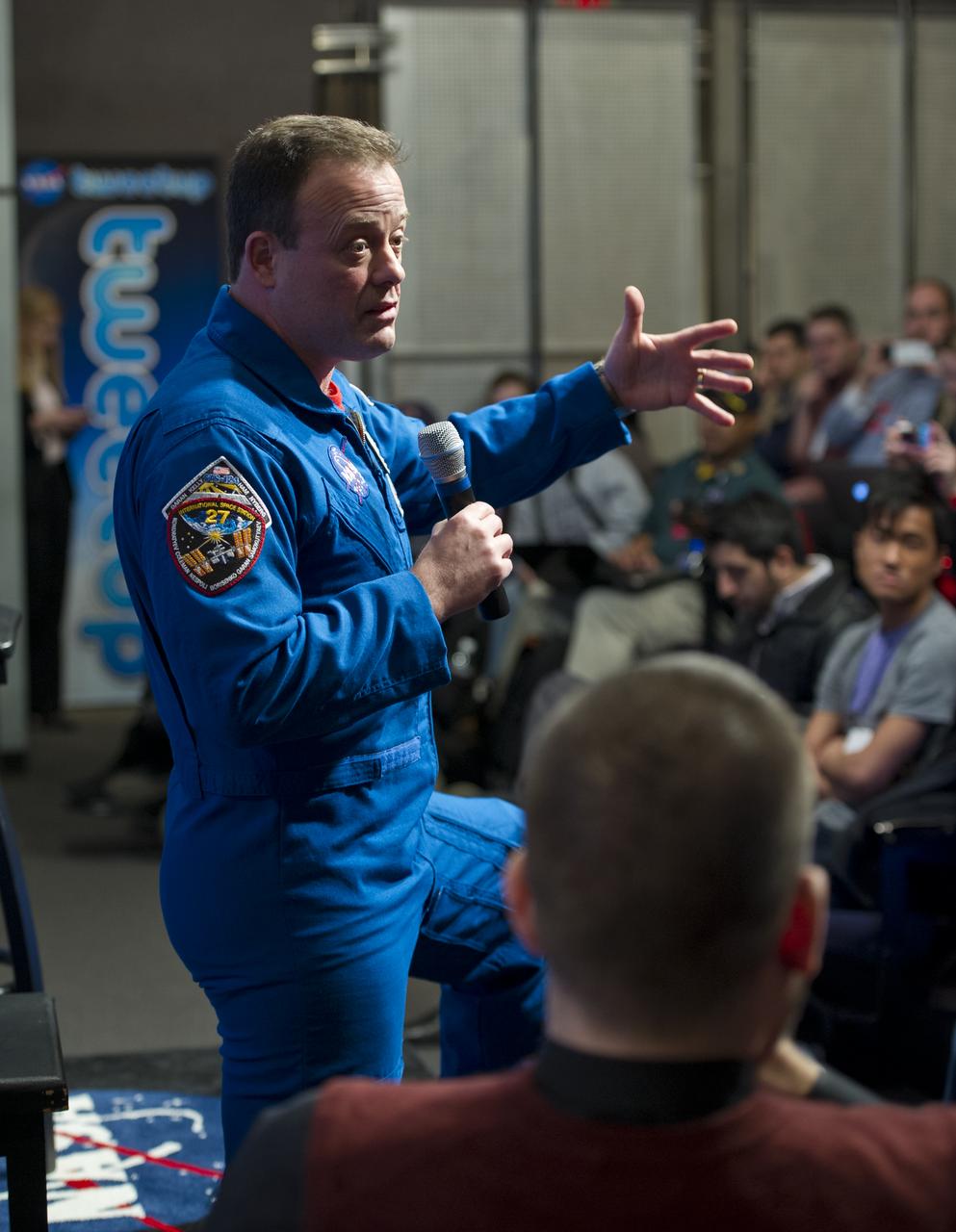
Astronaut Ron Garan discusses his experiences while living on the International Space Station as part of the Expedition 27 and 28 mission during a tweetup at NASA Headquarters in Washington, Tuesday, Feb. 14, 2012. Garan has logged more than 178 days in space and 27 hours and 3 minutes of EVA in four spacewalks. Photo Credit: (NASA/Carla Cioffi)

A NASA Twitter follower tweets during astronaut Ron Garan's Tweetup at NASA Headquarters in Washington, Tuesday, Feb. 14, 2012. Garan was a flight engineer on both the Expedition 27 and 28 missions at the International Space Station. Photo Credit: (NASA/Carla Cioffi)
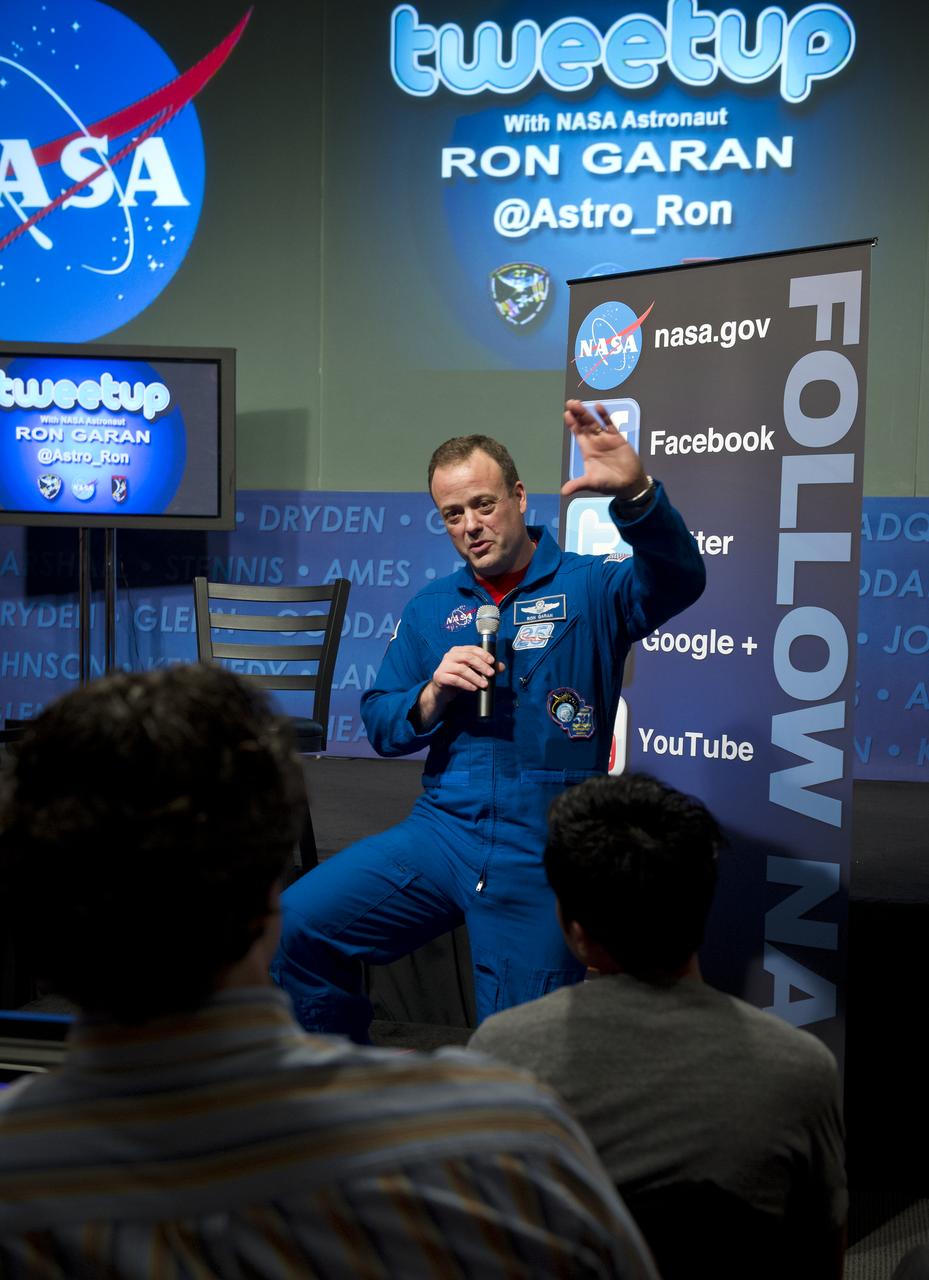
Astronaut Ron Garan discusses his experiences while living on the International Space Station as part of the Expedition 27 and 28 mission during a tweetup at NASA Headquarters in Washington, Tuesday, Feb. 14, 2012. Garan has logged more than 178 days in space and 27 hours and 3 minutes of EVA in four spacewalks. Photo Credit: (NASA/Carla Cioffi)
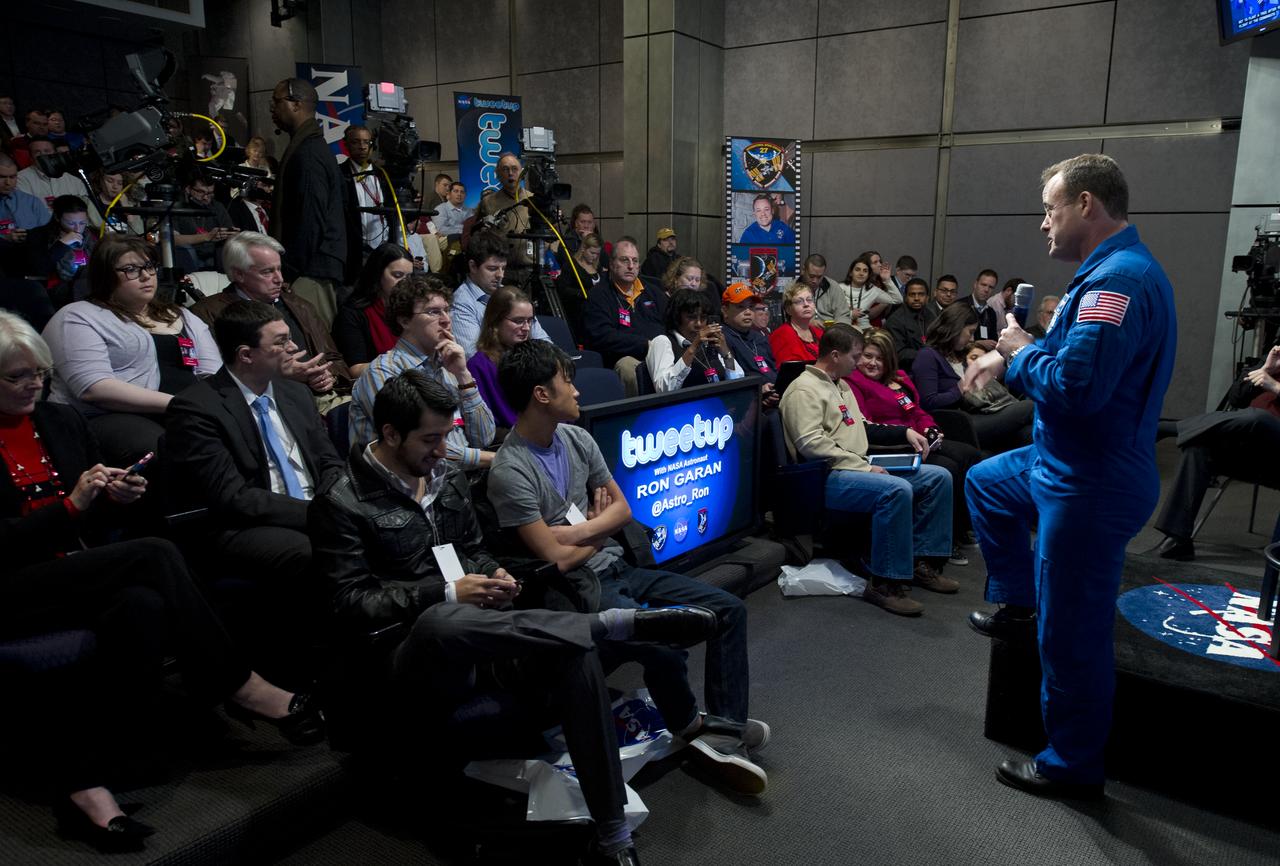
Astronaut Ron Garan, far right, discusses his experiences while living on the International Space Station as part of the Expedition 27 and 28 mission during a tweetup at NASA Headquarters in Washington, Tuesday, Feb. 14, 2012. Garan has logged more than 178 days in space and 27 hours and 3 minutes of EVA in four spacewalks. Photo Credit: (NASA/Carla Cioffi)
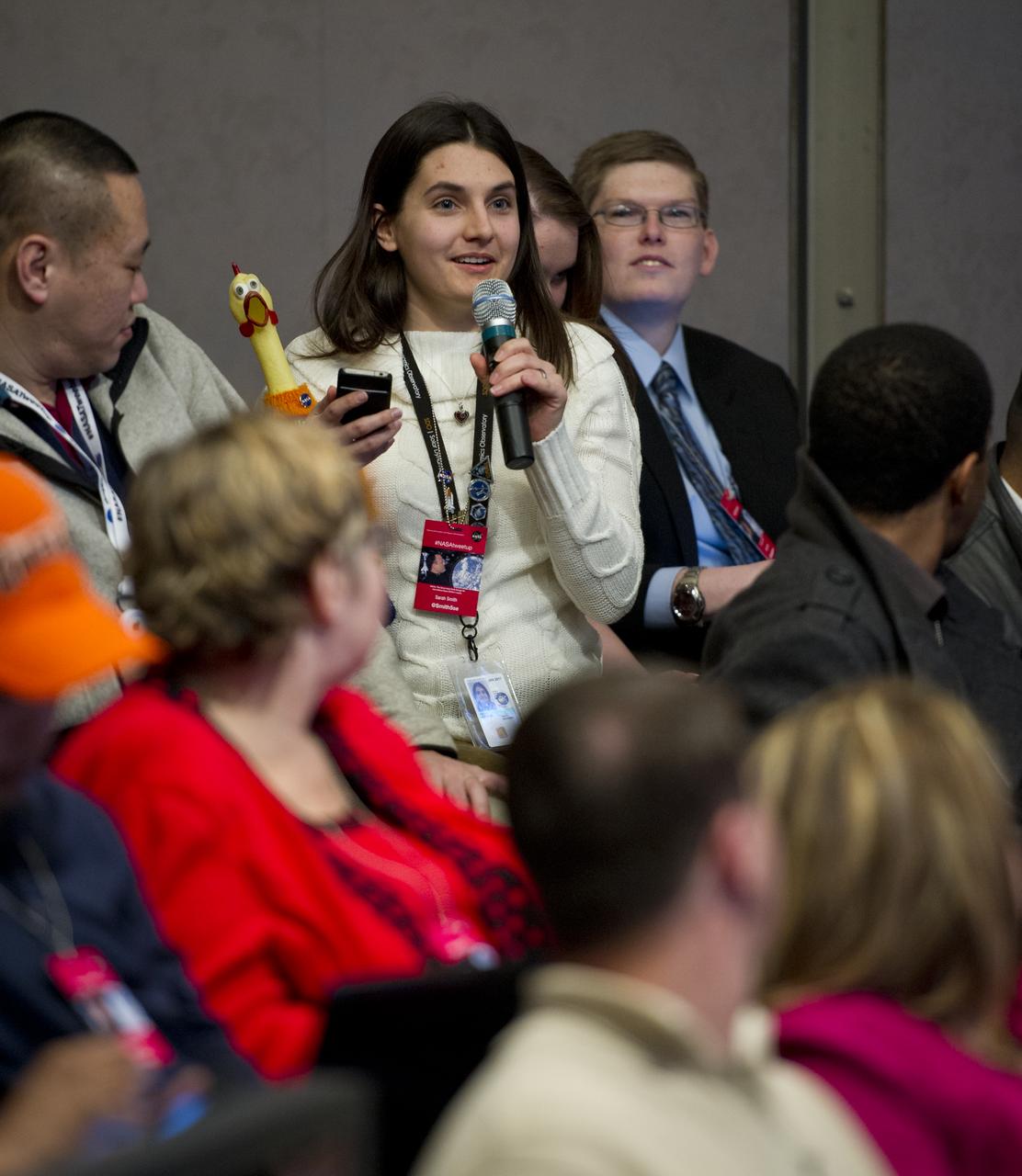
NASA Twitter follower Sarah Smith, Twitter handle @smith5se, asks a question at a Tweetup hosted by astronaut Ron Garan at NASA Headquarters in Washington, Tuesday, Feb. 14, 2012. Photo Credit: (NASA/Carla Cioffi)

NASA Twitter followers are seen at a Tweetup hosted by NASA astronaut Ron Garan at NASA Headquarters in Washington, Tuesday, Feb. 14, 2012. Garan was a flight engineer on both the Expedition 27 and 28 missions at the International Space Station. Photo Credit: (NASA/Carla Cioffi)

NASA Twitter followers are seen at a Tweetup hosted by NASA astronaut Ron Garan at NASA Headquarters in Washington, Tuesday, Feb. 14, 2012. Garan was a flight engineer on both the Expedition 27 and 28 missions at the International Space Station. Photo Credit: (NASA/Carla Cioffi)
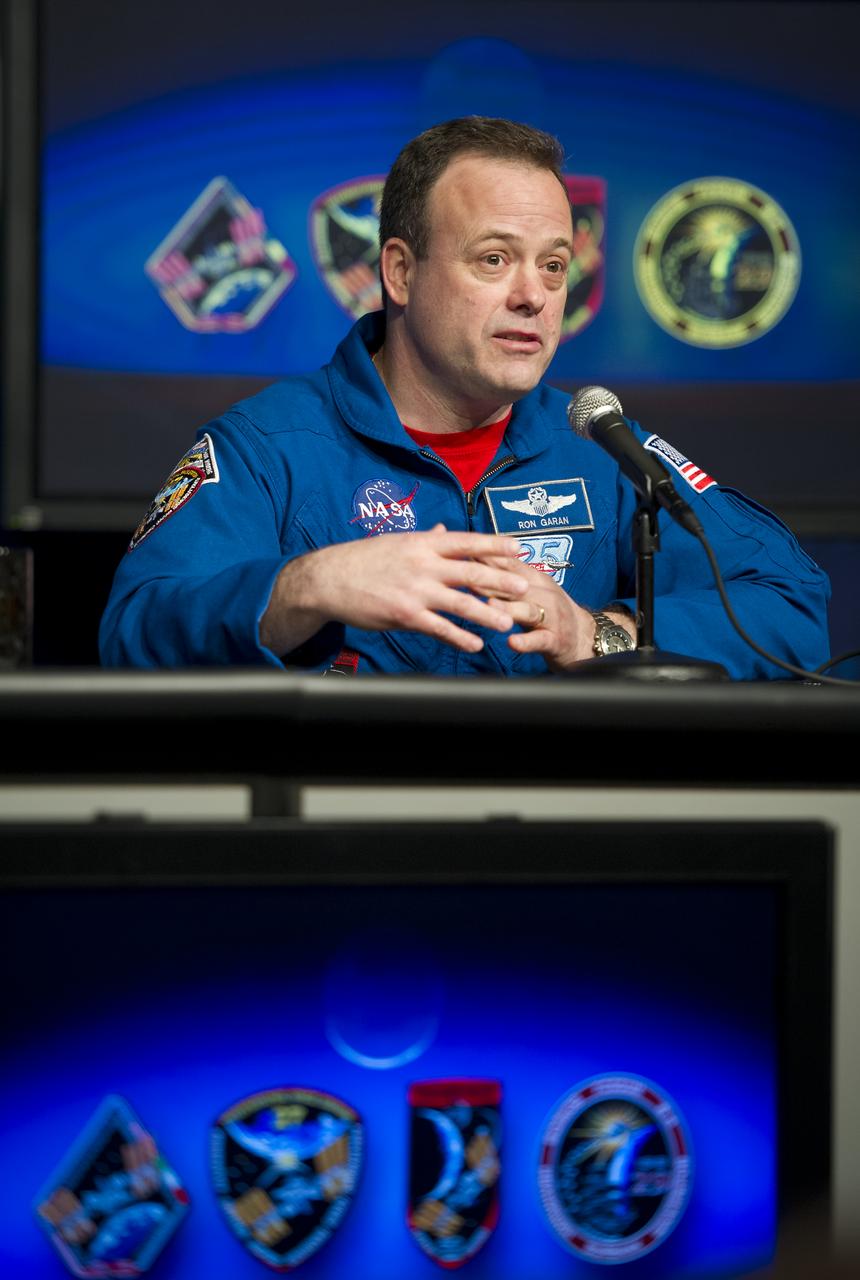
Astronaut Ron Garan, Expedition 27 & 28 flight engineer, discusses his mission to the International Space Station during a visit to NASA Headquarters in Washington, Tuesday, Feb. 14, 2012. Photo Credit: (NASA/Carla Cioffi)
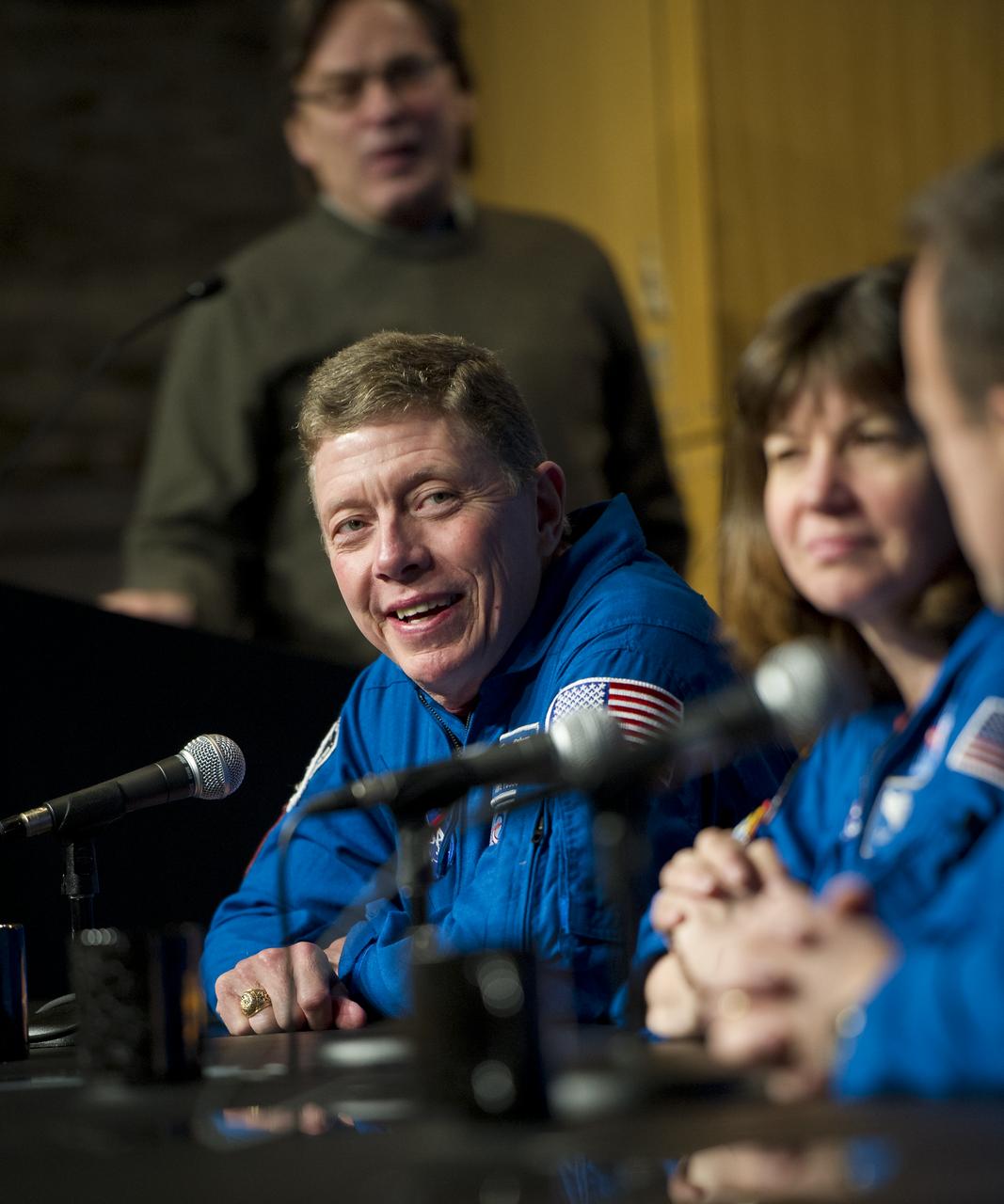
Astronaut Mike Fossum, Expedition 28 flight engineer and Expedition 29 Commander, discusses his mission to the International Space Station during a visit to NASA Headquarters in Washington, Tuesday, Feb. 14, 2012. Photo Credit: (NASA/Carla Cioffi)
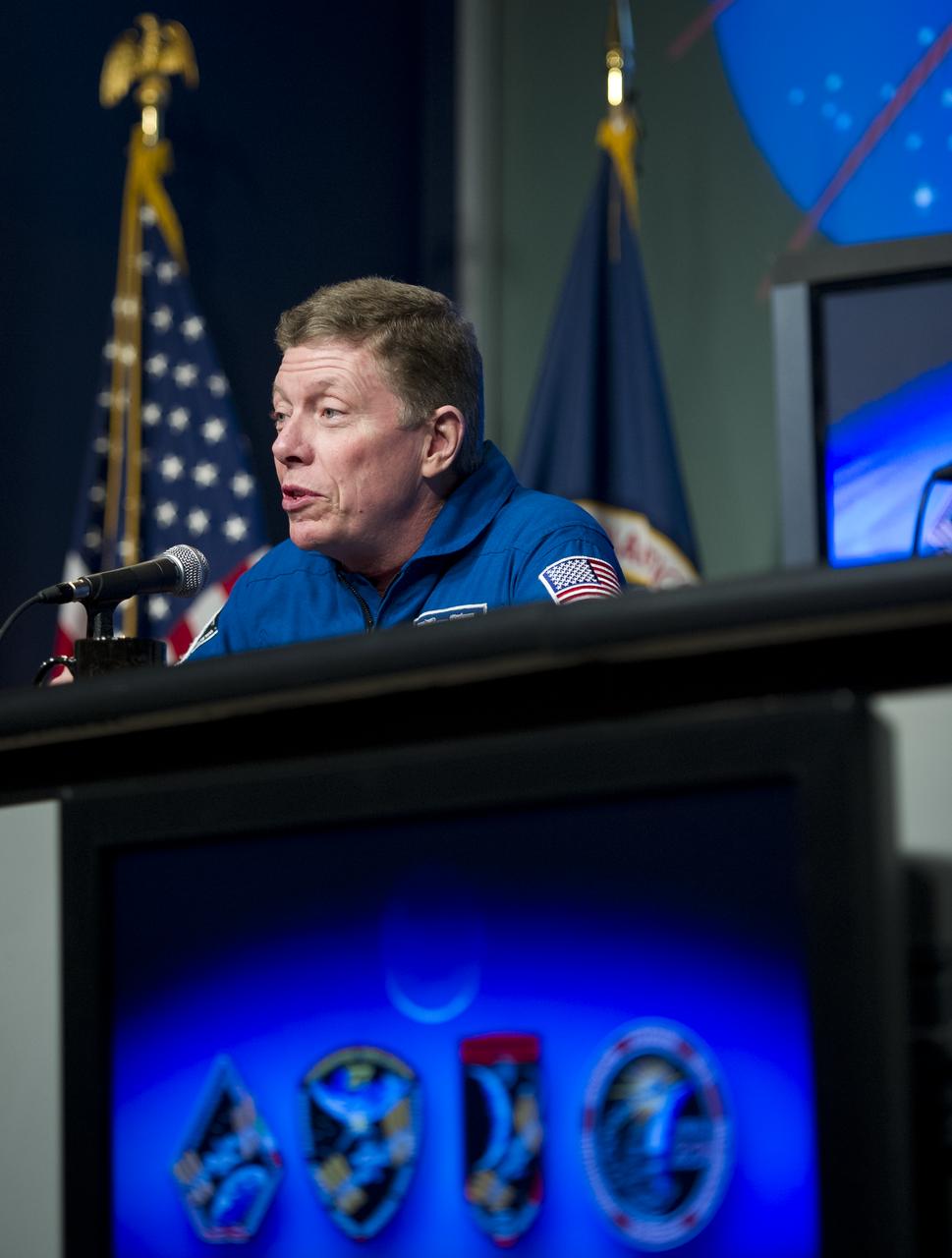
Astronaut Mike Fossum, Expedition 28 flight engineer and Expedition 29 Commander, discusses his mission to the International Space Station during a visit to NASA Headquarters in Washington, Tuesday, Feb. 14, 2012. Photo Credit: (NASA/Carla Cioffi)
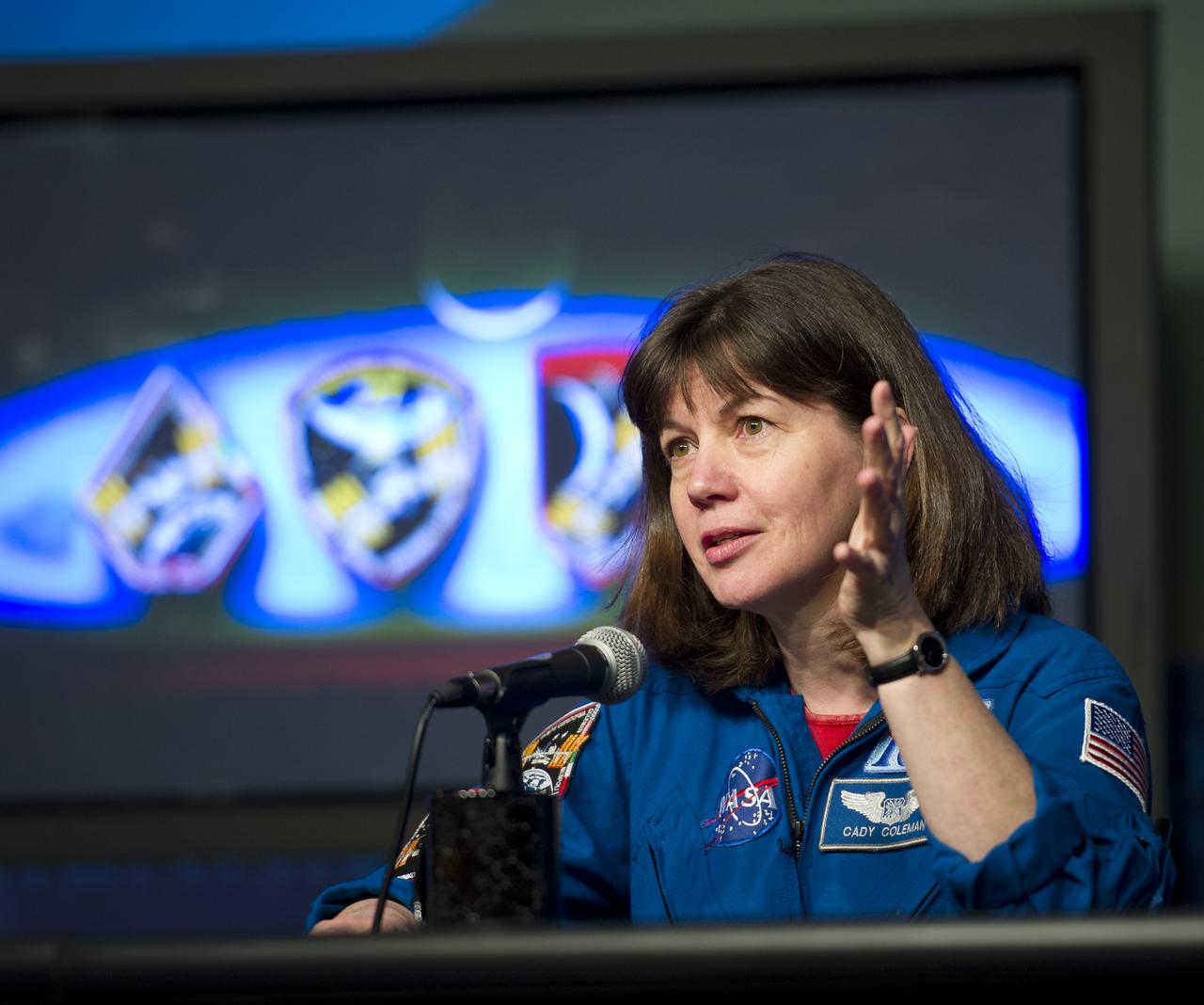
Astronaut Catherine Coleman, Expedition 26 and 27 flight engineer, discusses her mission to the International Space Station during a visit to NASA Headquarters in Washington, Tuesday, Feb. 14, 2012. Photo Credit: (NASA/Carla Cioffi)
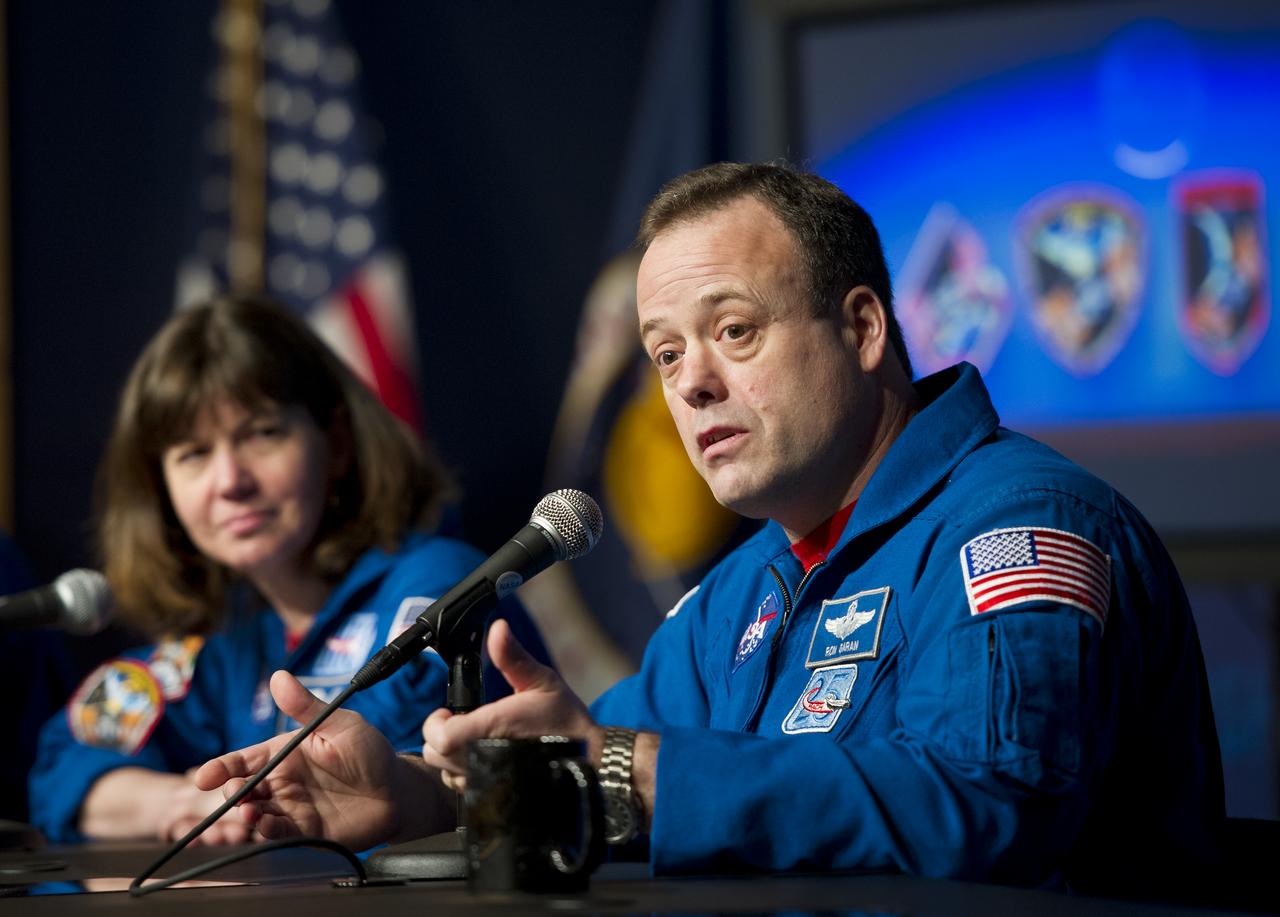
Astronaut Ron Garan, right, Expedition 27 & 28 flight engineer, discusses his mission to the International Space Station during a visit to NASA Headquarters in Washington, Tuesday, Feb. 14, 2012. Garan is joined by astronaut Catherine Coleman who was a flight engineer on Expeditions 26 & 27. Photo Credit: (NASA/Carla Cioffi)
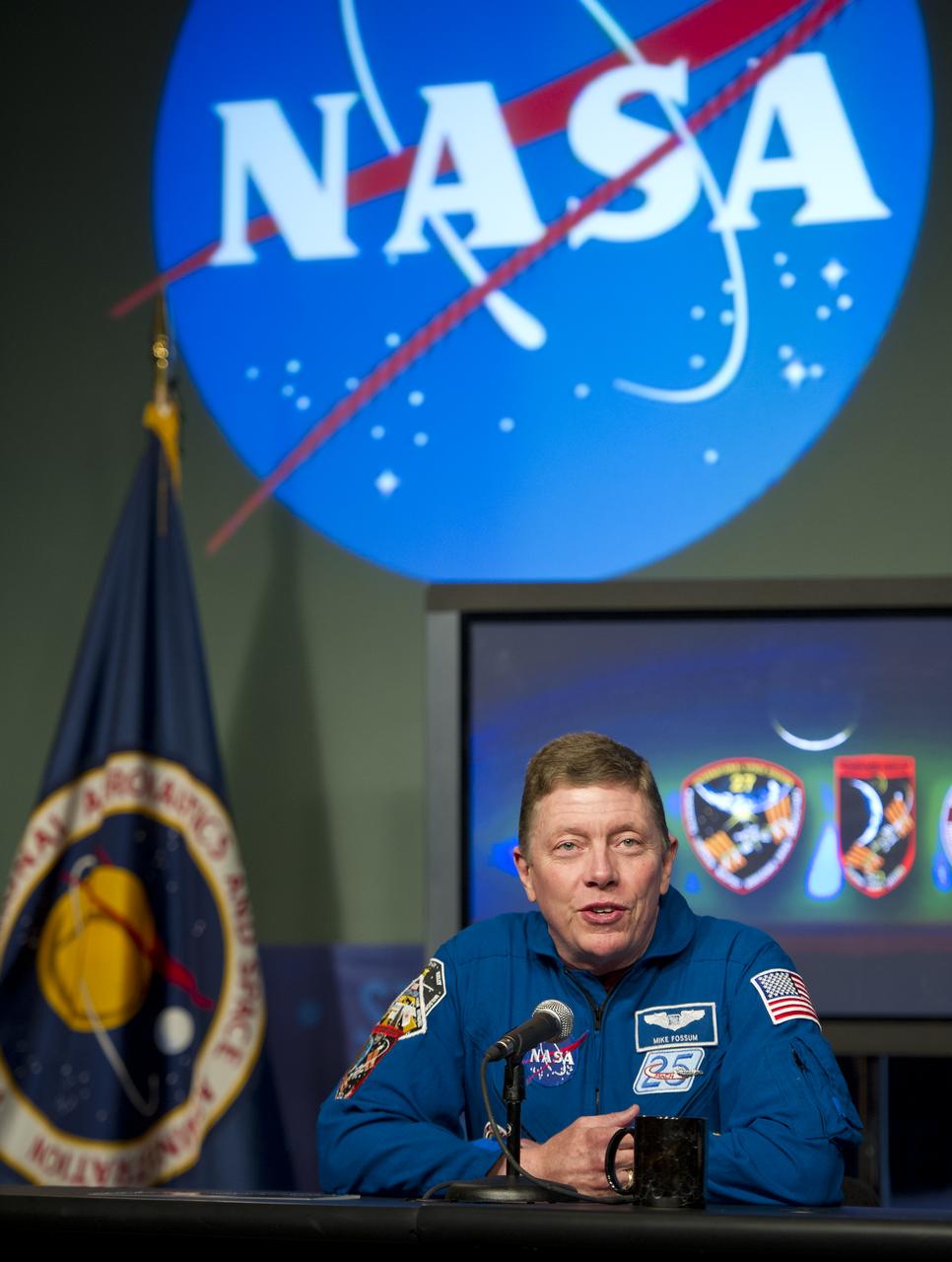
Astronaut Mike Fossum, Expedition 28 flight engineer and Expedition 29 Commander, discusses his mission to the International Space Station during a visit to NASA Headquarters in Washington, Tuesday, Feb. 14, 2012. Photo Credit: (NASA/Carla Cioffi)
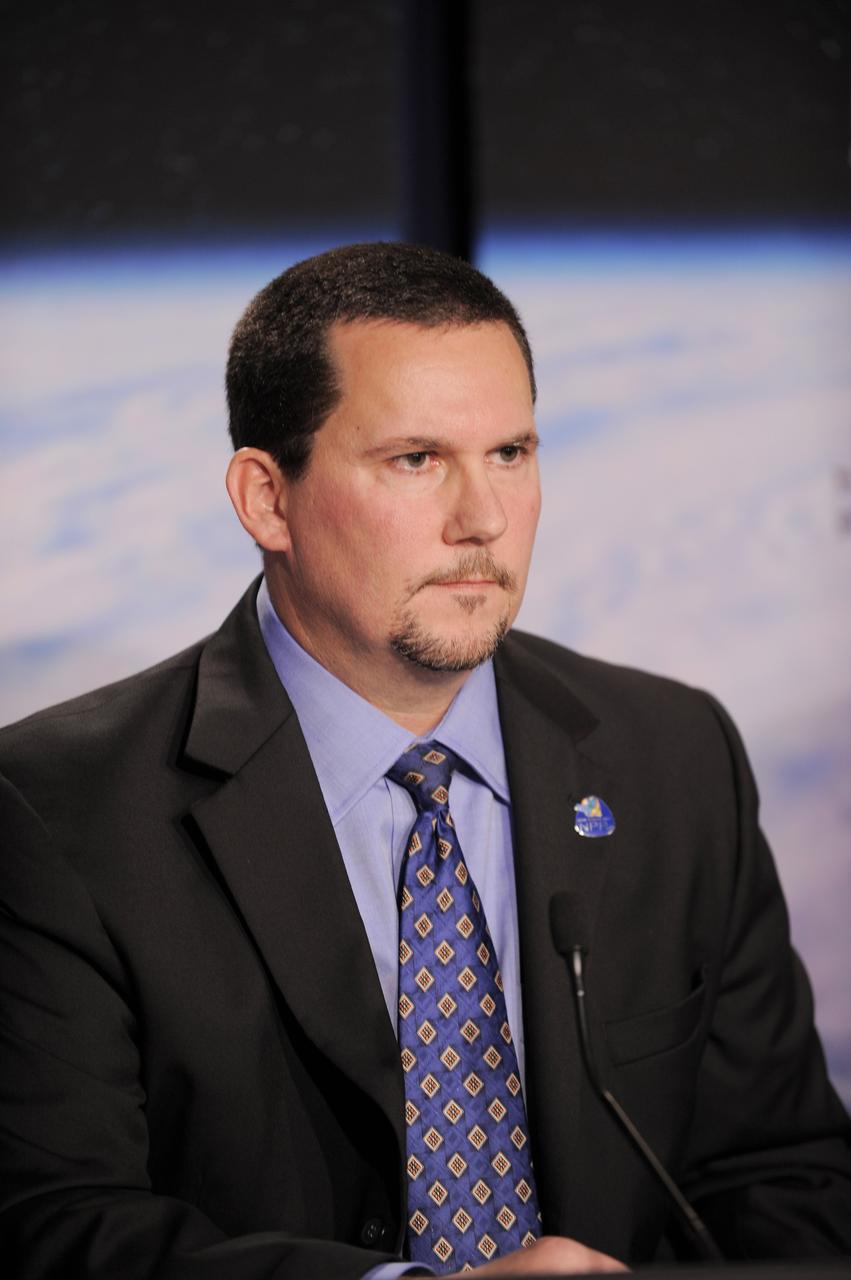
VANDENBERG AIR FORCE BASE, Calif. -- Andrew Carson, NPP program executive, NASA Headquarters, Washington, DC, participates in the prelaunch news conference at Vandenberg Air Force Base, Calif., for NASA’s National Polar-orbiting Operational Environmental Satellite System Preparatory Project (NPP) spacecraft. NPP represents a critical first step in building the next-generation of Earth-observing satellites. NPP will carry the first of the new sensors developed for this satellite fleet, now known as the Joint Polar Satellite System (JPSS), to be launched in 2016. NPP is the bridge between NASA's Earth Observing System (EOS) satellites and the forthcoming series of JPSS satellites. The mission will test key technologies and instruments for the JPSS missions. NPP is targeted to launch Oct. 28 from Space Launch Complex-2 aboard a United Launch Alliance Delta II rocket. For more information, visit http://www.nasa.gov/NPP. Photo credit: NASA/VAFB
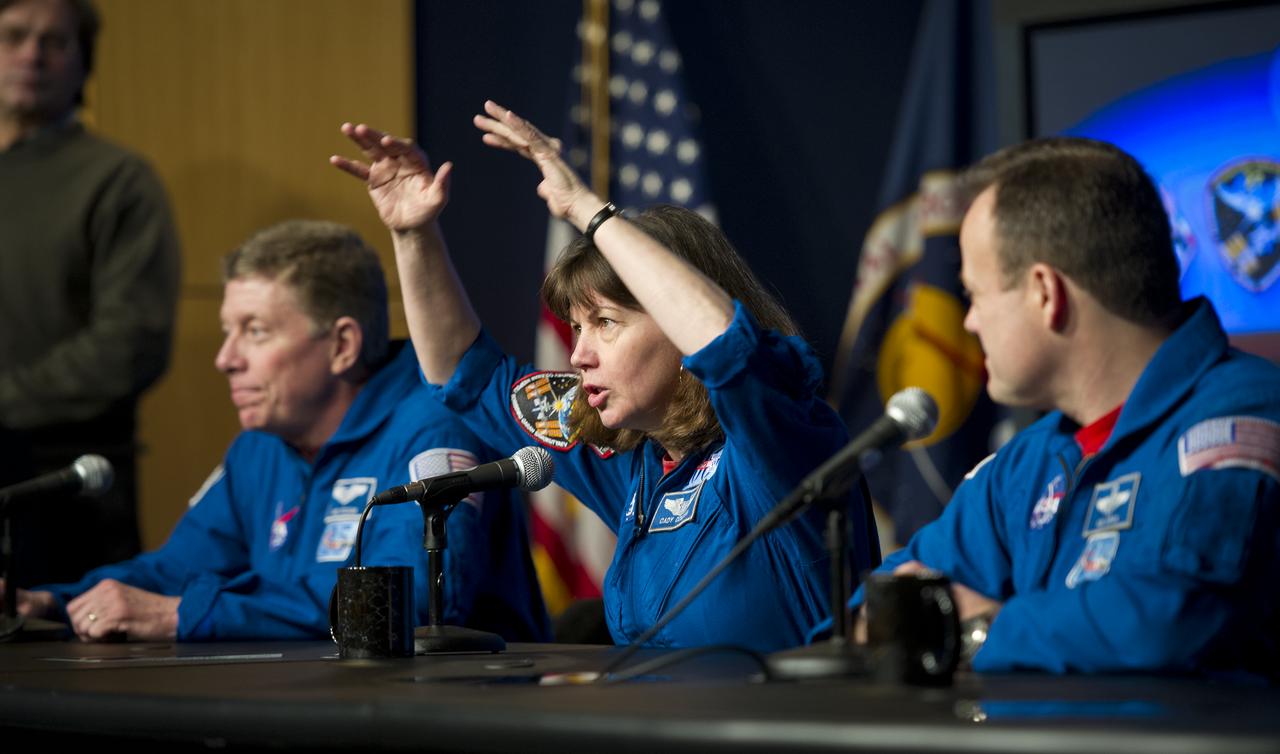
Astronaut Catherine Coleman, center, Expedition 26 and 27 flight engineer, discusses her mission to the International Space Station during a visit to NASA Headquarters in Washington, Tuesday, Feb. 14, 2012. Coleman is seen with fellow astronauts Mike Fossum, left, and Ron Garan. Fossum was a flight engineer on Expedition 28 and Commander of Expedition 29. Garan was a flight engineer on Expeditions 27 & 28. Photo Credit: (NASA/Carla Cioffi)
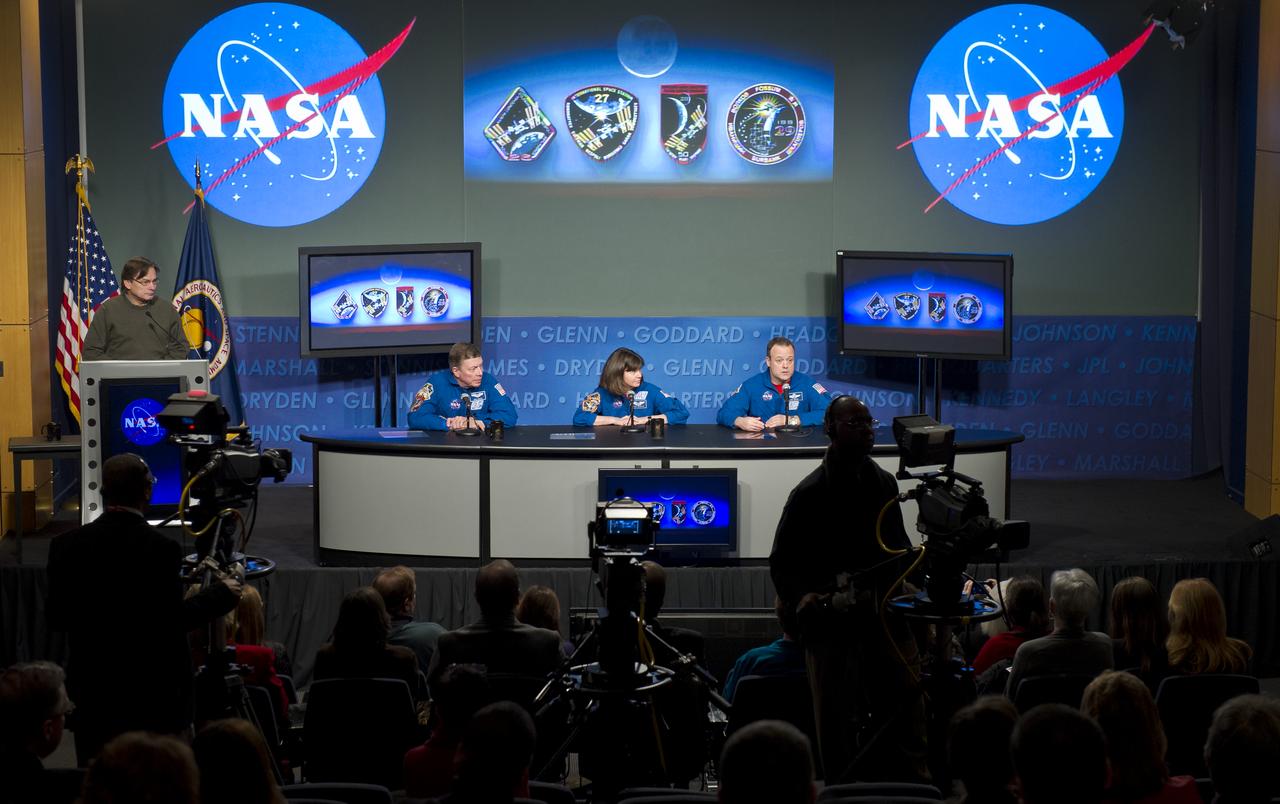
Astronaut Ron Garan, far right, Expedition 27 & 28 flight engineer, discusses his mission to the International Space Station during a visit to NASA Headquarters in Washington, Tuesday, Feb. 14, 2012. Garan is joined by astronauts Catherine Coleman, center, and Mike Fossum. Coleman was a flight engineer on Expeditions 26 & 27, and Fossum was a flight engineer on Expedition 28 and Expedition 29 Commander. Photo Credit: (NASA/Carla Cioffi)
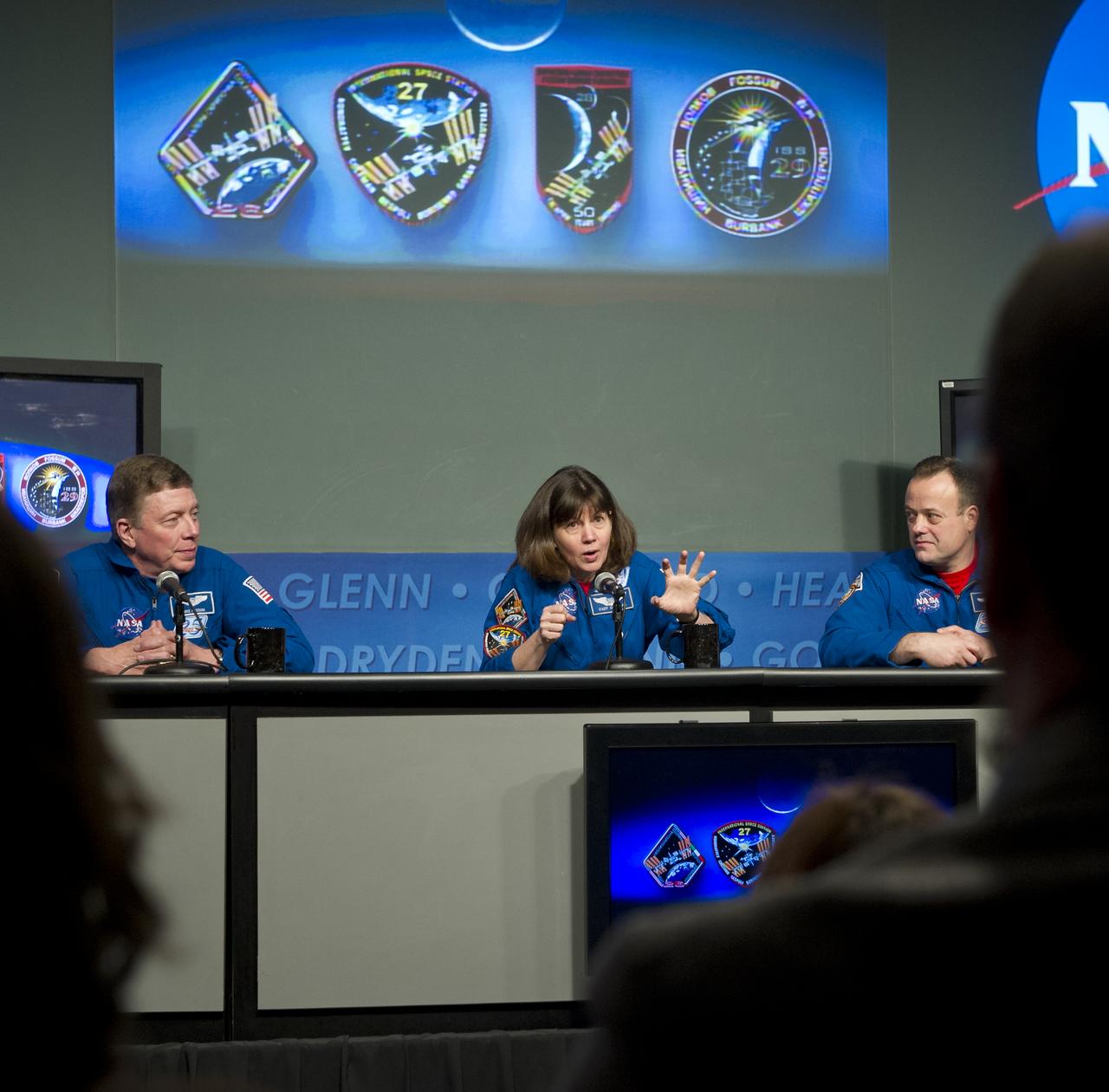
Astronaut Catherine Coleman, center, Expedition 26 and 27 flight engineer, discusses her mission to the International Space Station during a visit to NASA Headquarters in Washington, Tuesday, Feb. 14, 2012. Coleman is seen with fellow astronauts Mike Fossum, left, and Ron Garan. Fossum was a flight engineer on Expedition 28 and Commander of Expedition 29. Garan was a flight engineer on Expeditions 27 & 28. Photo Credit: (NASA/Carla Cioffi)
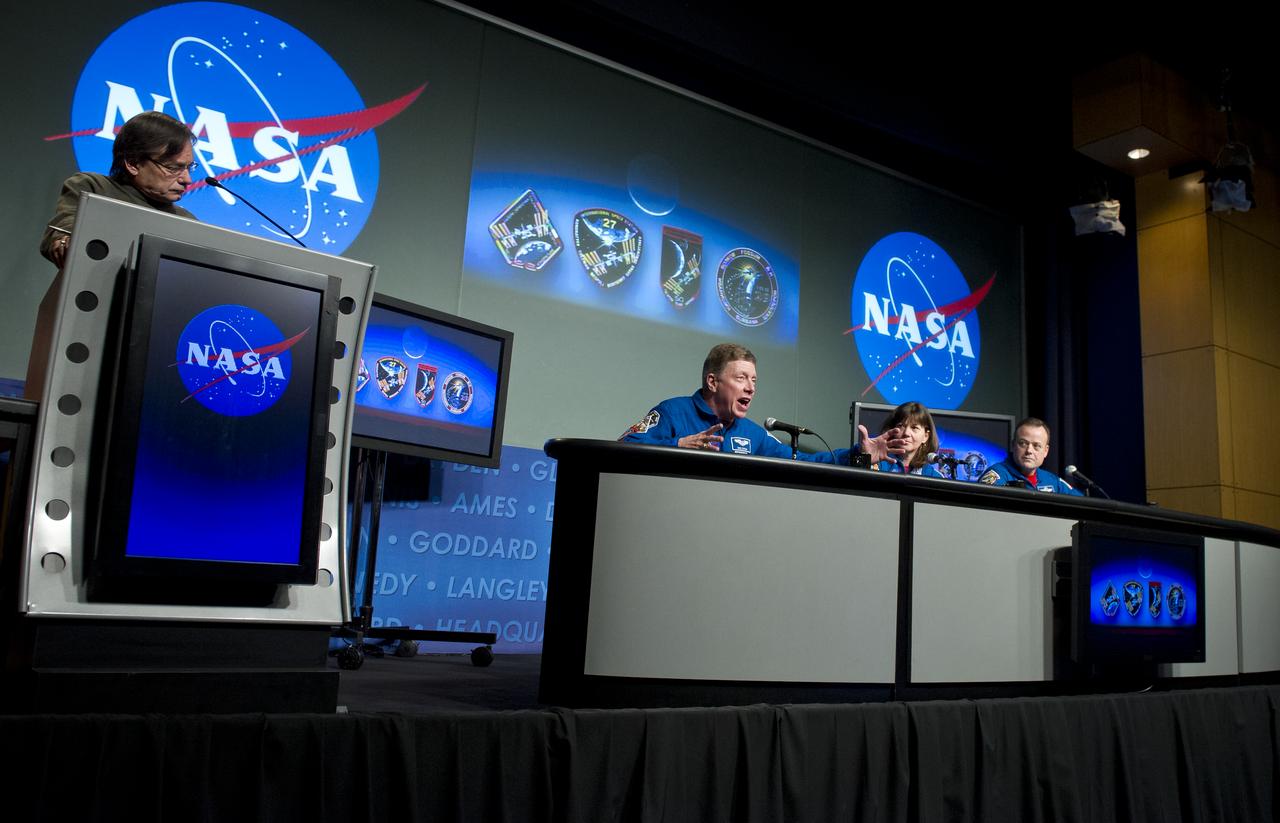
Mike Fossum, second from left, Expedition 28 flight engineer and Expedition 29 Commander, discusses his mission to the International Space Station during a visit to NASA Headquarters in Washington, Tuesday, Feb. 14, 2012. Seen with Fossum are astronauts Catherine Coleman, second from right, Expedition 26 & 27 flight engineer, and Ron Garan, Expedition 27 & 28 flight engineer. Photo Credit: (NASA/Carla Cioffi)
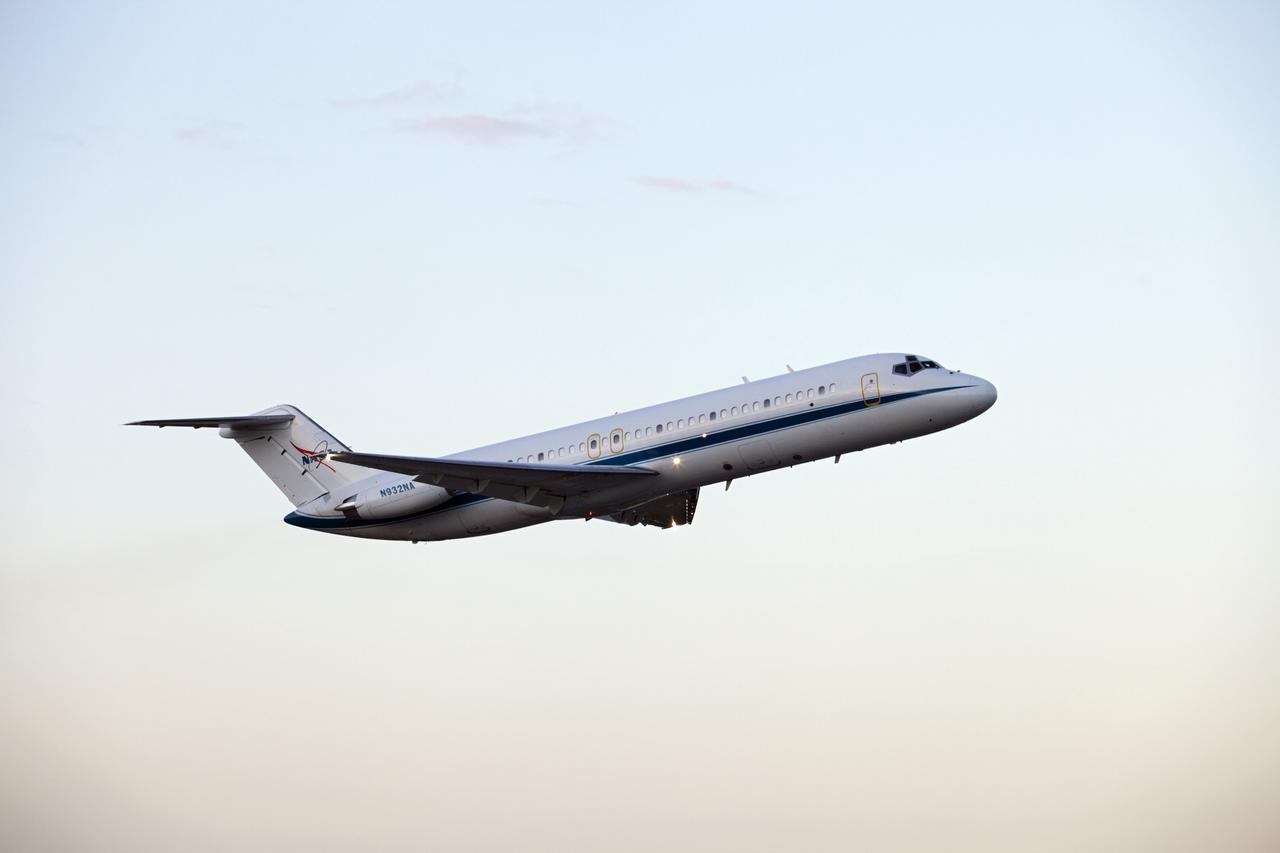
CAPE CANAVERAL, Fla. – A NASA C-9 “Pathfinder” DC-9 takes off from the Shuttle Landing Facility at NASA's Kennedy Space Center in Florida ahead of space shuttle Discovery, which is bolted to the top of a Shuttle Carrier Aircraft. The craft are set to begin their 3 1/2 hour ferry flight to the Washington Dulles International Airport in Virginia at about 7 a.m. EDT. The Pathfinder will fly about 100 miles ahead of the attached pair, making sure the flight path is free of harmful weather or hazardous conditions. Discovery is leaving Kennedy after more than 28 years of service beginning with its arrival on the space coast Nov. 9, 1983. Discovery first launched to space Aug. 30, 1984, on the STS-41D mission. Discovery is the agency's most-flown shuttle with 39 missions, more than 148 million miles and a total of one year in space. Discovery is set to move to the Smithsonian's National Air and Space Museum Steven F. Udvar-Hazy Center on April 19 where it will be placed on public display. For more information on the SCA, visit http://www.nasa.gov/centers/dryden/news/FactSheets/FS-013-DFRC.html. For more information on shuttle transition and retirement activities, visit http://www.nasa.gov/transition. Photo credit: NASA/Frankie Martin

CAPE CANAVERAL, Fla. – A NASA C-9 “Pathfinder” DC-9 prepares for takeoff from the Shuttle Landing Facility at NASA's Kennedy Space Center in Florida ahead of space shuttle Discovery, which is bolted to the top of a Shuttle Carrier Aircraft. The craft are set to begin their 3 1/2 hour ferry flight to the Washington Dulles International Airport in Virginia at about 7 a.m. EDT. The Pathfinder will fly about 100 miles ahead of the attached pair, making sure the flight path is free of harmful weather or hazardous conditions. Discovery is leaving Kennedy after more than 28 years of service beginning with its arrival on the space coast Nov. 9, 1983. Discovery first launched to space Aug. 30, 1984, on the STS-41D mission. Discovery is the agency's most-flown shuttle with 39 missions, more than 148 million miles and a total of one year in space. Discovery is set to move to the Smithsonian's National Air and Space Museum Steven F. Udvar-Hazy Center on April 19 where it will be placed on public display. For more information on the SCA, visit http://www.nasa.gov/centers/dryden/news/FactSheets/FS-013-DFRC.html. For more information on shuttle transition and retirement activities, visit http://www.nasa.gov/transition. Photo credit: NASA/Jim Grossmann

A Grumman OV-1B Mohawk maps Great Lakes’ ice flows for the National Aeronautics and Space Administration (NASA) Lewis Research Center in Cleveland, Ohio. The regular freezing of large portions of the Great Lakes during the winter frequently stalled the region’s shipping industry. Lewis developed two complementary systems to monitor the ice. The Side Looking Airborne Radar (SLAR) system used microwaves to measure the ice distribution, and electromagnetic systems employed noise modulation to determine the thickness of the ice. Once this dual system was in place, the information could be generated during a single pass of a research aircraft and quickly distributed to ship captains planning their routes. The SLAR was superior to aerial photography for this task because it was able to penetrate cloud cover. The SLAR system used pulsed microwaves to examine a band of ice or water on either side of the aircraft up to 31 miles wide. The Lewis ice mapping devices were first tested during the winter of 1972 and 1973. The system was installed on the tail of the Coast Guard’s OV-1B aircraft. An infrared thermal mapping instrument was installed on Lewis’ DC-3 to determine the ice temperature and estimate its thickness. The team created 160 ice charts that were sent to 28 ships and 2 icebreakers. Shipping was able to continue throughout the season for the first time that winter.