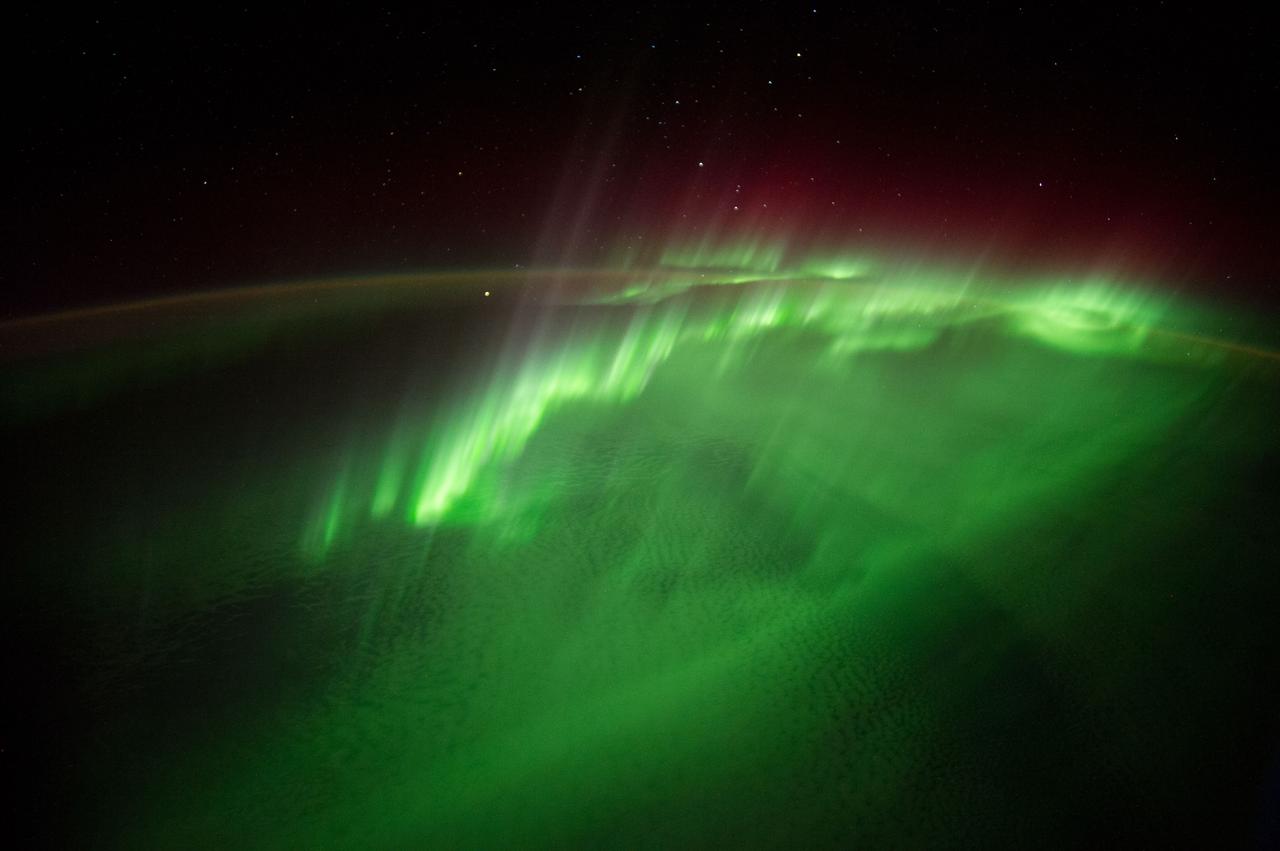
Time lapse (ISS040E117497 thru ISS040E118044) Earth observation taken during a night pass by the Expedition 40 crew aboard the International Space Station (ISS). Folder lists this as: TL SUPER Aurora 4 - from DC-1.
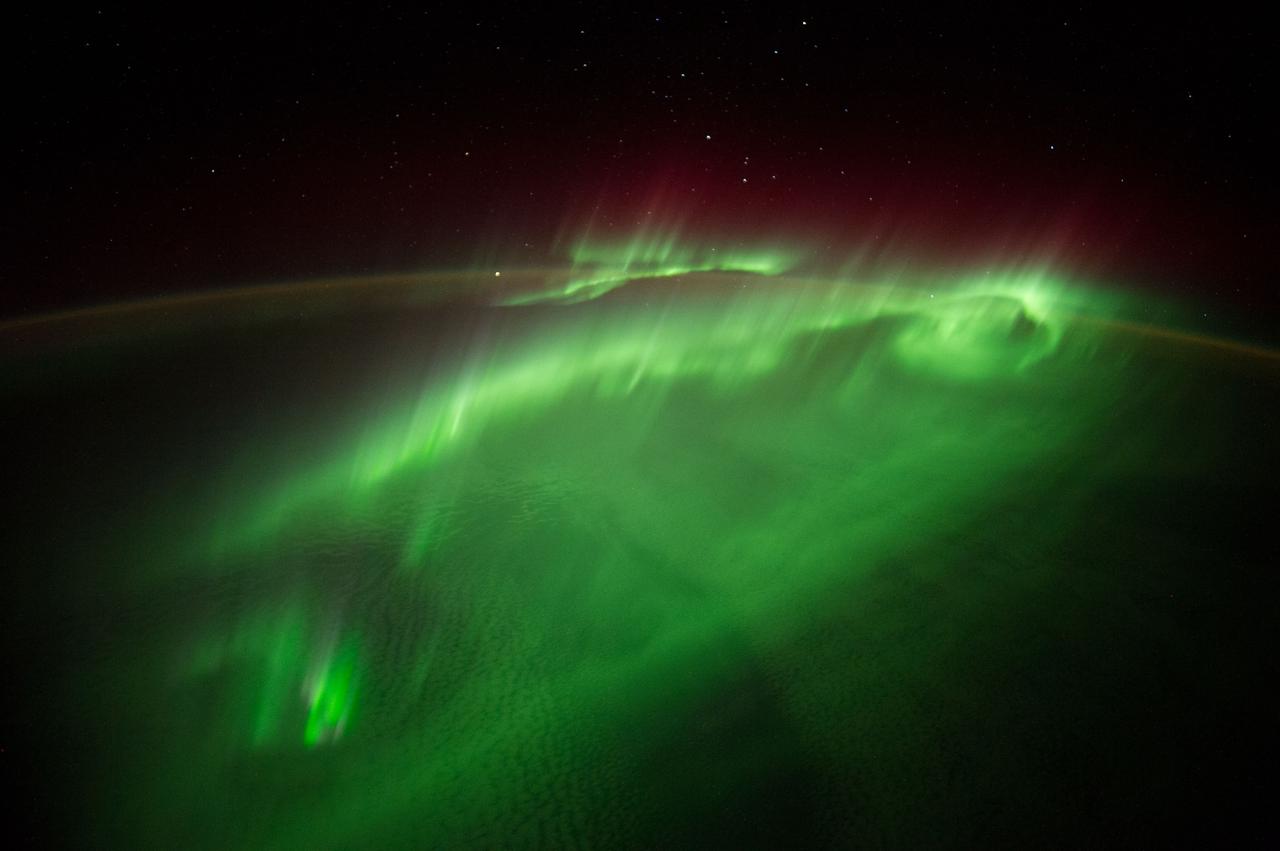
Time lapse (ISS040E117497 thru ISS040E118044) Earth observation taken during a night pass by the Expedition 40 crew aboard the International Space Station (ISS). Folder lists this as: TL SUPER Aurora 4 - from DC-1.
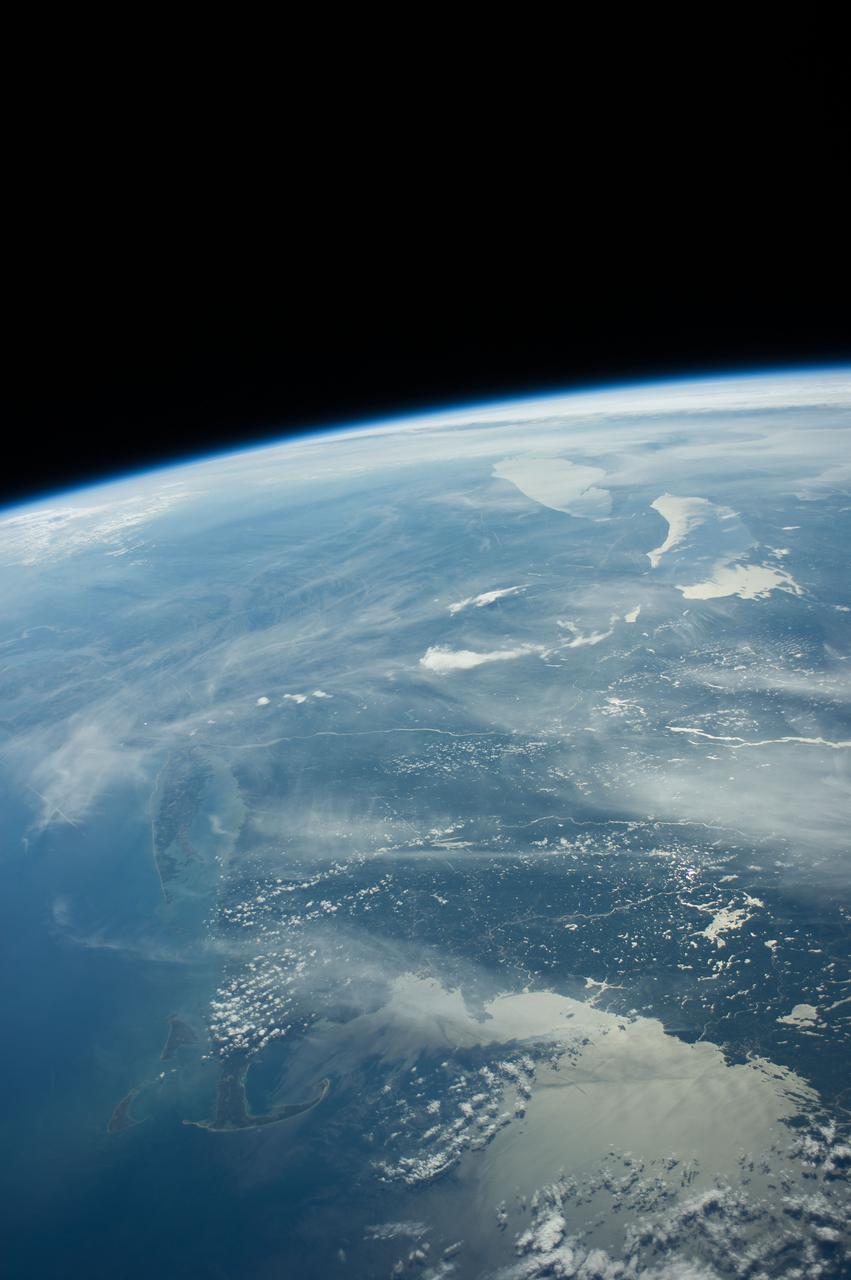
Earth Observation taken during a day pass by the Expedition 40 crew aboard the International Space Station (ISS). Folder lists this as: US East Coast, sun glint, Cape Cod, NY, DC, Great Lakes.
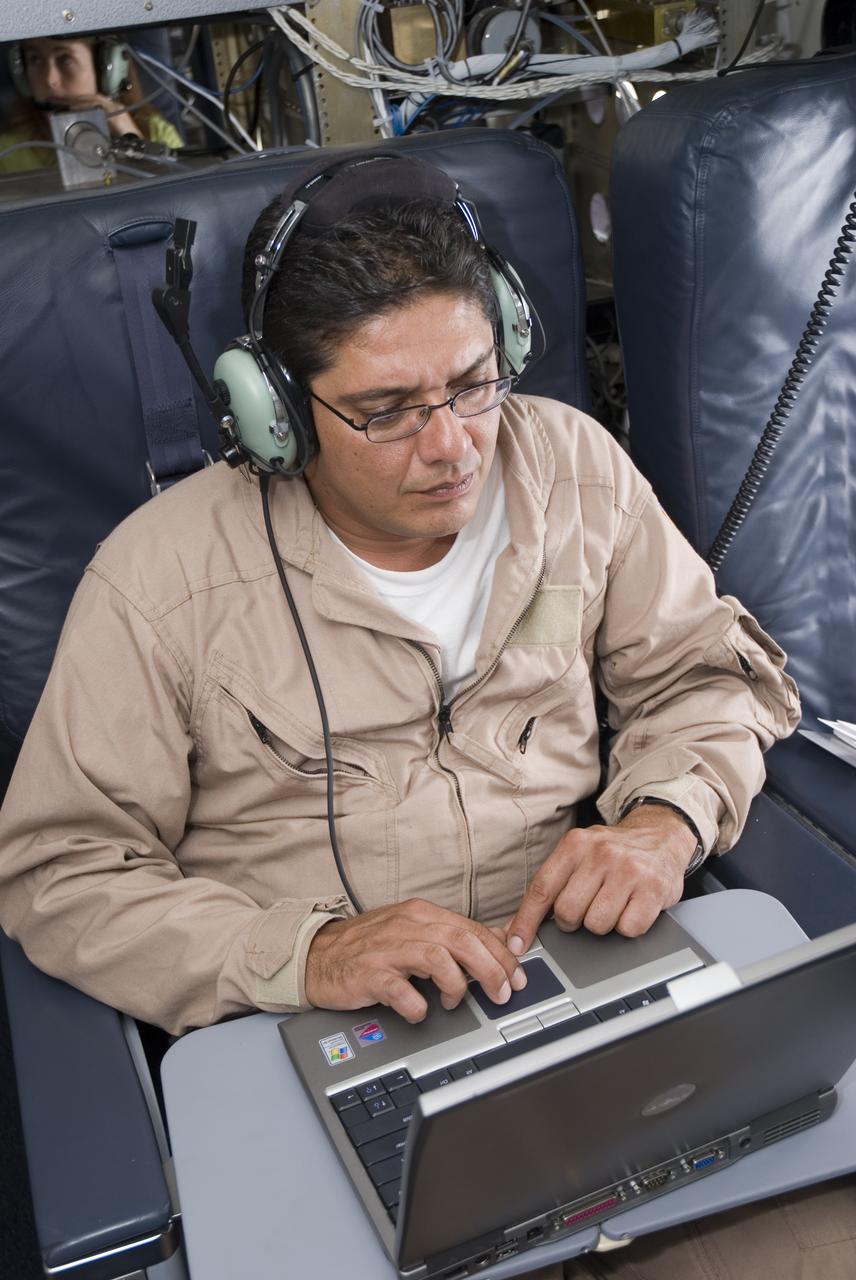
NASA African Monsoon Multidisciplinary Analyses (NAMMA) DC-8 deployment to Cape Verde, Sal island, Africa
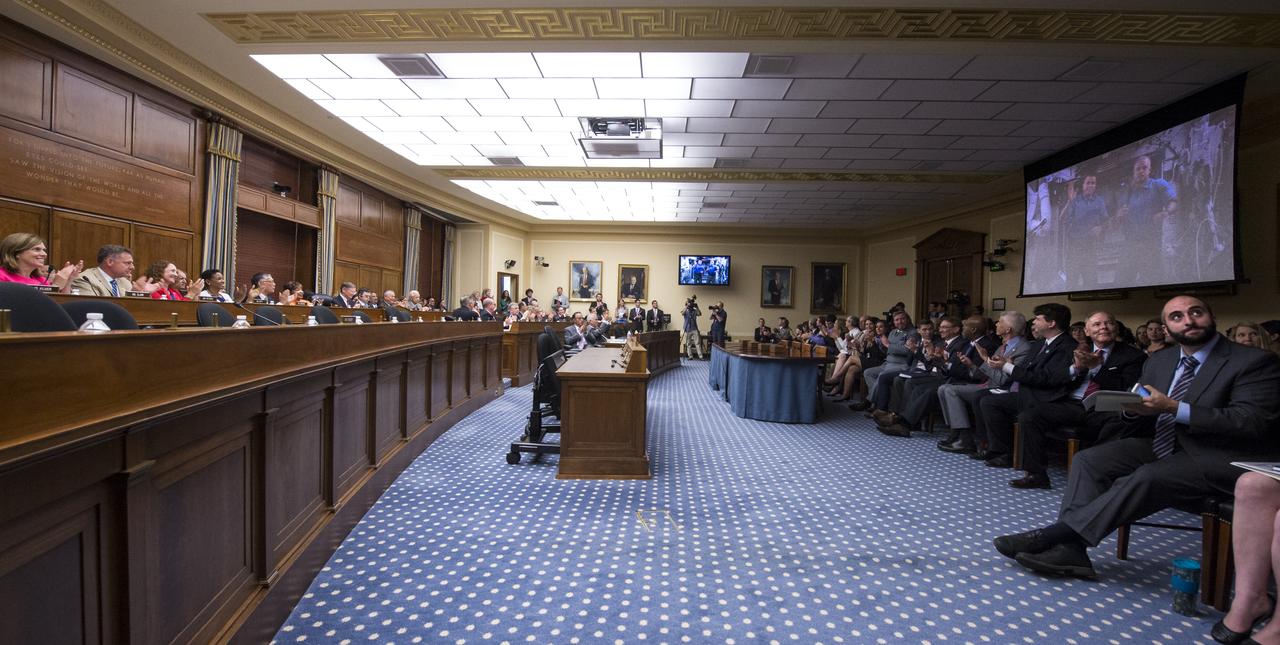
Congress and audience members applaud after a full-committee event held Thursday, July 24, 2014 at the Rayburn House Office Building in Washington, DC to allow members of the Committee on Science, Space, and Technology an opportunity to ask astronauts Steve Swanson and Reid Wiseman questions through a live downlink with the International Space Station (ISS). Expedition 40 astronauts Steve Swanson and Reid Wiseman have been living and working at the ISS for over two months and are scheduled to return to Earth toward the end of this year.
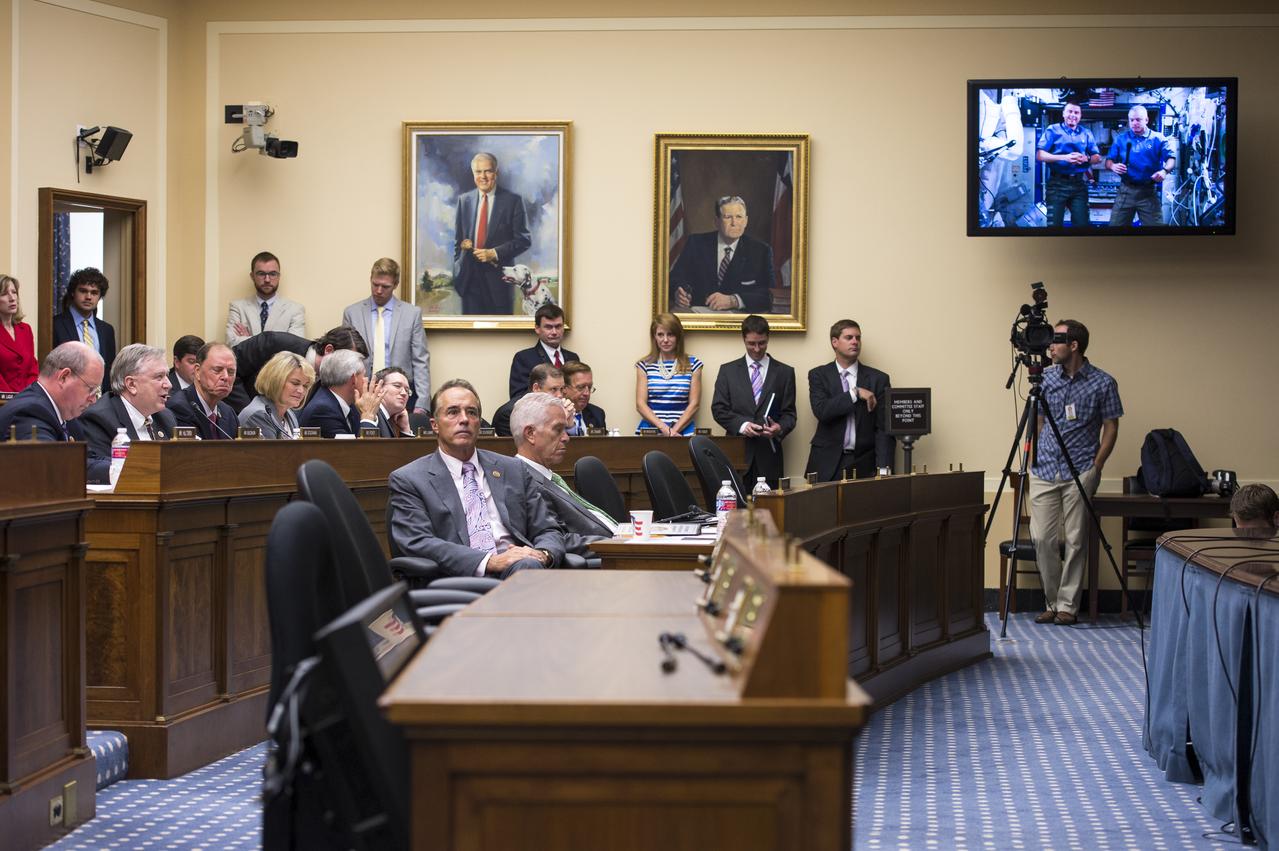
Representative Steve Stockman (R-TX) asks astronauts Steve Swanson and Reid Wisemen a question at the live downlink with the International Space Station (ISS) Thursday, July 24, 2014 at the Rayburn House Office Building in Washington, DC. The event provided members of the Committee on Science, Space, and Technology the opportunity to ask Expedition 40 astronauts Steve Swanson and Reid Wiseman questions about their time living and working at the ISS. They are scheduled to return to Earth toward the end of this year.
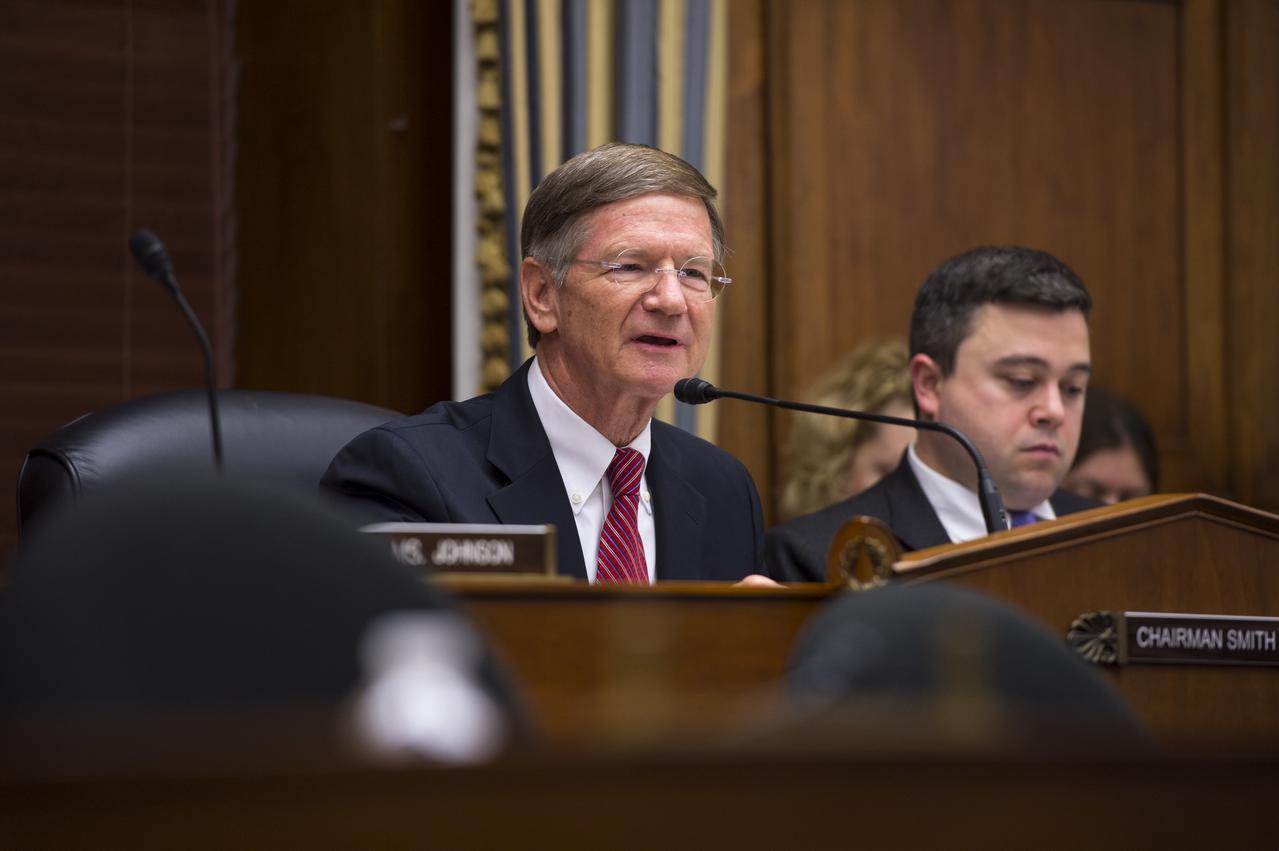
Chairman Lamar Smith (R-TX) held a full-committee event Thursday, July 24, 2014 at the Rayburn House Office Building in Washington, DC to allow members of the Committee on Science, Space, and Technology an opportunity to ask astronauts Steve Swanson and Reid Wiseman questions through a live downlink with the International Space Station (ISS). Expedition 40 astronauts Steve Swanson and Reid Wiseman have been living and working at the ISS for over two months and are scheduled to return to Earth toward the end of this year.

Congressman Derek Kilmer asks astronauts Steve Swanson and Reid Wisemen a question on behalf of a young audience member at the live downlink with the International Space Station (ISS) Thursday, July 24, 2014 at the Rayburn House Office Building in Washington, DC. The event allowed members of the Committee on Science, Space, and Technology to ask Expedition 40 astronauts Steve Swanson and Reid Wiseman questions about their time living and working at the ISS. They are scheduled to return to Earth toward the end of this year.
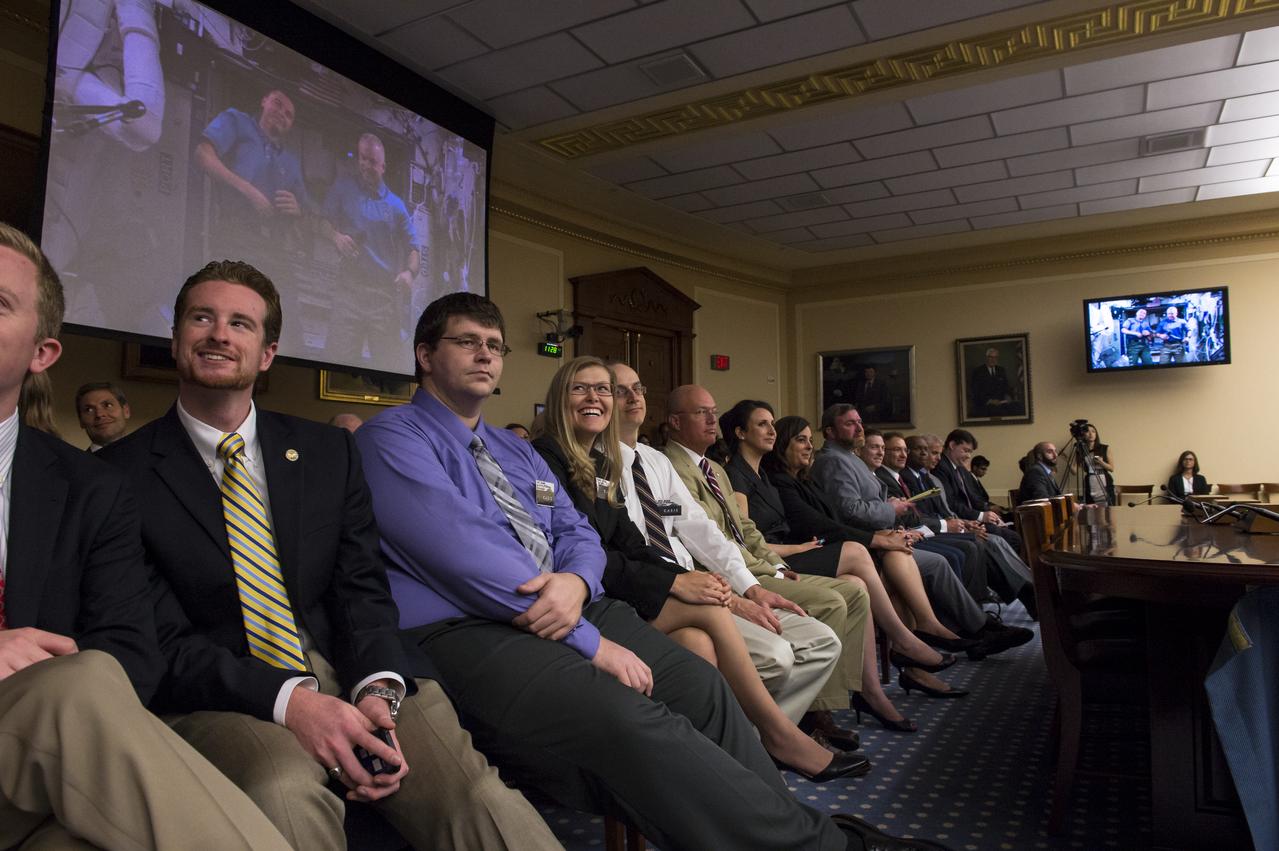
Audience members watch as astronauts Reid Wiseman and Steve Swanson answer questions posed to them by members of the Committee on Science, Space, and Technology at a full-committee event held Thursday, July 24, 2014 at the Rayburn House Office Building in Washington, DC. The event gave members the opportunity to ask the astronauts questions through a live downlink with the International Space Station (ISS). Expedition 40 astronauts Steve Swanson and Reid Wiseman have been living and working at the ISS for over two months and are scheduled to return to Earth toward the end of this year.
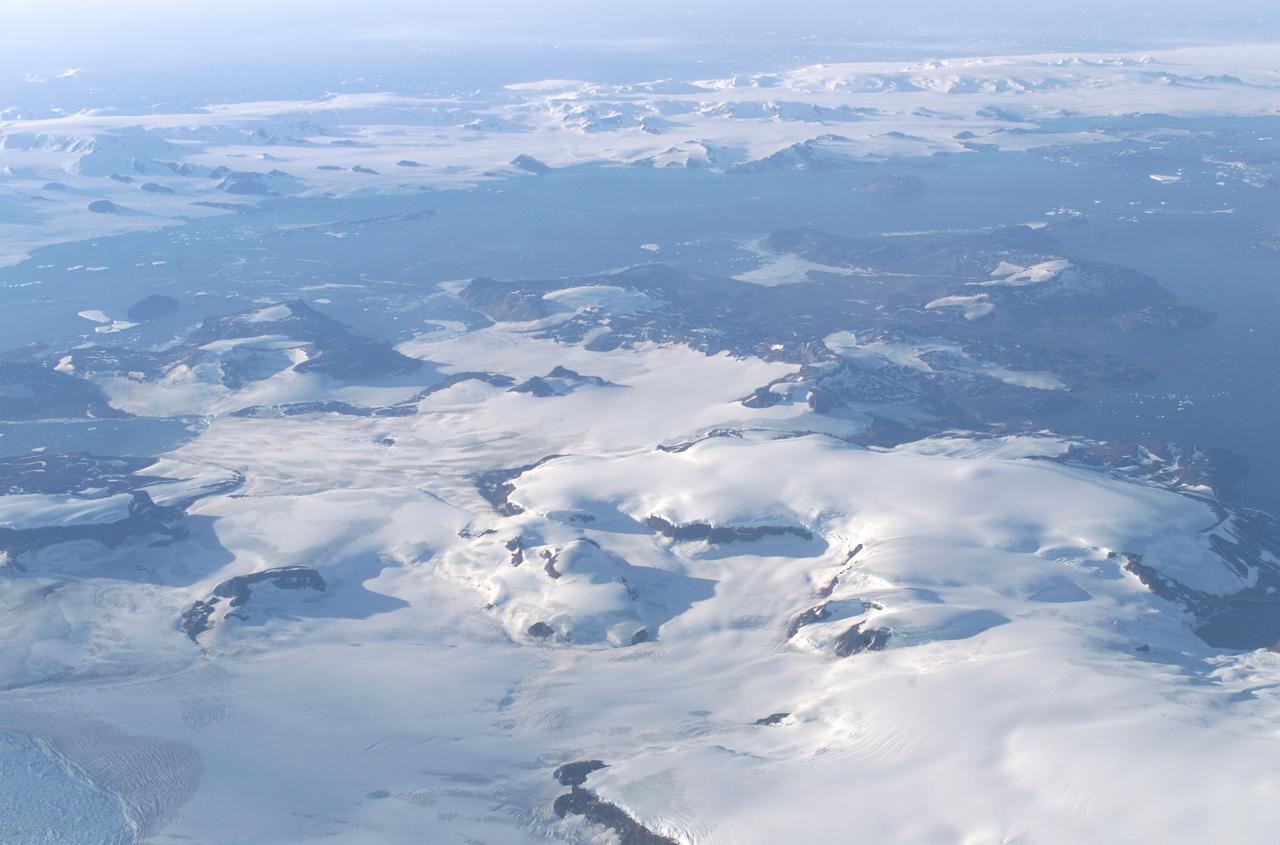
James Ross Island captured by NASA photographer James Ross(no relation), from NASA's DC-8 aircraft during an AirSAR 2004 mission over the Antarctic Peninsula. James Ross Island, named for 19th century British polar explorer Sir James Clark Ross, is located at the northern tip of the Antarctic Peninsula. The island is about 1500 m high and 40-60 km wide. In recent decades, the area has experienced significant atmospheric warming (about 2 degrees C since 1950), which has triggered a vast and spectacular retreat of its floating ice shelves, glacier reduction, a decrease in permanent snow cover and a lengthening of the melt season. AirSAR 2004 is a three-week expedition in Central and South America by an international team of scientists that is using an all-weather imaging tool, called the Airborne Synthetic Aperture Radar (AirSAR), located onboard NASA's DC-8 airborne laboratory. Scientists from many parts of the world are combining ground research with NASA's AirSAR technology to improve and expand on the quality of research they are able to conduct. These photos are from the DC-8 aircraft while flying an AirSAR mission over Antarctica. The Antarctic Peninsula is more similar to Alaska and Patagonia than to the rest of the Antarctic continent. It is drained by fast glaciers, receives abundant precipitation, and melts significantly in the summer months. This region is being studied by NASA using a DC-8 equipped with the Airborne Synthetic Aperture Radar developed by scientists from NASA’s Jet Propulsion Laboratory. AirSAR will provide a baseline model and unprecedented mapping of the region. This data will make it possible to determine whether the warming trend is slowing, continuing or accelerating. AirSAR will also provide reliable information on ice shelf thickness to measure the contribution of the glaciers to sea level.
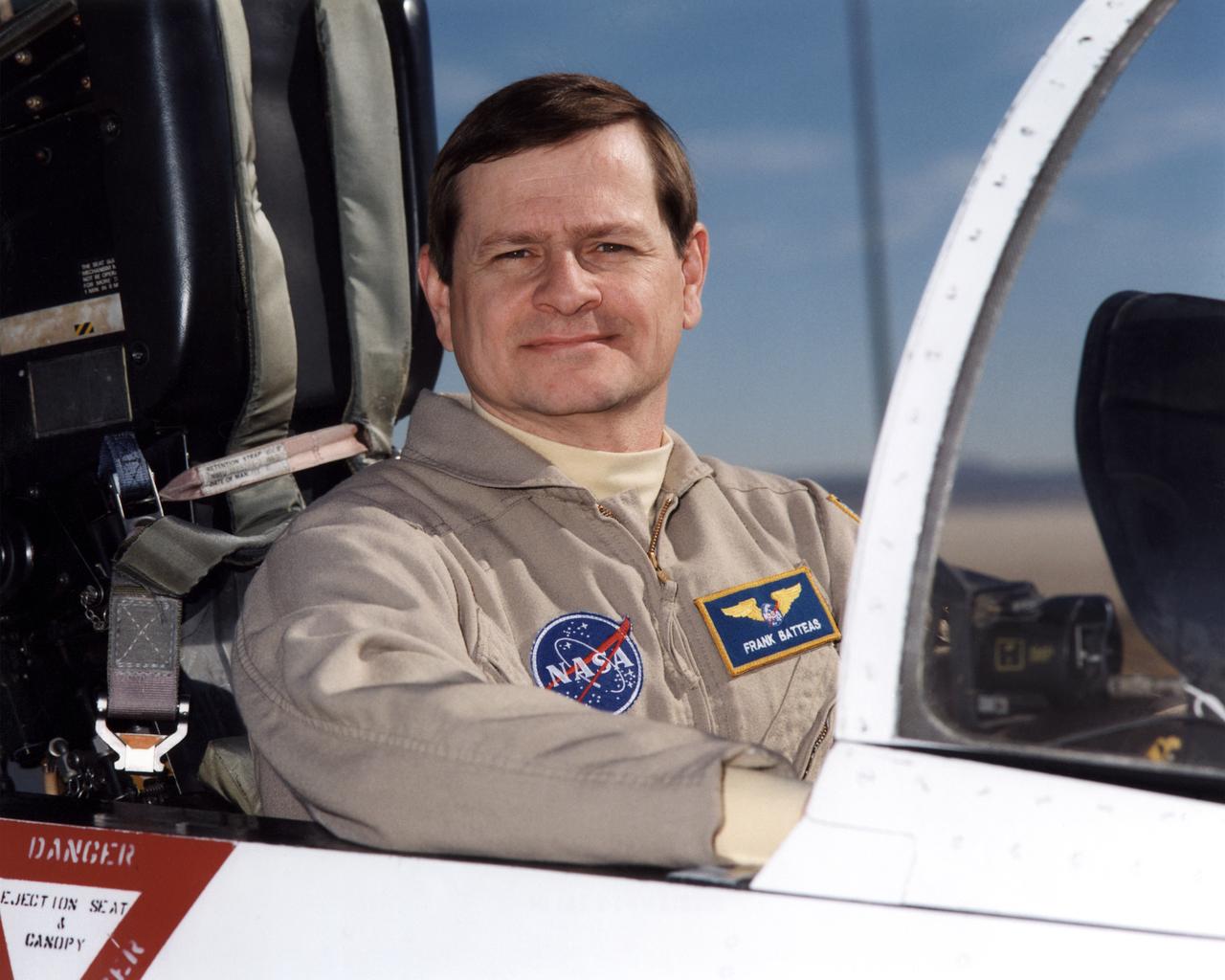
Frank Batteas is a research test pilot in the Flight Crew Branch of NASA's Dryden Flight Research Center, Edwards, California. He is currently a project pilot for the F/A-18 and C-17 flight research projects. In addition, his flying duties include operation of the DC-8 Flying Laboratory in the Airborne Science program, and piloting the B-52B launch aircraft, the King Air, and the T-34C support aircraft. Batteas has accumulated more than 4,700 hours of military and civilian flight experience in more than 40 different aircraft types. Batteas came to NASA Dryden in April 1998, following a career in the U.S. Air Force. His last assignment was at Wright-Patterson Air Force Base, Dayton, Ohio, where Lieutenant Colonel Batteas led the B-2 Systems Test and Evaluation efforts for a two-year period. Batteas graduated from Class 88A of the Air Force Test Pilot School, Edwards Air Force Base, California, in December 1988. He served more than five years as a test pilot for the Air Force's newest airlifter, the C-17, involved in nearly every phase of testing from flutter and high angle-of-attack tests to airdrop and air refueling envelope expansion. In the process, he achieved several C-17 firsts including the first day and night aerial refuelings, the first flight over the North Pole, and a payload-to-altitude world aviation record. As a KC-135 test pilot, he also was involved in aerial refueling certification tests on a number of other Air Force aircraft. Batteas received his commission as a second lieutenant in the U. S. Air Force through the Reserve Officer Training Corps and served initially as an engineer working on the Peacekeeper and Minuteman missile programs at the Ballistic Missile Office, Norton Air Force Base, Calif. After attending pilot training at Williams Air Force Base, Phoenix, Ariz., he flew operational flights in the KC-135 tanker aircraft and then was assigned to research flying at the 4950th Test Wing, Wright-Patterson. He flew extensively modified C-135
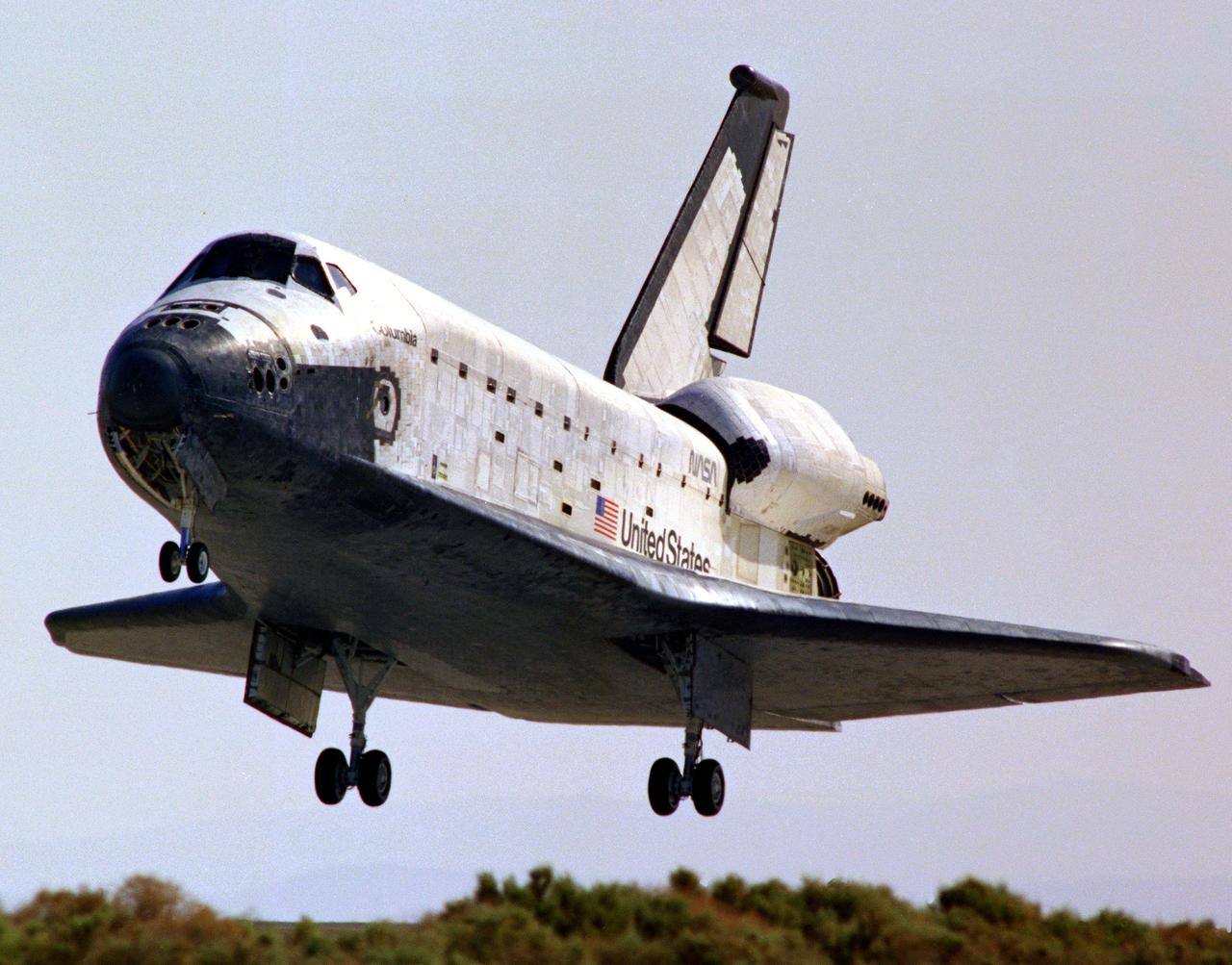
Space Shuttle Columbia nears its touchdown on Runway 22 at Edwards, California, at 8:39 a.m., 14 June 1991, as the STS-40 life sciences mission comes to an end at NASA's Ames-Dryden Flight Research Facility (later redesignated Dryden Flight Research Center) after nine days of orbital flight. Aboard Columbia during the extended mission were Bryan D. O'Connor, mission commander; Sidney M. Gutierrez, pilot; mission specialists James P. Bagian, Tamara E. Jernigan, and Margaret Rhea Seddon; and payload specialists Francis Andrew Gaffney and Millie Hughes-Fulford. STS-40 was the first space shuttle mission dedicated to life sciences research to explore how the body reacts to a weightless environment and how it readjusts to gravity on return to earth. Columbia was launched on the STS-40 mission 5 June 1991, from Kennedy Space Center in Florida.