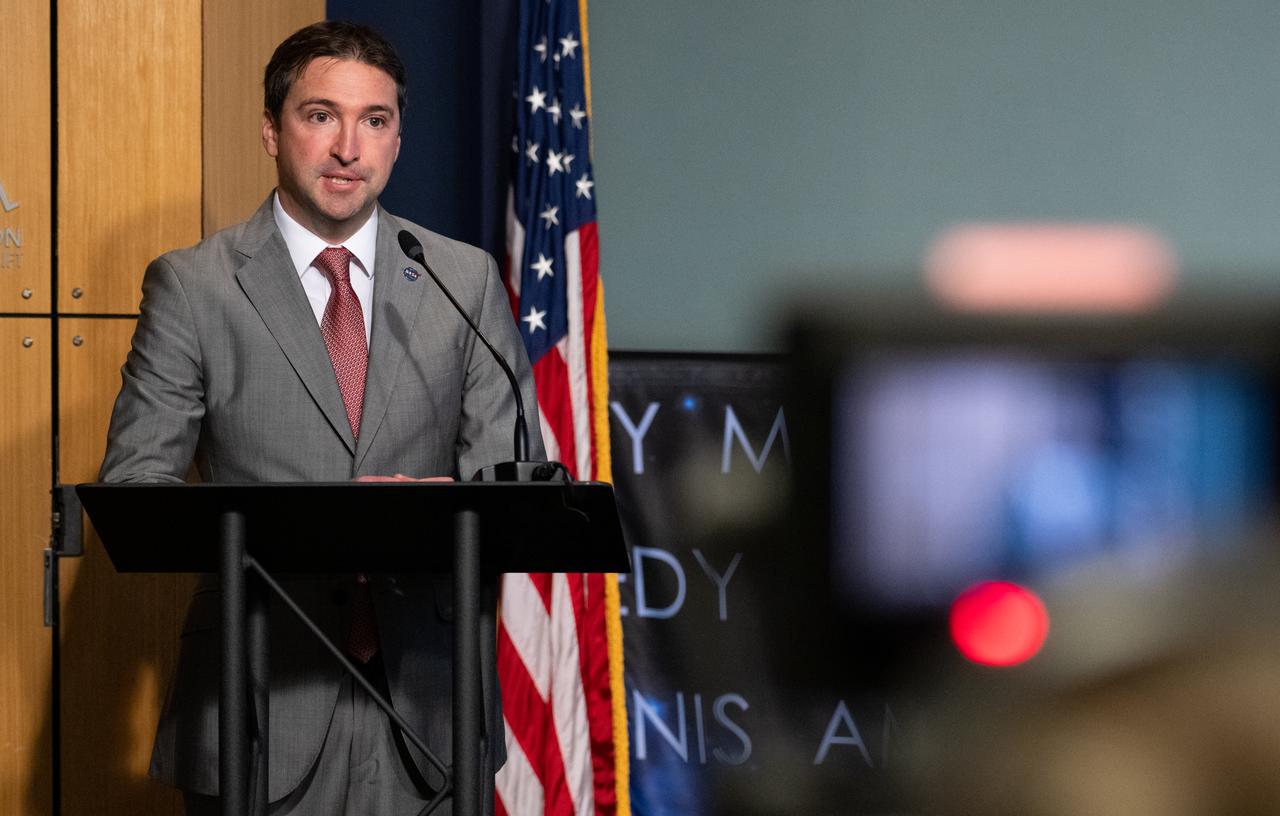
Daniel Evans, assistant deputy associate administrator for Research in NASA's Science Mission Directorate, gives opening remarks are seen during a public meeting of NASA’s unidentified anomalous phenomena (UAP) independent study team, Wednesday, May 31, 2023 at the Mary W. Jackson NASA Headquarters building in Washington. The UAP independent study team is a counsel of 16 community experts across diverse areas on matters relevant to potential methods of study for unidentified anomalous phenomena. NASA commissioned the nine-month study to examine UAP from a scientific perspective and create a roadmap for how to use data and the tools of science to move our understanding of UAP forward. Photo Credit: (NASA/Joel Kowsky)
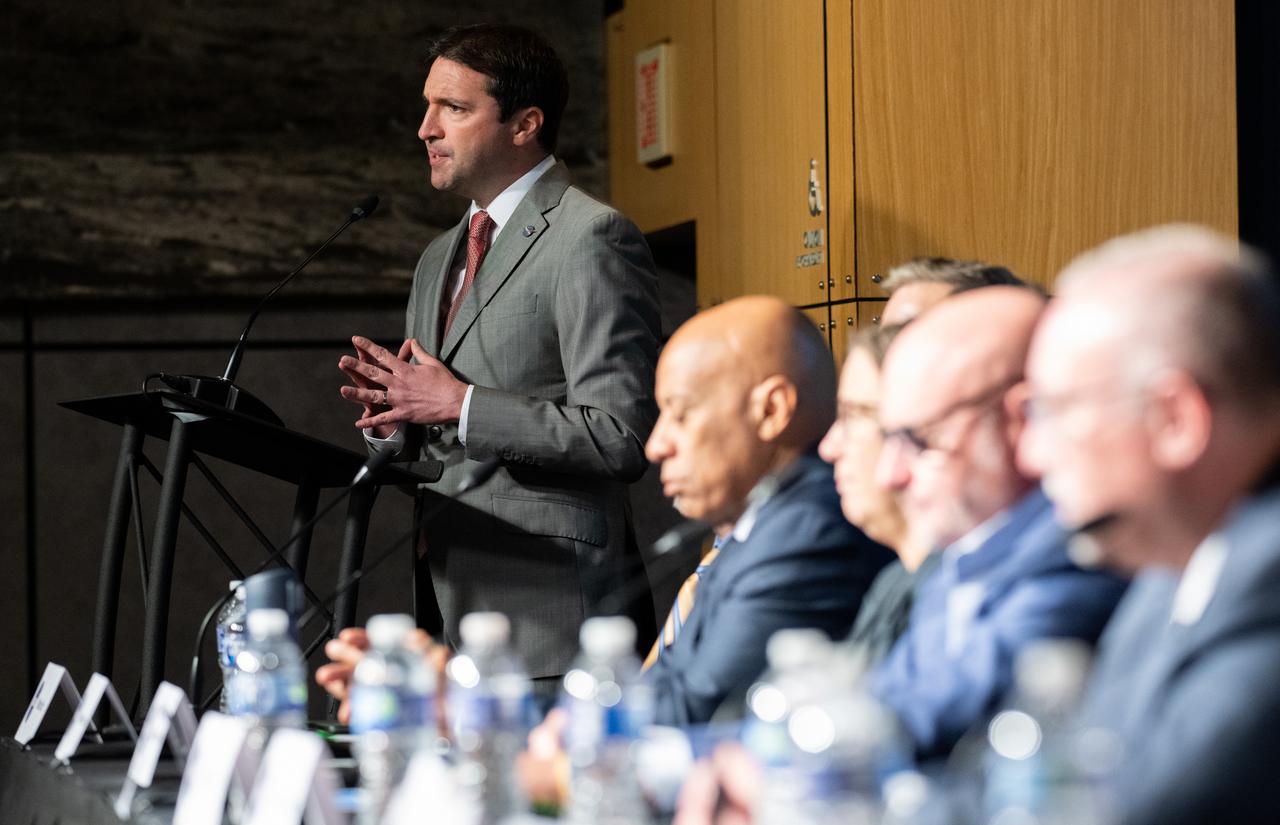
Daniel Evans, assistant deputy associate administrator for Research in NASA's Science Mission Directorate, gives opening remarks are seen during a public meeting of NASA’s unidentified anomalous phenomena (UAP) independent study team, Wednesday, May 31, 2023 at the Mary W. Jackson NASA Headquarters building in Washington. The UAP independent study team is a counsel of 16 community experts across diverse areas on matters relevant to potential methods of study for unidentified anomalous phenomena. NASA commissioned the nine-month study to examine UAP from a scientific perspective and create a roadmap for how to use data and the tools of science to move our understanding of UAP forward. Photo Credit: (NASA/Joel Kowsky)
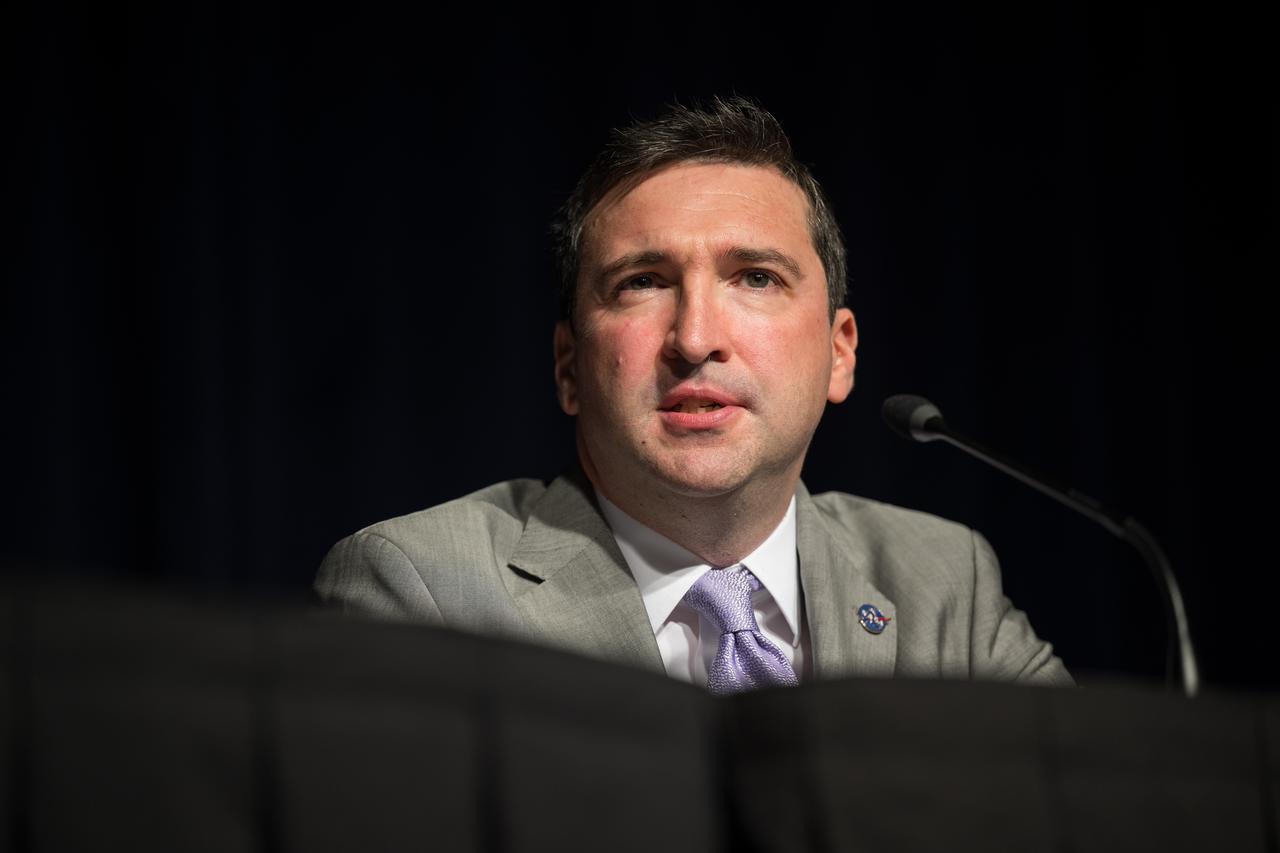
NASA Assistant Deputy Associate Administrator for Research, Science Mission Directorate, Daniel Evans, answers a question during a media briefing to discuss the findings from an unidentified anomalous phenomena (UAP) independent study team, Thursday, Sept. 14, 2023, at the Mary W. Jackson NASA Headquarters building in Washington. The UAP independent study team, commissioned in 2022, is a counsel of 16 community experts across diverse areas on matters relevant to potential methods of study for unidentified anomalous phenomena. NASA published the team’s full report online, which aims to inform about what possible data could be collected in the future to shed light on the nature and origin of UAP. Photo Credit: (NASA/Aubrey Gemignani)
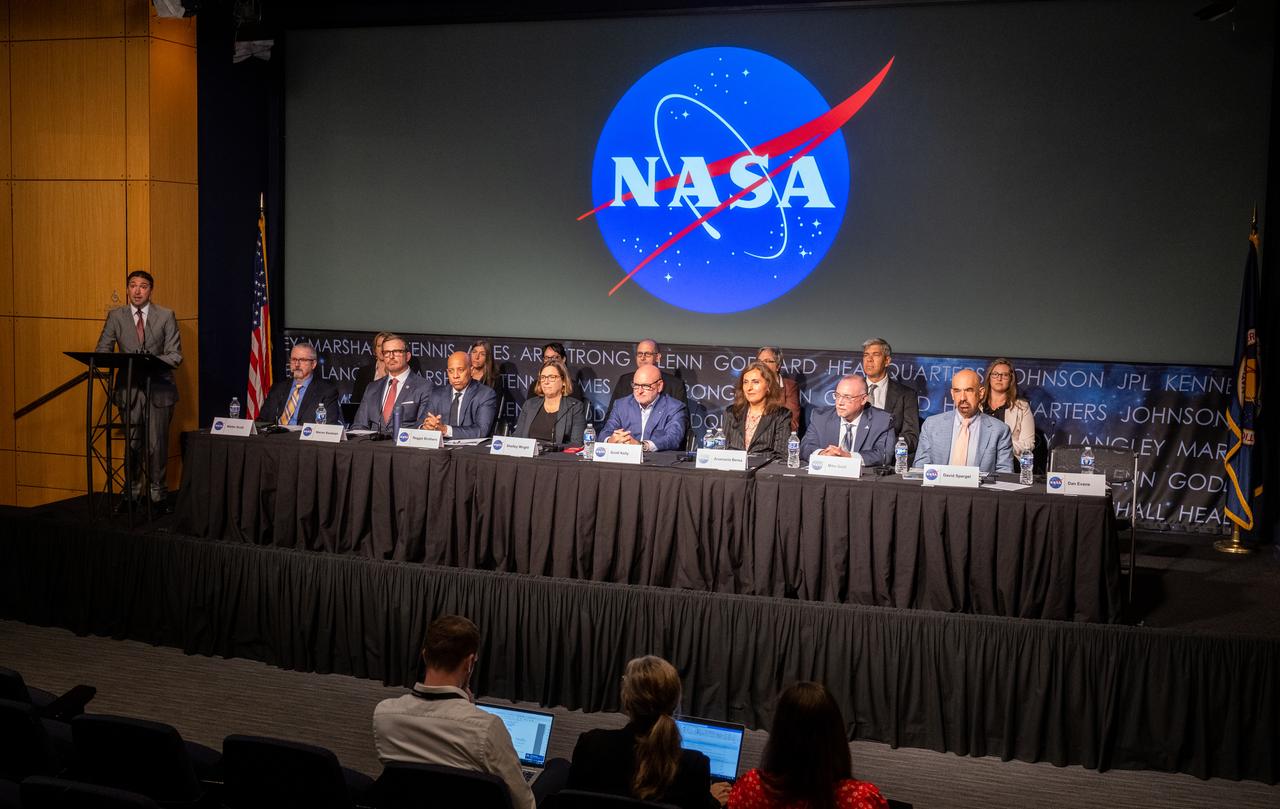
Daniel Evans, assistant deputy associate administrator for Research in NASA's Science Mission Directorate, left, gives opening remarks are seen during a public meeting of NASA’s unidentified anomalous phenomena (UAP) independent study team, Wednesday, May 31, 2023 at the Mary W. Jackson NASA Headquarters building in Washington. The UAP independent study team is a counsel of 16 community experts across diverse areas on matters relevant to potential methods of study for unidentified anomalous phenomena. NASA commissioned the nine-month study to examine UAP from a scientific perspective and create a roadmap for how to use data and the tools of science to move our understanding of UAP forward. Photo Credit: (NASA/Joel Kowsky)
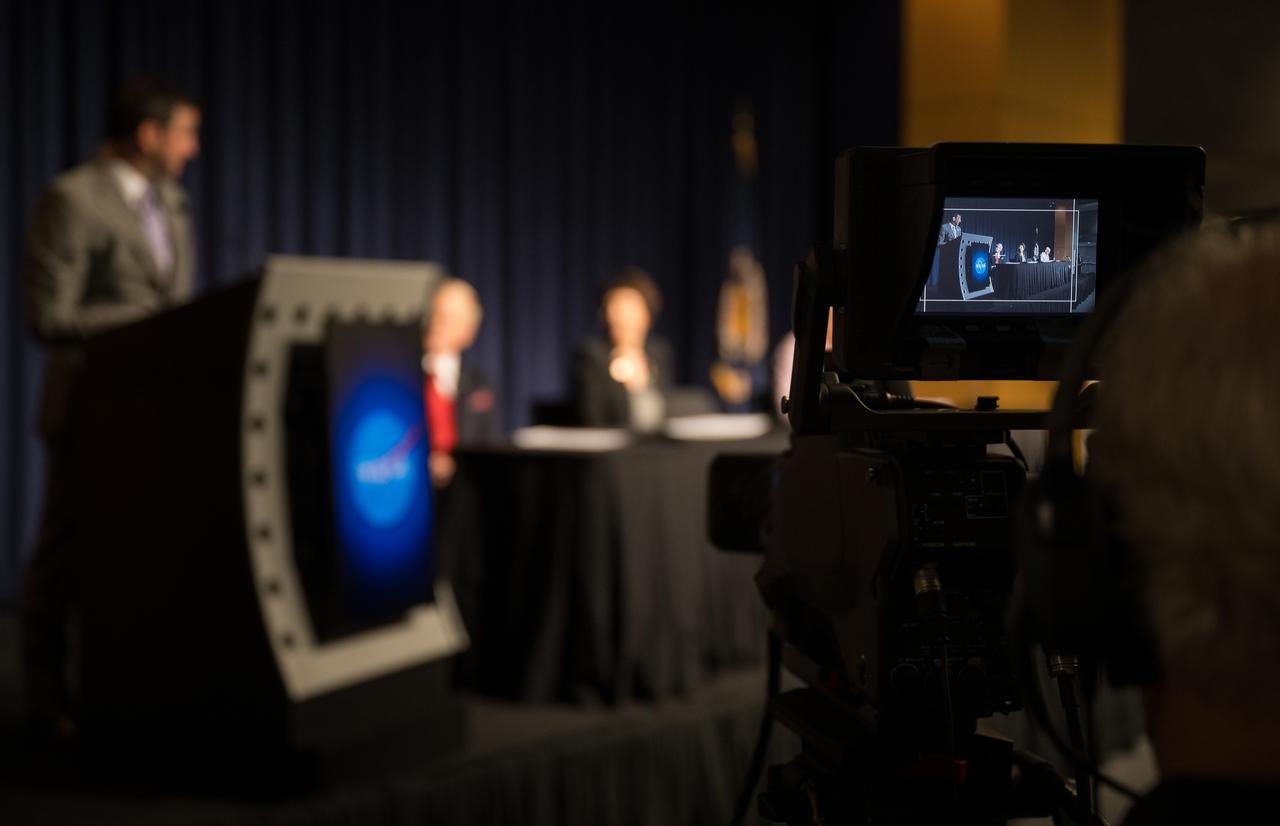
Panelists, from left to right, NASA Assistant Deputy Associate Administrator for Research, Science Mission Directorate, Daniel Evans; NASA Administrator Bill Nelson; NASA Associate Administrator for the Science Mission Directorate, Nicola Fox; and President of the Simons Foundation and Chair of NASA's UAP Independent Study Team, David Spergel, are seen in a video camera during a media briefing to discuss the findings from an unidentified anomalous phenomena (UAP) independent study team, Thursday, Sept. 14, 2023, at the Mary W. Jackson NASA Headquarters building in Washington. The UAP independent study team, commissioned in 2022, is a counsel of 16 community experts across diverse areas on matters relevant to potential methods of study for unidentified anomalous phenomena. NASA published the team’s full report online, which aims to inform about what possible data could be collected in the future to shed light on the nature and origin of UAP. Photo Credit: (NASA/Aubrey Gemignani)
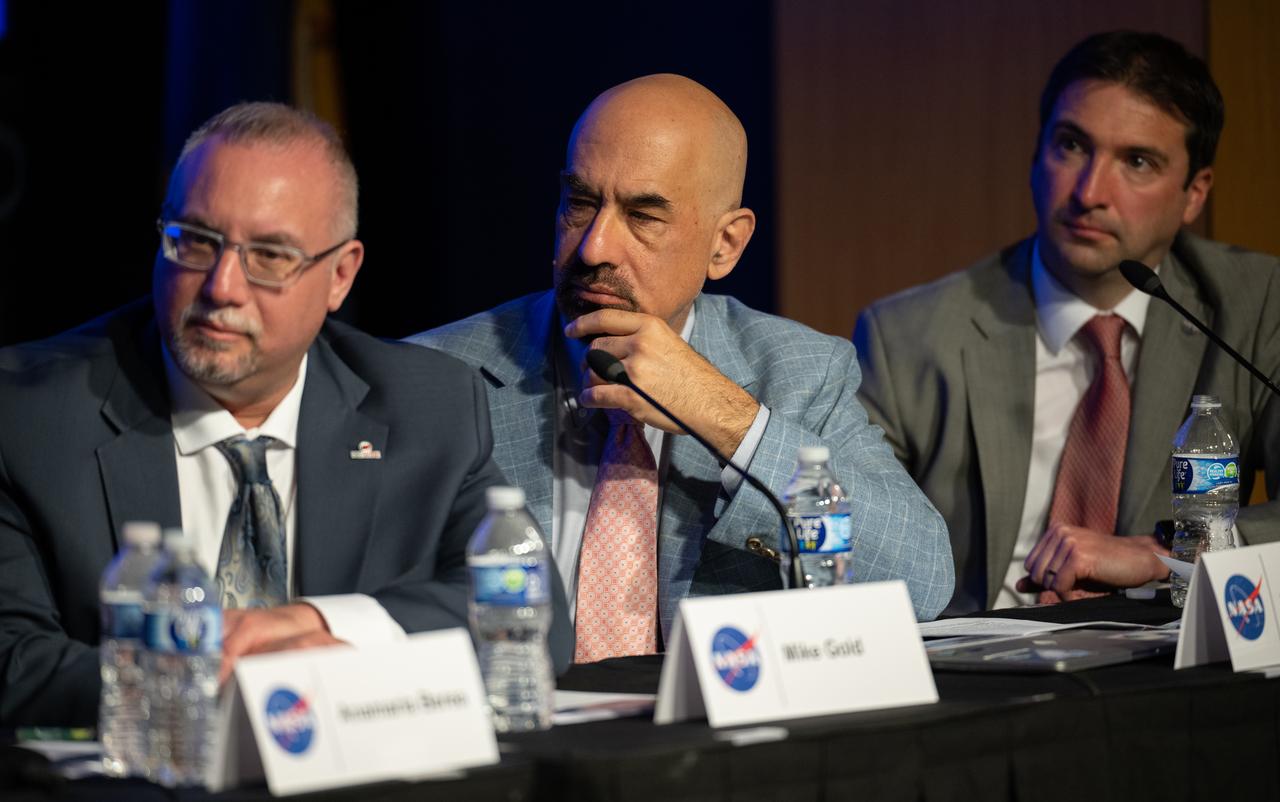
Mike Gold, chief growth officer at Redwire, left, David Spergel, chair of NASA's independent study on unidentified anomalous phenomena and President of the Simons Foundation, center, and Daniel Evans, assistant deputy associate administrator for Research in NASA's Science Mission Directorate, right, are seen during a public meeting of NASA’s unidentified anomalous phenomena (UAP) independent study team, Wednesday, May 31, 2023 at the Mary W. Jackson NASA Headquarters building in Washington. The UAP independent study team is a counsel of 16 community experts across diverse areas on matters relevant to potential methods of study for unidentified anomalous phenomena. NASA commissioned the nine-month study to examine UAP from a scientific perspective and create a roadmap for how to use data and the tools of science to move our understanding of UAP forward. Photo Credit: (NASA/Joel Kowsky)
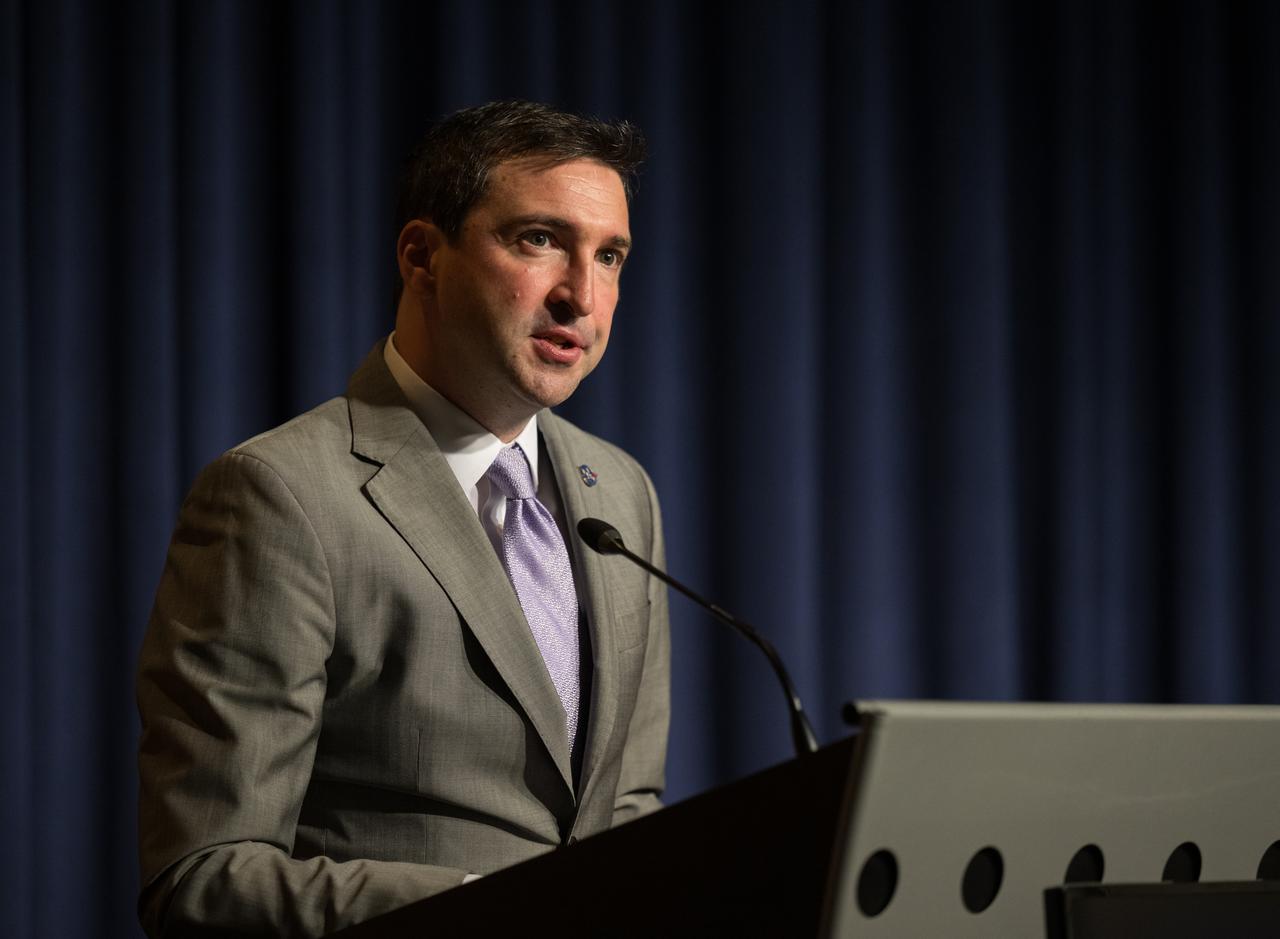
NASA Assistant Deputy Associate Administrator for Research, Science Mission Directorate, Daniel Evans, provides remarks during a media briefing to discuss the findings from an unidentified anomalous phenomena (UAP) independent study team, Thursday, Sept. 14, 2023, at the Mary W. Jackson NASA Headquarters building in Washington. The UAP independent study team, commissioned in 2022, is a counsel of 16 community experts across diverse areas on matters relevant to potential methods of study for unidentified anomalous phenomena. NASA published the team’s full report online, which aims to inform about what possible data could be collected in the future to shed light on the nature and origin of UAP. Photo Credit: (NASA/Aubrey Gemignani)
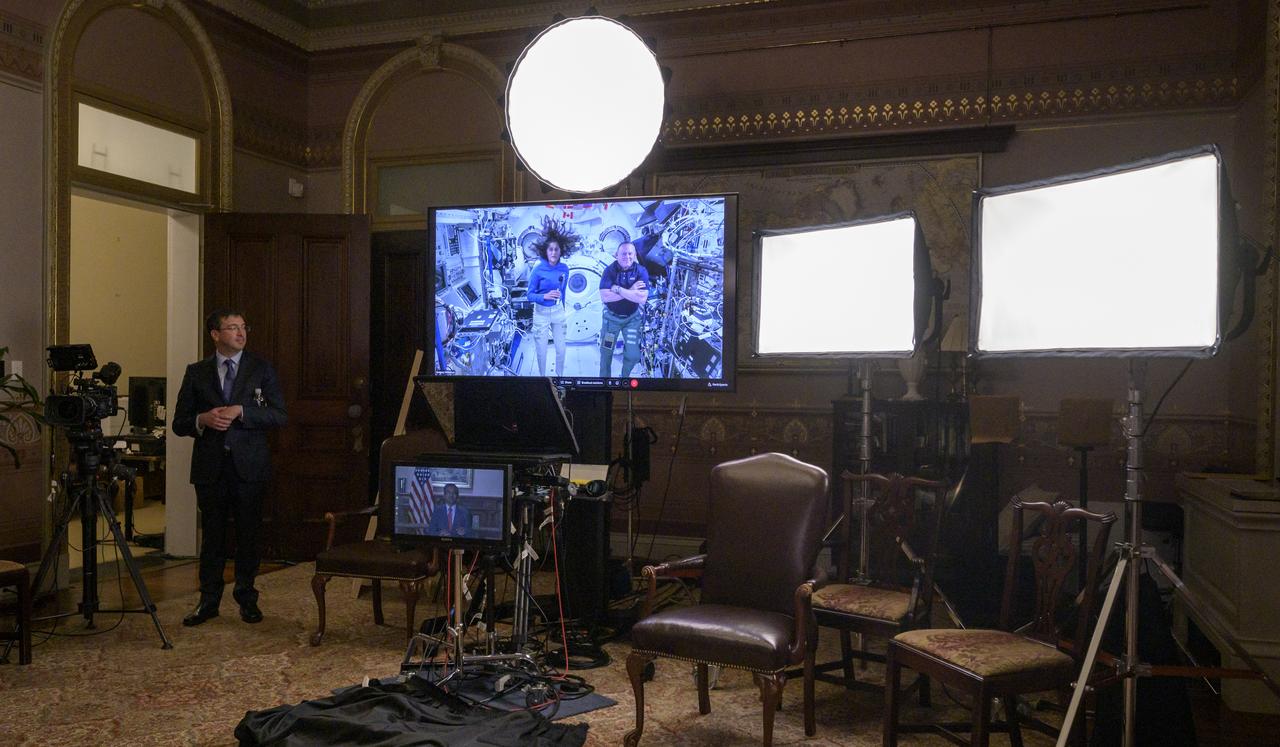
Daniel Evans, NASA's Director of Civil Space Policy standing left, looks on as NASA’s Boeing Crew Flight Test crew members Suni Williams, left, and Butch Wilmore are seen aboard the International Space Station on a monitor during an Earth-to-space call with Chirag Parikh, Deputy Assistant to the President and Executive Secretary of the National Space Council, Monday, June 10, 2024 at the Eisenhower Executive Office Building in Washington. Parikh spoke to Williams and Wilmore about their mission aboard Boeing’s Starliner Spacecraft. Photo Credit: (NASA/Bill Ingalls)
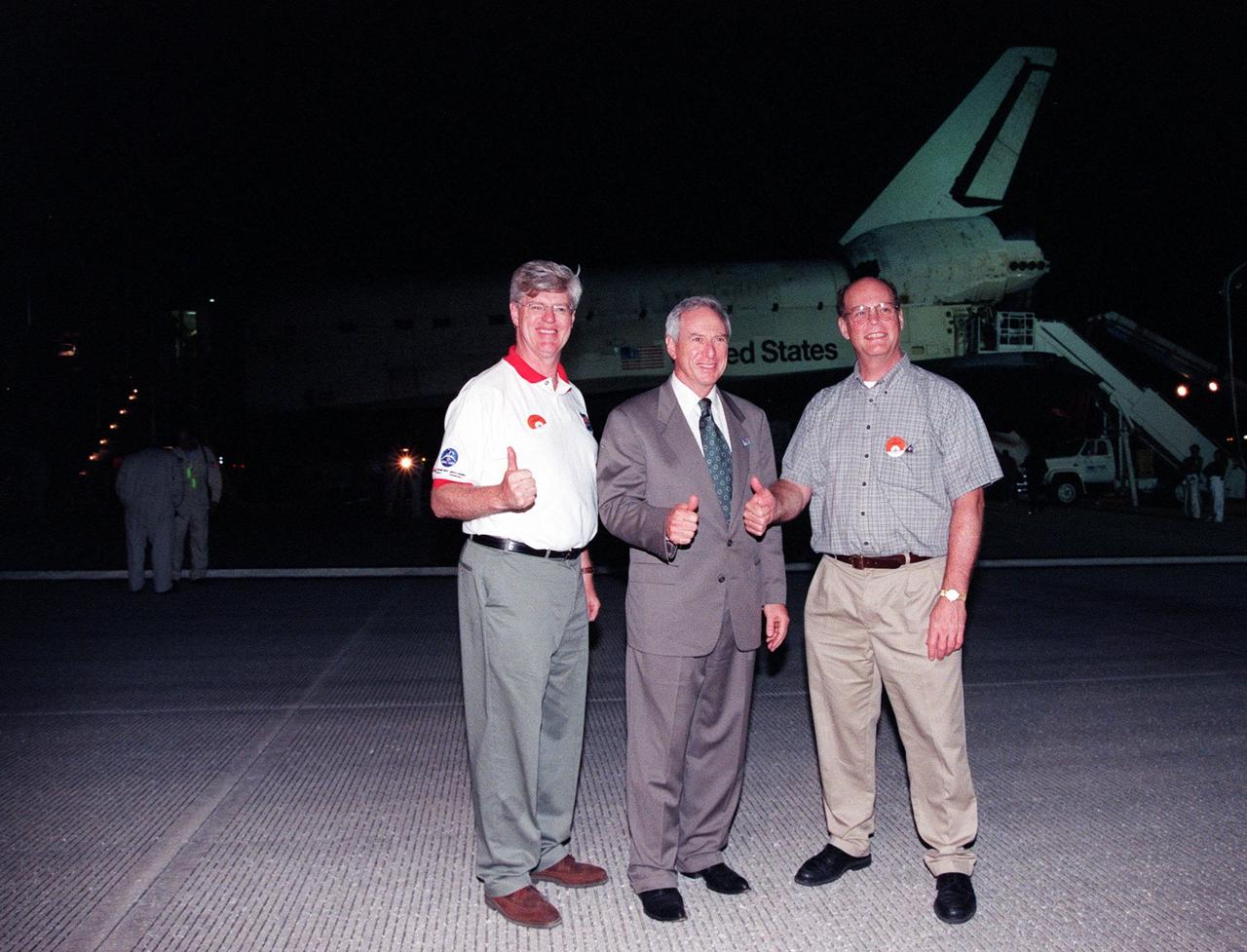
(Left to right) Canadian Minister of Industry John Manley, NASA administrator Daniel Goldin, and President of the Canadian Space Agency Mac Evans give a thumbs up to the end of a successful mission after Space Shuttle orbiter Discovery (behind them) touched down on KSC's Shuttle Landing Facility Runway 15. Main gear touchdown occurred at 2:02:43 a.m. EDT to complete the 9-day, 19-hour, 13-minute and 1-second long STS-96 mission. Onboard the Shuttle was Mission Specialist Julie Payette, who represents the Canadian Space Agency. At the controls for the landing were Commander Kent V. Rominger and Pilot Rick D. Husband. Others onboard were Mission Specialists Ellen Ochoa (Ph.D.), Tamara E. Jernigan (Ph.D.), Daniel T. Barry (M.D., Ph.D.), and Valery Ivanovich Tokarev, represents the Russian Space Agency. The crew returned from the second flight to the International Space Station on a logistics and resupply mission
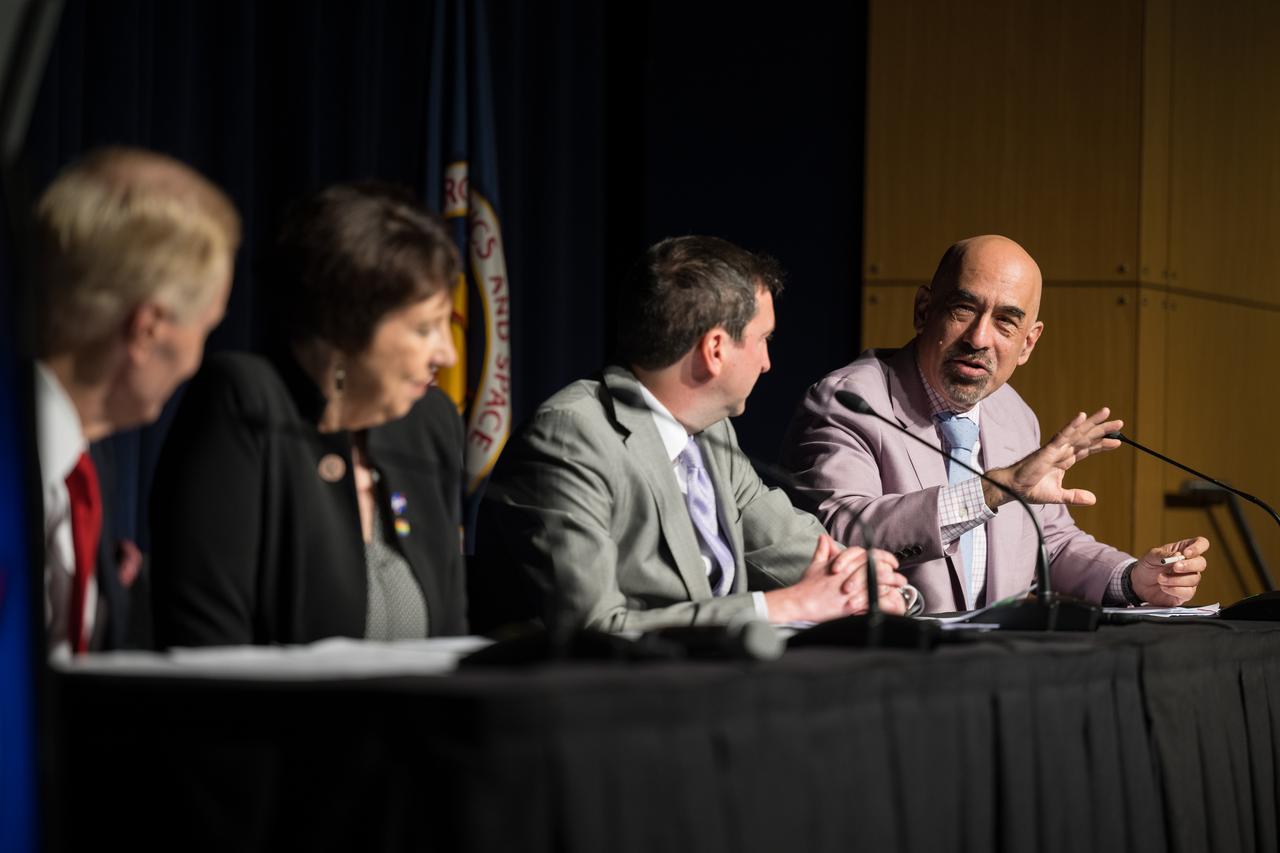
President of the Simons Foundation and Chair of NASA's UAP Independent Study Team, David Spergel, answers a question during a media briefing to discuss the findings from an unidentified anomalous phenomena (UAP) independent study team, Thursday, Sept. 14, 2023, at the Mary W. Jackson NASA Headquarters building in Washington. The UAP independent study team, commissioned in 2022, is a counsel of 16 community experts across diverse areas on matters relevant to potential methods of study for unidentified anomalous phenomena. NASA published the team’s full report online, which aims to inform about what possible data could be collected in the future to shed light on the nature and origin of UAP. Photo Credit: (NASA/Aubrey Gemignani)
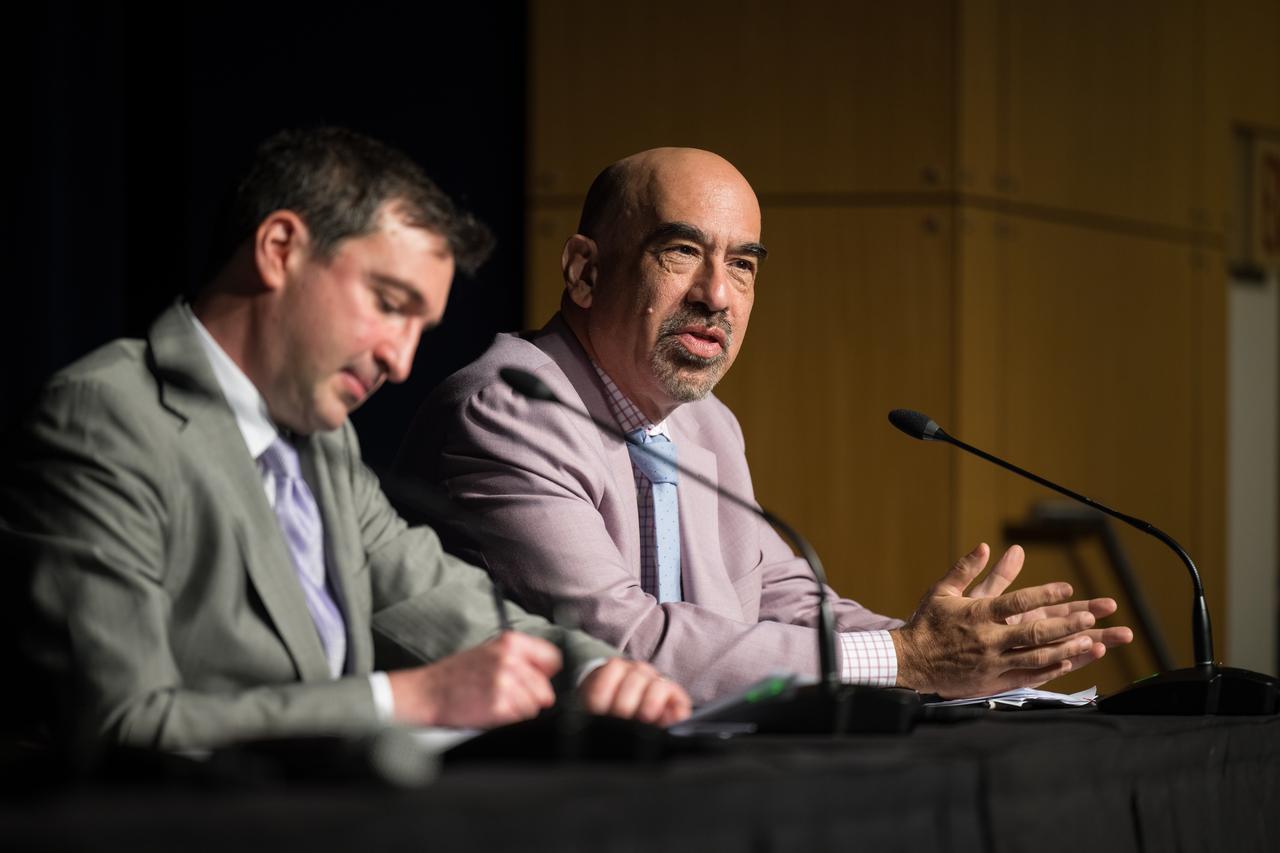
President of the Simons Foundation and Chair of NASA's UAP Independent Study Team, David Spergel, answers a question during a media briefing to discuss the findings from an unidentified anomalous phenomena (UAP) independent study team, Thursday, Sept. 14, 2023, at the Mary W. Jackson NASA Headquarters building in Washington. The UAP independent study team, commissioned in 2022, is a counsel of 16 community experts across diverse areas on matters relevant to potential methods of study for unidentified anomalous phenomena. NASA published the team’s full report online, which aims to inform about what possible data could be collected in the future to shed light on the nature and origin of UAP. Photo Credit: (NASA/Aubrey Gemignani)
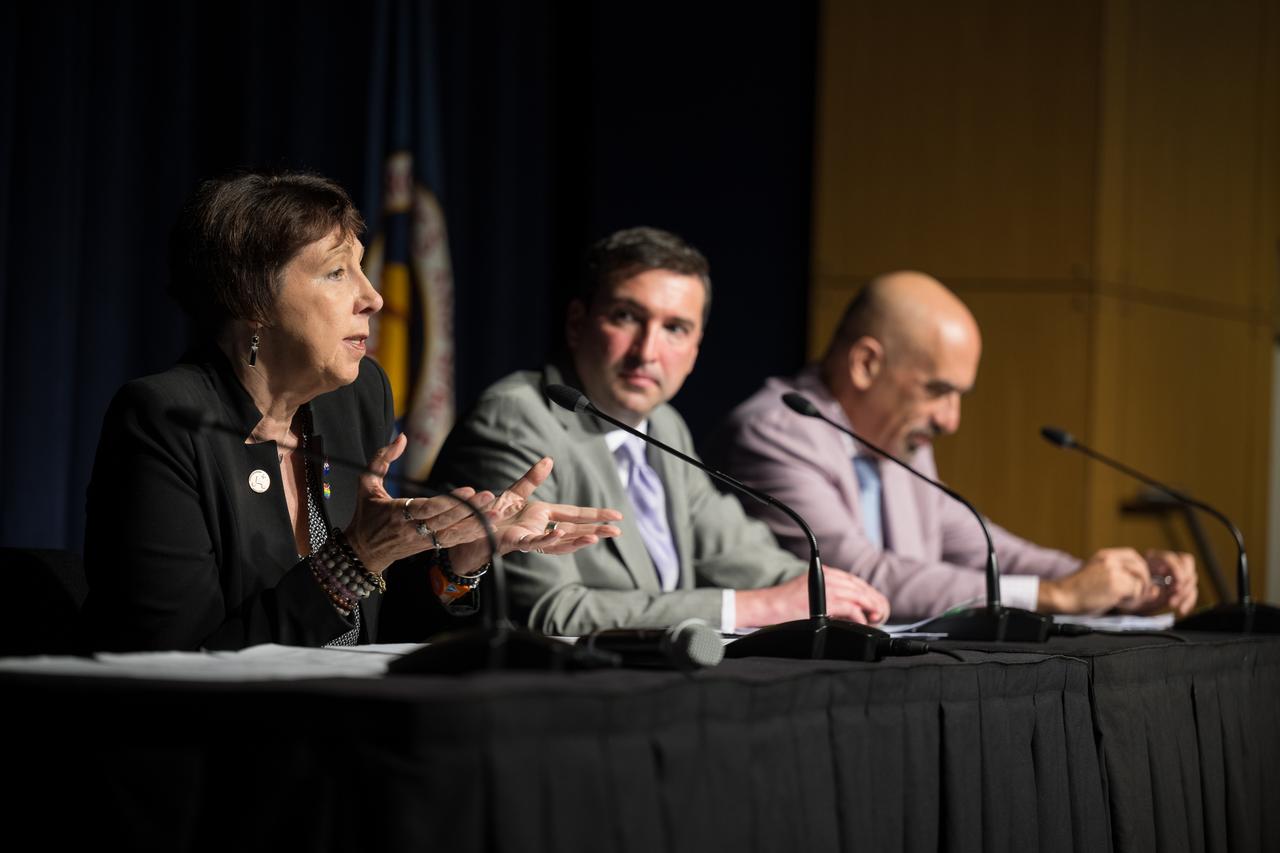
Nicola Fox, associate administrator for NASA's Science Mission Directorate, answers a question during a media briefing to discuss the findings from an unidentified anomalous phenomena (UAP) independent study team, Thursday, Sept. 14, 2023, at the Mary W. Jackson NASA Headquarters building in Washington. The UAP independent study team, commissioned in 2022, is a counsel of 16 community experts across diverse areas on matters relevant to potential methods of study for unidentified anomalous phenomena. NASA published the team’s full report online, which aims to inform about what possible data could be collected in the future to shed light on the nature and origin of UAP. Photo Credit: (NASA/Aubrey Gemignani)
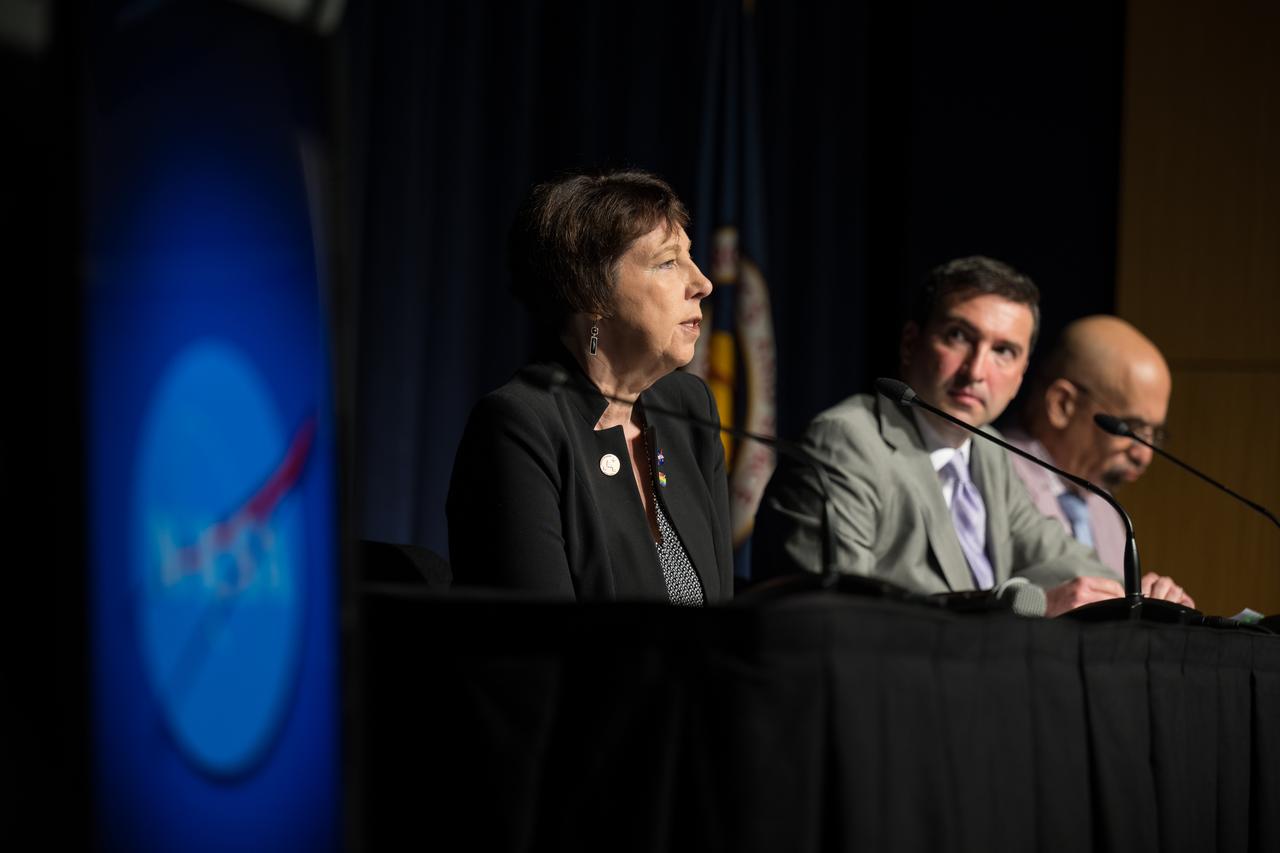
Nicola Fox, associate administrator for NASA's Science Mission Directorate, answers a question during a media briefing to discuss the findings from an unidentified anomalous phenomena (UAP) independent study team, Thursday, Sept. 14, 2023, at the Mary W. Jackson NASA Headquarters building in Washington. The UAP independent study team, commissioned in 2022, is a counsel of 16 community experts across diverse areas on matters relevant to potential methods of study for unidentified anomalous phenomena. NASA published the team’s full report online, which aims to inform about what possible data could be collected in the future to shed light on the nature and origin of UAP. Photo Credit: (NASA/Aubrey Gemignani)