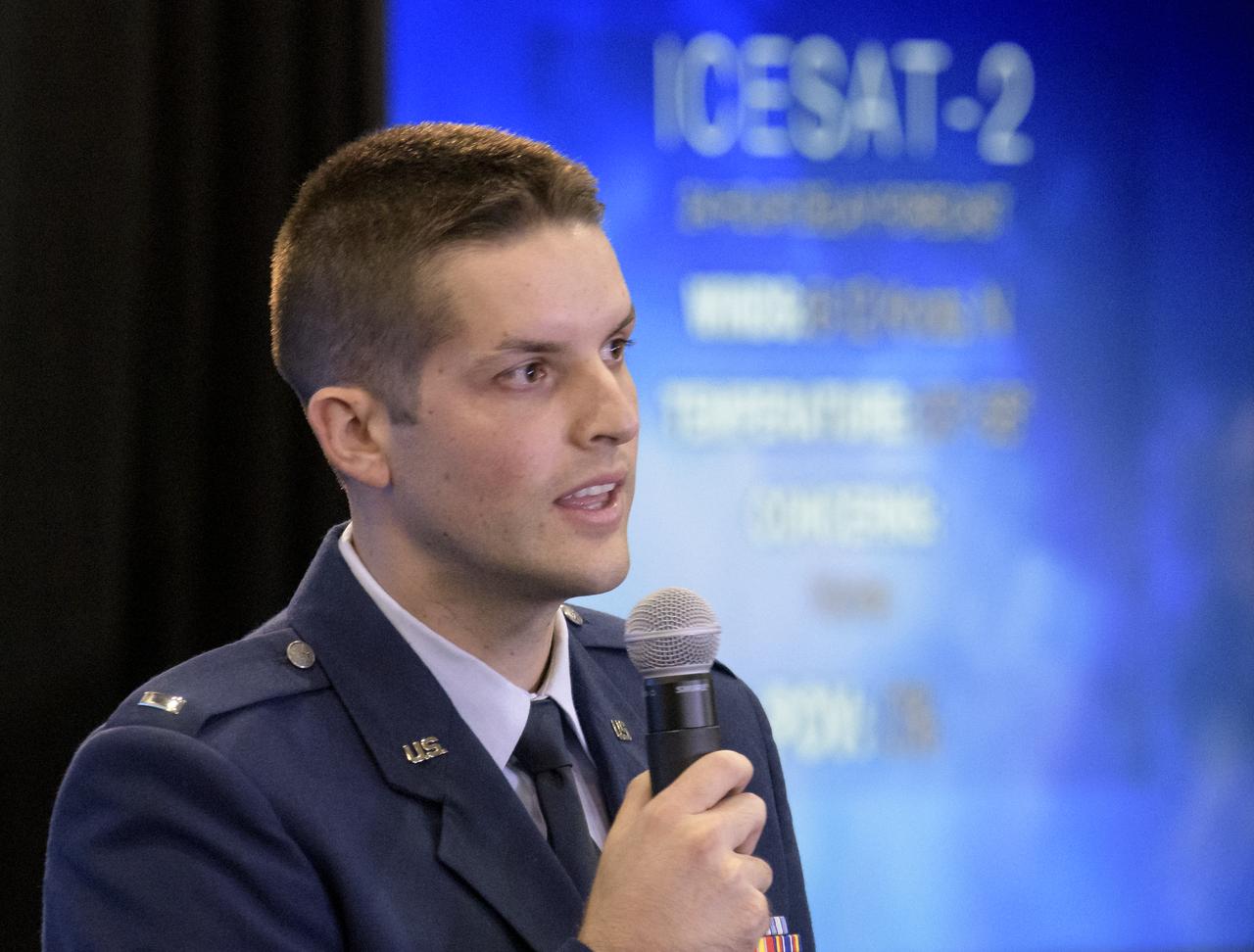
1st Lt. Daniel Smith, Weather Officer, 30th Space Wing, Vandenberg Air Force Base, is seen during a NASA Ice, Cloud and land Elevation Satellite-2 (ICESat-2) prelaunch briefing, Thursday, Sept. 13, 2018, at Vandenberg Air Force Base in California. The ICESat-2 mission will measure the changing height of Earth's ice. Photo Credit: (NASA/Bill Ingalls)
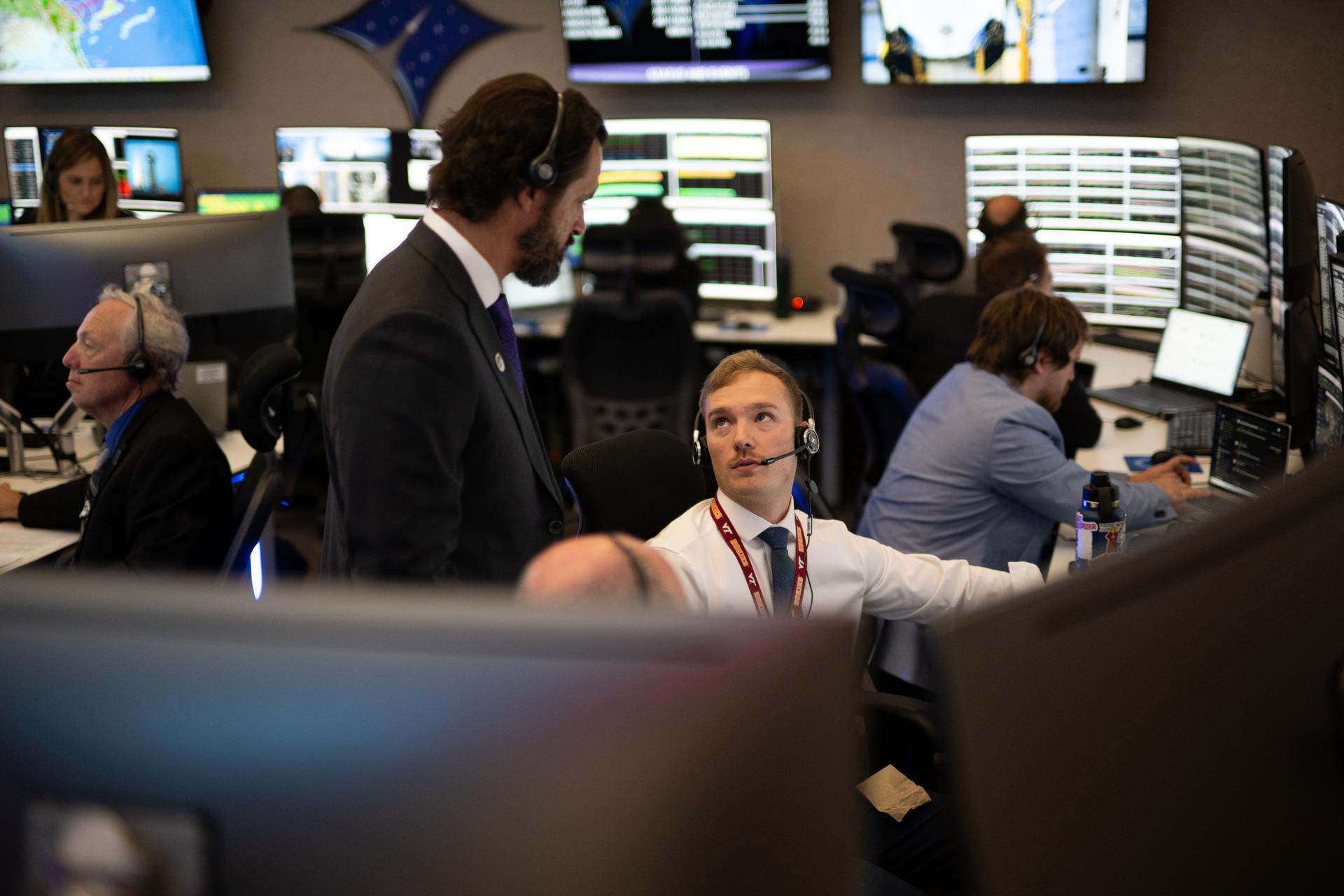
Aaron Smith, senior vehicle systems engineer for NASA’s Launch Services Program, left, talks with Daniel Safewright, a ground systems engineer at NASA’s Kennedy Space Center, as they monitor the countdown inside Hangar AE at Cape Canaveral Space Force Station for the launch of a SpaceX Falcon Heavy rocket with NASA’S Nancy Grace Roman Space Telescope from Launch Complex 39A at NASA’s Kennedy Space Center, Sunday, Aug. 30, 2026, in Florida. Roman will investigate dark energy and dark matter, conduct a statistical census of planetary systems, and enable a broad range of additional astrophysics research. Launch occurred at 7:26 a.m. EDT. Photo Credit (NASA/Joel Kowsky)
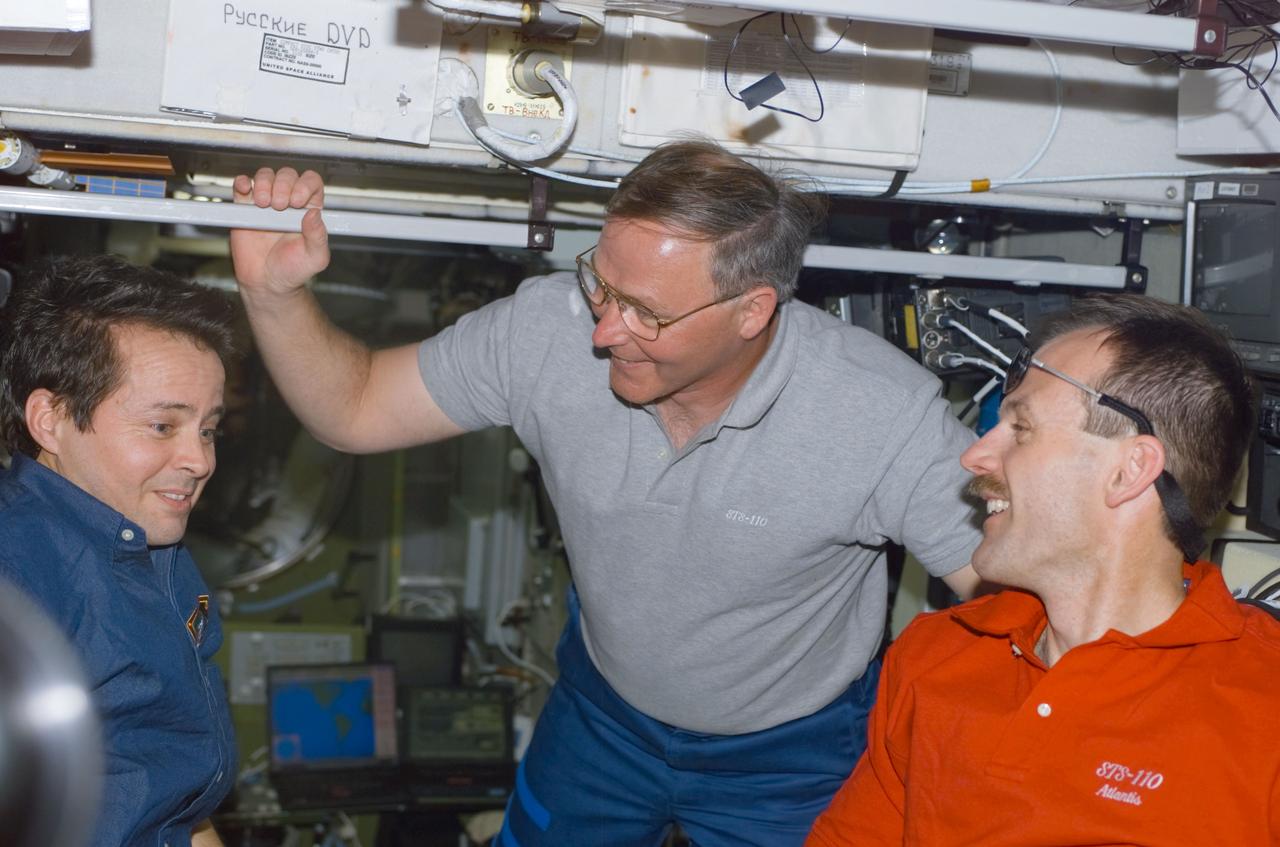
STS110-E-5122 (10 April 2002) --- Astronauts Daniel W. Bursch (left), Expedition Four flight engineer, Jerry L. Ross and Steven L. Smith, both STS-110 mission specialists, converse in the Zvezda Service Module on the International Space Station (ISS). The image was taken with a digital still camera.
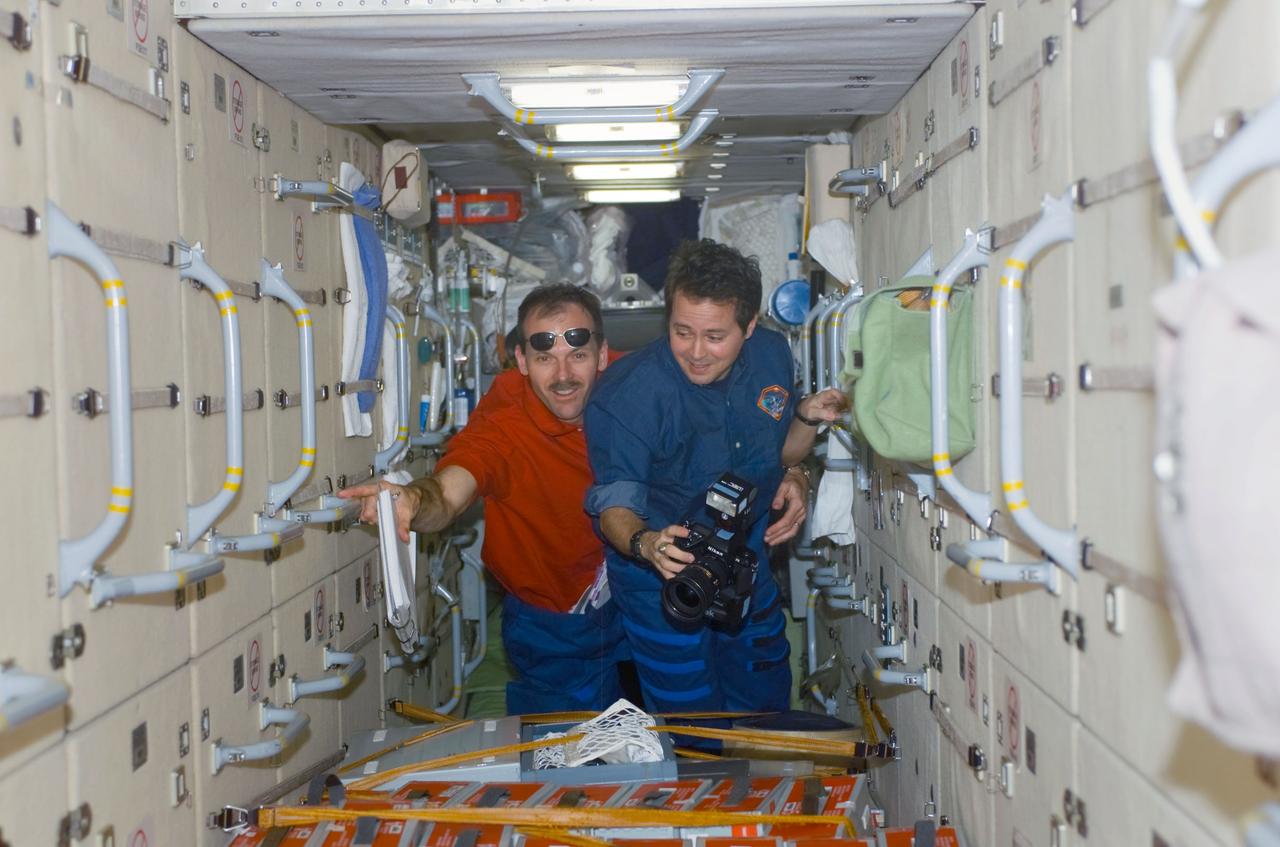
STS110-E-5115 (10 April 2002) --- Astronauts Daniel W. Bursch (right), Expedition Four flight engineer, and Steven L. Smith, STS-110 mission specialist, traverse through the functional cargo block (FGB), or Zarya on the International Space Station (ISS). The image was taken with a digital still camera.
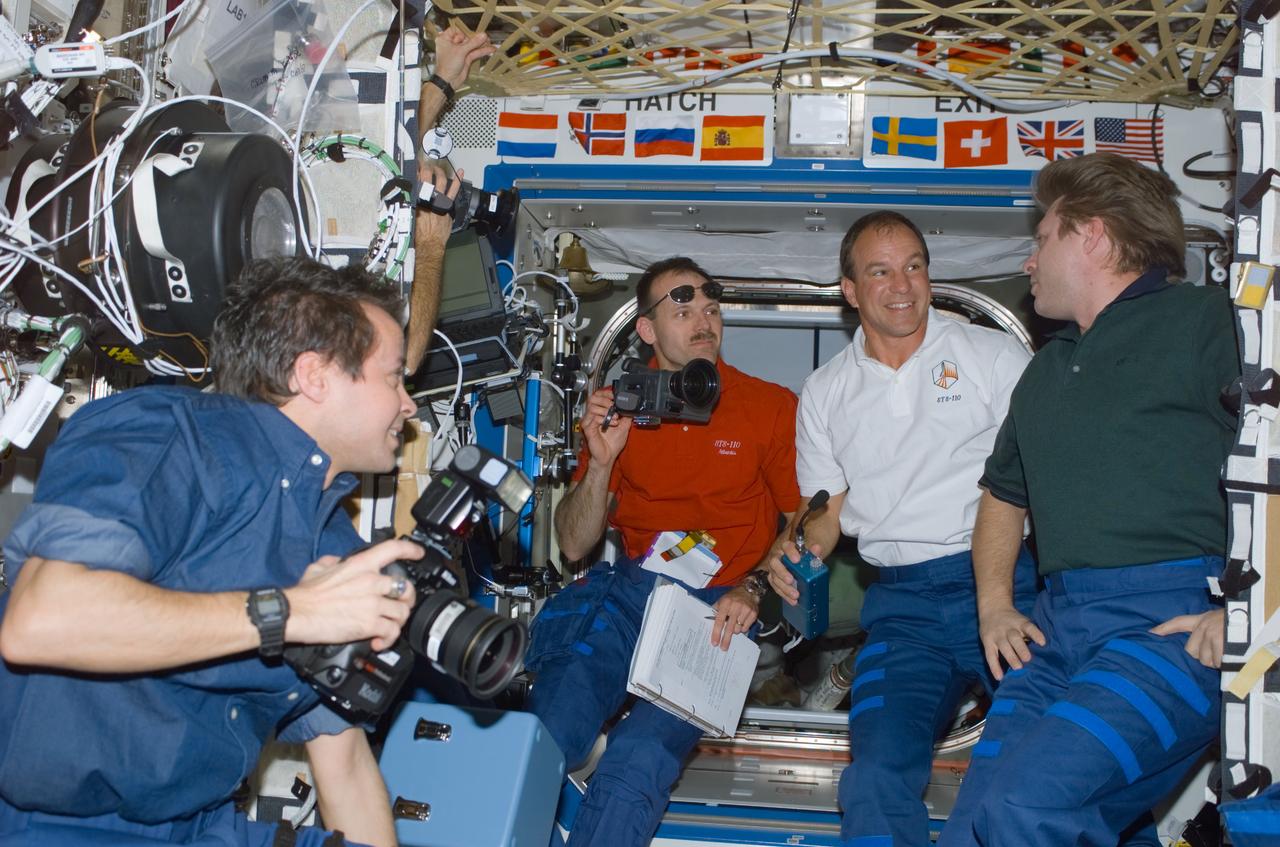
STS110-E-5103 (10 April 2002) --- Astronaut Daniel W. Bursch (left), Expedition Four flight engineer; astronauts Steven L. Smith and Michael J. Bloomfield, STS-110 mission specialist and mission commander, respectively; and cosmonaut Yury I. Onufrienko, Expedition Four mission commander, are photographed in the Destiny laboratory on the International Space Station (ISS). The image was taken with a digital still camera.
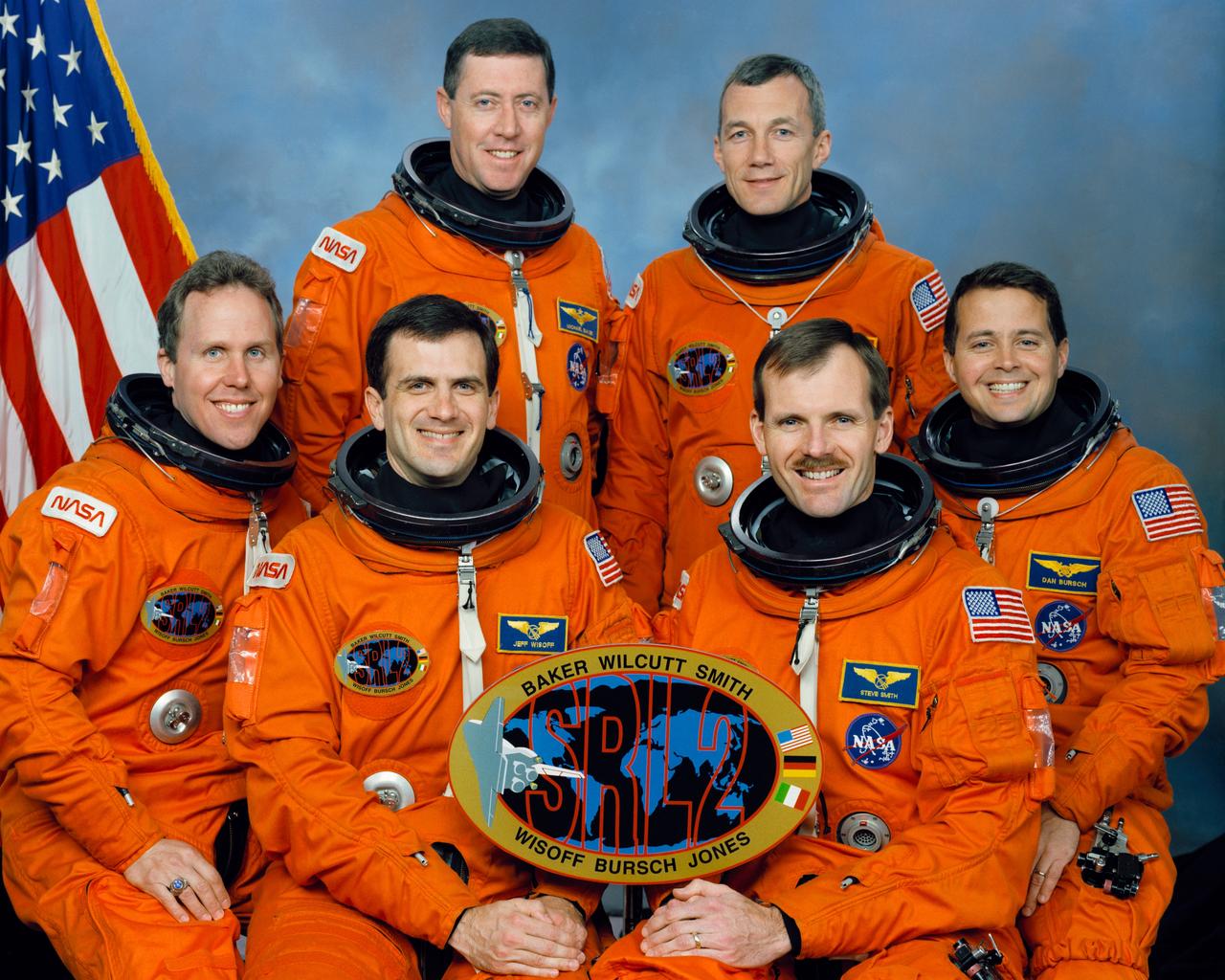
STS068-S-002 (March 1994) --- These six NASA astronauts are in training for the mission, scheduled for launch later this year. Standing are, left to right, Michael A. Baker, mission commander; and Terrence W. Wilcutt, pilot. On the front row are, left to right, Thomas D. Jones, payload commander; and Peter J. K. (Jeff) Wisoff, Steven L. Smith and Daniel W. Bursch, all mission specialists.
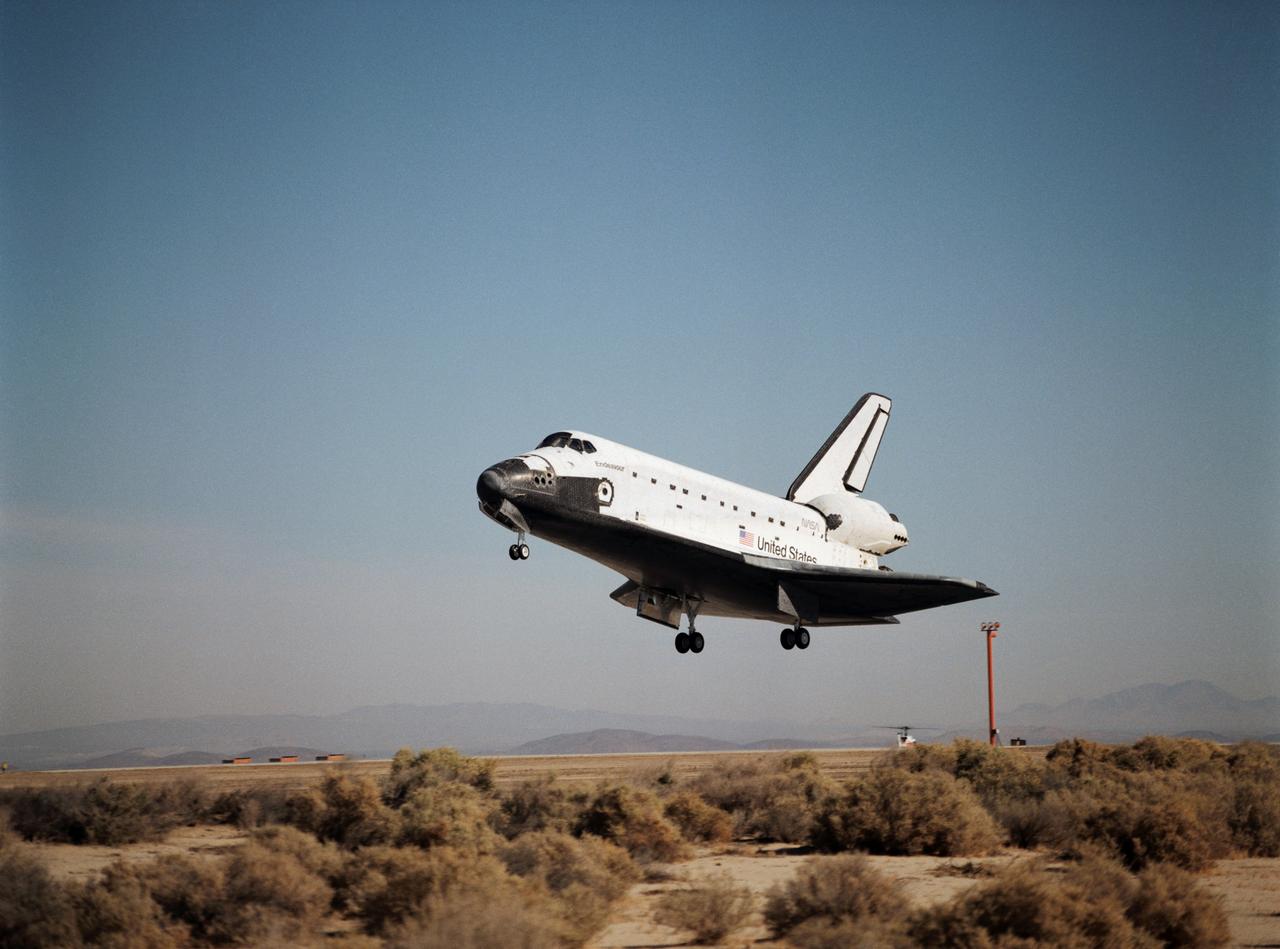
STS068-S-060 (11 October 1994) --- With its main landing gear not quite on the runway, the Space Shuttle Endeavour wraps up an eleven-day mission at Edwards Air Force Base, California. Landing occurred at 10:02 a.m. (PDT), October 11, 1994. Onboard were astronauts Michael A. Baker, mission commander; Terrence W. Wilcutt, pilot; Thomas D. Jones, payload commander; and Daniel W. Bursch, Peter J. K. (Jeff) Wisoff and Steven L. Smith, all mission specialists.
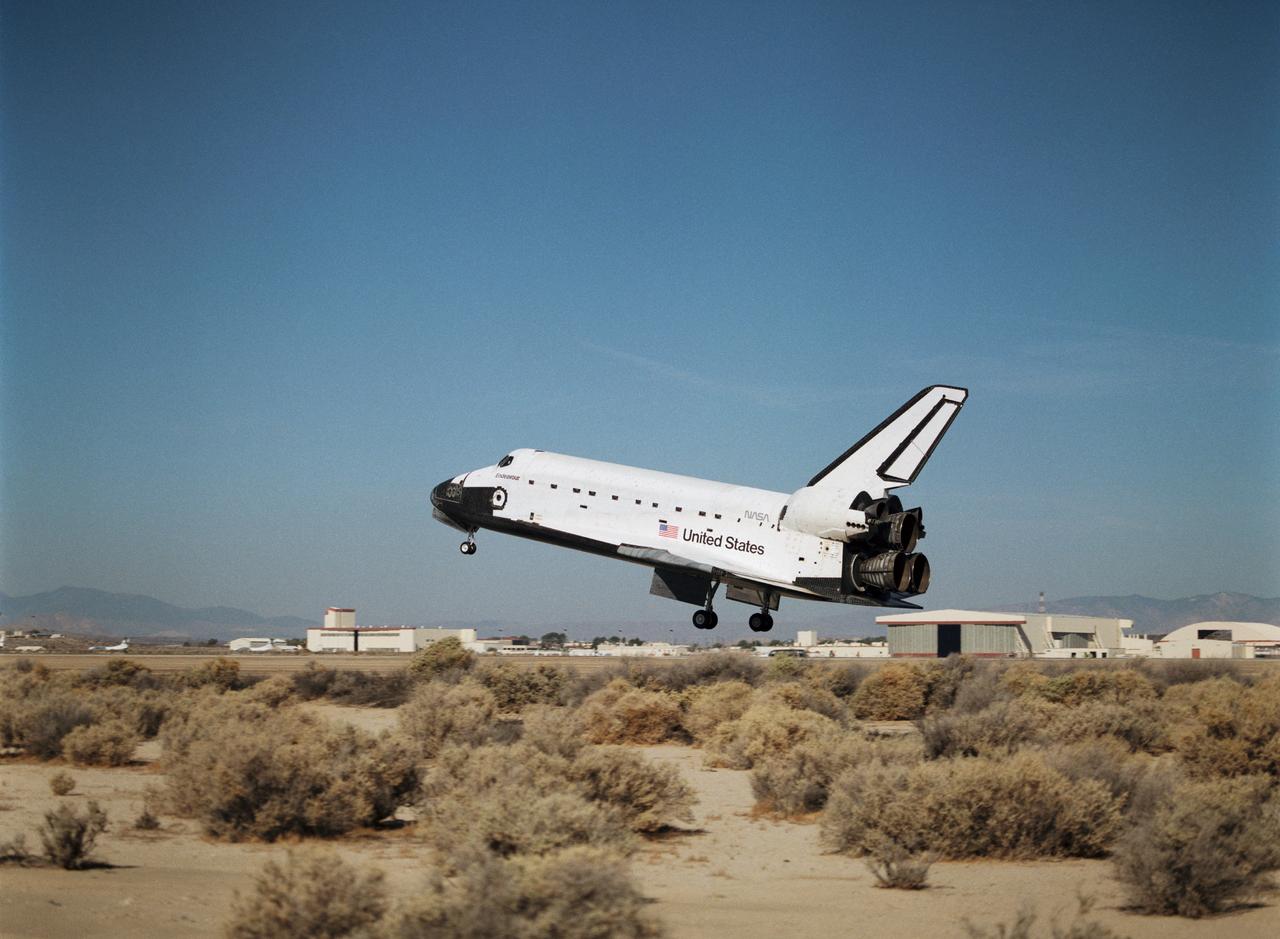
STS068-S-059 (11 October 1994) --- With its main landing gear not quite on the runway, the Space Shuttle Endeavour wraps up an eleven-day mission at Edwards Air Force Base, California. Landing occurred at 10:02 a.m. (PDT), October 11, 1994. Onboard were astronauts Michael A. Baker, mission commander; Terrence W. Wilcutt, pilot; Thomas D. Jones, payload commander; and Daniel W. Bursch, Peter J. K. (Jeff) Wisoff and Steven L. Smith, all mission specialists.
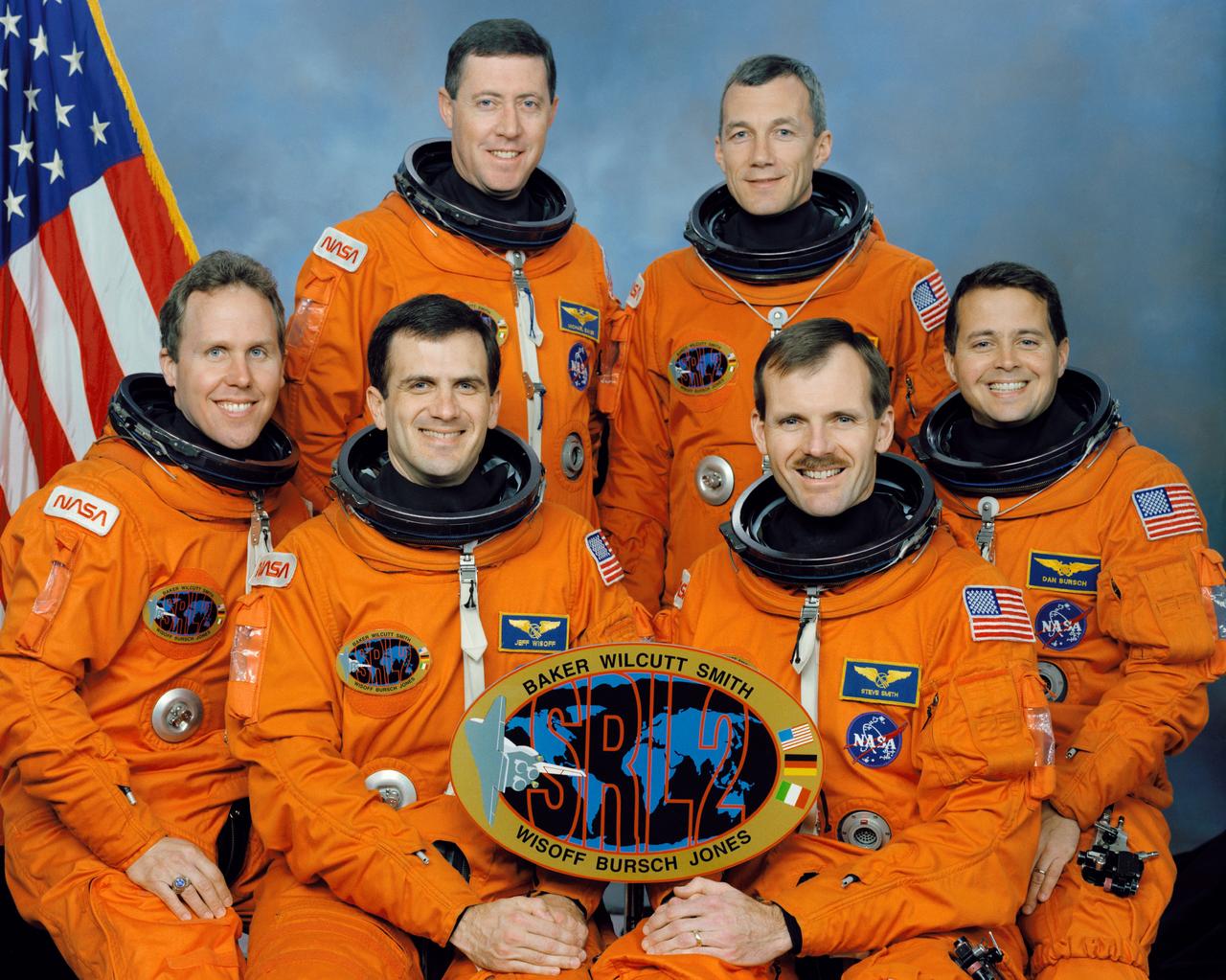
These six NASA astronauts composed the crew of the STS-68 mission that launched aboard the Space Shuttle Endeavour on September 30, 1994. Standing are, left to right, Michael A. Baker, mission commander; and Terrence W. Wilcutt, pilot. On the front row are, left to right, Thomas D. Jones, payload commander; and Peter J. K. (Jeff) Wisoff, Steven L. Smith, and Daniel W. Bursch, all mission specialists. STS-68 marked the second flight of the Space Radar Laboratory, part of NASA’s mission to planet Earth.
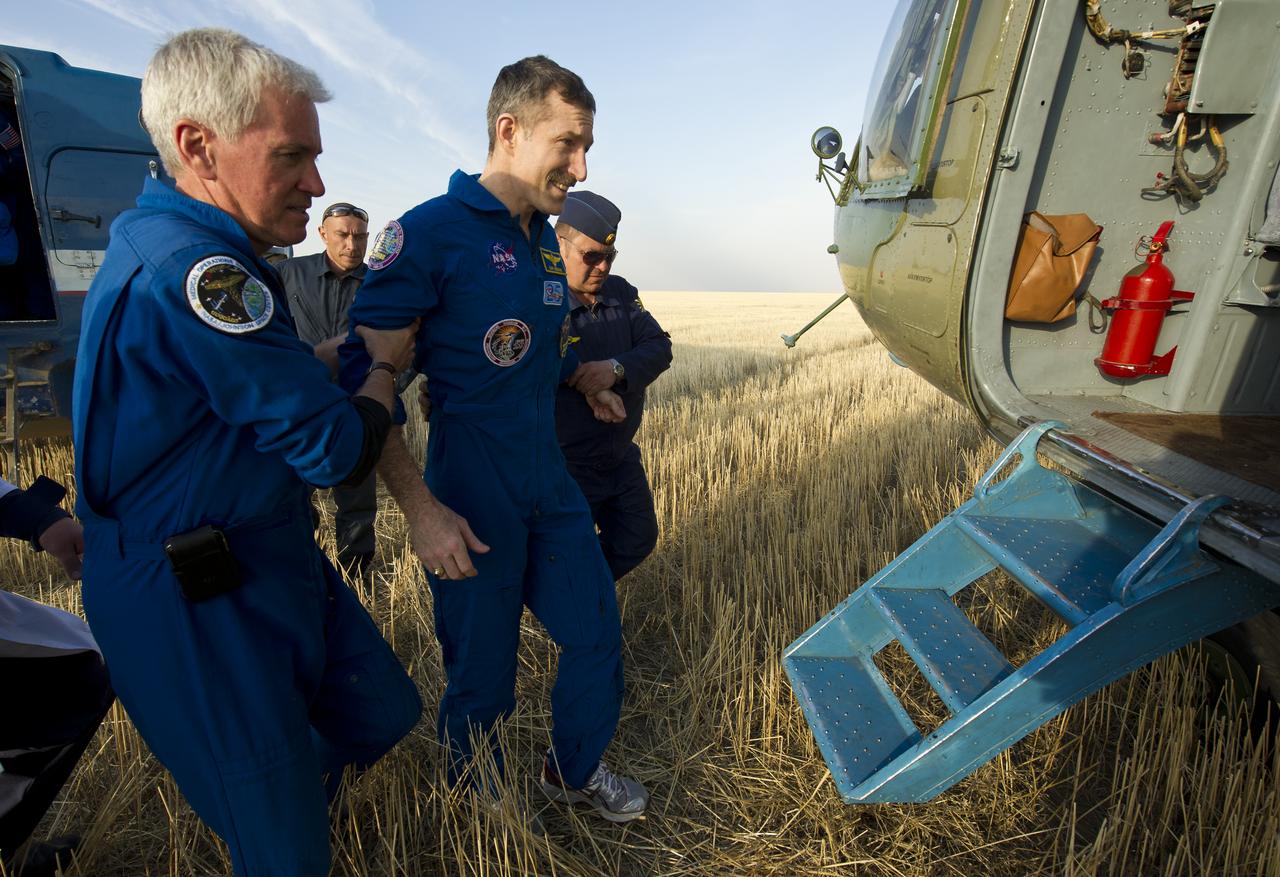
Expedition 30 Commander Dan Burbank is helped into a helicopter shortly after he and Expedition 30 Flight Engineers Anton Shkaplerov and Anatoly Ivanishin landed in a remote area outside of the town of Arkalyk, Kazakhstan, on Friday, April 27, 2012. NASA Astronaut Burbank, Russian Cosmonauts Shkaplerov and Ivanishin are returning from more than five months onboard the International Space Station where they served as members of the Expedition 29 and 30 crews. Photo Credit: (NASA/Carla Cioffi)
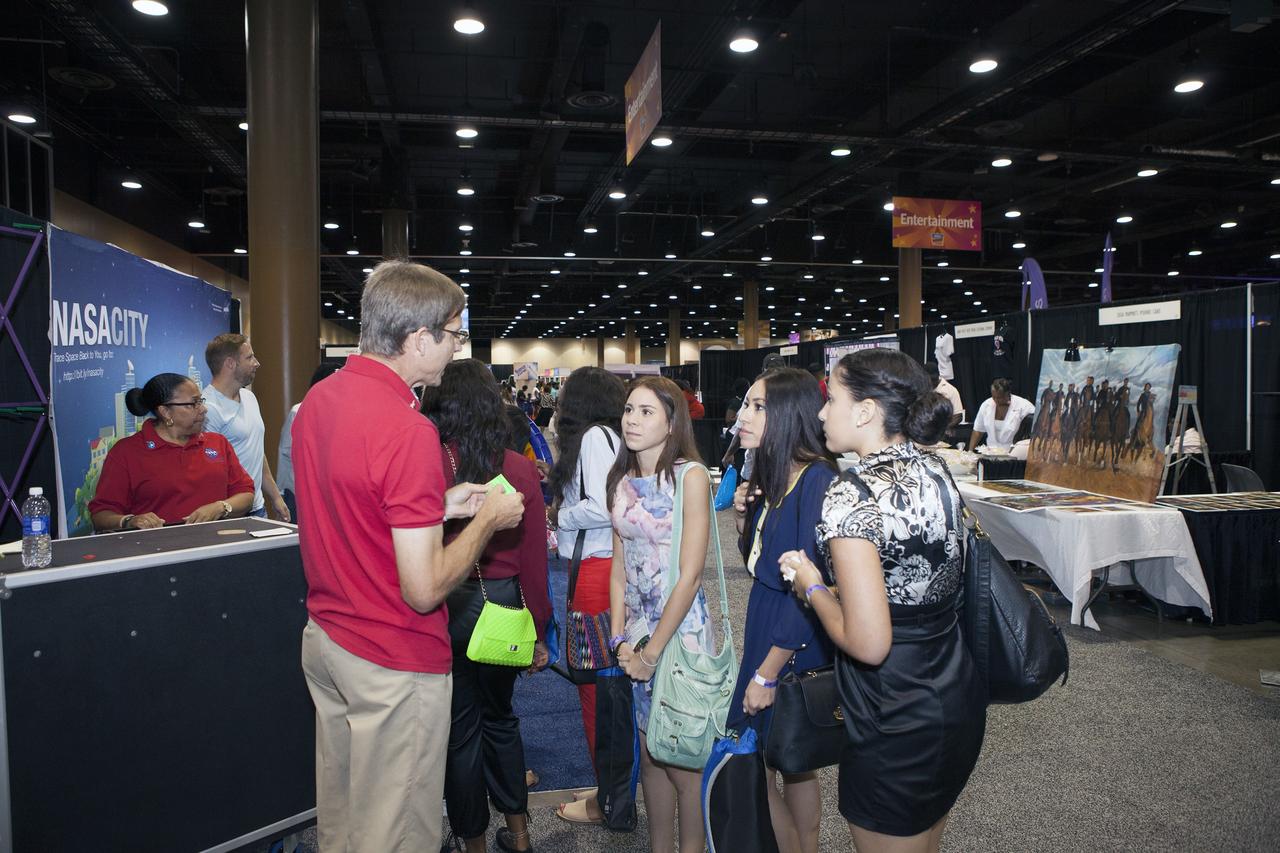
KISSIMMEE, Fla. – Guests at the Tom Joyner Family Reunion participate in "Learn and Spin Challenge," an opportunity to answer questions related to science, technology, engineering and math. Robert Smith asks a question as part of NASA’s educational theme during the five-day event. Behind Smith, to the left, is Debbie Houston who also supported the "Learn and Spin Challenge." The Tom Joyner Family Reunion is designed to present uplifting programs, entertainment and information about growing, diverse communities. An annual event of the nationally-syndicated Tom Joyner Morning Show, the many exhibits included NASA's participation focusing on encouraging young people to consider studies and careers in STEM -- science, technology, engineering and math. NASA's Education Division promoted the benefits of math and scientific learning along with career opportunities offered by the space agency. The activities took place at the Gaylord Palms Resort in Kissimmee, Florida, during the Labor Day weekend. Photo credit: NASA/Daniel Casper

Stability and Control Branch Photo: Names, rows front to back, people left to right: Row 1: 1. ?? Graduate Student (USAF) 2. Robert Dunning 3. Rhonda Harvey Poppen 4. Katherine G. Johnson 5. ?? Graduate Student (USAF) 6. Vladislav Klein Row 2: 1. Mario Smith 2. Jeff Williams 3. N. Sundararajan 4. Tony Fontana 5. John Young Row 3: 1. Lawrence Taylor 2. Jim Batterson 3. Suresh Joshi 4. Daniel P. Giesy Row 4: 1. Bill Suit 2. Albert A. Schy 3. Al Hamer 4. Ernest Armstrong 5. Claude Keckler Row 5: 1. Chris Brown 2. Robert Bullock 3. Ray Montgomery 4. Jim Williams 5. Sahajendra Singh 6. Graduate Student (Egypt) Names given by Daniel P. Giesy.
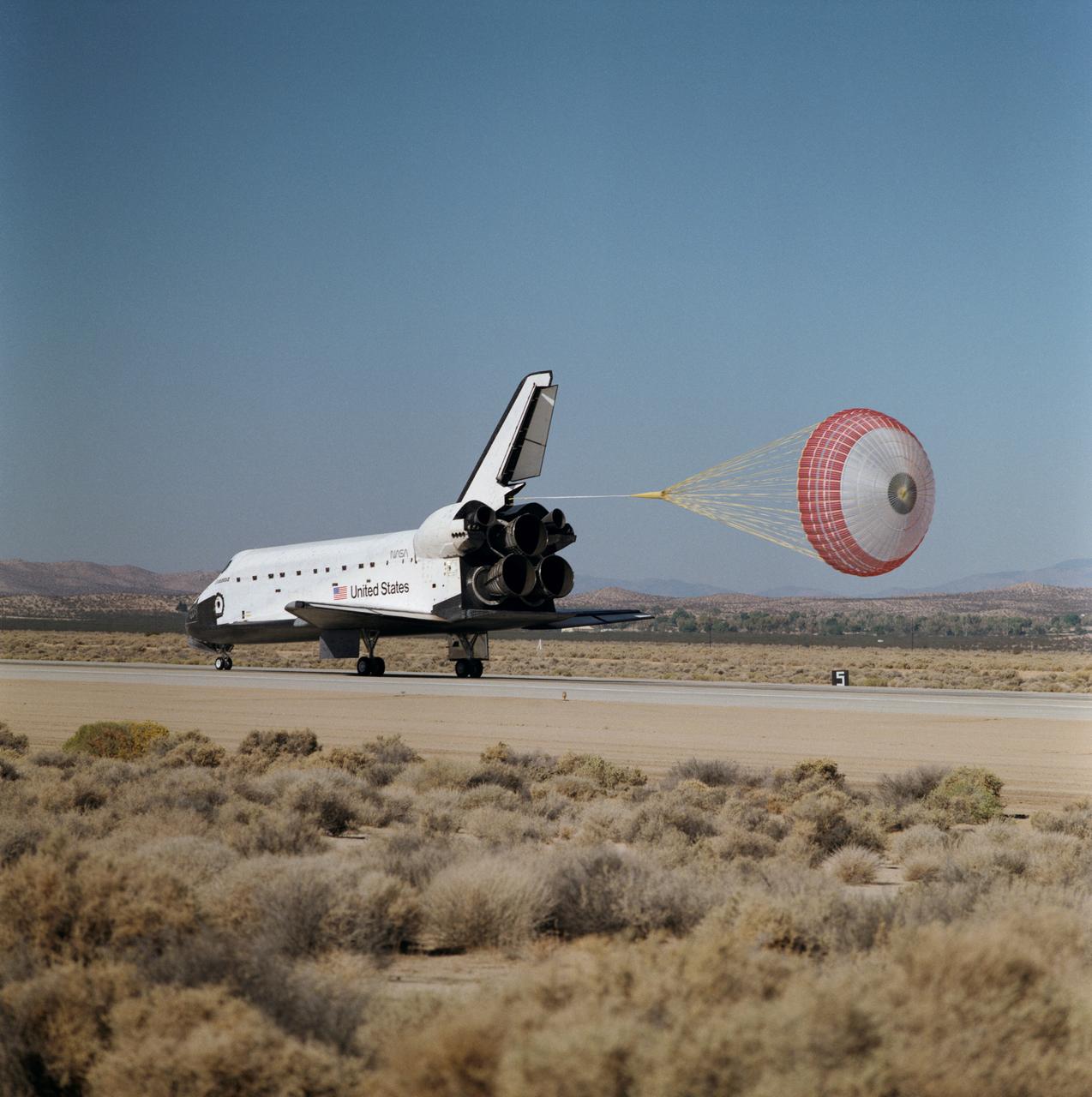
STS068-S-061 (11 October 1994) --- The drag chute system, one of 13 Detailed Test Objectives (DTO) for STS-68, is deployed as the Space Shuttle Endeavour completes an eleven-day mission at Edwards Air Force Base, California. Landing occurred at 10:02 a.m. (PDT), October 11, 1994. Onboard were astronauts Michael A. Baker, mission commander; Terrence W. Wilcutt, pilot; Thomas D. Jones, payload commander; and Daniel W. Bursch, Peter J. K. (Jeff) Wisoff and Steven L. Smith, all mission specialists.
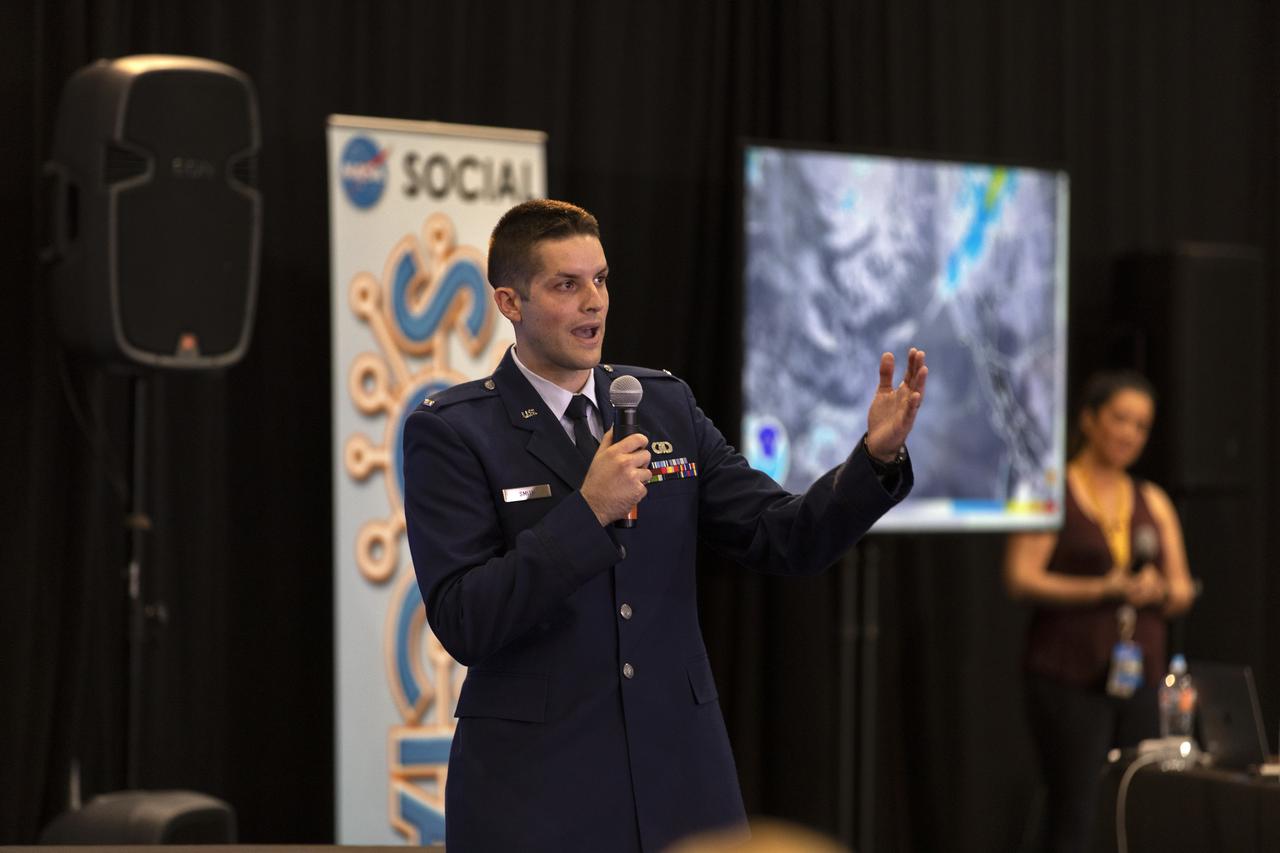
1st Lt. Daniel Smith, launch weather officer, 30th Space Wing, Vandenberg Air Force Base, speaks to members of the news media and social media participants during a prelaunch mission briefing for NASA's Ice, Cloud and land Elevation Satellite-2 (ICESat-2), a mission to measure the changing height of Earth's ice, on Sept. 13, 2018 at Vandenberg Air Force Base (VAFB) in California. ICESat-2 will launch aboard a United Launch Alliance Delta II, the rocket’s final mission, from Space Launch Complex 2 at VAFB. Launch is scheduled for 8:46 a.m. EDT (5:46 a.m. PDT).
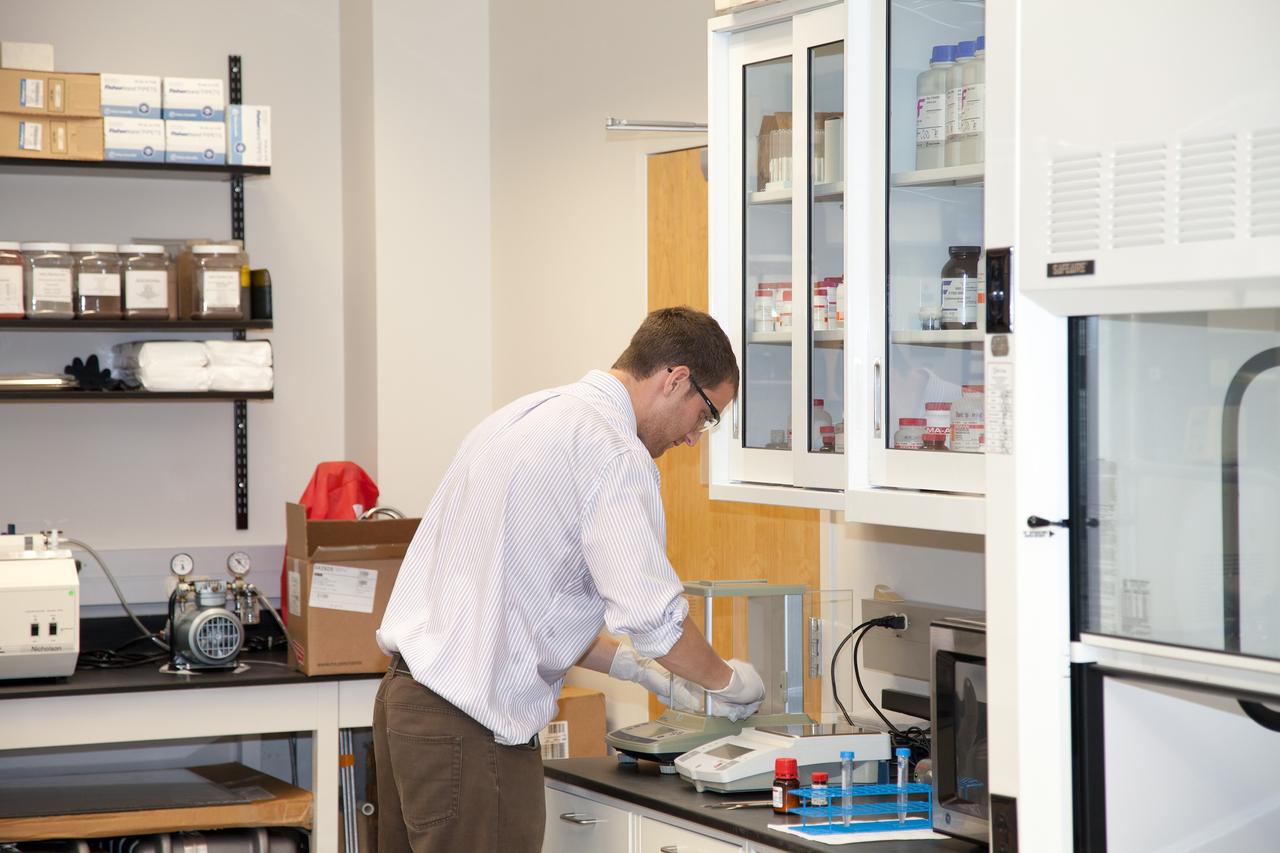
CAPE CANAVERAL, Fla. -- Inside the Space Life Sciences Laboratory near NASA’s Kennedy Space Center in Florida, Dr. David J. Smith, a microbiologist in the Surface Systems Office, prepares microbes that will be deployed for the Microorganisms in the Stratosphere, or MIST, mission. High altitudes exert a unique combination of stresses on microbes, outside the range of conditions normally encountered on the Earth's surface. Results from MIST may improve our understanding of the physical limits and habitable environments for life. The MIST mission will fly a small biological payload aboard a blimp in July to measure microbial survival and cellular responses to exposure in the upper atmoshere. Later in the year, the MIST mission will deploy samples at even higher altitudes in the stratosphere using scientific balloons. Photo credit: NASA/Daniel Casper
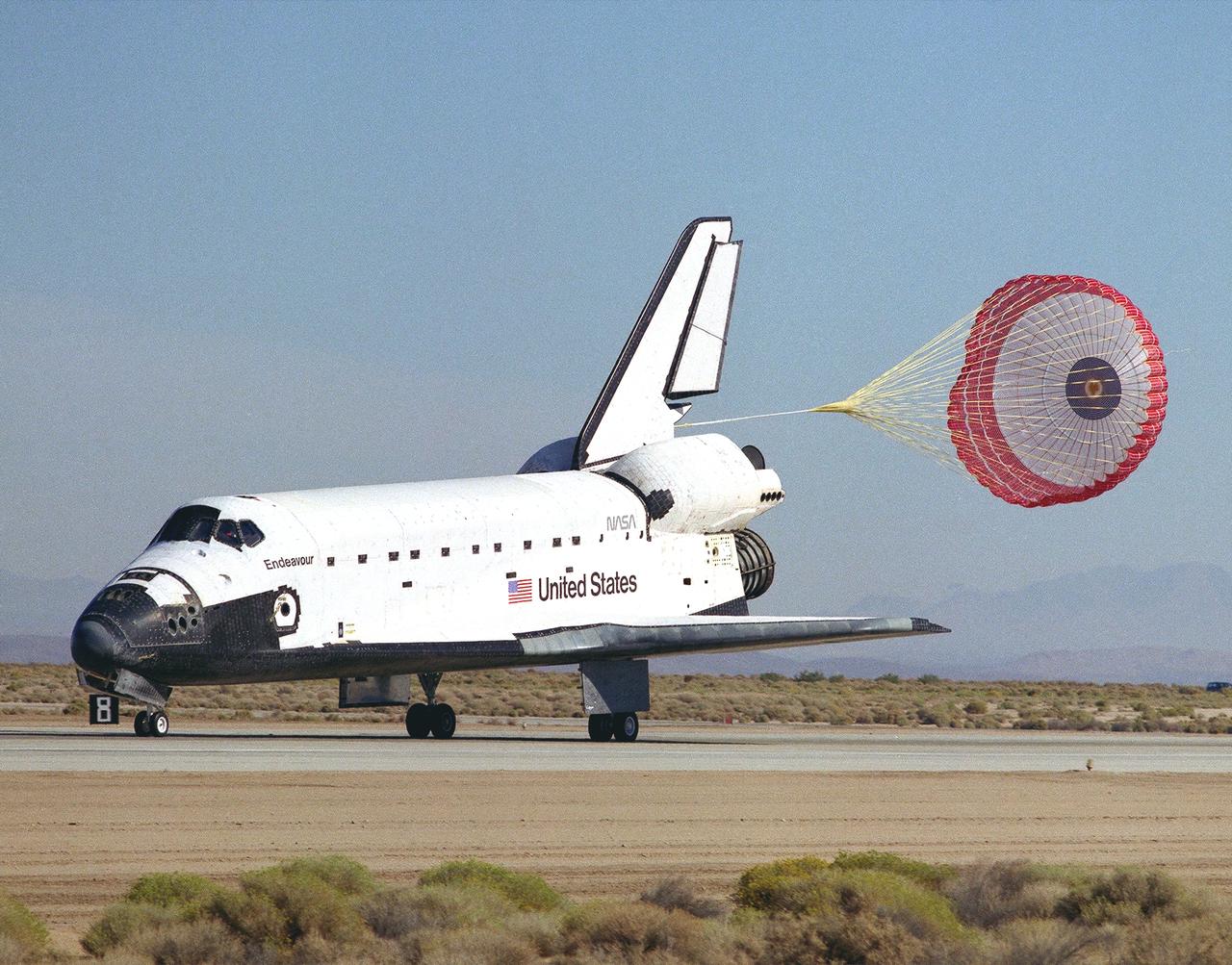
A drag chute slows the shuttle Endeavour after landing on runway 22 at Edwards, California, to complete the highly successful STS-68 mission dedicated to radar imaging of the earth's surface as part of NASA's Mission To Planet Earth program. The landing was at 10:02 a.m. (PDT) 11 October 1994, after waiving off from the Kennedy Space Center, Florida, earlier that morning due to adverse weather at Kennedy. The Endeavour crew was originally scheduled to land at Kennedy the morning of 10 October, but mission planners decided early in the flight to extend the mission by one day. Mission commander was Michael A. Baker and the pilot was Terrence W. Wilcutt. The four mission specialists were Thomas D. Jones, payload; Steven L. Smith; Daniel W. Bursch; and Peter J.K. Wisoff.
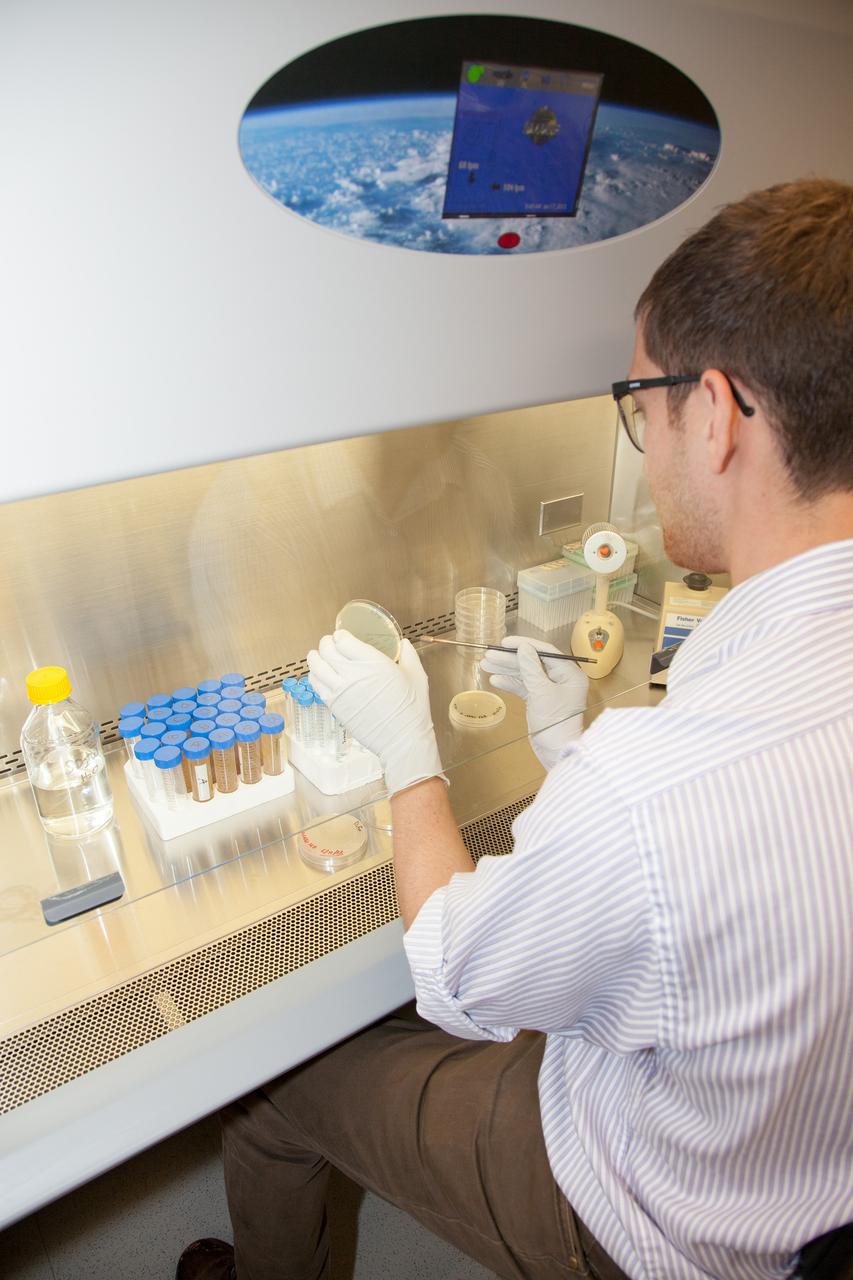
CAPE CANAVERAL, Fla. -- Inside the Space Life Sciences Laboratory near NASA’s Kennedy Space Center in Florida, Dr. David J. Smith, a microbiologist in the Surface Systems Office, prepares microbes that will be deployed for the Microorganisms in the Stratosphere, or MIST, mission. High altitudes exert a unique combination of stresses on microbes, outside the range of conditions normally encountered on the Earth's surface. Results from MIST may improve our understanding of physical limits and habitable environments for life. The MIST mission will fly a small biological payload aboard a blimp in July to measure microbial survival and cellular responses to exposure in the upper atmosphere. Later in the year, the MIST mission will deploy samples at even higher altitudes in the stratosphere using scientific balloons. Photo credit: NASA/Daniel Casper

FDCD Branch Stability and Control branch: Names, rows front to back, people left to right: Ground level: 1. ?? 2. Debra L. Livingston 3. Katherine G. Johnson 4. Robert Dunning Step 1: 1. Ellie Fillmore (?) 2. Al Hamer 3. Suresh Joshi Step 2: 1. John Young 2. Ernest Armstrong 3. Vladislav Klein 4. Charles T. Woolley Step 3: 1. Lawrence Taylor 2. Tony Fontana Step 4: 1. Bill Suit 2. Jane Carpenter 3. Daniel P. Giesy 4. Mario Smith Step 5: 1. Albert Schy 2. Ray Montgomery 3. Sahajendra Singh Top level: 1: Jim Batterson 2. Jim Williams 3. Claude Keckler 4. N. Sundararajan Behind all: John Shebalin Names given by Danial P. Giesy
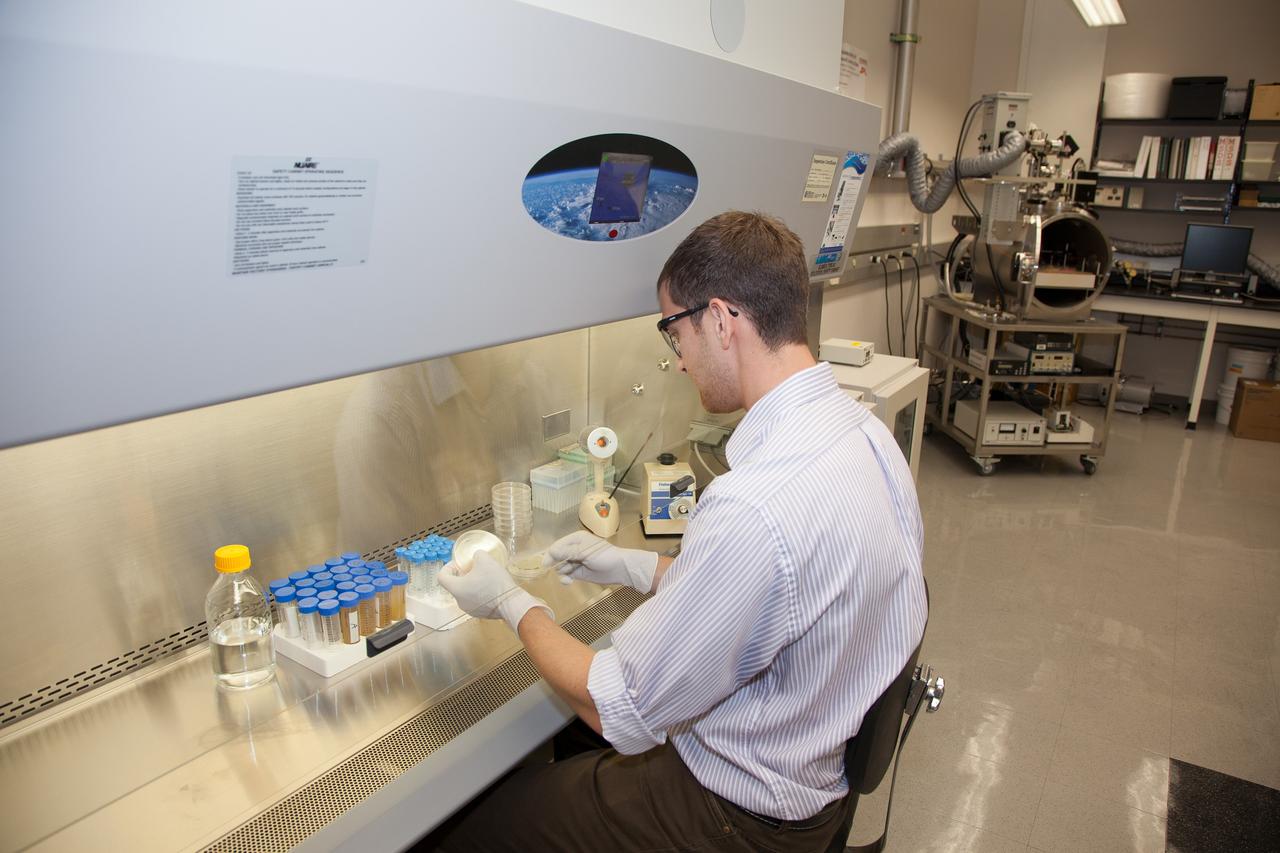
CAPE CANAVERAL, Fla. -- Inside the Space Life Sciences Laboratory near NASA’s Kennedy Space Center in Florida, Dr. David J. Smith, a microbiologist in the Surface Systems Office, prepares microbes that will be deployed for the Microorganisms in the Stratosphere, or MIST, mission. High altitudes exert a unique combination of stresses on microbes, outside the range of conditions normally encountered on the Earth's surface. Results from MIST may improve our understanding of the physical limits and habitable environments for life. The MIST mission will fly a small biological payload aboard a blimp in July to measure the microbial survival and cellular responses to exposure in the upper atmosphere. Later in the year, the MIST mission will deploy samples at even higher altitudes in the stratosphere using scientific balloons. Photo credit: NASA/Daniel Casper
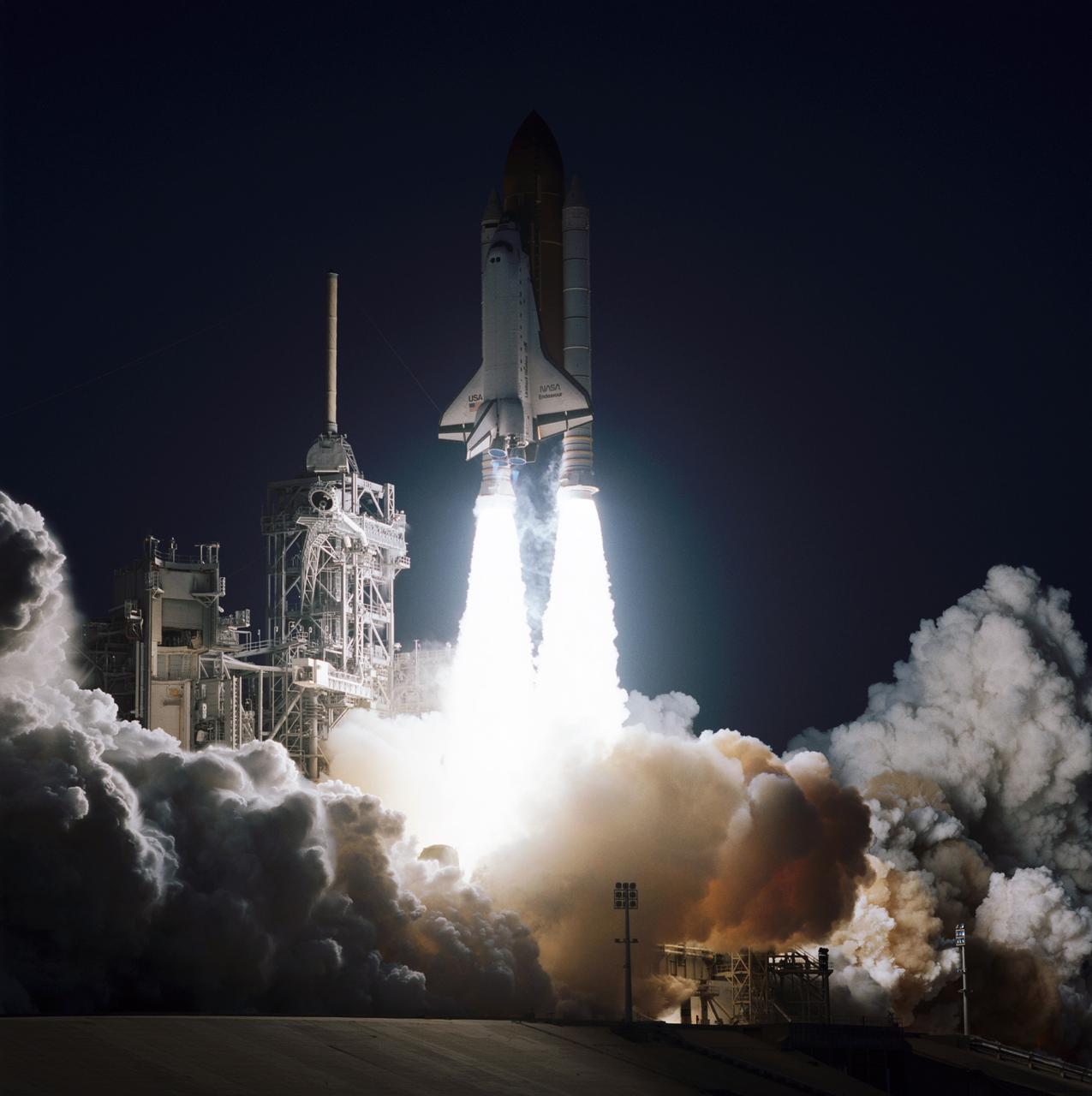
STS068-S-037 (30 September 1994) --- The Space Shuttle Endeavour lifts off from Launch Pad 39A in a halo of light. Aboard for an on time launch at 7:16:00:068 a.m. (EDT) are a crew of six NASA astronauts and the Space Radar Laboratory-2 (SRL-2). Mission commander for the 65th Space Shuttle flight is Michael A. Baker; the pilot is Terrence W. Wilcutt; Thomas D. Jones is the payload commander, and the three mission specialists are Daniel W. Bursch, Steven L. Smith and Peter J. K. "Jeff" Wisoff. During the planned ten-day flight of mission STS-68 around-the-clock operation of the SRL-2 will once again yield a wealth of data about Earth's global environment and the changes - both human-induced and natural - which are affecting it. This is the second flight this year of the SRL, and the second launch try for mission STS-68.
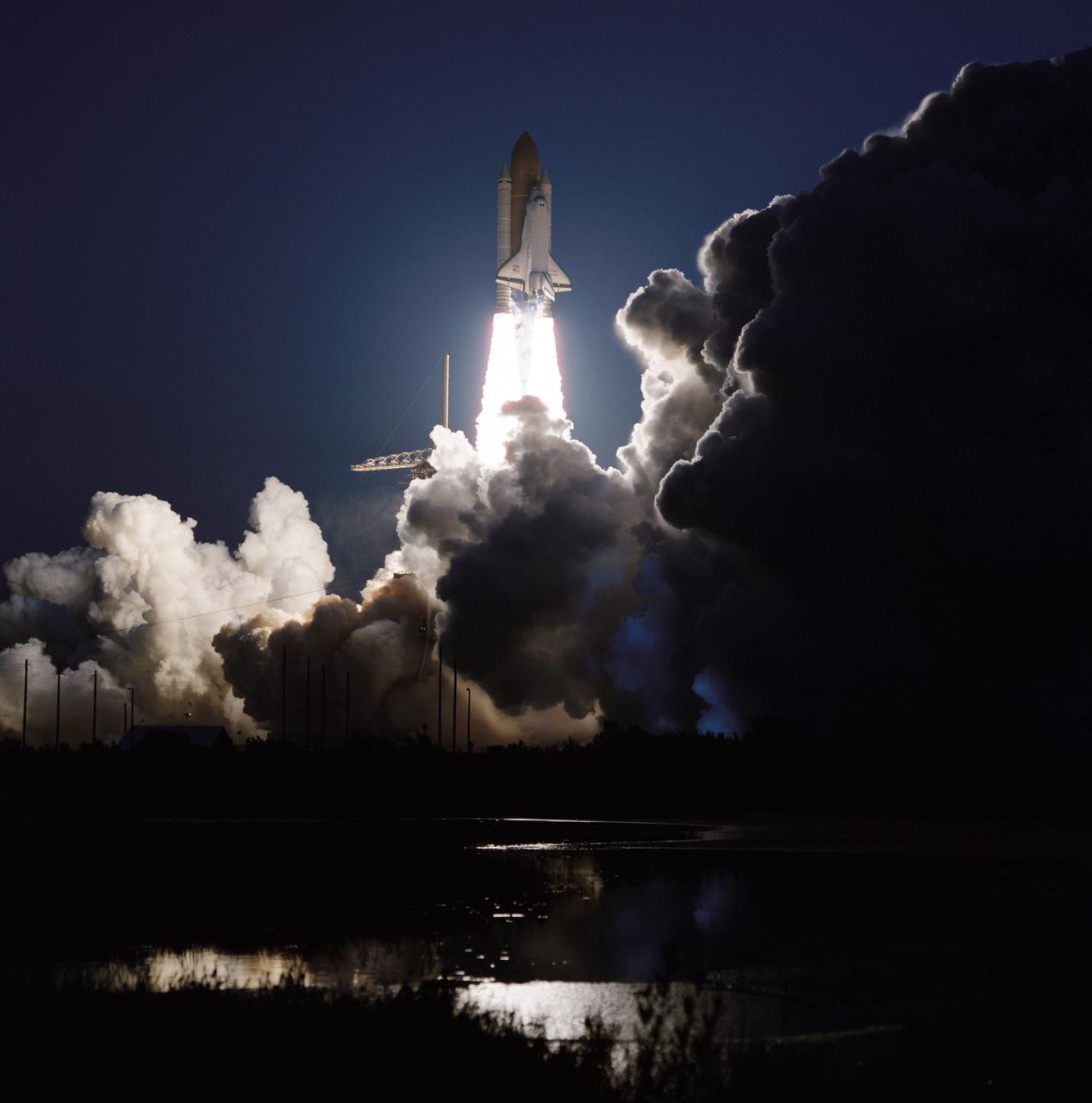
STS068-S-034 (30 September 1994) --- The Space Shuttle Endeavour lifts off from Launch Pad 39A in a halo of light. Aboard for an on time launch at 7:16:00:068 a.m. (EDT) are a crew of six NASA astronauts and the Space Radar Laboratory-2 (SRL-2). Mission commander for the 65th Space Shuttle flight is Michael A. Baker; the pilot is Terrence W. Wilcutt; Thomas D. Jones is the payload commander, and the three mission specialists are Daniel W. Bursch, Steven L. Smith and Peter J. K. "Jeff" Wisoff. During the planned ten-day flight of mission STS-68 around-the-clock operation of the SRL-2 will once again yield a wealth of data about Earth's global environment and the changes - both human-induced and natural - which are affecting it. This is the second flight this year of the SRL, and the second launch try for mission STS-68.
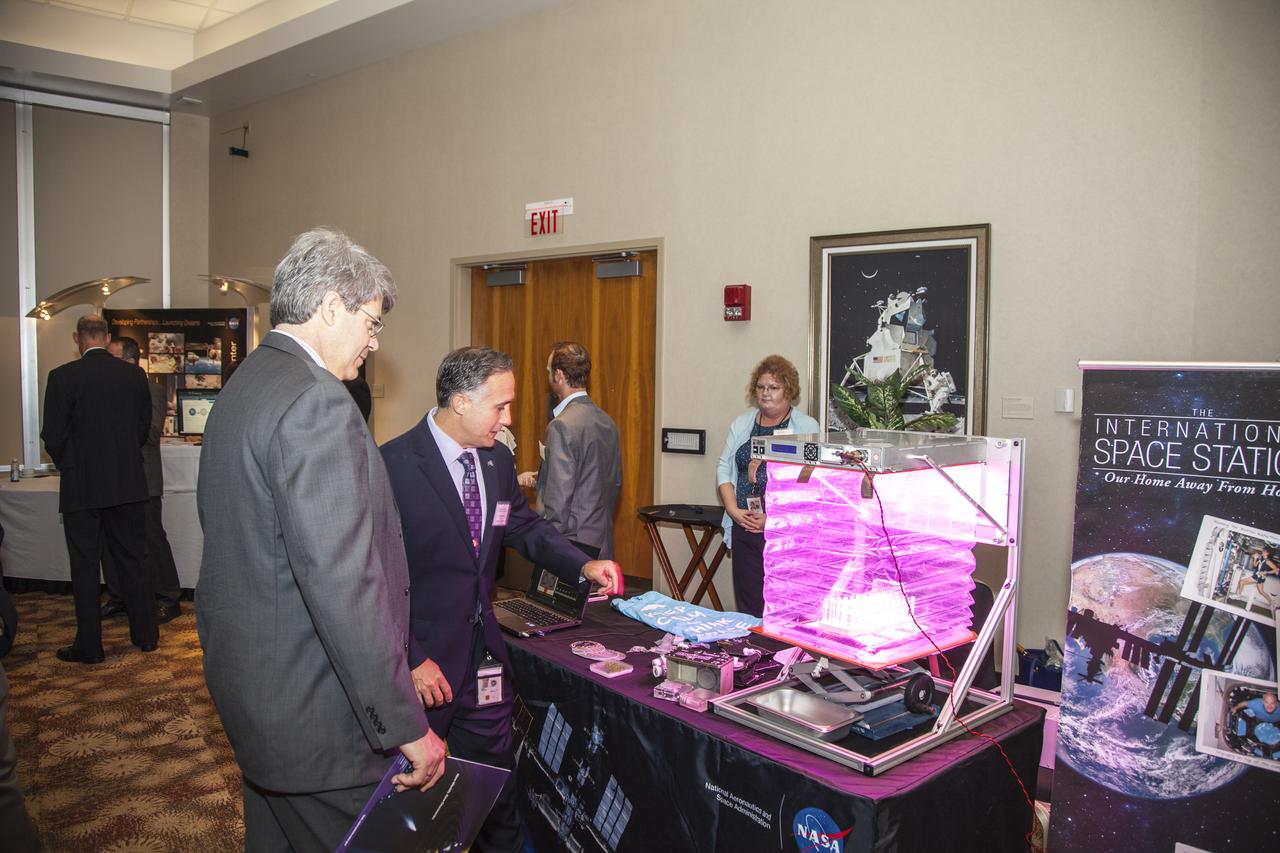
CAPE CANAVERAL, Fla. - Community leaders, business executives, educators, and state and local government leaders were updated on NASA Kennedy Space Center programs and accomplishments during Center Director Bob Cabana’s Center Director Update at the Debus Center at the Kennedy Space Center Visitor Complex in Florida. An attendee talks with Trent Smith, program manager, and Tammy Belk, a program specialist, at the ISS Ground Processing and Research Office display. Attendees talked with Cabana and other senior Kennedy managers and visited displays featuring updates on Kennedy programs and projects, including International Space Station, Commercial Crew, Ground System Development and Operations, Launch Services, Center Planning and Development, Technology, KSC Swamp Works and NASA Education. The morning concluded with a tour of the new Space Shuttle Atlantis exhibit at the visitor complex. For more information, visit http://www.nasa.gov/kennedy. Photo credit: NASA/Daniel Casper
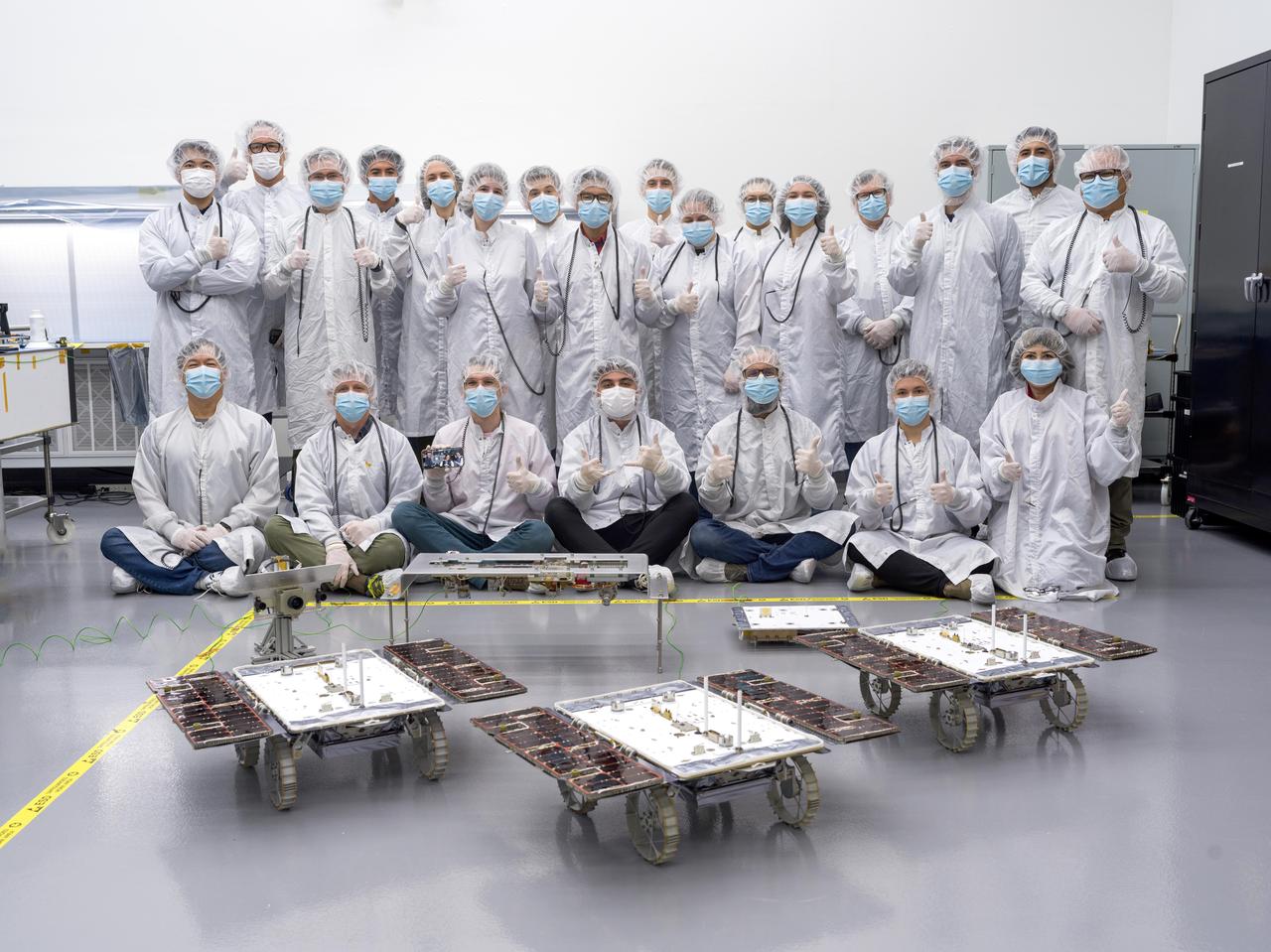
Members of the assembly, test, launch, and operations team for NASA's CADRE (Cooperative Autonomous Distributed Robotic Exploration) project pose in a clean room at the agency's Jet Propulsion Laboratory in Southern California on Jan. 26, 2024, with three lunar rovers after their completion. Bound for the Moon, CADRE is a technology demonstration designed to show that a group of robotic spacecraft can work together as a team to accomplish tasks and record data autonomously – without explicit commands from mission controllers on Earth. Seen behind the rovers are hardware elements that will be mounted on the lunar lander aboard which CADRE will arrive at the Moon: the situational awareness camera assembly (SACA), one of the deployers that will lower the rovers onto the lunar surface, and the base station with which the rovers will communicate via mesh network radios. Back row, from left: Wei Chen Wilson Yeh, Mark White, Nathan Cheek, Baylor de los Reyes, Jacqueline Sly, Blair Emanuel, Josh Miller, Jonathan Tan, Sawyer Brooks, Libby Boroson, Leroy Montalvo, Tonya Beatty, Bert Turney, George Dupas, Leo Ortiz, and Nelson Serrano. Front row, from left: Kristopher Sherril, Coleman Richdale, Russell Smith, Daniel Esguerra, Will Raff, Justin Schachter, and Clara Nguyen. Shown on the cellphone held by Smith are absent ATLO team members Ara Kourchians, Molly Shelton, and Randy Ballat. https://photojournal.jpl.nasa.gov/catalog/PIA26165
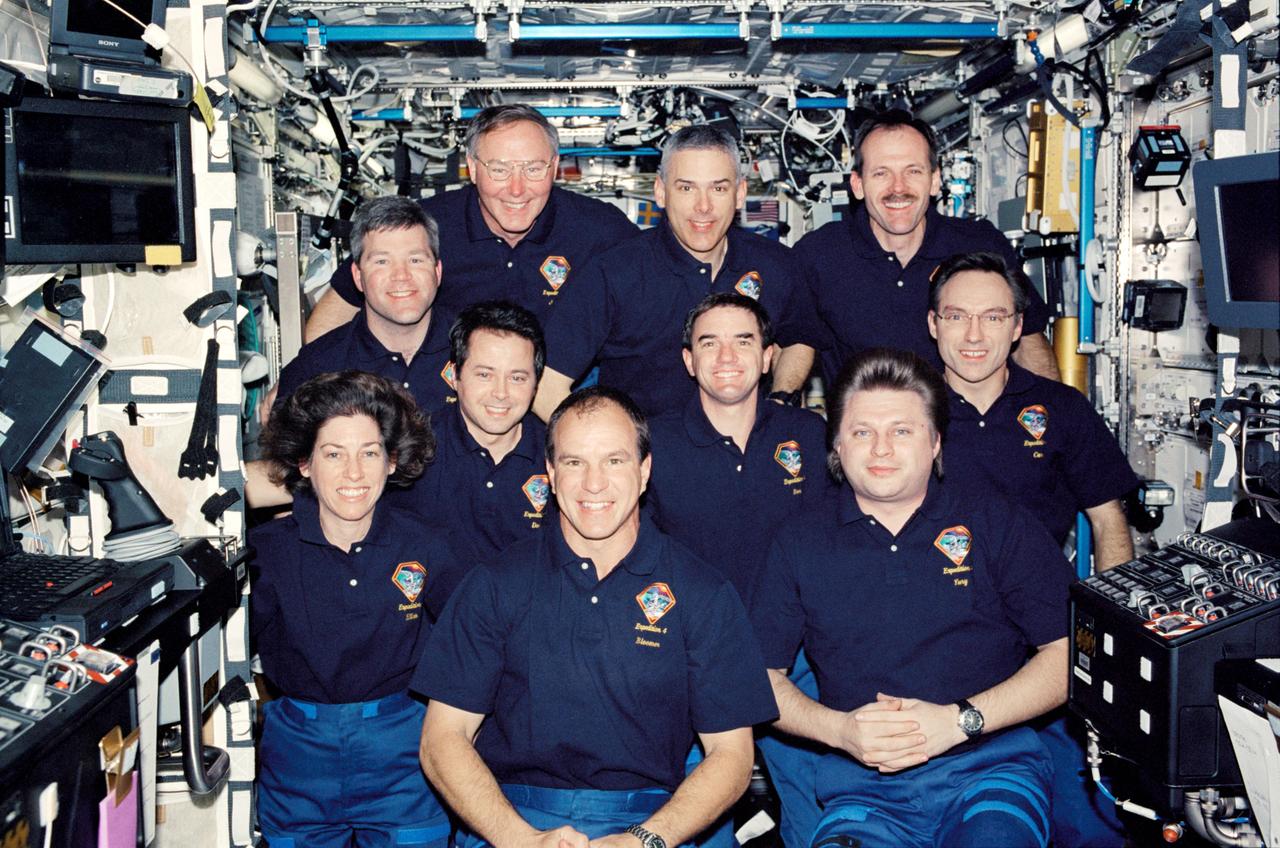
Posed inside the Destiny Laboratory aboard the International Space Station (ISS) are the STS-110 and Expedition Four crews for a traditional onboard portrait From the left, bottom row, are astronauts Ellen Ochoa, STS mission specialist, Michael J. Bloomfield, STS mission commander, and Yury I Onufrienko, Expedition Four mission commander. From the left, middle row, are astronauts Daniel W. Bursch, Expedition Four flight engineer, Rex J. Walheim, STS mission specialist, and Carl E. Walz, Expedition Four flight engineer. From the left, top row, are astronauts Stephen N. Frick, STS pilot; Jerry L. Ross, Lee M.E. Morin, and Steven L. Smith, all mission specialists. Launched aboard the Space Shuttle Orbiter Atlantis on April 8, 2002, the STS-110 mission crew prepared the ISS for future space walks by installing and outfitting the 43-foot-long Starboard side S0 truss and preparing the Mobile Transporter. The mission served as the 8th ISS assembly flight.