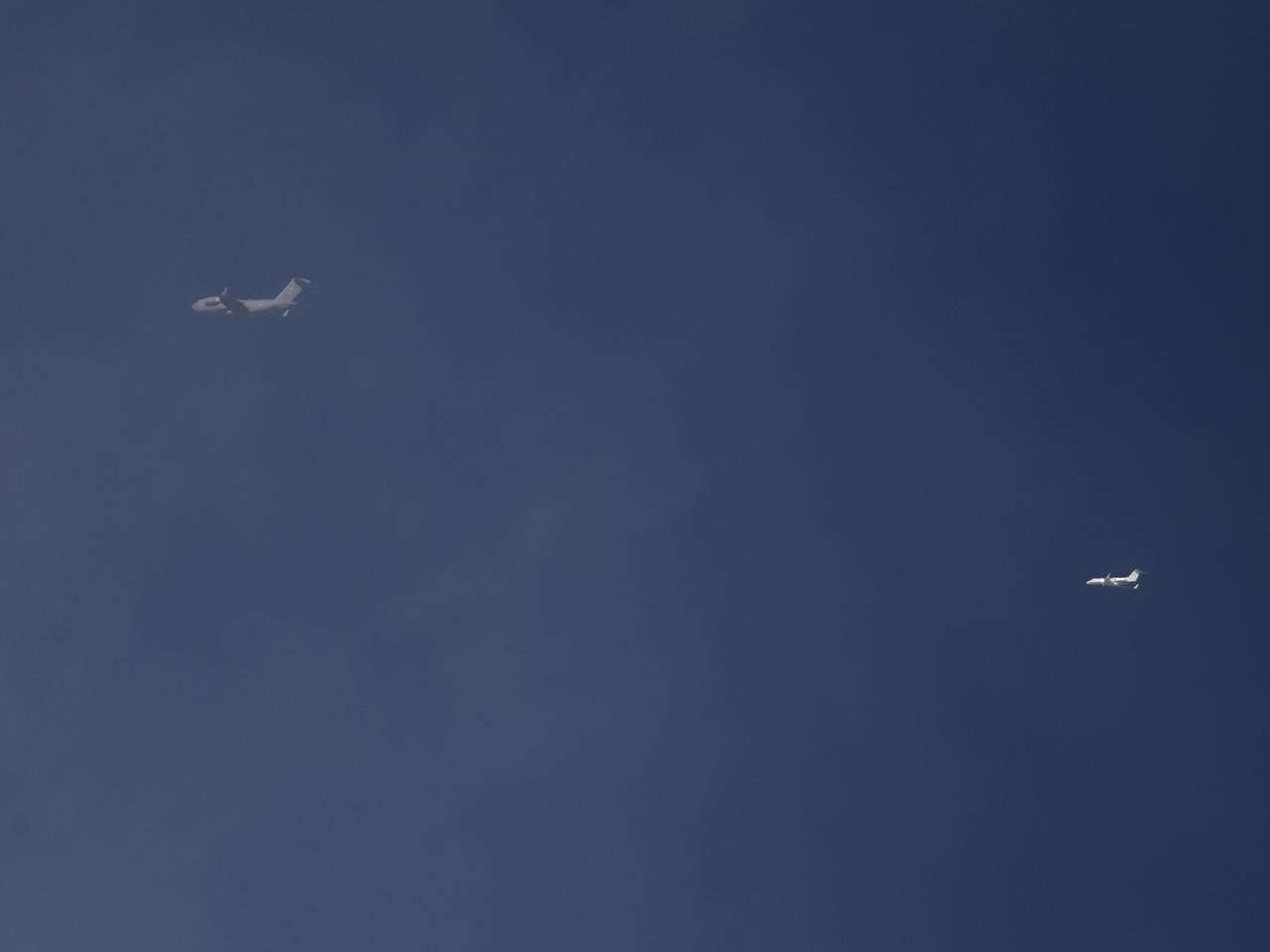
A C-17 aircraft flies above the U.S. Army’s Yuma Proving Ground in Arizona during testing of the Boeing CST-100 Starliner’s parachute system on June 26, 2019. This test, known as a “high Q” test, involved releasing a dart-shaped device – functioning as a Starliner weight simulant – from the aircraft and intentionally inflating the parachutes at higher pressures than expected during missions. The data gathered from this parachute test will help validate the system is safe to carry astronauts to and from the International Space Station as part of NASA’s Commercial Crew Program. Boeing is targeting an uncrewed Orbital Flight Test to the space station this summer, followed by its Crew Flight Test. Starliner will launch atop a United Launch Alliance Atlas V rocket from Space Launch Complex 41 at Cape Canaveral Air Force Station in Florida.
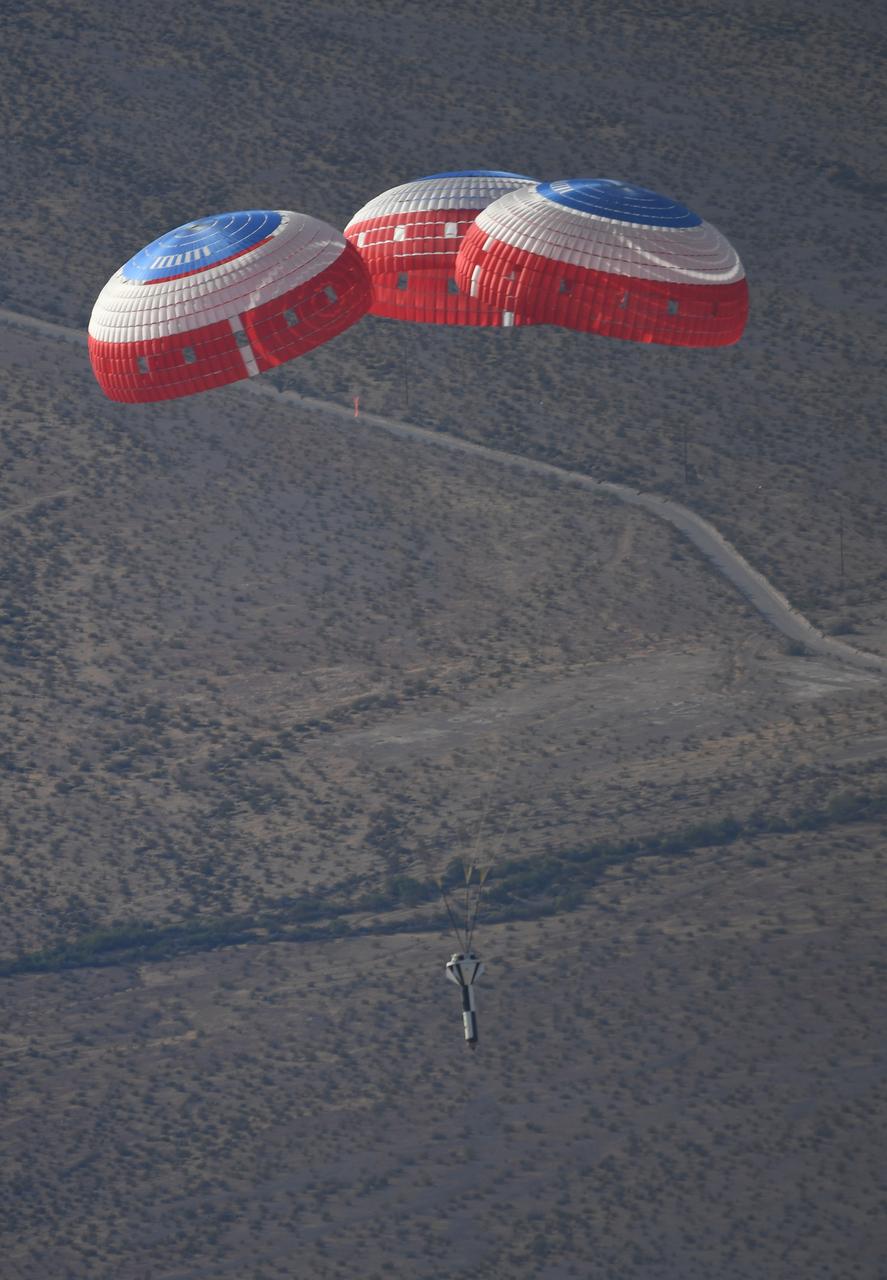
Boeing’s CST-100 Starliner’s parachute system is tested above the U.S. Army’s Yuma Proving Ground in Arizona on June 26, 2019. This “high Q” test involved dropping a dart-shaped device – functioning as a Starliner weight simulant – from a C-17 aircraft and intentionally inflating the parachutes at higher pressures than expected during missions. The data gathered from this parachute test will help validate the system is safe to carry astronauts to and from the International Space Station as part of NASA’s Commercial Crew Program. Boeing is targeting an uncrewed Orbital Flight Test to the space station this summer, followed by its Crew Flight Test. Starliner will launch atop a United Launch Alliance Atlas V rocket from Space Launch Complex 41 at Cape Canaveral Air Force Station in Florida.
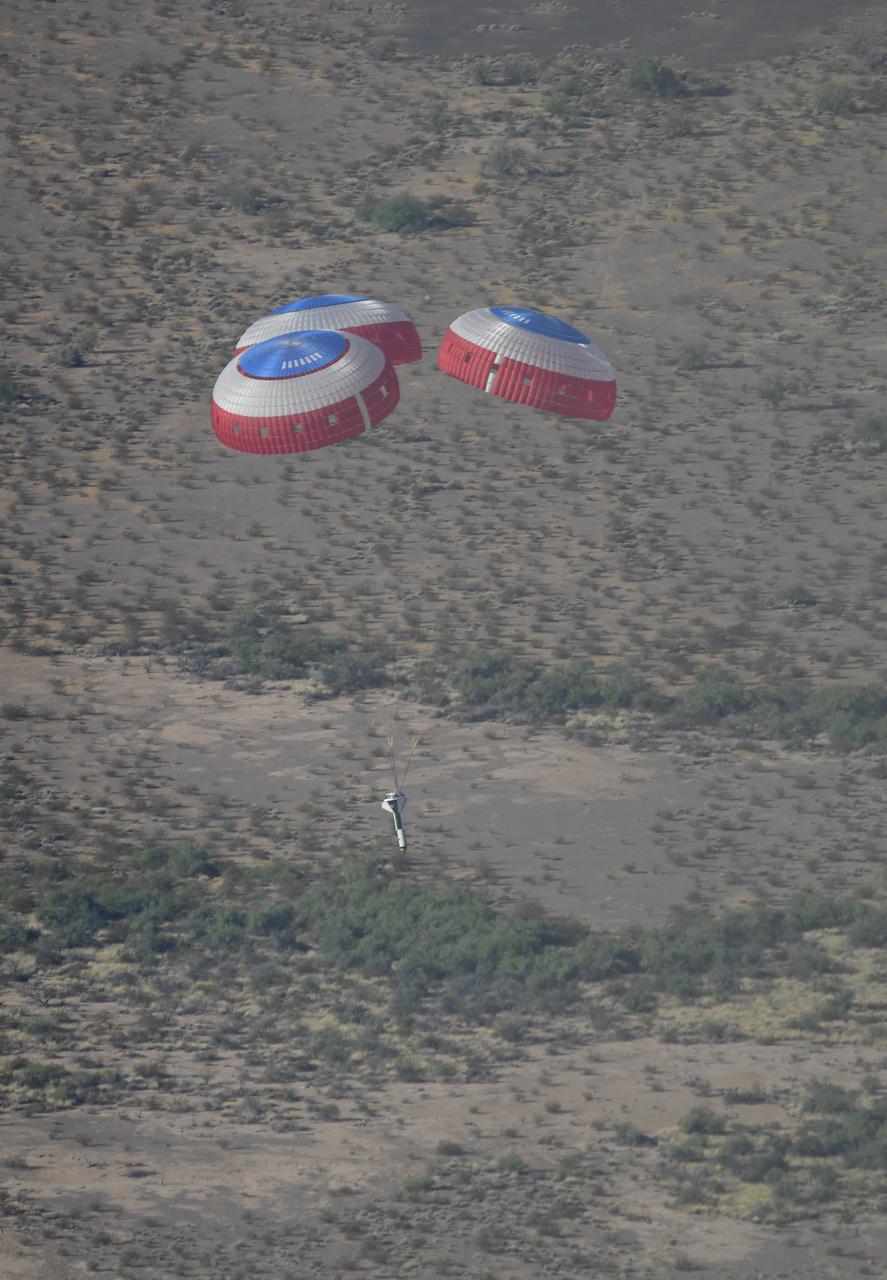
Boeing’s CST-100 Starliner’s parachute system is tested above the U.S. Army’s Yuma Proving Ground in Arizona on June 26, 2019. This “high Q” test involved dropping a dart-shaped device – functioning as a Starliner weight simulant – from a C-17 aircraft and intentionally inflating the parachutes at higher pressures than expected during missions. The data gathered from this parachute test will help validate the system is safe to carry astronauts to and from the International Space Station as part of NASA’s Commercial Crew Program. Boeing is targeting an uncrewed Orbital Flight Test to the space station this summer, followed by its Crew Flight Test. Starliner will launch atop a United Launch Alliance Atlas V rocket from Space Launch Complex 41 at Cape Canaveral Air Force Station in Florida.
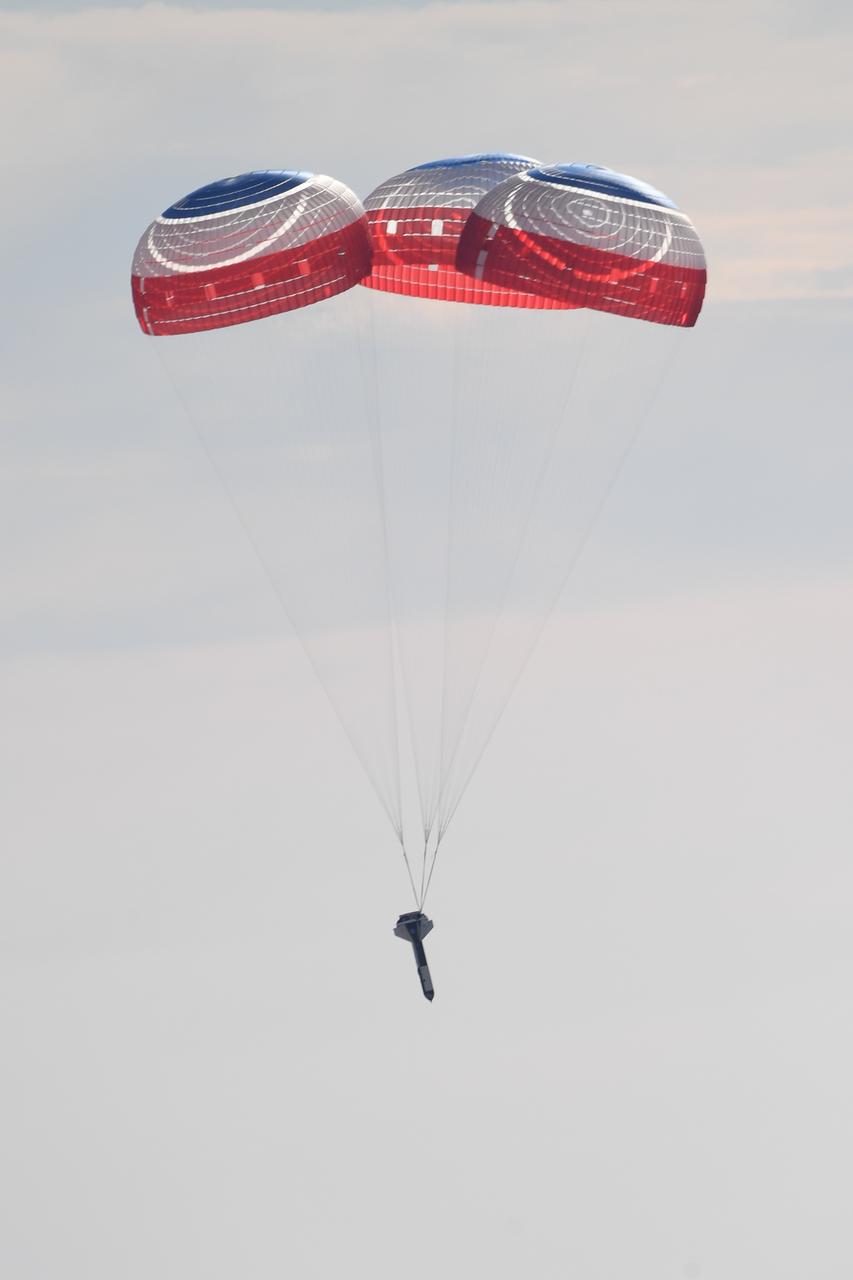
Boeing’s CST-100 Starliner’s parachute system is tested above the U.S. Army’s Yuma Proving Ground in Arizona on June 26, 2019. This “high Q” test involved dropping a dart-shaped device – functioning as a Starliner weight simulant – from a C-17 aircraft and intentionally inflating the parachutes at higher pressures than expected during missions. The data gathered from this parachute test will help validate the system is safe to carry astronauts to and from the International Space Station as part of NASA’s Commercial Crew Program. Boeing is targeting an uncrewed Orbital Flight Test to the space station this summer, followed by its Crew Flight Test. Starliner will launch atop a United Launch Alliance Atlas V rocket from Space Launch Complex 41 at Cape Canaveral Air Force Station in Florida.
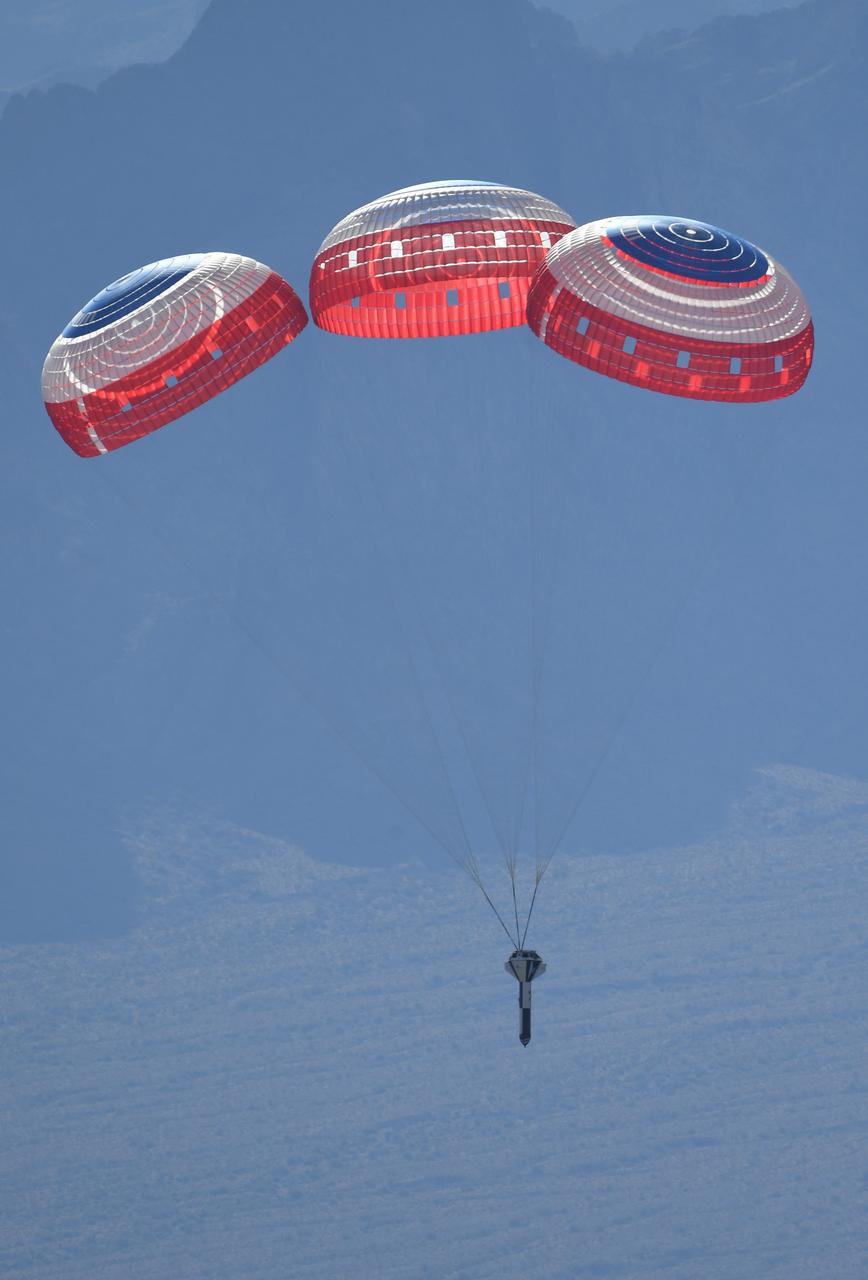
Boeing’s CST-100 Starliner’s parachute system is tested above the U.S. Army’s Yuma Proving Ground in Arizona on June 26, 2019. This “high Q” test involved dropping a dart-shaped device – functioning as a Starliner weight simulant – from a C-17 aircraft and intentionally inflating the parachutes at higher pressures than expected during missions. The data gathered from this parachute test will help validate the system is safe to carry astronauts to and from the International Space Station as part of NASA’s Commercial Crew Program. Boeing is targeting an uncrewed Orbital Flight Test to the space station this summer, followed by its Crew Flight Test. Starliner will launch atop a United Launch Alliance Atlas V rocket from Space Launch Complex 41 at Cape Canaveral Air Force Station in Florida.
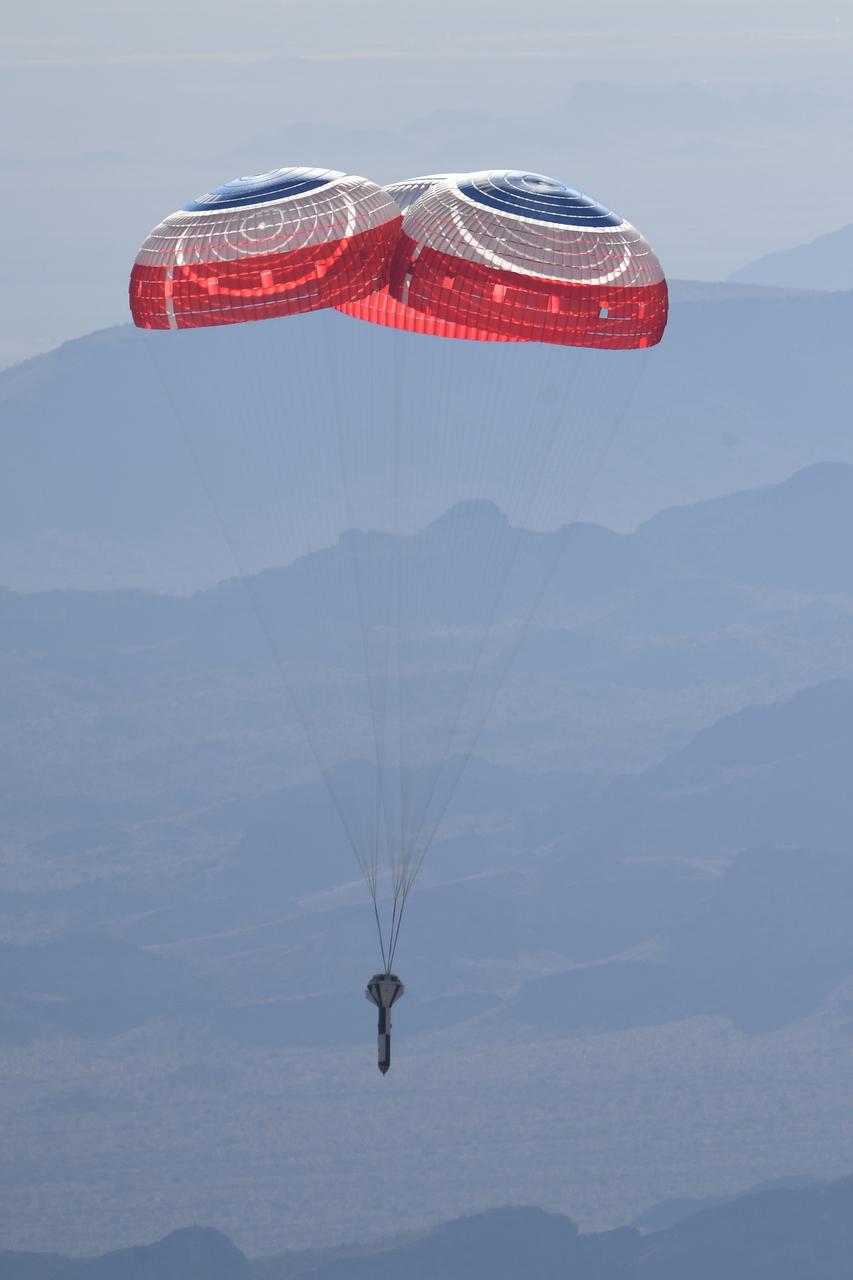
Boeing’s CST-100 Starliner’s parachute system is tested above the U.S. Army’s Yuma Proving Ground in Arizona on June 26, 2019. This “high Q” test involved dropping a dart-shaped device – functioning as a Starliner weight simulant – from a C-17 aircraft and intentionally inflating the parachutes at higher pressures than expected during missions. The data gathered from this parachute test will help validate the system is safe to carry astronauts to and from the International Space Station as part of NASA’s Commercial Crew Program. Boeing is targeting an uncrewed Orbital Flight Test to the space station this summer, followed by its Crew Flight Test. Starliner will launch atop a United Launch Alliance Atlas V rocket from Space Launch Complex 41 at Cape Canaveral Air Force Station in Florida.
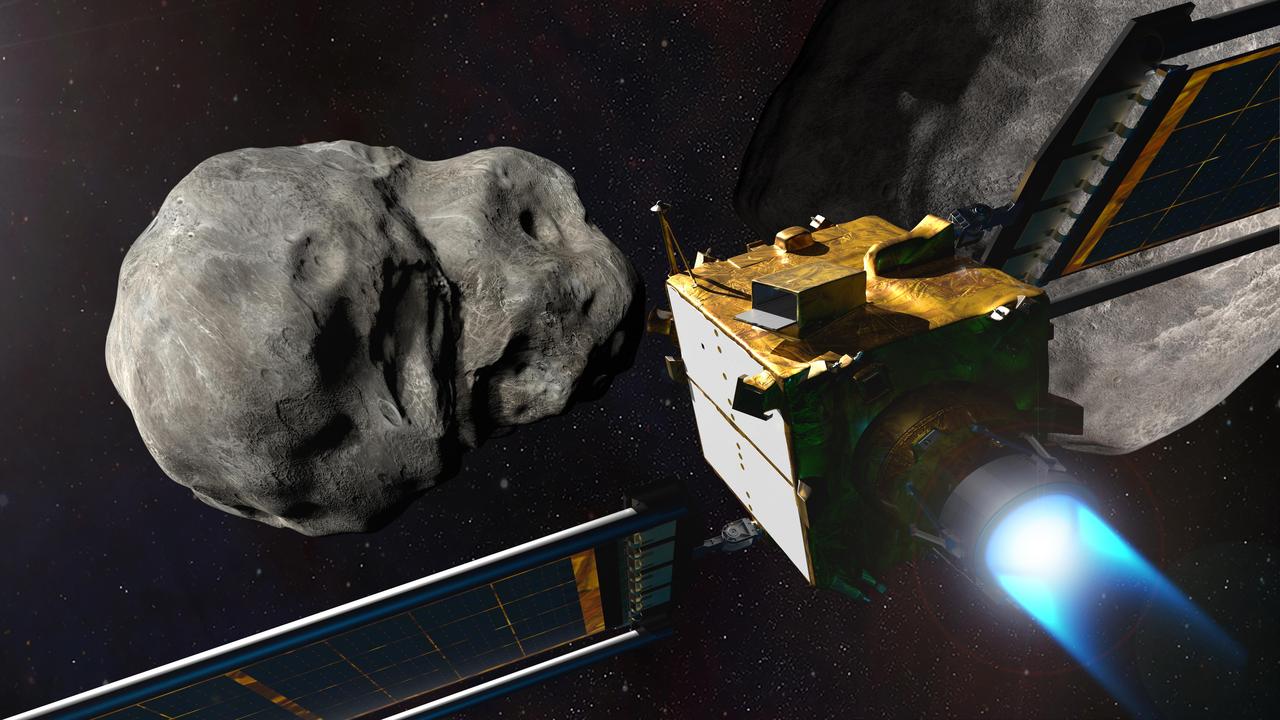
This illustration depicts NASA's Double Asteroid Redirection Test (DART) spacecraft prior to impact at the Didymos binary asteroid system. DART's target asteroid is the moonlet Dimorphos, which orbits the larger asteroid Didymos; the pair are not a threat to Earth. This asteroid system will be a testing ground to see if intentionally crashing a spacecraft into an asteroid is an effective way to change its course, should an Earth-threatening asteroid be discovered in the future. The Johns Hopkins Applied Physics Laboratory in Laurel, Maryland, manages the DART mission for NASA's Planetary Defense Coordination Office as a project of the agency's Planetary Missions Program Office. DART is the world's first planetary defense test mission, intentionally executing a kinetic impact into Dimorphos to slightly change its motion in space. While the asteroid does not pose any threat to Earth, the DART mission will demonstrate that a spacecraft can autonomously navigate to a kinetic impact on a relatively small asteroid and prove this is a viable technique to deflect an asteroid on a collision course with Earth if one is ever discovered. DART will reach its target on Sept. 26, 2022. https://photojournal.jpl.nasa.gov/catalog/PIA25329
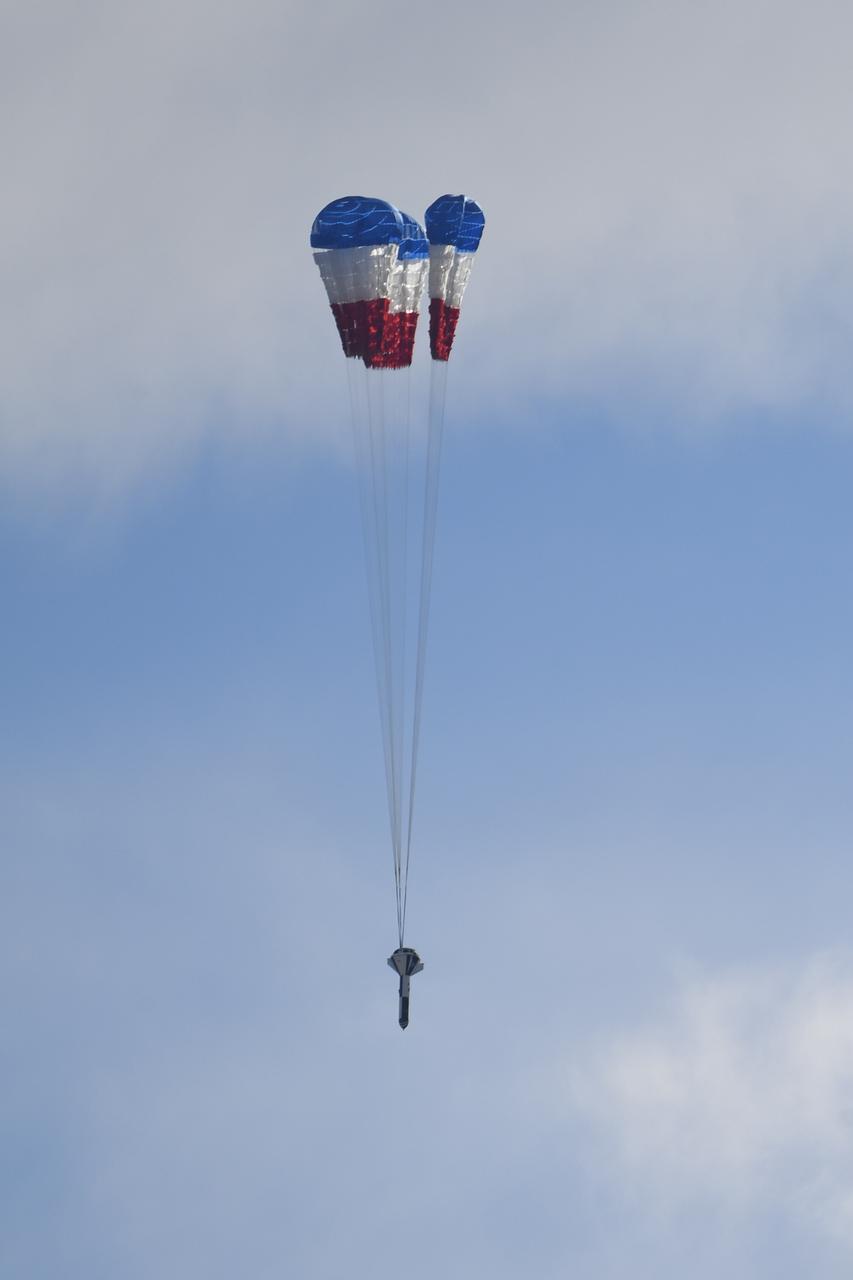
A dart-shaped device, functioning as a Boeing CST-100 Starliner weight simulant, drops from a C-17 aircraft during parachute system testing at the U.S. Army’s Yuma Proving Ground in Arizona on June 26, 2019. This “high Q” test involved intentionally inflating the parachutes at higher pressures than expected during missions, to validate the system is safe to carry astronauts to and from the International Space Station. As part of NASA’s Commercial Crew Program, Boeing is targeting an uncrewed Orbital Flight Test to the space station this summer, followed by its Crew Flight Test. Starliner will launch atop a United Launch Alliance Atlas V rocket from Space Launch Complex 41 at Cape Canaveral Air Force Station in Florida.
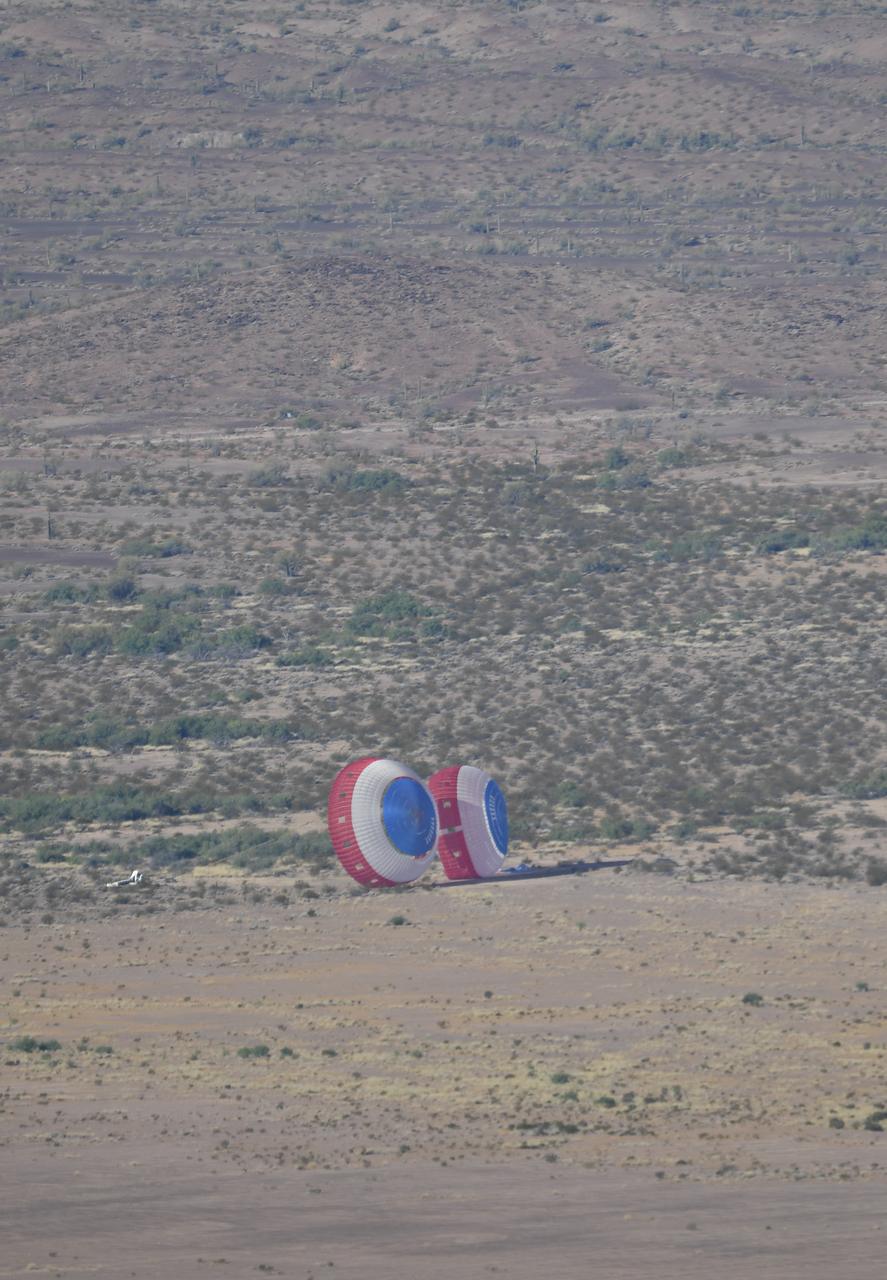
Boeing’s CST-100 Starliner’s parachute system, carrying a dart-shaped device functioning as a Starliner weight simulant, complete a successful landing at the U.S. Army’s Yuma Proving Ground in Arizona on June 26, 2019. This “high Q” test involved dropping the device from a C-17 aircraft and intentionally inflating the parachutes at higher pressures than expected during missions. The data gathered from this parachute test will help validate the system is safe to carry astronauts to and from the International Space Station as part of NASA’s Commercial Crew Program. Boeing is targeting an uncrewed Orbital Flight Test to the space station this summer, followed by its Crew Flight Test. Starliner will launch atop a United Launch Alliance Atlas V rocket from Space Launch Complex 41 at Cape Canaveral Air Force Station in Florida.
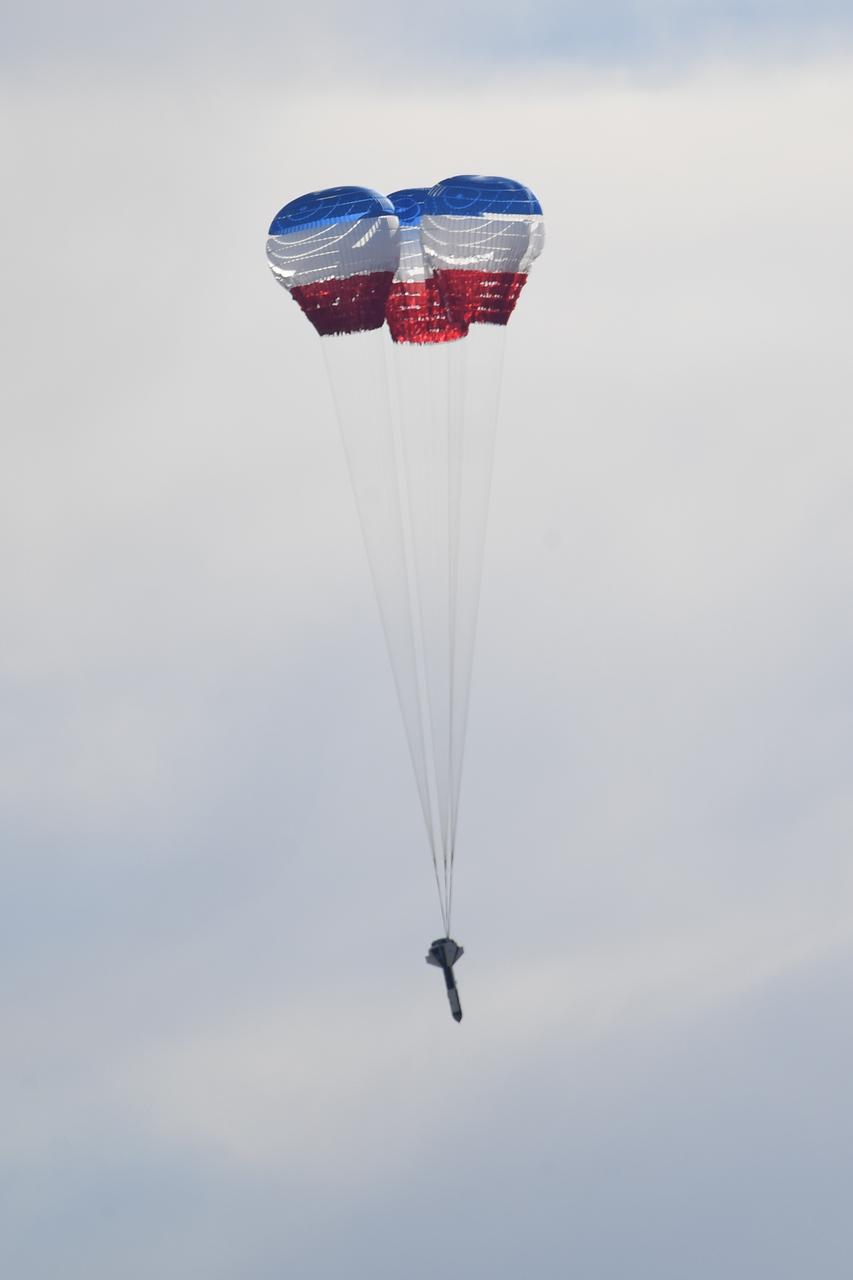
A dart-shaped device, functioning as a Boeing CST-100 Starliner weight simulant, drops from a C-17 aircraft during parachute system testing at the U.S. Army’s Yuma Proving Ground in Arizona on June 26, 2019. This “high Q” test involved intentionally inflating the parachutes at higher pressures than expected during missions, to validate the system is safe to carry astronauts to and from the International Space Station. As part of NASA’s Commercial Crew Program, Boeing is targeting an uncrewed Orbital Flight Test to the space station this summer, followed by its Crew Flight Test. Starliner will launch atop a United Launch Alliance Atlas V rocket from Space Launch Complex 41 at Cape Canaveral Air Force Station in Florida.
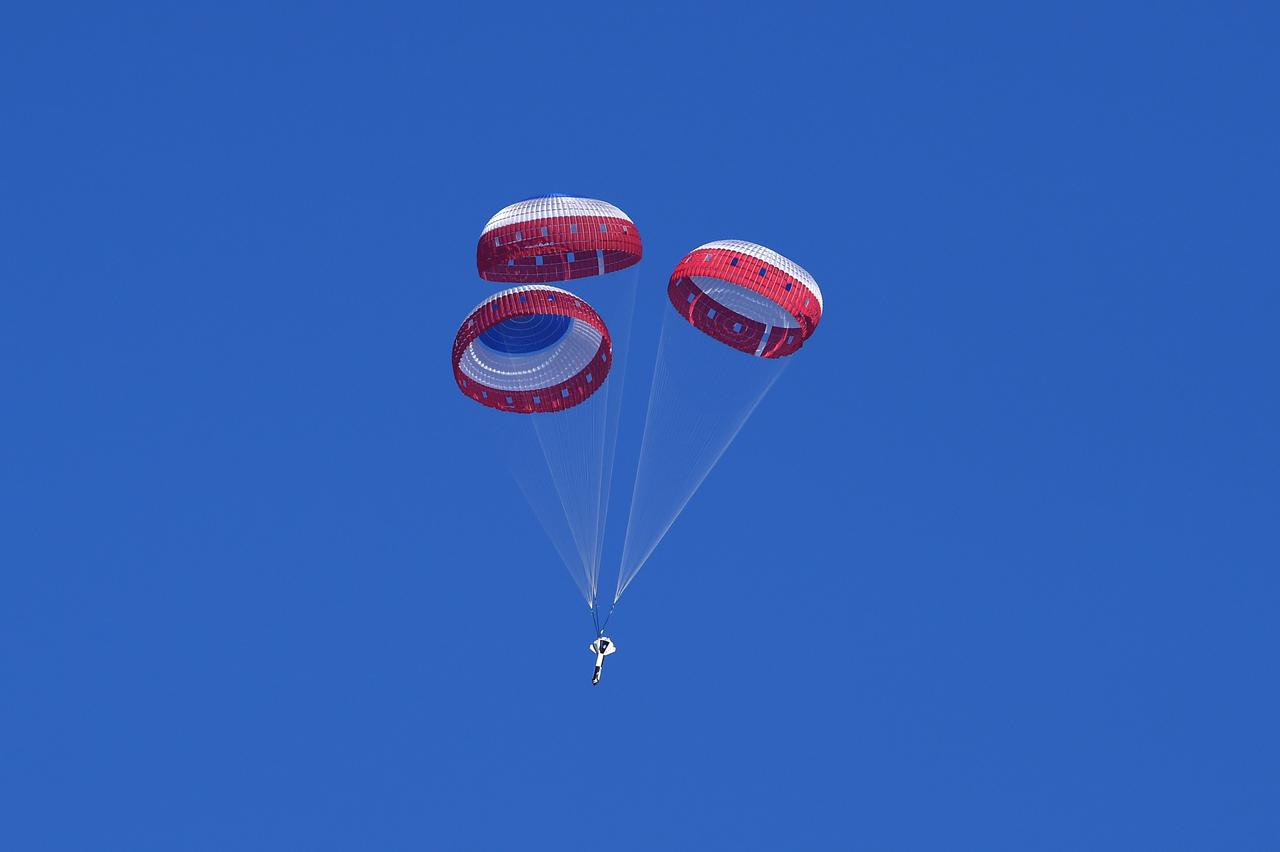
Boeing conducted the first in a series of reliability tests of its CST-100 Starliner flight drogue and main parachute system by releasing a long, dart-shaped test vehicle from a C-17 aircraft over Yuma, Arizona. Two more tests are planned using the dart module, as well as three similar reliability tests using a high fidelity capsule simulator designed to simulate the CST-100 Starliner capsule’s exact shape and mass. In both the dart and capsule simulator tests, the test spacecraft are released at various altitudes to test the parachute system at different deployment speeds, aerodynamic loads, and or weight demands. Data collected from each test is fed into computer models to more accurately predict parachute performance and to verify consistency from test to test.
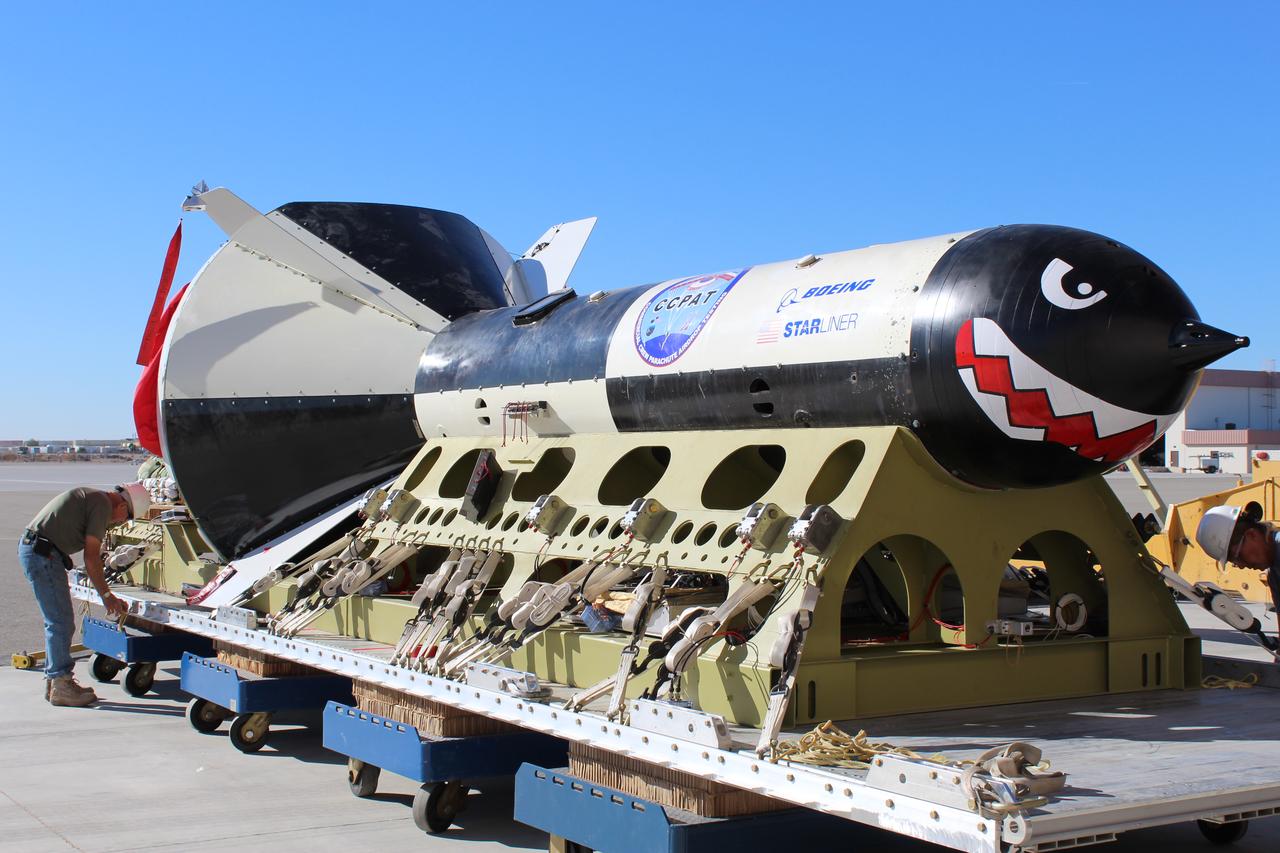
Boeing conducted the first in a series of reliability tests of its CST-100 Starliner flight drogue and main parachute system by releasing a long, dart-shaped test vehicle from a C-17 aircraft over Yuma, Arizona. Two more tests are planned using the dart module, as well as three similar reliability tests using a high fidelity capsule simulator designed to simulate the CST-100 Starliner capsule’s exact shape and mass. In both the dart and capsule simulator tests, the test spacecraft are released at various altitudes to test the parachute system at different deployment speeds, aerodynamic loads, and or weight demands. Data collected from each test is fed into computer models to more accurately predict parachute performance and to verify consistency from test to test.
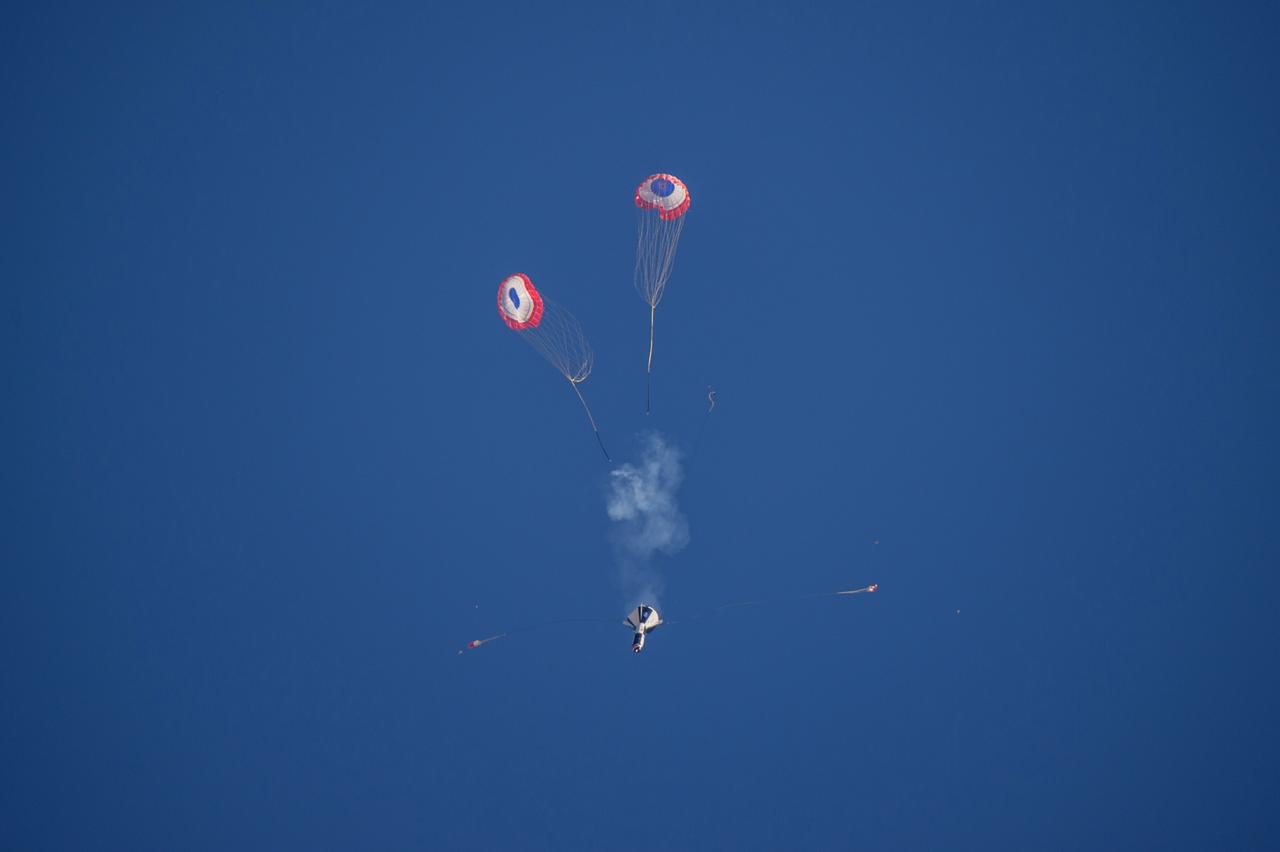
Boeing conducted the first in a series of reliability tests of its CST-100 Starliner flight drogue and main parachute system by releasing a long, dart-shaped test vehicle from a C-17 aircraft over Yuma, Arizona. Two more tests are planned using the dart module, as well as three similar reliability tests using a high fidelity capsule simulator designed to simulate the CST-100 Starliner capsule’s exact shape and mass. In both the dart and capsule simulator tests, the test spacecraft are released at various altitudes to test the parachute system at different deployment speeds, aerodynamic loads, and or weight demands. Data collected from each test is fed into computer models to more accurately predict parachute performance and to verify consistency from test to test.
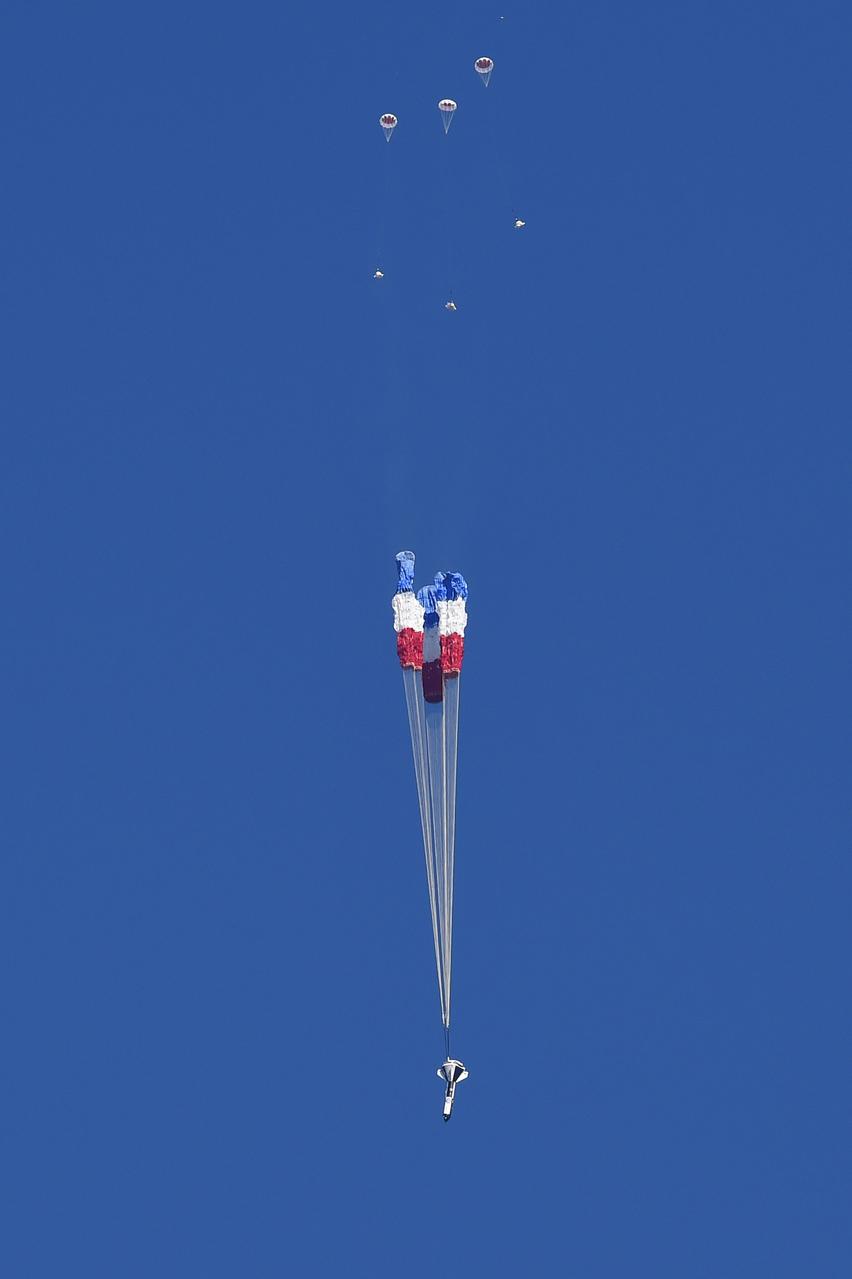
Boeing conducted the first in a series of reliability tests of its CST-100 Starliner flight drogue and main parachute system by releasing a long, dart-shaped test vehicle from a C-17 aircraft over Yuma, Arizona. Two more tests are planned using the dart module, as well as three similar reliability tests using a high fidelity capsule simulator designed to simulate the CST-100 Starliner capsule’s exact shape and mass. In both the dart and capsule simulator tests, the test spacecraft are released at various altitudes to test the parachute system at different deployment speeds, aerodynamic loads, and or weight demands. Data collected from each test is fed into computer models to more accurately predict parachute performance and to verify consistency from test to test.
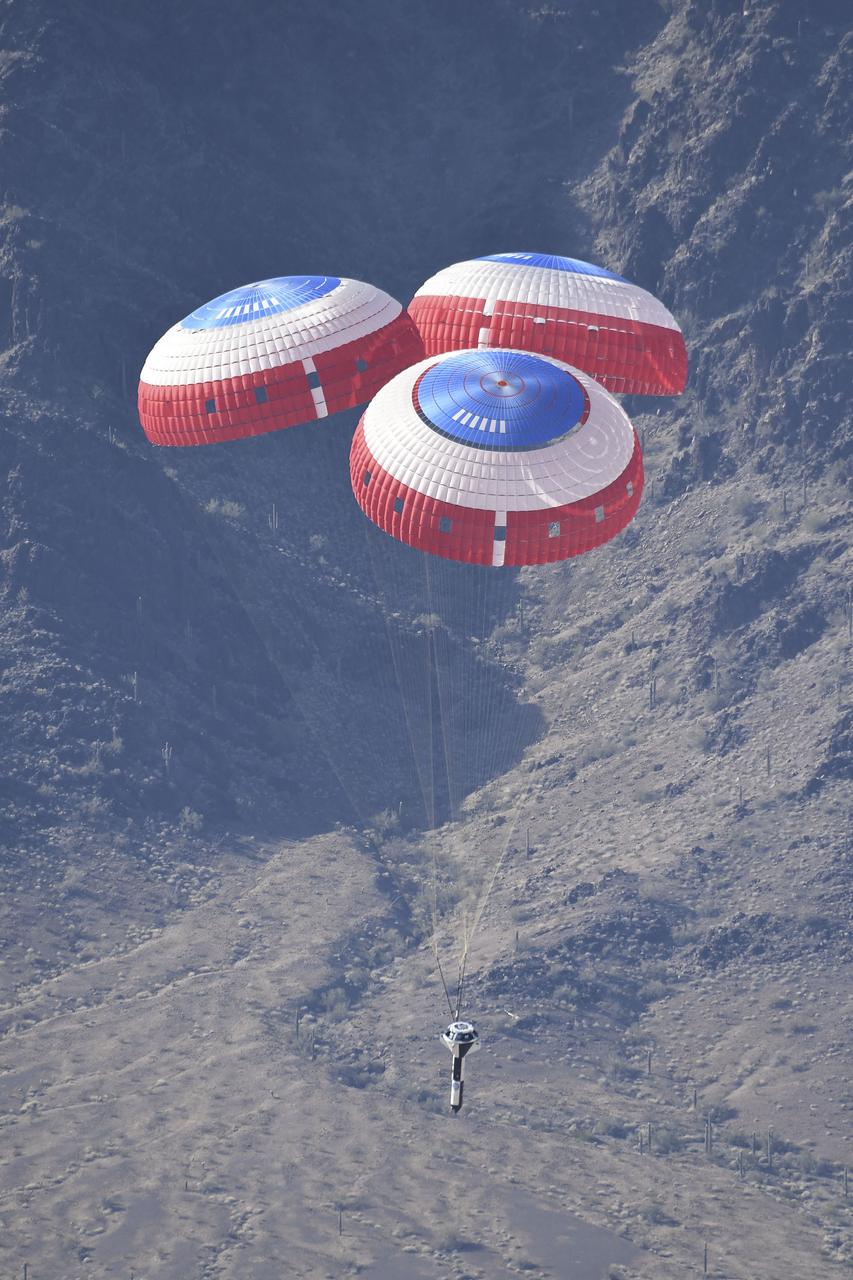
Boeing conducted the first in a series of reliability tests of its CST-100 Starliner flight drogue and main parachute system by releasing a long, dart-shaped test vehicle from a C-17 aircraft over Yuma, Arizona. Two more tests are planned using the dart module, as well as three similar reliability tests using a high fidelity capsule simulator designed to simulate the CST-100 Starliner capsule’s exact shape and mass. In both the dart and capsule simulator tests, the test spacecraft are released at various altitudes to test the parachute system at different deployment speeds, aerodynamic loads, and or weight demands. Data collected from each test is fed into computer models to more accurately predict parachute performance and to verify consistency from test to test.
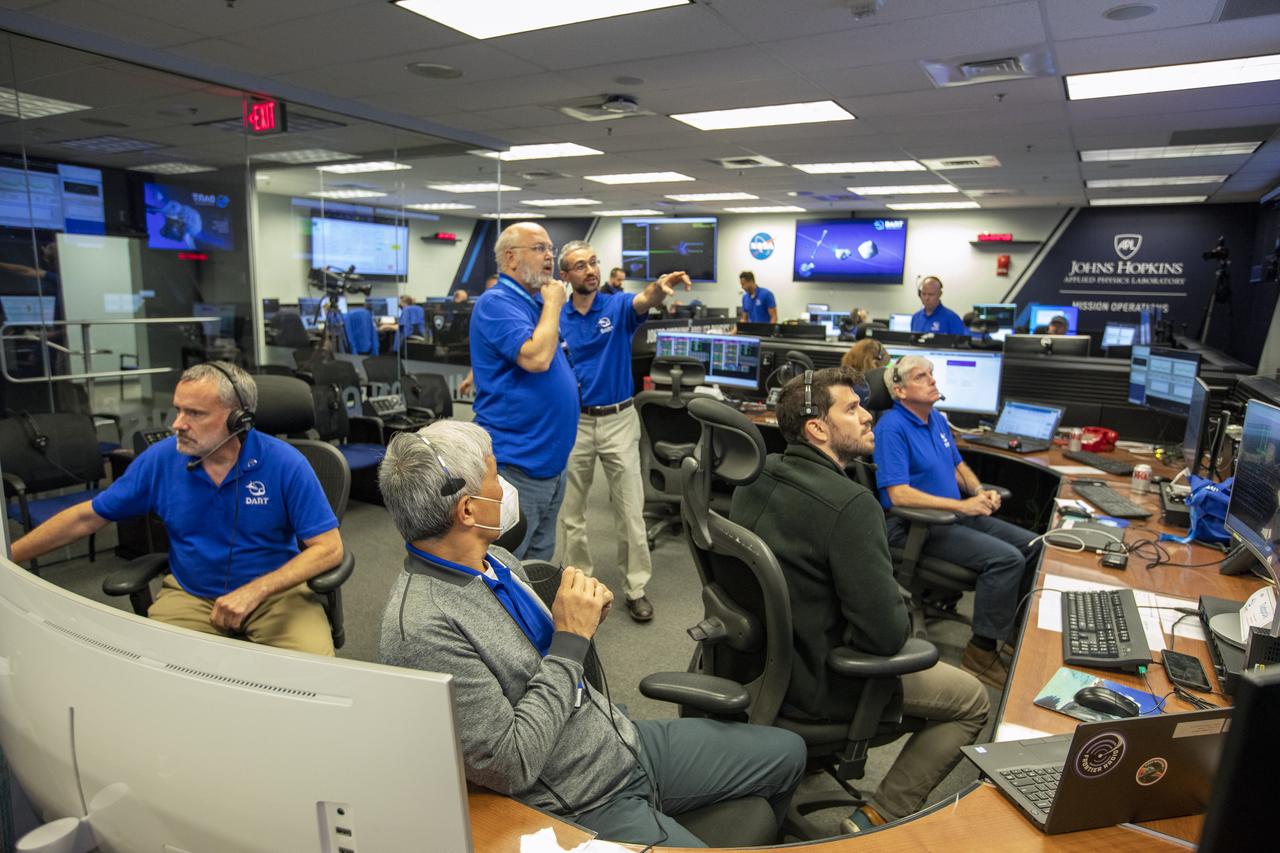
NASA’s Double Asteroid Redirection Test (DART) command team at Johns Hopkins University, Applied Physics Laboratory monitoring the DART spacecraft’s impact into the asteroid Dimorphos. The operation is the first of its kind test to redirect deadly asteroids from hitting Earth.
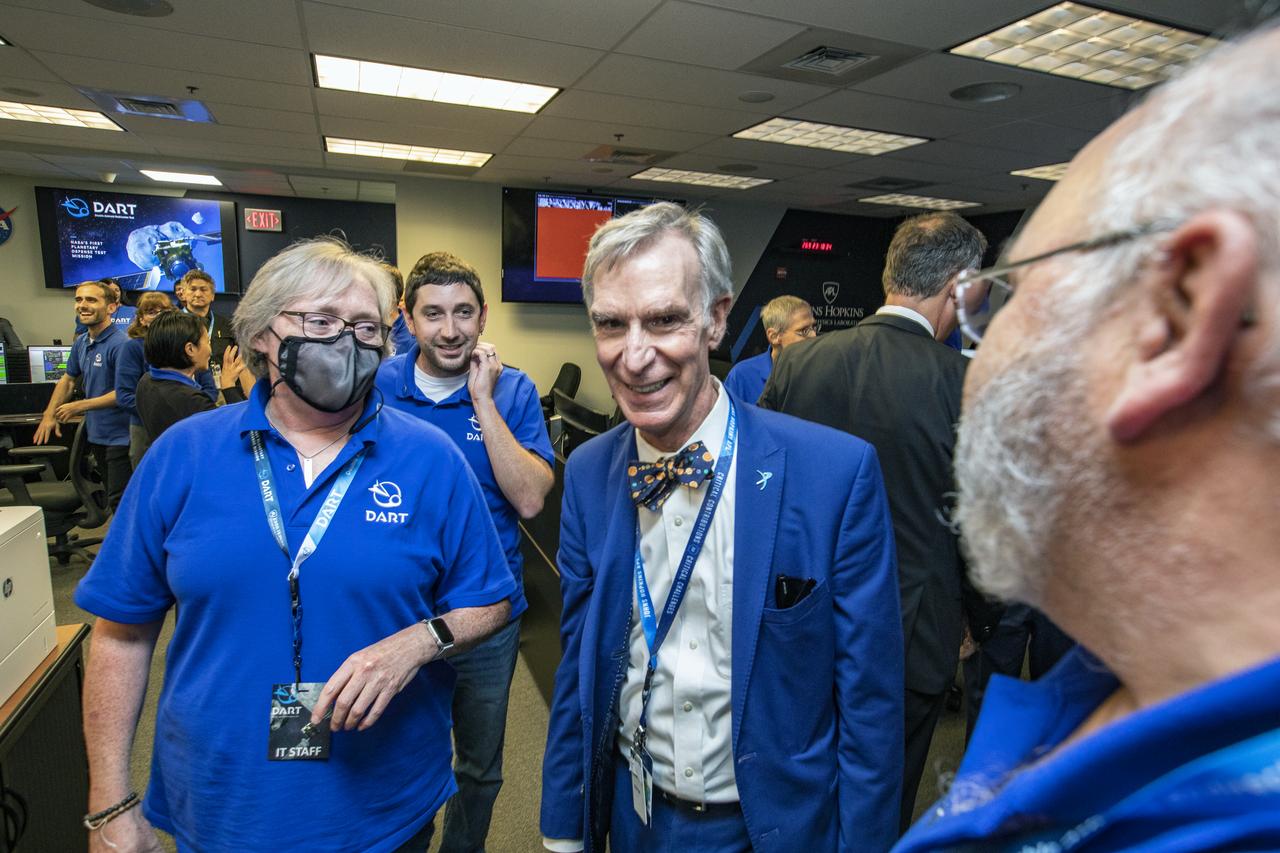
NASA’s Double Asteroid Redirection Test (DART) command team at Johns Hopkins University, Applied Physics Laboratory monitoring the DART spacecraft’s impact into the asteroid Dimorphos. The operation is the first of its kind test to redirect deadly asteroids from hitting Earth.
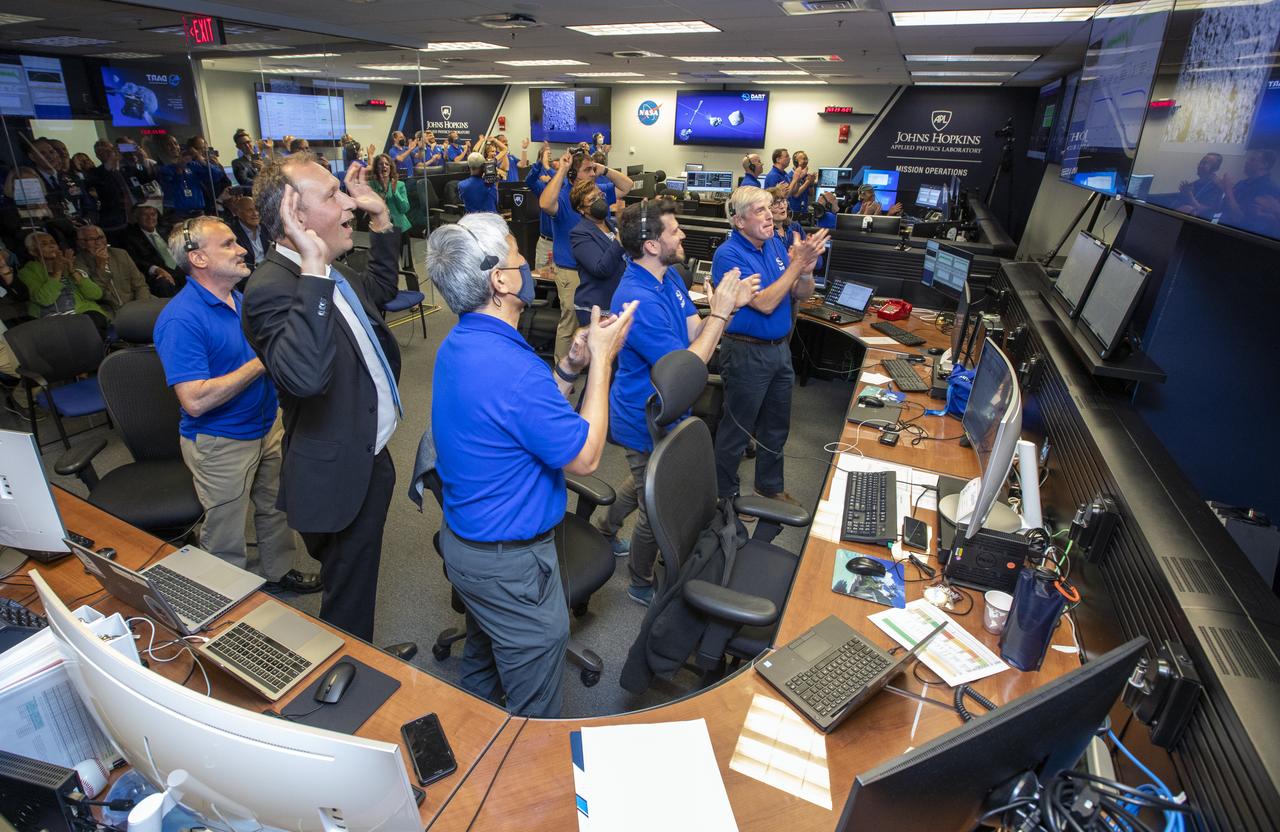
NASA’s Double Asteroid Redirection Test (DART) command team at Johns Hopkins University, Applied Physics Laboratory monitoring the DART spacecraft’s impact into the asteroid Dimorphos. The operation is the first of its kind test to redirect deadly asteroids from hitting Earth.

NASA’s Double Asteroid Redirection Test (DART) command team at Johns Hopkins University, Applied Physics Laboratory monitoring the DART spacecraft’s impact into the asteroid Dimorphos. The operation is the first of its kind test to redirect deadly asteroids from hitting Earth.
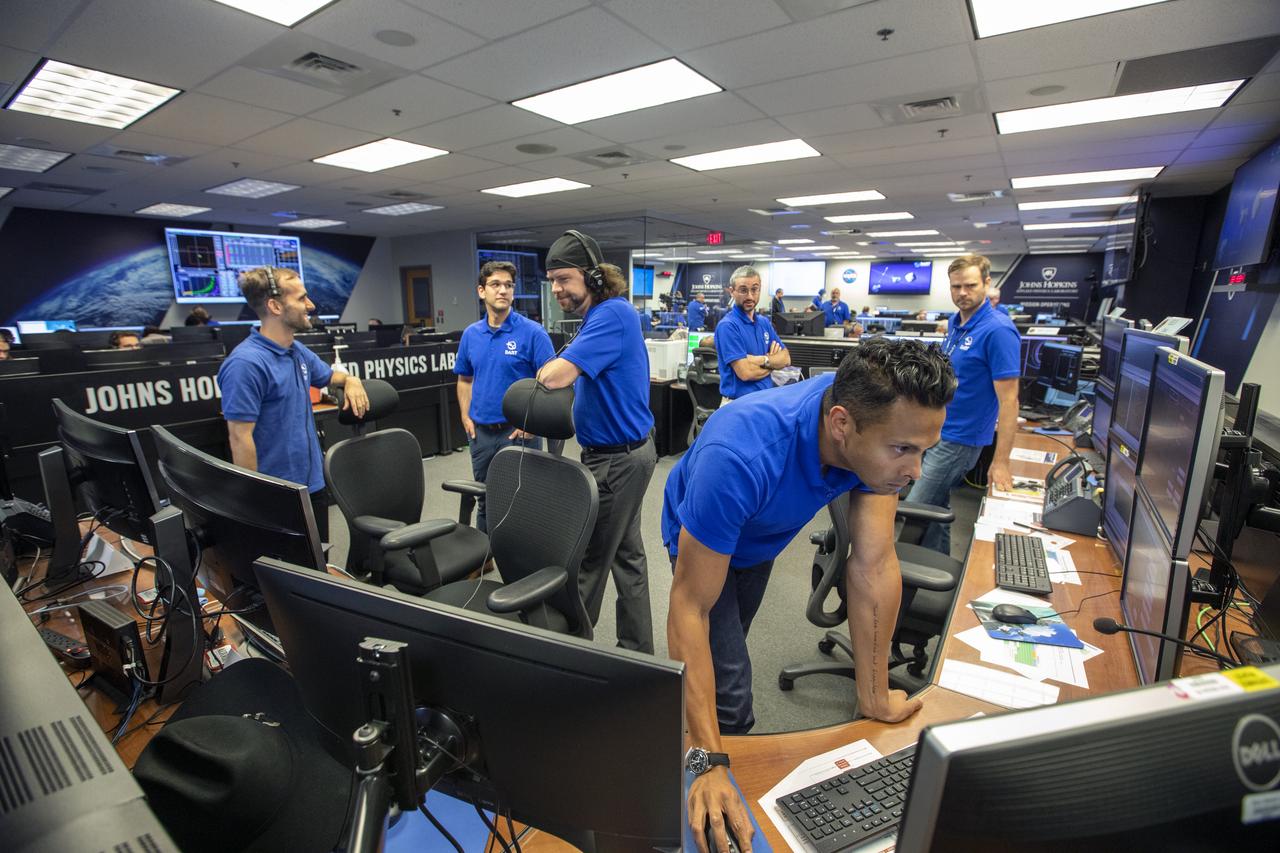
NASA’s Double Asteroid Redirection Test (DART) command team at Johns Hopkins University, Applied Physics Laboratory monitoring the DART spacecraft’s impact into the asteroid Dimorphos. The operation is the first of its kind test to redirect deadly asteroids from hitting Earth.

NASA’s Double Asteroid Redirection Test (DART) command team at Johns Hopkins University, Applied Physics Laboratory monitoring the DART spacecraft’s impact into the asteroid Dimorphos. The operation is the first of its kind test to redirect deadly asteroids from hitting Earth.

NASA’s Double Asteroid Redirection Test (DART) command team at Johns Hopkins University, Applied Physics Laboratory monitoring the DART spacecraft’s impact into the asteroid Dimorphos. The operation is the first of its kind test to redirect deadly asteroids from hitting Earth.
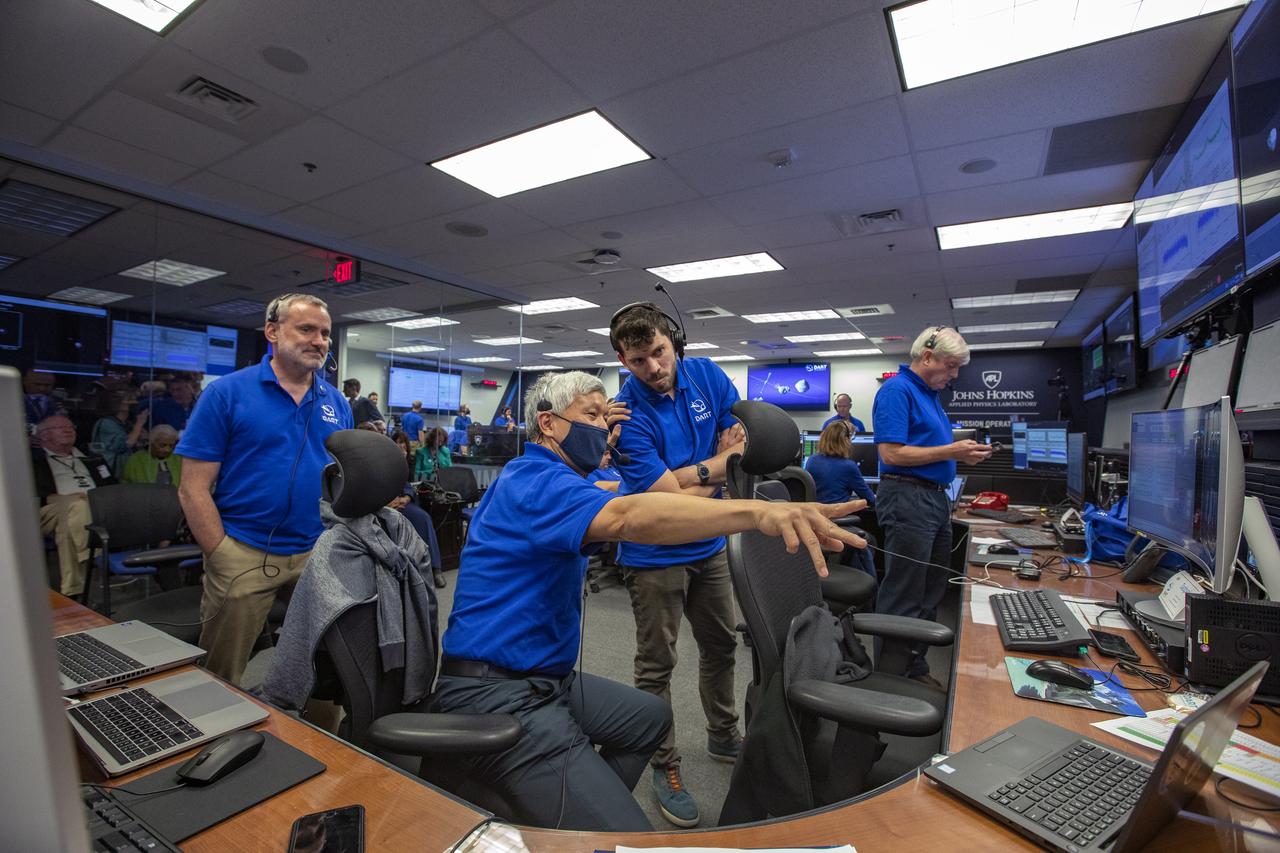
NASA’s Double Asteroid Redirection Test (DART) command team at Johns Hopkins University, Applied Physics Laboratory monitoring the DART spacecraft’s impact into the asteroid Dimorphos. The operation is the first of its kind test to redirect deadly asteroids from hitting Earth.
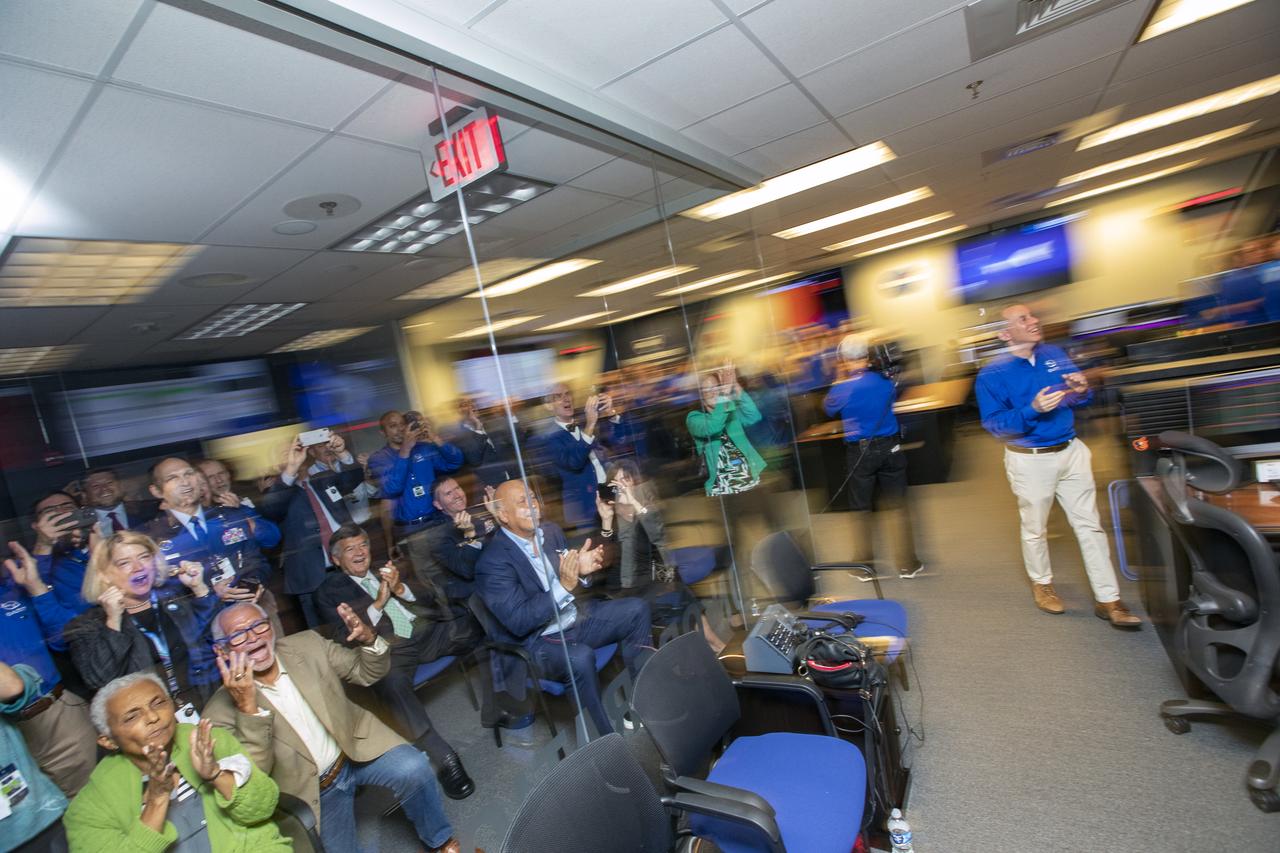
NASA’s Double Asteroid Redirection Test (DART) command team at Johns Hopkins University, Applied Physics Laboratory monitoring the DART spacecraft’s impact into the asteroid Dimorphos. The operation is the first of its kind test to redirect deadly asteroids from hitting Earth.

NASA’s Double Asteroid Redirection Test (DART) command team at Johns Hopkins University, Applied Physics Laboratory monitoring the DART spacecraft’s impact into the asteroid Dimorphos. The operation is the first of its kind test to redirect deadly asteroids from hitting Earth.
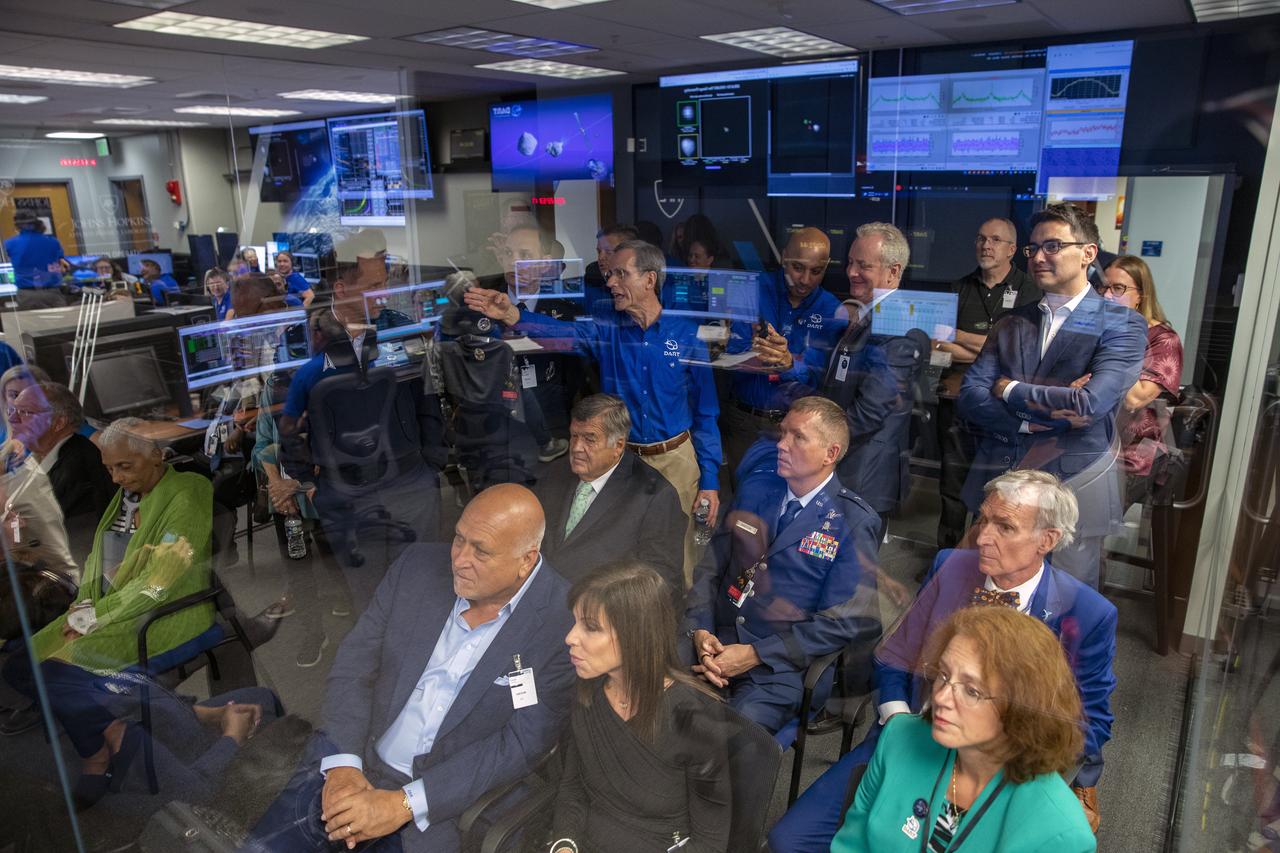
NASA’s Double Asteroid Redirection Test (DART) command team at Johns Hopkins University, Applied Physics Laboratory monitoring the DART spacecraft’s impact into the asteroid Dimorphos. The operation is the first of its kind test to redirect deadly asteroids from hitting Earth.

NASA’s Double Asteroid Redirection Test (DART) command team at Johns Hopkins University, Applied Physics Laboratory monitoring the DART spacecraft’s impact into the asteroid Dimorphos. The operation is the first of its kind test to redirect deadly asteroids from hitting Earth.

NASA’s Double Asteroid Redirection Test (DART) command team at Johns Hopkins University, Applied Physics Laboratory monitoring the DART spacecraft’s impact into the asteroid Dimorphos. The operation is the first of its kind test to redirect deadly asteroids from hitting Earth.
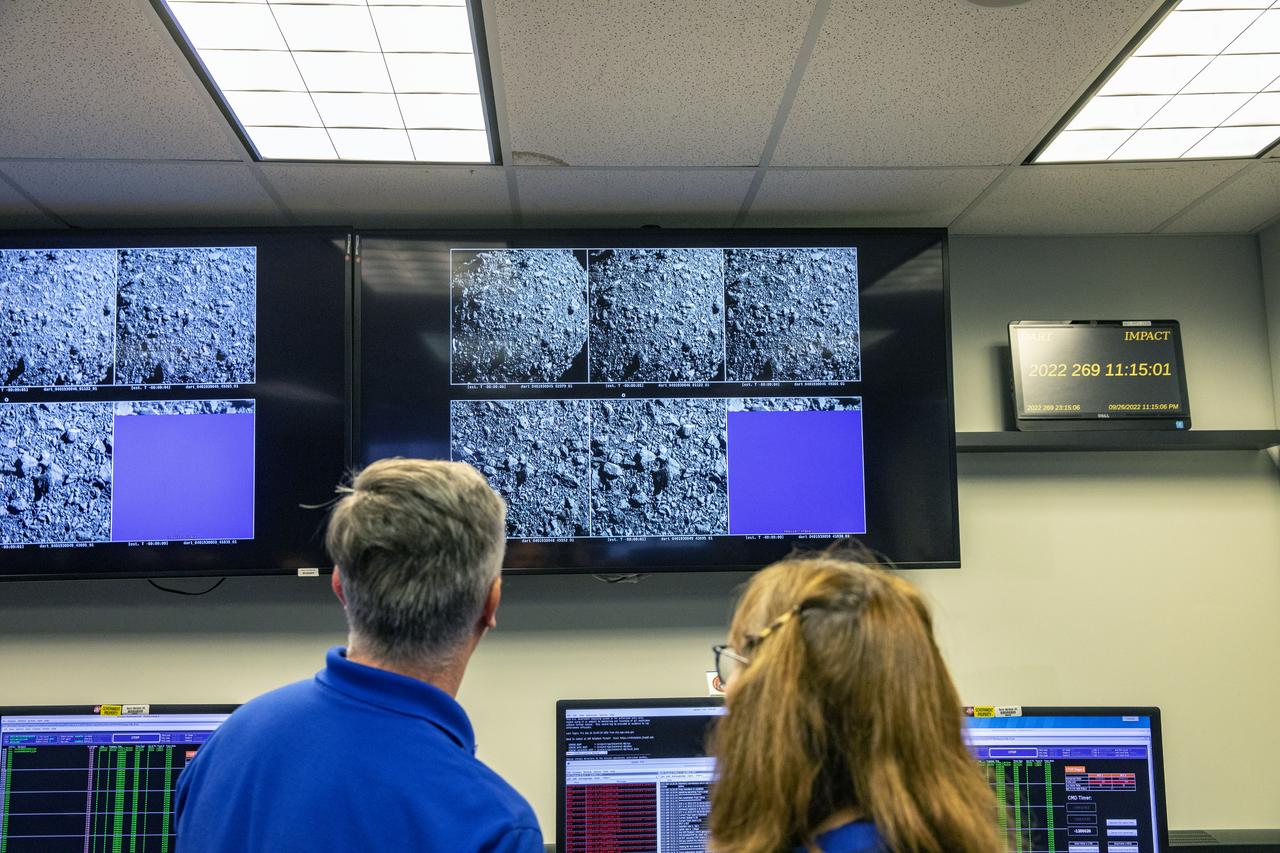
NASA’s Double Asteroid Redirection Test (DART) command team at Johns Hopkins University, Applied Physics Laboratory monitoring the DART spacecraft’s impact into the asteroid Dimorphos. The operation is the first of its kind test to redirect deadly asteroids from hitting Earth.
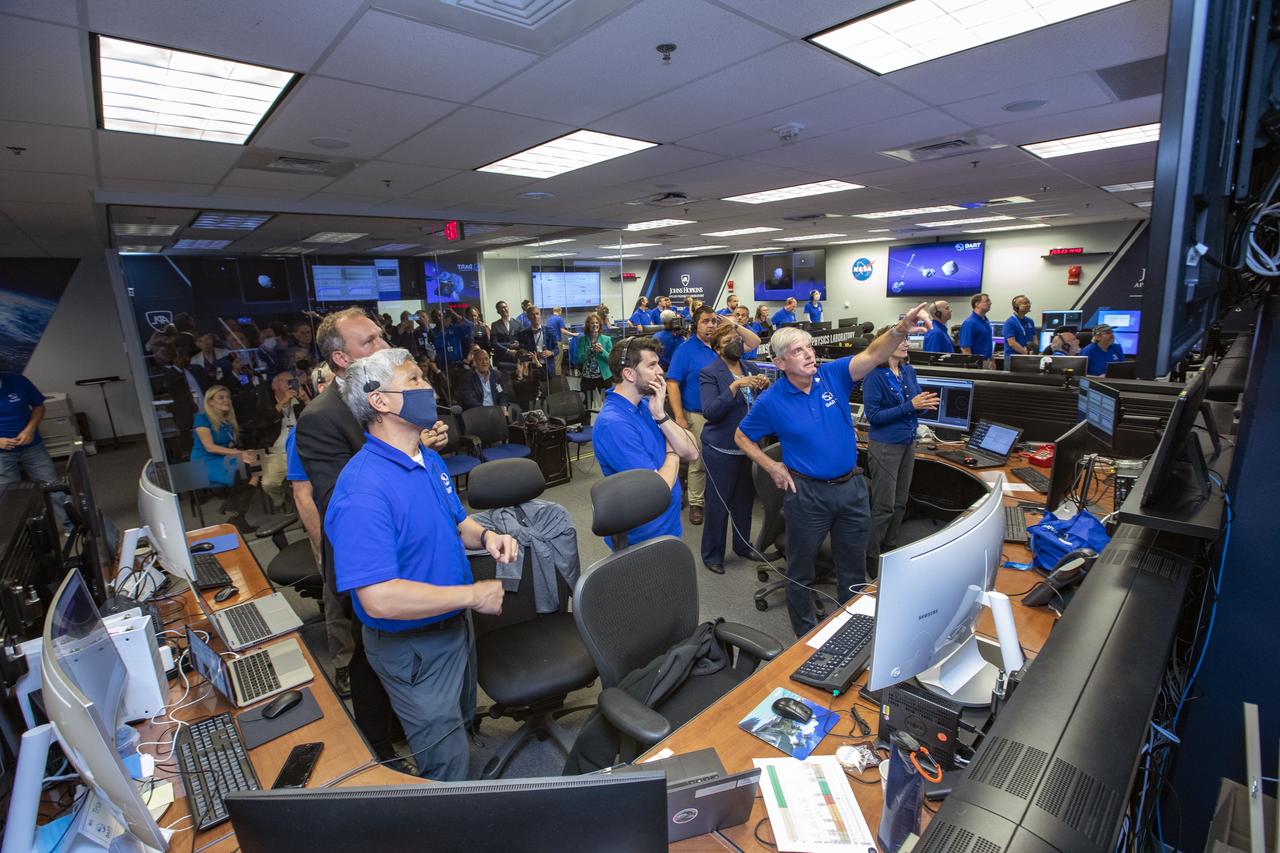
NASA’s Double Asteroid Redirection Test (DART) command team at Johns Hopkins University, Applied Physics Laboratory monitoring the DART spacecraft’s impact into the asteroid Dimorphos. The operation is the first of its kind test to redirect deadly asteroids from hitting Earth.
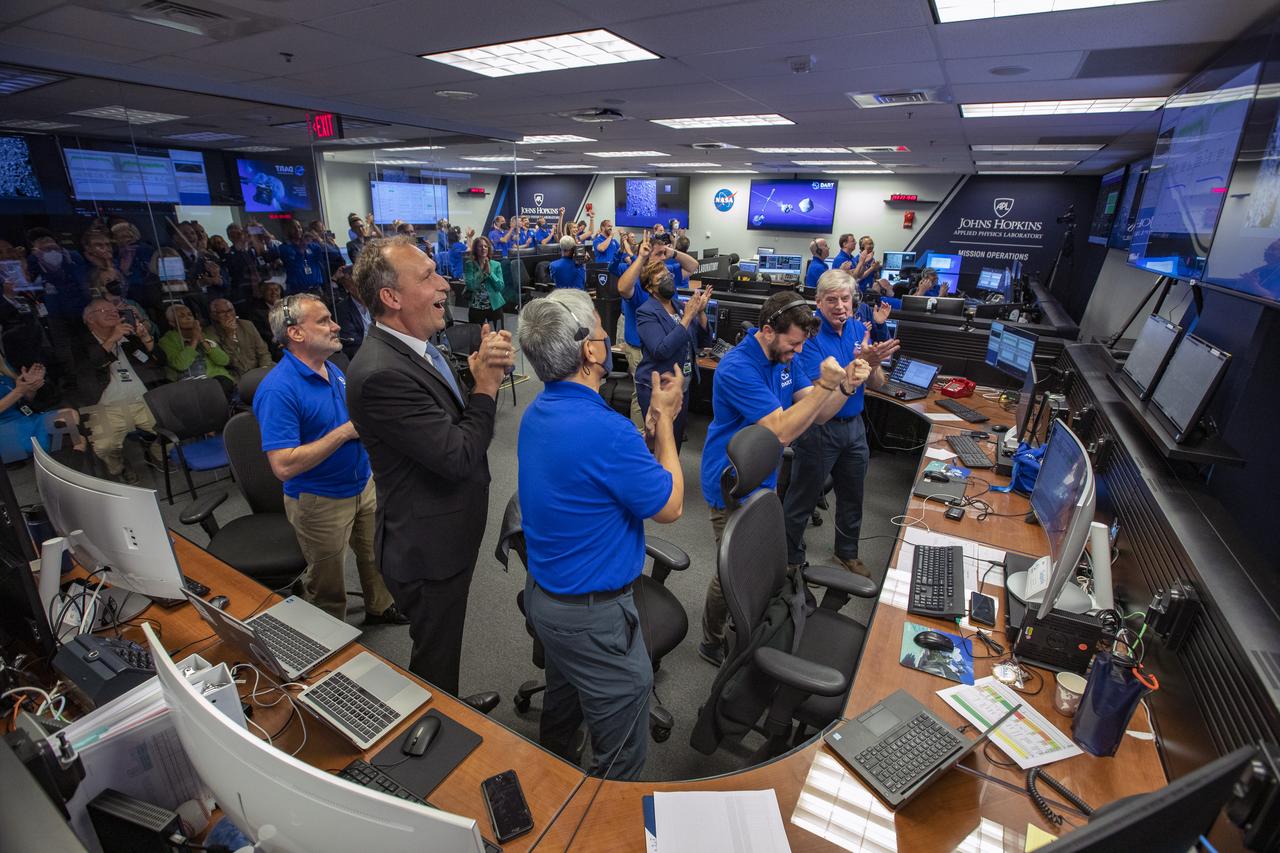
NASA’s Double Asteroid Redirection Test (DART) command team at Johns Hopkins University, Applied Physics Laboratory monitoring the DART spacecraft’s impact into the asteroid Dimorphos. The operation is the first of its kind test to redirect deadly asteroids from hitting Earth.
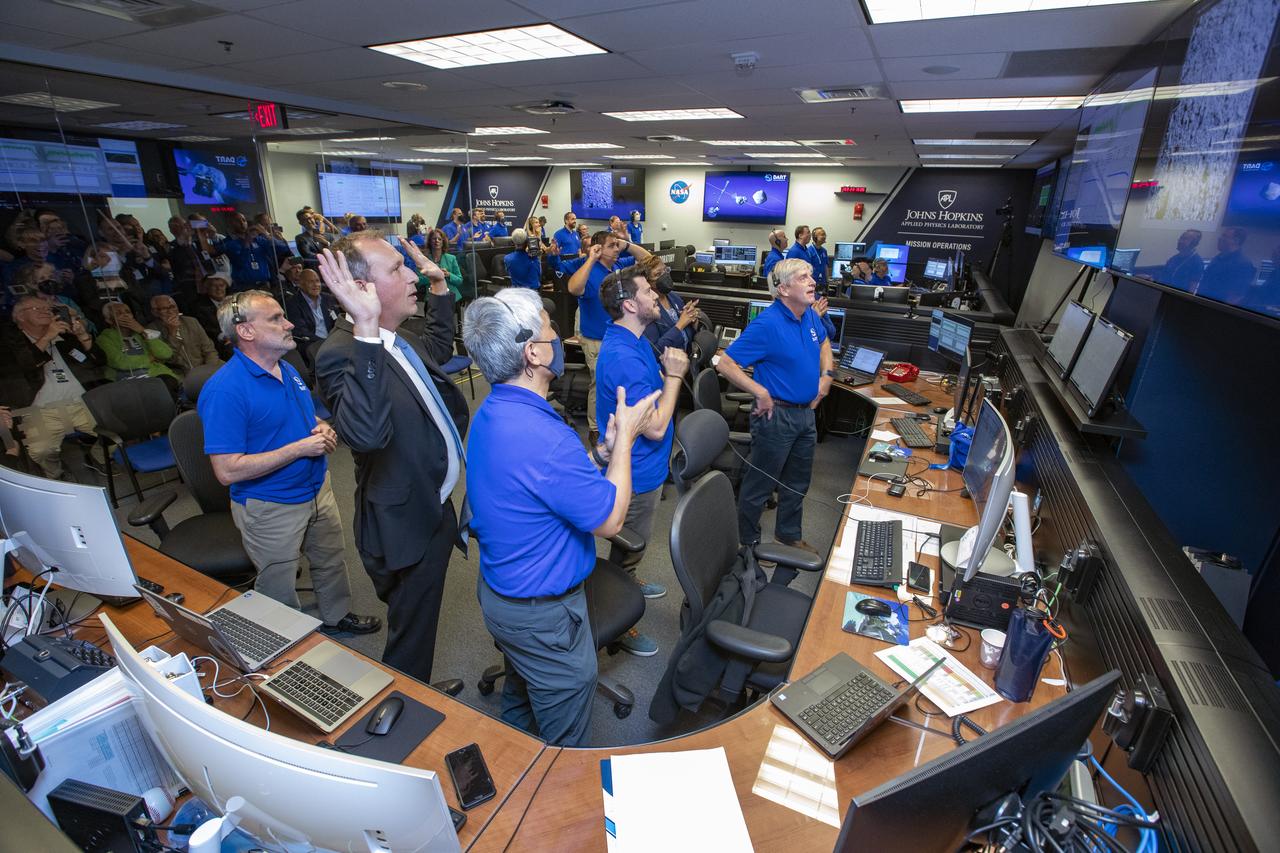
NASA’s Double Asteroid Redirection Test (DART) command team at Johns Hopkins University, Applied Physics Laboratory monitoring the DART spacecraft’s impact into the asteroid Dimorphos. The operation is the first of its kind test to redirect deadly asteroids from hitting Earth.
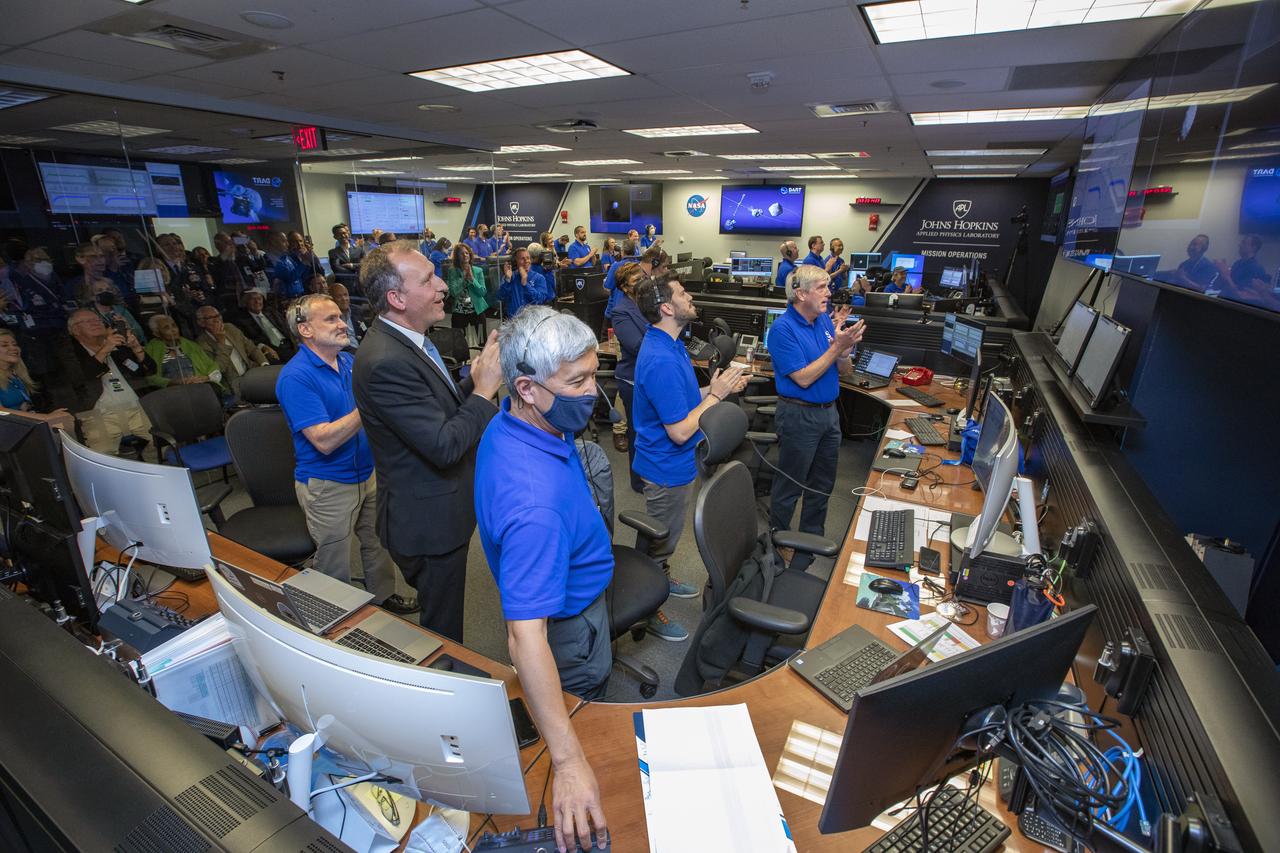
NASA’s Double Asteroid Redirection Test (DART) command team at Johns Hopkins University, Applied Physics Laboratory monitoring the DART spacecraft’s impact into the asteroid Dimorphos. The operation is the first of its kind test to redirect deadly asteroids from hitting Earth.

NASA’s Double Asteroid Redirection Test (DART) command team at Johns Hopkins University, Applied Physics Laboratory monitoring the DART spacecraft’s impact into the asteroid Dimorphos. The operation is the first of its kind test to redirect deadly asteroids from hitting Earth.
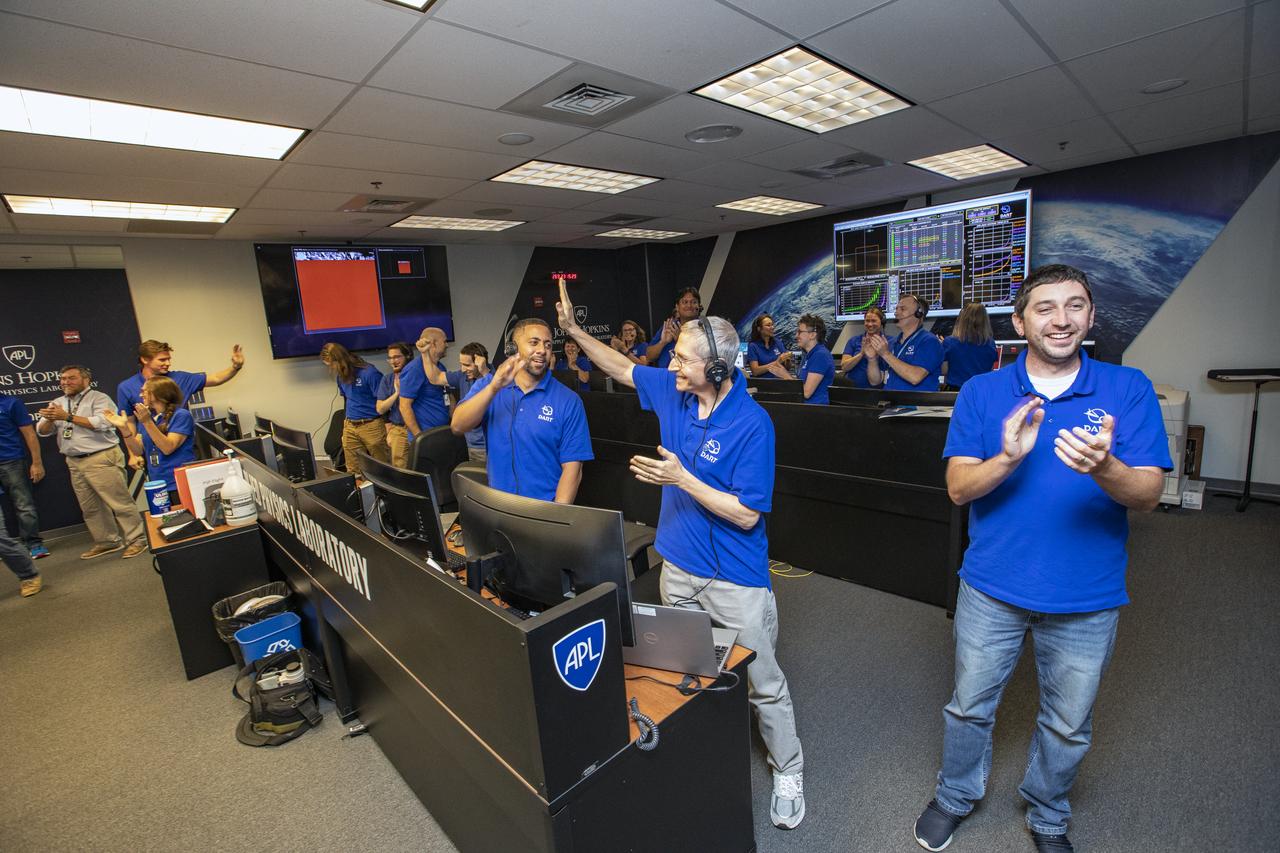
NASA’s Double Asteroid Redirection Test (DART) command team at Johns Hopkins University, Applied Physics Laboratory monitoring the DART spacecraft’s impact into the asteroid Dimorphos. The operation is the first of its kind test to redirect deadly asteroids from hitting Earth.
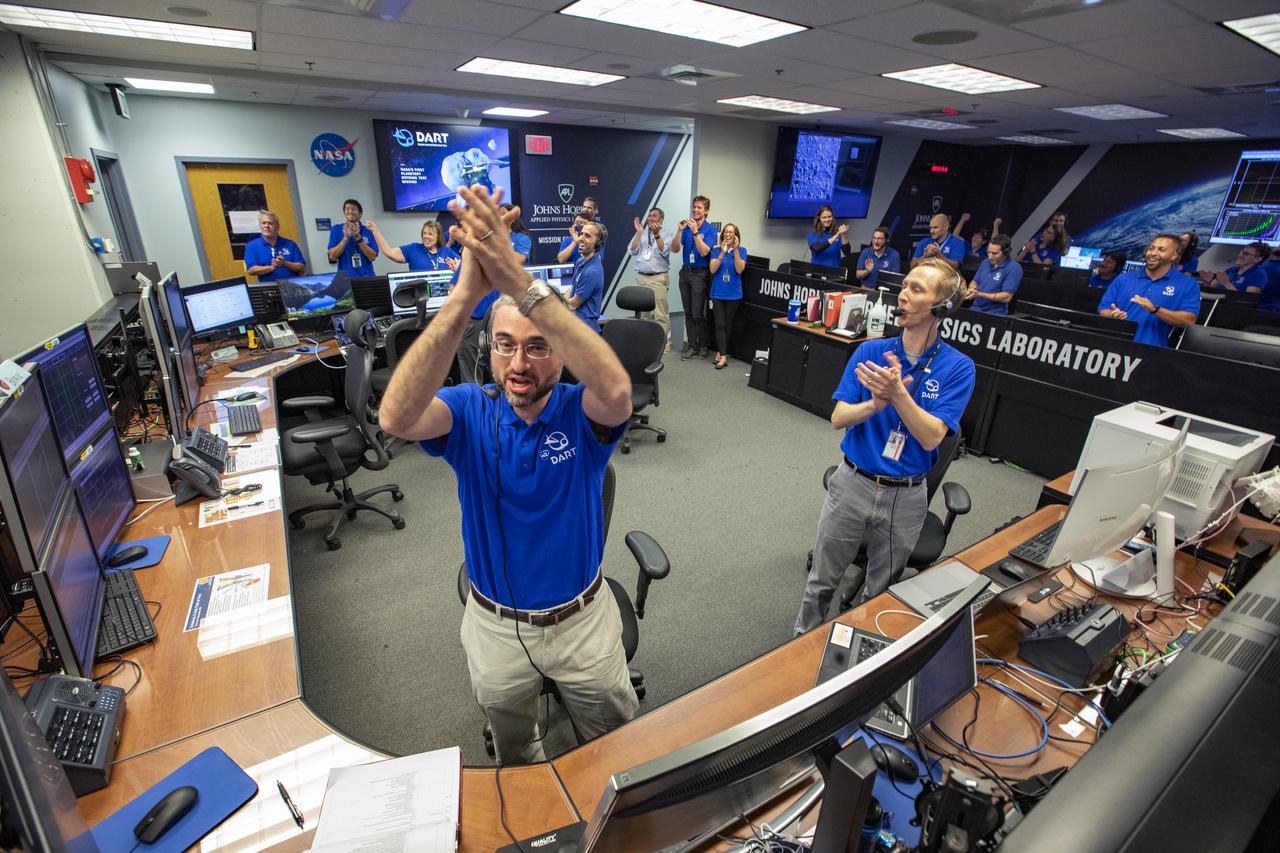
NASA’s Double Asteroid Redirection Test (DART) command team at Johns Hopkins University, Applied Physics Laboratory monitoring the DART spacecraft’s impact into the asteroid Dimorphos. The operation is the first of its kind test to redirect deadly asteroids from hitting Earth.
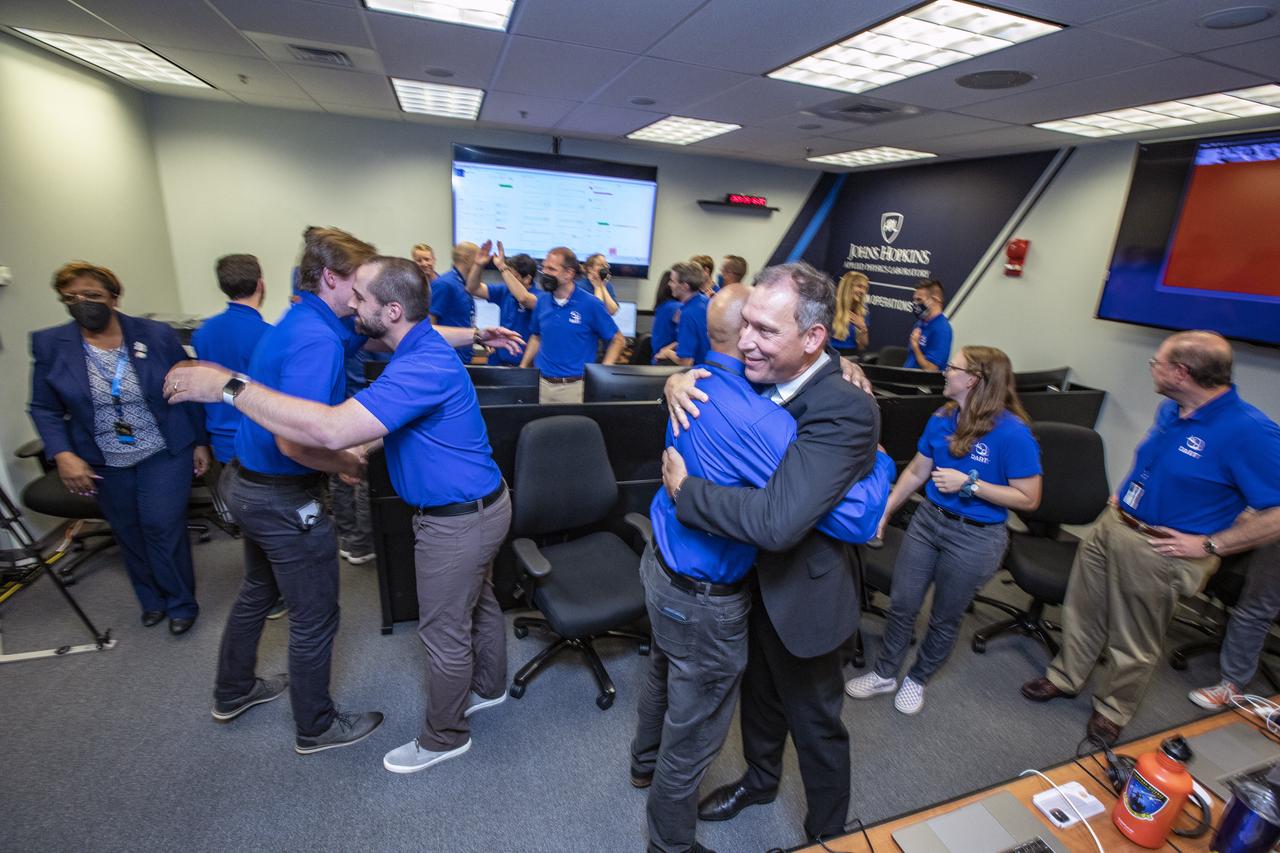
NASA’s Double Asteroid Redirection Test (DART) command team at Johns Hopkins University, Applied Physics Laboratory monitoring the DART spacecraft’s impact into the asteroid Dimorphos. The operation is the first of its kind test to redirect deadly asteroids from hitting Earth.
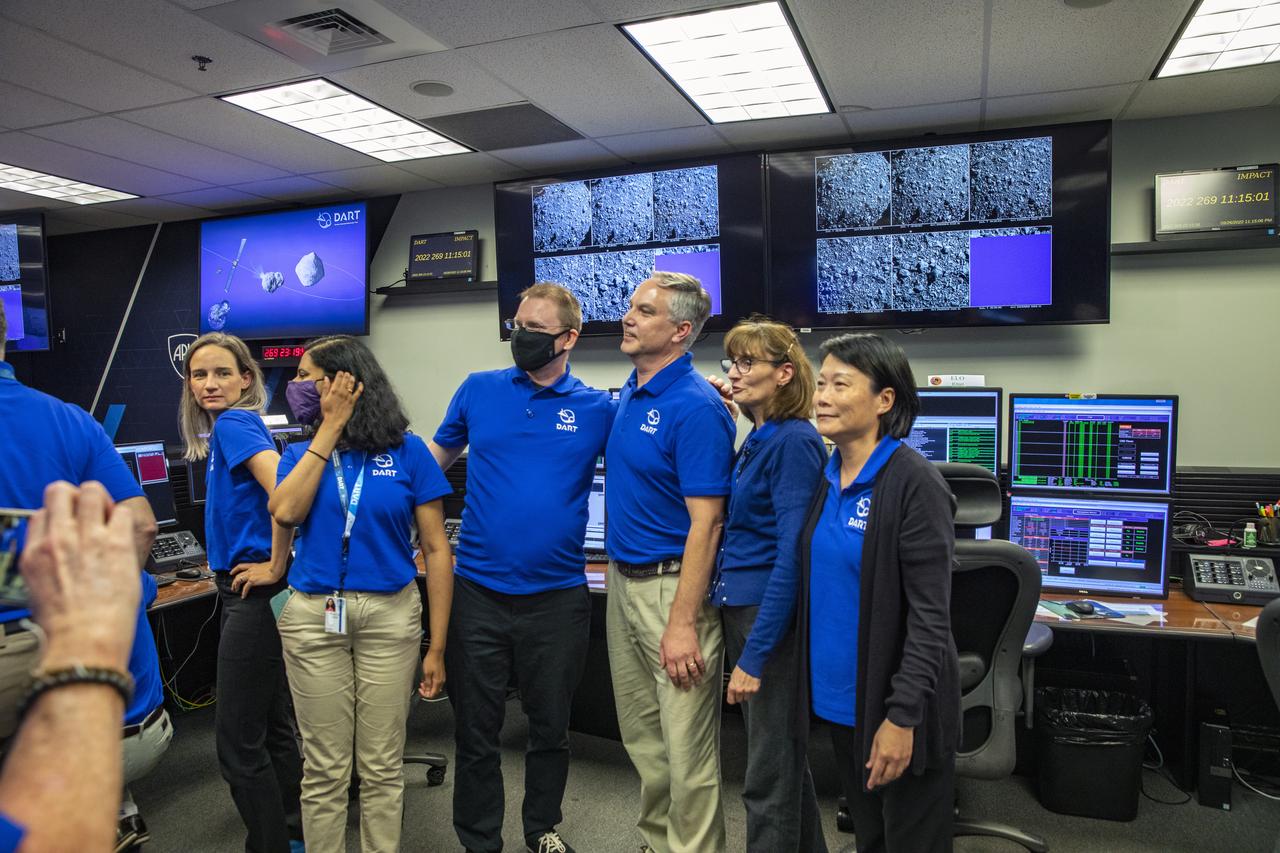
NASA’s Double Asteroid Redirection Test (DART) command team at Johns Hopkins University, Applied Physics Laboratory monitoring the DART spacecraft’s impact into the asteroid Dimorphos. The operation is the first of its kind test to redirect deadly asteroids from hitting Earth.
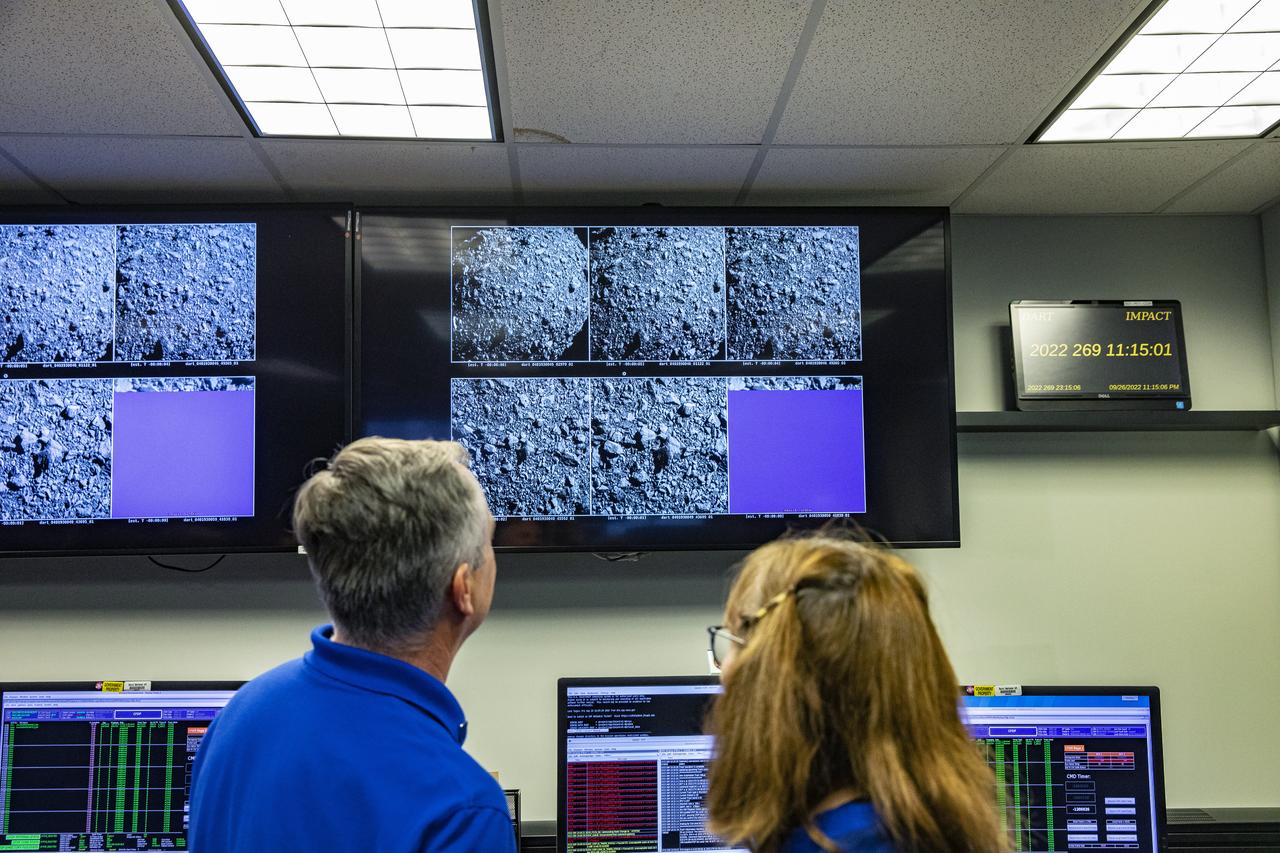
NASA’s Double Asteroid Redirection Test (DART) command team at Johns Hopkins University, Applied Physics Laboratory monitoring the DART spacecraft’s impact into the asteroid Dimorphos. The operation is the first of its kind test to redirect deadly asteroids from hitting Earth.
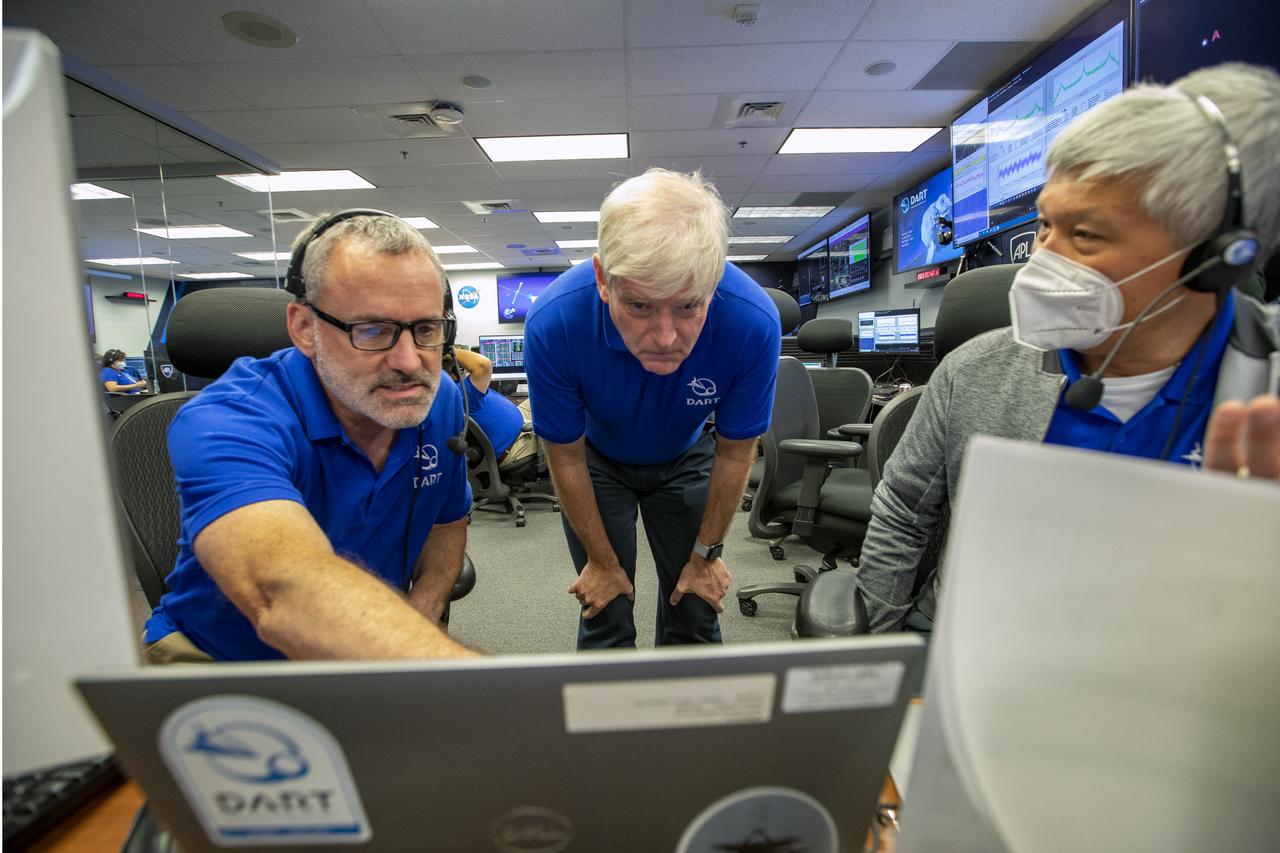
NASA’s Double Asteroid Redirection Test (DART) command team at Johns Hopkins University, Applied Physics Laboratory monitoring the DART spacecraft’s impact into the asteroid Dimorphos. The operation is the first of its kind test to redirect deadly asteroids from hitting Earth.

NASA’s Double Asteroid Redirection Test (DART) command team at Johns Hopkins University, Applied Physics Laboratory monitoring the DART spacecraft’s impact into the asteroid Dimorphos. The operation is the first of its kind test to redirect deadly asteroids from hitting Earth.

NASA’s Double Asteroid Redirection Test (DART) command team at Johns Hopkins University, Applied Physics Laboratory monitoring the DART spacecraft’s impact into the asteroid Dimorphos. The operation is the first of its kind test to redirect deadly asteroids from hitting Earth.
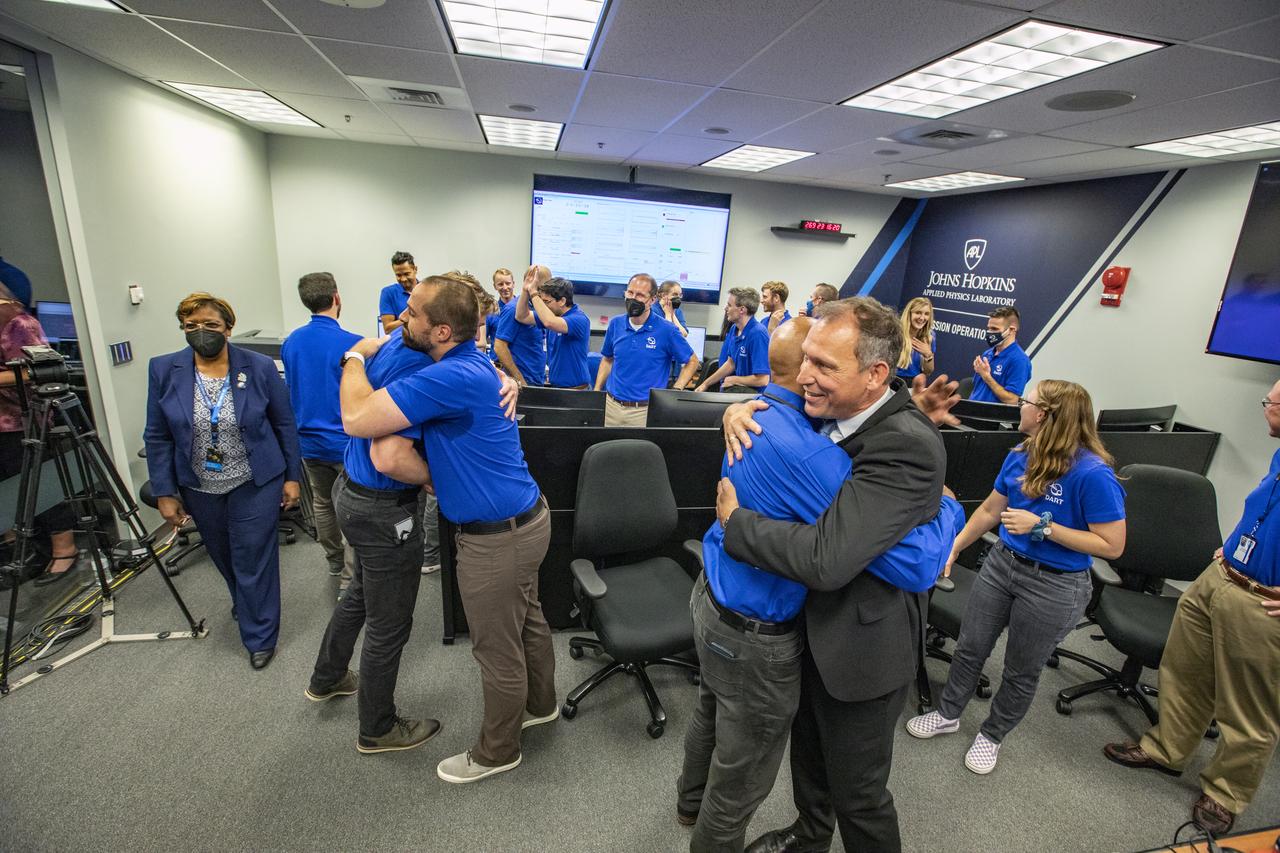
NASA’s Double Asteroid Redirection Test (DART) command team at Johns Hopkins University, Applied Physics Laboratory monitoring the DART spacecraft’s impact into the asteroid Dimorphos. The operation is the first of its kind test to redirect deadly asteroids from hitting Earth.

NASA’s Double Asteroid Redirection Test (DART) command team at Johns Hopkins University, Applied Physics Laboratory monitoring the DART spacecraft’s impact into the asteroid Dimorphos. The operation is the first of its kind test to redirect deadly asteroids from hitting Earth.

NASA’s Double Asteroid Redirection Test (DART) command team at Johns Hopkins University, Applied Physics Laboratory monitoring the DART spacecraft’s impact into the asteroid Dimorphos. The operation is the first of its kind test to redirect deadly asteroids from hitting Earth.
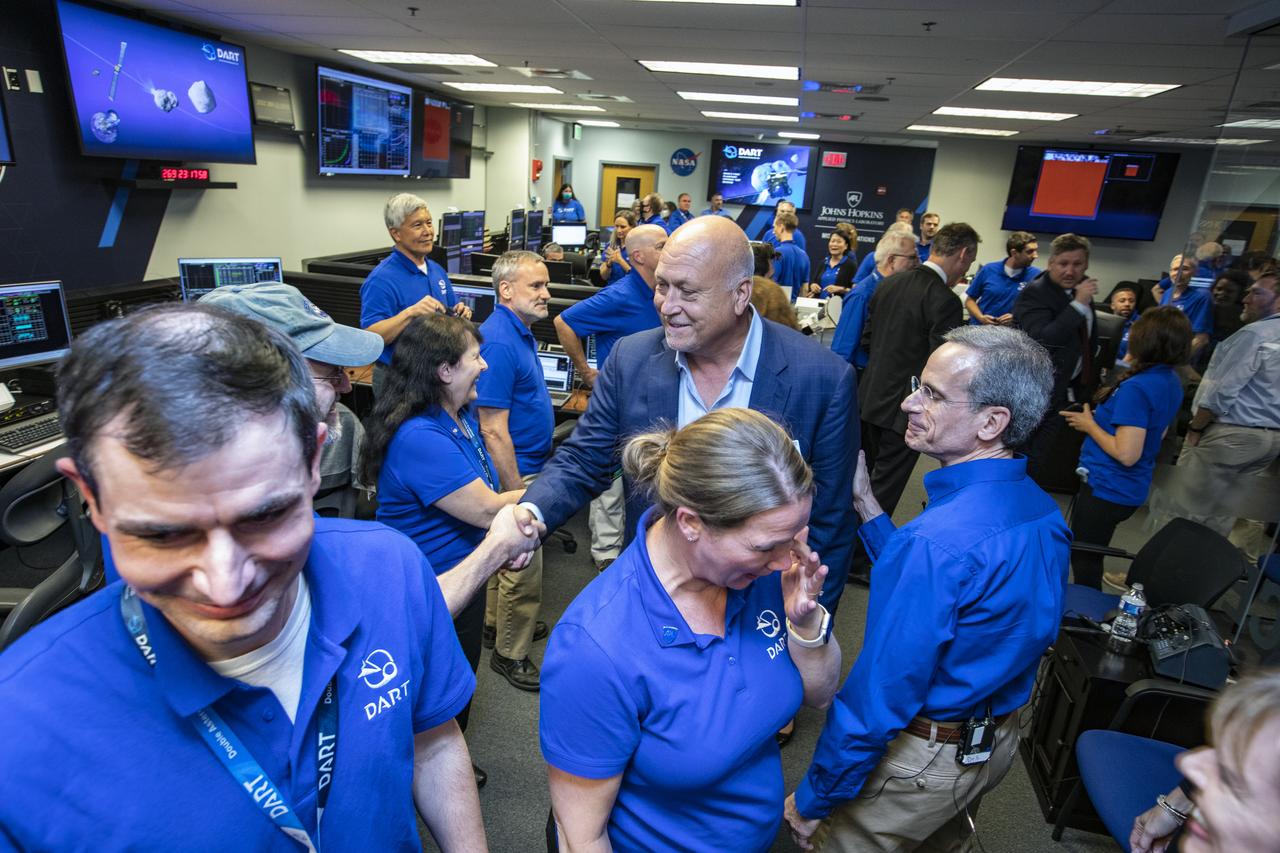
NASA’s Double Asteroid Redirection Test (DART) command team at Johns Hopkins University, Applied Physics Laboratory monitoring the DART spacecraft’s impact into the asteroid Dimorphos. The operation is the first of its kind test to redirect deadly asteroids from hitting Earth.
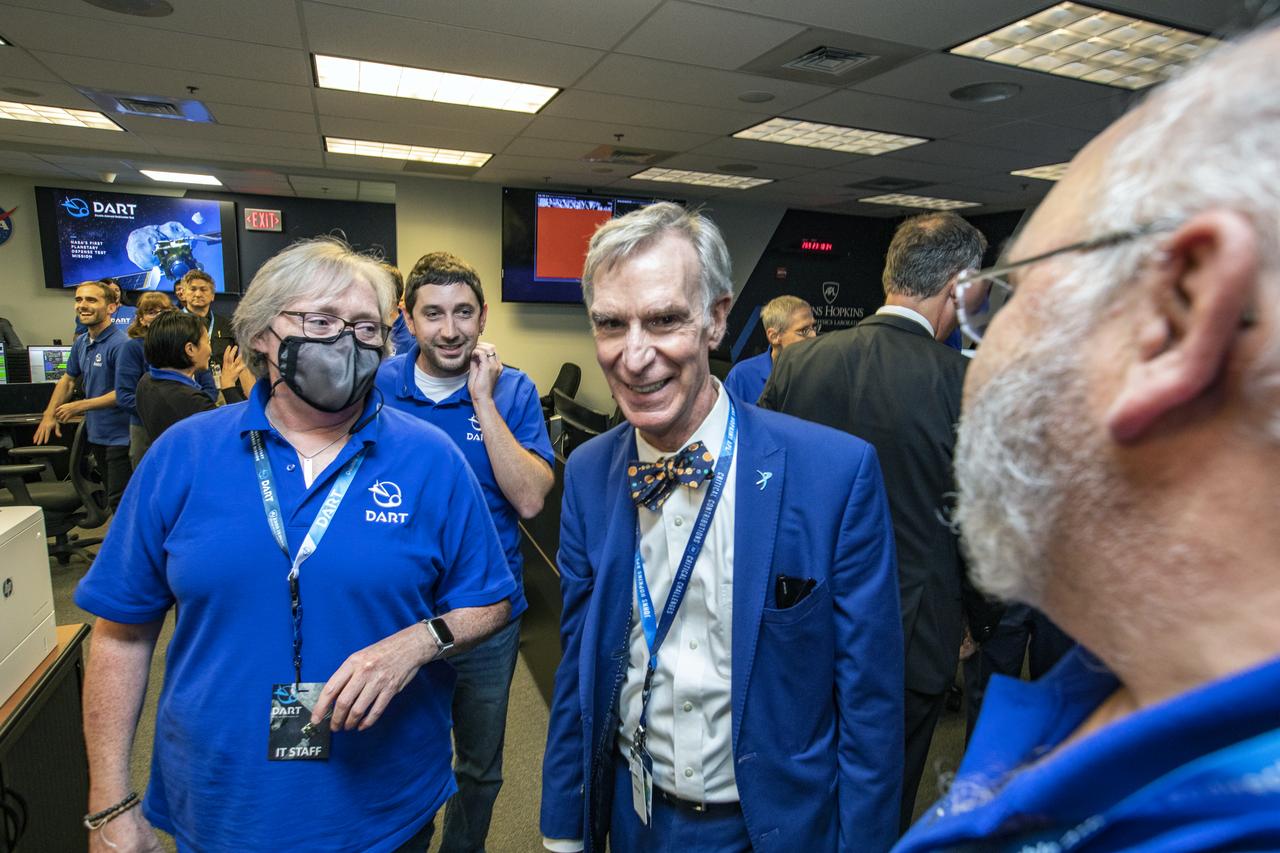
NASA’s Double Asteroid Redirection Test (DART) command team at Johns Hopkins University, Applied Physics Laboratory monitoring the DART spacecraft’s impact into the asteroid Dimorphos. The operation is the first of its kind test to redirect deadly asteroids from hitting Earth.
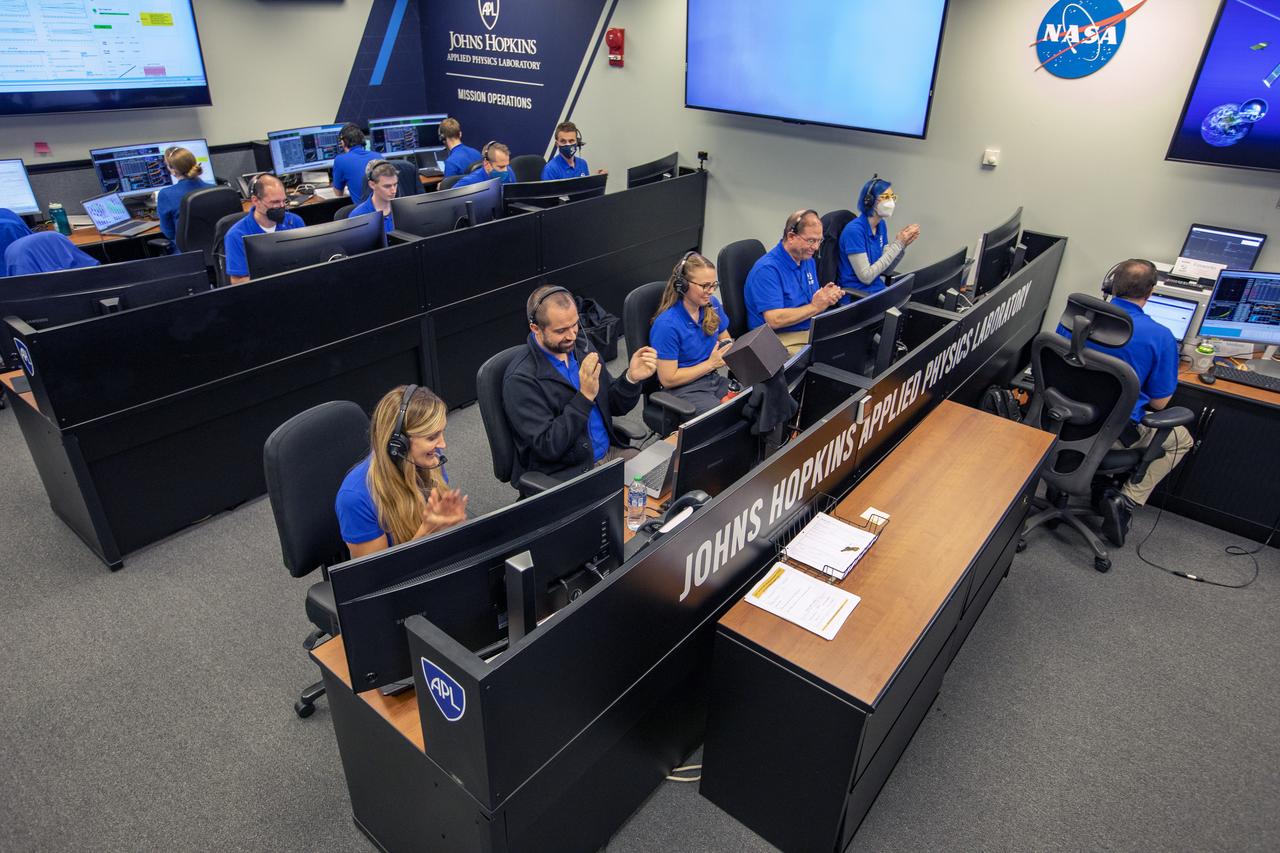
NASA’s Double Asteroid Redirection Test (DART) command team at Johns Hopkins University, Applied Physics Laboratory monitoring the DART spacecraft’s impact into the asteroid Dimorphos. The operation is the first of its kind test to redirect deadly asteroids from hitting Earth.

NASA’s Double Asteroid Redirection Test (DART) command team at Johns Hopkins University, Applied Physics Laboratory monitoring the DART spacecraft’s impact into the asteroid Dimorphos. The operation is the first of its kind test to redirect deadly asteroids from hitting Earth.

NASA’s Double Asteroid Redirection Test (DART) command team at Johns Hopkins University, Applied Physics Laboratory monitoring the DART spacecraft’s impact into the asteroid Dimorphos. The operation is the first of its kind test to redirect deadly asteroids from hitting Earth.

NASA’s Double Asteroid Redirection Test (DART) command team at Johns Hopkins University, Applied Physics Laboratory monitoring the DART spacecraft’s impact into the asteroid Dimorphos. The operation is the first of its kind test to redirect deadly asteroids from hitting Earth.
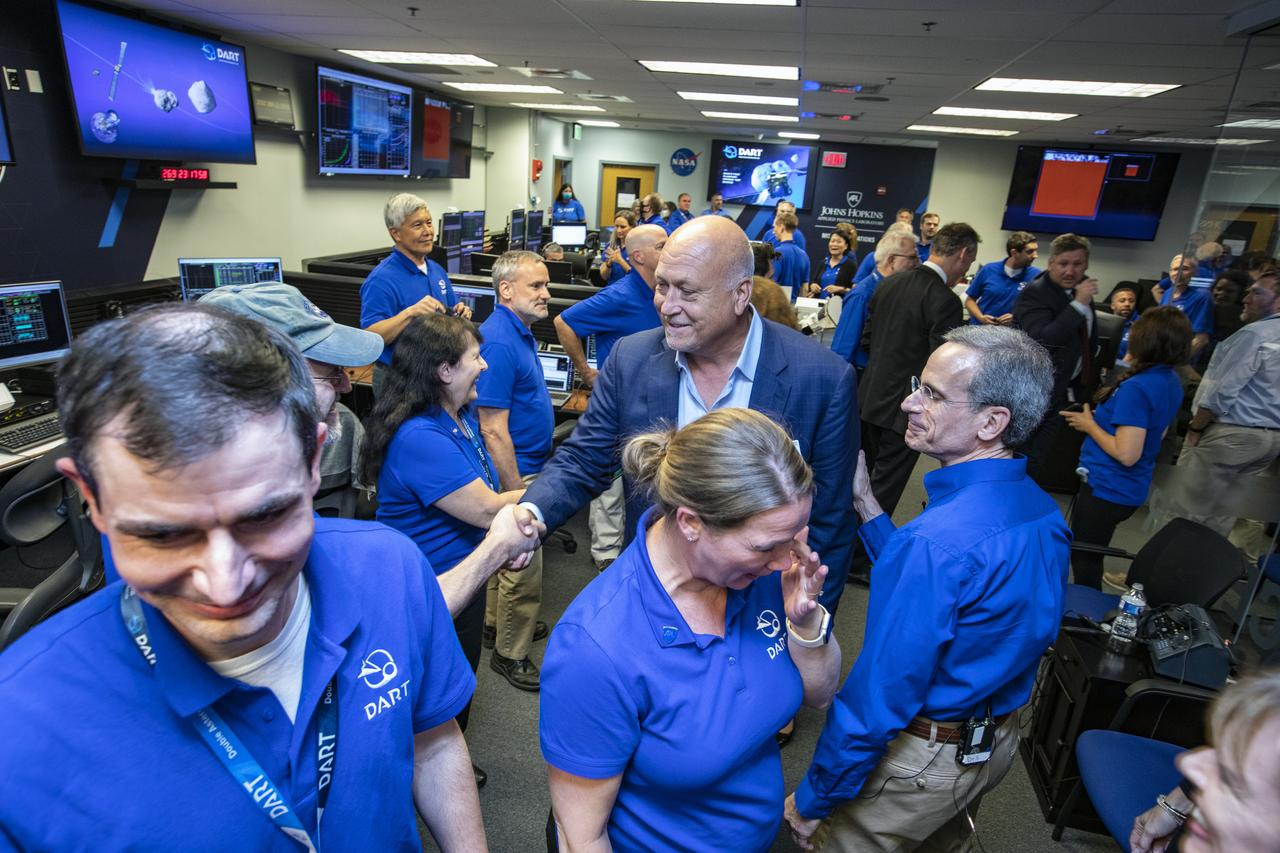
NASA’s Double Asteroid Redirection Test (DART) command team at Johns Hopkins University, Applied Physics Laboratory monitoring the DART spacecraft’s impact into the asteroid Dimorphos. The operation is the first of its kind test to redirect deadly asteroids from hitting Earth.
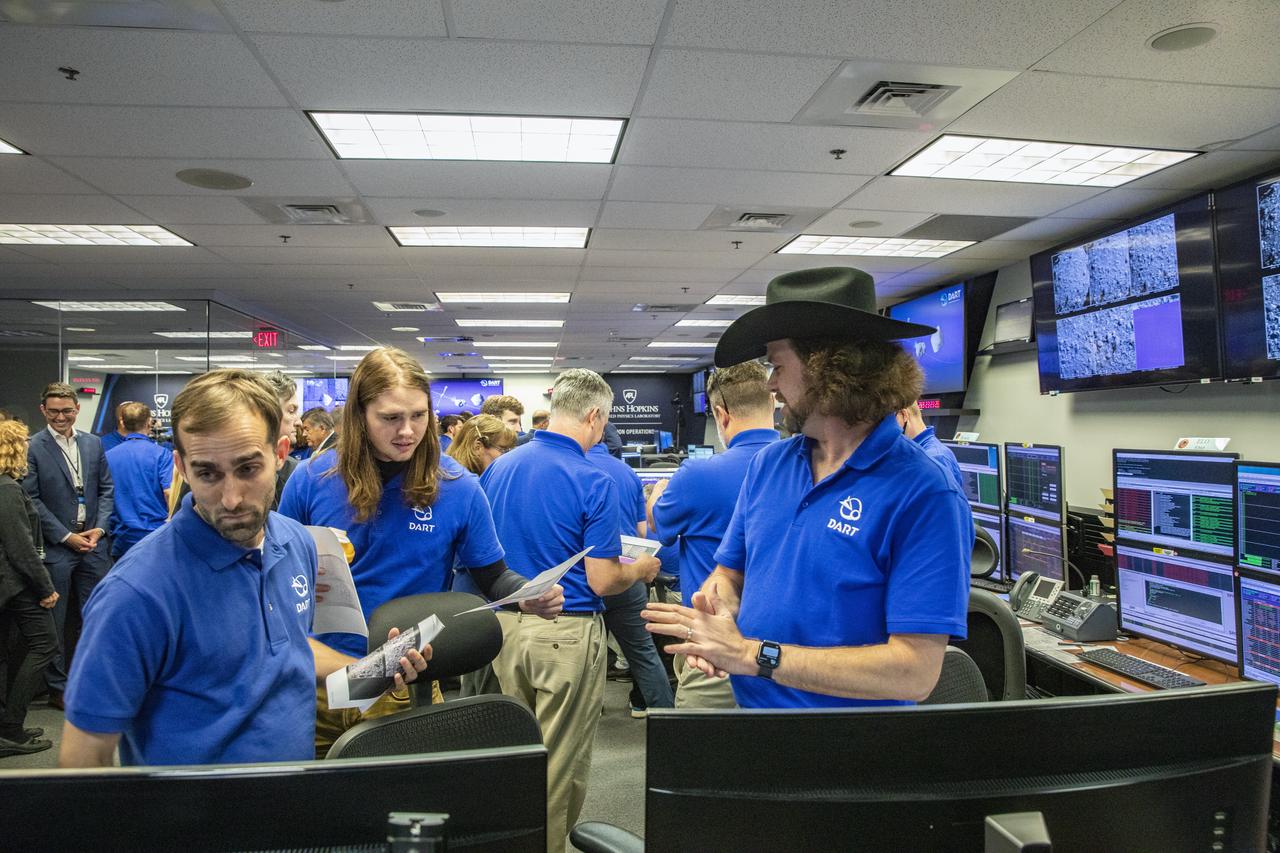
NASA’s Double Asteroid Redirection Test (DART) command team at Johns Hopkins University, Applied Physics Laboratory monitoring the DART spacecraft’s impact into the asteroid Dimorphos. The operation is the first of its kind test to redirect deadly asteroids from hitting Earth.

NASA’s Double Asteroid Redirection Test (DART) command team at Johns Hopkins University, Applied Physics Laboratory monitoring the DART spacecraft’s impact into the asteroid Dimorphos. The operation is the first of its kind test to redirect deadly asteroids from hitting Earth.
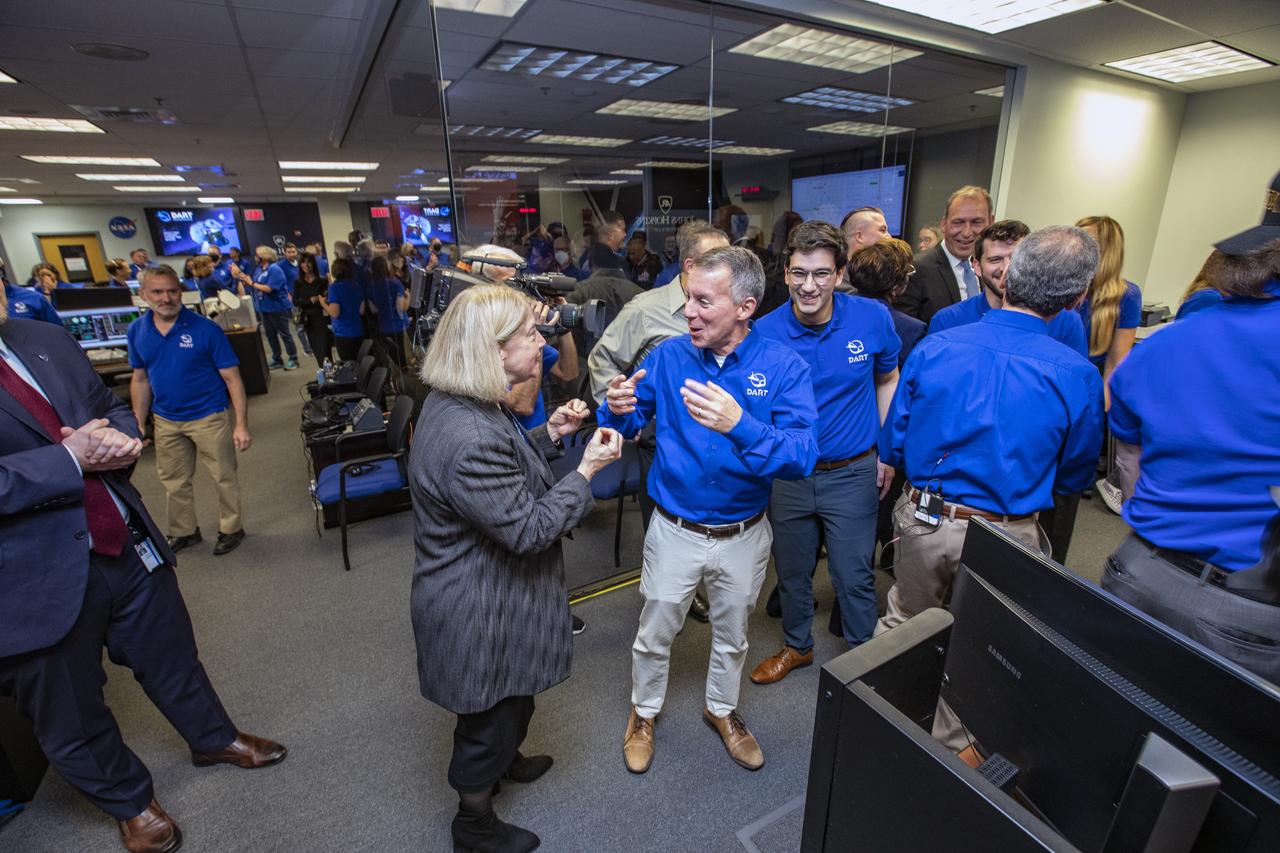
NASA’s Double Asteroid Redirection Test (DART) command team at Johns Hopkins University, Applied Physics Laboratory monitoring the DART spacecraft’s impact into the asteroid Dimorphos. The operation is the first of its kind test to redirect deadly asteroids from hitting Earth.

NASA’s Double Asteroid Redirection Test (DART) command team at Johns Hopkins University, Applied Physics Laboratory monitoring the DART spacecraft’s impact into the asteroid Dimorphos. The operation is the first of its kind test to redirect deadly asteroids from hitting Earth.
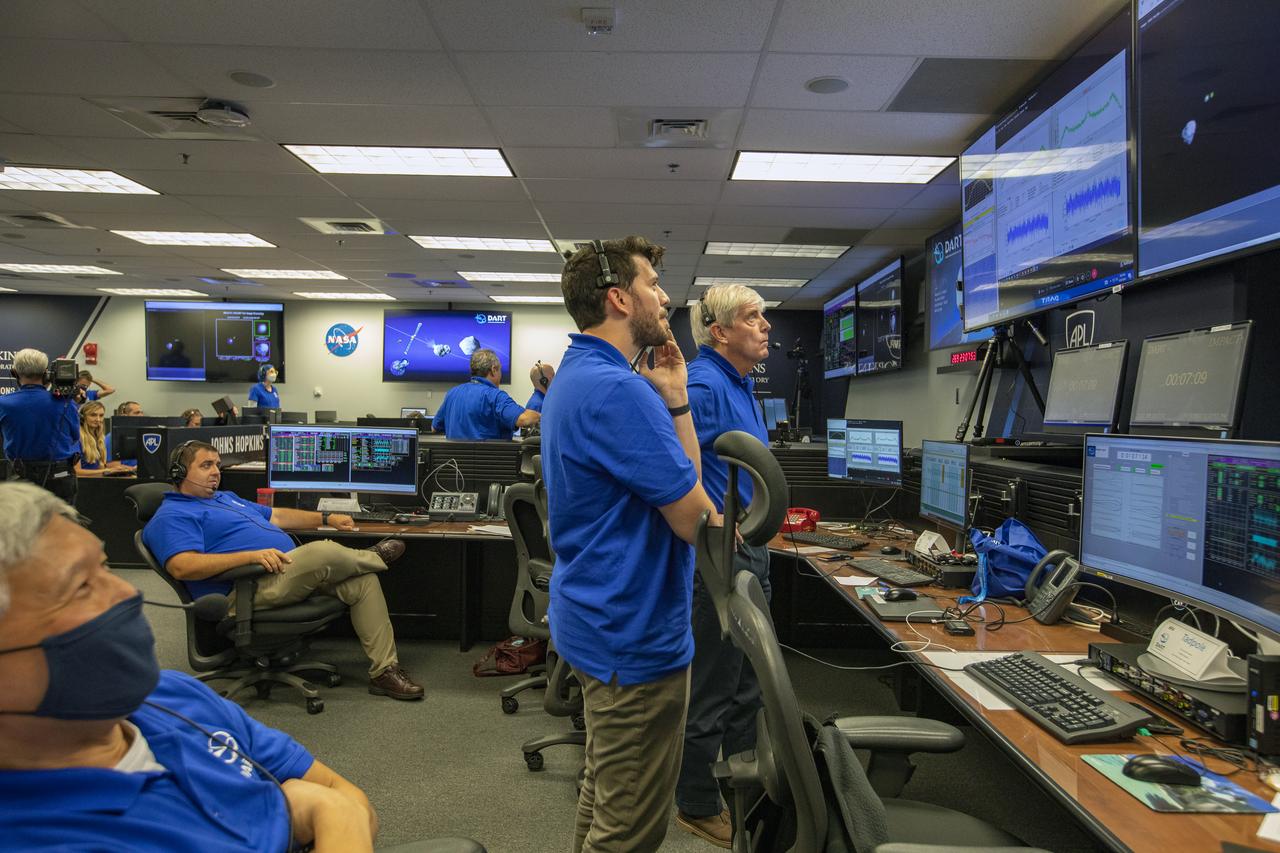
NASA’s Double Asteroid Redirection Test (DART) command team at Johns Hopkins University, Applied Physics Laboratory monitoring the DART spacecraft’s impact into the asteroid Dimorphos. The operation is the first of its kind test to redirect deadly asteroids from hitting Earth.
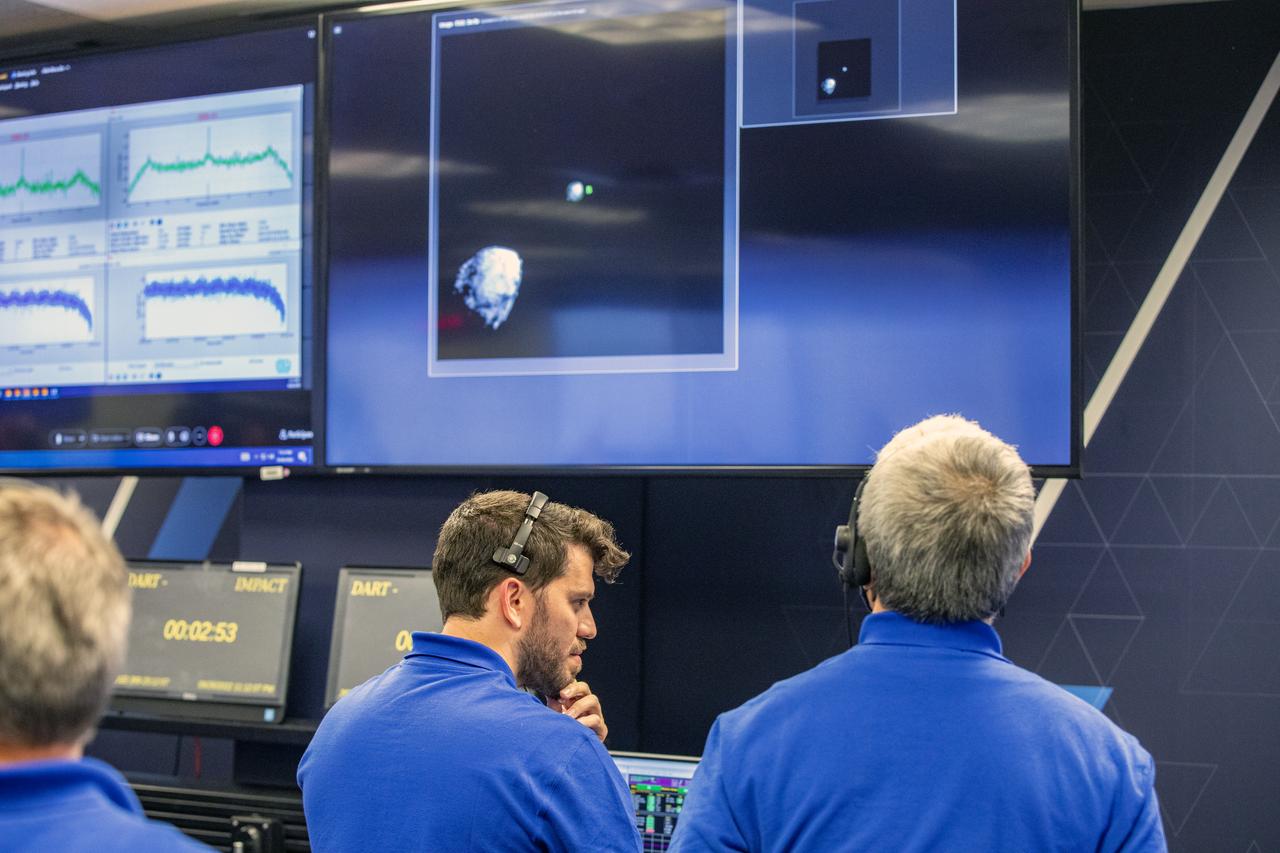
NASA’s Double Asteroid Redirection Test (DART) command team at Johns Hopkins University, Applied Physics Laboratory monitoring the DART spacecraft’s impact into the asteroid Dimorphos. The operation is the first of its kind test to redirect deadly asteroids from hitting Earth.
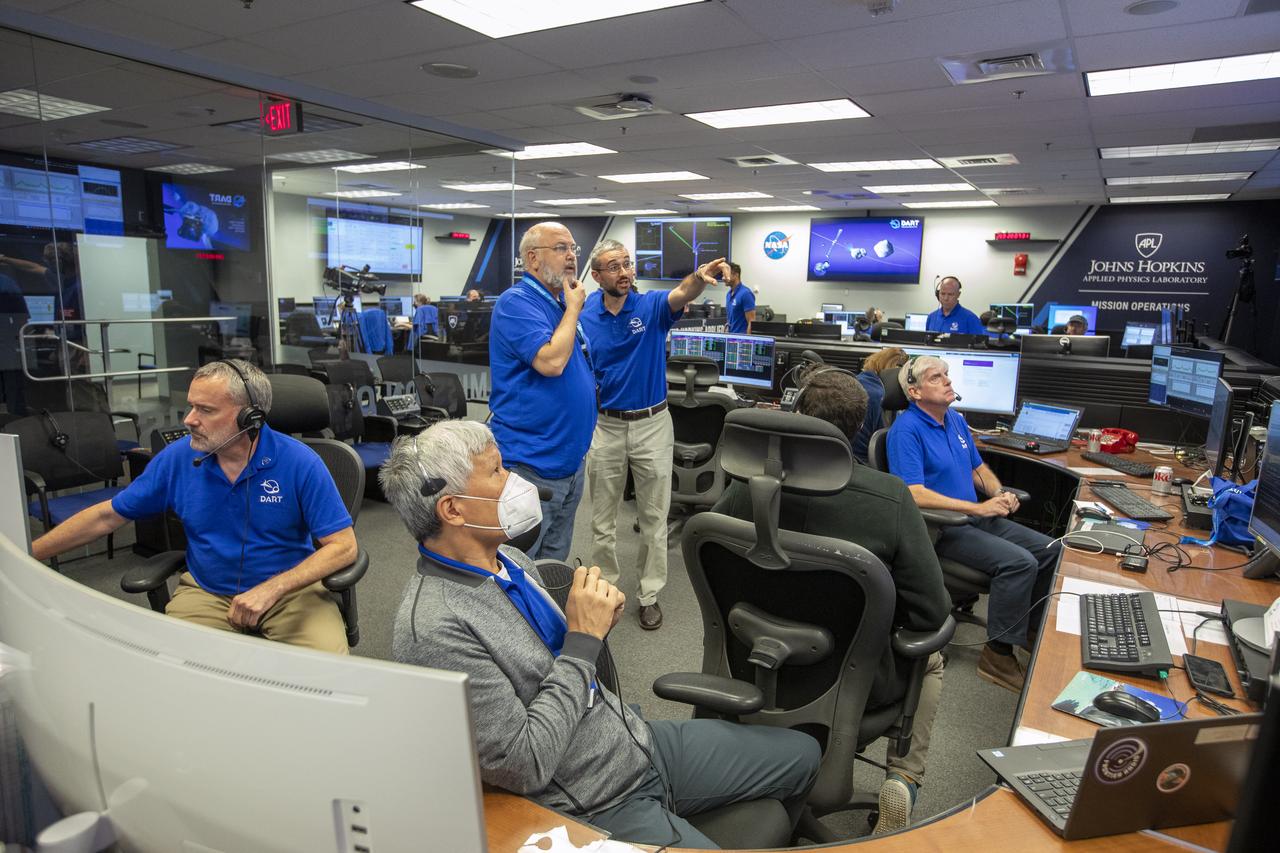
NASA’s Double Asteroid Redirection Test (DART) command team at Johns Hopkins University, Applied Physics Laboratory monitoring the DART spacecraft’s impact into the asteroid Dimorphos. The operation is the first of its kind test to redirect deadly asteroids from hitting Earth.

NASA’s Double Asteroid Redirection Test (DART) command team at Johns Hopkins University, Applied Physics Laboratory monitoring the DART spacecraft’s impact into the asteroid Dimorphos. The operation is the first of its kind test to redirect deadly asteroids from hitting Earth.
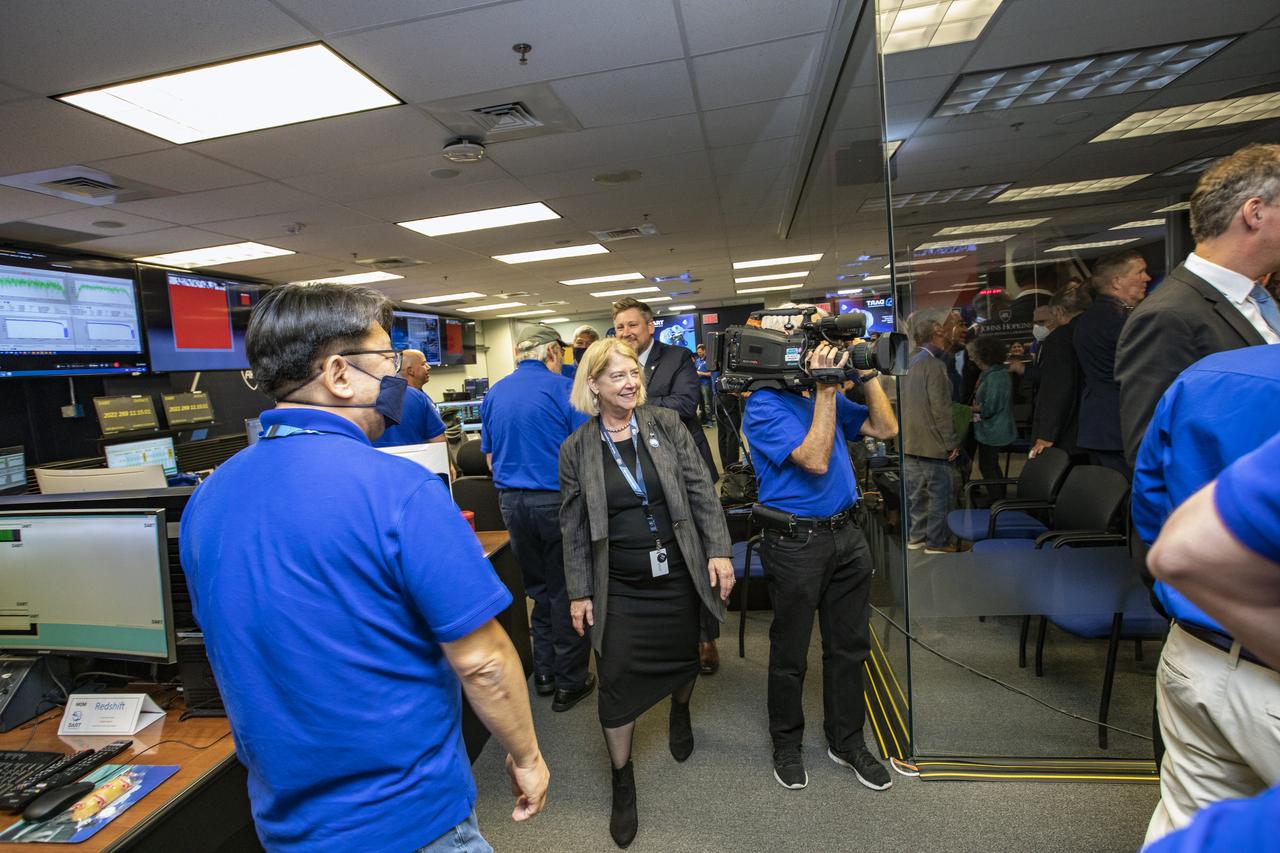
NASA’s Double Asteroid Redirection Test (DART) command team at Johns Hopkins University, Applied Physics Laboratory monitoring the DART spacecraft’s impact into the asteroid Dimorphos. The operation is the first of its kind test to redirect deadly asteroids from hitting Earth.

NASA’s Double Asteroid Redirection Test (DART) command team at Johns Hopkins University, Applied Physics Laboratory monitoring the DART spacecraft’s impact into the asteroid Dimorphos. The operation is the first of its kind test to redirect deadly asteroids from hitting Earth.
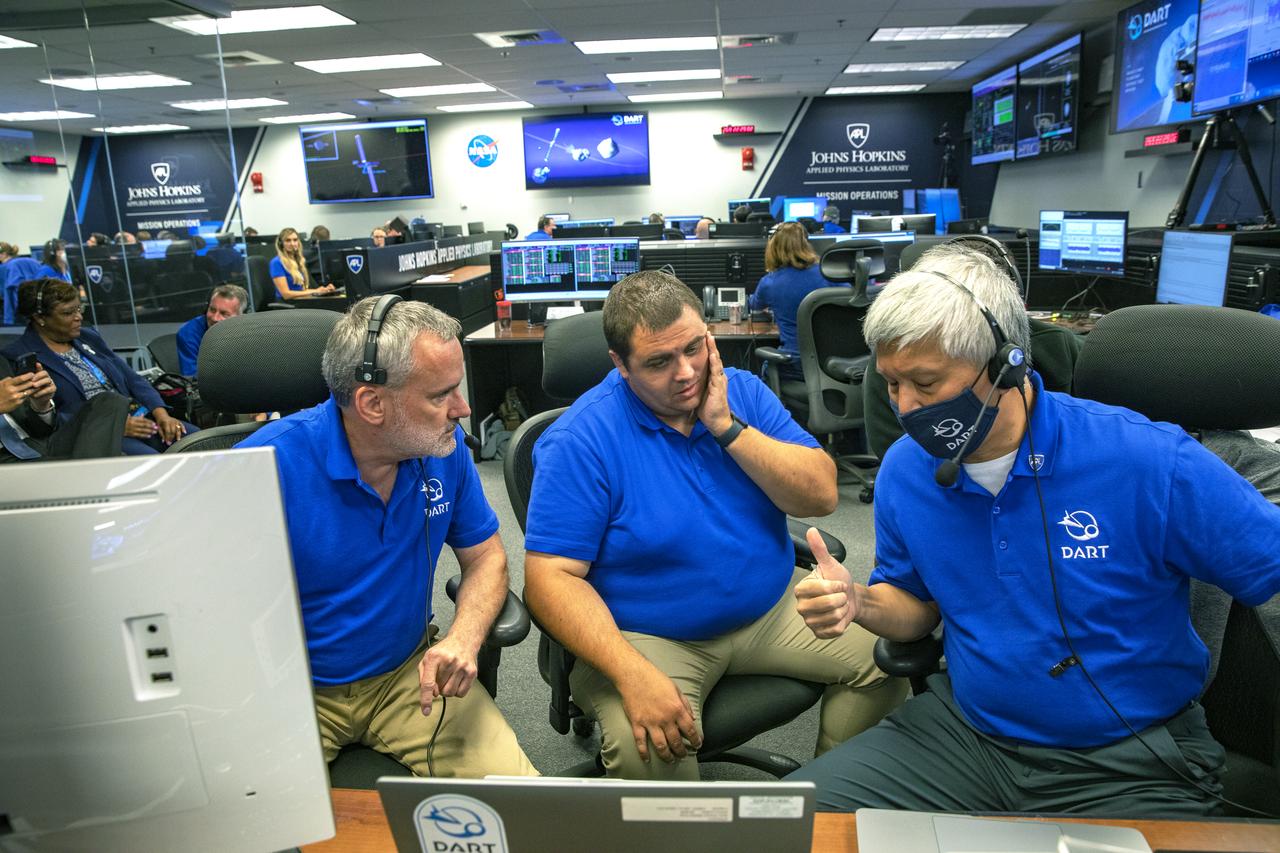
NASA’s Double Asteroid Redirection Test (DART) command team at Johns Hopkins University, Applied Physics Laboratory monitoring the DART spacecraft’s impact into the asteroid Dimorphos. The operation is the first of its kind test to redirect deadly asteroids from hitting Earth.

NASA’s Double Asteroid Redirection Test (DART) command team at Johns Hopkins University, Applied Physics Laboratory monitoring the DART spacecraft’s impact into the asteroid Dimorphos. The operation is the first of its kind test to redirect deadly asteroids from hitting Earth.
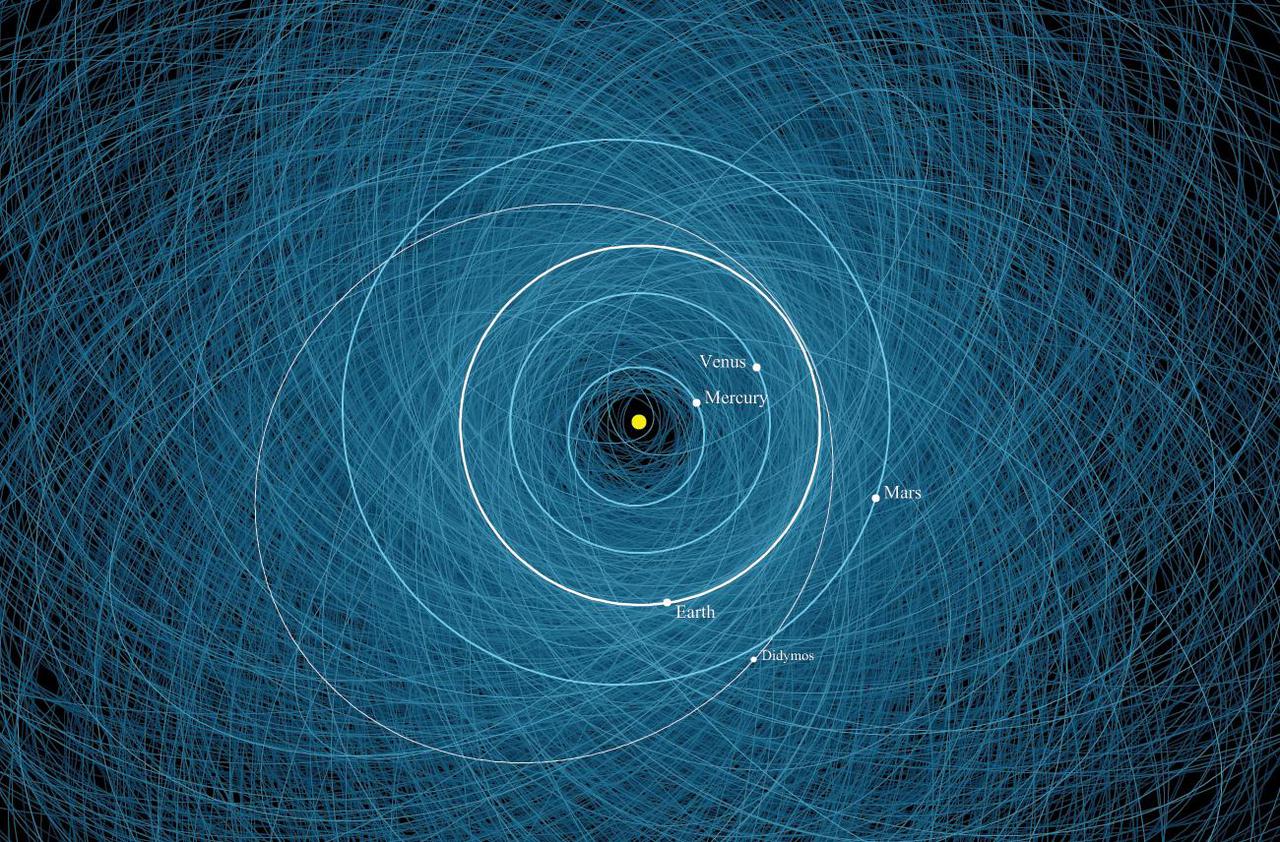
This diagram shows the orbit of binary asteroid Didymos around the Sun. Didymos consists of a large, nearly half-mile-wide (780-meter-wide) asteroid orbited by a smaller, 525-foot-wide (160-meter-wide) asteroid, or moonlet. Didymos' orbital path around the Sun is shown as the thin white ellipse and Earth's orbit is the thick white line. In the background are the orbits for 2,200 other known potentially hazardous asteroids. A potentially hazardous asteroid is classified as an asteroid wider than about 460 feet (140 meters) with an orbit that brings it within 5 million miles (8 million kilometers) of Earth's orbit. Didymos' smaller asteroid is the target of NASA's Double Asteroid Redirect Test (DART) mission. The DART spacecraft is a kinetic impactor designed to collide with the moonlet to see how its orbit around the larger asteroid will be changed by the impact. The outcome of this mission will help NASA determine whether the method could be used to modify the trajectory of an asteroid should one threaten Earth in the future. Didymos is not a danger to our planet. This orbital diagram was produced by the Center for Near Earth Object Studies (CNEOS), which is managed by NASA's Jet Propulsion Laboratory in Southern California. CNEOS characterizes every known near-Earth asteroid (NEA) orbit to improve long-term impact hazard assessments in support of NASA's Planetary Defense Coordination Office (PDCO). https://photojournal.jpl.nasa.gov/catalog/PIA24565
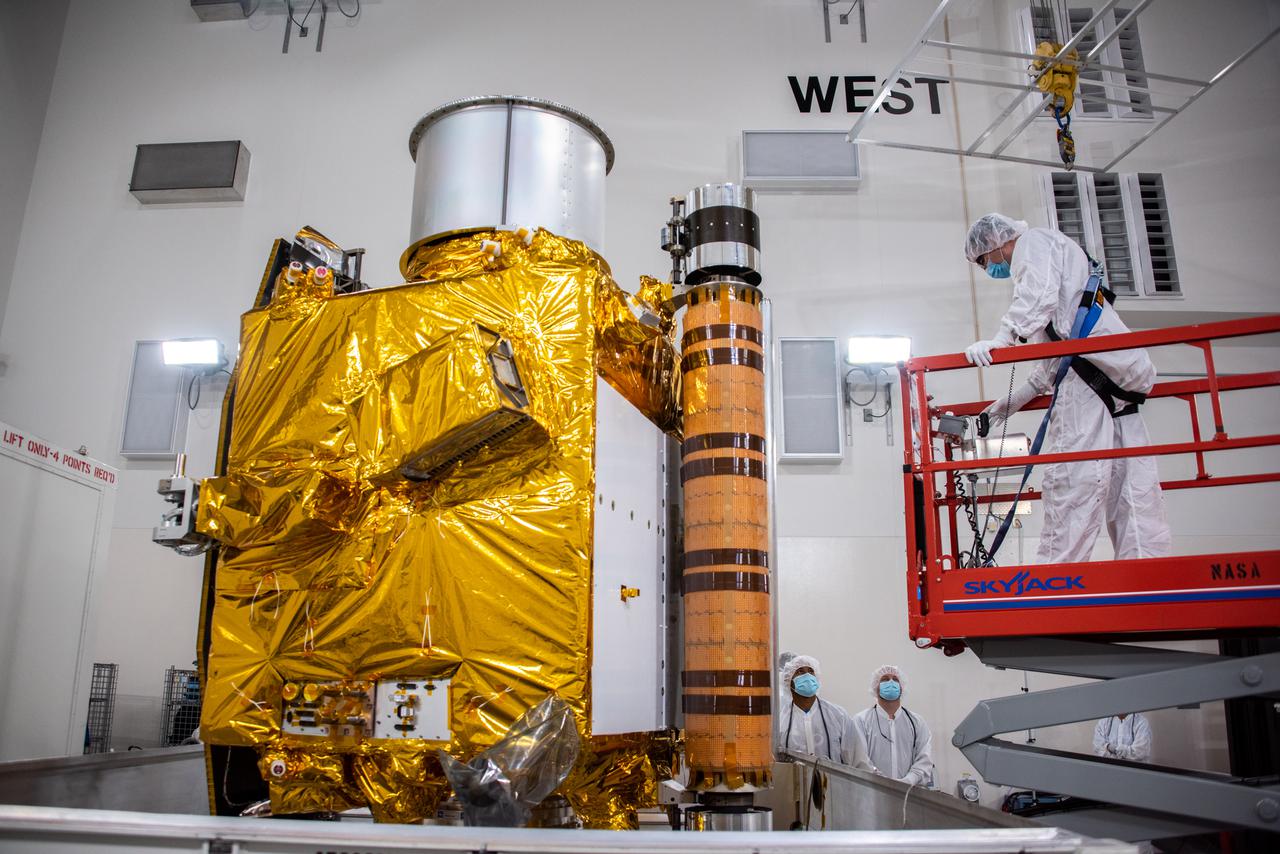
Technicians prepare to move NASA’s Double Asteroid Redirection Test (DART) spacecraft onto a work stand inside the Astrotech Space Operations Facility at Vandenberg Space Force Base in California following its arrival at the facility on Oct. 4, 2021. Once secured on its stand, the spacecraft will undergo a series of tests and checkouts to confirm it is ready for launch. DART is the first mission to test technologies for preventing an impact of Earth by a hazardous asteroid. The mission is targeted to launch on Nov. 23, 2021, aboard a SpaceX Falcon 9 rocket from Vandenberg. NASA’s Launch Services Program, based at Kennedy Space Center, America’s multi-user spaceport, is managing the launch.
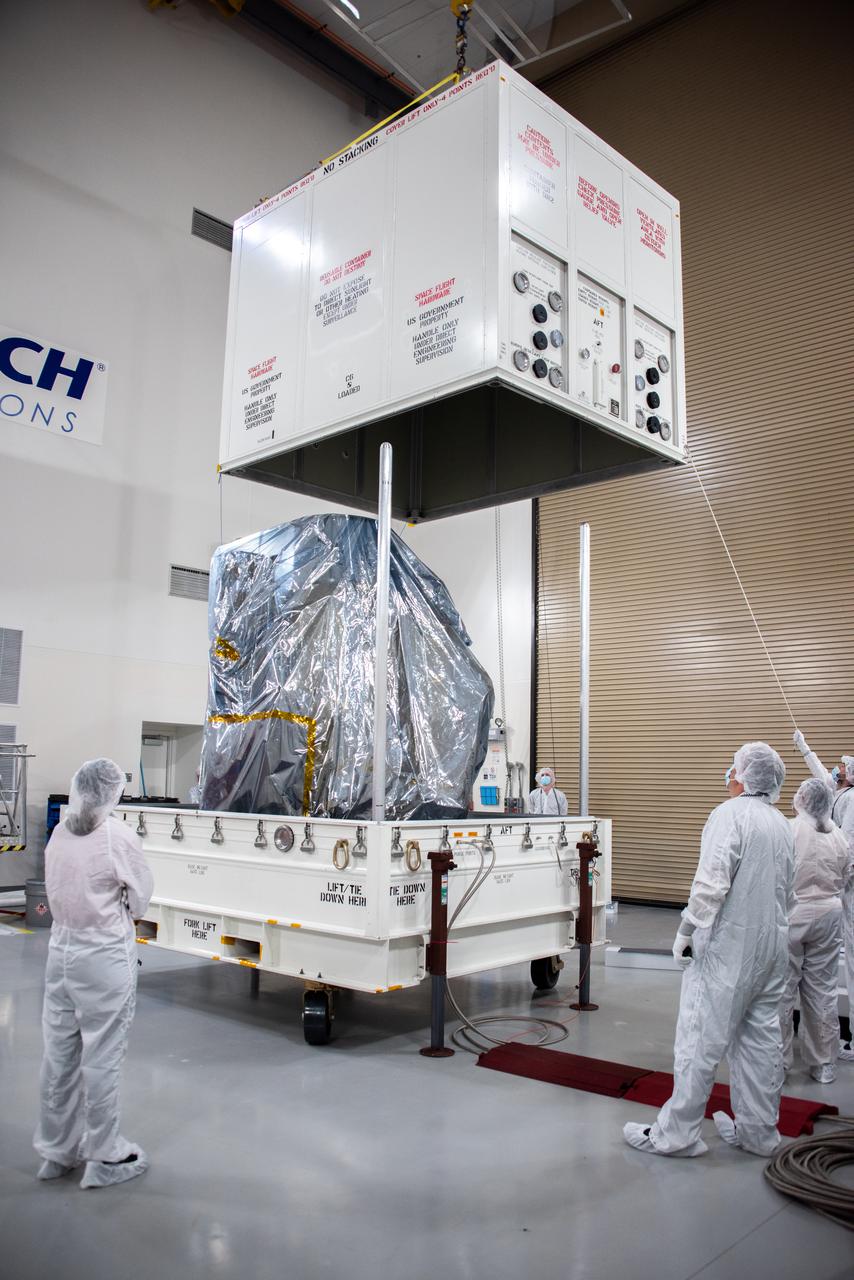
Technicians remove NASA’s Double Asteroid Redirection Test (DART) spacecraft from its shipping container inside the Astrotech Space Operations Facility at Vandenberg Space Force Base in California on Oct. 4, 2021. Once fully unpacked, the spacecraft will undergo a series of tests and checkouts to confirm it is ready for launch. DART is the first mission to test technologies for preventing an impact of Earth by a hazardous asteroid. The mission is targeted to launch on Nov. 23, 2021, aboard a SpaceX Falcon 9 rocket from Vandenberg. NASA’s Launch Services Program, based at Kennedy Space Center, America’s multi-user spaceport, is managing the launch.
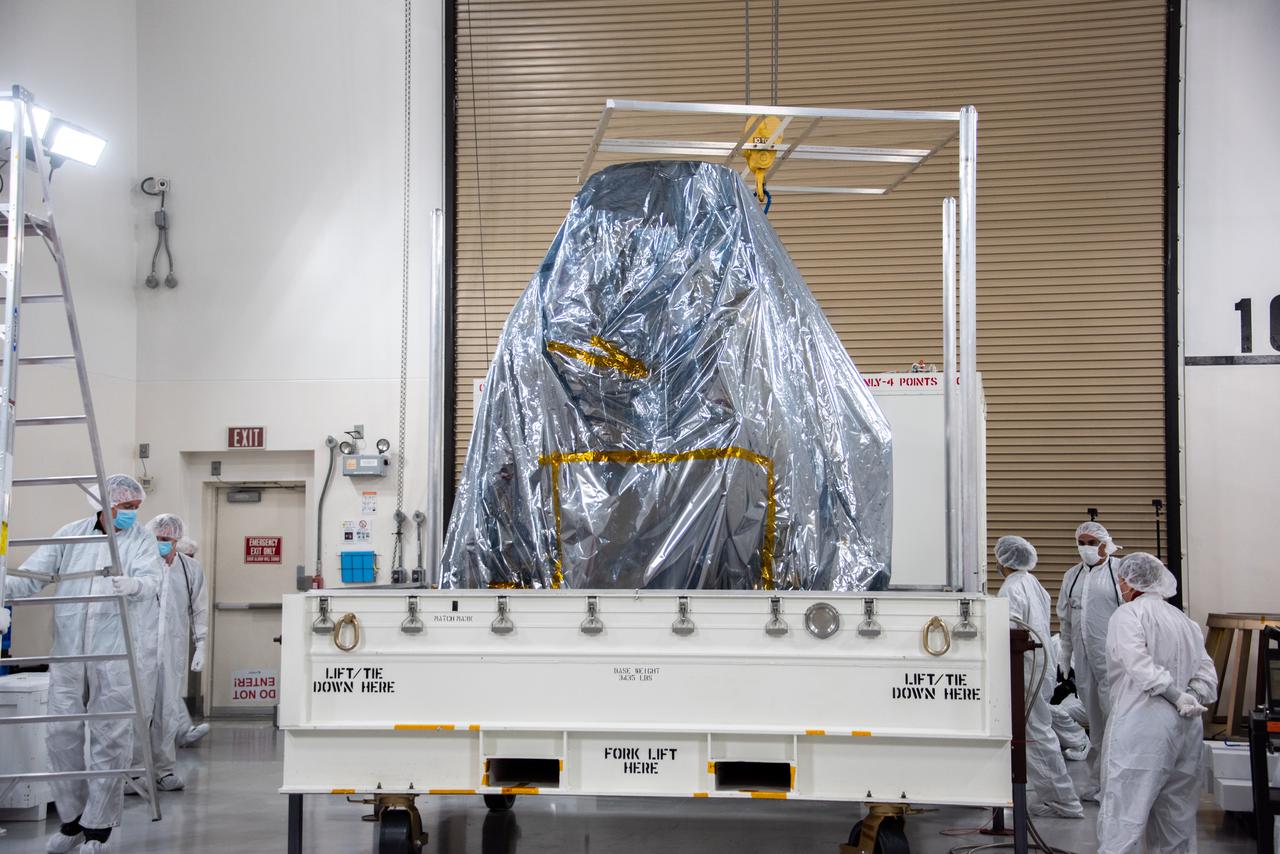
Technicians remove NASA’s Double Asteroid Redirection Test (DART) spacecraft from its shipping container inside the Astrotech Space Operations Facility at Vandenberg Space Force Base in California on Oct. 4, 2021. Once fully unpacked, the spacecraft will undergo a series of tests and checkouts to confirm it is ready for launch. DART is the first mission to test technologies for preventing an impact of Earth by a hazardous asteroid. The mission is targeted to launch on Nov. 23, 2021, aboard a SpaceX Falcon 9 rocket from Vandenberg. NASA’s Launch Services Program, based at Kennedy Space Center, America’s multi-user spaceport, is managing the launch.
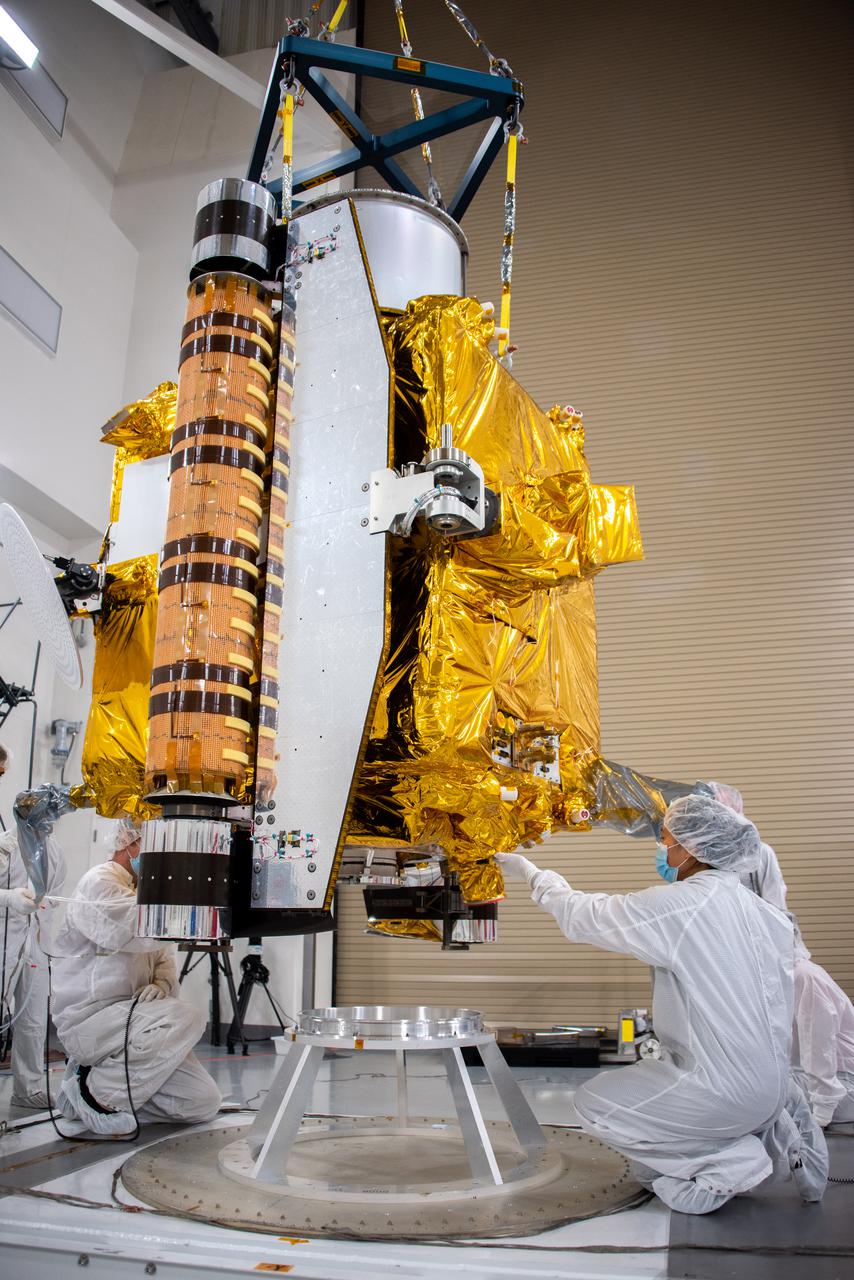
Technicians lower NASA’s Double Asteroid Redirection Test (DART) spacecraft onto a work stand inside the Astrotech Space Operations Facility at Vandenberg Space Force Base in California on Oct. 4, 2021. Once secured on its stand, the spacecraft will undergo a series of tests and checkouts to confirm it is ready for launch. DART is the first mission to test technologies for preventing an impact of Earth by a hazardous asteroid. The mission is targeted to launch on Nov. 23, 2021, aboard a SpaceX Falcon 9 rocket from Vandenberg. NASA’s Launch Services Program, based at Kennedy Space Center, America’s multi-user spaceport, is managing the launch.
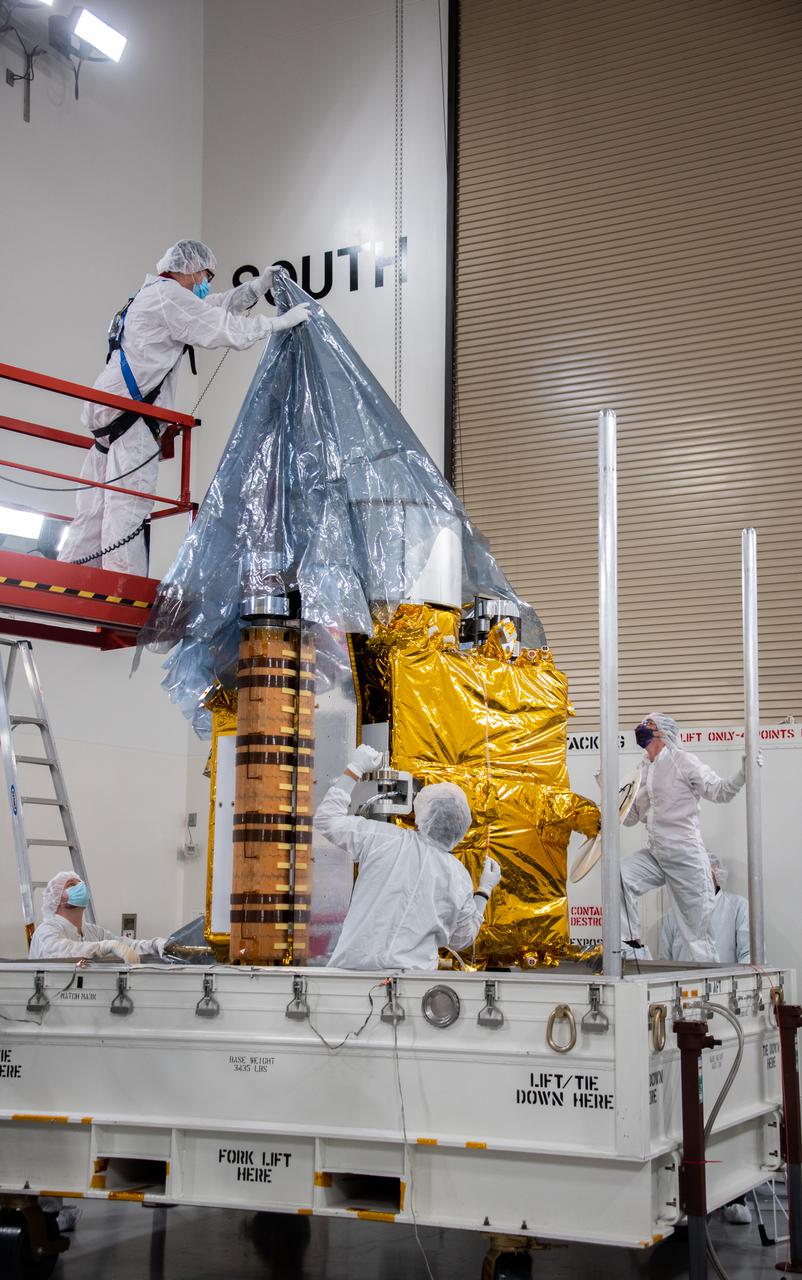
Technicians remove the wrapping from NASA’s Double Asteroid Redirection Test (DART) spacecraft that protected it during transport to the Astrotech Space Operations Facility at Vandenberg Space Force Base in California on Oct. 4, 2021. Once fully unpacked, the spacecraft will undergo a series of tests and checkouts to confirm it is ready for launch. DART is the first mission to test technologies for preventing an impact of Earth by a hazardous asteroid. The mission is targeted to launch on Nov. 23, 2021, aboard a SpaceX Falcon 9 rocket from Vandenberg. NASA’s Launch Services Program, based at Kennedy Space Center, America’s multi-user spaceport, is managing the launch.
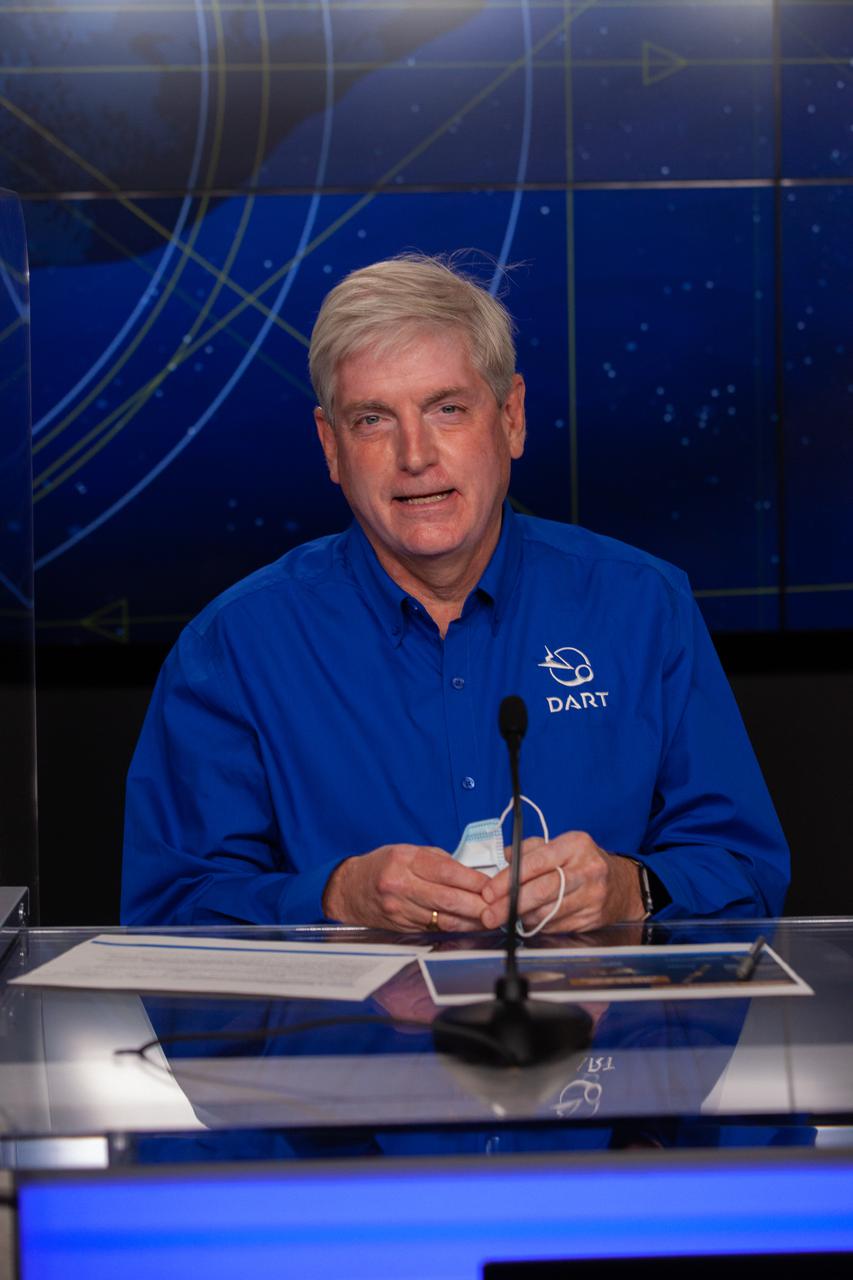
Ed Reynolds, Double Asteroid Redirection Test (DART) project manager for Johns Hopkins Applied Physics Laboratory, participates in a prelaunch news conference for NASA’s DART mission at Vandenberg Space Force Base in California on Nov. 22, 2021. DART is the first mission to test technologies for preventing an impact of Earth by a hazardous asteroid. The mission is scheduled to launch no earlier than 1:21 a.m. EST Wednesday, Nov. 24 (10:21 p.m. PST Tuesday, Nov. 23), aboard a SpaceX Falcon 9 rocket from Vandenberg. NASA's Launch Services Program based at Kennedy Space Center in Florida, America's multi-user spaceport, is managing the launch.
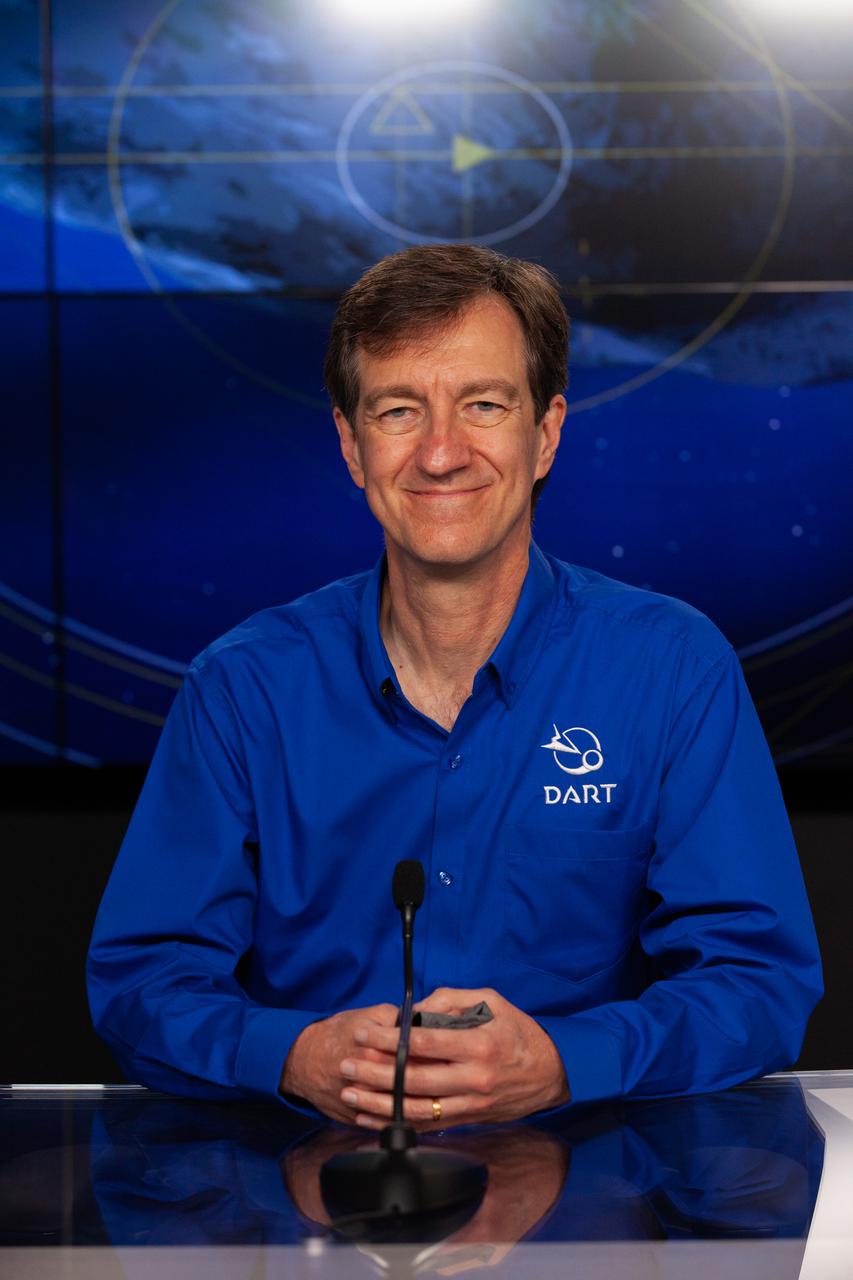
Tom Statler, Double Asteroid Redirection Test (DART) program scientist for NASA’s Science Mission Directorate’s Planetary Science Division, participates in an engineering briefing for the agency’s DART mission at Vandenberg Space Force Base in California on Nov. 21, 2021. DART is the first mission to test technologies for preventing an impact of Earth by a hazardous asteroid. The mission is scheduled to launch no earlier than 1:21 a.m. EST Wednesday, Nov. 24 (10:21 p.m. PST Tuesday, Nov. 23), aboard a SpaceX Falcon 9 rocket from Vandenberg. NASA's Launch Services Program based at Kennedy Space Center in Florida, America's multi-user spaceport, is managing the launch.

Andy Rivkin, Double Asteroid Redirection Test (DART) investigation team lead for Johns Hopkins Applied Physics Laboratory, participates in an engineering briefing for NASA’s DART mission at Vandenberg Space Force Base in California on Nov. 21, 2021. DART is the first mission to test technologies for preventing an impact of Earth by a hazardous asteroid. The mission is scheduled to launch no earlier than 1:21 a.m. EST Wednesday, Nov. 24 (10:21 p.m. PST Tuesday, Nov. 23), aboard a SpaceX Falcon 9 rocket from Vandenberg. NASA's Launch Services Program based at Kennedy Space Center in Florida, America's multi-user spaceport, is managing the launch.
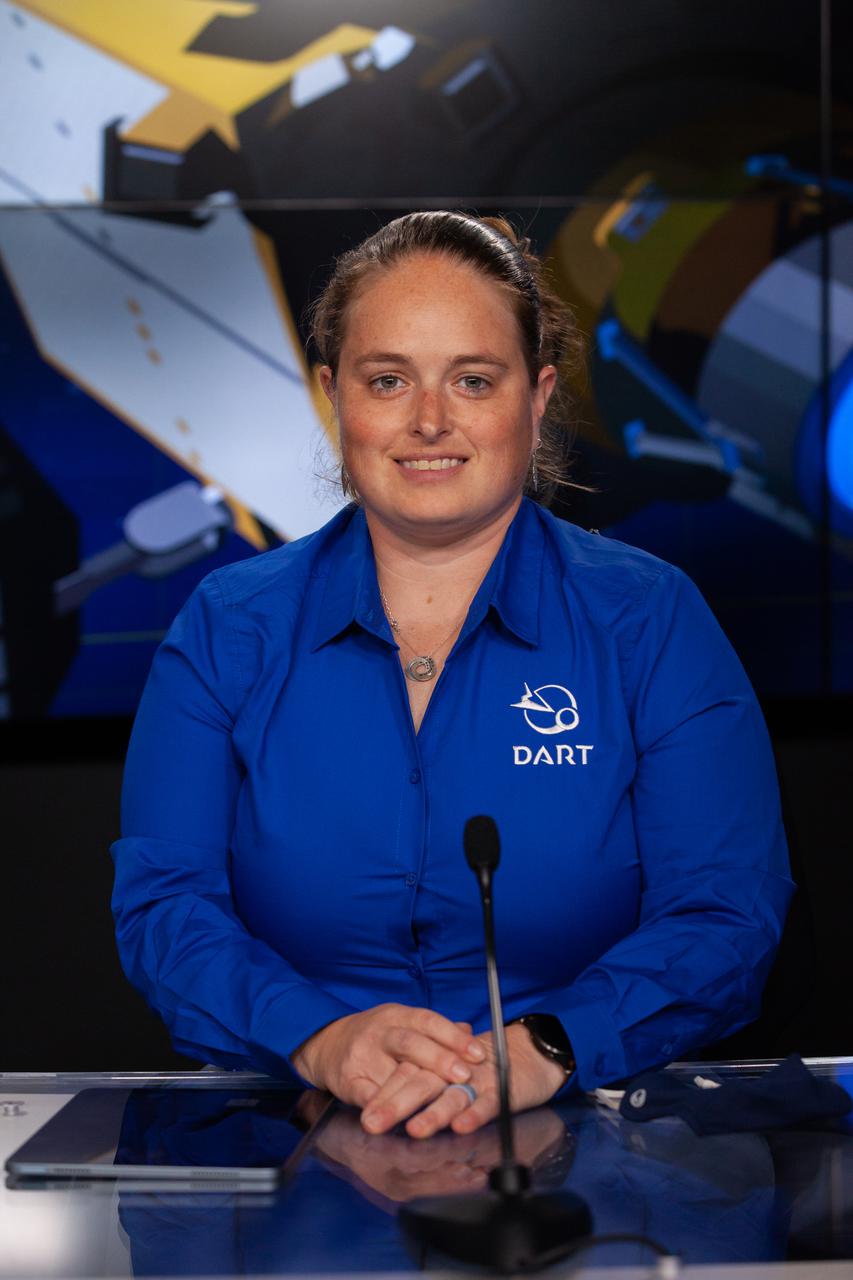
Betsy Congdon, Double Asteroid Redirection Test (DART) mechanical systems engineer for Johns Hopkins Applied Physics Laboratory, participates in an engineering briefing for NASA’s DART mission at Vandenberg Space Force Base in California on Nov. 21, 2021. DART is the first mission to test technologies for preventing an impact of Earth by a hazardous asteroid. The mission is scheduled to launch no earlier than 1:21 a.m. EST Wednesday, Nov. 24 (10:21 p.m. PST Tuesday, Nov. 23), aboard a SpaceX Falcon 9 rocket from Vandenberg. NASA's Launch Services Program based at Kennedy Space Center in Florida, America's multi-user spaceport, is managing the launch.
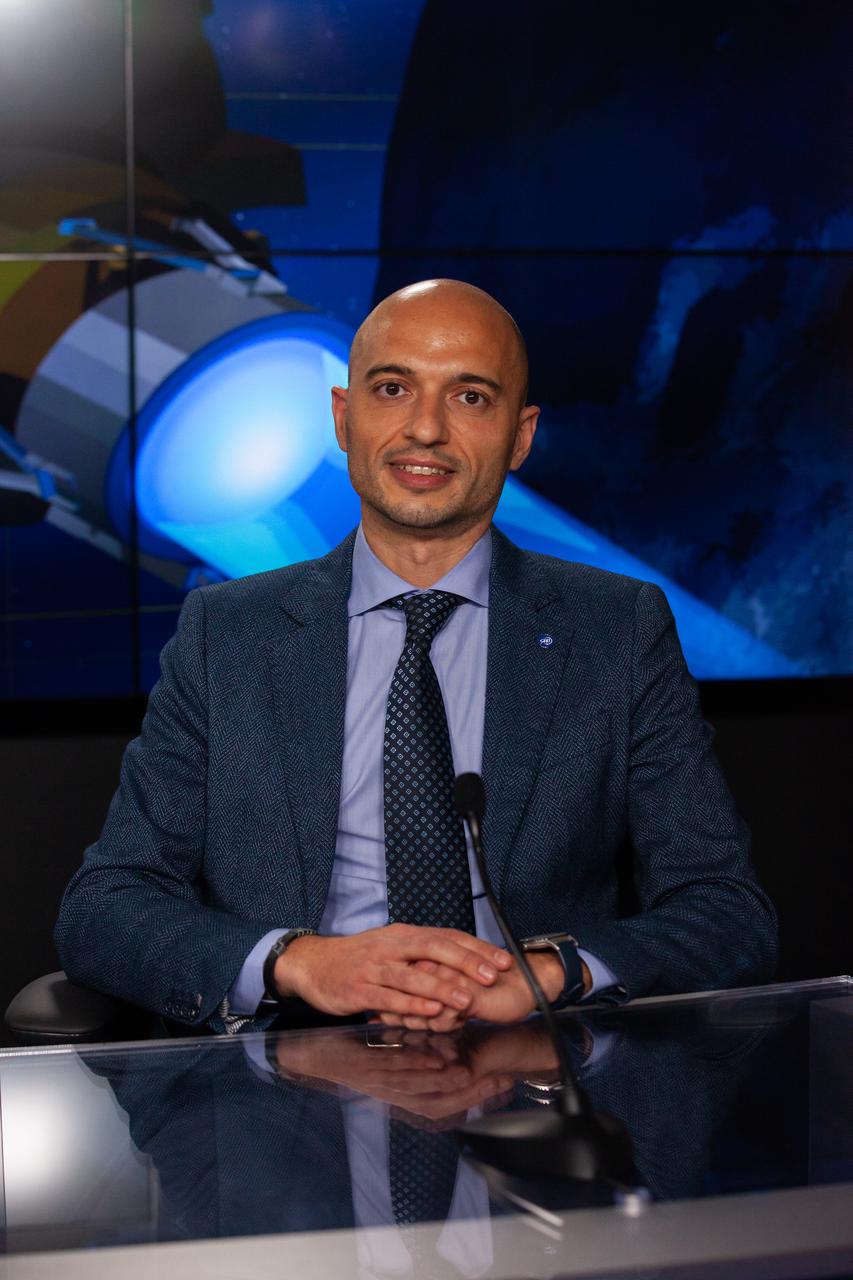
Simone Pirrotta, Light Italian CubeSat for Imaging of Asteroids (LICIACube) project manager for the Italian Space Agency, participates in an engineering briefing for NASA’s Double Asteroid Redirection Test (DART) mission at Vandenberg Space Force Base in California on Nov. 21, 2021. DART is the first mission to test technologies for preventing an impact of Earth by a hazardous asteroid. The mission is scheduled to launch no earlier than 1:21 a.m. EST Wednesday, Nov. 24 (10:21 p.m. PST Tuesday, Nov. 23), aboard a SpaceX Falcon 9 rocket from Vandenberg. NASA's Launch Services Program based at Kennedy Space Center in Florida, America's multi-user spaceport, is managing the launch.
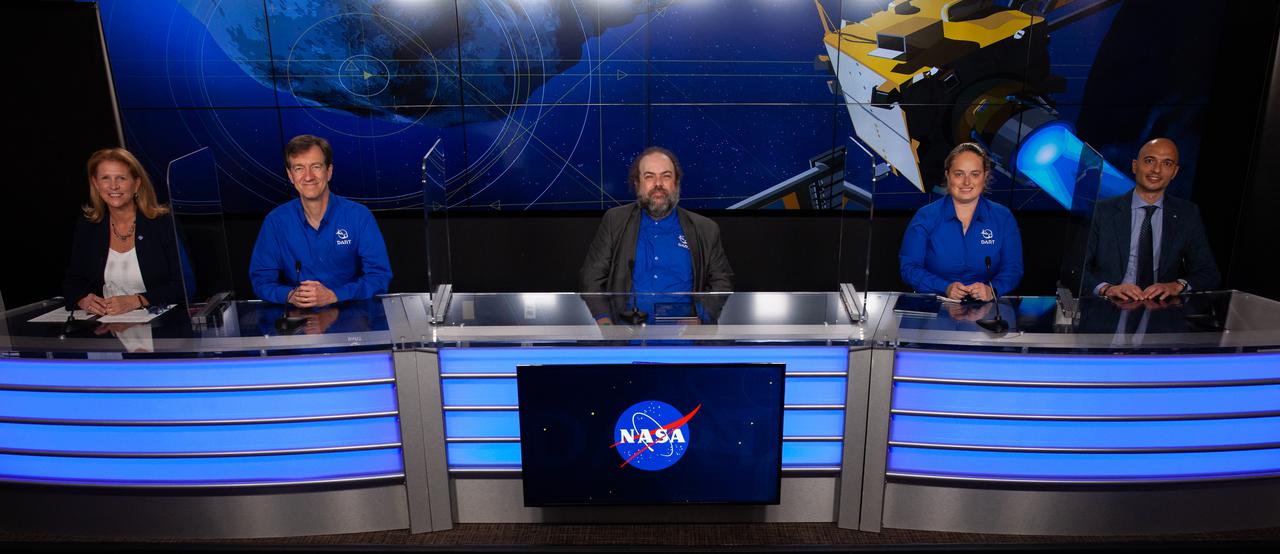
From left, Lori Glaze, Tom Statler, Andy Rivkin, Betsy Congdon, and Simone Pirrotte participate in an engineering briefing for the agency’s Double Asteroid Redirection Test (DART) mission at Vandenberg Space Force Base in California on Nov. 21, 2021. DART is the first mission to test technologies for preventing an impact of Earth by a hazardous asteroid. The mission is scheduled to launch no earlier than 1:21 a.m. EST Wednesday, Nov. 24 (10:21 p.m. PST Tuesday, Nov. 23), aboard a SpaceX Falcon 9 rocket from Vandenberg. NASA's Launch Services Program based at Kennedy Space Center in Florida, America's multi-user spaceport, is managing the launch.

Lori Glaze, director of NASA’s Science Mission Directorate’s Planetary Science Division, participates in an engineering briefing for the agency’s Double Asteroid Redirection Test (DART) mission at Vandenberg Space Force Base in California on Nov. 21, 2021. DART is the first mission to test technologies for preventing an impact of Earth by a hazardous asteroid. The mission is scheduled to launch no earlier than 1:21 a.m. EST Wednesday, Nov. 24 (10:21 p.m. PST Tuesday, Nov. 23), aboard a SpaceX Falcon 9 rocket from Vandenberg. NASA's Launch Services Program based at Kennedy Space Center in Florida, America's multi-user spaceport, is managing the launch.

Thomas Zurbuchen, associate administrator for NASA’s Science Mission Directorate, participates in a prelaunch news conference for the agency’s Double Asteroid Redirection Test (DART) mission at Vandenberg Space Force Base in California on Nov. 22, 2021. DART is the first mission to test technologies for preventing an impact of Earth by a hazardous asteroid. The mission is scheduled to launch no earlier than 1:21 a.m. EST Wednesday, Nov. 24 (10:21 p.m. PST Tuesday, Nov. 23), aboard a SpaceX Falcon 9 rocket from Vandenberg. NASA's Launch Services Program based at Kennedy Space Center in Florida, America's multi-user spaceport, is managing the launch.
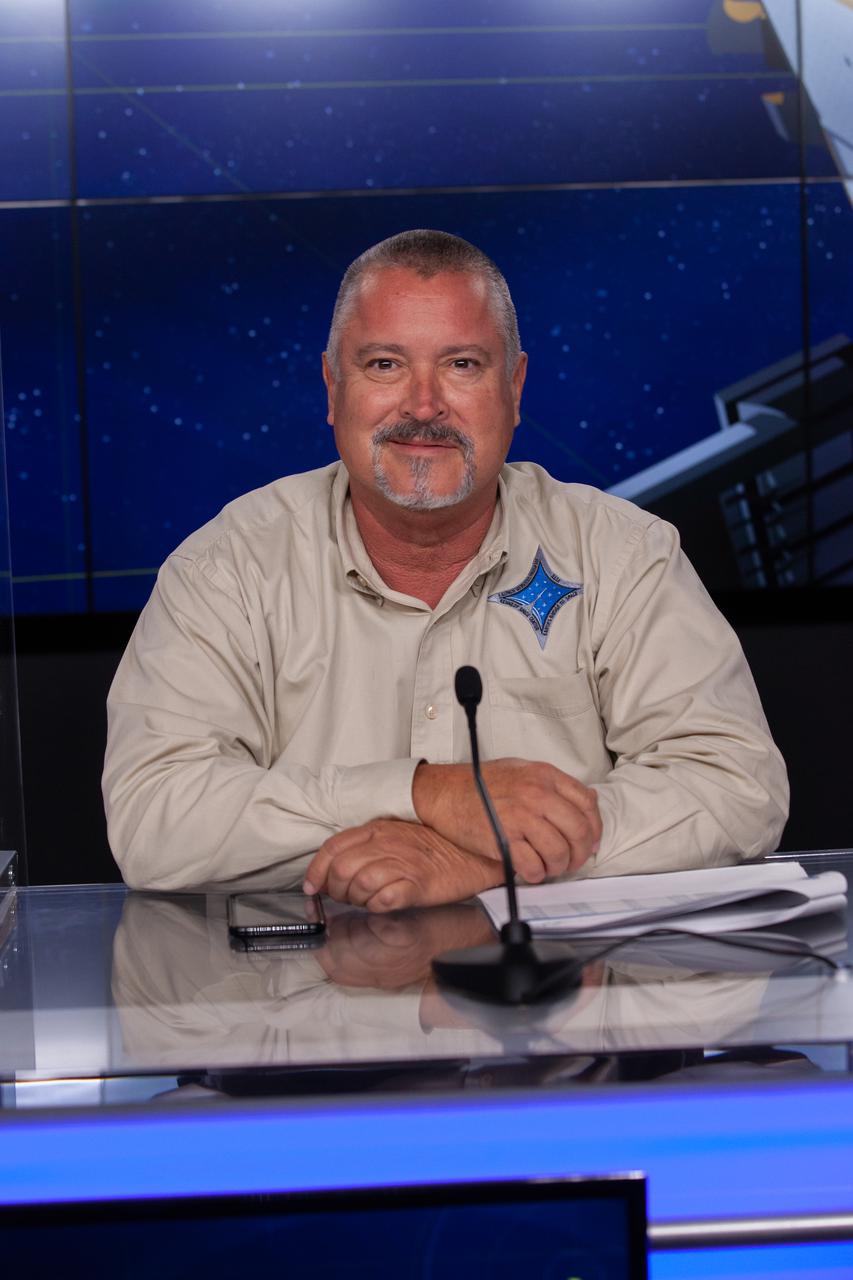
Omar Baez, senior launch director for NASA’s Launch Services Program, participates in a prelaunch news conference for the agency’s Double Asteroid Redirection Test (DART) mission at Vandenberg Space Force Base in California on Nov. 22, 2021. DART is the first mission to test technologies for preventing an impact of Earth by a hazardous asteroid. The mission is scheduled to launch no earlier than 1:21 a.m. EST Wednesday, Nov. 24 (10:21 p.m. PST Tuesday, Nov. 23), aboard a SpaceX Falcon 9 rocket from Vandenberg. NASA's Launch Services Program based at Kennedy Space Center in Florida, America's multi-user spaceport, is managing the launch.
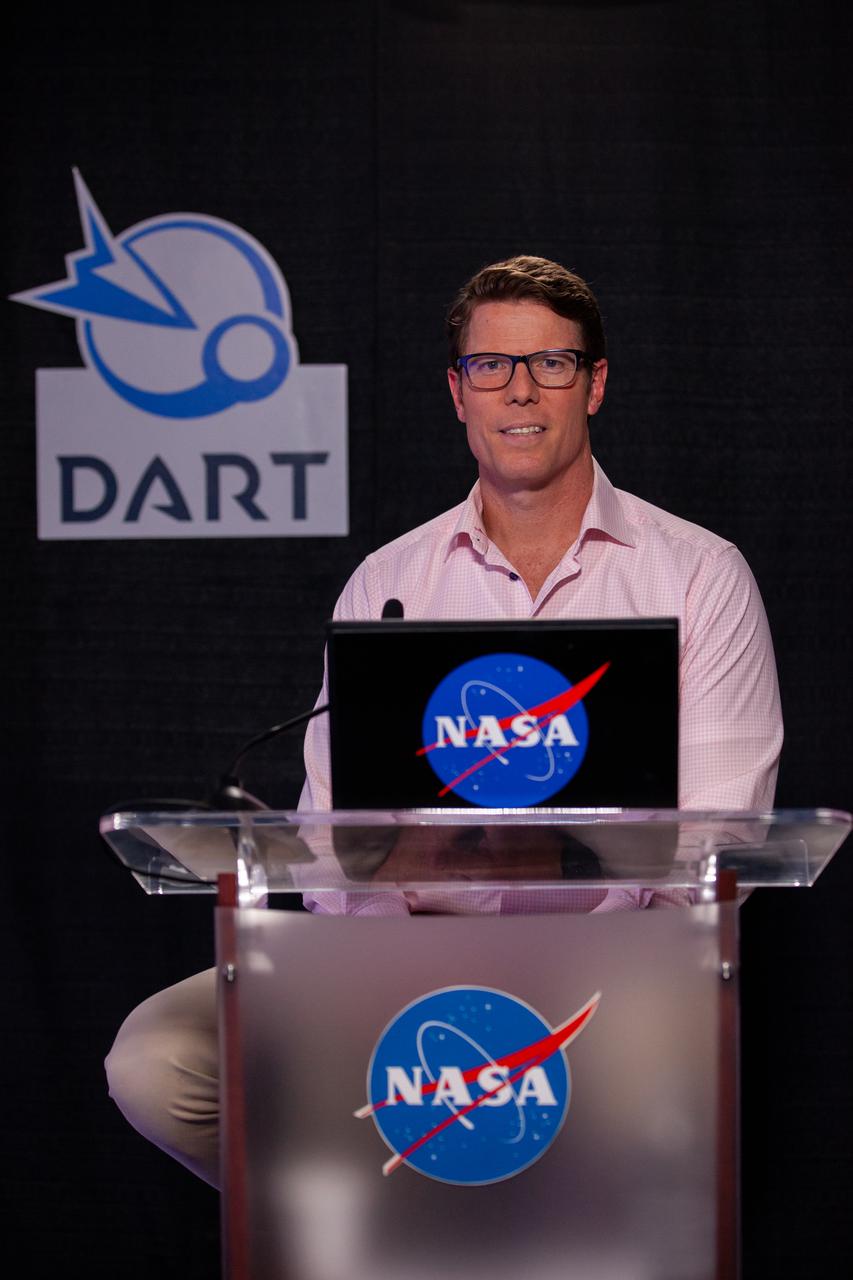
Derrol Nail, NASA Communications, moderates a prelaunch news conference for the agency’s Double Asteroid Redirection Test (DART) mission at Vandenberg Space Force Base in California on Nov. 22, 2021. DART is the first mission to test technologies for preventing an impact of Earth by a hazardous asteroid. The mission is scheduled to launch no earlier than 1:21 a.m. EST Wednesday, Nov. 24 (10:21 p.m. PST Tuesday, Nov. 23), aboard a SpaceX Falcon 9 rocket from Vandenberg. NASA's Launch Services Program based at Kennedy Space Center in Florida, America's multi-user spaceport, is managing the launch.

Julianna Scheiman, director for civil satellite missions for SpaceX, participates in a prelaunch news conference for NASA’s Double Asteroid Redirection Test (DART) mission at Vandenberg Space Force Base in California on Nov. 22, 2021. DART is the first mission to test technologies for preventing an impact of Earth by a hazardous asteroid. The mission is scheduled to launch no earlier than 1:21 a.m. EST Wednesday, Nov. 24 (10:21 p.m. PST Tuesday, Nov. 23), aboard a SpaceX Falcon 9 rocket from Vandenberg. NASA's Launch Services Program based at Kennedy Space Center in Florida, America's multi-user spaceport, is managing the launch.
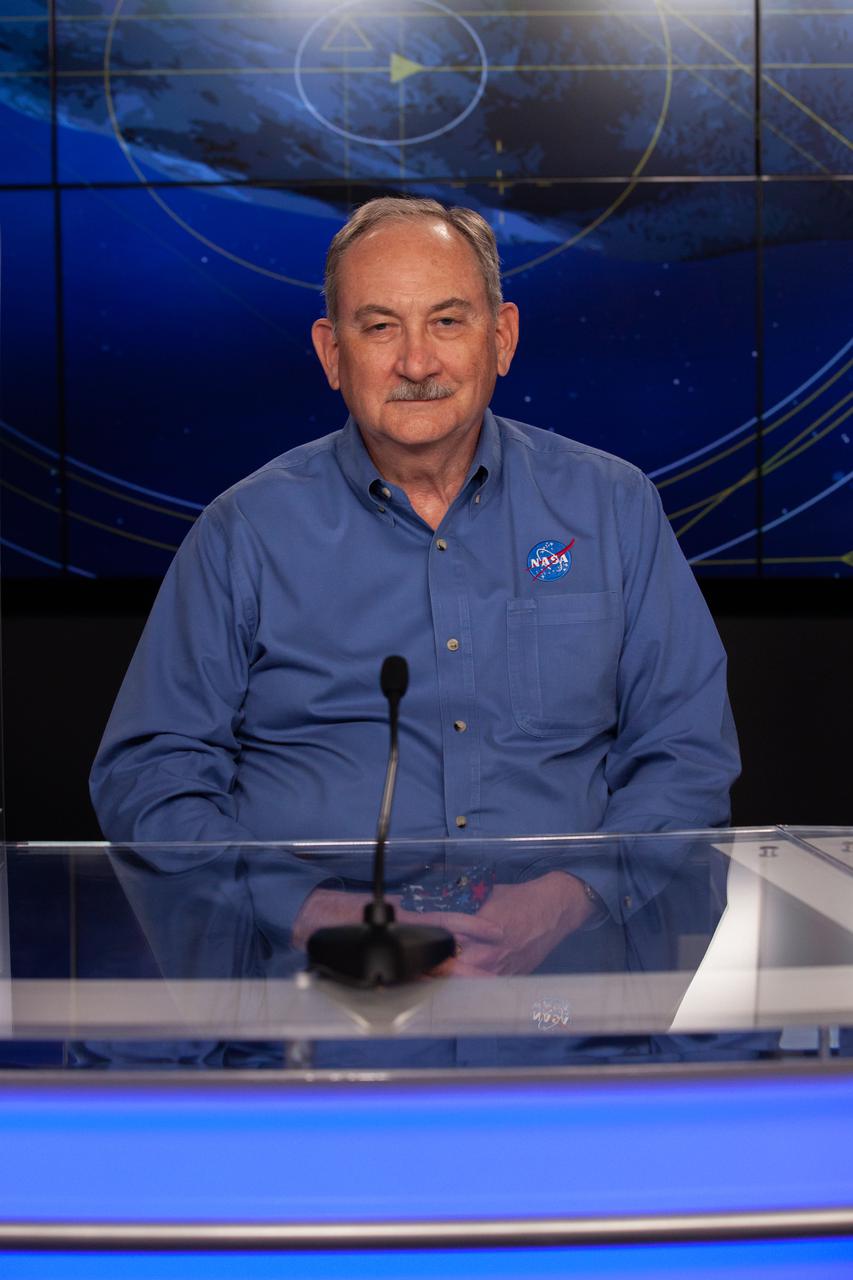
Lindley Johnson, planetary defense officer for NASA’s Planetary Defense Coordination Office, participates in a prelaunch news conference for the agency’s Double Asteroid Redirection Test (DART) mission at Vandenberg Space Force Base in California on Nov. 22, 2021. DART is the first mission to test technologies for preventing an impact of Earth by a hazardous asteroid. The mission is scheduled to launch no earlier than 1:21 a.m. EST Wednesday, Nov. 24 (10:21 p.m. PST Tuesday, Nov. 23), aboard a SpaceX Falcon 9 rocket from Vandenberg. NASA's Launch Services Program based at Kennedy Space Center in Florida, America's multi-user spaceport, is managing the launch.
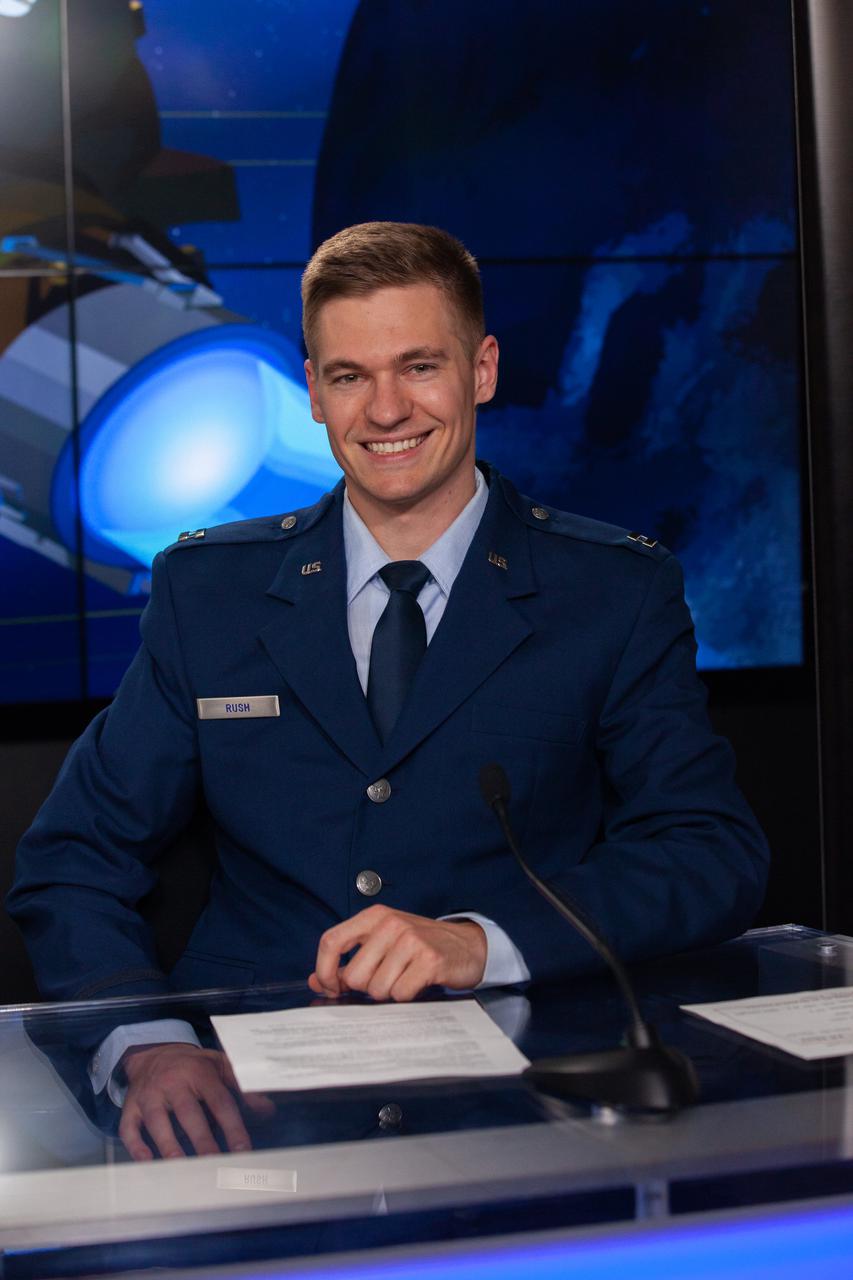
Capt. Maximillian Rush, weather officer for Space Launch Delta 30, participates in a prelaunch news conference for NASA’s Double Asteroid Redirection Test (DART) mission at Vandenberg Space Force Base in California on Nov. 22, 2021. DART is the first mission to test technologies for preventing an impact of Earth by a hazardous asteroid. The mission is scheduled to launch no earlier than 1:21 a.m. EST Wednesday, Nov. 24 (10:21 p.m. PST Tuesday, Nov. 23), aboard a SpaceX Falcon 9 rocket from Vandenberg. NASA's Launch Services Program based at Kennedy Space Center in Florida, America's multi-user spaceport, is managing the launch.
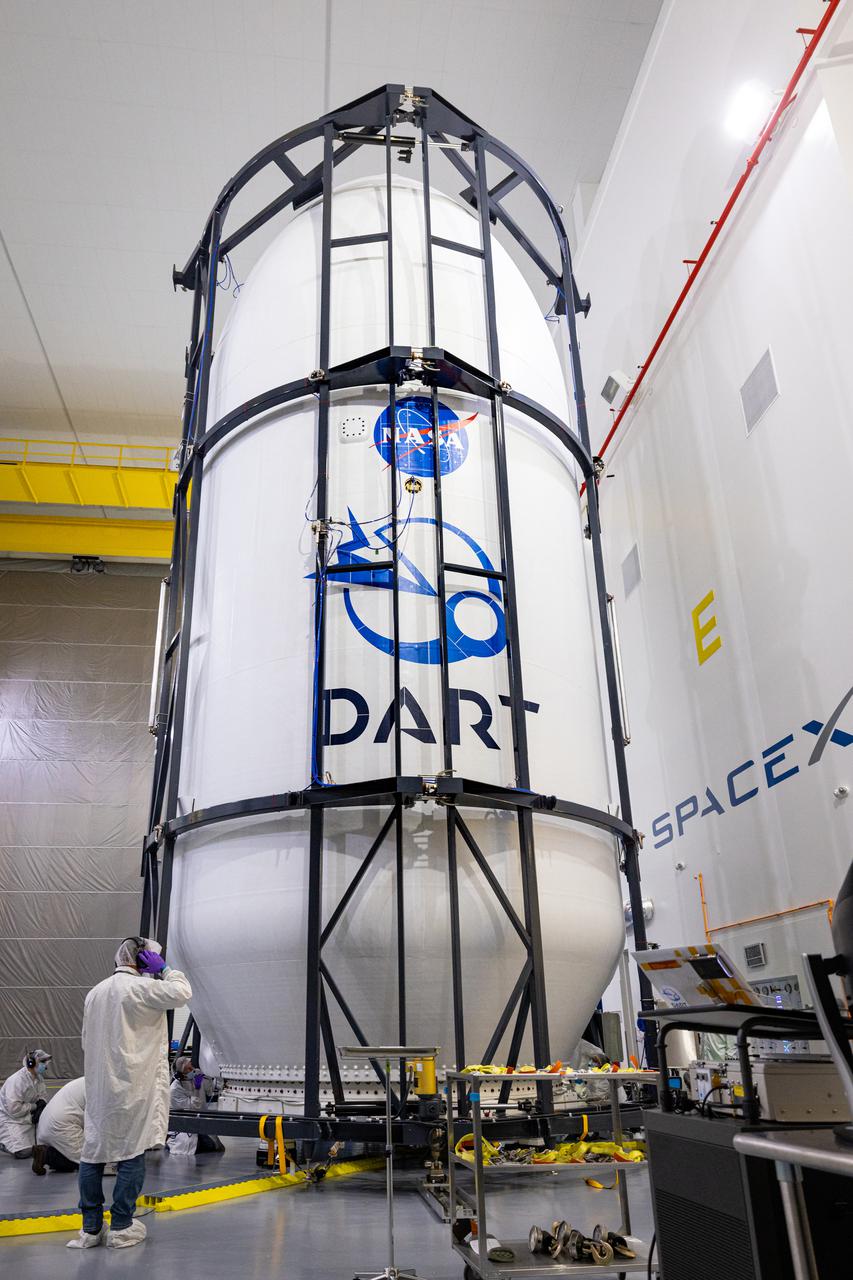
Inside SpaceX’s Payload Processing Facility at Vandenberg Space Force Base in California, both halves of the Falcon 9 rocket’s protective payload fairing are secured around NASA’s Double Asteroid Redirection Test (DART) spacecraft on Nov. 16, 2021. The payload fairing, with the spacecraft securely inside, will be attached to the top of the Falcon 9 and will protect the spacecraft during launch and ascent. DART is the first mission to test technologies for preventing an impact of Earth by a hazardous asteroid. The mission is scheduled to launch no earlier than 1:21 a.m. EST Wednesday, Nov. 24 (10:21 p.m. PST Tuesday, Nov. 23), from Vandenberg’s Space Launch Complex 41. NASA's Launch Services Program based at Kennedy Space Center in Florida, America's multi-user spaceport, is managing the launch.
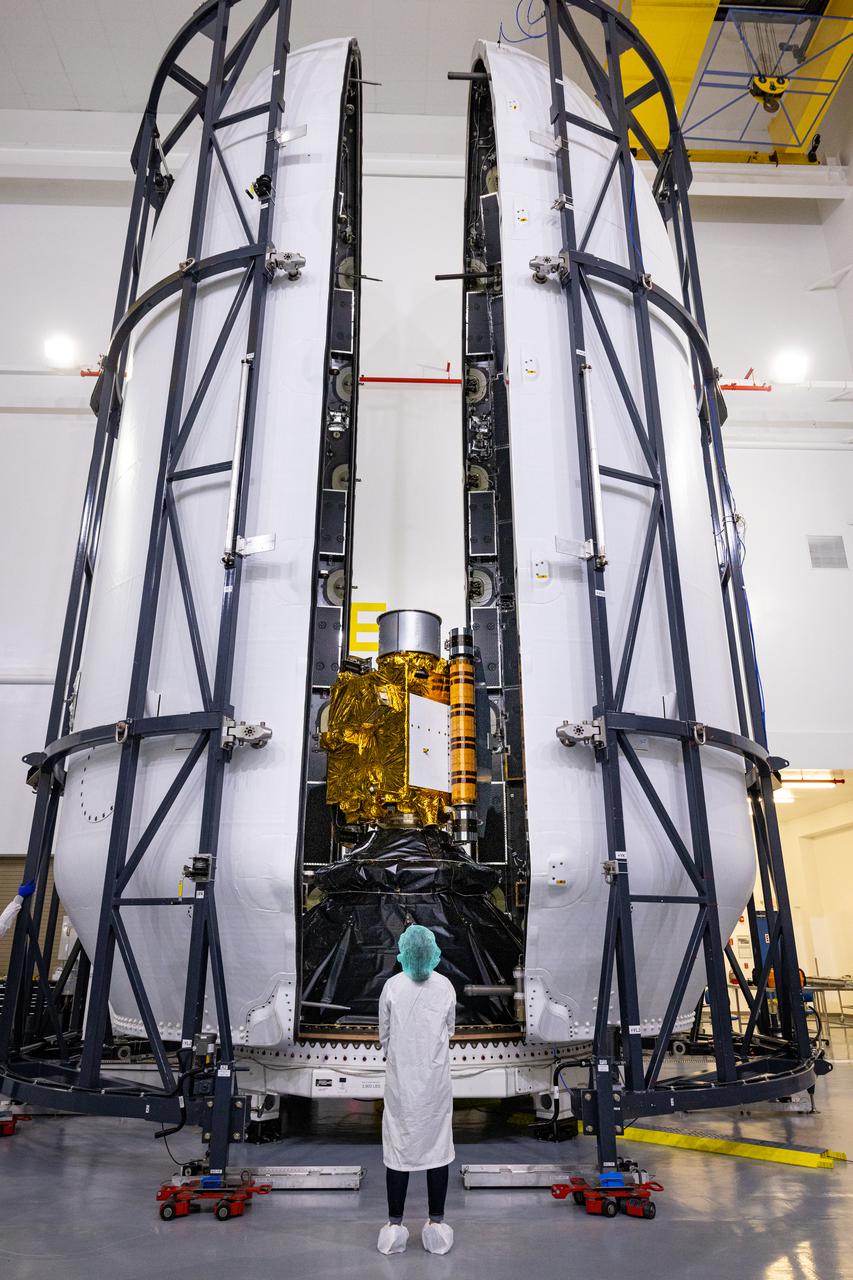
Inside SpaceX’s Payload Processing Facility at Vandenberg Space Force Base in California, both halves of the Falcon 9 rocket’s protective payload fairing move toward NASA’s Double Asteroid Redirection Test (DART) spacecraft on Nov. 16, 2021. The payload fairing, with the spacecraft securely inside, will be attached to the top of the Falcon 9 and will protect the spacecraft during launch and ascent. DART is the first mission to test technologies for preventing an impact of Earth by a hazardous asteroid. The mission is scheduled to launch no earlier than 1:21 a.m. EST Wednesday, Nov. 24 (10:21 p.m. PST Tuesday, Nov. 23), from Vandenberg’s Space Launch Complex 41. NASA's Launch Services Program based at Kennedy Space Center in Florida, America's multi-user spaceport, is managing the launch.
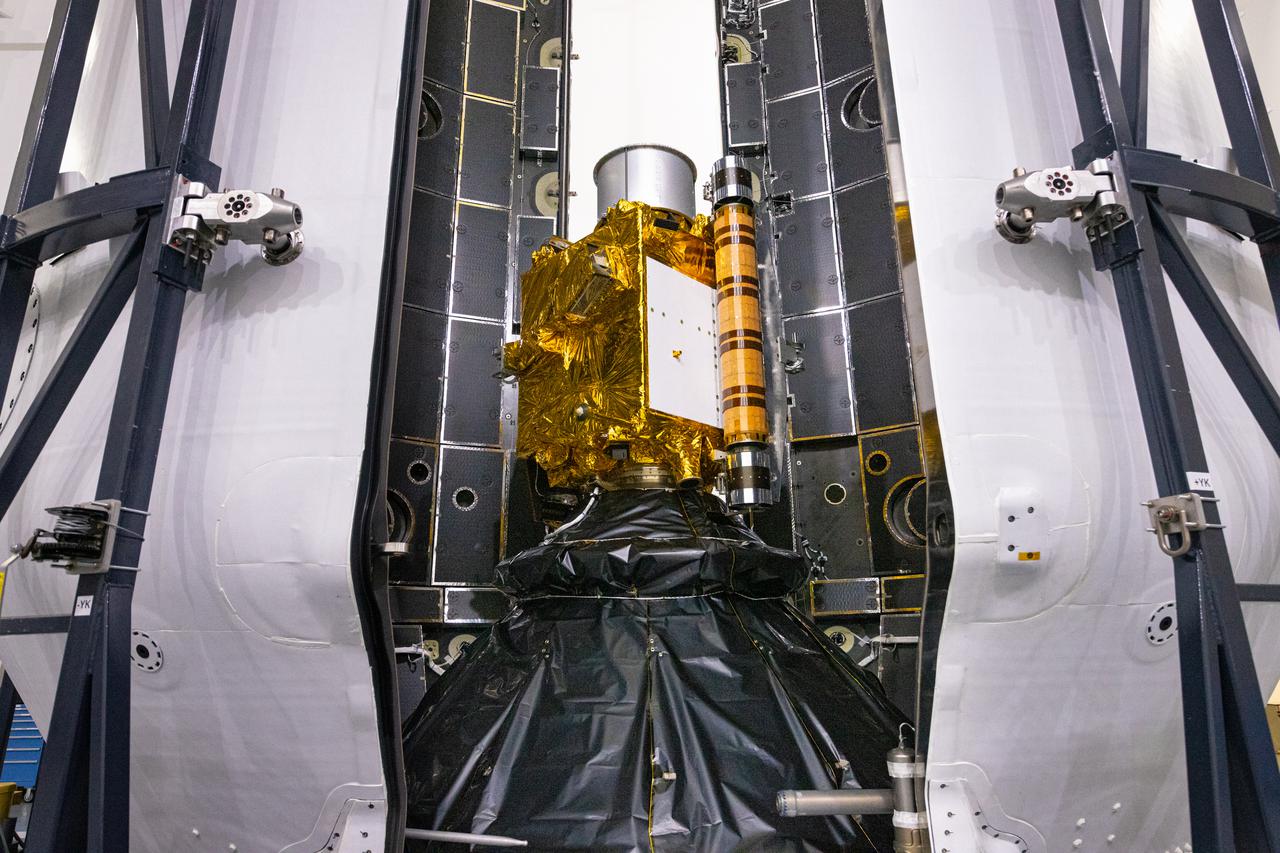
Inside SpaceX’s Payload Processing Facility at Vandenberg Space Force Base in California, both halves of the Falcon 9 rocket’s protective payload fairing move toward NASA’s Double Asteroid Redirection Test (DART) spacecraft on Nov. 16, 2021. The payload fairing, with the spacecraft securely inside, will be attached to the top of the Falcon 9 and will protect the spacecraft during launch and ascent. DART is the first mission to test technologies for preventing an impact of Earth by a hazardous asteroid. The mission is scheduled to launch no earlier than 1:21 a.m. EST Wednesday, Nov. 24 (10:21 p.m. PST Tuesday, Nov. 23), from Vandenberg’s Space Launch Complex 41. NASA's Launch Services Program based at Kennedy Space Center in Florida, America's multi-user spaceport, is managing the launch.
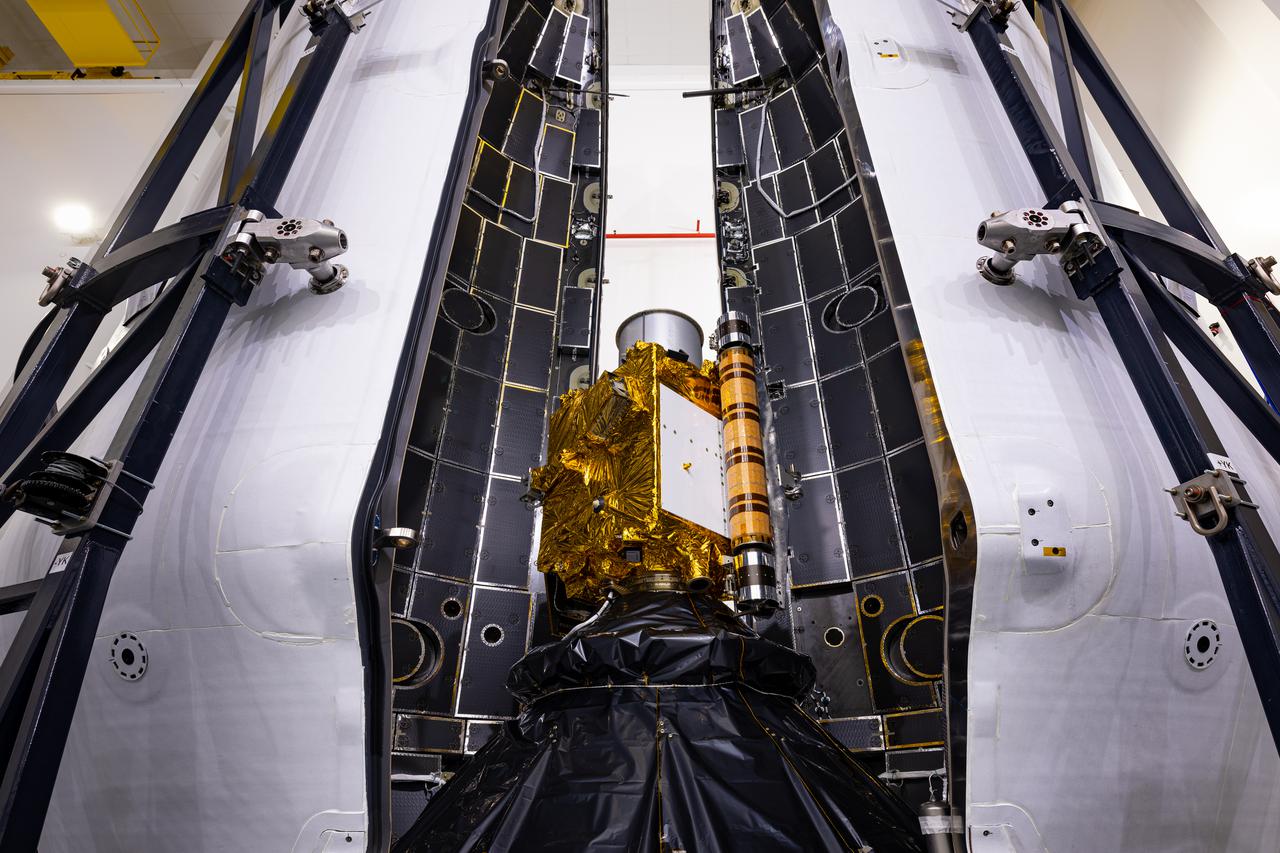
Inside SpaceX’s Payload Processing Facility at Vandenberg Space Force Base in California, both halves of the Falcon 9 rocket’s protective payload fairing move toward NASA’s Double Asteroid Redirection Test (DART) spacecraft on Nov. 16, 2021. The payload fairing, with the spacecraft securely inside, will be attached to the top of the Falcon 9 and will protect the spacecraft during launch and ascent. DART is the first mission to test technologies for preventing an impact of Earth by a hazardous asteroid. The mission is scheduled to launch no earlier than 1:21 a.m. EST Wednesday, Nov. 24 (10:21 p.m. PST Tuesday, Nov. 23), from Vandenberg’s Space Launch Complex 41. NASA's Launch Services Program based at Kennedy Space Center in Florida, America's multi-user spaceport, is managing the launch.
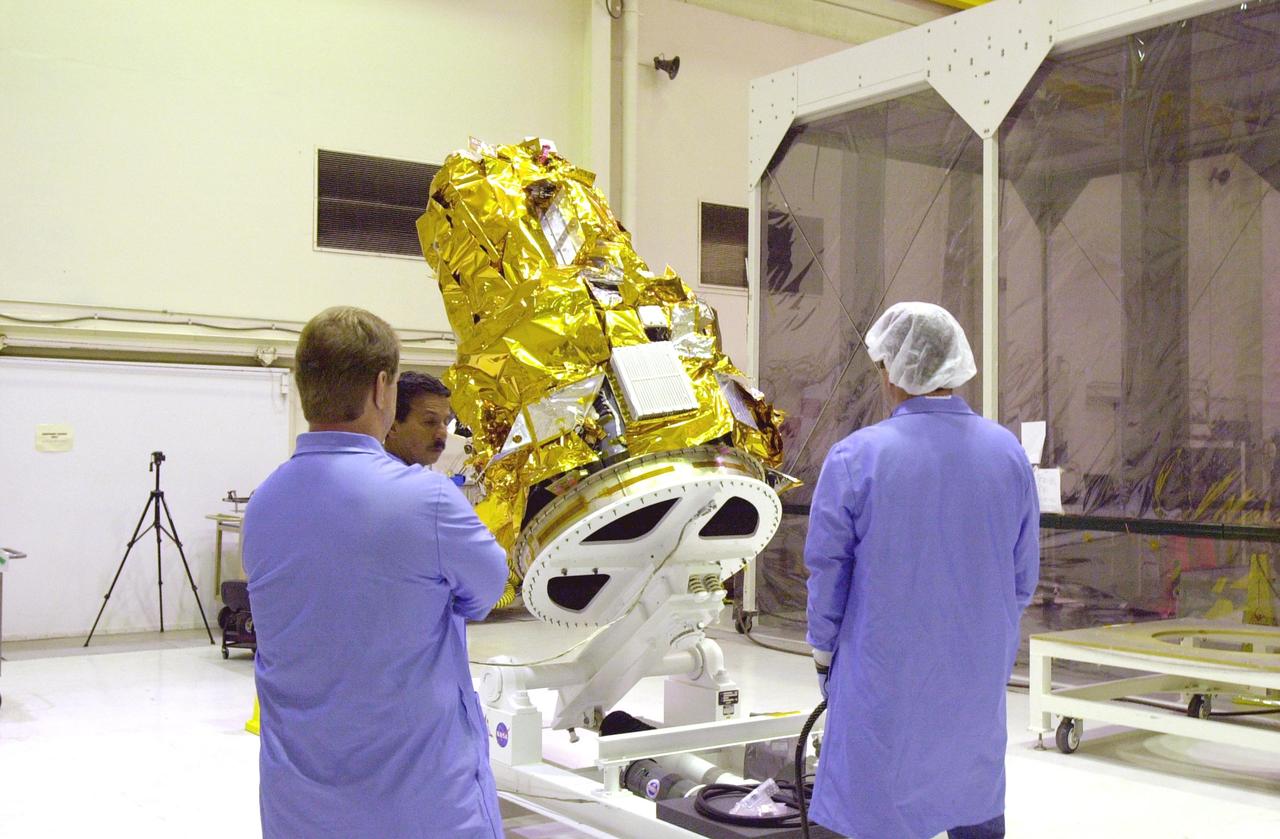
KENNEDY SPACE CENTER, FLA. - At Vandenberg Air Force Base in California, the Demonstration of Autonomous Rendezvous Technology (DART) spacecraft is raised to a vertical position. It will be lifted onto a test stand for launch processing activities. The spacecraft was developed for NASA by Orbital Sciences Corporation in Dulles, Va., to prove technologies for locating and maneuvering near an orbiting satellite. DART will be launched on a Pegasus launch vehicle. At about 40,000 feet over the Pacific Ocean, the Pegasus will be released from Orbital’s Stargazer L-1011 aircraft, fire its rocket motors and boost DART into a polar orbit approximately 472 miles by 479 miles. Once in orbit, DART will rendezvous with a target satellite, the Multiple Paths, Beyond-Line-of-Site Communications satellite, also built by Orbital Sciences. DART will then perform several close proximity operations, such as moving toward and away from the satellite using navigation data provided by onboard sensors. DART is scheduled for launch no earlier than Oct. 18.
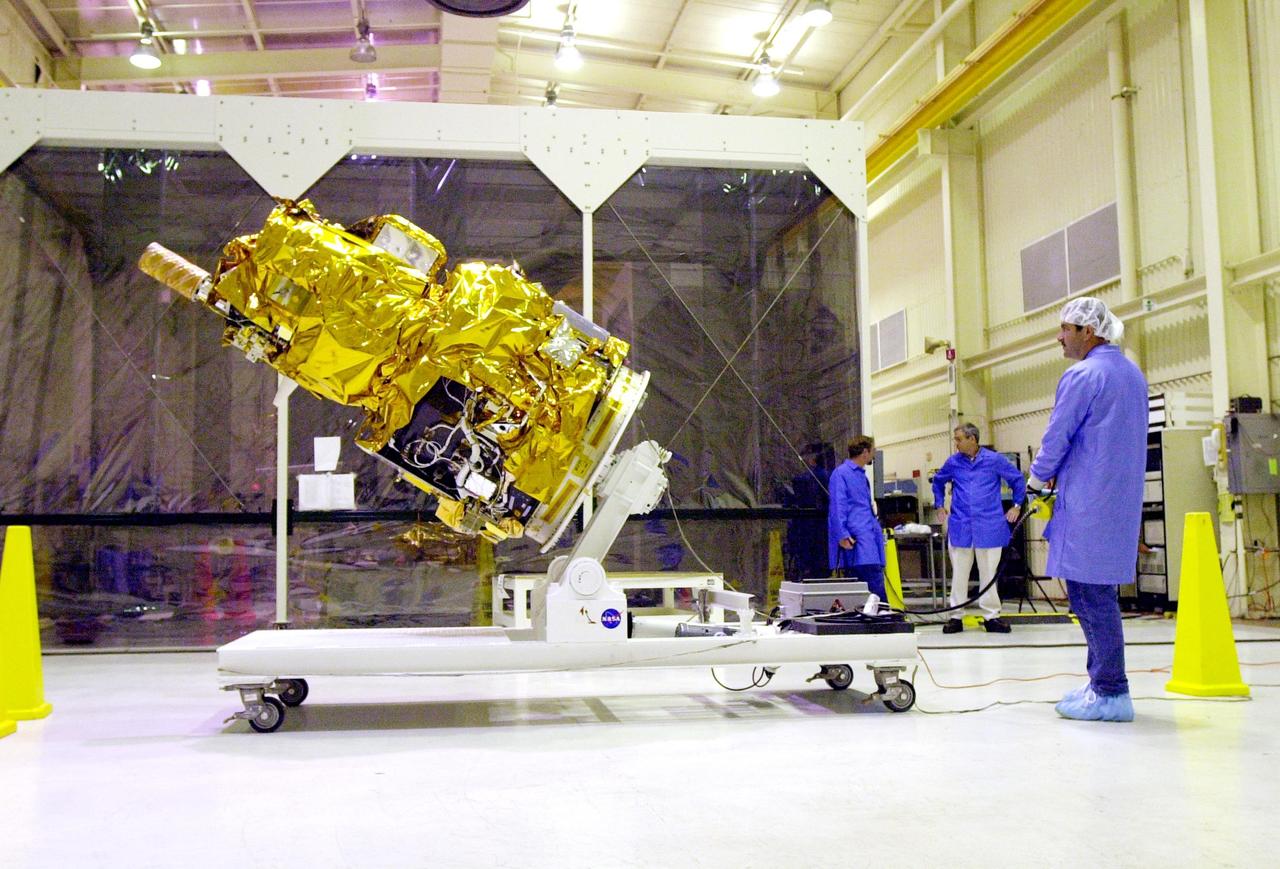
KENNEDY SPACE CENTER, FLA. - At Vandenberg Air Force Base in California, the Demonstration of Autonomous Rendezvous Technology (DART) spacecraft is raised to a vertical position. It will be lifted onto a test stand for launch processing activities. The spacecraft was developed for NASA by Orbital Sciences Corporation in Dulles, Va., to prove technologies for locating and maneuvering near an orbiting satellite. DART will be launched on a Pegasus launch vehicle. At about 40,000 feet over the Pacific Ocean, the Pegasus will be released from Orbital’s Stargazer L-1011 aircraft, fire its rocket motors and boost DART into a polar orbit approximately 472 miles by 479 miles. Once in orbit, DART will rendezvous with a target satellite, the Multiple Paths, Beyond-Line-of-Site Communications satellite, also built by Orbital Sciences. DART will then perform several close proximity operations, such as moving toward and away from the satellite using navigation data provided by onboard sensors. DART is scheduled for launch no earlier than Oct. 18.
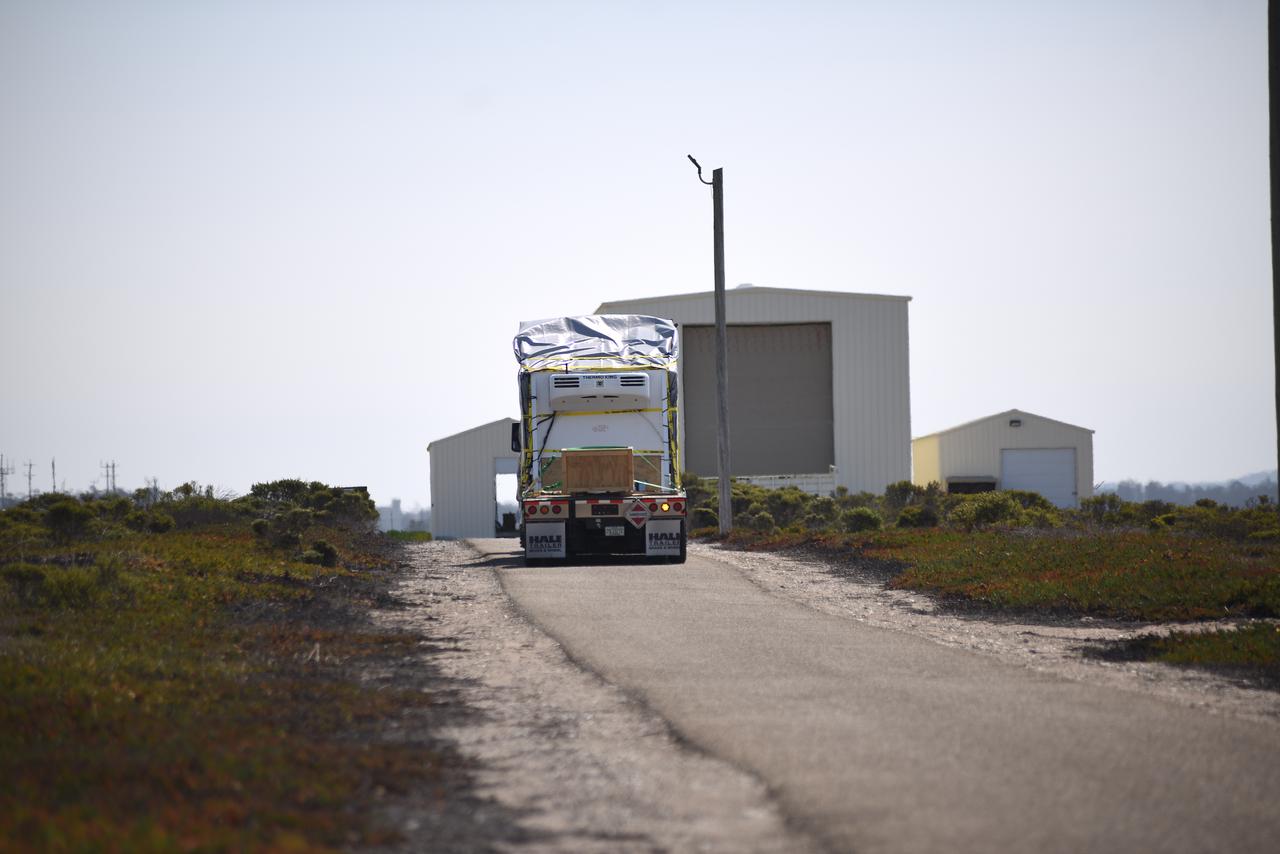
NASA’s Double Asteroid Redirection Test (DART) spacecraft, packed in its shipping container, arrives by truck at Vandenberg Space Force Base in California on Oct. 2, 2021. DART will be transported to the Astrotech Space Operations Facility where workers will put the spacecraft through a series of final tests and checkouts to confirm it is ready for launch. DART is the first mission to test technologies for preventing an impact of Earth by a hazardous asteroid. The mission is targeted to launch on Nov. 23, 2021, aboard a SpaceX Falcon 9 rocket from Vandenberg. NASA’s Launch Services Program, based at Kennedy Space Center, America’s multi-user spaceport, is managing the launch.
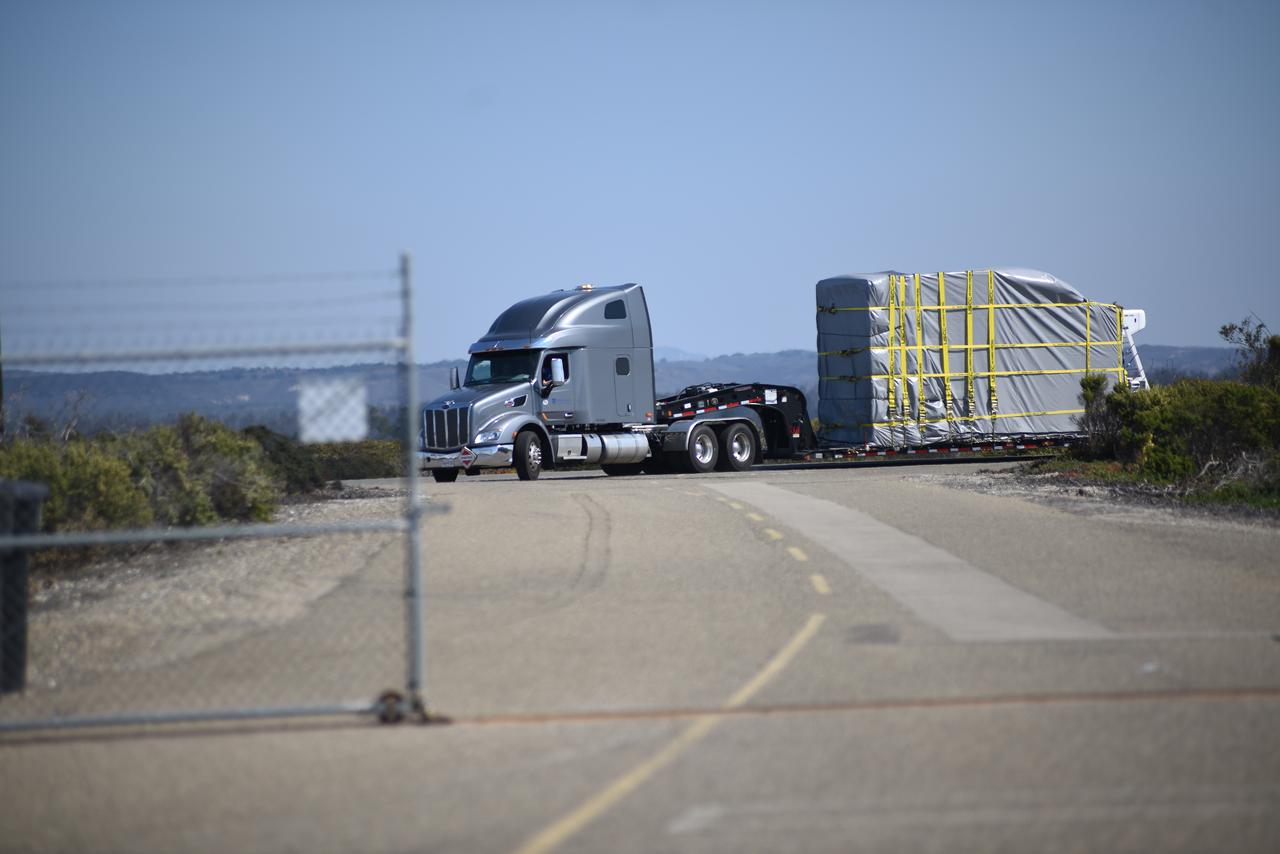
NASA’s Double Asteroid Redirection Test (DART) spacecraft, packed in its shipping container, arrives by truck at the entrance to Vandenberg Space Force Base in California on Oct. 2, 2021. DART will be transported to the Astrotech Space Operations Facility where workers will put the spacecraft through a series of final tests and checkouts to confirm it is ready for launch. DART is the first mission to test technologies for preventing an impact of Earth by a hazardous asteroid. The mission is targeted to launch on Nov. 23, 2021, aboard a SpaceX Falcon 9 rocket from Vandenberg. NASA’s Launch Services Program, based at Kennedy Space Center, America’s multi-user spaceport, is managing the launch.
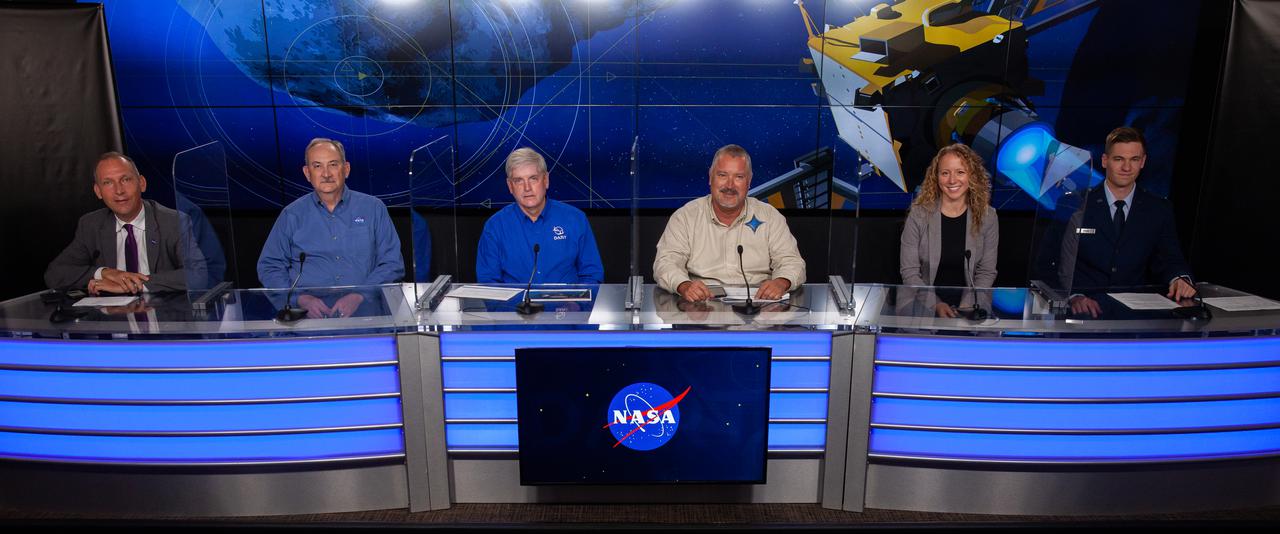
From left, Dr Thomas Zurbuchen, Lindley Johnson, Ed Reynolds, Omar Baez, Julianna Scheiman, and Capt. Maximillian Rush participate in a prelaunch news conference on Nov. 22, 2021, at Vandenberg Space Force Base in California in preparation for the agency’s Double Asteroid Redirection Test (DART) launch. DART is the first mission to test technologies for preventing an impact of Earth by a hazardous asteroid. The mission is scheduled to launch no earlier than 1:21 a.m. EST Wednesday, Nov. 24 (10:21 p.m. PST Tuesday, Nov. 23), aboard a SpaceX Falcon 9 rocket from Vandenberg. NASA's Launch Services Program based at Kennedy Space Center in Florida, America's multi-user spaceport, is managing the launch.
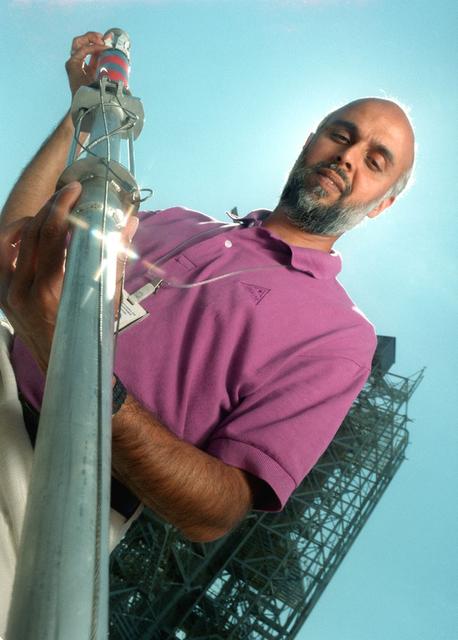
The dart and associated launching system was developed by engineers at MSFC to collect a sample of the aluminum oxide particles during the static fire testing of the Shuttle's solid rocket motor. The dart is launched through the exhaust and recovered post test. The particles are collected on sticky copper tapes affixed to a cylindrical shaft in the dart. A protective sleeve draws over the tape after the sample is collected to prevent contamination. The sample is analyzed under a scarning electron microscope under high magnification and a particle size distribution is determined. This size distribution is input into the analytical model to predict the radiative heating rates from the motor exhaust. Good prediction models are essential to optimizing the development of the thermal protection system for the Shuttle.
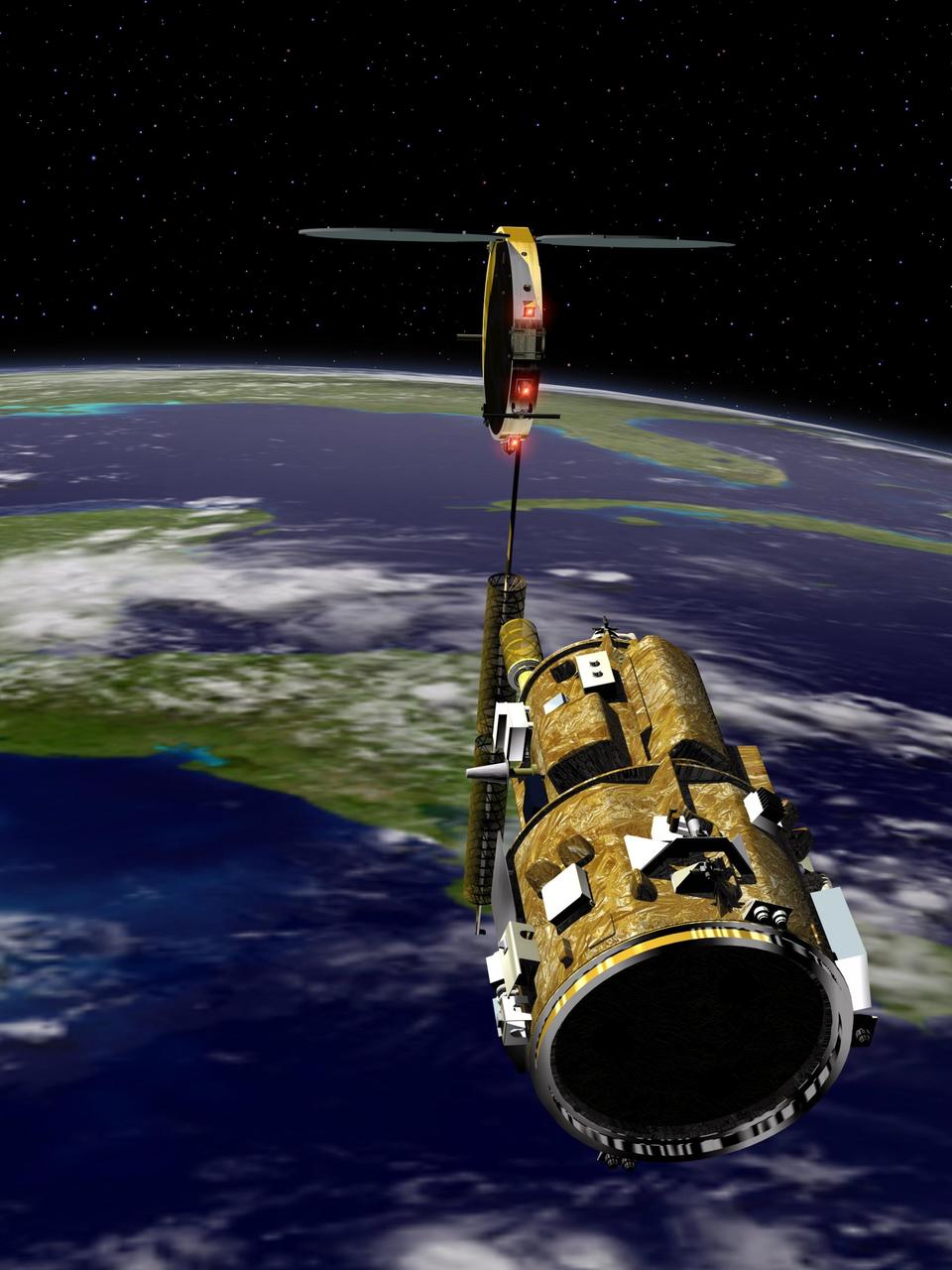
KENNEDY SPACE CENTER, FLA. - An artist’s conception of the autonomous Demonstration for Autonomous Rendezvous (DART) spacecraft as it approaches the Multiple Paths, Beyond-Line-of-Site Communications (MUBLCOM) satellite. NASA is testing the DART as a docking system for next generation vehicles to guide spacecraft carrying cargo or equipment to the International Space Station, or retrieving or servicing satellites in orbit. Before the new system can be implemented on piloted spacecraft, it has to be tested in space. The computer-guided DART is equipped with an Advanced Video Guidance Sensor and a Global Positioning System that can receive signals from other spacecraft to allow DART to move within 330 feet of the target. DART is scheduled to launch from Vandenberg Air Force Base in California no earlier than Oct. 18. It will be released from a Pegasus XL launch vehicle carried aloft by an Orbital Sciences Corporation aircraft. The fourth stage of the Pegasus rocket will remain attached as an integral part of the spacecraft, allowing it to maneuver in space. Once in orbit, DART will race toward the target, the MUBLCOM satellite, for a rendezvous.
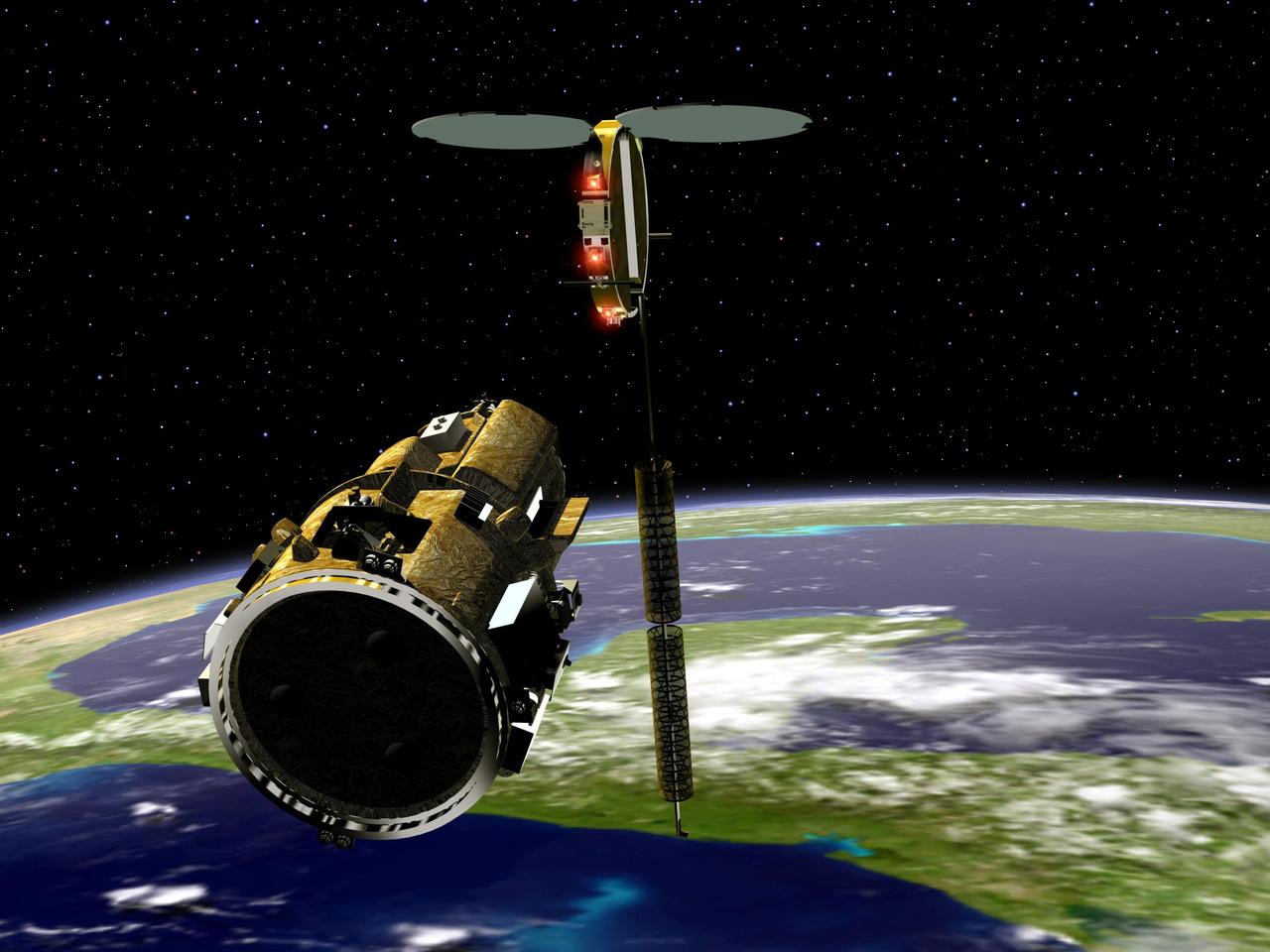
KENNEDY SPACE CENTER, FLA. - An artist’s conception of the autonomous Demonstration for Autonomous Rendezvous (DART) spacecraft as it approaches the Multiple Paths, Beyond-Line-of-Site Communications (MUBLCOM) satellite. NASA is testing the DART as a docking system for next generation vehicles to guide spacecraft carrying cargo or equipment to the International Space Station, or retrieving or servicing satellites in orbit. Before the new system can be implemented on piloted spacecraft, it has to be tested in space. The computer-guided DART is equipped with an Advanced Video Guidance Sensor and a Global Positioning System that can receive signals from other spacecraft to allow DART to move within 330 feet of the target. DART is scheduled to launch from Vandenberg Air Force Base in California no earlier than Oct. 18. It will be released from a Pegasus XL launch vehicle carried aloft by an Orbital Sciences Corporation aircraft. The fourth stage of the Pegasus rocket will remain attached as an integral part of the spacecraft, allowing it to maneuver in space. Once in orbit, DART will race toward the target, the MUBLCOM satellite, for a rendezvous.
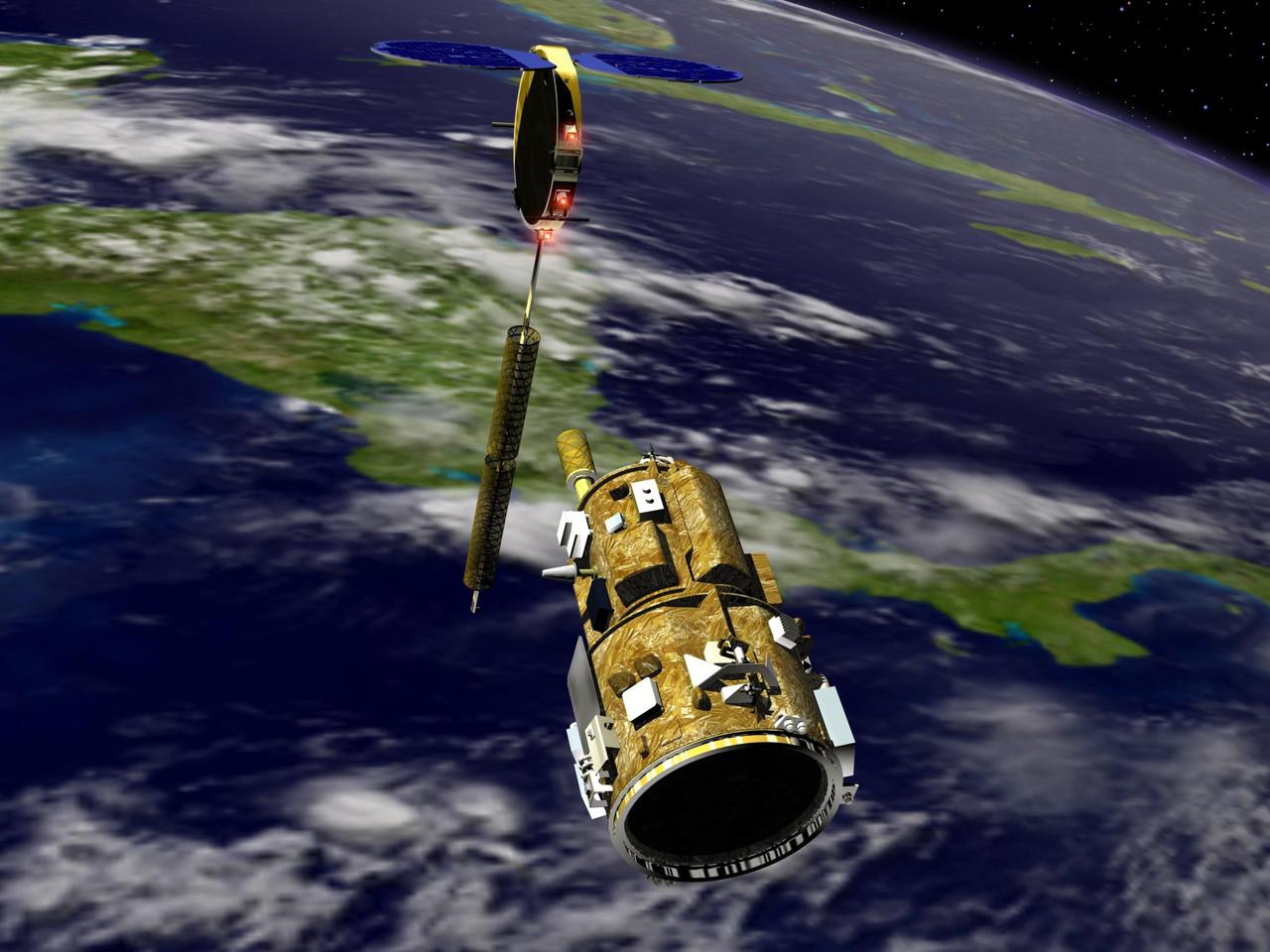
KENNEDY SPACE CENTER, FLA. - An artist’s conception of the autonomous Demonstration for Autonomous Rendezvous (DART) spacecraft as it approaches the Multiple Paths, Beyond-Line-of-Site Communications (MUBLCOM) satellite. NASA is testing the DART as a docking system for next generation vehicles to guide spacecraft carrying cargo or equipment to the International Space Station, or retrieving or servicing satellites in orbit. Before the new system can be implemented on piloted spacecraft, it has to be tested in space. The computer-guided DART is equipped with an Advanced Video Guidance Sensor and a Global Positioning System that can receive signals from other spacecraft to allow DART to move within 330 feet of the target. DART is scheduled to launch from Vandenberg Air Force Base in California no earlier than Oct. 18. It will be released from a Pegasus XL launch vehicle carried aloft by an Orbital Sciences Corporation aircraft. The fourth stage of the Pegasus rocket will remain attached as an integral part of the spacecraft, allowing it to maneuver in space. Once in orbit, DART will race toward the target, the MUBLCOM satellite, for a rendezvous.
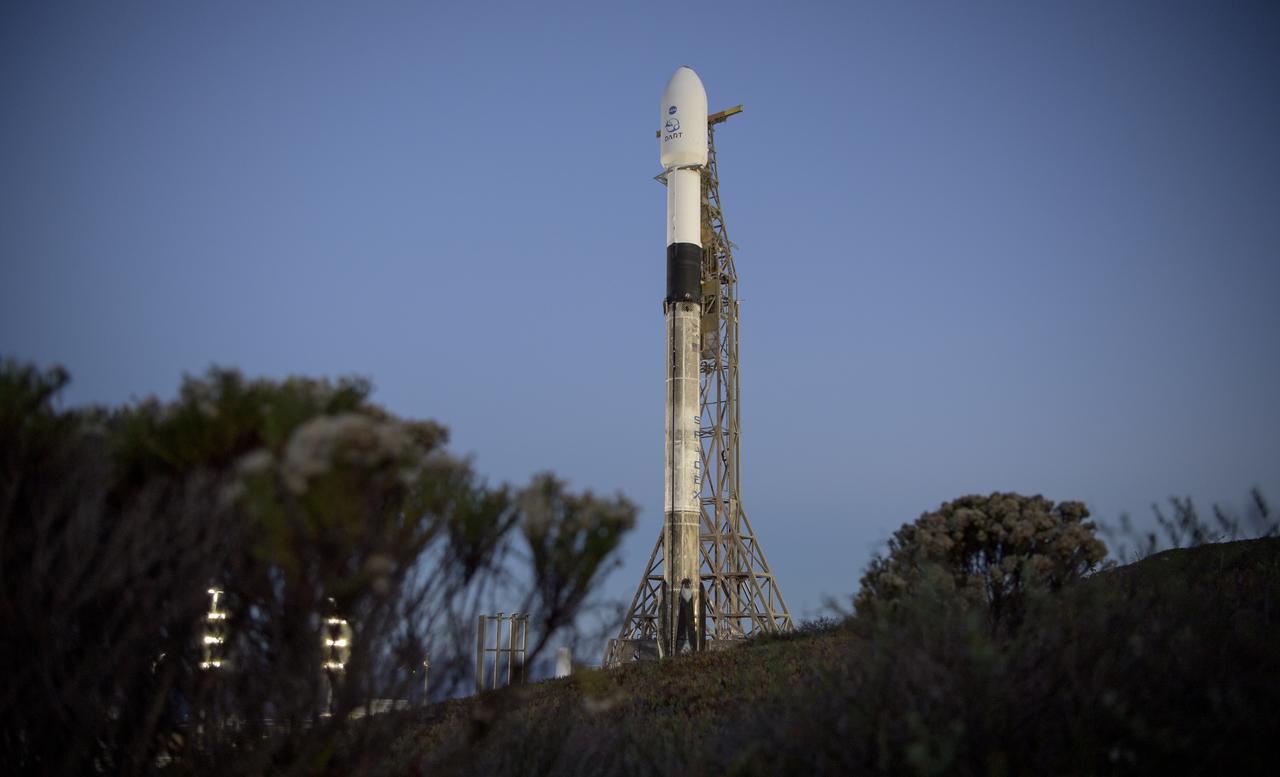
The SpaceX Falcon 9 rocket with the Double Asteroid Redirection Test, or DART, spacecraft onboard, is seen during sunrise, Tuesday, Nov. 23, 2021, at Space Launch Complex 4E, Vandenberg Space Force Base in California. DART is the world’s first full-scale planetary defense test, demonstrating one method of asteroid deflection technology. The mission was built and is managed by the Johns Hopkins APL for NASA’s Planetary Defense Coordination Office. Photo Credit: (NASA/Bill Ingalls)
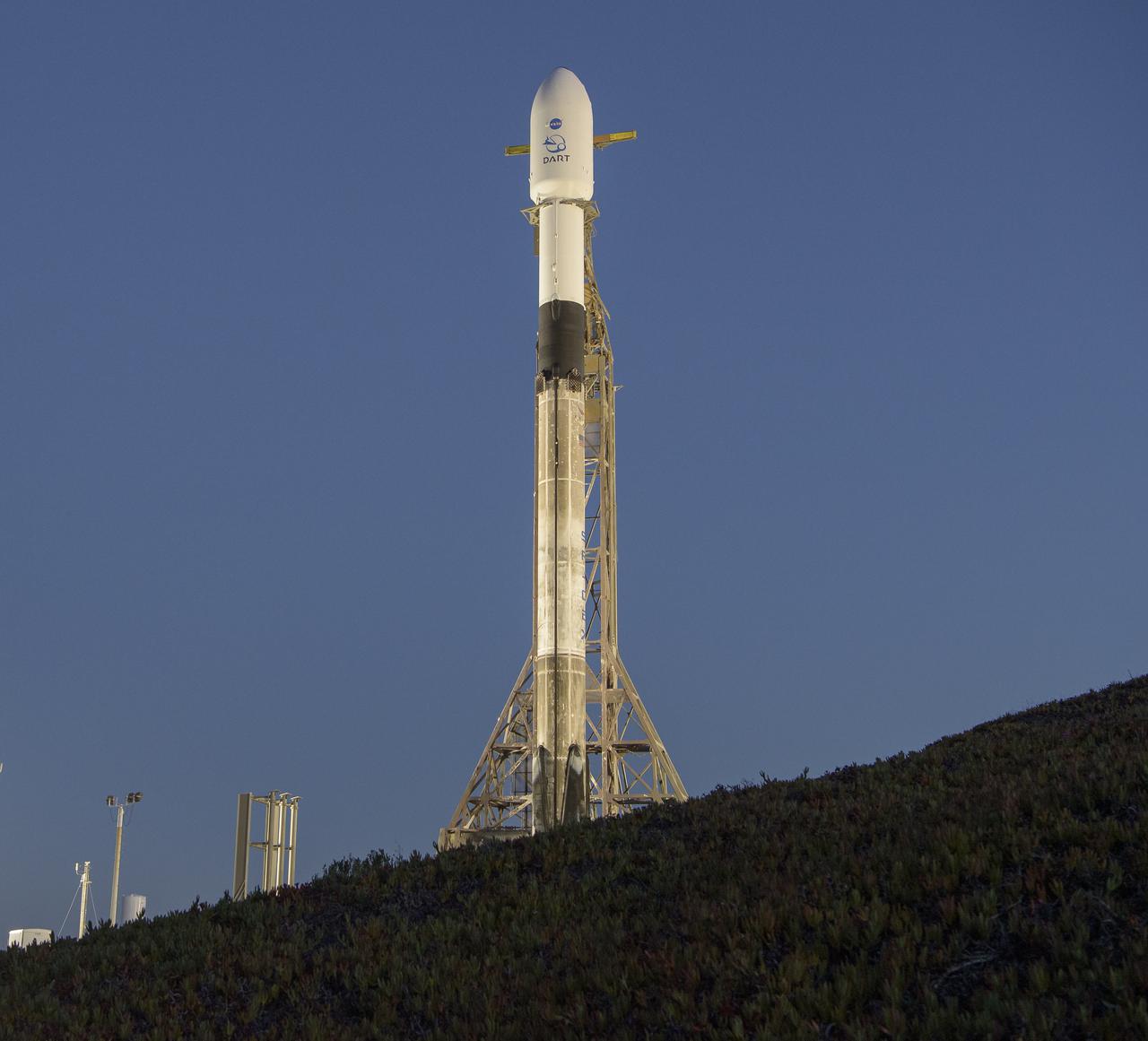
The SpaceX Falcon 9 rocket with the Double Asteroid Redirection Test, or DART, spacecraft onboard, is seen during sunrise, Tuesday, Nov. 23, 2021, at Space Launch Complex 4E, Vandenberg Space Force Base in California. DART is the world’s first full-scale planetary defense test, demonstrating one method of asteroid deflection technology. The mission was built and is managed by the Johns Hopkins APL for NASA’s Planetary Defense Coordination Office. Photo Credit: (NASA/Bill Ingalls)
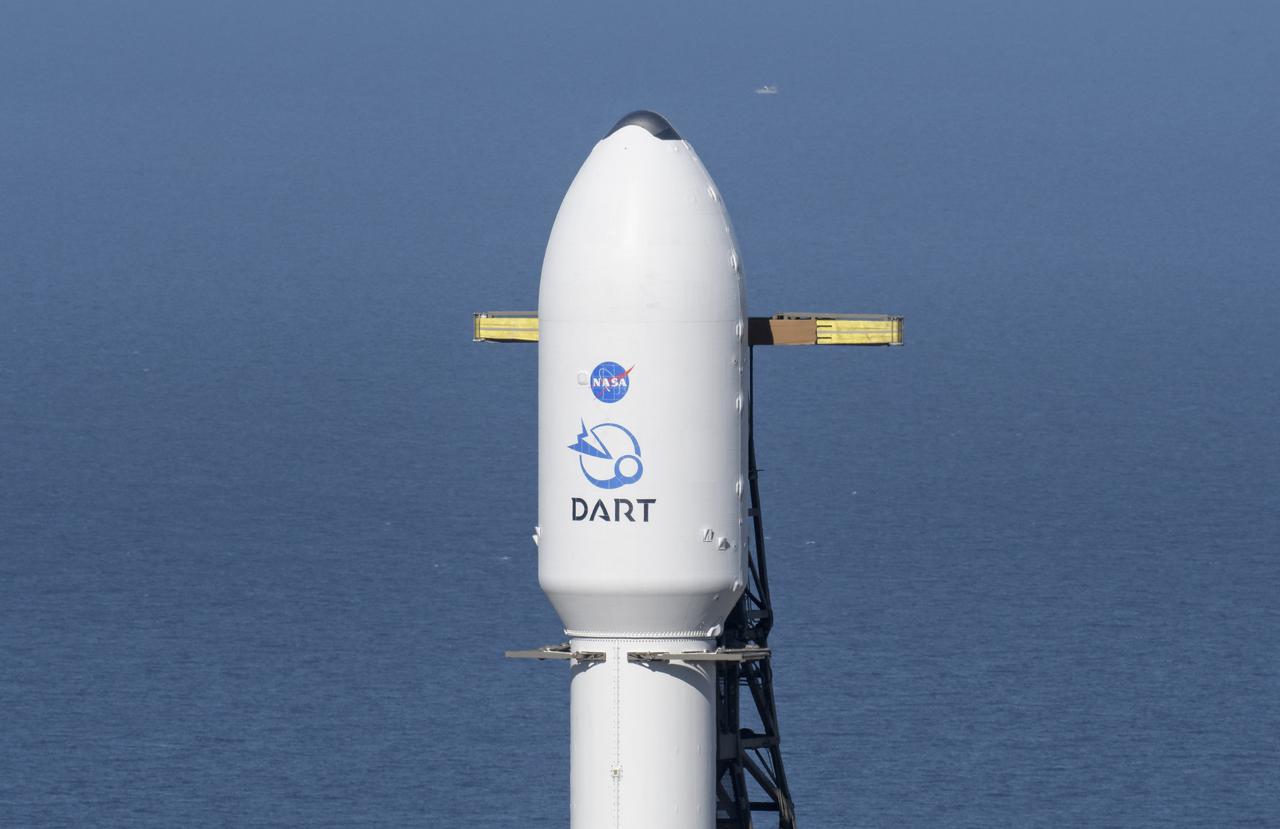
The SpaceX Falcon 9 rocket with the Double Asteroid Redirection Test, or DART, spacecraft onboard, is seen, Tuesday, Nov. 23, 2021, at Space Launch Complex 4E, Vandenberg Space Force Base in California. DART is the world’s first full-scale planetary defense test, demonstrating one method of asteroid deflection technology. The mission was built and is managed by Johns Hopkins APL for NASA’s Planetary Defense Coordination Office. Photo Credit: (NASA/Bill Ingalls)
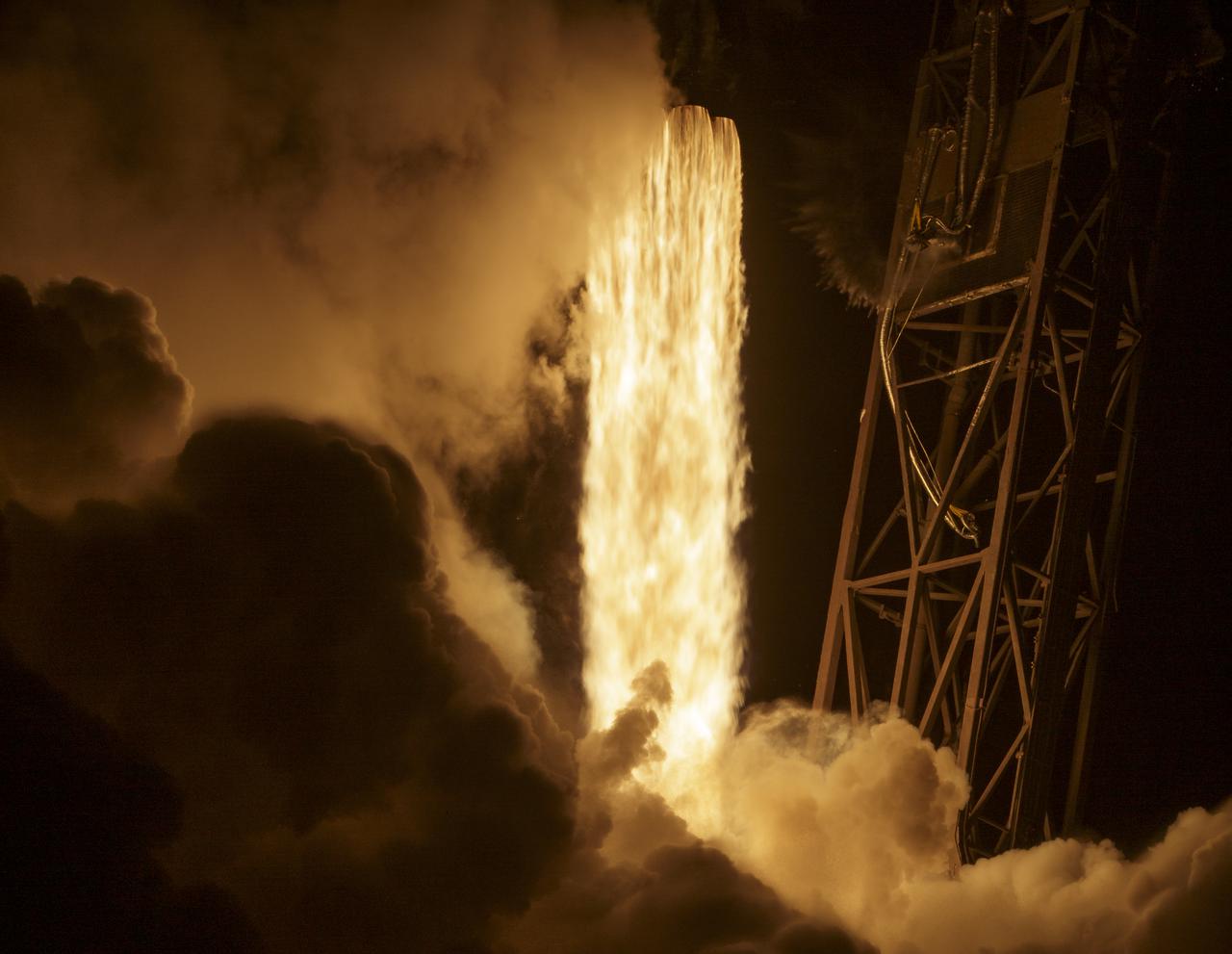
The SpaceX Falcon 9 rocket launches with the Double Asteroid Redirection Test, or DART, spacecraft onboard, Tuesday, Nov. 23, 2021, Pacific time (Nov. 24 Eastern time) from Space Launch Complex 4E at Vandenberg Space Force Base in California. DART is the world’s first full-scale planetary defense test, demonstrating one method of asteroid deflection technology. The mission was built and is managed by Johns Hopkins APL for NASA’s Planetary Defense Coordination Office. Photo Credit: (NASA/Bill Ingalls)