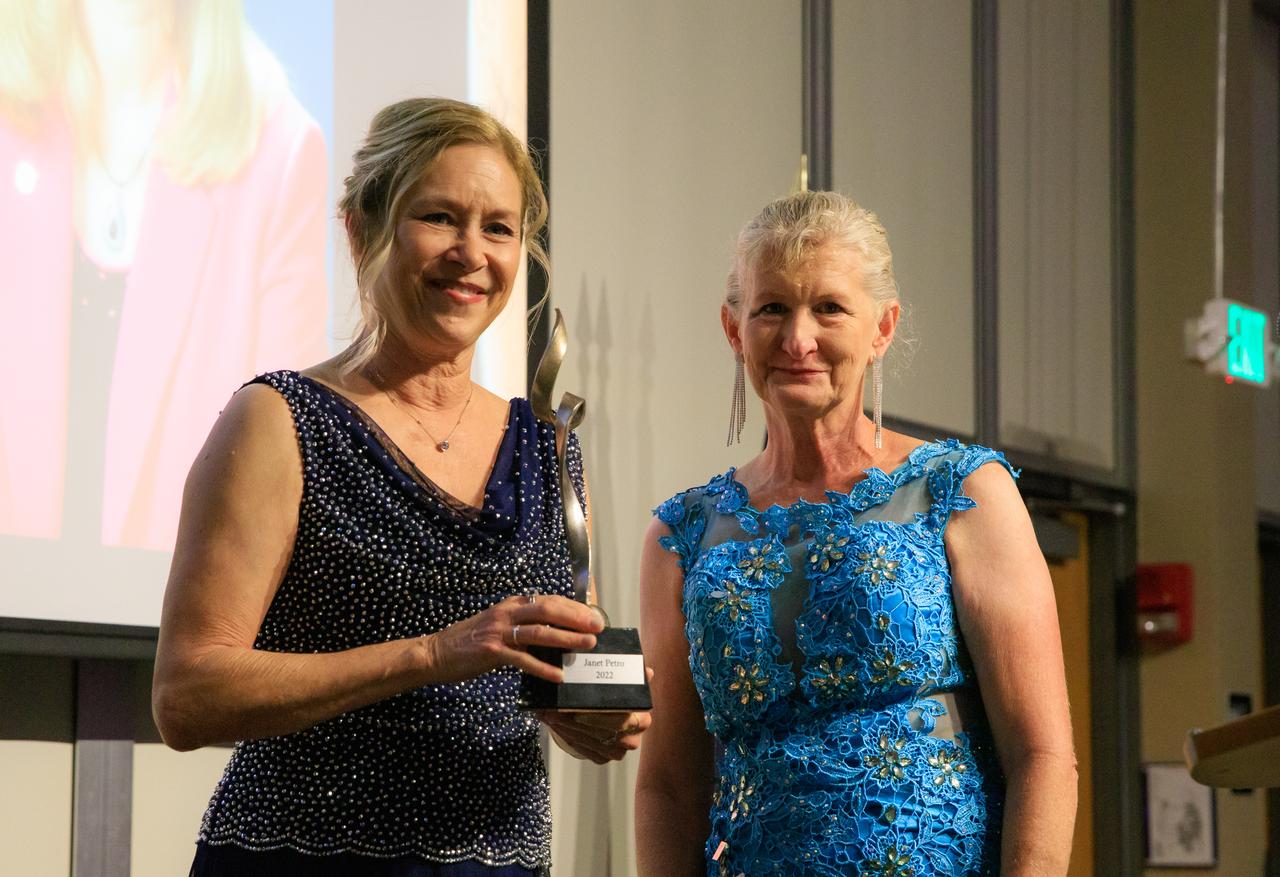
National Space Club Florida Chapter Chair Tara Miller presents Kennedy Space Center Director Janet Petro with the Dr. Kurt H. Debus Award during a ceremony held at the Florida spaceport’s visitor complex on June 24, 2022. The committee presented Petro with the prestigious award for her contributions to America’s aerospace efforts within the state of Florida. The award – originating in 1990 – is named after Kennedy’s first director.
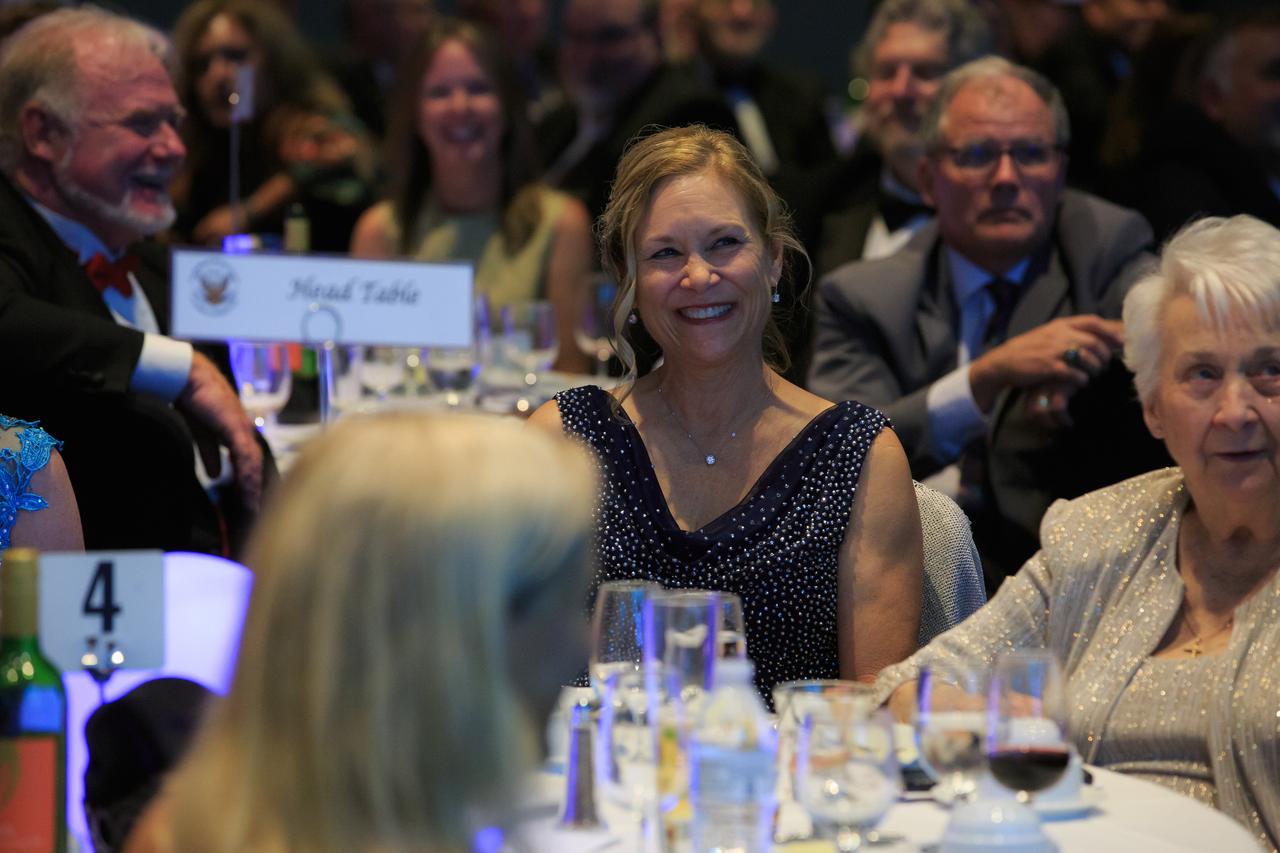
Kennedy Space Center Director Janet Petro is photographed in the audience during an award ceremony held in her honor on June 24, 2022, at the Florida spaceport’s visitor complex. The National Space Club Florida Committee presented Petro with the Dr. Kurt H. Debus Award for her contributions to America’s aerospace efforts within the state of Florida. The award – originating in 1990 – is named after Kennedy’s first director.
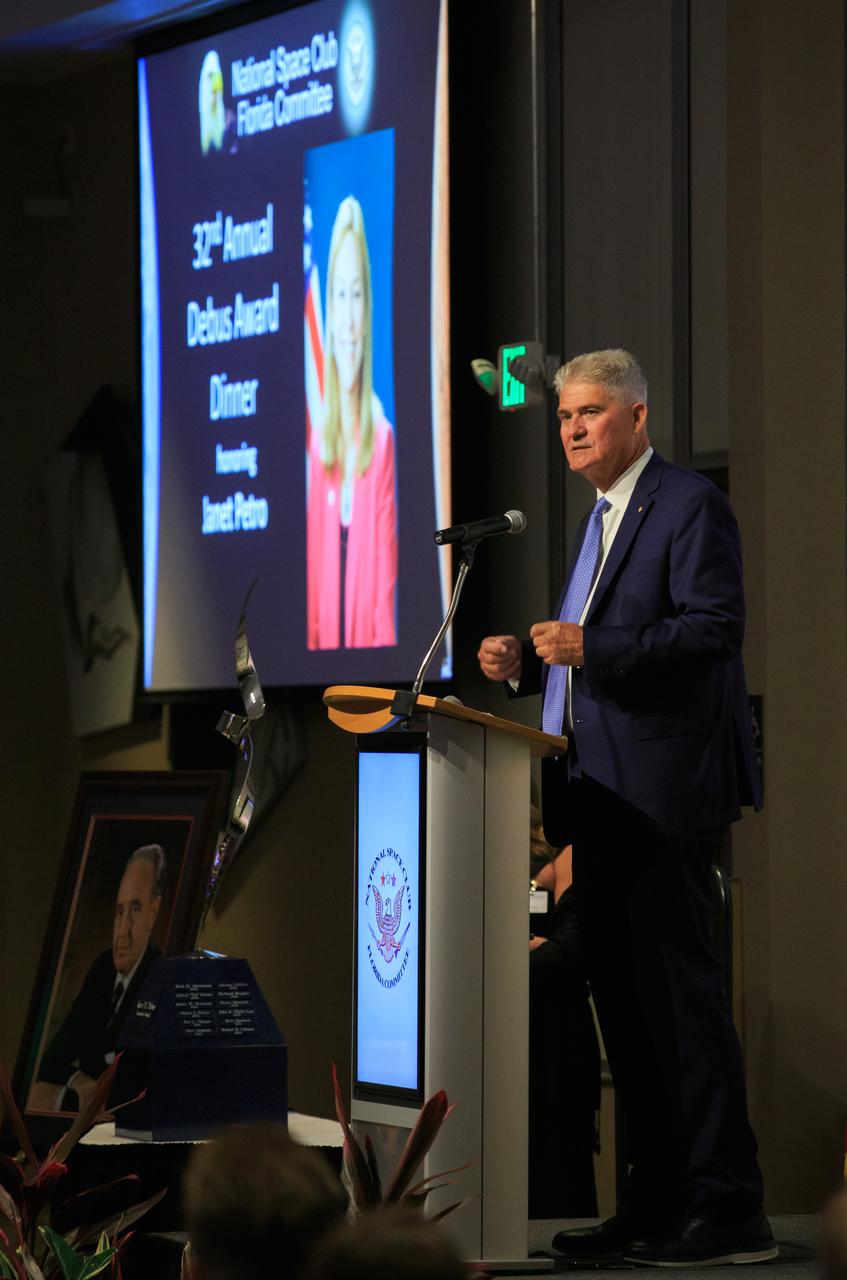
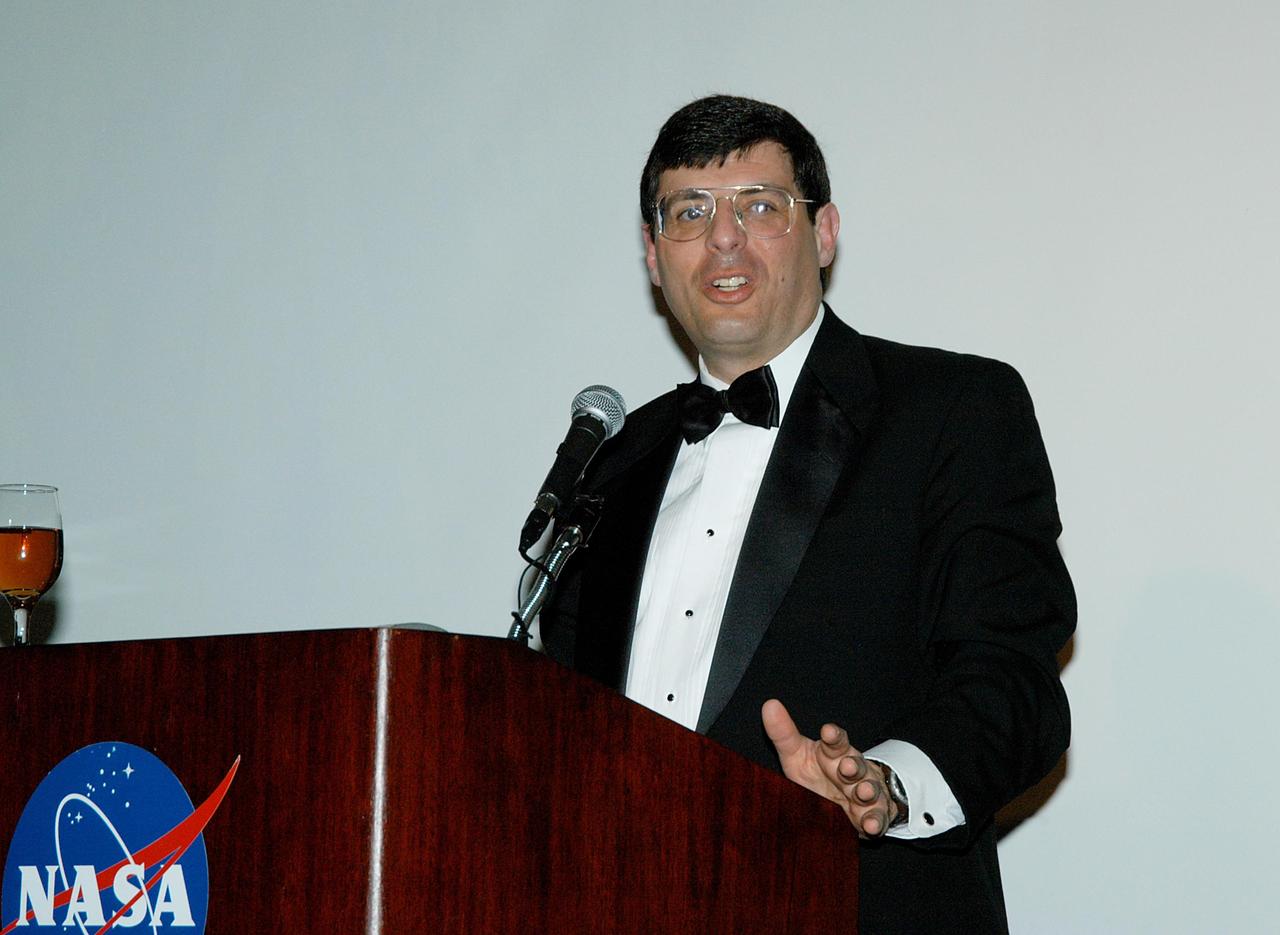
Bill Parsons, vice president of Human Space Programs at Peraton, speaks at a ceremony honoring Kennedy Space Center Director Janet Petro with the Dr. Kurt H. Debus Award on June 24, 2022, at the Florida spaceport’s visitor complex. The National Space Club Florida Committee presented Petro with the prestigious award for her contributions to America’s aerospace efforts within the state of Florida. The award – originating in 1990 – is named after Kennedy’s first director.

Kennedy Space Center Director Janet Petro addresses friends, colleagues, and family following her acceptance of the Dr. Kurt H. Debus Award on June 24, 2022, during a ceremony held at the Florida spaceport’s visitor complex. The National Space Club Florida Committee presented Petro with the prestigious award for her contributions to America’s aerospace efforts within the state of Florida. The award – originating in 1990 – is named after Kennedy’s first director.
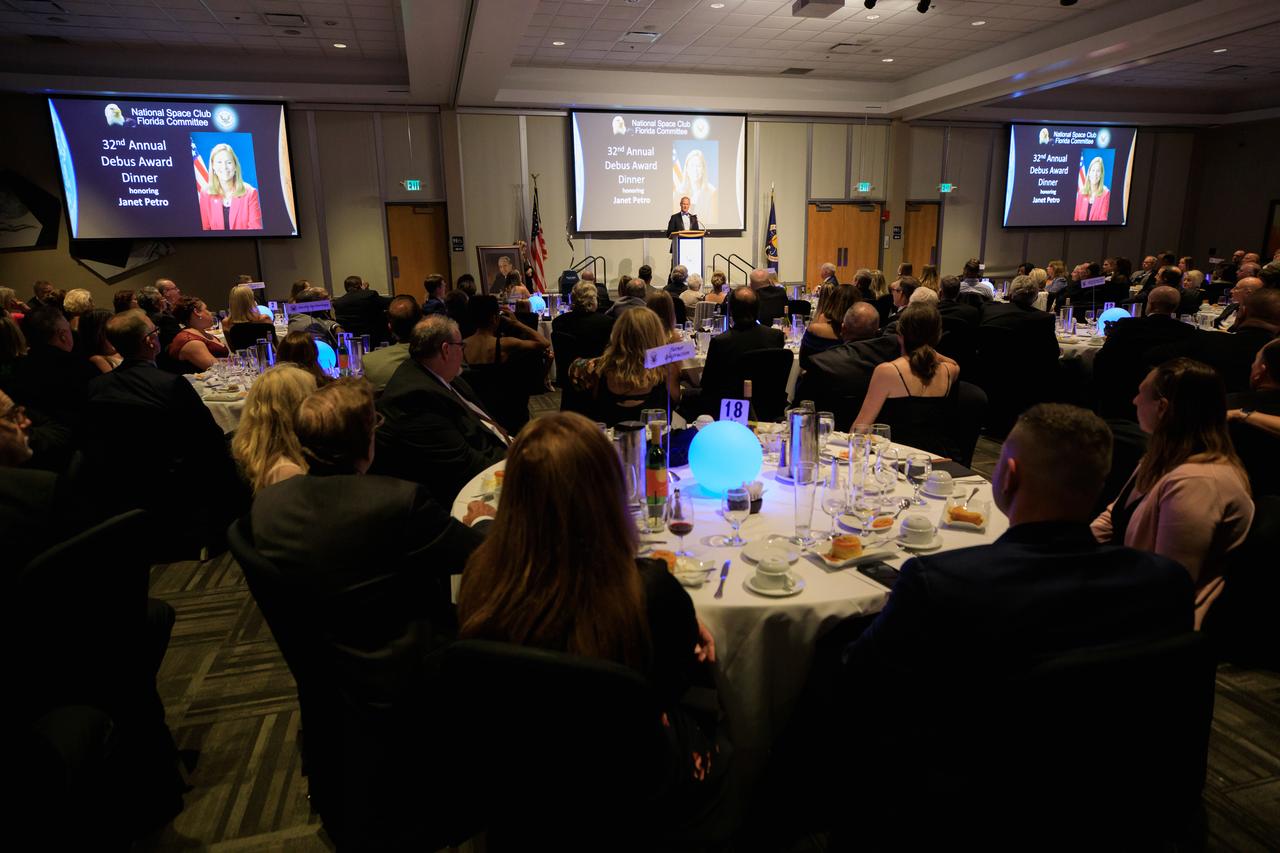
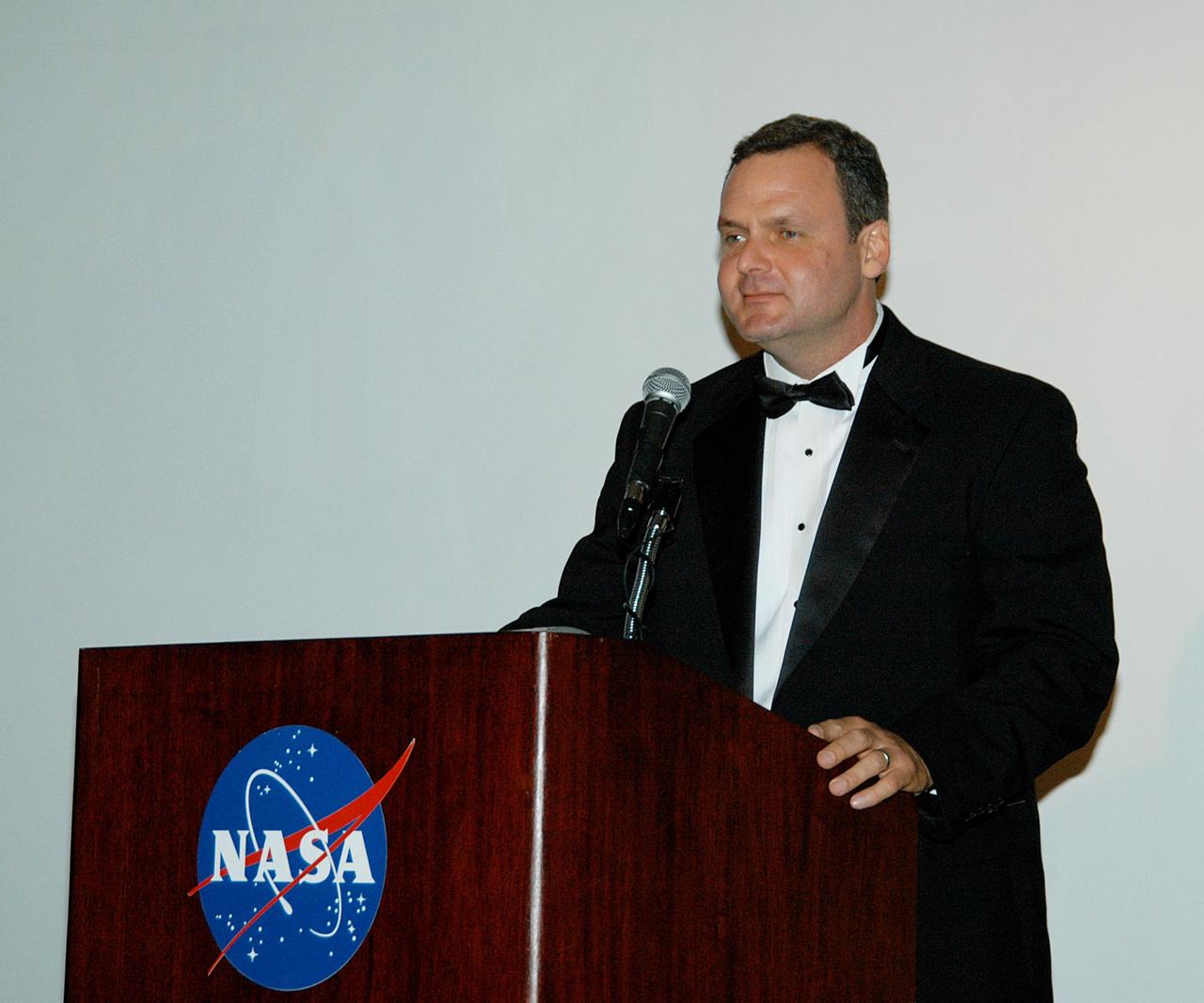
Scott Henderson, vice president of Test and Operations at Blue Origin, speaks at a ceremony honoring Kennedy Space Center Director Janet Petro with the Dr. Kurt H. Debus Award on June 24, 2022, at the Florida spaceport’s visitor complex. The National Space Club Florida Committee presented Petro with the prestigious award for her contributions to America’s aerospace efforts within the state of Florida. The award – originating in 1990 – is named after Kennedy’s first director.
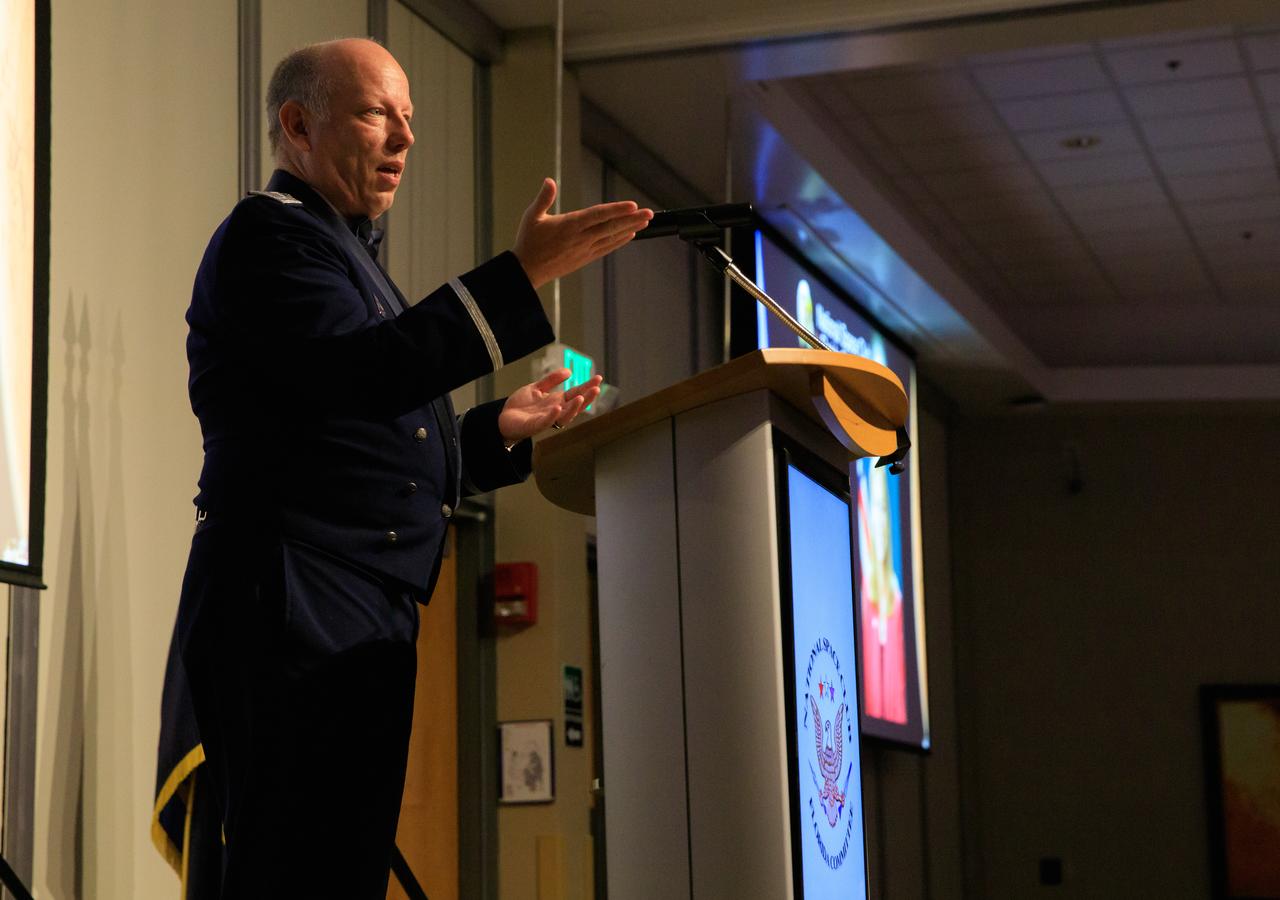
Brigadier General Stephen Purdy, commander of Space Launch Delta 45, speaks at a ceremony honoring Kennedy Space Center Director Janet Petro with the Dr. Kurt H. Debus Award on June 24, 2022, at the Florida spaceport’s visitor complex. The National Space Club Florida Committee presented Petro with the prestigious award for her contributions to America’s aerospace efforts within the state of Florida. The award – originating in 1990 – is named after Kennedy’s first director.
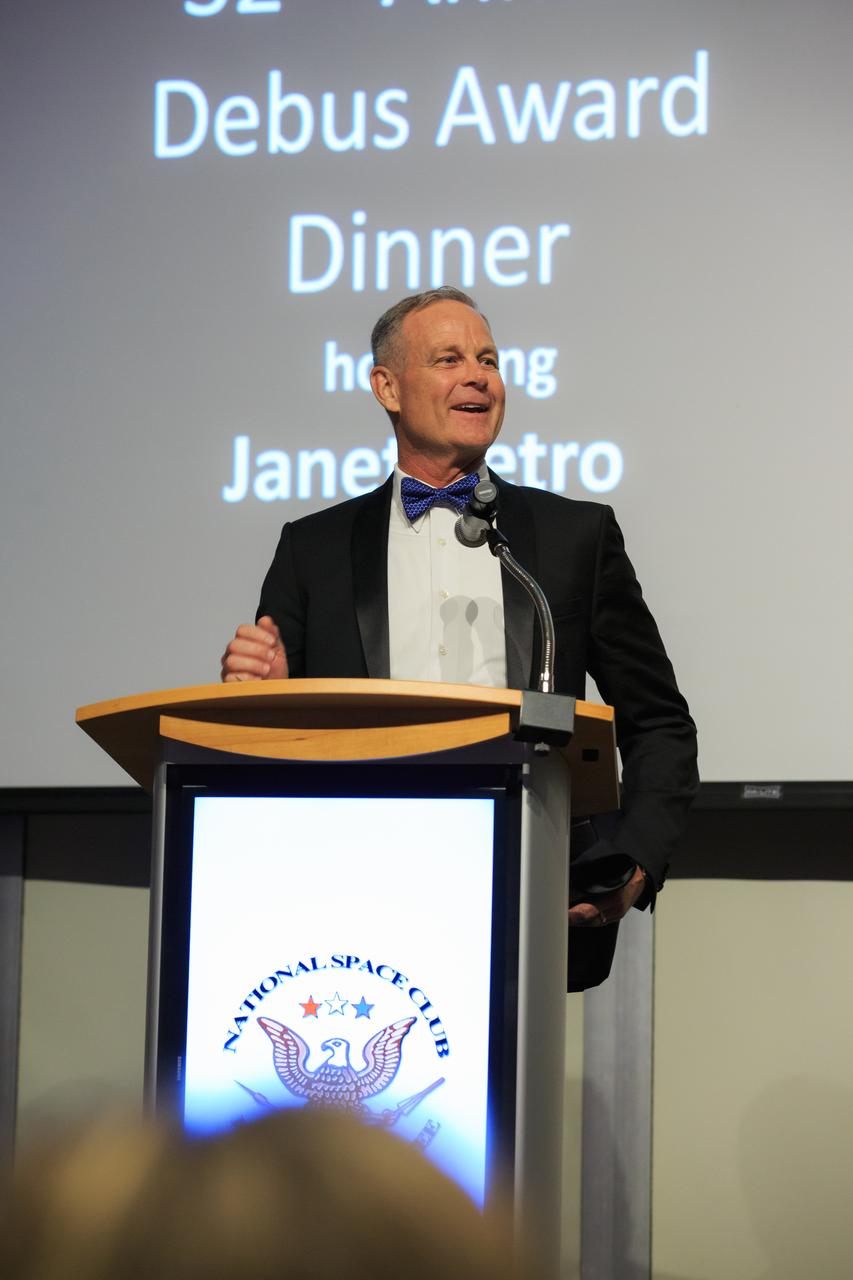
Scott Henderson, vice president of Test and Operations at Blue Origin, speaks at a ceremony honoring Kennedy Space Center Director Janet Petro with the Dr. Kurt H. Debus Award on June 24, 2022, at the Florida spaceport’s visitor complex. The National Space Club Florida Committee presented Petro with the prestigious award for her contributions to America’s aerospace efforts within the state of Florida. The award – originating in 1990 – is named after Kennedy’s first director.
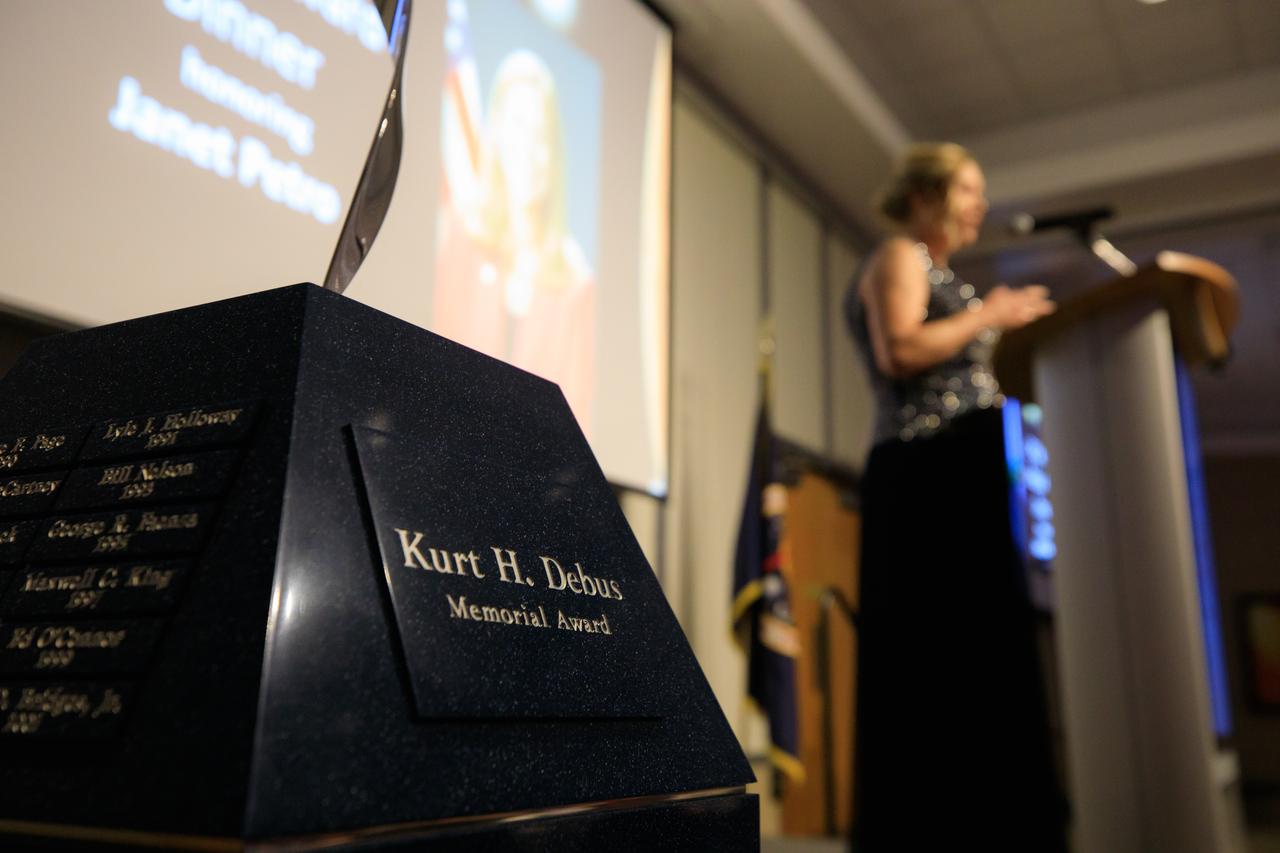
Kennedy Space Center Director Janet Petro addresses friends, colleagues, and family following her acceptance of the Dr. Kurt H. Debus Award on June 24, 2022, during a ceremony held at the Florida spaceport’s visitor complex. The National Space Club Florida Committee presented Petro with the prestigious award for her contributions to America’s aerospace efforts within the state of Florida. The award – originating in 1990 – is named after Kennedy’s first director.
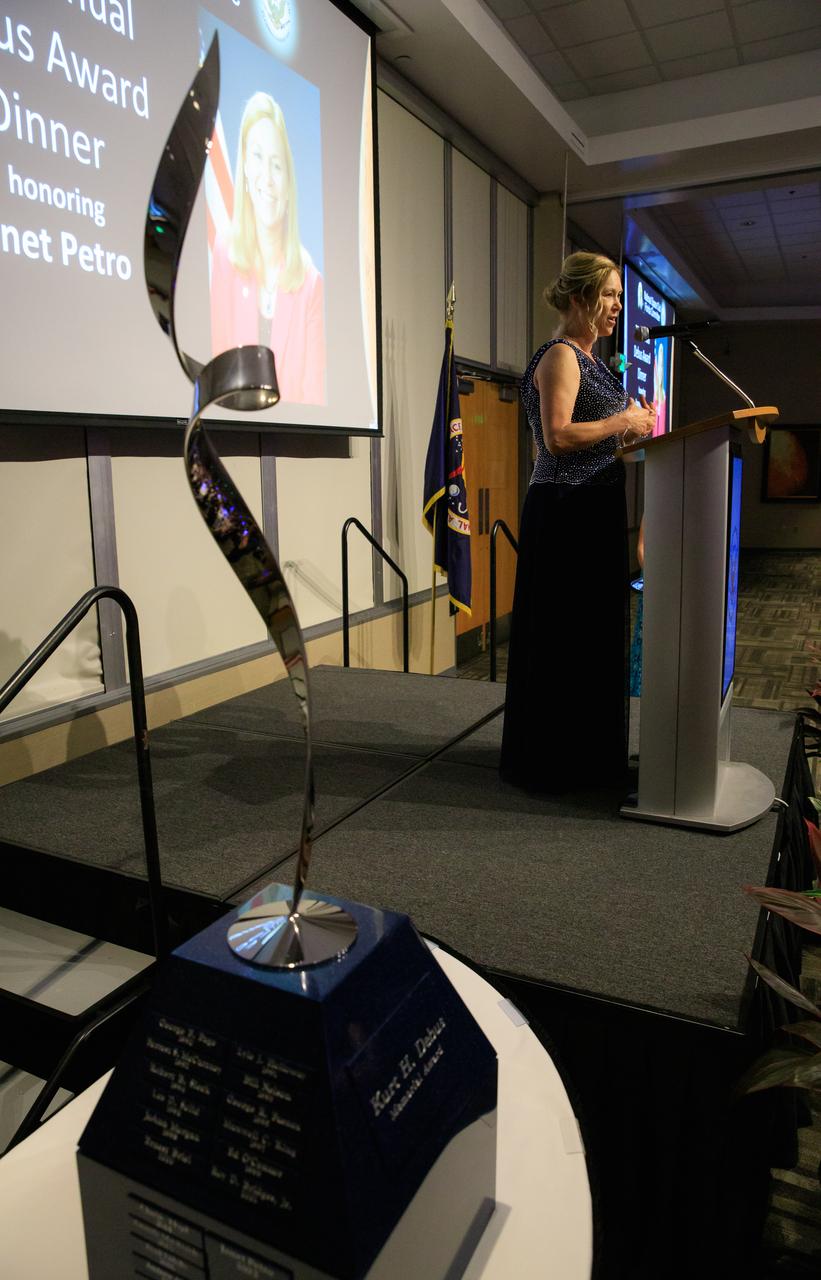
Kennedy Space Center Director Janet Petro addresses friends, colleagues, and family following her acceptance of the Dr. Kurt H. Debus Award on June 24, 2022, during a ceremony held at the Florida spaceport’s visitor complex. The National Space Club Florida Committee presented Petro with the prestigious award for her contributions to America’s aerospace efforts within the state of Florida. The award – originating in 1990 – is named after Kennedy’s first director.
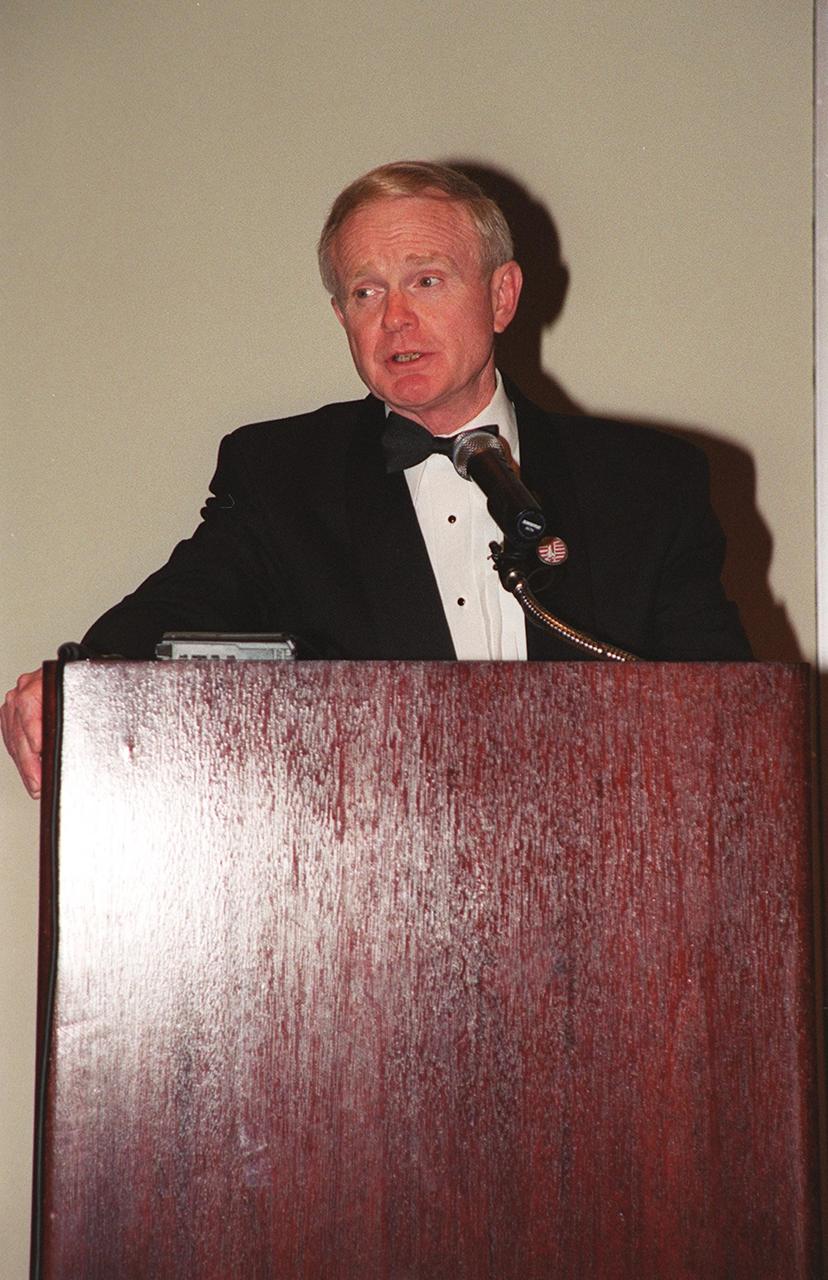
Center Director Roy Bridges speaks to guests at the 12th annual Dr. Kurt H. Debus Award Dinner held at the KSC Visitor Complex’s Debus Conference Facility. Presented with the 2001 Dr. Kurt H. Debus Award, Bridges was honored for his progressive, visionary leadership and contributions to space technology and exploration. The Florida Committee of the National Space Club presented the award. The Debus Award was first given in 1980. Created to recognize significant achievements and contributions made in Florida to the American aerospace effort, the award is named for the KSC’s first Director, Dr. Kurt H. Debus
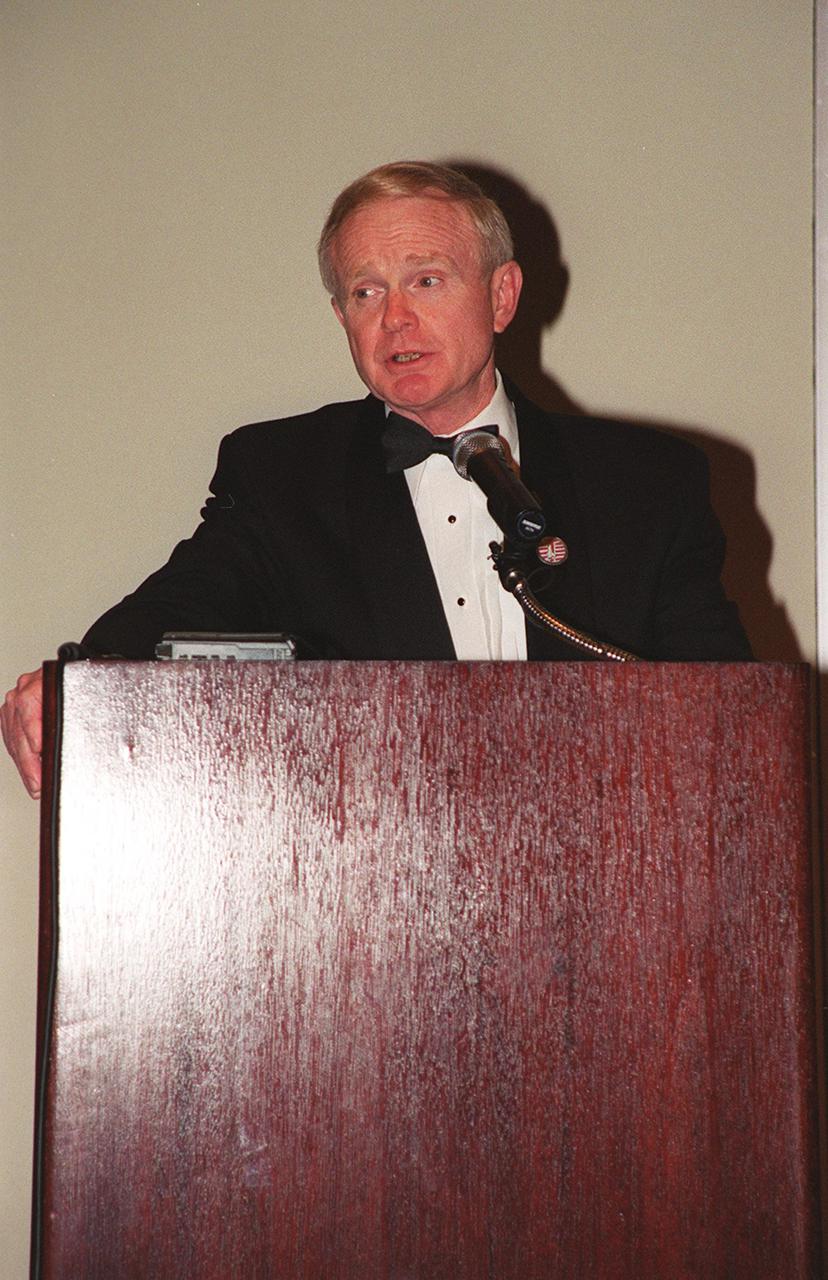
Center Director Roy Bridges speaks to guests at the 12th annual Dr. Kurt H. Debus Award Dinner held at the KSC Visitor Complex’s Debus Conference Facility. Presented with the 2001 Dr. Kurt H. Debus Award, Bridges was honored for his progressive, visionary leadership and contributions to space technology and exploration. The Florida Committee of the National Space Club presented the award. The Debus Award was first given in 1980. Created to recognize significant achievements and contributions made in Florida to the American aerospace effort, the award is named for the KSC’s first Director, Dr. Kurt H. Debus
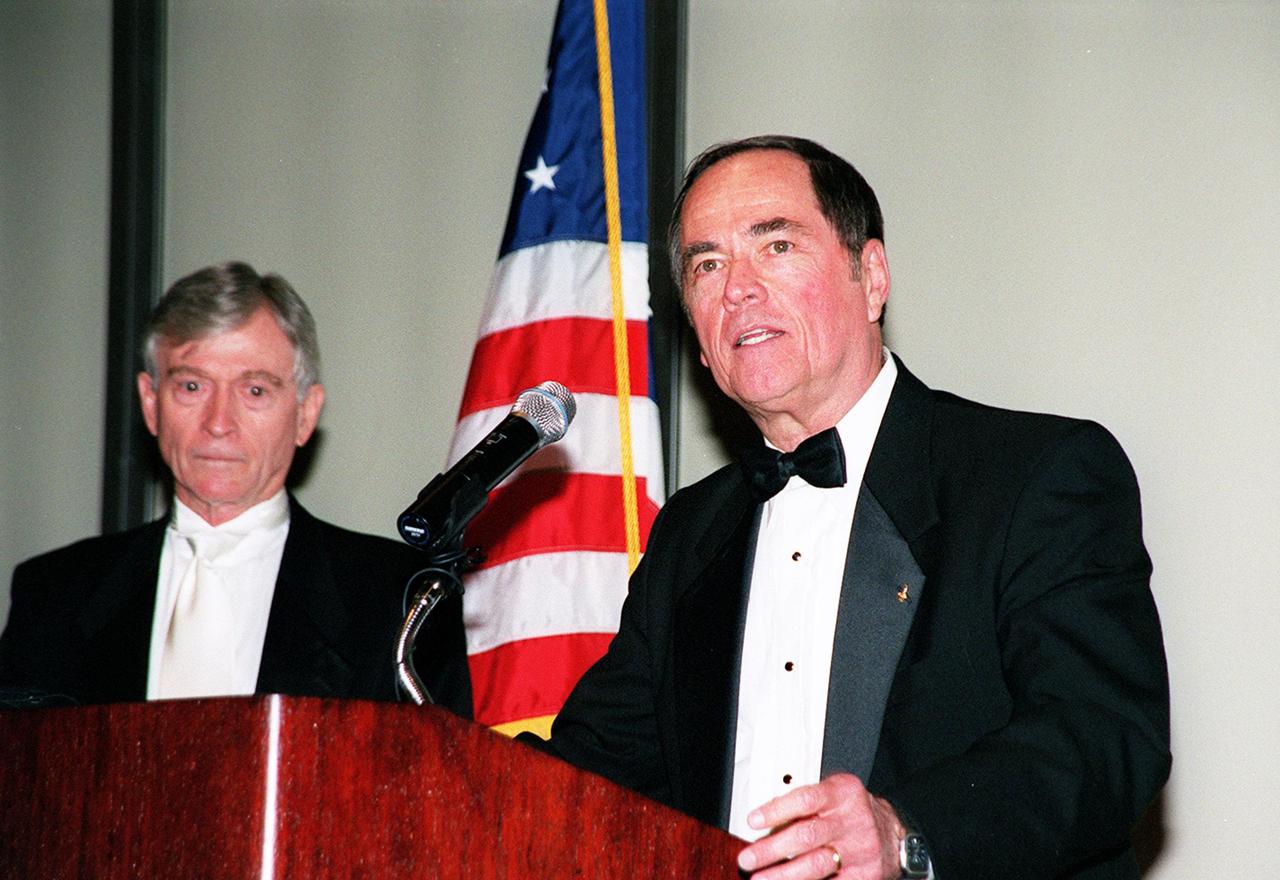
The 12th annual Dr. Kurt H. Debus Award Dinner included as speakers the first Shuttle crew from STS-1, John Young (left) and Robert Crippen (right). At the dinner, Center Director Roy Bridges received the 2001 Dr. Kurt H. Debus Award honoring his progressive, visionary leadership and contributions to space technology and exploration. The Florida Committee of the National Space Club presented the award. The Debus Award was first given in 1980. Created to recognize significant achievements and contributions made in Florida to the American aerospace effort, the award is named for the KSC’s first Director, Dr. Kurt H. Debus
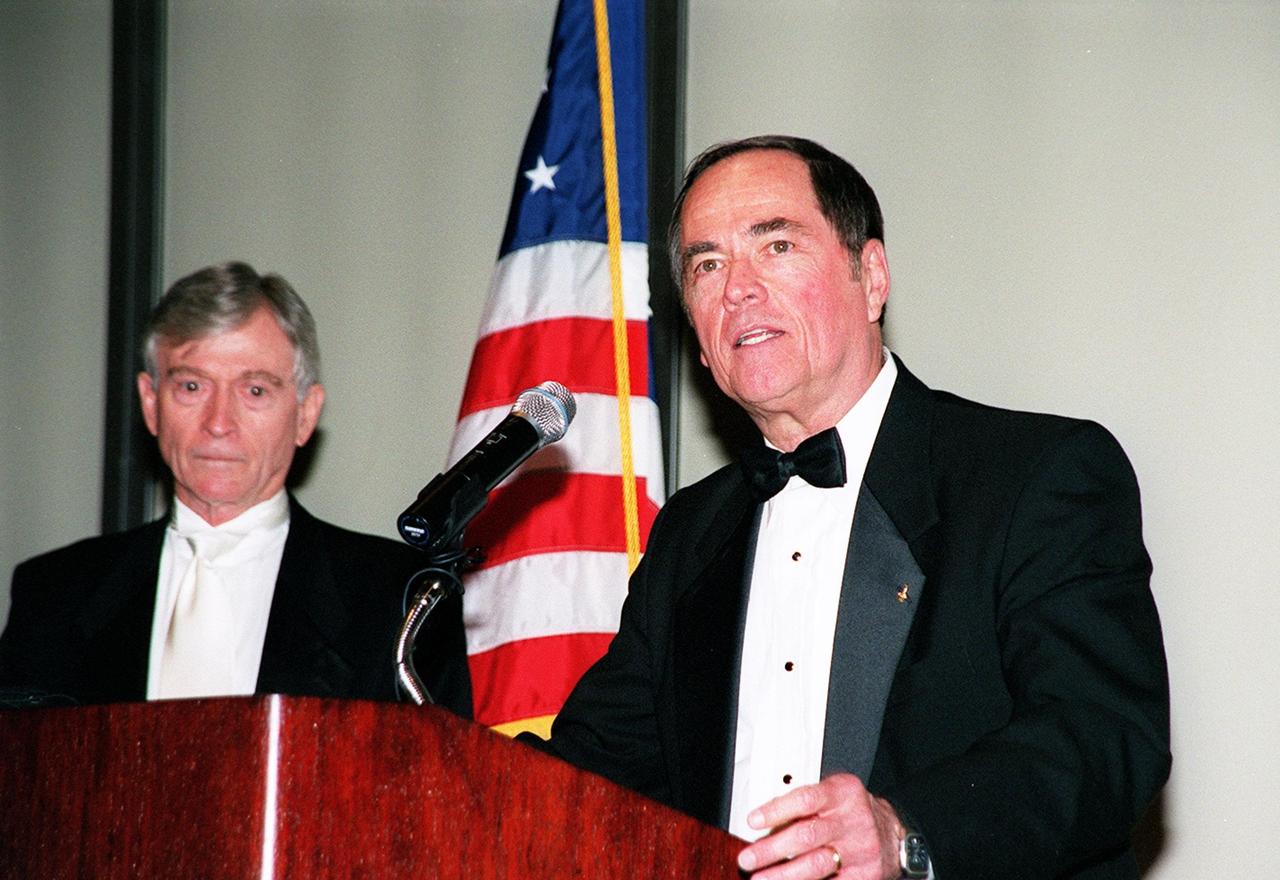
The 12th annual Dr. Kurt H. Debus Award Dinner included as speakers the first Shuttle crew from STS-1, John Young (left) and Robert Crippen (right). At the dinner, Center Director Roy Bridges received the 2001 Dr. Kurt H. Debus Award honoring his progressive, visionary leadership and contributions to space technology and exploration. The Florida Committee of the National Space Club presented the award. The Debus Award was first given in 1980. Created to recognize significant achievements and contributions made in Florida to the American aerospace effort, the award is named for the KSC’s first Director, Dr. Kurt H. Debus
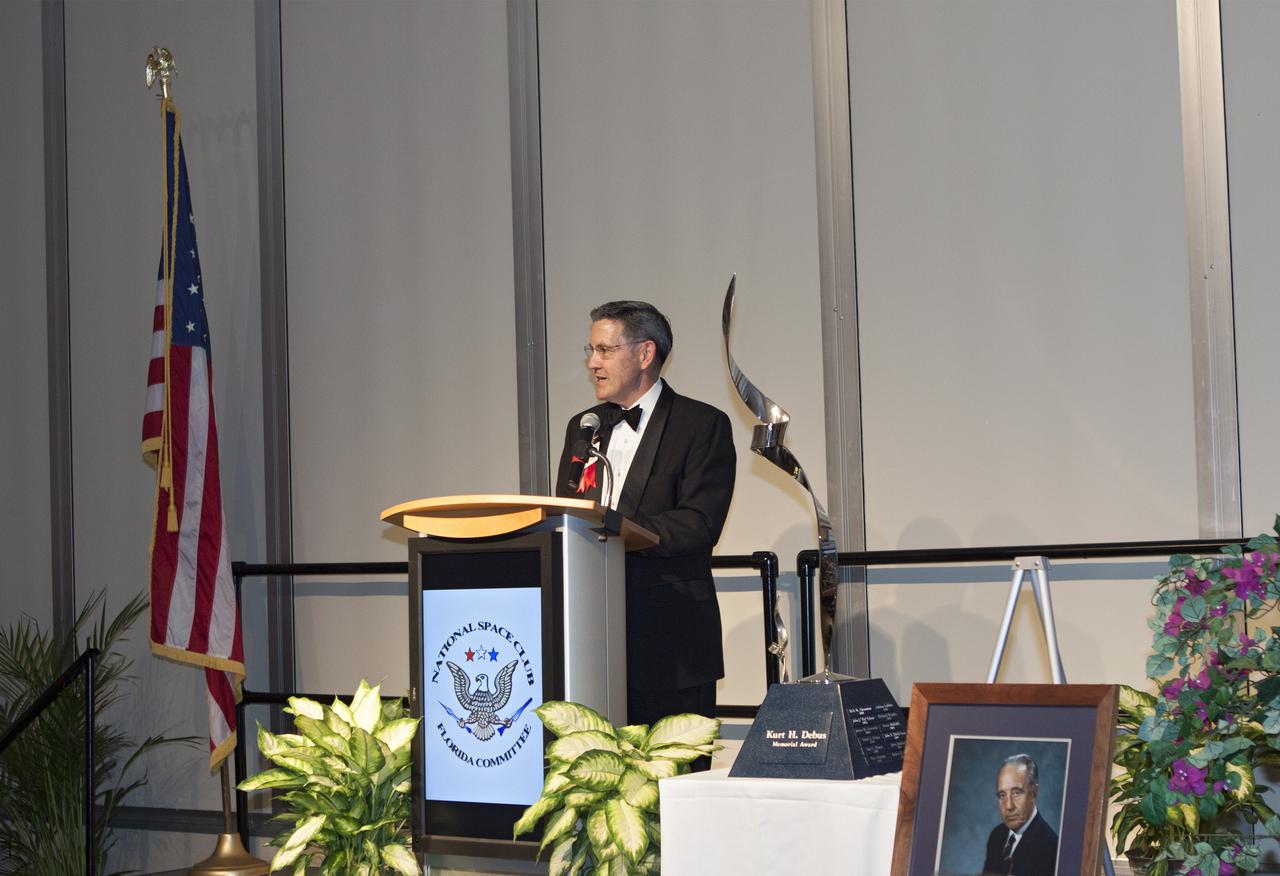
CAPE CANAVERAL, Fla. – At NASA’s Kennedy Space Center Visitor Complex in Florida, National Space Club Florida Committee Chairman Jim McCarthy, at the podium, has just presented the prestigious Dr. Kurt H. Debus Award to Kennedy's director, Bob Cabana. A former U.S. Marine Corps aviator and NASA astronaut, Cabana was honored at the gala Debus Award Dinner. Named for the spaceport’s first director, the Debus Award was created to recognize significant achievements and contributions made in Florida to American aerospace efforts. The Debus Award was created by the space club's Florida committee to recognize significant achievements and contributions made in Florida to American aerospace efforts. Photo credit: NASA_Jim Grossmann
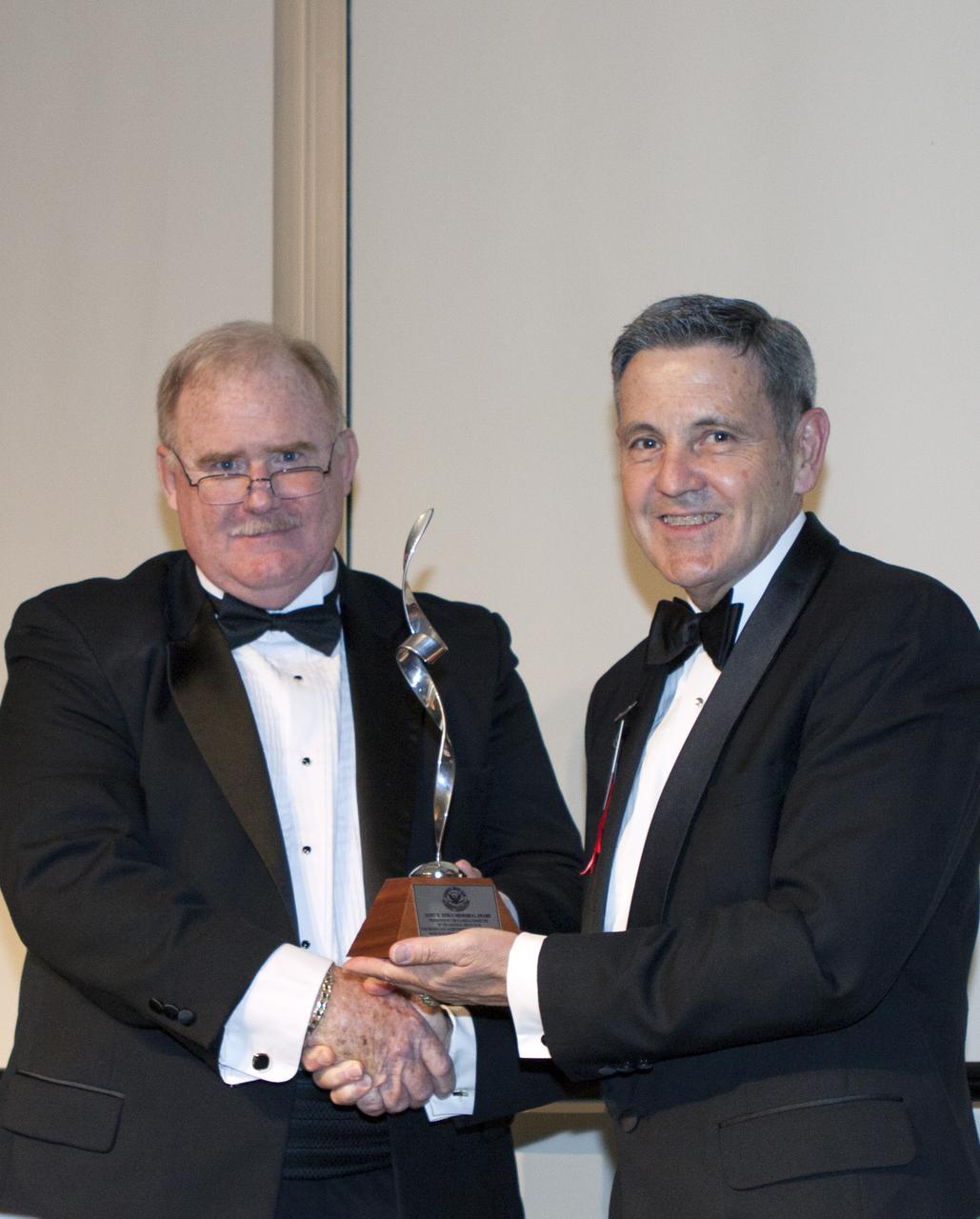
CAPE CANAVERAL, Fla. – At NASA’s Kennedy Space Center Visitor Complex in Florida, National Space Club Florida Committee Chairman Jim McCarthy, left, presents the Dr. Kurt H. Debus Award to Kennedy's director, Bob Cabana. A former U.S. Marine Corps aviator and NASA astronaut, Cabana was honored at the gala Debus Award Dinner. Named for the spaceport’s first director, the Debus Award was created to recognize significant achievements and contributions made in Florida to American aerospace efforts. The Debus Award was created by the space club's Florida committee to recognize significant achievements and contributions made in Florida to American aerospace efforts. Photo credit: NASA_Jim Grossmann
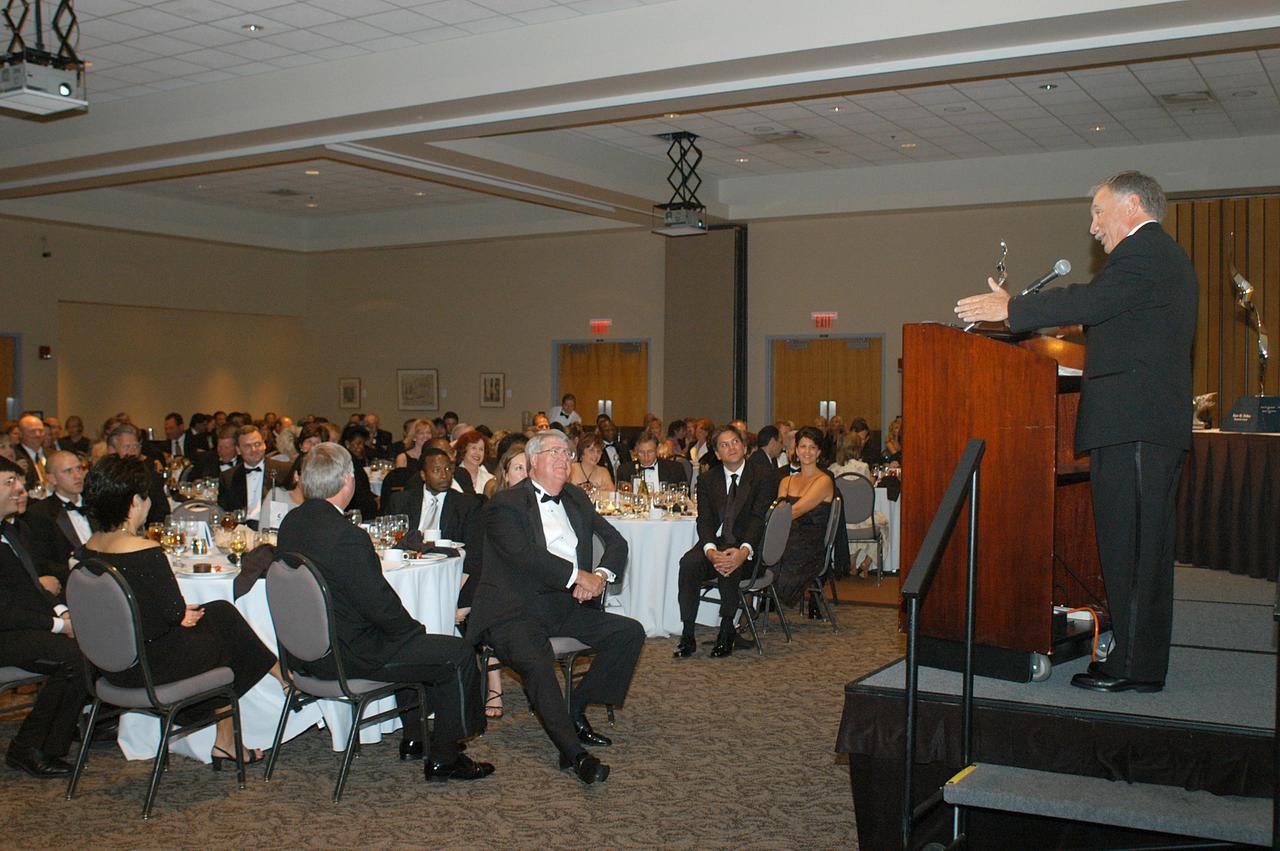
CAPE CANAVERAL, Fla. – At NASA’s Kennedy Space Center Visitor Complex in Florida, center director Bob Cabana speaks after being presented the prestigious Dr. Kurt H. Debus Award. A former U.S. Marine Corps aviator and NASA astronaut, Cabana was honored at the gala Debus Award Dinner. Named for the spaceport’s first director, the Debus Award was created to recognize significant achievements and contributions made in Florida to American aerospace efforts. The Debus Award was created by the space club's Florida committee to recognize significant achievements and contributions made in Florida to American aerospace efforts. Photo credit: NASA_Jim Grossmann
KENNEDY SPACE CENTER, FLA. -- Debus Award recipient John J. “Tip” Talone speaks to guests at the annual National Space Club Debus Award Banquet, held at the Dr. Kurt H. Debus Conference Facility in the KSC Visitor Complex. Director of the International Space Station/Payloads Processing directorate, Talone received the award in recognition of his outstanding personal and professional efforts in supporting the U.S. space program, especially in his current role. The award was created by the National Space Club Florida Committee to recognize significant achievements and contributions made in Florida to American aerospace efforts. It is named for Dr. Kurt H. Debus, first director of KSC, from 1962 to 1974.
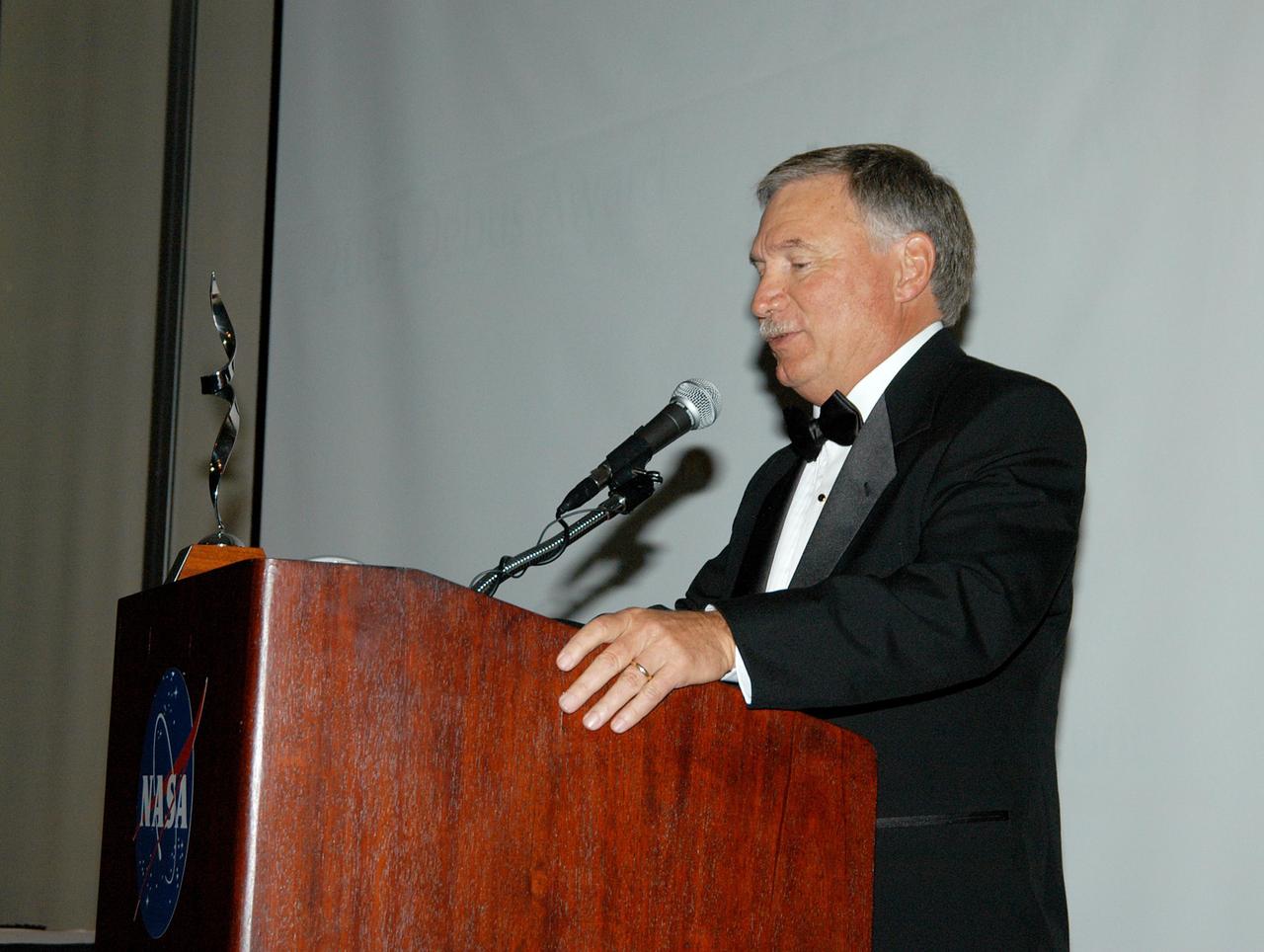
KENNEDY SPACE CENTER, FLA. -- Debus Award recipient John J. “Tip” Talone speaks to guests at the annual National Space Club Debus Award Banquet, held at the Dr. Kurt H. Debus Conference Facility in the Visitor Complex. Talone, director of the International Space Station/Payloads Processing directorate, received the award in recognition of his outstanding personal and professional efforts in supporting the U.S. space program, especially in his current role. The award was created by the National Space Club Florida Committee to recognize significant achievements and contributions made in Florida to American aerospace efforts. It is named for Dr. Kurt H. Debus, first director of KSC, from 1962 to 1974.
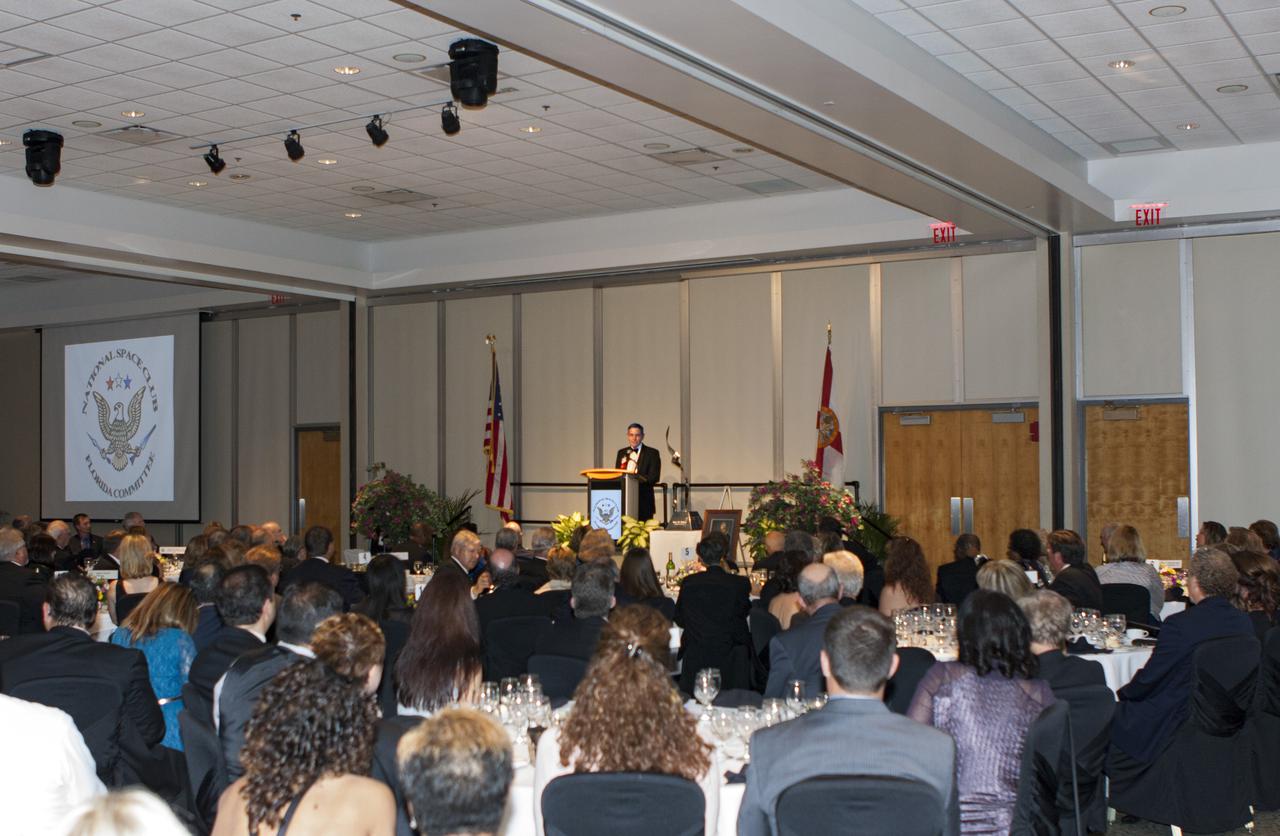
CAPE CANAVERAL, Fla. – At NASA’s Kennedy Space Center Visitor Complex in Florida, center director Bob Cabana speaks after being presented the prestigious Dr. Kurt H. Debus Award. A former U.S. Marine Corps aviator and NASA astronaut, Cabana was honored at the gala Debus Award Dinner. Named for the spaceport’s first director, the Debus Award was created to recognize significant achievements and contributions made in Florida to American aerospace efforts. The Debus Award was created by the space club's Florida committee to recognize significant achievements and contributions made in Florida to American aerospace efforts. Photo credit: NASA_Jim Grossmann
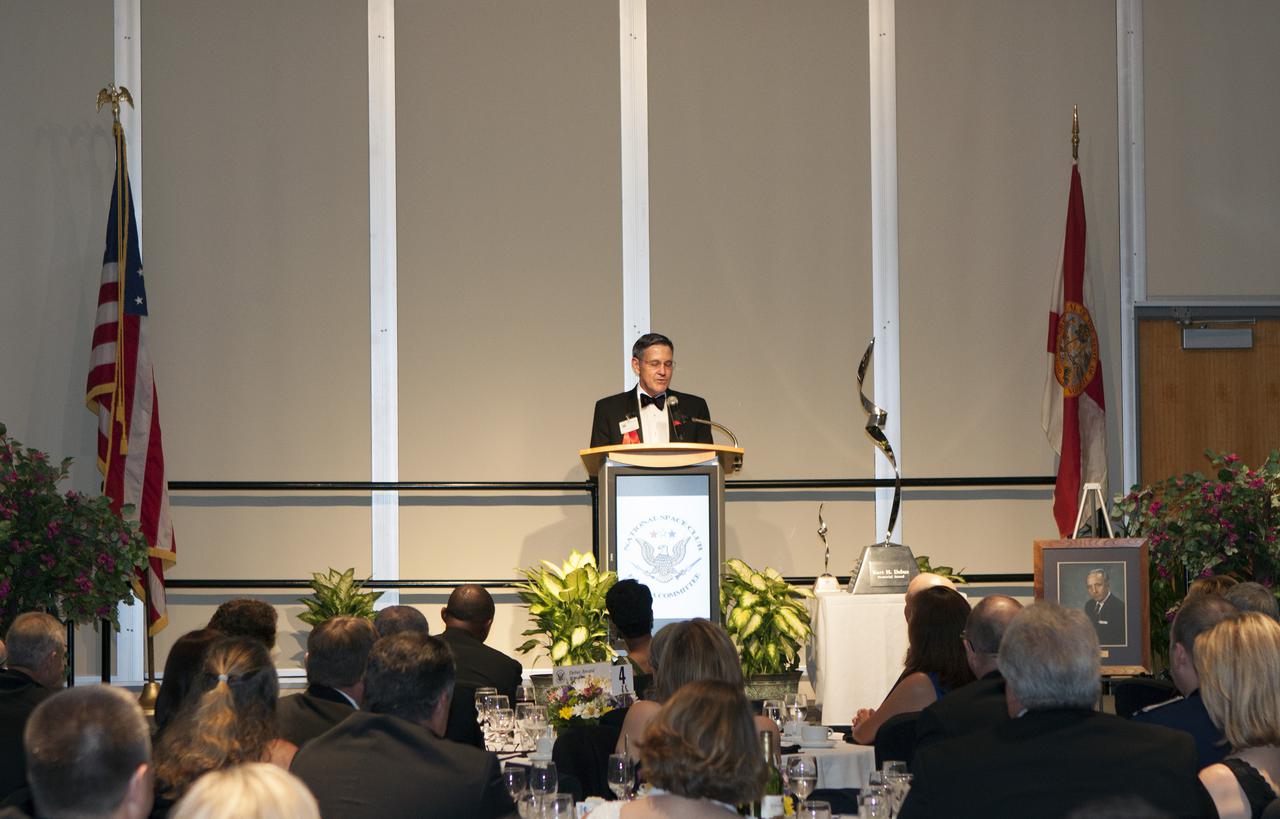
CAPE CANAVERAL, Fla. – At NASA’s Kennedy Space Center Visitor Complex in Florida, center director Bob Cabana speaks after being presented the prestigious Dr. Kurt H. Debus Award. A former U.S. Marine Corps aviator and NASA astronaut, Cabana was honored at the gala Debus Award Dinner. Named for the spaceport’s first director, the Debus Award was created to recognize significant achievements and contributions made in Florida to American aerospace efforts. The Debus Award was created by the space club's Florida committee to recognize significant achievements and contributions made in Florida to American aerospace efforts. Photo credit: NASA_Jim Grossmann
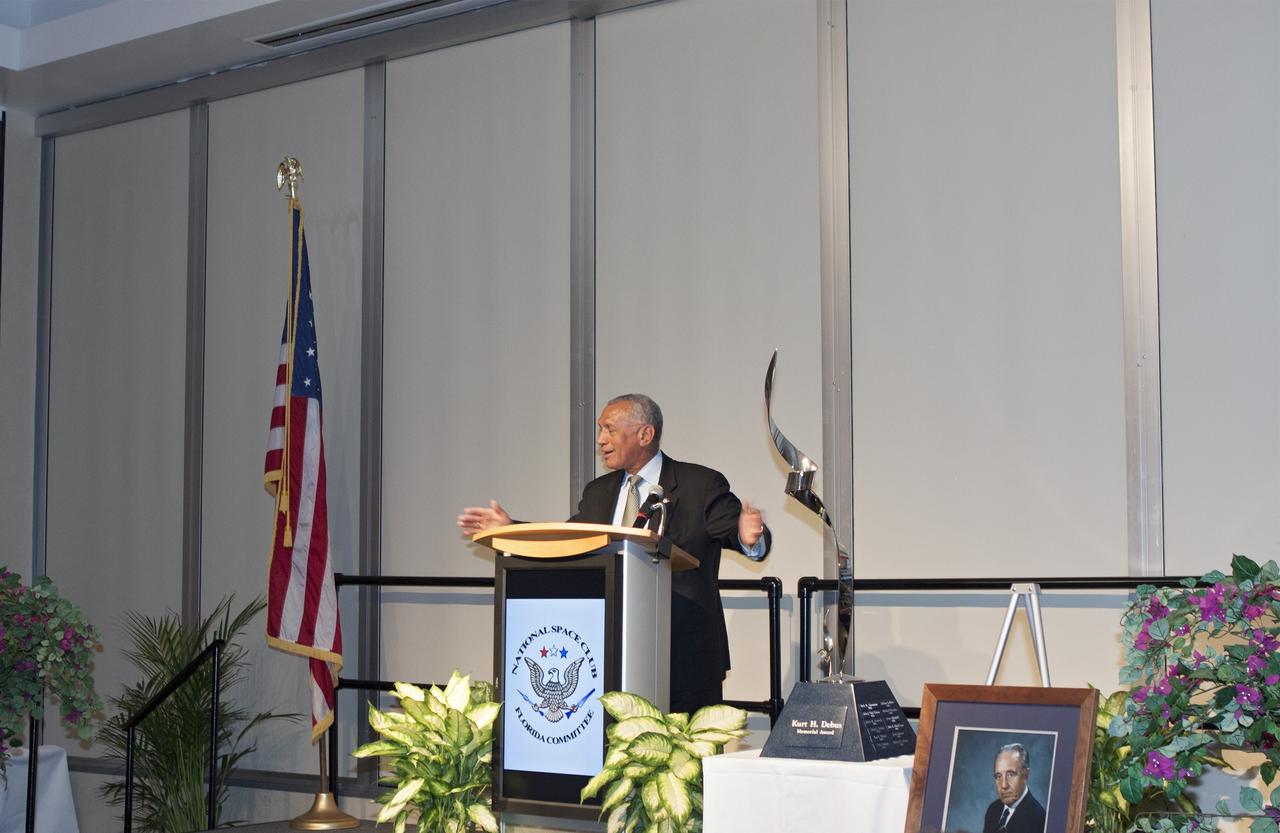
CAPE CANAVERAL, Fla. – At NASA’s Kennedy Space Center Visitor Complex in Florida, NASA Administrator Charles Bolden speaks at the annual the Dr. Kurt H. Debus Award gala in which the prestigious honor was presented to Kennedy's director, Bob Cabana. A former U.S. Marine Corps aviator and NASA astronaut, Cabana was honored at the gala Debus Award Dinner. Named for the spaceport’s first director, the Debus Award was created to recognize significant achievements and contributions made in Florida to American aerospace efforts. The Debus Award was created by the space club's Florida committee to recognize significant achievements and contributions made in Florida to American aerospace efforts. Photo credit: NASA/Jim Grossmann
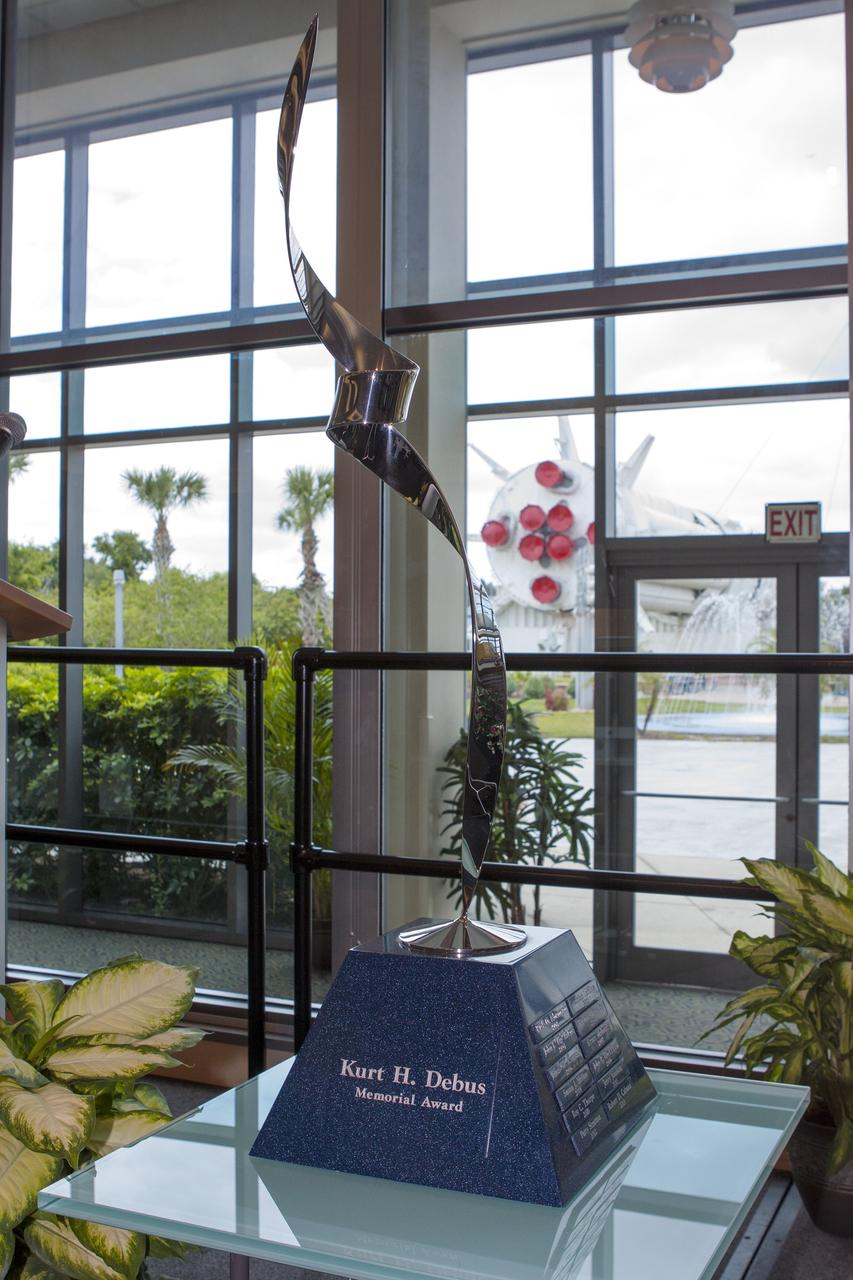
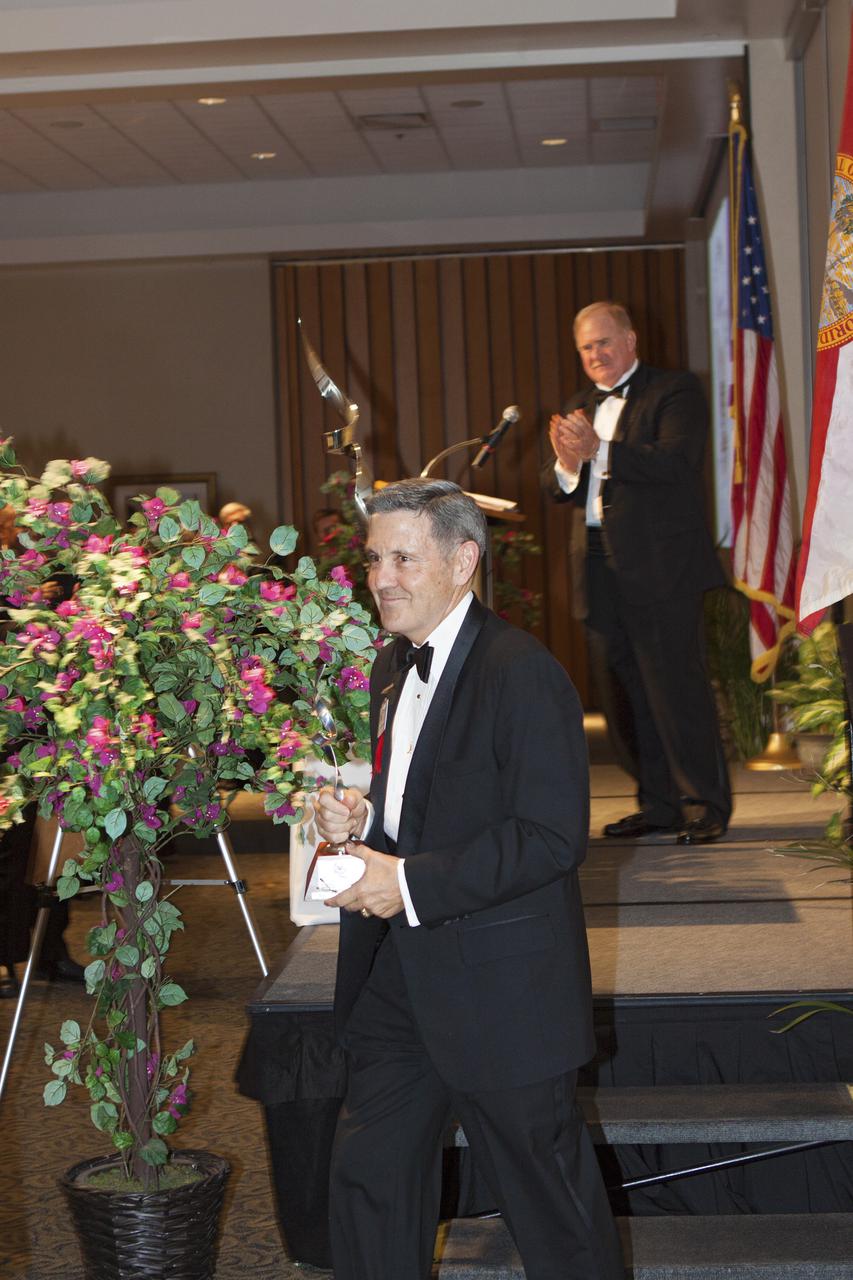
CAPE CANAVERAL, Fla. – At NASA’s Kennedy Space Center Visitor Complex in Florida, the Dr. Kurt H. Debus Award for 2013 was presented to director Bob Cabana by the National Space Club Florida Committee. A former U.S. Marine Corps aviator and NASA astronaut, Cabana was honored at the gala Debus Award Dinner. Named for the spaceport’s first director, the Debus Award was created to recognize significant achievements and contributions made in Florida to American aerospace efforts. The Debus Award was created by the space club's Florida committee to recognize significant achievements and contributions made in Florida to American aerospace efforts. Photo credit: NASA/Jim Grossmann
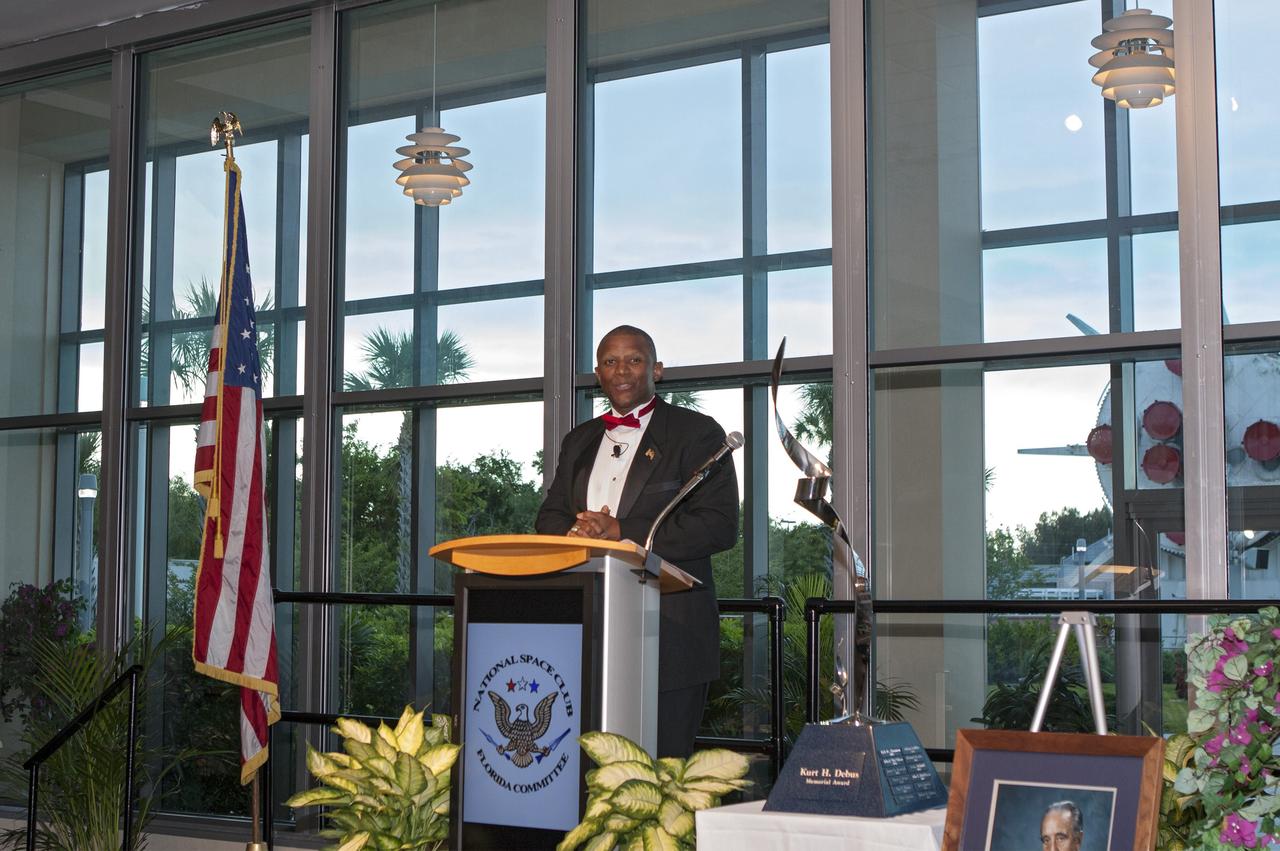
CAPE CANAVERAL, Fla. – At NASA’s Kennedy Space Center Visitor Complex in Florida, the center's associate director, Kelvin Manning, served as emcee for the Dr. Kurt H. Debus Award gala in which the prestigious honor was presented to Kennedy's director, Bob Cabana. A former U.S. Marine Corps aviator and NASA astronaut, Cabana was honored at the gala Debus Award Dinner. Named for the spaceport’s first director, the Debus Award was created to recognize significant achievements and contributions made in Florida to American aerospace efforts. The Debus Award was created by the space club's Florida committee to recognize significant achievements and contributions made in Florida to American aerospace efforts. Photo credit: NASA/Jim Grossmann
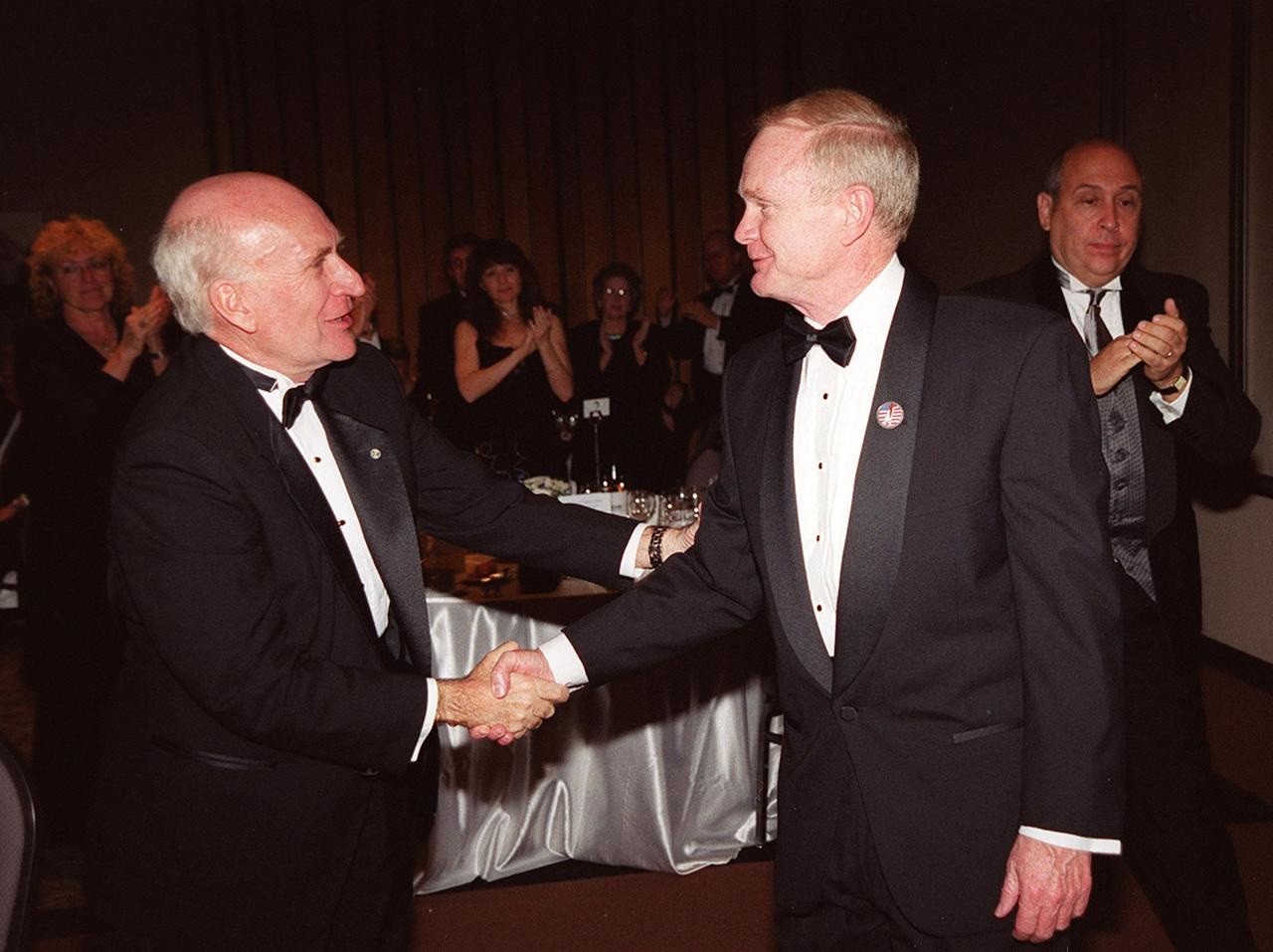
Center Director Roy Bridges (center) is congratulated by Spaceport Florida Authority Executive Director Ed Gormel (left) at the 12th annual Dr. Kurt H. Debus Award Dinner held at the KSC Visitor Complex’s Debus Conference Facility. At right is Rick Abramson, president of Delaware North Parks Services of Spaceport, Inc. Bridges was presented with the 2001 Dr. Kurt H. Debus Award honoring his progressive, visionary leadership and contributions to space technology and exploration. The Florida Committee of the National Space Club presented the award. The Debus Award was first given in 1980. Created to recognize significant achievements and contributions made in Florida to the American aerospace effort, the award is named for the KSC’s first Director, Dr. Kurt H. Debus
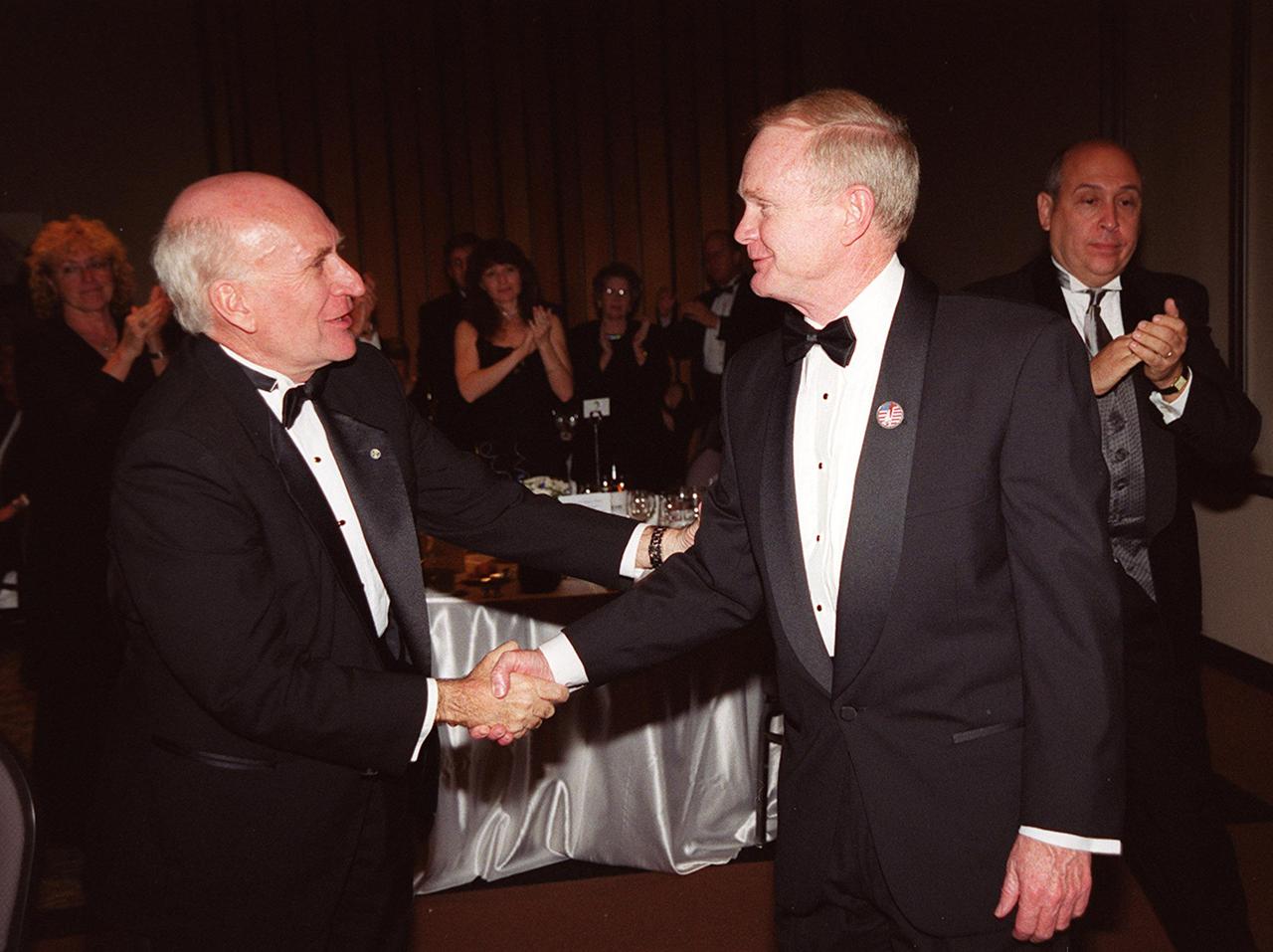
Center Director Roy Bridges (center) is congratulated by Spaceport Florida Authority Executive Director Ed Gormel (left) at the 12th annual Dr. Kurt H. Debus Award Dinner held at the KSC Visitor Complex’s Debus Conference Facility. At right is Rick Abramson, president of Delaware North Parks Services of Spaceport, Inc. Bridges was presented with the 2001 Dr. Kurt H. Debus Award honoring his progressive, visionary leadership and contributions to space technology and exploration. The Florida Committee of the National Space Club presented the award. The Debus Award was first given in 1980. Created to recognize significant achievements and contributions made in Florida to the American aerospace effort, the award is named for the KSC’s first Director, Dr. Kurt H. Debus
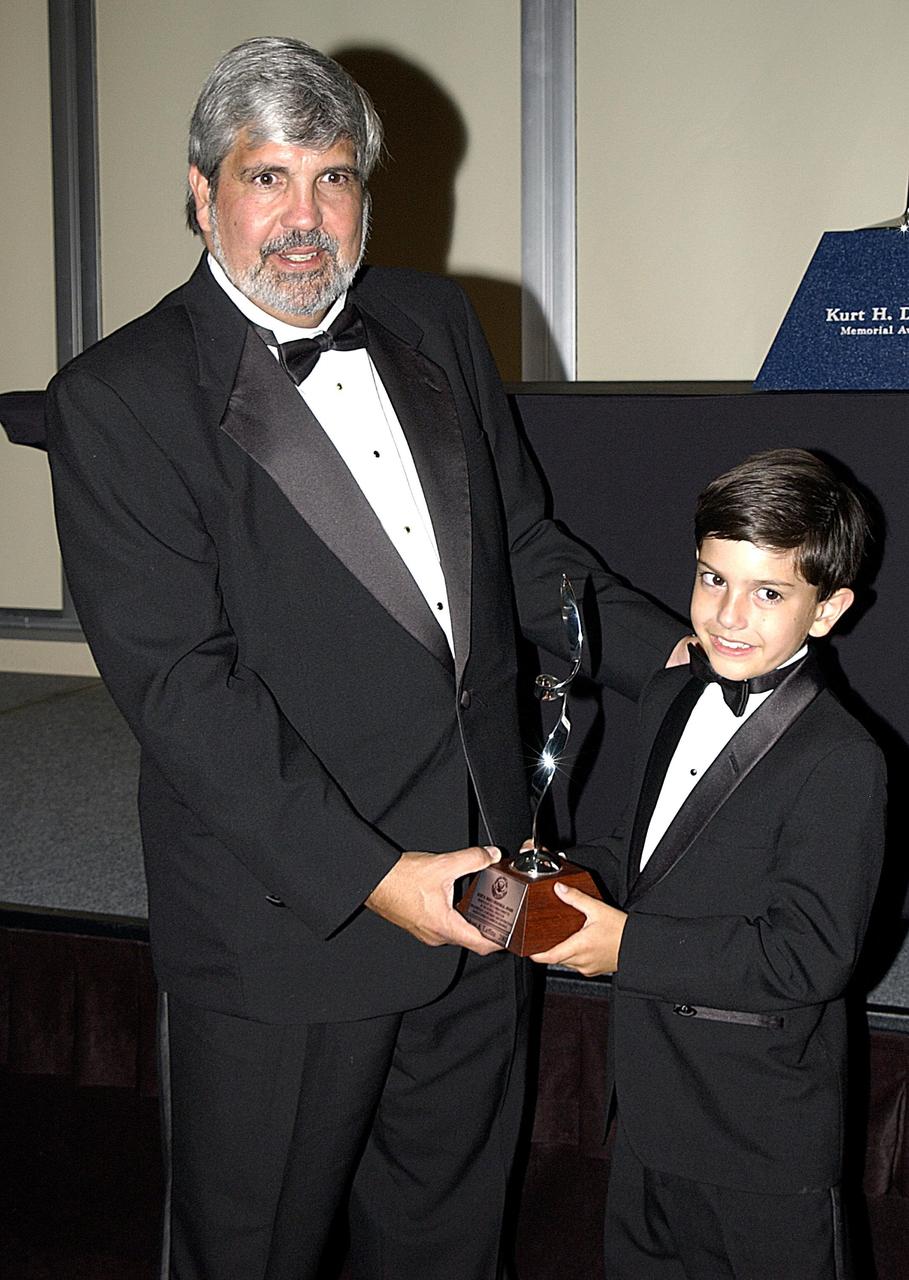
KENNEDY SPACE CENTER, FLA. -- Adrian Laffitte (left) and his son show off a small copy of the Debus Award Trophy presented to him at a formal dinner held in the Debus Conference Center at the Kennedy Space Center Visitor Complex. Laffitte, director of Atlas Programs for Lockheed Martin Astronautics at Cape Canaveral Air Force Station, was honored as the winner of the 2003 Dr. Kurt H. Debus Award from the National Space Club Florida Committee. The Debus Award was created by the committee to recognize significant achievements and contributions made in Florida to American aerospace efforts.
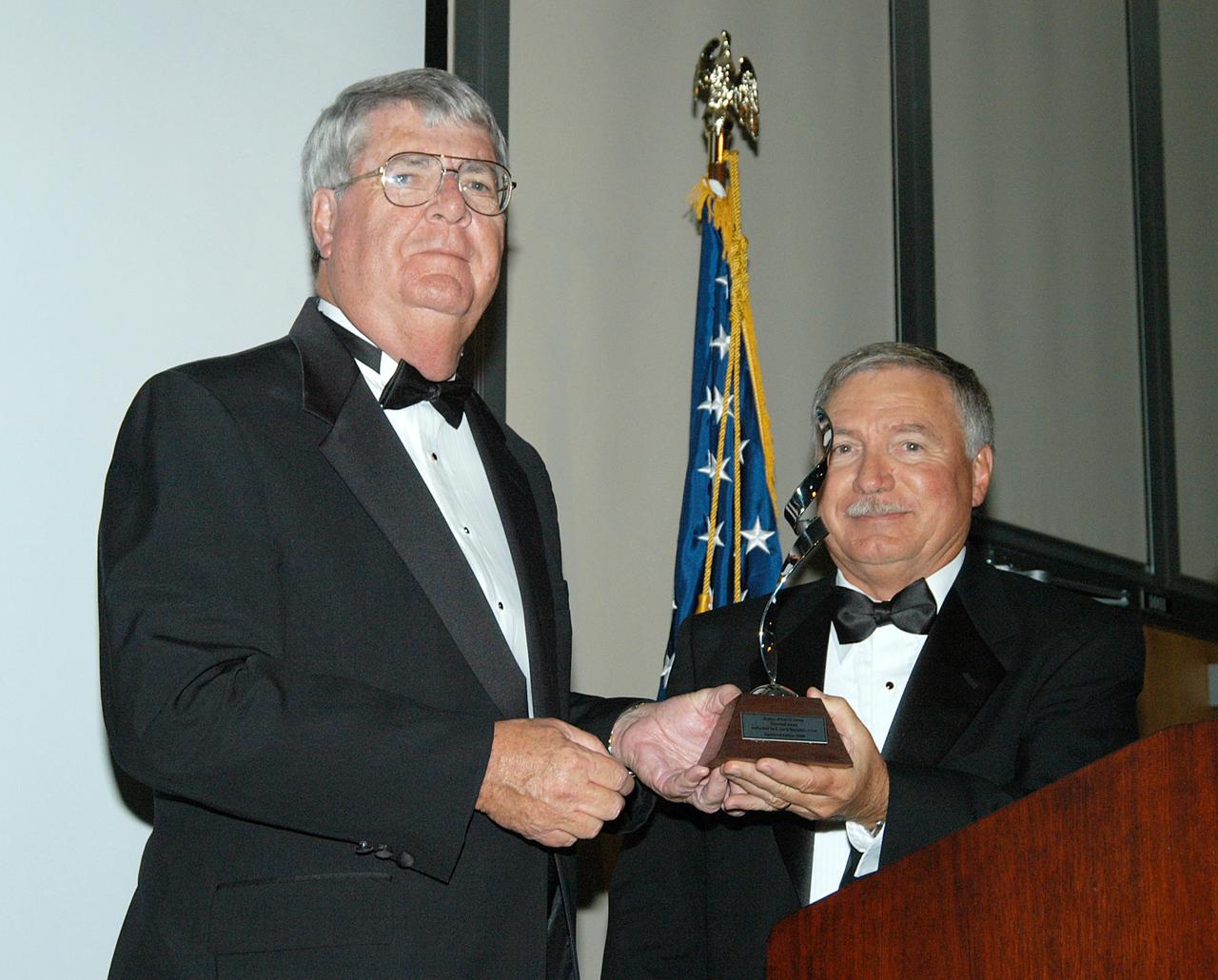
KENNEDY SPACE CENTER, FLA. -- At the annual National Space Club Debus Award Banquet, Master of Ceremonies Dick Beagley (left) presents the Debus Award to John J. “Tip” Talone, director of the International Space Station/Payloads Processing directorate. He was honored for his outstanding personal and professional efforts in supporting the U.S. space program, especially in his current role. The event was held at the Dr. Kurt H. Debus Conference Facility in the Visitor Complex. The award was created by the National Space Club to recognize significant achievements and contributions made in Florida to American aerospace efforts. It is named for Dr. Kurt H. Debus, first director of KSC, from 1962 to 1974.
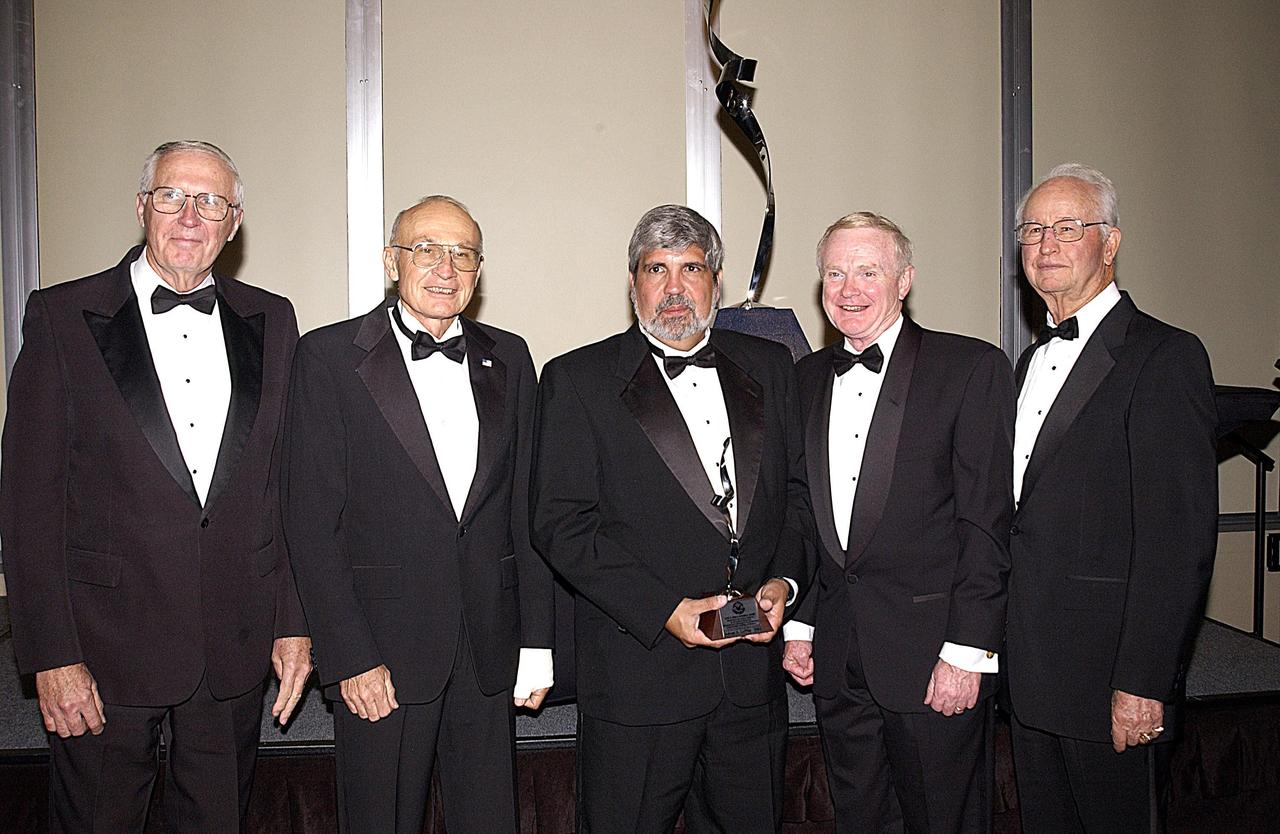
KENNEDY SPACE CENTER, FLA. -- Winners of the Dr. Kurt H. Debus Award attending the 2003 awards dinner are (from left) Lee Solid, Robert B. Sieck, Adrian Laffitte, Roy D. Bridges, and Dr. Maxwell King. Laffitte, director of Atlas Programs for Lockheed Martin Astronautics at Cape Canaveral Air Force Station, was honored as the winner of the 2003 Dr. Kurt H. Debus Award from the National Space Club Florida Committee. The Debus Award was created by the committee to recognize significant achievements and contributions made in Florida to American aerospace efforts.
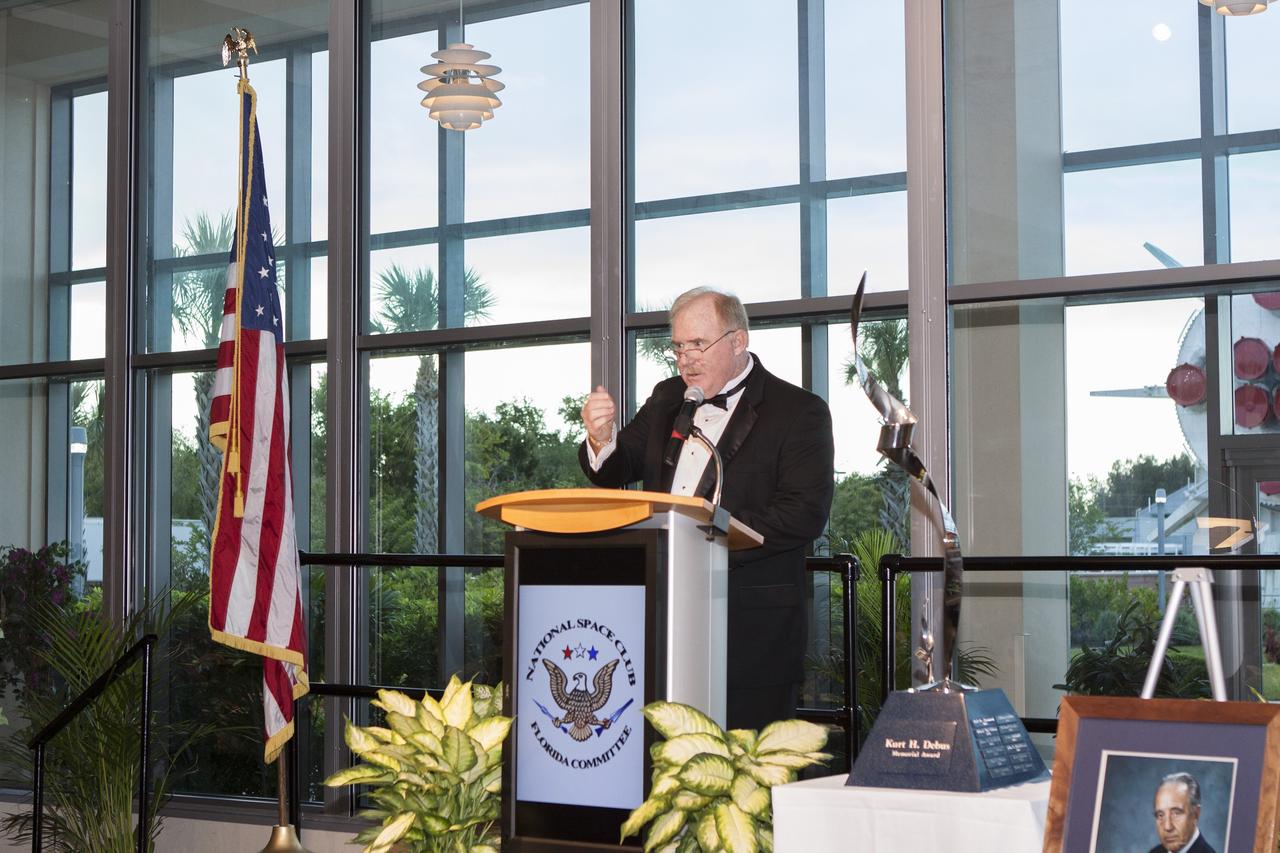
CAPE CANAVERAL, Fla. – At NASA’s Kennedy Space Center Visitor Complex in Florida, National Space Club Florida Committee Chairman Jim McCarthy speaks at the annual the Dr. Kurt H. Debus Award gala in which the prestigious honor was presented to Kennedy's director, Bob Cabana. A former U.S. Marine Corps aviator and NASA astronaut, Cabana was honored at the gala Debus Award Dinner. Named for the spaceport’s first director, the Debus Award was created to recognize significant achievements and contributions made in Florida to American aerospace efforts. The Debus Award was created by the space club's Florida committee to recognize significant achievements and contributions made in Florida to American aerospace efforts. Photo credit: NASA/Jim Grossmann
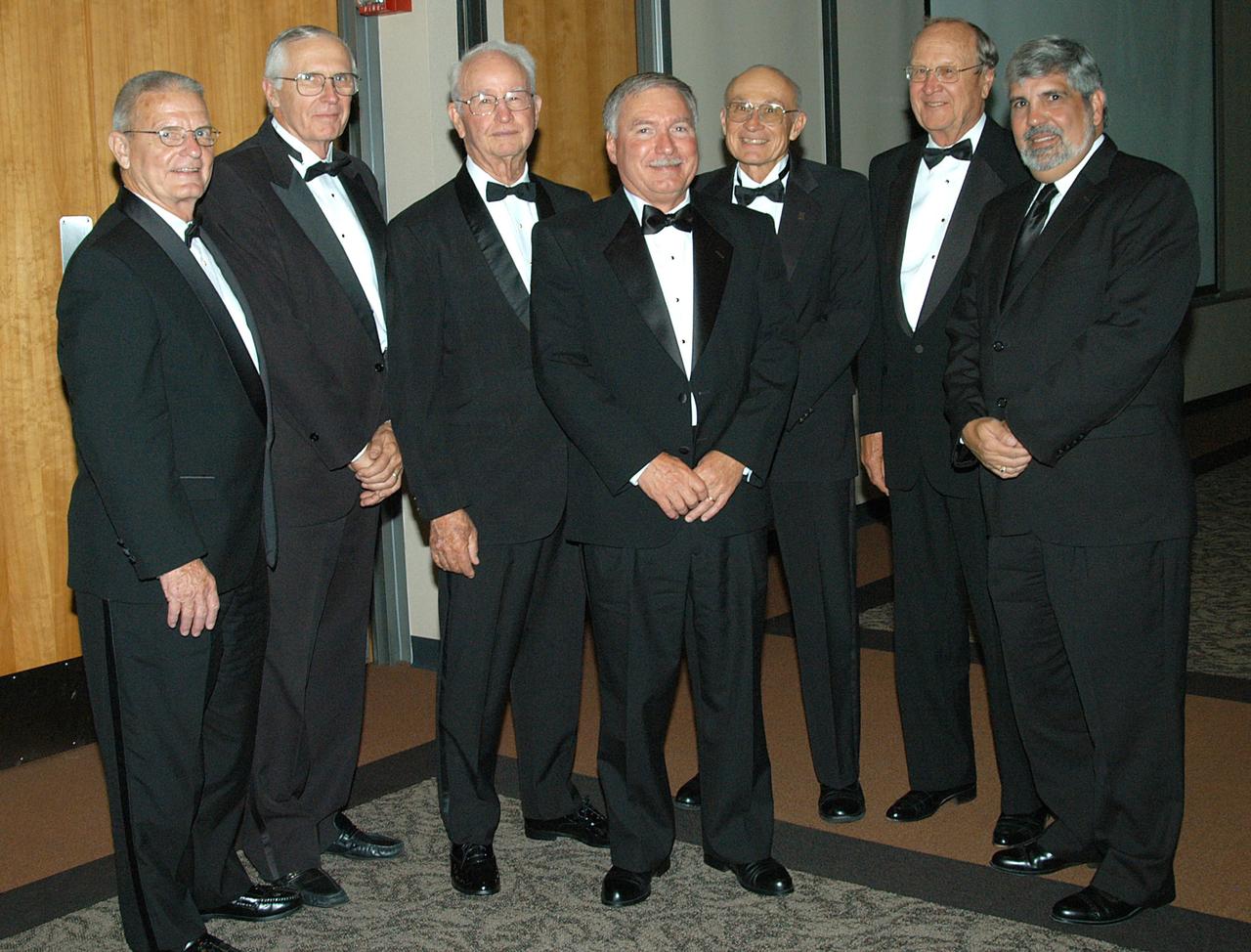
KENNEDY SPACE CENTER, FLA. -- Past recipients of the Debus Award join the 2004 awardee John J. “Tip” Talone (center) at the annual National Space Club Debus Award Banquet, held at the Dr. Kurt H. Debus Conference Facility in the KSC Visitor Complex. From left are Forrest McCartney, Lee Solid, Maxwell King, Talone, Bob Sieck, Ernie Briel and Adrian Laffitte. Director of the International Space Station/Payloads Processing directorate, Talone received the award in recognition of his outstanding personal and professional efforts in supporting the U.S. space program, especially in his current role. The award was created by the National Space Club Florida Committee to recognize significant achievements and contributions made in Florida to American aerospace efforts. It is named for Dr. Kurt H. Debus, first director of KSC, from 1962 to 1974.
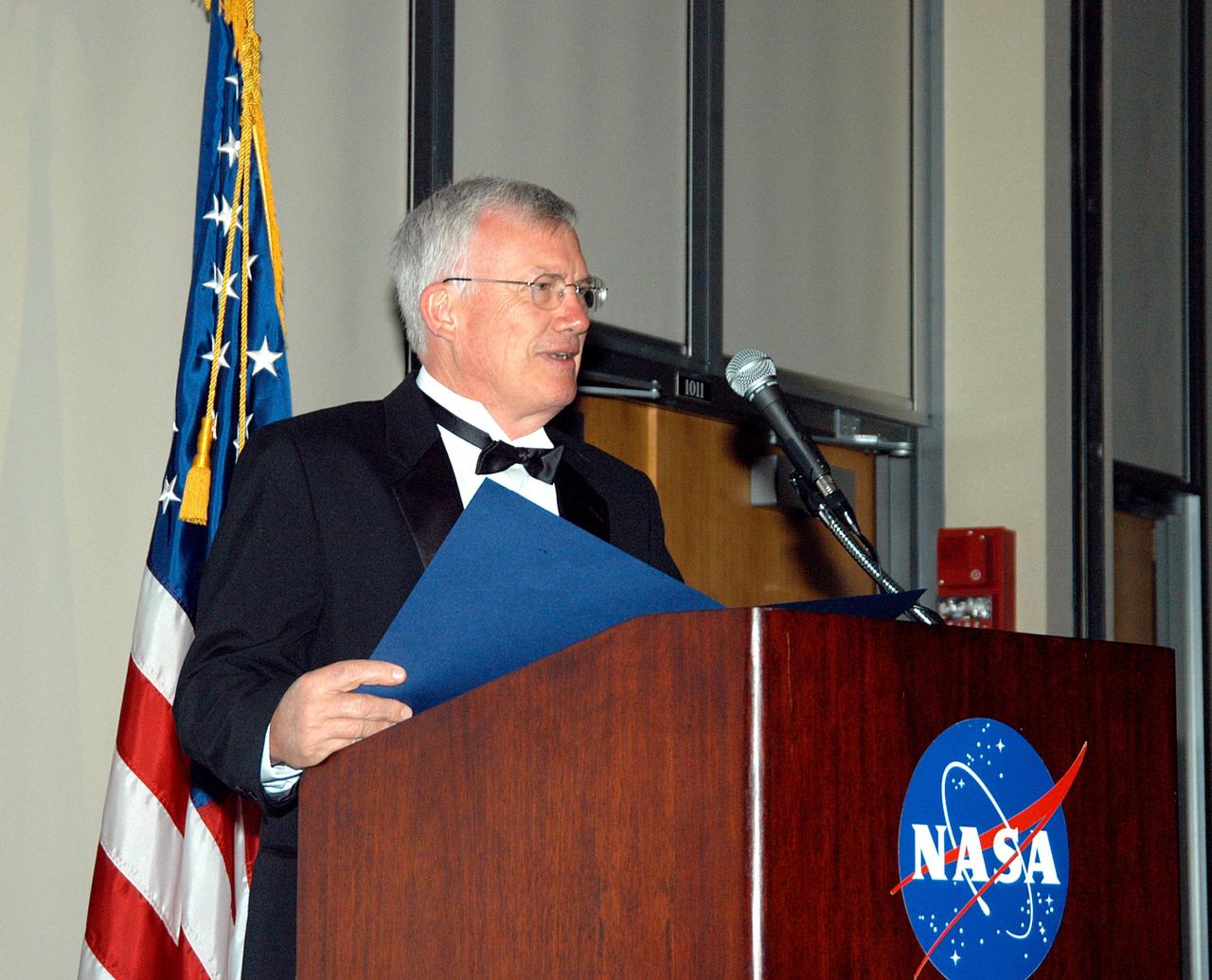
KENNEDY SPACE CENTER, FLA. -- At the annual National Space Club Debus Award Banquet held at the Dr. Kurt H. Debus Conference Facility in the Visitor Complex, David E. Bartine, chief technologist and associate director for the Spaceport Technology Development Office, reads a proclamation honoring John J. “Tip” Talone . The proclamation named April 3, 2004, in Knox County, Tenn., as John J. “Tip” Talone Jr. Day, in recognition of his being given the 2004 Debus Award. KSC’s Director of the International Space Station/Payloads Processing directorate, Talone was presented the award for his outstanding personal and professional efforts in supporting the U.S. space program, especially in his current role. The award was created by the National Space Club Florida Committee to recognize significant achievements and contributions made in Florida to American aerospace efforts. It is named for Dr. Kurt H. Debus, first director of KSC, from 1962 to 1974.
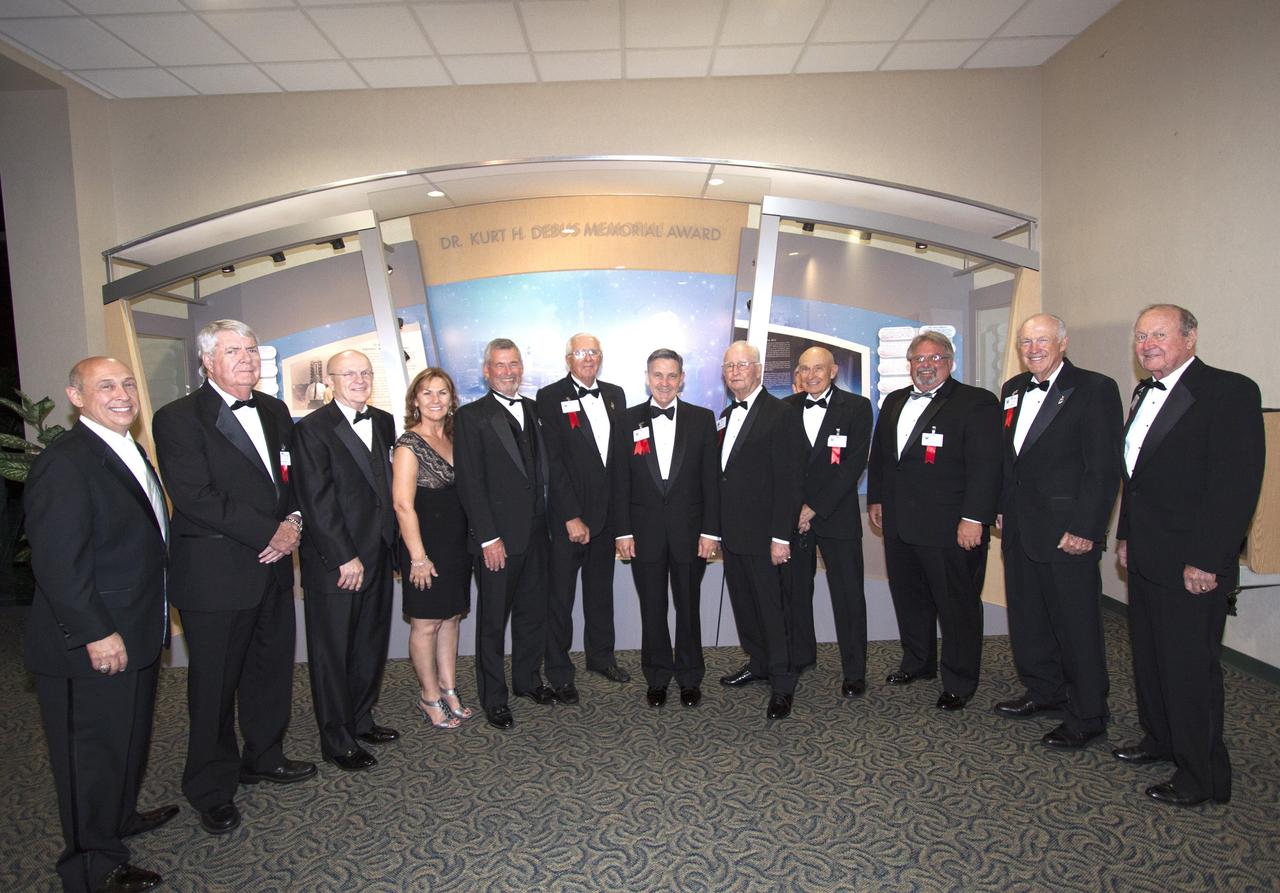
CAPE CANAVERAL, Fla. – At NASA’s Kennedy Space Center Visitor Complex in Florida, previous winners of the National Space Club Florid Committee's Dr. Kurt H. Debus Award pose with this year's honoree, center director Bob Cabana. From the left, are: Rick Abramson, Dick Beagley, Dick Lyon, Patty Stratton, Lyle Holloway, Lee Solid, Cabana, Dr. Maxwell King, Bob Sieck, Jerry Jamison, Roy Tharpe and Ernie Briel. A former U.S. Marine Corps aviator and NASA astronaut, Cabana was honored at the gala Debus Award Dinner. Named for the spaceport’s first director, the Debus Award was created to recognize significant achievements and contributions made in Florida to American aerospace efforts. The Debus Award was created by the space club's Florida committee to recognize significant achievements and contributions made in Florida to American aerospace efforts. Photo credit: NASA/Jim Grossmann

CAPE CANAVERAL, Fla. – At NASA’s Kennedy Space Center Visitor Complex in Florida, Russell Romanella, director of NASA's Safety and Mission Assurance Directorate at the spaceport, speaks at the annual the Dr. Kurt H. Debus Award gala in which the prestigious honor was presented to Kennedy's director, Bob Cabana. A former U.S. Marine Corps aviator and NASA astronaut, Cabana was honored at the gala Debus Award Dinner. Named for the spaceport’s first director, the Debus Award was created to recognize significant achievements and contributions made in Florida to American aerospace efforts. The Debus Award was created by the space club's Florida committee to recognize significant achievements and contributions made in Florida to American aerospace efforts. Photo credit: NASA/Jim Grossmann
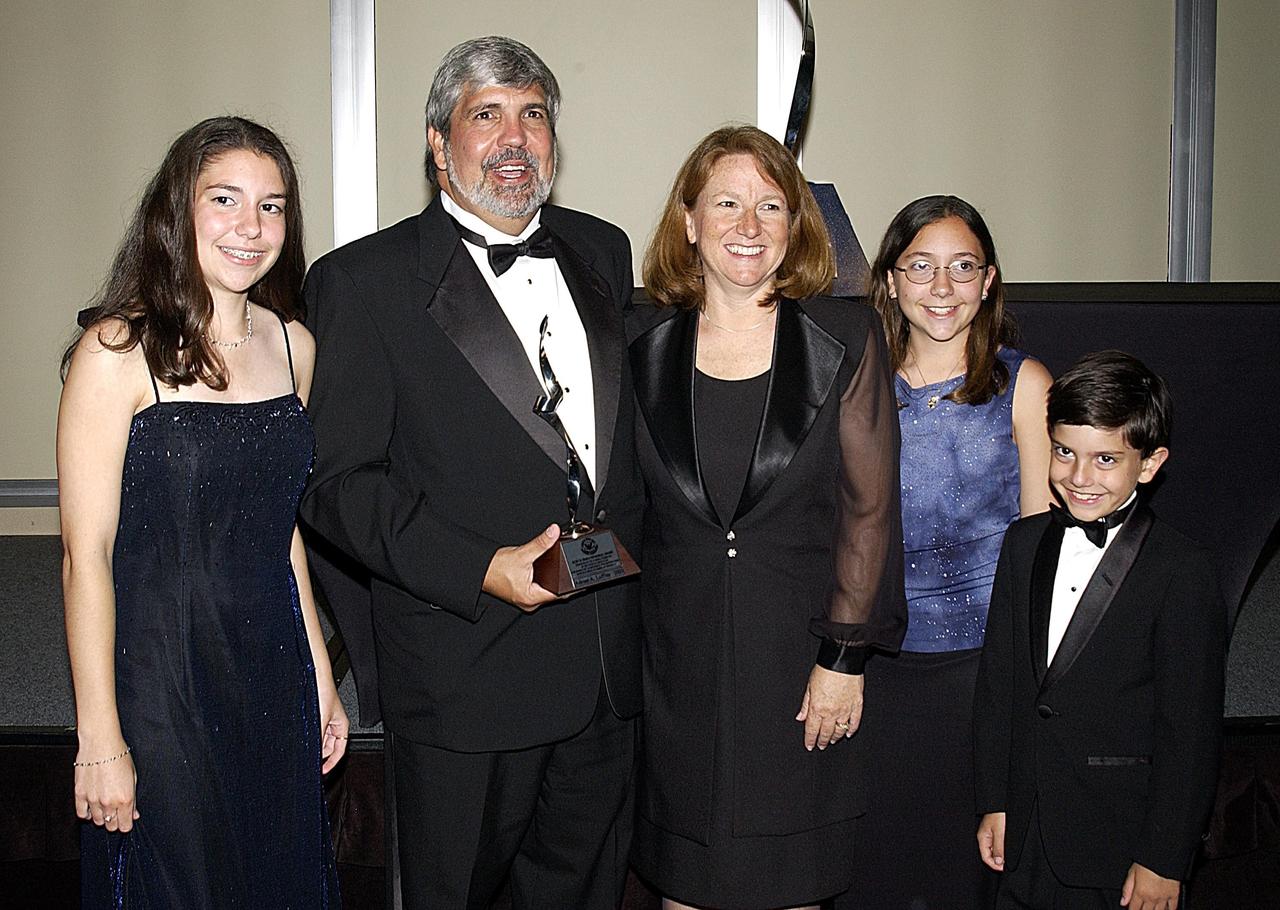
KENNEDY SPACE CENTER, FLA. -- Adrian Laffitte (second from left) and his family enjoy a moment in the spotlight at a formal dinner held in the Debus Conference Center at the Kennedy Space Center Visitor Complex. Laffitte, director of Atlas Programs for Lockheed Martin Astronautics at Cape Canaveral Air Force Station, was honored as the winner of the 2003 Dr. Kurt H. Debus Award from the National Space Club Florida Committee. The Debus Award was created by the committee to recognize significant achievements and contributions made in Florida to American aerospace efforts.
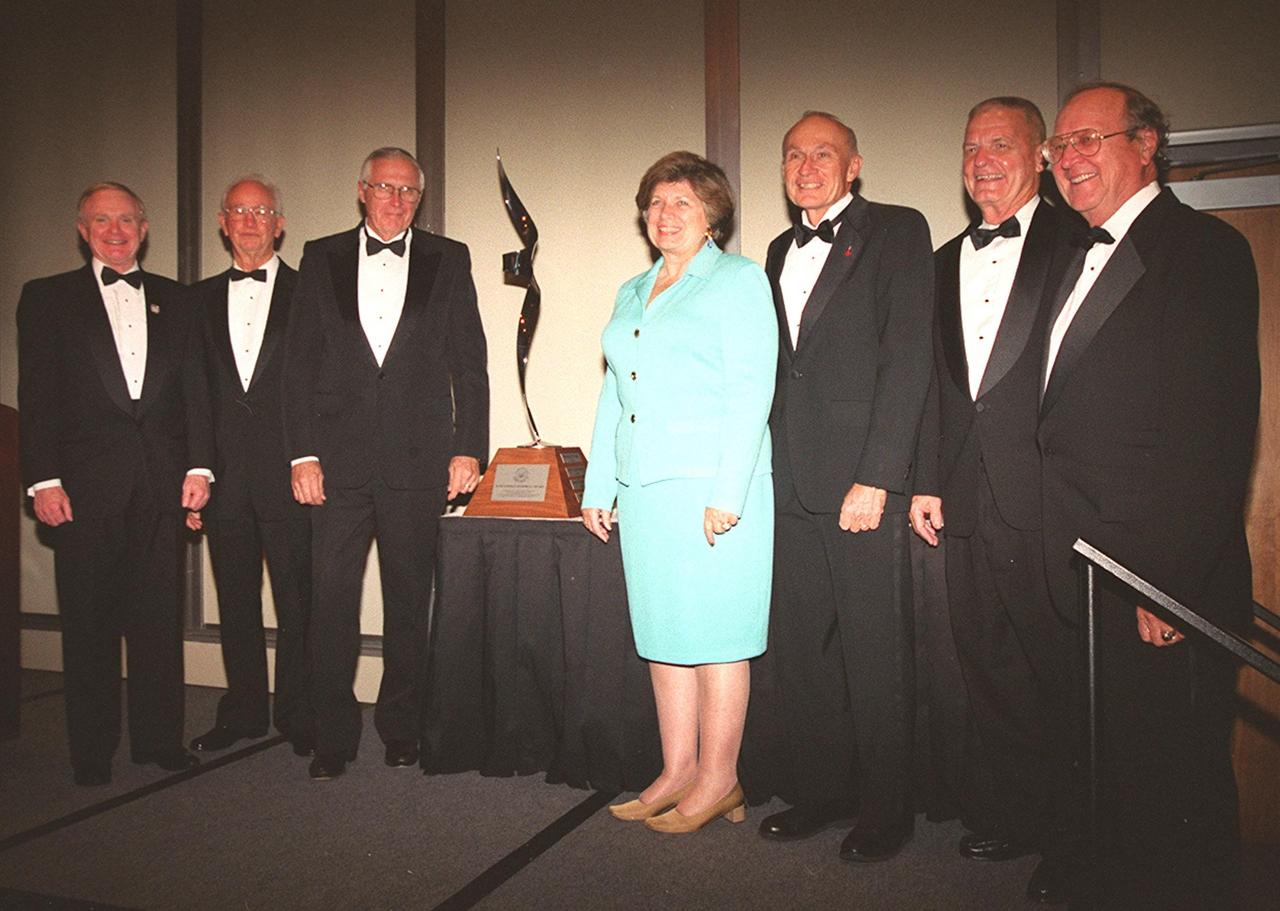
The 12th annual Dr. Kurt H. Debus Award Dinner gathered these distinguished guests: (from left), Center Director Roy Bridges, who received the 2001 Dr. Kurt H. Debus Award, Maxwell King, Lee Solid, JoAnn Morgan, Bob Sieck, Forrest McCartney and Ernie Briel. Solid is the former vice president and general manager of Space Systems Division, Florida Operations, Rockwell International. Morgan is the director of KSC’s External Relations & Business Development Directorate; Bob Sieck is the former director of Shuttle Processing at KSC. McCartney, center director of KSC from 1986-1991, received the first Debus award ever given to a KSC director. Bridges was given the honor for his progressive, visionary leadership and contributions to space technology and exploration. The Florida Committee of the National Space Club presented the award. The Debus Award was first given in 1980. Created to recognize significant achievements and contributions made in Florida to the American aerospace effort, the award is named for the KSC’s first Director, Dr. Kurt H. Debus
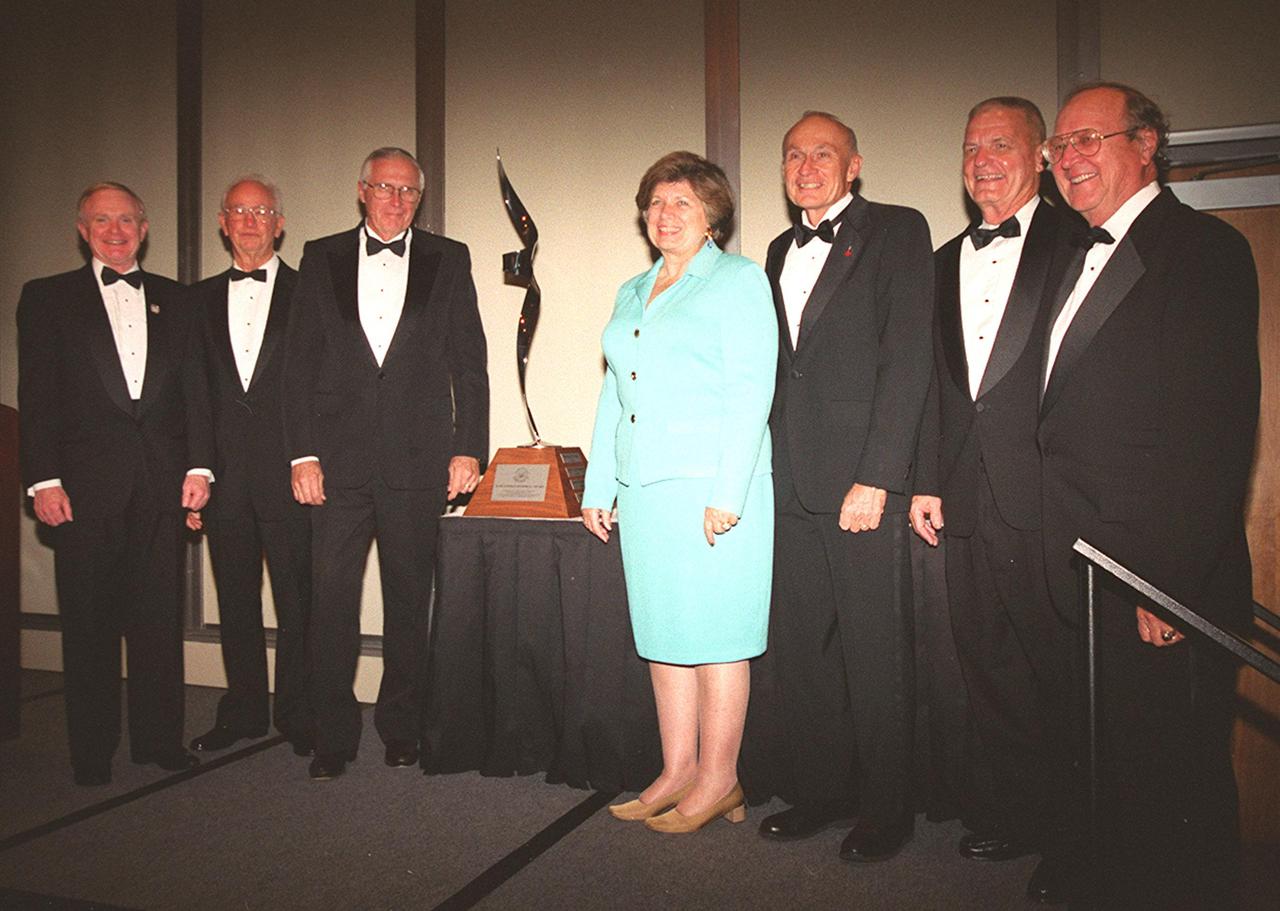
The 12th annual Dr. Kurt H. Debus Award Dinner gathered these distinguished guests: (from left), Center Director Roy Bridges, who received the 2001 Dr. Kurt H. Debus Award, Maxwell King, Lee Solid, JoAnn Morgan, Bob Sieck, Forrest McCartney and Ernie Briel. Solid is the former vice president and general manager of Space Systems Division, Florida Operations, Rockwell International. Morgan is the director of KSC’s External Relations and Business Development Directorate; Bob Sieck is the former director of Shuttle Processing at KSC. McCartney, center director of KSC from 1986-1991, received the first Debus award ever given to a KSC director. Bridges was given the honor for his progressive, visionary leadership and contributions to space technology and exploration. The Florida Committee of the National Space Club presented the award. The Debus Award was first given in 1980. Created to recognize significant achievements and contributions made in Florida to the American aerospace effort, the award is named for the KSC’s first Director, Dr. Kurt H. Debus
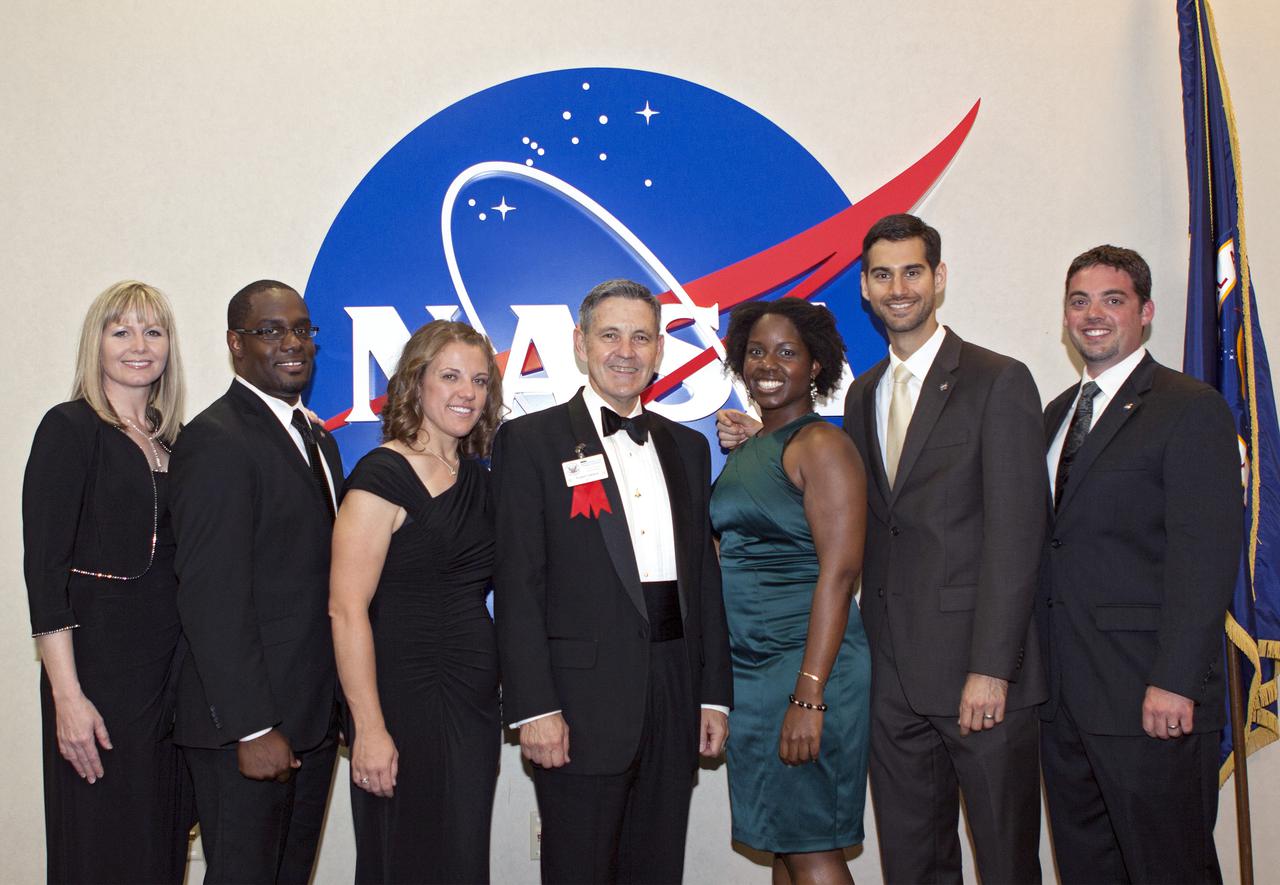
CAPE CANAVERAL, Fla. – At NASA’s Kennedy Space Center Visitor Complex in Florida, center director Bob Cabana poses with current and former interns. From the left are Joy Burkey, Robert Hubbard, Carla Koch, Cabana, LaKeesha Flowers, Michael Miller and Michael Masters. A former U.S. Marine Corps aviator and NASA astronaut, Cabana was honored at the gala Debus Award Dinner. Named for the spaceport’s first director, the Debus Award was created to recognize significant achievements and contributions made in Florida to American aerospace efforts. The Debus Award was created by the space club's Florida committee to recognize significant achievements and contributions made in Florida to American aerospace efforts. Photo credit: NASA_Jim Grossmann
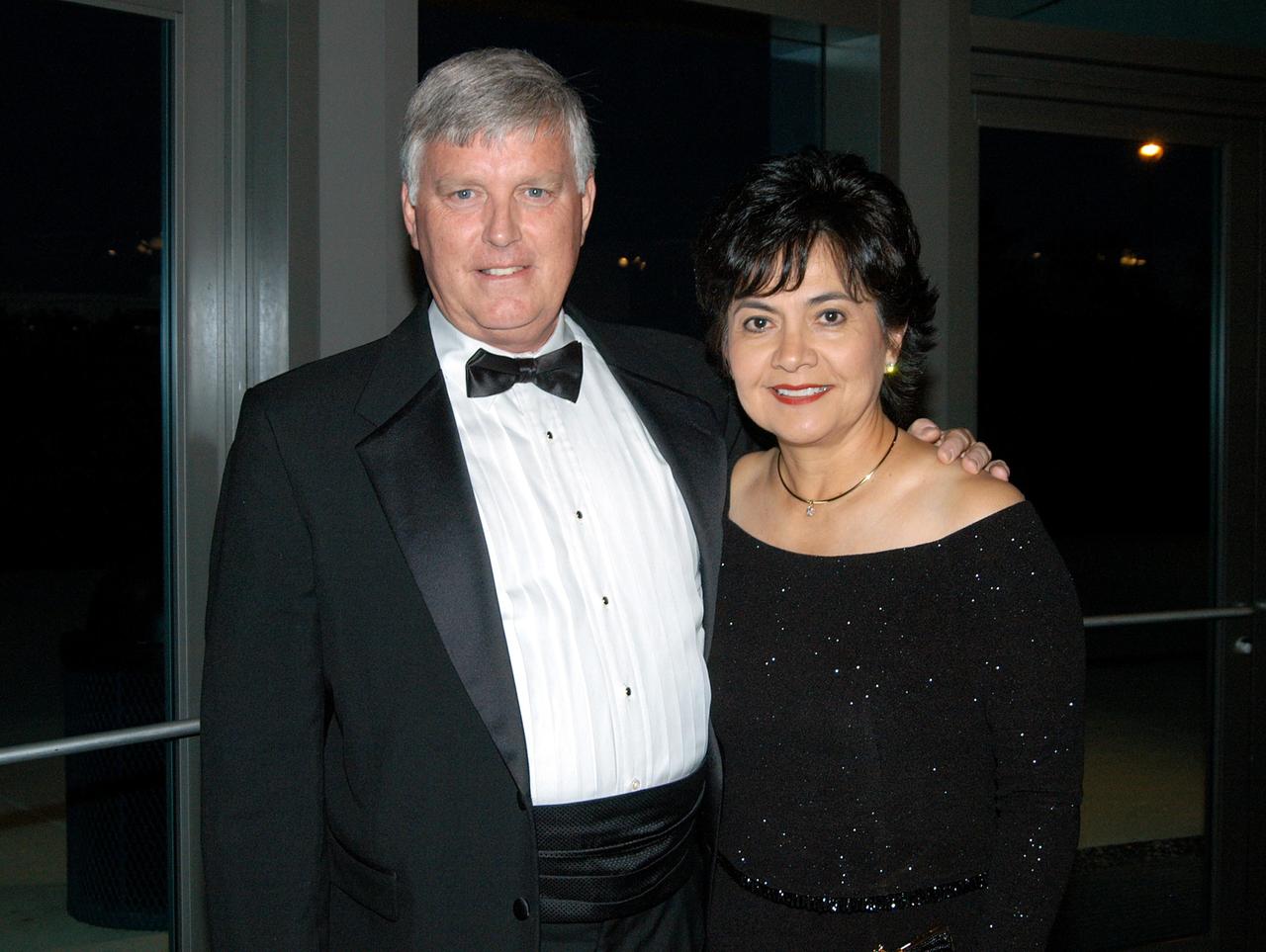
KENNEDY SPACE CENTER, FLA. -- Center Director Jim Kennedy and his wife pose during a break in the annual National Space Club Debus Award Banquet. The event was held at the Dr. Kurt H. Debus Conference Facility in the Visitor Complex. Receiving the Debus Award was KSC’s Director of the International Space Station/Payloads Processing directorate John J. “Tip” Talone. He was honored for his outstanding personal and professional efforts in supporting the U.S. space program, especially in his current role. The award was created by the National Space Club Florida Committee to recognize significant achievements and contributions made in Florida to American aerospace efforts. It is named for Dr. Kurt H. Debus, first director of KSC, from 1962 to 1974.
KENNEDY SPACE CENTER, FLA. -- Jim Chilton, CAPPS program manager, speaks to guests at the annual National Space Club Debus Award Banquet, held at the Dr. Kurt H. Debus Conference Facility in the KSC Visitor Complex. Receiving the Debus Award was KSC’s Director of the International Space Station/Payloads Processing directorate John J. “Tip” Talone. He was honored for his outstanding personal and professional efforts in supporting the U.S. space program, especially in his current role. The award was created by the National Space Club Florida Committee to recognize significant achievements and contributions made in Florida to American aerospace efforts. It is named for Dr. Kurt H. Debus, first director of KSC, from 1962 to 1974.
KENNEDY SPACE CENTER, FLA. -- Christopher Scolese speaks to the guests at the annual National Space Club Debus Award Banquet, held at the Dr. Kurt H. Debus Conference Facility in the KSC Visitor Complex. He is the deputy associate administrator in the Office of Space Science at NASA Headquarters. Receiving the Debus Award was KSC’s Director of the International Space Station/Payloads Processing directorate John J. “Tip” Talone. He was honored for his outstanding personal and professional efforts in supporting the U.S. space program, especially in his current role. The award was created by the National Space Club Florida Committee to recognize significant achievements and contributions made in Florida to American aerospace efforts. It is named for Dr. Kurt H. Debus, first director of KSC, from 1962 to 1974.
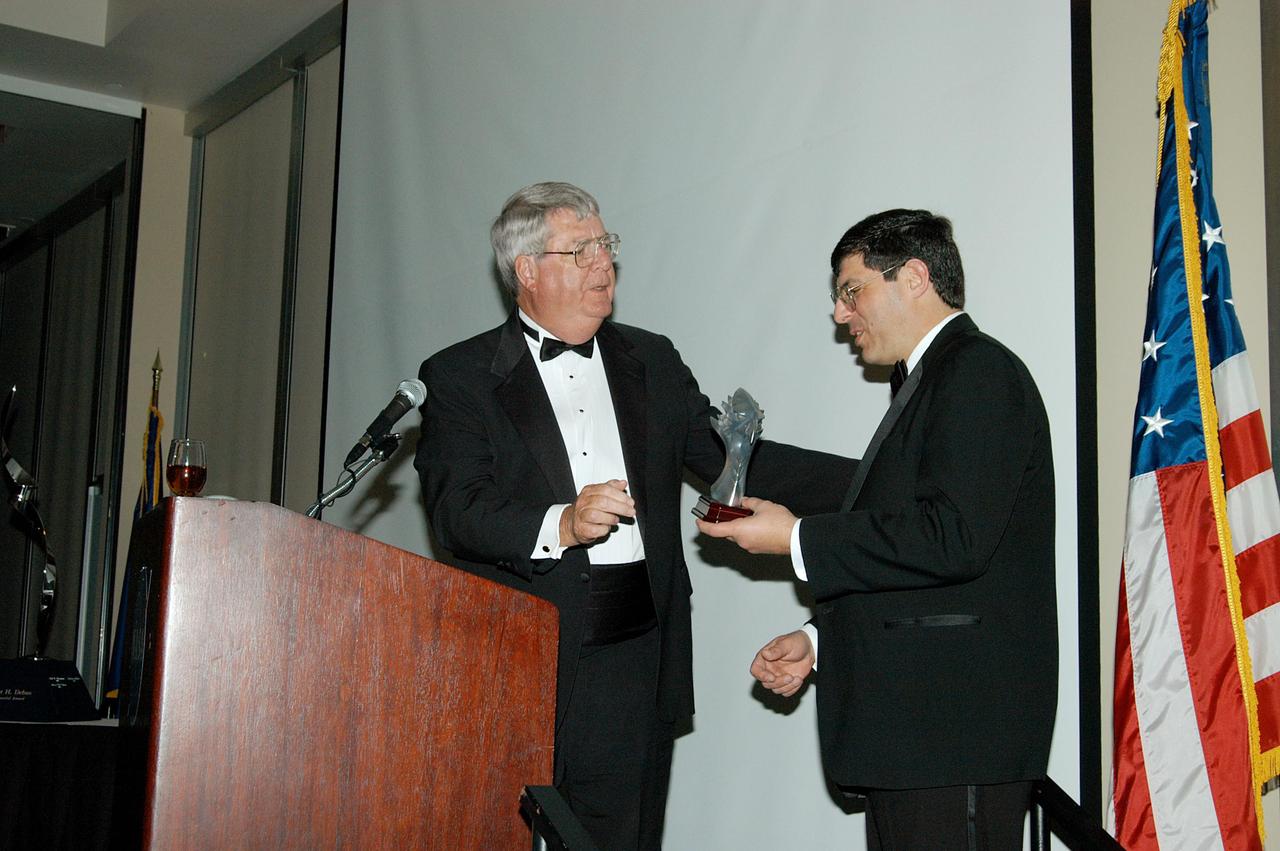
KENNEDY SPACE CENTER, FLA. -- At the annual National Space Club Debus Award Banquet, held at the Dr. Kurt H. Debus Conference Facility in the KSC Visitor Complex, Master of Ceremonies Dick Beagley (left) presents a memento to guest speaker Christopher Scolese, who is the deputy associate administrator in the Office of Space Science at NASA Headquarters. KSC’s Director of the International Space Station/Payloads Processing directorate John J. “Tip” Talone received the Debus award. He was honored for his outstanding personal and professional efforts in supporting the U.S. space program, especially in his current role. Beagley is chairman of the National Space Club Florida Committee, which created the award to recognize significant achievements and contributions made in Florida to American aerospace efforts. It is named for Dr. Kurt H. Debus, first director of KSC, from 1962 to 1974.
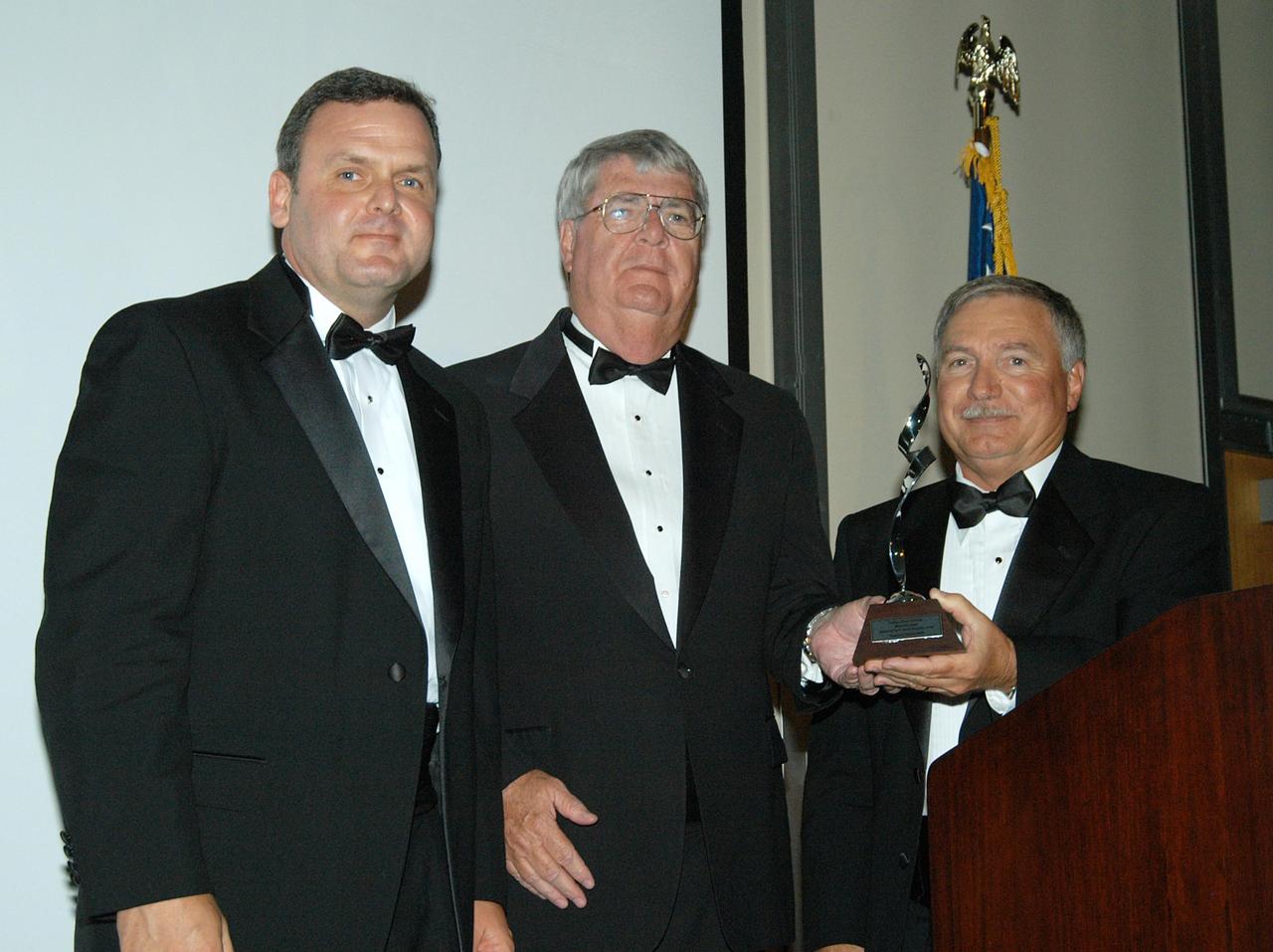
KENNEDY SPACE CENTER, FLA. -- Jim Chilton (left), CAPPS program manager, and Dick Beagley, chairman of the National Space Club Debus Award Banquet committee, present the 2004 Debus Award to John J. “Tip” Talone (right). The event was held at the Dr. Kurt H. Debus Conference Facility in the Visitor Complex. Talone is director of the International Space Station/Payloads Processing directorate at KSC that is responsible for prelaunch and launch preparations for all Shuttle payloads. He was honored for his outstanding personal and professional efforts in supporting the U.S. space program, especially in his current role. The award was created by the National Space Club Florida Committee to recognize significant achievements and contributions made in Florida to American aerospace efforts. It is named for Dr. Kurt H. Debus, first director of KSC, from 1962 to 1974.
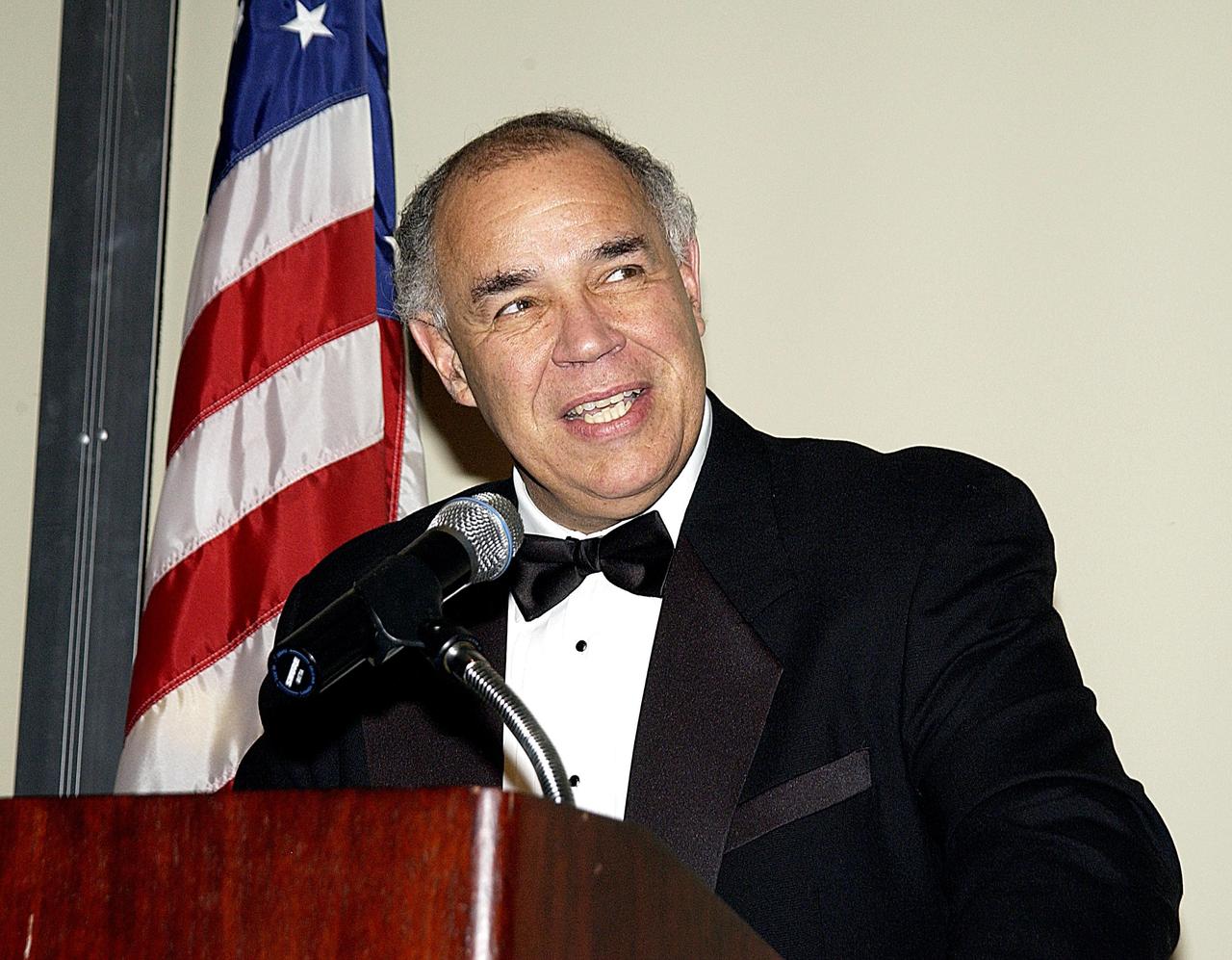
KENNEDY SPACE CENTER, FLA. -- NASA Deputy Administrator and former astronaut Frederick Gregory is the featured speaker at a formal dinner held in the Debus Conference Center at the Kennedy Space Center Visitor Complex. Adrian Laffitte, director of Atlas Programs for Lockheed Martin Astronautics at Cape Canaveral Air Force Station, was honored as the winner of the 2003 Dr. Kurt H. Debus Award from the National Space Club Florida Committee at the dinner. The Debus Award was created by the committee to recognize significant achievements and contributions made in Florida to American aerospace efforts.
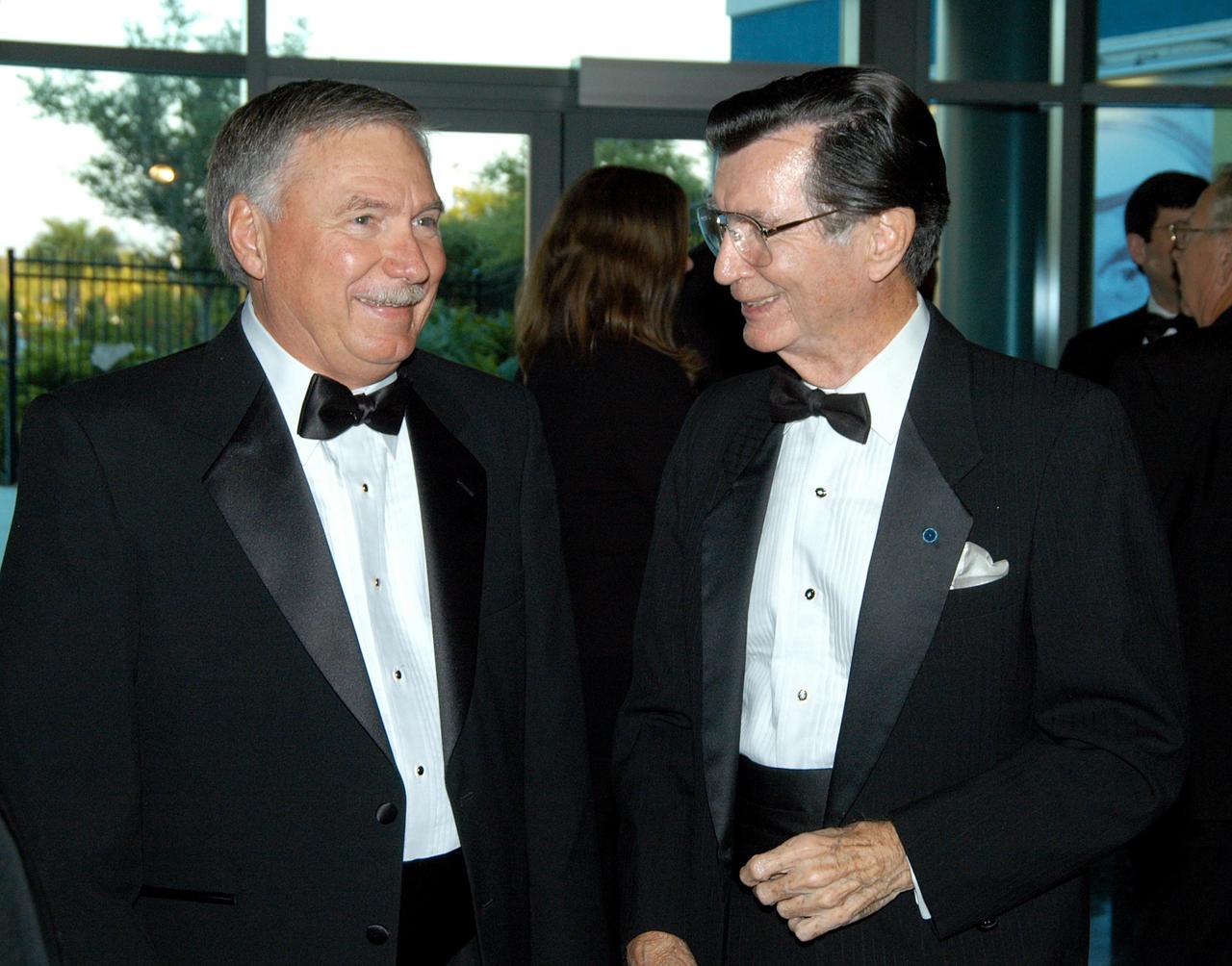
KENNEDY SPACE CENTER, FLA. -- John J. “Tip” Talone (left) talks to George English, former director of KSC’s Executive Management Office, during the annual National Space Club Debus Award Banquet. Talone received the award that was created to recognize significant achievements made in Florida to American aerospace efforts. The event was held at the Dr. Kurt H. Debus Conference Facility in the Visitor Complex. Talone is director of the International Space Station/Payloads Processing directorate at KSC that is responsible for prelaunch and launch preparations for all Shuttle payloads. He was honored for his outstanding personal and professional efforts in supporting the U.S. space program, especially in his current role. The award was created by the National Space Club Florida Committee to recognize significant achievements and contributions made in Florida to American aerospace efforts. It is named for Dr. Kurt H. Debus, first director of KSC, from 1962 to 1974.
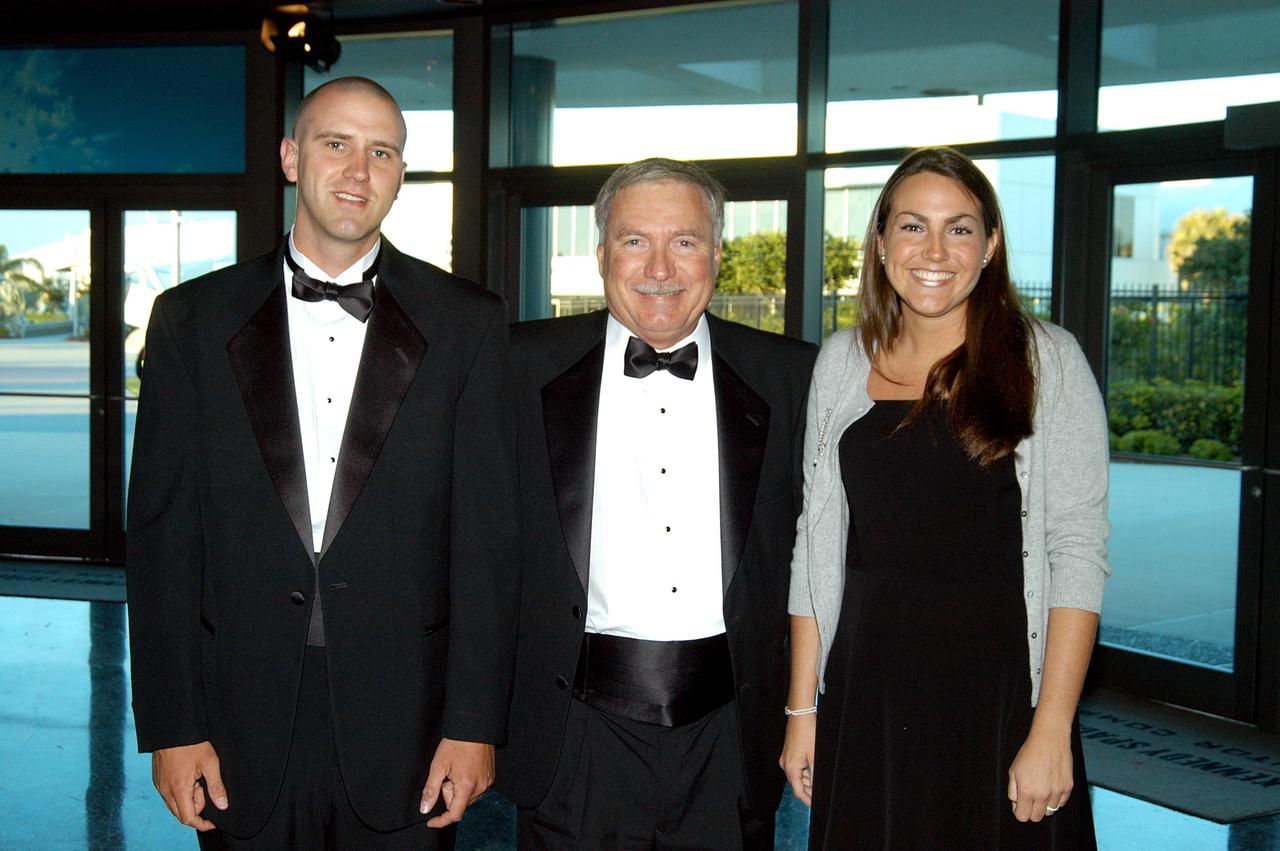
KENNEDY SPACE CENTER, FLA. -- John J. “Tip” Talone (center) poses with his son and daughter during the annual National Space Club Debus Award Banquet. Talone received the award that was created to recognize significant achievements made in Florida to American aerospace efforts. The event was held at the Dr. Kurt H. Debus Conference Facility in the Visitor Complex. Talone is director of the International Space Station/Payloads Processing directorate at KSC that is responsible for prelaunch and launch preparations for all Shuttle payloads. He was honored for his outstanding personal and professional efforts in supporting the U.S. space program, especially in his current role. The award was created by the National Space Club Florida Committee to recognize significant achievements and contributions made in Florida to American aerospace efforts. It is named for Dr. Kurt H. Debus, first director of KSC, from 1962 to 1974.
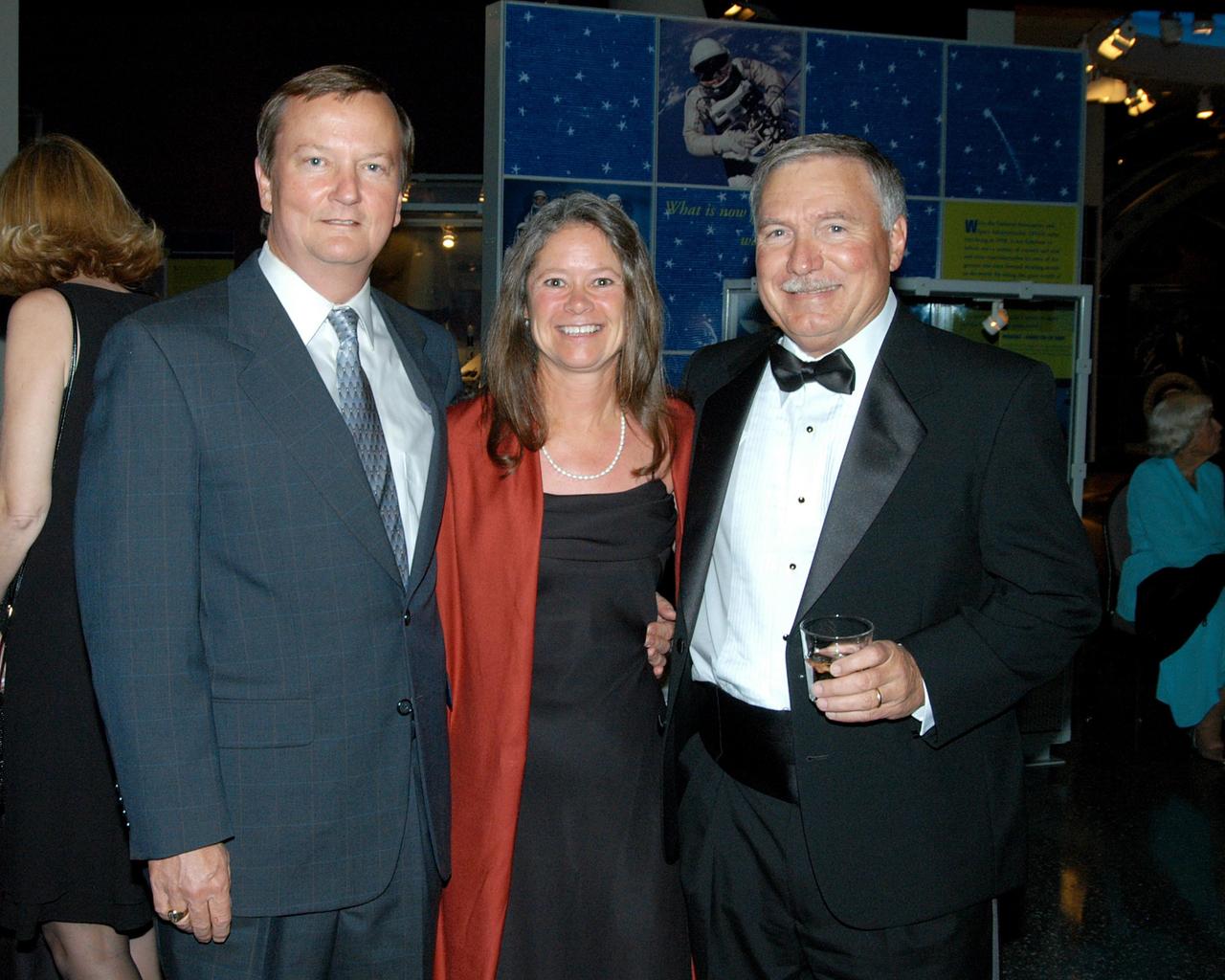
KENNEDY SPACE CENTER, FLA. -- John J. “Tip” Talone (right) poses with Shuttle Launch Director Mike Leinbach and his wife during the annual National Space Club Debus Award Banquet. Talone received the award that was created to recognize significant achievements made in Florida to American aerospace efforts. The event was held at the Dr. Kurt H. Debus Conference Facility in the Visitor Complex. Talone is director of the International Space Station/Payloads Processing directorate at KSC that is responsible for prelaunch and launch preparations for all Shuttle payloads. He was honored for his outstanding personal and professional efforts in supporting the U.S. space program, especially in his current role. The award was created by the National Space Club Florida Committee to recognize significant achievements and contributions made in Florida to American aerospace efforts. It is named for Dr. Kurt H. Debus, first director of KSC, from 1962 to 1974.
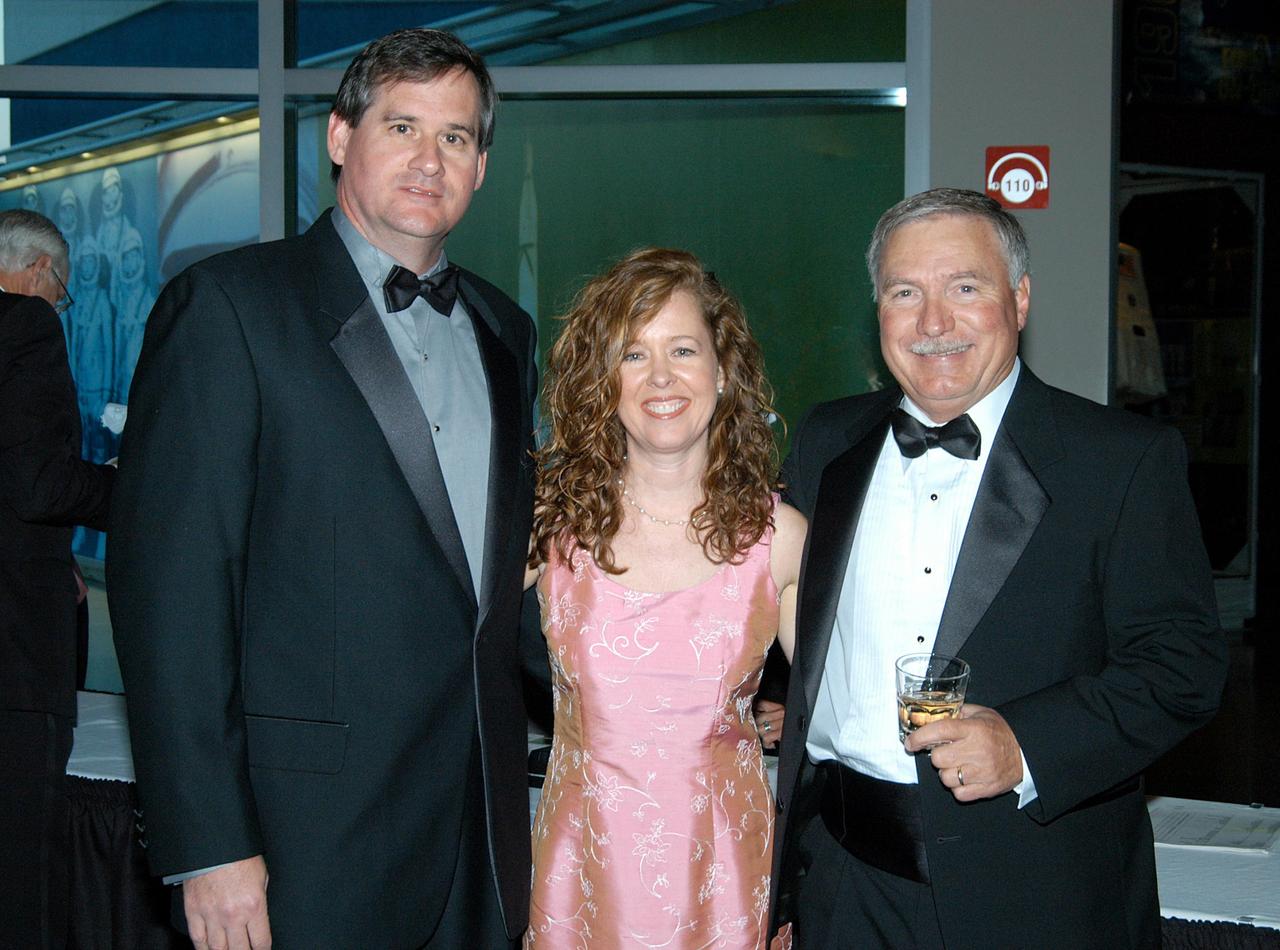
KENNEDY SPACE CENTER, FLA. -- John J. “Tip” Talone (right) poses with Lisa Malone, director of KSC External Affairs, and Kevin Hoshstrasser, her fiancé, during the annual National Space Club Debus Award Banquet. Talone received the award that was created to recognize significant achievements made in Florida to American aerospace efforts. The event was held at the Dr. Kurt H. Debus Conference Facility in the Visitor Complex. Talone is director of the International Space Station/Payloads Processing directorate at KSC that is responsible for prelaunch and launch preparations for all Shuttle payloads. He was honored for his outstanding personal and professional efforts in supporting the U.S. space program, especially in his current role. The award was created by the National Space Club Florida Committee to recognize significant achievements and contributions made in Florida to American aerospace efforts. It is named for Dr. Kurt H. Debus, first director of KSC, from 1962 to 1974.
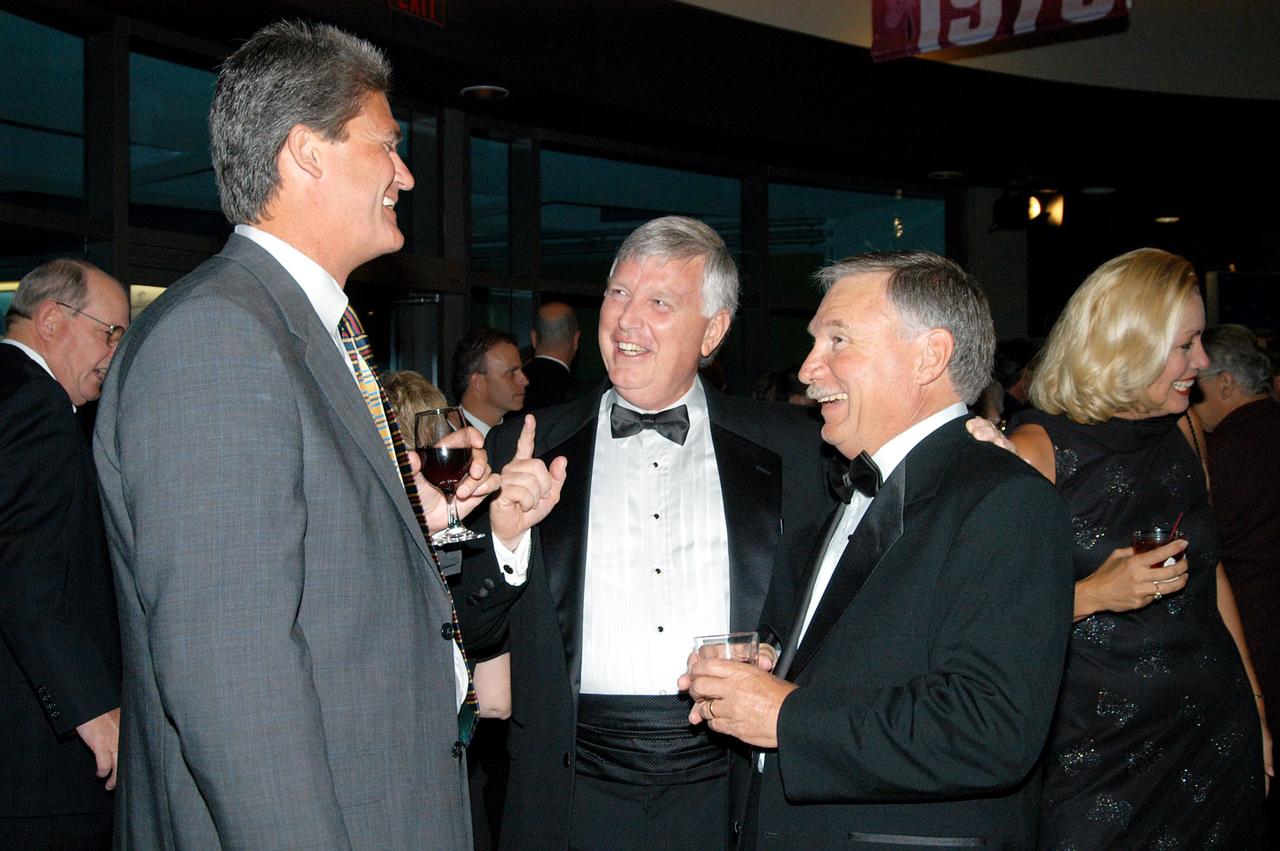
KENNEDY SPACE CENTER, FLA. -- John J. “Tip” Talone (right) shares a bit of humor with Shuttle Program Manager Bill Parsons (left) and Center Director Jim Kennedy during the annual National Space Club Debus Award Banquet. Talone received the award that was created by the National Space Club to recognize significant achievements made in Florida to American aerospace efforts. The event was held at the Dr. Kurt H. Debus Conference Facility in the Visitor Complex. Talone is director of the International Space Station/Payloads Processing directorate at KSC that is responsible for prelaunch and launch preparations for all Shuttle payloads. He was honored for his outstanding personal and professional efforts in supporting the U.S. space program, especially in his current role. The award was created by the National Space Club Florida Committee to recognize significant achievements and contributions made in Florida to American aerospace efforts. It is named for Dr. Kurt H. Debus, first director of KSC, from 1962 to 1974.
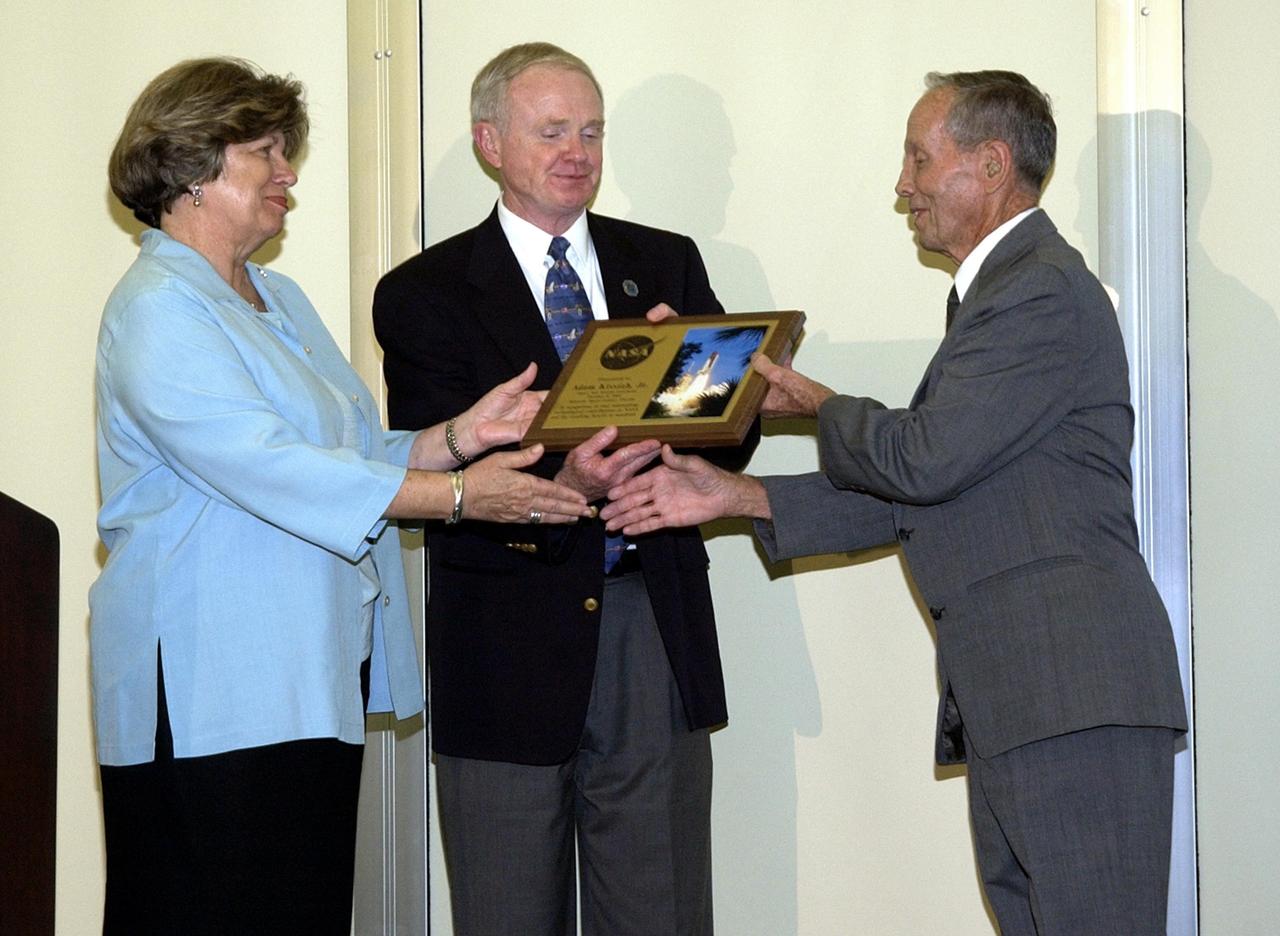
KENNEDY SPACE CENTER, FLA. - Adam Kissiah (right), a retired NASA-KSC engineer and inventor of a cochlear implant, receives an exceptional category NASA Space Act Award for his 25-year-old technology breakthrough during a technology awards luncheon held at the KSC Visitor Complex Debus Center. Presenting the award are, from left, Acting Deputy Center Director JoAnn Morgan, Center Director Roy Bridges, and Kissiah. The award included a monetary award and a certificate signed by the NASA Administrator. Space Act Awards provide official recognition and grant equitable monetary awards for inventions and scientific and technical contributions that have helped achieve NASA's aeronautical and space goals.
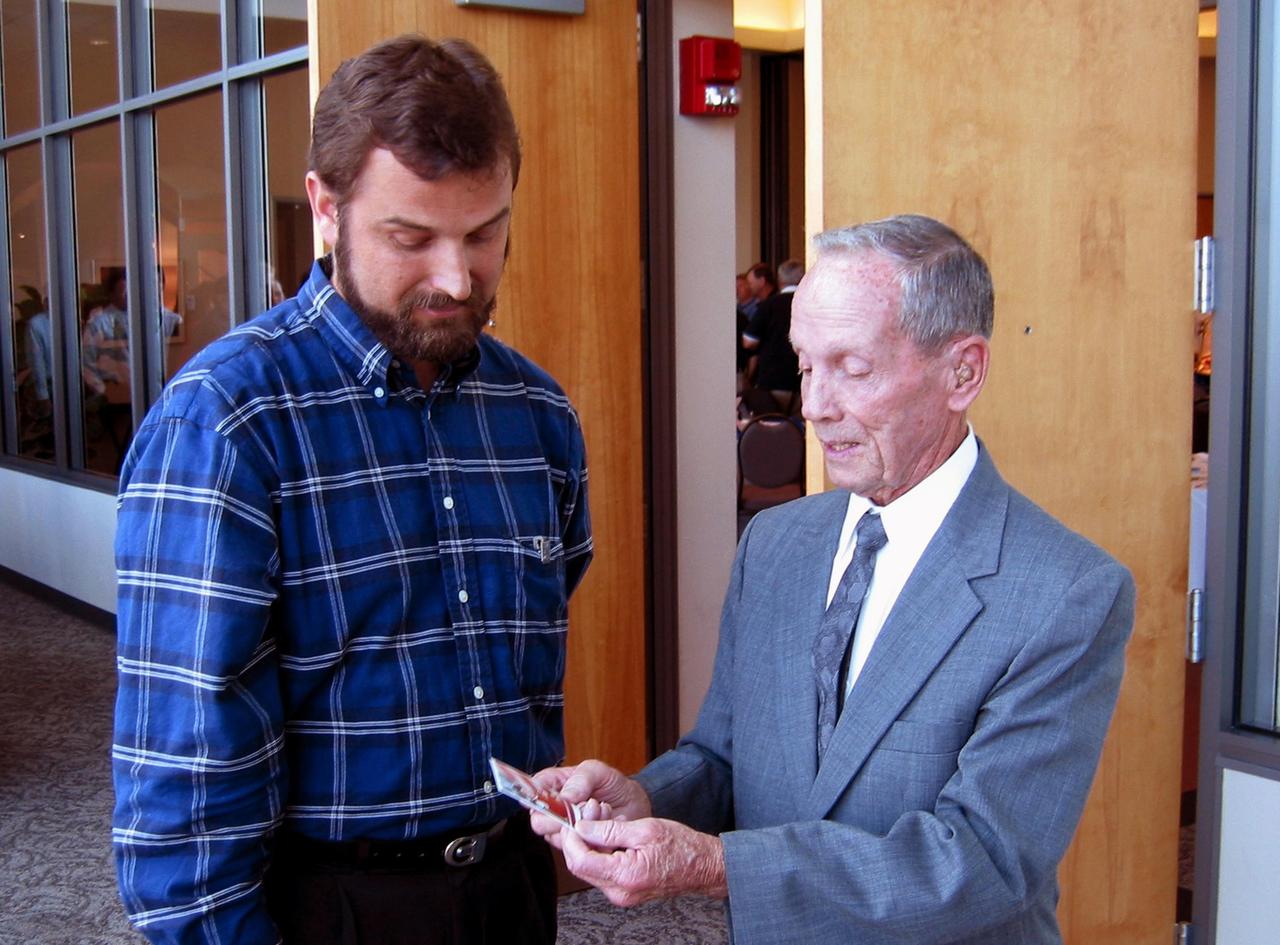
KENNEDY SPACE CENTER, FLA. - Adam Kissiah (right), a retired NASA-KSC engineer, looks at a photo of Allan Dianic's daughter, who has benefited from a cochlear implant that Kissiah developed while at NASA. Dianic (left) is a software engineer with ENSCO. Kissiah received an exceptional category NASA Space Act Award for his 25-year-old technology breakthrough during a technology awards luncheon held at the KSC Visitor Complex Debus Center. The award included a monetary award and a certificate signed by the NASA Administrator. Space Act Awards provide official recognition and grant equitable monetary awards for inventions and scientific and technical contributions that have helped achieve NASA's aeronautical and space goals.
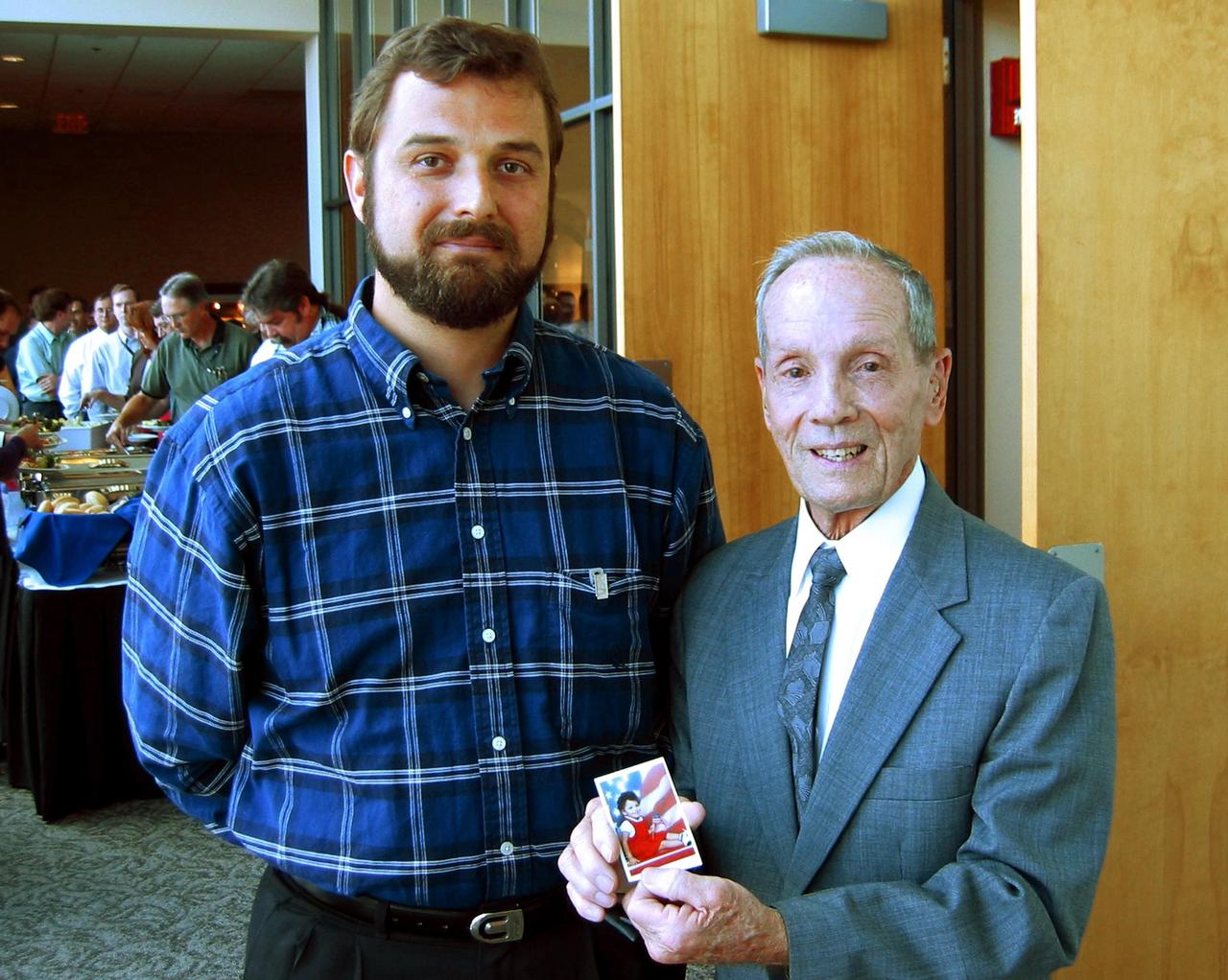
KENNEDY SPACE CENTER, FLA. -- Adam Kissiah (right), a retired NASA-KSC engineer shows a photo of Allan Dianic's daughter, who has benefited from a cochlear implant that Kissiah developed while at NASA. Dianic (left) is a software engineer with ENSCO. Kissiah received an exceptional category NASA Space Act Award for his 25-year-old technology breakthrough during a technology awards luncheon held at the KSC Visitor Complex Debus Center. The award included a monetary award and a certificate signed by the NASA Administrator. Space Act Awards provide official recognition and grant equitable monetary awards for inventions and scientific and technical contributions that have helped achieve NASA's aeronautical and space goals.
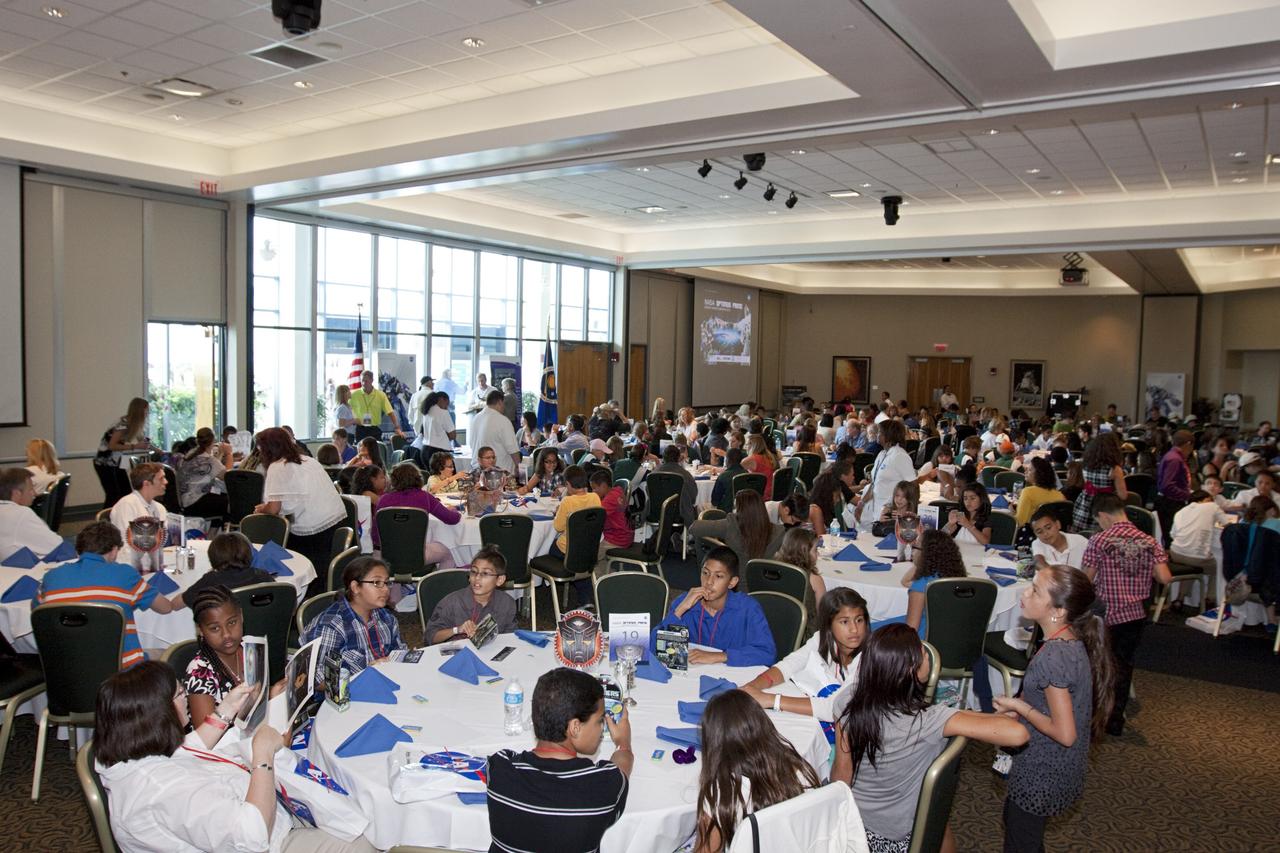
CAPE CANAVERAL, Fla. - Students and teachers of the NASA OPTIMUS PRIME Spinoff Video Contest await an award ceremony in the Debus Conference Center of the Kennedy Space Center Visitor Complex. The contest challenged students in grades three through 12 to study NASA spinoff technologies and produce short, creative videos promoting their favorites. The NASA Goddard Space Flight Center's Innovative Partnerships Office in Greenbelt, Md., designed the contest to help students see the benefits of NASA technology here on Earth. NASA collaborated with Hasbro in using the OPTIMUS PRIME character. Photo credit: NASA/Jim Grossmann
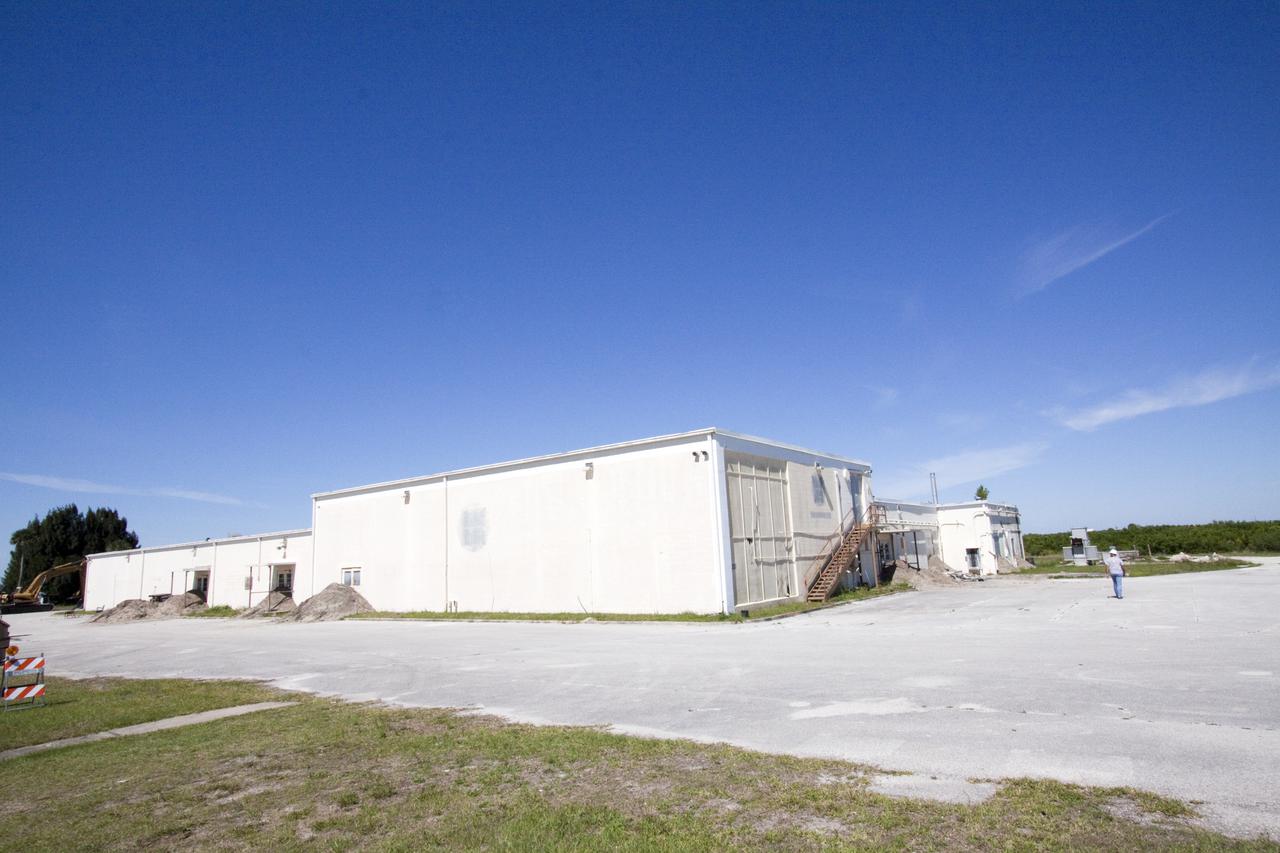
CAPE CANAVERAL, Fla. – At Cape Canaveral Air Force Station in Florida, preparations are under way to tear down the Mercury Mission Control Center. The original building, constructed between 1956 and 1958, was last modified in 1963. The center succumbed to the two worst enemies of structures along the space coast - time and salt air - necessitating that it be demolished as a safety measure. The facility served as mission control during all the Project Mercury missions, as well as the first three flights of the Gemini Program. The center housed the flight controllers whose duty was to take over flight control after liftoff and follow it through until splashdown. Additionally, it supported vehicle checkout, spacecraft tracking, and astronaut training. With Gemini IV, mission control moved to Houston, and the facility took on the roles of launch control and tracking station. In 1999, much of the equipment and furnishings from the flight control area was moved to Kennedy Space Center's Visitor Complex. A re-created mission control room currently is on display in the complex's Dr. Kurt H. Debus Conference Facility. Speegle II of Cocoa, Fla., was awarded the contract for the deconstruction project. Frank-Lin Excavating is performing the demolition for Sunrise Systems of Brevard, a subcontractor to Speegle II. Photo credit: NASA_Jack Pfaller
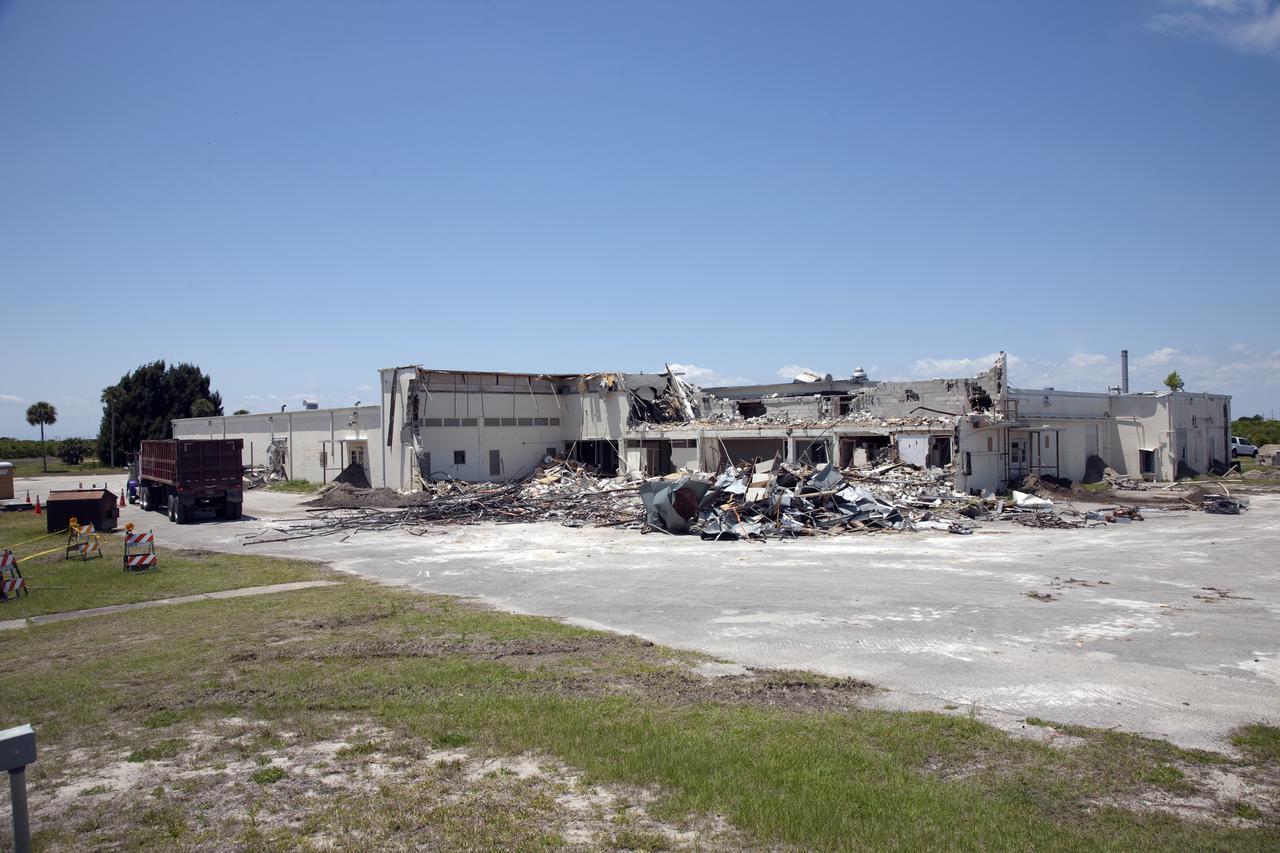
CAPE CANAVERAL, Fla. – At Cape Canaveral Air Force Station in Florida, deconstruction of the Mercury Mission Control Center is under way. The original building, constructed between 1956 and 1958, was last modified in 1963. The center succumbed to the two worst enemies of structures along the space coast - time and salt air - necessitating that it be demolished as a safety measure. The facility served as mission control during all the Project Mercury missions, as well as the first three flights of the Gemini Program. The center housed the flight controllers whose duty was to take over flight control after liftoff and follow it through until splashdown. Additionally, it supported vehicle checkout, spacecraft tracking, and astronaut training. With Gemini IV, mission control moved to Houston, and the facility took on the roles of launch control and tracking station. In 1999, much of the equipment and furnishings from the flight control area was moved to Kennedy Space Center's Visitor Complex. A re-created mission control room currently is on display in the complex's Dr. Kurt H. Debus Conference Facility. Speegle II of Cocoa, Fla., was awarded the contract for the deconstruction project. Frank-Lin Excavating is performing the demolition for Sunrise Systems of Brevard, a subcontractor to Speegle II. Photo credit: NASA_Dimitri Gerondidakis
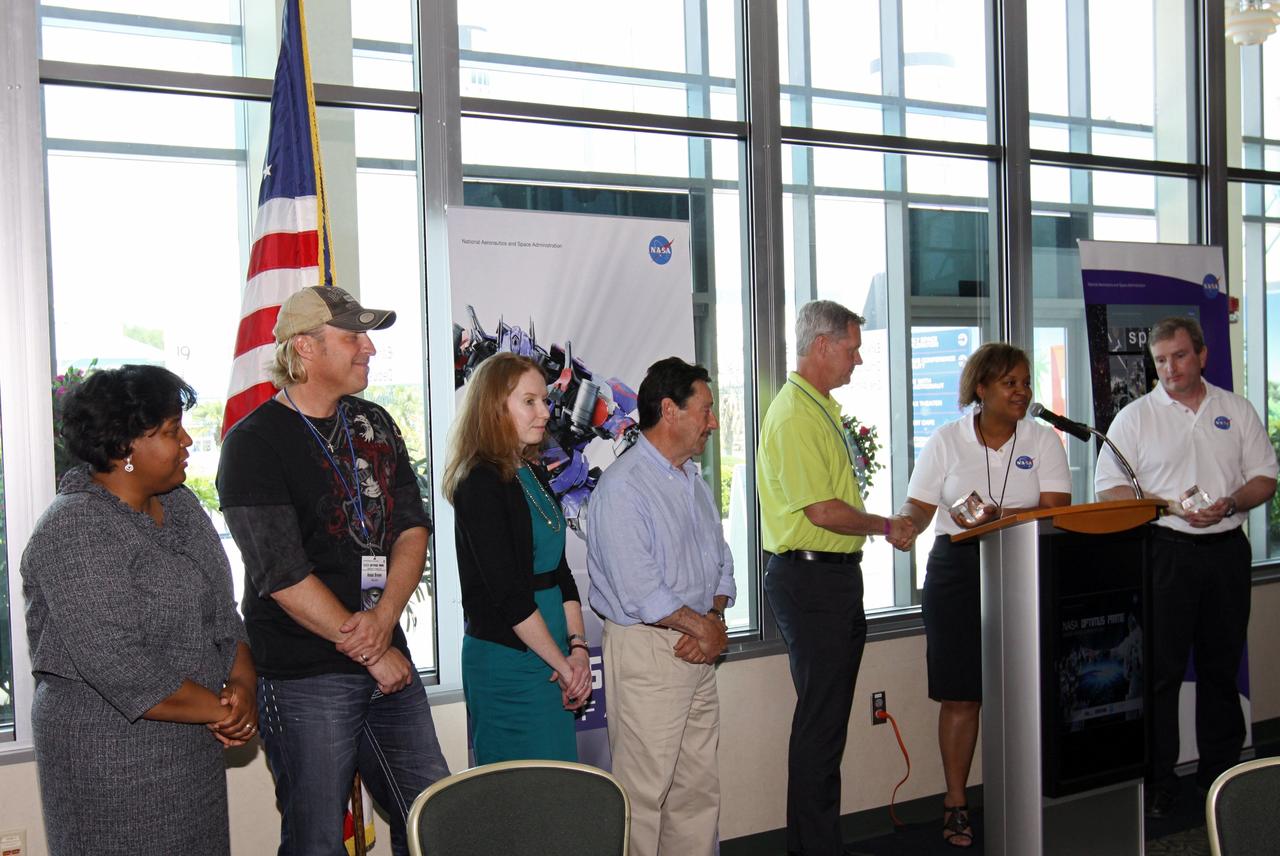
CAPE CANAVERAL, Fla. - In the Debus Conference Center of the Kennedy Space Center Visitor Complex, winners of the NASA OPTIMUS PRIME Spinoff Video Contest receive awards from Joyce Ward, the United States Patent and Trademark Office's education coordinator/administrator, left Ansel Brown, country music singer and song writer of "When You Fly" Sarah Carroll, brand manager of TRANSFORMERS for Hasbro Inc. Peter Cullen, the voice of OPTIMUS PRIME from the "Transformers" franchise Matt Schatzle, executive director of the American Society of Mechanical Engineers Foundation Nona Cheeks, chief of the Technology Commercialization Office at NASA's Goddard Space Flight Center in Greenbelt, Md. and Darryl Mitchell, NASA's project manager for the video contest. The contest challenged students in grades three through 12 to study NASA spinoff technologies and produce short, creative videos promoting their favorites. Goddard's Innovative Partnerships Office designed the contest to help students see the benefits of NASA technology here on Earth. NASA collaborated with Hasbro in using the OPTIMUS PRIME character. Photo credit: NASA/Jim Grossmann
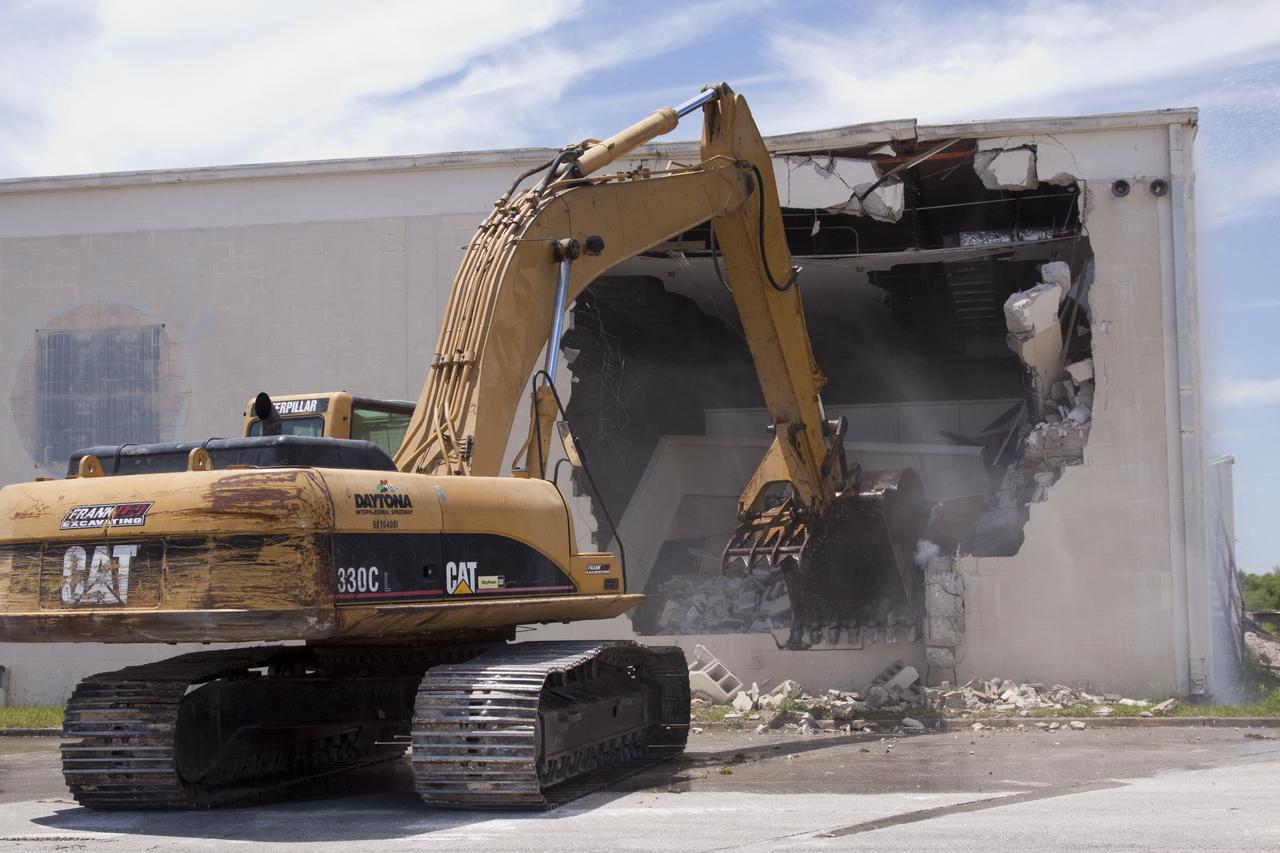
CAPE CANAVERAL, Fla. – At Cape Canaveral Air Force Station in Florida, a Caterpillar 330 track-hoe knocks down the Mercury Mission Control Center. The original building, constructed between 1956 and 1958, was last modified in 1963. The center succumbed to the two worst enemies of structures along the space coast - time and salt air - necessitating that it be demolished as a safety measure. The facility served as mission control during all the Project Mercury missions, as well as the first three flights of the Gemini Program. The center housed the flight controllers whose duty was to take over flight control after liftoff and follow it through until splashdown. Additionally, it supported vehicle checkout, spacecraft tracking, and astronaut training. With Gemini IV, mission control moved to Houston, and the facility took on the roles of launch control and tracking station. In 1999, much of the equipment and furnishings from the flight control area was moved to Kennedy Space Center's Visitor Complex. A re-created mission control room currently is on display in the complex's Dr. Kurt H. Debus Conference Facility. Speegle II of Cocoa, Fla., was awarded the contract for the deconstruction project. Frank-Lin Excavating is performing the demolition for Sunrise Systems of Brevard, a subcontractor to Speegle II. Photo credit: NASA_Jack Pfaller
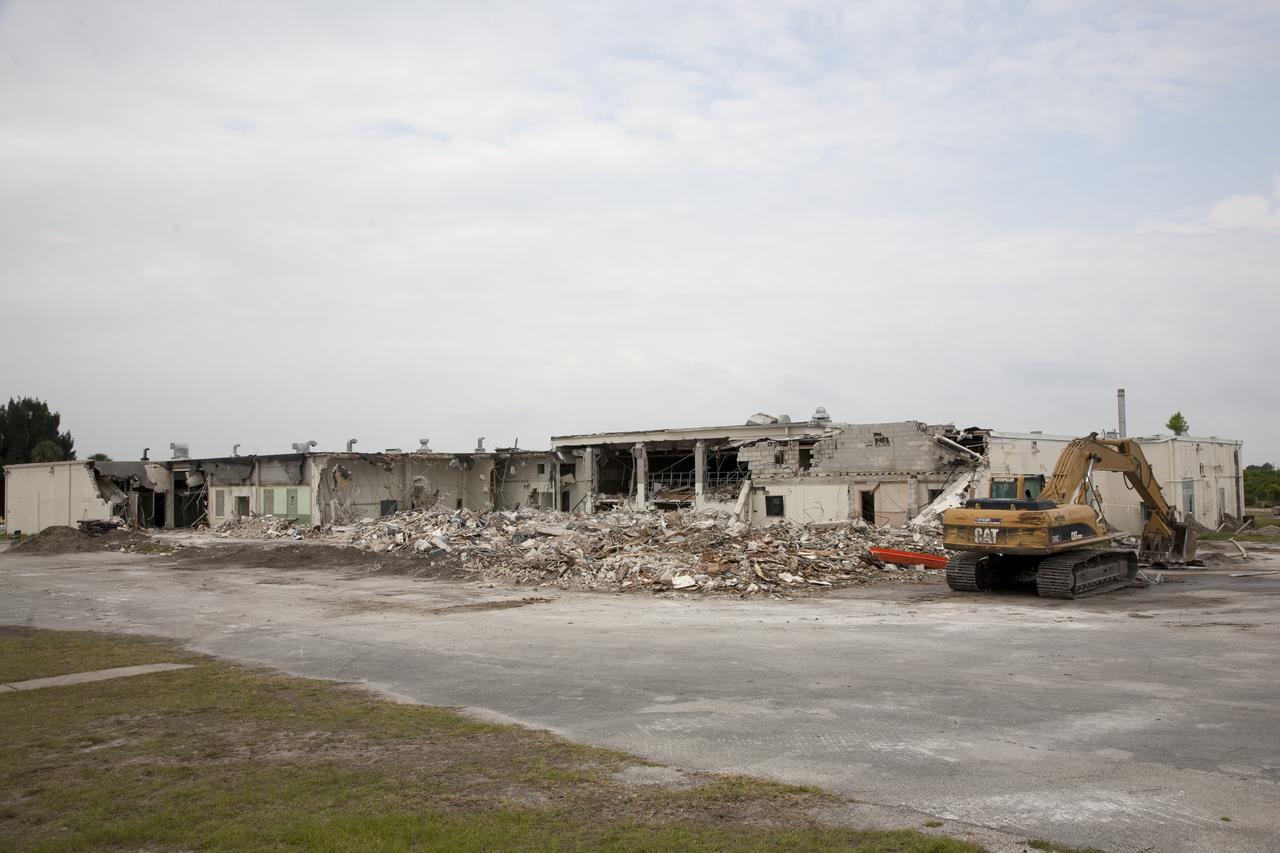
CAPE CANAVERAL, Fla. – At Cape Canaveral Air Force Station in Florida, the control room of the Mercury Mission Control Center is exposed to the elements during the deconstruction of the dilapidated facility. The original building, constructed between 1956 and 1958, was last modified in 1963. The center succumbed to the two worst enemies of structures along the space coast - time and salt air - necessitating that it be demolished as a safety measure. The facility served as mission control during all the Project Mercury missions, as well as the first three flights of the Gemini Program. The center housed the flight controllers whose duty was to take over flight control after liftoff and follow it through until splashdown. Additionally, it supported vehicle checkout, spacecraft tracking, and astronaut training. With Gemini IV, mission control moved to Houston, and the facility took on the roles of launch control and tracking station. In 1999, much of the equipment and furnishings from the flight control area was moved to Kennedy Space Center's Visitor Complex. A re-created mission control room currently is on display in the complex's Dr. Kurt H. Debus Conference Facility. Speegle II of Cocoa, Fla., was awarded the contract for the deconstruction project. Frank-Lin Excavating is performing the demolition for Sunrise Systems of Brevard, a subcontractor to Speegle II. Photo credit: NASA_Dimitri Gerondidakis
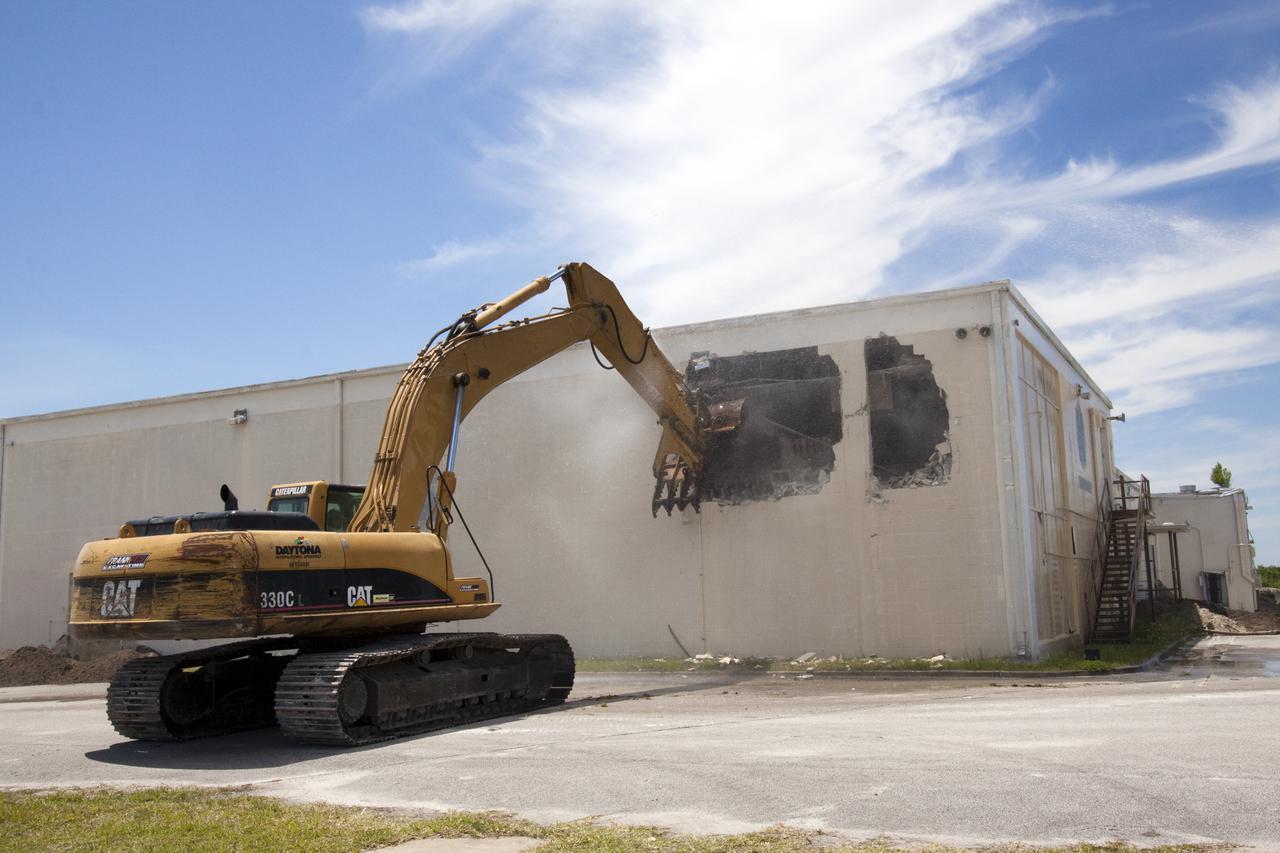
CAPE CANAVERAL, Fla. – At Cape Canaveral Air Force Station in Florida, a Caterpillar 330 track-hoe punches a hole in the wall of the Mercury Mission Control Center. The original building, constructed between 1956 and 1958, was last modified in 1963. The center succumbed to the two worst enemies of structures along the space coast - time and salt air - necessitating that it be demolished as a safety measure. The facility served as mission control during all the Project Mercury missions, as well as the first three flights of the Gemini Program. The center housed the flight controllers whose duty was to take over flight control after liftoff and follow it through until splashdown. Additionally, it supported vehicle checkout, spacecraft tracking, and astronaut training. With Gemini IV, mission control moved to Houston, and the facility took on the roles of launch control and tracking station. In 1999, much of the equipment and furnishings from the flight control area was moved to Kennedy Space Center's Visitor Complex. A re-created mission control room currently is on display in the complex's Dr. Kurt H. Debus Conference Facility. Speegle II of Cocoa, Fla., was awarded the contract for the deconstruction project. Frank-Lin Excavating is performing the demolition for Sunrise Systems of Brevard, a subcontractor to Speegle II. Photo credit: NASA_Jack Pfaller
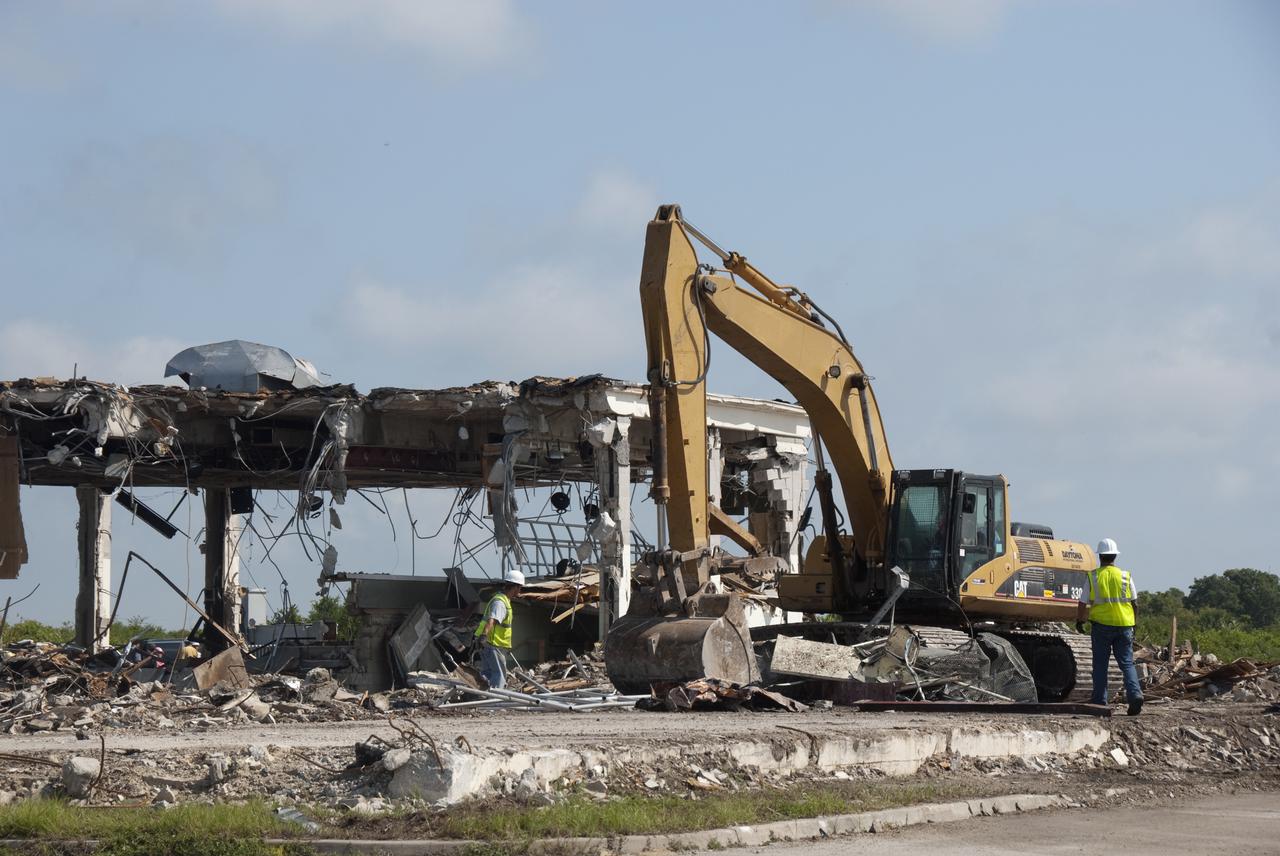
CAPE CANAVERAL, Fla. – At Cape Canaveral Air Force Station in Florida, workers take time out from operation of a Caterpillar 330 track-hoe and the demolition of NASA's Mercury Mission Control Center to determine their next steps. The deconstruction project began on April 28. The original building, constructed between 1956 and 1958, was last modified in 1963. The center succumbed to the two worst enemies of structures along the space coast - time and salt air - necessitating that it be demolished as a safety measure. The facility served as mission control during all the Project Mercury missions, as well as the first three flights of the Gemini Program. The center housed the flight controllers whose duty was to take over flight control after liftoff and follow it through until splashdown. Additionally, it supported vehicle checkout, spacecraft tracking, and astronaut training. With Gemini IV, mission control moved to Houston, and the facility took on the roles of launch control and tracking station. In 1999, much of the equipment and furnishings from the flight control area was moved to Kennedy Space Center's Visitor Complex. A re-created mission control room currently is on display in the complex's Dr. Kurt H. Debus Conference Facility. Speegle II of Cocoa, Fla., was awarded the contract for the deconstruction project. Frank-Lin Excavating is performing the demolition for Sunrise Systems of Brevard, a subcontractor to Speegle II. Photo credit: NASA_Jack Pfaller

CAPE CANAVERAL, Fla. – At Cape Canaveral Air Force Station in Florida, a Caterpillar 330 track-hoe rips through the wall of the Mercury Mission Control Center. The original building, constructed between 1956 and 1958, was last modified in 1963. The center succumbed to the two worst enemies of structures along the space coast - time and salt air - necessitating that it be demolished as a safety measure. The facility served as mission control during all the Project Mercury missions, as well as the first three flights of the Gemini Program. The center housed the flight controllers whose duty was to take over flight control after liftoff and follow it through until splashdown. Additionally, it supported vehicle checkout, spacecraft tracking, and astronaut training. With Gemini IV, mission control moved to Houston, and the facility took on the roles of launch control and tracking station. In 1999, much of the equipment and furnishings from the flight control area was moved to Kennedy Space Center's Visitor Complex. A re-created mission control room currently is on display in the complex's Dr. Kurt H. Debus Conference Facility. Speegle II of Cocoa, Fla., was awarded the contract for the deconstruction project. Frank-Lin Excavating is performing the demolition for Sunrise Systems of Brevard, a subcontractor to Speegle II. Photo credit: NASA_Jack Pfaller
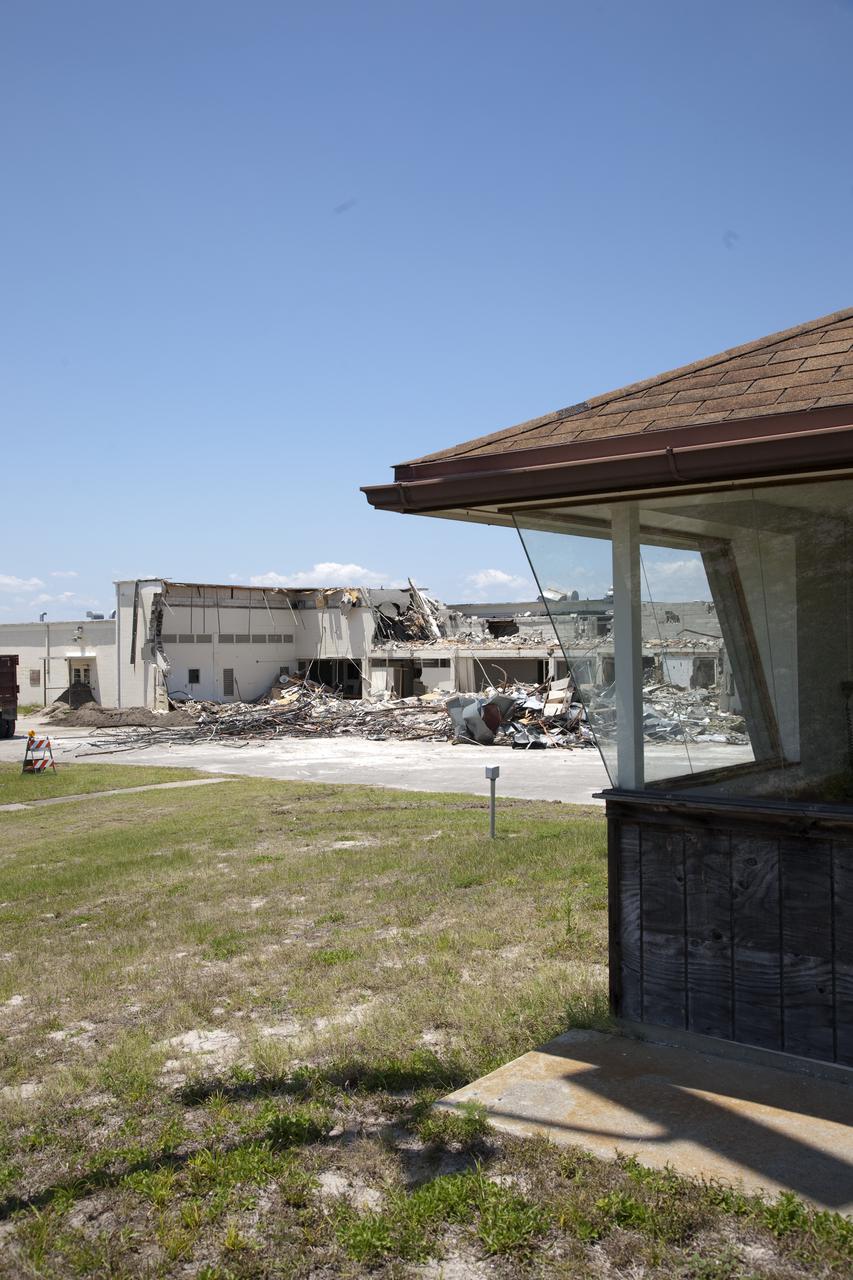
CAPE CANAVERAL, Fla. – At Cape Canaveral Air Force Station in Florida, demolition of the Mercury Mission Control Center has begun. The original building, constructed between 1956 and 1958, was last modified in 1963. The center succumbed to the two worst enemies of structures along the space coast - time and salt air - necessitating that it be demolished as a safety measure. The facility served as mission control during all the Project Mercury missions, as well as the first three flights of the Gemini Program. The center housed the flight controllers whose duty was to take over flight control after liftoff and follow it through until splashdown. Additionally, it supported vehicle checkout, spacecraft tracking, and astronaut training. With Gemini IV, mission control moved to Houston, and the facility took on the roles of launch control and tracking station. In 1999, much of the equipment and furnishings from the flight control area was moved to Kennedy Space Center's Visitor Complex. A re-created mission control room currently is on display in the complex's Dr. Kurt H. Debus Conference Facility. Speegle II of Cocoa, Fla., was awarded the contract for the deconstruction project. Frank-Lin Excavating is performing the demolition for Sunrise Systems of Brevard, a subcontractor to Speegle II. Photo credit: NASA_Dimitri Gerondidakis
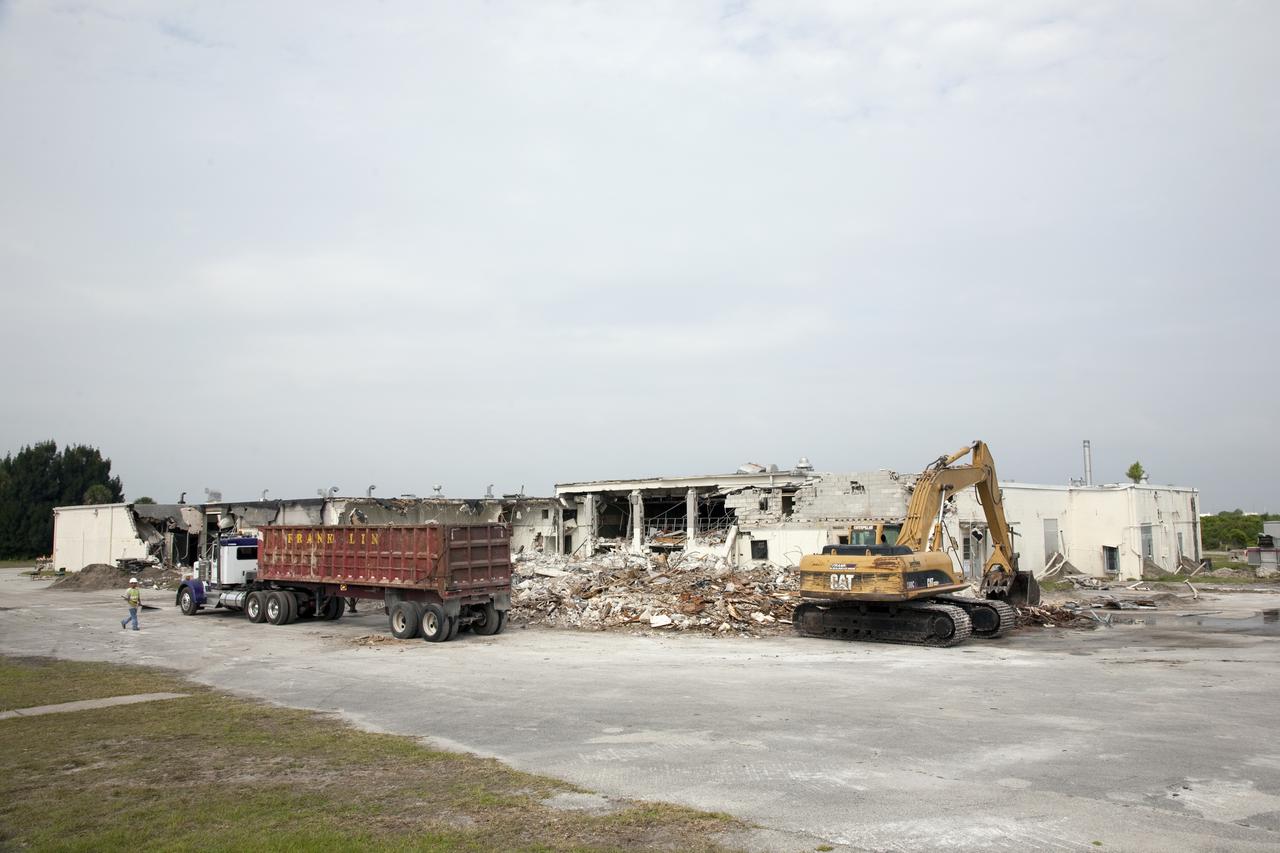
CAPE CANAVERAL, Fla. – At Cape Canaveral Air Force Station in Florida, a Caterpillar 330 track-hoe, at right, cleans up the rubble it has made of the Mercury Mission Control Center during its deconstruction. The original building, constructed between 1956 and 1958, was last modified in 1963. The center succumbed to the two worst enemies of structures along the space coast - time and salt air - necessitating that it be demolished as a safety measure. The facility served as mission control during all the Project Mercury missions, as well as the first three flights of the Gemini Program. The center housed the flight controllers whose duty was to take over flight control after liftoff and follow it through until splashdown. Additionally, it supported vehicle checkout, spacecraft tracking, and astronaut training. With Gemini IV, mission control moved to Houston, and the facility took on the roles of launch control and tracking station. In 1999, much of the equipment and furnishings from the flight control area was moved to Kennedy Space Center's Visitor Complex. A re-created mission control room currently is on display in the complex's Dr. Kurt H. Debus Conference Facility. Speegle II of Cocoa, Fla., was awarded the contract for the deconstruction project. Frank-Lin Excavating is performing the demolition for Sunrise Systems of Brevard, a subcontractor to Speegle II. Photo credit: NASA_Dimitri Gerondidakis
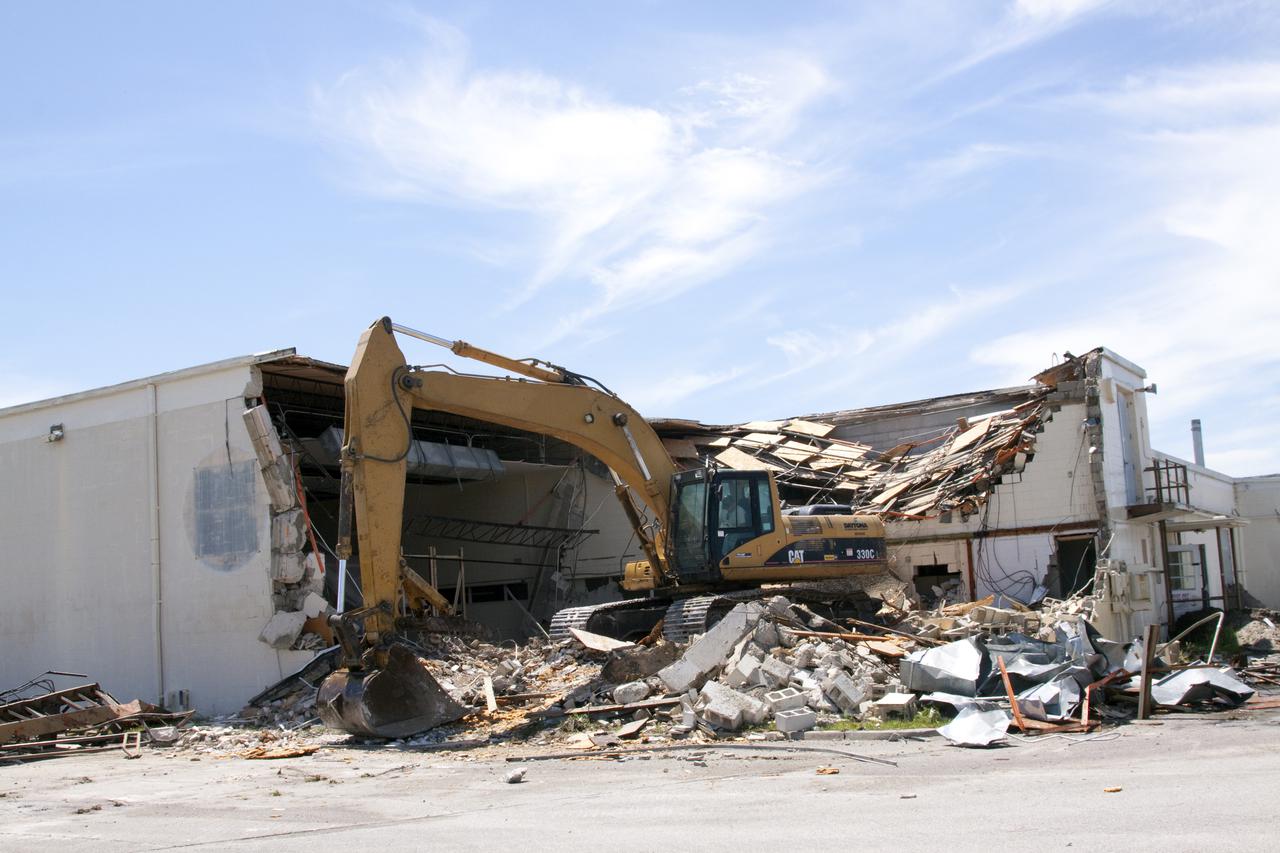
CAPE CANAVERAL, Fla. – At Cape Canaveral Air Force Station in Florida, the walls of the Mercury Mission Control Center tumble down under the careful guidance of a Caterpillar 330 track-hoe. The original building, constructed between 1956 and 1958, was last modified in 1963. The center succumbed to the two worst enemies of structures along the space coast - time and salt air - necessitating that it be demolished as a safety measure. The facility served as mission control during all the Project Mercury missions, as well as the first three flights of the Gemini Program. The center housed the flight controllers whose duty was to take over flight control after liftoff and follow it through until splashdown. Additionally, it supported vehicle checkout, spacecraft tracking, and astronaut training. With Gemini IV, mission control moved to Houston, and the facility took on the roles of launch control and tracking station. In 1999, much of the equipment and furnishings from the flight control area was moved to Kennedy Space Center's Visitor Complex. A re-created mission control room currently is on display in the complex's Dr. Kurt H. Debus Conference Facility. Speegle II of Cocoa, Fla., was awarded the contract for the deconstruction project. Frank-Lin Excavating is performing the demolition for Sunrise Systems of Brevard, a subcontractor to Speegle II. Photo credit: NASA_Jack Pfaller
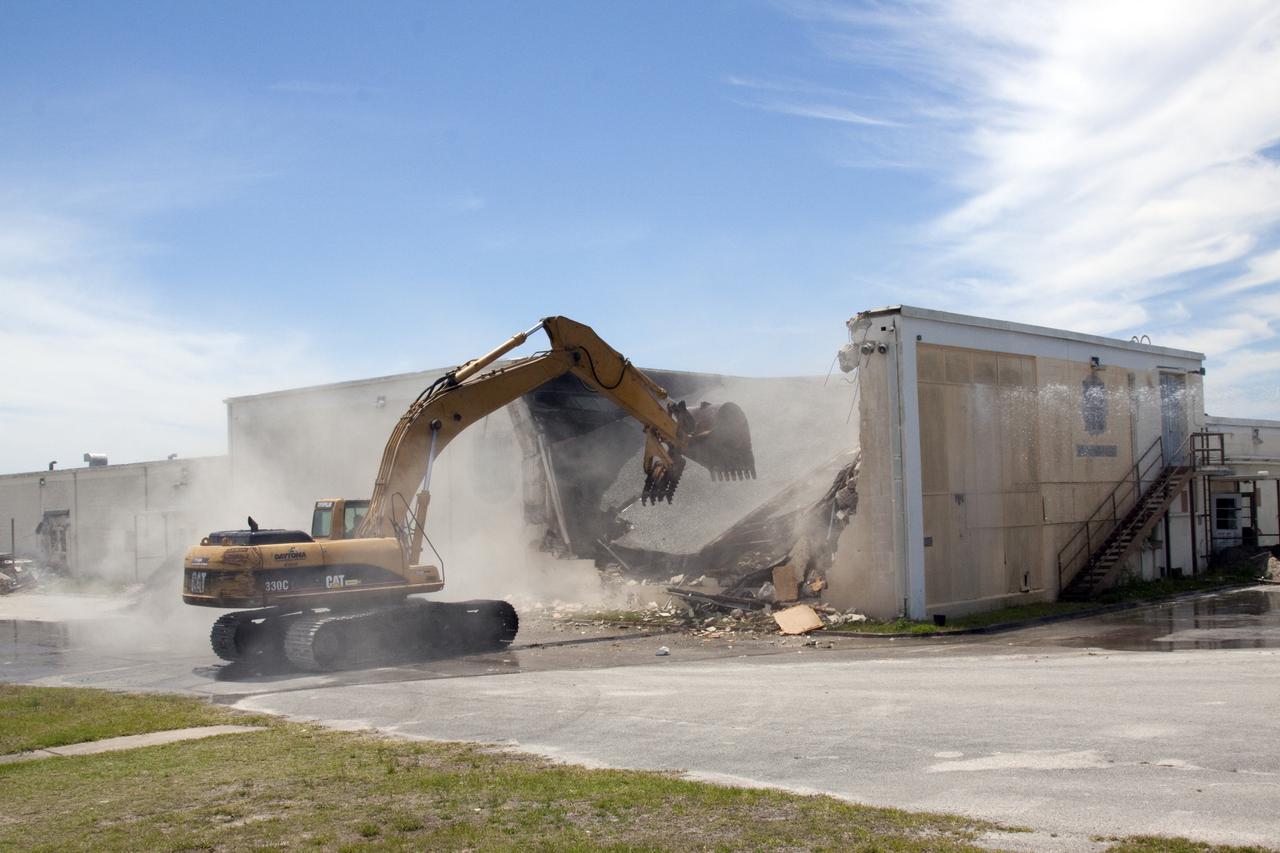
CAPE CANAVERAL, Fla. – At Cape Canaveral Air Force Station in Florida, a Caterpillar 330 track-hoe turns the Mercury Mission Control Center into a pile of rubble. The original building, constructed between 1956 and 1958, was last modified in 1963. The center succumbed to the two worst enemies of structures along the space coast - time and salt air - necessitating that it be demolished as a safety measure. The facility served as mission control during all the Project Mercury missions, as well as the first three flights of the Gemini Program. The center housed the flight controllers whose duty was to take over flight control after liftoff and follow it through until splashdown. Additionally, it supported vehicle checkout, spacecraft tracking, and astronaut training. With Gemini IV, mission control moved to Houston, and the facility took on the roles of launch control and tracking station. In 1999, much of the equipment and furnishings from the flight control area was moved to Kennedy Space Center's Visitor Complex. A re-created mission control room currently is on display in the complex's Dr. Kurt H. Debus Conference Facility. Speegle II of Cocoa, Fla., was awarded the contract for the deconstruction project. Frank-Lin Excavating is performing the demolition for Sunrise Systems of Brevard, a subcontractor to Speegle II. Photo credit: NASA_Jack Pfaller

CAPE CANAVERAL, Fla. – At Cape Canaveral Air Force Station in Florida, a custom-built end dump truck spews water over the Mercury Mission Control Center to reduce the particles dispensed into the air by a Caterpillar 330 track-hoe tearing down the building. The truck's operator controls the water spray using joy sticks installed in the cab of the truck. The original building, constructed between 1956 and 1958, was last modified in 1963. The center succumbed to the two worst enemies of structures along the space coast - time and salt air - necessitating that it be demolished as a safety measure. The facility served as mission control during all the Project Mercury missions, as well as the first three flights of the Gemini Program. The center housed the flight controllers whose duty was to take over flight control after liftoff and follow it through until splashdown. Additionally, it supported vehicle checkout, spacecraft tracking, and astronaut training. With Gemini IV, mission control moved to Houston, and the facility took on the roles of launch control and tracking station. In 1999, much of the equipment and furnishings from the flight control area was moved to Kennedy Space Center's Visitor Complex. A re-created mission control room currently is on display in the complex's Dr. Kurt H. Debus Conference Facility. Speegle II of Cocoa, Fla., was awarded the contract for the deconstruction project. Frank-Lin Excavating is performing the demolition for Sunrise Systems of Brevard, a subcontractor to Speegle II. Photo credit: NASA_Jack Pfaller