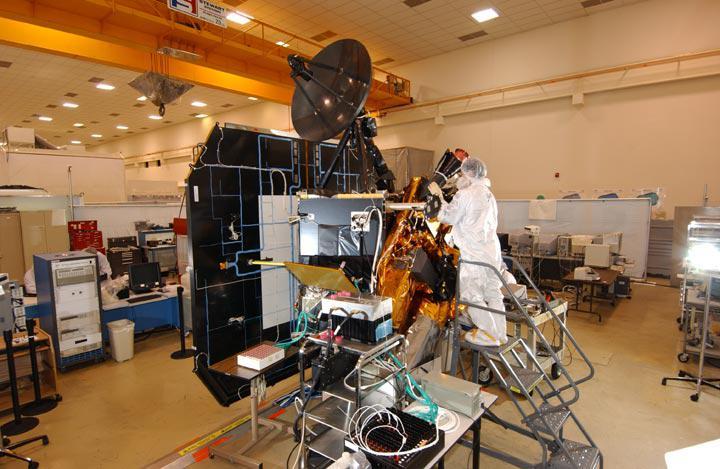
This image shows NASA Deep Impact spacecraft being built at Ball Aerospace & Technologies Corporation, Boulder, Colo. on July 2, 2005. The spacecraft impactor was released from Deep Impact flyby spacecraft.
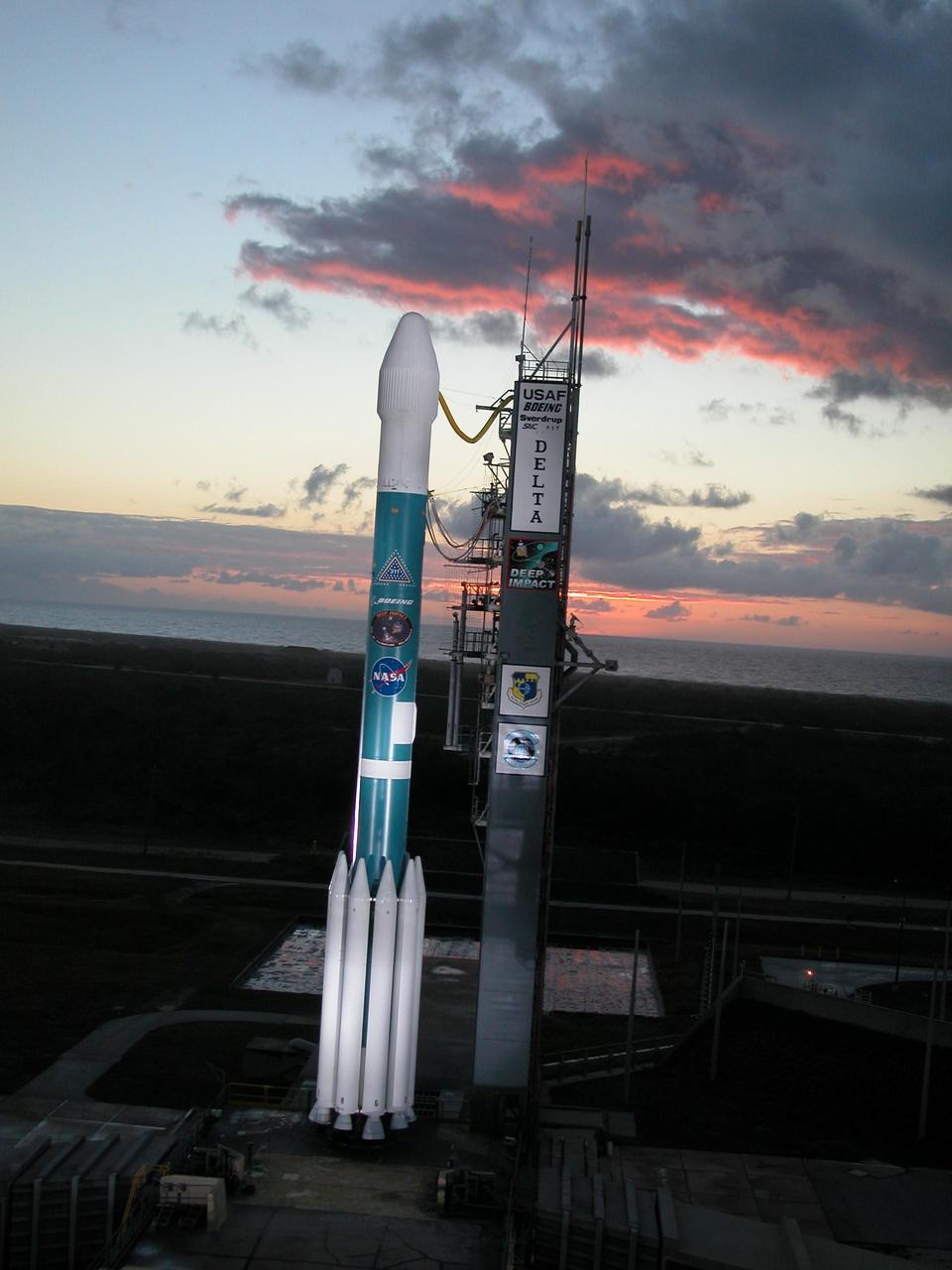
NASA Deep Impact awaits launch from Cape Canaveral Air Force Station, Fla. on Jan. 12, 2005.

This image of Tempel 1 is a compilation of nine images that were taken on June 15, 2005 by NASA Deep Impact spacecraft.

This image of Tempel 1 is a compilation of nine images that were taken on June 15, 2005 by NASA Deep Impact spacecraft.
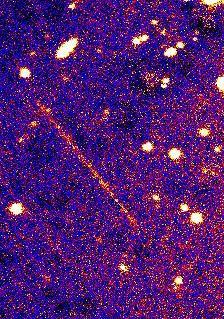
The high speed of NASA Deep Impact spacecraft causes it to appear as a long streak across the sky in the constellation Virgo during the 10-minute exposure time of this photograph taken by Mr. Palomar 200-inch telescope.
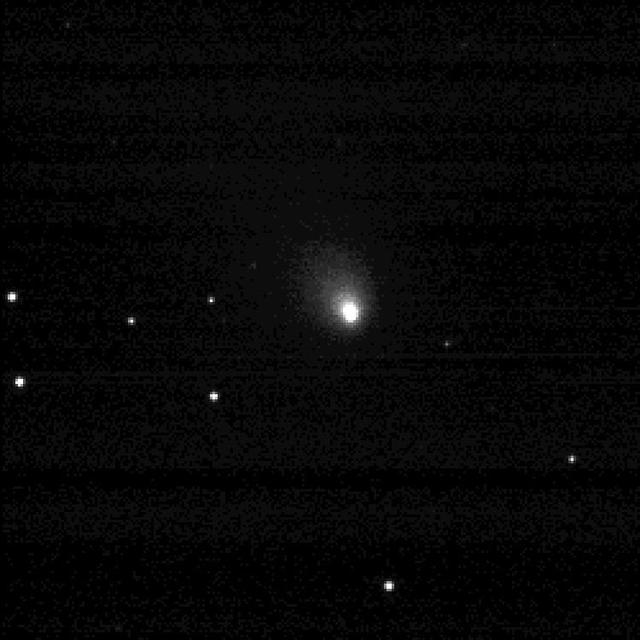
Taken on April 25, 2005, sixty-nine days before it gets up-close-and-personal with a comet, NASA Deep Impact spacecraft successfully photographed its quarry, comet Tempel 1, at a distance of 39.7 million miles.
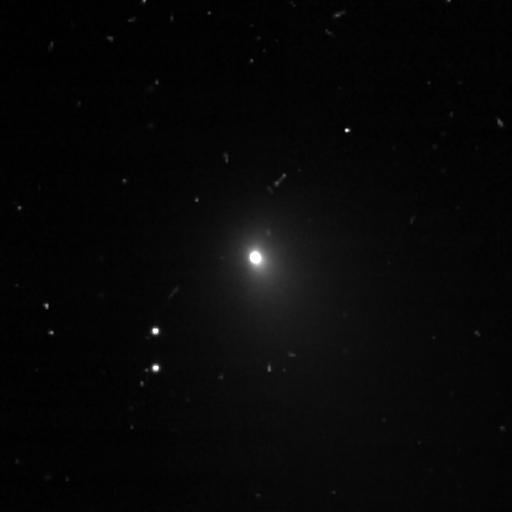
This image is a compilation of four images that were taken on June 13, 2005 by NASA Deep Impact. The spacecraft is 18,675,137.9 kilometers 11,604,190 miles away from comet Tempel 1.
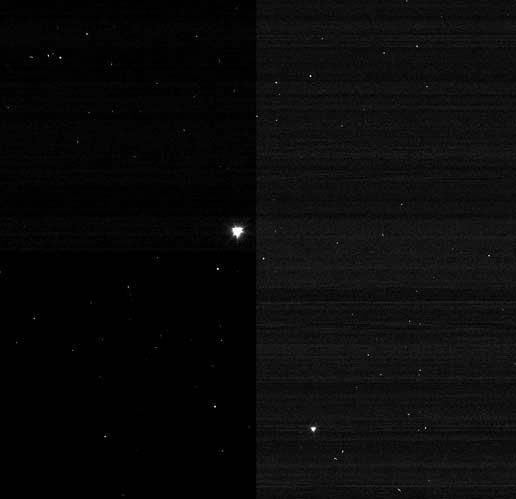
This image of NASA Deep Impact impactor probe was taken by the mission mother ship, or flyby spacecraft, after the two separated at 11:07 p.m. Pacific time, July 2 2:07 a.m. Eastern time, July 3, 2005.
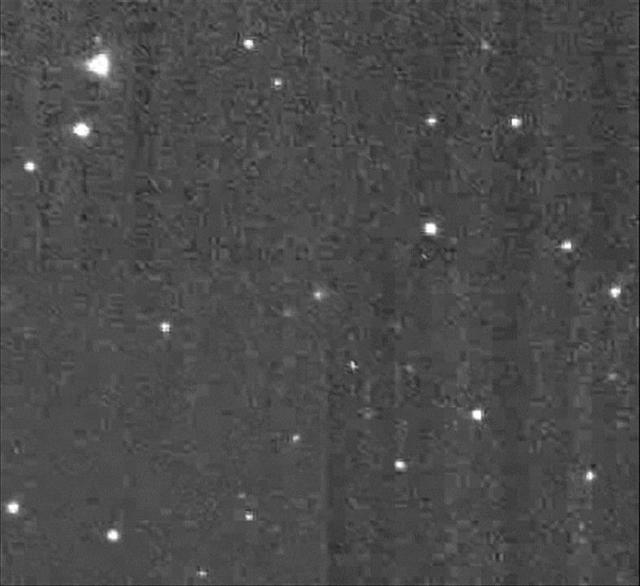
This frame from an animation series of images of comet C/2012 S1 ISON was taken by the Medium-Resolution Imager of NASA Deep Impact spacecraft over a 36-hour period on Jan. 17 and 18, 2013.
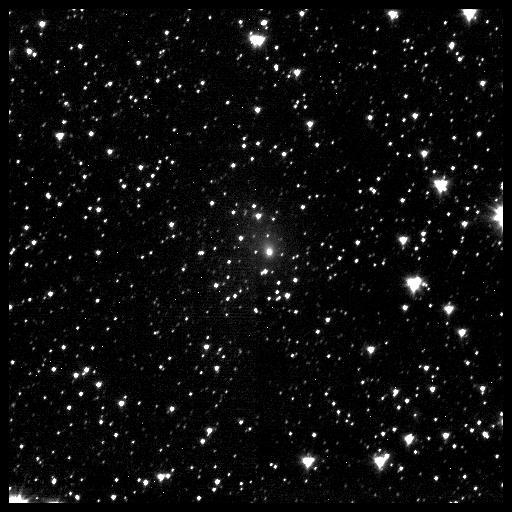
This first image of comet 103P/Hartley 2 was taken from NASA Deep Impact spacecraft 60 days prior to the spacecraft flyby of the comet.
This image shows comet Tempel 1 six minutes before it ran over NASA Deep Impact probe at 10:52 a.m. Pacific time, July 3 1:52 a.m. Eastern time, July 4, 2005.
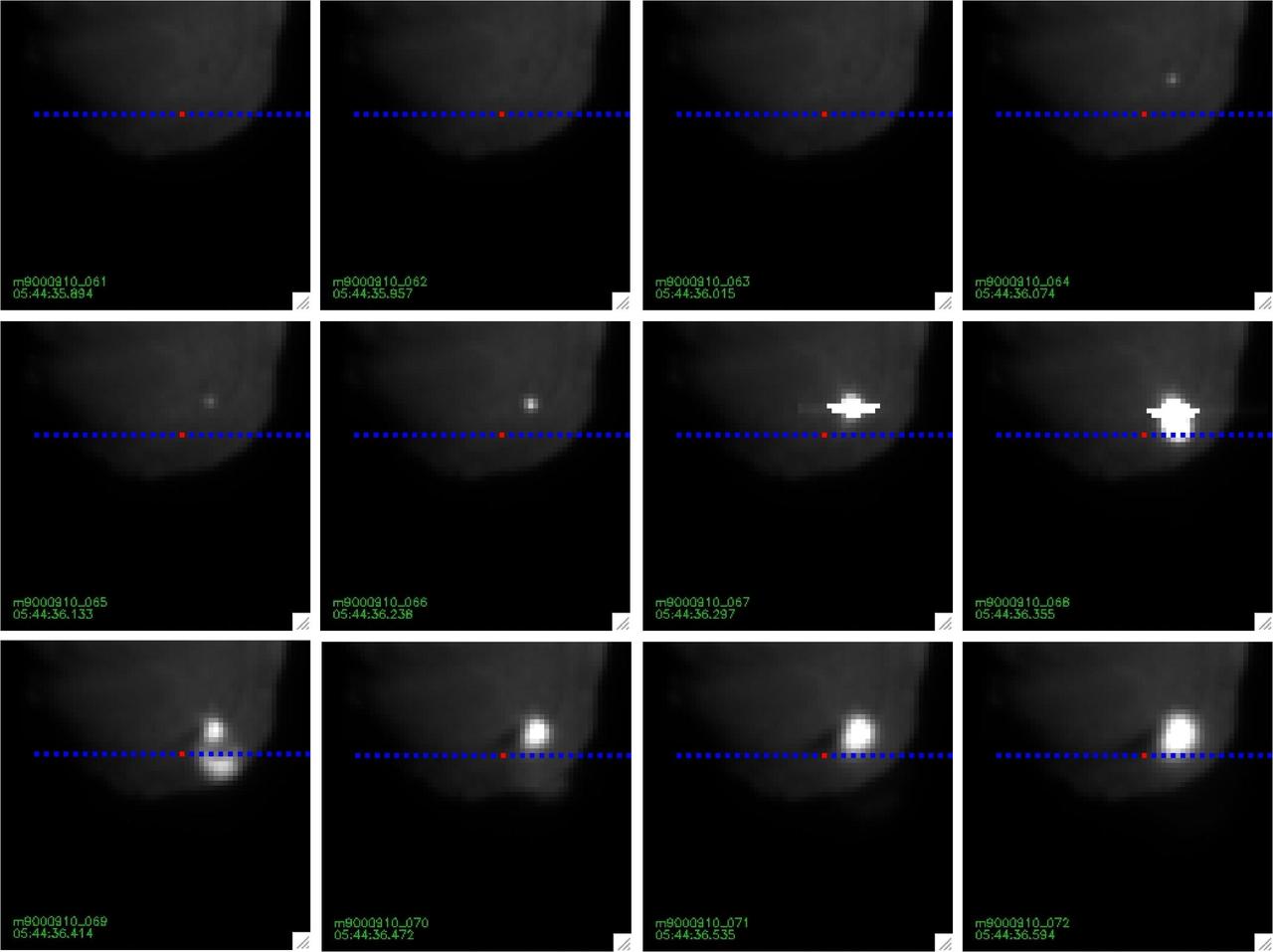
NASA Deep Impact Tempel 1 Mission Update. Images of impact taken with the medium resolution imager. The blue dotted line is the position of the spectrometer slit.
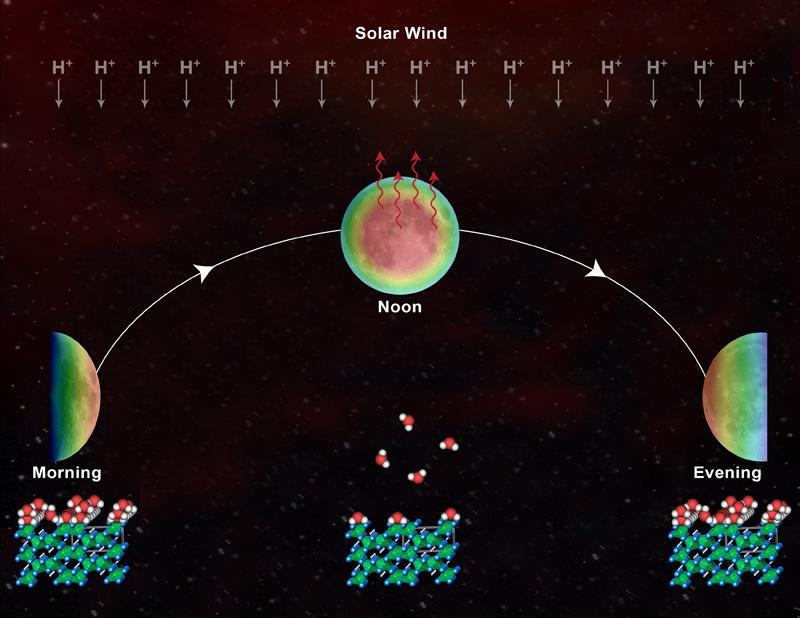
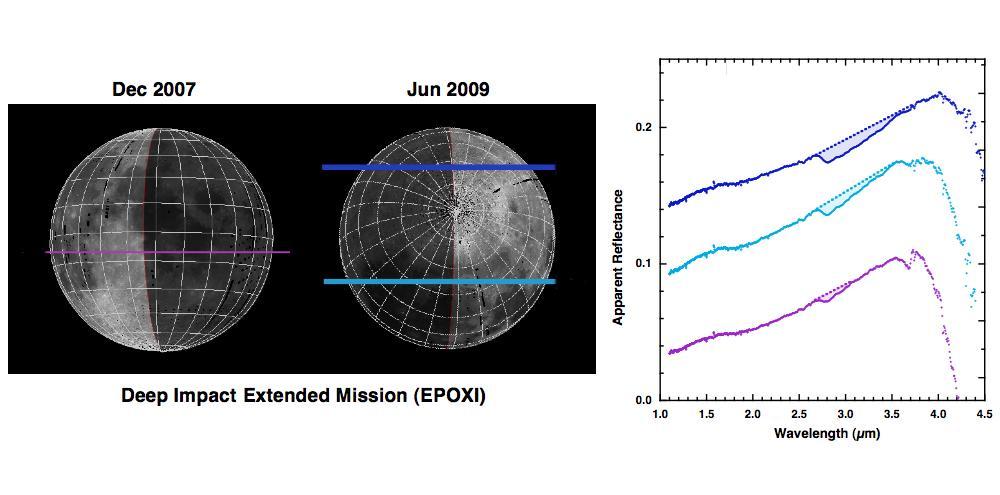
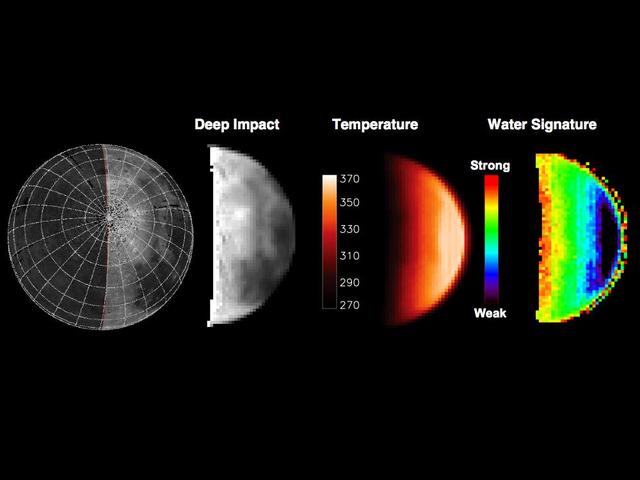
A schematic shows the daytime cycle of hydration, loss and rehydration on the lunar surface. This theory is based on data from NASA Deep Impact mission.
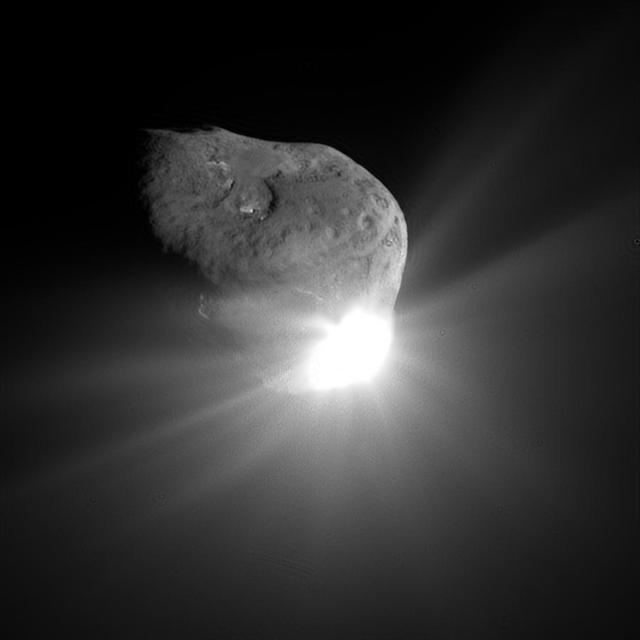
This spectacular image of comet Tempel 1 was taken 67 seconds after it obliterated NASA Deep Impact impactor spacecraft.
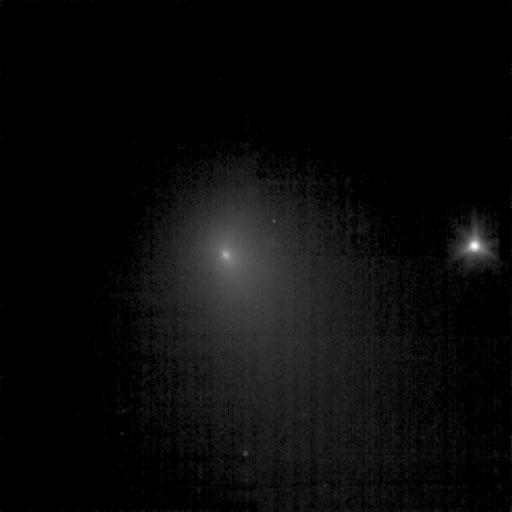
This image of Tempel 1 is a compilation of nine images that were taken on June 19, 2005 by NASA Deep Impact spacecraft.
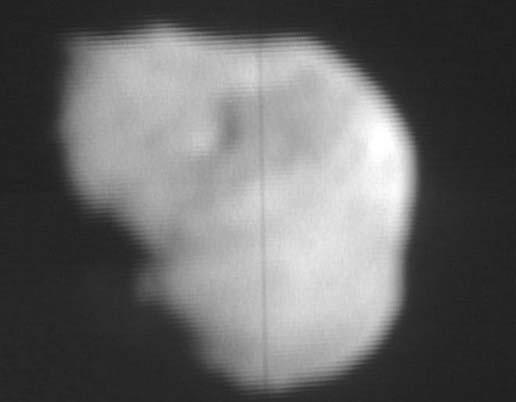
This image from NASA TV shows the nucleus of comet Tempel 1 from Deep Impact flyby high-resolution imager.
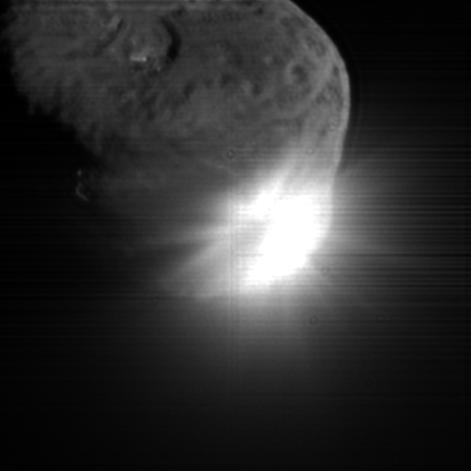
This image shows the initial ejecta that resulted when NASA Deep Impact probe collided with comet Tempel 1 on July 3, 2005. It was taken by the spacecraft high-resolution camera 13 seconds after impact.

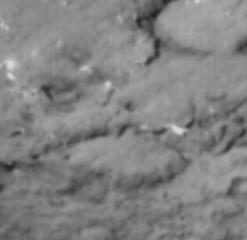
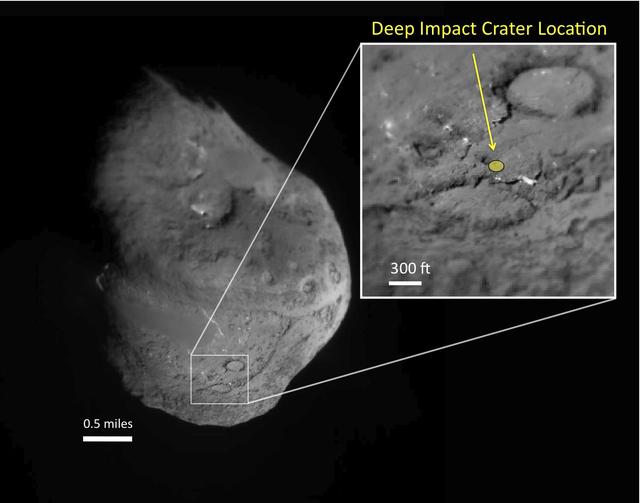
This image of the surface of comet Tempel 1 was taken about 20 seconds before NASA Deep Impact probe crashed into the comet on July 3, 2005. This particular region contains the impact site.
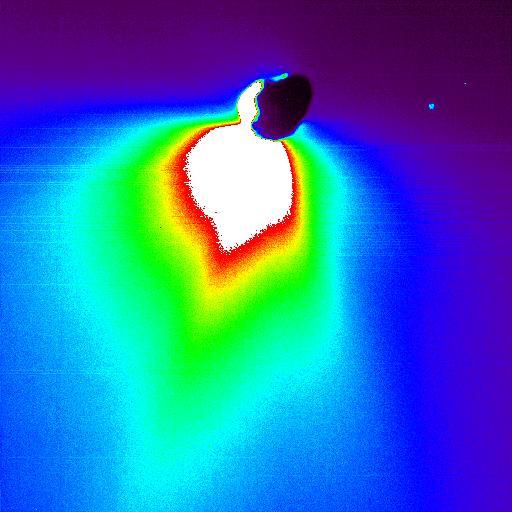
This false-color image shows comet Tempel 1 about 50 minutes after NASA Deep Impact probe smashed into its surface. The impact site is located on the far side of the comet in this view.
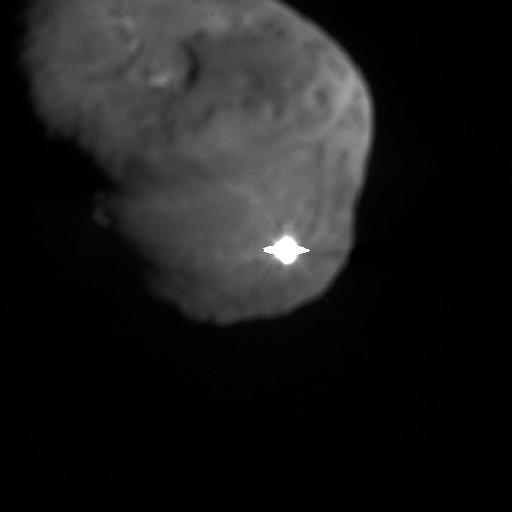
The image depicts the first moments after NASA Deep Impact probe interfaced with comet Tempel 1. The illuminated, and possibly incandescent, debris is expanding from the impact site.
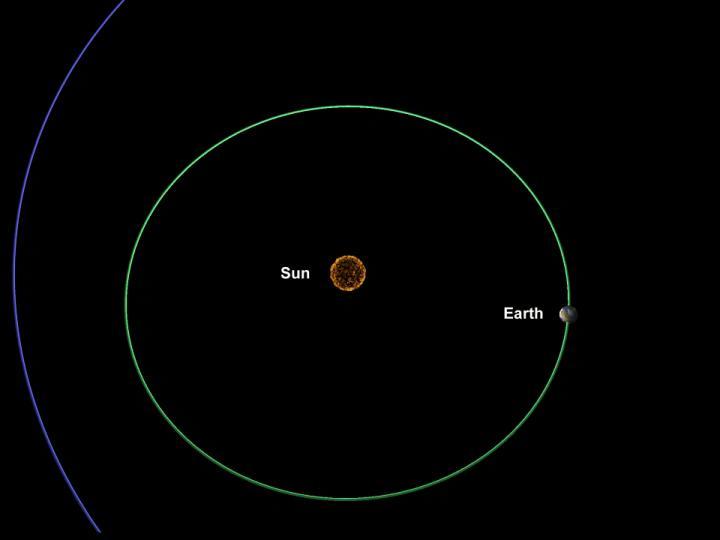
This image is from an animation that chronicles the travels of NASA Deep Impact spacecraft, from its launch in January of 2005 to its dramatic impact 172 days later with comet Tempel 1.
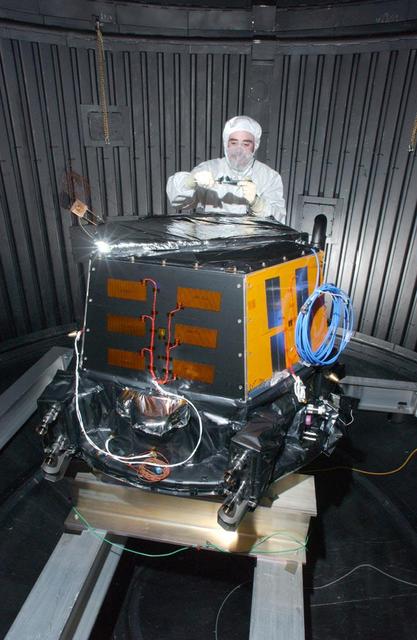
This image shows NASA Deep Impact spacecraft being built at Ball Aerospace & Technologies Corporation, Boulder, Colo. On July 2, 2005. The impactor S-band antenna is the rectangle-shaped object seen on the top of the impactor.
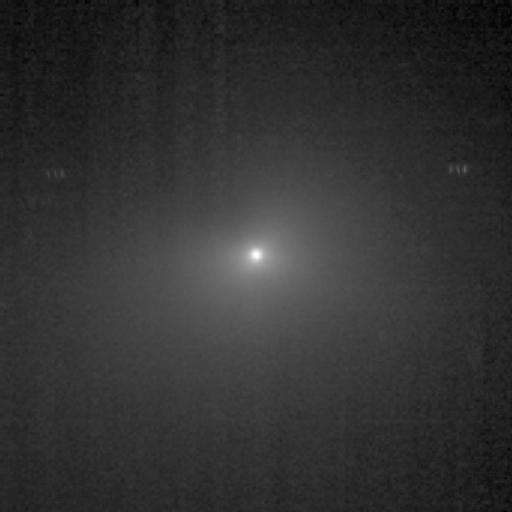
This image shows comet Tempel 1 as seen through the clear filter of the medium resolution imager camera on NASA Deep Impact. It was taken on June 30, 2005.
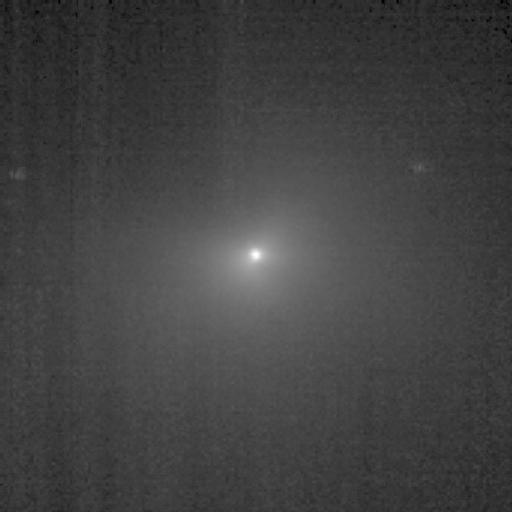
This image shows comet Tempel 1 as seen through the clear filter of the medium resolution imager camera on NASA Deep Impact. It was taken on July 1, 2005.
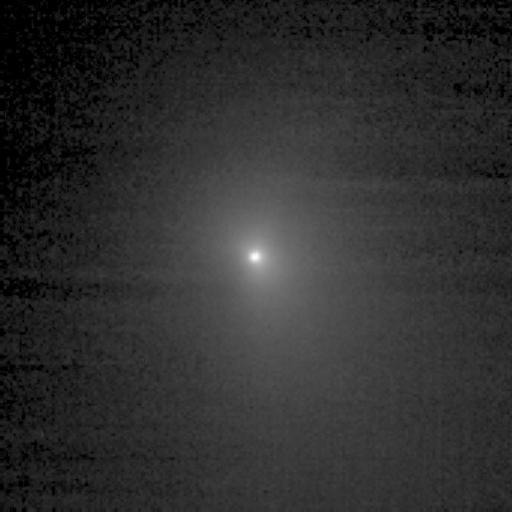
This image shows comet Tempel 1 as seen through the clear filter of the medium resolution imager camera on NASA Deep Impact. It was taken on June 27, 2005.
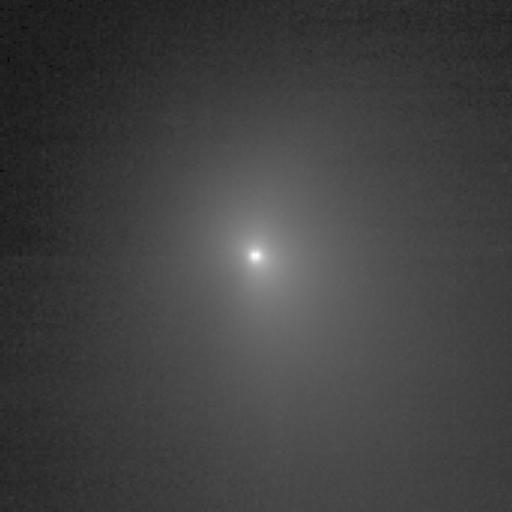
This image shows comet Tempel 1 as seen through the clear filter of the medium resolution imager camera on NASA Deep Impact. It was taken on June 25, 2005.
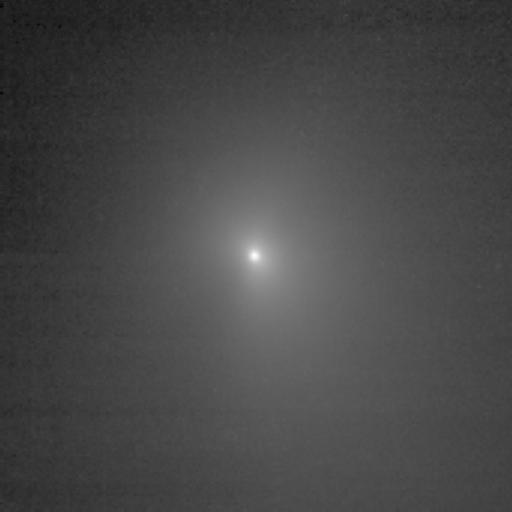
This image shows comet Tempel 1 as seen through the clear filter of the medium resolution imager camera on NASA Deep Impact. It was taken on June 26, 2005.
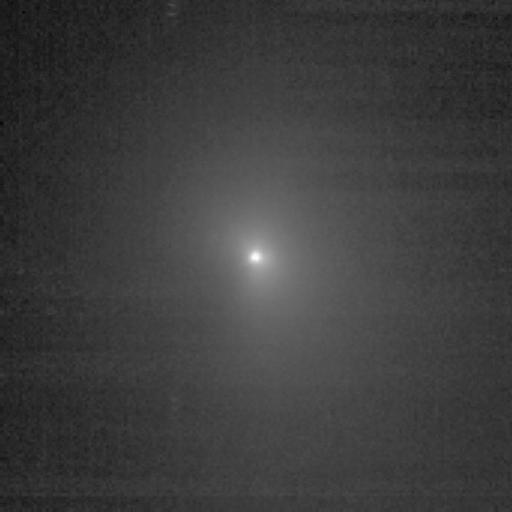
This image shows comet Tempel 1 as seen through the clear filter of the medium resolution imager camera on NASA Deep Impact. It was taken on June 29, 2005.
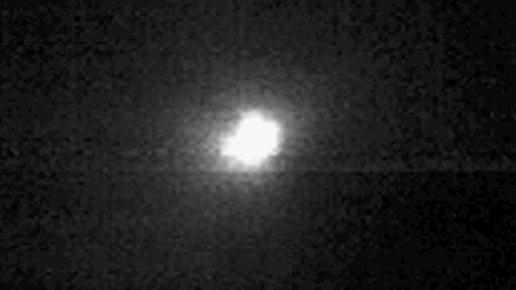
This image from an animation shows comet Tempel 1 as seen through the clear filter of the medium resolution imager camera on NASA Deep Impact.
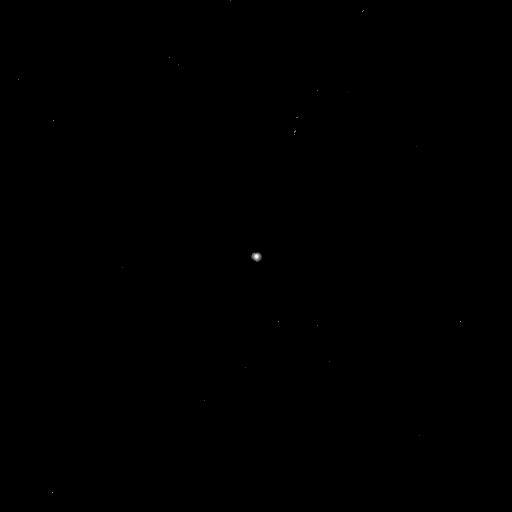
Comet Tempel 1 as seen by the NASA Deep Impact impactor targeting sensor at 7:44 Universal Time, July 3, 2005.
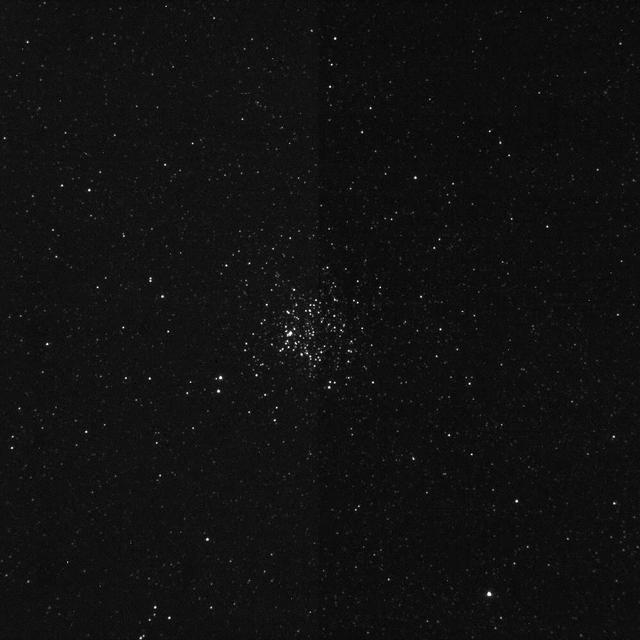
On April 7, 2005, NASA Deep Impact spacecraft Impactor Target Sensor camera recorded this image of M11, the Wild Duck cluster, a galactic open cluster located 6 thousand light years away.
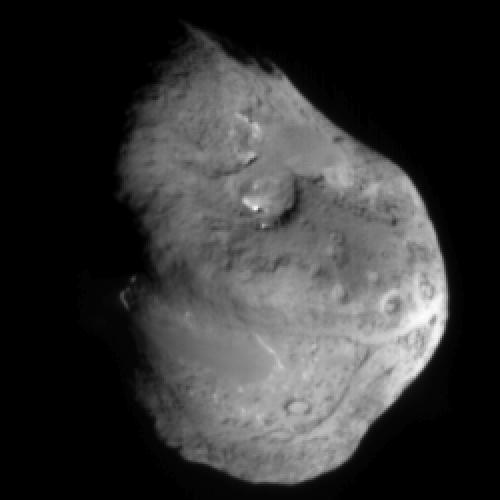
This image shows comet Tempel 1 approximately 5 minutes before NASA Deep Impact probe smashed into its surface. It was taken by the probe impactor targeting sensor.
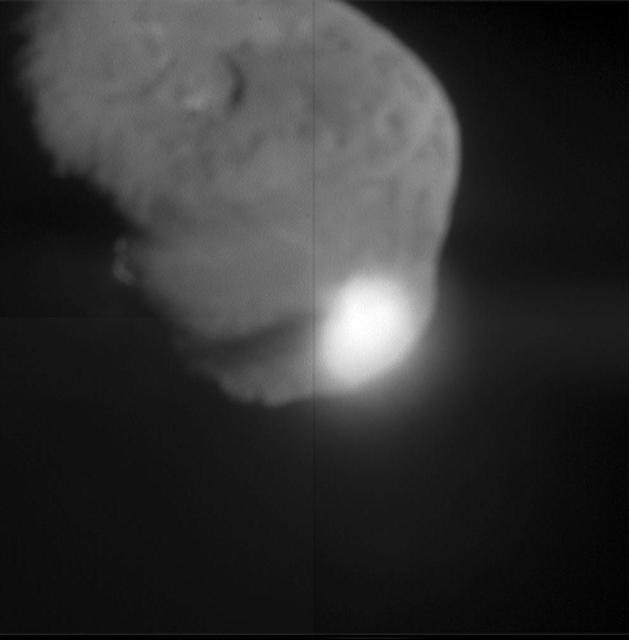
When NASA Deep Impact probe collided with Tempel 1, a bright, small flash was created, which rapidly expanded above the surface of the comet. This flash lasted for more than a second.
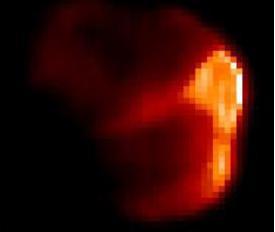
This image composite shows comet Tempel 1 in infrared light . The infrared picture highlights the warm, or sunlit, side of the comet, where NASA Deep Impact probe later hit.
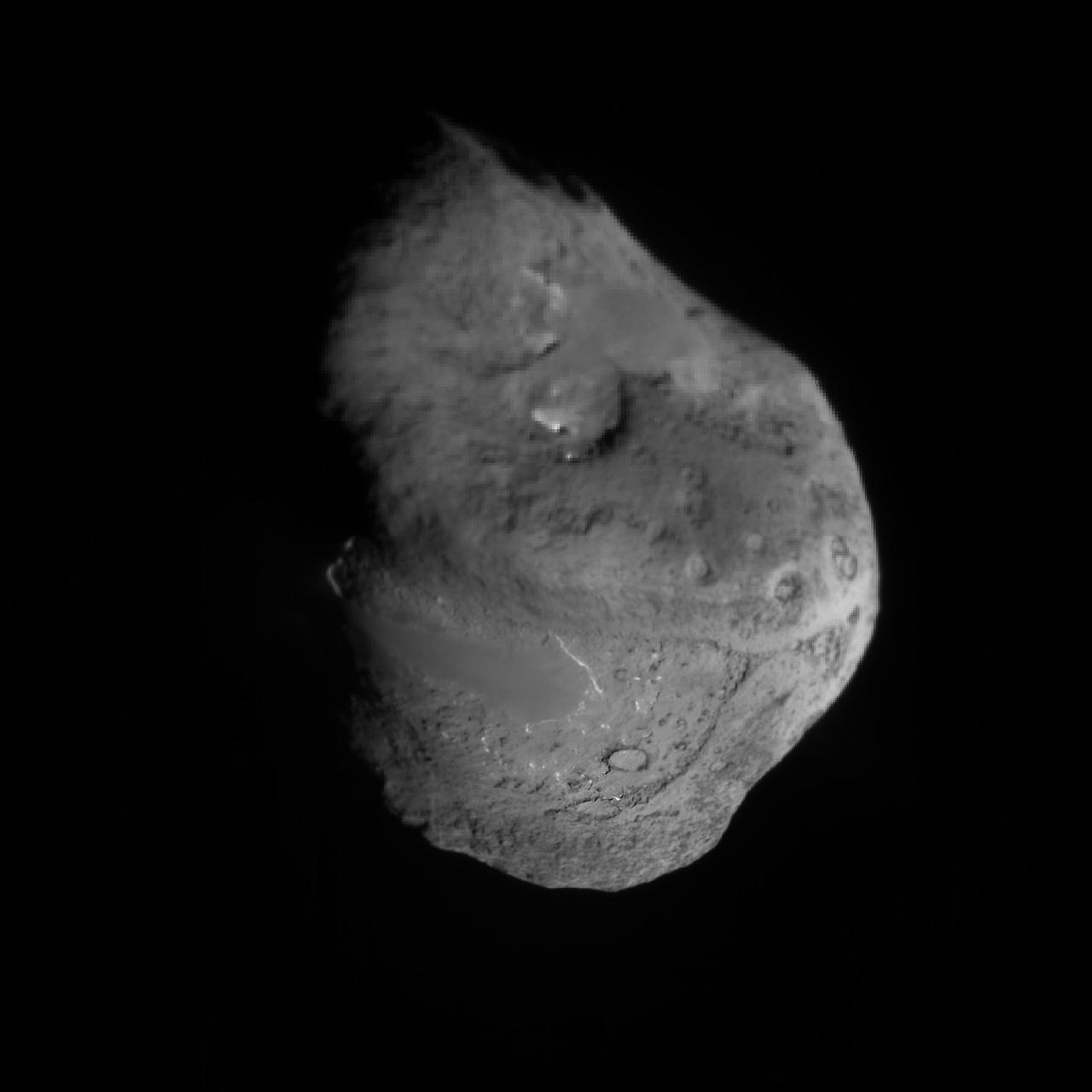
This Tempel 1 image was built up from scaling images from NASA Deep Impact to 5 meters/pixel and aligned to fixed points. Each image at closer range replaced equivalent locations observed at a greater distance.
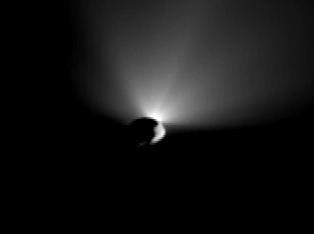
NASA Deep Impact flyby spacecraft took this image after it turned around to capture last shots of a receding comet Tempel 1. Earlier, the mission probe had smashed into the surface of Tempel 1.
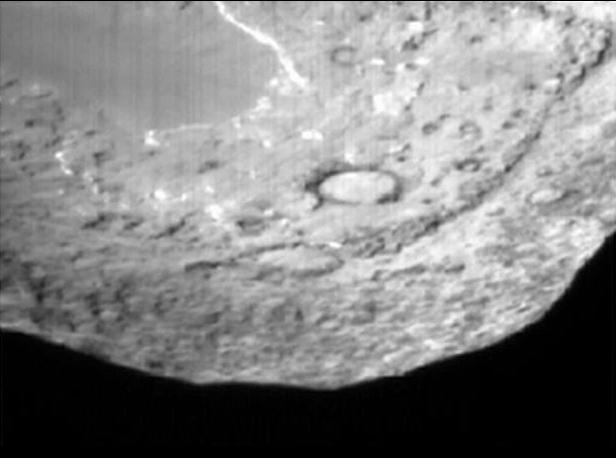
This image shows NASA Deep Impact impactor probe approaching comet Tempel 1. It is made up of images taken by the probe impactor targeting sensor on July 4, 2005. Animation available at the Photojournal.
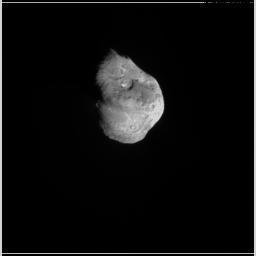
This frame from a movie shows NASA Deep Impact impactor probe approaching comet Tempel 1. It is made up of images taken by the probe impactor targeting sensor in 2005.
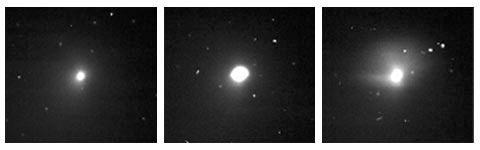
These images shows comet Tempel 1 as seen through the clear filter of the medium resolution imager camera on NASA Deep Impact. The images were acquired between June 22 and June 24, 2005.
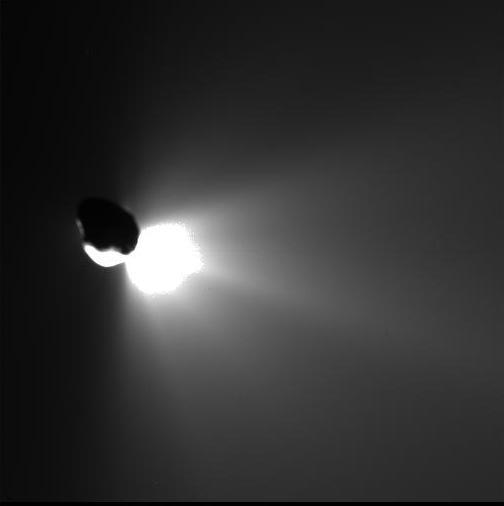
This image shows the view from NASA Deep Impact flyby spacecraft as it turned back to look at comet Tempel 1. Fifty minutes earlier, the spacecraft probe was run over by the comet.
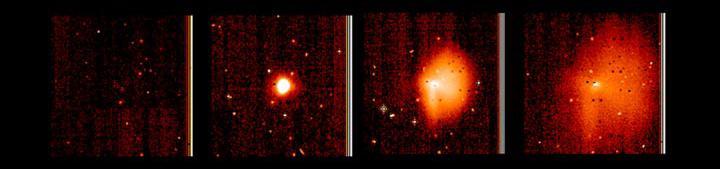
This display shows highly processed images of the outburst of comet Tempel 1 between June 22 and 23, 2005. The pictures were taken by NASA Deep Impact medium-resolution camera.
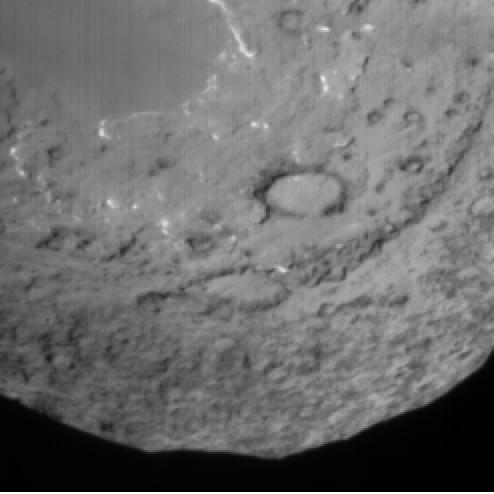
This image shows comet Tempel 1 approximately 90 seconds before NASA Deep Impact probe smashed into its surface. It was taken by the probe impactor targeting sensor.
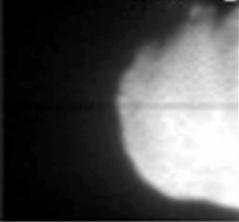
This movie was taken by Deep Impact flyby spacecraft shows the flash that occurred when comet Tempel 1 ran over the spacecraft probe. It was taken by the flyby craft medium-resolution camera.
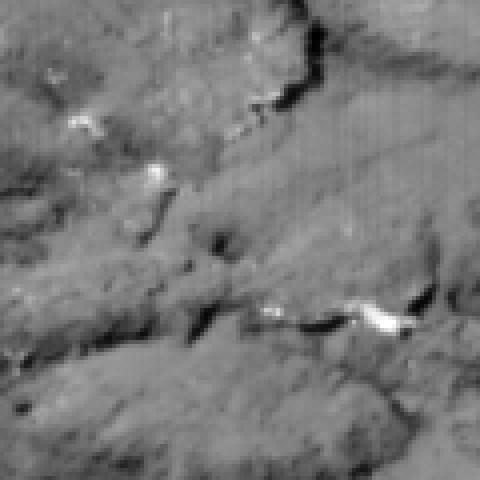
This image shows comet Tempel 1 approximately 30 seconds before NASA Deep Impact probe smashed into its surface. It was taken by the probe impactor targeting sensor.

This is a Tempel 1 temperature map of the nucleus with different spatial resolutions from NASA Deep Impact mission. The color bar in the middle gives temperature in Kelvins. The sun is to the right in all images.
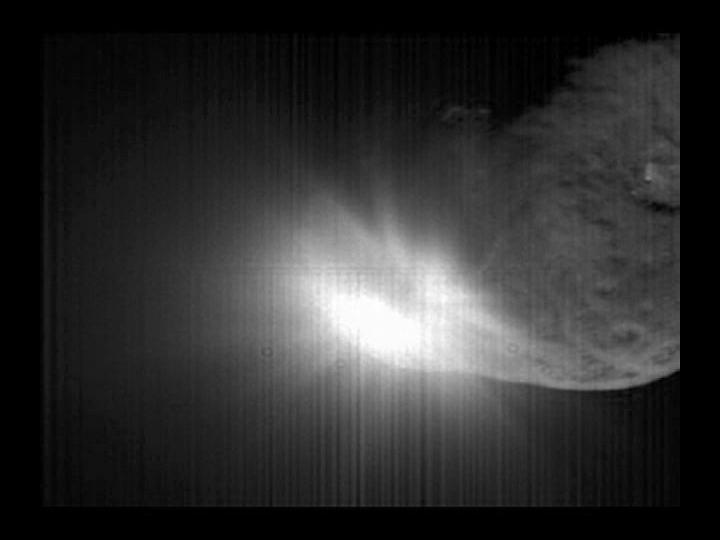
NASA Deep Impact flyby spacecraft shows the flash that occurred when comet Tempel 1 ran over the spacecraft probe taken by the high-resolution camera over a period of 40 seconds.
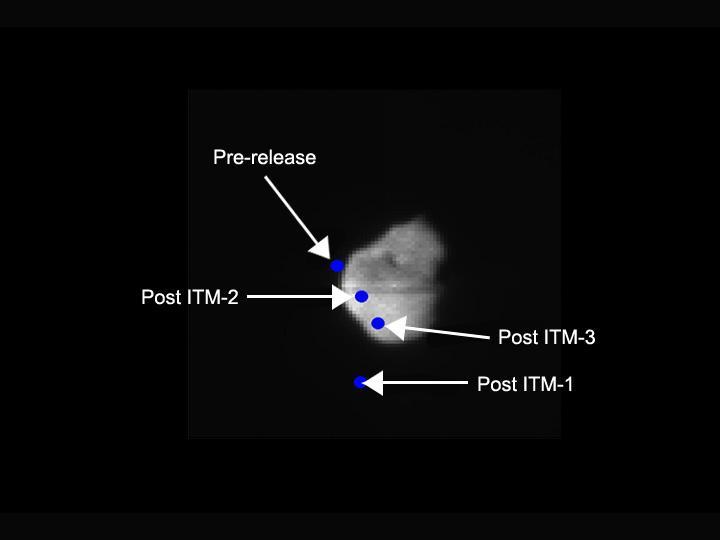
This image shows how NASA Deep Impact impactor targeted comet Tempel 1 as the spacecraft made its final approach in the early morning hours of July 4, 2005.
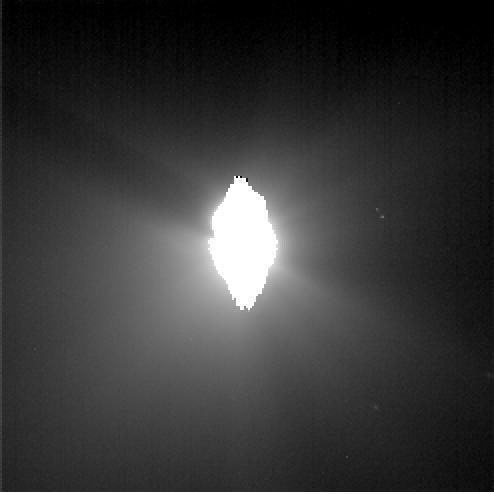
This image shows the view from NASA Deep Impact probe 30 minutes before it was pummeled by comet Tempel 1. The picture brightness has been enhanced to show the jets of dust streaming away from the comet.
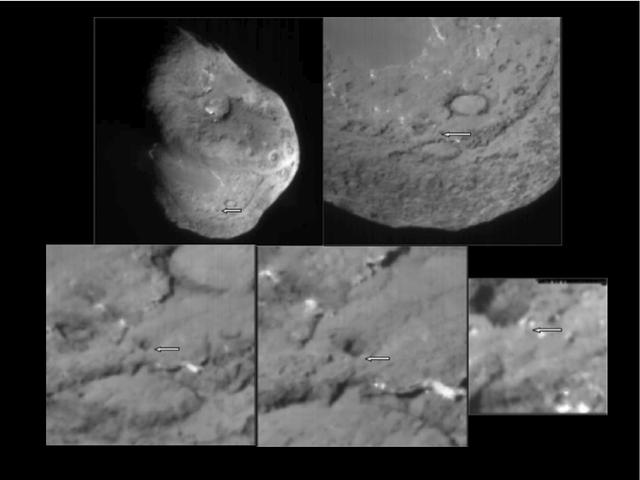
This series of images shows the area where NASA Deep Impact probe collided with the surface of comet Tempel 1 in 2005. The view zooms in as the images progress from top left to right, and then bottom left to right.

This pair of images shows a before-and-after comparison of the area on comet Tempel 1 targeted by an impactor from NASA Deep Impact spacecraft in July 2005.
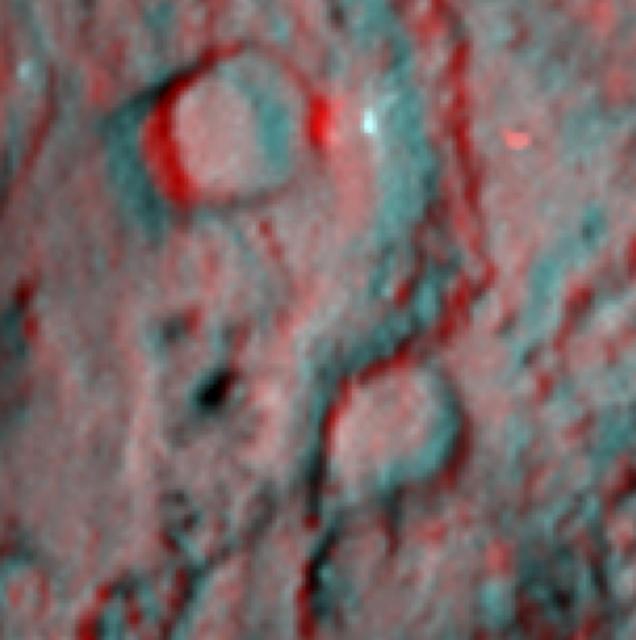
This anaglyph shows the region where NASA Deep Impact mission sent a probe into the surface of comet Tempel 1 in 2005. 3D glasses are necessary to view this image.
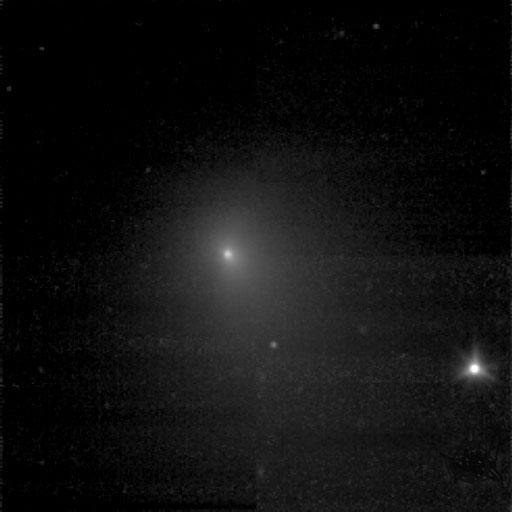
One of the two pictures of Tempel 1 (see also PIA02101) taken by Deep Impact's medium-resolution camera is shown next to data of the comet taken by the spacecraft's infrared spectrometer. This instrument breaks apart light like a prism to reveal the "fingerprints," or signatures, of chemicals. Even though the spacecraft was over 10 days away from the comet when these data were acquired, it detected some of the molecules making up the comet's gas and dust envelope, or coma. The signatures of these molecules -- including water, hydrocarbons, carbon dioxide and carbon monoxide -- can be seen in the graph, or spectrum. Deep Impact's impactor spacecraft is scheduled to collide with Tempel 1 at 10:52 p.m. Pacific time on July 3 (1:52 a.m. Eastern time, July 4). The mission's flyby spacecraft will use its infrared spectrometer to sample the ejected material, providing the first look at the chemical composition of a comet's nucleus. These data were acquired from June 20 to 21, 2005. The picture of Tempel 1 was taken by the flyby spacecraft's medium-resolution instrument camera. The infrared spectrometer uses the same telescope as the high-resolution instrument camera. http://photojournal.jpl.nasa.gov/catalog/PIA02100
This image shows the initial ejecta that resulted when NASA Deep Impact probe collided with comet Tempel 1 at 10:52 p.m. Pacific time, July 3 1:52 a.m. Eastern time, July 4, 2005.
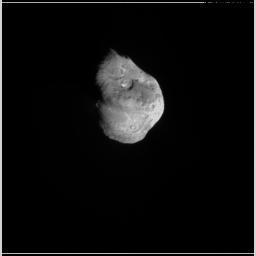
This image shows comet Tempel 1 sixty seconds before it ran over NASA Deep Impact probe at 10:52 p.m. Pacific time, July 3 1:52 a.m. Eastern time, July 4., 2005.
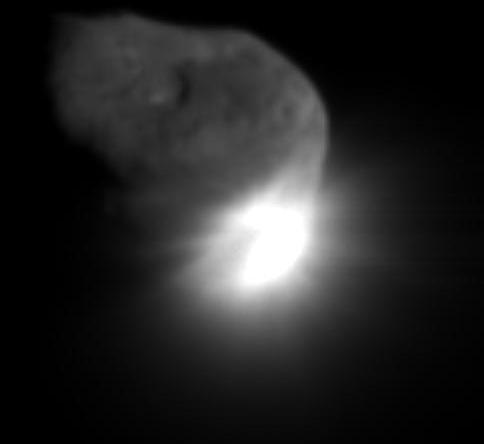
This image shows the initial ejecta that resulted when NASA Deep Impact probe collided with comet Tempel 1 at 10:52 p.m. Pacific time, July 3 1:52 a.m. Eastern time, July 4, 2005.
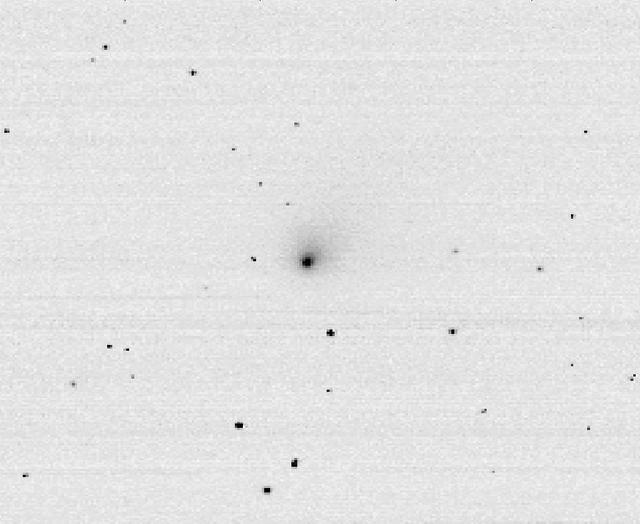
On April 25, 2005 NASA Deep Impact spacecraft obtained its first optical navigation Op-Nav image of comet Tempel 1. At the time the picture was taken the distance between spacecraft and comet was 64 million kilometers 39.7 million miles away.
This image shows comet Tempel 1 six minutes before it ran over NASA Deep Impact probe at 10:52 a.m. Pacific time, July 3 1:52 a.m. Eastern time, July 4, 2005.
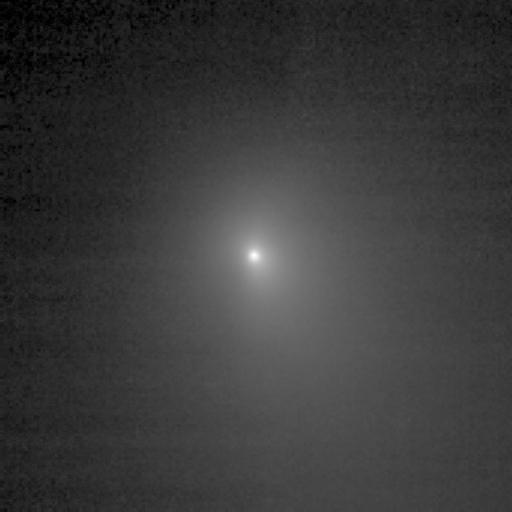
This picture of Tempel 1 was taken by NASA Deep Impact. Even though the spacecraft was over 10 days away from the comet when these data were acquired, it detected some of the molecules making up the comet gas and dust envelope, or coma.
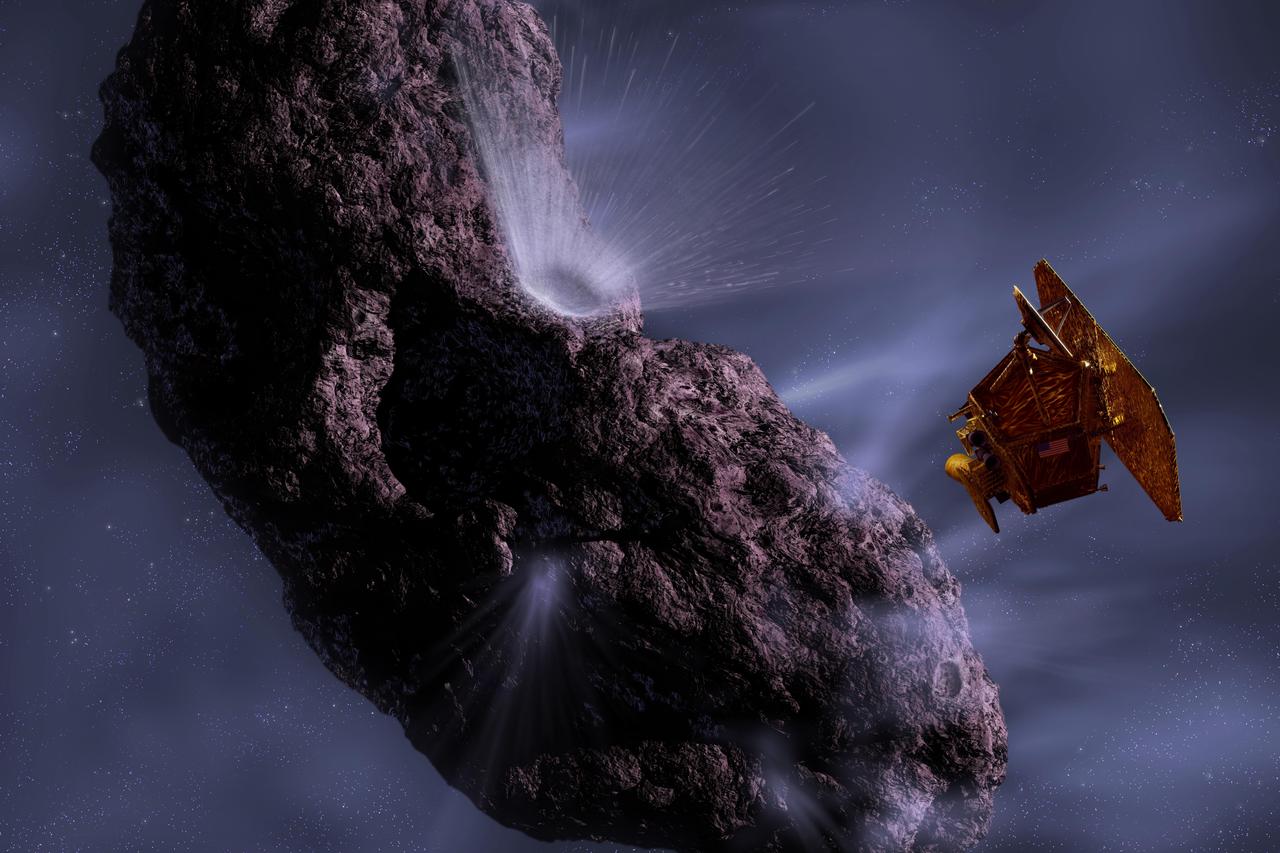
This artist concept gives us a look at the moment of impact and the forming of the crater.
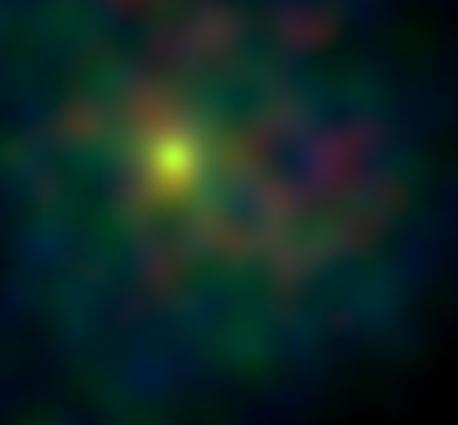
This false-color image shows comet Tempel 1 as seen by NASA Chandra X-ray Observatory on June 30, 2005, Universal Time. The comet was bright and condensed.
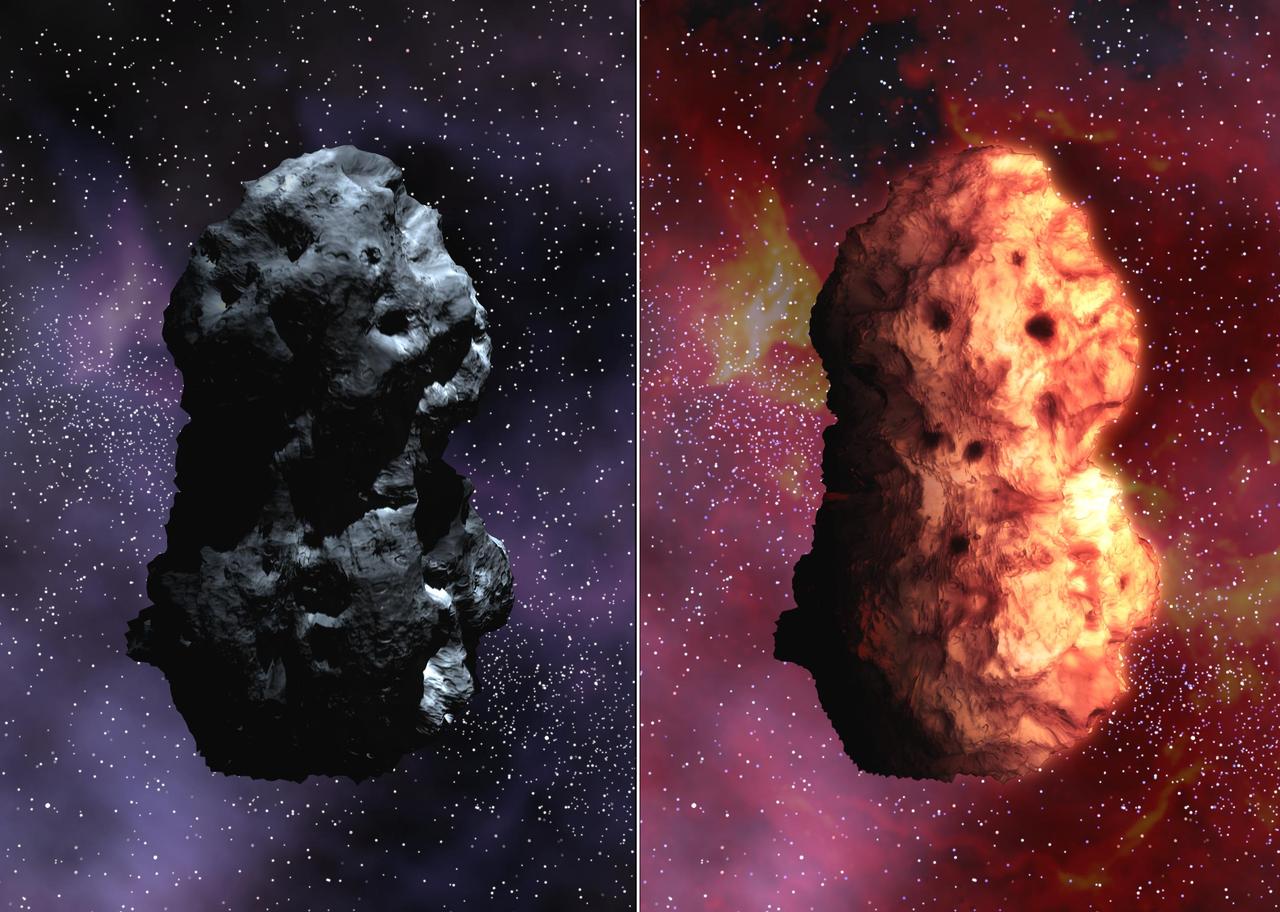
These artist concepts illustrate Tempel 1 shape, reflectivity, rotation rate and surface temperature, based on information from NASA Hubble Space Telescope and Spitzer Space Telescope.
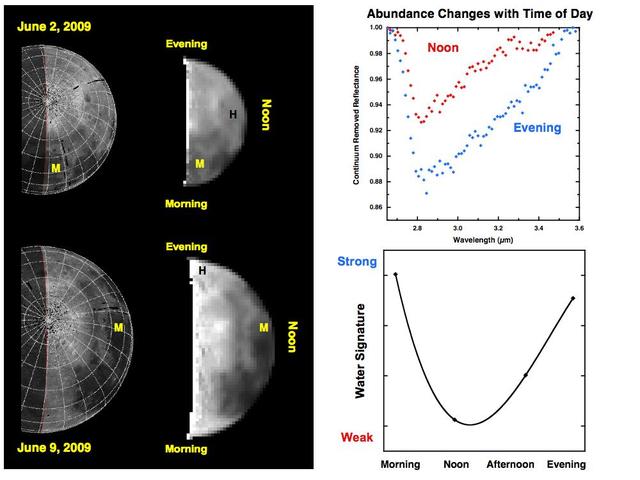
Water Abundances Change with Time of Day
This pair of images shows the area affected by the impactor released by NASA Deep Impact spacecraft in July 2005.
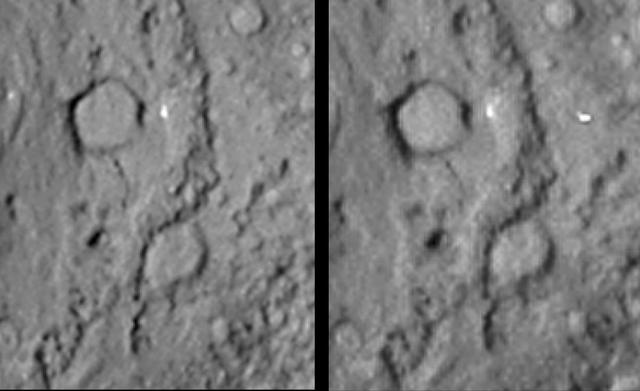
Reversed stereo image pair covering the region of NASA Deep Impact site from the Stardust-NExT mission.
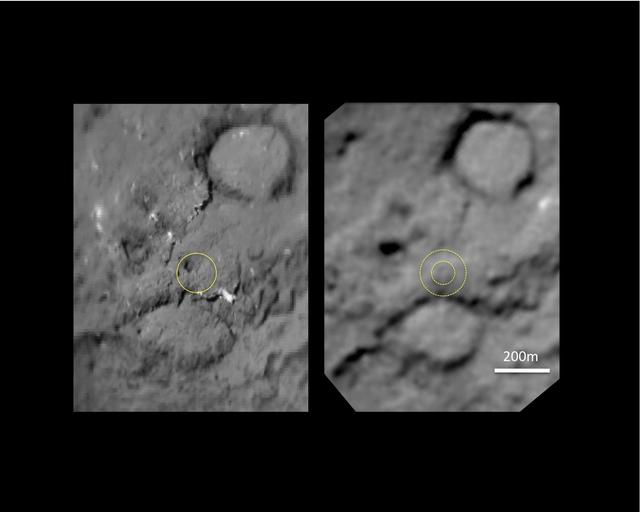
This pair of images shows the area affected by the impactor released by NASA Deep Impact spacecraft in July 2005.
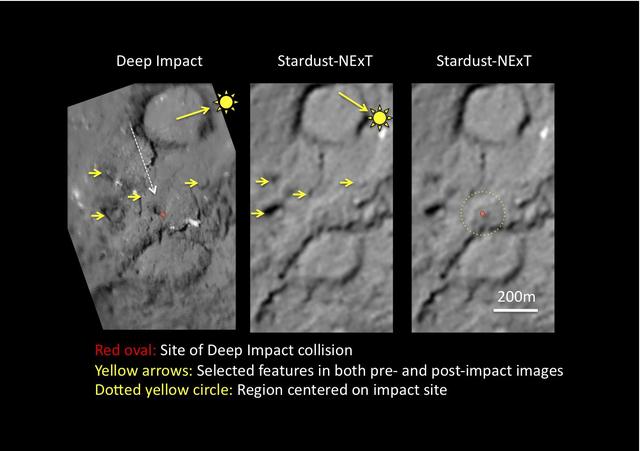
This image shows the surface of comet Tempel 1 before and after NASA Deep Impact mission sent a probe into the comet in 2005. The region was imaged by Deep Impact before the collision left, then six years later on by NASA Stardust-NExT mission.
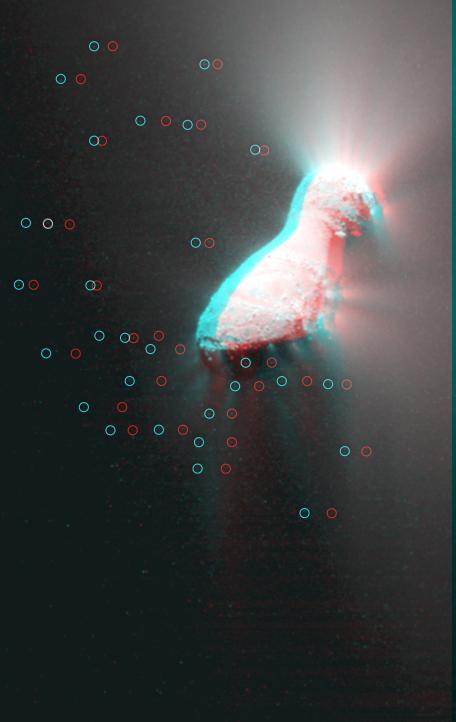
This 3-D image shows the region where NASA Deep Impact mission sent a probe into the surface of comet Tempel 1 in 2005. This picture was taken six years after the Deep Impact collision. 3D glasses are necessary to view this image.

This pair of images shows the before-and-after comparison of the part of comet Tempel 1 that was hit by the impactor from NASA Deep Impact spacecraft.
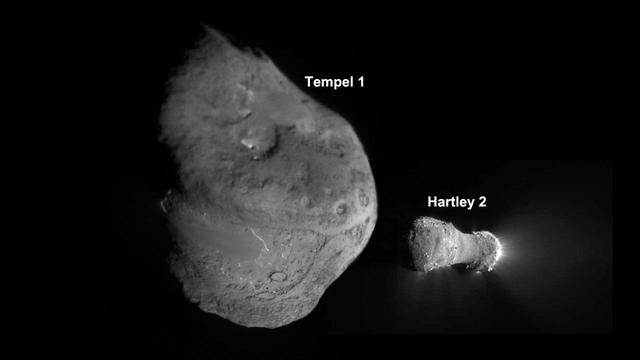
This image shows the nuclei of comets Tempel 1 and Hartley 2, as imaged by NASA Deep Impact spacecraft, which continued as an extended mission known as EPOXI.
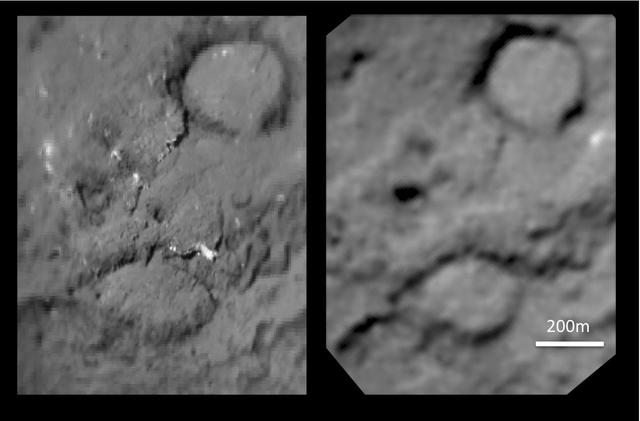
This pair of images shows the before-and-after comparison of the part of comet Tempel 1 that was hit by the impactor from NASA Deep Impact spacecraft.
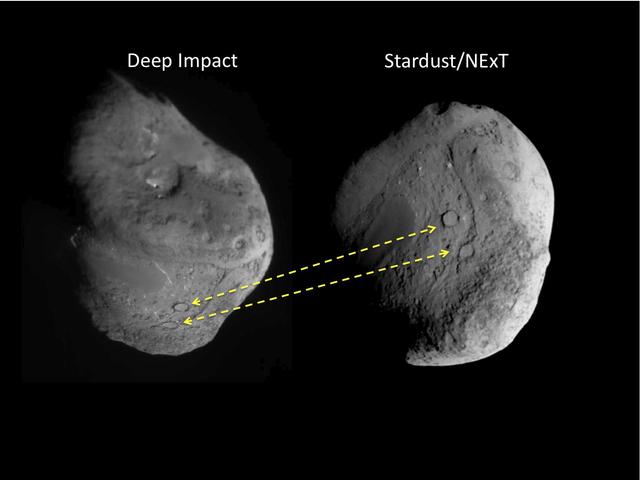
These two images show the different views of comet Tempel 1 seen by NASA Deep Impact spacecraft left and NASA Stardust spacecraft right.

These pictures of comet Tempel 1 were taken by NASA Hubble Space Telescope. They show the comet before and after it ran over NASA Deep Impact probe.
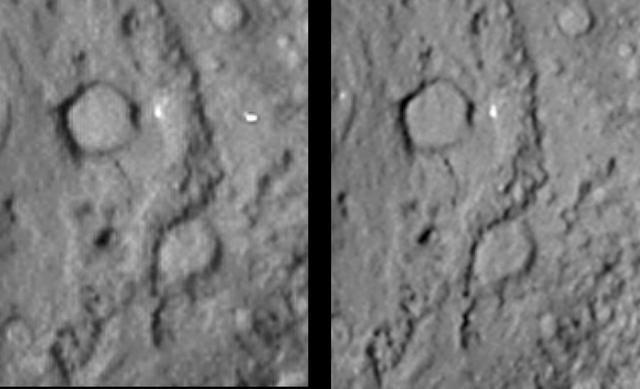
This pair of images shows the before-and-after comparison of the part of comet Tempel 1 that was hit by the impactor from NASA Deep Impact spacecraft.
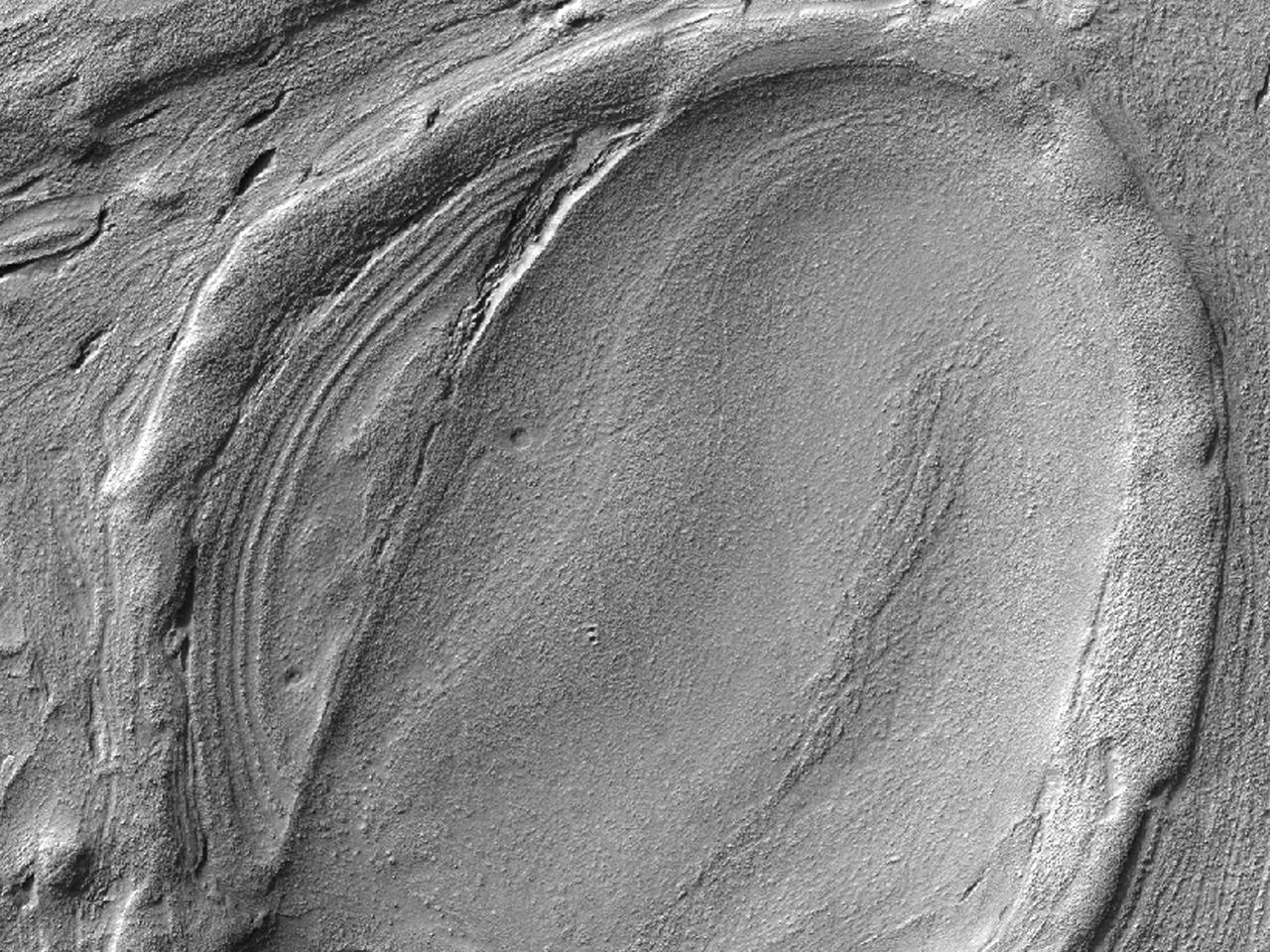
This image from NASA Mars Reconnaissance Orbiter shows some of the weirdest and least-understood landscapes on Mars are on the floor of the deep Hellas impact basin.
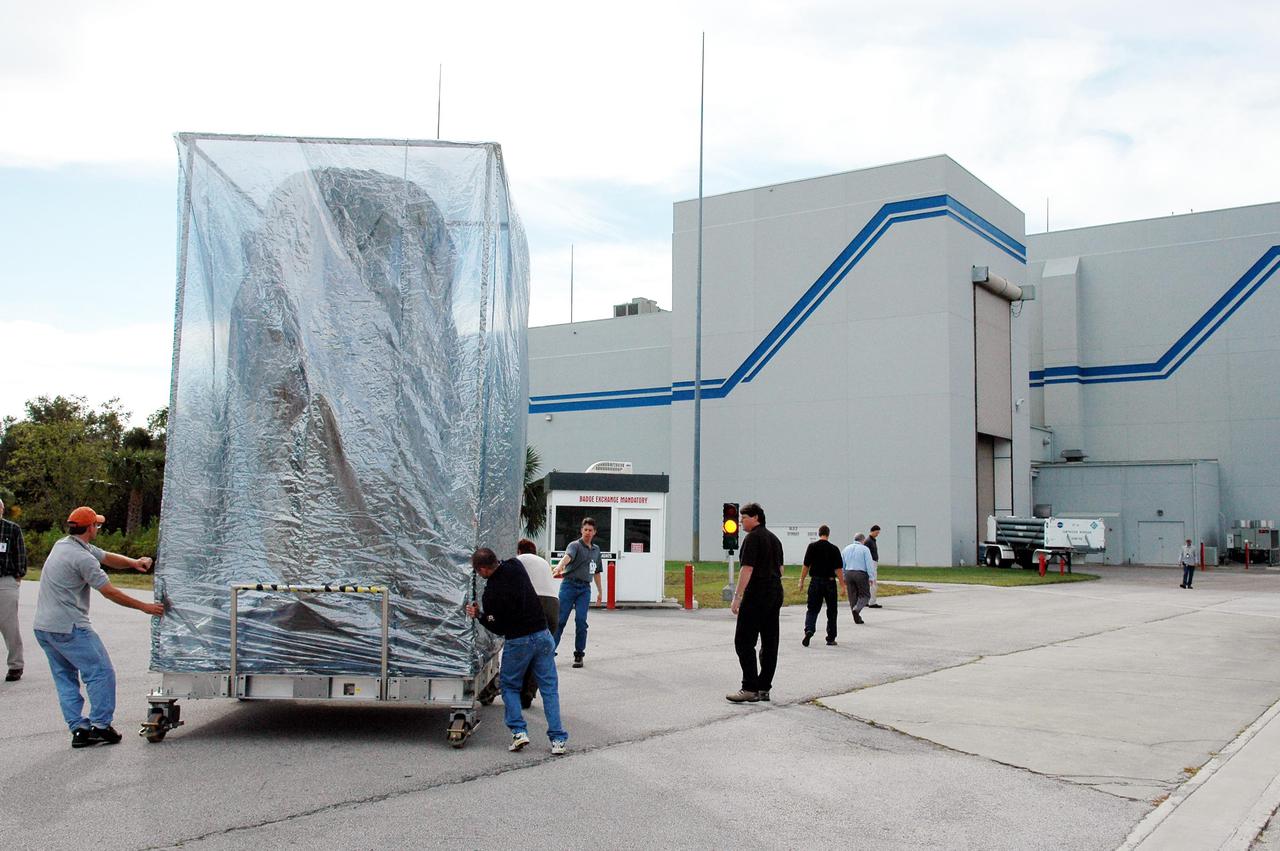
KENNEDY SPACE CENTER, FLA. - At Astrotech Space Operations in Titusville, Fla., workers push the Deep Impact spacecraft toward the Hazardous Fuel Building. Deep Impact is being prepared for shipment to Launch Pad 17-B, Cape Canaveral Air Force Station. At Astrotech Space Operations in Titusville, Fla., workers help guide an overhead crane holding a protective cover that will be placed over the Deep Impact spacecraft below. Deep Impact is being prepared for a move to the Hazardous Fuel Building and eventually shipment to Launch Pad 17-B, Cape Canaveral Air Force Station. Launch of Deep Impact is scheduled no earlier than Jan. 12. A NASA Discovery mission, Deep Impact will probe beneath the surface of Comet Tempel 1 on July 4, 2005, when the comet is 83 million miles from Earth, and reveal the secrets of its interior. After releasing a 3- by 3-foot projectile to crash onto the surface, Deep Impact’s flyby spacecraft will collect pictures and data of how the crater forms, measuring the crater’s depth and diameter, as well as the composition of the interior of the crater and any material thrown out, and determining the changes in natural outgassing produced by the impact. It will send the data back to Earth through the antennas of the Deep Space Network.
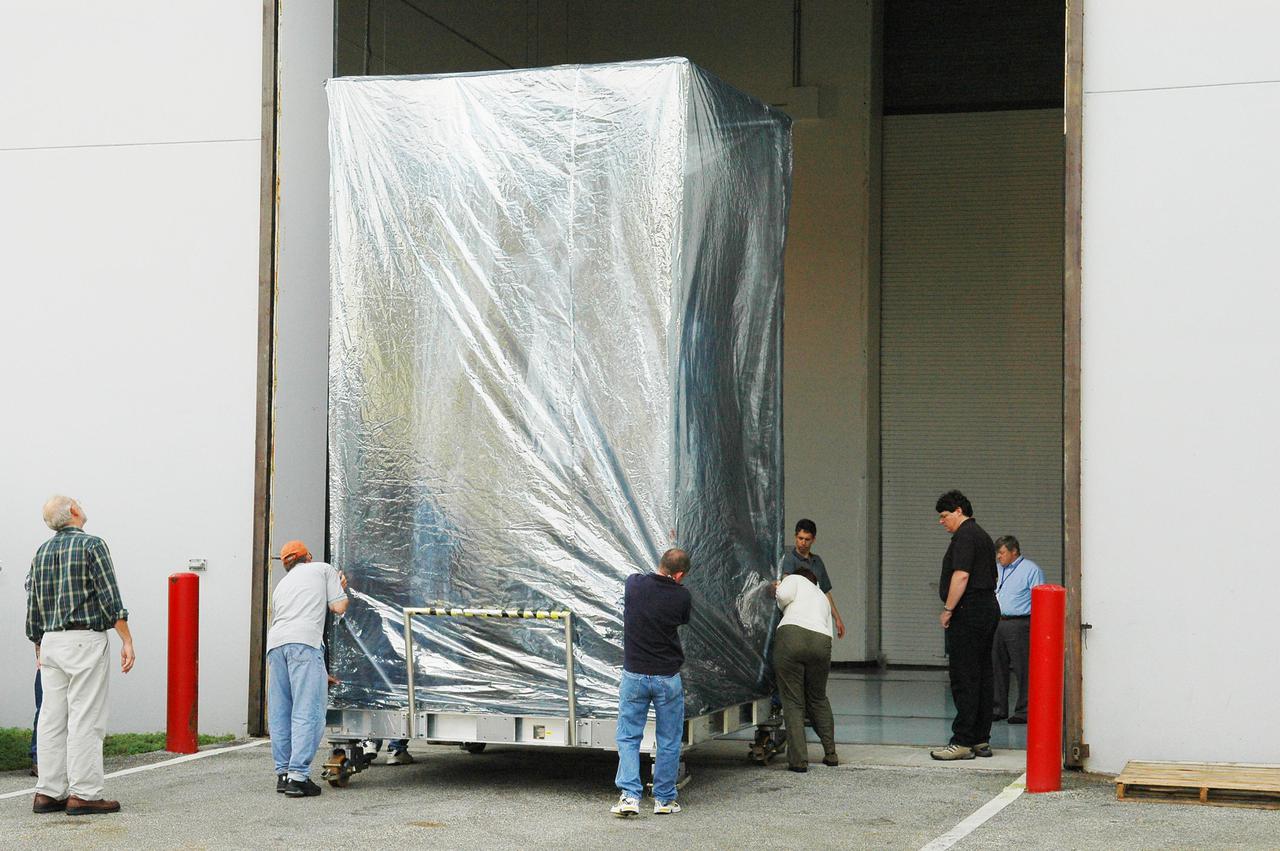
KENNEDY SPACE CENTER, FLA. - At Astrotech Space Operations in Titusville, Fla., workers push the Deep Impact spacecraft into the Hazardous Fuel Building. Deep Impact is being prepared for shipment to Launch Pad 17-B, Cape Canaveral Air Force Station. At Astrotech Space Operations in Titusville, Fla., workers help guide an overhead crane holding a protective cover that will be placed over the Deep Impact spacecraft below. Deep Impact is being prepared for a move to the Hazardous Fuel Building and eventually shipment to Launch Pad 17-B, Cape Canaveral Air Force Station. Launch of Deep Impact is scheduled no earlier than Jan. 12. A NASA Discovery mission, Deep Impact will probe beneath the surface of Comet Tempel 1 on July 4, 2005, when the comet is 83 million miles from Earth, and reveal the secrets of its interior. After releasing a 3- by 3-foot projectile to crash onto the surface, Deep Impact’s flyby spacecraft will collect pictures and data of how the crater forms, measuring the crater’s depth and diameter, as well as the composition of the interior of the crater and any material thrown out, and determining the changes in natural outgassing produced by the impact. It will send the data back to Earth through the antennas of the Deep Space Network.
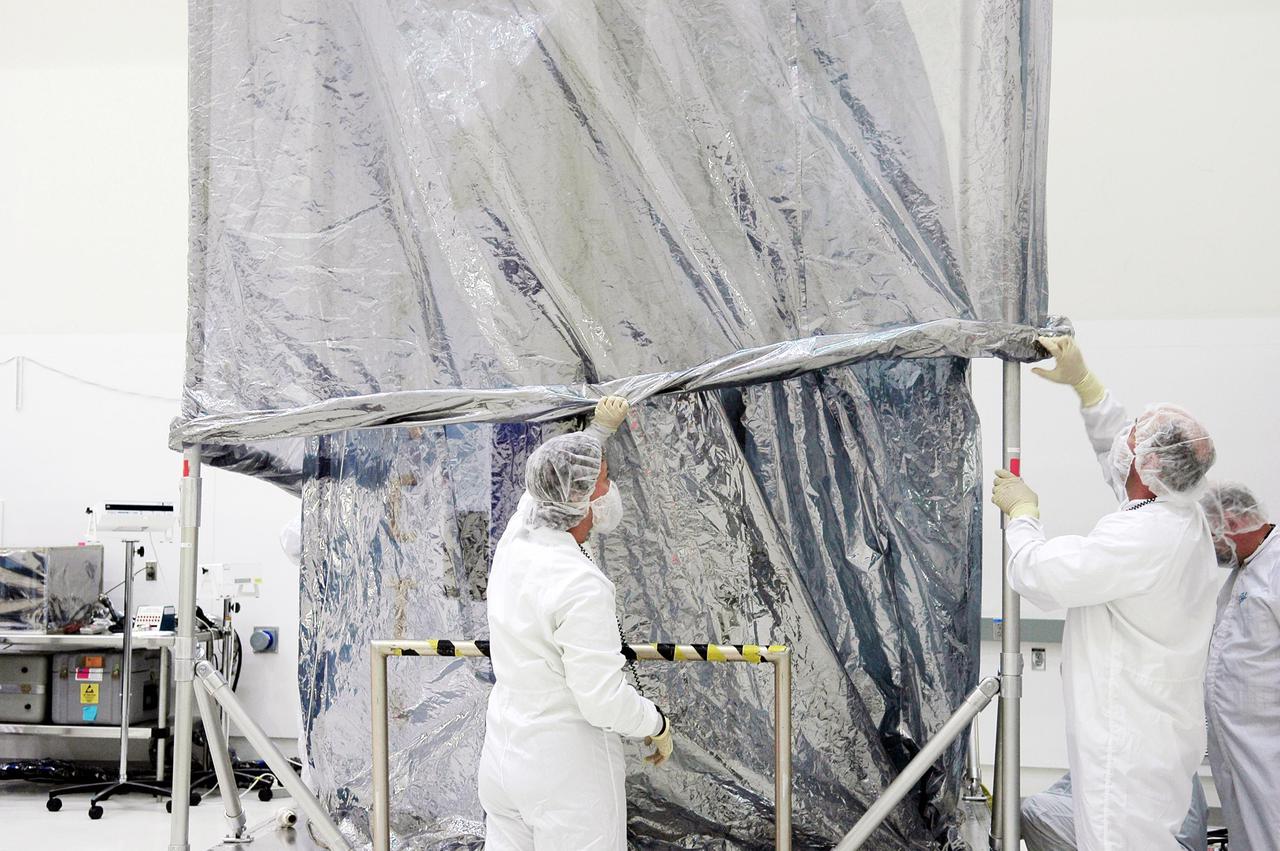
KENNEDY SPACE CENTER, FLA. - At Astrotech Space Operations in Titusville, Fla., workers lower a second protective cover around the Deep Impact spacecraft. Deep Impact is being prepared for a move to the Hazardous Fuel Building and eventually shipment to Launch Pad 17-B, Cape Canaveral Air Force Station. At Astrotech Space Operations in Titusville, Fla., workers help guide an overhead crane holding a protective cover that will be placed over the Deep Impact spacecraft below. Deep Impact is being prepared for a move to the Hazardous Fuel Building and eventually shipment to Launch Pad 17-B, Cape Canaveral Air Force Station. Launch of Deep Impact is scheduled no earlier than Jan. 12. A NASA Discovery mission, Deep Impact will probe beneath the surface of Comet Tempel 1 on July 4, 2005, when the comet is 83 million miles from Earth, and reveal the secrets of its interior. After releasing a 3- by 3-foot projectile to crash onto the surface, Deep Impact’s flyby spacecraft will collect pictures and data of how the crater forms, measuring the crater’s depth and diameter, as well as the composition of the interior of the crater and any material thrown out, and determining the changes in natural outgassing produced by the impact. It will send the data back to Earth through the antennas of the Deep Space Network.
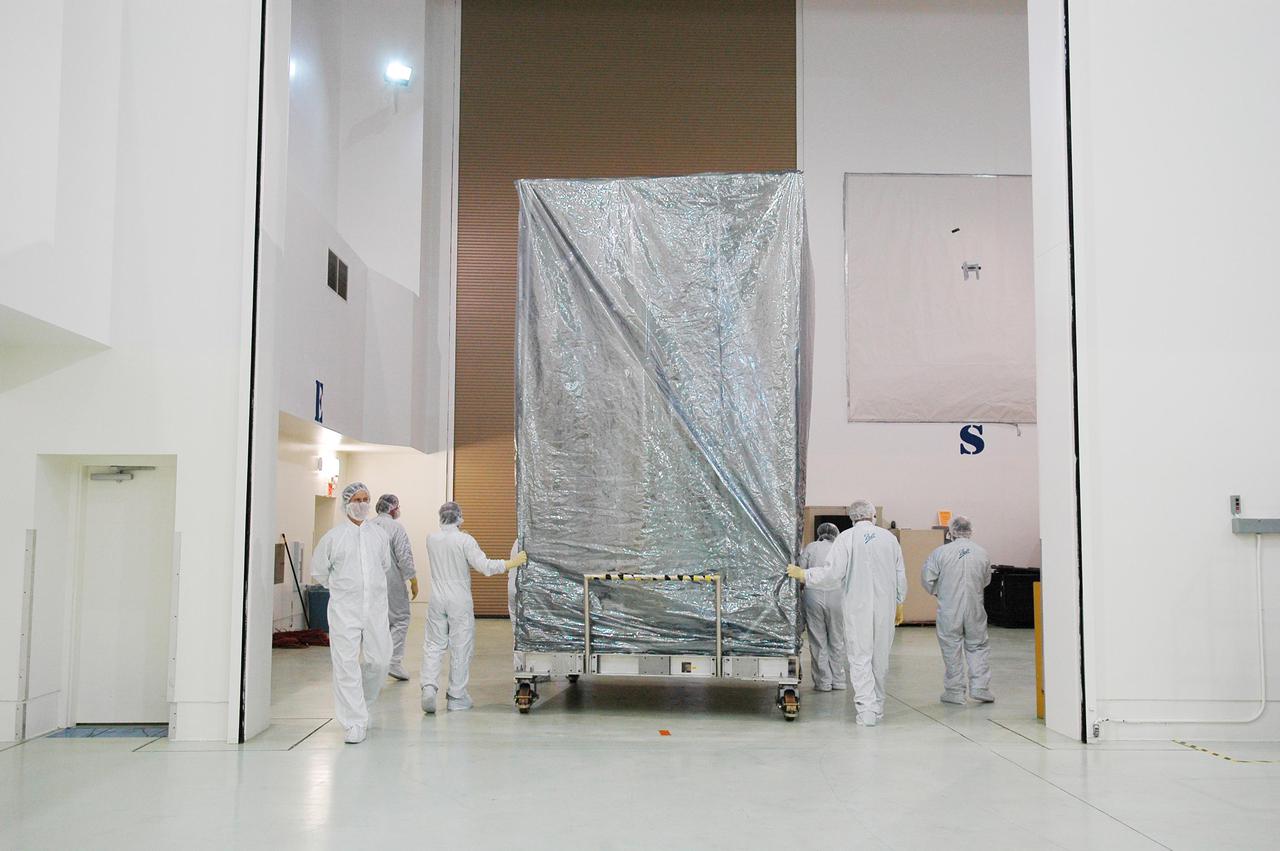
KENNEDY SPACE CENTER, FLA. - At Astrotech Space Operations in Titusville, Fla., workers roll the Deep Impact spacecraft toward the door. Deep Impact is being moved to the Hazardous Fuel Building and eventually shipment to Launch Pad 17-B, Cape Canaveral Air Force Station. At Astrotech Space Operations in Titusville, Fla., workers help guide an overhead crane holding a protective cover that will be placed over the Deep Impact spacecraft below. Deep Impact is being prepared for a move to the Hazardous Fuel Building and eventually shipment to Launch Pad 17-B, Cape Canaveral Air Force Station. Launch of Deep Impact is scheduled no earlier than Jan. 12. A NASA Discovery mission, Deep Impact will probe beneath the surface of Comet Tempel 1 on July 4, 2005, when the comet is 83 million miles from Earth, and reveal the secrets of its interior. After releasing a 3- by 3-foot projectile to crash onto the surface, Deep Impact’s flyby spacecraft will collect pictures and data of how the crater forms, measuring the crater’s depth and diameter, as well as the composition of the interior of the crater and any material thrown out, and determining the changes in natural outgassing produced by the impact. It will send the data back to Earth through the antennas of the Deep Space Network.
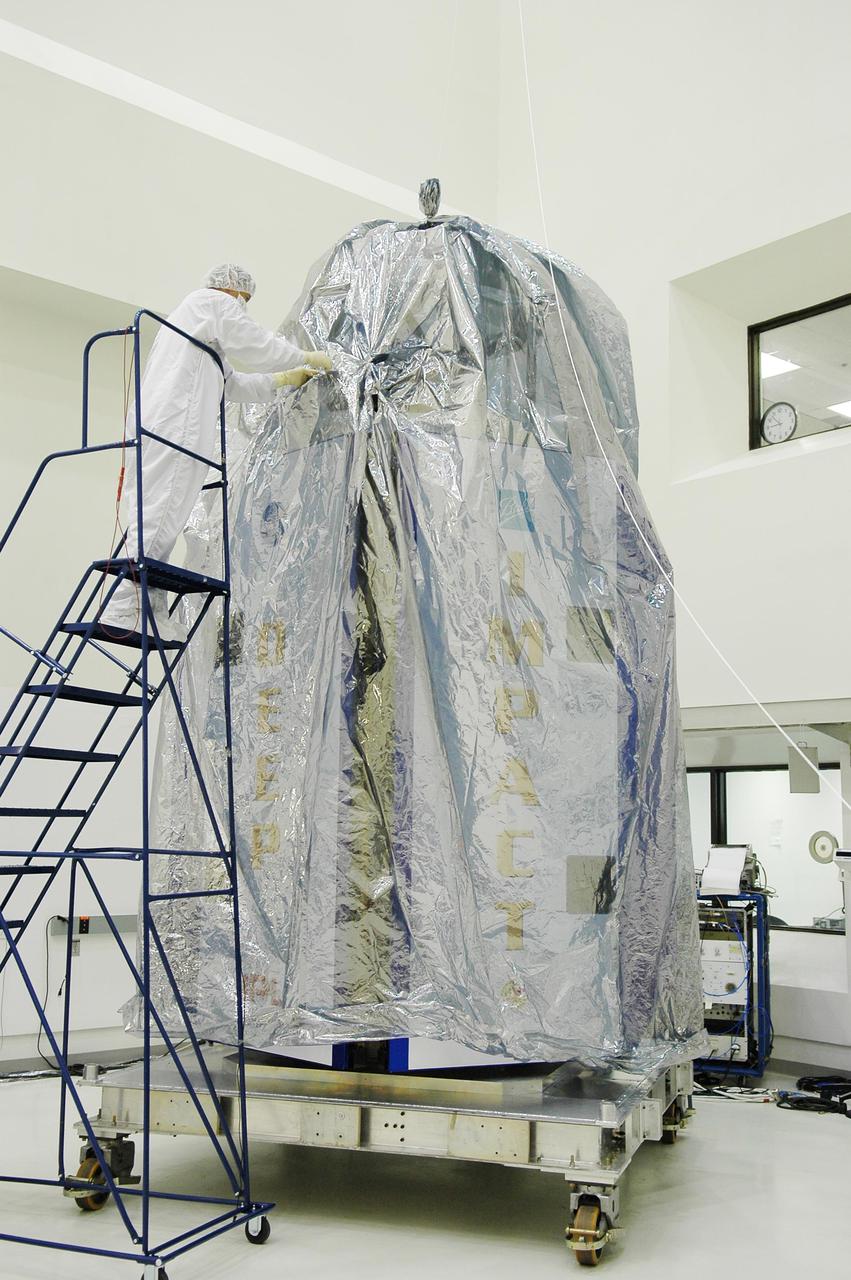
KENNEDY SPACE CENTER, FLA. - At Astrotech Space Operations in Titusville, Fla., workers secure the protective cover around the Deep Impact spacecraft. Deep Impact is being prepared for a move to the Hazardous Fuel Building and eventually shipment to Launch Pad 17-B, Cape Canaveral Air Force Station. At Astrotech Space Operations in Titusville, Fla., workers help guide an overhead crane holding a protective cover that will be placed over the Deep Impact spacecraft below. Deep Impact is being prepared for a move to the Hazardous Fuel Building and eventually shipment to Launch Pad 17-B, Cape Canaveral Air Force Station. Launch of Deep Impact is scheduled no earlier than Jan. 12. A NASA Discovery mission, Deep Impact will probe beneath the surface of Comet Tempel 1 on July 4, 2005, when the comet is 83 million miles from Earth, and reveal the secrets of its interior. After releasing a 3- by 3-foot projectile to crash onto the surface, Deep Impact’s flyby spacecraft will collect pictures and data of how the crater forms, measuring the crater’s depth and diameter, as well as the composition of the interior of the crater and any material thrown out, and determining the changes in natural outgassing produced by the impact. It will send the data back to Earth through the antennas of the Deep Space Network.
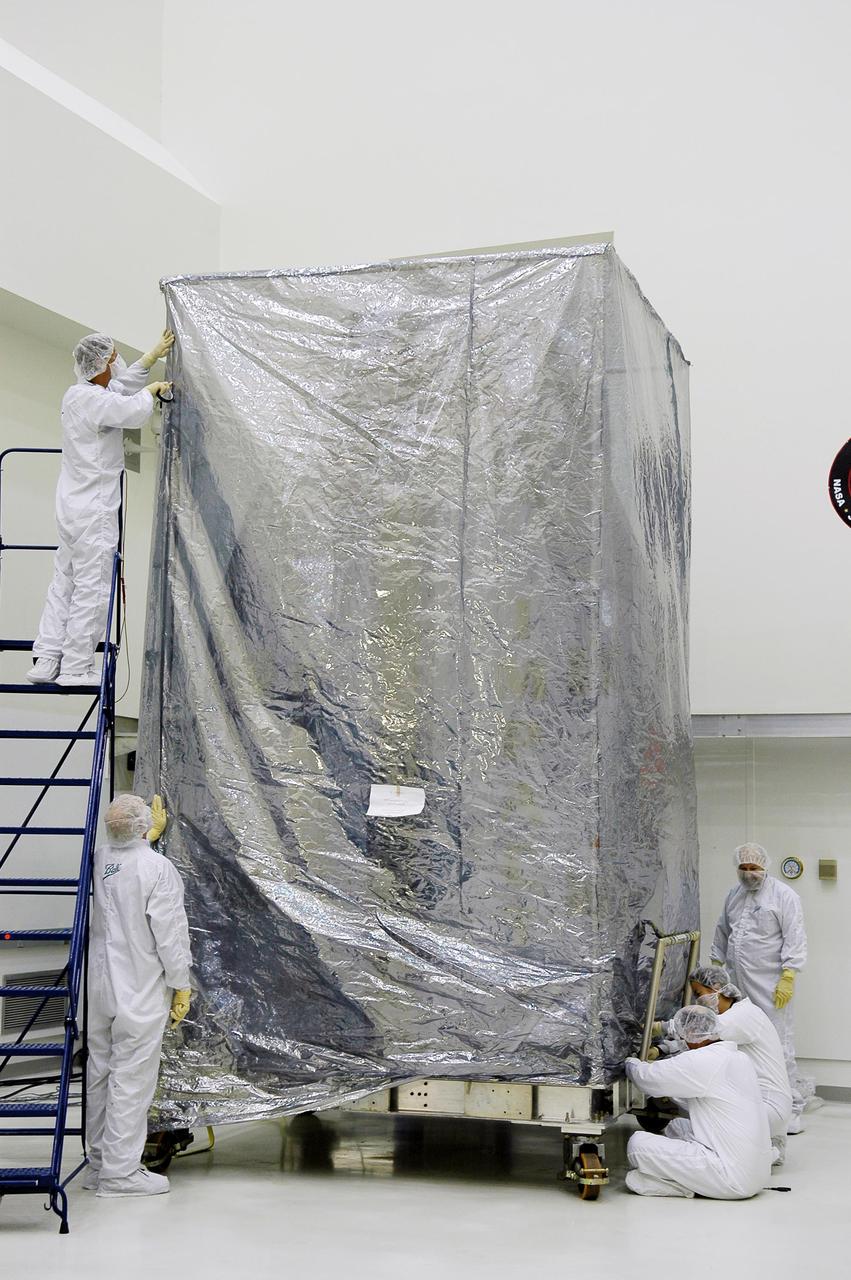
KENNEDY SPACE CENTER, FLA. - At Astrotech Space Operations in Titusville, Fla., workers secure the second protective cover around the Deep Impact spacecraft. Deep Impact is being prepared for a move to the Hazardous Fuel Building and eventually shipment to Launch Pad 17-B, Cape Canaveral Air Force Station. At Astrotech Space Operations in Titusville, Fla., workers help guide an overhead crane holding a protective cover that will be placed over the Deep Impact spacecraft below. Deep Impact is being prepared for a move to the Hazardous Fuel Building and eventually shipment to Launch Pad 17-B, Cape Canaveral Air Force Station. Launch of Deep Impact is scheduled no earlier than Jan. 12. A NASA Discovery mission, Deep Impact will probe beneath the surface of Comet Tempel 1 on July 4, 2005, when the comet is 83 million miles from Earth, and reveal the secrets of its interior. After releasing a 3- by 3-foot projectile to crash onto the surface, Deep Impact’s flyby spacecraft will collect pictures and data of how the crater forms, measuring the crater’s depth and diameter, as well as the composition of the interior of the crater and any material thrown out, and determining the changes in natural outgassing produced by the impact. It will send the data back to Earth through the antennas of the Deep Space Network.
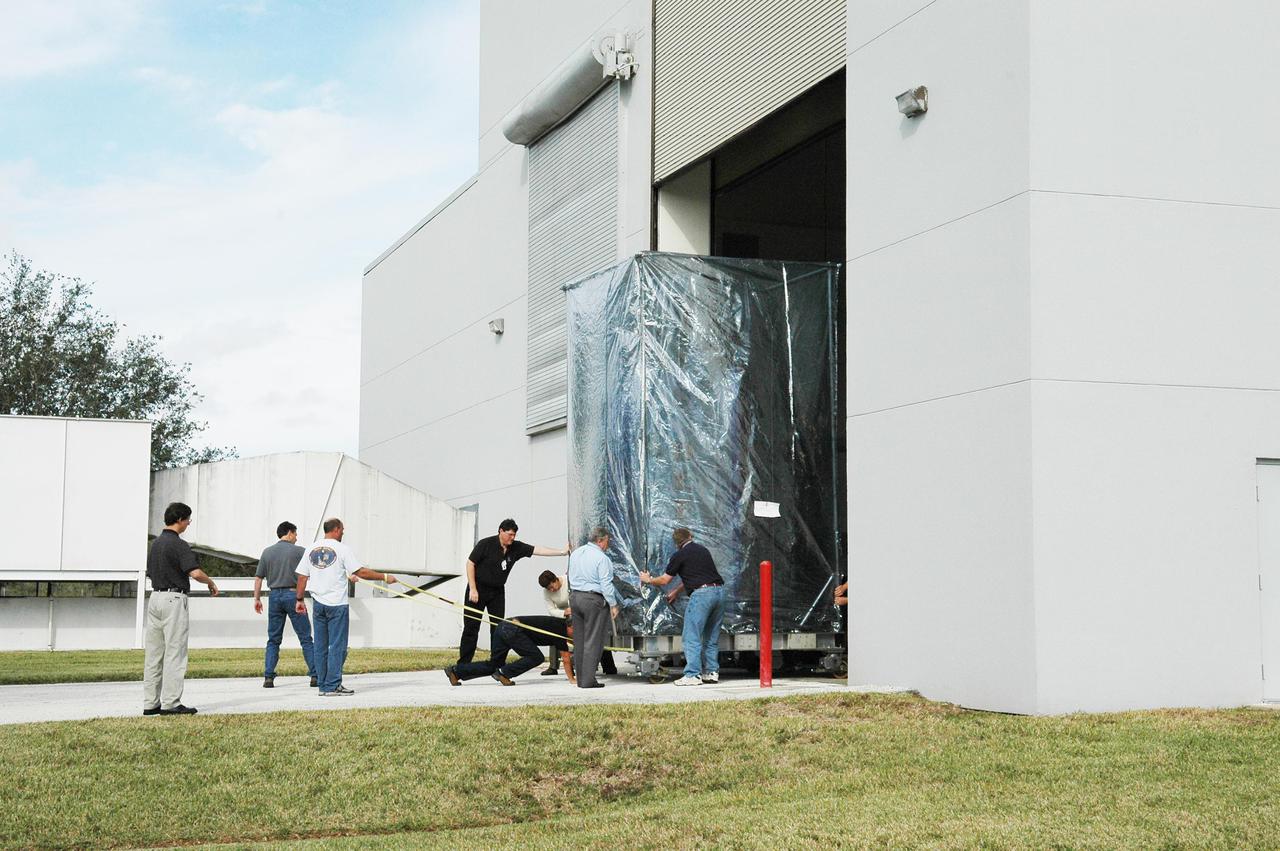
KENNEDY SPACE CENTER, FLA. - At Astrotech Space Operations in Titusville, Fla., workers push and pull the moveable stand holding the Deep Impact spacecraft to get it through the door. Deep Impact is being moved to the Hazardous Fuel Building and eventually shipment to Launch Pad 17-B, Cape Canaveral Air Force Station. At Astrotech Space Operations in Titusville, Fla., workers help guide an overhead crane holding a protective cover that will be placed over the Deep Impact spacecraft below. Deep Impact is being prepared for a move to the Hazardous Fuel Building and eventually shipment to Launch Pad 17-B, Cape Canaveral Air Force Station. Launch of Deep Impact is scheduled no earlier than Jan. 12. A NASA Discovery mission, Deep Impact will probe beneath the surface of Comet Tempel 1 on July 4, 2005, when the comet is 83 million miles from Earth, and reveal the secrets of its interior. After releasing a 3- by 3-foot projectile to crash onto the surface, Deep Impact’s flyby spacecraft will collect pictures and data of how the crater forms, measuring the crater’s depth and diameter, as well as the composition of the interior of the crater and any material thrown out, and determining the changes in natural outgassing produced by the impact. It will send the data back to Earth through the antennas of the Deep Space Network.
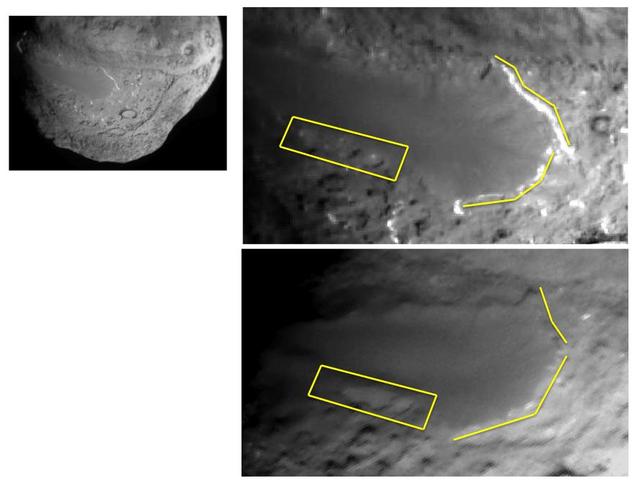
This image layout depicts changes in the surface of comet Tempel 1, observed first by NASA Deep Impact Mission in 2005 top right and again by NASA Stardust-NExT mission on Feb. 14, 2011 bottom right.
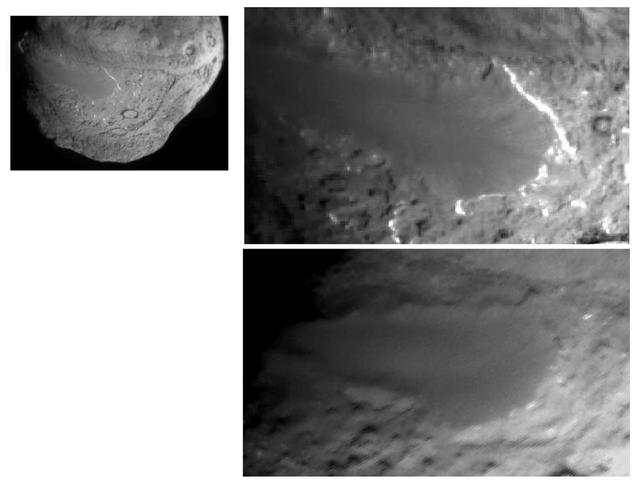
This image layout depicts changes in the surface of comet Tempel 1, observed first by NASA Deep Impact Mission in 2005 top right and again by NASA Stardust-NExT mission on Feb. 14, 2011 bottom right.
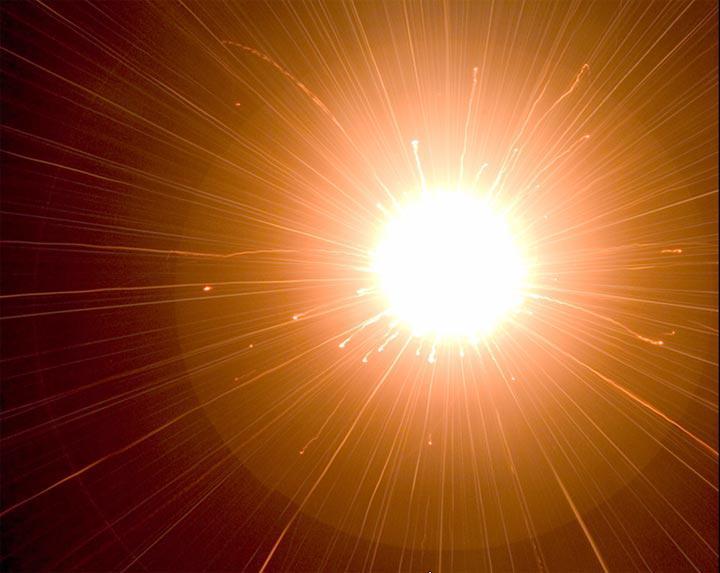
This image shows a flash produced in a laboratory by a high-velocity bead slamming into dust. Scientists at Ames Research Center say that the collision between Deep Impact impactor and comet Tempel 1 may have produce a similar flash.
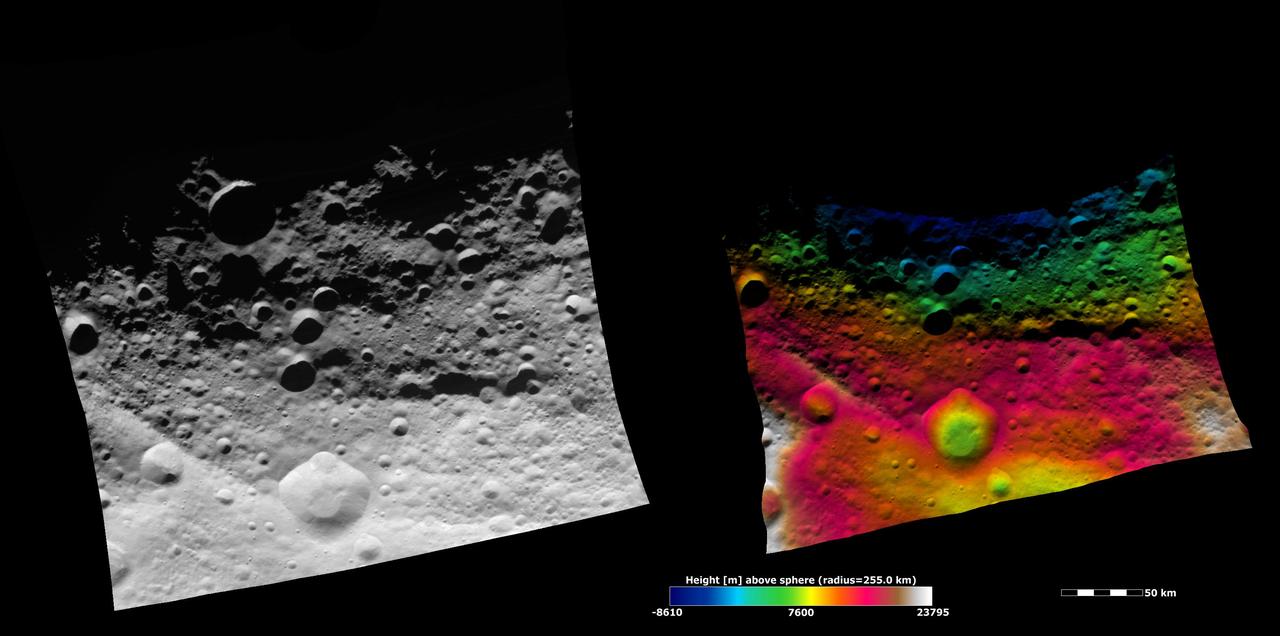
These images from NASA Dawn spacecraft show part of asteroid Vesta equatorial region, which contains a prominent, deep impact crater lower center of images and large troughs linear depressions.
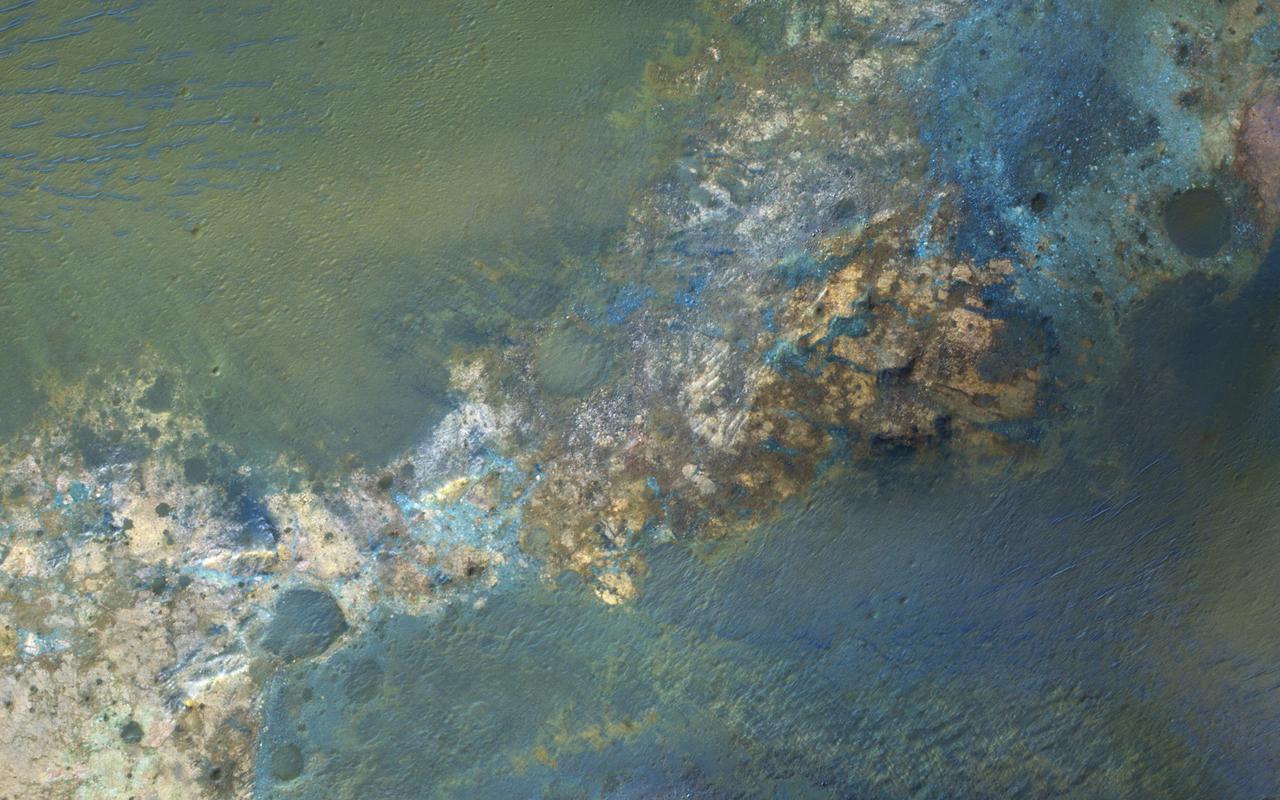
Large impact craters rebound from the initial shock, raising deep bedrock to the surface in the central uplift of the crater. Often this bedrock has greater compositional diversity than the surface layers, because they are from greater depths, older, jumbled, and altered, and very diverse. http://photojournal.jpl.nasa.gov/catalog/PIA20814
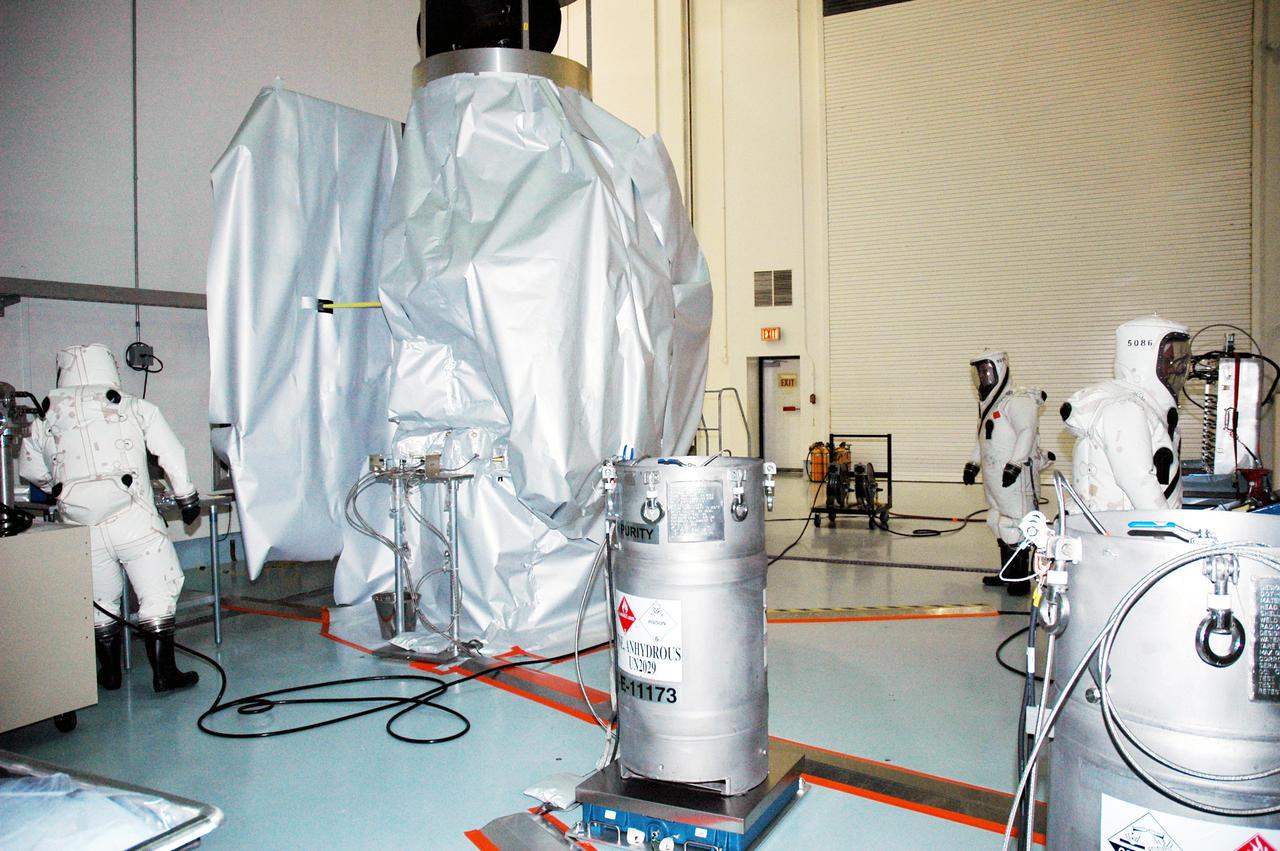
KENNEDY SPACE CENTER, FLA. - Workers at Astrotech Space Operations in Titusville, Fla., begin fueling operations of the Deep Impact spacecraft, seen wrapped in a protective cover in the background. Scheduled for liftoff Jan. 12, Deep Impact will probe beneath the surface of Comet Tempel 1 on July 4, 2005, when the comet is 83 million miles from Earth, and reveal the secrets of its interior. After releasing a 3- by 3-foot projectile to crash onto the surface, Deep Impact’s flyby spacecraft will collect pictures and data of how the crater forms, measuring the crater’s depth and diameter, as well as the composition of the interior of the crater and any material thrown out, and determining the changes in natural outgassing produced by the impact. It will send the data back to Earth through the antennas of the Deep Space Network. Deep Impact is a NASA Discovery mission.
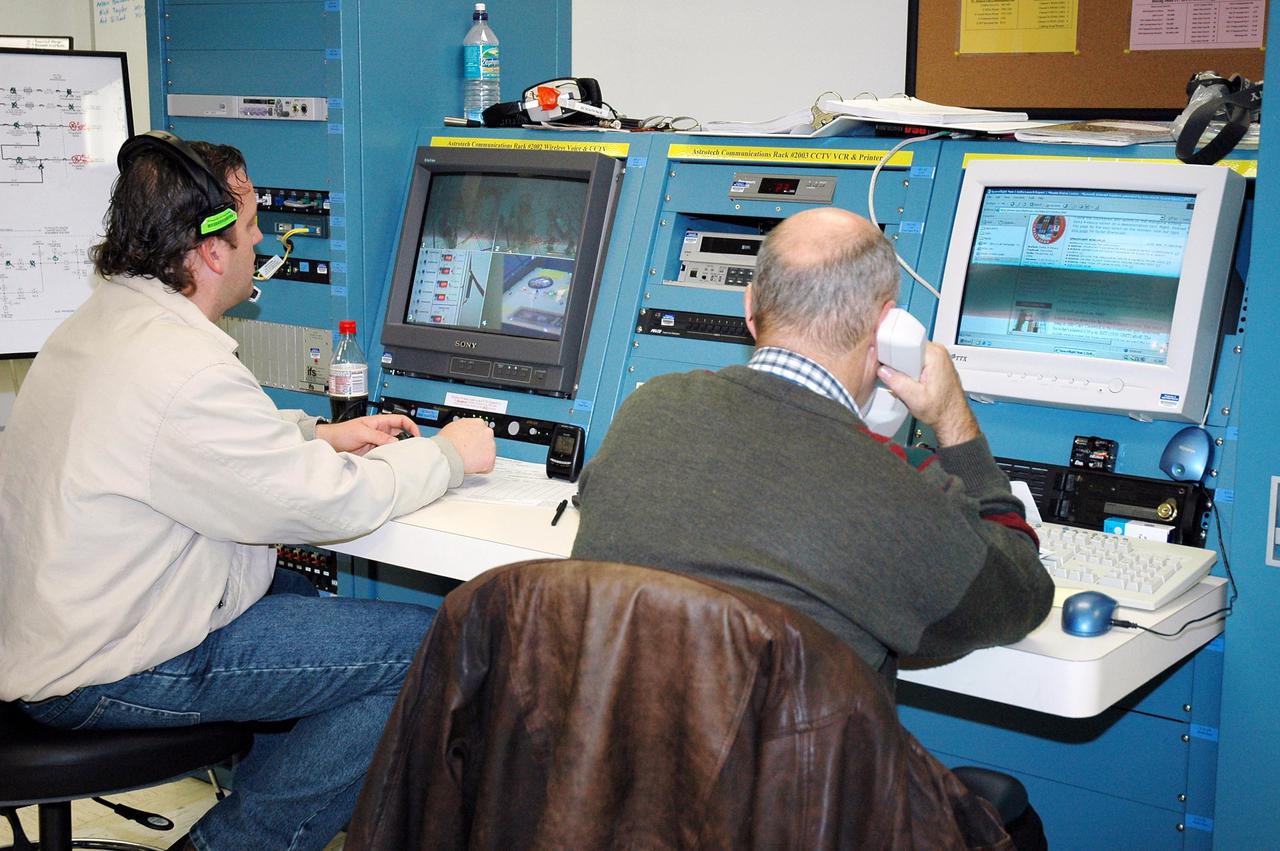
KENNEDY SPACE CENTER, FLA. - Workers at Astrotech Space Operations in Titusville, Fla., monitor the fueling operations of the Deep Impact spacecraft. Scheduled for liftoff Jan. 12, Deep Impact will probe beneath the surface of Comet Tempel 1 on July 4, 2005, when the comet is 83 million miles from Earth, and reveal the secrets of its interior. After releasing a 3- by 3-foot projectile to crash onto the surface, Deep Impact’s flyby spacecraft will collect pictures and data of how the crater forms, measuring the crater’s depth and diameter, as well as the composition of the interior of the crater and any material thrown out, and determining the changes in natural outgassing produced by the impact. It will send the data back to Earth through the antennas of the Deep Space Network. Deep Impact is a NASA Discovery mission.
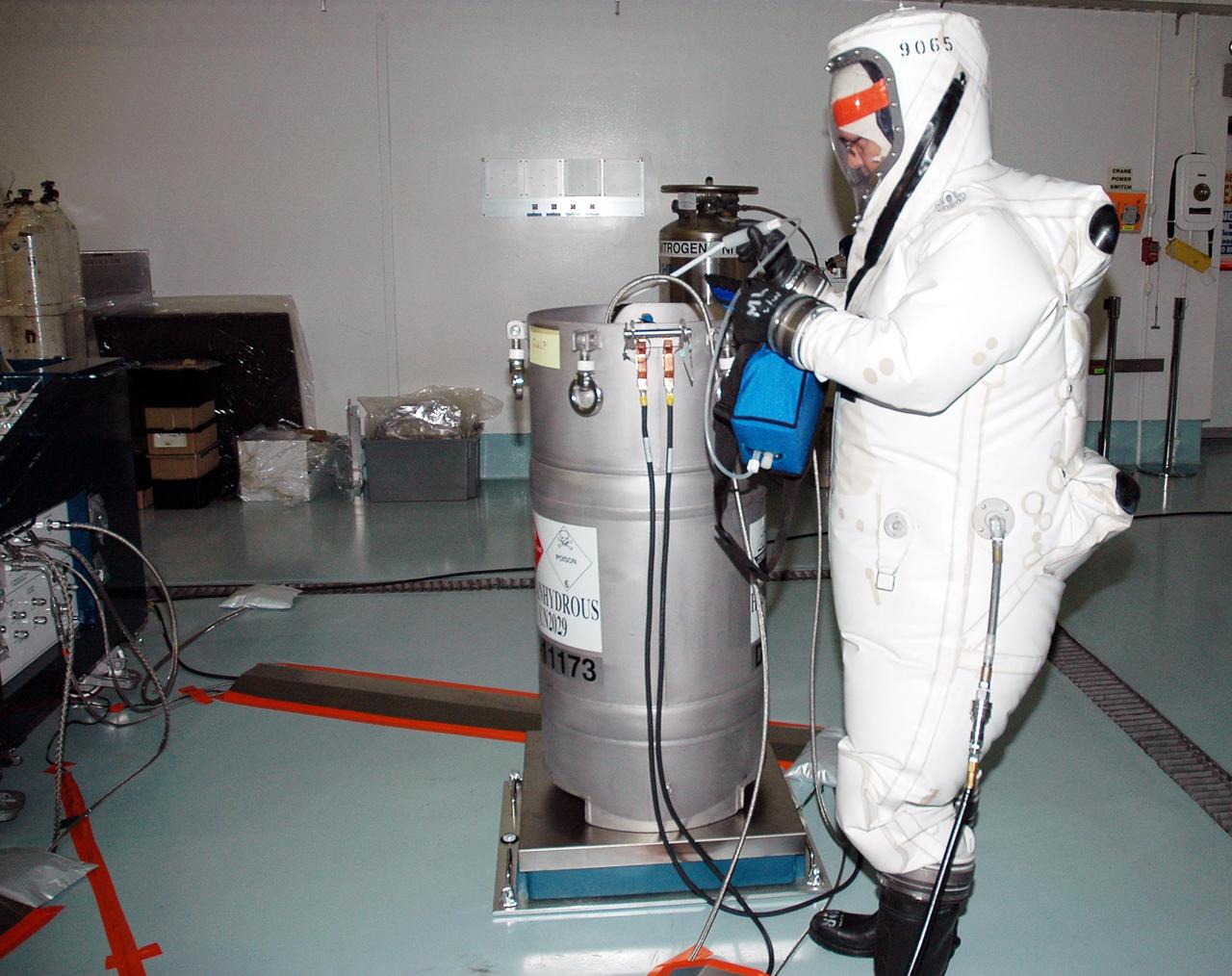
KENNEDY SPACE CENTER, FLA. - Workers at Astrotech Space Operations in Titusville, Fla., begin fueling operations of the Deep Impact spacecraft, seen wrapped in a protective cover in the background. Scheduled for liftoff Jan. 12, Deep Impact will probe beneath the surface of Comet Tempel 1 on July 4, 2005, when the comet is 83 million miles from Earth, and reveal the secrets of its interior. After releasing a 3- by 3-foot projectile to crash onto the surface, Deep Impact’s flyby spacecraft will collect pictures and data of how the crater forms, measuring the crater’s depth and diameter, as well as the composition of the interior of the crater and any material thrown out, and determining the changes in natural outgassing produced by the impact. It will send the data back to Earth through the antennas of the Deep Space Network. Deep Impact is a NASA Discovery mission.
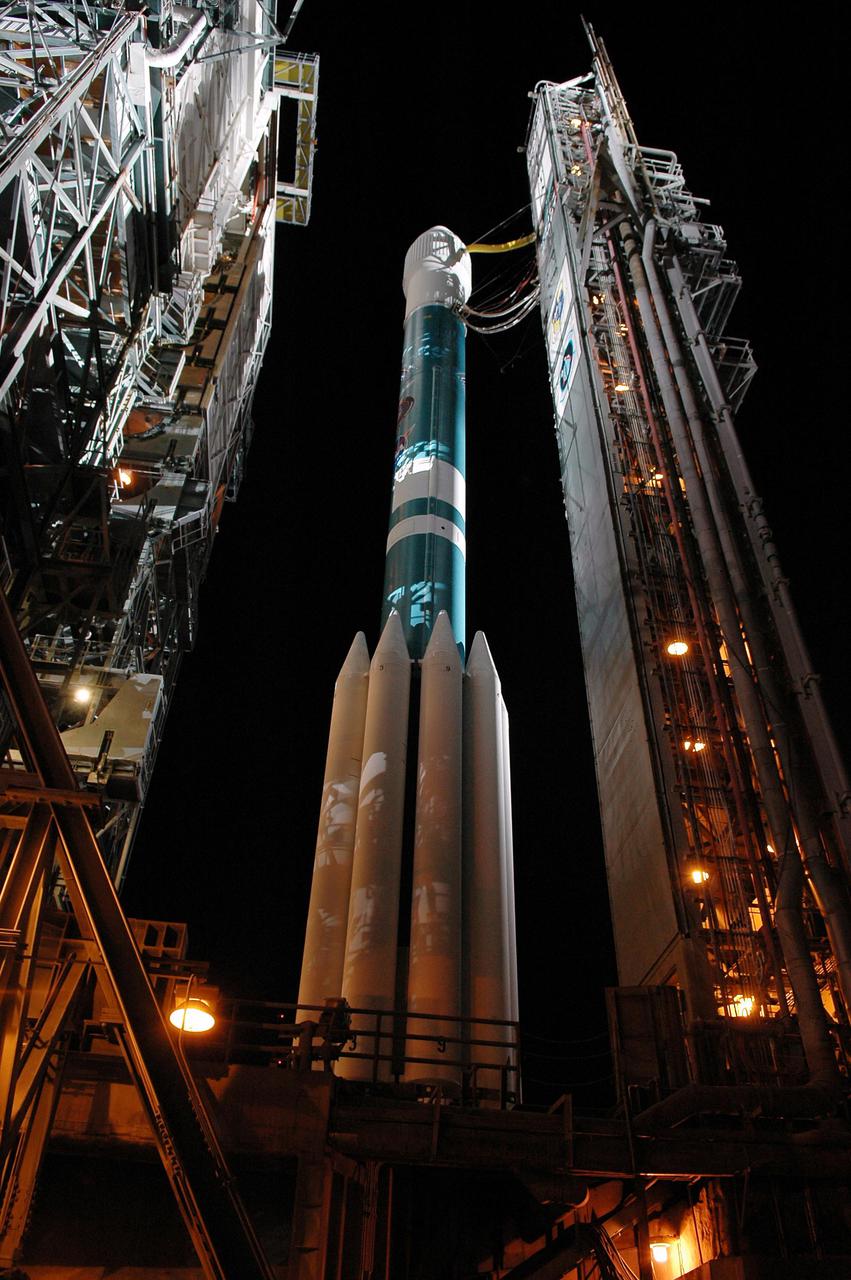
KENNEDY SPACE CENTER, FLA. - On Launch Pad 17-B, Cape Canaveral Air Force Station, Fla., shadows paint the Boeing Delta II rocket carrying the Deep Impact spacecraft as the mobile service tower at left is rolled back before launch.Scheduled for liftoff at 1:47 p.m. EST today, Deep Impact will head for space and a rendezvous with Comet Tempel 1 when the comet is 83 million miles from Earth. After releasing a 3- by 3-foot projectile (impactor) to crash onto the surface July 4, 2005, Deep Impact’s flyby spacecraft will reveal the secrets of the comet’s interior by collecting pictures and data of how the crater forms, measuring the crater’s depth and diameter as well as the composition of the interior of the crater and any material thrown out, and determining the changes in natural outgassing produced by the impact. It will send the data back to Earth through the antennas of the Deep Space Network. Deep Impact is a NASA Discovery mission.
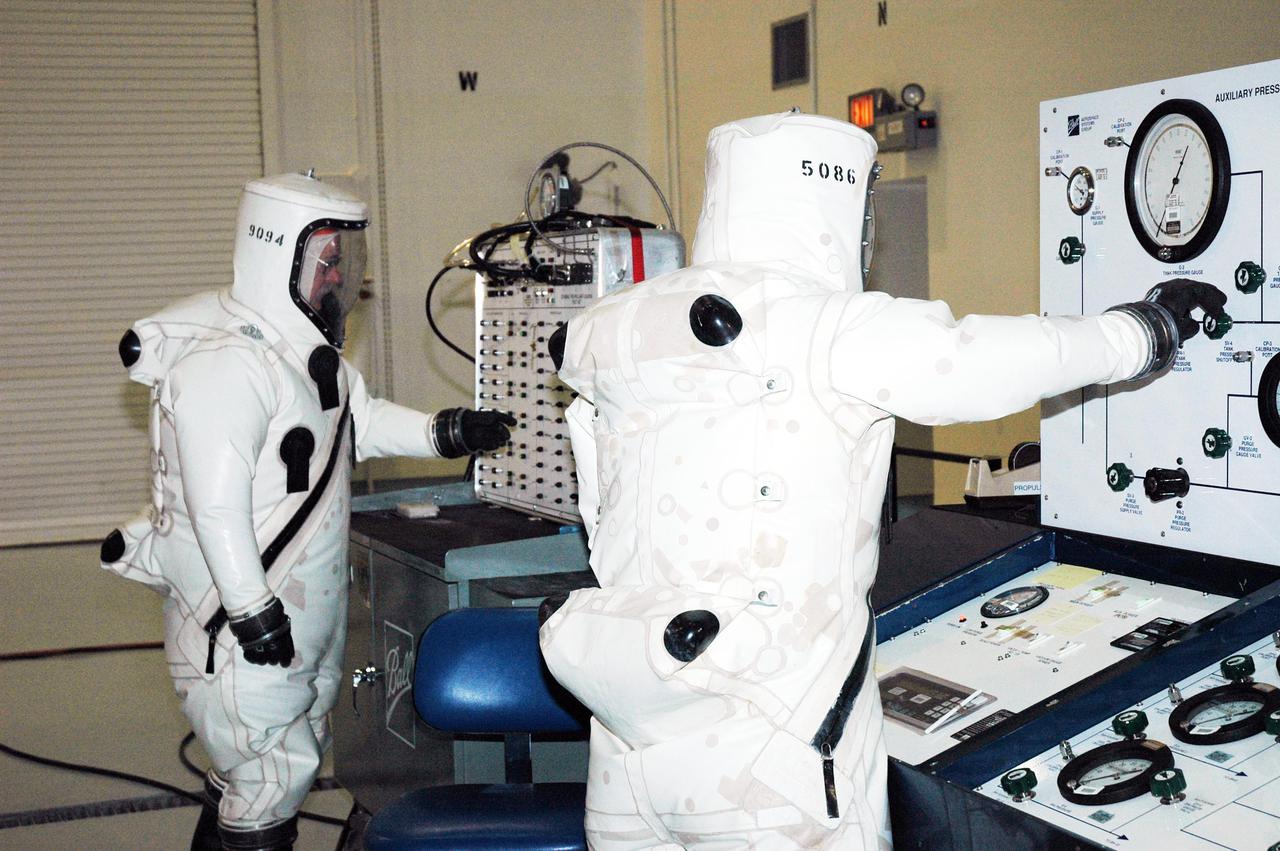
KENNEDY SPACE CENTER, FLA. - Workers at Astrotech Space Operations in Titusville, Fla., check control panels during fueling of the Deep Impact spacecraft. Scheduled for liftoff Jan. 12, Deep Impact will probe beneath the surface of Comet Tempel 1 on July 4, 2005, when the comet is 83 million miles from Earth, and reveal the secrets of its interior. After releasing a 3- by 3-foot projectile to crash onto the surface, Deep Impact’s flyby spacecraft will collect pictures and data of how the crater forms, measuring the crater’s depth and diameter, as well as the composition of the interior of the crater and any material thrown out, and determining the changes in natural outgassing produced by the impact. It will send the data back to Earth through the antennas of the Deep Space Network. Deep Impact is a NASA Discovery mission.
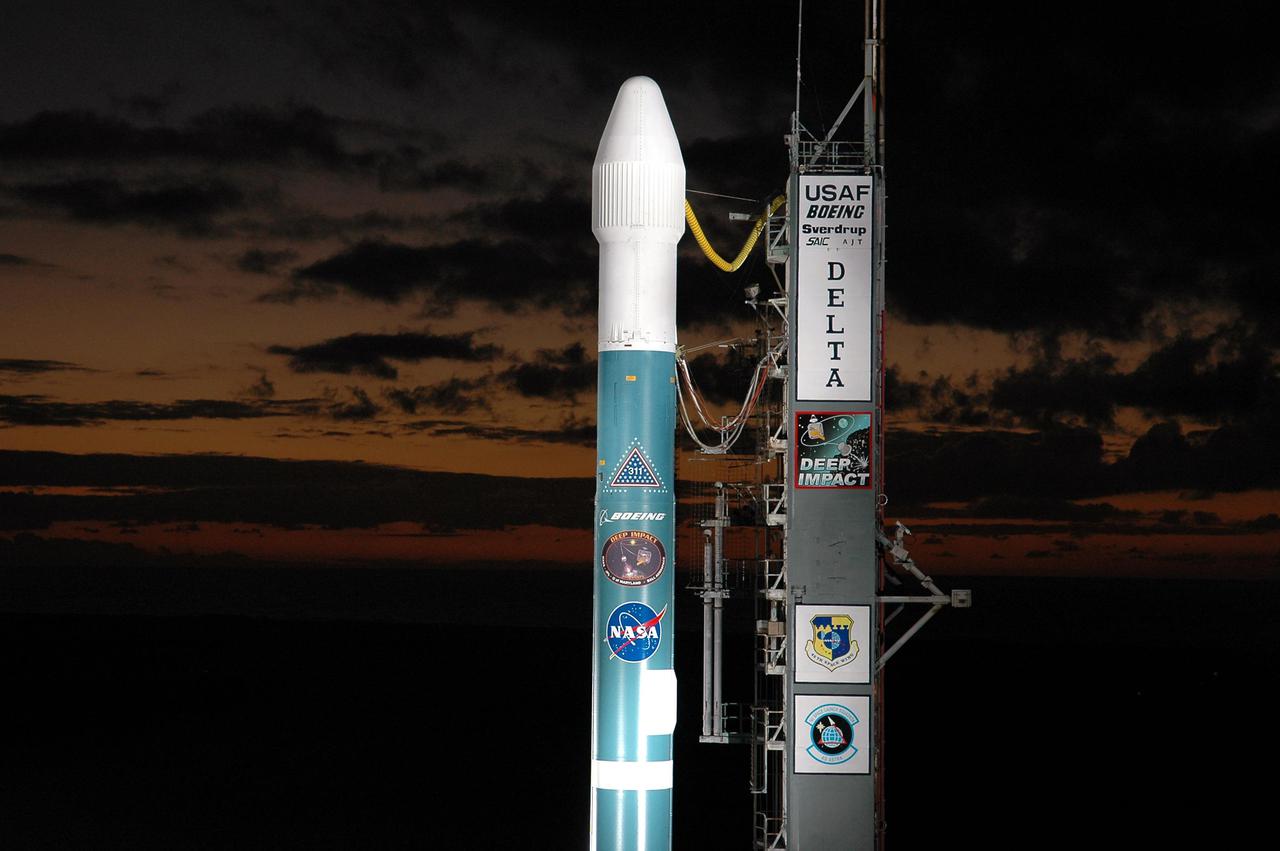
KENNEDY SPACE CENTER, FLA. - On Launch Pad 17-B, Cape Canaveral Air Force Station, Fla., the Boeing Delta II rocket carrying the Deep Impact spacecraft stands out against an early dawn sky. Scheduled for liftoff at 1:47 p.m. EST today, Deep Impact will head for space and a rendezvous with Comet Tempel 1 when the comet is 83 million miles from Earth. After releasing a 3- by 3-foot projectile (impactor) to crash onto the surface July 4, 2005, Deep Impact’s flyby spacecraft will reveal the secrets of the comet’s interior by collecting pictures and data of how the crater forms, measuring the crater’s depth and diameter as well as the composition of the interior of the crater and any material thrown out, and determining the changes in natural outgassing produced by the impact. It will send the data back to Earth through the antennas of the Deep Space Network. Deep Impact is a NASA Discovery mission.

KENNEDY SPACE CENTER, FLA. - On Launch Pad 17-B, Cape Canaveral Air Force Station, Fla., the Boeing Delta II rocket carrying the Deep Impact spacecraft is bathed in light waiting for tower rollback before launch. Scheduled for liftoff at 1:47 p.m. EST today, Deep Impact will head for space and a rendezvous with Comet Tempel 1 when the comet is 83 million miles from Earth. After releasing a 3- by 3-foot projectile (impactor) to crash onto the surface July 4, 2005, Deep Impact’s flyby spacecraft will reveal the secrets of the comet’s interior by collecting pictures and data of how the crater forms, measuring the crater’s depth and diameter as well as the composition of the interior of the crater and any material thrown out, and determining the changes in natural outgassing produced by the impact. It will send the data back to Earth through the antennas of the Deep Space Network. Deep Impact is a NASA Discovery mission.
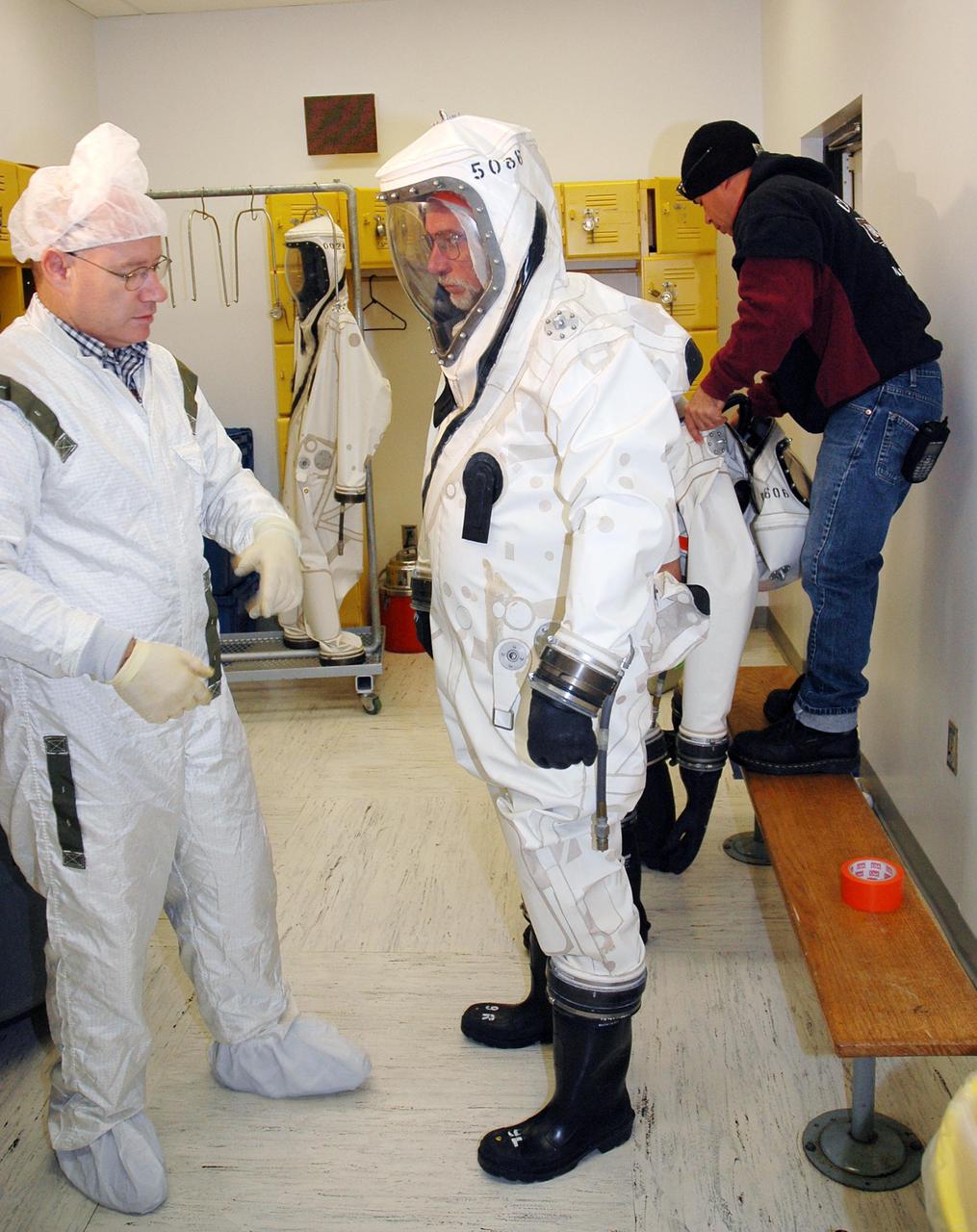
KENNEDY SPACE CENTER, FLA. - Workers at Astrotech Space Operations in Titusville, Fla., suit up before fueling the Deep Impact spacecraft. Scheduled for liftoff Jan. 12, Deep Impact will probe beneath the surface of Comet Tempel 1 on July 4, 2005, when the comet is 83 million miles from Earth, and reveal the secrets of its interior. After releasing a 3- by 3-foot projectile to crash onto the surface, Deep Impact’s flyby spacecraft will collect pictures and data of how the crater forms, measuring the crater’s depth and diameter, as well as the composition of the interior of the crater and any material thrown out, and determining the changes in natural outgassing produced by the impact. It will send the data back to Earth through the antennas of the Deep Space Network. Deep Impact is a NASA Discovery mission.
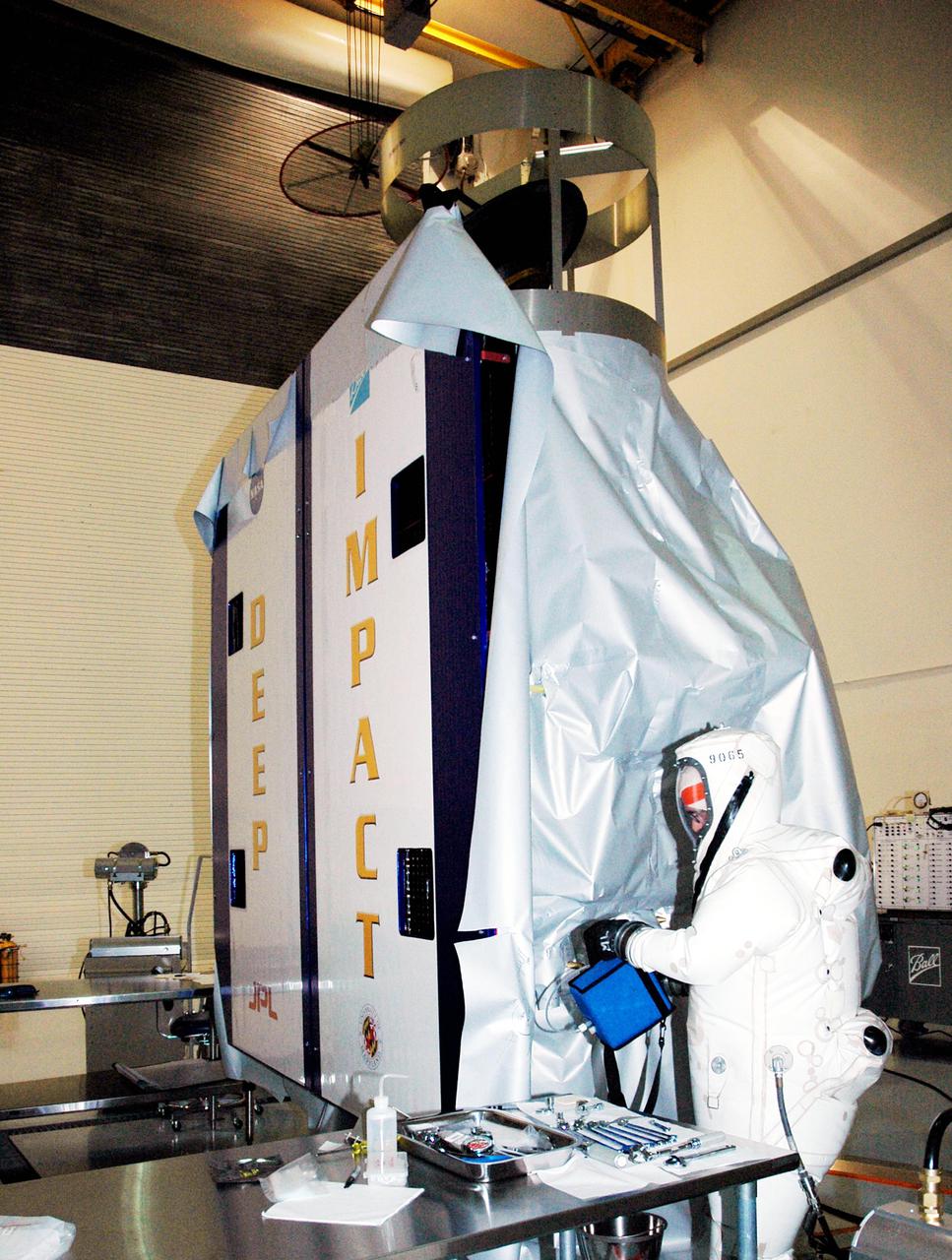
KENNEDY SPACE CENTER, FLA. - A worker at Astrotech Space Operations in Titusville, Fla., begins fueling the Deep Impact spacecraft. Scheduled for liftoff Jan. 12, Deep Impact will probe beneath the surface of Comet Tempel 1 on July 4, 2005, when the comet is 83 million miles from Earth, and reveal the secrets of its interior. After releasing a 3- by 3-foot projectile to crash onto the surface, Deep Impact’s flyby spacecraft will collect pictures and data of how the crater forms, measuring the crater’s depth and diameter, as well as the composition of the interior of the crater and any material thrown out, and determining the changes in natural outgassing produced by the impact. It will send the data back to Earth through the antennas of the Deep Space Network. Deep Impact is a NASA Discovery mission.
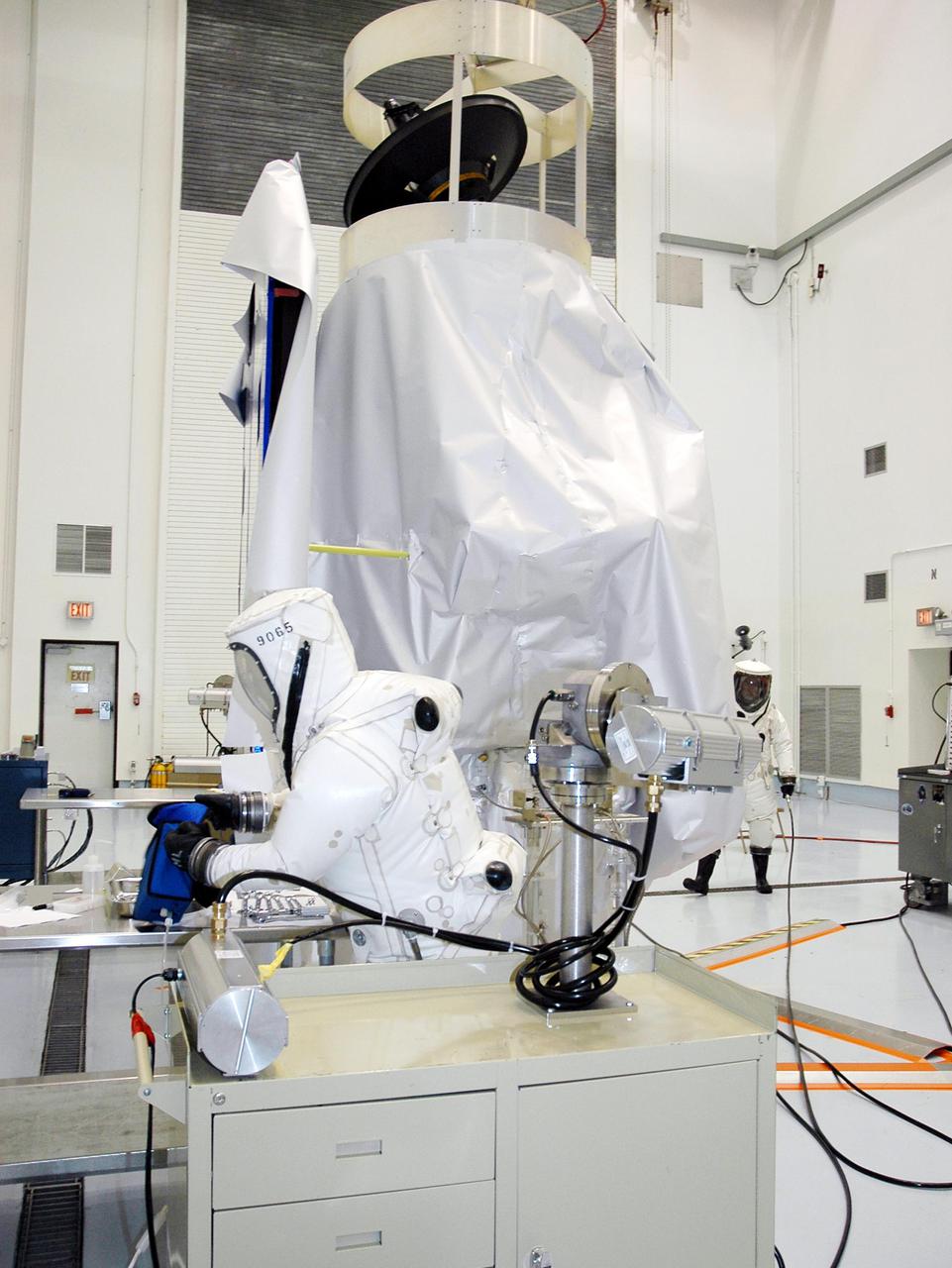
KENNEDY SPACE CENTER, FLA. - Workers at Astrotech Space Operations in Titusville, Fla., get ready to begin fueling the Deep Impact spacecraft, seen wrapped in a protective cover in the background. Scheduled for liftoff Jan. 12, Deep Impact will probe beneath the surface of Comet Tempel 1 on July 4, 2005, when the comet is 83 million miles from Earth, and reveal the secrets of its interior. After releasing a 3- by 3-foot projectile to crash onto the surface, Deep Impact’s flyby spacecraft will collect pictures and data of how the crater forms, measuring the crater’s depth and diameter, as well as the composition of the interior of the crater and any material thrown out, and determining the changes in natural outgassing produced by the impact. It will send the data back to Earth through the antennas of the Deep Space Network. Deep Impact is a NASA Discovery mission.
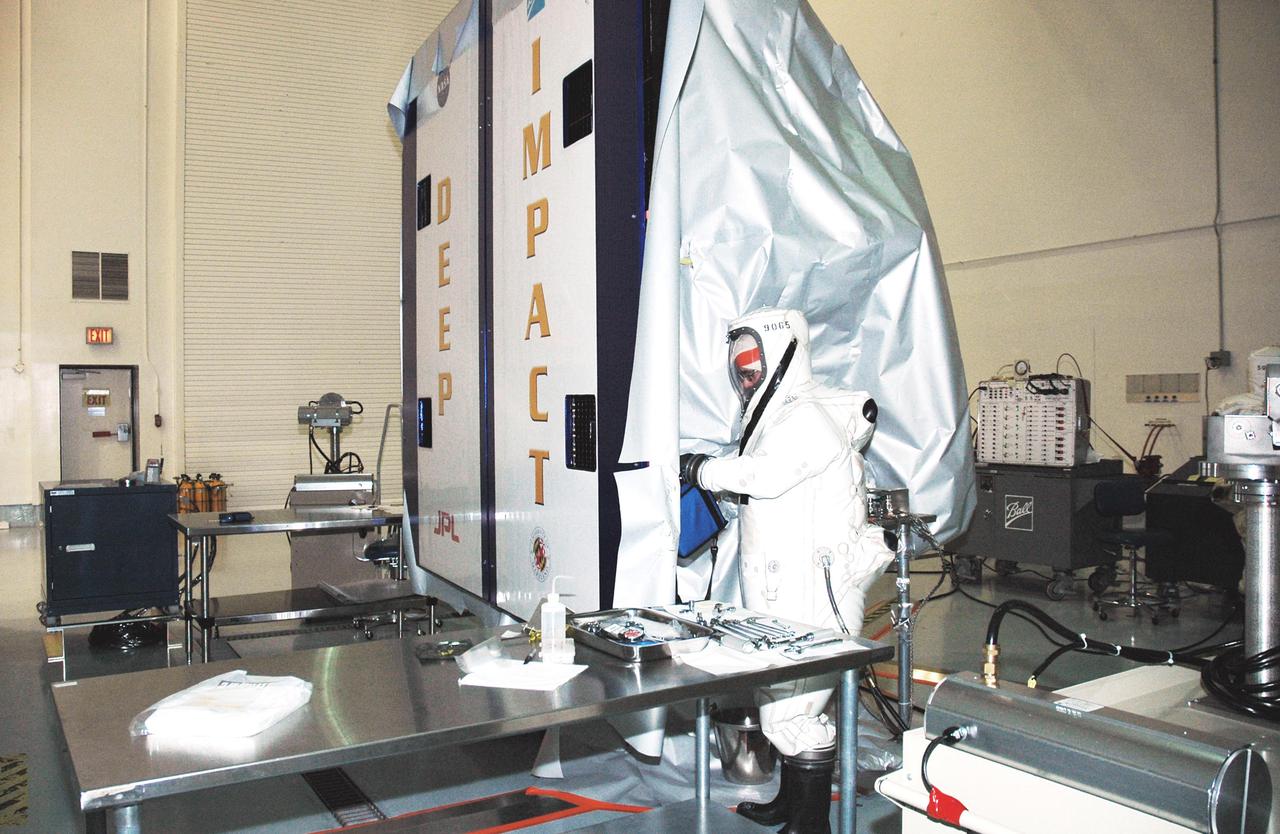
KENNEDY SPACE CENTER, FLA. - A worker at Astrotech Space Operations in Titusville, Fla., begins fueling the Deep Impact spacecraft. Scheduled for liftoff Jan. 12, Deep Impact will probe beneath the surface of Comet Tempel 1 on July 4, 2005, when the comet is 83 million miles from Earth, and reveal the secrets of its interior. After releasing a 3- by 3-foot projectile to crash onto the surface, Deep Impact’s flyby spacecraft will collect pictures and data of how the crater forms, measuring the crater’s depth and diameter, as well as the composition of the interior of the crater and any material thrown out, and determining the changes in natural outgassing produced by the impact. It will send the data back to Earth through the antennas of the Deep Space Network. Deep Impact is a NASA Discovery mission.
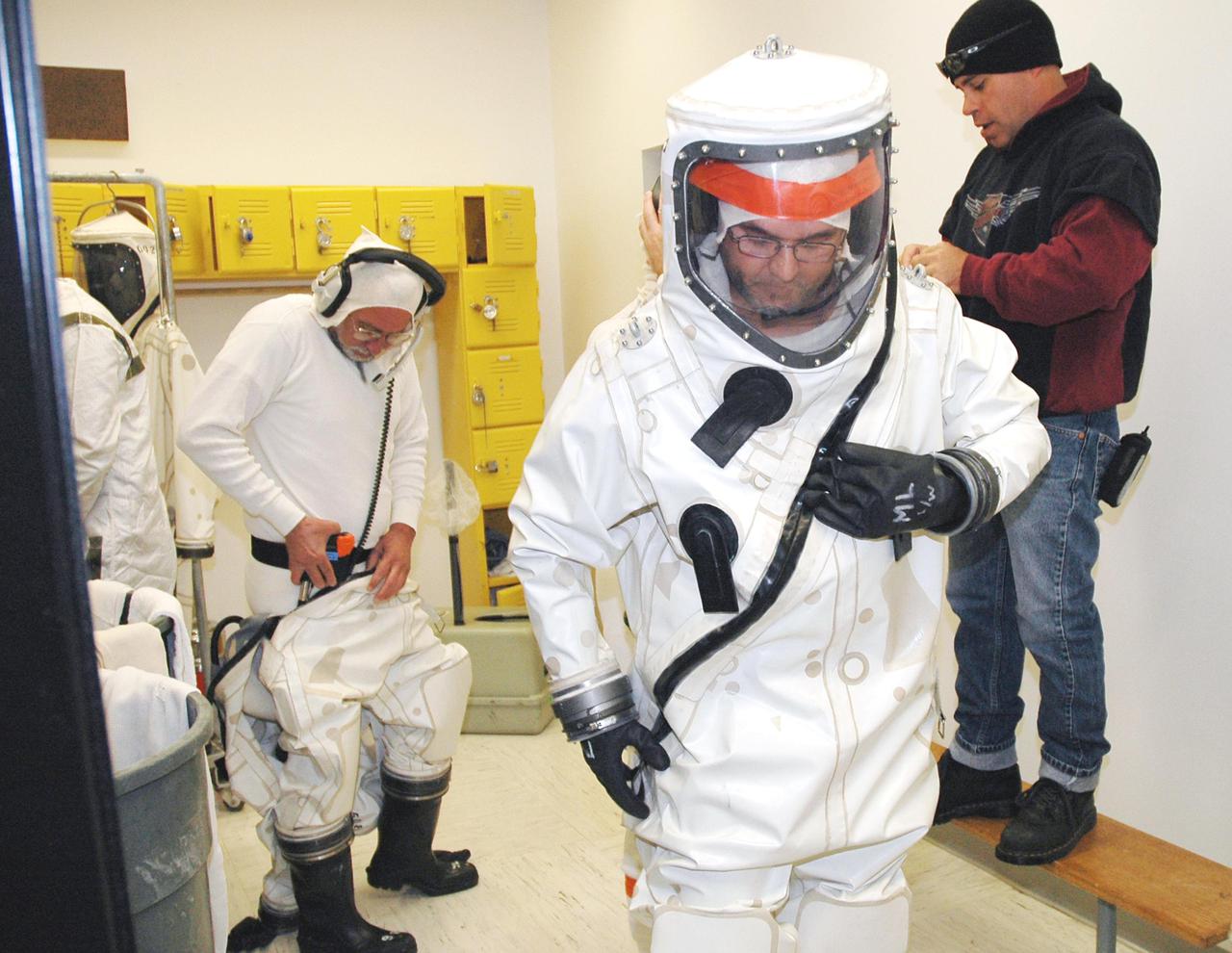
KENNEDY SPACE CENTER, FLA. - Workers at Astrotech Space Operations in Titusville, Fla., suit up before fueling the Deep Impact spacecraft. Scheduled for liftoff Jan. 12, Deep Impact will probe beneath the surface of Comet Tempel 1 on July 4, 2005, when the comet is 83 million miles from Earth, and reveal the secrets of its interior. After releasing a 3- by 3-foot projectile to crash onto the surface, Deep Impact’s flyby spacecraft will collect pictures and data of how the crater forms, measuring the crater’s depth and diameter, as well as the composition of the interior of the crater and any material thrown out, and determining the changes in natural outgassing produced by the impact. It will send the data back to Earth through the antennas of the Deep Space Network. Deep Impact is a NASA Discovery mission.
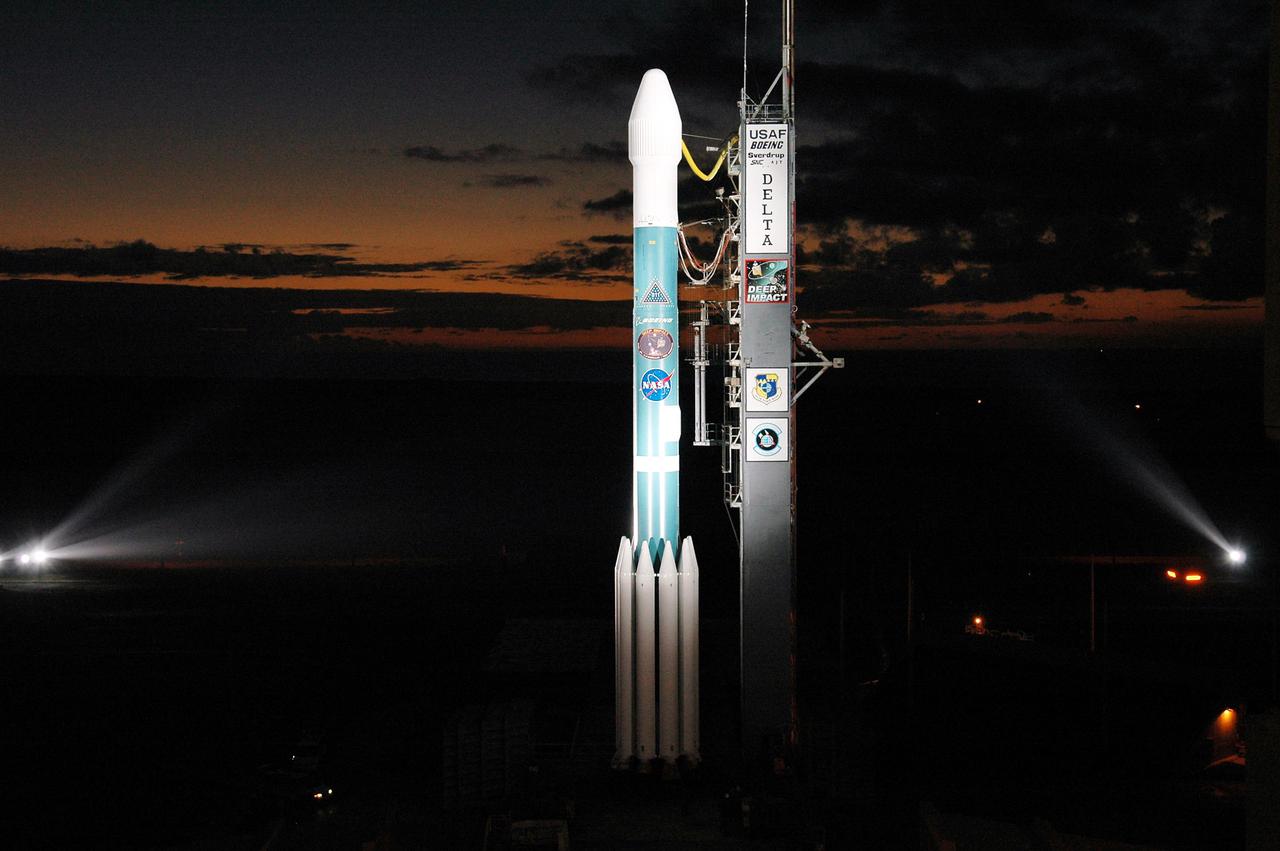
KENNEDY SPACE CENTER, FLA. - On Launch Pad 17-B, Cape Canaveral Air Force Station, Fla., the Boeing Delta II carrying the Deep Impact spacecraft rocket shines under spotlights in the early dawn hours as it waits for launch. Scheduled for liftoff at 1:47 p.m. EST today, Deep Impact will head for space and a rendezvous with Comet Tempel 1 when the comet is 83 million miles from Earth. After releasing a 3- by 3-foot projectile (impactor) to crash onto the surface July 4, 2005, Deep Impact’s flyby spacecraft will reveal the secrets of the comet’s interior by collecting pictures and data of how the crater forms, measuring the crater’s depth and diameter as well as the composition of the interior of the crater and any material thrown out, and determining the changes in natural outgassing produced by the impact. It will send the data back to Earth through the antennas of the Deep Space Network. Deep Impact is a NASA Discovery mission.
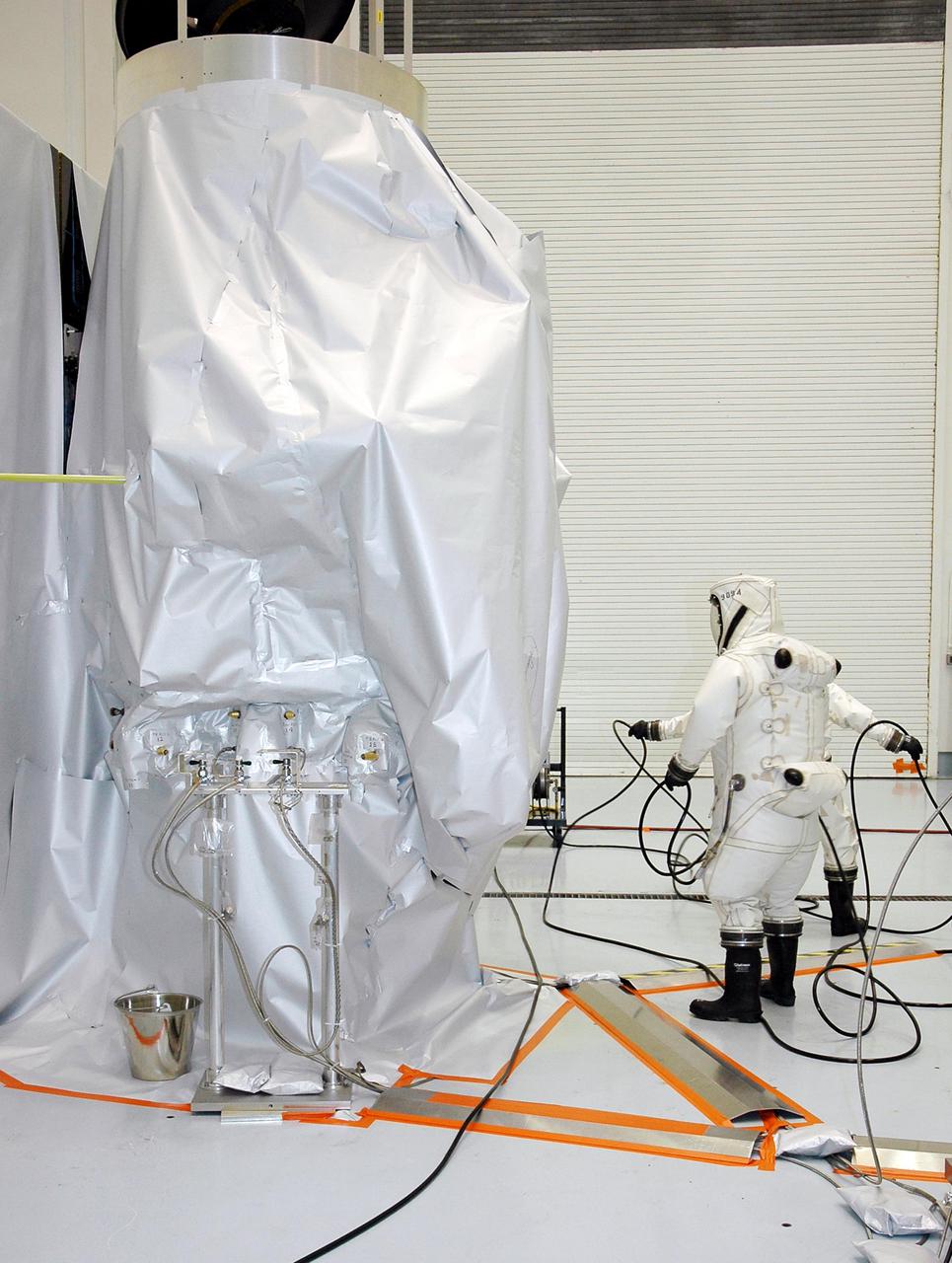
KENNEDY SPACE CENTER, FLA. - Workers at Astrotech Space Operations in Titusville, Fla., get ready to begin fueling the Deep Impact spacecraft, seen wrapped in a protective cover in the background. Scheduled for liftoff Jan. 12, Deep Impact will probe beneath the surface of Comet Tempel 1 on July 4, 2005, when the comet is 83 million miles from Earth, and reveal the secrets of its interior. After releasing a 3- by 3-foot projectile to crash onto the surface, Deep Impact’s flyby spacecraft will collect pictures and data of how the crater forms, measuring the crater’s depth and diameter, as well as the composition of the interior of the crater and any material thrown out, and determining the changes in natural outgassing produced by the impact. It will send the data back to Earth through the antennas of the Deep Space Network. Deep Impact is a NASA Discovery mission.