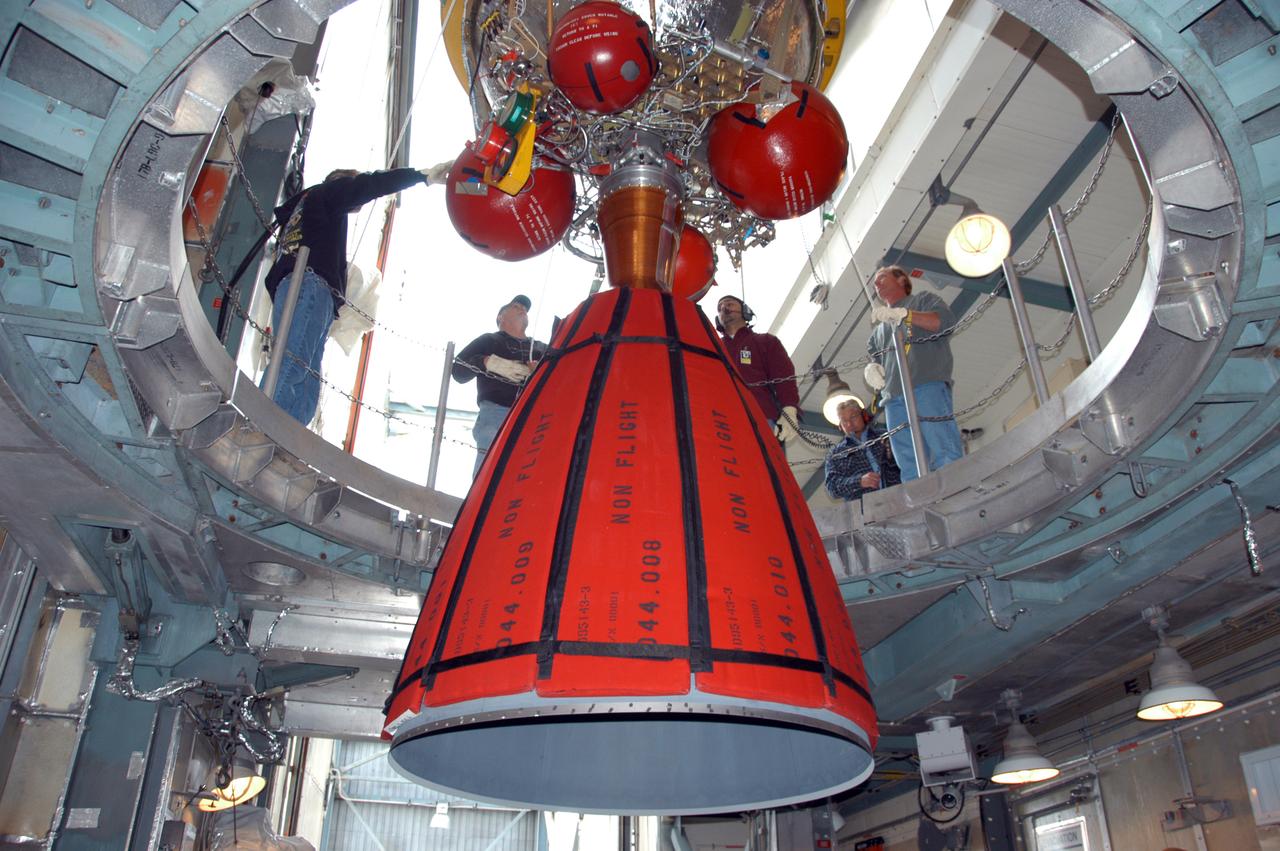
On Pad 17-B at Cape Canaveral Air Force Station, the Delta II second stage is being lowered toward the Delta II first stage, already in place inside the mobile service tower. The Delta II is the launch vehicle for the THEMIS spacecraft. THEMIS consists of five identical probes, the largest number of scientific satellites ever launched into orbit aboard a single rocket. This unique constellation of satellites will resolve the tantalizing mystery of what causes the spectacular sudden brightening of the aurora borealis and aurora australis - the fiery skies over the Earth's northern and southern polar regions. THEMIS is scheduled to launch Feb. 15 from Cape Canaveral Air Force Station.
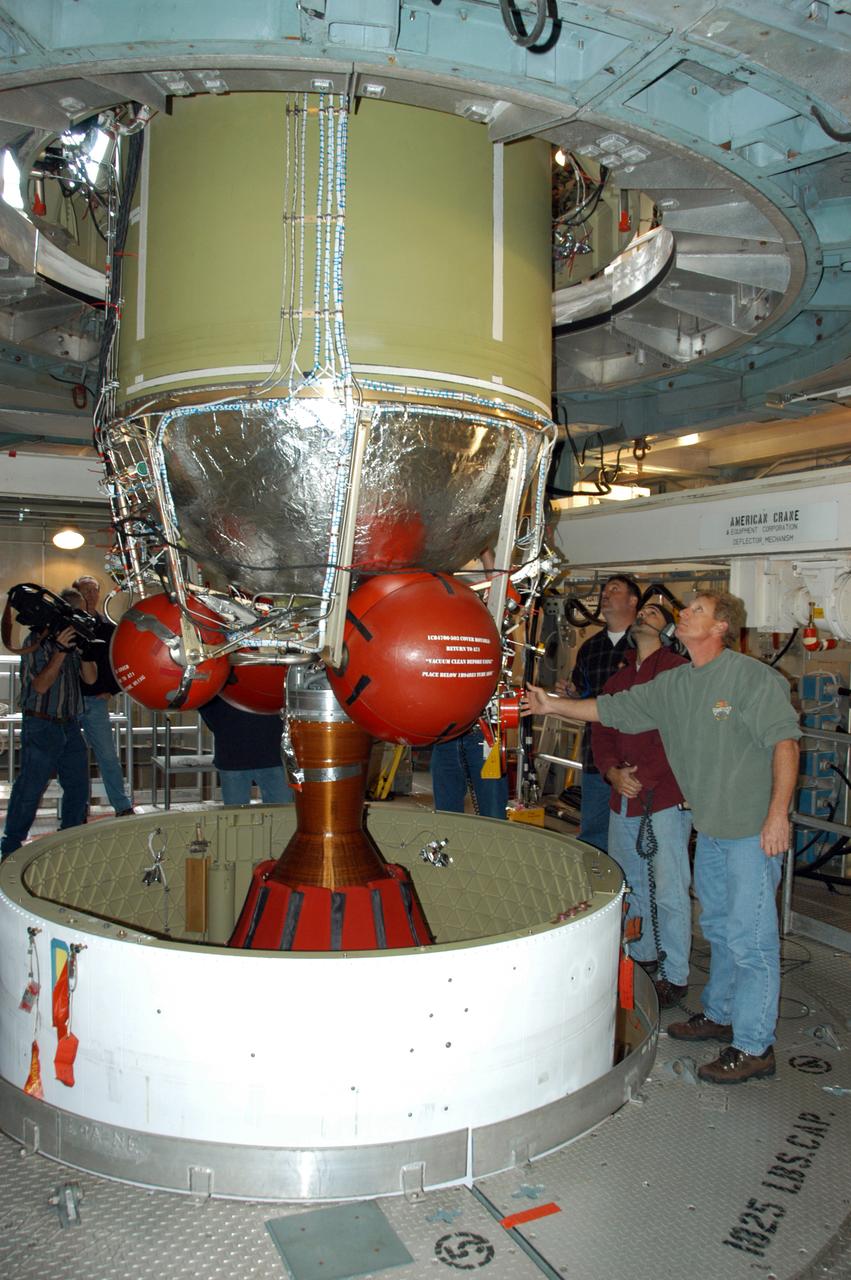
On Pad 17-B at Cape Canaveral Air Force Station, the Delta II second stage is being lowered toward the Delta II first stage, already in place inside the mobile service tower. The Delta II is the launch vehicle for the THEMIS spacecraft. THEMIS consists of five identical probes, the largest number of scientific satellites ever launched into orbit aboard a single rocket. This unique constellation of satellites will resolve the tantalizing mystery of what causes the spectacular sudden brightening of the aurora borealis and aurora australis - the fiery skies over the Earth's northern and southern polar regions. THEMIS is scheduled to launch Feb. 15 from Cape Canaveral Air Force Station.
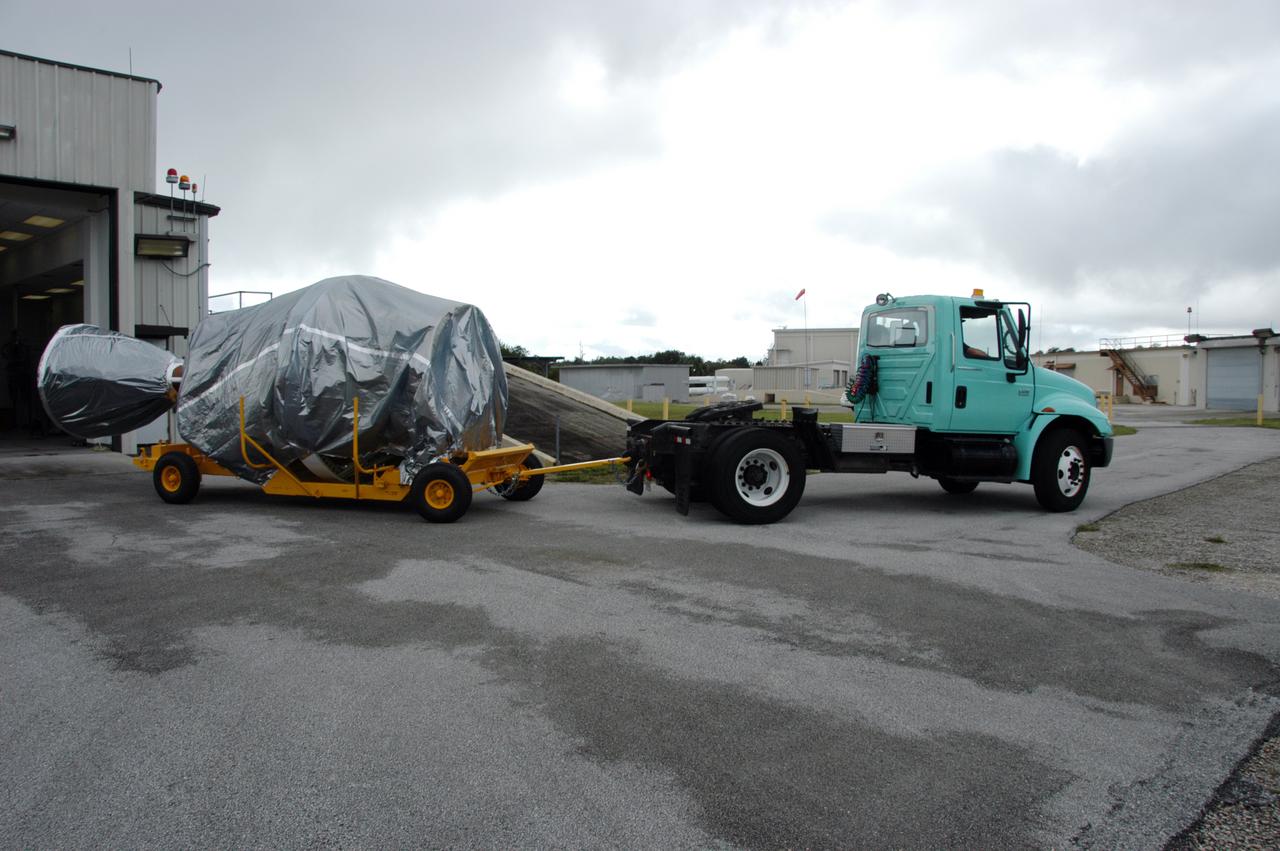
The covered Delta II second stage arrives at a checkout hangar on Cape Canaveral Air Force Station in Florida in preparation for transfer to Pad 17-B. At the pad, it will be lifted into the mobile service tower and mated with the first stage already in place. The Delta II is the launch vehicle for the THEMIS spacecraft. THEMIS consists of five identical probes, the largest number of scientific satellites ever launched into orbit aboard a single rocket. This unique constellation of satellites will resolve the tantalizing mystery of what causes the spectacular sudden brightening of the aurora borealis and aurora australis - the fiery skies over the Earth's northern and southern polar regions. THEMIS is scheduled to launch Feb. 15 from Cape Canaveral Air Force Station.
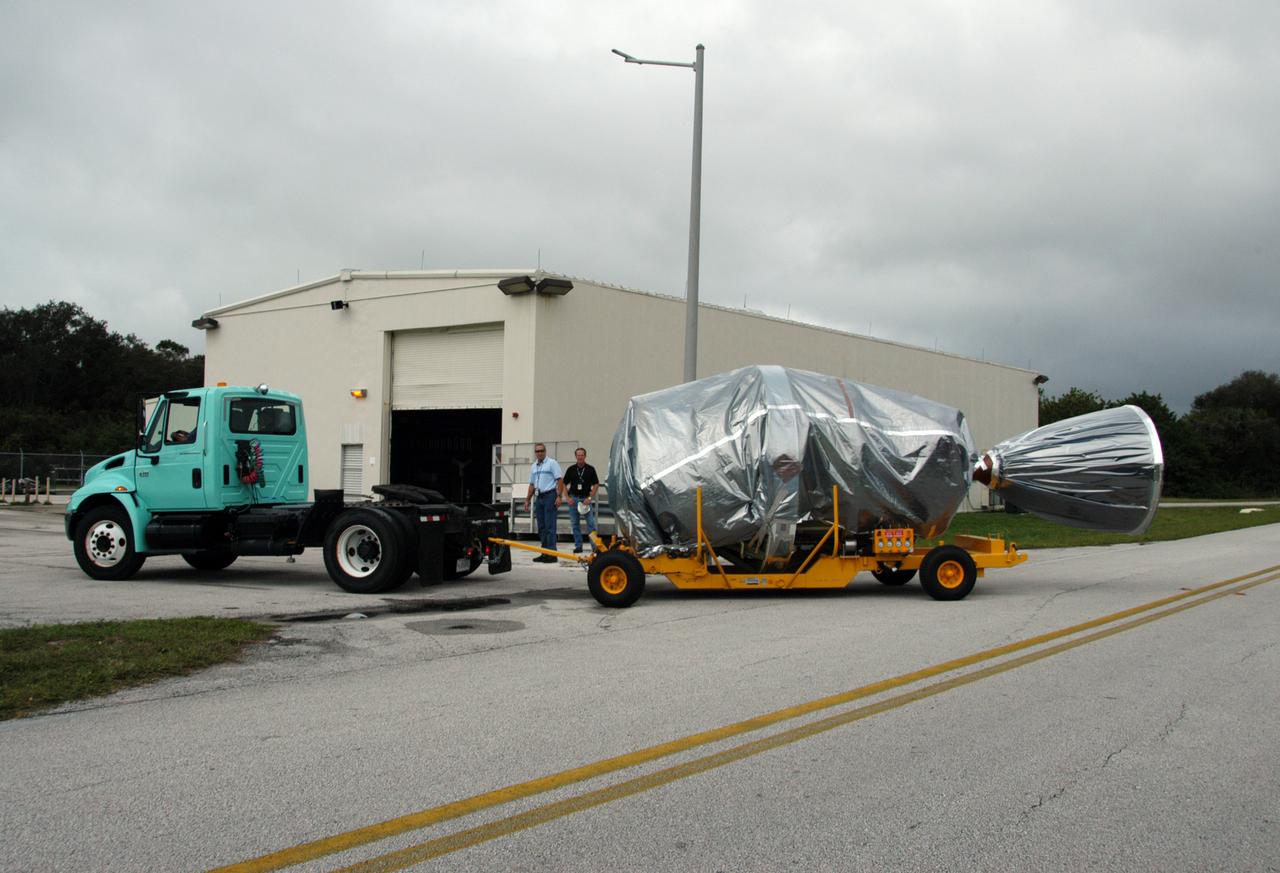
The covered Delta II second stage arrives at a checkout hangar on Cape Canaveral Air Force Station in Florida in preparation for transfer to Pad 17-B. At the pad, it will be lifted into the mobile service tower and mated with the first stage already in place. The Delta II is the launch vehicle for the THEMIS spacecraft. THEMIS consists of five identical probes, the largest number of scientific satellites ever launched into orbit aboard a single rocket. This unique constellation of satellites will resolve the tantalizing mystery of what causes the spectacular sudden brightening of the aurora borealis and aurora australis - the fiery skies over the Earth's northern and southern polar regions. THEMIS is scheduled to launch Feb. 15 from Cape Canaveral Air Force Station.
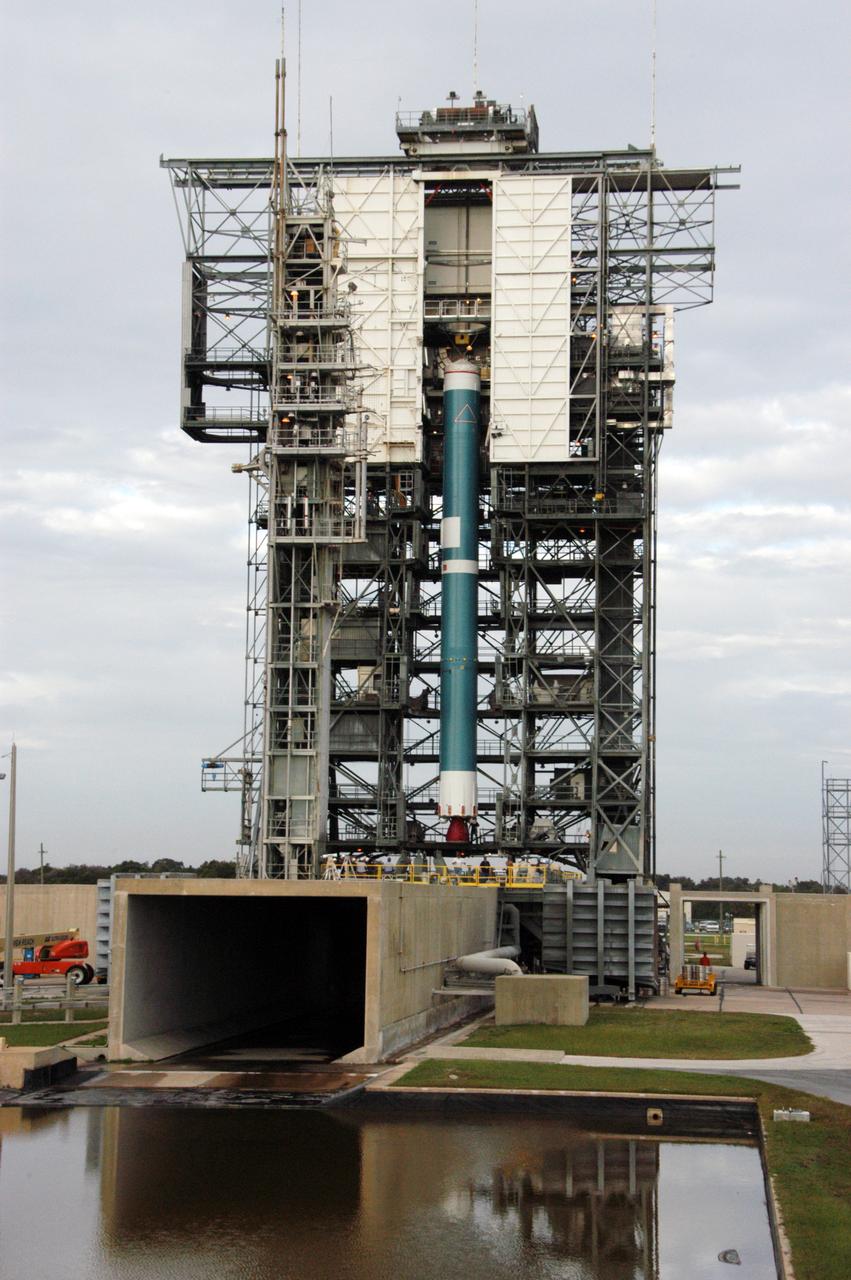
On Launch Pad 17-B at Cape Canaveral Air Force Station in Florida, the United Launch Alliance Delta II rocket is moved inside the mobile service tower where nine solid rocket boosters will be attached in sets of three. The rocket is the launch vehicle for the THEMIS spacecraft, consisting of five identical probes, the largest number of scientific satellites ever launched into orbit aboard a single rocket. This unique constellation of satellites will resolve the tantalizing mystery of what causes the spectacular sudden brightening of the aurora borealis and aurora australis - the fiery skies over the Earth's northern and southern polar regions. THEMIS is scheduled to launch aboard the Delta II at 6:07 p.m. EST on Feb. 15.
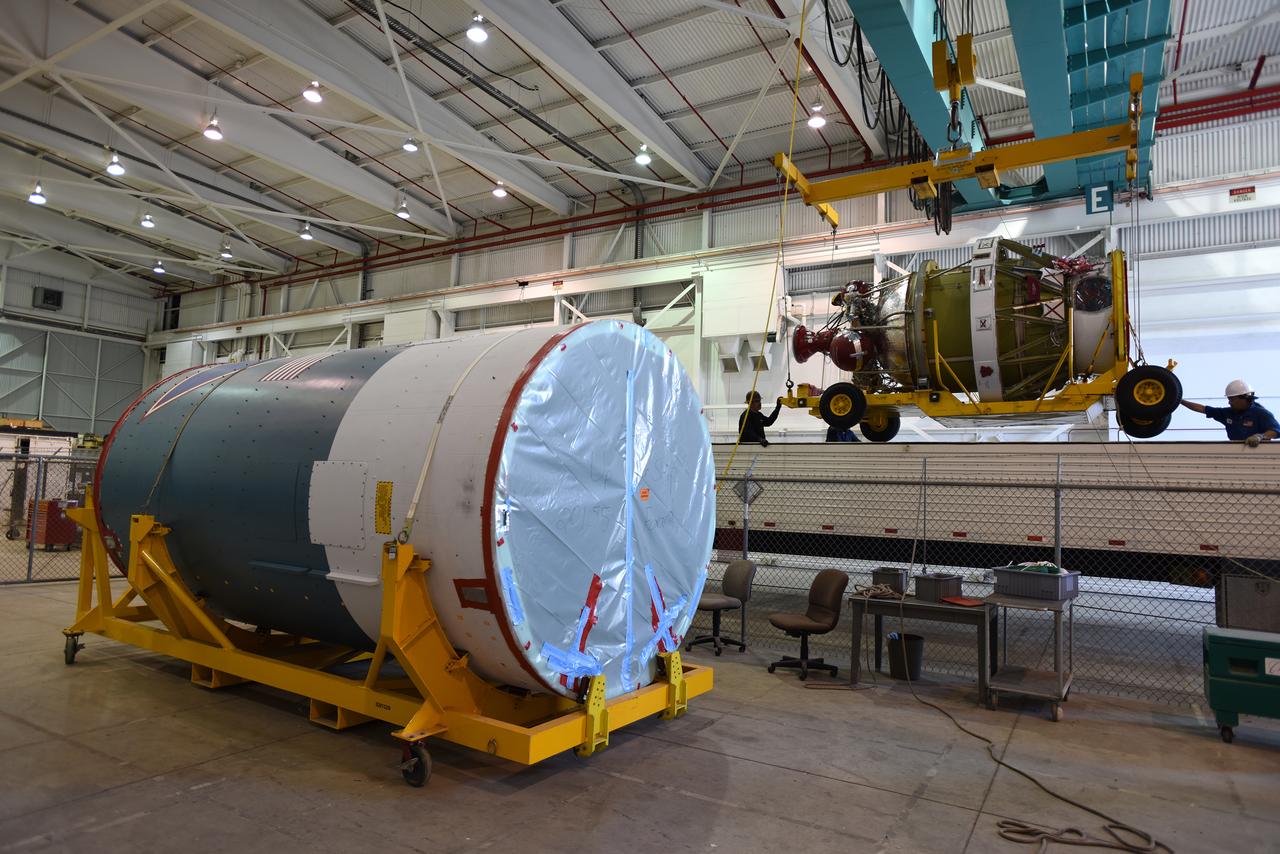
Technicians offload the second stage of a Delta II rocket from a transport trailer inside NASA Hangar 836 at Vandenberg Air Force Base in California in preparation to launch the Joint Polar Satellite System spacecraft in 2017. JPSS-1 is part of the next-generation environmental satellite system, a collaborative program between the National Oceanic and Atmospheric Administration (NOAA) and NASA. To learn more about JPSS-1, visit http://www.jpss.noaa.gov.
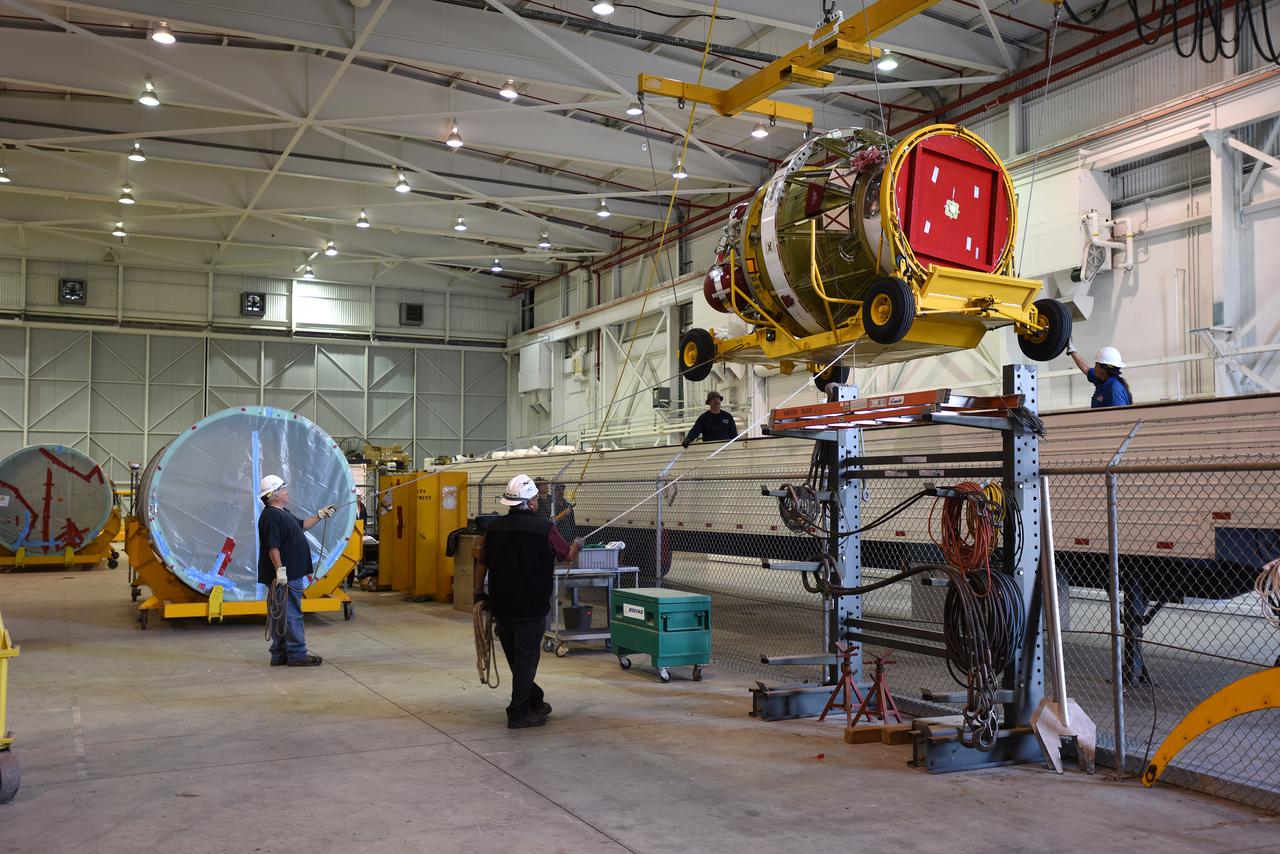
Technicians place the second stage of a Delta II rocket onto a transport trailer inside NASA Hangar 836 at Vandenberg Air Force Base in California in preparation to launch the Joint Polar Satellite System spacecraft in 2017. JPSS-1 is part of the next-generation environmental satellite system, a collaborative program between the National Oceanic and Atmospheric Administration (NOAA) and NASA. To learn more about JPSS-1, visit http://www.jpss.noaa.gov.
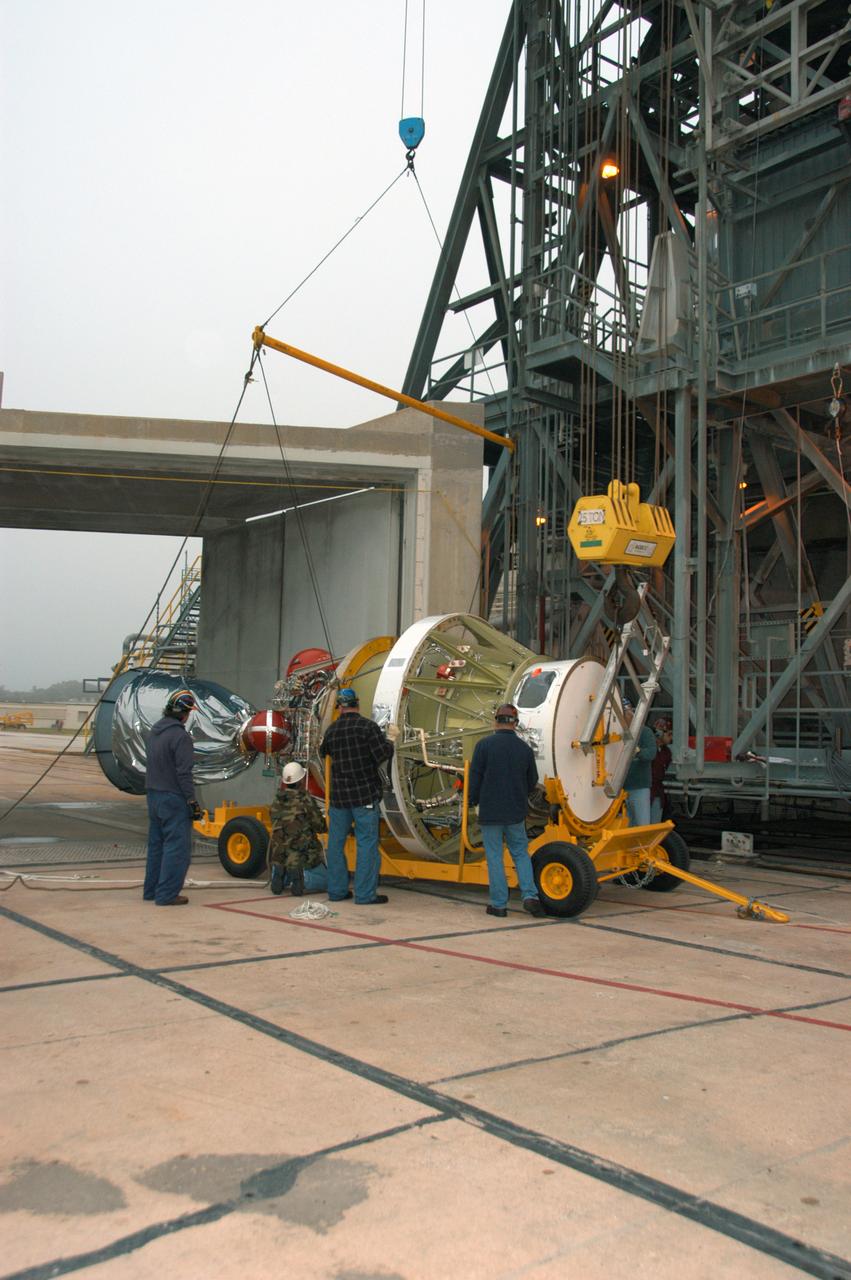
On Pad 17-B at Cape Canaveral Air Force Station, workers attach an overhead crane to the Delta II second stage in order to raise it to vertical. It will be lifted into the mobile service tower and mated with the first stage already in place. The Delta II is the launch vehicle for the THEMIS spacecraft. THEMIS consists of five identical probes, the largest number of scientific satellites ever launched into orbit aboard a single rocket. This unique constellation of satellites will resolve the tantalizing mystery of what causes the spectacular sudden brightening of the aurora borealis and aurora australis - the fiery skies over the Earth's northern and southern polar regions. THEMIS is scheduled to launch Feb. 15 from Cape Canaveral Air Force Station.
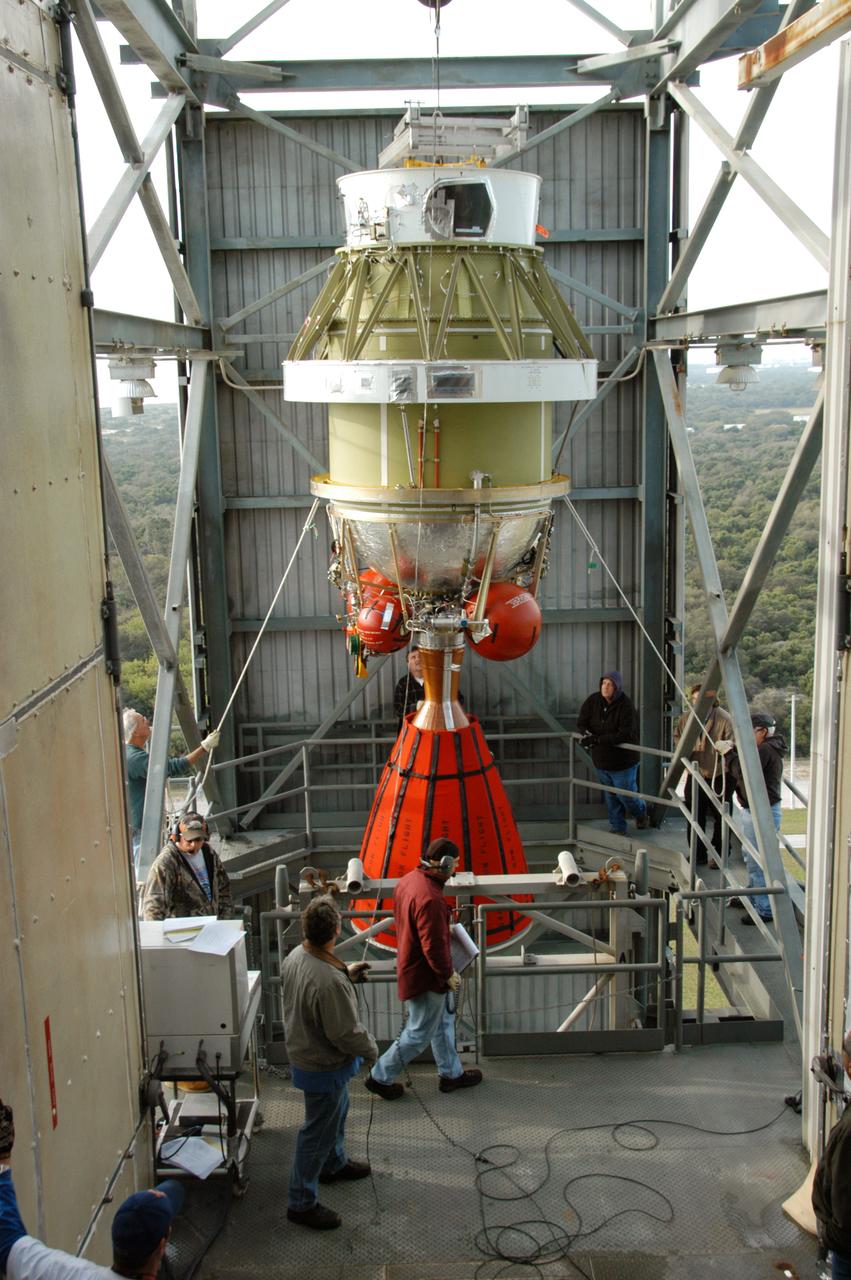
On Pad 17-B at Cape Canaveral Air Force Station, the Delta II second stage arrives at level 9 of the tower. The second stage will be moved inside and mated with the first stage already in place. The Delta II is the launch vehicle for the THEMIS spacecraft THEMIS consists of five identical probes, the largest number of scientific satellites ever launched into orbit aboard a single rocket. This unique constellation of satellites will resolve the tantalizing mystery of what causes the spectacular sudden brightening of the aurora borealis and aurora australis - the fiery skies over the Earth's northern and southern polar regions. THEMIS is scheduled to launch Feb. 15 from Cape Canaveral Air Force Station.
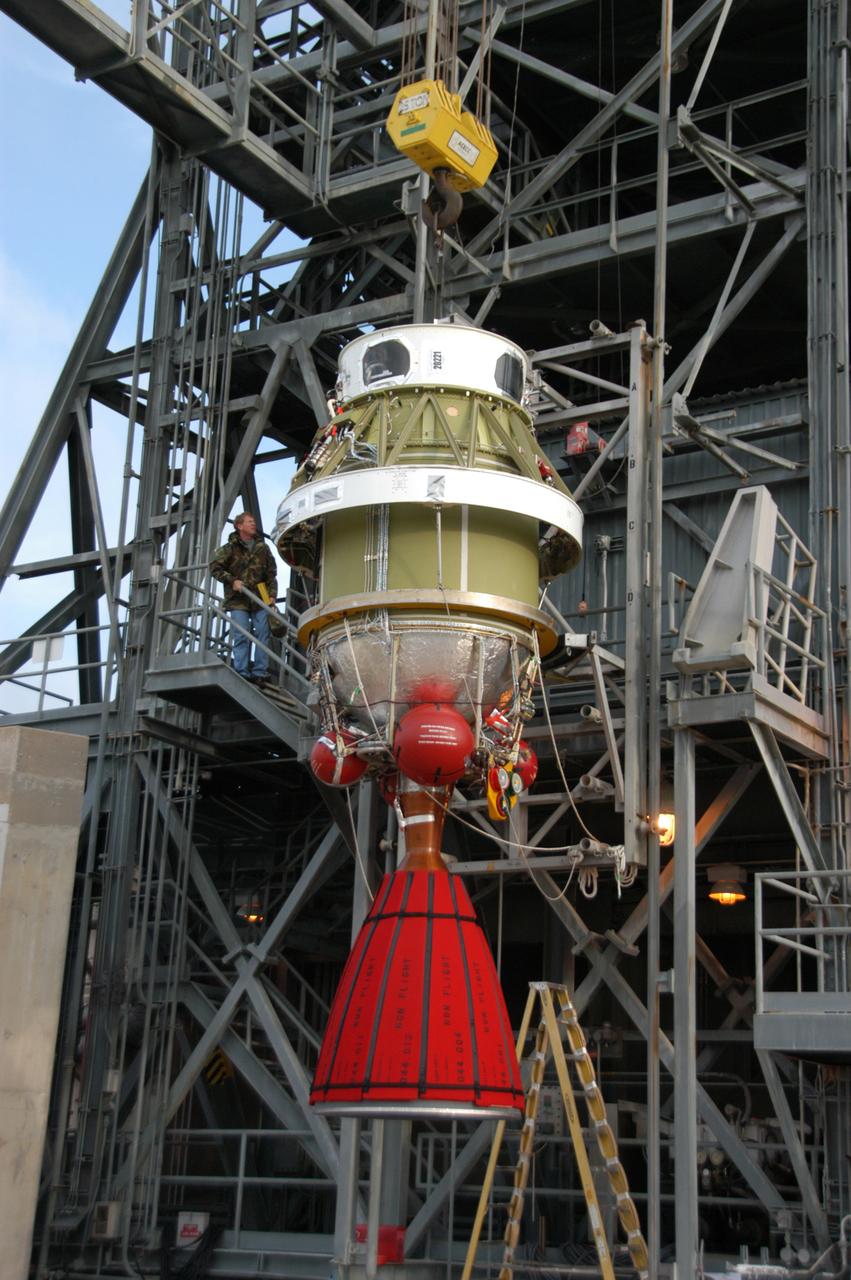
On Pad 17-B at Cape Canaveral Air Force Station, the Delta II second stage is being lifted alongside the mobile service tower. Once inside, it will be mated with the first stage already in place. The Delta II is the launch vehicle for the THEMIS spacecraft. THEMIS consists of five identical probes, the largest number of scientific satellites ever launched into orbit aboard a single rocket. This unique constellation of satellites will resolve the tantalizing mystery of what causes the spectacular sudden brightening of the aurora borealis and aurora australis - the fiery skies over the Earth's northern and southern polar regions. THEMIS is scheduled to launch Feb. 15 from Cape Canaveral Air Force Station.
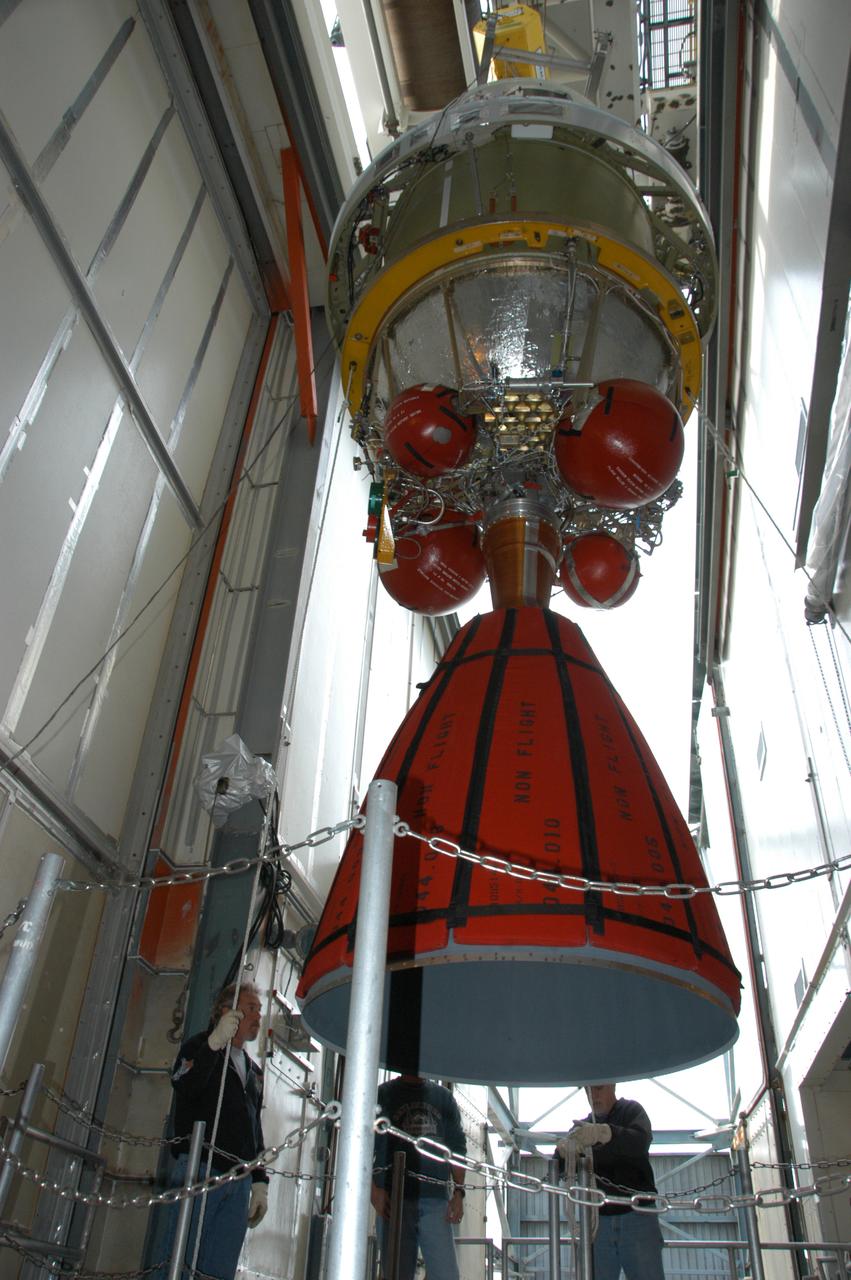
On Pad 17-B at Cape Canaveral Air Force Station, the Delta II second stage is moved inside level 9 of the tower. It will be mated with the first stage already in place. The Delta II is the launch vehicle for the THEMIS spacecraft. THEMIS consists of five identical probes, the largest number of scientific satellites ever launched into orbit aboard a single rocket. This unique constellation of satellites will resolve the tantalizing mystery of what causes the spectacular sudden brightening of the aurora borealis and aurora australis - the fiery skies over the Earth's northern and southern polar regions. THEMIS is scheduled to launch Feb. 15 from Cape Canaveral Air Force Station.
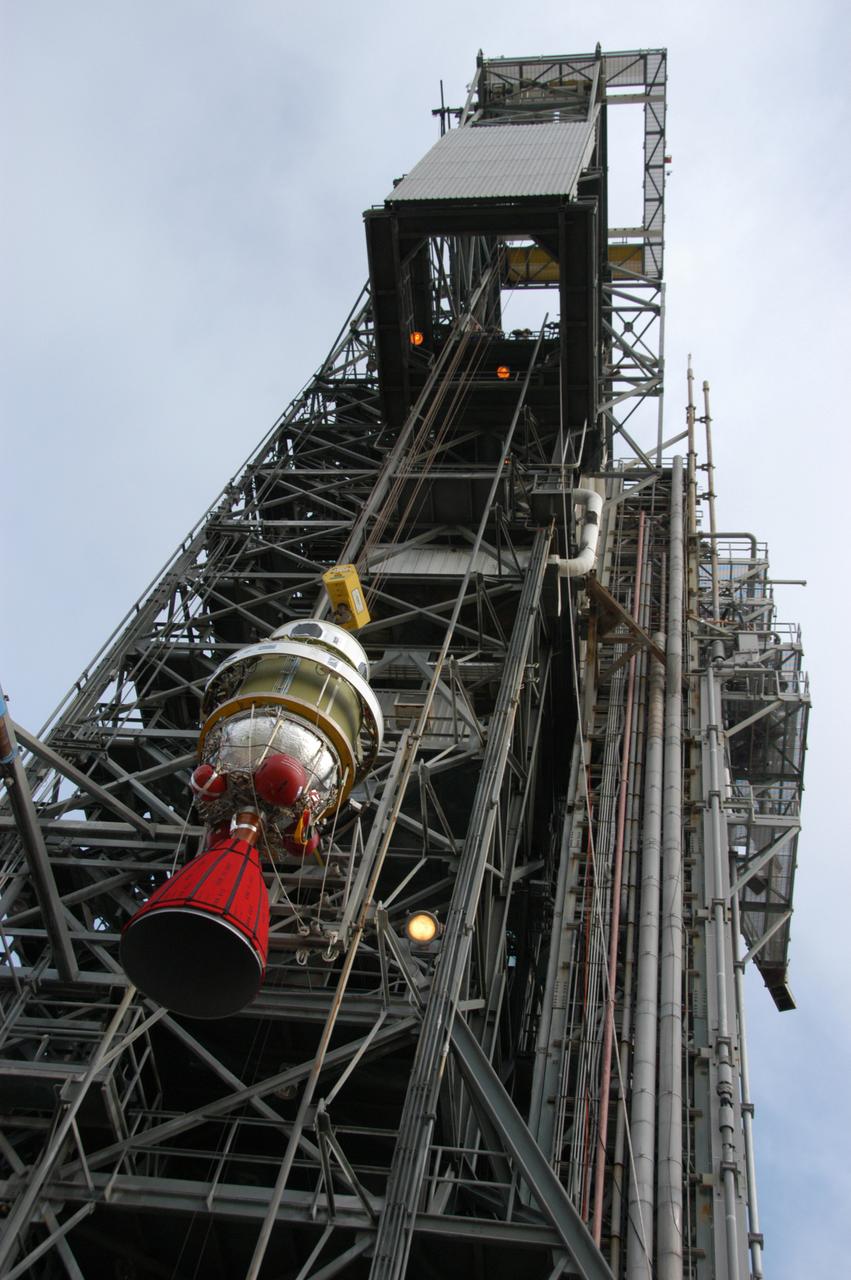
On Pad 17-B at Cape Canaveral Air Force Station, the Delta II second stage is being lifted alongside the mobile service tower. Once inside, it will be mated with the first stage already in place. The Delta II is the launch vehicle for the THEMIS spacecraft. THEMIS consists of five identical probes, the largest number of scientific satellites ever launched into orbit aboard a single rocket. This unique constellation of satellites will resolve the tantalizing mystery of what causes the spectacular sudden brightening of the aurora borealis and aurora australis - the fiery skies over the Earth's northern and southern polar regions. THEMIS is scheduled to launch Feb. 15 from Cape Canaveral Air Force Station.
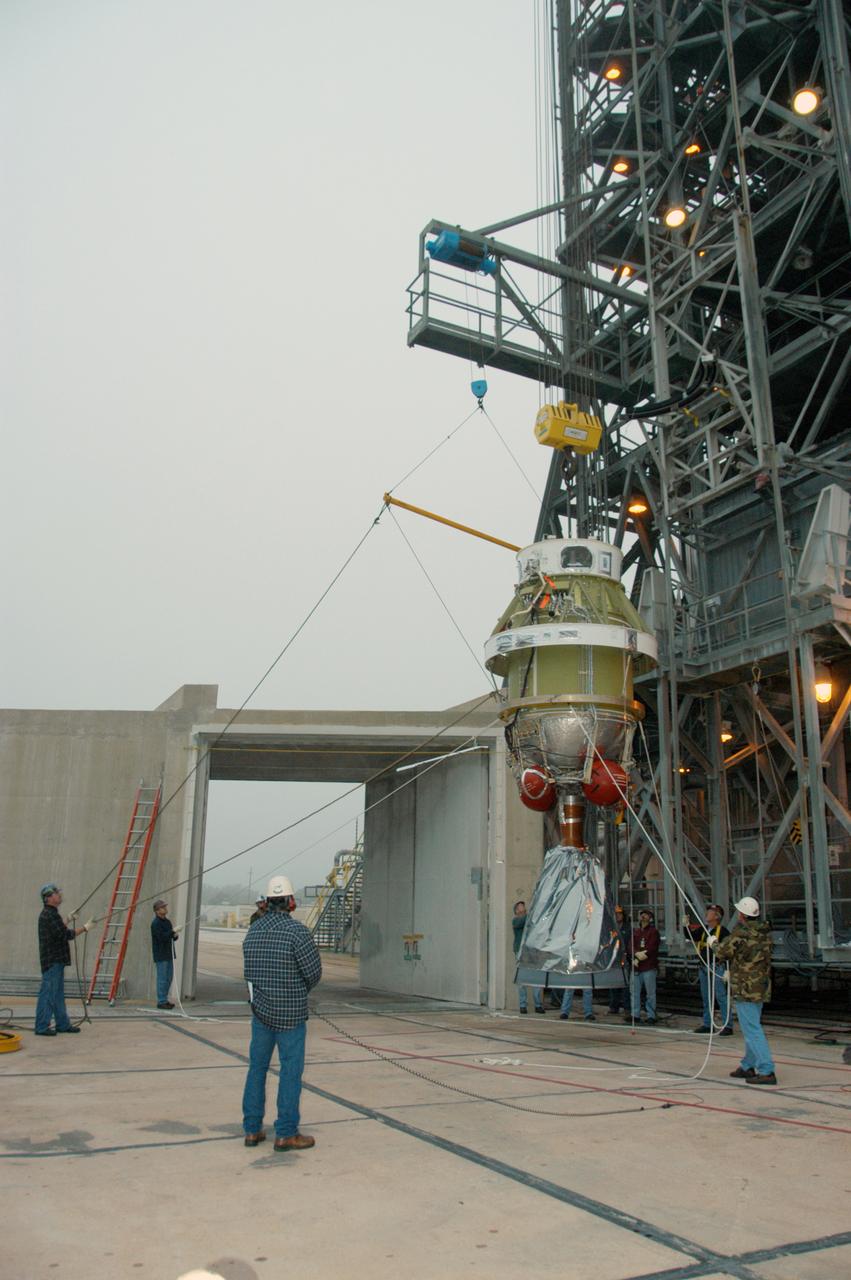
On Pad 17-B at Cape Canaveral Air Force Station, the Delta II second stage is lifted toward the mobile service tower. Once inside, it will be mated with the first stage already in place. The Delta II is the launch vehicle for the THEMIS spacecraft. THEMIS consists of five identical probes, the largest number of scientific satellites ever launched into orbit aboard a single rocket. This unique constellation of satellites will resolve the tantalizing mystery of what causes the spectacular sudden brightening of the aurora borealis and aurora australis - the fiery skies over the Earth's northern and southern polar regions. THEMIS is scheduled to launch Feb. 15 from Cape Canaveral Air Force Station.

The first stage of a United Launch Alliance Delta II rocket moves into place in front of at the mobile service tower on Launch Pad 17-B at Cape Canaveral Air Force Station in Florida. The rocket will be raised to a vertical position and lifted into the tower. The rocket is the launch vehicle for the THEMIS spacecraft, consisting of five identical probes, the largest number of scientific satellites ever launched into orbit aboard a single rocket. This unique constellation of satellites will resolve the tantalizing mystery of what causes the spectacular sudden brightening of the aurora borealis and aurora australis - the fiery skies over the Earth's northern and southern polar regions. After the first stage is in the mobile service tower on the pad, nine solid rocket boosters will be placed around the base of the first stage and attached in sets of three. THEMIS is scheduled to launch aboard the Delta II at 6:07 p.m. EST on Feb. 15.
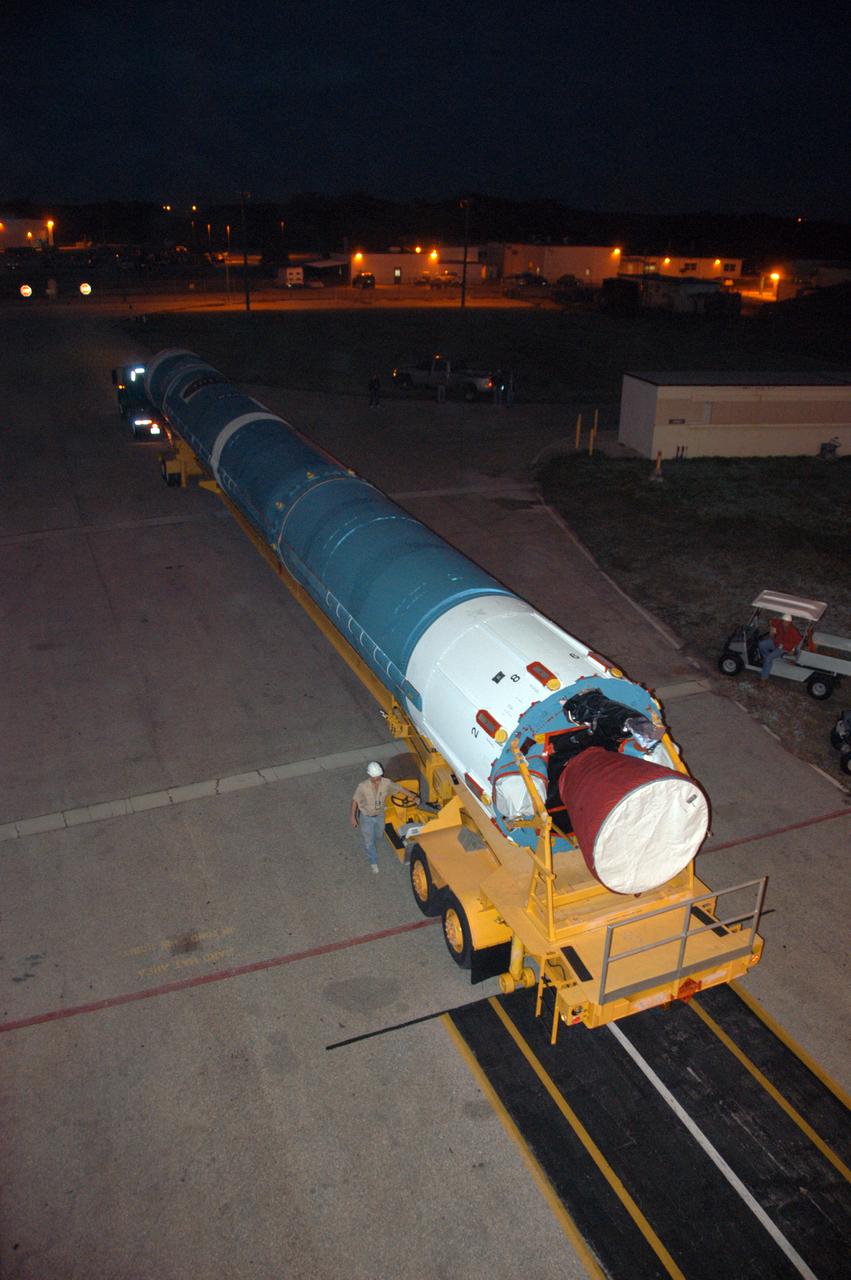
The first stage of a United Launch Alliance Delta II rocket is on its way to Launch Pad 17-B on Cape Canaveral Air Force Station in Florida. The rocket is the launch vehicle for the THEMIS spacecraft, consisting of five identical probes, the largest number of scientific satellites ever launched into orbit aboard a single rocket. This unique constellation of satellites will resolve the tantalizing mystery of what causes the spectacular sudden brightening of the aurora borealis and aurora australis - the fiery skies over the Earth's northern and southern polar regions. After the first stage is in the mobile service tower on the pad, nine solid rocket boosters will be placed around the base of the first stage and attached in sets of three. THEMIS is scheduled to launch aboard the Delta II at 6:07 p.m. EST on Feb. 15.

On Launch Pad 17-B at Cape Canaveral Air Force Station in Florida, the first stage of a United Launch Alliance Delta II rocket is raised off its transporter to a vertical position. The rocket will then be lifted into the mobile service tower. The rocket is the launch vehicle for the THEMIS spacecraft, consisting of five identical probes, the largest number of scientific satellites ever launched into orbit aboard a single rocket. This unique constellation of satellites will resolve the tantalizing mystery of what causes the spectacular sudden brightening of the aurora borealis and aurora australis - the fiery skies over the Earth's northern and southern polar regions. After the first stage is in the mobile service tower on the pad, nine solid rocket boosters will be placed around the base of the first stage and attached in sets of three. THEMIS is scheduled to launch aboard the Delta II at 6:07 p.m. EST on Feb. 15.
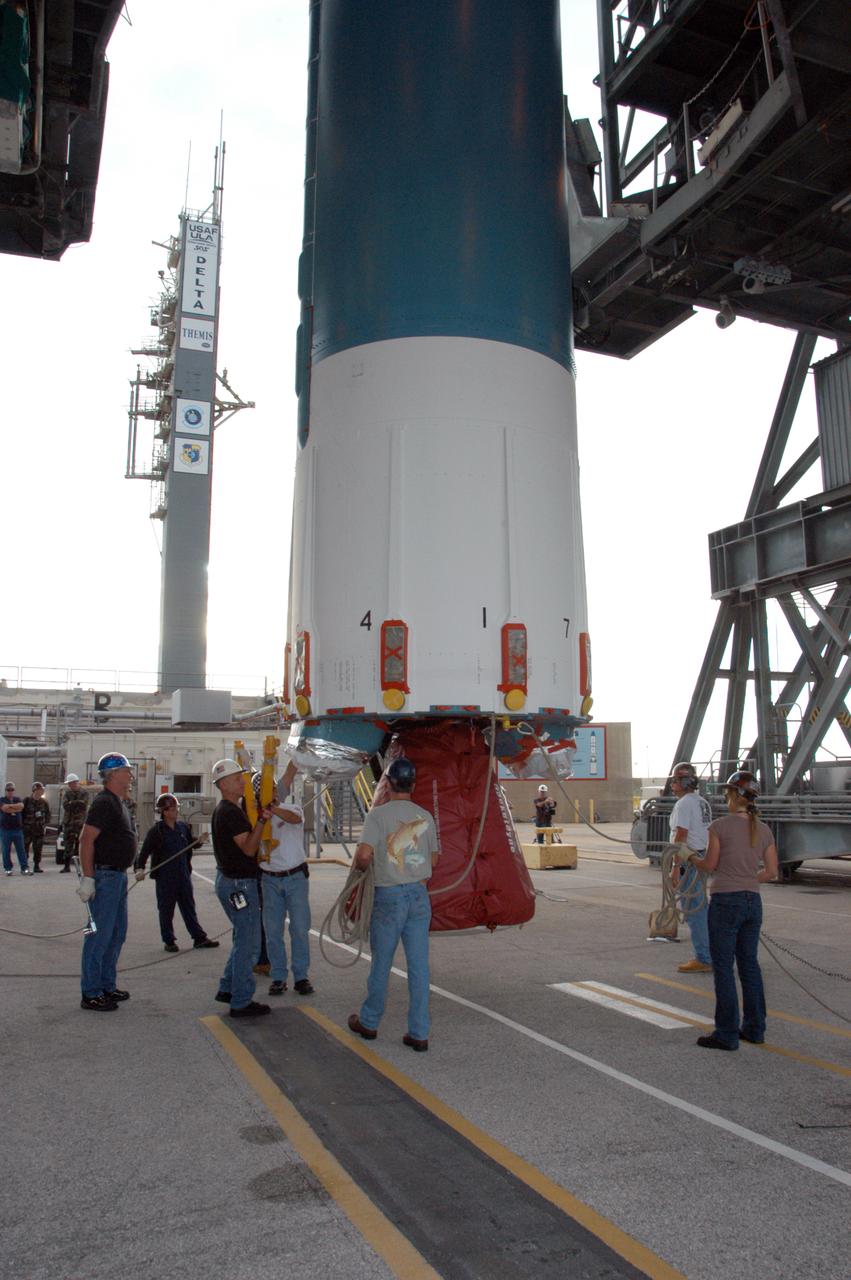
On Launch Pad 17-B at Cape Canaveral Air Force Station in Florida, workers check the lines attached to the lower end of the United Launch Alliance Delta II rocket before it is lifted into the mobile service tower. The rocket is the launch vehicle for the THEMIS spacecraft, consisting of five identical probes, the largest number of scientific satellites ever launched into orbit aboard a single rocket. This unique constellation of satellites will resolve the tantalizing mystery of what causes the spectacular sudden brightening of the aurora borealis and aurora australis - the fiery skies over the Earth's northern and southern polar regions. After the first stage is in the mobile service tower on the pad, nine solid rocket boosters will be placed around the base of the first stage and attached in sets of three. THEMIS is scheduled to launch aboard the Delta II at 6:07 p.m. EST on Feb. 15.

The first stage of a United Launch Alliance Delta II rocket leaves for Launch Pad 17-B on Cape Canaveral Air Force Station in Florida. The rocket is the launch vehicle for the THEMIS spacecraft, consisting of five identical probes, the largest number of scientific satellites ever launched into orbit aboard a single rocket. This unique constellation of satellites will resolve the tantalizing mystery of what causes the spectacular sudden brightening of the aurora borealis and aurora australis - the fiery skies over the Earth's northern and southern polar regions. After the first stage is in the mobile service tower on the pad, nine solid rocket boosters will be placed around the base of the first stage and attached in sets of three. THEMIS is scheduled to launch aboard the Delta II at 6:07 p.m. EST on Feb. 15.

On Launch Pad 17-B at Cape Canaveral Air Force Station in Florida, a crane (foreground) raises the first stage of a United Launch Alliance Delta II rocket off its transporter to a vertical position. The rocket will then be lifted into the mobile service tower. The rocket is the launch vehicle for the THEMIS spacecraft, consisting of five identical probes, the largest number of scientific satellites ever launched into orbit aboard a single rocket. This unique constellation of satellites will resolve the tantalizing mystery of what causes the spectacular sudden brightening of the aurora borealis and aurora australis - the fiery skies over the Earth's northern and southern polar regions. After the first stage is in the mobile service tower on the pad, nine solid rocket boosters will be placed around the base of the first stage and attached in sets of three. THEMIS is scheduled to launch aboard the Delta II at 6:07 p.m. EST on Feb. 15.

The first stage of a United Launch Alliance Delta II rocket arrives at the mobile service tower on Launch Pad 17-B at Cape Canaveral Air Force Station in Florida. The rocket is the launch vehicle for the THEMIS spacecraft, consisting of five identical probes, the largest number of scientific satellites ever launched into orbit aboard a single rocket. This unique constellation of satellites will resolve the tantalizing mystery of what causes the spectacular sudden brightening of the aurora borealis and aurora australis - the fiery skies over the Earth's northern and southern polar regions. After the first stage is in the mobile service tower on the pad, nine solid rocket boosters will be placed around the base of the first stage and attached in sets of three. THEMIS is scheduled to launch aboard the Delta II at 6:07 p.m. EST on Feb. 15.
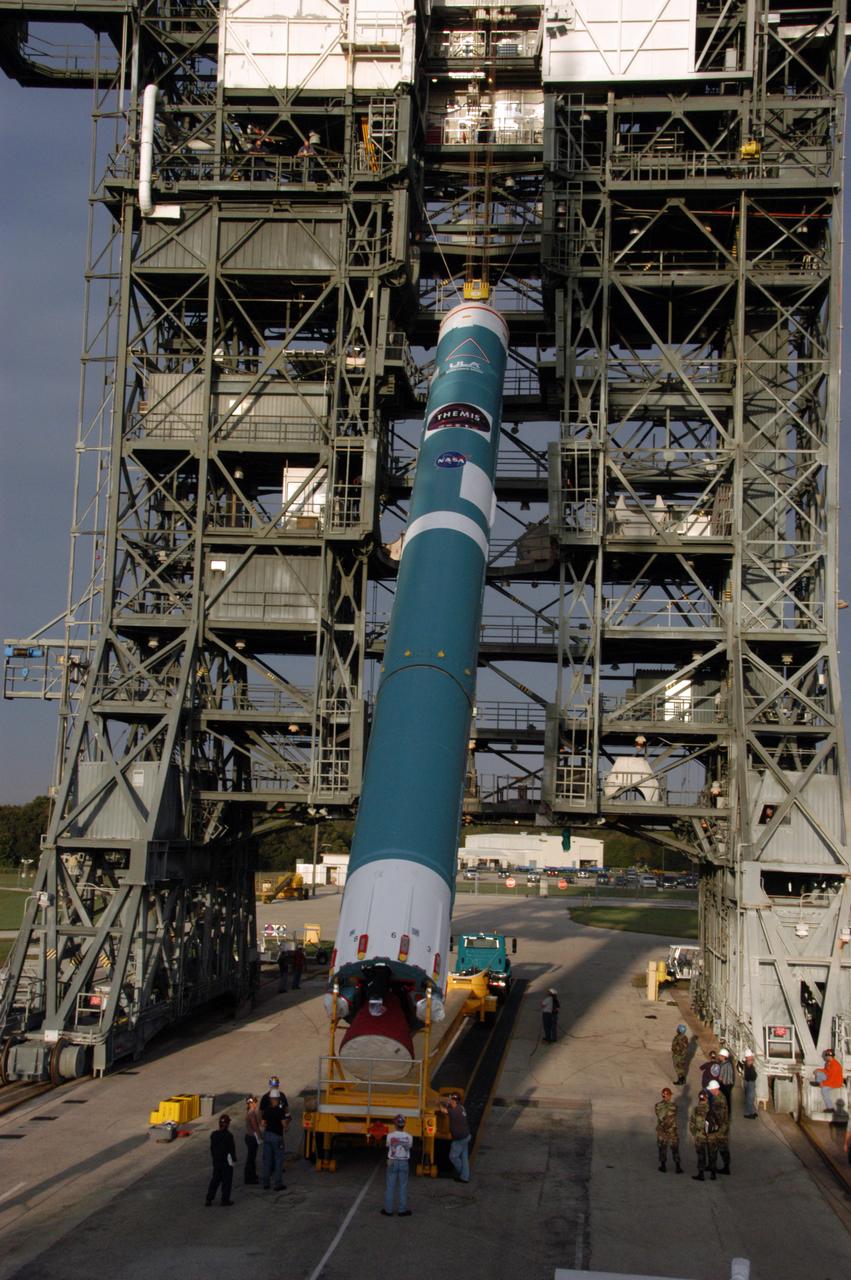
On Launch Pad 17-B at Cape Canaveral Air Force Station in Florida, the first stage of a United Launch Alliance Delta II rocket is raised off its transporter to a vertical position. The rocket will then be lifted into the mobile service tower. The rocket is the launch vehicle for the THEMIS spacecraft, consisting of five identical probes, the largest number of scientific satellites ever launched into orbit aboard a single rocket. This unique constellation of satellites will resolve the tantalizing mystery of what causes the spectacular sudden brightening of the aurora borealis and aurora australis - the fiery skies over the Earth's northern and southern polar regions. After the first stage is in the tower on the pad, nine solid rocket boosters will be placed around the base of the first stage and attached in sets of three. THEMIS is scheduled to launch aboard the Delta II at 6:07 p.m. EST on Feb. 15.
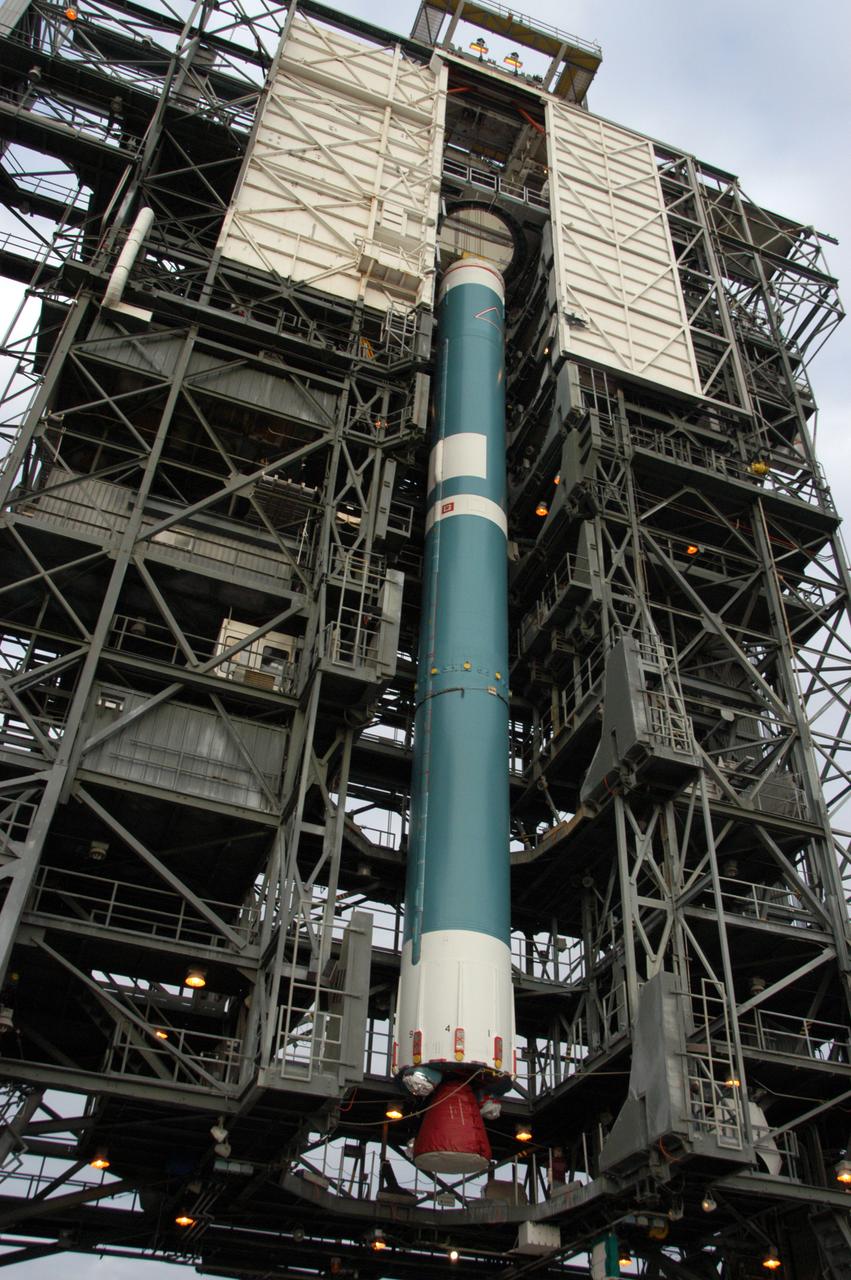
On Launch Pad 17-B at Cape Canaveral Air Force Station in Florida, the United Launch Alliance Delta II rocket is lifted up into the mobile service tower. The rocket is the launch vehicle for the THEMIS spacecraft, consisting of five identical probes, the largest number of scientific satellites ever launched into orbit aboard a single rocket. This unique constellation of satellites will resolve the tantalizing mystery of what causes the spectacular sudden brightening of the aurora borealis and aurora australis - the fiery skies over the Earth's northern and southern polar regions. After the first stage is in the tower on the pad, nine solid rocket boosters will be placed around the base of the first stage and attached in sets of three. THEMIS is scheduled to launch aboard the Delta II at 6:07 p.m. EST on Feb. 15.
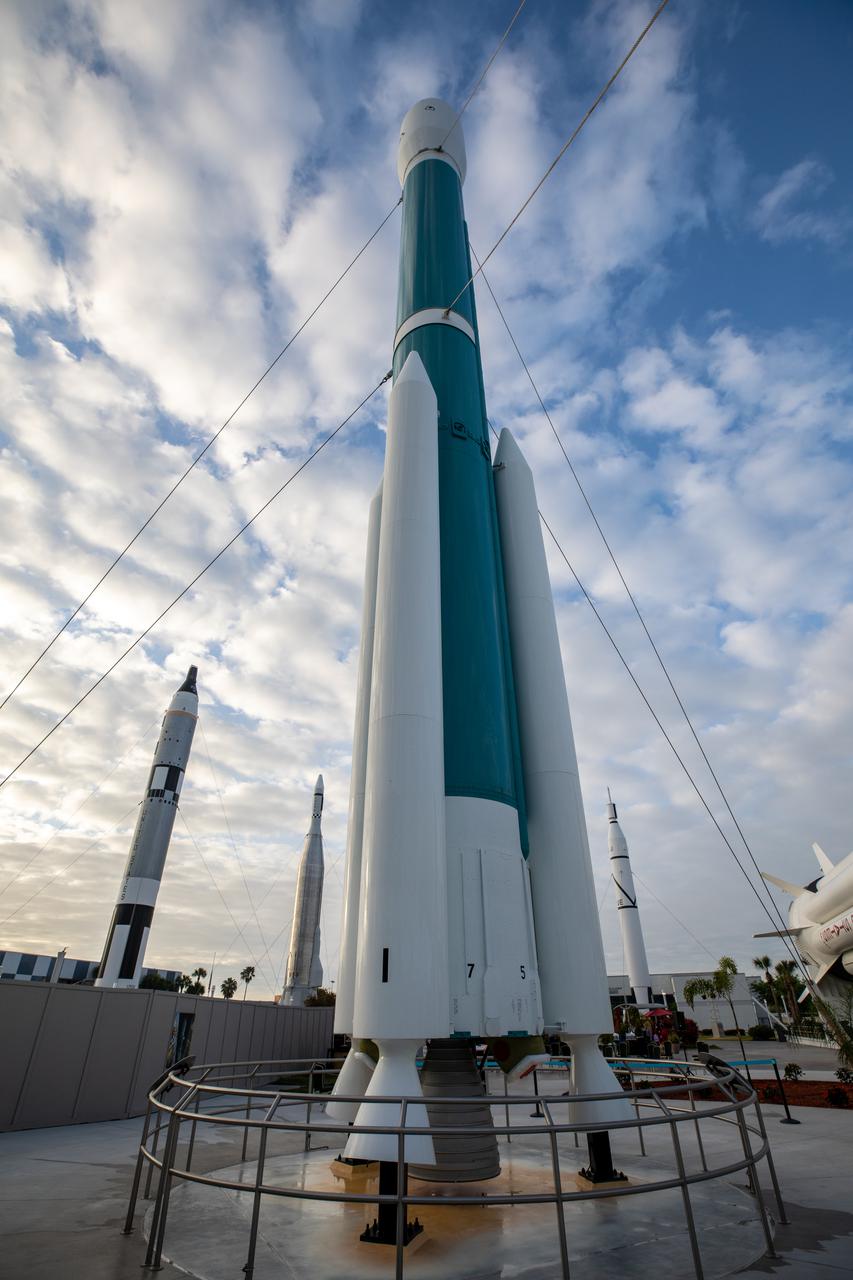
During a ribbon-cutting ceremony, the last United Launch Alliance Delta II rocket joins the lineup of historic launch vehicles in the Rocket Garden at the Kennedy Space Center Visitor Complex in Florida, on March 23, 2021. The Delta II rocket was a workhorse for NASA and civilian scientists, the U.S. military, and commercial clients throughout its almost 30 years of service. Since its first launch in 1989, the Delta II has launched 154 successful missions. NASA’s Launch Services Program launched the ICESat-2 spacecraft on the final Delta II launch for the agency on Sept. 15, 2018, from Vandenberg Air Force Base in California.
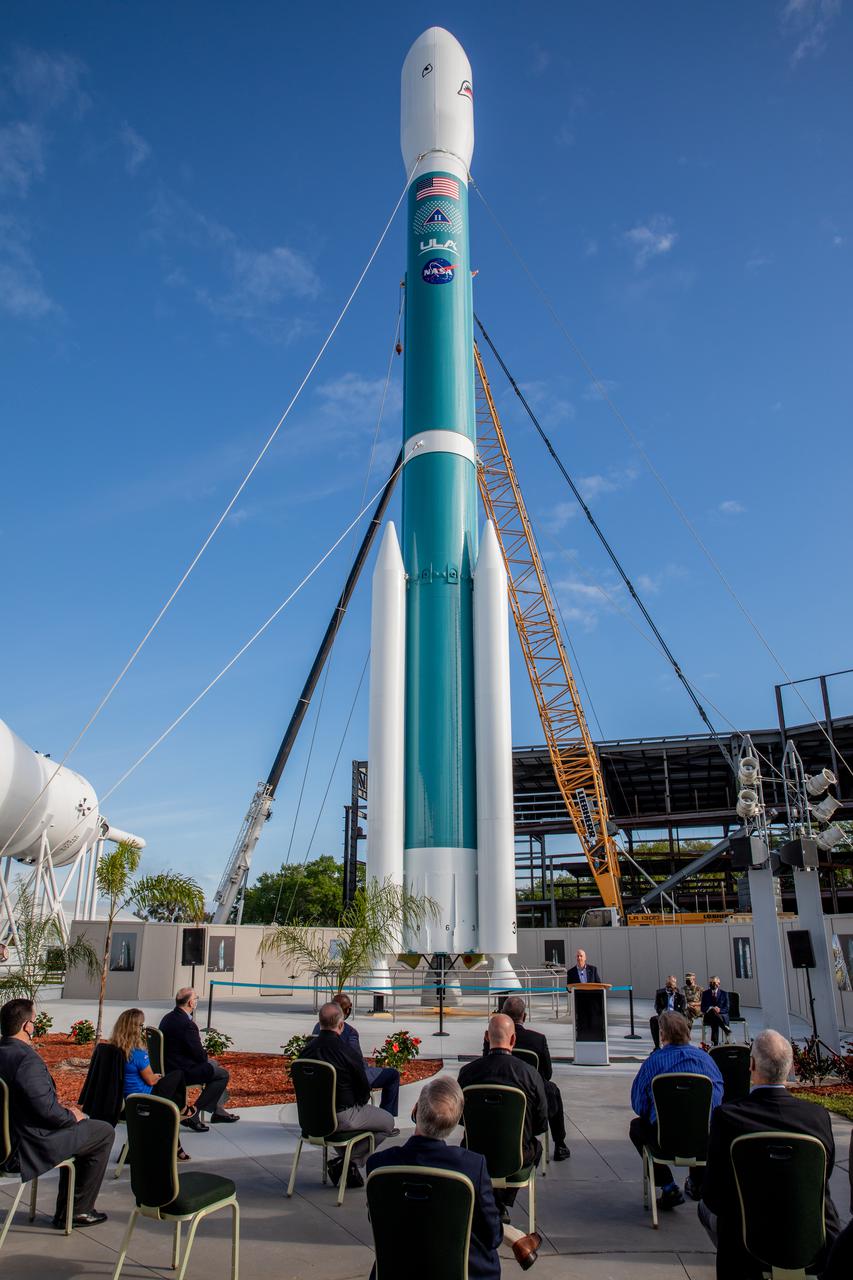
Guests attend a ribbon-cutting ceremony for the last United Launch Alliance Delta II rocket as it joins the lineup of historic launch vehicles in the Rocket Garden at the Kennedy Space Center Visitor Complex in Florida, on March 23, 2021. The Delta II rocket was a workhorse for NASA and civilian scientists, the U.S. military, and commercial clients throughout its almost 30 years of service. Since its first launch in 1989, the Delta II has launched 154 successful missions. NASA’s Launch Services Program launched the ICESat-2 spacecraft on the final Delta II launch on Sept. 15, 2018, from Vandenberg Air Force Base in California.
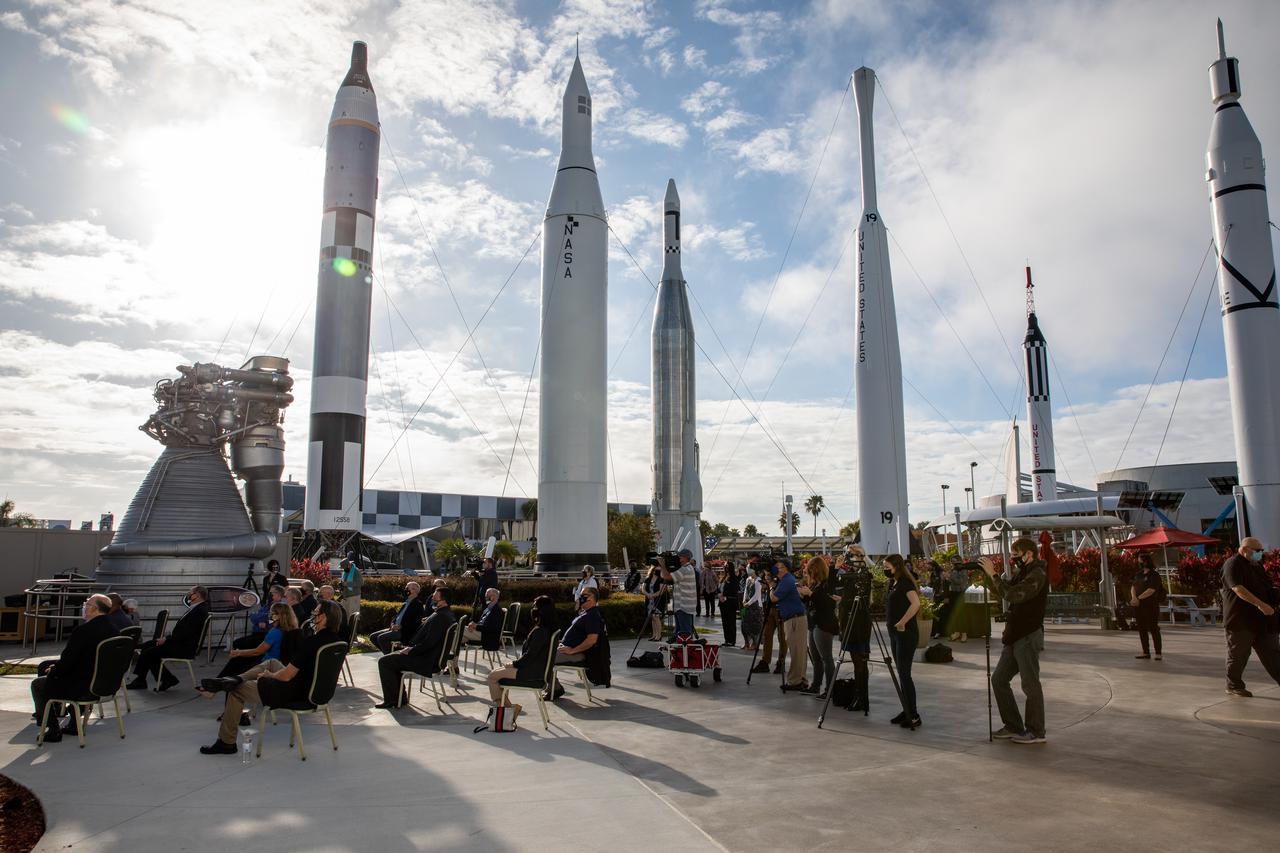
Guests attend a ribbon-cutting ceremony to welcome the last United Launch Alliance Delta II rocket to the lineup of historic launch vehicles in the Rocket Garden at the Kennedy Space Center Visitor Complex in Florida, on March 23, 2021. The Delta II rocket was a workhorse for NASA and civilian scientists, the U.S. military, and commercial clients throughout its almost 30 years of service. Since its first launch in 1989, the Delta II has launched 154 successful missions. NASA’s Launch Services Program launched the ICESat-2 spacecraft on the final Delta II launch on Sept. 15, 2018, from Vandenberg Air Force Base in California.
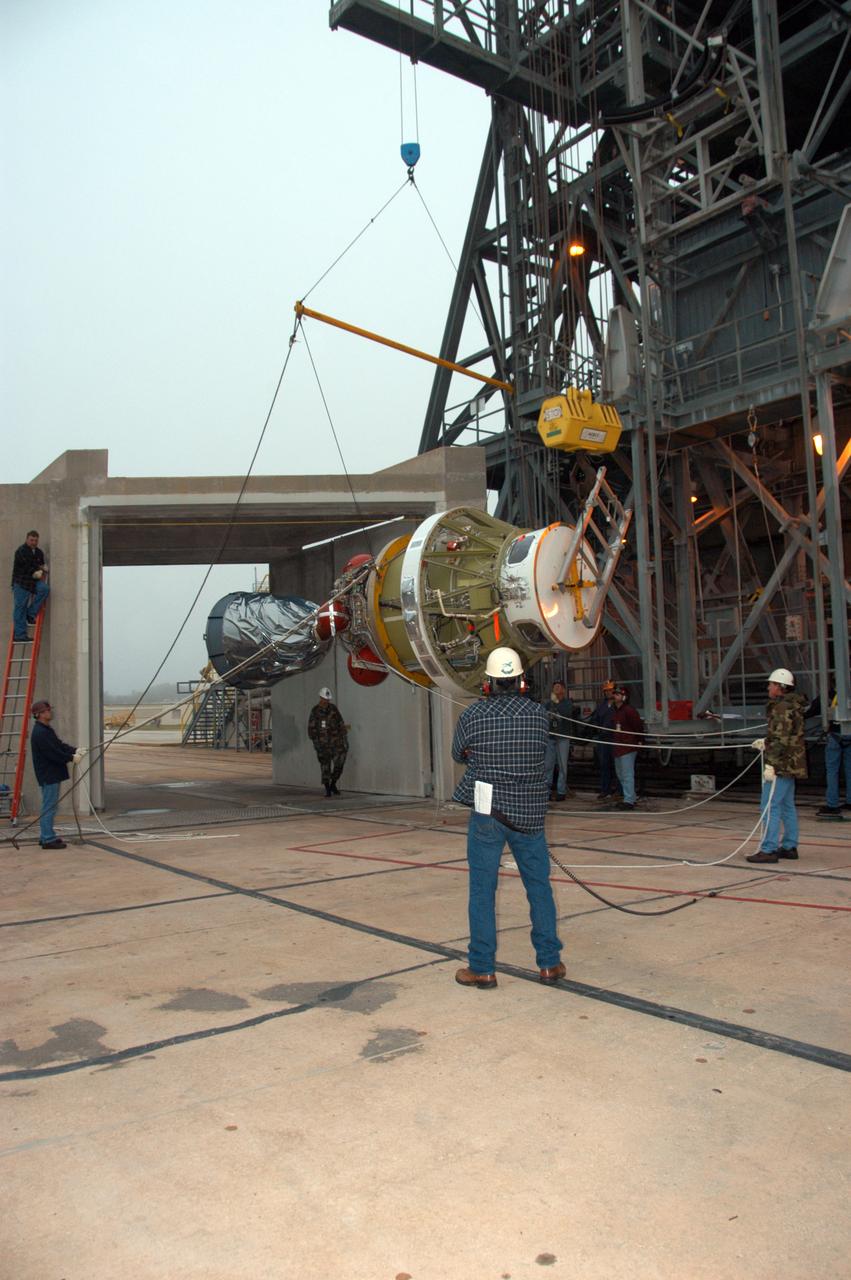
On Pad 17-B at Cape Canaveral Air Force Station, workers stand by while an overhead crane lifts the Delta II second stage to a vertical position. The second stage will be lifted into the mobile service tower and mated with the first stage already in place. The Delta II is the launch vehicle for the THEMIS spacecraft. THEMIS consists of five identical probes, the largest number of scientific satellites ever launched into orbit aboard a single rocket. This unique constellation of satellites will resolve the tantalizing mystery of what causes the spectacular sudden brightening of the aurora borealis and aurora australis - the fiery skies over the Earth's northern and southern polar regions. THEMIS is scheduled to launch Feb. 15 from Cape Canaveral Air Force Station.
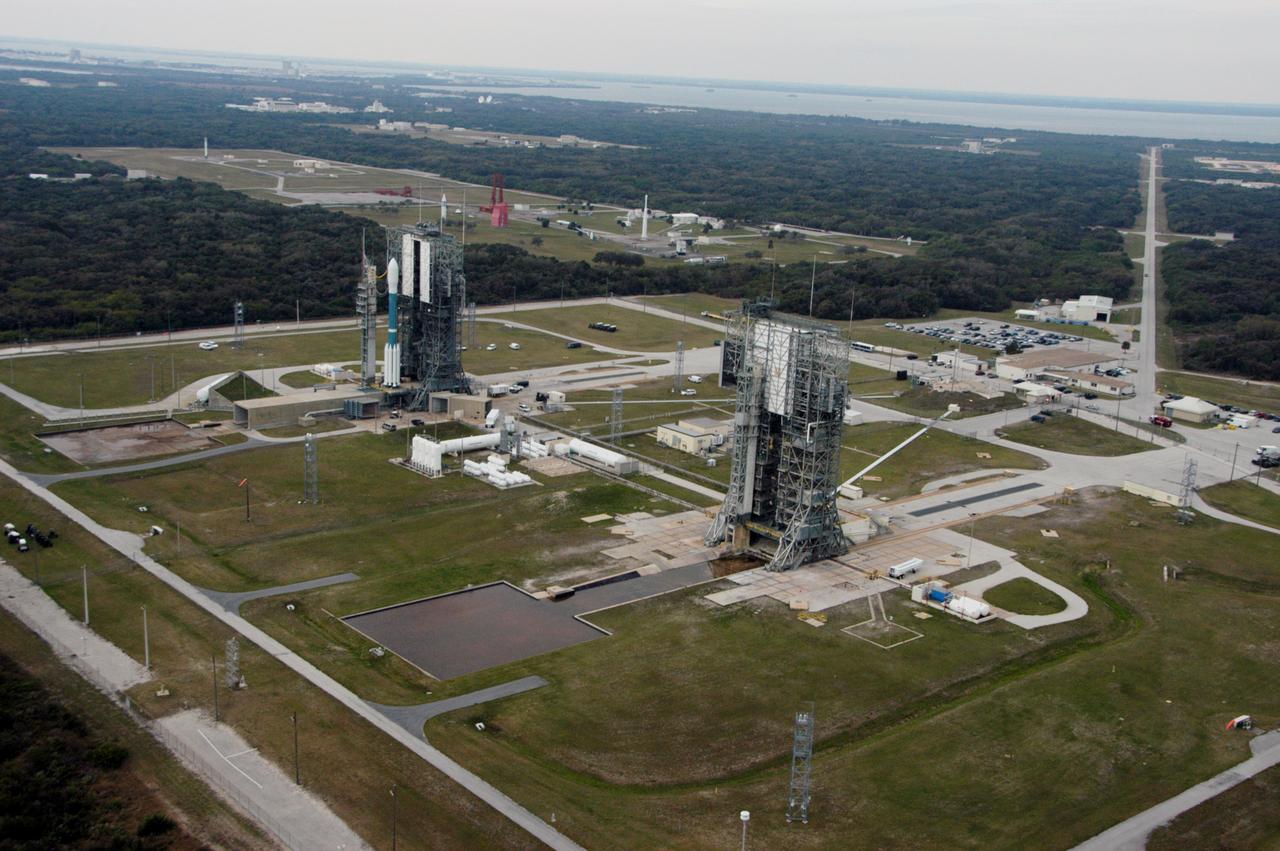
The Delta II rocket with the THEMIS spacecraft atop sits ready for launch on Pad 17-B at Cape Canaveral Air Force Station in this aerial view of the launch complex area as the mobile service tower begins to move away. THEMIS, an acronym for Time History of Events and Macroscale Interactions during Substorms, consists of five identical probes that will track violent, colorful eruptions near the North Pole. This will be the largest number of scientific satellites NASA has ever launched into orbit aboard a single rocket. The THEMIS mission aims to unravel the mystery behind auroral substorms, an avalanche of magnetic energy powered by the solar wind that intensifies the northern and southern lights. The mission will investigate what causes auroras in the Earth’s atmosphere to dramatically change from slowly shimmering waves of light to wildly shifting streaks of bright color. Launch is scheduled for 6:05 p.m.

In this close-up aerial view, the Delta II rocket with the THEMIS spacecraft atop sits ready for launch on Pad 17-B at Cape Canaveral Air Force Station. THEMIS, an acronym for Time History of Events and Macroscale Interactions during Substorms, consists of five identical probes that will track violent, colorful eruptions near the North Pole. This will be the largest number of scientific satellites NASA has ever launched into orbit aboard a single rocket. The THEMIS mission aims to unravel the mystery behind auroral substorms, an avalanche of magnetic energy powered by the solar wind that intensifies the northern and southern lights. The mission will investigate what causes auroras in the Earth’s atmosphere to dramatically change from slowly shimmering waves of light to wildly shifting streaks of bright color. Launch is scheduled for 6:05 p.m.
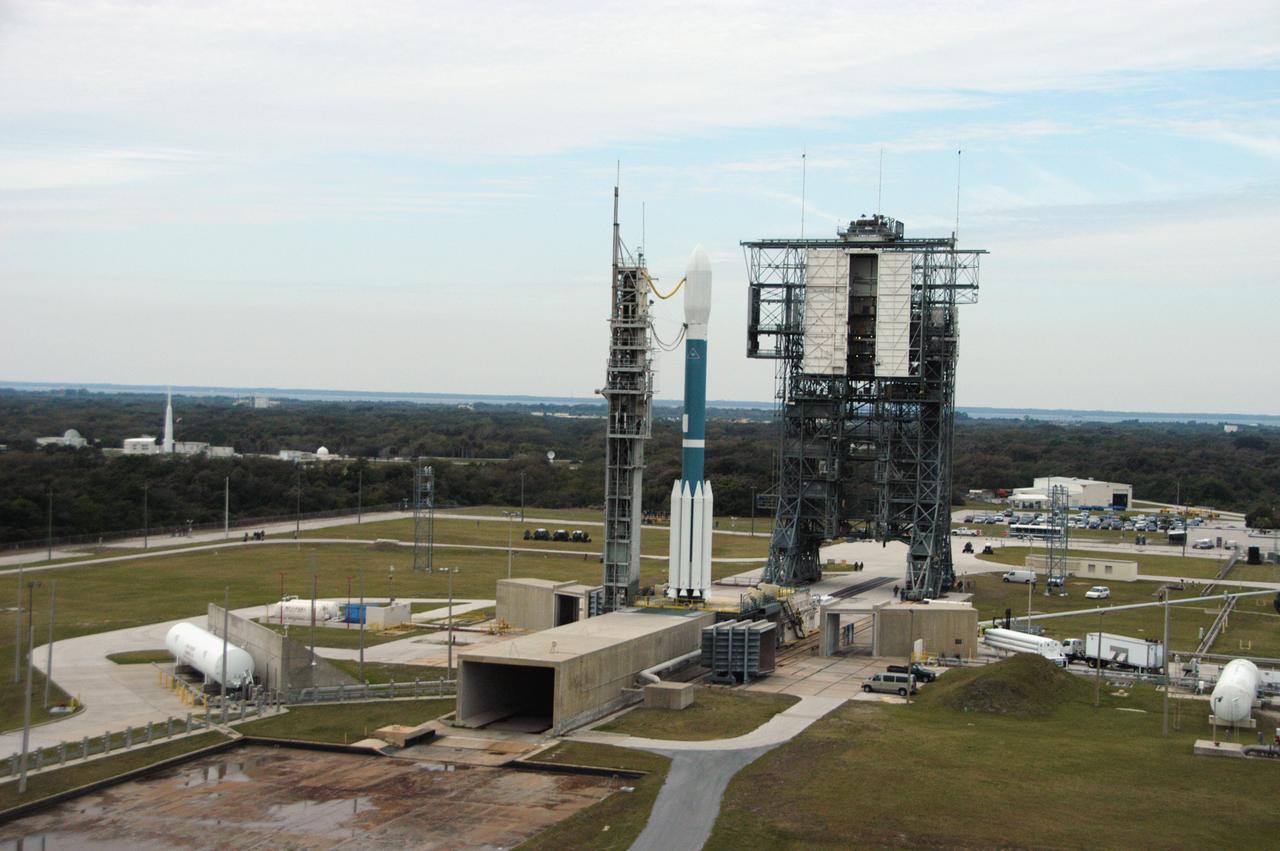
In this aerial view, the Delta II rocket with the THEMIS spacecraft sits ready for launch on Pad 17-B at Cape Canaveral Air Force Station, as the mobile service tower moves away from the pad. THEMIS, an acronym for Time History of Events and Macroscale Interactions during Substorms, consists of five identical probes that will track violent, colorful eruptions near the North Pole. This will be the largest number of scientific satellites NASA has ever launched into orbit aboard a single rocket. The THEMIS mission aims to unravel the mystery behind auroral substorms, an avalanche of magnetic energy powered by the solar wind that intensifies the northern and southern lights. The mission will investigate what causes auroras in the Earth’s atmosphere to dramatically change from slowly shimmering waves of light to wildly shifting streaks of bright color. Launch is scheduled for 6:05 p.m.
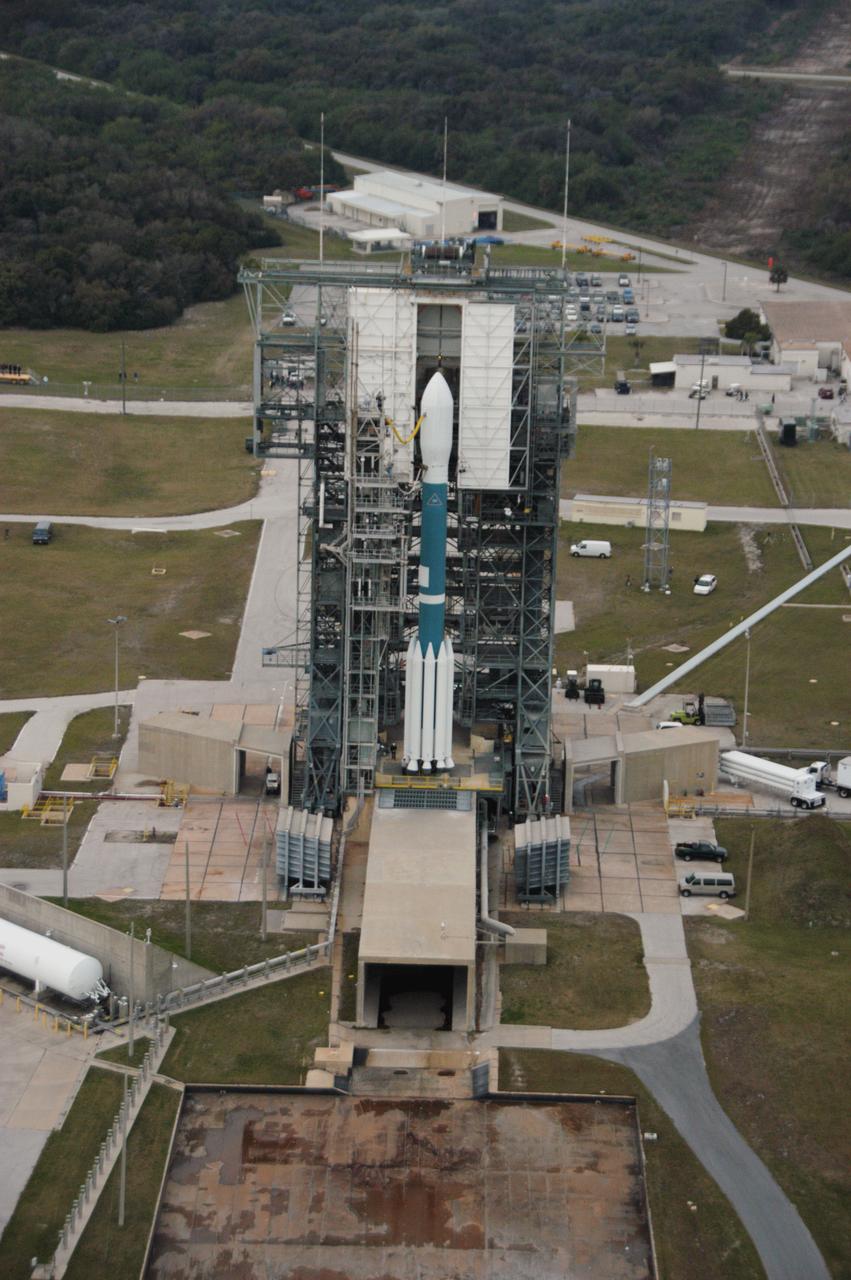
In this close-up aerial view, the Delta II rocket with the THEMIS spacecraft atop sits ready for launch on Pad 17-B at Cape Canaveral Air Force Station as the mobile service tower begins to move away. THEMIS, an acronym for Time History of Events and Macroscale Interactions during Substorms, consists of five identical probes that will track violent, colorful eruptions near the North Pole. This will be the largest number of scientific satellites NASA has ever launched into orbit aboard a single rocket. The THEMIS mission aims to unravel the mystery behind auroral substorms, an avalanche of magnetic energy powered by the solar wind that intensifies the northern and southern lights. The mission will investigate what causes auroras in the Earth’s atmosphere to dramatically change from slowly shimmering waves of light to wildly shifting streaks of bright color. Launch is scheduled for 6:05 p.m.

In this close-up aerial view, the Delta II rocket with the THEMIS spacecraft atop sits ready for launch on Pad 17-B at Cape Canaveral Air Force Station as the mobile service tower moves away from the pad. THEMIS, an acronym for Time History of Events and Macroscale Interactions during Substorms, consists of five identical probes that will track violent, colorful eruptions near the North Pole. This will be the largest number of scientific satellites NASA has ever launched into orbit aboard a single rocket. The THEMIS mission aims to unravel the mystery behind auroral substorms, an avalanche of magnetic energy powered by the solar wind that intensifies the northern and southern lights. The mission will investigate what causes auroras in the Earth’s atmosphere to dramatically change from slowly shimmering waves of light to wildly shifting streaks of bright color. Launch is scheduled for 6:05 p.m.
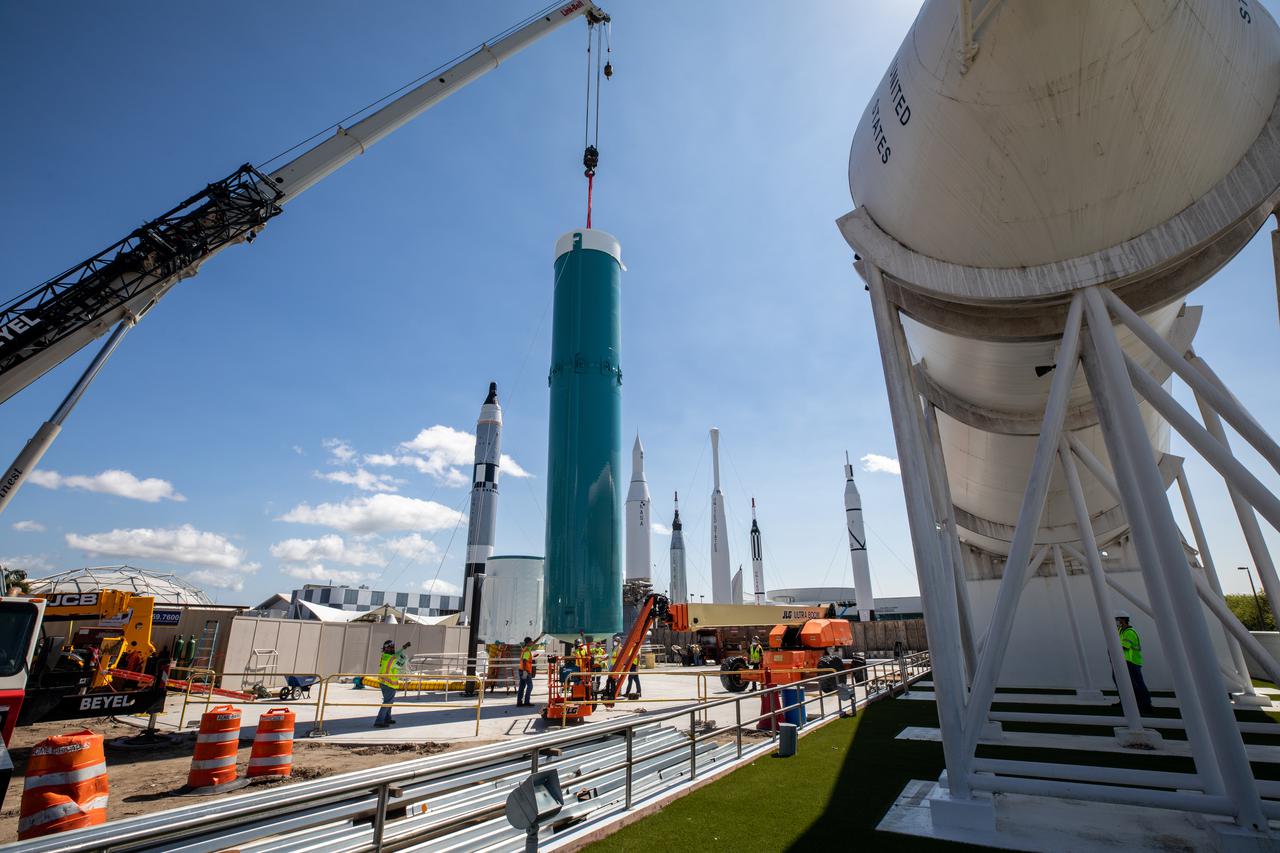
The last United Launch Alliance Delta II rocket joined the lineup of historic launch vehicles in the Rocket Garden at the Kennedy Space Center Visitor Complex in Florida, on March 3, 2021. Workers use a crane to stack the segments of the Delta II in its display area. The Delta II rocket was a workhorse for NASA and civilian scientists, the U.S. military, and commercial clients throughout its almost 30 years of service. Since its first launch in 1989, the Delta II has launched 154 successful missions. NASA’s Launch Services Program launched the ICESat-2 spacecraft on the final Delta II launch on Sept. 15, 2018, from Vandenberg Air Force Base in California.
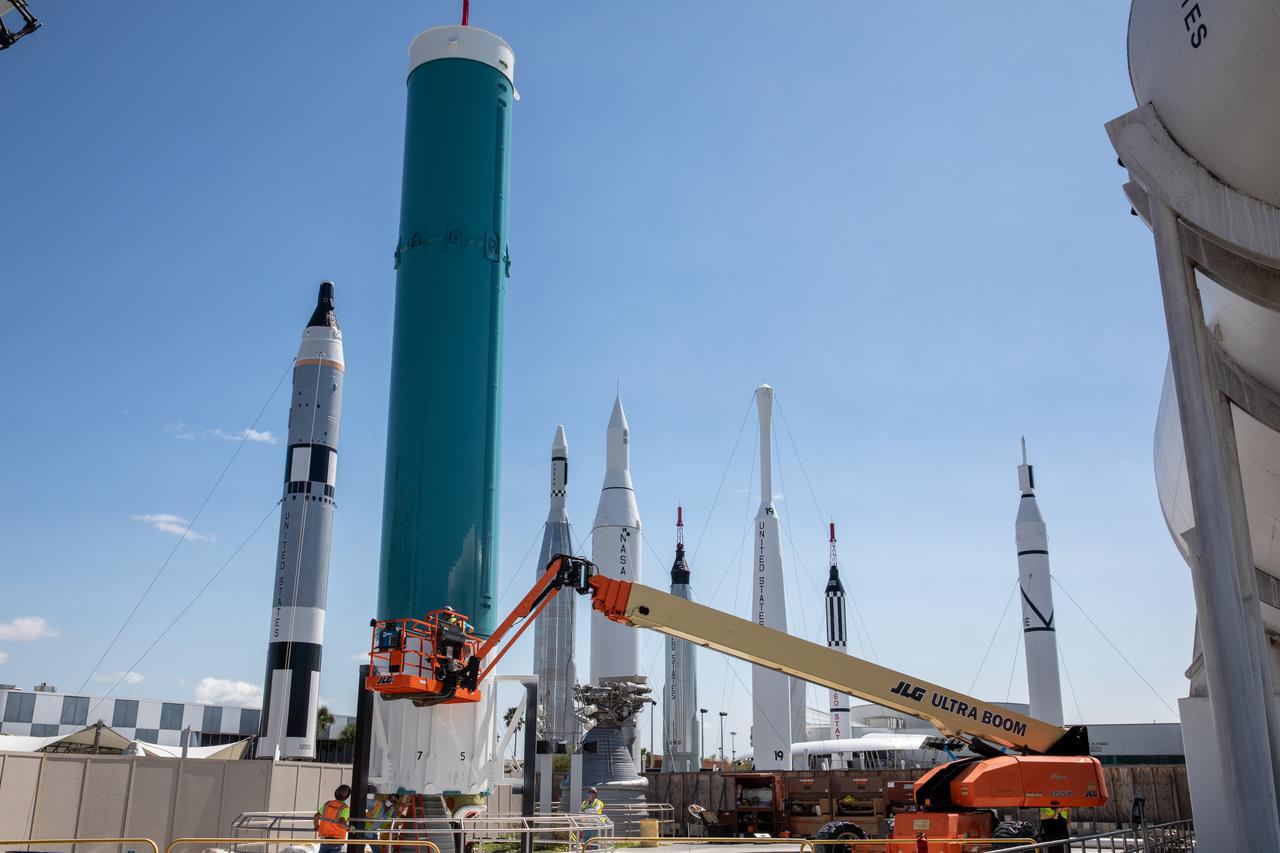
The last United Launch Alliance Delta II rocket joined the lineup of historic launch vehicles in the Rocket Garden at the Kennedy Space Center Visitor Complex in Florida, on March 3, 2021. Workers use a crane to stack the segments of the Delta II in its display area. The Delta II rocket was a workhorse for NASA and civilian scientists, the U.S. military, and commercial clients throughout its almost 30 years of service. Since its first launch in 1989, the Delta II has launched 154 successful missions. NASA’s Launch Services Program launched the ICESat-2 spacecraft on the final Delta II launch on Sept. 15, 2018, from Vandenberg Air Force Base in California.
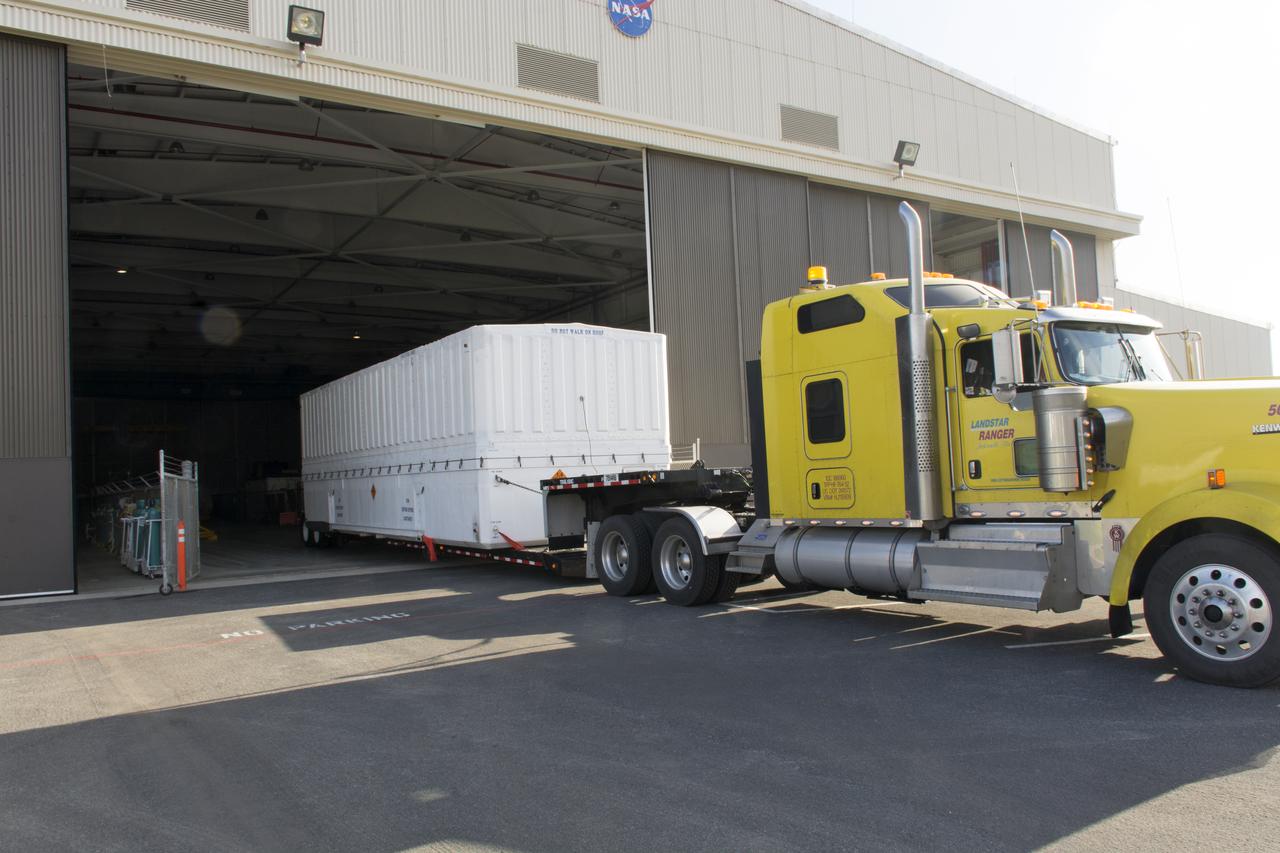
A flatbed truck, carrying the payload fairing for the United Launch Alliance (ULA) Delta II rocket, arrives at Building 836 at Vandenberg Air Force Base in California. NASA's Ice, Cloud and land Elevation Satellite-2 (ICESat-2) is scheduled to launch on the final ULA Delta II rocket later this year. ICESat-2 will measure the height of a changing Earth, one laser pulse at a time, 10,000 laser pulses a second. The satellite will carry a single instrument, the Advanced Topographic Laser Altimeter System. ICESat-2 will help scientists investigate why, and how much our planet's frozen and icy areas, called the cryosphere, is changing in a warming climate.

The United Launch Alliance Delta II second stage emerges from NASA's Building 1555 at Vandenberg Air Force Base in California. It will be transported to the horizontal processing facility at Space Launch Complex-2. NASA's Ice, Cloud and land Elevation Satellite-2 (ICESat-2) will launch later this year on the final Delta II rocket. ICESat-2 will measure the height of a changing Earth, one laser pulse at a time, 10,000 laser pulses a second. The satellite will carry a single instrument, the Advanced Topographic Laser Altimeter System. ICESat-2 will help scientists investigate why, and how much our planet's frozen and icy areas, called the cryosphere, is changing in a warming climate.

The United Launch Alliance Delta II second stage has arrived at the horizontal processing facility at Space Launch Complex-2 at Vandenberg Air Force Base in California. NASA's Ice, Cloud and land Elevation Satellite-2 (ICESat-2) will launch later this year on the final Delta II rocket. ICESat-2 will measure the height of a changing Earth, one laser pulse at a time, 10,000 laser pulses a second. The satellite will carry a single instrument, the Advanced Topographic Laser Altimeter System. ICESat-2 will help scientists investigate why, and how much our planet's frozen and icy areas, called the cryosphere, is changing in a warming climate.

Both halves of the United Launch Alliance (ULA) Delta II rocket payload fairing were moved inside ULA's Building B8337 at Vandenberg Air Force Base in California. NASA's Ice, Cloud and land Elevation Satellite-2 (ICESat-2) will launch later this year on the final Delta II rocket. ICESat-2 will measure the height of a changing Earth, one laser pulse at a time, 10,000 laser pulses a second. The satellite will carry a single instrument, the Advanced Topographic Laser Altimeter System. ICESat-2 will help scientists investigate why, and how much our planet's frozen and icy areas, called the cryosphere, is changing in a warming climate.
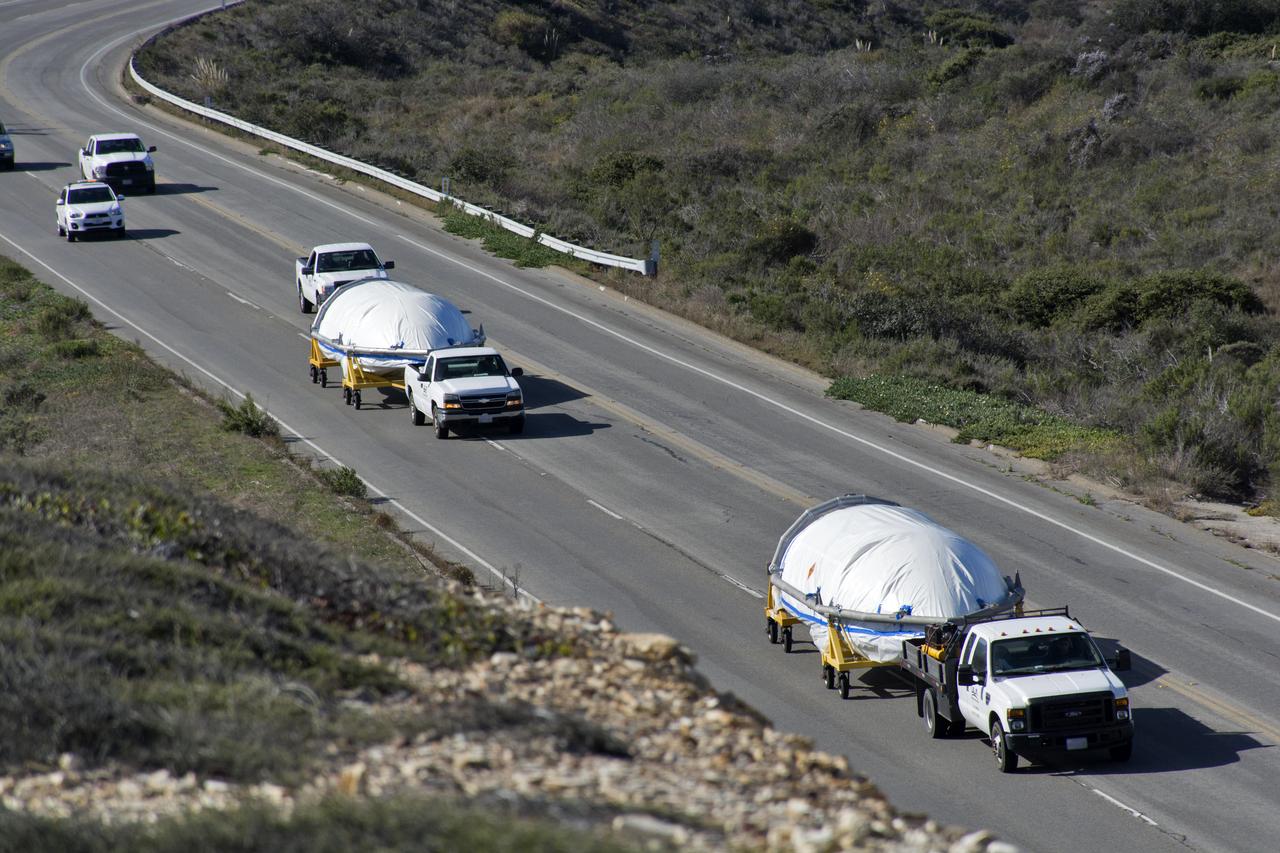
Both halves of the United Launch Alliance (ULA) Delta II rocket payload fairing are transported by convoy to ULA's Building B8337 at Vandenberg Air Force Base in California. NASA's Ice, Cloud and land Elevation Satellite-2 (ICESat-2) will launch later this year on the final Delta II rocket. ICESat-2 will measure the height of a changing Earth, one laser pulse at a time, 10,000 laser pulses a second. The satellite will carry a single instrument, the Advanced Topographic Laser Altimeter System. ICESat-2 will help scientists investigate why, and how much our planet's frozen and icy areas, called the cryosphere, is changing in a warming climate.
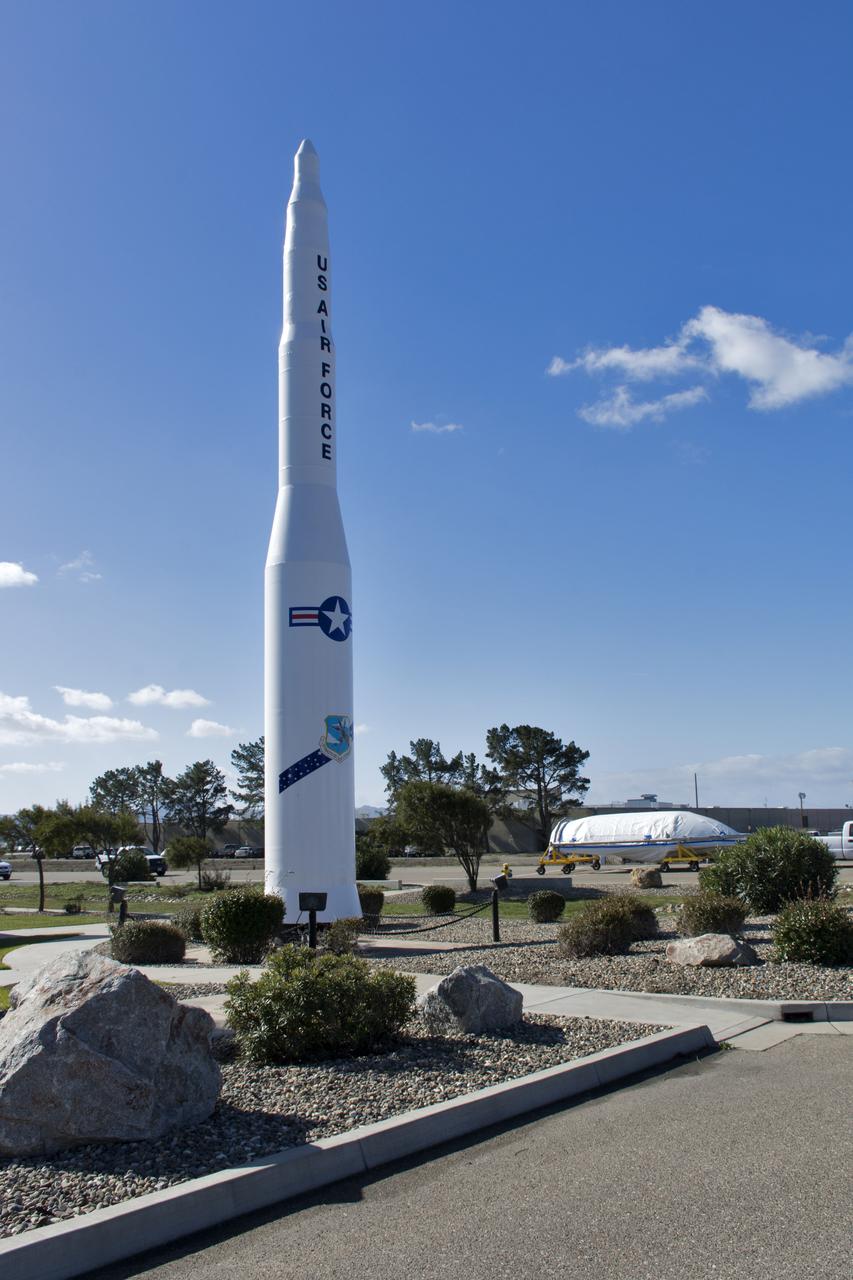
Both halves of the United Launch Alliance (ULA) Delta II rocket payload fairing are transported by convoy to ULA's Building B8337 at Vandenberg Air Force Base in California. NASA's Ice, Cloud and land Elevation Satellite-2 (ICESat-2) will launch later this year on the final Delta II rocket. ICESat-2 will measure the height of a changing Earth, one laser pulse at a time, 10,000 laser pulses a second. The satellite will carry a single instrument, the Advanced Topographic Laser Altimeter System. ICESat-2 will help scientists investigate why, and how much our planet's frozen and icy areas, called the cryosphere, is changing in a warming climate.

A flatbed truck arrives at Vandenberg Air Force Base in California, carrying the payload fairing for the United Launch Alliance (ULA) Delta II rocket that will launch NASA's Ice, Cloud and land Elevation Satellite-2 (ICESat-2). ICESat-2 will measure the height of a changing Earth, one laser pulse at a time, 10,000 laser pulses a second. The satellite will carry a single instrument, the Advanced Topographic Laser Altimeter System. ICESat-2 will help scientists investigate why, and how much our planet's frozen and icy areas, called the cryosphere, is changing in a warming climate. ICESat-2 is scheduled to launch on the final ULA Delta II rocket later this year.
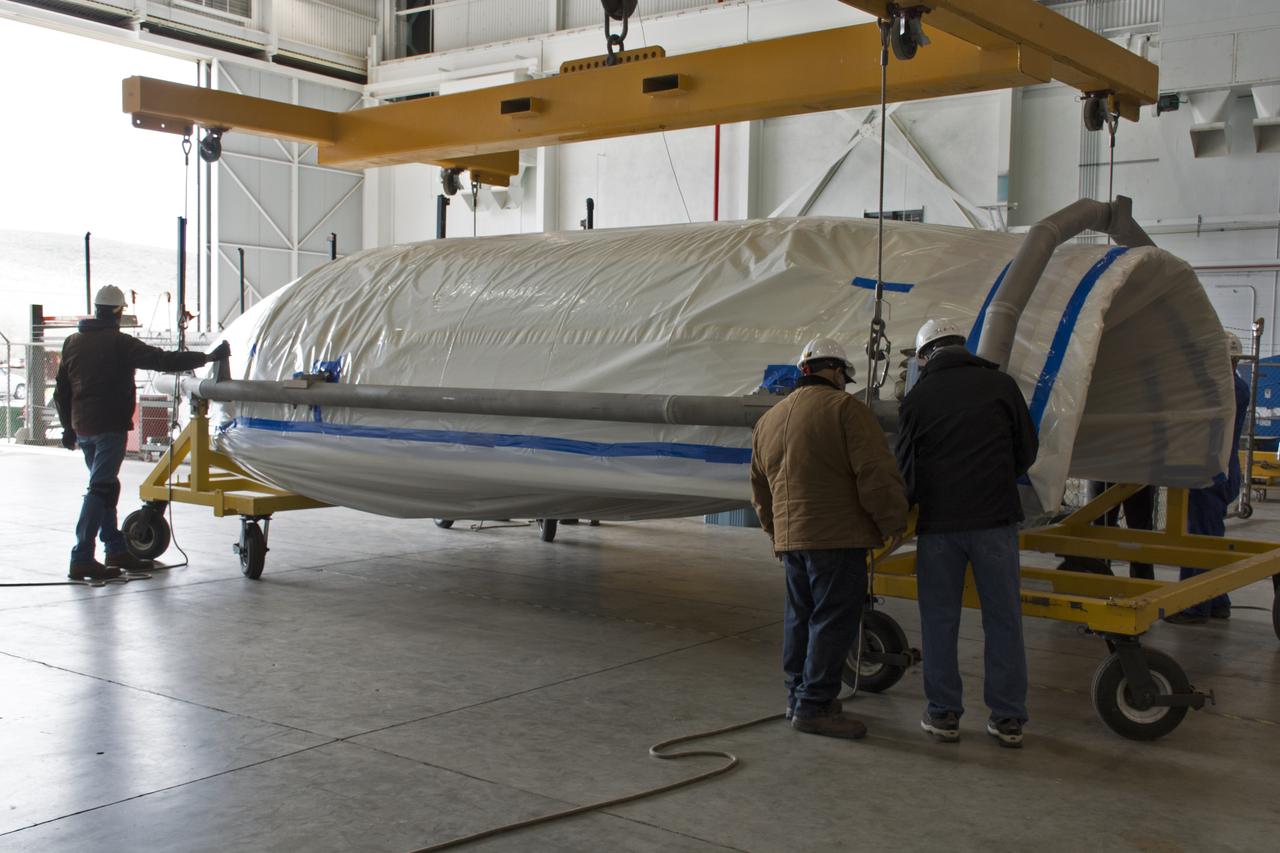
Inside Building 836 at Vandenberg Air Force Base in California, one of the payload fairing halves for the United Launch Alliance (ULA) Delta II rocket is being secured to a rolling work stand. NASA's Ice, Cloud and land Elevation Satellite-2 (ICESat-2) is scheduled to launch on the final ULA Delta II rocket later this year. ICESat-2 will measure the height of a changing Earth, one laser pulse at a time, 10,000 laser pulses a second. The satellite will carry a single instrument, the Advanced Topographic Laser Altimeter System. ICESat-2 will help scientists investigate why, and how much our planet's frozen and icy areas, called the cryosphere, is changing in a warming climate.

Inside Building 836 at Vandenberg Air Force Base in California, the first half of the payload fairing for the United Launch Alliance (ULA) Delta II rocket is lifted out of its shipping container. NASA's Ice, Cloud and land Elevation Satellite-2 (ICESat-2) is scheduled to launch on the final ULA Delta II rocket later this year. ICESat-2 will measure the height of a changing Earth, one laser pulse at a time, 10,000 laser pulses a second. The satellite will carry a single instrument, the Advanced Topographic Laser Altimeter System. ICESat-2 will help scientists investigate why, and how much our planet's frozen and icy areas, called the cryosphere, is changing in a warming climate.

Both halves of the United Launch Alliance (ULA) Delta II rocket payload fairing are transported by convoy to ULA's Building B8337 at Vandenberg Air Force Base in California. NASA's Ice, Cloud and land Elevation Satellite-2 (ICESat-2) will launch later this year on the final Delta II rocket. ICESat-2 will measure the height of a changing Earth, one laser pulse at a time, 10,000 laser pulses a second. The satellite will carry a single instrument, the Advanced Topographic Laser Altimeter System. ICESat-2 will help scientists investigate why, and how much our planet's frozen and icy areas, called the cryosphere, is changing in a warming climate.

The first half of the United Launch Alliance (ULA) Delta II rocket payload fairing is moved out of NASA's Building 836 at Vandenberg Air Force Base in California. It will be transported to ULA's Building B8337. NASA's Ice, Cloud and land Elevation Satellite-2 (ICESat-2) will launch later this year on the final Delta II rocket. ICESat-2 will measure the height of a changing Earth, one laser pulse at a time, 10,000 laser pulses a second. The satellite will carry a single instrument, the Advanced Topographic Laser Altimeter System. ICESat-2 will help scientists investigate why, and how much our planet's frozen and icy areas, called the cryosphere, is changing in a warming climate.
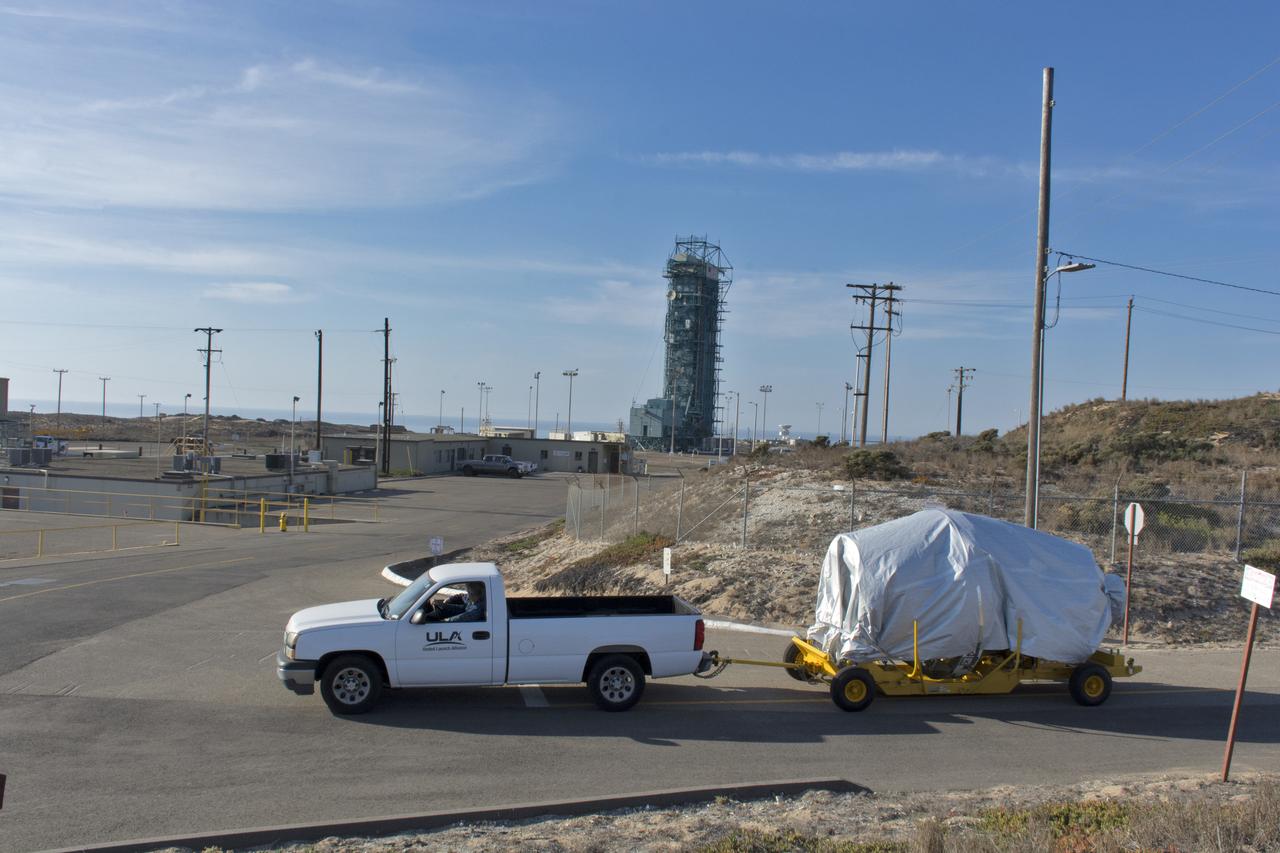
The United Launch Alliance Delta II second stage is being transported to Space Launch Complex-2 at Vandenberg Air Force Base in California. NASA's Ice, Cloud and land Elevation Satellite-2 (ICESat-2) will launch later this year on the final Delta II rocket. ICESat-2 will measure the height of a changing Earth, one laser pulse at a time, 10,000 laser pulses a second. The satellite will carry a single instrument, the Advanced Topographic Laser Altimeter System. ICESat-2 will help scientists investigate why, and how much our planet's frozen and icy areas, called the cryosphere, is changing in a warming climate.

A flatbed truck carrying the payload fairings for the United Launch Alliance (ULA) Delta II rocket that will launch NASA's Ice, Cloud and land Elevation Satellite-2 (ICESat-2) arrives at Building 836 at Vandenberg Air Force Base in California. ICESat-2 will measure the height of a changing Earth, one laser pulse at a time, 10,000 laser pulses a second. The satellite will carry a single instrument, the Advanced Topographic Laser Altimeter System. ICESat-2 will help scientists investigate why, and how much our planet's frozen and icy areas, called the cryosphere, is changing in a warming climate. ICESat-2 is scheduled to launch on the final ULA Delta II rocket later this year.
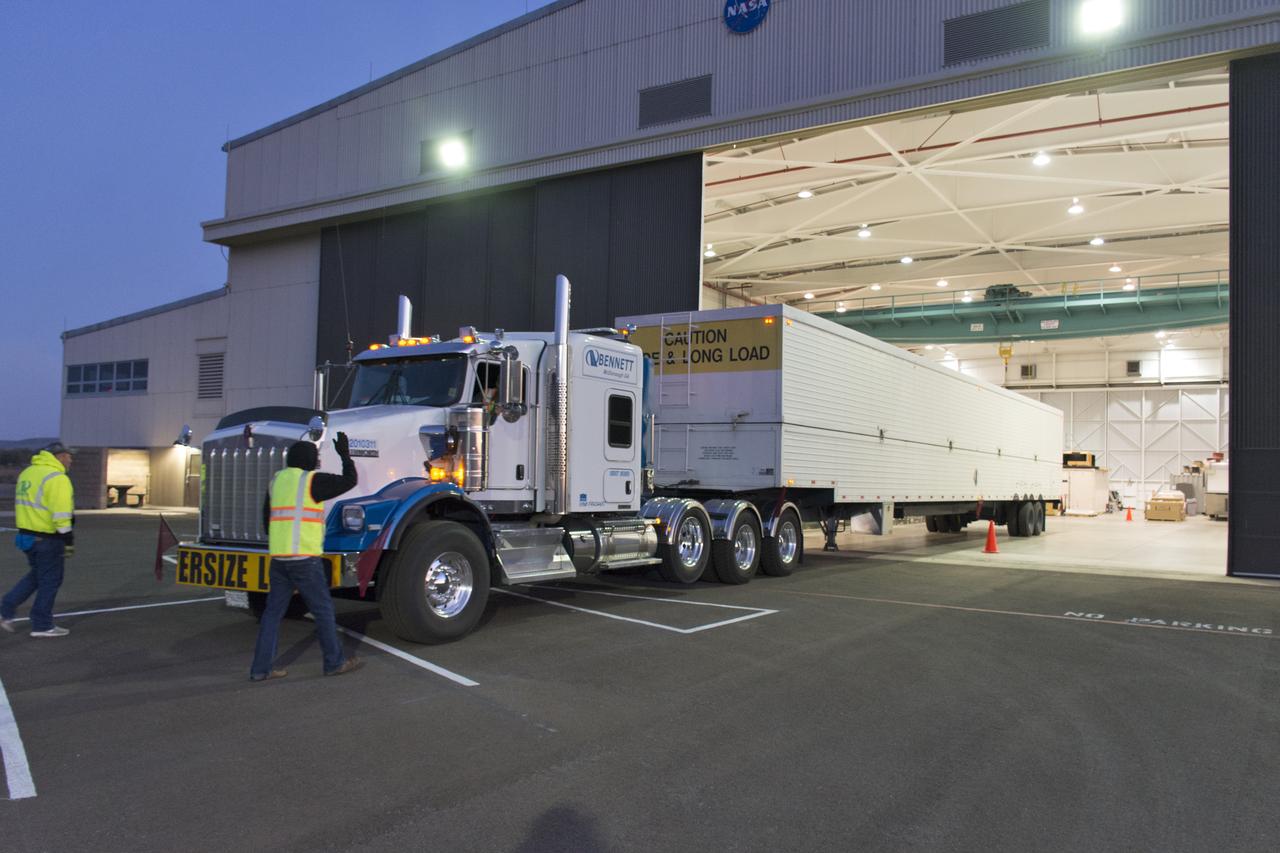
The United Launch Alliance Delta II second stage arrives at NASA's Building 1555 at Vandenberg Air Force Base in California. It will be offloaded and prepared for transport to the horizontal processing facility at Space Launch Complex-2. NASA's Ice, Cloud and land Elevation Satellite-2 (ICESat-2) will launch later this year on the final Delta II rocket. ICESat-2 will measure the height of a changing Earth, one laser pulse at a time, 10,000 laser pulses a second. The satellite will carry a single instrument, the Advanced Topographic Laser Altimeter System. ICESat-2 will help scientists investigate why, and how much our planet's frozen and icy areas, called the cryosphere, is changing in a warming climate.
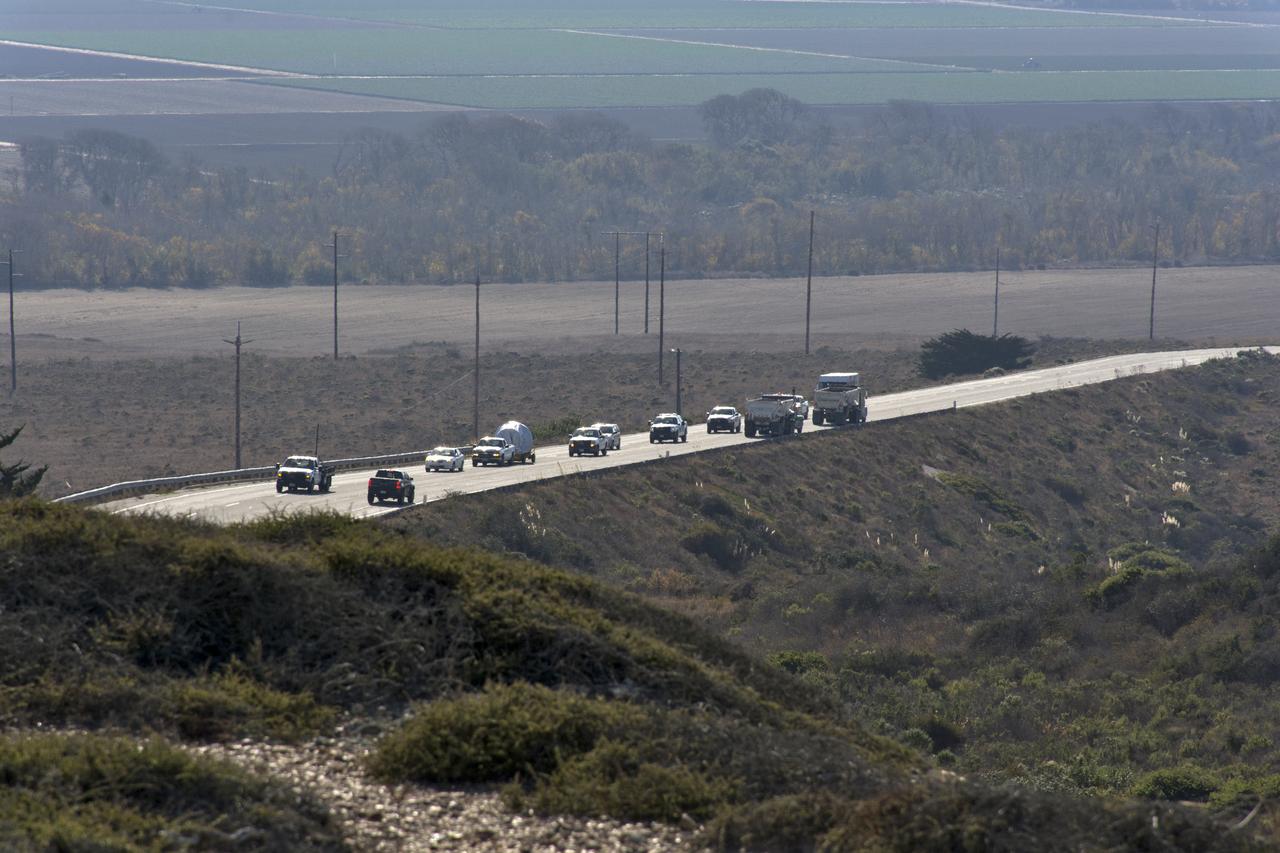
A convoy of vehicles accompanies the United Launch Alliance Delta II second stage on its way to the horizontal processing facility at Space Launch Complex-2 at Vandenberg Air Force Base in California. NASA's Ice, Cloud and land Elevation Satellite-2 (ICESat-2) will launch later this year on the final Delta II rocket. ICESat-2 will measure the height of a changing Earth, one laser pulse at a time, 10,000 laser pulses a second. The satellite will carry a single instrument, the Advanced Topographic Laser Altimeter System. ICESat-2 will help scientists investigate why, and how much our planet's frozen and icy areas, called the cryosphere, is changing in a warming climate.
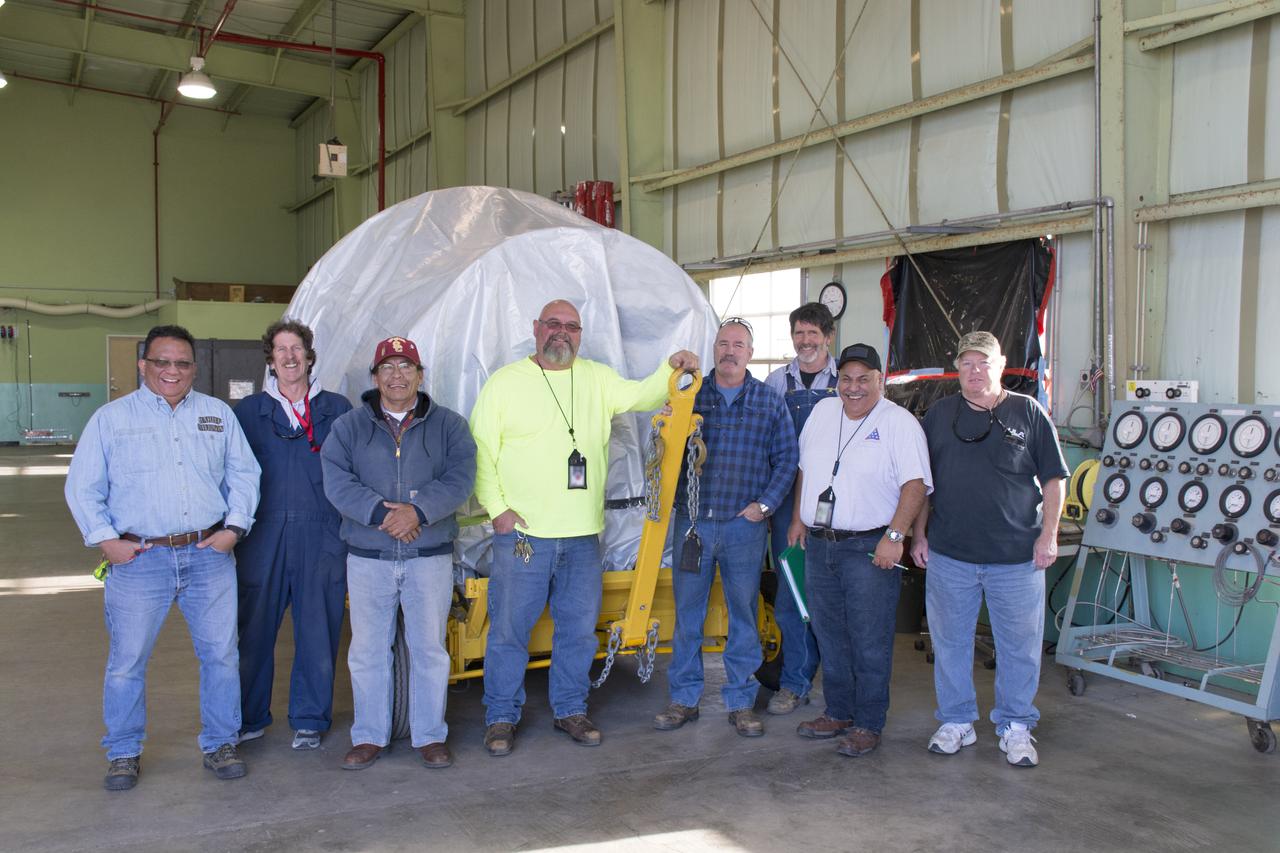
Workers stand with the Delta II second stage inside the horizontal processing facility at Space Launch Complex-2 at Vandenberg Air Force Base in California. NASA's Ice, Cloud and land Elevation Satellite-2 (ICESat-2) will launch later this year on the final Delta II rocket. ICESat-2 will measure the height of a changing Earth, one laser pulse at a time, 10,000 laser pulses a second. The satellite will carry a single instrument, the Advanced Topographic Laser Altimeter System. ICESat-2 will help scientists investigate why, and how much our planet's frozen and icy areas, called the cryosphere, is changing in a warming climate.

Inside Building 836 at Vandenberg Air Force Base in California, the top of the shipping container is lifted up from the payload fairings for the United Launch Alliance (ULA) Delta II rocket. NASA's Ice, Cloud and land Elevation Satellite-2 (ICESat-2) is scheduled to launch on the final ULA Delta II rocket later this year. ICESat-2 will measure the height of a changing Earth, one laser pulse at a time, 10,000 laser pulses a second. The satellite will carry a single instrument, the Advanced Topographic Laser Altimeter System. ICESat-2 will help scientists investigate why, and how much our planet's frozen and icy areas, called the cryosphere, is changing in a warming climate.
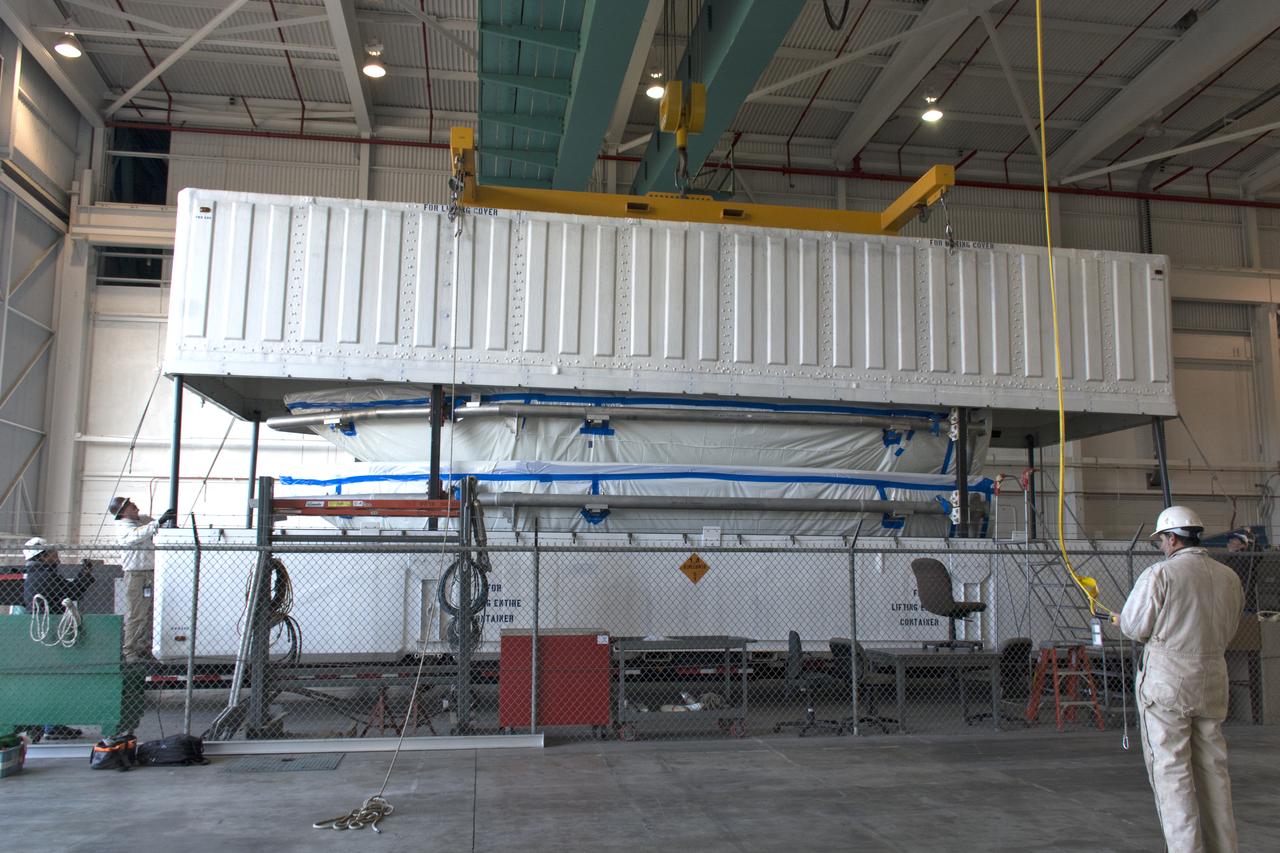
Inside Building 836 at Vandenberg Air Force Base in California, the top of the shipping container is lifted up from the payload fairings for the United Launch Alliance (ULA) Delta II rocket. NASA's Ice, Cloud and land Elevation Satellite-2 (ICESat-2) is scheduled to launch on the final ULA Delta II rocket later this year. ICESat-2 will measure the height of a changing Earth, one laser pulse at a time, 10,000 laser pulses a second. The satellite will carry a single instrument, the Advanced Topographic Laser Altimeter System. ICESat-2 will help scientists investigate why, and how much our planet's frozen and icy areas, called the cryosphere, is changing in a warming climate.
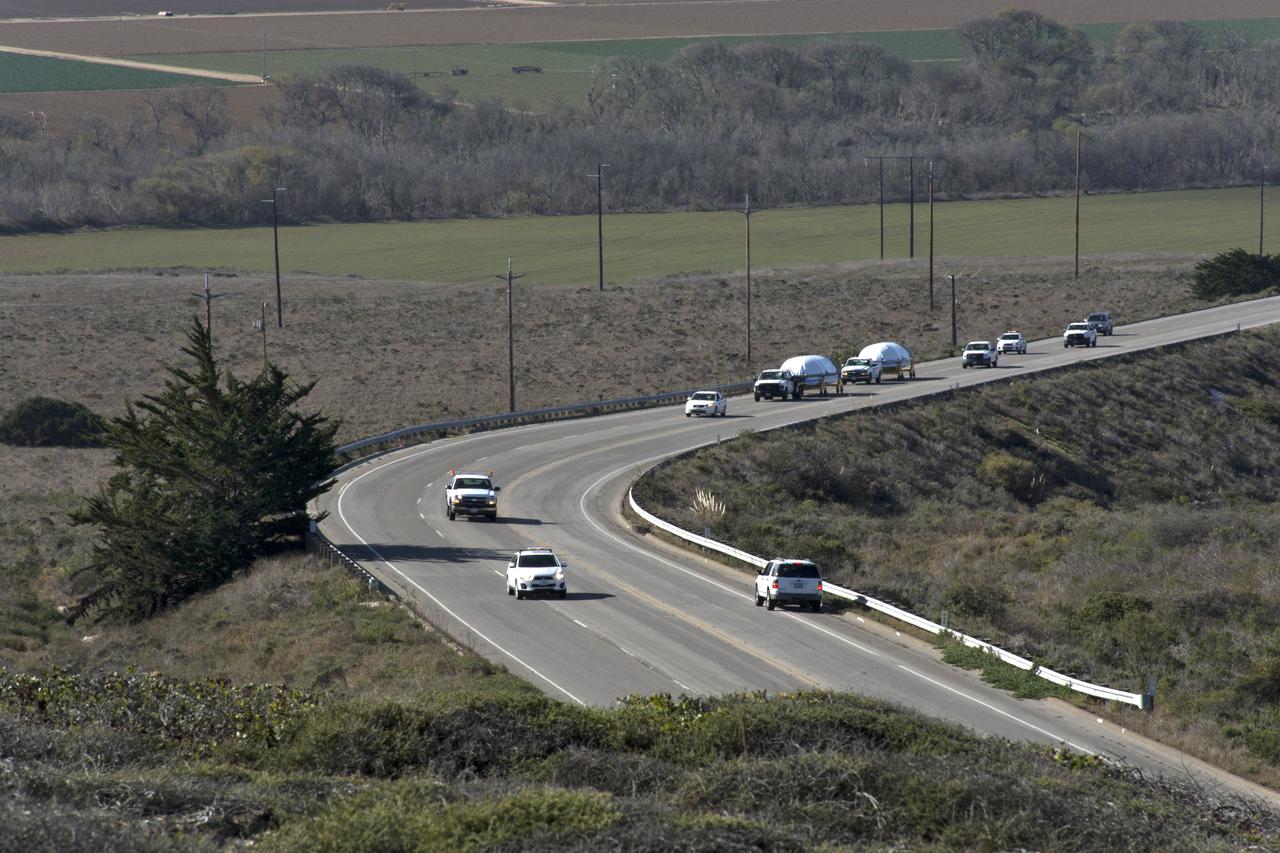
Both halves of the United Launch Alliance (ULA) Delta II rocket payload fairing are transported by convoy to ULA's Building B8337 at Vandenberg Air Force Base in California. NASA's Ice, Cloud and land Elevation Satellite-2 (ICESat-2) will launch later this year on the final Delta II rocket. ICESat-2 will measure the height of a changing Earth, one laser pulse at a time, 10,000 laser pulses a second. The satellite will carry a single instrument, the Advanced Topographic Laser Altimeter System. ICESat-2 will help scientists investigate why, and how much our planet's frozen and icy areas, called the cryosphere, is changing in a warming climate.
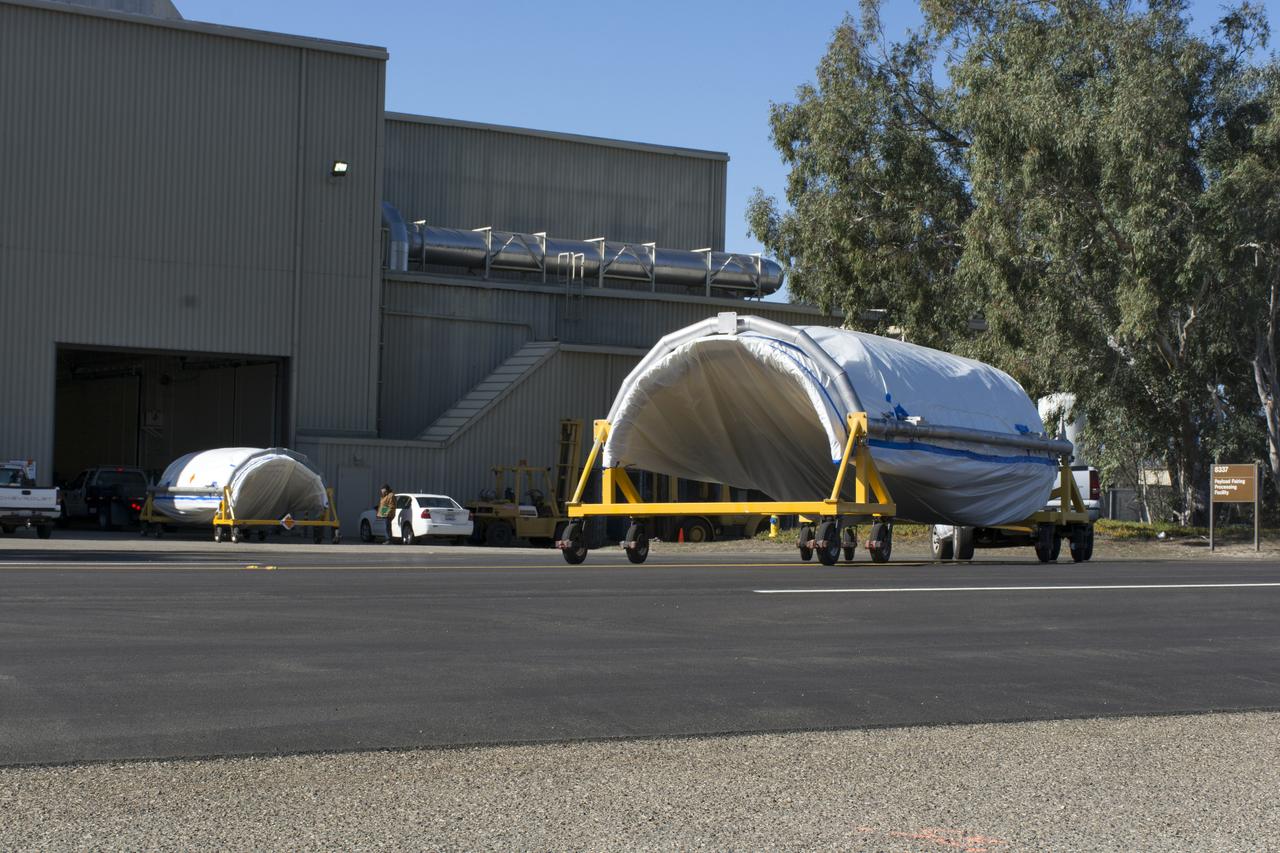
Both halves of the United Launch Alliance (ULA) Delta II rocket payload fairing arrive at ULA's Building B8337 at Vandenberg Air Force Base in California. NASA's Ice, Cloud and land Elevation Satellite-2 (ICESat-2) will launch later this year on the final Delta II rocket. ICESat-2 will measure the height of a changing Earth, one laser pulse at a time, 10,000 laser pulses a second. The satellite will carry a single instrument, the Advanced Topographic Laser Altimeter System. ICESat-2 will help scientists investigate why, and how much our planet's frozen and icy areas, called the cryosphere, is changing in a warming climate.
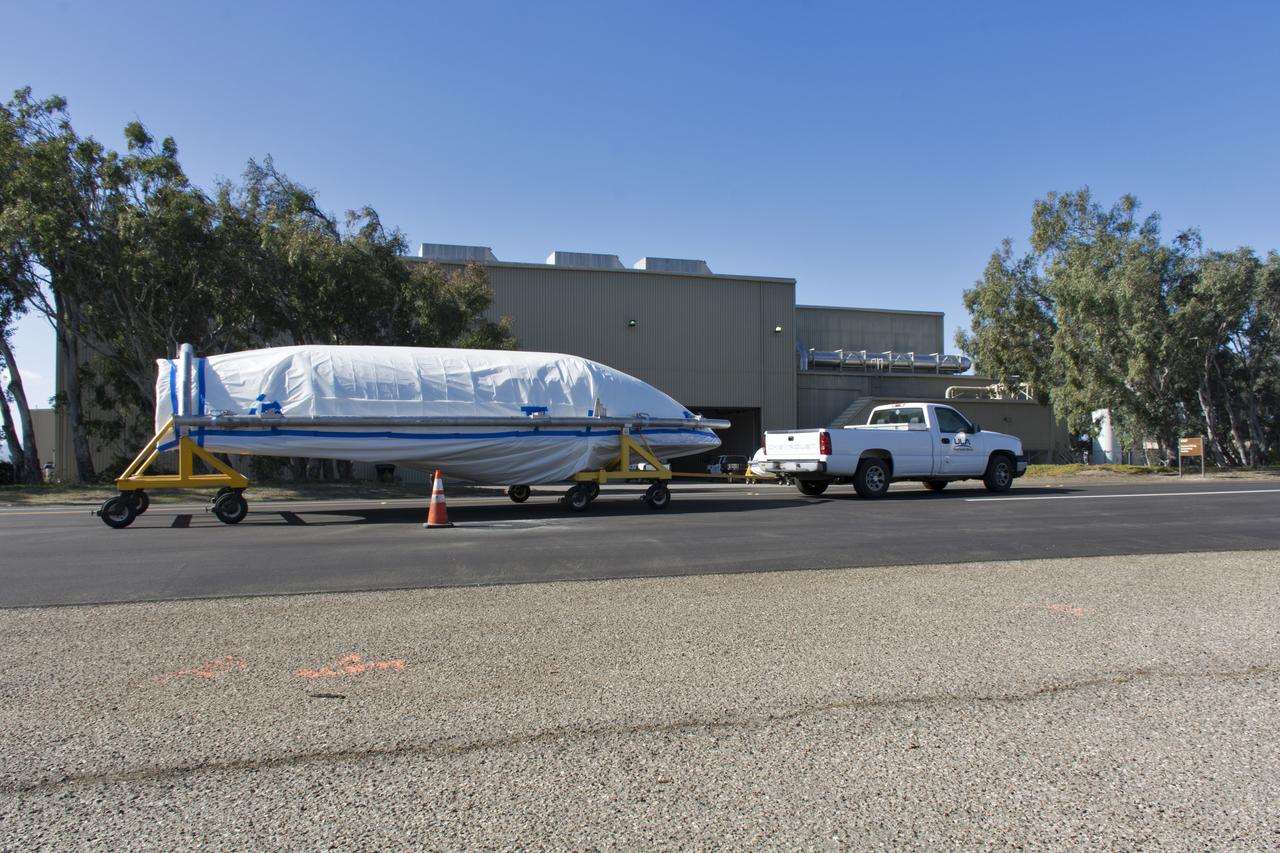
The first half of the United Launch Alliance (ULA) Delta II rocket payload fairing arrives at ULA's Building B8337 at Vandenberg Air Force Base in California. NASA's Ice, Cloud and land Elevation Satellite-2 (ICESat-2) will launch later this year on the final Delta II rocket. ICESat-2 will measure the height of a changing Earth, one laser pulse at a time, 10,000 laser pulses a second. The satellite will carry a single instrument, the Advanced Topographic Laser Altimeter System. ICESat-2 will help scientists investigate why, and how much our planet's frozen and icy areas, called the cryosphere, is changing in a warming climate.
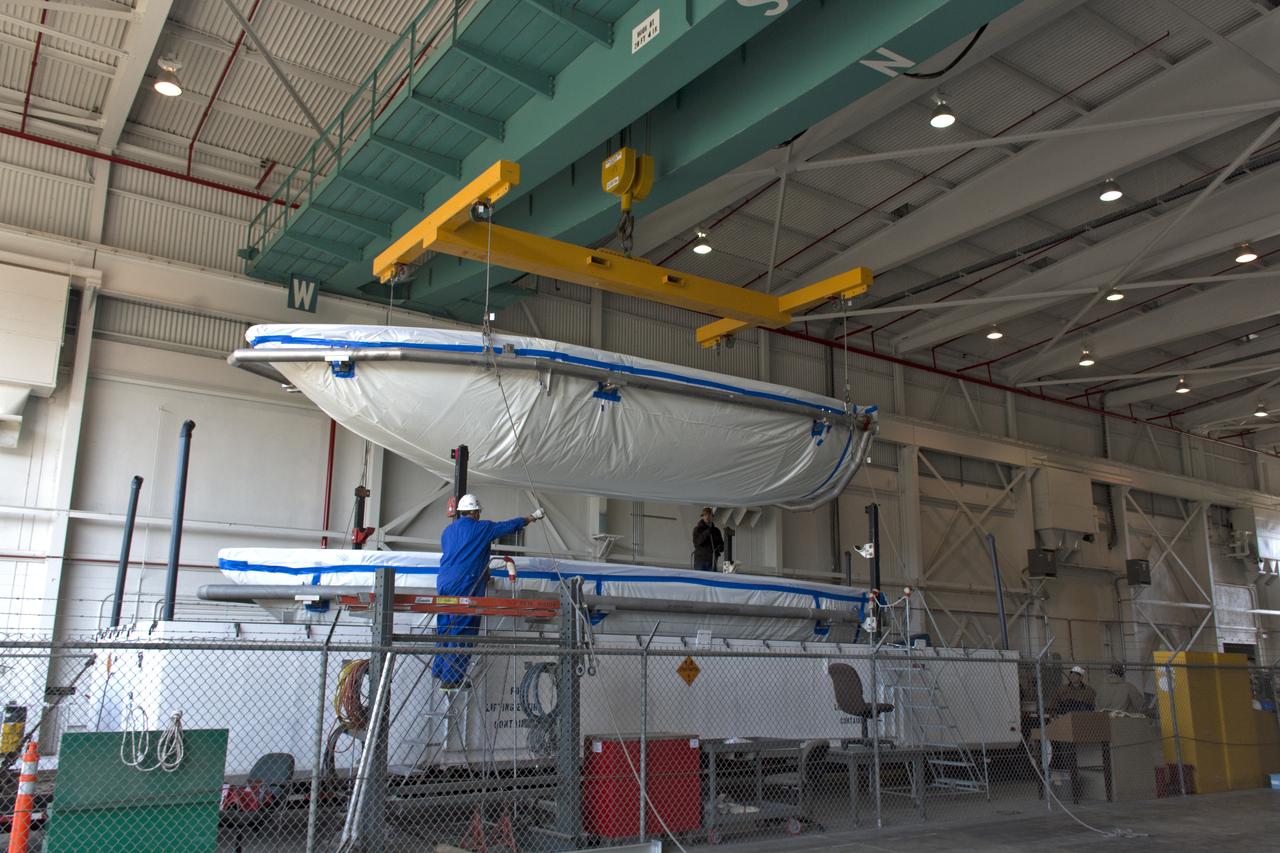
Inside Building 836 at Vandenberg Air Force Base in California, the payload fairing halves for the United Launch Alliance (ULA) Delta II rocket are lifted up from the base of their shipping container. NASA's Ice, Cloud and land Elevation Satellite-2 (ICESat-2) is scheduled to launch on the final ULA Delta II rocket later this year. ICESat-2 will measure the height of a changing Earth, one laser pulse at a time, 10,000 laser pulses a second. The satellite will carry a single instrument, the Advanced Topographic Laser Altimeter System. ICESat-2 will help scientists investigate why, and how much our planet's frozen and icy areas, called the cryosphere, is changing in a warming climate.
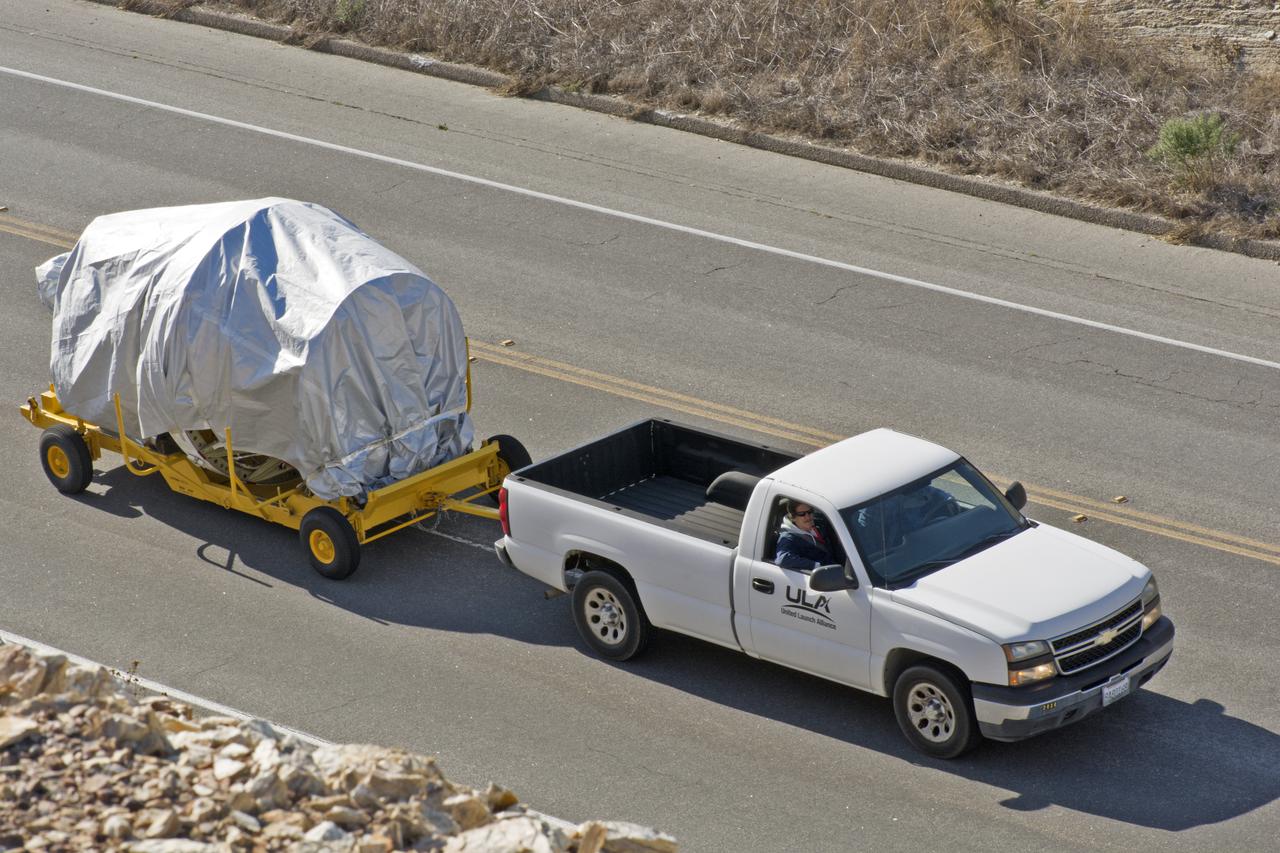
The United Launch Alliance Delta II second stage is being transported to Space Launch Complex-2 at Vandenberg Air Force Base in California. NASA's Ice, Cloud and land Elevation Satellite-2 (ICESat-2) will launch later this year on the final Delta II rocket. ICESat-2 will measure the height of a changing Earth, one laser pulse at a time, 10,000 laser pulses a second. The satellite will carry a single instrument, the Advanced Topographic Laser Altimeter System. ICESat-2 will help scientists investigate why, and how much our planet's frozen and icy areas, called the cryosphere, is changing in a warming climate.
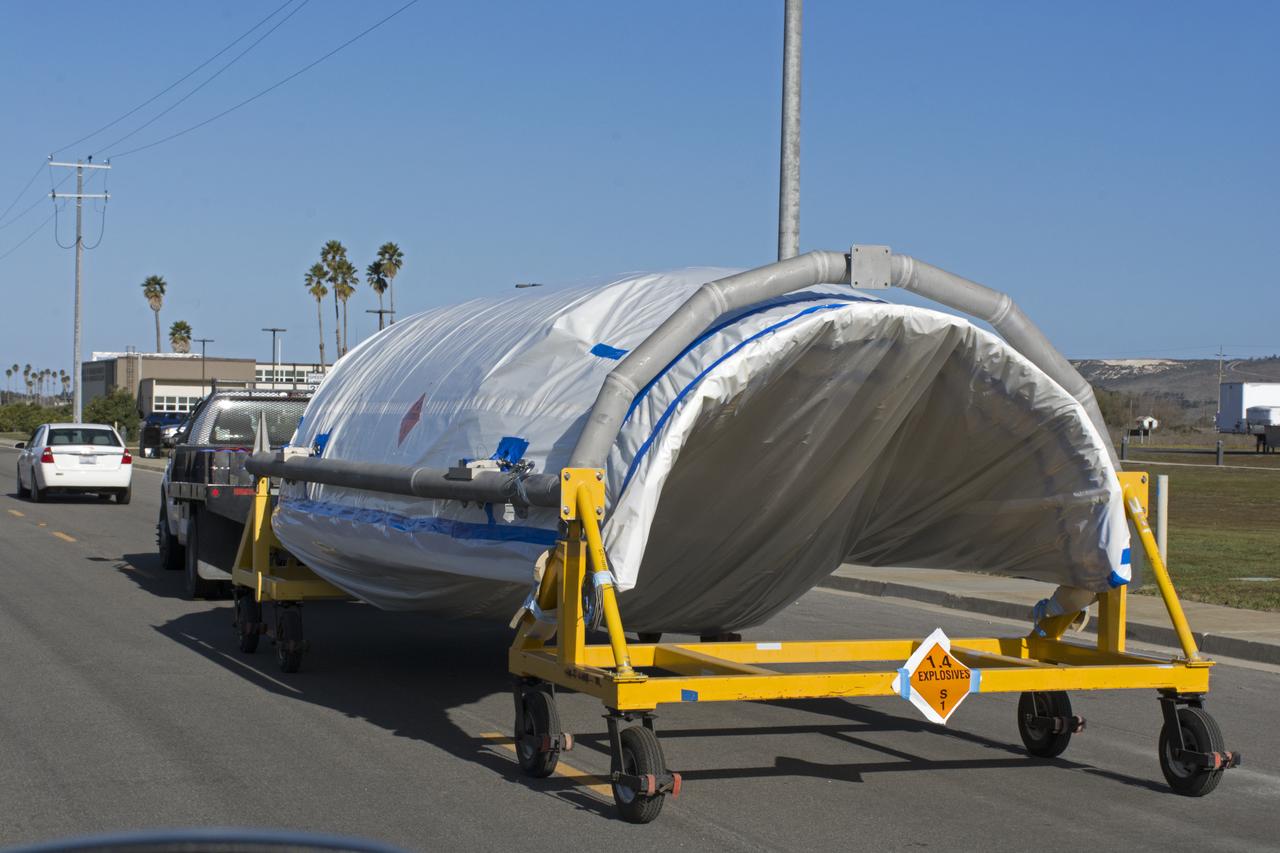
The first half of the United Launch Alliance (ULA) Delta II rocket payload fairing is transported from NASA's Building 836 to ULA's Building B8337 at Vandenberg Air Force Base in California. NASA's Ice, Cloud and land Elevation Satellite-2 (ICESat-2) will launch later this year on the final Delta II rocket. ICESat-2 will measure the height of a changing Earth, one laser pulse at a time, 10,000 laser pulses a second. The satellite will carry a single instrument, the Advanced Topographic Laser Altimeter System. ICESat-2 will help scientists investigate why, and how much our planet's frozen and icy areas, called the cryosphere, is changing in a warming climate.
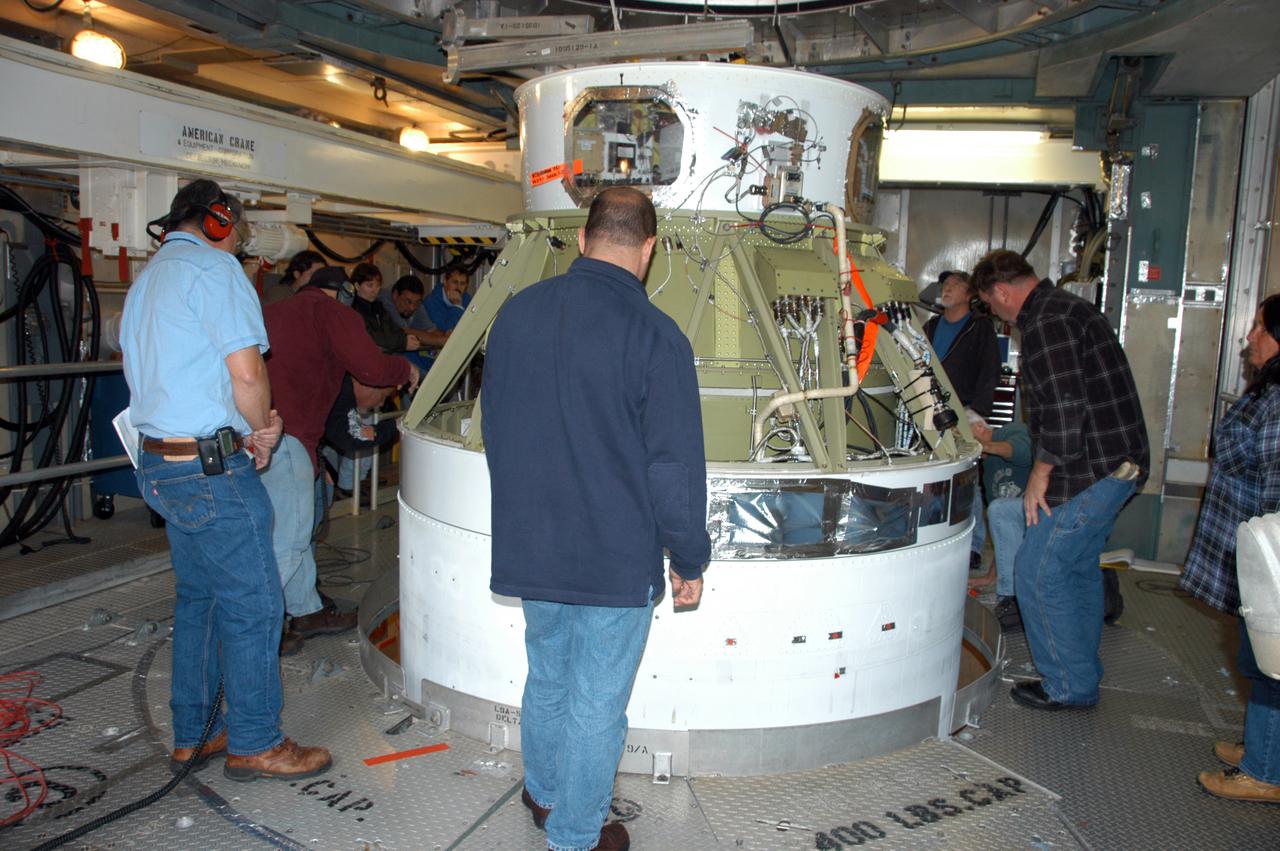
Inside the mobile service tower on Pad 17-B at Cape Canaveral Air Force Station, the Delta II second stage is mated with the first stage. The Delta II is the launch vehicle for the THEMIS spacecraft. THEMIS consists of five identical probes, the largest number of scientific satellites ever launched into orbit aboard a single rocket. This unique constellation of satellites will resolve the tantalizing mystery of what causes the spectacular sudden brightening of the aurora borealis and aurora australis - the fiery skies over the Earth's northern and southern polar regions. THEMIS is scheduled to launch Feb. 15 from Cape Canaveral Air Force Station.
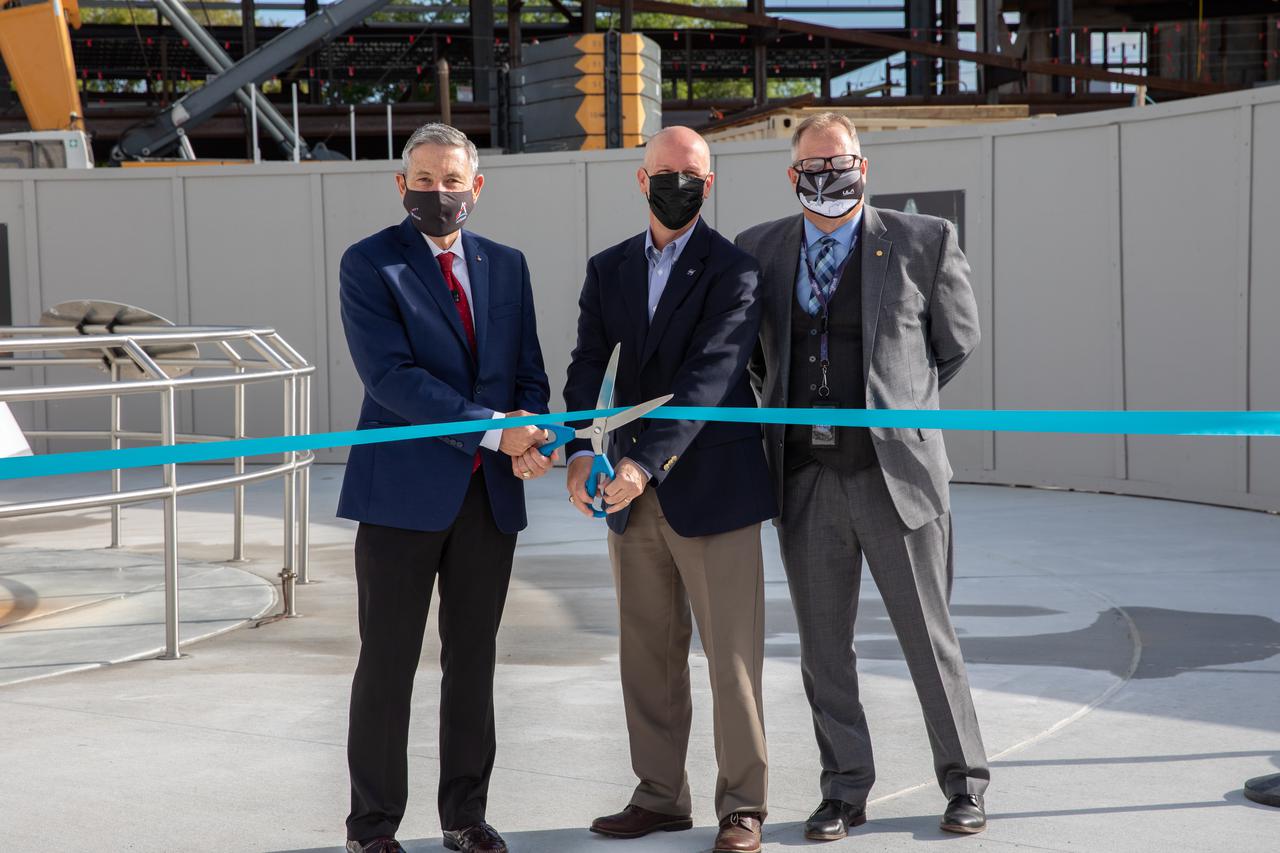
A ribbon-cutting ceremony welcomes the last United Launch Alliance Delta II rocket to the lineup of historic launch vehicles in the Rocket Garden at the Kennedy Space Center Visitor Complex in Florida, on March 23, 2021. Cutting the ribbon, from left are Kennedy Space Center Director Bob Cabana, Tim Dunn, launch director, Launch Services Program, and Therrin Protze, chief operating officer, Delaware North/KSCVC. The Delta II rocket was a workhorse for NASA and civilian scientists, the U.S. military, and commercial clients throughout its almost 30 years of service. Since its first launch in 1989, the Delta II has launched 154 successful missions. NASA’s Launch Services Program launched the ICESat-2 spacecraft on the final Delta II launch on Sept. 15, 2018, from Vandenberg Air Force Base in California.
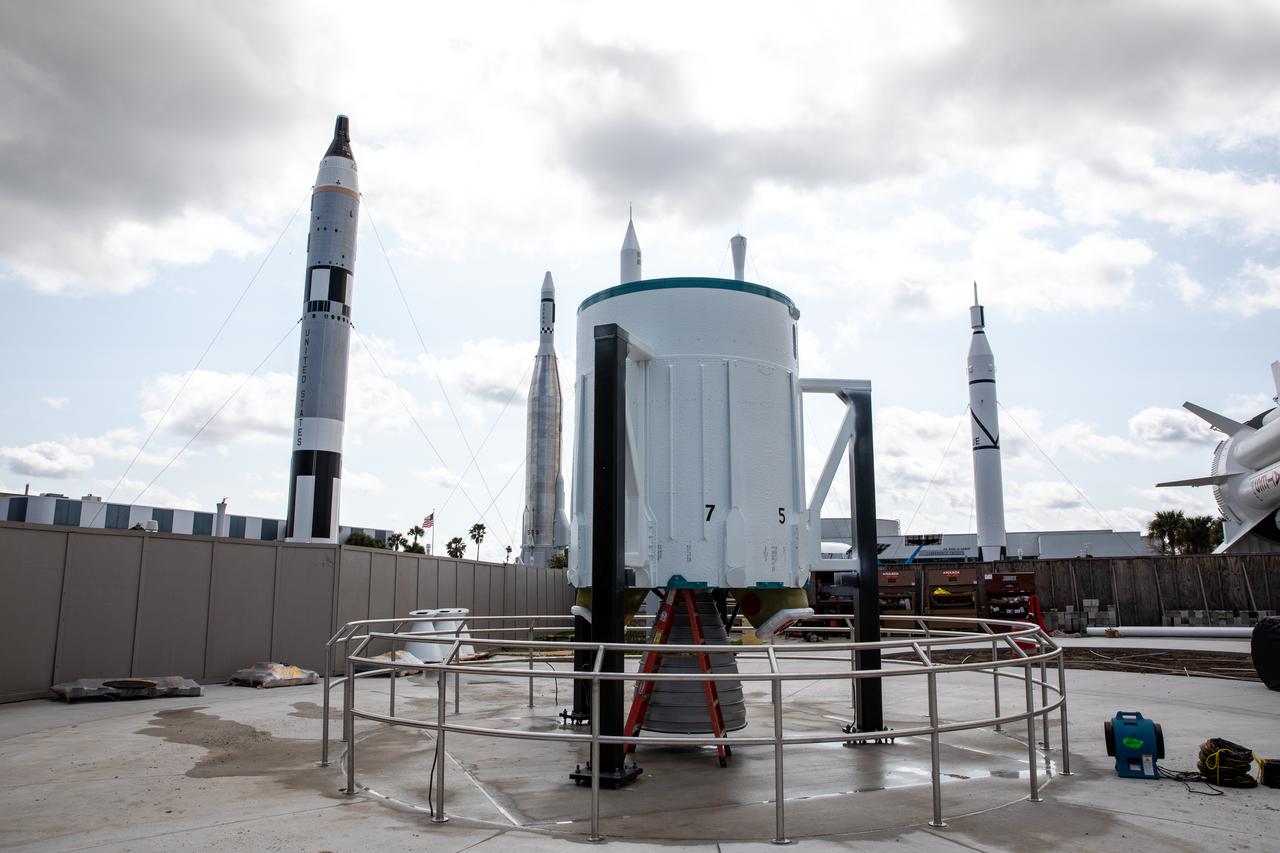
The last United Launch Alliance Delta II rocket joined the lineup of historic launch vehicles in the Rocket Garden at the Kennedy Space Center Visitor Complex in Florida, on March 3, 2021. The first segment was placed in its display area. The Delta II rocket was a workhorse for NASA and civilian scientists, the U.S. military, and commercial clients throughout its almost 30 years of service. Since its first launch in 1989, the Delta II has launched 154 successful missions. NASA’s Launch Services Program launched the ICESat-2 spacecraft on the final Delta II launch on Sept. 15, 2018, from Vandenberg Air Force Base in California.

The last United Launch Alliance Delta II rocket joined the lineup of historic launch vehicles in the Rocket Garden at the Kennedy Space Center Visitor Complex in Florida, on March 3, 2021. Workers use a crane to lift a segment of the Delta II for stacking in its display area. The Delta II rocket was a workhorse for NASA and civilian scientists, the U.S. military, and commercial clients throughout its almost 30 years of service. Since its first launch in 1989, the Delta II has launched 154 successful missions. NASA’s Launch Services Program launched the ICESat-2 spacecraft on the final Delta II launch on Sept. 15, 2018, from Vandenberg Air Force Base in California.
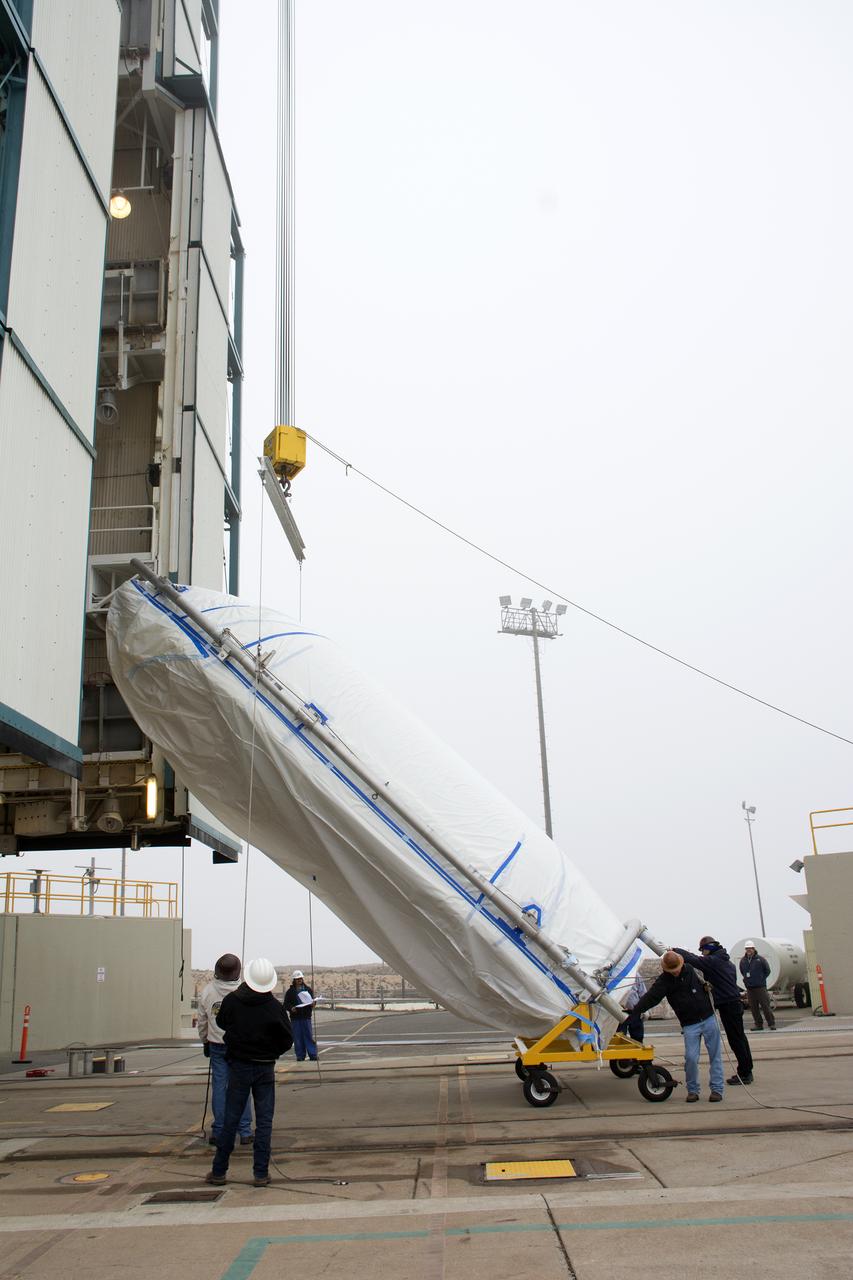
A bi-sector half of the payload fairing for a United Launch Alliance Delta II rocket is lifted upright for its move into the mobile service tower on Space Launch Complex 2 at Vandenberg Air Force Base in California. Preparations are underway for launch of the Joint Polar Satellite System (JPSS-1) spacecraft in 2017. JPSS-1 is part of the next-generation environmental satellite system, a collaborative program between the National Oceanic and Atmospheric Administration (NOAA) and NASA. To learn more about JPSS-1, visit http://www.jpss.noaa.gov.
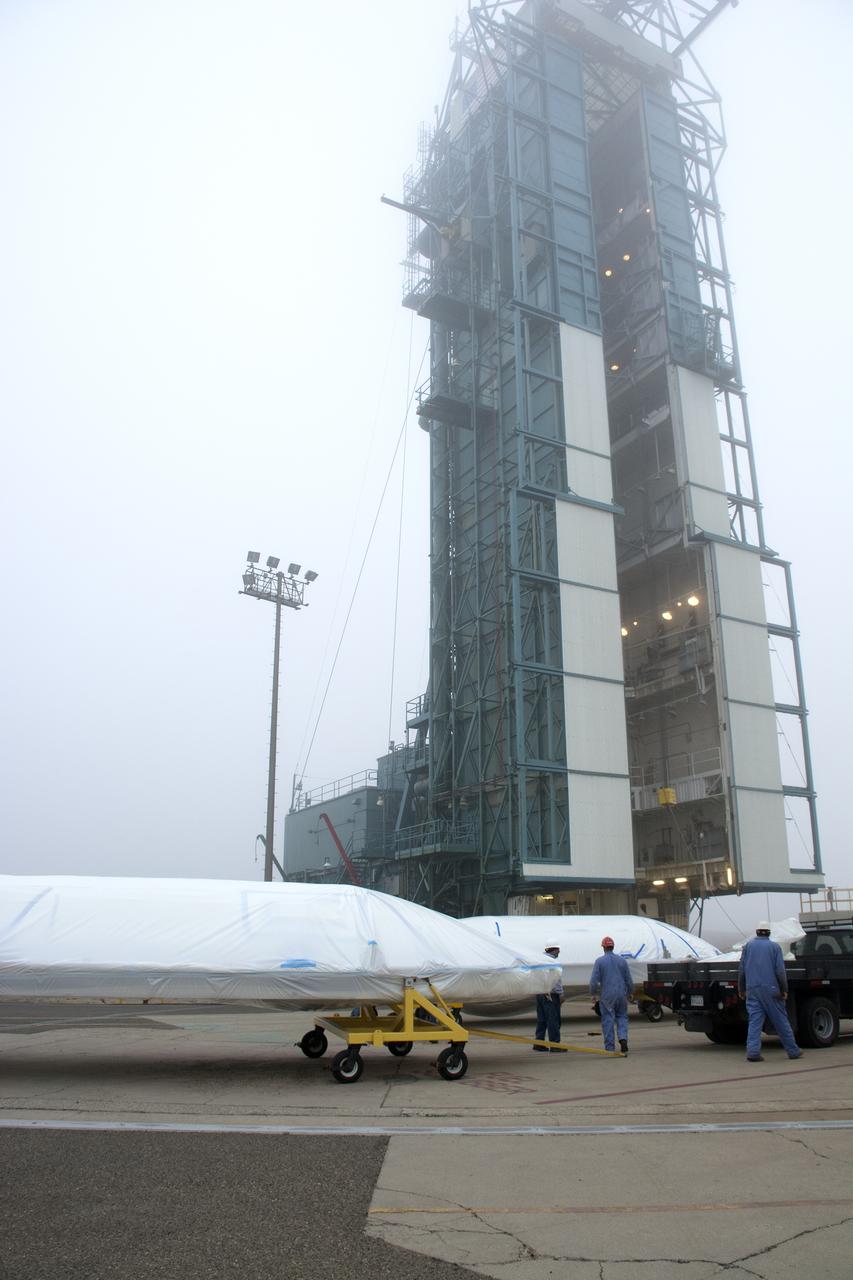
Bi-sector halves of the payload fairing for a United Launch Alliance Delta II rocket arrive at the mobile service tower on Space Launch Complex 2 at Vandenberg Air Force Base in California. Preparations are underway for launch of the Joint Polar Satellite System (JPSS-1) spacecraft in 2017. JPSS-1 is part of the next-generation environmental satellite system, a collaborative program between the National Oceanic and Atmospheric Administration (NOAA) and NASA. To learn more about JPSS-1, visit http://www.jpss.noaa.gov.
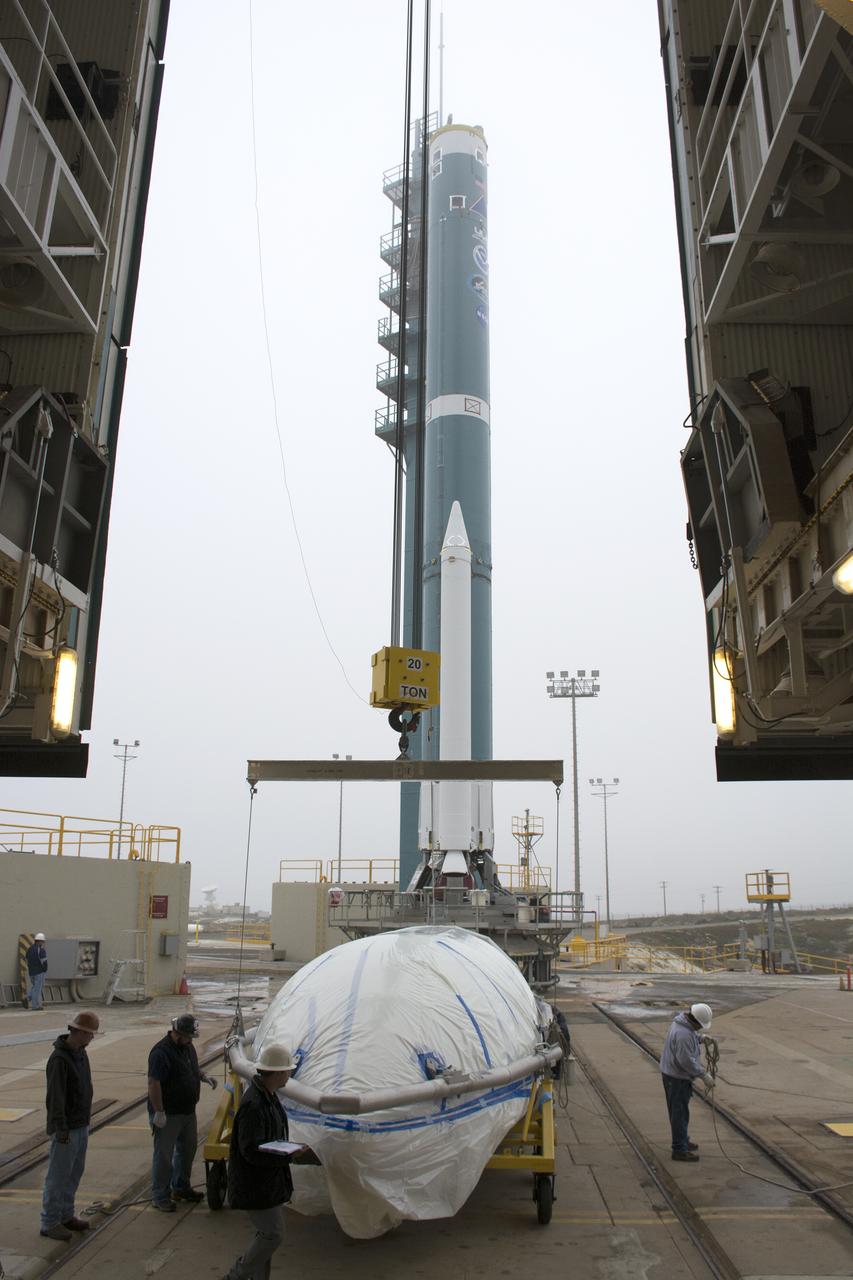
A bi-sector half of the payload fairing for a United Launch Alliance Delta II rocket is prepared for lifting into the mobile service tower on Space Launch Complex 2 at Vandenberg Air Force Base in California. Preparations are underway for launch of the Joint Polar Satellite System (JPSS-1) spacecraft in 2017. JPSS-1 is part of the next-generation environmental satellite system, a collaborative program between the National Oceanic and Atmospheric Administration (NOAA) and NASA. To learn more about JPSS-1, visit http://www.jpss.noaa.gov.
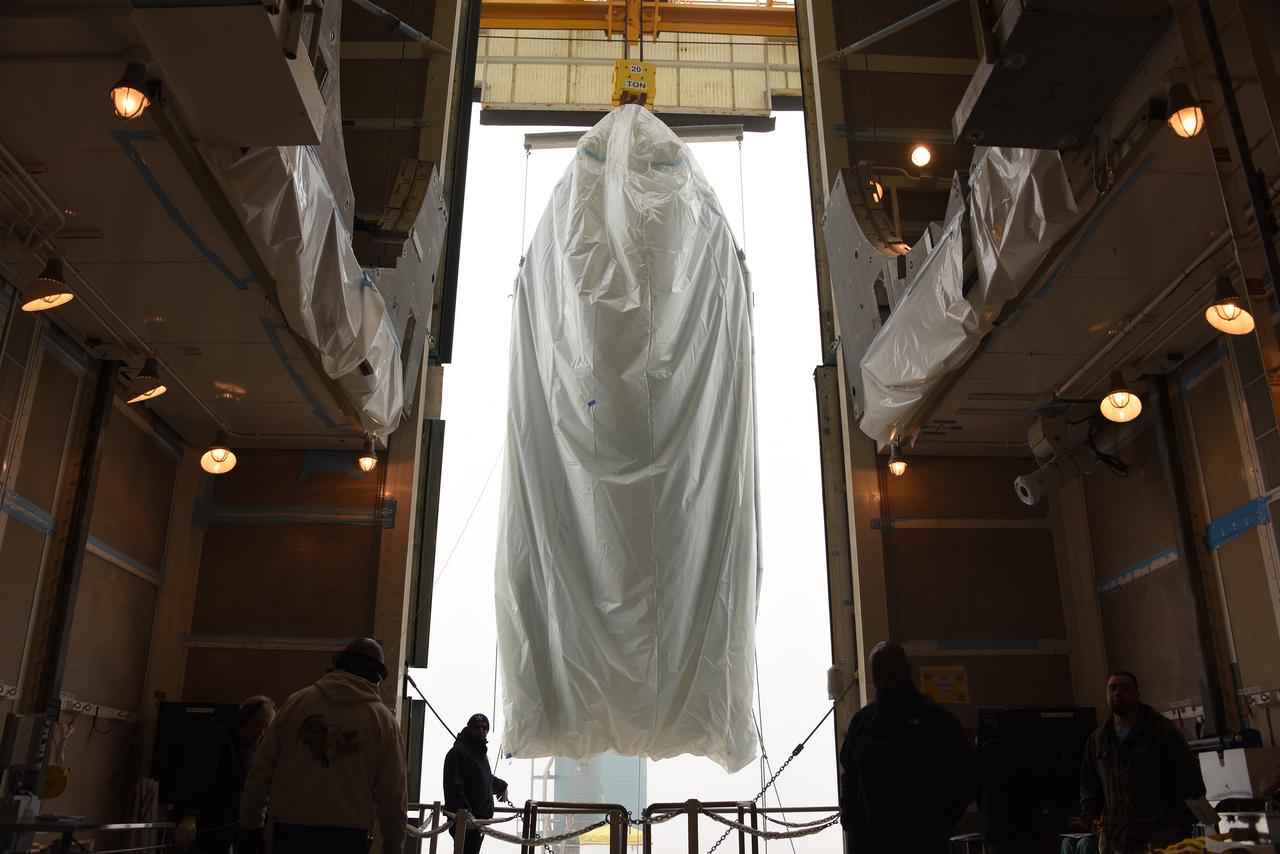
A bi-sector half of the payload fairing for a United Launch Alliance Delta II rocket glides into the clean room on level 4 of the mobile service tower on Space Launch Complex 2 at Vandenberg Air Force Base in California. Preparations are underway for launch of the Joint Polar Satellite System (JPSS-1) spacecraft in 2017. JPSS-1 is part of the next-generation environmental satellite system, a collaborative program between the National Oceanic and Atmospheric Administration (NOAA) and NASA. To learn more about JPSS-1, visit http://www.jpss.noaa.gov.
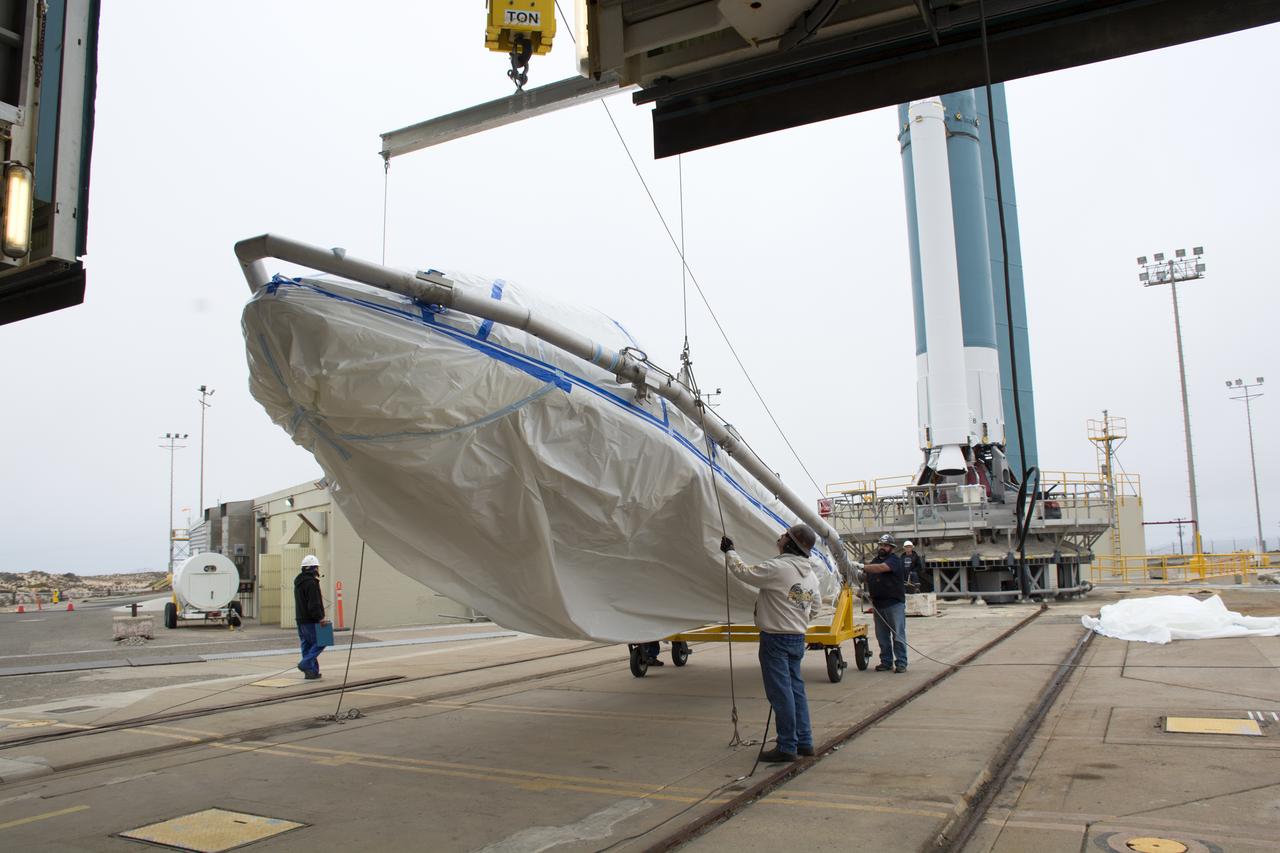
A bi-sector half of the payload fairing for a United Launch Alliance Delta II rocket is lifted upright for its move into the mobile service tower on Space Launch Complex 2 at Vandenberg Air Force Base in California. Preparations are underway for launch of the Joint Polar Satellite System (JPSS-1) spacecraft in 2017. JPSS-1 is part of the next-generation environmental satellite system, a collaborative program between the National Oceanic and Atmospheric Administration (NOAA) and NASA. To learn more about JPSS-1, visit http://www.jpss.noaa.gov.
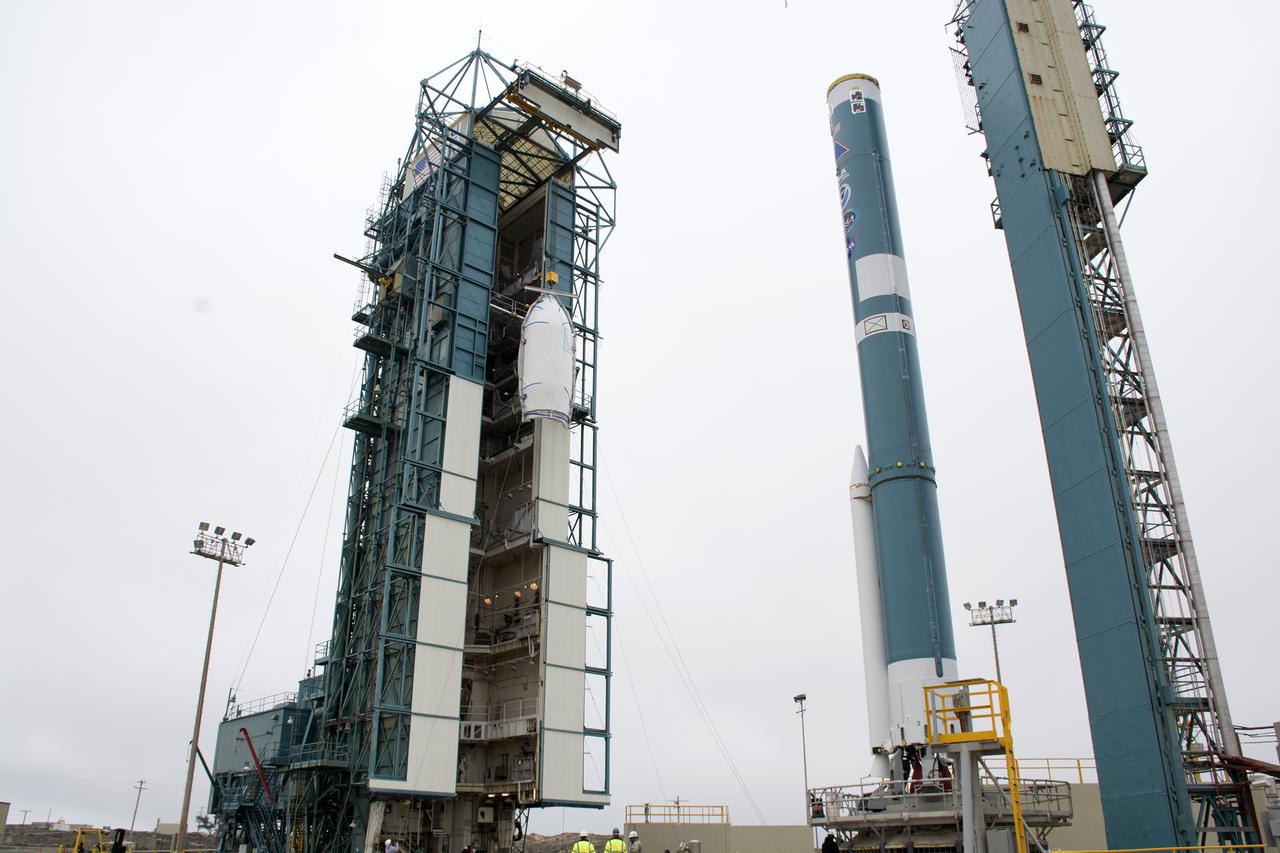
A bi-sector half of the payload fairing for a United Launch Alliance Delta II rocket is lifted toward level 4 of the mobile service tower on Space Launch Complex 2 at Vandenberg Air Force Base in California. Preparations are underway for launch of the Joint Polar Satellite System (JPSS-1) spacecraft in 2017. JPSS-1 is part of the next-generation environmental satellite system, a collaborative program between the National Oceanic and Atmospheric Administration (NOAA) and NASA. To learn more about JPSS-1, visit http://www.jpss.noaa.gov.
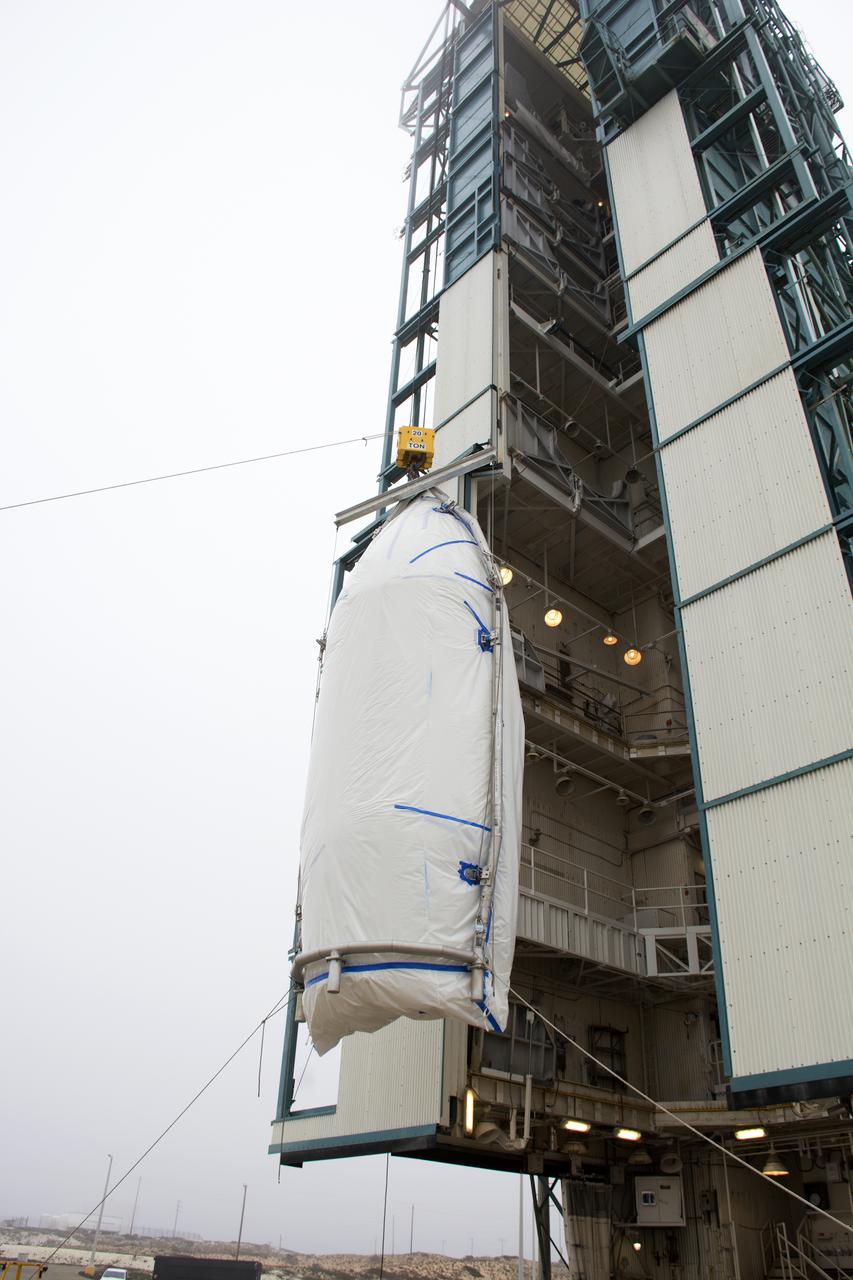
A bi-sector half of the payload fairing for a United Launch Alliance Delta II rocket is lifted up the side of the mobile service tower on Space Launch Complex 2 at Vandenberg Air Force Base in California. Preparations are underway for launch of the Joint Polar Satellite System (JPSS-1) spacecraft in 2017. JPSS-1 is part of the next-generation environmental satellite system, a collaborative program between the National Oceanic and Atmospheric Administration (NOAA) and NASA. To learn more about JPSS-1, visit http://www.jpss.noaa.gov.
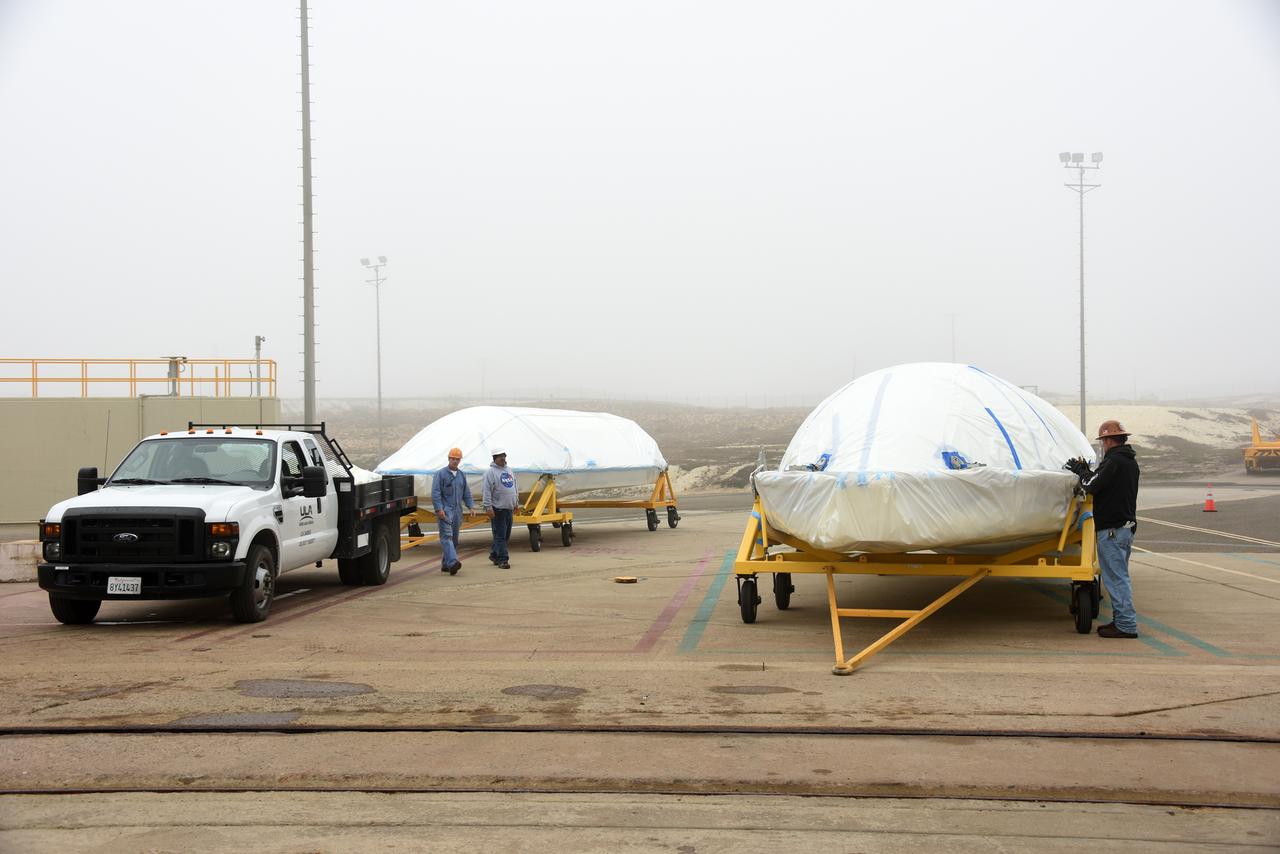
Bi-sector halves of the payload fairing for a United Launch Alliance Delta II rocket arrive at Space Launch Complex 2 on Vandenberg Air Force Base in California. Preparations are underway for launch of the Joint Polar Satellite System (JPSS-1) spacecraft in 2017. JPSS-1 is part of the next-generation environmental satellite system, a collaborative program between the National Oceanic and Atmospheric Administration (NOAA) and NASA. To learn more about JPSS-1, visit http://www.jpss.noaa.gov.
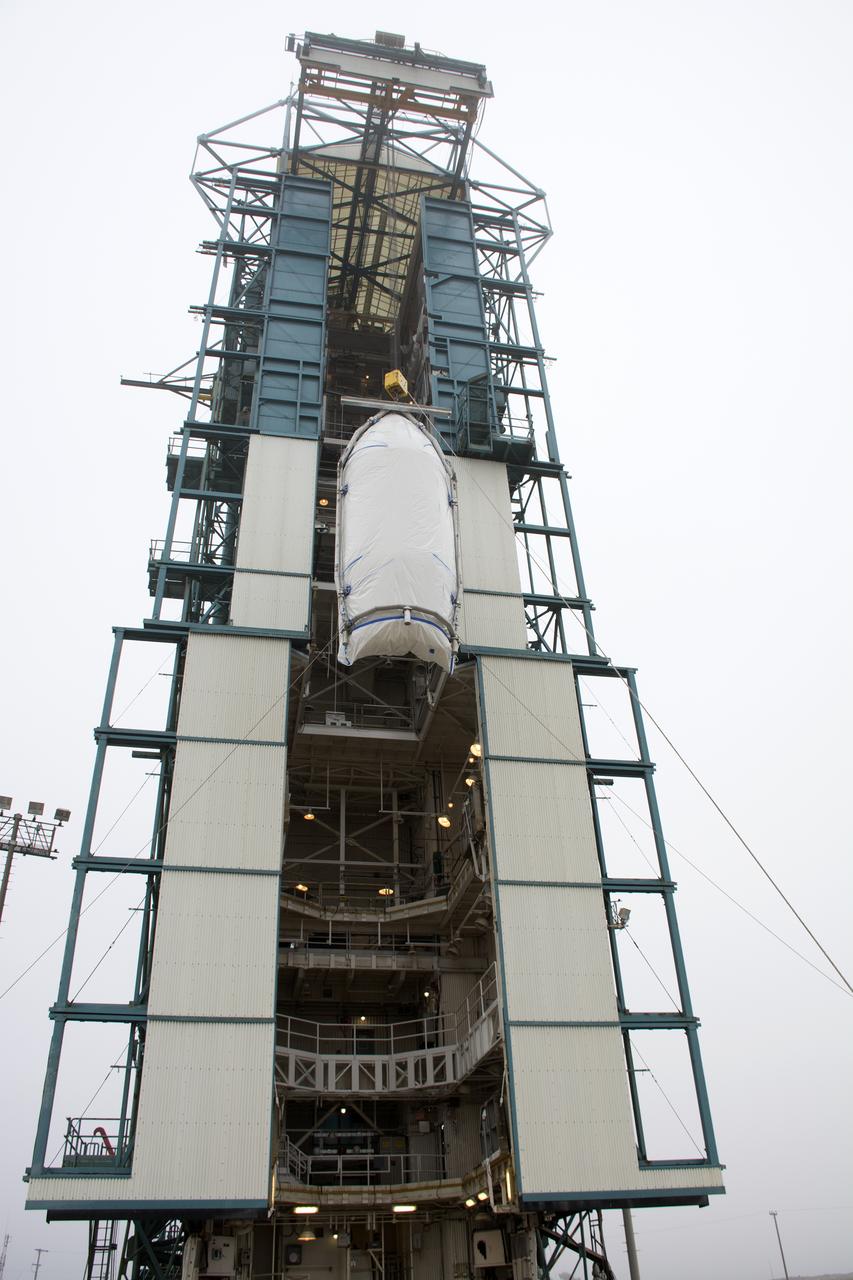
A bi-sector half of the payload fairing for a United Launch Alliance Delta II rocket is lifted toward level 4 of the mobile service tower on Space Launch Complex 2 at Vandenberg Air Force Base in California. Preparations are underway for launch of the Joint Polar Satellite System (JPSS-1) spacecraft in 2017. JPSS-1 is part of the next-generation environmental satellite system, a collaborative program between the National Oceanic and Atmospheric Administration (NOAA) and NASA. To learn more about JPSS-1, visit http://www.jpss.noaa.gov.
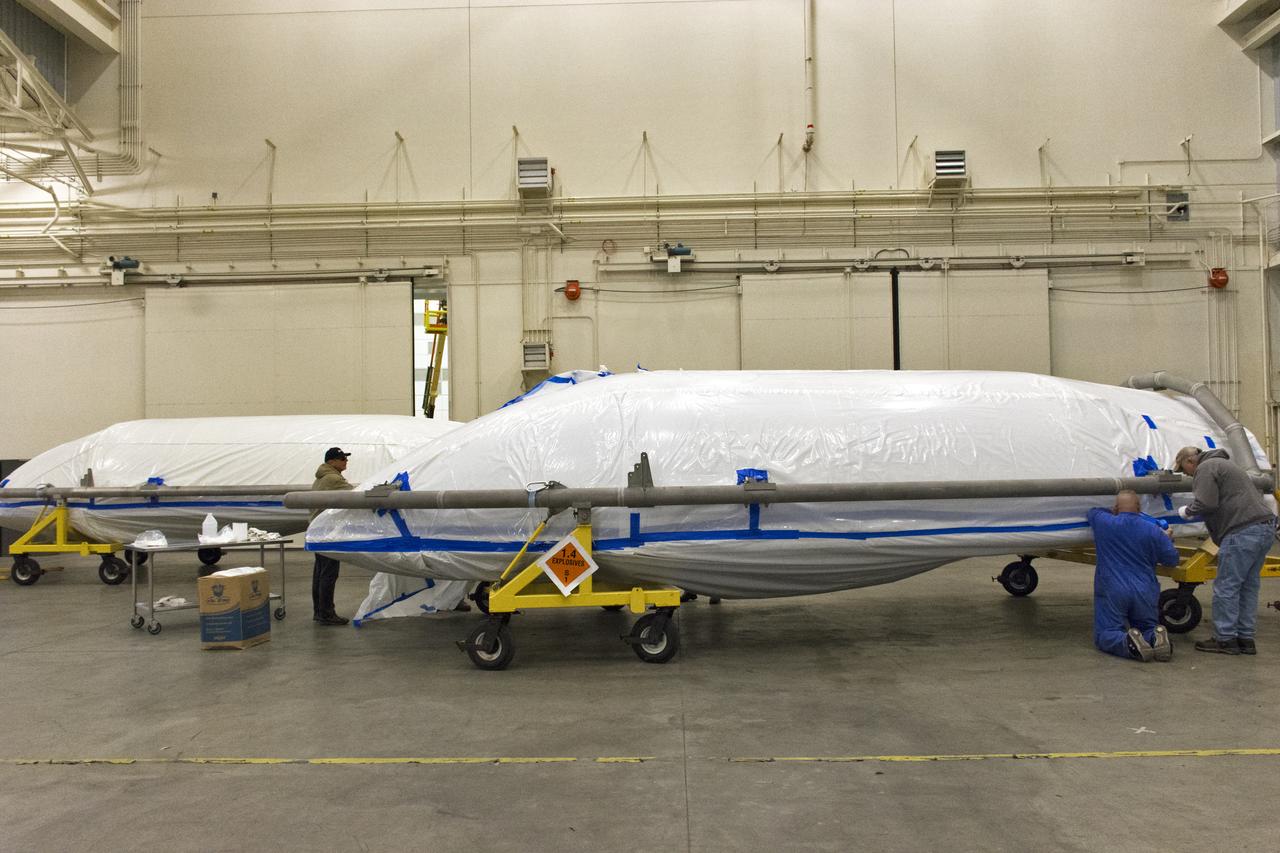
Both halves of the United Launch Alliance (ULA) Delta II rocket payload fairing were moved inside ULA's Building B8337 at Vandenberg Air Force Base in California. Technicians begin the process to remove them from their transporters. NASA's Ice, Cloud and land Elevation Satellite-2 (ICESat-2) will launch later this year on the final Delta II rocket. ICESat-2 will measure the height of a changing Earth, one laser pulse at a time, 10,000 laser pulses a second. The satellite will carry a single instrument, the Advanced Topographic Laser Altimeter System. ICESat-2 will help scientists investigate why, and how much our planet's frozen and icy areas, called the cryosphere, is changing in a warming climate.
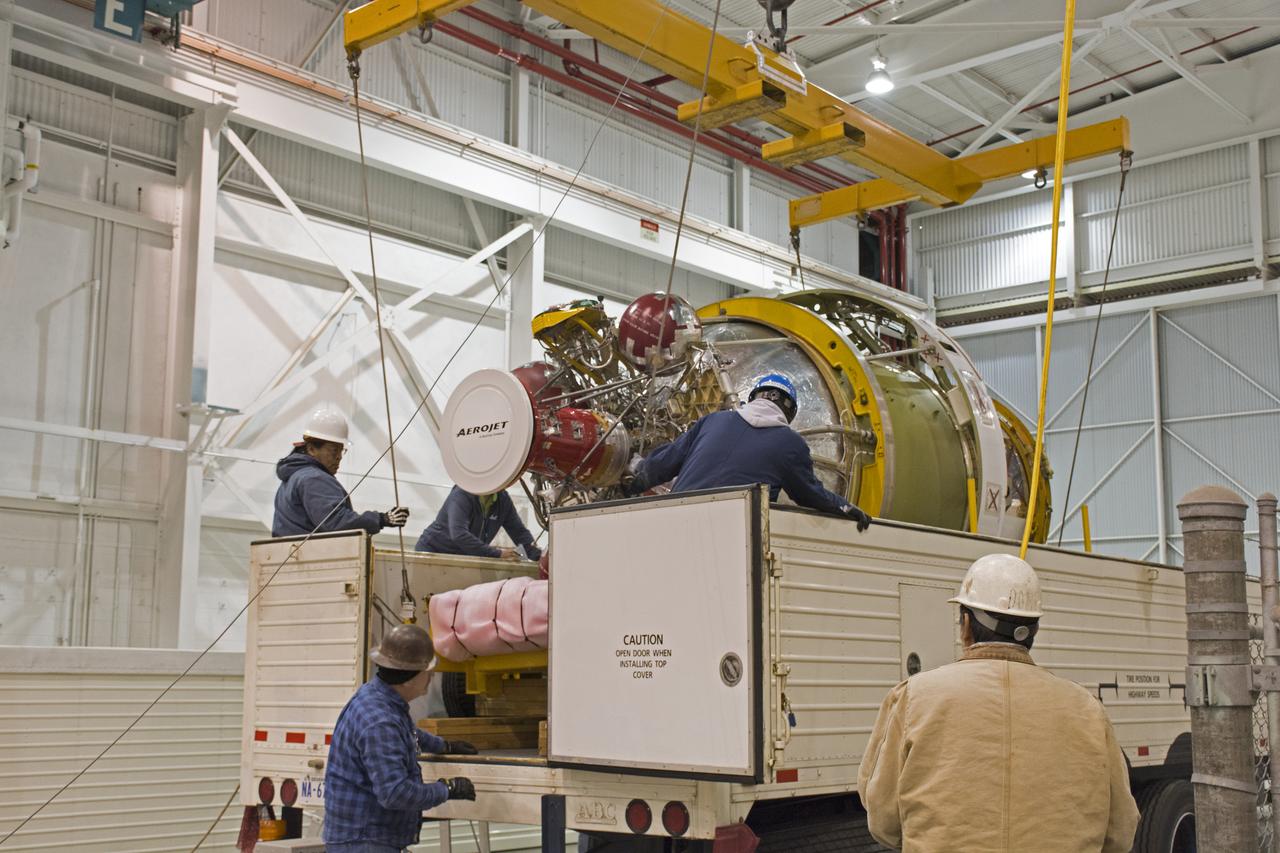
The United Launch Alliance Delta II second stage arrived at NASA's Building 1555 at Vandenberg Air Force Base in California. Technicians assist as a crane lifts the second stage up from the base of its shipping container. It will be prepared for transport to the horizontal processing facility at Space Launch Complex-2. NASA's Ice, Cloud and land Elevation Satellite-2 (ICESat-2) will launch later this year on the final Delta II rocket. ICESat-2 will measure the height of a changing Earth, one laser pulse at a time, 10,000 laser pulses a second. The satellite will carry a single instrument, the Advanced Topographic Laser Altimeter System. ICESat-2 will help scientists investigate why, and how much our planet's frozen and icy areas, called the cryosphere, is changing in a warming climate.
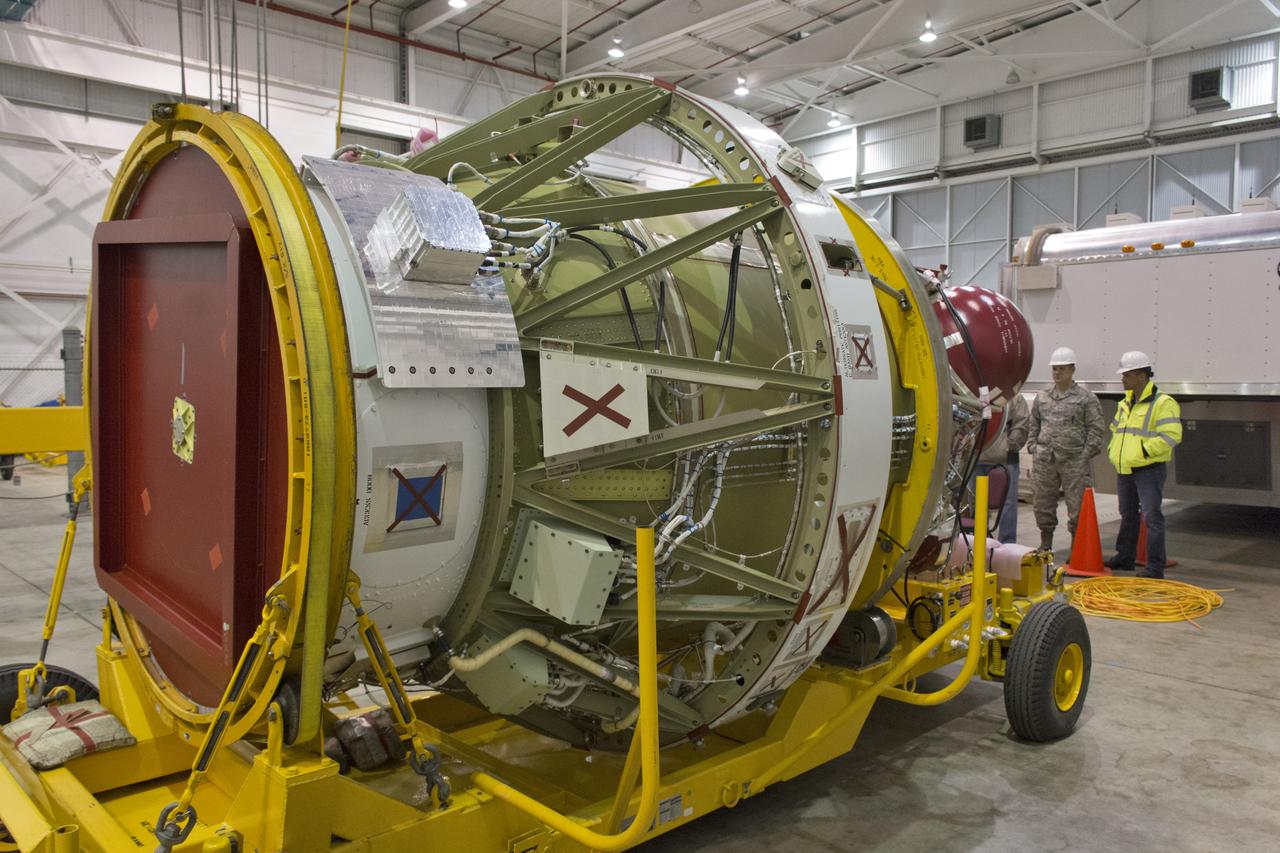
Inside NASA's Building 1555 at Vandenberg Air Force Base in California, the United Launch Alliance Delta II second stage is secured on the base of a transporter. The second stage will be moved to the horizontal processing facility at Space Launch Complex-2. NASA's Ice, Cloud and land Elevation Satellite-2 (ICESat-2) will launch later this year on the final Delta II rocket. ICESat-2 will measure the height of a changing Earth, one laser pulse at a time, 10,000 laser pulses a second. The satellite will carry a single instrument, the Advanced Topographic Laser Altimeter System. ICESat-2 will help scientists investigate why, and how much our planet's frozen and icy areas, called the cryosphere, is changing in a warming climate
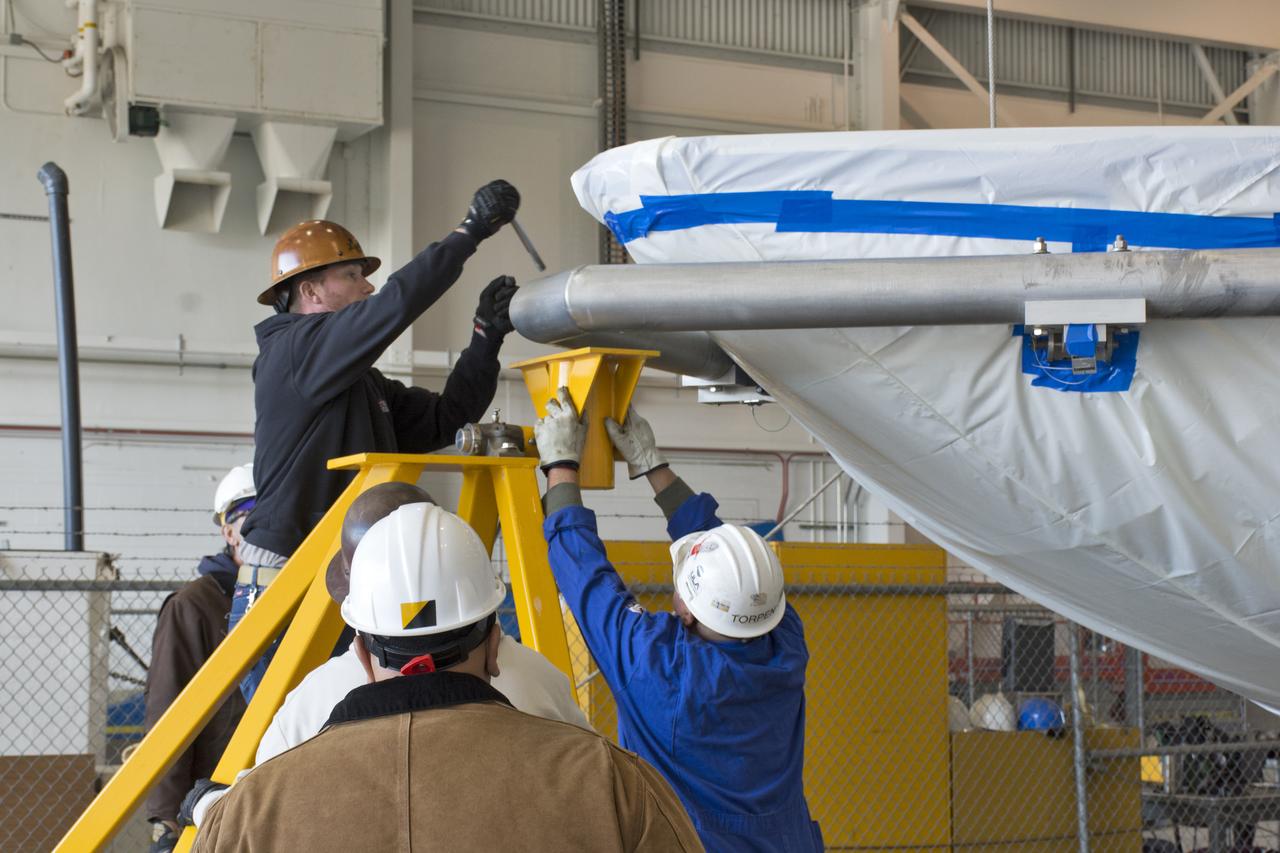
Inside Building 836 at Vandenberg Air Force Base in California, the first half of the payload fairing for the United Launch Alliance (ULA) Delta II rocket has been lifted out of its shipping container. The metal framing around it is being secured on a stand. NASA's Ice, Cloud and land Elevation Satellite-2 (ICESat-2) is scheduled to launch on the final ULA Delta II rocket later this year. ICESat-2 will measure the height of a changing Earth, one laser pulse at a time, 10,000 laser pulses a second. The satellite will carry a single instrument, the Advanced Topographic Laser Altimeter System. ICESat-2 will help scientists investigate why, and how much our planet's frozen and icy areas, called the cryosphere, is changing in a warming climate.
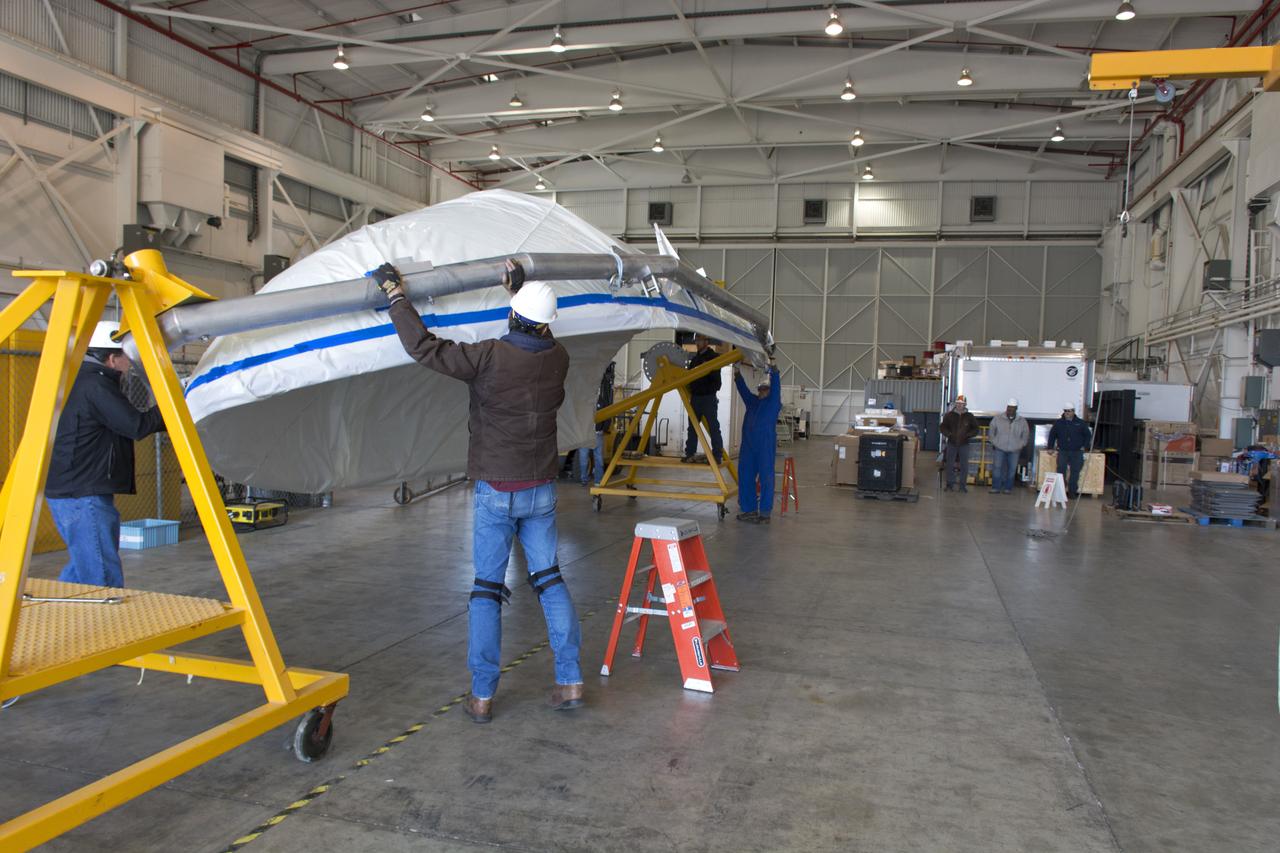
Inside Building 836 at Vandenberg Air Force Base in California, the first half of the payload fairing for the United Launch Alliance (ULA) Delta II rocket has been lifted out of its shipping container. The metal framing around it is being secured on a stand that allows the fairing to be rotated. NASA's Ice, Cloud and land Elevation Satellite-2 (ICESat-2) is scheduled to launch on the final ULA Delta II rocket later this year. ICESat-2 will measure the height of a changing Earth, one laser pulse at a time, 10,000 laser pulses a second. The satellite will carry a single instrument, the Advanced Topographic Laser Altimeter System. ICESat-2 will help scientists investigate why, and how much our planet's frozen and icy areas, called the cryosphere, is changing in a warming climate.
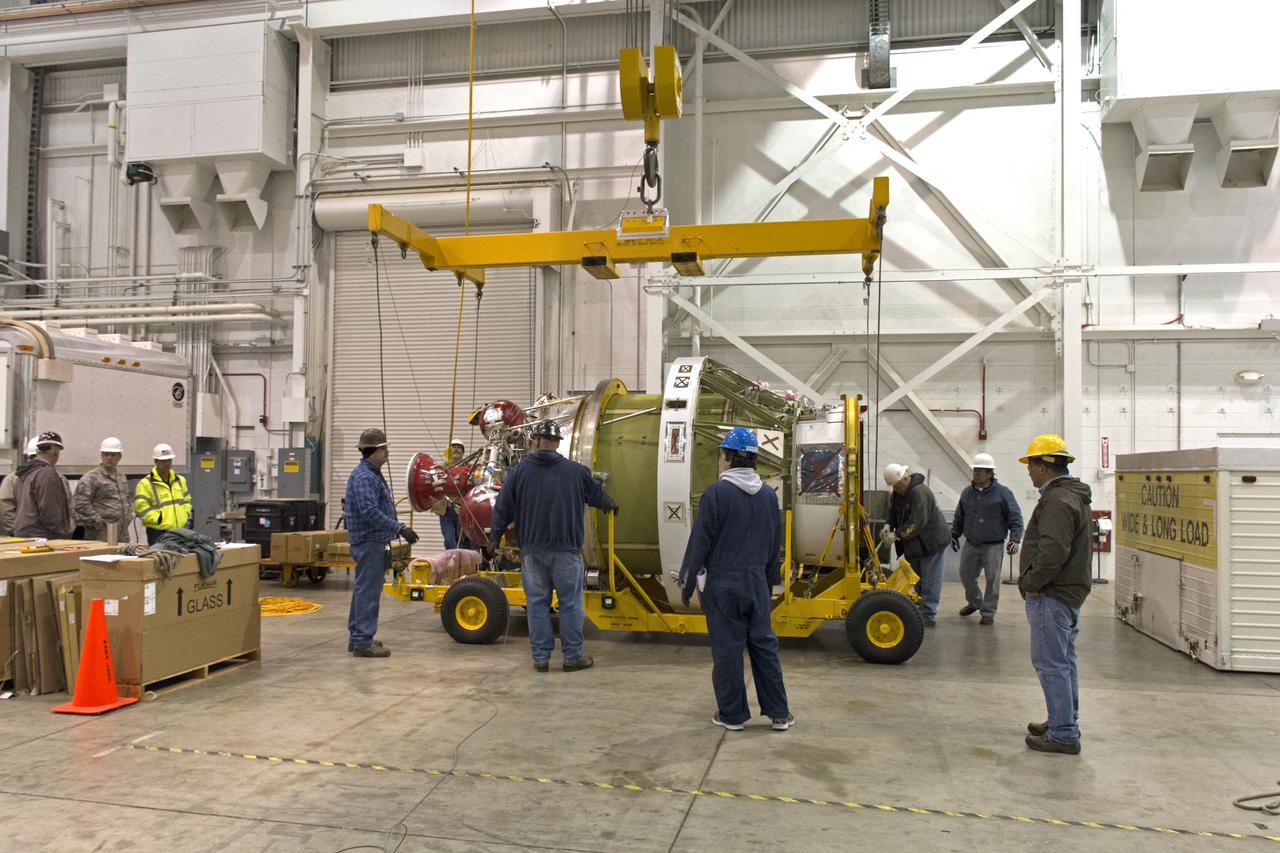
Inside NASA's Building 1555 at Vandenberg Air Force Base in California, the United Launch Alliance Delta II second stage was lifted out of its shipping container and a crane is being used to lower it onto the base of a transporter. The second stage will be moved to the horizontal processing facility at Space Launch Complex-2. NASA's Ice, Cloud and land Elevation Satellite-2 (ICESat-2) will launch later this year on the final Delta II rocket. ICESat-2 will measure the height of a changing Earth, one laser pulse at a time, 10,000 laser pulses a second. The satellite will carry a single instrument, the Advanced Topographic Laser Altimeter System. ICESat-2 will help scientists investigate why, and how much our planet's frozen and icy areas, called the cryosphere, is changing in a warming climate.
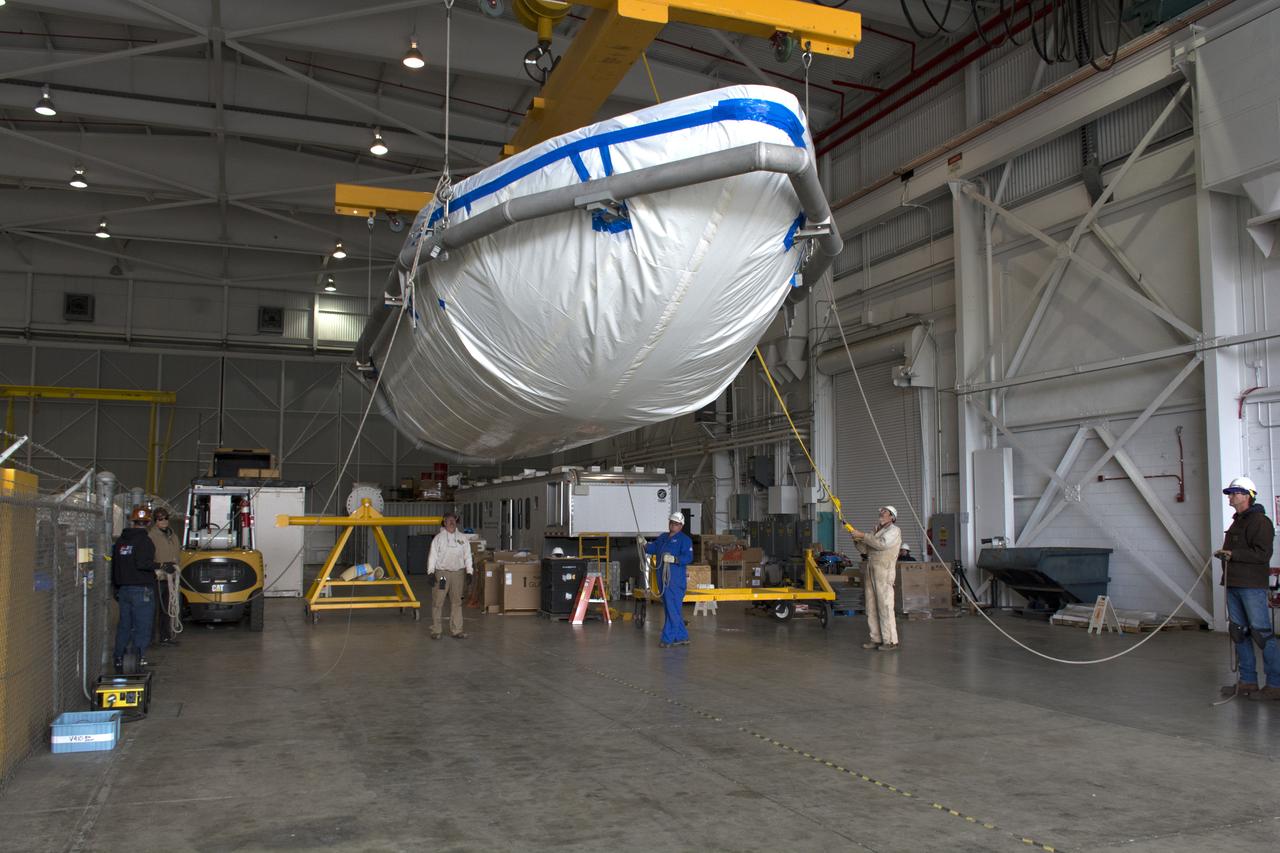
Inside Building 836 at Vandenberg Air Force Base in California, one of the payload fairing halves for the United Launch Alliance (ULA) Delta II rocket has been lifted out of its shipping container and is being moved by crane for lowering and attachment to a work stand. NASA's Ice, Cloud and land Elevation Satellite-2 (ICESat-2) is scheduled to launch on the final ULA Delta II rocket later this year. ICESat-2 will measure the height of a changing Earth, one laser pulse at a time, 10,000 laser pulses a second. The satellite will carry a single instrument, the Advanced Topographic Laser Altimeter System. ICESat-2 will help scientists investigate why, and how much our planet's frozen and icy areas, called the cryosphere, is changing in a warming climate.
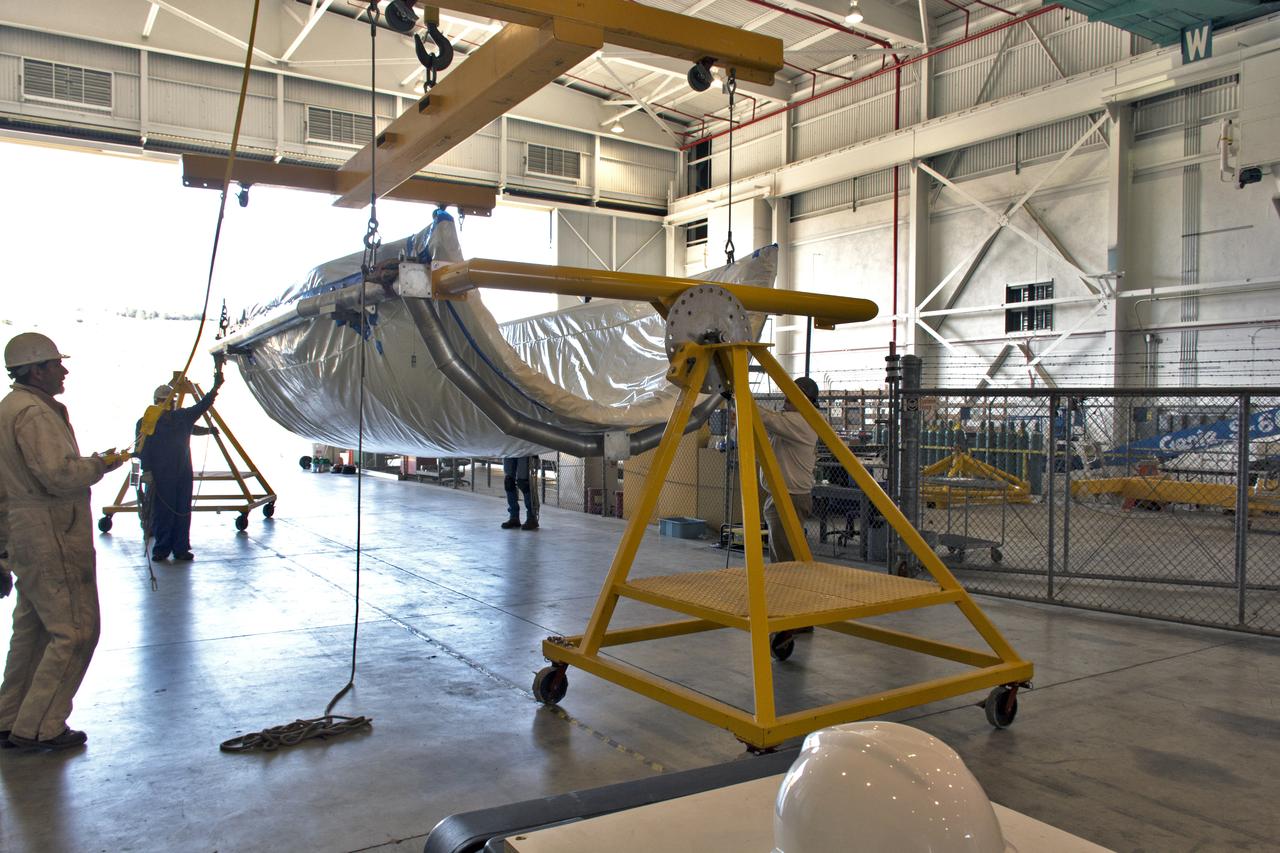
Inside Building 836 at Vandenberg Air Force Base in California, the first half of the payload fairing for the United Launch Alliance (ULA) Delta II rocket has been lifted out of its shipping container. NASA's Ice, Cloud and land Elevation Satellite-2 (ICESat-2) is scheduled to launch on the final ULA Delta II rocket later this year. ICESat-2 will measure the height of a changing Earth, one laser pulse at a time, 10,000 laser pulses a second. The satellite will carry a single instrument, the Advanced Topographic Laser Altimeter System. ICESat-2 will help scientists investigate why, and how much our planet's frozen and icy areas, called the cryosphere, is changing in a warming climate.
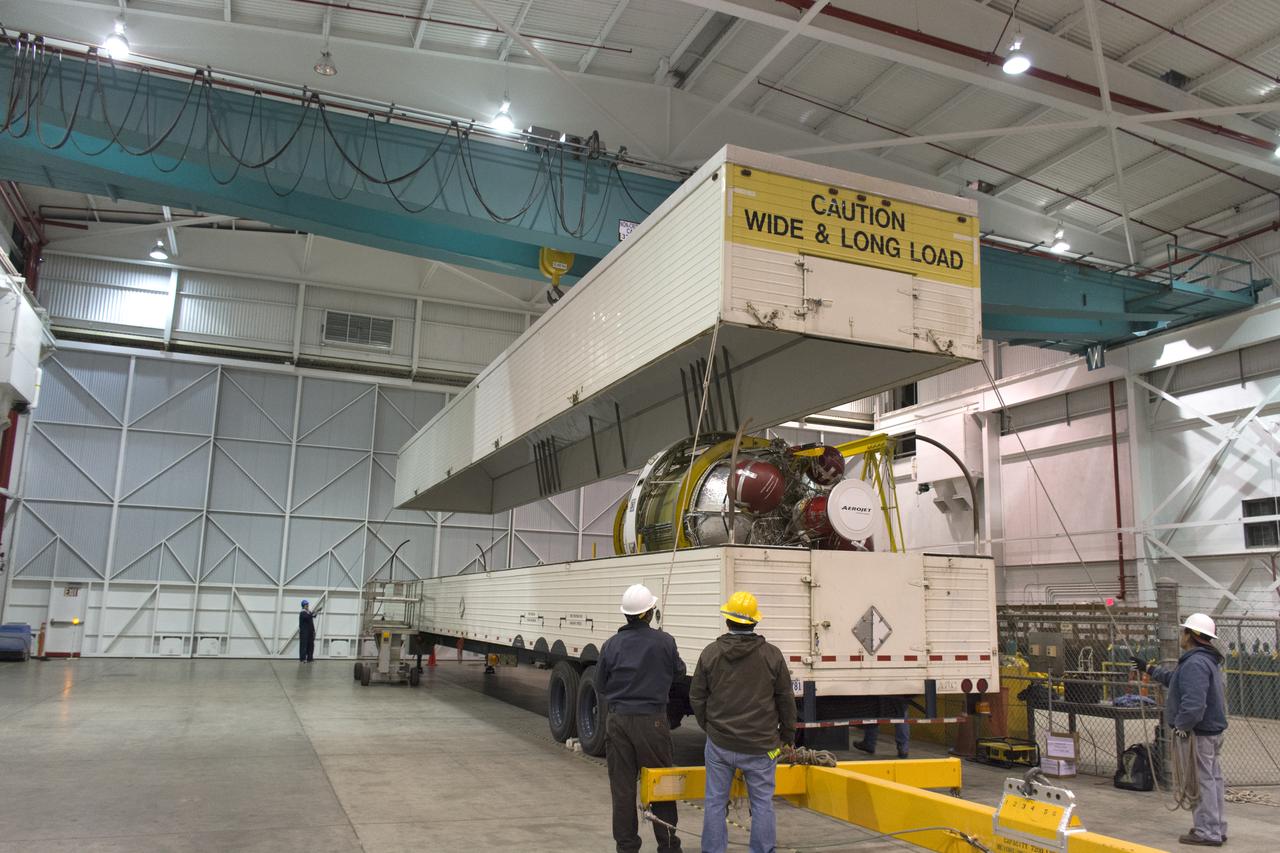
The United Launch Alliance Delta II second stage arrived at NASA's Building 1555 at Vandenberg Air Force Base in California. Technicians assist as a crane lifts the top of the shipping container up from the second stage so it can be offloaded and prepared for transport to the horizontal processing facility at Space Launch Complex-2. NASA's Ice, Cloud and land Elevation Satellite-2 (ICESat-2) will launch later this year on the final Delta II rocket. ICESat-2 will measure the height of a changing Earth, one laser pulse at a time, 10,000 laser pulses a second. The satellite will carry a single instrument, the Advanced Topographic Laser Altimeter System. ICESat-2 will help scientists investigate why, and how much our planet's frozen and icy areas, called the cryosphere, is changing in a warming climate.
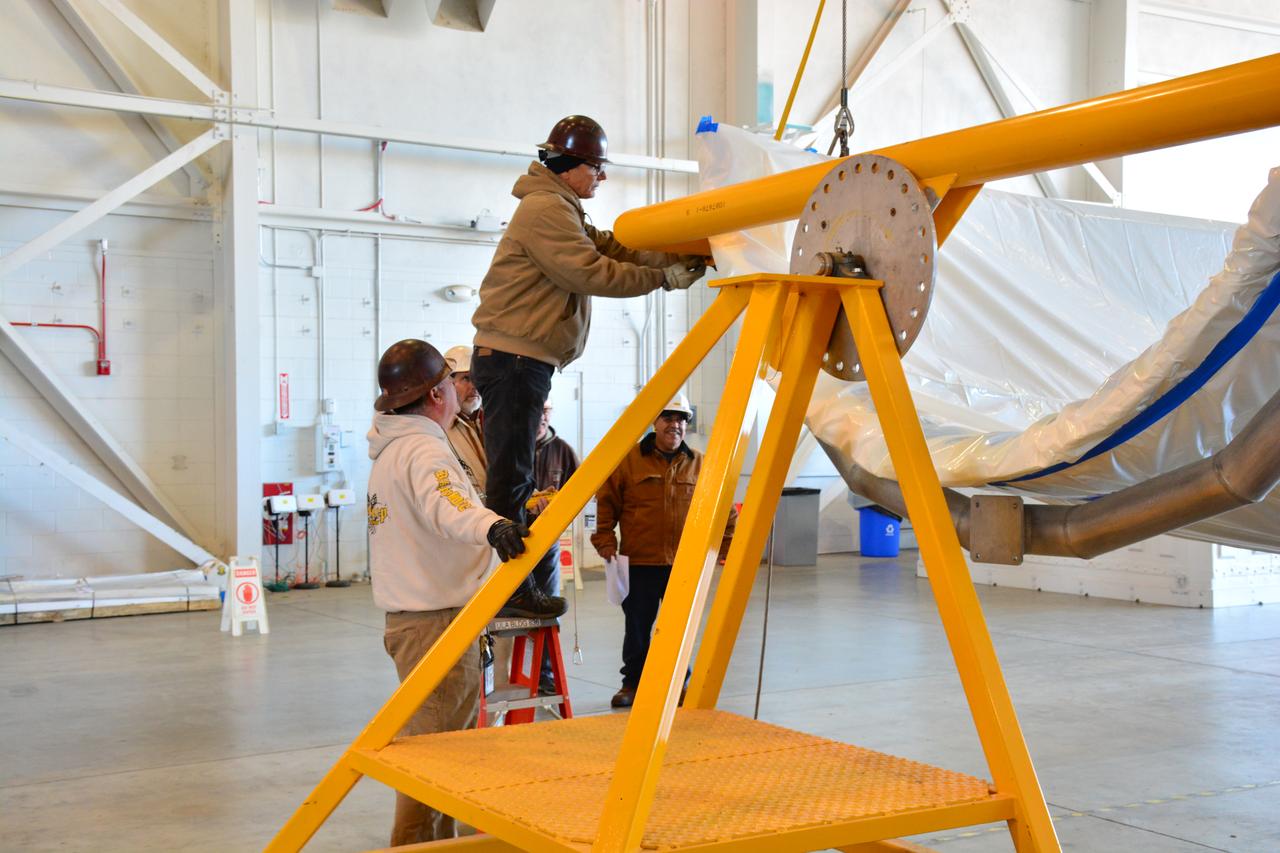
Inside Building 836 at Vandenberg Air Force Base in California, the first half of the payload fairing for the United Launch Alliance (ULA) Delta II rocket has been lifted out of its shipping container. NASA's Ice, Cloud and land Elevation Satellite-2 (ICESat-2) is scheduled to launch on the final ULA Delta II rocket later this year. ICESat-2 will measure the height of a changing Earth, one laser pulse at a time, 10,000 laser pulses a second. The satellite will carry a single instrument, the Advanced Topographic Laser Altimeter System. ICESat-2 will help scientists investigate why, and how much our planet's frozen and icy areas, called the cryosphere, is changing in a warming climate.
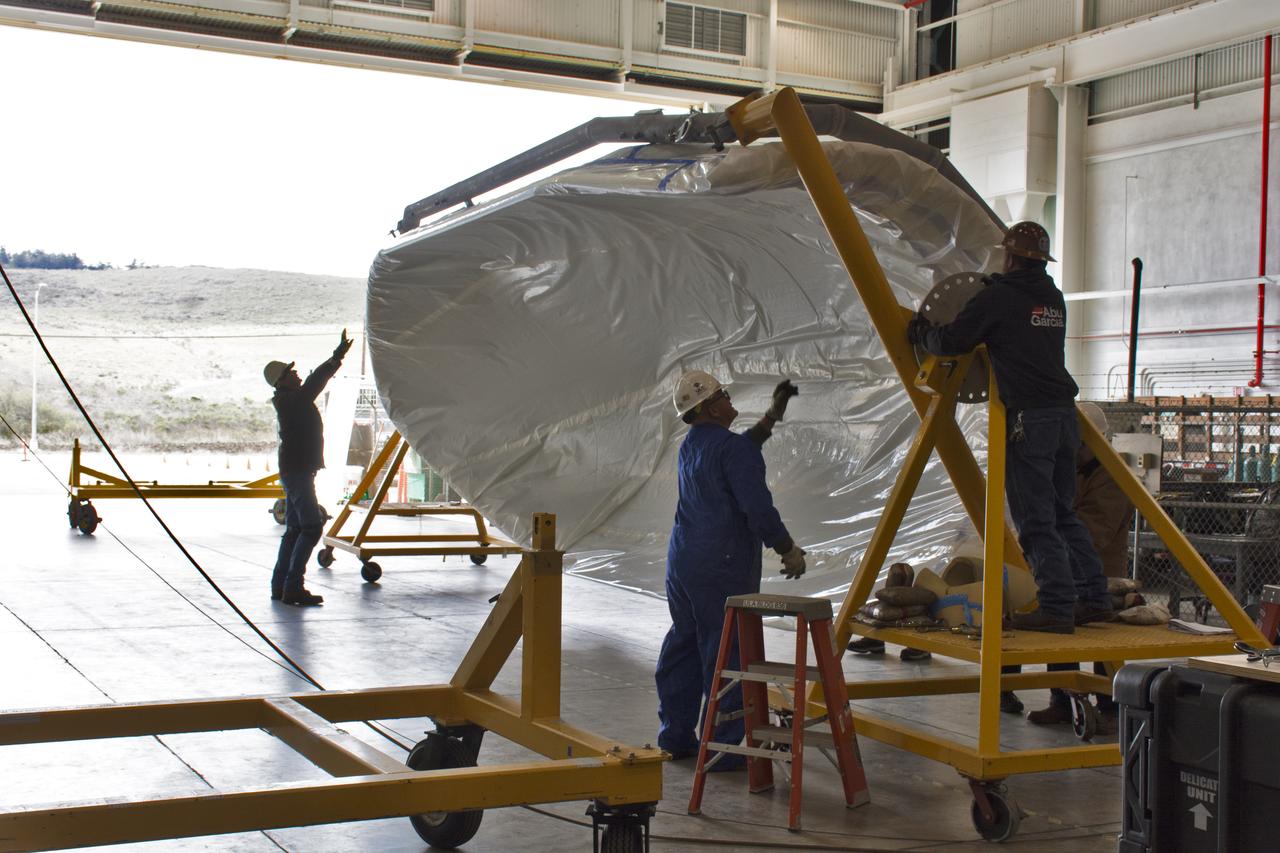
Inside Building 836 at Vandenberg Air Force Base in California, one of the payload fairing halves for the United Launch Alliance (ULA) Delta II rocket is being rotated on its metal frame for securing on a work stand. NASA's Ice, Cloud and land Elevation Satellite-2 (ICESat-2) is scheduled to launch on the final ULA Delta II rocket later this year. ICESat-2 will measure the height of a changing Earth, one laser pulse at a time, 10,000 laser pulses a second. The satellite will carry a single instrument, the Advanced Topographic Laser Altimeter System. ICESat-2 will help scientists investigate why, and how much our planet's frozen and icy areas, called the cryosphere, is changing in a warming climate.
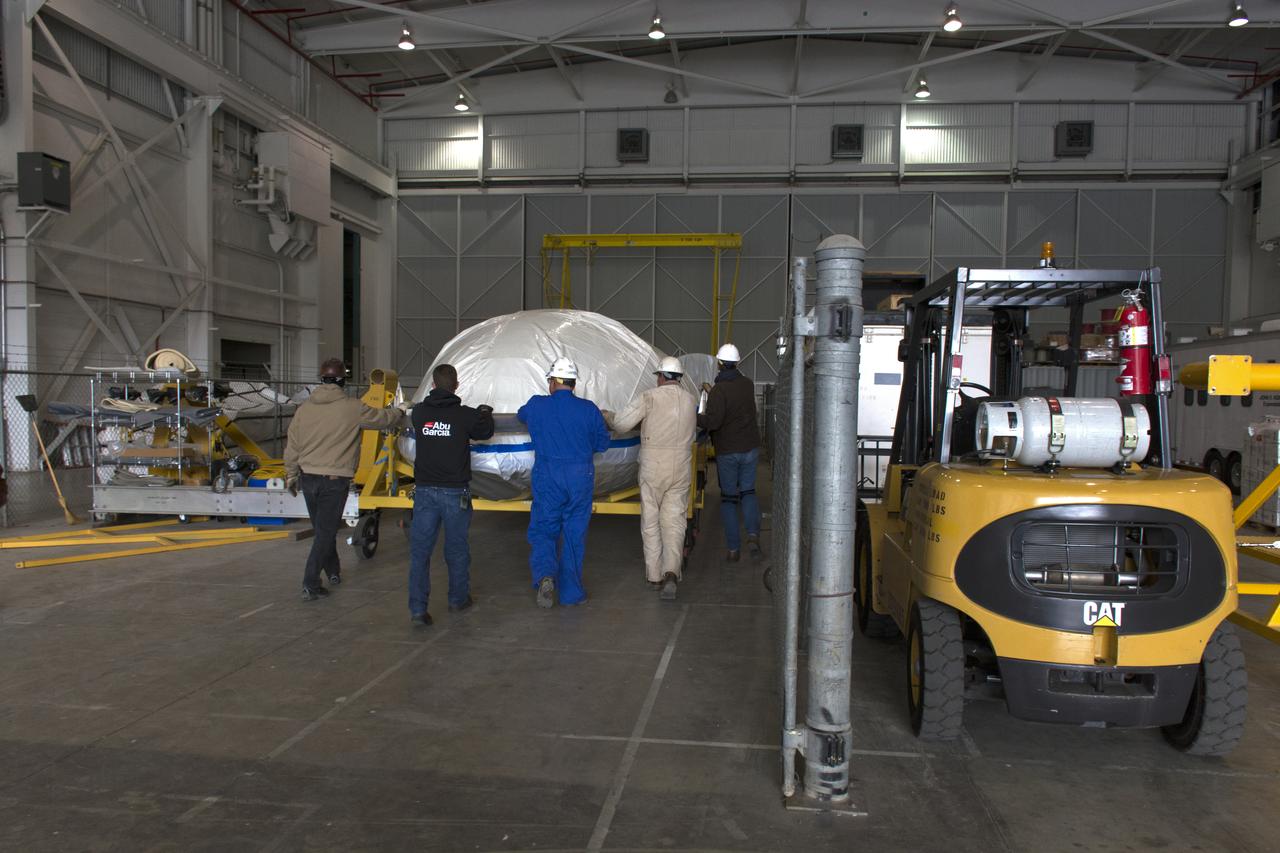
Inside Building 836 at Vandenberg Air Force Base in California, both halves of the payload fairing for the United Launch Alliance (ULA) Delta II rocket were lifted out of their shipping container and lowered onto a rolling work stand. NASA's Ice, Cloud and land Elevation Satellite-2 (ICESat-2) is scheduled to launch on the final ULA Delta II rocket later this year. ICESat-2 will measure the height of a changing Earth, one laser pulse at a time, 10,000 laser pulses a second. The satellite will carry a single instrument, the Advanced Topographic Laser Altimeter System. ICESat-2 will help scientists investigate why, and how much our planet's frozen and icy areas, called the cryosphere, is changing in a warming climate.
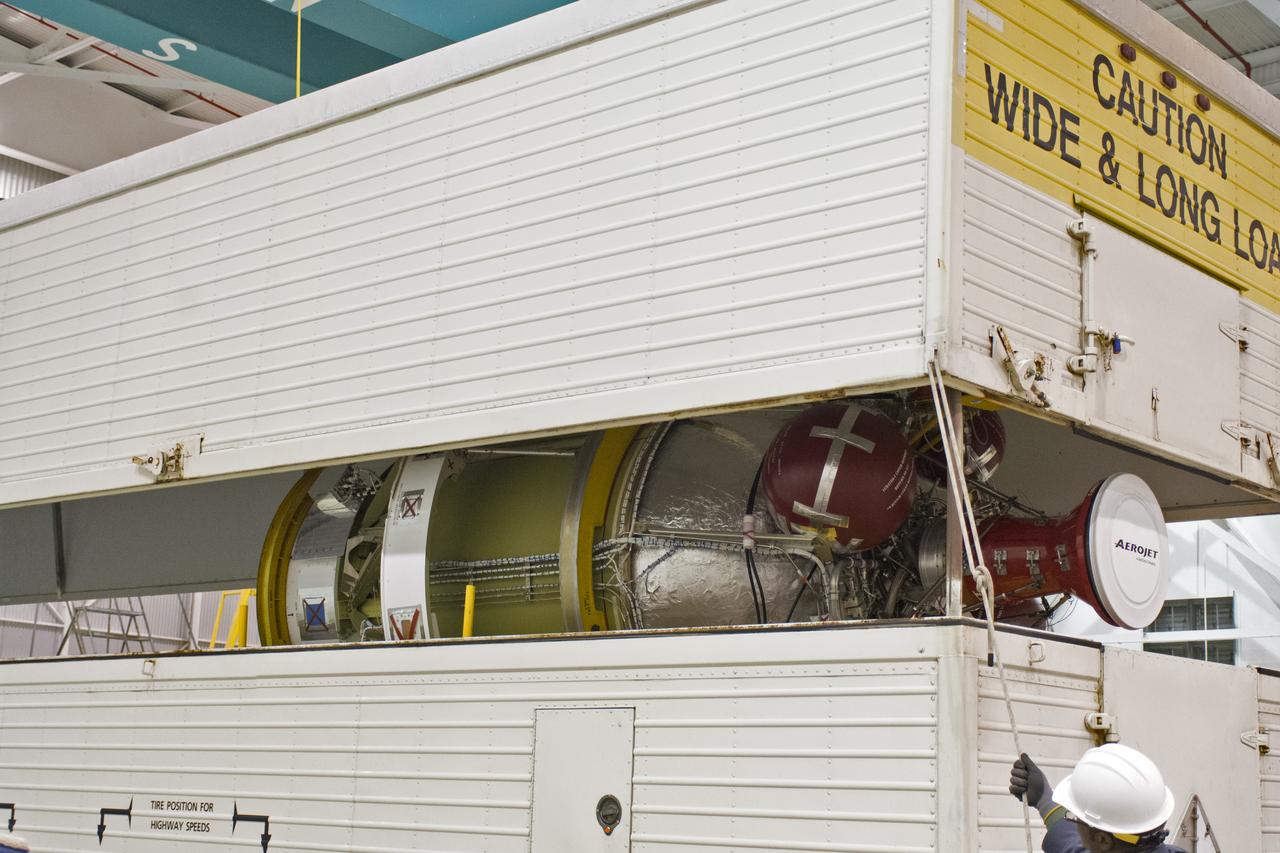
The United Launch Alliance Delta II second stage arrived at NASA's Building 1555 at Vandenberg Air Force Base in California. Technicians assist as a crane lifts the top of the shipping container up from the second stage so it can be offloaded and prepared for transport to the horizontal processing facility at Space Launch Complex-2. NASA's Ice, Cloud and land Elevation Satellite-2 (ICESat-2) will launch later this year on the final Delta II rocket. ICESat-2 will measure the height of a changing Earth, one laser pulse at a time, 10,000 laser pulses a second. The satellite will carry a single instrument, the Advanced Topographic Laser Altimeter System. ICESat-2 will help scientists investigate why, and how much our planet's frozen and icy areas, called the cryosphere, is changing in a warming climate.
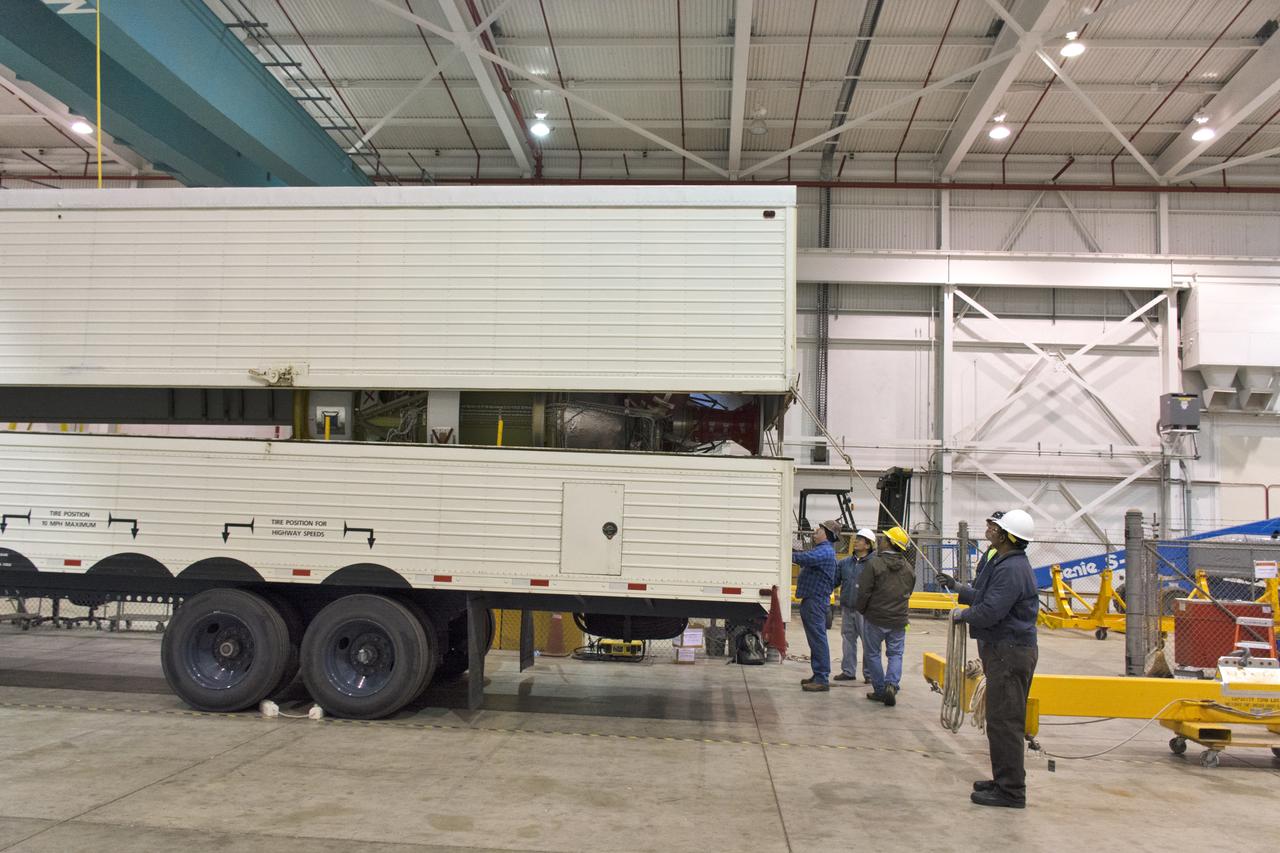
The United Launch Alliance Delta II second stage arrived at NASA's Building 1555 at Vandenberg Air Force Base in California. Technicians are assisting in offloading it and preparing it for transport to the horizontal processing facility at Space Launch Complex-2. NASA's Ice, Cloud and land Elevation Satellite-2 (ICESat-2) will launch later this year on the final Delta II rocket. ICESat-2 will measure the height of a changing Earth, one laser pulse at a time, 10,000 laser pulses a second. The satellite will carry a single instrument, the Advanced Topographic Laser Altimeter System. ICESat-2 will help scientists investigate why, and how much our planet's frozen and icy areas, called the cryosphere, is changing in a warming climate.
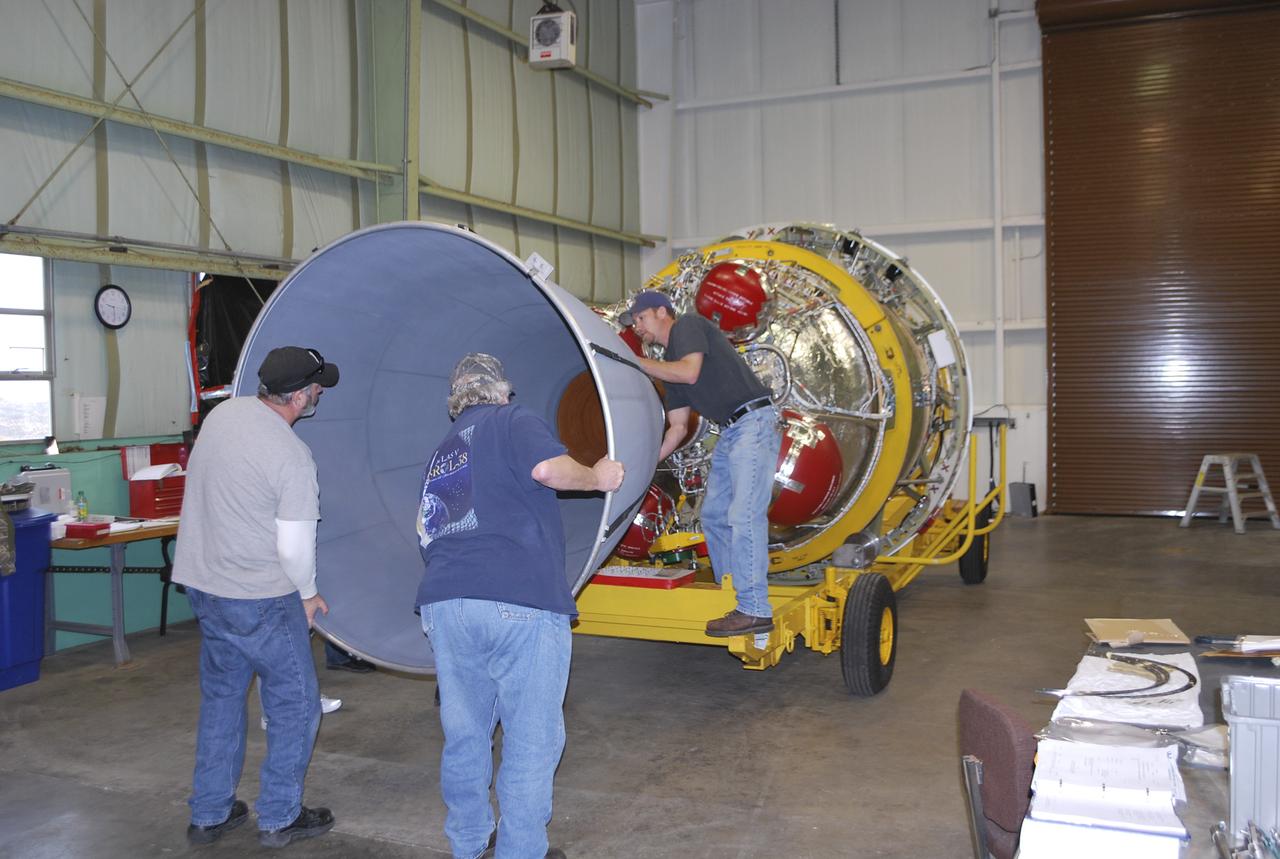
VANDENBERG AIR FORCE BASE, Calif. – In the Horizontal Processing Facility at Space Launch Complex 2 on Vandenberg Air Force Base in California, the engine bell is installed around the second-stage nozzle of the Delta II rocket for NASA's Orbiting Carbon Observatory-2 mission, or OCO-2. OCO-2 is scheduled to launch aboard a United Launch Alliance Delta II rocket from Space Launch Complex 2 in July. The rocket's second stage will insert OCO-2 into a polar Earth orbit. OCO-2 will collect precise global measurements of carbon dioxide in the Earth's atmosphere and provide scientists with a better idea of the chemical compound's impacts on climate change. Scientists will analyze this data to improve our understanding of the natural processes and human activities that regulate the abundance and distribution of this important atmospheric gas. To learn more about OCO-2, visit http://oco.jpl.nasa.gov. Photo credit: NASA/Randy Beaudoin
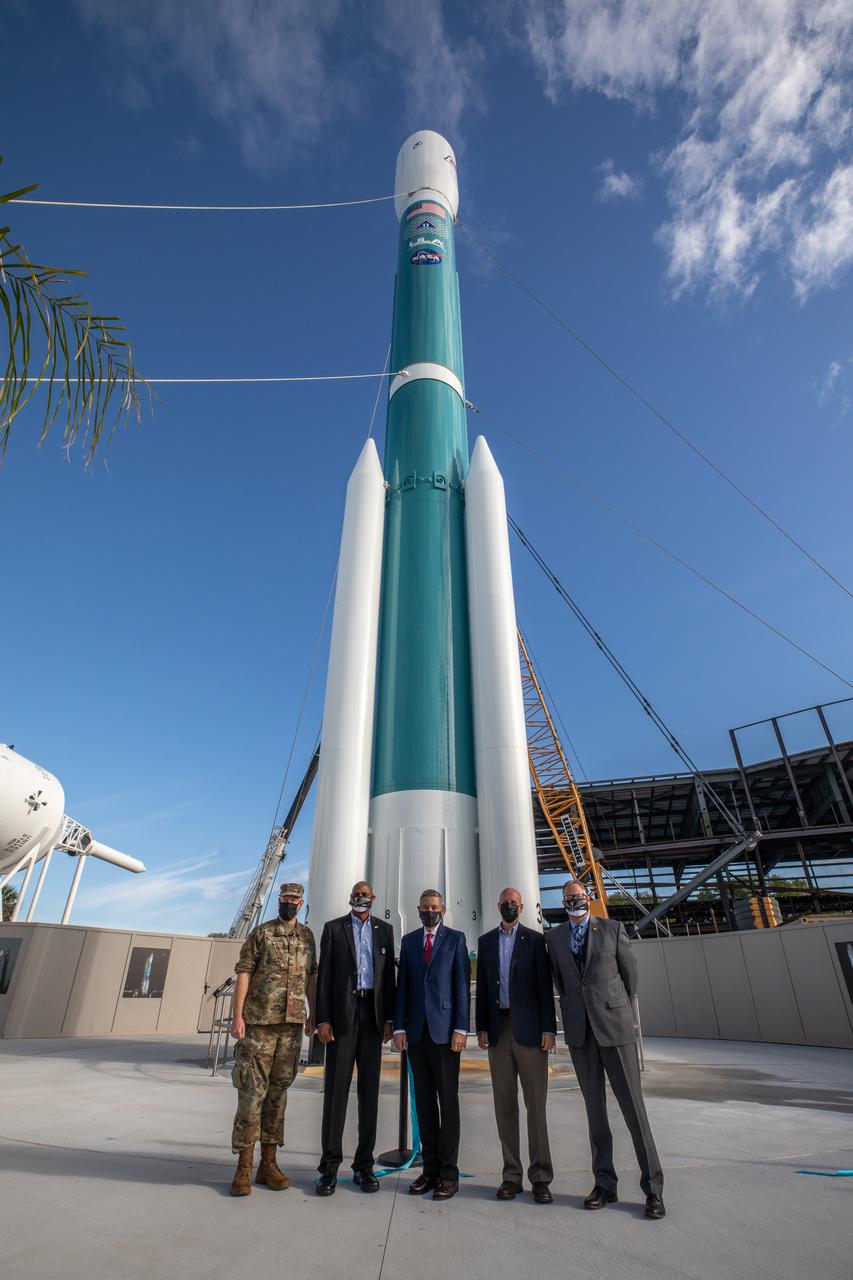
The last United Launch Alliance Delta II rocket joins the lineup of historic launch vehicles in the Rocket Garden during a ribbon-cutting ceremony at the Kennedy Space Center Visitor Complex in Florida, on March 23, 2021. From left, are Brigadier General Stephen Purdy Jr., 45th Space Wing commander and Eastern Range director, Patrick Space Force Base and Cape Canaveral Air Force Station; Ron Fortson, director and general manager, Launch Operations, United Launch Alliance; Kennedy Space Center Director Bob Cabana; Tim Dunn, launch director, Launch Services Program; and Therrin Protze, chief operating officer, Delaware North/KSCVC. The Delta II rocket was a workhorse for NASA and civilian scientists, the U.S. military, and commercial clients throughout its almost 30 years of service. Since its first launch in 1989, the Delta II has launched 154 successful missions. NASA’s Launch Services Program launched the ICESat-2 spacecraft on the final Delta II launch for the agency on Sept. 15, 2018, from Vandenberg Air Force Base in California.
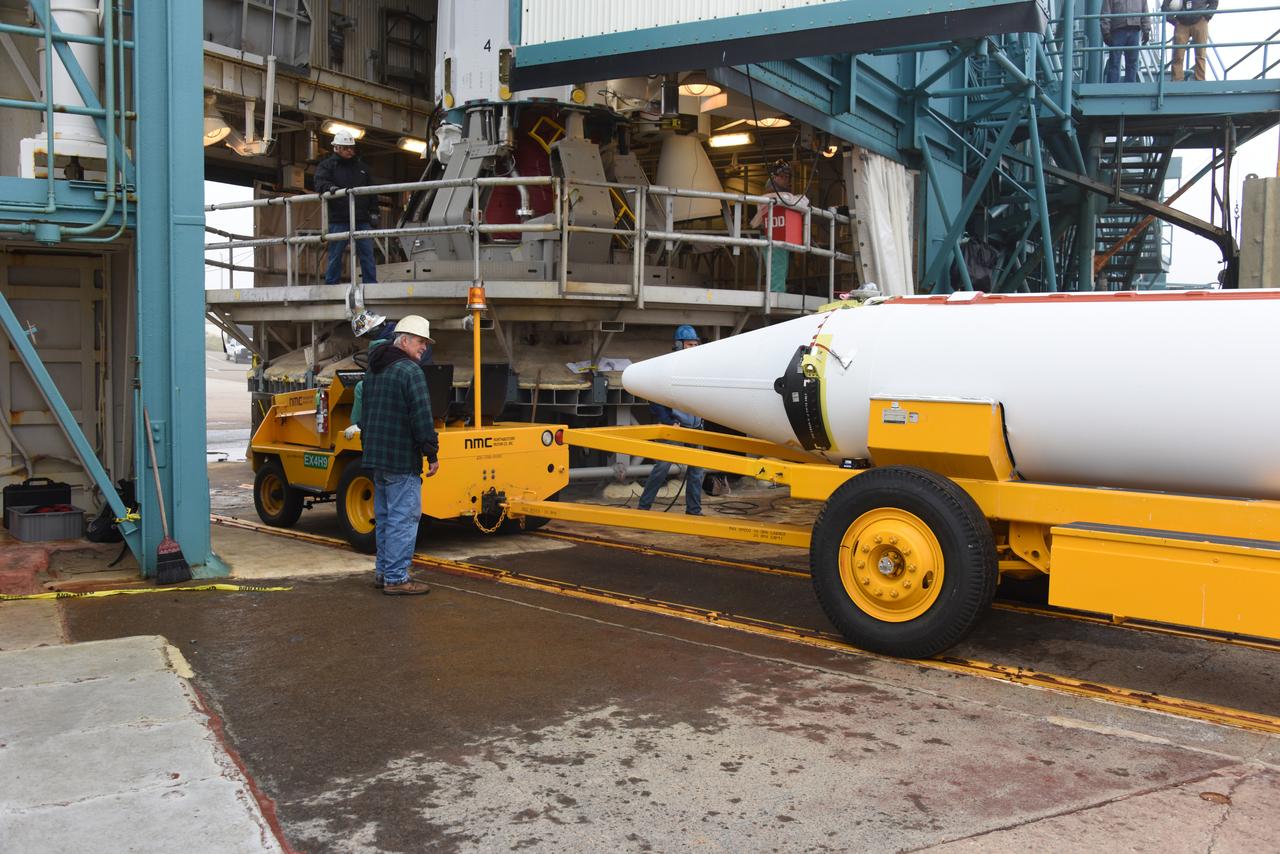
The United Launch Alliance/Orbital ATK Delta II solid rocket motor arrives at Space Launch Complex 2 at Vandenberg Air Force Base in California. The rocket motor will be mated to the Delta II first stage in preparation for launch of the Joint Polar Satellite System-1 (JPSS-1) later this year. JPSS, a next-generation environmental satellite system, is a collaborative program between the National Oceanic and Atmospheric Administration (NOAA) and NASA.
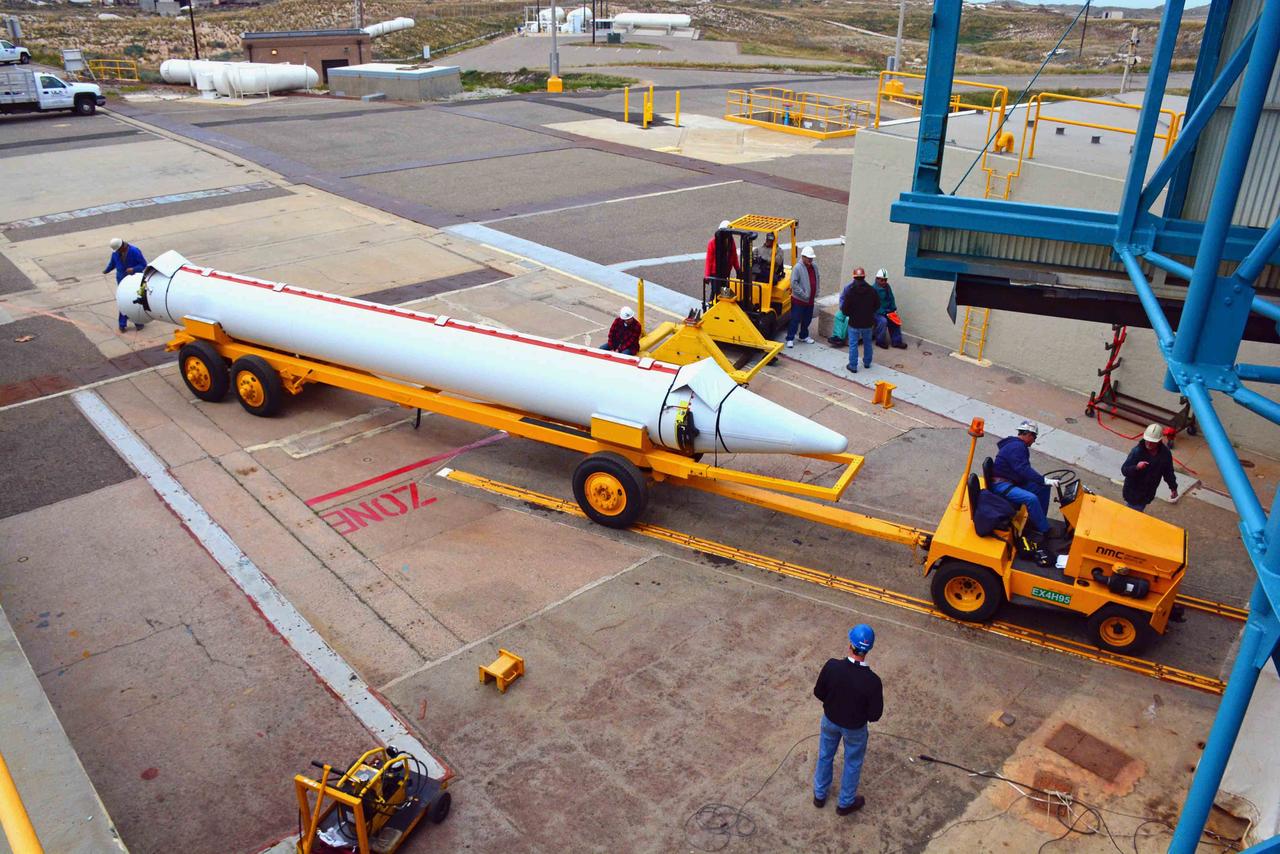
The United Launch Alliance/Orbital ATK Delta II solid rocket motor arrives at Space Launch Complex 2 at Vandenberg Air Force Base in California. The rocket motor will be mated to the Delta II first stage in preparation for launch of the Joint Polar Satellite System-1 (JPSS-1) later this year. JPSS, a next-generation environmental satellite system, is a collaborative program between the National Oceanic and Atmospheric Administration (NOAA) and NASA.
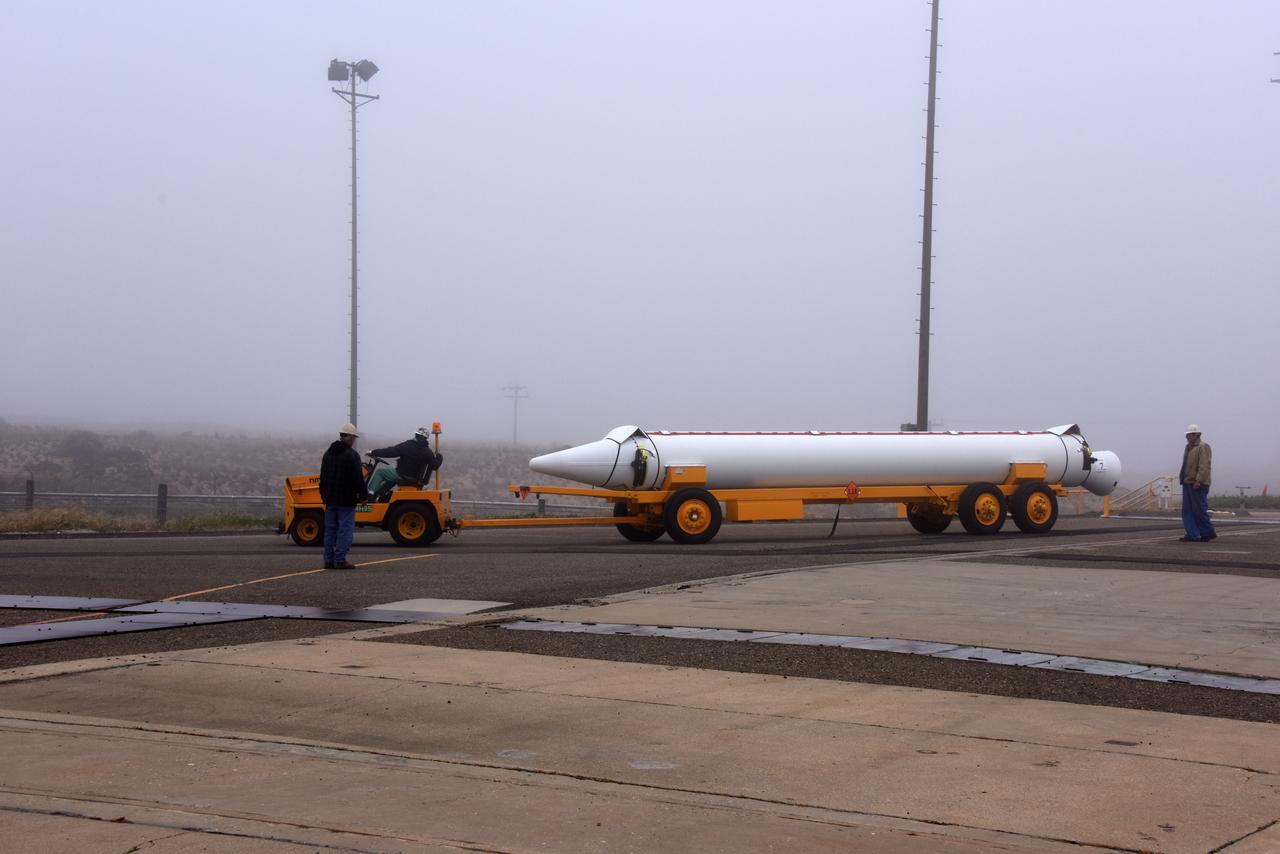
The United Launch Alliance/Orbital ATK Delta II solid rocket motor is towed to Space Launch Complex 2 at Vandenberg Air Force Base in California. The rocket motor will be mated to the Delta II first stage in preparation for launch of the Joint Polar Satellite System-1 (JPSS-1) later this year. JPSS, a next-generation environmental satellite system, is a collaborative program between the National Oceanic and Atmospheric Administration (NOAA) and NASA.
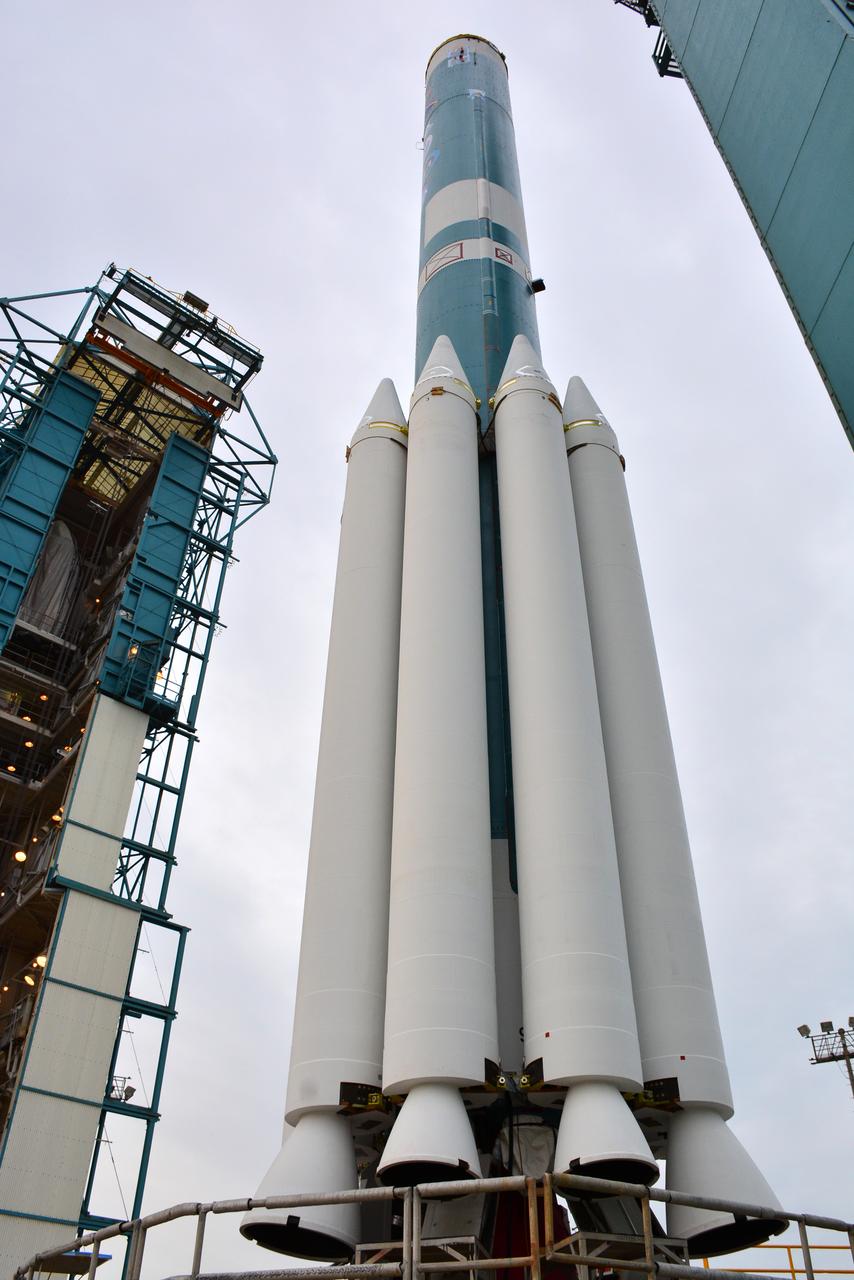
The United Launch Alliance Delta II rocket stands on Space Launch Complex 2 at Vandenberg Air Force Base in California. It is scheduled to launch the Joint Polar Satellite System-1 (JPSS-1) later this year. JPSS, a next-generation environmental satellite system, is a collaborative program between the National Oceanic and Atmospheric Administration (NOAA) and NASA.
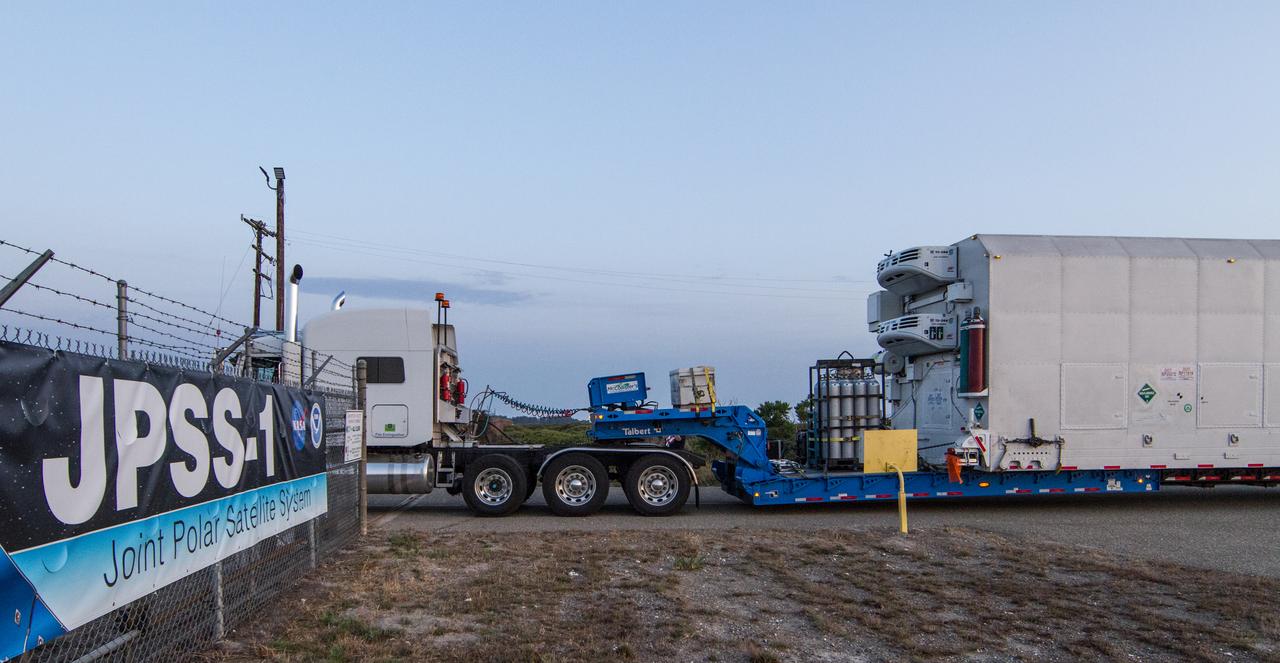
The Joint Polar Satellite System-1, or JPSS-1, arrives at the Astrotech Processing Facility at Vandenberg Air Force Base in California. JPSS is the first in a series four next-generation environmental satellites in a collaborative program between the National Oceanic and Atmospheric Administration (NOAA) and NASA. The satellite is scheduled to liftoff Nov. 10, 2017 atop a United Launch Alliance Delta II rocket.
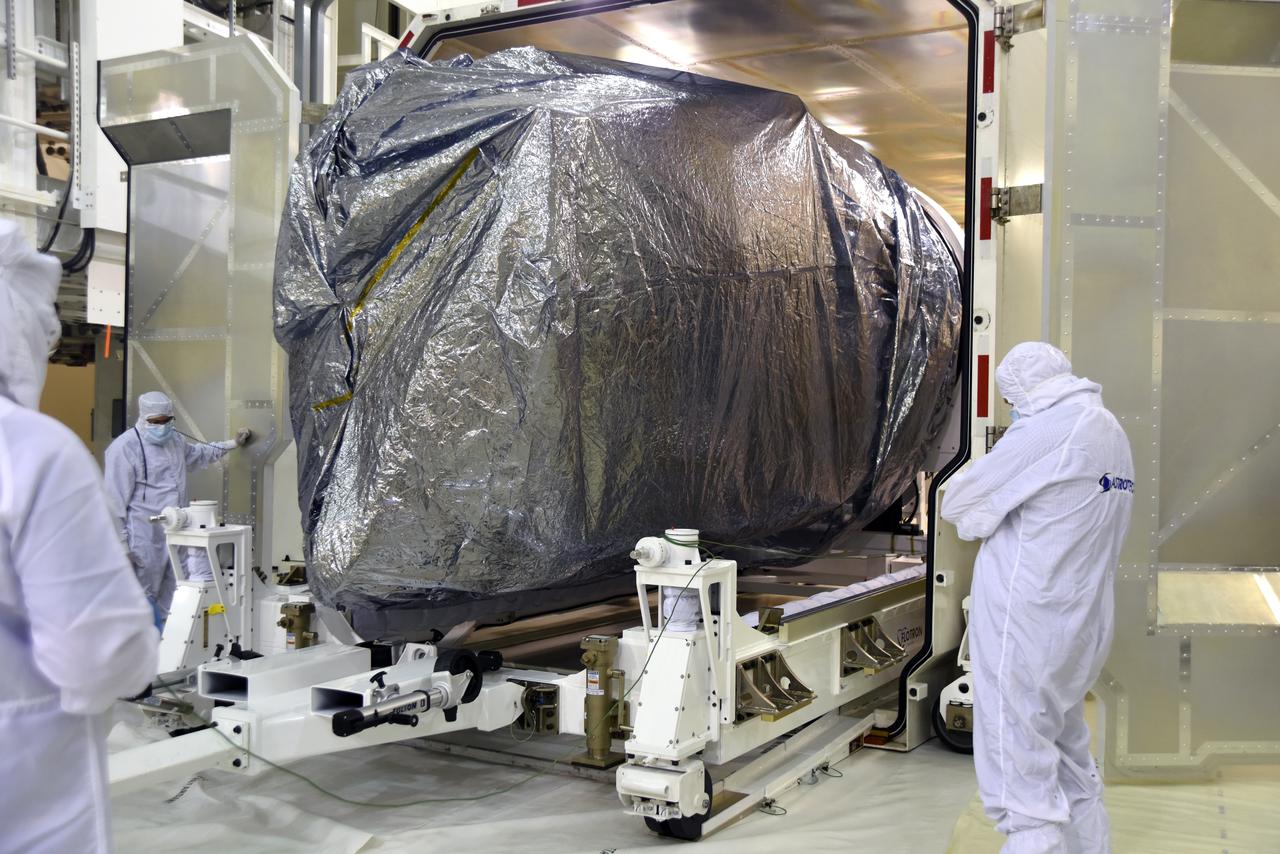
Inside the Astrotech Processing Facility at Vandenberg Air Force Base in California, technicians and engineers remove the Joint Polar Satellite System-1, or JPSS-1 from it shipping container. JPSS is the first in a series four next-generation environmental satellites in a collaborative program between the National Oceanic and Atmospheric Administration (NOAA) and NASA. The satellite is scheduled to liftoff Nov. 10, 2017 atop a United Launch Alliance Delta II rocket.

Inside the Astrotech Processing Facility at Vandenberg Air Force Base in California, technicians and engineers have completed removal of the Joint Polar Satellite System-1, or JPSS-1 from it shipping container. JPSS is the first in a series four next-generation environmental satellites in a collaborative program between the National Oceanic and Atmospheric Administration (NOAA) and NASA. The satellite is scheduled to liftoff Nov. 10, 2017 atop a United Launch Alliance Delta II rocket.
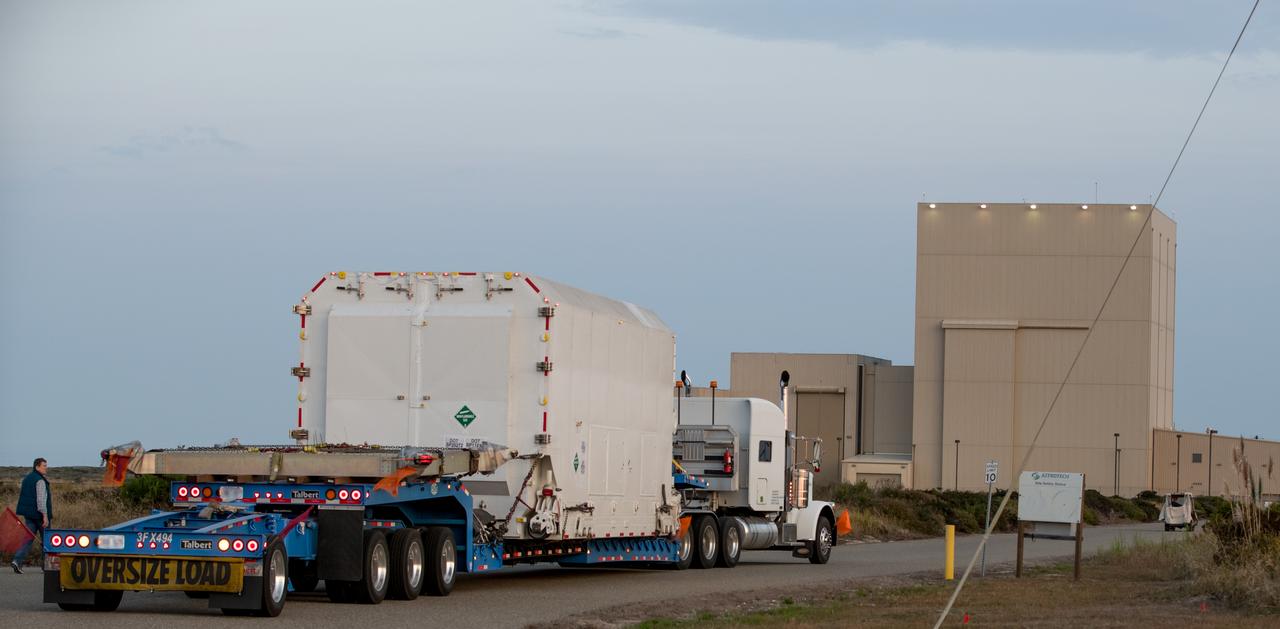
The Joint Polar Satellite System-1, or JPSS-1, arrives at the Astrotech Processing Facility at Vandenberg Air Force Base in California. JPSS is the first in a series four next-generation environmental satellites in a collaborative program between the National Oceanic and Atmospheric Administration (NOAA) and NASA. The satellite is scheduled to liftoff Nov. 10, 2017 atop a United Launch Alliance Delta II rocket.
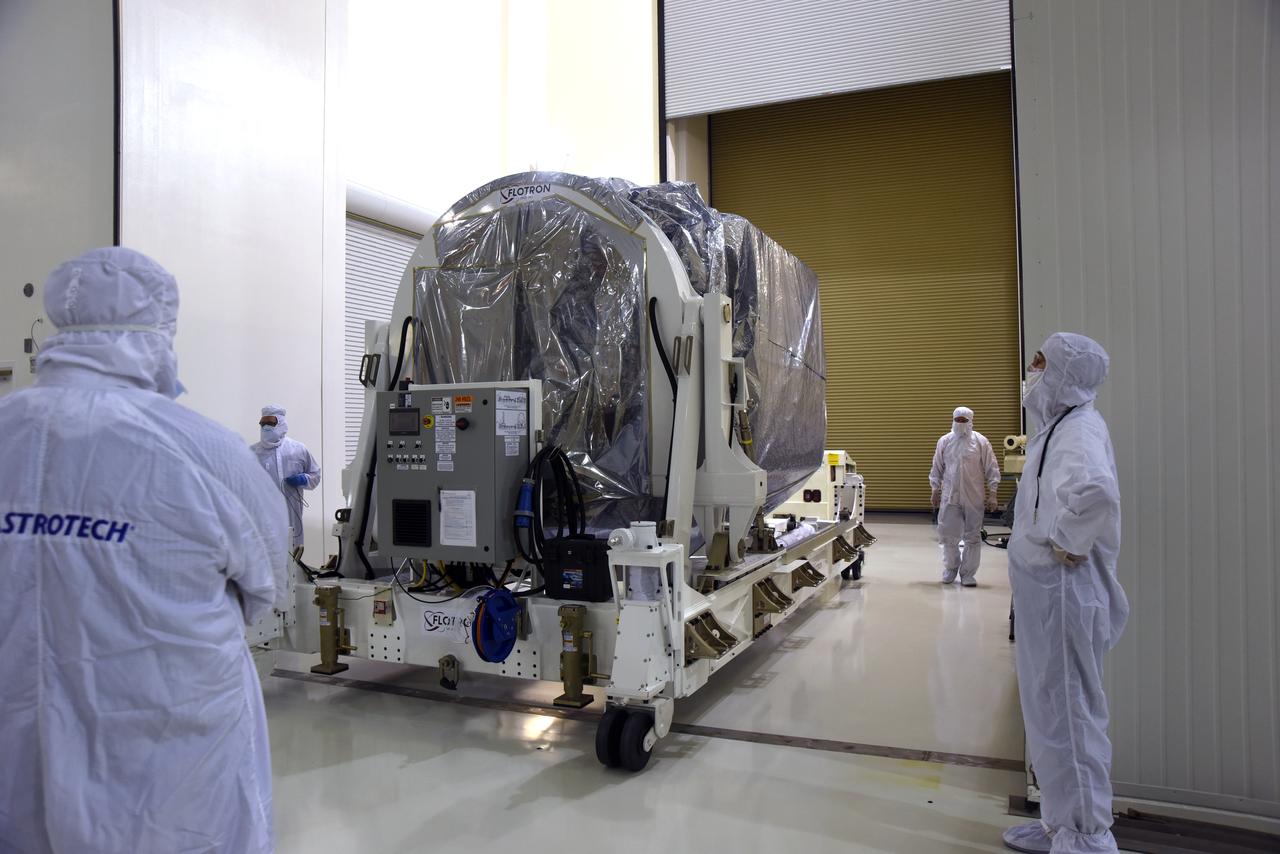
Inside the Astrotech Processing Facility at Vandenberg Air Force Base in California, technicians and engineers remove the Joint Polar Satellite System-1, or JPSS-1 from it shipping container. JPSS is the first in a series four next-generation environmental satellites in a collaborative program between the National Oceanic and Atmospheric Administration (NOAA) and NASA. The satellite is scheduled to liftoff Nov. 10, 2017 atop a United Launch Alliance Delta II rocket.
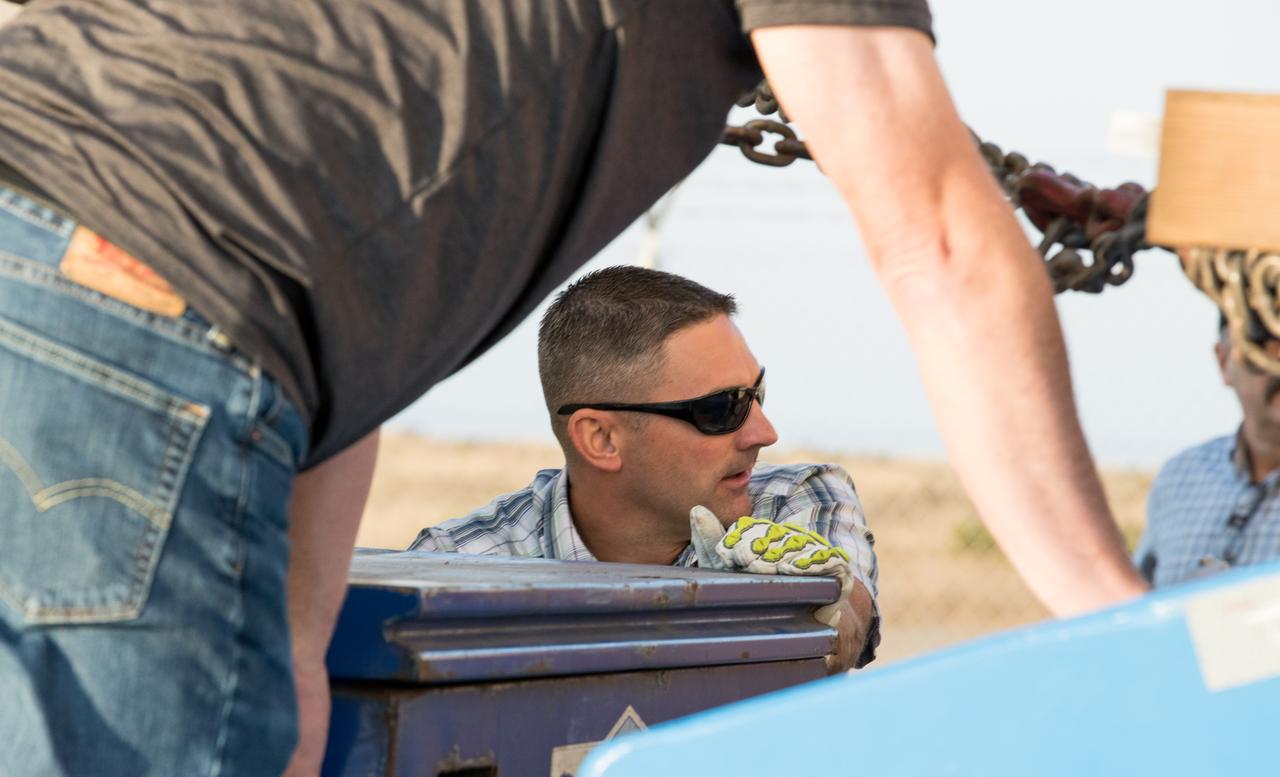
Technicians at Vandenberg Air Force Base in California inspect the shipping container for the Joint Polar Satellite System-1, or JPSS-1, as it arrives at the Astrotech Processing Facility. JPSS is the first in a series four next-generation environmental satellites in a collaborative program between the National Oceanic and Atmospheric Administration (NOAA) and NASA. The satellite is scheduled to liftoff Nov. 10, 2017 atop a United Launch Alliance Delta II rocket.
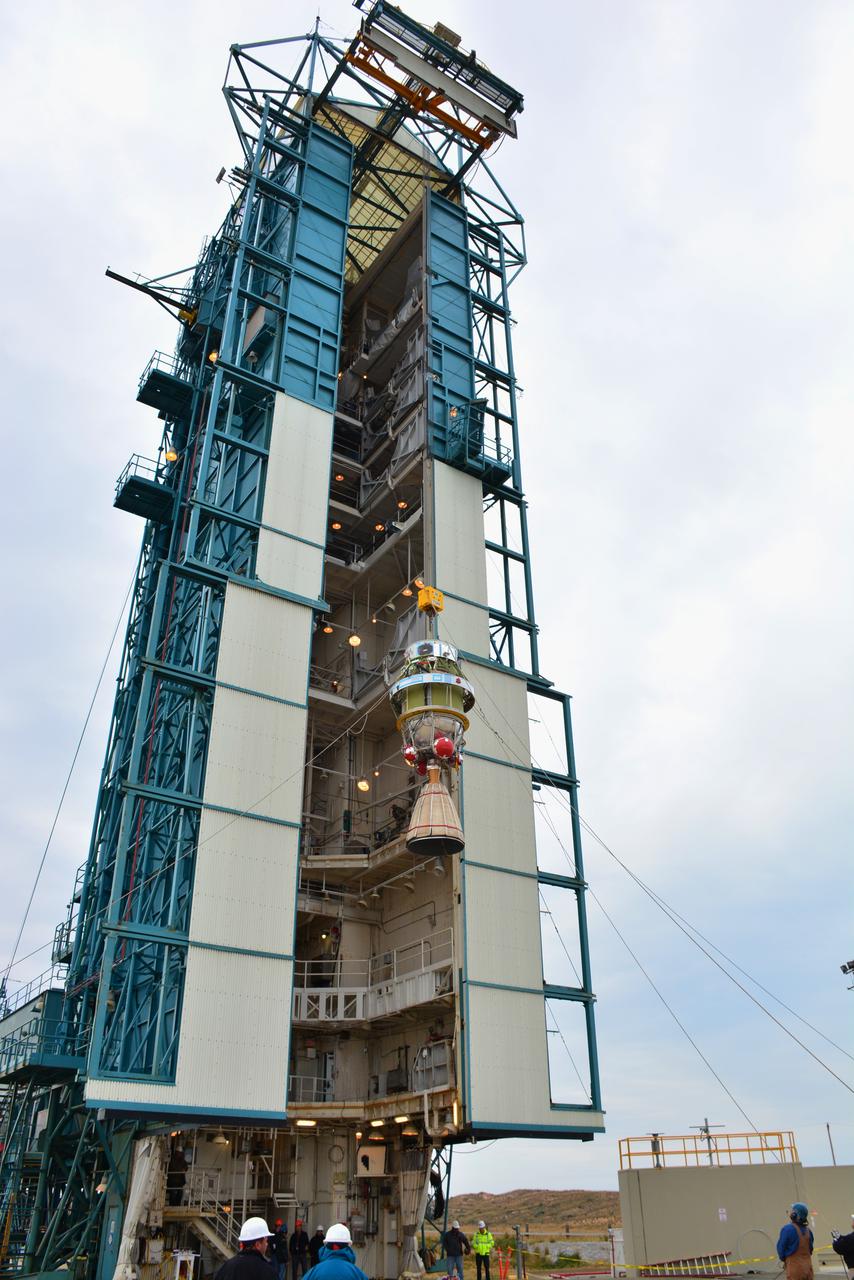
At Vandenberg Air Force Base in California, a United Launch Alliance Delta II second stage is hoisted into the gantry at Space Launch Complex 2. It will be mounted atop first stage of the rocket as preparations continue for the launch of the Joint Polar Satellite System-1 (JPSS-1) later this year. JPSS, a next-generation environmental satellite system, is a collaborative program between the National Oceanic and Atmospheric Administration (NOAA) and NASA.
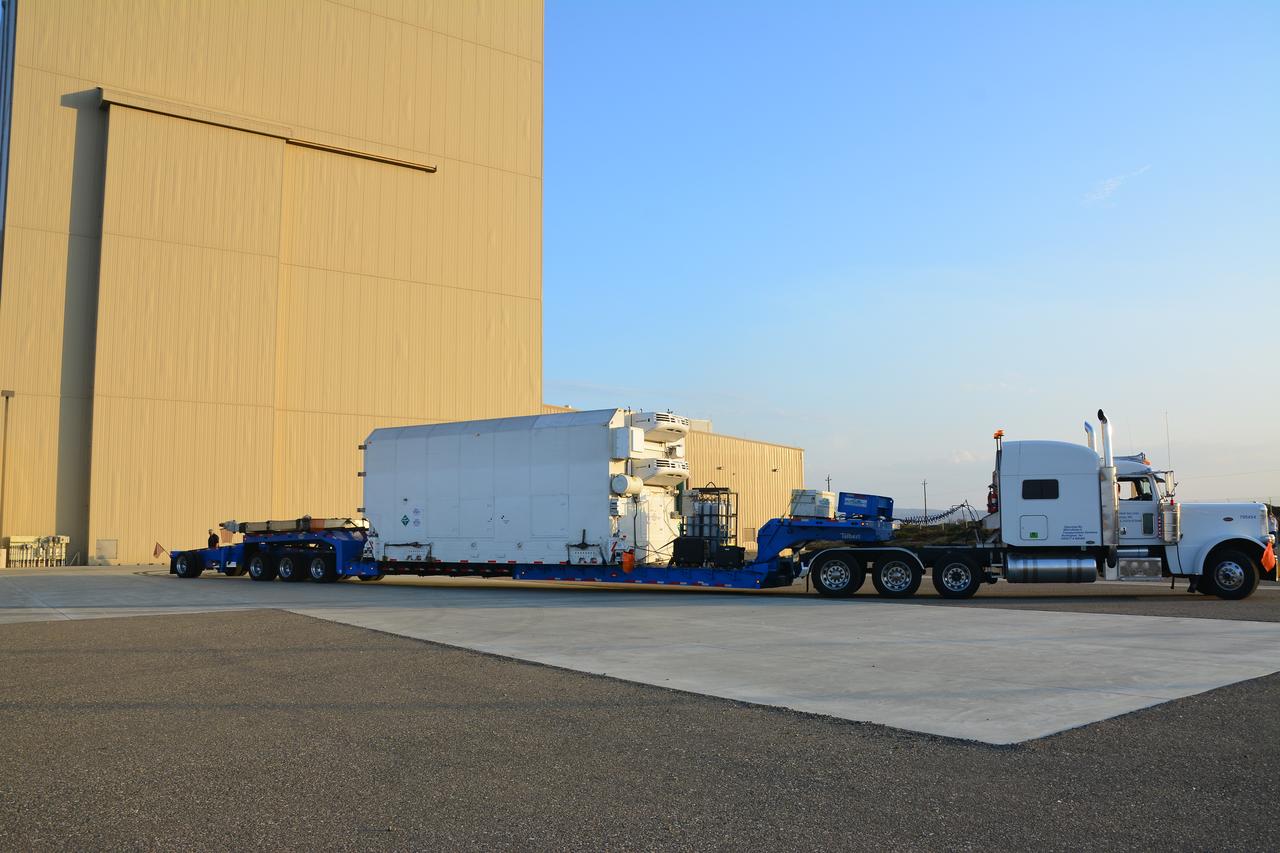
The Joint Polar Satellite System-1, or JPSS-1, arrives at the Astrotech Processing Facility at Vandenberg Air Force Base in California. JPSS is the first in a series four next-generation environmental satellites in a collaborative program between the National Oceanic and Atmospheric Administration (NOAA) and NASA. The satellite is scheduled to liftoff later this year atop a United Launch Alliance Delta II rocket.
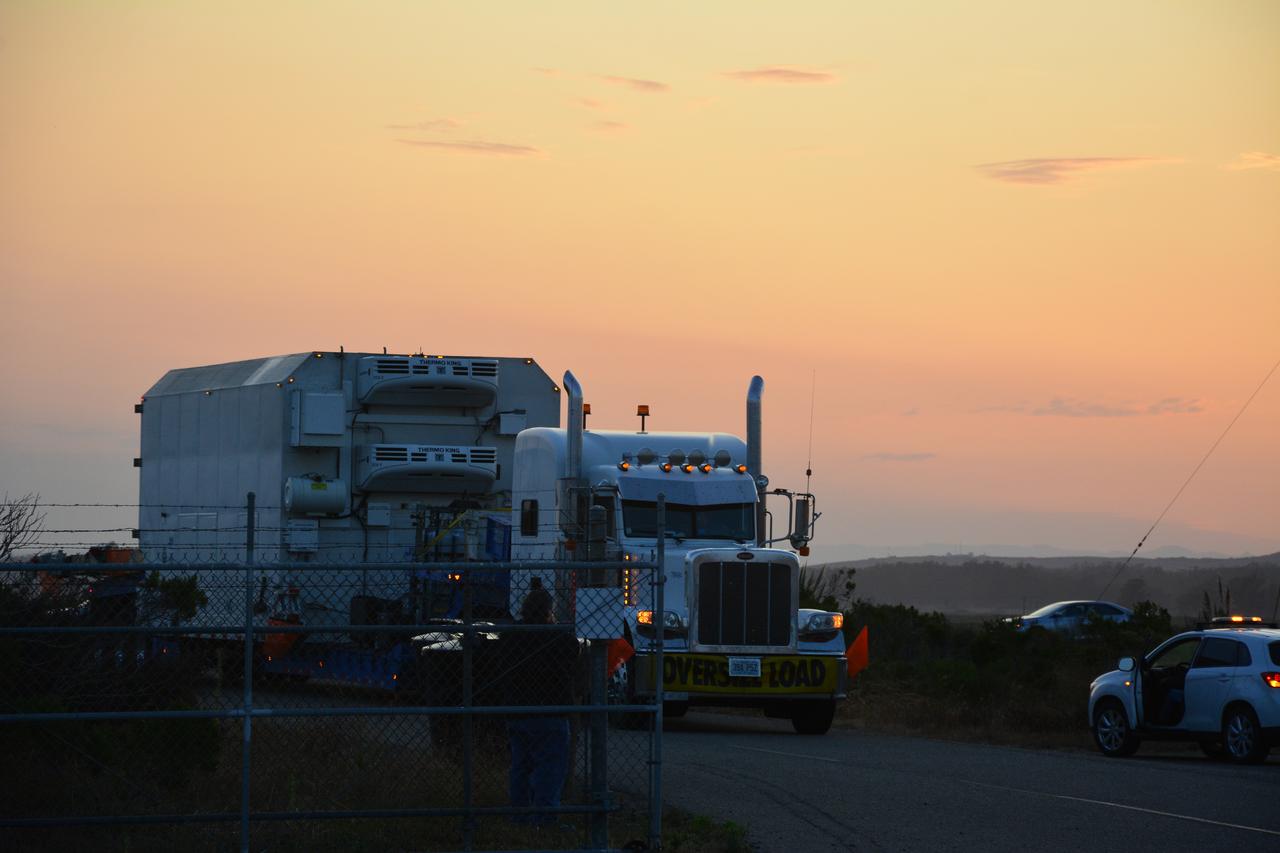
The Joint Polar Satellite System-1, or JPSS-1, arrives at the Astrotech Processing Facility at Vandenberg Air Force Base in California. JPSS is the first in a series four next-generation environmental satellites in a collaborative program between the National Oceanic and Atmospheric Administration (NOAA) and NASA. The satellite is scheduled to liftoff later this year atop a United Launch Alliance Delta II rocket.
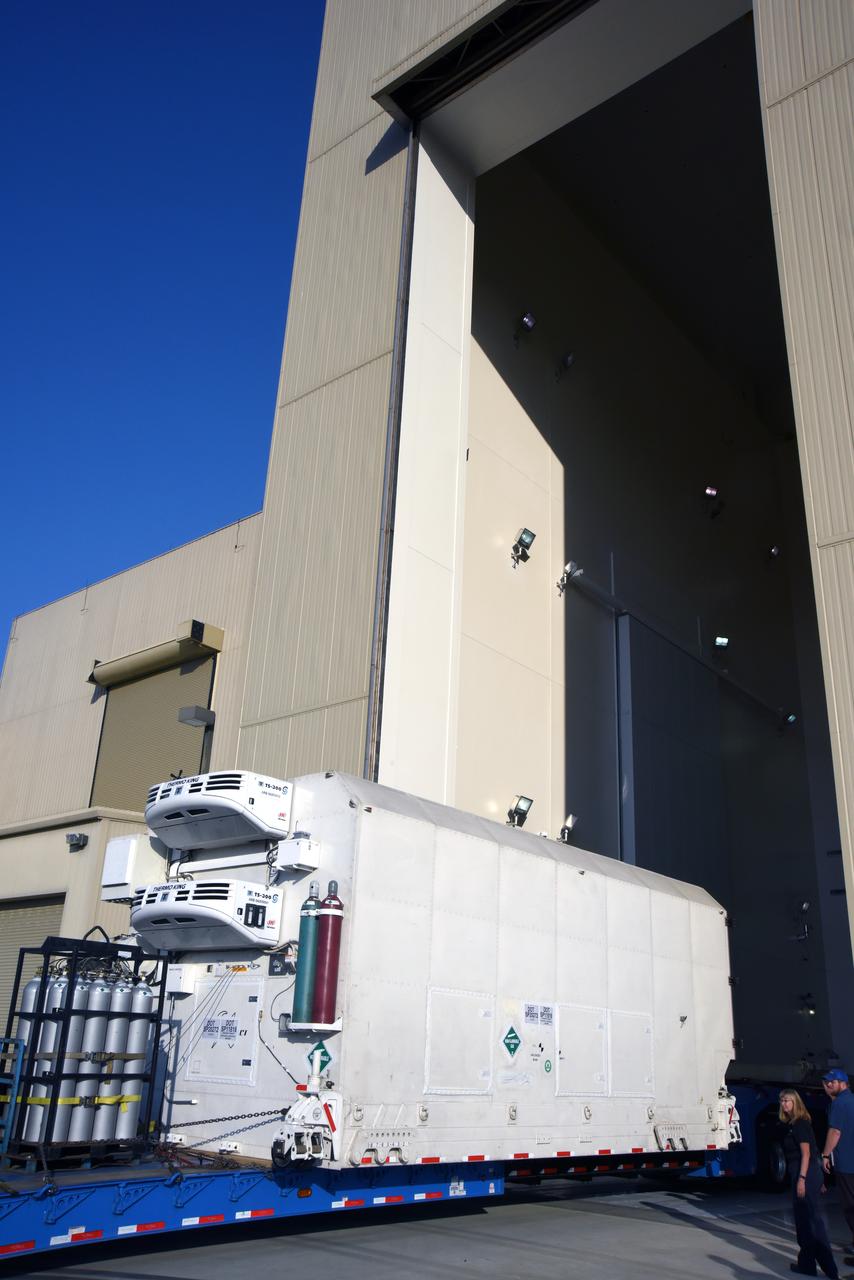
The Joint Polar Satellite System-1, or JPSS-1, arrives at the Astrotech Processing Facility at Vandenberg Air Force Base in California. JPSS is the first in a series four next-generation environmental satellites in a collaborative program between the National Oceanic and Atmospheric Administration (NOAA) and NASA. The satellite is scheduled to liftoff Nov. 10, 2017 atop a United Launch Alliance Delta II rocket.