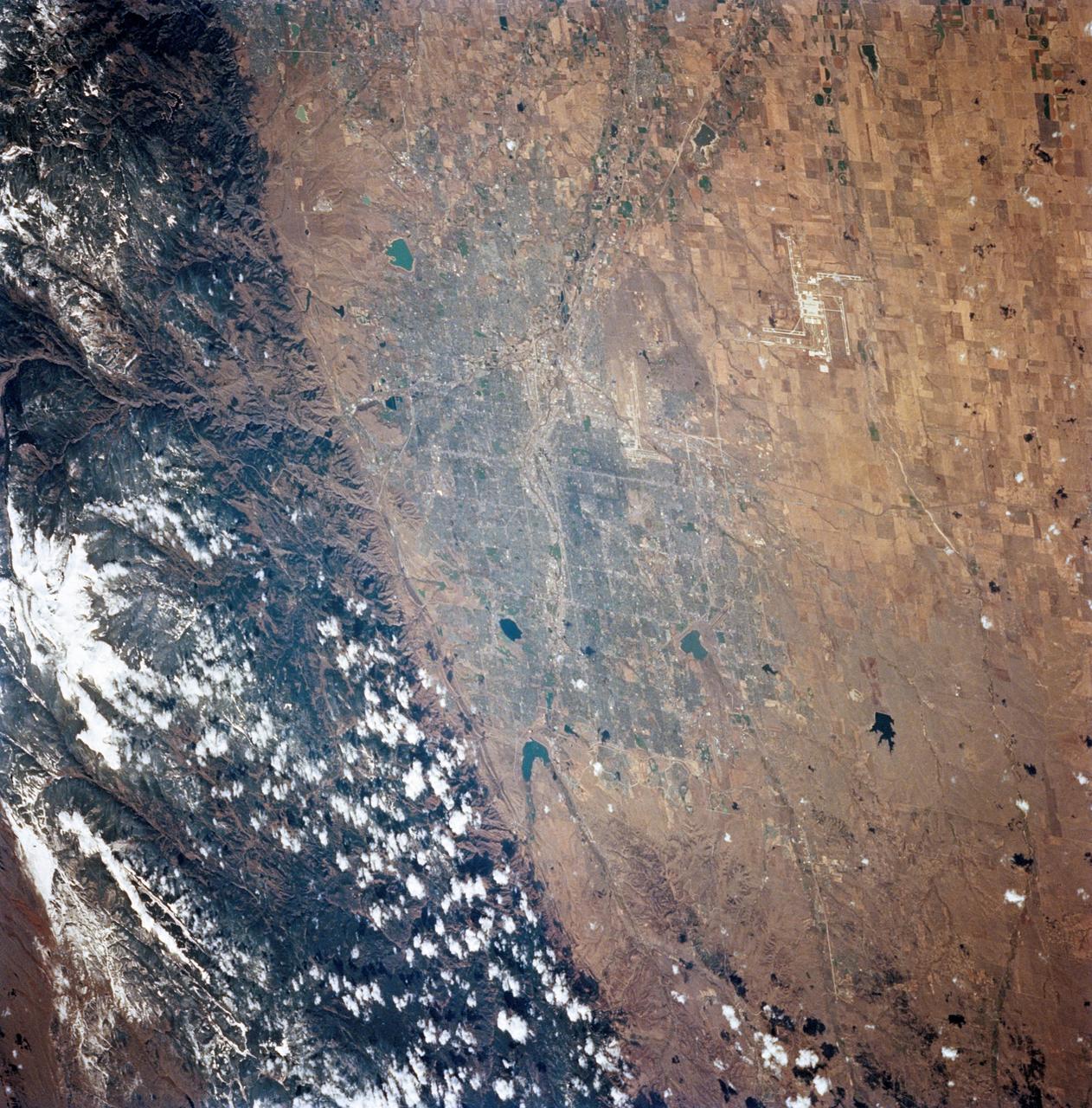
STS068-248-092 (30 September-11 October 1994) --- The location of Denver, Colorado - on the western edge of the High Plains, at the junction of the South Platte River and Clear Creek east of the Rocky Mountains - is graphically displayed. Mount Evans and its surroundings are already covered by snow on October 8, 1994. Clear Creek was one of the first areas in the Rockies where gold was discovered by American prospectors in the 19th century, which led to the settlement of Denver. The growth of 20th century Denver, dominantly to the west and south, is apparent. Stapleton Field, close to downtown Denver, is being replaced by the new regional airport well out on the plains.
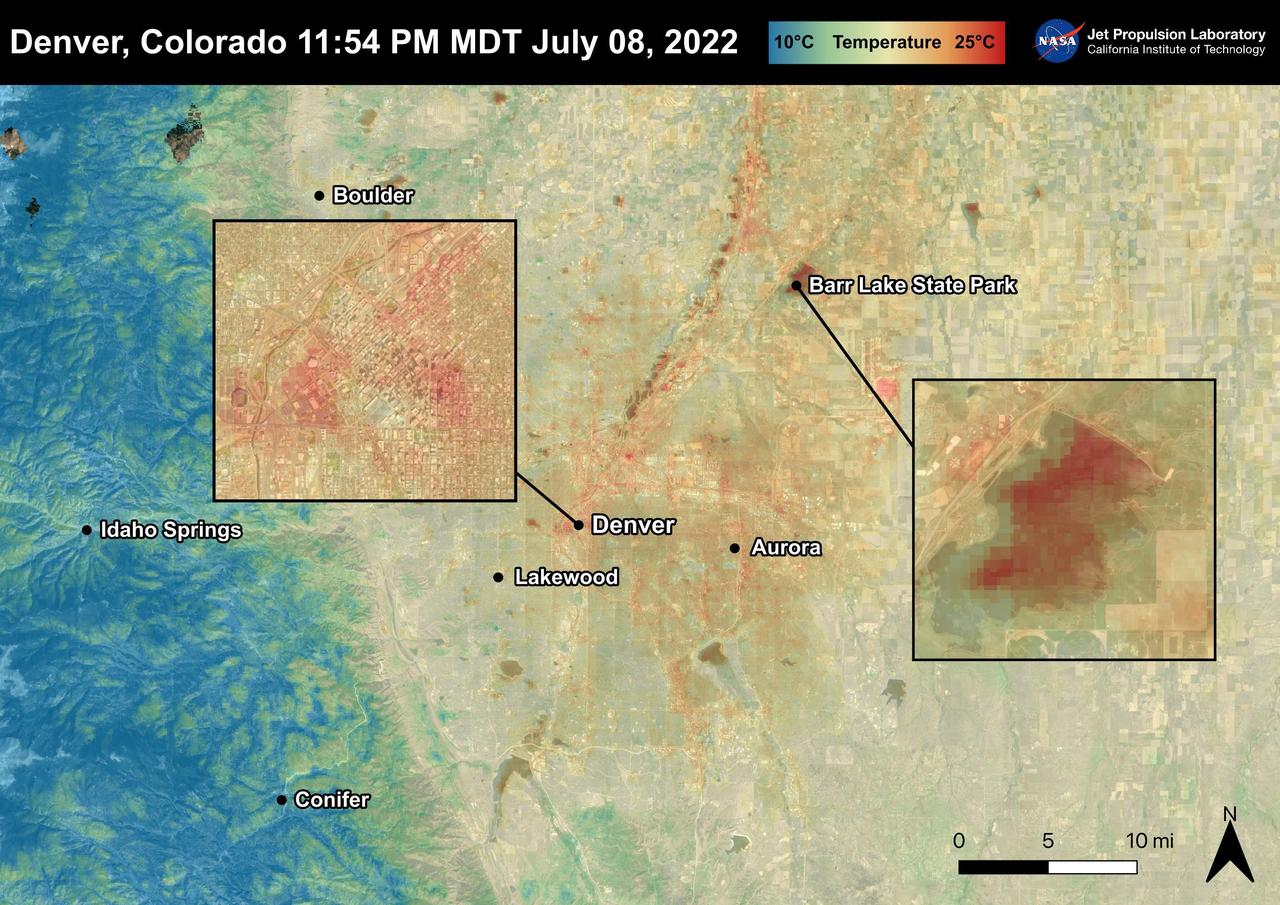
Denver, Colorado reached 96 degrees Fahrenheit on July 8th, 2022. In the two days following, temperatures rose to 101 degrees Fahrenheit. For cities like Denver, heat dissipates more slowly and create urban heat islands. High temperatures due to urban heat, especially at night, can lead to adverse health effects in vulnerable populations like children and the elderly. This image also shows that bodies of water, like Barr Lake, remain warm into the night due to water's high heat capacity. ECOSTRESS captured this Land Surface Temperature image on July 8th, 2022 at 11:54 PM MDT. ECOSTRESS is a thermal instrument on the International Space Station that measures the temperature of the ground, which is hotter than the air temperature during the day. It was launched to the space station in 2018. Its primary mission is to identify critical thresholds of water use and water stress in plants and to detect the timing, location, and predictive factors leading to plant water uptake decline and/or cessation. The nature of the high-resolution data provided by ECOSTRESS allows it to record heat related phenomena such as heat waves and wildfires. https://photojournal.jpl.nasa.gov/catalog/PIA25483
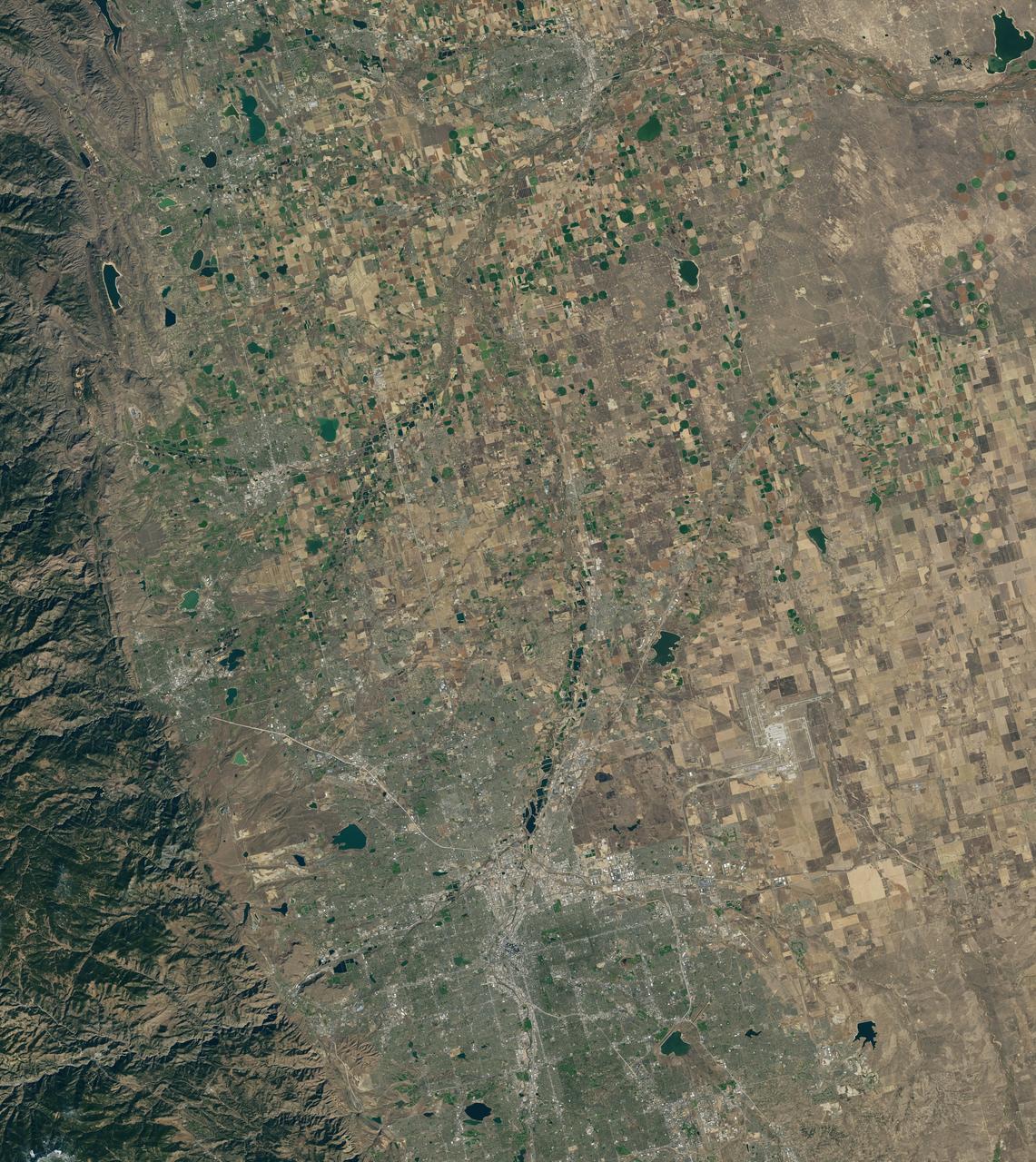
Landsat 7 image of Denver area acquired Nov 3, 2015. Landsat 7 is a U.S. satellite used to acquire remotely sensed images of the Earth's land surface and surrounding coastal regions. It is maintained by the Landsat 7 Project Science Office at the NASA Goddard Space Flight Center in Greenbelt, MD...Landsat satellites have been acquiring images of the Earth’s land surface since 1972. Currently there are more than 2 million Landsat images in the National Satellite Land Remote Sensing Data Archive. For more information visit: <a href="http://landsat.usgs.gov/" rel="nofollow">landsat.usgs.gov/</a>..To learn more about the Landsat satellite go to:.<a href="http://landsat.gsfc.nasa.gov/" rel="nofollow">landsat.gsfc.nasa.gov/</a> Credit: NASA/GSFC/Landsat 7 <b><a href="http://www.nasa.gov/audience/formedia/features/MP_Photo_Guidelines.html" rel="nofollow">NASA image use policy.</a></b> <b><a href="http://www.nasa.gov/centers/goddard/home/index.html" rel="nofollow">NASA Goddard Space Flight Center</a></b> enables NASA’s mission through four scientific endeavors: Earth Science, Heliophysics, Solar System Exploration, and Astrophysics. Goddard plays a leading role in NASA’s accomplishments by contributing compelling scientific knowledge to advance the Agency’s mission. <b>Follow us on <a href="http://twitter.com/NASAGoddardPix" rel="nofollow">Twitter</a></b> <b>Like us on <a href="http://www.facebook.com/pages/Greenbelt-MD/NASA-Goddard/395013845897?ref=tsd" rel="nofollow">Facebook</a></b> <b>Find us on <a href="http://instagrid.me/nasagoddard/?vm=grid" rel="nofollow">Instagram</a></b>
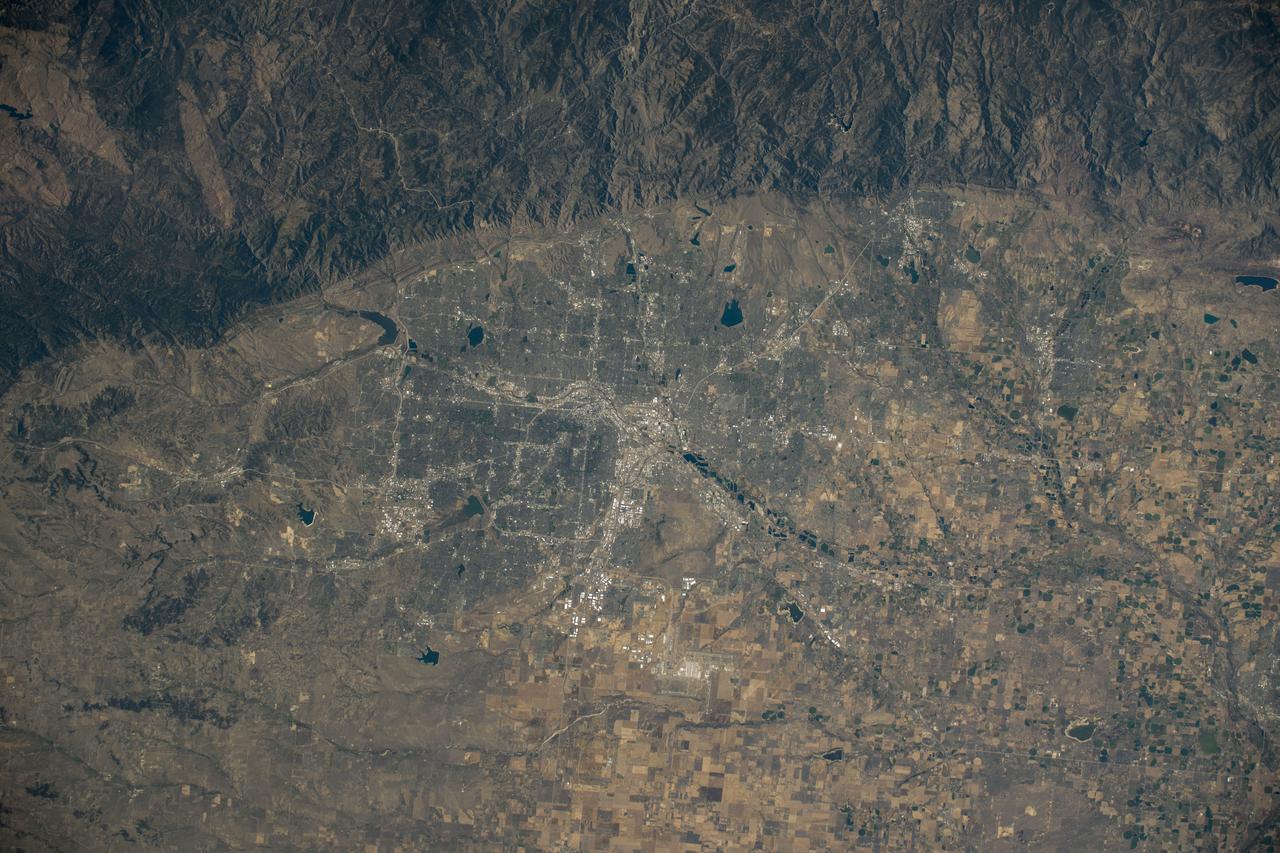
iss072e010455 (Oct. 2, 2024) --- The Denver, Colorado, metropolitan area sits near the eastern foothills of the Rocky Mountains in this photograph from the International Space Station as it orbited 258 miles above the Centennial State.
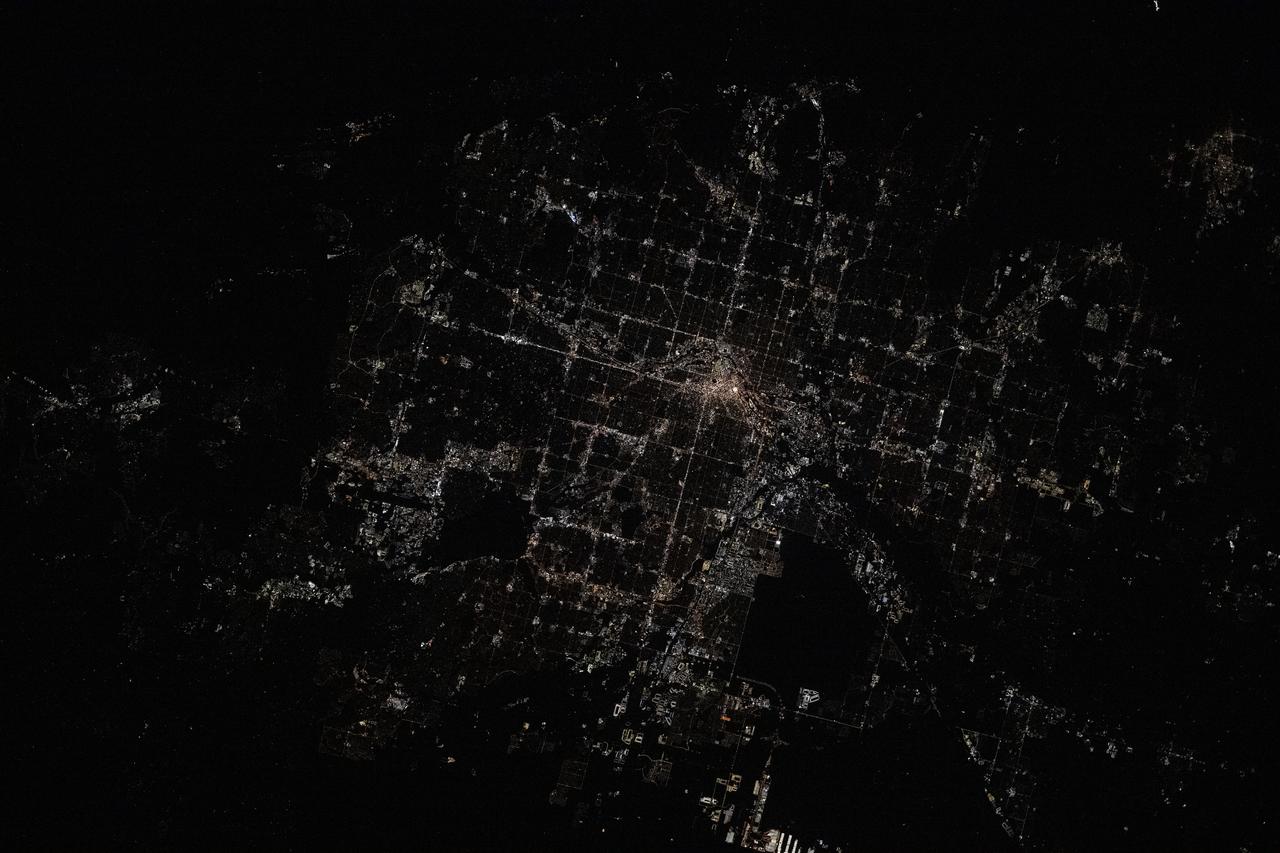
iss073e0252026 (June 26, 2025) --- Denver, Colorado's capital and largest city with a metropolitan population of over 3 million, is pictured at approximately 2:42 a.m. local time from the International Space Station as it orbited 261 miles above the Centennial State.
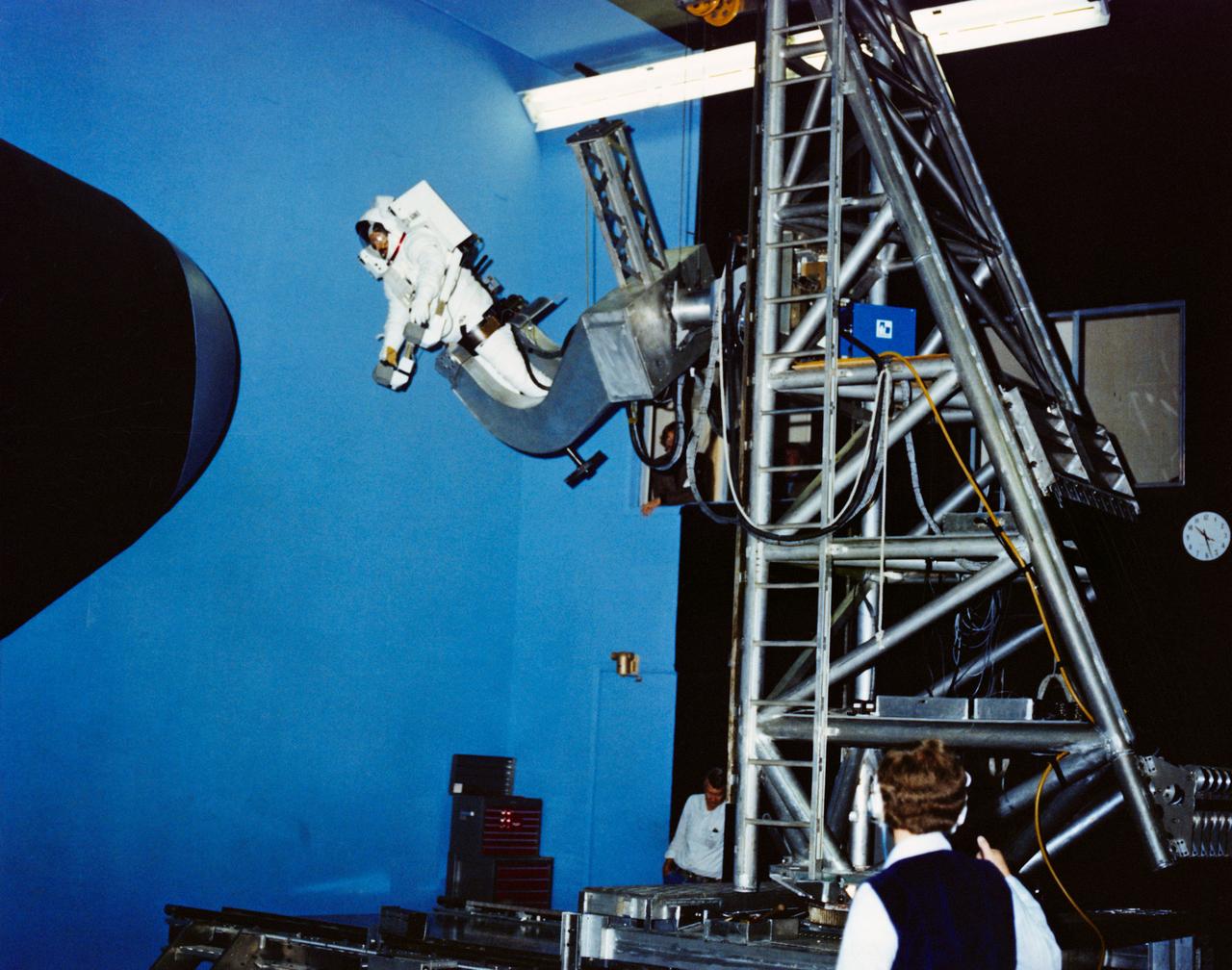
S80-36848 (24 July 1980) --- Photo of the Manned Maneuvering Unit (MMU) simulator at the Martin Marietta plant in Denver, Colorado. View of simulator with test subject strapped in to it.
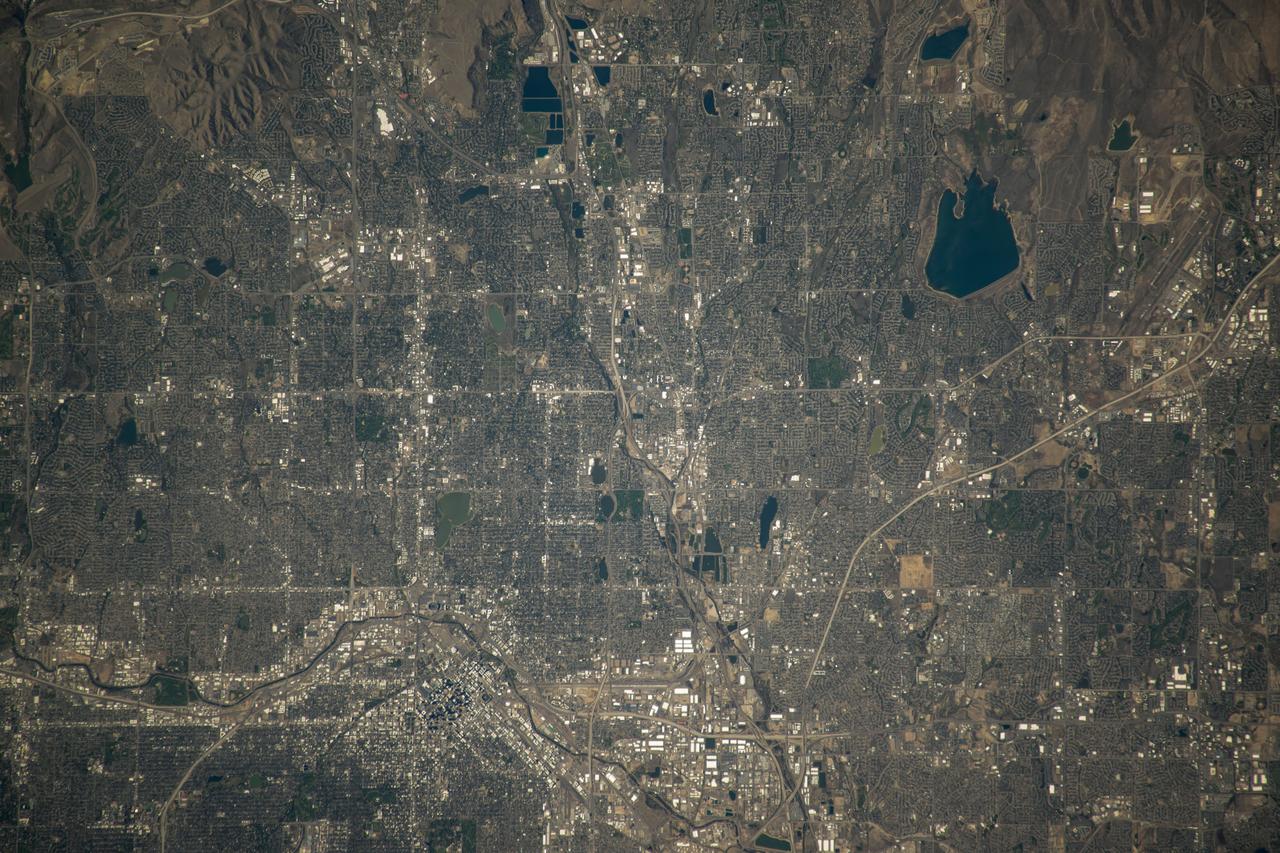
iss072e010488 (Oct. 2, 2024) --- Denver, Colorado, split by the South Platte River, and with Standley Lake at top right, is pictured from the International Space Station as it orbited 258 miles above the Centennial State.

Representative from U.S. Senator Udall's office Jimmy Haugue reads remarks from U.S. Senator Udall at the Colorado State Capitol in Denver on Monday, Dec. 13, 2010, prior to the signing of an agreement with NASA that creates a Technology Acceleration Program and Regional Innovation Cluster for Aerospace and Clean Energy. A manufacturing park focused on rapid new product development and production will be developed to assist growing Colorado businesses while promoting the commercialization of technology developed for the space program. Photo Credit: (NASA/Bill Ingalls)
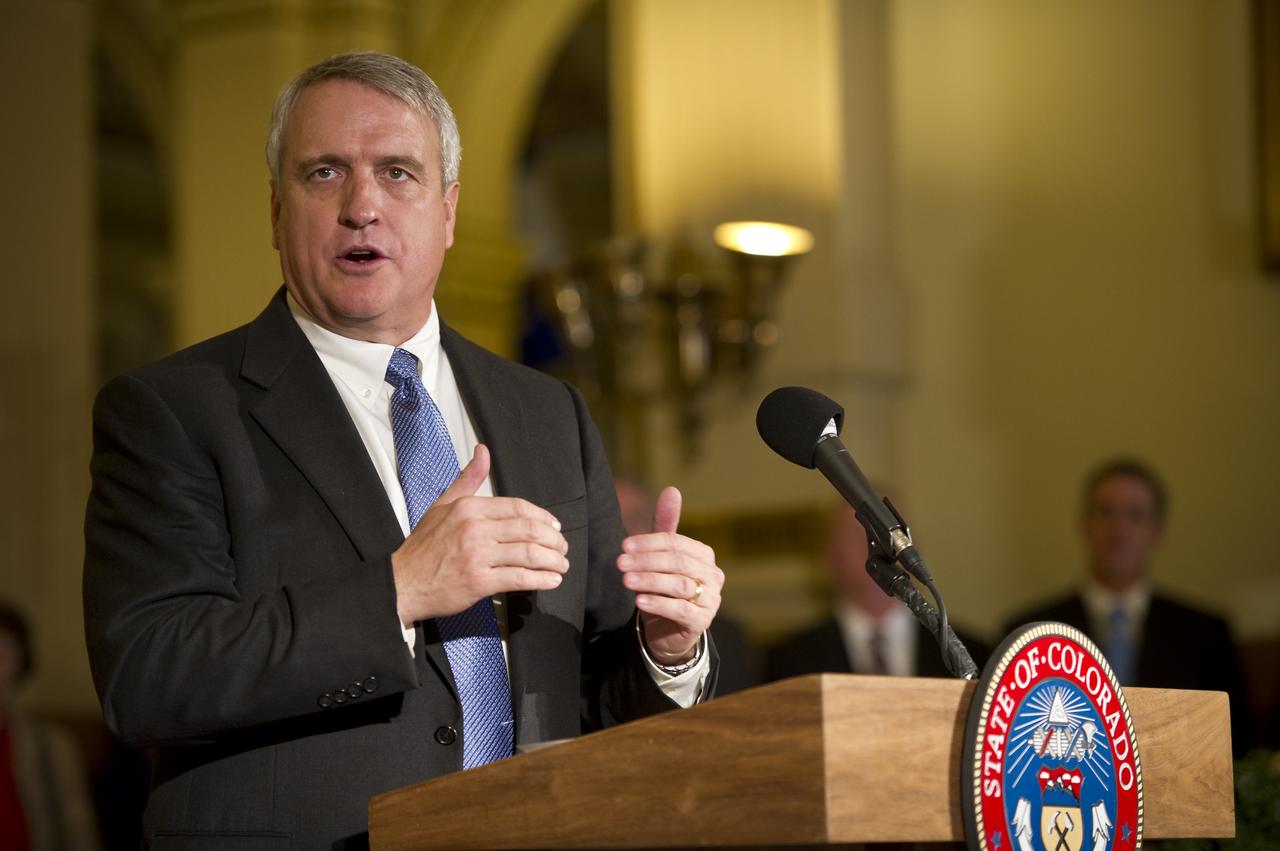
Colorado State Governor Bill Ritter delivers remarks at the Colorado State Capitol in Denver on Monday, Dec. 13, 2010, prior to the signing of an agreement with NASA that creates a Technology Acceleration Program and Regional Innovation Cluster for Aerospace and Clean Energy. A manufacturing park focused on rapid new product development and production will be developed to assist growing Colorado businesses while promoting the commercialization of technology developed for the space program. Photo Credit: (NASA/Bill Ingalls)

NIST MEP Director Roger Kilmer delivers remarks at the Colorado State Capitol in Denver on Monday, Dec. 13, 2010, prior to the signing of an agreement between the Colorado Association for Manufacturing and Technology (CAMT) and NASA that creates a Technology Acceleration Program and Regional Innovation Cluster for Aerospace and Clean Energy. A manufacturing park focused on rapid new product development and production will be developed to assist growing Colorado businesses while promoting the commercialization of technology developed for the space program. Photo Credit: (NASA/Bill Ingalls)

Colorado Association for Manufacturing and Technology (CAMT) CEO Elaine Thorndike delivers remarks at the Colorado State Capitol in Denver on Monday, Dec. 13, 2010, prior to the signing of an agreement with NASA that creates a Technology Acceleration Program and Regional Innovation Cluster for Aerospace and Clean Energy. A manufacturing park focused on rapid new product development and production will be developed to assist growing Colorado businesses while promoting the commercialization of technology developed for the space program. Photo Credit: (NASA/Bill Ingalls)

NASA Deputy Administrator Lori Garver delivers remarks at the Colorado State Capitol in Denver on Monday, Dec. 13, 2010, prior to signing an agreement that creates a Technology Acceleration Program and Regional Innovation Cluster for Aerospace and Clean Energy. A manufacturing park focused on rapid new product development and production will be developed to assist growing Colorado businesses while promoting the commercialization of technology developed for the space program. Photo Credit: (NASA/Bill Ingalls)
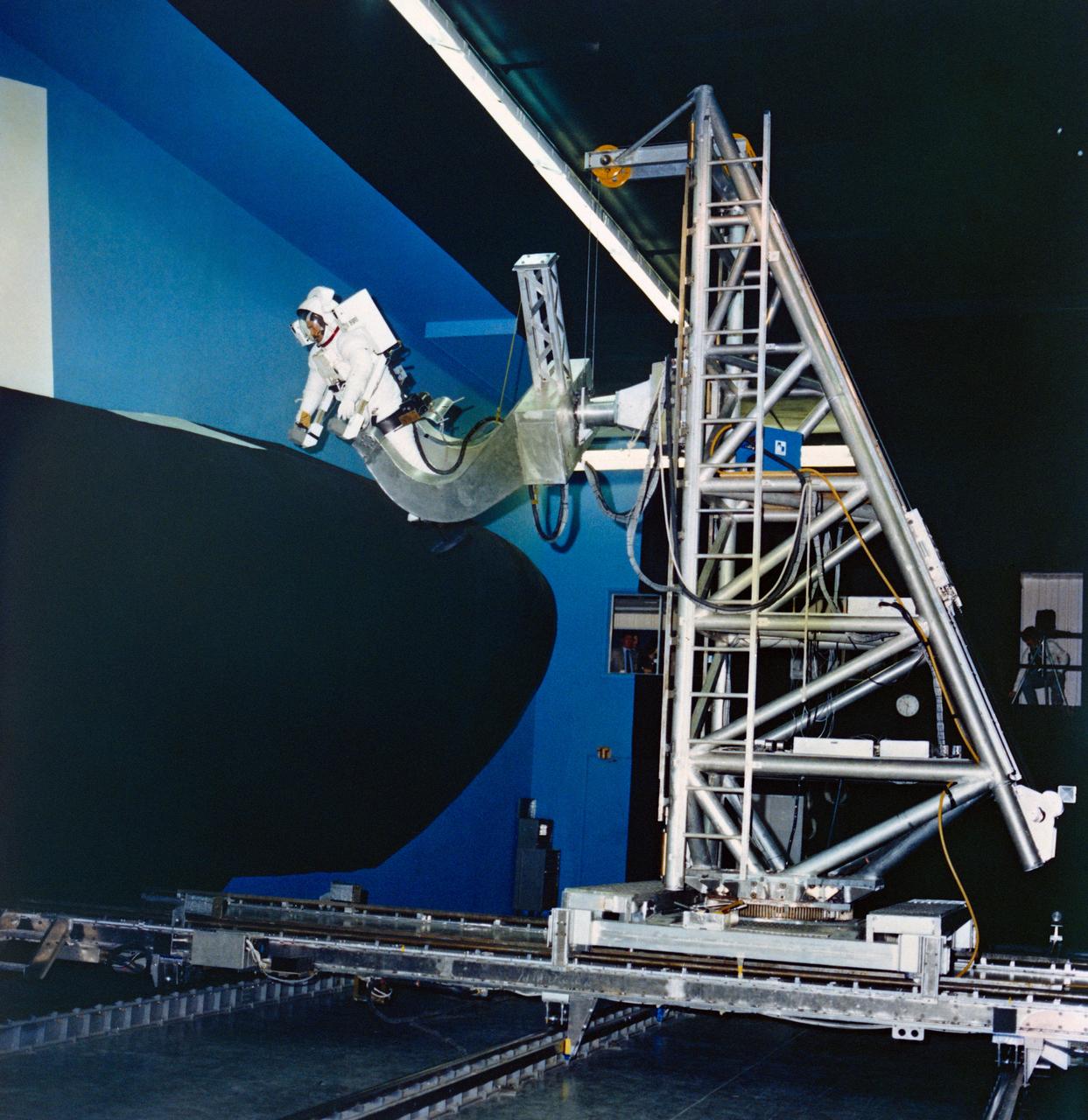
S80-36889 (24 July 1980) --- Astronaut Bruce McCandless II uses a simulator at Martin Marietta?s space center near Denver to develop flight techniques for a backpack propulsion unit that will be used on Space Shuttle flights. The manned maneuvering unit (MMU) training simulator allows astronauts to "fly missions" against a full scale mockup of a portion of the orbiter vehicle. Controls of the simulator are like those of the actual MMU. Manipulating them allows the astronaut to move in three straight-line directions and in pitch, yaw and roll. One possible application of the MMU is for an extravehicular activity chore to repair damaged tiles on the vehicle. McCandless is wearing an extravehicular mobility unit (EMU).
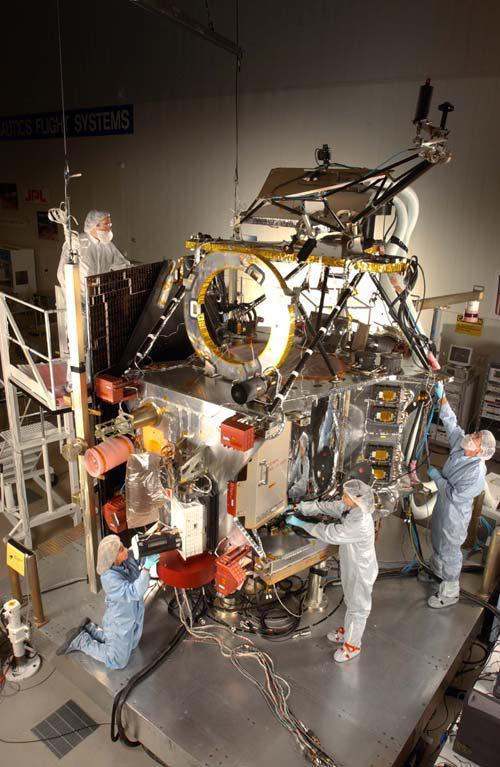
Engineers and technicians at Lockheed Martin Space Systems, Denver, building the Mars Reconnaissance Orbiter for NASA.
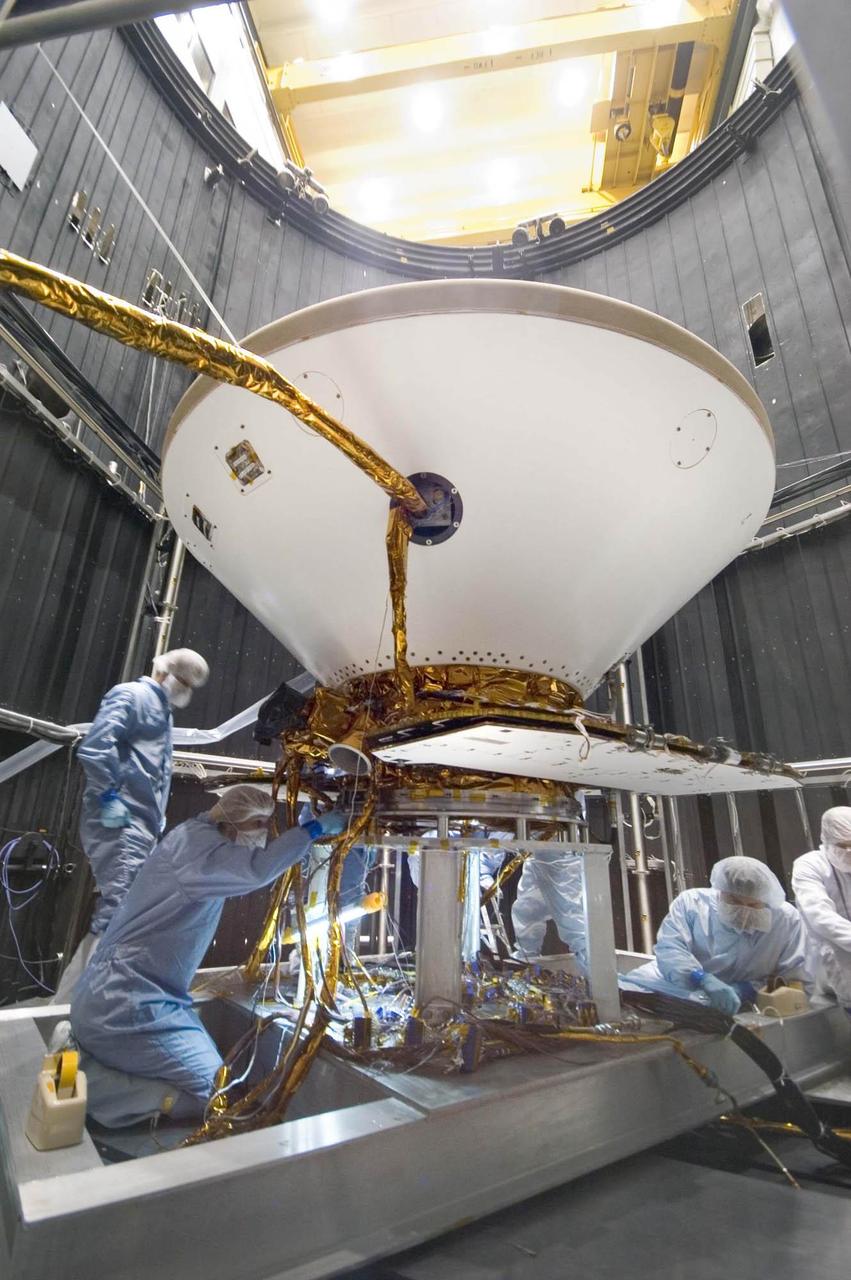
Inside a thermal vacuum at Lockheed Martin Space Systems, Denver, technicians prepared NASA Phoenix Mars Lander for environmental testing
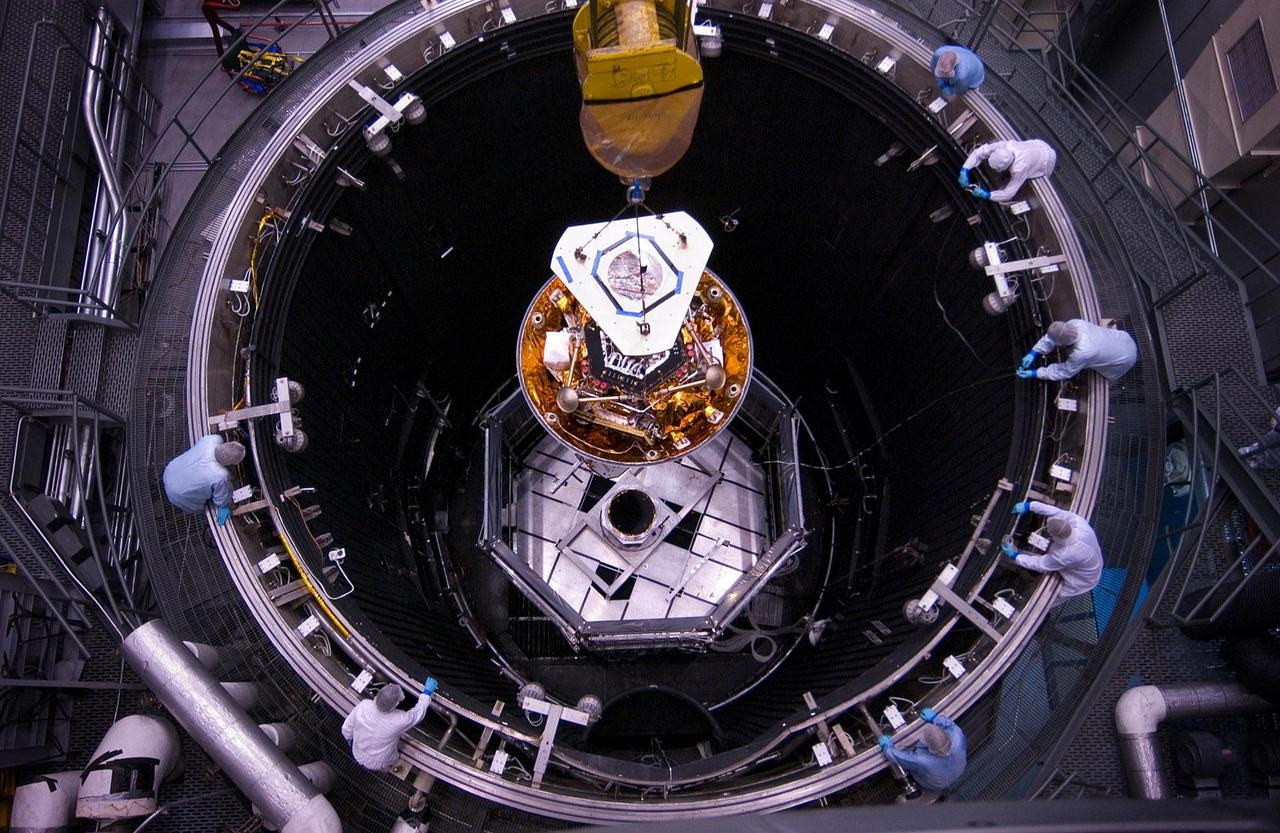
NASA Phoenix Mars Lander was lowered into a thermal vacuum chamber at Lockheed Martin Space Systems, Denver, in December 2006
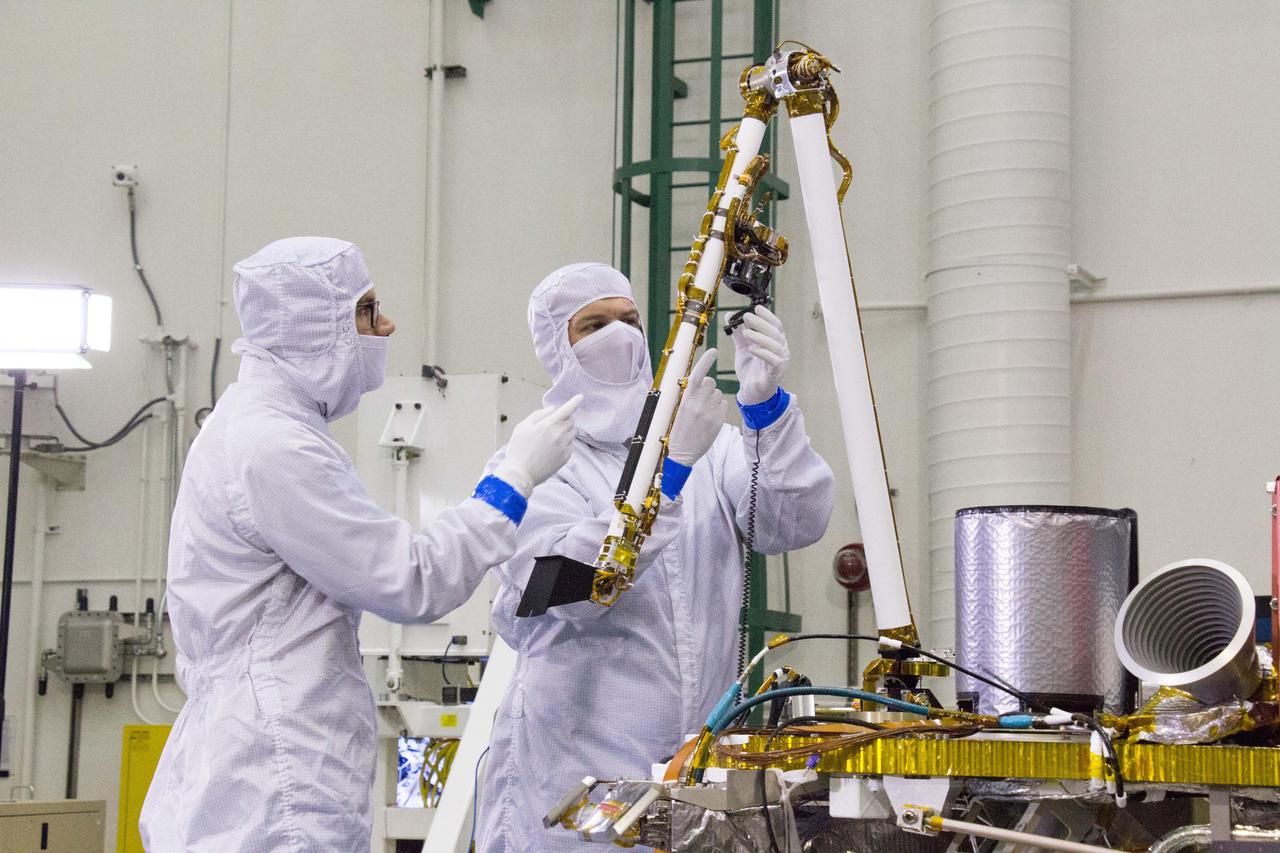
Engineers at Lockheed Martin Space, Denver, Colorado, test the robotic arm on NASA's InSight lander several months before launch. https://photojournal.jpl.nasa.gov/catalog/PIA22741
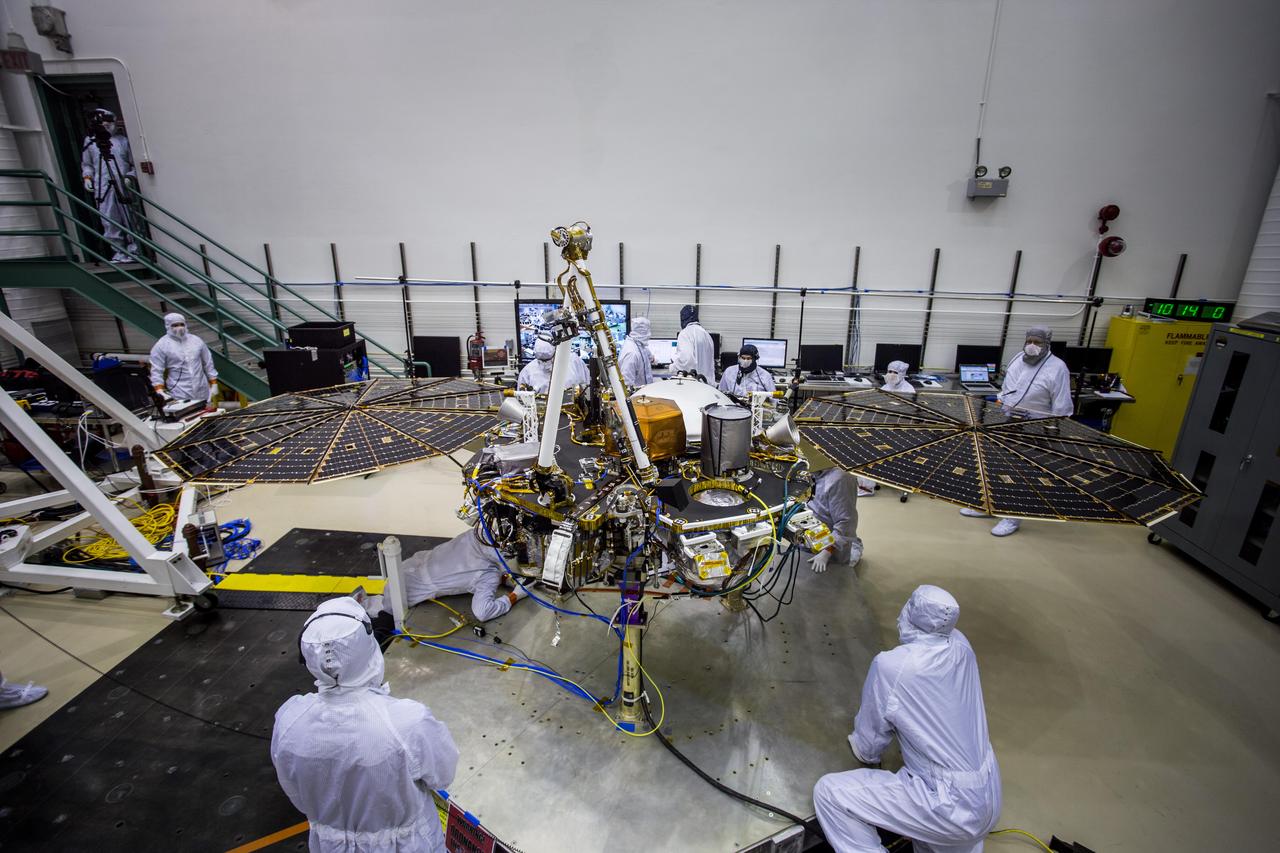
Engineers at Lockheed Martin Space, Denver, Colorado, test the solar arrays on NASA's InSight lander several months before launch. https://photojournal.jpl.nasa.gov/catalog/PIA22739
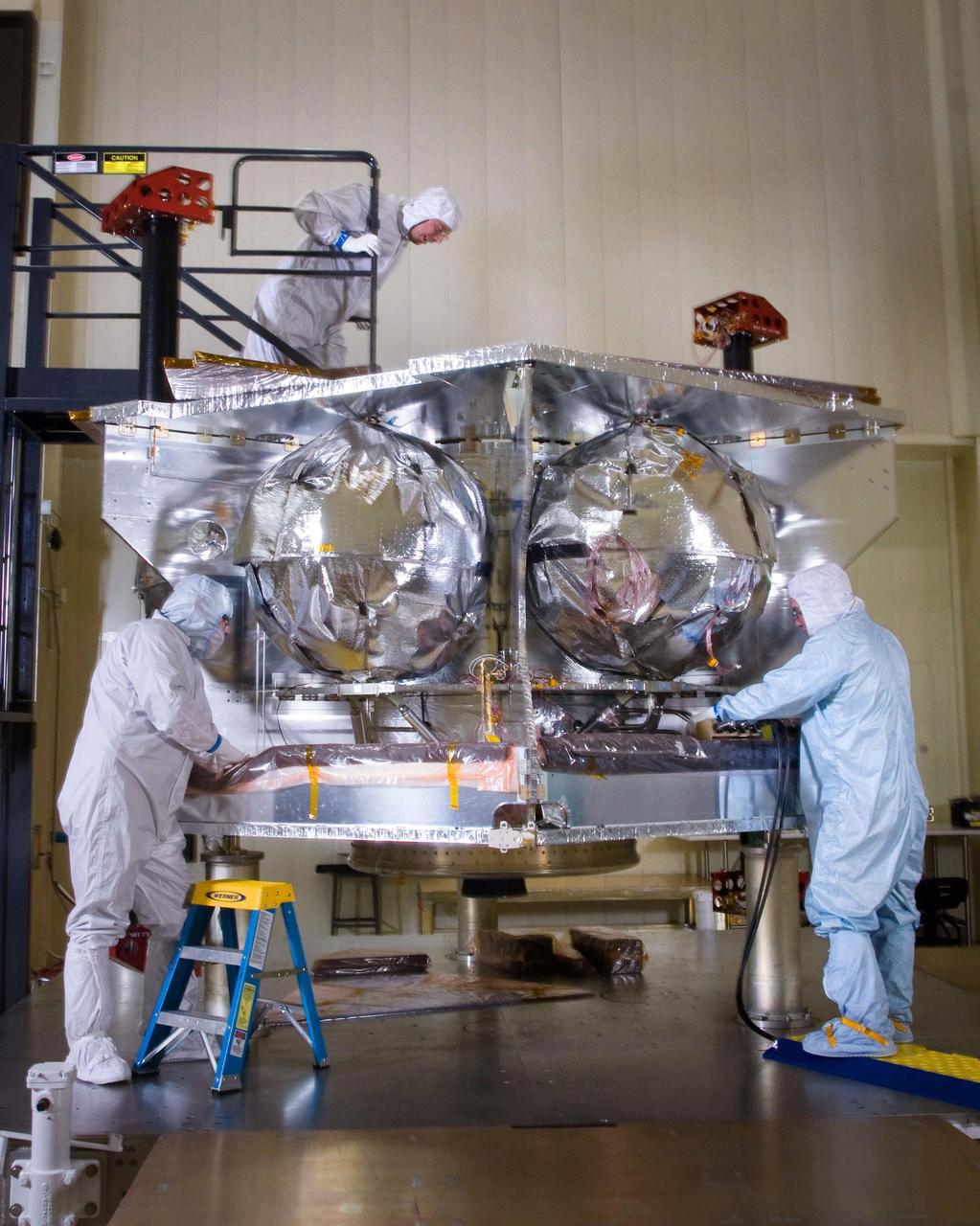
Assembly began April 1, 2010, for NASA Juno spacecraft. Workers at Lockheed Martin Space Systems in Denver, Colorado workers are readying the spacecraft propulsion module.
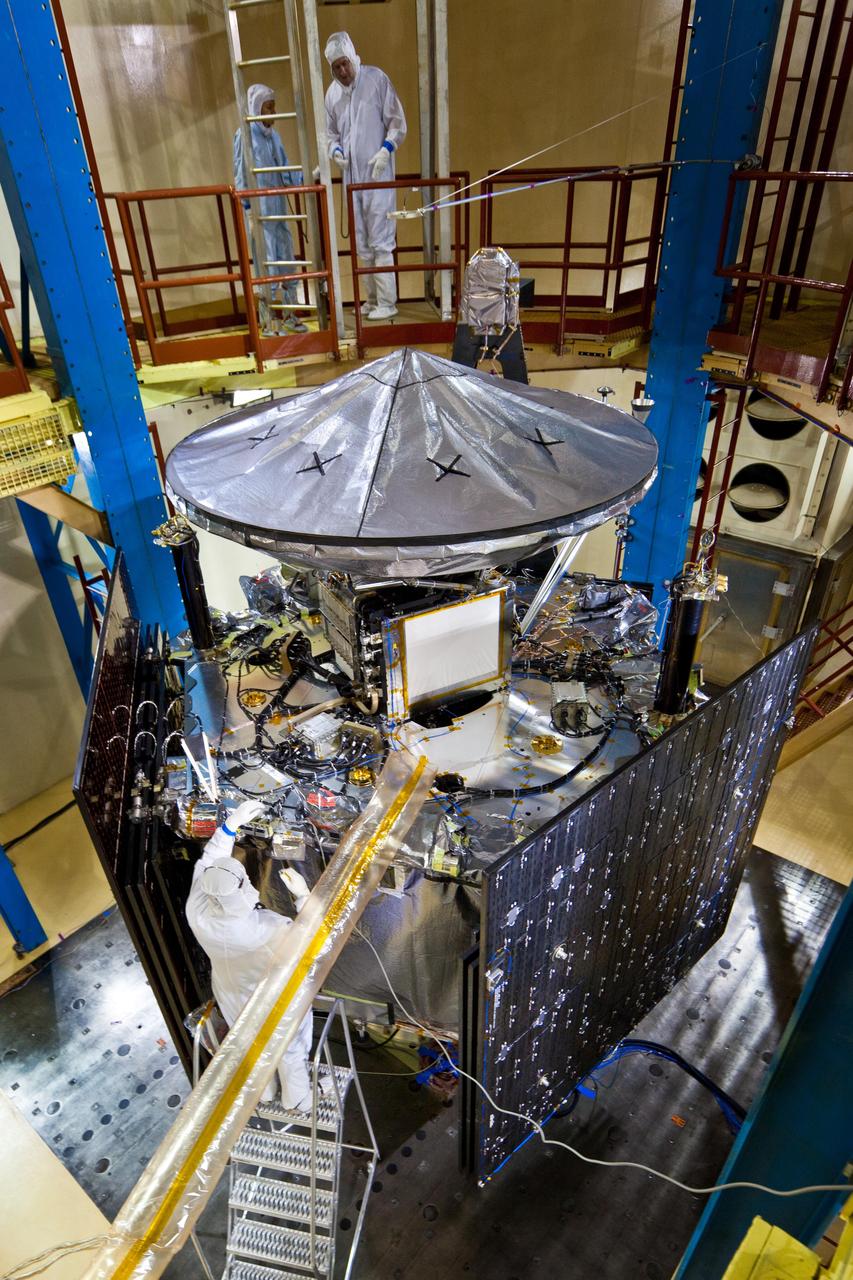
Technicians inspect NASA Juno spacecraft and its science instruments following acoustics testing at Lockheed Martin Space Systems in Denver, Colo. on Jan. 26, 2011.
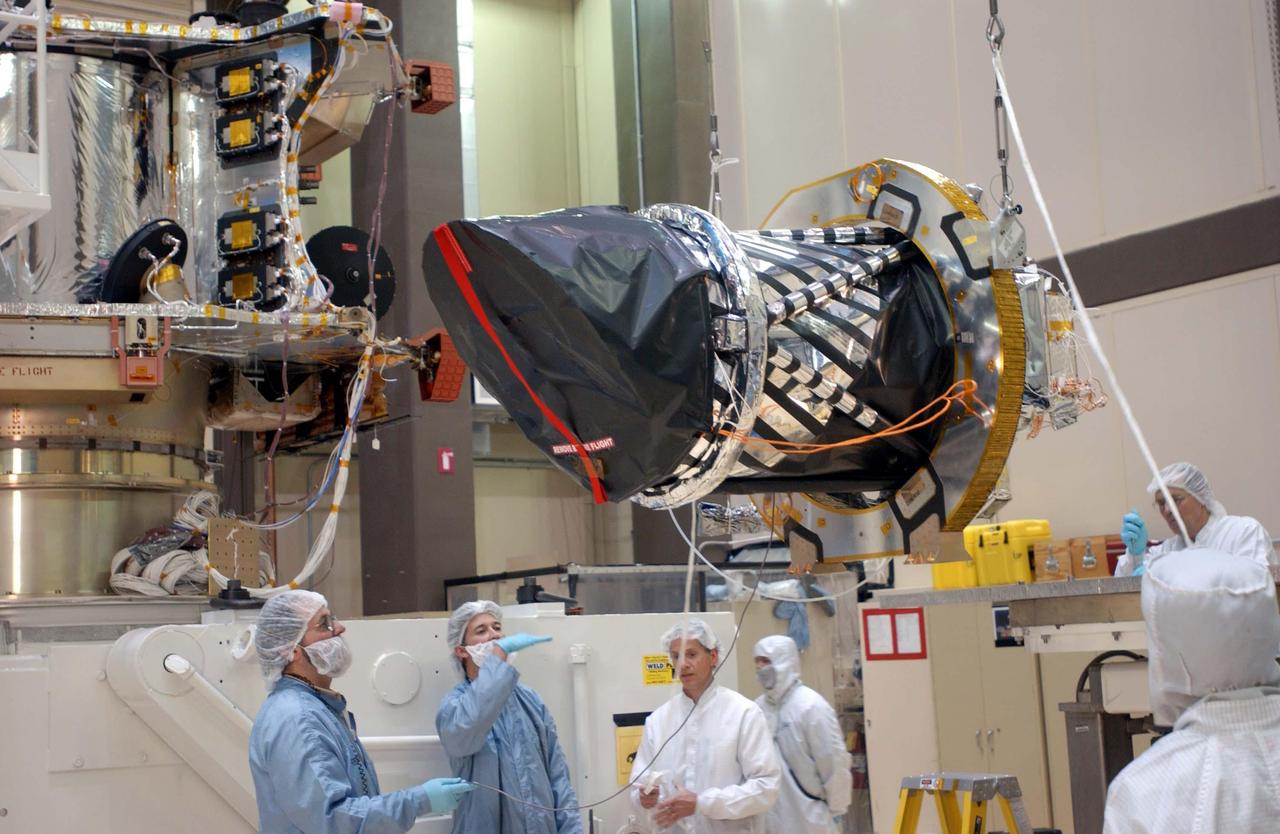
Workers at Lockheed Martin Space Systems, Denver, hoist a telescopic camera for installation onto NASA Mars Reconnaissance Orbiter spacecraft on Dec. 11, 2004.
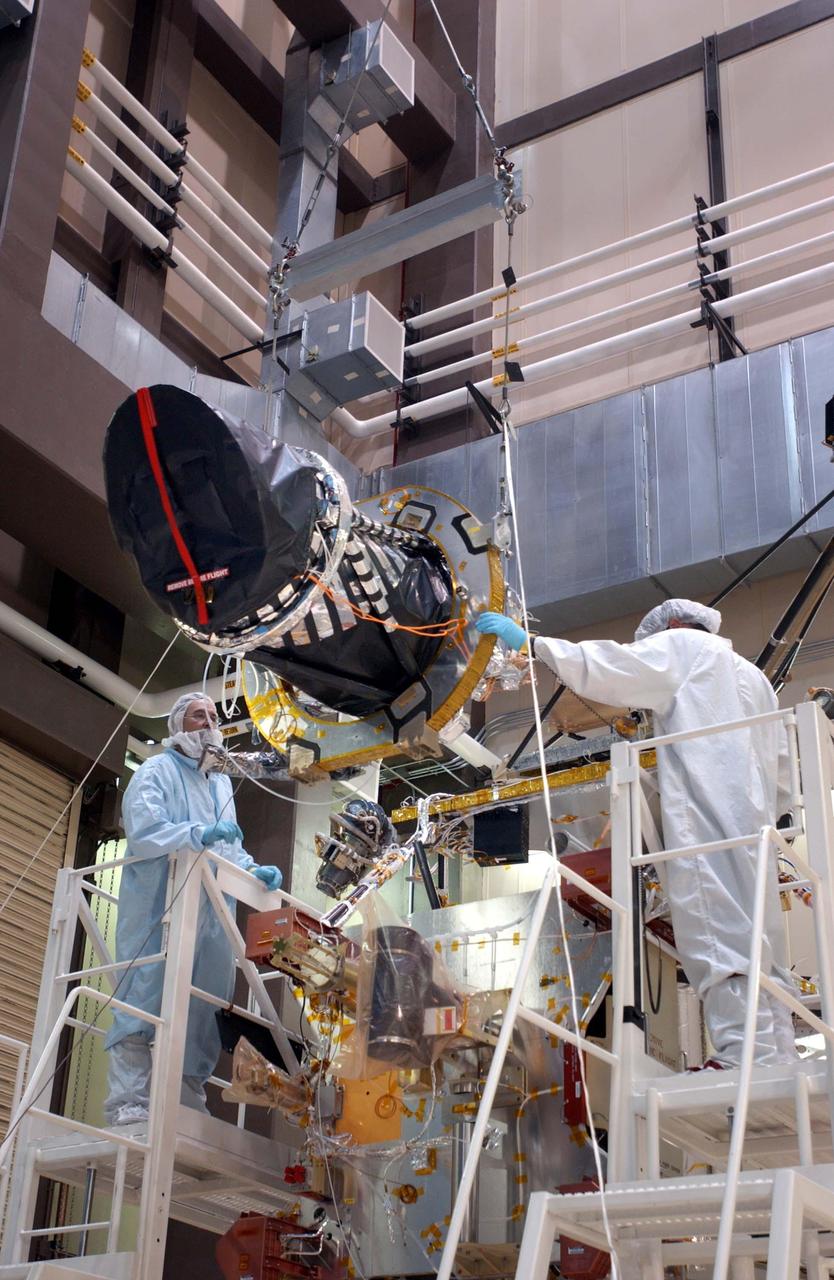
Workers at Lockheed Martin Space Systems, Denver, position a telescopic camera for installation onto NASA Mars Reconnaissance Orbiter spacecraft on Dec. 11, 2004.
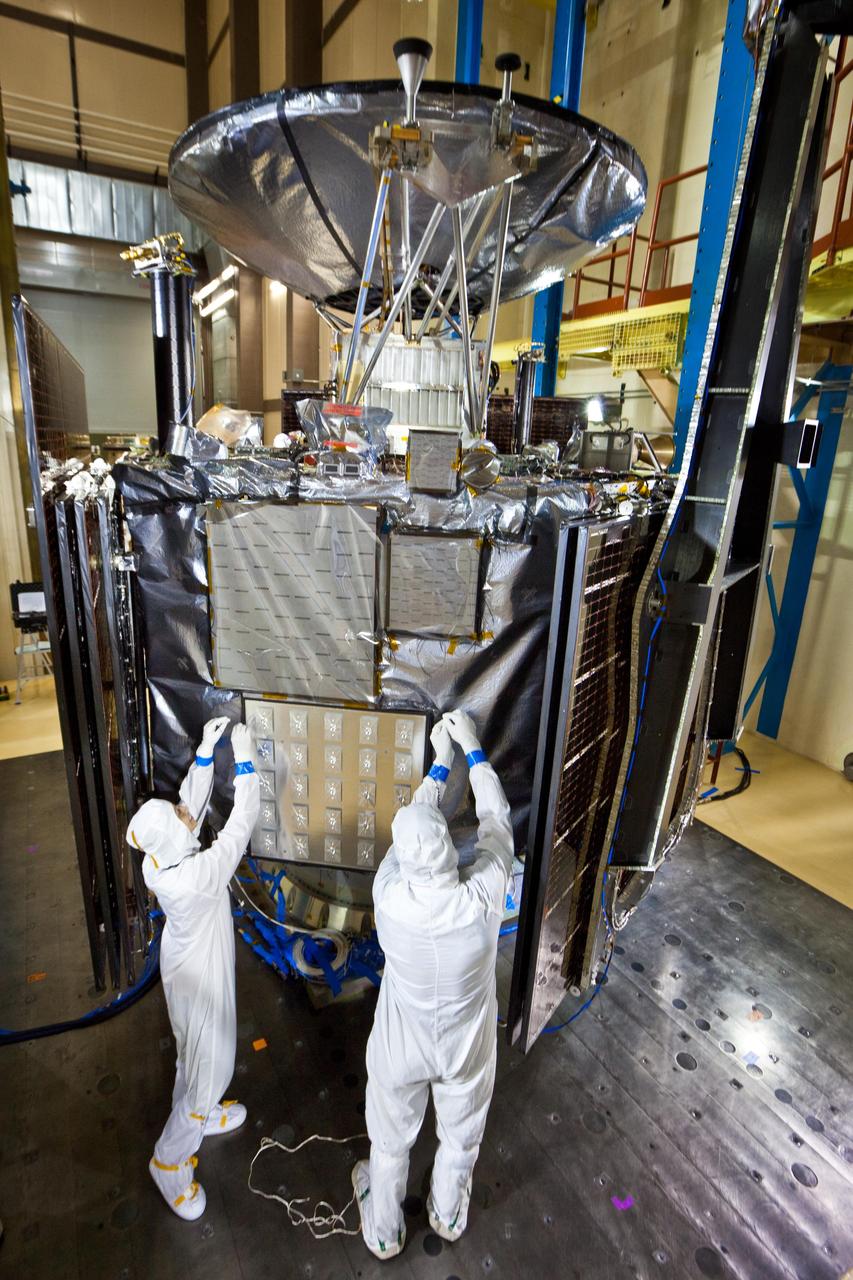
Technicians inspect NASA Juno spacecraft and its science instruments following acoustics testing at Lockheed Martin Space Systems in Denver, Colo. on Jan. 26, 2011.
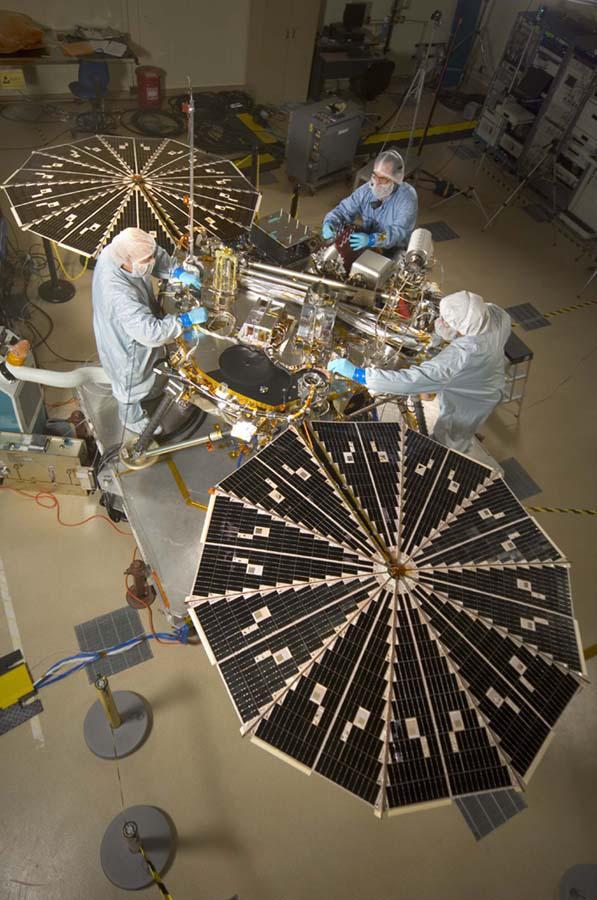
NASA next Mars-bound spacecraft, the Phoenix Mars Lander, partway through assembly and testing at Lockheed Martin Space Systems, Denver, in September 2006.
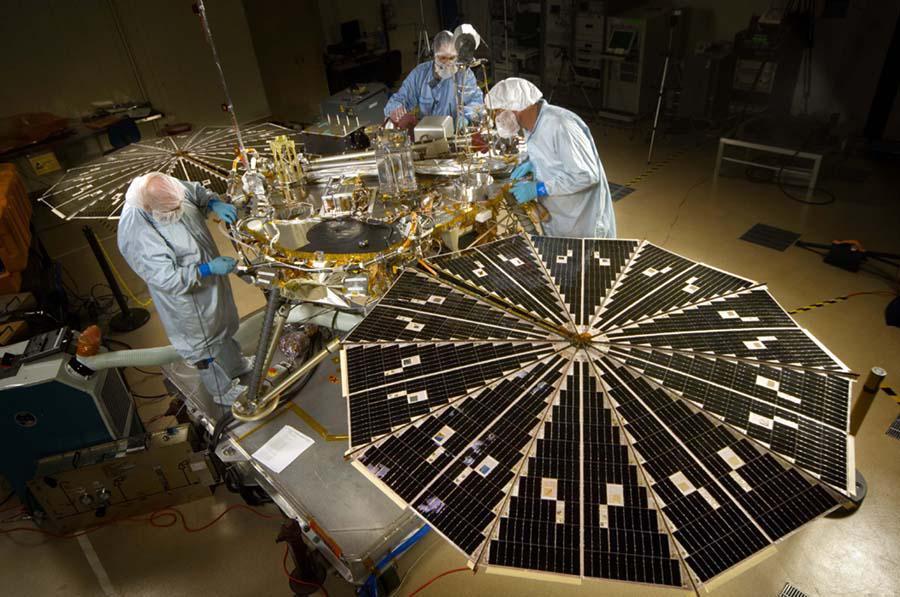
NASA next Mars-bound spacecraft, the Phoenix Mars Lander, partway through assembly and testing at Lockheed Martin Space Systems, Denver, in September 2006.
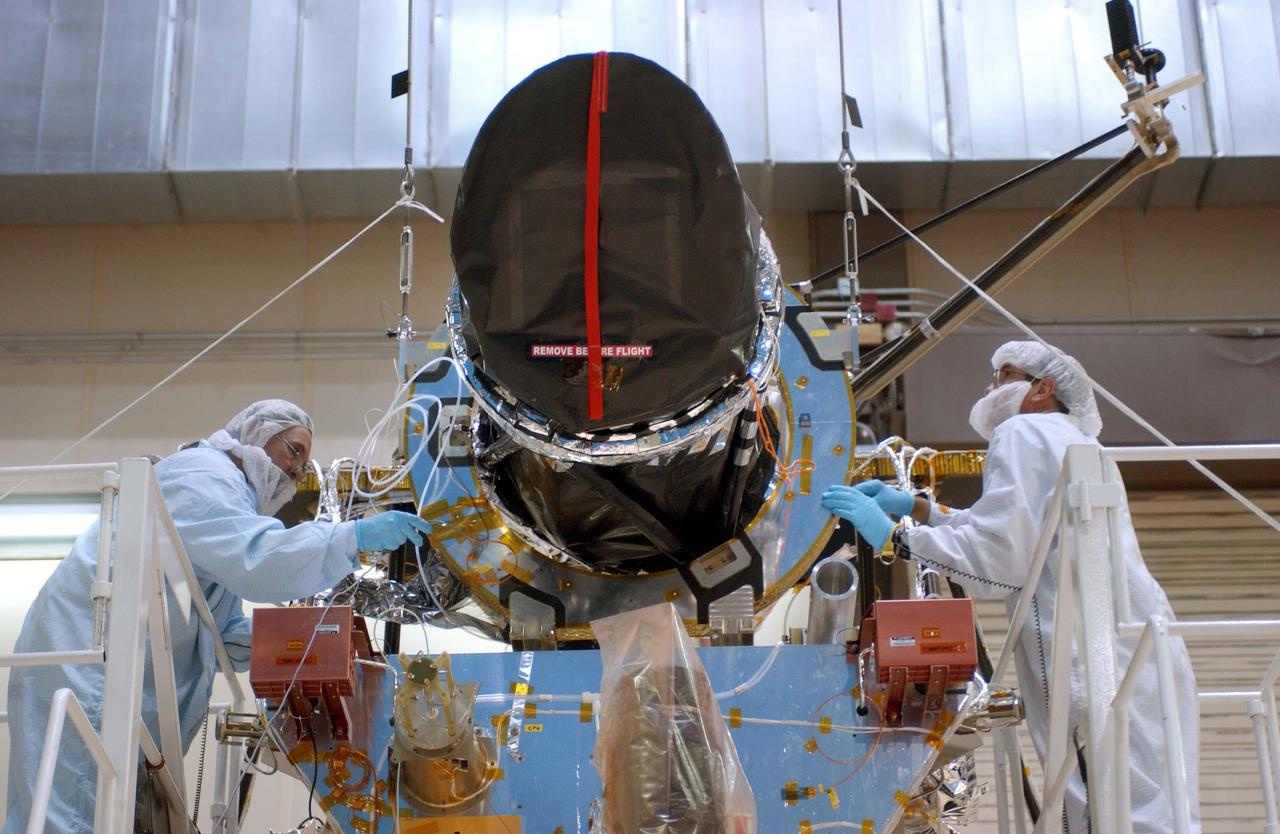
Workers at Lockheed Martin Space Systems, Denver, install a telescopic camera on NASA Mars Reconnaissance Orbiter spacecraft on Dec. 11, 2004.
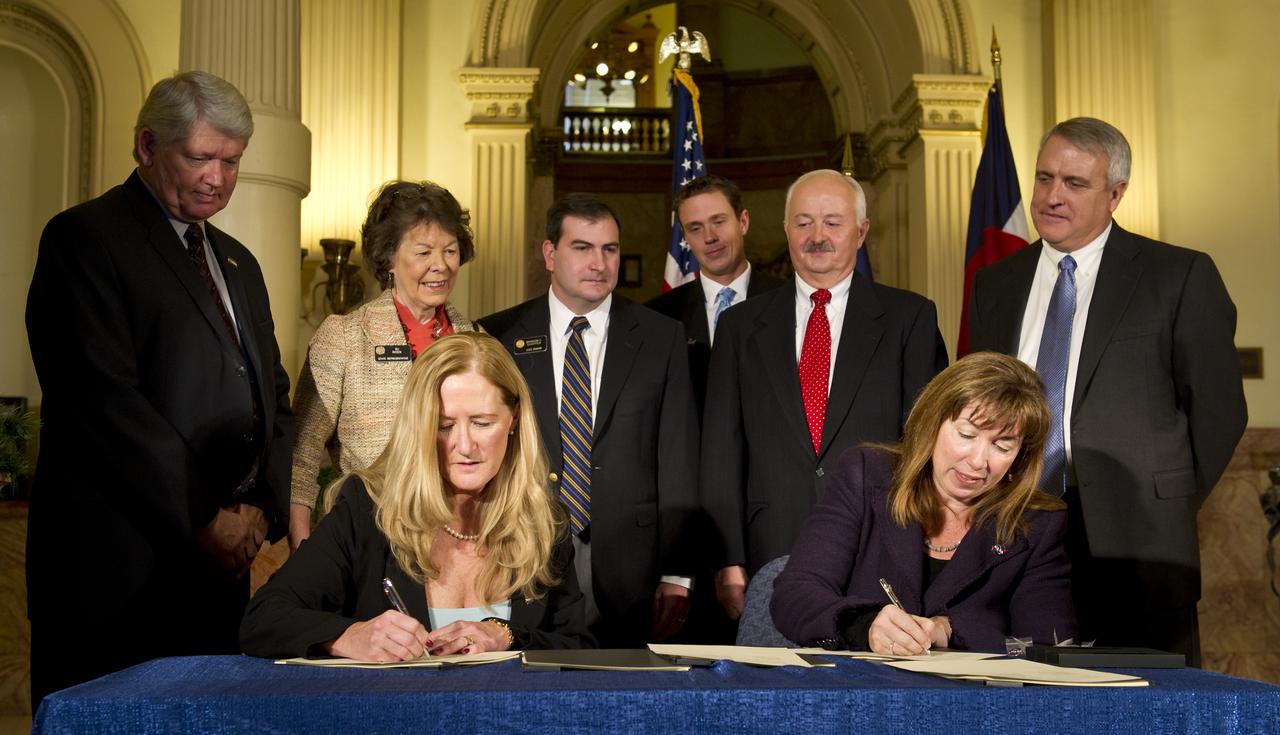
Colorado Association for Manufacturing and Technology (CAMT) CEO Elaine Thorndike, seated left, and NASA Deputy Administrator Lori Garver, seated right, sign an agreement at the Colorado State Capitol in Denver on Monday, Dec. 13, 2010, that created a Technology Acceleration Program and Regional Innovation Cluster for Aerospace and Clean Energy. Looking on from left, Executive Director, Colorado Office of Economic Development and International Trade Don Marostica, Colorado State Representative Su Ryden, Colorado State Senate President Brandon Schaffer, Representative from U.S. Senator Udall's office Jimmy Haugue, NIST/MEP Director Roger Kilmer and Colorado State Governor Bill Ritter. A manufacturing park focused on rapid new product development and production will be developed to assist growing Colorado businesses while promoting the commercialization of technology developed for the space program. Photo Credit: (NASA/Bill Ingalls)

Engineers at Lockheed Martin Space, Denver, Colorado, prepare NASA's InSight lander for testing in a thermal vacuum chamber several months before launch. https://photojournal.jpl.nasa.gov/catalog/PIA22740
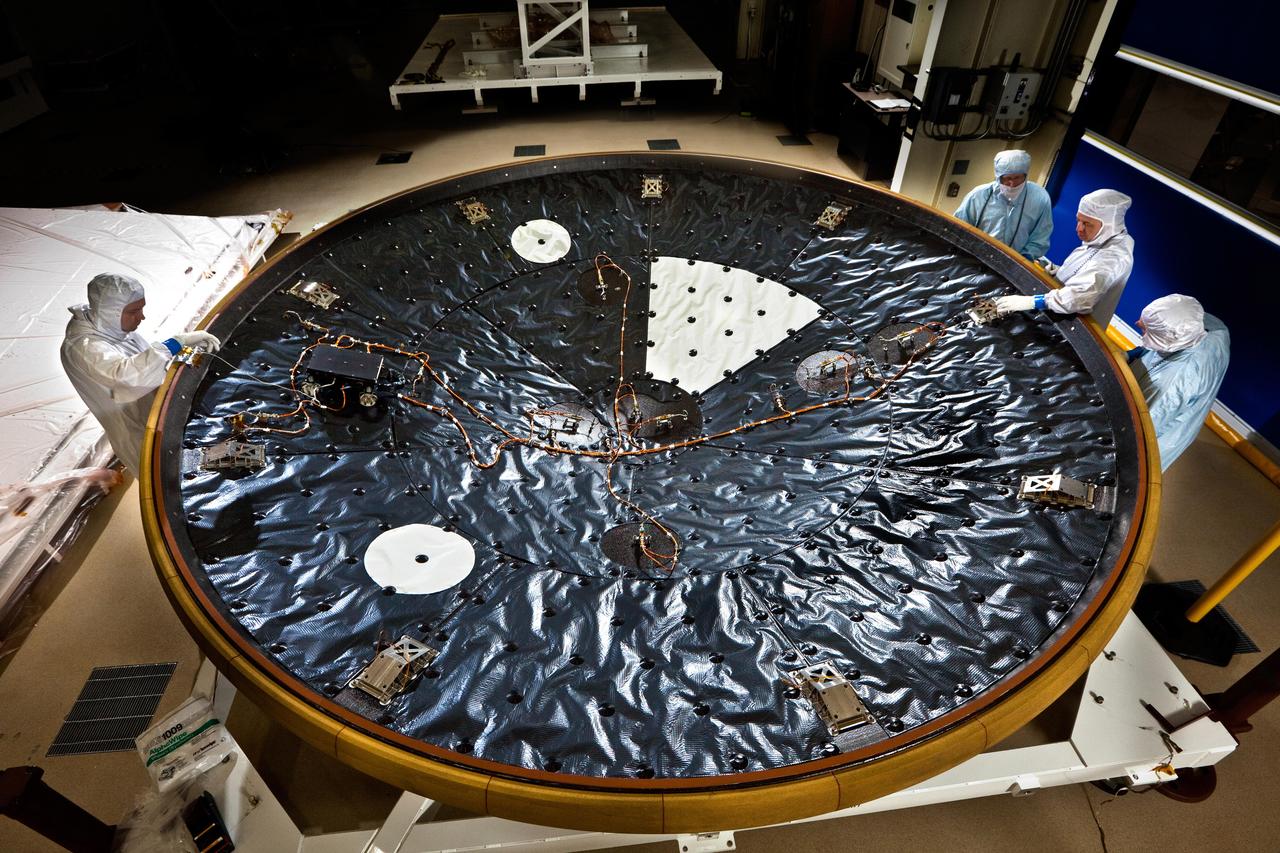
The heat shield for NASA Mars Science Laboratory is the largest ever built for a planetary mission. This image shows the heat shield being prepared at Lockheed Martin Space Systems, Denver, in April 2011.
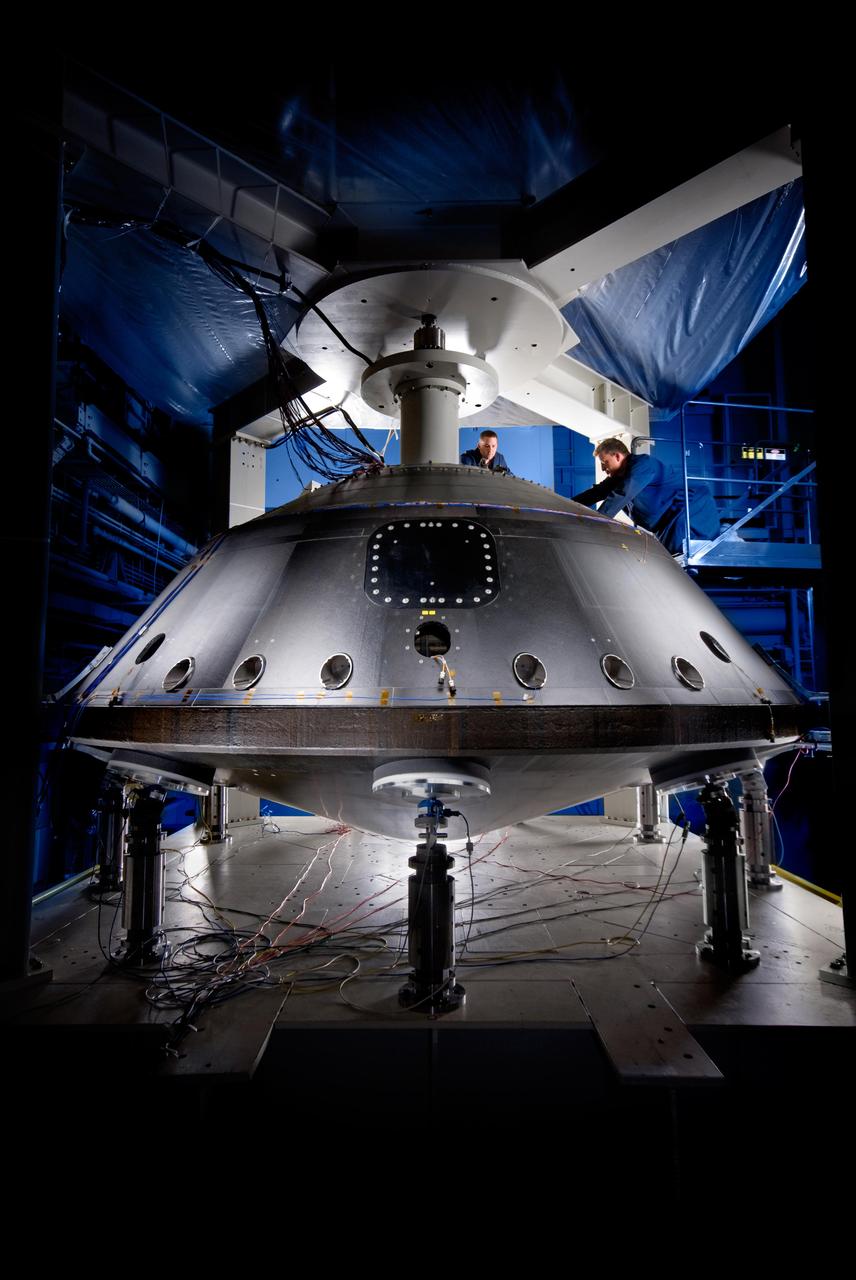
This image from July 2008 shows the aeroshell for NASA Mars Science Laboratory while it was being worked on by spacecraft technicians at Lockheed Martin Space Systems Company near Denver.
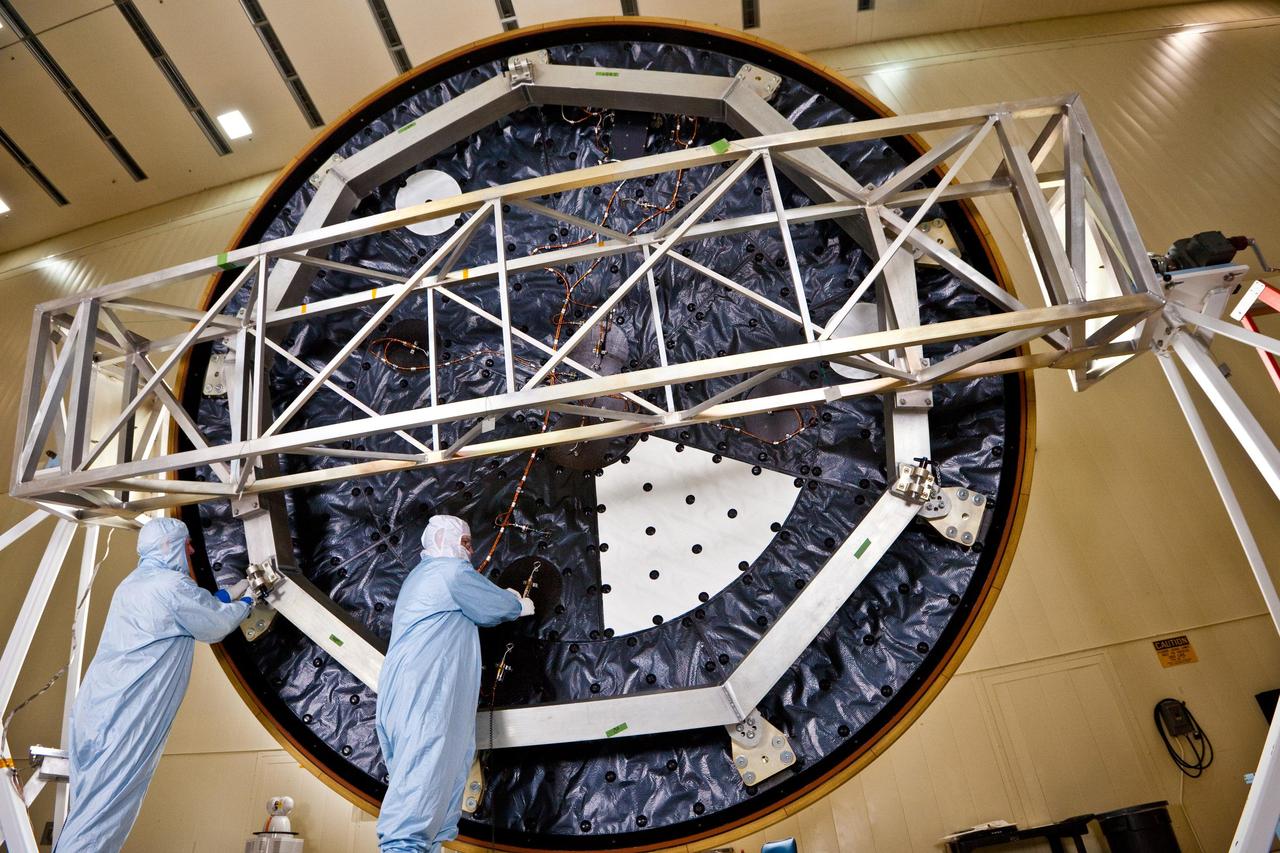
Technicians at Lockheed Martin Space Systems, Denver, prepare the heat shield for NASA Mars Science Laboratory. With a diameter of 4.5 meters nearly 15 feet, this heat shield is the largest ever built for a planetary mission.
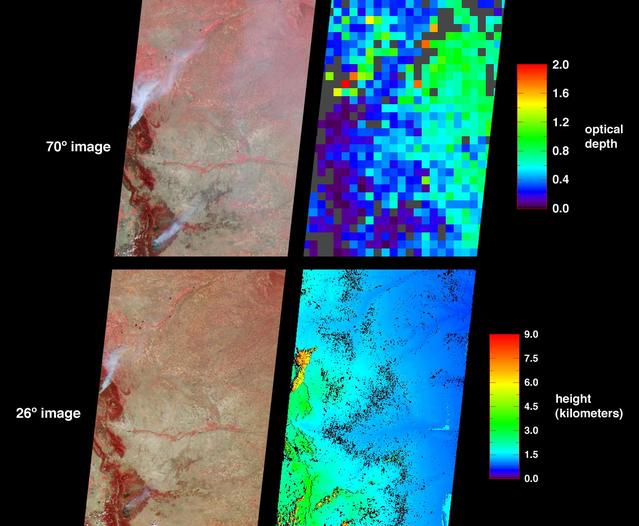
The Hayman fire, situated about 65 kilometers southwest of Denver, Colorado, is the largest fire ever recorded in that state. The images were captured on June 9, 2002 by NASA Terra satellite.
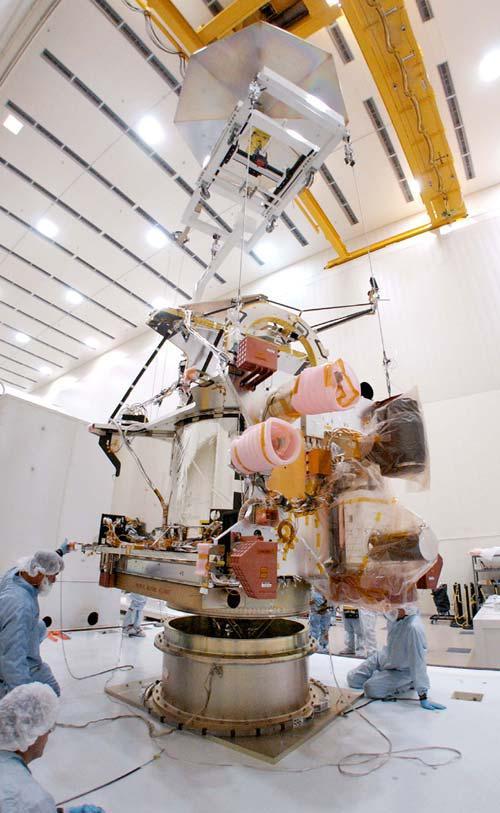
In late October 2004, NASA Mars Reconnaissance Orbiter was moved from the High Bay 100,000-class clean room at Lockheed Martin Space Systems, Denver, to the facility Reverberant Acoustic Lab.
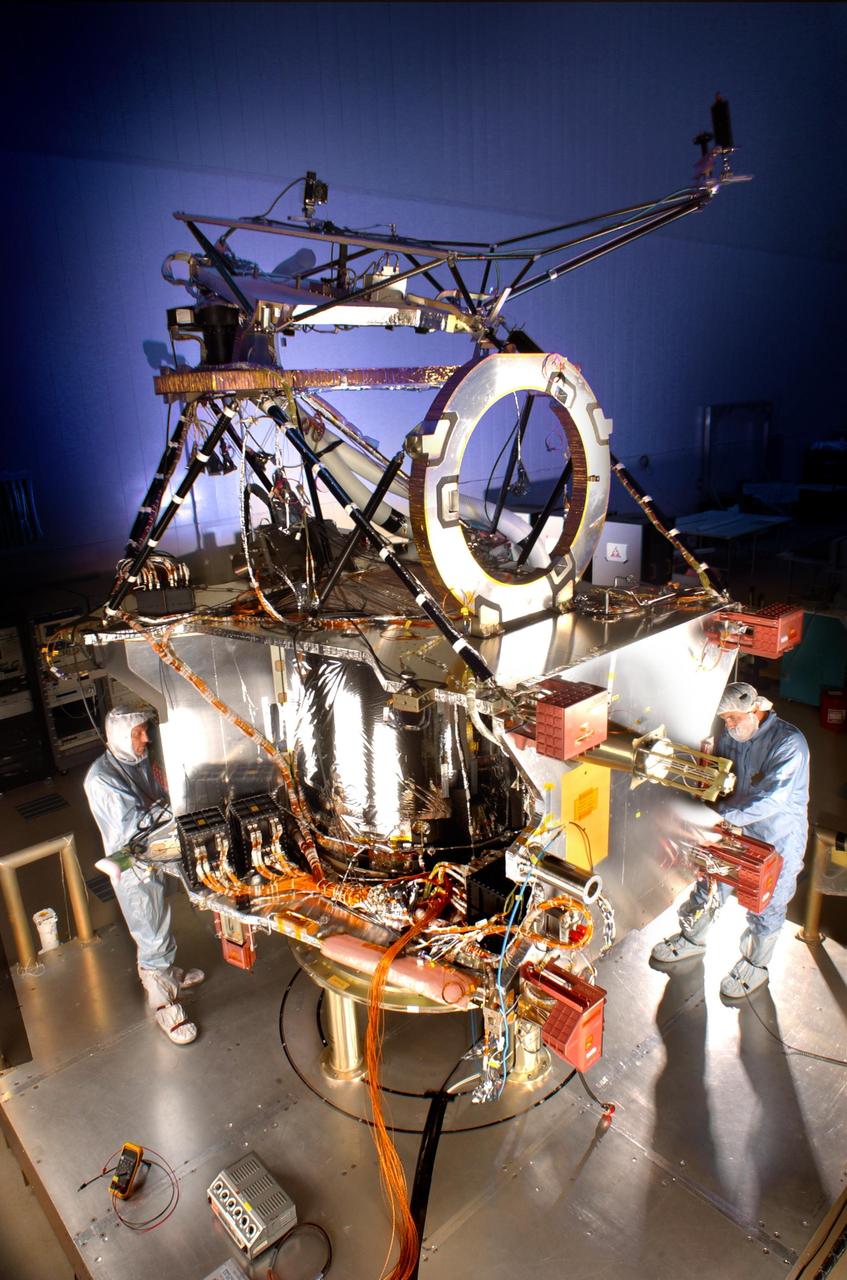
Lockheed Martin Space Systems engineer Terry Kampmann left and lead technician Jack Farmerie work on assembly and test of NASA Mars Reconnaissance Orbiter spacecraft bus in a cleanroom at the company Denver facility.

Assembly began April 1, 2010, for NASA Juno spacecraft in the high-bay cleanroom at Lockheed Martin in Denver, Colo. Workers are moving the radiation vault above a mock-up of the upper part of the spacecraft main body.
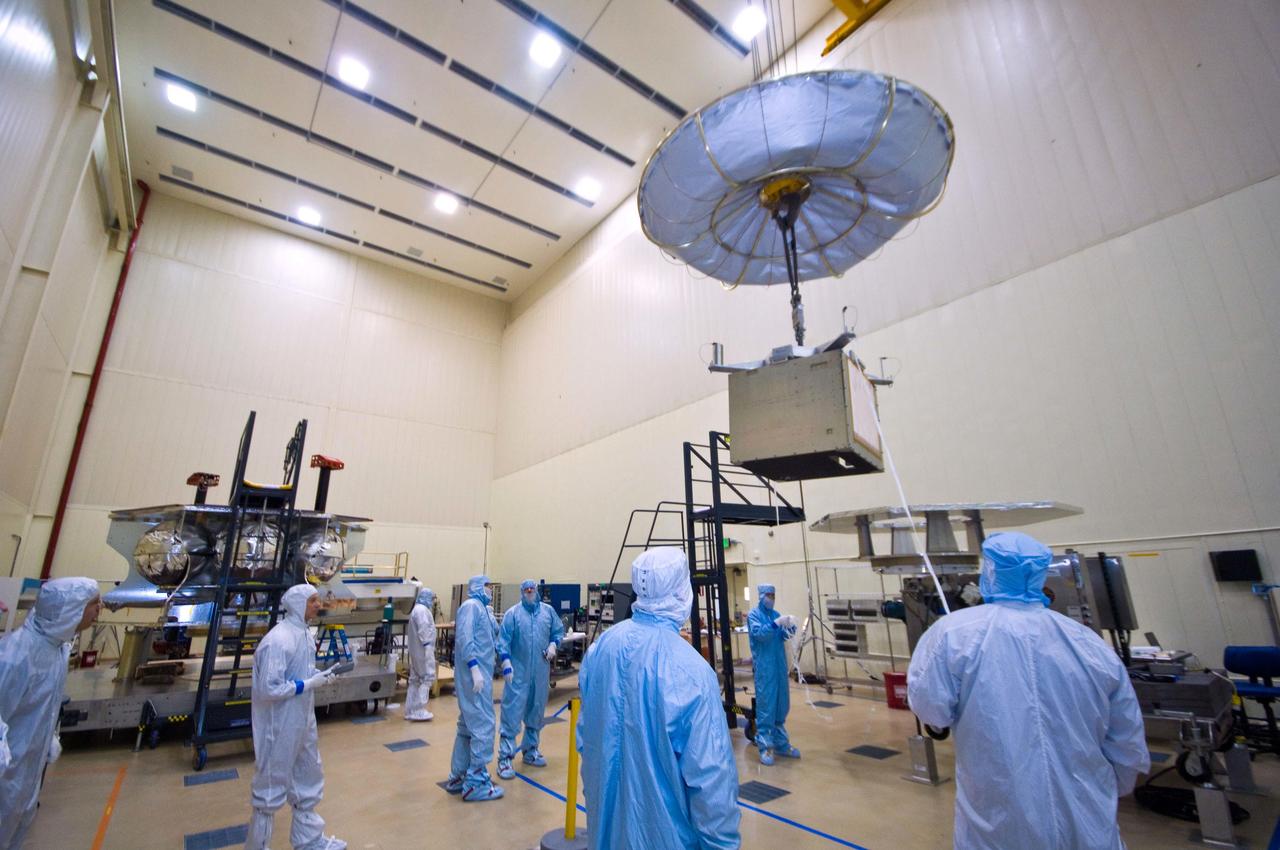
Assembly began April 1, 2010, for NASA Juno spacecraft. Workers at Lockheed Martin Space Systems in Denver, Colorado are moving into place the vault that will protect the spacecraft sensitive electronics from Jupiter intense radiation belts.
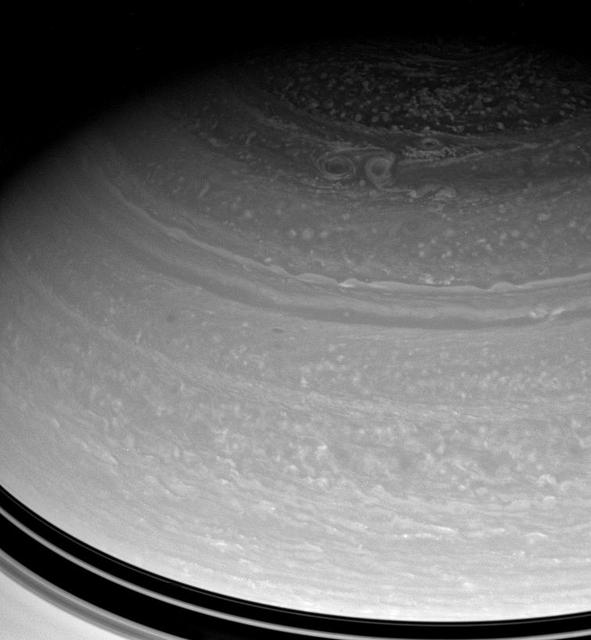
A trio of large storms embraces in Saturn high north. The three prominent vortices seen here are each wide enough to span the distance from New York City to Denver, or from London to Moscow
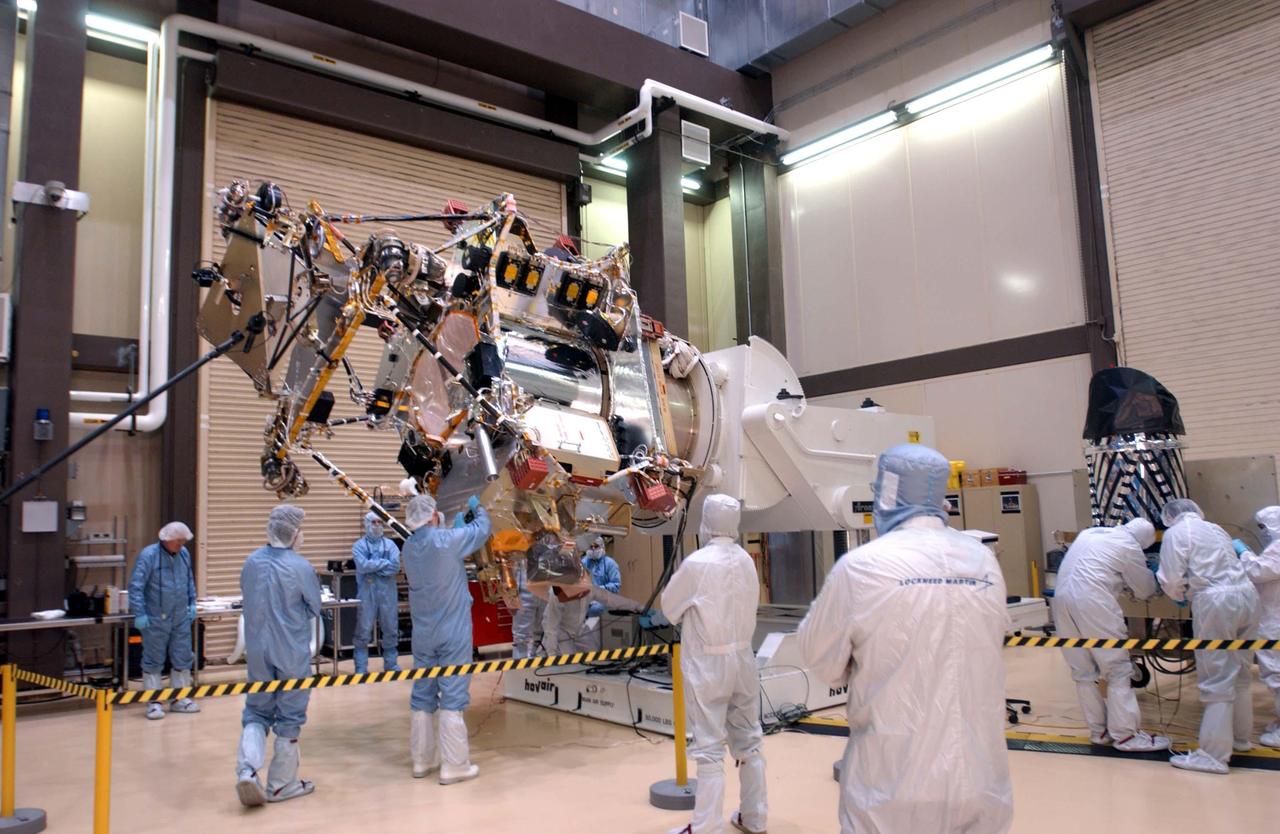
A telescopic camera called the High Resolution Imaging Science Experiment, or HiRISE, right was installed onto the main structure of NASA Mars Reconnaissance Orbiter left on Dec. 11, 2004 at Lockheed Martin Space Systems, Denver.
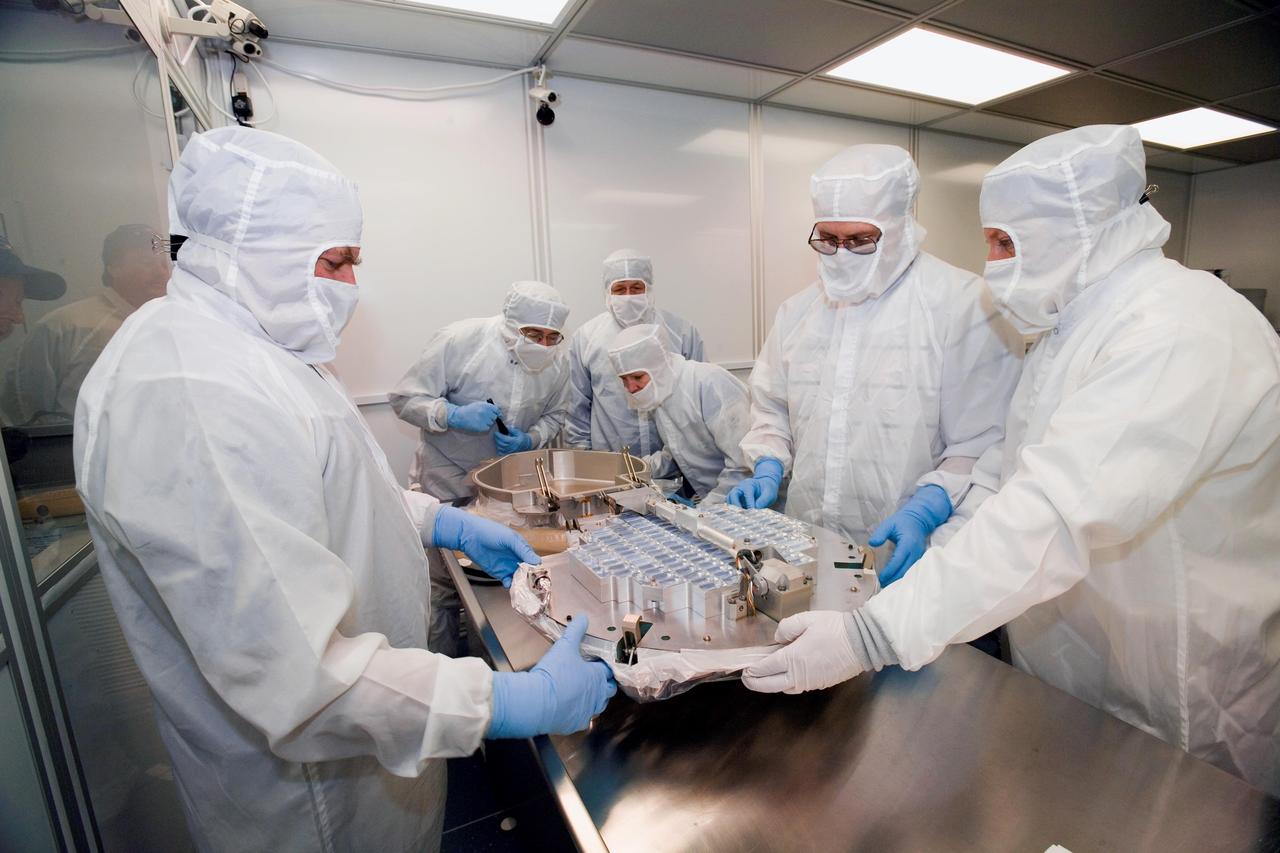
Investigators from University of Washington, Johnson Space Center, and Lockheed Martin Missiles and Space, Denver, Colorado, inspect a canister and sample collector soon after opening a container with Stardust material in a laboratory at the JSC.
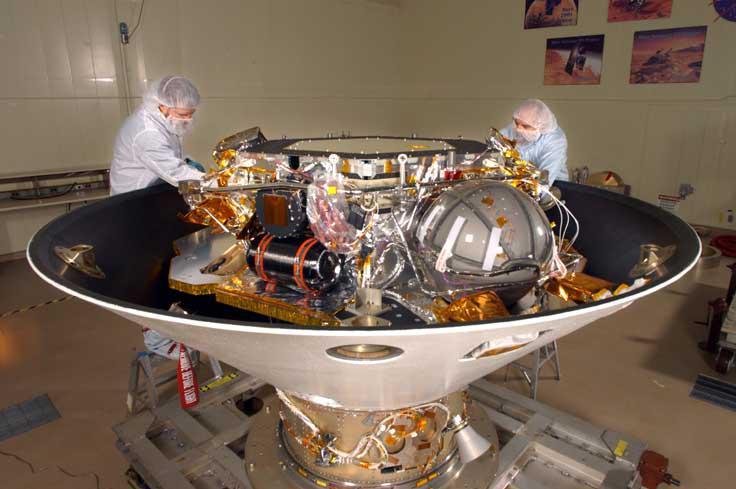
The Phoenix lander, housed in a 100,000-class clean room at Lockheed Martin Space Systems facilities near Denver, Colo. Shown here, the lander is contained inside the backshell portion of the aeroshell with the heat shield removed.
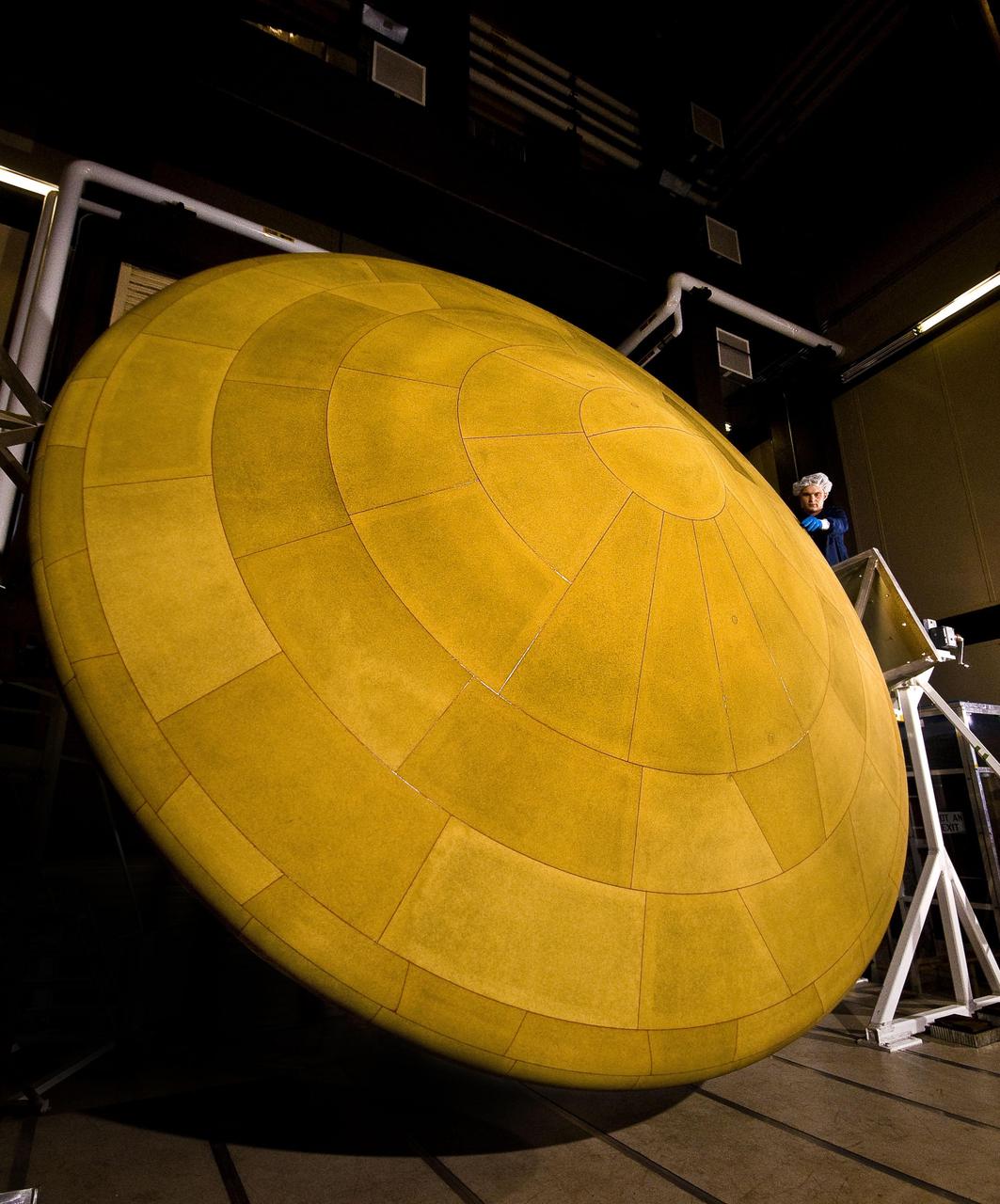
This image shows NASA Mars Science Laboratory heat shield, and a spacecraft worker at Lockheed Martin Space Systems, Denver. It is the largest heat shield ever built for descending through the atmosphere of any planet.
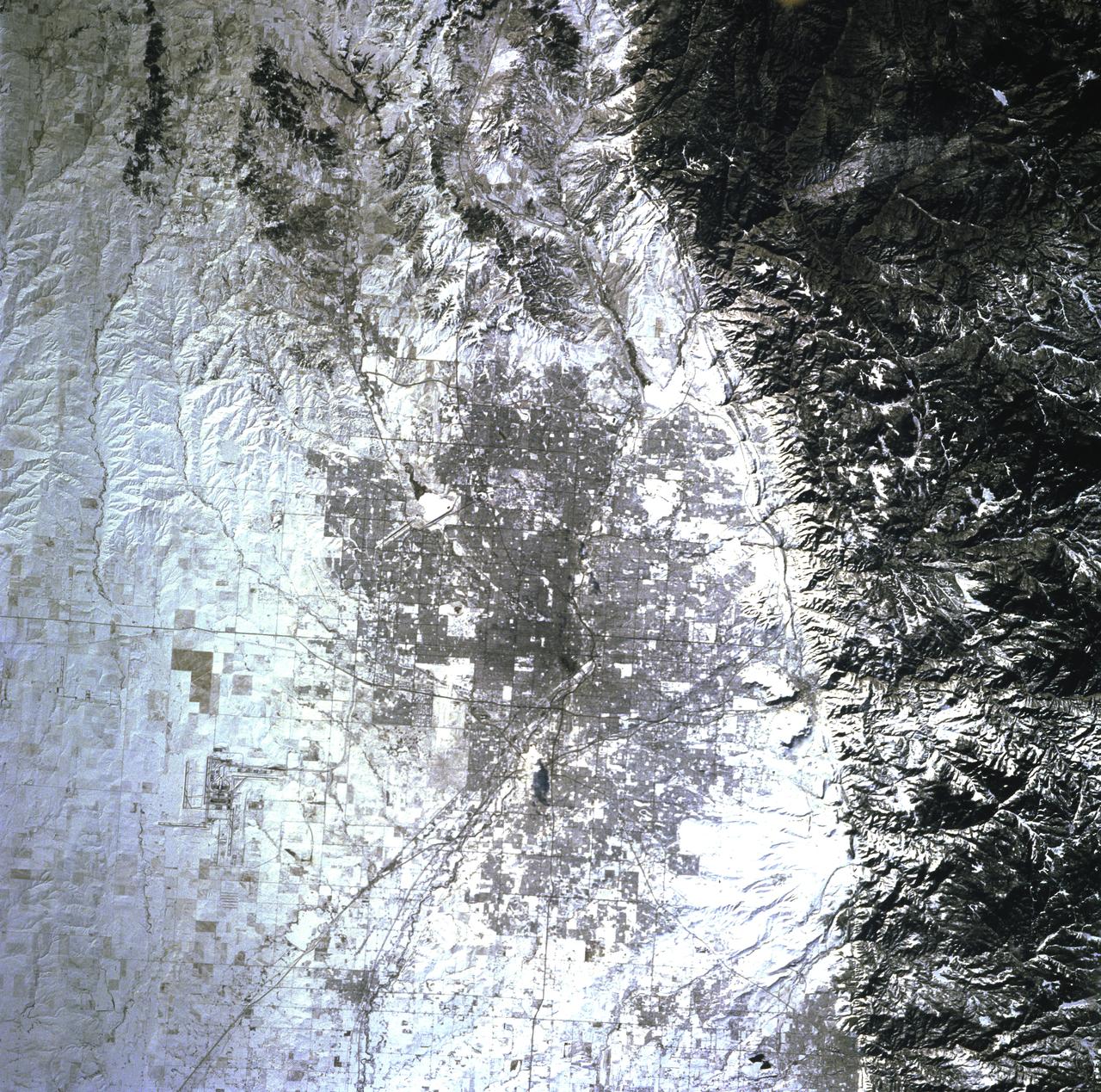
STS081-719-084 (12-22 Jan. 1997) --- The capital of the state of Colorado is featured prominently in this winter scene. Located at the foothills of the Rocky Mountains, Denver's elevation is 5,280 feet and is known as the "Mile High City". The new Denver International Airport (DIA) opened in 1995 and is one of the countries largest airports, can be seen towards the right corner of the photograph. Above and to the right of DIA is the closed Stapleton Airport with its snow covered runways. Other prominent cities featured are Golden, due east of Denver and against the Rockies, and Boulder, to the northeast of the city and also against the Rockies. Brighton is northwest of Denver, near the South Platte River.
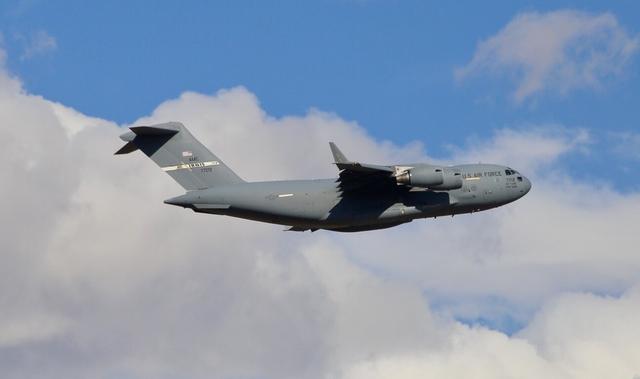
A C-17 cargo aircraft carrying NASA's InSight spacecraft flew from Buckley Air Force Base, Denver, to Vandenberg Air Force Base, California, on February 28, 2018. The spacecraft was being shipped from Lockheed Martin Space, Denver, where InSight was built and tested. Its launch period opens May 5, 2018. InSight, short for Interior Exploration using Seismic Investigations, Geodesy and Heat Transport, is the first mission dedicated to studying the deep interior of Mars. Its findings will advance understanding of the early history of all rocky planets, including Earth. https://photojournal.jpl.nasa.gov/catalog/PIA22251
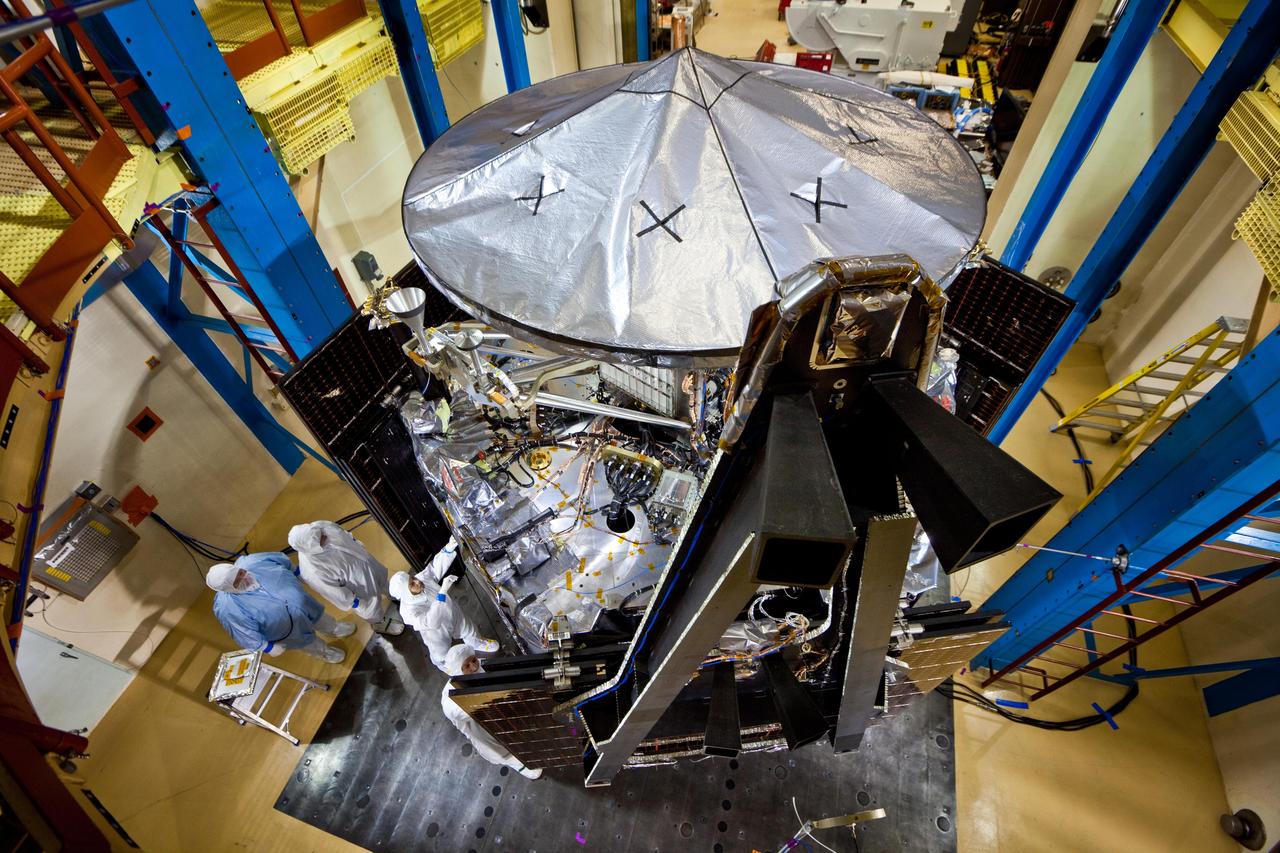
This image shows NASA Juno spacecraft undergoing environmental testing at Lockheed Martin Space Systems on Jan. 26, 2011. All 3 solar array wings are installed and stowed, and the large high-gain antenna is in place on the top of the avionics vault.
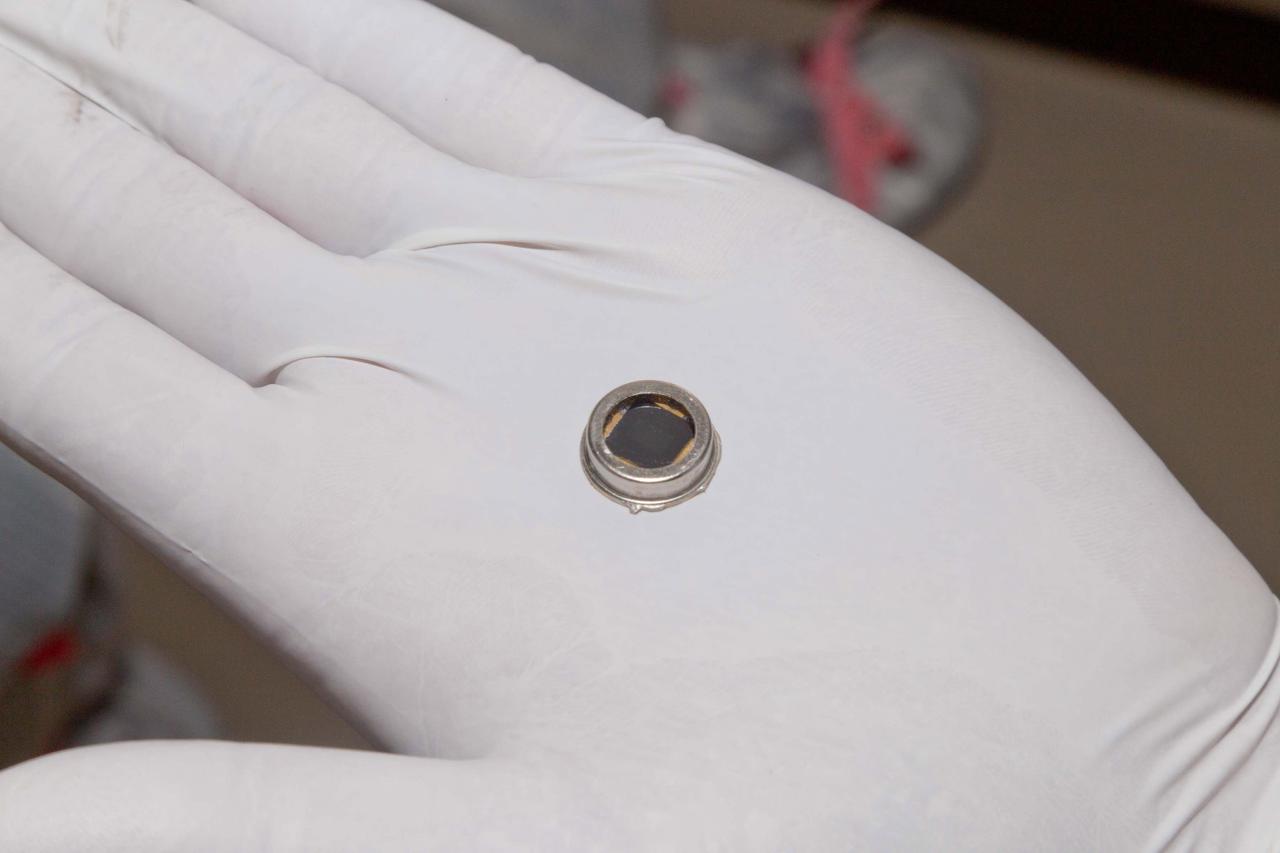
The dime-size microchip in this close-up image carries 826,923 names that will go to Mars on NASA InSight lander. The image was taken in November 2015 inside a clean room at Lockheed Martin Space Systems, Denver, where the lander was built.
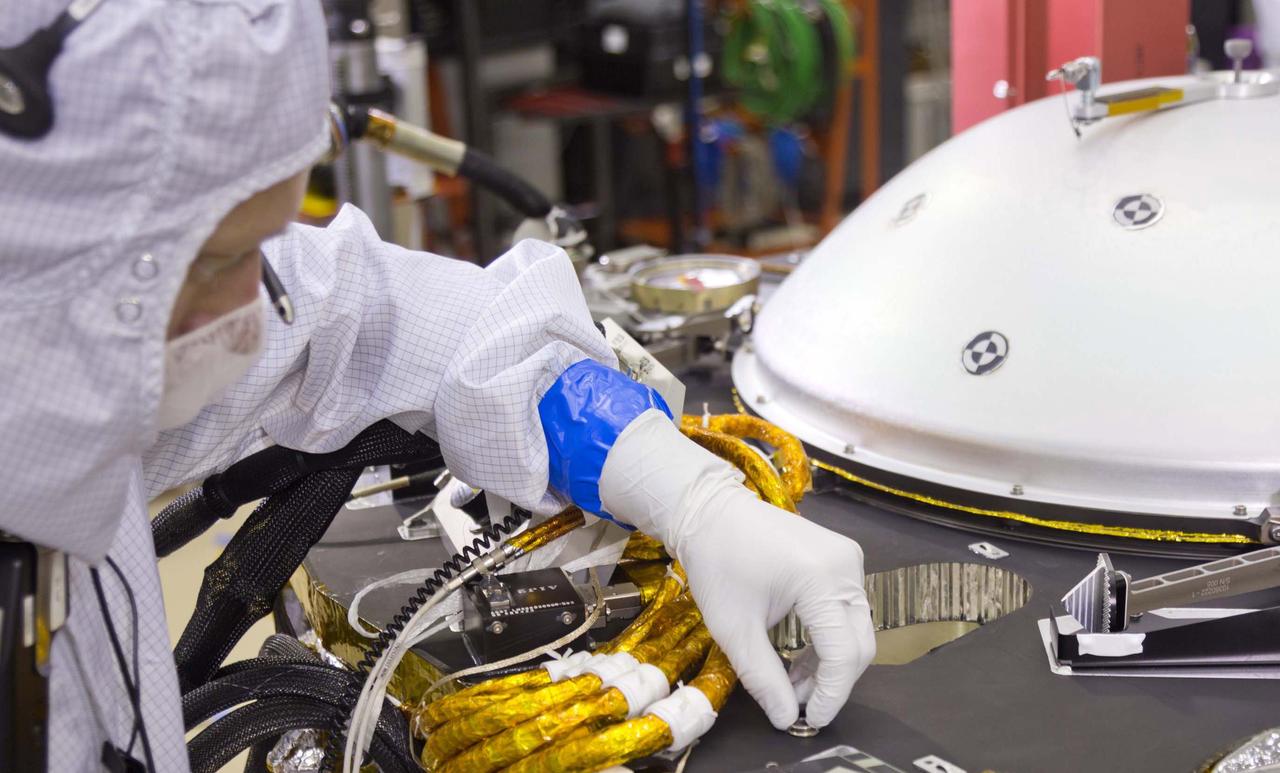
A spacecraft specialist in a clean room at Lockheed Martin Space Systems in Denver affixes a dime-size chip onto the lander deck in November 2015. This chip carries 826,923 names, submitted by the public online from all over the world.
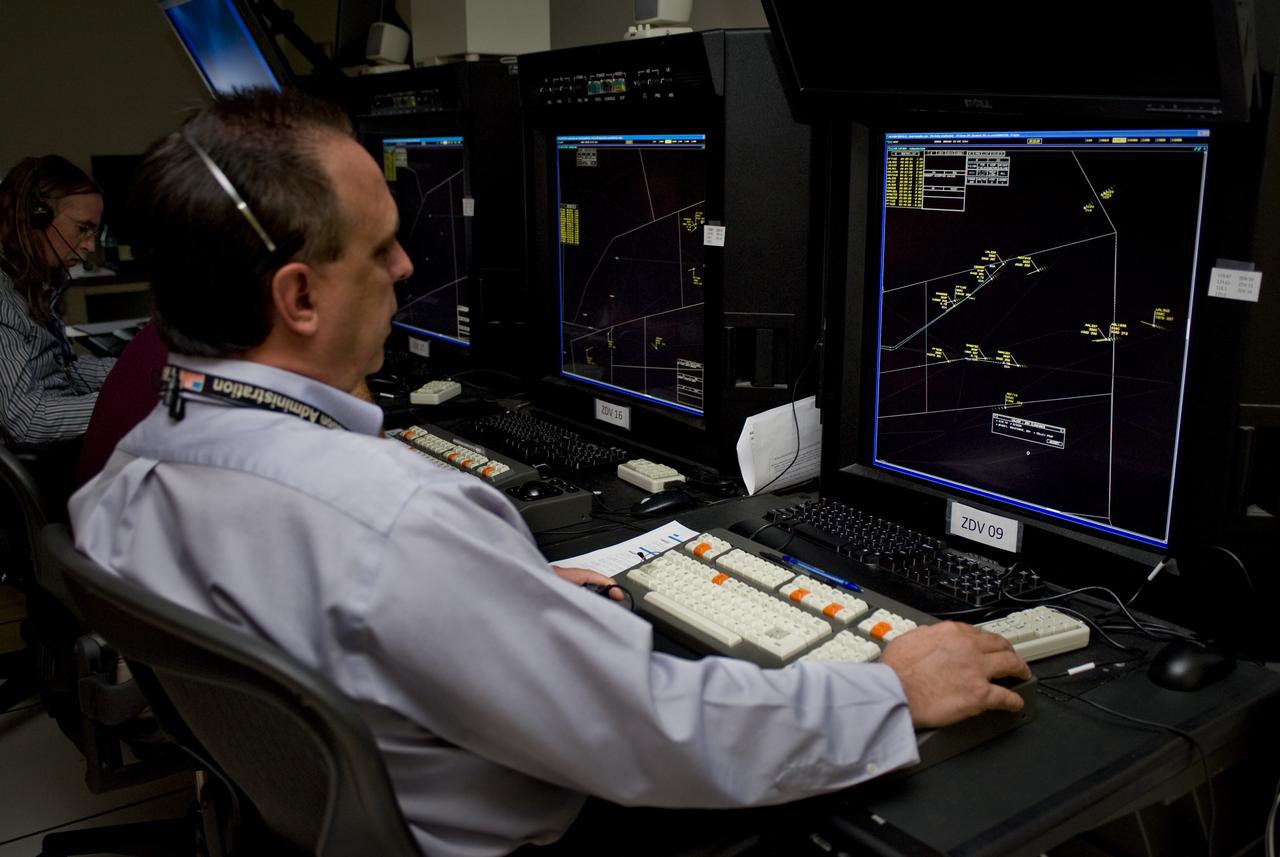
Efficient Descent Advisor, Simulaiton Number 2, ATC Lab N-257; ATC lab with Denver Air Traffic Controler Glen Hilgedick
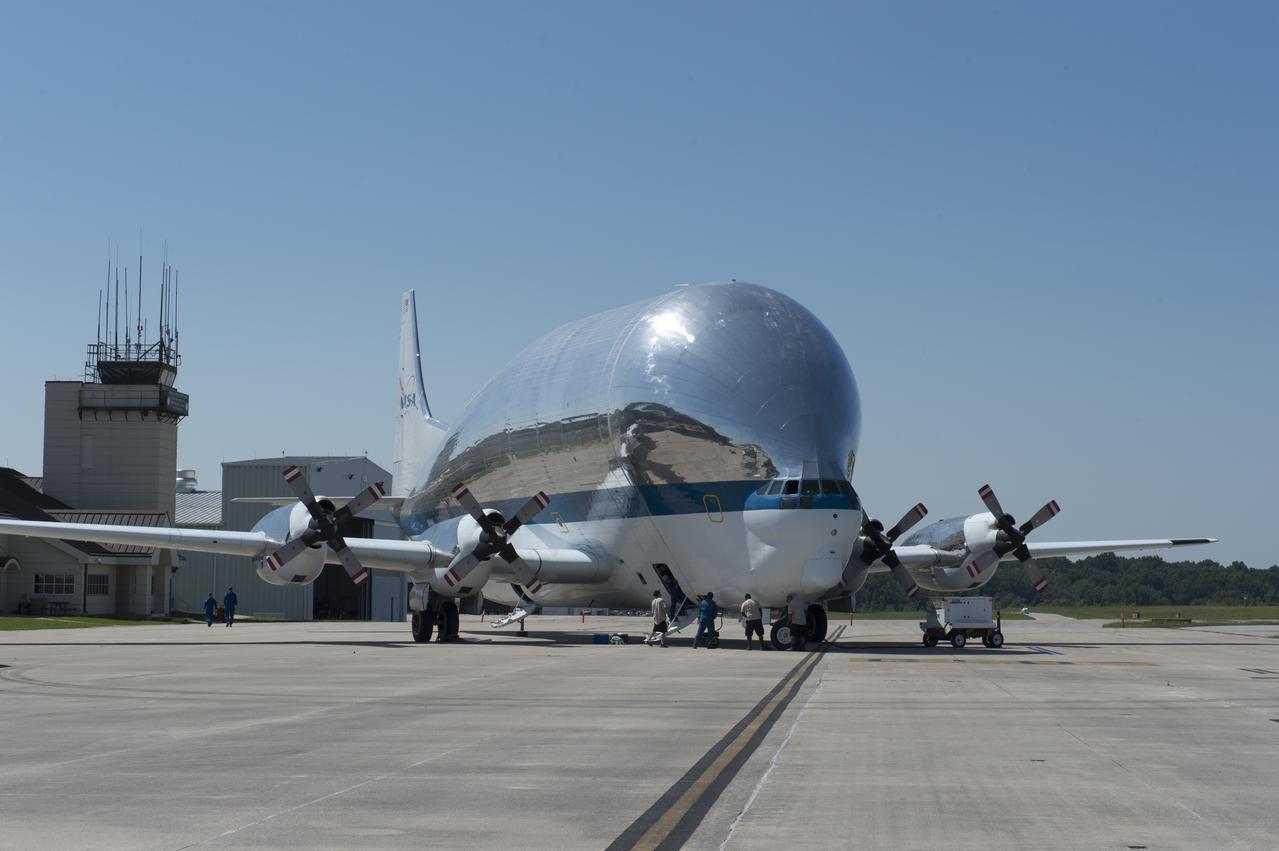
NASA's Super Guppie aircraft on to tarmac of Redstone Arsenal airfield prior to liftoff with the Orion stage adapter which will be transported to Denver, Colorado for further testing.
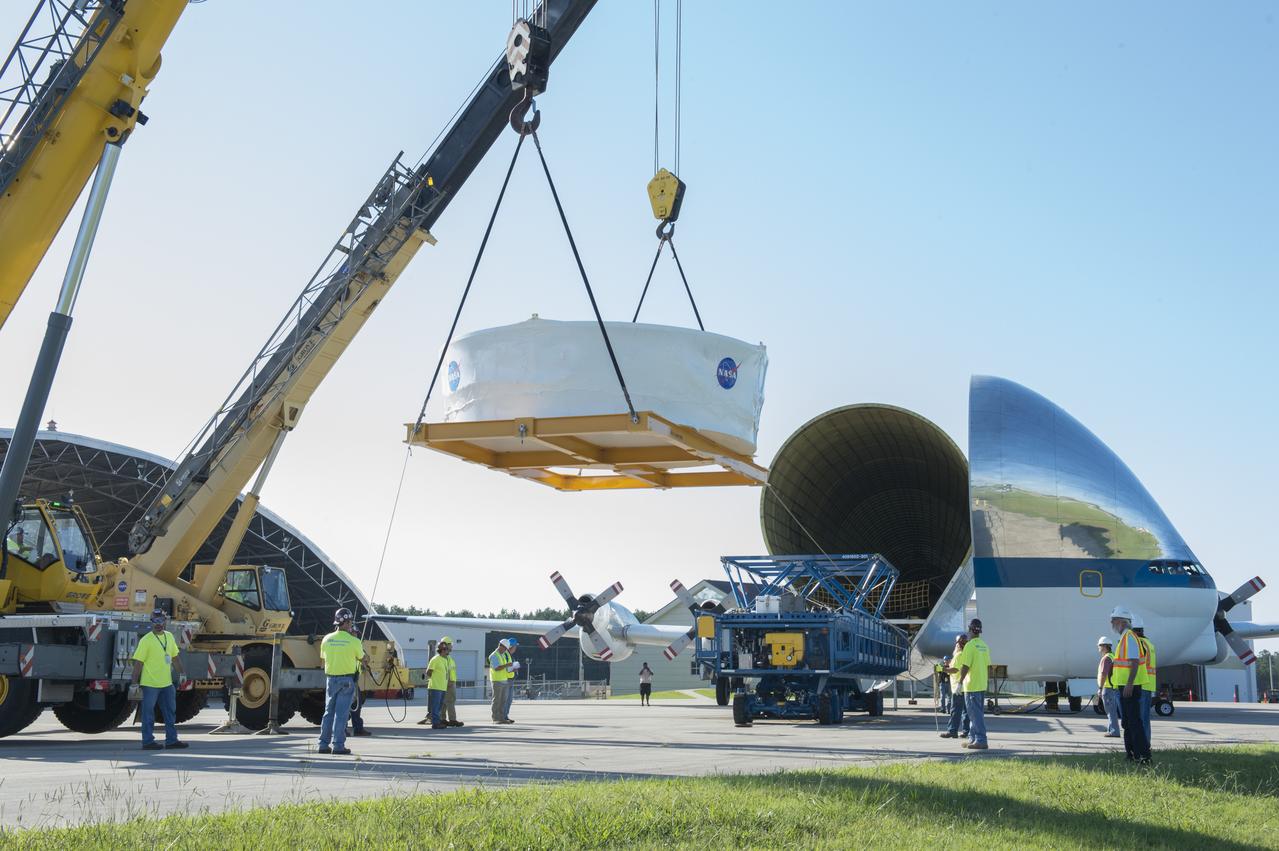
The Orion stage adapter is being lifted for placement onto the loading platform for NASA's Super Guppie aircraft before being flown to Denver, Colorado for further testing.
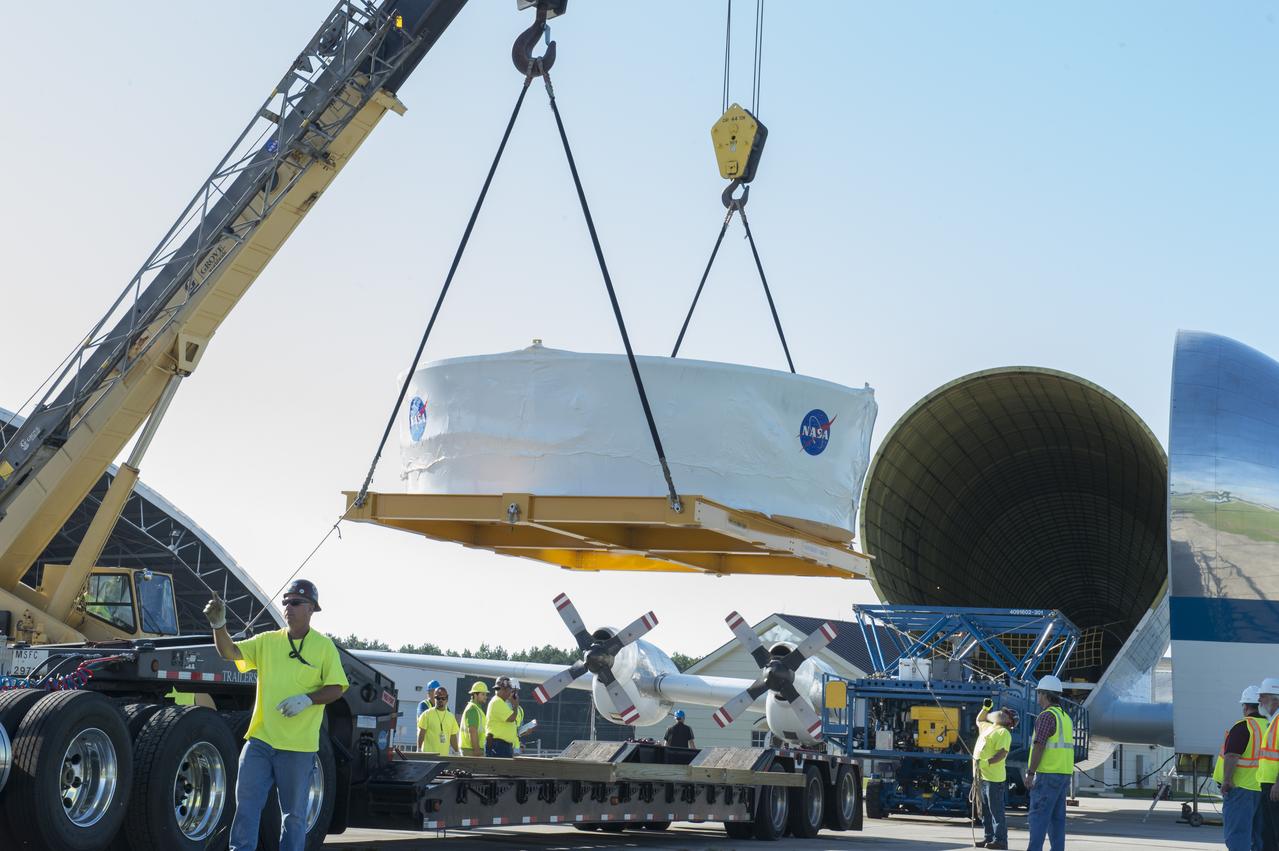
The Orion stage adapter is being lifted for placement onto the loading platform for NASA's Super Guppie aircraft before being flown to Denver, Colorado for further testing.
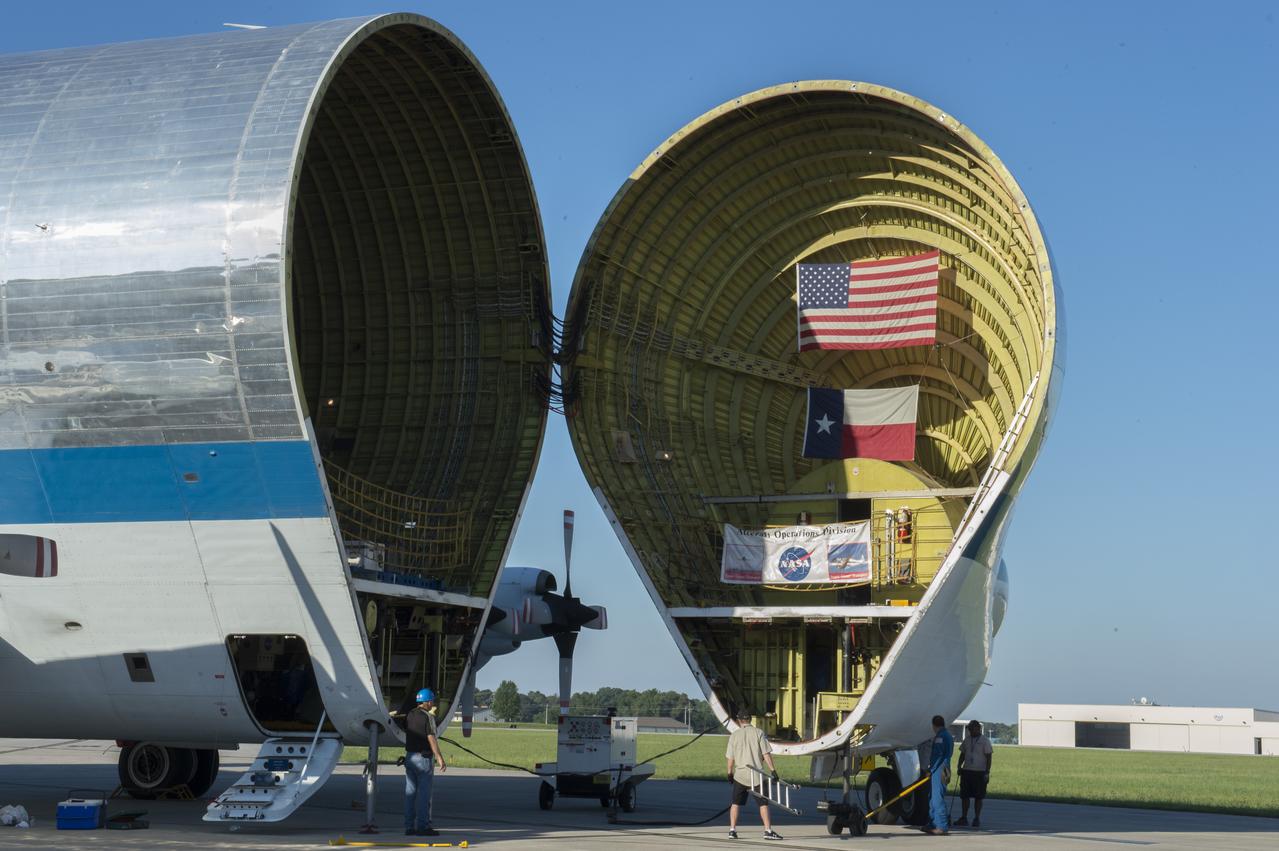
NASA's Super Guppie arrives at Redstone Arsenal airfield to transport the Orion stage adapter to Denver Colorado for further testing. The nose is open exposing the cargo bay.
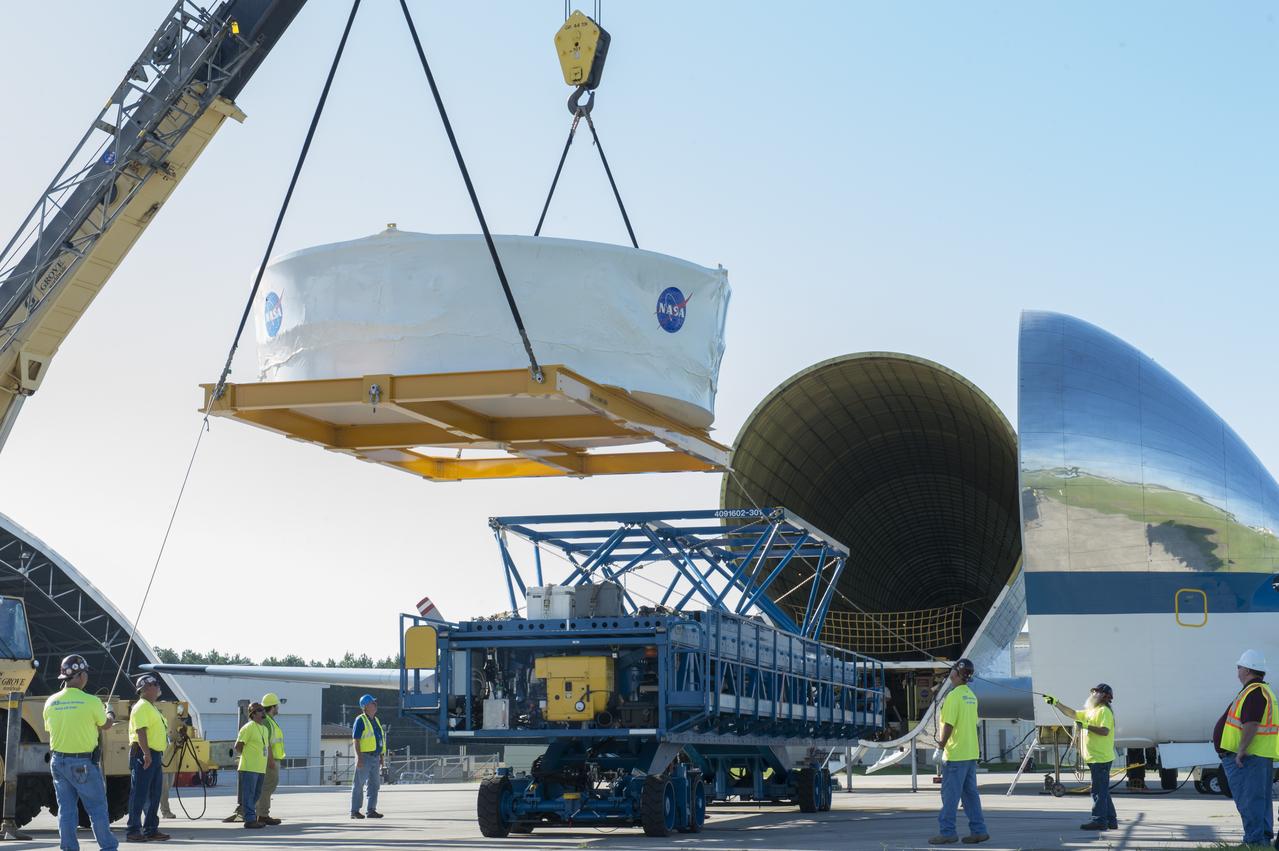
The Orion stage adapter is being lifted for placement onto the loading platform for NASA's Super Guppie aircraft before being flown to Denver, Colorado for further testing.
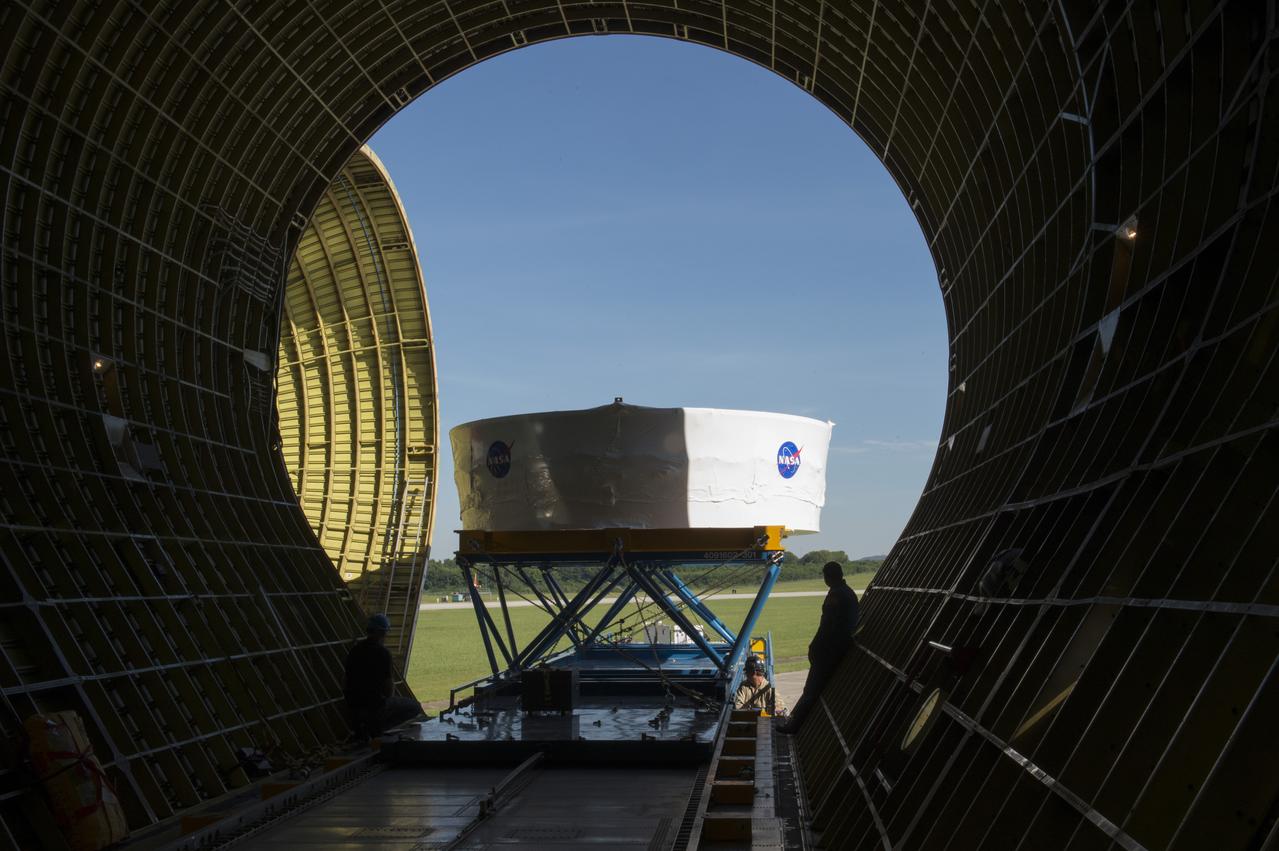
The Orion stage adapter is being placed inside the cargo bay of NASA's Super Guppie aircraft before being flown to Denver, Colorado for further testing.
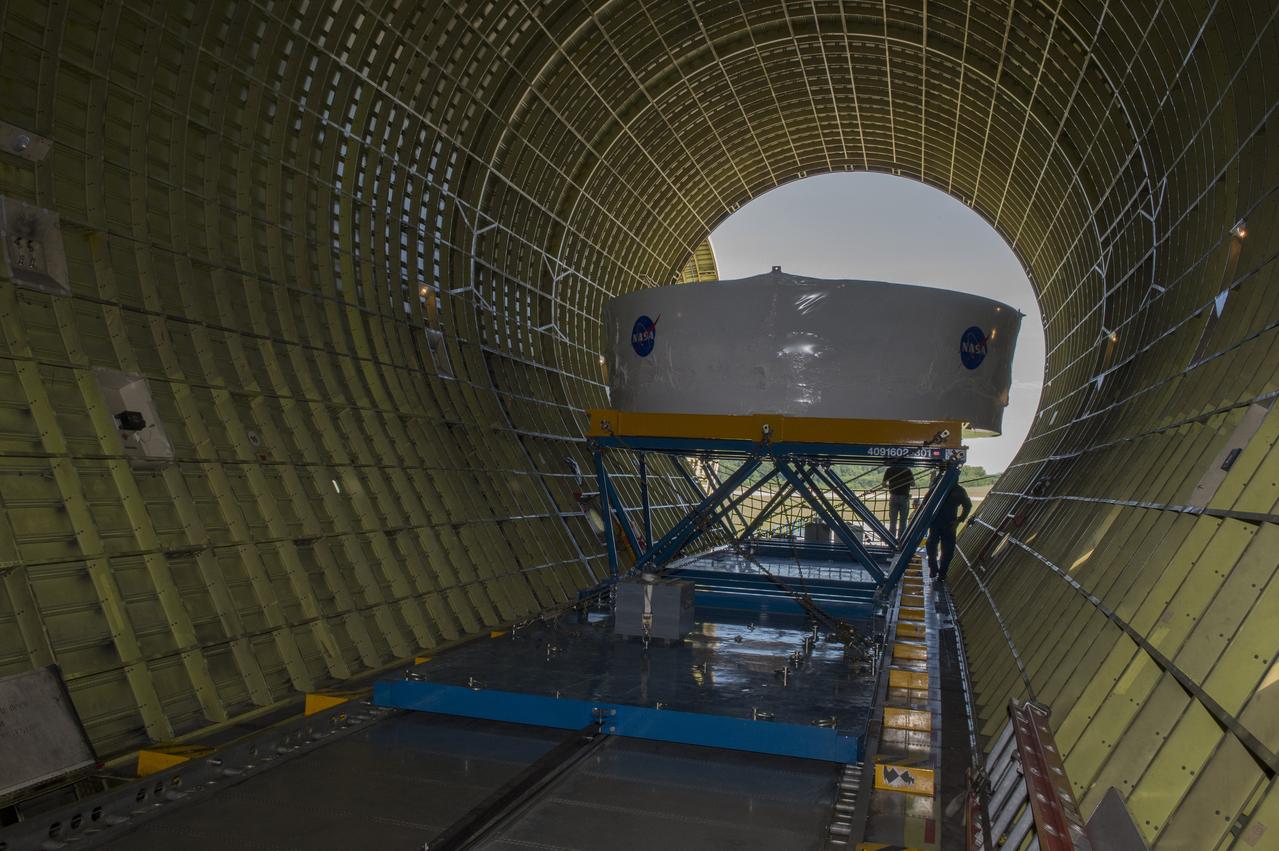
The Orion stage adapter is being placed inside the cargo bay of NASA's Super Guppie aircraft before being flown to Denver, Colorado for further testing.
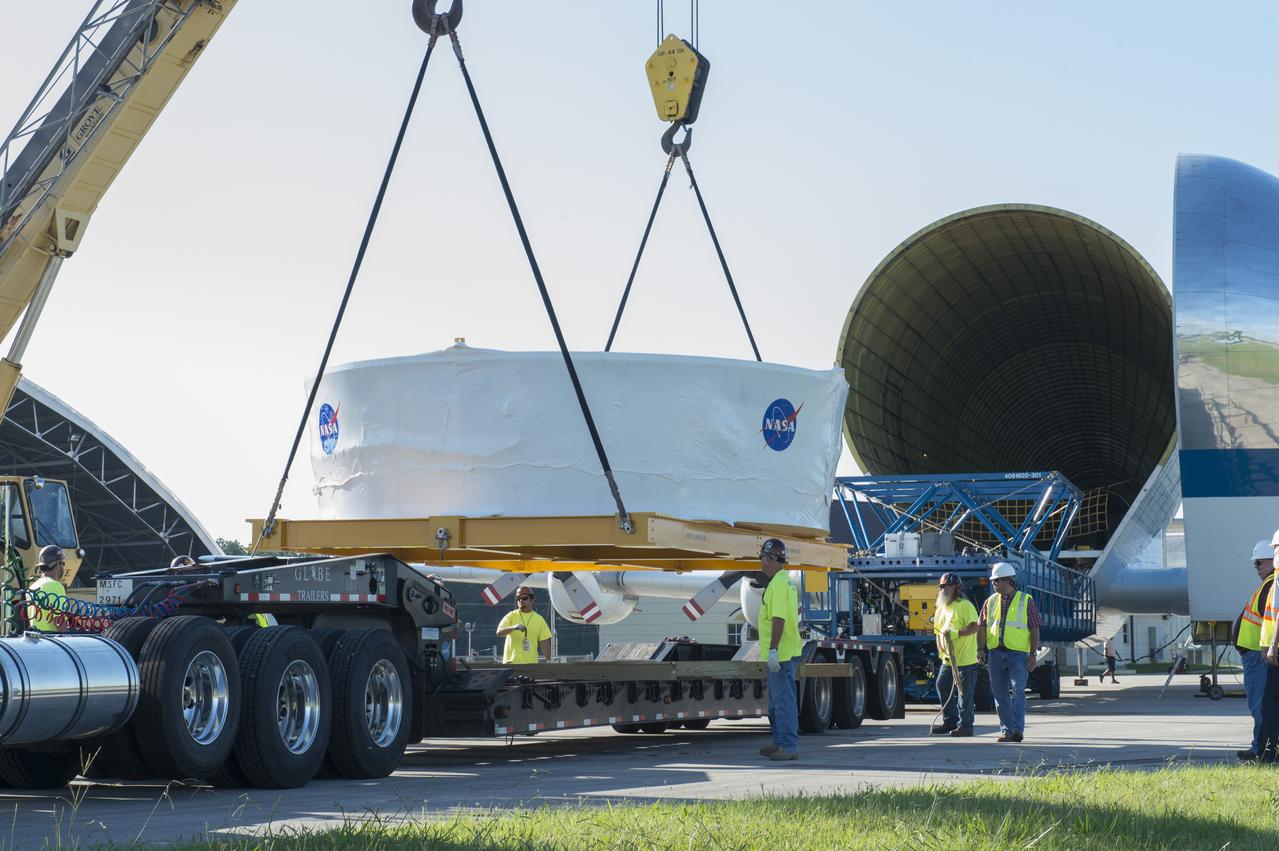
The Orion stage adapter is being lifted for placement onto the loading platform for NASA's Super Guppie aircraft before being flown to Denver, Colorado for further testing.
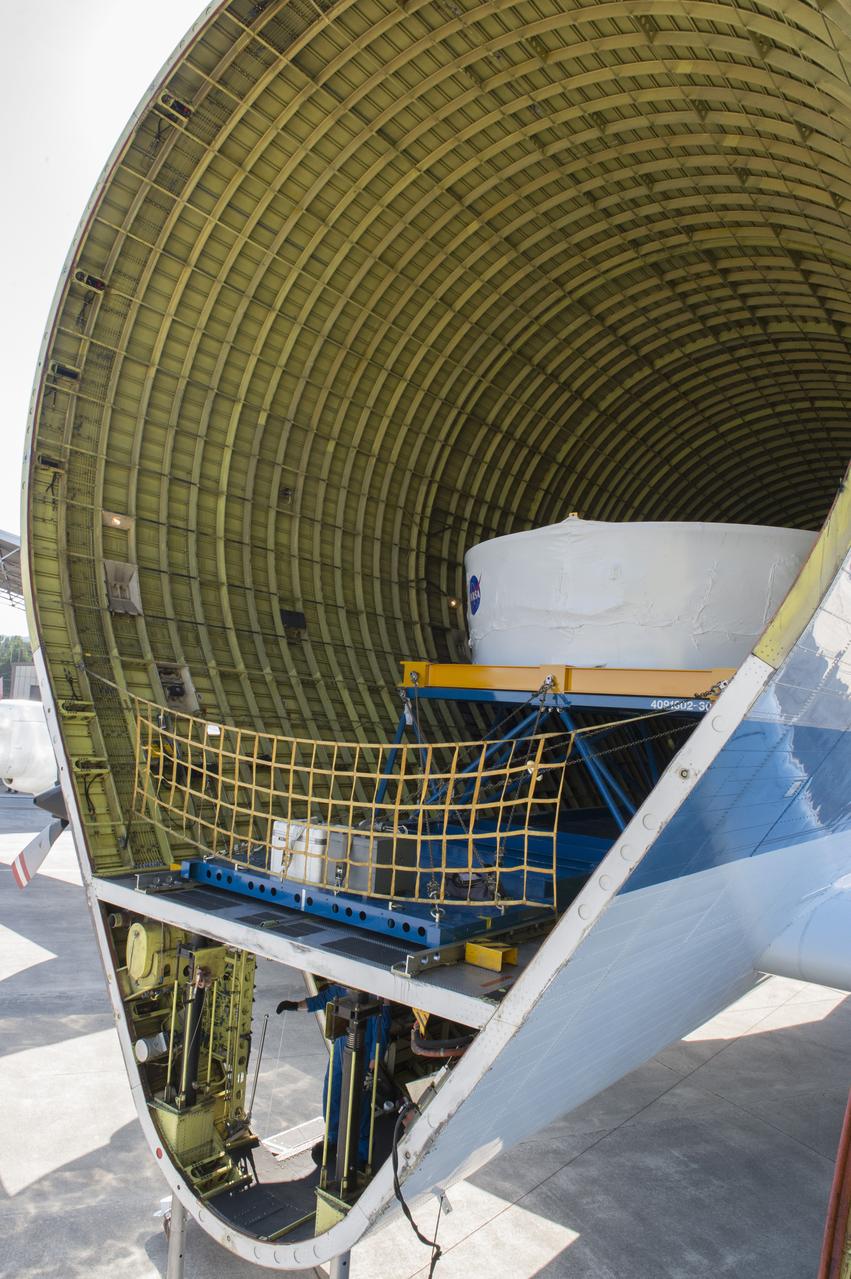
The Orion stage adapter shown inside the cargo bay of NASA's Super Guppie aircraft prior to being flown to Denver, Colorado for further testing.
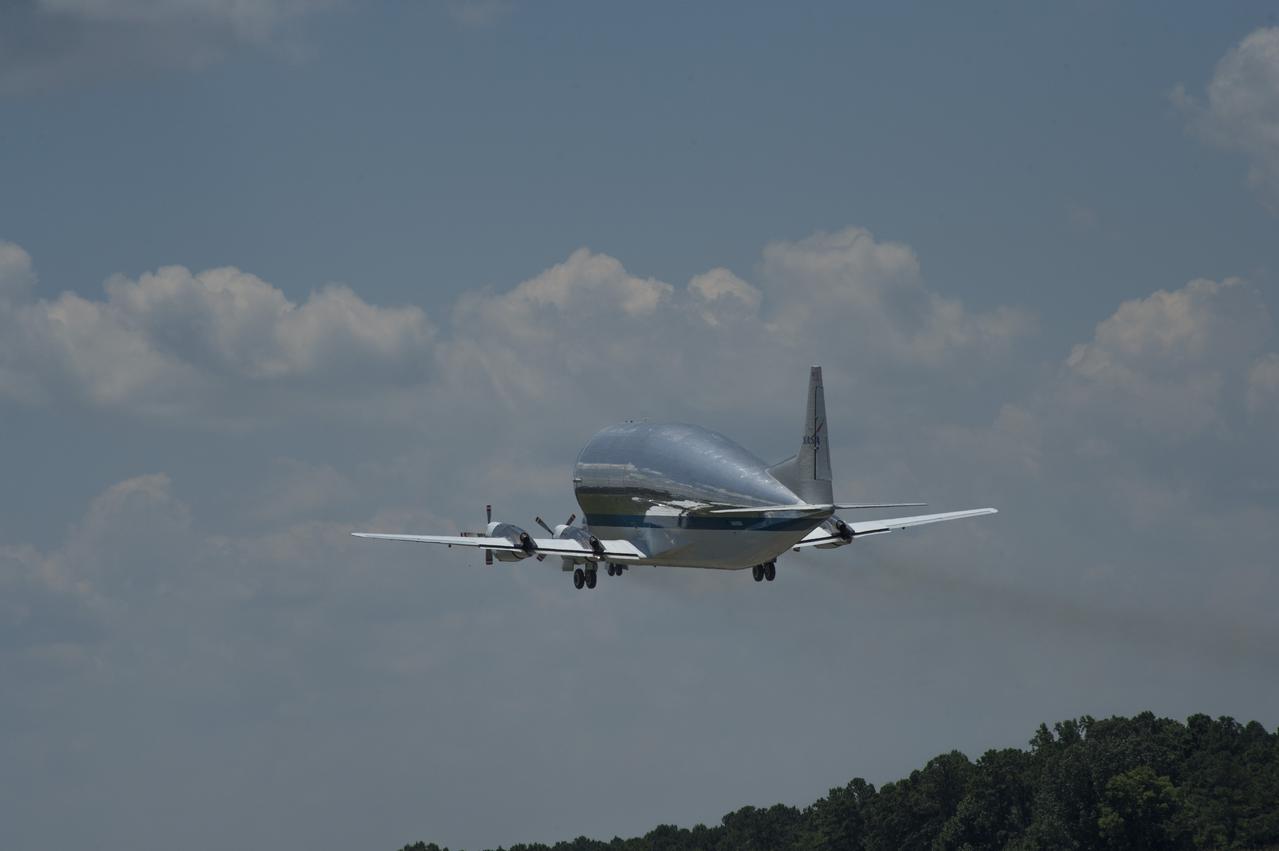
NASA's Super Guppie aircraft lifts off from Redstone Arsenal's airfield with the Orion stage adapter which will be transported to Denver, Colorado for further testing.
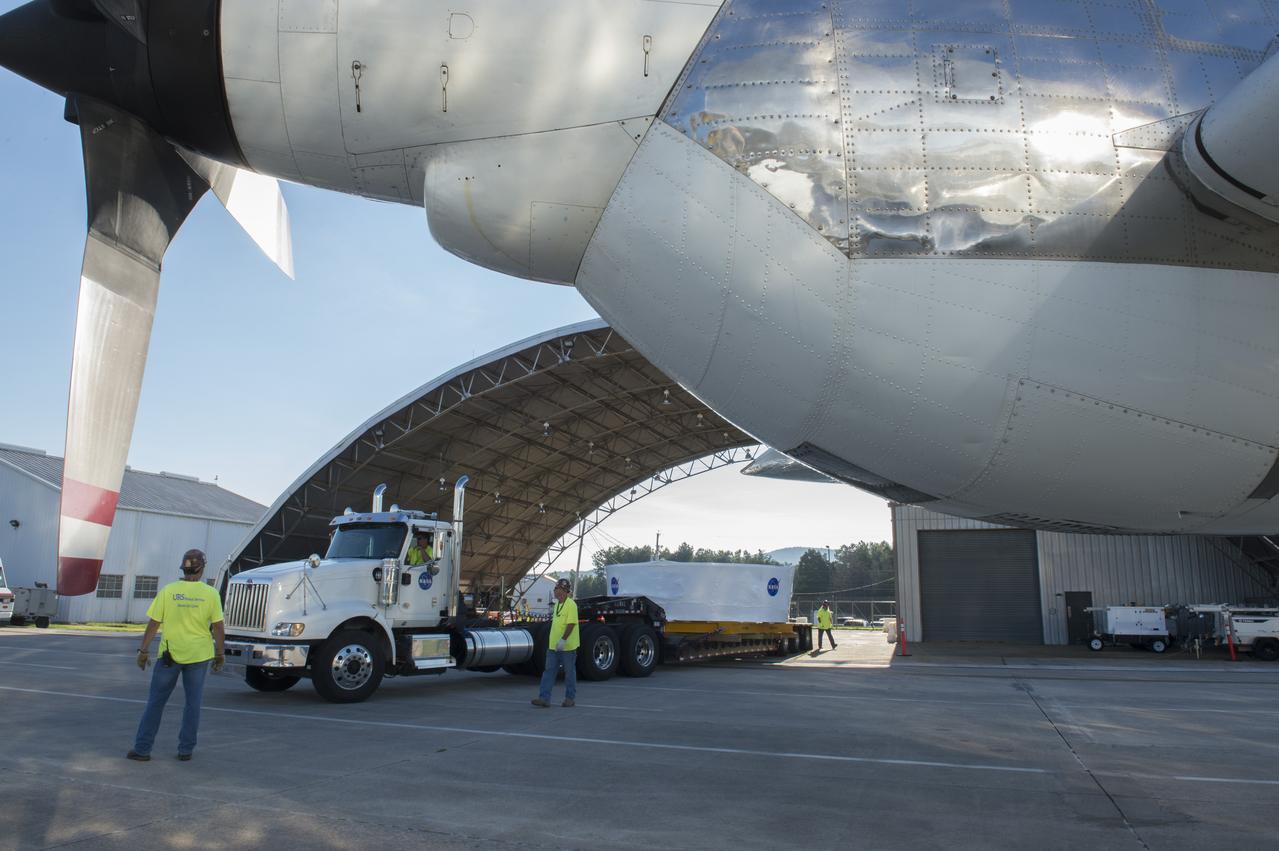
The Orion stage adapter arrives at Redstone Airfield where it will be loaded into NASA's Super Guppie aircraft for transportation to Denver, Colorado where it will undergo further testing.
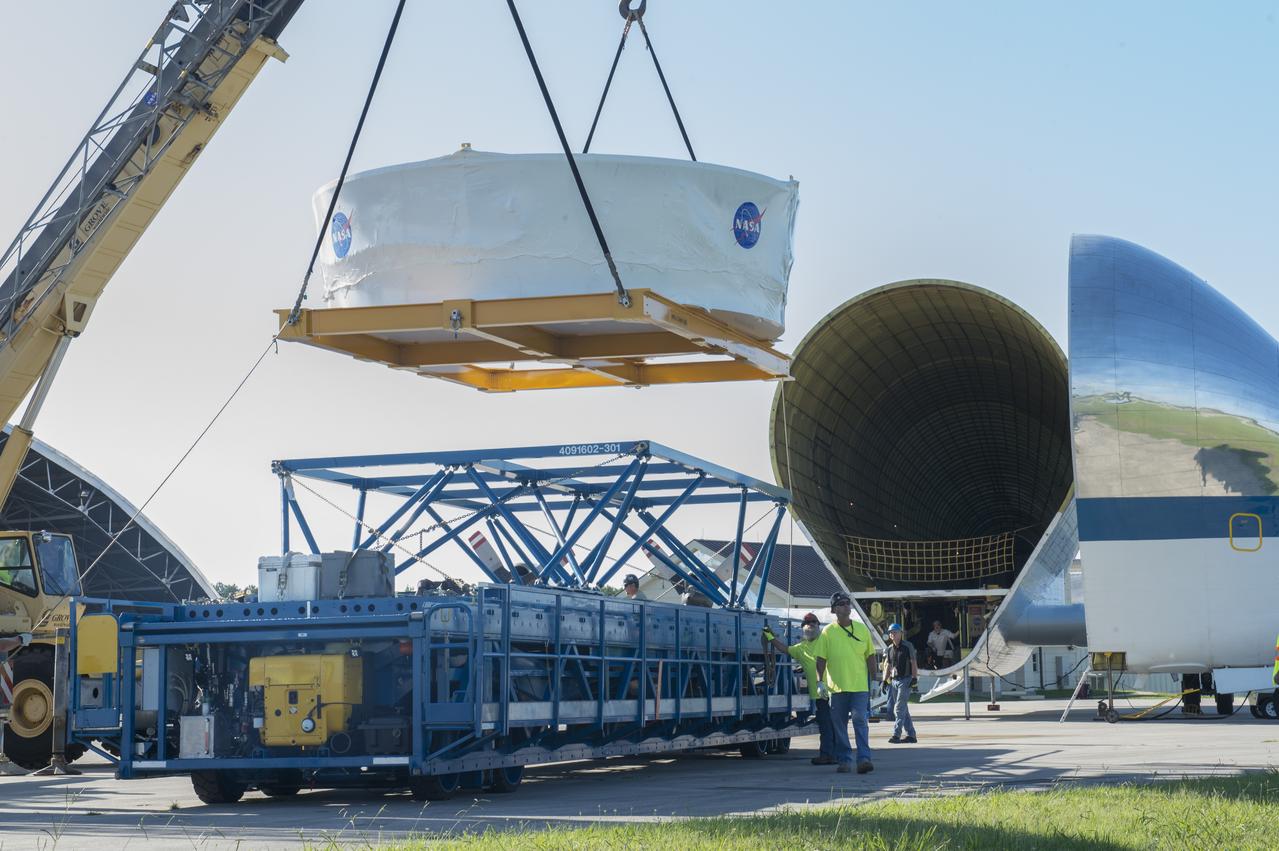
The Orion stage adapter is being lifted for placement onto the loading platform for NASA's Super Guppie aircraft before being flown to Denver, Colorado for further testing.
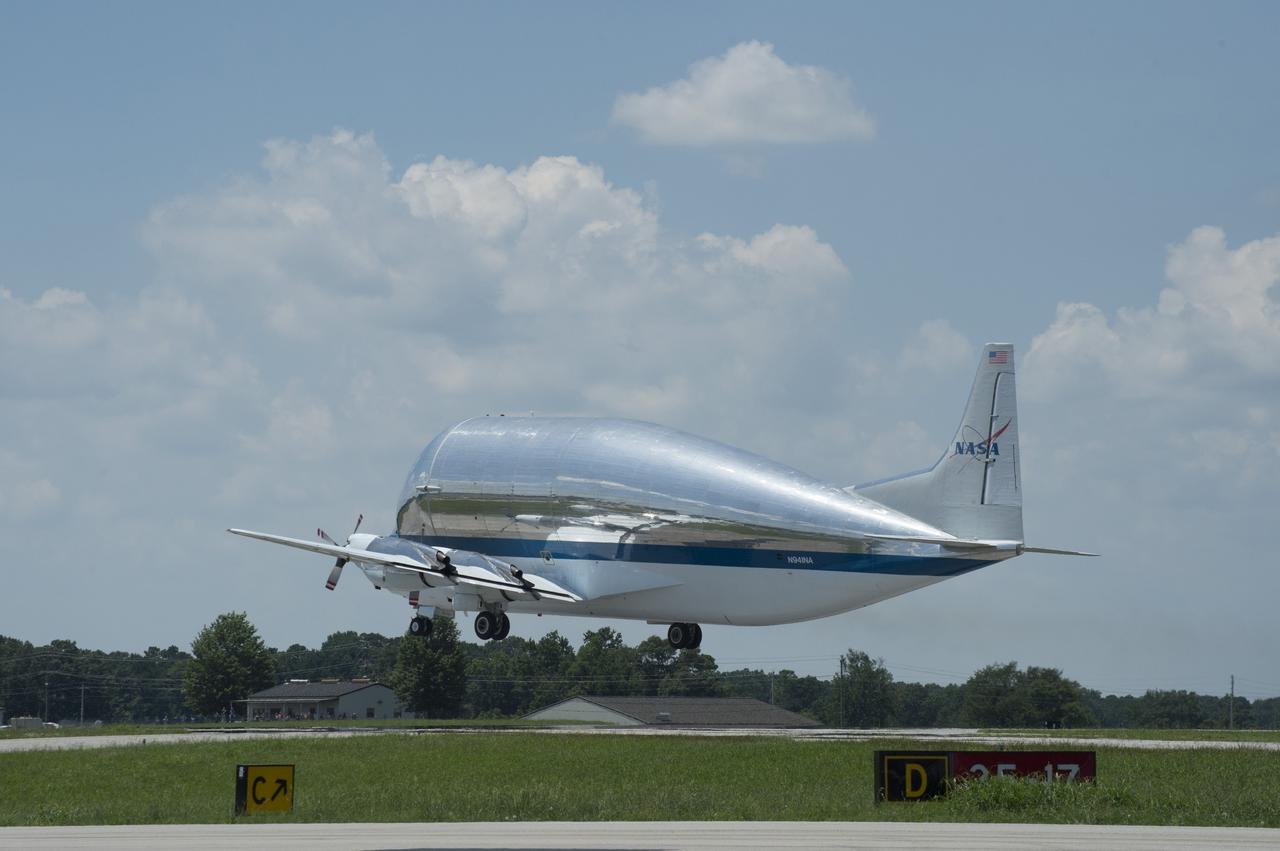
NASA's Super Guppie aircraft lifts off from Redstone Arsenal's airfield with the Orion stage adapter which will be transported to Denver, Colorado for further testing.
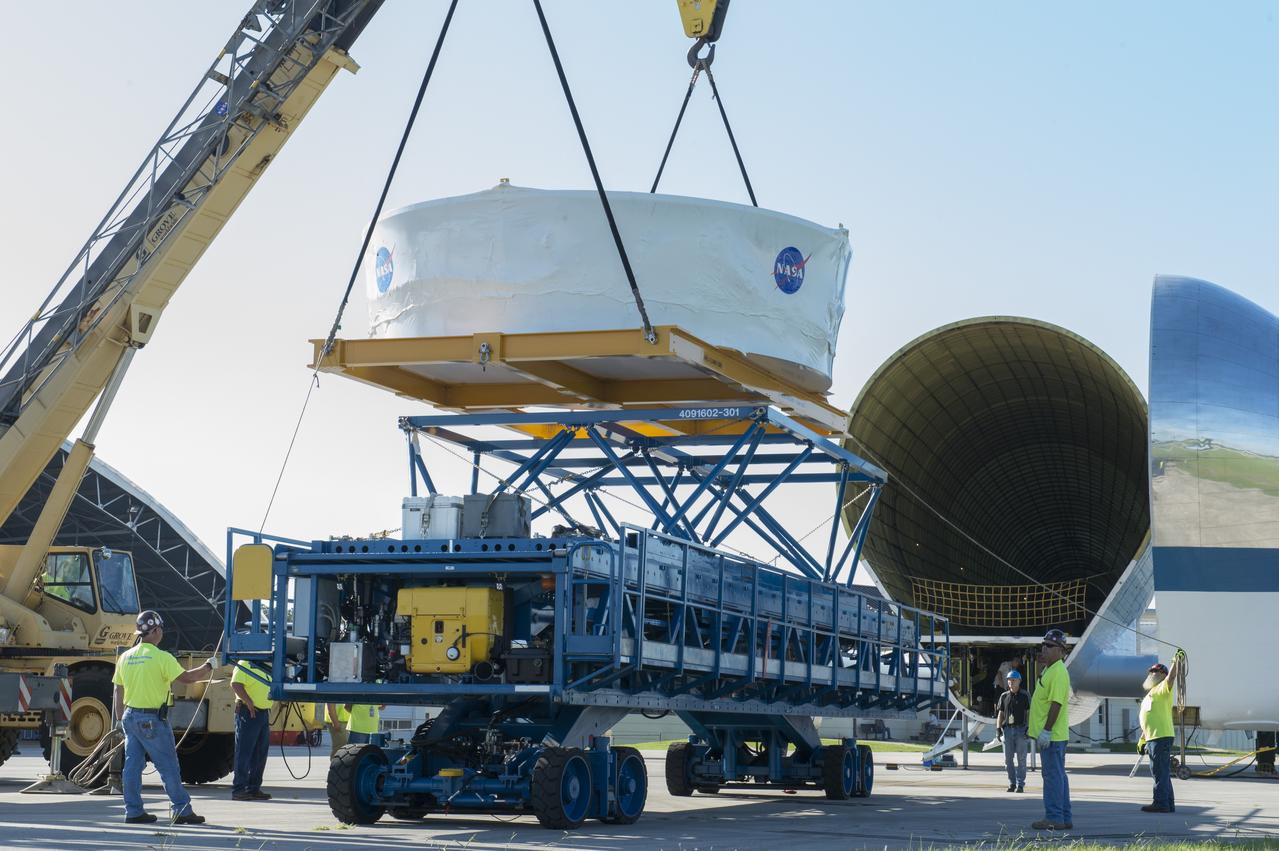
The Orion stage adapter is being lifted for placement onto the loading platform for NASA's Super Guppie aircraft before being flown to Denver, Colorado for further testing.
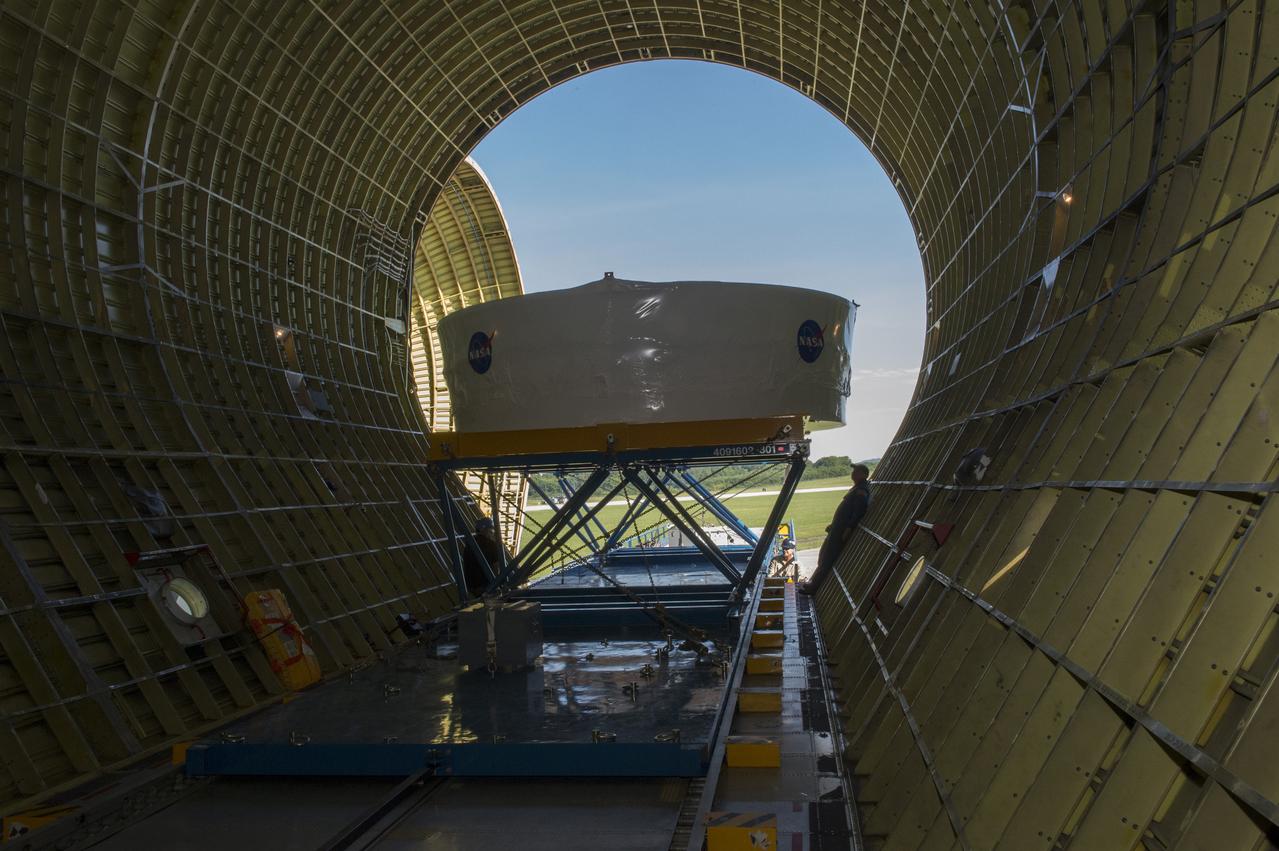
The Orion stage adapter is being placed inside the cargo bay of NASA's Super Guppie aircraft before being flown to Denver, Colorado for further testing.
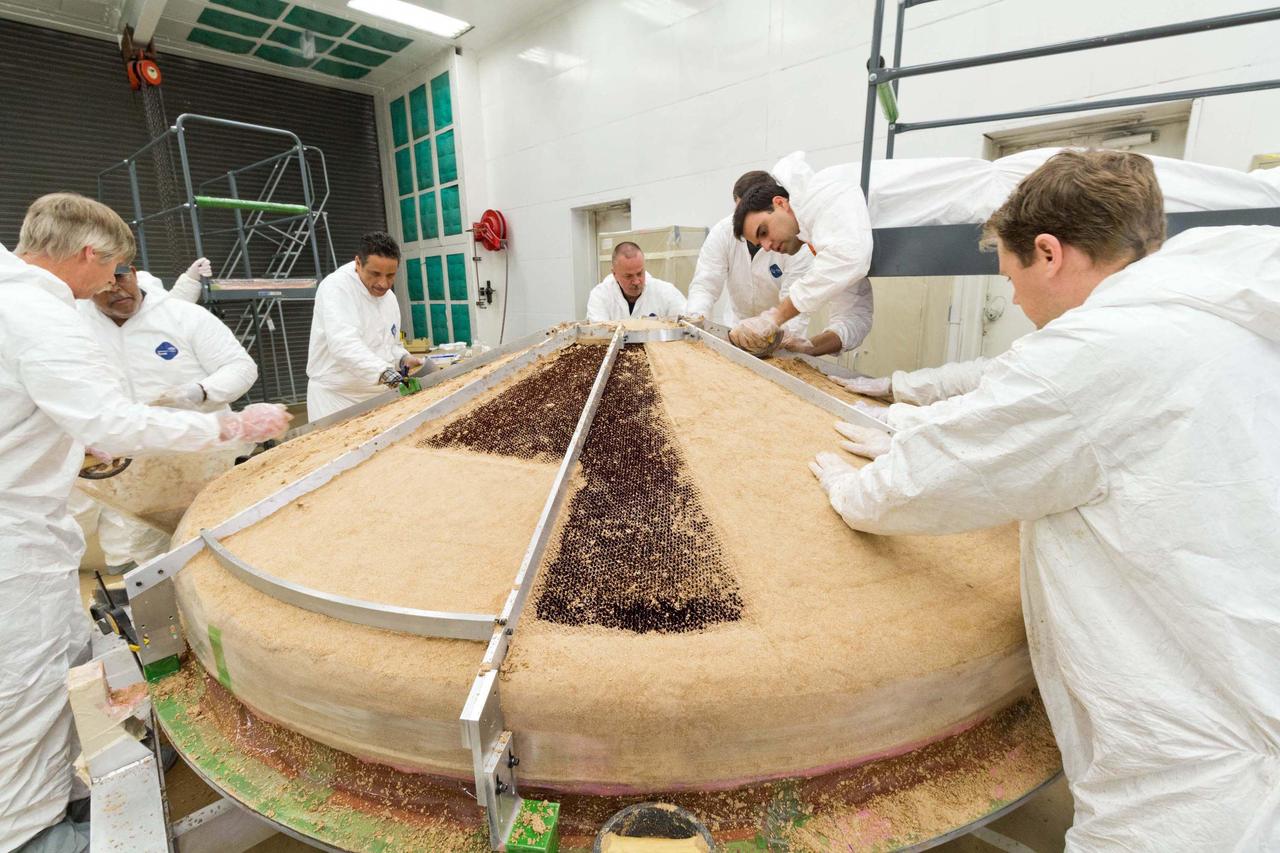
In this February 2015 scene from a clean room at Lockheed Martin Space Systems, Denver, specialists are building the heat shield to protect NASA's InSight spacecraft when it is speeding through the Martian atmosphere. Note: After thorough examination, NASA managers have decided to suspend the planned March 2016 launch of the Interior Exploration using Seismic Investigations Geodesy and Heat Transport (InSight) mission. The decision follows unsuccessful attempts to repair a leak in a section of the prime instrument in the science payload. http://photojournal.jpl.nasa.gov/catalog/PIA19404
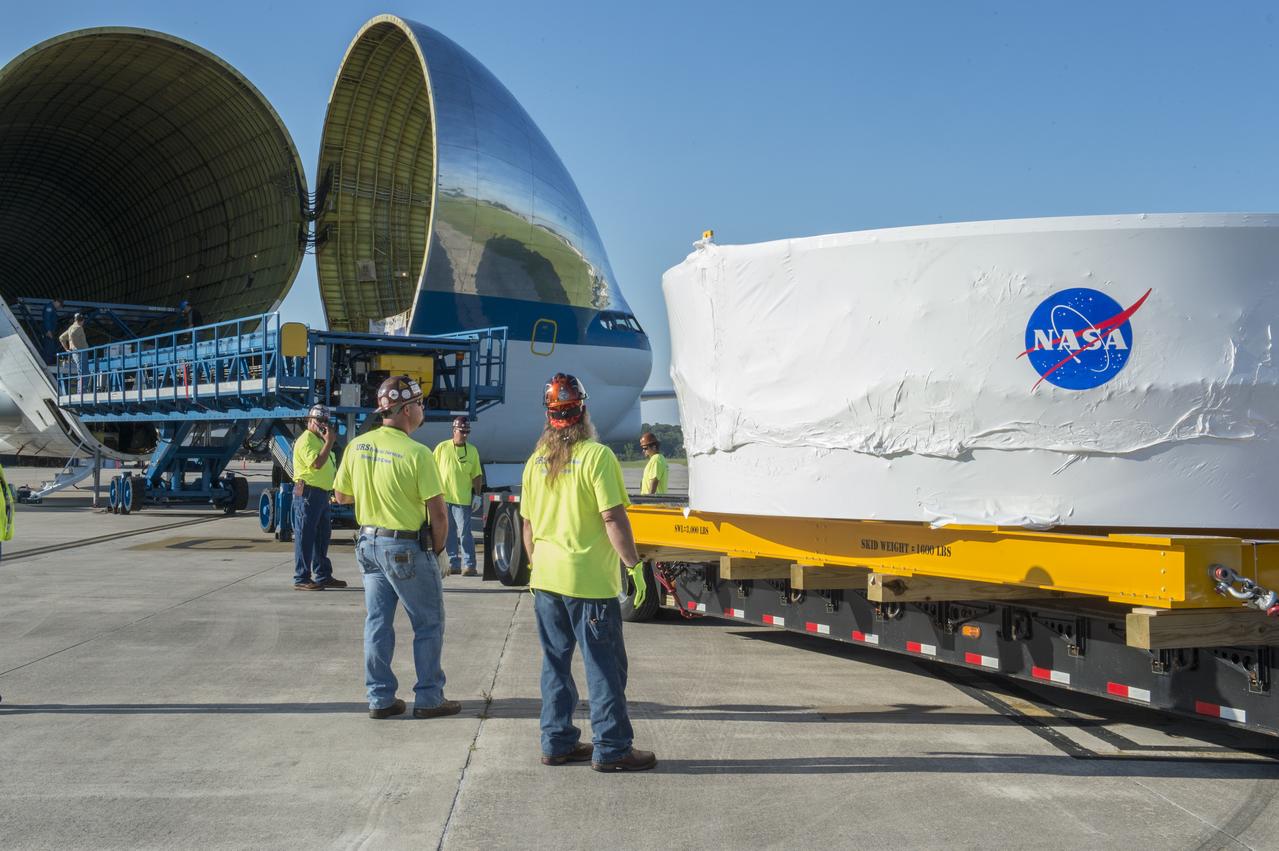
The Orion stage adapter is being positioned for lifting onto the loading platform before being loaded into NASA's Super Guppie aircraft. The adapter will be flown to Denver, Colorado for further testing.

The Orion team visits United Launch Alliance in Denver, Colorado on July 14, 2015 to recognize their efforts in making Exploration Flight Test-1 (EFT-1) a success. Part of Batch image transfer from Flickr.
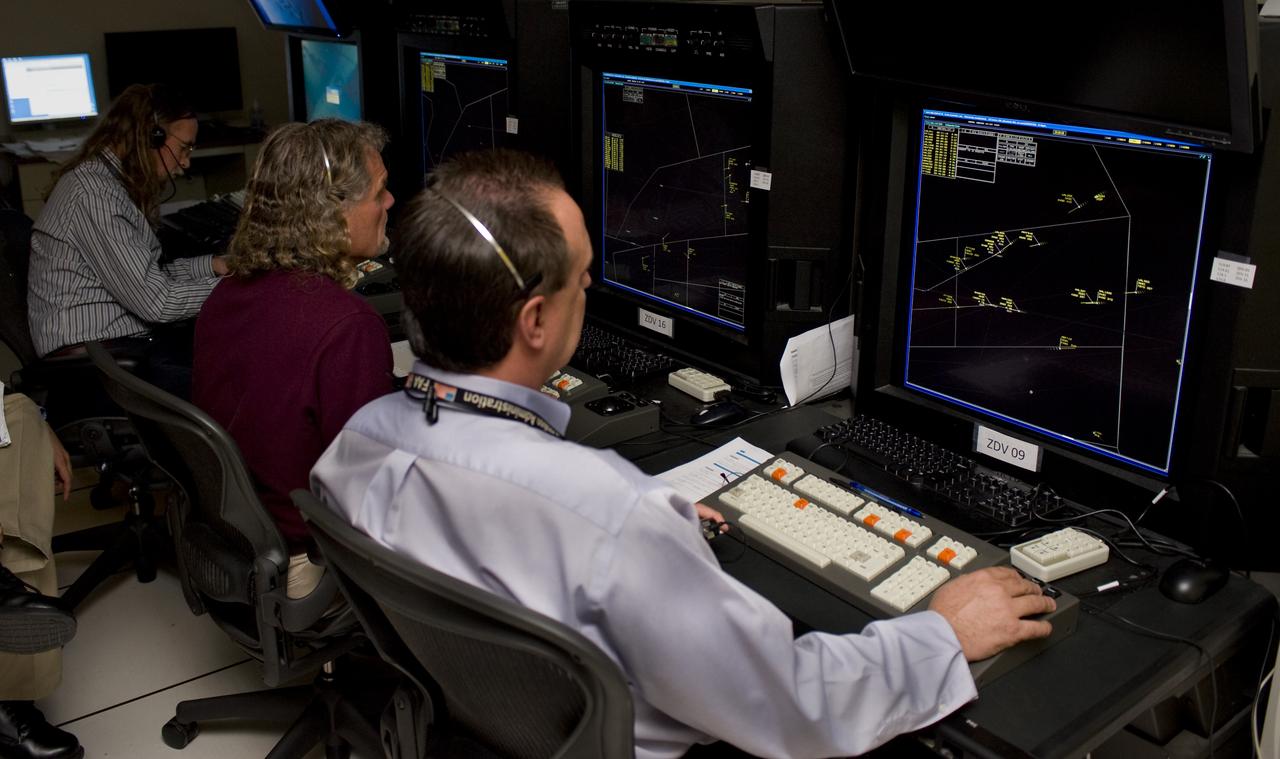
Efficient Descent Advisor, Simulaiton Number 2, ATC Lab N-257; ATC lab with Denver Air Traffic Controlers Glen Hilgedick and Roger Bruce (on left)
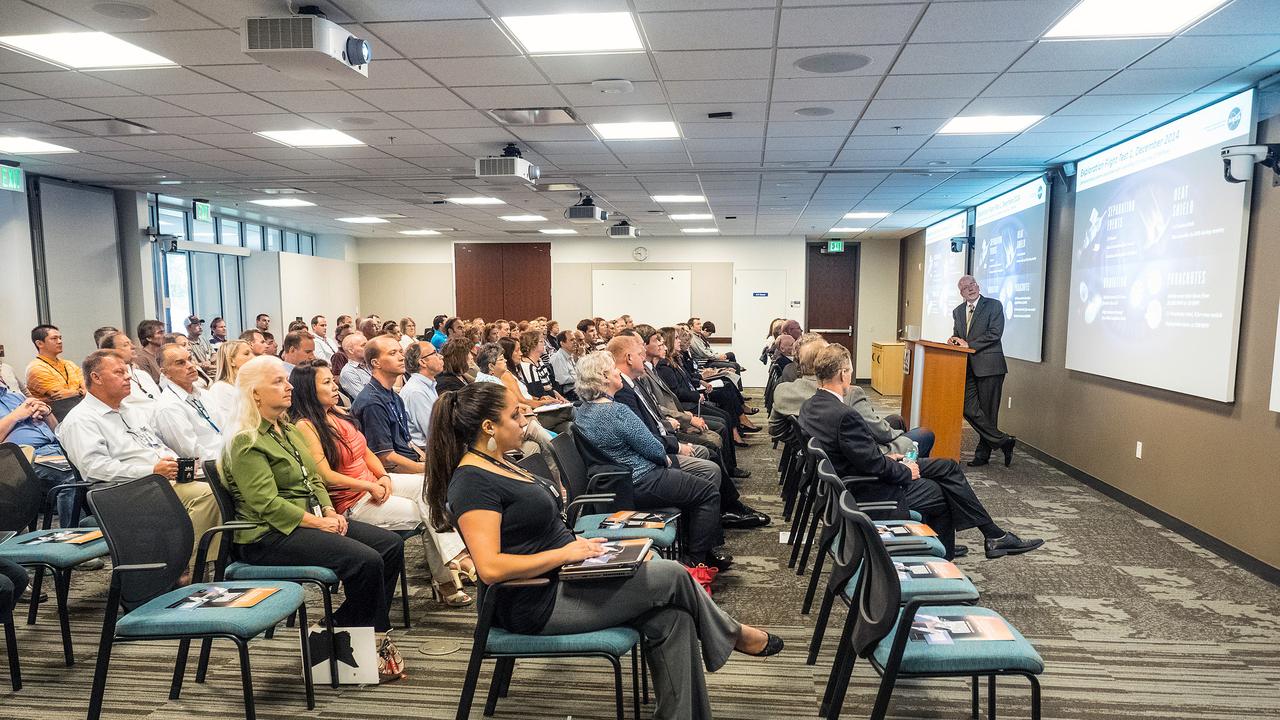
The Orion team visits United Launch Alliance in Denver, Colorado on July 14, 2015 to recognize their efforts in making Exploration Flight Test-1 (EFT-1) a success. Part of Batch image transfer from Flickr.
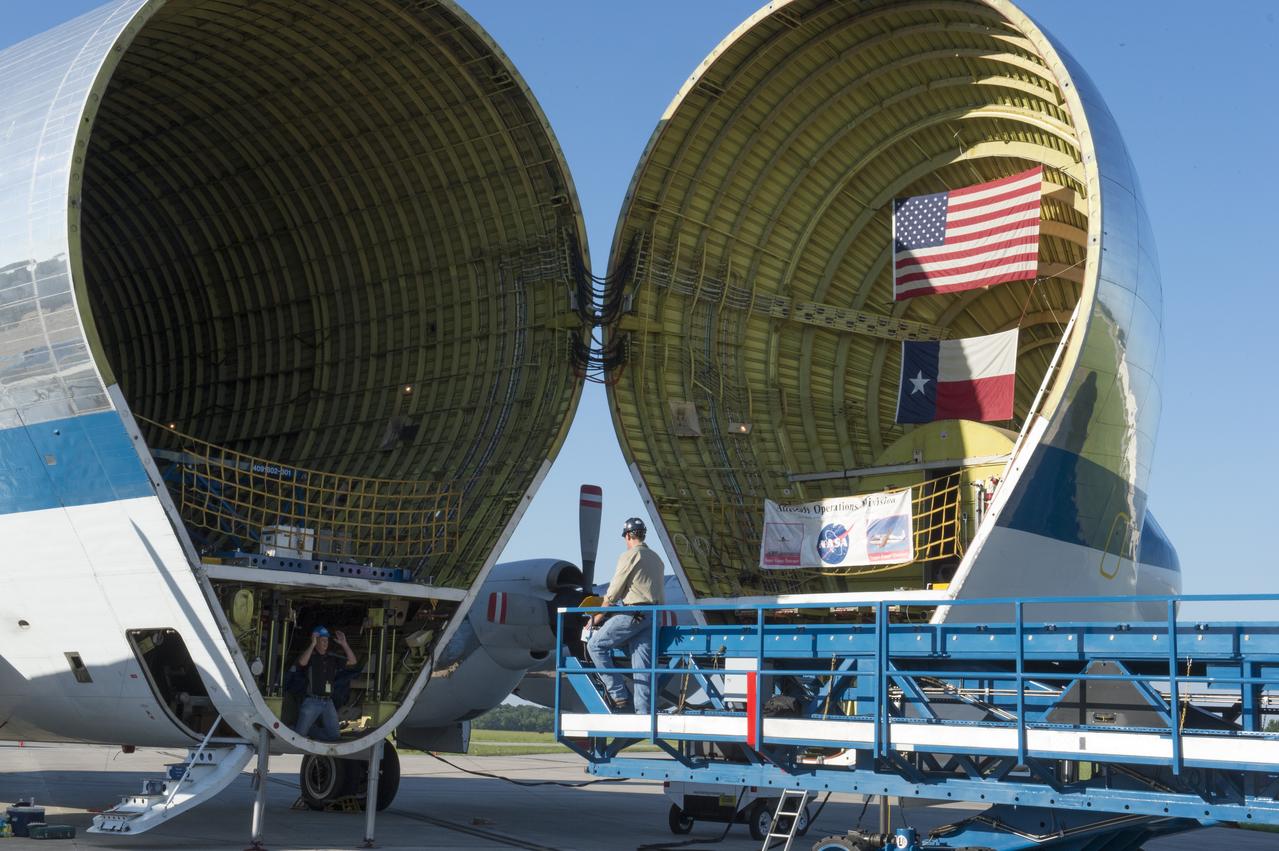
The platform which will be used to load the Orion stage adapter is shown being positioned in front of NASA's Super Guppie. After being tested at Marshall Space Flight Center the stage adapter will be flown to Denver, Colorado for further testing.
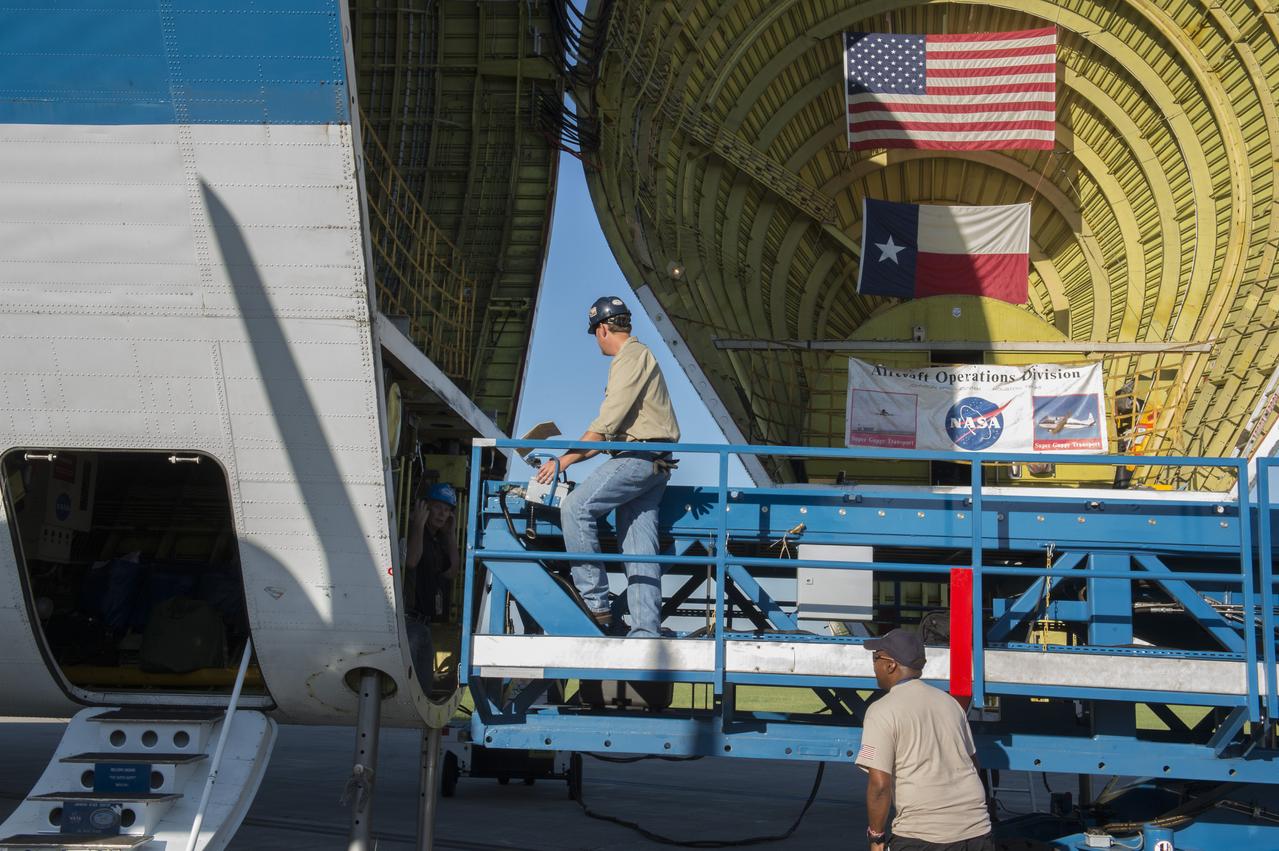
The platform which will be used to load the Orion stage adapter is being positioned in front of the cargo bay of NASA's Super Guppie aircraft. The adapter is being flown to Denver, Colorado for further testing.
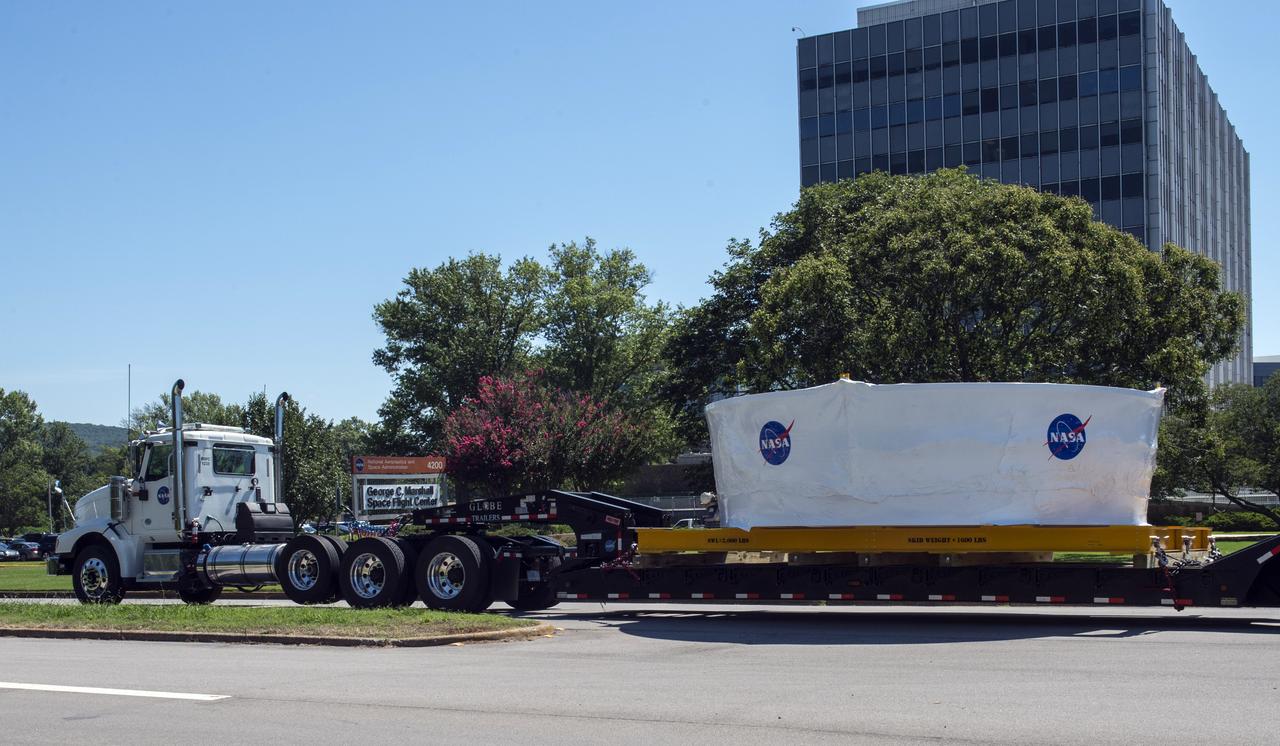
The Orion stage adapter being transported from Marshall Space Flight Center to Redstone Arsenal's airfield for transportation on NASA's Guppie aircraft to Denver, Colorado for further testing.
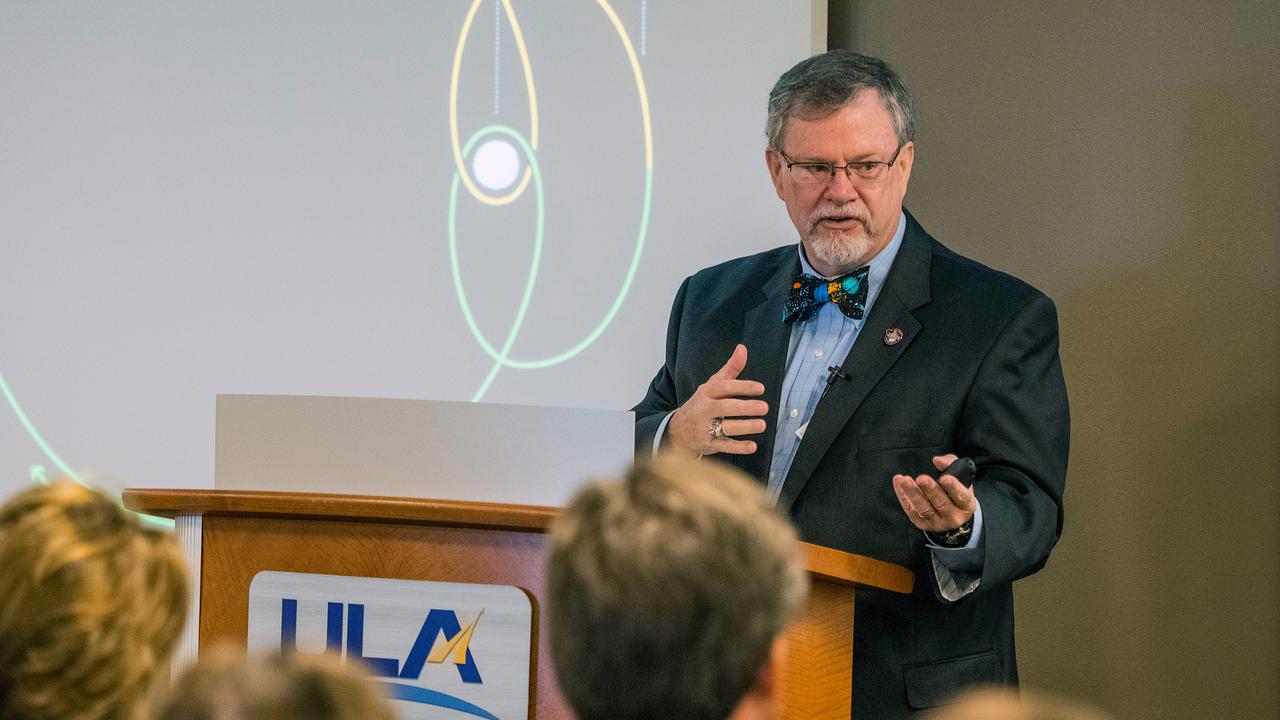
The Orion team visits United Launch Alliance in Denver, Colorado on July 14, 2015 to recognize their efforts in making Exploration Flight Test-1 (EFT-1) a success. Part of Batch image transfer from Flickr.
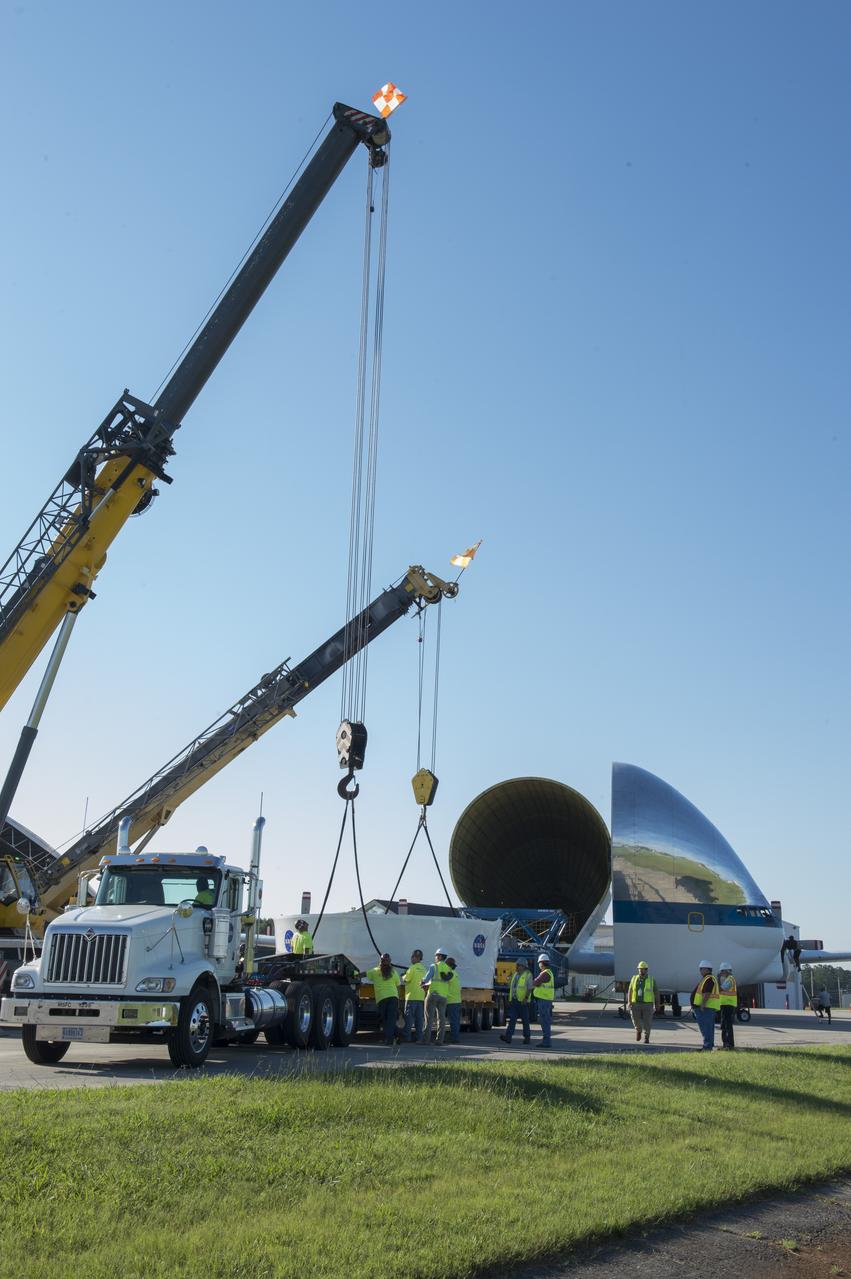
The Orion stage adapter is being positioned for lifting onto the loading platform before being loaded into NASA's Super Guppie aircraft. The adapter will be flown to Denver, Colorado for further testing.
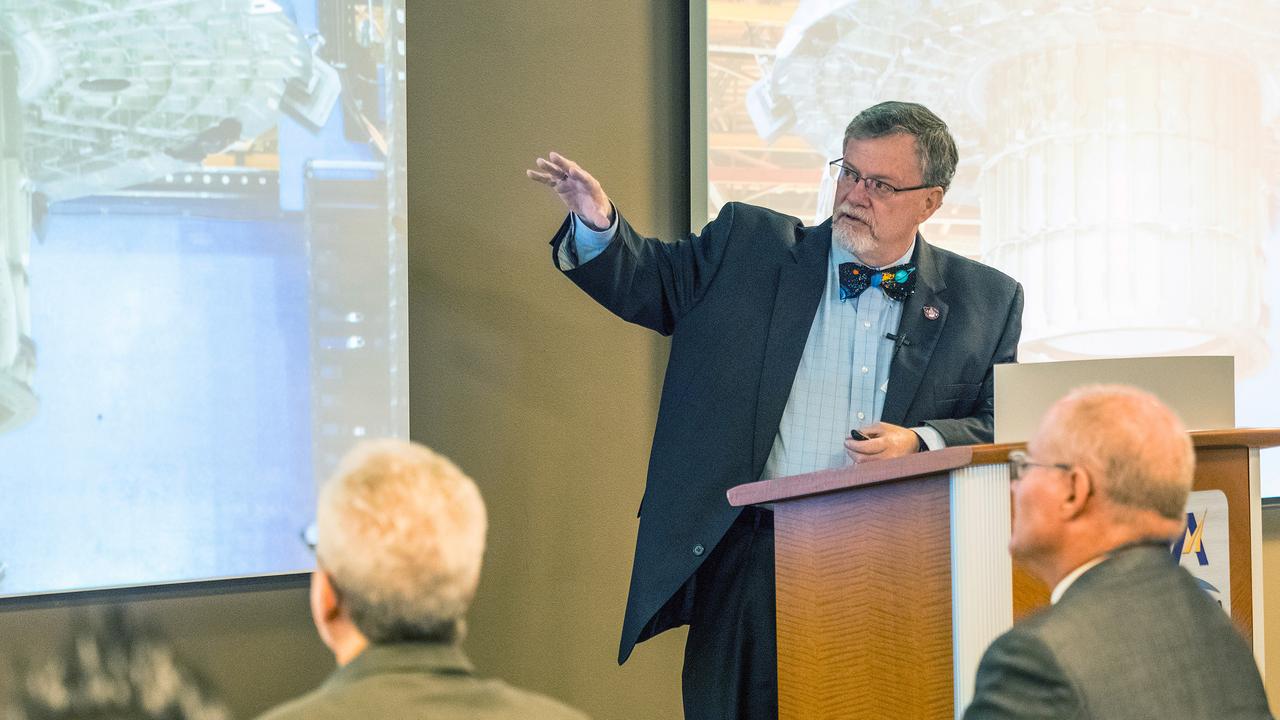
The Orion team visits United Launch Alliance in Denver, Colorado on July 14, 2015 to recognize their efforts in making Exploration Flight Test-1 (EFT-1) a success. Part of Batch image transfer from Flickr.
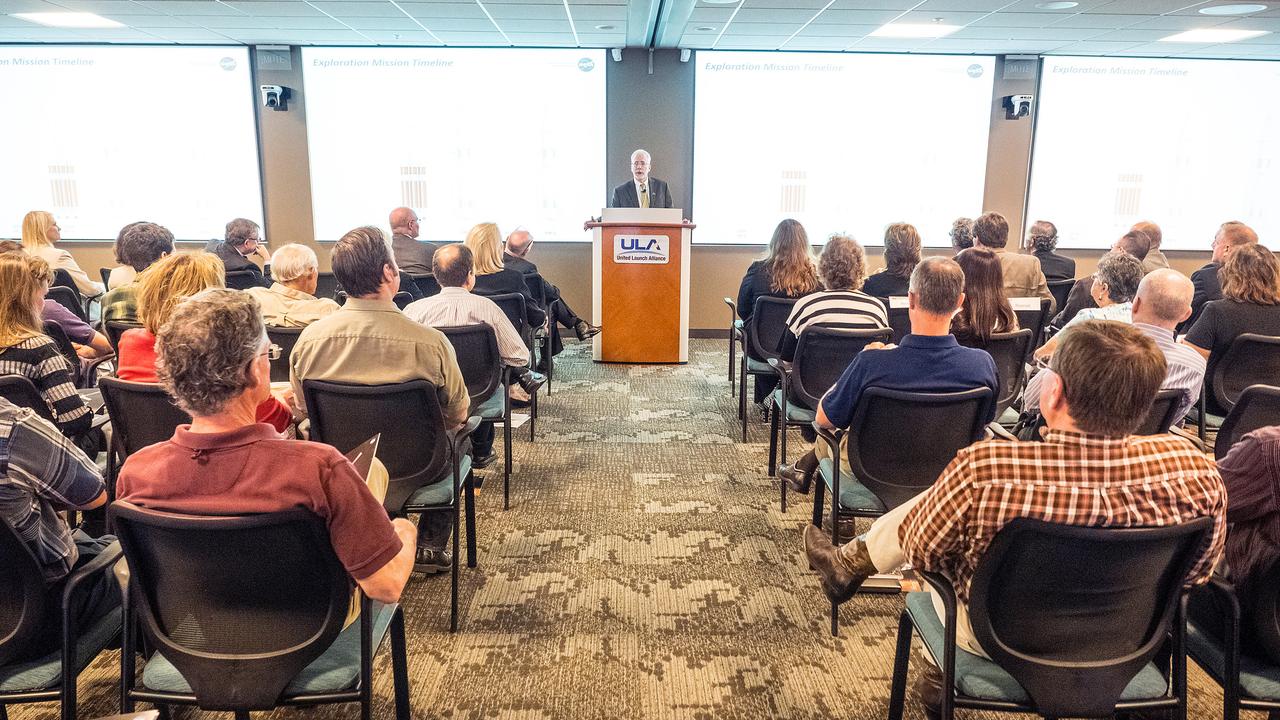
The Orion team visits United Launch Alliance in Denver, Colorado on July 14, 2015 to recognize their efforts in making Exploration Flight Test-1 (EFT-1) a success. Part of Batch image transfer from Flickr.

The Orion team visits United Launch Alliance in Denver, Colorado on July 14, 2015 to recognize their efforts in making Exploration Flight Test-1 (EFT-1) a success. Part of Batch image transfer from Flickr.
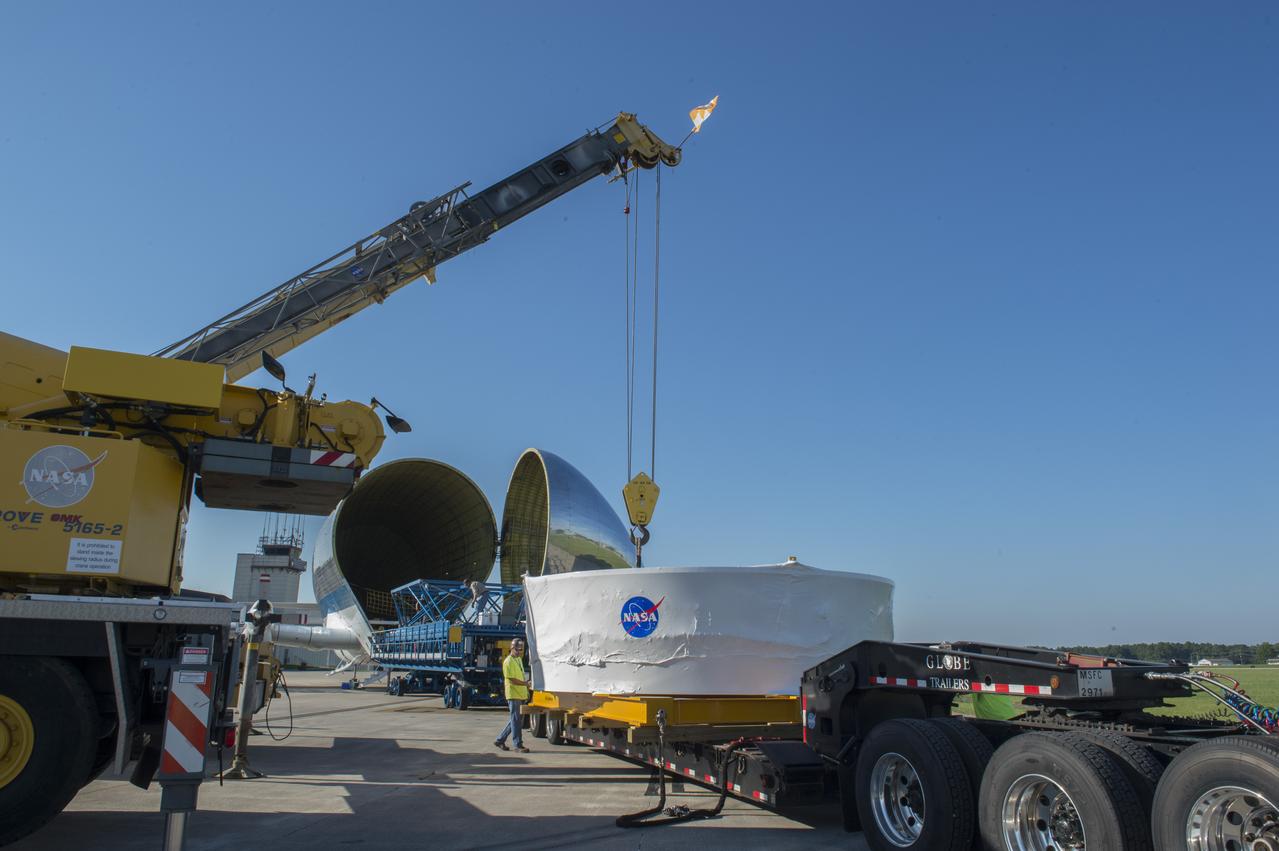
The Orion stage adapter is being positioned for lifting onto the loading platform before being loaded into NASA's Super Guppie aircraft. The adapter will be flown to Denver, Colorado for further testing.
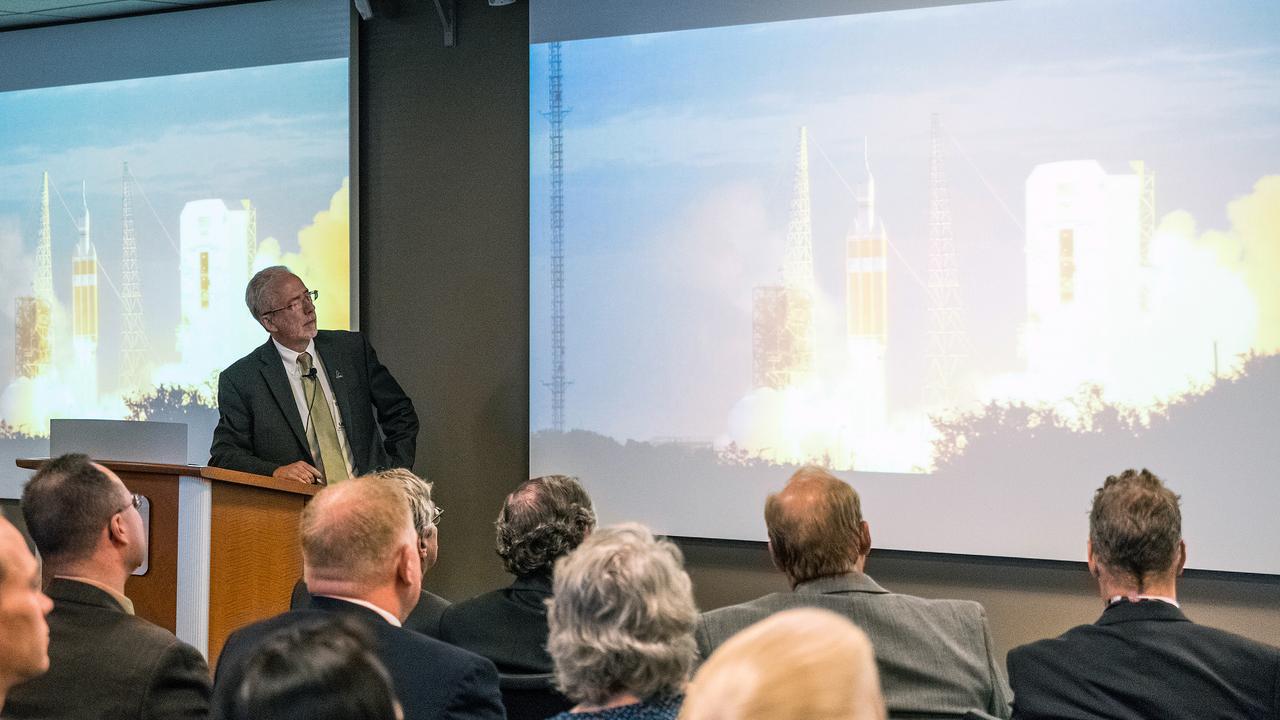
The Orion team visits United Launch Alliance in Denver, Colorado on July 14, 2015 to recognize their efforts in making Exploration Flight Test-1 (EFT-1) a success. Part of Batch image transfer from Flickr.
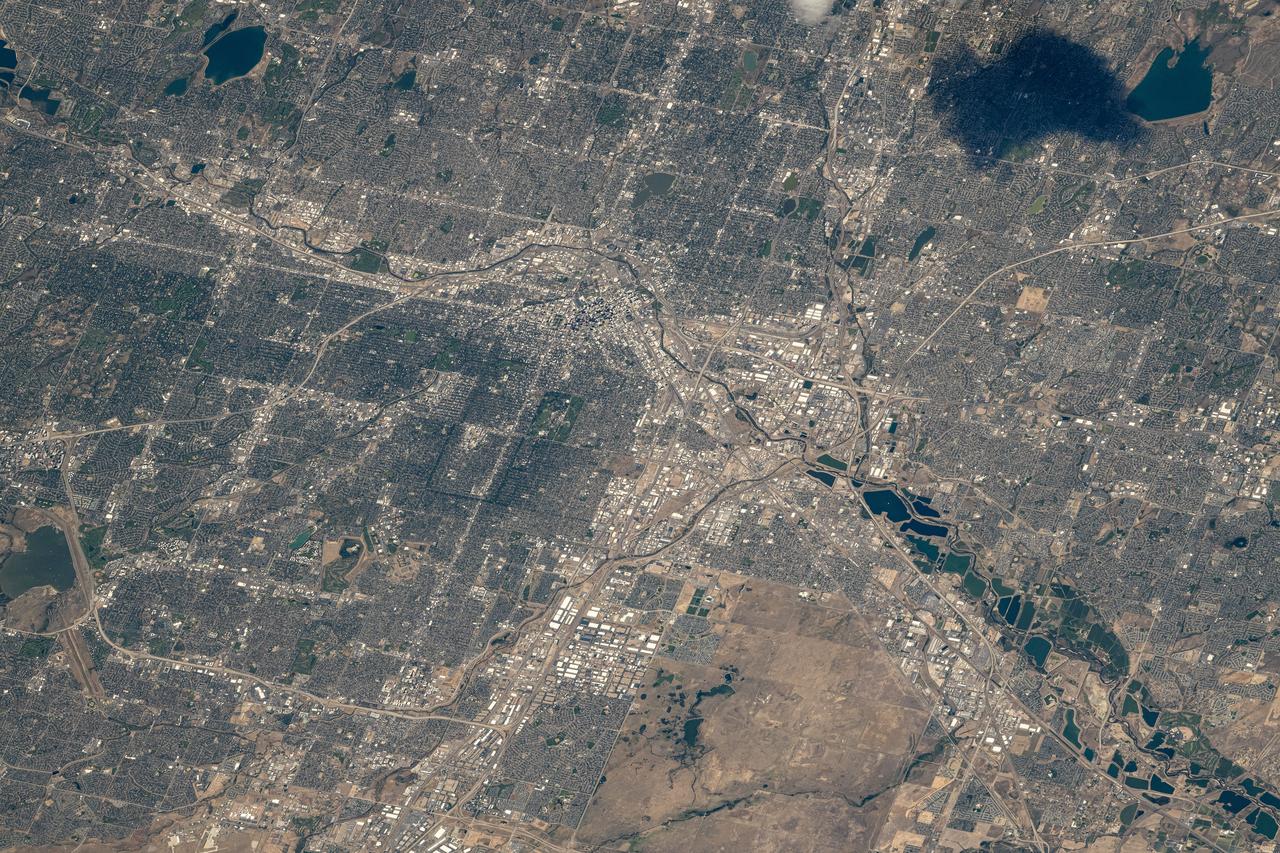
iss071e516877 (Aug. 18, 2024) --- Denver, Colorado, the Centennial State's capital city with a population of over 715,000, and its suburbs along the South Platte River are pictured from the International Space Station as it orbited 260 miles above.

The Orion team visits United Launch Alliance in Denver, Colorado on July 14, 2015 to recognize their efforts in making Exploration Flight Test-1 (EFT-1) a success. Part of Batch image transfer from Flickr.
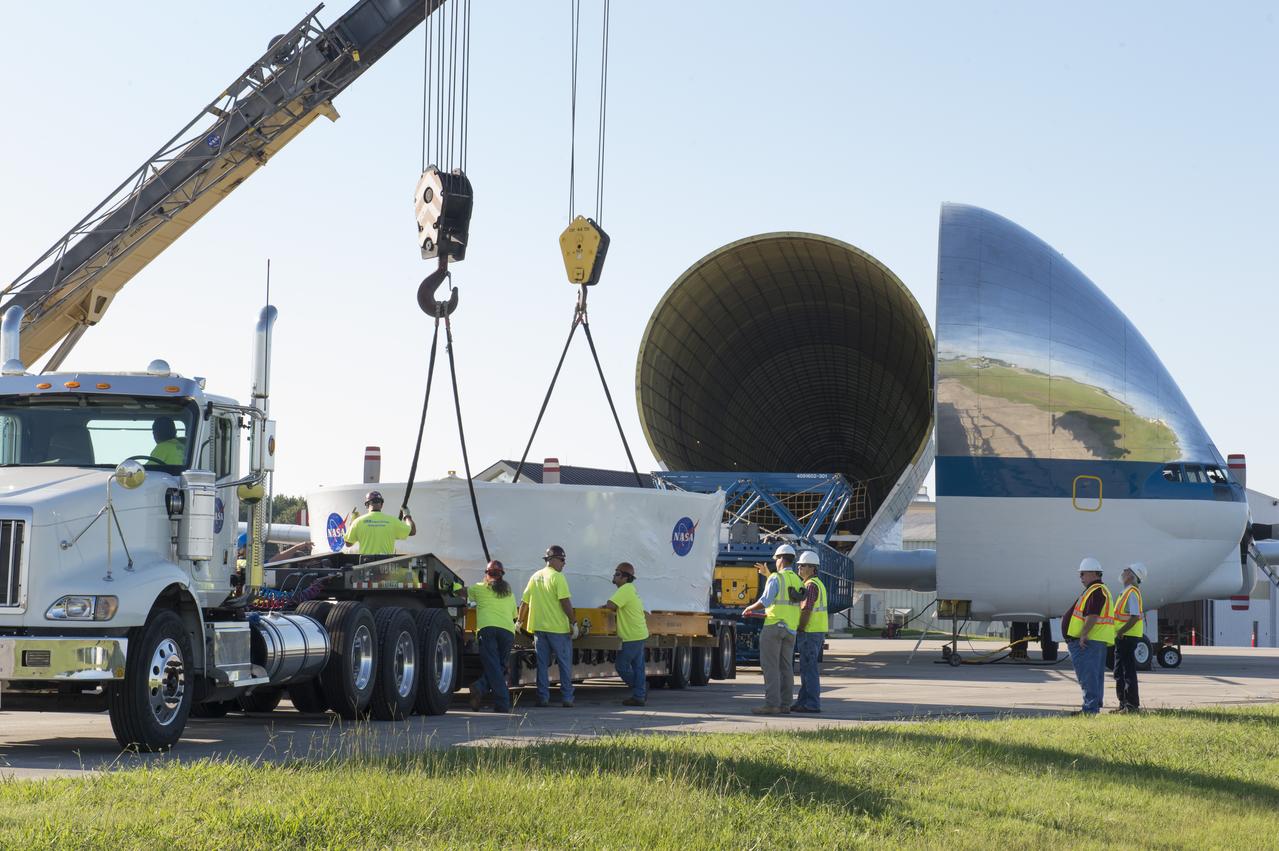
The Orion stage adapter is being positioned for lifting onto the loading platform before being loaded into NASA's Super Guppie aircraft. The adapter will be flown to Denver, Colorado for further testing.
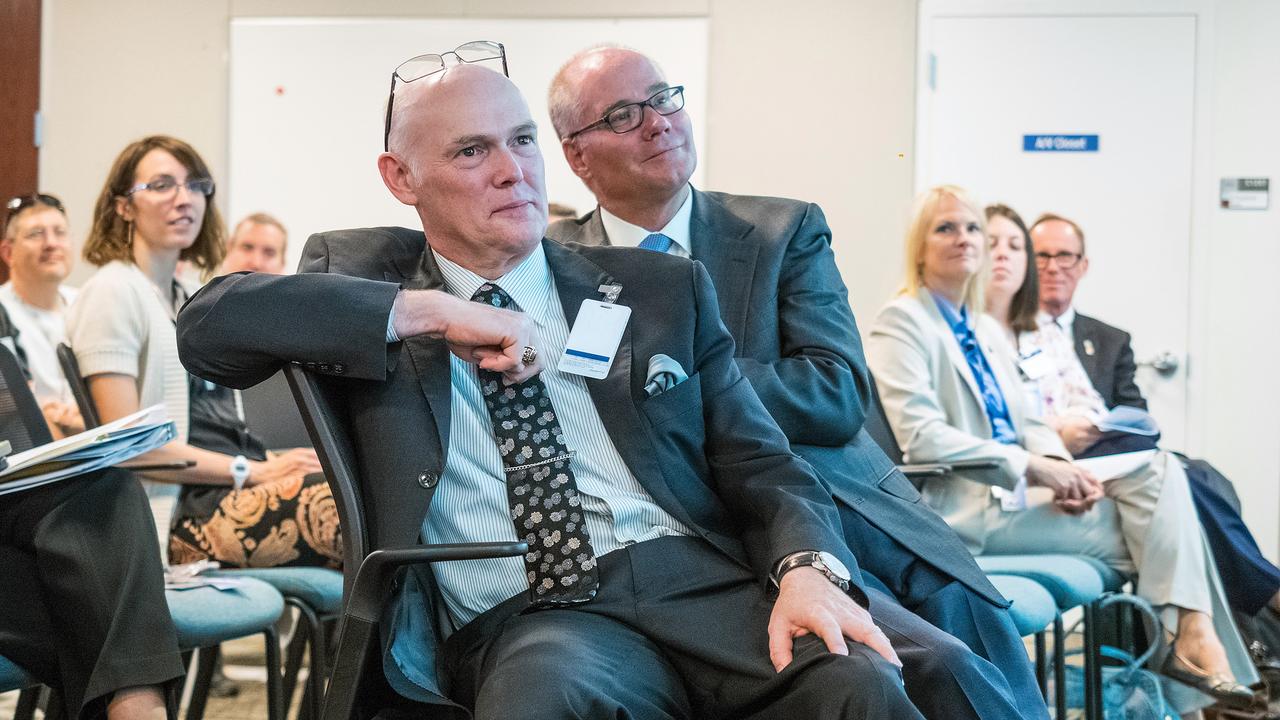
The Orion team visits United Launch Alliance in Denver, Colorado on July 14, 2015 to recognize their efforts in making Exploration Flight Test-1 (EFT-1) a success. Part of Batch image transfer from Flickr.
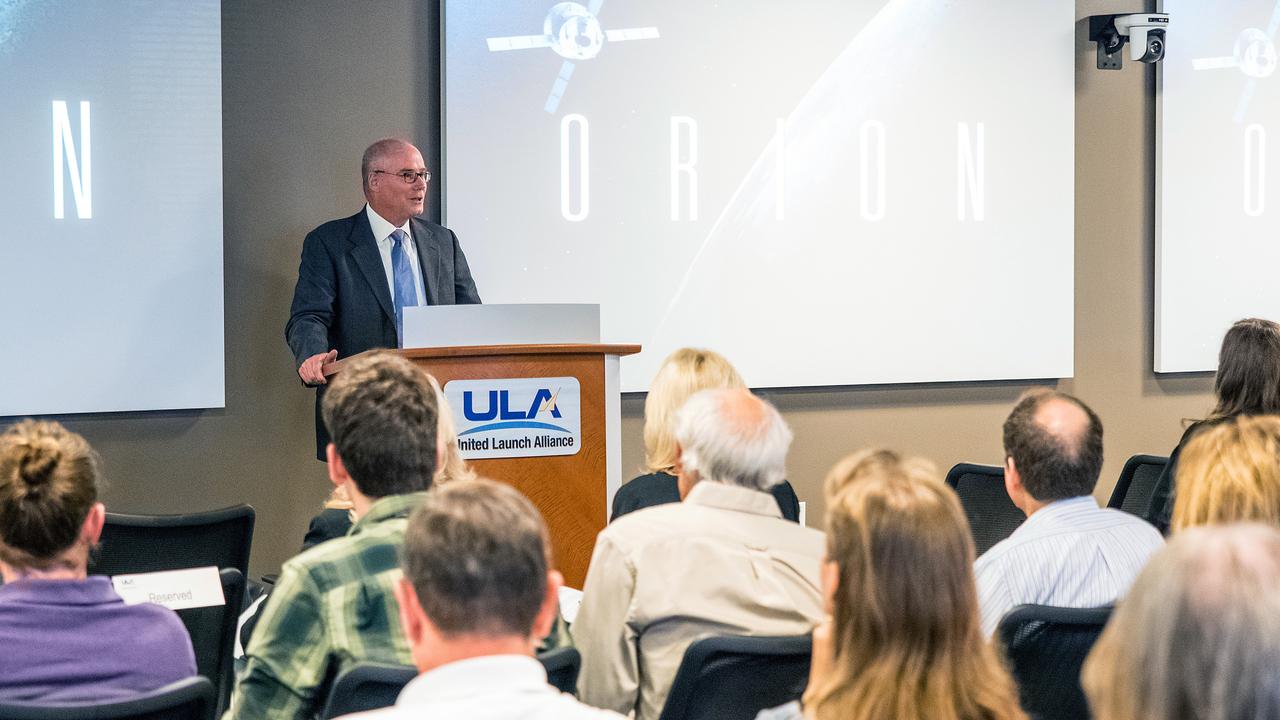
The Orion team visits United Launch Alliance in Denver, Colorado on July 14, 2015 to recognize their efforts in making Exploration Flight Test-1 (EFT-1) a success. Part of Batch image transfer from Flickr.
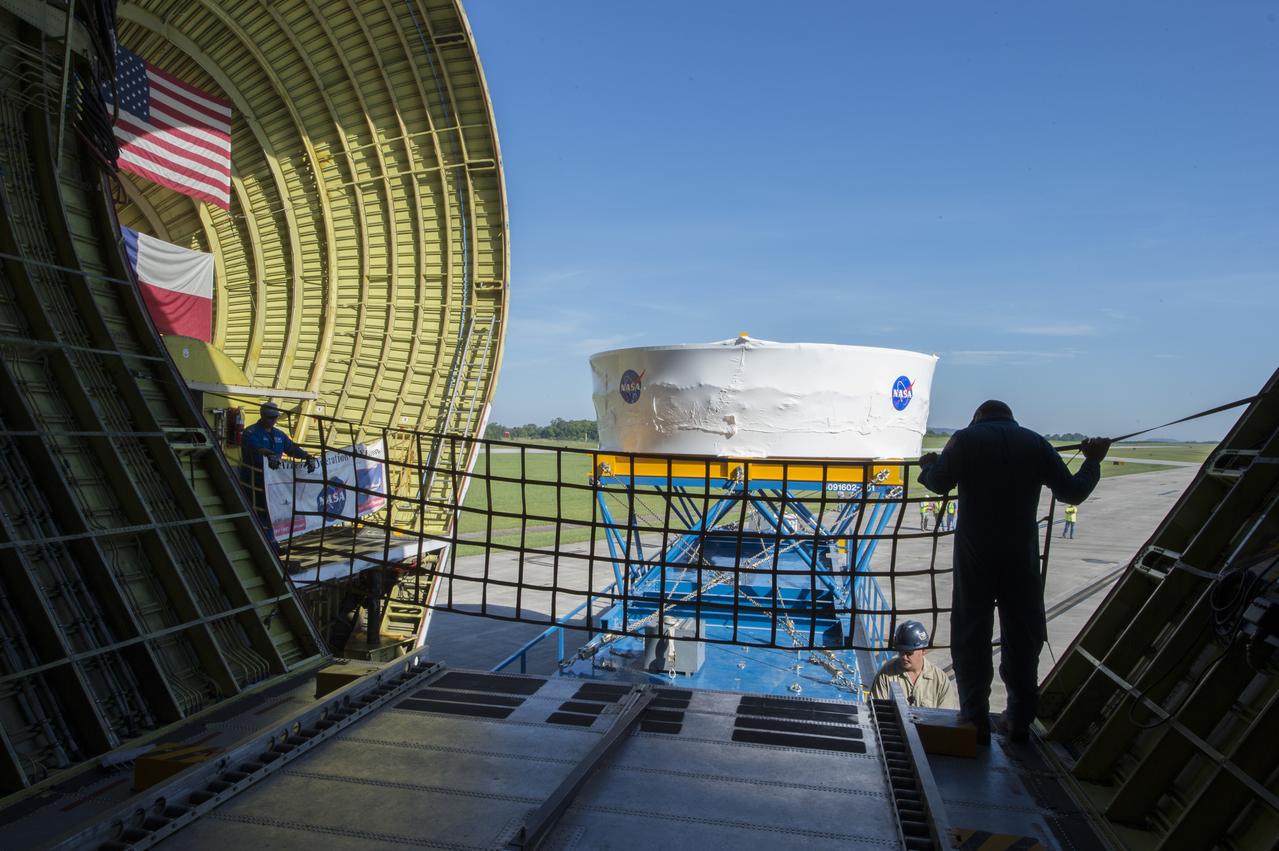
The Orion stage adapter is shown in the background from inside the cargo bay of NASA's Super Guppie. The stage adapter is being flown to Denver, Colorado where it will undergo further testing.
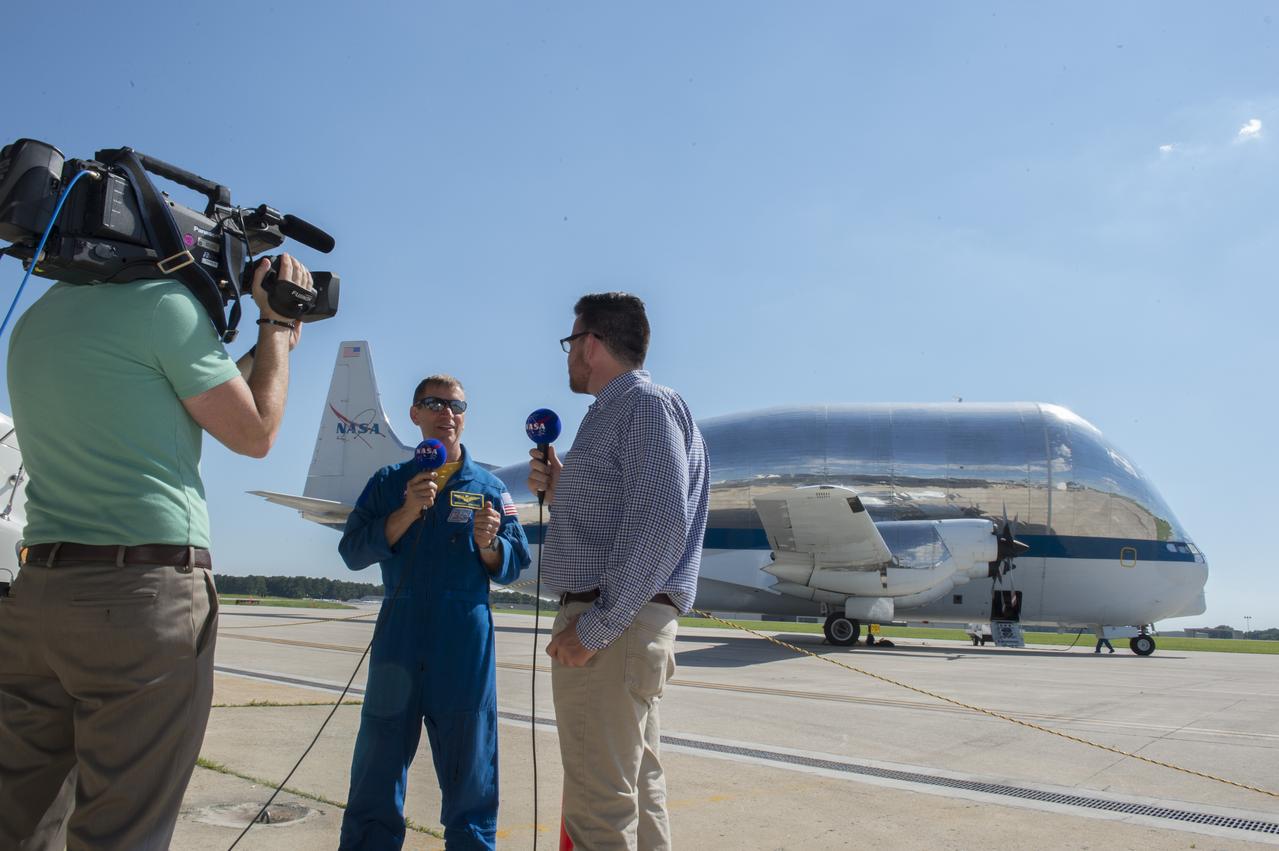
Marshall Space Flight Center public affairs officer, Brian Massey, interviews Gregory Johnson, NASA's Super Guppie pilot, after the arrival of the aircraft to ferry the Orion stage adapter to Denver, Colorado for further testing.
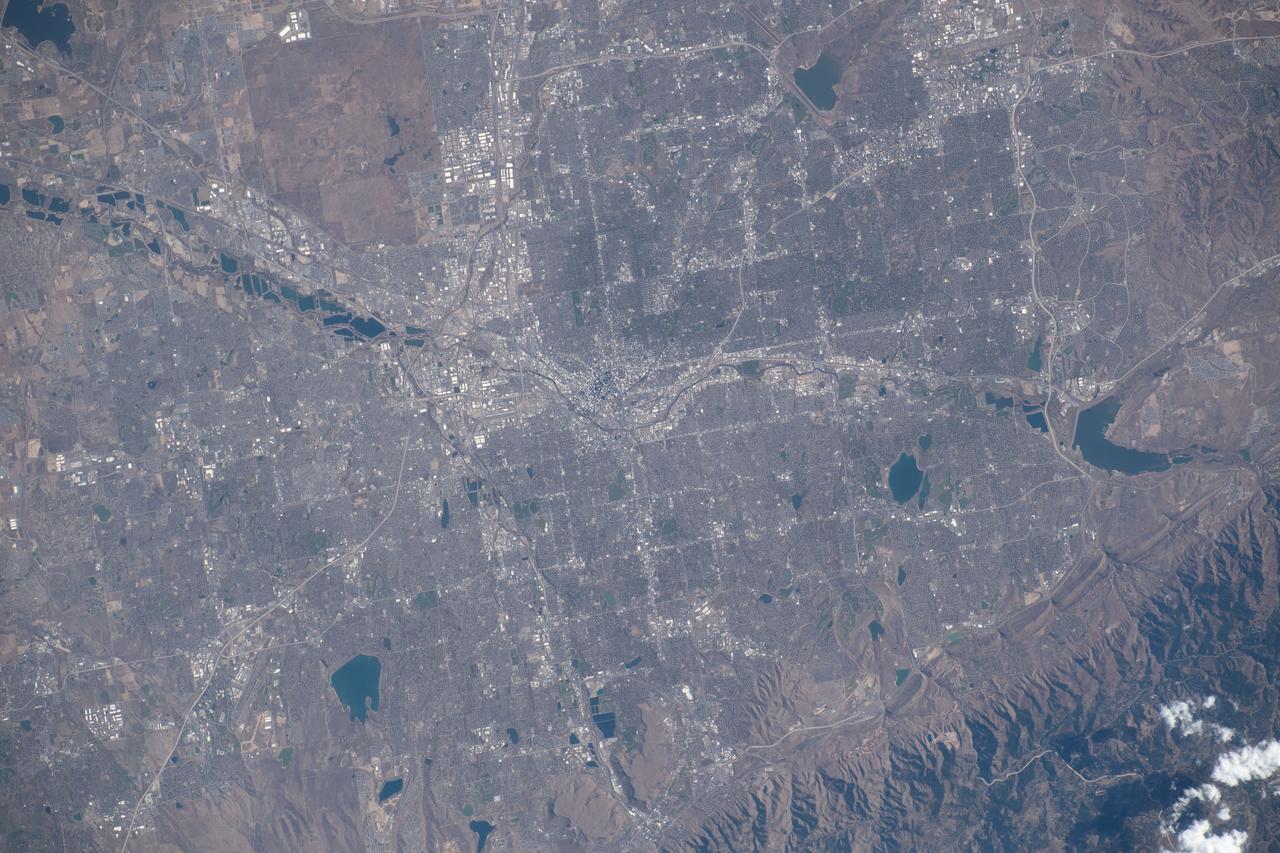
iss070e008429 (Oct. 22, 2023) --- Denver, Colorado, split by the South Platte River and next to the Rocky Mountains, is pictured from the International Space Station as it orbited 262 miles above the Centennial State.
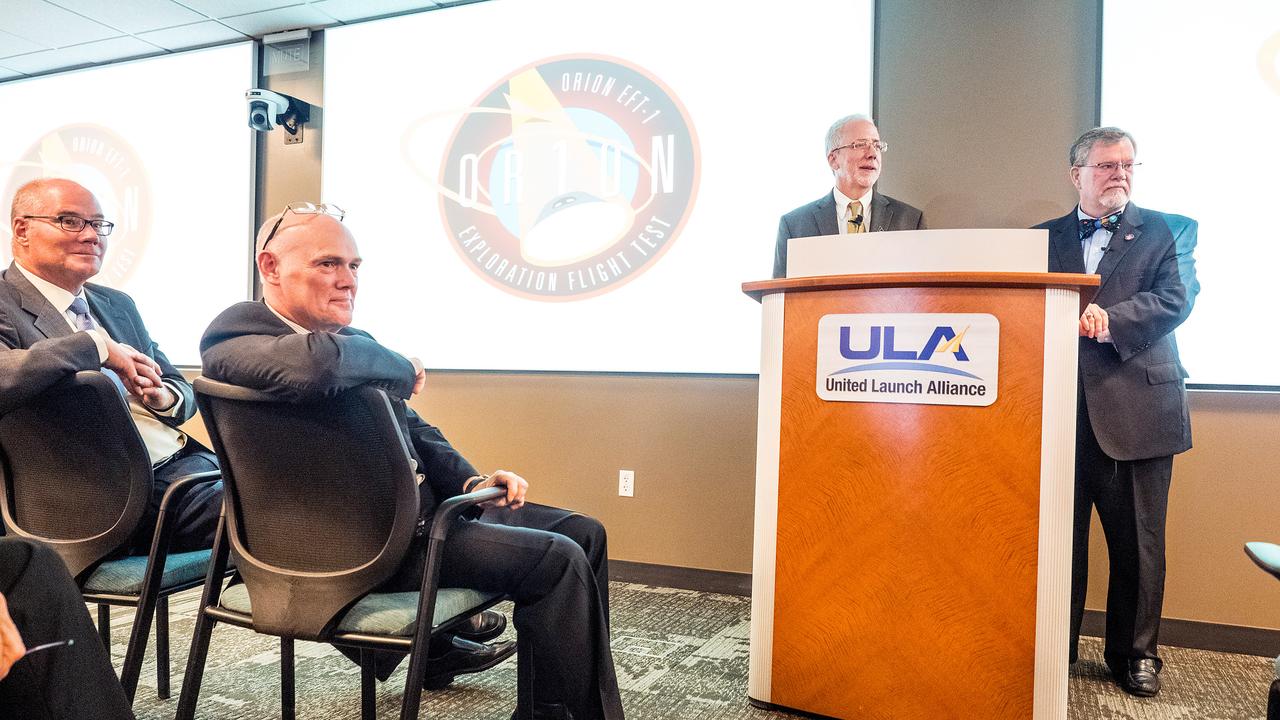
The Orion team visits United Launch Alliance in Denver, Colorado on July 14, 2015 to recognize their efforts in making Exploration Flight Test-1 (EFT-1) a success. Part of Batch image transfer from Flickr.
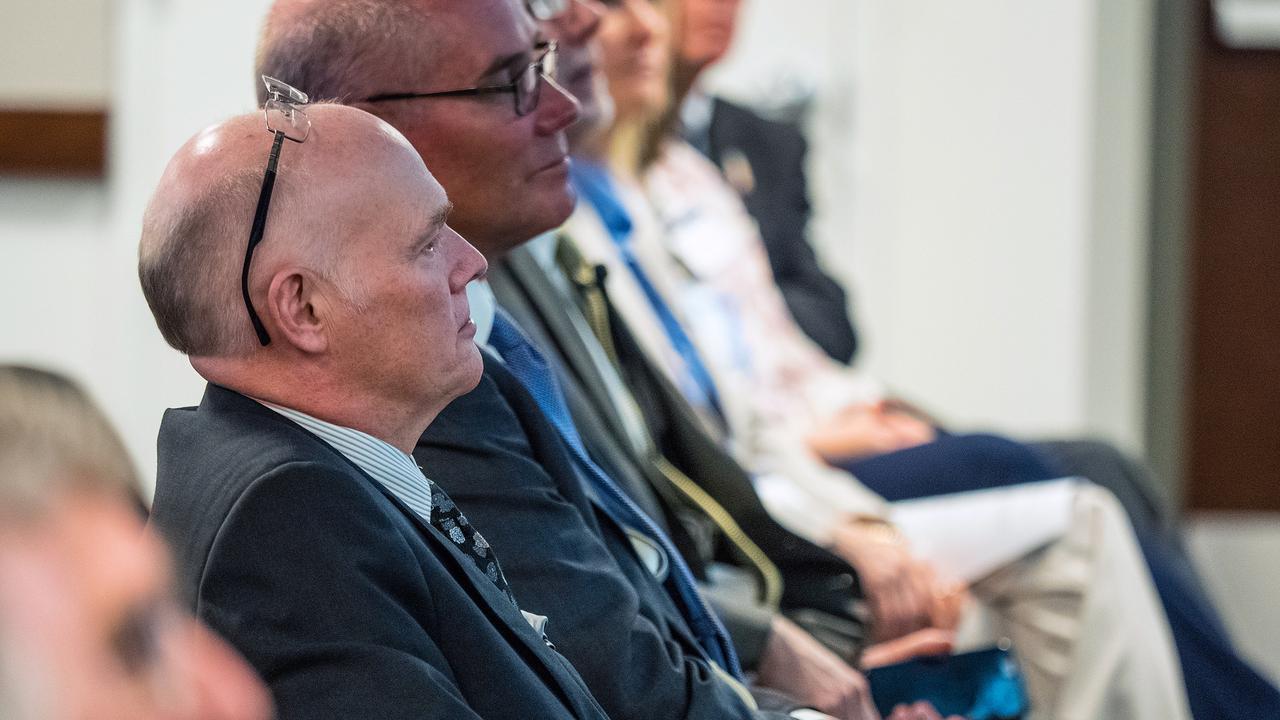
The Orion team visits United Launch Alliance in Denver, Colorado on July 14, 2015 to recognize their efforts in making Exploration Flight Test-1 (EFT-1) a success. Part of Batch image transfer from Flickr.
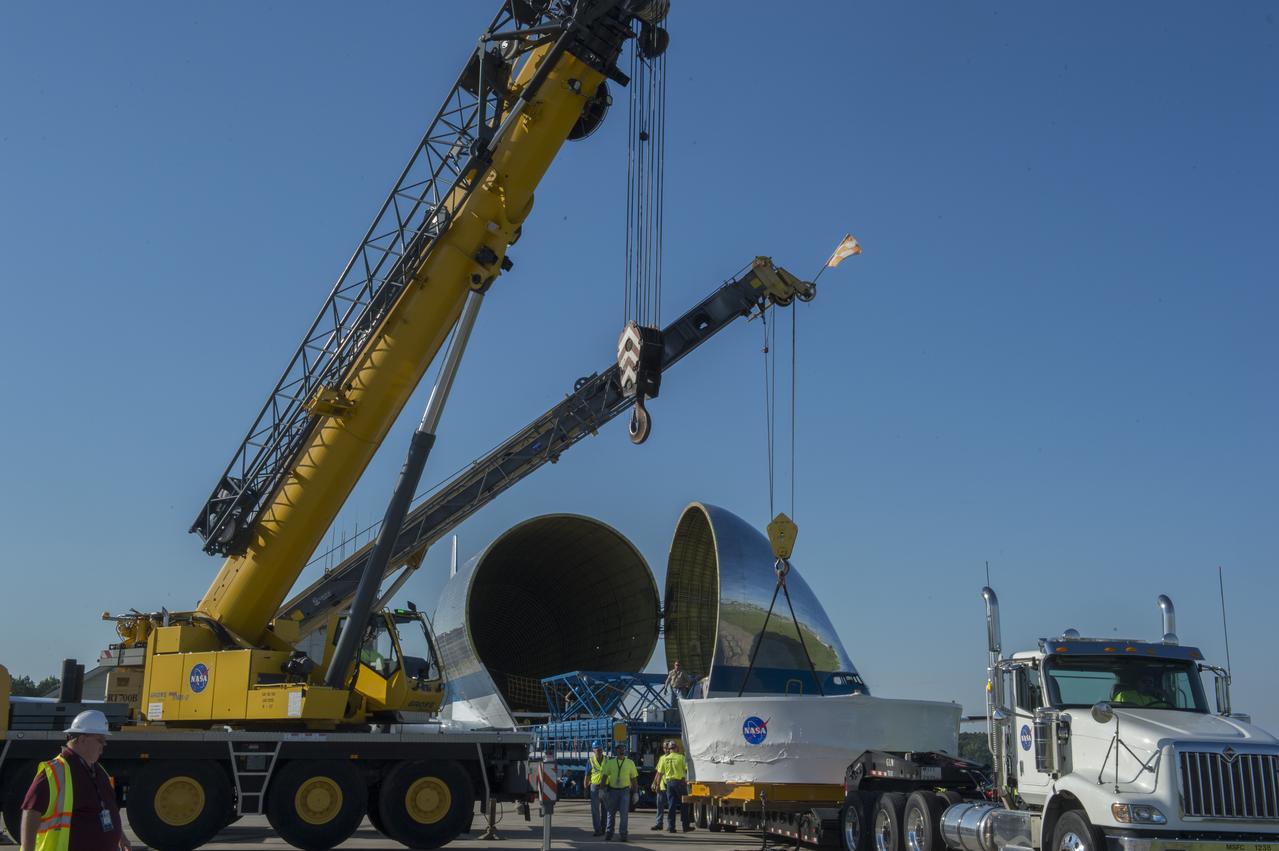
The Orion stage adapter is being positioned for lifting onto the loading platform before being loaded into NASA's Super Guppie aircraft. The adapter will be flown to Denver, Colorado for further testing.
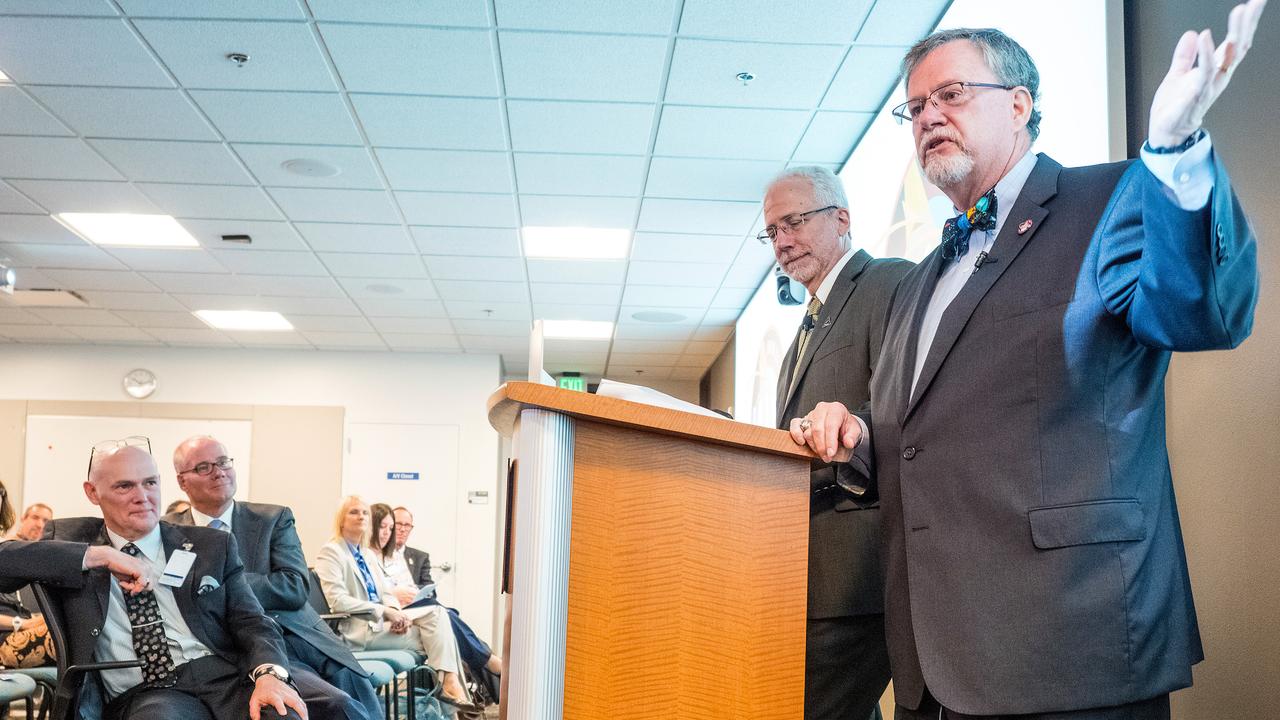
The Orion team visits United Launch Alliance in Denver, Colorado on July 14, 2015 to recognize their efforts in making Exploration Flight Test-1 (EFT-1) a success. Part of Batch image transfer from Flickr.
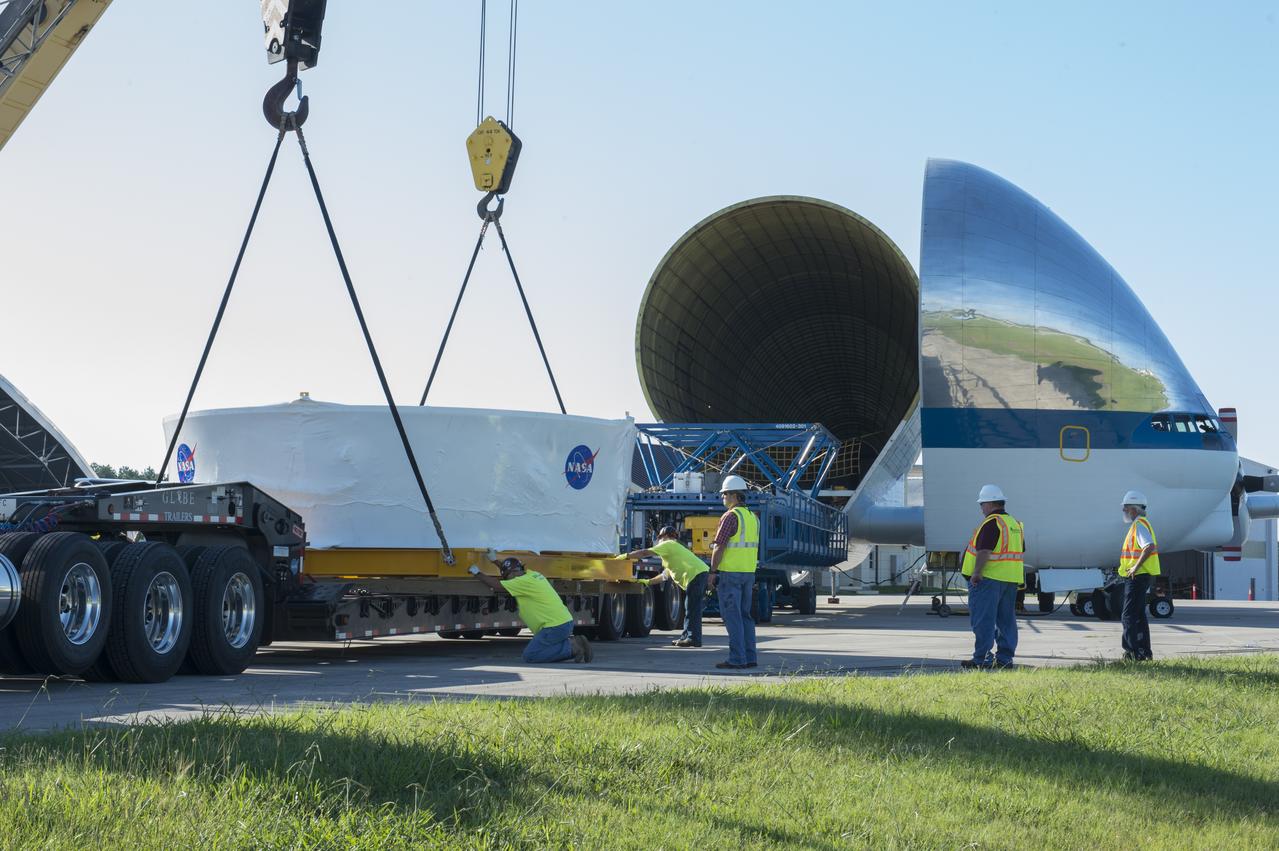
The Orion stage adapter is being positioned for lifting onto the loading platform before being loaded into NASA's Super Guppie aircraft. The adapter will be flown to Denver, Colorado for further testing.
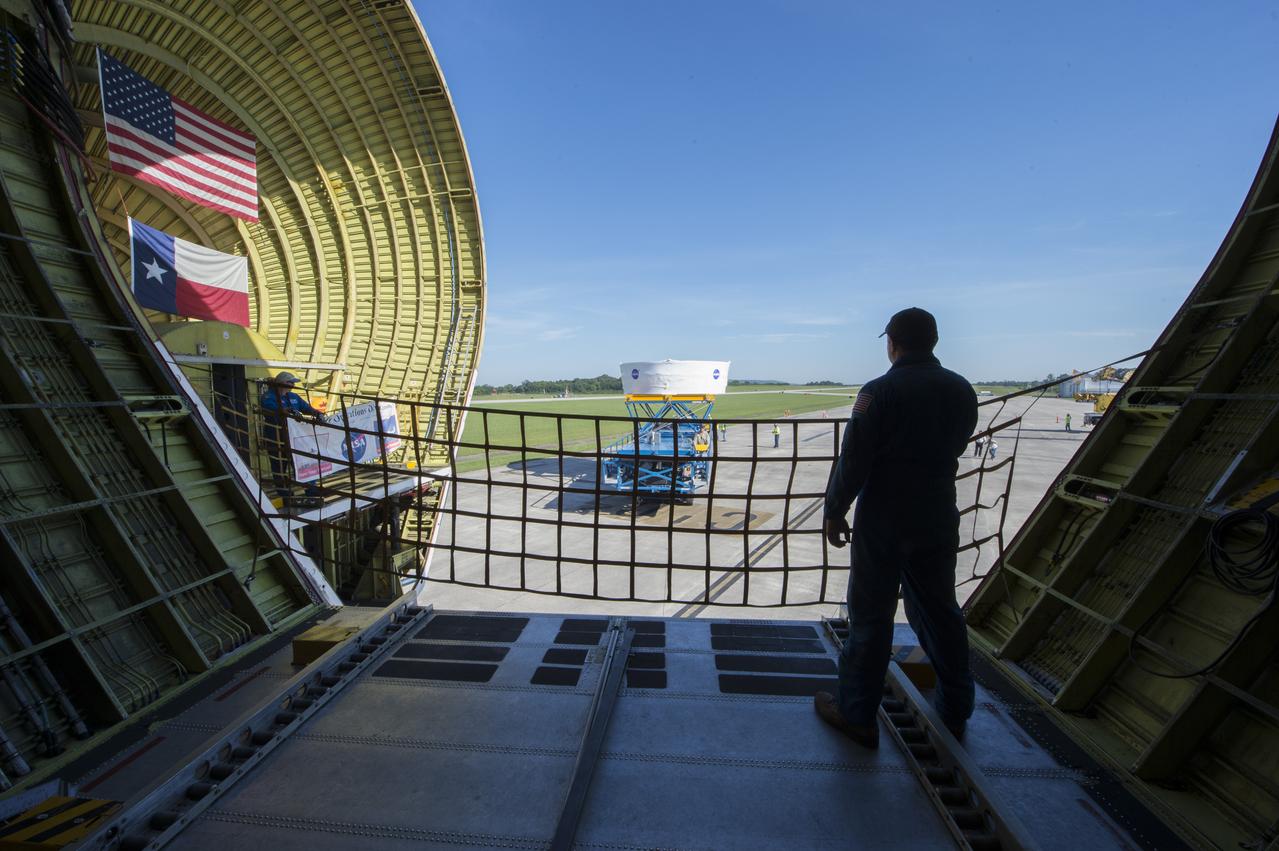
The Orion stage adapter is shown in the background from inside the cargo bay of NASA's Super Guppie. The stage adapter is being flown to Denver, Colorado where it will undergo further testing.

The Orion team visits United Launch Alliance in Denver, Colorado on July 14, 2015 to recognize their efforts in making Exploration Flight Test-1 (EFT-1) a success. Part of Batch image transfer from Flickr.
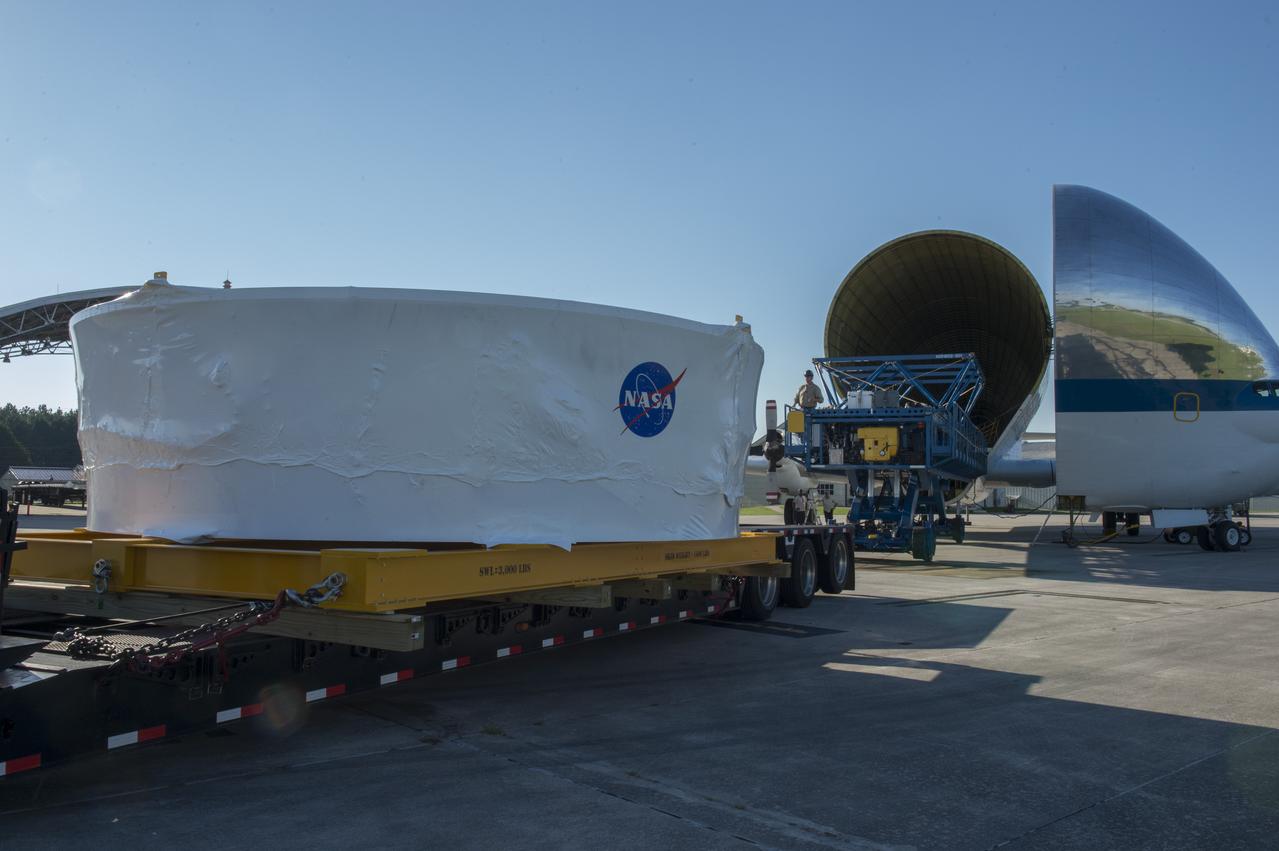
The Orion stage adapter is being positioned for lifting onto the loading platform before being loaded into NASA's Super Guppie aircraft. The adapter will be flown to Denver, Colorado for further testing.
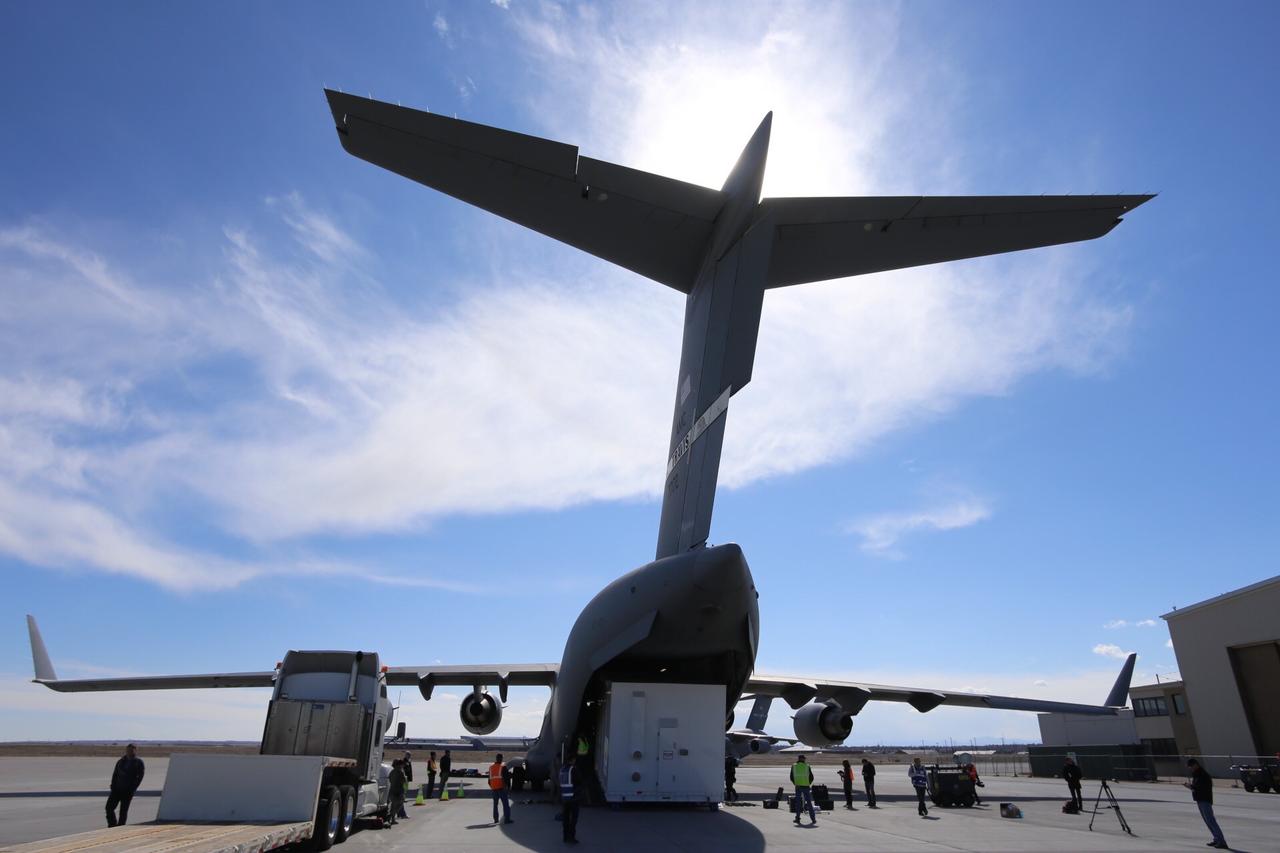
Personnel supporting NASA's InSight mission to Mars load the crated InSight spacecraft into a C-17 cargo aircraft at Buckley Air Force Base, Denver, for shipment to Vandenberg Air Force Base, California. The spacecraft, built in Colorado by Lockheed Martin Space, was shipped February 28, 2018, in preparation for launch from Vandenberg in May 2018. InSight, short for Interior Exploration using Seismic Investigations, Geodesy and Heat Transport, is the first mission dedicated to studying the deep interior of Mars. Its findings will advance understanding of the early history of all rocky planets, including Earth. https://photojournal.jpl.nasa.gov/catalog/PIA22252
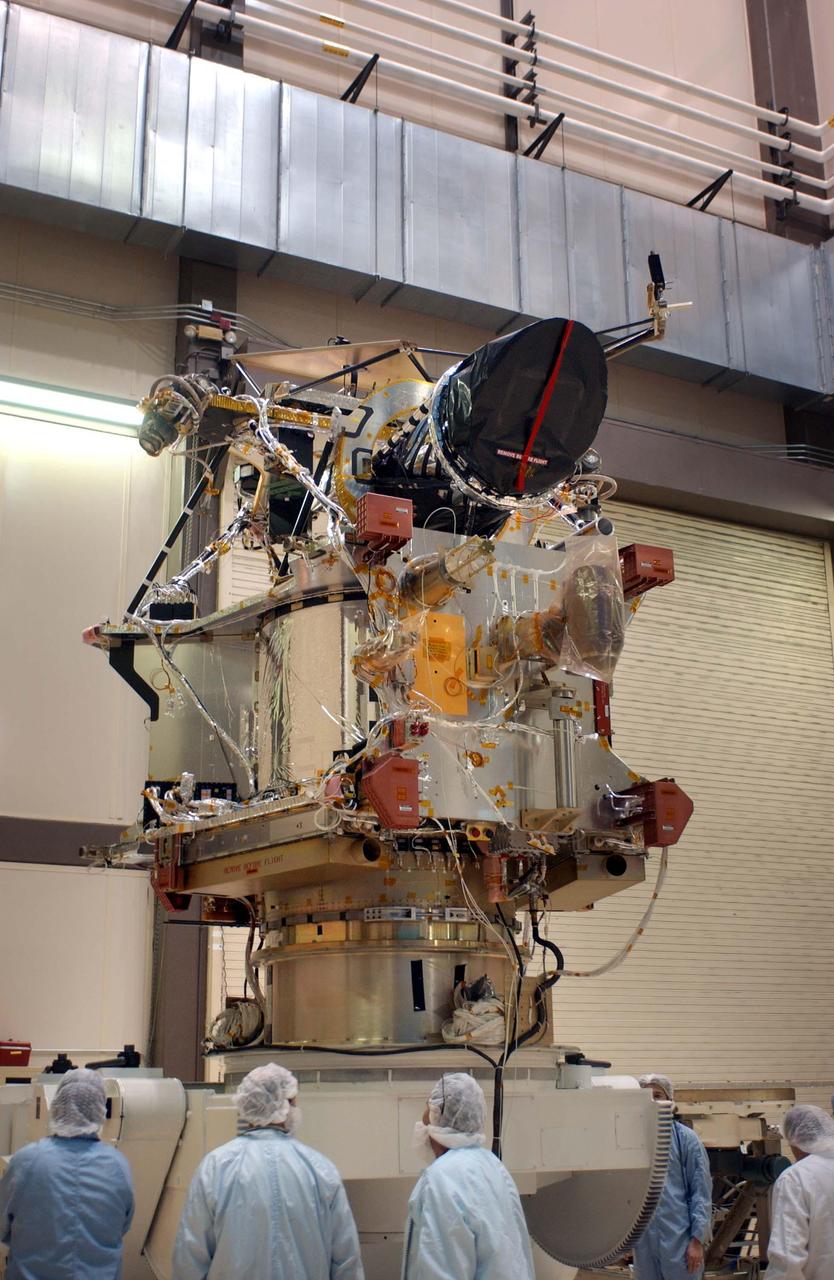
A telescopic camera called the High Resolution Imaging Science Experiment, or HiRISE, was installed onto the main structure of NASA Mars Reconnaissance Orbiter on Dec. 11, 2004 at Lockheed Martin Space Systems, Denver, Colo. HiRISE is at the top of the spacecraft in this image. Some other large components, including solar panels and the high-gain antenna, had not yet been installed. The orbiter is scheduled for launch in August 2005 carrying six science instruments. Ball Aerospace and Technology Corp., Boulder, Colo., built HiRISE for the University of Arizona, Tucson, to supply for the mission. http://photojournal.jpl.nasa.gov/catalog/PIA07210
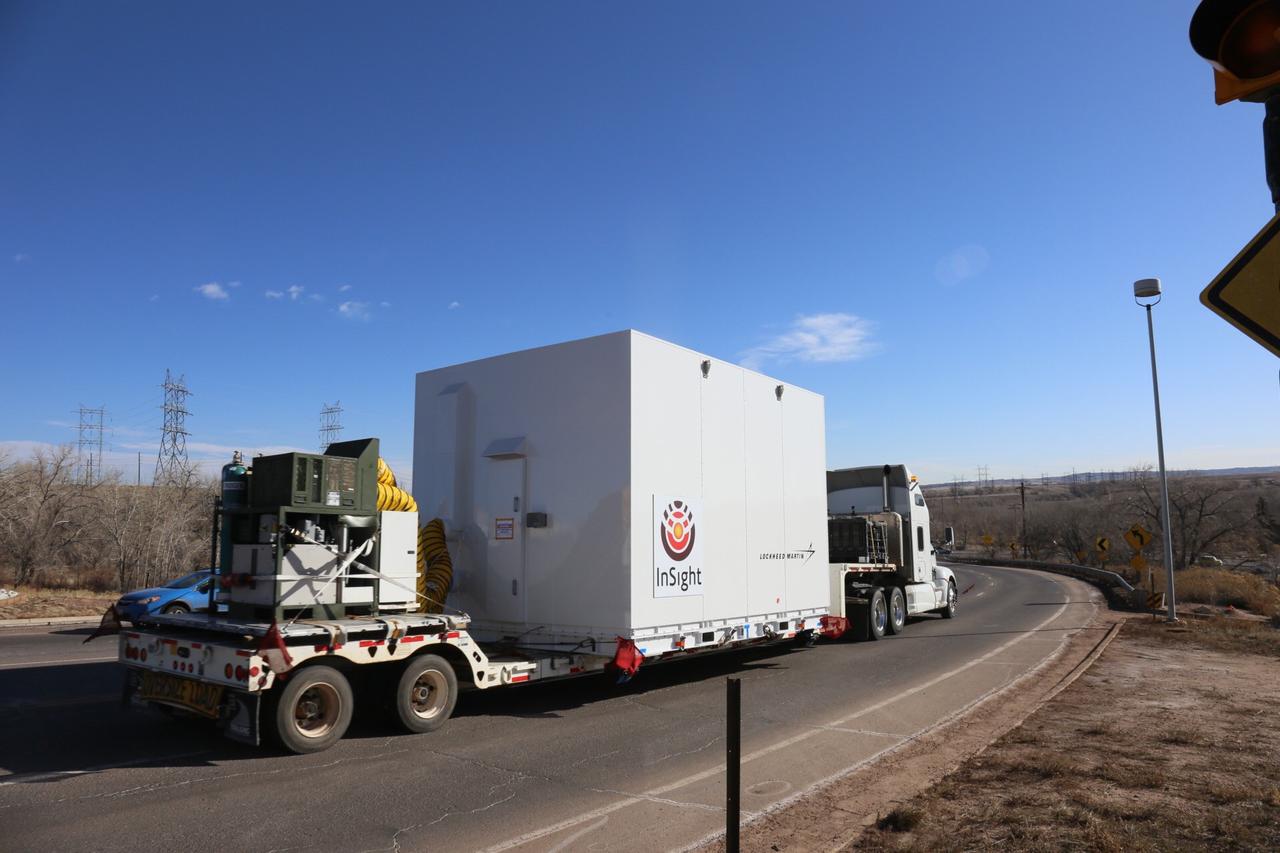
A truck carrying NASA s InSight spacecraft leaves Lockheed Martin Space, Denver, where the spacecraft was built and tested, on February 28, 2018. InSight was driven to Buckley Air Force Base, where it was loaded into a C-17 cargo aircraft and flown to Vandenberg Air Force Base, California. There, it will be prepared for a May launch. InSight, short for Interior Exploration using Seismic Investigations, Geodesy and Heat Transport, is the first mission dedicated to studying the deep interior of Mars. Its findings will advance understanding of the early history of all rocky planets, including Earth. https://photojournal.jpl.nasa.gov/catalog/PIA22225
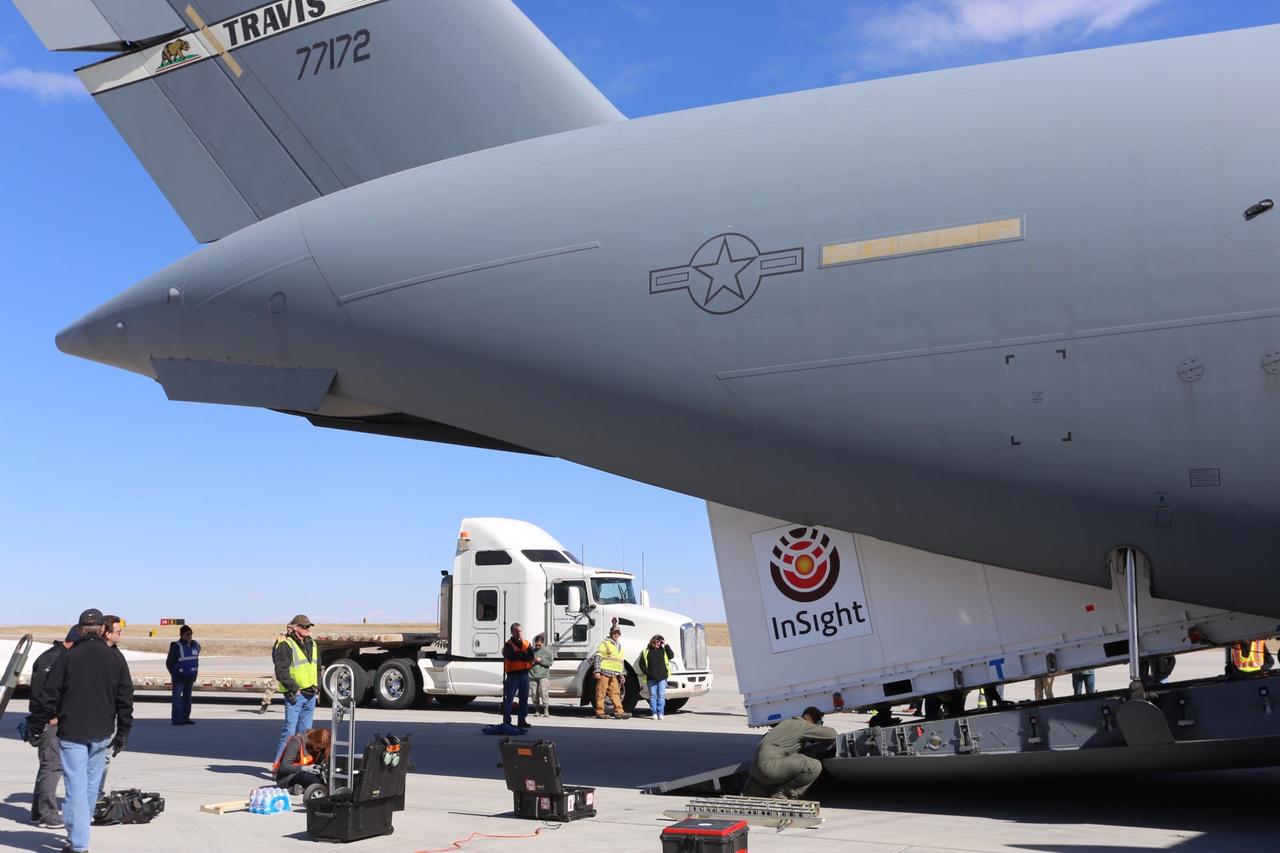
Personnel supporting NASA's InSight mission to Mars load the crated InSight spacecraft into a C-17 cargo aircraft at Buckley Air Force Base, Denver, for shipment to Vandenberg Air Force Base, California. The spacecraft, built in Colorado by Lockheed Martin Space, was shipped February 28, 2018, in preparation for launch from Vandenberg in May 2018. InSight, short for Interior Exploration using Seismic Investigations, Geodesy and Heat Transport, is the first mission dedicated to studying the deep interior of Mars. Its findings will advance understanding of the early history of all rocky planets, including Earth. https://photojournal.jpl.nasa.gov/catalog/PIA22253
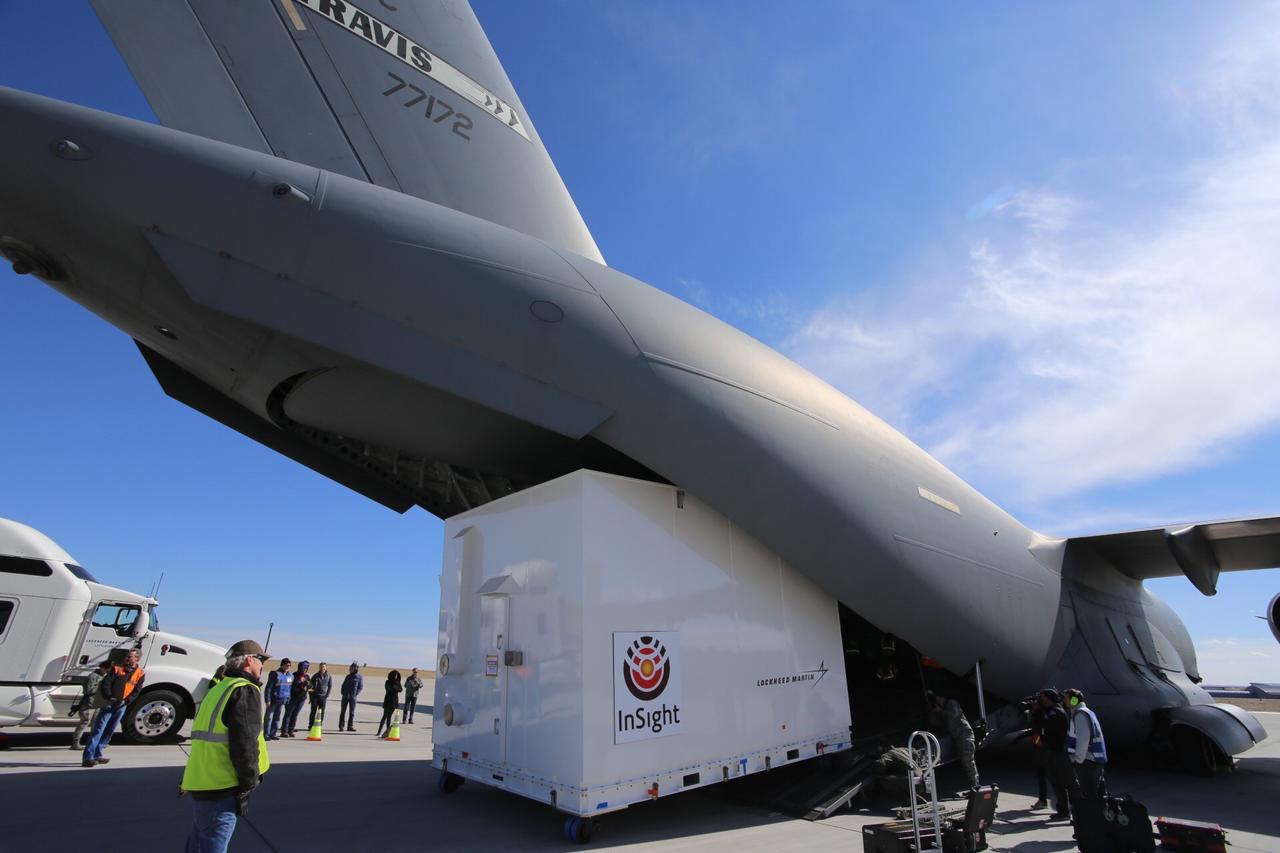
Personnel supporting NASA's InSight mission to Mars load the crated InSight spacecraft into a C-17 cargo aircraft at Buckley Air Force Base, Denver, for shipment to Vandenberg Air Force Base, California. The spacecraft, built in Colorado by Lockheed Martin Space, was shipped February 28, 2018, in preparation for launch from Vandenberg in May 2018. InSight, short for Interior Exploration using Seismic Investigations, Geodesy and Heat Transport, is the first mission dedicated to studying the deep interior of Mars. Its findings will advance understanding of the early history of all rocky planets, including Earth. https://photojournal.jpl.nasa.gov/catalog/PIA22220
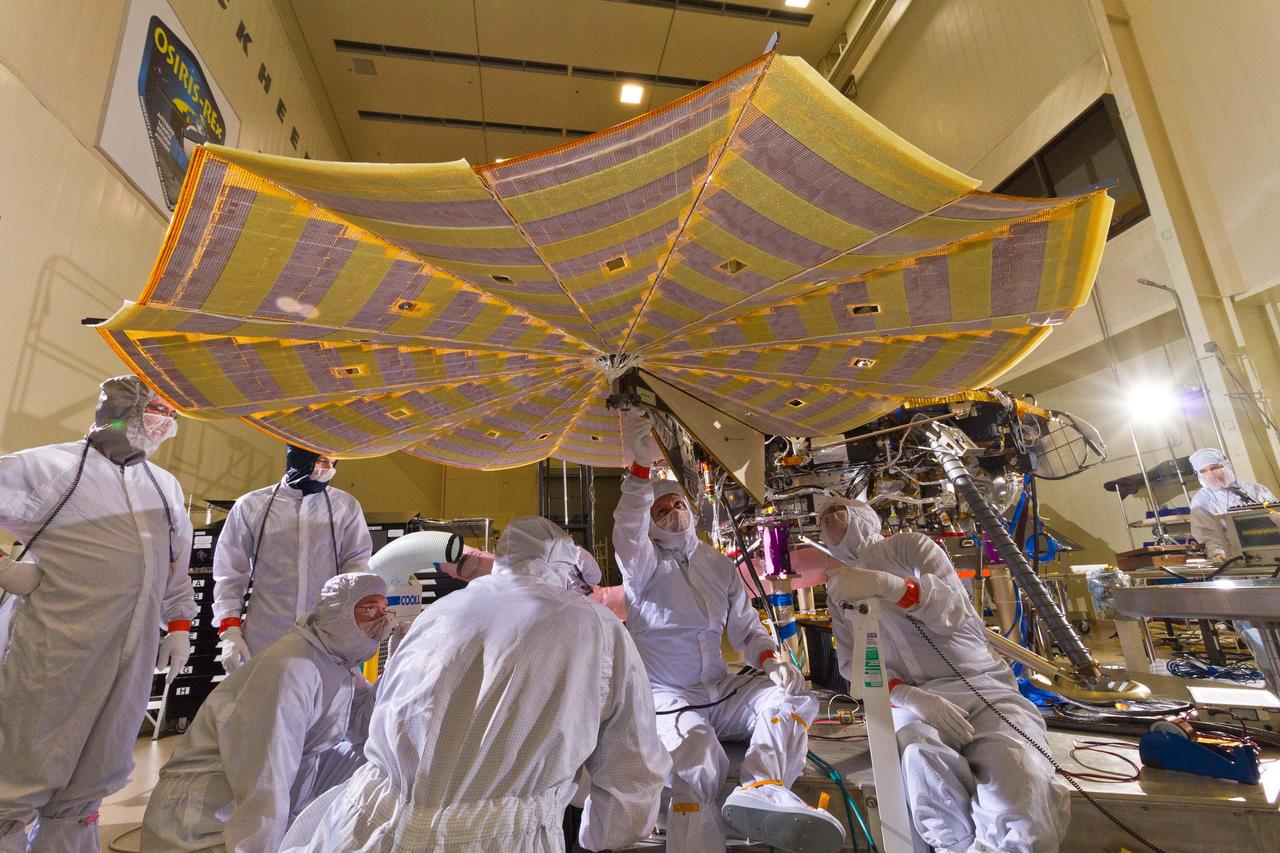
Engineers and technicians at Lockheed Martin Space Systems, Denver, run a test of deploying the solar arrays on NASA's InSight lander in this April 30, 2015 image. InSight, for Interior Exploration Using Seismic Investigations, Geodesy and Heat Transport, is scheduled for launch in March 2016 and landing in September 2016. It will study the deep interior of Mars to advance understanding of the early history of all rocky planets, including Earth. Note: After thorough examination, NASA managers have decided to suspend the planned March 2016 launch of the Interior Exploration using Seismic Investigations Geodesy and Heat Transport (InSight) mission. The decision follows unsuccessful attempts to repair a leak in a section of the prime instrument in the science payload. http://photojournal.jpl.nasa.gov/catalog/PIA19665
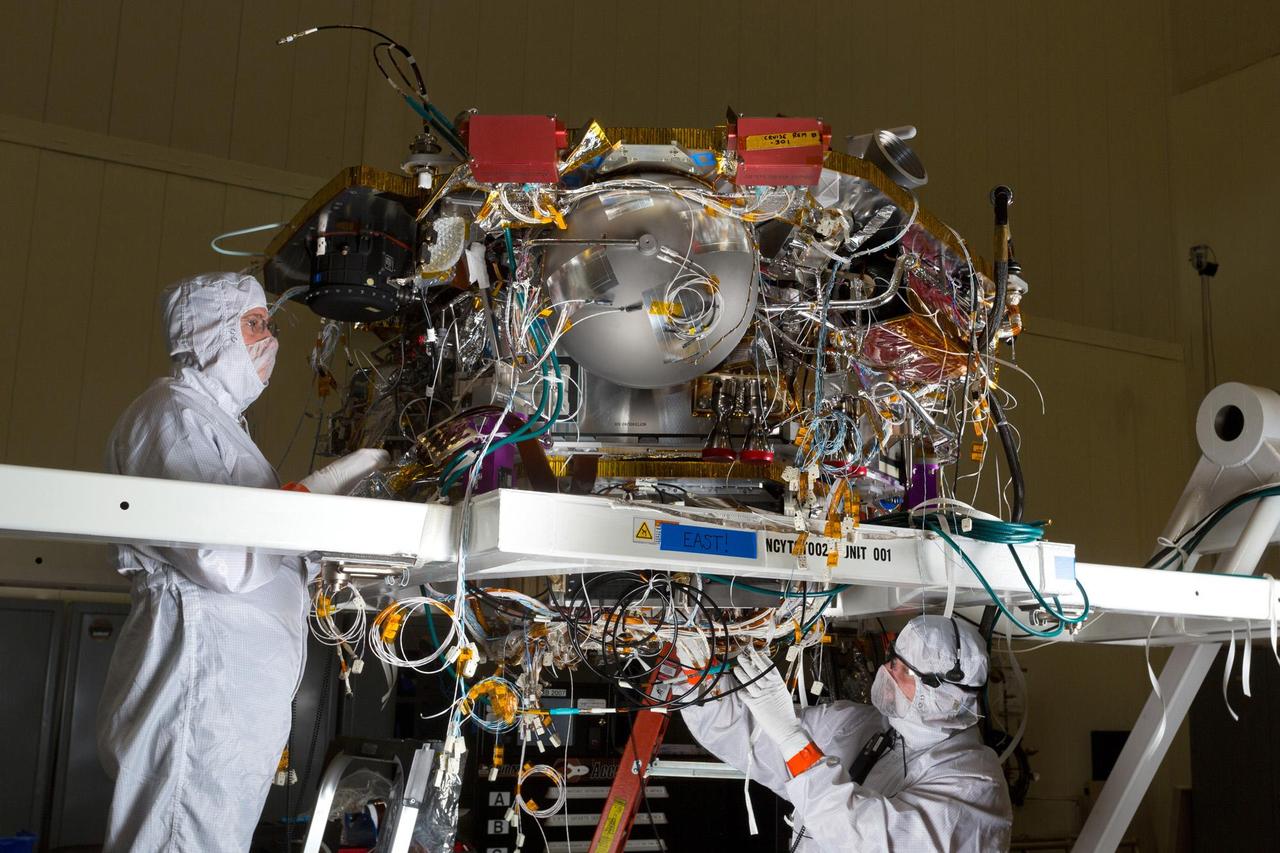
The Mars lander that NASA's InSight mission will use for investigating how rocky planets formed and evolved is being assembled by Lockheed Martin Space Systems, Denver. In this scene from January 2015, Lockheed Martin spacecraft specialists are working on the lander in a clean room. InSight, for Interior Exploration Using Seismic Investigations, Geodesy and Heat Transport, is scheduled for launch in March 2016 and landing in September 2016. Note: After thorough examination, NASA managers have decided to suspend the planned March 2016 launch of the Interior Exploration using Seismic Investigations Geodesy and Heat Transport (InSight) mission. The decision follows unsuccessful attempts to repair a leak in a section of the prime instrument in the science payload. http://photojournal.jpl.nasa.gov/catalog/PIA19402