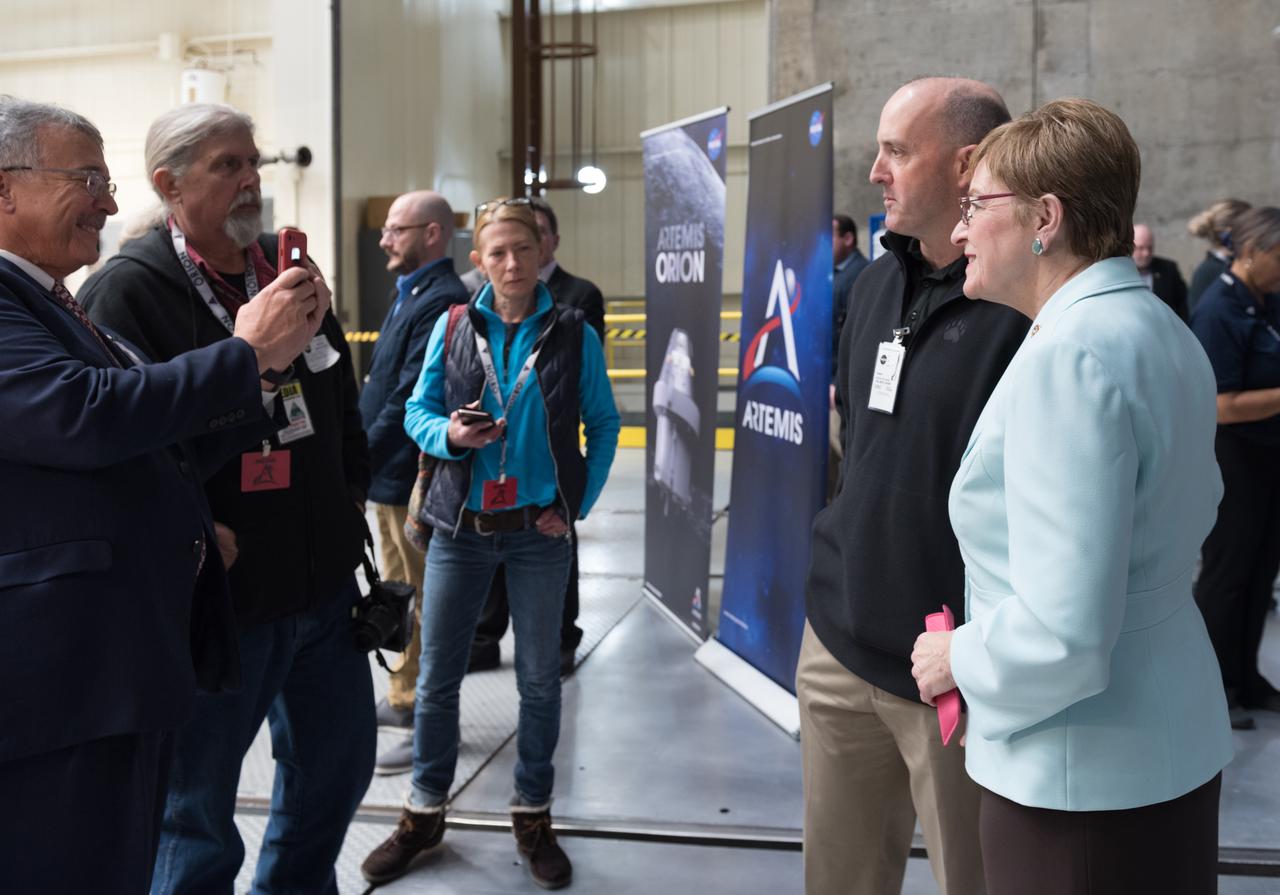
Artemis Departure Media Event
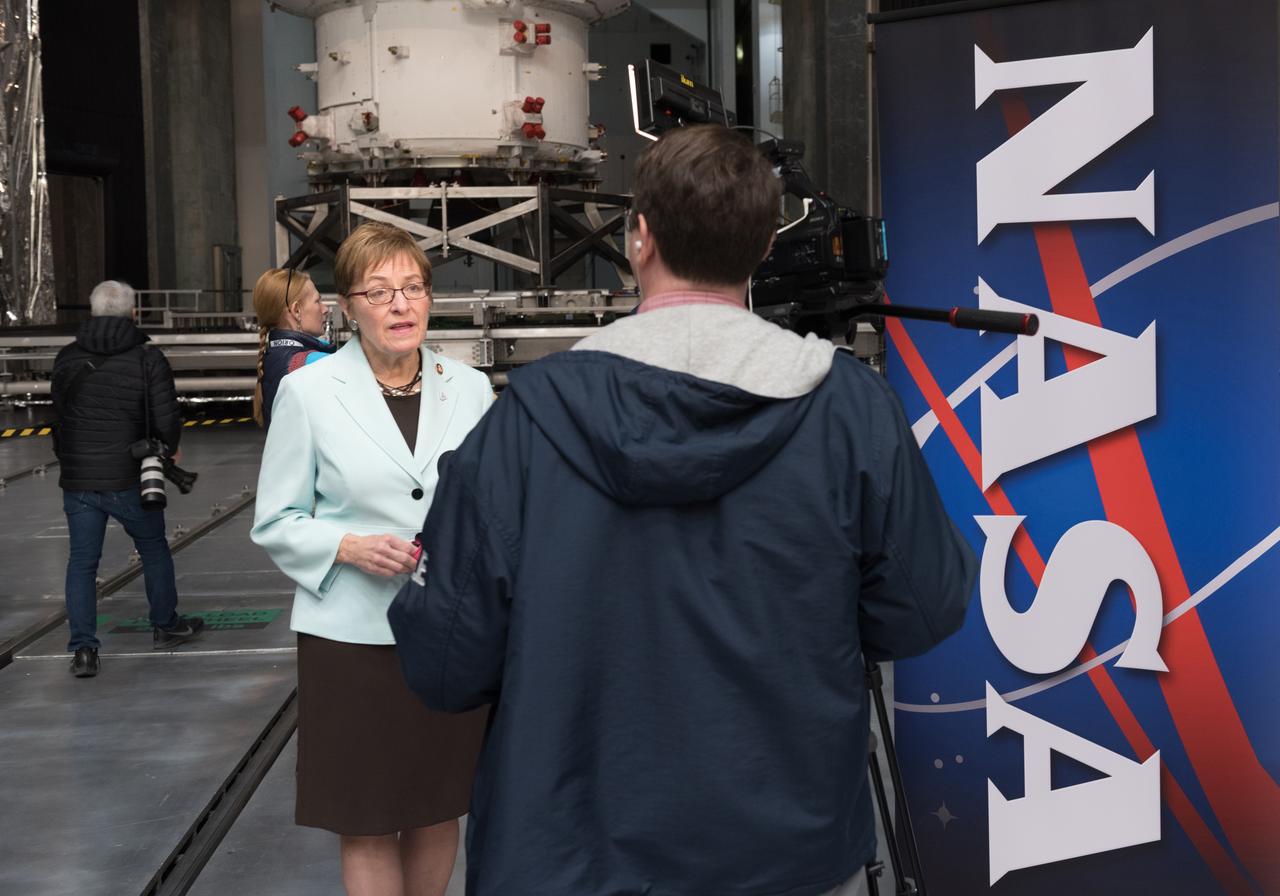
Artemis Departure Media Event
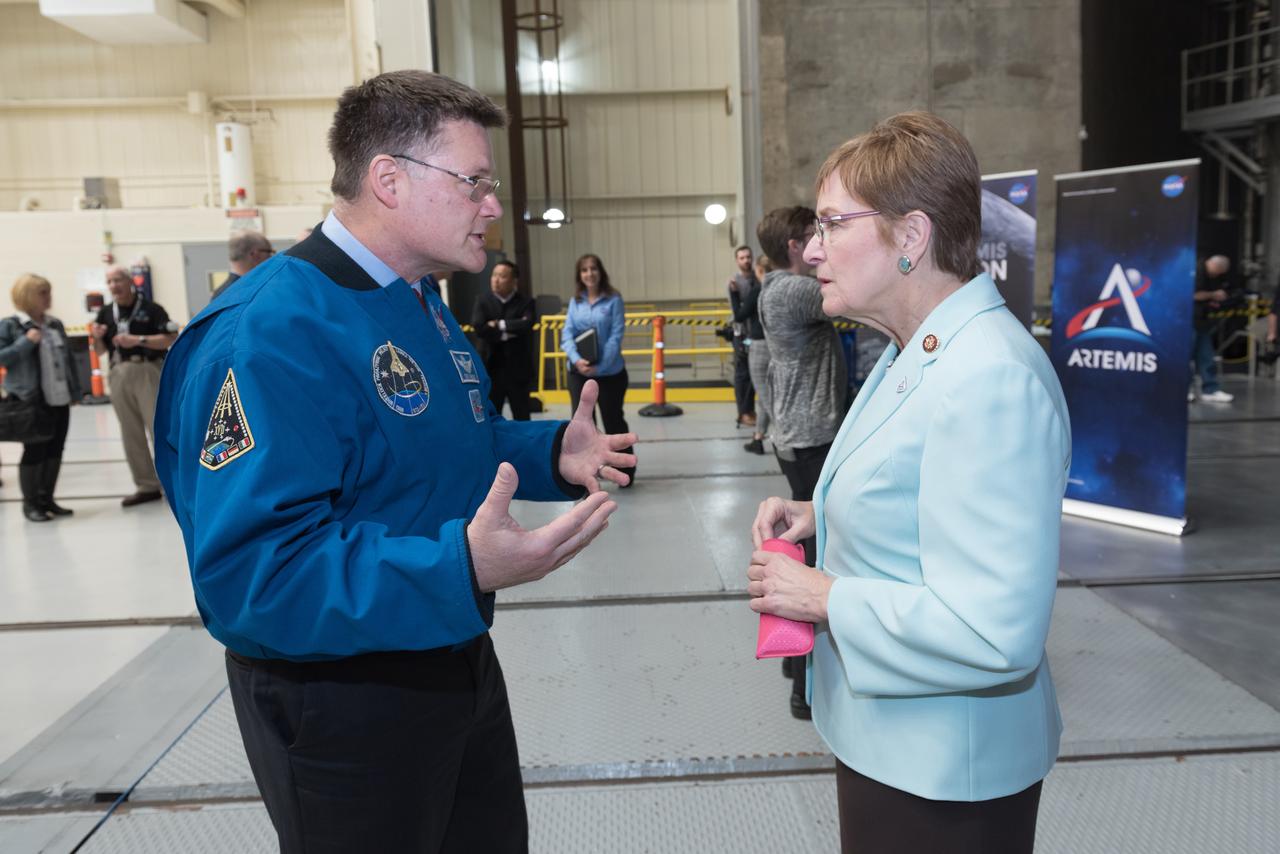
Artemis Departure Media Event
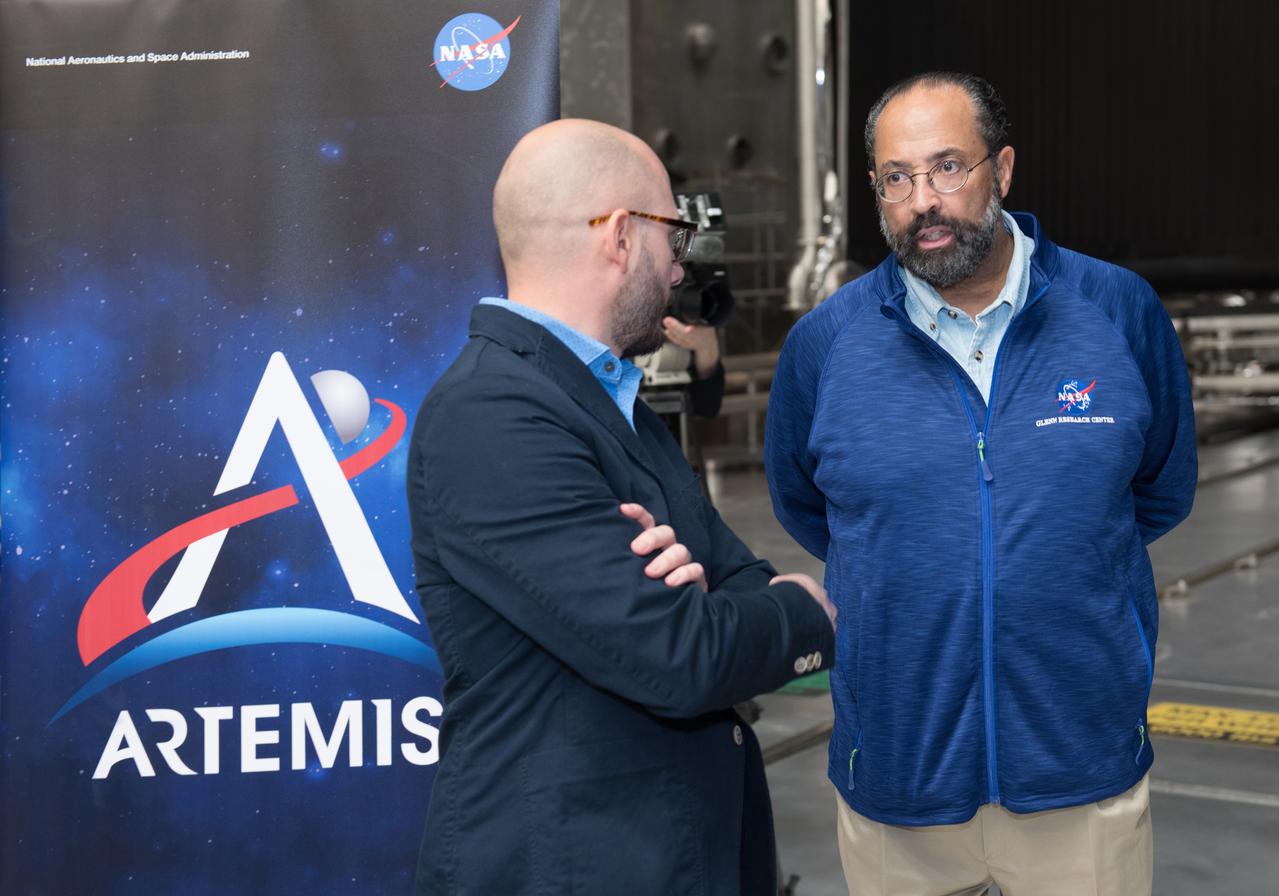
Artemis Departure Media Event
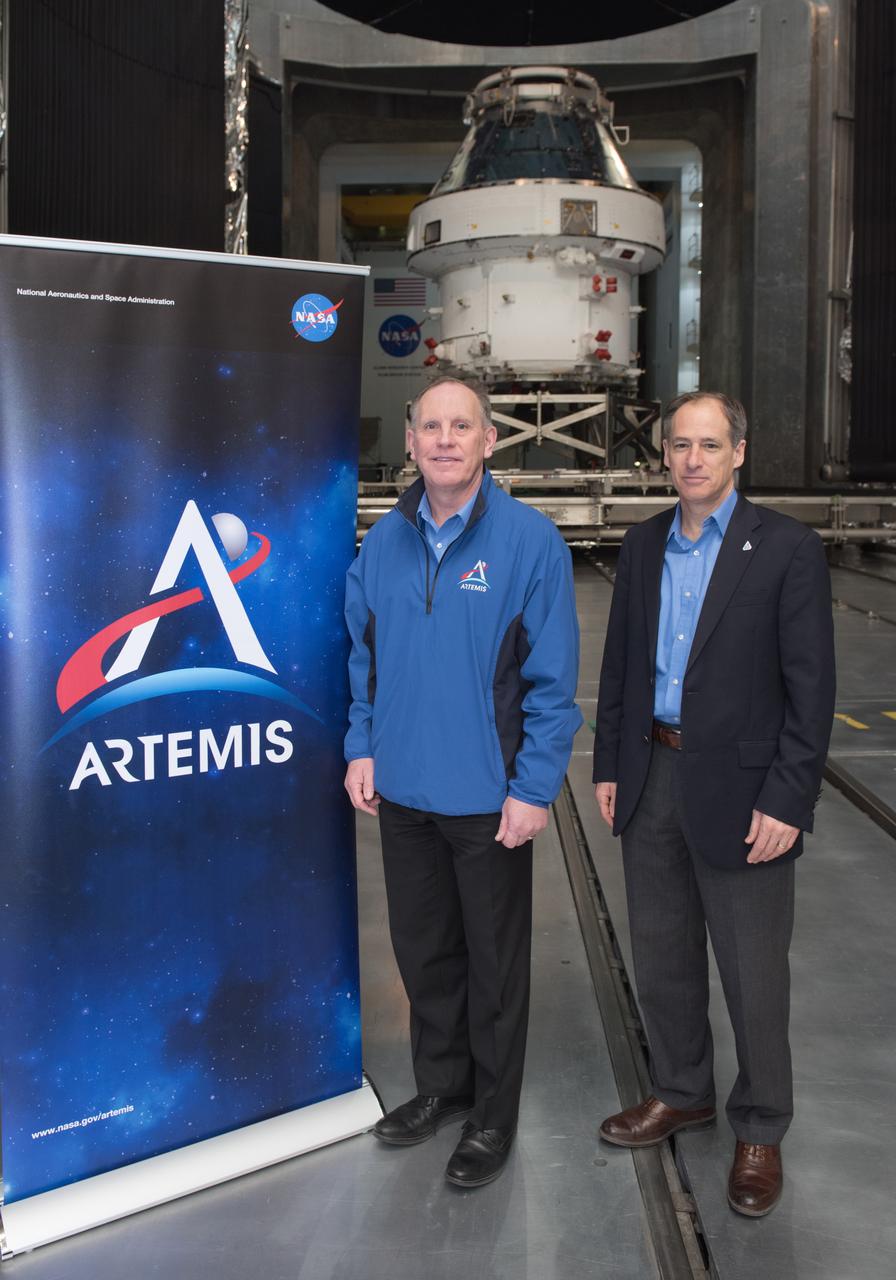
Artemis Departure Media Event
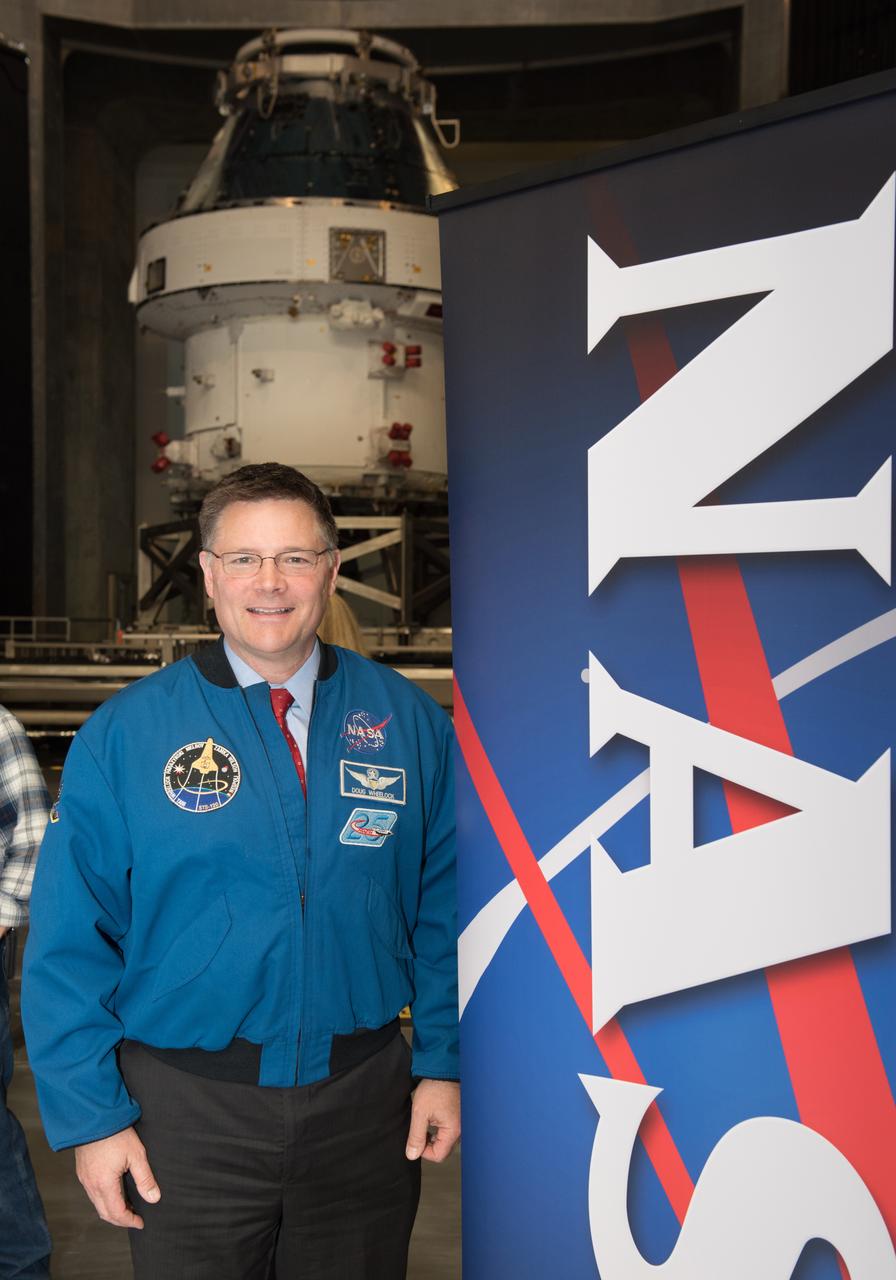
Artemis Departure Media Event
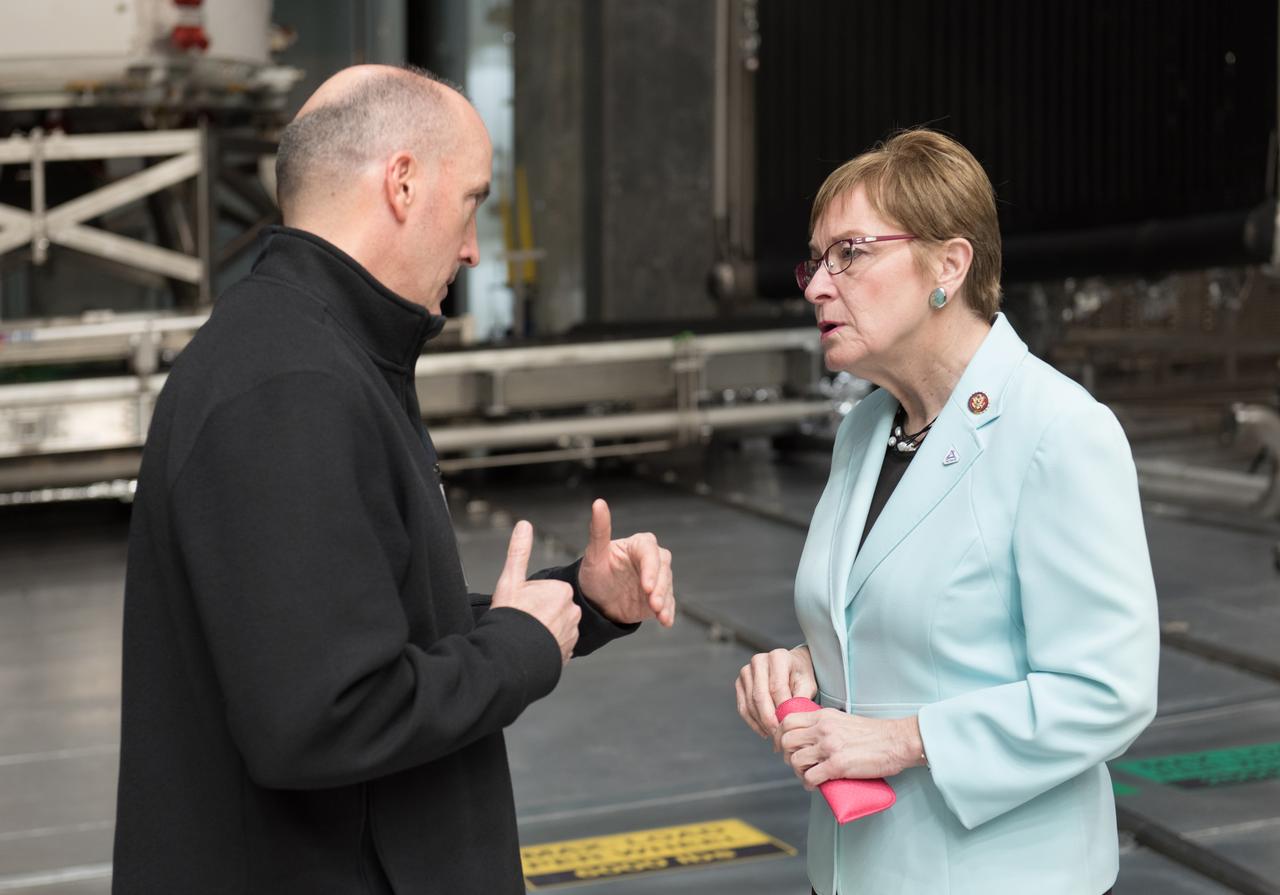
Artemis Departure Media Event
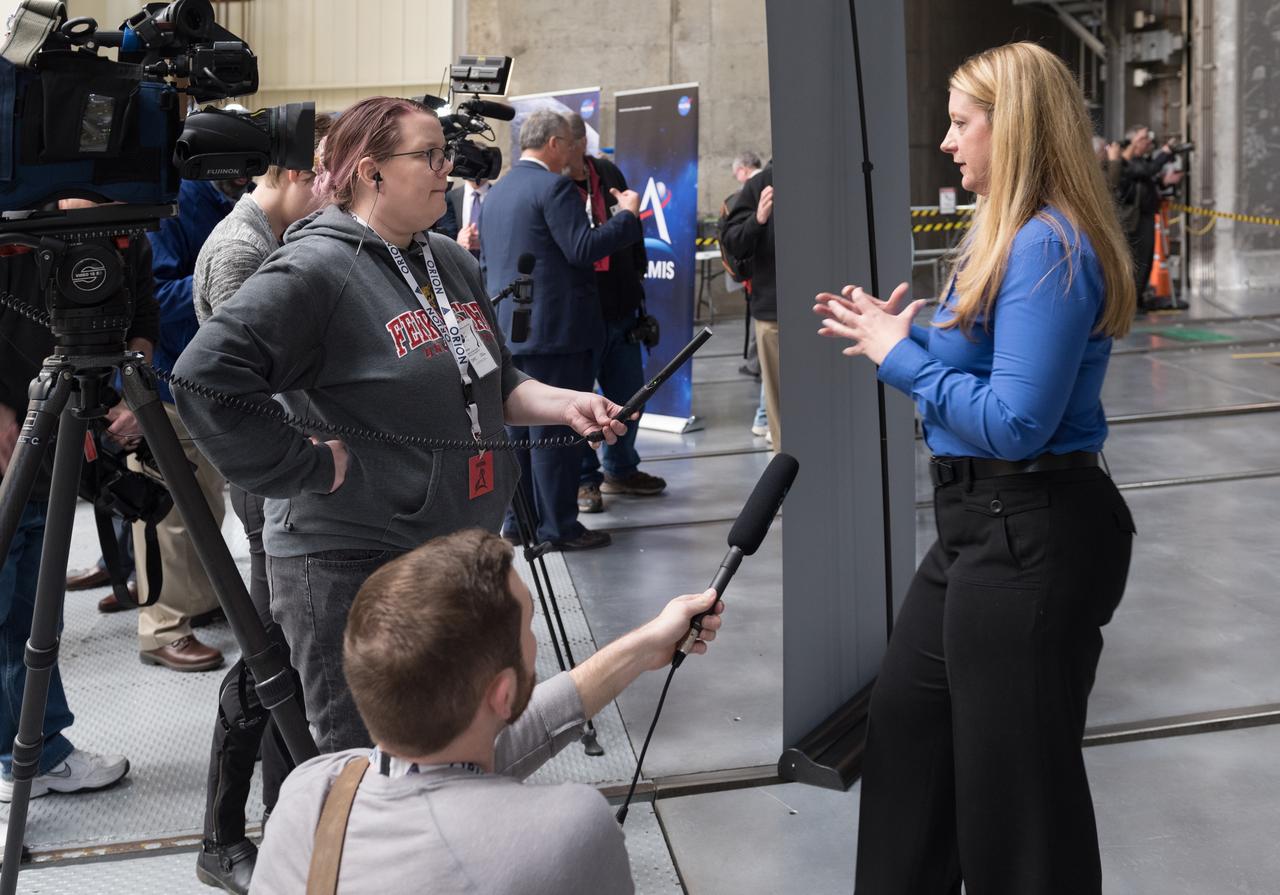
Artemis Departure Media Event
Artemis Departure Media Event
Artemis Departure Media Event
Artemis Departure Media Event
Artemis Departure Media Event
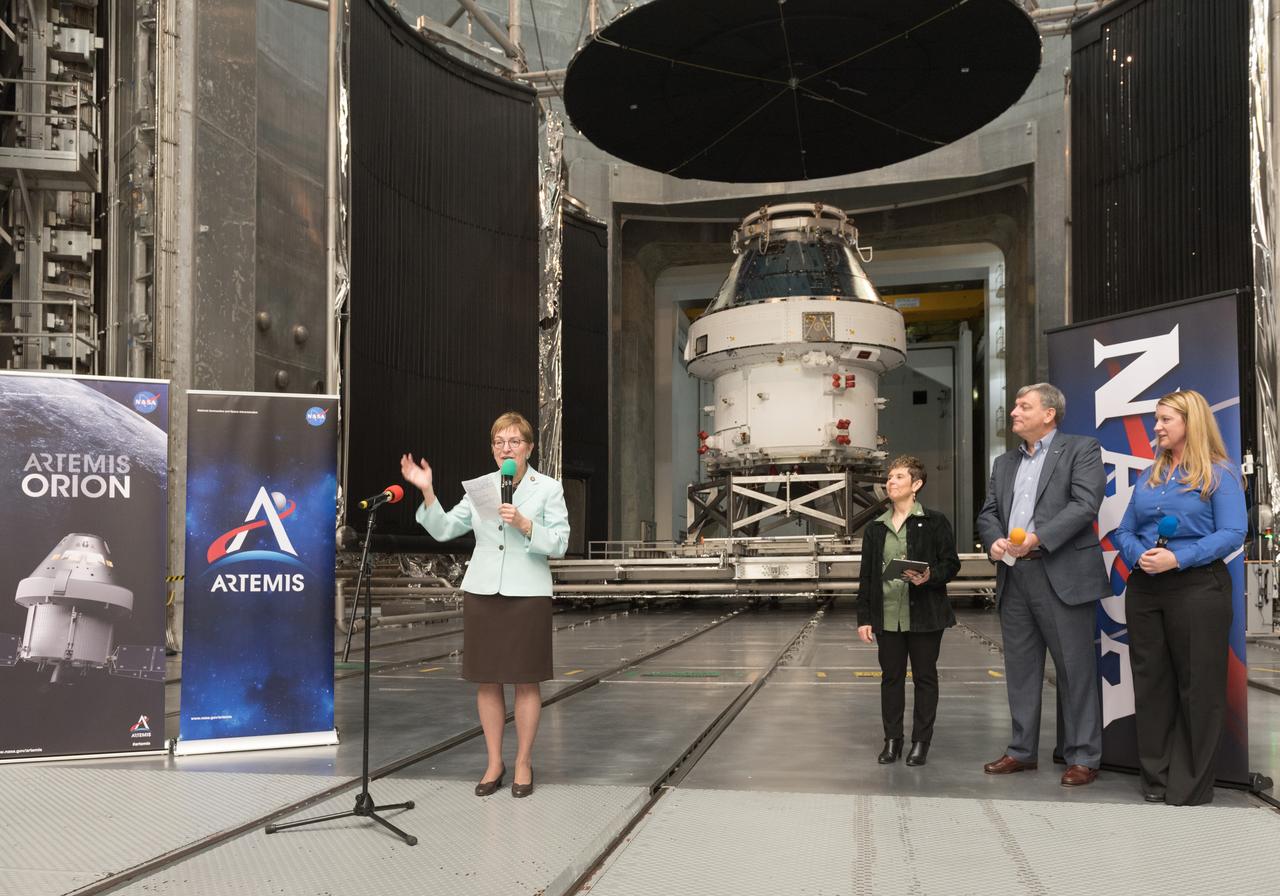
Artemis Departure Media Event
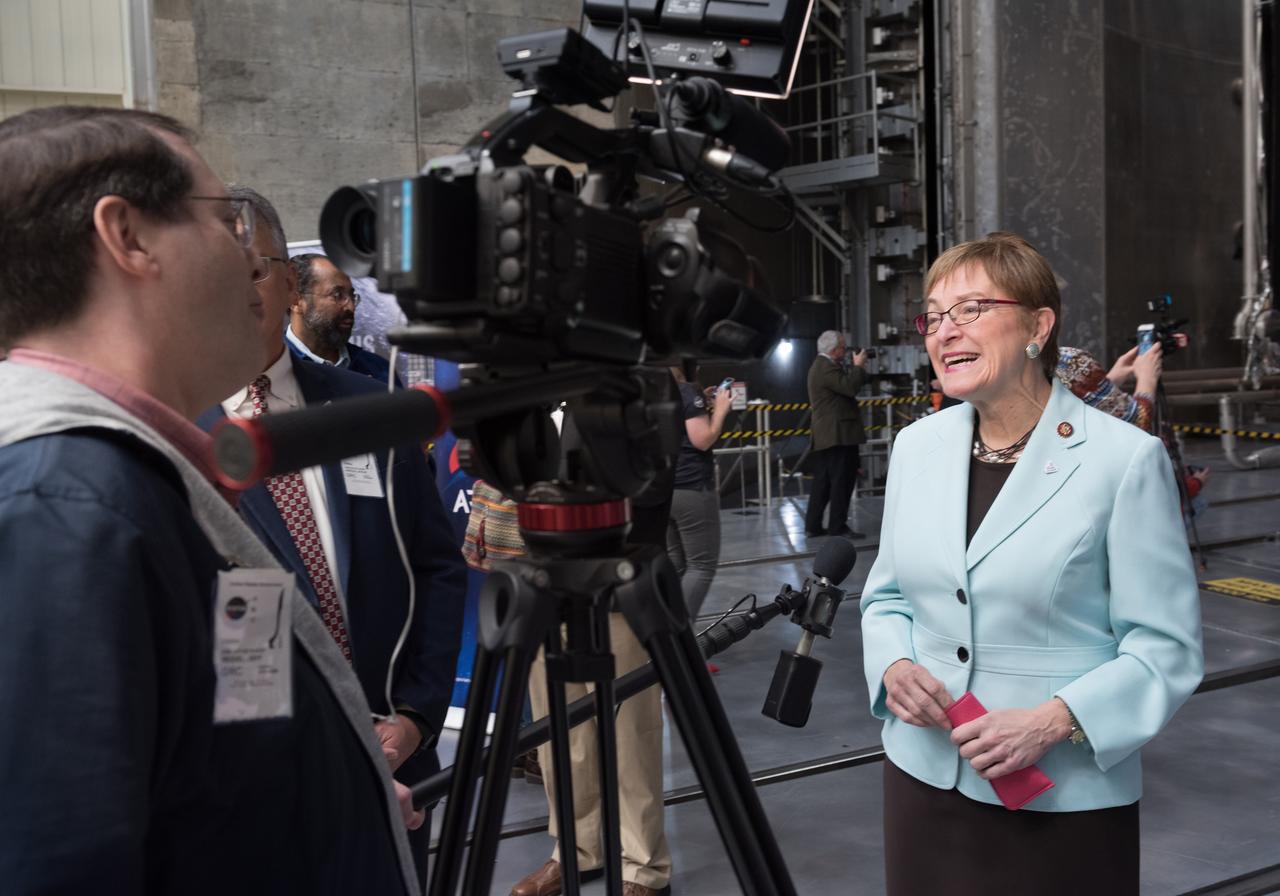
Artemis Departure Media Event
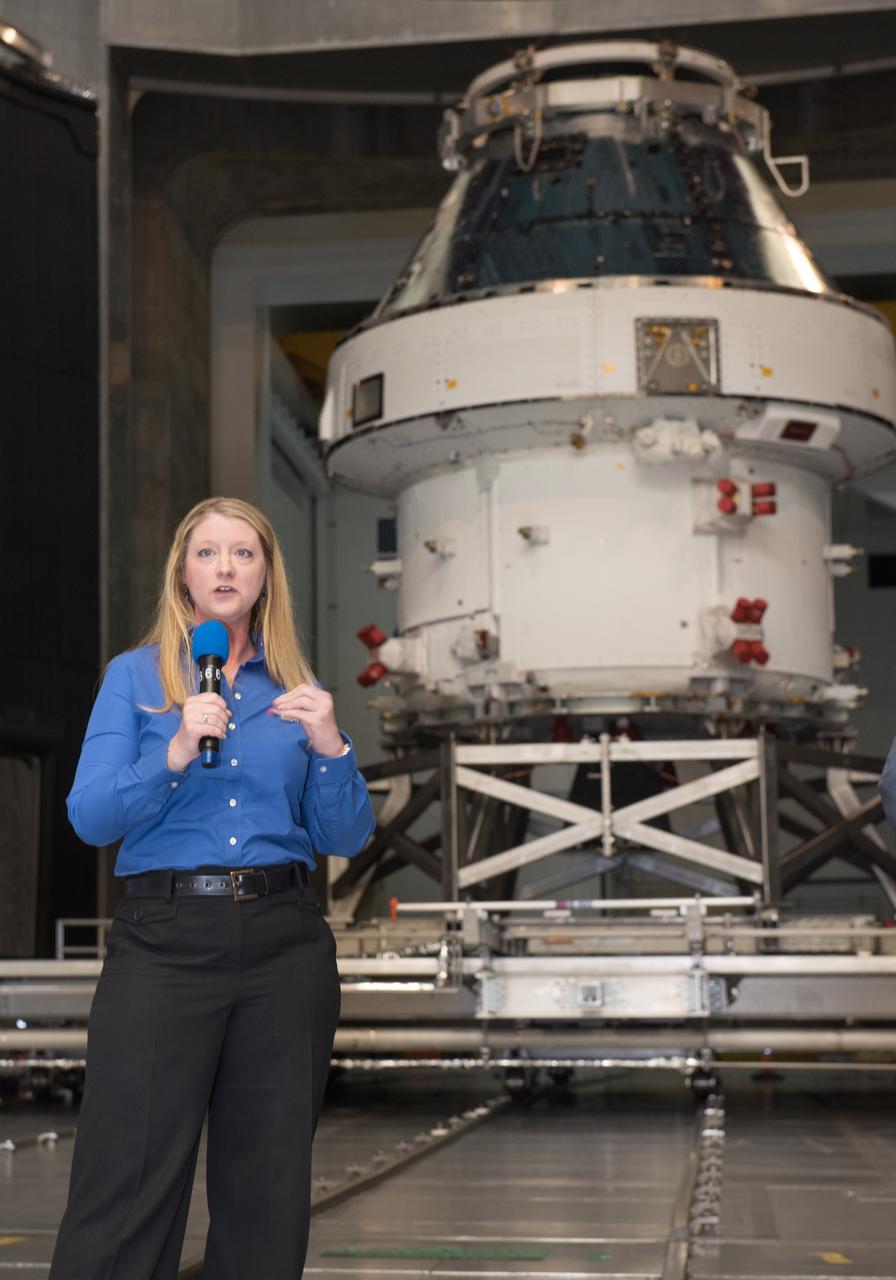
Artemis Departure Media Event
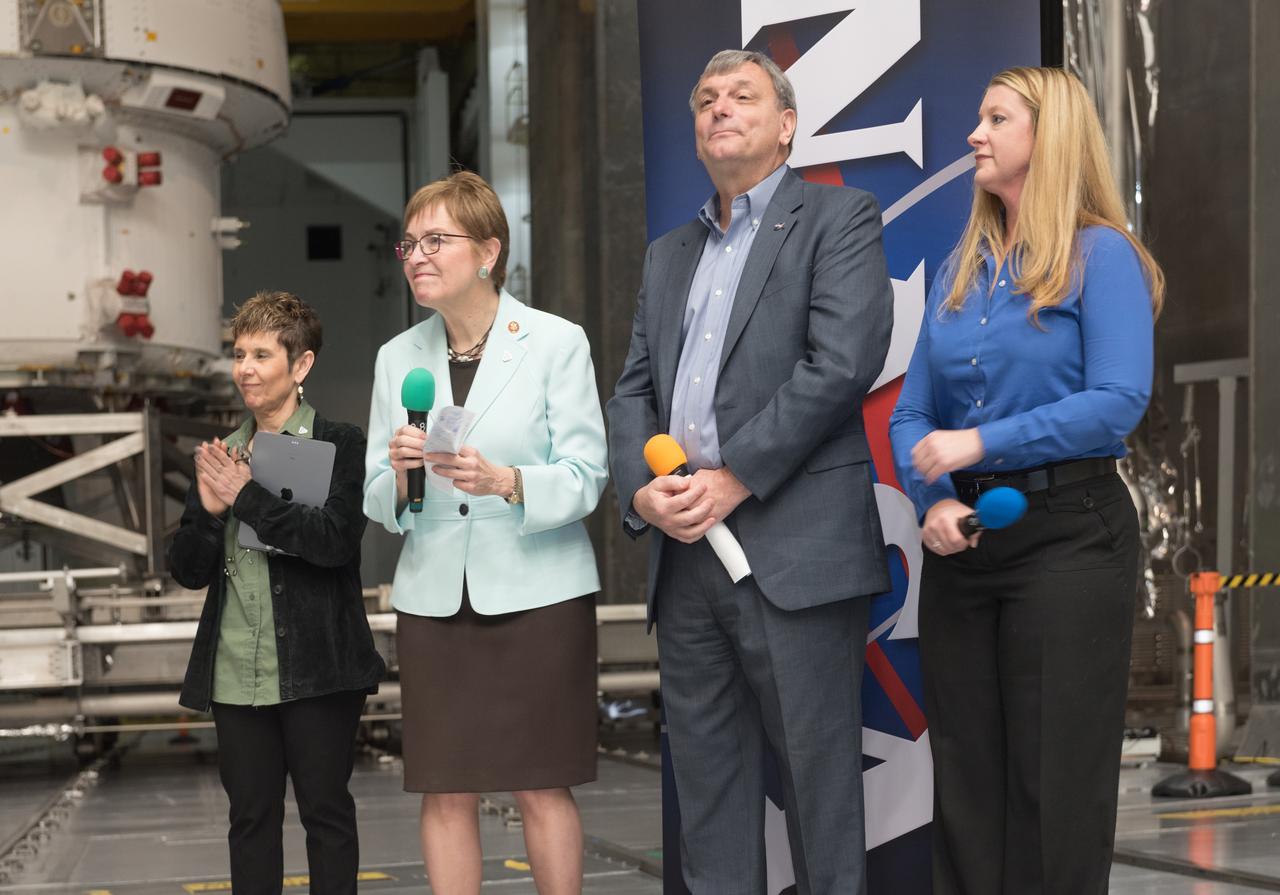
Artemis Departure Media Event
Artemis Departure Media Event
Artemis Departure Media Event
Artemis Departure Media Event
Artemis Departure Media Event
Artemis Departure Media Event
Artemis Departure Media Event
Artemis Departure Media Event
Artemis Departure Media Event
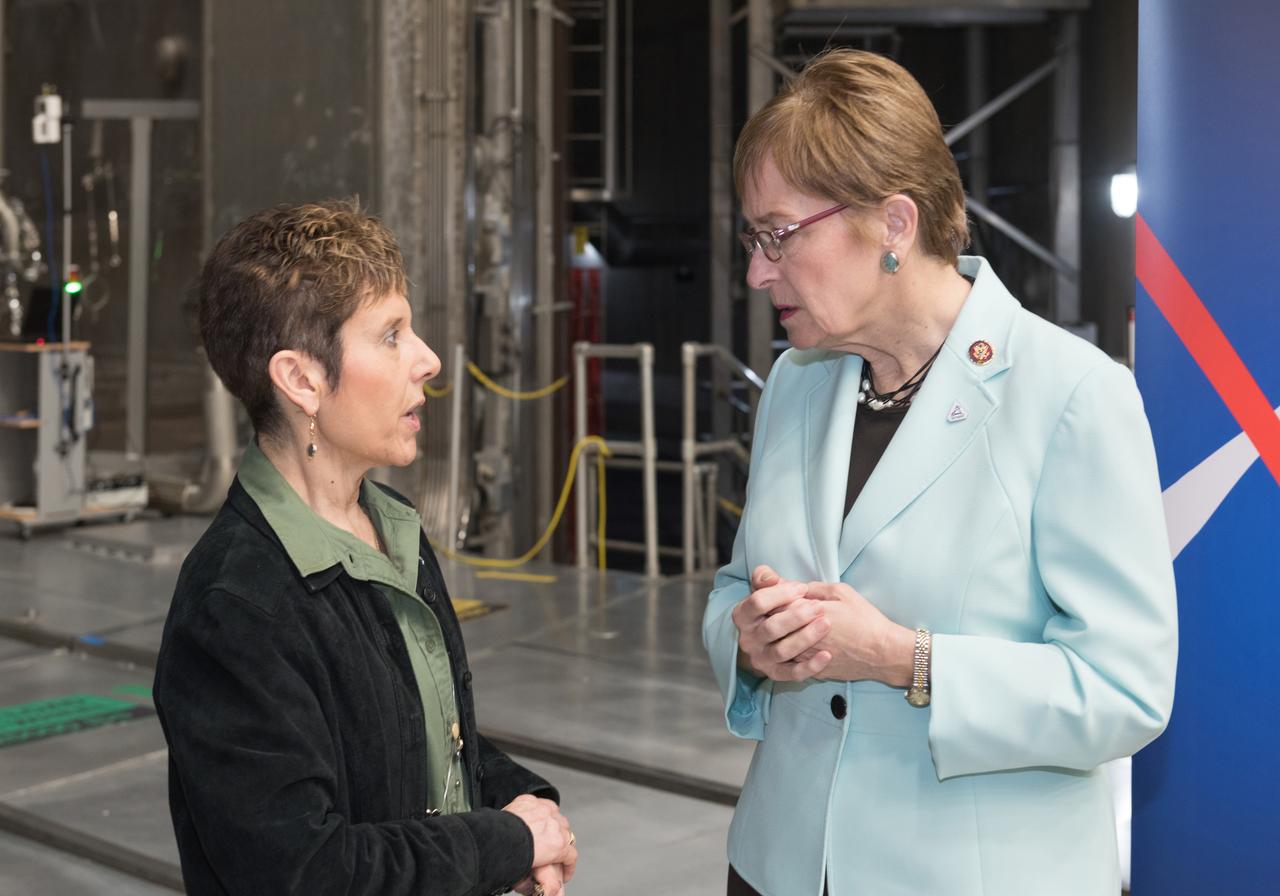
Artemis Departure Media Event
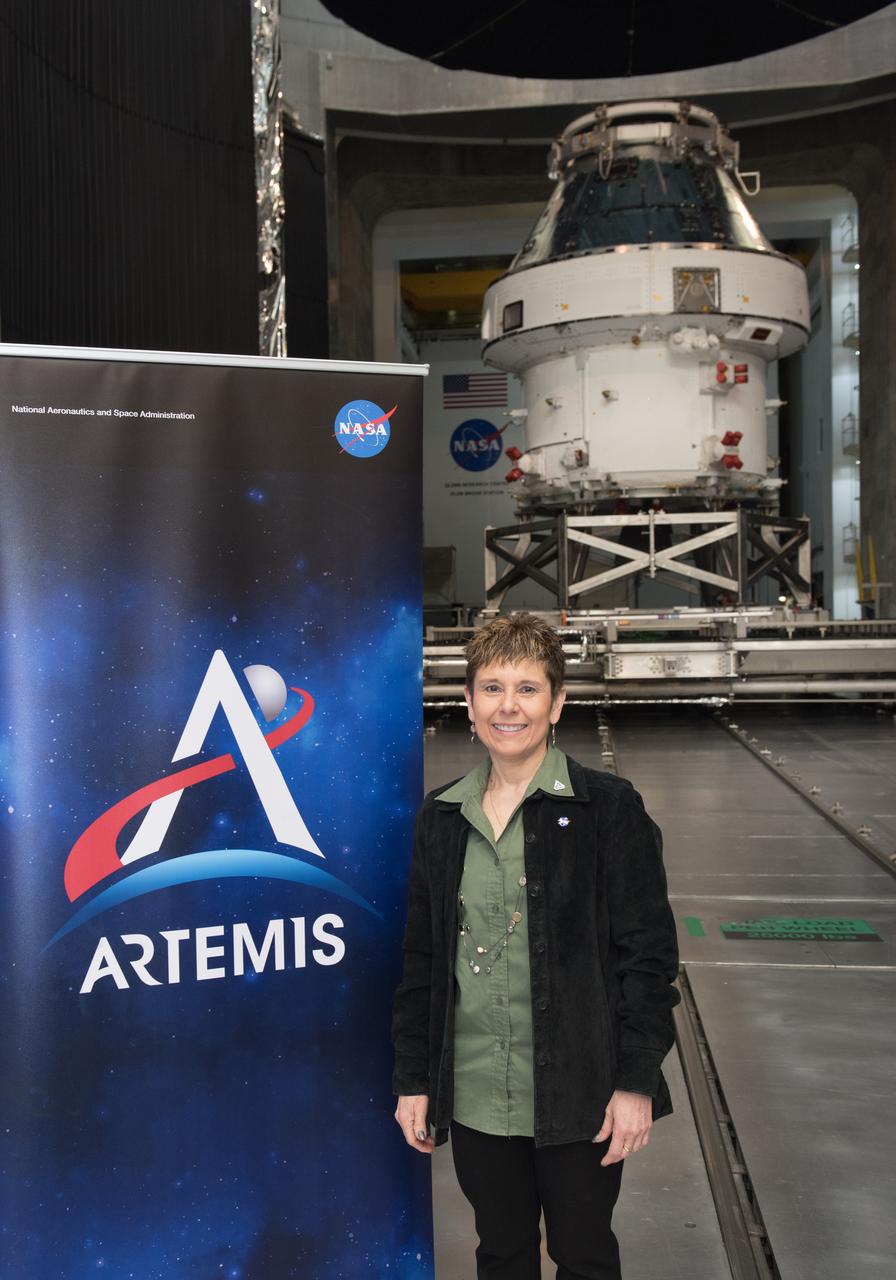
Artemis Departure Media Event
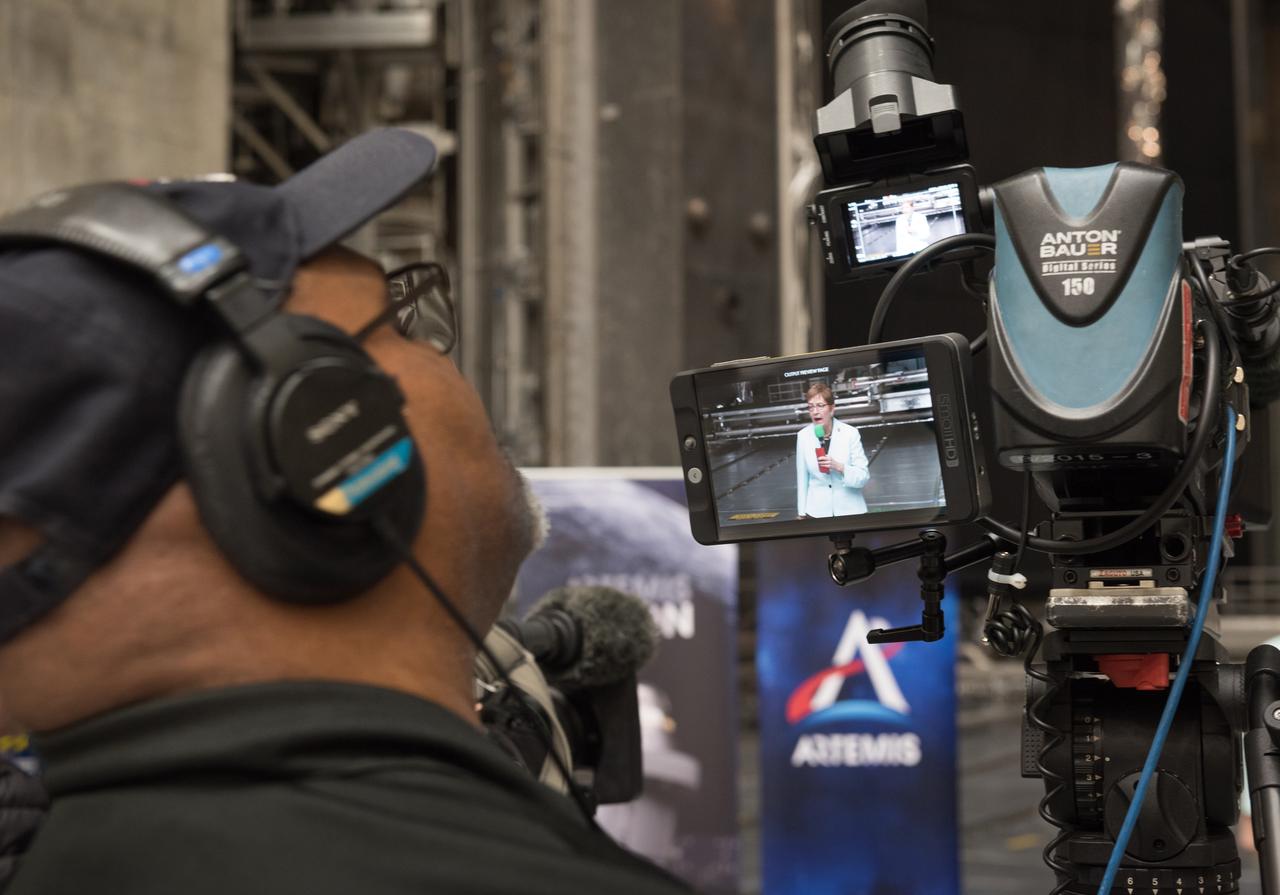
Artemis Departure Media Event
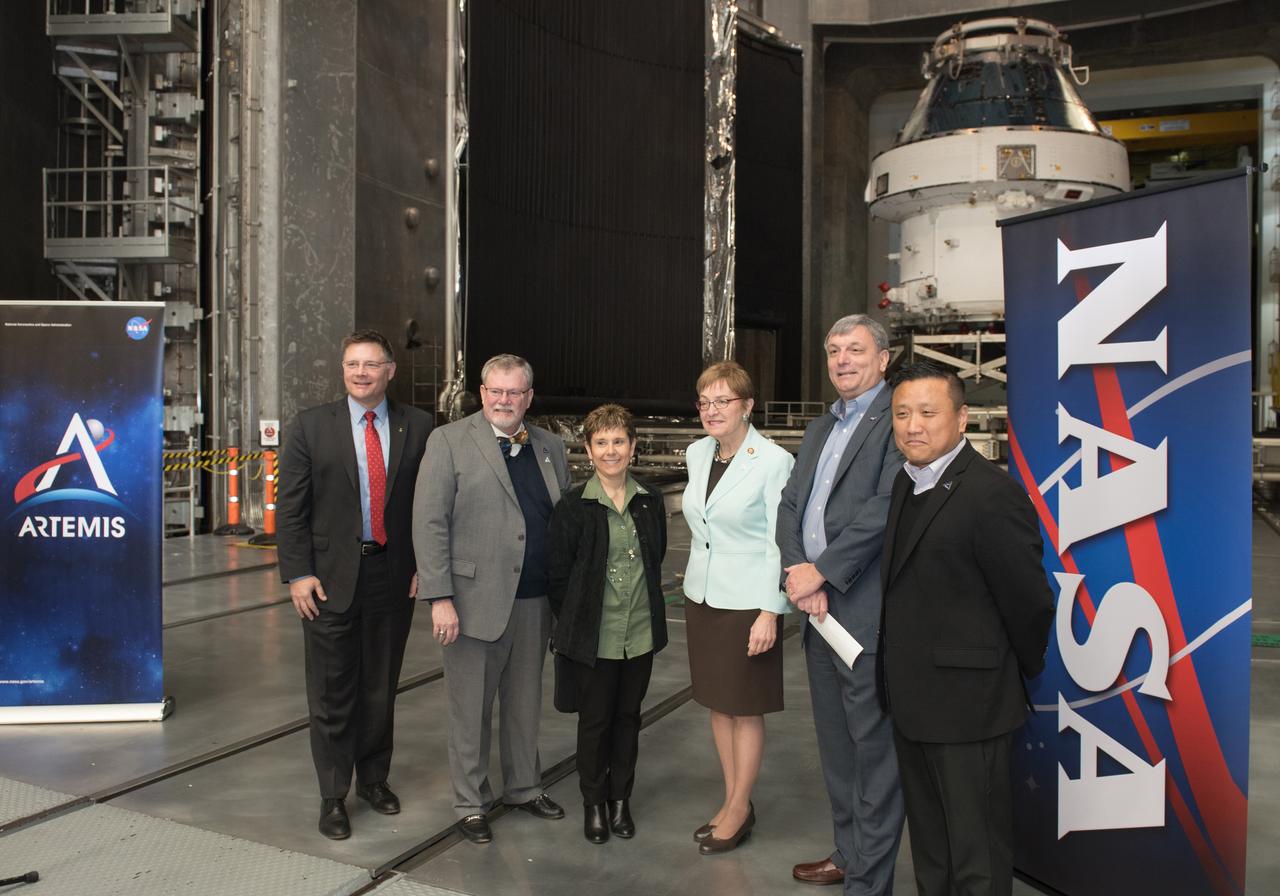
Artemis Departure Media Event

Artemis Departure Media Event
Artemis Departure Media Event
Artemis Departure Media Event
Artemis Departure Media Event
Artemis Departure Media Event
Artemis Departure Media Event
Artemis Departure Media Event
Artemis Departure Media Event
Artemis Departure Media Event
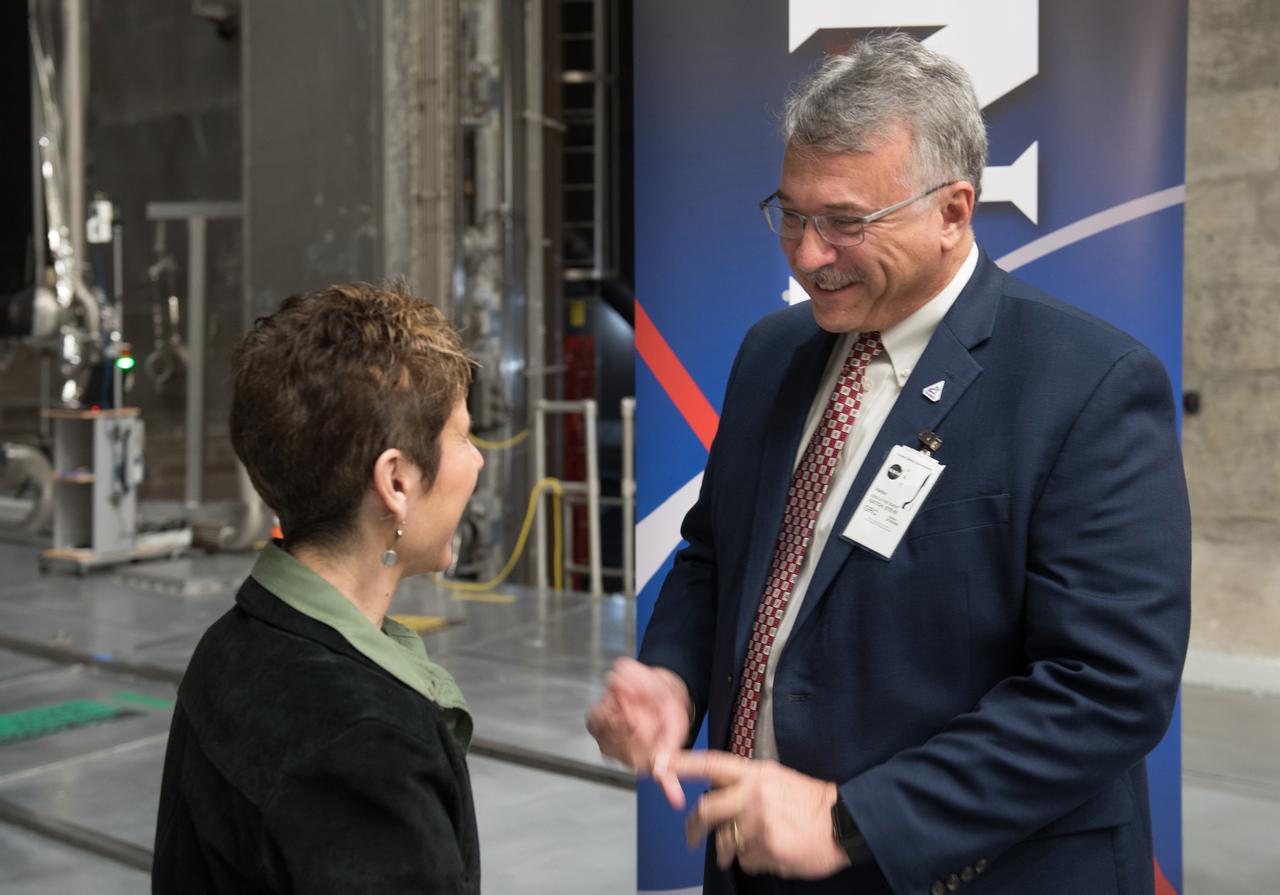
Artemis Departure Media Event
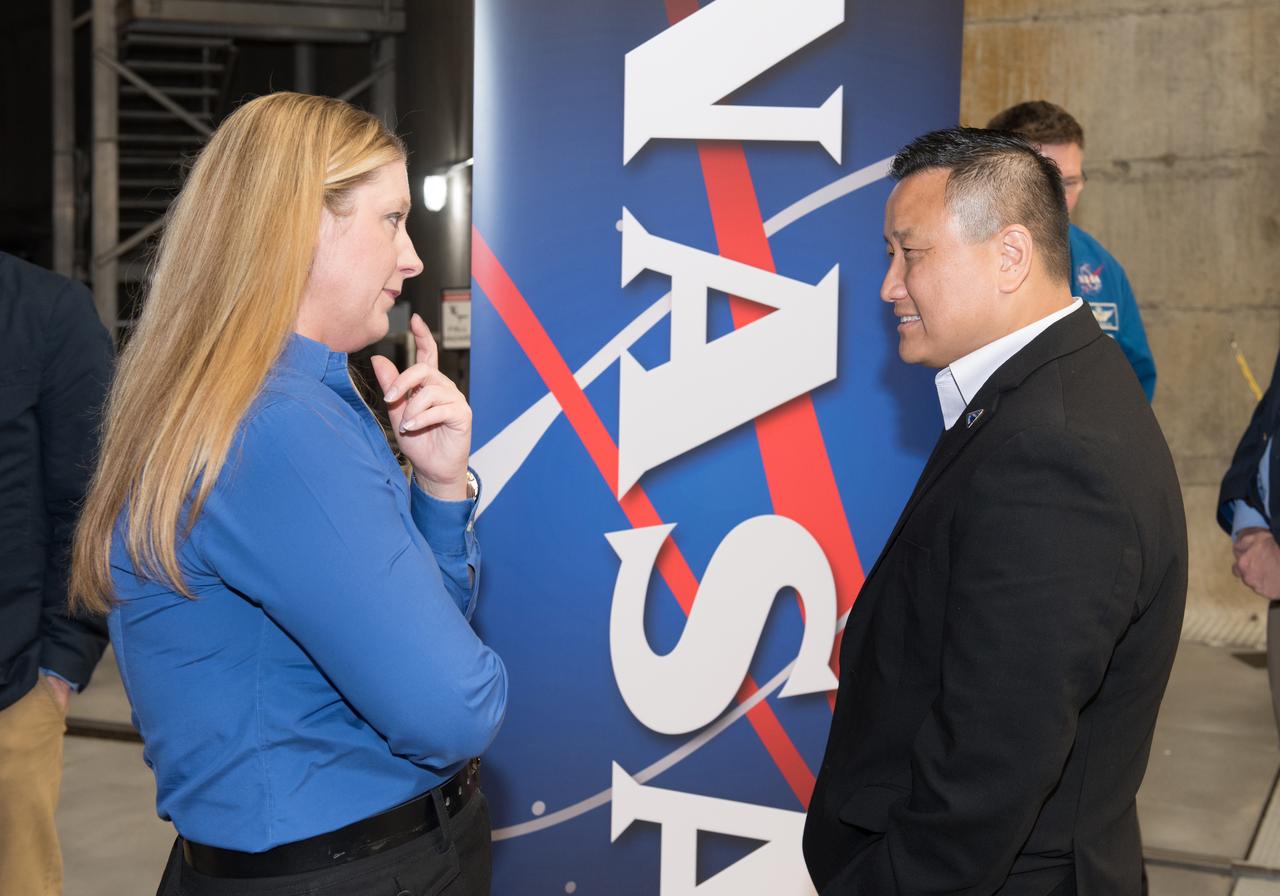
Artemis Departure Media Event
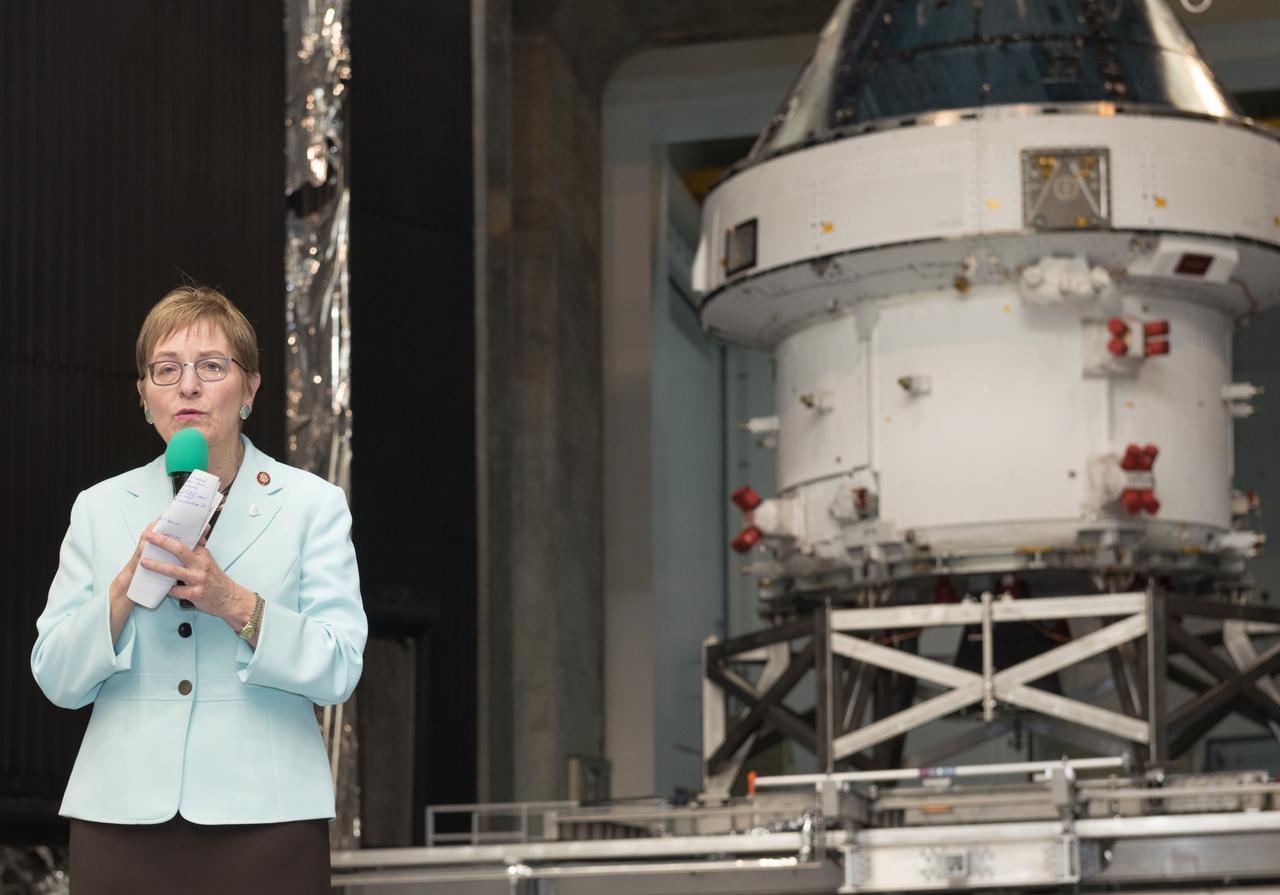
Artemis Departure Media Event
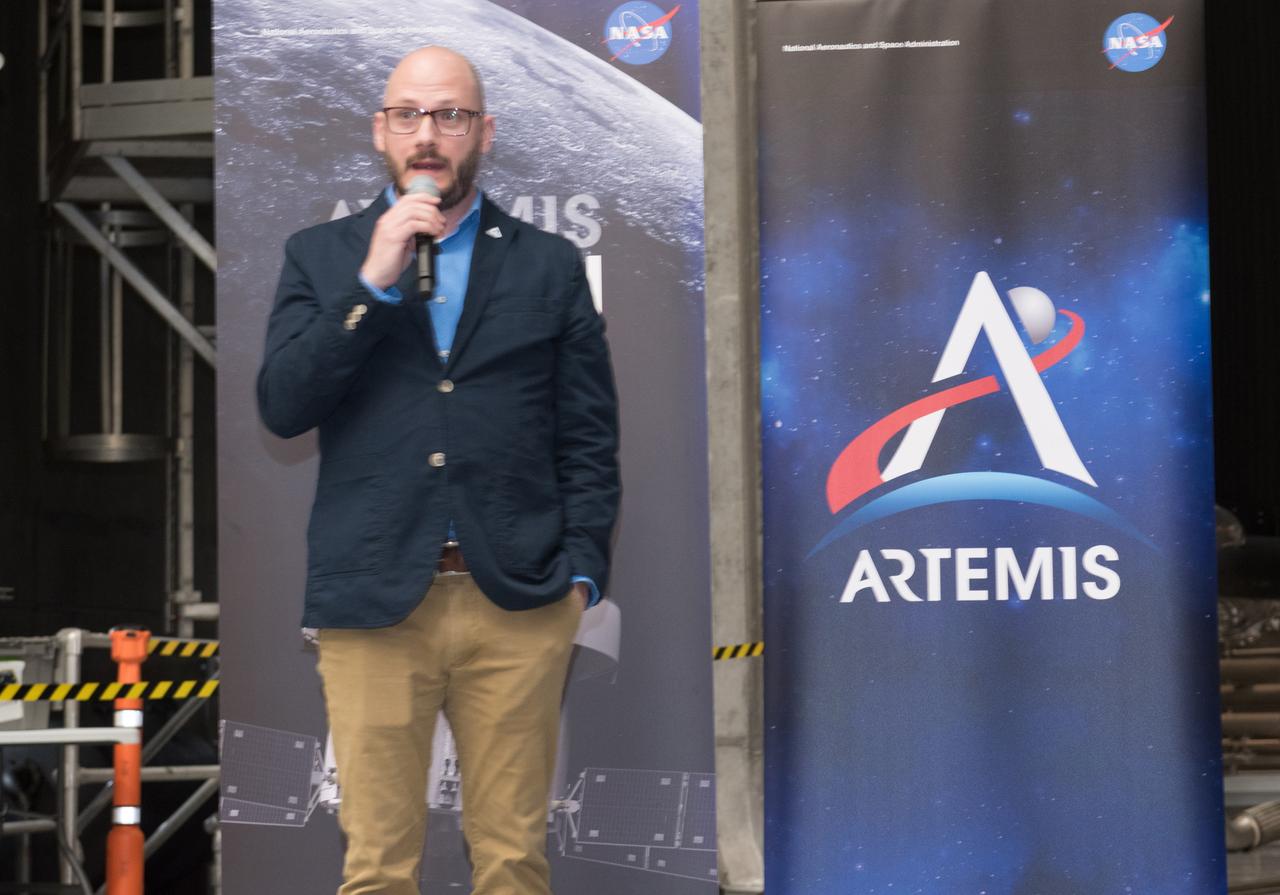
Artemis Departure Media Event
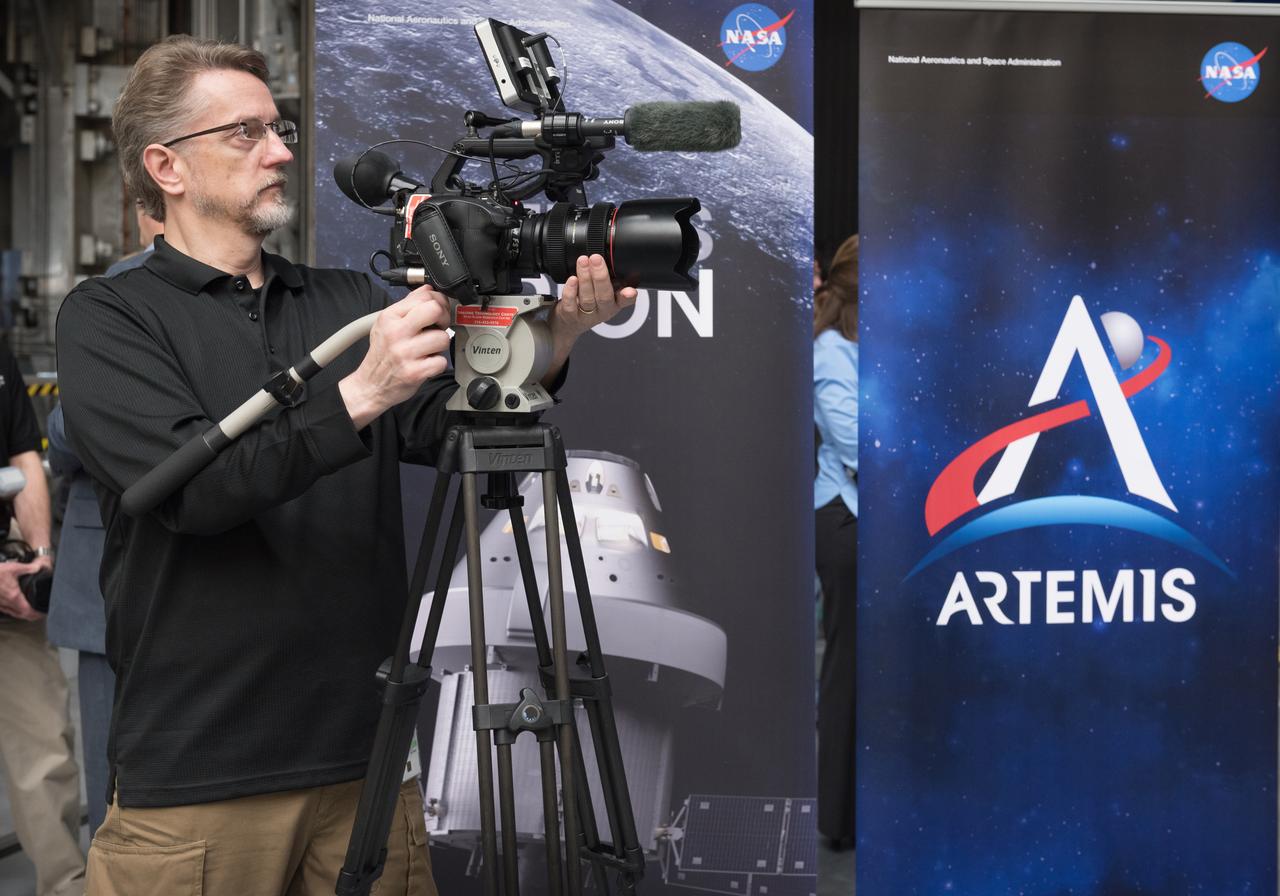
Artemis Departure Media Event
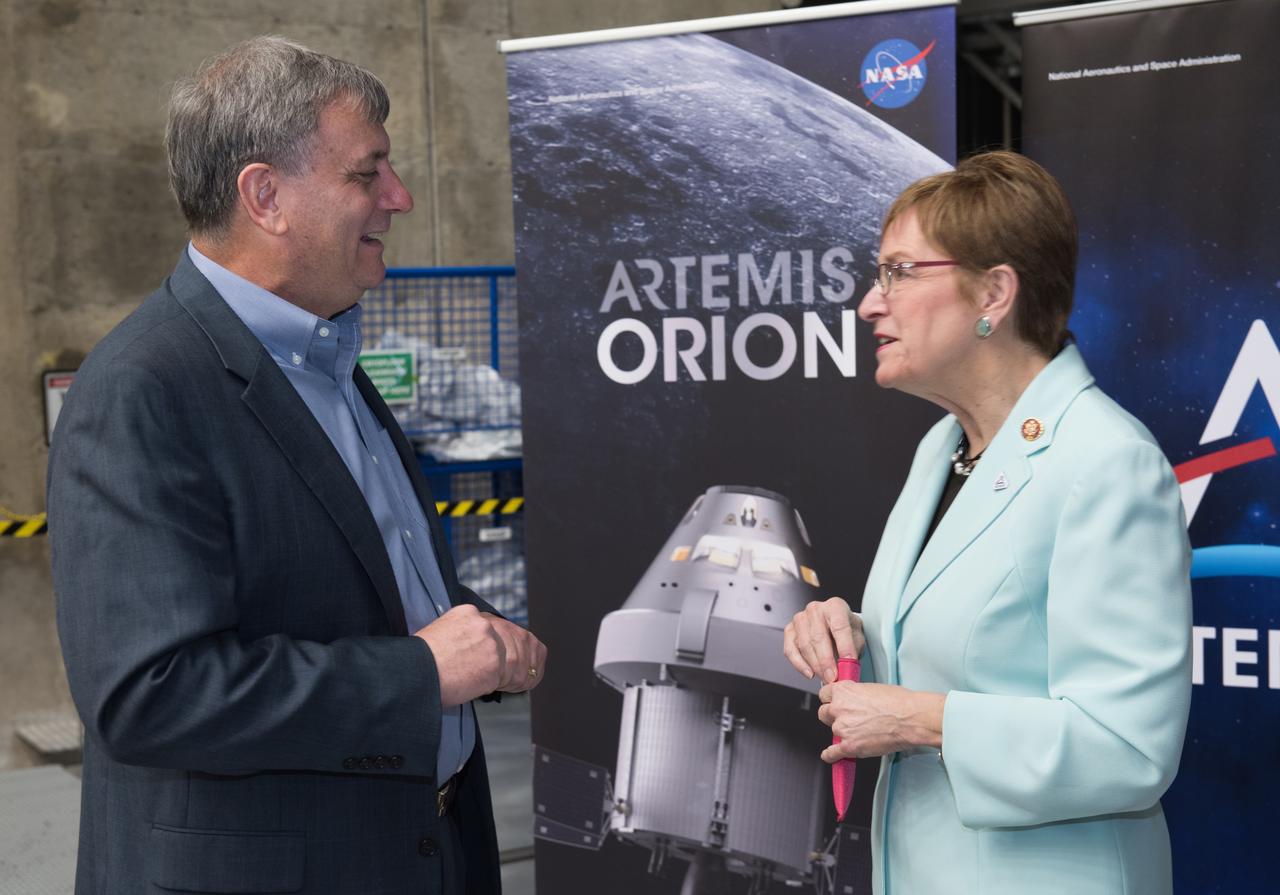
Artemis Departure Media Event
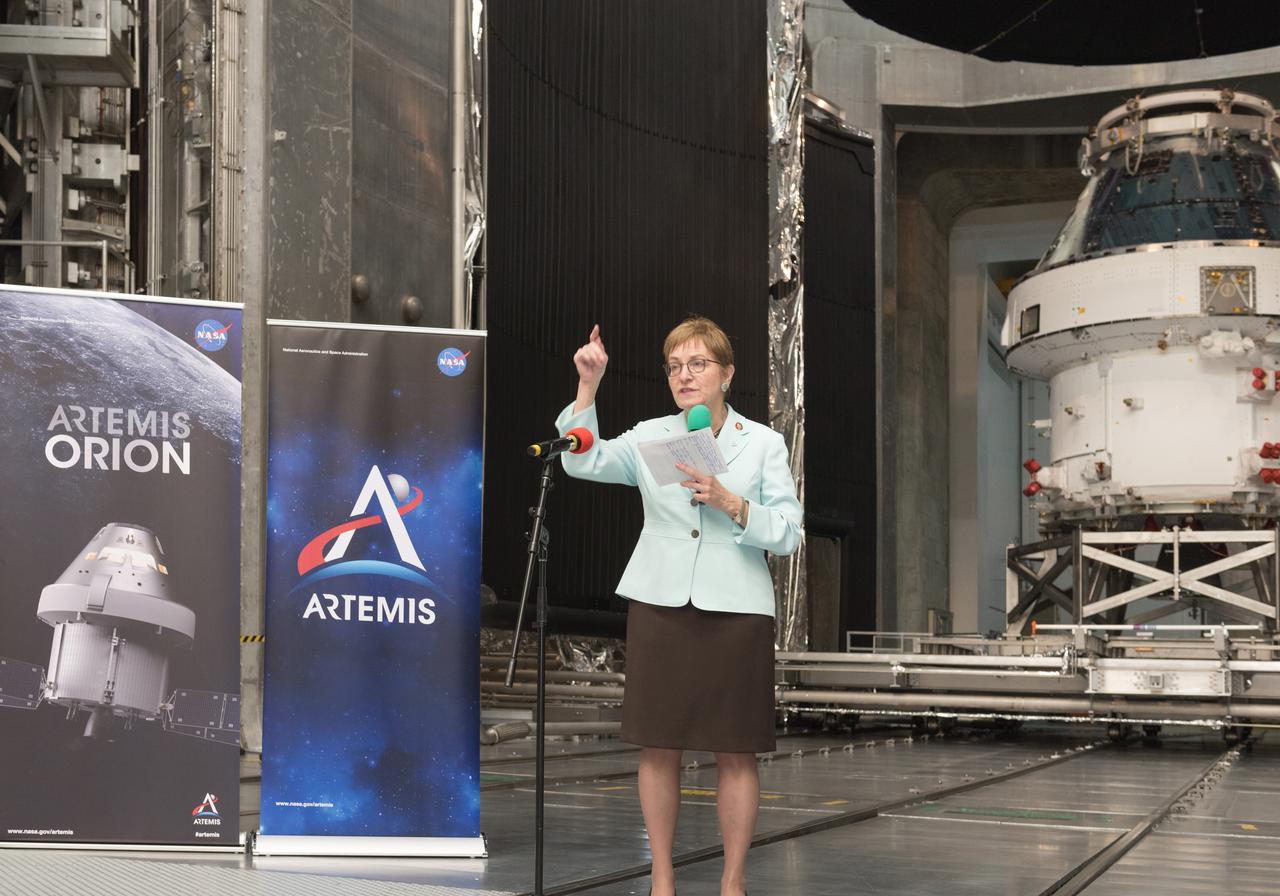
Artemis Departure Media Event
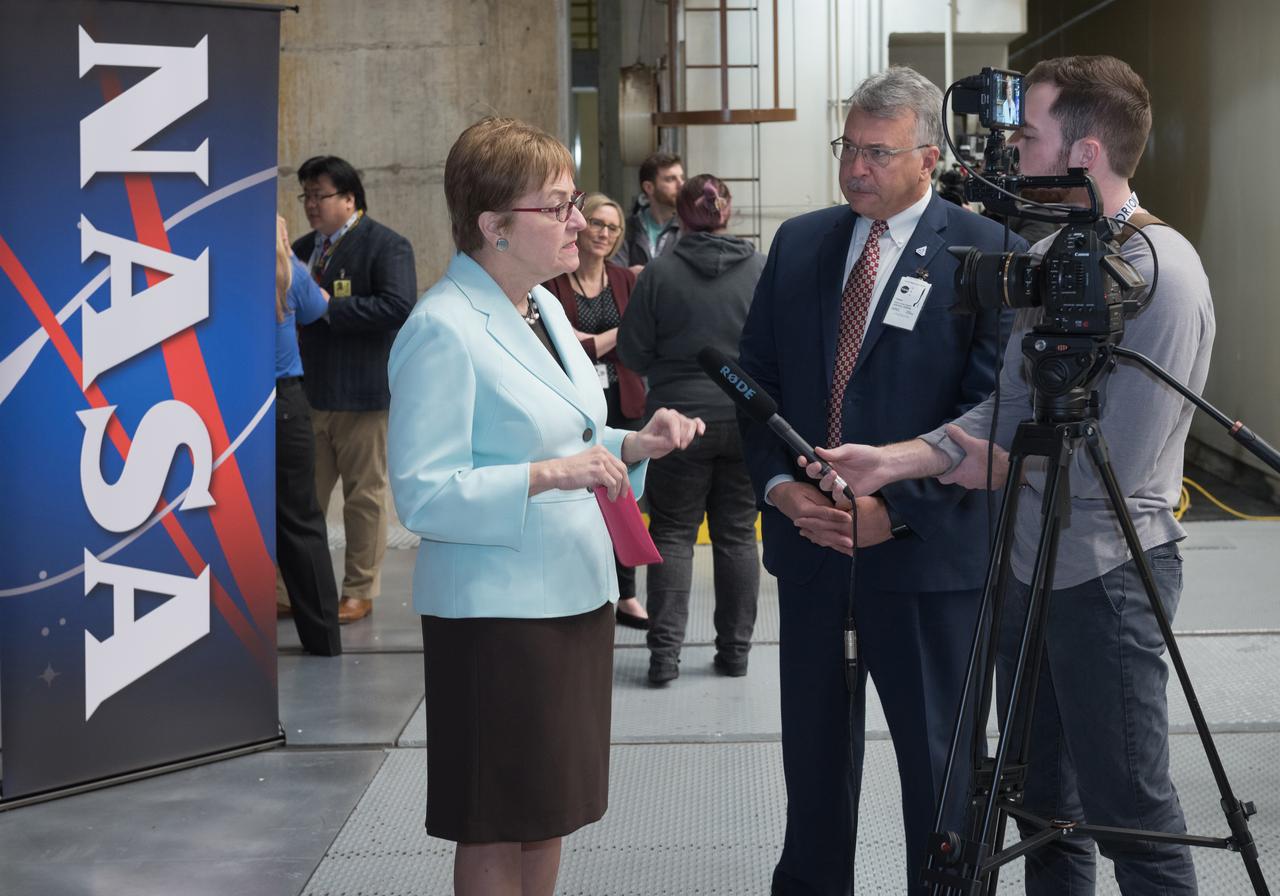
Artemis Departure Media Event
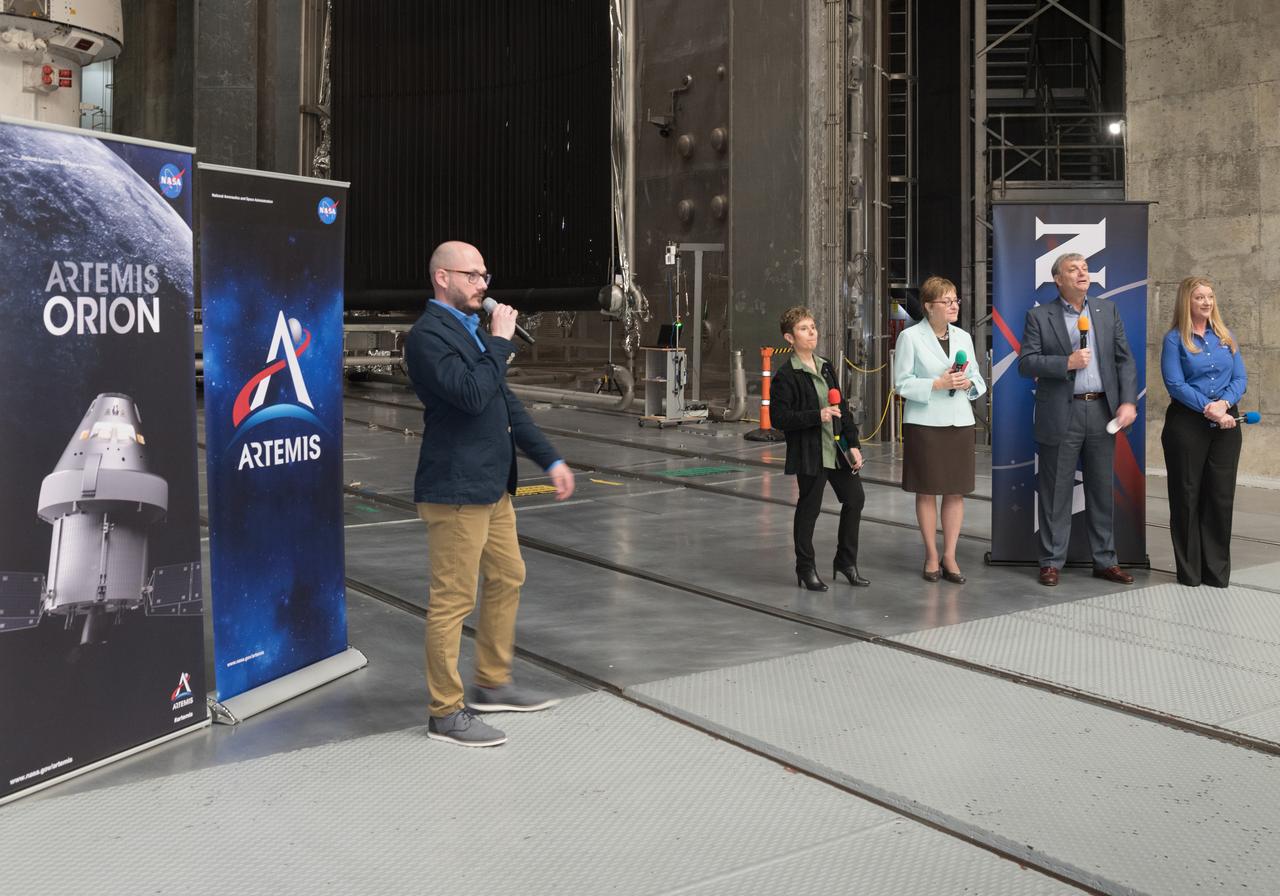
Artemis Departure Media Event
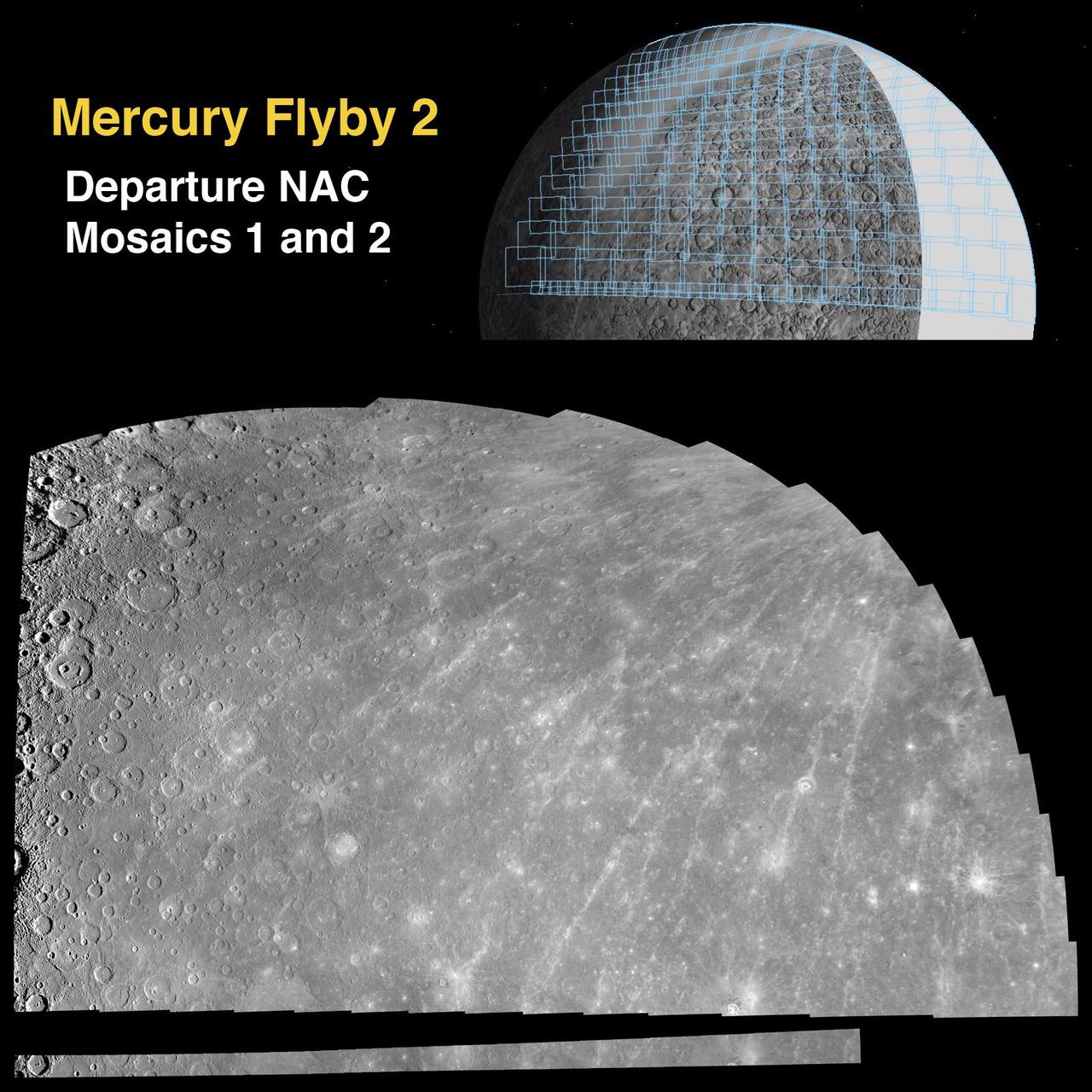
Departure Mosaics from the Second Mercury Flyby
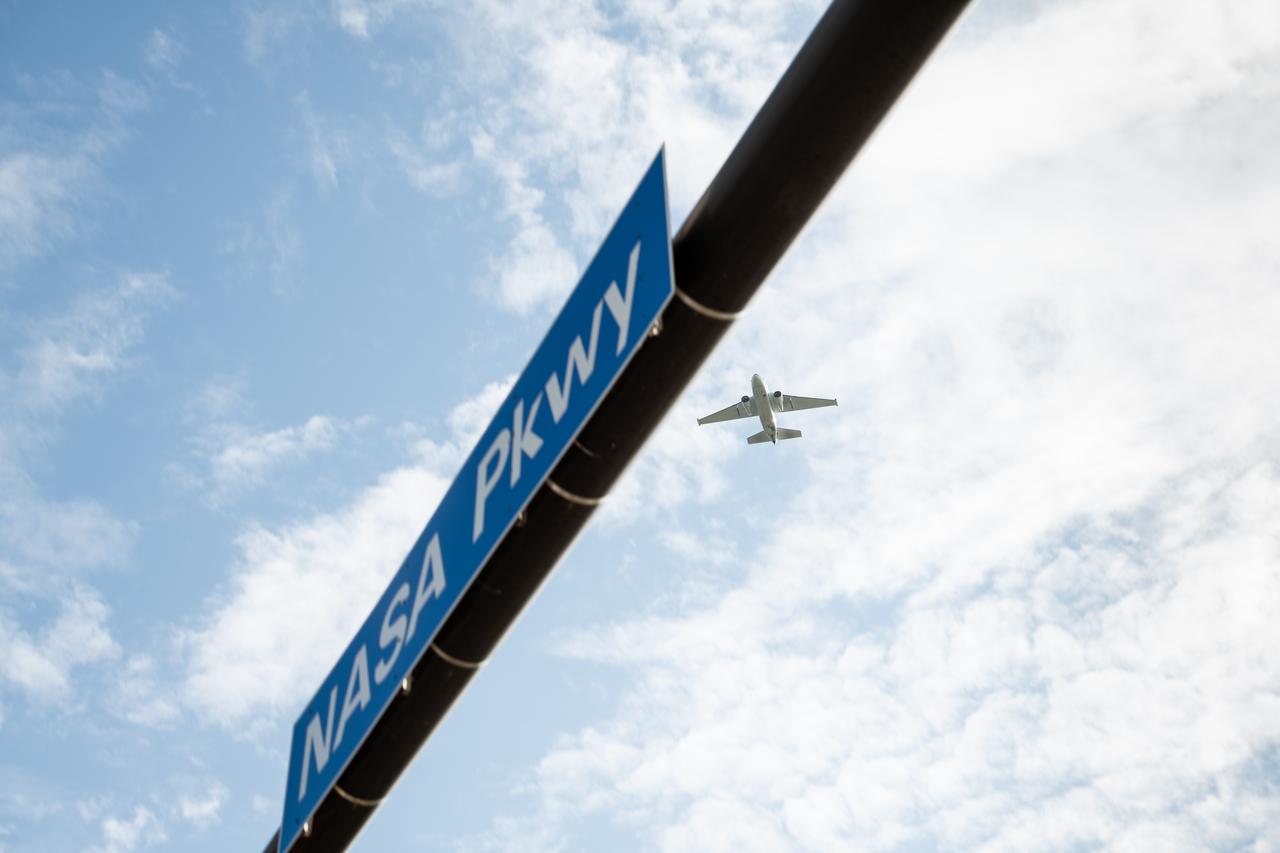
Retirement and Departure of the Lockheed S-3B Viking Aircraft
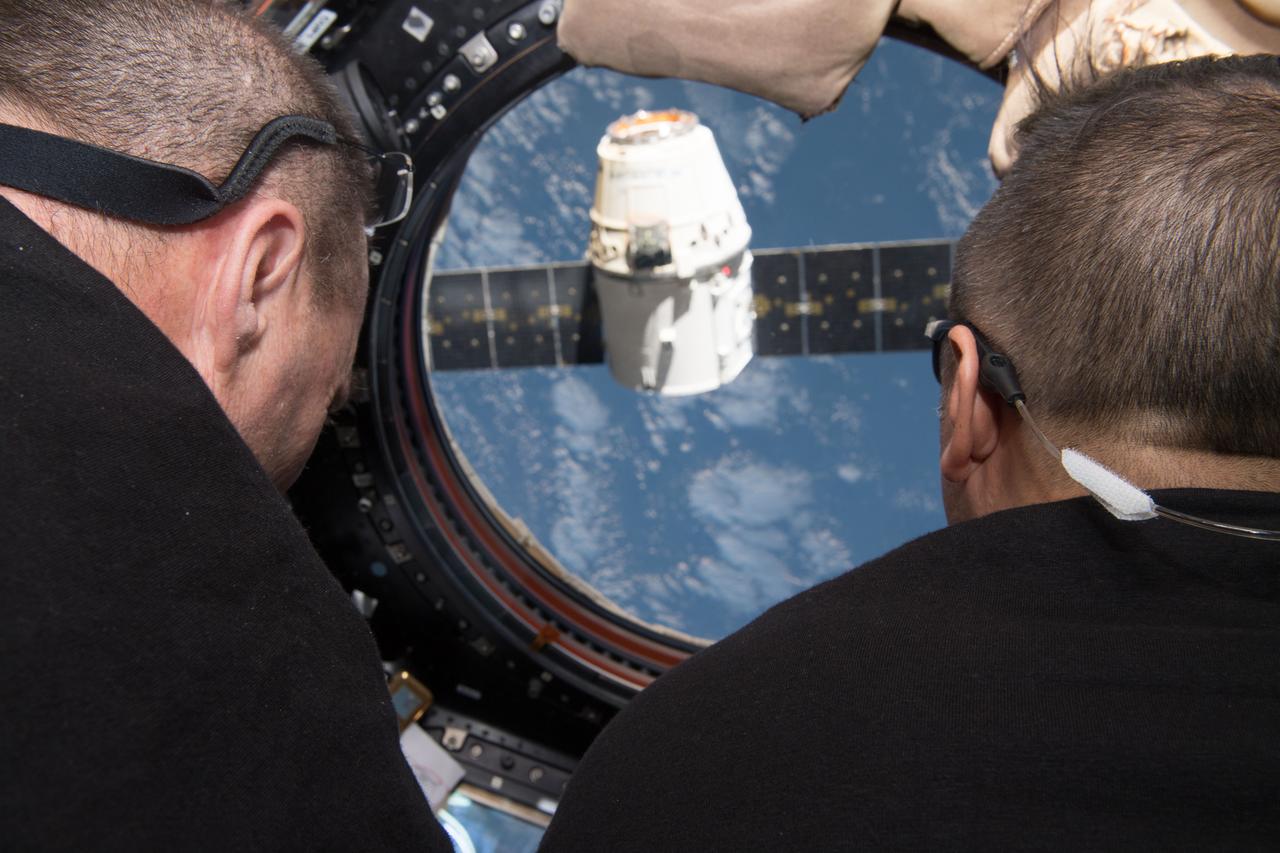
iss054e022060 (Jan. 13, 2018) --- Flight Engineers Scott Tingle (left) and Joe Acaba monitor the departure of the SpaceX Dragon resupply spacecraft through windows in the Cupola module.
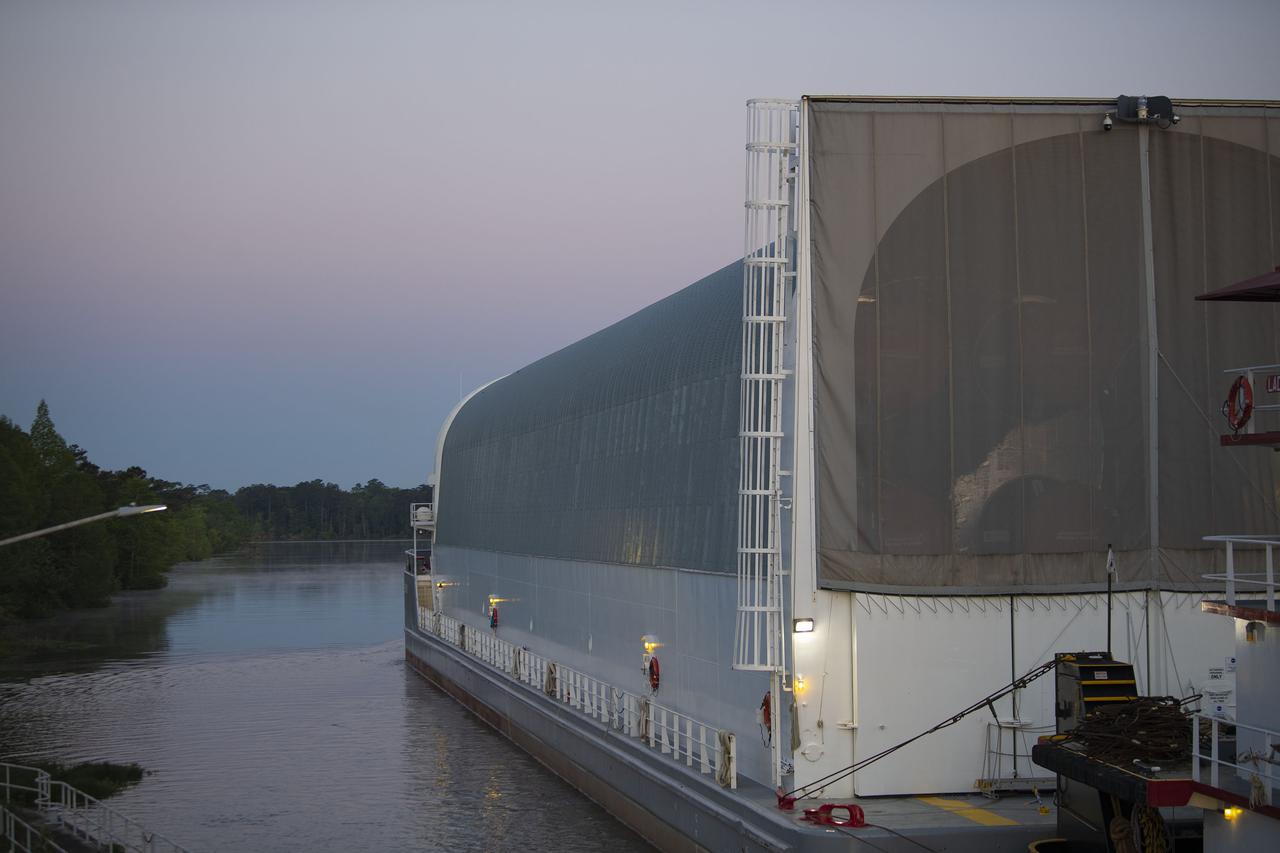
The first core stage of NASA’s Space Launch System (SLS) rocket, loaded onto the agency’s Pegasus barge, departs Stennis Space Center near Bay St. Louis, Mississippi, headed to Kennedy Space Center in Florida. The departure of the core stage in mid-April 2021 followed completion of a Green Run test series of the stage systems in preparation for its launch on the Artemis I mission. The Green Run series concluded with a March 18 hot fire of the stage’s four RS-25 engines on the B-2 Test Stand at Stennis, just as during an actual launch. Following refurbishment work, the stage was removed from the B-2 stand and loaded onto the Pegasus barge for transport. Once at Kennedy, the will be integrated with the rest of SLS rocket and prepared for the launch of the Artemis I mission to the Moon. Photo Credit: NASA
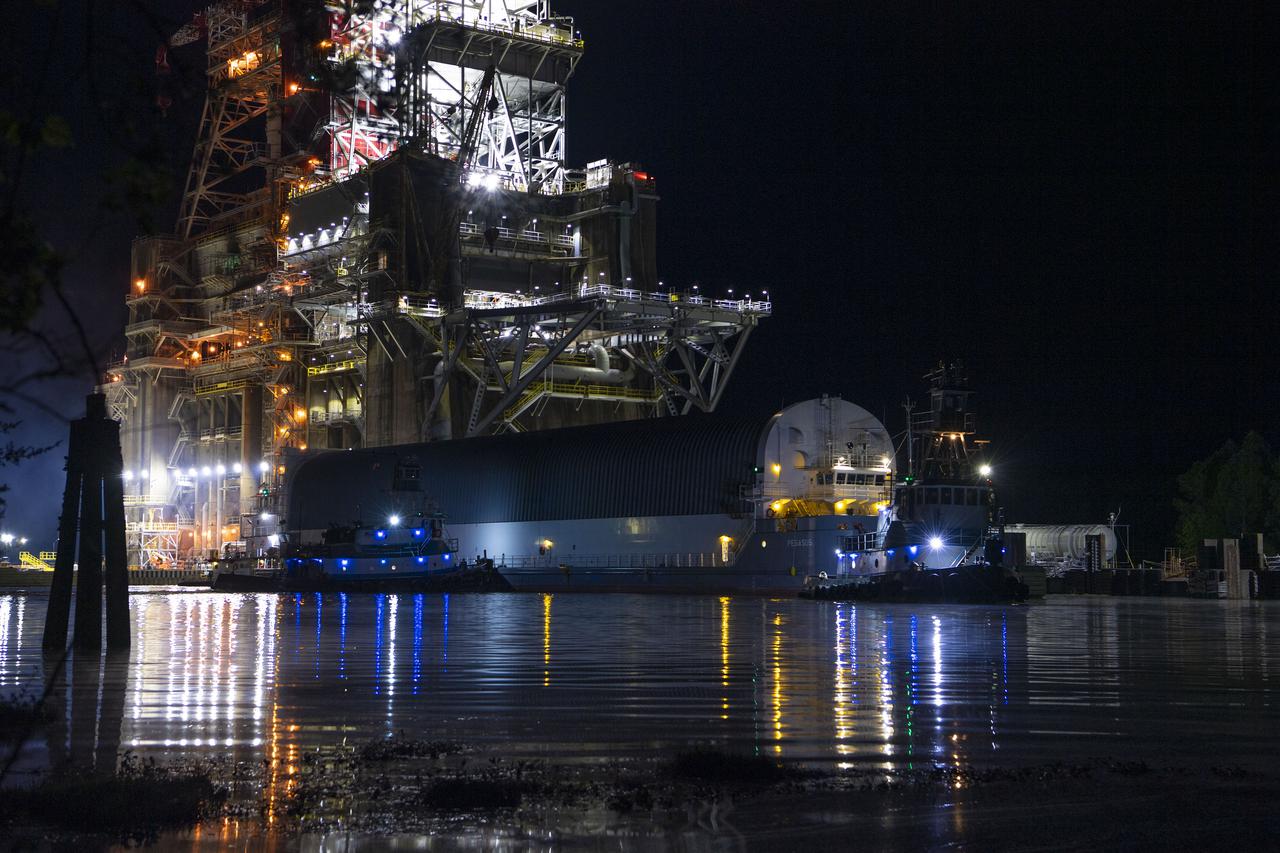
The first core stage of NASA’s Space Launch System (SLS) rocket, loaded onto the agency’s Pegasus barge, departs Stennis Space Center near Bay St. Louis, Mississippi, headed to Kennedy Space Center in Florida. The departure of the core stage in mid-April 2021 followed completion of a Green Run test series of the stage systems in preparation for its launch on the Artemis I mission. The Green Run series concluded with a March 18 hot fire of the stage’s four RS-25 engines on the B-2 Test Stand at Stennis, just as during an actual launch. Following refurbishment work, the stage was removed from the B-2 stand and loaded onto the Pegasus barge for transport. Once at Kennedy, the will be integrated with the rest of SLS rocket and prepared for the launch of the Artemis I mission to the Moon. Photo Credit: NASA
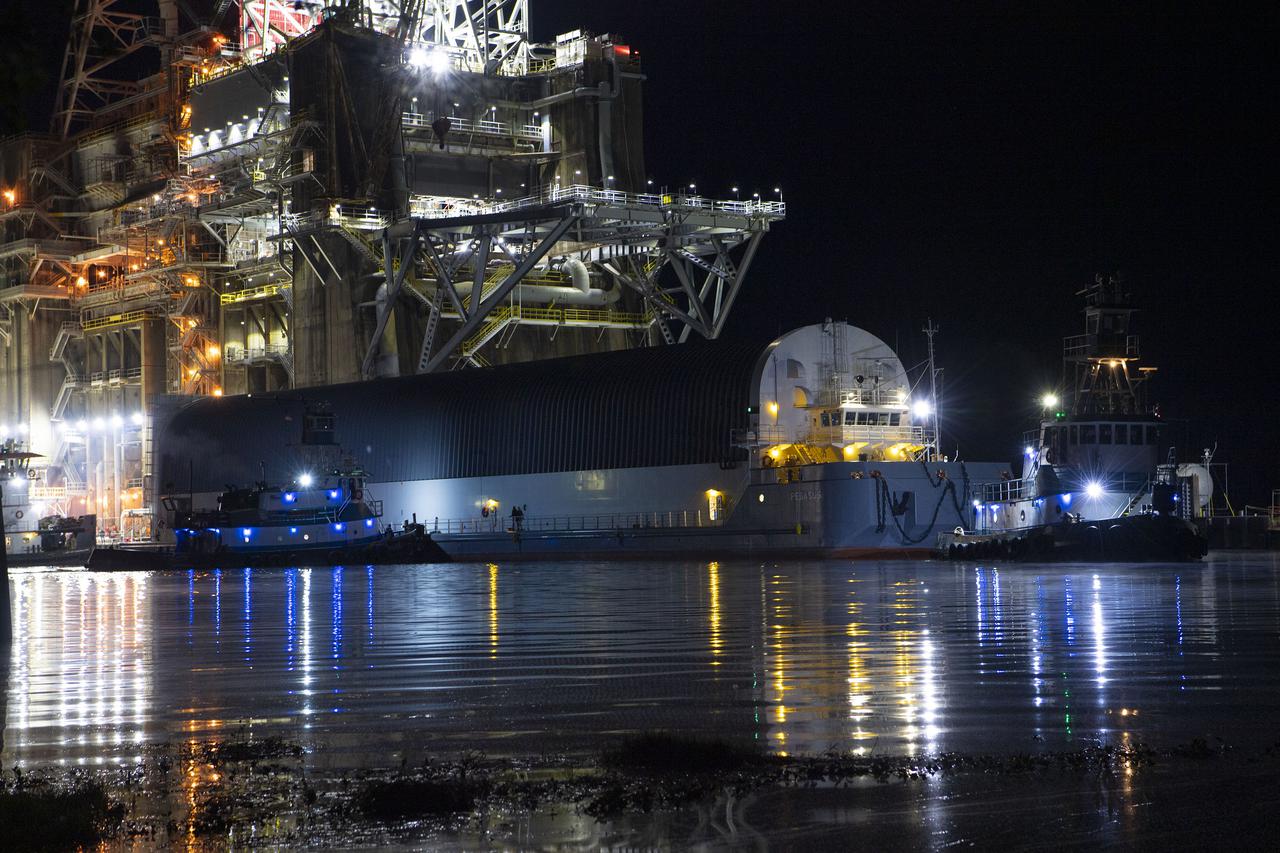
The first core stage of NASA’s Space Launch System (SLS) rocket, loaded onto the agency’s Pegasus barge, departs Stennis Space Center near Bay St. Louis, Mississippi, headed to Kennedy Space Center in Florida. The departure of the core stage in mid-April 2021 followed completion of a Green Run test series of the stage systems in preparation for its launch on the Artemis I mission. The Green Run series concluded with a March 18 hot fire of the stage’s four RS-25 engines on the B-2 Test Stand at Stennis, just as during an actual launch. Following refurbishment work, the stage was removed from the B-2 stand and loaded onto the Pegasus barge for transport. Once at Kennedy, the will be integrated with the rest of SLS rocket and prepared for the launch of the Artemis I mission to the Moon. Photo Credit: NASA
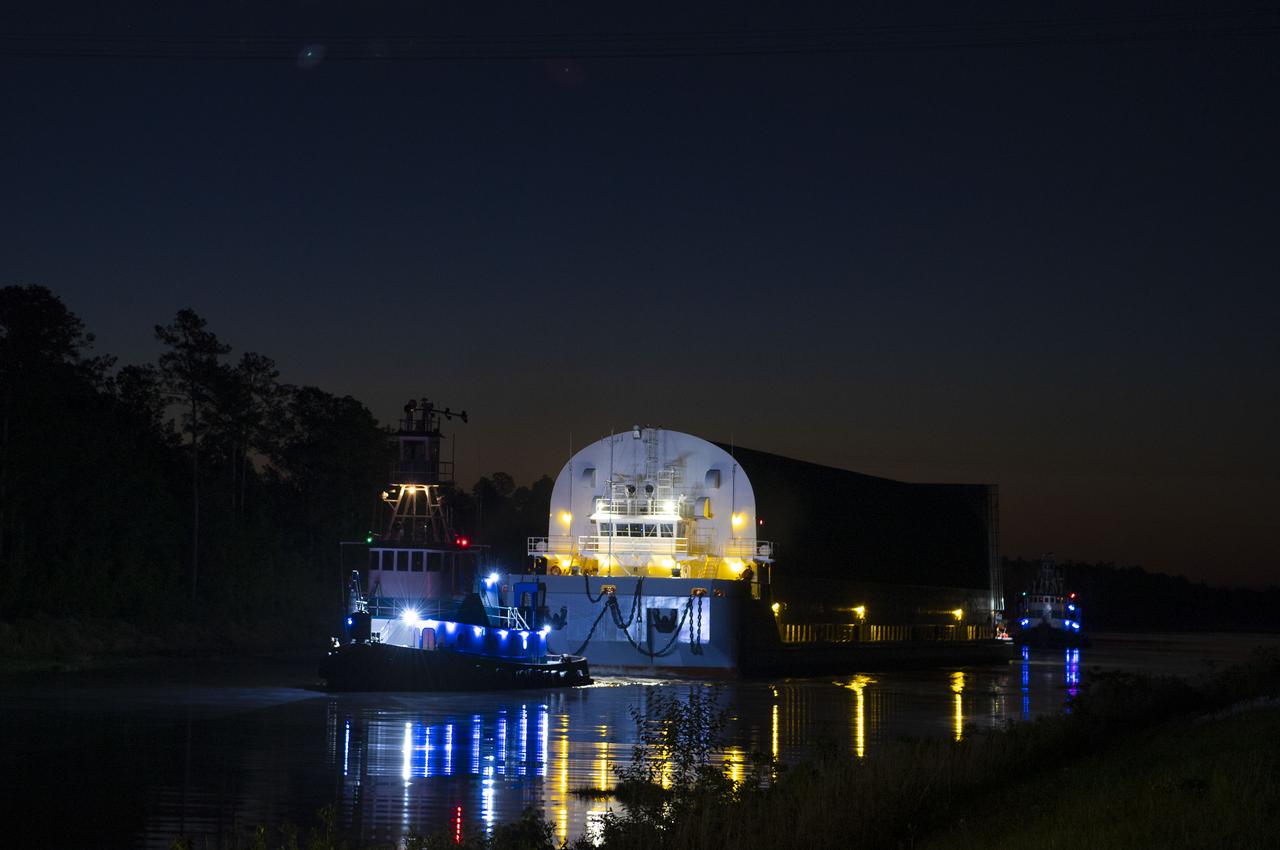
The first core stage of NASA’s Space Launch System (SLS) rocket, loaded onto the agency’s Pegasus barge, departs Stennis Space Center near Bay St. Louis, Mississippi, headed to Kennedy Space Center in Florida. The departure of the core stage in mid-April 2021 followed completion of a Green Run test series of the stage systems in preparation for its launch on the Artemis I mission. The Green Run series concluded with a March 18 hot fire of the stage’s four RS-25 engines on the B-2 Test Stand at Stennis, just as during an actual launch. Following refurbishment work, the stage was removed from the B-2 stand and loaded onto the Pegasus barge for transport. Once at Kennedy, the will be integrated with the rest of SLS rocket and prepared for the launch of the Artemis I mission to the Moon. Photo Credit: NASA
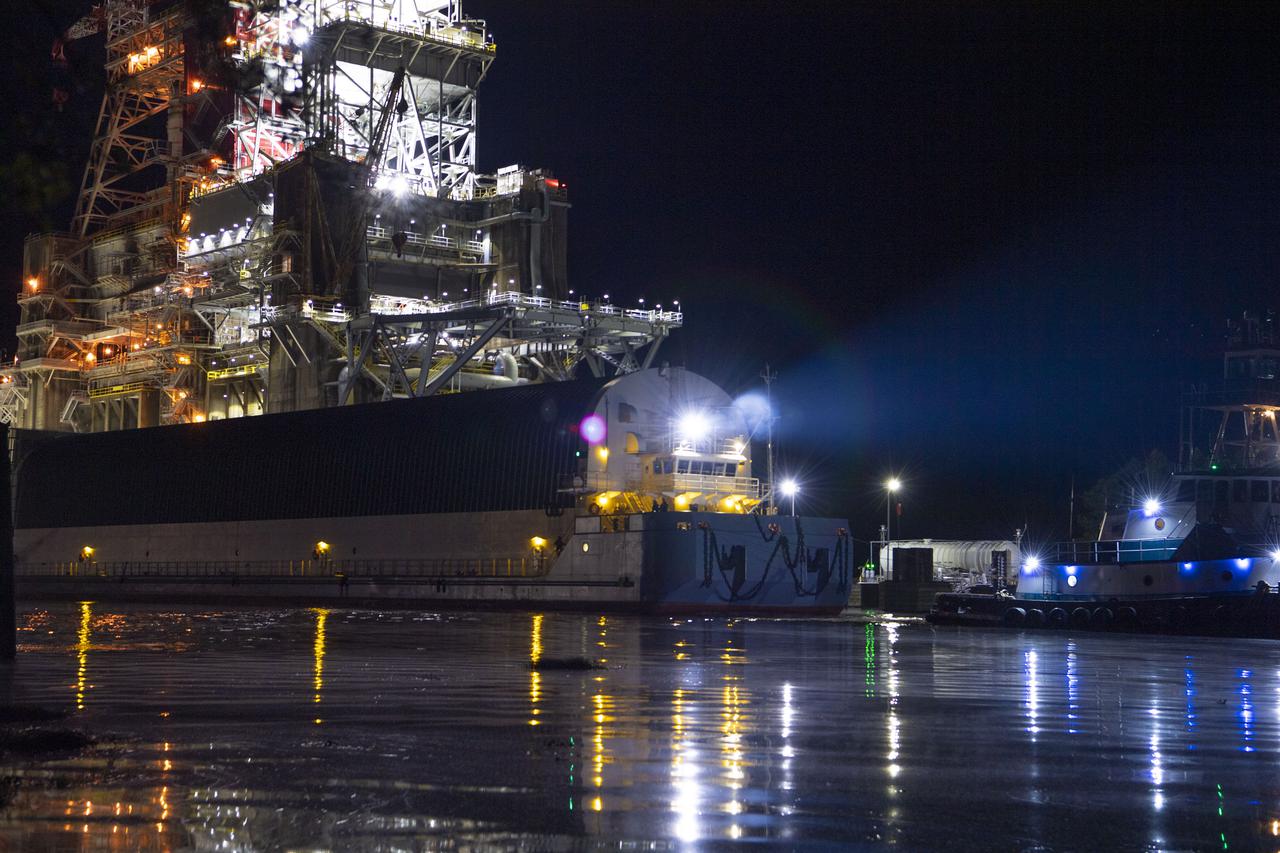
The first core stage of NASA’s Space Launch System (SLS) rocket, loaded onto the agency’s Pegasus barge, departs Stennis Space Center near Bay St. Louis, Mississippi, headed to Kennedy Space Center in Florida. The departure of the core stage in mid-April 2021 followed completion of a Green Run test series of the stage systems in preparation for its launch on the Artemis I mission. The Green Run series concluded with a March 18 hot fire of the stage’s four RS-25 engines on the B-2 Test Stand at Stennis, just as during an actual launch. Following refurbishment work, the stage was removed from the B-2 stand and loaded onto the Pegasus barge for transport. Once at Kennedy, the will be integrated with the rest of SLS rocket and prepared for the launch of the Artemis I mission to the Moon. Photo Credit: NASA
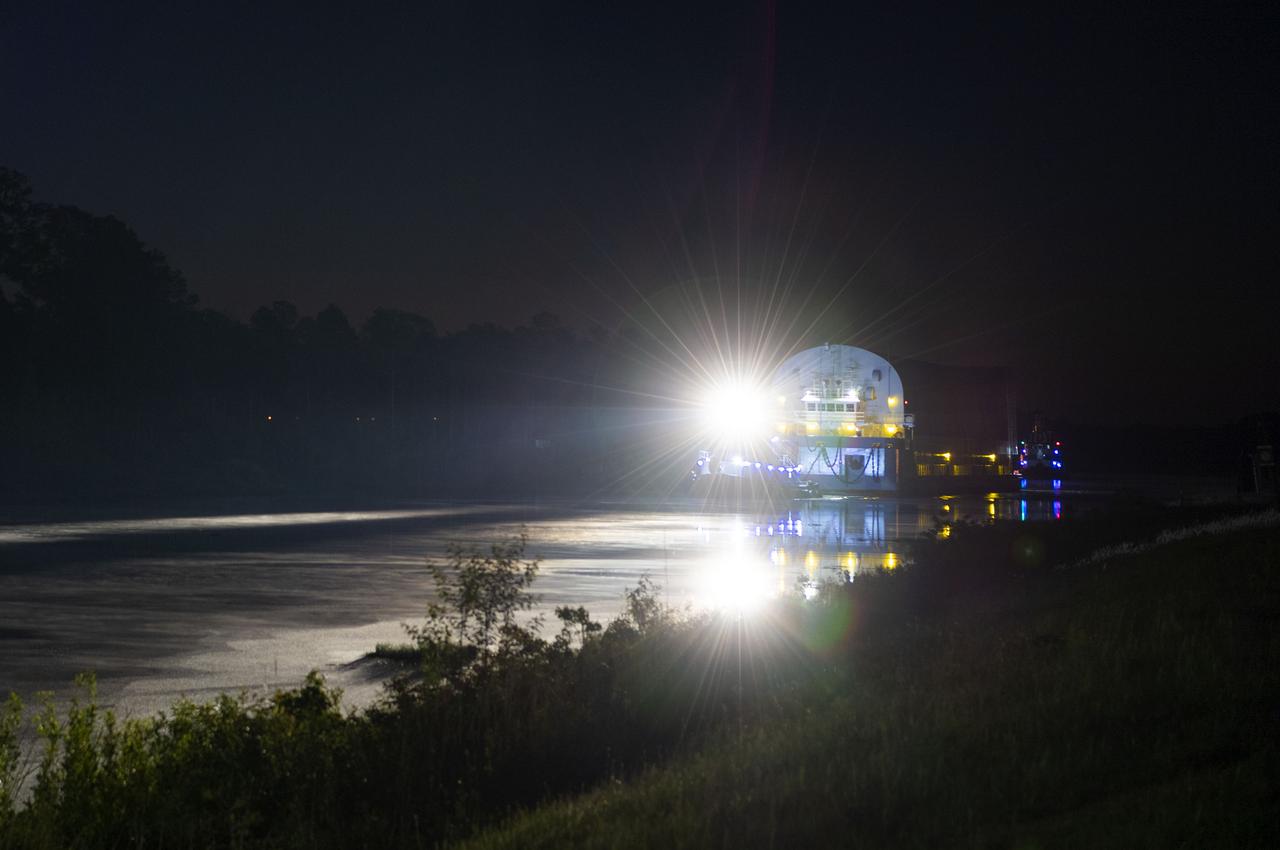
The first core stage of NASA’s Space Launch System (SLS) rocket, loaded onto the agency’s Pegasus barge, departs Stennis Space Center near Bay St. Louis, Mississippi, headed to Kennedy Space Center in Florida. The departure of the core stage in mid-April 2021 followed completion of a Green Run test series of the stage systems in preparation for its launch on the Artemis I mission. The Green Run series concluded with a March 18 hot fire of the stage’s four RS-25 engines on the B-2 Test Stand at Stennis, just as during an actual launch. Following refurbishment work, the stage was removed from the B-2 stand and loaded onto the Pegasus barge for transport. Once at Kennedy, the will be integrated with the rest of SLS rocket and prepared for the launch of the Artemis I mission to the Moon. Photo Credit: NASA
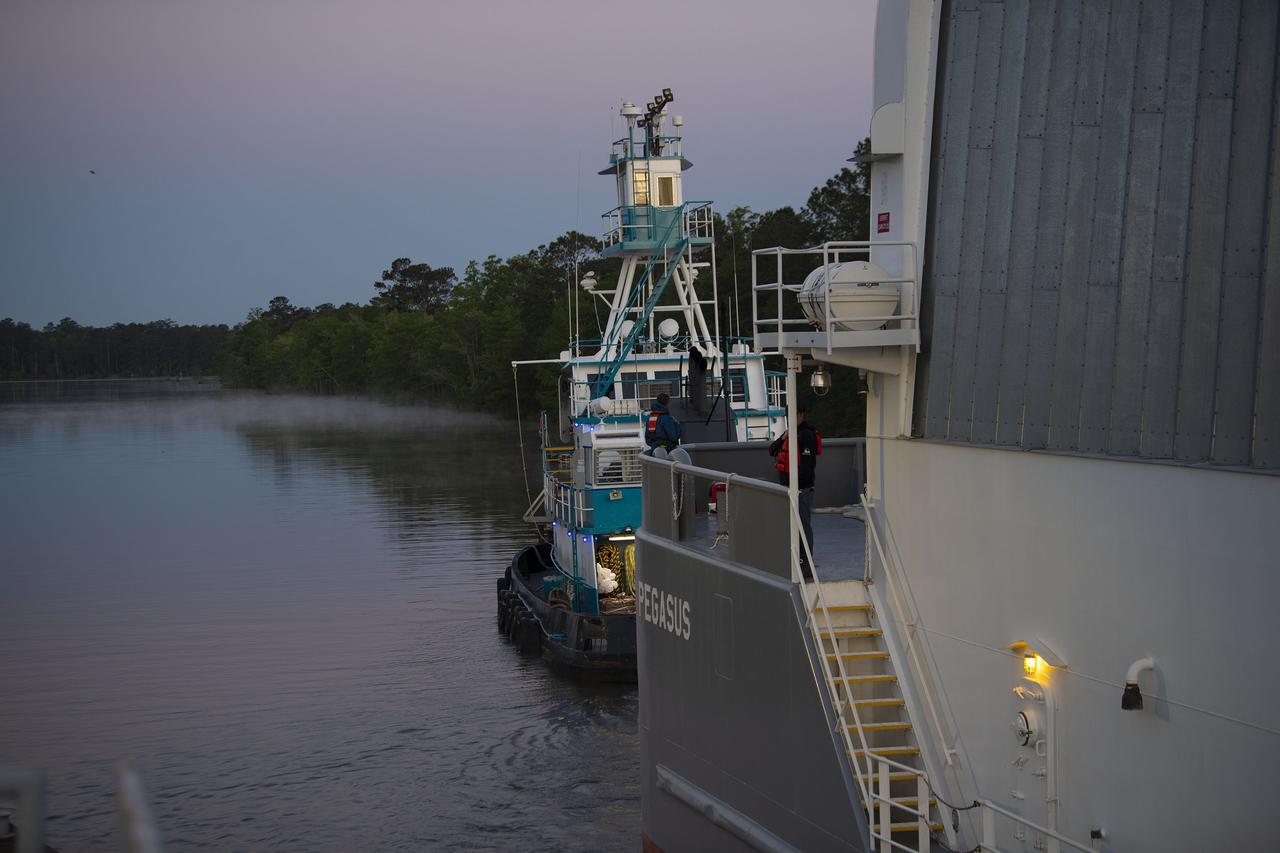
The first core stage of NASA’s Space Launch System (SLS) rocket, loaded onto the agency’s Pegasus barge, departs Stennis Space Center near Bay St. Louis, Mississippi, headed to Kennedy Space Center in Florida. The departure of the core stage in mid-April 2021 followed completion of a Green Run test series of the stage systems in preparation for its launch on the Artemis I mission. The Green Run series concluded with a March 18 hot fire of the stage’s four RS-25 engines on the B-2 Test Stand at Stennis, just as during an actual launch. Following refurbishment work, the stage was removed from the B-2 stand and loaded onto the Pegasus barge for transport. Once at Kennedy, the will be integrated with the rest of SLS rocket and prepared for the launch of the Artemis I mission to the Moon. Photo Credit: NASA
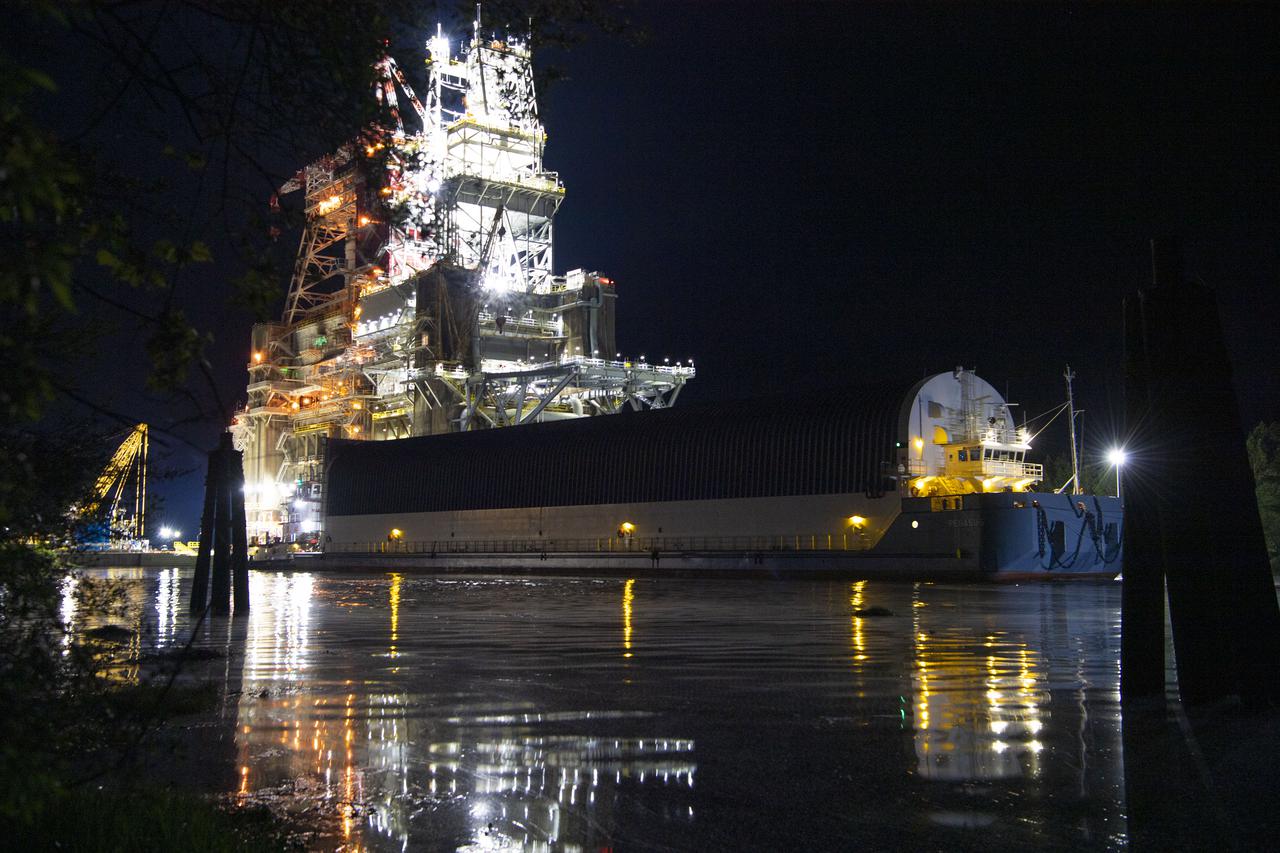
The first core stage of NASA’s Space Launch System (SLS) rocket, loaded onto the agency’s Pegasus barge, departs Stennis Space Center near Bay St. Louis, Mississippi, headed to Kennedy Space Center in Florida. The departure of the core stage in mid-April 2021 followed completion of a Green Run test series of the stage systems in preparation for its launch on the Artemis I mission. The Green Run series concluded with a March 18 hot fire of the stage’s four RS-25 engines on the B-2 Test Stand at Stennis, just as during an actual launch. Following refurbishment work, the stage was removed from the B-2 stand and loaded onto the Pegasus barge for transport. Once at Kennedy, the will be integrated with the rest of SLS rocket and prepared for the launch of the Artemis I mission to the Moon. Photo Credit: NASA
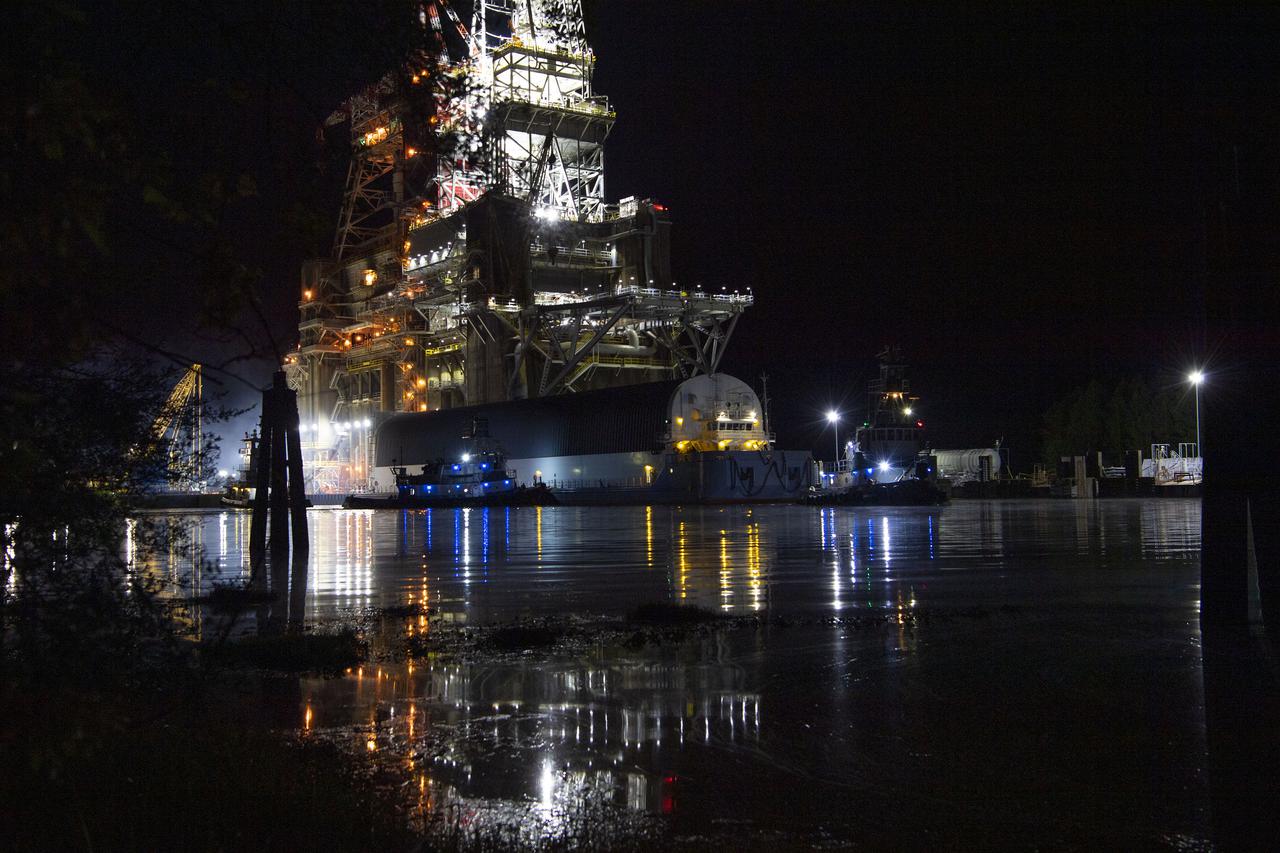
The first core stage of NASA’s Space Launch System (SLS) rocket, loaded onto the agency’s Pegasus barge, departs Stennis Space Center near Bay St. Louis, Mississippi, headed to Kennedy Space Center in Florida. The departure of the core stage in mid-April 2021 followed completion of a Green Run test series of the stage systems in preparation for its launch on the Artemis I mission. The Green Run series concluded with a March 18 hot fire of the stage’s four RS-25 engines on the B-2 Test Stand at Stennis, just as during an actual launch. Following refurbishment work, the stage was removed from the B-2 stand and loaded onto the Pegasus barge for transport. Once at Kennedy, the will be integrated with the rest of SLS rocket and prepared for the launch of the Artemis I mission to the Moon. Photo Credit: NASA
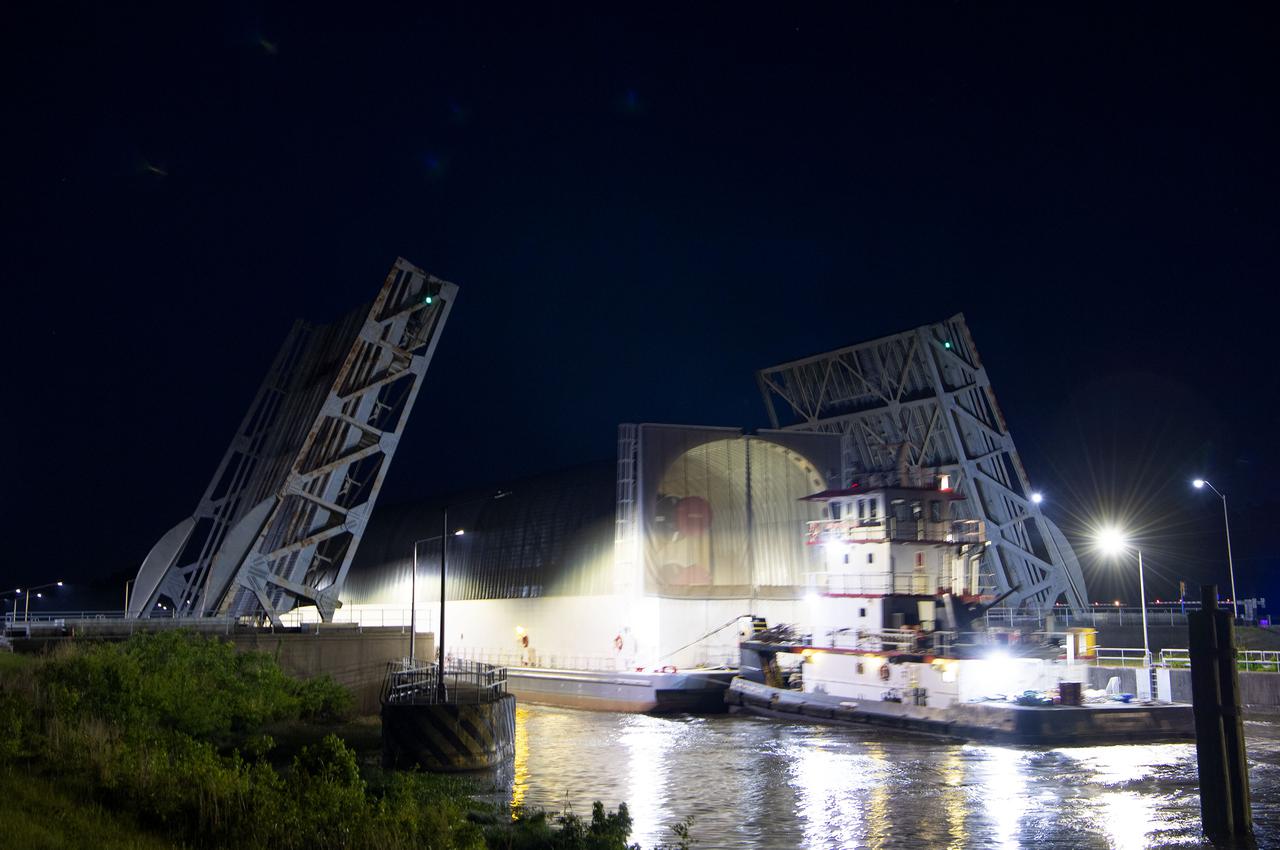
The first core stage of NASA’s Space Launch System (SLS) rocket, loaded onto the agency’s Pegasus barge, departs Stennis Space Center near Bay St. Louis, Mississippi, headed to Kennedy Space Center in Florida. The departure of the core stage in mid-April 2021 followed completion of a Green Run test series of the stage systems in preparation for its launch on the Artemis I mission. The Green Run series concluded with a March 18 hot fire of the stage’s four RS-25 engines on the B-2 Test Stand at Stennis, just as during an actual launch. Following refurbishment work, the stage was removed from the B-2 stand and loaded onto the Pegasus barge for transport. Once at Kennedy, the will be integrated with the rest of SLS rocket and prepared for the launch of the Artemis I mission to the Moon. Photo Credit: NASA
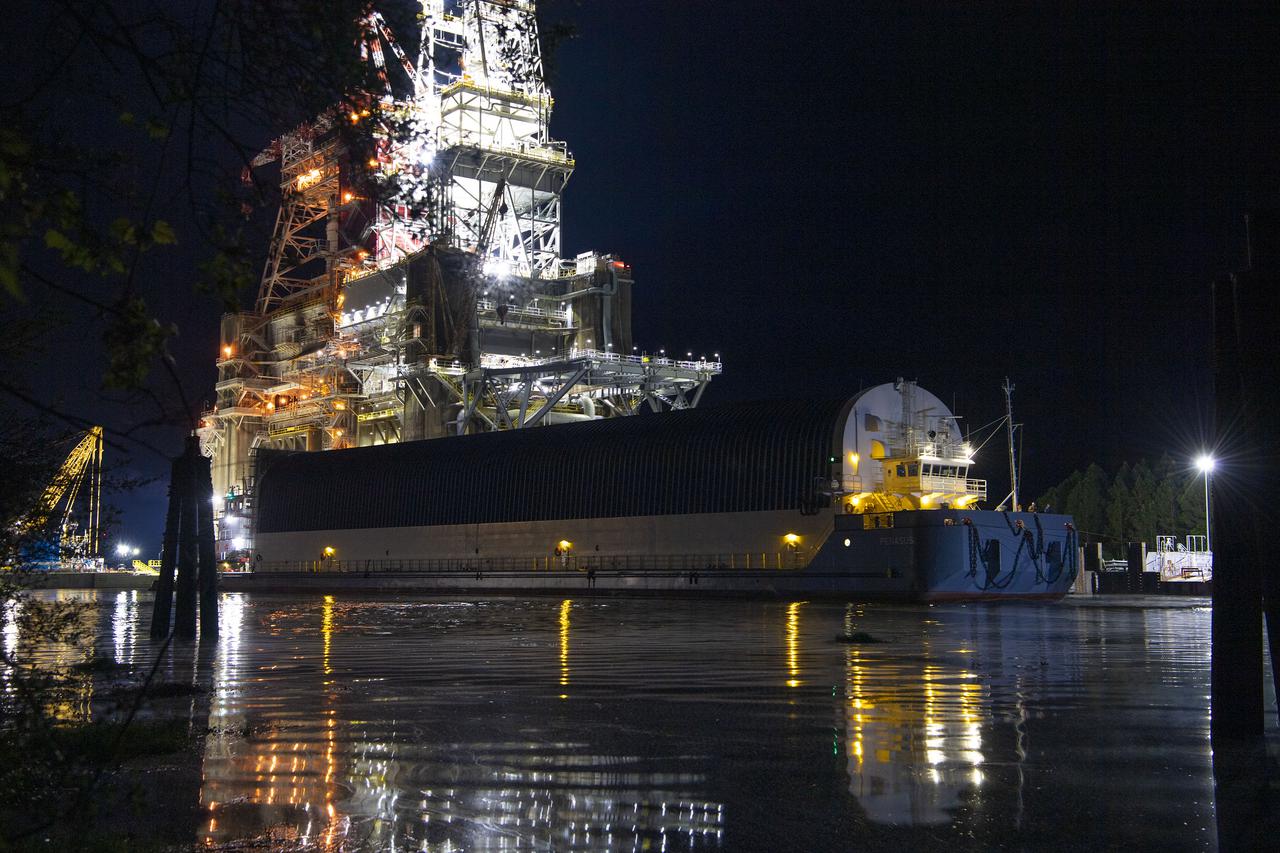
The first core stage of NASA’s Space Launch System (SLS) rocket, loaded onto the agency’s Pegasus barge, departs Stennis Space Center near Bay St. Louis, Mississippi, headed to Kennedy Space Center in Florida. The departure of the core stage in mid-April 2021 followed completion of a Green Run test series of the stage systems in preparation for its launch on the Artemis I mission. The Green Run series concluded with a March 18 hot fire of the stage’s four RS-25 engines on the B-2 Test Stand at Stennis, just as during an actual launch. Following refurbishment work, the stage was removed from the B-2 stand and loaded onto the Pegasus barge for transport. Once at Kennedy, the will be integrated with the rest of SLS rocket and prepared for the launch of the Artemis I mission to the Moon. Photo Credit: NASA
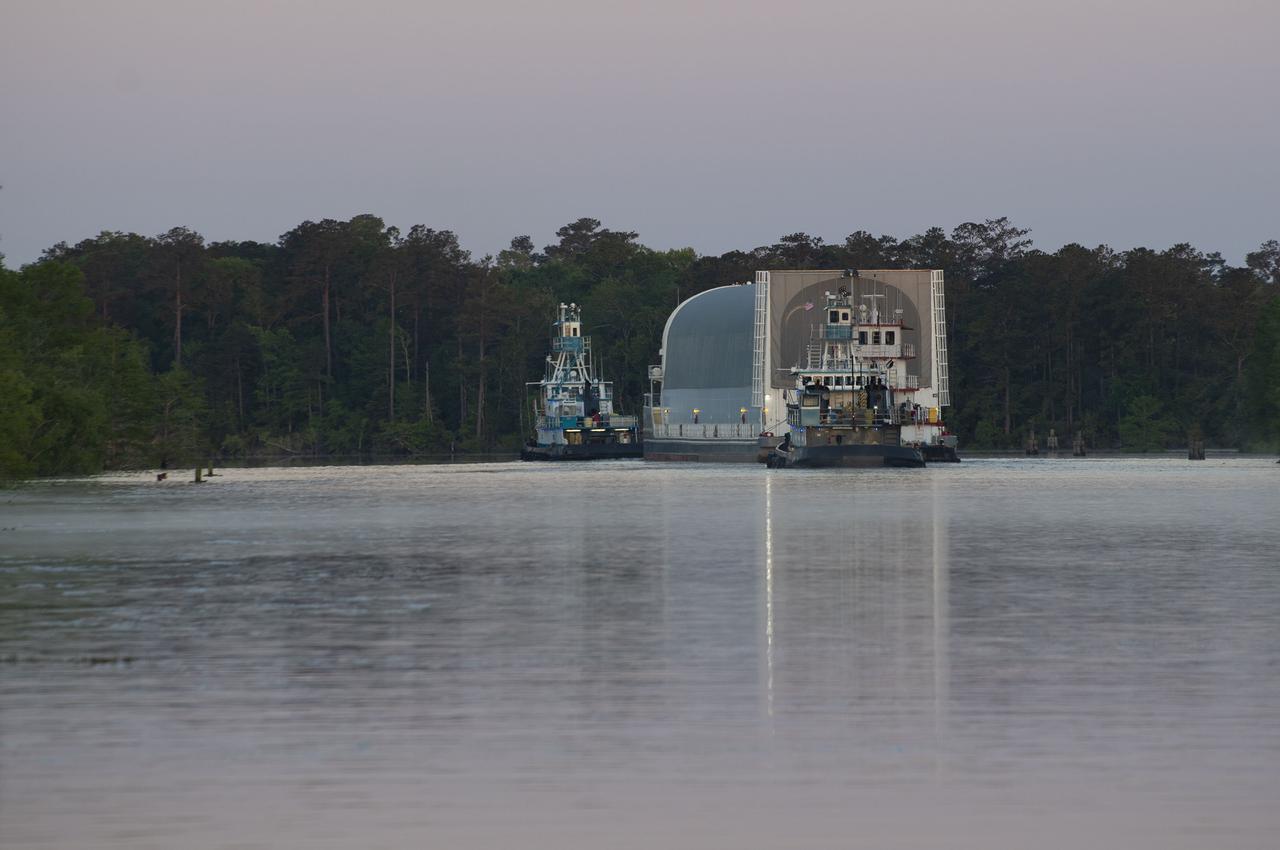
The first core stage of NASA’s Space Launch System (SLS) rocket, loaded onto the agency’s Pegasus barge, departs Stennis Space Center near Bay St. Louis, Mississippi, headed to Kennedy Space Center in Florida. The departure of the core stage in mid-April 2021 followed completion of a Green Run test series of the stage systems in preparation for its launch on the Artemis I mission. The Green Run series concluded with a March 18 hot fire of the stage’s four RS-25 engines on the B-2 Test Stand at Stennis, just as during an actual launch. Following refurbishment work, the stage was removed from the B-2 stand and loaded onto the Pegasus barge for transport. Once at Kennedy, the will be integrated with the rest of SLS rocket and prepared for the launch of the Artemis I mission to the Moon. Photo Credit: NASA
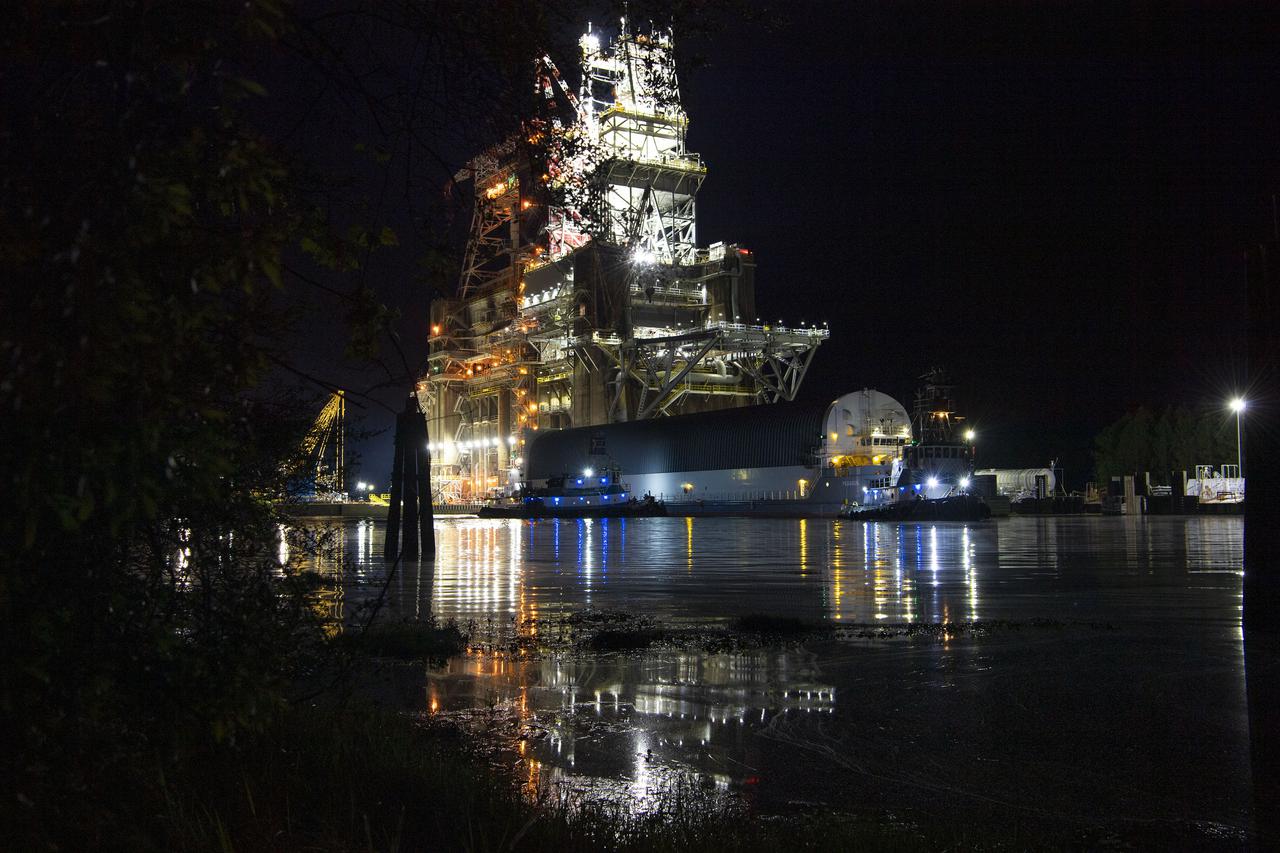
The first core stage of NASA’s Space Launch System (SLS) rocket, loaded onto the agency’s Pegasus barge, departs Stennis Space Center near Bay St. Louis, Mississippi, headed to Kennedy Space Center in Florida. The departure of the core stage in mid-April 2021 followed completion of a Green Run test series of the stage systems in preparation for its launch on the Artemis I mission. The Green Run series concluded with a March 18 hot fire of the stage’s four RS-25 engines on the B-2 Test Stand at Stennis, just as during an actual launch. Following refurbishment work, the stage was removed from the B-2 stand and loaded onto the Pegasus barge for transport. Once at Kennedy, the will be integrated with the rest of SLS rocket and prepared for the launch of the Artemis I mission to the Moon. Photo Credit: NASA
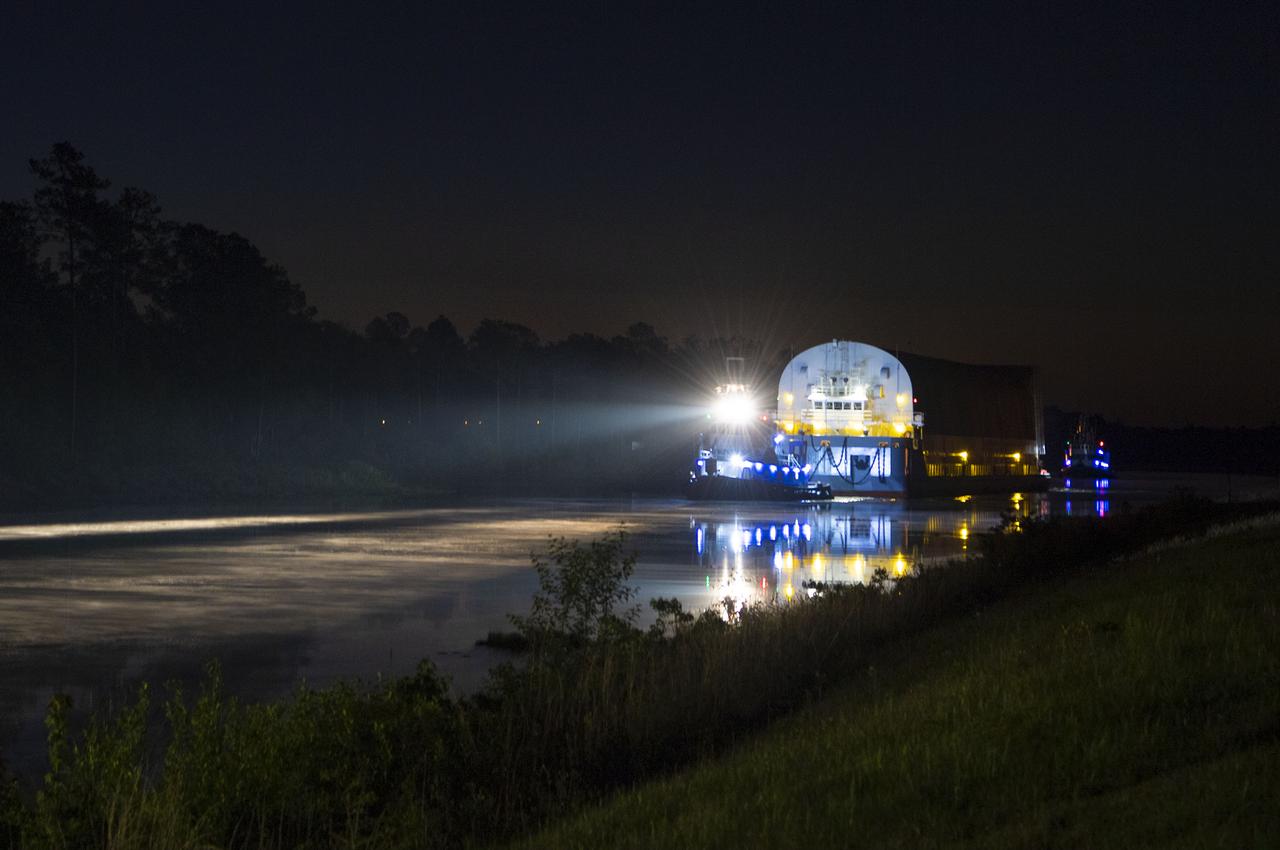
The first core stage of NASA’s Space Launch System (SLS) rocket, loaded onto the agency’s Pegasus barge, departs Stennis Space Center near Bay St. Louis, Mississippi, headed to Kennedy Space Center in Florida. The departure of the core stage in mid-April 2021 followed completion of a Green Run test series of the stage systems in preparation for its launch on the Artemis I mission. The Green Run series concluded with a March 18 hot fire of the stage’s four RS-25 engines on the B-2 Test Stand at Stennis, just as during an actual launch. Following refurbishment work, the stage was removed from the B-2 stand and loaded onto the Pegasus barge for transport. Once at Kennedy, the will be integrated with the rest of SLS rocket and prepared for the launch of the Artemis I mission to the Moon. Photo Credit: NASA
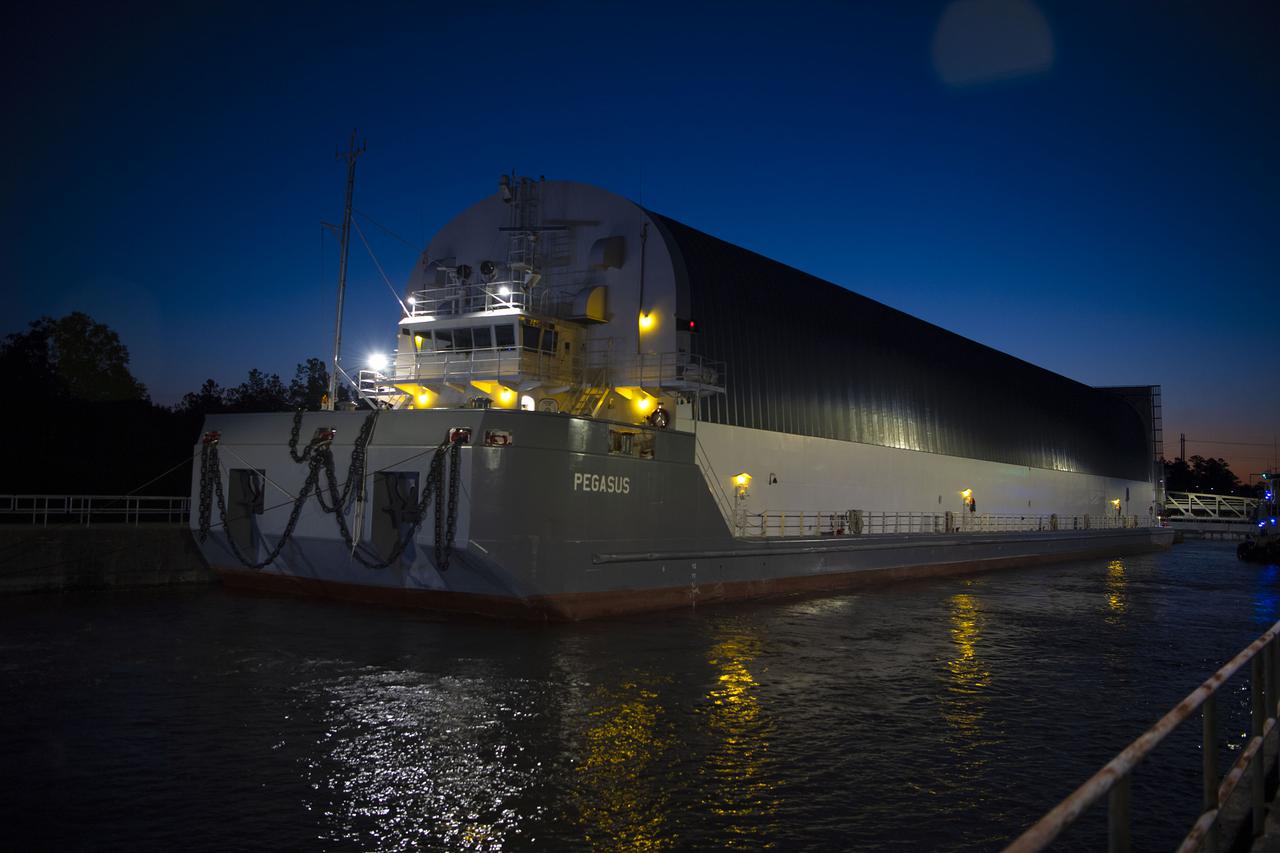
The first core stage of NASA’s Space Launch System (SLS) rocket, loaded onto the agency’s Pegasus barge, departs Stennis Space Center near Bay St. Louis, Mississippi, headed to Kennedy Space Center in Florida. The departure of the core stage in mid-April 2021 followed completion of a Green Run test series of the stage systems in preparation for its launch on the Artemis I mission. The Green Run series concluded with a March 18 hot fire of the stage’s four RS-25 engines on the B-2 Test Stand at Stennis, just as during an actual launch. Following refurbishment work, the stage was removed from the B-2 stand and loaded onto the Pegasus barge for transport. Once at Kennedy, the will be integrated with the rest of SLS rocket and prepared for the launch of the Artemis I mission to the Moon. Photo Credit: NASA
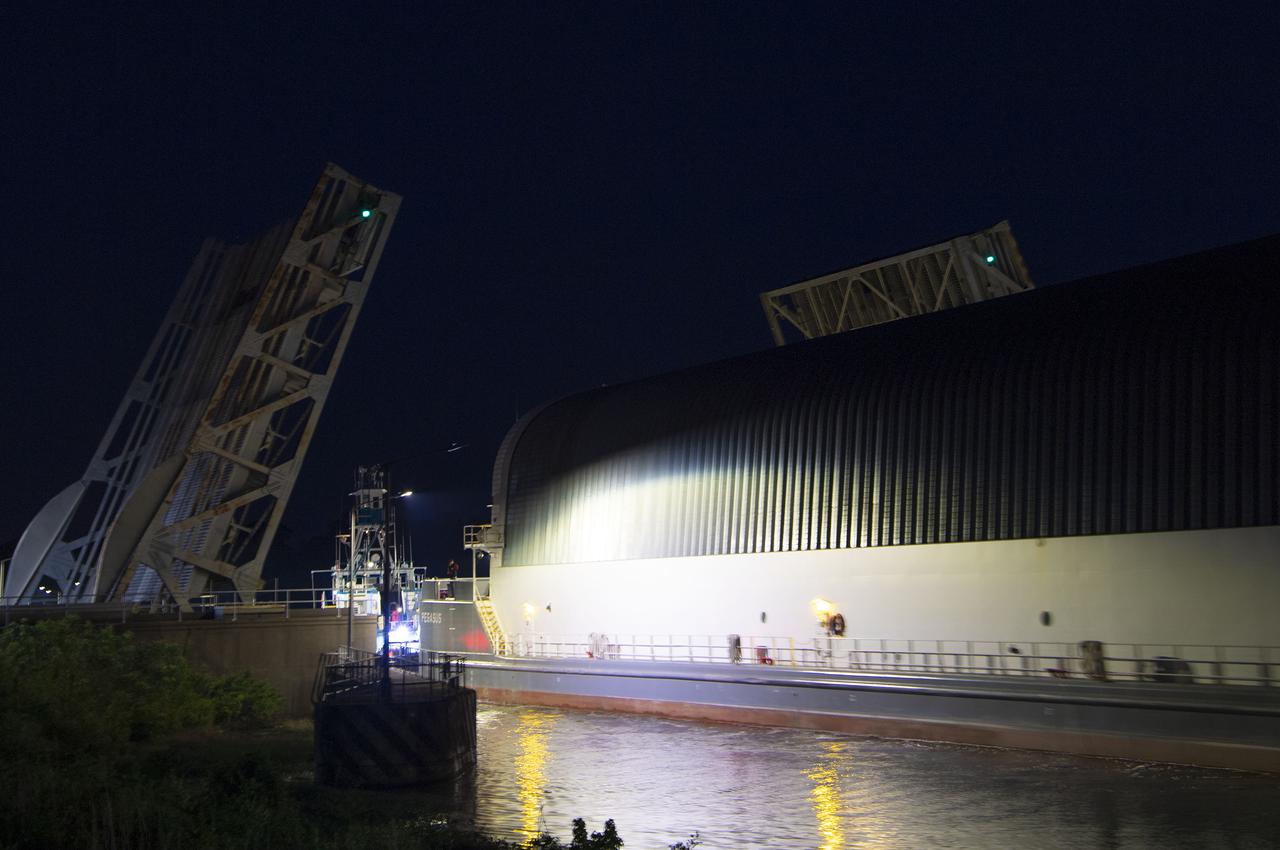
The first core stage of NASA’s Space Launch System (SLS) rocket, loaded onto the agency’s Pegasus barge, departs Stennis Space Center near Bay St. Louis, Mississippi, headed to Kennedy Space Center in Florida. The departure of the core stage in mid-April 2021 followed completion of a Green Run test series of the stage systems in preparation for its launch on the Artemis I mission. The Green Run series concluded with a March 18 hot fire of the stage’s four RS-25 engines on the B-2 Test Stand at Stennis, just as during an actual launch. Following refurbishment work, the stage was removed from the B-2 stand and loaded onto the Pegasus barge for transport. Once at Kennedy, the will be integrated with the rest of SLS rocket and prepared for the launch of the Artemis I mission to the Moon. Photo Credit: NASA
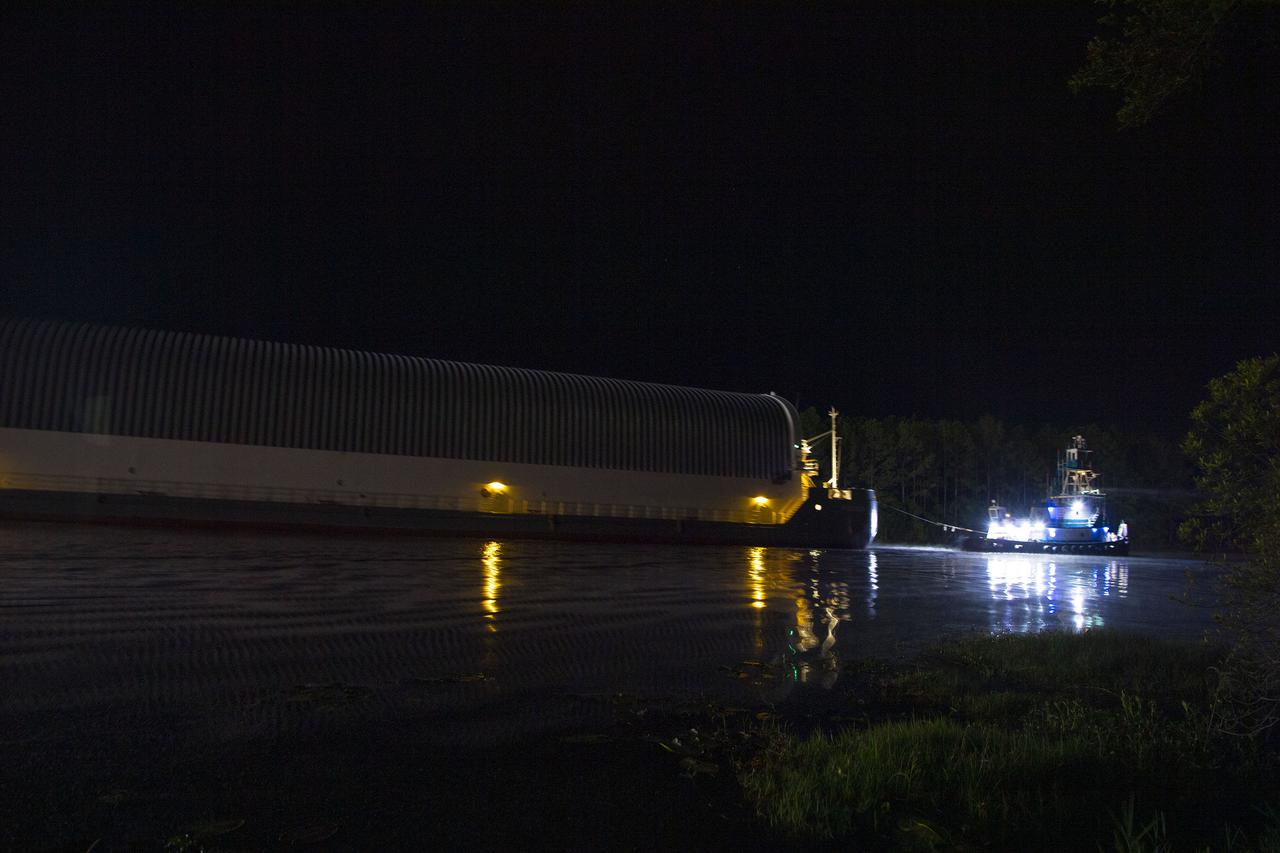
The first core stage of NASA’s Space Launch System (SLS) rocket, loaded onto the agency’s Pegasus barge, departs Stennis Space Center near Bay St. Louis, Mississippi, headed to Kennedy Space Center in Florida. The departure of the core stage in mid-April 2021 followed completion of a Green Run test series of the stage systems in preparation for its launch on the Artemis I mission. The Green Run series concluded with a March 18 hot fire of the stage’s four RS-25 engines on the B-2 Test Stand at Stennis, just as during an actual launch. Following refurbishment work, the stage was removed from the B-2 stand and loaded onto the Pegasus barge for transport. Once at Kennedy, the will be integrated with the rest of SLS rocket and prepared for the launch of the Artemis I mission to the Moon. Photo Credit: NASA
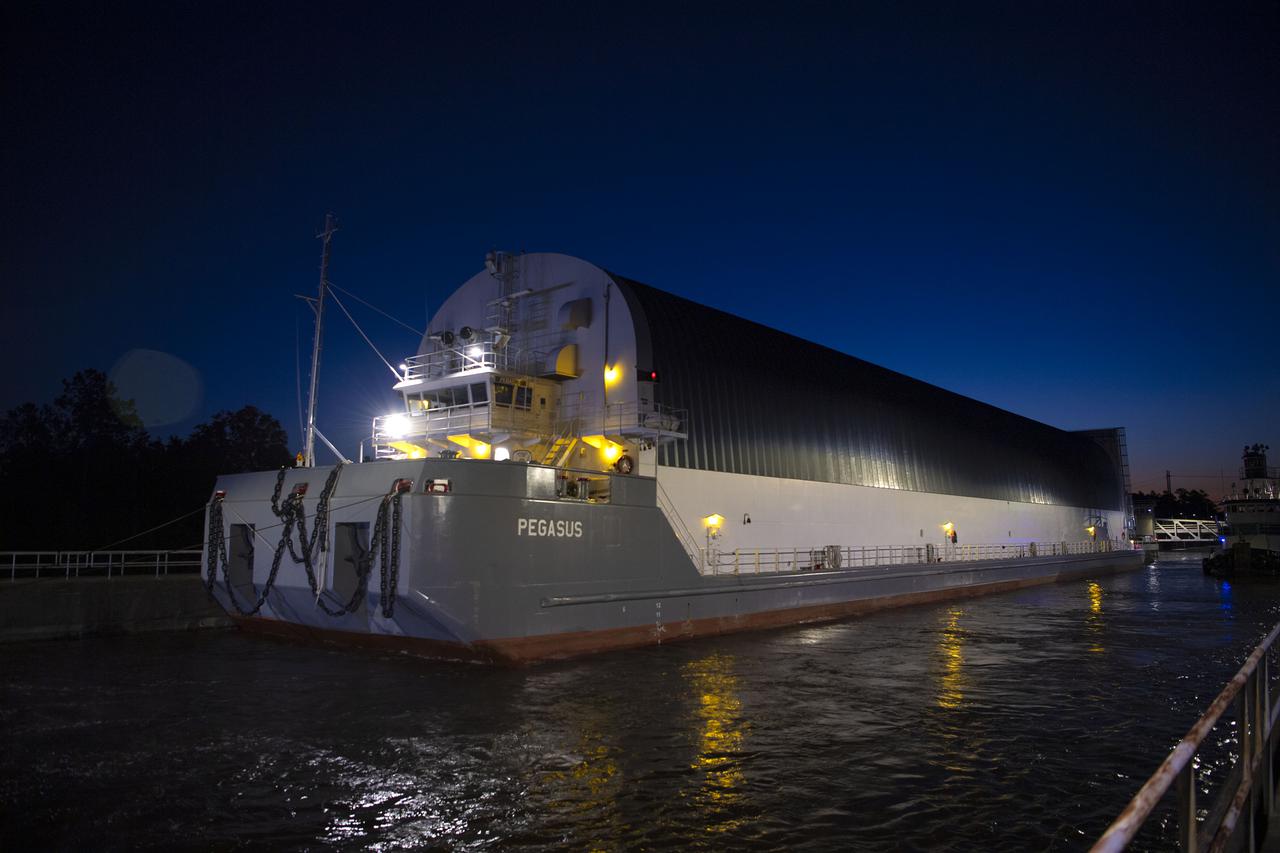
The first core stage of NASA’s Space Launch System (SLS) rocket, loaded onto the agency’s Pegasus barge, departs Stennis Space Center near Bay St. Louis, Mississippi, headed to Kennedy Space Center in Florida. The departure of the core stage in mid-April 2021 followed completion of a Green Run test series of the stage systems in preparation for its launch on the Artemis I mission. The Green Run series concluded with a March 18 hot fire of the stage’s four RS-25 engines on the B-2 Test Stand at Stennis, just as during an actual launch. Following refurbishment work, the stage was removed from the B-2 stand and loaded onto the Pegasus barge for transport. Once at Kennedy, the will be integrated with the rest of SLS rocket and prepared for the launch of the Artemis I mission to the Moon. Photo Credit: NASA
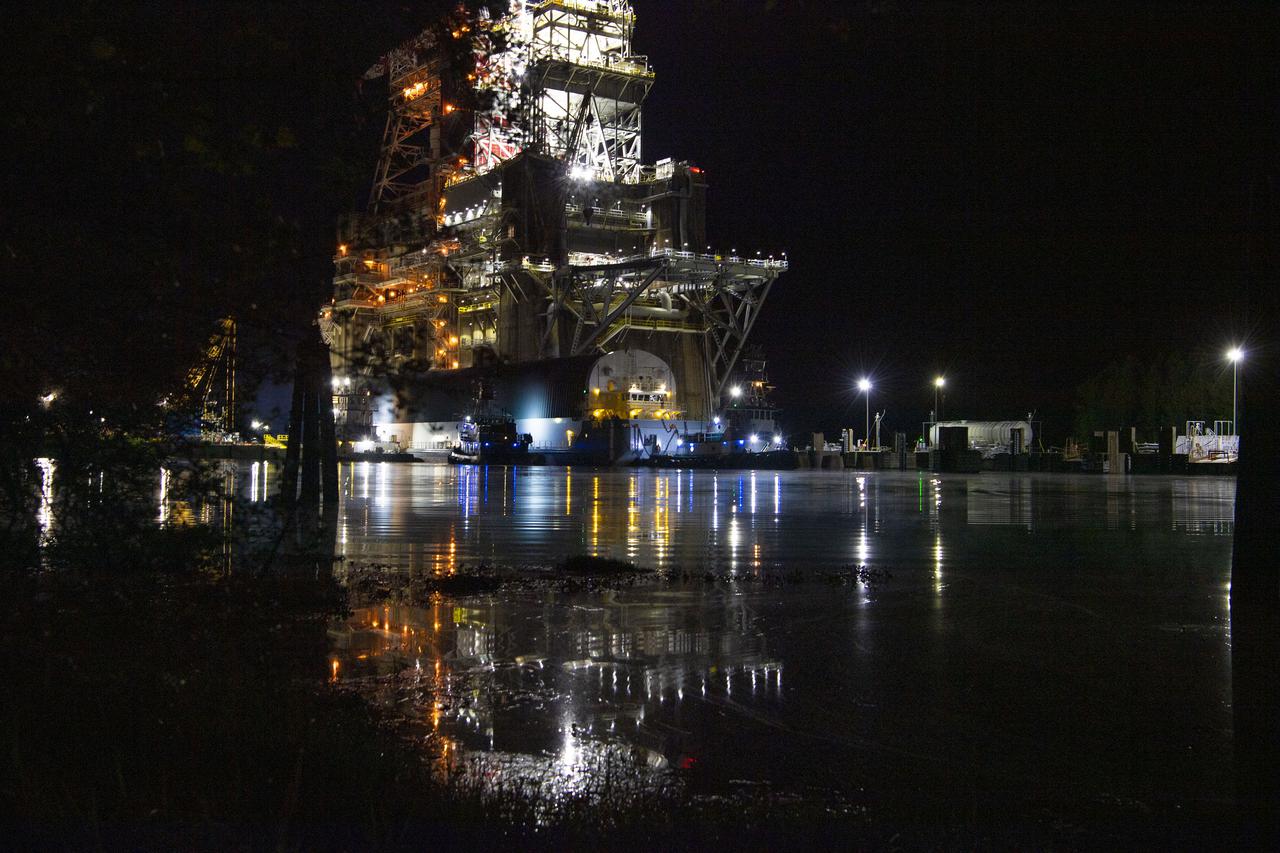
The first core stage of NASA’s Space Launch System (SLS) rocket, loaded onto the agency’s Pegasus barge, departs Stennis Space Center near Bay St. Louis, Mississippi, headed to Kennedy Space Center in Florida. The departure of the core stage in mid-April 2021 followed completion of a Green Run test series of the stage systems in preparation for its launch on the Artemis I mission. The Green Run series concluded with a March 18 hot fire of the stage’s four RS-25 engines on the B-2 Test Stand at Stennis, just as during an actual launch. Following refurbishment work, the stage was removed from the B-2 stand and loaded onto the Pegasus barge for transport. Once at Kennedy, the will be integrated with the rest of SLS rocket and prepared for the launch of the Artemis I mission to the Moon. Photo Credit: NASA
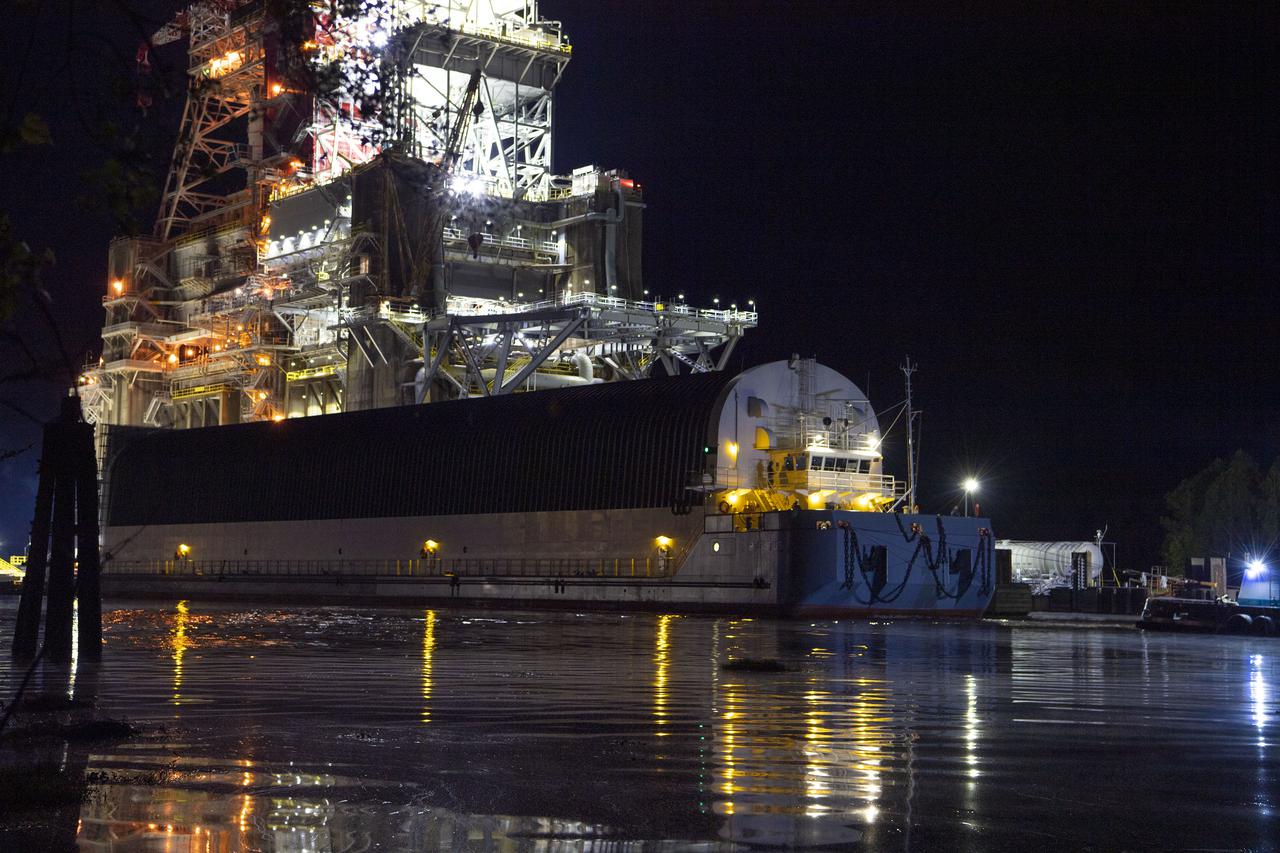
The first core stage of NASA’s Space Launch System (SLS) rocket, loaded onto the agency’s Pegasus barge, departs Stennis Space Center near Bay St. Louis, Mississippi, headed to Kennedy Space Center in Florida. The departure of the core stage in mid-April 2021 followed completion of a Green Run test series of the stage systems in preparation for its launch on the Artemis I mission. The Green Run series concluded with a March 18 hot fire of the stage’s four RS-25 engines on the B-2 Test Stand at Stennis, just as during an actual launch. Following refurbishment work, the stage was removed from the B-2 stand and loaded onto the Pegasus barge for transport. Once at Kennedy, the will be integrated with the rest of SLS rocket and prepared for the launch of the Artemis I mission to the Moon. Photo Credit: NASA
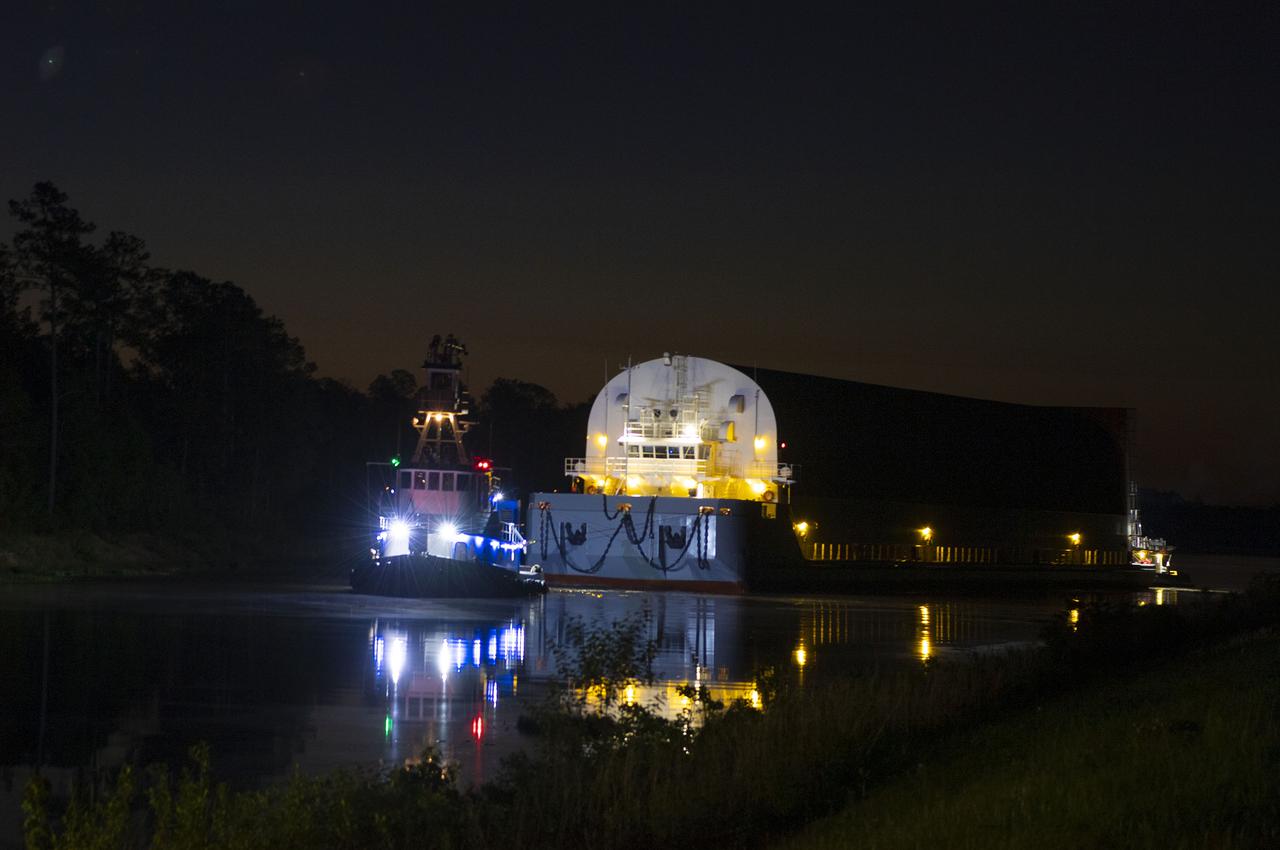
The first core stage of NASA’s Space Launch System (SLS) rocket, loaded onto the agency’s Pegasus barge, departs Stennis Space Center near Bay St. Louis, Mississippi, headed to Kennedy Space Center in Florida. The departure of the core stage in mid-April 2021 followed completion of a Green Run test series of the stage systems in preparation for its launch on the Artemis I mission. The Green Run series concluded with a March 18 hot fire of the stage’s four RS-25 engines on the B-2 Test Stand at Stennis, just as during an actual launch. Following refurbishment work, the stage was removed from the B-2 stand and loaded onto the Pegasus barge for transport. Once at Kennedy, the will be integrated with the rest of SLS rocket and prepared for the launch of the Artemis I mission to the Moon. Photo Credit: NASA
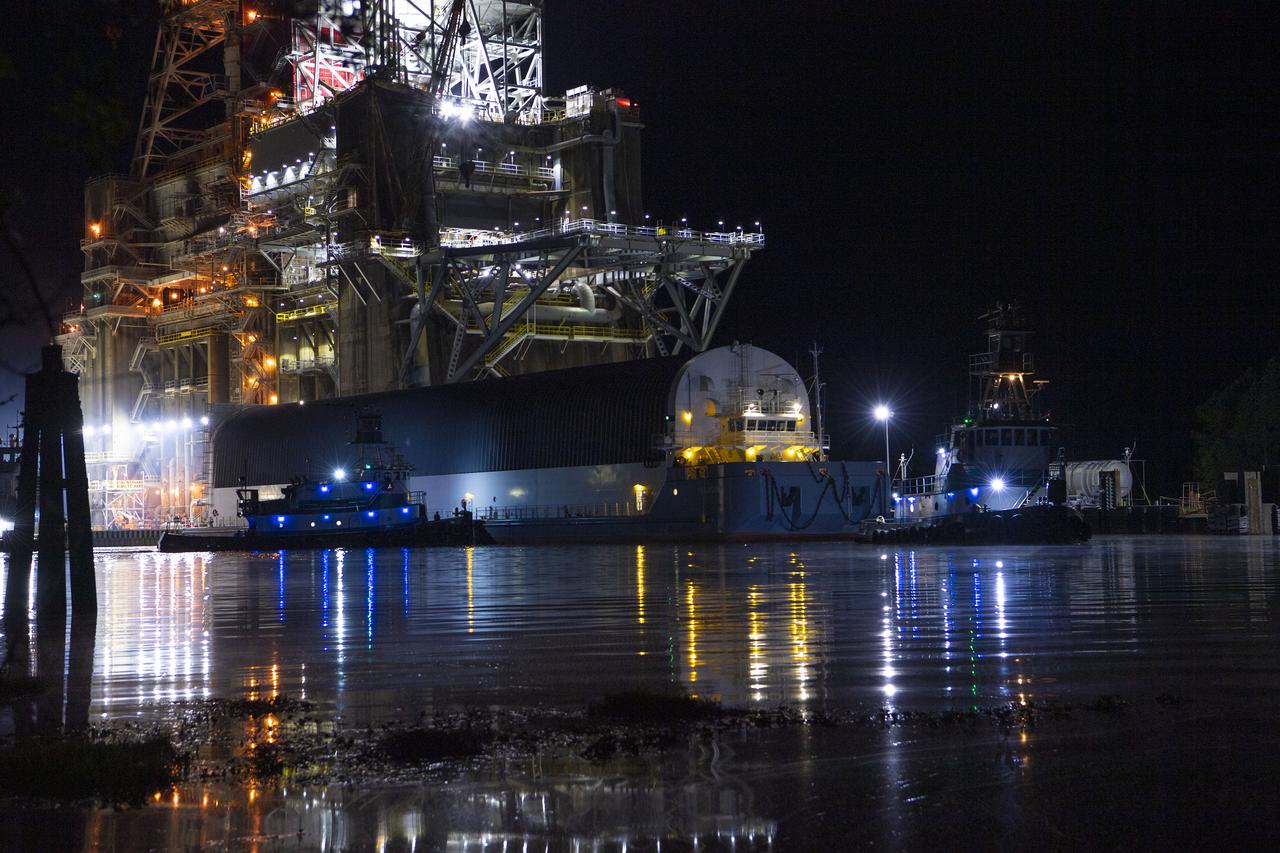
The first core stage of NASA’s Space Launch System (SLS) rocket, loaded onto the agency’s Pegasus barge, departs Stennis Space Center near Bay St. Louis, Mississippi, headed to Kennedy Space Center in Florida. The departure of the core stage in mid-April 2021 followed completion of a Green Run test series of the stage systems in preparation for its launch on the Artemis I mission. The Green Run series concluded with a March 18 hot fire of the stage’s four RS-25 engines on the B-2 Test Stand at Stennis, just as during an actual launch. Following refurbishment work, the stage was removed from the B-2 stand and loaded onto the Pegasus barge for transport. Once at Kennedy, the will be integrated with the rest of SLS rocket and prepared for the launch of the Artemis I mission to the Moon. Photo Credit: NASA
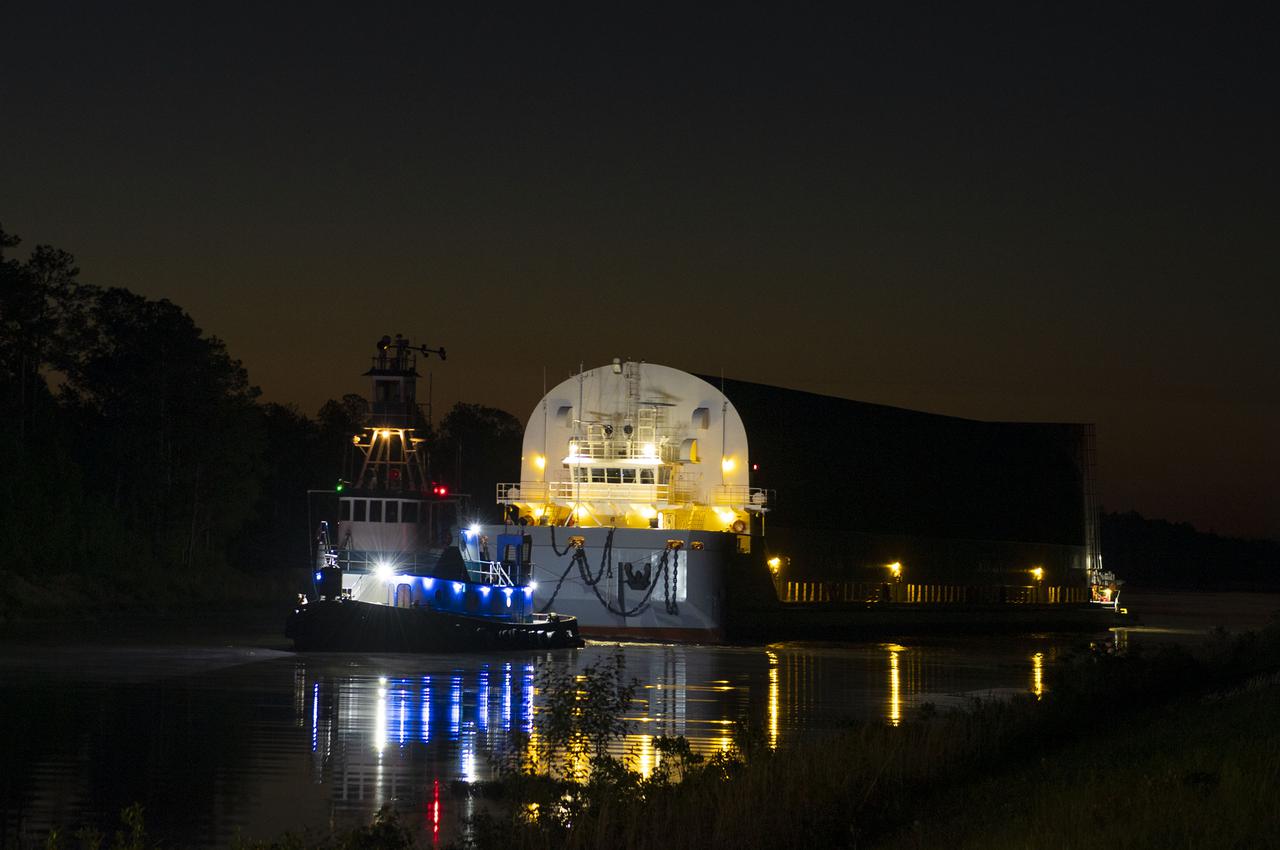
The first core stage of NASA’s Space Launch System (SLS) rocket, loaded onto the agency’s Pegasus barge, departs Stennis Space Center near Bay St. Louis, Mississippi, headed to Kennedy Space Center in Florida. The departure of the core stage in mid-April 2021 followed completion of a Green Run test series of the stage systems in preparation for its launch on the Artemis I mission. The Green Run series concluded with a March 18 hot fire of the stage’s four RS-25 engines on the B-2 Test Stand at Stennis, just as during an actual launch. Following refurbishment work, the stage was removed from the B-2 stand and loaded onto the Pegasus barge for transport. Once at Kennedy, the will be integrated with the rest of SLS rocket and prepared for the launch of the Artemis I mission to the Moon. Photo Credit: NASA
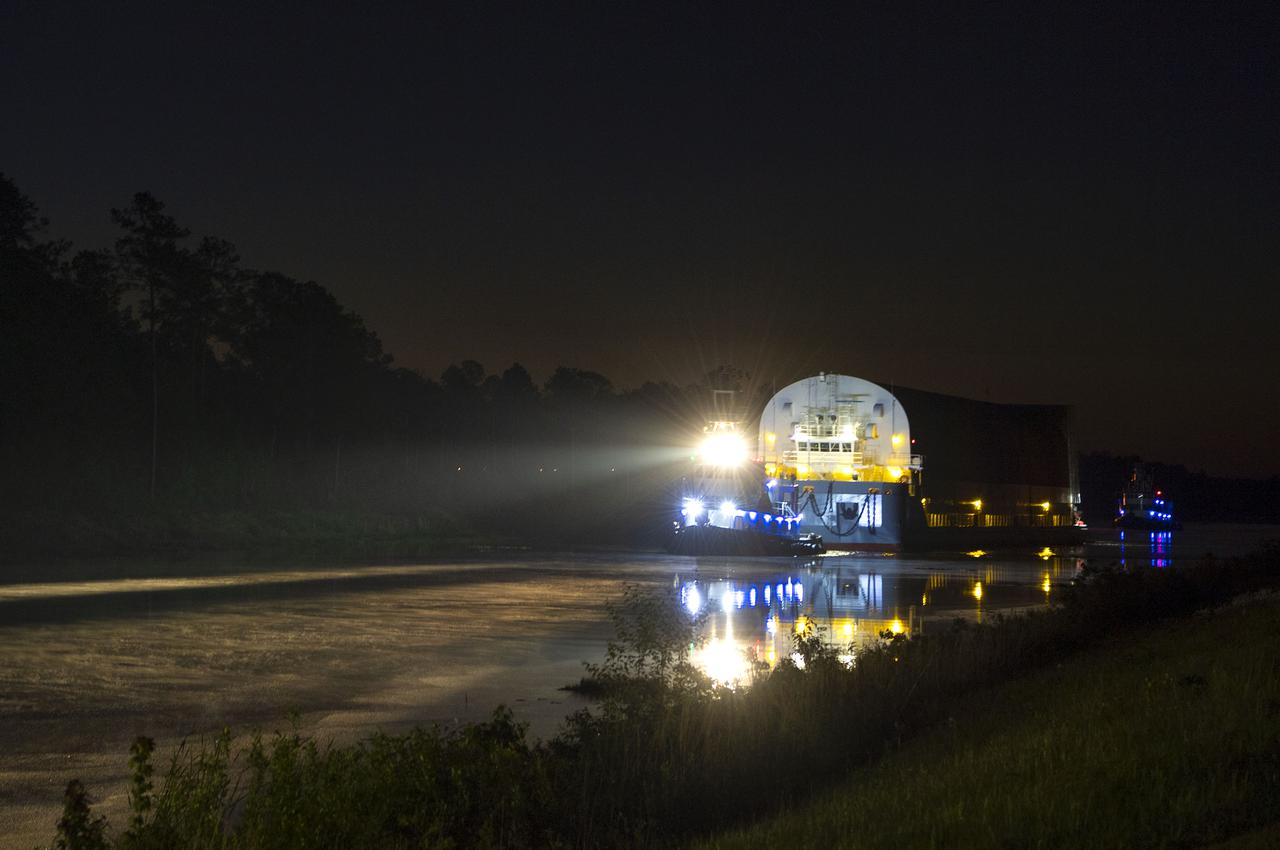
The first core stage of NASA’s Space Launch System (SLS) rocket, loaded onto the agency’s Pegasus barge, departs Stennis Space Center near Bay St. Louis, Mississippi, headed to Kennedy Space Center in Florida. The departure of the core stage in mid-April 2021 followed completion of a Green Run test series of the stage systems in preparation for its launch on the Artemis I mission. The Green Run series concluded with a March 18 hot fire of the stage’s four RS-25 engines on the B-2 Test Stand at Stennis, just as during an actual launch. Following refurbishment work, the stage was removed from the B-2 stand and loaded onto the Pegasus barge for transport. Once at Kennedy, the will be integrated with the rest of SLS rocket and prepared for the launch of the Artemis I mission to the Moon. Photo Credit: NASA
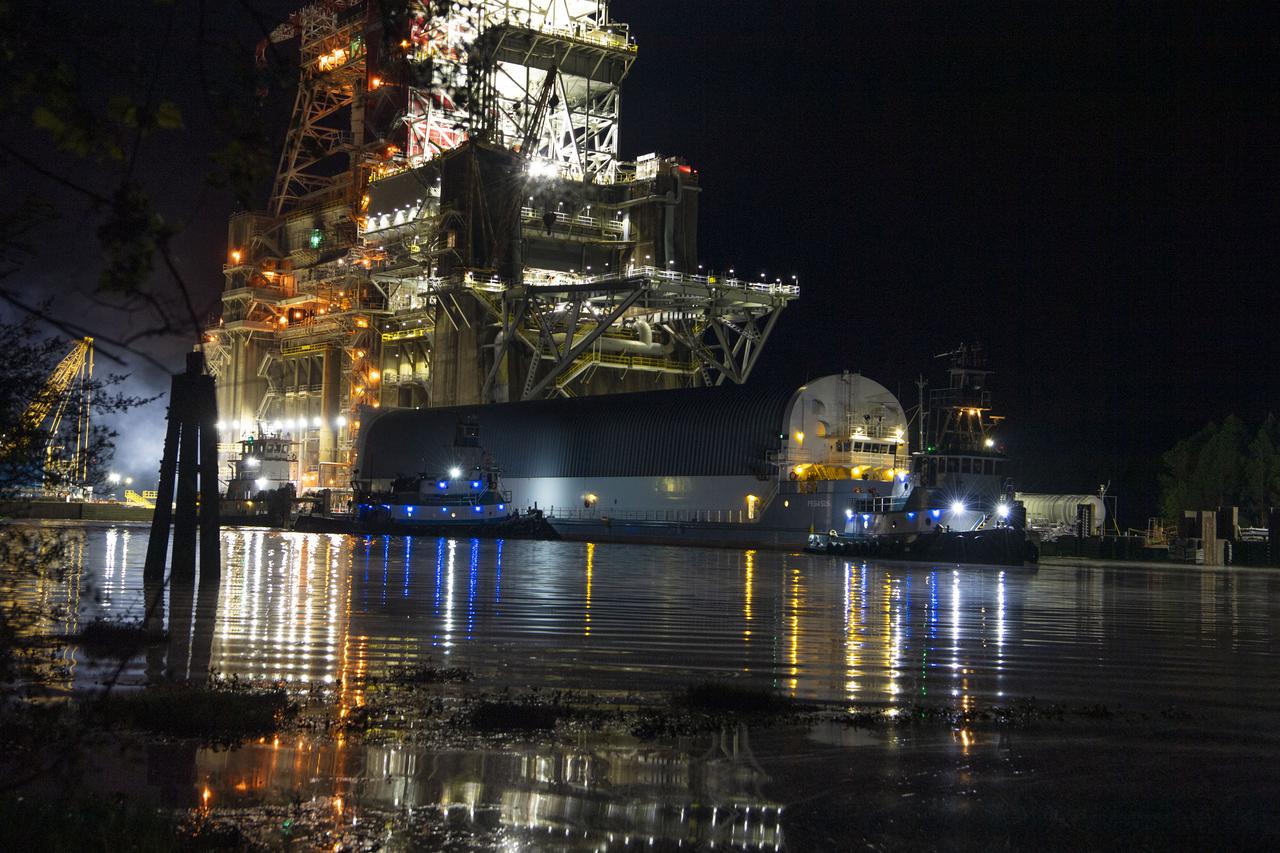
The first core stage of NASA’s Space Launch System (SLS) rocket, loaded onto the agency’s Pegasus barge, departs Stennis Space Center near Bay St. Louis, Mississippi, headed to Kennedy Space Center in Florida. The departure of the core stage in mid-April 2021 followed completion of a Green Run test series of the stage systems in preparation for its launch on the Artemis I mission. The Green Run series concluded with a March 18 hot fire of the stage’s four RS-25 engines on the B-2 Test Stand at Stennis, just as during an actual launch. Following refurbishment work, the stage was removed from the B-2 stand and loaded onto the Pegasus barge for transport. Once at Kennedy, the will be integrated with the rest of SLS rocket and prepared for the launch of the Artemis I mission to the Moon. Photo Credit: NASA
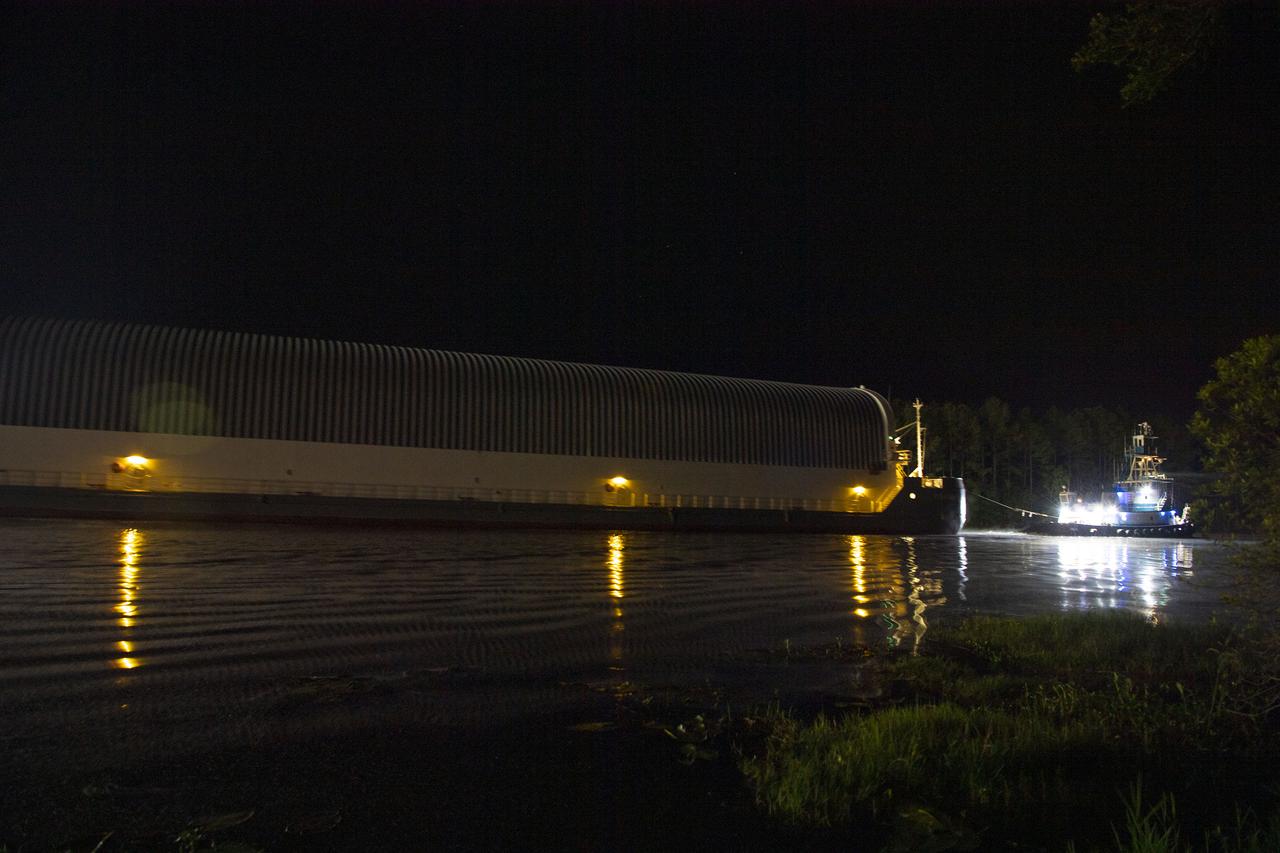
The first core stage of NASA’s Space Launch System (SLS) rocket, loaded onto the agency’s Pegasus barge, departs Stennis Space Center near Bay St. Louis, Mississippi, headed to Kennedy Space Center in Florida. The departure of the core stage in mid-April 2021 followed completion of a Green Run test series of the stage systems in preparation for its launch on the Artemis I mission. The Green Run series concluded with a March 18 hot fire of the stage’s four RS-25 engines on the B-2 Test Stand at Stennis, just as during an actual launch. Following refurbishment work, the stage was removed from the B-2 stand and loaded onto the Pegasus barge for transport. Once at Kennedy, the will be integrated with the rest of SLS rocket and prepared for the launch of the Artemis I mission to the Moon. Photo Credit: NASA
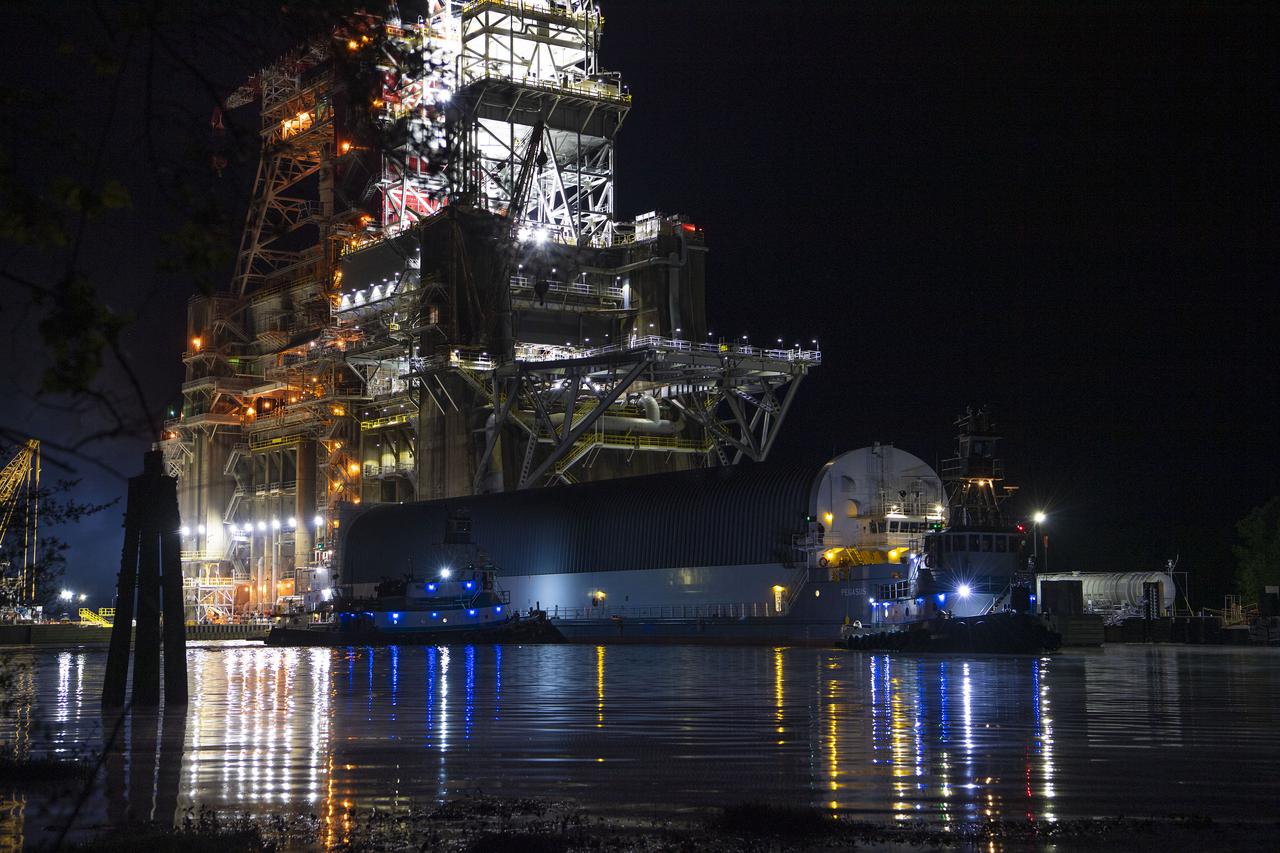
The first core stage of NASA’s Space Launch System (SLS) rocket, loaded onto the agency’s Pegasus barge, departs Stennis Space Center near Bay St. Louis, Mississippi, headed to Kennedy Space Center in Florida. The departure of the core stage in mid-April 2021 followed completion of a Green Run test series of the stage systems in preparation for its launch on the Artemis I mission. The Green Run series concluded with a March 18 hot fire of the stage’s four RS-25 engines on the B-2 Test Stand at Stennis, just as during an actual launch. Following refurbishment work, the stage was removed from the B-2 stand and loaded onto the Pegasus barge for transport. Once at Kennedy, the will be integrated with the rest of SLS rocket and prepared for the launch of the Artemis I mission to the Moon. Photo Credit: NASA
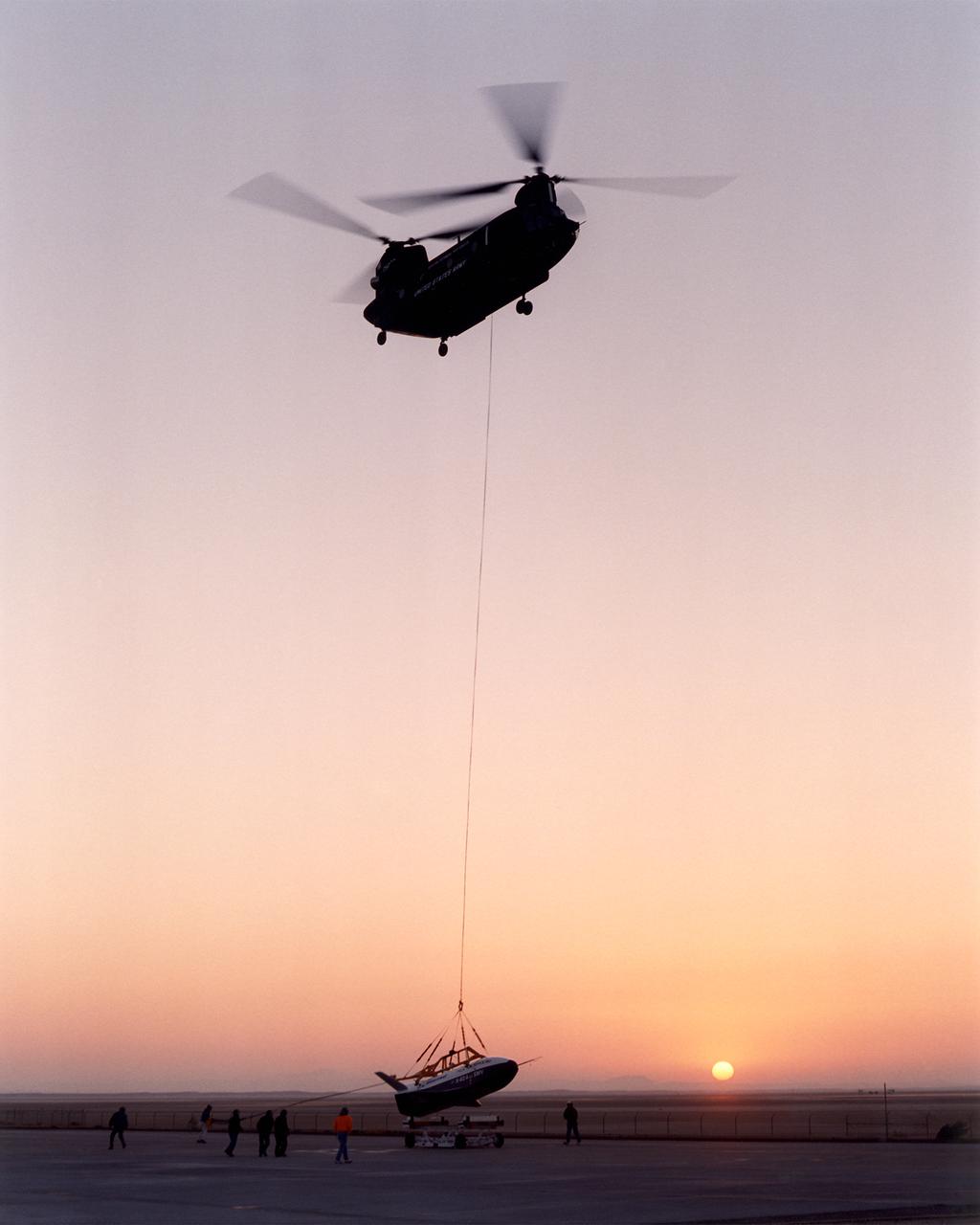
X-40A departure with CH-47 - flight #7
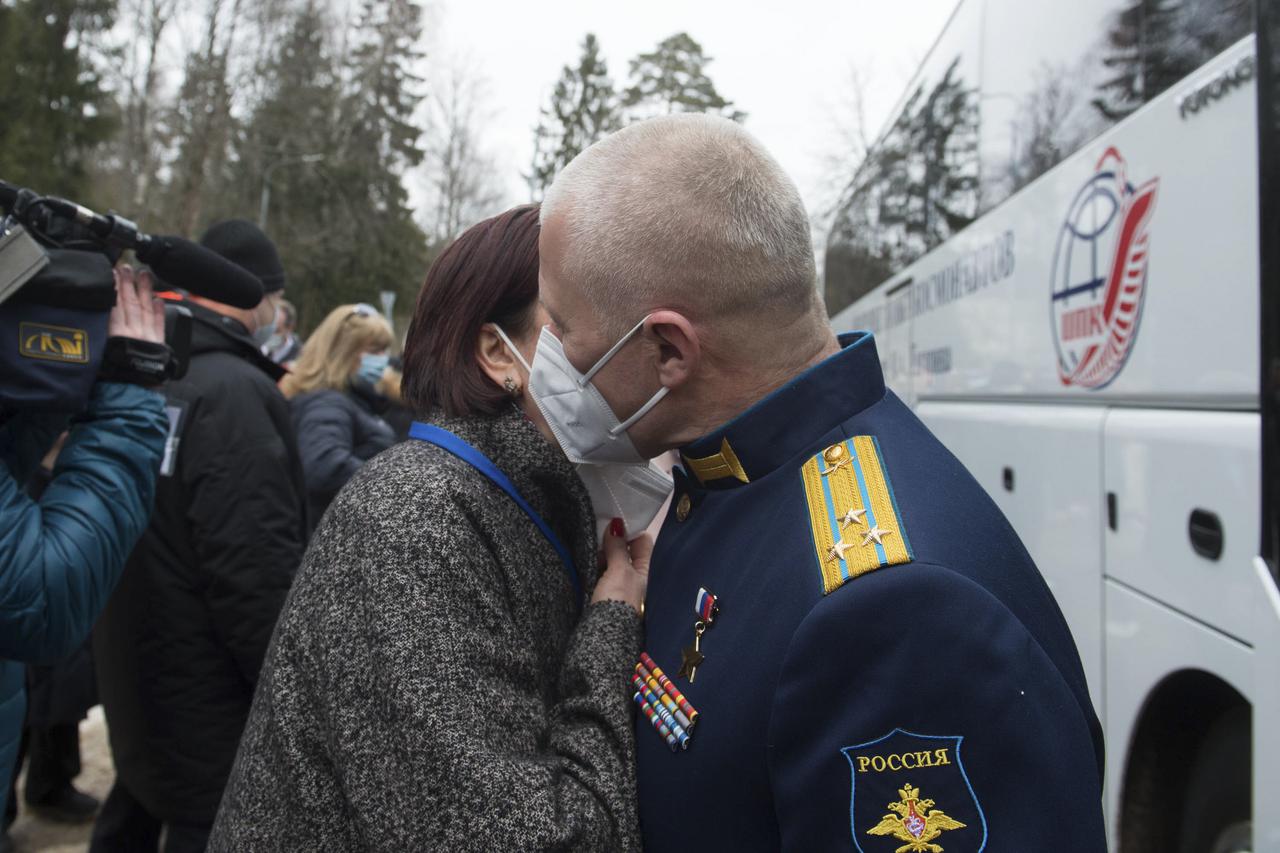
Family of Expedition 65 prime crew member, Russian cosmonaut Oleg Novitskiy of Roscosmos, bids him farewell prior to his departure to Baikonur for launch from the Baikonur Cosmodrome, Friday, March 26, 2021 at the Gagarin Cosmonaut Training Center (GCTC) in Star City, Russia. Photo Credit: (NASA/GCTC/Andrey Shelepin)
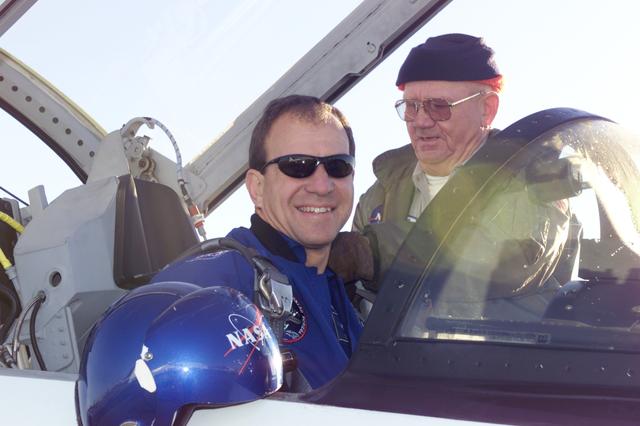
JSC2000-E-29123 (27 November 2000) --- Astronaut Michael J. Bloomfield, STS-97 pilot, is pictured in the cockpit of a NASA T-38 jet trainer at Ellington Field. The five-member crew was minutes away from departure to Florida, where it will continue preparations for launch later this week aboard the Space Shuttle Endeavour.
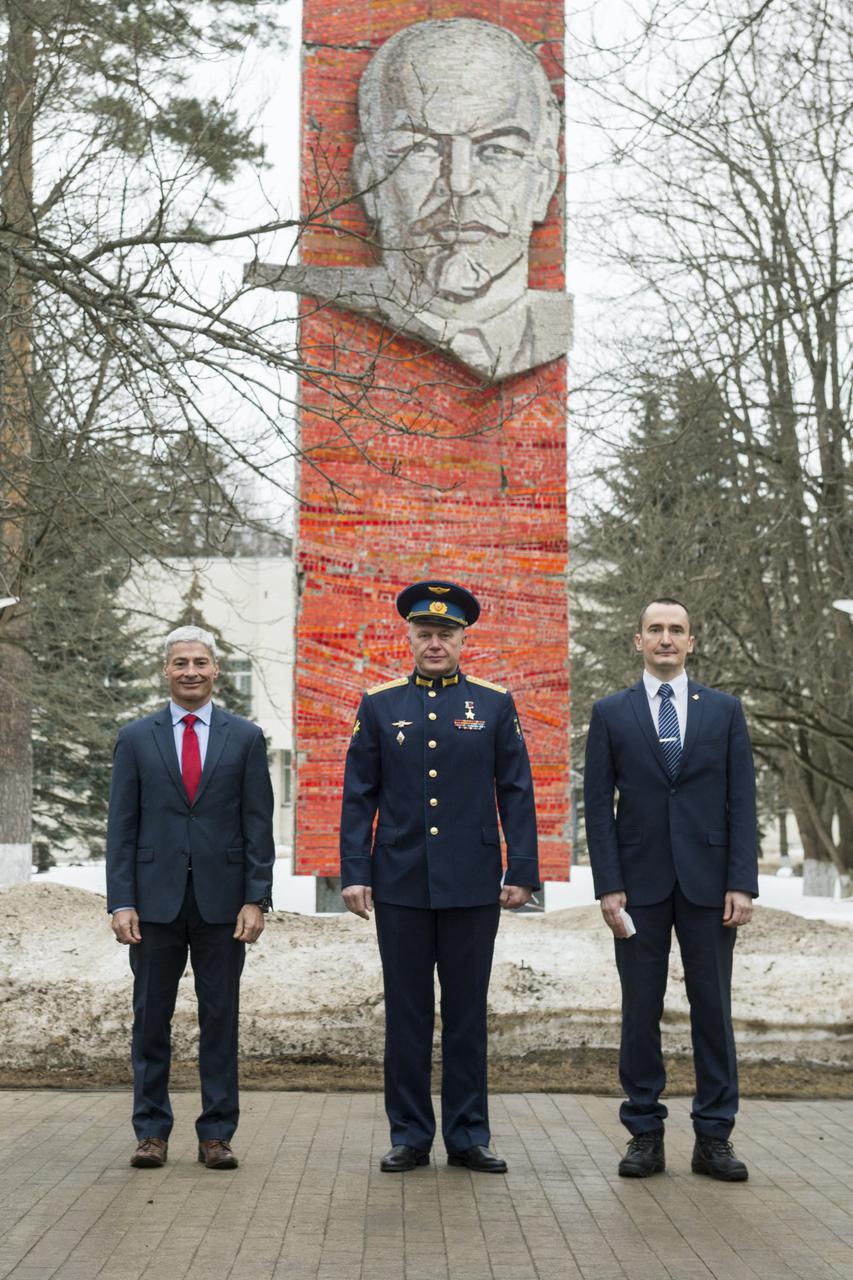
Expedition 65 prime crew members, NASA astronaut Mark Vande Hei, left, Russian cosmonaut Oleg Novitskiy of Roscosmos, center, and Russian cosmonaut Pyotr Dubrov of Roscosmos, right, pose for a photo during an official farewell ceremony prior to their departure to Baikonur for launch from the Baikonur Cosmodrome, Friday, March 26, 2021, at the Gagarin Cosmonaut Training Center (GCTC) in Star City, Russia. Photo Credit: (NASA/GCTC/Andrey Shelepin)
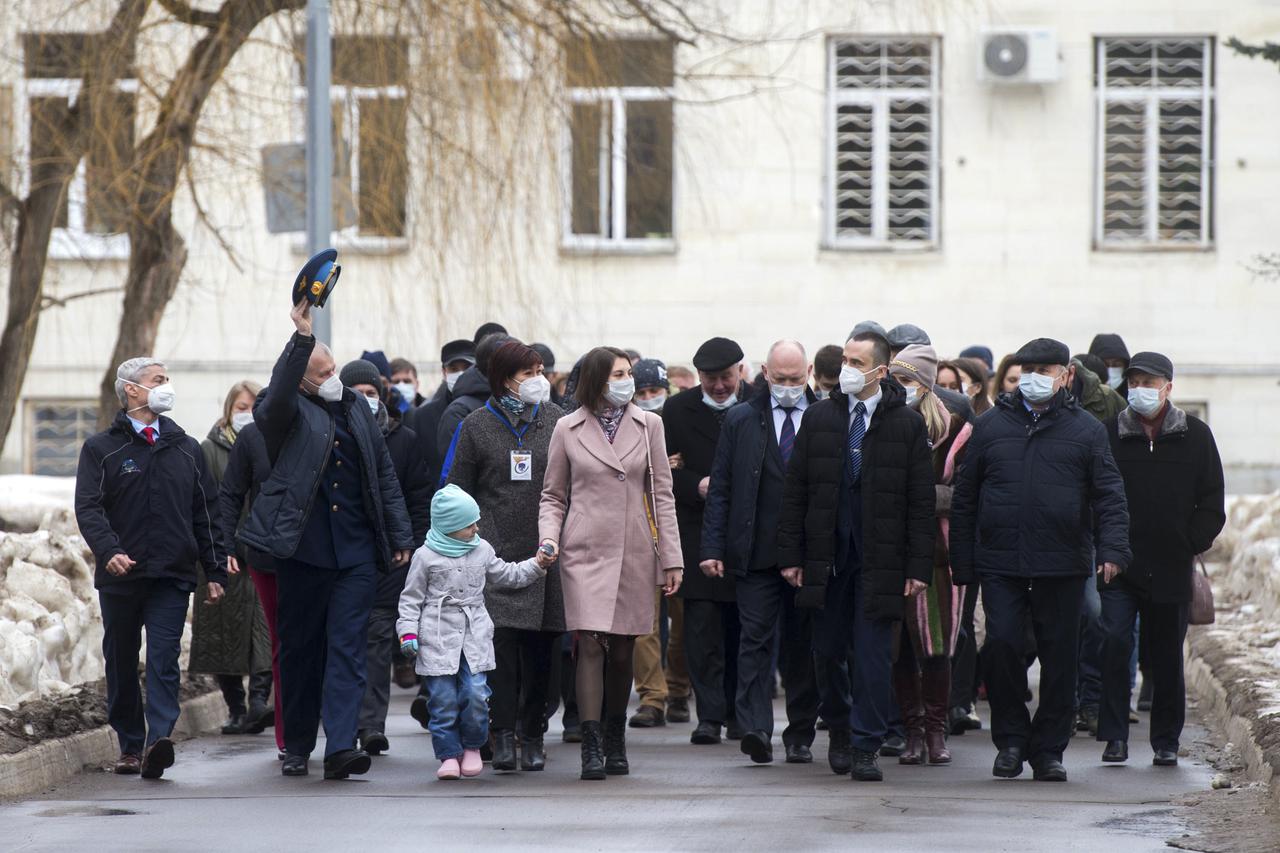
Expedition 65 prime crew members, NASA astronaut Mark Vande Hei, left, Russian cosmonaut Oleg Novitskiy of Roscosmos, second from left, and Russian cosmonaut Pyotr Dubrov of Roscosmos, second from right, are seen walking with friends and family during an official farewell ceremony prior to their departure to Baikonur for launch from the Baikonur Cosmodrome, Friday, March 26, 2021 at the Gagarin Cosmonaut Training Center (GCTC) in Star City, Russia. Photo Credit: (NASA/GCTC/Andrey Shelepin)
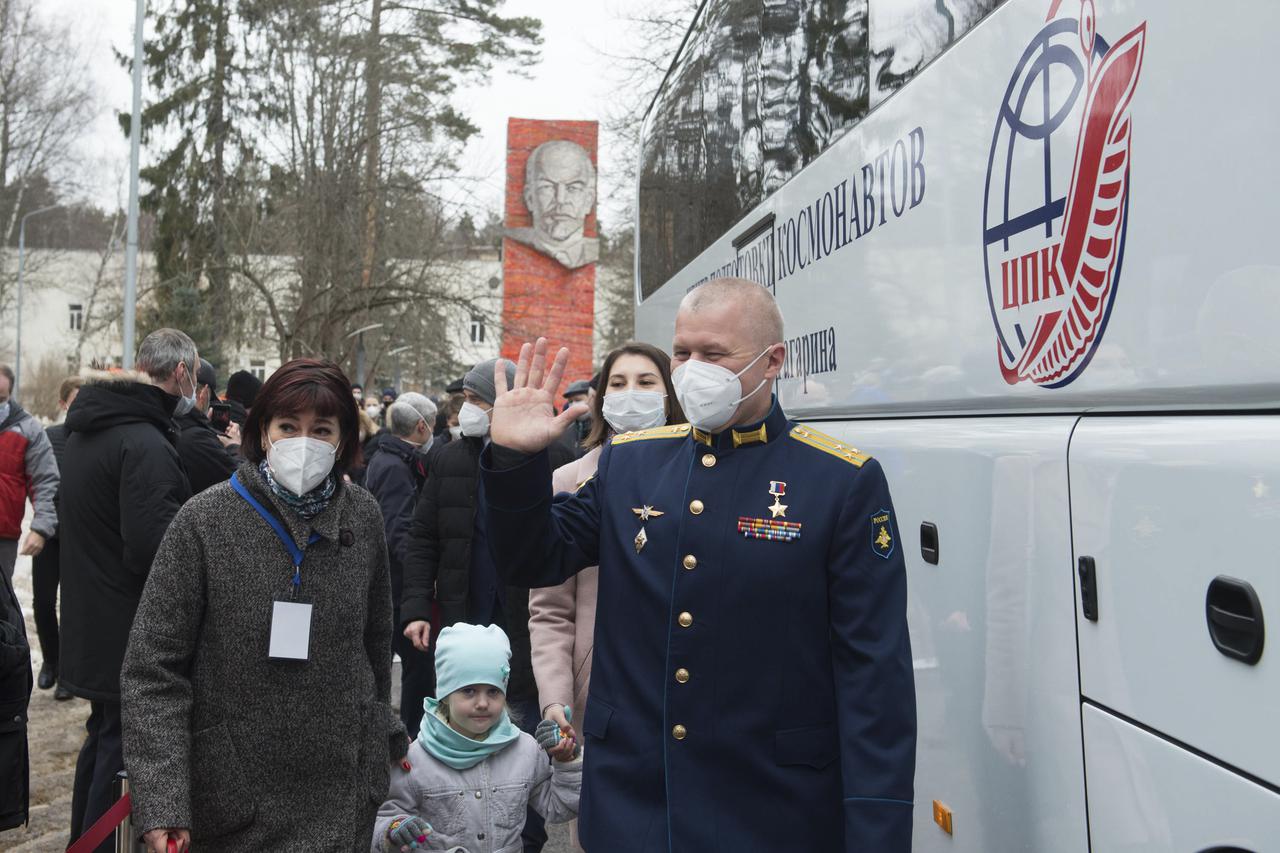
Expedition 65 prime crew member, Russian cosmonaut Oleg Novitskiy of Roscosmos, waves goodbye during an official farewell ceremony prior to his departure to Baikonur for launch from the Baikonur Cosmodrome, Friday, March 26, 2021 at the Gagarin Cosmonaut Training Center (GCTC) in Star City, Russia. Photo Credit: (NASA/GCTC/Andrey Shelepin)
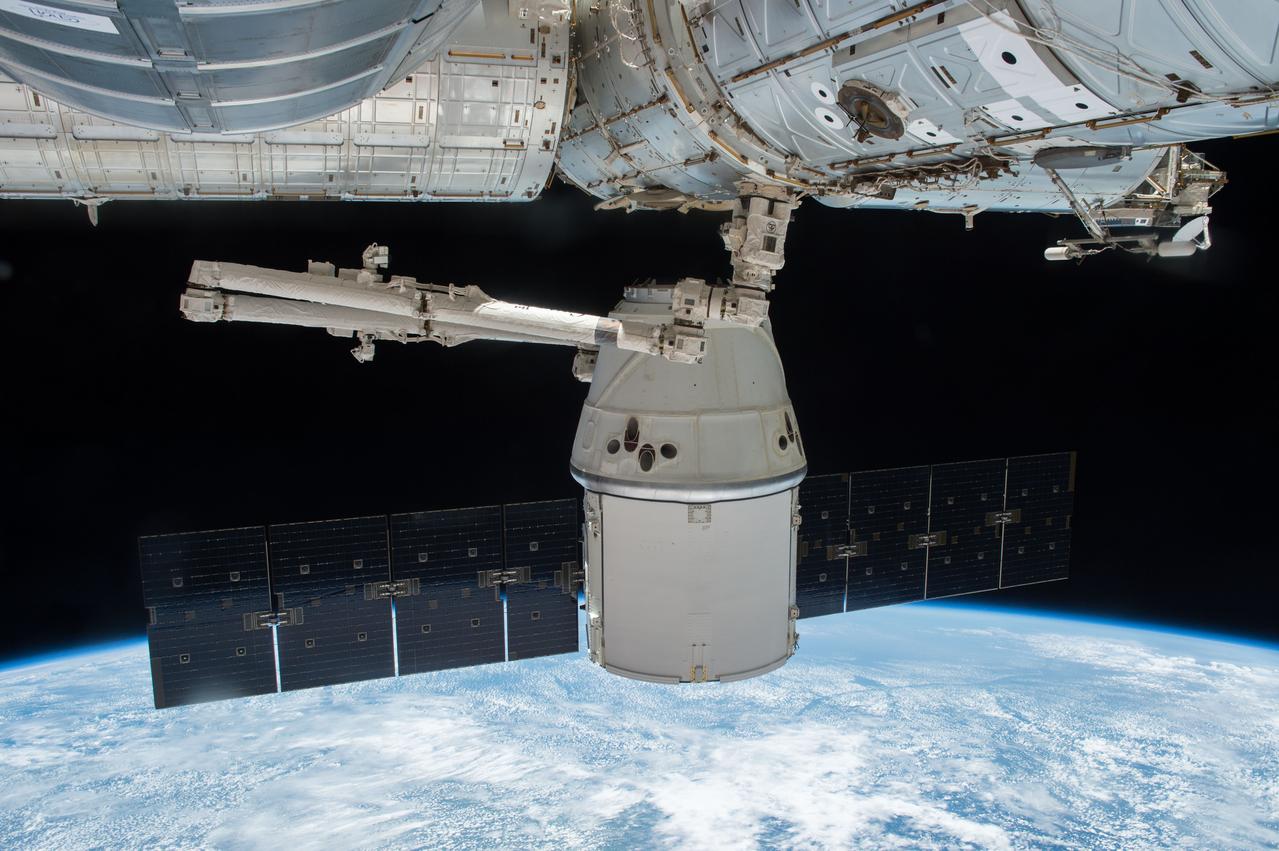
ISS047e109559 (05/11/2016) --- The SpaceX Dragon is seen berthed to the Earth-facing side of the station’s Harmony module shortly before departure. The vehicle was ultimately released by Expedition 47 robotic arm operator Tim Peake of ESA (European Space Agency) at 9:18 a.m. EDT. Dragon returned to Earth carrying more than 3,700 pounds of NASA cargo and science samples from human research, biology and biotechnology studies, physical science investigations and education activities sponsored by NASA and the U.S. national laboratory.

Expedition 65 prime crew members, NASA astronaut Mark Vande Hei, left, Russian cosmonaut Oleg Novitskiy of Roscosmos, second from left, and Russian cosmonaut Pyotr Dubrov of Roscosmos, second from right, are seen walking with friends and family during an official farewell ceremony prior to their departure to Baikonur for launch from the Baikonur Cosmodrome, Friday, March 26, 2021 at the Gagarin Cosmonaut Training Center (GCTC) in Star City, Russia. Photo Credit: (NASA/GCTC/Andrey Shelepin)
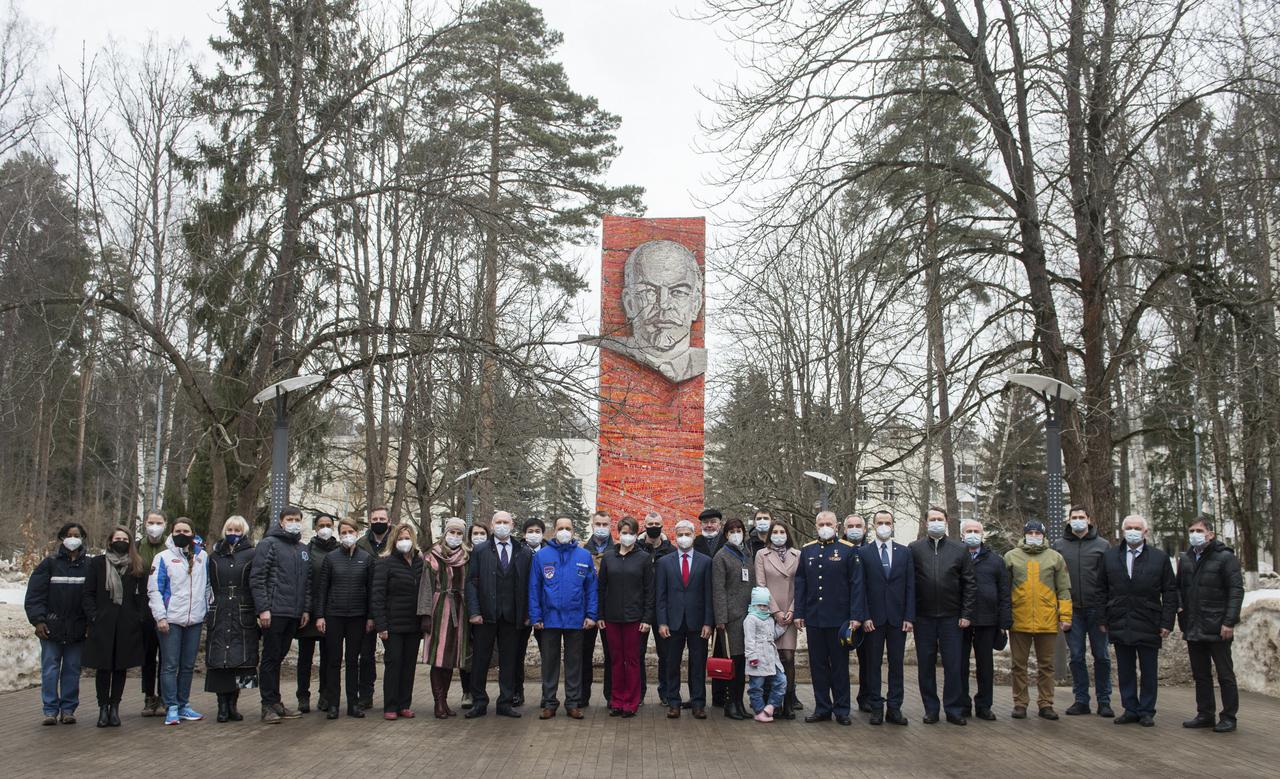
Friends, family, NASA, Gagarin Cosmonaut Training Center (GCTC), and Roscosmos staff join in for a photo with Expedition 65 prime and backup crew members during an official farewell ceremony prior to their departure to Baikonur for the prime crew’s launch from the Baikonur Cosmodrome, Friday, March 26, 2021 at the Gagarin Cosmonaut Training Center (GCTC) in Star City, Russia. Photo Credit: (NASA/GCTC/Andrey Shelepin)

Expedition 65 prime crew members, NASA astronaut Mark Vande Hei, left, Russian cosmonaut Oleg Novitskiy of Roscosmos, center, and Russian cosmonaut Pyotr Dubrov of Roscosmos, right, pose for a photo during an official farewell ceremony prior to their departure to Baikonur for launch from the Baikonur Cosmodrome, Friday, March 26, 2021, at the Gagarin Cosmonaut Training Center (GCTC) in Star City, Russia. Photo Credit: (NASA/GCTC/Andrey Shelepin)
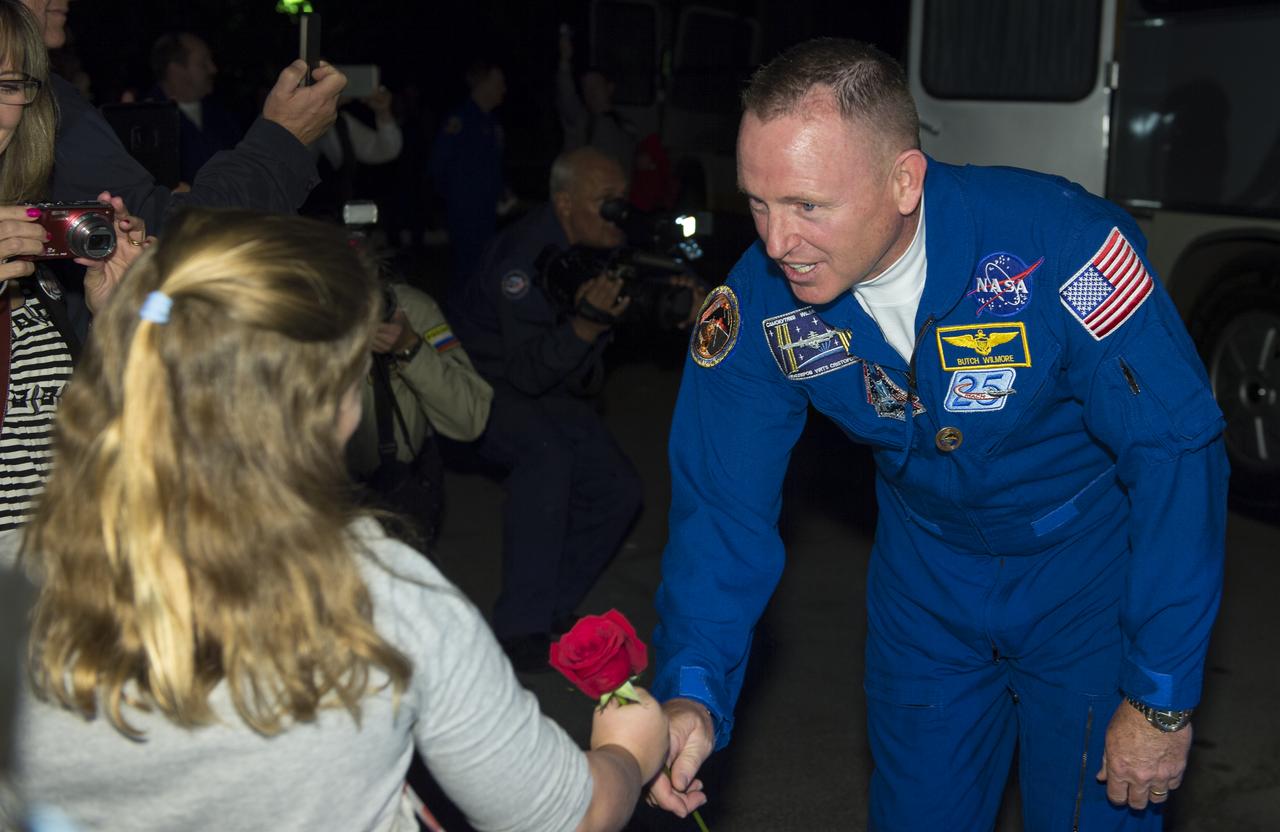
Expedition 41 Flight Engineer Barry Wilmore of NASA, gives a rose to his daughter, Daryn, before departing the Cosmonaut Hotel to suit-up for their Soyuz launch to the International Space Station on Thursday, Sept. 25, 2014, in Baikonur, Kazakhstan. Launch of the Soyuz rocket is scheduled for the early hours of Sept. 26 and will send Samokutyaev, Wilmore, and Serova on a five and a half month mission aboard the International Space Station. Photo Credit: (NASA/Aubrey Gemignani)
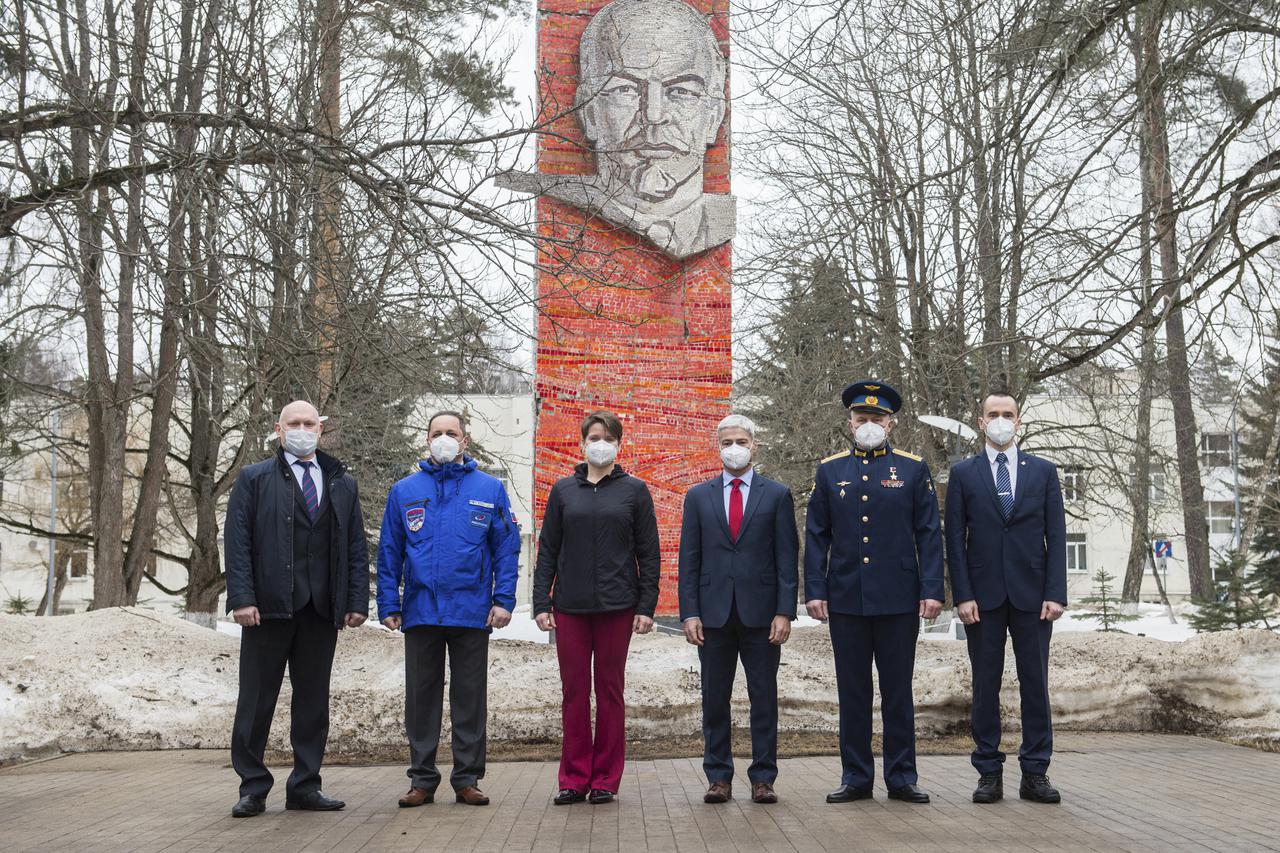
From left to right, Expedition 65 backup crew members, Russian cosmonaut Oleg Artemyev of Roscosmos, Russian cosmonaut Anton Shkaplerov of Roscosmos, and NASA astronaut Anne McClain, pose for a photo with Expedition 65 prime crew members, NASA astronaut Mark Vande Hei, Russian cosmonaut Oleg Novitskiy of Roscosmos, and Russian cosmonaut Pyotr Dubrov of Roscosmos, during an official farewell ceremony prior to their departure to Baikonur for the prime crew’s launch from the Baikonur Cosmodrome, Friday, March 26, 2021 at the Gagarin Cosmonaut Training Center (GCTC) in Star City, Russia. Photo Credit: (NASA/GCTC/Andrey Shelepin)
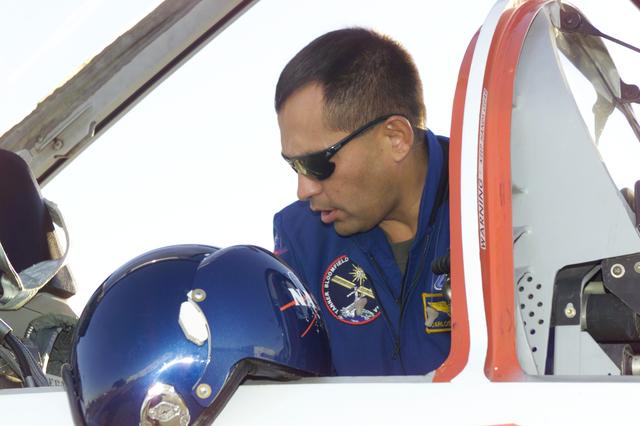
JSC2000-E-29120 (27 November 2000) --- Astronaut Carlos I. Noriega, STS-97 mission specialist, climbs into the cockpit of a NASA T-38 jet trainer at Ellington Field. The five-member crew was minutes away from departure to Florida, where it will continue preparations for launch later this week aboard the Space Shuttle Endeavour.
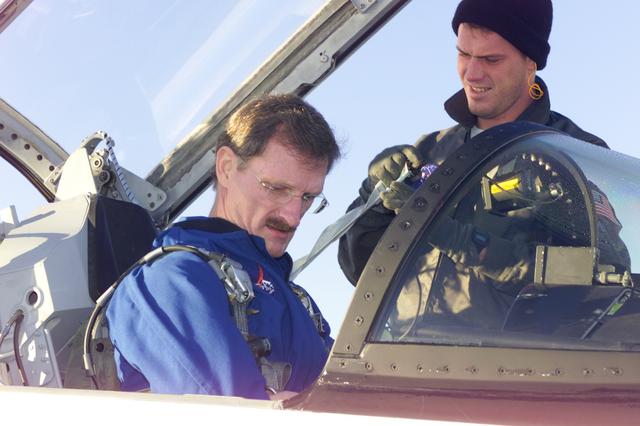
JSC2000-E-29121 (27 November 2000) --- Astronaut Joseph R. Tanner, STS-97 mission specialist, goes over a readiness check in the cockpit of a NASA T-38 jet trainer at Ellington Field. The five-member crew was minutes away from departure to Florida, where it will continue preparations for launch later this week aboard the Space Shuttle Endeavour.
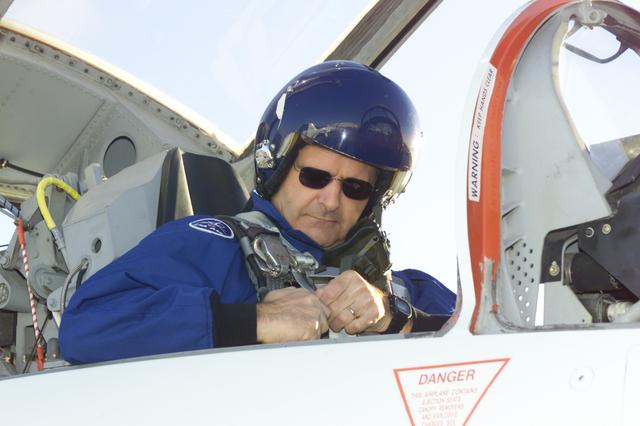
JSC2000-E-29124 (27 November 2000) --- Astronaut Marc Garneau, mission specialist representing the Canadian Space Agency (CSA), is pictured in the cockpit of a NASA T-38 jet trainer at Ellington Field. The five-member STS-97 crew was minutes away from departure to Florida, where it will continue preparations for launch later this week aboard the Space Shuttle Endeavour.
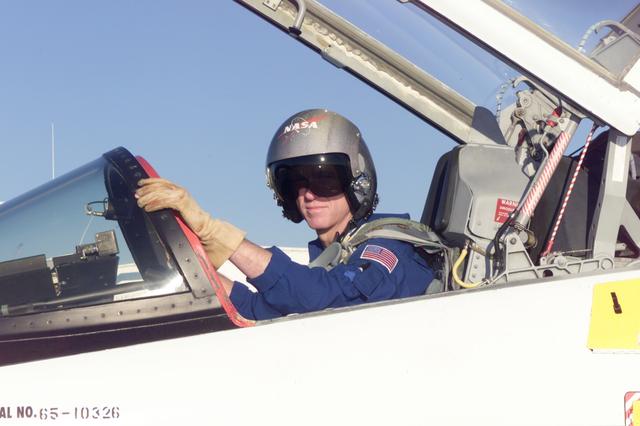
JSC2000-E-29131 (27 November 2000) --- Astronaut Brent W. Jett, Jr., mission commander, is pictured in the cockpit of a NASA T-38 jet trainer at Ellington Field. The five-member STS-97 crew was minutes away from departure to Florida, where it will continue preparations for launch later this week aboard the Space Shuttle Endeavour.
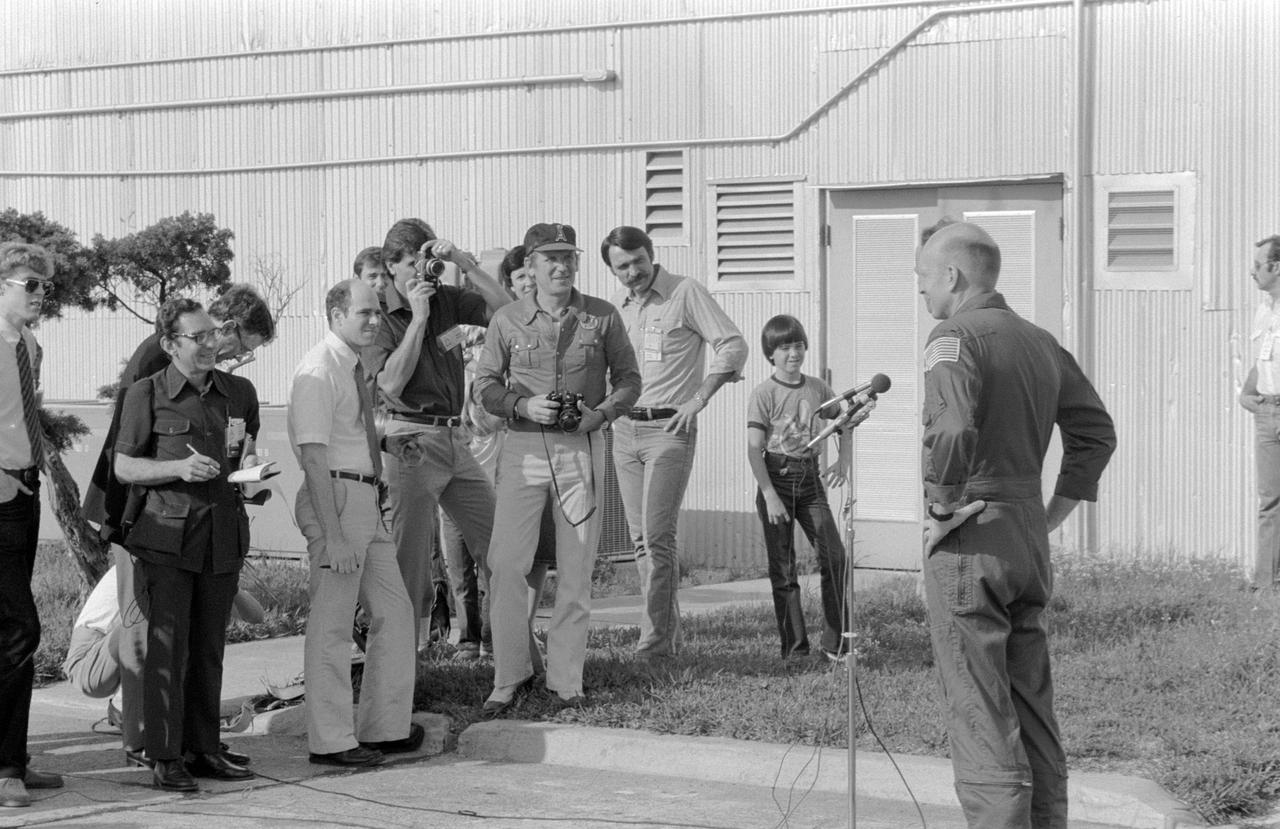
Views of the STS-3 Crew, Astronauts Lousma and Fullerton, during departure activities with family and friends to include Astronaut Brewster Shaw. 1. ASTRONAUT SHAW, BREWSTER - STS-3 EAFB, HOUSTON, TX
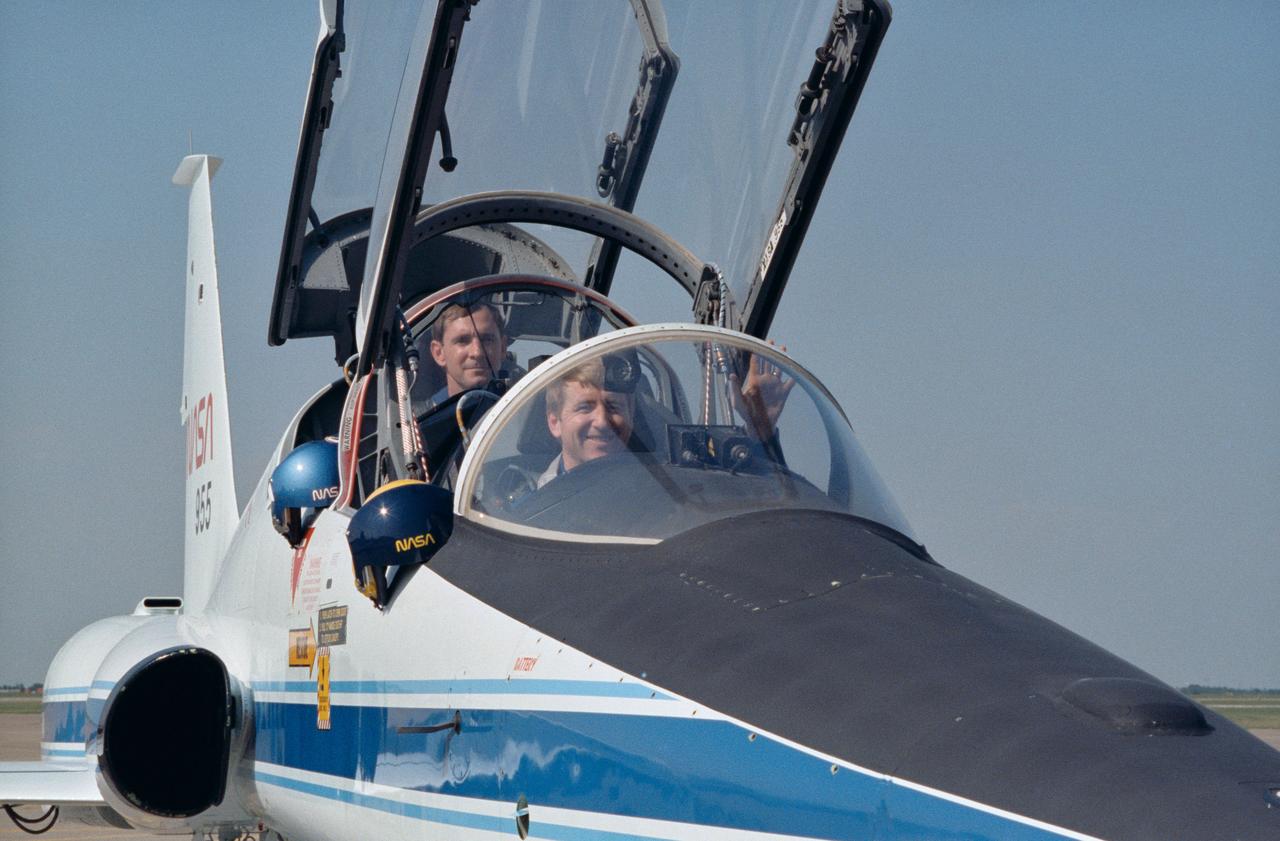
STS-38 Pilot Frank L. Culbertson waves from T-38A NASA 955 forward cockpit prior to Ellington Field departure. Astronaut Curtis L. Brown, Jr is stationed in the aft cockpit behind Culbertson.
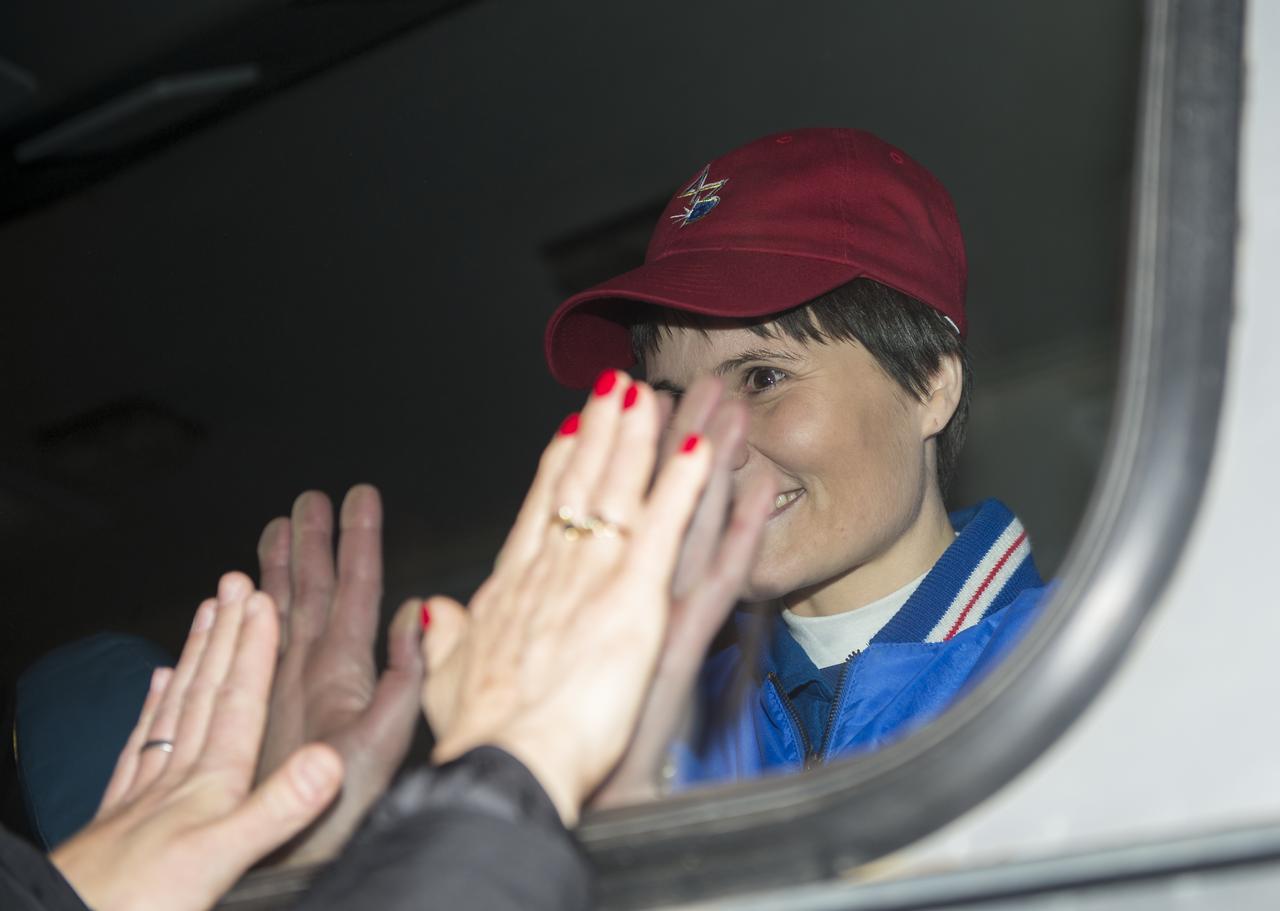
Expedition 42 Flight Engineer Samantha Cristoforetti of the European Space Agency (ESA), presses her hands against the bus window as she departs the Cosmonaut Hotel to suit up for the Soyuz launch to the International Space Station on Sunday, Nov. 23, 2014, in Baikonur, Kazakhstan. Launch of the Soyuz rocket is scheduled for the early hours of Nov. 24 and will send Cristoforetti, Soyuz Commander Anton Shkaplerov of the Russian Federal Space Agency (Roscosmos), and Flight Engineer Terry Virts of NASA on a five and a half month mission aboard the International Space Station. Photo Credit: (NASA/Aubrey Gemignani)
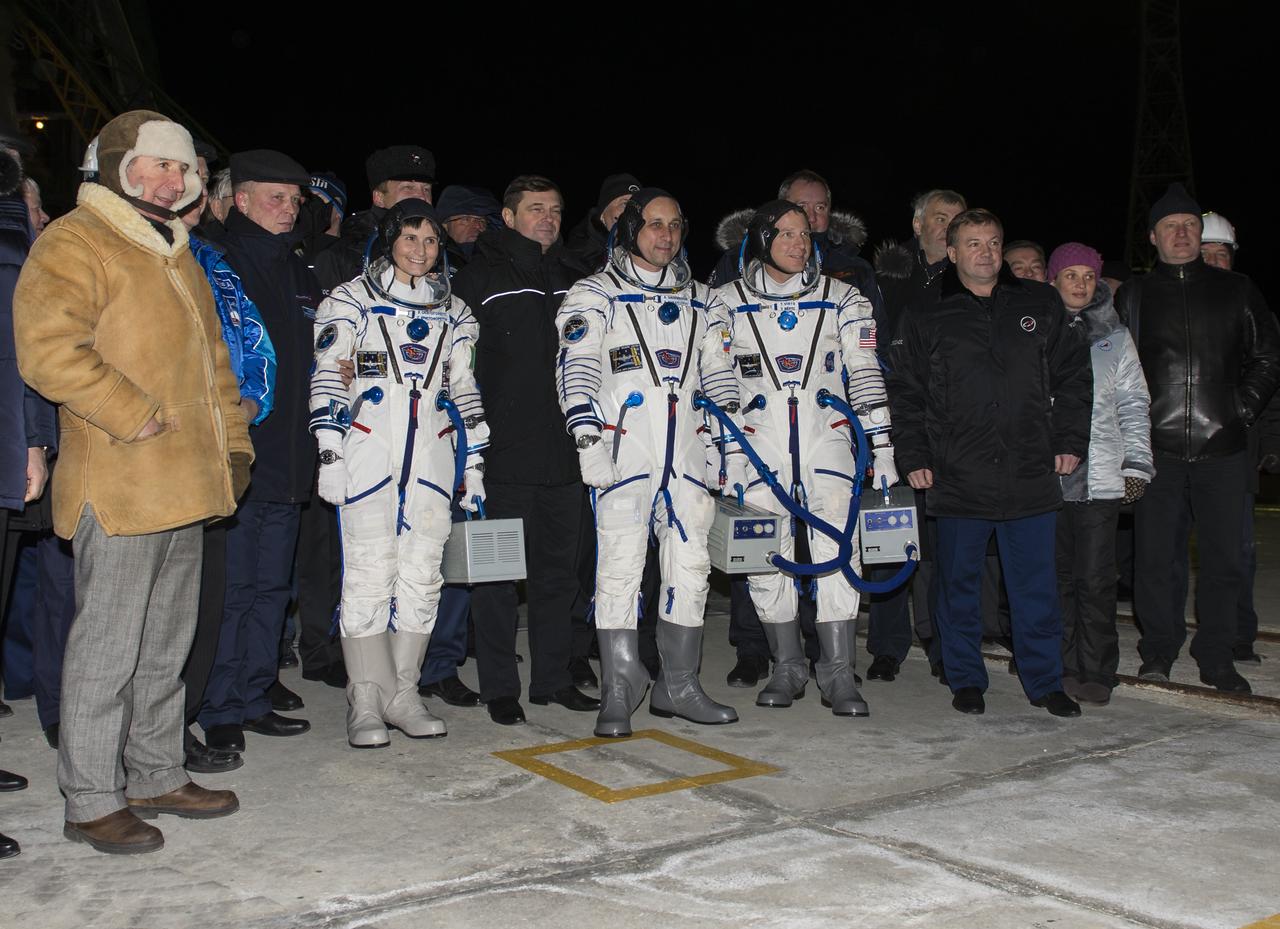
Expedition 42 Flight Engineer Samantha Cristoforetti, of the European Space Agency (ESA), left, Soyuz Commander Anton Shkaplerov of the Russian Federal Space Agency (Roscosmos), center, and Flight Engineer Terry Virts of NASA, right, pose for a photo with senior officials of Roscosmos, NASA, and ESA prior to boarding the Soyuz TMA-15M spacecraft for launch, Monday, Nov. 24, 2014 at the Baikonur Cosmodrome in Kazakhstan. Cristoforetti, Virts, and Shkaplerov will spend the next five and a half months aboard the International Space Station. Photo Credit: (NASA/Aubrey Gemignani)
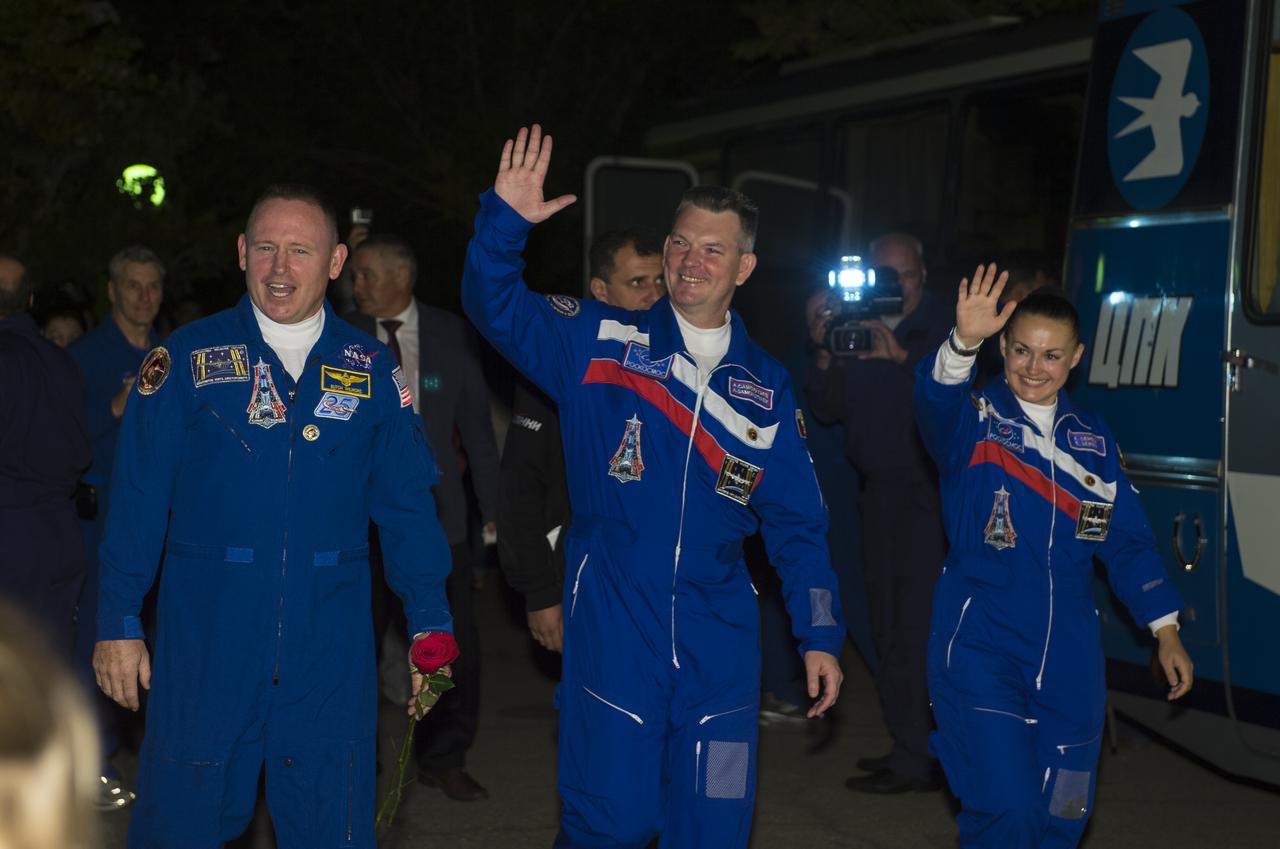
Expedition 41 crew members, Flight Engineer Barry Wilmore of NASA, left, Soyuz Commander Alexander Samokutyaev of the Russian Federal Space Agency (Roscosmos), center, and Flight Engineer Elena Serova of Roscosmos, right, wave farewell to family and friends as they depart the Cosmonaut Hotel to suit-up for their Soyuz launch to the International Space Station on Thursday, Sept. 25, 2014, in Baikonur, Kazakhstan. Launch of the Soyuz rocket is scheduled for the early hours of Sept. 26 and will send Samokutyaev, Serova and Wilmore on a five and a half month mission aboard the International Space Station. Photo Credit: (NASA/Aubrey Gemignani)
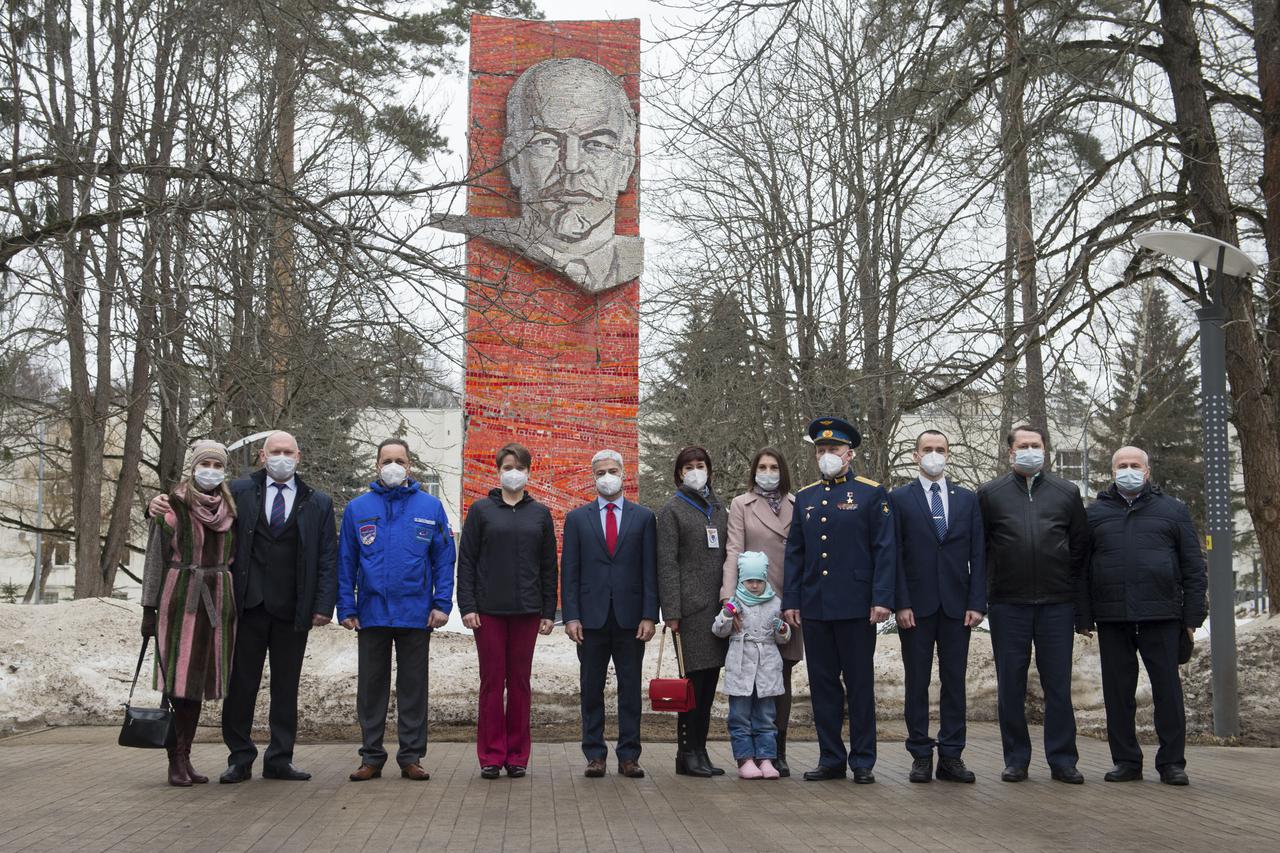
Friends and family join in for a photo with Expedition 65 backup crew members, Russian cosmonaut Oleg Artemyev of Roscosmos, second from left, Russian cosmonaut Anton Shkaplerov of Roscosmos, third from left, NASA astronaut Anne McClain, fourth from left, and Expedition 65 prime crew members, NASA astronaut Mark Vande Hei, fifth from left, Russian cosmonaut Oleg Novitskiy of Roscosmos, fourth from right, and Russian cosmonaut Pyotr Dubrov of Roscosmos, third from right, during an official farewell ceremony prior to their departure to Baikonur for the prime crew’s launch from the Baikonur Cosmodrome, Friday, March 26, 2021 at the Gagarin Cosmonaut Training Center (GCTC) in Star City, Russia. Photo Credit: (NASA/GCTC/Andrey Shelepin)
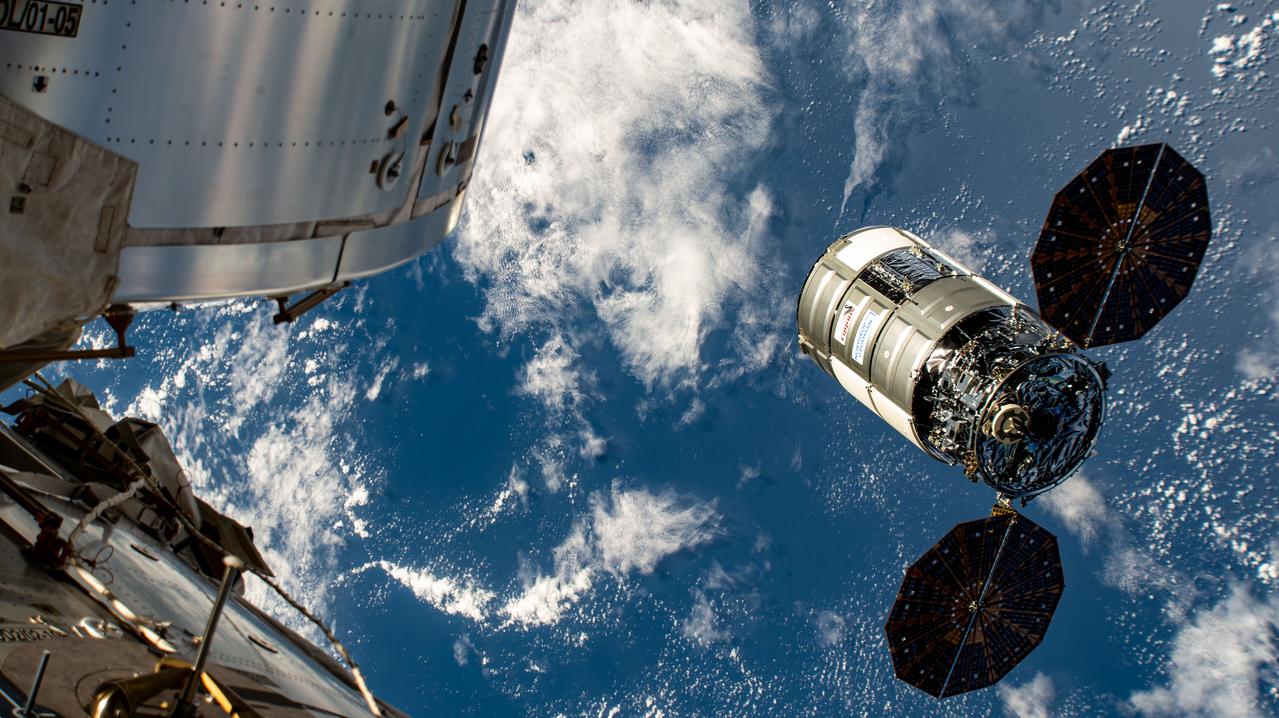
iss072e861975 (March 28, 2025) --- Northrop Grumman's Cygnus space freighter begins its departure from the International Space Station after being released from the Canadarm2 robotic arm completing a seven-and-a-half-month cargo mission attached to the Unity module.
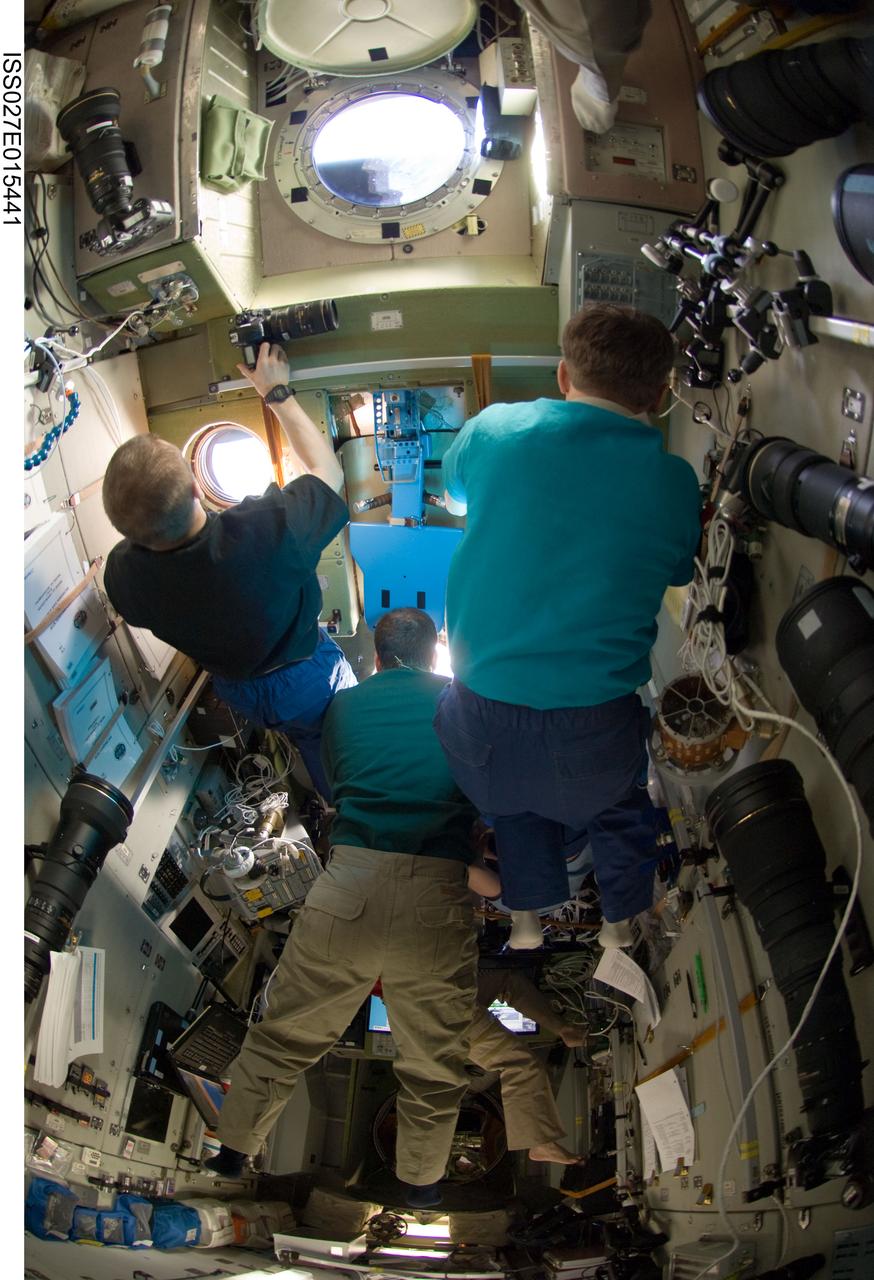
ISS027-E-015441 (22 April 2011) --- Russian cosmonaut Dmitry Kondratyev (left), Expedition 27 commander; along with NASA astronaut Ron Garan (center) and Russian cosmonaut Andrey Borisenko, both flight engineers, watch the departure of the unpiloted ISS Progress 41 supply vehicle through windows in the Zvezda Service Module of the International Space Station.