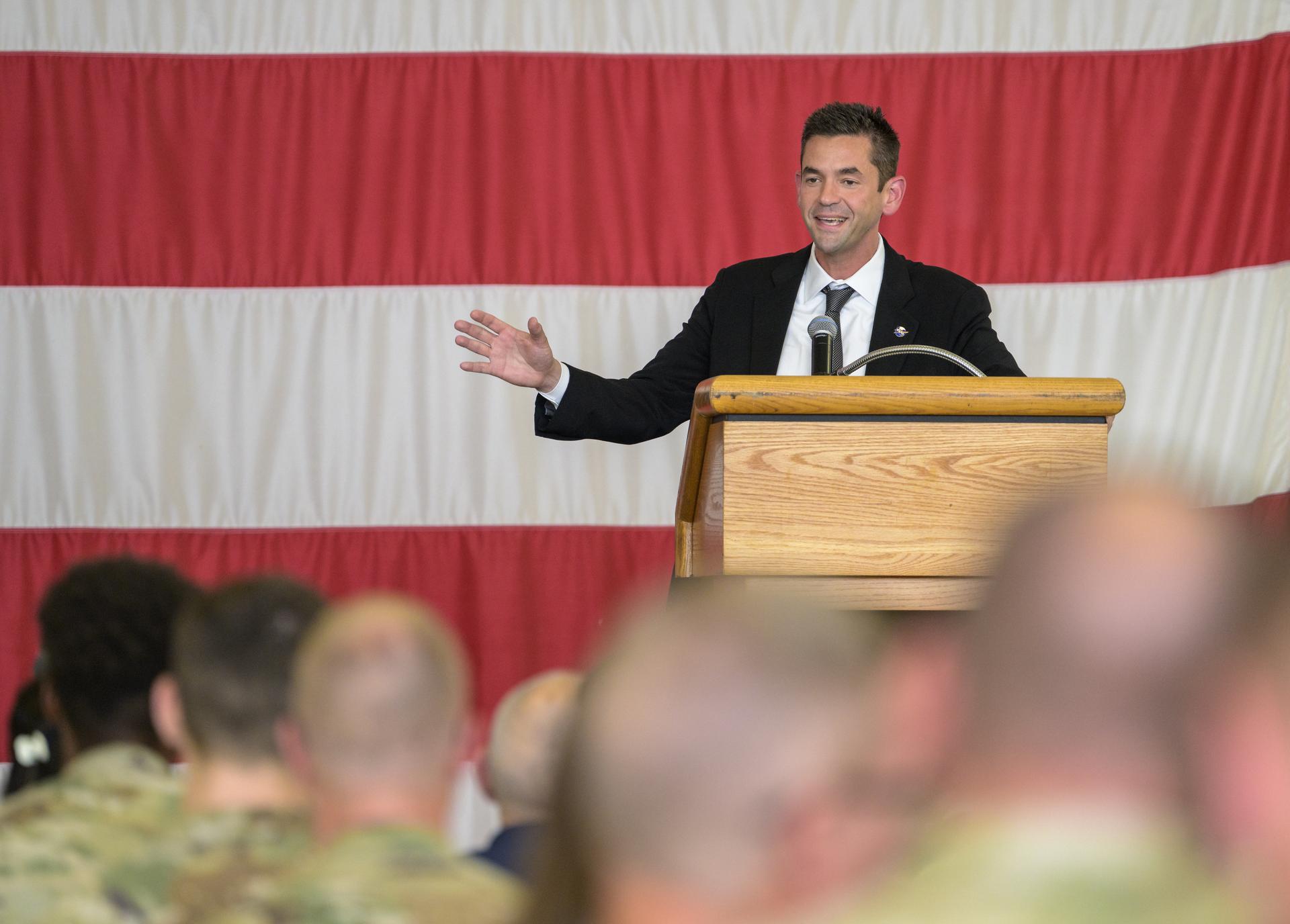
NASA Administrator Jared Isaacman, talks with members of the 132nd Air Wing, Tuesday, Sept. 8, 2026, in Des Moines, Iowa. Photo Credit: (NASA/Bill Ingalls)
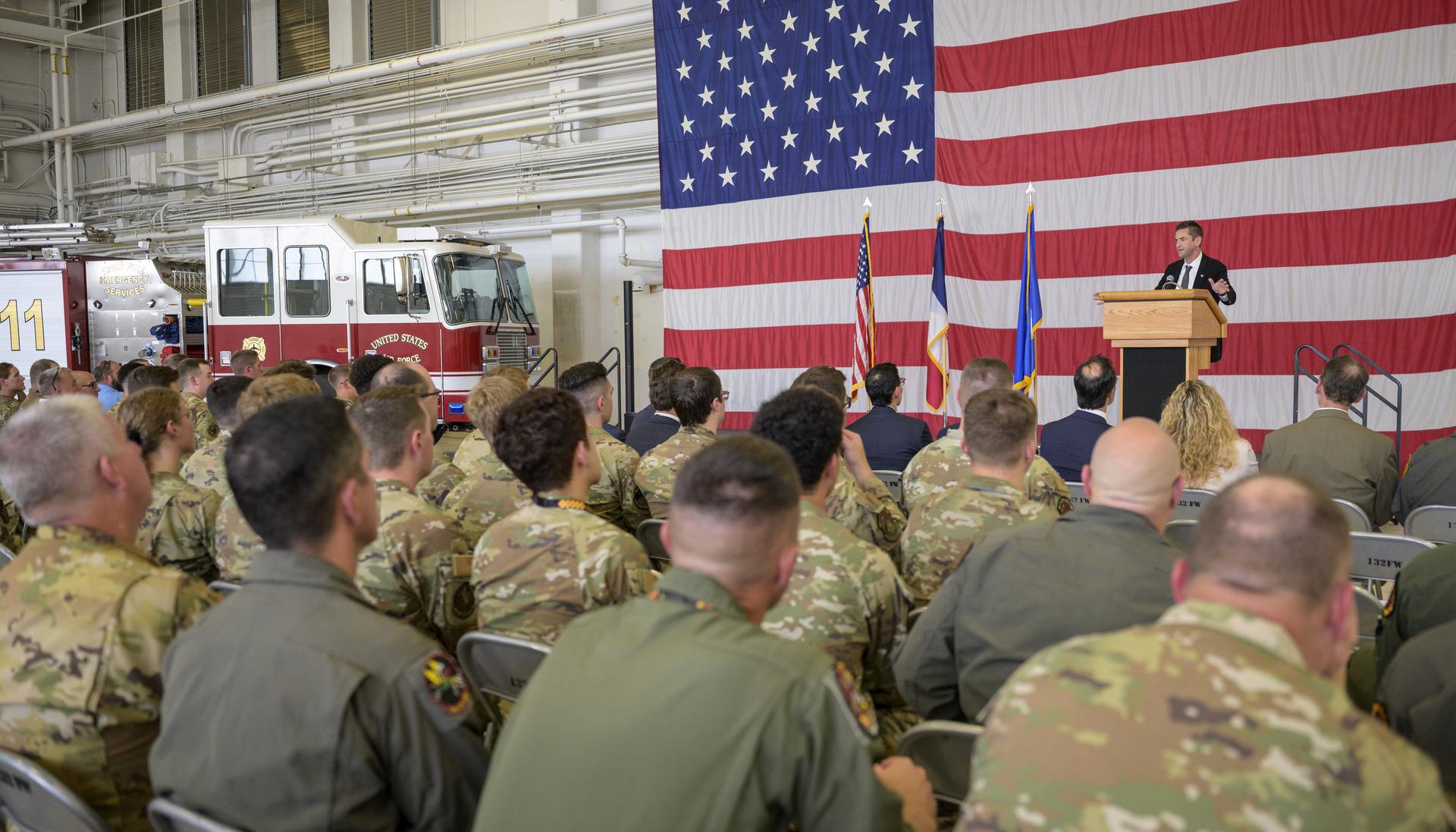
NASA Administrator Jared Isaacman, talks with members of the 132nd Air Wing, Tuesday, Sept. 8, 2026, in Des Moines, Iowa. Photo Credit: (NASA/Bill Ingalls)
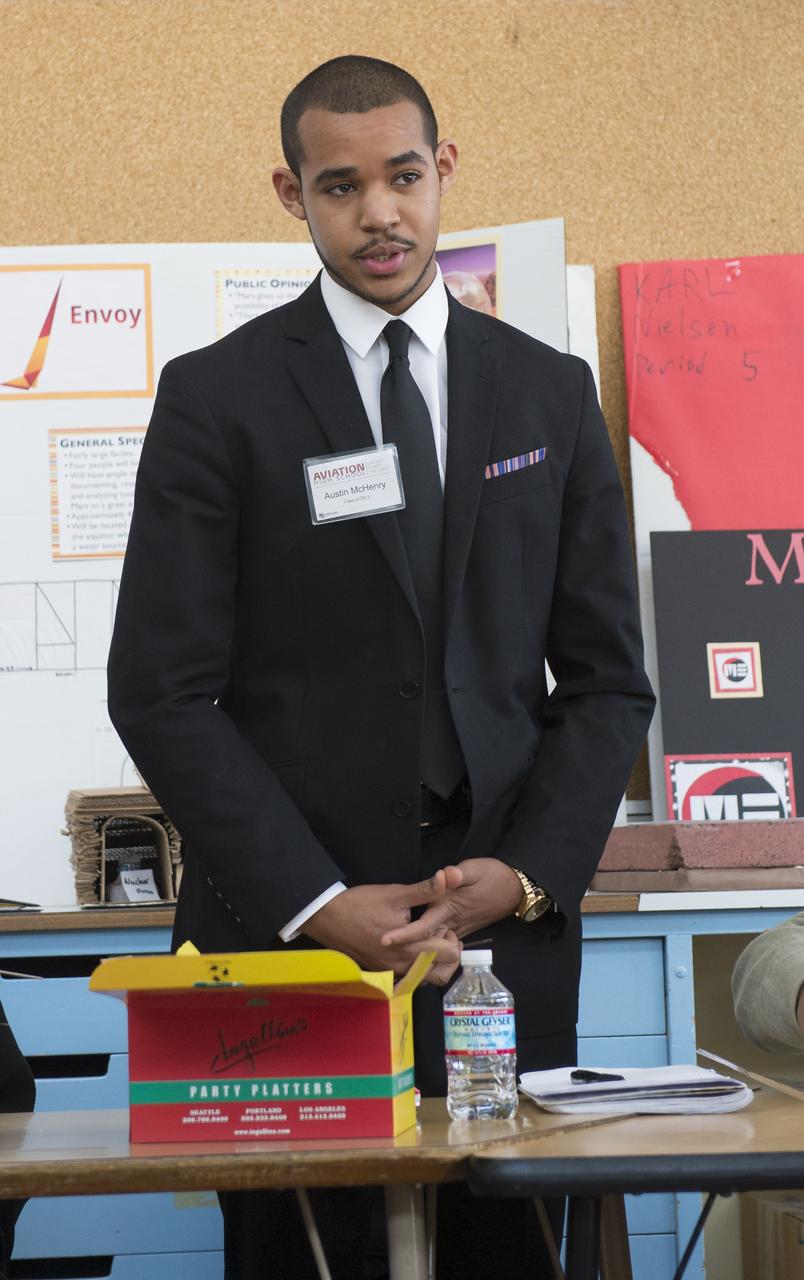
Austin McHenry, a student at Aviation High School, introduces himself at a lunch and learn session with NASA Administrator Charles Bolden, Tuesday, Jan. 15, 2013 in Des Moines, WA. Aviation High School is a college preparatory aviation- and aerospace-themed school and a premier school of choice for science, technology, engineering and math (STEM) in the Pacific Northwest. Photo Credit: (NASA/Carla Cioffi)
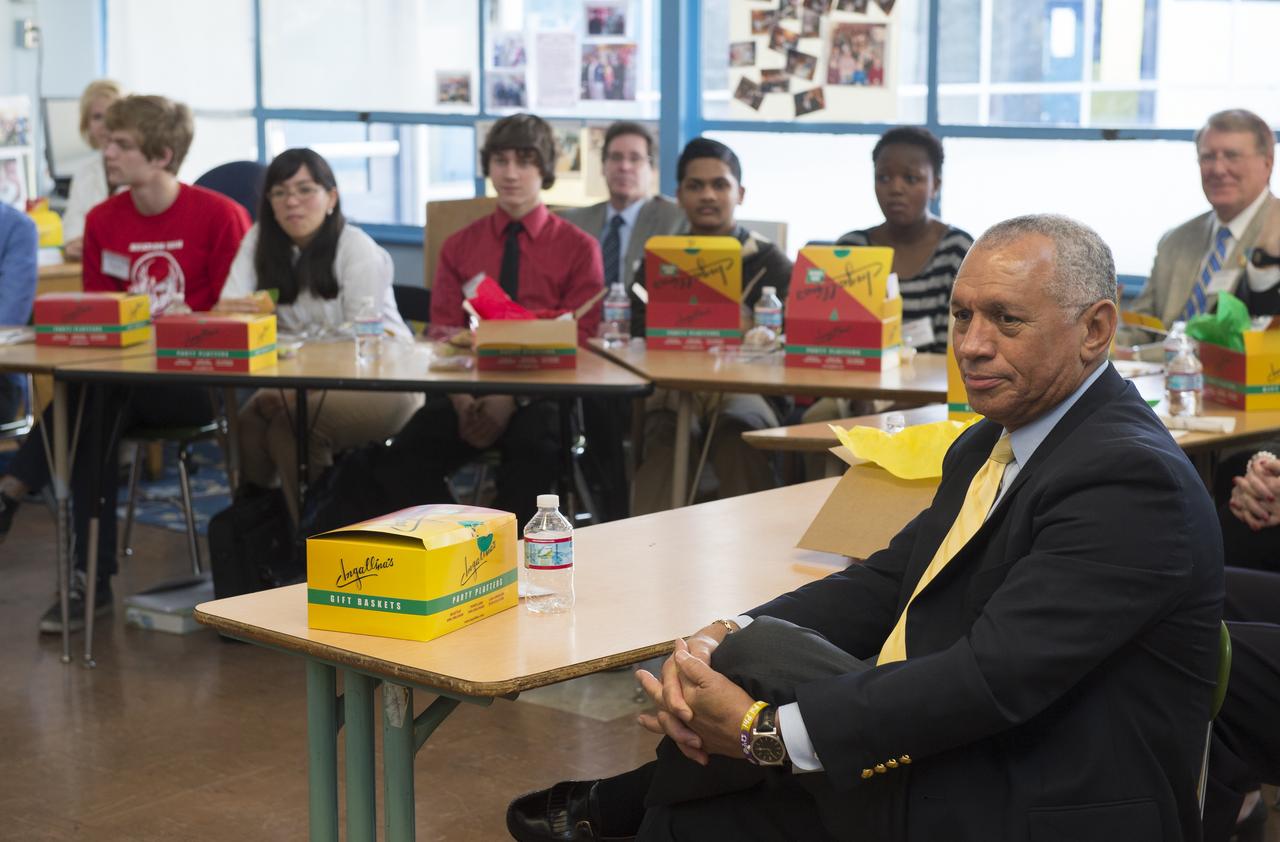
NASA Administrator Charles Bolden listens to students at Aviation High School at a lunch and learn session Tuesday, Jan. 15, 2013 in Des Moines, WA. Aviation High School is a college preparatory aviation- and aerospace-themed school and a premier school of choice for science, technology, engineering and math (STEM) in the Pacific Northwest. Photo Credit: (NASA/Carla Cioffi)
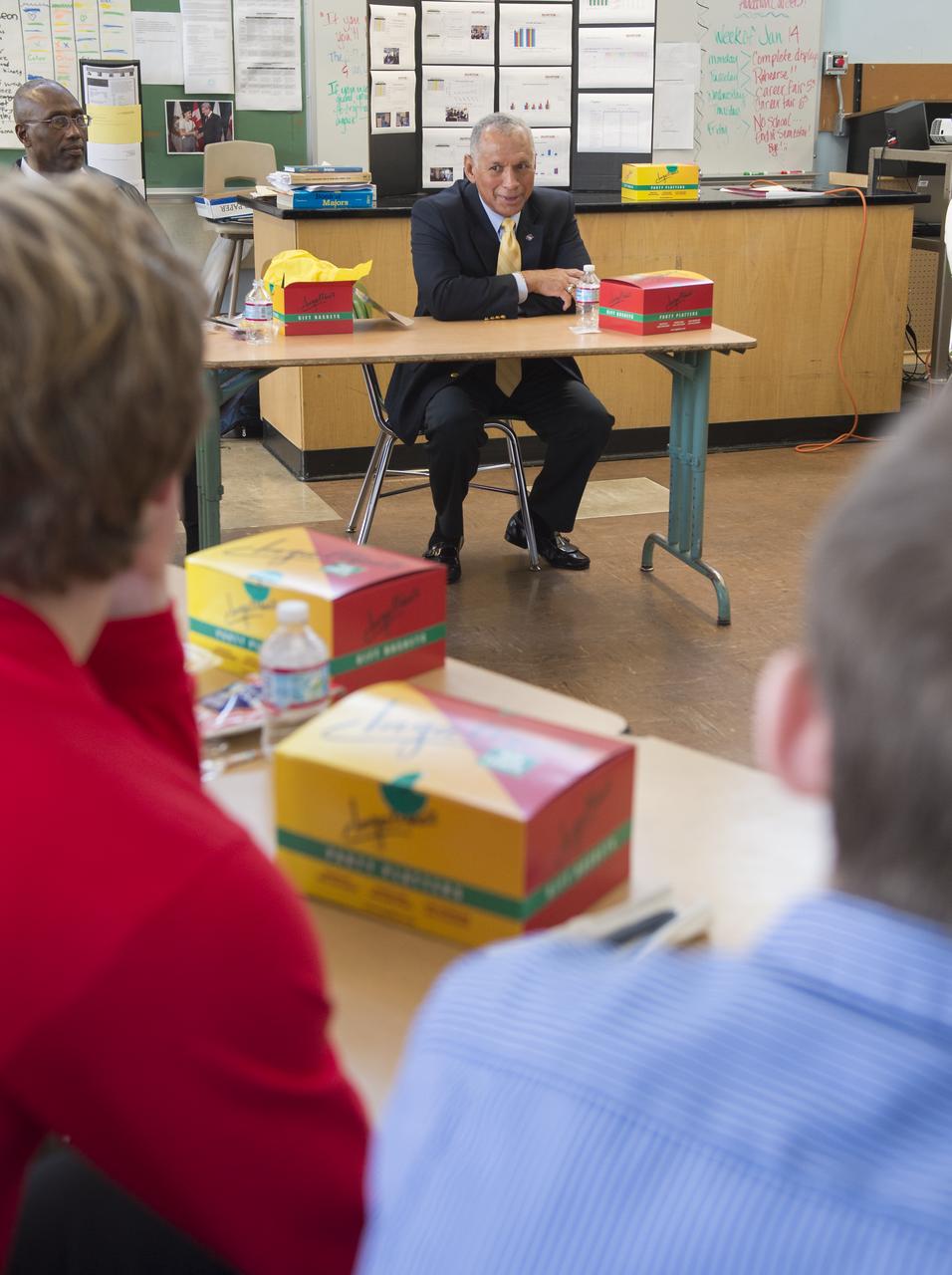
NASA Administrator Charles Bolden speaks to students at Aviation High School at a lunch and learn session Tuesday, Jan. 15, 2013 in Des Moines, WA. Aviation High School is a college preparatory aviation- and aerospace-themed school and a premier school of choice for science, technology, engineering and math (STEM) in the Pacific Northwest. Photo Credit: (NASA/Carla Cioffi)
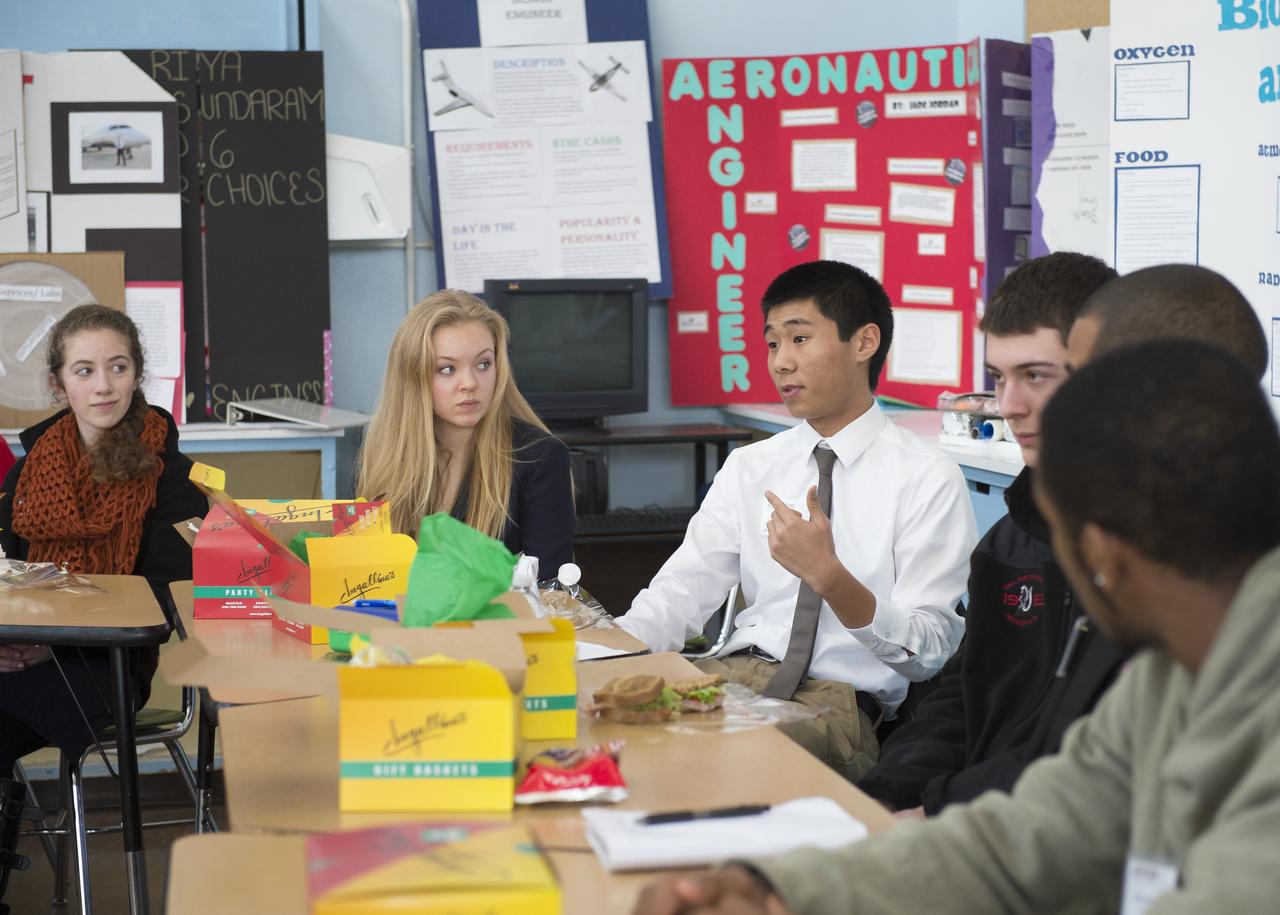
Chris Lu (third from left), a student at Aviation High School, asks a question at a lunch and learn session with NASA Administrator Charles Bolden, Tuesday, Jan. 15, 2013 in Des Moines, WA. Aviation High School is a college preparatory aviation- and aerospace-themed school and a premier school of choice for science, technology, engineering and math (STEM) in the Pacific Northwest. Photo Credit: (NASA/Carla Cioffi)
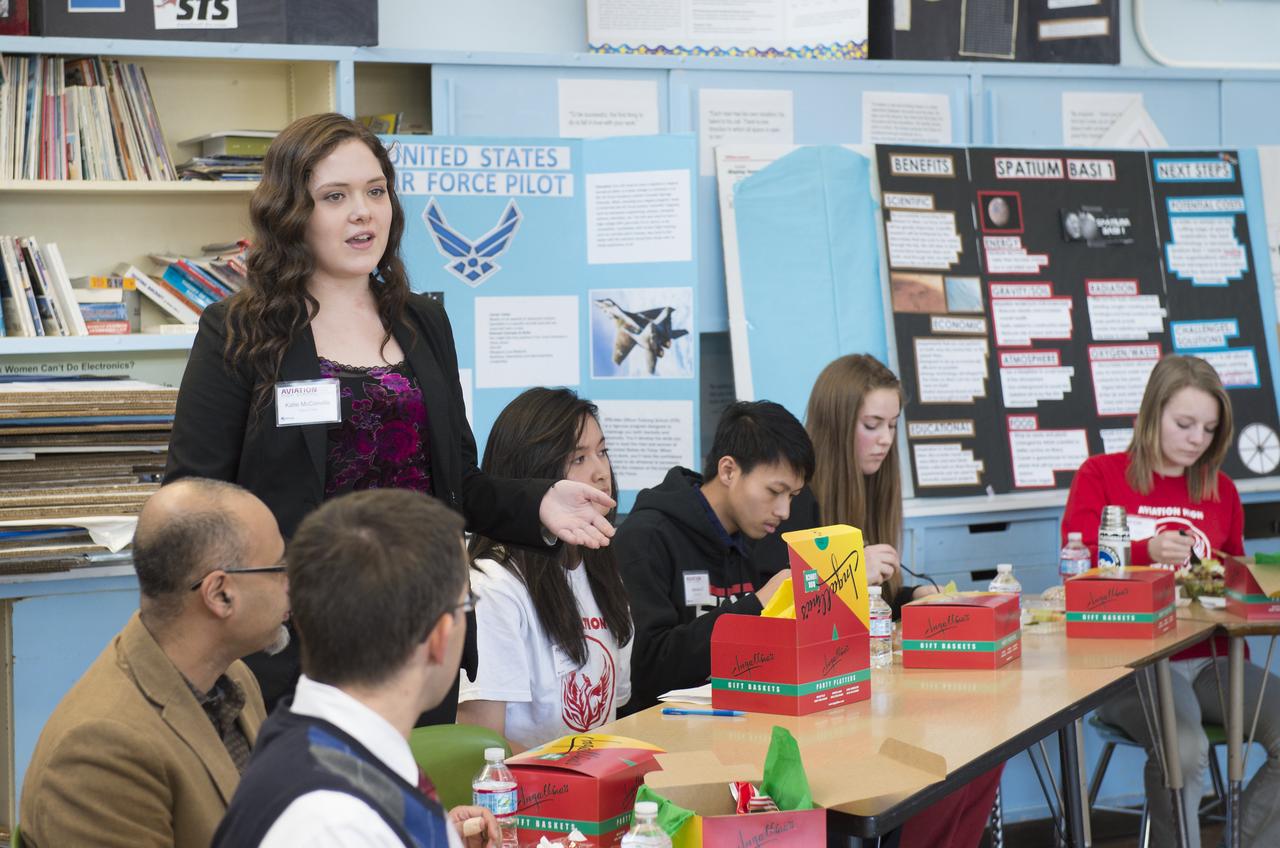
Aviation High School student, Katie McConville, introduces herself at a lunch and learn session with NASA Administrator Charles Bolden, Tuesday, Jan. 15, 2013 in Des Moines, WA. Aviation High School is a college preparatory aviation- and aerospace-themed school and a premier school of choice for science, technology, engineering and math (STEM) in the Pacific Northwest. Photo Credit: (NASA/Carla Cioffi)
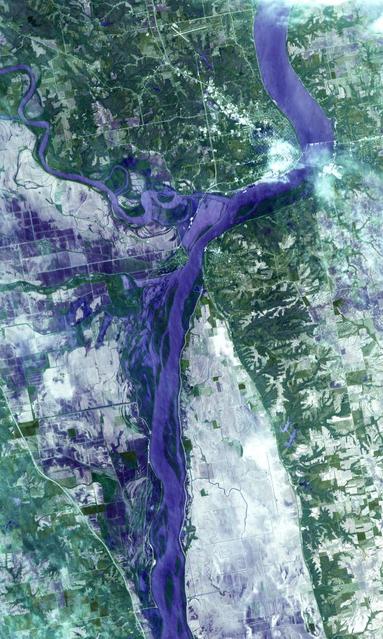
NASA Terra spacecraft acquired this image on April 30, 2011, showing flooding along the Mississippi River at its junction with the Des Moines River near Keokuk, Iowa.
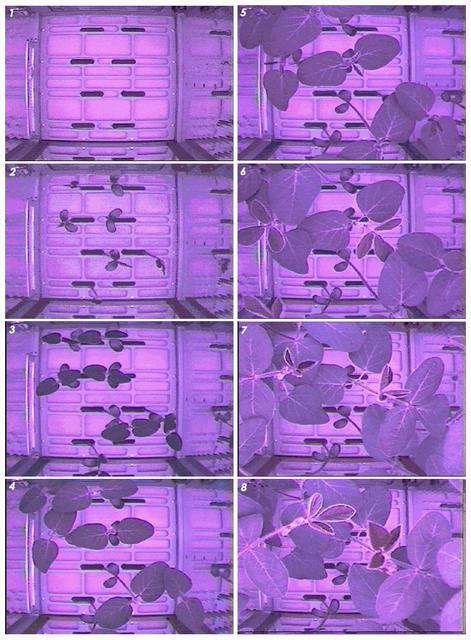
This composite image shows soybean plants growing in the Advanced Astroculture experiment aboard the International Space Station during June 11-July 2, 2002. DuPont is partnering with NASA and the Wisconsin Center for Space Automation and Robotics (WCSAR) at the University of Wisconsin-Madison to grow soybeans aboard the Space Station to find out if they have improved oil, protein, carbohydrates or secondary metabolites that could benefit farmers and consumers. Principal Investigators: Dr. Tom Corbin, Pioneer Hi-Bred International Inc., a Dupont Company, with headquarters in Des Moines, Iowa, and Dr. Weijia Zhou, Wisconsin Center for Space Automation and Robotics (WCSAR), University of Wisconsin-Madison.
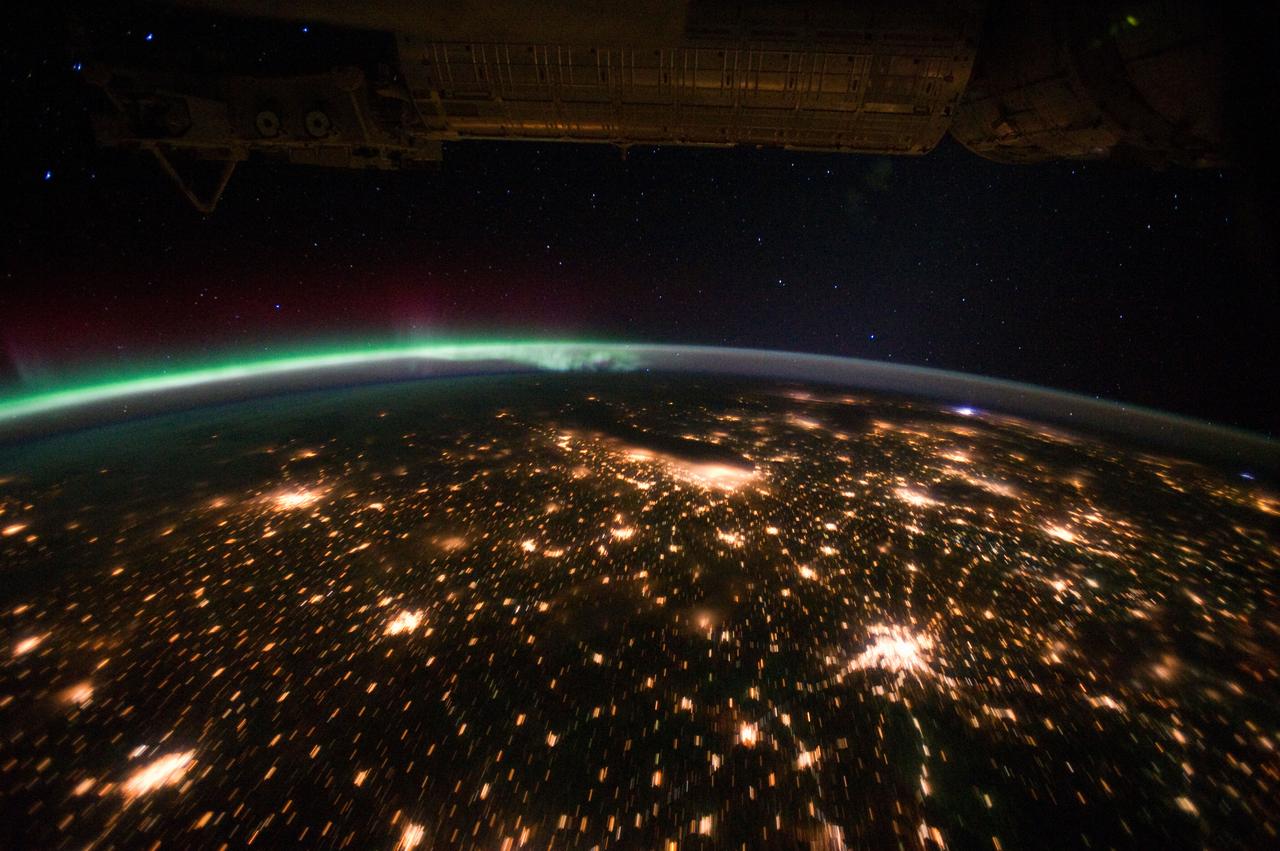
ISS029-E-012564 (29 Sept. 2011) --- The Midwestern United States at night with Aurora Borealis is featured in this image photographed by an Expedition 29 crew member on the International Space Station. The night skies viewed from the space station are illuminated with light from many sources. For example, the Midwestern United States presents a night-time appearance not unlike a patchwork quilt when viewed from orbit. The artificial light from human settlements appears everywhere with a characteristic yellow tinge in this photograph. But green light of the Aurora Borealis also appears strongly in this view (top left)—even seeming to be reflected off Earth’s surface—in Canada—beneath the aurora. A small white patch of light is almost certainly lightning from a storm on the East coast (top right). Part of the International Space Station appears across the top of the image. This photograph highlights the Chicago, IL, metropolitan area as the largest cluster of lights at center, next to the dark patch of Lake Michigan. The other largest metropolitan areas include St. Louis, MO (lower right), Minneapolis–St. Paul, MN (left) and the Omaha–Council Bluffs region on the Nebraska–Iowa border (lower left). City light clusters give an immediate sense of relative city size; demographers have used night time satellite imagery to make estimates of city populations, especially in the developing world where city growth can be very rapid. The U.S. northeast seaboard lies in the most oblique (meaning viewed at an angle) part of the image at top right, just beyond the Appalachian Mts., a dark winding zone without major cities. Scales change significantly in oblique views: Omaha is only 200 kilometers from Des Moines, but appears roughly the same distance from Minneapolis—which is actually 375 kilometers to the north of Des Moines. In addition to the major metropolitan areas, the rectangular NS/EW-oriented pattern of townships is clearly visible in the rural, lower left part of the image. This pattern instantly gives the sense of north orientation (toward the top left corner) and is a distinctive characteristic of the United States, so that ISS crew members can quickly know which continent they are flying over even at night. In contrast to the regular township pattern, interstate highways converge on St. Louis (e.g. Hwy 44), Chicago and other large cities, much like wheel spokes around a central hub. Rivers—major visual features in daylight—become almost invisible at night. The course of the Mississippi River appears as a slightly meandering zone from Minneapolis through St. Louis (dashed line)—the river course continues out of the lower right corner of the image.
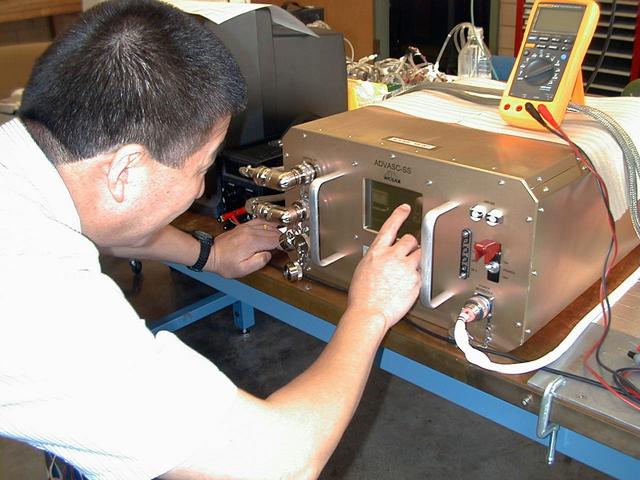
Dr. Weijia Zhou, director of the Wisconsin Center for Space Automation and Robotics at the University of Wisconsin-Madison, inspects the Advanced Astroculture(tm) plant growth unit before its first flight last spring. Coating technology is used inside the miniature plant greenhouse to remove ethylene, a chemical produced by plant leaves that can cause plants to mature too quickly. This same coating technology is used in a new anthrax-killing device. The Space Station experiment is managed by the Space Product Development Program at NASA's Marshall Space Flight Center in Huntsville, Ala. DuPont is partnering with NASA and the Wisconsin Center for Space Automation and Robotics (WCSAR) at the University of Wisconsin-Madison to grow soybeans aboard the Space Station to find out if they have improved oil, protein, carbohydrates or secondary metabolites that could benefit farmers and consumers. Principal Investigators: Dr. Tom Corbin, Pioneer Hi-Bred International Inc., a Dupont Company, with headquarters in Des Moines, Iowa, and Dr. Weijia Zhou, Wisconsin Center for Space Automation and Robotics (WCSAR), University of Wisconsin-Madison.