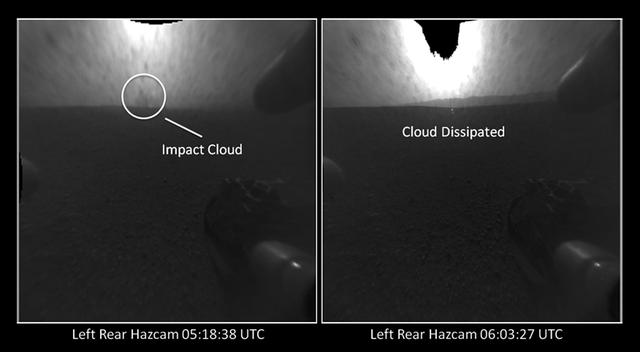
The distant blob seen in the view on left, taken by a Hazard-Avoidance camera on NASA Curiosity rover, may be a cloud created during the crash of the rover descent stage.
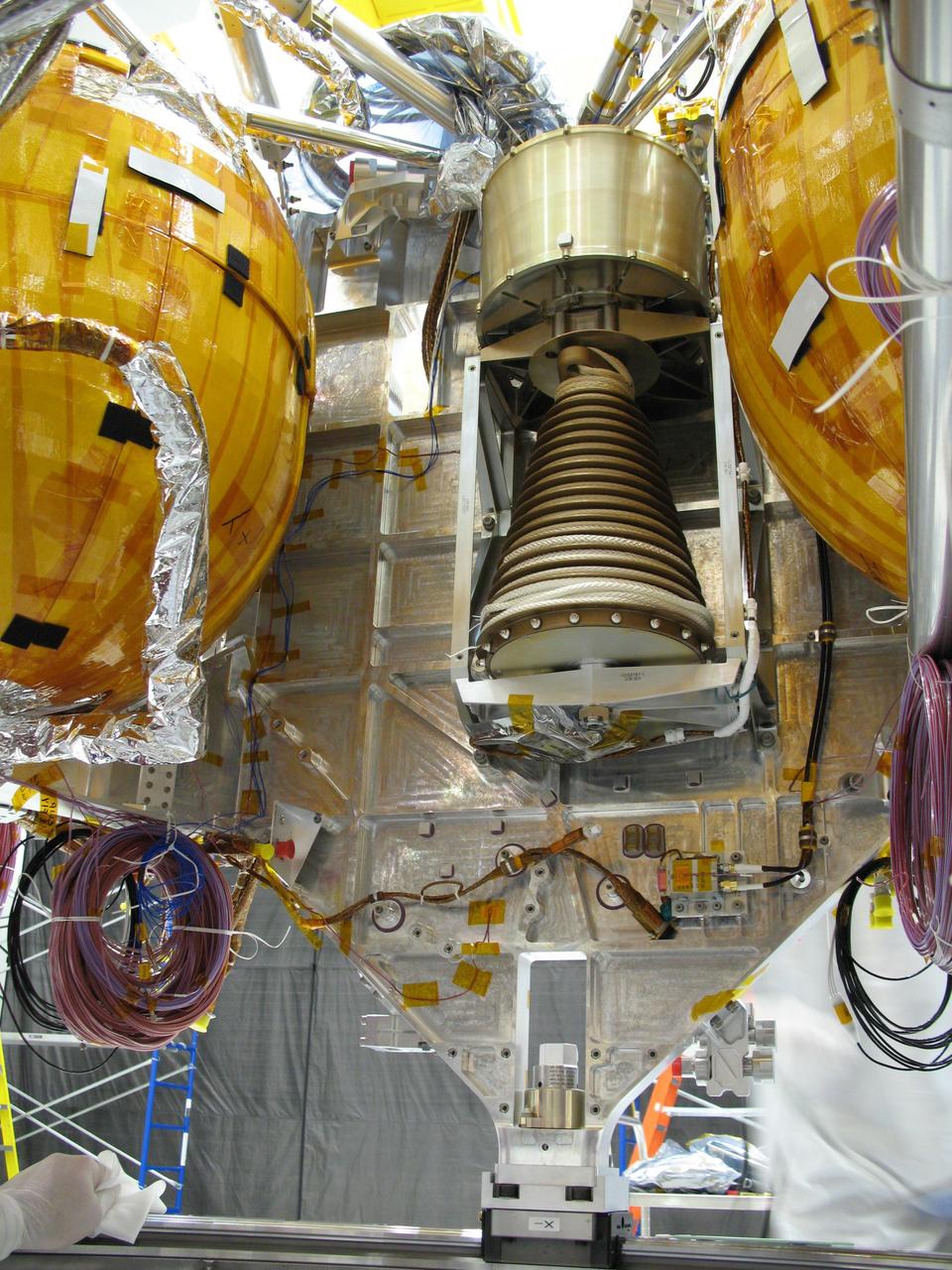
This view of a portion of the descent stage of NASA Mars Science Laboratory shows two of the stage three spherical fuel tanks flanking the bridle device assembly.
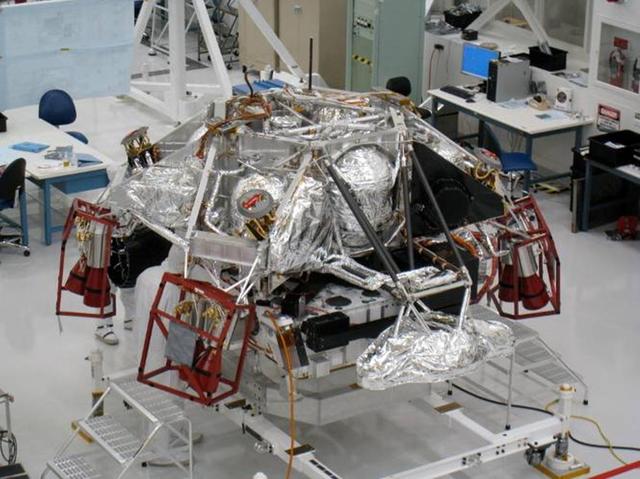
This portion of NASA Mars Science Laboratory, called the descent stage, does its main work during the final few minutes before touchdown on Mars.
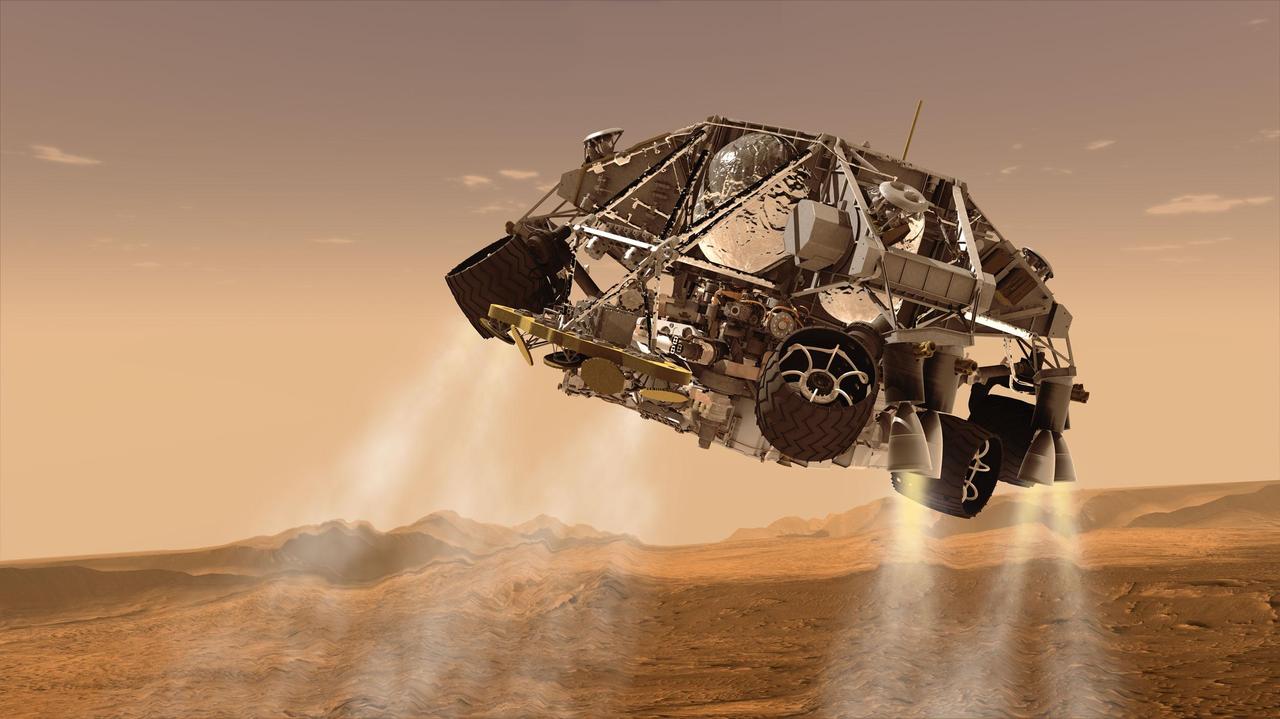
This is an artist concept of the rover and descent stage for NASA Mars Science Laboratory spacecraft during the final minute before the rover, Curiosity, touches down on the surface of Mars.
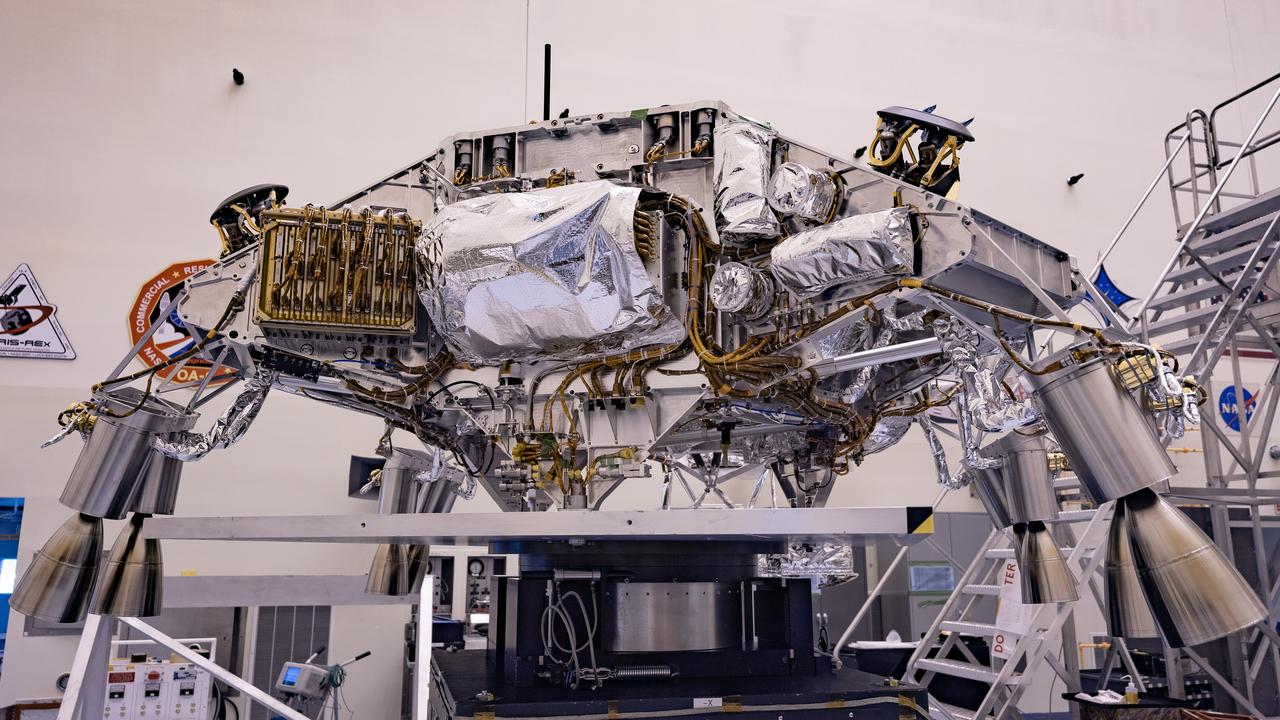
Engineers perform mass properties testing on the rocket-powered descent stage of NASA’s Mars Perseverance rover at Kennedy Space Center on April 12, 2020. The testing to determine the center of gravity, or the point at which weight is evenly dispersed on all sides, was performed inside the Florida spaceport’s Payload Hazardous Servicing Facility. The descent stage will lower the rover through the thin Martian atmosphere and onto the surface on Feb. 18, 2021. Liftoff, aboard a United Launch Alliance Atlas V 541 rocket, is targeted between July 17 and Aug. 5 from Cape Canaveral Air Force Station. NASA’s Launch Services Program based at Kennedy is managing the launch. The rover will seek signs of ancient life and collect rock and soil samples for possible return to Earth.
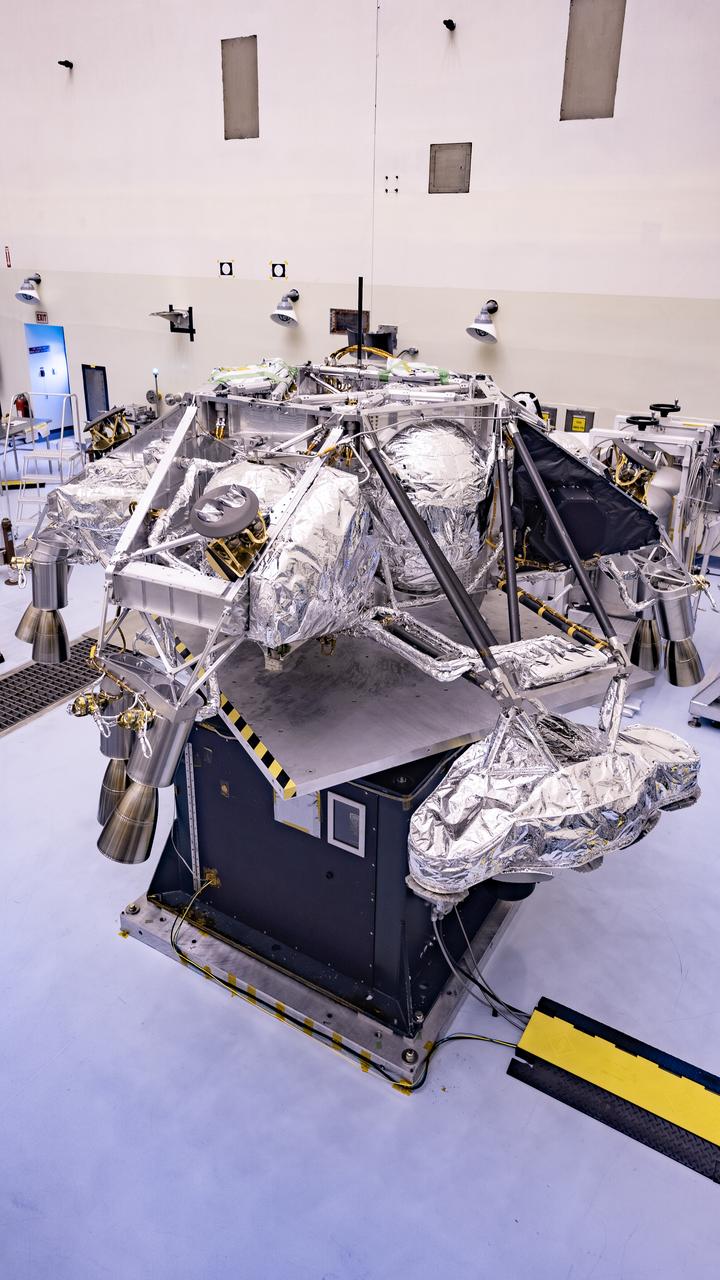
Engineers perform mass properties testing on the rocket-powered descent stage of NASA’s Mars Perseverance rover at Kennedy Space Center on April 12, 2020. The testing to determine the center of gravity, or the point at which weight is evenly dispersed on all sides, was performed inside the Florida spaceport’s Payload Hazardous Servicing Facility. The descent stage will lower the rover through the thin Martian atmosphere and onto the surface on Feb. 18, 2021. Liftoff, aboard a United Launch Alliance Atlas V 541 rocket, is targeted between July 17 and Aug. 5 from Cape Canaveral Air Force Station. NASA’s Launch Services Program based at Kennedy is managing the launch. The rover will seek signs of ancient life and collect rock and soil samples for possible return to Earth.
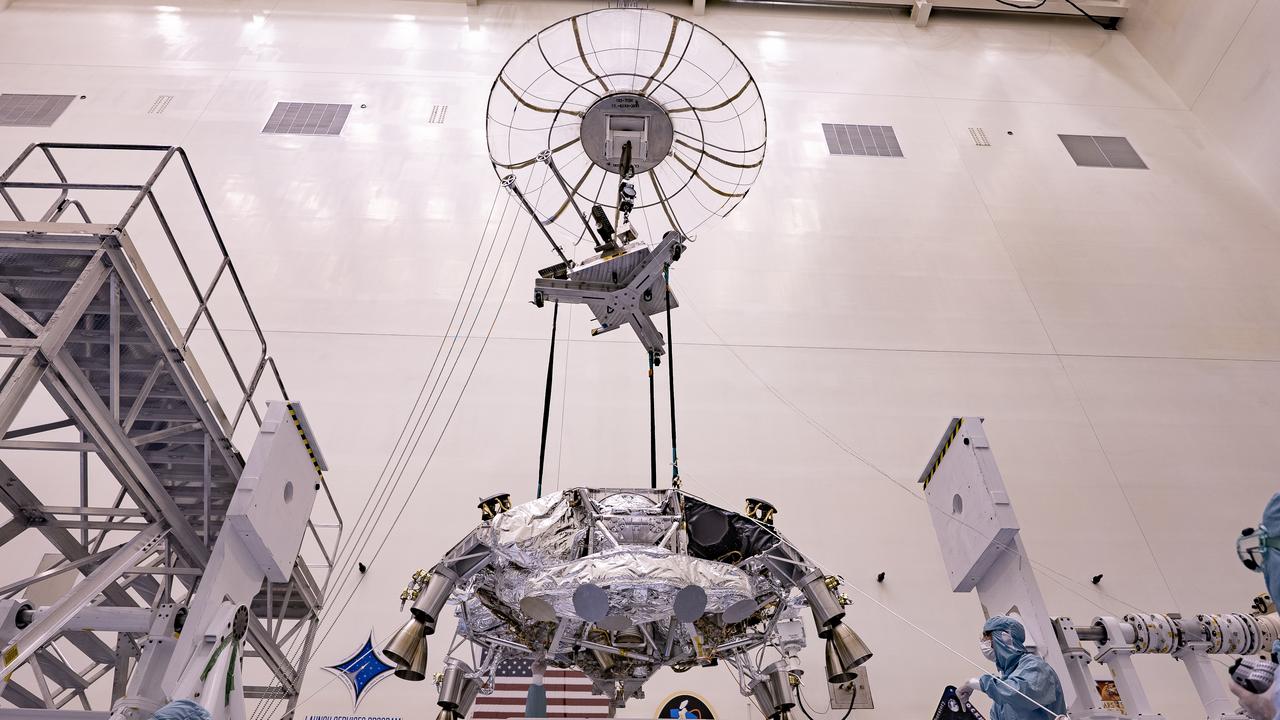
Engineers perform mass properties testing on the rocket-powered descent stage of NASA’s Mars Perseverance rover at Kennedy Space Center on April 9, 2020. The testing to determine the center of gravity, or the point at which weight is evenly dispersed on all sides, was performed inside the Florida spaceport’s Payload Hazardous Servicing Facility. The descent stage will lower the rover through the thin Martian atmosphere and onto the surface on Feb. 18, 2021. Liftoff, aboard a United Launch Alliance Atlas V 541 rocket, is targeted between July 17 and Aug. 5 from Cape Canaveral Air Force Station. NASA’s Launch Services Program based at Kennedy is managing the launch. The rover will seek signs of ancient life and collect rock and soil samples for possible return to Earth.
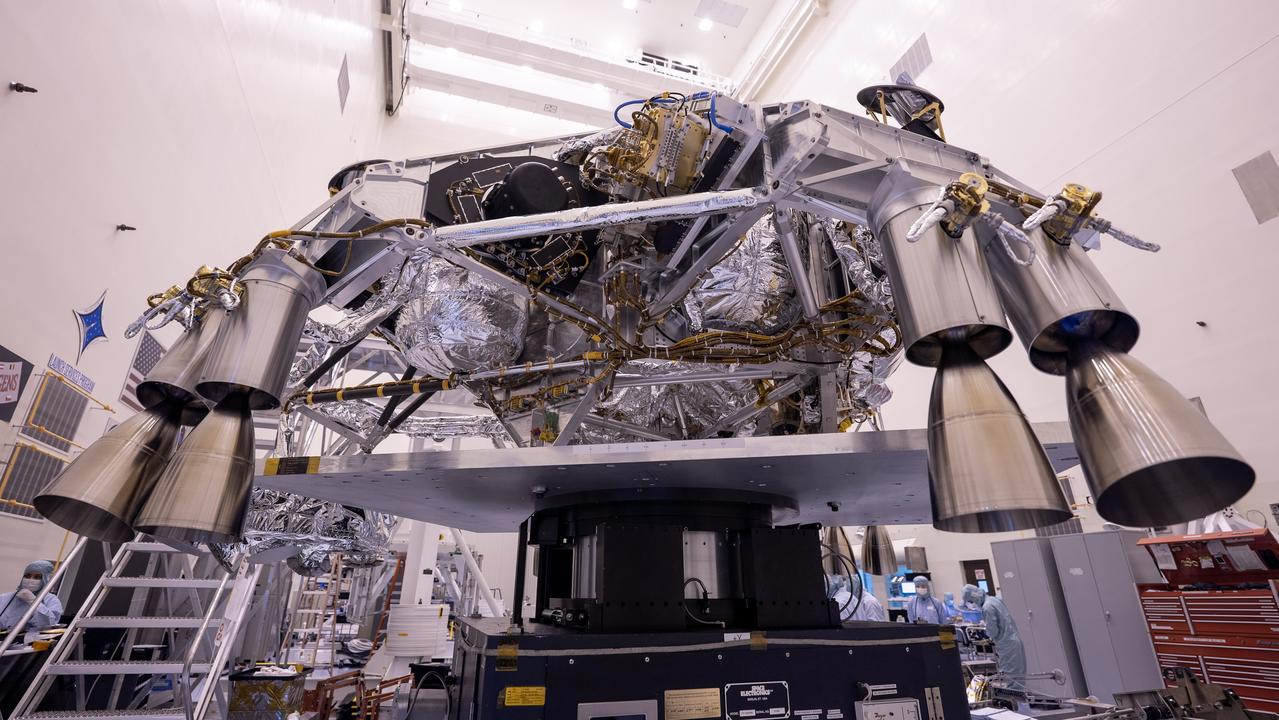
Engineers perform mass properties testing on the rocket-powered descent stage of NASA’s Mars Perseverance rover at Kennedy Space Center on April 12, 2020. The testing to determine the center of gravity, or the point at which weight is evenly dispersed on all sides, was performed inside the Florida spaceport’s Payload Hazardous Servicing Facility. The descent stage will lower the rover through the thin Martian atmosphere and onto the surface on Feb. 18, 2021. Liftoff, aboard a United Launch Alliance Atlas V 541 rocket, is targeted between July 17 and Aug. 5 from Cape Canaveral Air Force Station. NASA’s Launch Services Program based at Kennedy is managing the launch. The rover will seek signs of ancient life and collect rock and soil samples for possible return to Earth.
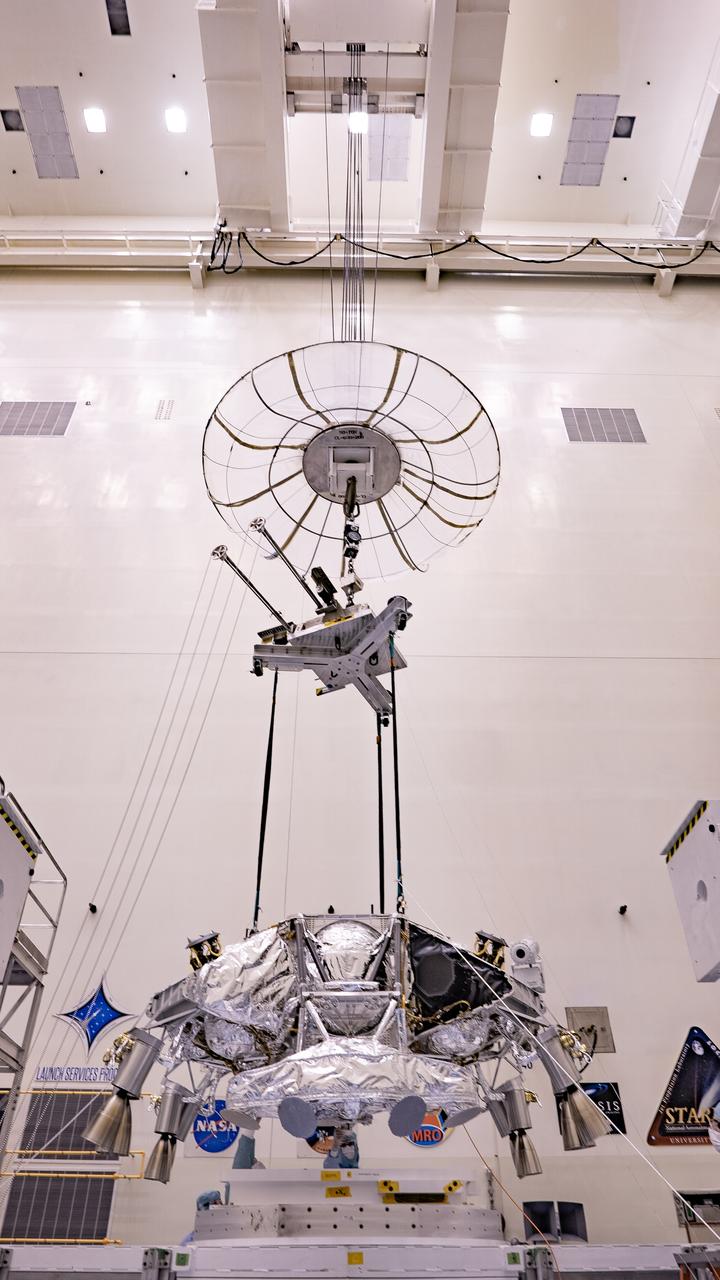
Engineers perform mass properties testing on the rocket-powered descent stage of NASA’s Mars Perseverance rover at Kennedy Space Center on April 9, 2020. The testing to determine the center of gravity, or the point at which weight is evenly dispersed on all sides, was performed inside the Florida spaceport’s Payload Hazardous Servicing Facility. The descent stage will lower the rover through the thin Martian atmosphere and onto the surface on Feb. 18, 2021. Liftoff, aboard a United Launch Alliance Atlas V 541 rocket, is targeted between July 17 and Aug. 5 from Cape Canaveral Air Force Station. NASA’s Launch Services Program based at Kennedy is managing the launch. The rover will seek signs of ancient life and collect rock and soil samples for possible return to Earth.
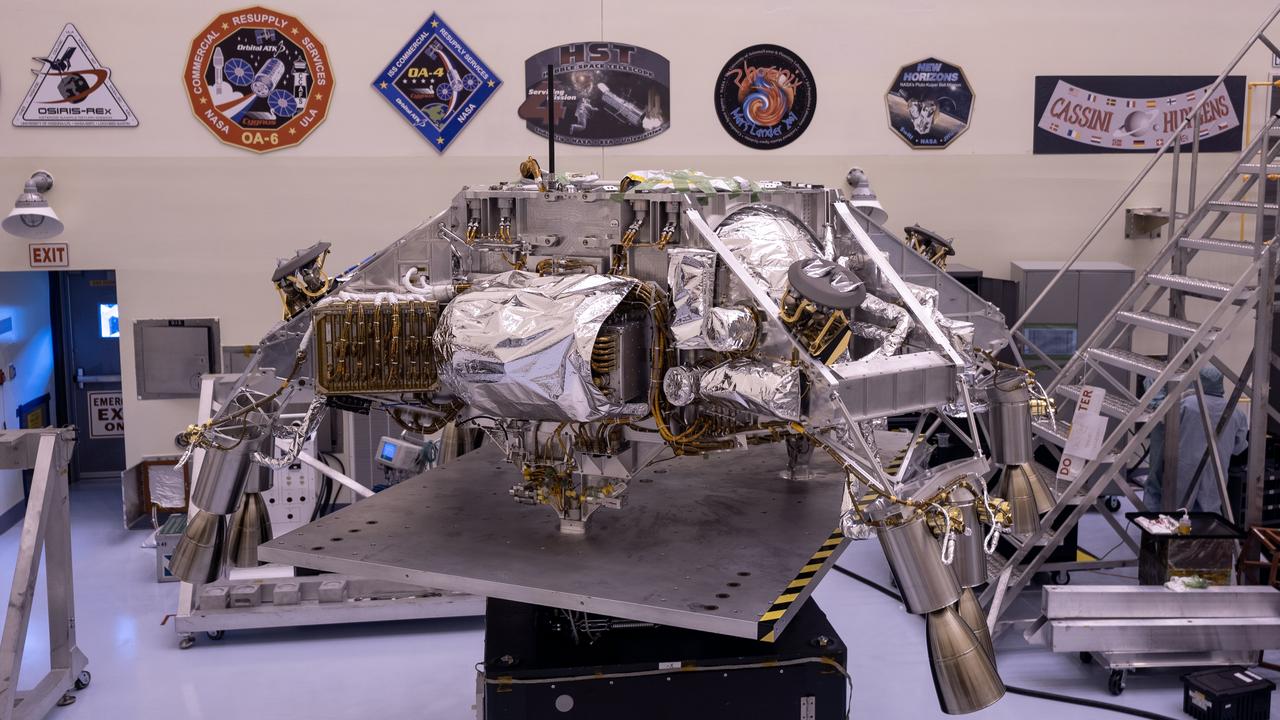
Engineers perform mass properties testing on the rocket-powered descent stage of NASA’s Mars Perseverance rover at Kennedy Space Center on April 12, 2020. The testing to determine the center of gravity, or the point at which weight is evenly dispersed on all sides, was performed inside the Florida spaceport’s Payload Hazardous Servicing Facility. The descent stage will lower the rover through the thin Martian atmosphere and onto the surface on Feb. 18, 2021. Liftoff, aboard a United Launch Alliance Atlas V 541 rocket, is targeted between July 17 and Aug. 5 from Cape Canaveral Air Force Station. NASA’s Launch Services Program based at Kennedy is managing the launch. The rover will seek signs of ancient life and collect rock and soil samples for possible return to Earth.
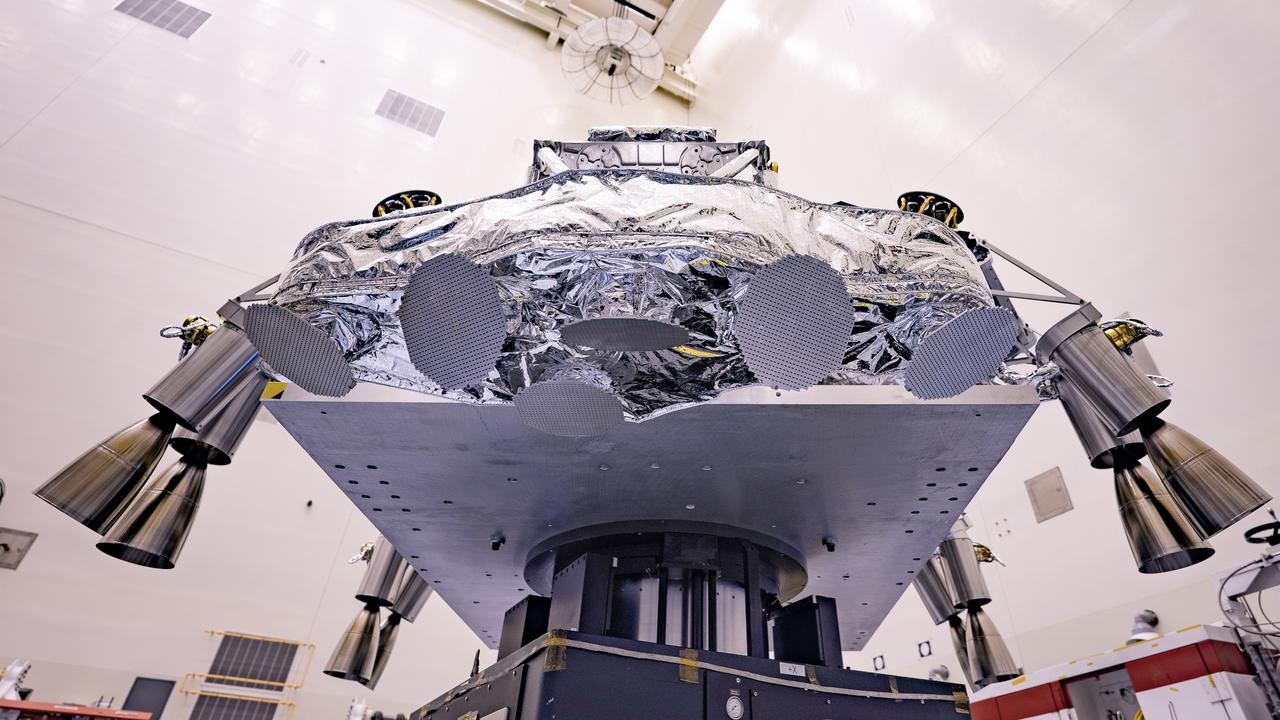
Engineers perform mass properties testing on the rocket-powered descent stage of NASA’s Mars Perseverance rover at Kennedy Space Center on April 12, 2020. The testing to determine the center of gravity, or the point at which weight is evenly dispersed on all sides, was performed inside the Florida spaceport’s Payload Hazardous Servicing Facility. The descent stage will lower the rover through the thin Martian atmosphere and onto the surface on Feb. 18, 2021. Liftoff, aboard a United Launch Alliance Atlas V 541 rocket, is targeted between July 17 and Aug. 5 from Cape Canaveral Air Force Station. NASA’s Launch Services Program based at Kennedy is managing the launch. The rover will seek signs of ancient life and collect rock and soil samples for possible return to Earth.
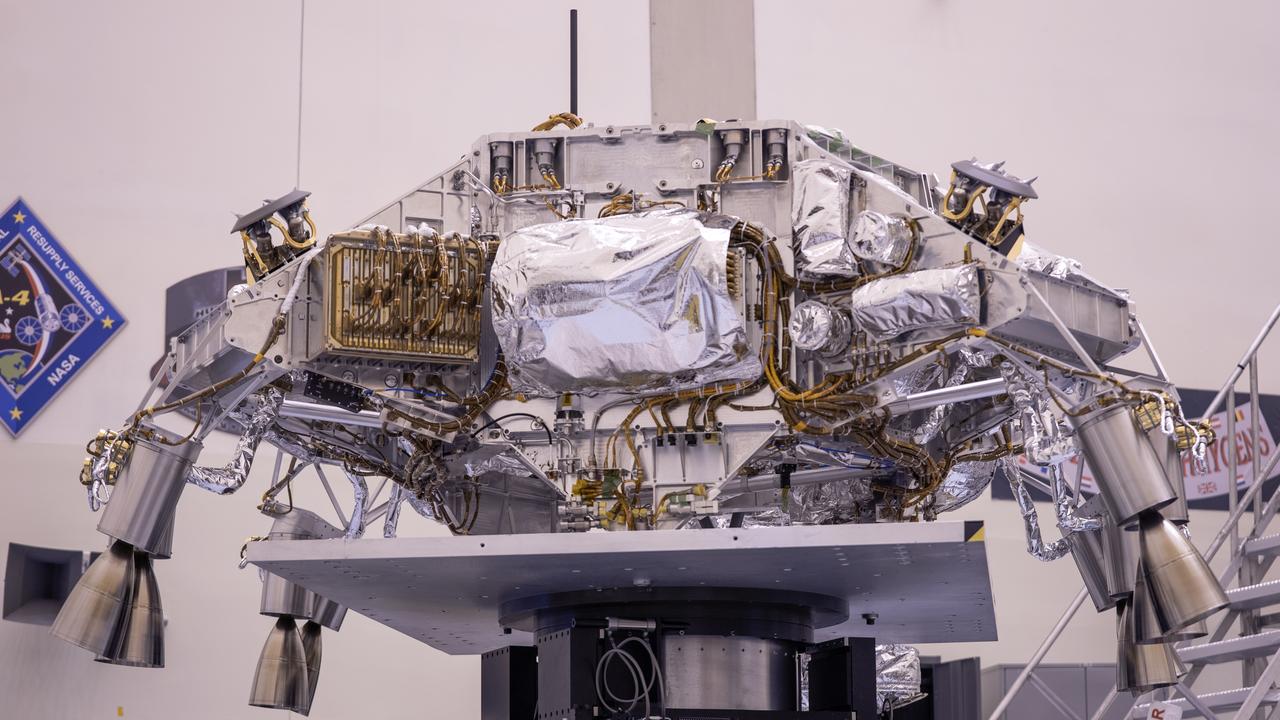
Engineers perform mass properties testing on the rocket-powered descent stage of NASA’s Mars Perseverance rover at Kennedy Space Center on April 12, 2020. The testing to determine the center of gravity, or the point at which weight is evenly dispersed on all sides, was performed inside the Florida spaceport’s Payload Hazardous Servicing Facility. The descent stage will lower the rover through the thin Martian atmosphere and onto the surface on Feb. 18, 2021. Liftoff, aboard a United Launch Alliance Atlas V 541 rocket, is targeted between July 17 and Aug. 5 from Cape Canaveral Air Force Station. NASA’s Launch Services Program based at Kennedy is managing the launch. The rover will seek signs of ancient life and collect rock and soil samples for possible return to Earth.
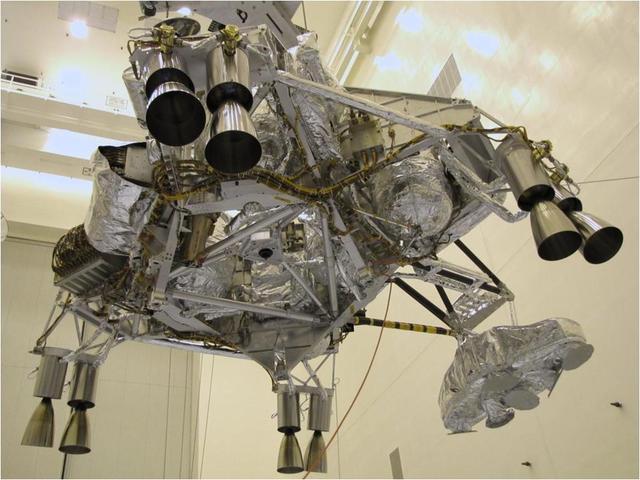
The descent stage of NASA Mars Science Laboratory spacecraft is being lifted during assembly of the spacecraft in this photograph taken inside the Payload Hazardous Servicing Facility at NASA Kennedy Space Center, Fla.
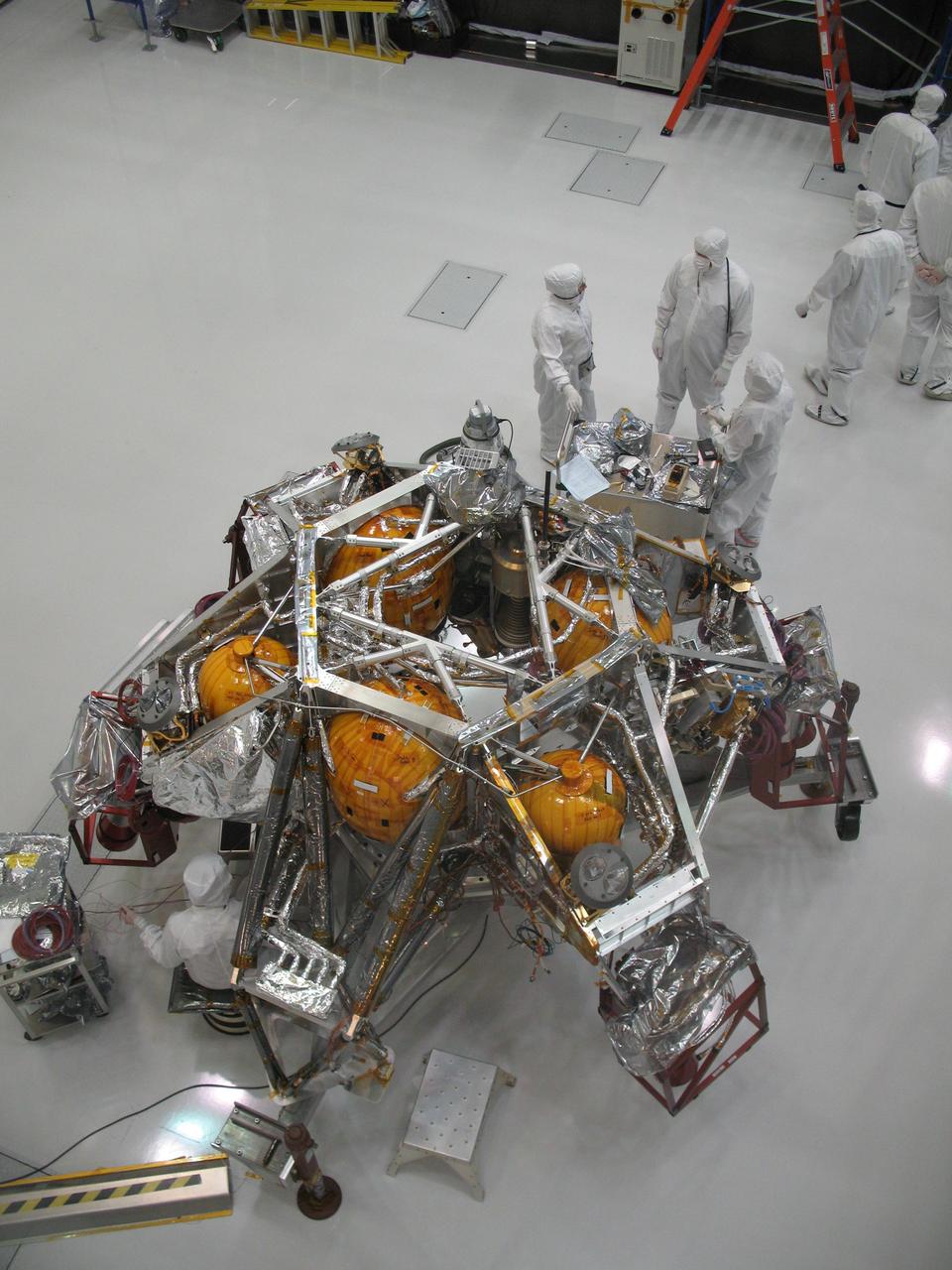
This image from early October 2008 shows personnel working on the descent stage of NASA Mars Science Laboratory inside the Spacecraft Assembly Facility at NASA Jet Propulsion Laboratory, Pasadena, Calif.
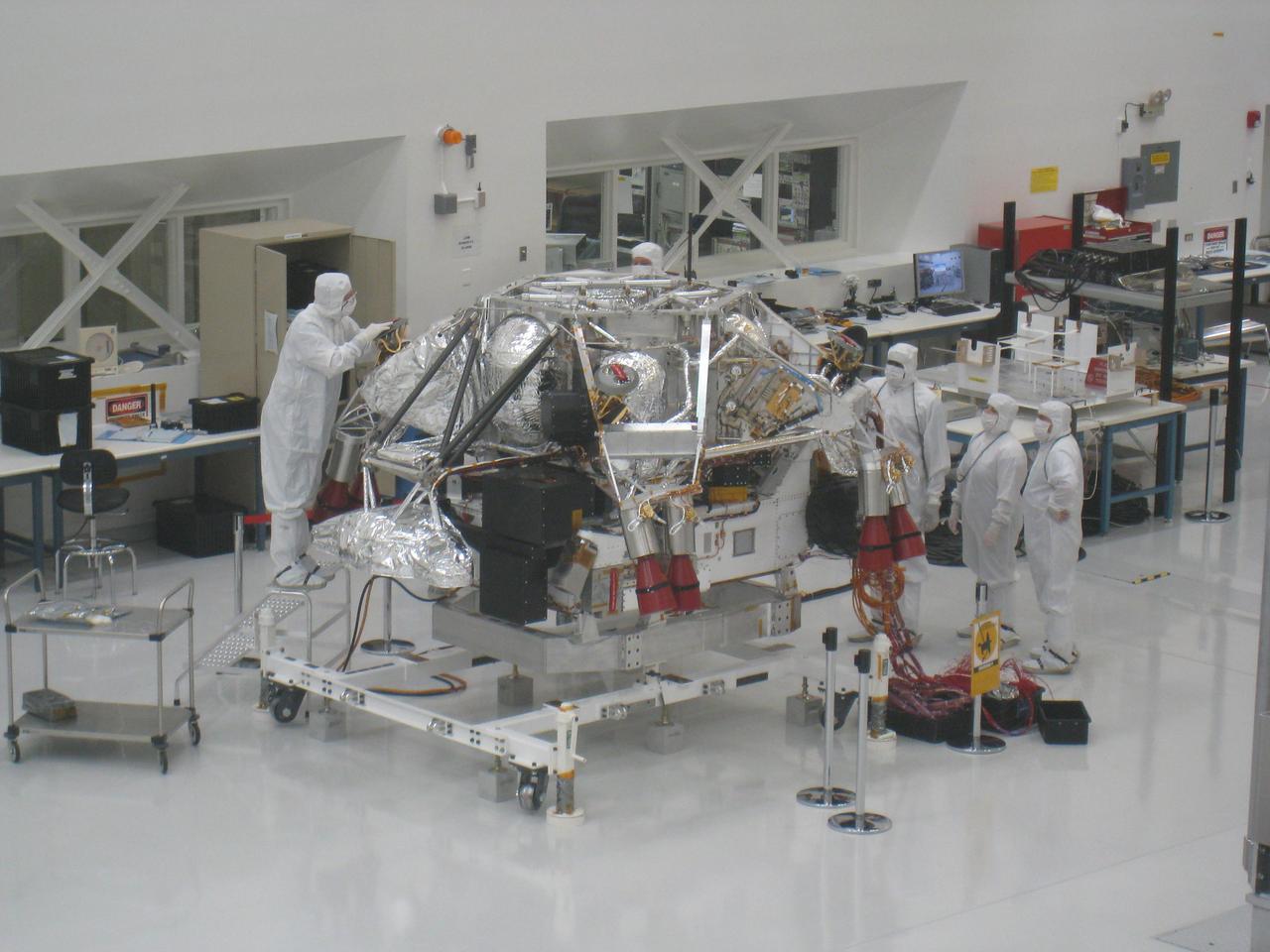
In this February 17, 2009, image, NASA Mars Science Laboratory rover is attached to the spacecraft descent stage. The image was taken inside the Spacecraft Assembly Facility at NASA JPL, Pasadena, Calif.
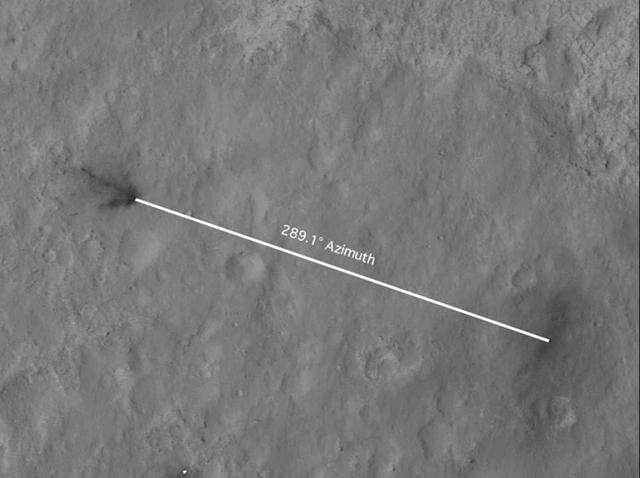
This portion of an image from NASA Mars Reconnaissance Orbiter has been annotated to show the relative positions between NASA Curiosity rover right and the impact site of its sky crane, or descent stage.
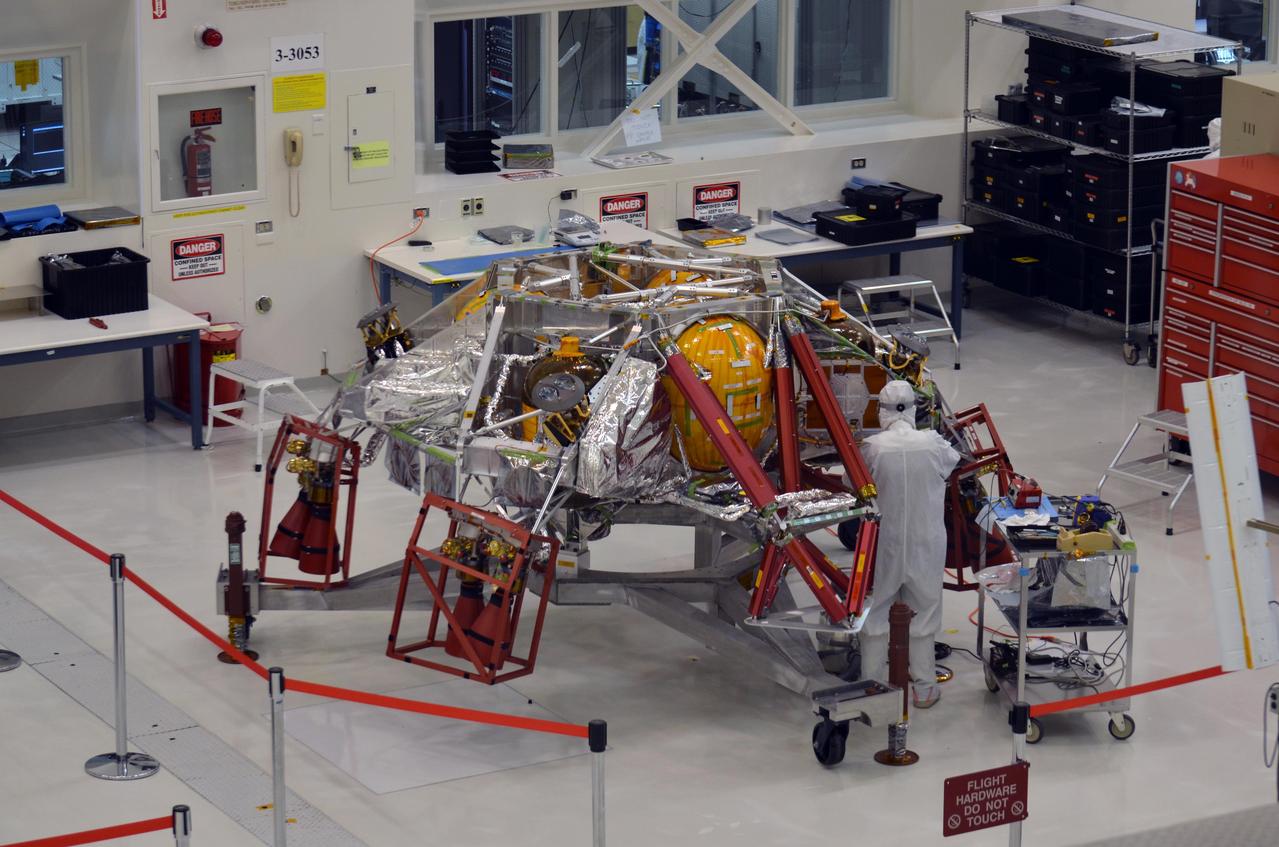
A technician works on the descent stage for NASA's Mars 2020 mission inside JPL's Spacecraft Assembly Facility. Mars 2020 is slated to carry NASA's next Mars rover to the Red Planet in July of 2020. https://photojournal.jpl.nasa.gov/catalog/PIA22342
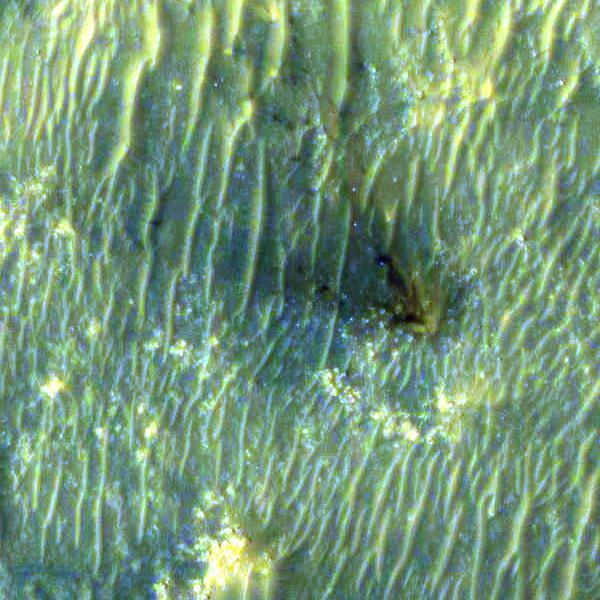
The High Resolution Imaging Experiment (HiRISE) camera aboard NASA's Mars Reconnaissance Orbiter (MRO) was able to capture this image of the final location of the descent stage that helped fly NASA's Perseverance rover down to the surface of Mars. The image was taken on Feb. 19, 2021. It is a close-up version of a larger image showing several parts of the Mars 2020 mission landing system that got the rover safely on the ground. These close-ups of Mars 2020 hardware were processed to make them easier to see. The insets showing the descent stage and parachute have had color added and include data from the infrared band of light. A key objective for Perseverance's mission on Mars is astrobiology, including the search for signs of ancient microbial life. The rover will characterize the planet's geology and past climate, pave the way for human exploration of the Red Planet, and be the first mission to collect and cache Martian rock and regolith (broken rock and dust). Subsequent NASA missions, in cooperation with ESA (European Space Agency), would send spacecraft to Mars to collect these sealed samples from the surface and return them to Earth for in-depth analysis. The Mars 2020 Perseverance mission is part of NASA's Moon to Mars exploration approach, which includes Artemis missions to the Moon that will help prepare for human exploration of the Red Planet. https://photojournal.jpl.nasa.gov/catalog/PIA24335
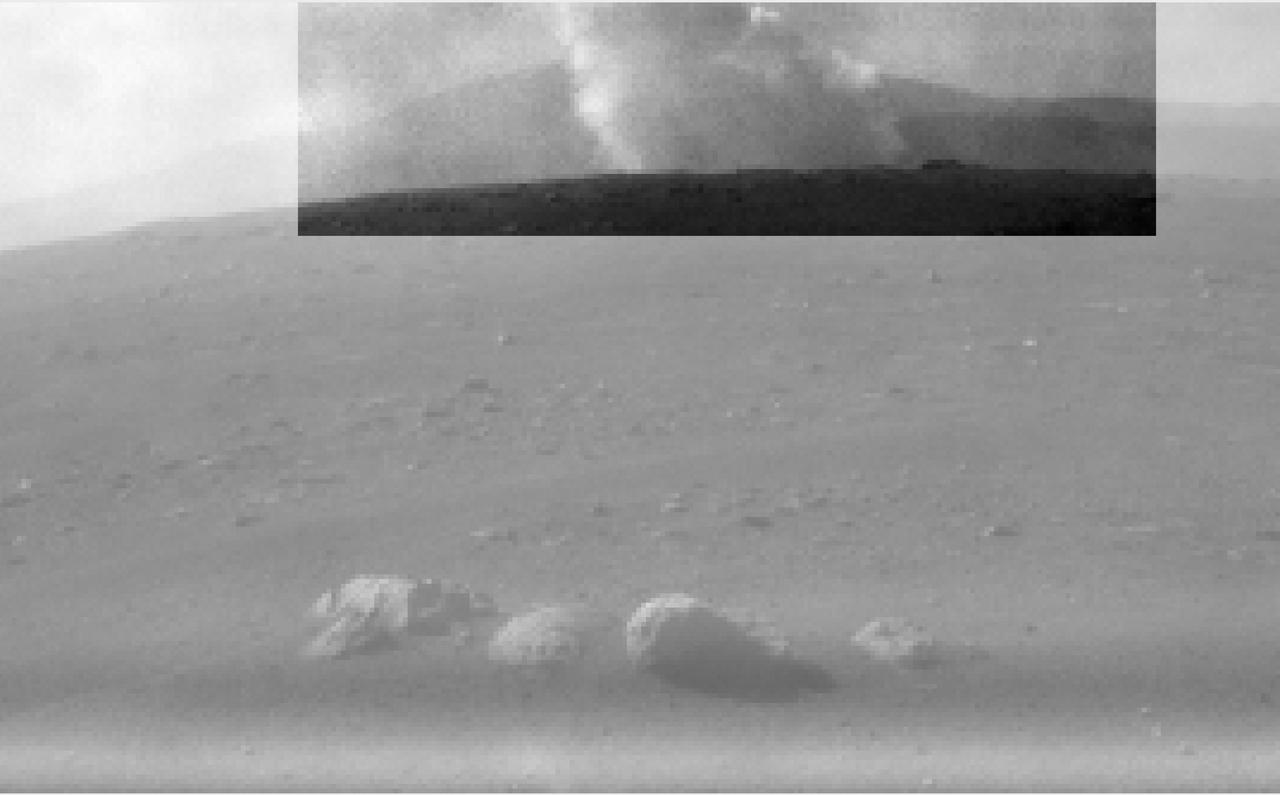
This image from one of the rear Hazard Cameras, or Hazcams, aboard NASA's Perseverance Mars rover, shows a smoke plume from the crashed descent stage that lowered the rover to the Martian surface. This image was taken within a minute or two after the rover landed on February 18, 2021. https://photojournal.jpl.nasa.gov/catalog/PIA24425
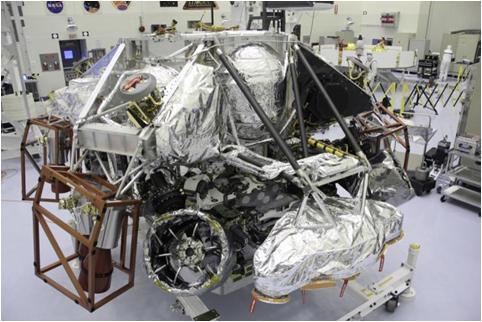
The Mars Science Laboratory mission powered descent vehicle is the integrated combination of the spacecraft descent stage and the rover Curiosity.
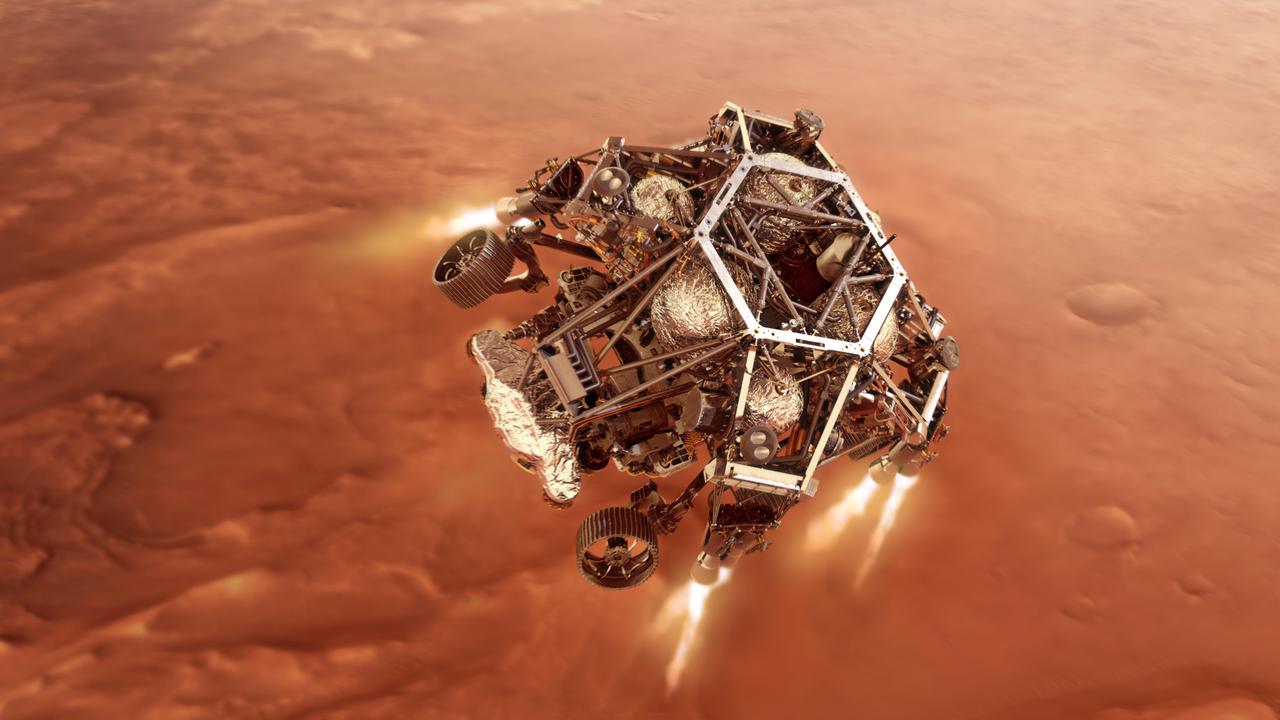
NASA's Perseverance rover fires up its descent stage engines as it nears the Martian surface in this illustration. This phase of its entry, descent and landing sequence, or EDL, is known as "powered descent." Hundreds of critical events must execute perfectly and exactly on time for the rover to land safely on Feb. 18, 2021. The cruise stage separates about 10 minutes before entering into the atmosphere, leaving the aeroshell, which encloses the rover and descent stage, to make the trip to the surface. At about 6,900 feet (2,100 meters) above the surface, the rover separates from the parachute and backshell. At this point, the rover is joined to the descent stage, which functions as a sort of jetpack for the rover. The descent stage fires up its engines, flies to a reachable self-selected safe landing target, levels out, and slows to its final descent speed of about 1.7 mph (2.7 kph). It then initiates the "skycrane" maneuver: about 12 seconds before touchdown, roughly 66 feet (20 meters) above the surface, the descent stage lowers the rover on a set of cables about 21 feet (6.4 meters) long. The rover unstows its mobility system, locking its legs and wheels into landing position. EDL ends about seven minutes after atmospheric entry, with Perseverance stationary on the Martian surface. https://photojournal.jpl.nasa.gov/catalog/PIA24318
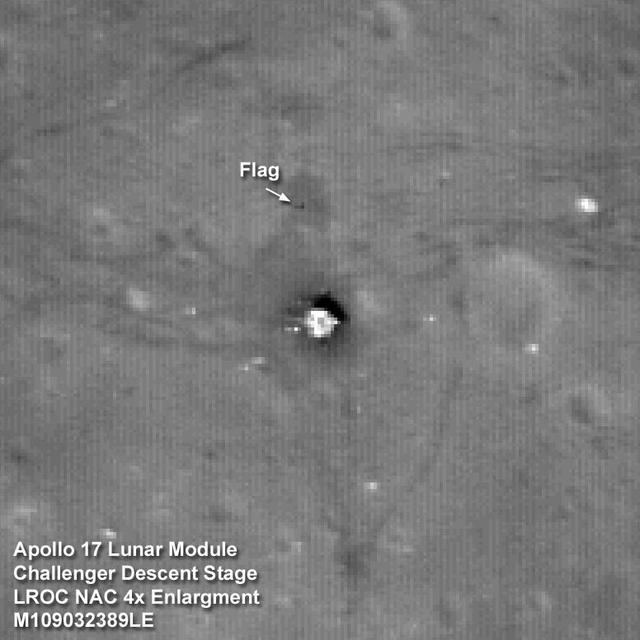
The Apollo 17 Lunar Module Challenger descent stage comes into focus in this image taken by NASA Lunar Reconnaissance Orbiter.
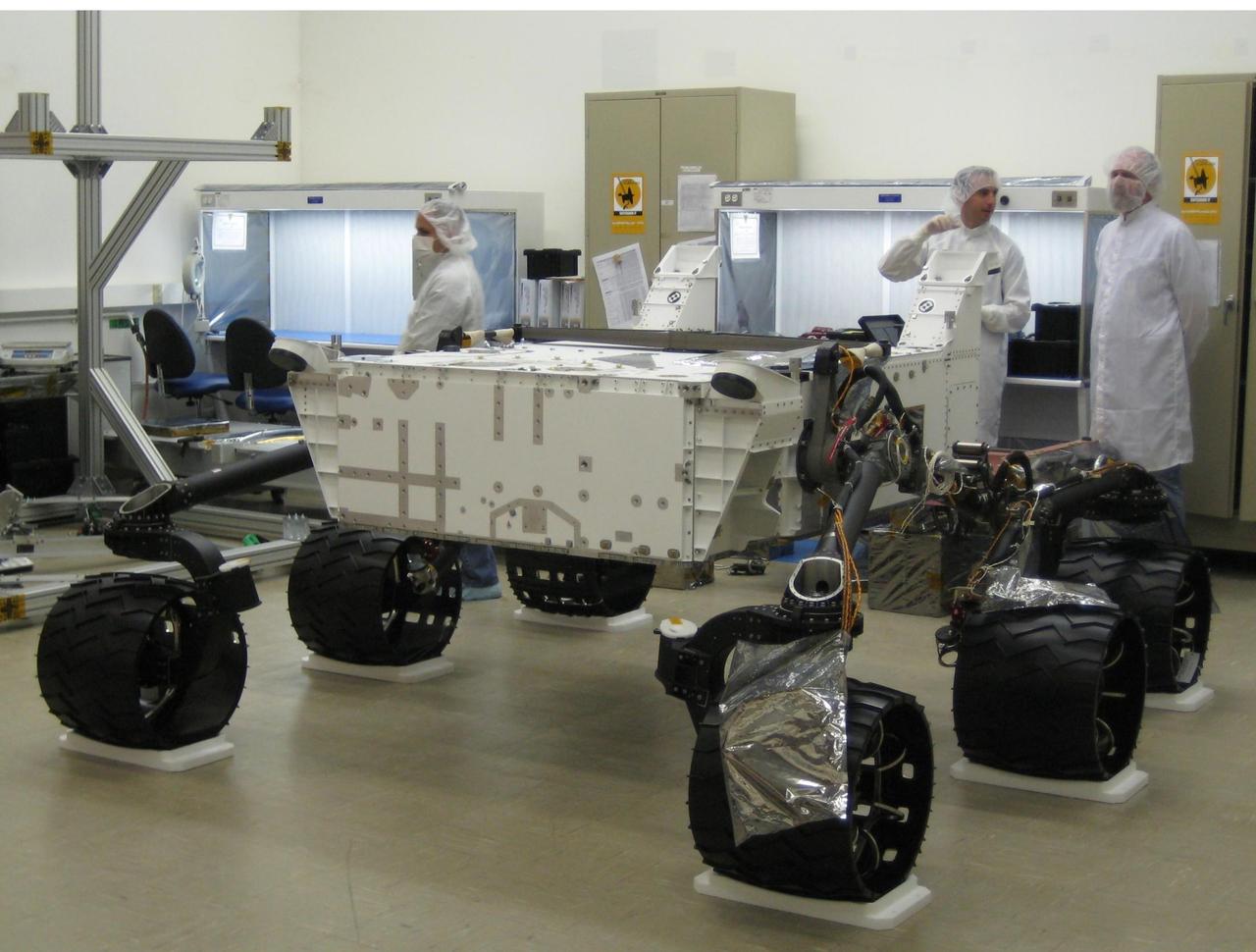
Wheels were first attached to NASA Mars Science Laboratory rover in August 2008. The rover and its descent stage and cruise stage were assembled and tested at NASA Jet Propulsion Laboratory, Pasadena, Calif., for launch in 2009.
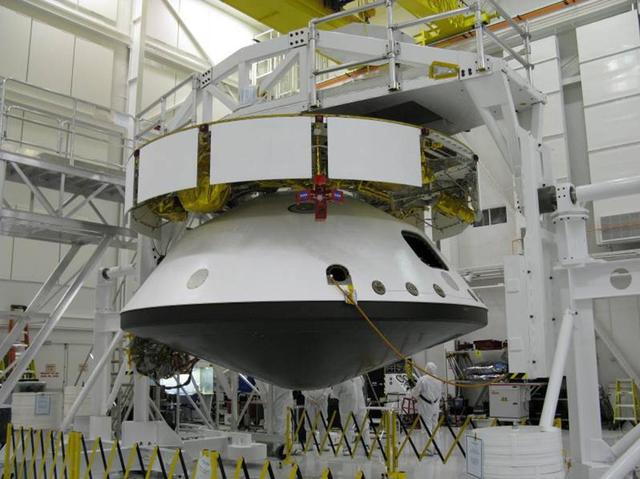
The major components of NASA Mars Science Laboratory spacecraft -- cruise stage atop the aeroshell, which has the descent stage and rover inside -- were connected together in October 2008 for several weeks of system testing.
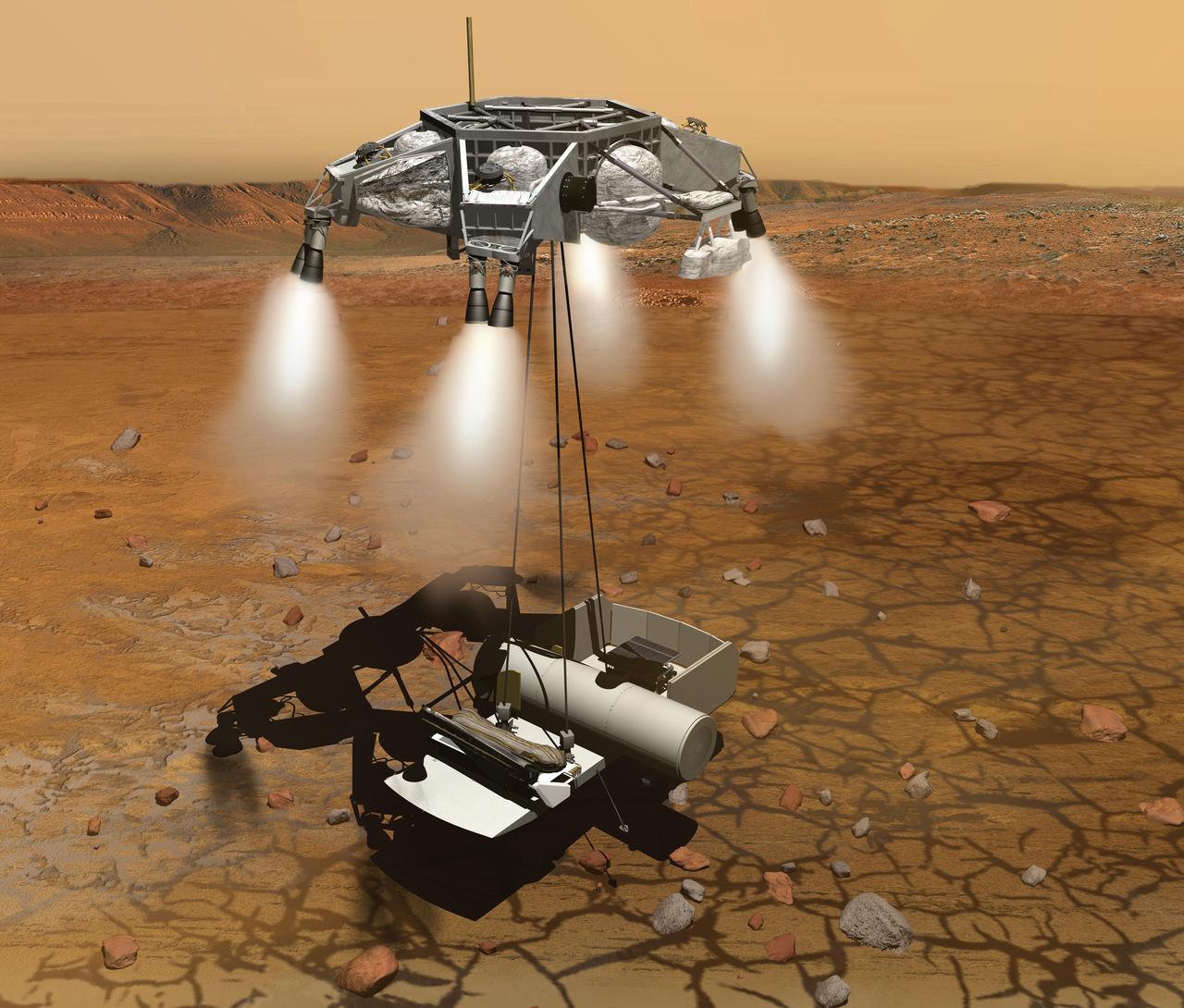
This artist concept of a proposed Mars sample return mission portrays a rocket-powered descent stage lowering a sample-retrieving rover and an ascent vehicle to the surface.
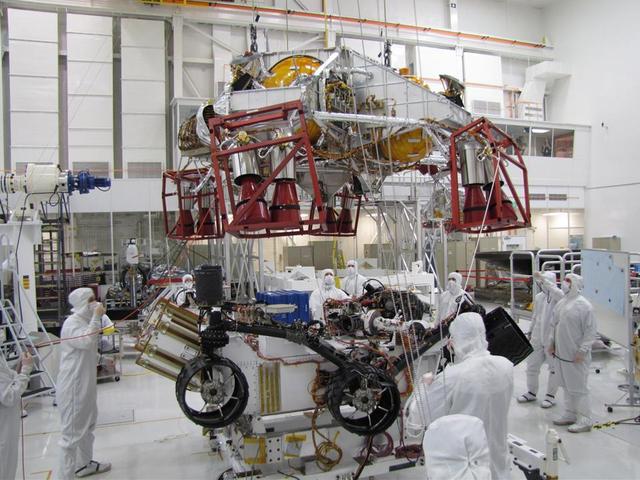
Spacecraft specialists test the descent stage and rover of the Mars Science Laboratory in this scene from the Spacecraft Assembly Facility at NASA Jet Propulsion Laboratory, Pasadena, Calif.
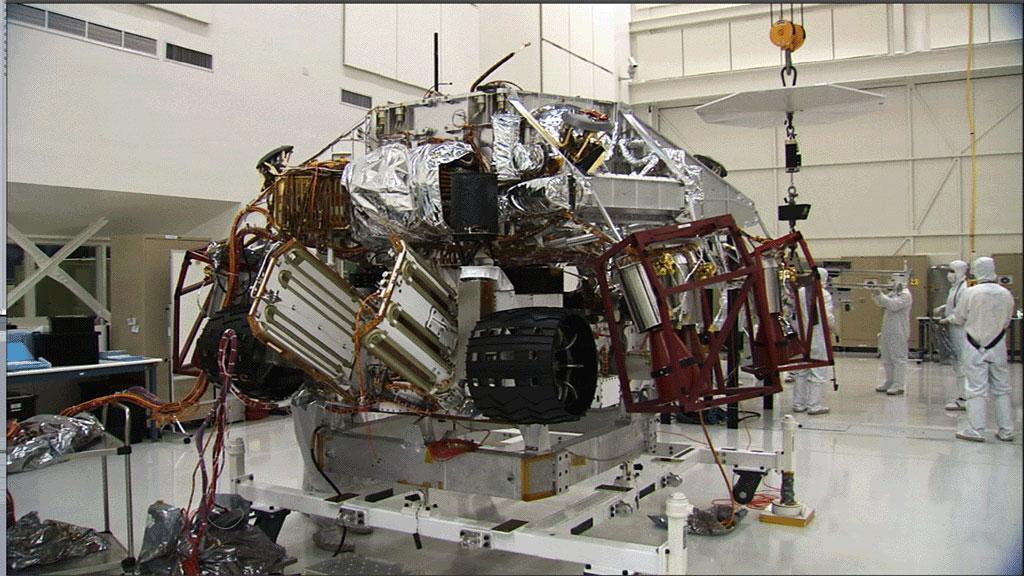
These three images show the progression of tacking NASA Mars Science Laboratory rover and its descent stage in one of NASA Jet Propulsion Laboratory’s clean room.
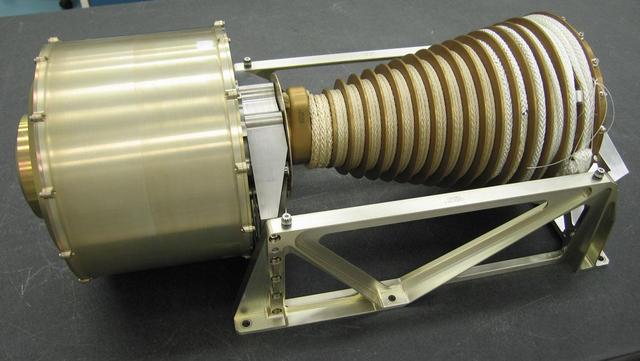
This is hardware for controlling the final lowering of NASA Mars Science Laboratory rover to the surface of Mars from the spacecraft hovering, rocket-powered descent stage.
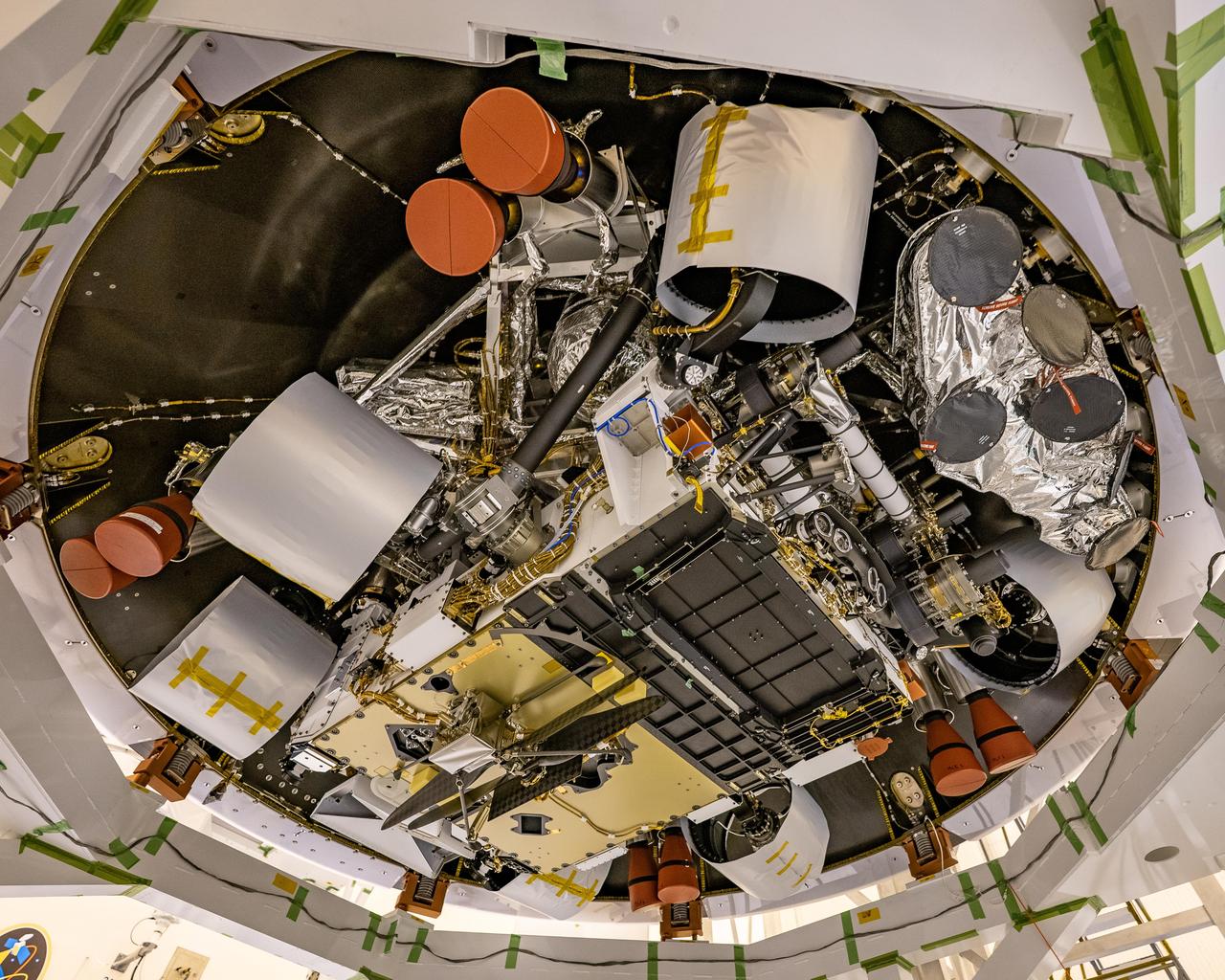
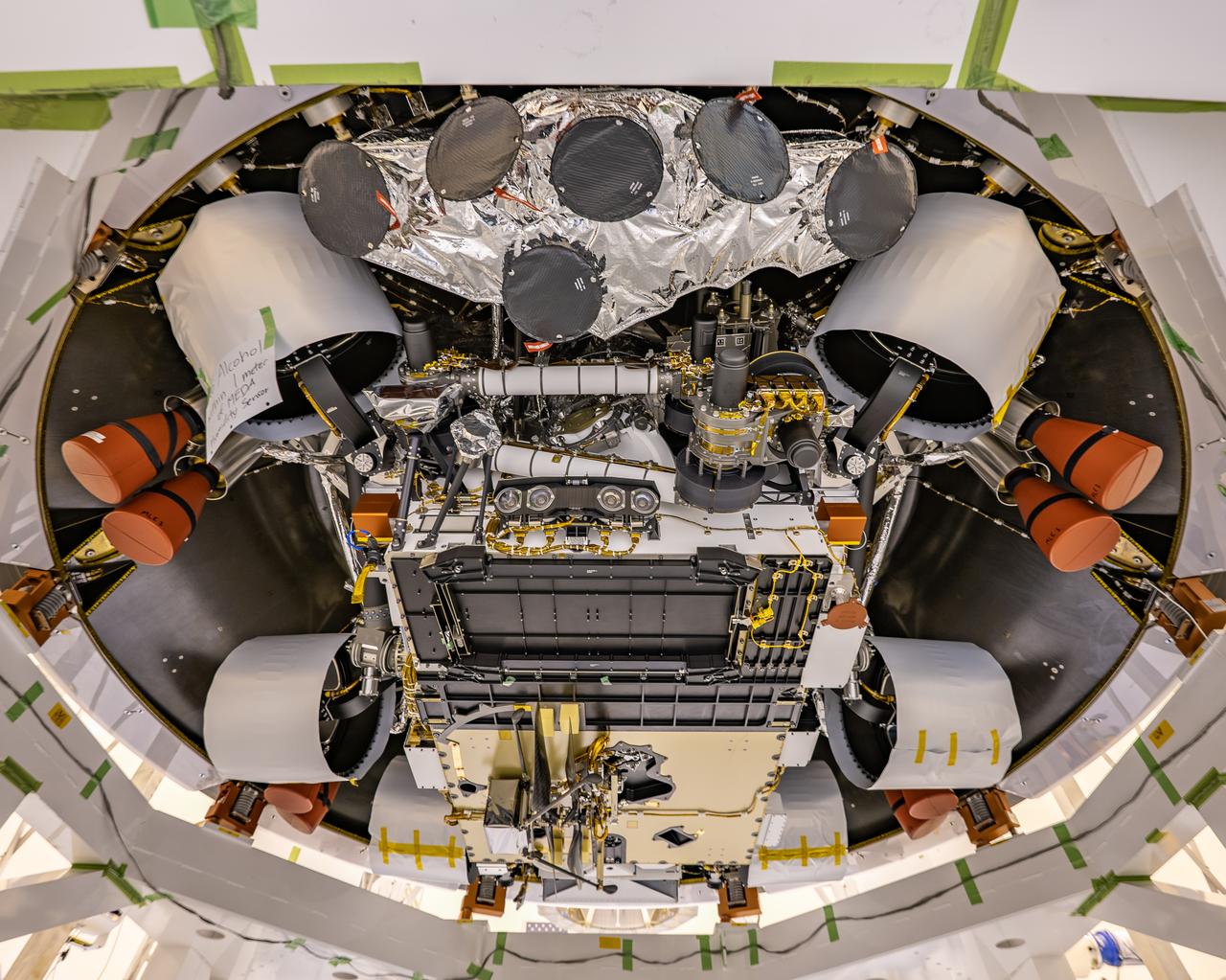
NASA's Mars Perseverance rover's descent stage was recently stacked atop the rover at Kennedy Space Center, and the two were placed in the back shell that will help protect them on their journey to Mars. In this image, taken on April 29, 2020, the underside of the rover is visible, along with the Ingenuity helicopter attached (lower center of the image). The outer ring is the base of the back shell, while the bell-shaped objects covered in red material are covers for engine nozzles on the descent stage. The wheels are covered in a protective material that will be removed before launch. https://photojournal.jpl.nasa.gov/catalog/PIA23884
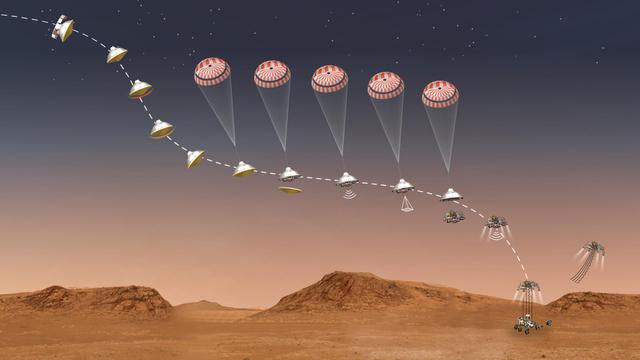
This illustration depicts the some of the major milestones NASA's Perseverance rover will go through during its 7-minute descent to the Martian surface on Feb. 18, 2021. Hundreds of critical events must execute perfectly and exactly on time for the rover to land safely. Entry, Descent, and Landing, or EDL, begins when the spacecraft reaches the top of the Martian atmosphere, traveling nearly 12,500 mph (20,000 kph). It ends about seven minutes later, with Perseverance stationary on the Martian surface. Perseverance handles everything on its own during this process. It takes more than 11 minutes to get a radio signal back from Mars, so by the time the mission team hears that the spacecraft has entered the atmosphere, in reality, the rover is already on the ground. A key objective for Perseverance's mission on Mars is astrobiology, including the search for signs of ancient microbial life. The rover will characterize the planet's geology and past climate, pave the way for human exploration of the Red Planet, and be the first mission to collect and cache Martian rock and regolith. Subsequent missions, currently under consideration by NASA in cooperation with ESA (European Space Agency), would send spacecraft to Mars to collect these cached samples from the surface and return them to Earth for in-depth analysis. https://photojournal.jpl.nasa.gov/catalog/PIA24265
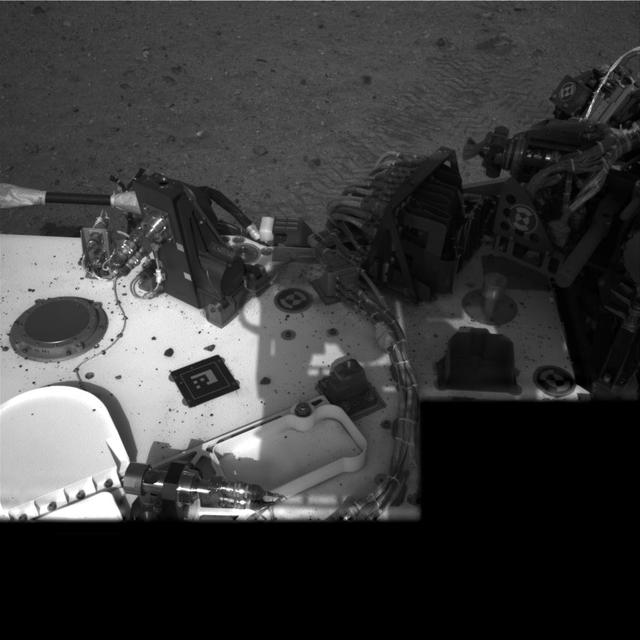
This image taken by NASA Curiosity rover shows track marks from a successful drive to the scour mark known as Goulburn, an area of bedrock exposed by thrusters on the rover descent stage.
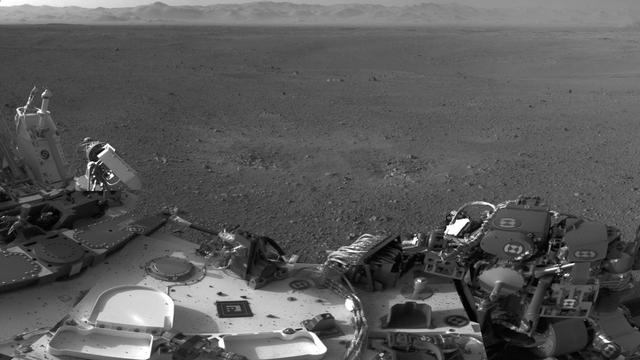
This mosaic image shows part of the left side of NASA Curiosity rover and two blast marks from the descent stage rocket engines. The rim of Gale Crater is the lighter colored band across the horizon. The back of the rover is to the left.
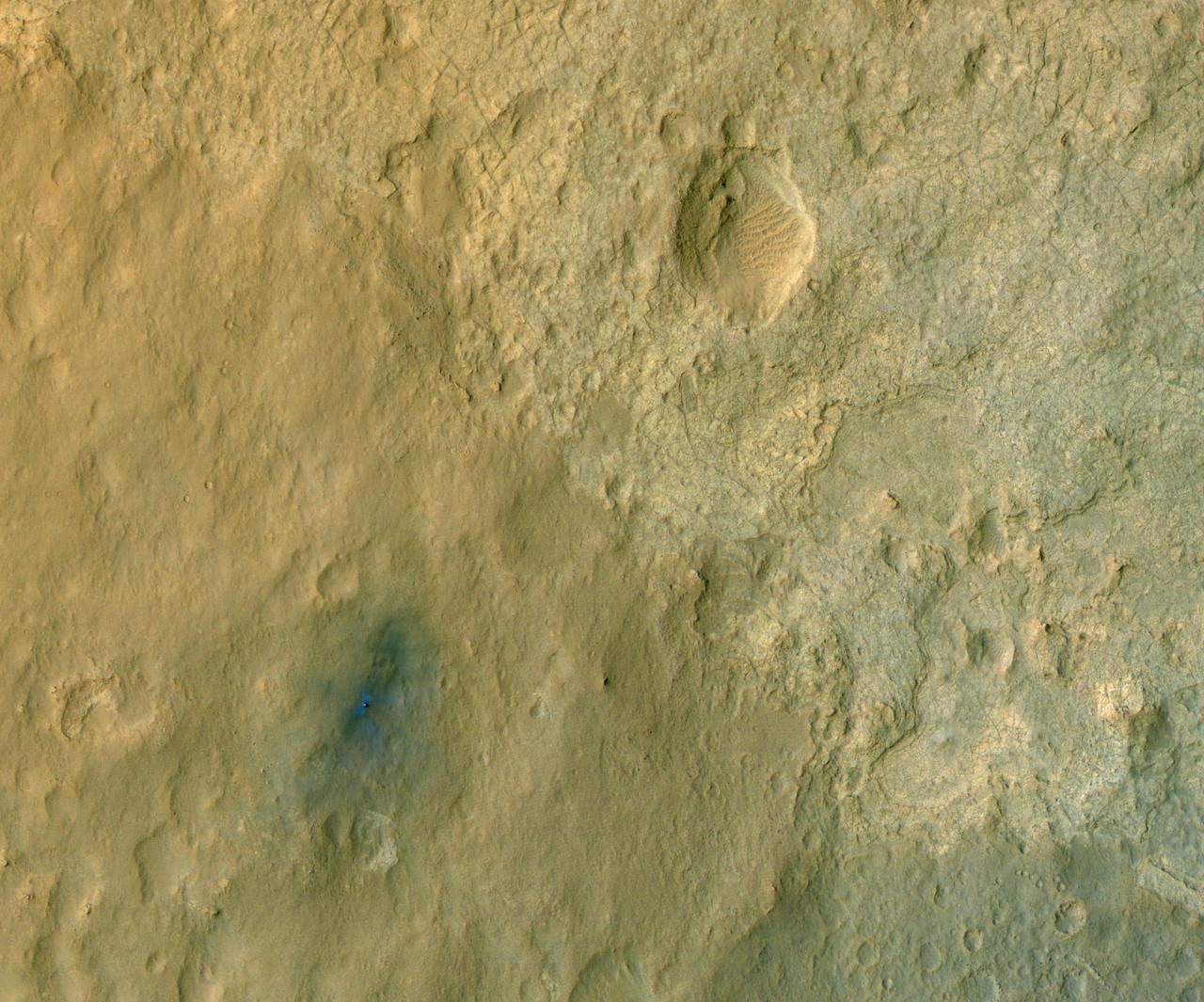
This color-enhanced view of NASA Curiosity rover on the surface of Mars was taken by NASA Mars Reconnaissance Orbiter as the satellite flew overhead. The descent stage blast pattern around the rover is clearly seen as relatively blue colors.
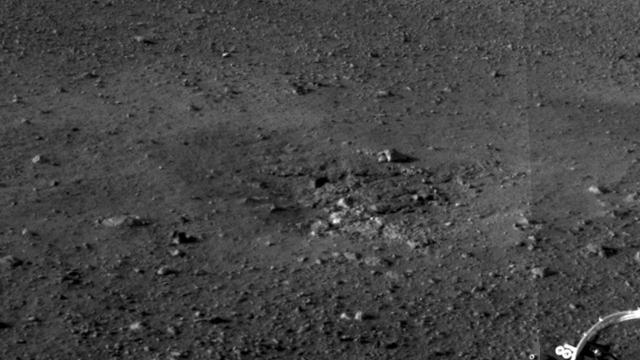
This is a close-up view of the zones where the soil at Curiosity landing site was blown away by the thrusters on the rover descent stage. The excavation of the soil reveals probable bedrock outcrop.
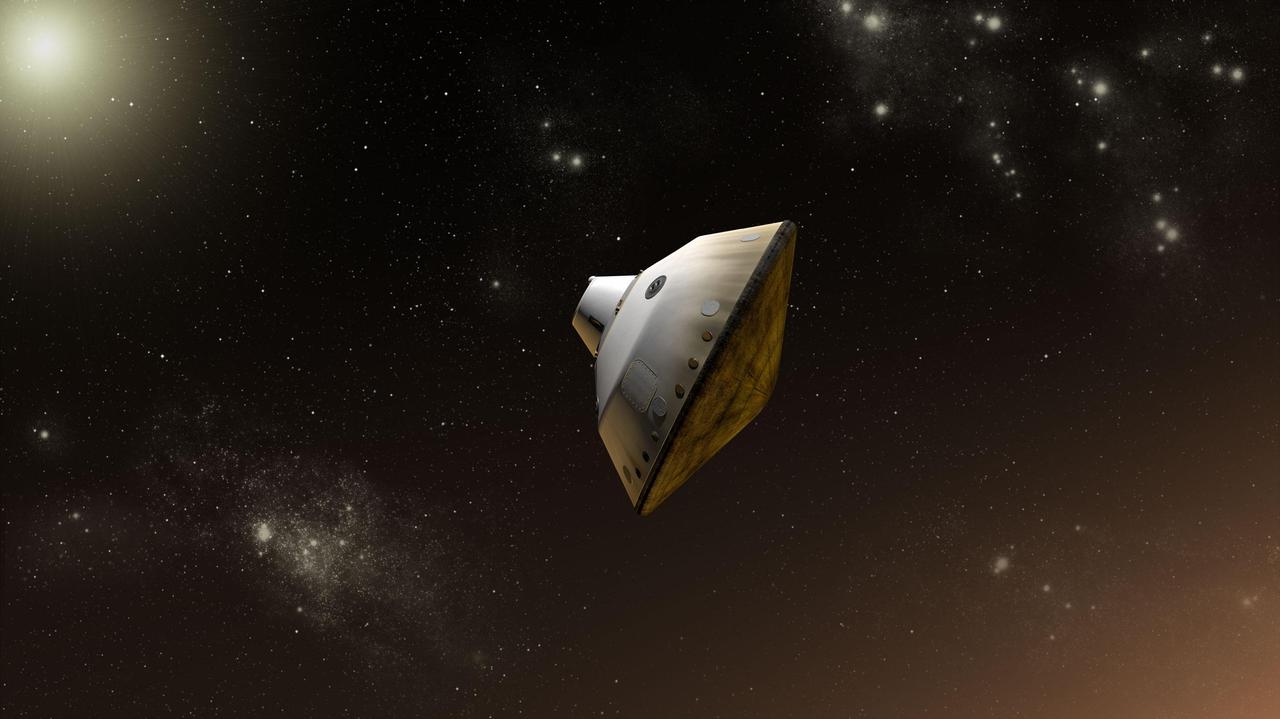
This is an artist concept of NASA Mars Science Laboratory aeroshell capsule as it enters the Martian atmosphere. The Curiosity rover and the spacecraft descent stage are safely tucked inside the aeroshell at this point.
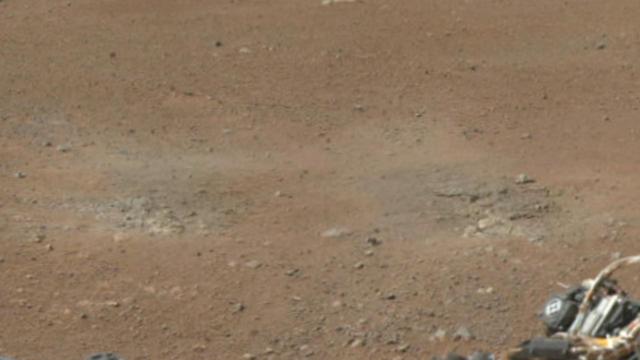
This cut-out from a color panorama image taken by NASA Curiosity rover shows the effects of the descent stage rocket engines blasting the ground. It comes from the left side of the thumbnail panorama obtained by Curiosity Mast Camera.
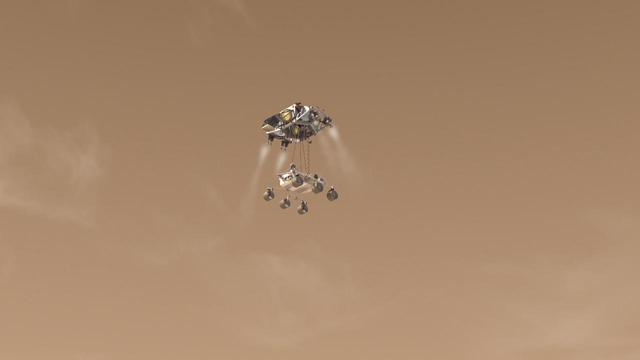
This artist concept depicts Curiosity, the rover to be launched in 2011 by NASA Mars Science Laboratory, as it is being lowered by the mission rocket-powered descent stage during a critical moment of the ky crane landing in 2012.
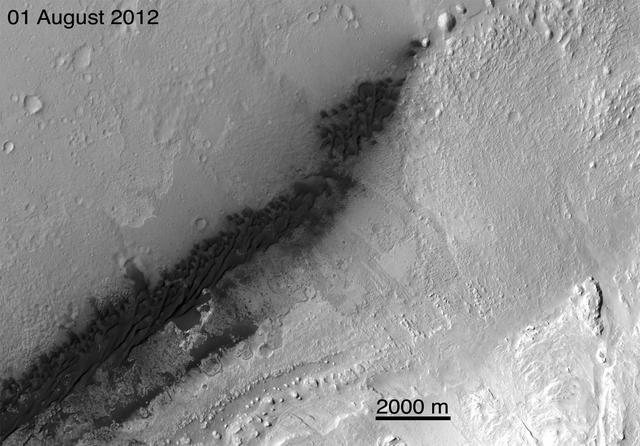
This image from an animation is from NASA Mars Reconnaissance Orbiter MRO showing the landing effects of the descent stage, the rover lander, the back shell and parachute, and the heat shield, all found on the left side of the image.
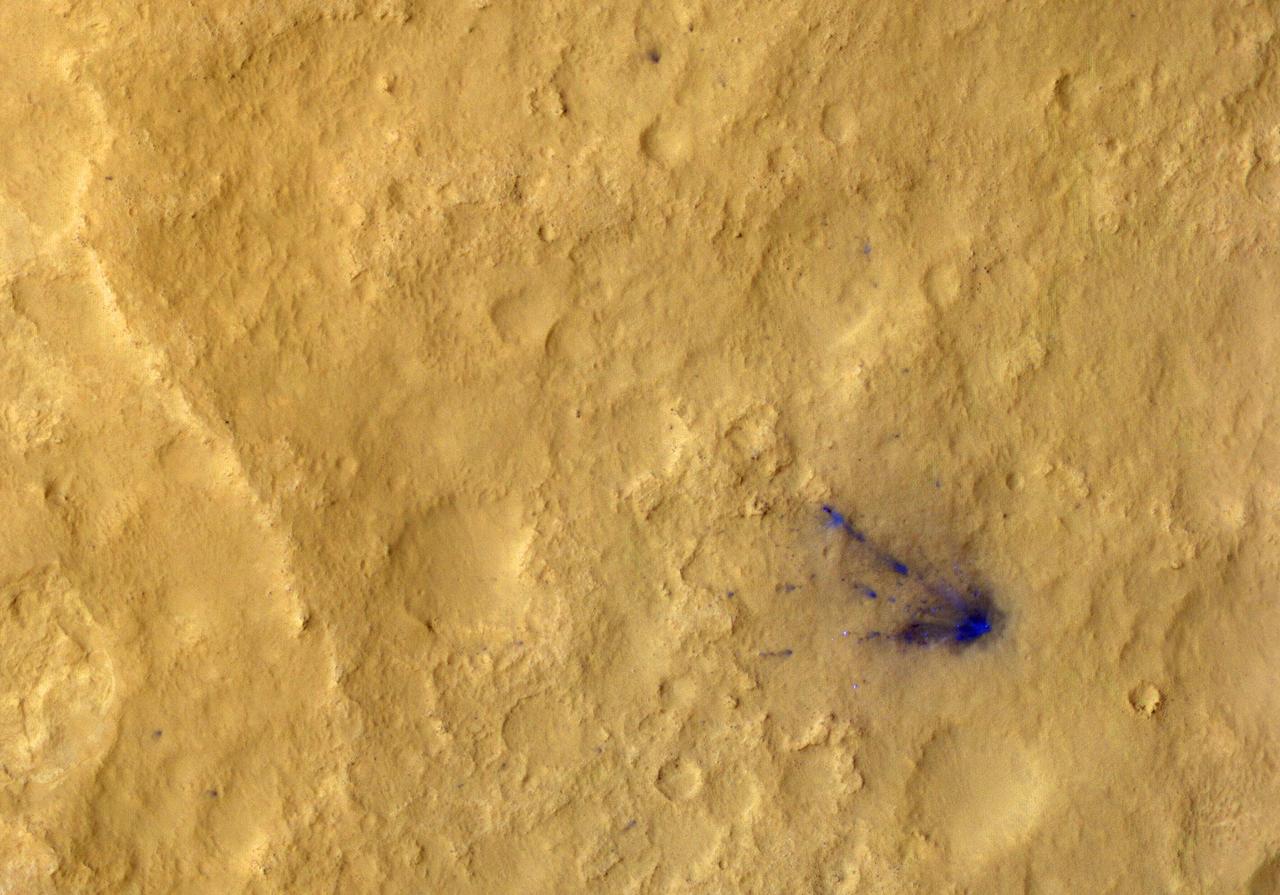
After a rocket-powered descent stage, also known as the sky crane, delivered NASA Curiosity rover to Mars on Aug. 5 PDT Aug. 6 EDT, 2012, it flew away and fell to the surface.
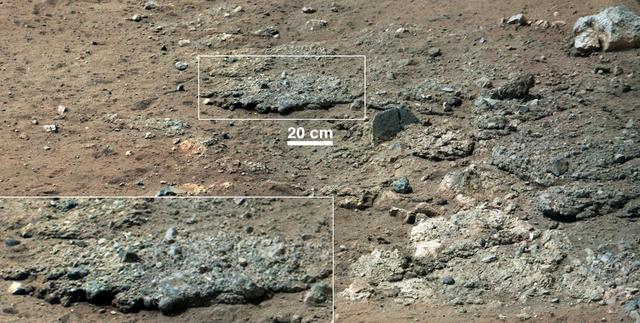
This image from NASA Curiosity Rover shows a high-resolution view of an area that is known as Goulburn Scour, a set of rocks blasted by the engines of Curiosity descent stage on Mars.
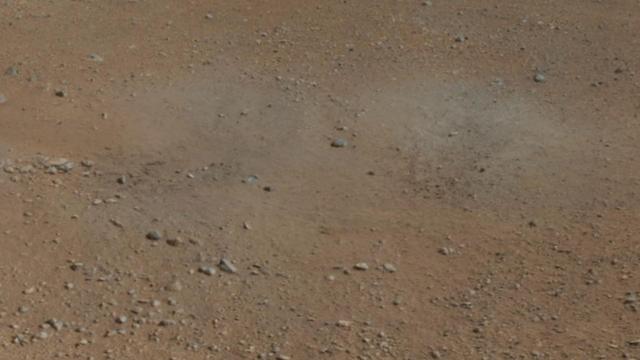
This cut-out from a color panorama image taken by NASA Curiosity rover shows the effects of the descent stage rocket engines blasting the ground. It comes from the right side of the thumbnail panorama obtained the Mast Camera.
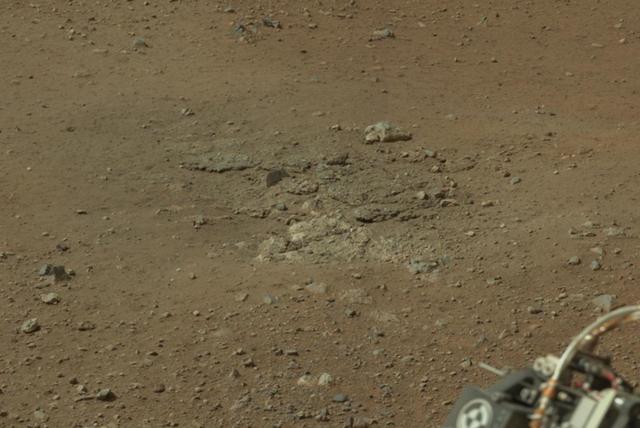
This cropped image from NASA Curiosity rover shows one set of marks on the surface of Mars where blasts from the descent-stage rocket engines blew away some of the surface material.
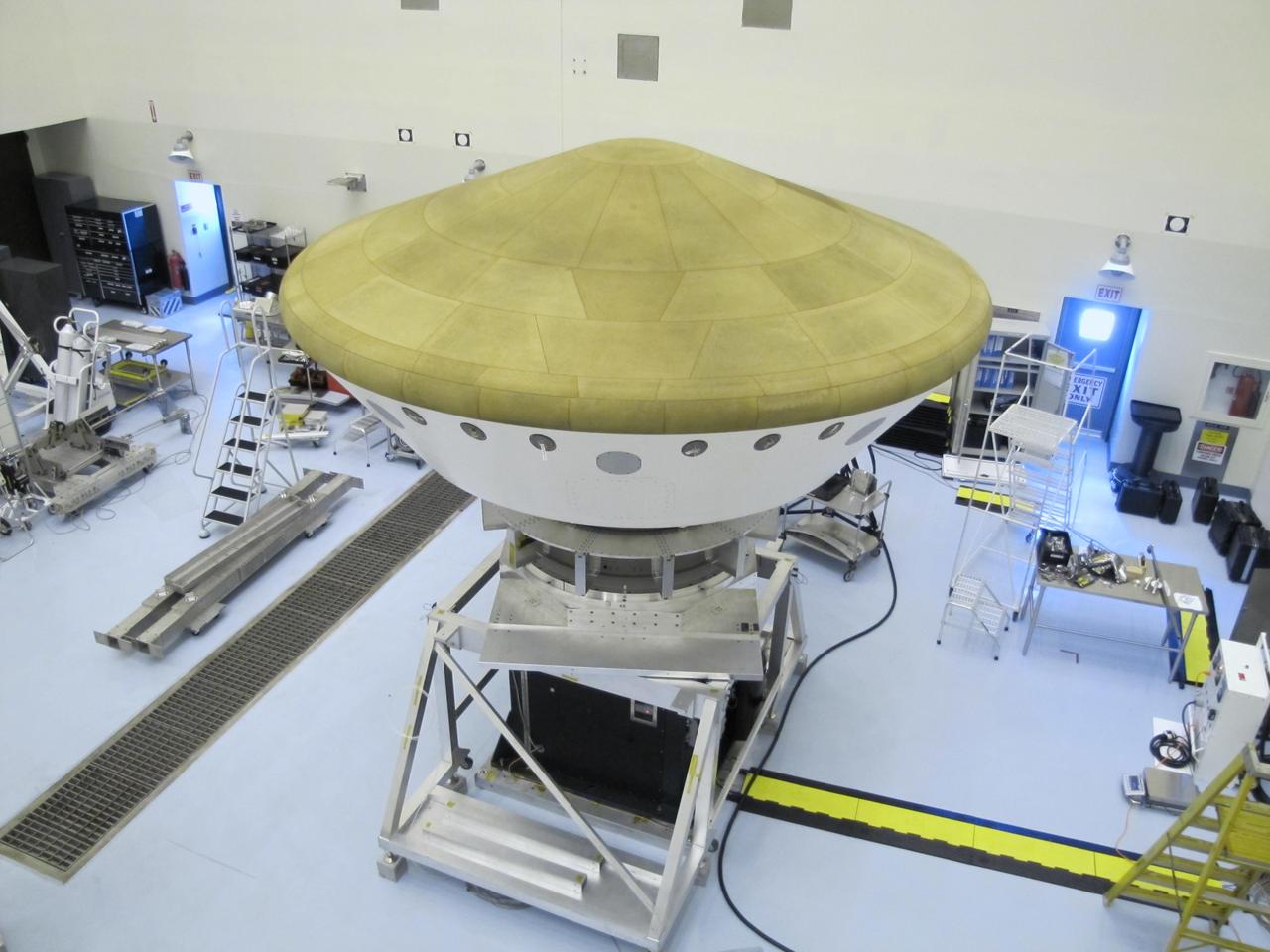
At the Payload Hazardous Servicing Facility at NASA Kennedy Space Center in Florida, the Mars Science Laboratory rover, Curiosity, and the spacecraft descent stage have been enclosed inside the spacecraft aeroshell.
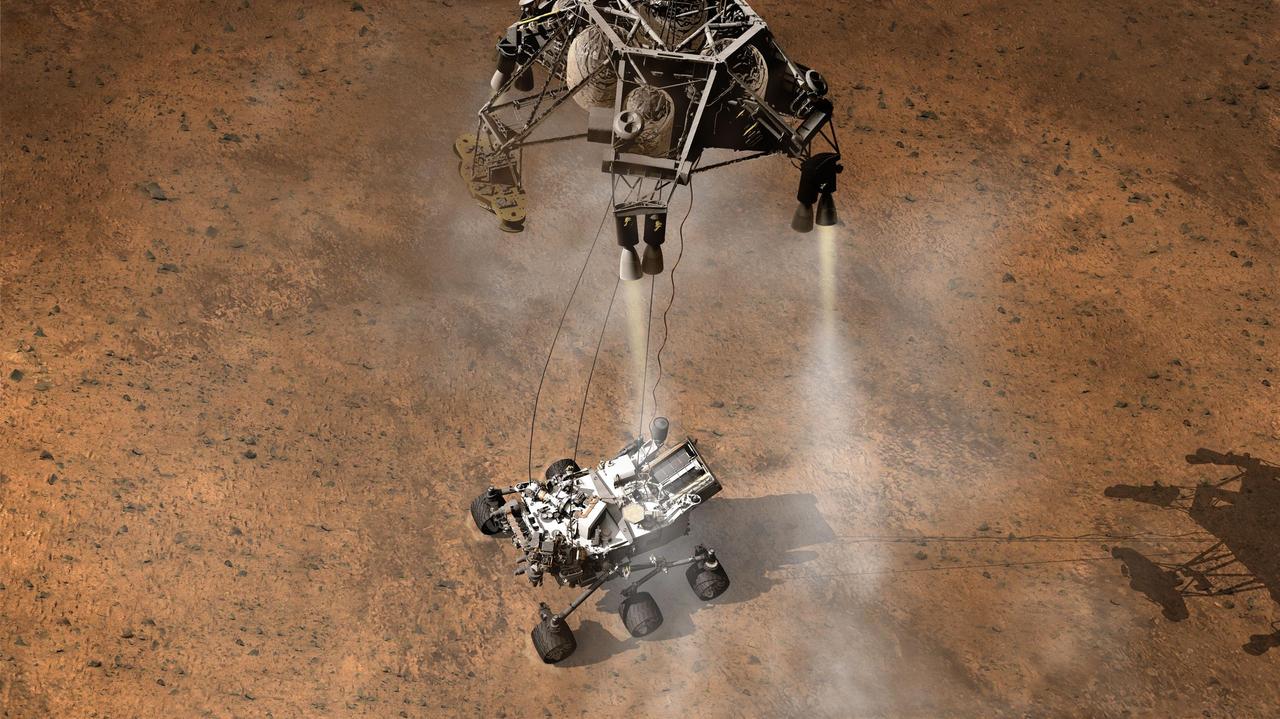
This artist concept depicts the moment immediately after NASA Curiosity rover touches down onto the Martian surface. The spacecraft has detected touchdown, and pyrotechnic cutters have severed connections between rover and spacecraft descent stage.
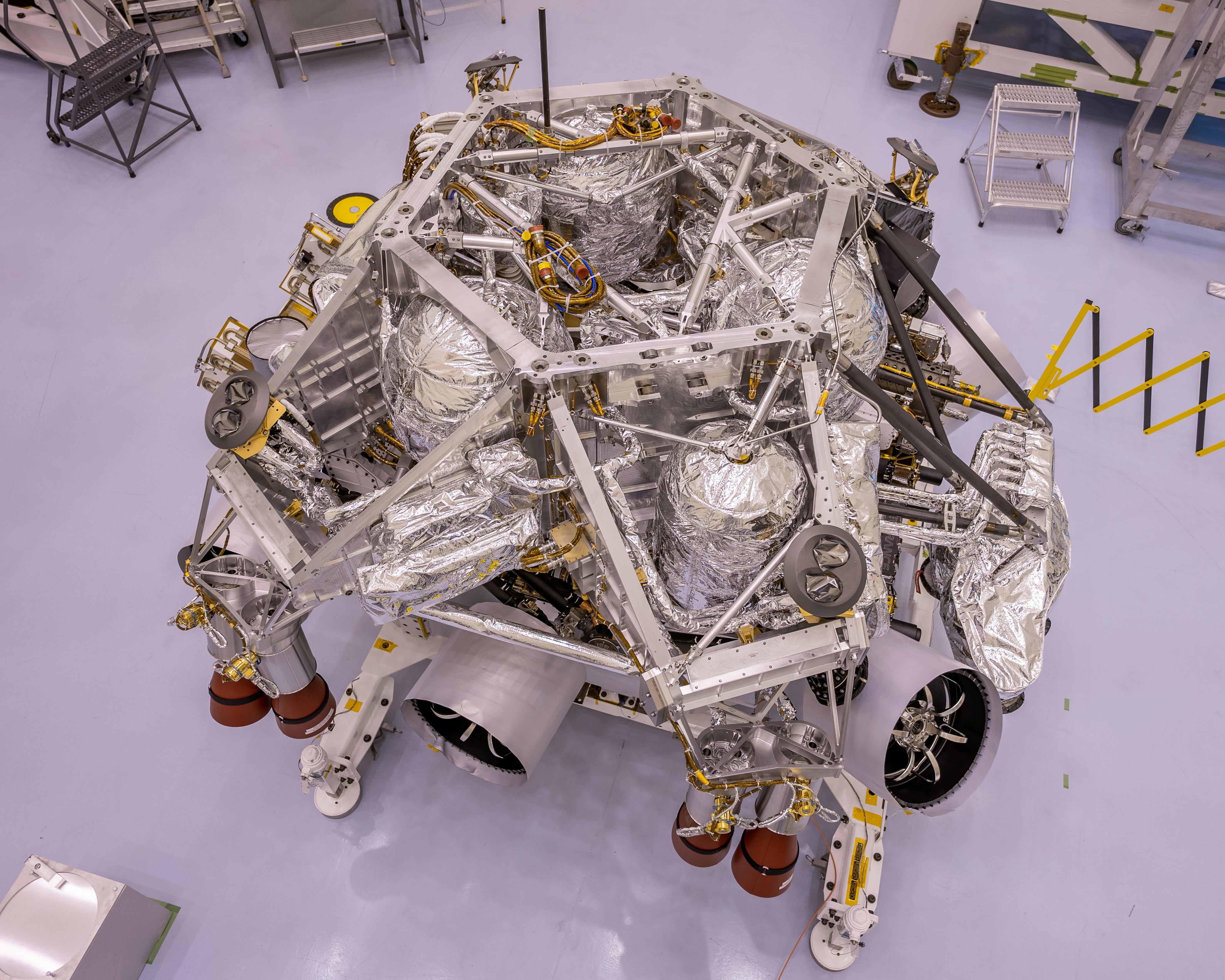
This image of the rocket-powered descent stage sitting on top of NASA's Perseverance rover was taken in a clean room at Kennedy Space Center on April 29, 2020. The integration of the two spacecraft was the first step in stacking the mission's major components into the configuration they will be in while sitting atop of the Atlas V rocket. https://photojournal.jpl.nasa.gov/catalog/PIA23886
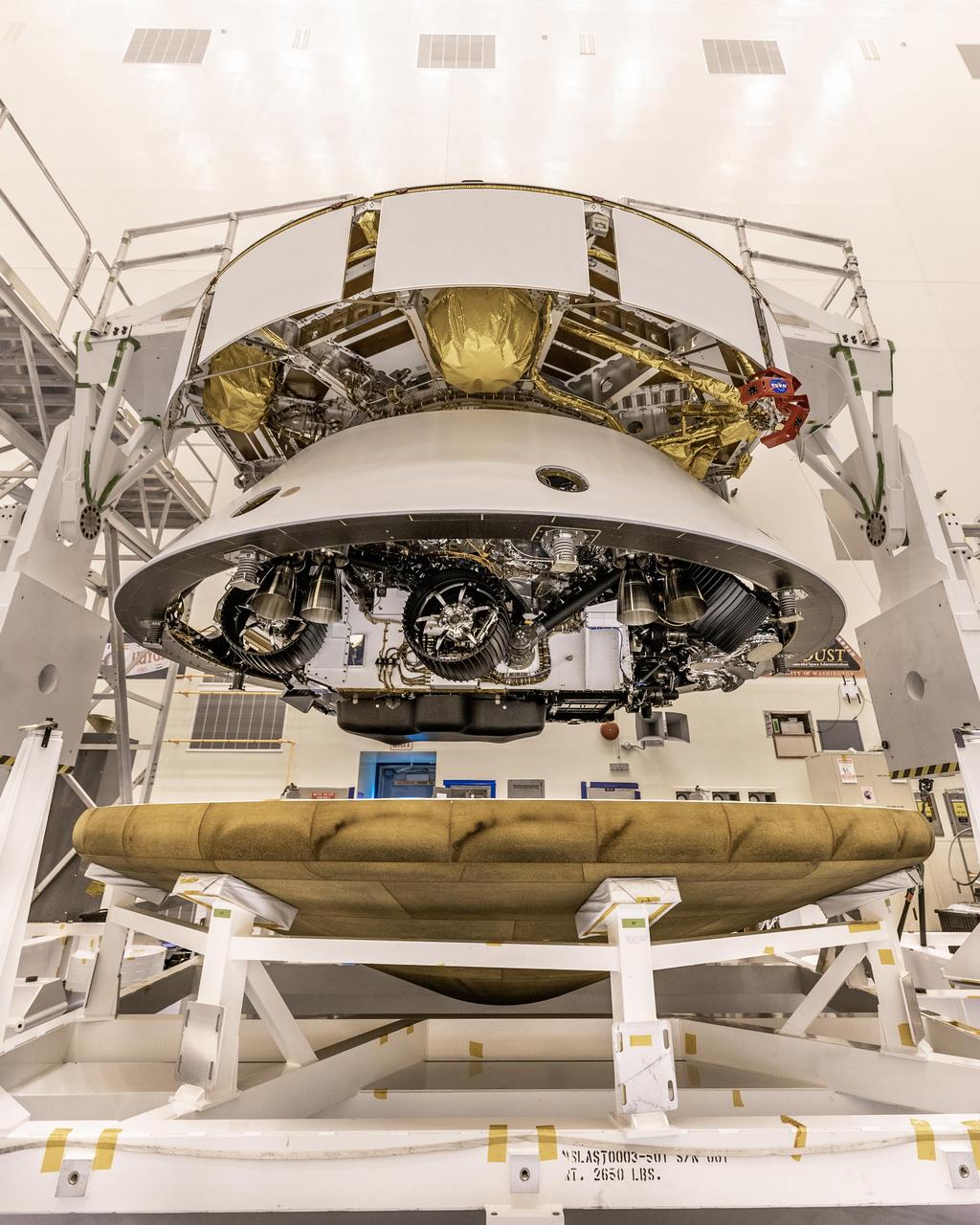
The Mars 2020 Perseverance rover mission's disk-shaped cruise stage sits atop the bell-shaped back shell, which contains the powered descent stage and Perseverance rover. Below is the brass-colored heat shield that is about to be attached to the back shell. The image was taken on May 28, 2020, at Kennedy Space Center in Florida. The next time the back shell and cruise stage will separate will be about 6 miles (9 kilometers) above Mars' Jezero Crater on Feb. 18, 2021. https://photojournal.jpl.nasa.gov/catalog/PIA23925
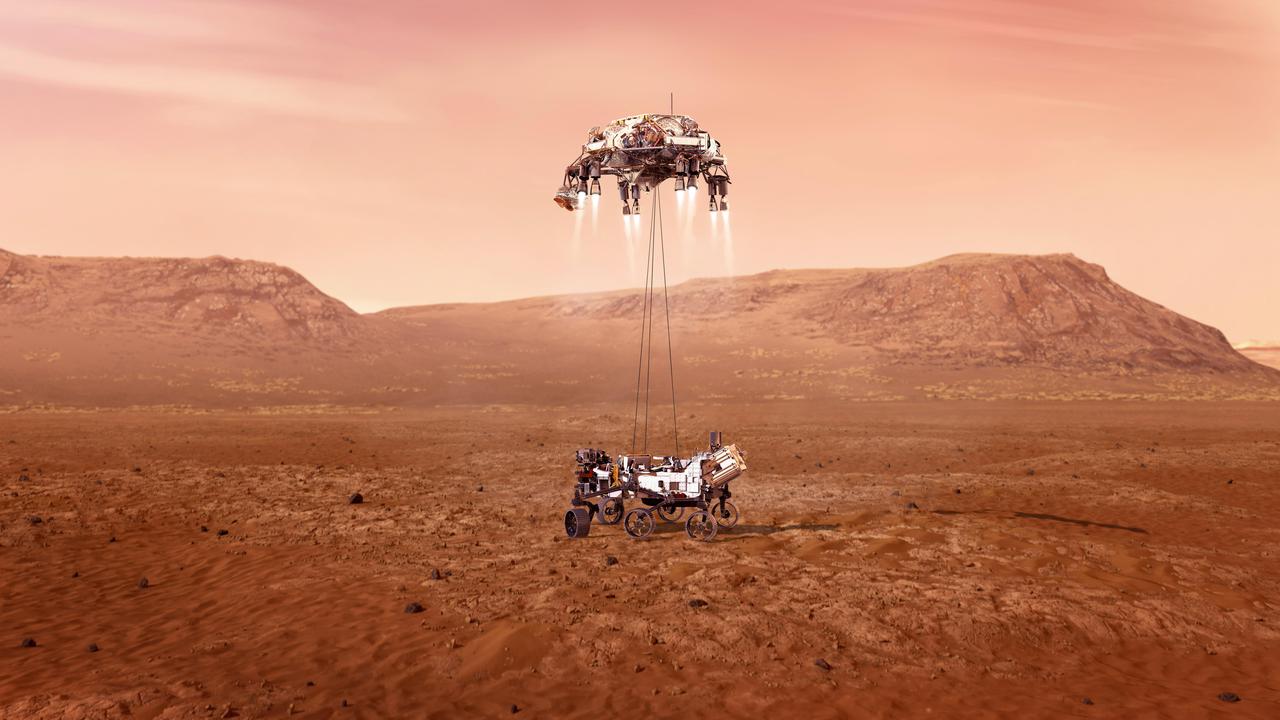
An illustration of NASA's Perseverance rover landing safely on Mars. Hundreds of critical events must execute perfectly and exactly on time for the rover to land safely on Feb. 18, 2021. Entry, Descent, and Landing, or "EDL," begins when the spacecraft reaches the top of the Martian atmosphere, travelling nearly 12,500 mph (20,000 kph). EDL ends about seven minutes after atmospheric entry, with Perseverance stationary on the Martian surface. At about 6,900 feet (2,100 meters) above the surface, the rover separates from the backshell, and fires up the descent stage engines. As the descent stage levels out and slows to its final descent speed of about 1.7 mph (2.7 kph), it initiates the "skycrane" maneuver. About 12 seconds before touchdown, roughly 66 feet (20 meters) above the surface, the descent stage lowers the rover on a set of cables about 21 feet (6.4 meters) long. The rover unstows its mobility system, locking its legs and wheels into landing position. As soon as the rover senses that its wheels have touched the ground, it cuts the cables connecting it to the descent stage. This frees the descent stage to fly off to make its own uncontrolled landing on the surface, a safe distance away from Perseverance. https://photojournal.jpl.nasa.gov/catalog/PIA24319

This illustration depicts five major components of the Mars 2020 spacecraft. Top to bottom: cruise stage, backshell, descent stage, Perseverance rover and heat shield. The various components perform critical roles during the vehicle's cruise to Mars and its dramatic entry, descent, and landing. https://photojournal.jpl.nasa.gov/catalog/PIA24128
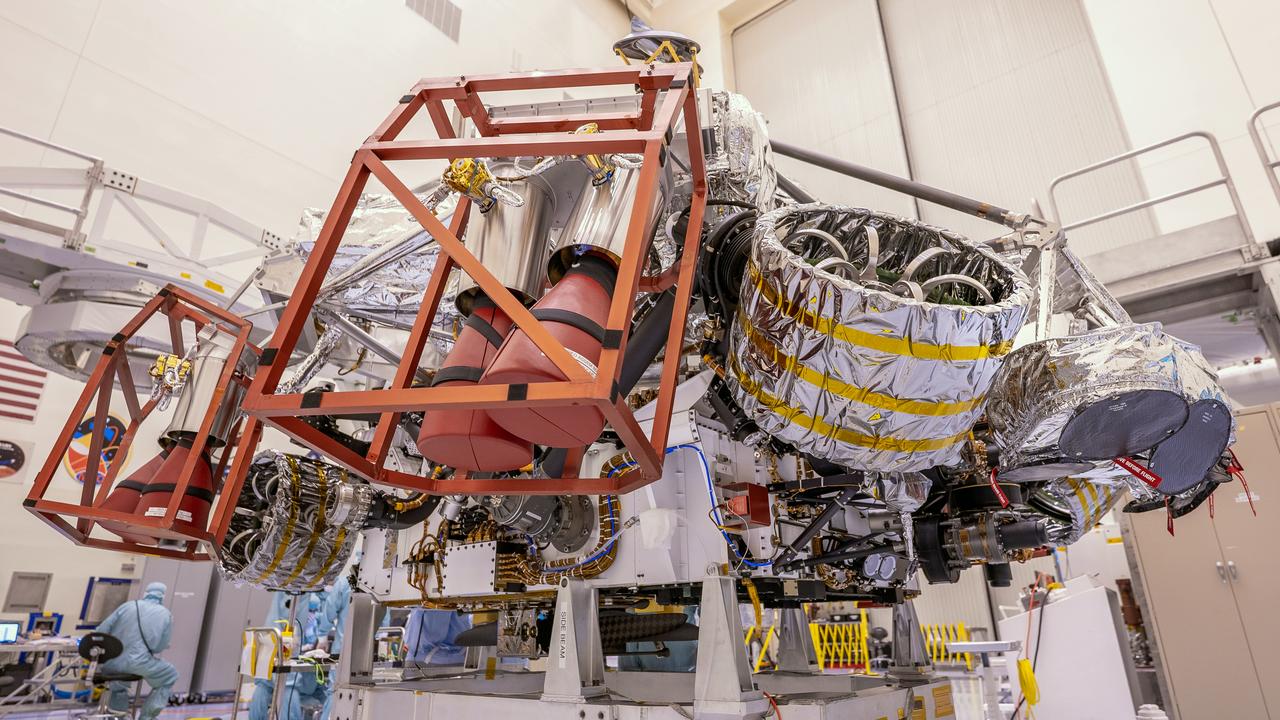
The Mars Perseverance rover is attached to its rocket-powered descent stage inside the Payload Hazardous Servicing Facility at NASA’s Kennedy Space Center in Florida on April 23, 2020. The rover and descent stage are the first spacecraft components to come together for launch — and they will be the last to separate when the spacecraft reaches Mars. At about 65 feet over the Martian surface, separation bolts will fire and the descent stage will lower Perseverance onto the Red Planet. Launch, aboard a United Launch Alliance Atlas V 541 rocket, is targeted between July 17 and Aug. 5 from Cape Canaveral Air Force Station. NASA’s Launch Services Program based at Kennedy is managing the launch.
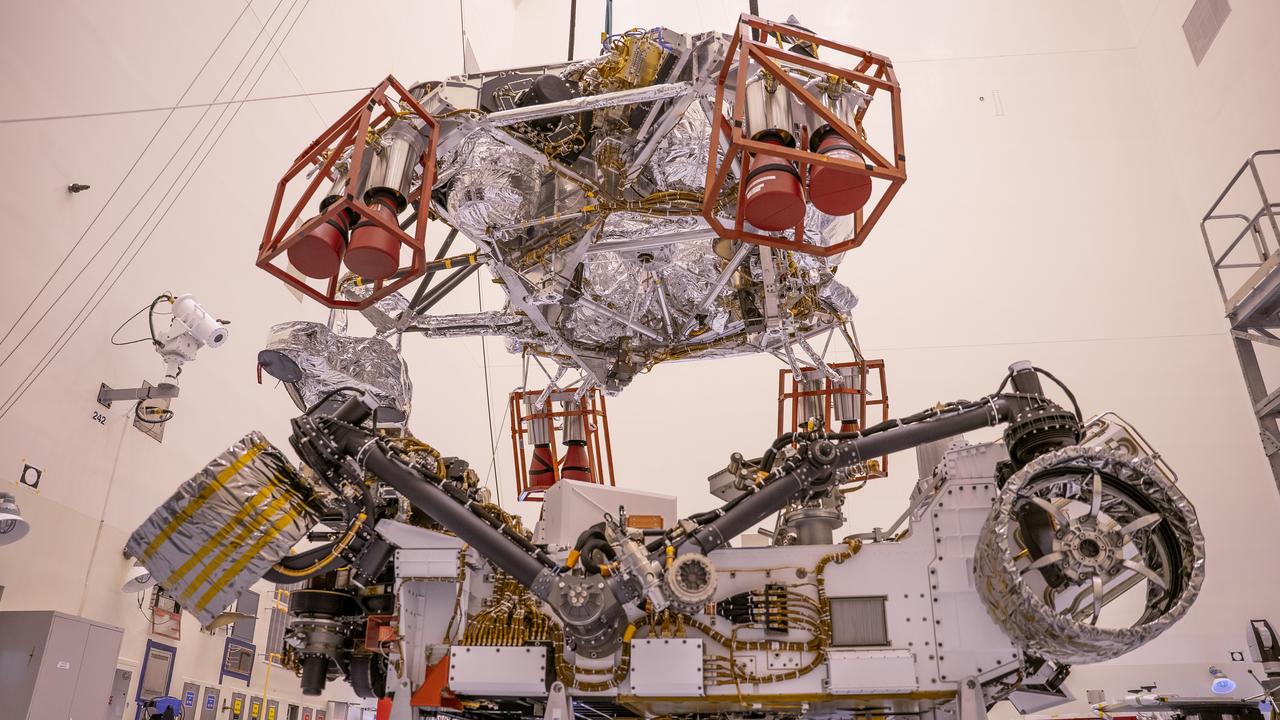
The Mars Perseverance rover is attached to its rocket-powered descent stage inside the Payload Hazardous Servicing Facility at NASA’s Kennedy Space Center in Florida on April 23, 2020. The rover and descent stage are the first spacecraft components to come together for launch — and they will be the last to separate when the spacecraft reaches Mars. At about 65 feet over the Martian surface, separation bolts will fire and the descent stage will lower Perseverance onto the Red Planet. Launch, aboard a United Launch Alliance Atlas V 541 rocket, is targeted between July 17 and Aug. 5 from Cape Canaveral Air Force Station. NASA’s Launch Services Program based at Kennedy is managing the launch.
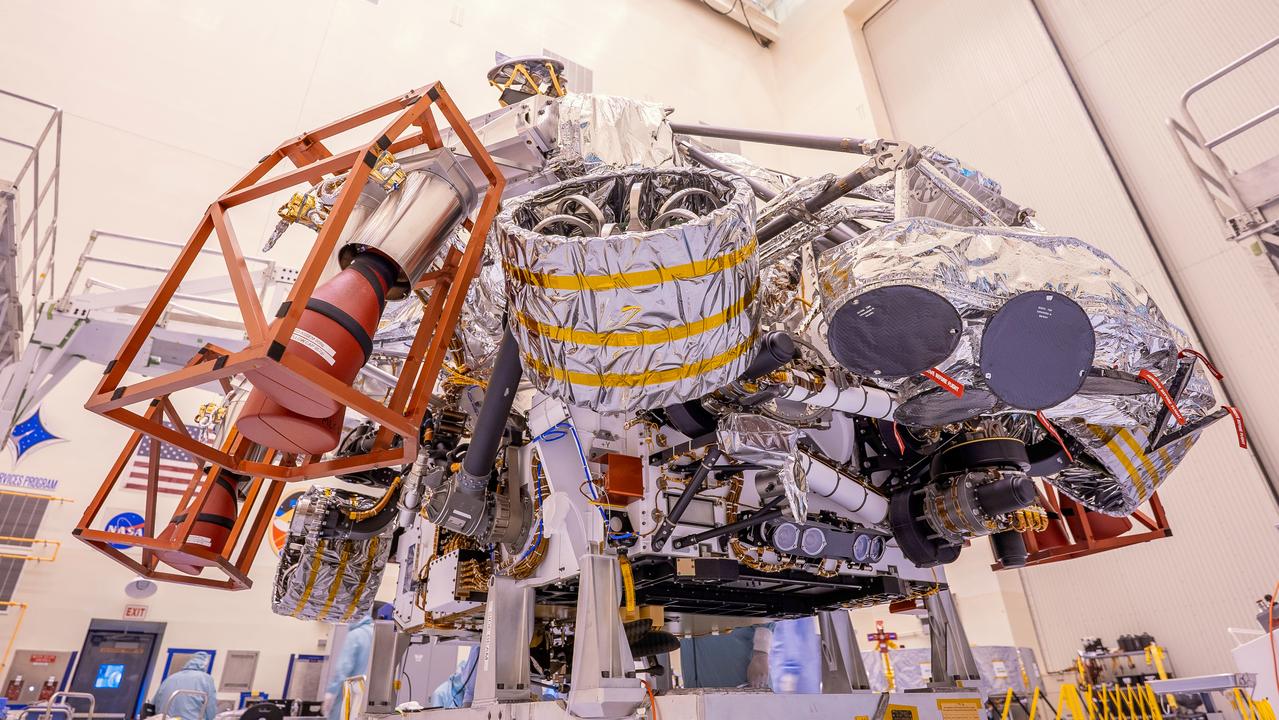
The Mars Perseverance rover is attached to its rocket-powered descent stage inside the Payload Hazardous Servicing Facility at NASA’s Kennedy Space Center in Florida on April 23, 2020. The rover and descent stage are the first spacecraft components to come together for launch — and they will be the last to separate when the spacecraft reaches Mars. At about 65 feet over the Martian surface, separation bolts will fire and the descent stage will lower Perseverance onto the Red Planet. Launch, aboard a United Launch Alliance Atlas V 541 rocket, is targeted between July 17 and Aug. 5 from Cape Canaveral Air Force Station. NASA’s Launch Services Program based at Kennedy is managing the launch.
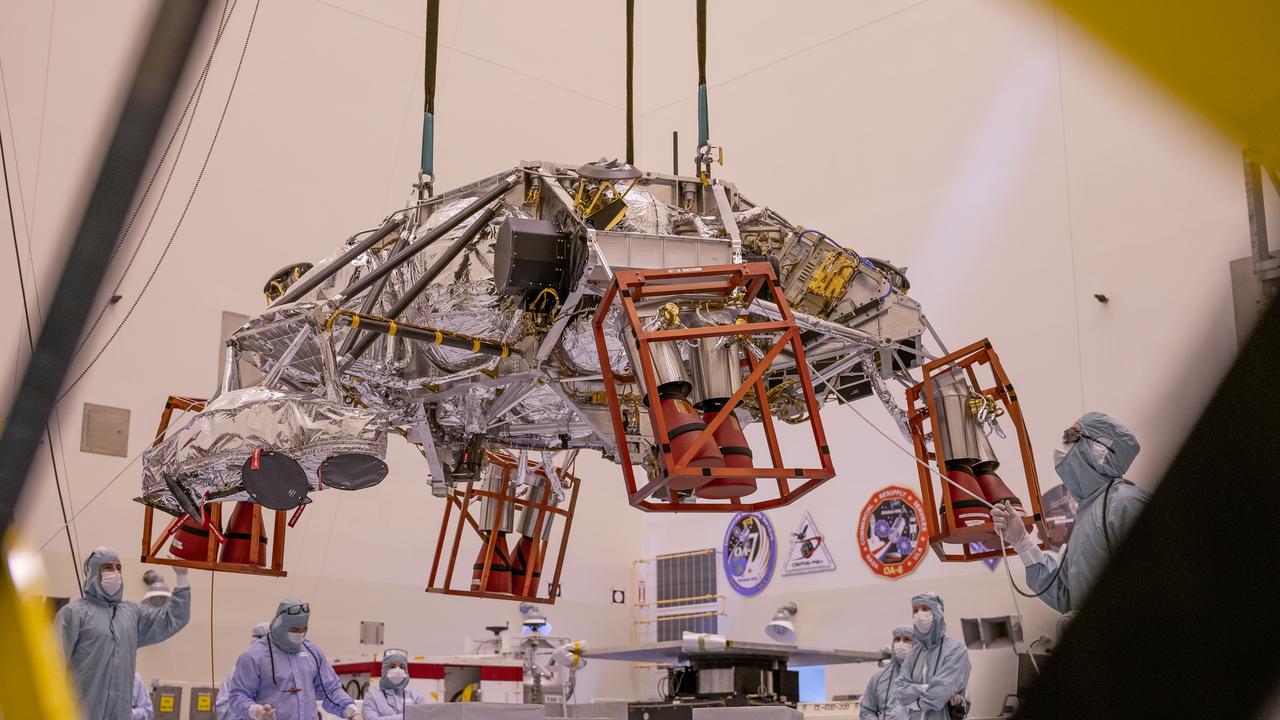
The Mars Perseverance rover is attached to its rocket-powered descent stage inside the Payload Hazardous Servicing Facility at NASA’s Kennedy Space Center in Florida on April 23, 2020. The rover and descent stage are the first spacecraft components to come together for launch — and they will be the last to separate when the spacecraft reaches Mars. At about 65 feet over the Martian surface, separation bolts will fire and the descent stage will lower Perseverance onto the Red Planet. Launch, aboard a United Launch Alliance Atlas V 541 rocket, is targeted between July 17 and Aug. 5 from Cape Canaveral Air Force Station. NASA’s Launch Services Program based at Kennedy is managing the launch.
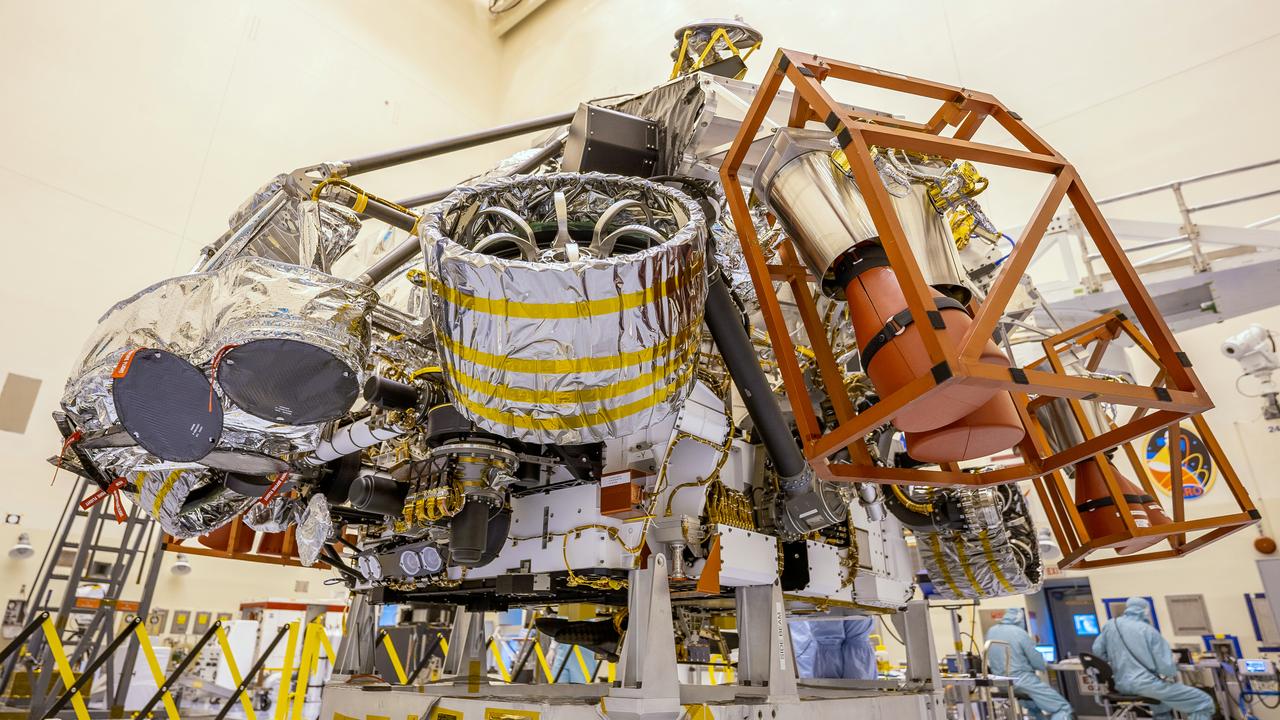
The Mars Perseverance rover is attached to its rocket-powered descent stage inside the Payload Hazardous Servicing Facility at NASA’s Kennedy Space Center in Florida on April 23, 2020. The rover and descent stage are the first spacecraft components to come together for launch — and they will be the last to separate when the spacecraft reaches Mars. At about 65 feet over the Martian surface, separation bolts will fire and the descent stage will lower Perseverance onto the Red Planet. Launch, aboard a United Launch Alliance Atlas V 541 rocket, is targeted between July 17 and Aug. 5 from Cape Canaveral Air Force Station. NASA’s Launch Services Program based at Kennedy is managing the launch.
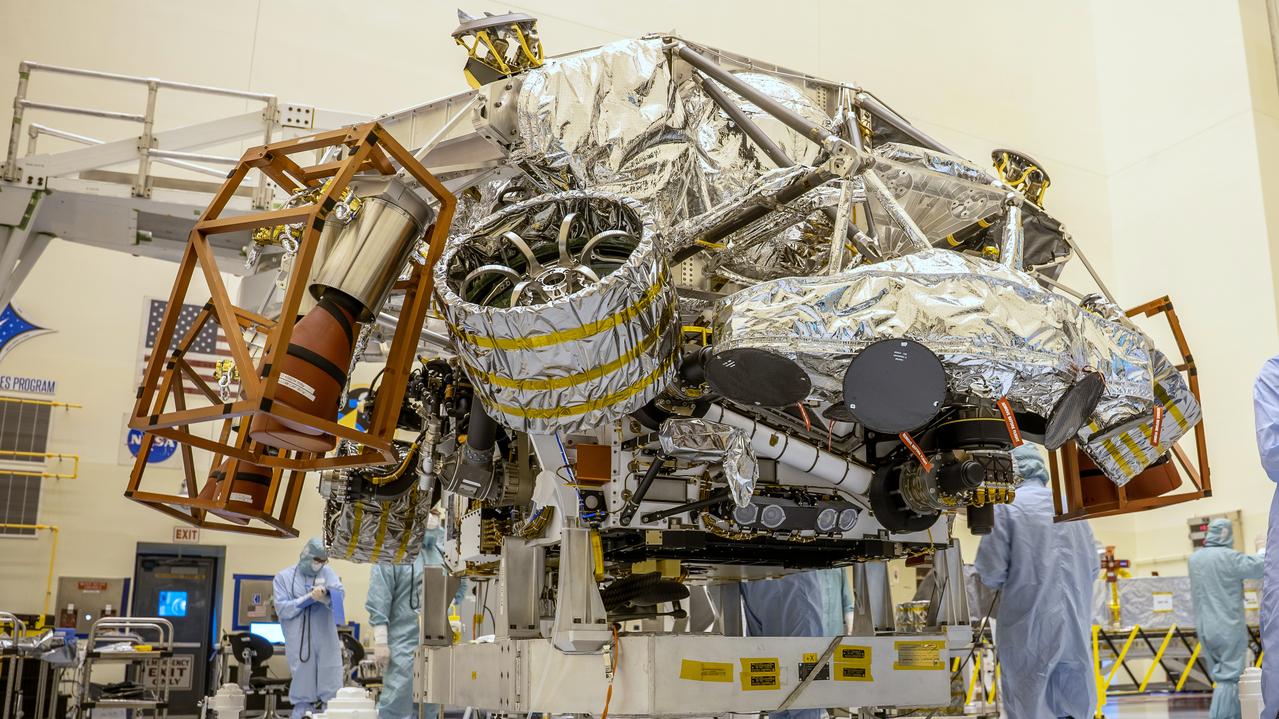
The Mars Perseverance rover is attached to its rocket-powered descent stage inside the Payload Hazardous Servicing Facility at NASA’s Kennedy Space Center in Florida on April 23, 2020. The rover and descent stage are the first spacecraft components to come together for launch — and they will be the last to separate when the spacecraft reaches Mars. At about 65 feet over the Martian surface, separation bolts will fire and the descent stage will lower Perseverance onto the Red Planet. Launch, aboard a United Launch Alliance Atlas V 541 rocket, is targeted between July 17 and Aug. 5 from Cape Canaveral Air Force Station. NASA’s Launch Services Program based at Kennedy is managing the launch.
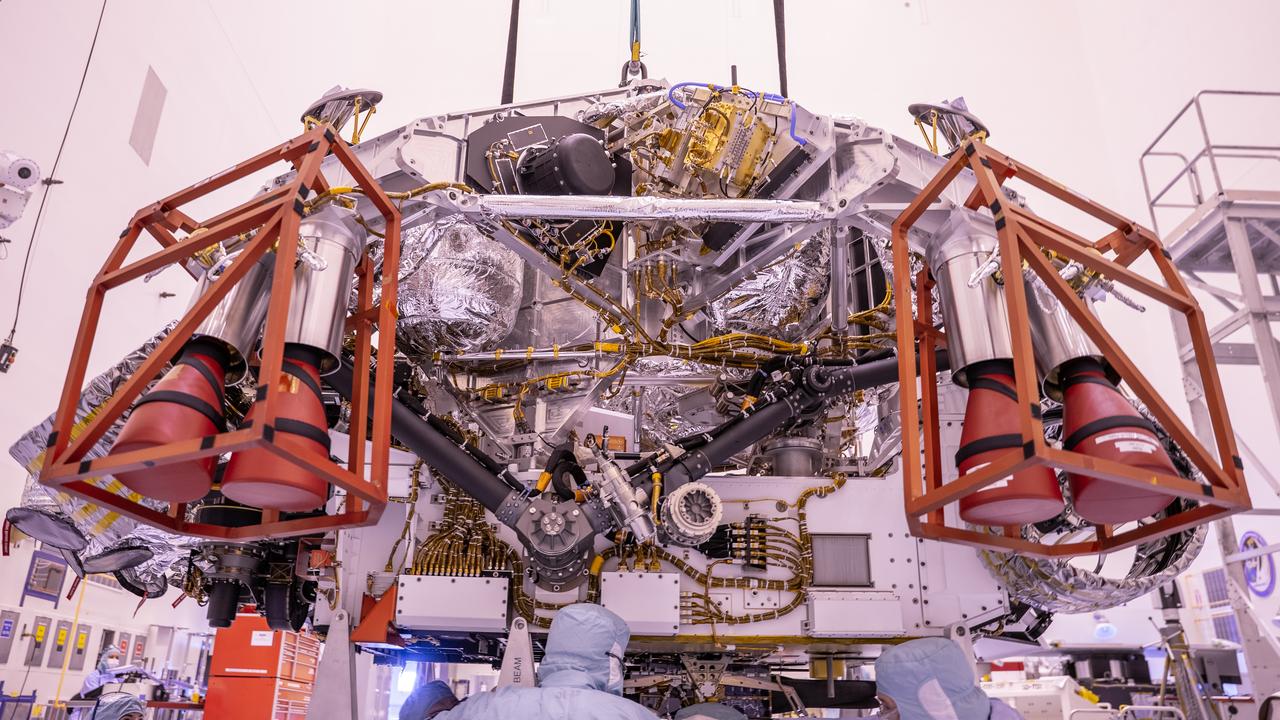
The Mars Perseverance rover is attached to its rocket-powered descent stage inside the Payload Hazardous Servicing Facility at NASA’s Kennedy Space Center in Florida on April 23, 2020. The rover and descent stage are the first spacecraft components to come together for launch — and they will be the last to separate when the spacecraft reaches Mars. At about 65 feet over the Martian surface, separation bolts will fire and the descent stage will lower Perseverance onto the Red Planet. Launch, aboard a United Launch Alliance Atlas V 541 rocket, is targeted between July 17 and Aug. 5 from Cape Canaveral Air Force Station. NASA’s Launch Services Program based at Kennedy is managing the launch.
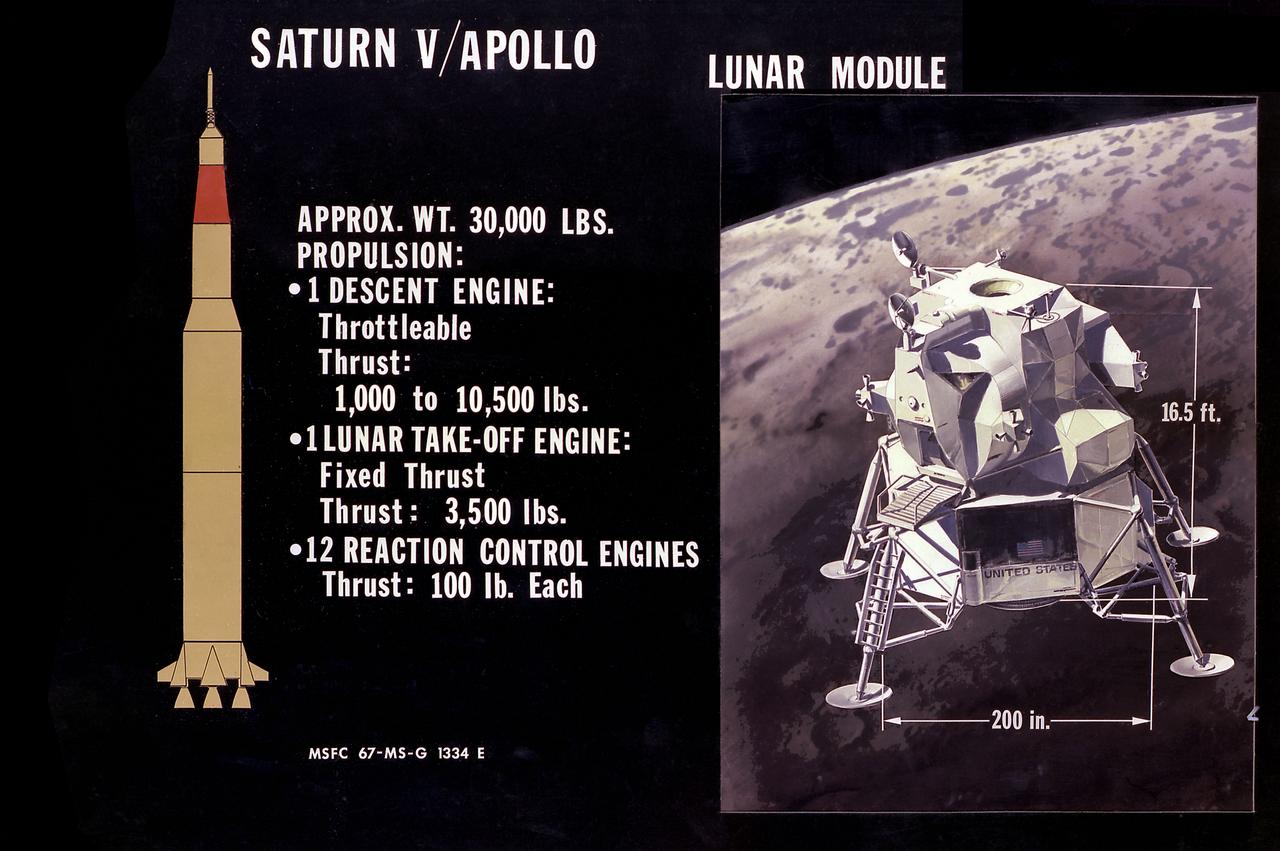
This illustration is the Lunar Module (LM) configuration. The LM was a two part spacecraft. Its lower or descent stage had the landing gear, engines, and fuel needed for the landing. When the LM blasted off the Moon, the descent stage served as the launching pad for its companion ascent stage, which was also home for the two astronauts on the surface of the Moon. The LM was full of gear with which to communicate, navigate, and rendezvous. It also had its own propulsion system, and an engine to lift it off the Moon and send it on a course toward the orbiting Command Module.
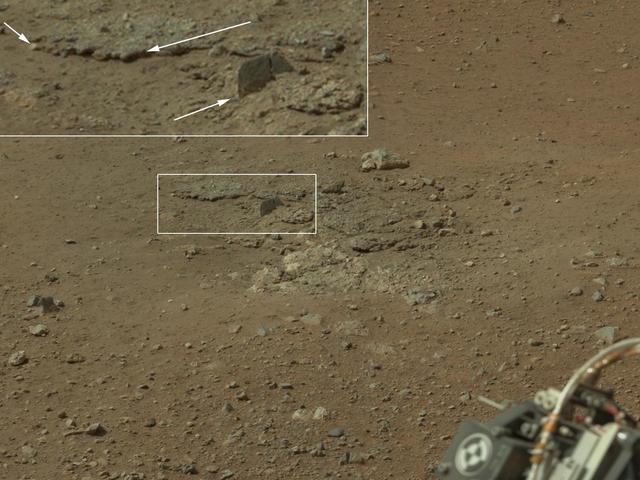
This color image from NASA Curiosity rover shows an area excavated by the blast of the Mars Science Laboratory descent stage rocket engines. This is part of a larger, high-resolution color mosaic made from images obtained by Curiosity Mast Camera.
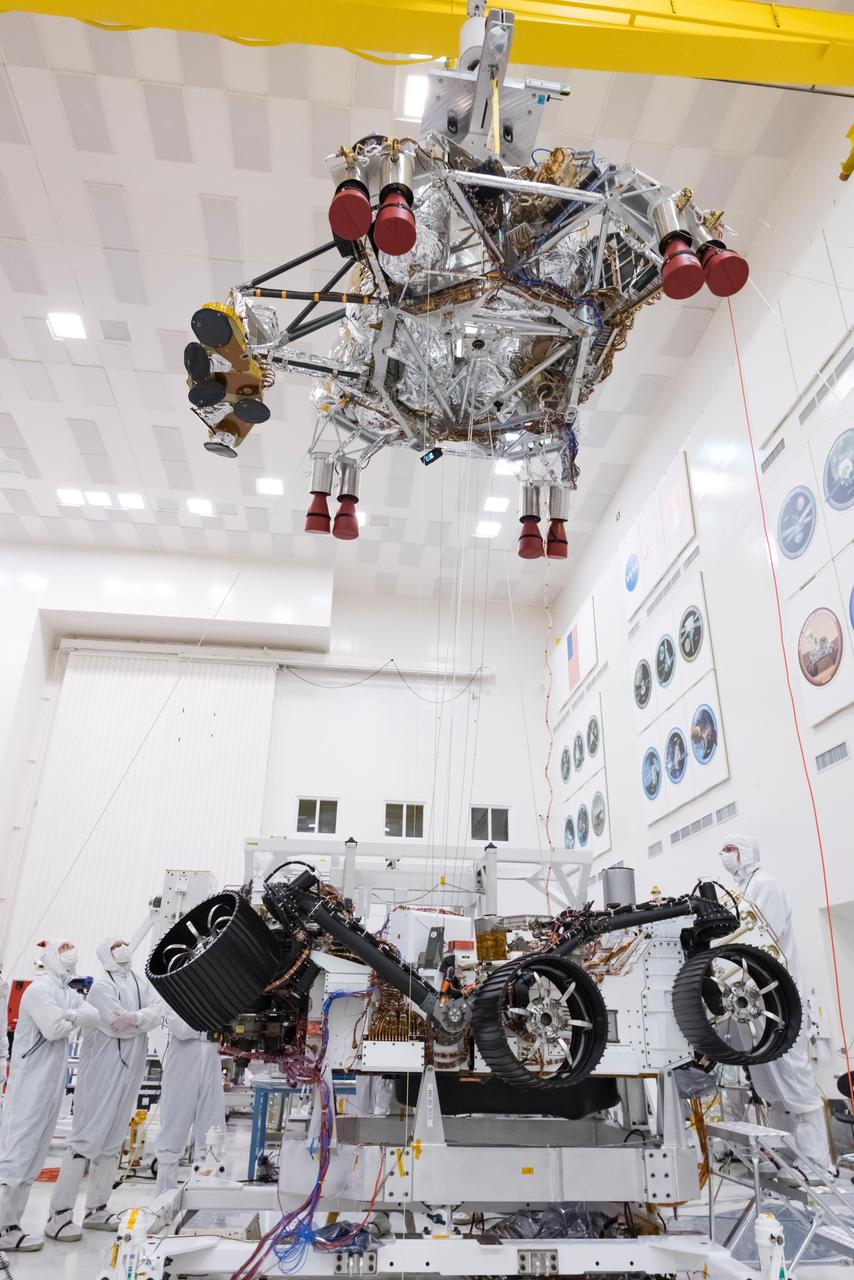
In this picture from Sept. 28, 2019, engineers and technicians working on the Mars 2020 spacecraft at NASA's Jet Propulsion Laboratory in Pasadena, California, look on as a crane lifts the rocket-powered descent stage away from the rover after a test. https://photojournal.jpl.nasa.gov/catalog/PIA23466
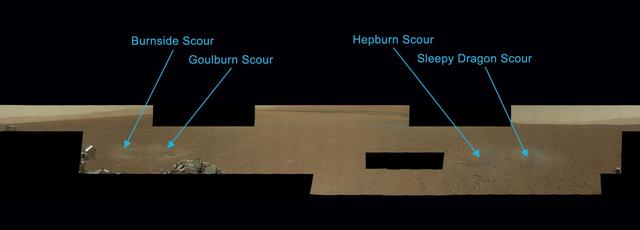
Scientists have now named the four marks near NASA Curiosity rover where blasts from the descent stage rocket engines blew away some of the Martian surface material. Clockwise from the most north: Burnside, Goulburn, Hepburn and Sleepy Dragon.
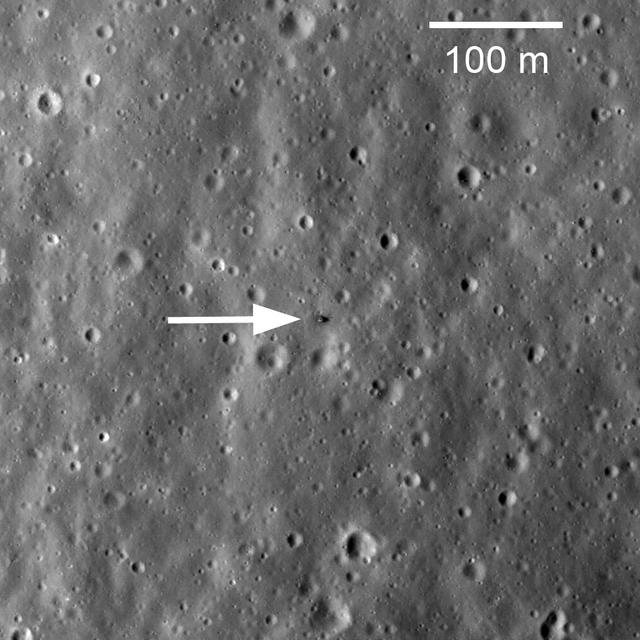
On February 21, 1972, Luna 20 soft landed in the rugged highlands between Mare Fecunditatis and Mare Crisium. The Luna 20 descent stage still sits silently on the Moon, clearly visible in this image taken by NASA Lunar Reconnaissance Orbiter.
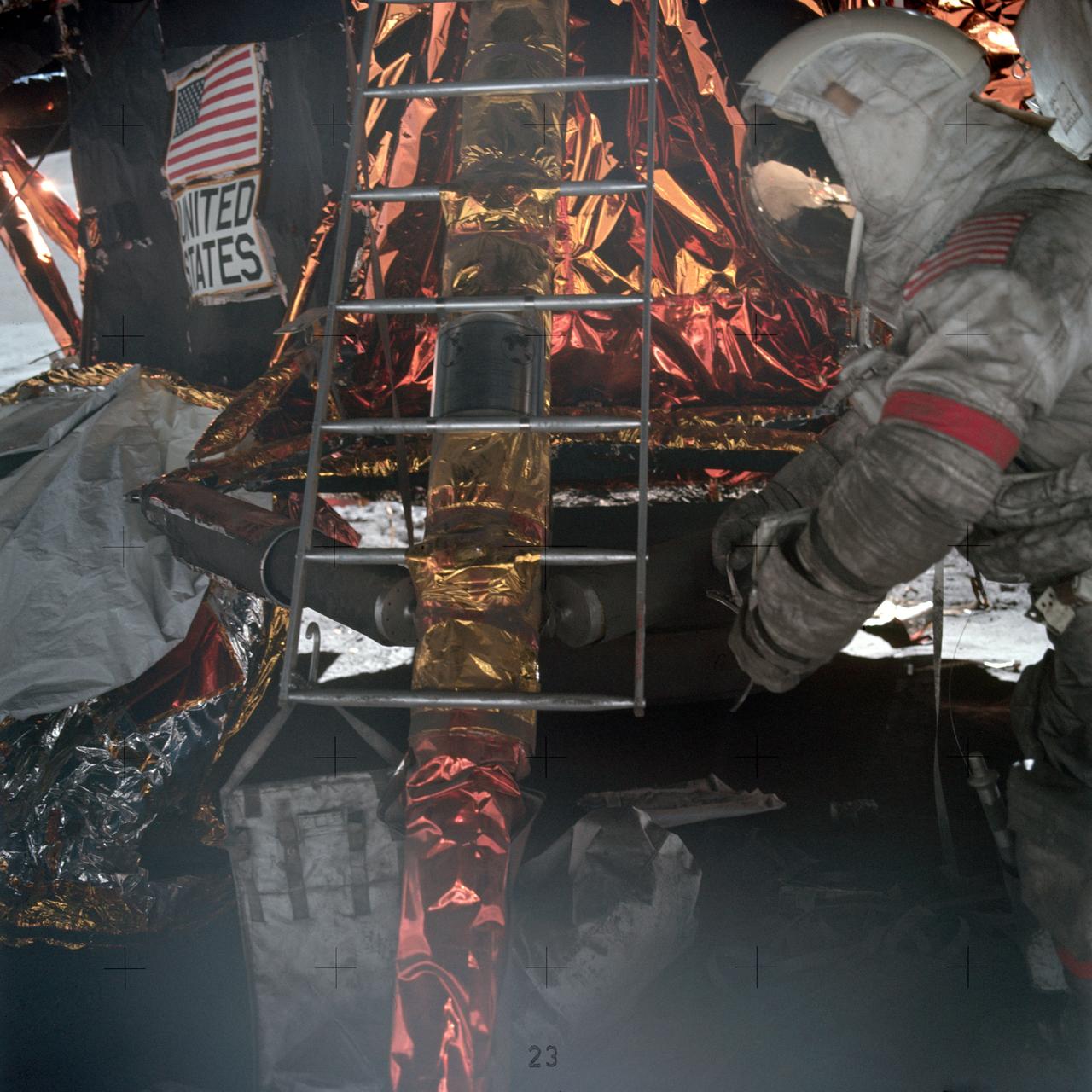
Astronaut Eugene A. Cernan, Apollo 17 commander, prepares to mount ladder to lunar module ascent stage. Note the plaque attached to the ladder which will be left with the descent stage when the mission lifts off from the lunar surface.
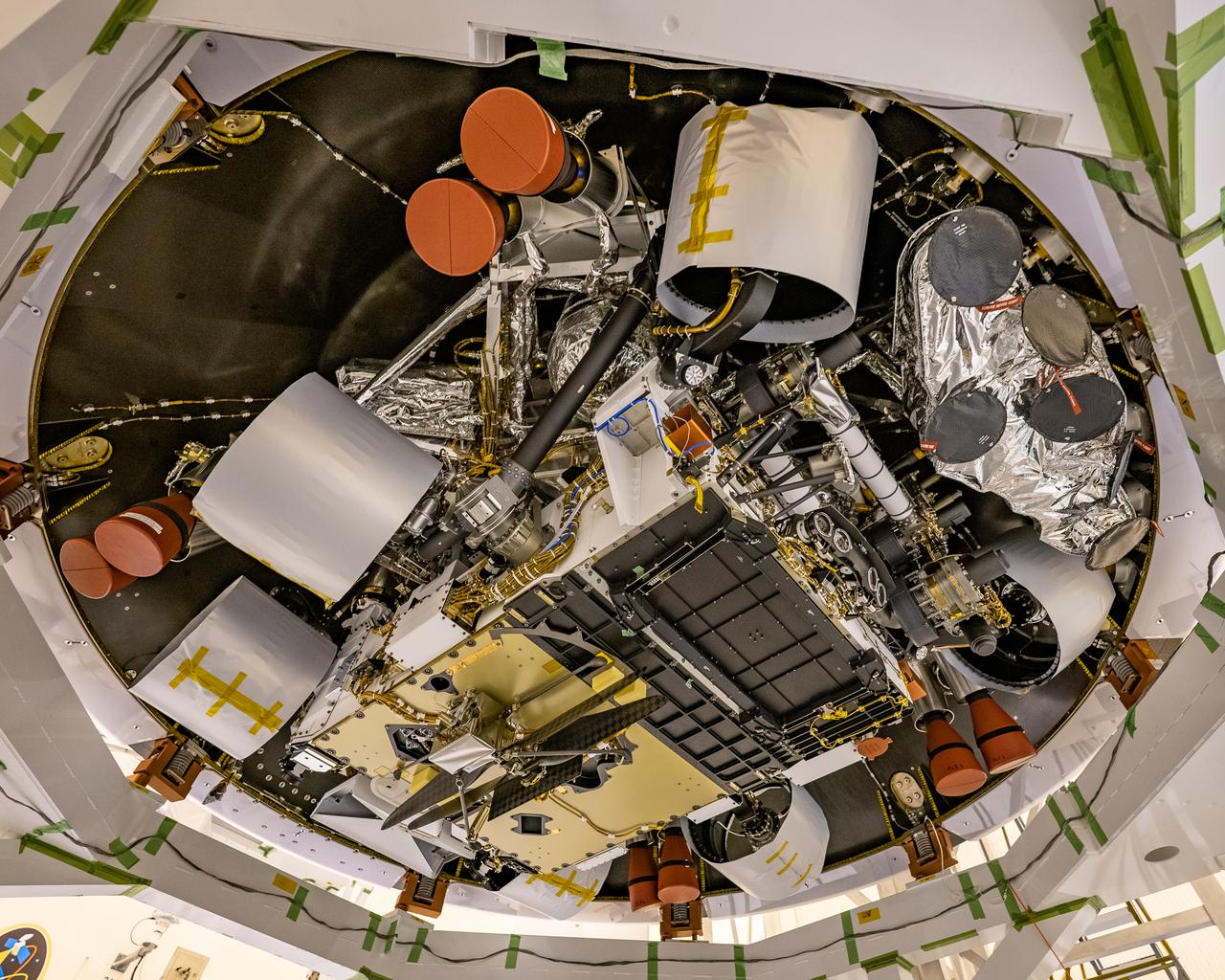
The aeroshell backshell for the Mars Perseverance rover is attached to the rocket-powered descent stage inside the Payload Hazardous Servicing Facility at NASA’s Kennedy Space Center in Florida on April 29, 2020. The aeroshell will encapsulate and protect Perseverance and its descent stage during their deep space journey to Mars and during descent through the Martian atmosphere. It will reach the Red Planet on Feb. 18, 2021. Launch, aboard a United Launch Alliance Atlas V 541 rocket, is targeted for summer 2020 from Cape Canaveral Air Force Station. NASA’s Launch Services Program based at Kennedy is managing the launch.
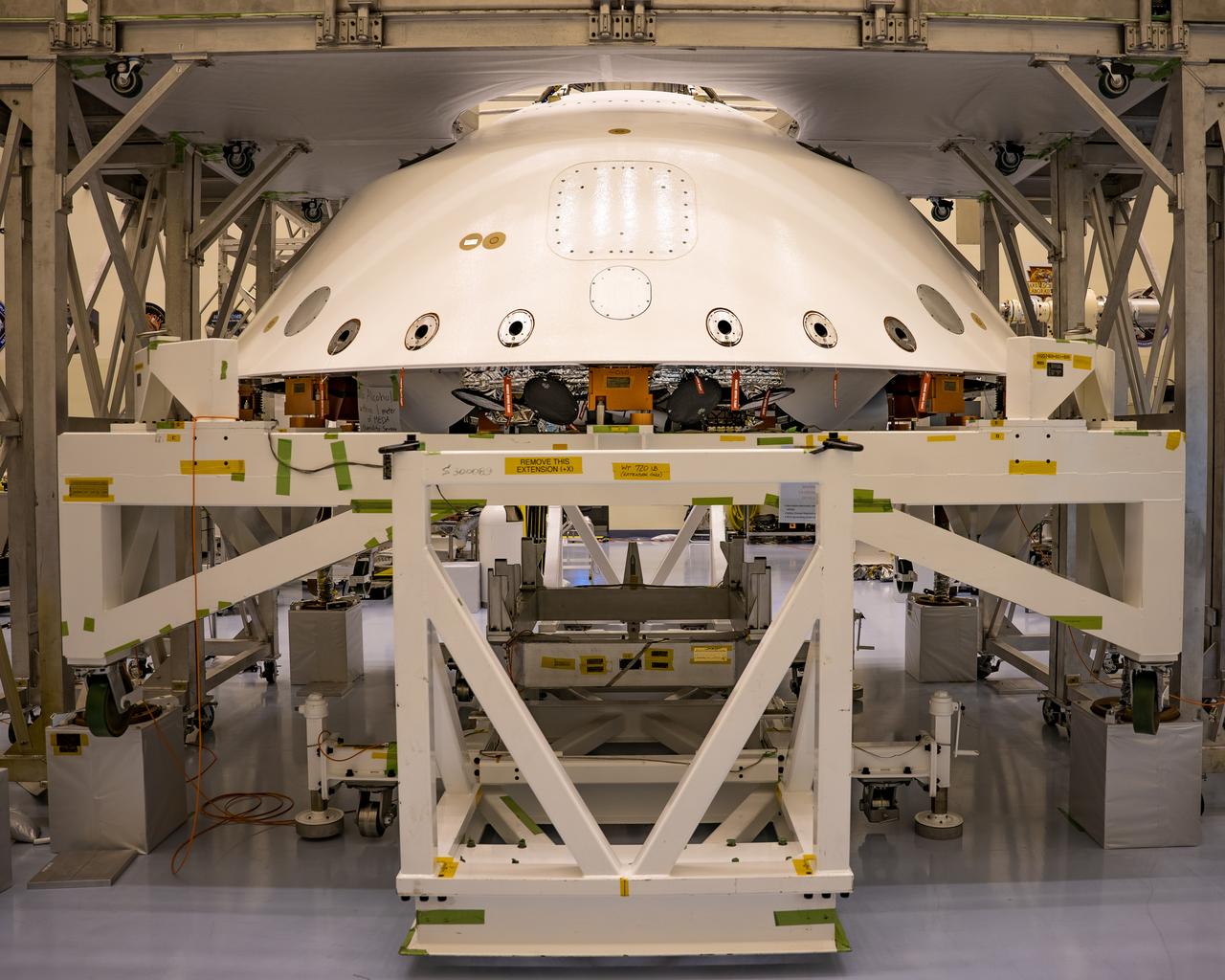
The aeroshell backshell for the Mars Perseverance rover is attached to the rocket-powered descent stage inside the Payload Hazardous Servicing Facility at NASA’s Kennedy Space Center in Florida on April 29, 2020. The aeroshell will encapsulate and protect Perseverance and its descent stage during their deep space journey to Mars and during descent through the Martian atmosphere. It will reach the Red Planet on Feb. 18, 2021. Launch, aboard a United Launch Alliance Atlas V 541 rocket, is targeted for summer 2020 from Cape Canaveral Air Force Station. NASA’s Launch Services Program based at Kennedy is managing the launch.
The aeroshell backshell for the Mars Perseverance rover is attached to the rocket-powered descent stage inside the Payload Hazardous Servicing Facility at NASA’s Kennedy Space Center in Florida on April 29, 2020. The aeroshell will encapsulate and protect Perseverance and its descent stage during their deep space journey to Mars and during descent through the Martian atmosphere. It will reach the Red Planet on Feb. 18, 2021. Launch, aboard a United Launch Alliance Atlas V 541 rocket, is targeted for summer 2020 from Cape Canaveral Air Force Station. NASA’s Launch Services Program based at Kennedy is managing the launch.
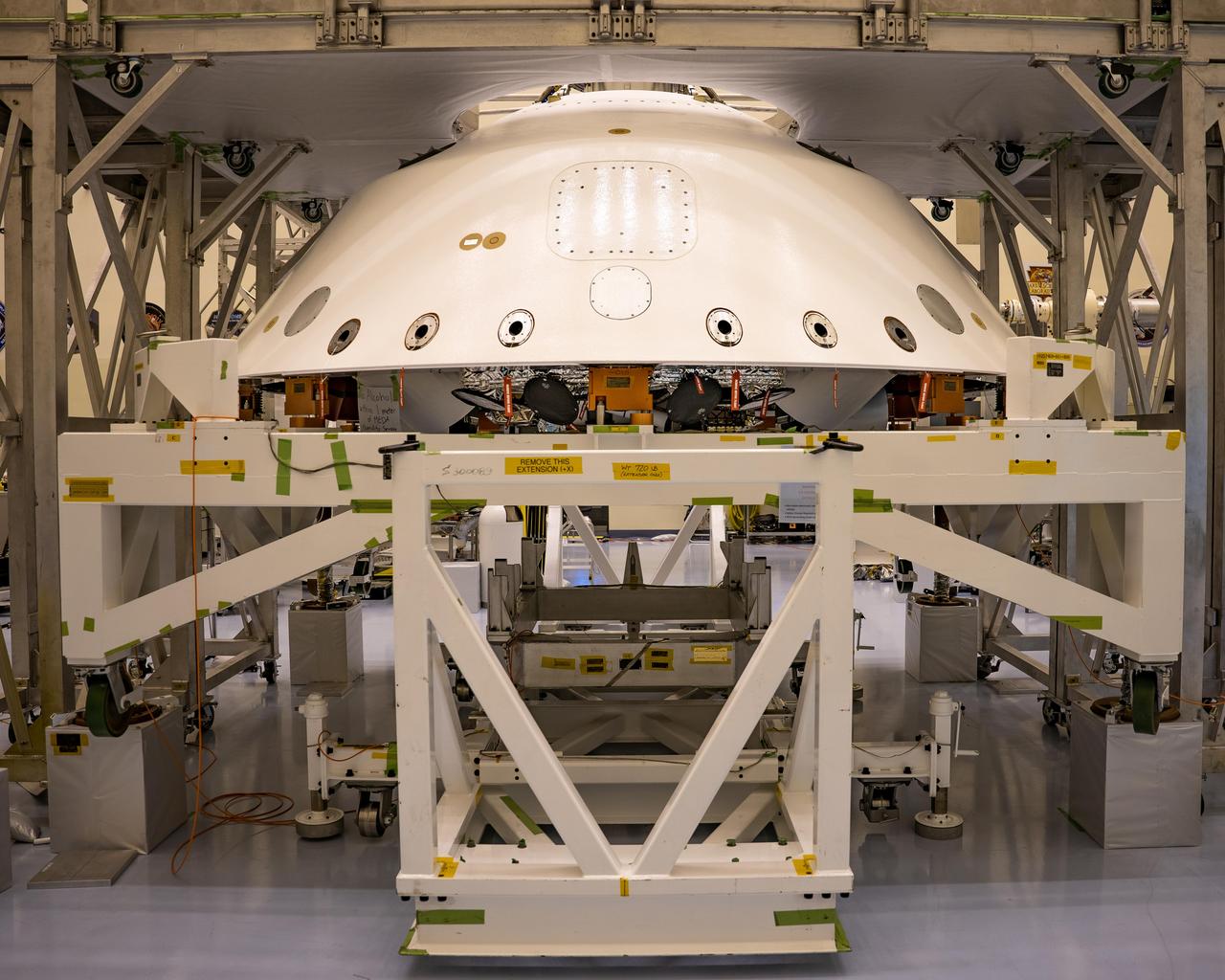
The cone-shaped back shell for NASA's Perseverance rover mission sits on a support structure in this April 29, 2020, image from Kennedy Space Center in Florida. Along with the heat shield, the back shell provides protection for the rover and descent stage during Martian atmospheric entry. Portions of the descent stage and rover, stacked one on top of the other, can be seen in the open area directly below the lower edge of back shell. https://photojournal.jpl.nasa.gov/catalog/PIA23885
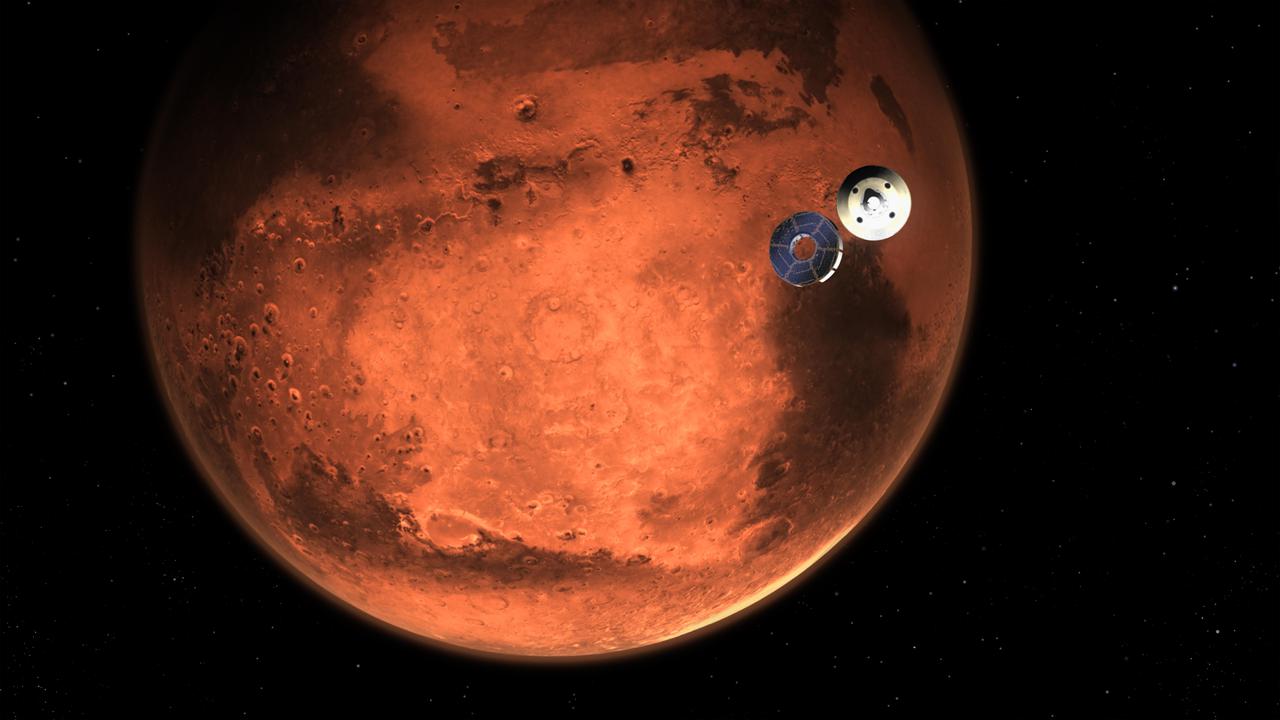
This illustration shows NASA's Perseverance rover casting off its spacecraft's cruise stage, minutes before entering the Martian atmosphere. Hundreds of critical events in the rover's Entry, Descent, and Landing sequence must execute perfectly and exactly on time for the rover to touch down on Mars safely on Feb. 18, 2021. The cruise stage contains fuel tanks, solar panels, and other hardware needed during the trip to Mars. About 10 minutes before atmospheric entry, it separates from the aeroshell, which encloses the rover and descent stage. The aeroshell makes the trip to the surface on its own. https://photojournal.jpl.nasa.gov/catalog/PIA24312
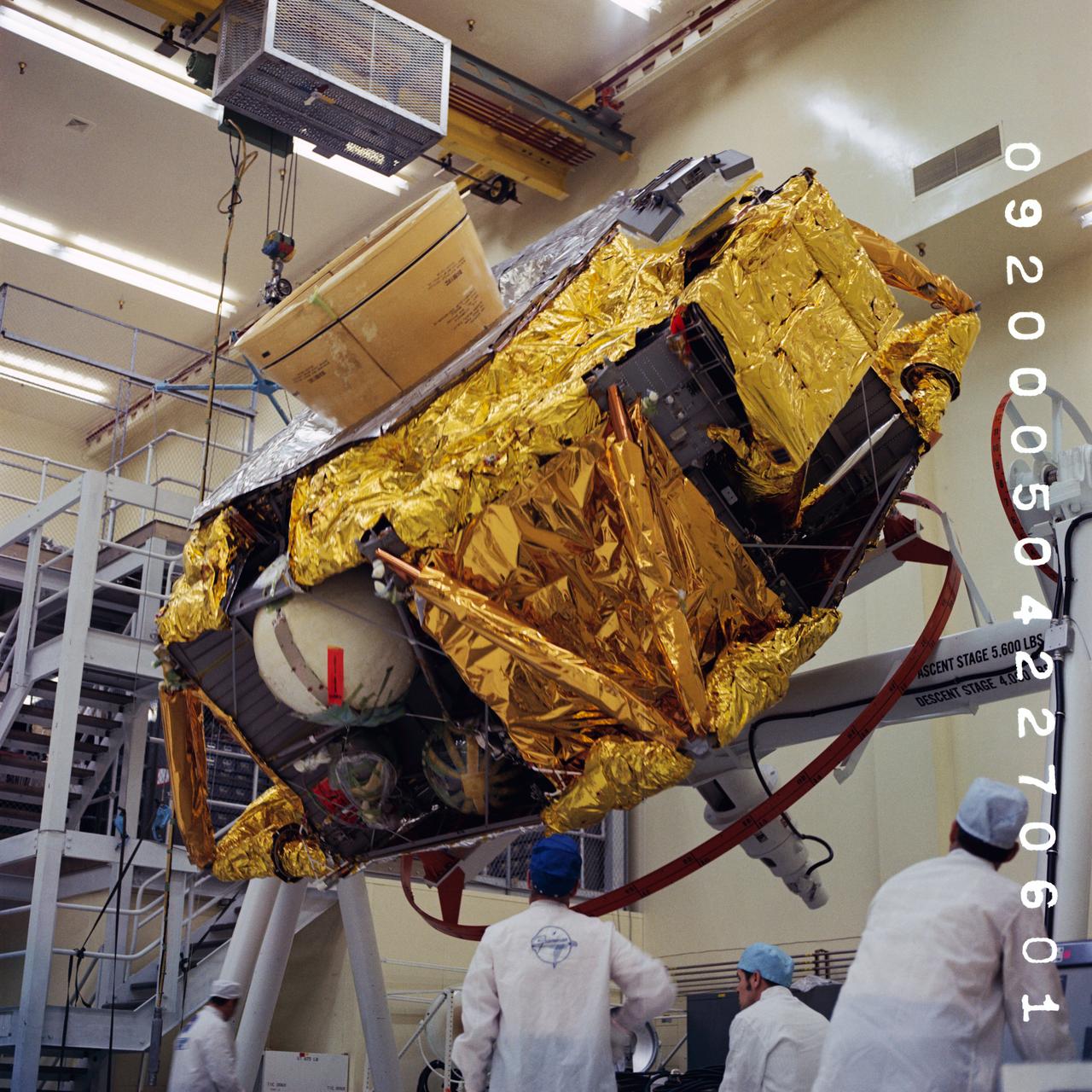
S70-39998 (2 June 1970) --- Manufacturing and testing view of Lunar Module (LM)-9 Descent Stage to Rotate & Clean Fixture at the Grumman, Bethpage, NY, Facility. Photo credit: NASA/Grumman
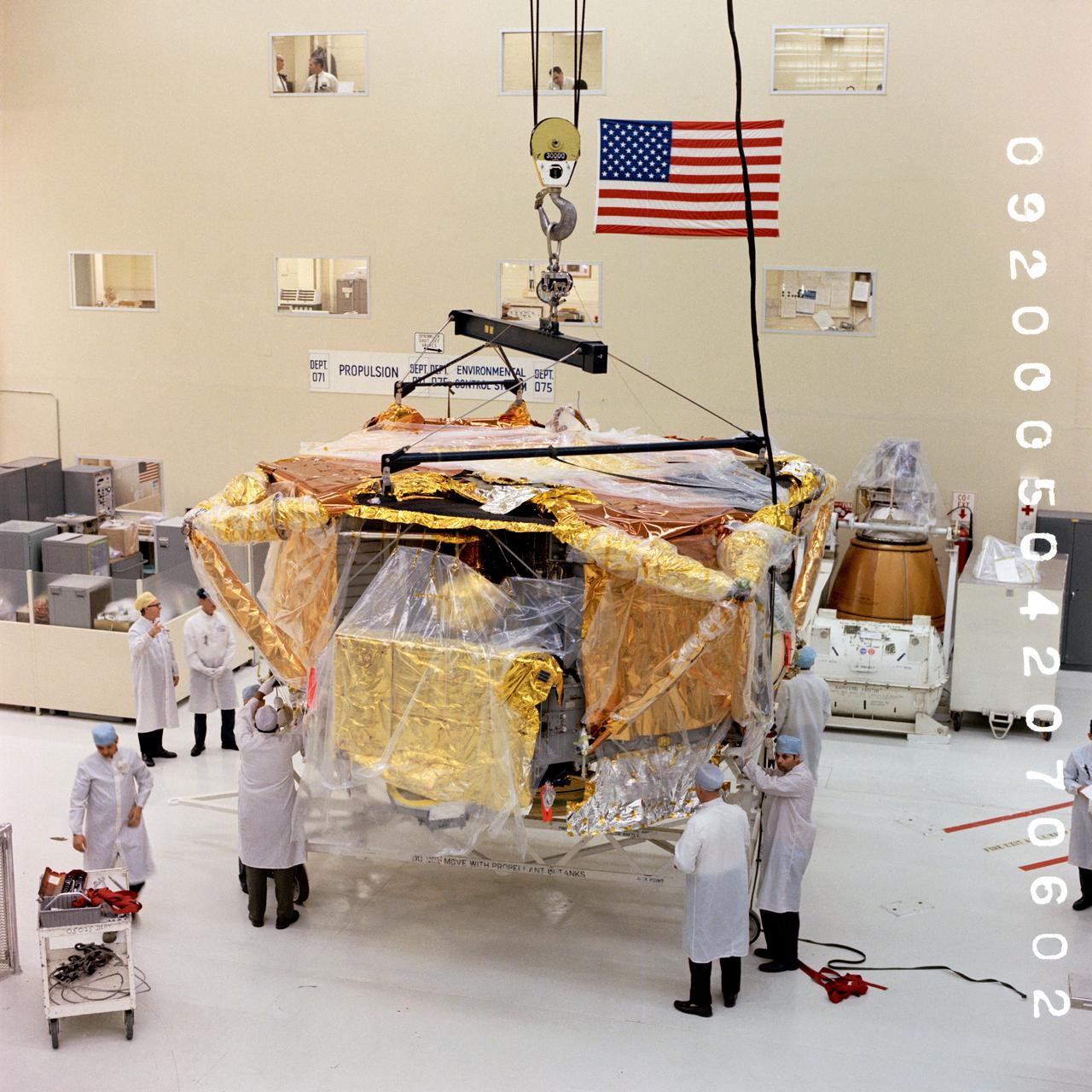
S70-39997 (2 June 1970) --- Manufacturing and testing view of Lunar Module (LM)-9 Descent Stage to Rotate & Clean Fixture at the Grumman, Bethpage, NY, Facility. Photo credit: NASA/Grumman
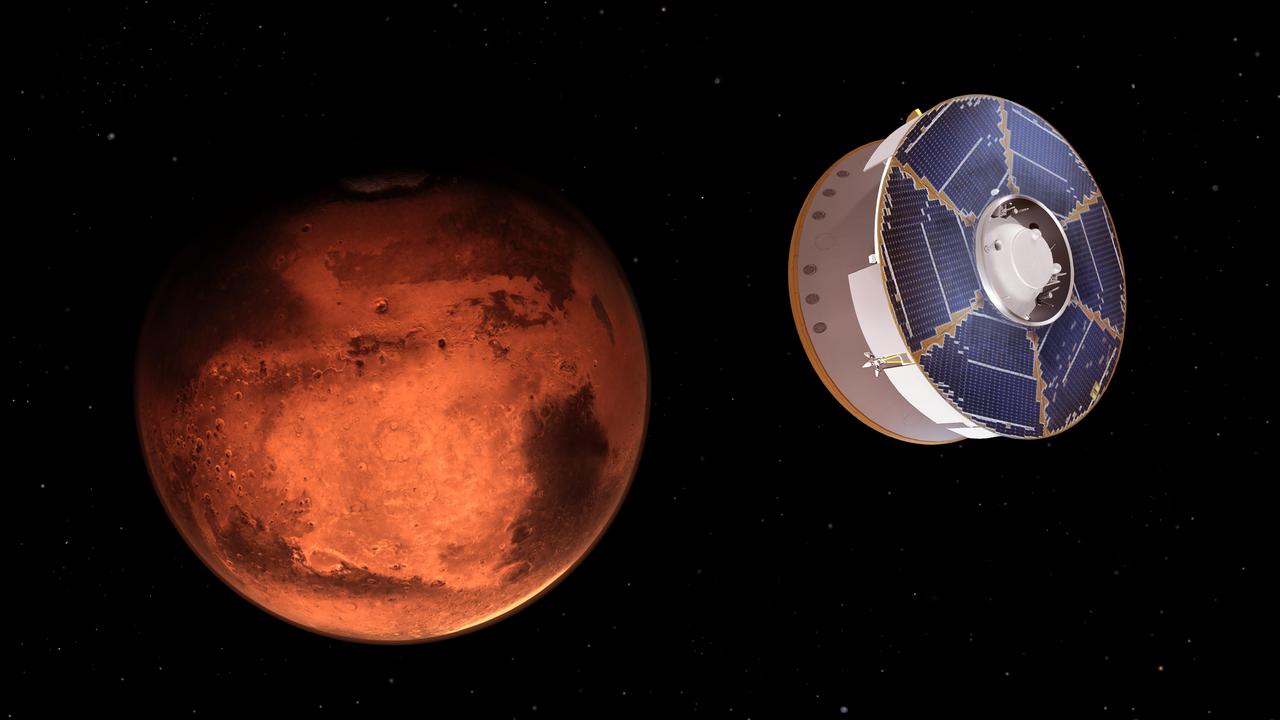
This illustration shows NASA's Mars 2020 spacecraft carrying the Perseverance rover as it approaches Mars. Hundreds of critical events must execute perfectly and exactly on time for the rover to land on Mars safely on Feb. 18, 2021. Solar panels powering the spacecraft are visible on the cruise state at the top. The cruise stage is attached to the aeroshell, which encloses the rover and descent stage. Entry, Descent, and Landing, or "EDL," begins when the aeroshell reaches the top of the Martian atmosphere, traveling nearly 12,500 mph (20,000 kph). It ends about seven minutes later, with Perseverance stationary on the Martian surface. https://photojournal.jpl.nasa.gov/catalog/PIA24311
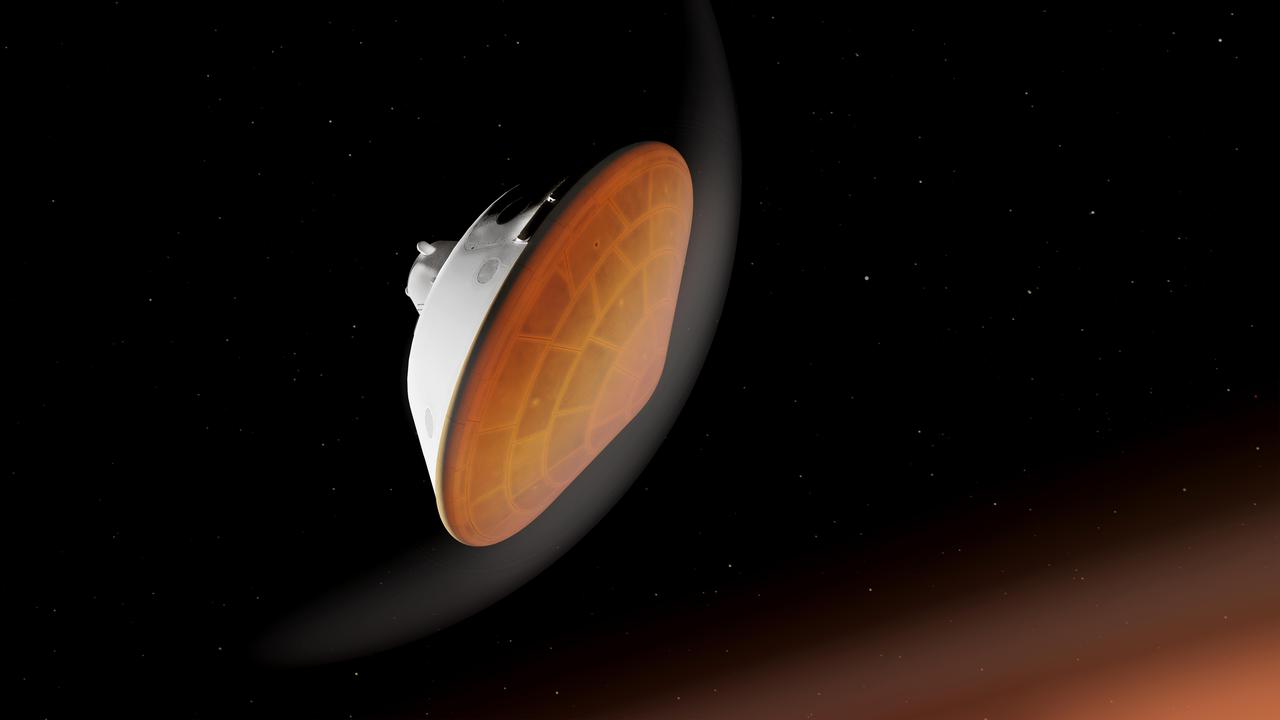
With its heat shield facing the planet, NASA's Perseverance rover begins its descent through the Martian atmosphere in this illustration. Hundreds of critical events must execute perfectly and exactly on time for the rover to land on Mars safely on Feb. 18, 2021. Entry, Descent, and Landing, or "EDL," begins when the spacecraft reaches the top of the Martian atmosphere, traveling nearly 12,500 mph (20,000 kph). The aeroshell, which encloses the rover and descent stage, makes the trip to the surface on its own. The vehicle fires small thrusters on the backshell to reorient itself and make sure the heat shield is facing forward as it plunges into the atmosphere. https://photojournal.jpl.nasa.gov/catalog/PIA24313
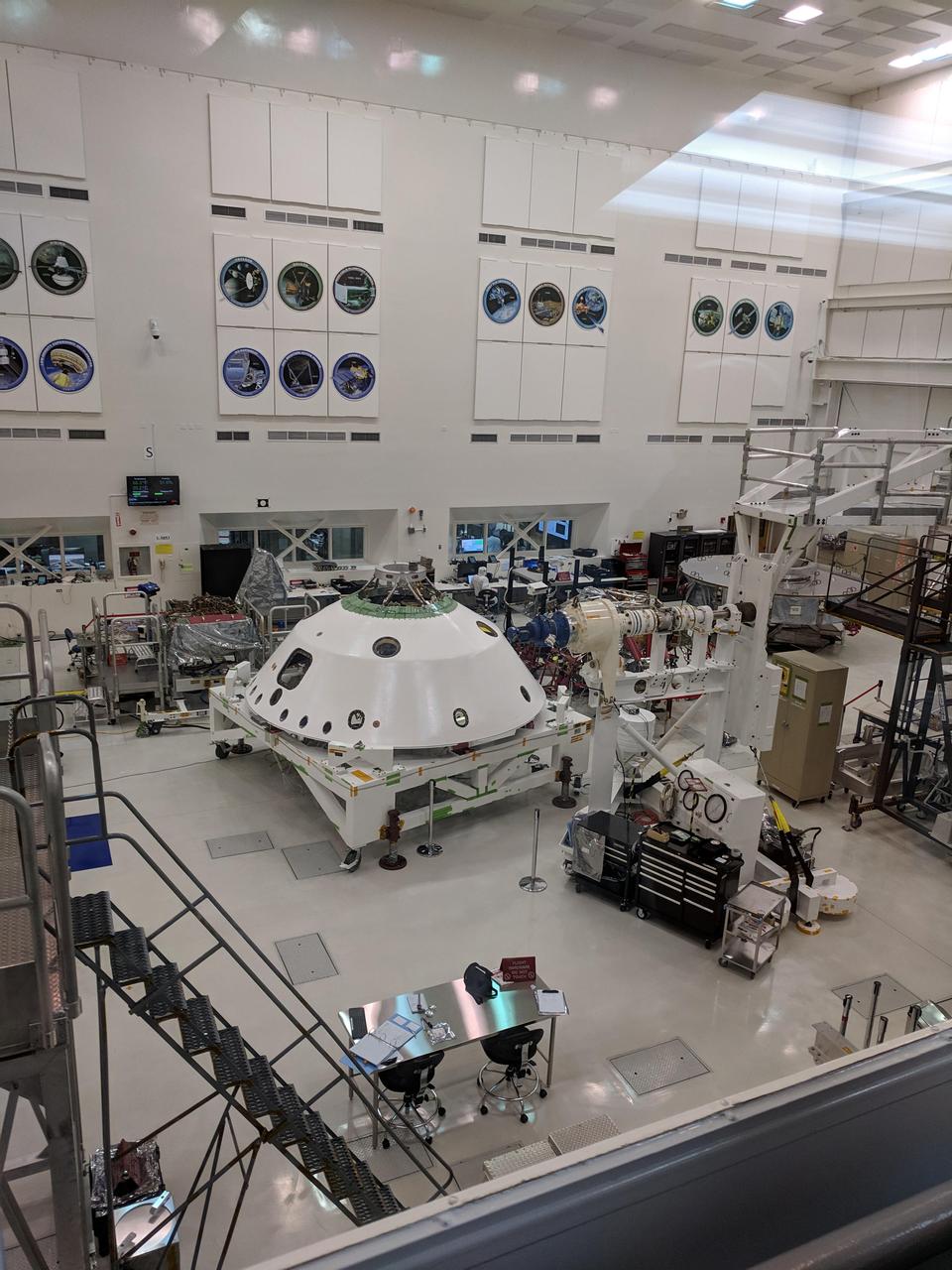
With the backshell that will help protect the Mars 2020 rover during its descent into the Martian atmosphere visible in the foreground, a technician on the project monitors the progress of Systems Test 1. Over two weeks in January 2019, 72 engineers and technicians assigned to the 2020 mission took over the High Bay 1 cleanroom in JPL's Spacecraft Assembly Facility to put the software and electrical systems aboard the mission's cruise, entry capsule, descent stage and rover through their paces. https://photojournal.jpl.nasa.gov/catalog/PIA22966
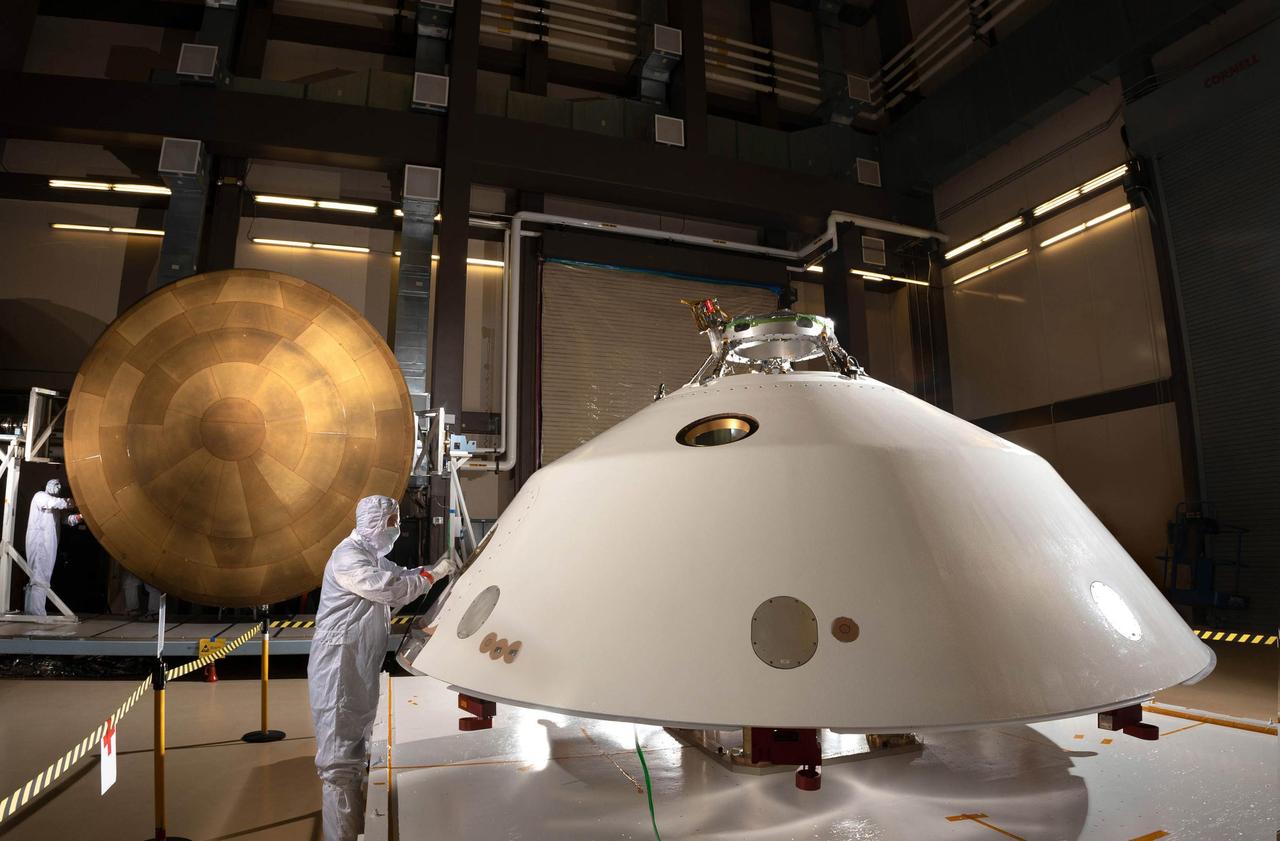
The heat shield (left) and back shell (right) that comprise the aeroshell for NASA's Mars 2020 mission are depicted in this image. Both components are nearly 15 feet (4.5 meters) in diameter. The aeroshell will encapsulate and protect the Mars 2020 rover and its descent stage both during their deep space cruise to Mars and during descent through the Martian atmosphere, which generates intense heat. The image was taken at Lockheed Martin Space in Denver, Colorado, which manufactured the aeroshell. https://photojournal.jpl.nasa.gov/catalog/PIA23590
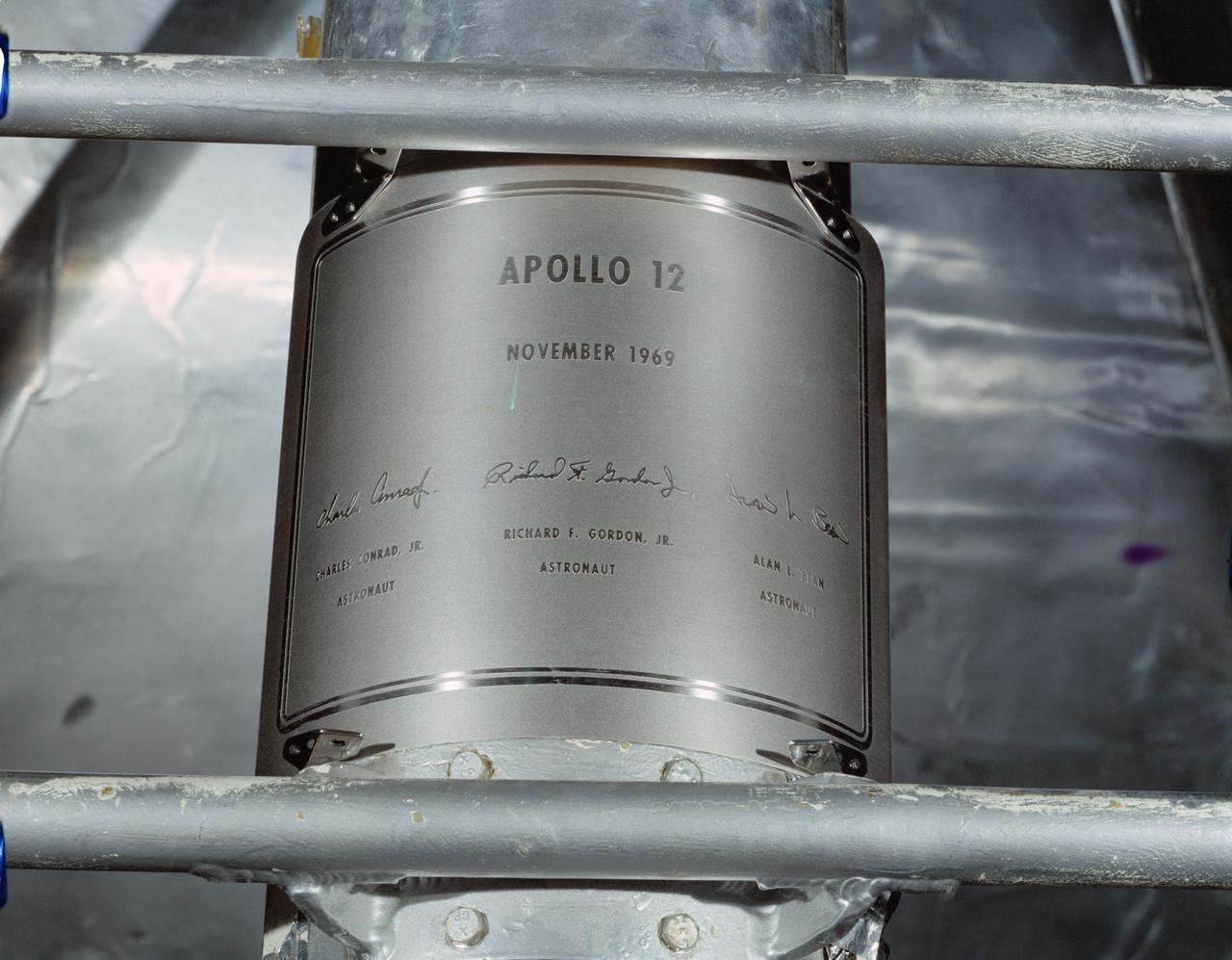
S69-53326 (November 1969) --- Close-up view of a replica of the plaque which the Apollo 12 astronauts will leave on the moon in commemoration of their flight. The plaque will be attached to the ladder on the landing gear strut on the descent stage of the Apollo 12 Lunar Module (LM). Apollo 12 will be the United States' second lunar landing mission.

The Saturn IB launch vehicle (SA204) for the Apollo 5 mission lifted off on January 22, 1968. The unmarned Apollo 5 mission verified the ascent and descent stage propulsion systems, including restart and throttle operations of the Lunar Module.
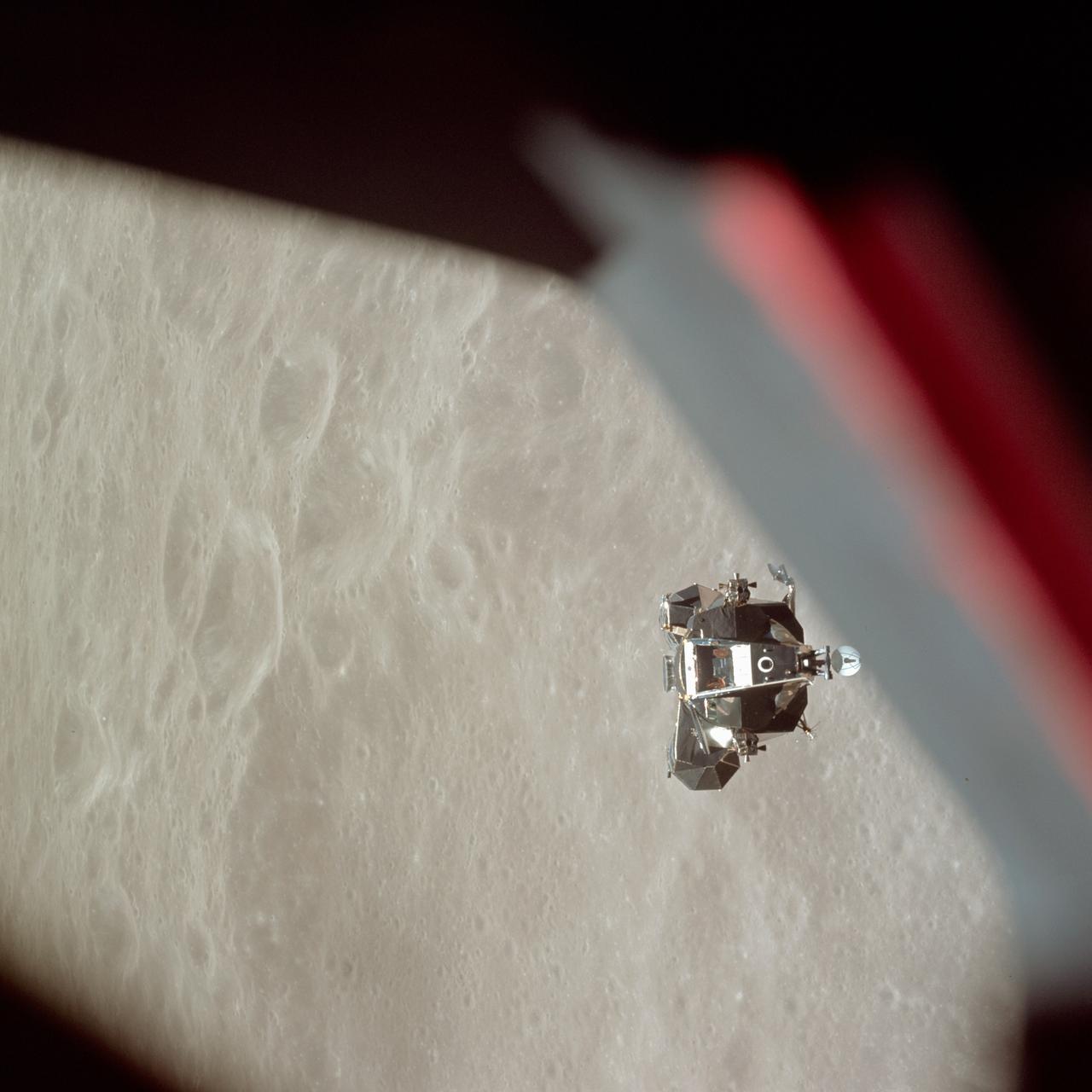
AS10-34-5112 (26 May 1969) --- The ascent stage of the Apollo 10 Lunar Module (LM) is photographed from the Command Module prior to docking in lunar orbit. The LM is approaching the Command and Service Modules from below. The LM descent stage had already been jettisoned. The lunar surface in the background is near, but beyond the eastern limb of the moon as viewed from Earth (about 120 degrees east longitude). The red/blue diagonal line is the spacecraft window.
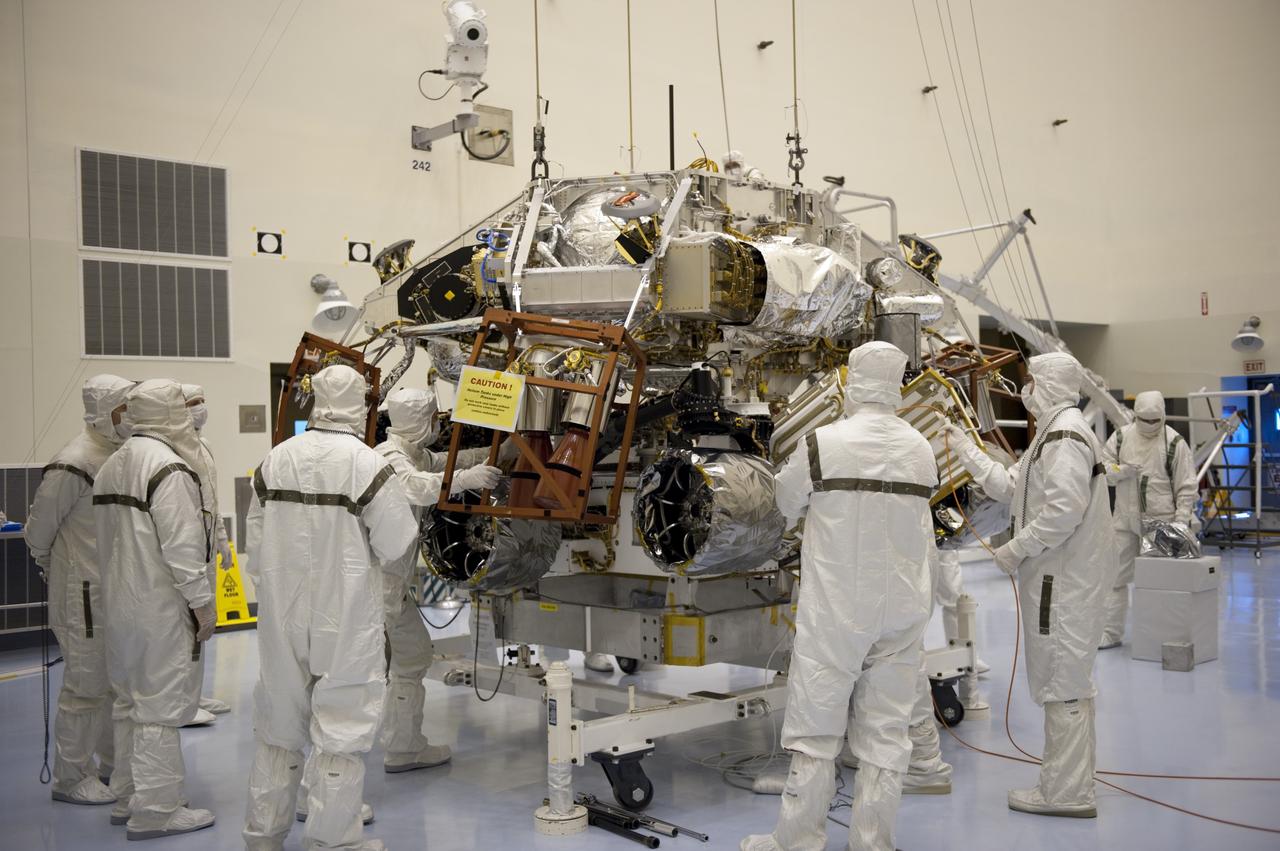
CAPE CANAVERAL, Fla. – Under the watchful eyes of technicians at the Payload Hazardous Servicing Facility at NASA's Kennedy Space Center in Florida, a rocket-powered descent stage, after being lowered by an overhead crane, is integrated with NASA's Mars Science Laboratory (MSL) rover, known as Curiosity. The descent stage will lower Curiosity to the surface of Mars. A United Launch Alliance Atlas V-541 configuration will be used to loft MSL into space. Curiosity’s 10 science instruments are designed to search for evidence on whether Mars has had environments favorable to microbial life, including chemical ingredients for life. The unique rover will use a laser to look inside rocks and release its gasses so that the rover’s spectrometer can analyze and send the data back to Earth. MSL is scheduled to launch Nov. 25 with a window extending to Dec. 18 and arrival at Mars Aug. 2012. For more information, visit http://www.nasa.gov/msl. Photo credit: NASA/Kim Shiflett

CAPE CANAVERAL, Fla. – Under the watchful eyes of technicians at the Payload Hazardous Servicing Facility at NASA's Kennedy Space Center in Florida, an overhead crane begins lifting a rocket-powered descent stage for integration with NASA's Mars Science Laboratory (MSL) rover, known as Curiosity. The descent stage will lower Curiosity to the surface of Mars. A United Launch Alliance Atlas V-541 configuration will be used to loft MSL into space. Curiosity’s 10 science instruments are designed to search for evidence on whether Mars has had environments favorable to microbial life, including chemical ingredients for life. The unique rover will use a laser to look inside rocks and release its gasses so that the rover’s spectrometer can analyze and send the data back to Earth. MSL is scheduled to launch Nov. 25 with a window extending to Dec. 18 and arrival at Mars Aug. 2012. For more information, visit http://www.nasa.gov/msl. Photo credit: NASA/Kim Shiflett

CAPE CANAVERAL, Fla. – At the Payload Hazardous Servicing Facility at NASA’s Kennedy Space Center in Florida, technicians dressed in clean room attire, known as "bunny" suits, prepare a rocket-powered descent stage for integration with NASA's Mars Science Laboratory (MSL) rover, known as Curiosity. The descent stage will lower Curiosity to the surface of Mars. A United Launch Alliance Atlas V-541 configuration will be used to loft MSL into space. Curiosity’s 10 science instruments are designed to search for evidence on whether Mars has had environments favorable to microbial life, including chemical ingredients for life. The unique rover will use a laser to look inside rocks and release its gasses so that the rover’s spectrometer can analyze and send the data back to Earth. MSL is scheduled to launch Nov. 25 with a window extending to Dec. 18 and arrival at Mars Aug. 2012. For more information, visit http://www.nasa.gov/msl. Photo credit: NASA/Kim Shiflett
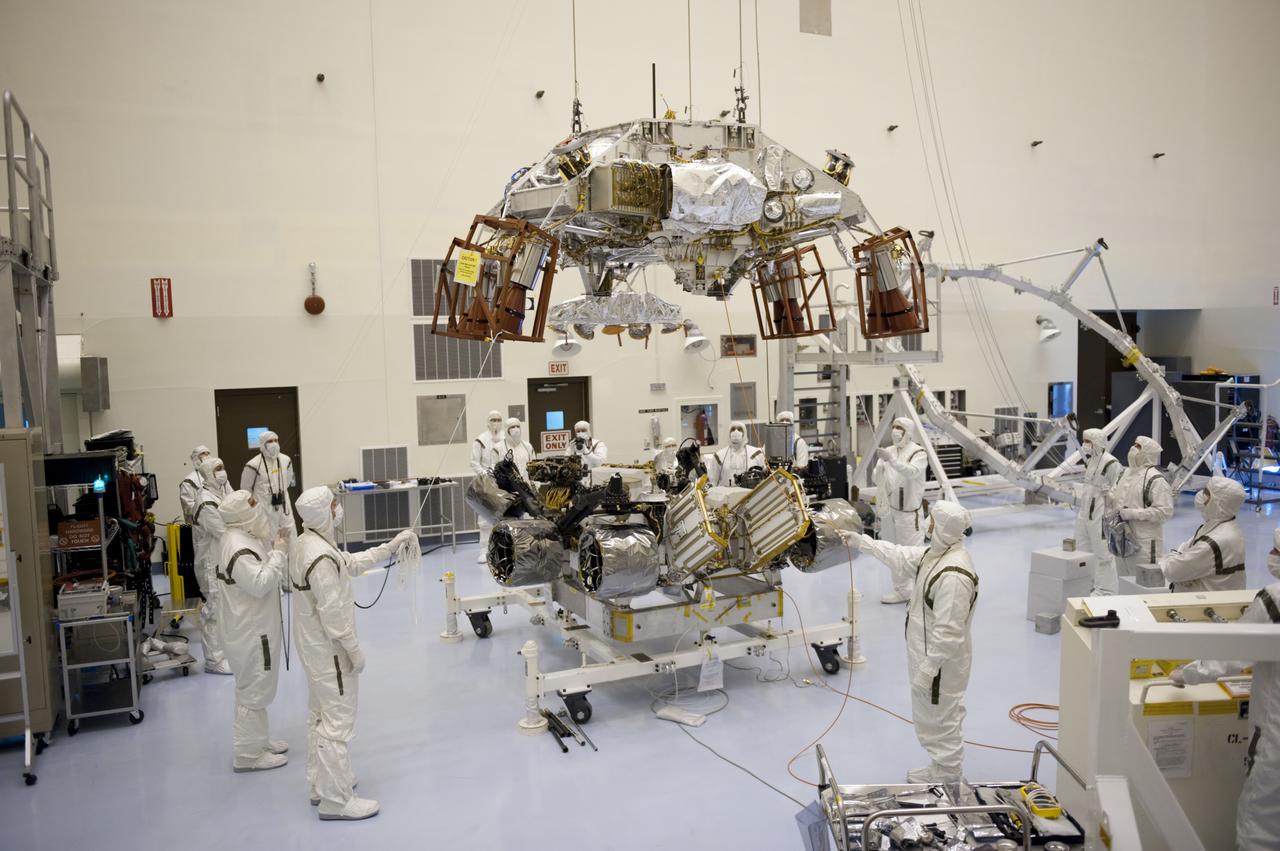
CAPE CANAVERAL, Fla. – Preparing for integration to NASA's Mars Science Laboratory (MSL) rover known as Curiosity, technicians help guide a rocket-powered descent stage over the rover at NASA's Kennedy Space Center Payload Hazardous Servicing Facility. The descent stage will lower Curiosity to the surface of Mars. A United Launch Alliance Atlas V-541 configuration will be used to loft MSL into space. Curiosity’s 10 science instruments are designed to search for evidence on whether Mars has had environments favorable to microbial life, including chemical ingredients for life. The unique rover will use a laser to look inside rocks and release its gasses so that the rover’s spectrometer can analyze and send the data back to Earth. MSL is scheduled to launch Nov. 25 with a window extending to Dec. 18 and arrival at Mars Aug. 2012. For more information, visit http://www.nasa.gov/msl. Photo credit: NASA/Kim Shiflett
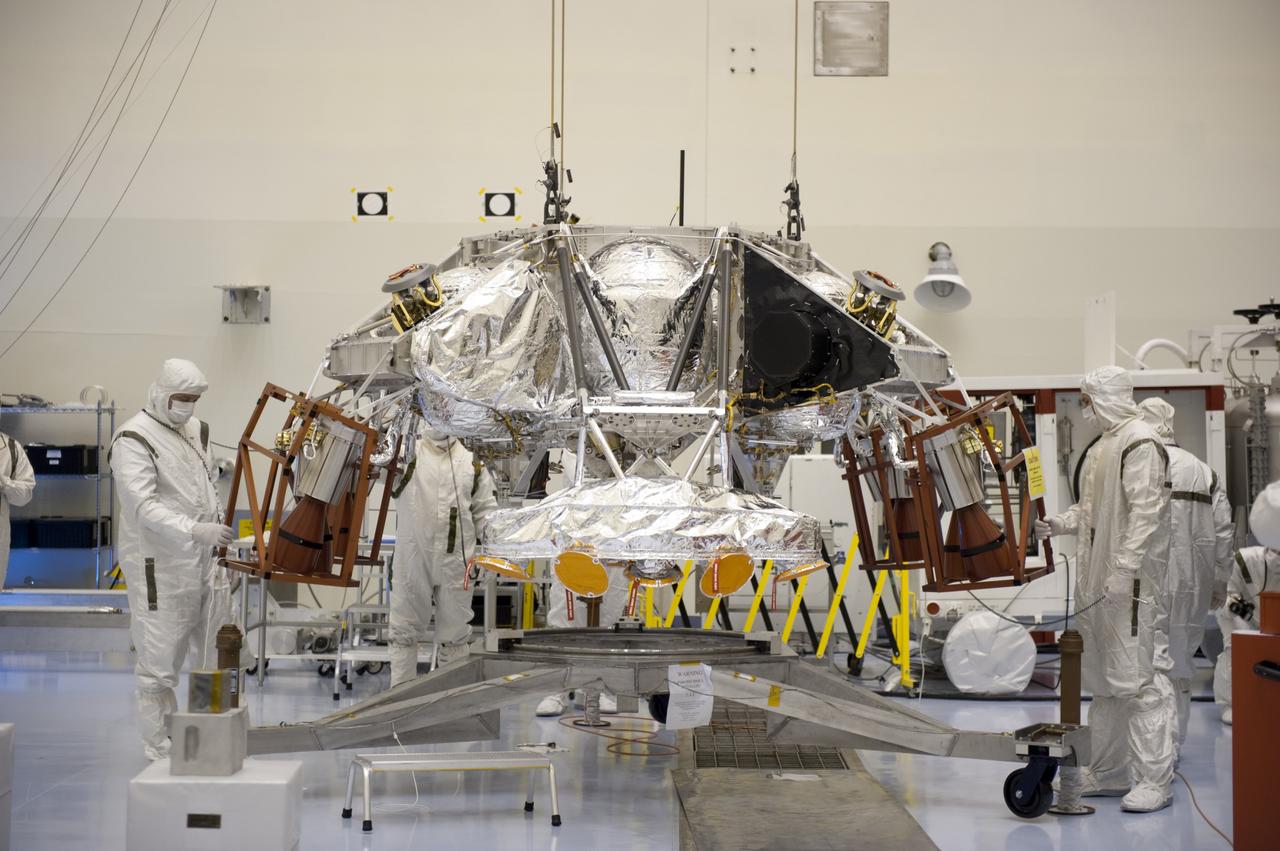
CAPE CANAVERAL, Fla. – At the Payload Hazardous Servicing Facility at NASA’s Kennedy Space Center in Florida, technicians carefully monitor the attachment of an overhead crane to a rocket-powered descent stage which will be integrated with NASA's Mars Science Laboratory (MSL) rover, known as Curiosity. The descent stage will lower Curiosity to the surface of Mars. A United Launch Alliance Atlas V-541 configuration will be used to loft MSL into space. Curiosity’s 10 science instruments are designed to search for evidence on whether Mars has had environments favorable to microbial life, including chemical ingredients for life. The unique rover will use a laser to look inside rocks and release its gasses so that the rover’s spectrometer can analyze and send the data back to Earth. MSL is scheduled to launch Nov. 25 with a window extending to Dec. 18 and arrival at Mars Aug. 2012. For more information, visit http://www.nasa.gov/msl. Photo credit: NASA/Kim Shiflett
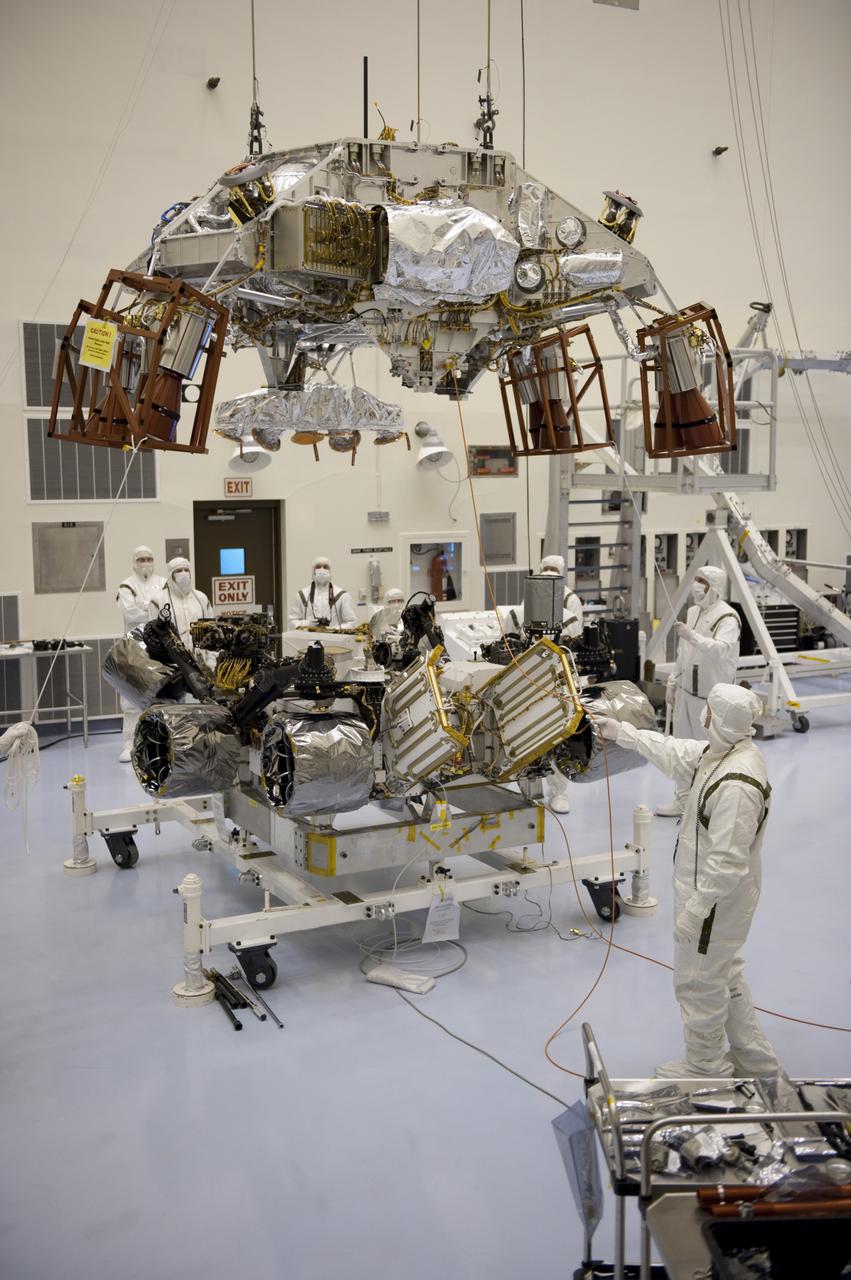
CAPE CANAVERAL, Fla. – Under the watchful eyes of technicians at the Payload Hazardous Servicing Facility at NASA's Kennedy Space Center in Florida, an overhead crane lowers a rocket-powered descent stage over NASA's Mars Science Laboratory (MSL) rover, known as Curiosity, for integration. The descent stage will lower Curiosity to the surface of Mars. A United Launch Alliance Atlas V-541 configuration will be used to loft MSL into space. Curiosity’s 10 science instruments are designed to search for evidence on whether Mars has had environments favorable to microbial life, including chemical ingredients for life. The unique rover will use a laser to look inside rocks and release its gasses so that the rover’s spectrometer can analyze and send the data back to Earth. MSL is scheduled to launch Nov. 25 with a window extending to Dec. 18 and arrival at Mars Aug. 2012. For more information, visit http://www.nasa.gov/msl. Photo credit: NASA/Kim Shiflett
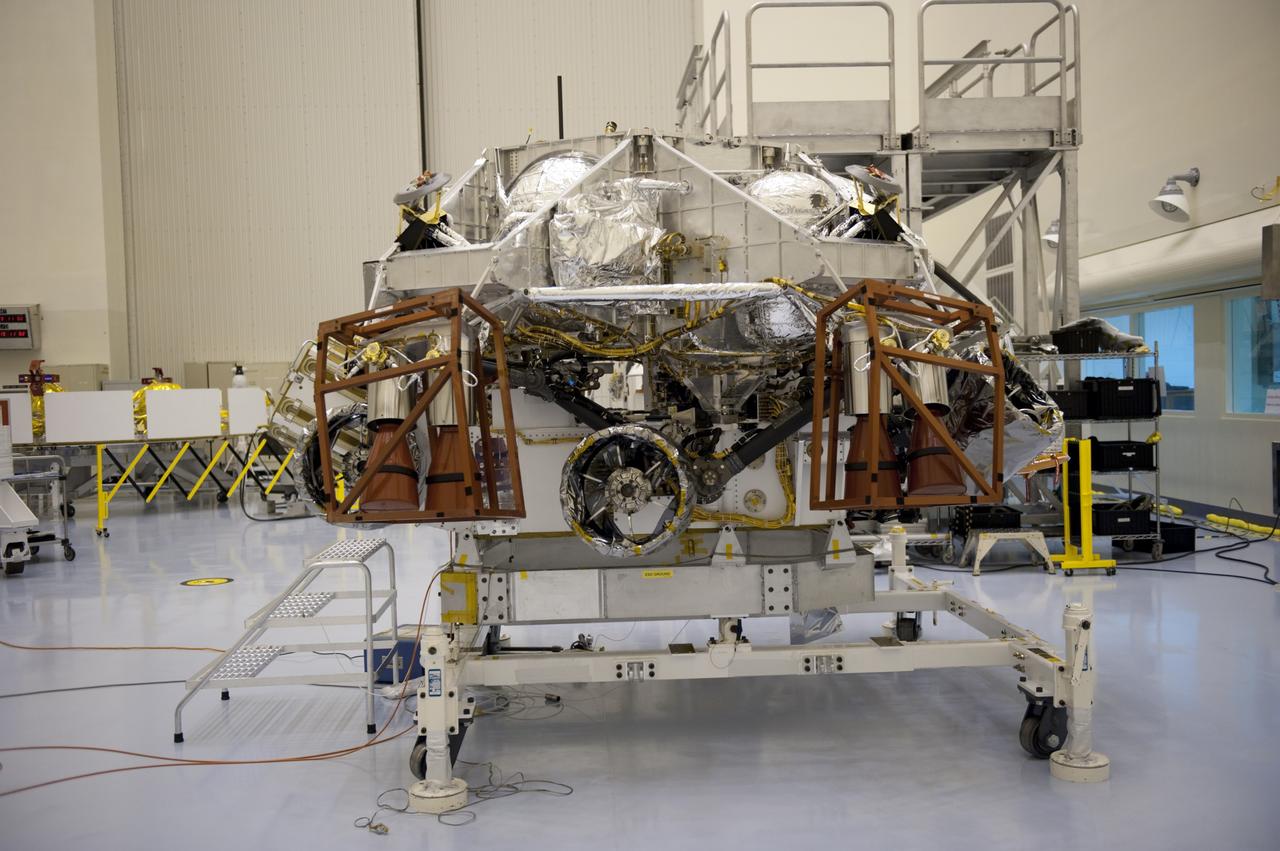
CAPE CANAVERAL, Fla. – At the Payload Hazardous Servicing Facility at NASA’s Kennedy Space Center in Florida, integration between a rocket-powered descent stage and NASA's Mars Science Laboratory (MSL) rover, known as Curiosity, is complete. The descent stage will lower Curiosity to the surface of Mars. A United Launch Alliance Atlas V-541 configuration will be used to loft MSL into space. Curiosity’s 10 science instruments are designed to search for evidence on whether Mars has had environments favorable to microbial life, including chemical ingredients for life. The unique rover will use a laser to look inside rocks and release its gasses so that the rover’s spectrometer can analyze and send the data back to Earth. MSL is scheduled to launch Nov. 25 with a window extending to Dec. 18 and arrival at Mars Aug. 2012. For more information, visit http://www.nasa.gov/msl. Photo credit: NASA/Kim Shiflett
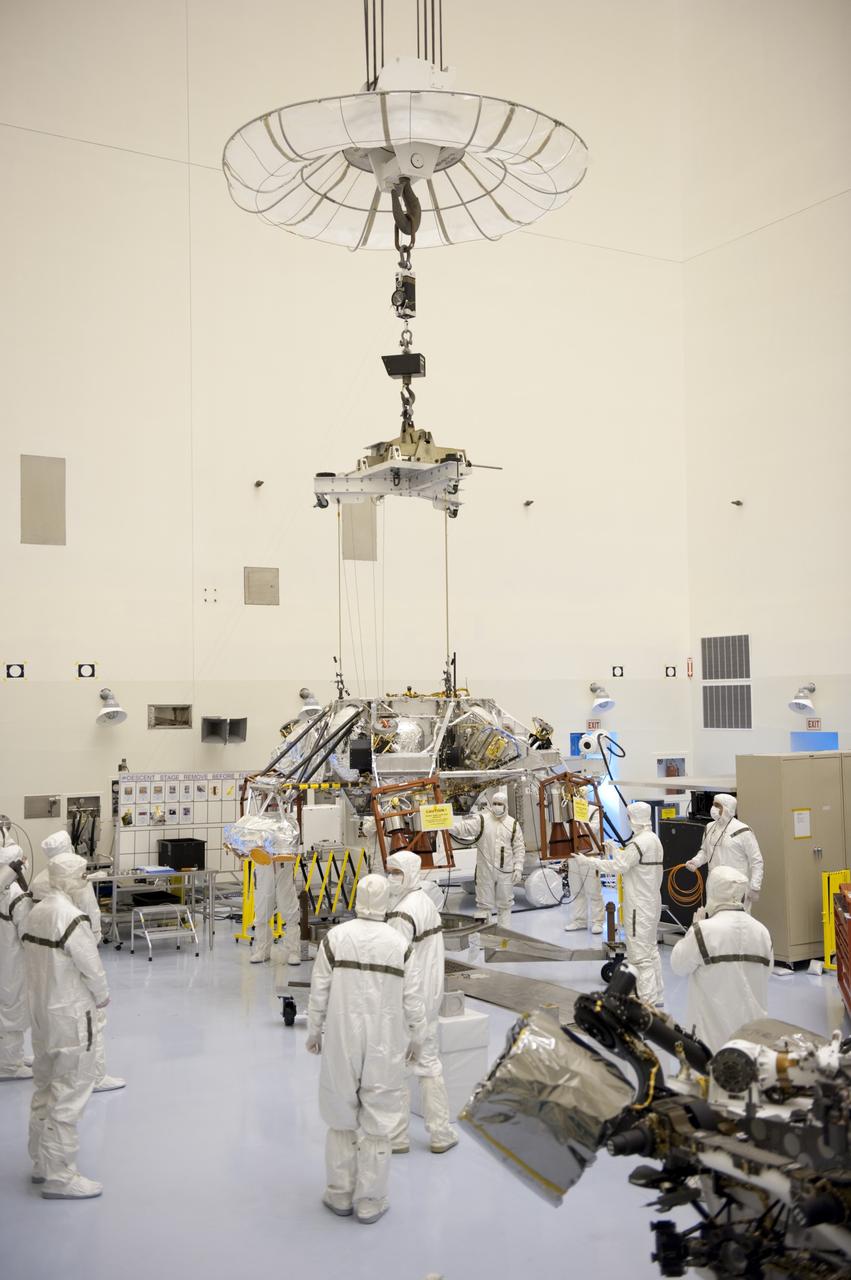
CAPE CANAVERAL, Fla. – Technicians, at the Payload Hazardous Servicing Facility at NASA's Kennedy Space Center in Florida, use an overhead crane to move a rocket-powered descent stage for integration with NASA's Mars Science Laboratory (MSL) rover, known as Curiosity. The descent stage will lower Curiosity to the surface of Mars. A United Launch Alliance Atlas V-541 configuration will be used to loft MSL into space. Curiosity’s 10 science instruments are designed to search for evidence on whether Mars has had environments favorable to microbial life, including chemical ingredients for life. The unique rover will use a laser to look inside rocks and release its gasses so that the rover’s spectrometer can analyze and send the data back to Earth. MSL is scheduled to launch Nov. 25 with a window extending to Dec. 18 and arrival at Mars Aug. 2012. For more information, visit http://www.nasa.gov/msl. Photo credit: NASA/Kim Shiflett
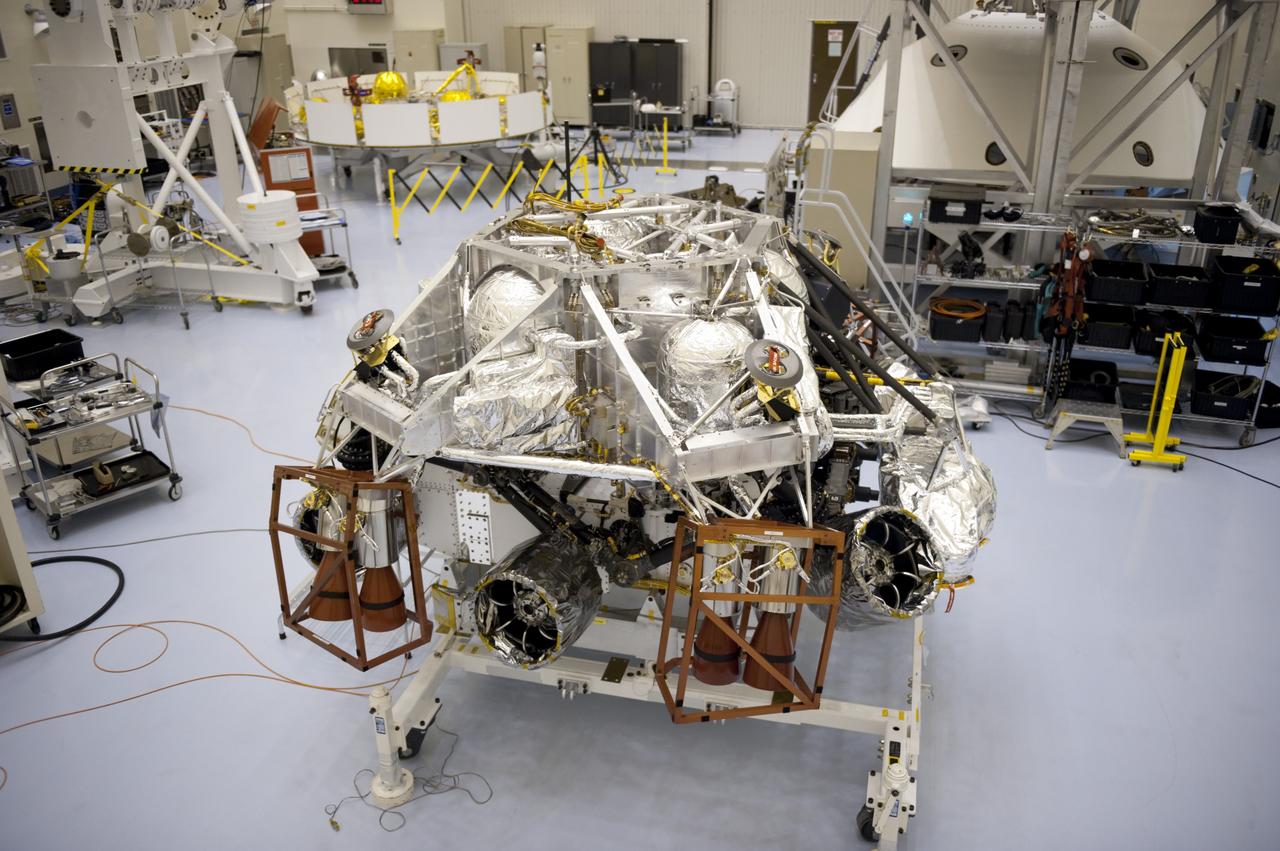
CAPE CANAVERAL, Fla. – At the Payload Hazardous Servicing Facility at NASA’s Kennedy Space Center in Florida, integration between a rocket-powered descent stage and NASA's Mars Science Laboratory (MSL) rover, known as Curiosity, is complete. The descent stage will lower Curiosity to the surface of Mars. A United Launch Alliance Atlas V-541 configuration will be used to loft MSL into space. Curiosity’s 10 science instruments are designed to search for evidence on whether Mars has had environments favorable to microbial life, including chemical ingredients for life. The unique rover will use a laser to look inside rocks and release its gasses so that the rover’s spectrometer can analyze and send the data back to Earth. MSL is scheduled to launch Nov. 25 with a window extending to Dec. 18 and arrival at Mars Aug. 2012. For more information, visit http://www.nasa.gov/msl. Photo credit: NASA/Kim Shiflett
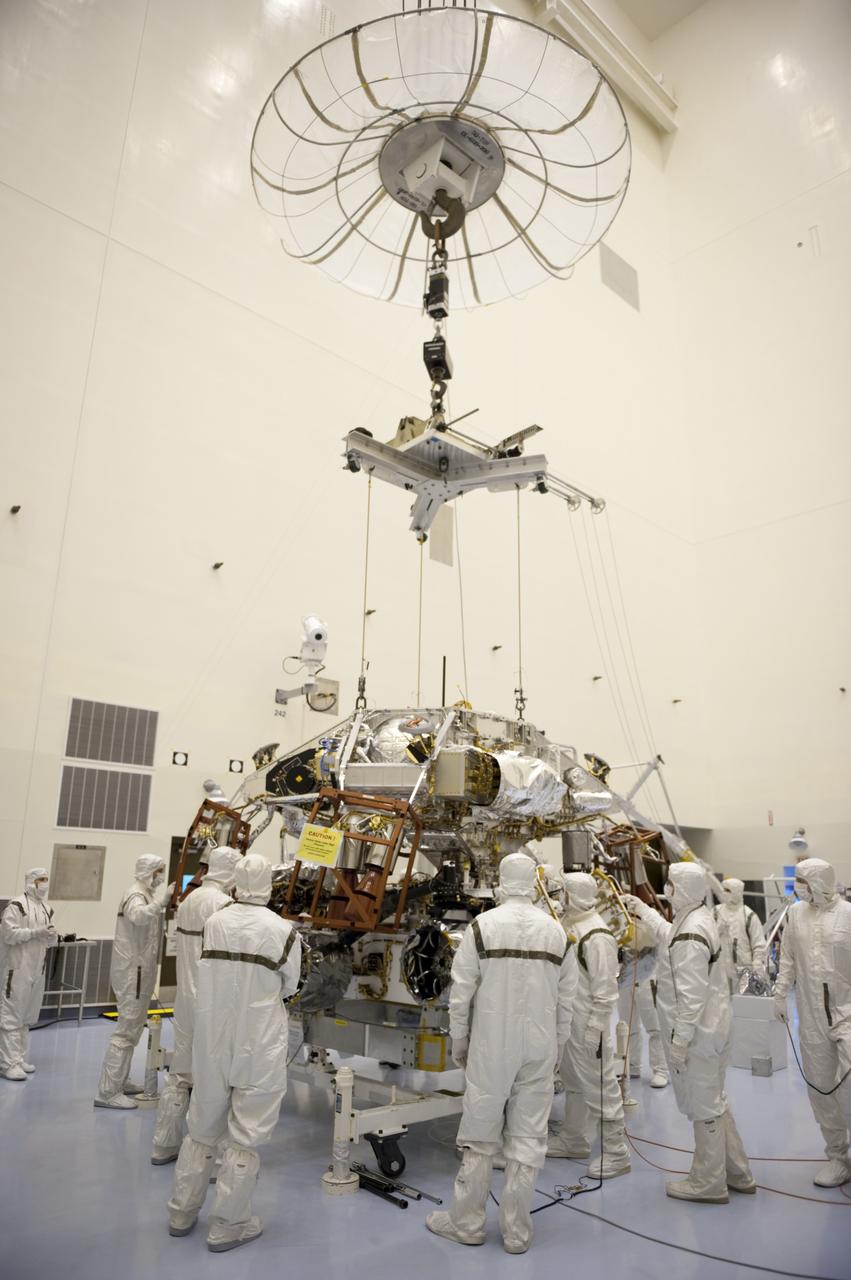
CAPE CANAVERAL, Fla. – Under the watchful eyes of technicians at the Payload Hazardous Servicing Facility at NASA's Kennedy Space Center in Florida, a rocket-powered descent stage, after being lowered by an overhead crane, is integrated with NASA's Mars Science Laboratory (MSL) rover, known as Curiosity. The descent stage will lower Curiosity to the surface of Mars. A United Launch Alliance Atlas V-541 configuration will be used to loft MSL into space. Curiosity’s 10 science instruments are designed to search for evidence on whether Mars has had environments favorable to microbial life, including chemical ingredients for life. The unique rover will use a laser to look inside rocks and release its gasses so that the rover’s spectrometer can analyze and send the data back to Earth. MSL is scheduled to launch Nov. 25 with a window extending to Dec. 18 and arrival at Mars Aug. 2012. For more information, visit http://www.nasa.gov/msl. Photo credit: NASA/Kim Shiflett

CAPE CANAVERAL, Fla. – At the Payload Hazardous Servicing Facility at NASA’s Kennedy Space Center in Florida, integration between a rocket-powered descent stage and NASA's Mars Science Laboratory (MSL) rover, known as Curiosity, is complete. The descent stage will lower Curiosity to the surface of Mars. A United Launch Alliance Atlas V-541 configuration will be used to loft MSL into space. Curiosity’s 10 science instruments are designed to search for evidence on whether Mars has had environments favorable to microbial life, including chemical ingredients for life. The unique rover will use a laser to look inside rocks and release its gasses so that the rover’s spectrometer can analyze and send the data back to Earth. MSL is scheduled to launch Nov. 25 with a window extending to Dec. 18 and arrival at Mars Aug. 2012. For more information, visit http://www.nasa.gov/msl. Photo credit: NASA/Kim Shiflett
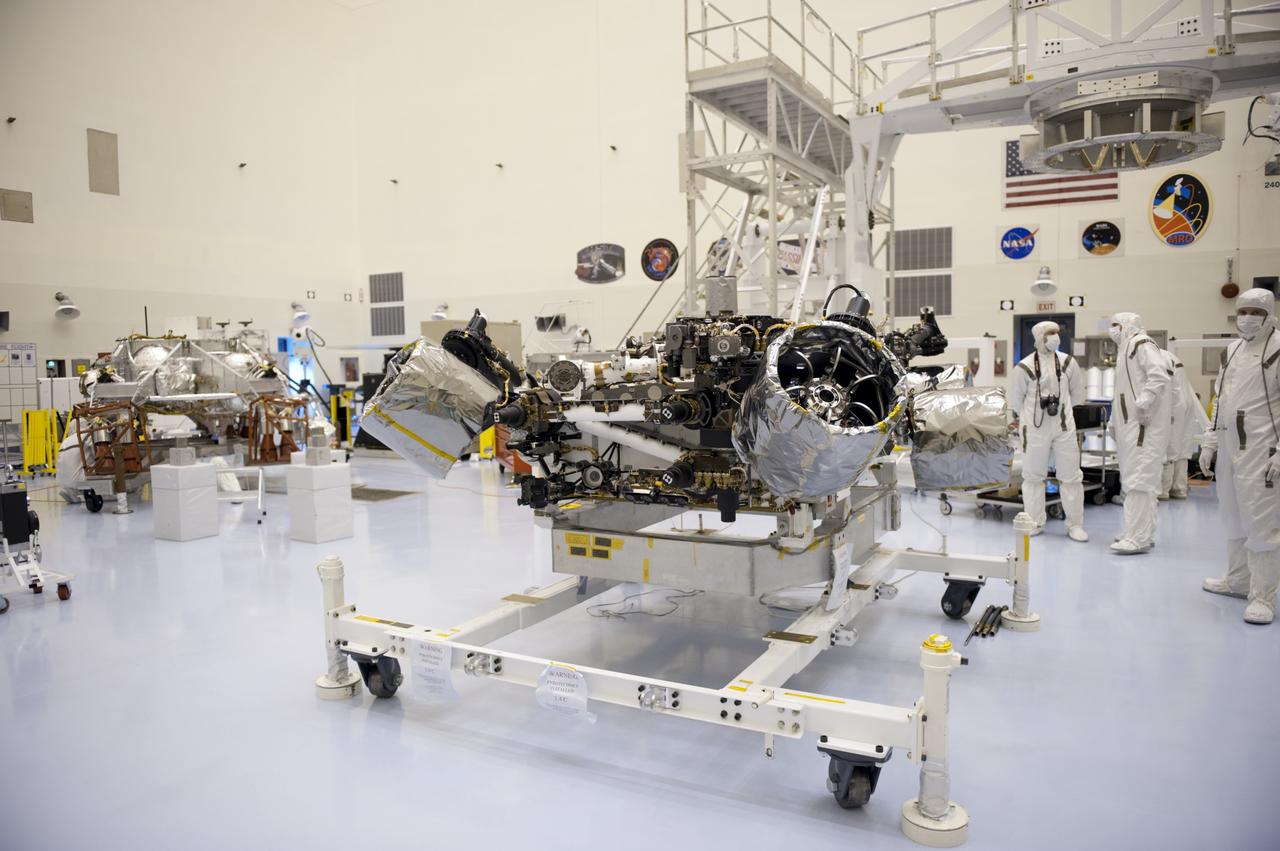
CAPE CANAVERAL, Fla. – At the Payload Hazardous Servicing Facility at NASA’s Kennedy Space Center in Florida, NASA's Mars Science Laboratory (MSL) rover, known as Curiosity, will be integrated with a rocket-powered descent stage (shown here to the left of the rover). The descent stage will lower Curiosity to the surface of Mars. A United Launch Alliance Atlas V-541 configuration will be used to loft MSL into space. Curiosity’s 10 science instruments are designed to search for evidence on whether Mars has had environments favorable to microbial life, including chemical ingredients for life. The unique rover will use a laser to look inside rocks and release its gasses so that the rover’s spectrometer can analyze and send the data back to Earth. MSL is scheduled to launch Nov. 25 with a window extending to Dec. 18 and arrival at Mars Aug. 2012. For more information, visit http://www.nasa.gov/msl. Photo credit: NASA/Kim Shiflett
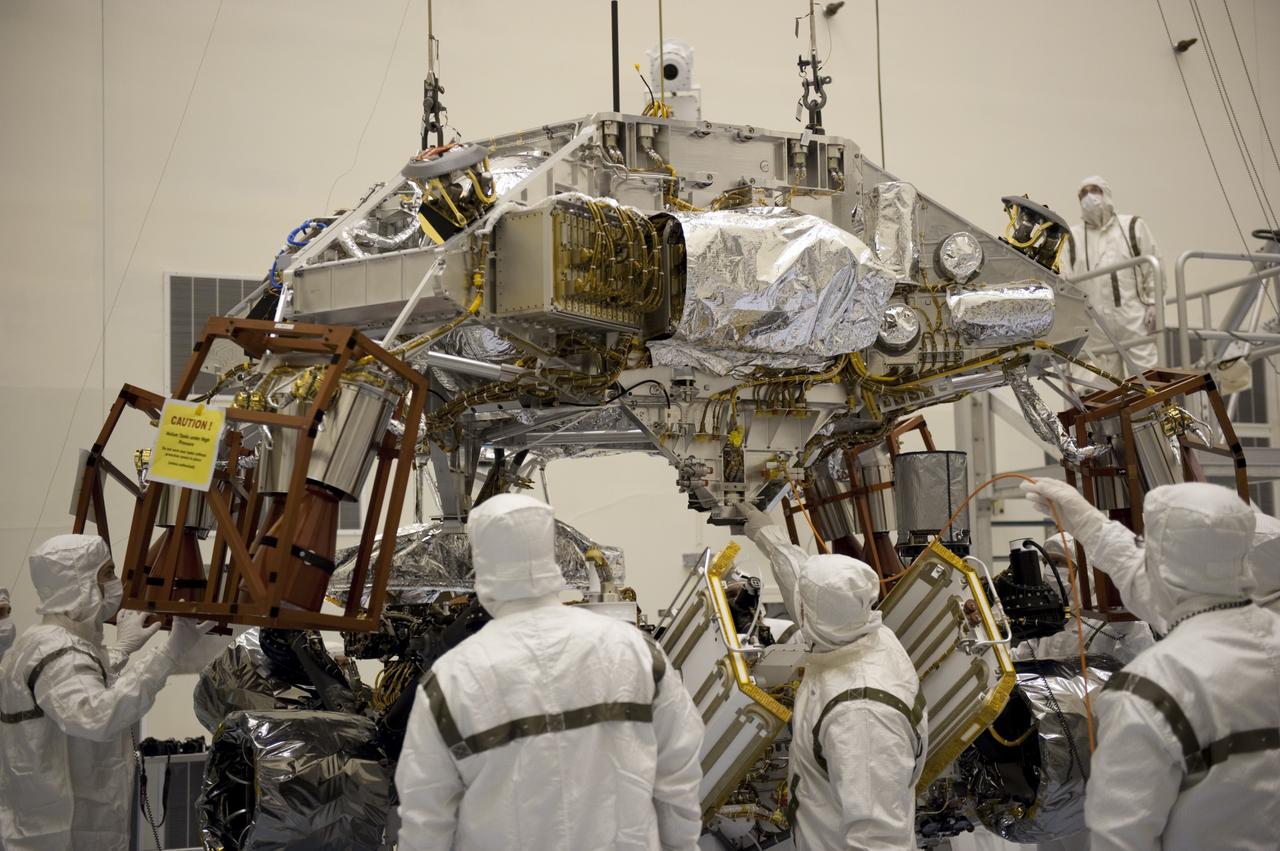
CAPE CANAVERAL, Fla. – Technicians at the Payload Hazardous Servicing Facility at NASA's Kennedy Space Center in Florida, guide an overhead crane as it lowers a rocket-powered descent stage over NASA's Mars Science Laboratory (MSL) rover, known as Curiosity, for integration. The descent stage will lower Curiosity to the surface of Mars. A United Launch Alliance Atlas V-541 configuration will be used to loft MSL into space. Curiosity’s 10 science instruments are designed to search for evidence on whether Mars has had environments favorable to microbial life, including chemical ingredients for life. The unique rover will use a laser to look inside rocks and release its gasses so that the rover’s spectrometer can analyze and send the data back to Earth. MSL is scheduled to launch Nov. 25 with a window extending to Dec. 18 and arrival at Mars Aug. 2012. For more information, visit http://www.nasa.gov/msl. Photo credit: NASA/Kim Shiflett
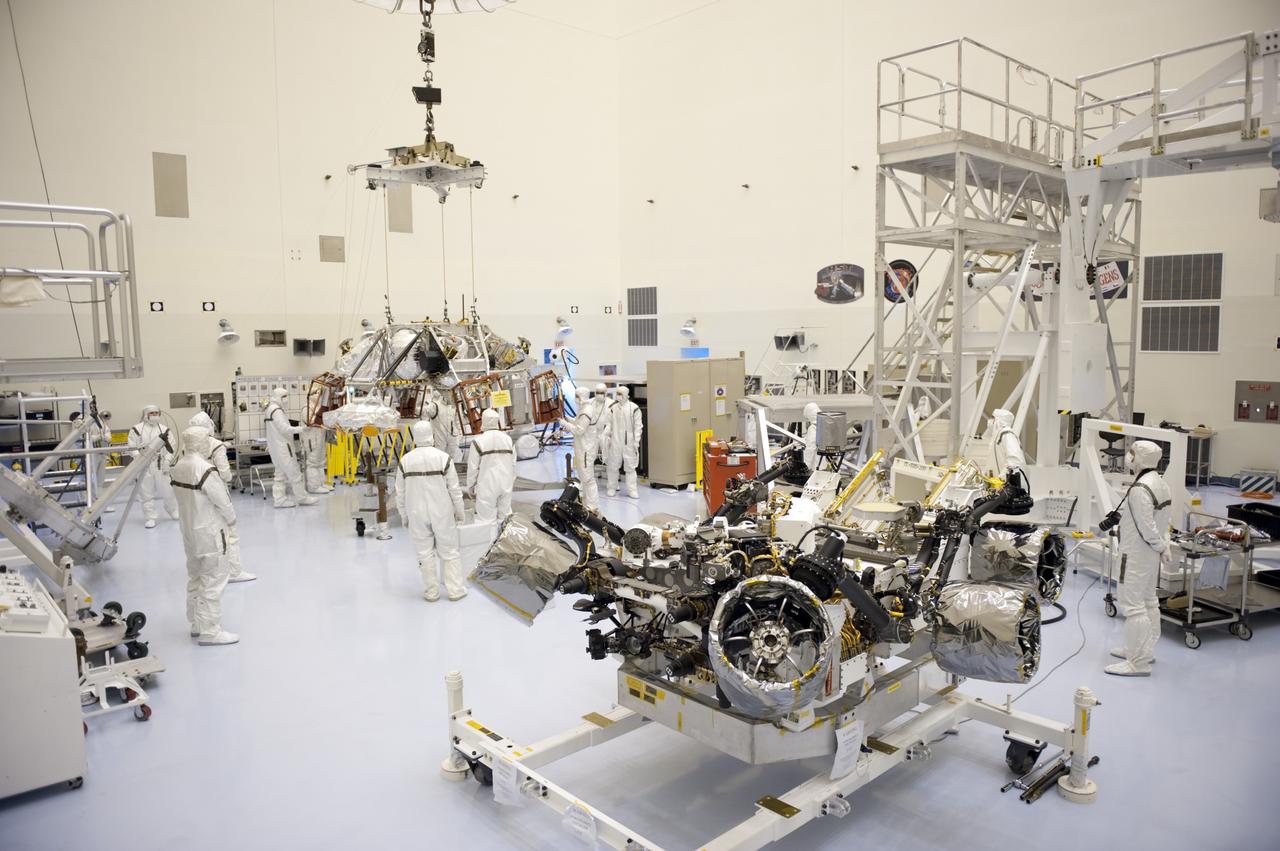
CAPE CANAVERAL, Fla. – At the Payload Hazardous Servicing Facility at NASA’s Kennedy Space Center in Florida, technicians carefully monitor the attachment of an overhead crane to a rocket-powered descent stage which will be integrated with NASA's Mars Science Laboratory (MSL) rover, known as Curiosity (in the foreground). The descent stage will lower Curiosity to the surface of Mars. A United Launch Alliance Atlas V-541 configuration will be used to loft MSL into space. Curiosity’s 10 science instruments are designed to search for evidence on whether Mars has had environments favorable to microbial life, including chemical ingredients for life. The unique rover will use a laser to look inside rocks and release its gasses so that the rover’s spectrometer can analyze and send the data back to Earth. MSL is scheduled to launch Nov. 25 with a window extending to Dec. 18 and arrival at Mars Aug. 2012. For more information, visit http://www.nasa.gov/msl. Photo credit: NASA/Kim Shiflett
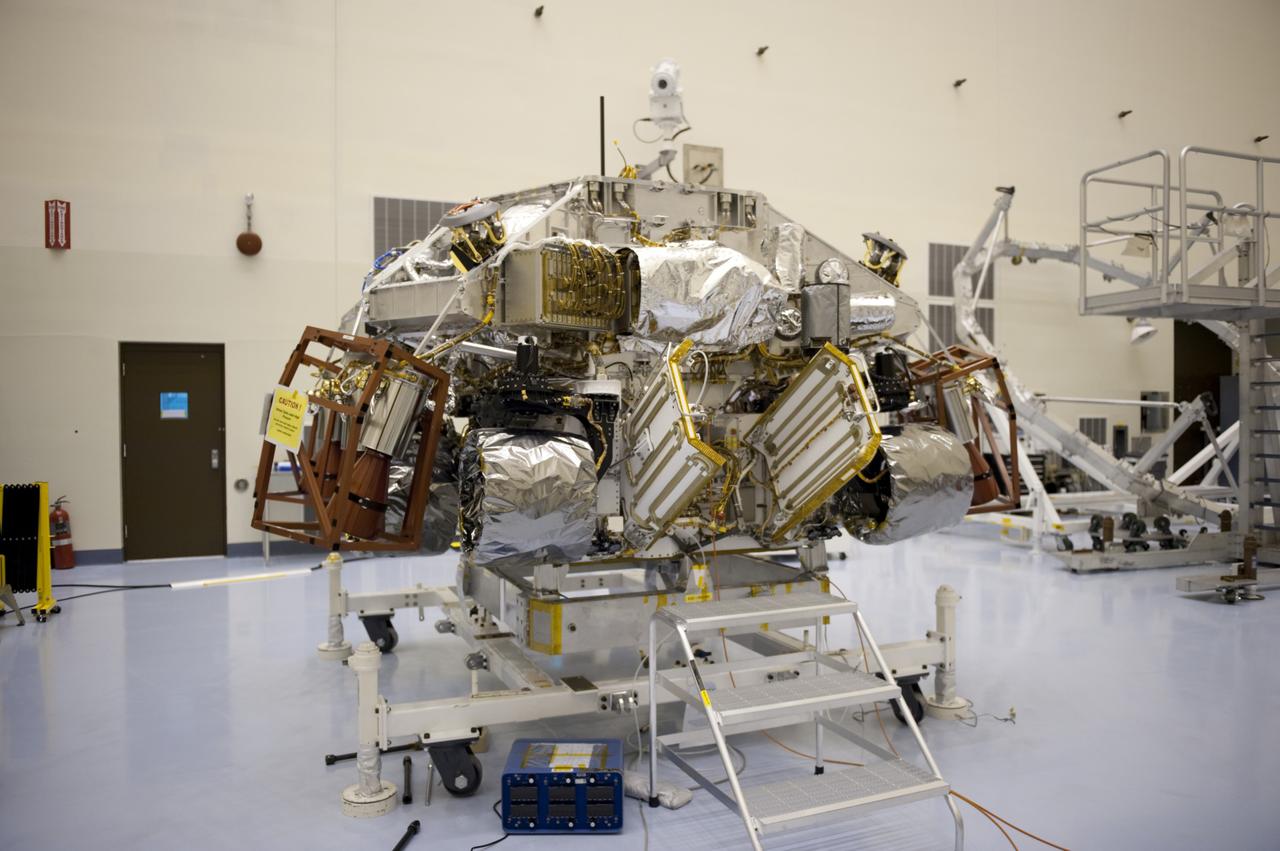
CAPE CANAVERAL, Fla. – At the Payload Hazardous Servicing Facility at NASA’s Kennedy Space Center in Florida, integration between a rocket-powered descent stage and NASA's Mars Science Laboratory (MSL) rover, known as Curiosity, is complete. The descent stage will lower Curiosity to the surface of Mars. A United Launch Alliance Atlas V-541 configuration will be used to loft MSL into space. Curiosity’s 10 science instruments are designed to search for evidence on whether Mars has had environments favorable to microbial life, including chemical ingredients for life. The unique rover will use a laser to look inside rocks and release its gasses so that the rover’s spectrometer can analyze and send the data back to Earth. MSL is scheduled to launch Nov. 25 with a window extending to Dec. 18 and arrival at Mars Aug. 2012. For more information, visit http://www.nasa.gov/msl. Photo credit: NASA/Kim Shiflett
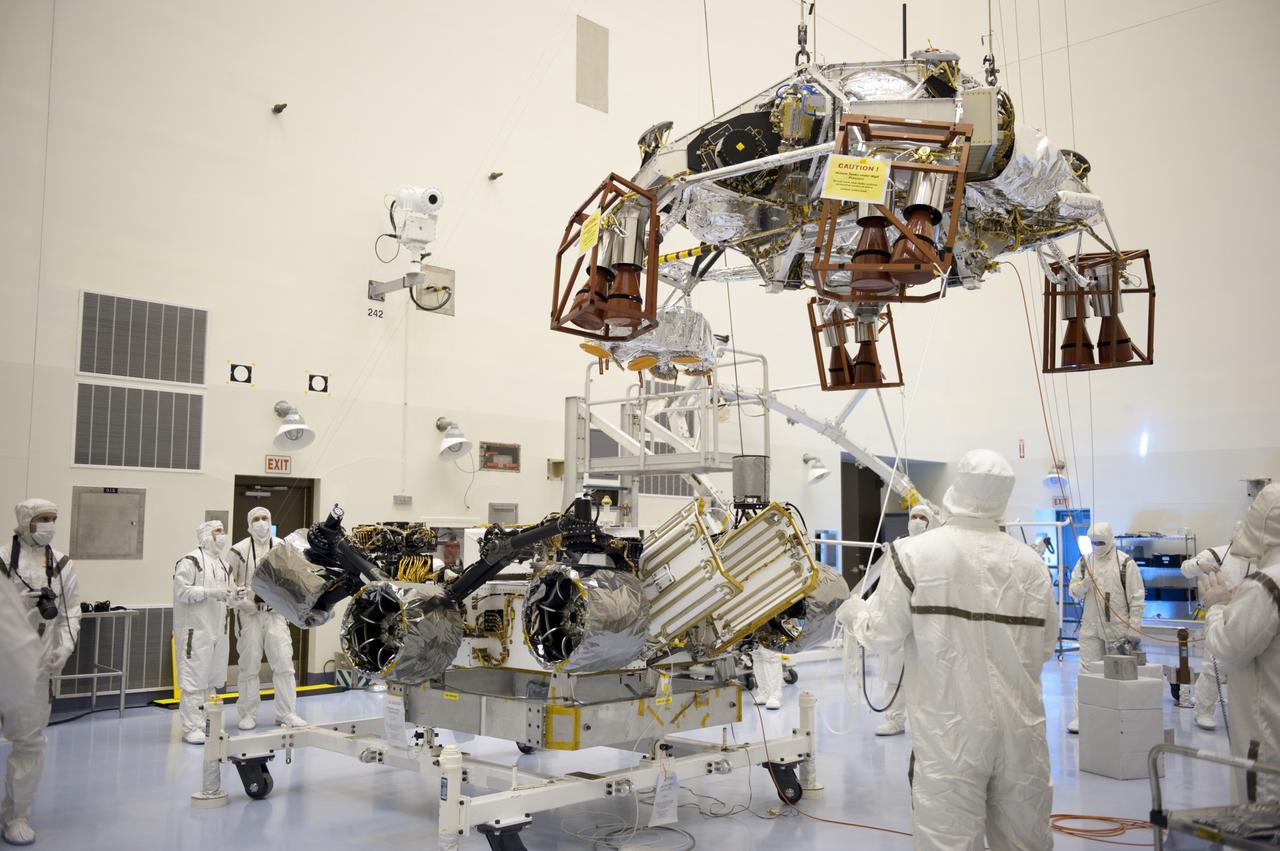
CAPE CANAVERAL, Fla. – Preparing for integration to NASA's Mars Science Laboratory (MSL) rover known as Curiosity, technicians help guide a rocket-powered descent stage over the rover at NASA's Kennedy Space Center Payload Hazardous Servicing Facility. The descent stage will lower Curiosity to the surface of Mars. A United Launch Alliance Atlas V-541 configuration will be used to loft MSL into space. Curiosity’s 10 science instruments are designed to search for evidence on whether Mars has had environments favorable to microbial life, including chemical ingredients for life. The unique rover will use a laser to look inside rocks and release its gasses so that the rover’s spectrometer can analyze and send the data back to Earth. MSL is scheduled to launch Nov. 25 with a window extending to Dec. 18 and arrival at Mars Aug. 2012. For more information, visit http://www.nasa.gov/msl. Photo credit: NASA/Kim Shiflett

CAPE CANAVERAL, Fla. – At the Payload Hazardous Servicing Facility at NASA’s Kennedy Space Center in Florida, integration between a rocket-powered descent stage and NASA's Mars Science Laboratory (MSL) rover, known as Curiosity, is complete. The descent stage will lower Curiosity to the surface of Mars. A United Launch Alliance Atlas V-541 configuration will be used to loft MSL into space. Curiosity’s 10 science instruments are designed to search for evidence on whether Mars has had environments favorable to microbial life, including chemical ingredients for life. The unique rover will use a laser to look inside rocks and release its gasses so that the rover’s spectrometer can analyze and send the data back to Earth. MSL is scheduled to launch Nov. 25 with a window extending to Dec. 18 and arrival at Mars Aug. 2012. For more information, visit http://www.nasa.gov/msl. Photo credit: NASA/Kim Shiflett
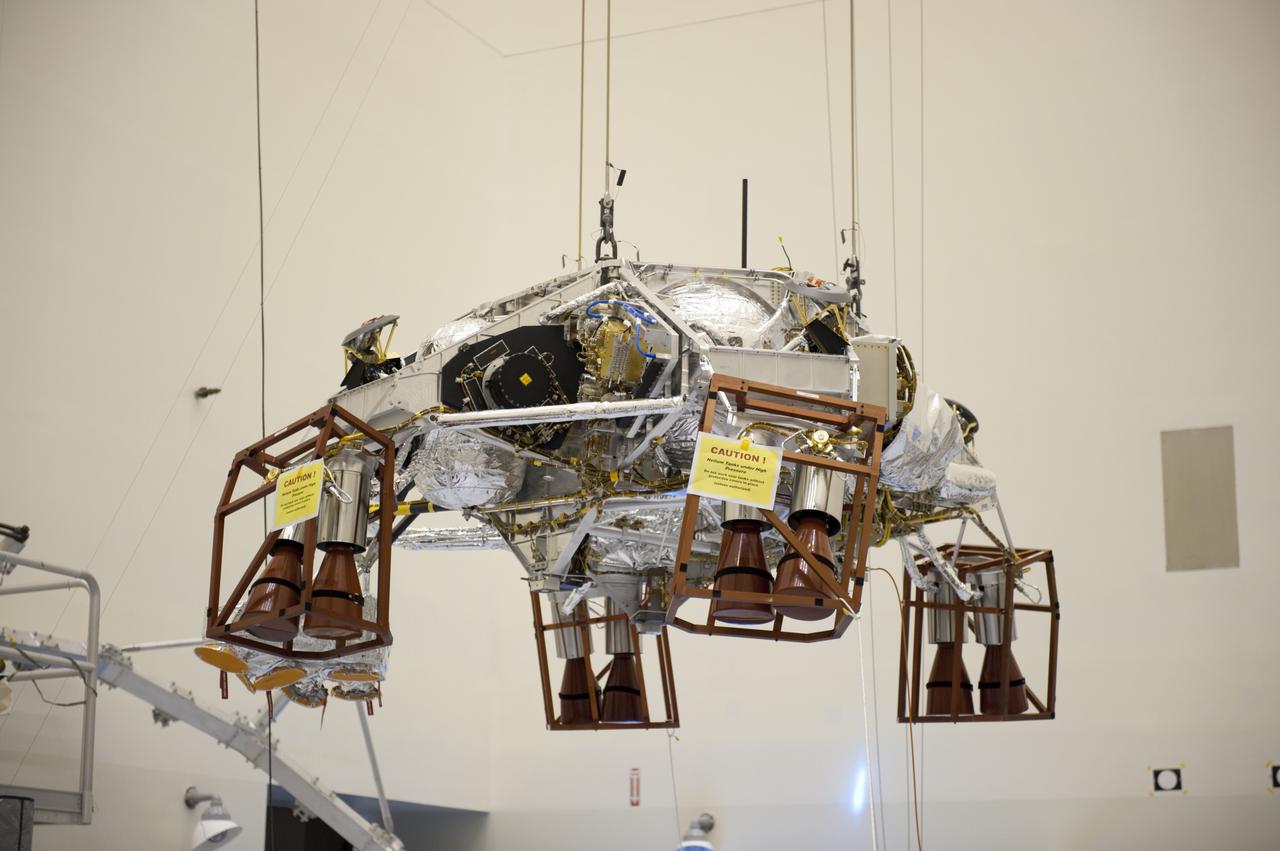
CAPE CANAVERAL, Fla. – At the Payload Hazardous Servicing Facility at NASA's Kennedy Space Center in Florida, an overhead crane lifts a rocket-powered descent stage for integration with NASA's Mars Science Laboratory (MSL) rover, known as Curiosity. The descent stage will lower Curiosity to the surface of Mars. A United Launch Alliance Atlas V-541 configuration will be used to loft MSL into space. Curiosity’s 10 science instruments are designed to search for evidence on whether Mars has had environments favorable to microbial life, including chemical ingredients for life. The unique rover will use a laser to look inside rocks and release its gasses so that the rover’s spectrometer can analyze and send the data back to Earth. MSL is scheduled to launch Nov. 25 with a window extending to Dec. 18 and arrival at Mars Aug. 2012. For more information, visit http://www.nasa.gov/msl. Photo credit: NASA/Kim Shiflett
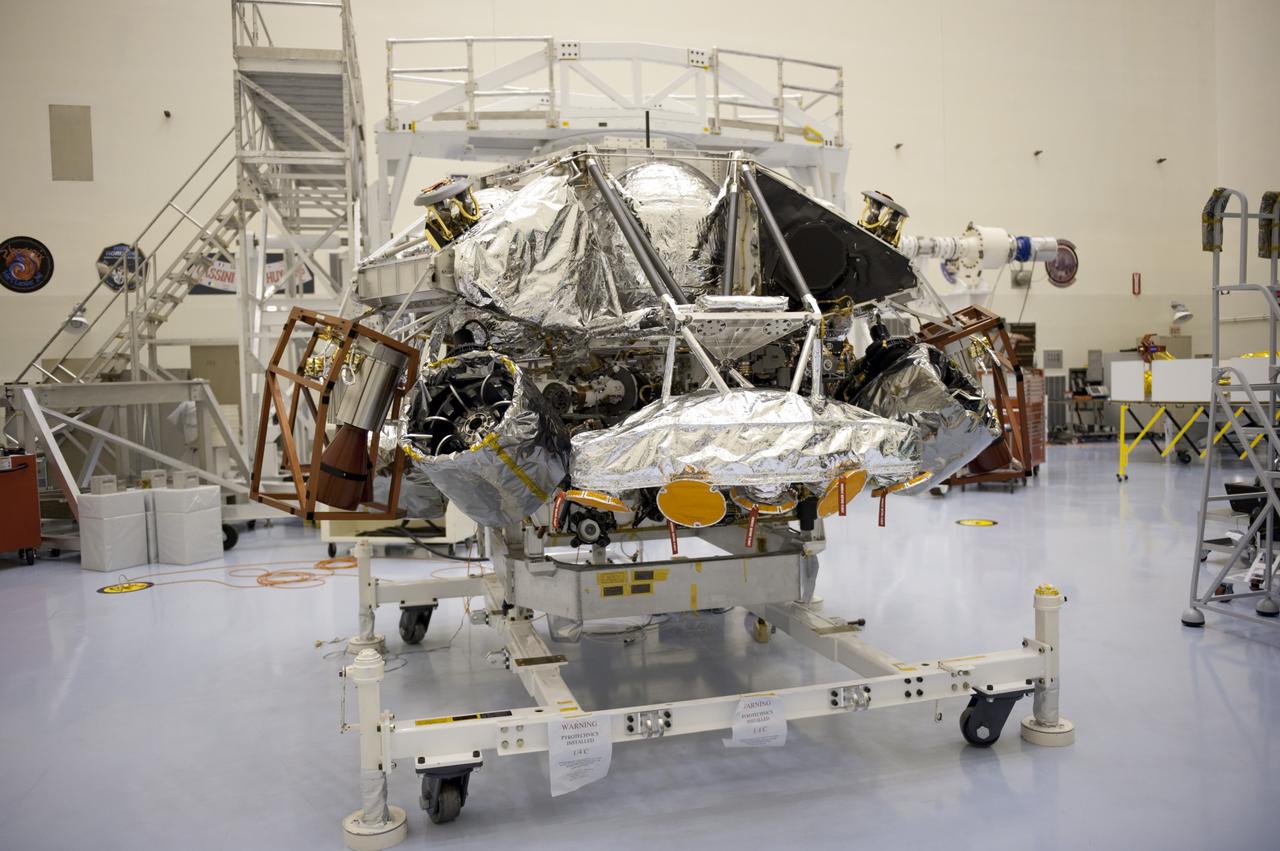
CAPE CANAVERAL, Fla. – At the Payload Hazardous Servicing Facility at NASA’s Kennedy Space Center in Florida, integration between a rocket-powered descent stage and NASA's Mars Science Laboratory (MSL) rover, known as Curiosity, is complete. The descent stage will lower Curiosity to the surface of Mars. A United Launch Alliance Atlas V-541 configuration will be used to loft MSL into space. Curiosity’s 10 science instruments are designed to search for evidence on whether Mars has had environments favorable to microbial life, including chemical ingredients for life. The unique rover will use a laser to look inside rocks and release its gasses so that the rover’s spectrometer can analyze and send the data back to Earth. MSL is scheduled to launch Nov. 25 with a window extending to Dec. 18 and arrival at Mars Aug. 2012. For more information, visit http://www.nasa.gov/msl. Photo credit: NASA/Kim Shiflett
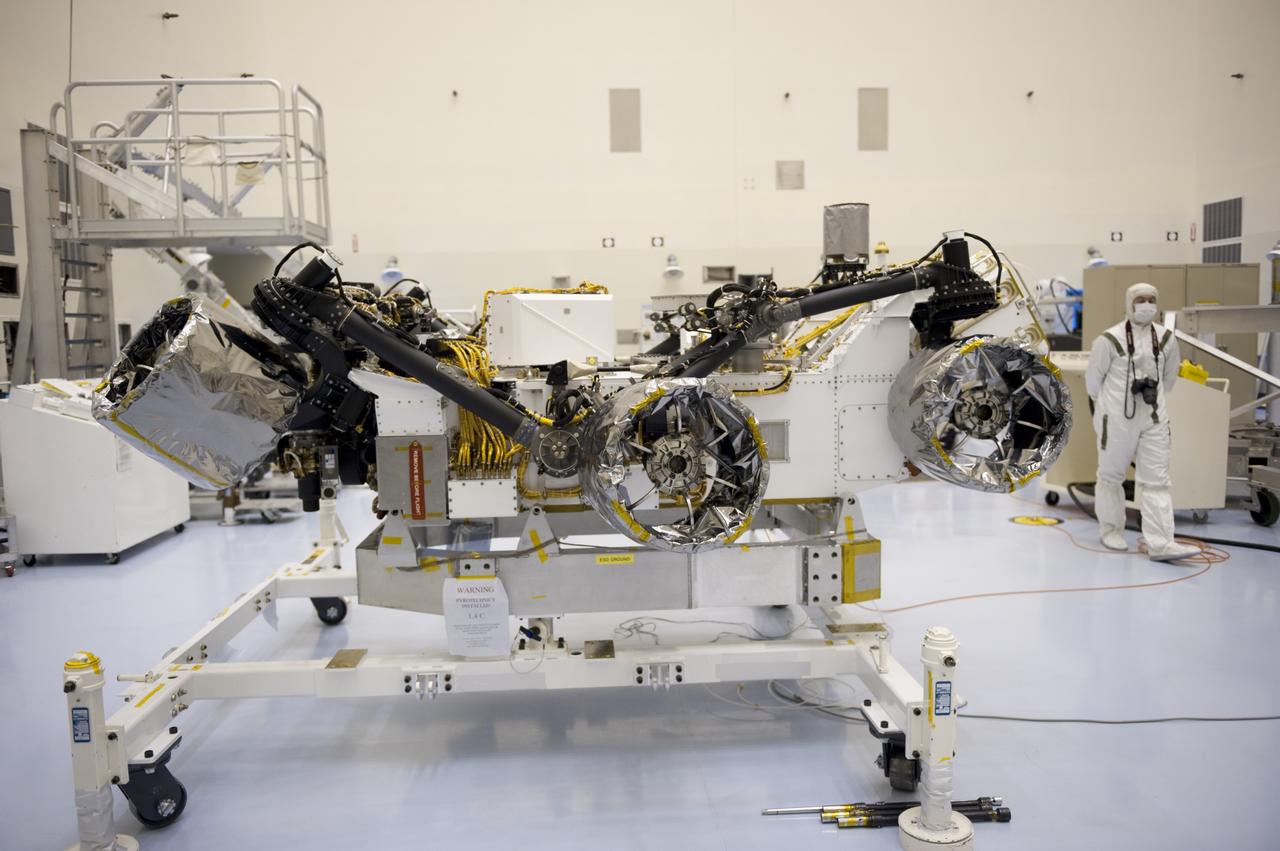
CAPE CANAVERAL, Fla. – At the Payload Hazardous Servicing Facility at NASA’s Kennedy Space Center in Florida, NASA's Mars Science Laboratory (MSL) rover, known as Curiosity, will be integrated with a rocket-powered descent stage. The descent stage will lower Curiosity to the surface of Mars. A United Launch Alliance Atlas V-541 configuration will be used to loft MSL into space. Curiosity’s 10 science instruments are designed to search for evidence on whether Mars has had environments favorable to microbial life, including chemical ingredients for life. The unique rover will use a laser to look inside rocks and release its gasses so that the rover’s spectrometer can analyze and send the data back to Earth. MSL is scheduled to launch Nov. 25 with a window extending to Dec. 18 and arrival at Mars Aug. 2012. For more information, visit http://www.nasa.gov/msl. Photo credit: NASA/Kim Shiflett
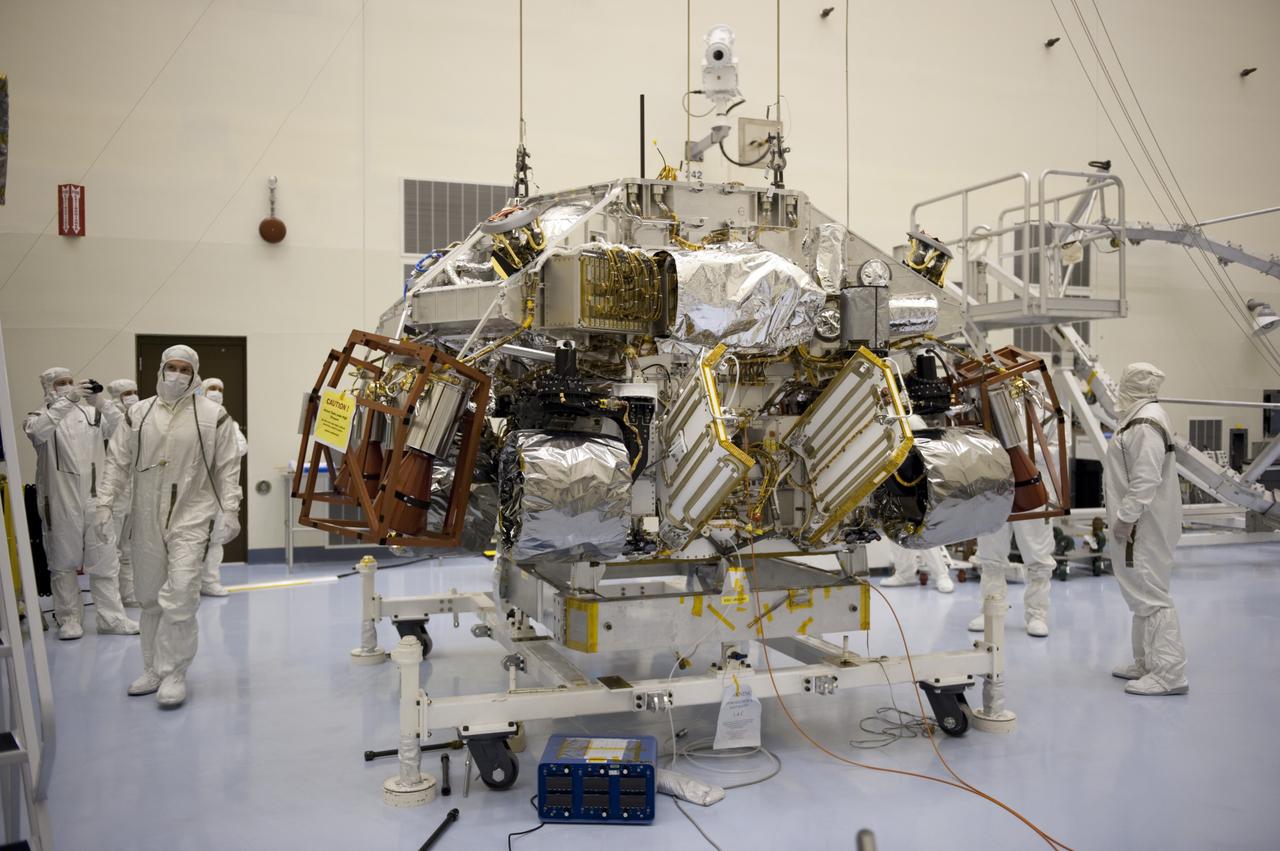
CAPE CANAVERAL, Fla. – At the Payload Hazardous Servicing Facility at NASA’s Kennedy Space Center in Florida, a rocket-powered descent stage, after being lowered by an overhead crane, is integrated with NASA's Mars Science Laboratory (MSL) rover, known as Curiosity. The descent stage will lower Curiosity to the surface of Mars. A United Launch Alliance Atlas V-541 configuration will be used to loft MSL into space. Curiosity’s 10 science instruments are designed to search for evidence on whether Mars has had environments favorable to microbial life, including chemical ingredients for life. The unique rover will use a laser to look inside rocks and release its gasses so that the rover’s spectrometer can analyze and send the data back to Earth. MSL is scheduled to launch Nov. 25 with a window extending to Dec. 18 and arrival at Mars Aug. 2012. For more information, visit http://www.nasa.gov/msl. Photo credit: NASA/Kim Shiflett
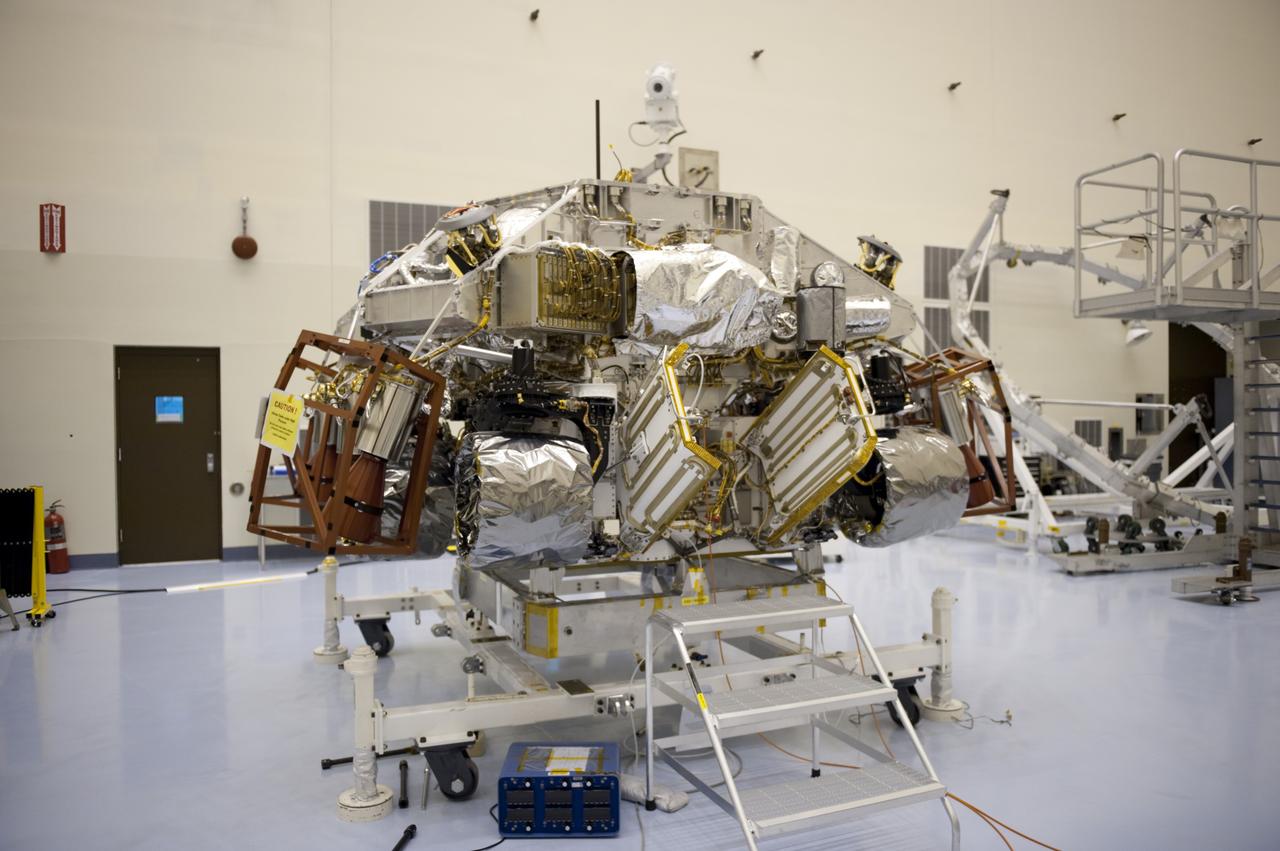
CAPE CANAVERAL, Fla. – At the Payload Hazardous Servicing Facility at NASA’s Kennedy Space Center in Florida, integration between a rocket-powered descent stage and NASA's Mars Science Laboratory (MSL) rover, known as Curiosity, is complete. The descent stage will lower Curiosity to the surface of Mars. A United Launch Alliance Atlas V-541 configuration will be used to loft MSL into space. Curiosity’s 10 science instruments are designed to search for evidence on whether Mars has had environments favorable to microbial life, including chemical ingredients for life. The unique rover will use a laser to look inside rocks and release its gasses so that the rover’s spectrometer can analyze and send the data back to Earth. MSL is scheduled to launch Nov. 25 with a window extending to Dec. 18 and arrival at Mars Aug. 2012. For more information, visit http://www.nasa.gov/msl. Photo credit: NASA/Kim Shiflett

CAPE CANAVERAL, Fla. – At the Payload Hazardous Servicing Facility at NASA’s Kennedy Space Center in Florida, integration between a rocket-powered descent stage and NASA's Mars Science Laboratory (MSL) rover, known as Curiosity, is complete. The descent stage will lower Curiosity to the surface of Mars. A United Launch Alliance Atlas V-541 configuration will be used to loft MSL into space. Curiosity’s 10 science instruments are designed to search for evidence on whether Mars has had environments favorable to microbial life, including chemical ingredients for life. The unique rover will use a laser to look inside rocks and release its gasses so that the rover’s spectrometer can analyze and send the data back to Earth. MSL is scheduled to launch Nov. 25 with a window extending to Dec. 18 and arrival at Mars Aug. 2012. For more information, visit http://www.nasa.gov/msl. Photo credit: NASA/Kim Shiflett
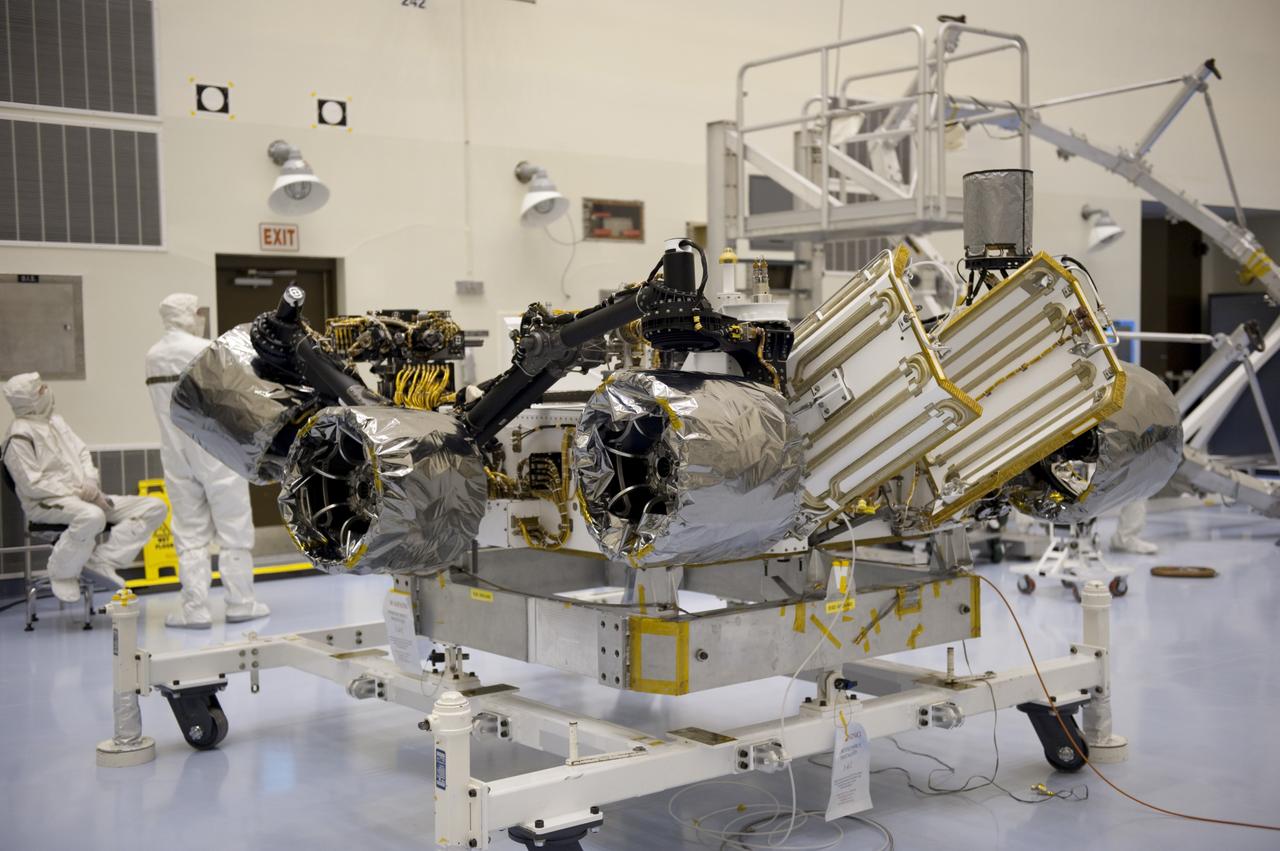
CAPE CANAVERAL, Fla. – At the Payload Hazardous Servicing Facility at NASA’s Kennedy Space Center in Florida, NASA's Mars Science Laboratory (MSL) rover, known as Curiosity, will be integrated with a rocket-powered descent stage. The descent stage will lower Curiosity to the surface of Mars. A United Launch Alliance Atlas V-541 configuration will be used to loft MSL into space. Curiosity’s 10 science instruments are designed to search for evidence on whether Mars has had environments favorable to microbial life, including chemical ingredients for life. The unique rover will use a laser to look inside rocks and release its gasses so that the rover’s spectrometer can analyze and send the data back to Earth. MSL is scheduled to launch Nov. 25 with a window extending to Dec. 18 and arrival at Mars Aug. 2012. For more information, visit http://www.nasa.gov/msl. Photo credit: NASA/Kim Shiflett
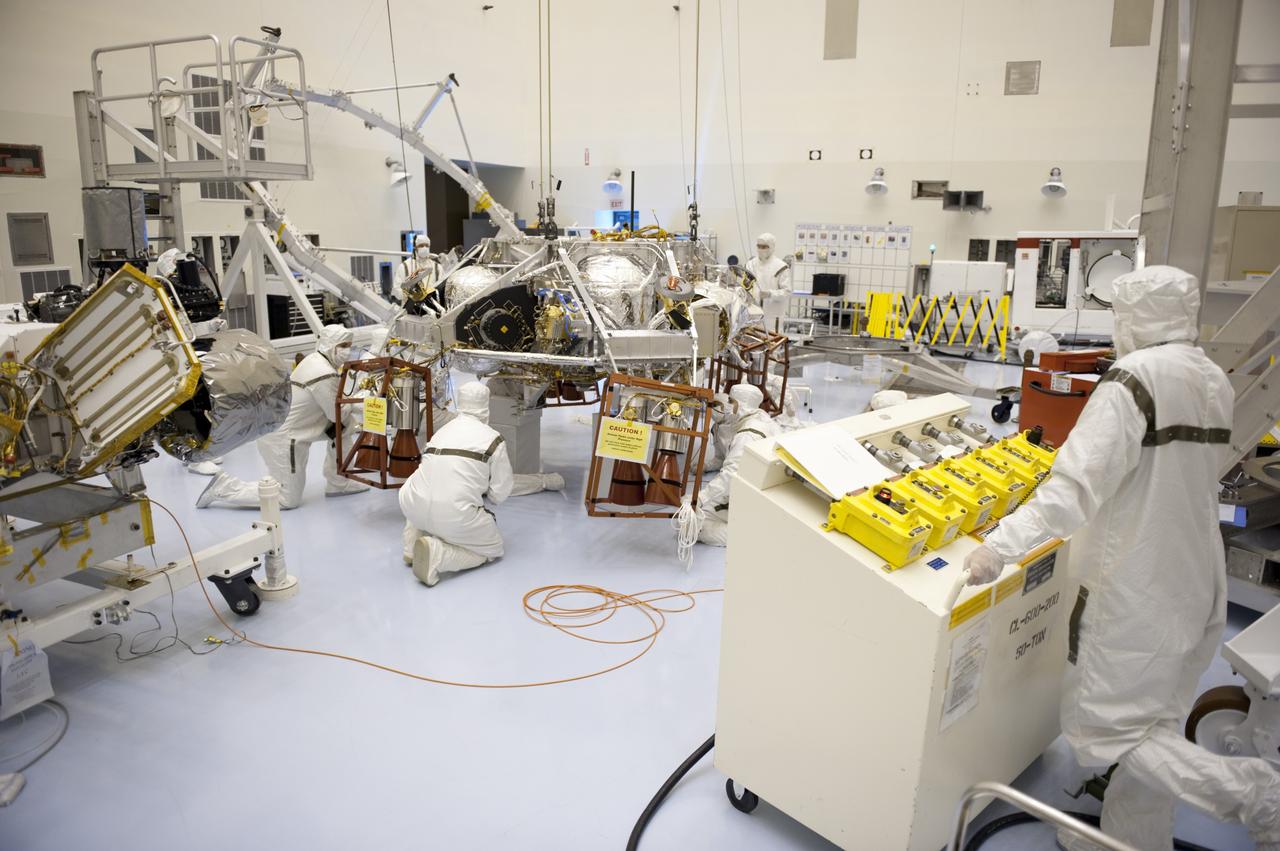
CAPE CANAVERAL, Fla. – At the Payload Hazardous Servicing Facility at NASA's Kennedy Space Center in Florida, technicians use an overhead crane to move a rocket-powered descent stage for integration with NASA's Mars Science Laboratory (MSL) rover, known as Curiosity. The descent stage will lower Curiosity to the surface of Mars. A United Launch Alliance Atlas V-541 configuration will be used to loft MSL into space. Curiosity’s 10 science instruments are designed to search for evidence on whether Mars has had environments favorable to microbial life, including chemical ingredients for life. The unique rover will use a laser to look inside rocks and release its gasses so that the rover’s spectrometer can analyze and send the data back to Earth. MSL is scheduled to launch Nov. 25 with a window extending to Dec. 18 and arrival at Mars Aug. 2012. For more information, visit http://www.nasa.gov/msl. Photo credit: NASA/Kim Shiflett