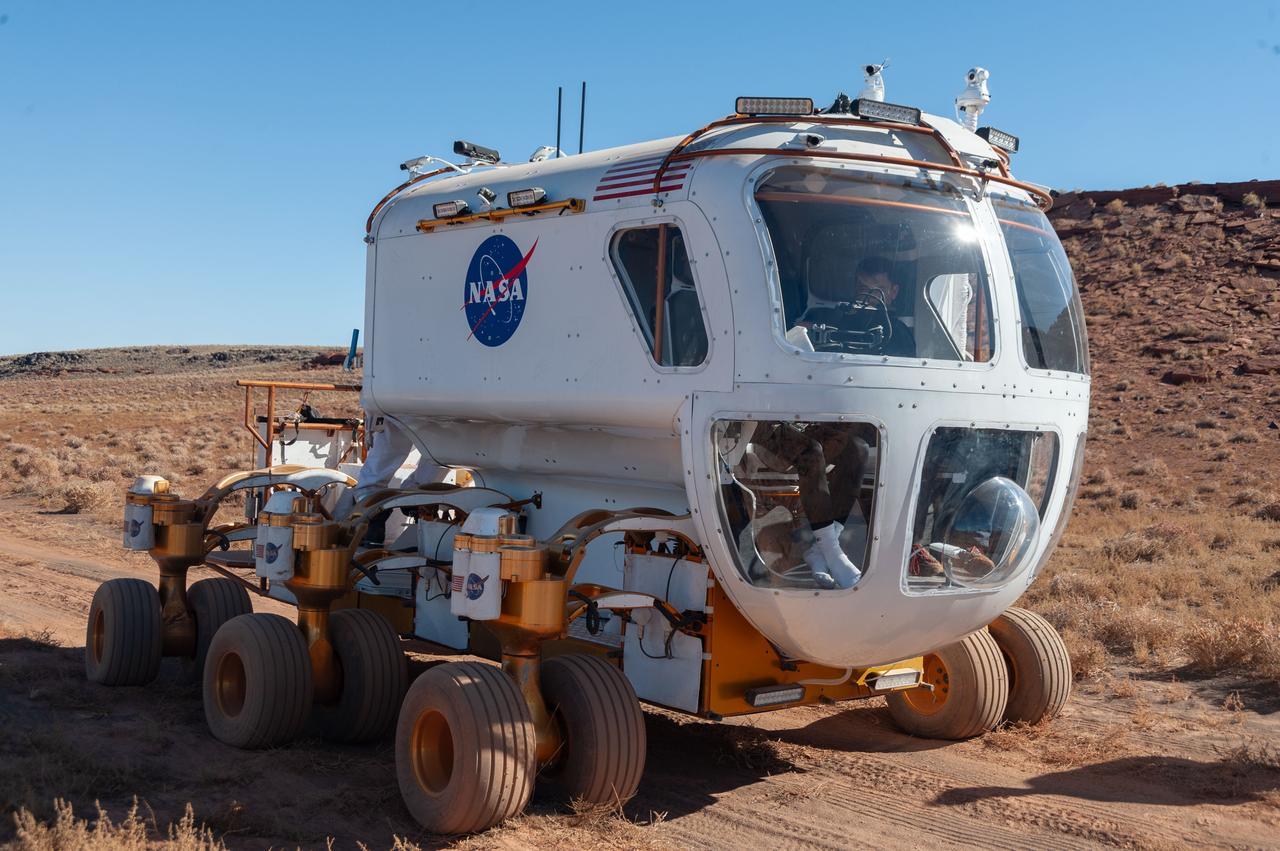
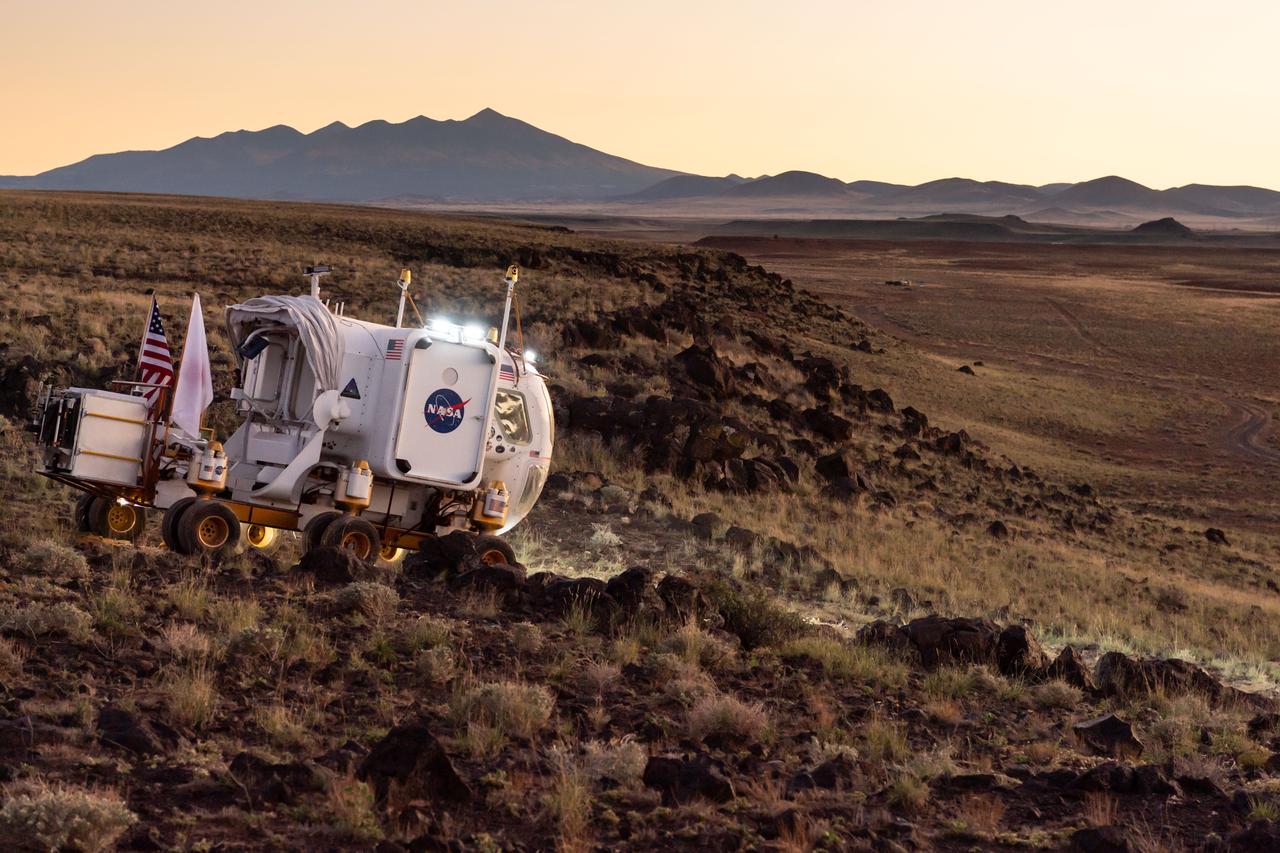
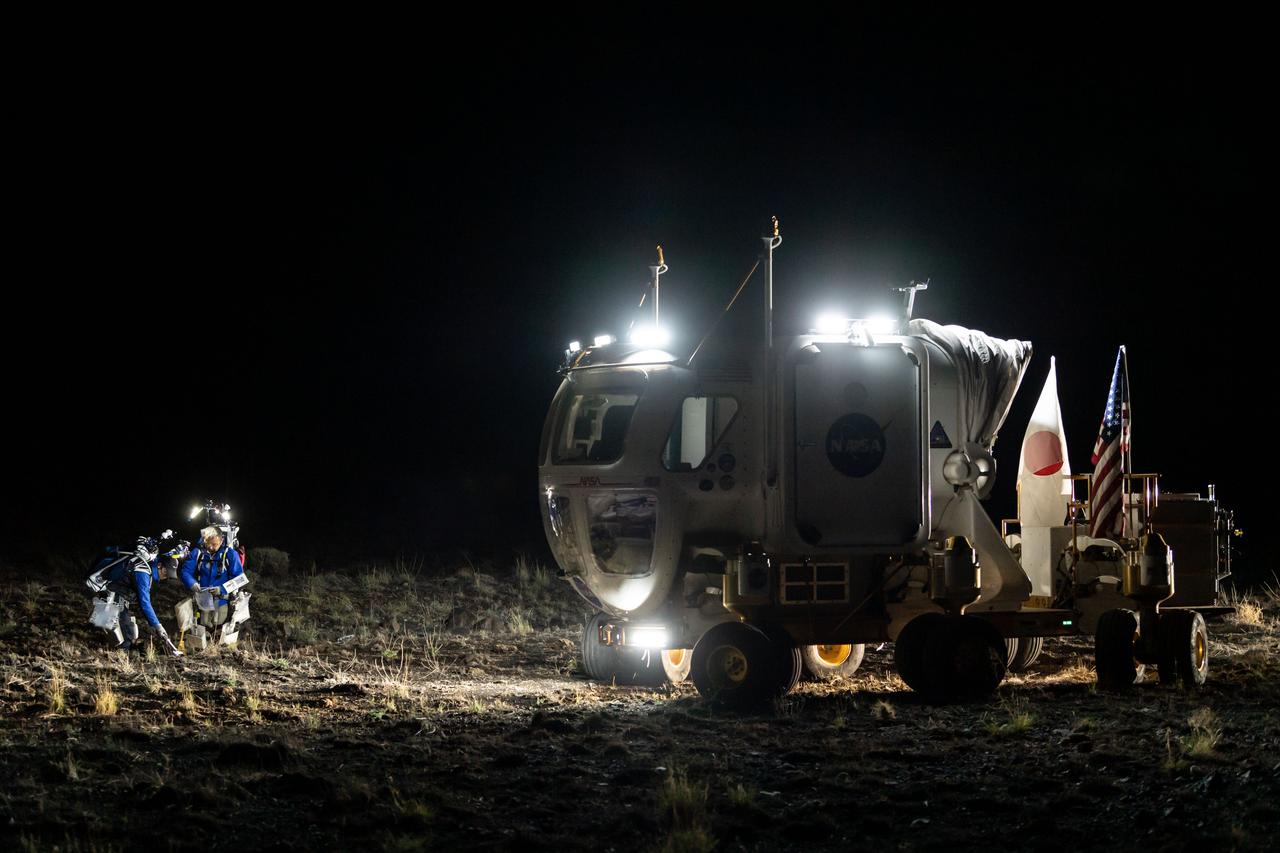
A front view of the Lunar Electric Rover (LER) during the Desert Research and Technology Studies (RATS) remote field test at Black Point Lava Flow, Arizona in 2008.
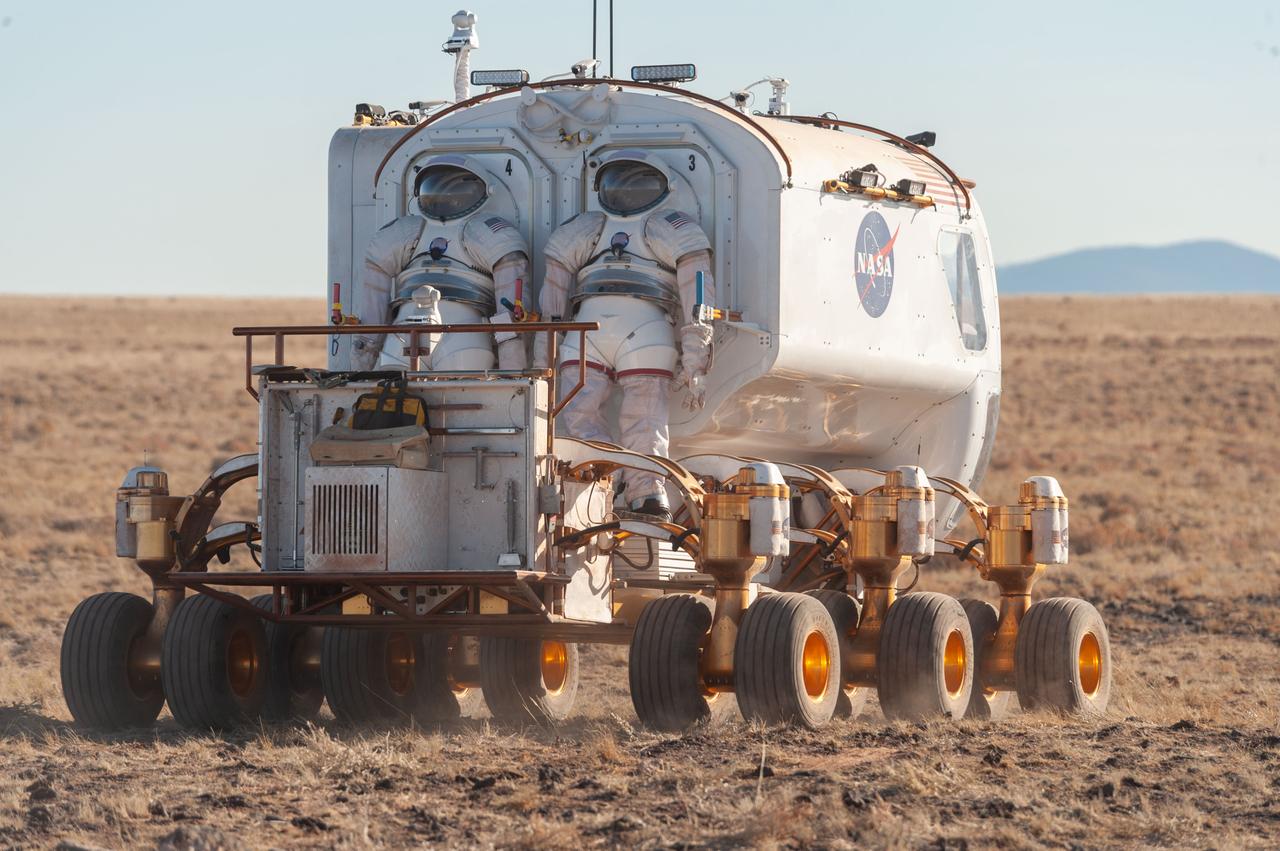
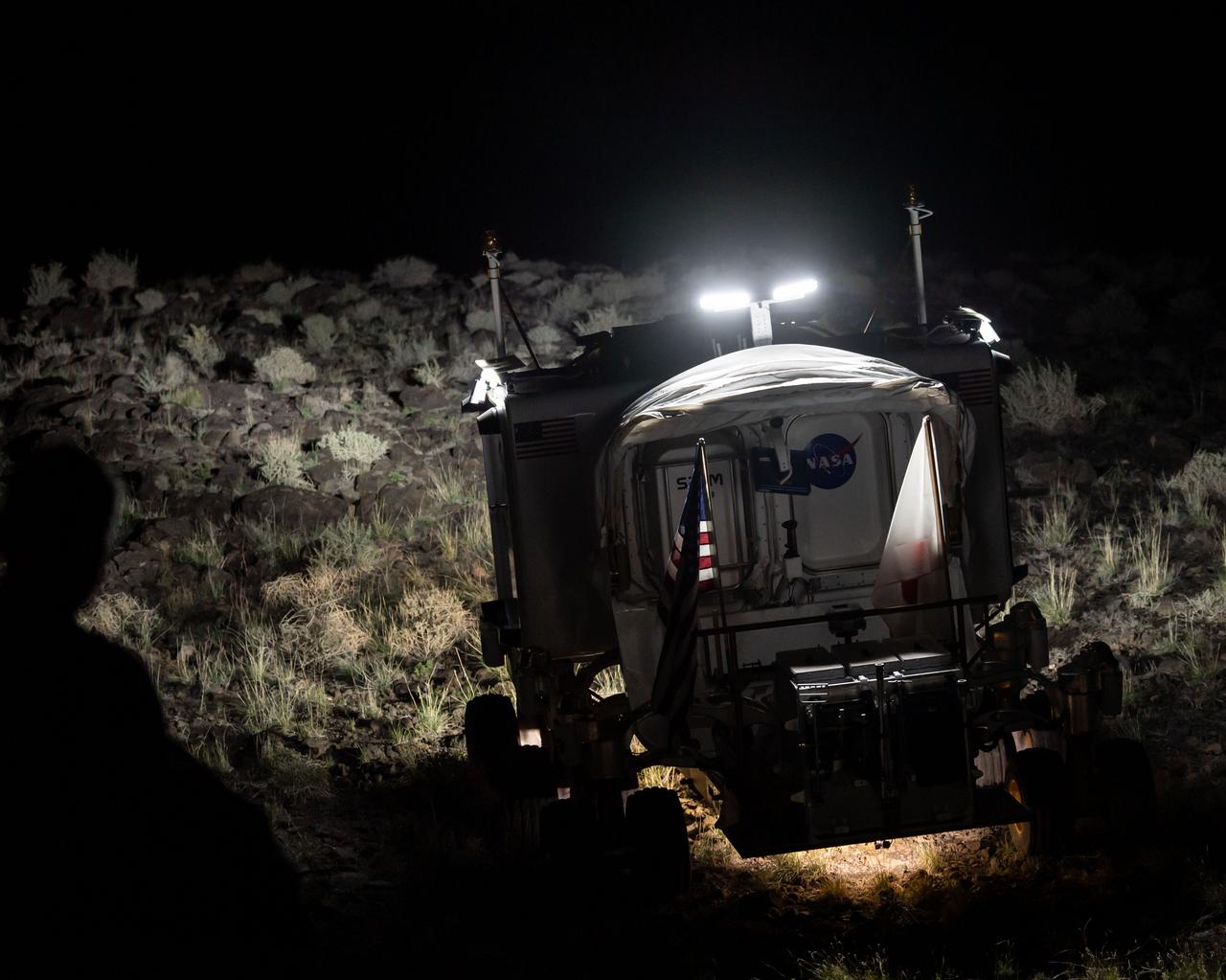
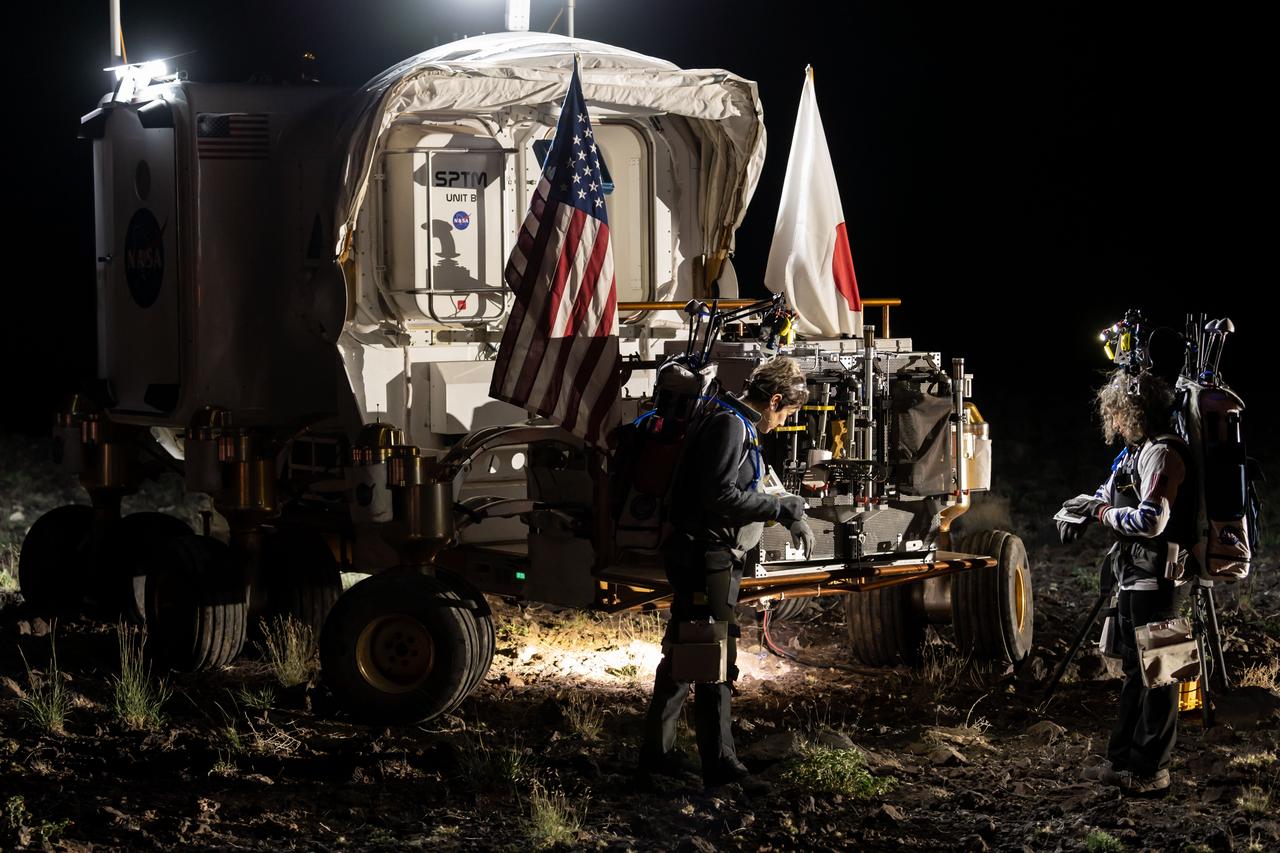
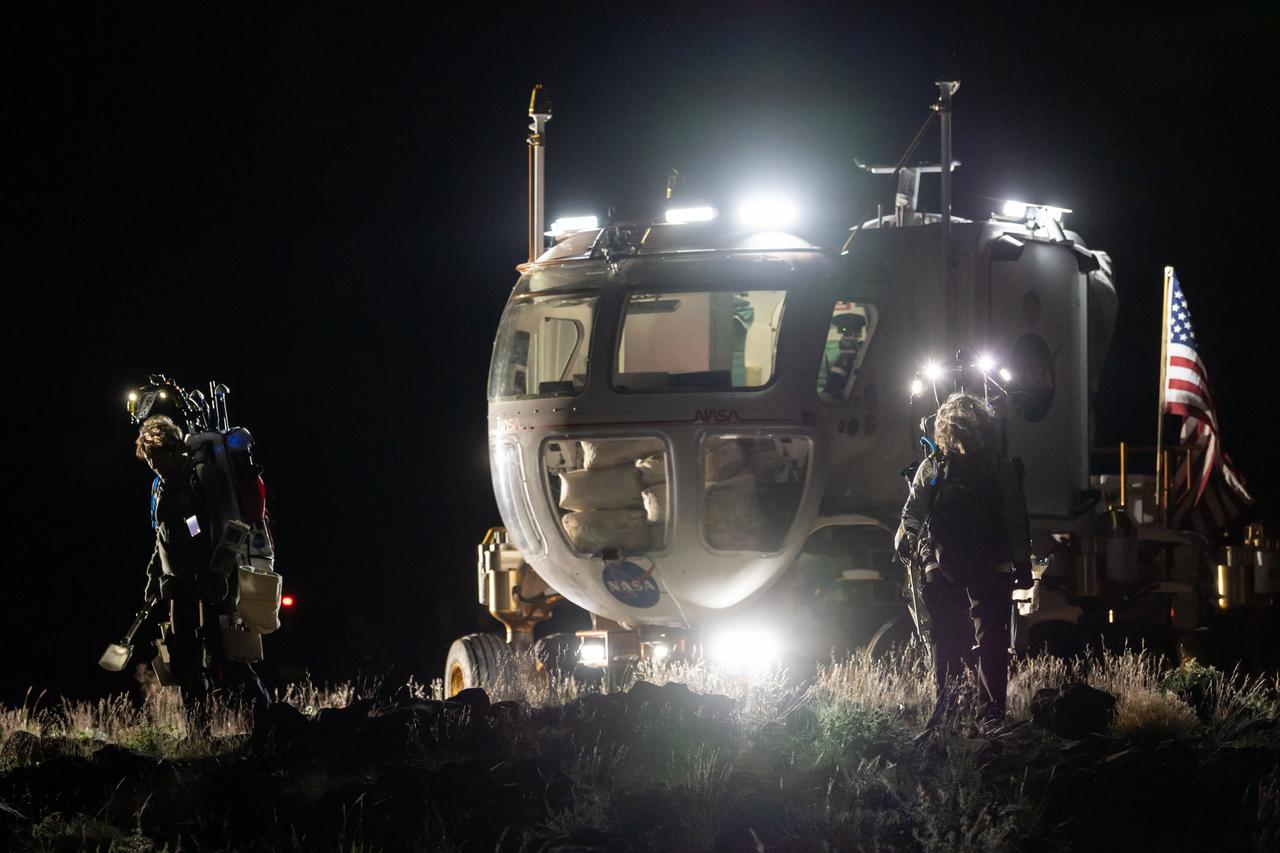
A back view of the Lunar Electric Rover (LER) during the Desert Research and Technology Studies (RATS) remote field test at Black Point Lava Flow, Arizona in 2008. Two Mark III spacesuits are visibly mounted on the LER suit port.
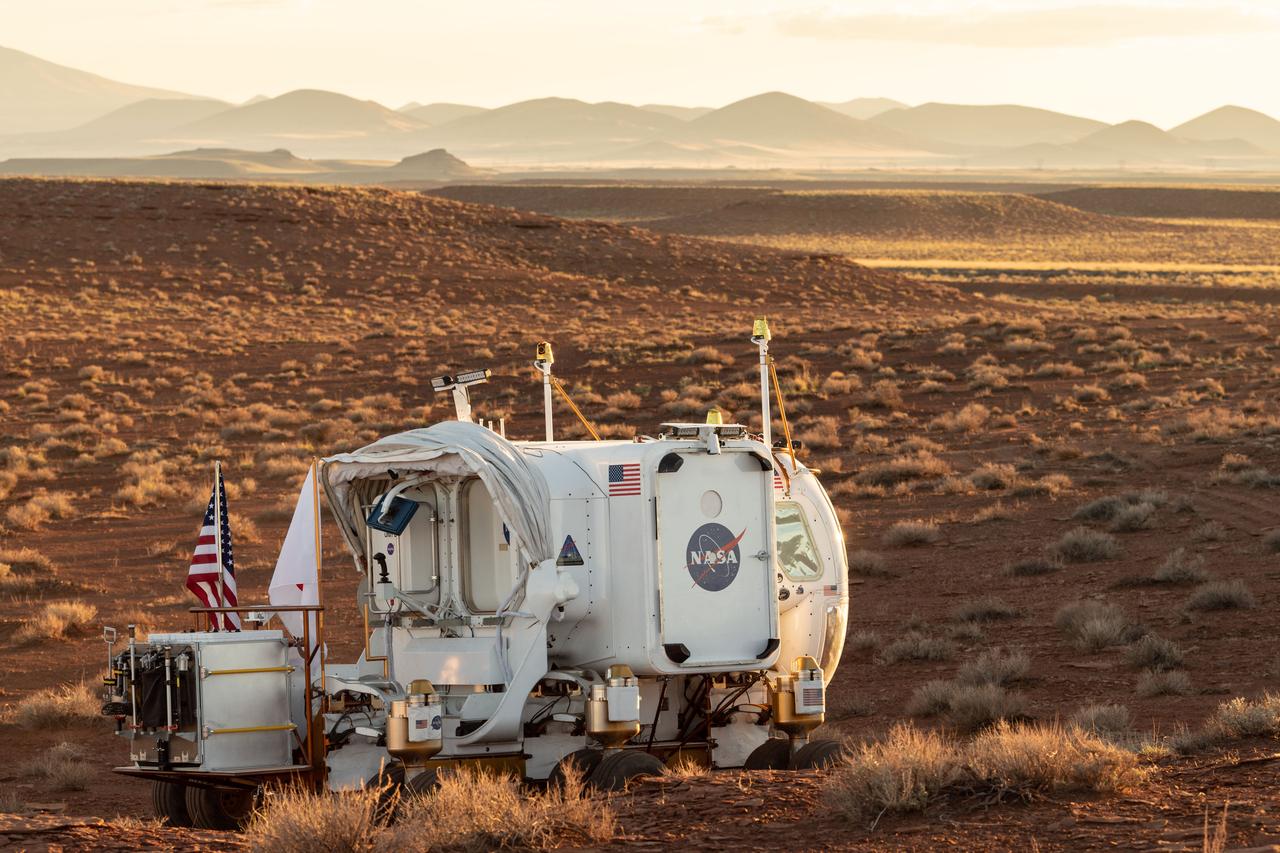
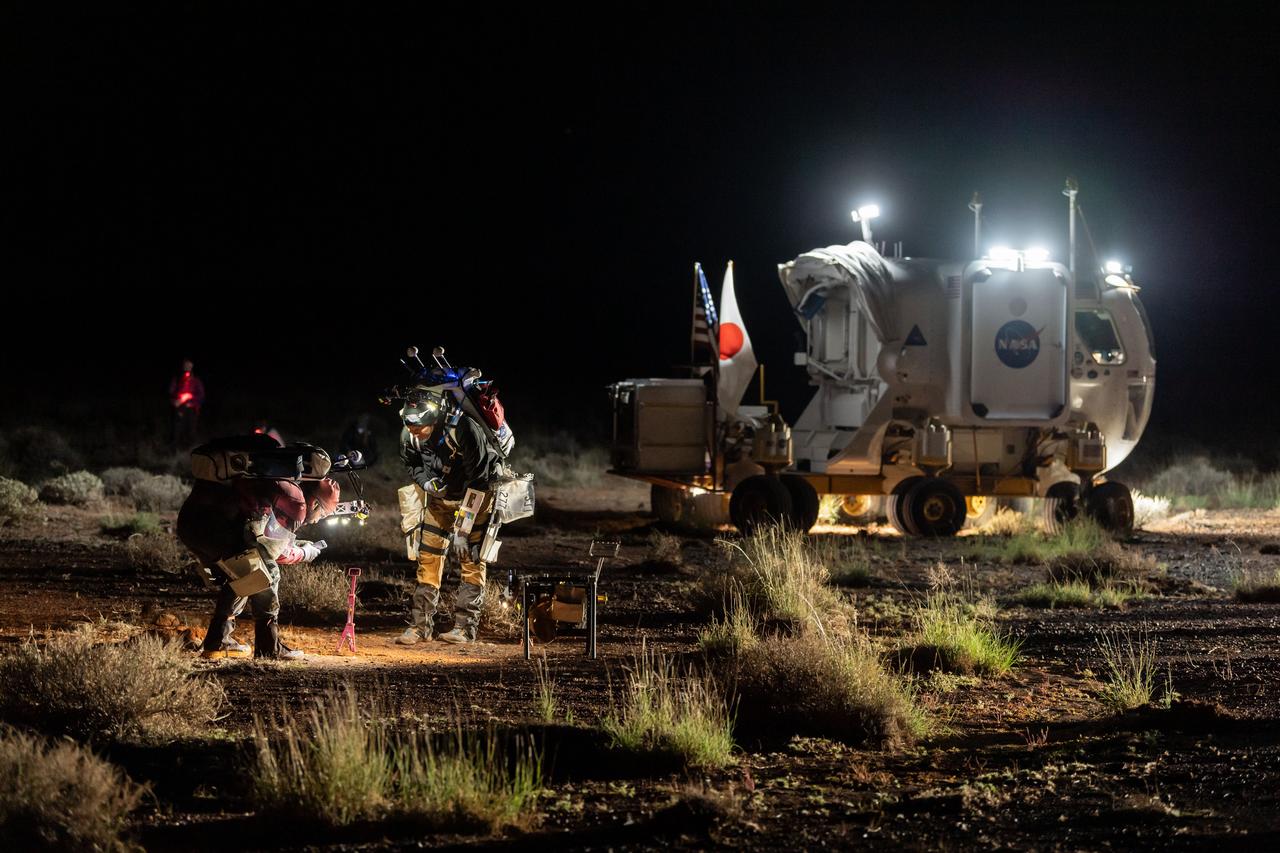
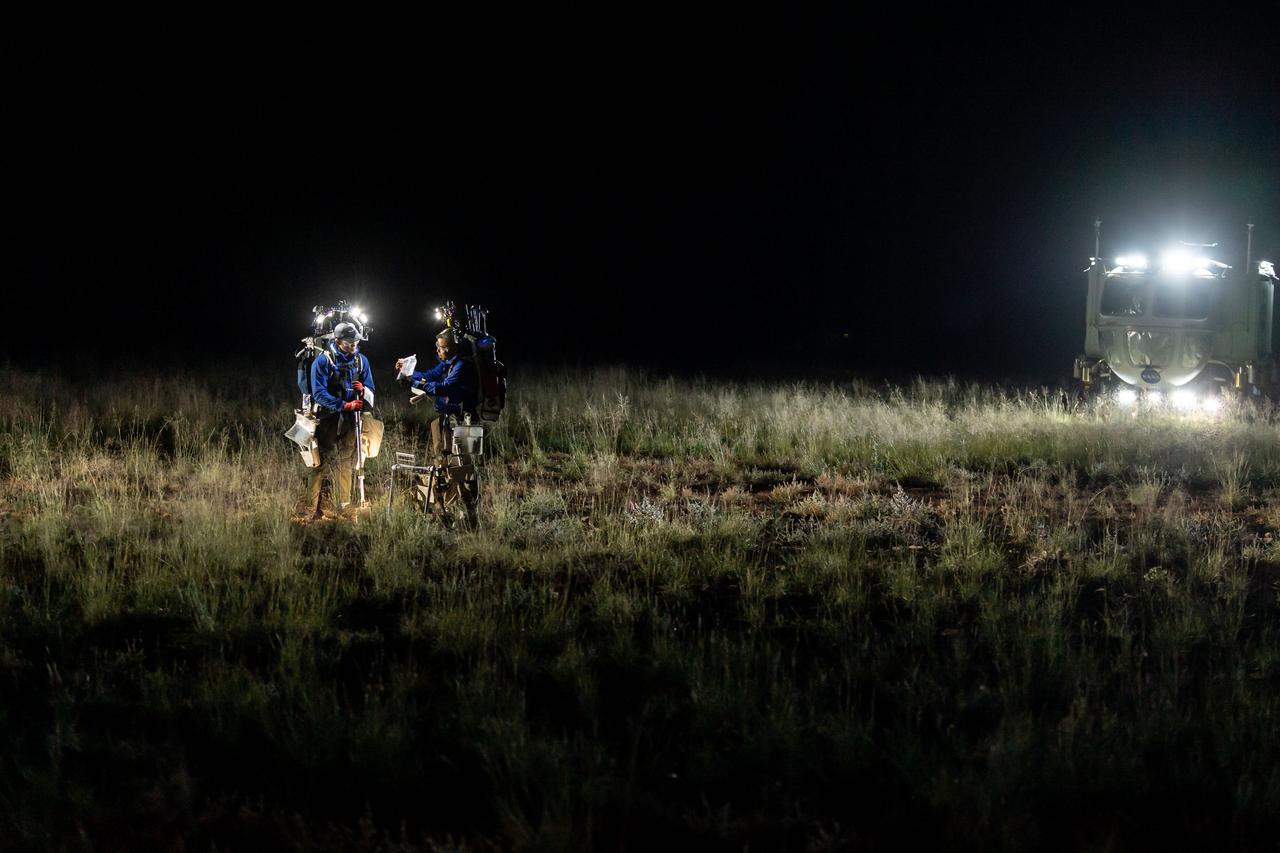
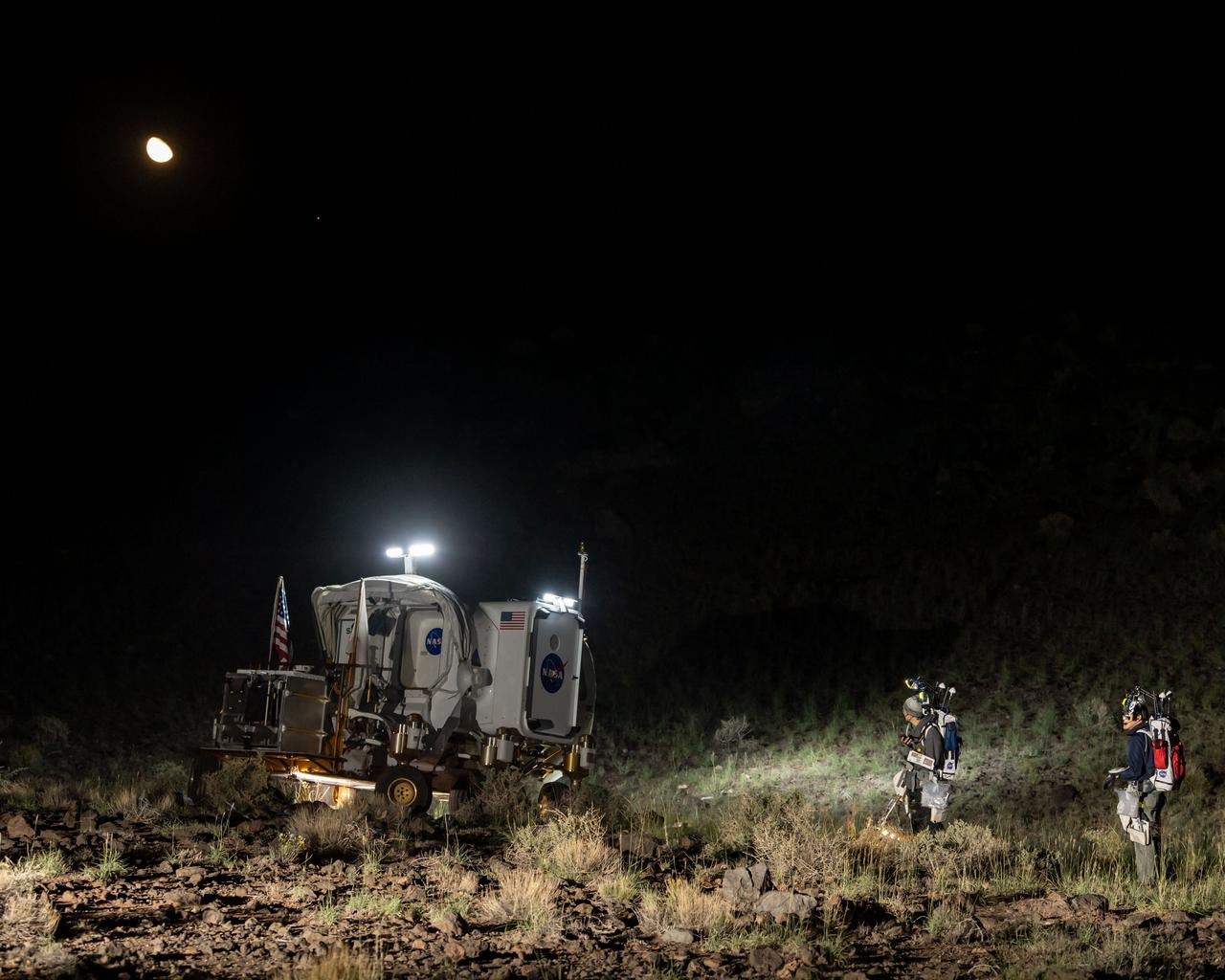
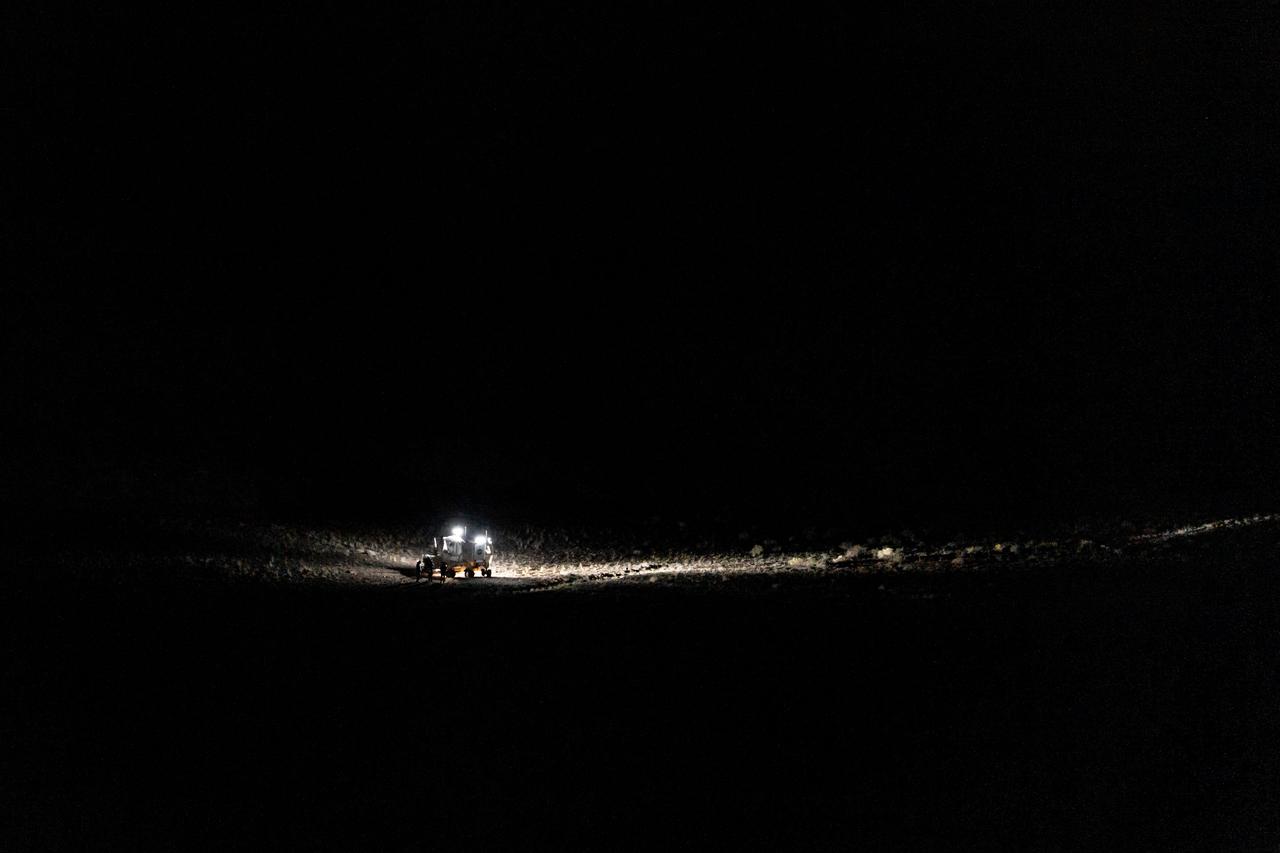
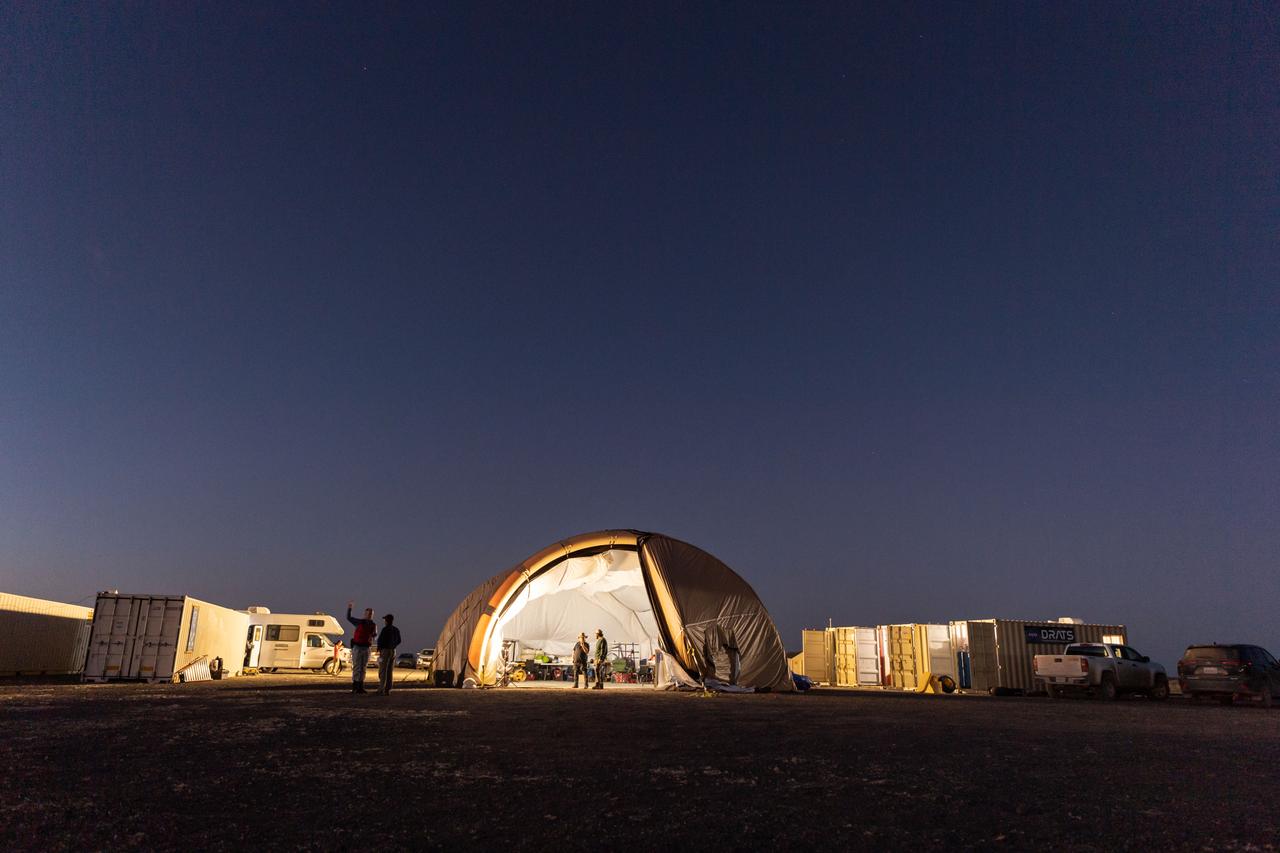
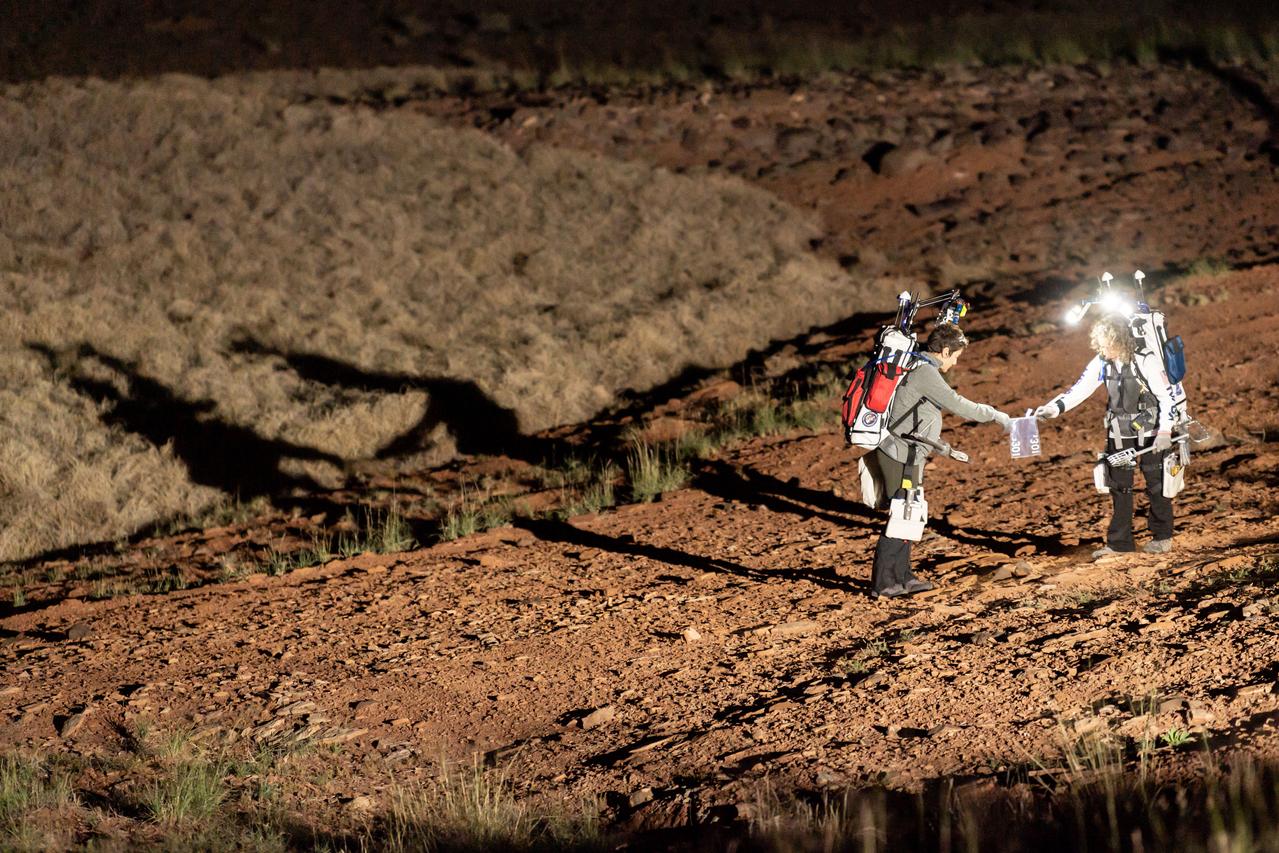
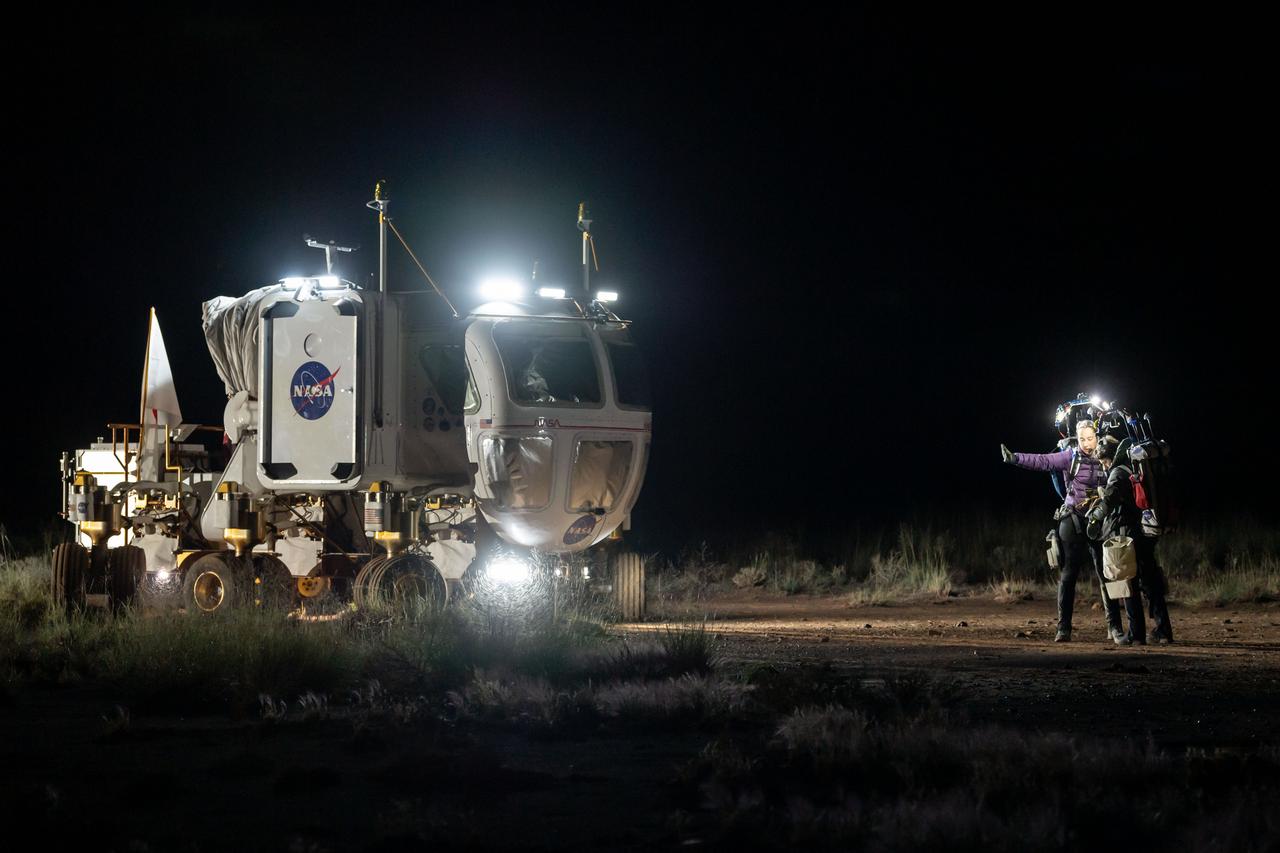
The Desert Research and Technology Studies (DesertRATS) is one of NASA’s analog missions to test hardware and operational scenarios in a remote environment with geographic similarities to the Moon and Mars. In October 2022, NASA evaluated rover design and operations, communications with the Mission Control Center and a Science Evaluation Room at NASA’s Johnson Space Center in Houston. A key element of the DesertRATS analog is the pressurized rover, a capability that is planned for astronaut surface exploration at the Moon and Mars. NASA has a study agreement with the Japan Aerospace Exploration Agency (JAXA) for development of the Artemis pressurized rover, and JAXA representatives joined NASA at DesertRATS.
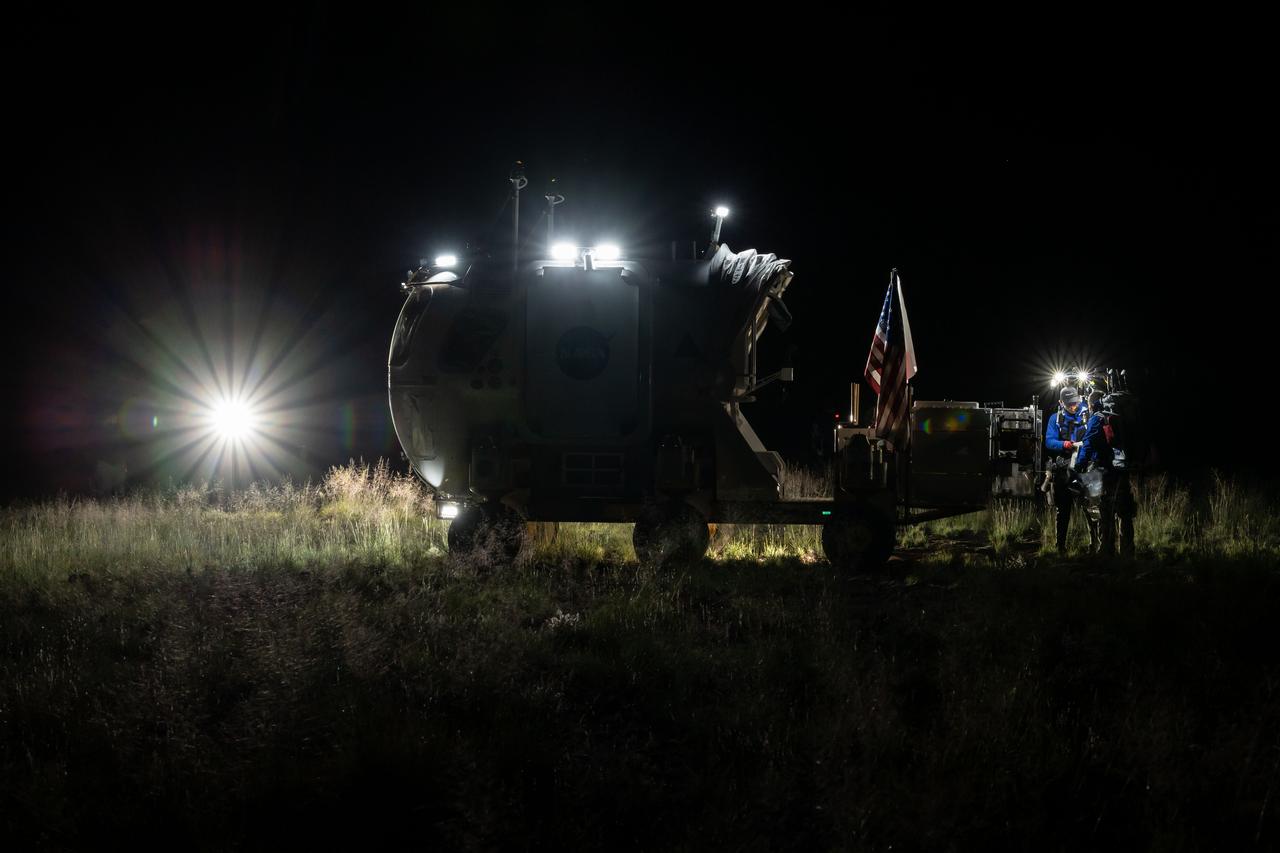
The Desert Research and Technology Studies (DesertRATS) is one of NASA’s analog missions to test hardware and operational scenarios in a remote environment with geographic similarities to the Moon and Mars. In October 2022, NASA evaluated rover design and operations, communications with the Mission Control Center and a Science Evaluation Room at NASA’s Johnson Space Center in Houston. A key element of the DesertRATS analog is the pressurized rover, a capability that is planned for astronaut surface exploration at the Moon and Mars. NASA has a study agreement with the Japan Aerospace Exploration Agency (JAXA) for development of the Artemis pressurized rover, and JAXA representatives joined NASA at DesertRATS.
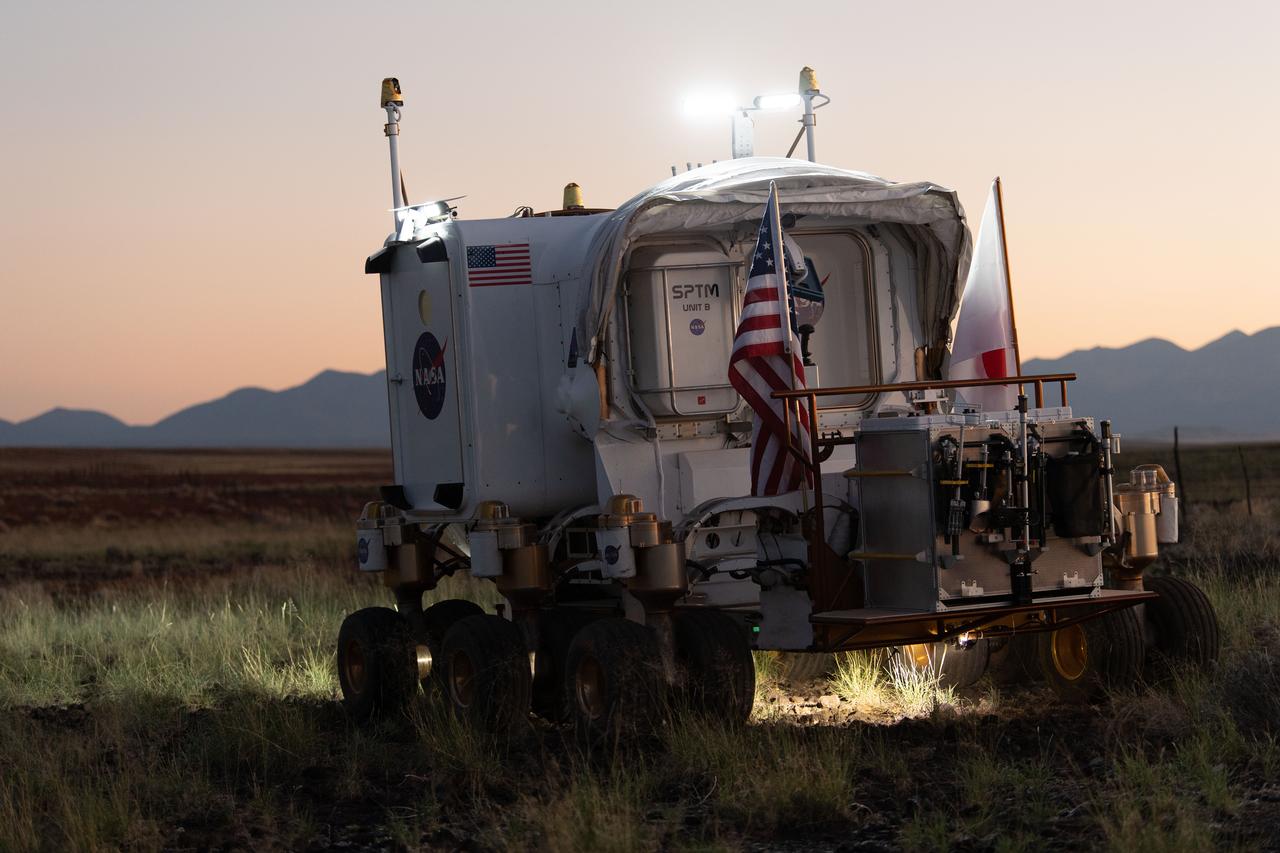
The Desert Research and Technology Studies (DesertRATS) is one of NASA’s analog missions to test hardware and operational scenarios in a remote environment with geographic similarities to the Moon and Mars. In October 2022, NASA evaluated rover design and operations, communications with the Mission Control Center and a Science Evaluation Room at NASA’s Johnson Space Center in Houston. A key element of the DesertRATS analog is the pressurized rover, a capability that is planned for astronaut surface exploration at the Moon and Mars. NASA has a study agreement with the Japan Aerospace Exploration Agency (JAXA) for development of the Artemis pressurized rover, and JAXA representatives joined NASA at DesertRATS.
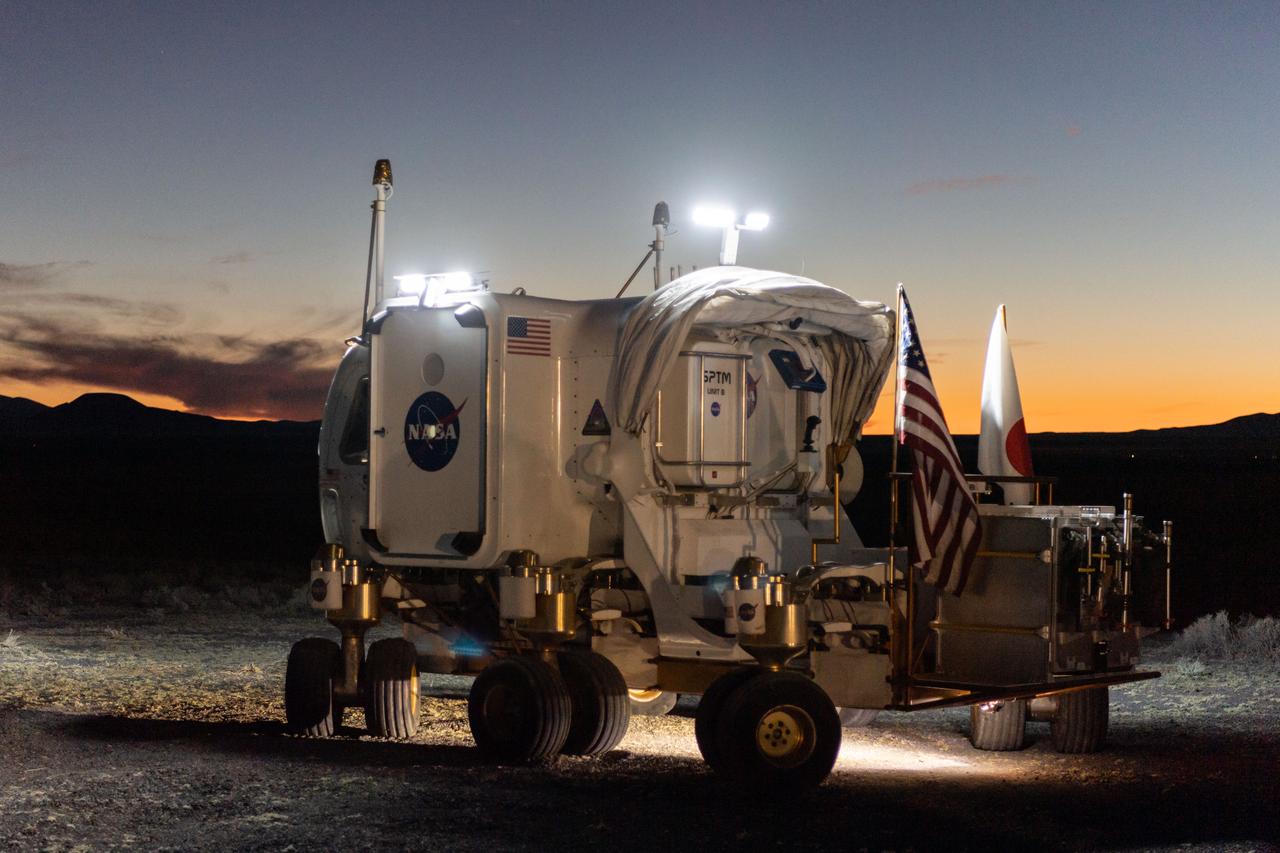
The Desert Research and Technology Studies (DesertRATS) is one of NASA’s analog missions to test hardware and operational scenarios in a remote environment with geographic similarities to the Moon and Mars. In October 2022, NASA evaluated rover design and operations, communications with the Mission Control Center and a Science Evaluation Room at NASA’s Johnson Space Center in Houston. A key element of the DesertRATS analog is the pressurized rover, a capability that is planned for astronaut surface exploration at the Moon and Mars. NASA has a study agreement with the Japan Aerospace Exploration Agency (JAXA) for development of the Artemis pressurized rover, and JAXA representatives joined NASA at DesertRATS.

The Desert Research and Technology Studies (DesertRATS) is one of NASA’s analog missions to test hardware and operational scenarios in a remote environment with geographic similarities to the Moon and Mars. In October 2022, NASA evaluated rover design and operations, communications with the Mission Control Center and a Science Evaluation Room at NASA’s Johnson Space Center in Houston. A key element of the DesertRATS analog is the pressurized rover, a capability that is planned for astronaut surface exploration at the Moon and Mars. NASA has a study agreement with the Japan Aerospace Exploration Agency (JAXA) for development of the Artemis pressurized rover, and JAXA representatives joined NASA at DesertRATS.
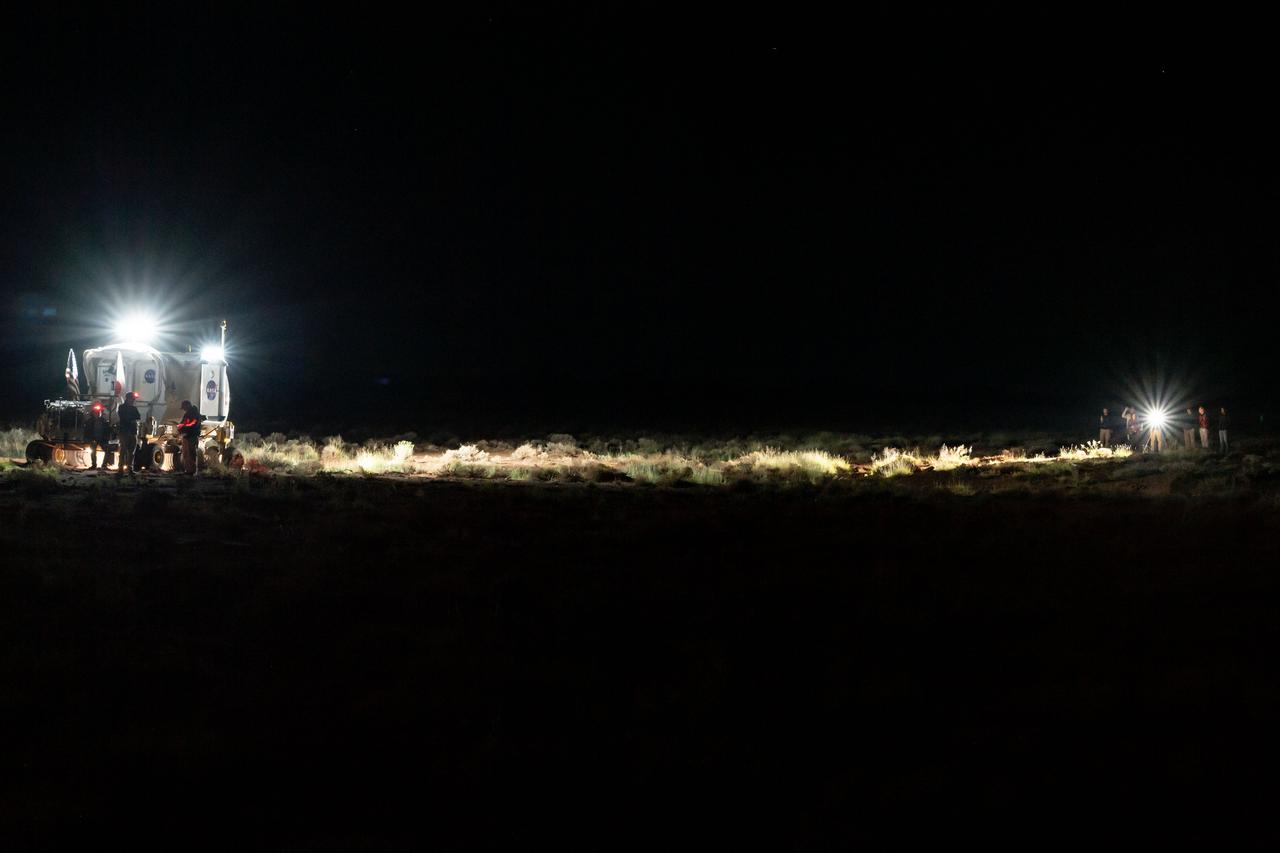
The Desert Research and Technology Studies (DesertRATS) is one of NASA’s analog missions to test hardware and operational scenarios in a remote environment with geographic similarities to the Moon and Mars. In October 2022, NASA evaluated rover design and operations, communications with the Mission Control Center and a Science Evaluation Room at NASA’s Johnson Space Center in Houston. A key element of the DesertRATS analog is the pressurized rover, a capability that is planned for astronaut surface exploration at the Moon and Mars. NASA has a study agreement with the Japan Aerospace Exploration Agency (JAXA) for development of the Artemis pressurized rover, and JAXA representatives joined NASA at DesertRATS.
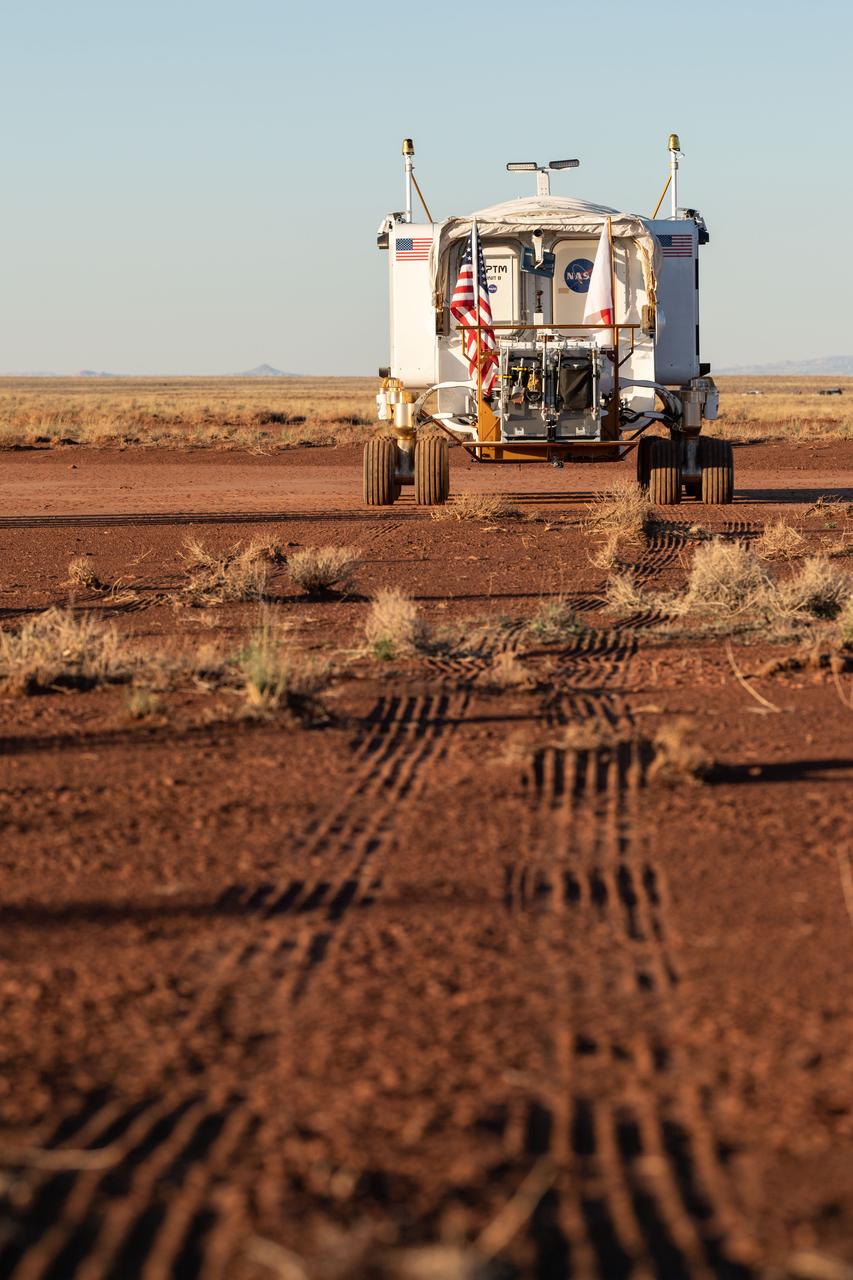
The Desert Research and Technology Studies (DesertRATS) is one of NASA’s analog missions to test hardware and operational scenarios in a remote environment with geographic similarities to the Moon and Mars. In October 2022, NASA evaluated rover design and operations, communications with the Mission Control Center and a Science Evaluation Room at NASA’s Johnson Space Center in Houston. A key element of the DesertRATS analog is the pressurized rover, a capability that is planned for astronaut surface exploration at the Moon and Mars. NASA has a study agreement with the Japan Aerospace Exploration Agency (JAXA) for development of the Artemis pressurized rover, and JAXA representatives joined NASA at DesertRATS.

The Desert Research and Technology Studies (DesertRATS) is one of NASA’s analog missions to test hardware and operational scenarios in a remote environment with geographic similarities to the Moon and Mars. In October 2022, NASA evaluated rover design and operations, communications with the Mission Control Center and a Science Evaluation Room at NASA’s Johnson Space Center in Houston. A key element of the DesertRATS analog is the pressurized rover, a capability that is planned for astronaut surface exploration at the Moon and Mars. NASA has a study agreement with the Japan Aerospace Exploration Agency (JAXA) for development of the Artemis pressurized rover, and JAXA representatives joined NASA at DesertRATS.
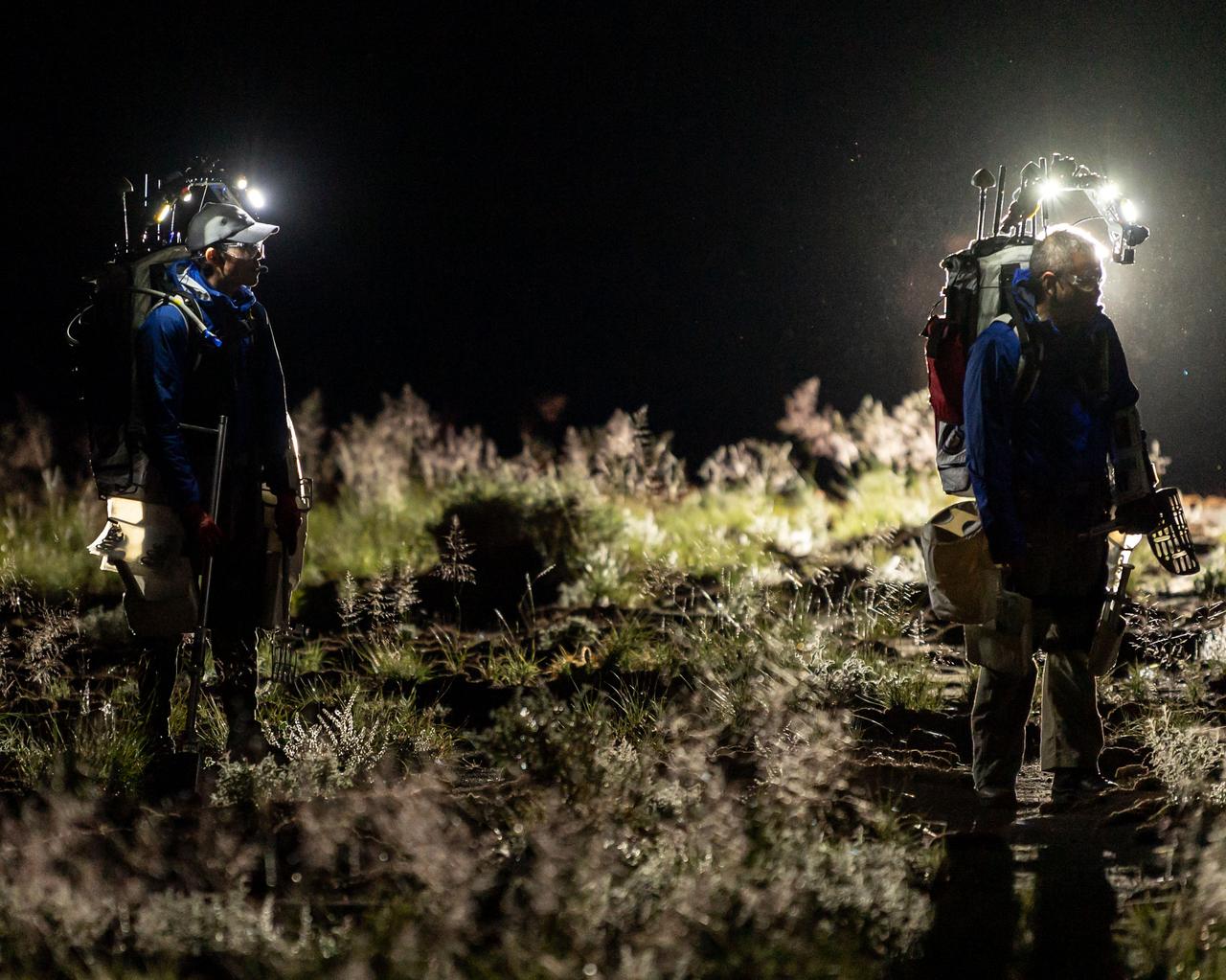
The Desert Research and Technology Studies (DesertRATS) is one of NASA’s analog missions to test hardware and operational scenarios in a remote environment with geographic similarities to the Moon and Mars. In October 2022, NASA evaluated rover design and operations, communications with the Mission Control Center and a Science Evaluation Room at NASA’s Johnson Space Center in Houston. A key element of the DesertRATS analog is the pressurized rover, a capability that is planned for astronaut surface exploration at the Moon and Mars. NASA has a study agreement with the Japan Aerospace Exploration Agency (JAXA) for development of the Artemis pressurized rover, and JAXA representatives joined NASA at DesertRATS.
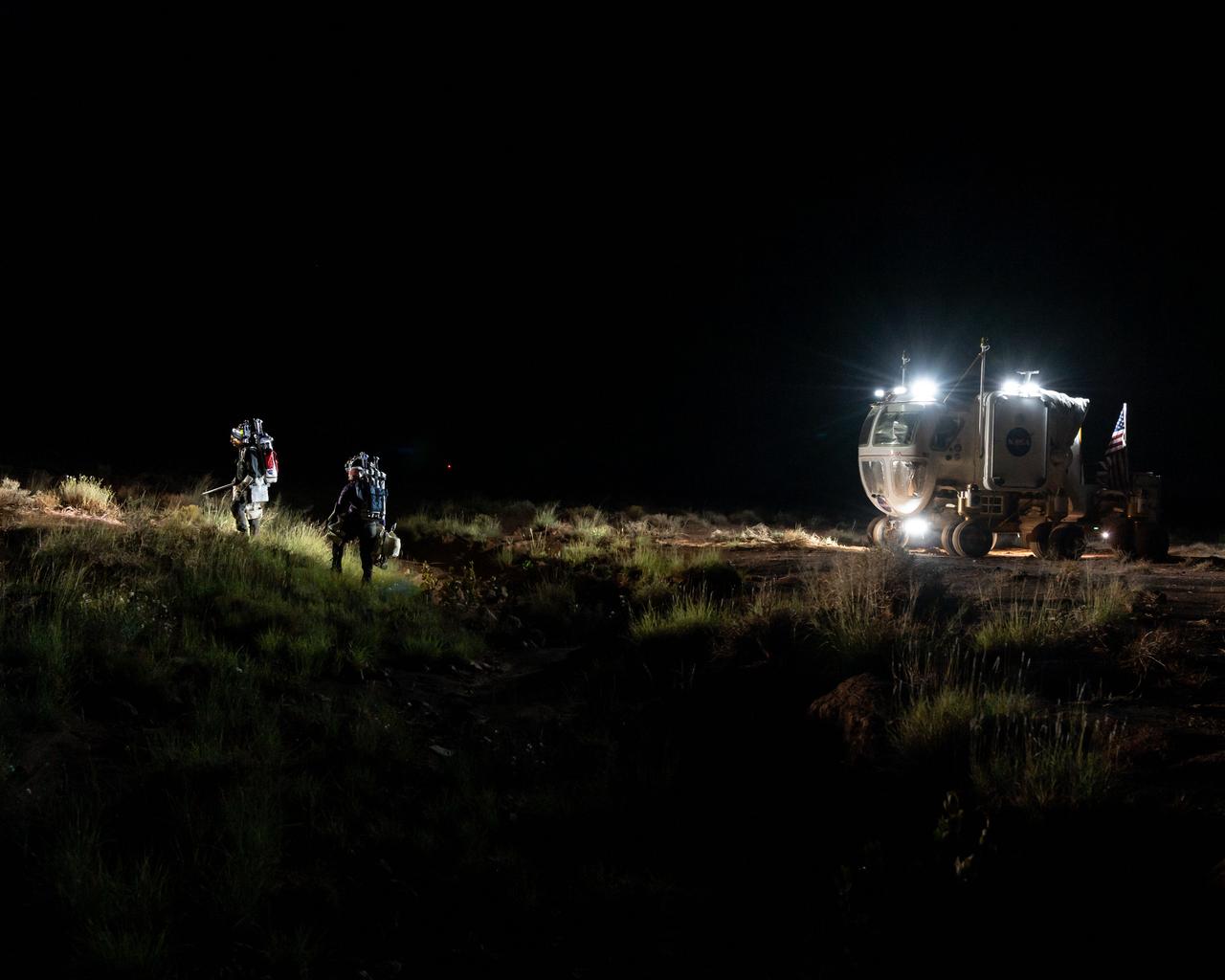
The Desert Research and Technology Studies (DesertRATS) is one of NASA’s analog missions to test hardware and operational scenarios in a remote environment with geographic similarities to the Moon and Mars. In October 2022, NASA evaluated rover design and operations, communications with the Mission Control Center and a Science Evaluation Room at NASA’s Johnson Space Center in Houston. A key element of the DesertRATS analog is the pressurized rover, a capability that is planned for astronaut surface exploration at the Moon and Mars. NASA has a study agreement with the Japan Aerospace Exploration Agency (JAXA) for development of the Artemis pressurized rover, and JAXA representatives joined NASA at DesertRATS.

The Desert Research and Technology Studies (DesertRATS) is one of NASA’s analog missions to test hardware and operational scenarios in a remote environment with geographic similarities to the Moon and Mars. In October 2022, NASA evaluated rover design and operations, communications with the Mission Control Center and a Science Evaluation Room at NASA’s Johnson Space Center in Houston. A key element of the DesertRATS analog is the pressurized rover, a capability that is planned for astronaut surface exploration at the Moon and Mars. NASA has a study agreement with the Japan Aerospace Exploration Agency (JAXA) for development of the Artemis pressurized rover, and JAXA representatives joined NASA at DesertRATS.
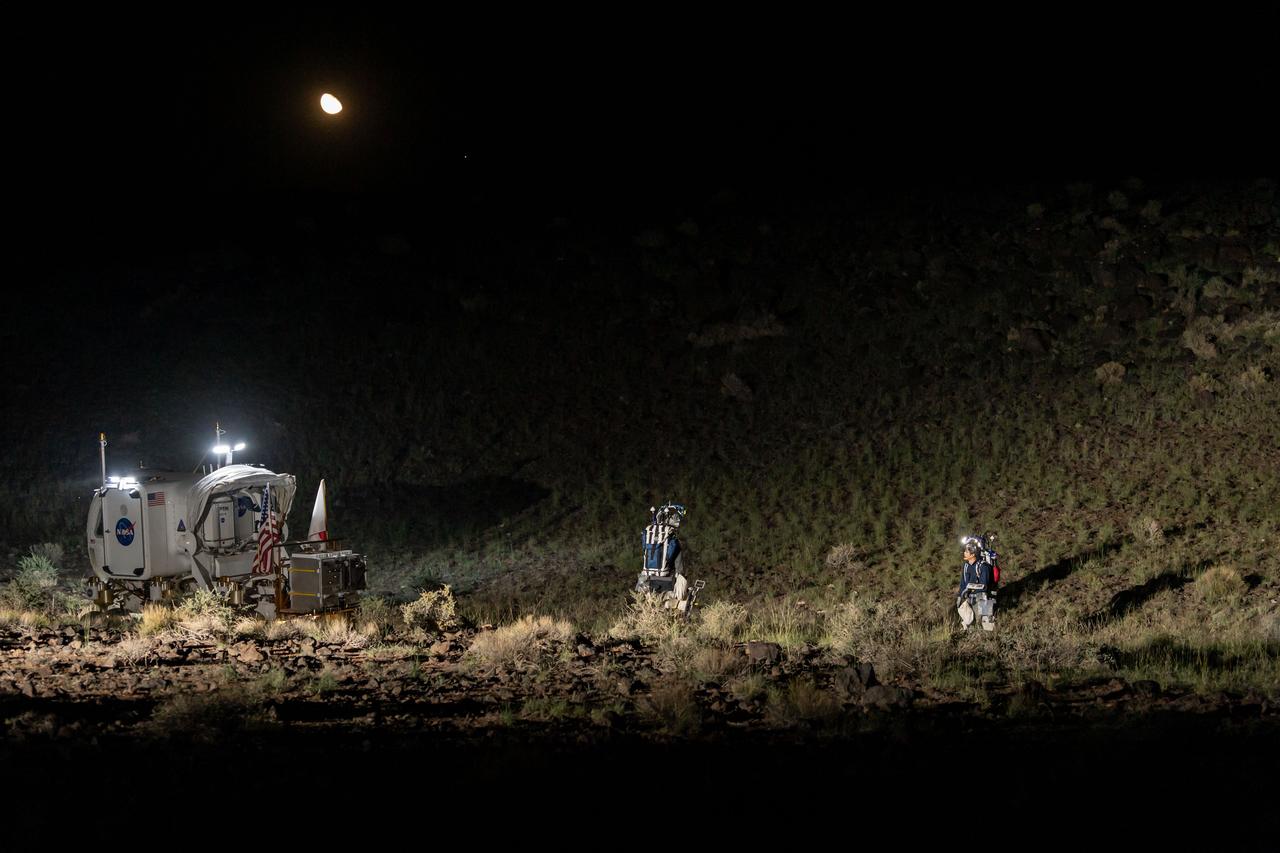
The Desert Research and Technology Studies (DesertRATS) is one of NASA’s analog missions to test hardware and operational scenarios in a remote environment with geographic similarities to the Moon and Mars. In October 2022, NASA evaluated rover design and operations, communications with the Mission Control Center and a Science Evaluation Room at NASA’s Johnson Space Center in Houston. A key element of the DesertRATS analog is the pressurized rover, a capability that is planned for astronaut surface exploration at the Moon and Mars. NASA has a study agreement with the Japan Aerospace Exploration Agency (JAXA) for development of the Artemis pressurized rover, and JAXA representatives joined NASA at DesertRATS.

The Desert Research and Technology Studies (DesertRATS) is one of NASA’s analog missions to test hardware and operational scenarios in a remote environment with geographic similarities to the Moon and Mars. In October 2022, NASA evaluated rover design and operations, communications with the Mission Control Center and a Science Evaluation Room at NASA’s Johnson Space Center in Houston. A key element of the DesertRATS analog is the pressurized rover, a capability that is planned for astronaut surface exploration at the Moon and Mars. NASA has a study agreement with the Japan Aerospace Exploration Agency (JAXA) for development of the Artemis pressurized rover, and JAXA representatives joined NASA at DesertRATS.
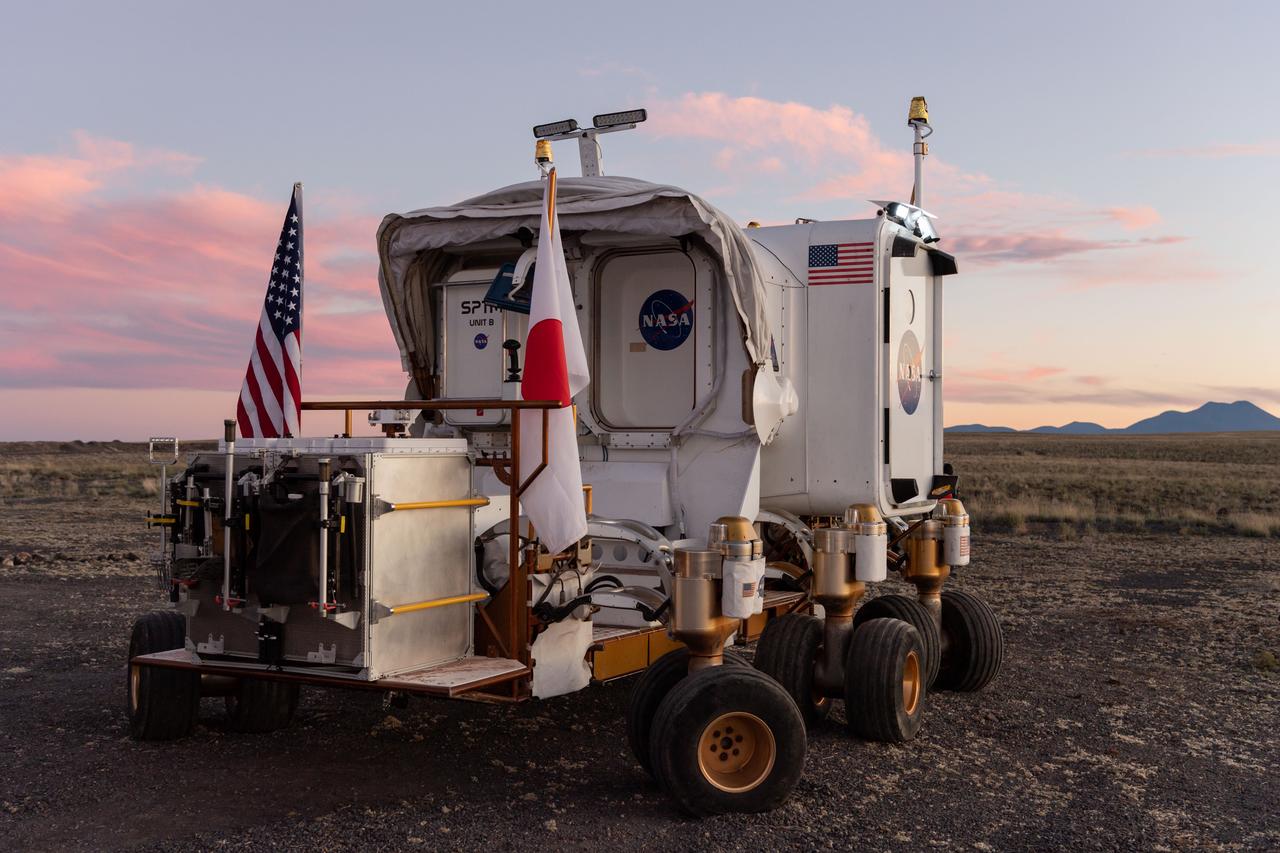
The Desert Research and Technology Studies (DesertRATS) is one of NASA’s analog missions to test hardware and operational scenarios in a remote environment with geographic similarities to the Moon and Mars. In October 2022, NASA evaluated rover design and operations, communications with the Mission Control Center and a Science Evaluation Room at NASA’s Johnson Space Center in Houston. A key element of the DesertRATS analog is the pressurized rover, a capability that is planned for astronaut surface exploration at the Moon and Mars. NASA has a study agreement with the Japan Aerospace Exploration Agency (JAXA) for development of the Artemis pressurized rover, and JAXA representatives joined NASA at DesertRATS.
The Desert Research and Technology Studies (DesertRATS) is one of NASA’s analog missions to test hardware and operational scenarios in a remote environment with geographic similarities to the Moon and Mars. In October 2022, NASA evaluated rover design and operations, communications with the Mission Control Center and a Science Evaluation Room at NASA’s Johnson Space Center in Houston. A key element of the DesertRATS analog is the pressurized rover, a capability that is planned for astronaut surface exploration at the Moon and Mars. NASA has a study agreement with the Japan Aerospace Exploration Agency (JAXA) for development of the Artemis pressurized rover, and JAXA representatives joined NASA at DesertRATS.
The Desert Research and Technology Studies (DesertRATS) is one of NASA’s analog missions to test hardware and operational scenarios in a remote environment with geographic similarities to the Moon and Mars. In October 2022, NASA evaluated rover design and operations, communications with the Mission Control Center and a Science Evaluation Room at NASA’s Johnson Space Center in Houston. A key element of the DesertRATS analog is the pressurized rover, a capability that is planned for astronaut surface exploration at the Moon and Mars. NASA has a study agreement with the Japan Aerospace Exploration Agency (JAXA) for development of the Artemis pressurized rover, and JAXA representatives joined NASA at DesertRATS.
The Desert Research and Technology Studies (DesertRATS) is one of NASA’s analog missions to test hardware and operational scenarios in a remote environment with geographic similarities to the Moon and Mars. In October 2022, NASA evaluated rover design and operations, communications with the Mission Control Center and a Science Evaluation Room at NASA’s Johnson Space Center in Houston. A key element of the DesertRATS analog is the pressurized rover, a capability that is planned for astronaut surface exploration at the Moon and Mars. NASA has a study agreement with the Japan Aerospace Exploration Agency (JAXA) for development of the Artemis pressurized rover, and JAXA representatives joined NASA at DesertRATS.
The Desert Research and Technology Studies (DesertRATS) is one of NASA’s analog missions to test hardware and operational scenarios in a remote environment with geographic similarities to the Moon and Mars. In October 2022, NASA evaluated rover design and operations, communications with the Mission Control Center and a Science Evaluation Room at NASA’s Johnson Space Center in Houston. A key element of the DesertRATS analog is the pressurized rover, a capability that is planned for astronaut surface exploration at the Moon and Mars. NASA has a study agreement with the Japan Aerospace Exploration Agency (JAXA) for development of the Artemis pressurized rover, and JAXA representatives joined NASA at DesertRATS.
The Desert Research and Technology Studies (DesertRATS) is one of NASA’s analog missions to test hardware and operational scenarios in a remote environment with geographic similarities to the Moon and Mars. In October 2022, NASA evaluated rover design and operations, communications with the Mission Control Center and a Science Evaluation Room at NASA’s Johnson Space Center in Houston. A key element of the DesertRATS analog is the pressurized rover, a capability that is planned for astronaut surface exploration at the Moon and Mars. NASA has a study agreement with the Japan Aerospace Exploration Agency (JAXA) for development of the Artemis pressurized rover, and JAXA representatives joined NASA at DesertRATS.
The Desert Research and Technology Studies (DesertRATS) is one of NASA’s analog missions to test hardware and operational scenarios in a remote environment with geographic similarities to the Moon and Mars. In October 2022, NASA evaluated rover design and operations, communications with the Mission Control Center and a Science Evaluation Room at NASA’s Johnson Space Center in Houston. A key element of the DesertRATS analog is the pressurized rover, a capability that is planned for astronaut surface exploration at the Moon and Mars. NASA has a study agreement with the Japan Aerospace Exploration Agency (JAXA) for development of the Artemis pressurized rover, and JAXA representatives joined NASA at DesertRATS.
The Desert Research and Technology Studies (DesertRATS) is one of NASA’s analog missions to test hardware and operational scenarios in a remote environment with geographic similarities to the Moon and Mars. In October 2022, NASA evaluated rover design and operations, communications with the Mission Control Center and a Science Evaluation Room at NASA’s Johnson Space Center in Houston. A key element of the DesertRATS analog is the pressurized rover, a capability that is planned for astronaut surface exploration at the Moon and Mars. NASA has a study agreement with the Japan Aerospace Exploration Agency (JAXA) for development of the Artemis pressurized rover, and JAXA representatives joined NASA at DesertRATS.
The Desert Research and Technology Studies (DesertRATS) is one of NASA’s analog missions to test hardware and operational scenarios in a remote environment with geographic similarities to the Moon and Mars. In October 2022, NASA evaluated rover design and operations, communications with the Mission Control Center and a Science Evaluation Room at NASA’s Johnson Space Center in Houston. A key element of the DesertRATS analog is the pressurized rover, a capability that is planned for astronaut surface exploration at the Moon and Mars. NASA has a study agreement with the Japan Aerospace Exploration Agency (JAXA) for development of the Artemis pressurized rover, and JAXA representatives joined NASA at DesertRATS.
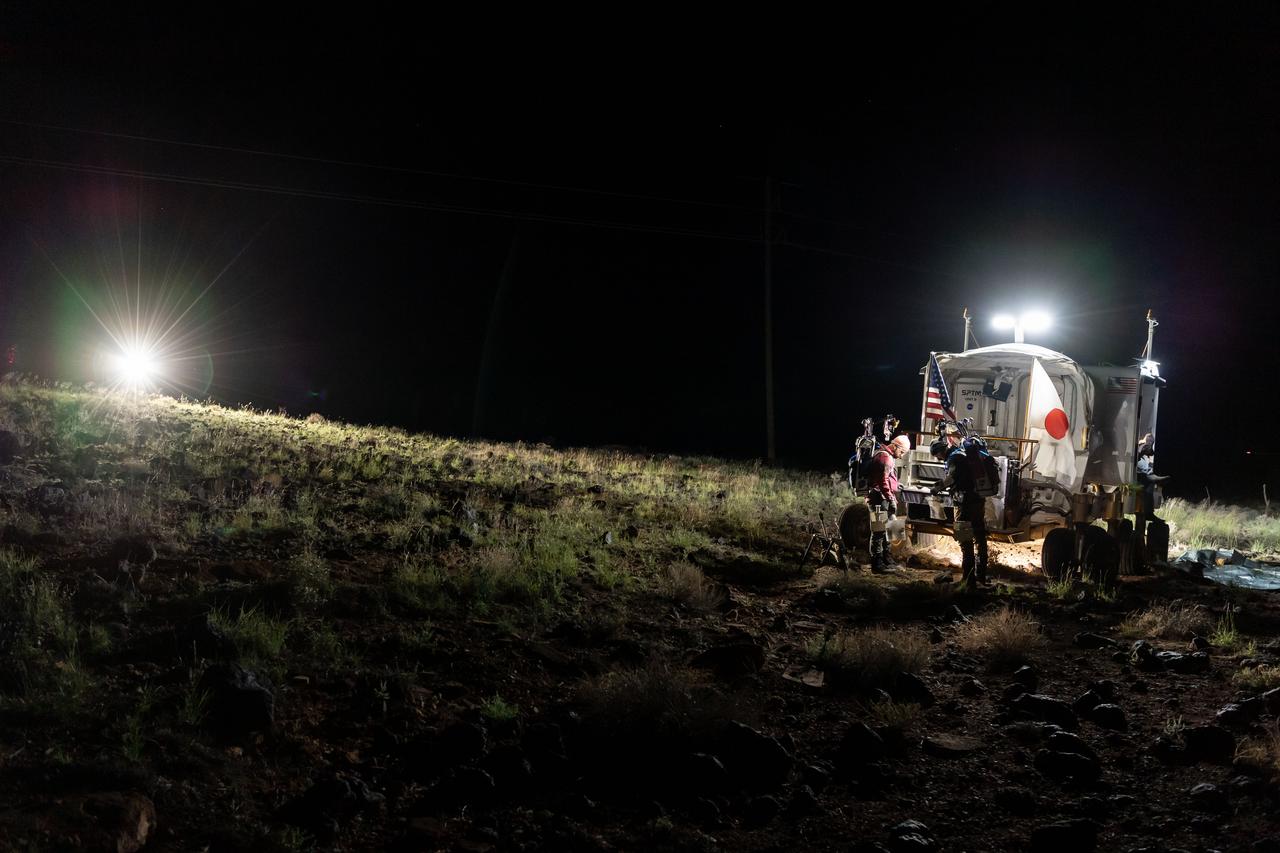
The Desert Research and Technology Studies (DesertRATS) is one of NASA’s analog missions to test hardware and operational scenarios in a remote environment with geographic similarities to the Moon and Mars. In October 2022, NASA evaluated rover design and operations, communications with the Mission Control Center and a Science Evaluation Room at NASA’s Johnson Space Center in Houston. A key element of the DesertRATS analog is the pressurized rover, a capability that is planned for astronaut surface exploration at the Moon and Mars. NASA has a study agreement with the Japan Aerospace Exploration Agency (JAXA) for development of the Artemis pressurized rover, and JAXA representatives joined NASA at DesertRATS.
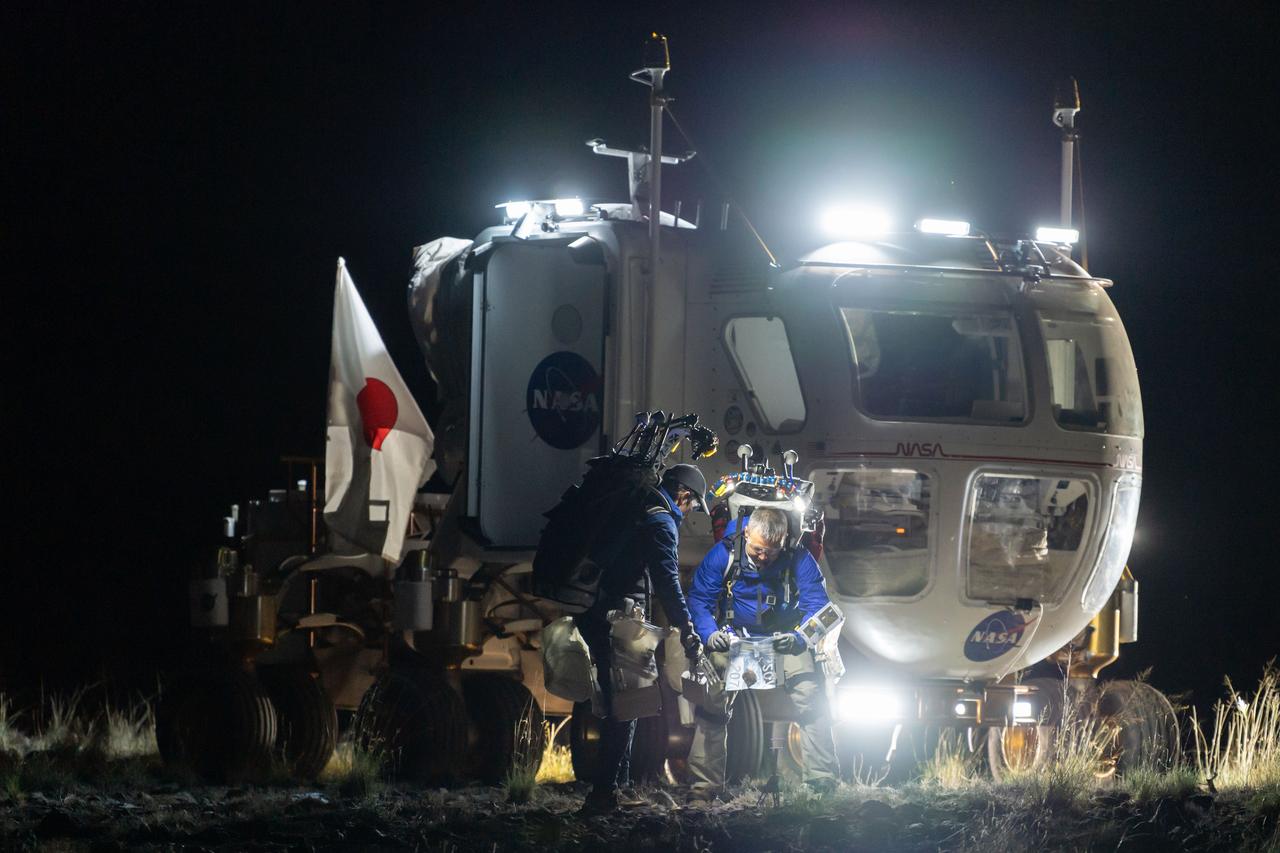
The Desert Research and Technology Studies (DesertRATS) is one of NASA’s analog missions to test hardware and operational scenarios in a remote environment with geographic similarities to the Moon and Mars. In October 2022, NASA evaluated rover design and operations, communications with the Mission Control Center and a Science Evaluation Room at NASA’s Johnson Space Center in Houston. A key element of the DesertRATS analog is the pressurized rover, a capability that is planned for astronaut surface exploration at the Moon and Mars. NASA has a study agreement with the Japan Aerospace Exploration Agency (JAXA) for development of the Artemis pressurized rover, and JAXA representatives joined NASA at DesertRATS.
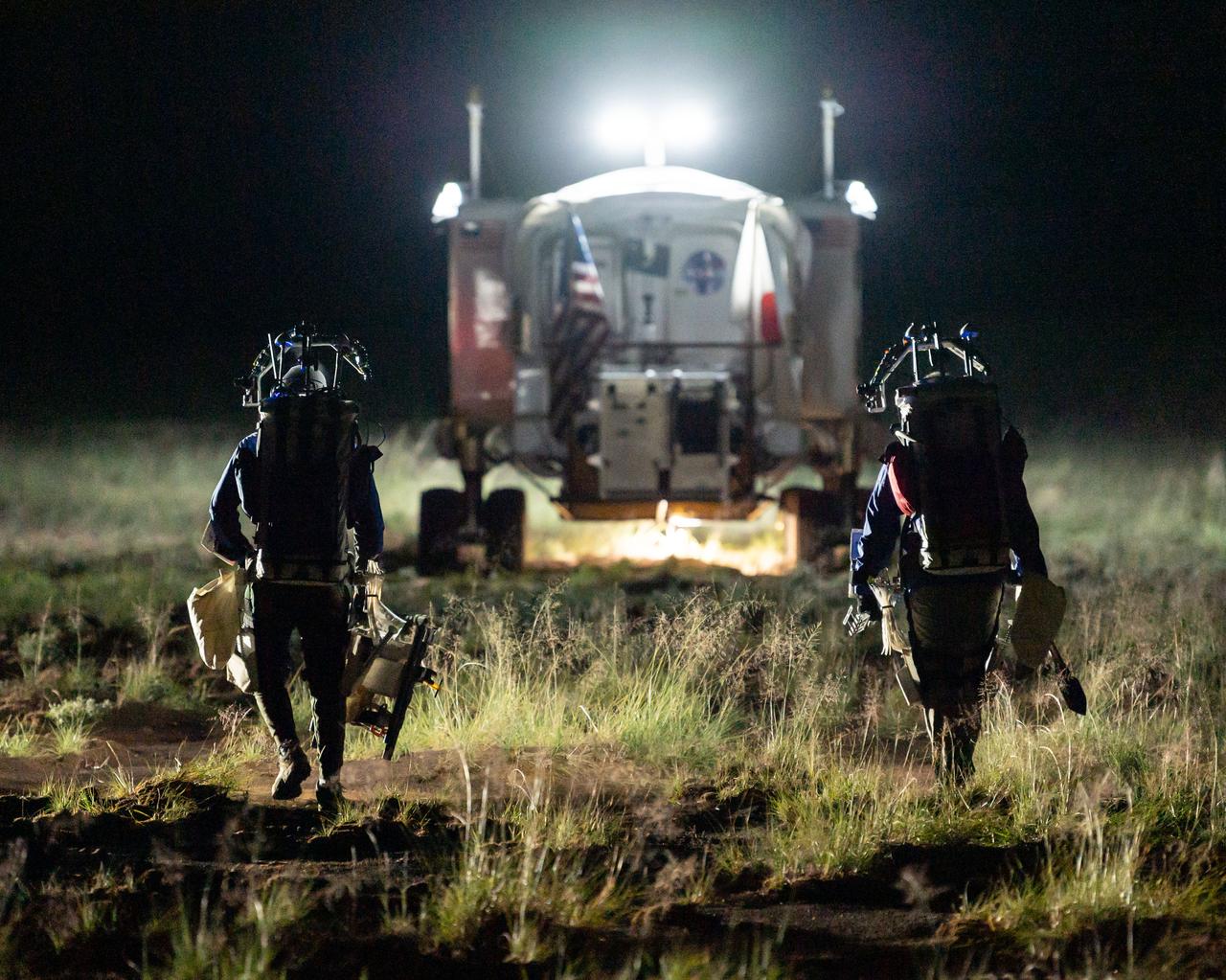
The Desert Research and Technology Studies (DesertRATS) is one of NASA’s analog missions to test hardware and operational scenarios in a remote environment with geographic similarities to the Moon and Mars. In October 2022, NASA evaluated rover design and operations, communications with the Mission Control Center and a Science Evaluation Room at NASA’s Johnson Space Center in Houston. A key element of the DesertRATS analog is the pressurized rover, a capability that is planned for astronaut surface exploration at the Moon and Mars. NASA has a study agreement with the Japan Aerospace Exploration Agency (JAXA) for development of the Artemis pressurized rover, and JAXA representatives joined NASA at DesertRATS.
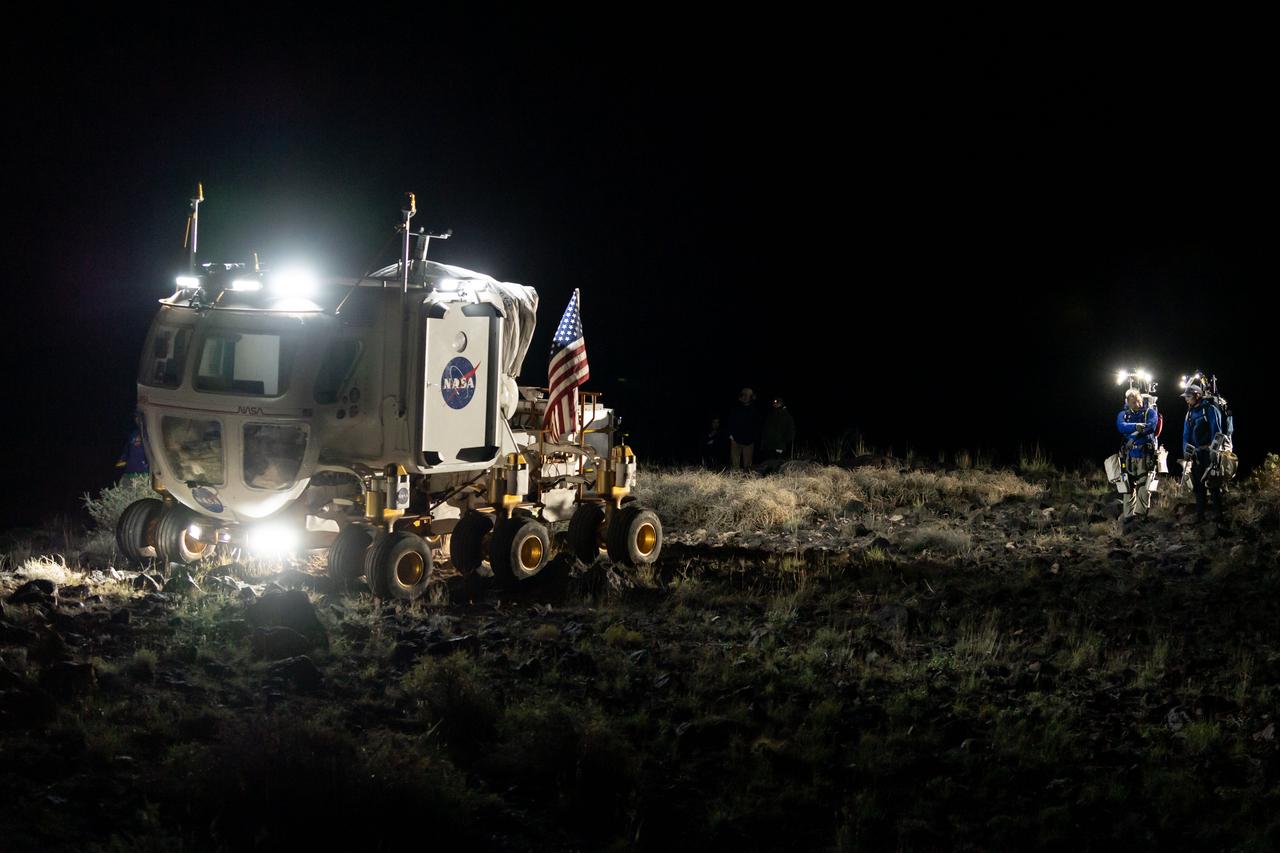
The Desert Research and Technology Studies (DesertRATS) is one of NASA’s analog missions to test hardware and operational scenarios in a remote environment with geographic similarities to the Moon and Mars. In October 2022, NASA evaluated rover design and operations, communications with the Mission Control Center and a Science Evaluation Room at NASA’s Johnson Space Center in Houston. A key element of the DesertRATS analog is the pressurized rover, a capability that is planned for astronaut surface exploration at the Moon and Mars. NASA has a study agreement with the Japan Aerospace Exploration Agency (JAXA) for development of the Artemis pressurized rover, and JAXA representatives joined NASA at DesertRATS.
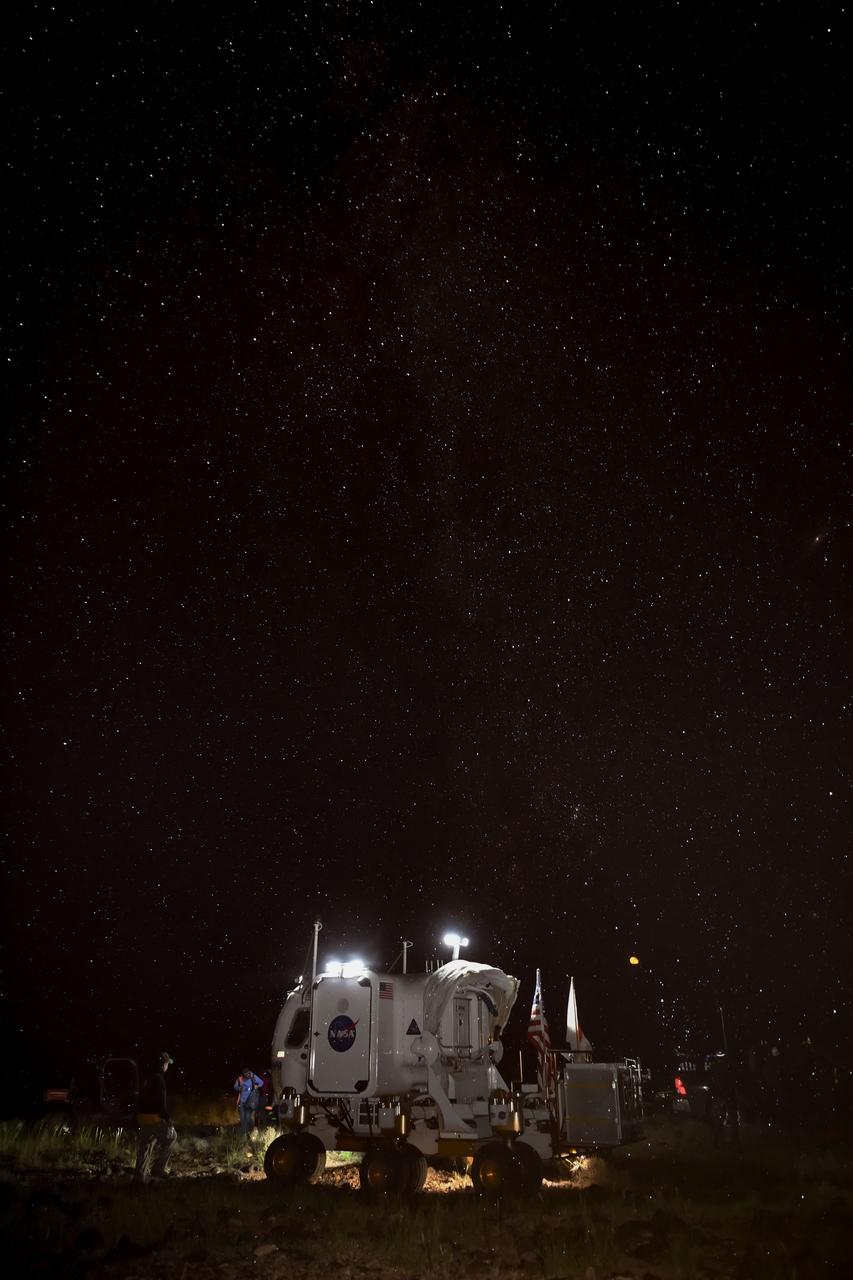
The Desert Research and Technology Studies (DesertRATS) is one of NASA’s analog missions to test hardware and operational scenarios in a remote environment with geographic similarities to the Moon and Mars. In October 2022, NASA evaluated rover design and operations, communications with the Mission Control Center and a Science Evaluation Room at NASA’s Johnson Space Center in Houston. A key element of the DesertRATS analog is the pressurized rover, a capability that is planned for astronaut surface exploration at the Moon and Mars. NASA has a study agreement with the Japan Aerospace Exploration Agency (JAXA) for development of the Artemis pressurized rover, and JAXA representatives joined NASA at DesertRATS.
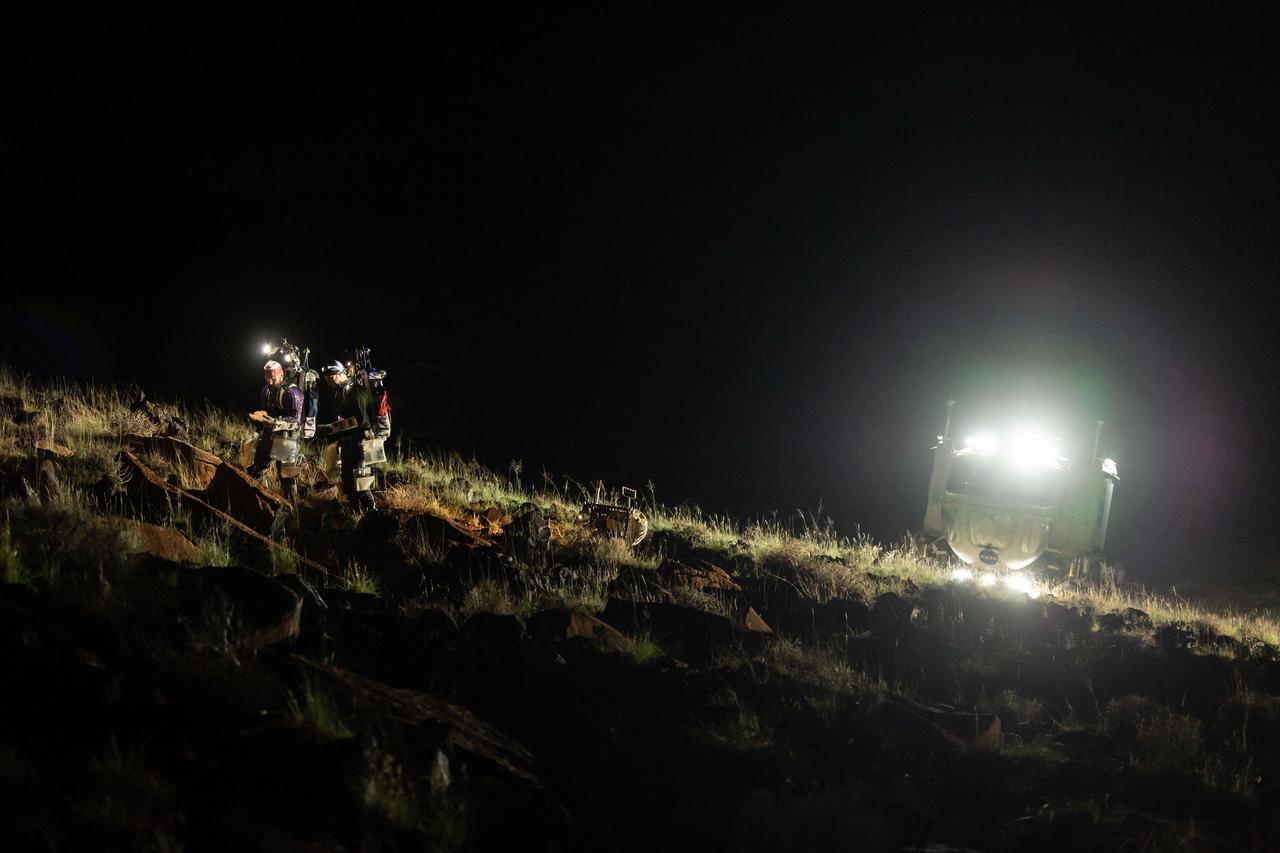
The Desert Research and Technology Studies (DesertRATS) is one of NASA’s analog missions to test hardware and operational scenarios in a remote environment with geographic similarities to the Moon and Mars. In October 2022, NASA evaluated rover design and operations, communications with the Mission Control Center and a Science Evaluation Room at NASA’s Johnson Space Center in Houston. A key element of the DesertRATS analog is the pressurized rover, a capability that is planned for astronaut surface exploration at the Moon and Mars. NASA has a study agreement with the Japan Aerospace Exploration Agency (JAXA) for development of the Artemis pressurized rover, and JAXA representatives joined NASA at DesertRATS.
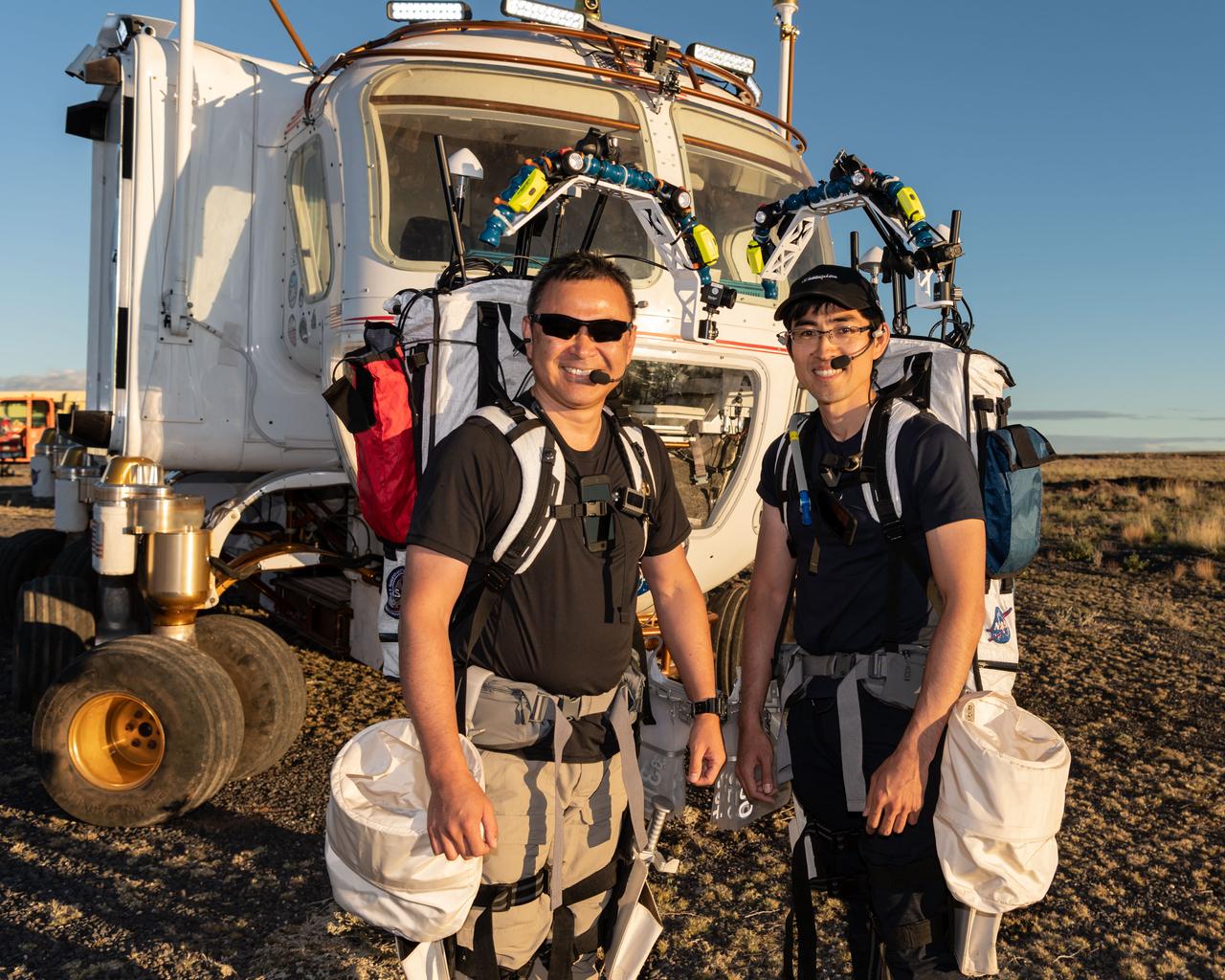
The Desert Research and Technology Studies (DesertRATS) is one of NASA’s analog missions to test hardware and operational scenarios in a remote environment with geographic similarities to the Moon and Mars. In October 2022, NASA evaluated rover design and operations, communications with the Mission Control Center and a Science Evaluation Room at NASA’s Johnson Space Center in Houston. A key element of the DesertRATS analog is the pressurized rover, a capability that is planned for astronaut surface exploration at the Moon and Mars. NASA has a study agreement with the Japan Aerospace Exploration Agency (JAXA) for development of the Artemis pressurized rover, and JAXA representatives joined NASA at DesertRATS.
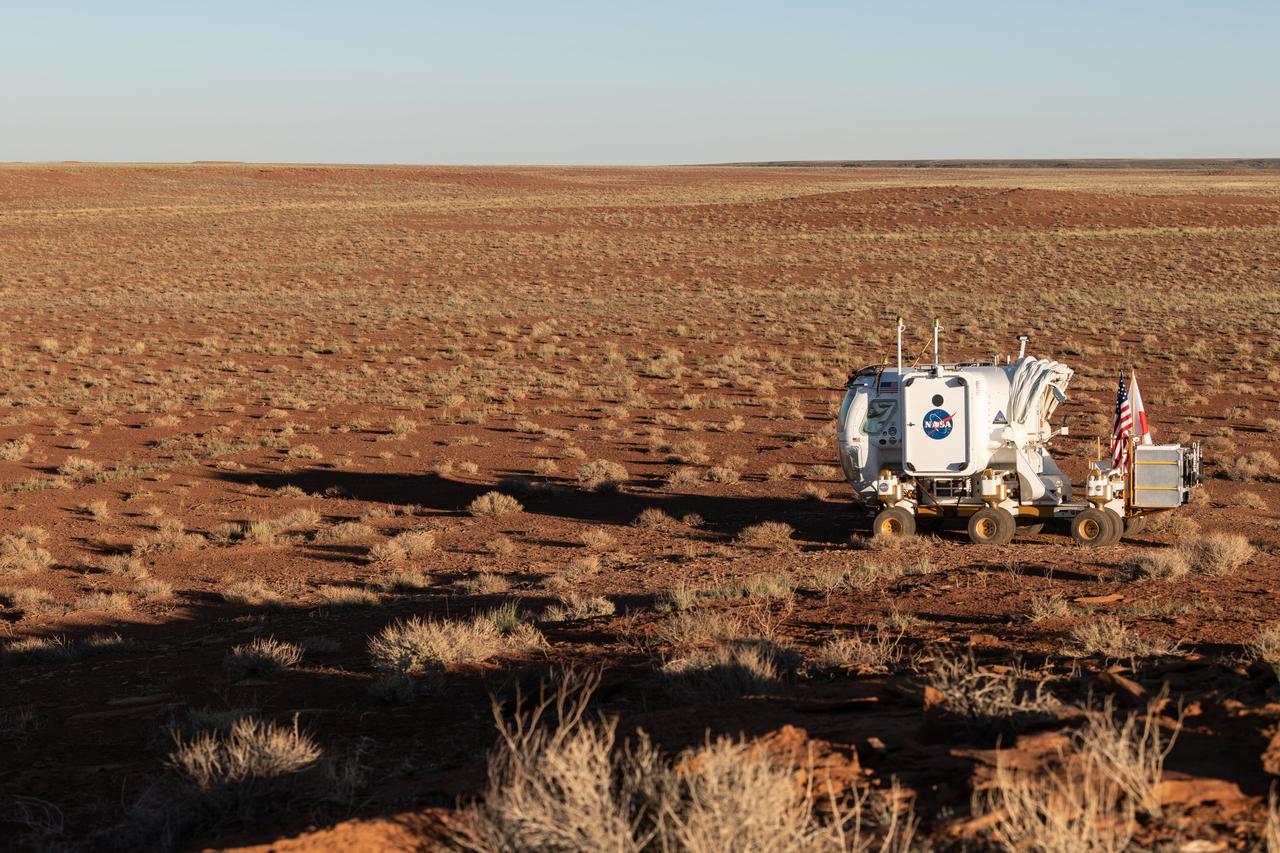
The Desert Research and Technology Studies (DesertRATS) is one of NASA’s analog missions to test hardware and operational scenarios in a remote environment with geographic similarities to the Moon and Mars. In October 2022, NASA evaluated rover design and operations, communications with the Mission Control Center and a Science Evaluation Room at NASA’s Johnson Space Center in Houston. A key element of the DesertRATS analog is the pressurized rover, a capability that is planned for astronaut surface exploration at the Moon and Mars. NASA has a study agreement with the Japan Aerospace Exploration Agency (JAXA) for development of the Artemis pressurized rover, and JAXA representatives joined NASA at DesertRATS.
The Desert Research and Technology Studies (DesertRATS) is one of NASA’s analog missions to test hardware and operational scenarios in a remote environment with geographic similarities to the Moon and Mars. In October 2022, NASA evaluated rover design and operations, communications with the Mission Control Center and a Science Evaluation Room at NASA’s Johnson Space Center in Houston. A key element of the DesertRATS analog is the pressurized rover, a capability that is planned for astronaut surface exploration at the Moon and Mars. NASA has a study agreement with the Japan Aerospace Exploration Agency (JAXA) for development of the Artemis pressurized rover, and JAXA representatives joined NASA at DesertRATS.
The Desert Research and Technology Studies (DesertRATS) is one of NASA’s analog missions to test hardware and operational scenarios in a remote environment with geographic similarities to the Moon and Mars. In October 2022, NASA evaluated rover design and operations, communications with the Mission Control Center and a Science Evaluation Room at NASA’s Johnson Space Center in Houston. A key element of the DesertRATS analog is the pressurized rover, a capability that is planned for astronaut surface exploration at the Moon and Mars. NASA has a study agreement with the Japan Aerospace Exploration Agency (JAXA) for development of the Artemis pressurized rover, and JAXA representatives joined NASA at DesertRATS.
The Desert Research and Technology Studies (DesertRATS) is one of NASA’s analog missions to test hardware and operational scenarios in a remote environment with geographic similarities to the Moon and Mars. In October 2022, NASA evaluated rover design and operations, communications with the Mission Control Center and a Science Evaluation Room at NASA’s Johnson Space Center in Houston. A key element of the DesertRATS analog is the pressurized rover, a capability that is planned for astronaut surface exploration at the Moon and Mars. NASA has a study agreement with the Japan Aerospace Exploration Agency (JAXA) for development of the Artemis pressurized rover, and JAXA representatives joined NASA at DesertRATS.
The Desert Research and Technology Studies (DesertRATS) is one of NASA’s analog missions to test hardware and operational scenarios in a remote environment with geographic similarities to the Moon and Mars. In October 2022, NASA evaluated rover design and operations, communications with the Mission Control Center and a Science Evaluation Room at NASA’s Johnson Space Center in Houston. A key element of the DesertRATS analog is the pressurized rover, a capability that is planned for astronaut surface exploration at the Moon and Mars. NASA has a study agreement with the Japan Aerospace Exploration Agency (JAXA) for development of the Artemis pressurized rover, and JAXA representatives joined NASA at DesertRATS.
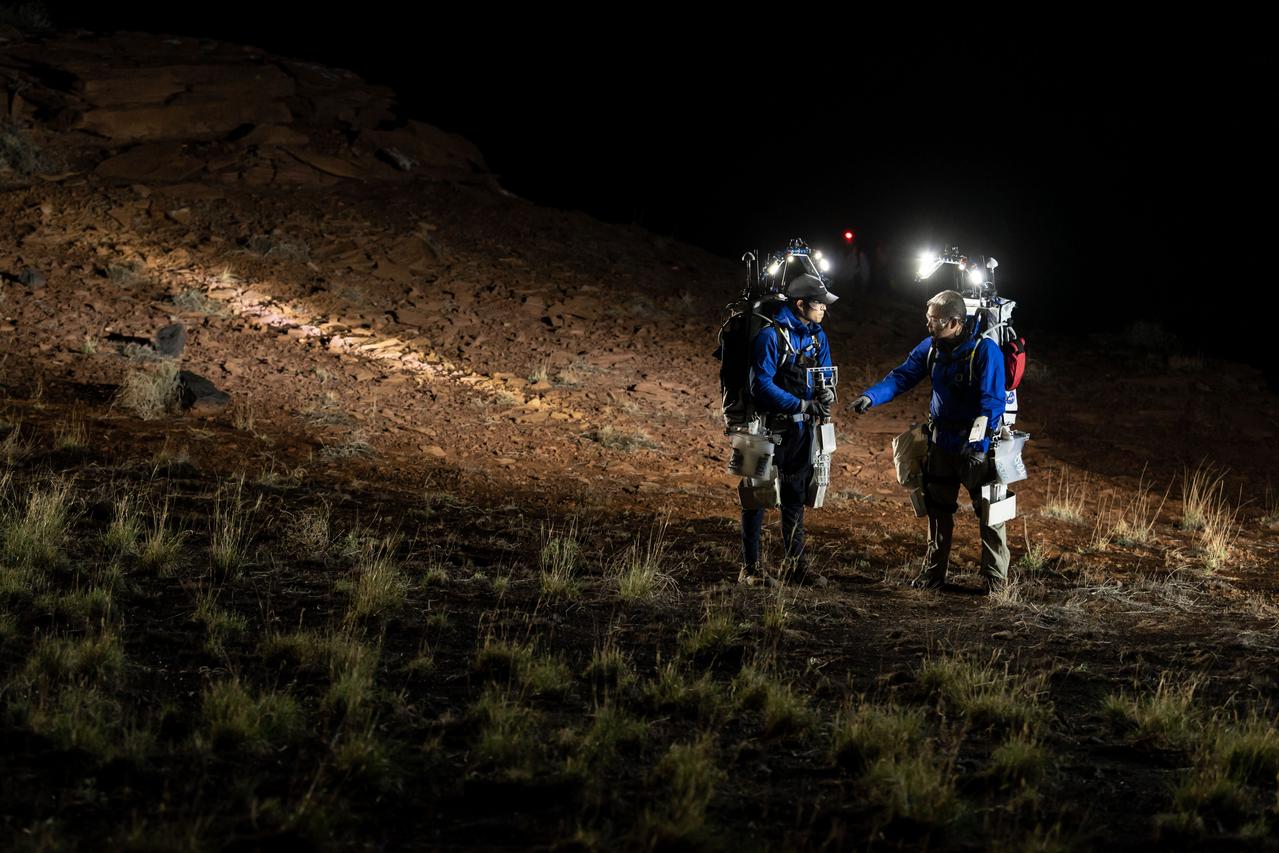
The Desert Research and Technology Studies (DesertRATS) is one of NASA’s analog missions to test hardware and operational scenarios in a remote environment with geographic similarities to the Moon and Mars. In October 2022, NASA evaluated rover design and operations, communications with the Mission Control Center and a Science Evaluation Room at NASA’s Johnson Space Center in Houston. A key element of the DesertRATS analog is the pressurized rover, a capability that is planned for astronaut surface exploration at the Moon and Mars. NASA has a study agreement with the Japan Aerospace Exploration Agency (JAXA) for development of the Artemis pressurized rover, and JAXA representatives joined NASA at DesertRATS.

The Desert Research and Technology Studies (DesertRATS) is one of NASA’s analog missions to test hardware and operational scenarios in a remote environment with geographic similarities to the Moon and Mars. In October 2022, NASA evaluated rover design and operations, communications with the Mission Control Center and a Science Evaluation Room at NASA’s Johnson Space Center in Houston. A key element of the DesertRATS analog is the pressurized rover, a capability that is planned for astronaut surface exploration at the Moon and Mars. NASA has a study agreement with the Japan Aerospace Exploration Agency (JAXA) for development of the Artemis pressurized rover, and JAXA representatives joined NASA at DesertRATS.
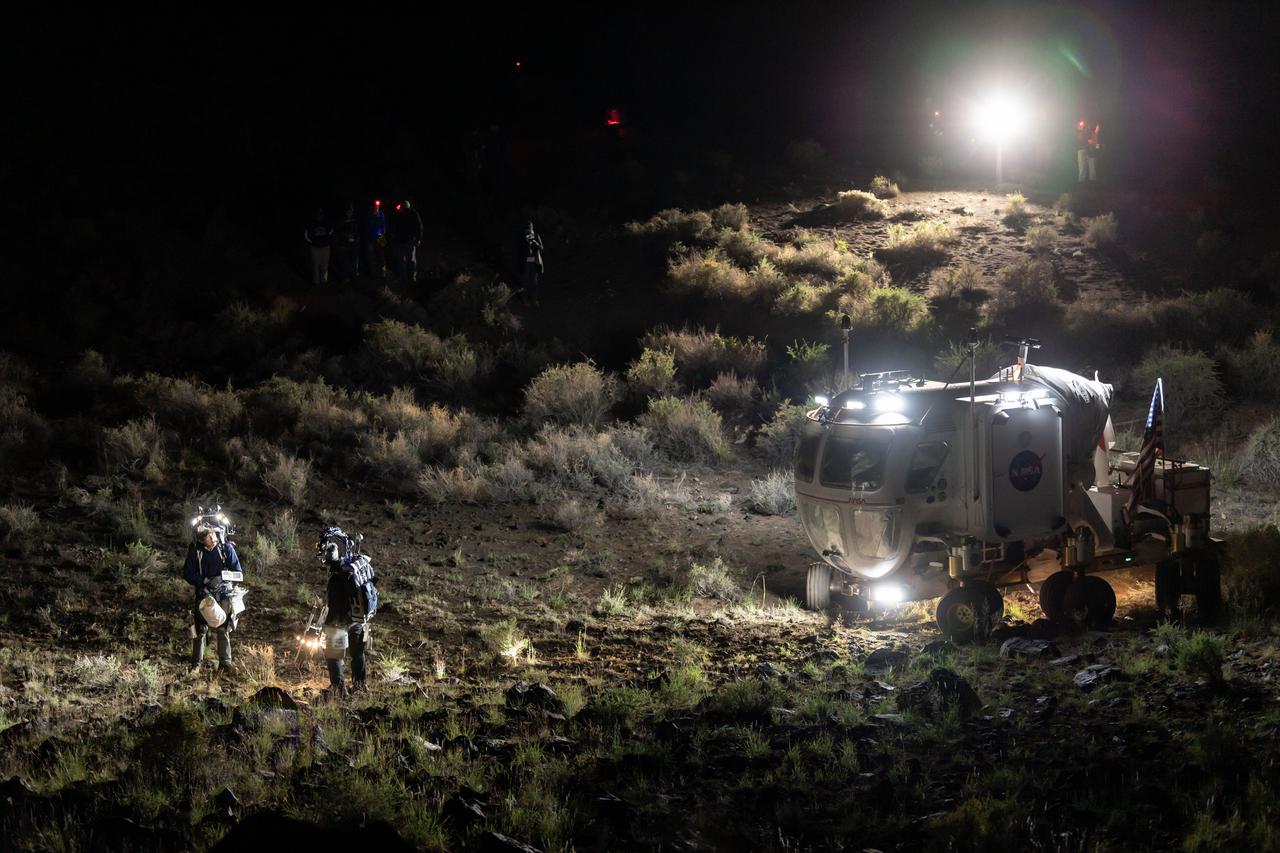
The Desert Research and Technology Studies (DesertRATS) is one of NASA’s analog missions to test hardware and operational scenarios in a remote environment with geographic similarities to the Moon and Mars. In October 2022, NASA evaluated rover design and operations, communications with the Mission Control Center and a Science Evaluation Room at NASA’s Johnson Space Center in Houston. A key element of the DesertRATS analog is the pressurized rover, a capability that is planned for astronaut surface exploration at the Moon and Mars. NASA has a study agreement with the Japan Aerospace Exploration Agency (JAXA) for development of the Artemis pressurized rover, and JAXA representatives joined NASA at DesertRATS.
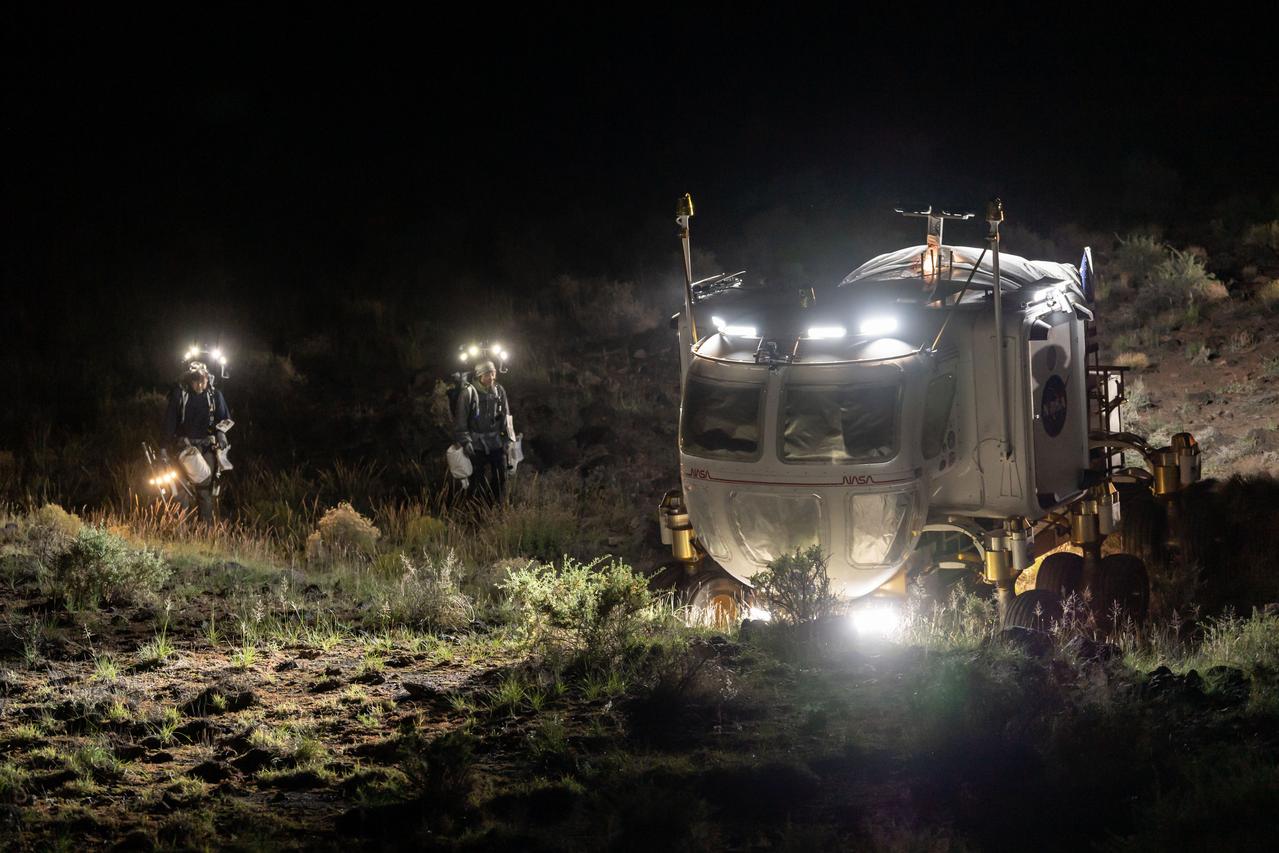
The Desert Research and Technology Studies (DesertRATS) is one of NASA’s analog missions to test hardware and operational scenarios in a remote environment with geographic similarities to the Moon and Mars. In October 2022, NASA evaluated rover design and operations, communications with the Mission Control Center and a Science Evaluation Room at NASA’s Johnson Space Center in Houston. A key element of the DesertRATS analog is the pressurized rover, a capability that is planned for astronaut surface exploration at the Moon and Mars. NASA has a study agreement with the Japan Aerospace Exploration Agency (JAXA) for development of the Artemis pressurized rover, and JAXA representatives joined NASA at DesertRATS.
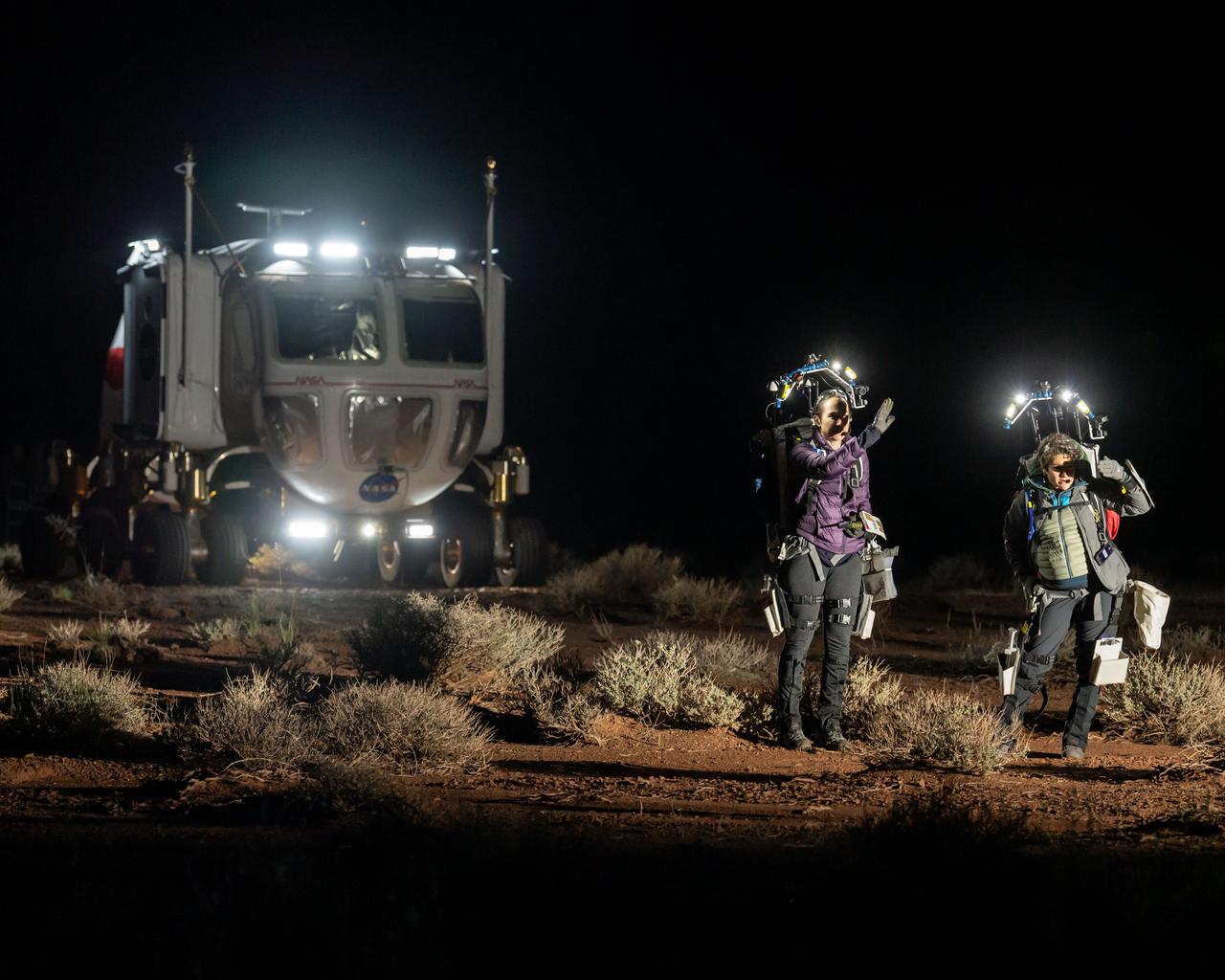
The Desert Research and Technology Studies (DesertRATS) is one of NASA’s analog missions to test hardware and operational scenarios in a remote environment with geographic similarities to the Moon and Mars. In October 2022, NASA evaluated rover design and operations, communications with the Mission Control Center and a Science Evaluation Room at NASA’s Johnson Space Center in Houston. A key element of the DesertRATS analog is the pressurized rover, a capability that is planned for astronaut surface exploration at the Moon and Mars. NASA has a study agreement with the Japan Aerospace Exploration Agency (JAXA) for development of the Artemis pressurized rover, and JAXA representatives joined NASA at DesertRATS.
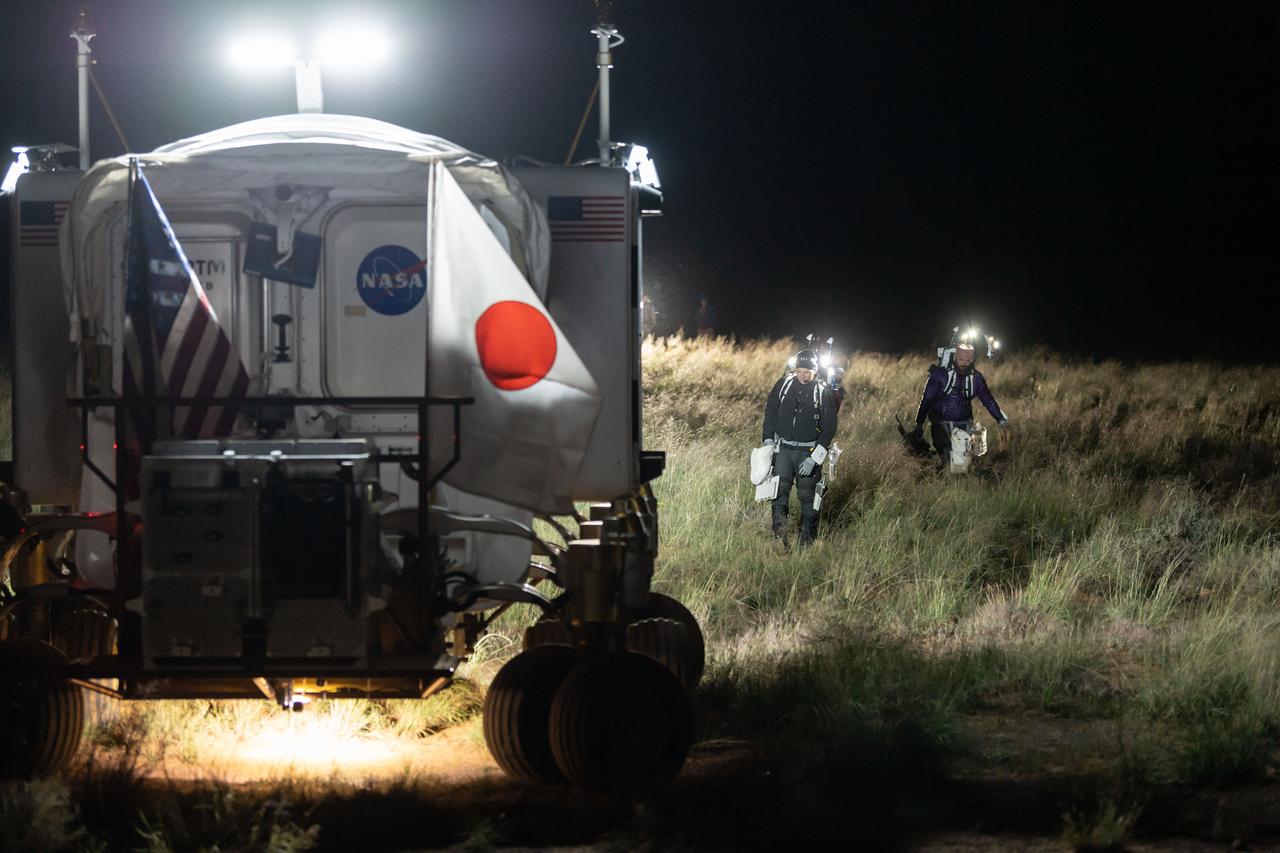
The Desert Research and Technology Studies (DesertRATS) is one of NASA’s analog missions to test hardware and operational scenarios in a remote environment with geographic similarities to the Moon and Mars. In October 2022, NASA evaluated rover design and operations, communications with the Mission Control Center and a Science Evaluation Room at NASA’s Johnson Space Center in Houston. A key element of the DesertRATS analog is the pressurized rover, a capability that is planned for astronaut surface exploration at the Moon and Mars. NASA has a study agreement with the Japan Aerospace Exploration Agency (JAXA) for development of the Artemis pressurized rover, and JAXA representatives joined NASA at DesertRATS.
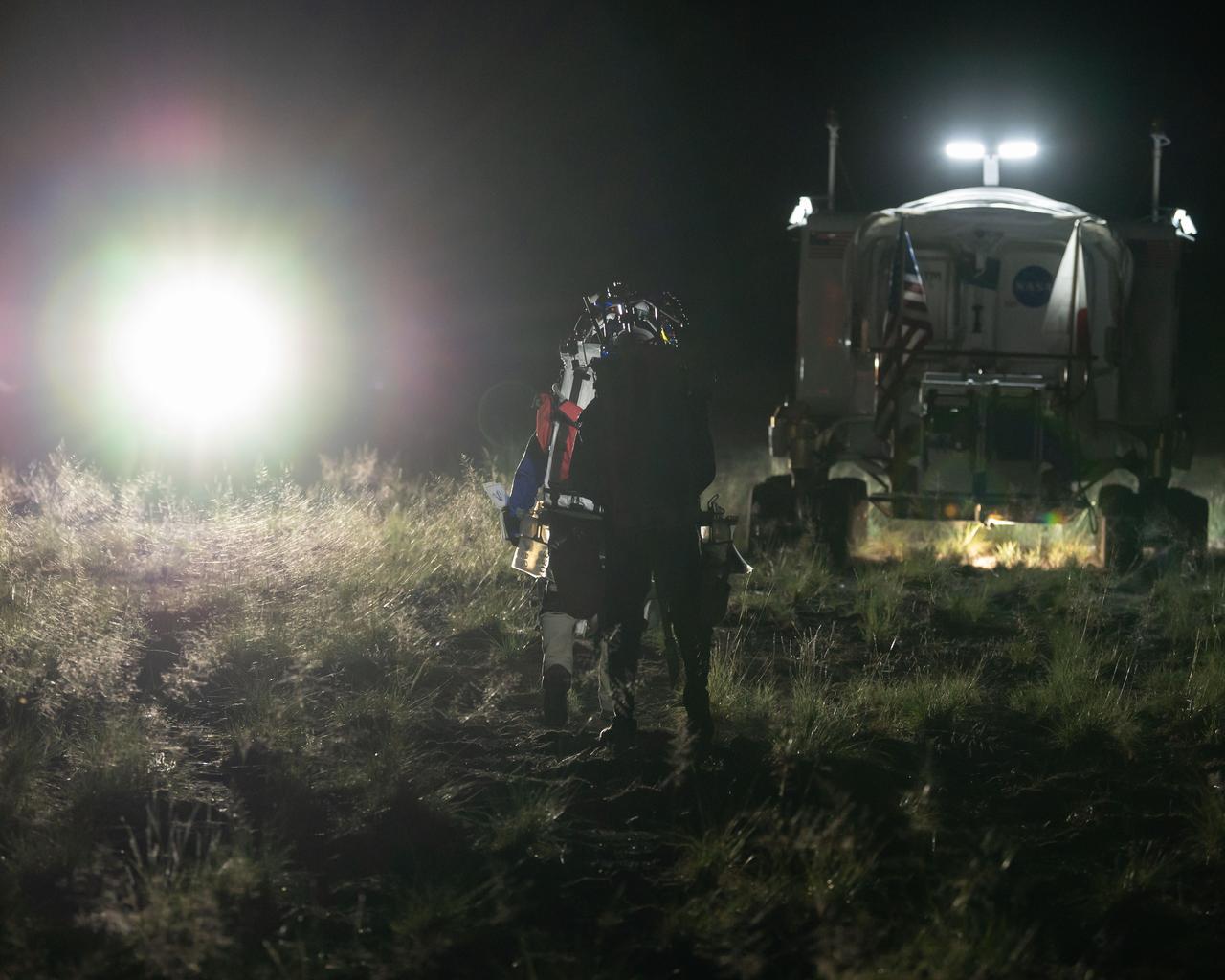
The Desert Research and Technology Studies (DesertRATS) is one of NASA’s analog missions to test hardware and operational scenarios in a remote environment with geographic similarities to the Moon and Mars. In October 2022, NASA evaluated rover design and operations, communications with the Mission Control Center and a Science Evaluation Room at NASA’s Johnson Space Center in Houston. A key element of the DesertRATS analog is the pressurized rover, a capability that is planned for astronaut surface exploration at the Moon and Mars. NASA has a study agreement with the Japan Aerospace Exploration Agency (JAXA) for development of the Artemis pressurized rover, and JAXA representatives joined NASA at DesertRATS.
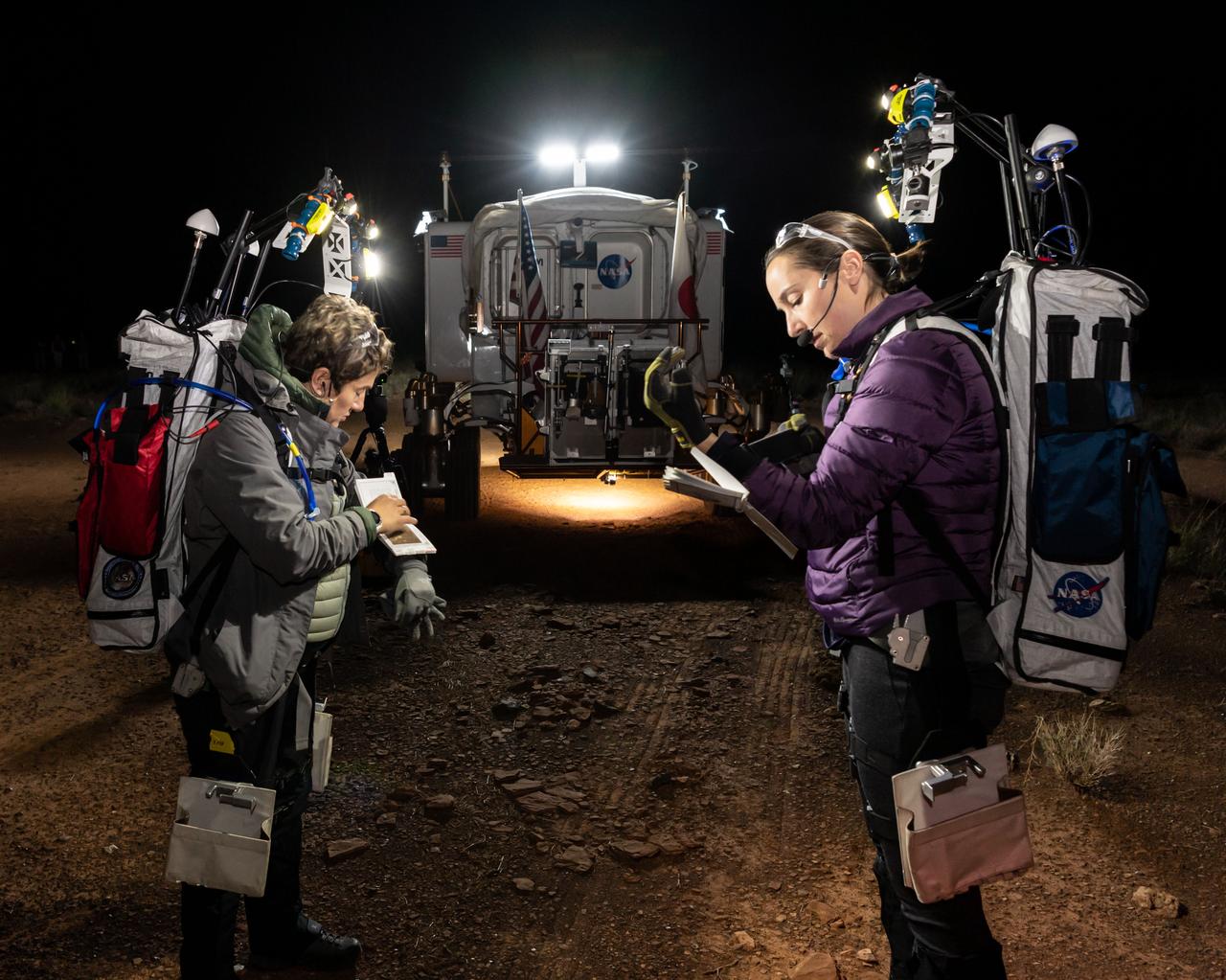
The Desert Research and Technology Studies (DesertRATS) is one of NASA’s analog missions to test hardware and operational scenarios in a remote environment with geographic similarities to the Moon and Mars. In October 2022, NASA evaluated rover design and operations, communications with the Mission Control Center and a Science Evaluation Room at NASA’s Johnson Space Center in Houston. A key element of the DesertRATS analog is the pressurized rover, a capability that is planned for astronaut surface exploration at the Moon and Mars. NASA has a study agreement with the Japan Aerospace Exploration Agency (JAXA) for development of the Artemis pressurized rover, and JAXA representatives joined NASA at DesertRATS.
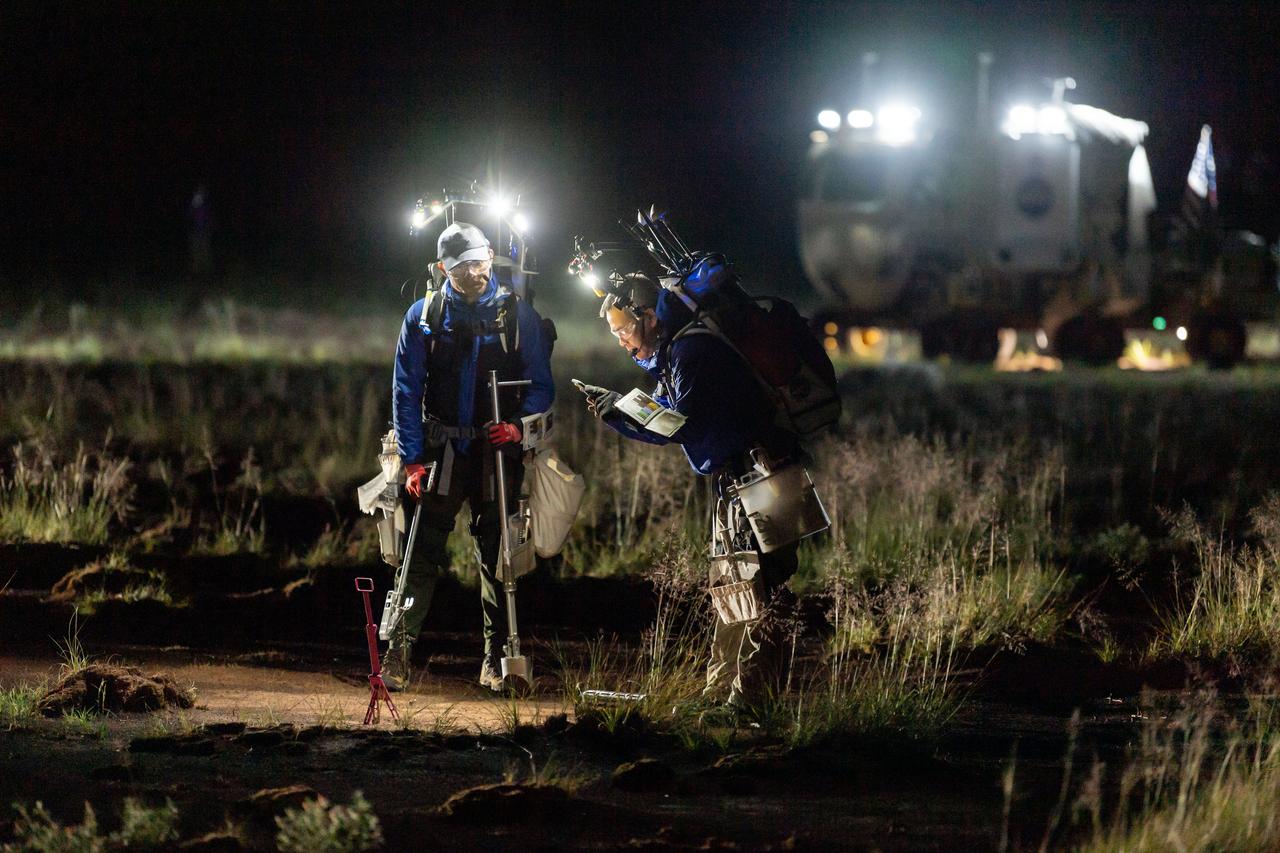
The Desert Research and Technology Studies (DesertRATS) is one of NASA’s analog missions to test hardware and operational scenarios in a remote environment with geographic similarities to the Moon and Mars. In October 2022, NASA evaluated rover design and operations, communications with the Mission Control Center and a Science Evaluation Room at NASA’s Johnson Space Center in Houston. A key element of the DesertRATS analog is the pressurized rover, a capability that is planned for astronaut surface exploration at the Moon and Mars. NASA has a study agreement with the Japan Aerospace Exploration Agency (JAXA) for development of the Artemis pressurized rover, and JAXA representatives joined NASA at DesertRATS.
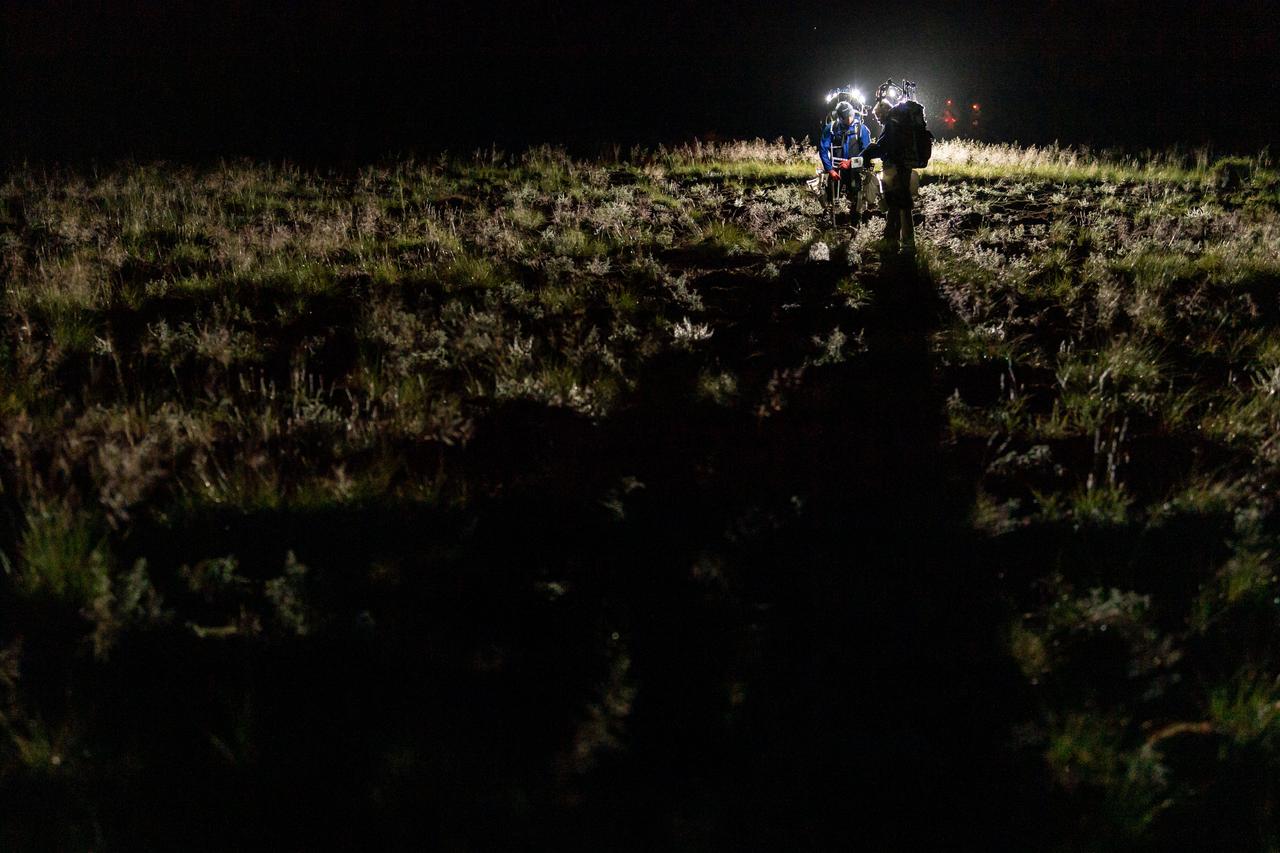
The Desert Research and Technology Studies (DesertRATS) is one of NASA’s analog missions to test hardware and operational scenarios in a remote environment with geographic similarities to the Moon and Mars. In October 2022, NASA evaluated rover design and operations, communications with the Mission Control Center and a Science Evaluation Room at NASA’s Johnson Space Center in Houston. A key element of the DesertRATS analog is the pressurized rover, a capability that is planned for astronaut surface exploration at the Moon and Mars. NASA has a study agreement with the Japan Aerospace Exploration Agency (JAXA) for development of the Artemis pressurized rover, and JAXA representatives joined NASA at DesertRATS.
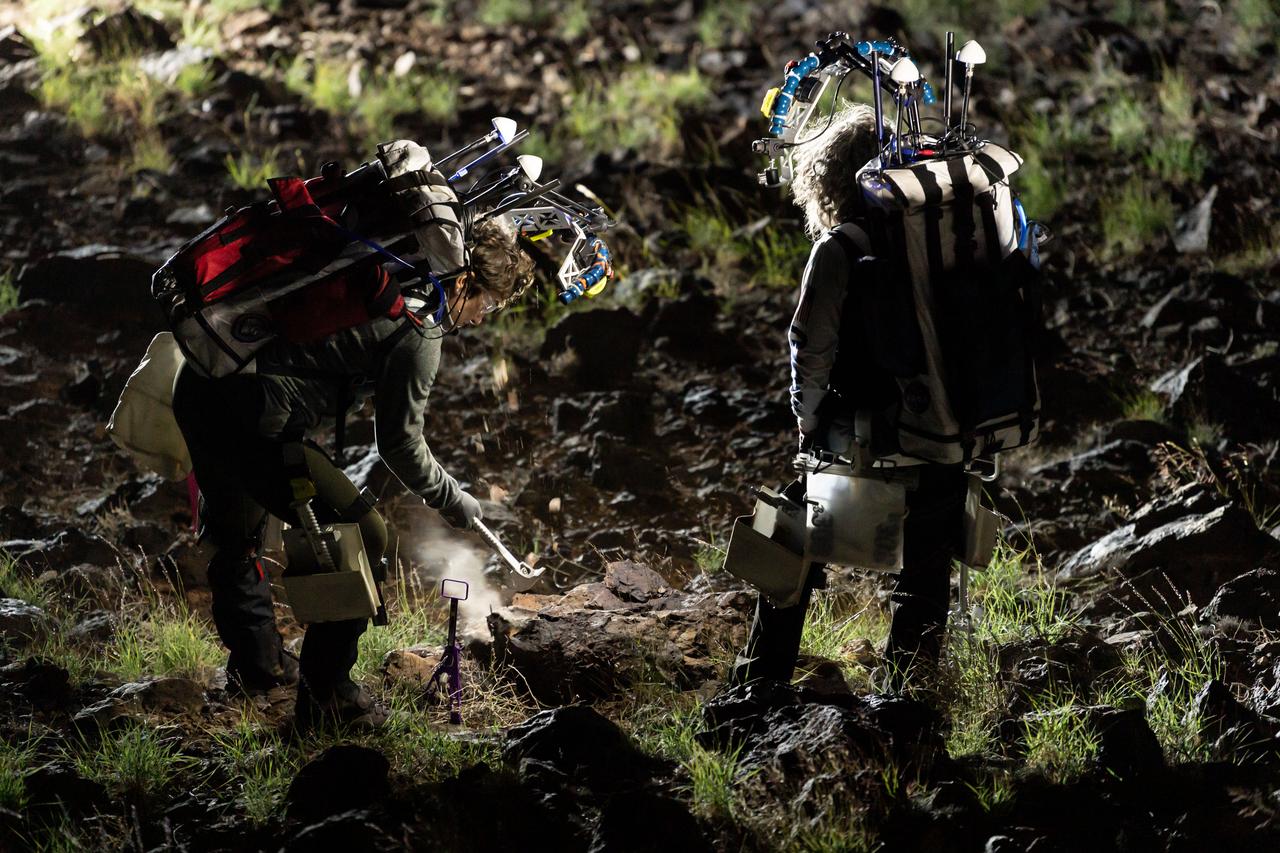
The Desert Research and Technology Studies (DesertRATS) is one of NASA’s analog missions to test hardware and operational scenarios in a remote environment with geographic similarities to the Moon and Mars. In October 2022, NASA evaluated rover design and operations, communications with the Mission Control Center and a Science Evaluation Room at NASA’s Johnson Space Center in Houston. A key element of the DesertRATS analog is the pressurized rover, a capability that is planned for astronaut surface exploration at the Moon and Mars. NASA has a study agreement with the Japan Aerospace Exploration Agency (JAXA) for development of the Artemis pressurized rover, and JAXA representatives joined NASA at DesertRATS.
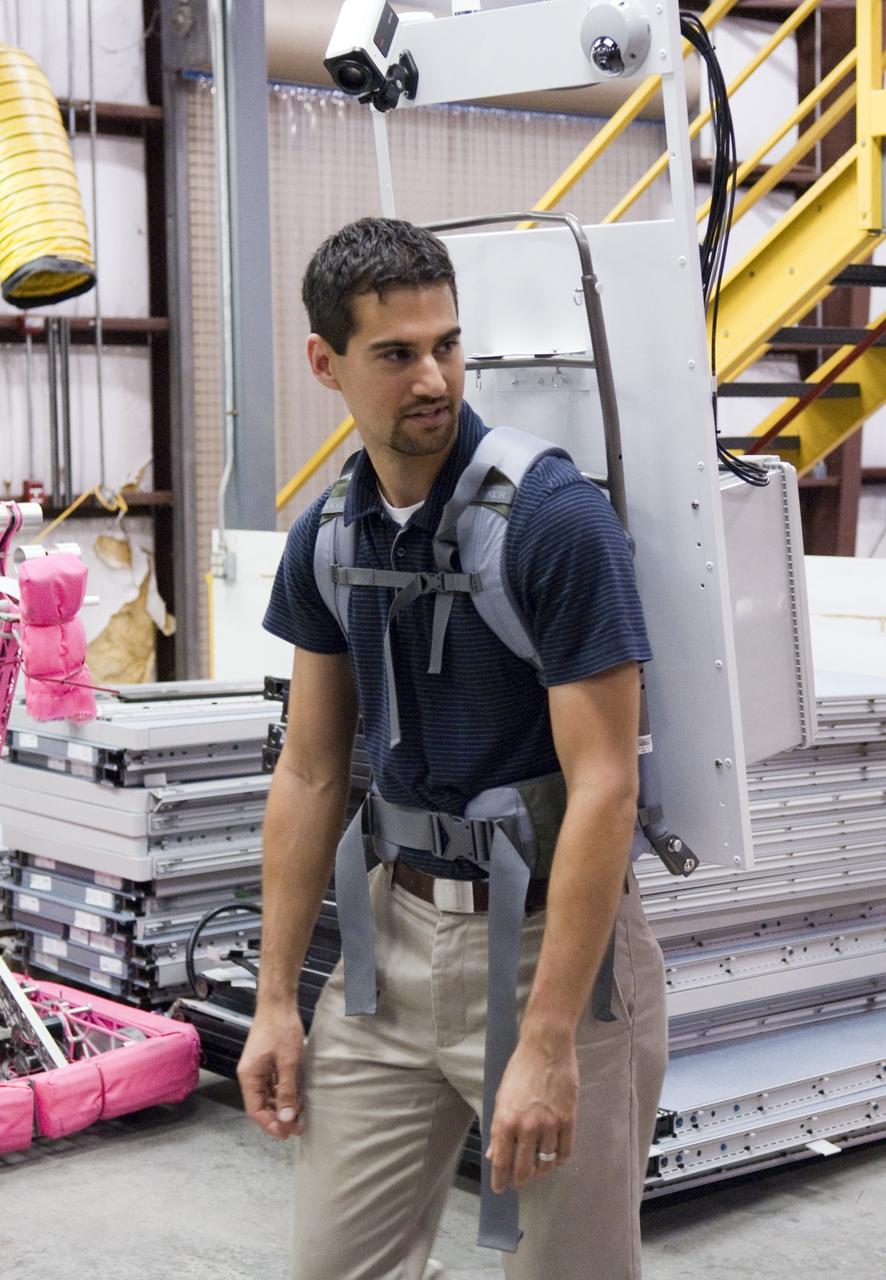
Mike Miller demonstrates one of the backpacks his team designed and built for the Desert Research and Technology Studies project's upcoming field test in Arizona. Miller led the team that developed the backpacks. The backpacks are equipped with GPS antennas, communications components and cameras. They are meant to show researchers what an astronaut might need to explore an alien world and give designers a look at the hardships the equipment could encounter. Photo credit: NASA/Frank Michaux
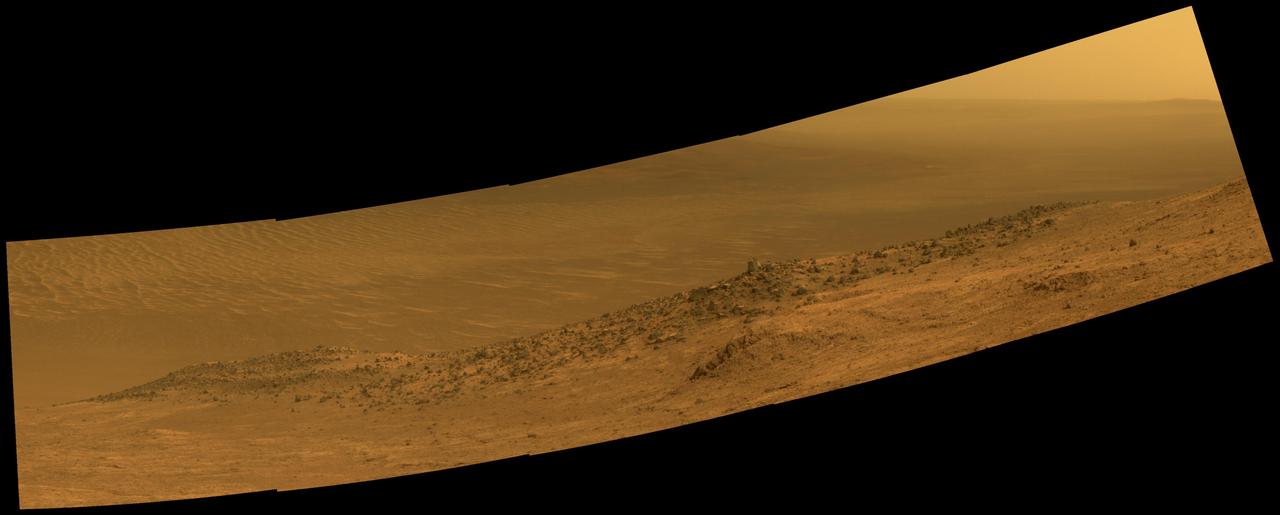
This scene from NASA's Mars Exploration Rover Opportunity shows "Wharton Ridge," which forms part of the southern wall of "Marathon Valley" on the western rim of Endeavour Crater. The full extent of Wharton Ridge is visible, with the floor of Endeavour Crater beyond it and the far wall of the crater in the distant background. Near the right edge of the scene is "Lewis and Clark Gap," through which Opportunity crossed from Marathon Valley to "Bitterroot Valley" in September 2016. Before the rover departed Marathon Valley, its panoramic camera (Pancam) acquired the component images for this scene on Aug. 30, 2016, during the 4,480th Martian day, or sol, of Opportunity's work on Mars. Opportunity's science team chose the ridge's name to honor the memory of Robert A. Wharton (1951-2012), an astrobiologist who was a pioneer in the use of terrestrial analog environments, particularly in Antarctica, to study scientific problems connected to the habitability of Mars. Over the course of his career, he was a visiting senior scientist at NASA Headquarters, vice president for research at the Desert Research Institute, provost at Idaho State University, and president of the South Dakota School of Mines and Technology. The view spans from east-northeast at left to southeast at right. It merges exposures taken through three of the Pancam's color filters, centered on wavelengths of 753 nanometers (near-infrared), 535 nanometers (green) and 432 nanometers (violet). It is presented in approximately true color. http://photojournal.jpl.nasa.gov/catalog/PIA20849
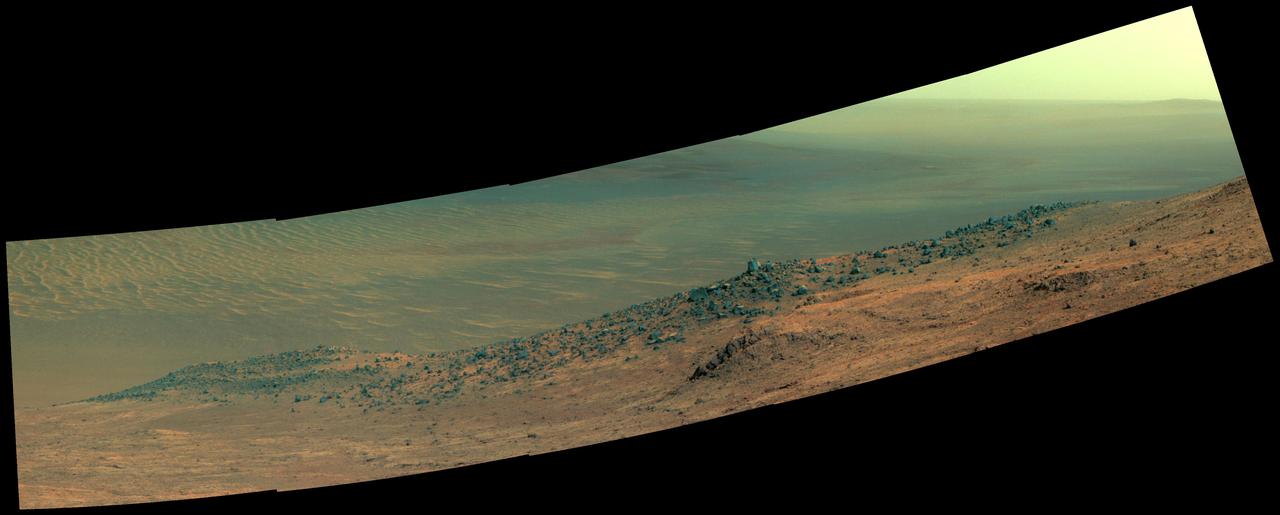
This scene from NASA's Mars Exploration Rover Opportunity shows "Wharton Ridge," which forms part of the southern wall of "Marathon Valley" on the western rim of Endeavour Crater. In this version of the scene the landscape is presented in enhanced color to make differences in surface materials more easily visible The full extent of Wharton Ridge is visible, with the floor of Endeavour Crater beyond it and the far wall of the crater in the distant background. Near the right edge of the scene is "Lewis and Clark Gap," through which Opportunity crossed from Marathon Valley to "Bitterroot Valley" in September 2016. Before the rover departed Marathon Valley, its panoramic camera (Pancam) acquired the component images for this scene on Aug. 30, 2016, during the 4,480th Martian day, or sol, of Opportunity's work on Mars. Opportunity's science team chose the ridge's name to honor the memory of Robert A. Wharton (1951-2012), an astrobiologist who was a pioneer in the use of terrestrial analog environments, particularly in Antarctica, to study scientific problems connected to the habitability of Mars. Over the course of his career, he was a visiting senior scientist at NASA Headquarters, vice president for research at the Desert Research Institute, provost at Idaho State University, and president of the South Dakota School of Mines and Technology. The view spans from east-northeast at left to southeast at right. Color in the scene comes from component images taken through three of the Pancam's color filters, centered on wavelengths of 753 nanometers (near-infrared), 535 nanometers (green) and 432 nanometers (violet). http://photojournal.jpl.nasa.gov/catalog/PIA20850