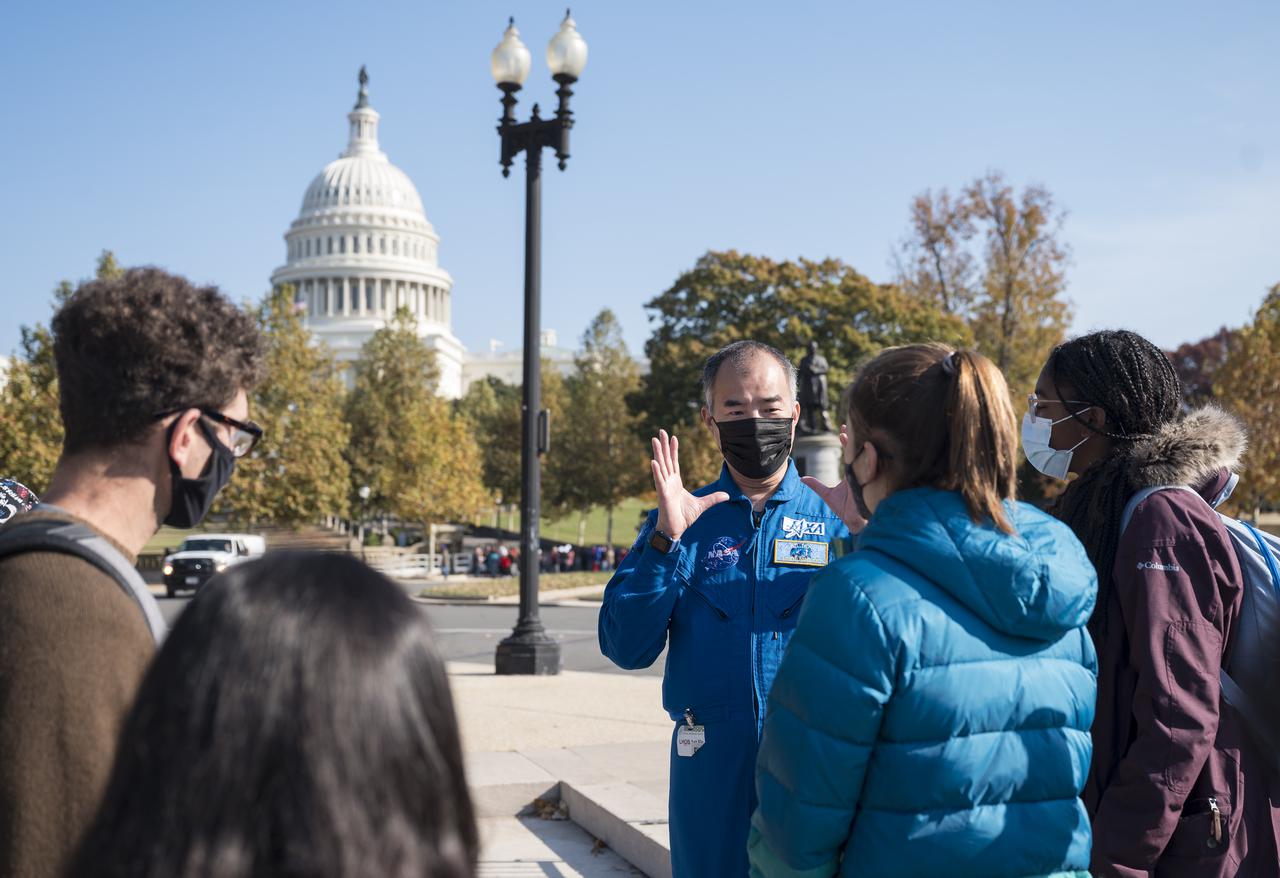
Japan Aerospace Exploration Agency (JAXA) astronaut Soichi Noguchi speaks with visitors at the Destination Station mobile exhibition on Capitol Hill, Wednesday, Nov. 17, 2021, in Washington. Noguchi and crew mates NASA astronauts Mike Hopkins, Victor Glover, and Shannon Walker, launched on the first crew rotation mission to the International Space Station for SpaceX’s Falcon 9 and Crew Dragon spacecraft as part of the agency’s Commercial Crew Program and spent 168 days in space across Expeditions 64 and 65. Photo Credit: (NASA/Aubrey Gemignani)
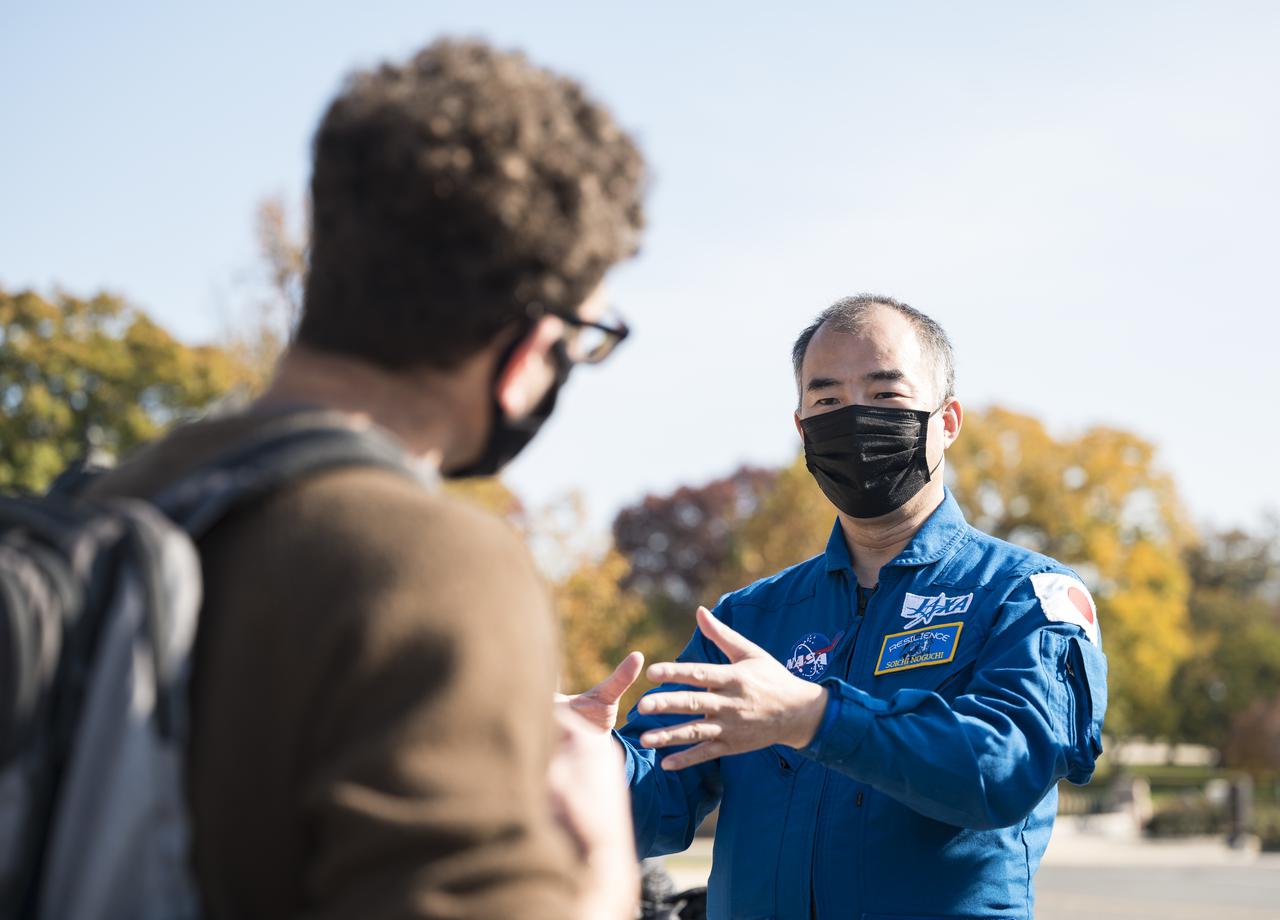
Japan Aerospace Exploration Agency (JAXA) astronaut Soichi Noguchi speaks with visitors at the Destination Station mobile exhibition on Capitol Hill, Wednesday, Nov. 17, 2021, in Washington. Noguchi and crew mates NASA astronauts Mike Hopkins, Victor Glover, and Shannon Walker, launched on the first crew rotation mission to the International Space Station for SpaceX’s Falcon 9 and Crew Dragon spacecraft as part of the agency’s Commercial Crew Program and spent 168 days in space across Expeditions 64 and 65. Photo Credit: (NASA/Aubrey Gemignani)
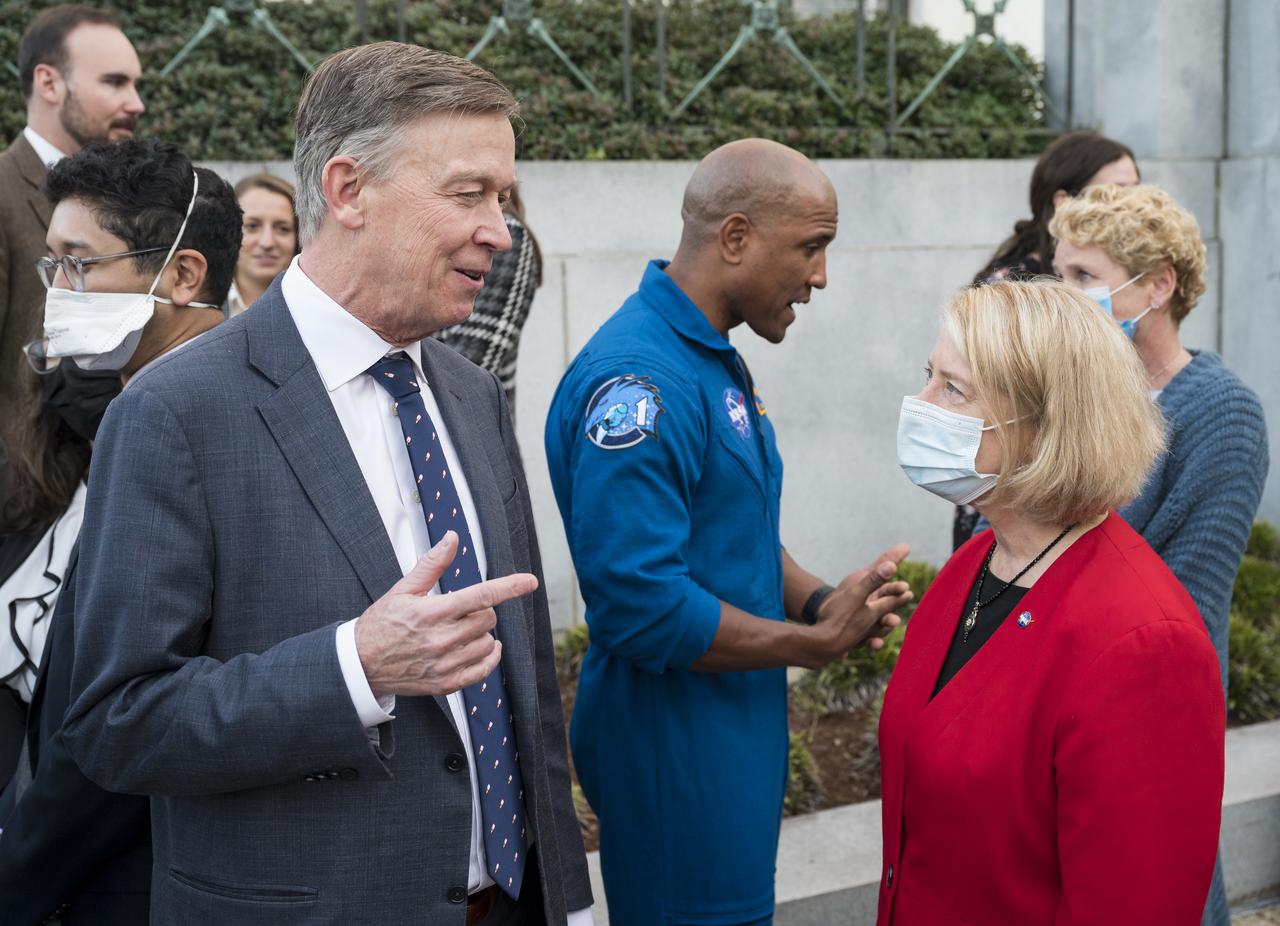
NASA Deputy Administrator Pam Melroy, right, speaks with Senator John Hickenlooper, D-Colo, at the Destination Station mobile exhibition on Capitol Hill, Wednesday, Nov. 17, 2021, in Washington. Photo Credit: (NASA/Aubrey Gemignani)
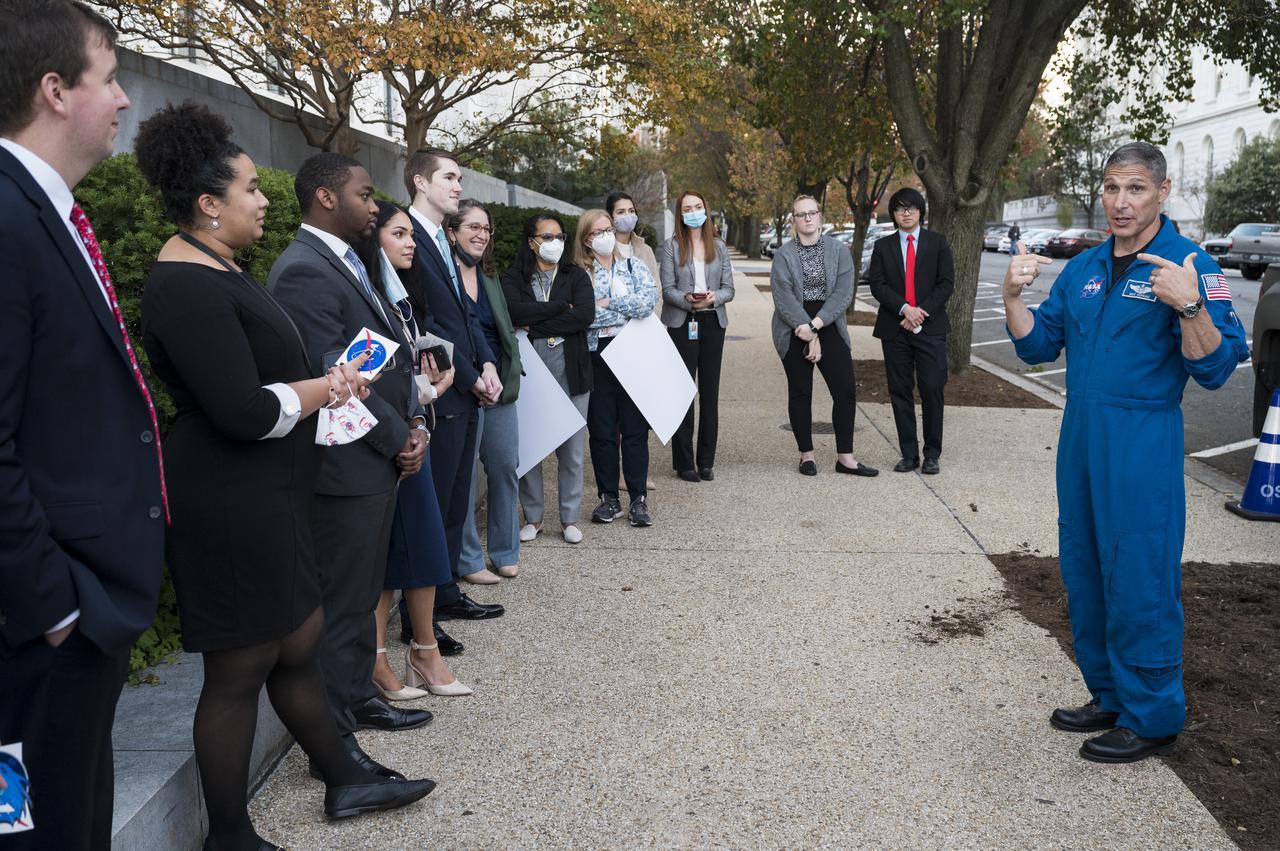
SpaceX Crew-1 NASA astronaut Mike Hopkins speaks with visitors at the Destination Station mobile exhibition on Capitol Hill, Wednesday, Nov. 17, 2021, in Washington. Hopkins, and NASA astronauts Shannon Walker and Victor Glover, and Japan Aerospace Exploration Agency (JAXA) astronaut Soichi Noguchi launched on the first crew rotation mission to the International Space Station for SpaceX’s Falcon 9 and Crew Dragon spacecraft as part of the agency’s Commercial Crew Program and spent 168 days in space across Expeditions 64 and 65. Photo Credit: (NASA/Aubrey Gemignani)
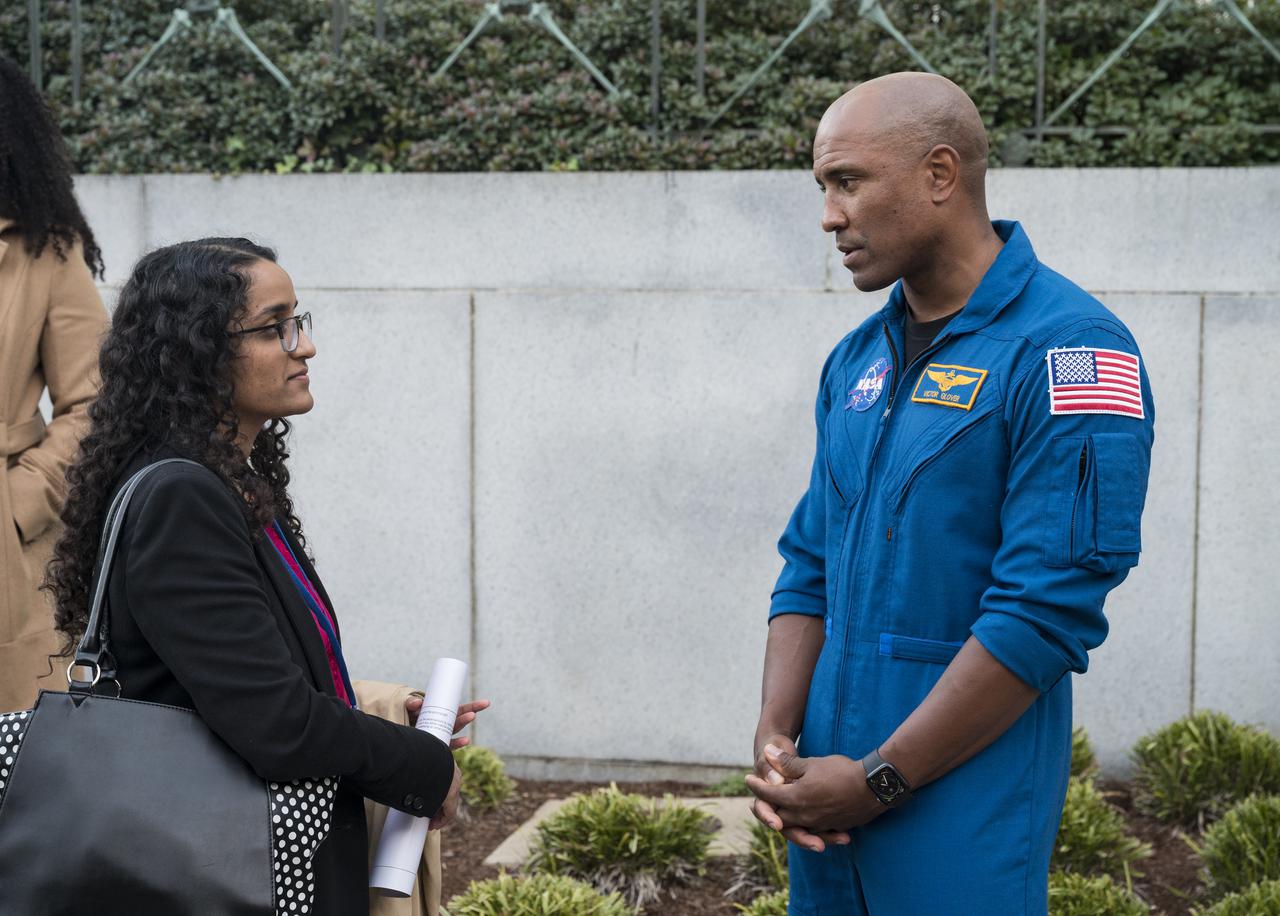
SpaceX Crew-1 NASA astronaut Victor Glover speaks with visitors at the Destination Station mobile exhibition on Capitol Hill, Wednesday, Nov. 17, 2021, in Washington. Glover, and NASA astronauts Mike Hopkins, and Shannon Walker, and Japan Aerospace Exploration Agency (JAXA) astronaut Soichi Noguchi launched on the first crew rotation mission to the International Space Station for SpaceX’s Falcon 9 and Crew Dragon spacecraft as part of the agency’s Commercial Crew Program and spent 168 days in space across Expeditions 64 and 65. Photo Credit: (NASA/Aubrey Gemignani)
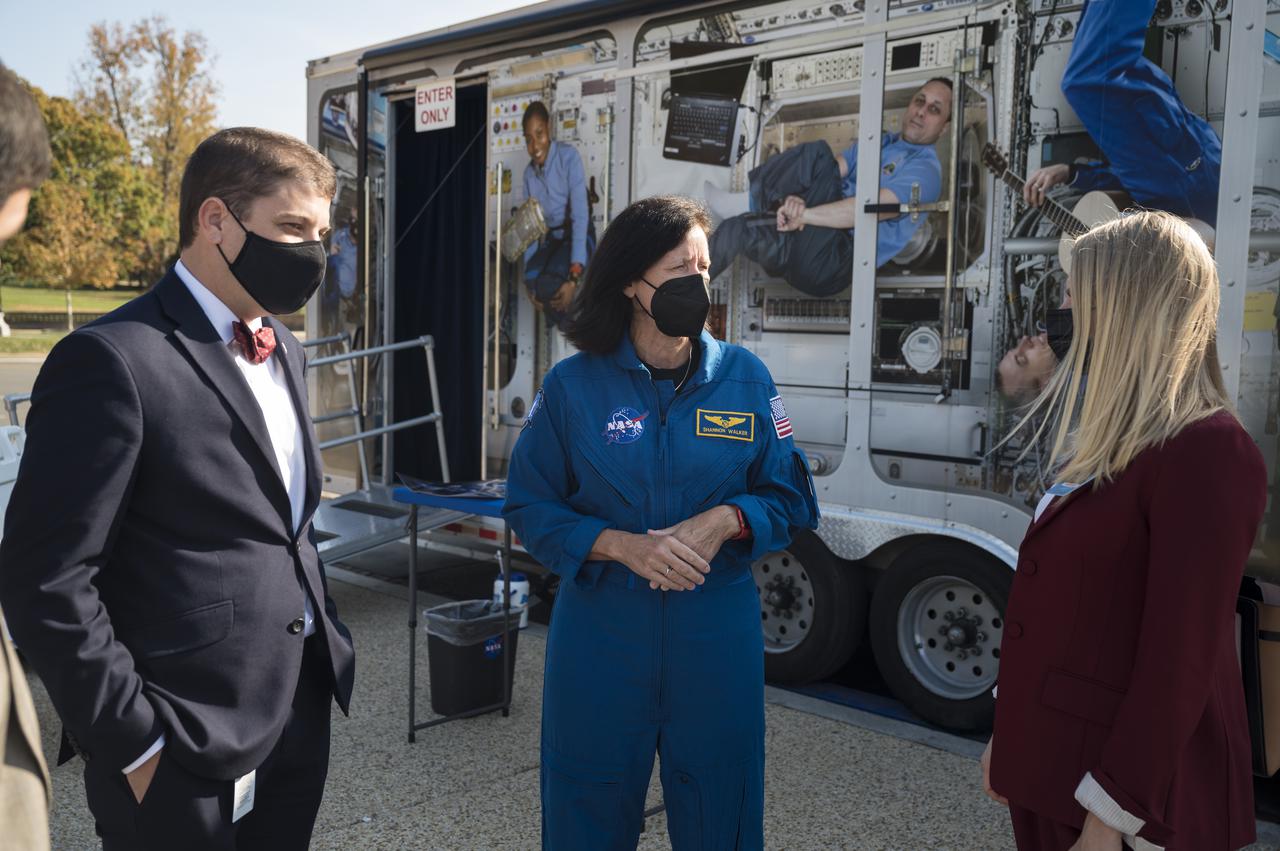
SpaceX Crew-1 NASA astronaut Shannon Walker speaks with visitors at the Destination Station mobile exhibition on Capitol Hill, Wednesday, Nov. 17, 2021, in Washington. Walker, and NASA astronauts Mike Hopkins, and Victor Glover, and Japan Aerospace Exploration Agency (JAXA) astronaut Soichi Noguchi launched on the first crew rotation mission to the International Space Station for SpaceX’s Falcon 9 and Crew Dragon spacecraft as part of the agency’s Commercial Crew Program and spent 168 days in space across Expeditions 64 and 65. Photo Credit: (NASA/Aubrey Gemignani)
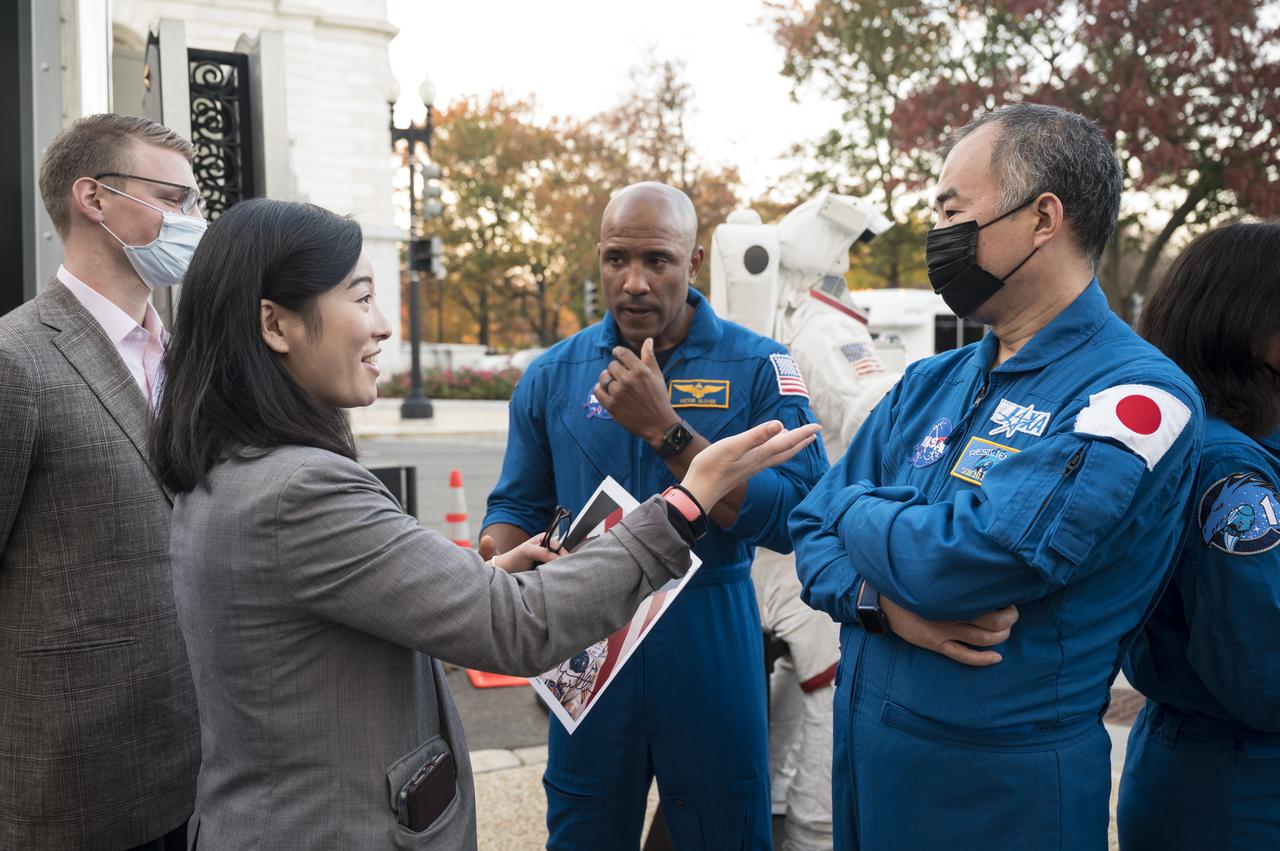
SpaceX Crew-1 NASA astronaut Victor Glover, center, and Japan Aerospace Exploration Agency (JAXA) astronaut Soichi Noguchi, right, speak with visitors at the Destination Station mobile exhibition on Capitol Hill, Wednesday, Nov. 17, 2021, in Washington.Glover, Noguchi, and NASA astronauts Mike Hopkins and Shannon Walker, launched on the first crew rotation mission to the International Space Station for SpaceX’s Falcon 9 and Crew Dragon spacecraft as part of the agency’s Commercial Crew Program and spent 168 days in space across Expeditions 64 and 65. Photo Credit: (NASA/Aubrey Gemignani)
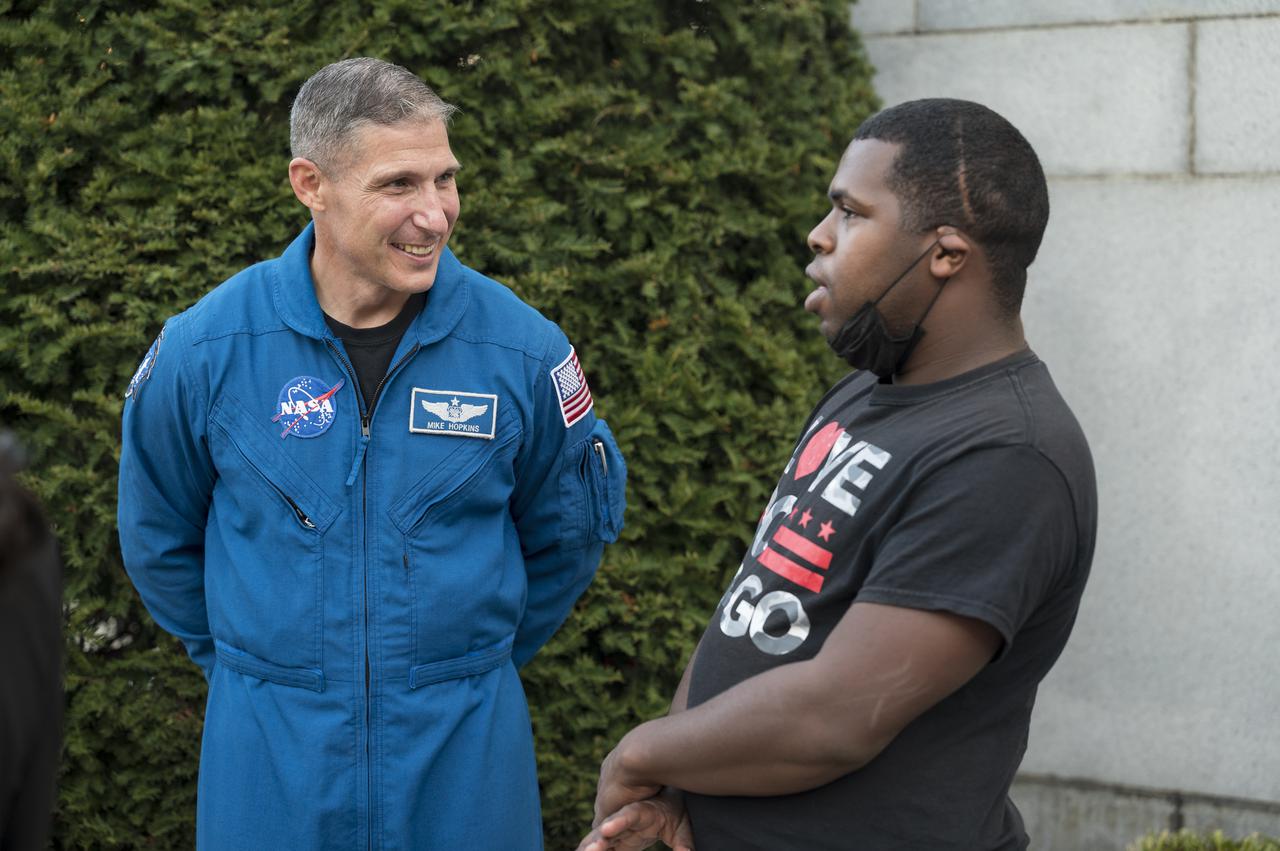
SpaceX Crew-1 NASA astronaut Mike Hopkins speaks with visitors at the Destination Station mobile exhibition on Capitol Hill, Wednesday, Nov. 17, 2021, in Washington. Hopkins and NASA astronauts Shannon Walker and Victor Glover, and Japan Aerospace Exploration Agency (JAXA) astronaut Soichi Noguchi launched on the first crew rotation mission to the International Space Station for SpaceX’s Falcon 9 and Crew Dragon spacecraft as part of the agency’s Commercial Crew Program and spent 168 days in space across Expeditions 64 and 65. Photo Credit: (NASA/Aubrey Gemignani)
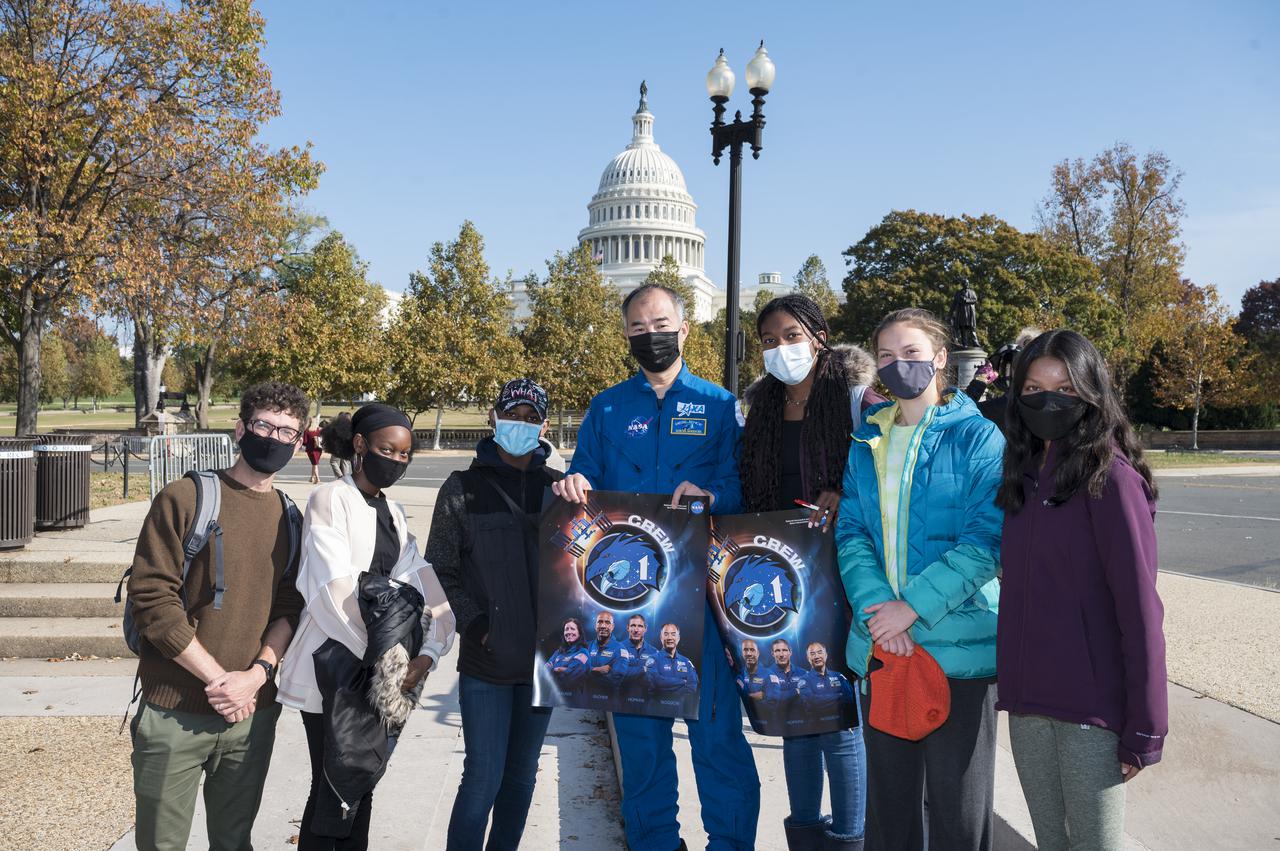
Japan Aerospace Exploration Agency (JAXA) astronaut Soichi Noguchi poses for a photo with visitors at the Destination Station mobile exhibition on Capitol Hill, Wednesday, Nov. 17, 2021, in Washington. Noguchi and crew mates NASA astronauts Mike Hopkins, Victor Glover, and Shannon Walker, launched on the first crew rotation mission to the International Space Station for SpaceX’s Falcon 9 and Crew Dragon spacecraft as part of the agency’s Commercial Crew Program and spent 168 days in space across Expeditions 64 and 65. Photo Credit: (NASA/Aubrey Gemignani)
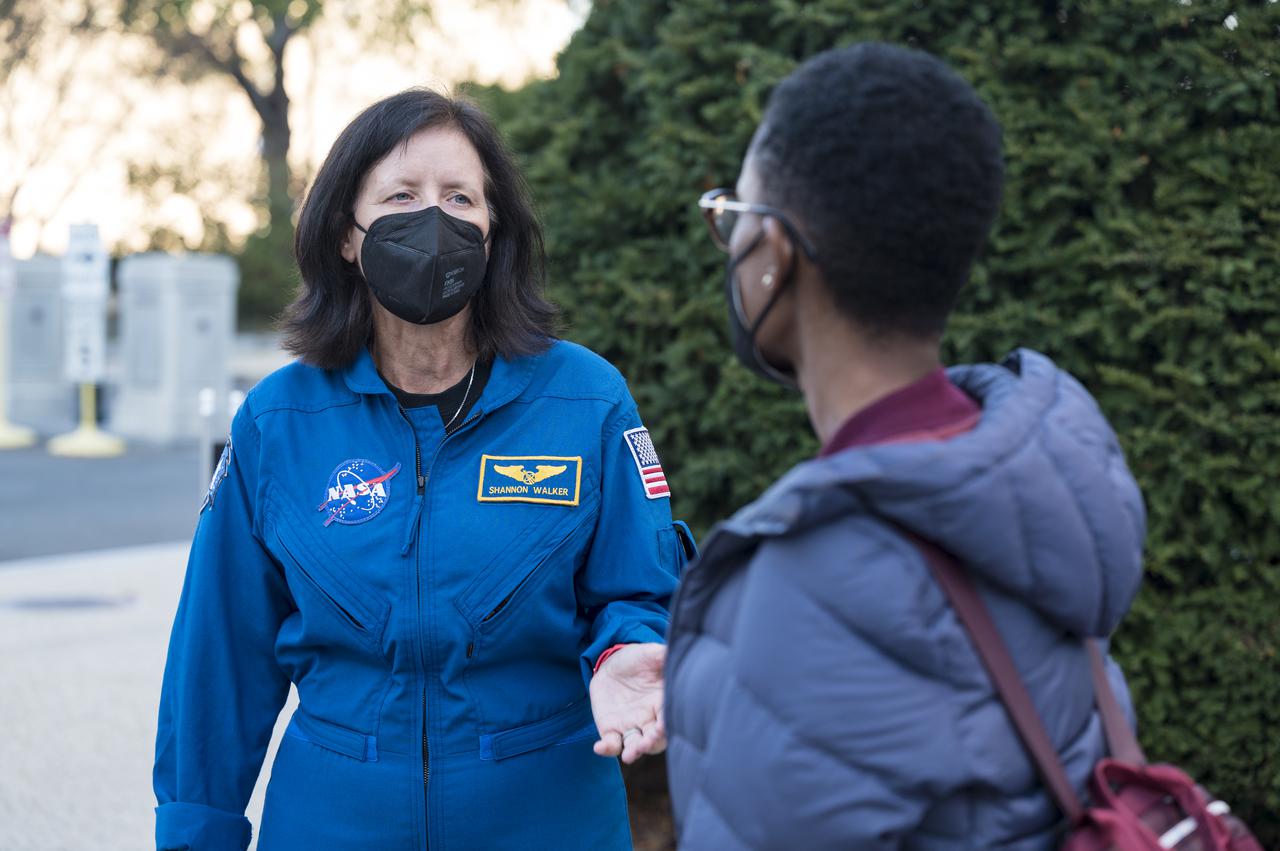
SpaceX Crew-1 NASA astronaut Shannon Walker speaks with visitors at the Destination Station mobile exhibition on Capitol Hill, Wednesday, Nov. 17, 2021, in Washington. Walker, and NASA astronauts Mike Hopkins, and Victor Glover, and Japan Aerospace Exploration Agency (JAXA) astronaut Soichi Noguchi launched on the first crew rotation mission to the International Space Station for SpaceX’s Falcon 9 and Crew Dragon spacecraft as part of the agency’s Commercial Crew Program and spent 168 days in space across Expeditions 64 and 65. Photo Credit: (NASA/Aubrey Gemignani)

SpaceX Crew-1 NASA astronaut Victor Glover speaks with visitors at the Destination Station mobile exhibition on Capitol Hill, Wednesday, Nov. 17, 2021, in Washington. Glover, and NASA astronauts Mike Hopkins, and Shannon Walker, and Japan Aerospace Exploration Agency (JAXA) astronaut Soichi Noguchi launched on the first crew rotation mission to the International Space Station for SpaceX’s Falcon 9 and Crew Dragon spacecraft as part of the agency’s Commercial Crew Program and spent 168 days in space across Expeditions 64 and 65. Photo Credit: (NASA/Aubrey Gemignani)
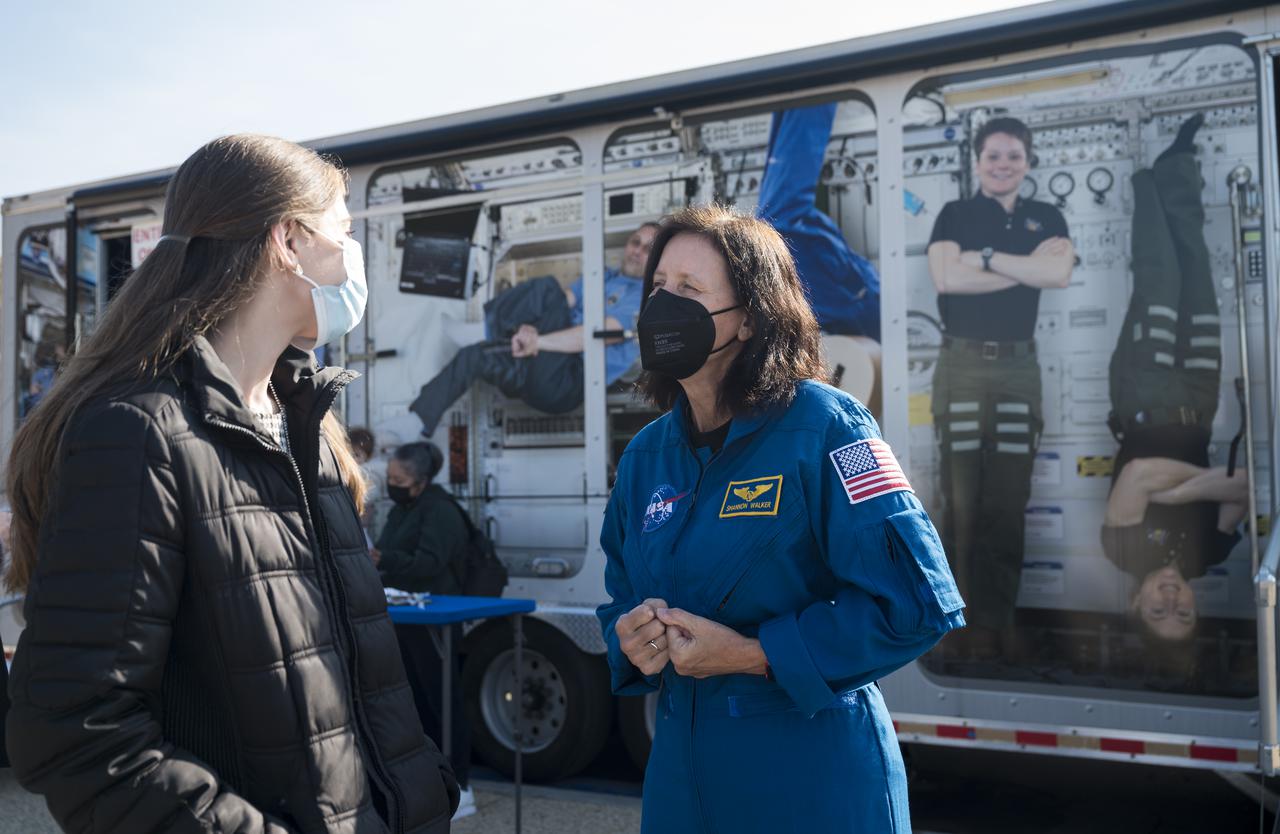
SpaceX Crew-1 NASA astronaut Shannon Walker speaks with visitors at the Destination Station mobile exhibition on Capitol Hill, Wednesday, Nov. 17, 2021, in Washington. Walker, and NASA astronauts Mike Hopkins, and Victor Glover, and Japan Aerospace Exploration Agency (JAXA) astronaut Soichi Noguchi launched on the first crew rotation mission to the International Space Station for SpaceX’s Falcon 9 and Crew Dragon spacecraft as part of the agency’s Commercial Crew Program and spent 168 days in space across Expeditions 64 and 65. Photo Credit: (NASA/Aubrey Gemignani)
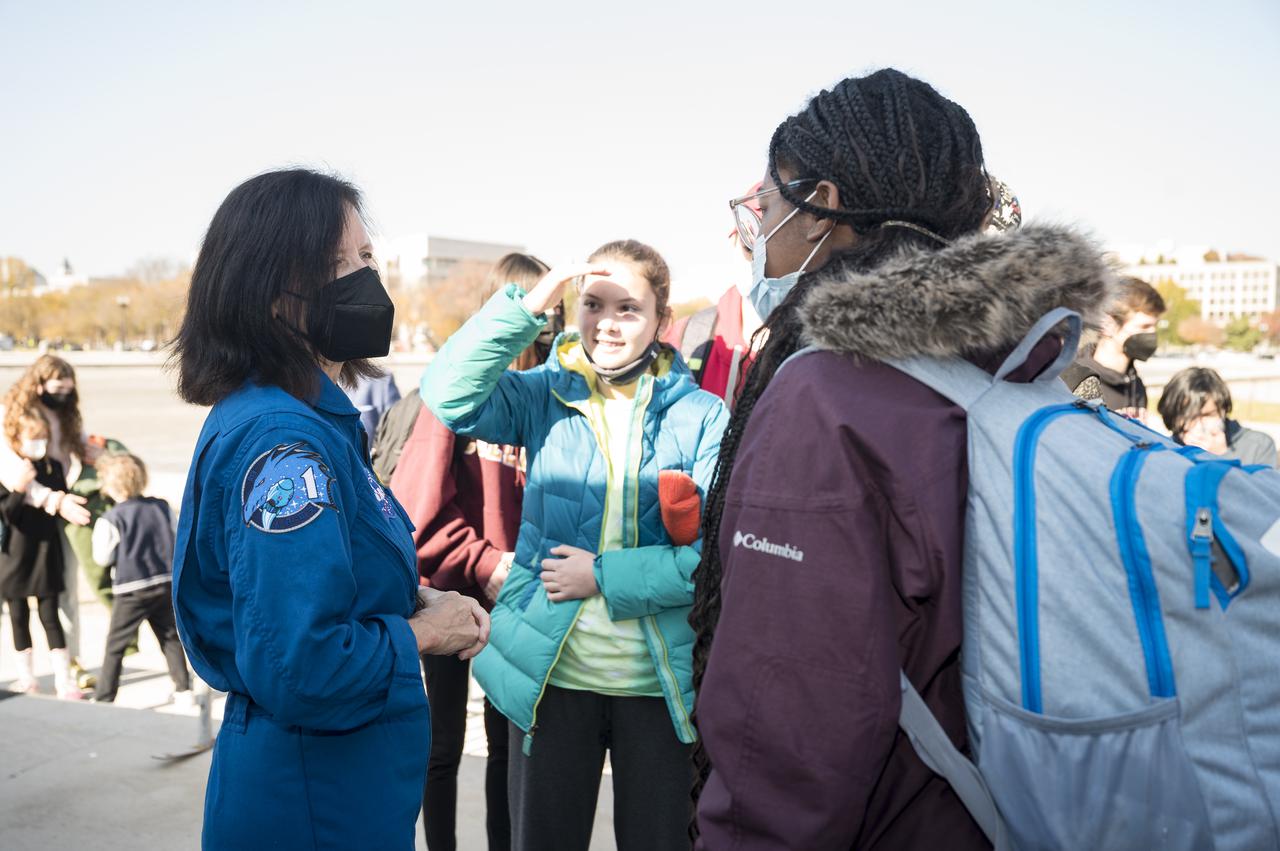
SpaceX Crew-1 NASA astronaut Shannon Walker speaks with visitors at the Destination Station mobile exhibition on Capitol Hill, Wednesday, Nov. 17, 2021, in Washington. Walker, and NASA astronauts Mike Hopkins, and Victor Glover, and Japan Aerospace Exploration Agency (JAXA) astronaut Soichi Noguchi launched on the first crew rotation mission to the International Space Station for SpaceX’s Falcon 9 and Crew Dragon spacecraft as part of the agency’s Commercial Crew Program and spent 168 days in space across Expeditions 64 and 65. Photo Credit: (NASA/Aubrey Gemignani)
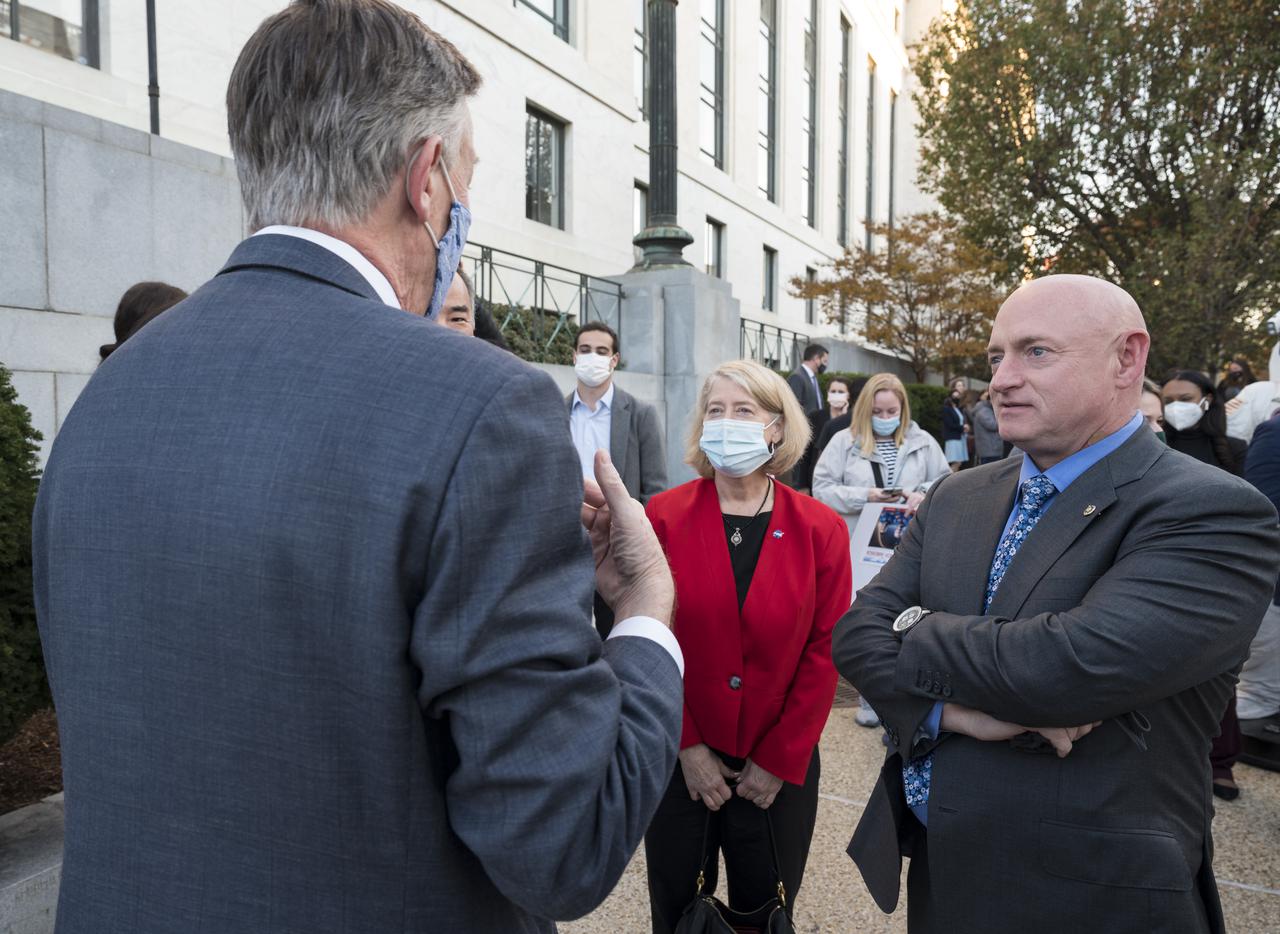
NASA Deputy Administrator Pam Melroy, center, and former astronaut and Senator Mark Kelly, D-Ariz., right, speak with Senator John Hickenlooper, D-Colo, at the Destination Station mobile exhibition on Capitol Hill, Wednesday, Nov. 17, 2021, in Washington. Photo Credit: (NASA/Aubrey Gemignani)
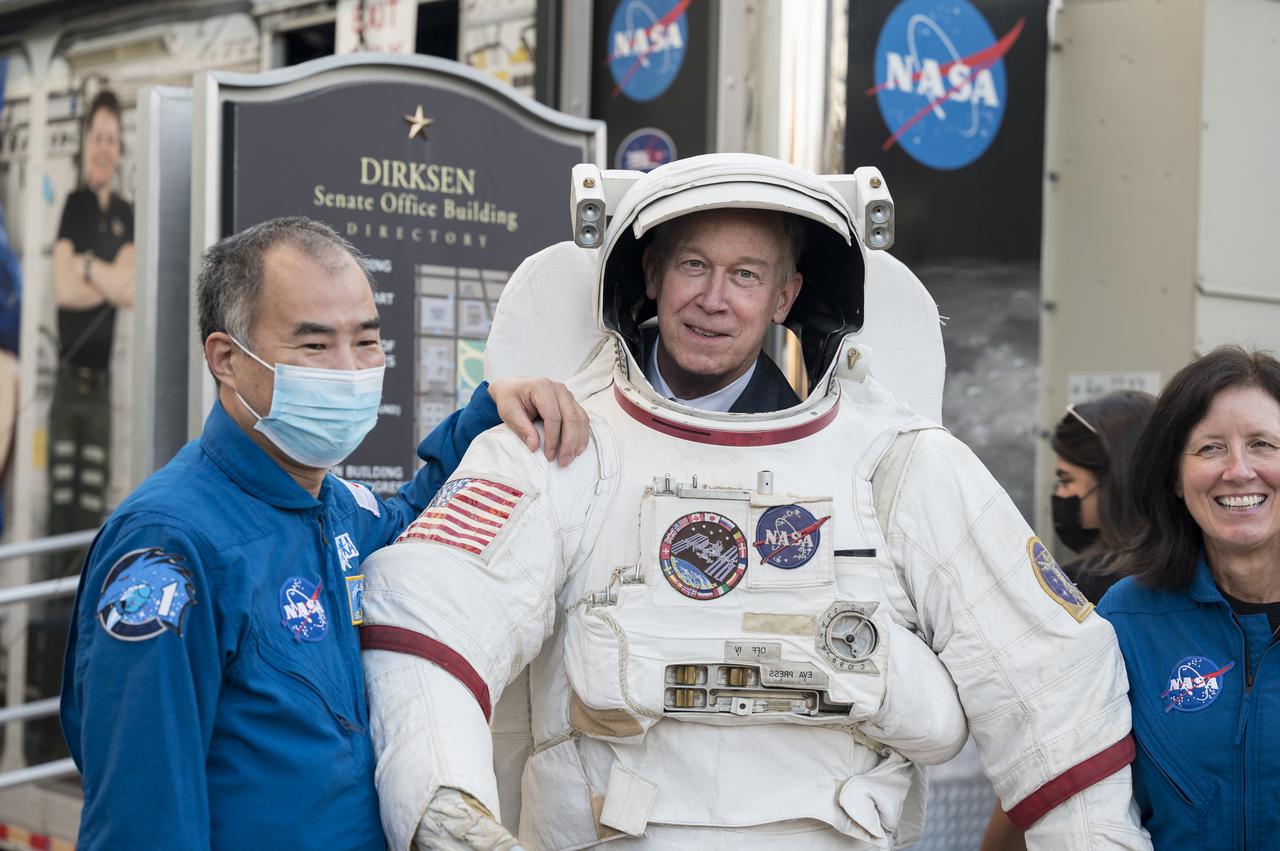
SpaceX Crew-1 Japan Aerospace Exploration Agency (JAXA) astronaut Soichi Noguchi, left, and NASA astronaut Shannon Walker, right, pose for a photo with Senator John Hickenlooper, D-Colo, at the Destination Station mobile exhibition on Capitol Hill, Wednesday, Nov. 17, 2021, in Washington. Walker, Noguchi, and NASA astronauts Mike Hopkins and Victor Glover launched on the first crew rotation mission to the International Space Station for SpaceX’s Falcon 9 and Crew Dragon spacecraft as part of the agency’s Commercial Crew Program and spent 168 days in space across Expeditions 64 and 65. Photo Credit: (NASA/Aubrey Gemignani)
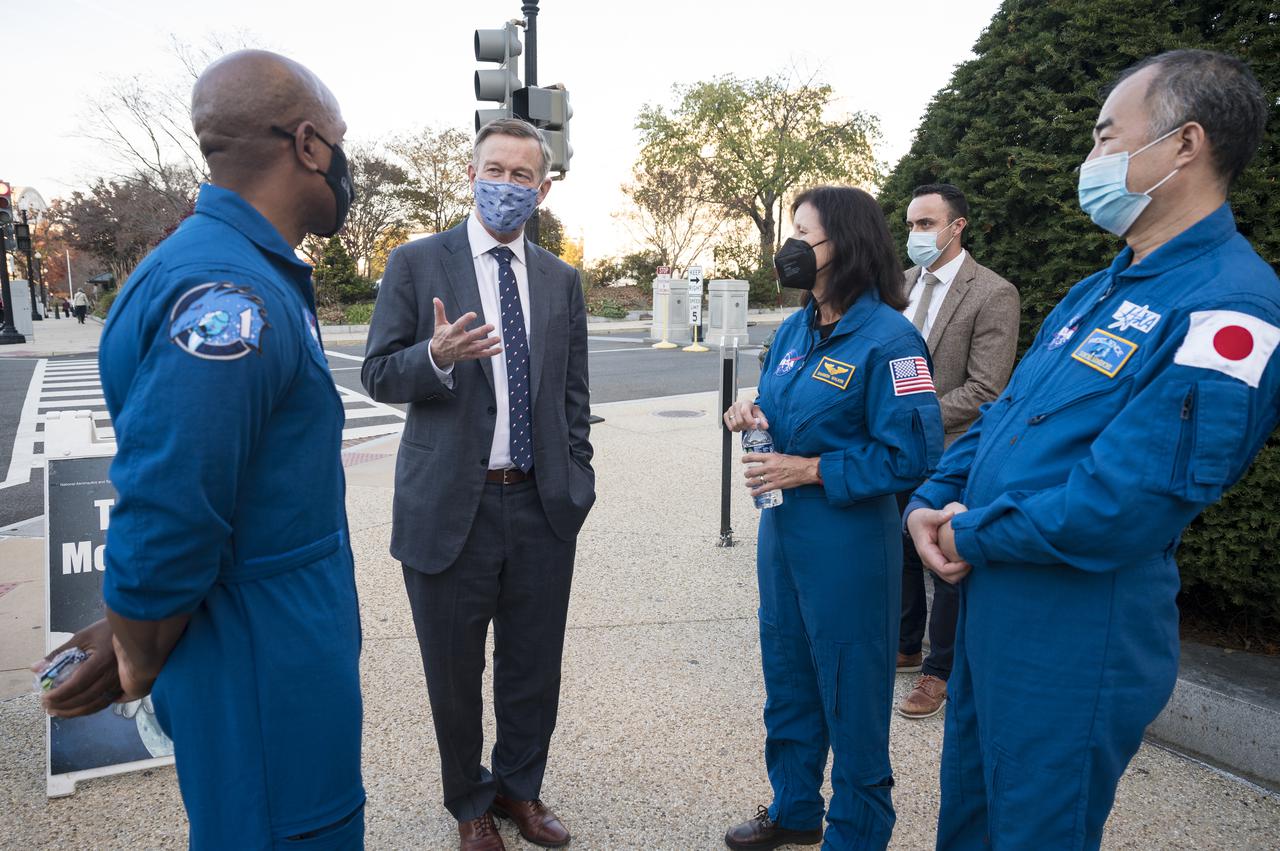
SpaceX Crew-1 NASA astronauts Victor Glover, left, and Shannon Walker, second from right, and Japan Aerospace Exploration Agency (JAXA) astronaut Soichi Noguchi, right, speak with Senator John Hickenlooper, D-Colo, at the Destination Station mobile exhibition on Capitol Hill, Wednesday, Nov. 17, 2021, in Washington. Walker, Glover, Noguchi, and NASA astronaut Mike Hopkins, launched on the first crew rotation mission to the International Space Station for SpaceX’s Falcon 9 and Crew Dragon spacecraft as part of the agency’s Commercial Crew Program and spent 168 days in space across Expeditions 64 and 65. Photo Credit: (NASA/Aubrey Gemignani)
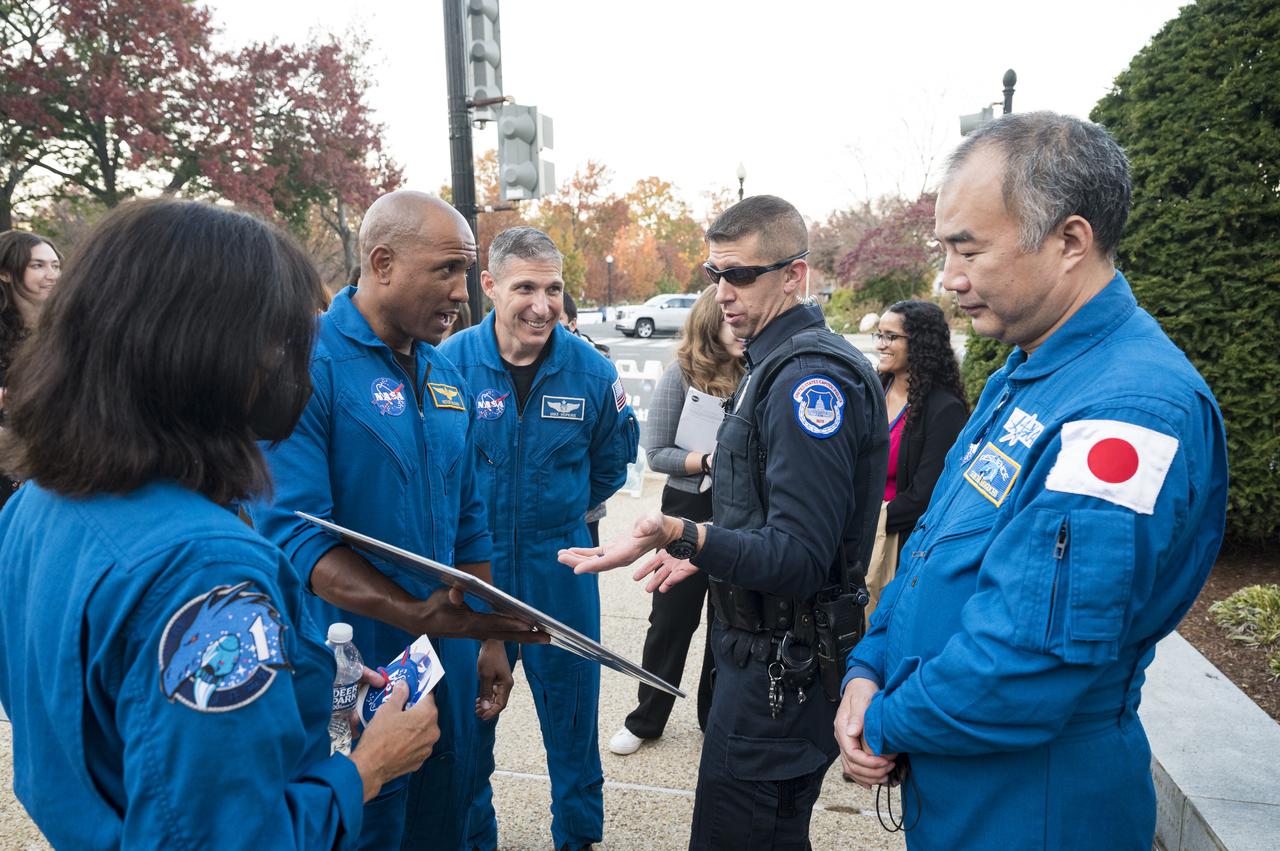
SpaceX Crew-1 NASA astronauts, from left to right, Shannon Walker, Victor Glover, Mike Hopkins, and Japan Aerospace Exploration Agency (JAXA) astronaut Soichi Noguchi, right, presents a montage from their mission to Capitol Police officer Jason Conlon at the Destination Station mobile exhibition on Capitol Hill, Wednesday, Nov. 17, 2021, in Washington. Walker, Glover, Hopkins, and Noguchi launched on the first crew rotation mission to the International Space Station for SpaceX’s Falcon 9 and Crew Dragon spacecraft as part of the agency’s Commercial Crew Program and spent 168 days in space across Expeditions 64 and 65. Photo Credit: (NASA/Aubrey Gemignani)
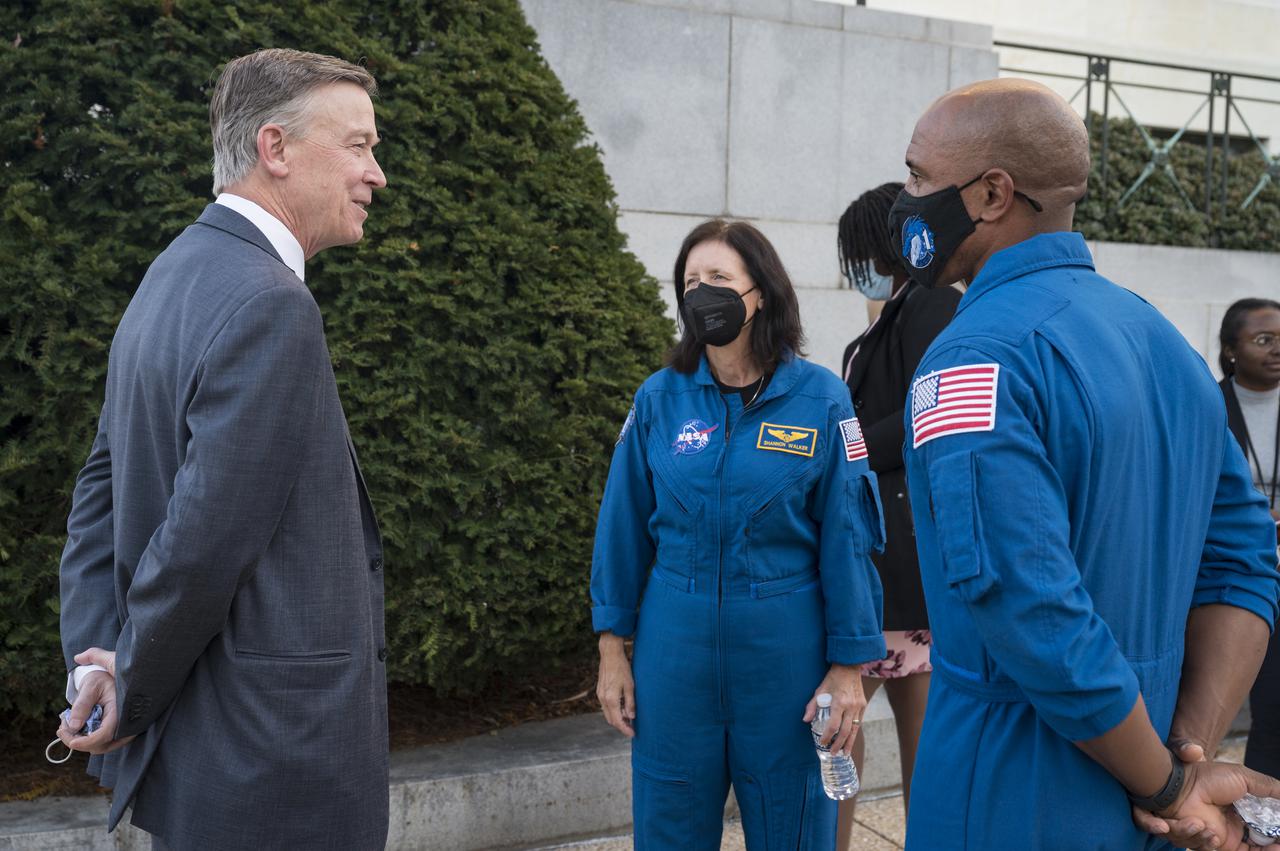
SpaceX Crew-1 NASA astronauts Shannon Walker, center, and Victor Glover, right, speak with Senator John Hickenlooper, D-Colo, at the Destination Station mobile exhibition on Capitol Hill, Wednesday, Nov. 17, 2021, in Washington. Walker, Glover, NASA astronaut Mike Hopkins, and Japan Aerospace Exploration Agency (JAXA) astronaut Soichi Noguchi launched on the first crew rotation mission to the International Space Station for SpaceX’s Falcon 9 and Crew Dragon spacecraft as part of the agency’s Commercial Crew Program and spent 168 days in space across Expeditions 64 and 65. Photo Credit: (NASA/Aubrey Gemignani)
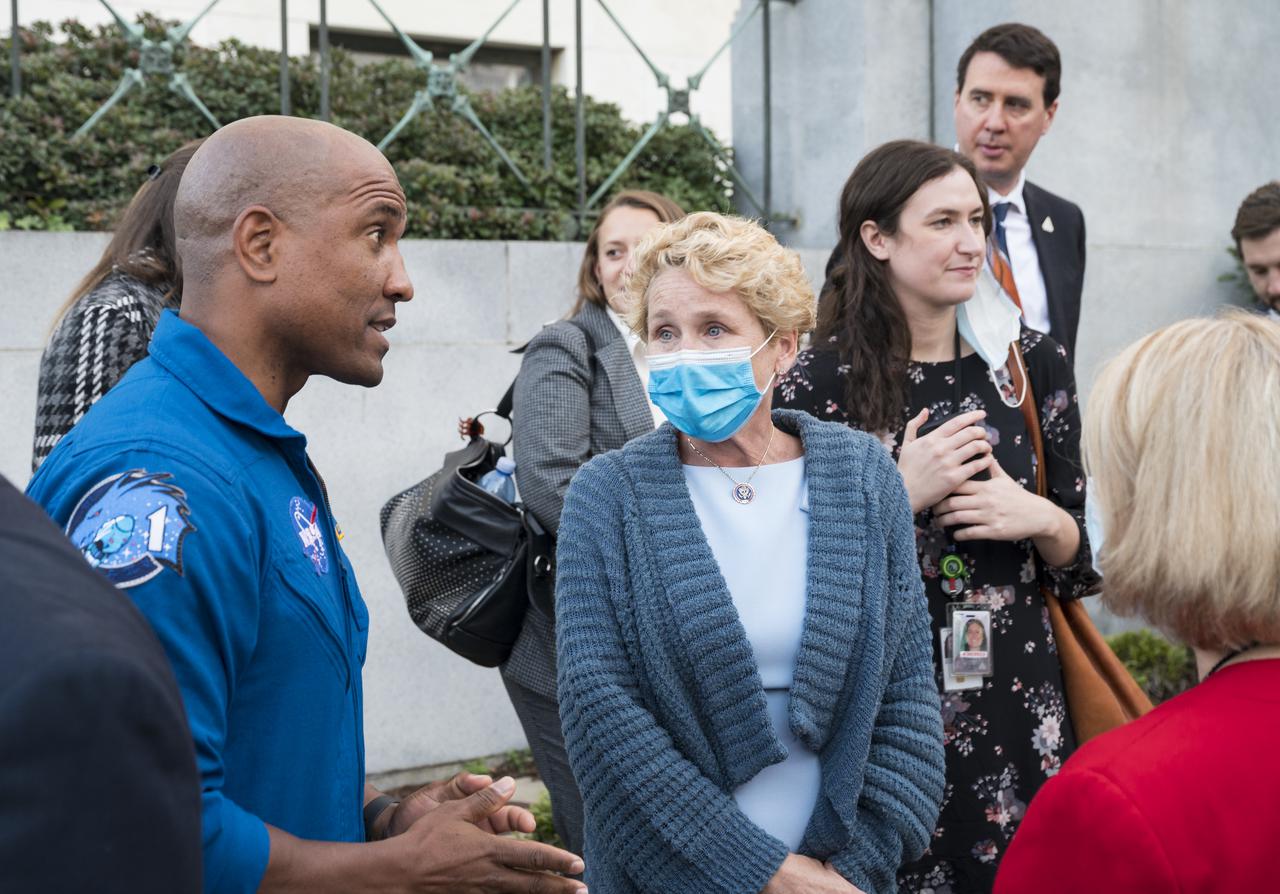
SpaceX Crew-1 NASA astronaut Victor Glover, left, speaks with Rep. Chrissy Houlahan, D-Pa., center, and NASA Deputy Administrator Pam Melroy, at the Destination Station mobile exhibition on Capitol Hill, Wednesday, Nov. 17, 2021, in Washington. Glover, and NASA astronauts Mike Hopkins, and Shannon Walker, and Japan Aerospace Exploration Agency (JAXA) astronaut Soichi Noguchi launched on the first crew rotation mission to the International Space Station for SpaceX’s Falcon 9 and Crew Dragon spacecraft as part of the agency’s Commercial Crew Program and spent 168 days in space across Expeditions 64 and 65. Photo Credit: (NASA/Aubrey Gemignani)
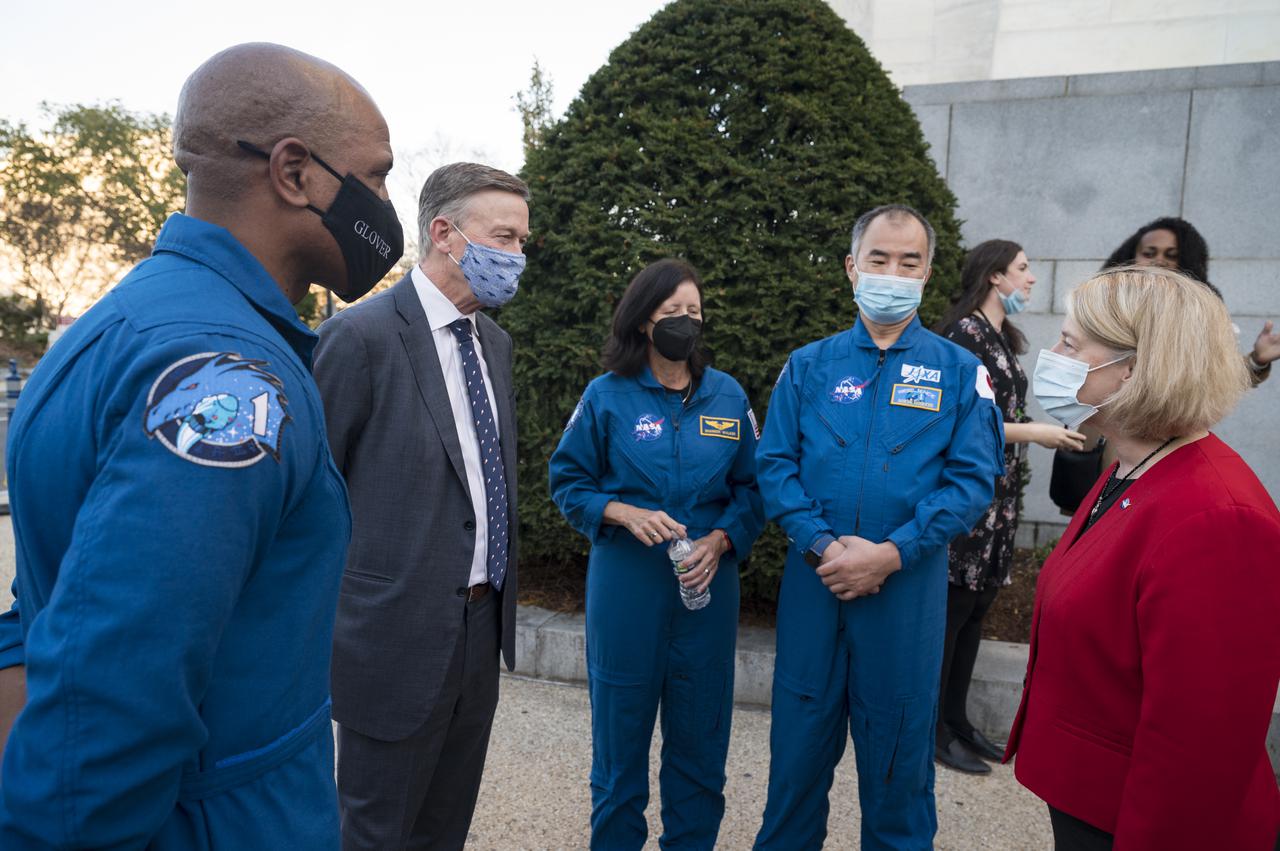
NASA Deputy Administrator Pam Melroy, right, SpaceX Crew-1 NASA astronauts Victor Glover, left, and Shannon Walker, third from right, and Japan Aerospace Exploration Agency (JAXA) astronaut Soichi Noguchi, second from right, speak with Senator John Hickenlooper, D-Colo, at the Destination Station mobile exhibition on Capitol Hill, Wednesday, Nov. 17, 2021, in Washington. Walker, Glover, Noguchi, and NASA astronaut Mike Hopkins, launched on the first crew rotation mission to the International Space Station for SpaceX’s Falcon 9 and Crew Dragon spacecraft as part of the agency’s Commercial Crew Program and spent 168 days in space across Expeditions 64 and 65. Photo Credit: (NASA/Aubrey Gemignani)
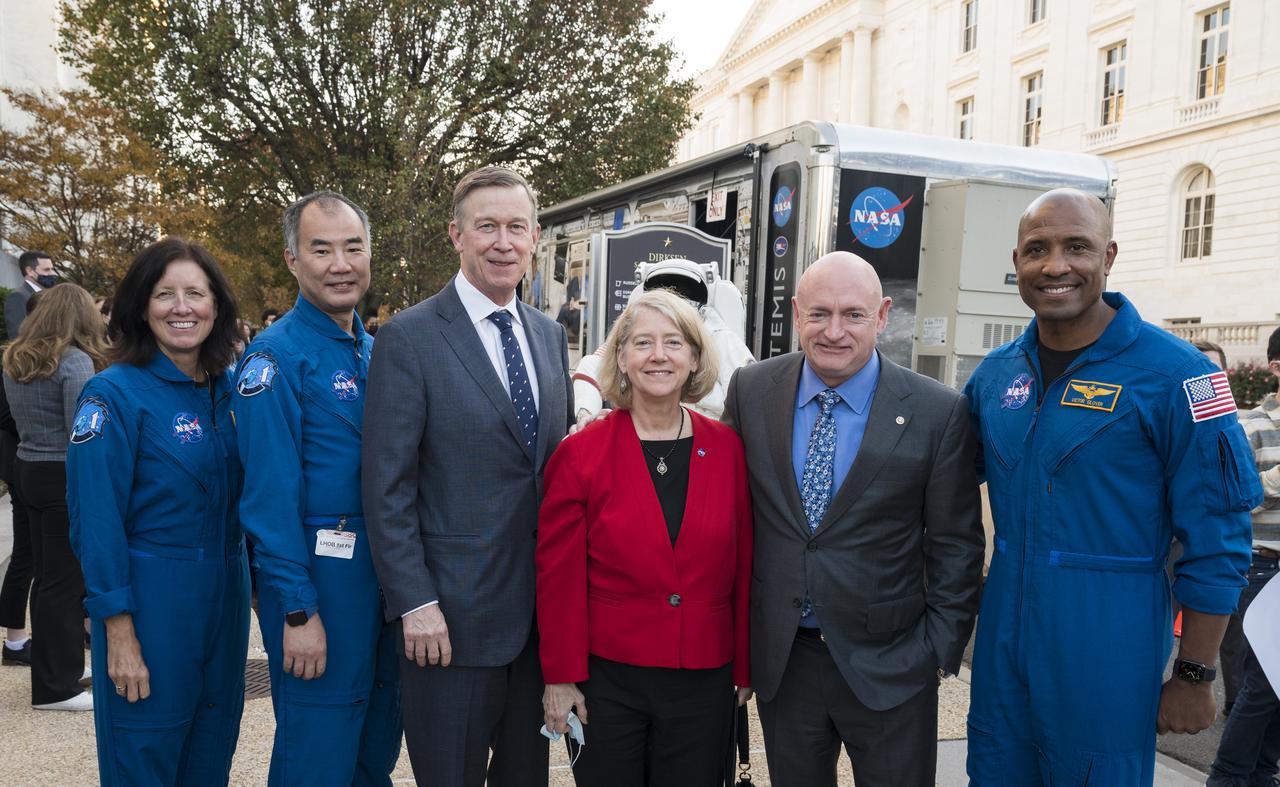
From left to right, SpaceX Crew-1 NASA astronaut Shannon Walker, Japan Aerospace Exploration Agency (JAXA) astronaut Soichi Noguchi, Senator John Hickenlooper, D-Colo, NASA Deputy Administrator Pam Melroy, Senator Mark Kelly, D-Ariz., and NASA astronaut Victor Glover, pose for a photo at the Destination Station mobile exhibition on Capitol Hill, Wednesday, Nov. 17, 2021, in Washington. Walker, Glover, Noguchi, and NASA astronaut Mike Hopkins, launched on the first crew rotation mission to the International Space Station for SpaceX’s Falcon 9 and Crew Dragon spacecraft as part of the agency’s Commercial Crew Program and spent 168 days in space across Expeditions 64 and 65. Photo Credit: (NASA/Aubrey Gemignani)
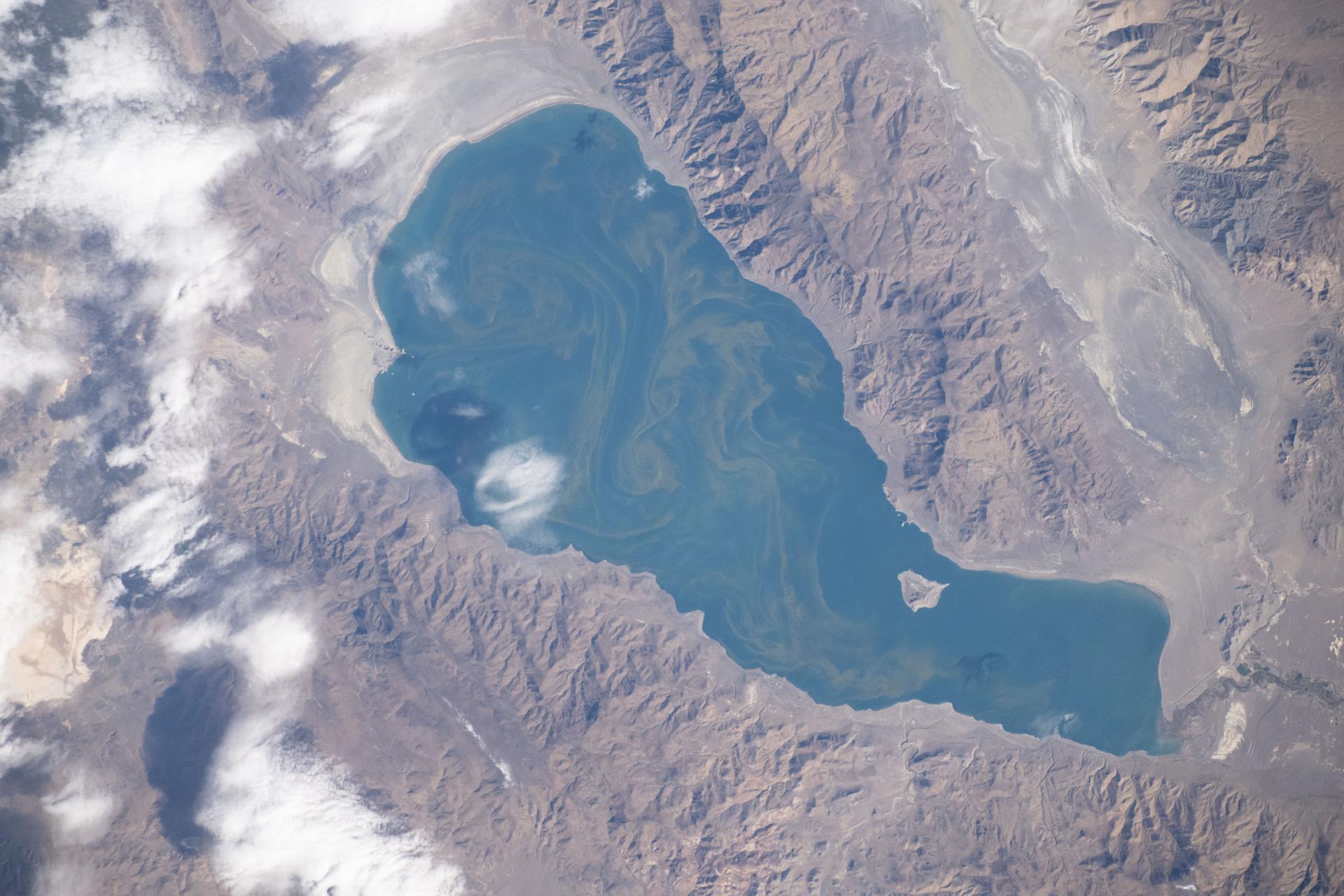
iss073e0919979 (Oct. 19, 2025) --- Pyramid Lake, located northeast of Reno, Nevada, is pictured from the International Space Station as it orbited 265 miles above North America. Surrounded by dramatic desert terrain, the lake is a popular destination for fishing, camping, and birdwatching.
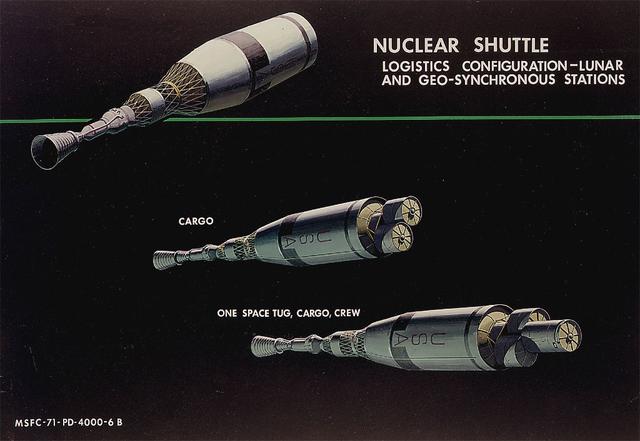
This 1971 artist's concept shows the Nuclear Shuttle in both its lunar logistics configuraton and geosynchronous station configuration. As envisioned by Marshall Space Flight Center Program Development persornel, the Nuclear Shuttle would deliver payloads to lunar orbits or other destinations then return to Earth orbit for refueling and additional missions.
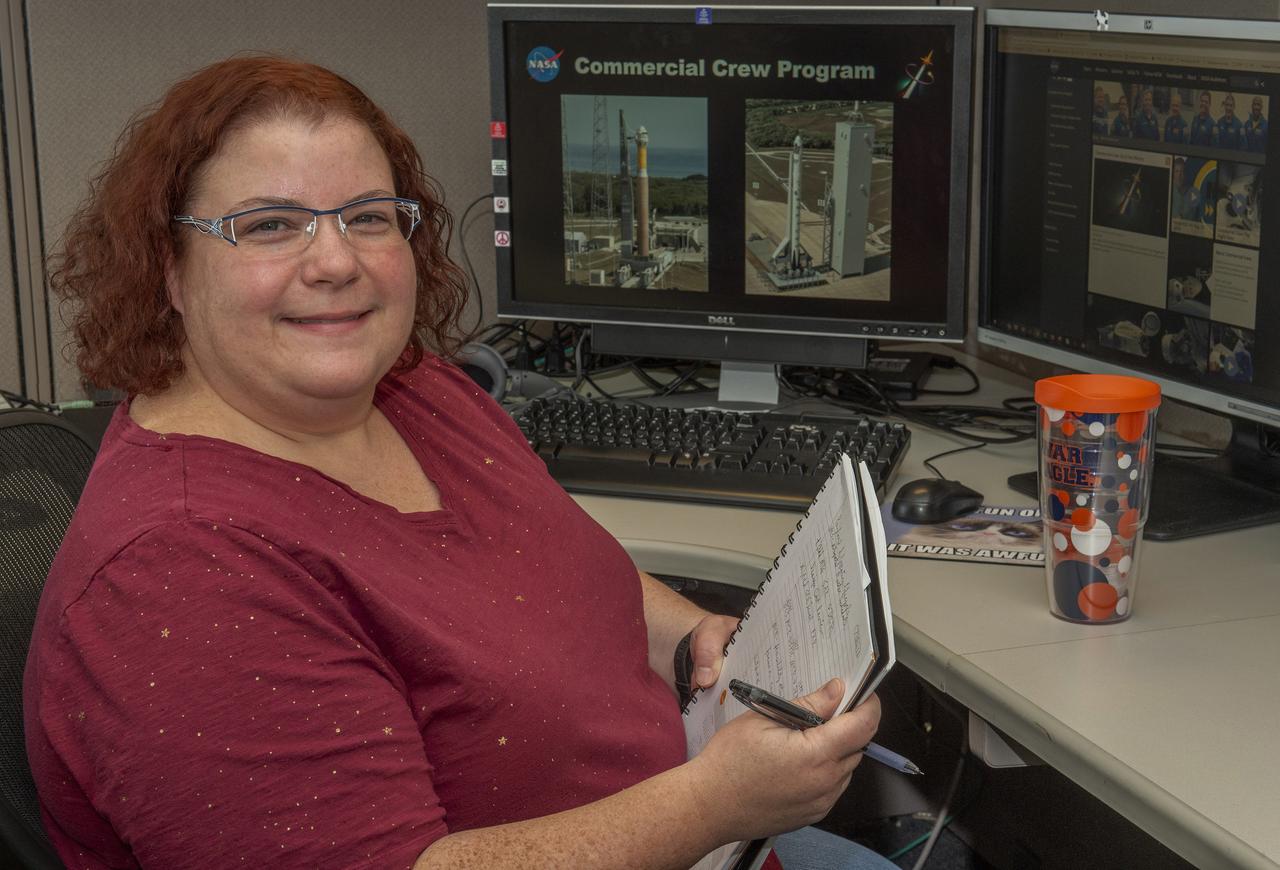
Miranda Holton is the Main Propulsion Systems (MPS) Subsystem Manager for NASA’s Commercial Crew Program. The goal of the Commercial Crew Program is to have safe, reliable and cost-effective access to and from the International Space Station and foster commercial access to other potential low-Earth orbit destinations.
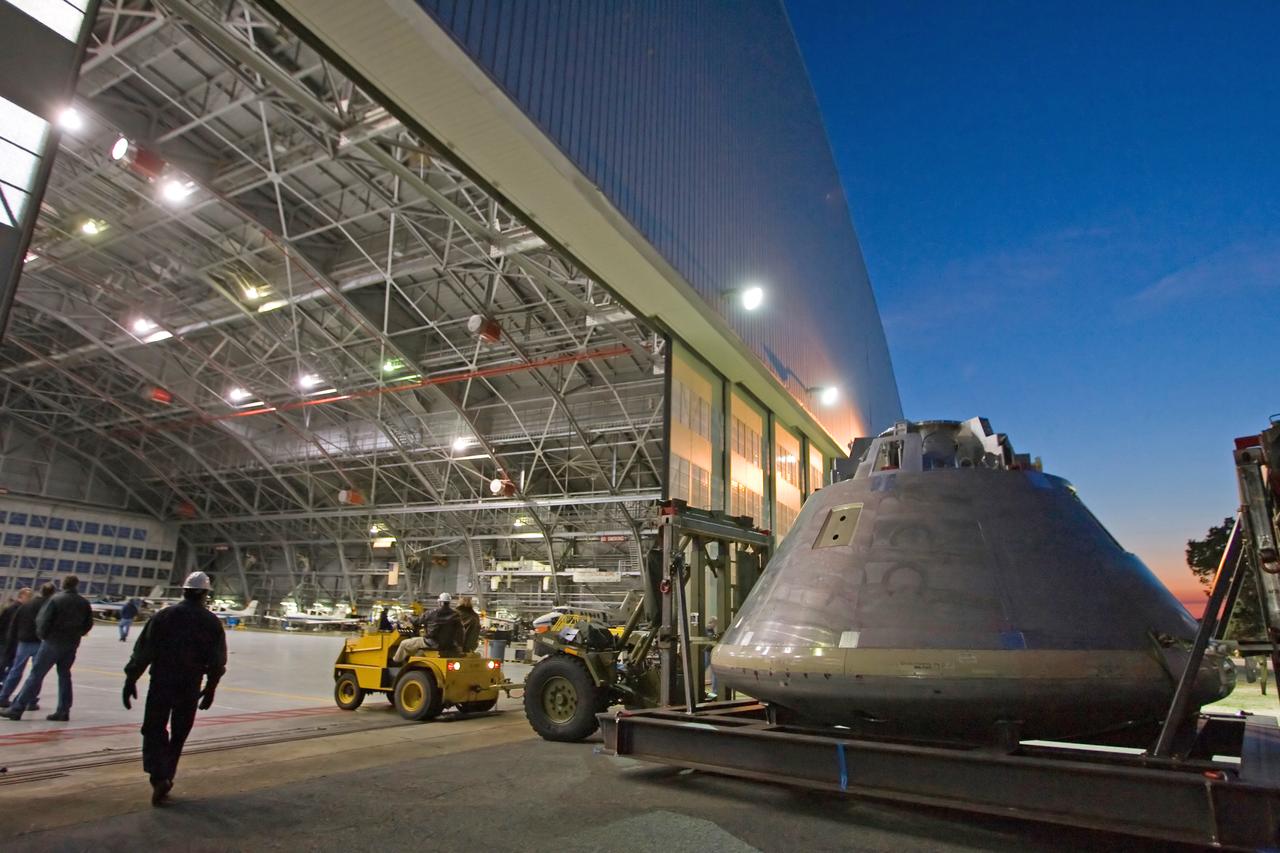
America will send a new generation of explorers to the moon aboard NASA’s Orion crew exploration vehicle. Making its first flights to the International Space Station early in the next decade, Orion is part of the Constellation Program to send human explorers back to the moon, and then onward to Mars and other destinations in the solar system.
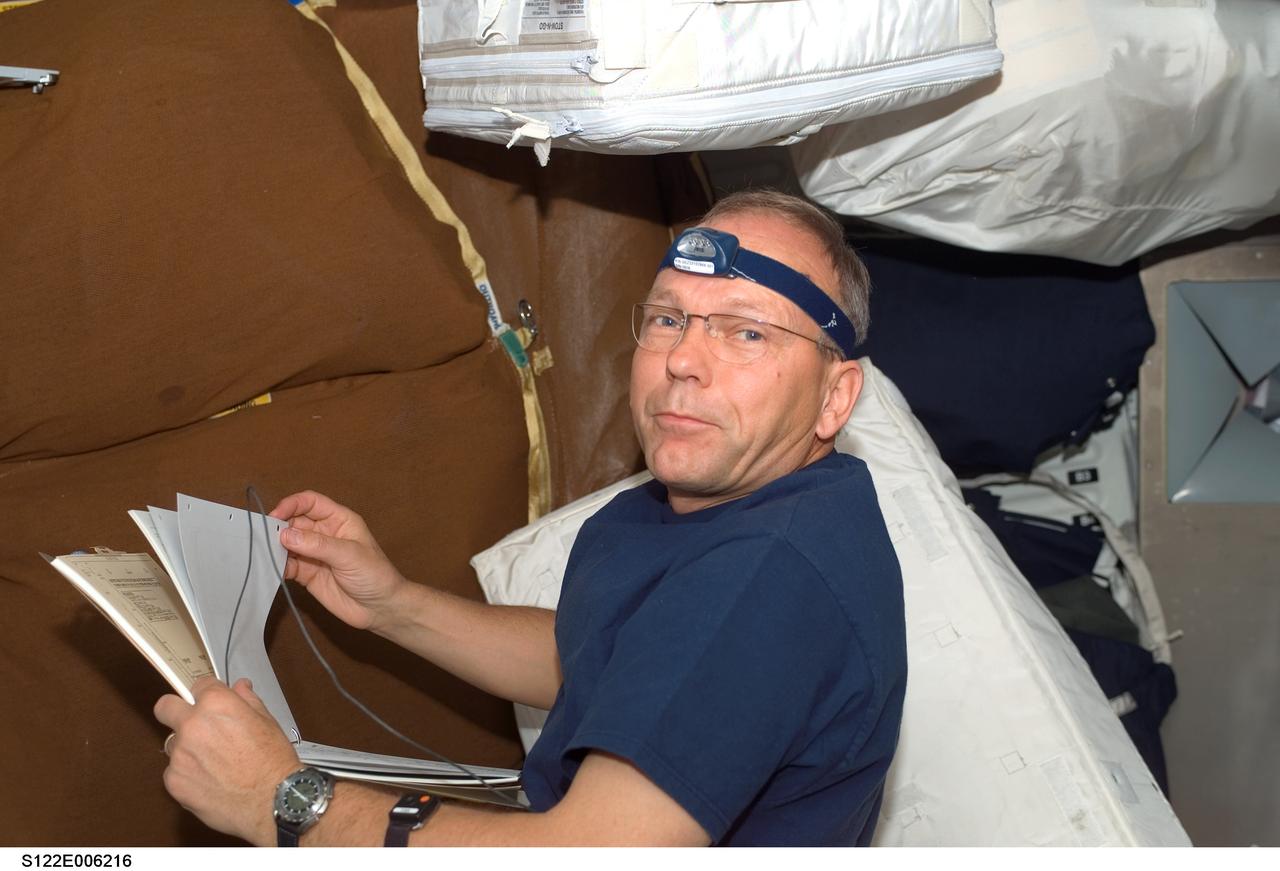
S122-E-006216 (8 Feb. 2008) --- European Space Agency (ESA) astronaut Hans Schlegel, STS-122 mission specialist, is surrounded by equipment and supplies destined for the International Space Station while working on the middeck of Space Shuttle Atlantis during flight day two activities.
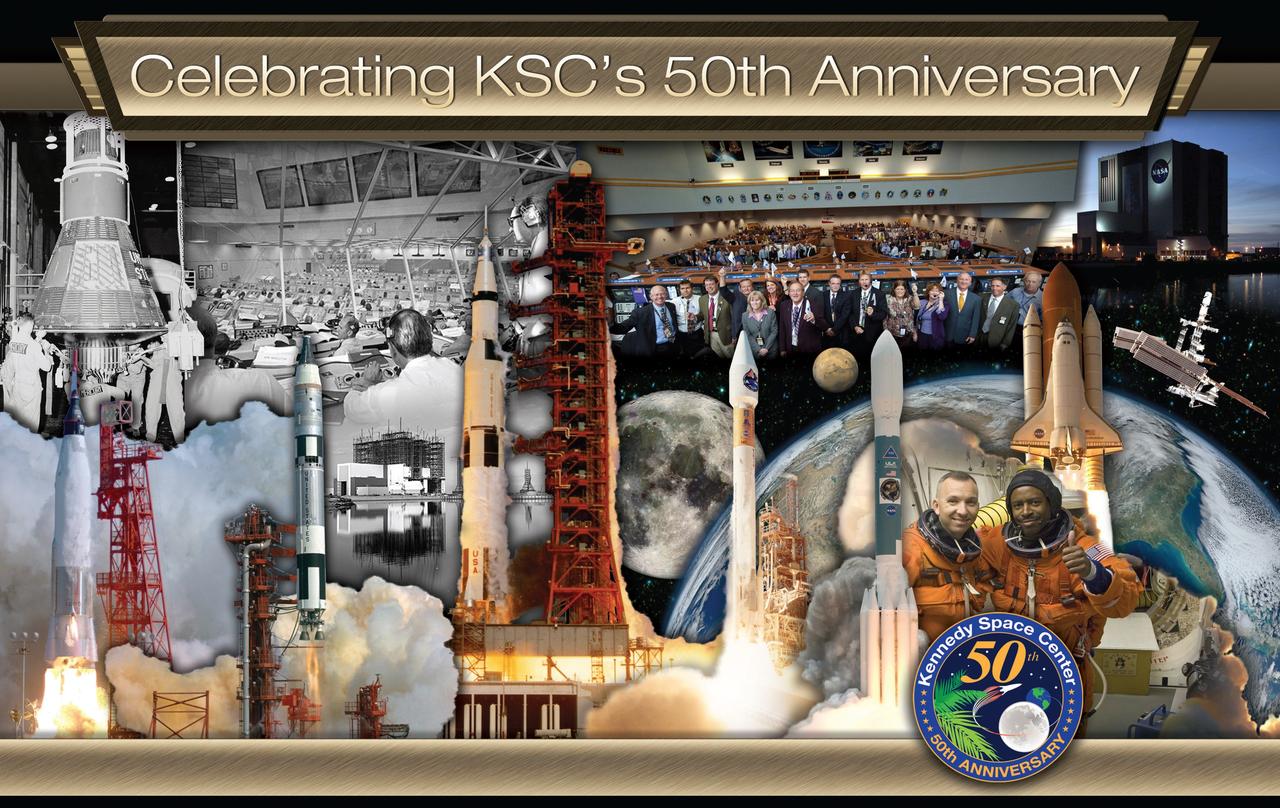
CAPE CANAVERAL, Fla. -- Throughout the past 50 years, NASA's Kennedy Space Center has carried on America's legacy of processing, testing and launching a wide array of rockets and spacecraft to distant planets and other destinations in space. Launch vehicles, from left, include the Mercury Atlas, Gemini Titan, Apollo Saturn V, Atlas, Delta and the space shuttle. Across the top, a Mercury spacecraft is checked out in Hangar S at Cape Canaveral Air Force Station, an Apollo countdown is monitored from a Launch Control Center Firing Room, and mission managers celebrate the launch of the final space shuttle mission -- STS-135. In the lower right, STS-129 mission specialists Randy Bresnik, left, and Leland Melvin indicate they are "go for launch" as they prepare to enter space shuttle Atlantis from the White Room. Also in the image are human destinations the center helped NASA reach, including Earth's orbit, the International Space Station and destination beyond. Image credit: NASA
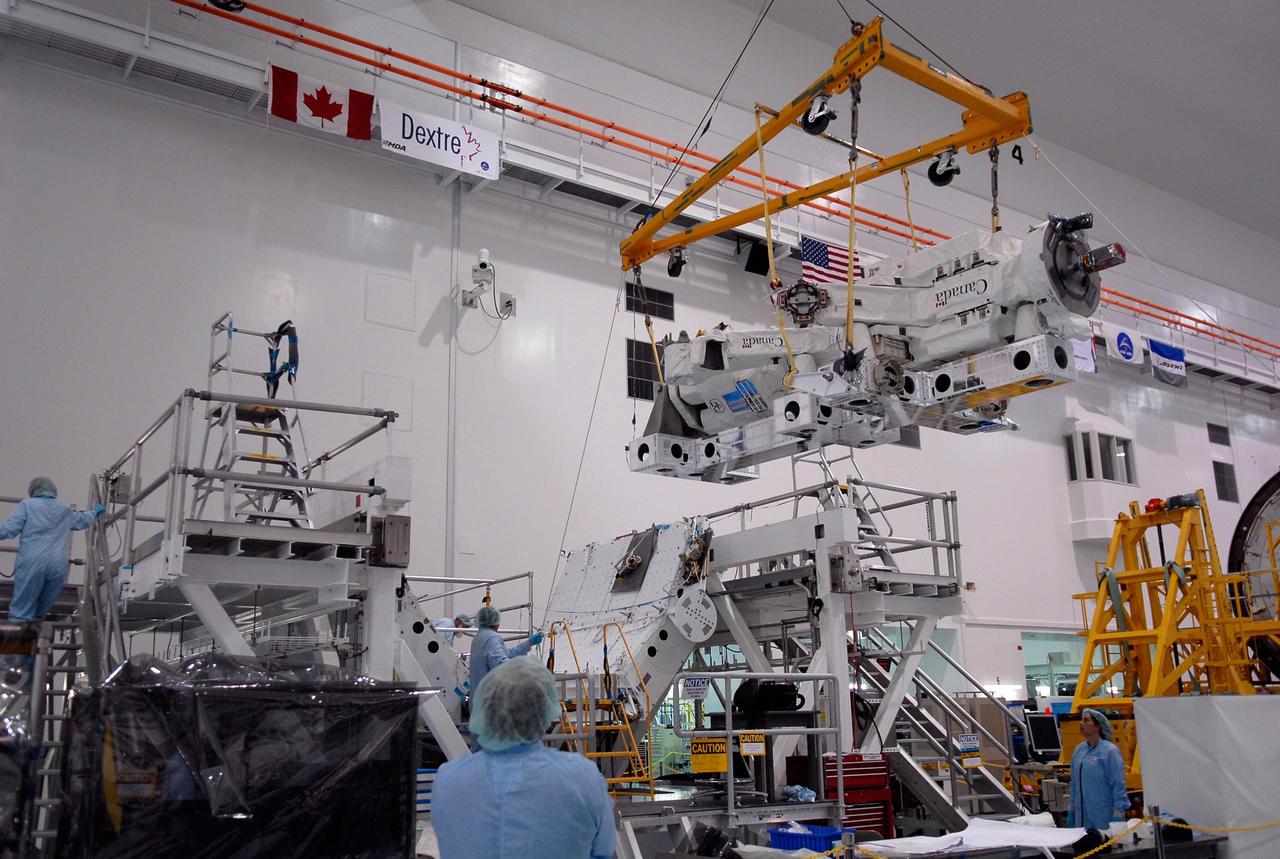
KENNEDY SPACE CENTER, FLA. -- In the Space Station Processing Facility at NASA's Kennedy Space Center, technicians monitor the Special Purpose Dexterous Manipulator, known as Dextre, as a crane moves it near its destination onto a pallet. Processing of the payload is under way for its mission to the International Space Station. Dextre will work with the mobile base and Canadarm2 on the station to perform critical construction and maintenance tasks. Dextre is part of the payload scheduled on mission STS-123, targeted to launch Feb. 14, 2008. Photo credit: NASA/Kim Shiflett
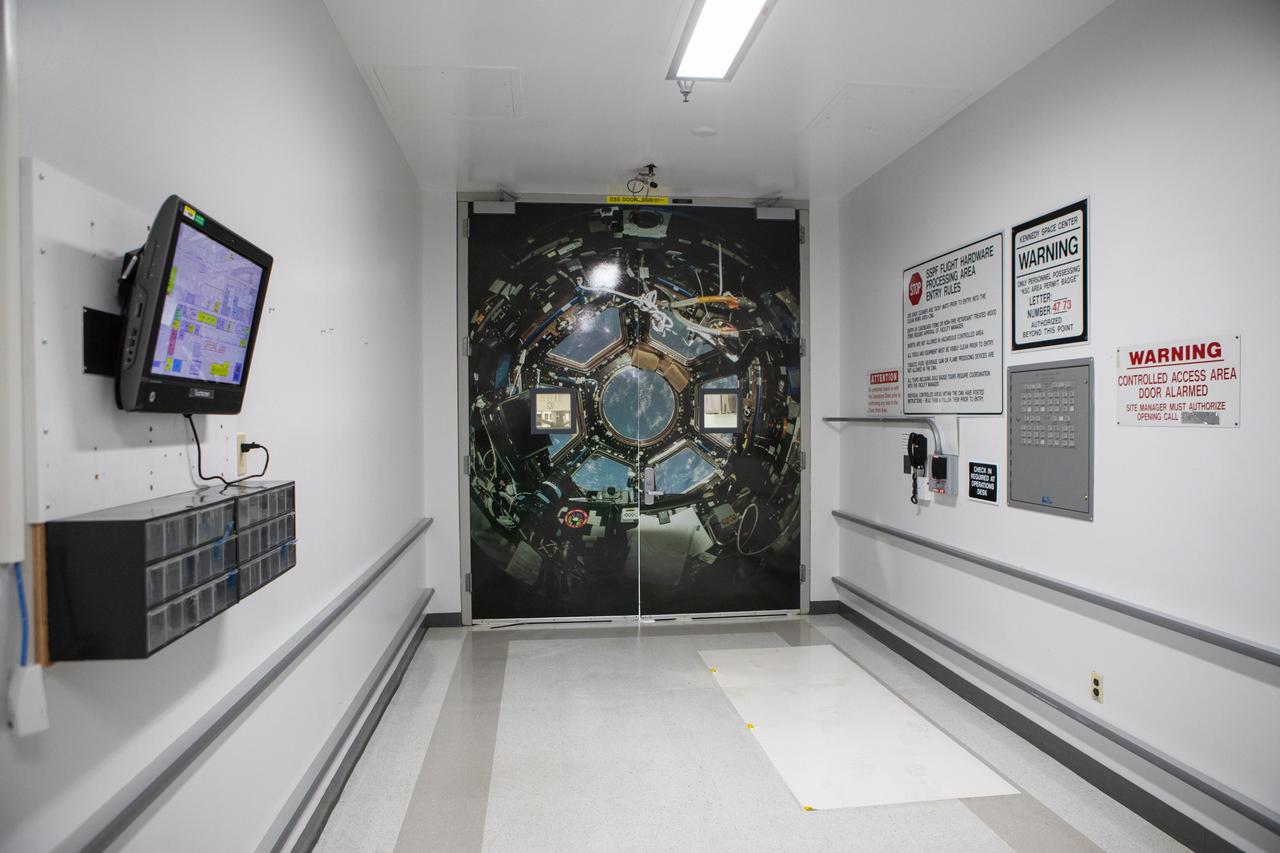
Artwork simulating a view inside the International Space Station marks the entranceway to the high bay in the Space Station Processing Facility (SSPF) at NASA's Kennedy Space Center in Florida, on May 16, 2019. The center is celebrating the SSPF’s 25th anniversary. The facility was built to process elements for the International Space Station. Now it is providing support for current and future NASA and commercial provider programs, including Commercial Resupply Services, Artemis 1, sending the first woman and next man to the Moon, and deep space destinations including Mars.
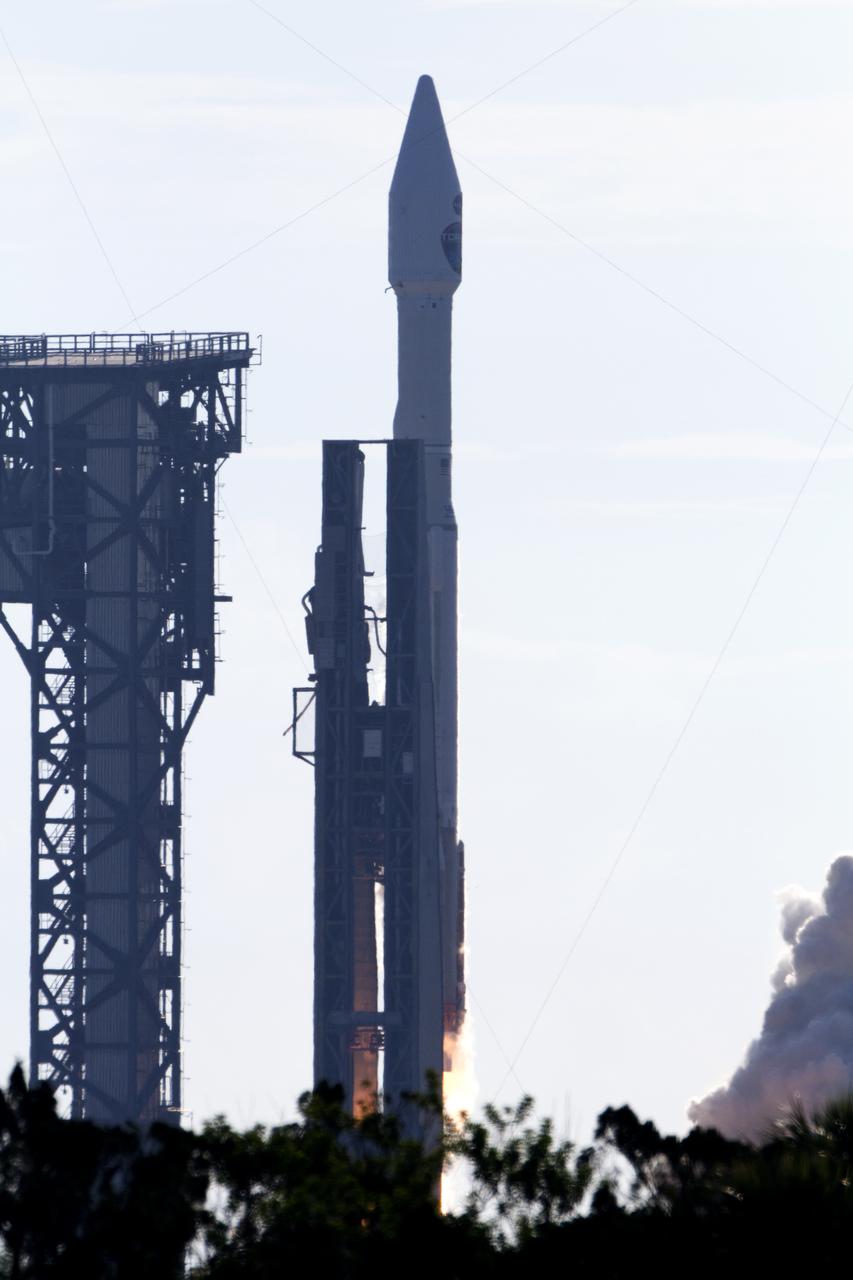
A United Launch Alliance Atlas V rocket lifts off from Space Launch Complex 41 at Cape Canaveral Air Force Station in Florida, with NASA's Tracking and Data Relay Satellite, TDRS-M. TDRS-M. Liftoff was at 8:29 a.m. EDT. TDRS-M is the latest spacecraft destined for the agency's constellation of communications satellites that allows nearly continuous contact with orbiting spacecraft ranging from the International Space Station and Hubble Space Telescope to the array of scientific observatories.
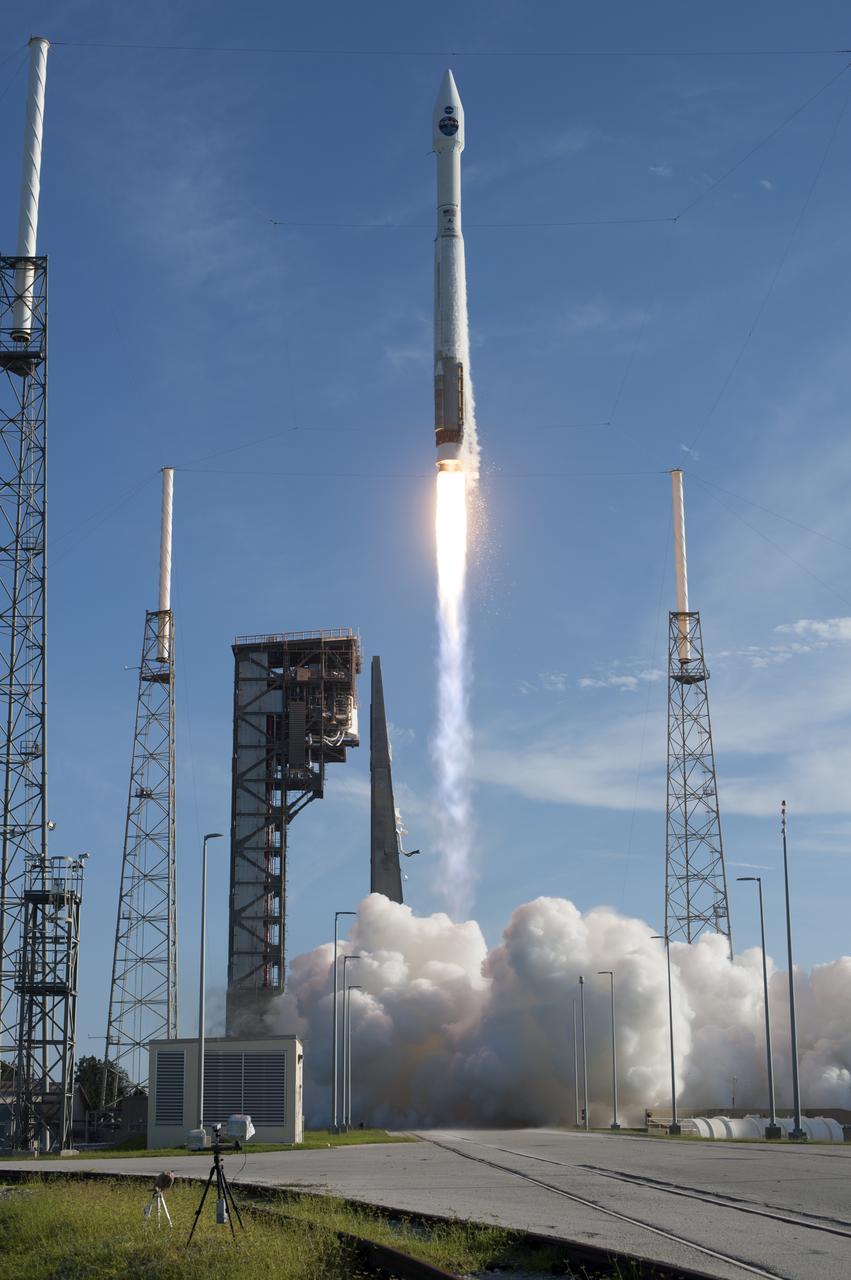
A United Launch Alliance Atlas V rocket lifts off from Space Launch Complex 41 at Cape Canaveral Air Force Station in Florida, with NASA's Tracking and Data Relay Satellite, TDRS-M. TDRS-M. Liftoff was at 8:29 a.m. EDT. TDRS-M is the latest spacecraft destined for the agency's constellation of communications satellites that allows nearly continuous contact with orbiting spacecraft ranging from the International Space Station and Hubble Space Telescope to the array of scientific observatories.
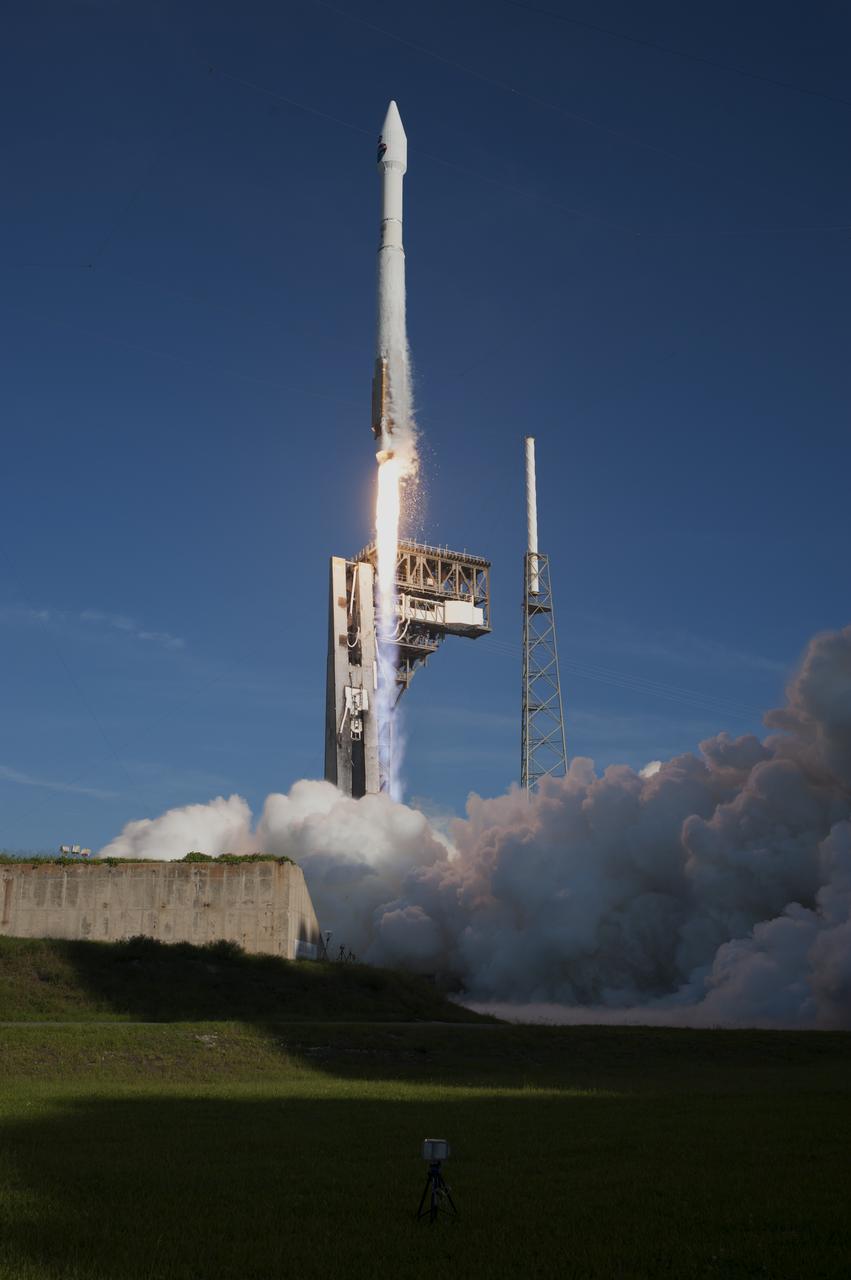
A United Launch Alliance Atlas V rocket lifts off from Space Launch Complex 41 at Cape Canaveral Air Force Station in Florida, with NASA's Tracking and Data Relay Satellite, TDRS-M. TDRS-M. Liftoff was at 8:29 a.m. EDT. TDRS-M is the latest spacecraft destined for the agency's constellation of communications satellites that allows nearly continuous contact with orbiting spacecraft ranging from the International Space Station and Hubble Space Telescope to the array of scientific observatories.
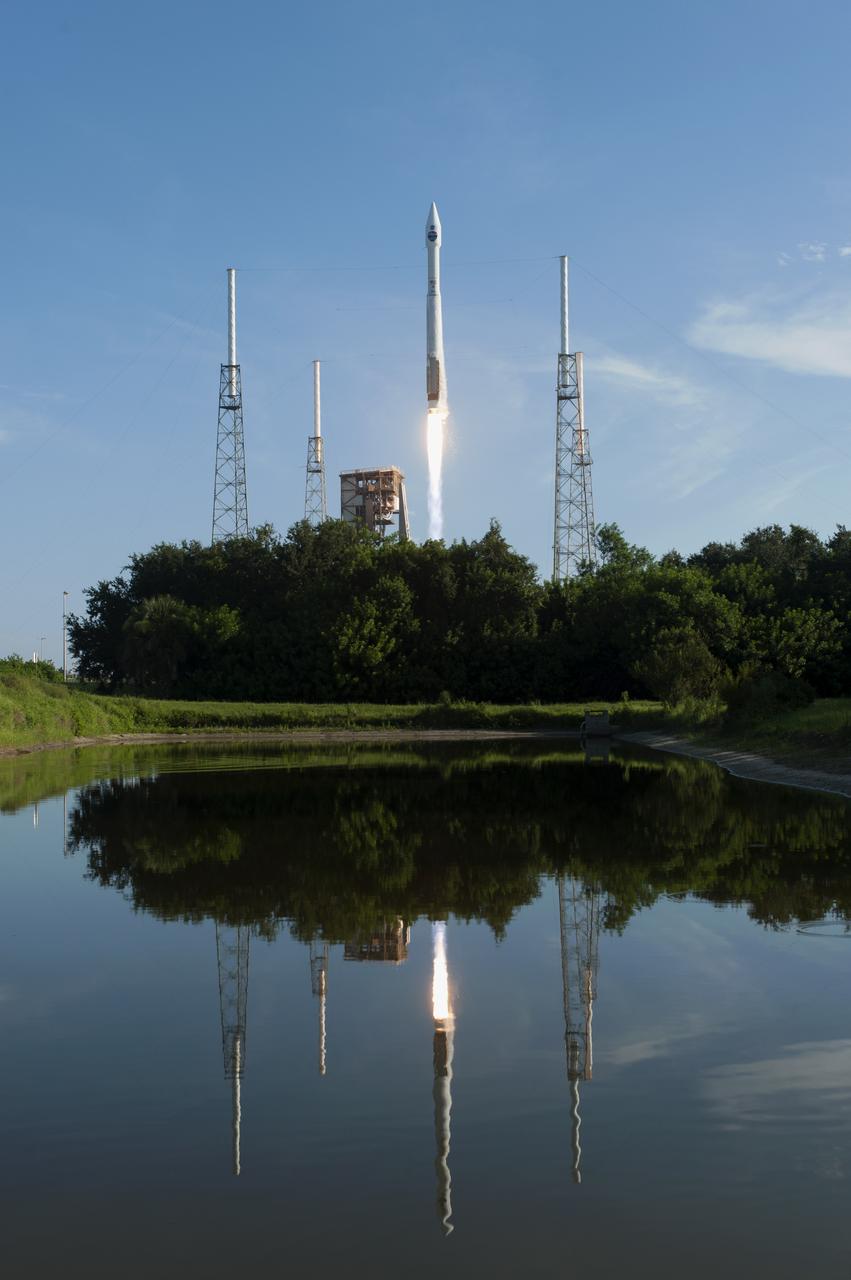
A United Launch Alliance Atlas V rocket lifts off from Space Launch Complex 41 at Cape Canaveral Air Force Station in Florida, with NASA's Tracking and Data Relay Satellite, TDRS-M. TDRS-M. Liftoff was at 8:29 a.m. EDT. TDRS-M is the latest spacecraft destined for the agency's constellation of communications satellites that allows nearly continuous contact with orbiting spacecraft ranging from the International Space Station and Hubble Space Telescope to the array of scientific observatories.
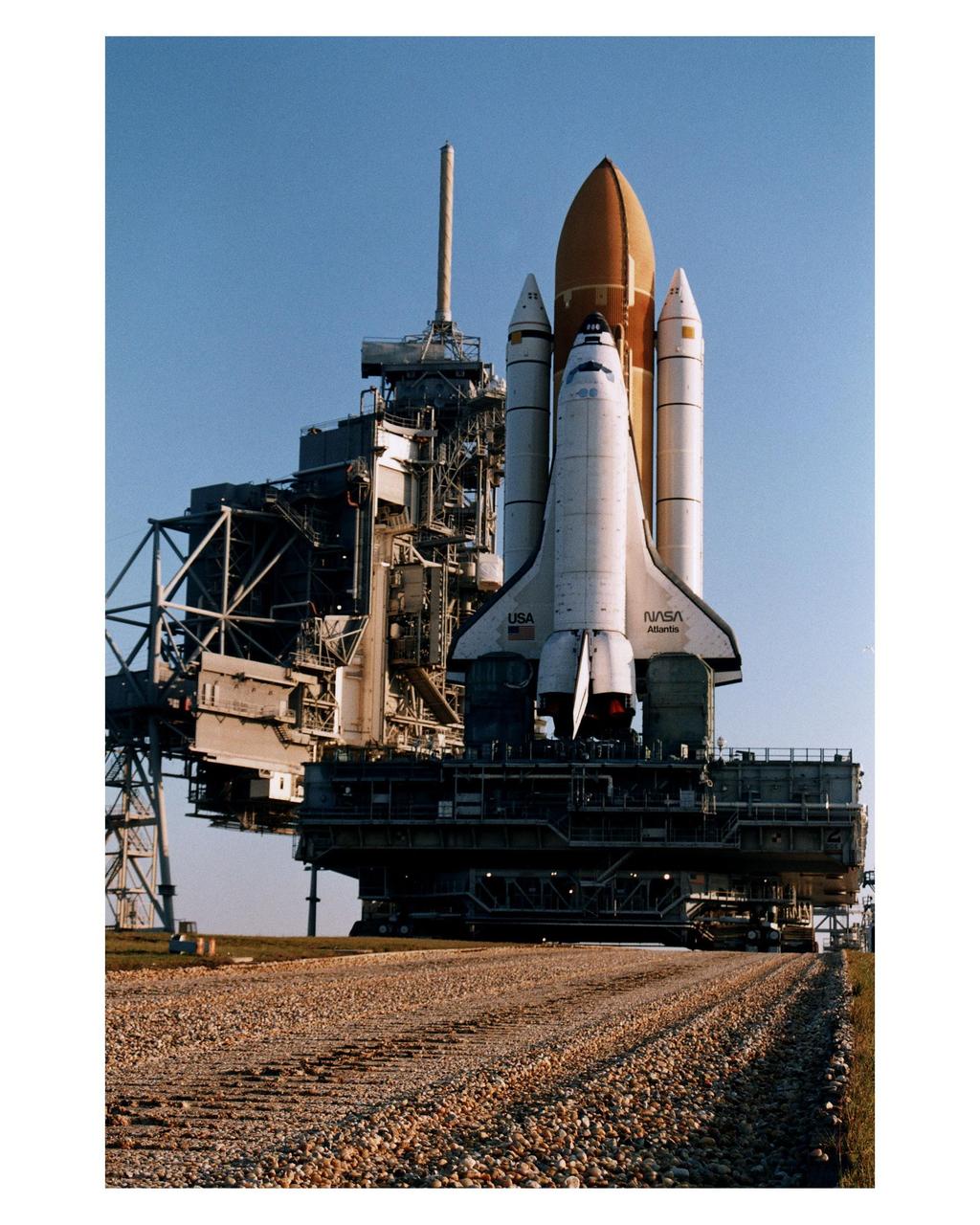
KENNEDY SPACE CENTER, Fla. -- The Space Shuttle Atlantis arrives at Launch Pad 39A, the destination of its journey from the Vehicle Assembly Building, for final preparations for liftoff of the STS-84 mission. Atlantis and its crew of seven are targeted for a May 15 launch. STS-84 will be the sixth Shuttle docking with the Russian Space Station Mir as part of Phase 1 of the International Space Station program
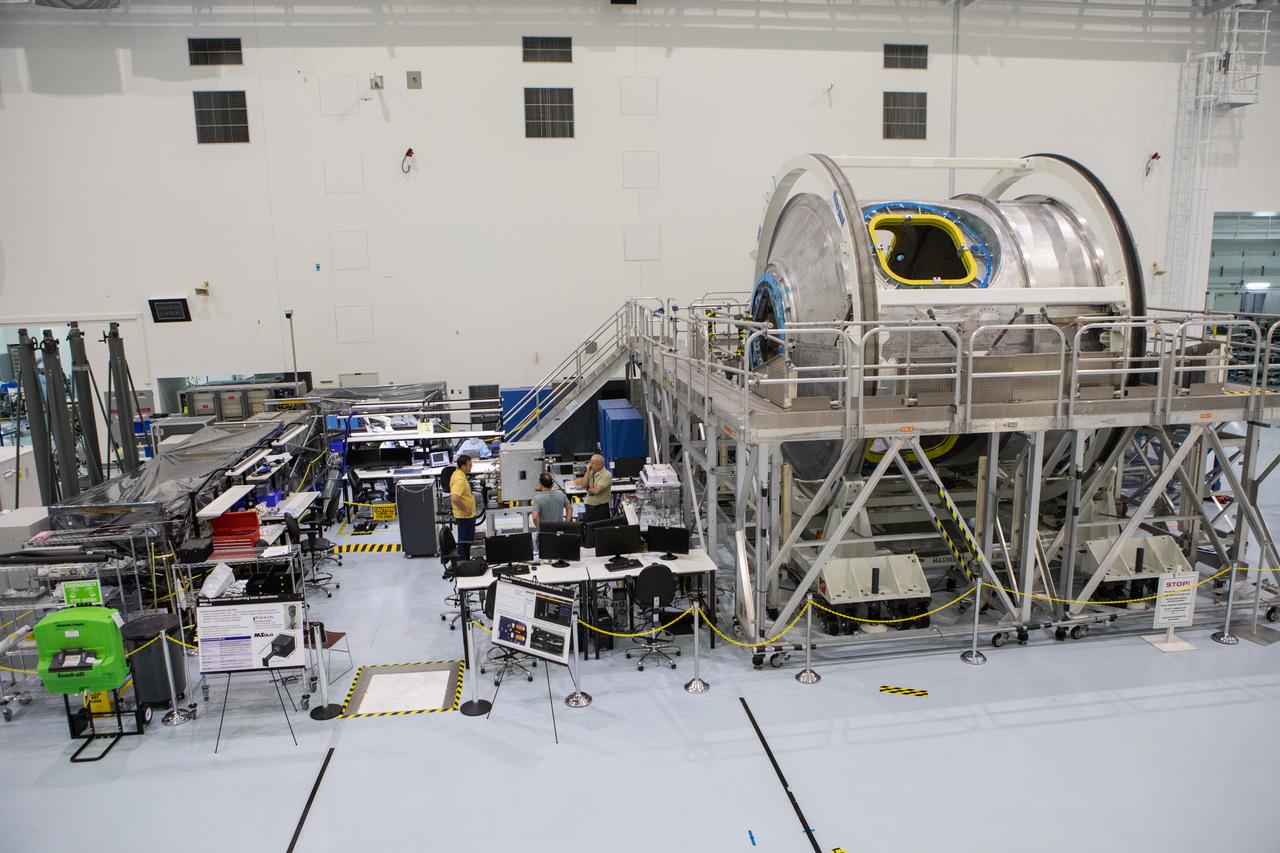
Instruments for NASA’s Mars Spectrometer observing lunar operations (MSolo) are in view at left in the high bay of the Space Station Processing Facility (SSPF) at NASA's Kennedy Space Center in Florida, on May 16, 2019. The center is celebrating the SSPF’s 25th anniversary. The facility was built to process elements for the International Space Station. Now it is providing support for current and future NASA and commercial provider programs, including Commercial Resupply Services, Artemis 1, sending the first woman and next man to the Moon, and deep space destinations including Mars.
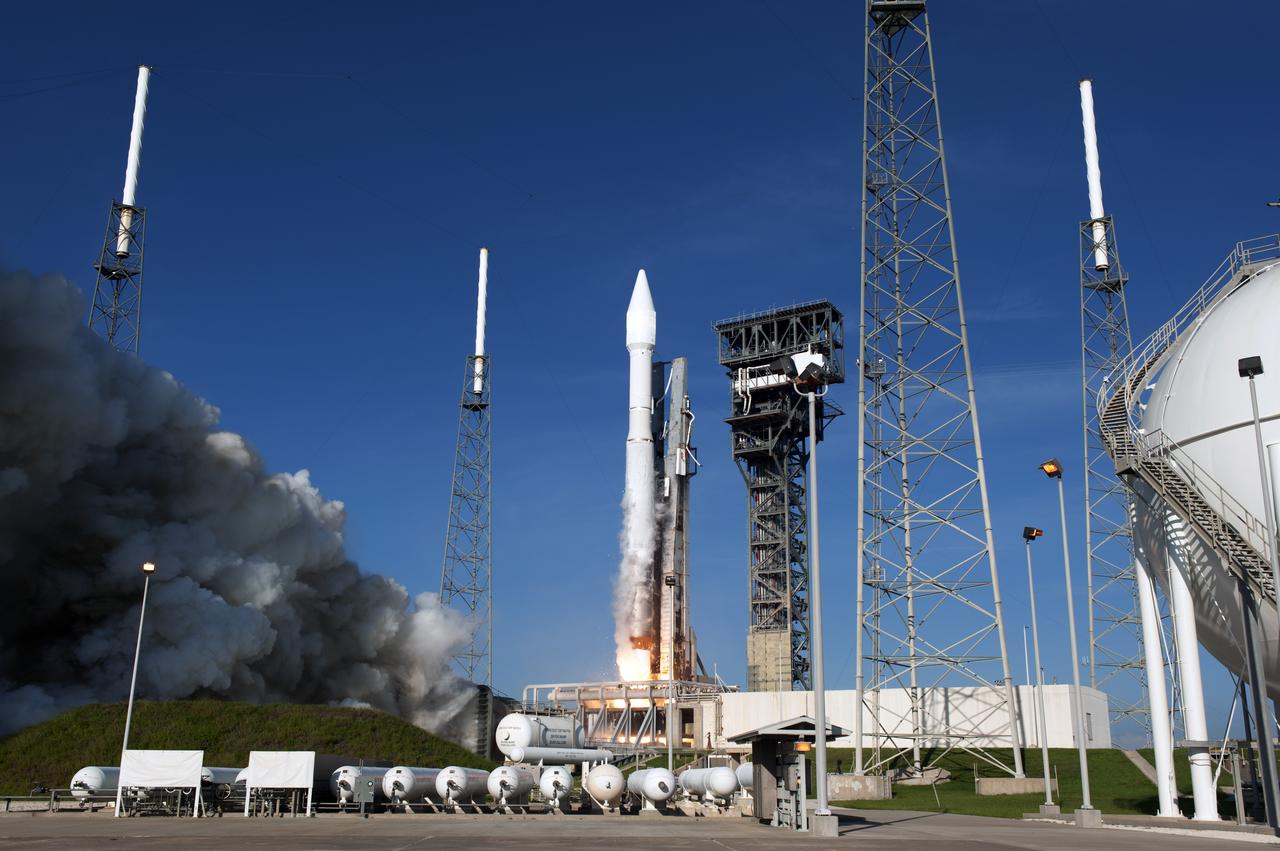
A United Launch Alliance Atlas V rocket lifts off from Space Launch Complex 41 at Cape Canaveral Air Force Station in Florida, with NASA's Tracking and Data Relay Satellite, TDRS-M. TDRS-M. Liftoff was at 8:29 a.m. EDT. TDRS-M is the latest spacecraft destined for the agency's constellation of communications satellites that allows nearly continuous contact with orbiting spacecraft ranging from the International Space Station and Hubble Space Telescope to the array of scientific observatories.
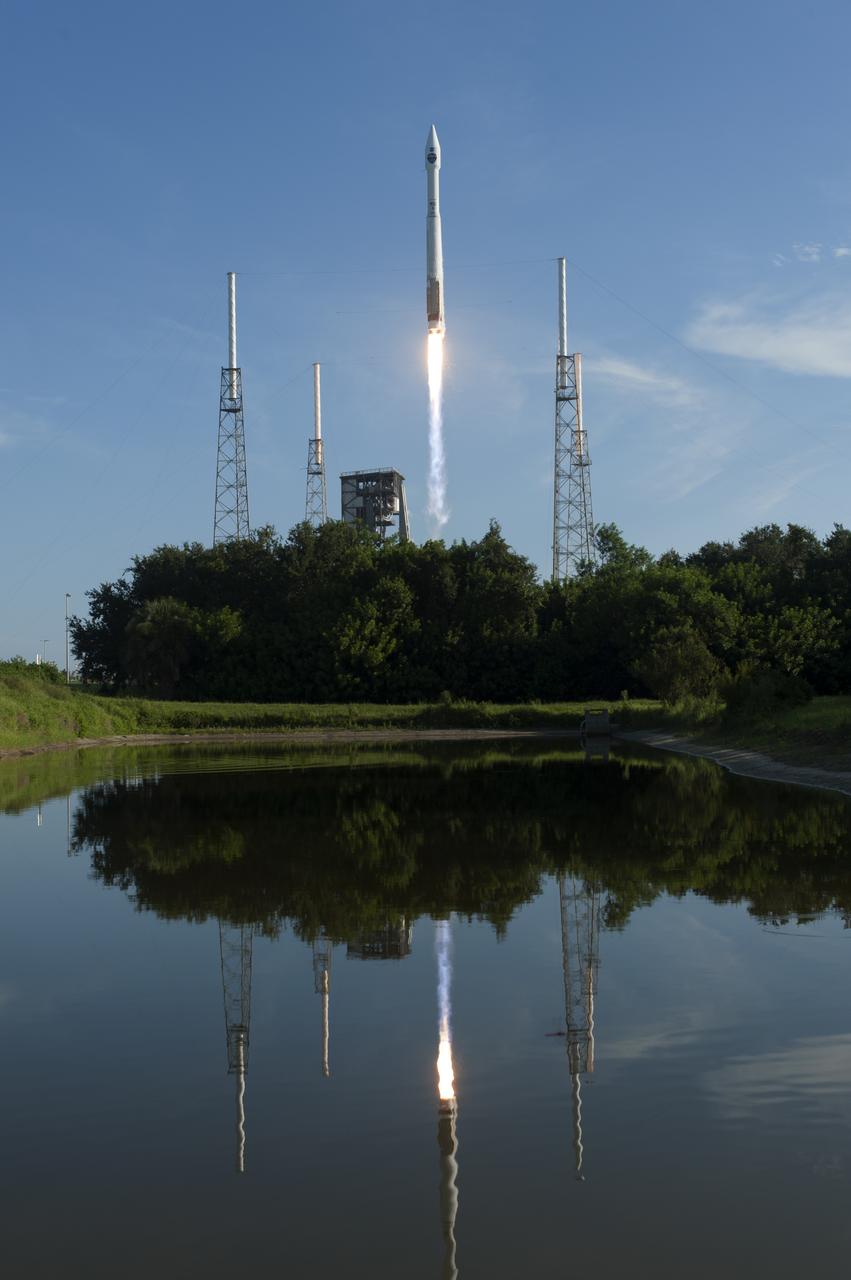
A United Launch Alliance Atlas V rocket lifts off from Space Launch Complex 41 at Cape Canaveral Air Force Station in Florida, with NASA's Tracking and Data Relay Satellite, TDRS-M. TDRS-M. Liftoff was at 8:29 a.m. EDT. TDRS-M is the latest spacecraft destined for the agency's constellation of communications satellites that allows nearly continuous contact with orbiting spacecraft ranging from the International Space Station and Hubble Space Telescope to the array of scientific observatories.
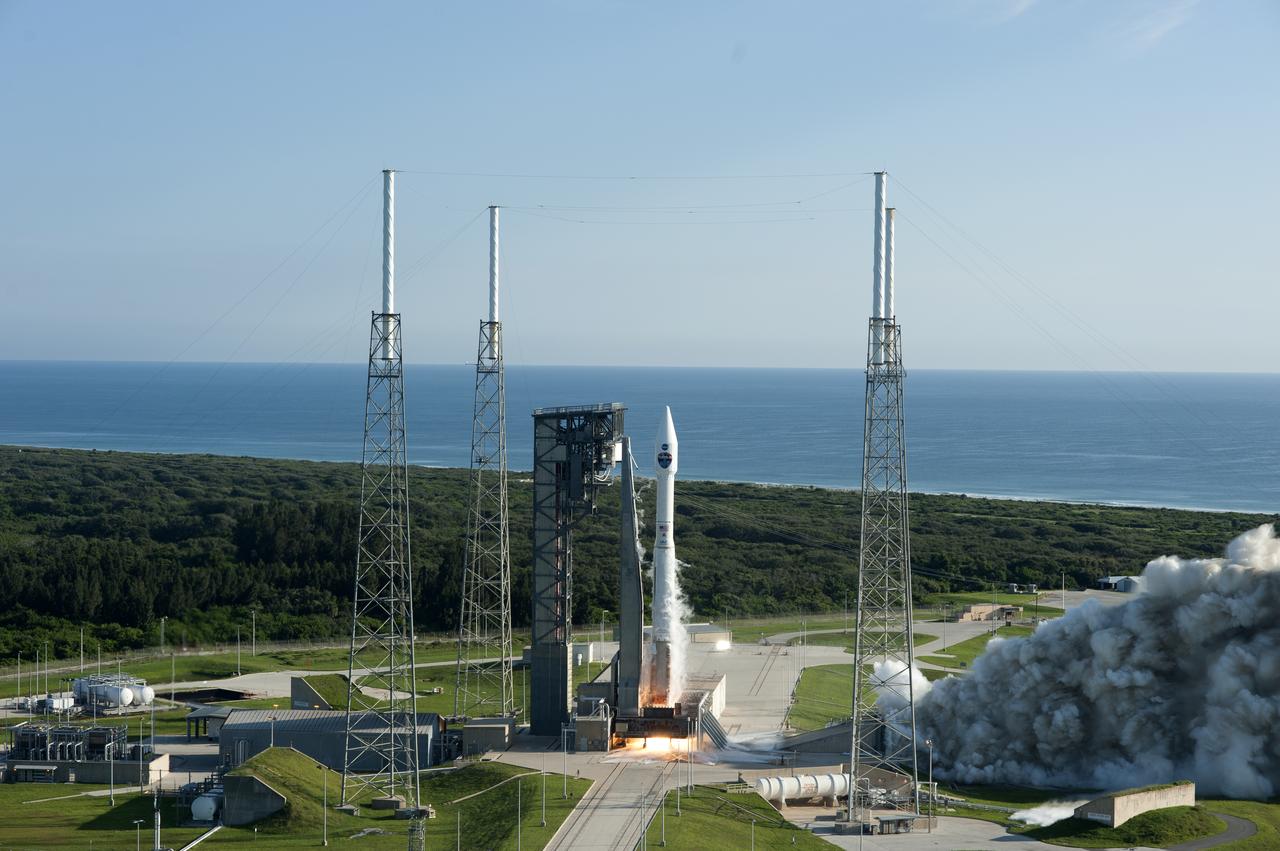
A United Launch Alliance Atlas V rocket lifts off from Space Launch Complex 41 at Cape Canaveral Air Force Station in Florida, with NASA's Tracking and Data Relay Satellite, TDRS-M. TDRS-M. Liftoff was at 8:29 a.m. EDT. TDRS-M is the latest spacecraft destined for the agency's constellation of communications satellites that allows nearly continuous contact with orbiting spacecraft ranging from the International Space Station and Hubble Space Telescope to the array of scientific observatories.
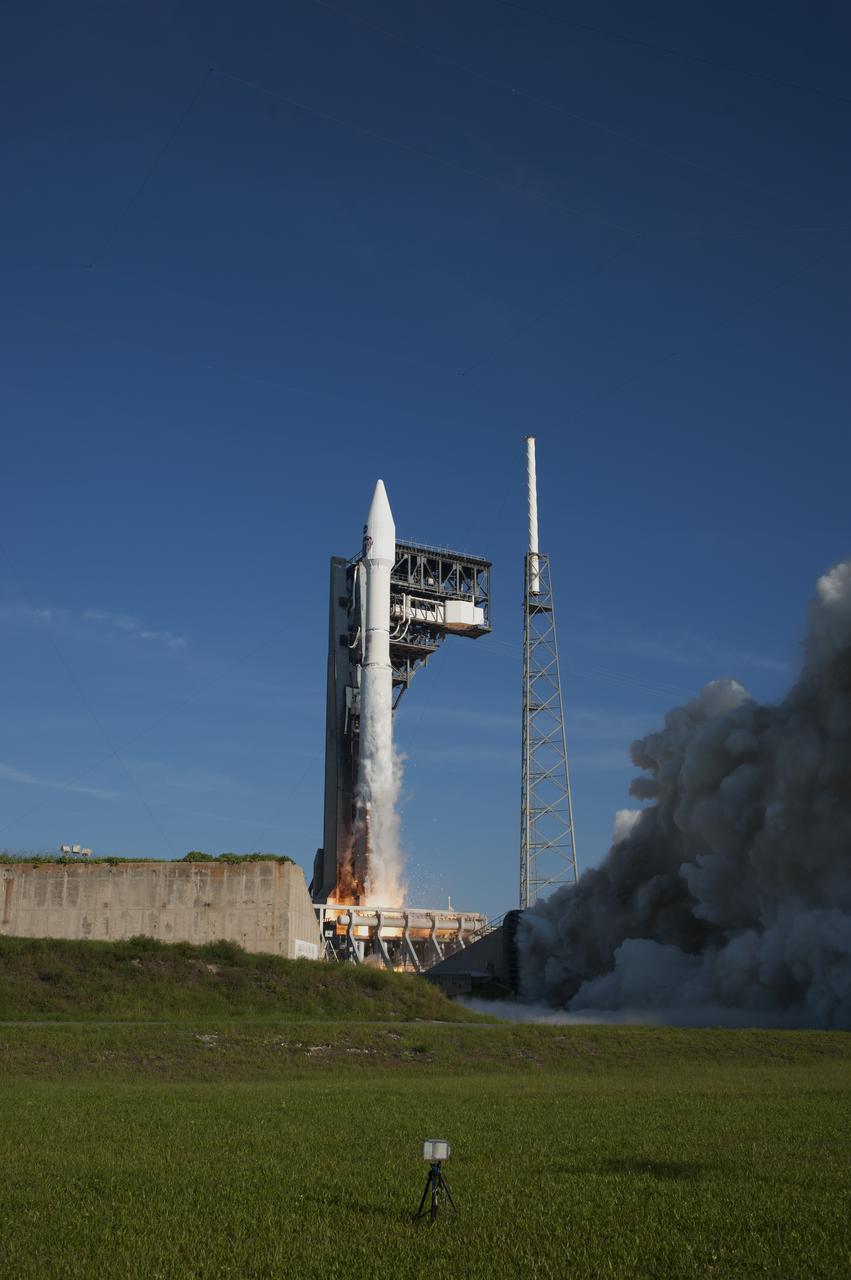
A United Launch Alliance Atlas V rocket lifts off from Space Launch Complex 41 at Cape Canaveral Air Force Station in Florida, with NASA's Tracking and Data Relay Satellite, TDRS-M. TDRS-M. Liftoff was at 8:29 a.m. EDT. TDRS-M is the latest spacecraft destined for the agency's constellation of communications satellites that allows nearly continuous contact with orbiting spacecraft ranging from the International Space Station and Hubble Space Telescope to the array of scientific observatories.
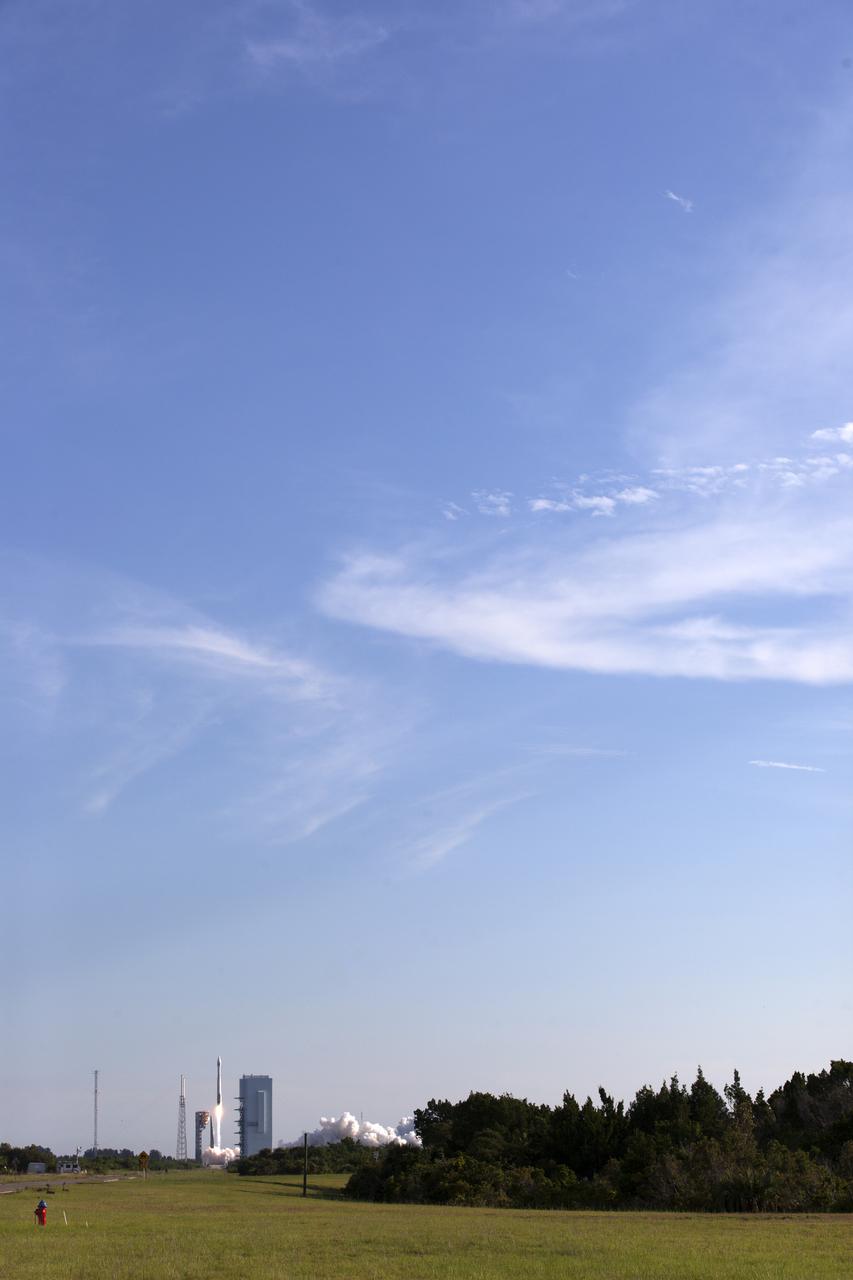
A United Launch Alliance Atlas V rocket lifts off from Space Launch Complex 41 at Cape Canaveral Air Force Station in Florida, with NASA's Tracking and Data Relay Satellite, TDRS-M. TDRS-M. Liftoff was at 8:29 a.m. EDT. TDRS-M is the latest spacecraft destined for the agency's constellation of communications satellites that allows nearly continuous contact with orbiting spacecraft ranging from the International Space Station and Hubble Space Telescope to the array of scientific observatories.
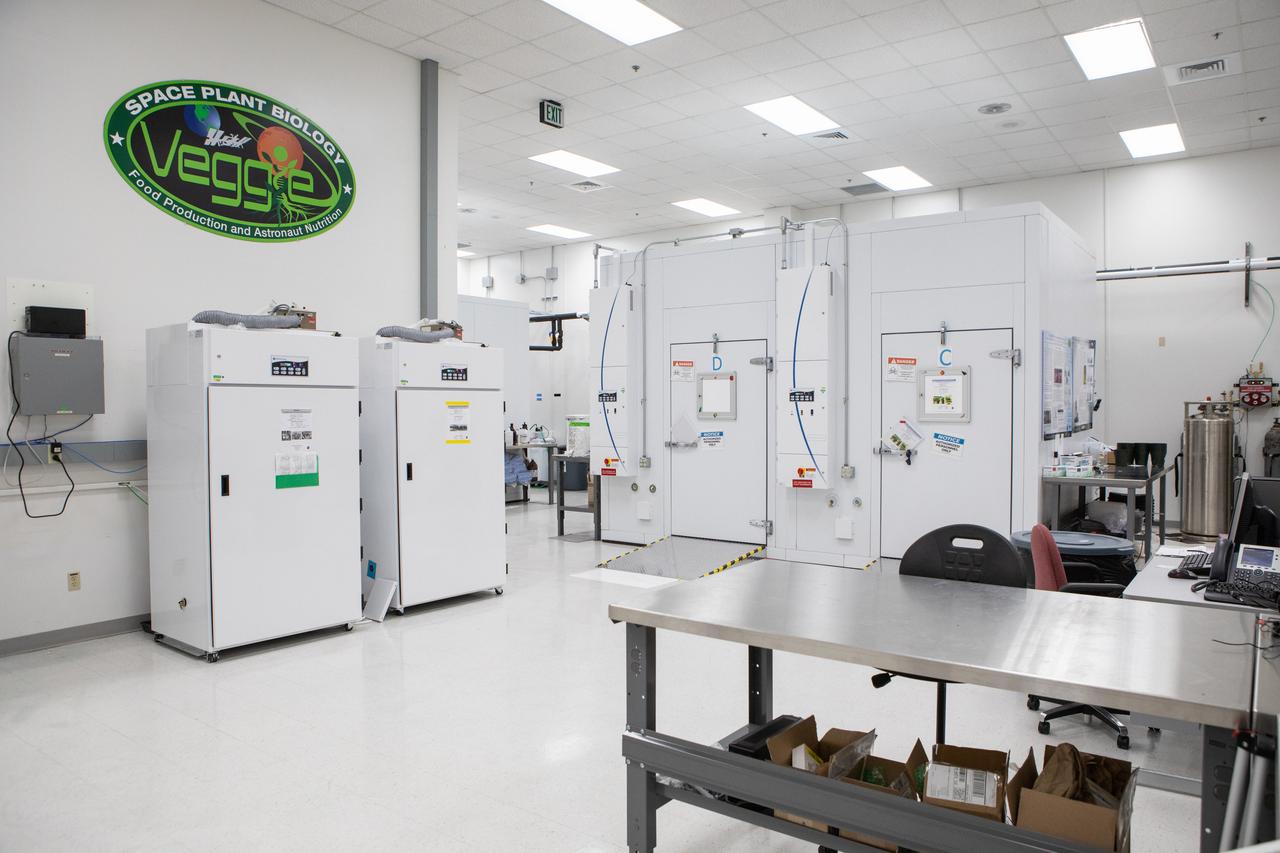
Experiment chambers are in view in the Veggie Laboratory inside the Space Station Processing Facility (SSPF) at NASA’s Kennedy Space Center in Florida, on May 16, 2019. The center is celebrating the SSPF’s 25th anniversary. The facility was built to process elements for the International Space Station. Now it is providing support for current and future NASA and commercial provider programs, including Commercial Resupply Services, Artemis 1, sending the first woman and next man to the Moon, and deep space destinations including Mars.
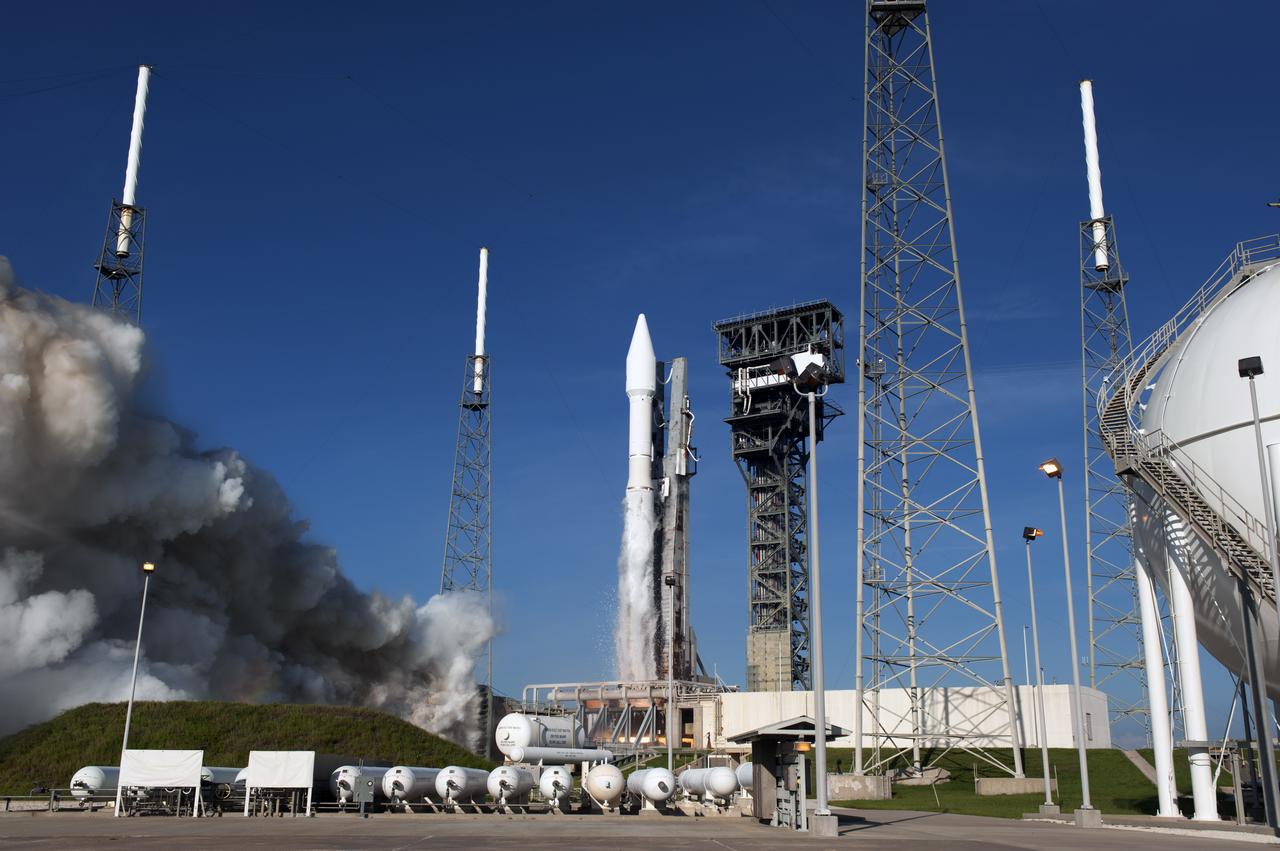
A United Launch Alliance Atlas V rocket lifts off from Space Launch Complex 41 at Cape Canaveral Air Force Station in Florida, with NASA's Tracking and Data Relay Satellite, TDRS-M. TDRS-M. Liftoff was at 8:29 a.m. EDT. TDRS-M is the latest spacecraft destined for the agency's constellation of communications satellites that allows nearly continuous contact with orbiting spacecraft ranging from the International Space Station and Hubble Space Telescope to the array of scientific observatories.
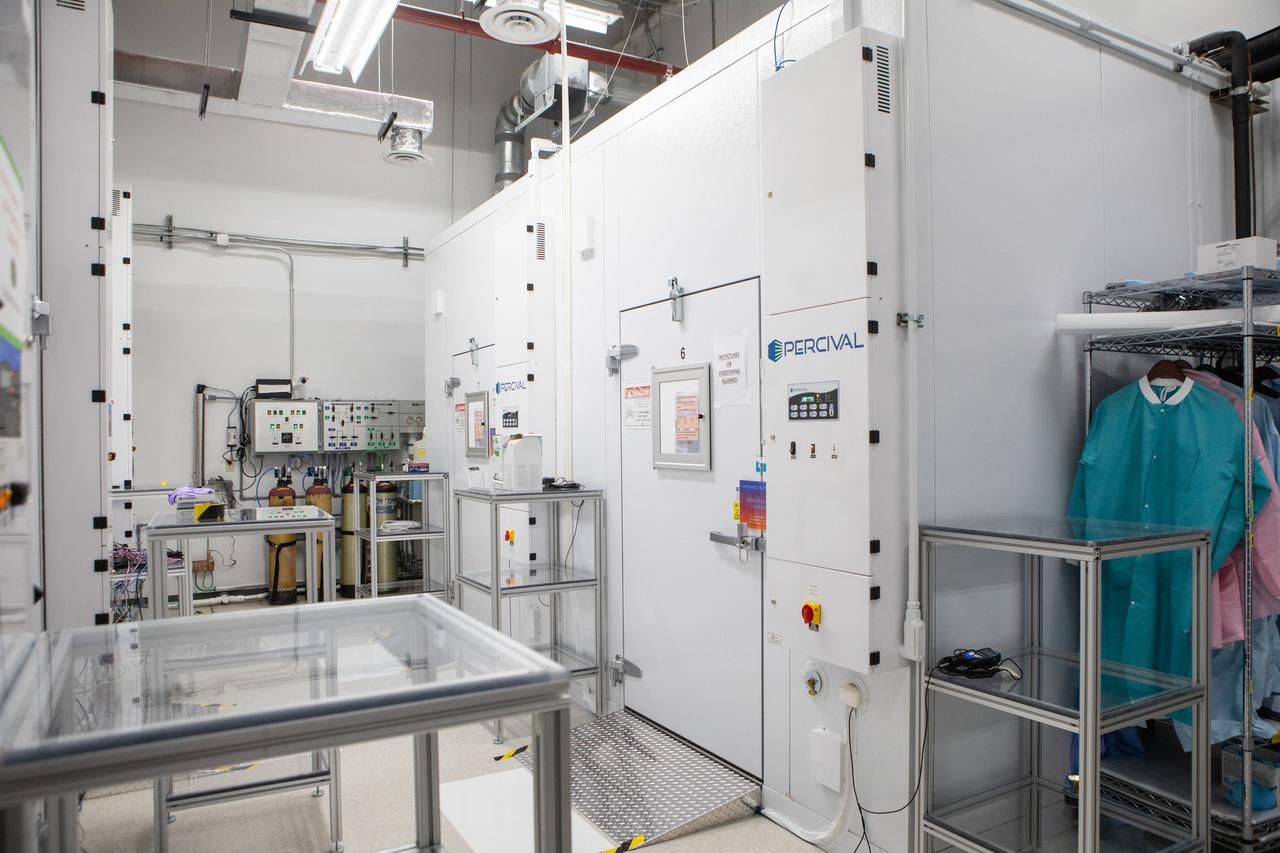
A walk-in experiment chamber for the Center for the Advancement of Science in Space (CASIS) is in view inside a laboratory in the Space Station Processing Facility (SSPF) at NASA's Kennedy Space Center in Florida, on May 16, 2019. The center is celebrating the SSPF’s 25th anniversary. The facility was built to process elements for the International Space Station. Now it is providing support for current and future NASA and commercial provider programs, including Commercial Resupply Services, Artemis 1, sending the first woman and next man to the Moon, and deep space destinations including Mars.
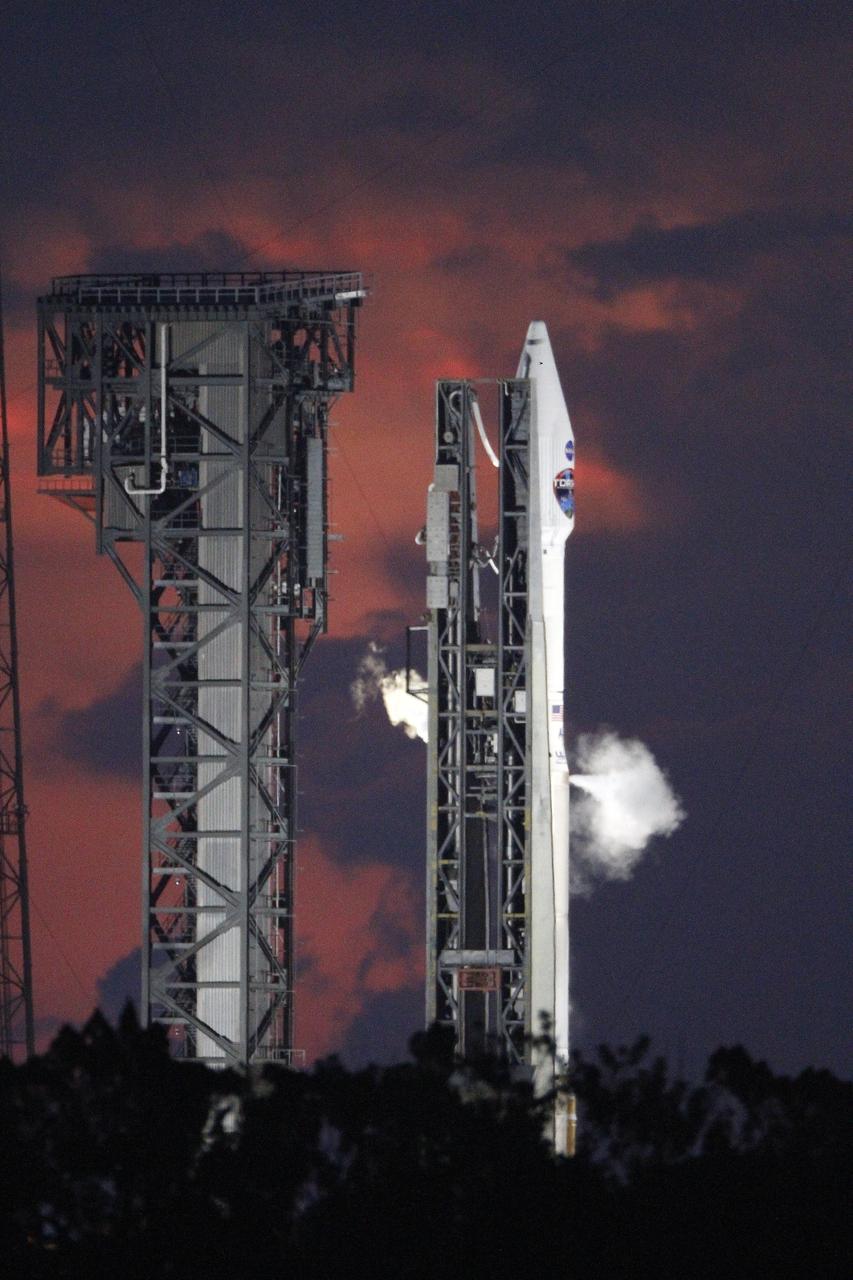
As the Sun rises at Space Launch Complex 41 at Cape Canaveral Air Force Station in Florida, a United Launch Alliance Atlas V rocket vents liquid oxygen propellant vapors during fueling for the lift off of NASA's Tracking and Data Relay Satellite, TDRS-M. The satellite is the latest spacecraft destined for the agency's constellation of communications satellites that allows nearly continuous contact with orbiting spacecraft ranging from the International Space Station and Hubble Space Telescope to the array of scientific observatories.
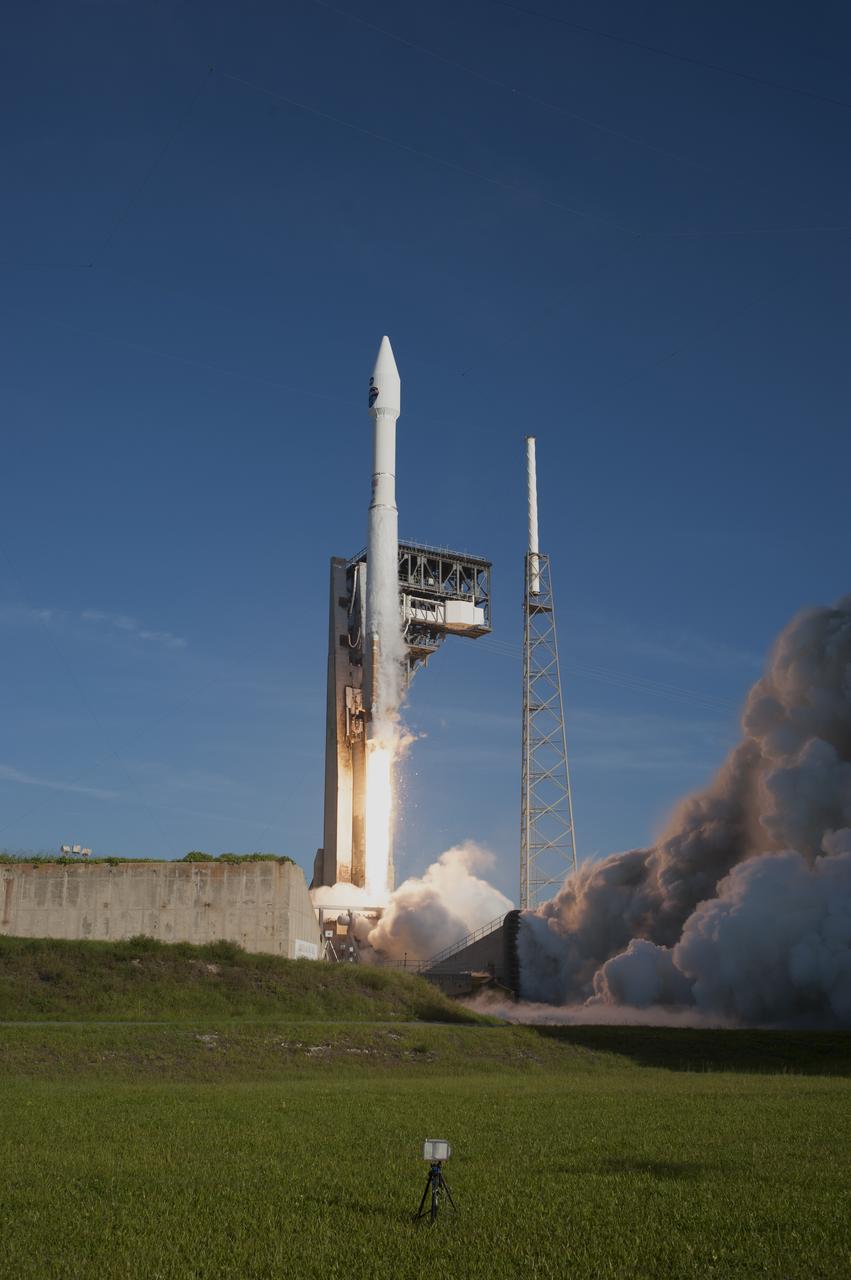
A United Launch Alliance Atlas V rocket lifts off from Space Launch Complex 41 at Cape Canaveral Air Force Station in Florida, with NASA's Tracking and Data Relay Satellite, TDRS-M. TDRS-M. Liftoff was at 8:29 a.m. EDT. TDRS-M is the latest spacecraft destined for the agency's constellation of communications satellites that allows nearly continuous contact with orbiting spacecraft ranging from the International Space Station and Hubble Space Telescope to the array of scientific observatories.
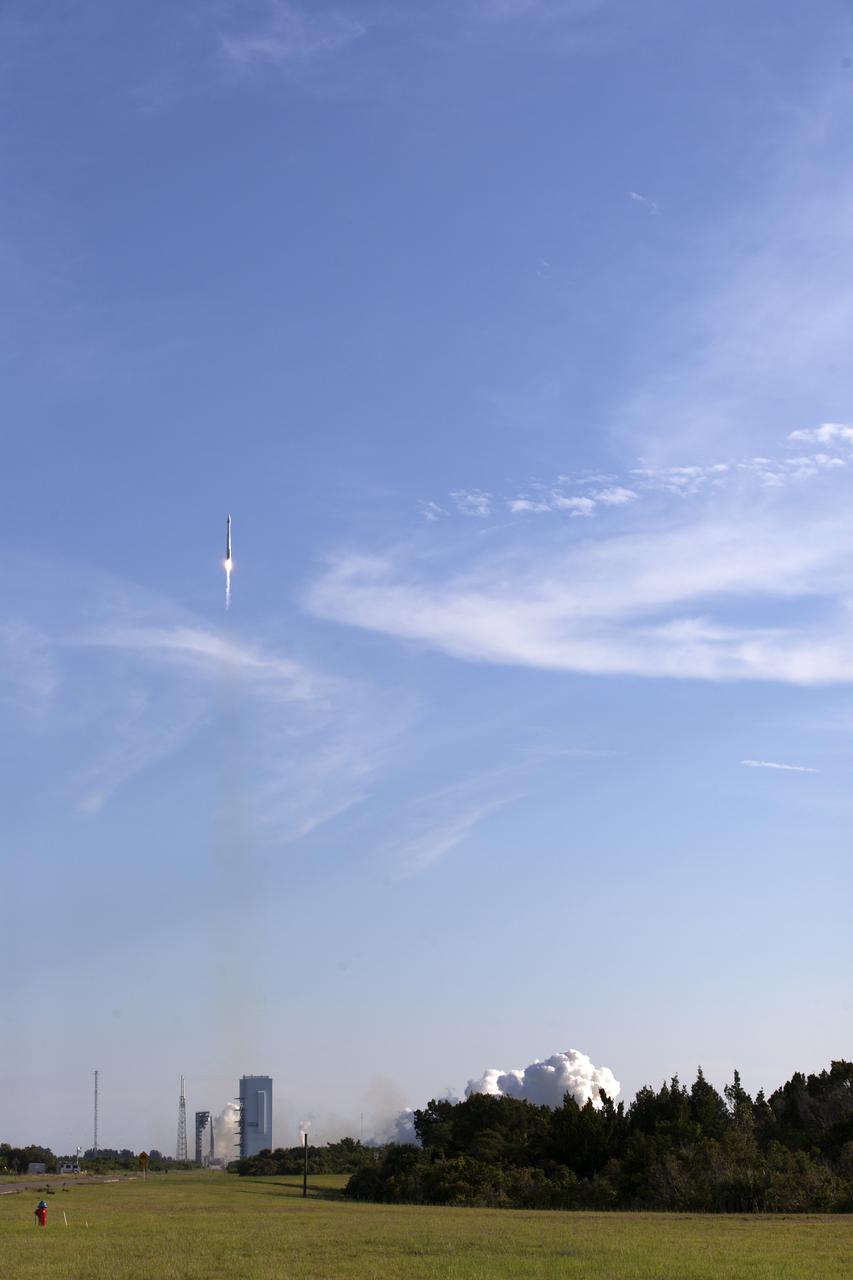
A United Launch Alliance Atlas V rocket lifts off from Space Launch Complex 41 at Cape Canaveral Air Force Station in Florida, with NASA's Tracking and Data Relay Satellite, TDRS-M. TDRS-M. Liftoff was at 8:29 a.m. EDT. TDRS-M is the latest spacecraft destined for the agency's constellation of communications satellites that allows nearly continuous contact with orbiting spacecraft ranging from the International Space Station and Hubble Space Telescope to the array of scientific observatories.
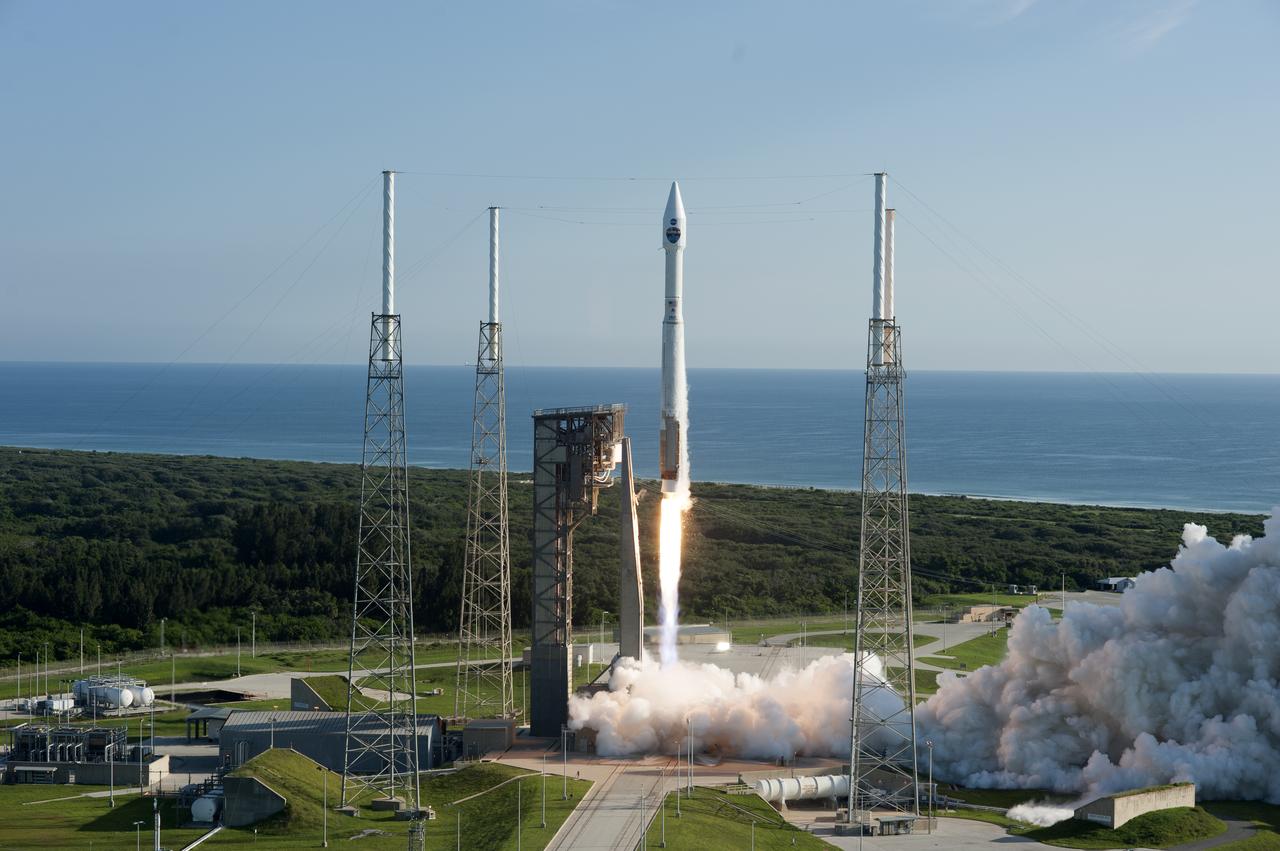
A United Launch Alliance Atlas V rocket lifts off from Space Launch Complex 41 at Cape Canaveral Air Force Station in Florida, with NASA's Tracking and Data Relay Satellite, TDRS-M. TDRS-M. Liftoff was at 8:29 a.m. EDT. TDRS-M is the latest spacecraft destined for the agency's constellation of communications satellites that allows nearly continuous contact with orbiting spacecraft ranging from the International Space Station and Hubble Space Telescope to the array of scientific observatories.
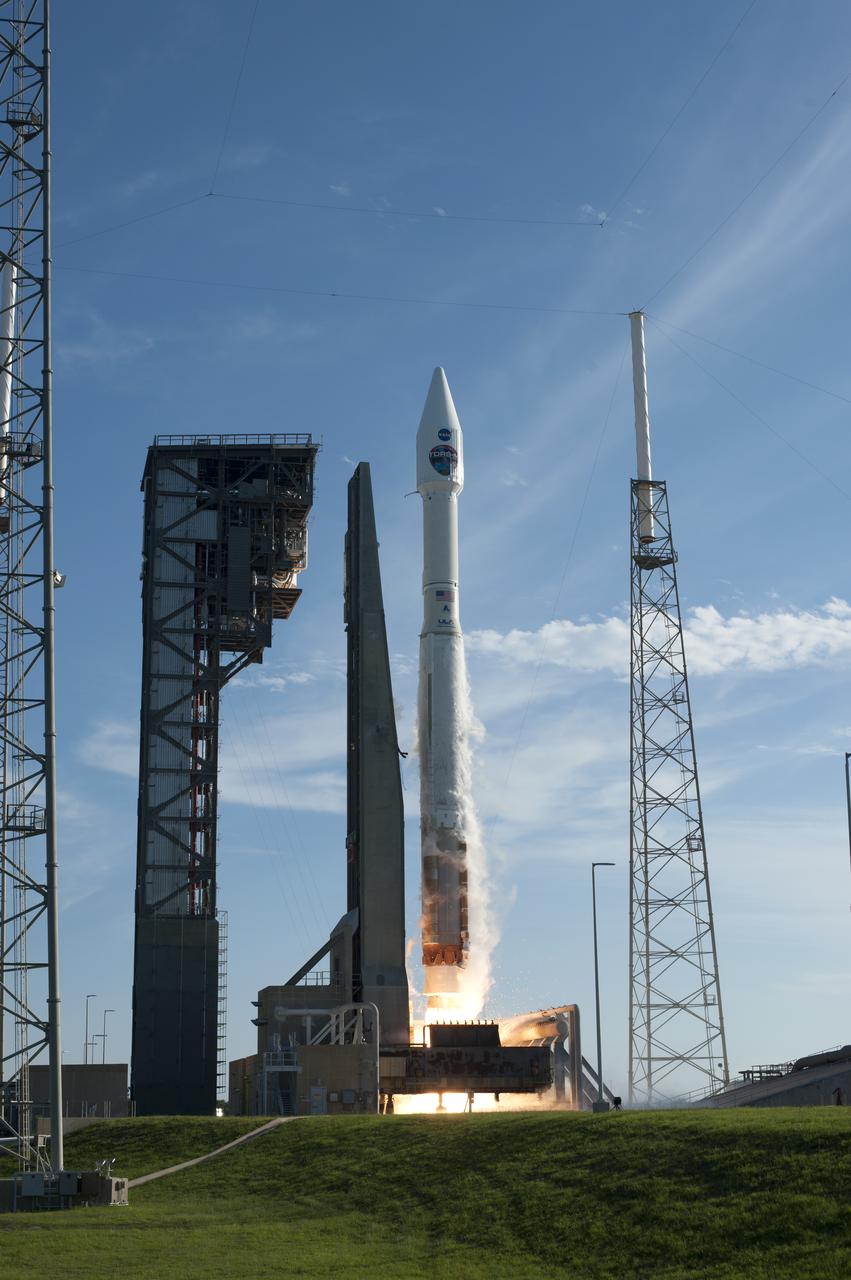
A United Launch Alliance Atlas V rocket lifts off from Space Launch Complex 41 at Cape Canaveral Air Force Station in Florida, with NASA's Tracking and Data Relay Satellite, TDRS-M. TDRS-M. Liftoff was at 8:29 a.m. EDT. TDRS-M is the latest spacecraft destined for the agency's constellation of communications satellites that allows nearly continuous contact with orbiting spacecraft ranging from the International Space Station and Hubble Space Telescope to the array of scientific observatories.
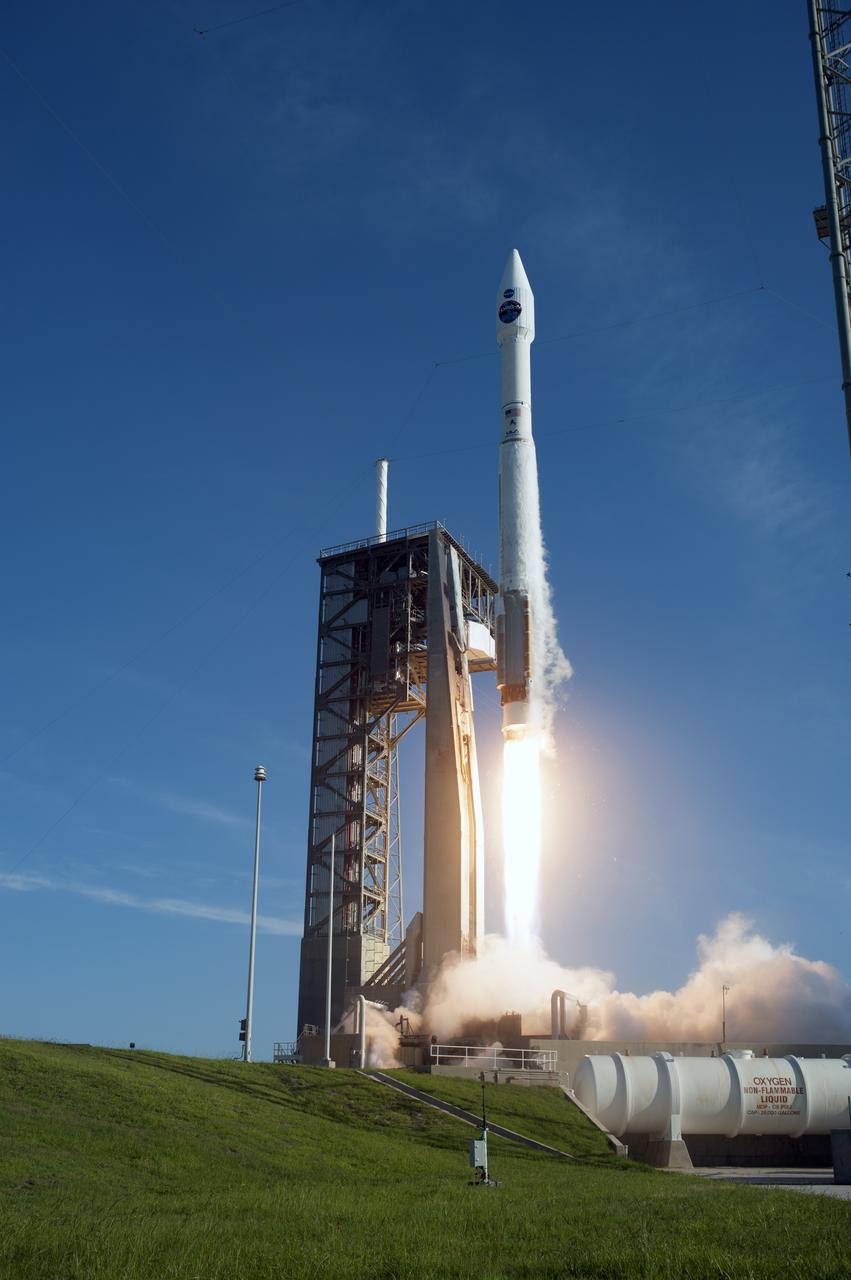
A United Launch Alliance Atlas V rocket lifts off from Space Launch Complex 41 at Cape Canaveral Air Force Station in Florida, with NASA's Tracking and Data Relay Satellite, TDRS-M. TDRS-M. Liftoff was at 8:29 a.m. EDT. TDRS-M is the latest spacecraft destined for the agency's constellation of communications satellites that allows nearly continuous contact with orbiting spacecraft ranging from the International Space Station and Hubble Space Telescope to the array of scientific observatories.

NASA announces the agency’s five-part plan to open the International Space Station to expanded commercial and marketing activities and private astronaut missions to the station and enable additional commercial destinations in low-Earth orbit, Friday, June 7, 2019 at the Nasdaq MarketSite in New York City. NASA will continue to maintain human presence and research in low-Earth orbit, and the long-term goal is to achieve a robust economy from which NASA can purchase services at a lower cost. Photo Credit: (NASA/Bill Ingalls)
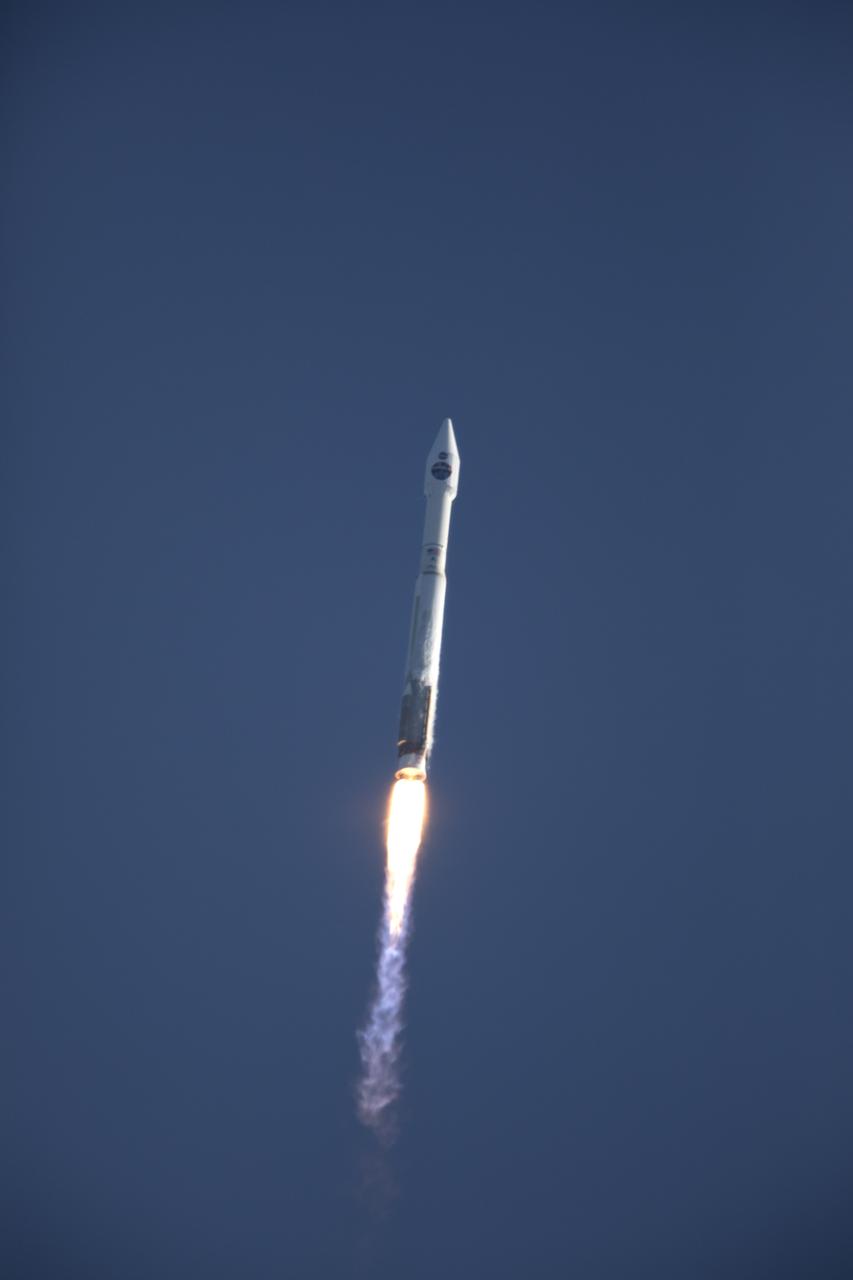
A United Launch Alliance Atlas V rocket lifts off from Space Launch Complex 41 at Cape Canaveral Air Force Station in Florida, with NASA's Tracking and Data Relay Satellite, TDRS-M. TDRS-M. Liftoff was at 8:29 a.m. EDT. TDRS-M is the latest spacecraft destined for the agency's constellation of communications satellites that allows nearly continuous contact with orbiting spacecraft ranging from the International Space Station and Hubble Space Telescope to the array of scientific observatories.
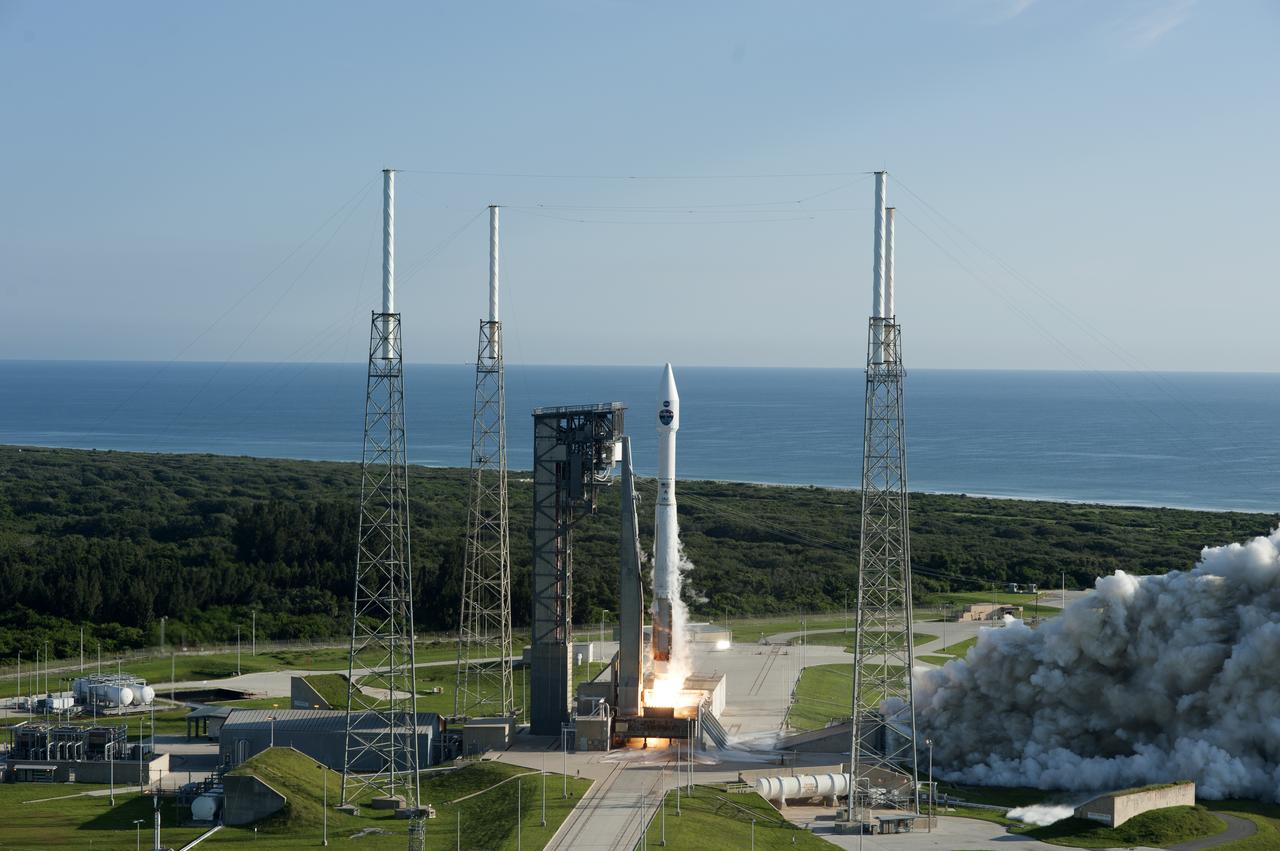
A United Launch Alliance Atlas V rocket lifts off from Space Launch Complex 41 at Cape Canaveral Air Force Station in Florida, with NASA's Tracking and Data Relay Satellite, TDRS-M. TDRS-M. Liftoff was at 8:29 a.m. EDT. TDRS-M is the latest spacecraft destined for the agency's constellation of communications satellites that allows nearly continuous contact with orbiting spacecraft ranging from the International Space Station and Hubble Space Telescope to the array of scientific observatories.

A United Launch Alliance Atlas V rocket lifts off from Space Launch Complex 41 at Cape Canaveral Air Force Station in Florida, with NASA's Tracking and Data Relay Satellite, TDRS-M. TDRS-M. Liftoff was at 8:29 a.m. EDT. TDRS-M is the latest spacecraft destined for the agency's constellation of communications satellites that allows nearly continuous contact with orbiting spacecraft ranging from the International Space Station and Hubble Space Telescope to the array of scientific observatories.
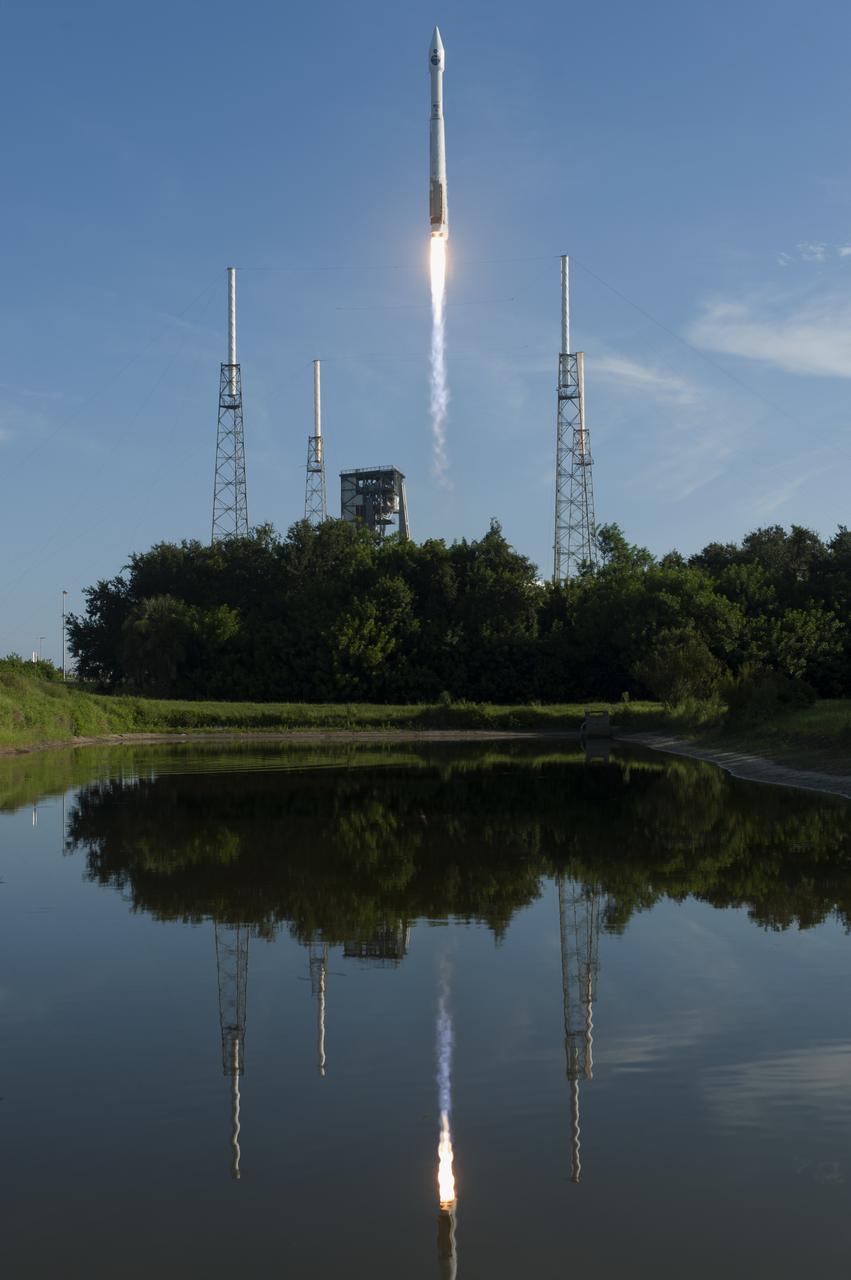
A United Launch Alliance Atlas V rocket lifts off from Space Launch Complex 41 at Cape Canaveral Air Force Station in Florida, with NASA's Tracking and Data Relay Satellite, TDRS-M. TDRS-M. Liftoff was at 8:29 a.m. EDT. TDRS-M is the latest spacecraft destined for the agency's constellation of communications satellites that allows nearly continuous contact with orbiting spacecraft ranging from the International Space Station and Hubble Space Telescope to the array of scientific observatories.
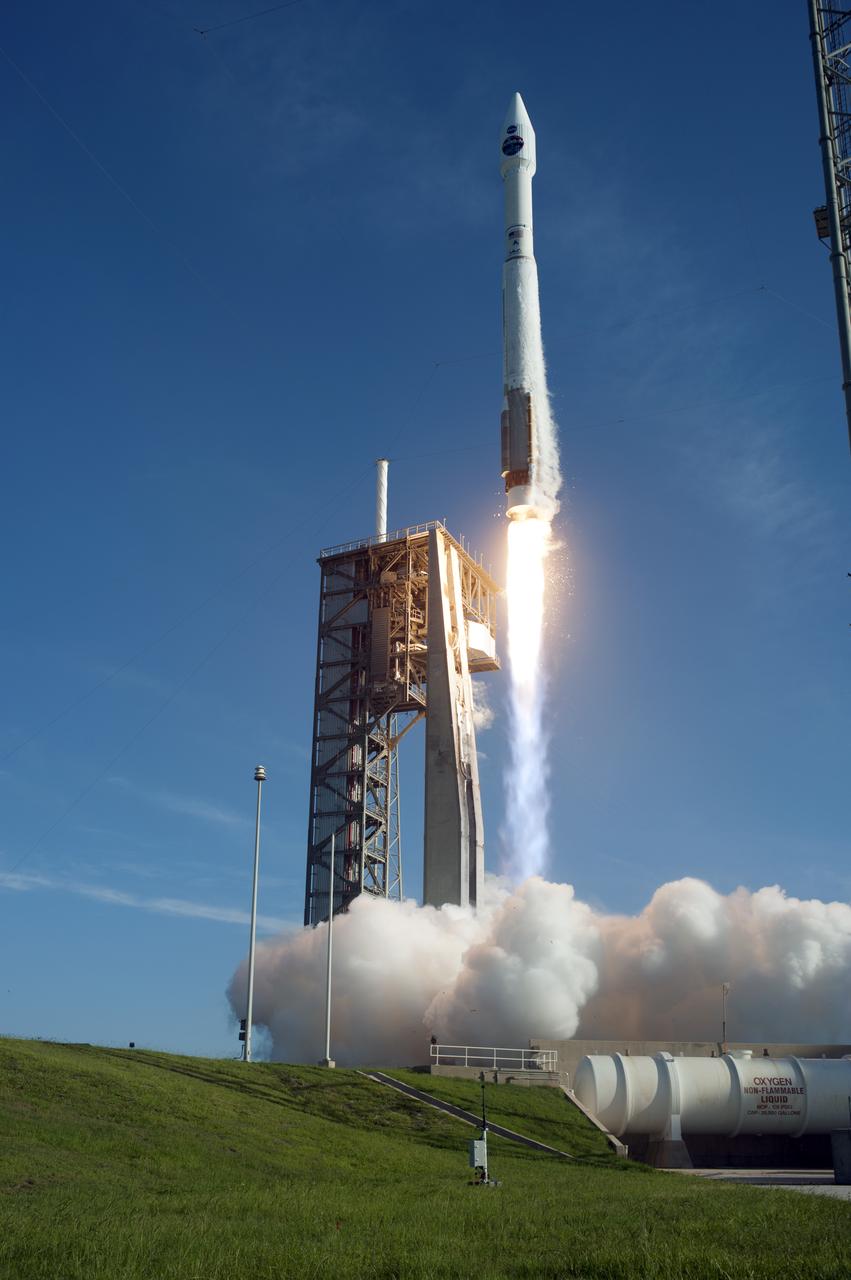
A United Launch Alliance Atlas V rocket lifts off from Space Launch Complex 41 at Cape Canaveral Air Force Station in Florida, with NASA's Tracking and Data Relay Satellite, TDRS-M. TDRS-M. Liftoff was at 8:29 a.m. EDT. TDRS-M is the latest spacecraft destined for the agency's constellation of communications satellites that allows nearly continuous contact with orbiting spacecraft ranging from the International Space Station and Hubble Space Telescope to the array of scientific observatories.
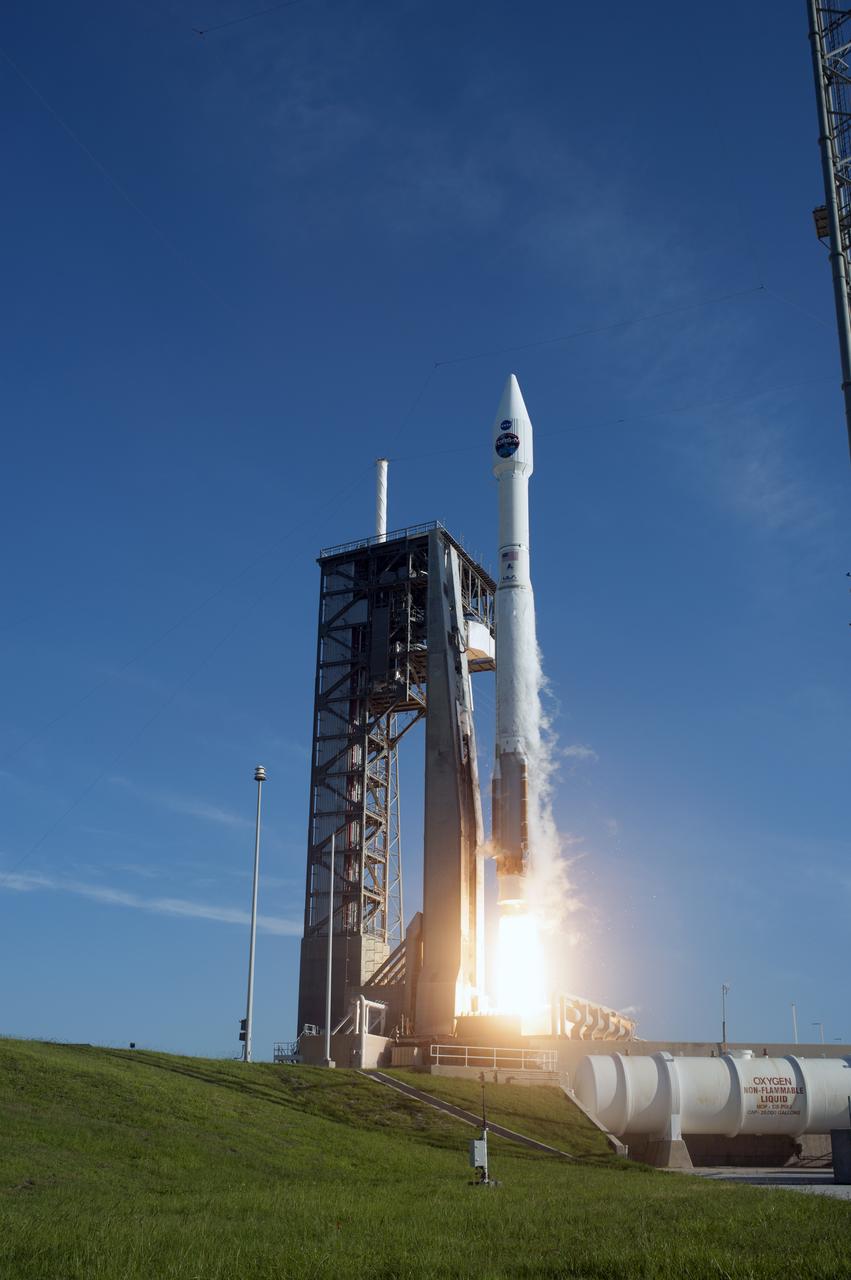
A United Launch Alliance Atlas V rocket lifts off from Space Launch Complex 41 at Cape Canaveral Air Force Station in Florida, with NASA's Tracking and Data Relay Satellite, TDRS-M. TDRS-M. Liftoff was at 8:29 a.m. EDT. TDRS-M is the latest spacecraft destined for the agency's constellation of communications satellites that allows nearly continuous contact with orbiting spacecraft ranging from the International Space Station and Hubble Space Telescope to the array of scientific observatories.
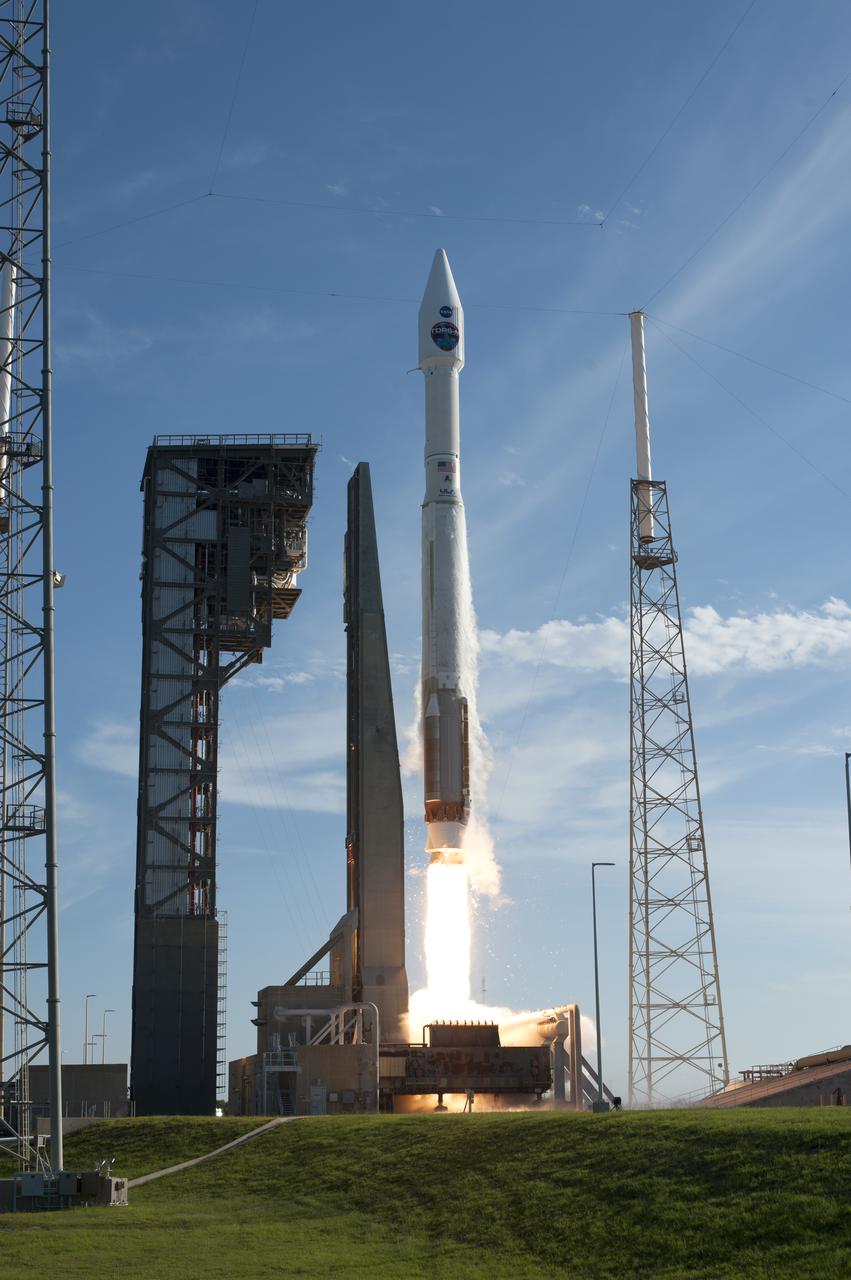
A United Launch Alliance Atlas V rocket lifts off from Space Launch Complex 41 at Cape Canaveral Air Force Station in Florida, with NASA's Tracking and Data Relay Satellite, TDRS-M. TDRS-M. Liftoff was at 8:29 a.m. EDT. TDRS-M is the latest spacecraft destined for the agency's constellation of communications satellites that allows nearly continuous contact with orbiting spacecraft ranging from the International Space Station and Hubble Space Telescope to the array of scientific observatories.
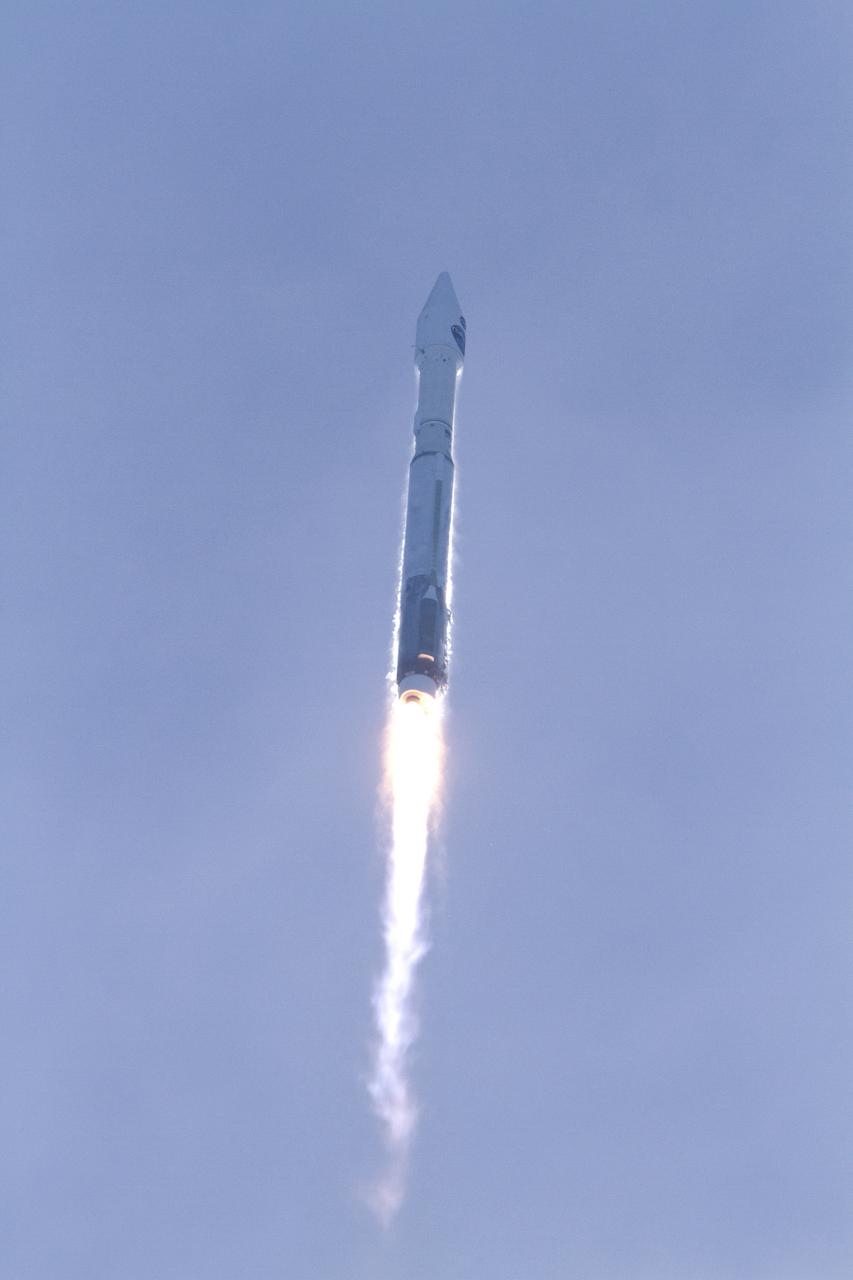
A United Launch Alliance Atlas V rocket lifts off from Space Launch Complex 41 at Cape Canaveral Air Force Station in Florida, with NASA's Tracking and Data Relay Satellite, TDRS-M. TDRS-M. Liftoff was at 8:29 a.m. EDT. TDRS-M is the latest spacecraft destined for the agency's constellation of communications satellites that allows nearly continuous contact with orbiting spacecraft ranging from the International Space Station and Hubble Space Telescope to the array of scientific observatories.
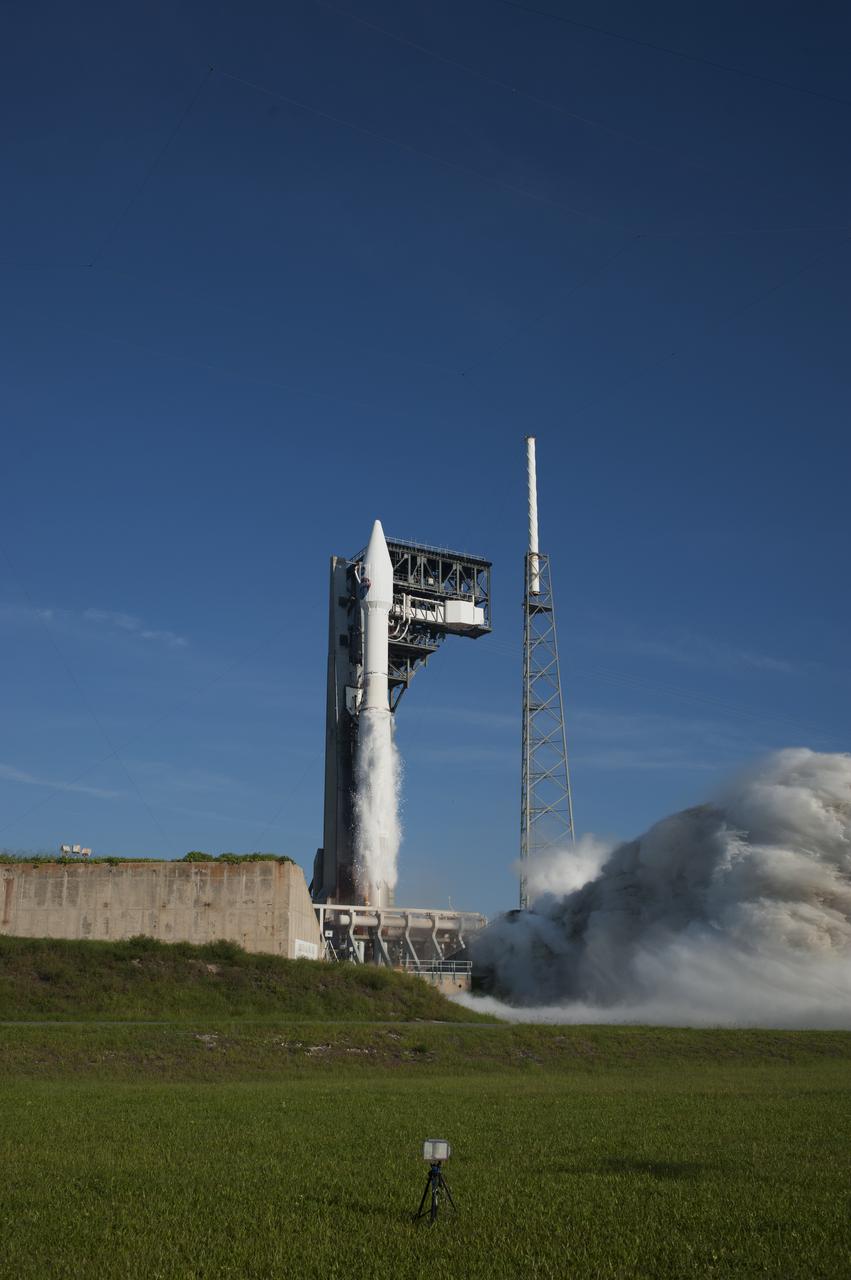
A United Launch Alliance Atlas V rocket lifts off from Space Launch Complex 41 at Cape Canaveral Air Force Station in Florida, with NASA's Tracking and Data Relay Satellite, TDRS-M. TDRS-M. Liftoff was at 8:29 a.m. EDT. TDRS-M is the latest spacecraft destined for the agency's constellation of communications satellites that allows nearly continuous contact with orbiting spacecraft ranging from the International Space Station and Hubble Space Telescope to the array of scientific observatories.
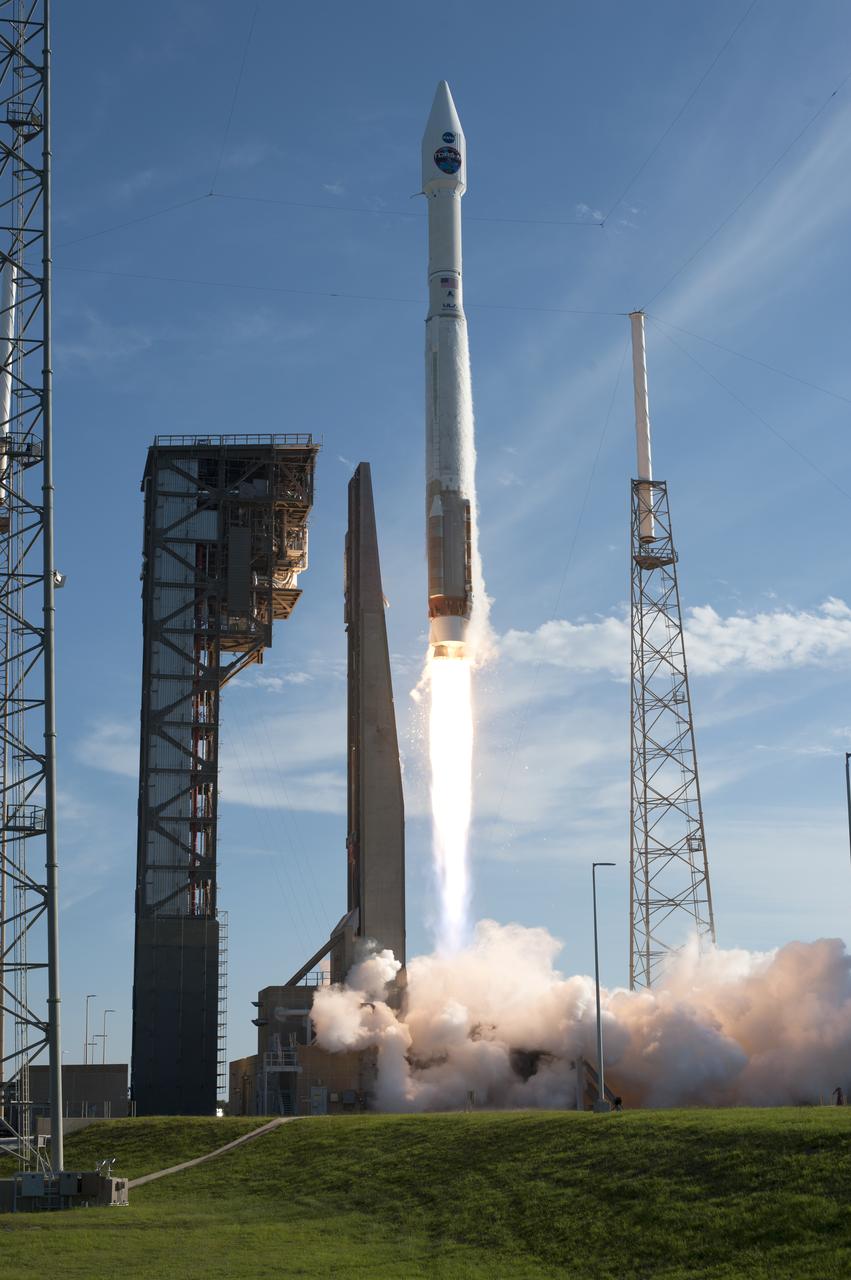
A United Launch Alliance Atlas V rocket lifts off from Space Launch Complex 41 at Cape Canaveral Air Force Station in Florida, with NASA's Tracking and Data Relay Satellite, TDRS-M. TDRS-M. Liftoff was at 8:29 a.m. EDT. TDRS-M is the latest spacecraft destined for the agency's constellation of communications satellites that allows nearly continuous contact with orbiting spacecraft ranging from the International Space Station and Hubble Space Telescope to the array of scientific observatories.
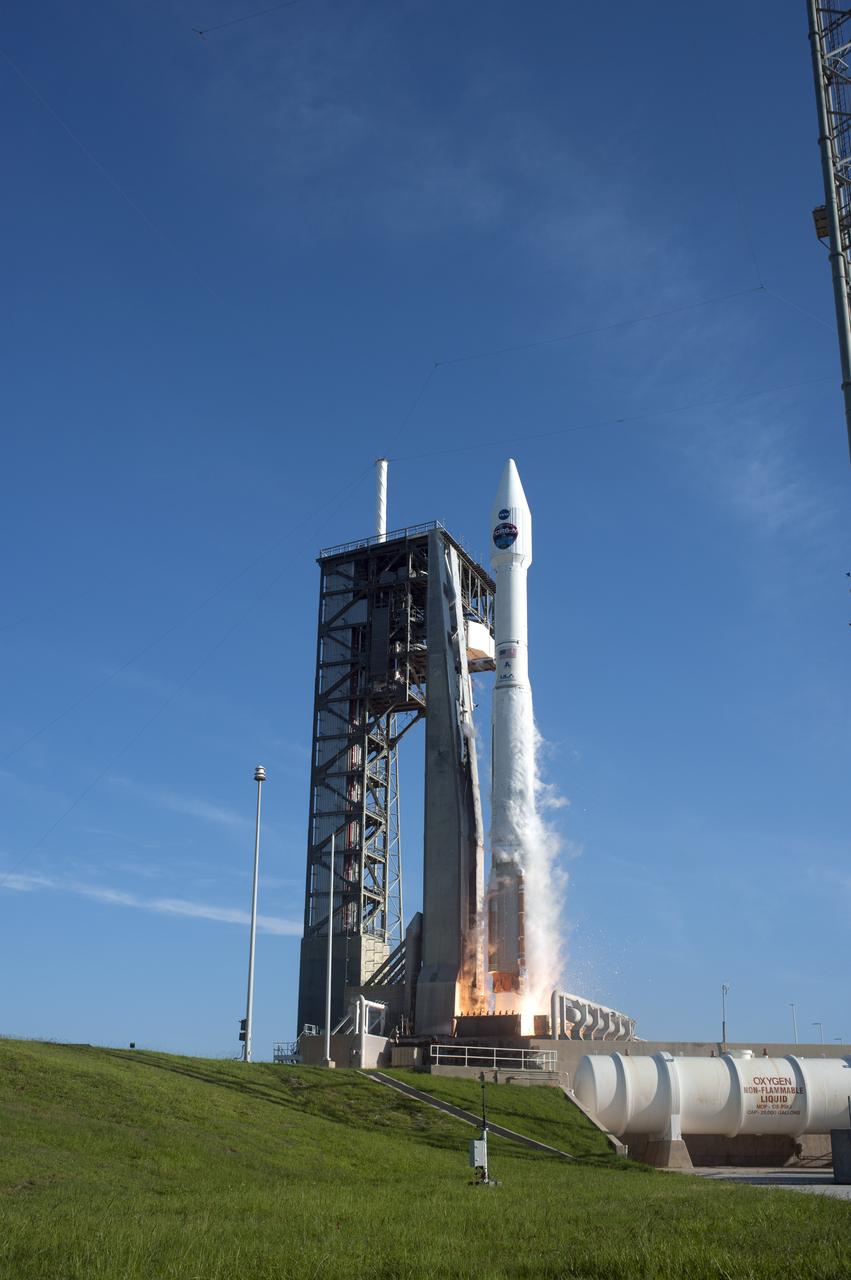
A United Launch Alliance Atlas V rocket lifts off from Space Launch Complex 41 at Cape Canaveral Air Force Station in Florida, with NASA's Tracking and Data Relay Satellite, TDRS-M. TDRS-M. Liftoff was at 8:29 a.m. EDT. TDRS-M is the latest spacecraft destined for the agency's constellation of communications satellites that allows nearly continuous contact with orbiting spacecraft ranging from the International Space Station and Hubble Space Telescope to the array of scientific observatories.
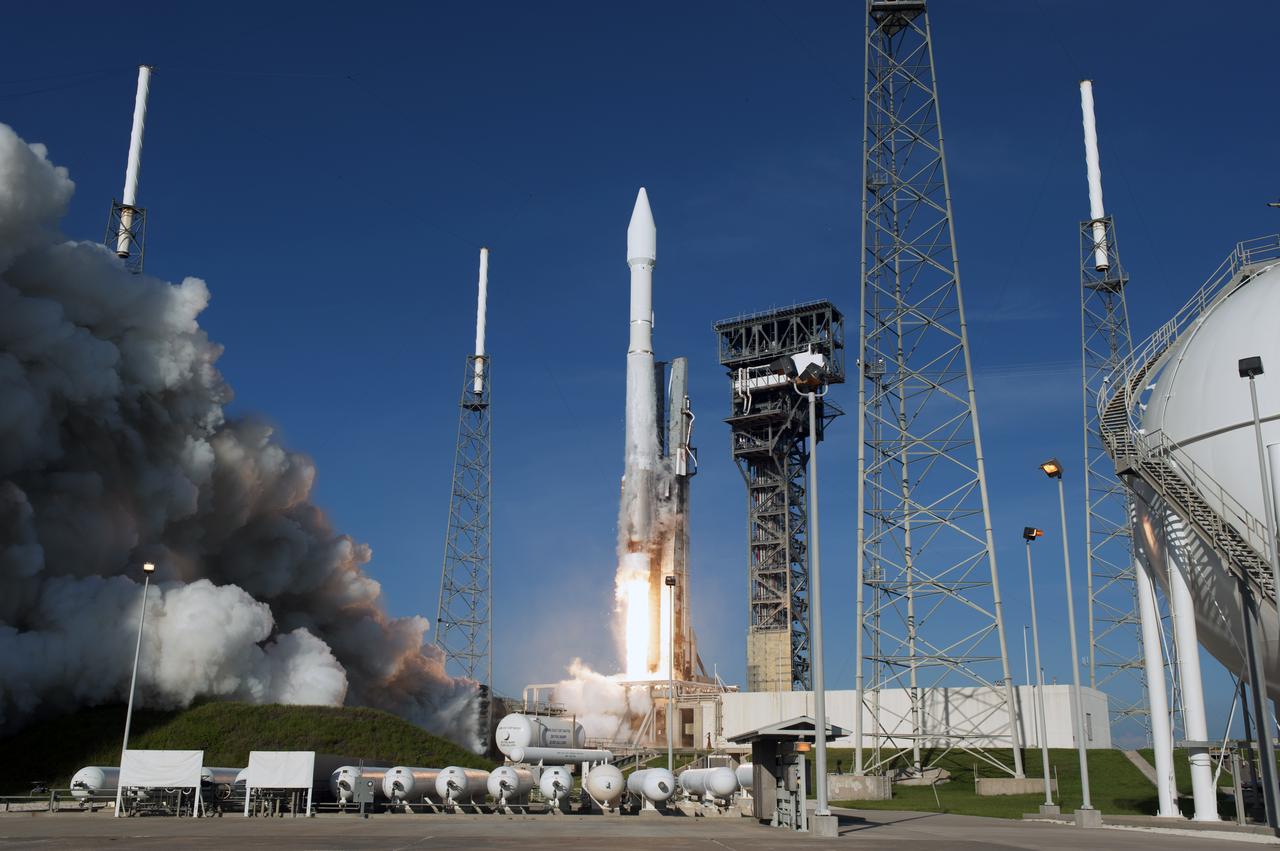
A United Launch Alliance Atlas V rocket lifts off from Space Launch Complex 41 at Cape Canaveral Air Force Station in Florida, with NASA's Tracking and Data Relay Satellite, TDRS-M. TDRS-M. Liftoff was at 8:29 a.m. EDT. TDRS-M is the latest spacecraft destined for the agency's constellation of communications satellites that allows nearly continuous contact with orbiting spacecraft ranging from the International Space Station and Hubble Space Telescope to the array of scientific observatories.
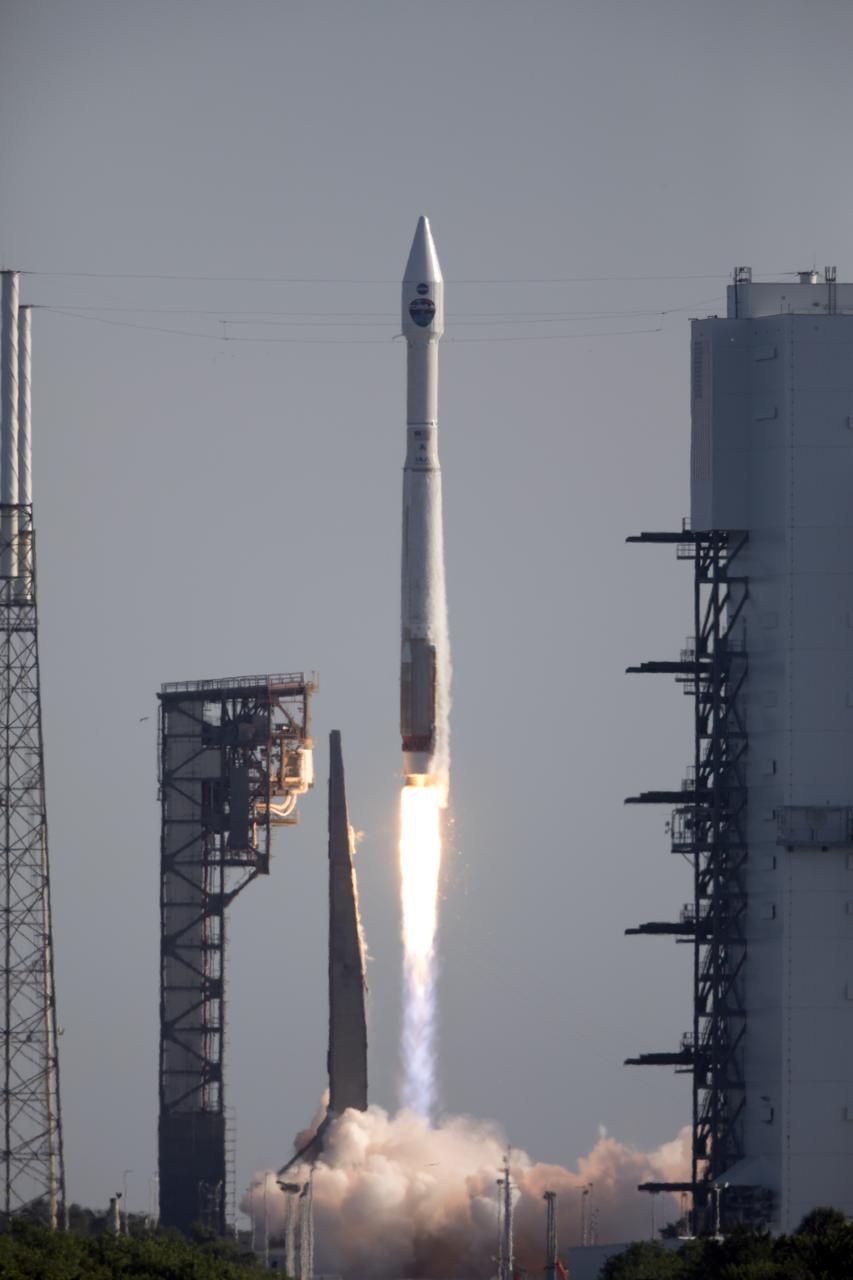
A United Launch Alliance Atlas V rocket lifts off from Space Launch Complex 41 at Cape Canaveral Air Force Station in Florida, with NASA's Tracking and Data Relay Satellite, TDRS-M. TDRS-M. Liftoff was at 8:29 a.m. EDT. TDRS-M is the latest spacecraft destined for the agency's constellation of communications satellites that allows nearly continuous contact with orbiting spacecraft ranging from the International Space Station and Hubble Space Telescope to the array of scientific observatories.
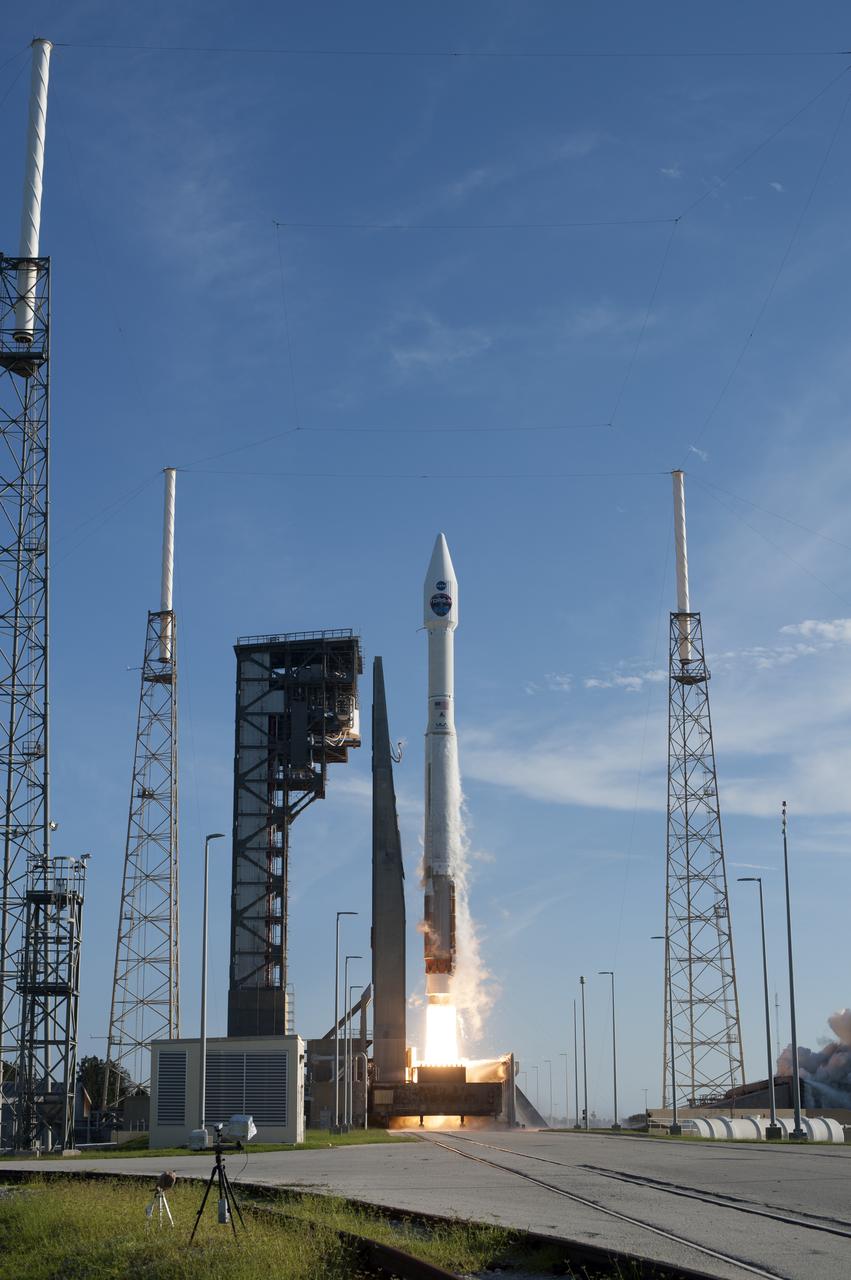
A United Launch Alliance Atlas V rocket lifts off from Space Launch Complex 41 at Cape Canaveral Air Force Station in Florida, with NASA's Tracking and Data Relay Satellite, TDRS-M. TDRS-M. Liftoff was at 8:29 a.m. EDT. TDRS-M is the latest spacecraft destined for the agency's constellation of communications satellites that allows nearly continuous contact with orbiting spacecraft ranging from the International Space Station and Hubble Space Telescope to the array of scientific observatories.
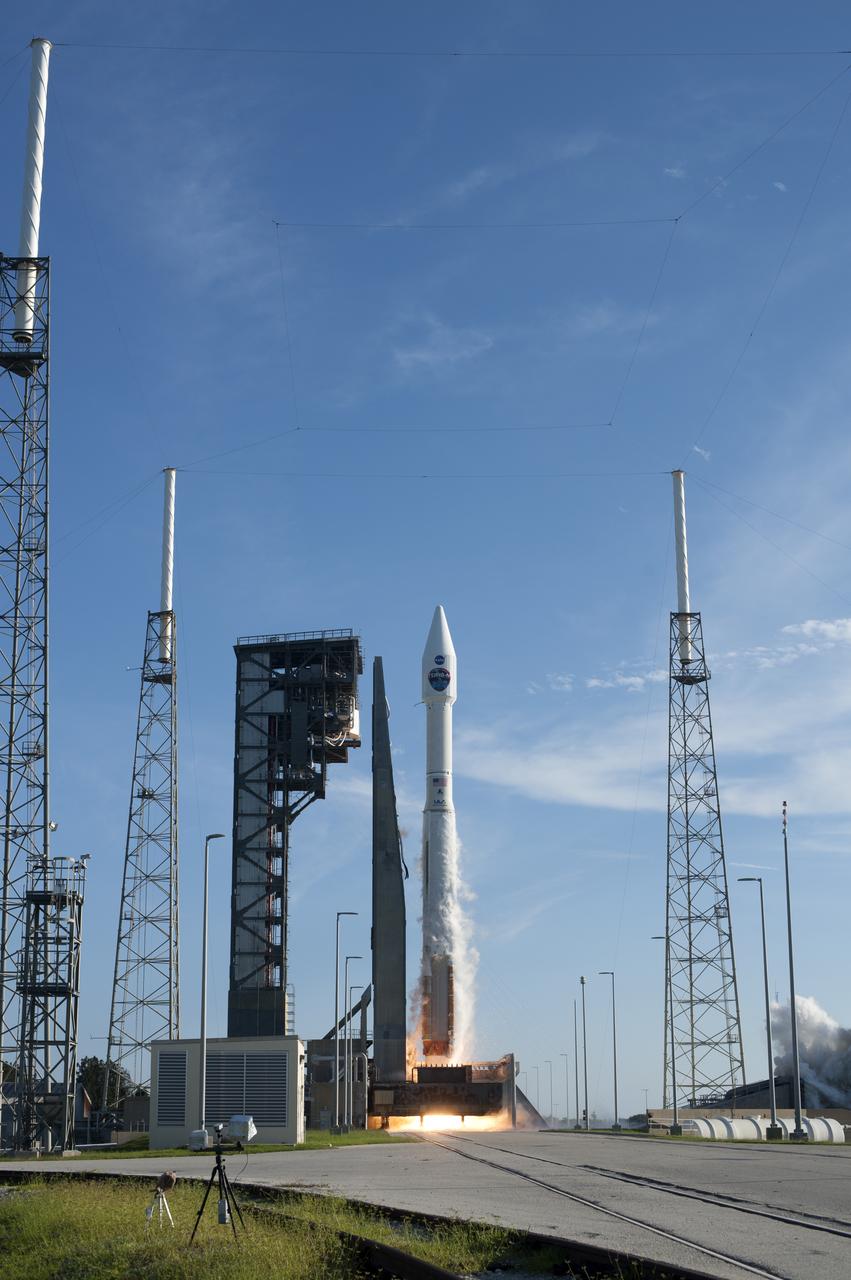
A United Launch Alliance Atlas V rocket lifts off from Space Launch Complex 41 at Cape Canaveral Air Force Station in Florida, with NASA's Tracking and Data Relay Satellite, TDRS-M. TDRS-M. Liftoff was at 8:29 a.m. EDT. TDRS-M is the latest spacecraft destined for the agency's constellation of communications satellites that allows nearly continuous contact with orbiting spacecraft ranging from the International Space Station and Hubble Space Telescope to the array of scientific observatories.
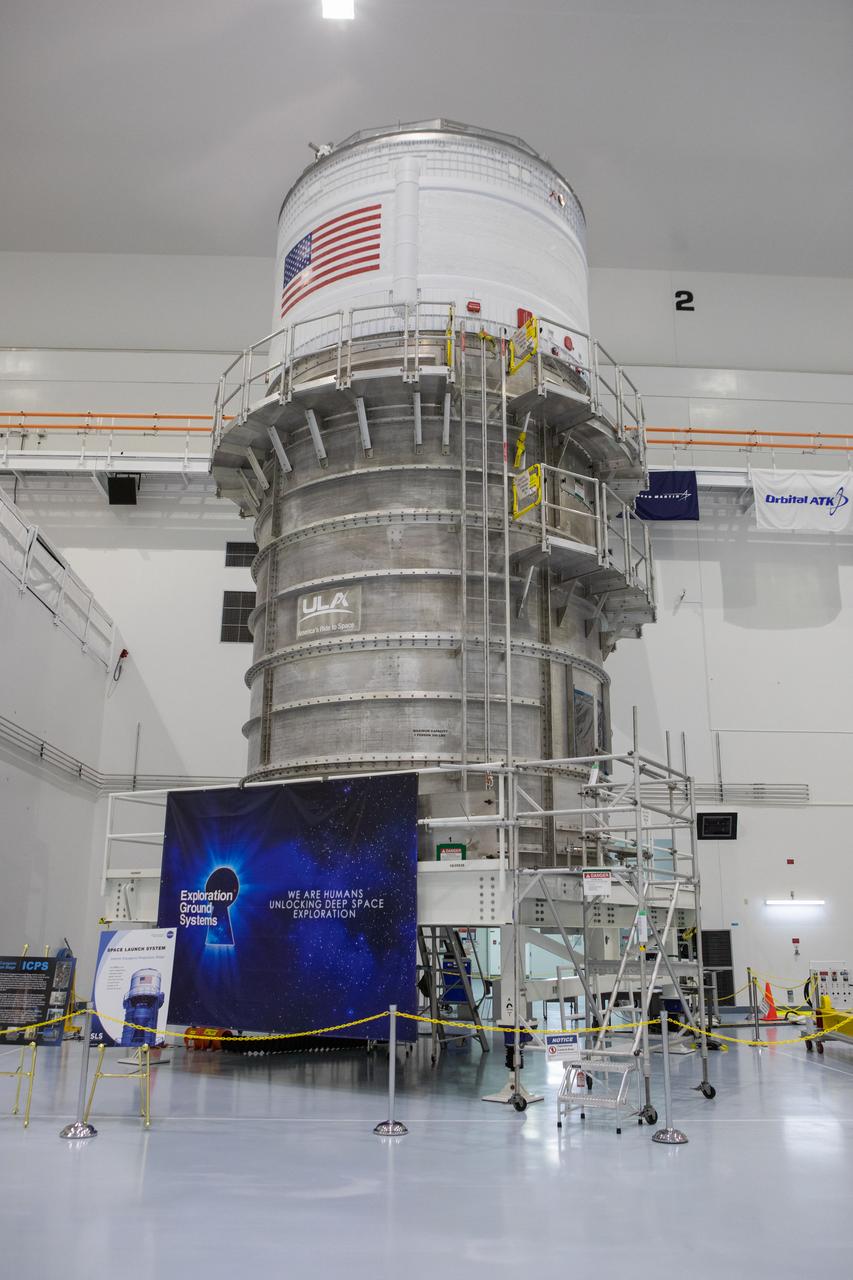
The Interim Cryogenic Propulsion Stage for Orion’s Artemis 1 mission is in view inside the high bay in the Space Station Processing Facility (SSPF) at NASA's Kennedy Space Center in Florida, on May 16, 2019. The center is celebrating the SSPF’s 25th anniversary. The facility was built to process elements for the International Space Station. Now it is providing support for current and future NASA and commercial provider programs, including Commercial Resupply Services, Artemis 1, sending the first woman and next man to the Moon, and deep space destinations including Mars.
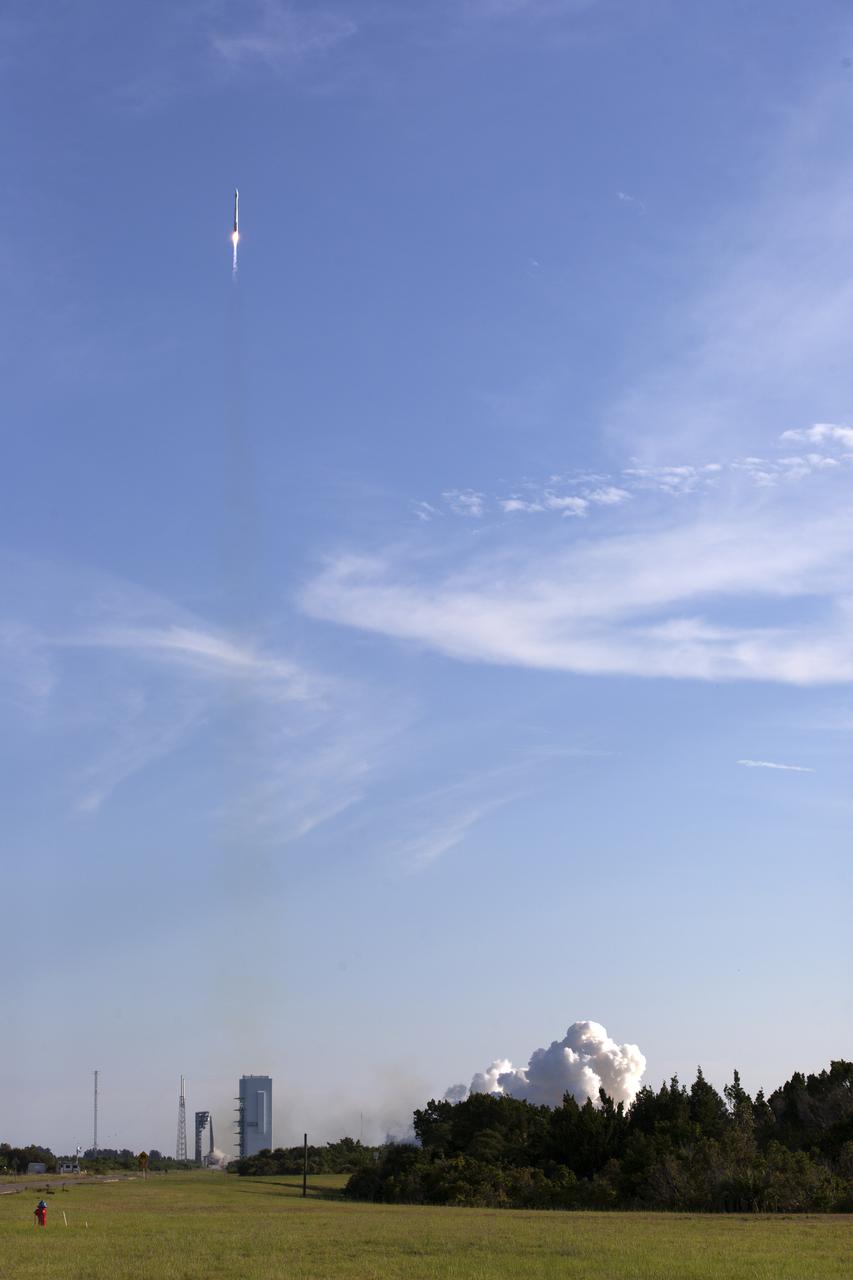
A United Launch Alliance Atlas V rocket lifts off from Space Launch Complex 41 at Cape Canaveral Air Force Station in Florida, with NASA's Tracking and Data Relay Satellite, TDRS-M. TDRS-M. Liftoff was at 8:29 a.m. EDT. TDRS-M is the latest spacecraft destined for the agency's constellation of communications satellites that allows nearly continuous contact with orbiting spacecraft ranging from the International Space Station and Hubble Space Telescope to the array of scientific observatories.

KENNEDY SPACE CENTER, Fla. -- The Space Shuttle Atlantis arrives at Launch Pad 39A, the destination of its journey from the Vehicle Assembly Building, for final preparations for liftoff of the STS-84 mission. Atlantis and its crew of seven are targeted for a May 15 launch. STS-84 will be the sixth Shuttle docking with the Russian Space Station Mir as part of Phase 1 of the International Space Station program
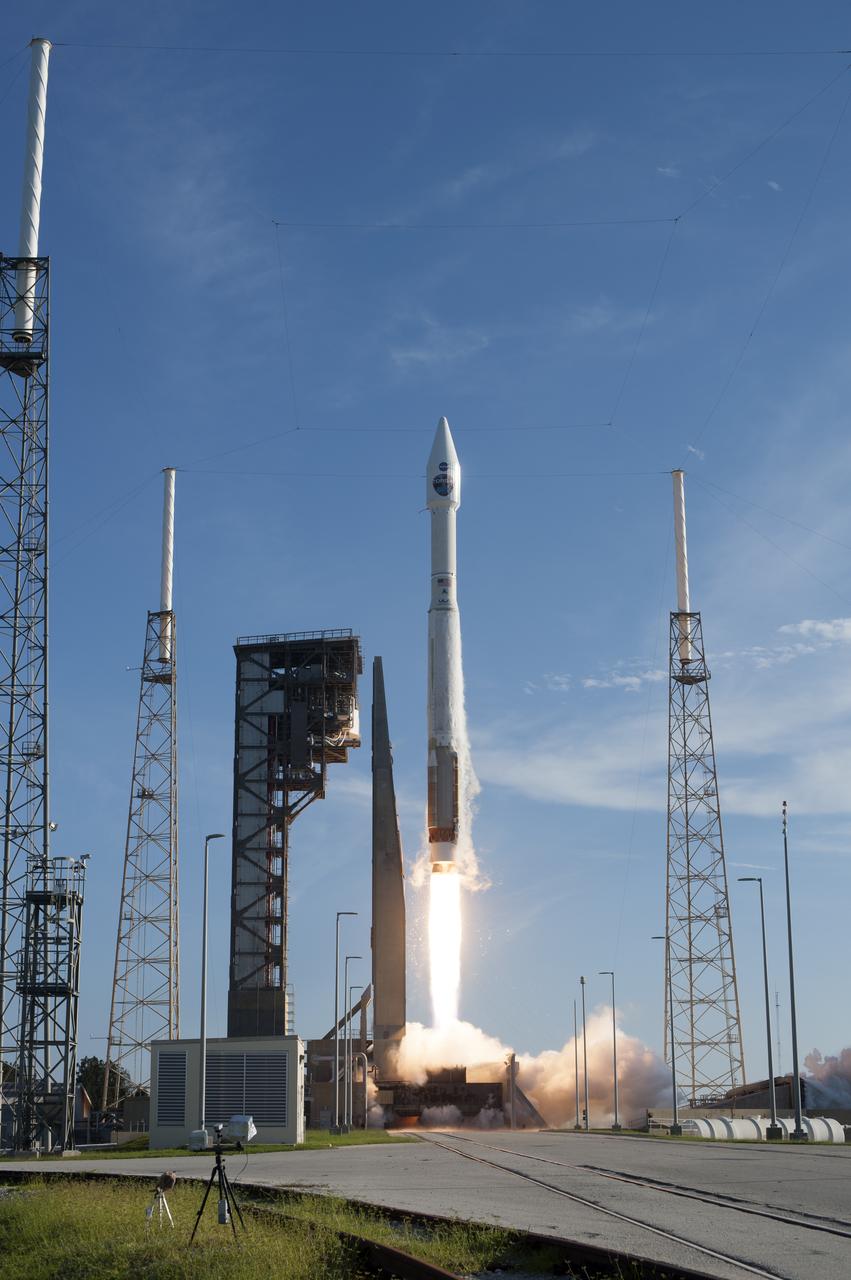
A United Launch Alliance Atlas V rocket lifts off from Space Launch Complex 41 at Cape Canaveral Air Force Station in Florida, with NASA's Tracking and Data Relay Satellite, TDRS-M. TDRS-M. Liftoff was at 8:29 a.m. EDT. TDRS-M is the latest spacecraft destined for the agency's constellation of communications satellites that allows nearly continuous contact with orbiting spacecraft ranging from the International Space Station and Hubble Space Telescope to the array of scientific observatories.
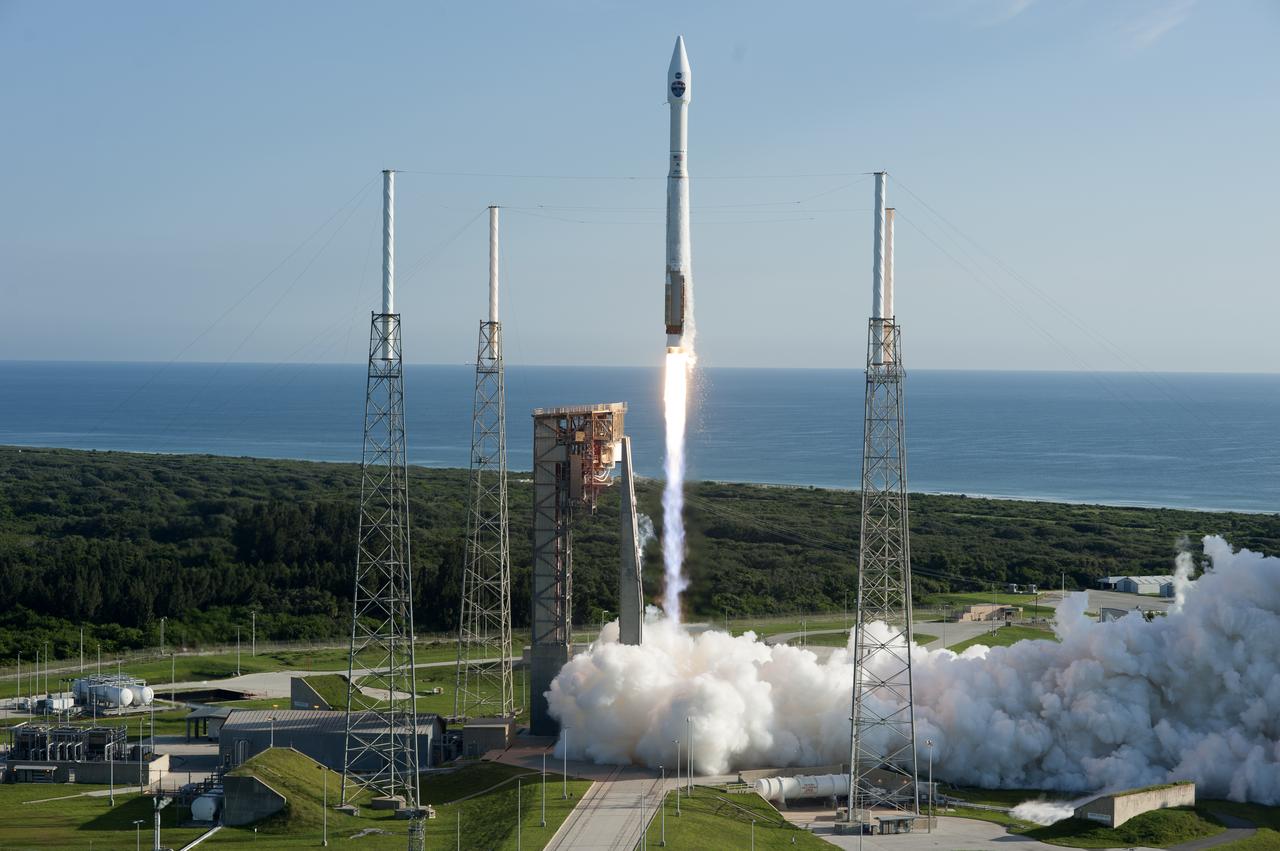
A United Launch Alliance Atlas V rocket lifts off from Space Launch Complex 41 at Cape Canaveral Air Force Station in Florida, with NASA's Tracking and Data Relay Satellite, TDRS-M. TDRS-M. Liftoff was at 8:29 a.m. EDT. TDRS-M is the latest spacecraft destined for the agency's constellation of communications satellites that allows nearly continuous contact with orbiting spacecraft ranging from the International Space Station and Hubble Space Telescope to the array of scientific observatories.
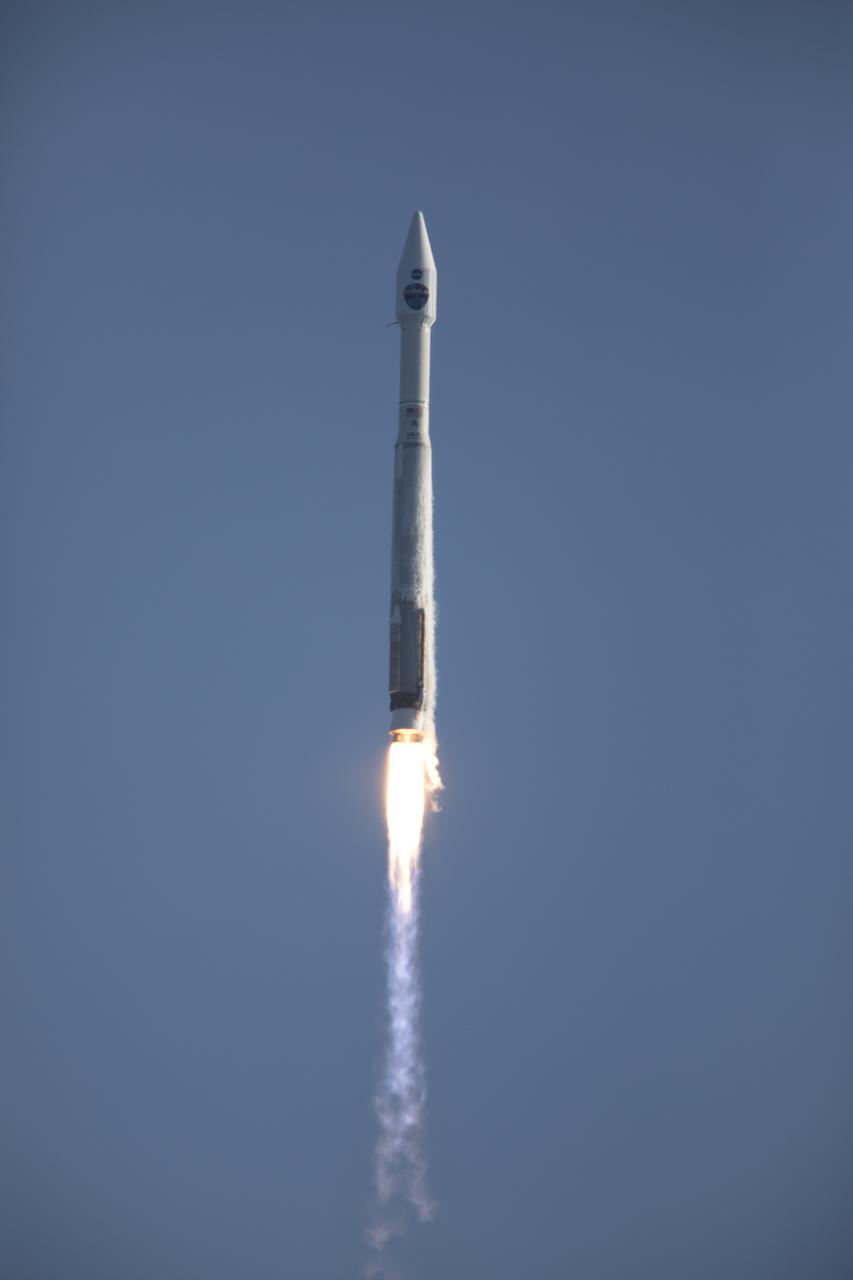
A United Launch Alliance Atlas V rocket lifts off from Space Launch Complex 41 at Cape Canaveral Air Force Station in Florida, with NASA's Tracking and Data Relay Satellite, TDRS-M. TDRS-M. Liftoff was at 8:29 a.m. EDT. TDRS-M is the latest spacecraft destined for the agency's constellation of communications satellites that allows nearly continuous contact with orbiting spacecraft ranging from the International Space Station and Hubble Space Telescope to the array of scientific observatories.
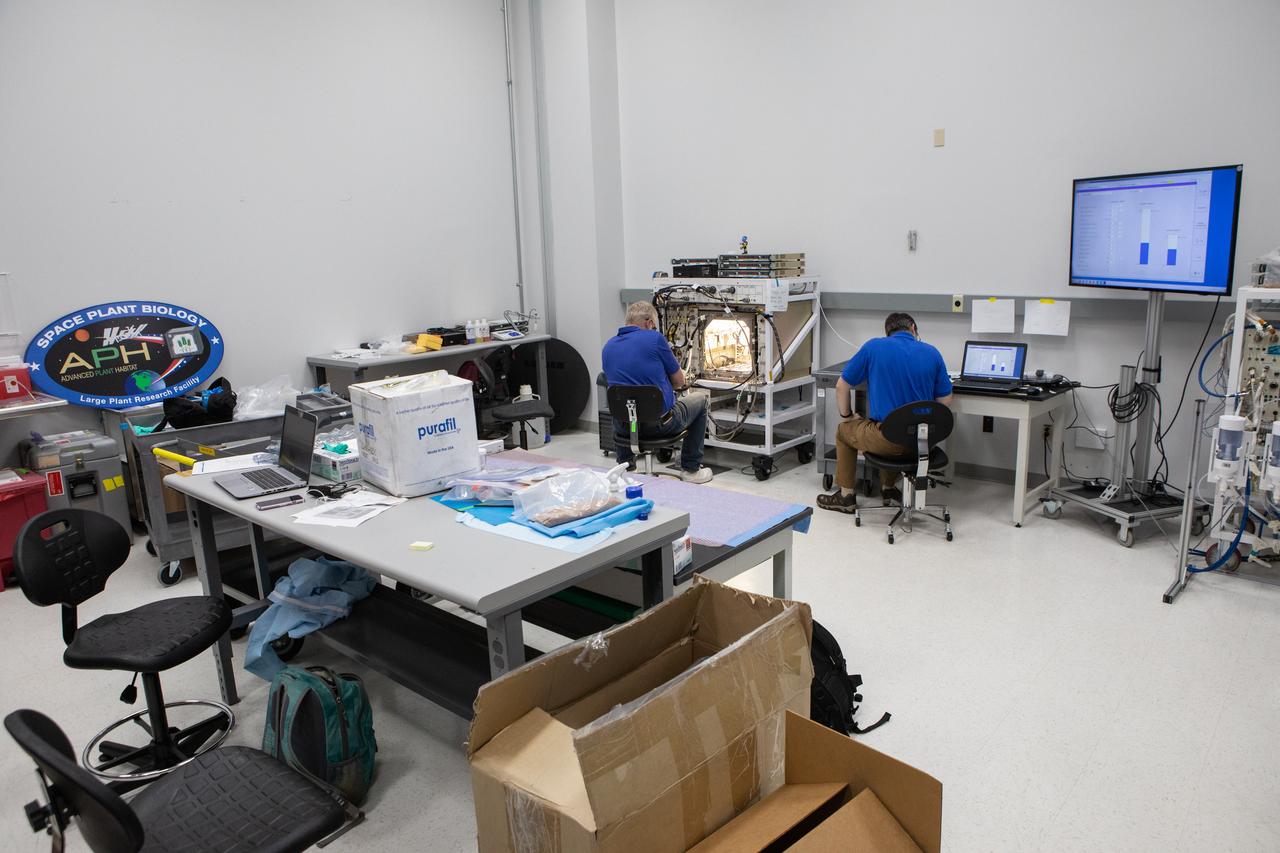
Researchers are testing plant growth in a ground unit of the Advanced Plant Habitat inside a laboratory in the Space Station Processing Facility (SSPF) at NASA's Kennedy Space Center in Florida, on May 16, 2019. The center is celebrating the SSPF’s 25th anniversary. The facility was built to process elements for the International Space Station. Now it is providing support for current and future NASA and commercial provider programs, including Commercial Resupply Services, Artemis 1, sending the first woman and next man to the Moon, and deep space destinations including Mars.
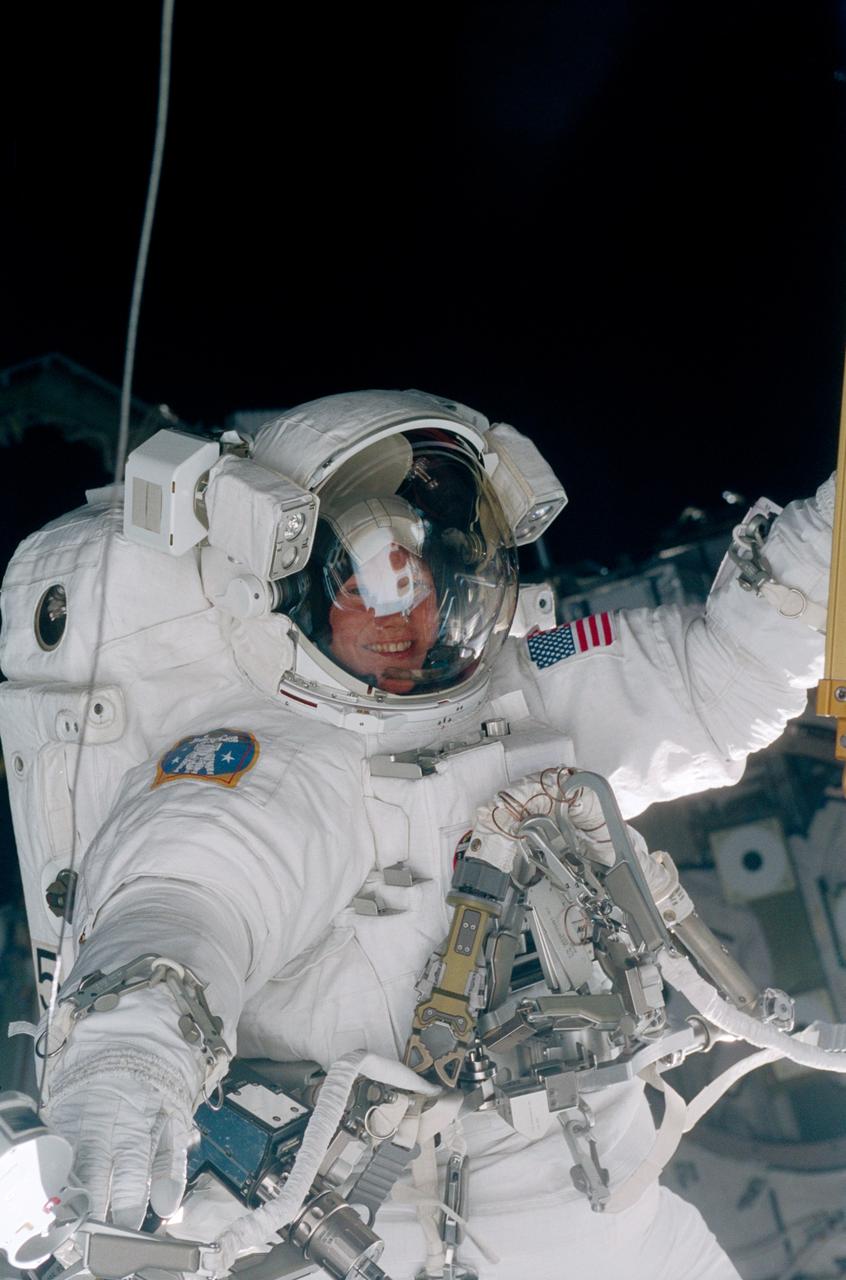
STS102-325-023 (11 March 2001) --- Astronaut Susan J. Helms completes a scheduled space walk task on the International Space Station (ISS). This extravehicular activity (EVA), on which Helms was joined by astronaut James S. Voss (out of frame), was the first of two scheduled STS-102 EVA sessions. The pair, destined to become members of the Expedition Two crew aboard the station later in the mission, rode aboard Discovery into orbit and at the time of this EVA were still regarded as STS-102 mission specialists.
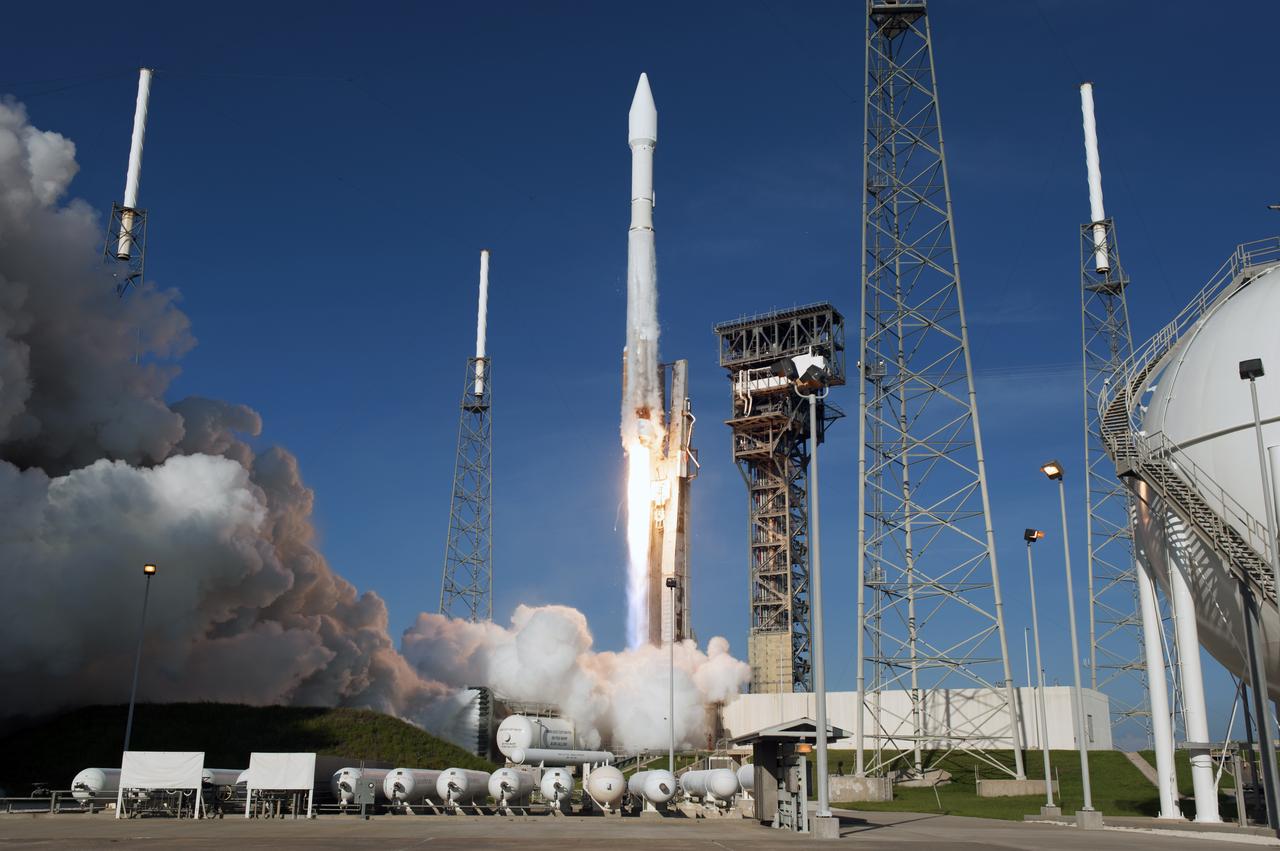
A United Launch Alliance Atlas V rocket lifts off from Space Launch Complex 41 at Cape Canaveral Air Force Station in Florida, with NASA's Tracking and Data Relay Satellite, TDRS-M. TDRS-M. Liftoff was at 8:29 a.m. EDT. TDRS-M is the latest spacecraft destined for the agency's constellation of communications satellites that allows nearly continuous contact with orbiting spacecraft ranging from the International Space Station and Hubble Space Telescope to the array of scientific observatories.
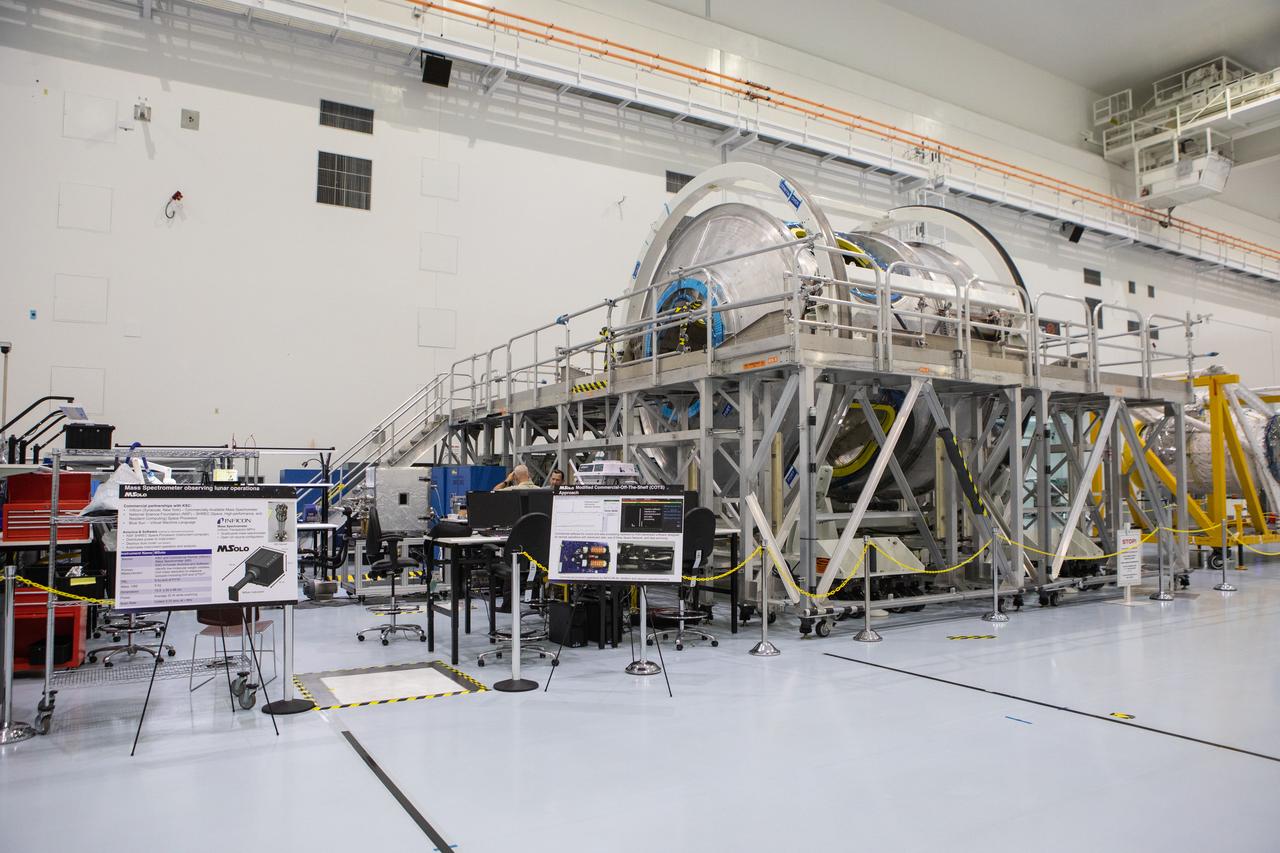
Instruments for NASA’s Mars Spectrometer observing lunar operations (MSolo) are in view at left in the high bay of the Space Station Processing Facility (SSPF) at NASA's Kennedy Space Center in Florida, on May 16, 2019. The center is celebrating the SSPF’s 25th anniversary. The facility was built to process elements for the International Space Station. Now it is providing support for current and future NASA and commercial provider programs, including Commercial Resupply Services, Artemis 1, sending the first woman and next man to the Moon, and deep space destinations including Mars.
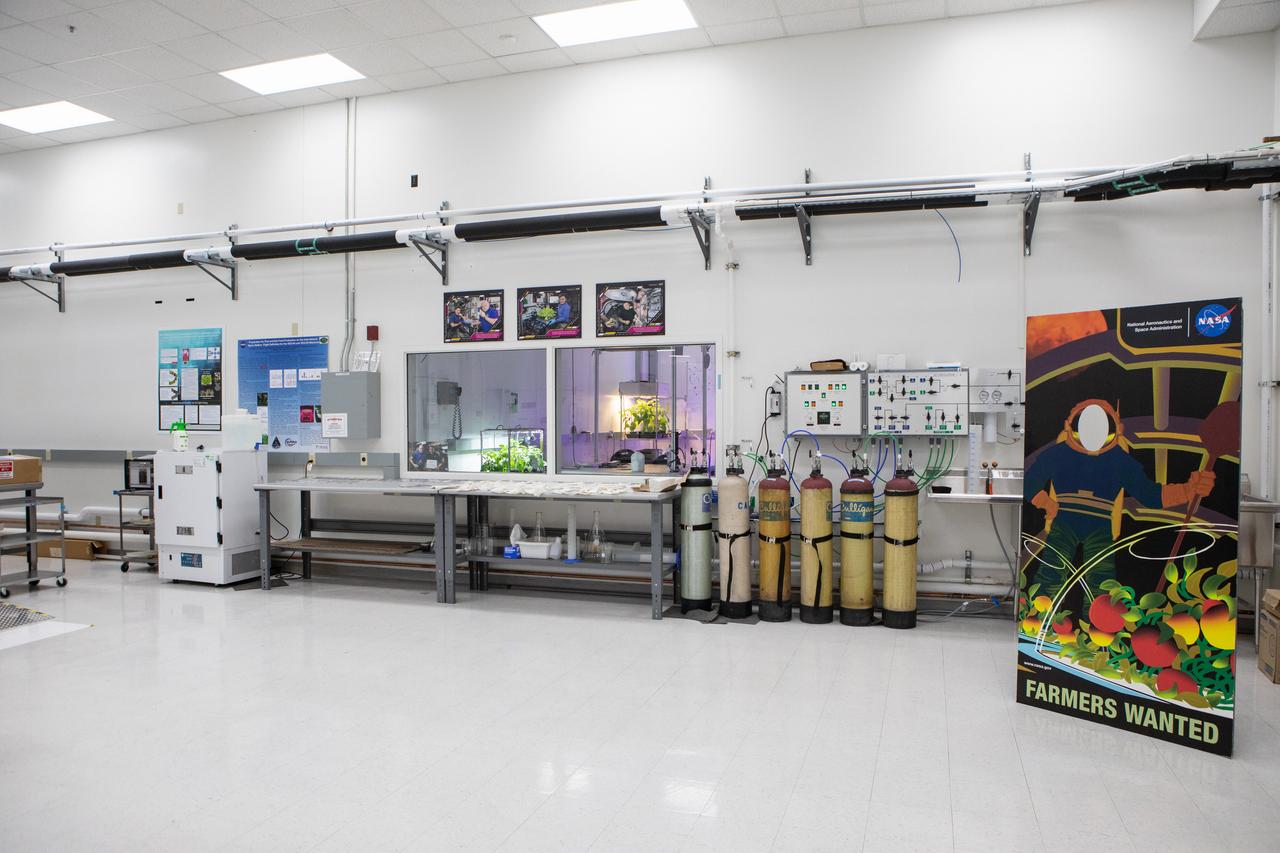
Two plant growth experiments are in view behind glass in a laboratory inside the Space Station Processing Facility (SSPF) at NASA’s Kennedy Space Center in Florida, on May 16, 2019. The center is celebrating the SSPF’s 25th anniversary. The facility was built to process elements for the International Space Station. Now it is providing support for current and future NASA and commercial provider programs, including Commercial Resupply Services, Artemis 1, sending the first woman and next man to the Moon, and deep space destinations including Mars.
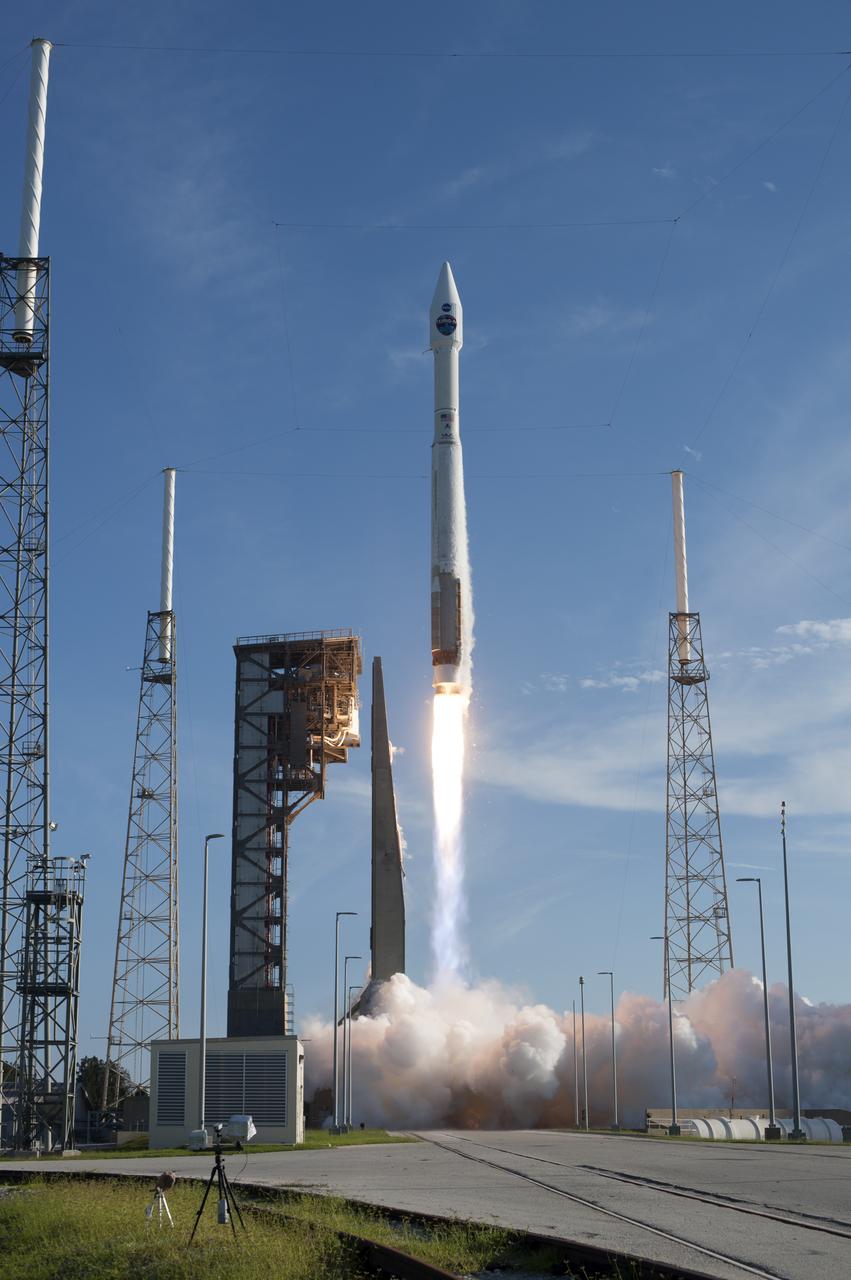
A United Launch Alliance Atlas V rocket lifts off from Space Launch Complex 41 at Cape Canaveral Air Force Station in Florida, with NASA's Tracking and Data Relay Satellite, TDRS-M. TDRS-M. Liftoff was at 8:29 a.m. EDT. TDRS-M is the latest spacecraft destined for the agency's constellation of communications satellites that allows nearly continuous contact with orbiting spacecraft ranging from the International Space Station and Hubble Space Telescope to the array of scientific observatories.
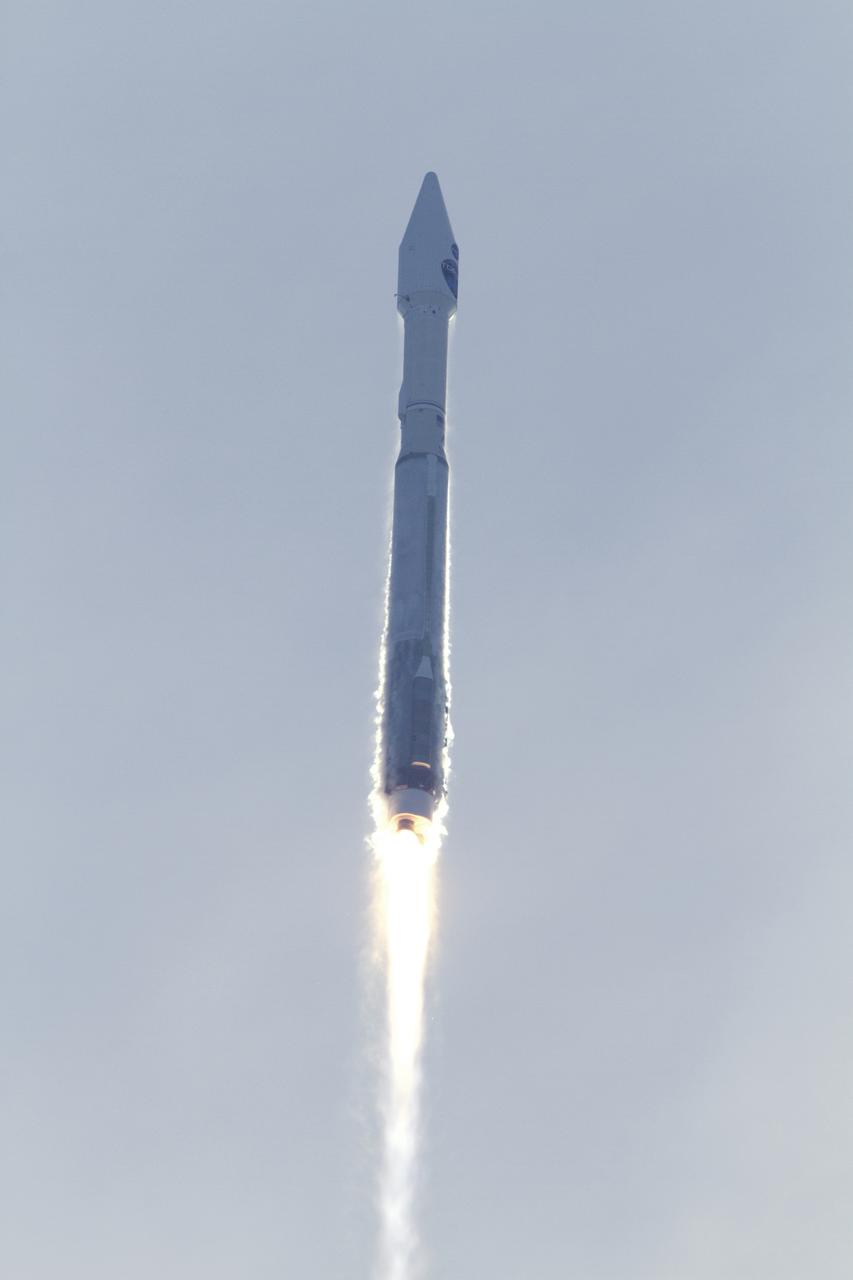
A United Launch Alliance Atlas V rocket lifts off from Space Launch Complex 41 at Cape Canaveral Air Force Station in Florida, with NASA's Tracking and Data Relay Satellite, TDRS-M. TDRS-M. Liftoff was at 8:29 a.m. EDT. TDRS-M is the latest spacecraft destined for the agency's constellation of communications satellites that allows nearly continuous contact with orbiting spacecraft ranging from the International Space Station and Hubble Space Telescope to the array of scientific observatories.
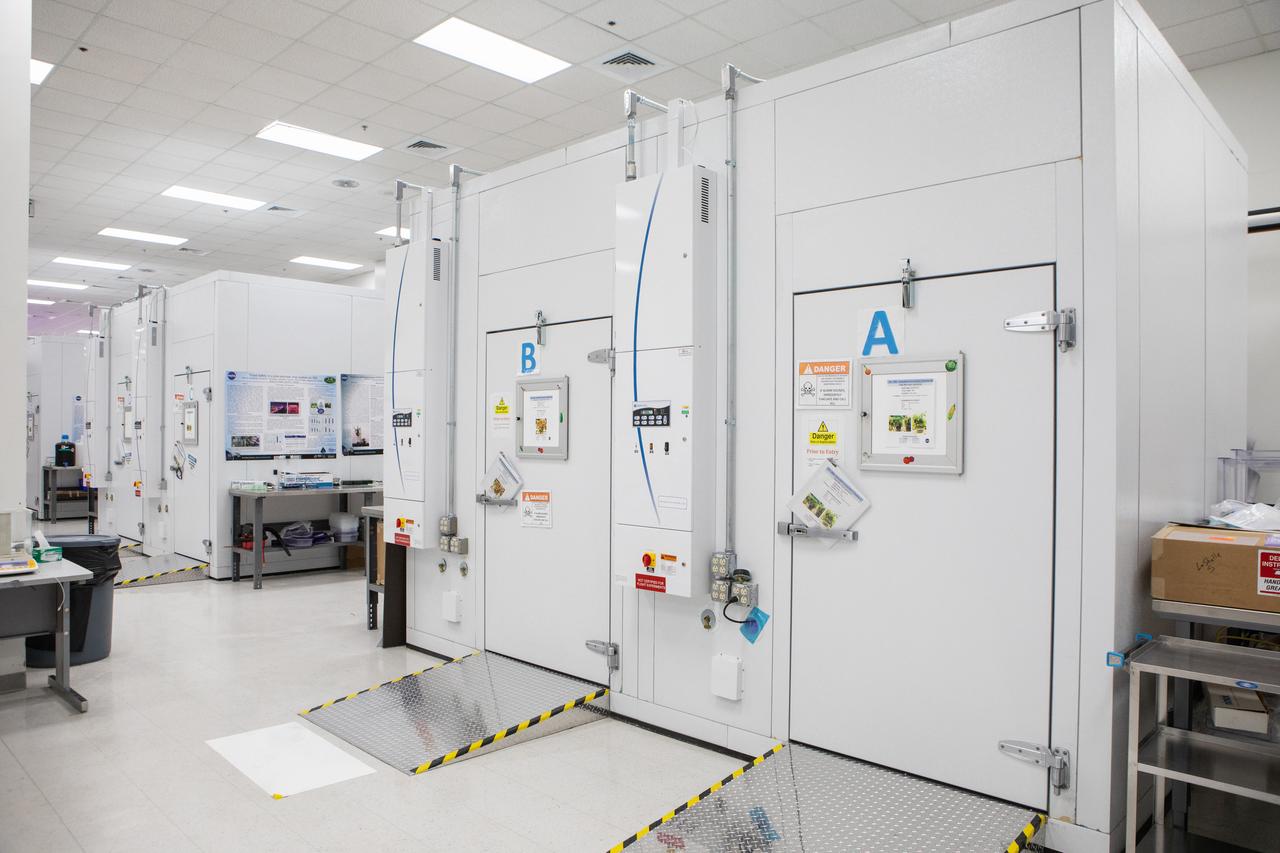
A view of the Veggie and Advanced Plant Habitat walk-in experiment chambers in a laboratory inside the Space Station Processing Facility (SSPF) at NASA's Kennedy Space Center in Florida, on May 16, 2019. The center is celebrating the SSPF’s 25th anniversary. The facility was built to process elements for the International Space Station. Now it is providing support for current and future NASA and commercial provider programs, including Commercial Resupply Services, Artemis 1, sending the first woman and next man to the Moon, and deep space destinations including Mars.
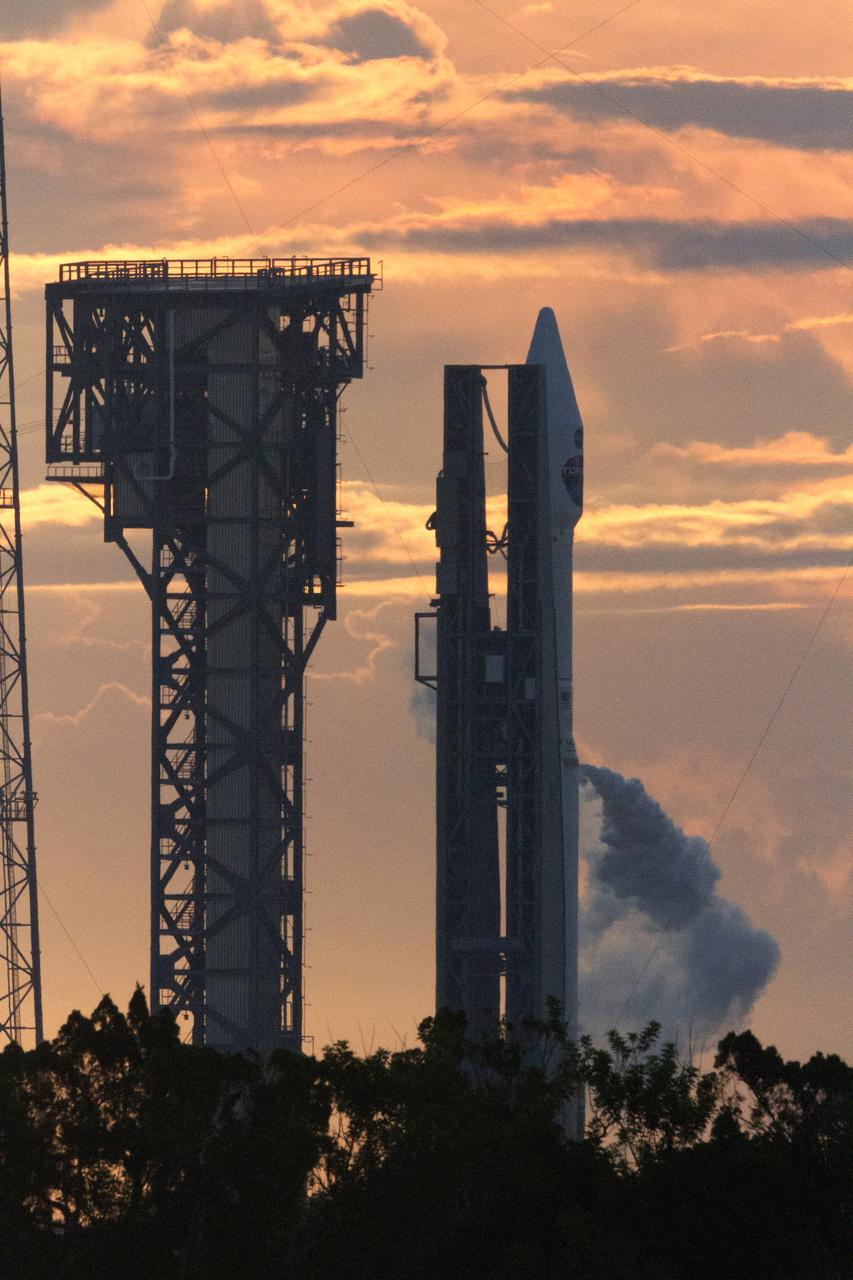
As the Sun rises at Space Launch Complex 41 at Cape Canaveral Air Force Station in Florida, a United Launch Alliance Atlas V rocket vents liquid oxygen propellant vapors during fueling for the lift off of NASA's Tracking and Data Relay Satellite, TDRS-M. The satellite is the latest spacecraft destined for the agency's constellation of communications satellites that allows nearly continuous contact with orbiting spacecraft ranging from the International Space Station and Hubble Space Telescope to the array of scientific observatories.
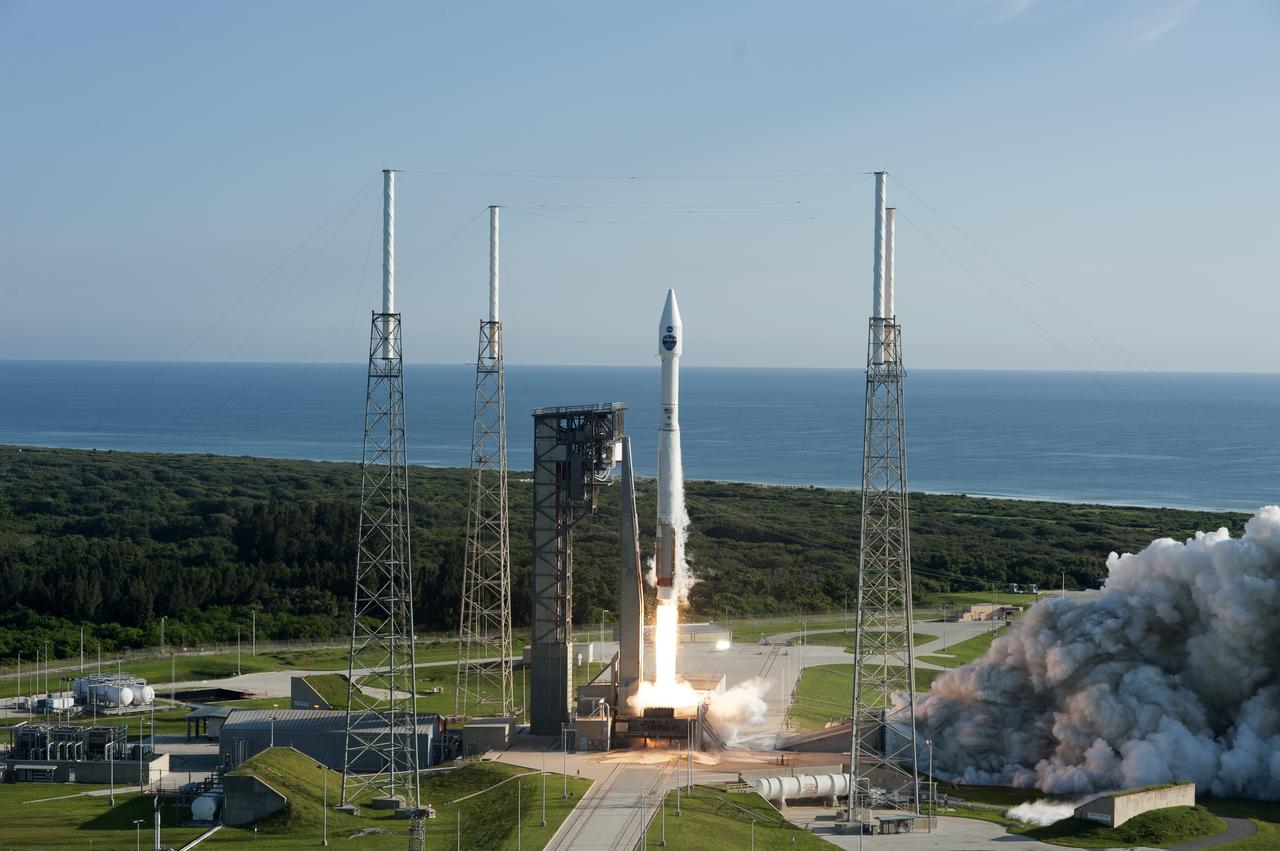
A United Launch Alliance Atlas V rocket lifts off from Space Launch Complex 41 at Cape Canaveral Air Force Station in Florida, with NASA's Tracking and Data Relay Satellite, TDRS-M. TDRS-M. Liftoff was at 8:29 a.m. EDT. TDRS-M is the latest spacecraft destined for the agency's constellation of communications satellites that allows nearly continuous contact with orbiting spacecraft ranging from the International Space Station and Hubble Space Telescope to the array of scientific observatories.
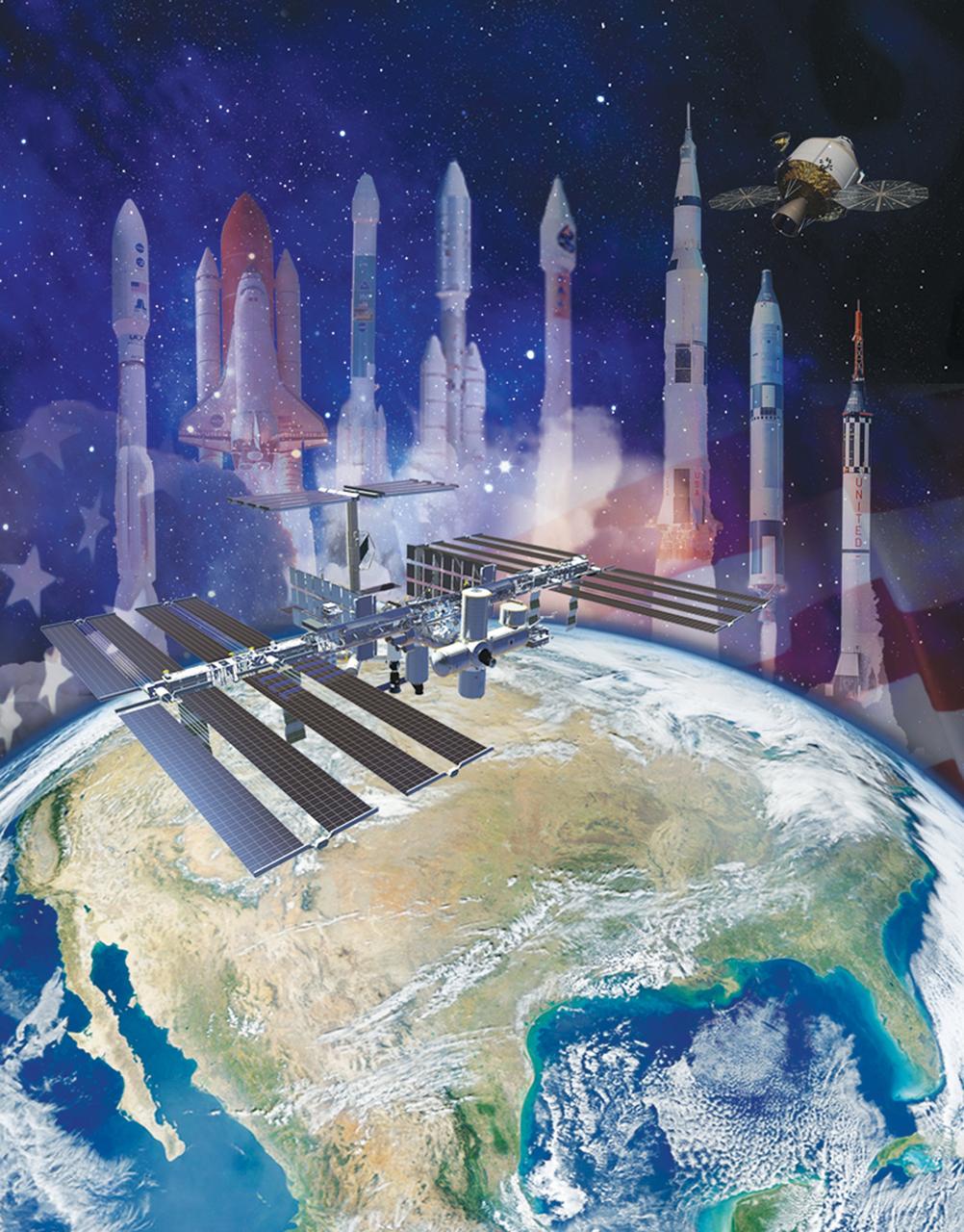
CAPE CANAVERAL, Fla. - Throughout the past 50 years, NASA's Kennedy Space Center has carried on America's legacy of processing, testing and launching a wide array of rockets and spacecraft to distant planets and other destinations in space. Launch vehicles, from left, include the Atlas V, the space shuttle, the Delta II, the Titan IV, the Atlas II, the Apollo Saturn V, the Gemini Titan and the Mercury Redstone. In the foreground are human destinations the center helped NASA reach, including Earth's orbit and the International Space Station. At the top right is NASA's newest spacecraft, the Orion multi-purpose crew vehicle, which will help humans explore deeper into space than ever before. Image credit: NASA
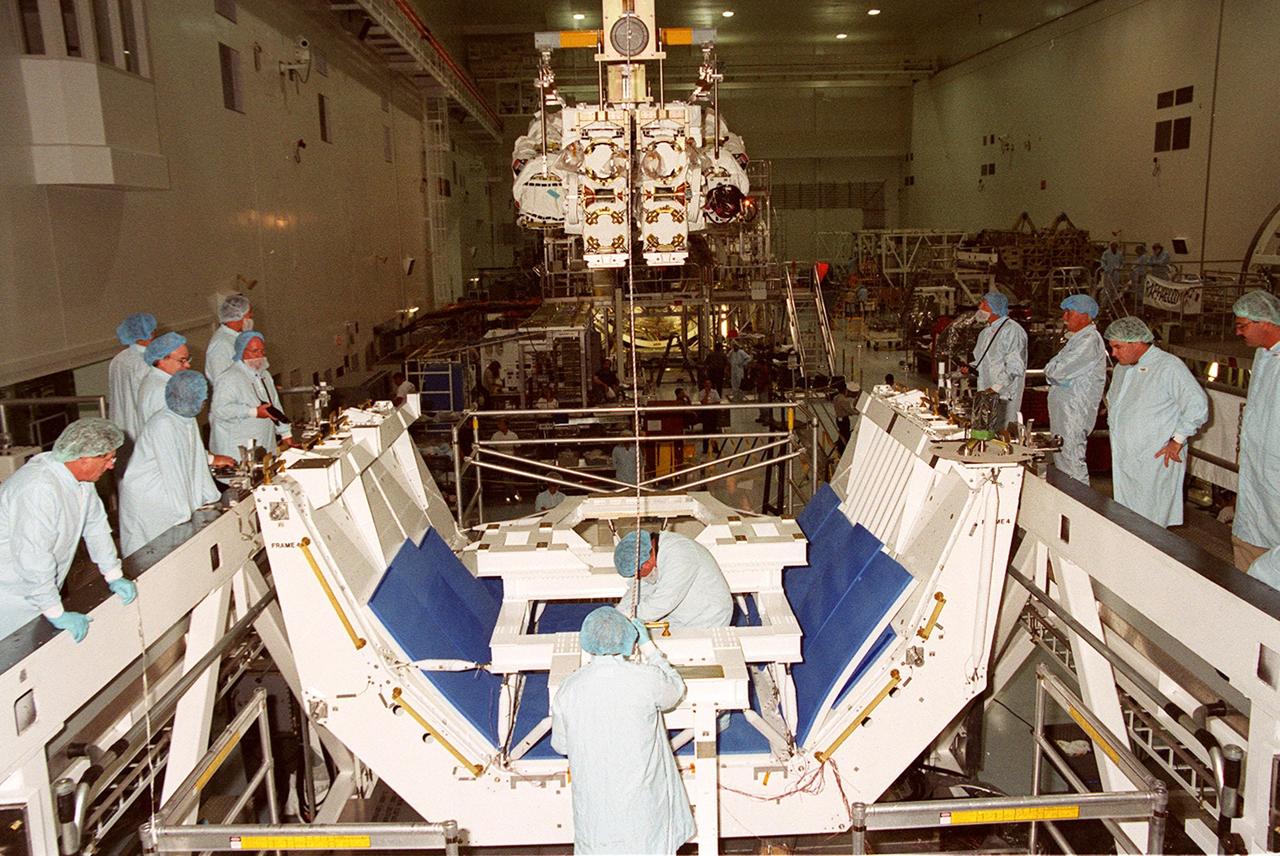
In the Space Station Processing Facility, the Canadian Space Agency’s Space Station Remote Manipulator System (SSRMS), suspended from an overhead crane, zeroes in on its destination, the test stand below. At the test stand the SSRMS it will be mated to its payload carrier. This pallet will later be installed into the payload bay of Space Shuttle Endeavour for launch to the International Space Station on STS-100 in April 2001. The 56-foot-long arm will be the primary means of transferring payloads between the orbiter payload bay and the Station. Its three segments comprise seven joints for highly flexible land precise movement, making it capable of moving around the Station’s exterior like an inchworm
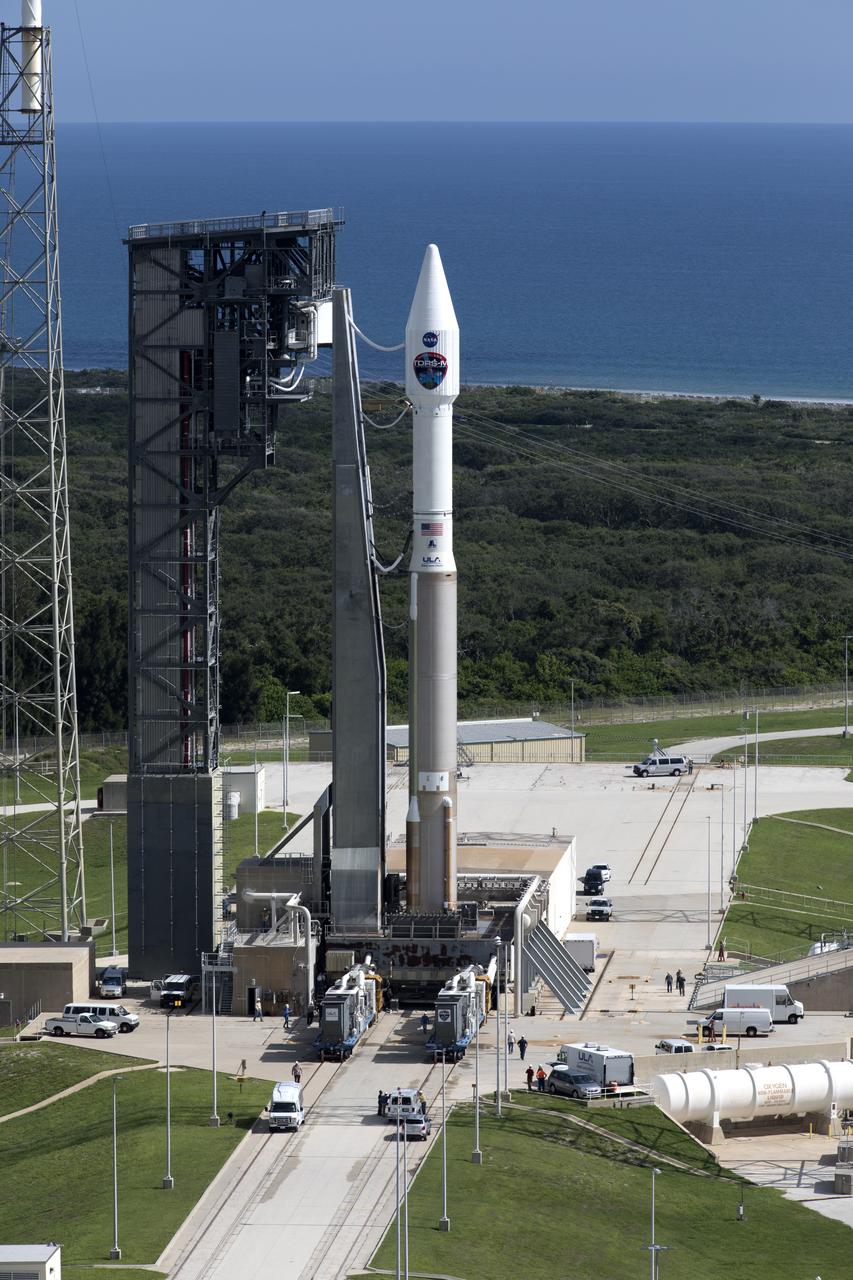
A United Launch Alliance Atlas V rocket stands at Space Launch Complex 41 at Cape Canaveral Air Force Station in Florida. The launch vehicle will send NASA's Tracking and Data Relay Satellite, TDRS-M to orbit. TDRS-M is the latest spacecraft destined for the agency's constellation of communications satellites that allows nearly continuous contact with orbiting spacecraft ranging from the International Space Station and Hubble Space Telescope to the array of scientific observatories. Liftoff atop a United Launch Alliance Atlas V rocket is scheduled to take place from Space Launch Complex 41 at Cape Canaveral Air Force Station at 8:03 a.m. EDT Aug. 18.
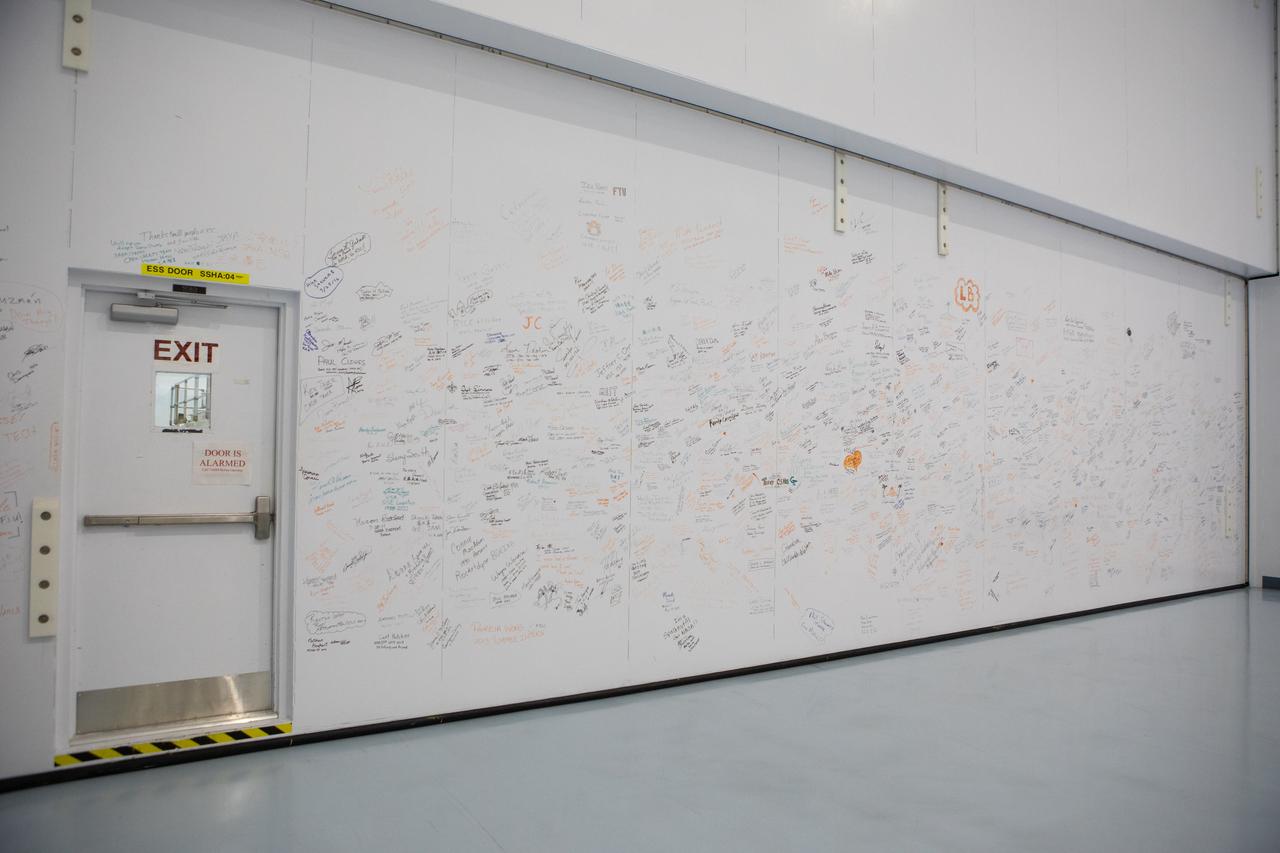
A photograph taken on May 16, 2019, shows a wall inside the Space Station Processing Facility (SSPF) at NASA's Kennedy Space Center in Florida, containing signatures of many of those who worked on the International Space Station Program. The center is celebrating the SSPF’s 25th anniversary. The facility was built to process elements for the space station. Now it is providing support for current and future NASA and commercial provider programs, including Commercial Resupply Services, Artemis 1, sending the first woman and next man to the Moon, and deep space destinations including Mars.
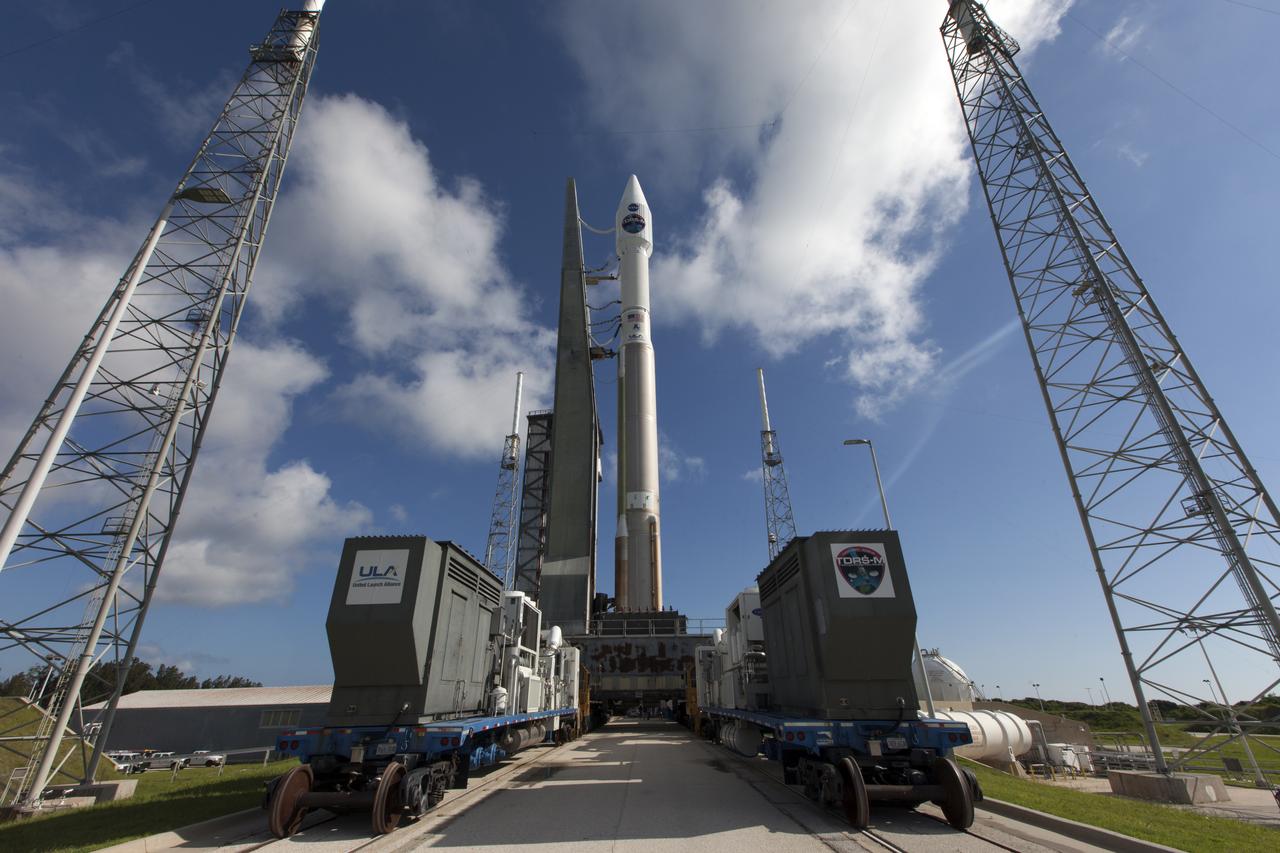
A United Launch Alliance Atlas V rocket is rolled to Space Launch Complex 41 at Cape Canaveral Air Force Station in Florida. The launch vehicle will send NASA's Tracking and Data Relay Satellite, TDRS-M to orbit. TDRS-M is the latest spacecraft destined for the agency's constellation of communications satellites that allows nearly continuous contact with orbiting spacecraft ranging from the International Space Station and Hubble Space Telescope to the array of scientific observatories. Liftoff atop a United Launch Alliance Atlas V rocket is scheduled to take place from Space Launch Complex 41 at Cape Canaveral Air Force Station at 8:03 a.m. EDT Aug. 18.
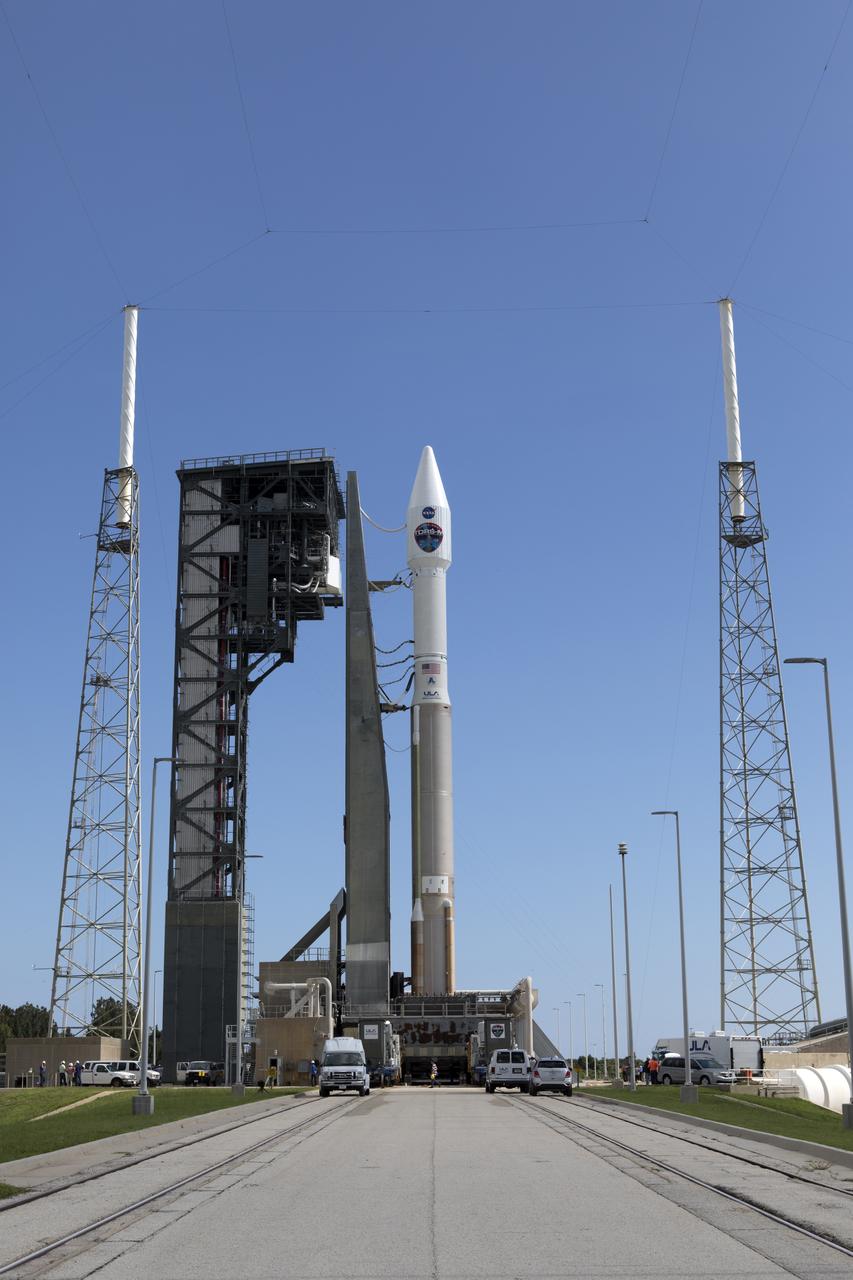
A United Launch Alliance Atlas V rocket arrives at Space Launch Complex 41 at Cape Canaveral Air Force Station in Florida. The launch vehicle will send NASA's Tracking and Data Relay Satellite, TDRS-M to orbit. TDRS-M is the latest spacecraft destined for the agency's constellation of communications satellites that allows nearly continuous contact with orbiting spacecraft ranging from the International Space Station and Hubble Space Telescope to the array of scientific observatories. Liftoff atop a United Launch Alliance Atlas V rocket is scheduled to take place from Space Launch Complex 41 at Cape Canaveral Air Force Station at 8:03 a.m. EDT Aug. 18.
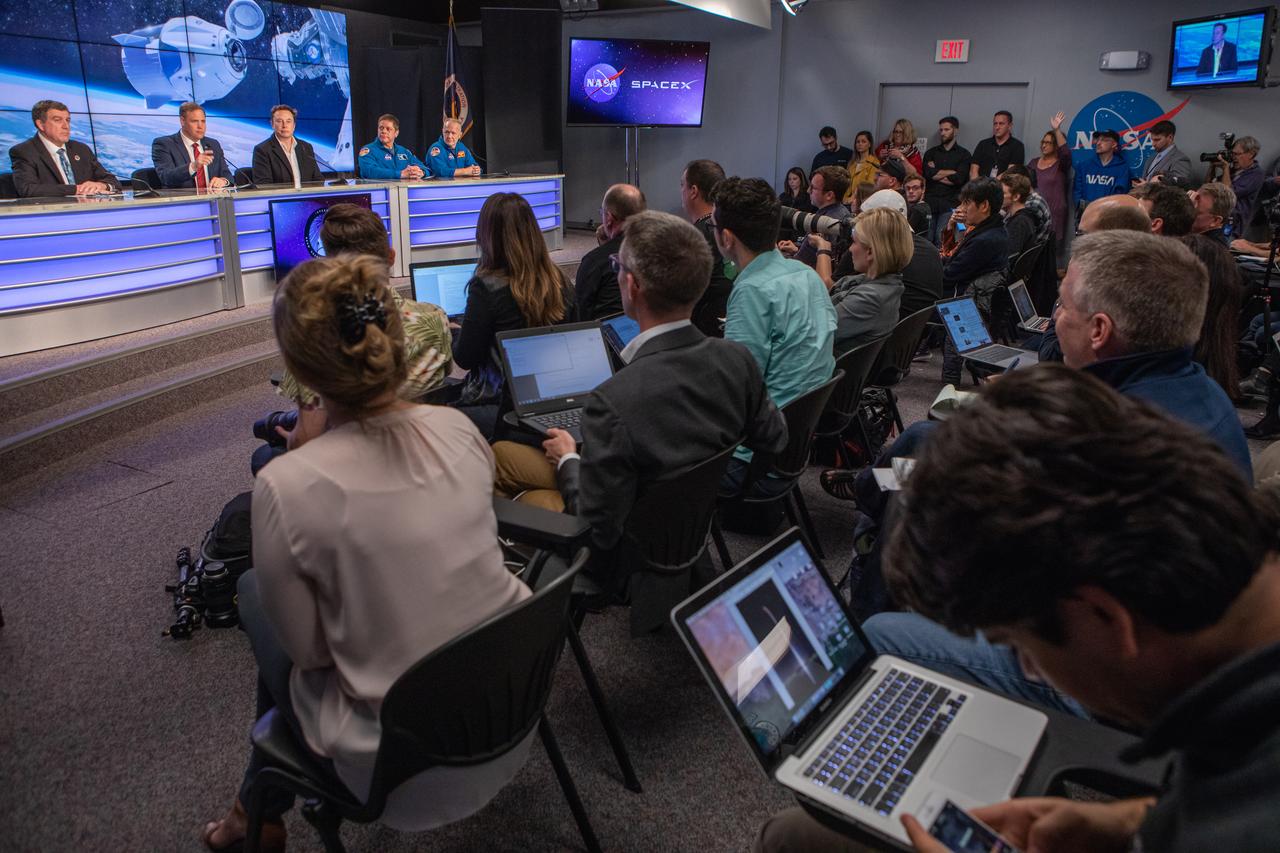
Members of the media gather in Kennedy Space Center’s Press Site auditorium during a post launch news conference with agency and industry leaders following the March 2, 2:49 a.m. EST launch of the SpaceX Demo-1 Commercial Crew Program (CCP) mission to the International Space Station. The Crew Dragon’s trip to the space station is designed to validate end-to-end systems and capabilities, leading to certification to fly crew. NASA has worked with SpaceX and Boeing in developing the CCP spacecraft to facilitate new human spaceflight systems launching from U.S. soil with the goal of safe, reliable and cost-effective access to low-Earth orbit destinations, such as the space station.

Bettina Inclán, NASA associate administrator for Communications, addresses members of the media during a post launch news conference in Kennedy Space Center’s Press Site auditorium following the March 2, 2:49 a.m. EST launch of the SpaceX Demo-1 Commercial Crew Program (CCP) mission to the International Space Station. The Crew Dragon’s trip to the space station is designed to validate end-to-end systems and capabilities, leading to certification to fly crew. NASA has worked with SpaceX and Boeing in developing the CCP spacecraft to facilitate new human spaceflight systems launching from U.S. soil with the goal of safe, reliable and cost-effective access to low-Earth orbit destinations, such as the space station.
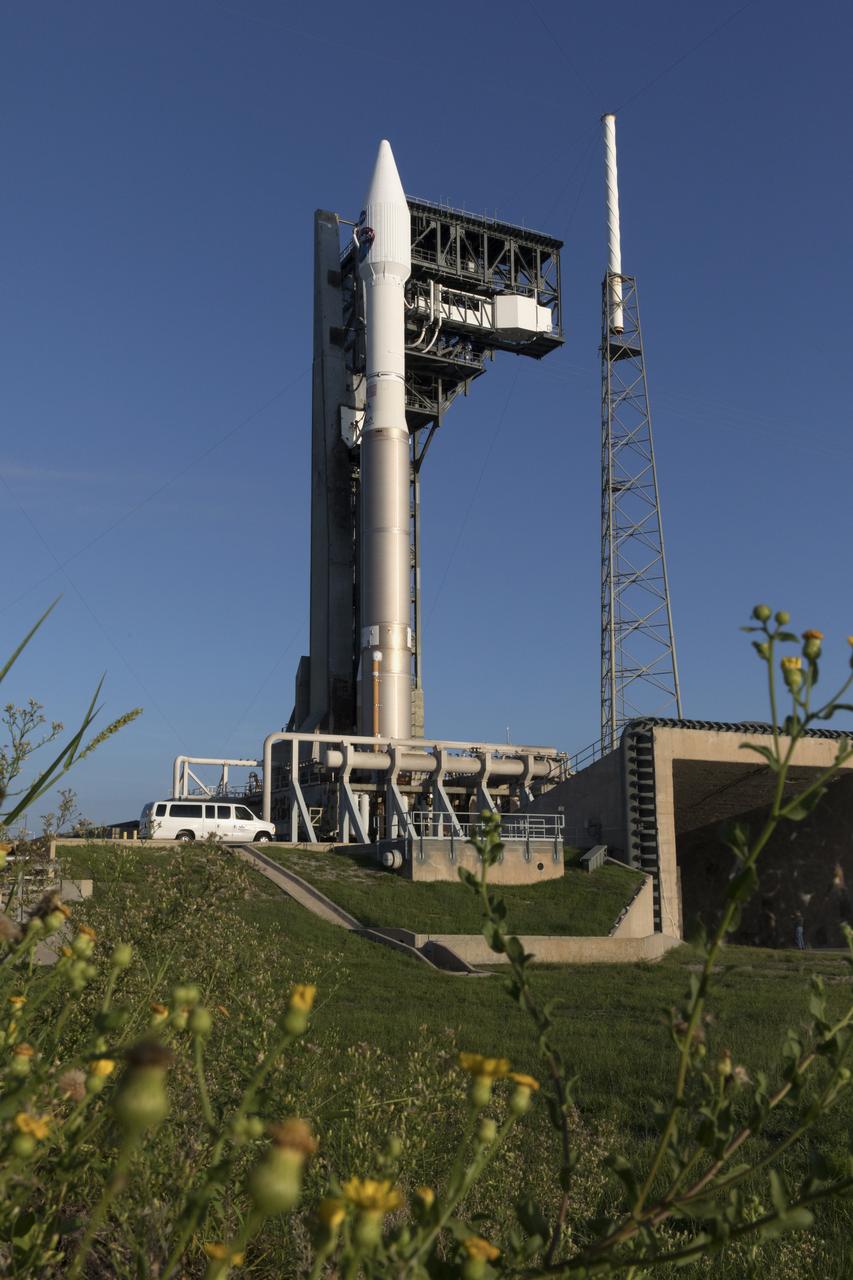
A United Launch Alliance Atlas V rocket stands at Space Launch Complex 41 at Cape Canaveral Air Force Station in Florida. The launch vehicle will send NASA's Tracking and Data Relay Satellite, TDRS-M to orbit. TDRS-M is the latest spacecraft destined for the agency's constellation of communications satellites that allows nearly continuous contact with orbiting spacecraft ranging from the International Space Station and Hubble Space Telescope to the array of scientific observatories. Liftoff atop a United Launch Alliance Atlas V rocket is scheduled to take place from Space Launch Complex 41 at Cape Canaveral Air Force Station at 8:03 a.m. EDT Aug. 18.
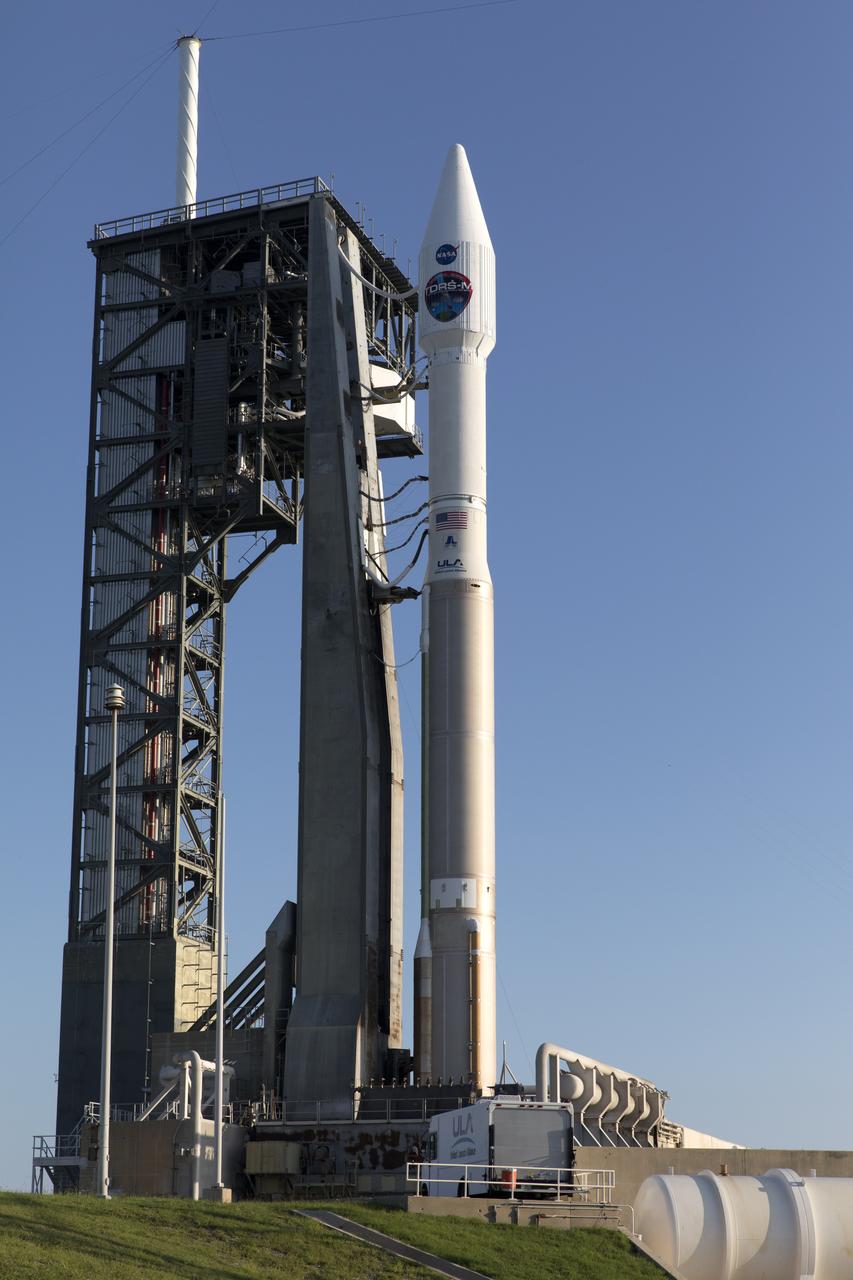
A United Launch Alliance Atlas V rocket stands at Space Launch Complex 41 at Cape Canaveral Air Force Station in Florida. The launch vehicle will send NASA's Tracking and Data Relay Satellite, TDRS-M to orbit. TDRS-M is the latest spacecraft destined for the agency's constellation of communications satellites that allows nearly continuous contact with orbiting spacecraft ranging from the International Space Station and Hubble Space Telescope to the array of scientific observatories. Liftoff atop a United Launch Alliance Atlas V rocket is scheduled to take place from Space Launch Complex 41 at Cape Canaveral Air Force Station at 8:03 a.m. EDT Aug. 18.
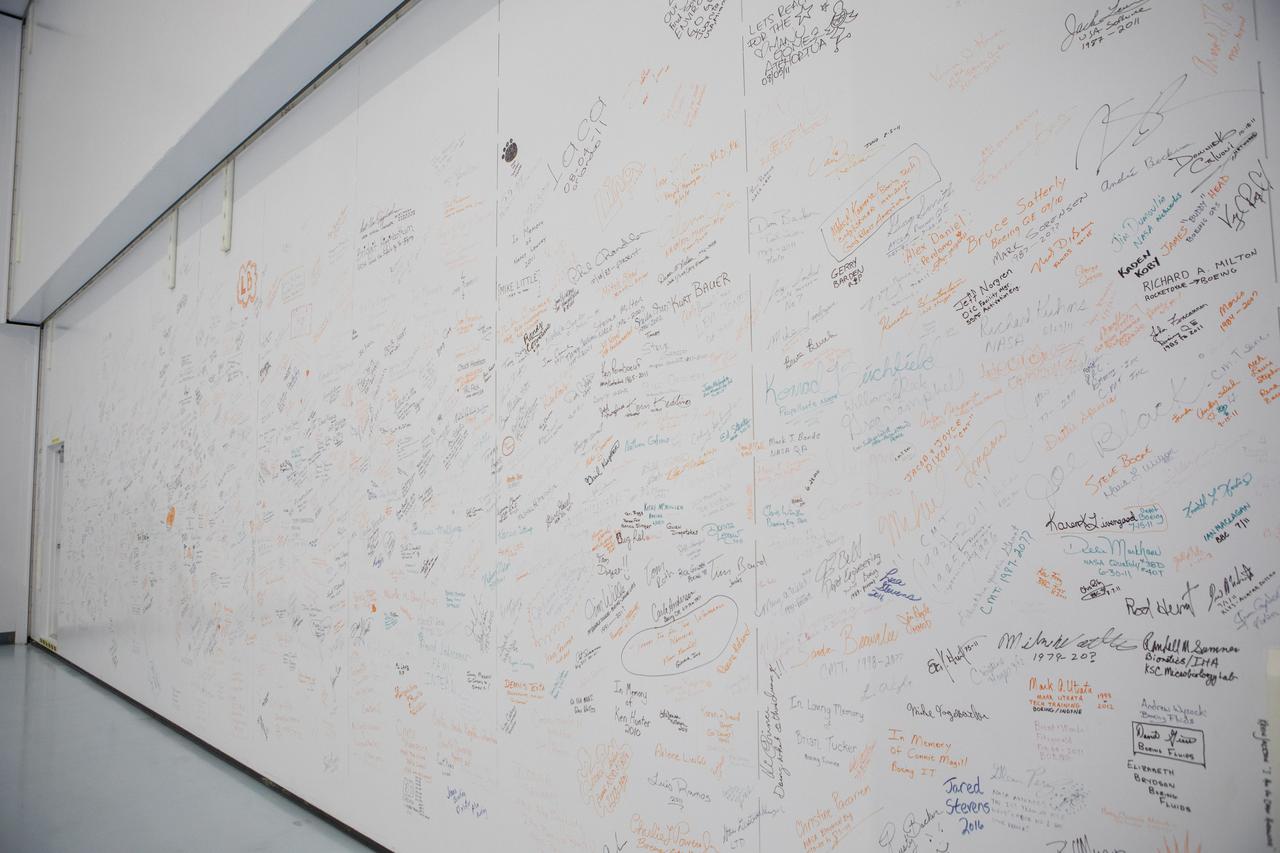
A photograph taken on May 16, 2019, shows a wall inside the Space Station Processing Facility (SSPF) at NASA's Kennedy Space Center in Florida, containing signatures of many of those who worked on the International Space Station Program. The center is celebrating the SSPF’s 25th anniversary. The facility was built to process elements for the space station. Now it is providing support for current and future NASA and commercial provider programs, including Commercial Resupply Services, Artemis 1, sending the first woman and next man to the Moon, and deep space destinations including Mars.
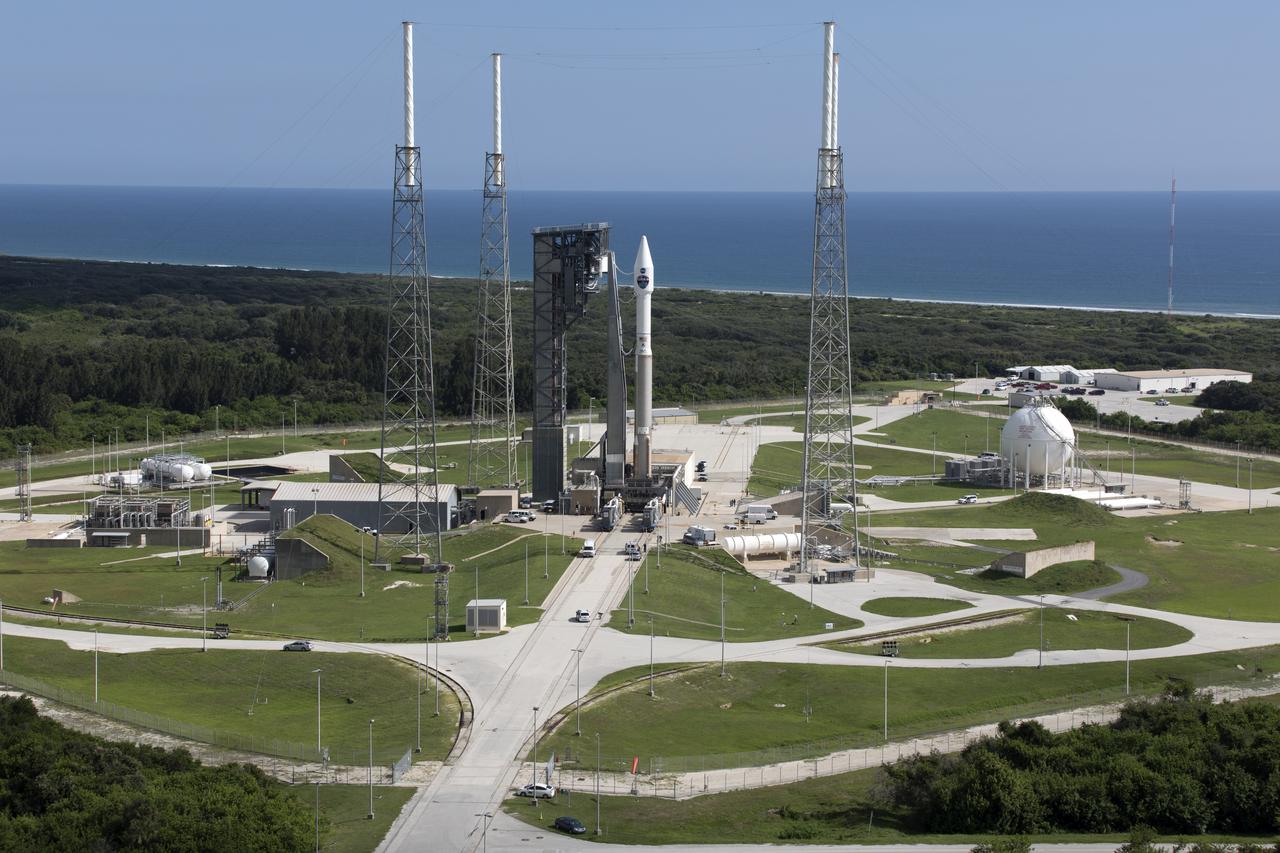
A United Launch Alliance Atlas V rocket stands at Space Launch Complex 41 at Cape Canaveral Air Force Station in Florida. The launch vehicle will send NASA's Tracking and Data Relay Satellite, TDRS-M to orbit. TDRS-M is the latest spacecraft destined for the agency's constellation of communications satellites that allows nearly continuous contact with orbiting spacecraft ranging from the International Space Station and Hubble Space Telescope to the array of scientific observatories. Liftoff atop a United Launch Alliance Atlas V rocket is scheduled to take place from Space Launch Complex 41 at Cape Canaveral Air Force Station at 8:03 a.m. EDT Aug. 18.

NASA astronaut Christina Koch onboard the International Space Station gives remarks in a video during a briefing where NASA announced the agency’s five-part plan to open the International Space Station to expanded commercial and marketing activities and private astronaut missions to the station and enable additional commercial destinations in low-Earth orbit, Friday, June 7, 2019 at the Nasdaq MarketSite in New York City. NASA will continue to maintain human presence and research in low-Earth orbit, and the long-term goal is to achieve a robust economy from which NASA can purchase services at a lower cost. Photo Credit: (NASA/Bill Ingalls)
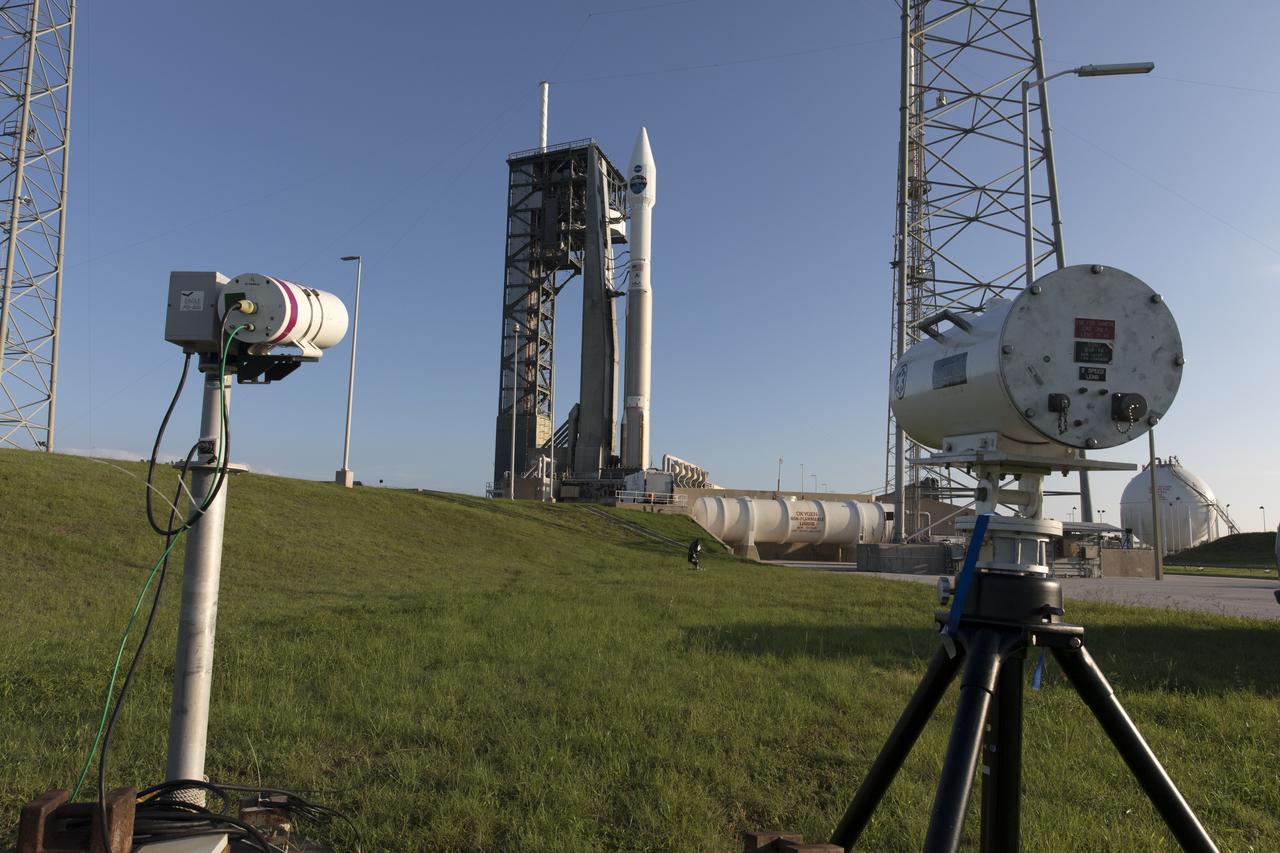
A United Launch Alliance Atlas V rocket stands at Space Launch Complex 41 at Cape Canaveral Air Force Station in Florida. The launch vehicle will send NASA's Tracking and Data Relay Satellite, TDRS-M to orbit. TDRS-M is the latest spacecraft destined for the agency's constellation of communications satellites that allows nearly continuous contact with orbiting spacecraft ranging from the International Space Station and Hubble Space Telescope to the array of scientific observatories. Liftoff atop a United Launch Alliance Atlas V rocket is scheduled to take place from Space Launch Complex 41 at Cape Canaveral Air Force Station at 8:03 a.m. EDT Aug. 18.

NASA International Space Station Deputy Director Robyn Gatens answers questions during a briefing where NASA announced the agency’s five-part plan to open the International Space Station to expanded commercial and marketing activities and private astronaut missions to the station and enable additional commercial destinations in low-Earth orbit, Friday, June 7, 2019 at the Nasdaq MarketSite in New York City. NASA will continue to maintain human presence and research in low-Earth orbit, and the long-term goal is to achieve a robust economy from which NASA can purchase services at a lower cost. Photo Credit: (NASA/Bill Ingalls)

A United Launch Alliance Atlas V rocket is rolled to Space Launch Complex 41 at Cape Canaveral Air Force Station in Florida. The launch vehicle will send NASA's Tracking and Data Relay Satellite, TDRS-M to orbit. TDRS-M is the latest spacecraft destined for the agency's constellation of communications satellites that allows nearly continuous contact with orbiting spacecraft ranging from the International Space Station and Hubble Space Telescope to the array of scientific observatories. Liftoff atop a United Launch Alliance Atlas V rocket is scheduled to take place from Space Launch Complex 41 at Cape Canaveral Air Force Station at 8:03 a.m. EDT Aug. 18.
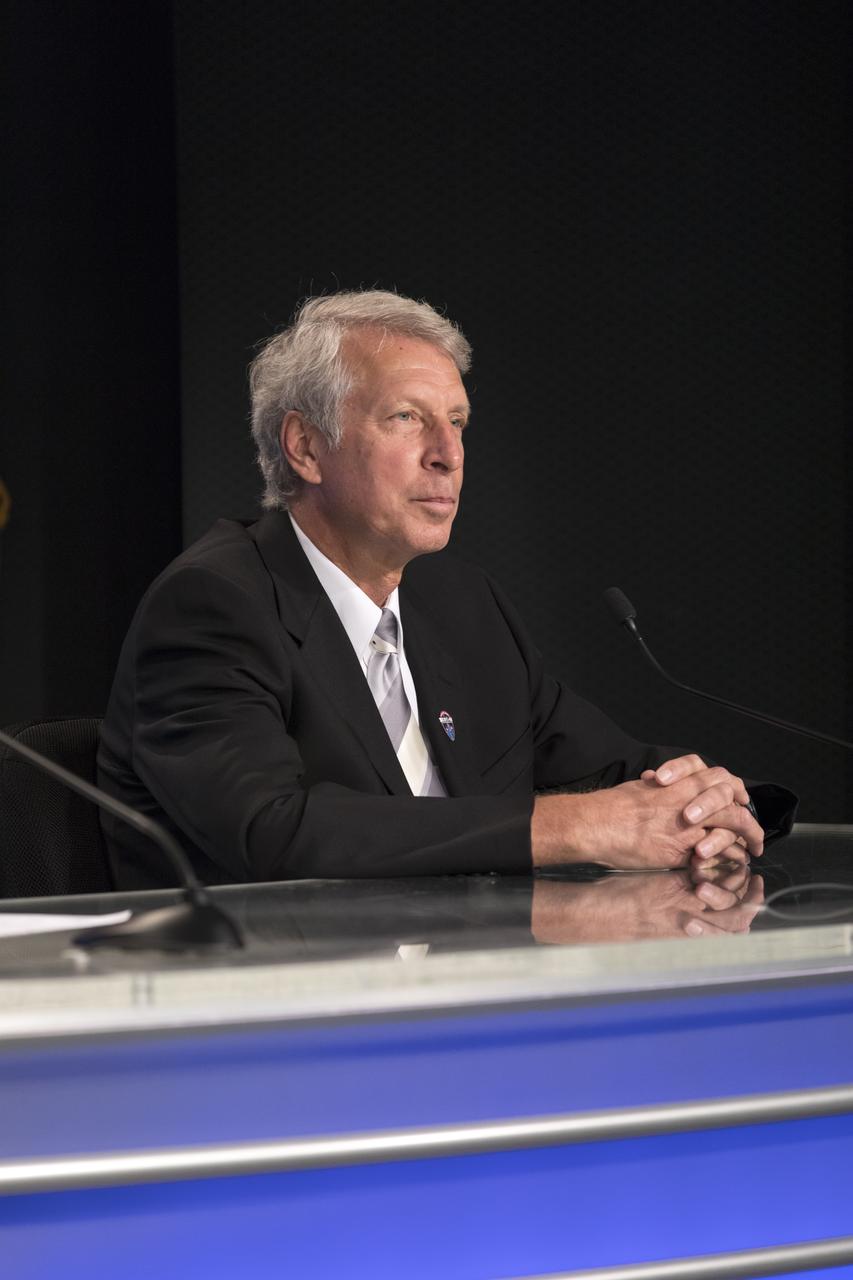
In the Kennedy Space Center's Press Site auditorium, Clay Flinn, launch weather officer with the 45th Space Wing at Cape Canaveral Air Force Station, speaks to members of the media at a prelaunch news conference for NASA's Tracking and Data Relay Satellite, TDRS-M. It is the latest spacecraft destined for the agency's constellation of communications satellites that allows nearly continuous contact with orbiting spacecraft ranging from the International Space Station and Hubble Space Telescope to the array of scientific observatories. Liftoff atop a United Launch Alliance Atlas V rocket is scheduled to take place from Space Launch Complex 41 at Cape Canaveral Air Force Station at 8:03 a.m. EDT Aug. 18.
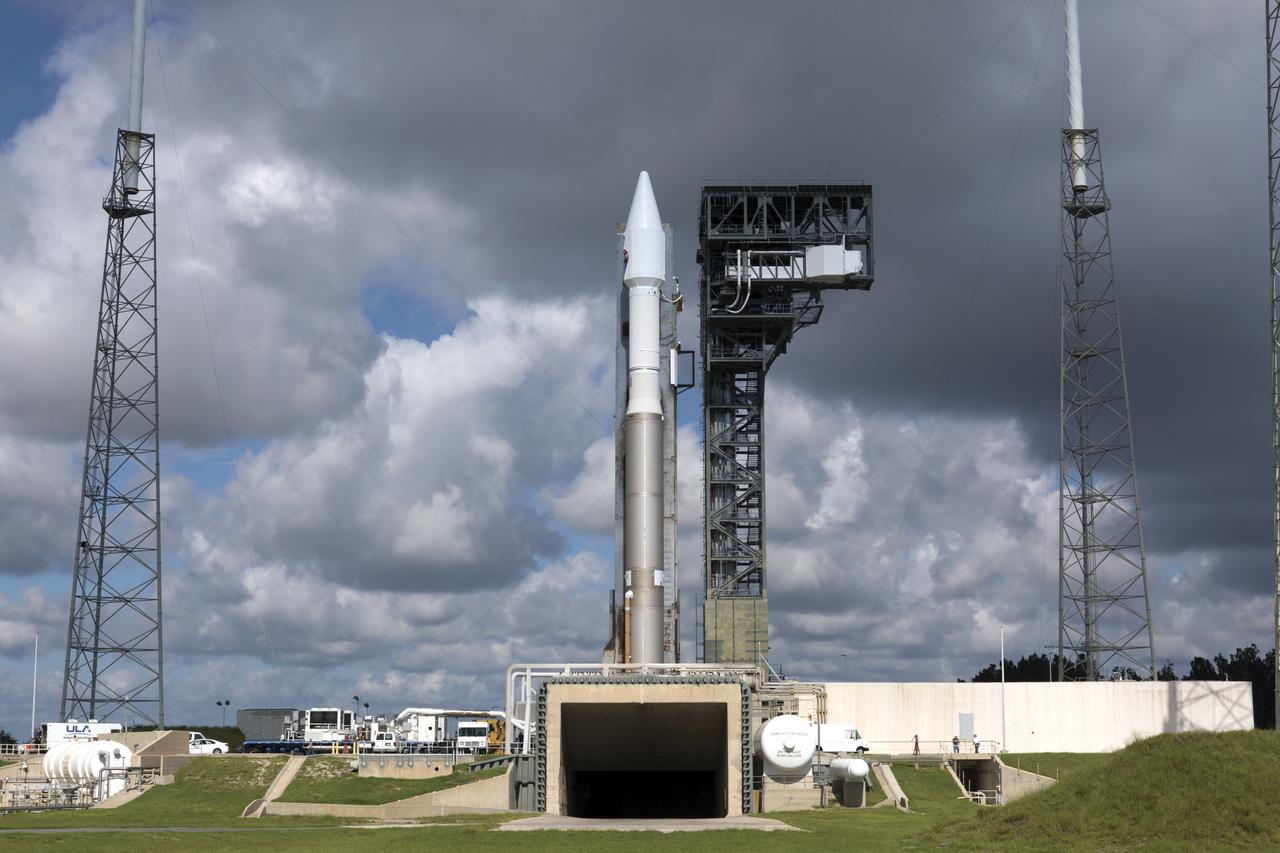
A United Launch Alliance Atlas V rocket arrives at Space Launch Complex 41 at Cape Canaveral Air Force Station in Florida. The launch vehicle will send NASA's Tracking and Data Relay Satellite, TDRS-M to orbit. TDRS-M is the latest spacecraft destined for the agency's constellation of communications satellites that allows nearly continuous contact with orbiting spacecraft ranging from the International Space Station and Hubble Space Telescope to the array of scientific observatories. Liftoff atop a United Launch Alliance Atlas V rocket is scheduled to take place from Space Launch Complex 41 at Cape Canaveral Air Force Station at 8:03 a.m. EDT Aug. 18.
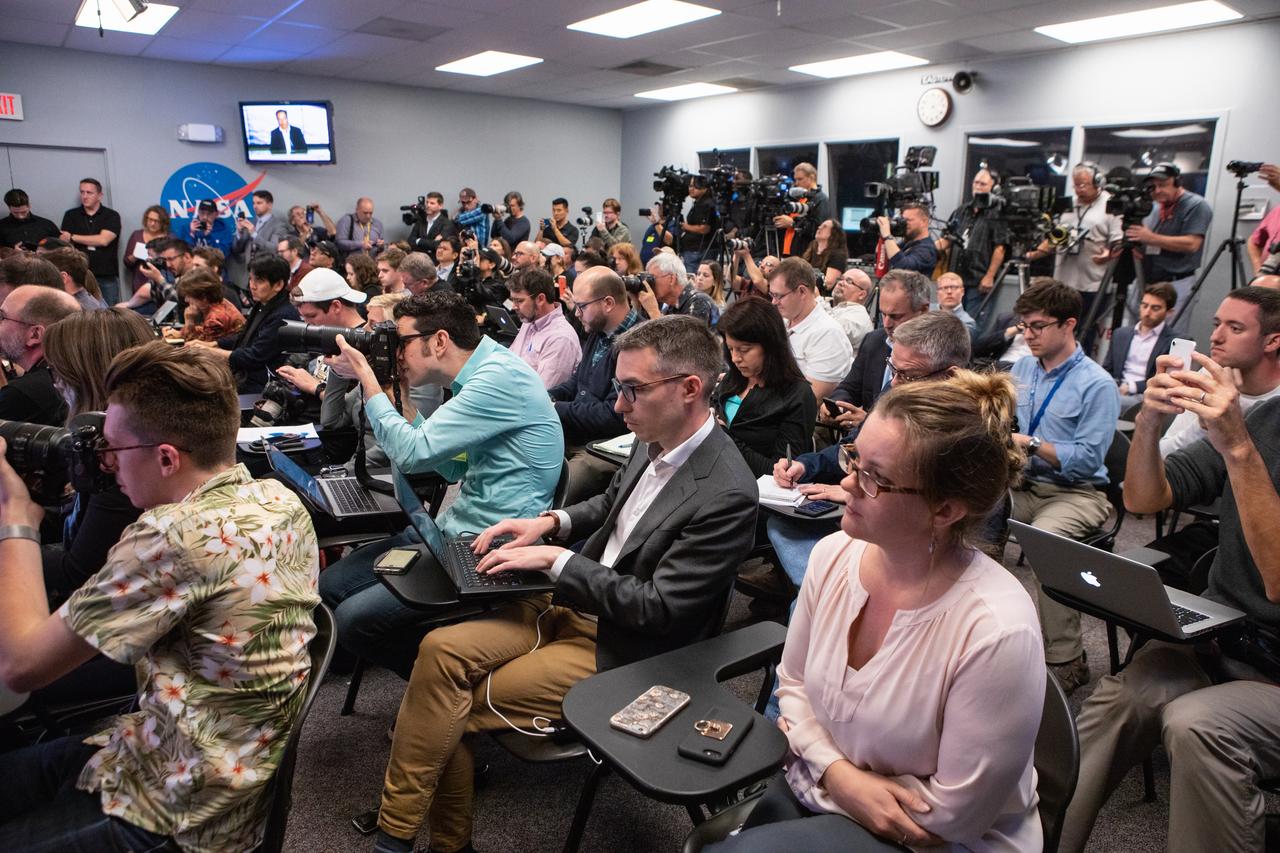
Members of the media gather in Kennedy Space Center’s Press Site auditorium during a post launch news conference with agency and industry leaders following the March 2, 2:49 a.m. EST launch of the SpaceX Demo-1 Commercial Crew Program (CCP) mission to the International Space Station. The Crew Dragon’s trip to the space station is designed to validate end-to-end systems and capabilities, leading to certification to fly crew. NASA has worked with SpaceX and Boeing in developing the CCP spacecraft to facilitate new human spaceflight systems launching from U.S. soil with the goal of safe, reliable and cost-effective access to low-Earth orbit destinations, such as the space station.