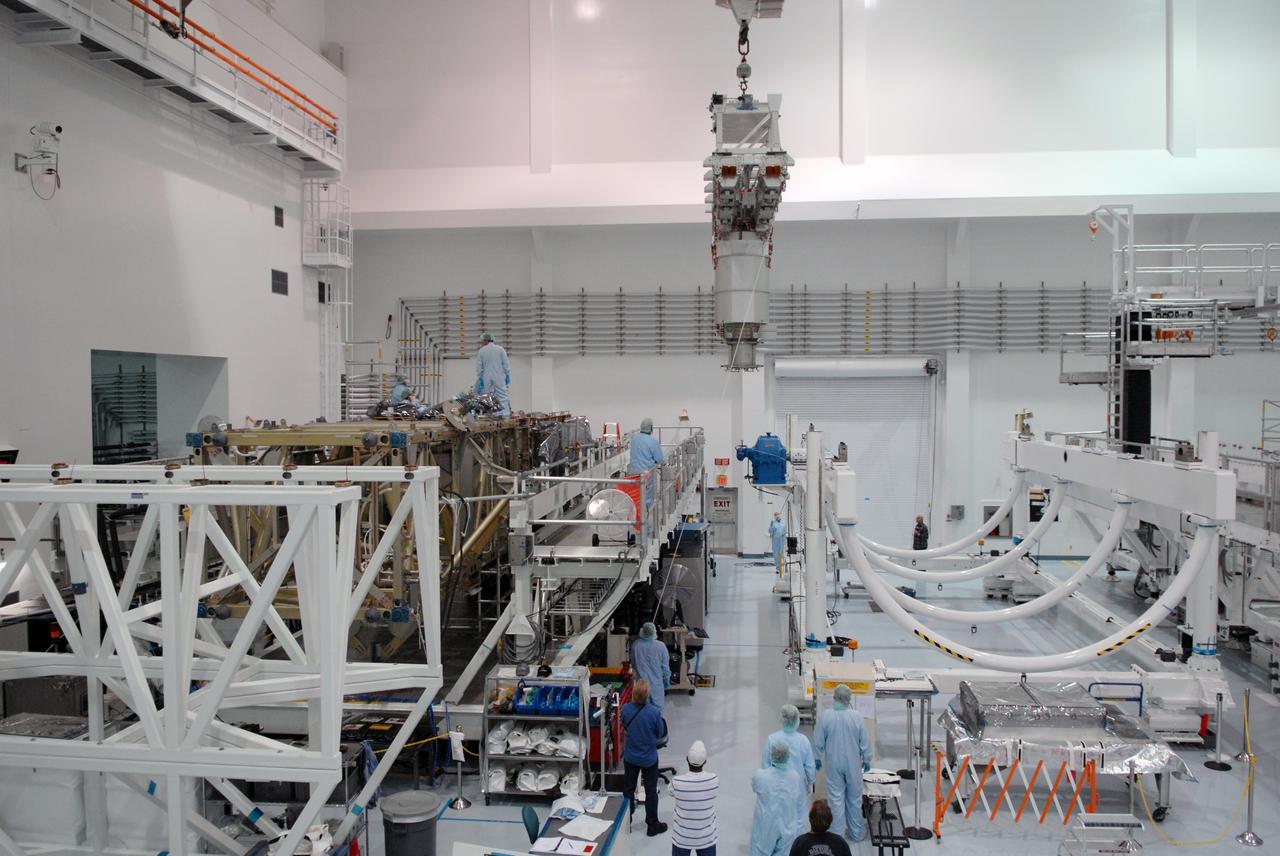
CAPE CANAVERAL, Fla. – In the Space Station Processing Facility at NASA's Kennedy Space Center, workers move the final solar array wing for the International Space Station into position for installation on the S6 truss element. Scheduled to launch on the STS-119 mission, space shuttle Discovery will carry the S6 truss segment to complete the 361-foot-long backbone of the International Space Station. The truss includes the fourth pair of solar array wings and electronics that convert sunlight to power for the orbiting laboratory. Launch is targeted for Feb. 12, 2009. Photo credit: NASA/Troy Cryder
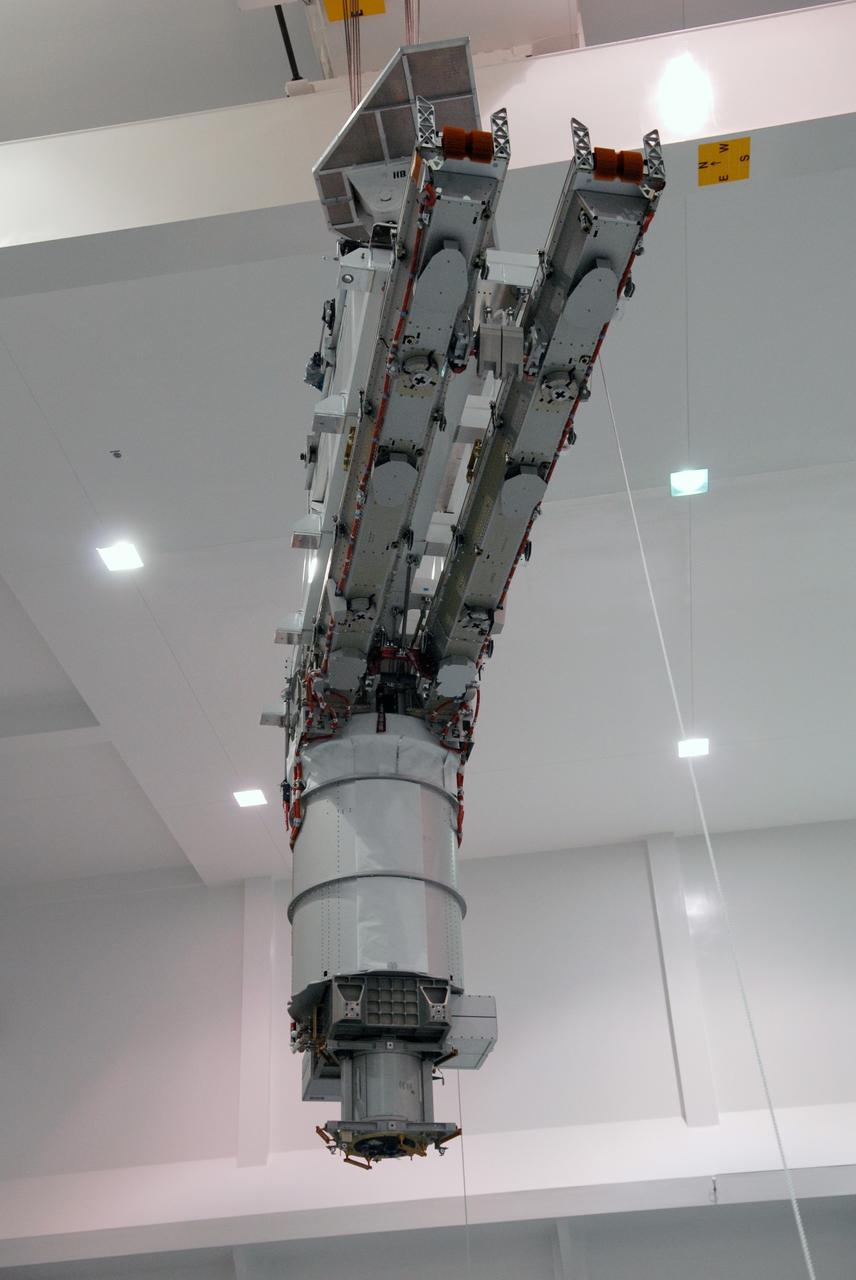
CAPE CANAVERAL, Fla. – In the Space Station Processing Facility at NASA's Kennedy Space Center, the final solar array wing for the International Space Station is moved into position for installation onto the S6 truss element. Scheduled to launch on the STS-119 mission, space shuttle Discovery will carry the S6 truss segment to complete the 361-foot-long backbone of the International Space Station. The truss includes the fourth pair of solar array wings and electronics that convert sunlight to power for the orbiting laboratory. Launch is targeted for Feb. 12, 2009. Photo credit: NASA/Troy Cryder

CAPE CANAVERAL, Fla. – In the Space Station Processing Facility at NASA's Kennedy Space Center, workers install the final solar array wing for the International Space Station onto the S6 truss element. Scheduled to launch on the STS-119 mission, space shuttle Discovery will carry the S6 truss segment to complete the 361-foot-long backbone of the International Space Station. The truss includes the fourth pair of solar array wings and electronics that convert sunlight to power for the orbiting laboratory. Launch is targeted for Feb. 12, 2009. Photo credit: NASA/Troy Cryder
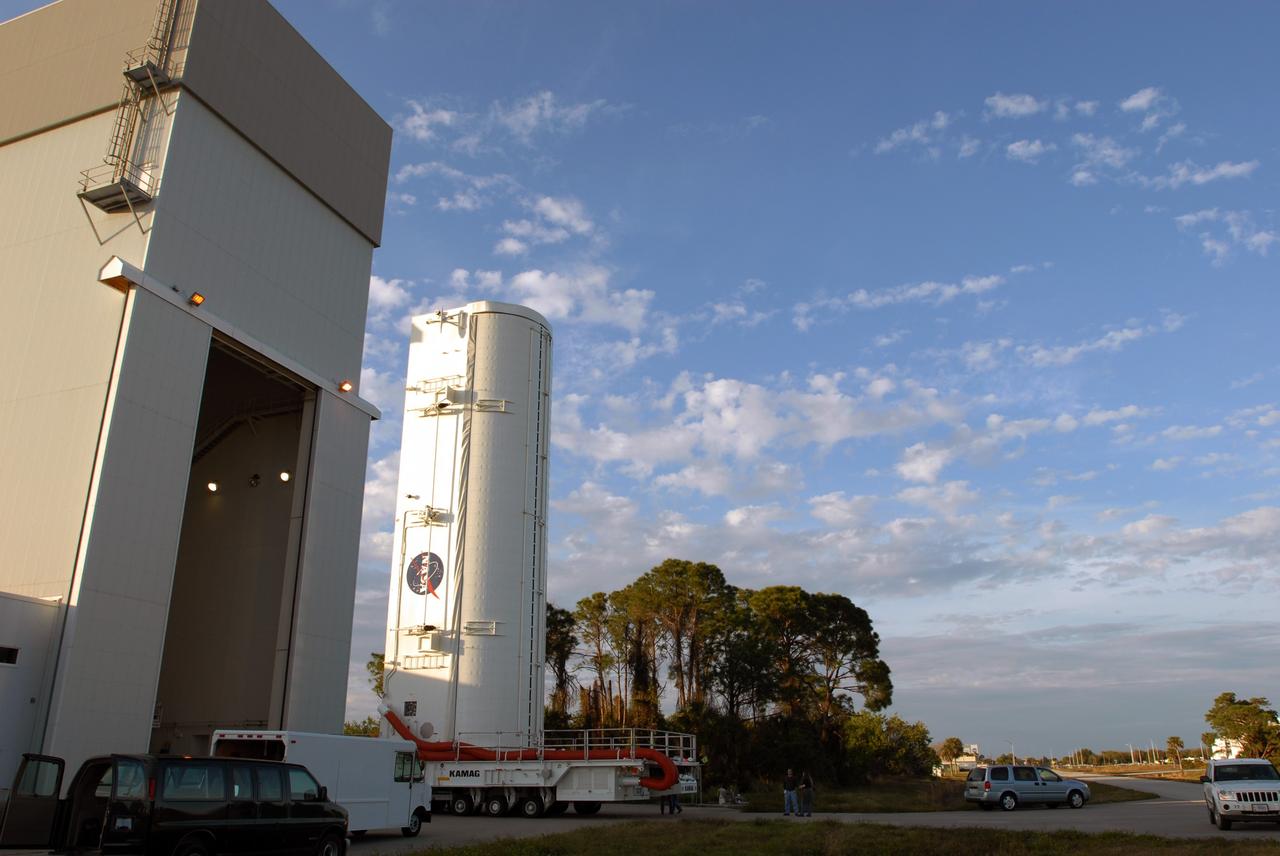
CAPE CANAVERAL, Fla. -- The payload canister containing the S6 truss and solar arrays leaves the Canister Rotation Facility at NASA's Kennedy Space Center in Florida to head for Launch Pad 39A. The truss and arrays are space shuttle Discovery's payload for the STS-119 mission to the International Space Station. Launch of Discovery on the STS-119 mission is scheduled for Feb. 12. During Discovery's 14-day mission, the crew will install the S6 truss segment and its solar arrays to the starboard side of the station, completing the station's backbone, or truss Photo credit: NASA/Jim Grossmann
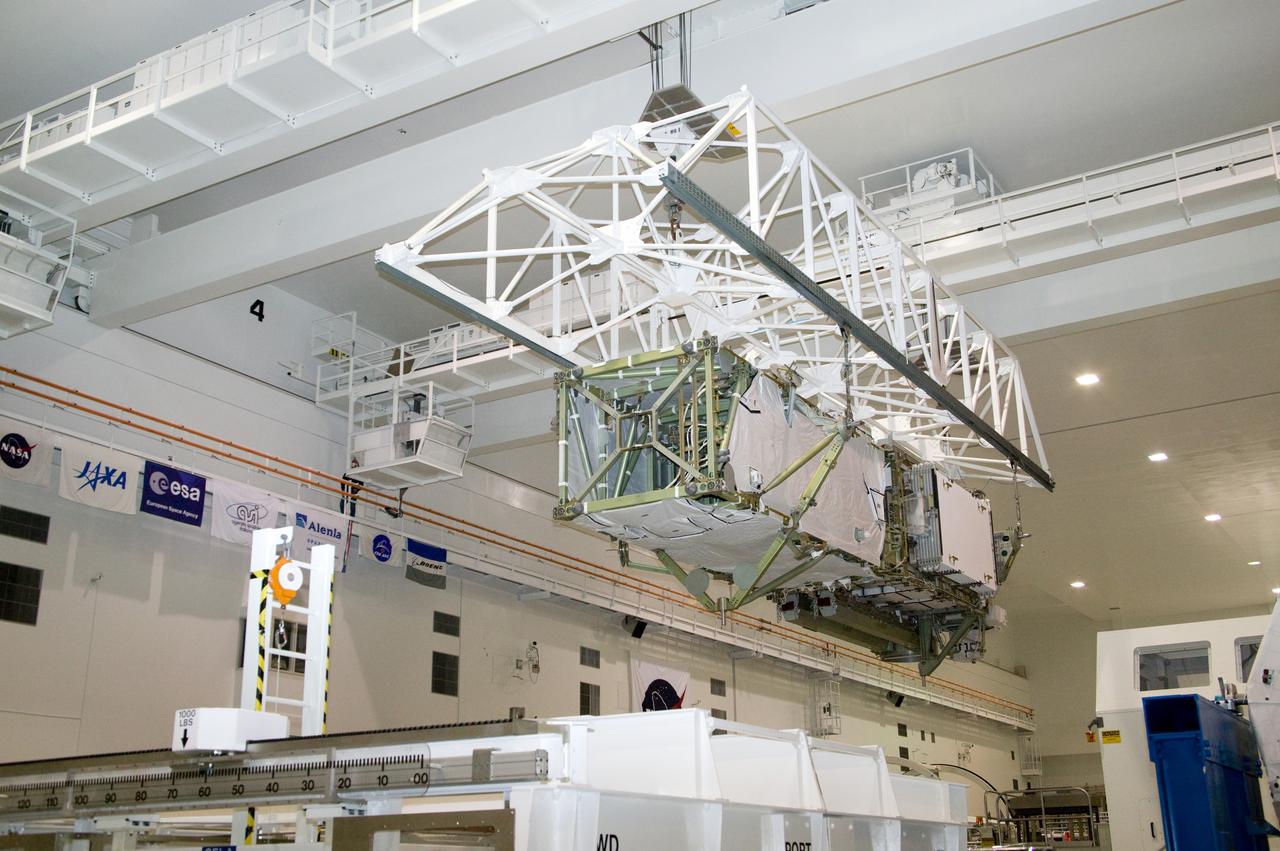
CAPE CANAVERAL, Fla. – In the Space Station Processing Facility at NASA's Kennedy Space Center in Florida, the integrated truss structure, S6, and solar arrays are lifted across the floor to install in the payload canister for transfer to Launch Pad 39A. The truss and arrays are space shuttle Discovery's payload for the STS-119 mission to the International Space Station. Launch of Discovery on the STS-119 mission is targeted for Feb. 12. During Discovery's 14-day mission, the crew will install the S6 truss segment and its solar arrays to the starboard side of the station, completing the station's truss, or backbone. Photo credit: NASA/Kevin Gill
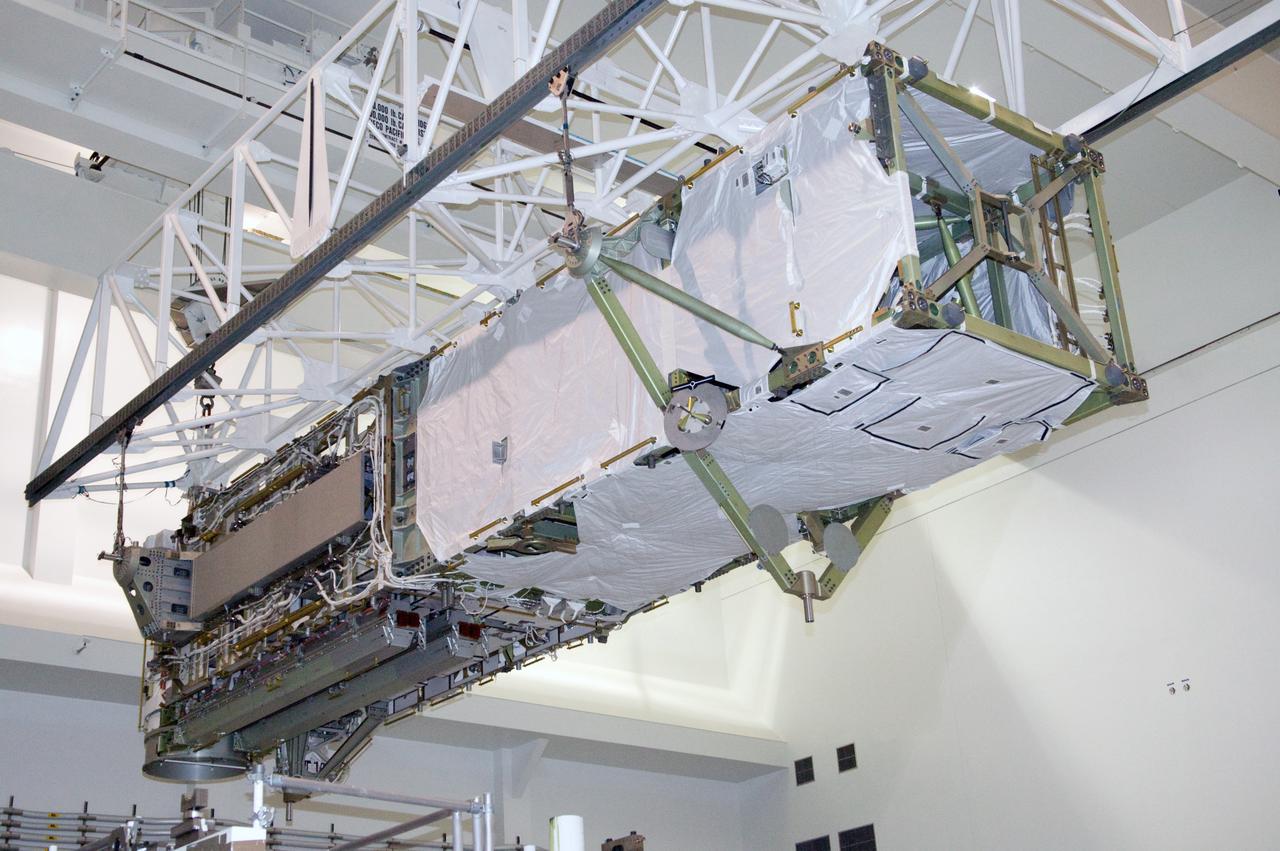
CAPE CANAVERAL, Fla. – In the Space Station Processing Facility at NASA's Kennedy Space Center in Florida, the integrated truss structure, S6, and solar arrays are lifted across the floor to install in the payload canister for transfer to Launch Pad 39A. The truss and arrays are space shuttle Discovery's payload for the STS-119 mission to the International Space Station. Launch of Discovery on the STS-119 mission is targeted for Feb. 12. During Discovery's 14-day mission, the crew will install the S6 truss segment and its solar arrays to the starboard side of the station, completing the station's truss, or backbone. Photo credit: NASA/Kevin Gill
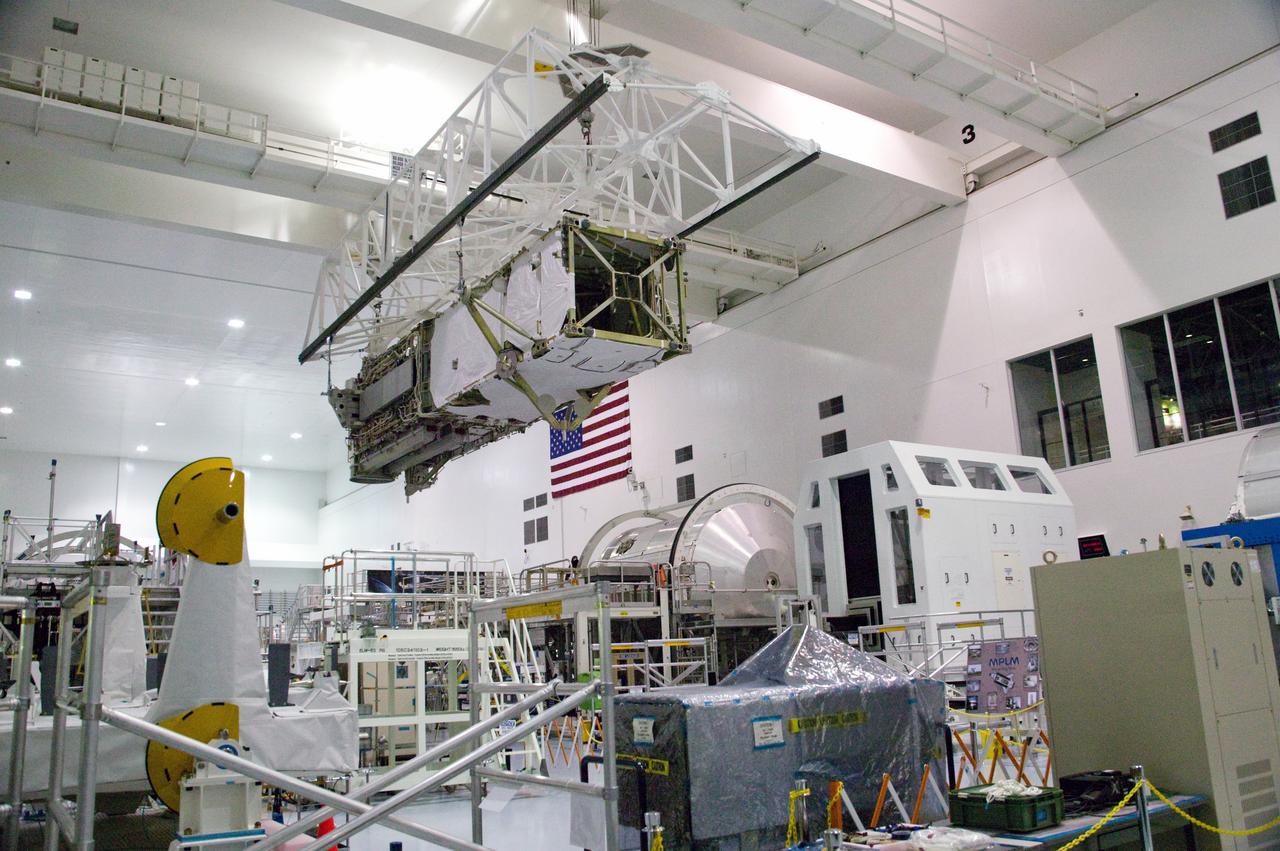
CAPE CANAVERAL, Fla. – In the Space Station Processing Facility at NASA's Kennedy Space Center in Florida, the integrated truss structure, S6, and solar arrays are lifted across the floor to install in the payload canister for transfer to Launch Pad 39A. The truss and arrays are space shuttle Discovery's payload for the STS-119 mission to the International Space Station. Launch of Discovery on the STS-119 mission is targeted for Feb. 12. During Discovery's 14-day mission, the crew will install the S6 truss segment and its solar arrays to the starboard side of the station, completing the station's truss, or backbone. Photo credit: NASA/Kevin Gill

CAPE CANAVERAL, Fla. – In the Space Station Processing Facility at NASA's Kennedy Space Center in Florida, the integrated truss structure, S6, and solar arrays are moved closer to the payload canister for installation and transfer to Launch Pad 39A. The truss and arrays are space shuttle Discovery's payload for the STS-119 mission to the International Space Station. Launch of Discovery on the STS-119 mission is targeted for Feb. 12. During Discovery's 14-day mission, the crew will install the S6 truss segment and its solar arrays to the starboard side of the station, completing the station's truss, or backbone. Photo credit: NASA/Kevin Gill
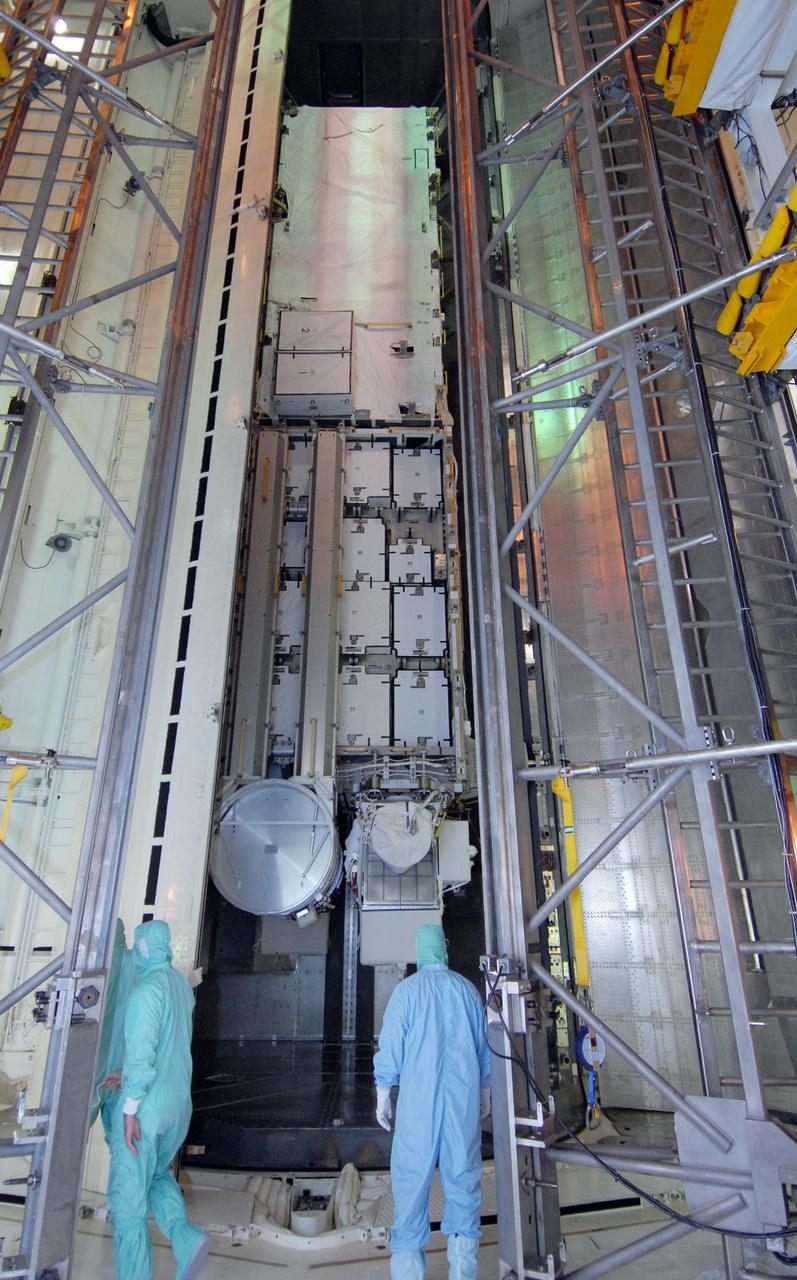
CAPE CANAVERAL, Fla. -- On Launch Pad 39A at NASA's Kennedy Space Center in Florida, the doors of the payload canister open to reveal space shuttle Discovery's payload, the integrated truss structure S6 and solar arrays, for the STS-119 mission. The payload will be transferred into the Payload Changeout Room, or PCR. They will be installed in Discovery's payload bay after the shuttle rolls out to the launch pad. Launch of Discovery on the STS-119 mission is scheduled for Feb. 12. During Discovery's 14-day mission, the crew will install the S6 truss segment and its solar arrays to the starboard side of the station, completing the station's backbone, or truss. Photo credit: NASA/Chris Rhodes
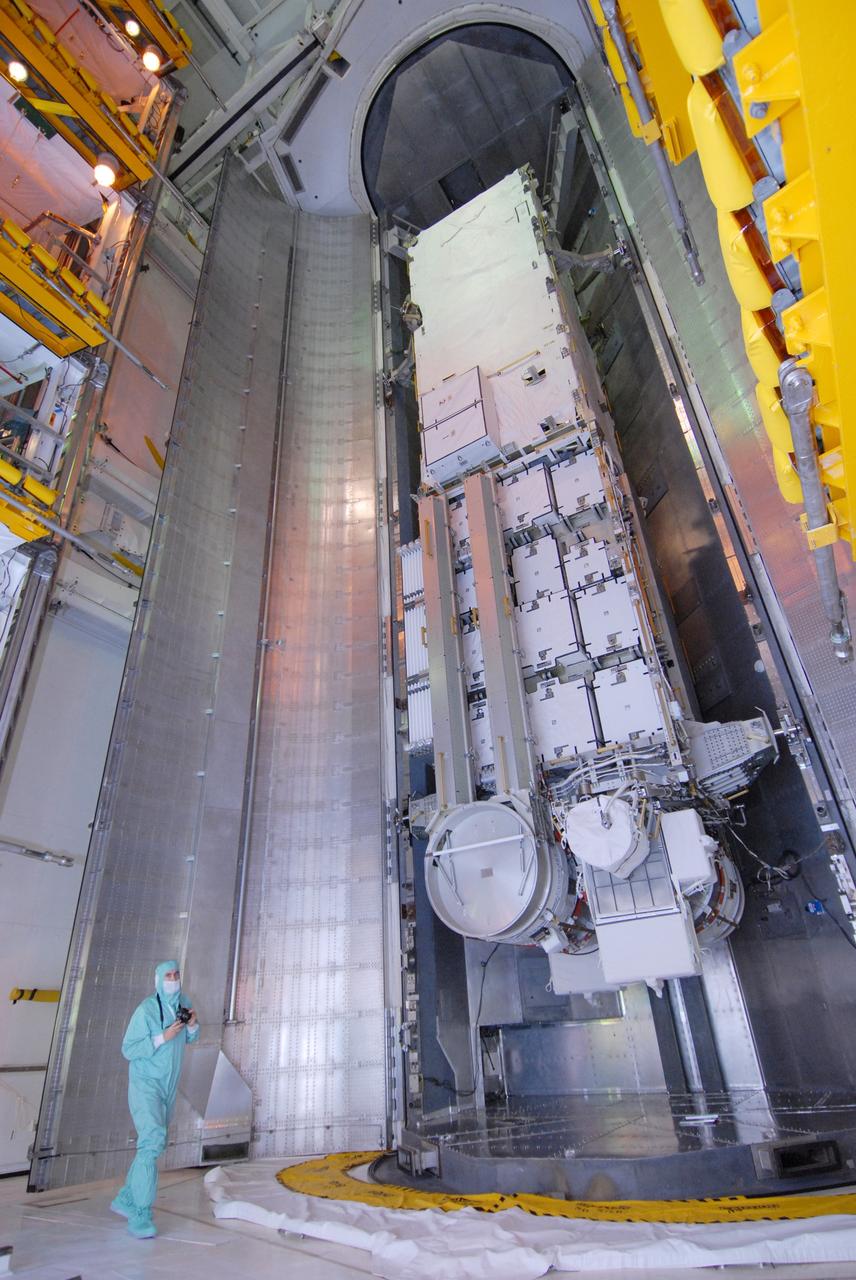
CAPE CANAVERAL, Fla. -- On Launch Pad 39A at NASA's Kennedy Space Center in Florida, the open doors of the payload canister reveal space shuttle Discovery's payload, the integrated truss structure S6 and solar arrays, for the STS-119 mission. The payload will be transferred into the Payload Changeout Room, or PCR. They will be installed in Discovery's payload bay after the shuttle rolls out to the launch pad. Launch of Discovery on the STS-119 mission is scheduled for Feb. 12. During Discovery's 14-day mission, the crew will install the S6 truss segment and its solar arrays to the starboard side of the station, completing the station's backbone, or truss. Photo credit: NASA/Chris Rhodes
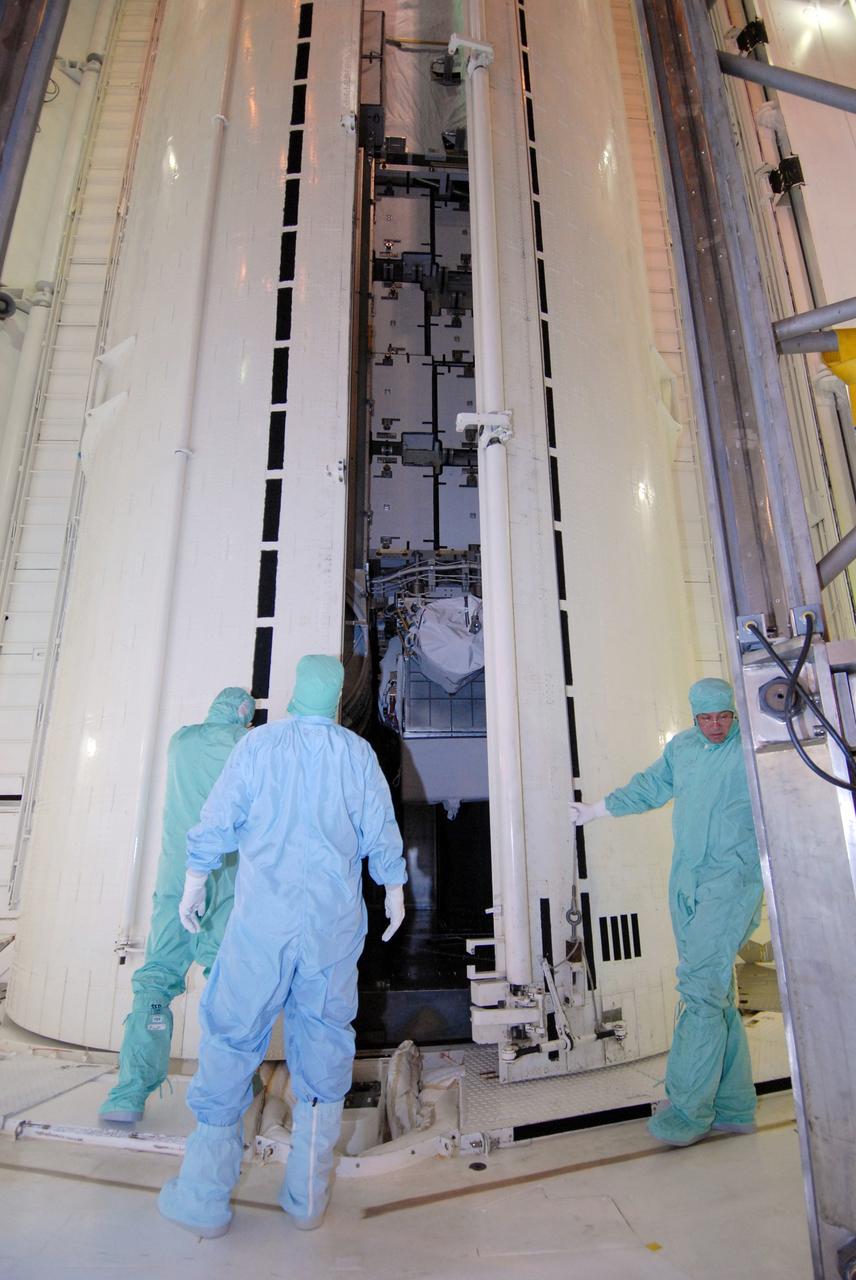
CAPE CANAVERAL, Fla. -- On Launch Pad 39A at NASA's Kennedy Space Center in Florida, the doors of the payload canister are opened to transfer the space shuttle Discovery's payload into the Payload Changeout Room, or PCR. The payload for the STS-119 mission comprises the integrated truss structure S6 and solar arrays to be installed on the International Space Station. They will be installed in Discovery's payload bay after the shuttle rolls out to the launch pad. Launch of Discovery on the STS-119 mission is scheduled for Feb. 12. During Discovery's 14-day mission, the crew will install the S6 truss segment and its solar arrays to the starboard side of the station, completing the station's backbone, or truss. Photo credit: NASA/Chris Rhodes
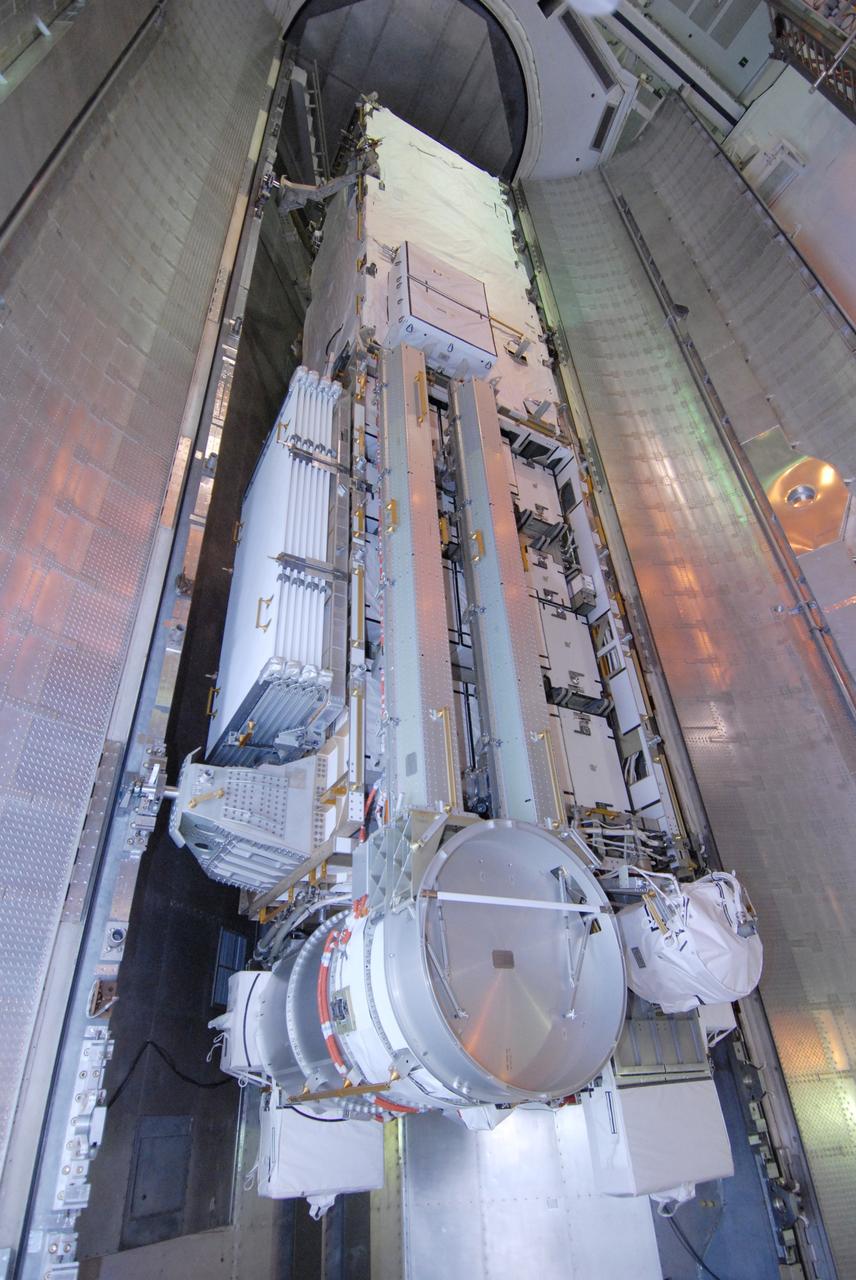
CAPE CANAVERAL, Fla. -- On Launch Pad 39A at NASA's Kennedy Space Center in Florida, the integrated truss structure S6 and solar arrays, the STS-119 mission payload, slowly move out of the payload canister into the Payload Changeout Room, or PCR. They will be installed in space shuttle Discovery's payload bay after the shuttle rolls out to the launch pad. Launch of Discovery on the STS-119 mission is scheduled for Feb. 12. During Discovery's 14-day mission, the crew will install the S6 truss segment and its solar arrays to the starboard side of the station, completing the station's backbone, or truss. Photo credit: NASA/Chris Rhodes
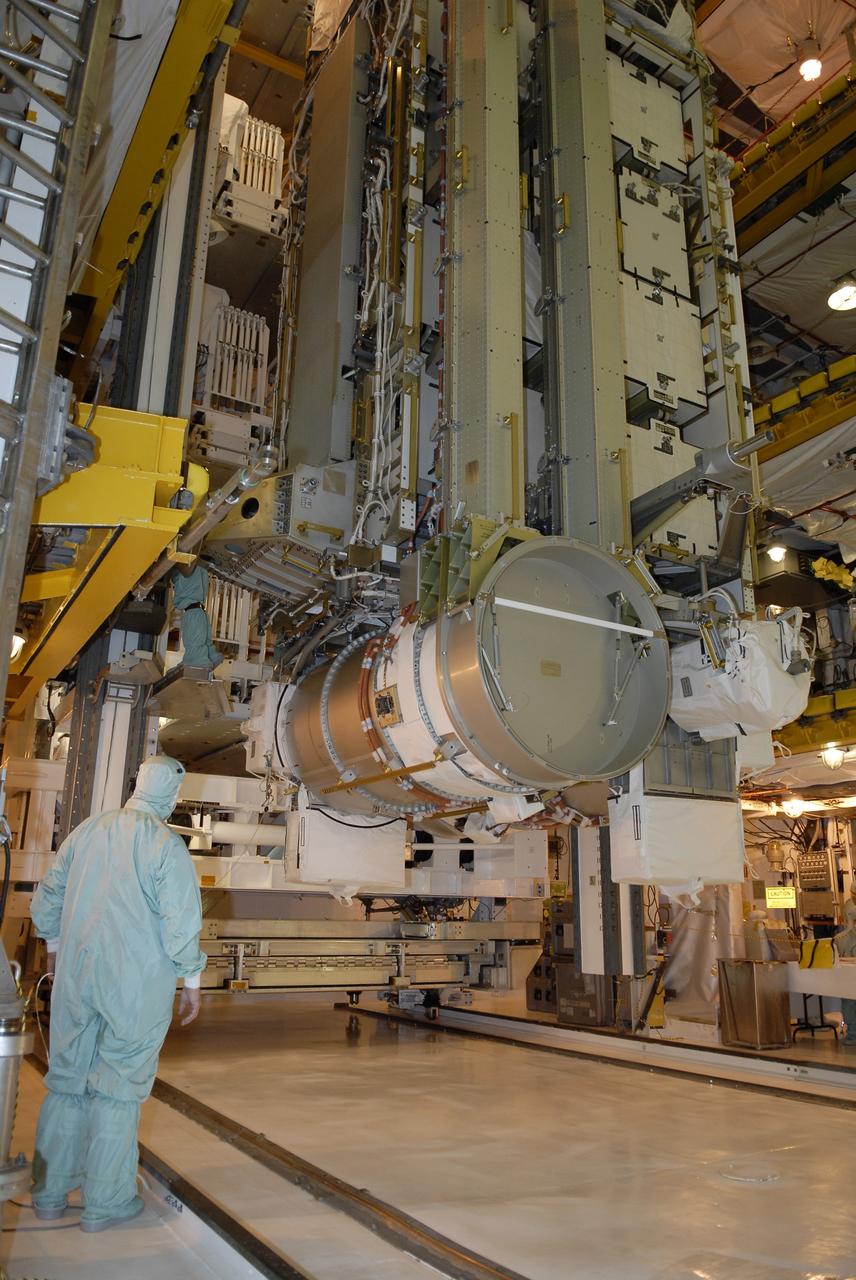
CAPE CANAVERAL, Fla. – In the Payload Changeout Room on Launch Pad 39A at NASA's Kennedy Space Center in Florida, the payload for the STS-119 mission is being transferred to space shuttle Discovery's cargo bay. The payload consists of the integrated truss structure S6 and solar arrays. During Discovery's 14-day mission, the shuttle's seven astronauts will install the S6 truss segment and solar arrays to the starboard side of the International Space Station, completing the station's truss, or backbone. Launch of Discovery on the STS-119 mission is targeted for Feb. 12. Photo credit: NASA/Kim Shiflett
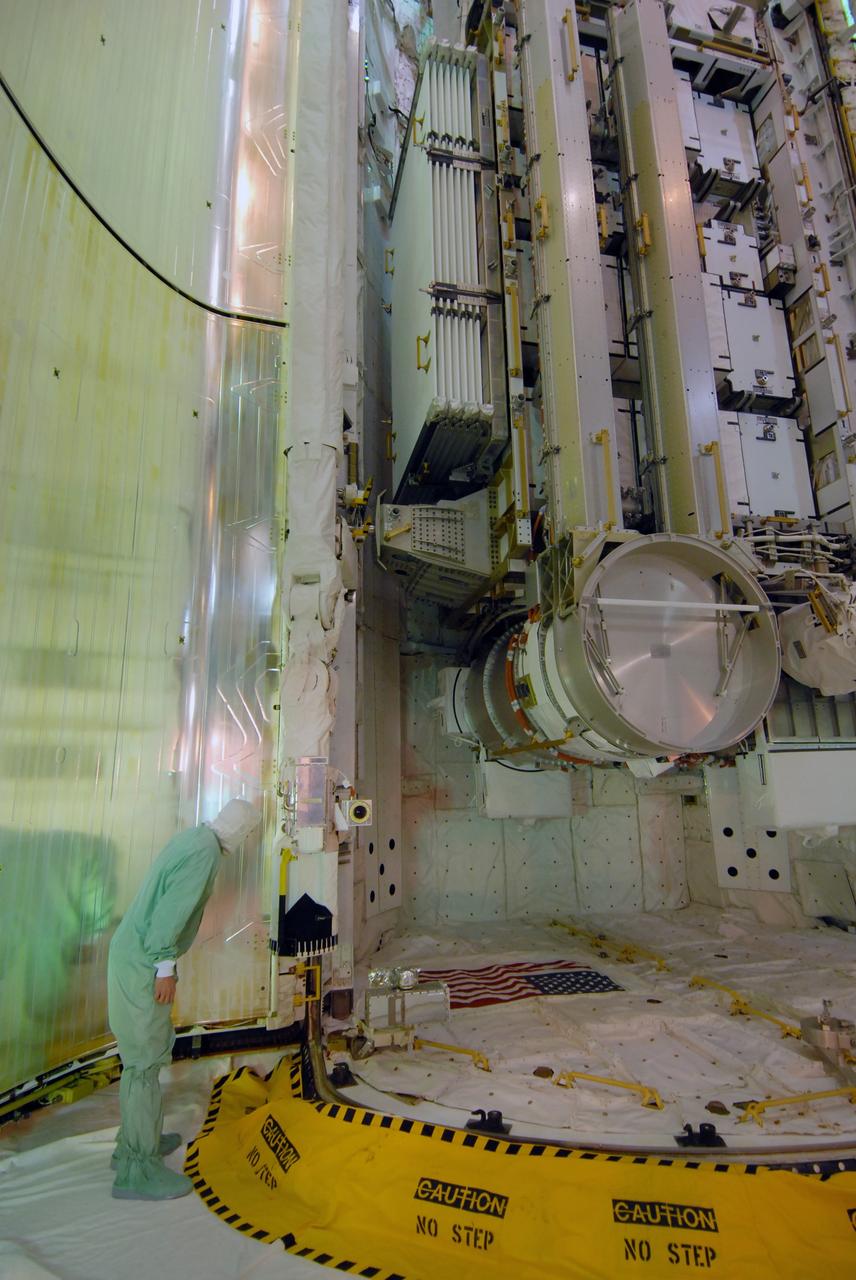
CAPE CANAVERAL, Fla. – On Launch Pad 39A at NASA's Kennedy Space Center in Florida, space shuttle Discovery's payload bay doors are being closed. A worker checks the progress of the doors. The cargo consists of the integrated truss structure S6 and solar arrays for the STS-119 mission to the International Space Station. During Discovery's 14-day mission, the shuttle's seven astronauts will install the S6 truss to the starboard side of the space station, completing the station's truss, or backbone. Launch of Discovery on the STS-119 mission is targeted for Feb. 12. Photo credit: NASA/Dimitri Gerondidakis
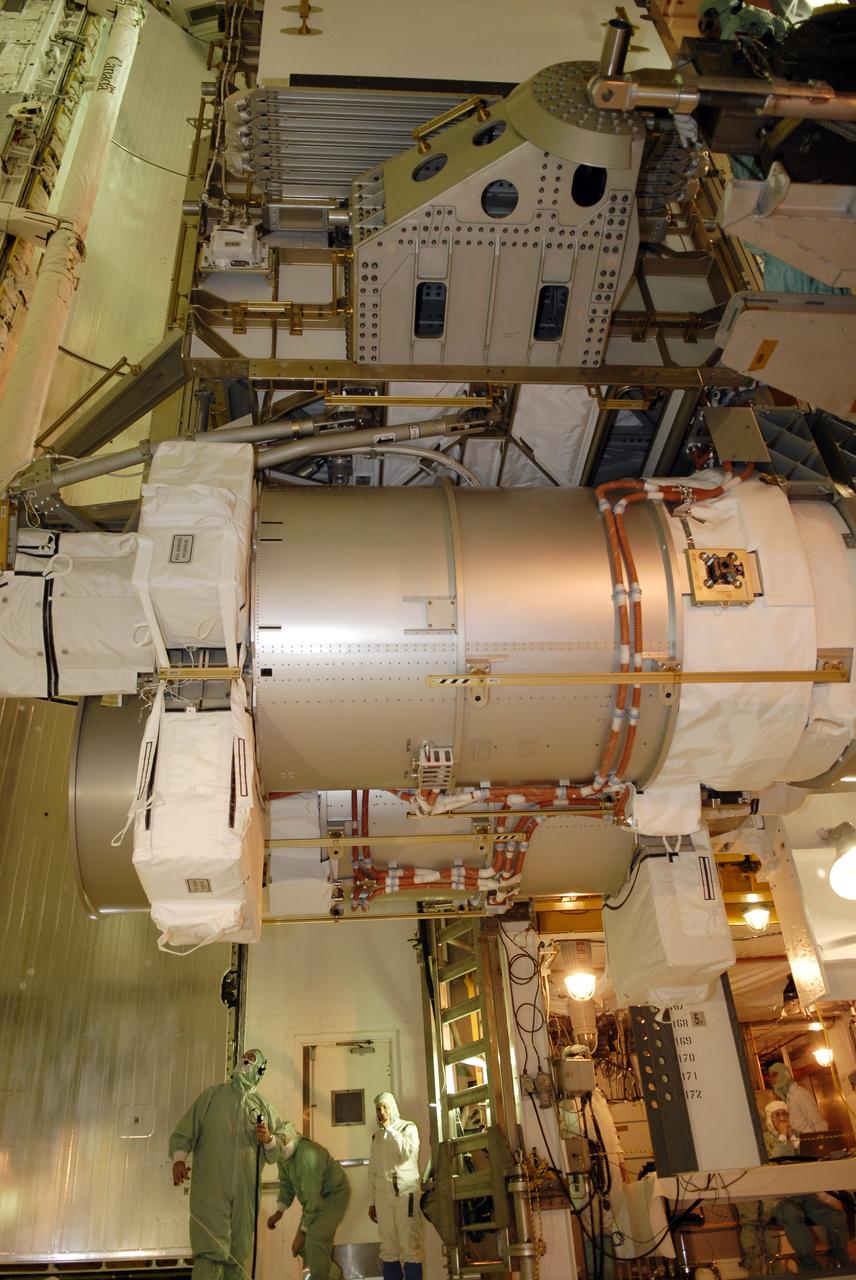
CAPE CANAVERAL, Fla. – In the Payload Changeout Room on Launch Pad 39A at NASA's Kennedy Space Center in Florida, workers check the progress of the payload for the STS-119 mission as it is transferred to space shuttle Discovery's cargo bay (bottom of photo). The payload consists of the integrated truss structure S6 and solar arrays. During Discovery's 14-day mission, the shuttle's seven astronauts will install the S6 truss segment and solar arrays to the starboard side of the International Space Station, completing the station's truss, or backbone. Launch of Discovery on the STS-119 mission is targeted for Feb. 12. Photo credit: NASA/Kim Shiflett

CAPE CANAVERAL, Fla. – On Launch Pad 39A at NASA's Kennedy Space Center in Florida, workers check the installation of the payload for the STS-119 mission in space shuttle Discovery's cargo bay. The payload consists of the integrated truss structure S6 and solar arrays. During Discovery's 14-day mission, the shuttle's seven astronauts will install the S6 truss segment and solar arrays to the starboard side of the International Space Station, completing the station's truss, or backbone. Launch of Discovery on the STS-119 mission is targeted for Feb. 12. Photo credit: NASA/Kim Shiflett
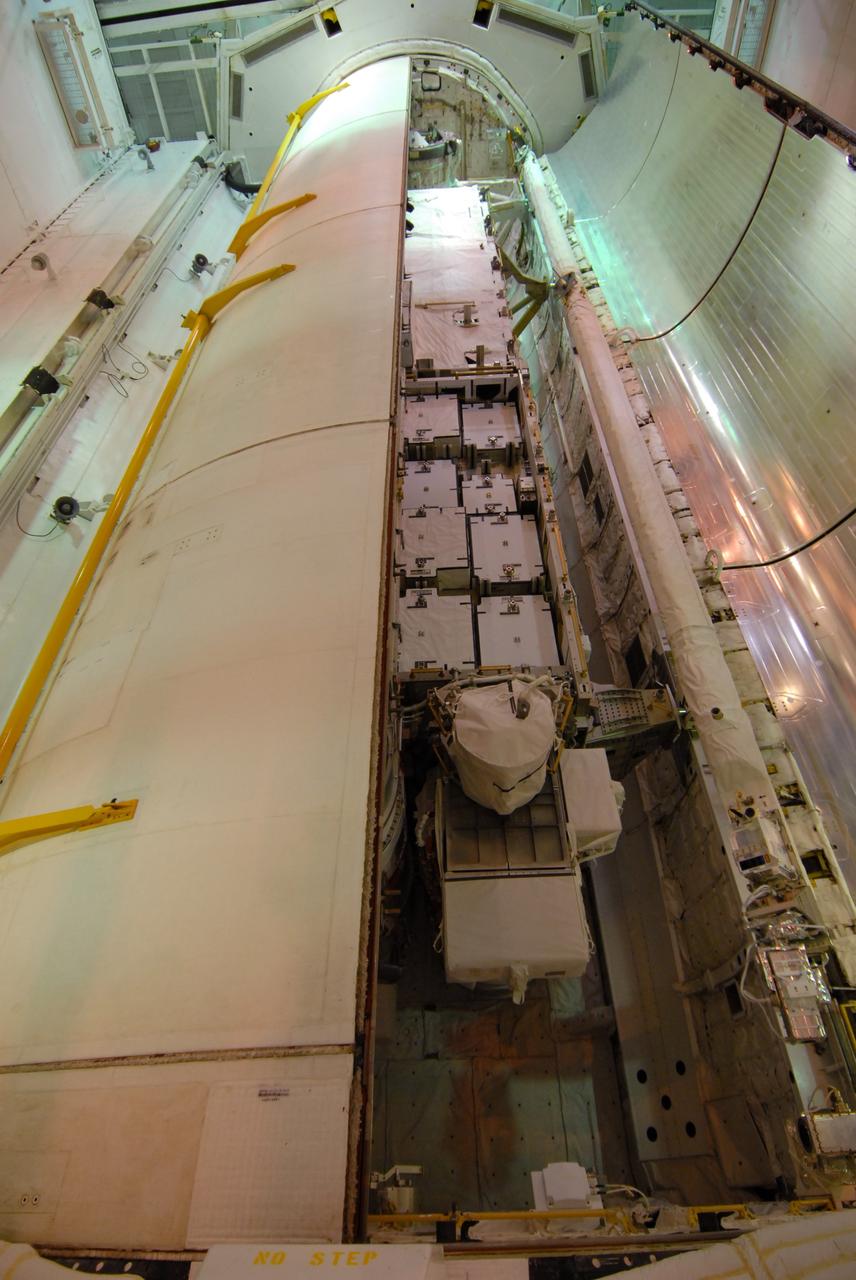
CAPE CANAVERAL, Fla. – On Launch Pad 39A at NASA's Kennedy Space Center in Florida, one of space shuttle Discovery's payload bay doors has been closed. The cargo inside consists of the integrated truss structure S6 and solar arrays for the STS-119 mission to the International Space Station. During Discovery's 14-day mission, the shuttle's seven astronauts will install the S6 truss to the starboard side of the space station, completing the station's truss, or backbone. Launch of Discovery on the STS-119 mission is targeted for Feb. 12. Photo credit: NASA/Dimitri Gerondidakis
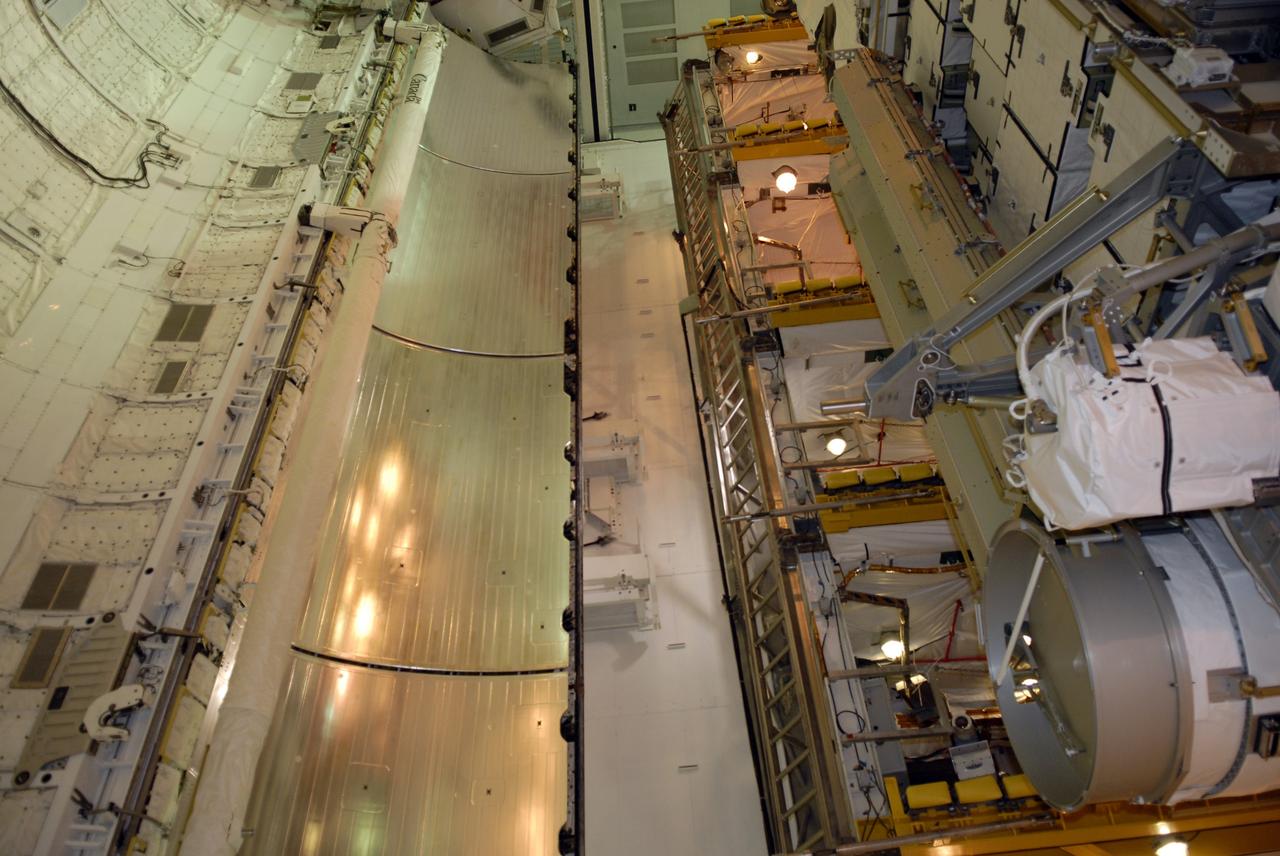
CAPE CANAVERAL, Fla. – In the Payload Changeout Room on Launch Pad 39A at NASA's Kennedy Space Center in Florida, the payload for the STS-119 mission is being transferred to space shuttle Discovery's cargo bay. The payload consists of the integrated truss structure S6 and solar arrays. During Discovery's 14-day mission, the shuttle's seven astronauts will install the S6 truss segment and solar arrays to the starboard side of the International Space Station, completing the station's truss, or backbone. Launch of Discovery on the STS-119 mission is targeted for Feb. 12. Photo credit: NASA/Kim Shiflett
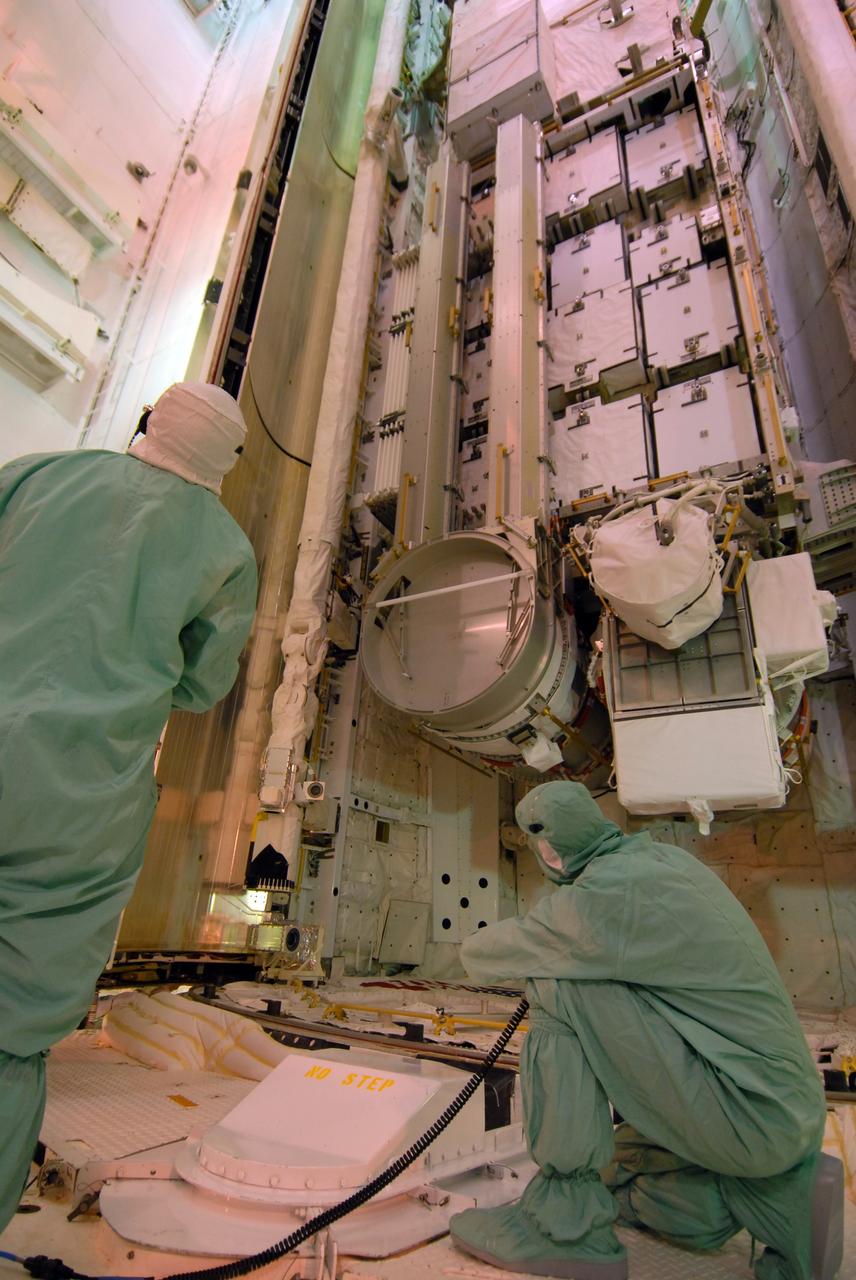
CAPE CANAVERAL, Fla. – On Launch Pad 39A at NASA's Kennedy Space Center in Florida, workers check the movement of space shuttle Discovery's payload bay doors as they close around the cargo. The cargo consists of the integrated truss structure S6 and solar arrays for the STS-119 mission to the International Space Station. During Discovery's 14-day mission, the shuttle's seven astronauts will install the S6 truss to the starboard side of the space station, completing the station's truss, or backbone. Launch of Discovery on the STS-119 mission is targeted for Feb. 12. Photo credit: NASA/Dimitri Gerondidakis
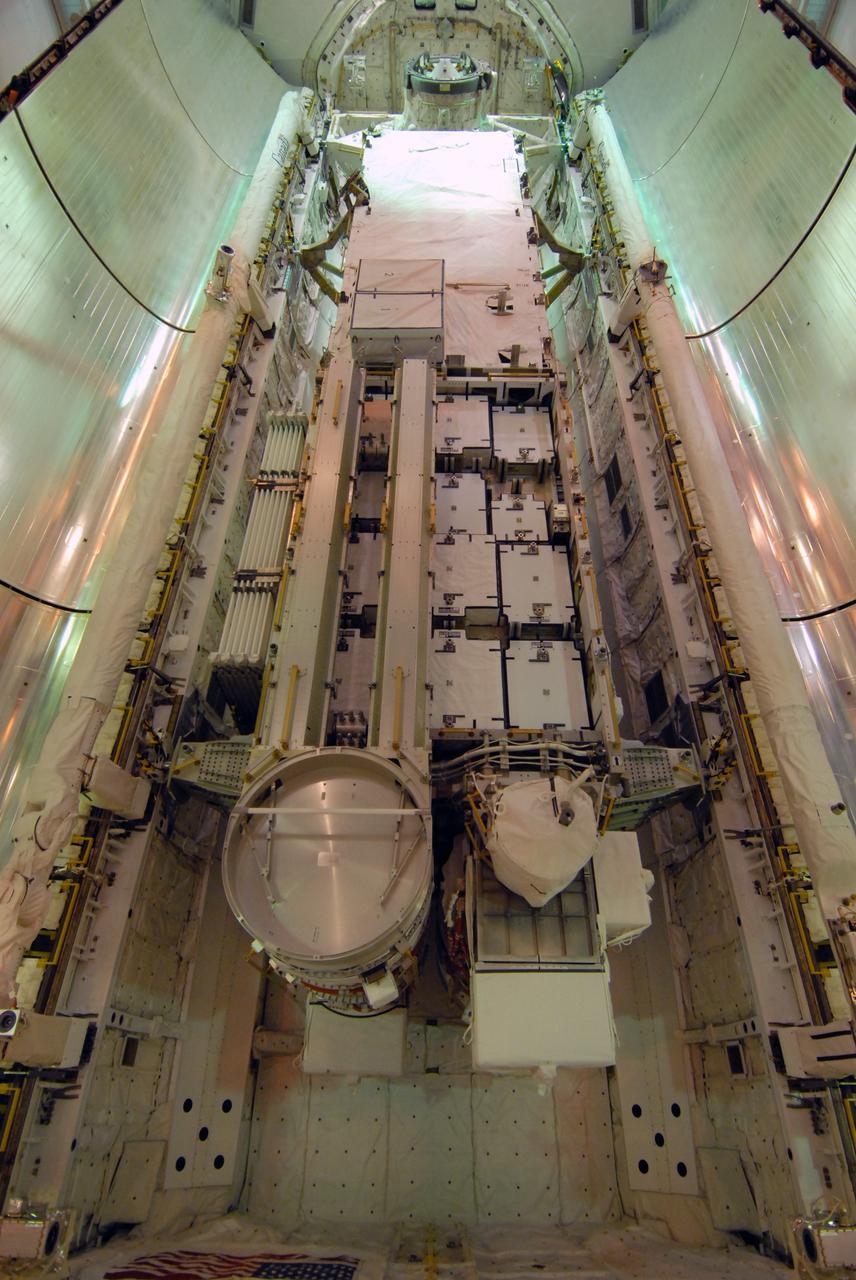
CAPE CANAVERAL, Fla. – On Launch Pad 39A at NASA's Kennedy Space Center in Florida, space shuttle Discovery's payload bay doors are being closed. The cargo consists of the integrated truss structure S6 and solar arrays for the STS-119 mission to the International Space Station. During Discovery's 14-day mission, the shuttle's seven astronauts will install the S6 truss to the starboard side of the space station, completing the station's truss, or backbone. Launch of Discovery on the STS-119 mission is targeted for Feb. 12. Photo credit: NASA/Dimitri Gerondidakis
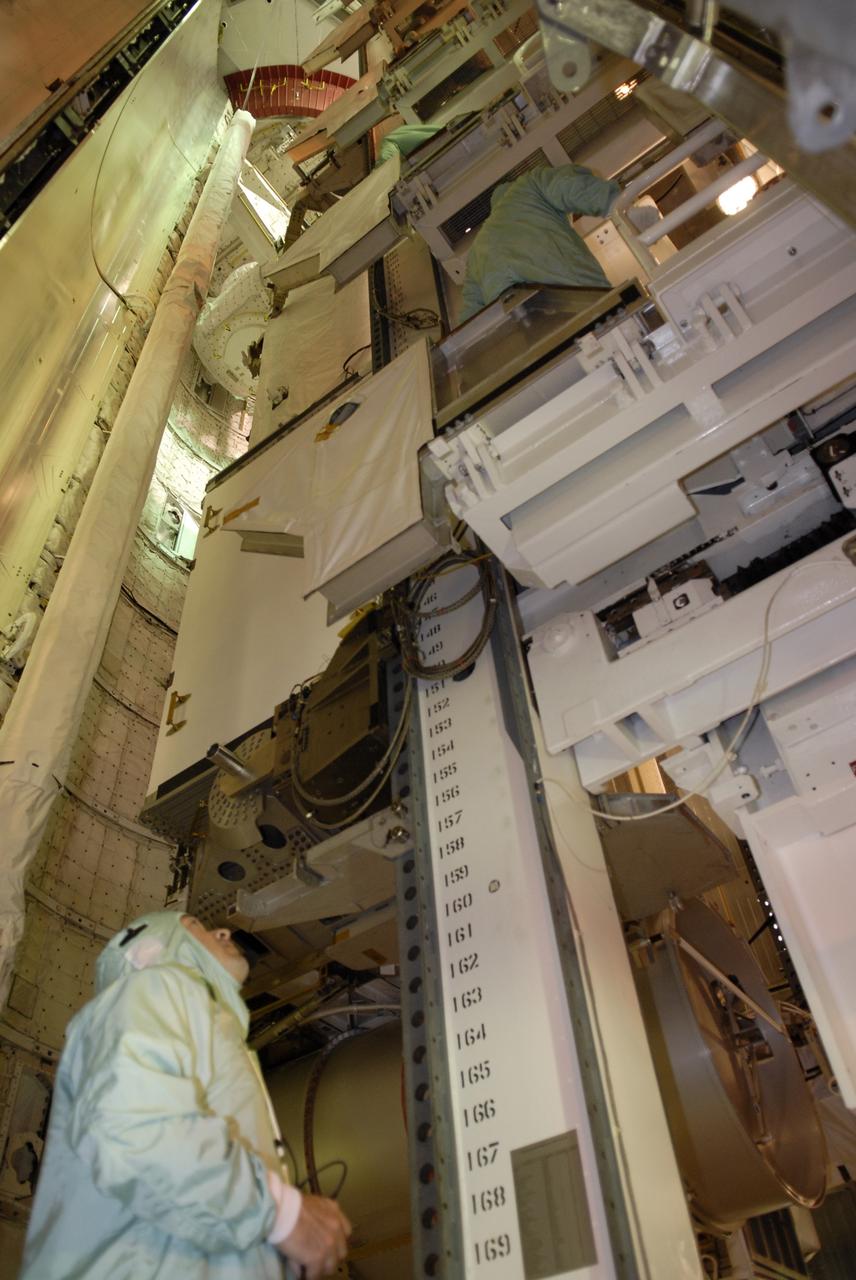
CAPE CANAVERAL, Fla. – On Launch Pad 39A at NASA's Kennedy Space Center in Florida, workers check the installation of the payload for the STS-119 mission in space shuttle Discovery's cargo bay. The payload consists of the integrated truss structure S6 and solar arrays. During Discovery's 14-day mission, the shuttle's seven astronauts will install the S6 truss segment and solar arrays to the starboard side of the International Space Station, completing the station's truss, or backbone. Launch of Discovery on the STS-119 mission is targeted for Feb. 12. Photo credit: NASA/Kim Shiflett
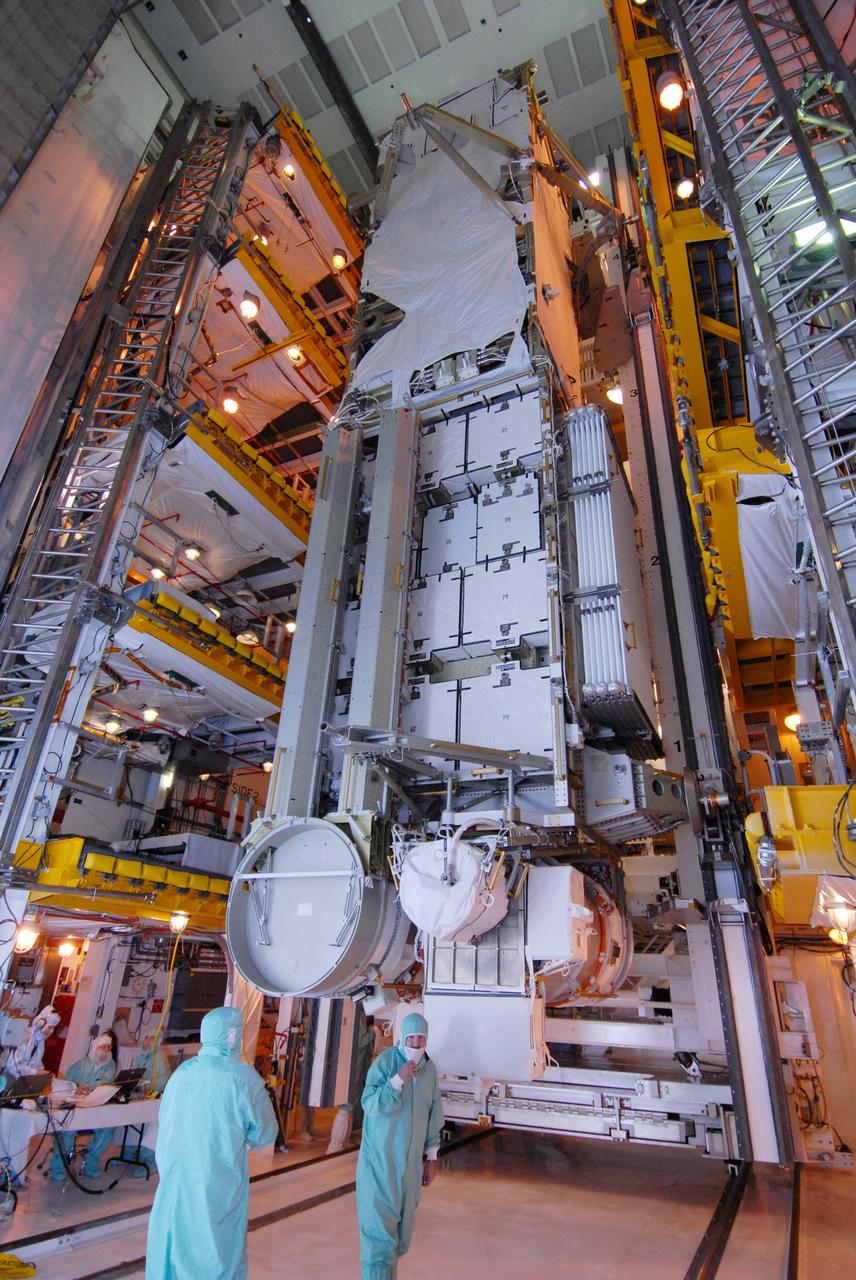
CAPE CANAVERAL, Fla. -- On Launch Pad 39A at NASA's Kennedy Space Center in Florida, the integrated truss structure S6 and solar arrays, the STS-119 mission payload, are moved into the Payload Changeout Room, or PCR. They will be installed in space shuttle Discovery's payload bay after the shuttle rolls out to the launch pad. Launch of Discovery on the STS-119 mission is scheduled for Feb. 12. During Discovery's 14-day mission, the crew will install the S6 truss segment and its solar arrays to the starboard side of the station, completing the station's backbone, or truss. Photo credit: NASA/Chris Rhodes

CAPE CANAVERAL, Fla. – In the Payload Changeout Room on Launch Pad 39A at NASA's Kennedy Space Center in Florida, the payload for the STS-119 mission is being transferred to space shuttle Discovery's cargo bay. The payload consists of the integrated truss structure S6 and solar arrays. During Discovery's 14-day mission, the shuttle's seven astronauts will install the S6 truss segment and solar arrays to the starboard side of the International Space Station, completing the station's truss, or backbone. Launch of Discovery on the STS-119 mission is targeted for Feb. 12. Photo credit: NASA/Kim Shiflett
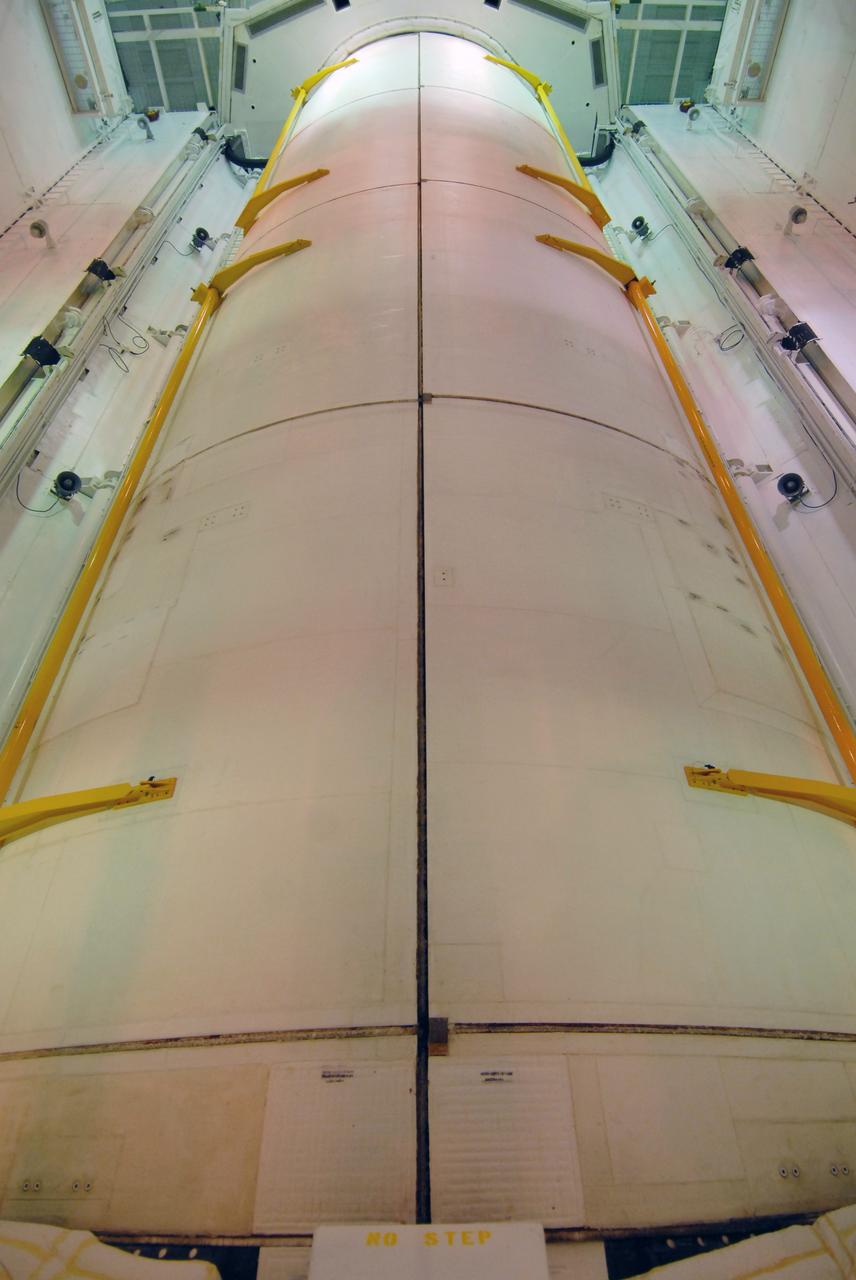
CAPE CANAVERAL, Fla. – On Launch Pad 39A at NASA's Kennedy Space Center in Florida, space shuttle Discovery's payload bay doors are closed. Inside, the cargo consists of the integrated truss structure S6 and solar arrays for the STS-119 mission to the International Space Station. During Discovery's 14-day mission, the shuttle's seven astronauts will install the S6 truss to the starboard side of the space station, completing the station's truss, or backbone. Launch of Discovery on the STS-119 mission is targeted for Feb. 12. Photo credit: NASA/Dimitri Gerondidakis
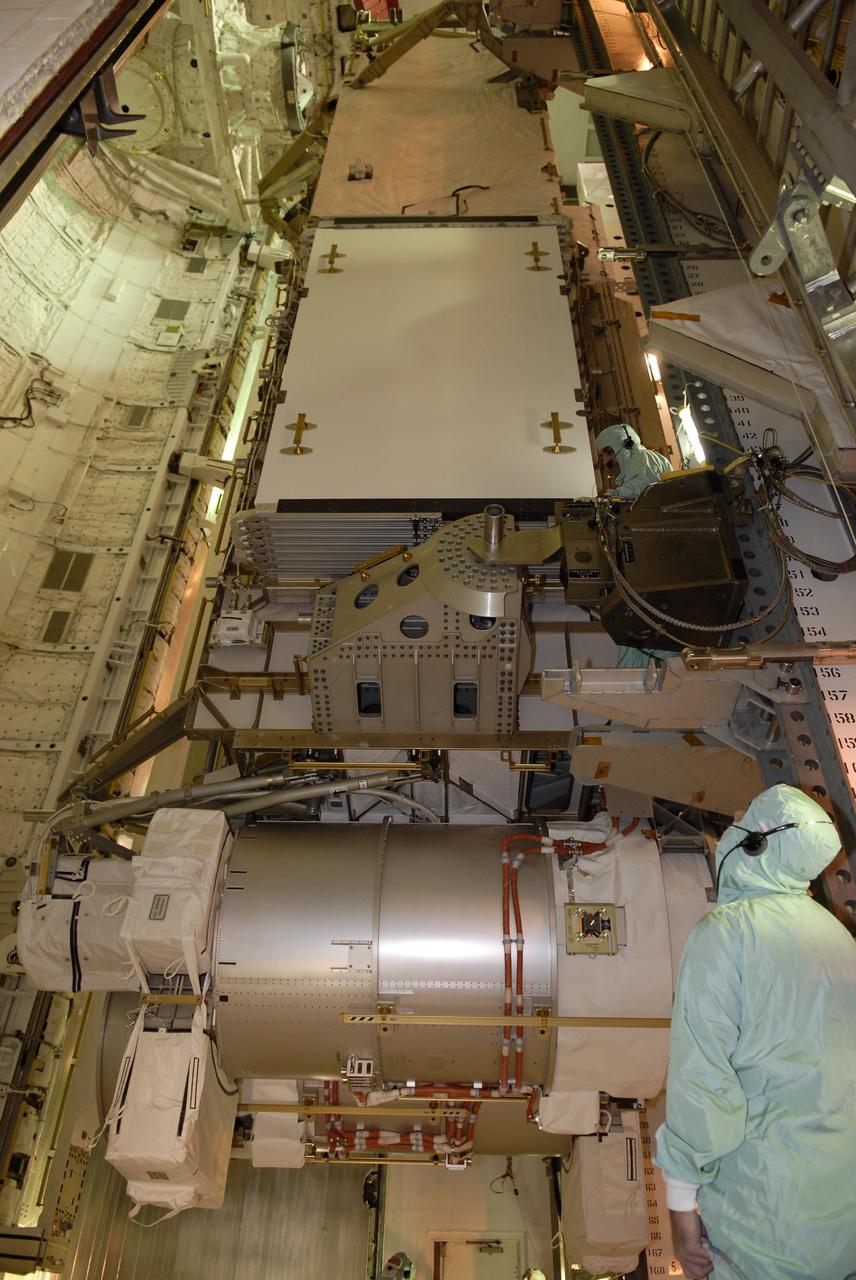
CAPE CANAVERAL, Fla. – On Launch Pad 39A at NASA's Kennedy Space Center in Florida, the payload for the STS-119 mission is installed in space shuttle Discovery's cargo bay. The payload consists of the integrated truss structure S6 and solar arrays. During Discovery's 14-day mission, the shuttle's seven astronauts will install the S6 truss segment and solar arrays to the starboard side of the International Space Station, completing the station's truss, or backbone. Launch of Discovery on the STS-119 mission is targeted for Feb. 12. Photo credit: NASA/Kim Shiflett
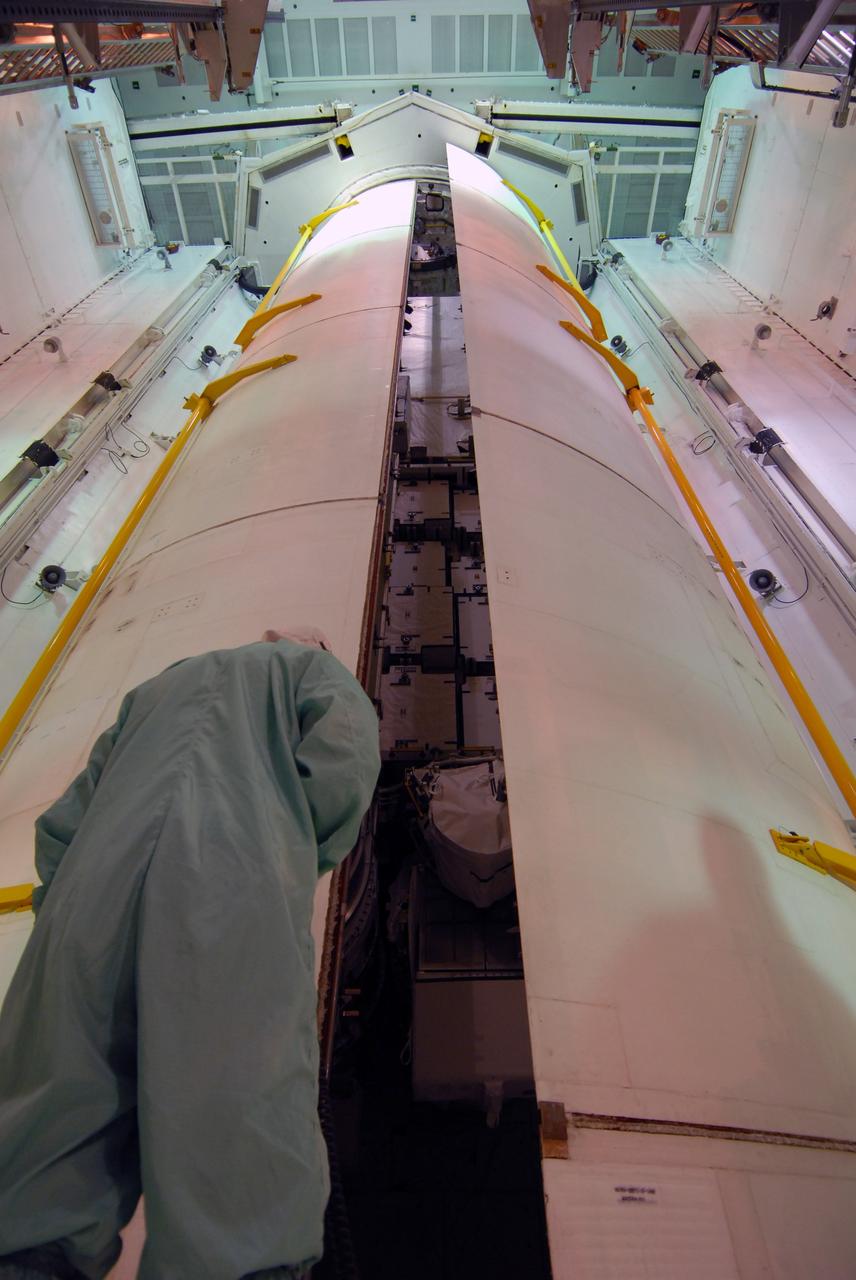
CAPE CANAVERAL, Fla. – On Launch Pad 39A at NASA's Kennedy Space Center in Florida, the second of space shuttle Discovery's payload bay doors is closing. The cargo inside consists of the integrated truss structure S6 and solar arrays for the STS-119 mission to the International Space Station. During Discovery's 14-day mission, the shuttle's seven astronauts will install the S6 truss to the starboard side of the space station, completing the station's truss, or backbone. Launch of Discovery on the STS-119 mission is targeted for Feb. 12. Photo credit: NASA/Dimitri Gerondidakis
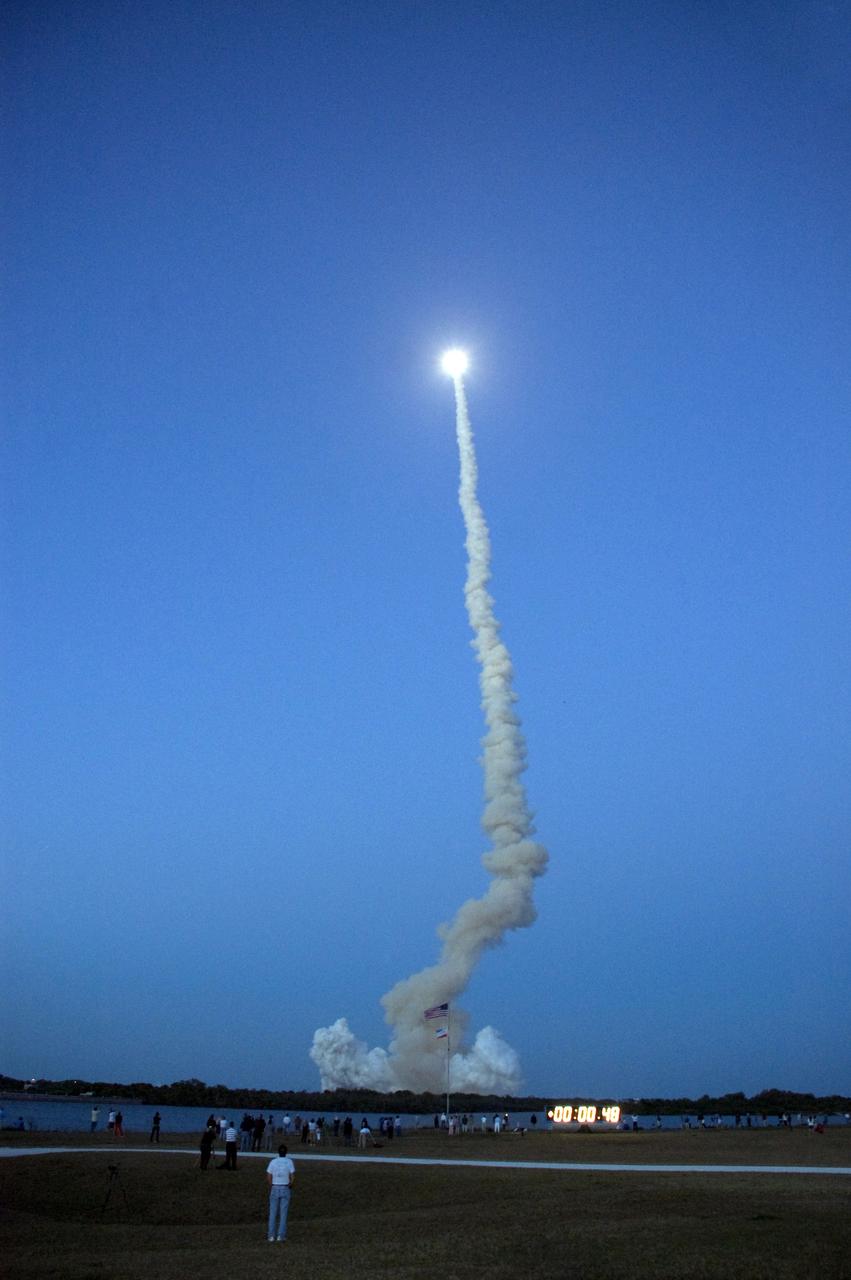
CAPE CANAVERAL, Fla. – Looking like a sun riding a column of smoke, space shuttle Discovery hurtles into the evening sky on the STS-119 mission. Liftoff was on time at 7:43 p.m. EDT. The STS-119 mission is the 28th to the International Space Station and the 125th space shuttle flight. Discovery will deliver the final pair of power-generating solar array wings and the S6 truss segment. Installation of S6 will signal the station's readiness to house a six-member crew for conducting increased science. Photo credit: NASA/Fletch Hildreth
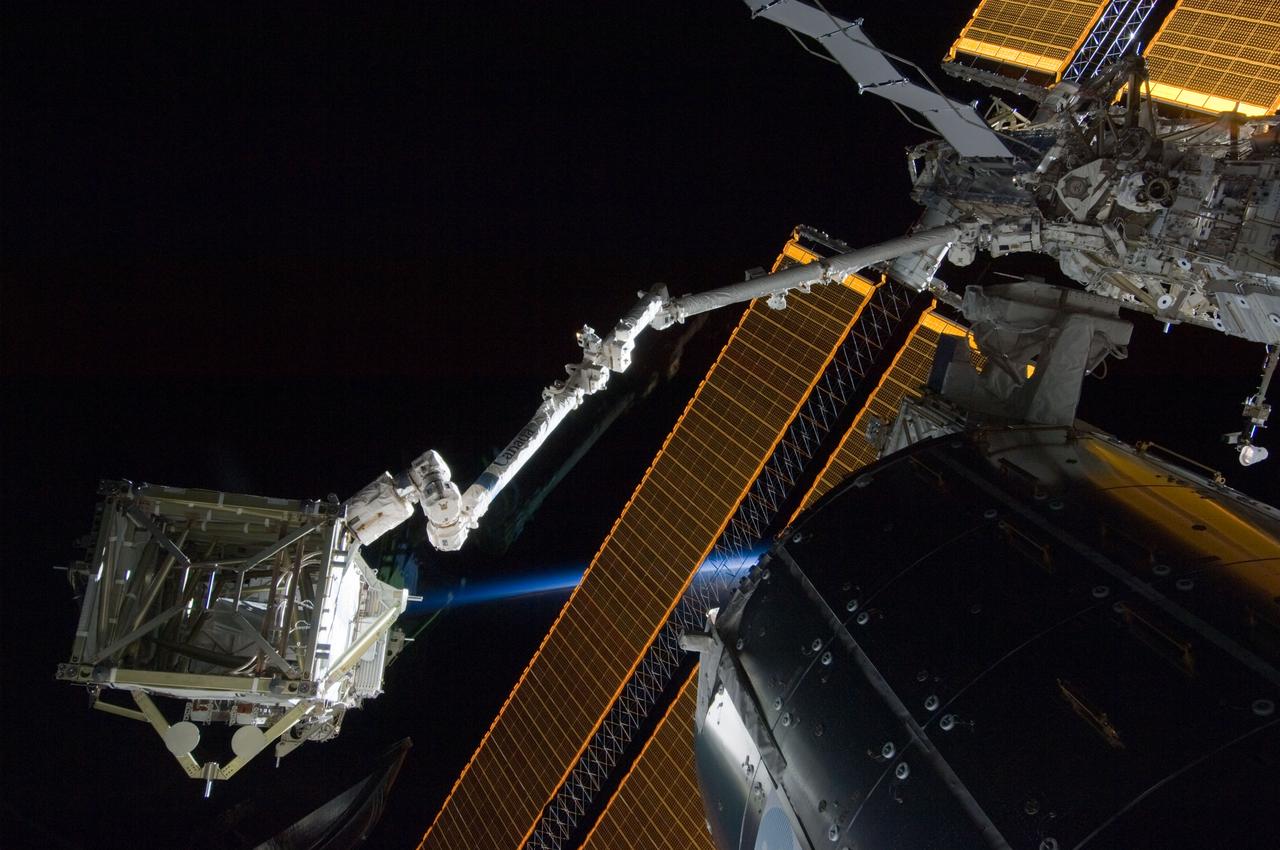
S119-E-006588 (18 March 2009) --- In the grasp of the International Space Station’s robotic Canadarm2, the S6 truss segment was photographed by a STS-119 crewmember while Space Shuttle Discovery is docked with the station. The S6 truss segment was moved from Discovery’s cargo bay by the station’s Canadarm2, handed off to the shuttle’s remote manipulator system (RMS), and then handed back to the station’s robotic arm where it will remain in an overnight parked position. Also visible in the image are the Columbus laboratory, starboard truss and solar array panels.
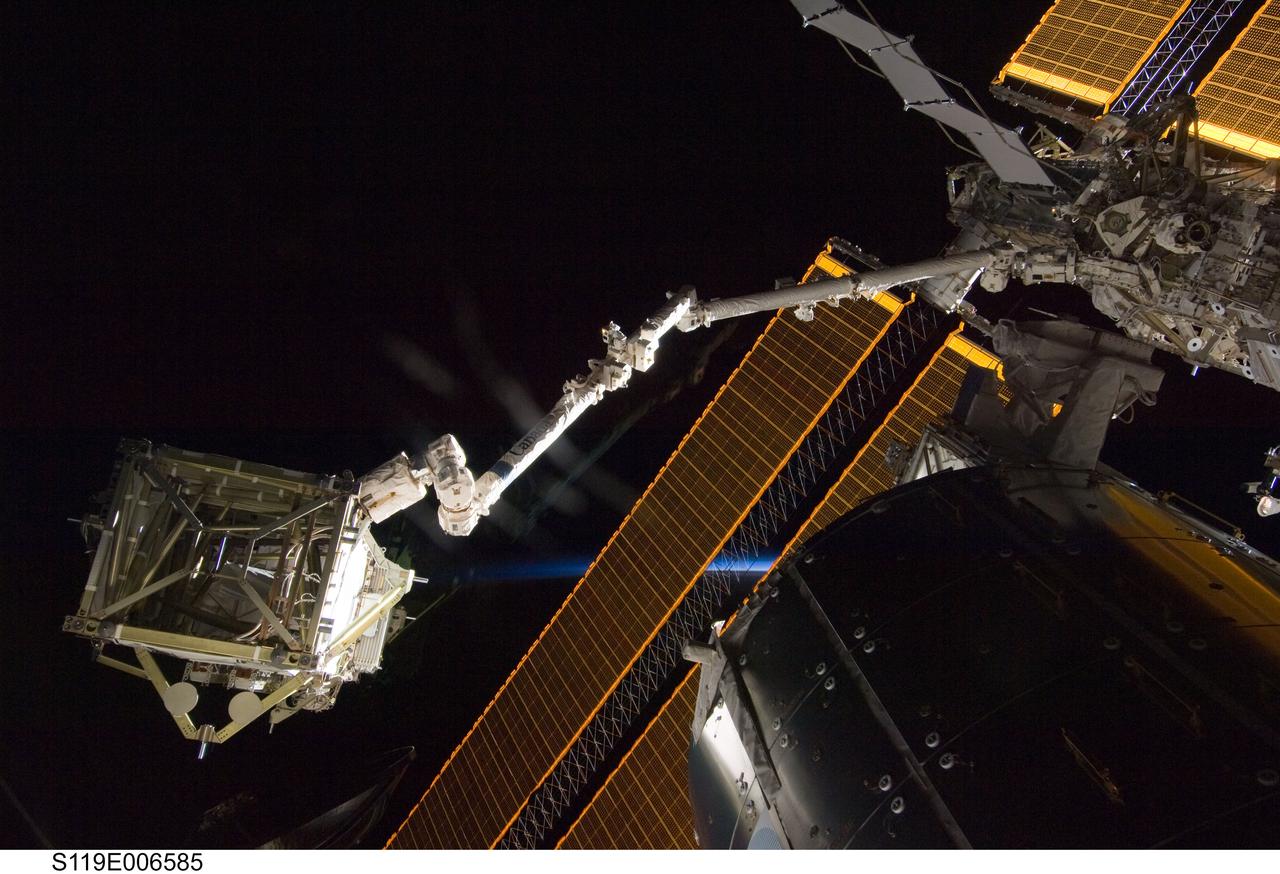
S119-E-006585 (18 March 2009) --- In the grasp of the International Space Station’s robotic Canadarm2, the S6 truss segment was photographed by a STS-119 crewmember while Space Shuttle Discovery is docked with the station. The S6 truss segment was moved from Discovery’s cargo bay by the station’s Canadarm2, handed off to the shuttle’s remote manipulator system (RMS), and then handed back to the station’s robotic arm where it will remain in an overnight parked position. Also visible in the image are the Columbus laboratory, starboard truss and solar array panels.
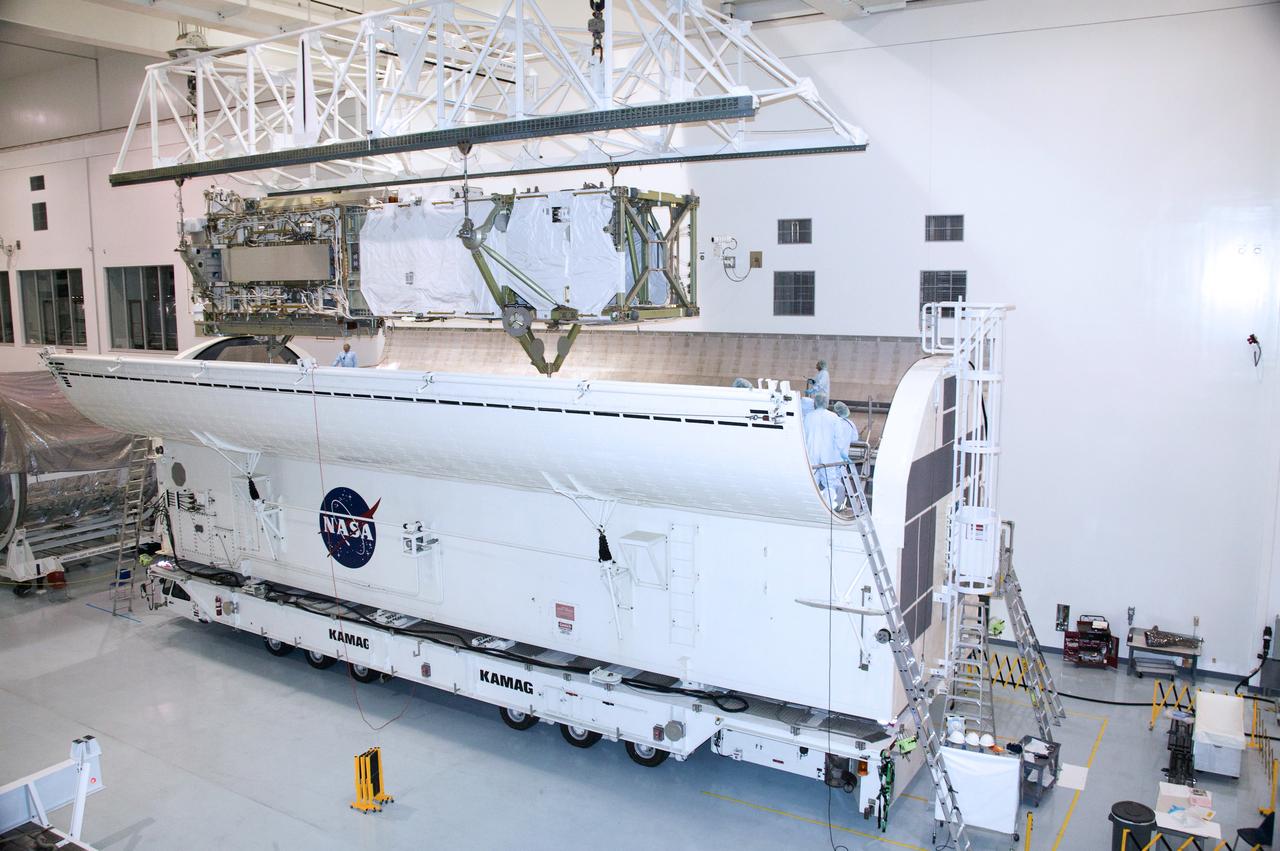
CAPE CANAVERAL, Fla. – In the Space Station Processing Facility at NASA's Kennedy Space Center in Florida, the integrated truss structure, S6, and solar arrays are lowered into the payload canister for transfer to Launch Pad 39A. Launch of Discovery on the STS-119 mission is targeted for Feb. 12. During Discovery's 14-day mission, the crew will install the S6 truss segment and its solar arrays to the starboard side of the station, completing the station's truss, or backbone. Photo credit: NASA/Kevin Gill

S119-E-006596 (18 March 2009) --- In the grasp of the International Space Station’s robotic Canadarm2, the S6 truss segment was photographed by a STS-119 crewmember while Space Shuttle Discovery is docked with the station. The S6 truss segment was moved from Discovery’s cargo bay by the station’s Canadarm2, handed off to the shuttle’s remote manipulator system (RMS), and then handed back to the station’s robotic arm where it will remain in an overnight parked position. Also visible in the image are the Columbus laboratory, starboard truss and solar array panels.
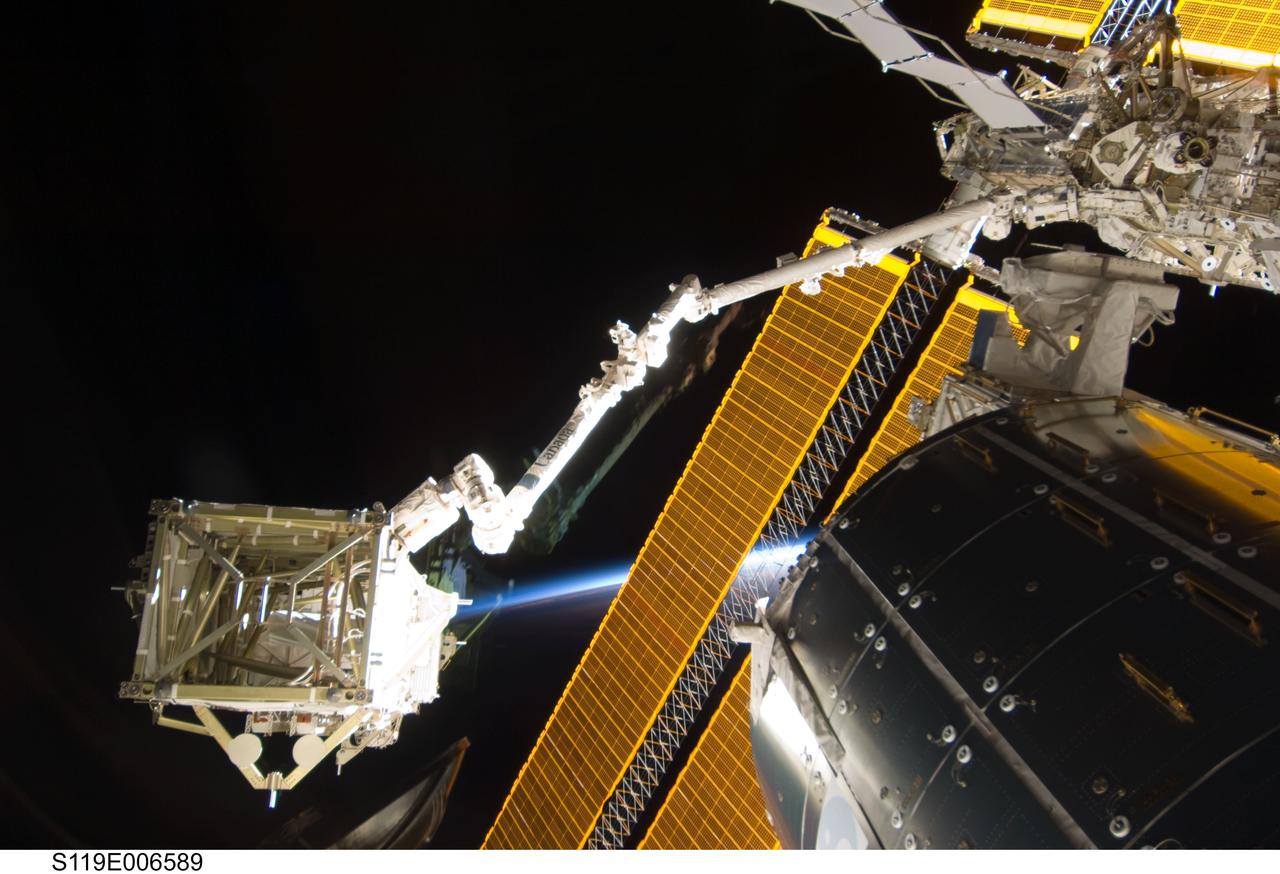
S119-E-006589 (18 March 2009) --- In the grasp of the International Space Station’s robotic Canadarm2, the S6 truss segment was photographed by a STS-119 crewmember while Space Shuttle Discovery is docked with the station. The S6 truss segment was moved from Discovery’s cargo bay by the station’s Canadarm2, handed off to the shuttle’s remote manipulator system (RMS), and then handed back to the station’s robotic arm where it will remain in an overnight parked position. Also visible in the image are the Columbus laboratory, starboard truss and solar array panels.
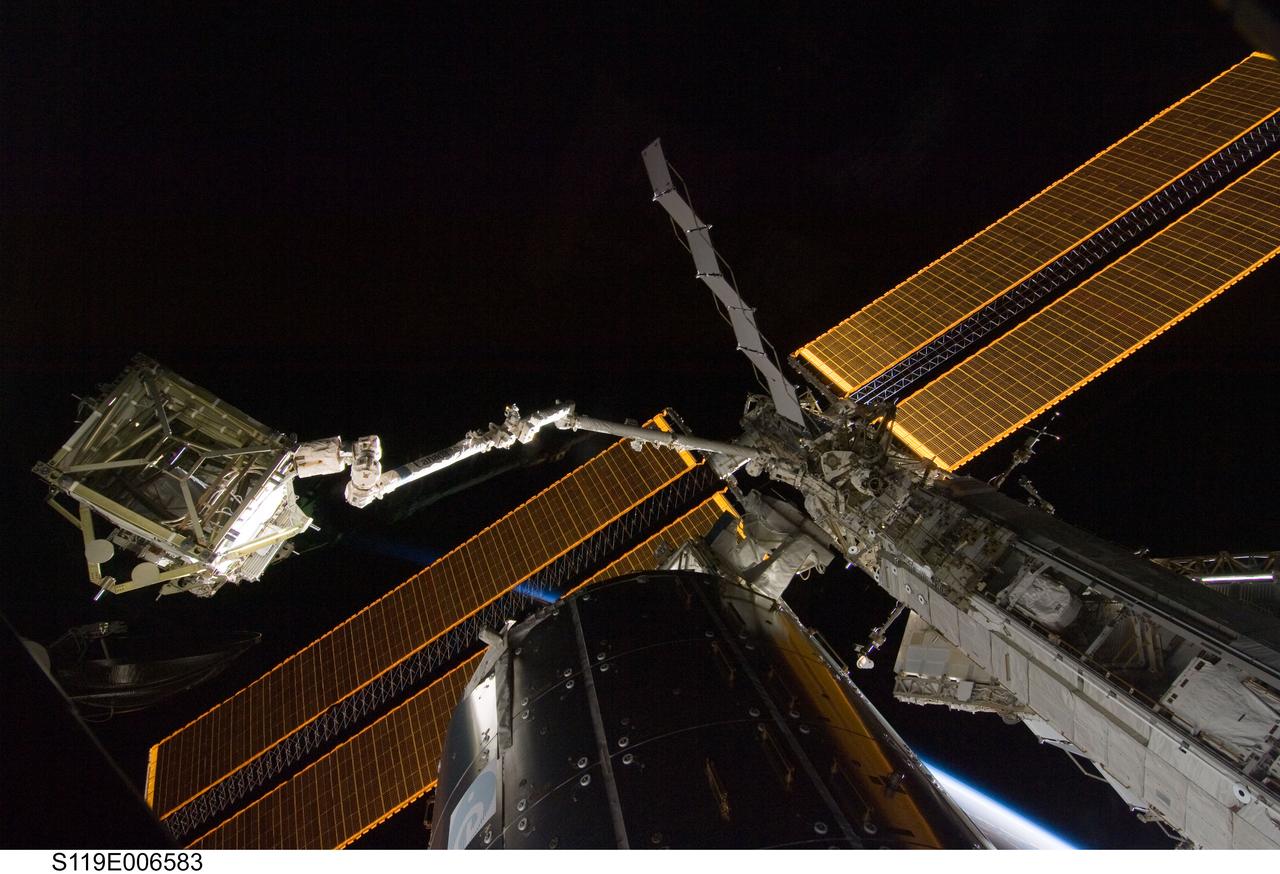
S119-E-006583 (18 March 2009) --- In the grasp of the International Space Station’s robotic Canadarm2, the S6 truss segment was photographed by a STS-119 crewmember while Space Shuttle Discovery is docked with the station. The S6 truss segment was moved from Discovery’s cargo bay by the station’s Canadarm2, handed off to the shuttle’s remote manipulator system (RMS), and then handed back to the station’s robotic arm where it will remain in an overnight parked position. Also visible in the image are the Columbus laboratory, starboard truss and solar array panels.
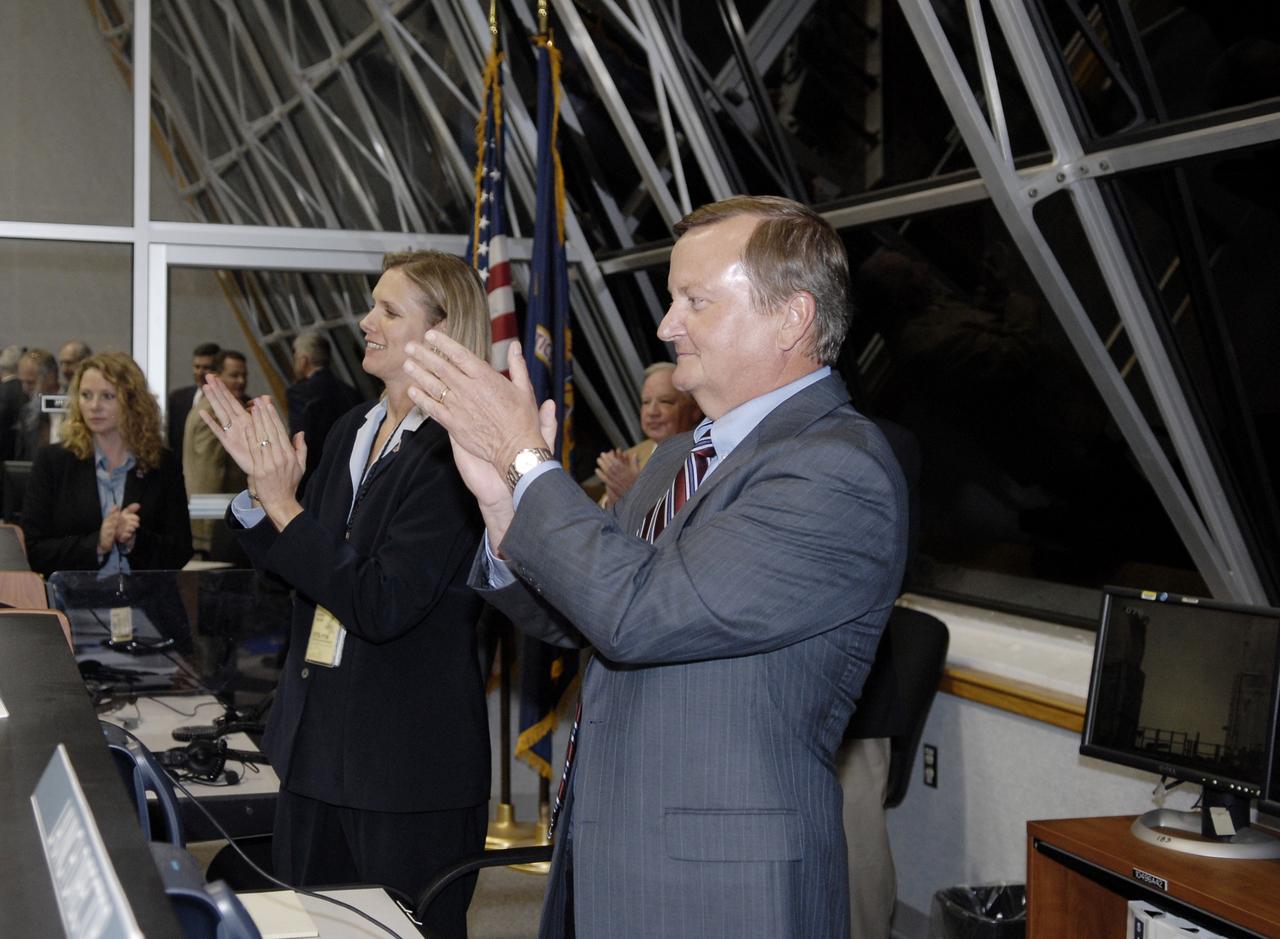
CAPE CANAVERAL, Fla. – In Firing Room 4 of the Launch Control Center at NASA's Kennedy Space Center in Florida, Flow Director for space shuttle Discovery Stephanie Stilson (center) and Shuttle Launch Director Mike Leinbach applaud the mission management team for the successful launch of space shuttle Discovery on the STS-119 mission. Launch was on time at 7:43 p.m. EDT. The STS-119 mission is the 28th to the space station and Discovery's 36th flight. Discovery will deliver the final pair of power-generating solar array wings and the S6 truss segment. Installation of S6 will signal the station's readiness to house a six-member crew for conducting increased science. Photo credit: NASA/Kim Shiflett
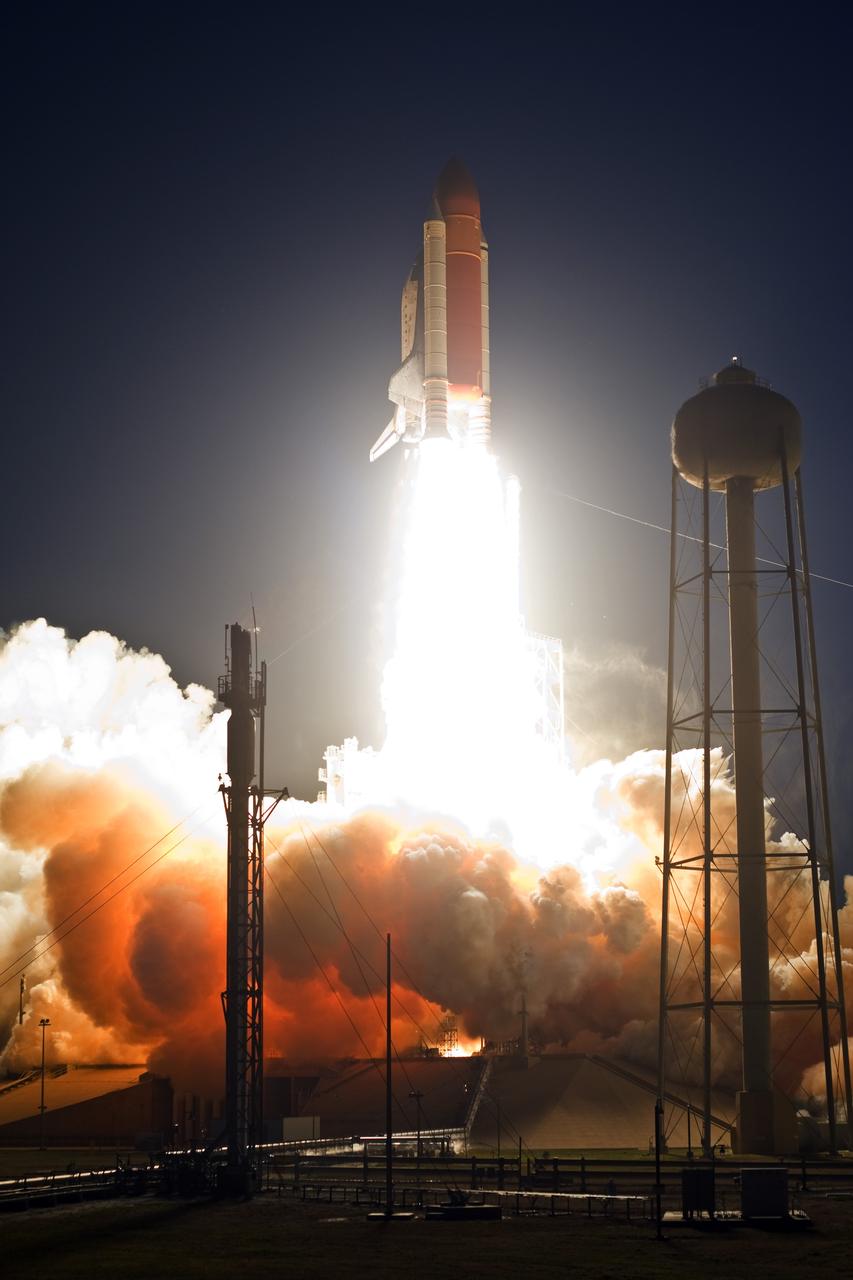
CAPE CANAVERAL, Fla. – From Launch Pad 39A at NASA's Kennedy Space Center in Florida, space shuttle Discovery races toward space atop towers of flame. Clouds of smoke and steam engulf the pad below. Launch on mission STS-119 was on time at 7:43 p.m. EDT. The STS-119 mission is the 28th to the space station and Discovery's 36th flight. Discovery will deliver the final pair of power-generating solar array wings and the S6 truss segment. Installation of S6 will signal the station's readiness to house a six-member crew for conducting increased science. Photo credit: NASA/Tony Gray, Tom Farrar
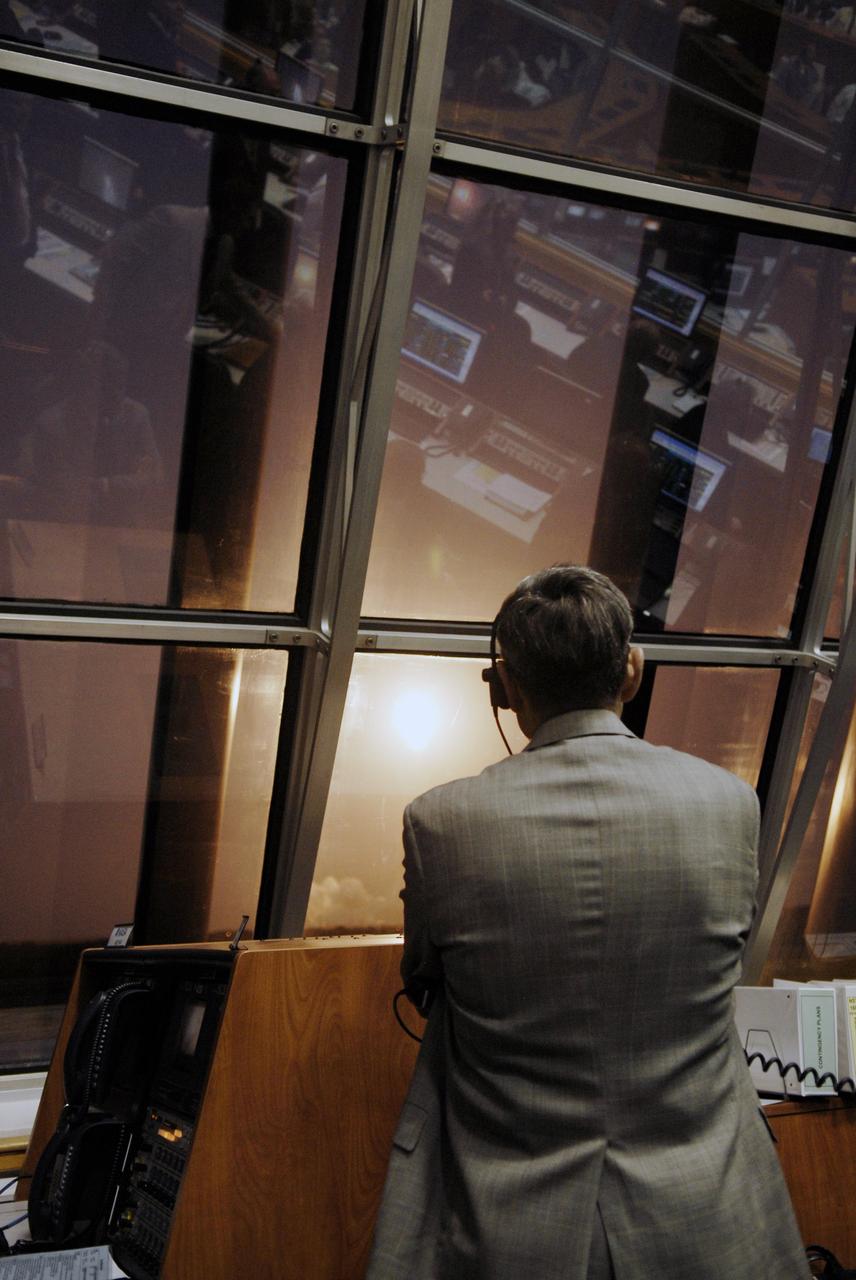
CAPE CANAVERAL, Fla. – In Firing Room 4 of the Launch Control Center at NASA's Kennedy Space Center in Florida, Center Director Bob Cabana watches the brilliant launch of space shuttle Discovery on the STS-119 mission. Launch was on time at 7:43 p.m. EDT. The STS-119 mission is the 28th to the space station and Discovery's 36th flight. Discovery will deliver the final pair of power-generating solar array wings and the S6 truss segment. Installation of S6 will signal the station's readiness to house a six-member crew for conducting increased science. Photo credit: NASA/Kim Shiflett
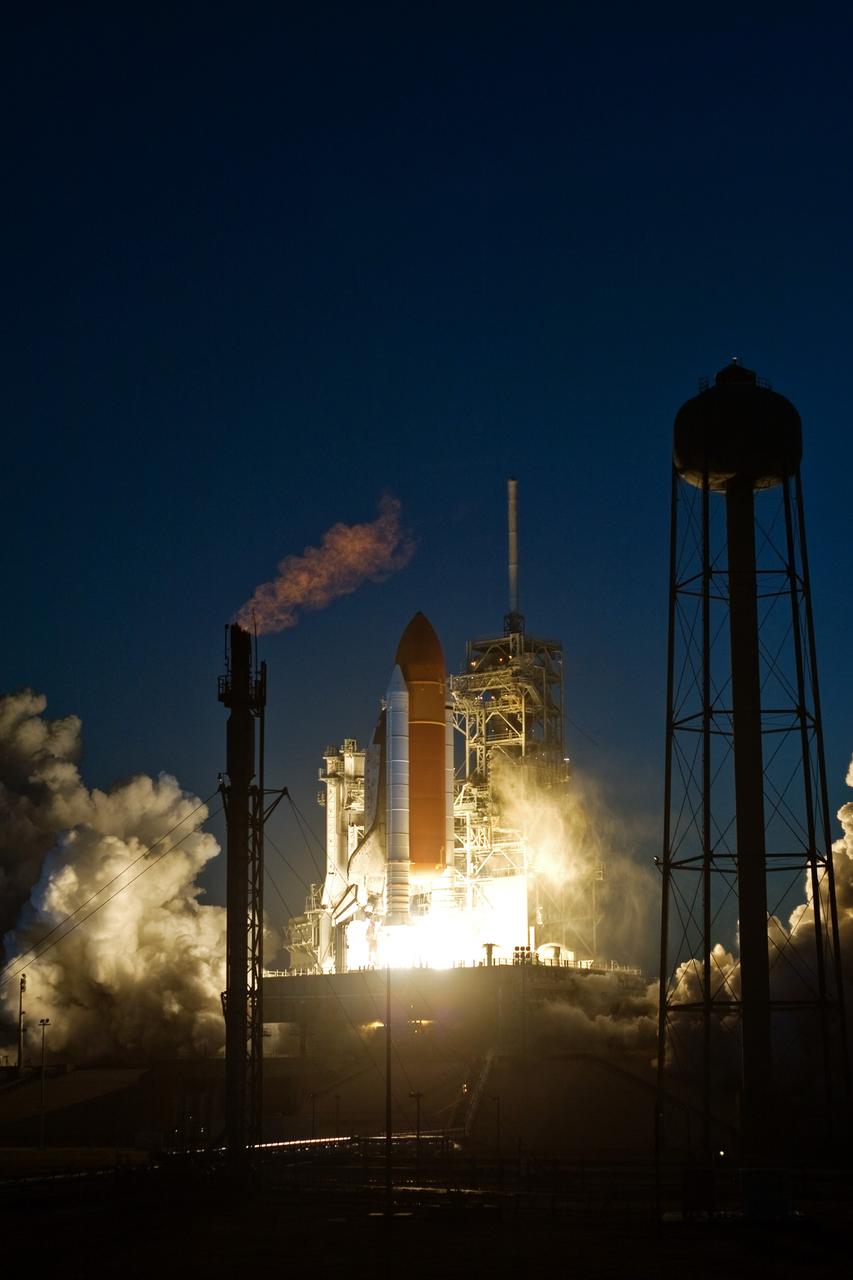
CAPE CANAVERAL, Fla. – On Launch Pad 39A at NASA's Kennedy Space Center in Florida, the fiery exhaust from liftoff of space shuttle Discovery lights up the evening sky. Launch on mission STS-119 was on time at 7:43 p.m. EDT. The STS-119 mission is the 28th to the space station and Discovery's 36th flight. Discovery will deliver the final pair of power-generating solar array wings and the S6 truss segment. Installation of S6 will signal the station's readiness to house a six-member crew for conducting increased science. Photo credit: NASA/Tony Gray, Tom Farrar
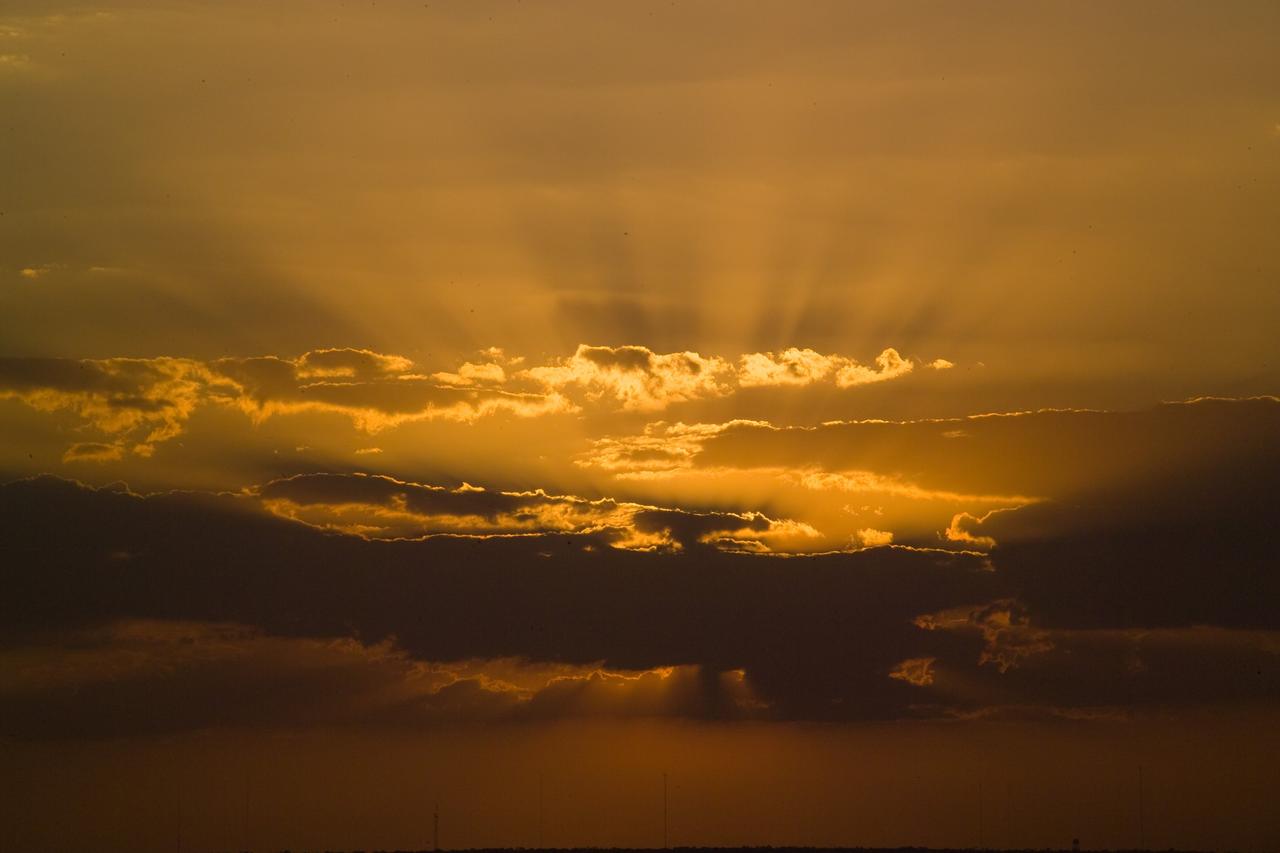
CAPE CANAVERAL, Fla. – The setting sun paints the clouds over NASA's Kennedy Space Center in Florida before the launch of space shuttle Discovery on the STS-119 mission. Liftoff of Discovery was on time at 7:43 p.m. EDT. The STS-119 mission is the 28th to the International Space Station and the 125th space shuttle flight. Discovery will deliver the final pair of power-generating solar array wings and the S6 truss segment. Installation of S6 will signal the station's readiness to house a six-member crew for conducting increased science. Photo credit: NASA/Jeff Wolfe
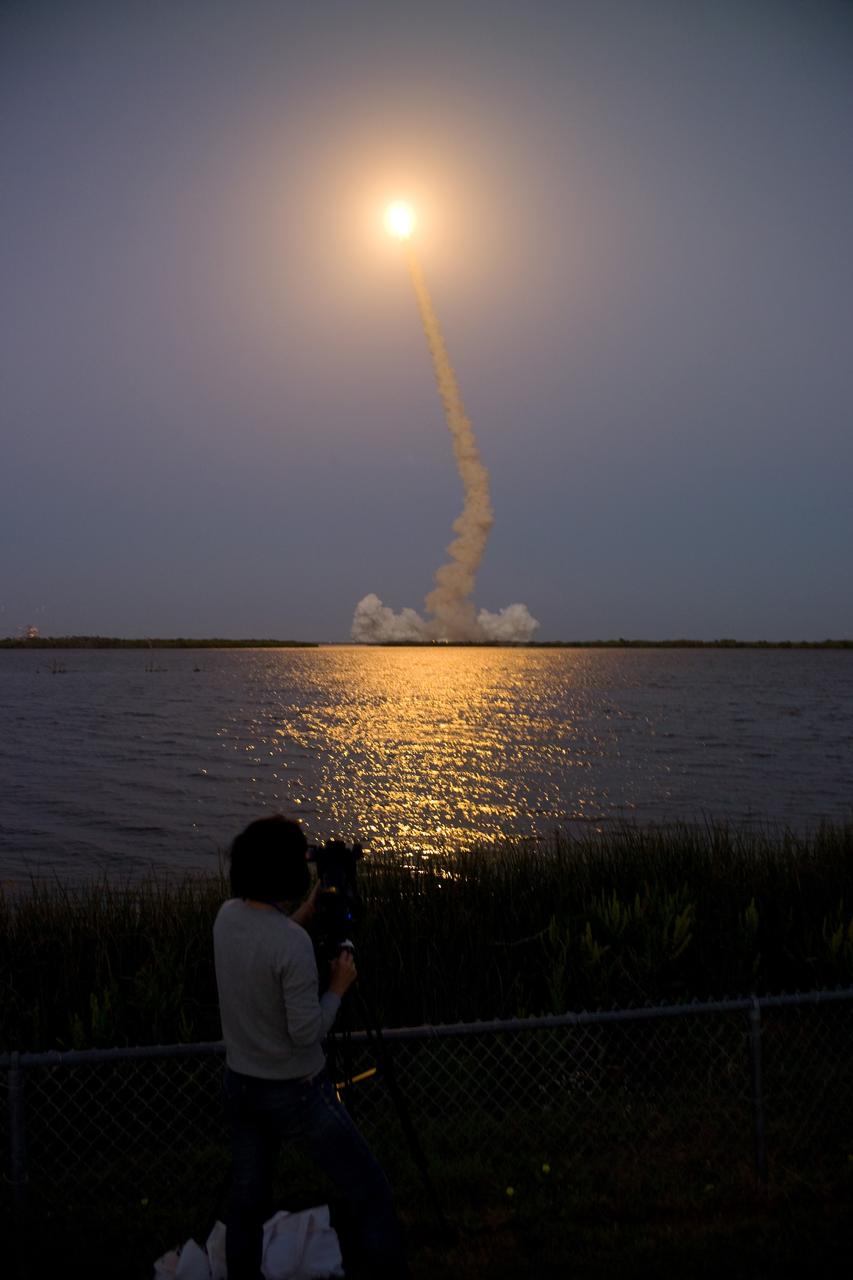
CAPE CANAVERAL, Fla. – Seen from the Banana River Viewing Site at NASA's Kennedy Space Center in Florida, space shuttle Discovery emulates a rising sun as it heads for space on the STS-119 mission. Liftoff from Launch Pad 39A was on time at 7:43 p.m. EDT. The STS-119 mission is the 28th to the space station and Discovery's 36th flight. Discovery will deliver the final pair of power-generating solar array wings and the S6 truss segment. Installation of S6 will signal the station's readiness to house a six-member crew for conducting increased science. Photo credit: NASA/Chris Lynch
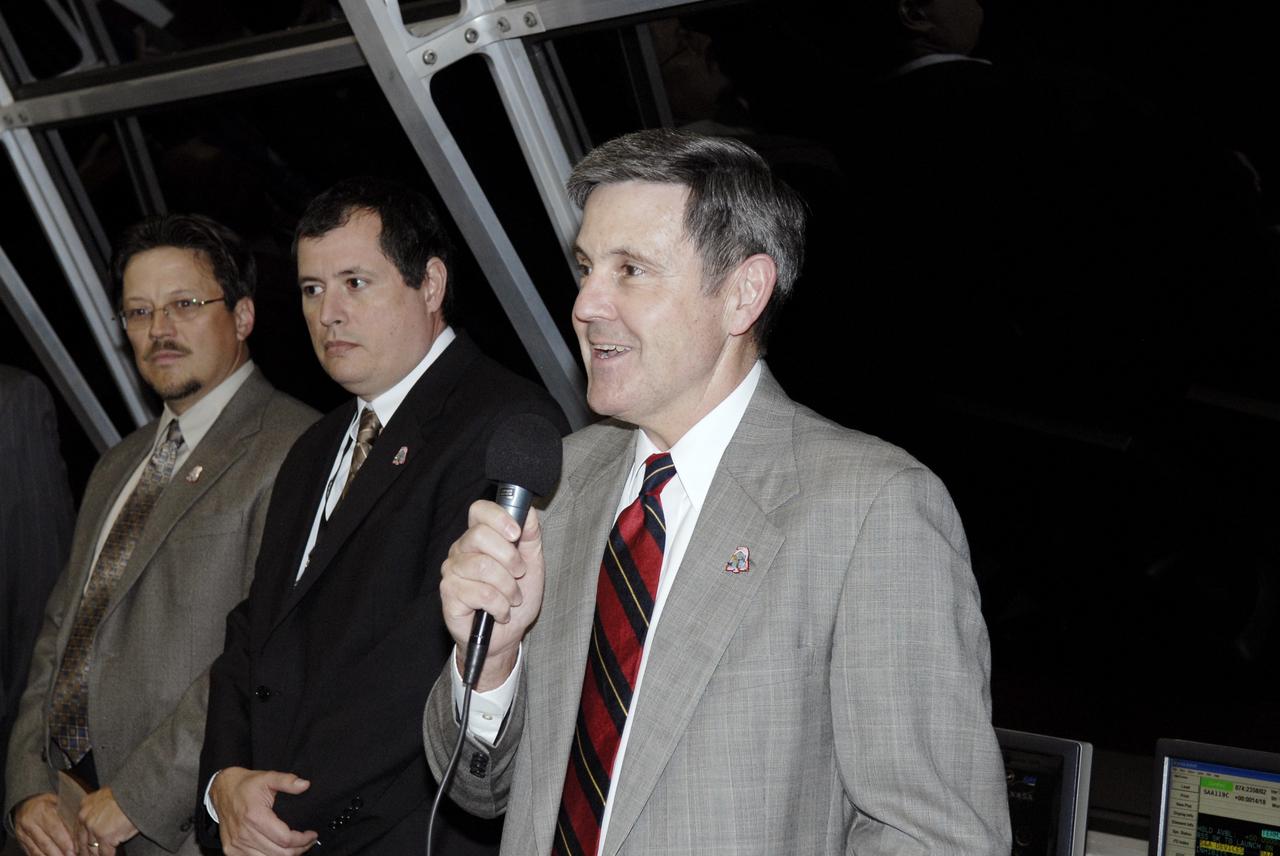
CAPE CANAVERAL, Fla. – In Firing Room 4 of the Launch Control Center at NASA's Kennedy Space Center in Florida, Center Director Bob Cabana (with microphone) congratulates the mission management team after the successful launch of space shuttle Discovery on the STS-119 mission. Launch was on time at 7:43 p.m. EDT. The STS-119 mission is the 28th to the space station and Discovery's 36th flight. Discovery will deliver the final pair of power-generating solar array wings and the S6 truss segment. Installation of S6 will signal the station's readiness to house a six-member crew for conducting increased science. Photo credit: NASA/Kim Shiflett
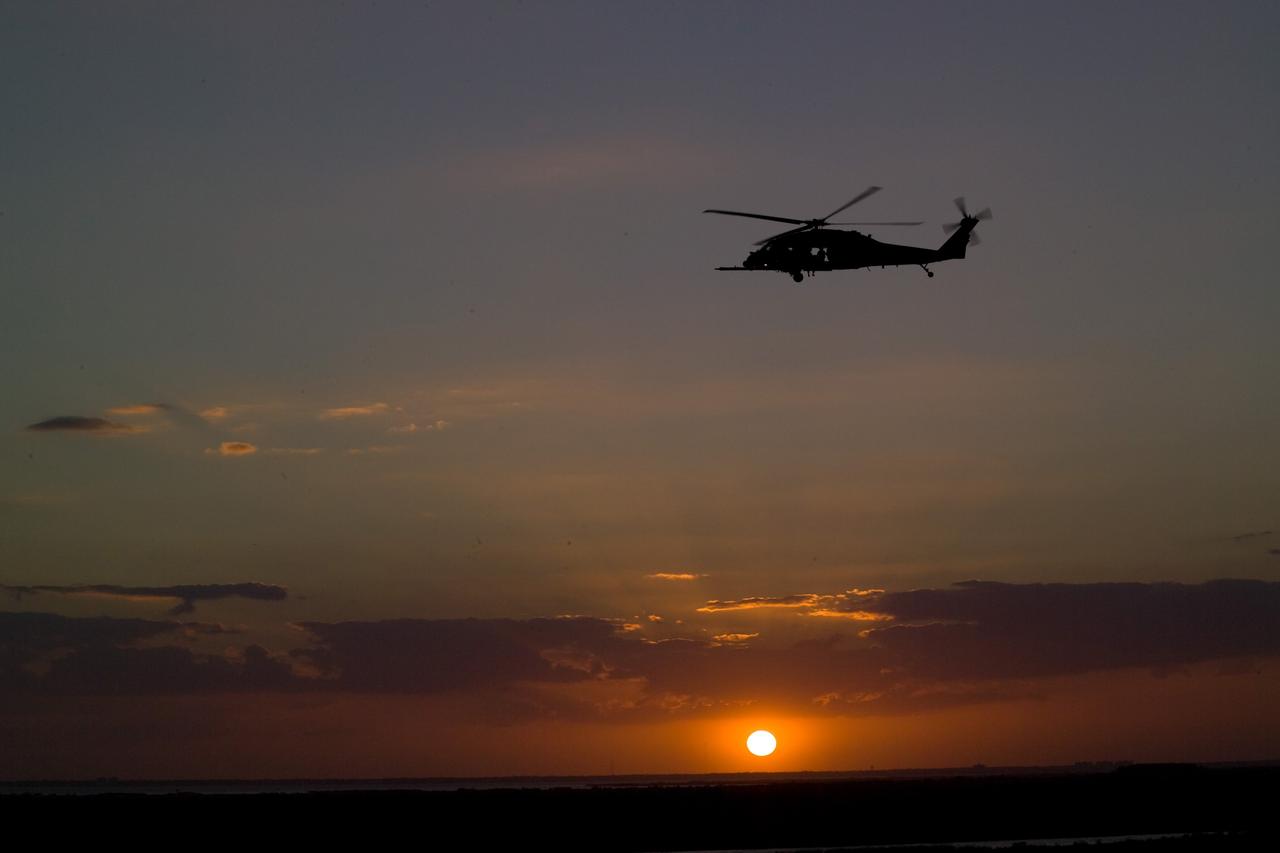
CAPE CANAVERAL, Fla. – A helicopter patrols the sky over NASA's Kennedy Space Center in Florida before launch of space shuttle Discovery on the STS-119 mission. Liftoff of Discovery was on time at 7:43 p.m. EDT. The STS-119 mission is the 28th to the International Space Station and the 125th space shuttle flight. Discovery will deliver the final pair of power-generating solar array wings and the S6 truss segment. Installation of S6 will signal the station's readiness to house a six-member crew for conducting increased science. Photo credit: NASA/Jeff Wolfe
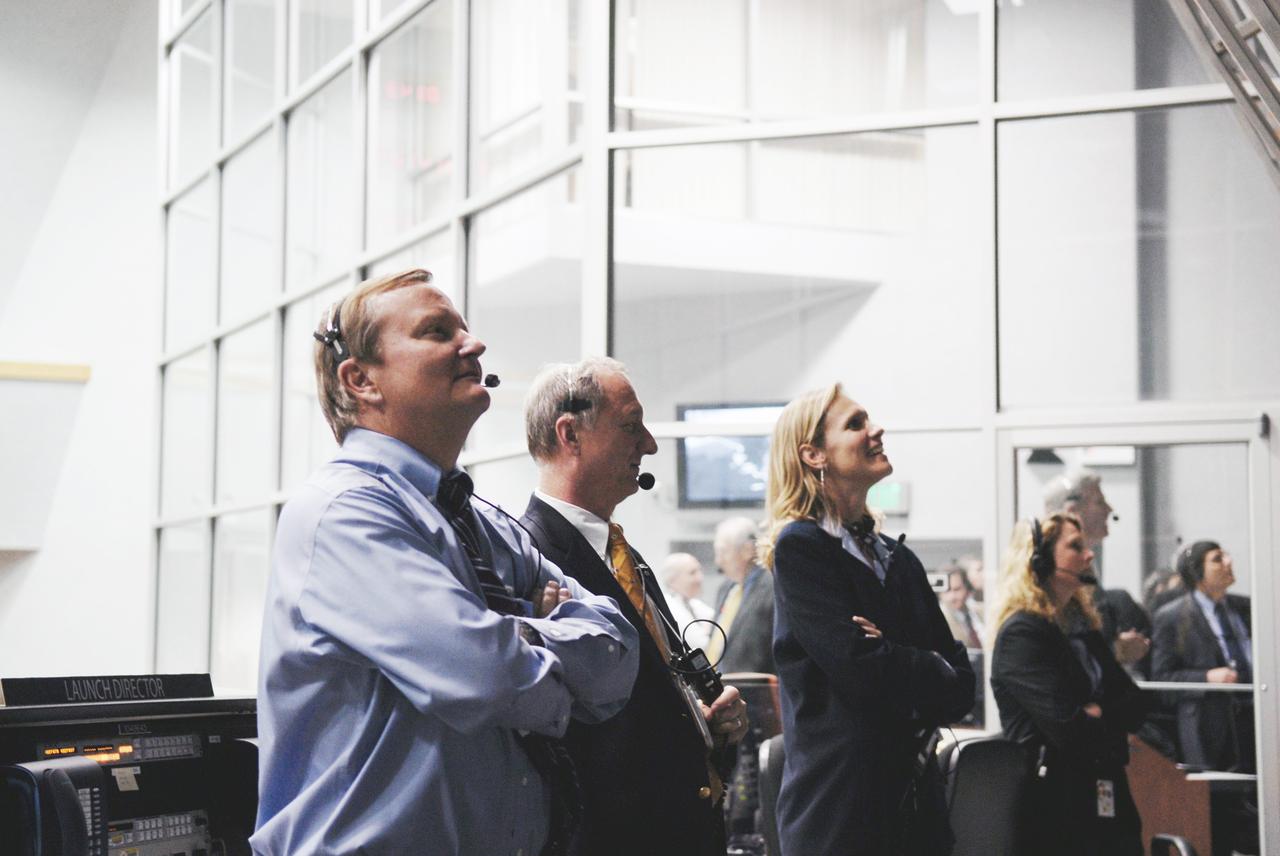
CAPE CANAVERAL, Fla. – In Firing Room 4 of the Launch Control Center at NASA's Kennedy Space Center in Florida, Center Director Bob Cabana watches the brilliant launch of space shuttle Discovery on the STS-119 mission. Launch was on time at 7:43 p.m. EDT. The STS-119 mission is the 28th to the space station and Discovery's 36th flight. Discovery will deliver the final pair of power-generating solar array wings and the S6 truss segment. Installation of S6 will signal the station's readiness to house a six-member crew for conducting increased science. Photo credit: NASA/Kim Shiflett
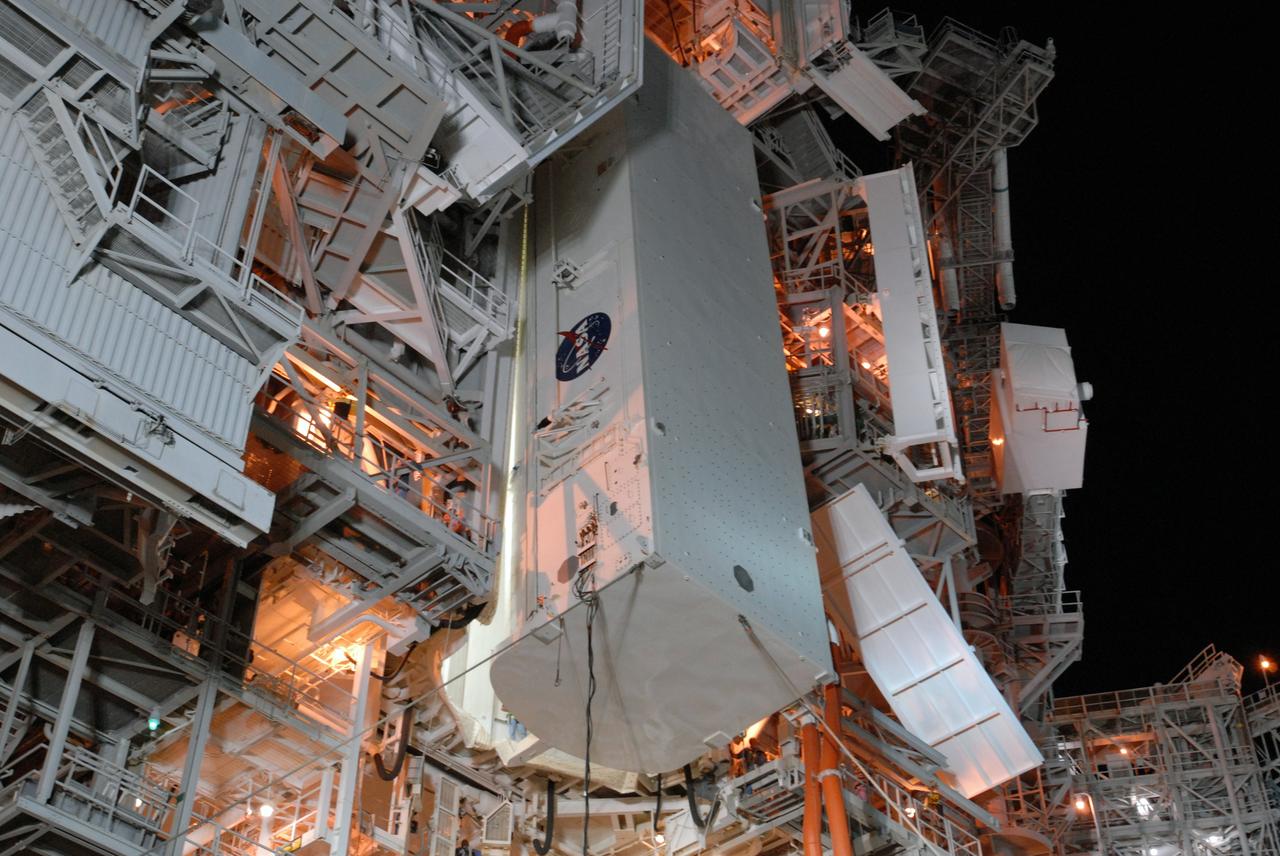
CAPE CANAVERAL, Fla. -- With red umbilical lines attached, the payload containing space shuttle Discovery's S6 truss and solar arrays is lifted up to the Payload Changeout Room, or PCR, on Launch Pad 39A at NASA's Kennedy Space Center in Florida. The payload will be transferred inside the PCR where it will wait until Discovery rolls out to the pad. Then the payload will be installed in the shuttle's payload bay. Launch of Discovery on the STS-119 mission is scheduled for Feb. 12. During Discovery's 14-day mission, the crew will install the S6 truss segment and its solar arrays to the starboard side of the station, completing the station's backbone, or truss Photo credit: NASA/Jim Grossmann
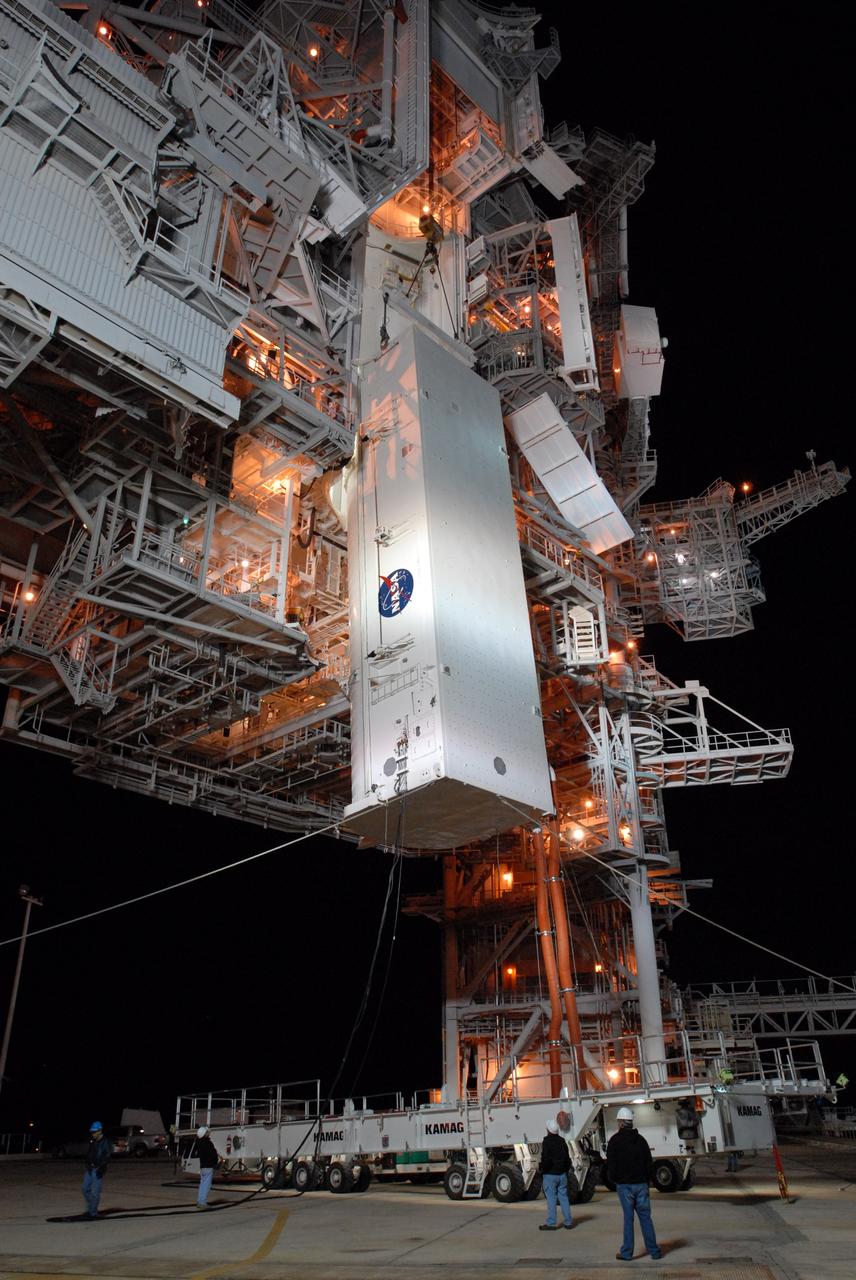
CAPE CANAVERAL, Fla. -- With red umbilical lines attached, the payload containing space shuttle Discovery's S6 truss and solar arrays is lifted up to the Payload Changeout Room, or PCR, on Launch Pad 39A at NASA's Kennedy Space Center in Florida. The payload will be transferred inside the PCR where it will wait until Discovery rolls out to the pad. Then the payload will be installed in the shuttle's payload bay. Launch of Discovery on the STS-119 mission is scheduled for Feb. 12. During Discovery's 14-day mission, the crew will install the S6 truss segment and its solar arrays to the starboard side of the station, completing the station's backbone, or truss. Photo credit: NASA/Jim Grossmann
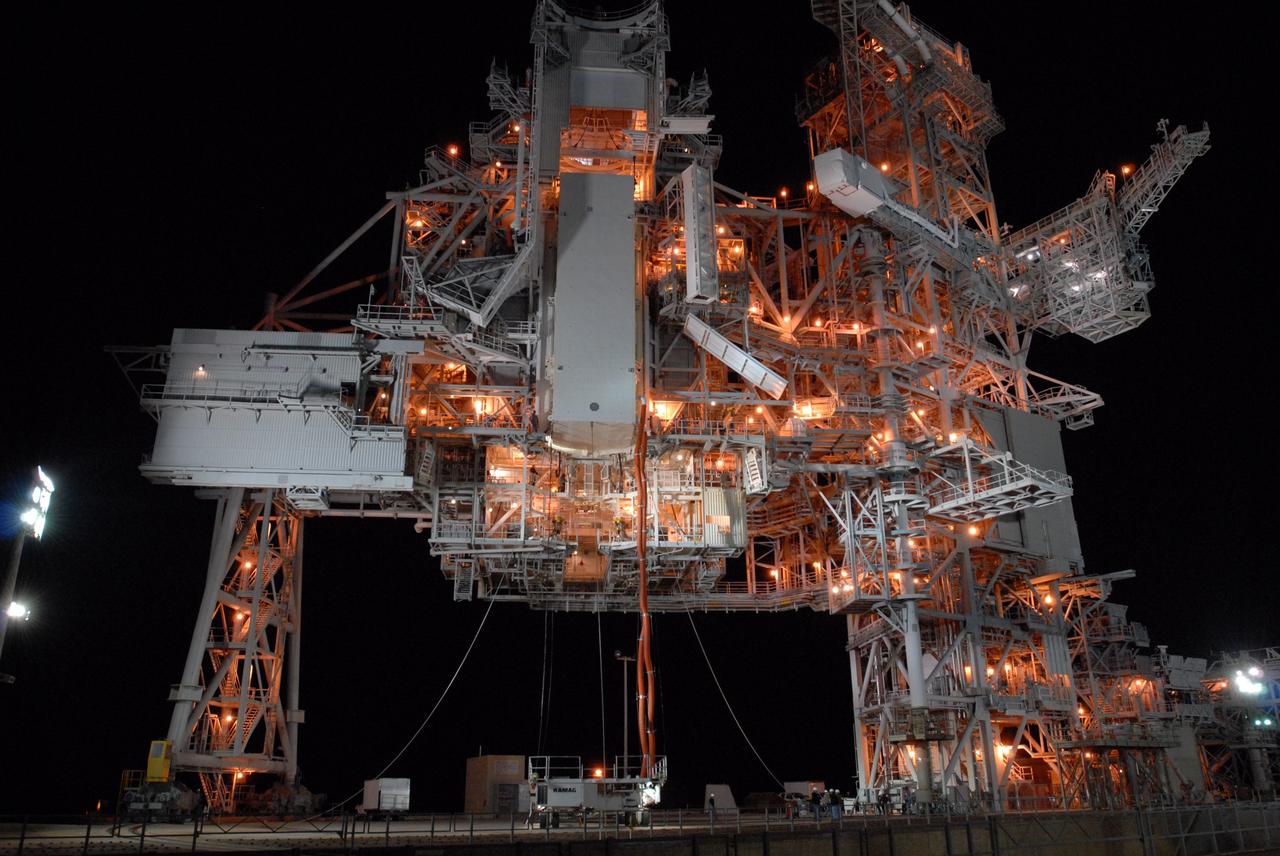
CAPE CANAVERAL, Fla. -- With red umbilical lines attached, the payload containing space shuttle Discovery's S6 truss and solar arrays is lifted up to the Payload Changeout Room, or PCR, on Launch Pad 39A at NASA's Kennedy Space Center in Florida. The payload will be transferred inside the PCR where it will wait until Discovery rolls out to the pad. Then the payload will be installed in the shuttle's payload bay. Launch of Discovery on the STS-119 mission is scheduled for Feb. 12. During Discovery's 14-day mission, the crew will install the S6 truss segment and its solar arrays to the starboard side of the station, completing the station's backbone, or truss Photo credit: NASA/Jim Grossmann
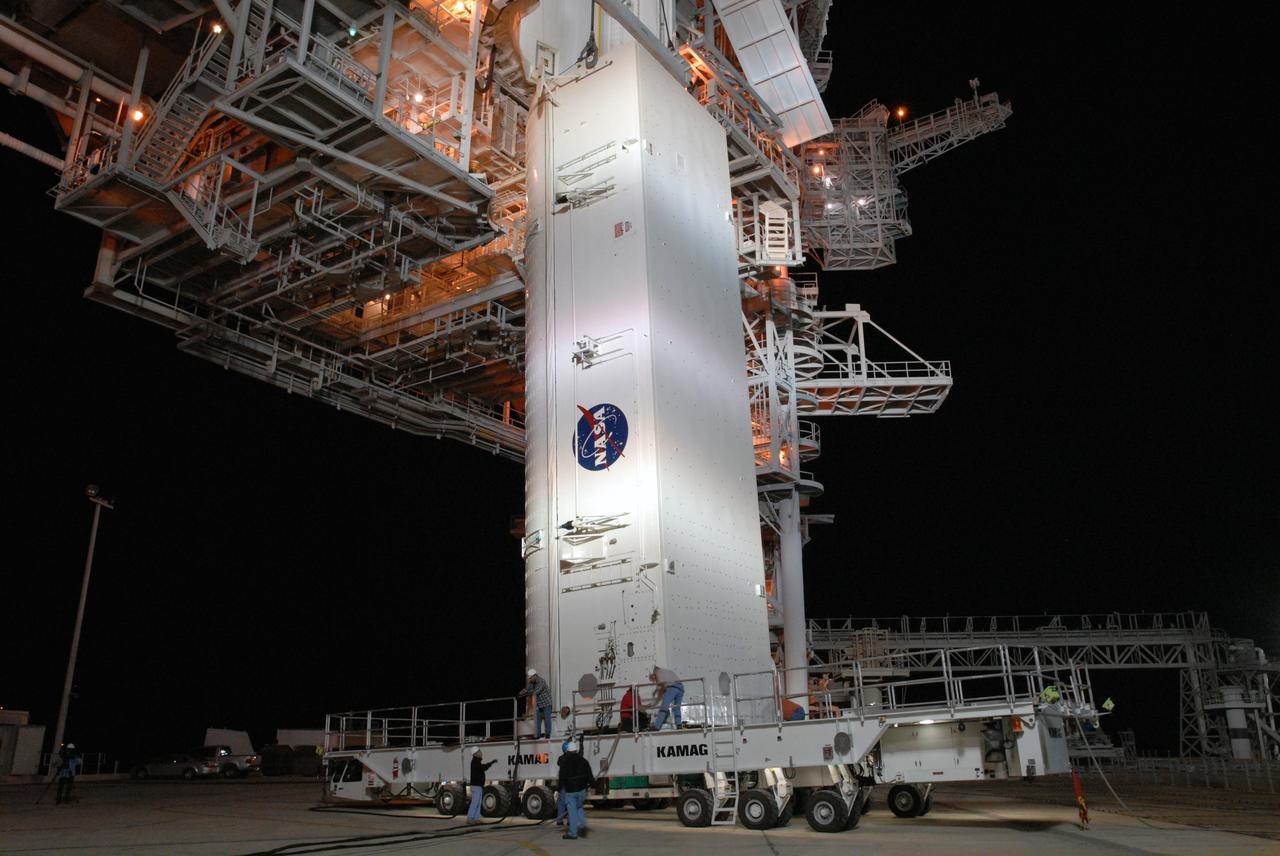
CAPE CANAVERAL, Fla. -- The payload canister containing the S6 truss and solar arrays arrives at Launch Pad 39A at NASA's Kennedy Space Center in Florida. The canister sits below the Payload Changeout Room, or PCR. It will be lifted up to the PCR and space shuttle Discovery's payload transferred inside. After Discovery rolls out to the pad, the payload will be installed in the shuttle's payload bay. Launch of Discovery on the STS-119 mission is scheduled for Feb. 12. During Discovery's 14-day mission, the crew will install the S6 truss segment and its solar arrays to the starboard side of the station, completing the station's backbone, or truss Photo credit: NASA/Jim Grossmann
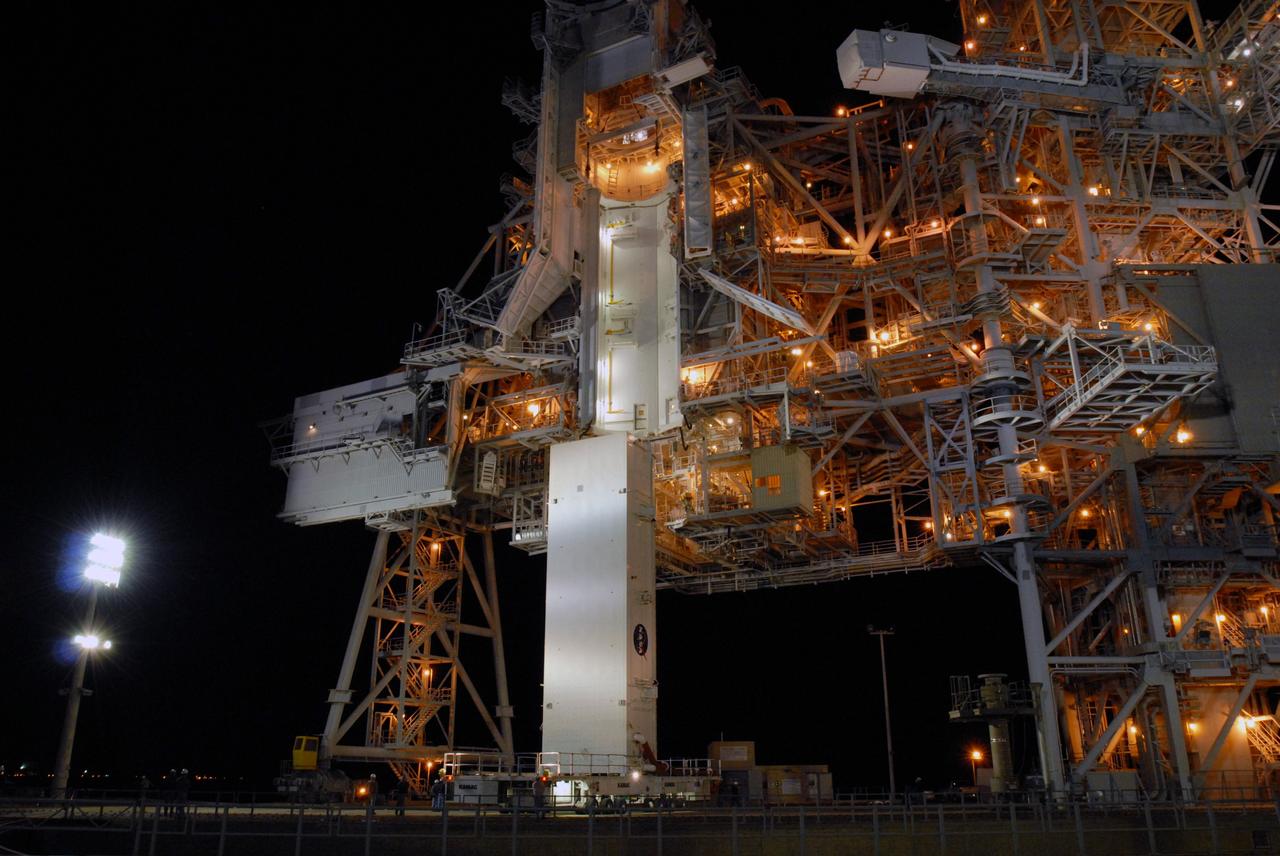
CAPE CANAVERAL, Fla. -- The payload canister containing the S6 truss and solar arrays arrives at Launch Pad 39A at NASA's Kennedy Space Center in Florida. The canister sits below the Payload Changeout Room, or PCR. It will be lifted up to the PCR and space shuttle Discovery's payload transferred inside. After Discovery rolls out to the pad, the payload will be installed in the shuttle's payload bay. Launch of Discovery on the STS-119 mission is scheduled for Feb. 12. During Discovery's 14-day mission, the crew will install the S6 truss segment and its solar arrays to the starboard side of the station, completing the station's backbone, or truss Photo credit: NASA/Jim Grossmann
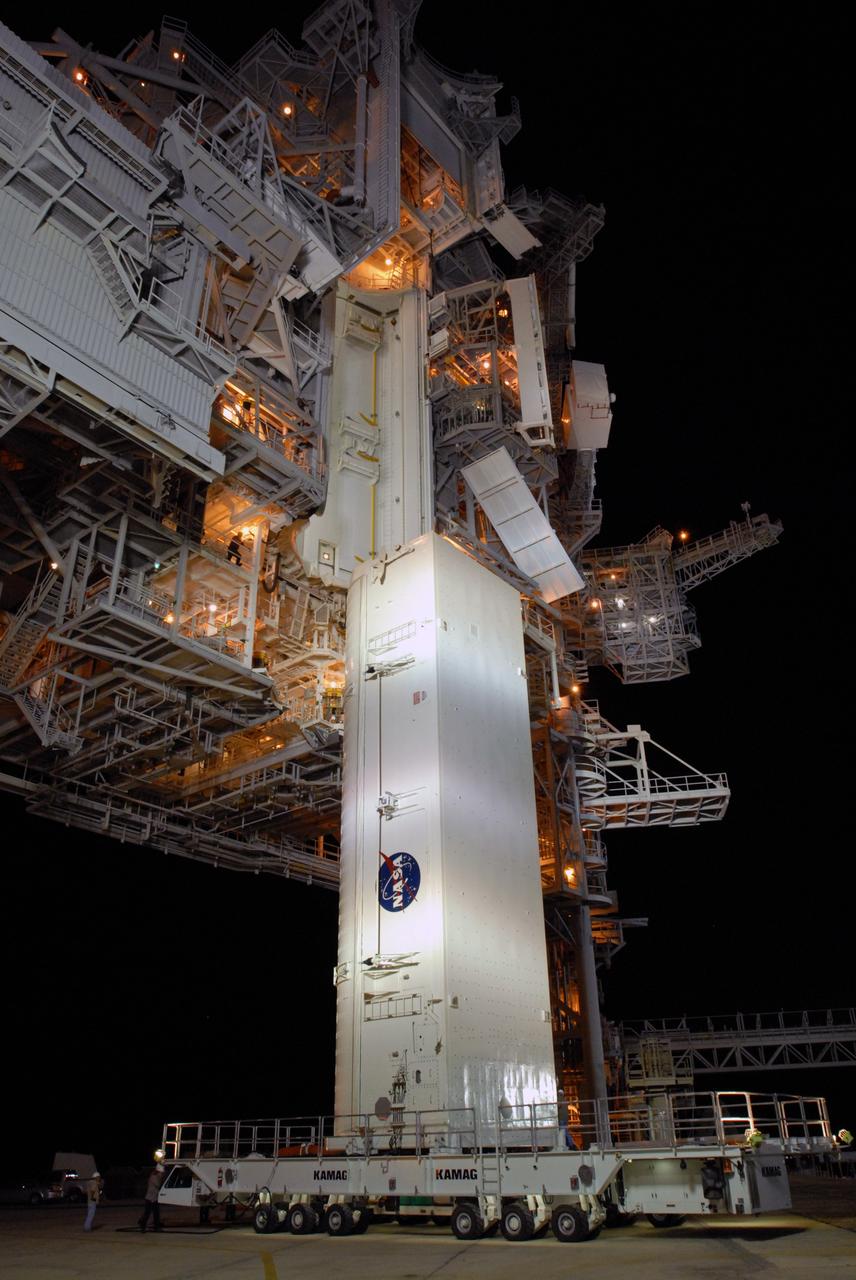
CAPE CANAVERAL, Fla. -- The payload canister containing the S6 truss and solar arrays arrives at Launch Pad 39A at NASA's Kennedy Space Center in Florida. The canister sits below the Payload Changeout Room, or PCR. It will be lifted up to the PCR and space shuttle Discovery's payload transferred inside. After Discovery rolls out to the pad, the payload will be installed in the shuttle's payload bay. Launch of Discovery on the STS-119 mission is scheduled for Feb. 12. During Discovery's 14-day mission, the crew will install the S6 truss segment and its solar arrays to the starboard side of the station, completing the station's backbone, or truss Photo credit: NASA/Jim Grossmann
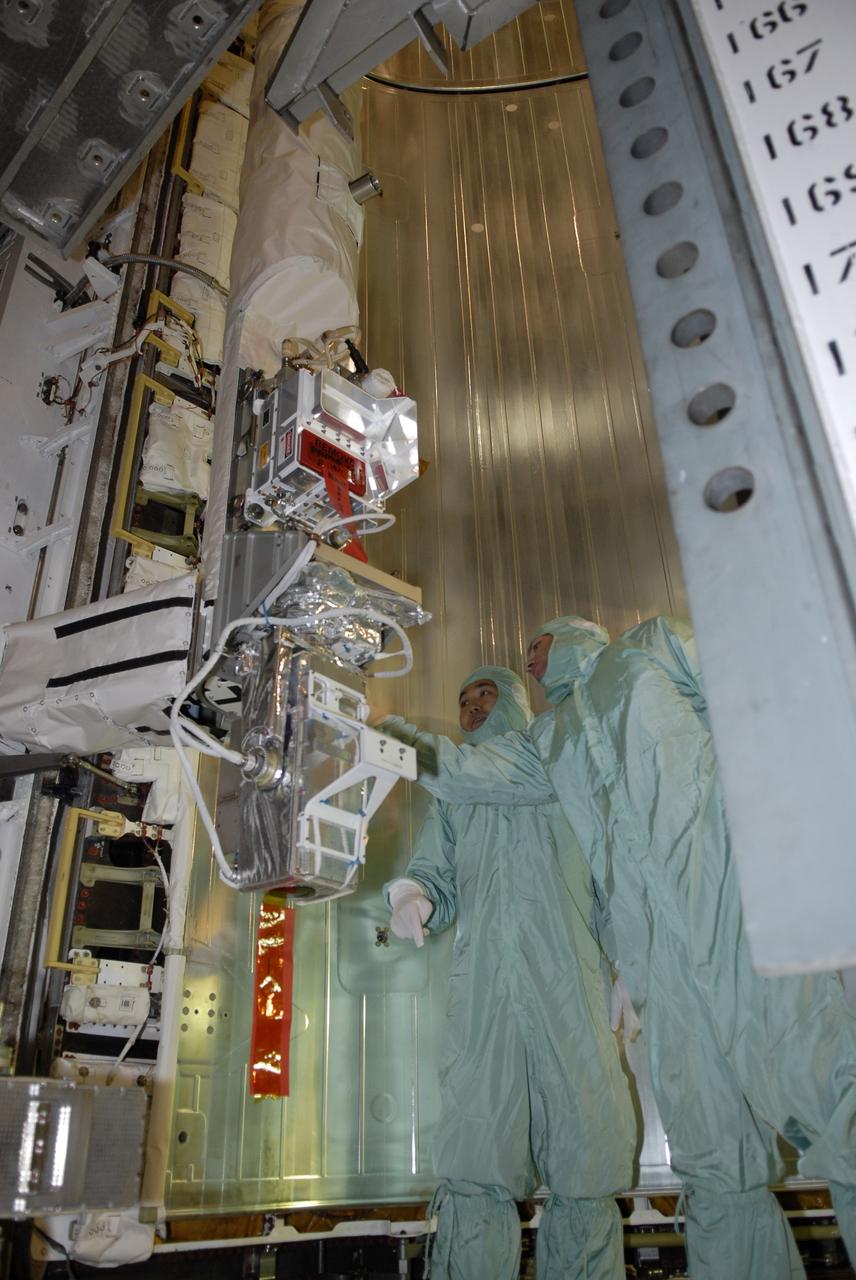
CAPE CANAVERAL, Fla. – On Launch Pad 39A at NASA's Kennedy Space Center in Florida, STS-119 crew members get a close look at the cargo installed in space shuttle Discovery's payload bay. On the left is Mission Specialist Koichi Wakata. The cargo consists of the integrated truss structure S6 and solar arrays. The astronauts are at Kennedy to prepare for launch through Terminal Countdown Demonstration Test activities. The TCDT includes equipment familiarization and a simulated launch countdown. Discovery is targeted to launch on the STS-119 mission Feb. 12. During Discovery's 14-day mission, the crew will install the S6 truss segment and solar arrays to the starboard side of the International Space Station, completing the station's truss, or backbone. Photo credit: NASA/Kim Shiflett
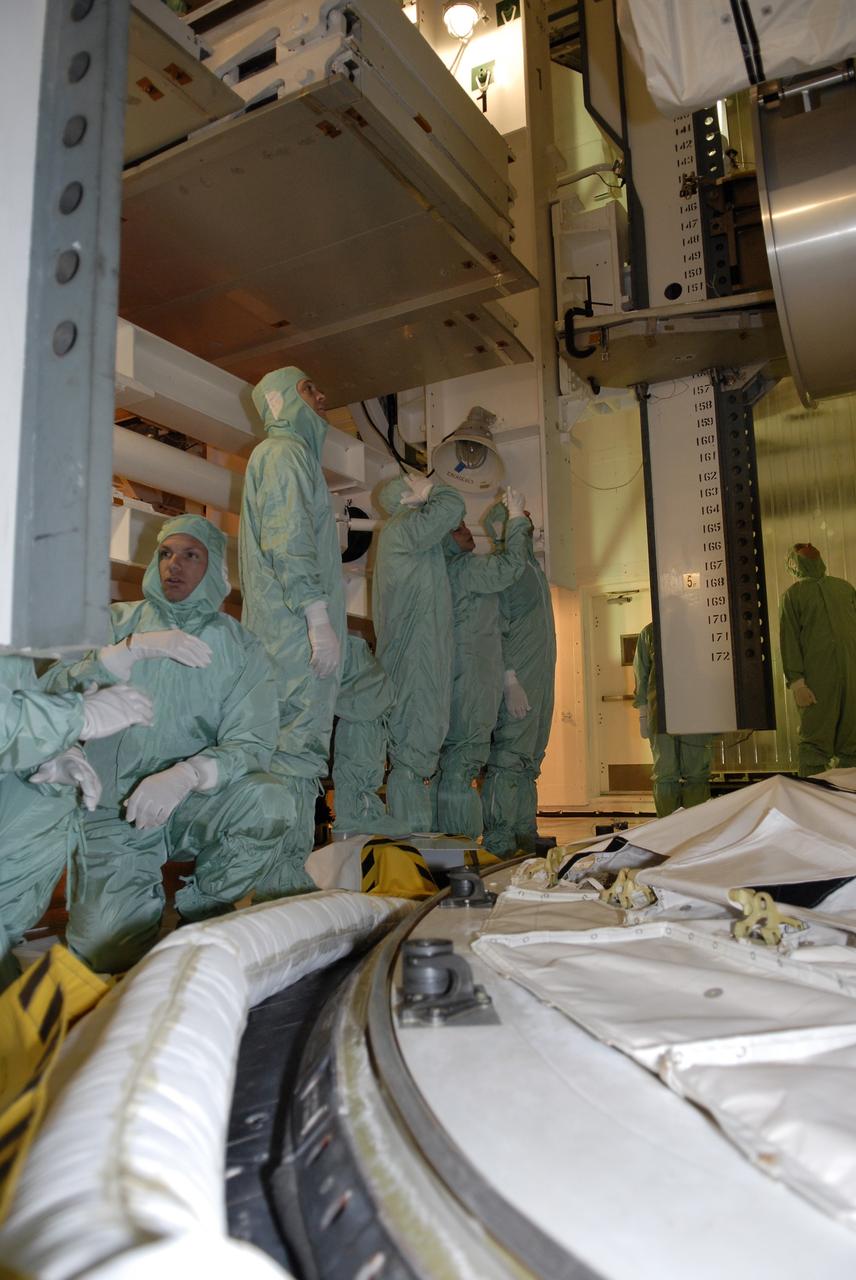
CAPE CANAVERAL, Fla. – On Launch Pad 39A at NASA's Kennedy Space Center in Florida, STS-119 crew members get a close look at the cargo installed in space shuttle Discovery's payload bay. The cargo consists of the integrated truss structure S6 and solar arrays. The astronauts are at Kennedy to prepare for launch through Terminal Countdown Demonstration Test activities. The TCDT includes equipment familiarization and a simulated launch countdown. Discovery is targeted to launch on the STS-119 mission Feb. 12. During Discovery's 14-day mission, the crew will install the S6 truss segment and solar arrays to the starboard side of the International Space Station, completing the station's truss, or backbone. Photo credit: NASA/Kim Shiflett
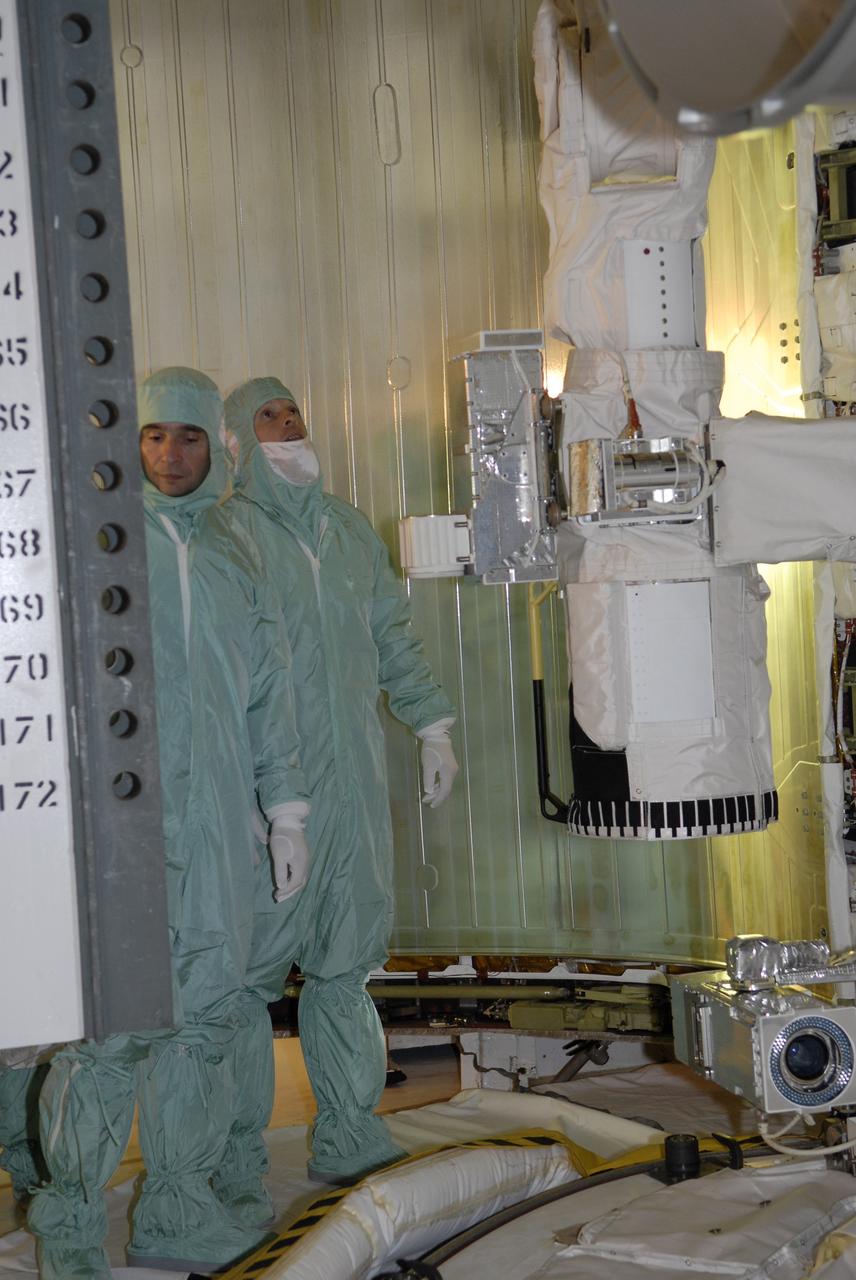
CAPE CANAVERAL, Fla. – On Launch Pad 39A at NASA's Kennedy Space Center in Florida, STS-119 crew members get a close look at the cargo – the integrated truss structure S6 and solar arrays -- installed in space shuttle Discovery's payload bay. Seen here are Commander Lee Archambault (left) and Mission Specialist Joseph Acaba. The astronauts are at Kennedy to prepare for launch through Terminal Countdown Demonstration Test activities. The TCDT includes equipment familiarization and a simulated launch countdown. Discovery is targeted to launch on the STS-119 mission Feb. 12. During Discovery's 14-day mission, the crew will install the S6 truss segment and solar arrays to the starboard side of the International Space Station, completing the station's truss, or backbone. Photo credit: NASA/Kim Shiflett
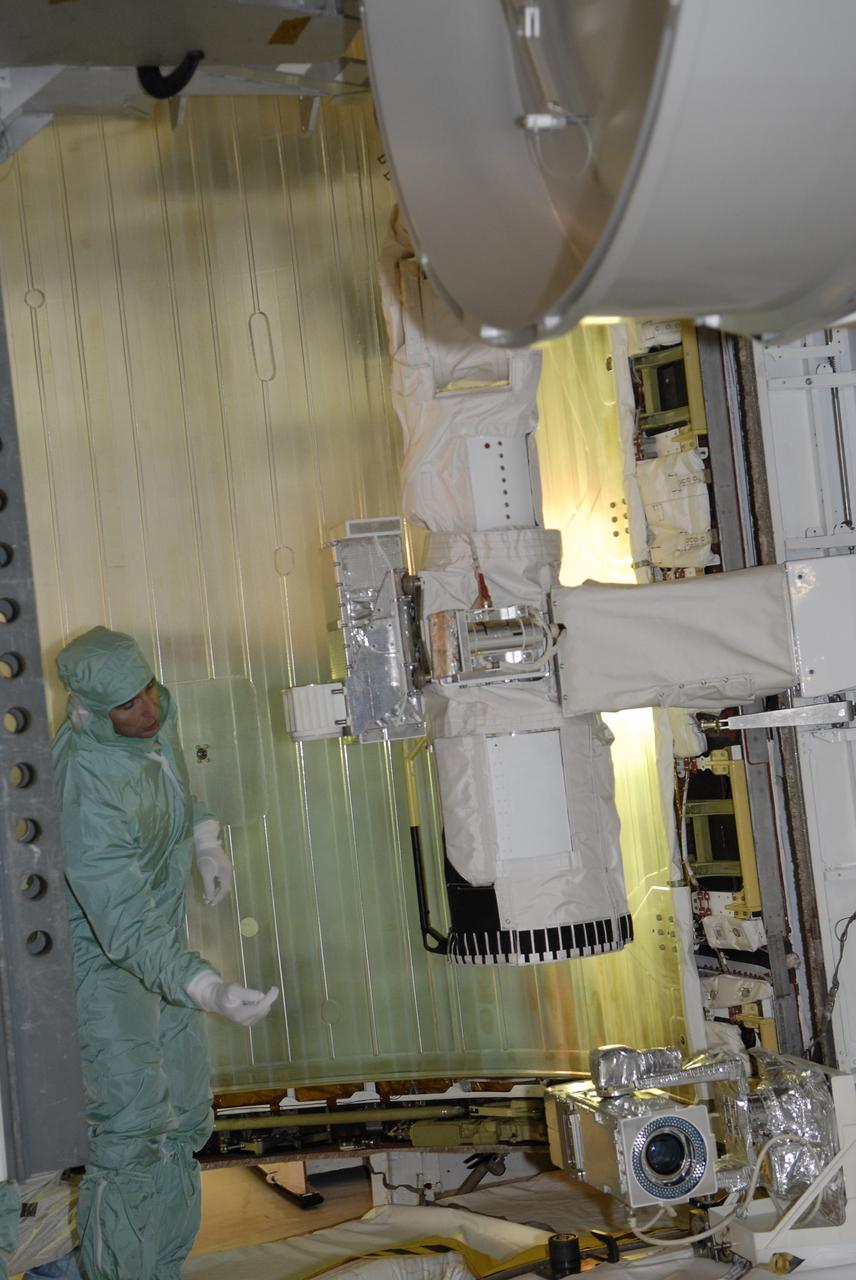
CAPE CANAVERAL, Fla. – On Launch Pad 39A at NASA's Kennedy Space Center in Florida, STS-119 Commander Lee Archambault inspects part of the cargo installed in space shuttle Discovery's payload bay. The cargo consists of the integrated truss structure S6 and solar arrays. The astronauts are at Kennedy to prepare for launch through Terminal Countdown Demonstration Test activities. The TCDT includes equipment familiarization and a simulated launch countdown. Discovery is targeted to launch on the STS-119 mission Feb. 12. During Discovery's 14-day mission, the crew will install the S6 truss segment and solar arrays to the starboard side of the International Space Station, completing the station's truss, or backbone. Photo credit: NASA/Kim Shiflett
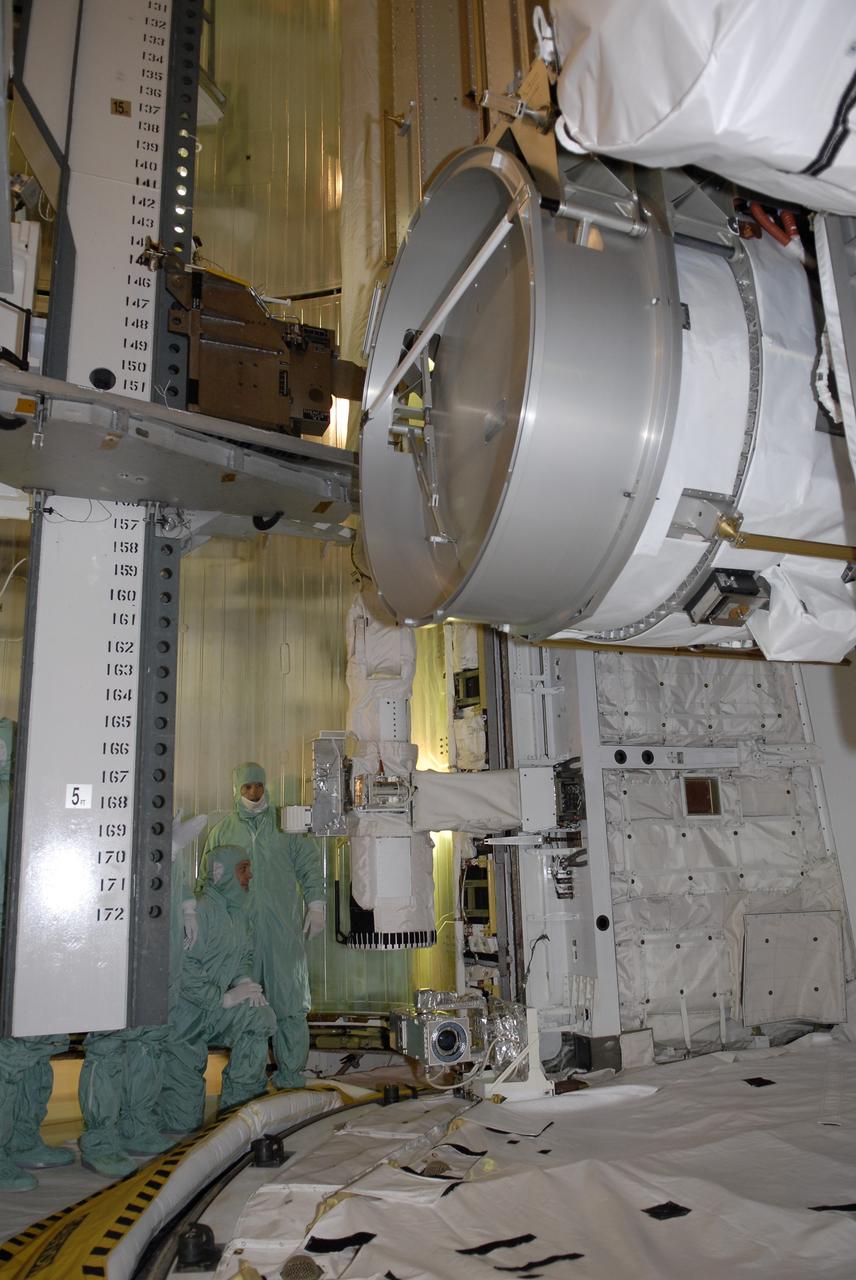
CAPE CANAVERAL, Fla. – On Launch Pad 39A at NASA's Kennedy Space Center in Florida, STS-119 crew members get a close look at the cargo – the integrated truss structure S6 and solar arrays -- installed in space shuttle Discovery's payload bay. Seen here are Commander Lee Archambault (left) and Mission Specialist Joseph Acaba. The astronauts are at Kennedy to prepare for launch through Terminal Countdown Demonstration Test activities. The TCDT includes equipment familiarization and a simulated launch countdown. Discovery is targeted to launch on the STS-119 mission Feb. 12. During Discovery's 14-day mission, the crew will install the S6 truss segment and solar arrays to the starboard side of the International Space Station, completing the station's truss, or backbone. Photo credit: NASA/Kim Shiflett
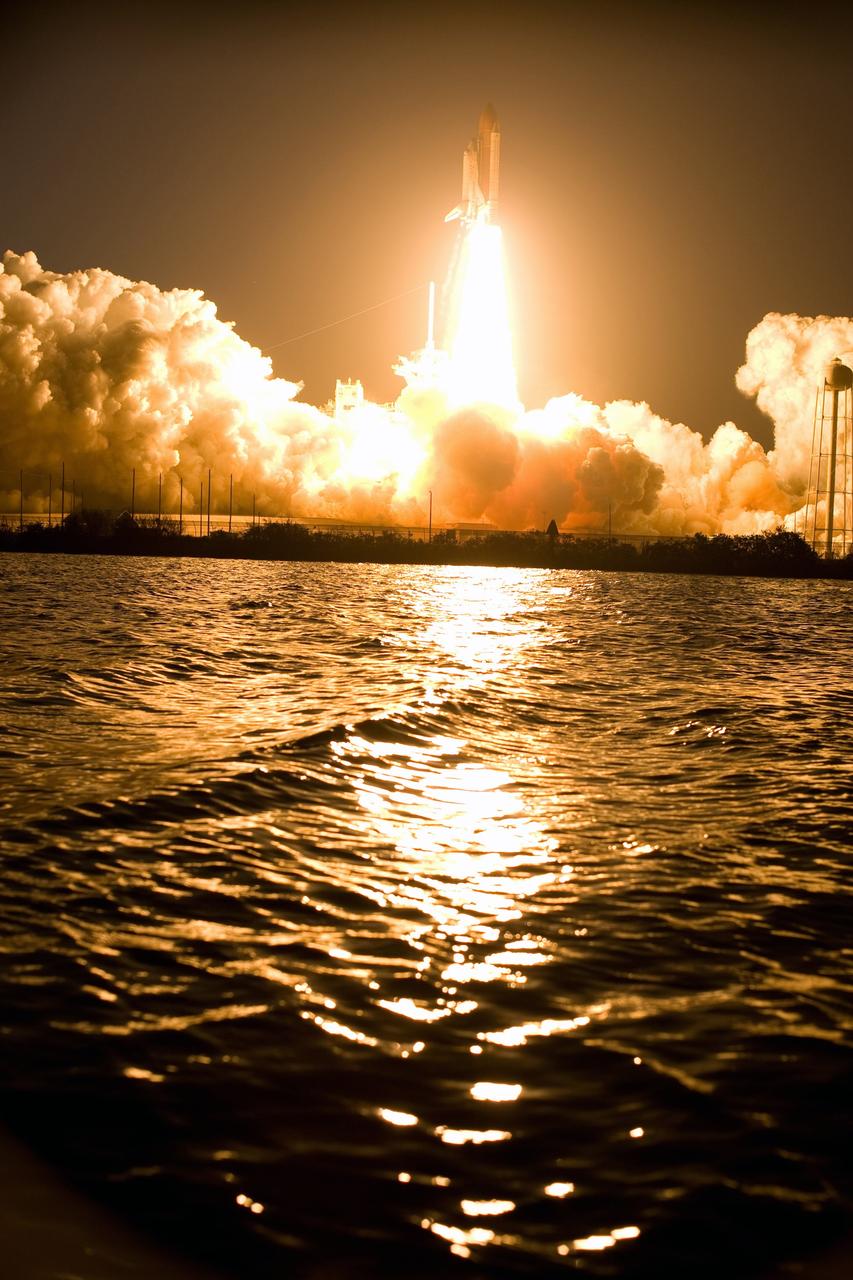
CAPE CANAVERAL, Fla. – Water near Launch Pad 39A at NASA's Kennedy Space Center in Florida captures the brilliant flames as space shuttle Discovery lifts off on the STS-119 mission. The launch was on time at 7:43 p.m. EDT. The STS-119 mission is the 28th to the International Space Station and the 125th space shuttle flight. Discovery will deliver the final pair of power-generating solar array wings and the S6 truss segment. Installation of S6 will signal the station's readiness to house a six-member crew for conducting increased science. Photo credit: NASA/Tony Gray, Tom Farrar
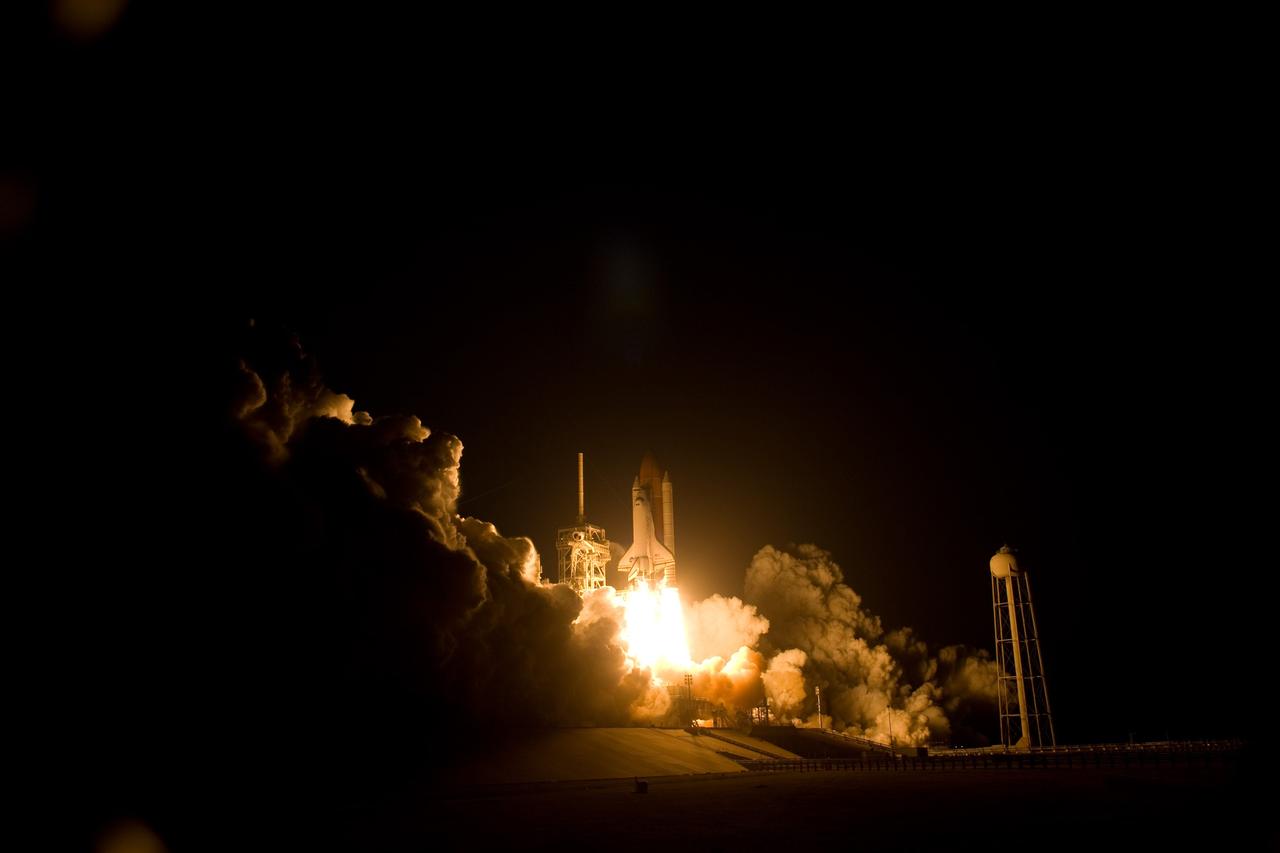
CAPE CANAVERAL, Fla. – Clouds of smoke and steam roll across Launch Pad 39A at NASA's Kennedy Space Center in Florida as space shuttle Discovery roars into the night sky on the STS-119 mission. The launch was on time at 7:43 p.m. EDT. The STS-119 mission is the 28th to the International Space Station and the 125th space shuttle flight. Discovery will deliver the final pair of power-generating solar array wings and the S6 truss segment. Installation of S6 will signal the station's readiness to house a six-member crew for conducting increased science. Photo credit: NASA/Sandra Joseph, Kevin O'Connell
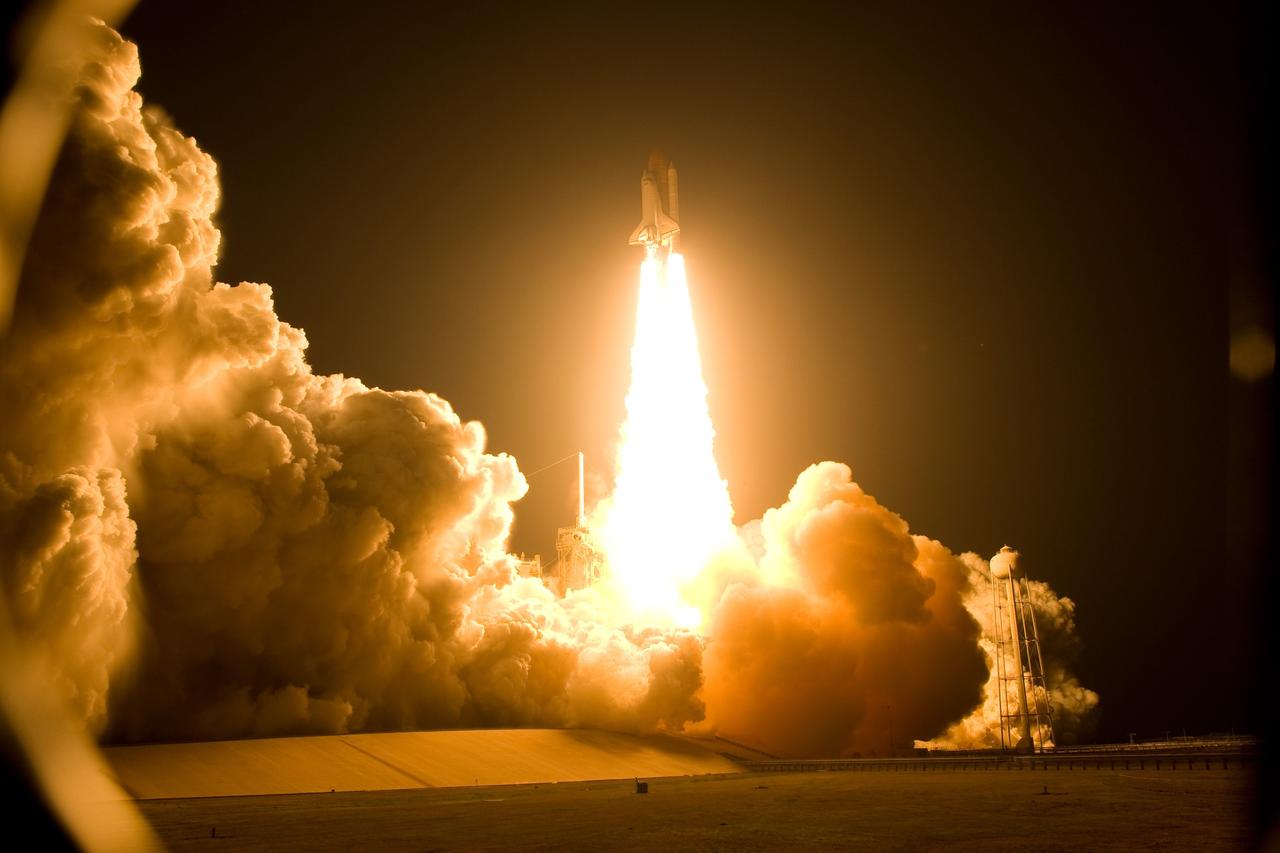
CAPE CANAVERAL, Fla. – Liftoff of space shuttle Discovery from Launch Pad 39A at NASA's Kennedy Space Center in Florida lights up the evening sky as it begins the STS-119 mission. The launch was on time at 7:43 p.m. EDT. The STS-119 mission is the 28th to the International Space Station and the 125th space shuttle flight. Discovery will deliver the final pair of power-generating solar array wings and the S6 truss segment. Installation of S6 will signal the station's readiness to house a six-member crew for conducting increased science. Photo credit: NASA/Sandra Joseph, Kevin O'Connell
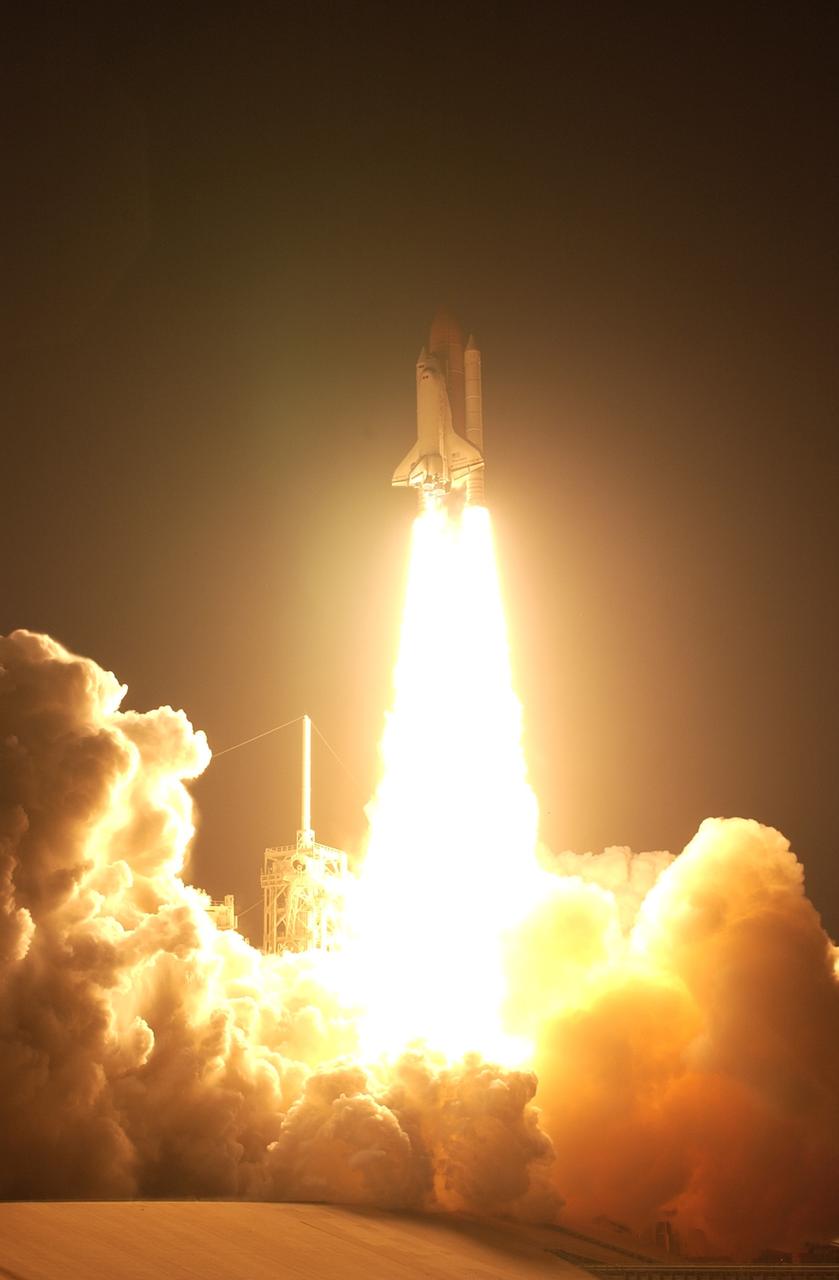
CAPE CANAVERAL, Fla. – Propelled by columns of fire, space shuttle Discovery races toward space on the STS-119 mission after liftoff from Launch Pad 39A at NASA's Kennedy Space Center in Florida. Clouds of smoke and steam roll across the pad. Launch was on time at 7:43 p.m. EDT. The STS-119 mission is the 28th to the International Space Station and the 125th space shuttle flight. Discovery will deliver the final pair of power-generating solar array wings and the S6 truss segment. Installation of S6 will signal the station's readiness to house a six-member crew for conducting increased science. Photo credit: NASA/Sandra Joseph, Kevin O'Connell
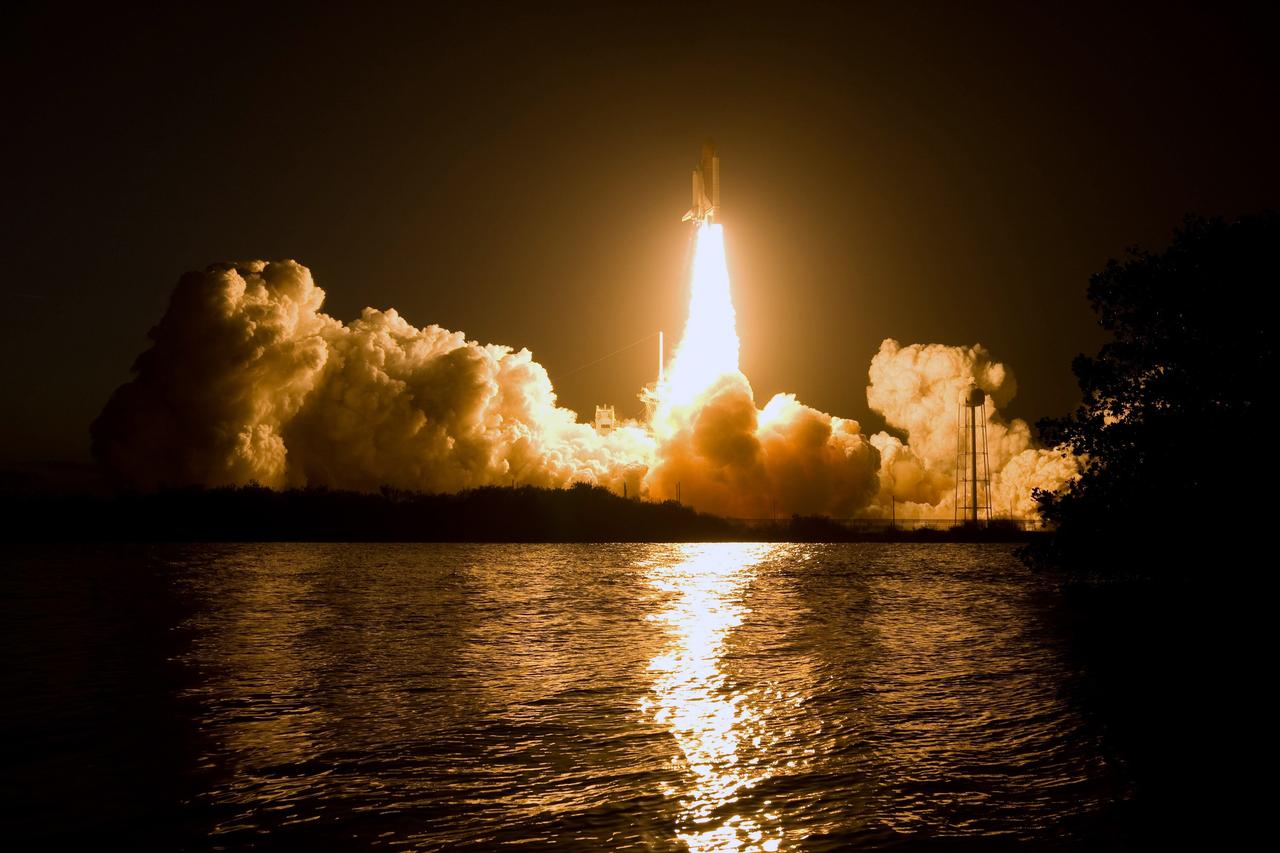
CAPE CANAVERAL, Fla. – Billows of smoke and the water near Launch Pad 39A at NASA's Kennedy Space Center in Florida capture the brilliant light of space shuttle Discovery's lift-off on the STS-119 mission. The launch was on time at 7:43 p.m. EDT. The STS-119 mission is the 28th to the International Space Station and the 125th space shuttle flight. Discovery will deliver the final pair of power-generating solar array wings and the S6 truss segment. Installation of S6 will signal the station's readiness to house a six-member crew for conducting increased science. Photo credit: NASA/Sandra Joseph, Kevin O'Connell
CAPE CANAVERAL, Fla. – Billows of smoke and the water near Launch Pad 39A at NASA's Kennedy Space Center in Florida capture the brilliant light of space shuttle Discovery's lift-off on the STS-119 mission. The launch was on time at 7:43 p.m. EDT.The STS-119 mission is the 28th to the International Space Station and the 125th space shuttle flight. Discovery will deliver the final pair of power-generating solar array wings and the S6 truss segment. Installation of S6 will signal the station's readiness to house a six-member crew for conducting increased science. Photo credit: NASA/Tony Gray, Tom Farrar
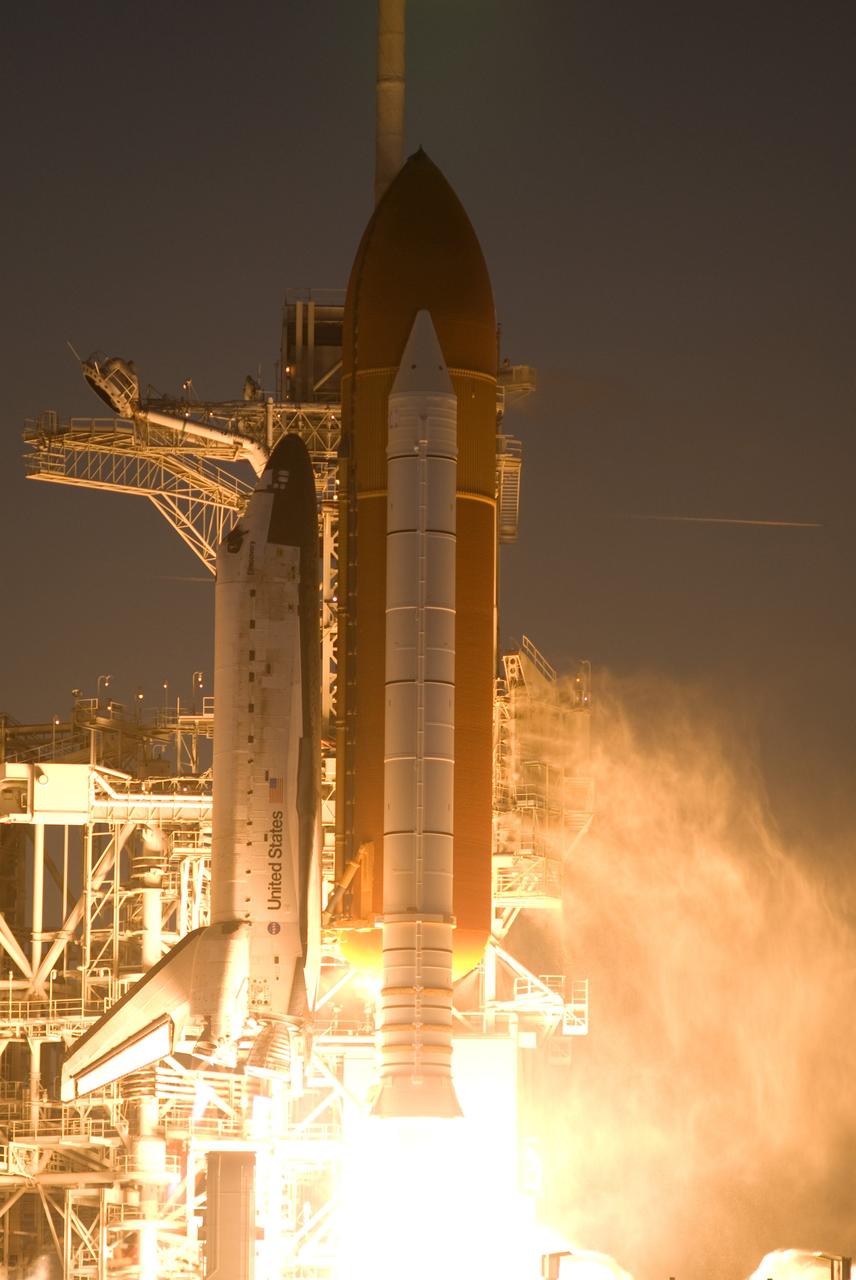
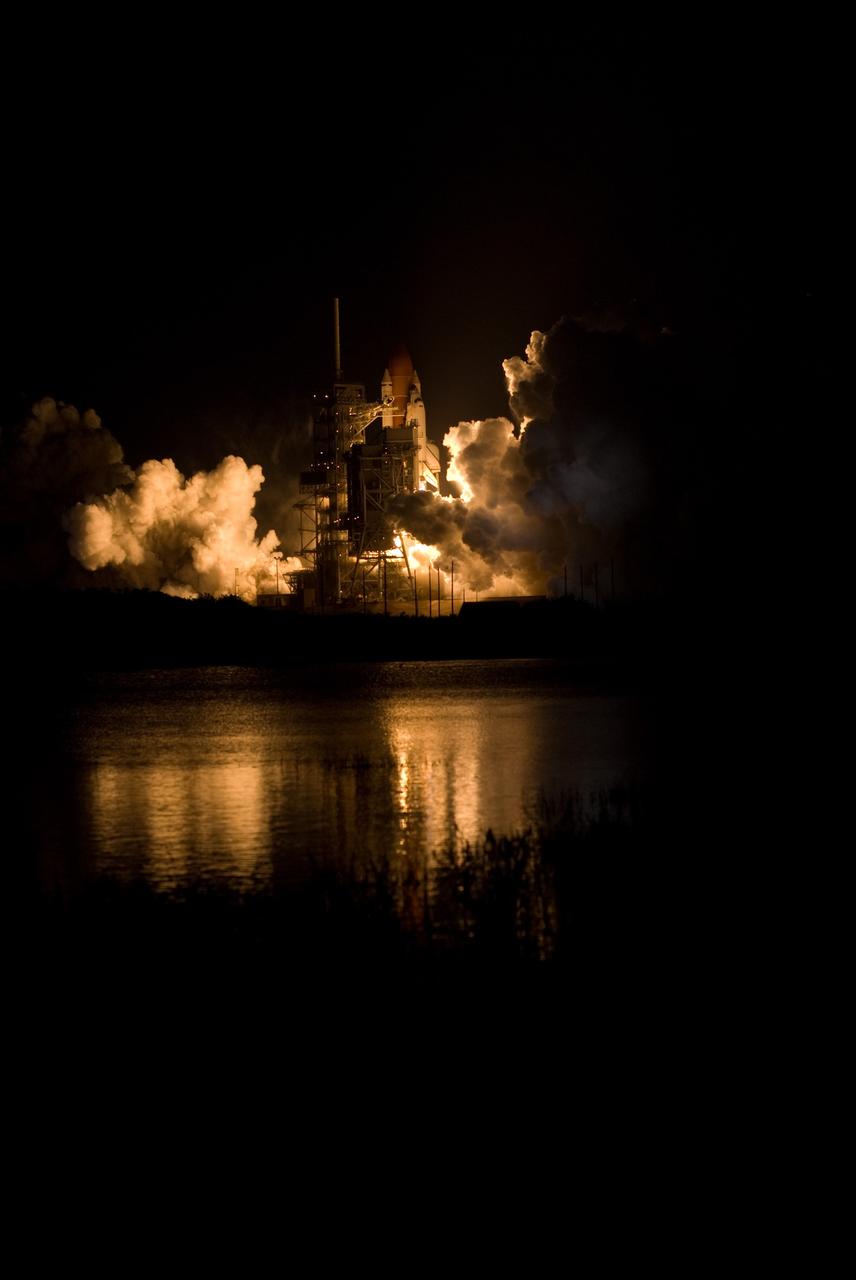
CAPE CANAVERAL, Fla. – Steam rises from Launch Pad 39A at NASA's Kennedy Space Center in Florida as space shuttle Discovery lifts off on mission STS-119. Launch was on time at 7:43 p.m. EDT. The STS-119 mission is the 28th to the International Space Station and the 125th space shuttle flight. Discovery will deliver the final pair of power-generating solar array wings and the S6 truss segment. Installation of S6 will signal the station's readiness to house a six-member crew for conducting increased science. Photo credit: NASA/Rusty Backer, George Roberts
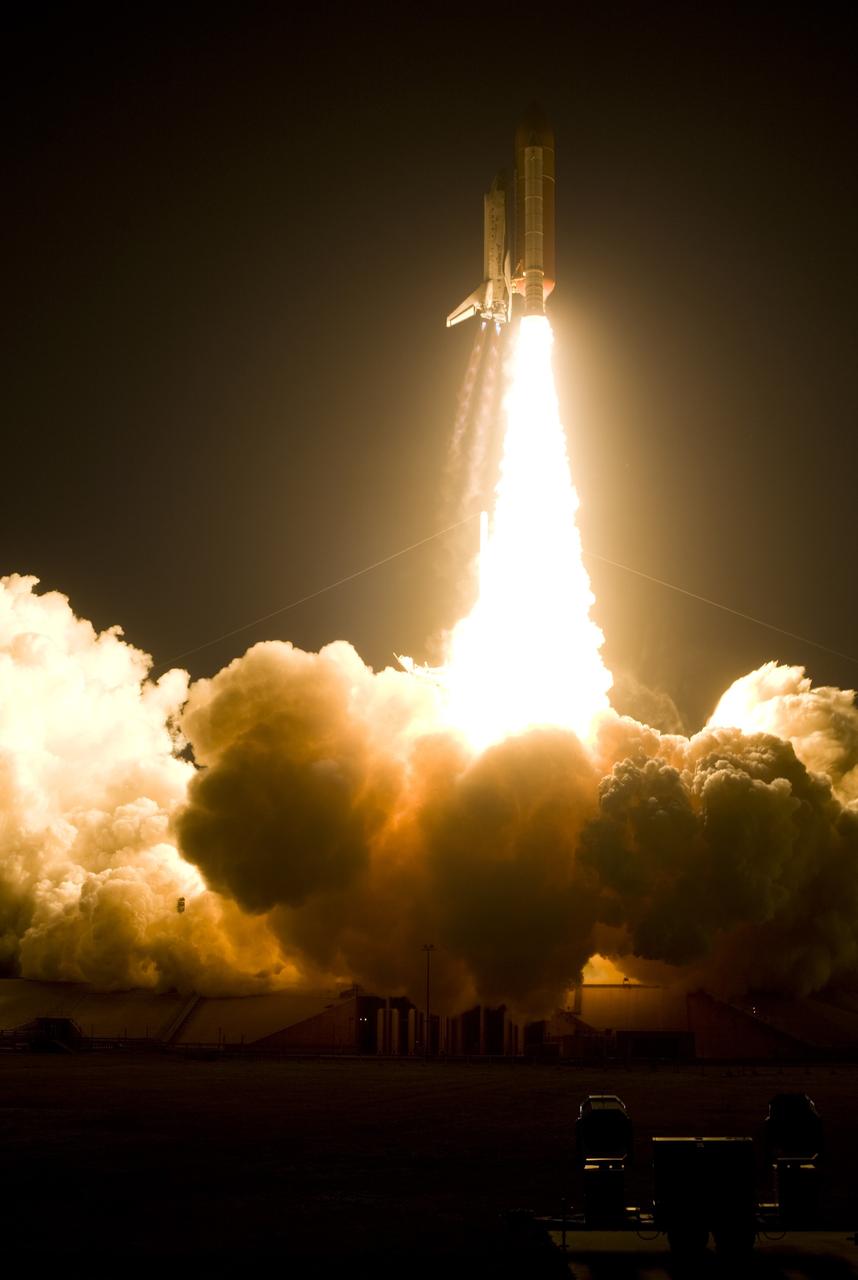
CAPE CANAVERAL, Fla. – Propelled by a column of fire, space shuttle Discovery races toward space on the STS-119 mission after liftoff from Launch Pad 39A at NASA's Kennedy Space Center in Florida. Launch was on time at 7:43 p.m. EDT. The STS-119 mission is the 28th to the International Space Station and the 125th space shuttle flight. Discovery will deliver the final pair of power-generating solar array wings and the S6 truss segment. Installation of S6 will signal the station's readiness to house a six-member crew for conducting increased science. Photo courtesy of Scott Andrews
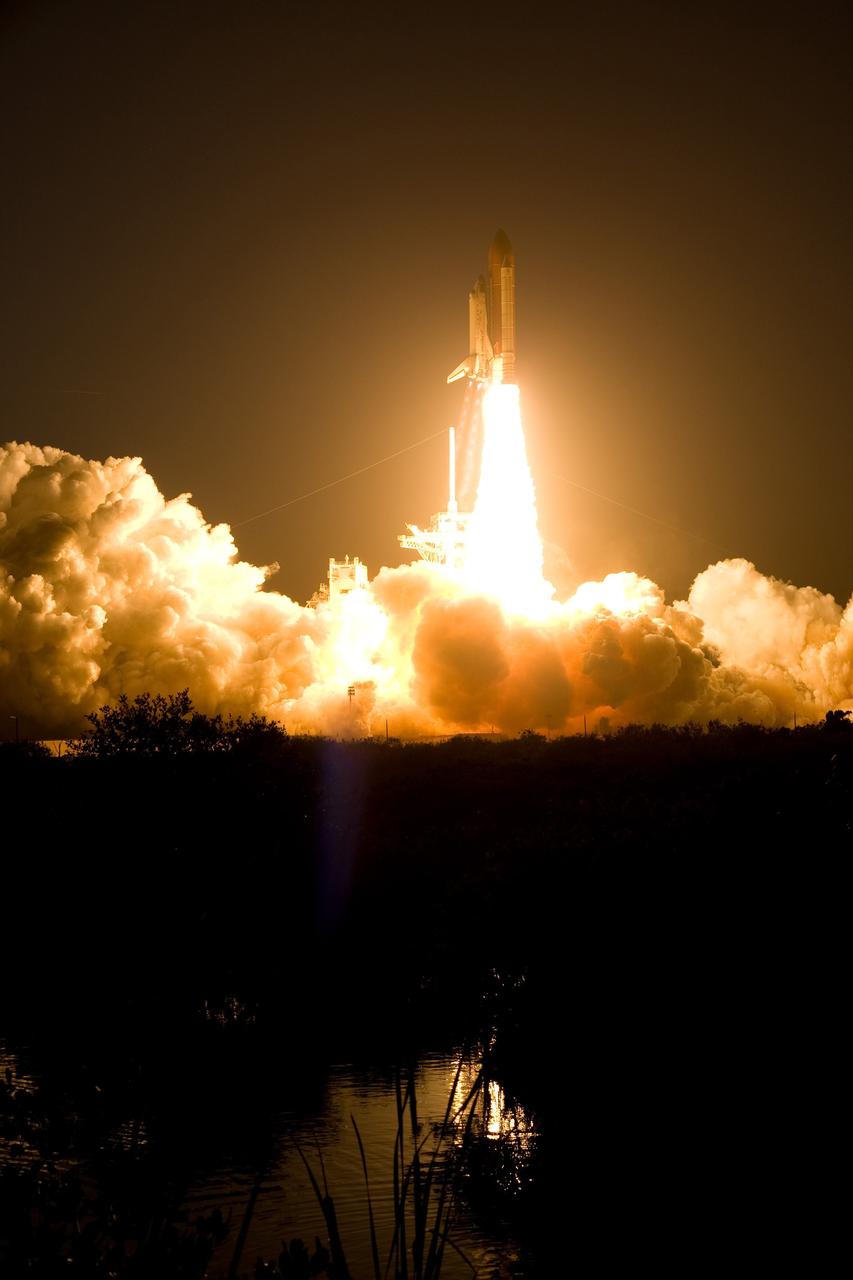
CAPE CANAVERAL, Fla. – Brilliant flames ignite the sky over Launch Pad 39A at NASA's Kennedy Space Center in Florida as space shuttle Discovery roars toward space on the STS-119 mission. Liftoff was on time at 7:43 p.m. EDT. The STS-119 mission is the 28th to the International Space Station and the 125th space shuttle flight. Discovery will deliver the final pair of power-generating solar array wings and the S6 truss segment. Installation of S6 will signal the station's readiness to house a six-member crew for conducting increased science. Photo credit: NASA/Sandra Joseph, Kevin O'Connell
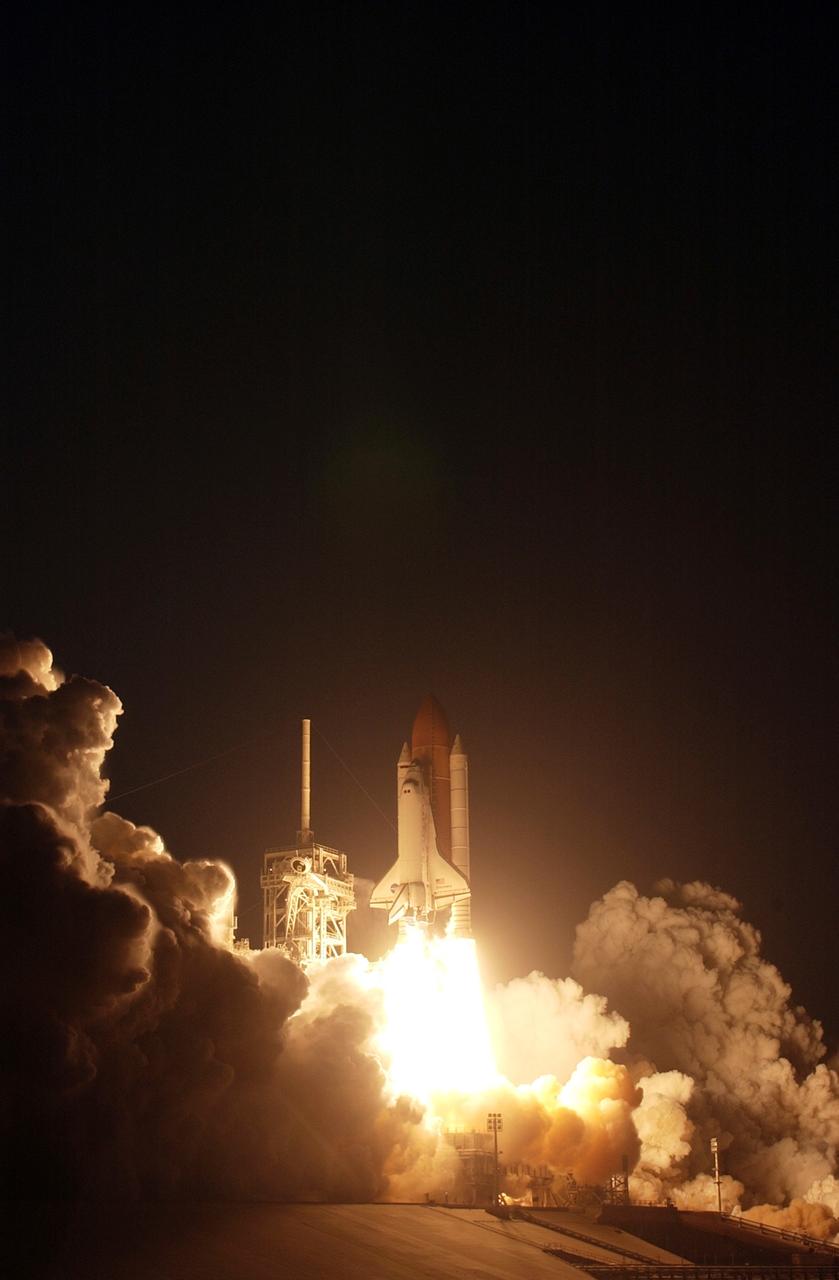
CAPE CANAVERAL, Fla. – Clouds of smoke and steam roll across Launch Pad 39A at NASA's Kennedy Space Center in Florida as space shuttle Discovery races toward space on mission STS-119. Launch was on time at 7:43 p.m. EDT. The STS-119 mission is the 28th to the International Space Station and the 125th space shuttle flight. Discovery will deliver the final pair of power-generating solar array wings and the S6 truss segment. Installation of S6 will signal the station's readiness to house a six-member crew for conducting increased science. Photo credit: NASA/Sandra Joseph, Kevin O'Connell
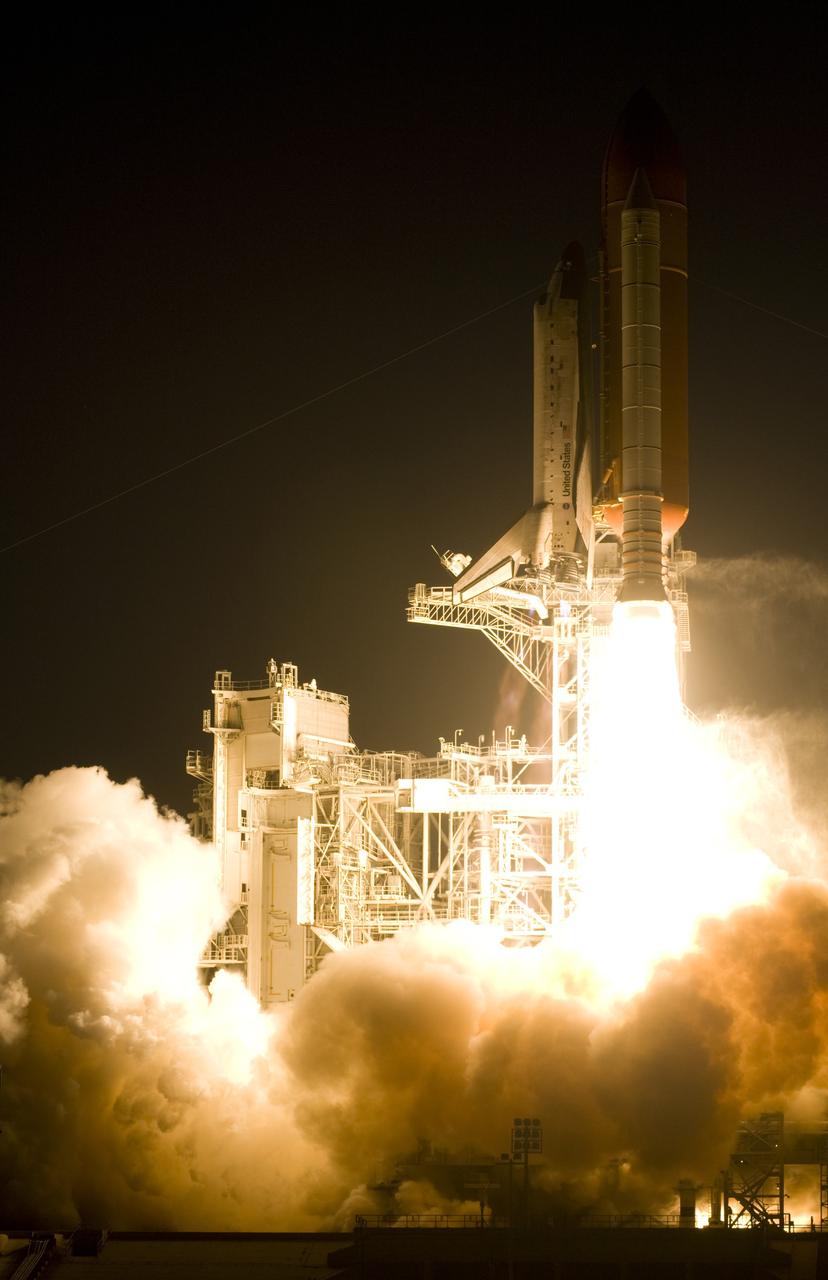
CAPE CANAVERAL, Fla. – Propelled by a column of fire, space shuttle Discovery races toward space on the STS-119 mission after liftoff from Launch Pad 39A at NASA's Kennedy Space Center in Florida. Clouds of smoke and steam roll across the pad. Launch was on time at 7:43 p.m. EDT. The STS-119 mission is the 28th to the International Space Station and the 125th space shuttle flight. Discovery will deliver the final pair of power-generating solar array wings and the S6 truss segment. Installation of S6 will signal the station's readiness to house a six-member crew for conducting increased science. Photo courtesy of Scott Andrews
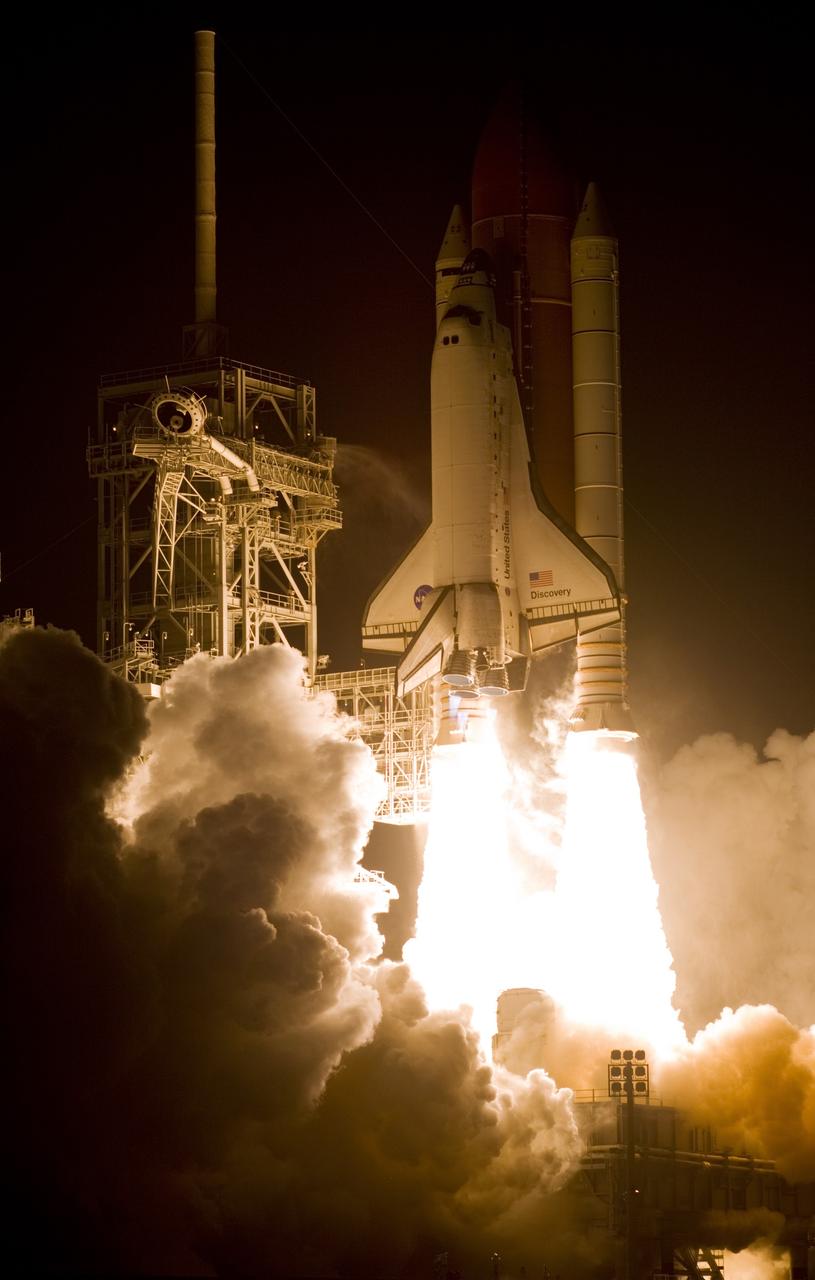
CAPE CANAVERAL, Fla. – At NASA's Kennedy Space Center in Florida, twin columns of fire propel space shuttle Discovery from Launch Pad 39A toward space on mission STS-119. Launch was on time at 7:43 p.m. EDT. The STS-119 mission is the 28th to the International Space Station and the 125th space shuttle flight. Discovery will deliver the final pair of power-generating solar array wings and the S6 truss segment. Installation of S6 will signal the station's readiness to house a six-member crew for conducting increased science. Photo courtesy of Scott Andrews
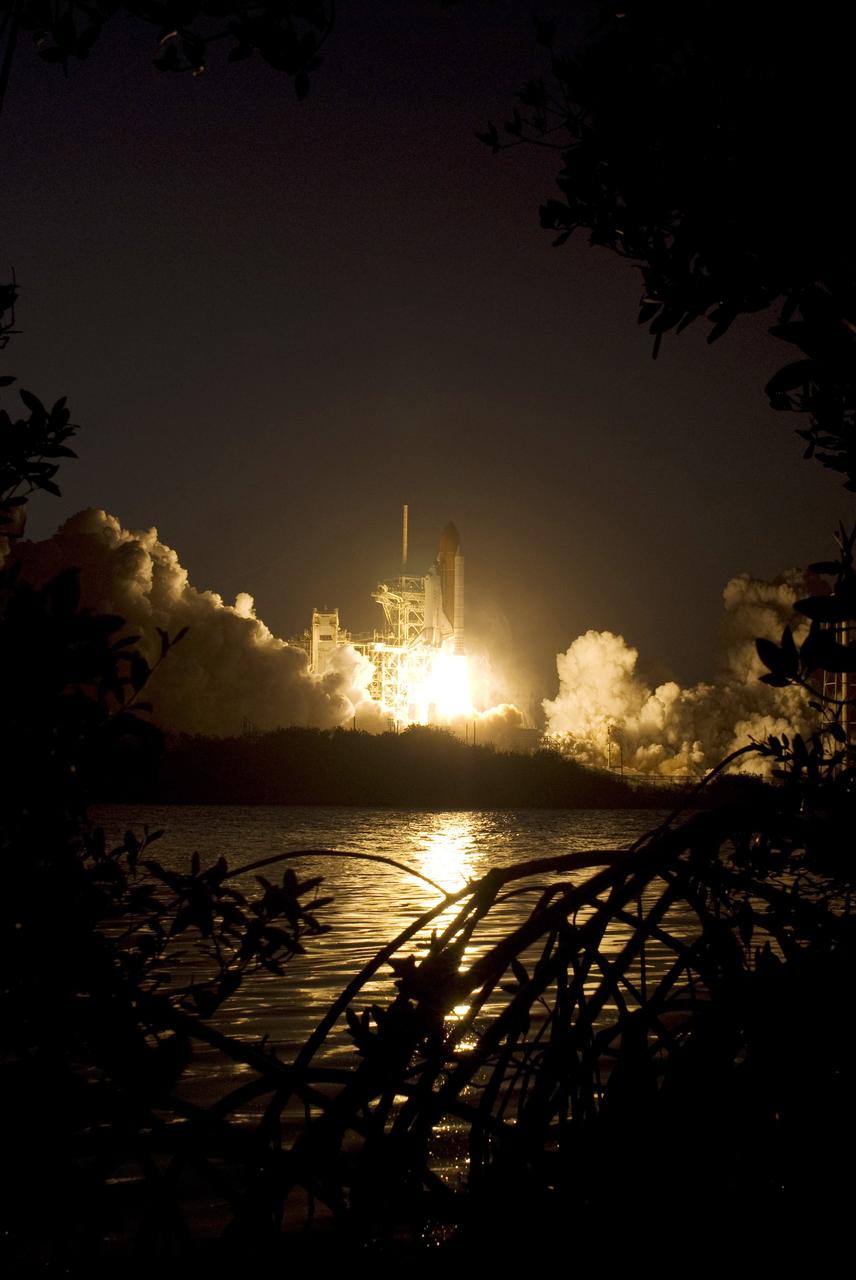
CAPE CANAVERAL, Fla. – Viewed across the water near Launch Pad 39A at NASA's Kennedy Space Center in Florida, launch of space shuttle Discovery on the STS-119 mission spews fire into the night. The launch was on time at 7:43 p.m. EDT. The STS-119 mission is the 28th to the International Space Station and the 125th space shuttle flight. Discovery will deliver the final pair of power-generating solar array wings and the S6 truss segment. Installation of S6 will signal the station's readiness to house a six-member crew for conducting increased science. Photo credit: NASA/Sandra Joseph, Kevin O'Connell
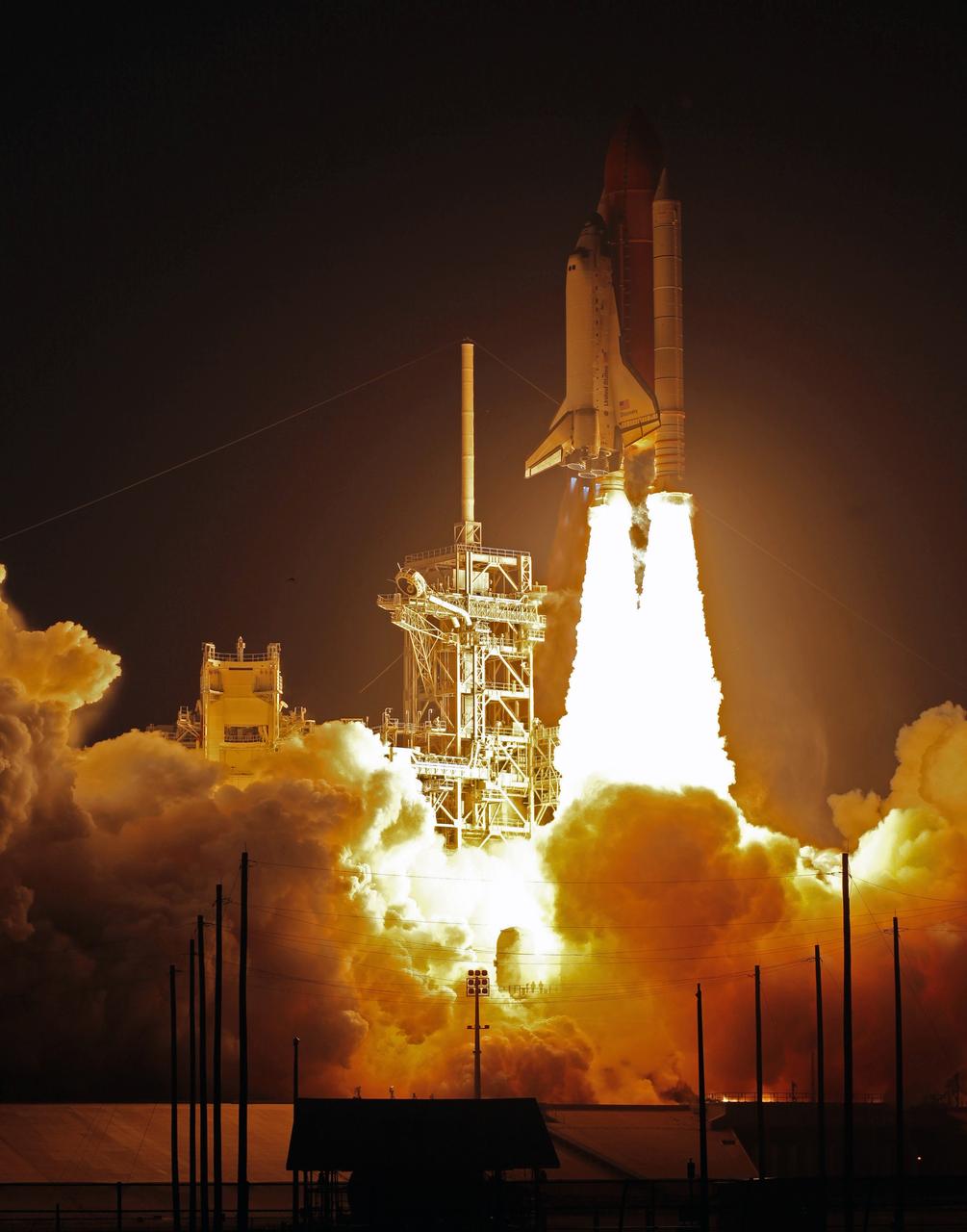
CAPE CANAVERAL, Fla. – Space shuttle Discovery roars off Launch Pad 39A on the STS-119 mission atop twin towers of fire that light up the sky after sunset at NASA's Kennedy Space Center in Florida. Liftoff was on time at 7:43 p.m. EDT. The STS-119 mission is the 28th to the International Space Station and the 125th space shuttle flight. Discovery will deliver the final pair of power-generating solar array wings and the S6 truss segment. Installation of S6 will signal the station's readiness to house a six-member crew for conducting increased science. Photo courtesy of Scott Andrews
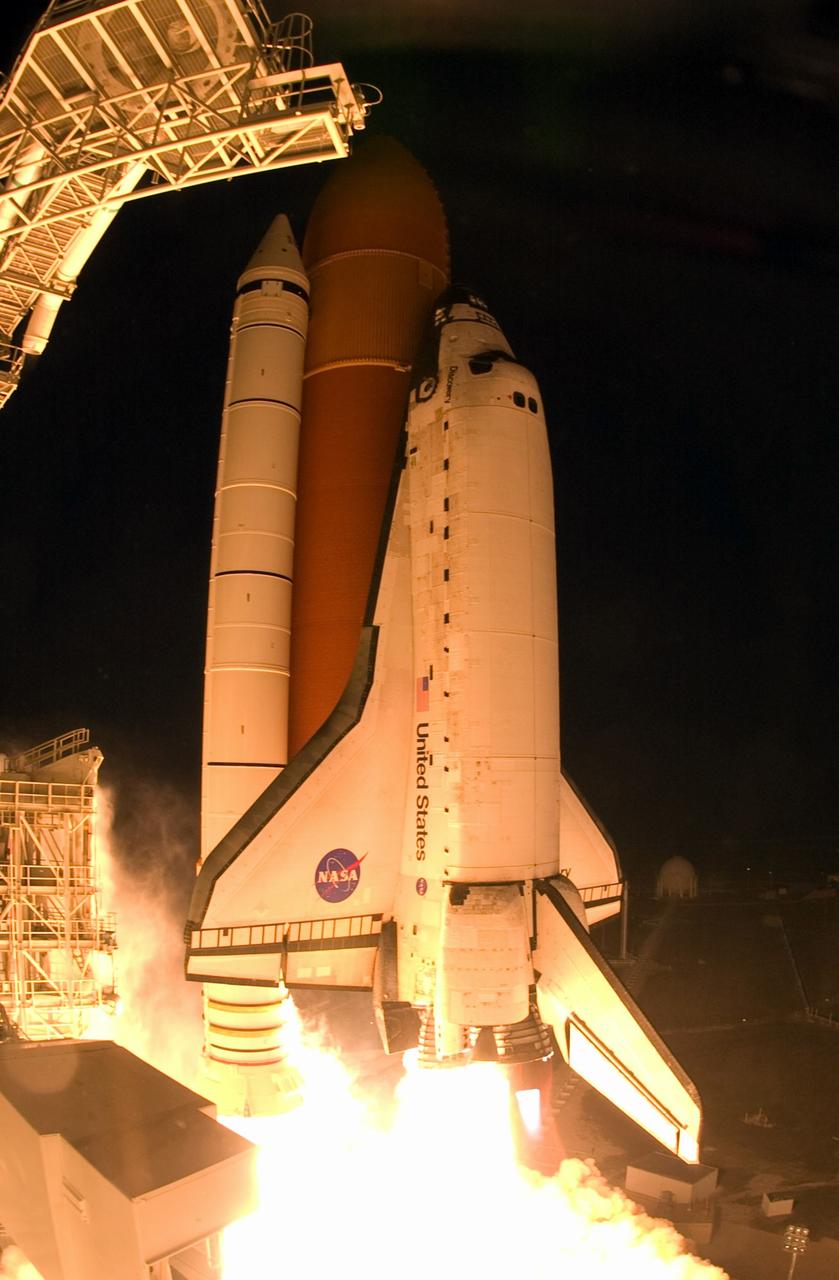
CAPE CANAVERAL, Fla. – Fire seems to surround Launch Pad 39A at NASA's Kennedy Space Center in Florida as space shuttle Discovery leaps from the pad to begin its STS-119 mission. Launch was on time at 7:43 p.m. EDT. The STS-119 mission is the 28th to the International Space Station and the 125th space shuttle flight. Discovery will deliver the final pair of power-generating solar array wings and the S6 truss segment. Installation of S6 will signal the station's readiness to house a six-member crew for conducting increased science. Photo credit: NASA/Tony Gray, Tom Farrar
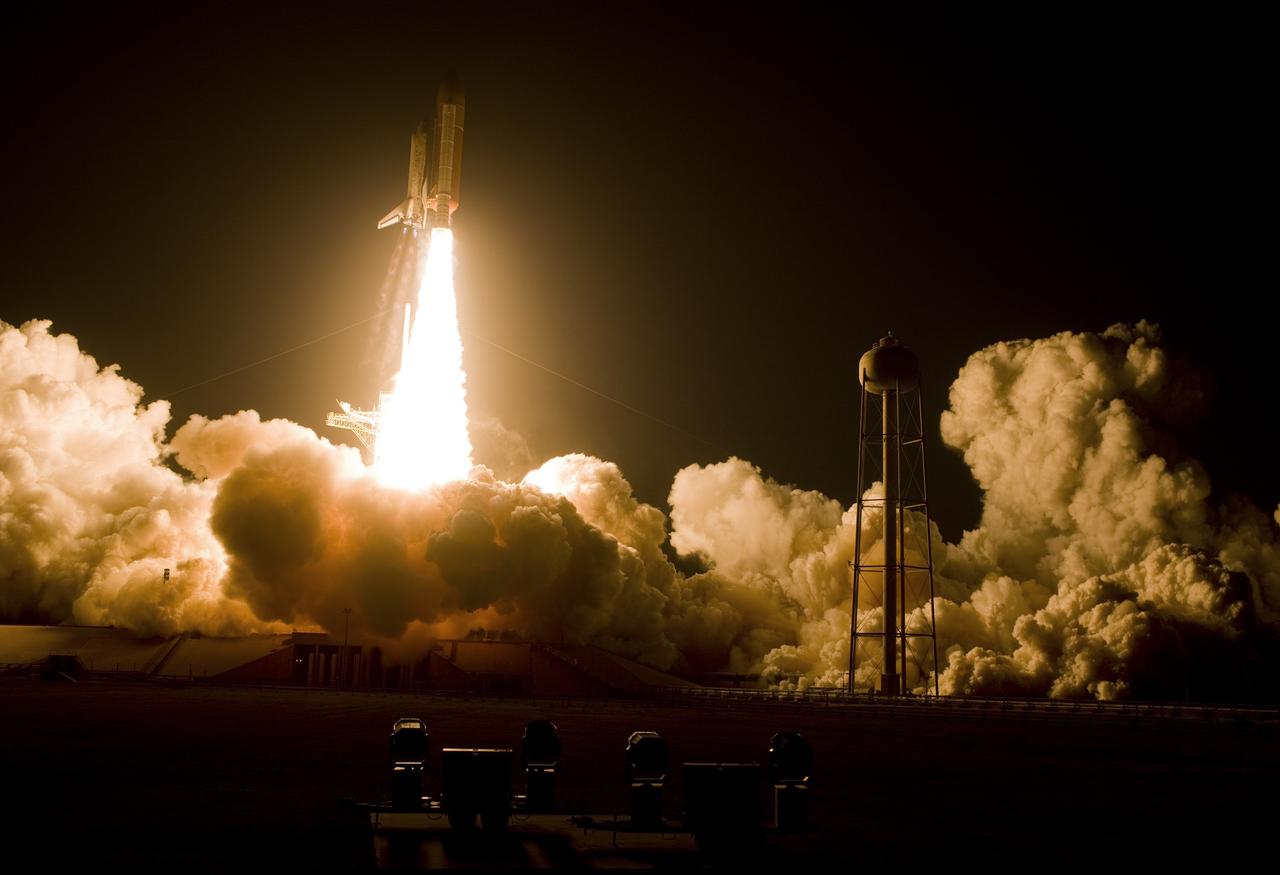
CAPE CANAVERAL, Fla. – Clouds of smoke and steam roll across Launch Pad 39A at NASA's Kennedy Space Center in Florida as space shuttle Discovery races toward space on mission STS-119. Launch was on time at 7:43 p.m. EDT. The STS-119 mission is the 28th to the International Space Station and the 125th space shuttle flight. Discovery will deliver the final pair of power-generating solar array wings and the S6 truss segment. Installation of S6 will signal the station's readiness to house a six-member crew for conducting increased science. Photo courtesy of Scott Andrews
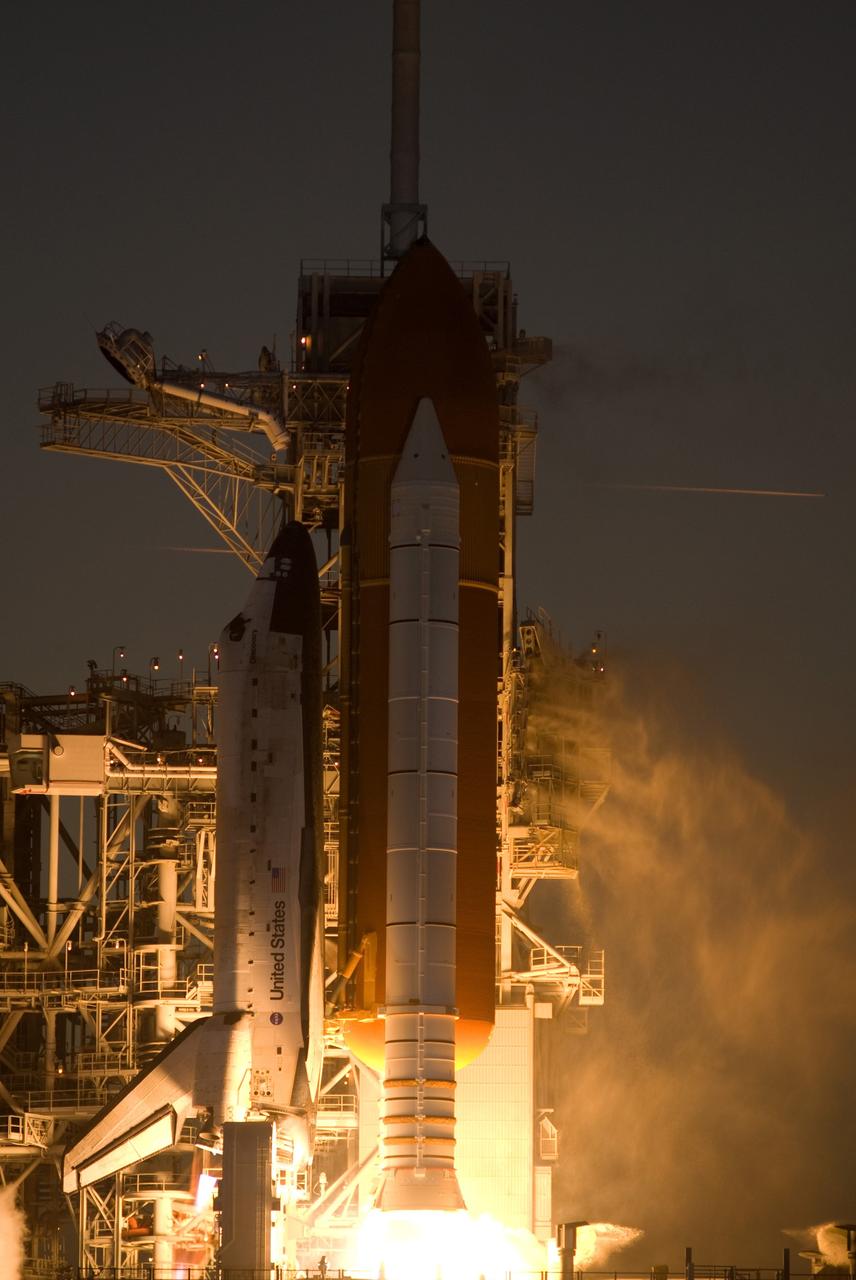
CAPE CANAVERAL, Fla. – At NASA's Kennedy Space Center in Florida, space shuttle Discovery rises from Launch Pad 39A on columns of fire as it begins its 13-day journey into space on mission STS-119. Launch was on time at 7:43 p.m. EDT. The STS-119 mission is the 28th to the International Space Station and the 125th space shuttle flight. Discovery will deliver the final pair of power-generating solar array wings and the S6 truss segment. Installation of S6 will signal the station's readiness to house a six-member crew for conducting increased science. Photo credit: NASA/Rusty Backer, George Roberts
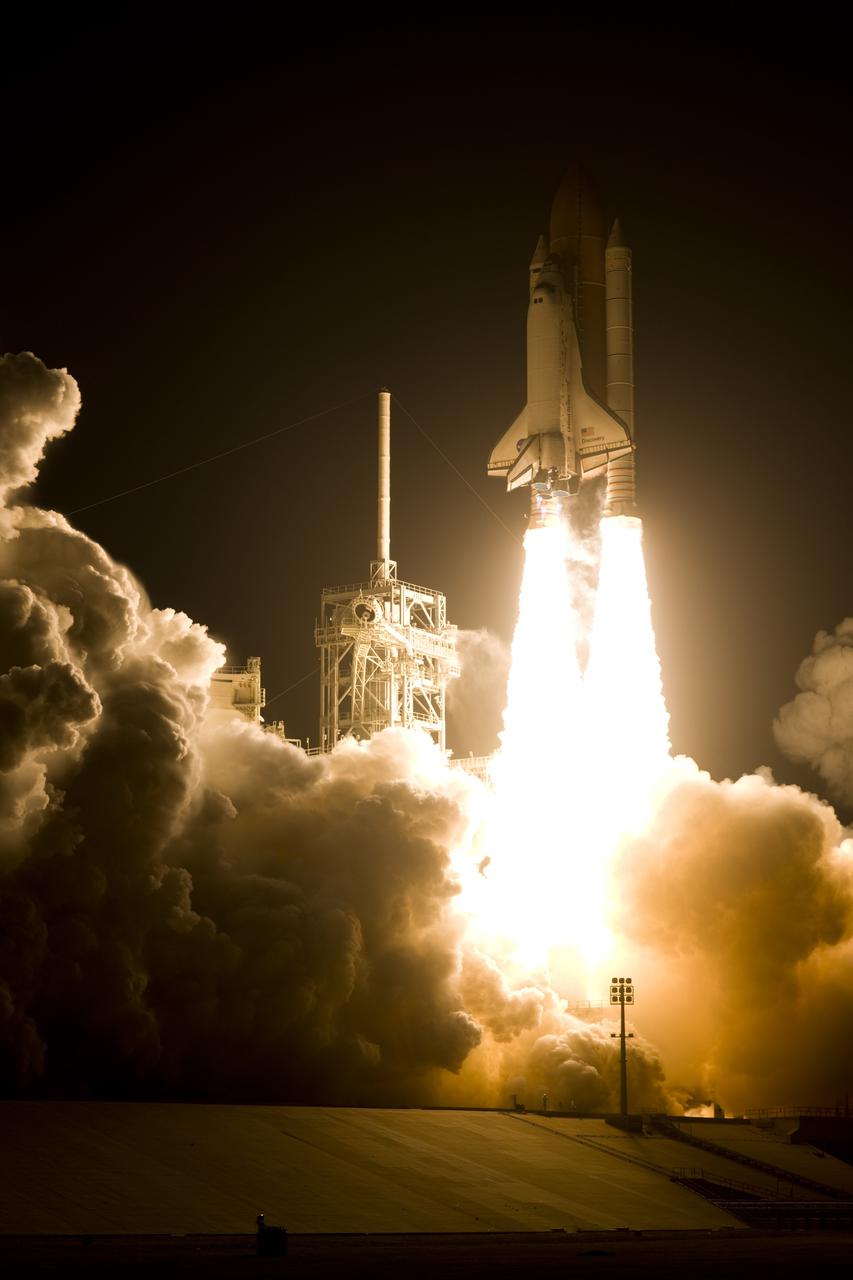
CAPE CANAVERAL, Fla. – At NASA's Kennedy Space Center in Florida, twin columns of fire propel space shuttle Discovery past the lightning mast on Launch Pad 39A toward space on mission STS-119. Launch was on time at 7:43 p.m. EDT. The STS-119 mission is the 28th to the International Space Station and the 125th space shuttle flight. Discovery will deliver the final pair of power-generating solar array wings and the S6 truss segment. Installation of S6 will signal the station's readiness to house a six-member crew for conducting increased science. Photo courtesy of Scott Andrews
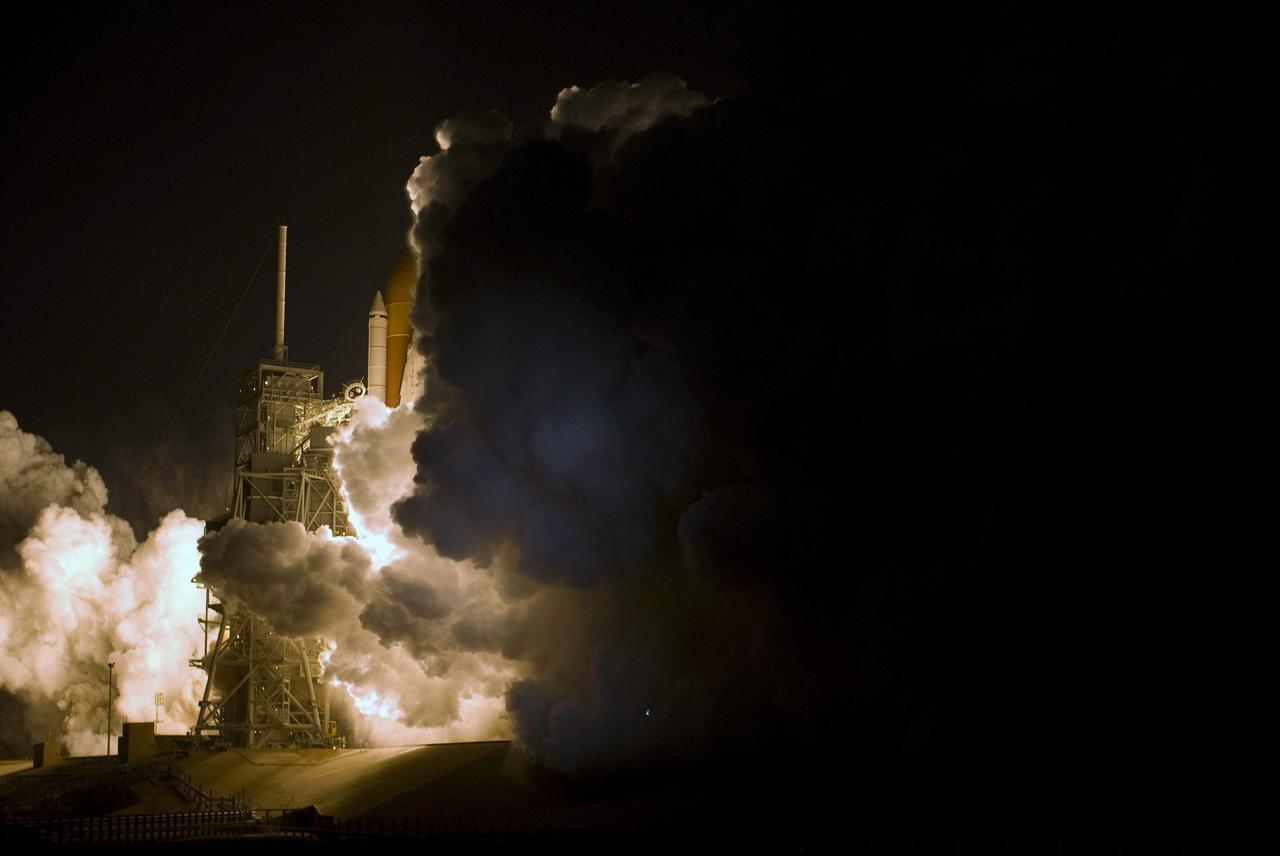
CAPE CANAVERAL, Fla. – Light and dark clouds of smoke and steam, spawned by the fire of liftoff, roll across Launch Pad 39A at NASA's Kennedy Space Center in Florida as space shuttle Discovery heads to space on the STS-119 mission. Liftoff was on time at 7:43 p.m. EDT. The STS-119 mission is the 28th to the International Space Station and the 125th space shuttle flight. Discovery will deliver the final pair of power-generating solar array wings and the S6 truss segment. Installation of S6 will signal the station's readiness to house a six-member crew for conducting increased science. Photo credit: NASA/Tony Gray, Tom Farrar
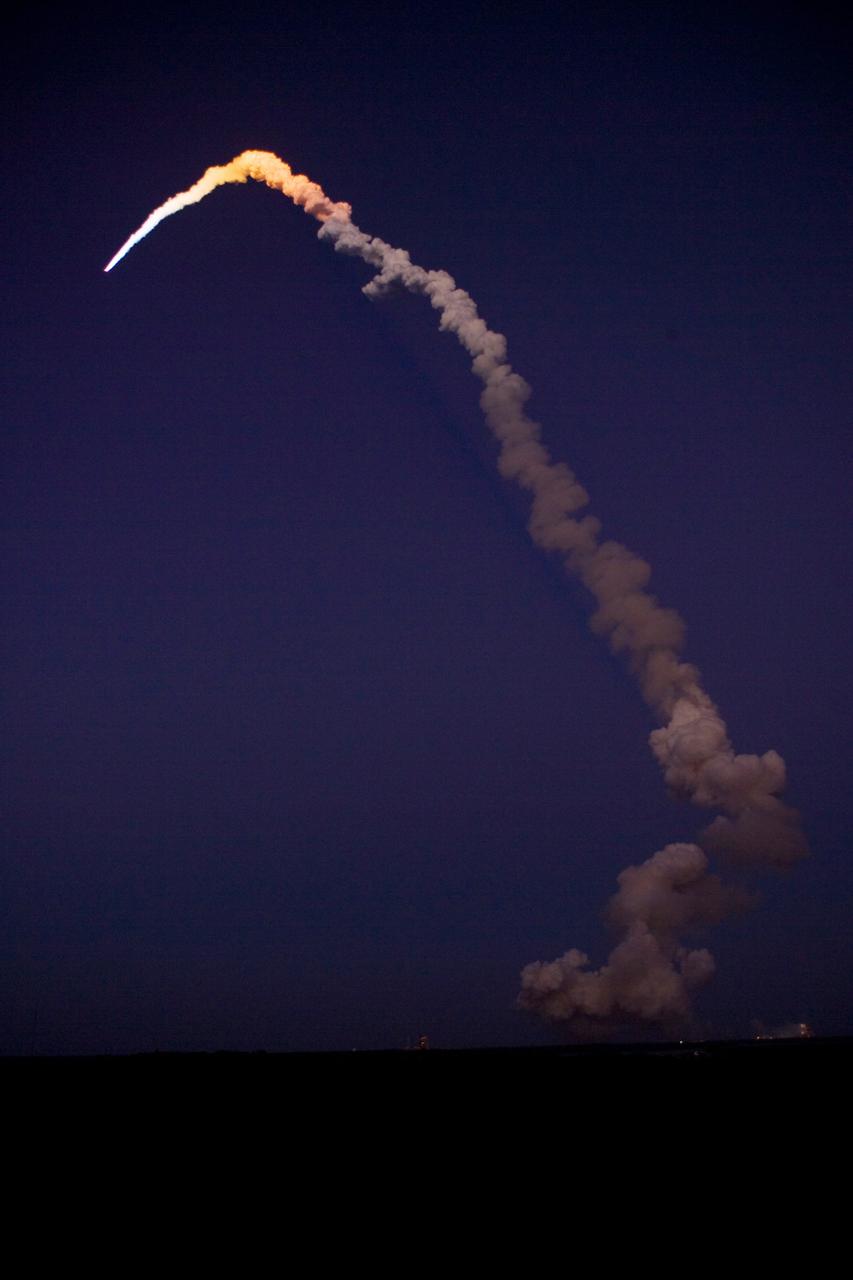
CAPE CANAVERAL, Fla. – As it arcs into space, space shuttle Discovery is lighted by sunlight after leaving the darker skies over NASA's Kennedy Space Center in Florida on the STS-119 mission. Liftoff was on time at 7:43 p.m. EDT. The STS-119 mission is the 28th to the International Space Station and the 125th space shuttle flight. Discovery will deliver the final pair of power-generating solar array wings and the S6 truss segment. Installation of S6 will signal the station's readiness to house a six-member crew for conducting increased science. Photo credit: NASA/Jeff Wolfe
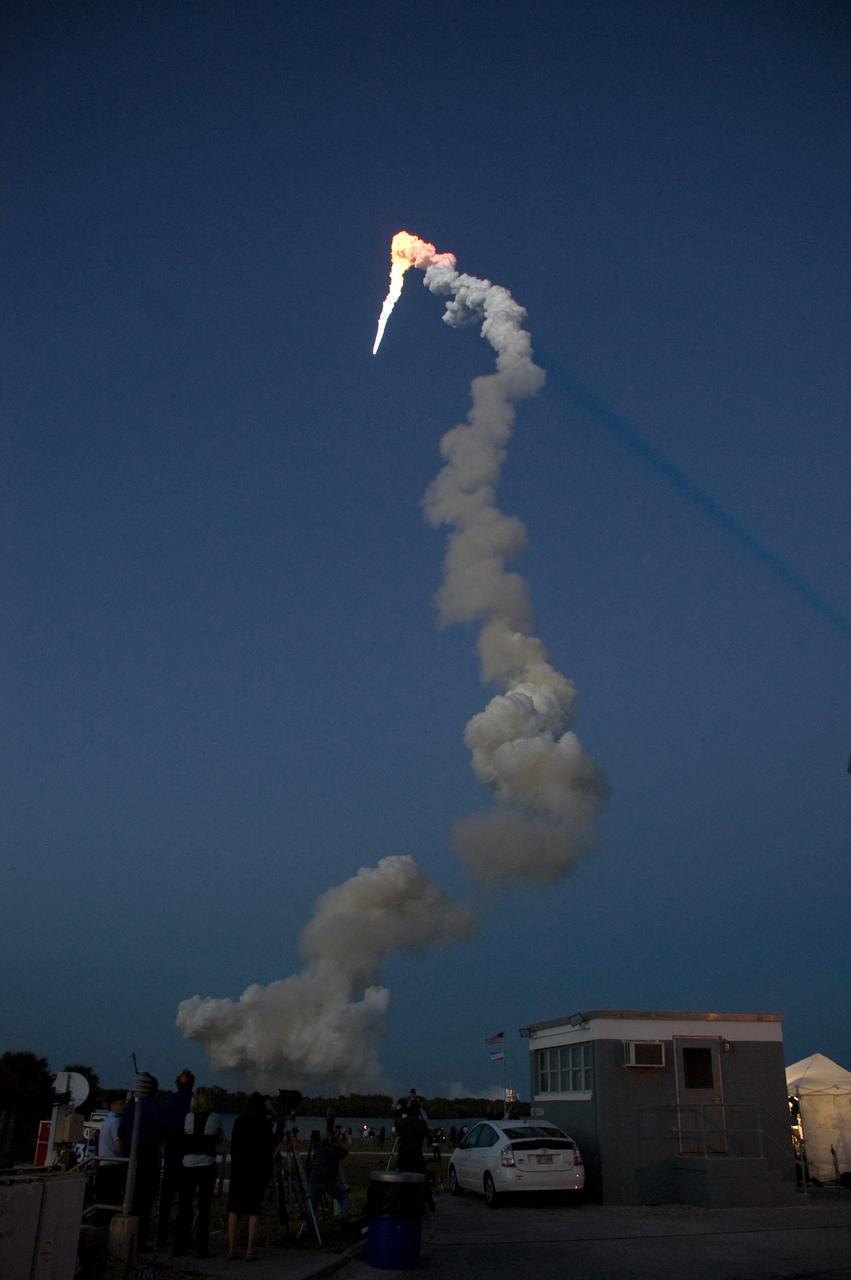
CAPE CANAVERAL, Fla. – As it arcs into space, space shuttle Discovery is lighted by sunlight after leaving the darker skies over NASA's Kennedy Space Center in Florida on the STS-119 mission. Liftoff was on time at 7:43 p.m. EDT. The STS-119 mission is the 28th to the International Space Station and the 125th space shuttle flight. Discovery will deliver the final pair of power-generating solar array wings and the S6 truss segment. Installation of S6 will signal the station's readiness to house a six-member crew for conducting increased science. Photo credit: NASA/Fletch Hildreth
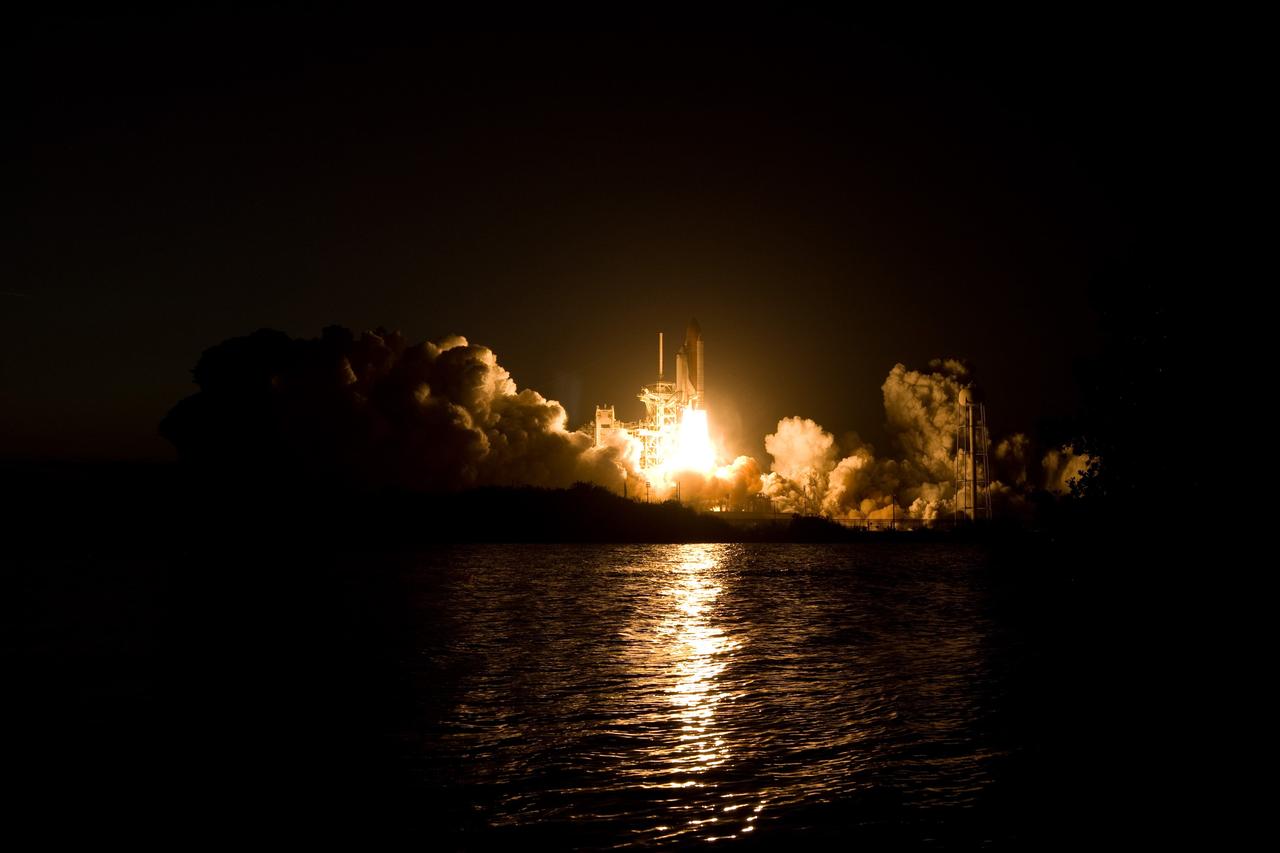
CAPE CANAVERAL, Fla. – Billows of smoke and the water near Launch Pad 39A at NASA's Kennedy Space Center in Florida capture the brilliant light of space shuttle Discovery's lift-off on the STS-119 mission. The launch was on time at 7:43 p.m. EDT. The STS-119 mission is the 28th to the International Space Station and the 125th space shuttle flight. Discovery will deliver the final pair of power-generating solar array wings and the S6 truss segment. Installation of S6 will signal the station's readiness to house a six-member crew for conducting increased science. Photo credit: NASA/Sandra Joseph, Kevin O'Connell
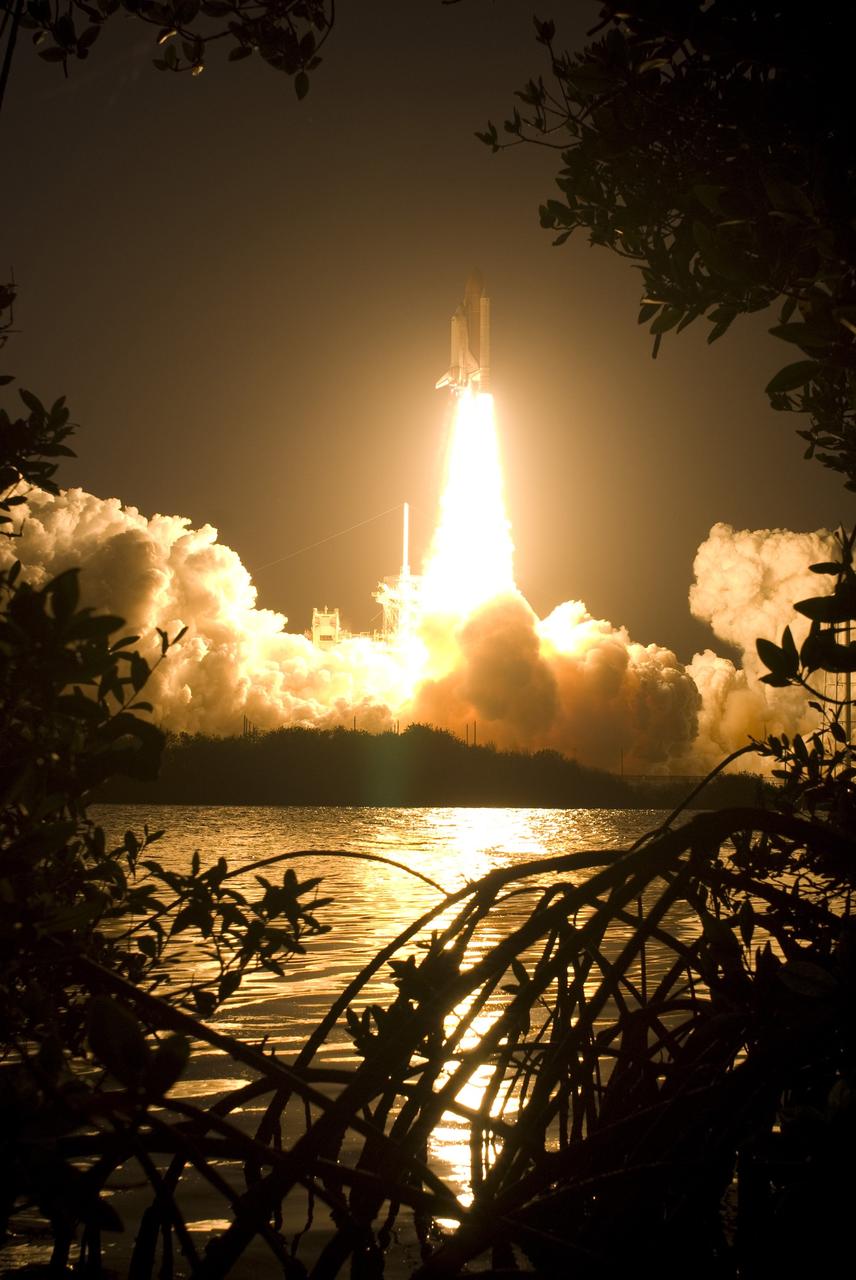
CAPE CANAVERAL, Fla. – Atop a column of fire, space shuttle Discovery roars toward space as it lifts off Launch Pad 39A at NASA's Kennedy Space Center in Florida on the STS-119 mission. The launch was on time at 7:43 p.m. EDT. The STS-119 mission is the 28th to the International Space Station and the 125th space shuttle flight. Discovery will deliver the final pair of power-generating solar array wings and the S6 truss segment. Installation of S6 will signal the station's readiness to house a six-member crew for conducting increased science. Photo credit: NASA/Sandra Joseph, Kevin O'Connell
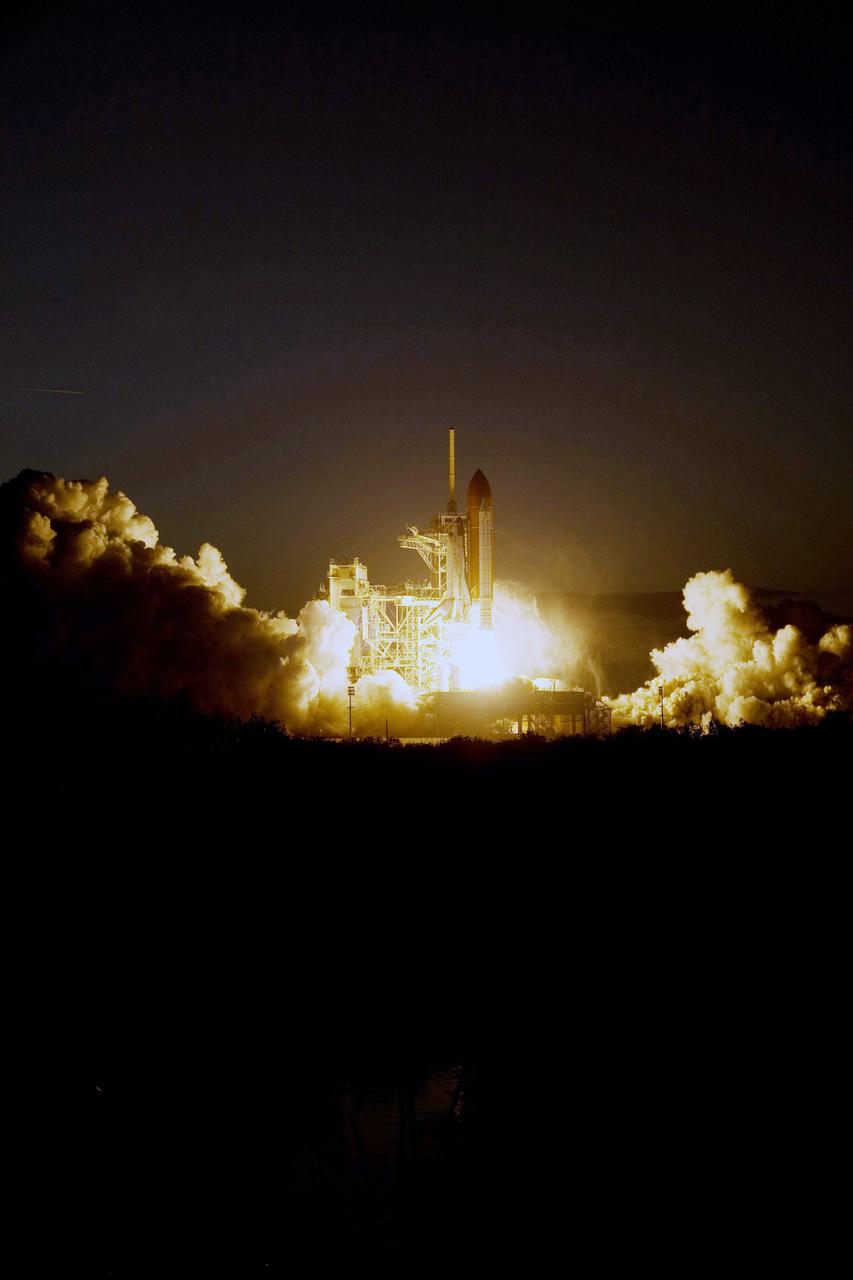
CAPE CANAVERAL, Fla. – The fiery light of ignition spills over Launch Pad 39A at NASA's Kennedy Space Center in Florida as space shuttle Discovery roars toward space on the STS-119 mission. Liftoff was on time at 7:43 p.m. EDT. The STS-119 mission is the 28th to the International Space Station and the 125th space shuttle flight. Discovery will deliver the final pair of power-generating solar array wings and the S6 truss segment. Installation of S6 will signal the station's readiness to house a six-member crew for conducting increased science. Photo credit: NASA/Sandra Joseph, Kevin O'Connell
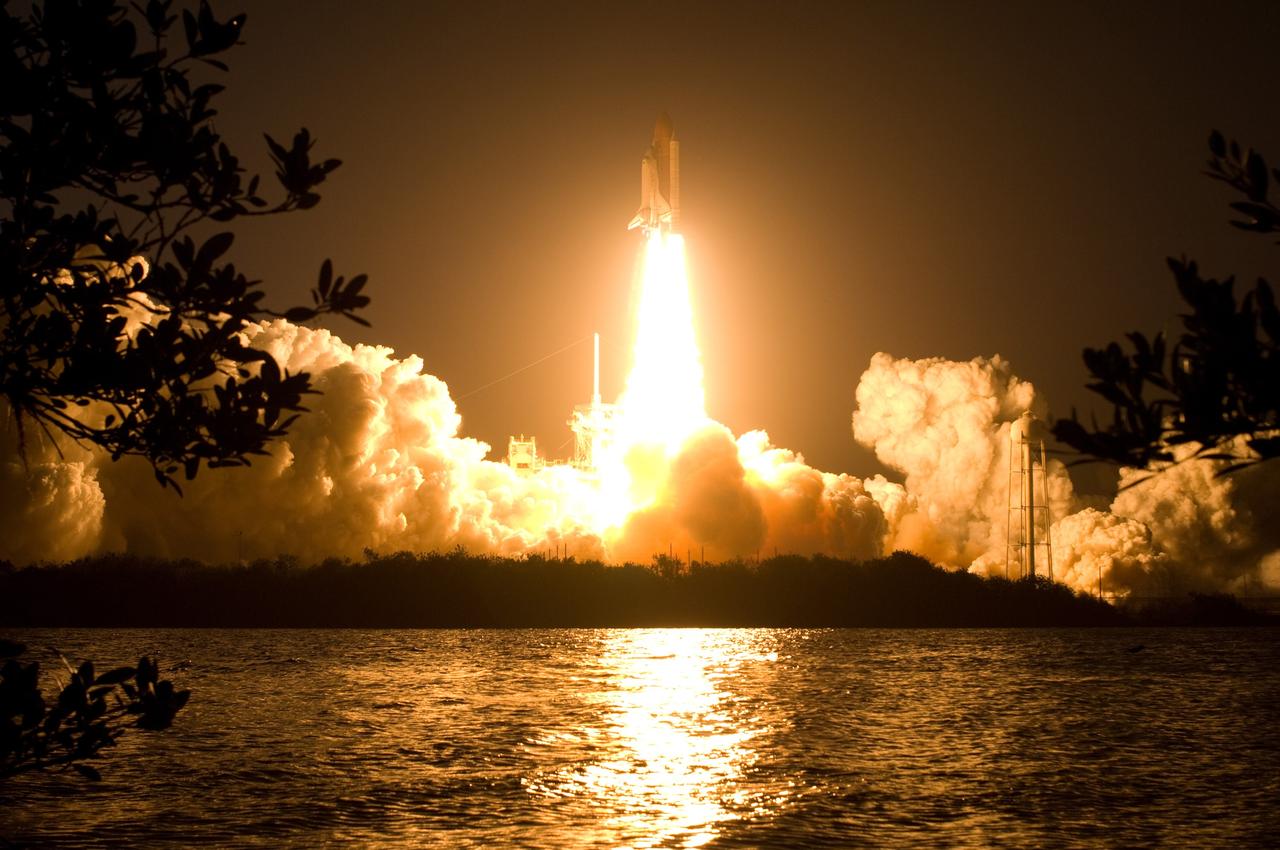
CAPE CANAVERAL, Fla. – Billows of smoke and the water near Launch Pad 39A at NASA's Kennedy Space Center in Florida capture the brilliant light of space shuttle Discovery's lift-off on the STS-119 mission. The launch was on time at 7:43 p.m. EDT. The STS-119 mission is the 28th to the International Space Station and the 125th space shuttle flight. Discovery will deliver the final pair of power-generating solar array wings and the S6 truss segment. Installation of S6 will signal the station's readiness to house a six-member crew for conducting increased science. Photo credit: NASA/Sandra Joseph, Kevin O'Connell
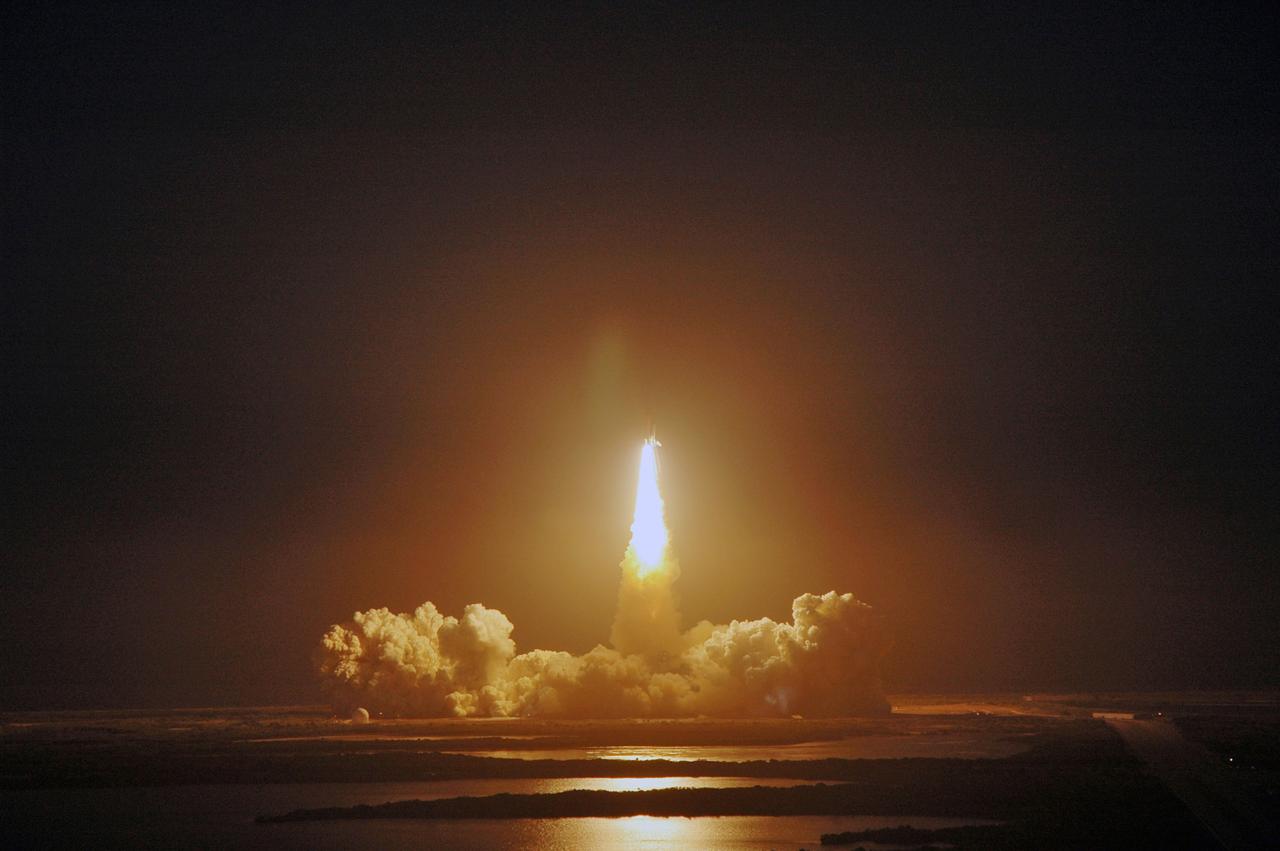
CAPE CANAVERAL, Fla. – Viewed from the roof of the Vehicle Assembly Building at NASA's Kennedy Space Center in Florida, space shuttle Discovery rides the tower of flames as it roars into space on the STS-119 mission. Liftoff was on time at 7:43 p.m. EDT. The STS-119 mission is the 28th to the International Space Station and the 125th space shuttle flight. Discovery will deliver the final pair of power-generating solar array wings and the S6 truss segment. Installation of S6 will signal the station's readiness to house a six-member crew for conducting increased science. Photo credit: NASA/Marino Jeffrey
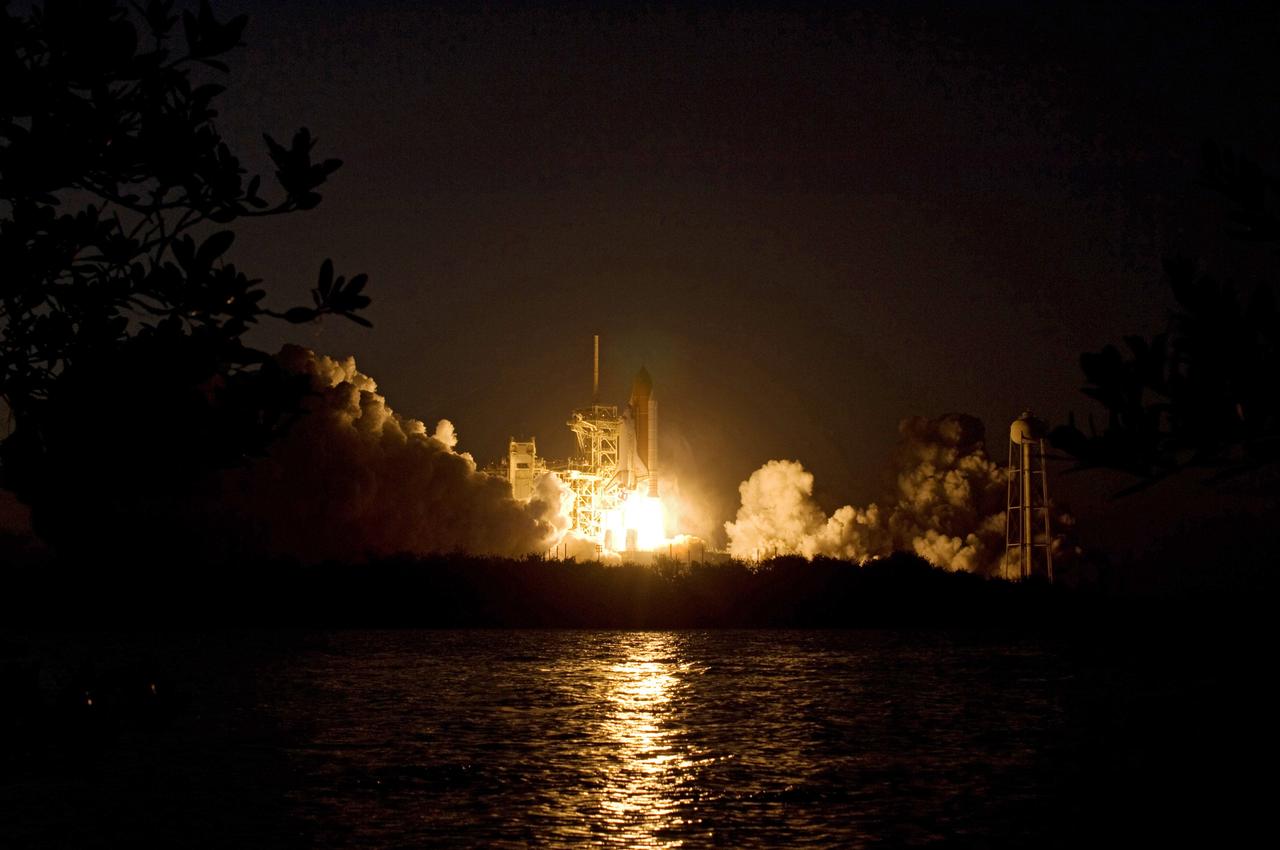
CAPE CANAVERAL, Fla. – The brilliant light of space shuttle Discovery's lift-off on the STS-119 mission lights up the clouds of smoke and the water near Launch Pad 39A at NASA's Kennedy Space Center in Florida. The launch was on time at 7:43 p.m. EDT. The STS-119 mission is the 28th to the International Space Station and the 125th space shuttle flight. Discovery will deliver the final pair of power-generating solar array wings and the S6 truss segment. Installation of S6 will signal the station's readiness to house a six-member crew for conducting increased science. Photo credit: NASA/Sandra Joseph, Kevin O'Connell
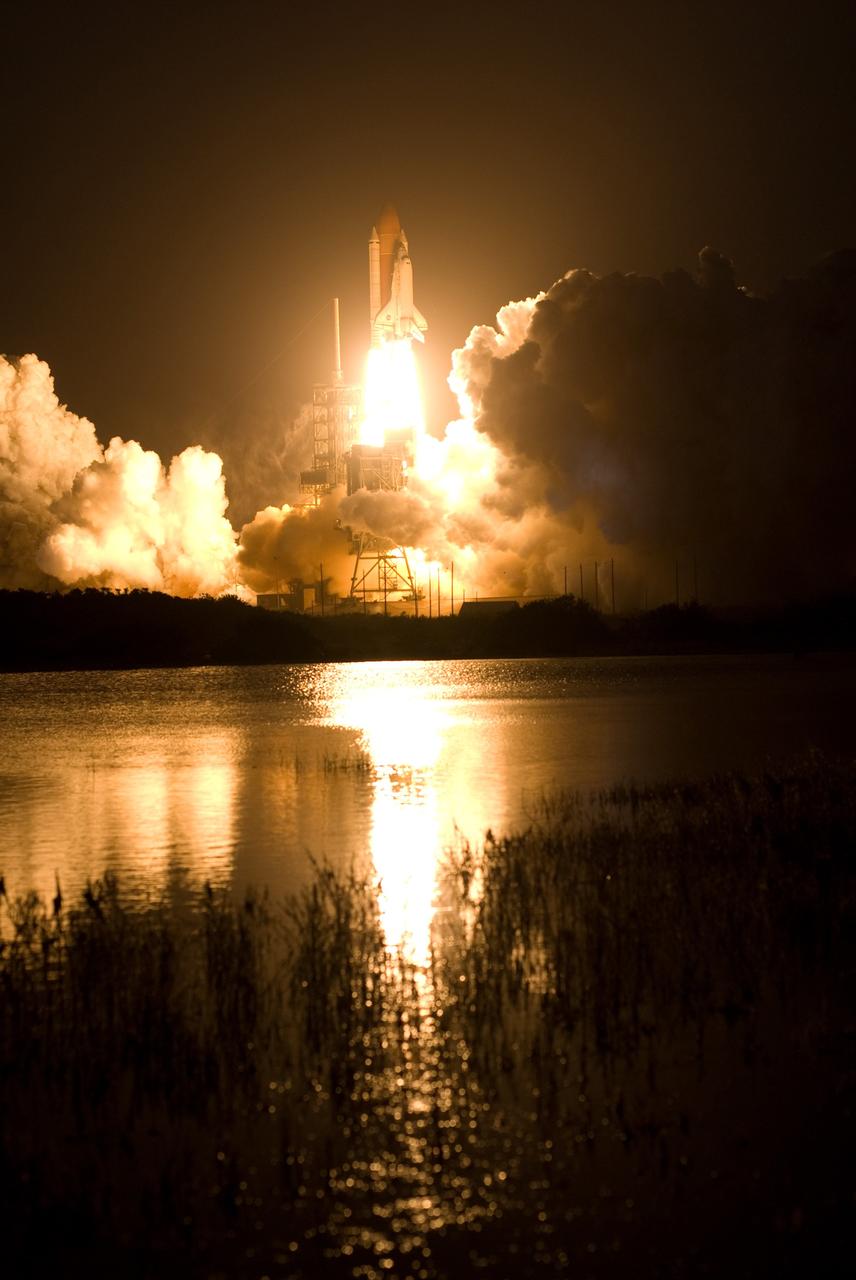
CAPE CANAVERAL, Fla. – The brilliant light of space shuttle Discovery's lift-off on the STS-119 mission lights up the clouds of smoke and the water near Launch Pad 39A at NASA's Kennedy Space Center in Florida. The launch was on time at 7:43 p.m. EDT. The STS-119 mission is the 28th to the International Space Station and the 125th space shuttle flight. Discovery will deliver the final pair of power-generating solar array wings and the S6 truss segment. Installation of S6 will signal the station's readiness to house a six-member crew for conducting increased science. Photo credit: NASA/Tony Gray, Tom Farrar
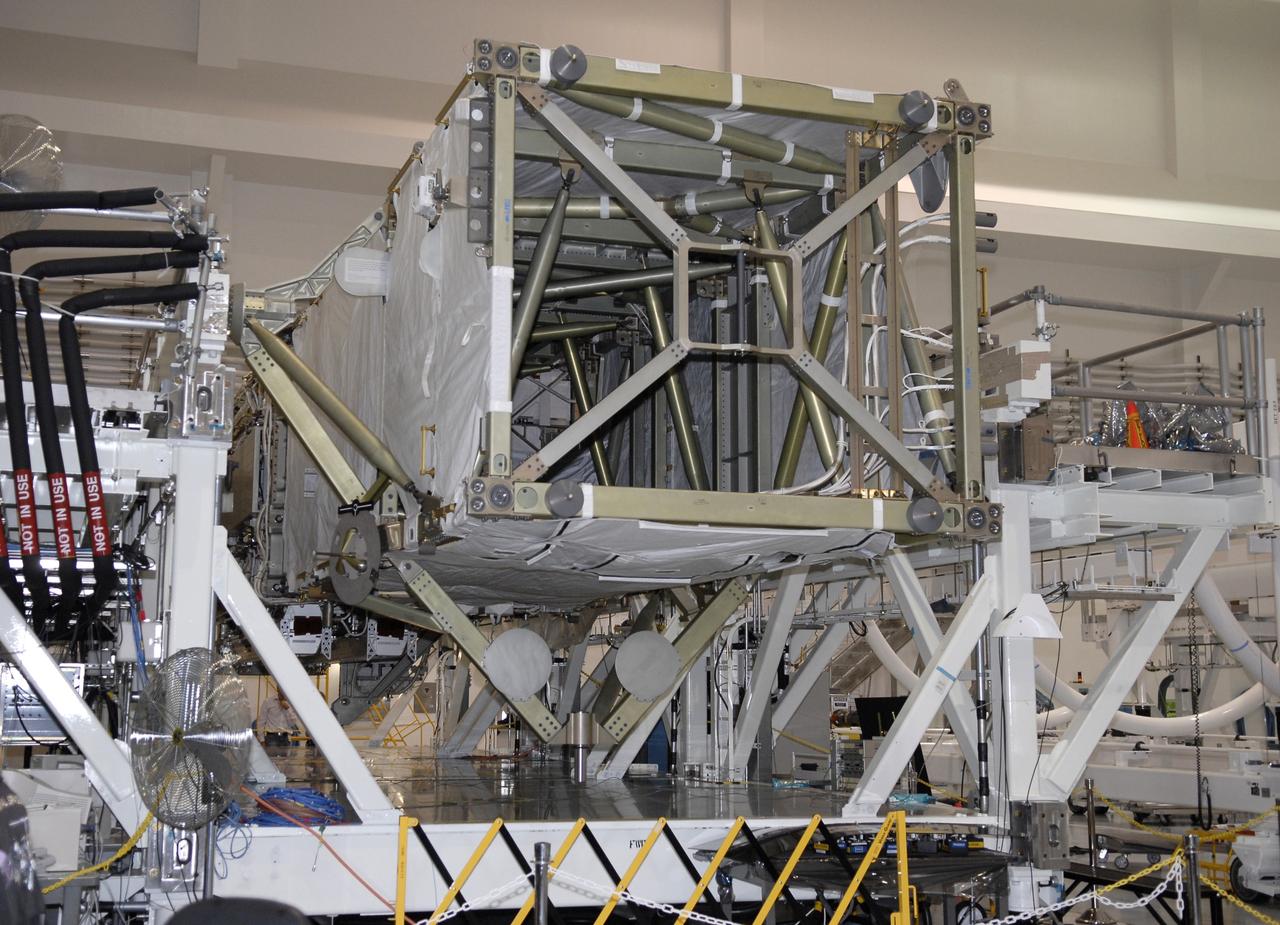
CAPE CANAVERAL, Fla. -- In the Space Station Processing Facility, the S6 truss segment is on display for the media at NASA's Kennedy Space Center in Florida. The S6 truss segment, with its set of large U.S. solar arrays, will be attached to the starboard, or right, side of the station during space shuttle Discovery's STS-119 mission. The S6 truss will complete the backbone of the station. The two solar wings will provide one-fourth of the total power needed to support a crew of six astronauts. The segment is expected to be loaded into the payload transportation canister Jan. 7, in preparation for its targeted journey to the launch pad Jan. 11. Photo credit: NASA/Kim Shiflett

CAPE CANAVERAL, Fla. -- In the Space Station Processing Facility at NASA's Kennedy Space Center in Florida, the S6 truss segment is on display for the media. The S6 truss segment, with its set of large U.S. solar arrays, will be attached to the starboard, or right, side of the station during space shuttle Discovery's STS-119 mission. The S6 truss will complete the backbone of the station. The two solar wings will provide one-fourth of the total power needed to support a crew of six astronauts. The segment is expected to be loaded into the payload transportation canister Jan. 7, in preparation for its targeted journey to the launch pad Jan. 11. Photo credit: NASA/Kim Shiflett
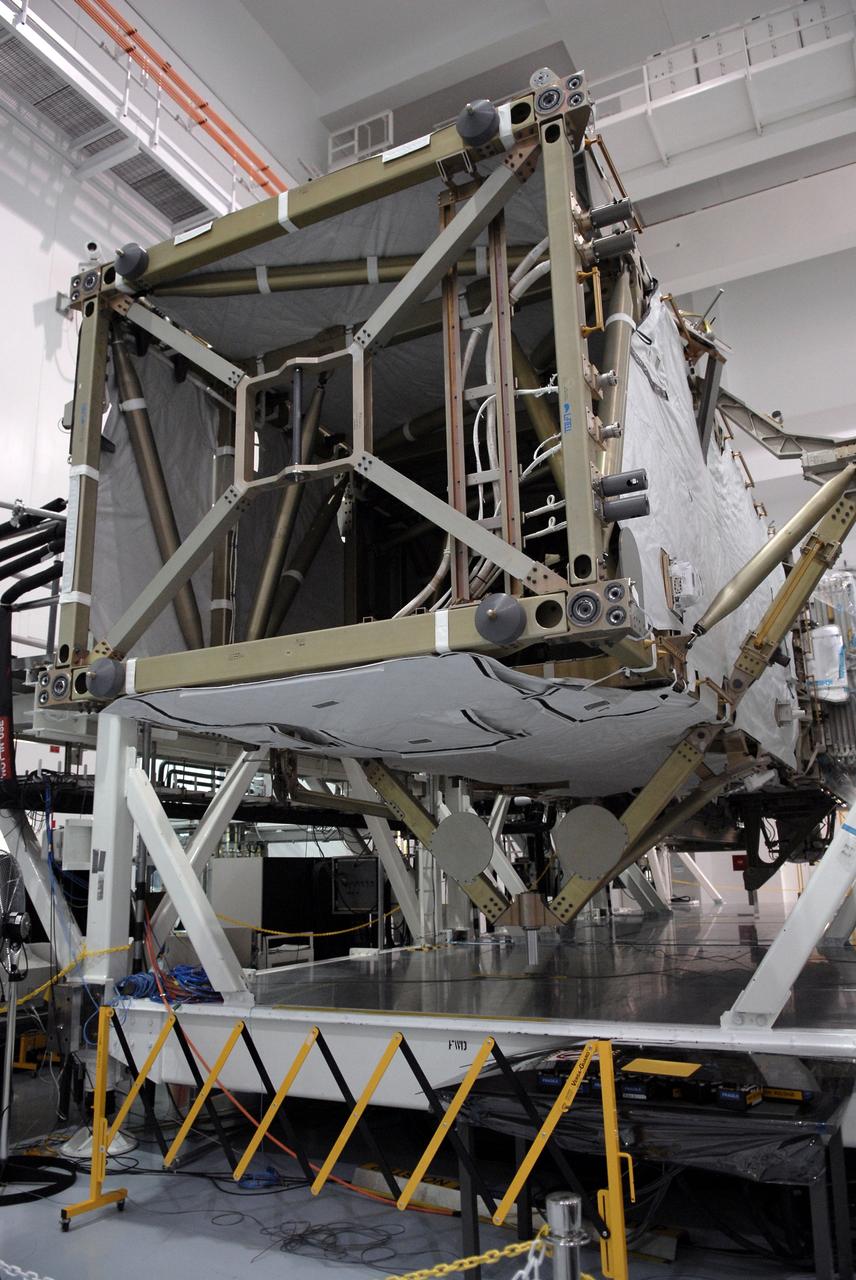
CAPE CANAVERAL, Fla. -- In the Space Station Processing Facility at NASA's Kennedy Space Center in Florida, the S6 truss segment is on display for the media. The S6 truss segment, with its set of large U.S. solar arrays, will be attached to the starboard, or right, side of the station during space shuttle Discovery's STS-119 mission. The S6 truss will complete the backbone of the station. The two solar wings will provide one-fourth of the total power needed to support a crew of six astronauts. The segment is expected to be loaded into the payload transportation canister Jan. 7, in preparation for its targeted journey to the launch pad Jan. 11. Photo credit: NASA/Kim Shiflett
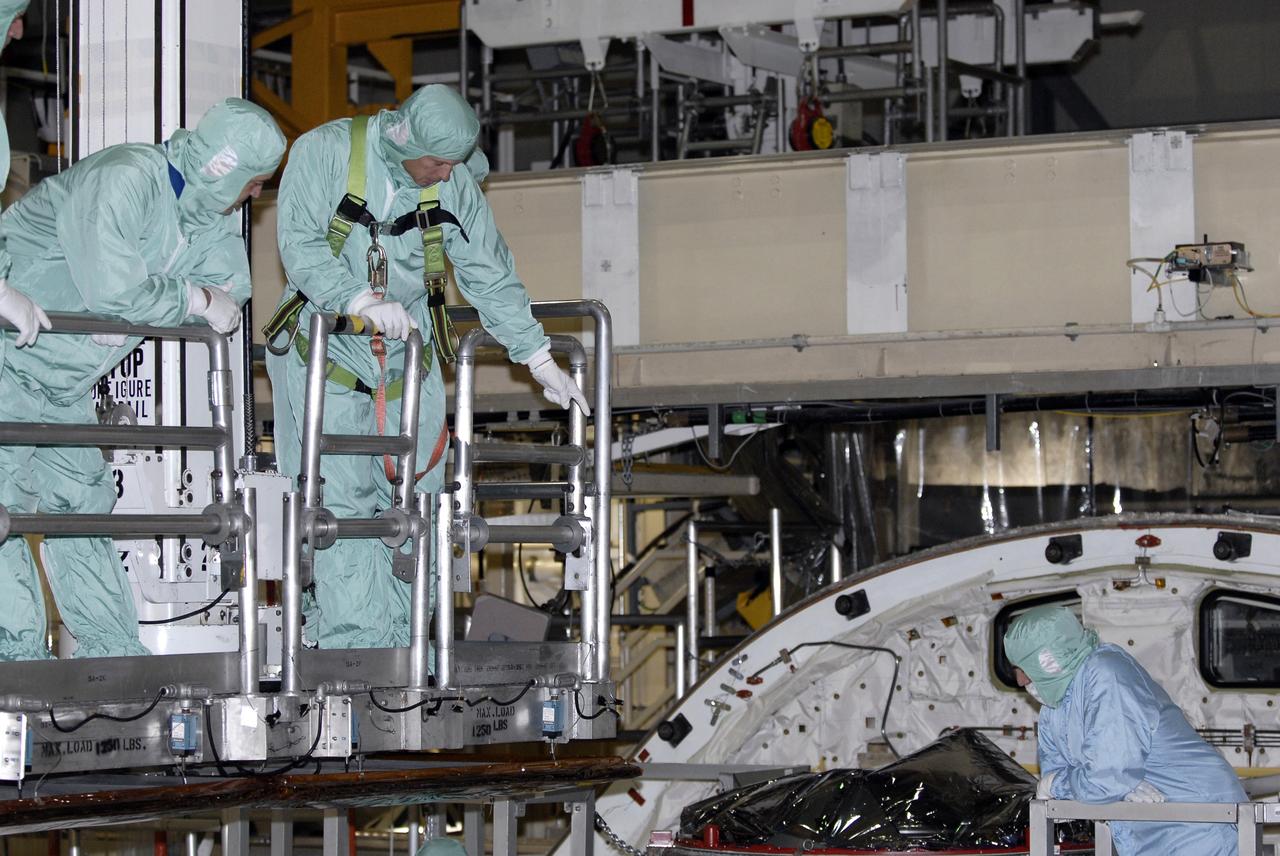
CAPE CANAVERAL, Fla. -- In the Orbiter Processing Facility at NASA's Kennedy Space Center in Florida, STS-119 crew members go inside space shuttle Discovery's payload bay for a close look at hardware. The crew is at Kennedy for a Crew Equipment Interface Test that provides experience handling tools, equipment and hardware they will use on the mission. On the STS-119 mission, space shuttle Discovery will carry the S6 truss segment to complete the 361-foot-long backbone of the International Space Station. The truss includes the fourth pair of solar array wings and electronics that convert sunlight to power for the orbiting laboratory. Discovery is targeted for launch on Feb. 12, 2009. Photo credit: NASA/Kim Shiflett

CAPE CANAVERAL, Fla. -- In the Orbiter Processing Facility at NASA's Kennedy Space Center in Florida, STS-119 crew members get a close look at the shuttle robotic arm inside space shuttle Discovery's payload bay. The crew is at Kennedy for a Crew Equipment Interface Test that provides experience handling tools, equipment and hardware they will use on the mission. On the STS-119 mission, space shuttle Discovery will carry the S6 truss segment to complete the 361-foot-long backbone of the International Space Station. The truss includes the fourth pair of solar array wings and electronics that convert sunlight to power for the orbiting laboratory. Discovery is targeted for launch on Feb. 12, 2009. Photo credit: NASA/Kim Shiflett
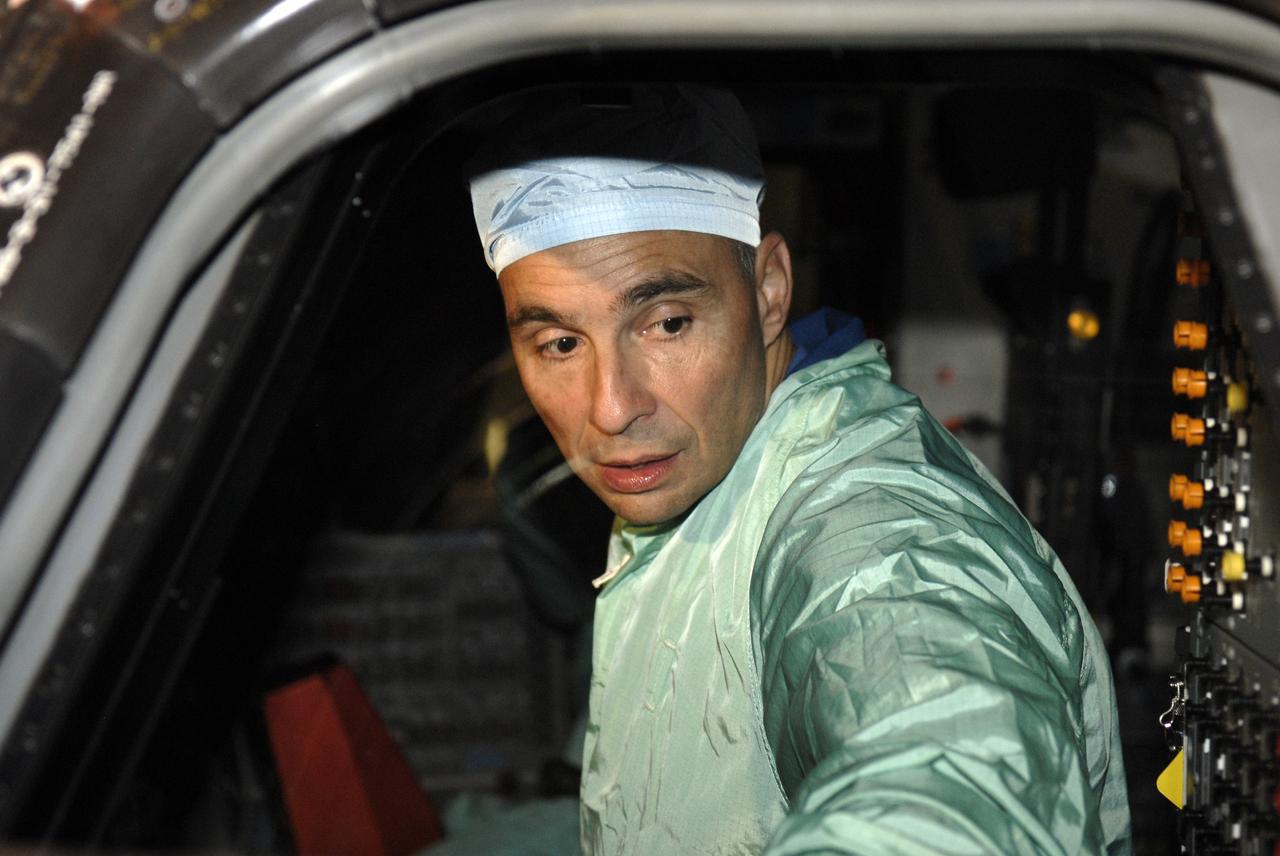
CAPE CANAVERAL, Fla. -- In the Orbiter Processing Facility at NASA's Kennedy Space Center in Florida, STS-119 Commander Lee Archambault checks the cockpit window of space shuttle Discovery. He and other crew members are at Kennedy for a Crew Equipment Interface Test that provides experience handling tools, equipment and hardware they will use on the mission. On the STS-119 mission, space shuttle Discovery will carry the S6 truss segment to complete the 361-foot-long backbone of the International Space Station. The truss includes the fourth pair of solar array wings and electronics that convert sunlight to power for the orbiting laboratory. Discovery is targeted for launch on Feb. 12, 2009. Photo credit: NASA/Kim Shiflett

CAPE CANAVERAL, Fla. -- In the Orbiter Processing Facility at NASA's Kennedy Space Center in Florida, STS-119 Pilot Tony Antonelli checks the cockpit window of space shuttle Discovery. He and other crew members are at Kennedy for a Crew Equipment Interface Test that provides experience handling tools, equipment and hardware they will use on the mission. On the STS-119 mission, space shuttle Discovery will carry the S6 truss segment to complete the 361-foot-long backbone of the International Space Station. The truss includes the fourth pair of solar array wings and electronics that convert sunlight to power for the orbiting laboratory. Discovery is targeted for launch on Feb. 12, 2009. Photo credit: NASA/Kim Shiflett
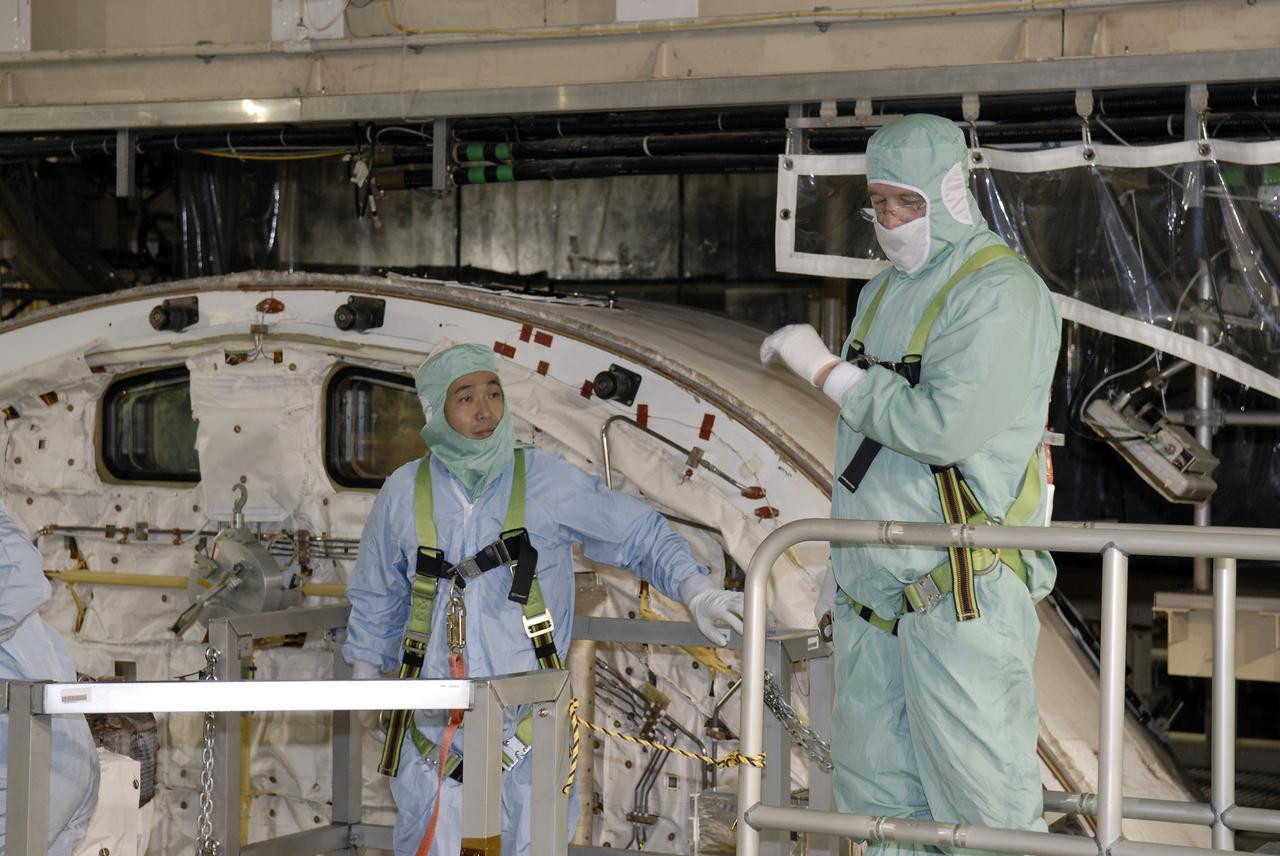
CAPE CANAVERAL, Fla. -- In the Orbiter Processing Facility at NASA's Kennedy Space Center in Florida, STS-119 Mission Specialist Koichi Wakata takes a ride into space shuttle Discovery's payload bay. The crew is at Kennedy for a Crew Equipment Interface Test that provides experience handling tools, equipment and hardware they will use on the mission. On the STS-119 mission, space shuttle Discovery will carry the S6 truss segment to complete the 361-foot-long backbone of the International Space Station. The truss includes the fourth pair of solar array wings and electronics that convert sunlight to power for the orbiting laboratory. Discovery is targeted for launch on Feb. 12, 2009. Photo credit: NASA/Kim Shiflett
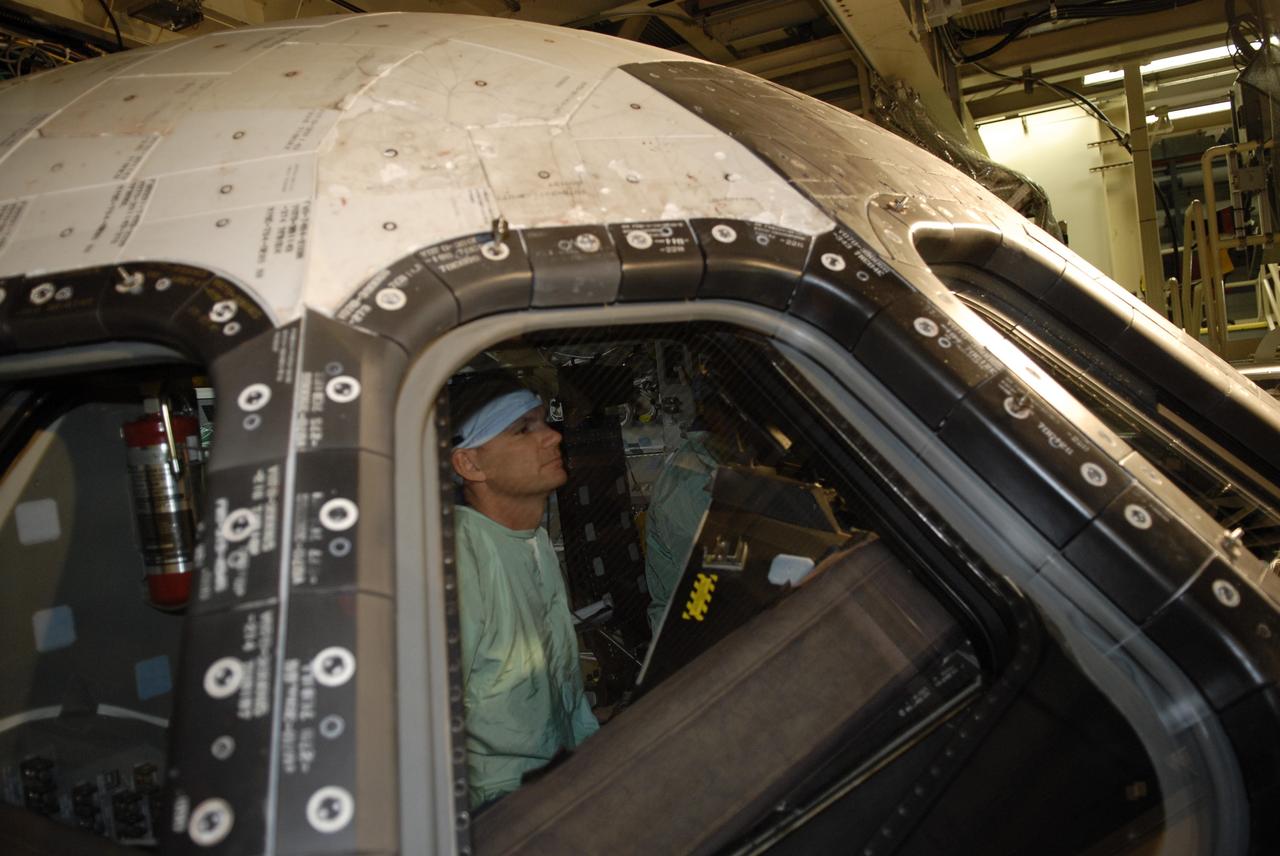
CAPE CANAVERAL, Fla. -- In the Orbiter Processing Facility at NASA's Kennedy Space Center in Florida, STS-119 Pilot Tony Antonelli checks the cockpit window of space shuttle Discovery. He and other crew members are at Kennedy for a Crew Equipment Interface Test that provides experience handling tools, equipment and hardware they will use on the mission. On the STS-119 mission, space shuttle Discovery will carry the S6 truss segment to complete the 361-foot-long backbone of the International Space Station. The truss includes the fourth pair of solar array wings and electronics that convert sunlight to power for the orbiting laboratory. Discovery is targeted for launch on Feb. 12, 2009. Photo credit: NASA/Kim Shiflett
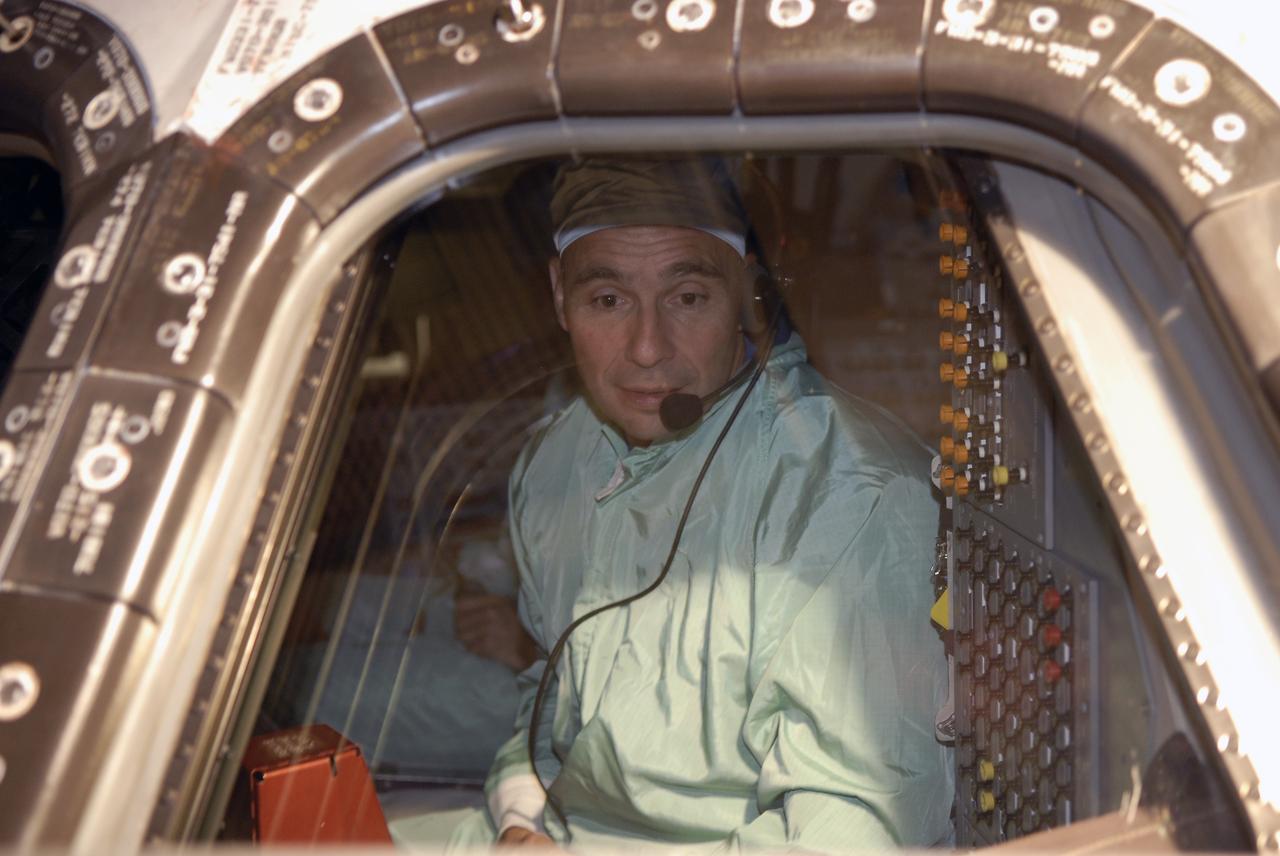
CAPE CANAVERAL, Fla. -- In the Orbiter Processing Facility at NASA's Kennedy Space Center in Florida, STS-119 Commander Lee Archambault checks the cockpit window of space shuttle Discovery. He and other crew members are at Kennedy for a Crew Equipment Interface Test that provides experience handling tools, equipment and hardware they will use on the mission. On the STS-119 mission, space shuttle Discovery will carry the S6 truss segment to complete the 361-foot-long backbone of the International Space Station. The truss includes the fourth pair of solar array wings and electronics that convert sunlight to power for the orbiting laboratory. Discovery is targeted for launch on Feb. 12, 2009. Photo credit: NASA/Kim Shiflett
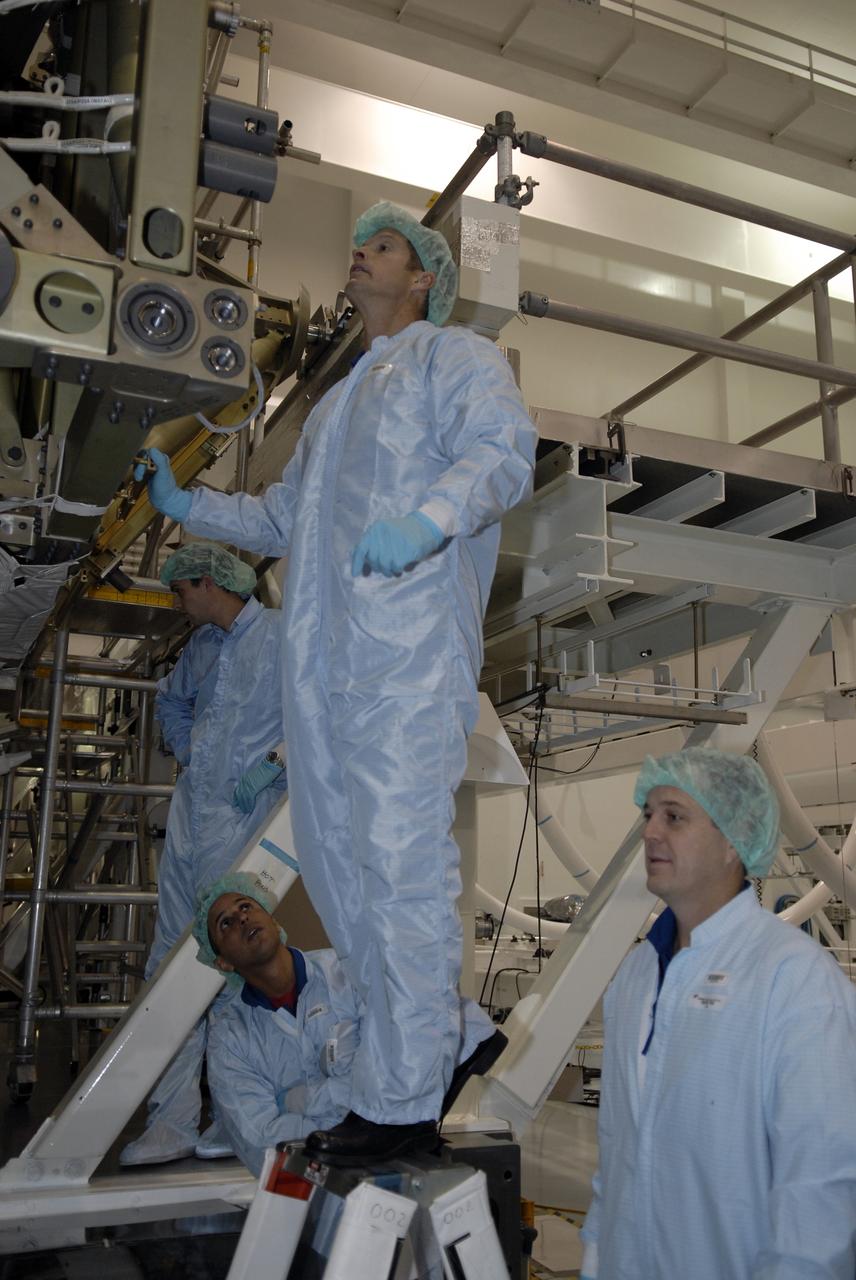
CAPE CANAVERAL, Fla. -- In the Space Station Processing Facility at NASA's Kennedy Space Center in Florida, STS-119 crew members take a close look at the S6 truss that is the primary payload on the mission. Standing are (left) Mission Specialist Richard Arnold and (right) Mission Specialist Steve Swanson. Below are (left) Mission Specialist Joseph Acaba and (right) Pilot Tony Antonelli. The crew is at Kennedy for a Crew Equipment Interface Test that provides experience handling tools, equipment and hardware they will use on the mission. On the STS-119 mission, space shuttle Discovery will carry the S6 truss segment to complete the 361-foot-long backbone of the International Space Station. The truss includes the fourth pair of solar array wings and electronics that convert sunlight to power for the orbiting laboratory. Discovery is targeted for launch on Feb. 12, 2009. Photo credit: NASA/Kim Shiflett
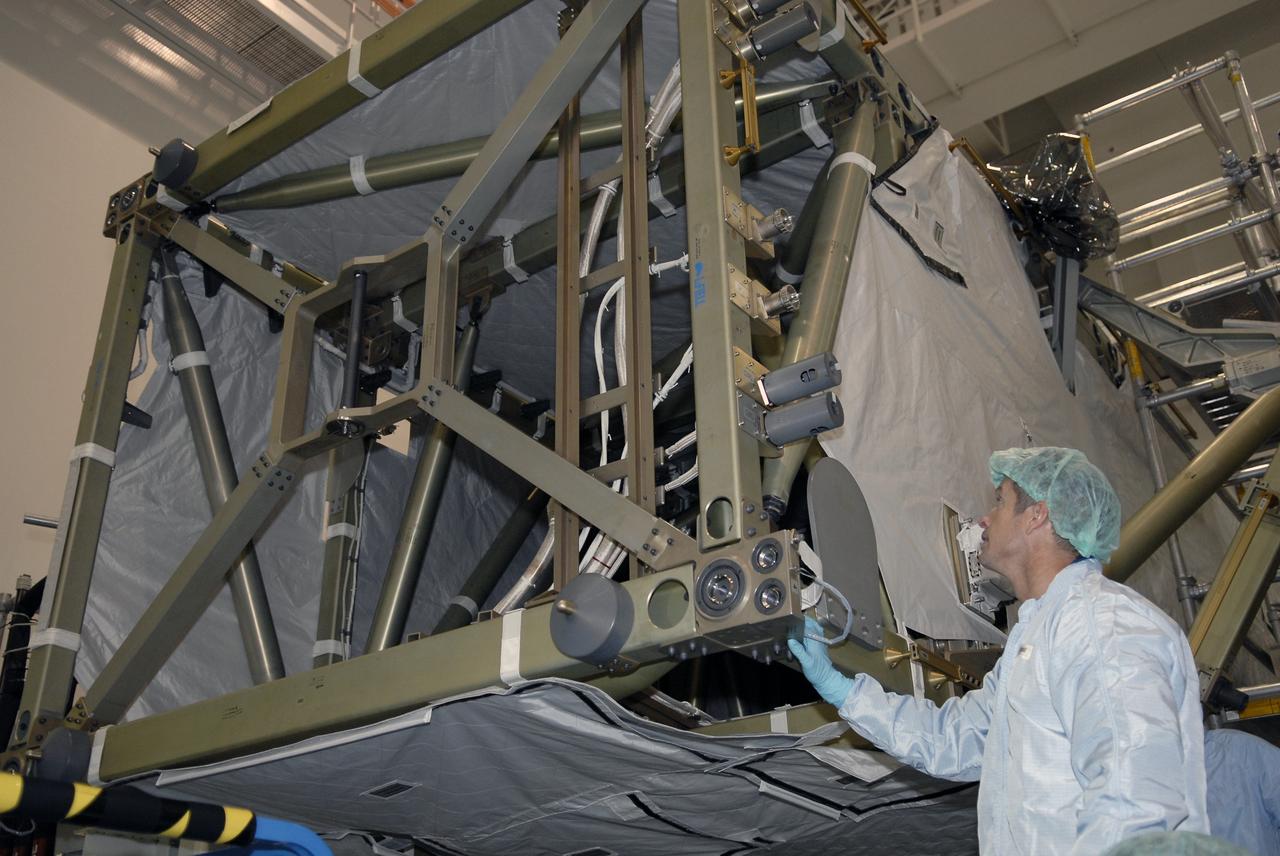
CAPE CANAVERAL, Fla. -- In the Space Station Processing Facility at NASA's Kennedy Space Center in Florida, STS-119 Mission Specialist Steve Swanson gets a close look at the S6 truss that is the primary payload on the mission. Swanson and other crew members are at Kennedy for a Crew Equipment Interface Test that provides experience handling tools, equipment and hardware they will use on the mission. On the STS-119 mission, space shuttle Discovery will carry the S6 truss segment to complete the 361-foot-long backbone of the International Space Station. The truss includes the fourth pair of solar array wings and electronics that convert sunlight to power for the orbiting laboratory. Discovery is targeted for launch on Feb. 12, 2009. Photo credit: NASA/Kim Shiflett
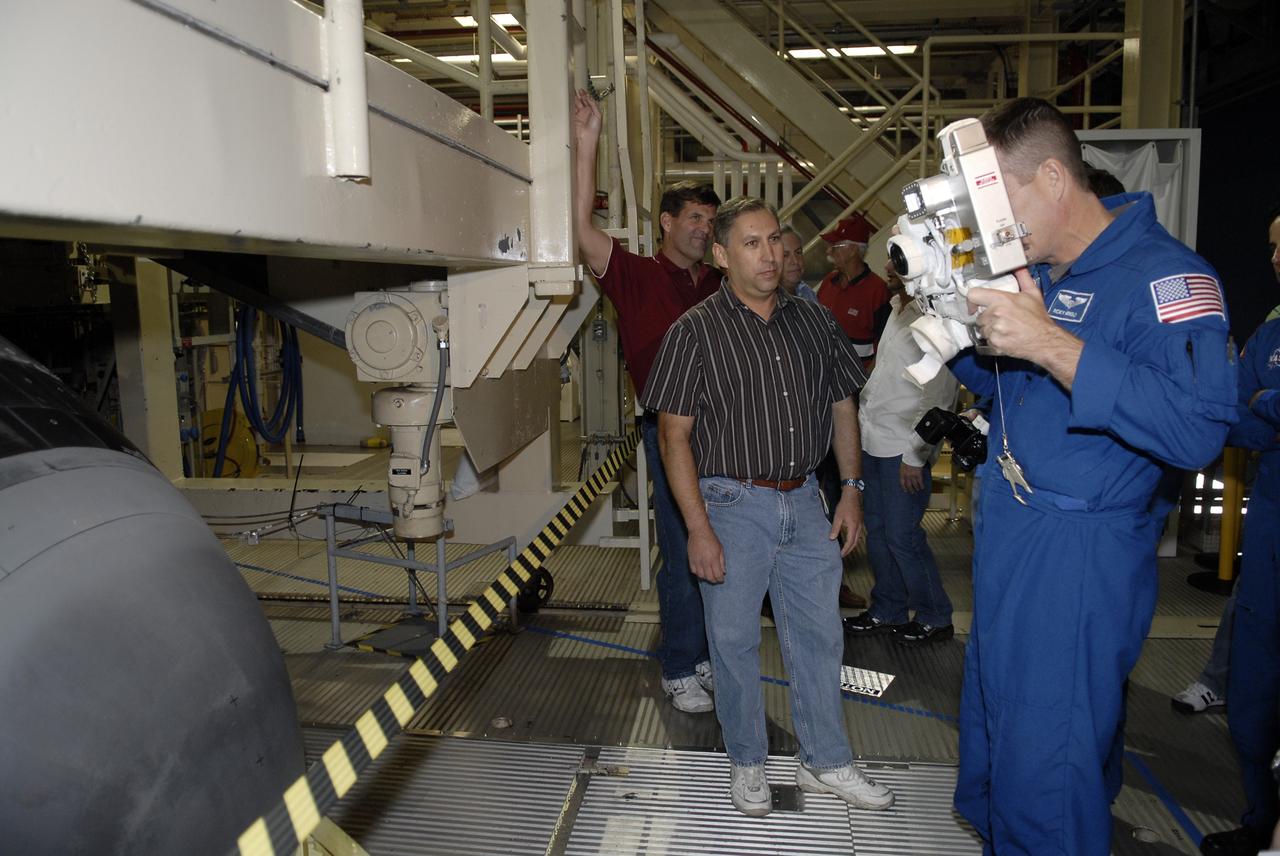
CAPE CANAVERAL, Fla. -- In the Orbiter Processing Facility at NASA's Kennedy Space Center in Florida, STS-119 Mission Specialist Richard Arnold practices using the camera to be used on the mission. The crew is at Kennedy for a Crew Equipment Interface Test that provides experience handling tools, equipment and hardware they will use on the mission. On the STS-119 mission, space shuttle Discovery will carry the S6 truss segment to complete the 361-foot-long backbone of the International Space Station. The truss includes the fourth pair of solar array wings and electronics that convert sunlight to power for the orbiting laboratory. Discovery is targeted for launch on Feb. 12, 2009. Photo credit: NASA/Kim Shiflett

CAPE CANAVERAL, Fla. – United Space Alliance technicians remove and replace all the hub tiles on space shuttle Discovery before its STS-119 mission targeted for Feb. 12. Hub tiles, heat protection tiles, are difficult to install because of their location on the inboard side of the inboard elevons. On the STS-119 mission, Discovery will carry the S6 truss segment to complete the 361-foot-long backbone of the International Space Station. The truss includes the fourth pair of solar array wings and electronics that convert sunlight to power for the orbiting laboratory. Photo credit: NASA/Dimitri Gerondidakis
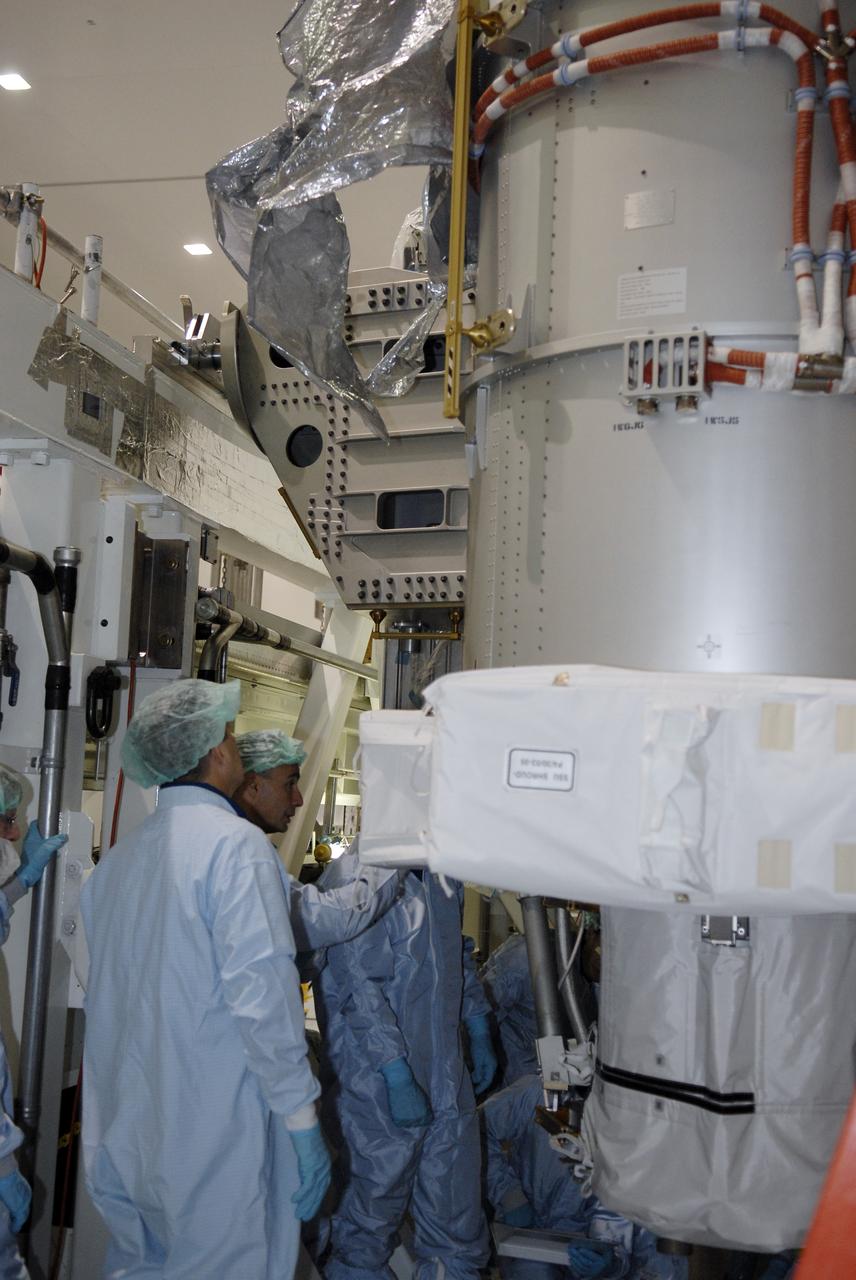
CAPE CANAVERAL, Fla. -- In the Space Station Processing Facility at NASA's Kennedy Space Center in Florida, STS-119 crew members take a close look at equipment that is part of the payload on the mission. The crew is at Kennedy for a Crew Equipment Interface Test that provides experience handling tools, equipment and hardware they will use on the mission. On the STS-119 mission, space shuttle Discovery will carry the S6 truss segment to complete the 361-foot-long backbone of the International Space Station. The truss includes the fourth pair of solar array wings and electronics that convert sunlight to power for the orbiting laboratory. Discovery is targeted for launch on Feb. 12, 2009. Photo credit: NASA/Kim Shiflett

CAPE CANAVERAL, Fla. – United Space Alliance technicians remove and replace all the hub tiles on space shuttle Discovery before its STS-119 mission targeted for Feb. 12. Hub tiles, heat protection tiles, are difficult to install because of their location on the inboard side of the inboard elevons. On the STS-119 mission, Discovery will carry the S6 truss segment to complete the 361-foot-long backbone of the International Space Station. The truss includes the fourth pair of solar array wings and electronics that convert sunlight to power for the orbiting laboratory. Photo credit: NASA/Dimitri Gerondidakis
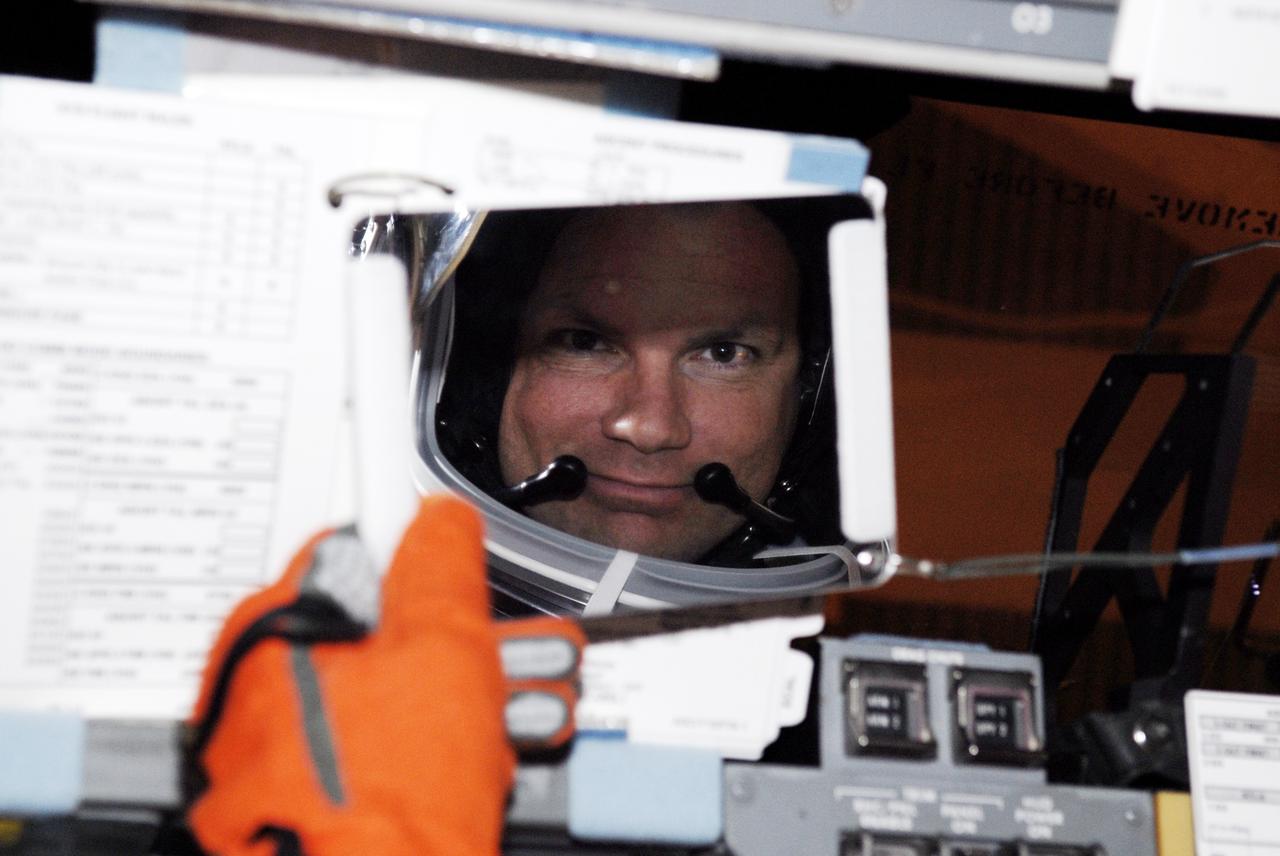
CAPE CANAVERAL, Fla. – Seated in space shuttle Discovery on Launch Pad 39A at NASA's Kennedy Space Center in Florida, STS-119 Pilot Tony Antonelli checks a mirror as he prepares for a simulated launch countdown as part of the prelaunch preparation known as Terminal Countdown Demonstration Test. The TCDT also includes equipment familiarization. Discovery is targeted to launch on the STS-119 mission Feb. 12. During the 14-day mission, the crew will install the S6 truss segment and solar arrays to the starboard side of the International Space Station, completing the station's truss, or backbone. Photo credit: NASA/Kim Shiflett
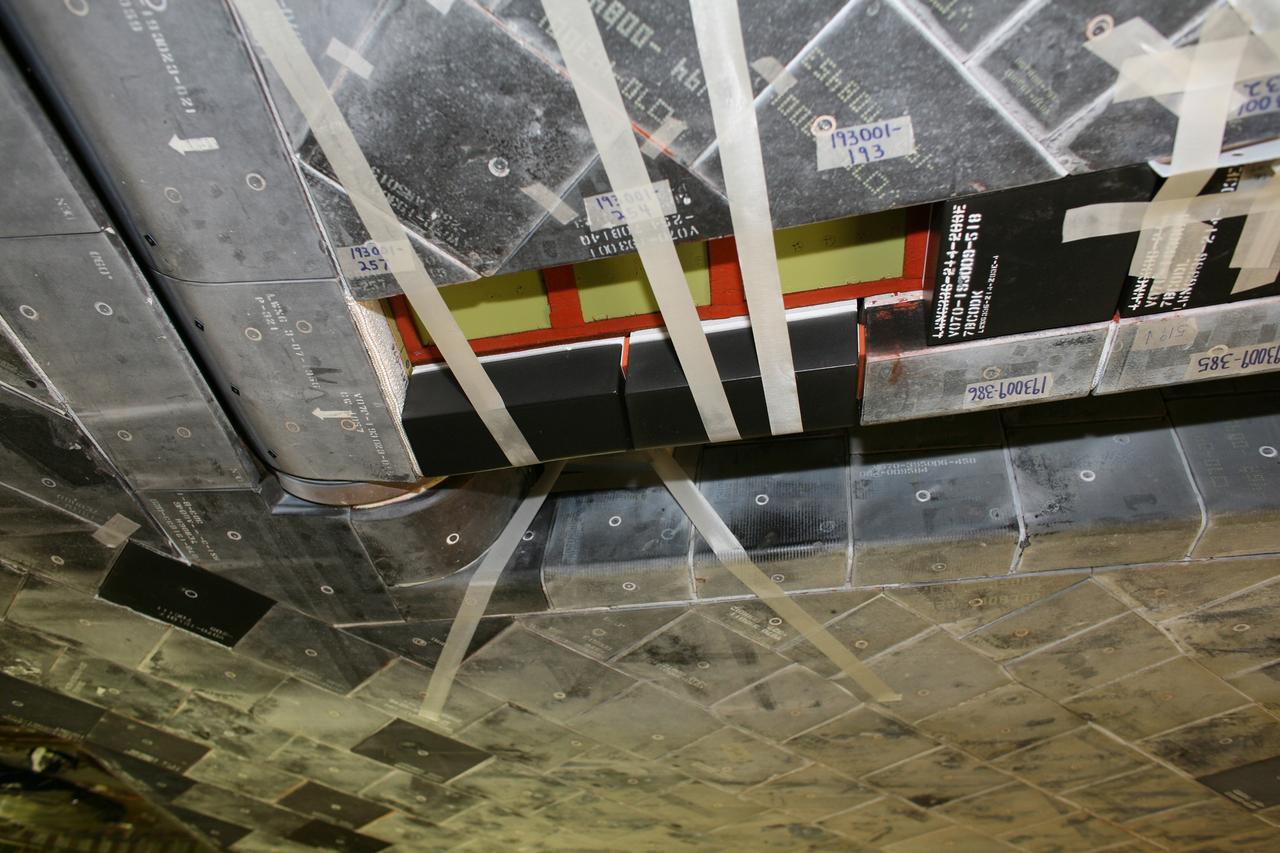
CAPE CANAVERAL, Fla. – A closeup of hub tiles replaced on space shuttle Discovery before its STS-119 mission targeted for Feb. 12. Hub tiles, heat protection tiles, are difficult to install because of their location on the inboard side of the inboard elevons. On the STS-119 mission, Discovery will carry the S6 truss segment to complete the 361-foot-long backbone of the International Space Station. The truss includes the fourth pair of solar array wings and electronics that convert sunlight to power for the orbiting laboratory. Photo credit: NASA/Dimitri Gerondidakis
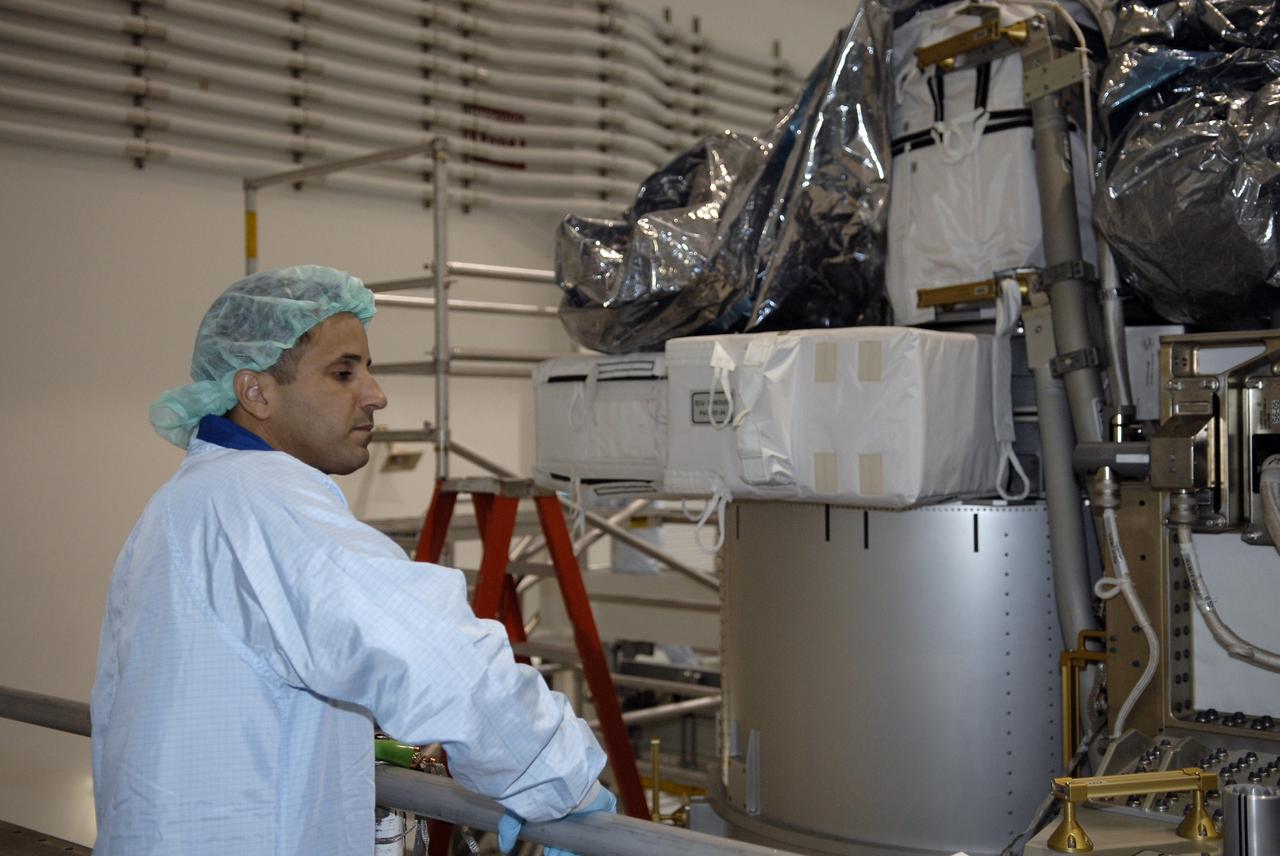
CAPE CANAVERAL, Fla. -- In the Space Station Processing Facility at NASA's Kennedy Space Center in Florida, STS-119 Mission Specialist Joseph Acaba takes a close look at part of the payload on the mission. Acaba and other crew members are at Kennedy for a Crew Equipment Interface Test that provides experience handling tools, equipment and hardware they will use on the mission. On the STS-119 mission, space shuttle Discovery will carry the S6 truss segment to complete the 361-foot-long backbone of the International Space Station. The truss includes the fourth pair of solar array wings and electronics that convert sunlight to power for the orbiting laboratory. Discovery is targeted for launch on Feb. 12, 2009. Photo credit: NASA/Kim Shiflett