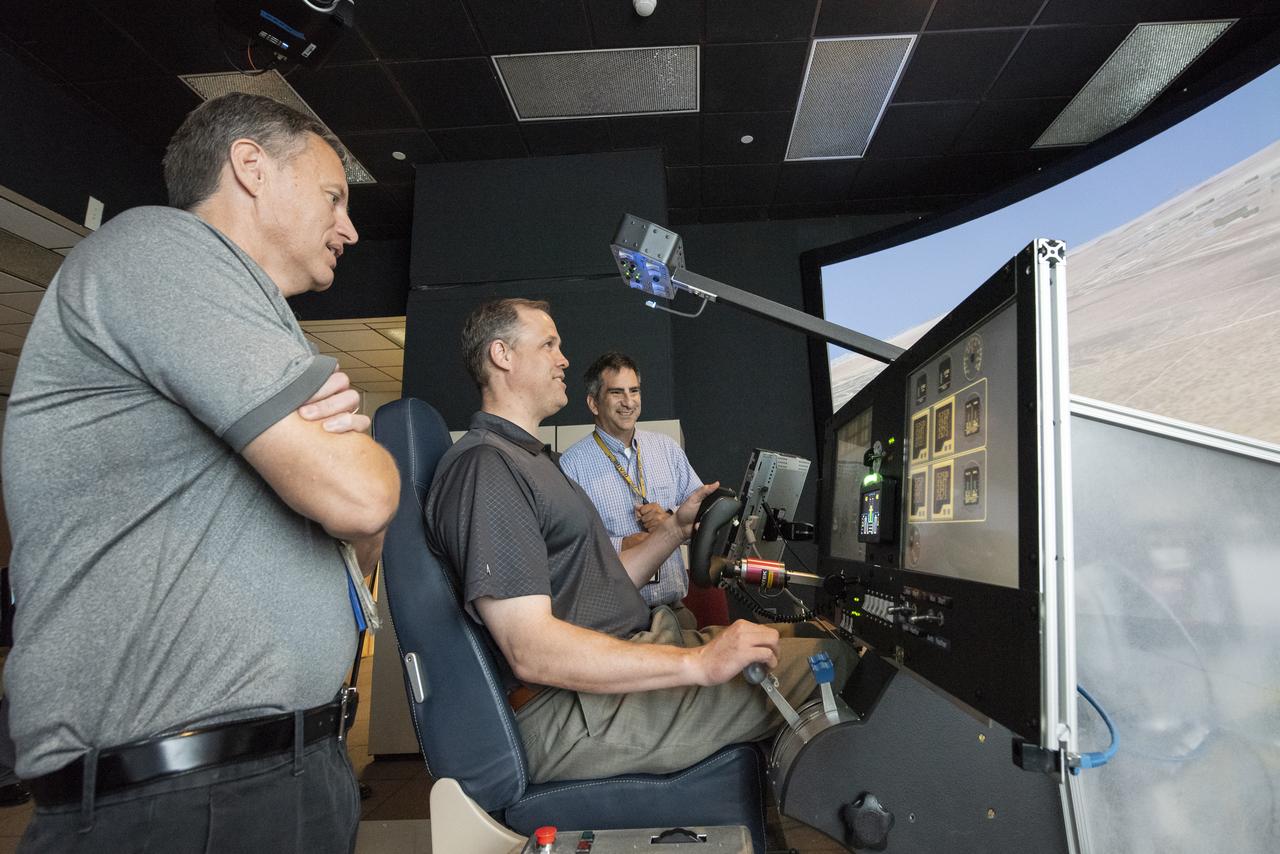
NASA Administrator Bridenstine tests the X-57 "Maxwell" simulator at NASA's Armstrong Flight Research Center. The simulator is designed to provide feedback to NASA test pilots based on the aircraft's unique design and distributed electric propulsion system.
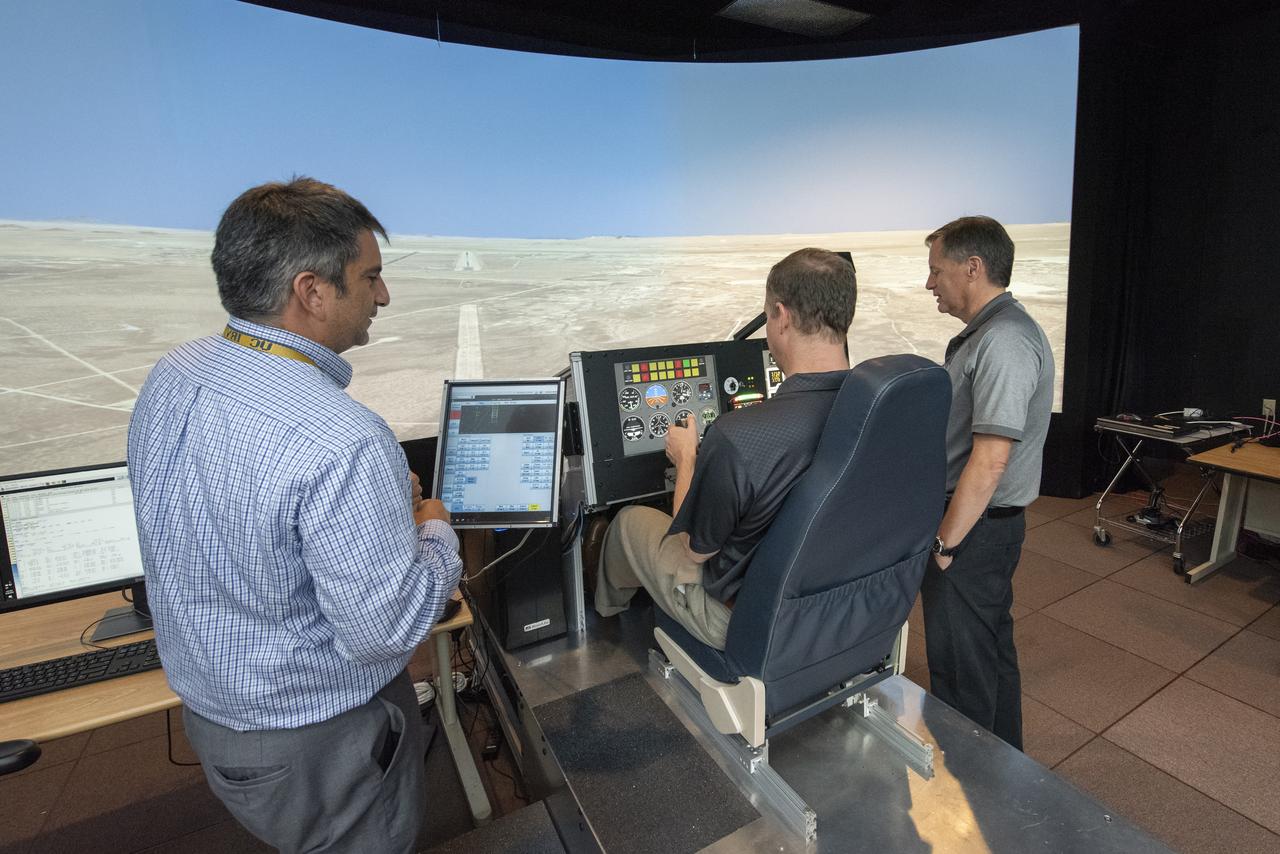
NASA Administrator Bridenstine tests the X-57 "Maxwell" simulator at NASA's Armstrong Flight Research Center. The simulator is designed to provide feedback to NASA test pilots based on the aircraft's unique design and distributed electric propulsion system.
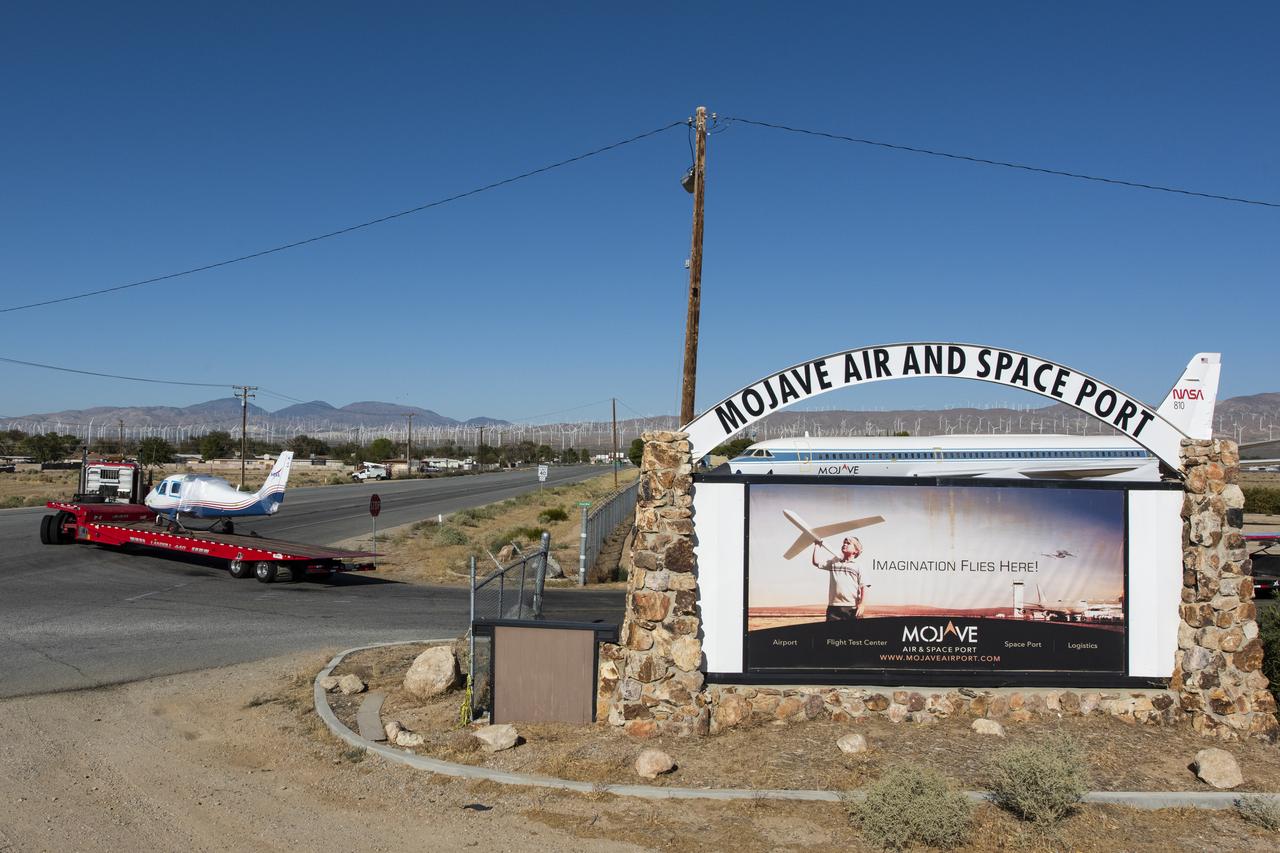
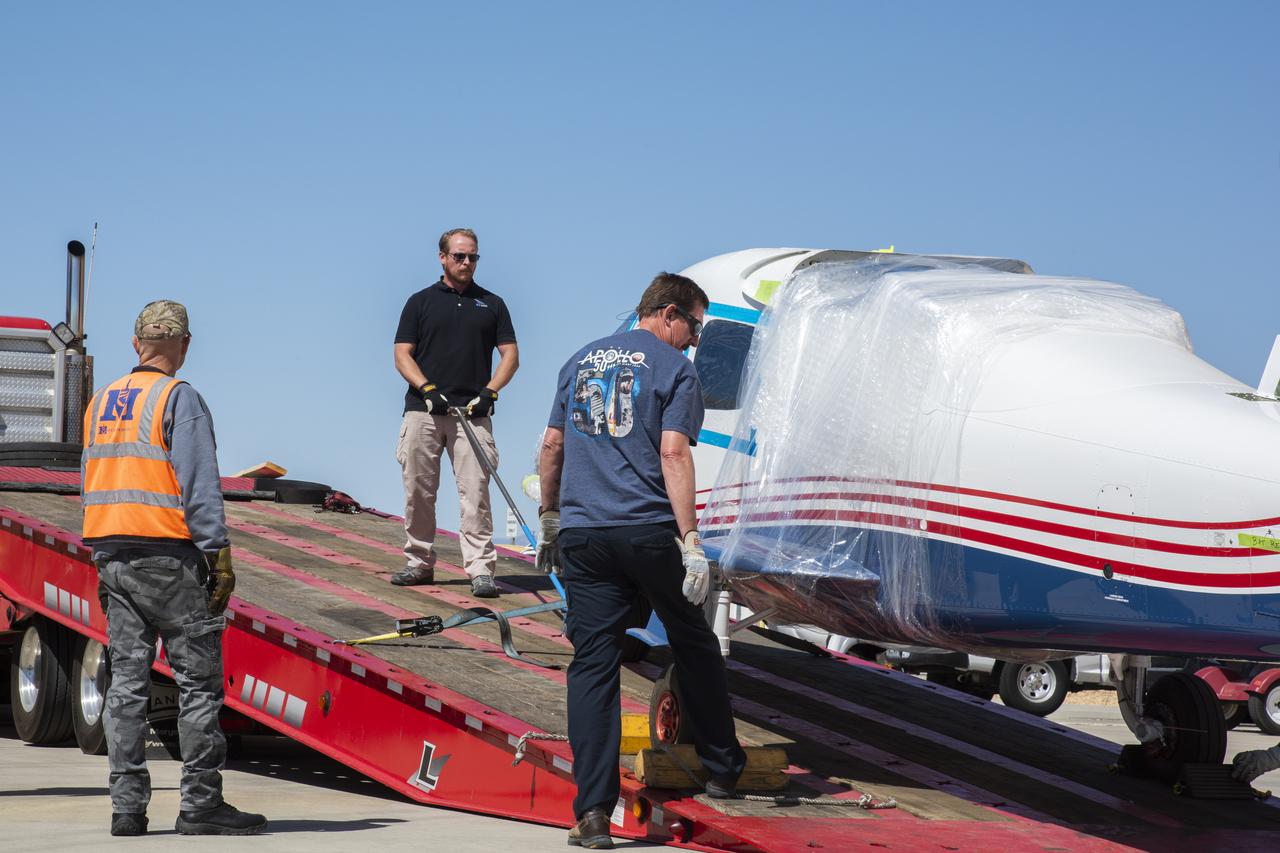
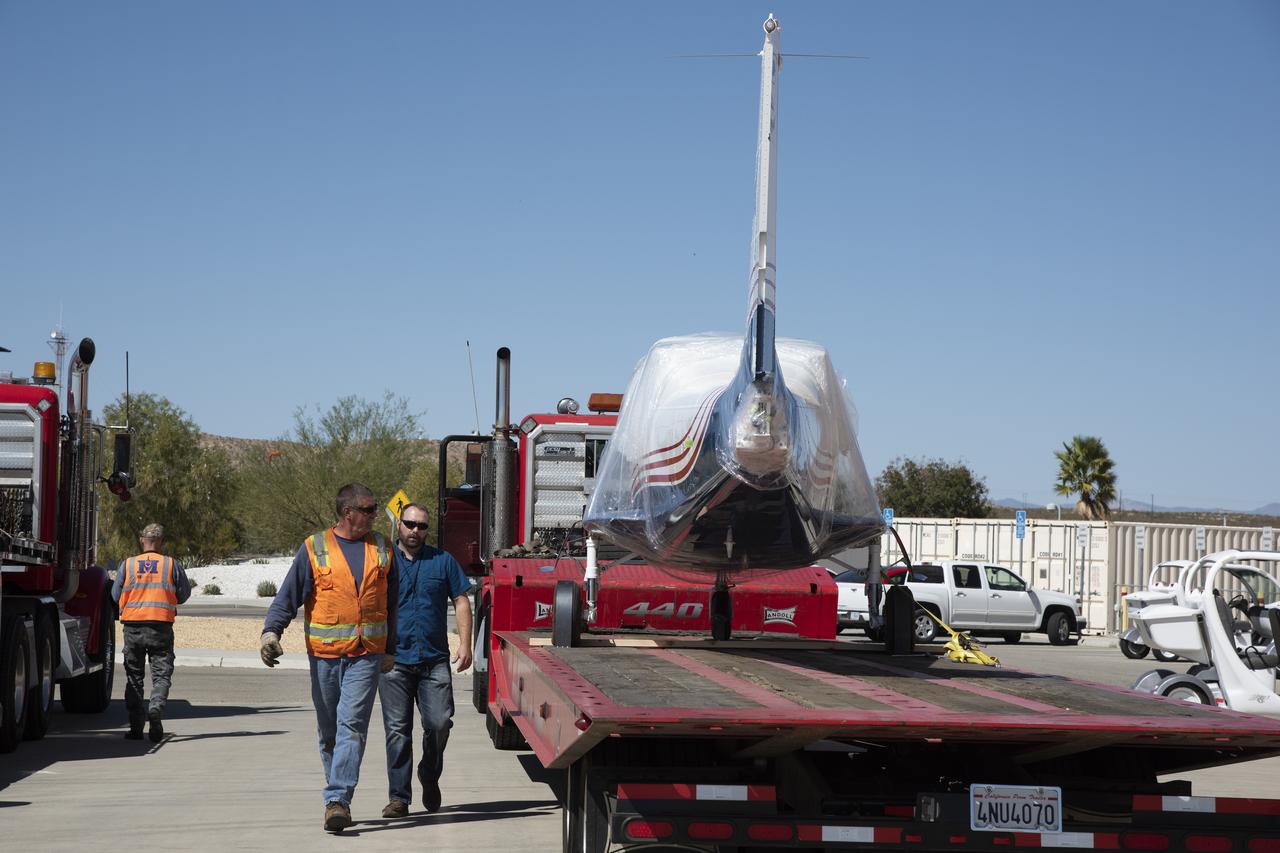
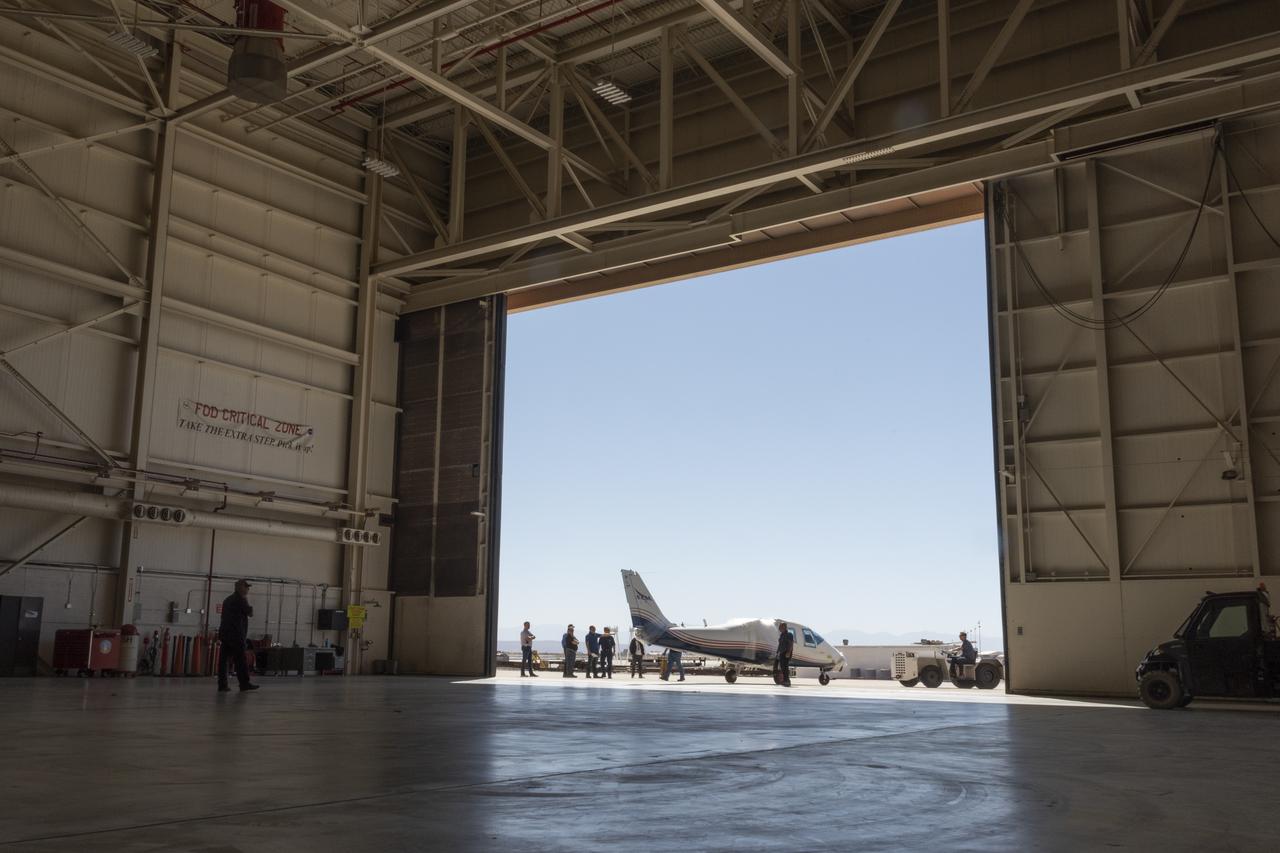
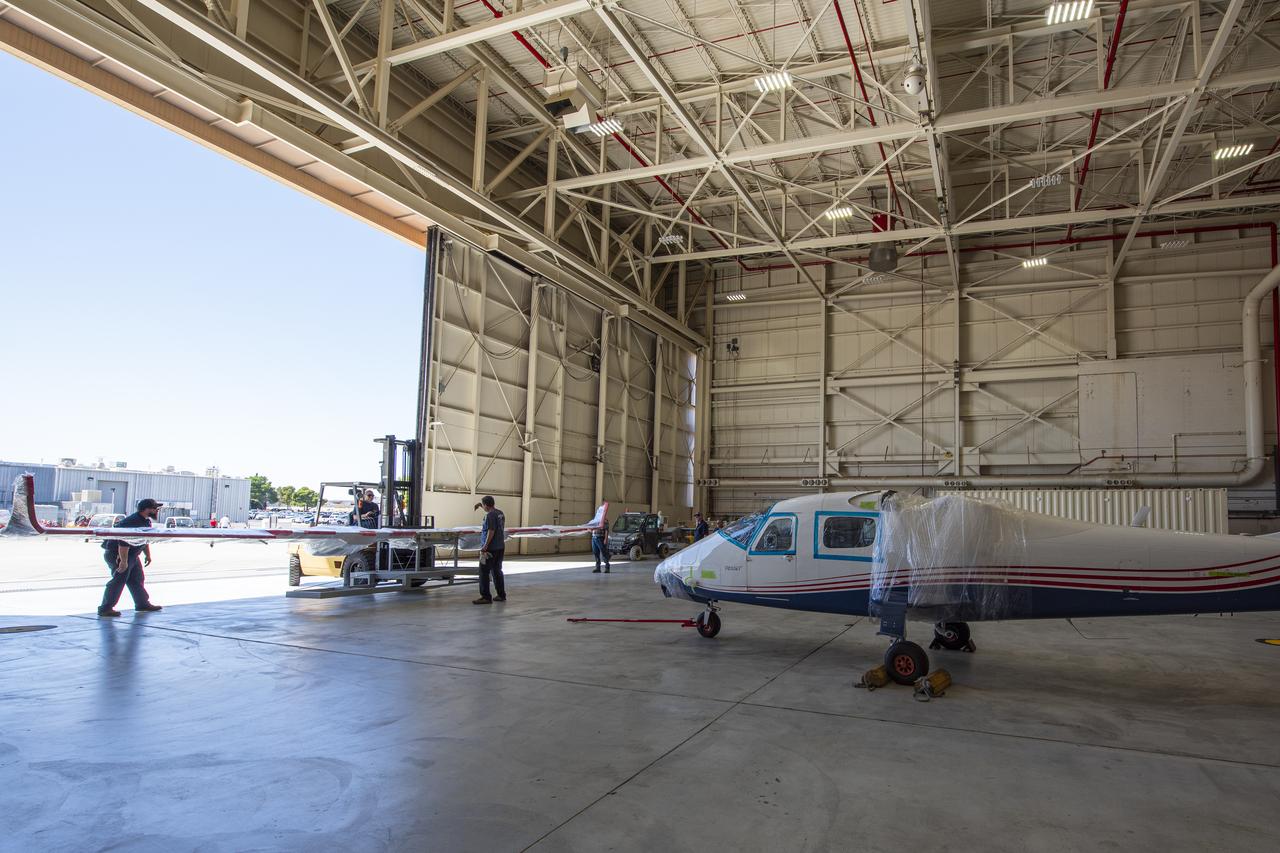
NASA’s all-electric X-57 Maxwell, in its Mod II configuration, departs Scaled Composites’ facility at Mojave Air and Space Port, en route to NASA’s Armstrong Flight Research Center in Edwards, California for delivery. The aircraft, shipped as two parts – the fuselage and the wing – was delivered to NASA Armstrong’s Research Aircraft Integration Facility, where it will be reintegrated to begin ground tests, to be followed by taxi tests, and eventually, flight tests. X-57’s Mod II configuration, the first of three primary modifications for the project, involves testing of the aircraft’s cruise electric propulsion system. The goal of the X-57 project is to share the aircraft’s electric-propulsion-focused design and airworthiness process with regulators, to advance certification approaches for distributed electric propulsion in general aviation.
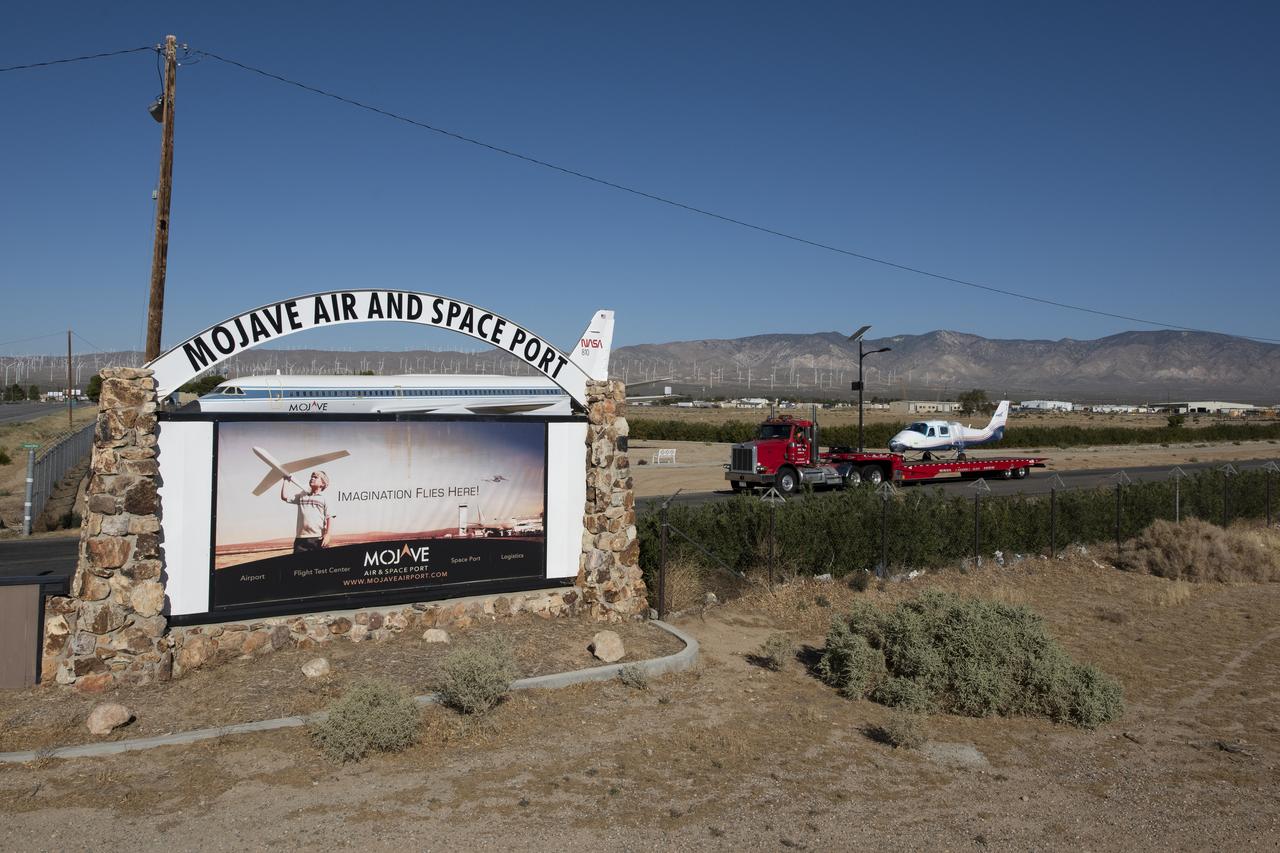
NASA’s all-electric X-57 Maxwell, in its Mod II configuration, departs Scaled Composites’ facility at Mojave Air and Space Port, en route to NASA’s Armstrong Flight Research Center in Edwards, California for delivery. The aircraft, shipped as two parts – the fuselage and the wing – was delivered to NASA Armstrong’s Research Aircraft Integration Facility, where it will be reintegrated to begin ground tests, to be followed by taxi tests, and eventually, flight tests. X-57’s Mod II configuration, the first of three primary modifications for the project, involves testing of the aircraft’s cruise electric propulsion system. The goal of the X-57 project is to share the aircraft’s electric-propulsion-focused design and airworthiness process with regulators, to advance certification approaches for distributed electric propulsion in general aviation.

NASA's all-electric X-57 Maxwell, in its Mod II configuration, departs Scaled Composites' facility at Mojave Air and Space Port, en route to NASA's Armstrong Flight Research Center in Edwards, California for delivery. The aircraft, shipped as two parts - the fuselage and the wing - was delivered to NASA Armstrong's Research Aircraft Integration Facility, where it will be reintegrated to begin ground tests, to be followed by taxi tests, and eventually, flight tests. X-57's Mod II configuration, the first of three primary modifications for the project, involves testing of the aircraft's cruise electric propulsion system. The goal of the X-57 project is to share the aircraft's electric-propulsion-focused design and airworthiness process with regulators, to advance certification approaches for distributed electric propulsion in general aviation.
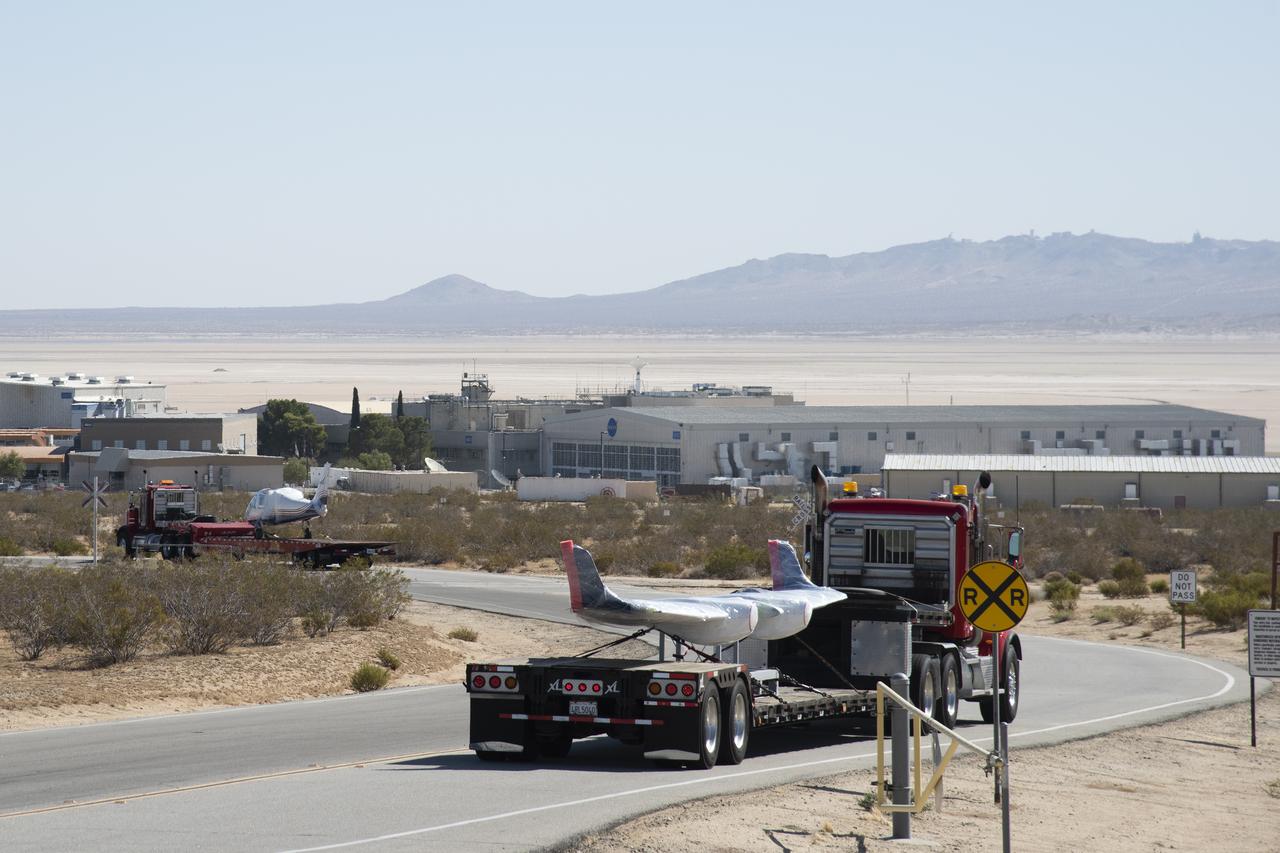
NASA’s all-electric X-57 Maxwell, in its Mod II configuration, arrives at NASA’s Armstrong Flight Research Center in Edwards, California. The X-plane was delivered by prime contractor Empirical Systems Aerospace of San Luis Obispo, California, in two parts, with the wing separated from the fuselage, to aid in a more timely delivery. X-57 is NASA’s first crewed X-plane in two decades, and seeks to further advance the design and airworthiness process for distributed electric propulsion technology for general aviation aircraft.
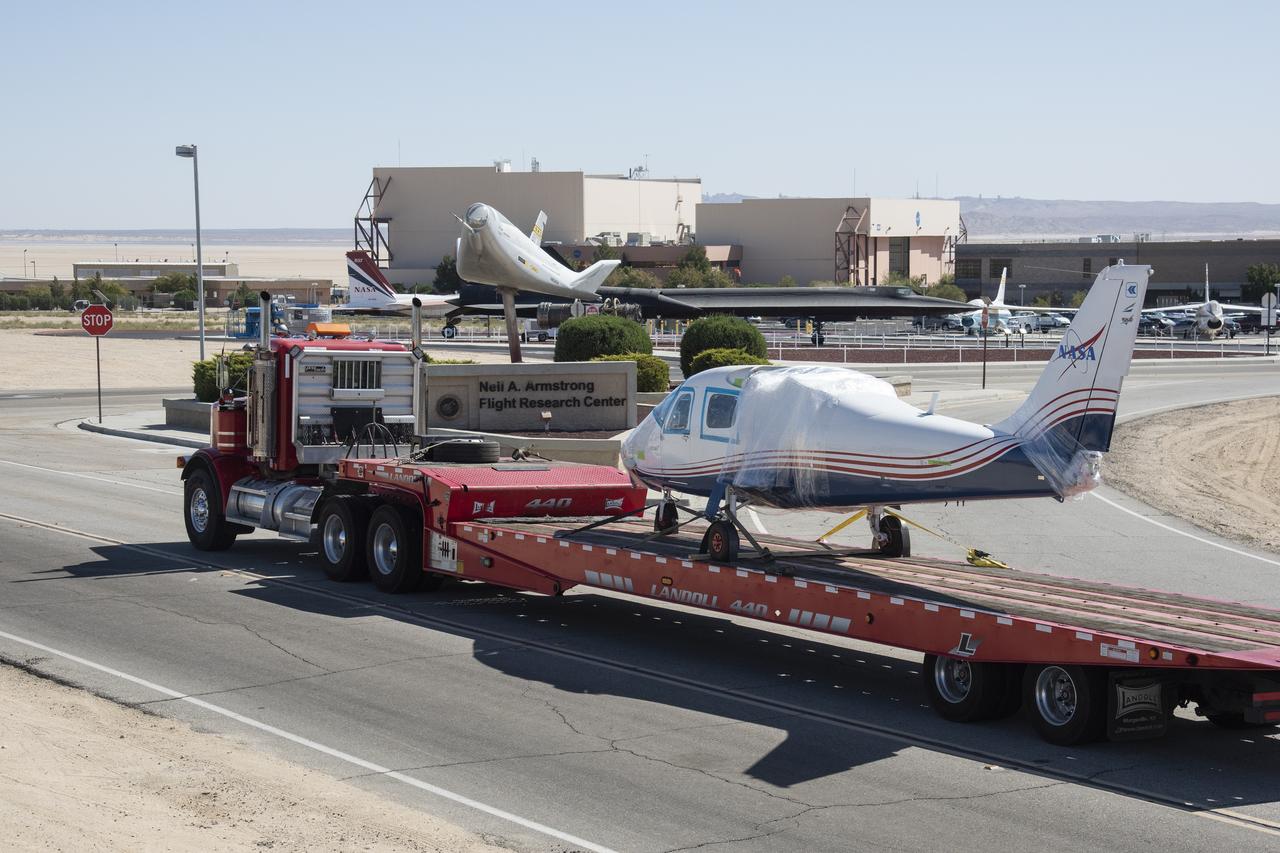
NASA's all-electric X-57 Maxwell, in its Mod II configuration, arrives at NASA's Armstrong Flight Research Center in Edwards, California. The X-plane was delivered by prime contractor Empirical Systems Aerospace of San Luis Obispo, California, in two parts, with the wing separated from the fuselage, to aid in a more timely delivery. X-57 is NASA's first crewed X-plane in two decades, and seeks to further advance the design and airworthiness process for distributed electric propulsion technology for general aviation aircraft.
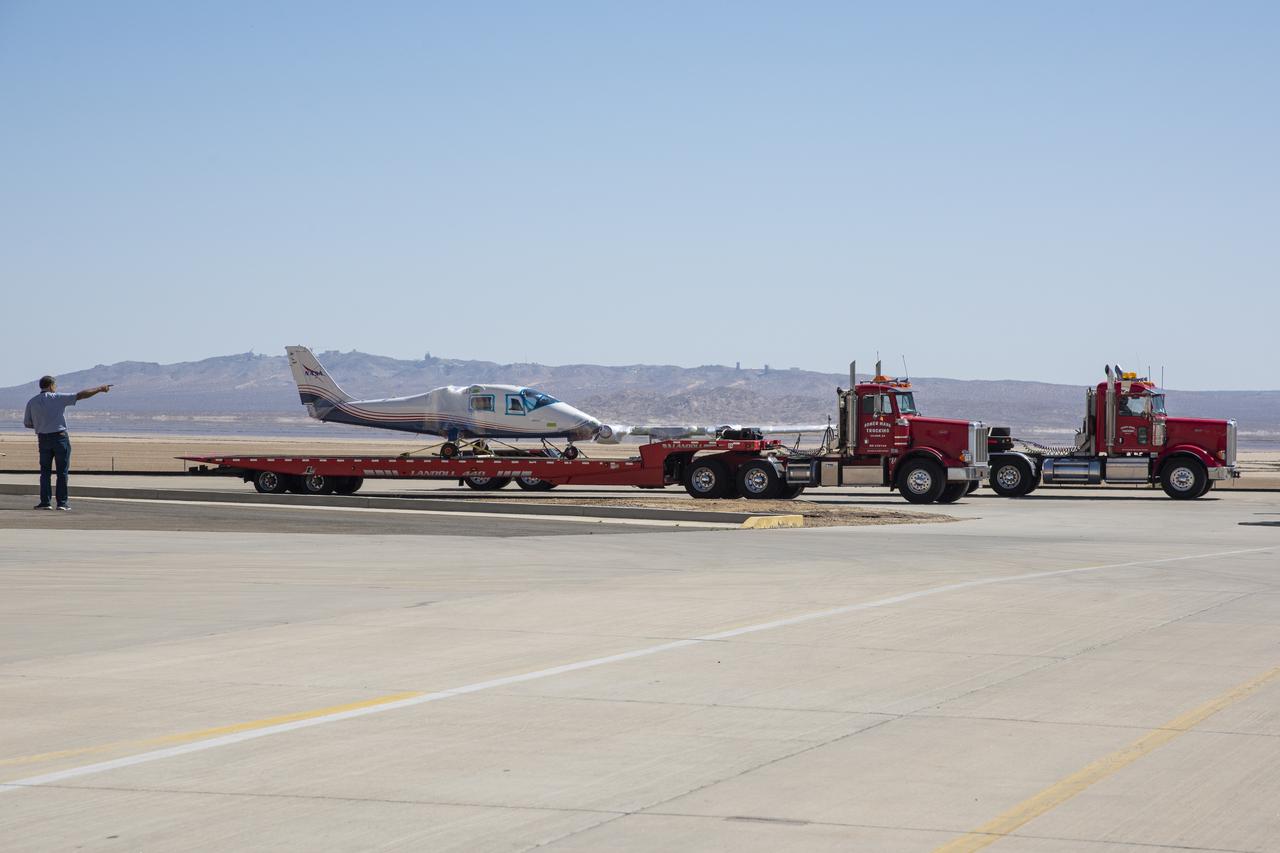
NASA's all-electric X-57 Maxwell, in its Mod II configuration, arrives at NASA's Armstrong Flight Research Center in Edwards, California. The X-plane was delivered by prime contractor Empirical Systems Aerospace of San Luis Obispo, California, in two parts, with the wing separated from the fuselage, to aid in a more timely delivery. X-57 is NASA's first crewed X-plane in two decades, and seeks to further advance the design and airworthiness process for distributed electric propulsion technology for general aviation aircraft.
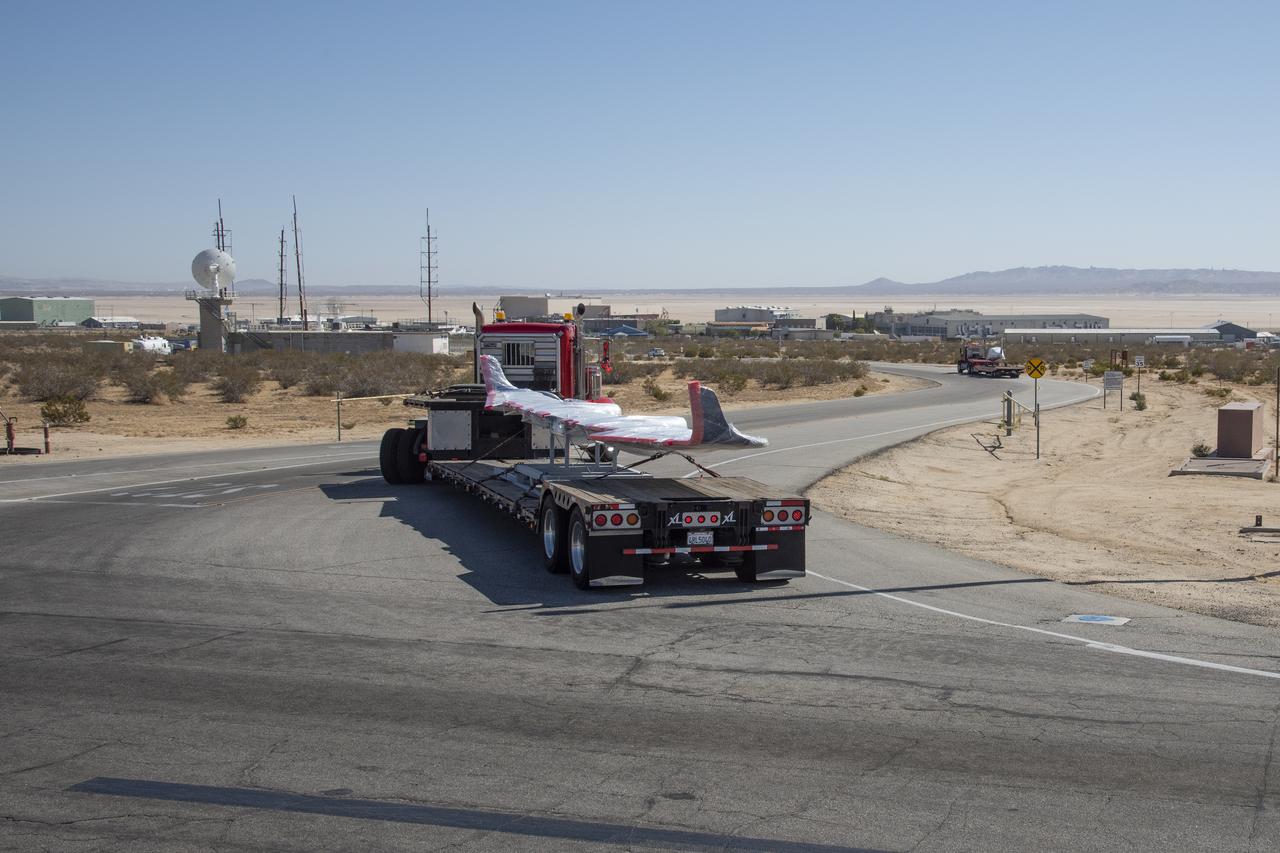
NASA’s all-electric X-57 Maxwell, in its Mod II configuration, arrives at NASA’s Armstrong Flight Research Center in Edwards, California. The X-plane was delivered by prime contractor Empirical Systems Aerospace of San Luis Obispo, California, in two parts, with the wing separated from the fuselage, to aid in a more timely delivery. X-57 is NASA’s first crewed X-plane in two decades, and seeks to further advance the design and airworthiness process for distributed electric propulsion technology for general aviation aircraft.
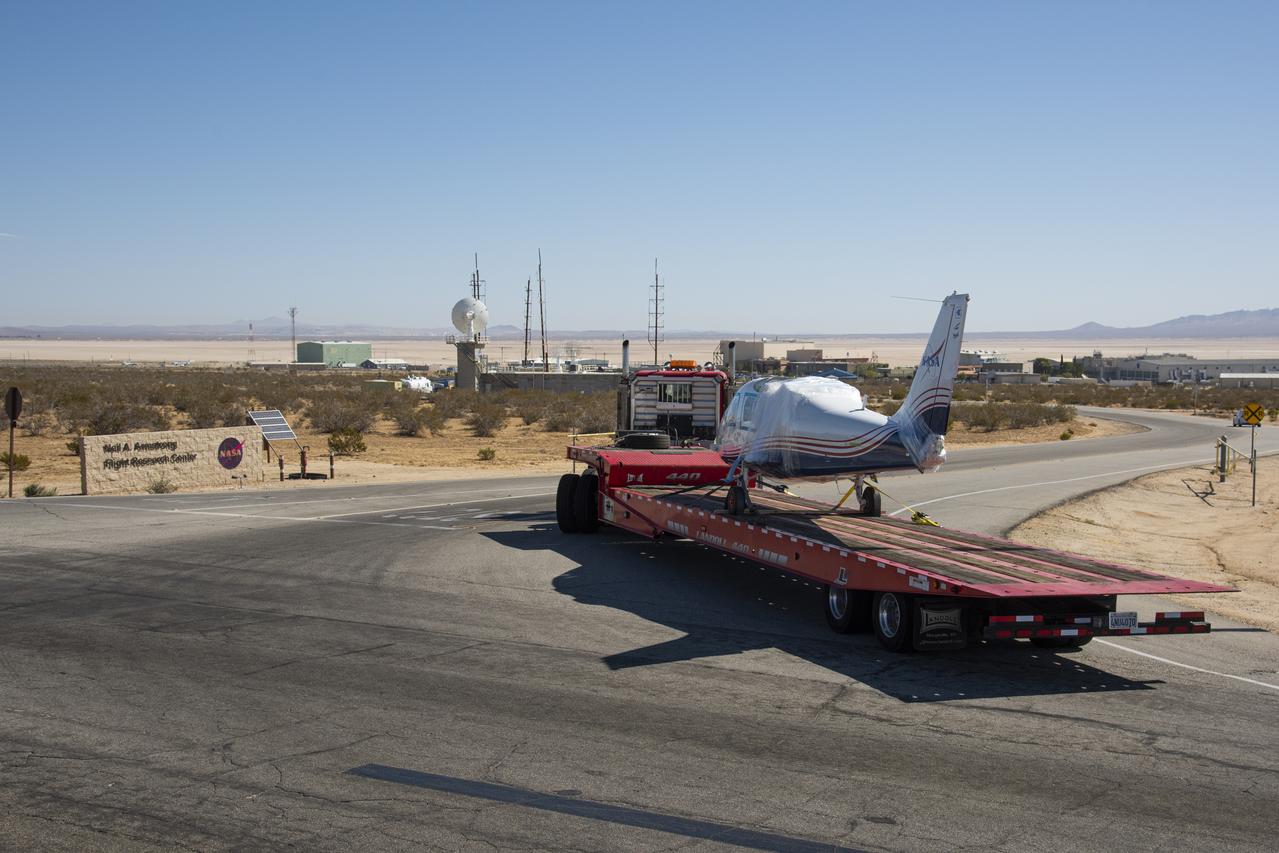
NASA's all-electric X-57 Maxwell, in its Mod II configuration, arrives at NASAâ's Armstrong Flight Research Center in Edwards, California. The X-plane was delivered by prime contractor Empirical Systems Aerospace of San Luis Obispo, California, in two parts, with the wing separated from the fuselage, to aid in a more timely delivery. X-57 is NASA's first crewed X-plane in two decades, and seeks to further advance the design and airworthiness process for distributed electric propulsion technology for general aviation aircraft.

NASA's all-electric X-57 Maxwell, in its Mod II configuration, arrives at NASA's Armstrong Flight Research Center in Edwards, California. The X-plane was delivered by prime contractor Empirical Systems Aerospace of San Luis Obispo, California, in two parts, with the wing separated from the fuselage, to aid in a more timely delivery. X-57 is NASA's first crewed X-plane in two decades, and seeks to further advance the design and airworthiness process for distributed electric propulsion technology for general aviation aircraft.
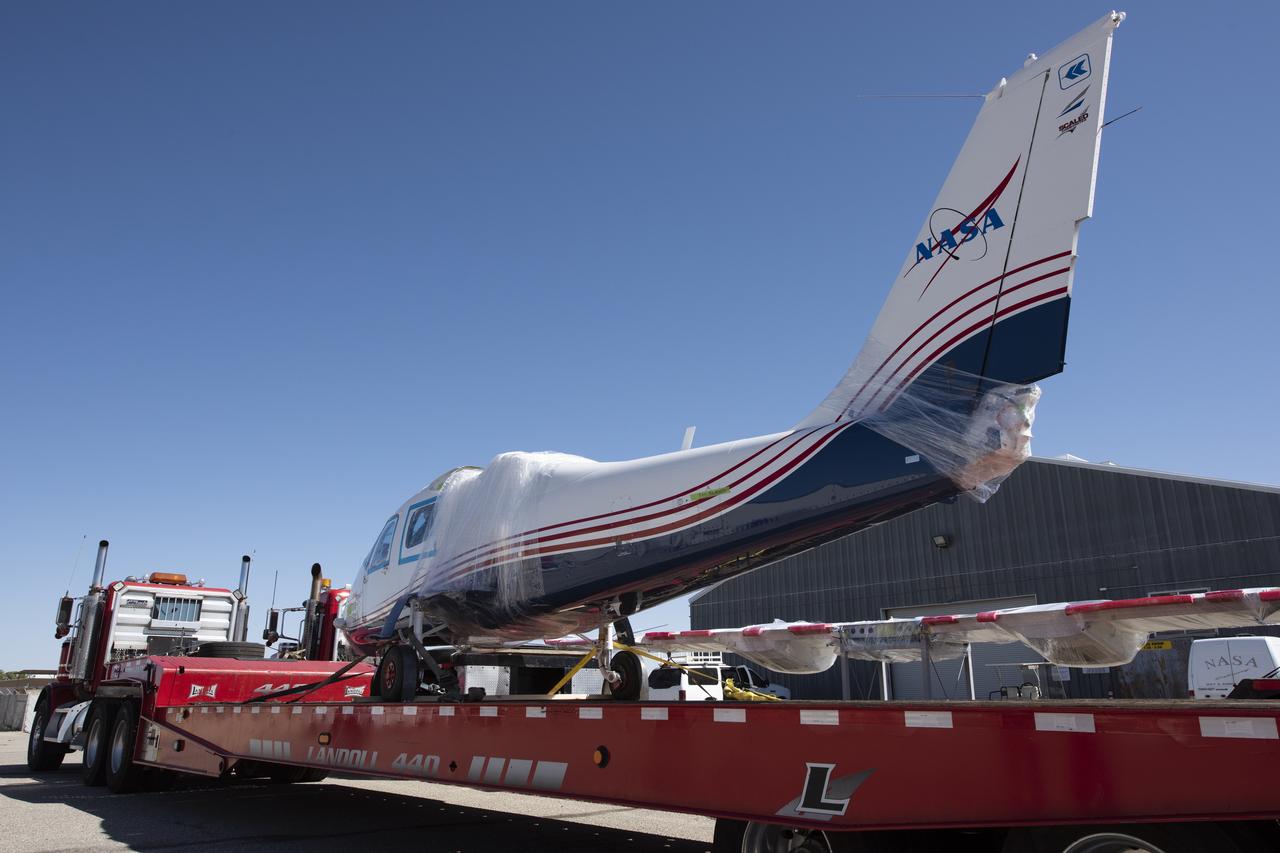
NASA’s all-electric X-57 Maxwell, in its Mod II configuration, arrives at NASA’s Armstrong Flight Research Center in Edwards, California. The X-plane was delivered by prime contractor Empirical Systems Aerospace of San Luis Obispo, California, in two parts, with the wing separated from the fuselage, to aid in a more timely delivery. X-57 is NASA’s first crewed X-plane in two decades, and seeks to further advance the design and airworthiness process for distributed electric propulsion technology for general aviation aircraft.
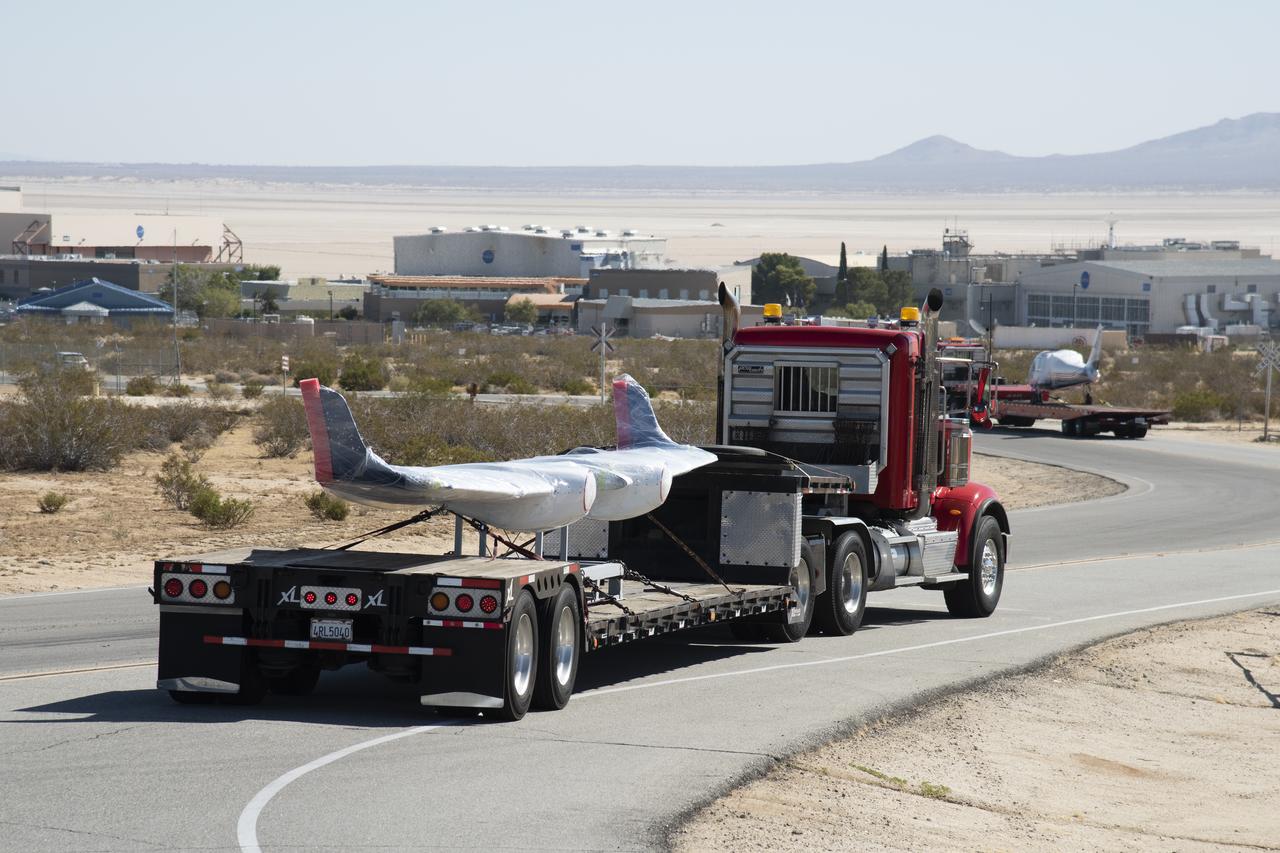
NASA’s all-electric X-57 Maxwell, in its Mod II configuration, arrives at NASA’s Armstrong Flight Research Center in Edwards, California. The X-plane was delivered by prime contractor Empirical Systems Aerospace of San Luis Obispo, California, in two parts, with the wing separated from the fuselage, to aid in a more timely delivery. X-57 is NASA’s first crewed X-plane in two decades, and seeks to further advance the design and airworthiness process for distributed electric propulsion technology for general aviation aircraft.
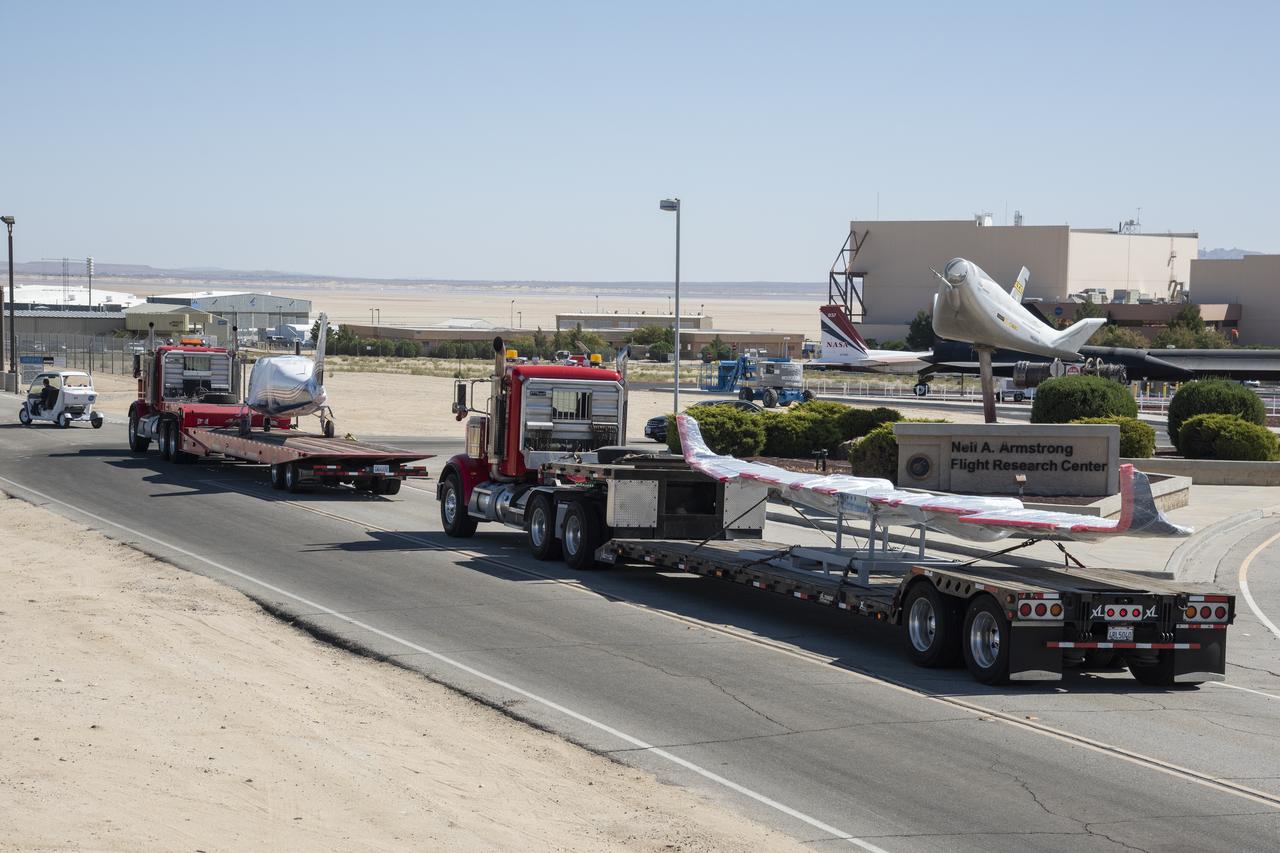
NASA’s all-electric X-57 Maxwell, in its Mod II configuration, arrives at NASA’s Armstrong Flight Research Center in Edwards, California. The X-plane was delivered by prime contractor Empirical Systems Aerospace of San Luis Obispo, California, in two parts, with the wing separated from the fuselage, to aid in a more timely delivery. X-57 is NASA’s first crewed X-plane in two decades, and seeks to further advance the design and airworthiness process for distributed electric propulsion technology for general aviation aircraft.

NASA's all-electric X-57 Maxwell, in its Mod II configuration, arrives at NASA's Armstrong Flight Research Center in Edwards, California. The X-plane was delivered by prime contractor Empirical Systems Aerospace of San Luis Obispo, California, in two parts, with the wing separated from the fuselage, to aid in a more timely delivery. X-57 is NASA's first crewed X-plane in two decades, and seeks to further advance the design and airworthiness process for distributed electric propulsion technology for general aviation aircraft.
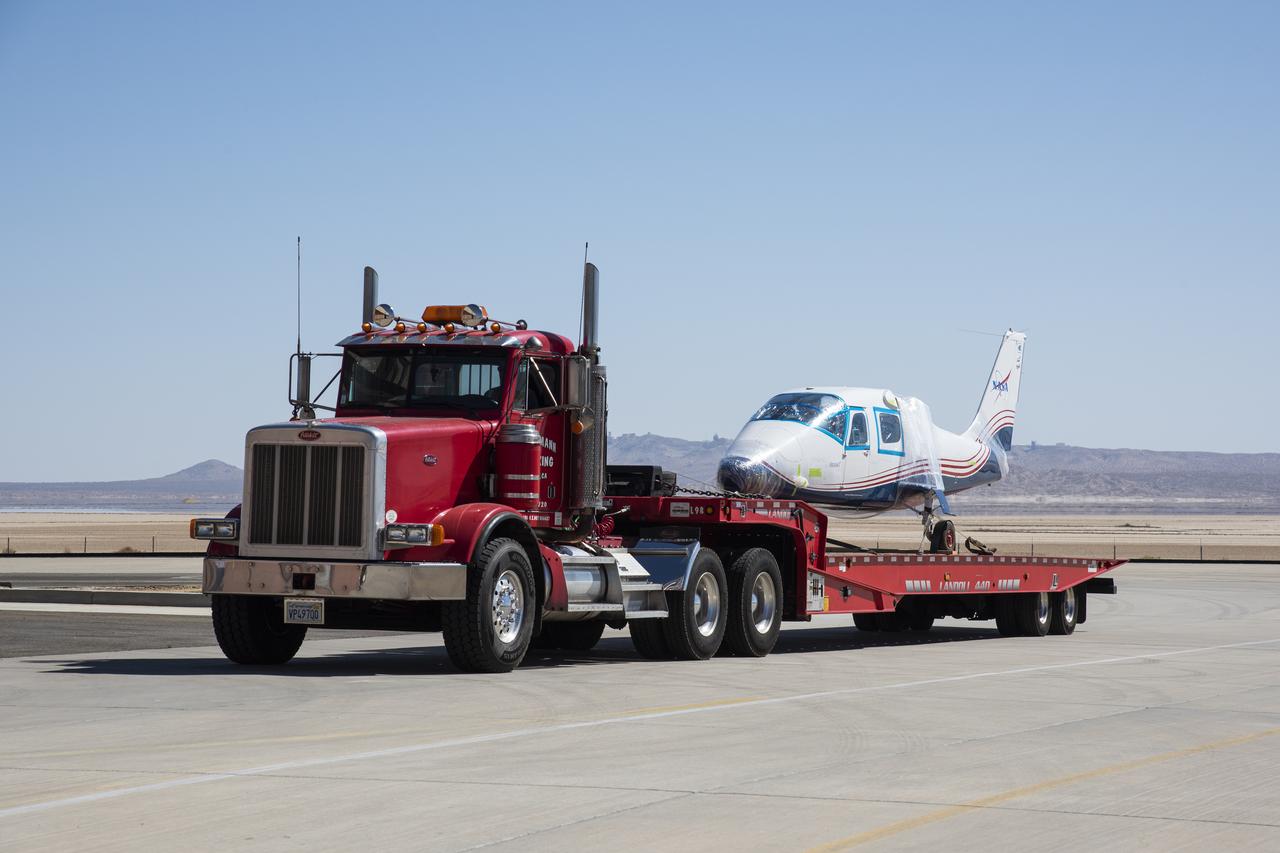
NASA's all-electric X-57 Maxwell, in its Mod II configuration, arrives at NASA's Armstrong Flight Research Center in Edwards, California. The X-plane was delivered by prime contractor Empirical Systems Aerospace of San Luis Obispo, California, in two parts, with the wing separated from the fuselage, to aid in a more timely delivery. X-57 is NASA's first crewed X-plane in two decades, and seeks to further advance the design and airworthiness process for distributed electric propulsion technology for general aviation aircraft.
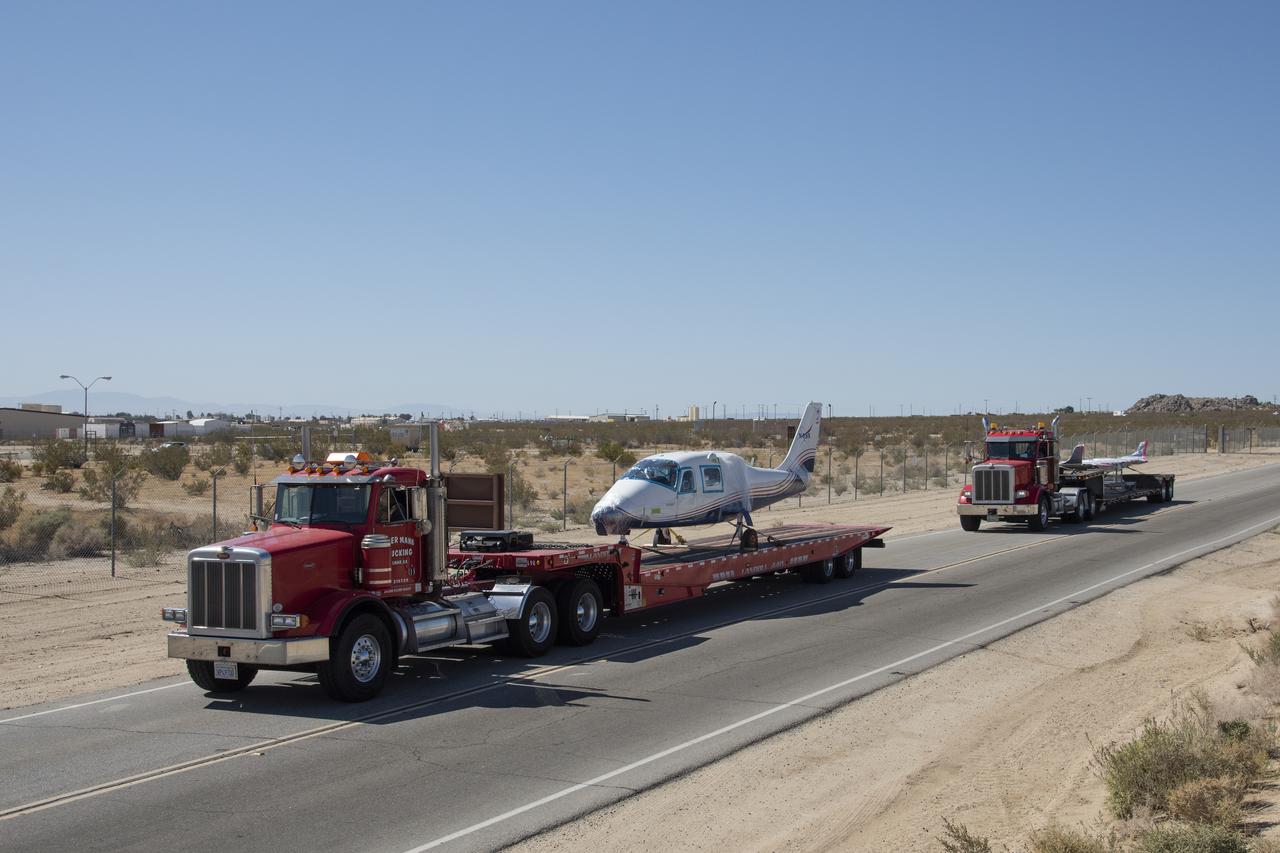
NASA's all-electric X-57 Maxwell, in its Mod II configuration, arrives at NASA's Armstrong Flight Research Center in Edwards, California. The X-plane was delivered by prime contractor Empirical Systems Aerospace of San Luis Obispo, California, in two parts, with the wing separated from the fuselage, to aid in a more timely delivery. X-57 is NASA's first crewed X-plane in two decades, and seeks to further advance the design and airworthiness process for distributed electric propulsion technology for general aviation aircraft.
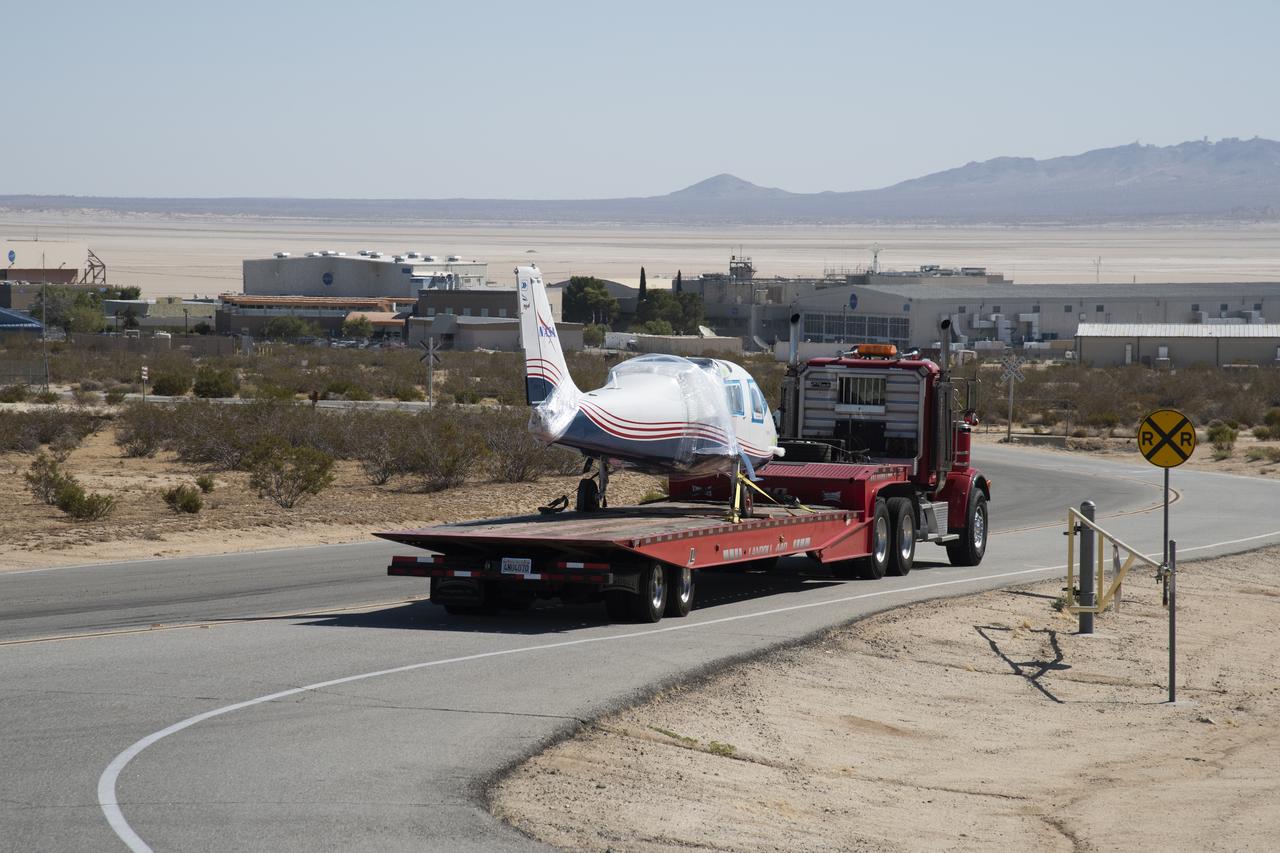
NASA’s all-electric X-57 Maxwell, in its Mod II configuration, arrives at NASA’s Armstrong Flight Research Center in Edwards, California. The X-plane was delivered by prime contractor Empirical Systems Aerospace of San Luis Obispo, California, in two parts, with the wing separated from the fuselage, to aid in a more timely delivery. X-57 is NASA’s first crewed X-plane in two decades, and seeks to further advance the design and airworthiness process for distributed electric propulsion technology for general aviation aircraft.
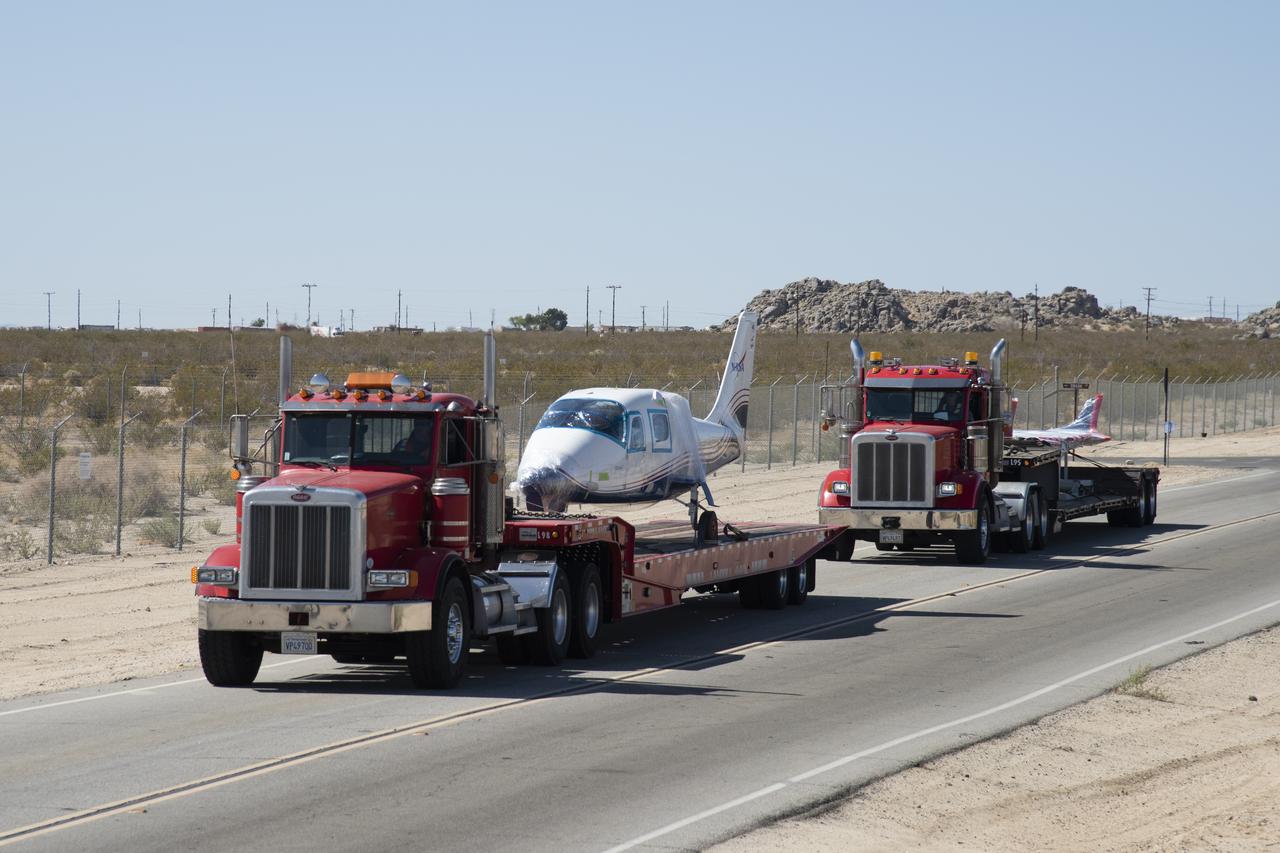
NASA's all-electric X-57 Maxwell, in its Mod II configuration, arrives at NASA's Armstrong Flight Research Center in Edwards, California. The X-plane was delivered by prime contractor Empirical Systems Aerospace of San Luis Obispo, California, in two parts, with the wing separated from the fuselage, to aid in a more timely delivery. X-57 is NASA's first crewed X-plane in two decades, and seeks to further advance the design and airworthiness process for distributed electric propulsion technology for general aviation aircraft.
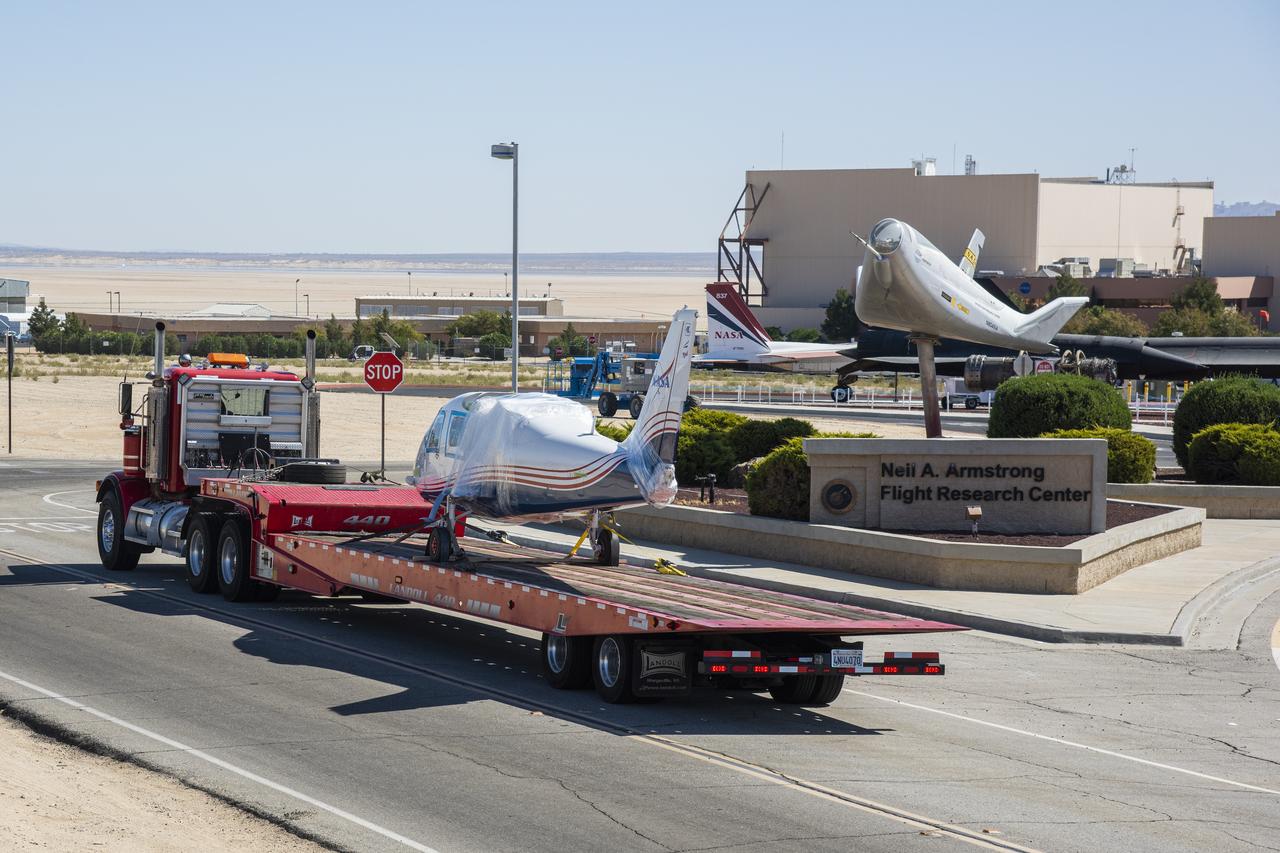
NASA's all-electric X-57 Maxwell, in its Mod II configuration, arrives at NASA's Armstrong Flight Research Center in Edwards, California. The X-plane was delivered by prime contractor Empirical Systems Aerospace of San Luis Obispo, California, in two parts, with the wing separated from the fuselage, to aid in a more timely delivery. X-57 is NASA's first crewed X-plane in two decades, and seeks to further advance the design and airworthiness process for distributed electric propulsion technology for general aviation aircraft.
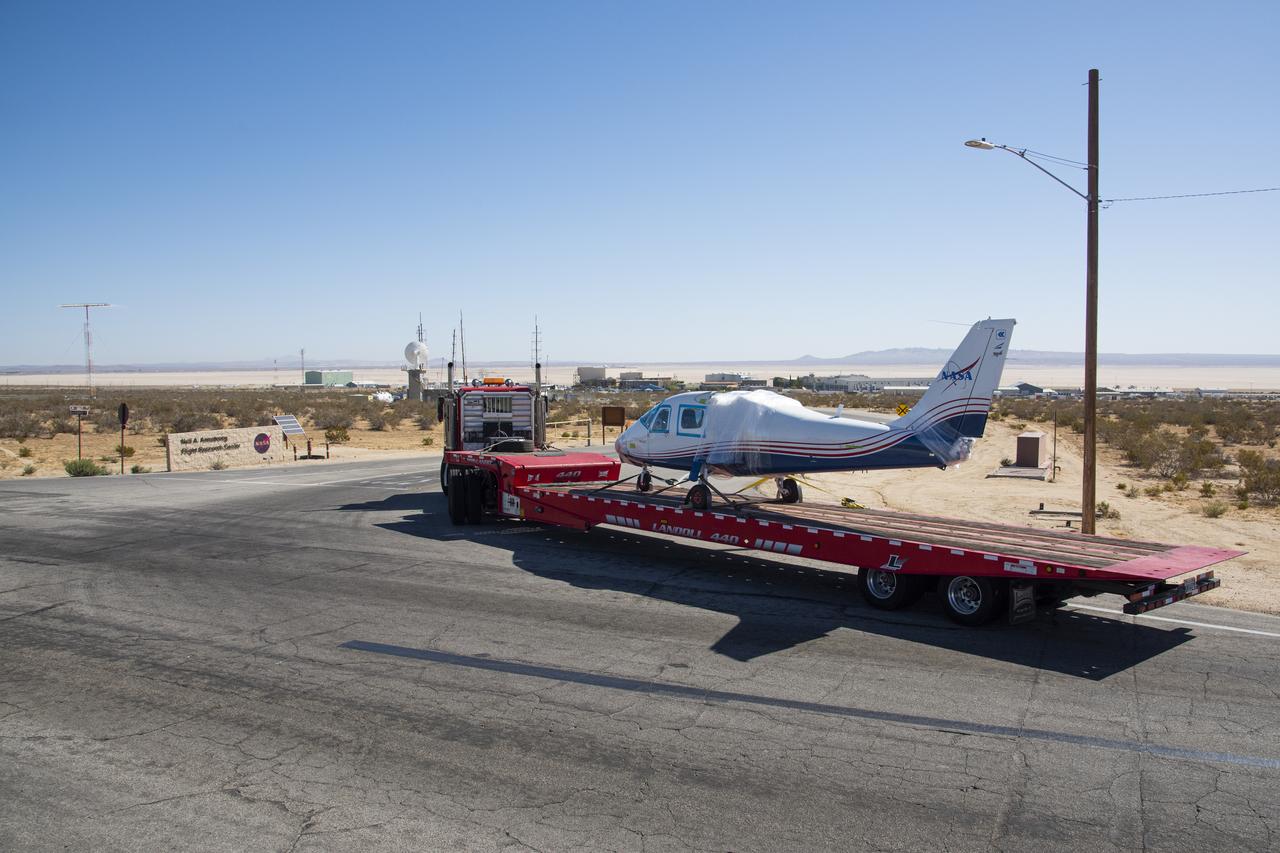
NASA's all-electric X-57 Maxwell, in its Mod II configuration, arrives at NASA's Armstrong Flight Research Center in Edwards, California. The X-plane was delivered by prime contractor Empirical Systems Aerospace of San Luis Obispo, California, in two parts, with the wing separated from the fuselage, to aid in a more timely delivery. X-57 is NASA's first crewed X-plane in two decades, and seeks to further advance the design and airworthiness process for distributed electric propulsion technology for general aviation aircraft.
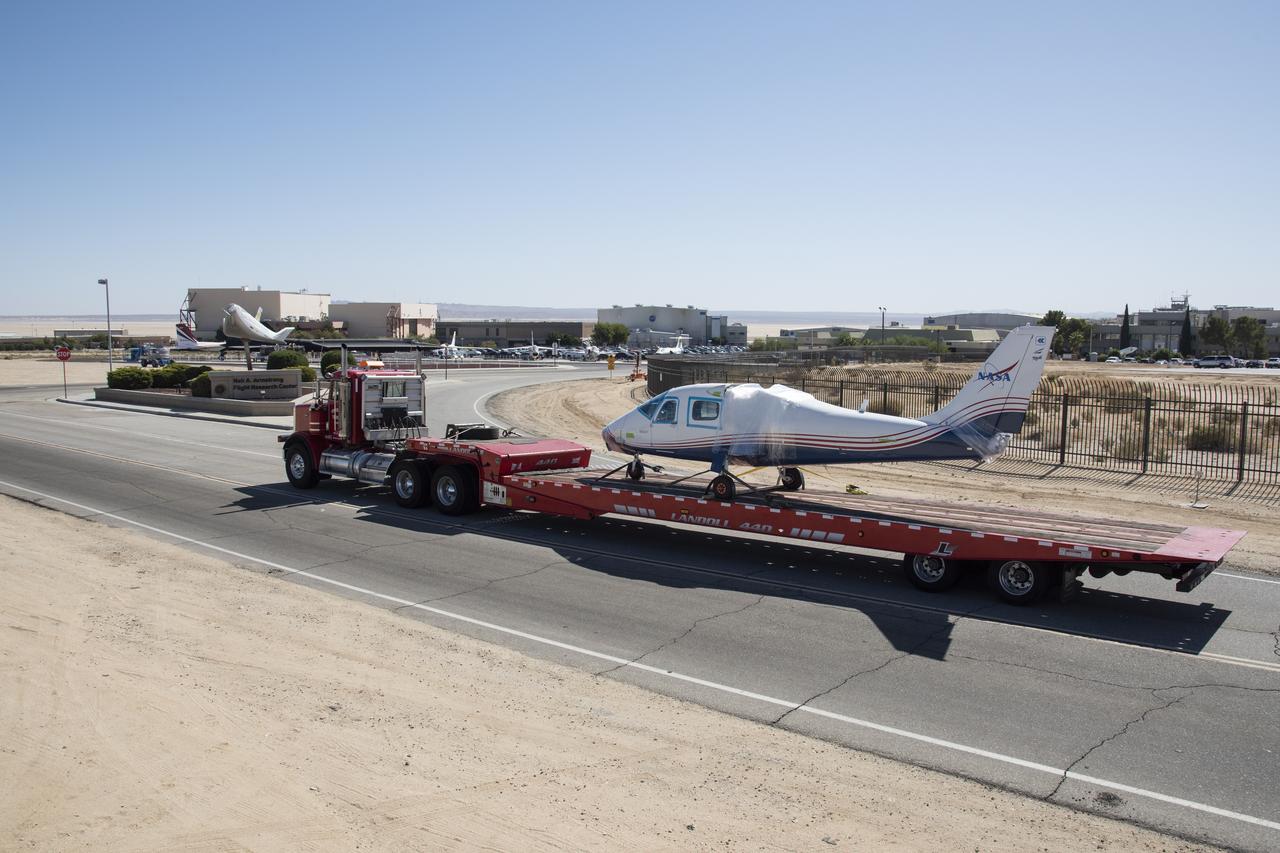
NASA's all-electric X-57 Maxwell, in its Mod II configuration, arrives at NASA's Armstrong Flight Research Center in Edwards, California. The X-plane was delivered by prime contractor Empirical Systems Aerospace of San Luis Obispo, California, in two parts, with the wing separated from the fuselage, to aid in a more timely delivery. X-57 is NASA's first crewed X-plane in two decades, and seeks to further advance the design and airworthiness process for distributed electric propulsion technology for general aviation aircraft.
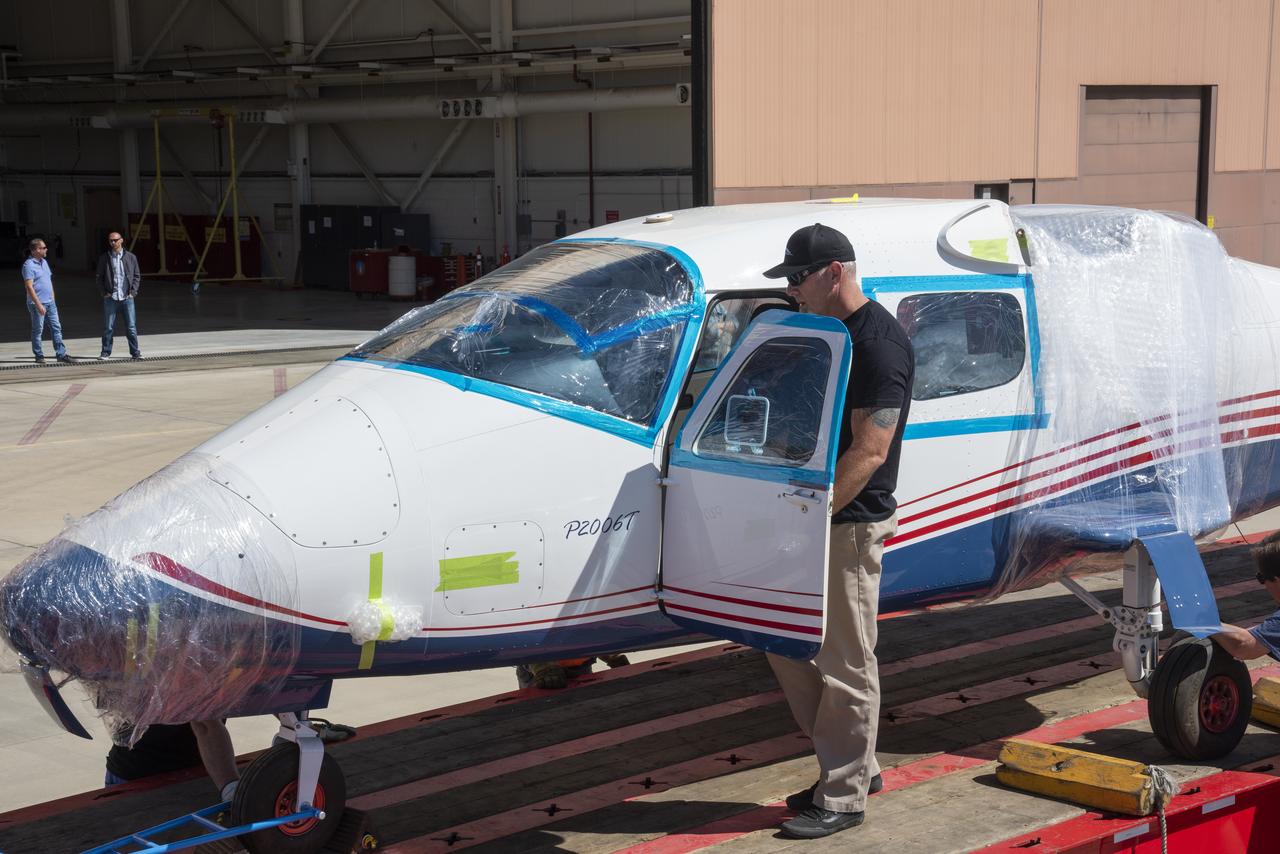
NASA's X-57 Maxwell, the agency's first all-electric X-plane and first crewed X-planed in two decades, is delivered to NASA's Armstrong Flight Research Center in Edwards, California in its Mod II configuration. The first of three primary modifications for the project, Mod II involves testing of the aircraft's cruise electric propulsion system. Delivery to NASA from prime contractor Empirical Systems Aerospace of San Luis Obispo, California, marks a major milestone for the project, at which point the vehicle is reintegrated for ground tests, to be followed by taxi tests, and eventually, flight tests. X-57's goal is to further advance the design and airworthiness process for distributed electric propulsion technology for general aviation aircraft, which can provide multiple benefits to efficiency, emissions, and noise.
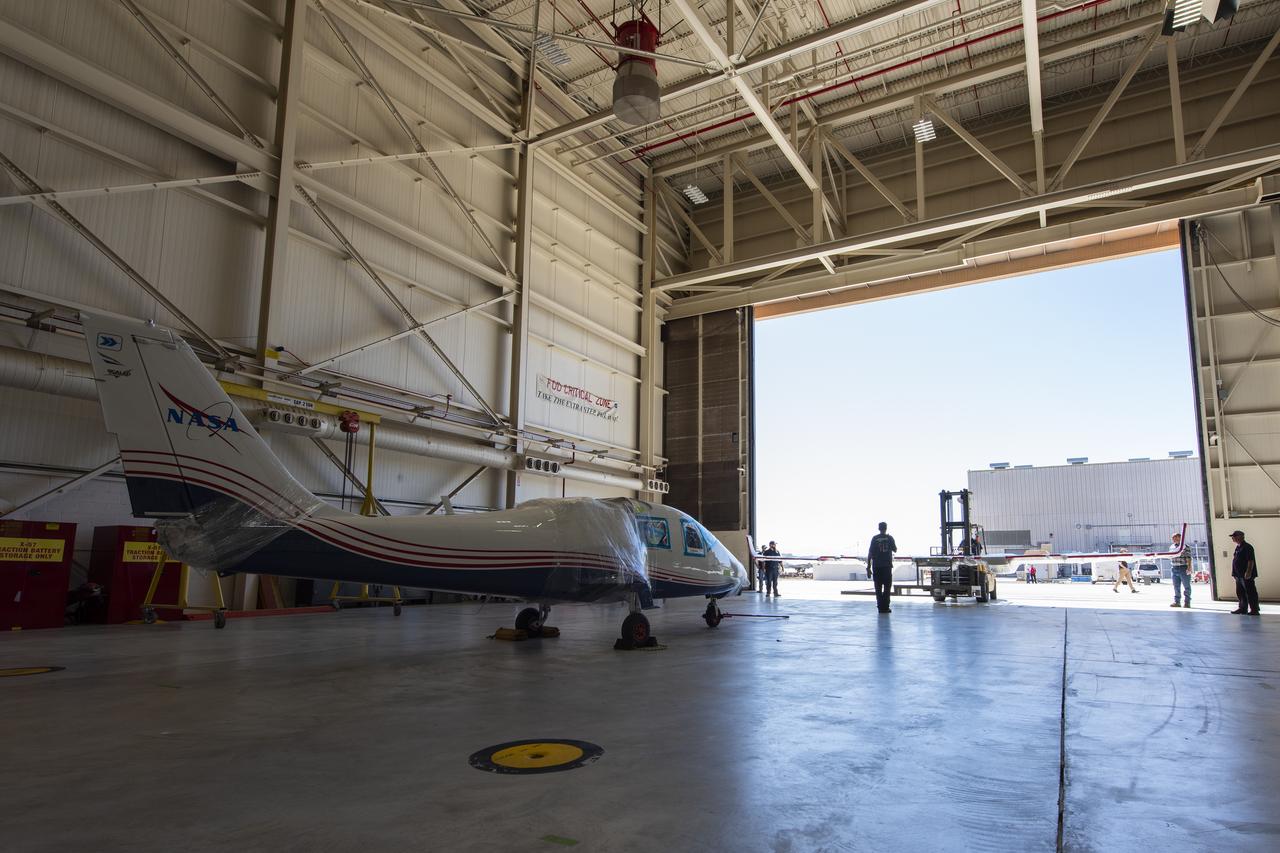
NASA's X-57 Maxwell, the agency's first all-electric X-plane and first crewed X-planed in two decades, is delivered to NASA's Armstrong Flight Research Center in Edwards, California in its Mod II configuration. The first of three primary modifications for the project, Mod II involves testing of the aircraft's cruise electric propulsion system. Delivery to NASA from prime contractor Empirical Systems Aerospace of San Luis Obispo, California, marks a major milestone for the project, at which point the vehicle is reintegrated for ground tests, to be followed by taxi tests, and eventually, flight tests. X-57's goal is to further advance the design and airworthiness process for distributed electric propulsion technology for general aviation aircraft, which can provide multiple benefits to efficiency, emissions, and noise.
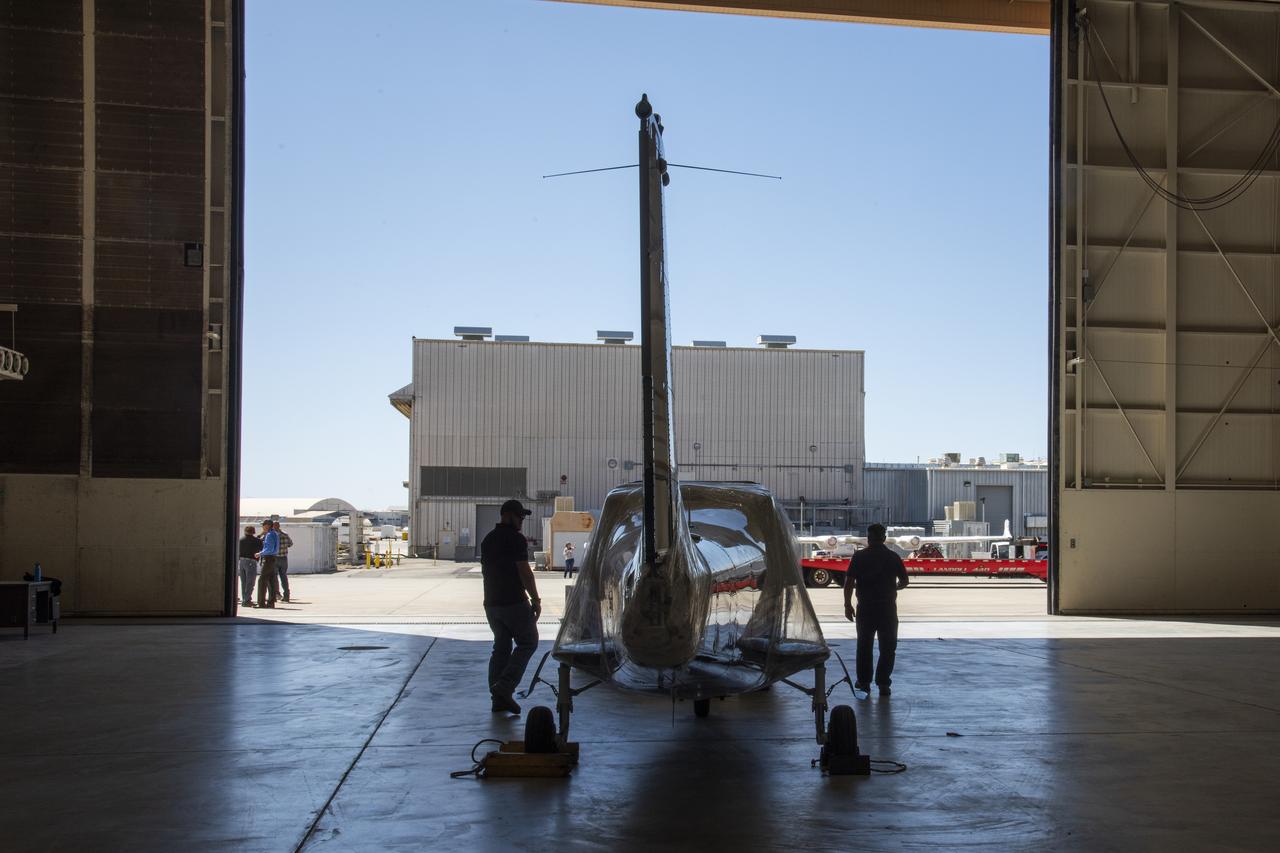
NASA's X-57 Maxwell, the agency's first all-electric X-plane and first crewed X-planed in two decades, is delivered to NASA's Armstrong Flight Research Center in Edwards, California in its Mod II configuration. The first of three primary modifications for the project, Mod II involves testing of the aircraft's cruise electric propulsion system. Delivery to NASA from prime contractor Empirical Systems Aerospace of San Luis Obispo, California, marks a major milestone for the project, at which point the vehicle is reintegrated for ground tests, to be followed by taxi tests, and eventually, flight tests. X-57's goal is to further advance the design and airworthiness process for distributed electric propulsion technology for general aviation aircraft, which can provide multiple benefits to efficiency, emissions, and noise.
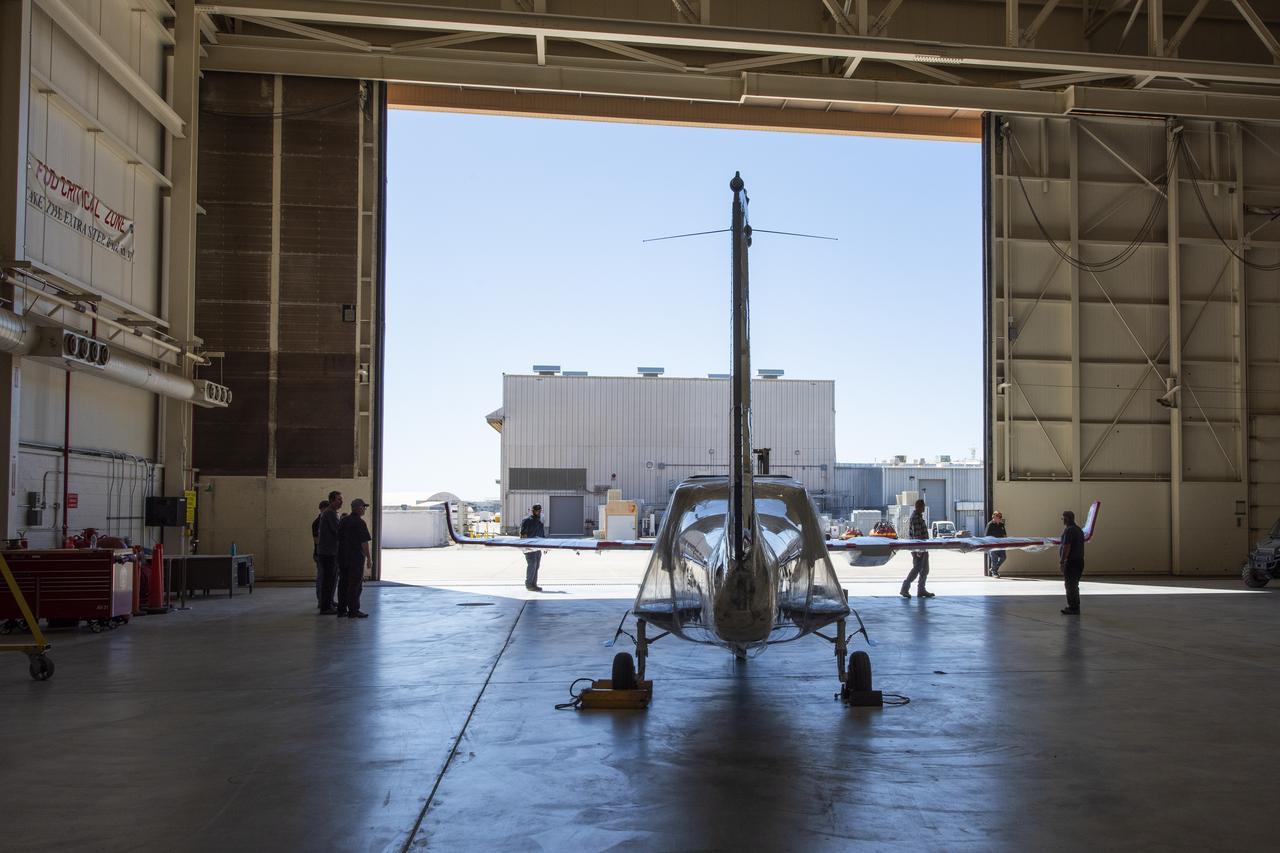
NASA’s X-57 Maxwell, the agency’s first all-electric X-plane and first crewed X-planed in two decades, is delivered to NASA’s Armstrong Flight Research Center in Edwards, California in its Mod II configuration. The first of three primary modifications for the project, Mod II involves testing of the aircraft’s cruise electric propulsion system. Delivery to NASA from prime contractor Empirical Systems Aerospace of San Luis Obispo, California, marks a major milestone for the project, at which point the vehicle is reintegrated for ground tests, to be followed by taxi tests, and eventually, flight tests. X-57’s goal is to further advance the design and airworthiness process for distributed electric propulsion technology for general aviation aircraft, which can provide multiple benefits to efficiency, emissions, and noise.
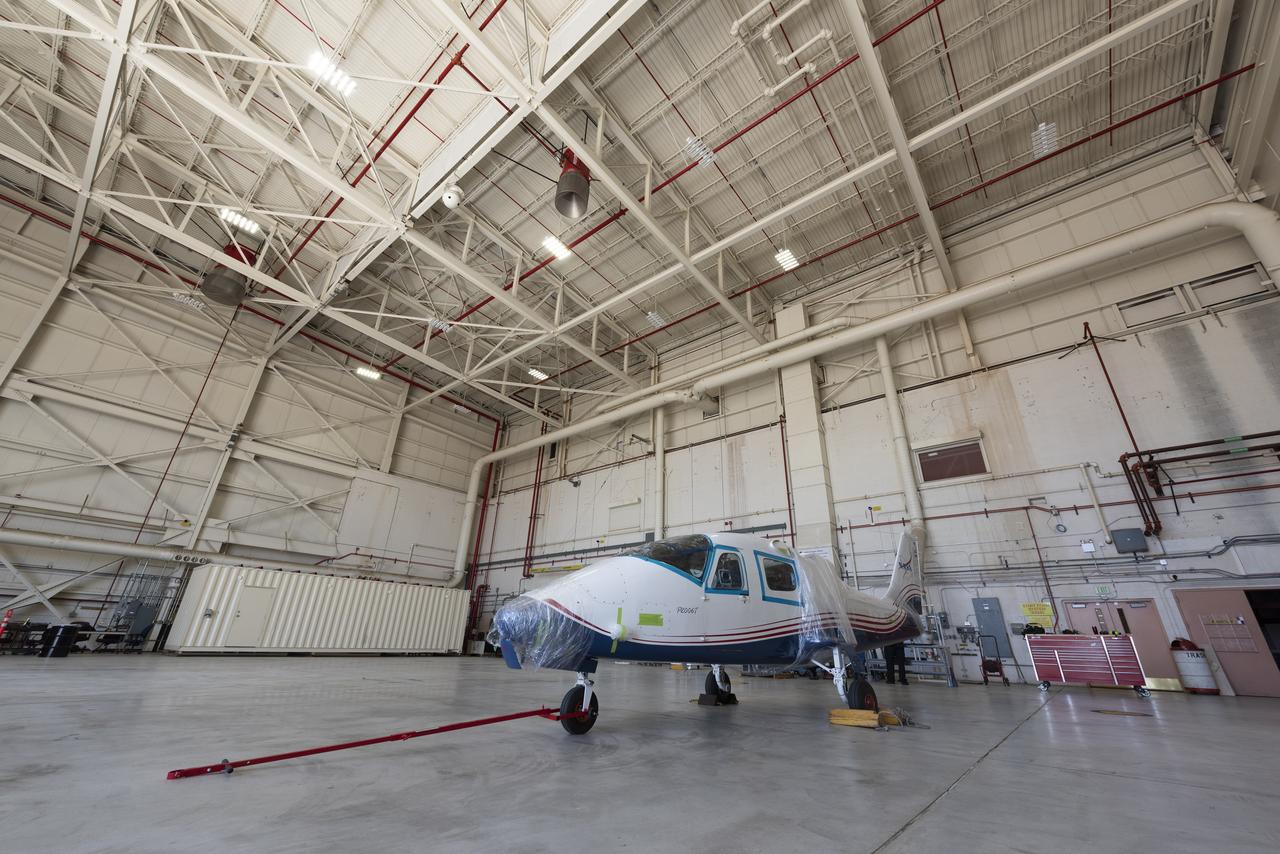
NASA's X-57 Maxwell, the agency's first all-electric X-plane and first crewed X-planed in two decades, is delivered to NASA's Armstrong Flight Research Center in Edwards, California in its Mod II configuration. The first of three primary modifications for the project, Mod II involves testing of the aircraft's cruise electric propulsion system. Delivery to NASA from prime contractor Empirical Systems Aerospace of San Luis Obispo, California, marks a major milestone for the project, at which point the vehicle is reintegrated for ground tests, to be followed by taxi tests, and eventually, flight tests. X-57's goal is to further advance the design and airworthiness process for distributed electric propulsion technology for general aviation aircraft, which can provide multiple benefits to efficiency, emissions, and noise.
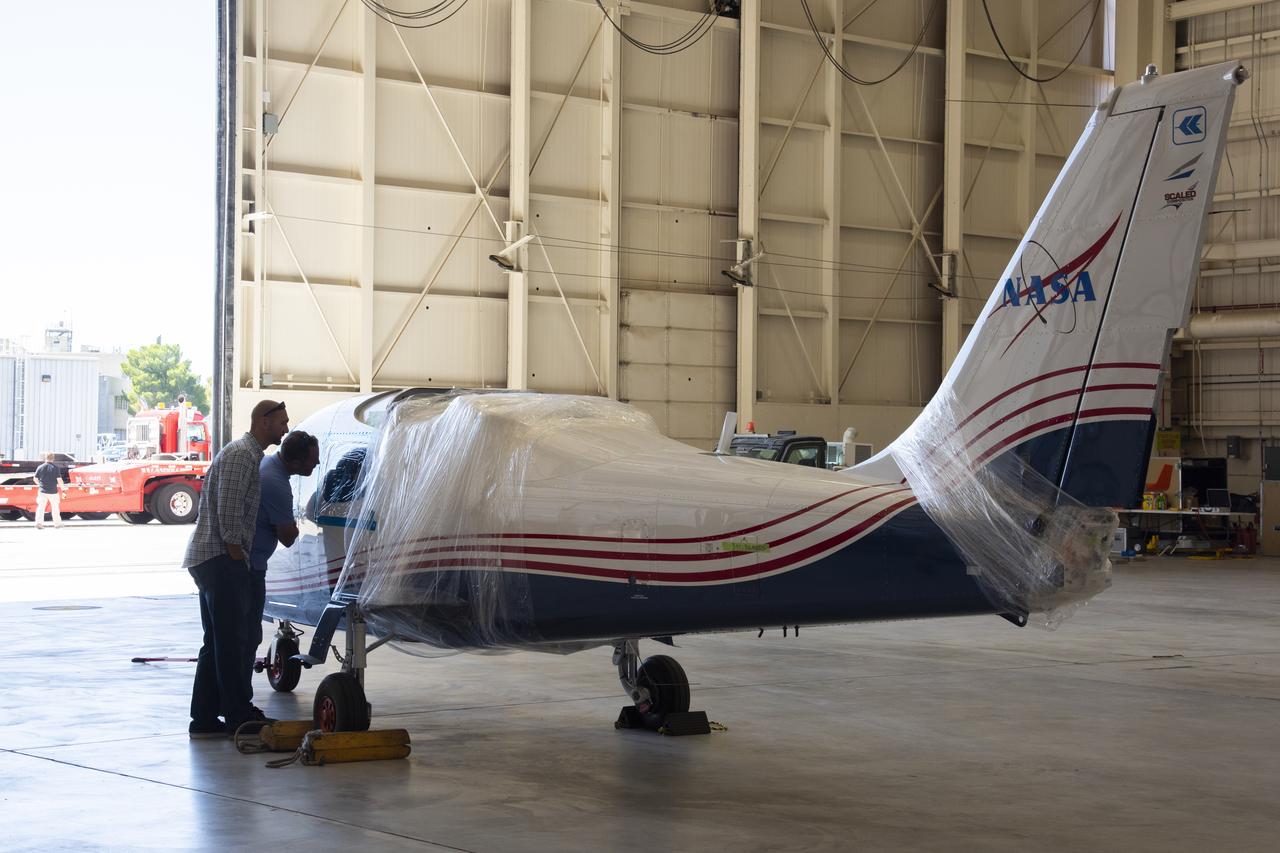
NASA's X-57 Maxwell, the agency's first all-electric X-plane and first crewed X-planed in two decades, is delivered to NASA's Armstrong Flight Research Center in Edwards, California in its Mod II configuration. The first of three primary modifications for the project, Mod II involves testing of the aircraft's cruise electric propulsion system. Delivery to NASA from prime contractor Empirical Systems Aerospace of San Luis Obispo, California, marks a major milestone for the project, at which point the vehicle is reintegrated for ground tests, to be followed by taxi tests, and eventually, flight tests. X-57's goal is to further advance the design and airworthiness process for distributed electric propulsion technology for general aviation aircraft, which can provide multiple benefits to efficiency, emissions, and noise.
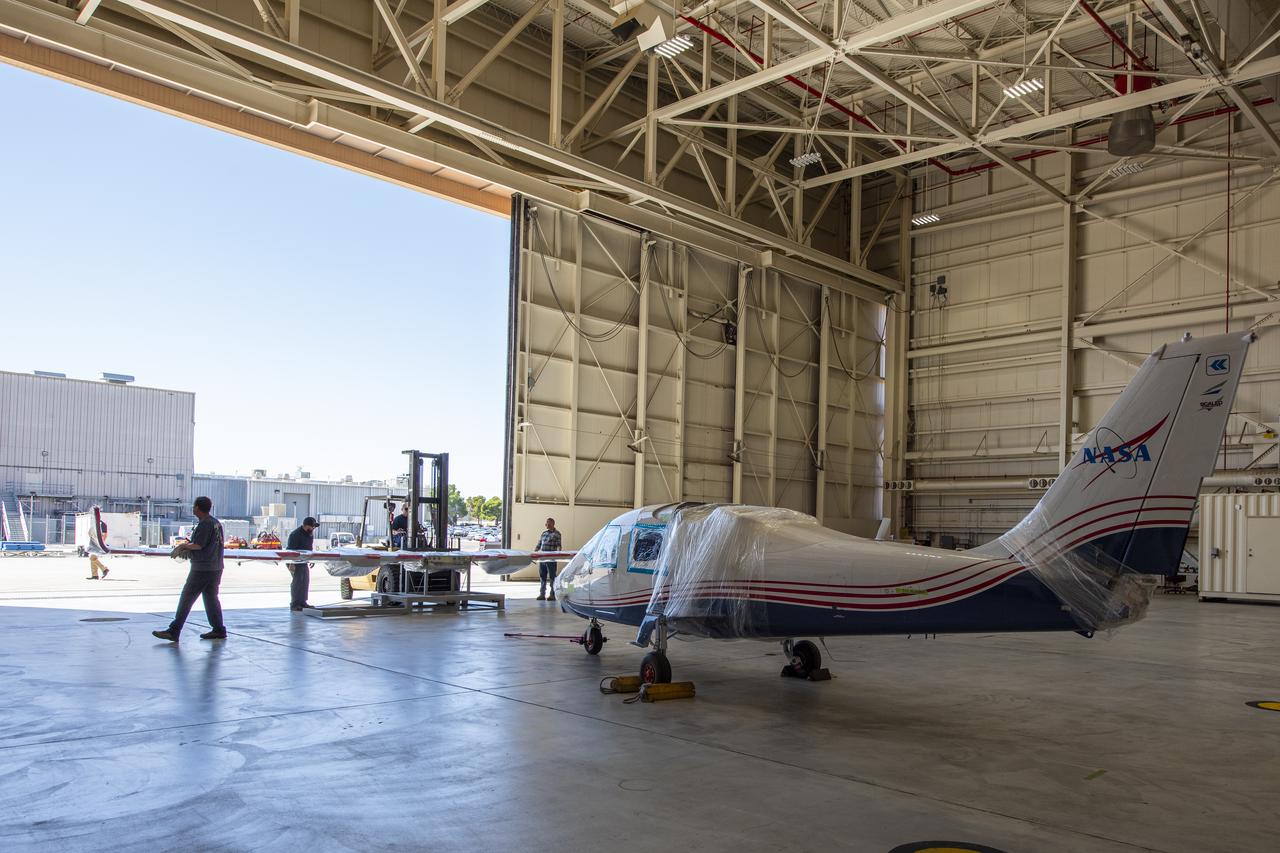
NASA’s X-57 Maxwell, the agency’s first all-electric X-plane and first crewed X-planed in two decades, is delivered to NASA’s Armstrong Flight Research Center in Edwards, California in its Mod II configuration. The first of three primary modifications for the project, Mod II involves testing of the aircraft’s cruise electric propulsion system. Delivery to NASA from prime contractor Empirical Systems Aerospace of San Luis Obispo, California, marks a major milestone for the project, at which point the vehicle is reintegrated for ground tests, to be followed by taxi tests, and eventually, flight tests. X-57’s goal is to further advance the design and airworthiness process for distributed electric propulsion technology for general aviation aircraft, which can provide multiple benefits to efficiency, emissions, and noise.
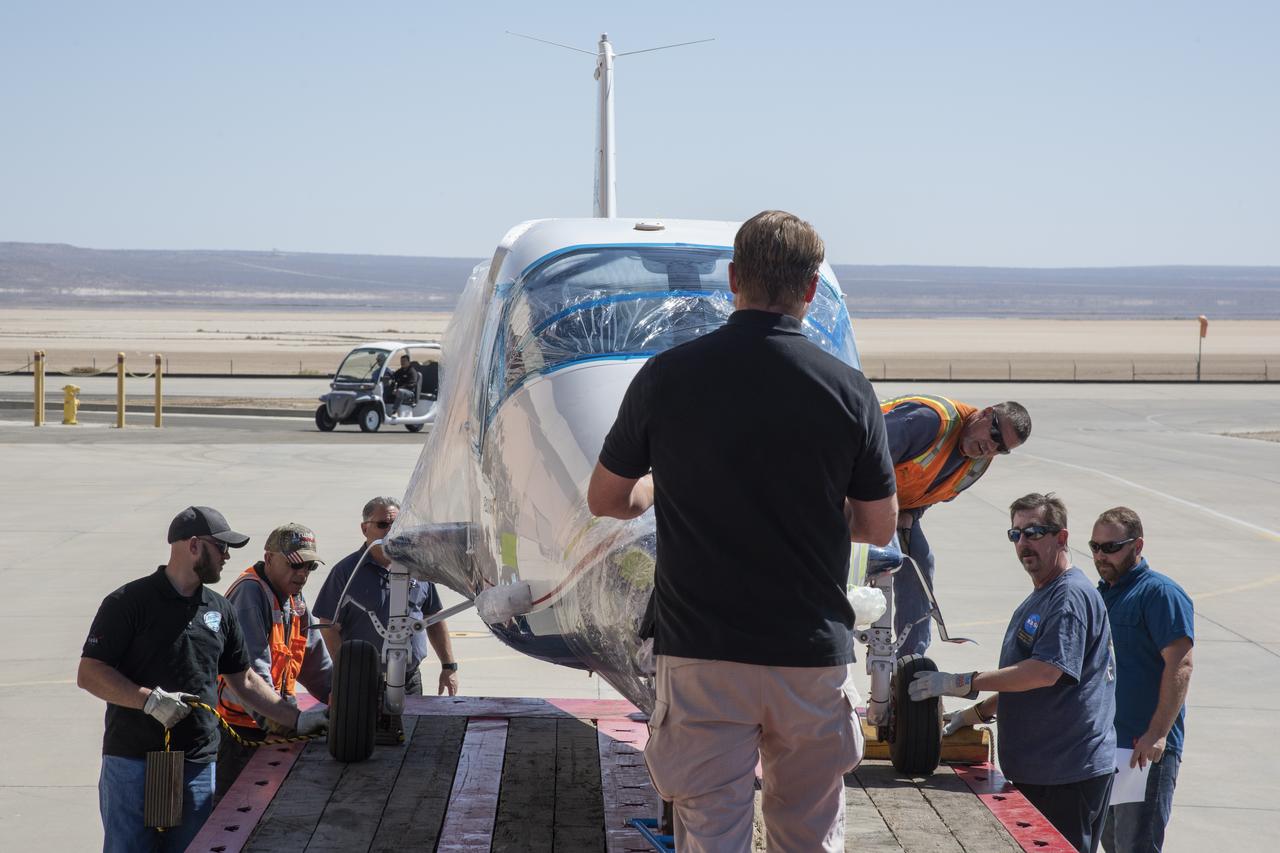
NASA's X-57 Maxwell, the agency's first all-electric X-plane and first crewed X-planed in two decades, is delivered to NASA's Armstrong Flight Research Center in Edwards, California in its Mod II configuration. The first of three primary modifications for the project, Mod II involves testing of the aircraft's cruise electric propulsion system. Delivery to NASA from prime contractor Empirical Systems Aerospace of San Luis Obispo, California, marks a major milestone for the project, at which point the vehicle is reintegrated for ground tests, to be followed by taxi tests, and eventually, flight tests. X-57's goal is to further advance the design and airworthiness process for distributed electric propulsion technology for general aviation aircraft, which can provide multiple benefits to efficiency, emissions, and noise.
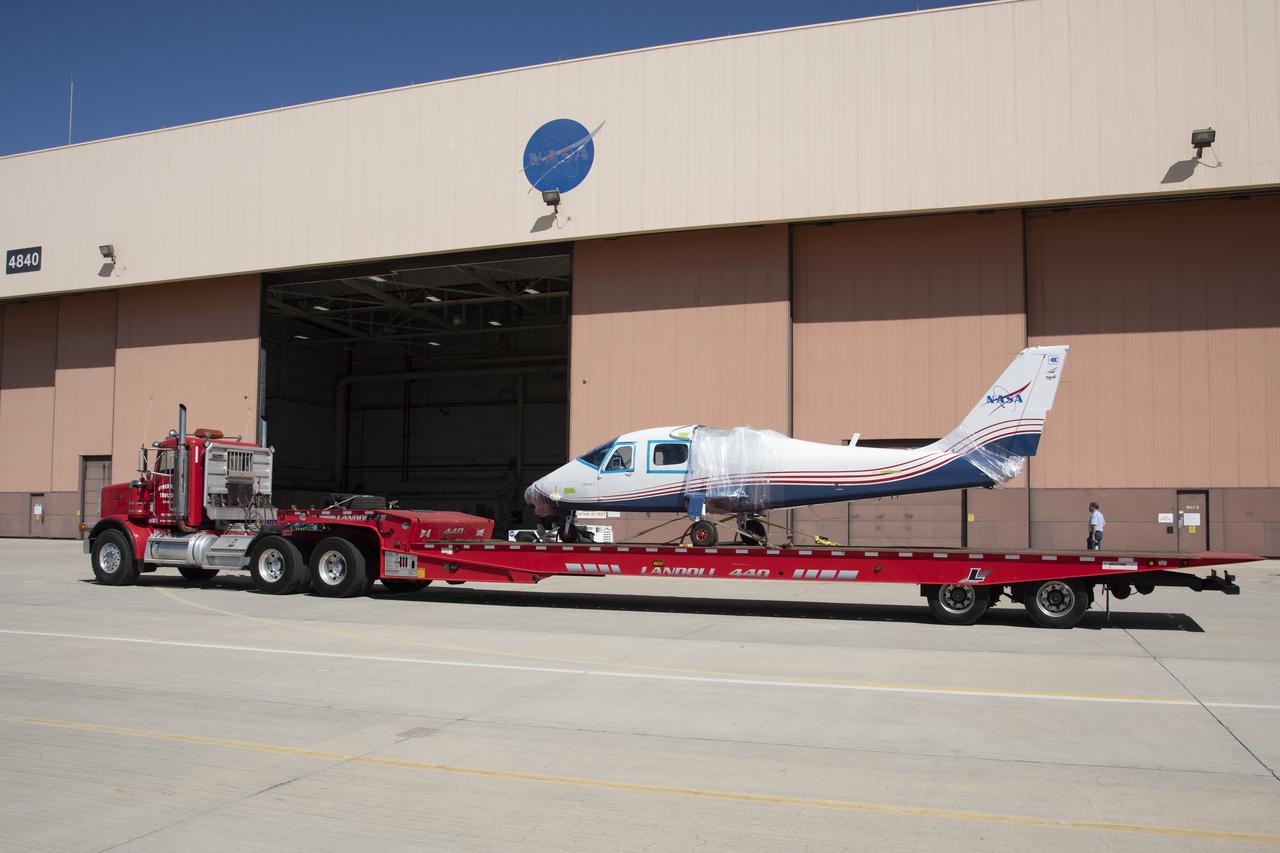
NASA's X-57 Maxwell, the agency's first all-electric X-plane and first crewed X-planed in two decades, is delivered to NASA's Armstrong Flight Research Center in Edwards, California in its Mod II configuration. The first of three primary modifications for the project, Mod II involves testing of the aircraft's cruise electric propulsion system. Delivery to NASA from prime contractor Empirical Systems Aerospace of San Luis Obispo, California, marks a major milestone for the project, at which point the vehicle is reintegrated for ground tests, to be followed by taxi tests, and eventually, flight tests. X-57's goal is to further advance the design and airworthiness process for distributed electric propulsion technology for general aviation aircraft, which can provide multiple benefits to efficiency, emissions, and noise.
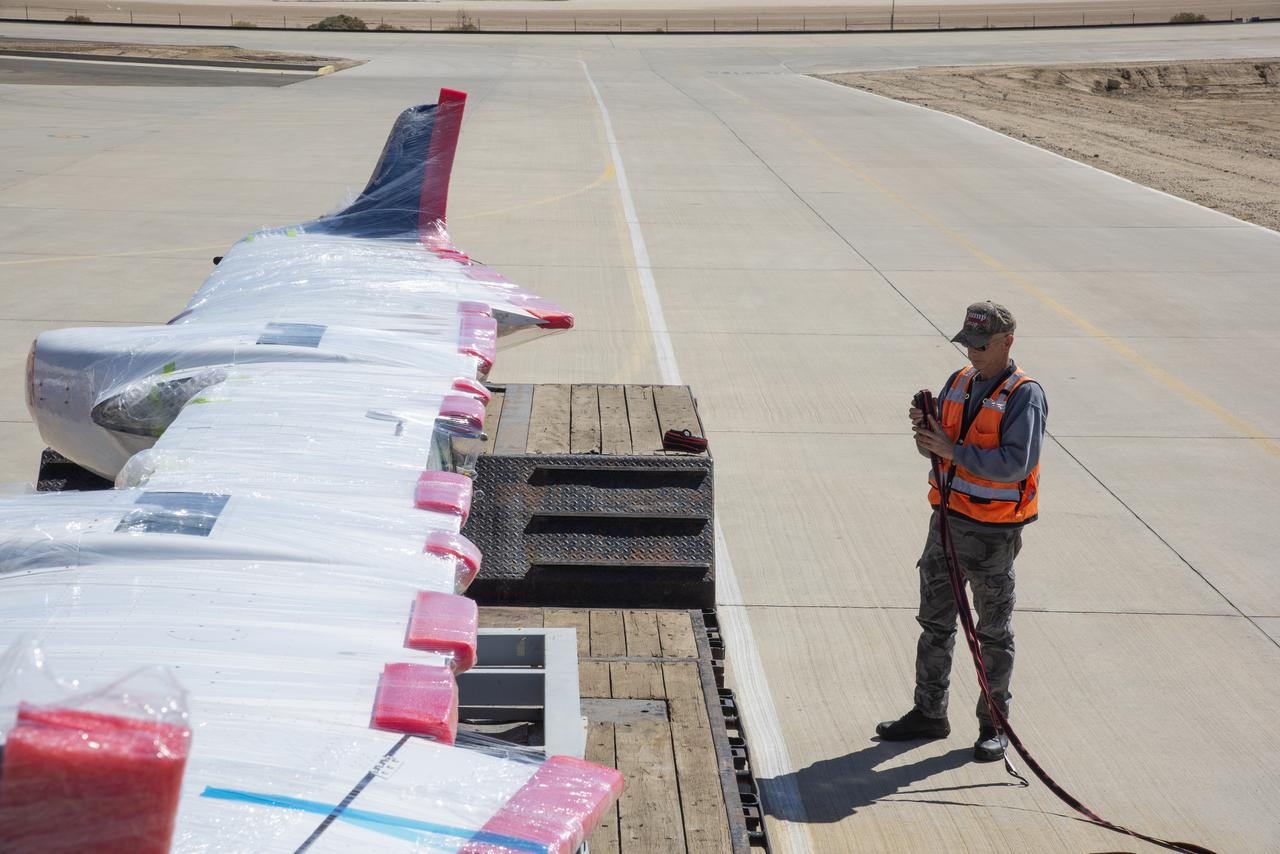
NASA's X-57 Maxwell, the agency's first all-electric X-plane and first crewed X-planed in two decades, is delivered to NASA's Armstrong Flight Research Center in Edwards, California in its Mod II configuration. The first of three primary modifications for the project, Mod II involves testing of the aircraft's cruise electric propulsion system. Delivery to NASA from prime contractor Empirical Systems Aerospace of San Luis Obispo, California, marks a major milestone for the project, at which point the vehicle is reintegrated for ground tests, to be followed by taxi tests, and eventually, flight tests. X-57's goal is to further advance the design and airworthiness process for distributed electric propulsion technology for general aviation aircraft, which can provide multiple benefits to efficiency, emissions, and noise.
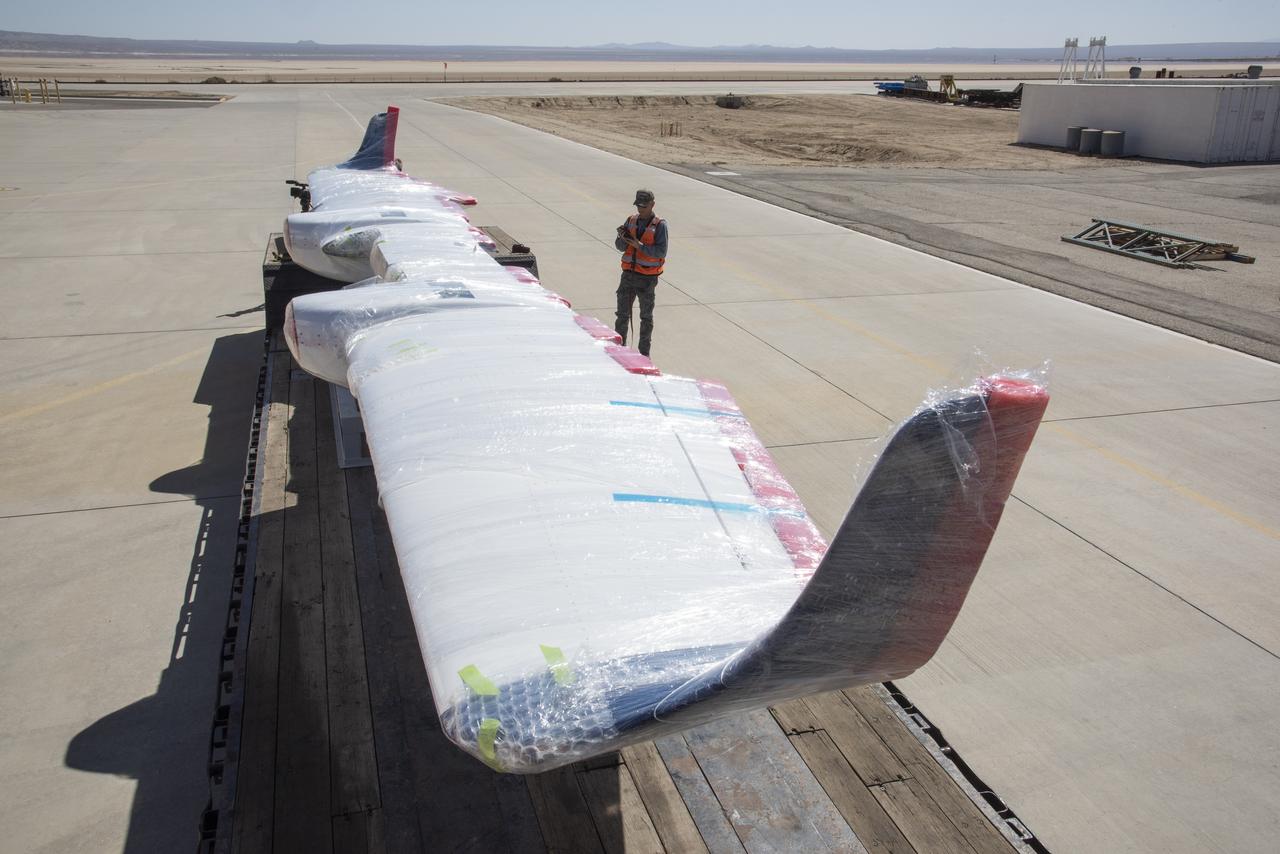
NASA’s X-57 Maxwell, the agency’s first all-electric X-plane and first crewed X-planed in two decades, is delivered to NASA’s Armstrong Flight Research Center in Edwards, California in its Mod II configuration. The first of three primary modifications for the project, Mod II involves testing of the aircraft’s cruise electric propulsion system. Delivery to NASA from prime contractor Empirical Systems Aerospace of San Luis Obispo, California, marks a major milestone for the project, at which point the vehicle is reintegrated for ground tests, to be followed by taxi tests, and eventually, flight tests. X-57’s goal is to further advance the design and airworthiness process for distributed electric propulsion technology for general aviation aircraft, which can provide multiple benefits to efficiency, emissions, and noise.
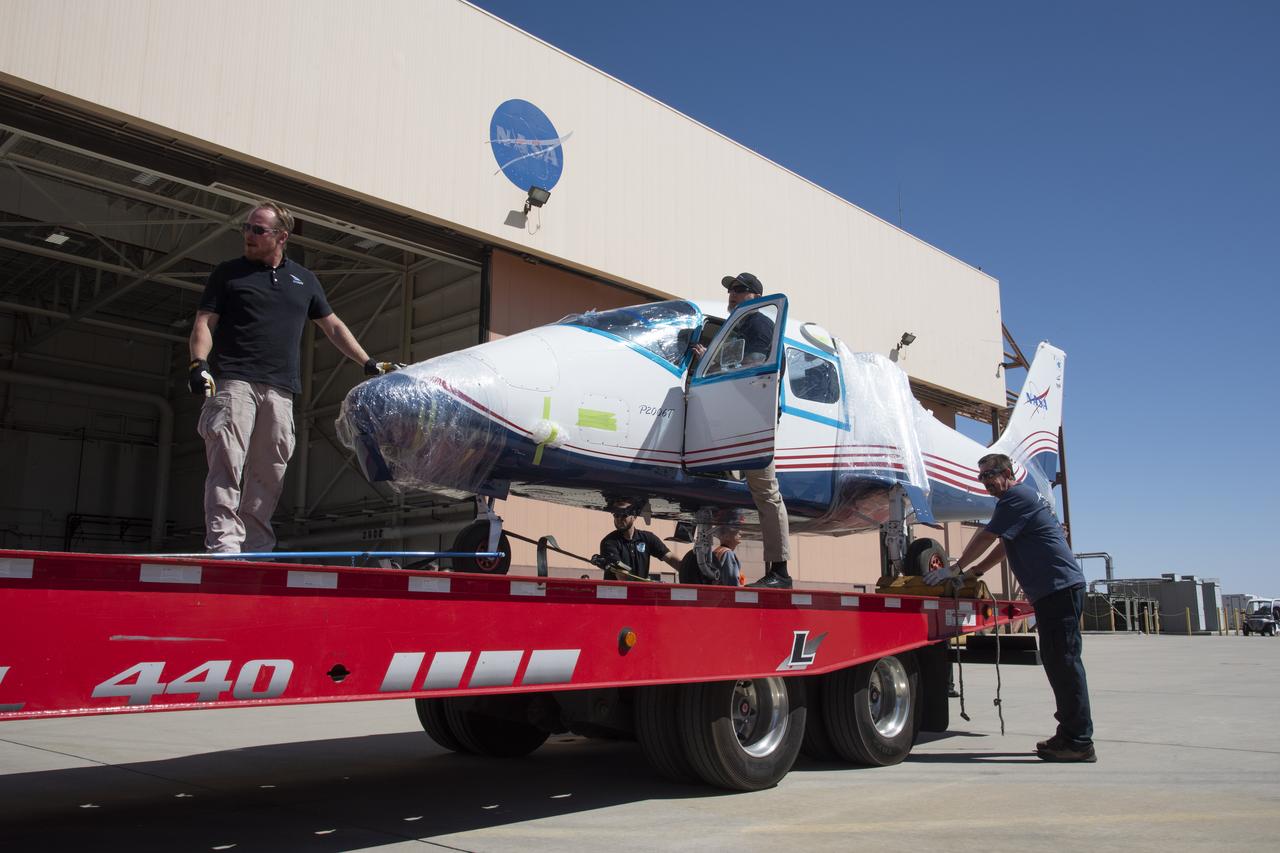
NASA’s X-57 Maxwell, the agency’s first all-electric X-plane and first crewed X-planed in two decades, is delivered to NASA’s Armstrong Flight Research Center in Edwards, California in its Mod II configuration. The first of three primary modifications for the project, Mod II involves testing of the aircraft’s cruise electric propulsion system. Delivery to NASA from prime contractor Empirical Systems Aerospace of San Luis Obispo, California, marks a major milestone for the project, at which point the vehicle is reintegrated for ground tests, to be followed by taxi tests, and eventually, flight tests. X-57’s goal is to further advance the design and airworthiness process for distributed electric propulsion technology for general aviation aircraft, which can provide multiple benefits to efficiency, emissions, and noise.
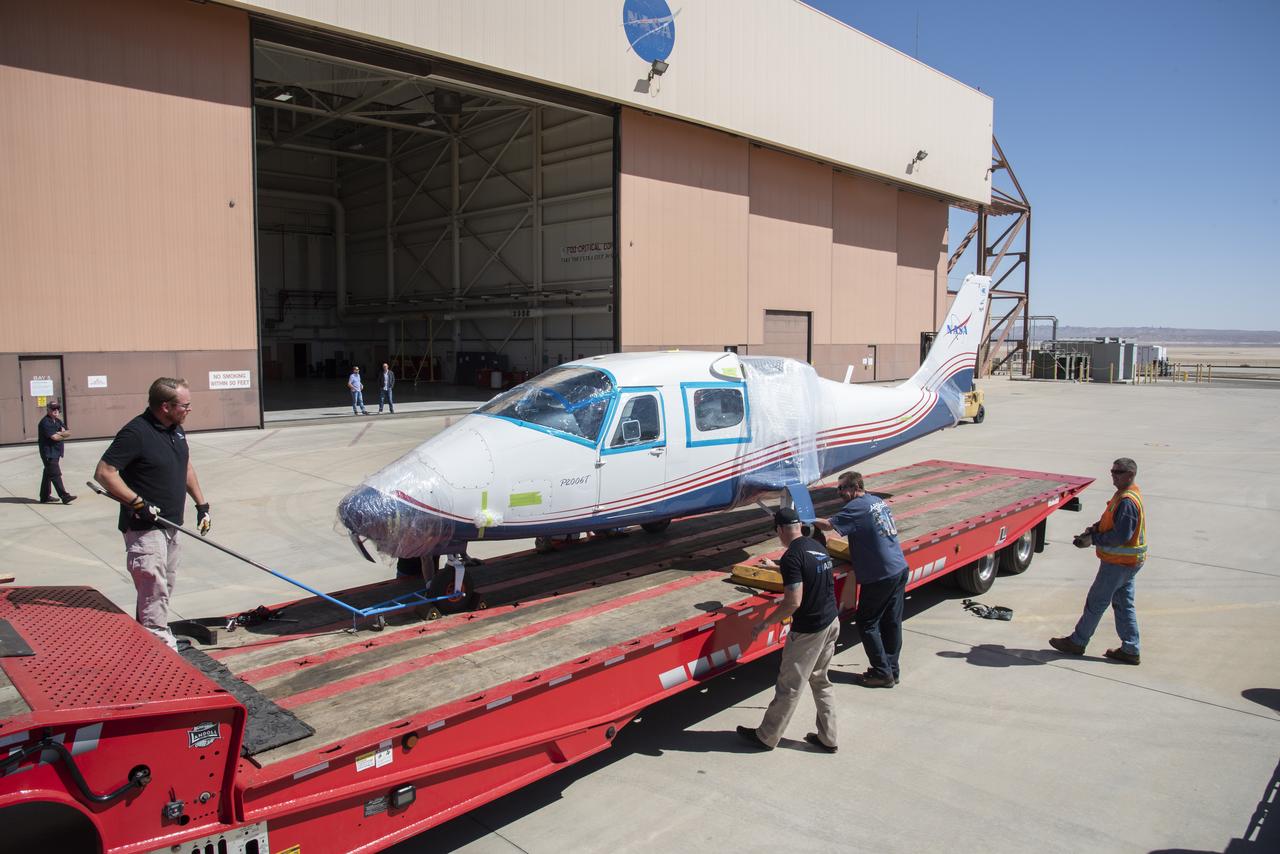
NASA's X-57 Maxwell, the agency's first all-electric X-plane and first crewed X-planed in two decades, is delivered to NASA's Armstrong Flight Research Center in Edwards, California in its Mod II configuration. The first of three primary modifications for the project, Mod II involves testing of the aircraft's cruise electric propulsion system. Delivery to NASA from prime contractor Empirical Systems Aerospace of San Luis Obispo, California, marks a major milestone for the project, at which point the vehicle is reintegrated for ground tests, to be followed by taxi tests, and eventually, flight tests. X-57's goal is to further advance the design and airworthiness process for distributed electric propulsion technology for general aviation aircraft, which can provide multiple benefits to efficiency, emissions, and noise.
NASA's X-57 Maxwell, the agency's first all-electric X-plane and first crewed X-planed in two decades, is delivered to NASA's Armstrong Flight Research Center in Edwards, California in its Mod II configuration. The first of three primary modifications for the project, Mod II involves testing of the aircraft's cruise electric propulsion system. Delivery to NASA from prime contractor Empirical Systems Aerospace of San Luis Obispo, California, marks a major milestone for the project, at which point the vehicle is reintegrated for ground tests, to be followed by taxi tests, and eventually, flight tests. X-57's goal is to further advance the design and airworthiness process for distributed electric propulsion technology for general aviation aircraft, which can provide multiple benefits to efficiency, emissions, and noise.
NASA's X-57 Maxwell, the agency's first all-electric X-plane and first crewed X-planed in two decades, is delivered to NASA's Armstrong Flight Research Center in Edwards, California in its Mod II configuration. The first of three primary modifications for the project, Mod II involves testing of the aircraft's cruise electric propulsion system. Delivery to NASA from prime contractor Empirical Systems Aerospace of San Luis Obispo, California, marks a major milestone for the project, at which point the vehicle is reintegrated for ground tests, to be followed by taxi tests, and eventually, flight tests. X-57's goal is to further advance the design and airworthiness process for distributed electric propulsion technology for general aviation aircraft, which can provide multiple benefits to efficiency, emissions, and noise.
NASA's X-57 Maxwell, the agency's first all-electric X-plane and first crewed X-planed in two decades, is delivered to NASA's Armstrong Flight Research Center in Edwards, California in its Mod II configuration. The first of three primary modifications for the project, Mod II involves testing of the aircraft's cruise electric propulsion system. Delivery to NASA from prime contractor Empirical Systems Aerospace of San Luis Obispo, California, marks a major milestone for the project, at which point the vehicle is reintegrated for ground tests, to be followed by taxi tests, and eventually, flight tests. X-57's goal is to further advance the design and airworthiness process for distributed electric propulsion technology for general aviation aircraft, which can provide multiple benefits to efficiency, emissions, and noise.
NASA's X-57 Maxwell, the agency's first all-electric X-plane and first crewed X-planed in two decades, is delivered to NASA's Armstrong Flight Research Center in Edwards, California in its Mod II configuration. The first of three primary modifications for the project, Mod II involves testing of the aircraft's cruise electric propulsion system. Delivery to NASA from prime contractor Empirical Systems Aerospace of San Luis Obispo, California, marks a major milestone for the project, at which point the vehicle is reintegrated for ground tests, to be followed by taxi tests, and eventually, flight tests. X-57's goal is to further advance the design and airworthiness process for distributed electric propulsion technology for general aviation aircraft, which can provide multiple benefits to efficiency, emissions, and noise.
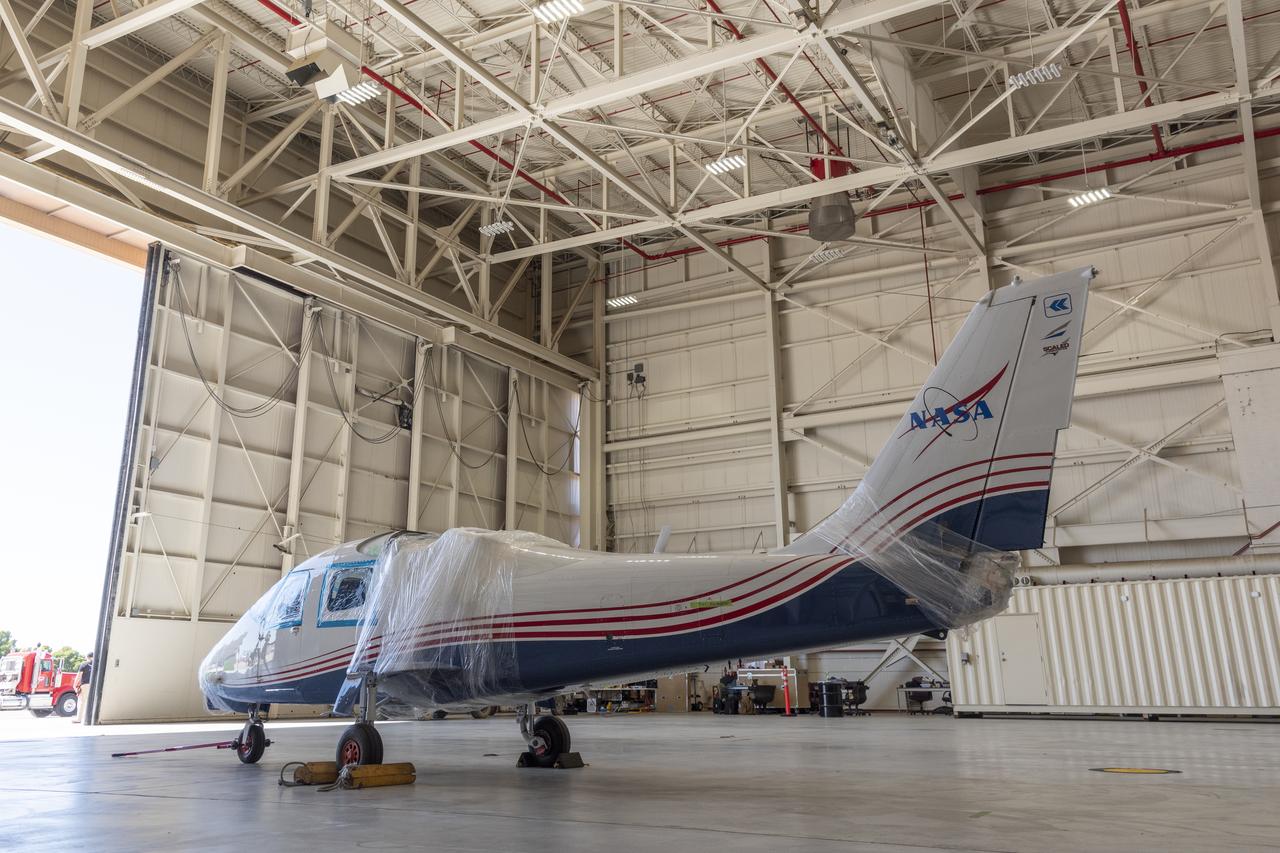
NASA’s X-57 Maxwell, the agency’s first all-electric X-plane and first crewed X-planed in two decades, is delivered to NASA’s Armstrong Flight Research Center in Edwards, California in its Mod II configuration. The first of three primary modifications for the project, Mod II involves testing of the aircraft’s cruise electric propulsion system. Delivery to NASA from prime contractor Empirical Systems Aerospace of San Luis Obispo, California, marks a major milestone for the project, at which point the vehicle is reintegrated for ground tests, to be followed by taxi tests, and eventually, flight tests. X-57’s goal is to further advance the design and airworthiness process for distributed electric propulsion technology for general aviation aircraft, which can provide multiple benefits to efficiency, emissions, and noise.
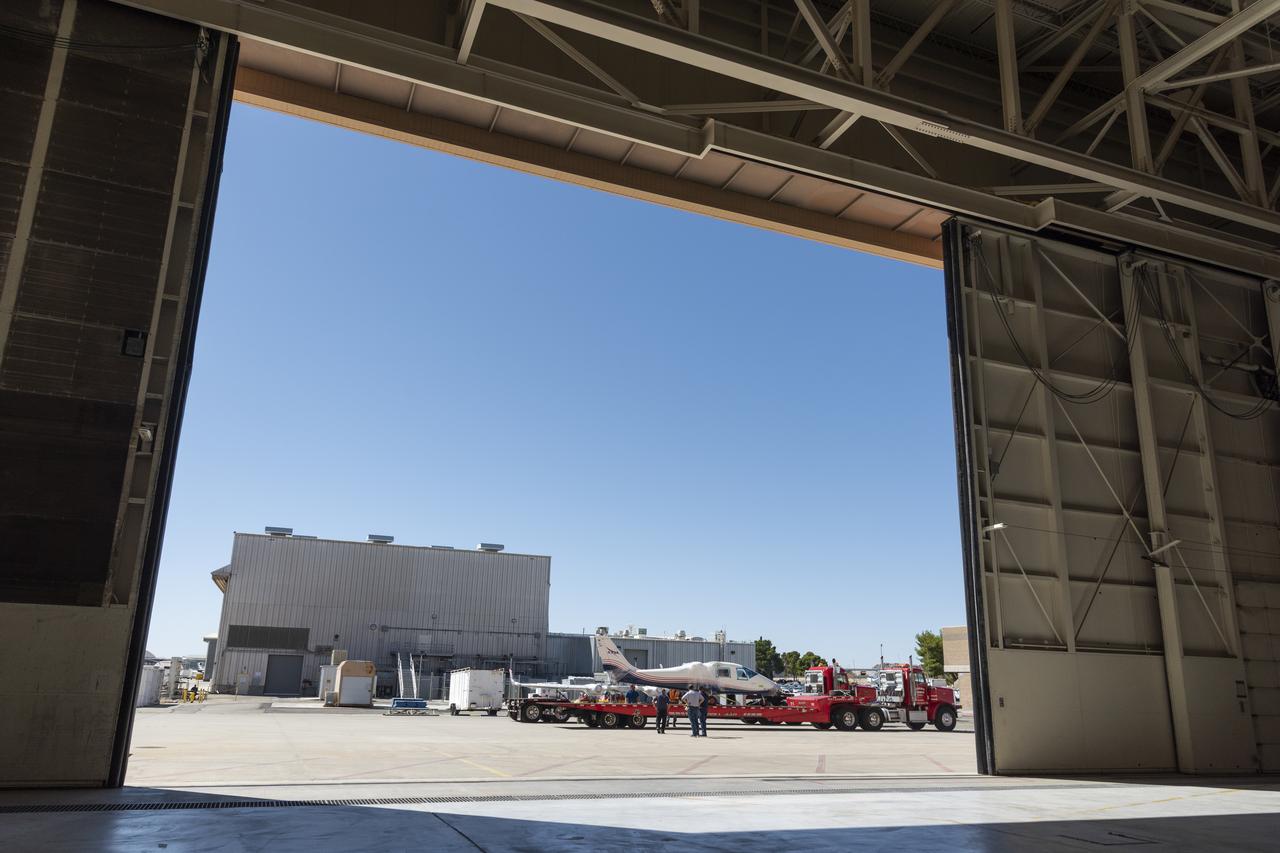
NASA’s X-57 Maxwell, the agency’s first all-electric X-plane and first crewed X-planed in two decades, is delivered to NASA’s Armstrong Flight Research Center in Edwards, California in its Mod II configuration. The first of three primary modifications for the project, Mod II involves testing of the aircraft’s cruise electric propulsion system. Delivery to NASA from prime contractor Empirical Systems Aerospace of San Luis Obispo, California, marks a major milestone for the project, at which point the vehicle is reintegrated for ground tests, to be followed by taxi tests, and eventually, flight tests. X-57’s goal is to further advance the design and airworthiness process for distributed electric propulsion technology for general aviation aircraft, which can provide multiple benefits to efficiency, emissions, and noise.
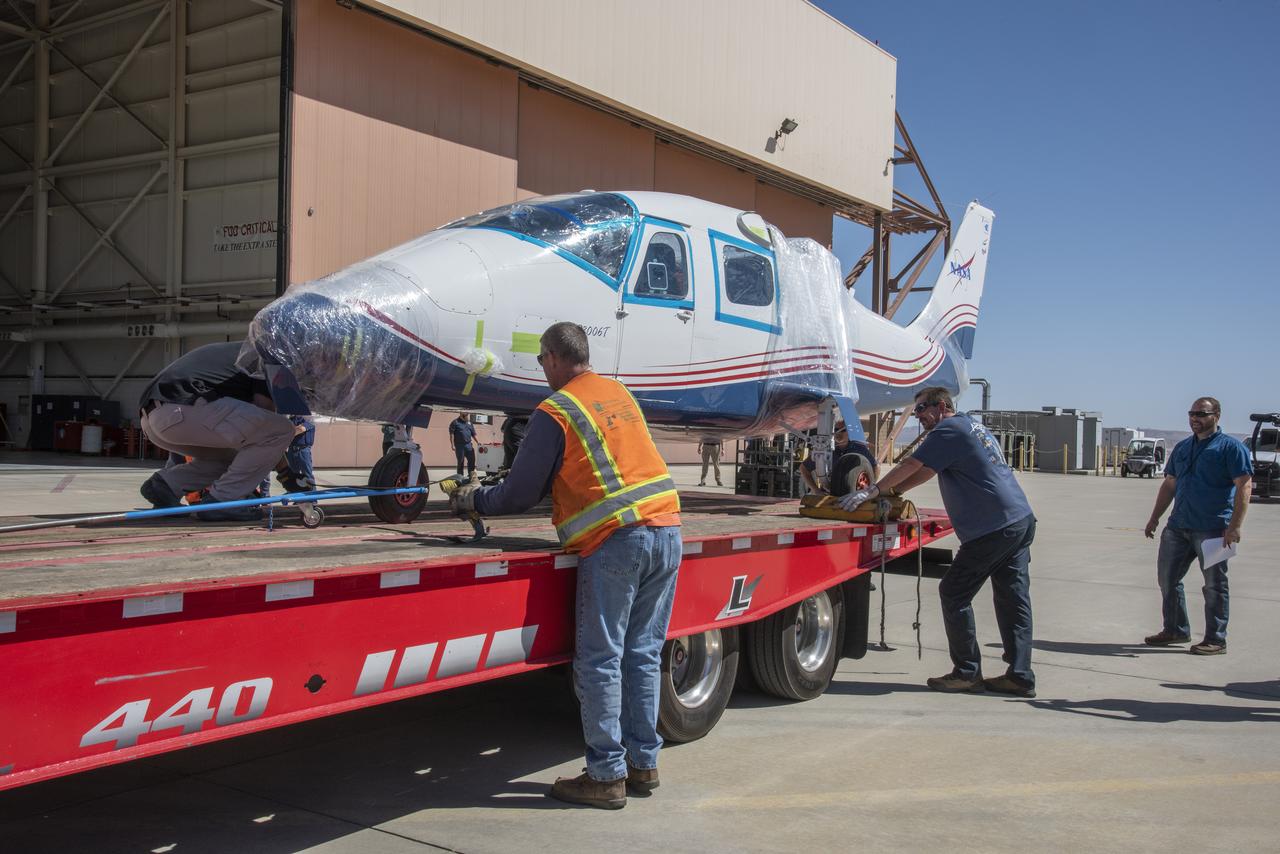
NASA's X-57 Maxwell, the agency's first all-electric X-plane and first crewed X-planed in two decades, is delivered to NASA's Armstrong Flight Research Center in Edwards, California in its Mod II configuration. The first of three primary modifications for the project, Mod II involves testing of the aircraft's cruise electric propulsion system. Delivery to NASA from prime contractor Empirical Systems Aerospace of San Luis Obispo, California, marks a major milestone for the project, at which point the vehicle is reintegrated for ground tests, to be followed by taxi tests, and eventually, flight tests. X-57's goal is to further advance the design and airworthiness process for distributed electric propulsion technology for general aviation aircraft, which can provide multiple benefits to efficiency, emissions, and noise.
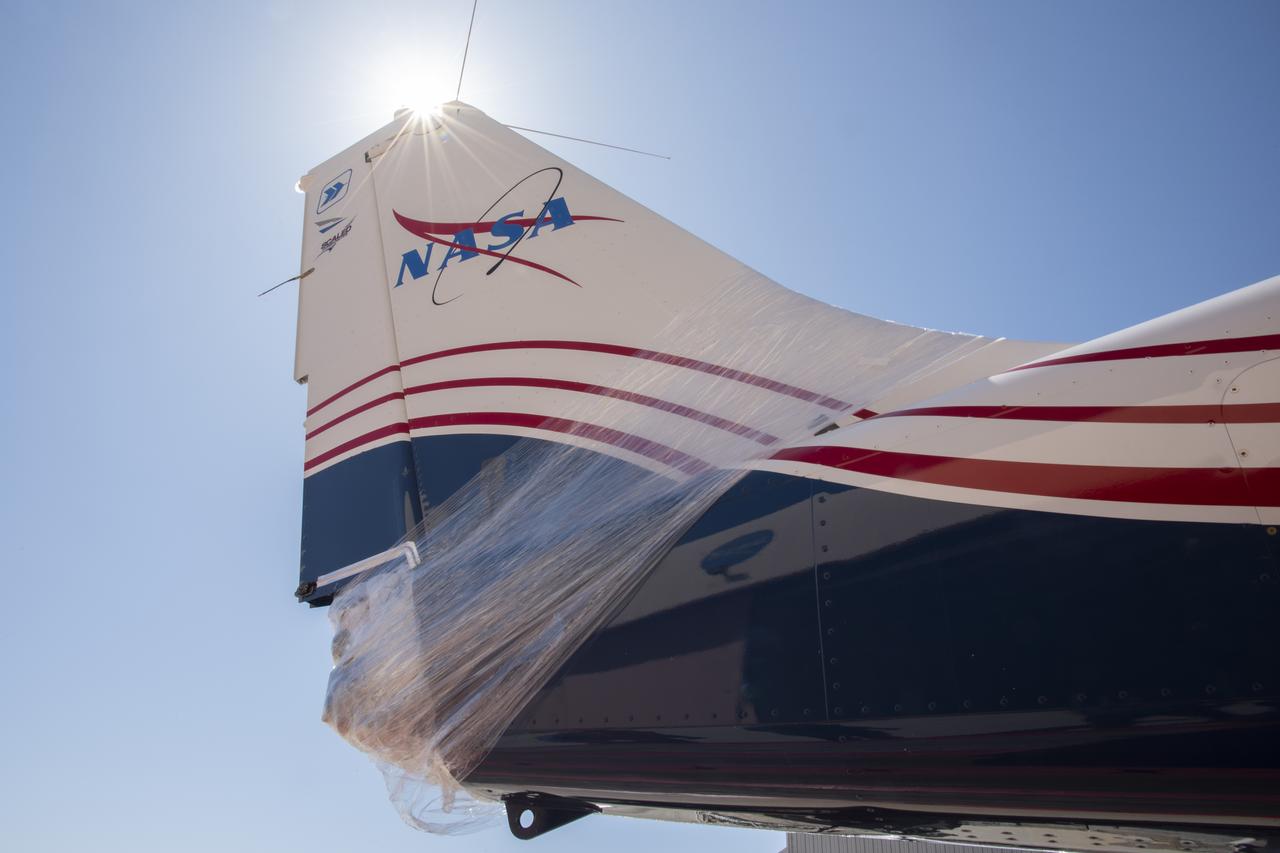
NASA's X-57 Maxwell, the agency's first all-electric X-plane and first crewed X-planed in two decades, is delivered to NASA's Armstrong Flight Research Center in Edwards, California in its Mod II configuration. The first of three primary modifications for the project, Mod II involves testing of the aircraft's cruise electric propulsion system. Delivery to NASA from prime contractor Empirical Systems Aerospace of San Luis Obispo, California, marks a major milestone for the project, at which point the vehicle is reintegrated for ground tests, to be followed by taxi tests, and eventually, flight tests. X-57's goal is to further advance the design and airworthiness process for distributed electric propulsion technology for general aviation aircraft, which can provide multiple benefits to efficiency, emissions, and noise.
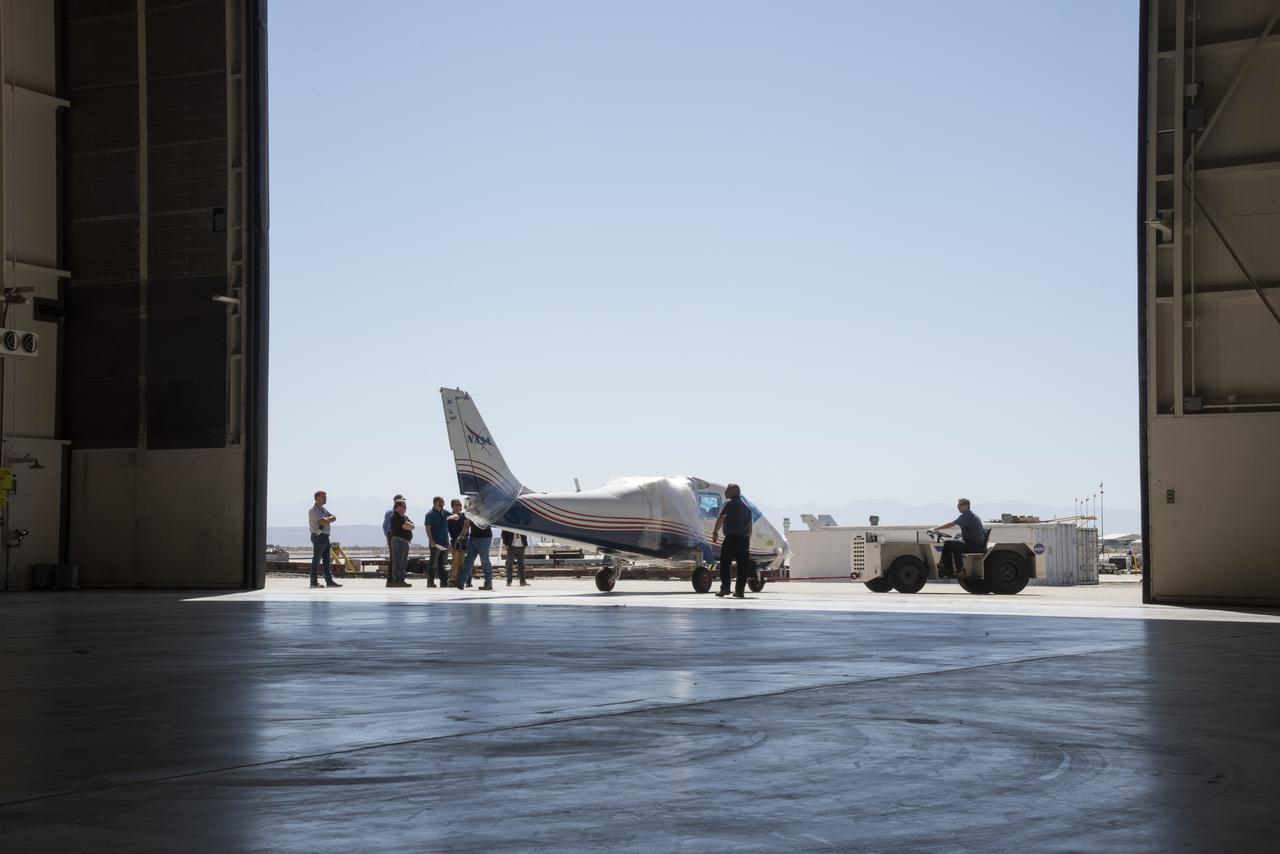
NASA’s X-57 Maxwell, the agency’s first all-electric X-plane and first crewed X-planed in two decades, is delivered to NASA’s Armstrong Flight Research Center in Edwards, California in its Mod II configuration. The first of three primary modifications for the project, Mod II involves testing of the aircraft’s cruise electric propulsion system. Delivery to NASA from prime contractor Empirical Systems Aerospace of San Luis Obispo, California, marks a major milestone for the project, at which point the vehicle is reintegrated for ground tests, to be followed by taxi tests, and eventually, flight tests. X-57’s goal is to further advance the design and airworthiness process for distributed electric propulsion technology for general aviation aircraft, which can provide multiple benefits to efficiency, emissions, and noise.
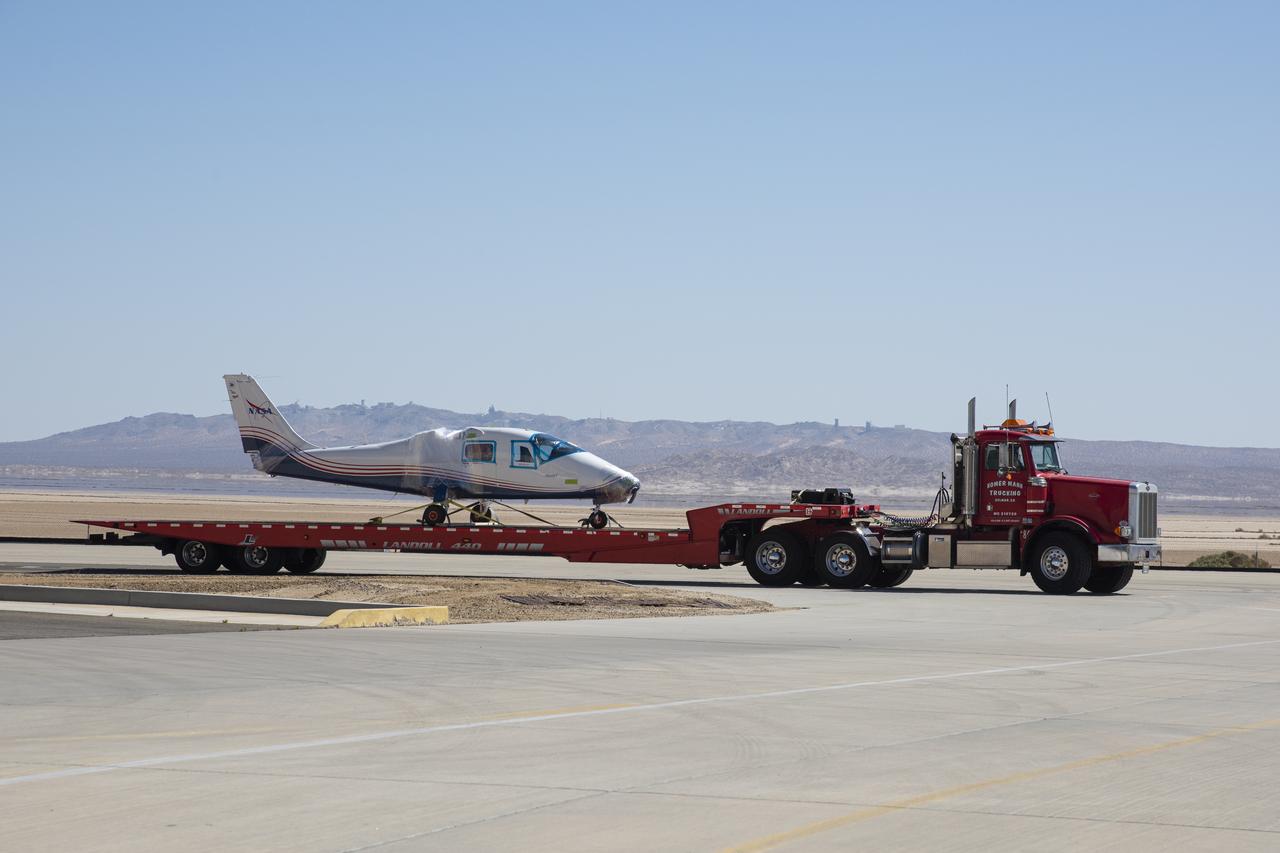
NASA’s all-electric X-57 Maxwell, in its Mod II configuration, arrives at NASA’s Armstrong Flight Research Center in Edwards, California. The X-plane was delivered by prime contractor Empirical Systems Aerospace of San Luis Obispo, California, in two parts, with the wing separated from the fuselage, to aid in a more timely delivery. X-57 is NASA’s first crewed X-plane in two decades, and seeks to further advance the design and airworthiness process for distributed electric propulsion technology for general aviation aircraft.
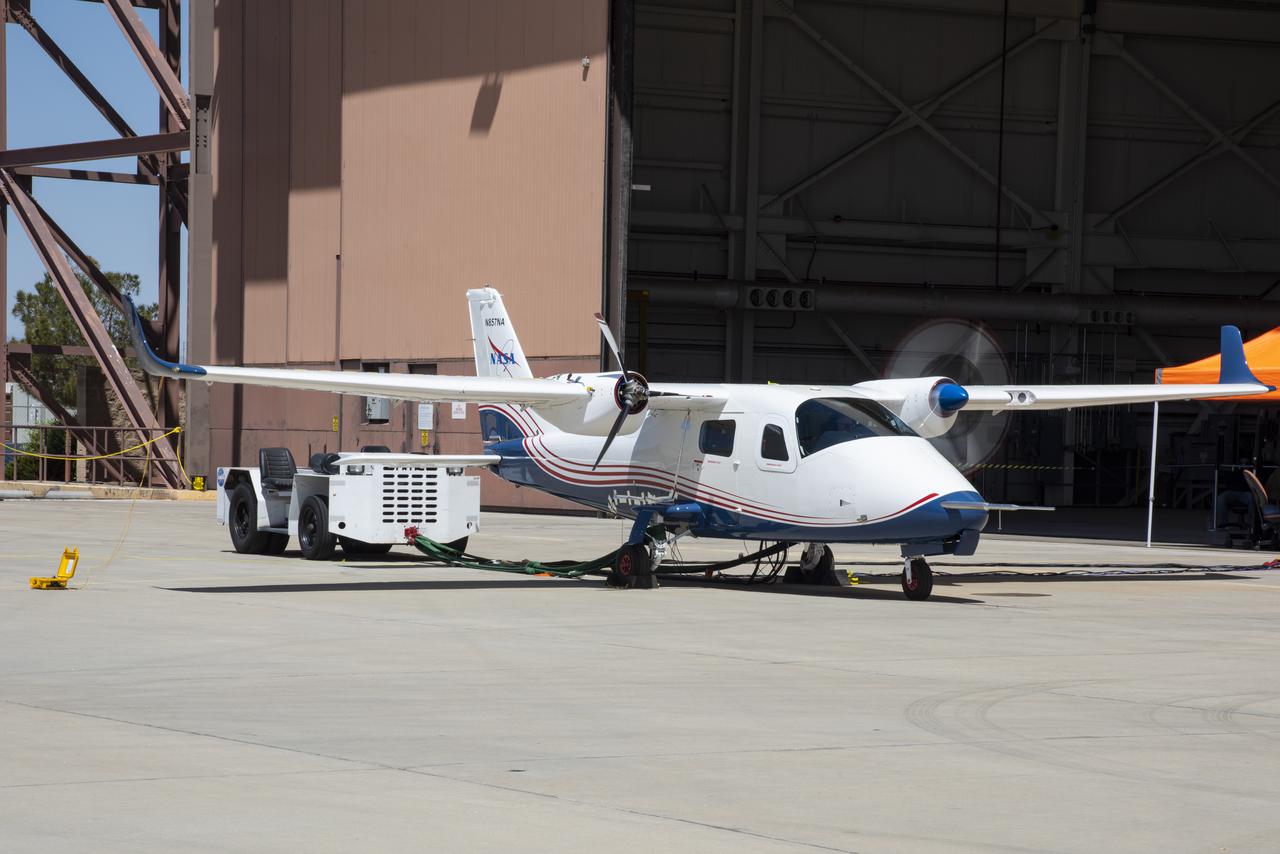
NASA's all-electric X-57 Maxwell continues to undergo high-voltage ground testing with successful spinning of the propellers under electric power at NASA's Armstrong Flight Research Center in California. The principal goals of the X-57 Project are to share the X-57 design and airworthiness process with regulators and standards organizations; and to establish the X-57 as a reference platform for integrated approaches of distributed electric propulsion technologies.
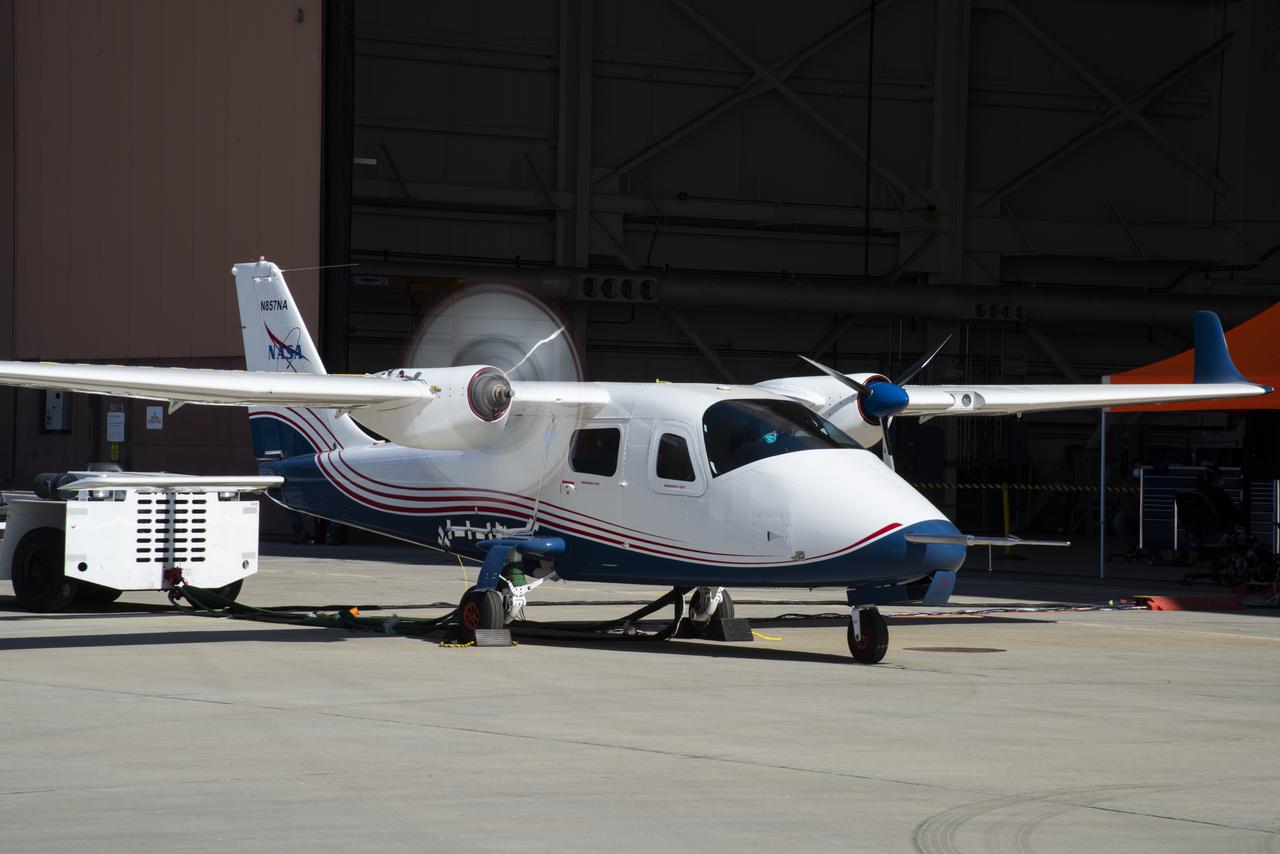
NASA's all-electric X-57 Maxwell continues to undergo high-voltage ground testing with successful spinning of the propellers under electric power at NASA's Armstrong Flight Research Center in California. The principal goals of the X-57 Project are to share the X-57 design and airworthiness process with regulators and standards organizations; and to establish the X-57 as a reference platform for integrated approaches of distributed electric propulsion technologies.
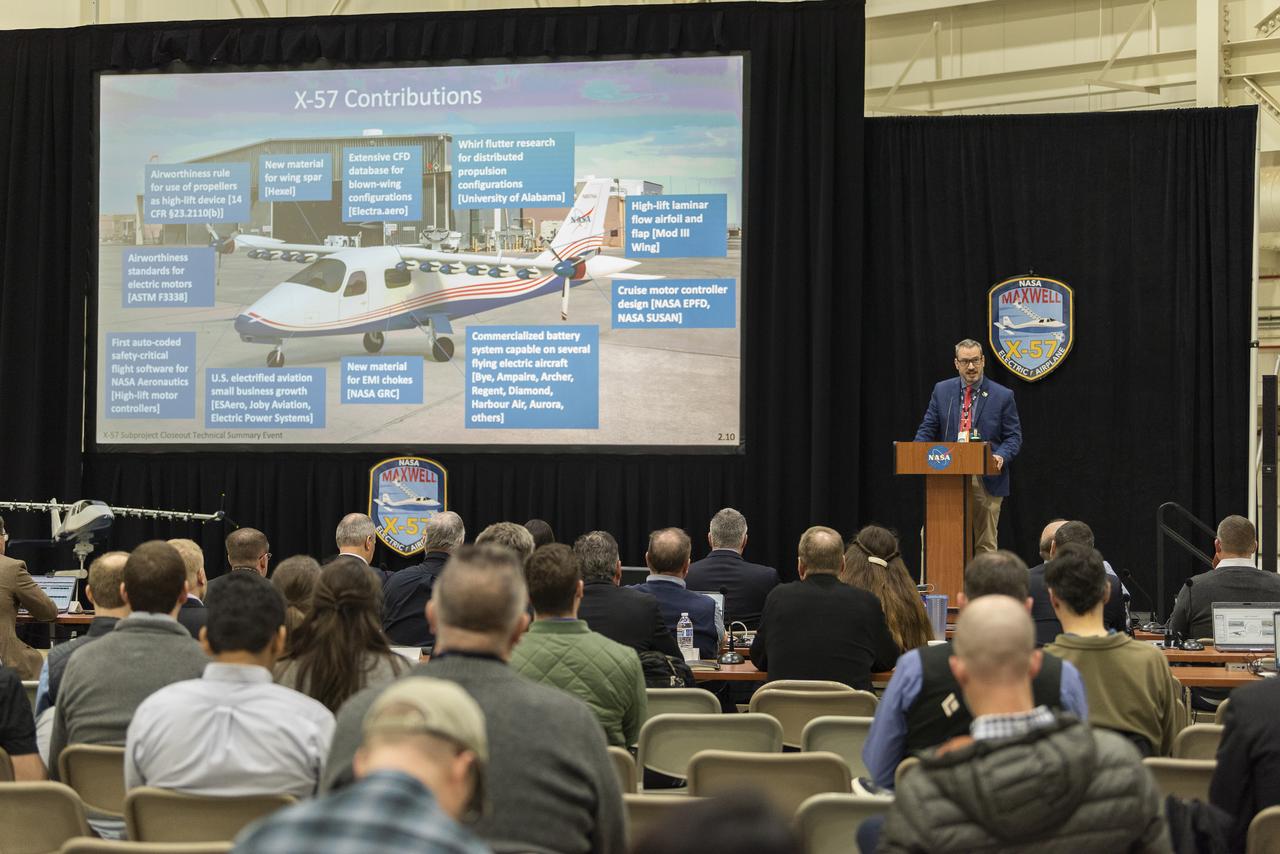
X-57 Maxwell principal investigator, Sean Clarke, talks about the innovative contributions the X-57 research team made to the electric propulsion community during a knowledge sharing event at NASA’s Armstrong Flight Research Center in Edwards, California.
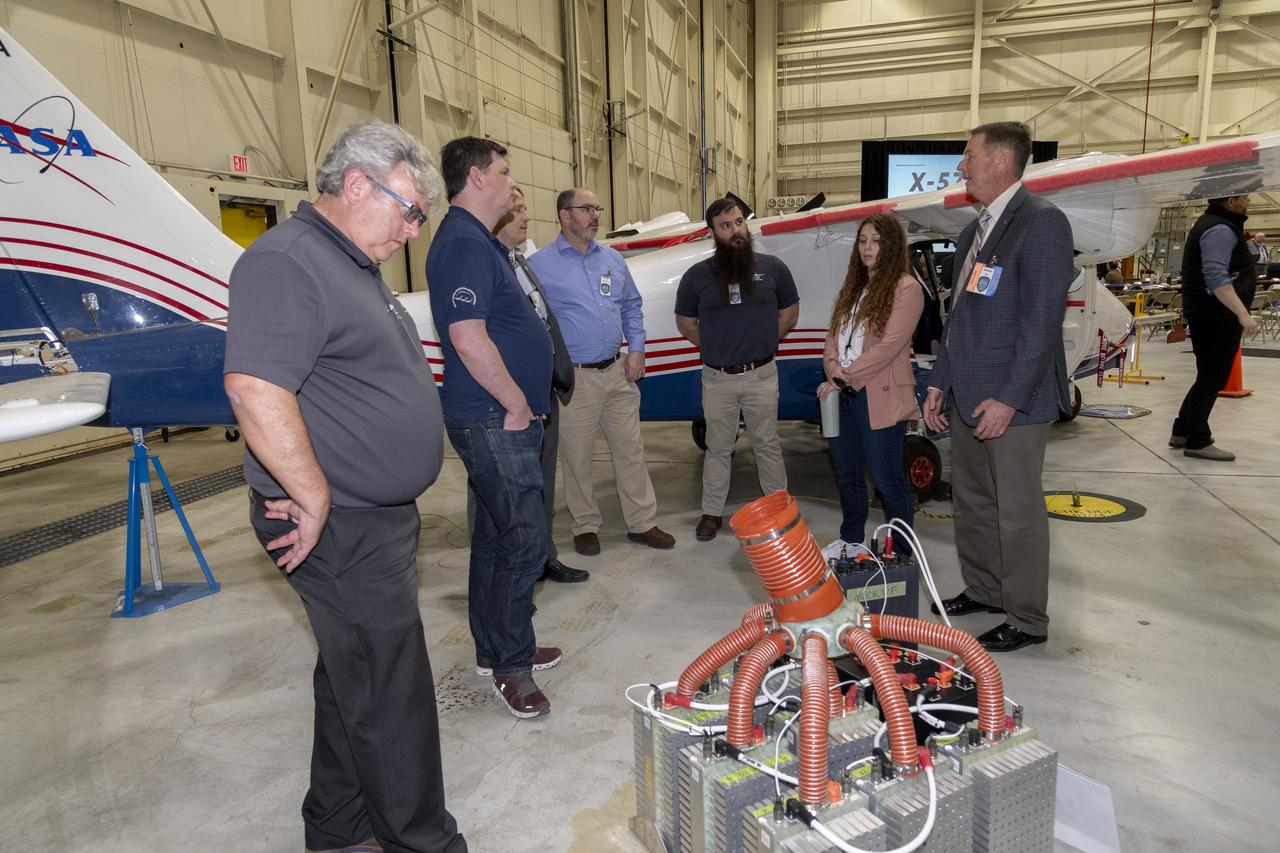
Attendees gather next to the X-57 Maxwell aircraft during a knowledge sharing meeting at NASA’s Armstrong Flight Research Center in Edwards, California looking at a display of the battery assembly that normally sits inside the aircraft.
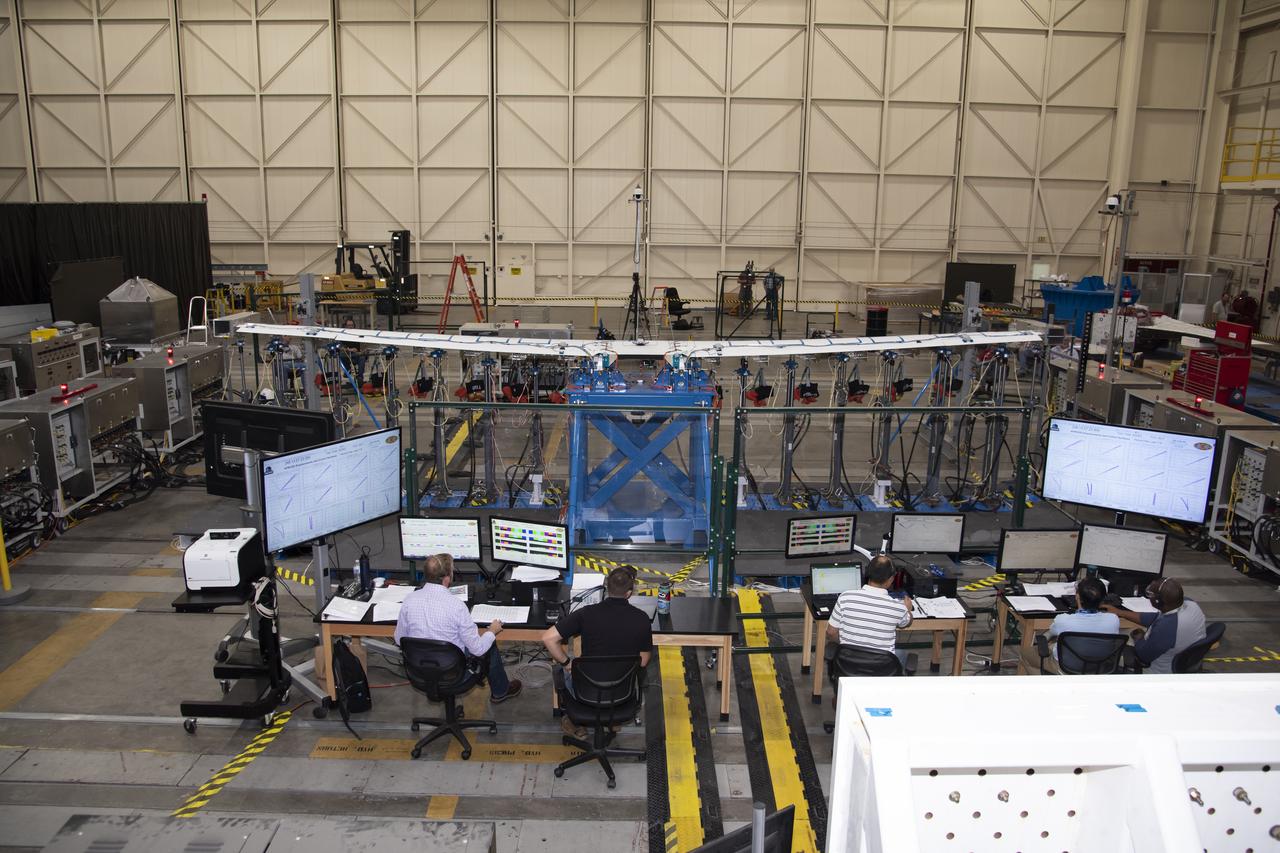
The X-57 distributed electric aircraft wing that will fly in the final configuration of the flight tests completed its testing at NASA's Armstrong Flight Research Center in California. The test above researched the wing's structure under stress of 120% of the design limit. Tests increased confidence in the wing's durability and calibrated installed strain gauges for inflight load monitoring of the wing. From left to right are Eric Miller, Tony Cash, Welsey Li, Shun-fat Lung and Ashante Jordan.
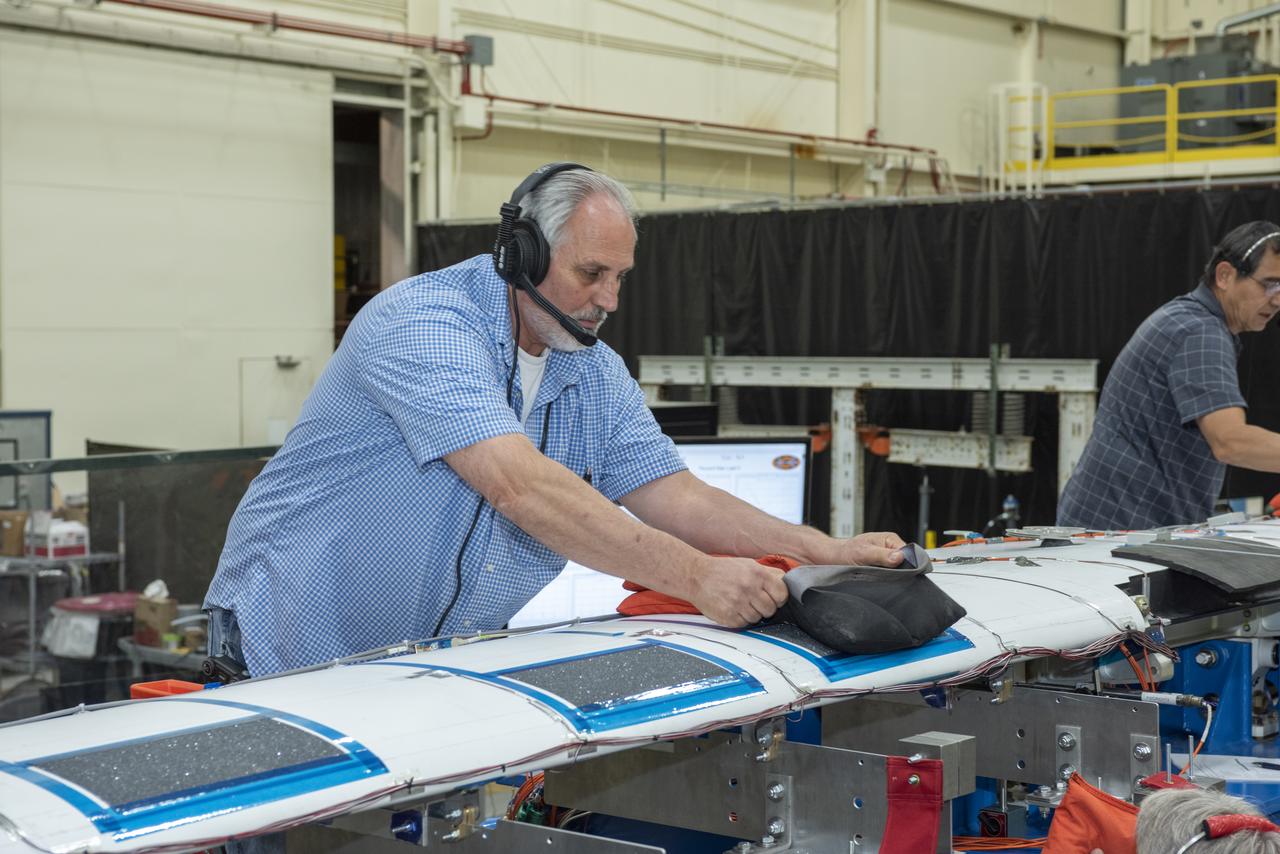
Ted Powers and Ronnie Haraguchi apply shot bags to the wing of the X-57 distributed electric aircraft wing at NASA’s Armstrong Flight Research Center in California. Tests increased confidence in the wing’s durability and calibrated installed strain gauges for inflight load monitoring of the wing.
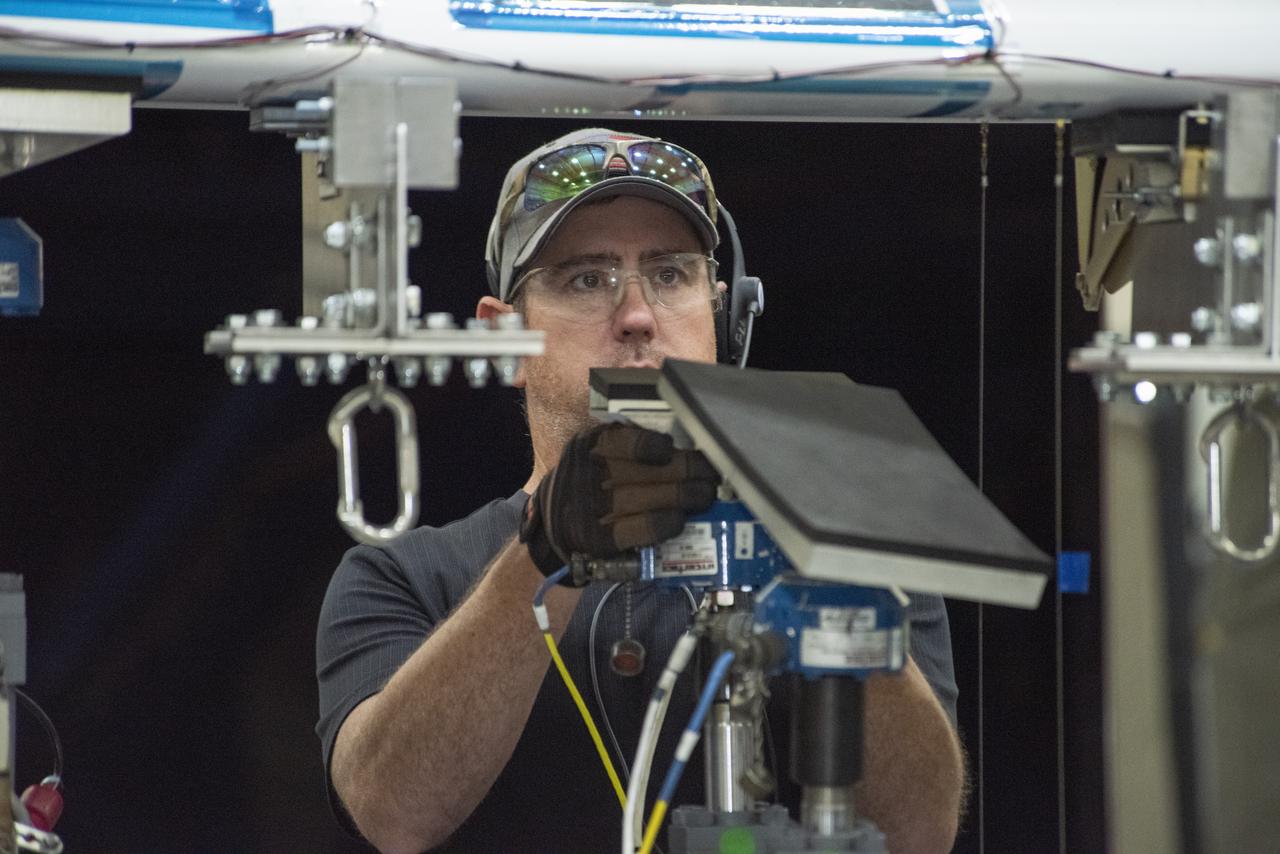
Ray Sadler adjusts hydraulic actuators with pads to the wing of the X-57 distributed electric aircraft wing at NASA's Armstrong Flight Research Center in California. Tests increased confidence in the wing's durability and calibrated installed strain gauges for inflight load monitoring of the wing.
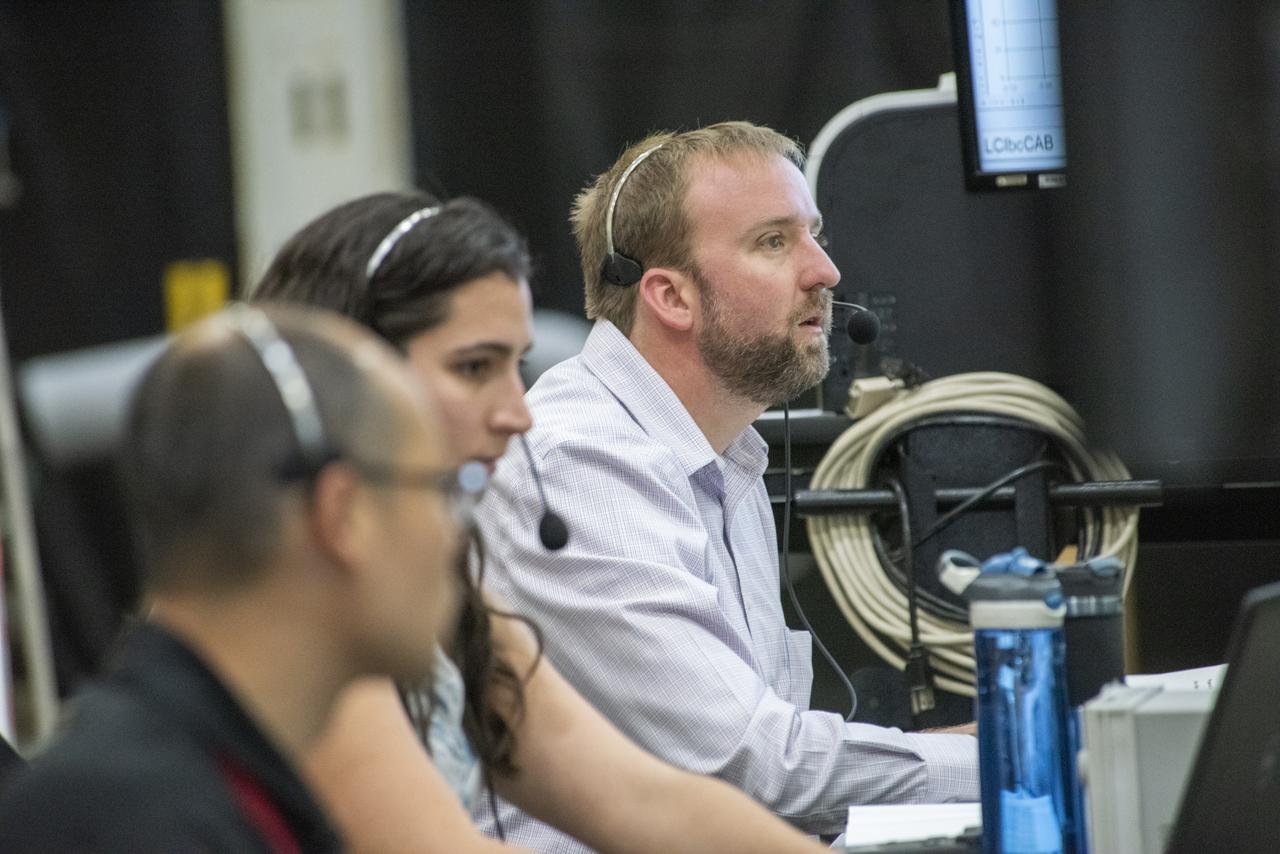
Wesley Li, Kirsten Boogaard and test conductor Eric Miller observe testing of the X-57 distributed electric aircraft wing at NASA's Armstrong Flight Research Center in California. Tests increased confidence in the wing's durability and calibrated installed strain gauges for inflight load monitoring of the wing.
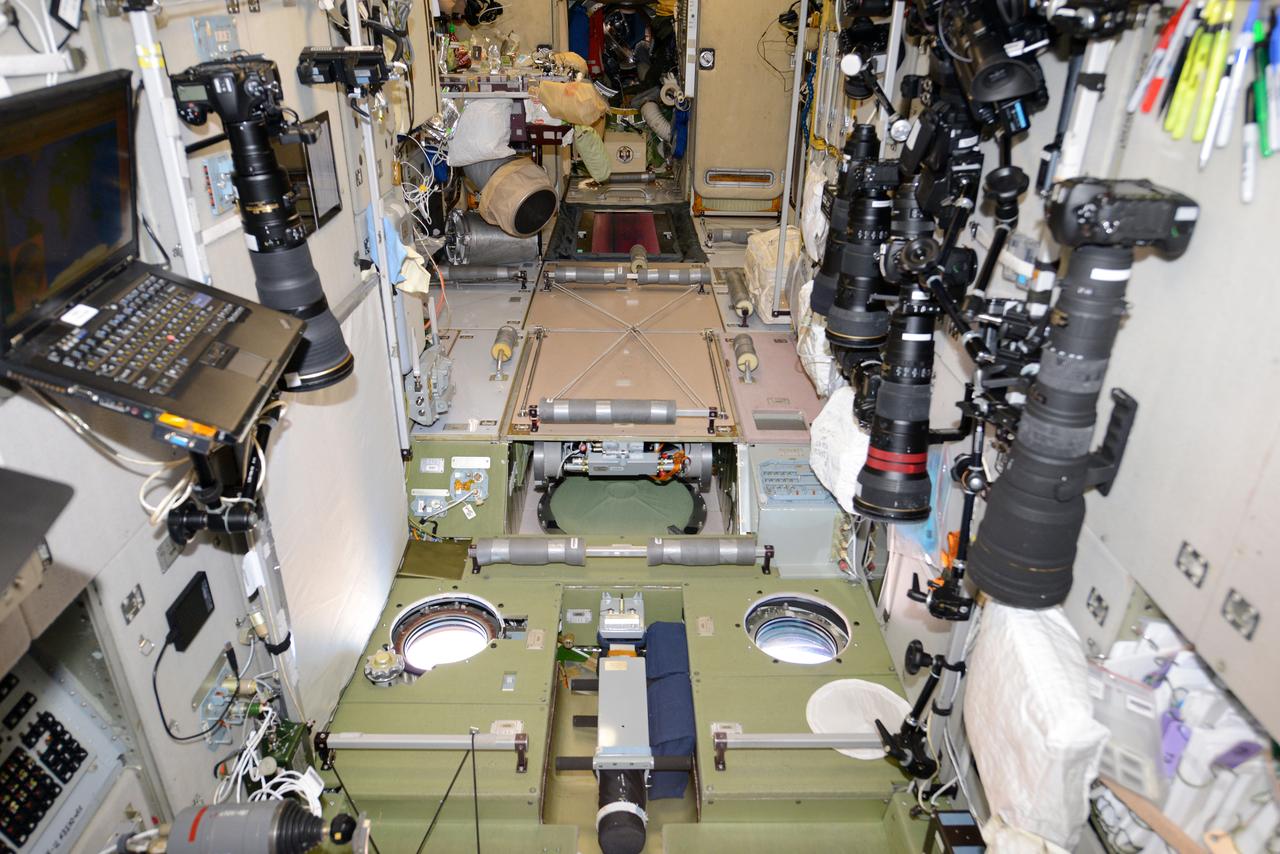
iss061e013837 (10/28/2019) --- A view of the Zvezda Service Module (SM) aboard the International Space Station (ISS). The Zvezda Service Module was the first fully Russian contribution to the International Space Station and served as the early cornerstone for the first human habitation of the station. The module provides station living quarters, life support systems, electrical power distribution, data processing systems, flight control systems and propulsion systems. It provides a communications system that includes remote command capabilities from ground flight controllers, and a docking port for Russian Soyuz and Progress spacecraft.

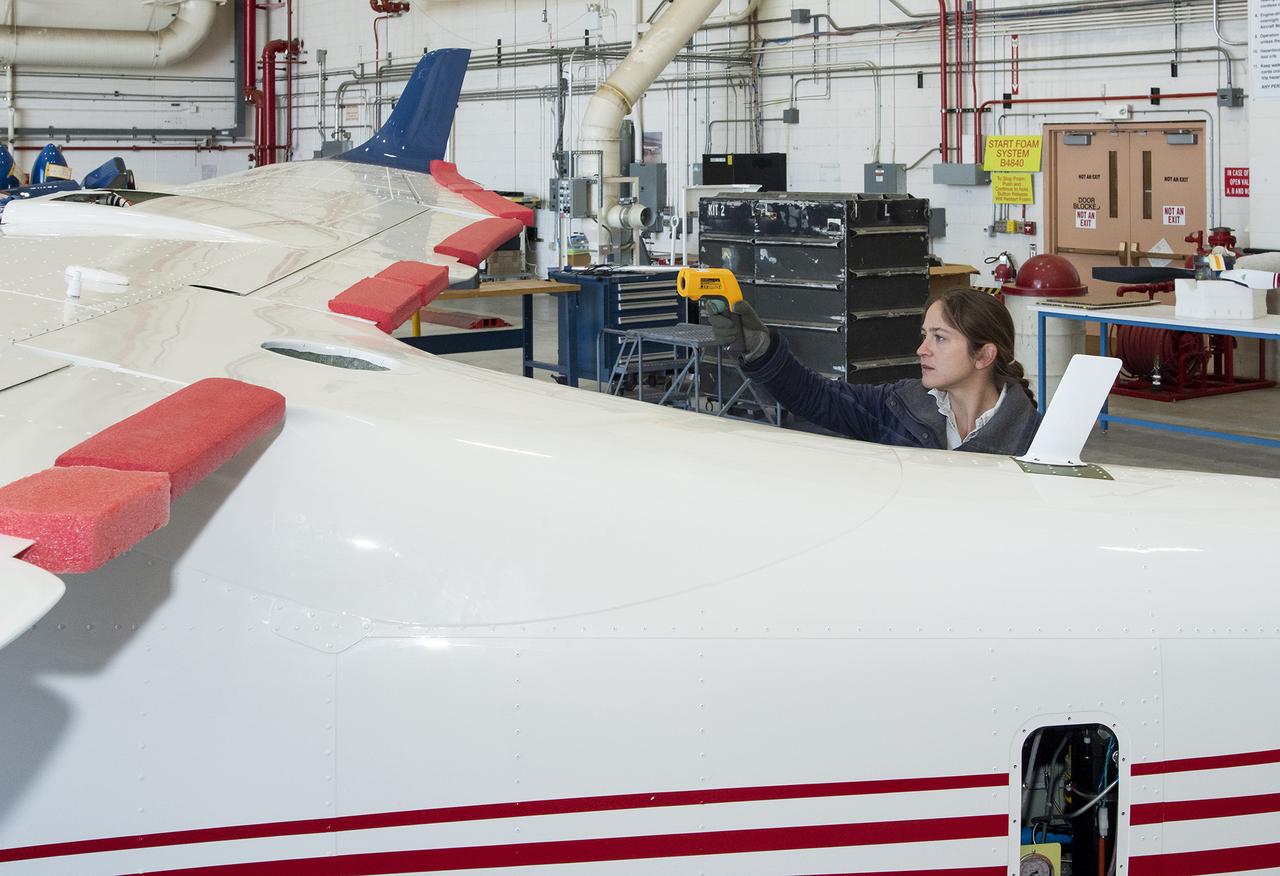
Telemetry testing begins on the X-57 Maxwell, NASA’s first all-electric X-plane, as the operations crew at NASA’s Armstrong Flight Research Center records the results. Telemetry testing is a critical phase in X-57’s functional test series. In addition to confirming the ability of the X-57 aircraft to transmit speed, altitude, direction, and location to teams on the ground, telemetry testing also confirms the ability to transmit mission-critical-data, such as voltage, power consumption, and structural integrity. X-57’s goal is to help set certification standards for emerging electric aircraft markets.
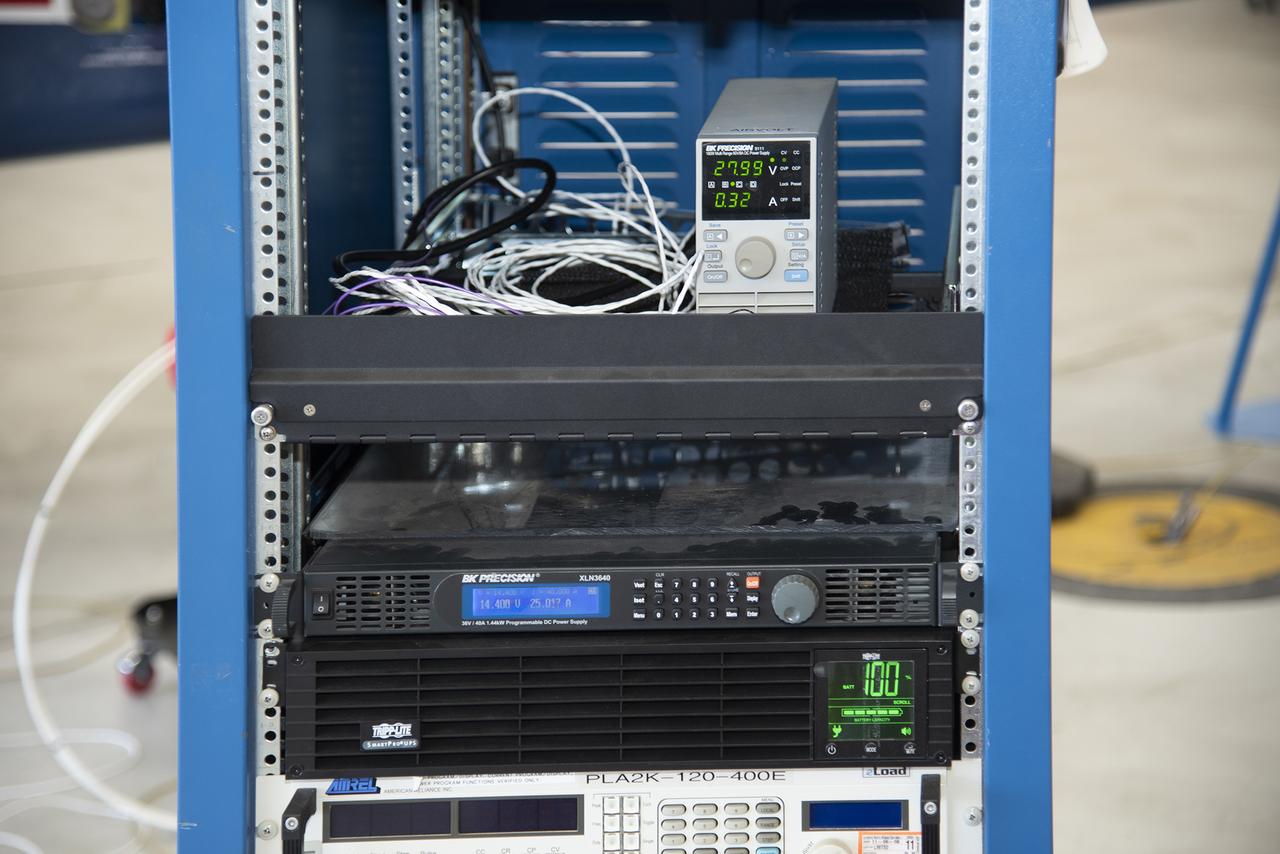
Telemetry testing begins on the X-57 Maxwell, NASA’s first all-electric X-plane, as the operations crew at NASA’s Armstrong Flight Research Center records the results. Telemetry testing is a critical phase in X-57’s functional test series. In addition to confirming the ability of the X-57 aircraft to transmit speed, altitude, direction, and location to teams on the ground, telemetry testing also confirms the ability to transmit mission-critical-data, such as voltage, power consumption, and structural integrity. X-57’s goal is to help set certification standards for emerging electric aircraft markets.
NASA engineers put the X-57 Maxwell, NASA’s first all-electric X-plane, through its initial telemetry tests at NASA’s Armstrong Flight Research Center in California, testing the aircraft’s ability to transmit data to teams on the ground. The data is packaged and transmitted down to ground assets, where it’s decoded into a format that can be presented to a flight control team to look at screens in real time for flight operations. X-57’s goal is to help set certification standards for emerging electric aircraft markets.
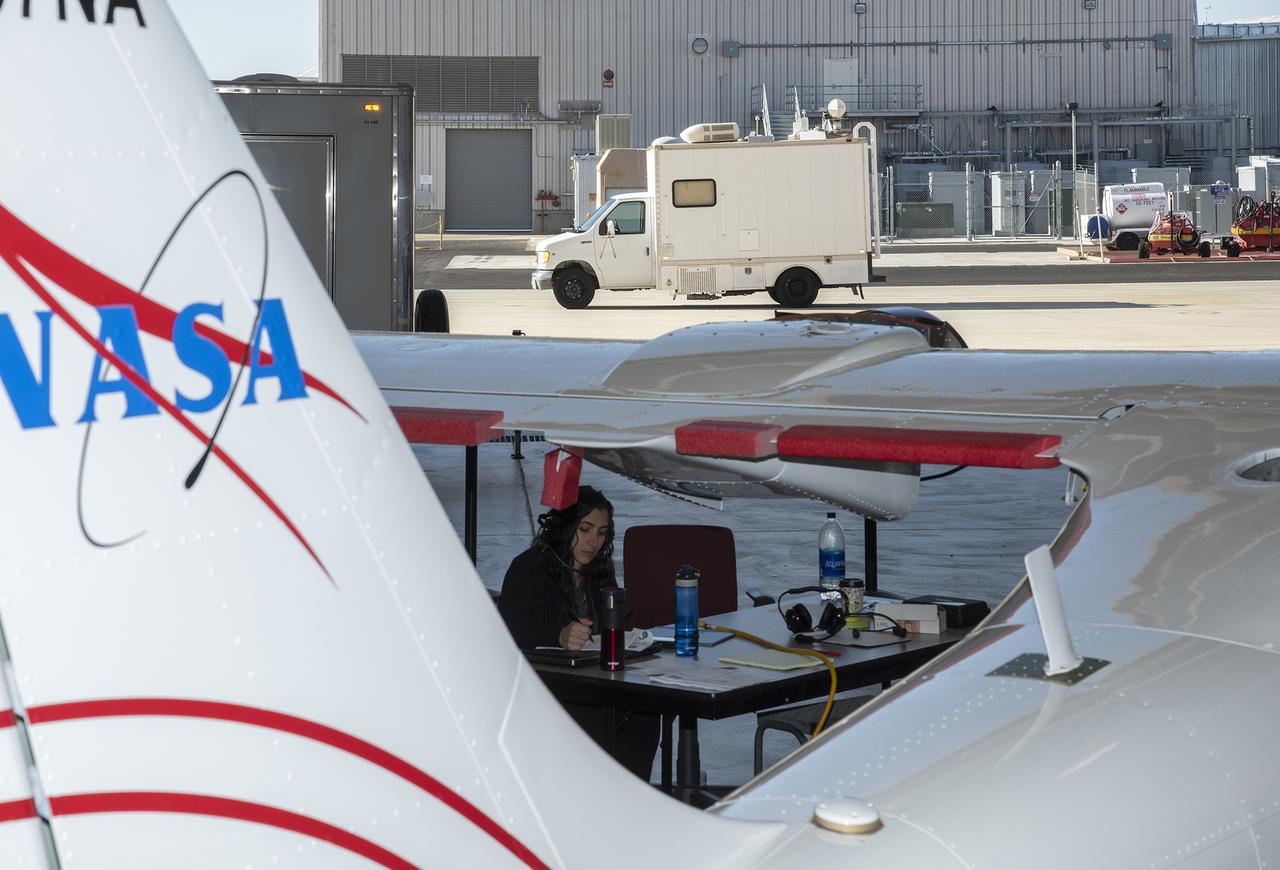
NASA engineers put the X-57 Maxwell, NASA's first all-electric X-plane, through its initial telemetry tests at NASA's Armstrong Flight Research Center in California, testing the aircraft's ability to transmit data to teams on the ground. The data is packaged and transmitted down to ground assets, where it's decoded into a format that can be presented to a flight control team to look at screens in real time for flight operations. X-57's goal is to help set certification standards for emerging electric aircraft markets.
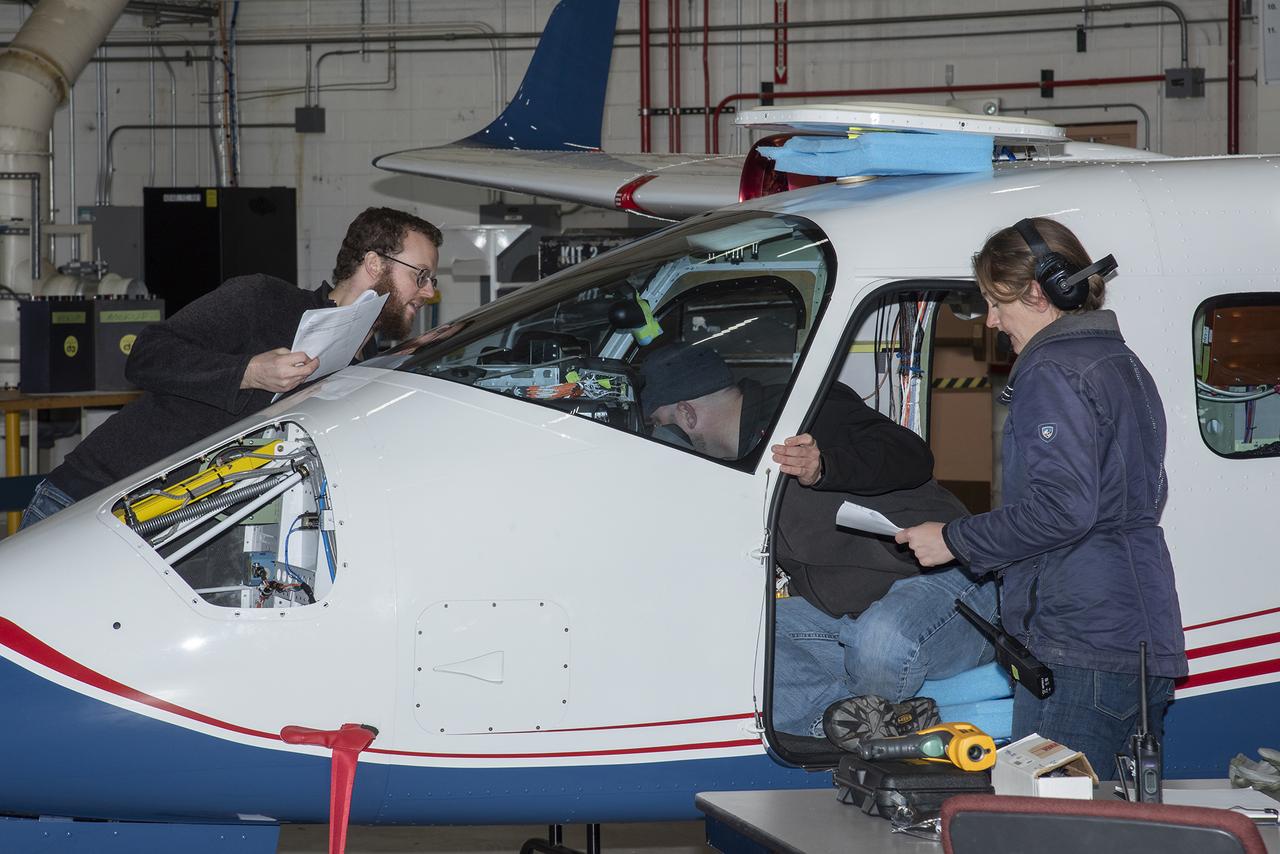
Telemetry testing begins on the X-57 Maxwell, NASA’s first all-electric X-plane, as the operations crew at NASA’s Armstrong Flight Research Center records the results. Telemetry testing is a critical phase in X-57’s functional test series. In addition to confirming the ability of the X-57 aircraft to transmit speed, altitude, direction, and location to teams on the ground, telemetry testing also confirms the ability to transmit mission-critical-data, such as voltage, power consumption, and structural integrity. X-57’s goal is to help set certification standards for emerging electric aircraft markets.
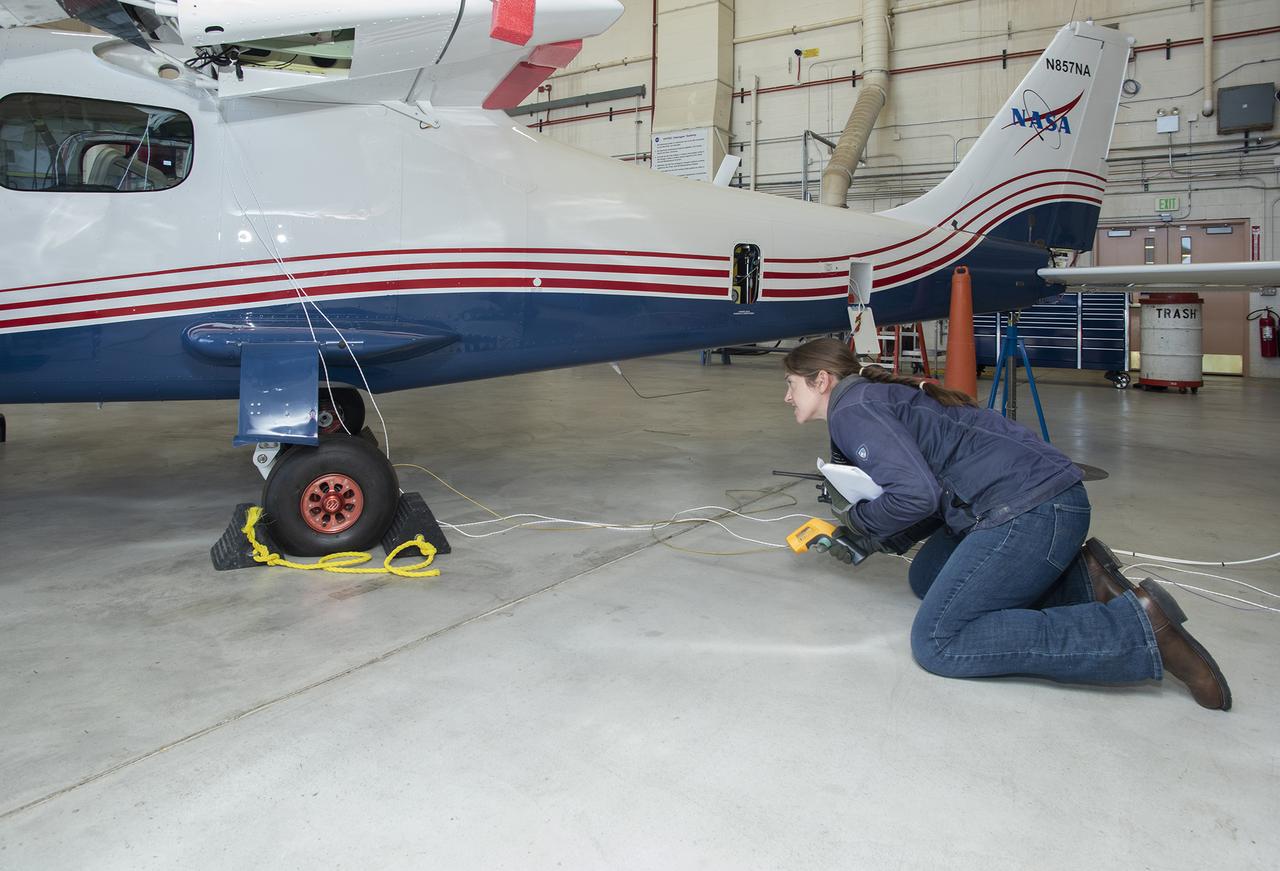
NASA engineers put the X-57 Maxwell, NASA’s first all-electric X-plane, through its initial telemetry tests at NASA’s Armstrong Flight Research Center in California, testing the aircraft’s ability to transmit data to teams on the ground. The data is packaged and transmitted down to ground assets, where it’s decoded into a format that can be presented to a flight control team to look at screens in real time for flight operations. X-57’s goal is to help set certification standards for emerging electric aircraft markets.
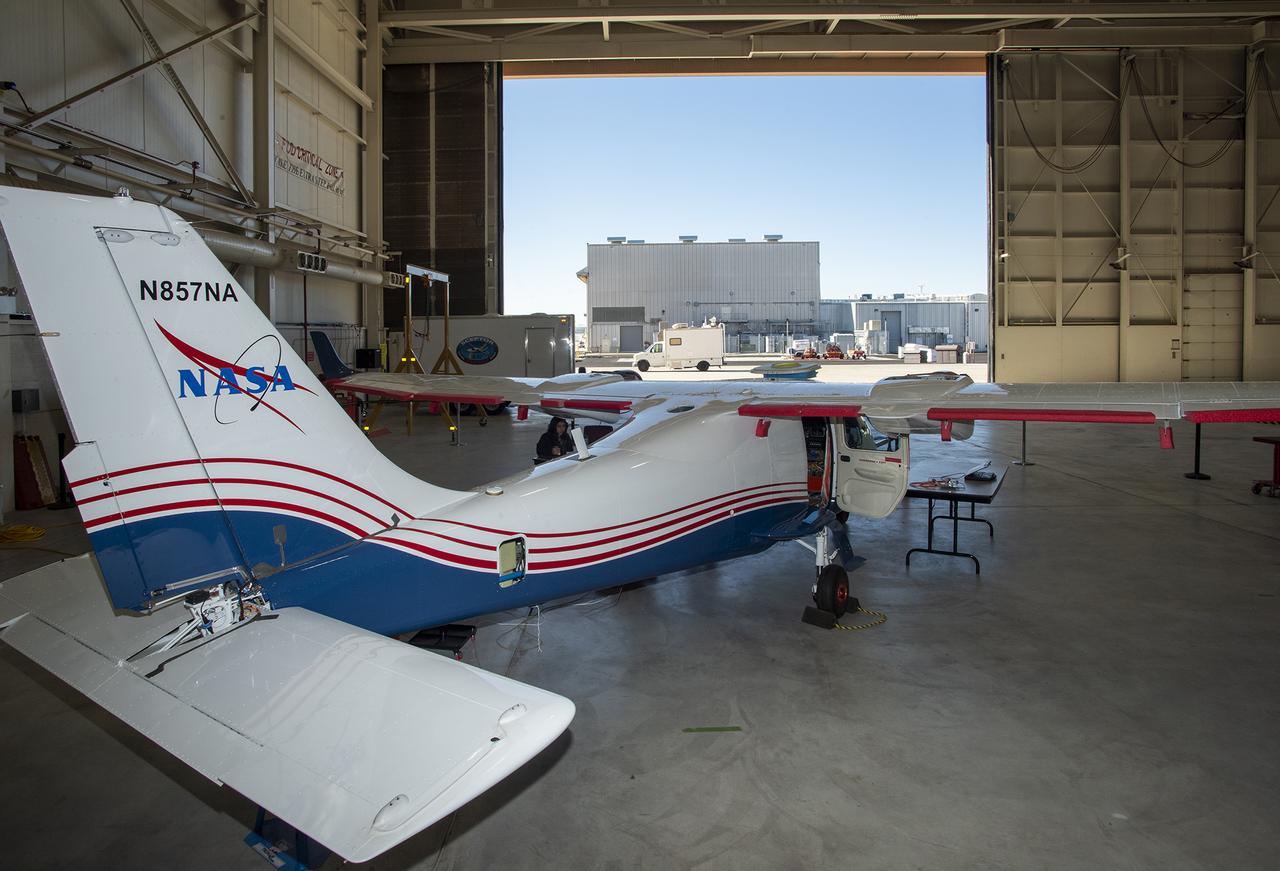
NASA engineers put the X-57 Maxwell, NASA's first all-electric X-plane, through its initial telemetry tests at NASA's Armstrong Flight Research Center in California, testing the aircraft's ability to transmit data to teams on the ground. The data is packaged and transmitted down to ground assets, where it's decoded into a format that can be presented to a flight control team to look at screens in real time for flight operations. X-57's goal is to help set certification standards for emerging electric aircraft markets.

Telemetry testing begins on the X-57 Maxwell, NASA's first all-electric X-plane, as the operations crew at NASA's Armstrong Flight Research Center records the results. Telemetry testing is a critical phase in X-57's functional test series. In addition to confirming the ability of the X-57 aircraft to transmit speed, altitude, direction, and location to teams on the ground, telemetry testing also confirms the ability to transmit mission-critical-data, such as voltage, power consumption, and structural integrity. X-57's goal is to help set certification standards for emerging electric aircraft markets.
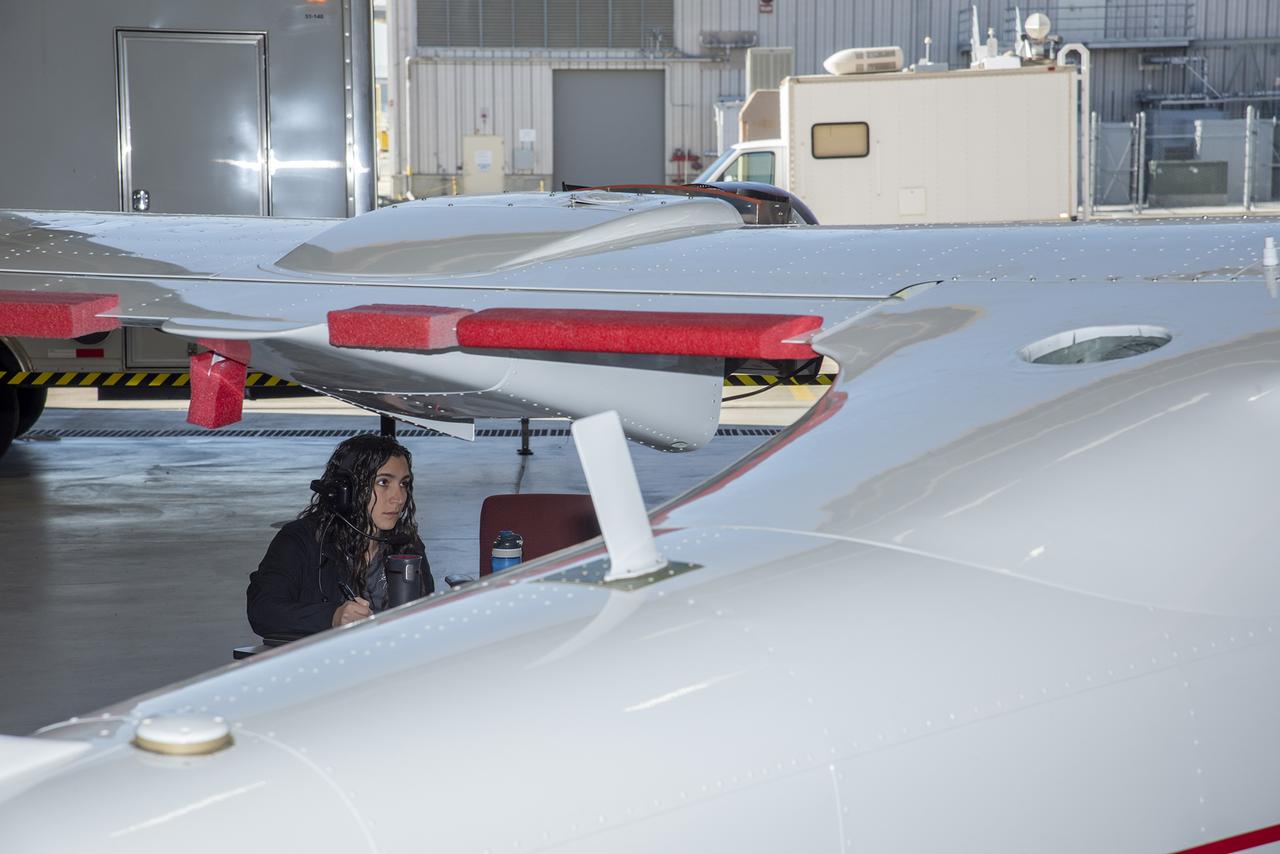
NASA engineers put the X-57 Maxwell, NASA’s first all-electric X-plane, through its initial telemetry tests at NASA’s Armstrong Flight Research Center in California, testing the aircraft’s ability to transmit data to teams on the ground. The data is packaged and transmitted down to ground assets, where it’s decoded into a format that can be presented to a flight control team to look at screens in real time for flight operations. X-57’s goal is to help set certification standards for emerging electric aircraft markets.
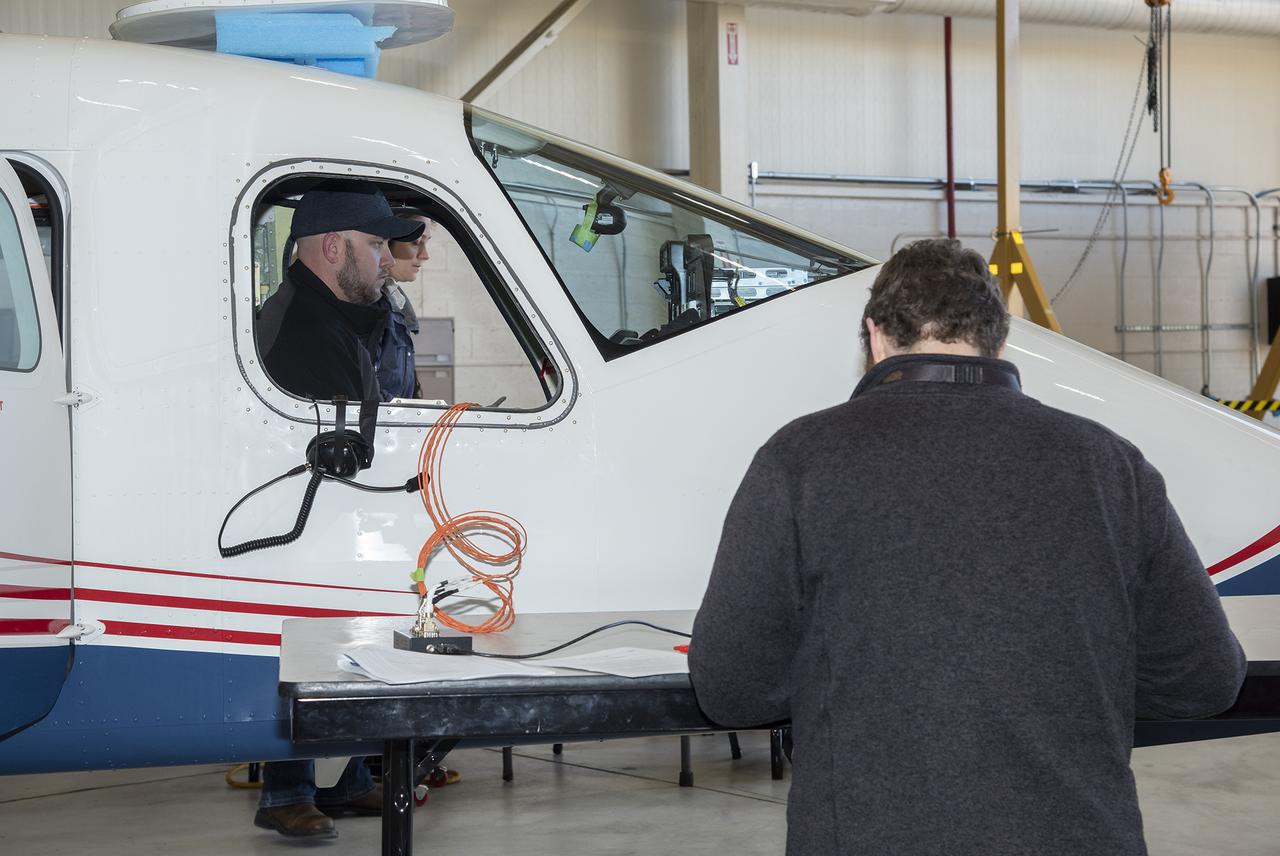
Telemetry testing begins on the X-57 Maxwell, NASA’s first all-electric X-plane, as the operations crew at NASA’s Armstrong Flight Research Center records the results. Telemetry testing is a critical phase in X-57’s functional test series. In addition to confirming the ability of the X-57 aircraft to transmit speed, altitude, direction, and location to teams on the ground, telemetry testing also confirms the ability to transmit mission-critical-data, such as voltage, power consumption, and structural integrity. X-57’s goal is to help set certification standards for emerging electric aircraft markets.

NASA engineers put the X-57 Maxwell, NASA's first all-electric X-plane, through its initial telemetry tests at NASA's Armstrong Flight Research Center in California, testing the aircraft's ability to transmit data to teams on the ground. The data is packaged and transmitted down to ground assets, where it's decoded into a format that can be presented to a flight control team to look at screens in real time for flight operations. X-57's goal is to help set certification standards for emerging electric aircraft markets.
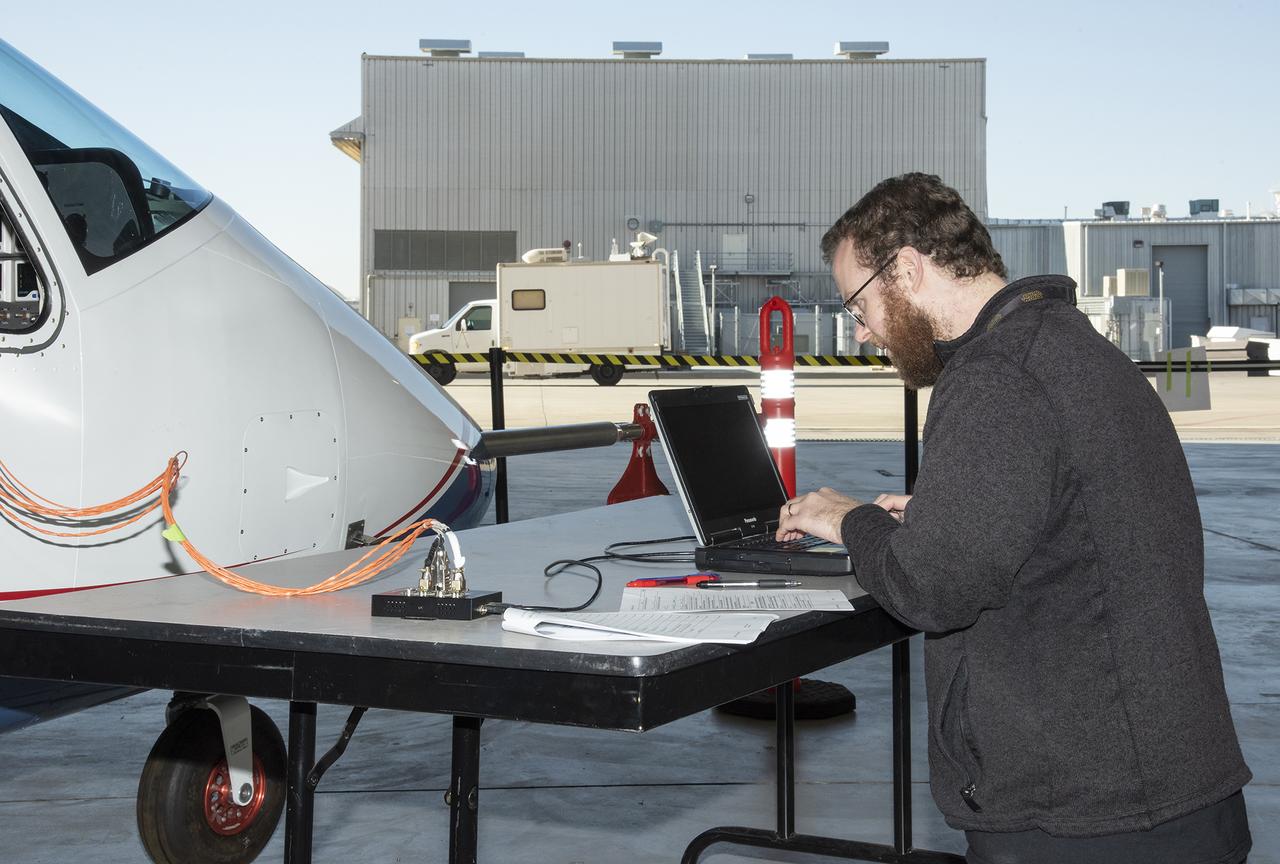
Telemetry testing begins on the X-57 Maxwell, NASA’s first all-electric X-plane, as the operations crew at NASA’s Armstrong Flight Research Center records the results. Telemetry testing is a critical phase in X-57’s functional test series. In addition to confirming the ability of the X-57 aircraft to transmit speed, altitude, direction, and location to teams on the ground, telemetry testing also confirms the ability to transmit mission-critical-data, such as voltage, power consumption, and structural integrity. X-57’s goal is to help set certification standards for emerging electric aircraft markets.
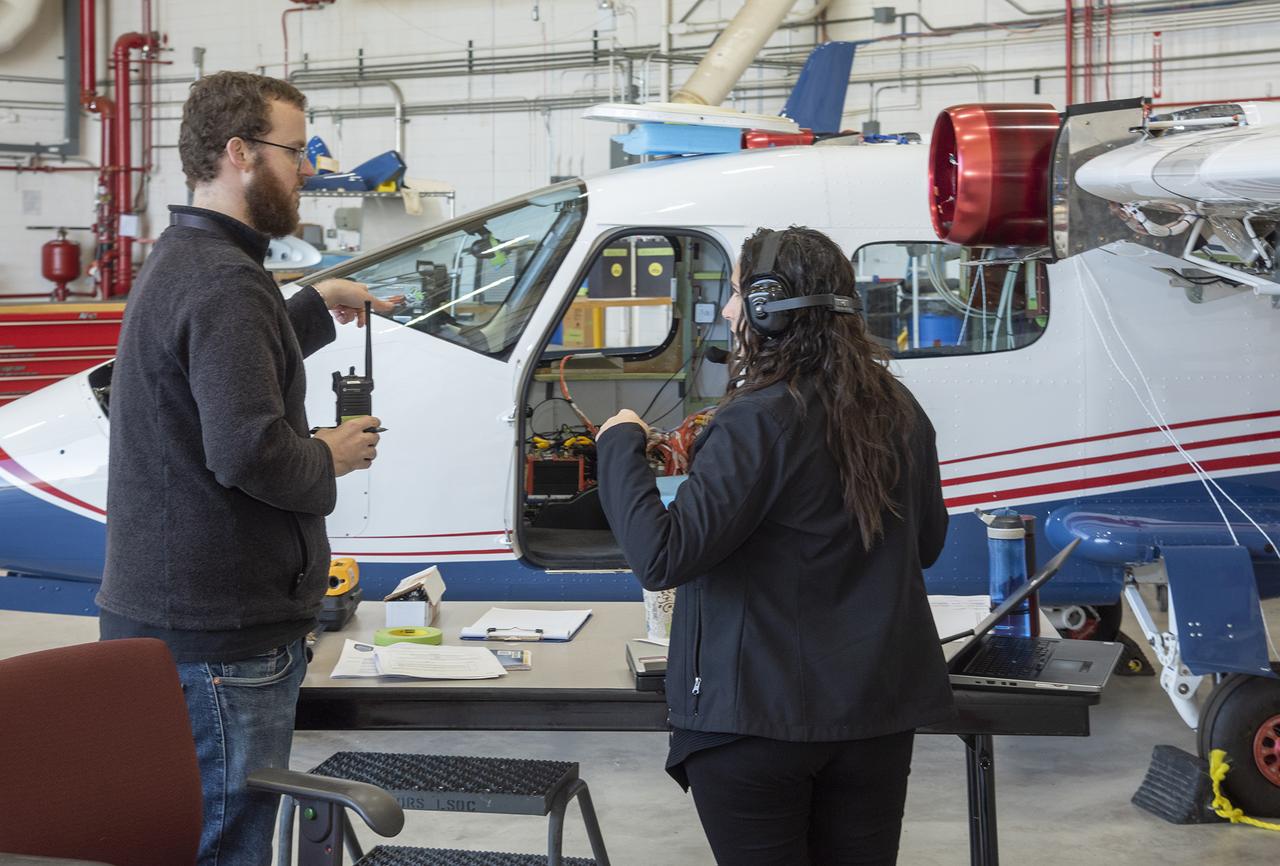
The X-57 operations crew at NASA's Armstrong Flight Research Center prepare for telemetry testing on NASA's first all-electric X-plane, the X-57 Maxwell. Shown here in its first all-electric configuration, known as Mod II, X-57's series of functional tests helps engineers confirm that the vehicle will be ready for taxi and flight tests, and the telemetry testing confirms the ability of the aircraft to transmit location and test data to the ground. X-57 will help set certification standards for emerging electric aircraft markets.
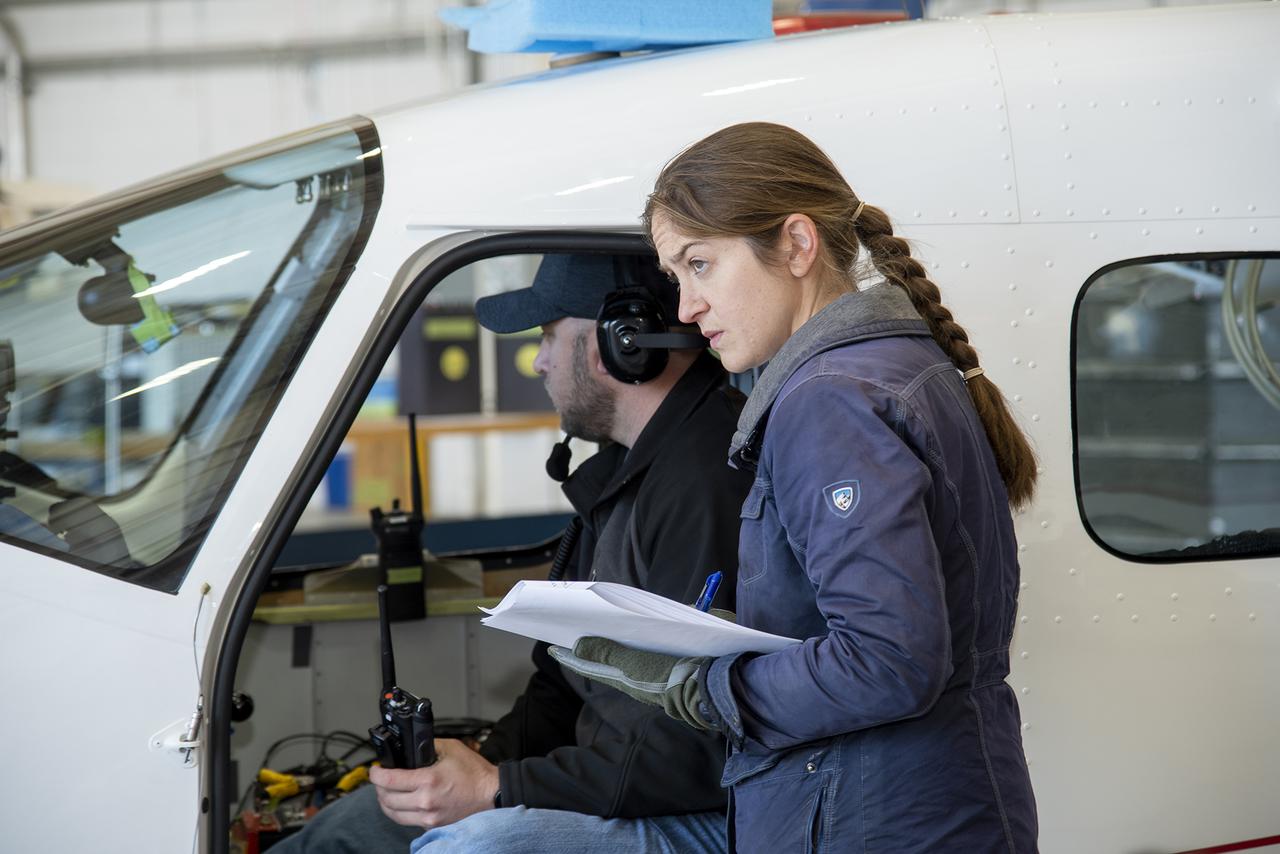
Telemetry testing begins on the X-57 Maxwell, NASA's first all-electric X-plane, as the operations crew at NASA's Armstrong Flight Research Center records the results. Telemetry testing is a critical phase in X-57's functional test series. In addition to confirming the ability of the X-57 aircraft to transmit speed, altitude, direction, and location to teams on the ground, telemetry testing also confirms the ability to transmit mission-critical-data, such as voltage, power consumption, and structural integrity. X-57's goal is to help set certification standards for emerging electric aircraft markets.
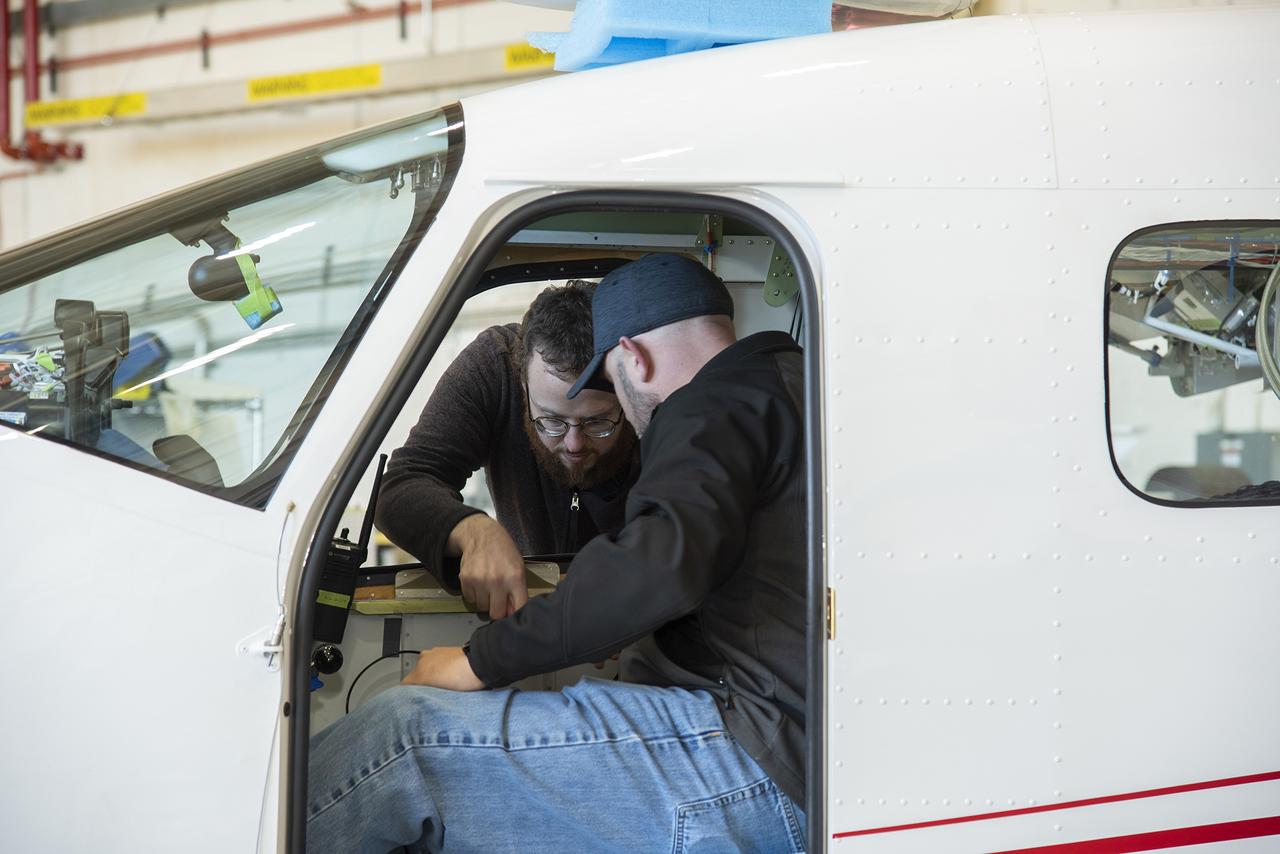
The X-57 operations crew at NASA's Armstrong Flight Research Center prepare for telemetry testing on NASA's first all-electric X-plane, the X-57 Maxwell. Shown here in its first all-electric configuration, known as Mod II, X-57's series of functional tests helps engineers confirm that the vehicle will be ready for taxi and flight tests, and the telemetry testing confirms the ability of the aircraft to transmit location and test data to the ground. X-57 will help set certification standards for emerging electric aircraft markets.
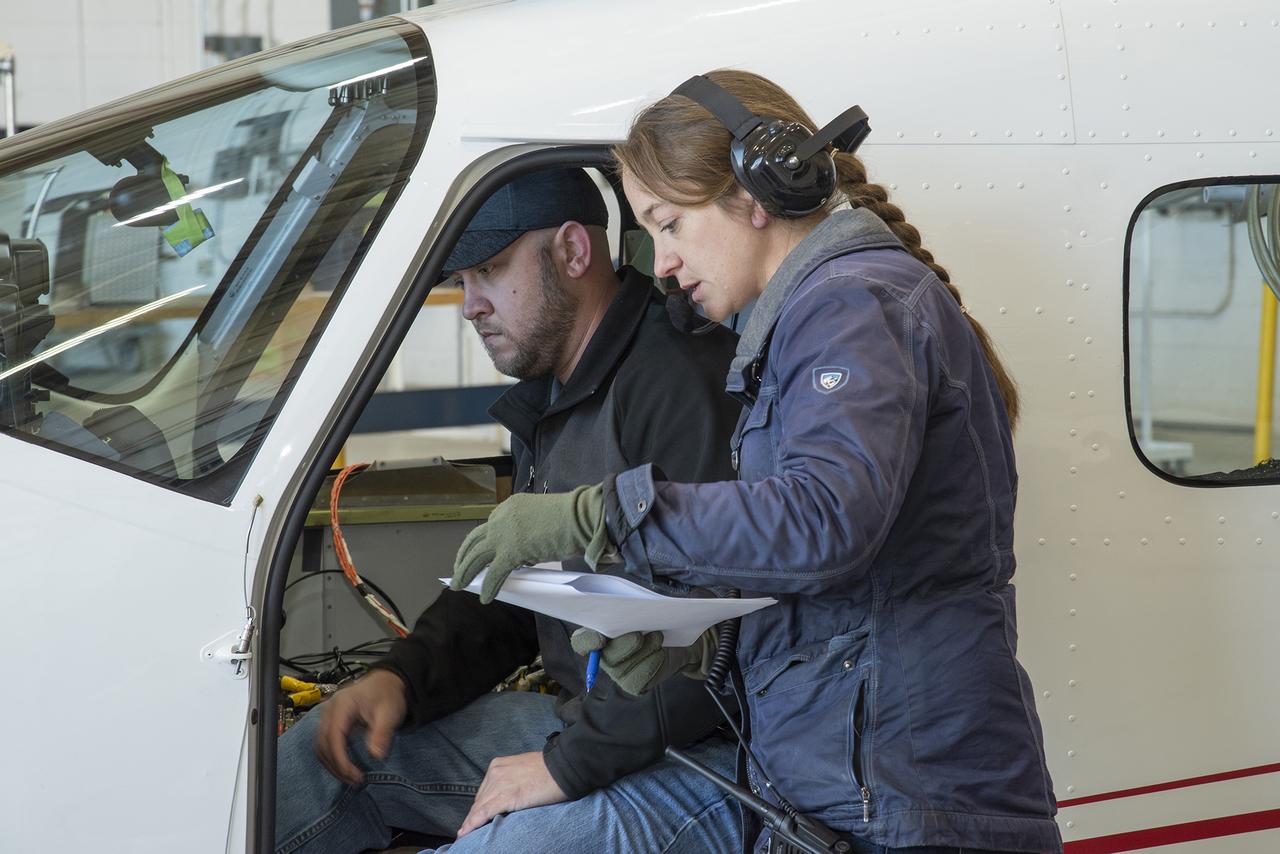
Telemetry testing begins on the X-57 Maxwell, NASA's first all-electric X-plane, as the operations crew at NASA's Armstrong Flight Research Center records the results. Telemetry testing is a critical phase in X-57's functional test series. In addition to confirming the ability of the X-57 aircraft to transmit speed, altitude, direction, and location to teams on the ground, telemetry testing also confirms the ability to transmit mission-critical-data, such as voltage, power consumption, and structural integrity. X-57's goal is to help set certification standards for emerging electric aircraft markets.
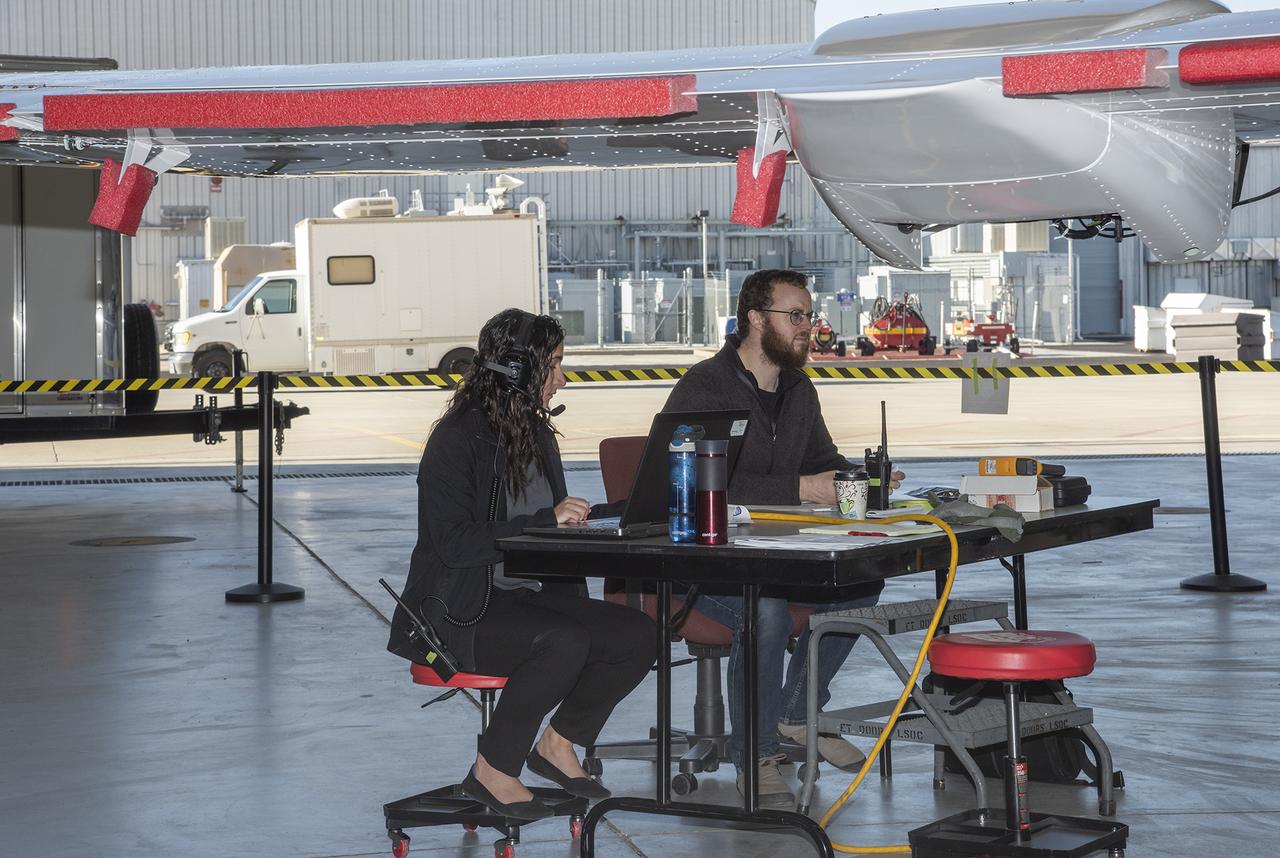
Telemetry testing begins on the X-57 Maxwell, NASA's first all-electric X-plane, as the operations crew at NASA's Armstrong Flight Research Center records the results. Telemetry testing is a critical phase in X-57's functional test series. In addition to confirming the ability of the X-57 aircraft to transmit speed, altitude, direction, and location to teams on the ground, telemetry testing also confirms the ability to transmit mission-critical-data, such as voltage, power consumption, and structural integrity. X-57's goal is to help set certification standards for emerging electric aircraft markets.
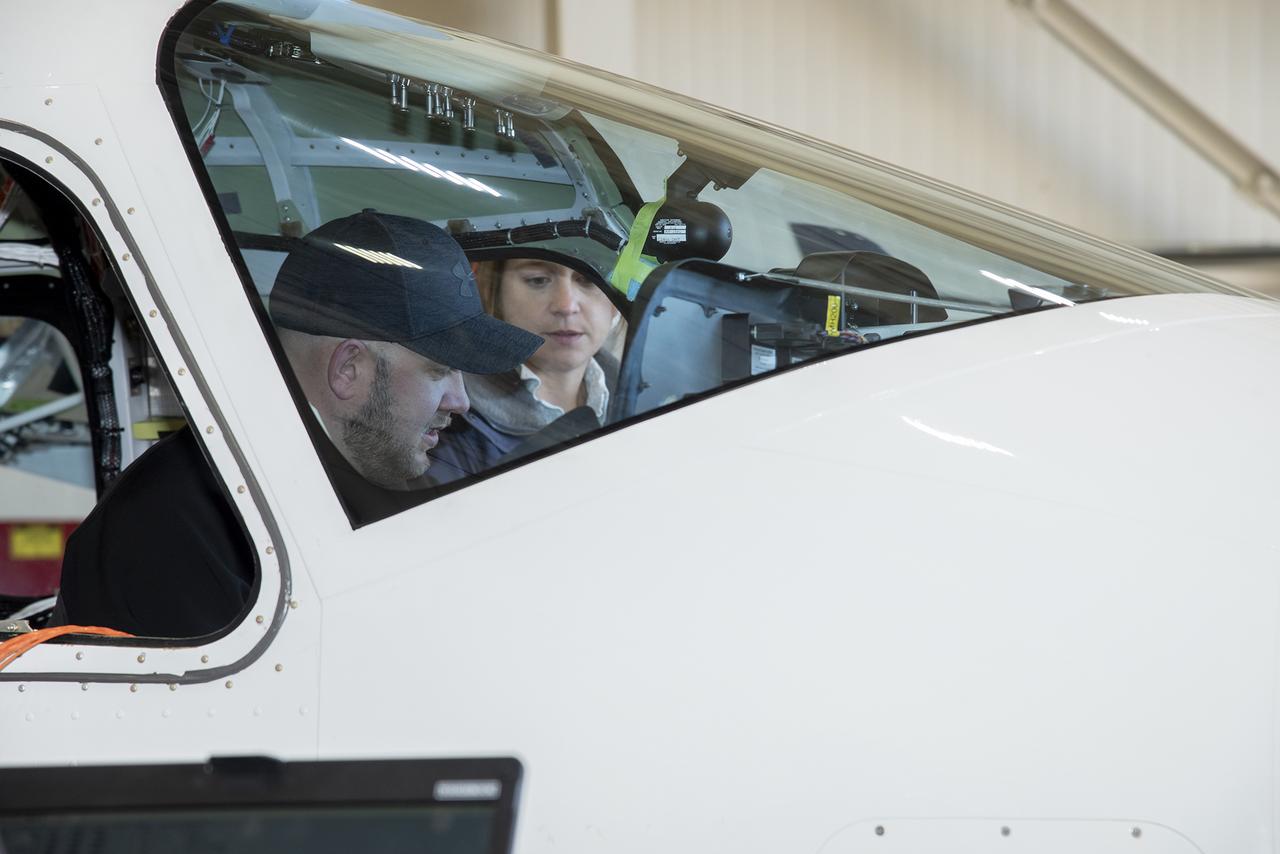
Telemetry testing begins on the X-57 Maxwell, NASA’s first all-electric X-plane, as the operations crew at NASA’s Armstrong Flight Research Center records the results. Telemetry testing is a critical phase in X-57’s functional test series. In addition to confirming the ability of the X-57 aircraft to transmit speed, altitude, direction, and location to teams on the ground, telemetry testing also confirms the ability to transmit mission-critical-data, such as voltage, power consumption, and structural integrity. X-57’s goal is to help set certification standards for emerging electric aircraft markets.
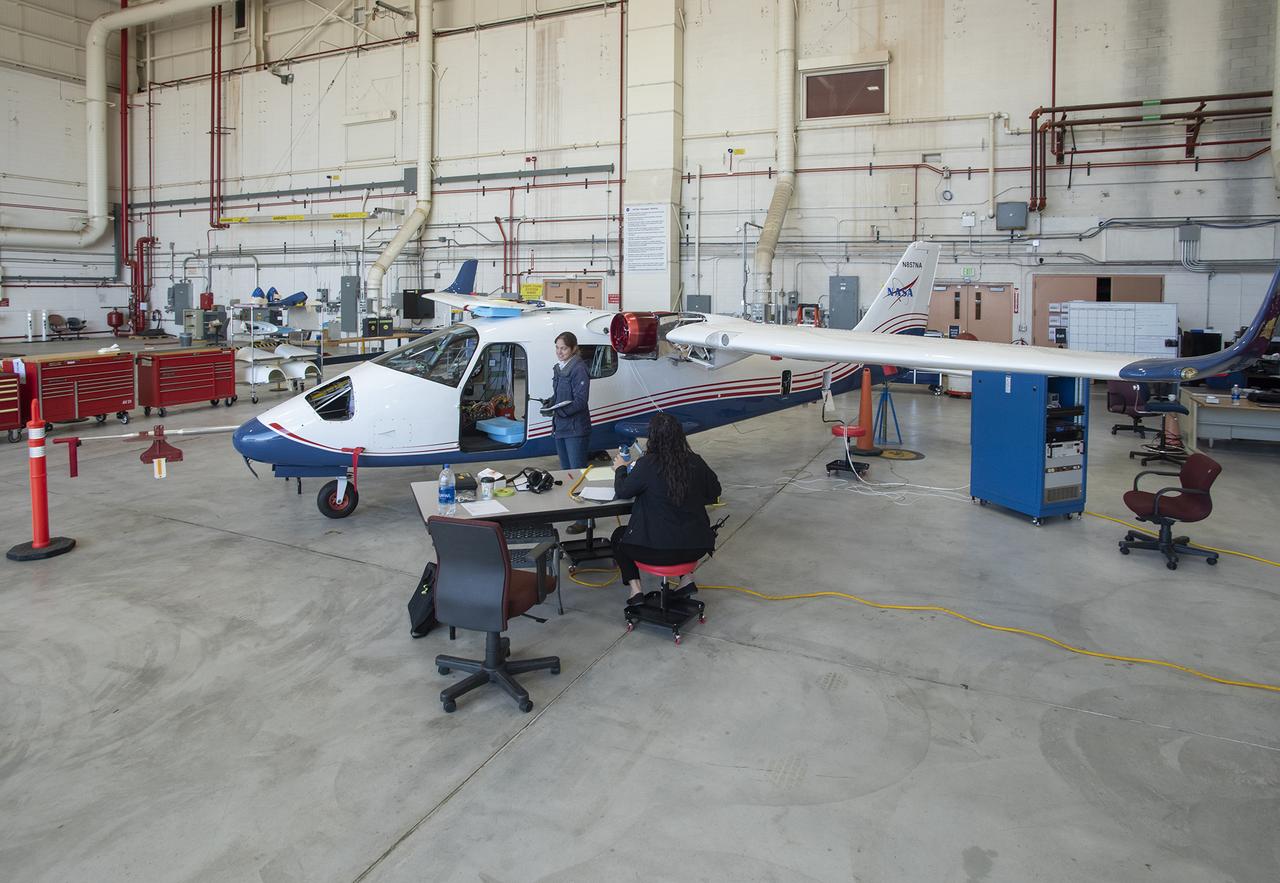
NASA engineers put the X-57 Maxwell, NASA’s first all-electric X-plane, through its initial telemetry tests at NASA’s Armstrong Flight Research Center in California, testing the aircraft’s ability to transmit data to teams on the ground. The data is packaged and transmitted down to ground assets, where it’s decoded into a format that can be presented to a flight control team to look at screens in real time for flight operations. X-57’s goal is to help set certification standards for emerging electric aircraft markets.
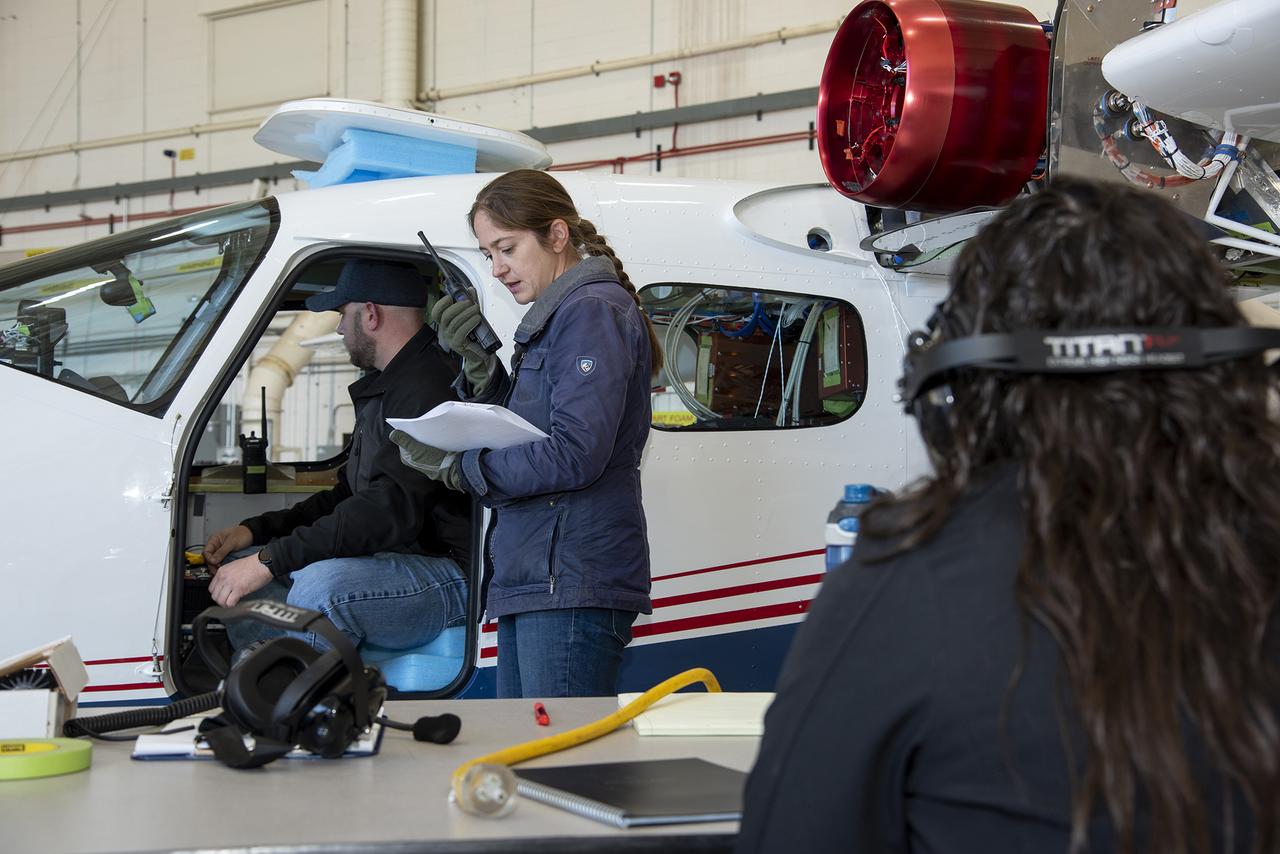
Telemetry testing begins on the X-57 Maxwell, NASA’s first all-electric X-plane, as the operations crew at NASA’s Armstrong Flight Research Center records the results. Telemetry testing is a critical phase in X-57’s functional test series. In addition to confirming the ability of the X-57 aircraft to transmit speed, altitude, direction, and location to teams on the ground, telemetry testing also confirms the ability to transmit mission-critical-data, such as voltage, power consumption, and structural integrity. X-57’s goal is to help set certification standards for emerging electric aircraft markets.
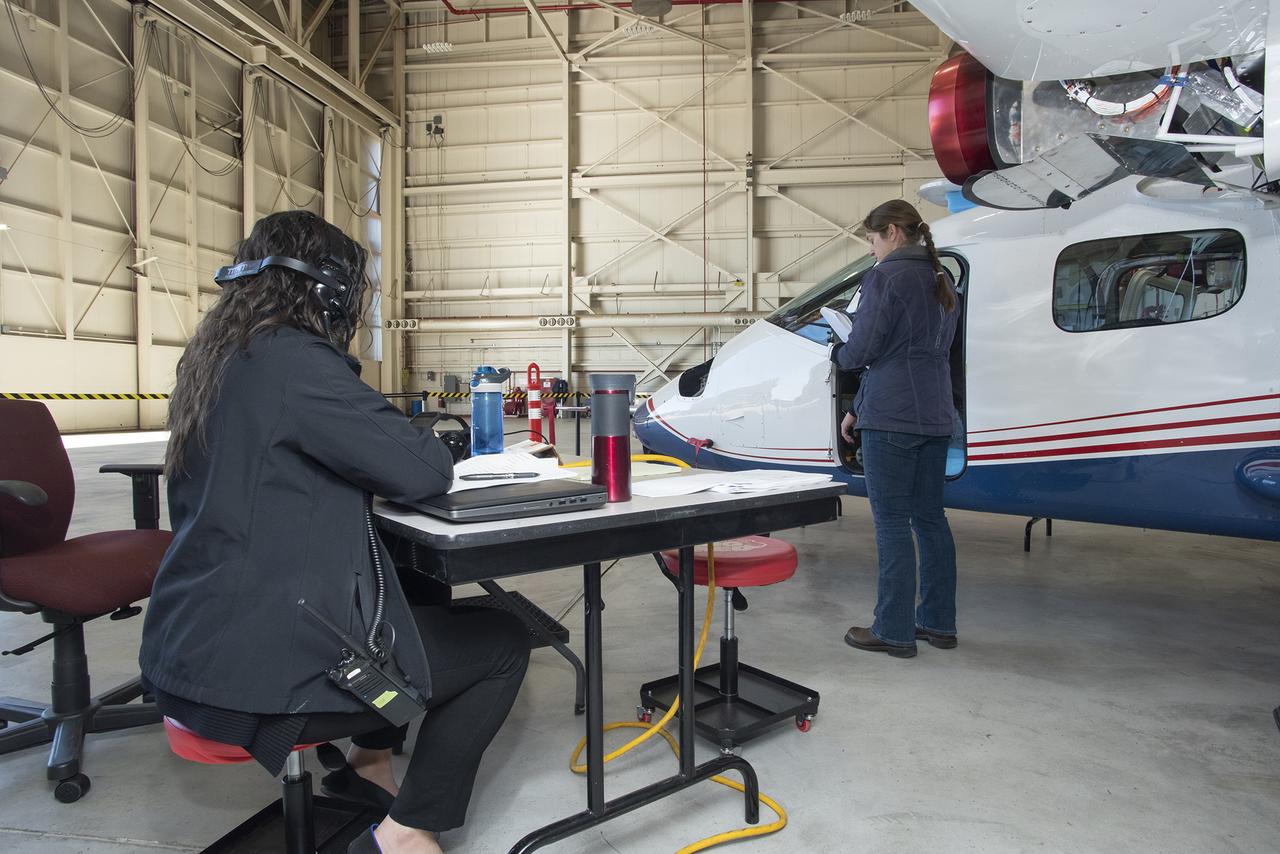
NASA engineers put the X-57 Maxwell, NASA's first all-electric X-plane, through its initial telemetry tests at NASA's Armstrong Flight Research Center in California, testing the aircraft's ability to transmit data to teams on the ground. The data is packaged and transmitted down to ground assets, where it's decoded into a format that can be presented to a flight control team to look at screens in real time for flight operations. X-57's goal is to help set certification standards for emerging electric aircraft markets.
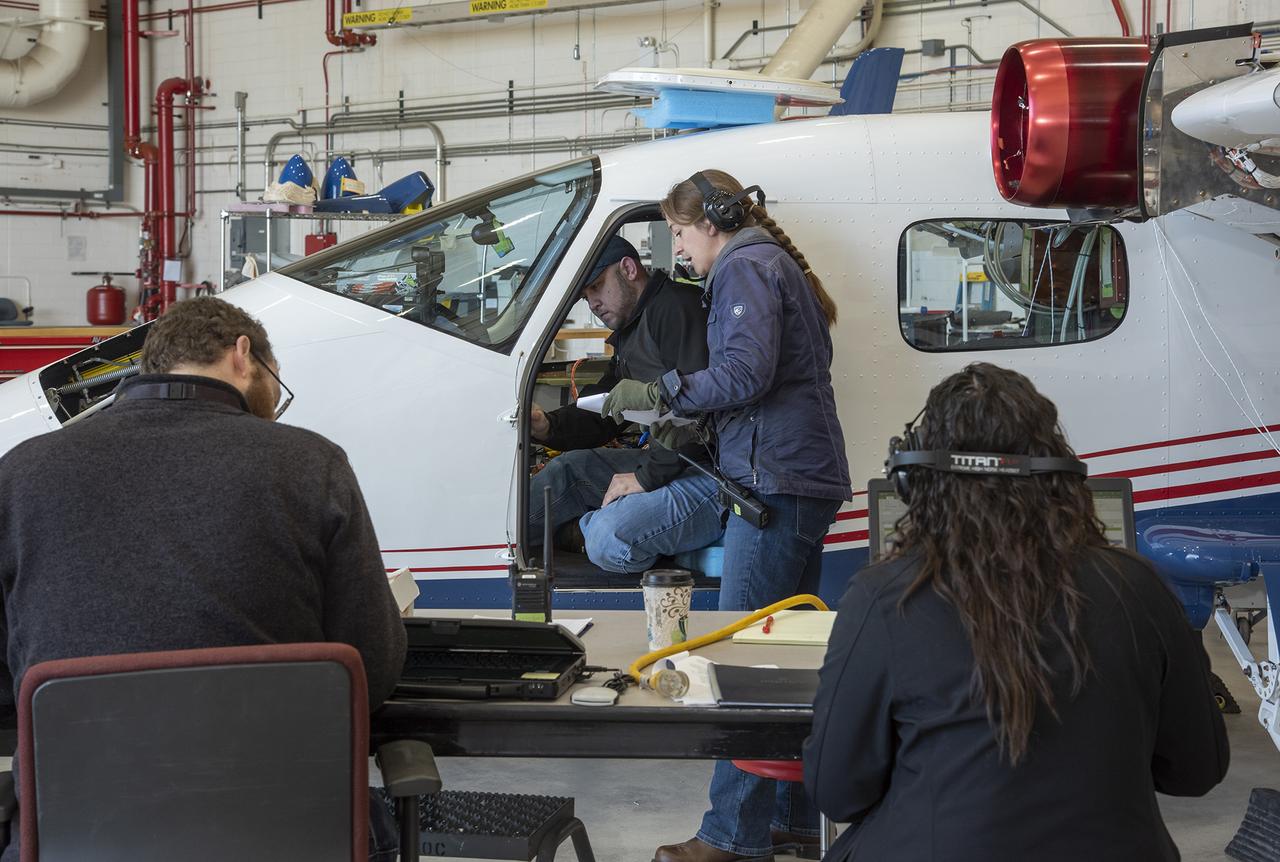
Telemetry testing begins on the X-57 Maxwell, NASA's first all-electric X-plane, as the operations crew at NASAâ' Armstrong Flight Research Center records the results. Telemetry testing is a critical phase in X-57's functional test series. In addition to confirming the ability of the X-57 aircraft to transmit speed, altitude, direction, and location to teams on the ground, telemetry testing also confirms the ability to transmit mission-critical-data, such as voltage, power consumption, and structural integrity. X-57's goal is to help set certification standards for emerging electric aircraft markets.
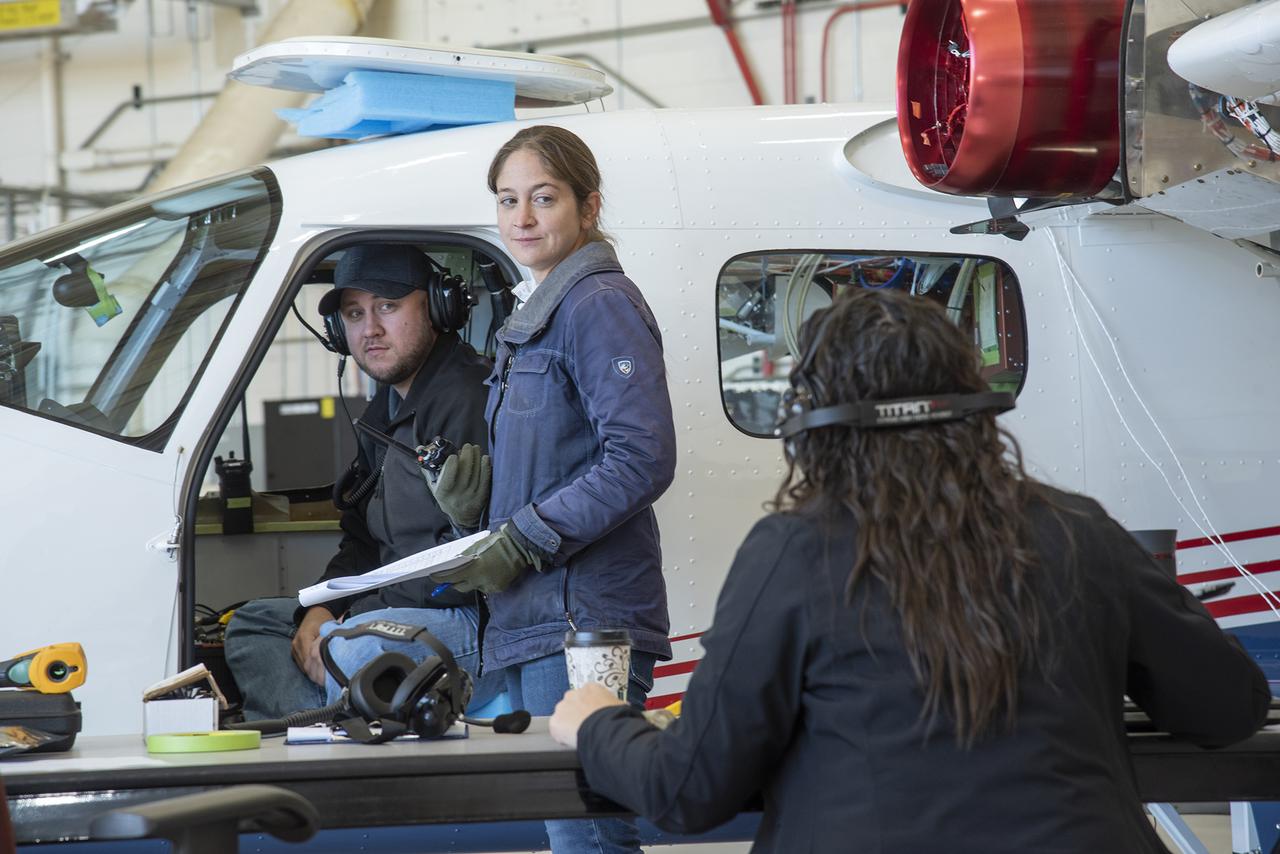
Telemetry testing begins on the X-57 Maxwell, NASA's first all-electric X-plane, as the operations crew at NASA's Armstrong Flight Research Center records the results. Telemetry testing is a critical phase in X-57's functional test series. In addition to confirming the ability of the X-57 aircraft to transmit speed, altitude, direction, and location to teams on the ground, telemetry testing also confirms the ability to transmit mission-critical-data, such as voltage, power consumption, and structural integrity. X-57's goal is to help set certification standards for emerging electric aircraft markets.
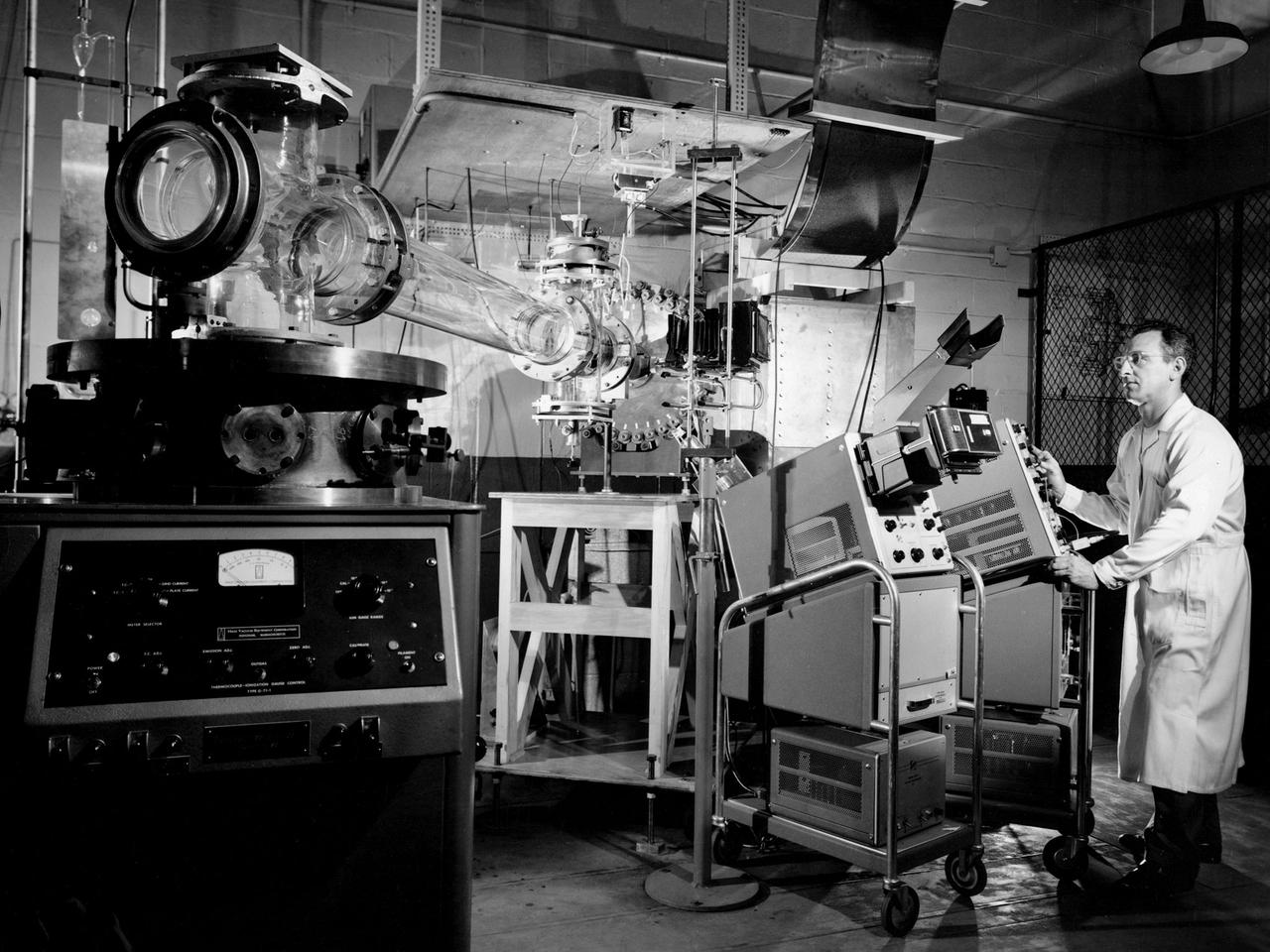
Researcher Charles Michels operates a coaxial plasma gun rig in Cell SW-13 of the Engine Research Building at the National Aeronautics and Space Administration (NASA) Lewis Research Center. From 1962 to 1967 NASA Lewis investigated coaxial plasma guns powered by conventional capacitor banks. The studies were part of a larger effort to identify electromagnetic accelerators for space propulsion. NASA worked with General Dynamics, General Electric, General Motors, and Republic Aviation on the project. NASA Lewis conducted a research program to determine which factors influenced the coaxial gun’s efficiency and analyze the acceleration process. The system had not previously been used for propulsion applications. The single-shot gun’s fast gas valve and capacitor banks with variable-delay ignition source permitted the evaluation of gun performance under controllable propellant quantity and distribution conditions. The coaxial plasma gun was the most basic type of electromagnetic accelerator. It included a charged capacitor in series with a pair of coaxial electrodes. An electrical breakdown occurred when gas was admitted to the inter-electrode region. The gas instantly became a good conductor and formed a conducting sheet that separated the magnetic field from the open region beyond. The highly-conducting gas was basically expelled by the force of the magnetic pressure. This type of thruster could operate at the high instantaneous power levels without decreasing its average power level.
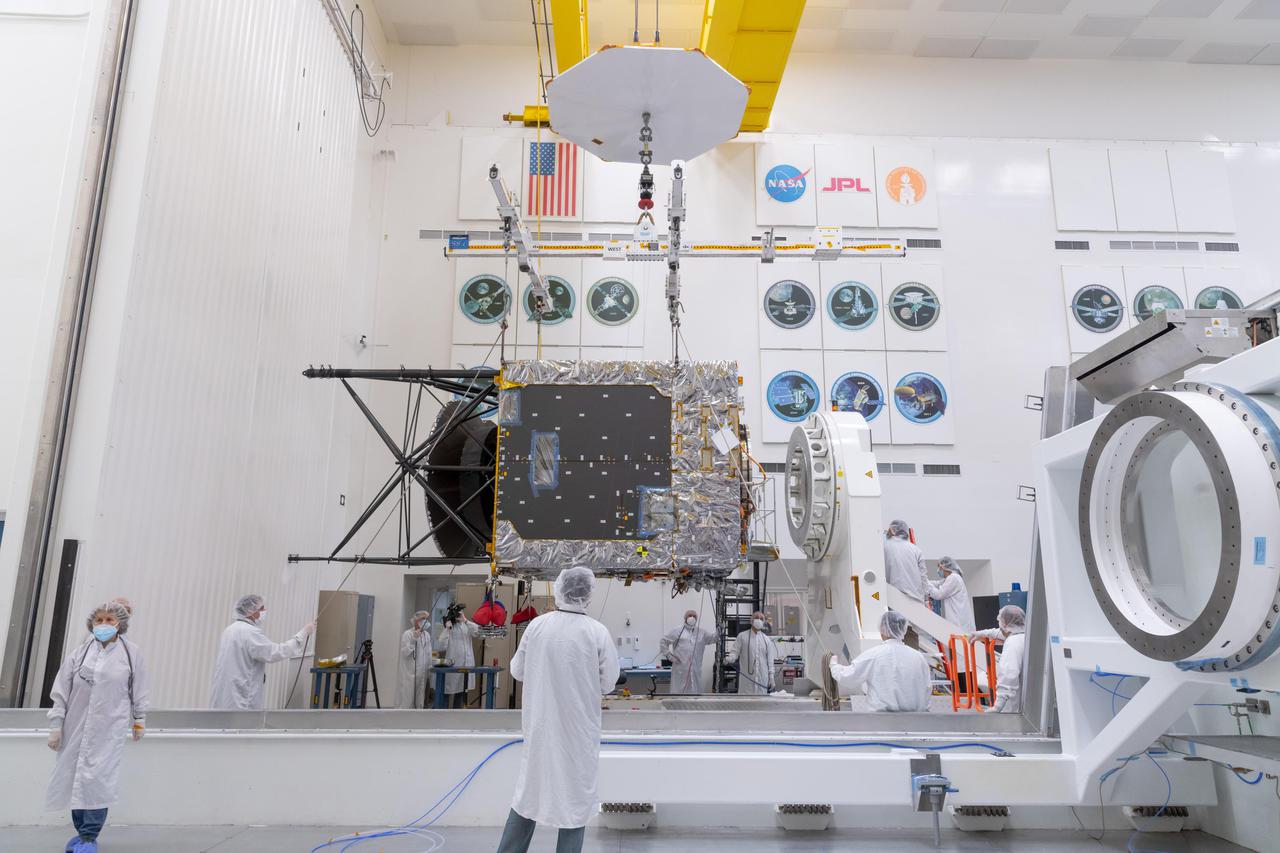
A major component of NASA's Psyche spacecraft has been delivered to the agency's Jet Propulsion Laboratory in Southern California, where the phase known as assembly, test, and launch operations (ATLO) is now underway. Taken on March 28, 2021, this photo shows the Solar Electric Propulsion (SEP) Chassis just after it was delivered to JPL by Maxar Technologies. Here, the chassis is about to be attached to the dolly in High Bay 1 of JPL's Spacecraft Assembly Facility. Maxar's team in Palo Alto, California, designed and built the SEP Chassis, which includes all the primary and secondary structure and the hardware components needed for the high-power electrical system, the propulsion system, the thermal system, guidance and navigation sensors and actuators, and the high-gain antenna. Over the next year additional hardware will be added to the spacecraft, including the command and data handling system, a power distribution assembly, the X-band telecommunications hardware suite, three science instruments (two imagers, two magnetometers, and a Gamma Ray Neutron Spectrometer), and a deep space optical communications technology demonstrator. The spacecraft will finish assembly and then undergo rigorous checkout and testing before being shipped to NASA's Kennedy Space Center in Cape Canaveral, Florida, for an August 2022 launch to the main asteroid belt. Psyche will arrive at the metal-rich asteroid of the same name in 2026, orbiting for 21 months to investigate its composition. Scientists think that Psyche is made up of mostly iron and nickel — similar to Earth's core. Exploring the asteroid could give valuable insight into how our own planet and others formed. https://photojournal.jpl.nasa.gov/catalog/PIA24474
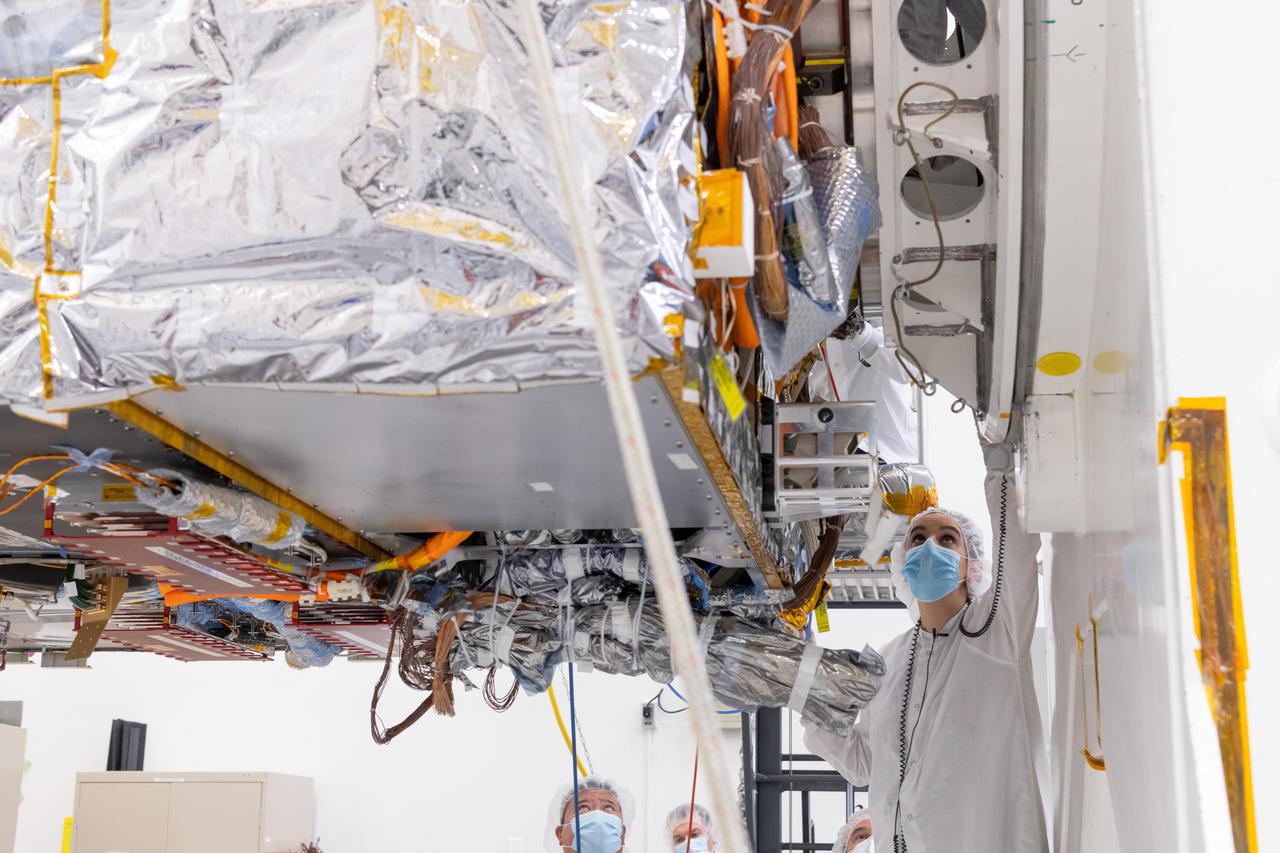
The Solar Electric Propulsion (SEP) Chassis of NASA's Psyche spacecraft is mounted onto a rotation fixture in High Bay 1 of the Spacecraft Assembly Facility at NASA's Jet Propulsion Laboratory in Southern California. This photo was taken March 28, 2021, just after the chassis — a major component of the Psyche spacecraft — was delivered to JPL by Maxar Technologies. Maxar's team in Palo Alto, California, designed and built the chassis, which includes all the primary and secondary structure and the hardware components needed for the high-power electrical system, the propulsion system, the thermal system, guidance and navigation sensors and actuators, and the high-gain antenna. The phase known as assembly test, and launch operations (ATLO) for Psyche is now underway at JPL. In this photo, ATLO Mechanical Lead Michelle Colizzi of JPL oversees the docking of the chassis to the dolly. Over the next year additional hardware will be added to the spacecraft including the command and data handling system, a power distribution assembly, the X-band telecommunications hardware suite, three science instruments (two imagers, two magnetometers, and a Gamma Ray Neutron Spectrometer), and a deep space optical communications technology demonstrator. The spacecraft will finish assembly and then undergo rigorous checkout and testing, before it's shipped to NASA's Kennedy Space Center in Cape Canaveral, Florida, for an August 2022 launch to the main asteroid belt. Psyche will arrive at the metal-rich asteroid of the same name in 2026, orbiting for 21 months to investigate its composition. Scientists think that Psyche is made up of mostly iron and nickel — similar to Earth's core. Exploring the asteroid could give valuable insight into how our own planet and others formed. https://photojournal.jpl.nasa.gov/catalog/PIA24476

A major component of NASA's Psyche spacecraft has been delivered to NASA's Jet Propulsion Laboratory in Southern California, where the phase known as assembly, test, and launch operations (ATLO) is now underway. This photo, shot March 28, 2021 shows engineers and technicians preparing to move the Solar Electric Propulsion (SEP) Chassis from its shipping container to a dolly in High Bay 1 of JPL's Spacecraft Assembly Facility. The photo was captured just after the chassis was delivered to JPL by Maxar Technologies. Maxar's team in Palo Alto, California, designed and built the SEP Chassis, which includes all the primary and secondary structure and the hardware components needed for the high-power electrical system, the propulsion system, the thermal system, guidance and navigation sensors and actuators, and the high-gain antenna. Over the next year, additional hardware will be added to the spacecraft including the command and data handling system, a power distribution assembly, the X-band telecommunications hardware suite, three science instruments (two imagers, two magnetometers, and a gamma ray neutron Spectrometer), and a deep space optical communications technology demonstrator. The spacecraft will finish assembly and then undergo rigorous checkout and testing before being shipped to NASA's Kennedy Space Center in Cape Canaveral, Florida, for an August 2022 launch to the main asteroid belt. Psyche will arrive at the metal-rich asteroid of the same name in 2026, orbiting for 21 months to investigate its composition. Scientists think that Psyche is made up of mostly iron and nickel — similar to Earth's core. Exploring the asteroid could give valuable insight into how our own planet and others formed. https://photojournal.jpl.nasa.gov/catalog/PIA24475
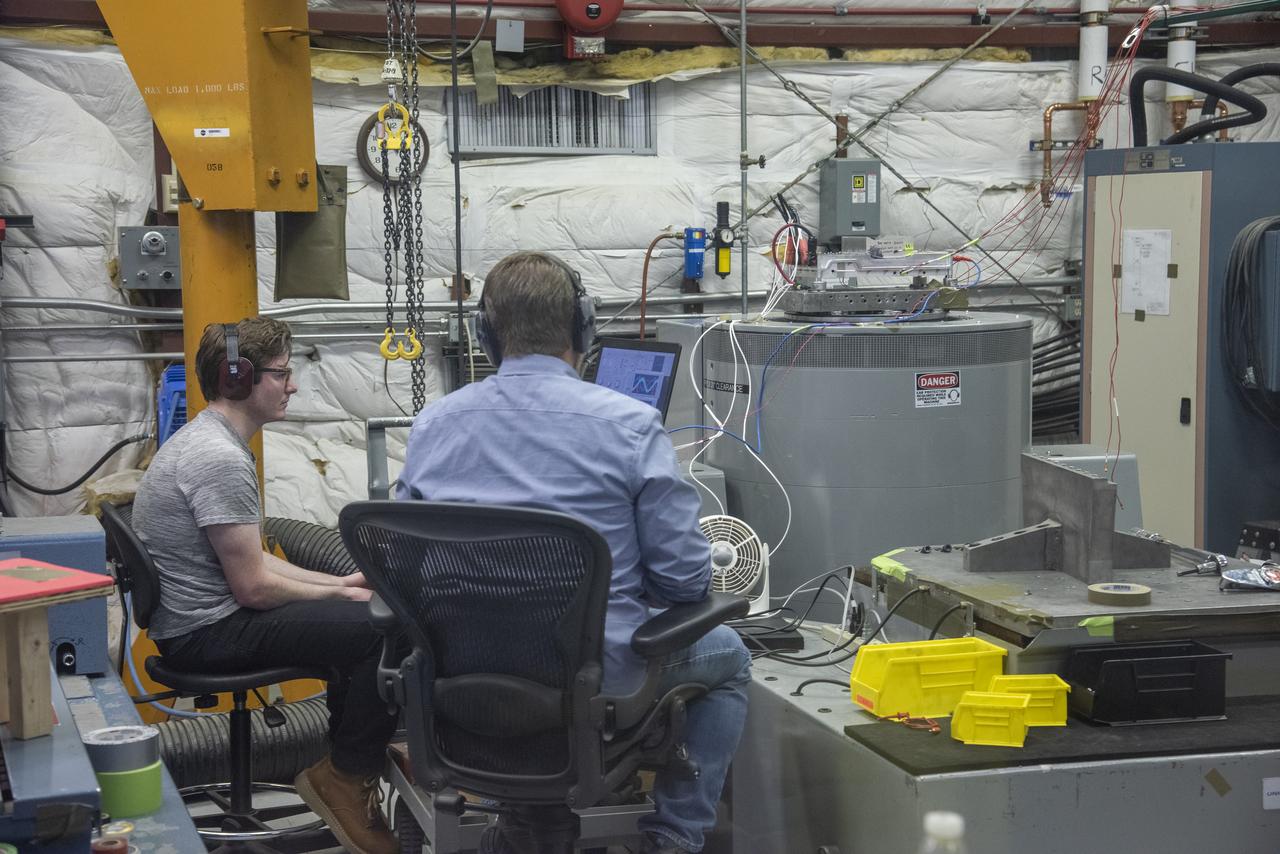
A cruise motor controller for the X-57 Maxwell, NASA's first all-electric X-plane, undergoes vibration testing at NASA Armstrong Flight Research Center's environmental lab. The cruise motor controller is exposed to two levels of vibration on three different axes, helping NASA to examine the integrity of the controller for flight conditions. The cruise motor controller will be a critical component for providing power to X-57's motors when the aircraft takes to the skies in 2020.
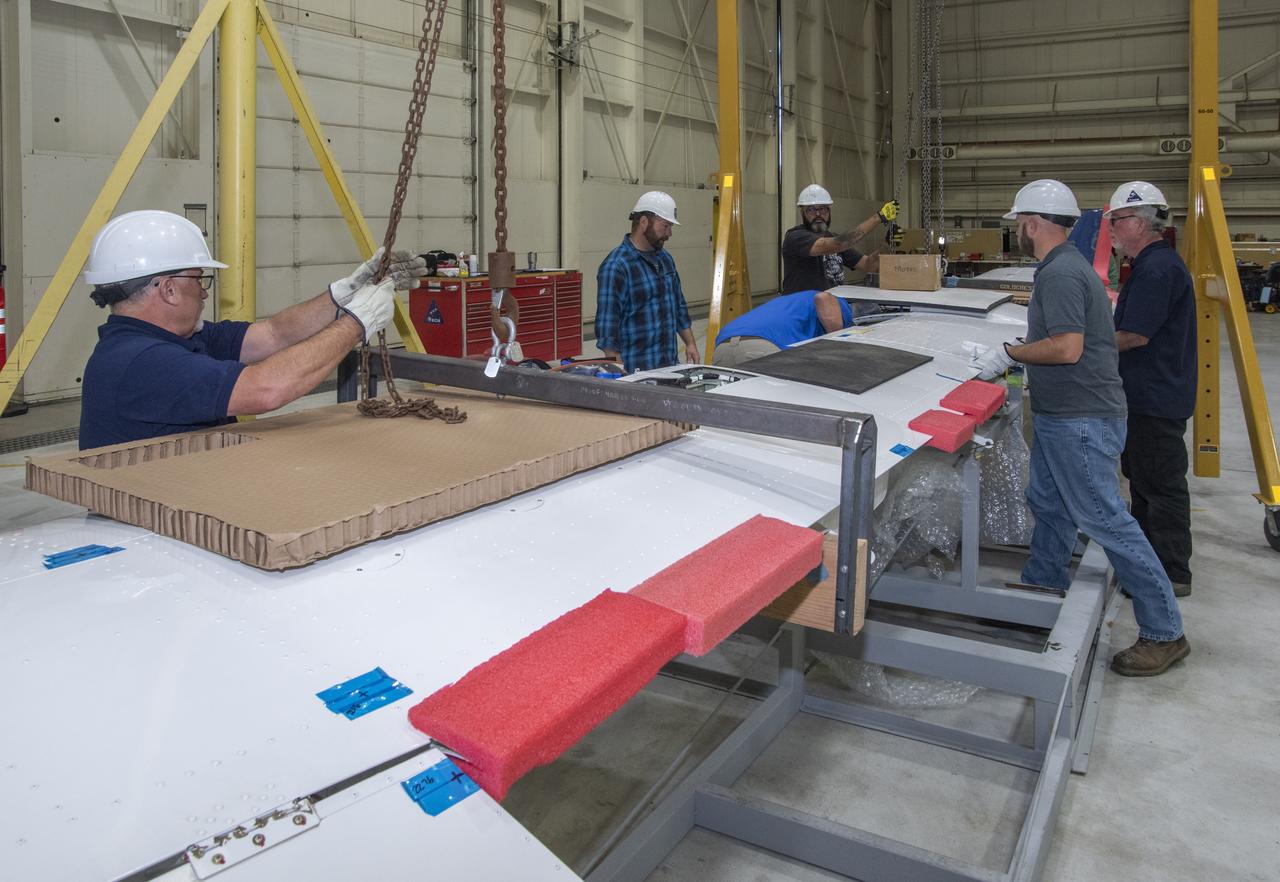
NASA's all-electric X-57 Maxwell had its Mod II wing carefully prepared for a lift to position it over the fuselage for reattachment at NASA's Armstrong Flight Research Center in California. The aircraft was shipped as two parts, the fuselage and the wing.
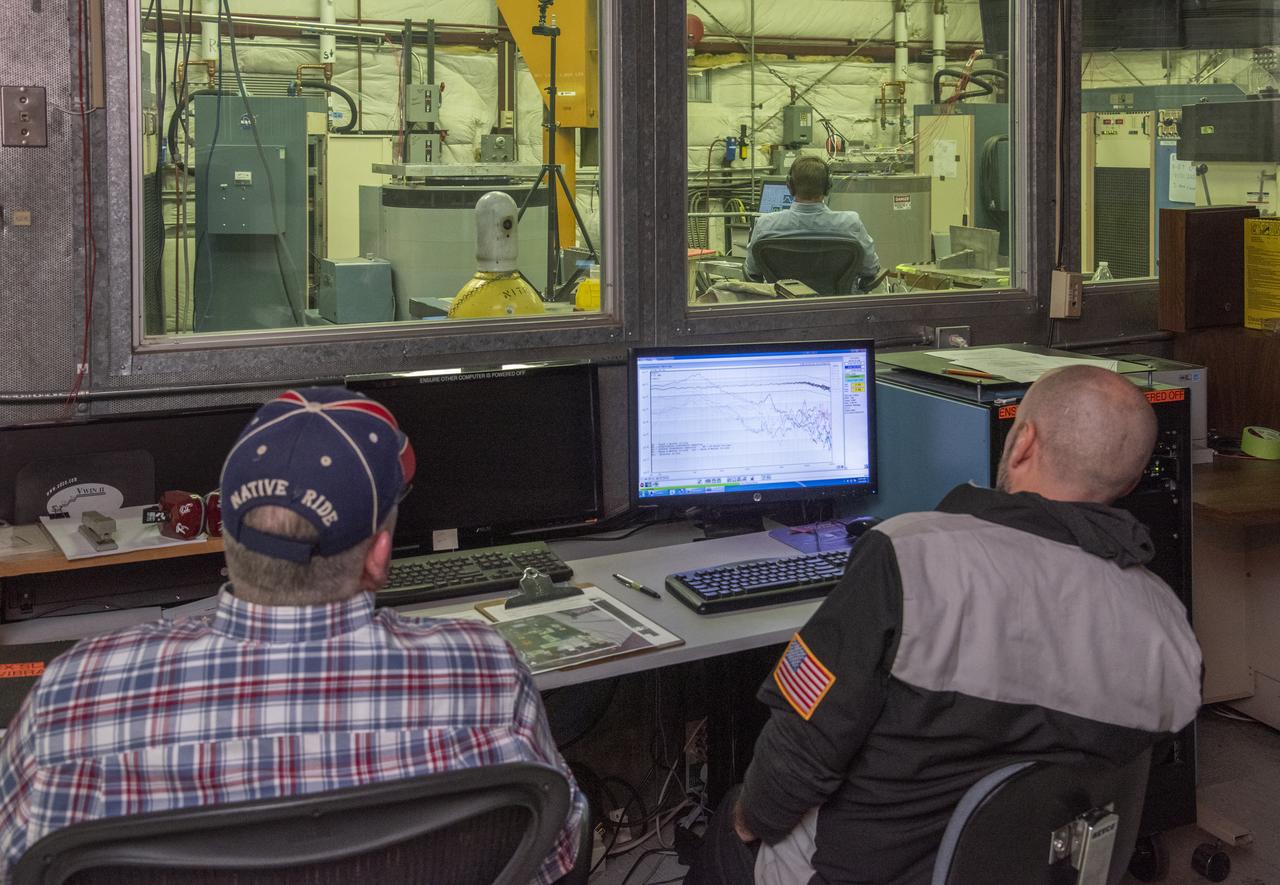
Engineers monitor data during vibration testing of a cruise motor controller for the X-57 Maxwell, NASA’s first all-electric X-plane. Attached to a table at NASA Armstrong Flight Research Center’s environmental lab, the cruise motor controller is exposed to specific levels of vibration, allowing NASA to examine the structural integrity of the hardware. Engineers, meanwhile, monitored data, including waveforms of electrical current, and recorded readings.
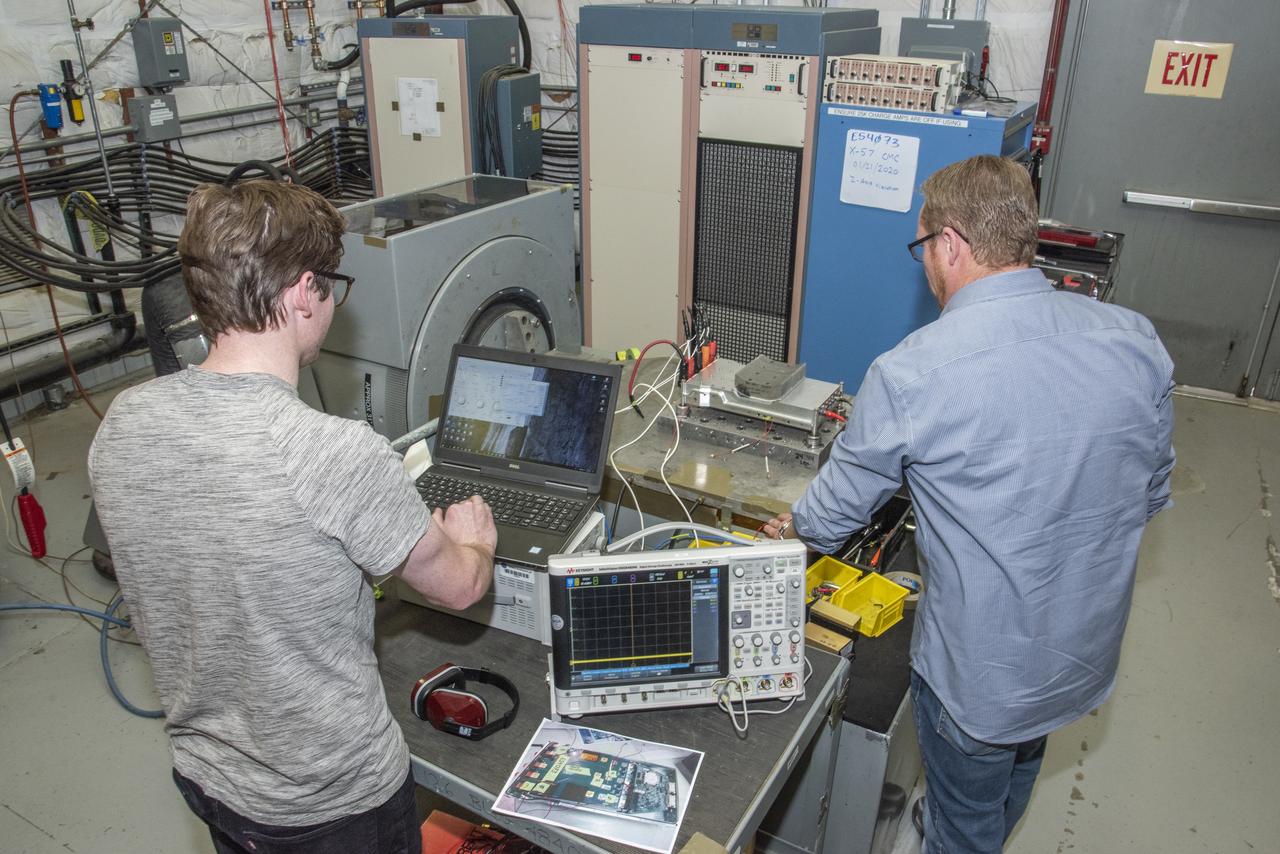
Engineers from NASA's Armstrong Flight Research Center and Empirical Systems Aerospace prepare a cruise motor controller, planned to be used on NASA's all-electric X-57 Maxwell, for vibration testing at Armstrong's environmental lab. Testing the cruise motor controller at various vibration levels, based on baseline flight testing in the project's first phase, helps ensure that the hardware will withstand similar vibration in flight conditions. X-57, NASA's first all-electric experimental aircraft, or X-plane, will fly in its first all-electric configuration in 2020.
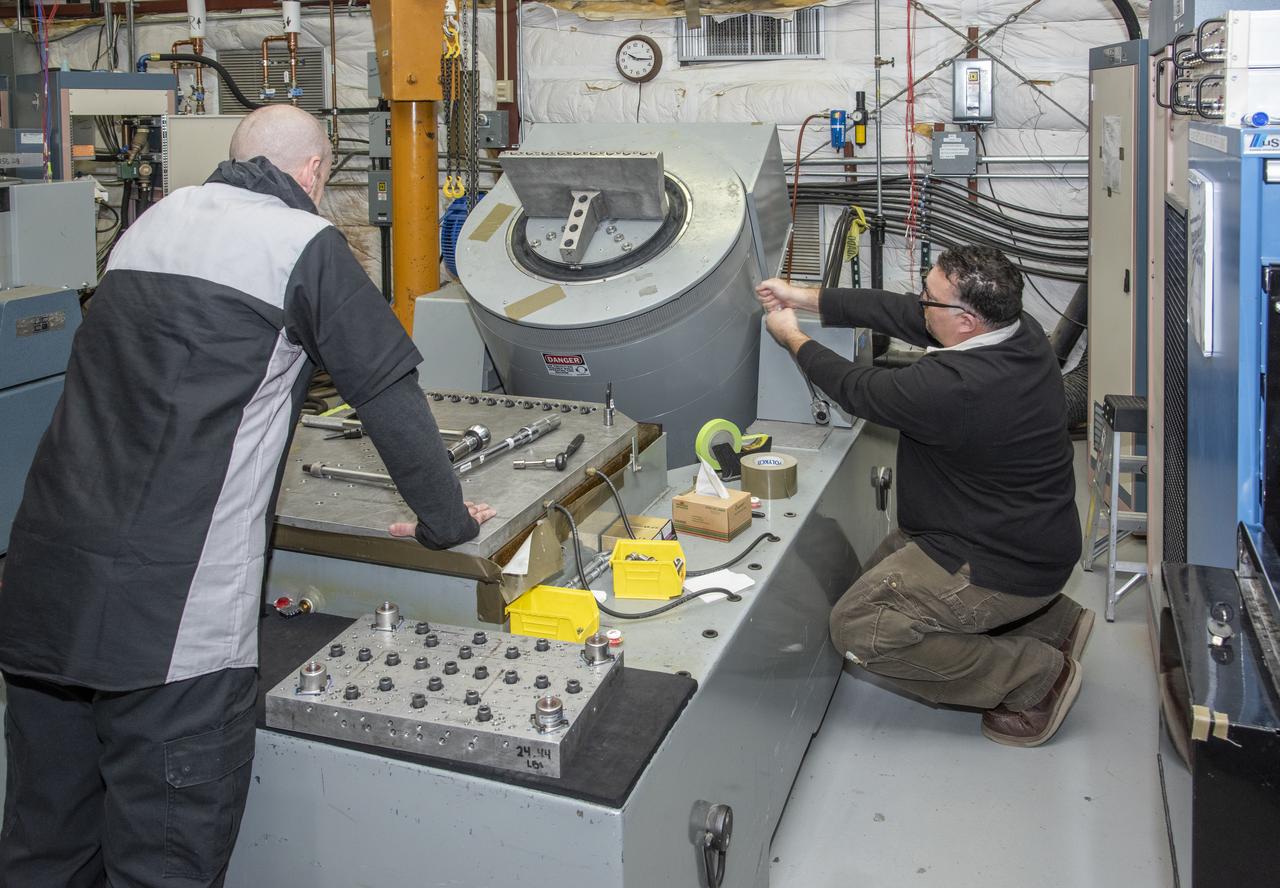
Engineers from NASA's Armstrong Flight Research Center and Empirical Systems Aerospace prepare a cruise motor controller, planned to be used on NASA's all-electric X-57 Maxwell, for vibration testing at Armstrong's environmental lab. Testing the cruise motor controller at various vibration levels, based on baseline flight testing in the project's first phase, helps ensure that the hardware will withstand similar vibration in flight conditions. X-57, NASA's first all-electric experimental aircraft, or X-plane, will fly in its first all-electric configuration in 2020.
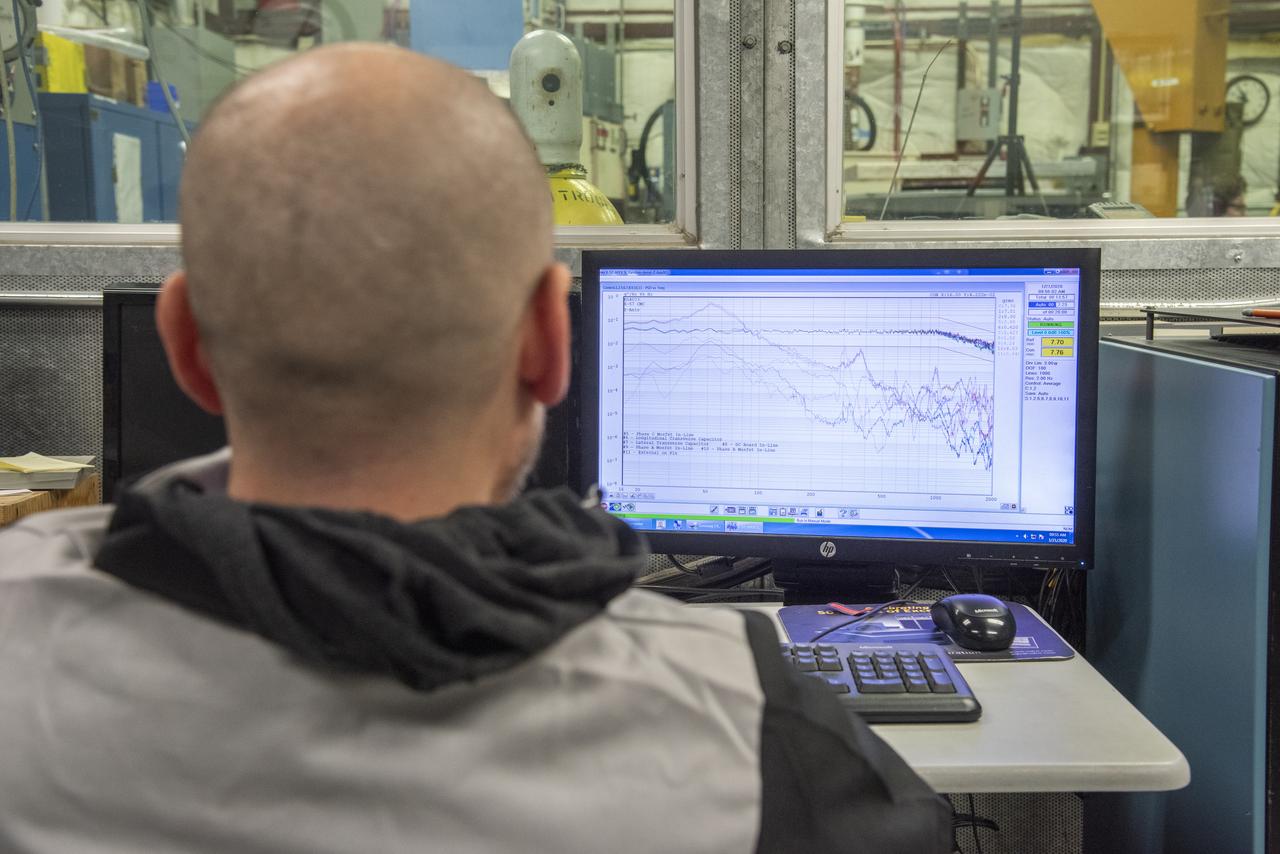
Engineers monitor data during vibration testing of a cruise motor controller for the X-57 Maxwell, NASA's first all-electric X-plane. Attached to a table at NASA Armstrong Flight Research Center's environmental lab, the cruise motor controller is exposed to specific levels of vibration, allowing NASA to examine the structural integrity of the hardware. Engineers, meanwhile, monitored data, including waveforms of electrical current, and recorded readings.
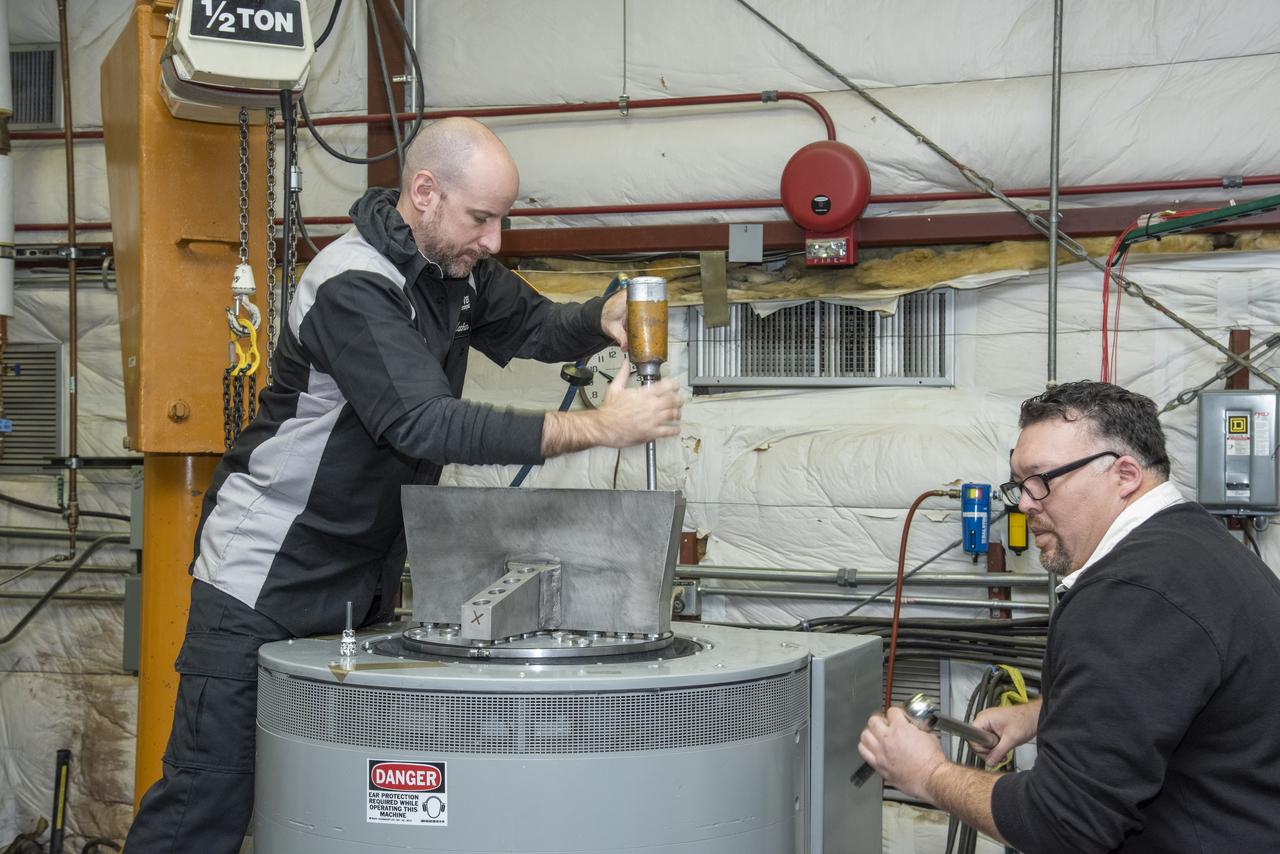
Engineers from NASA's Armstrong Flight Research Center and Empirical Systems Aerospace prepare a cruise motor controller, planned to be used on NASA's all-electric X-57 Maxwell, for vibration testing at Armstrong's environmental lab. Testing the cruise motor controller at various vibration levels, based on baseline flight testing in the project's first phase, helps ensure that the hardware will withstand similar vibration in flight conditions. X-57, NASA's first all-electric experimental aircraft, or X-plane, will fly in its first all-electric configuration in 2020.
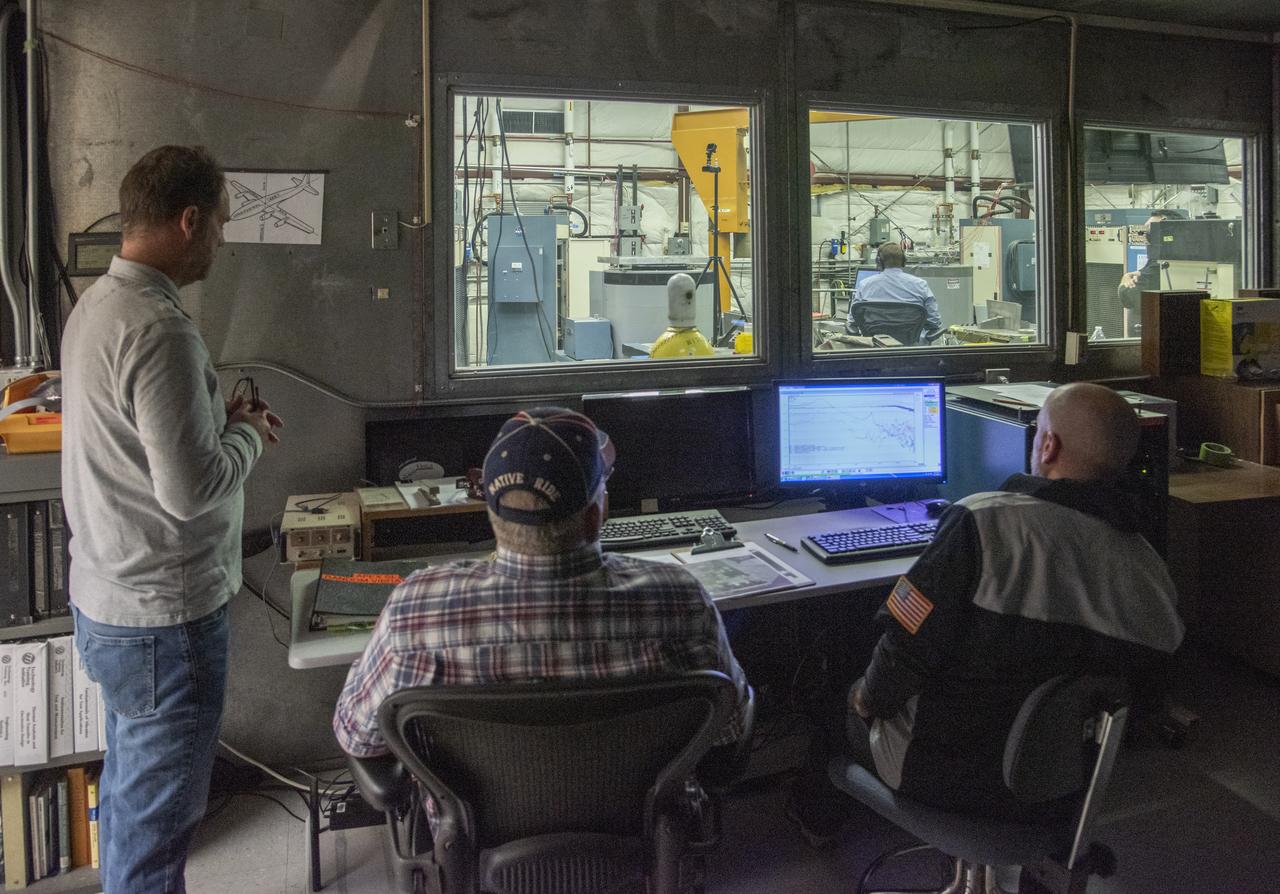
Engineers monitor data during vibration testing of a cruise motor controller for the X-57 Maxwell, NASA's first all-electric X-plane. Attached to a table at NASA Armstrong Flight Research Center's environmental lab, the cruise motor controller is exposed to specific levels of vibration, allowing NASA to examine the structural integrity of the hardware. Engineers, meanwhile, monitored data, including waveforms of electrical current, and recorded readings.
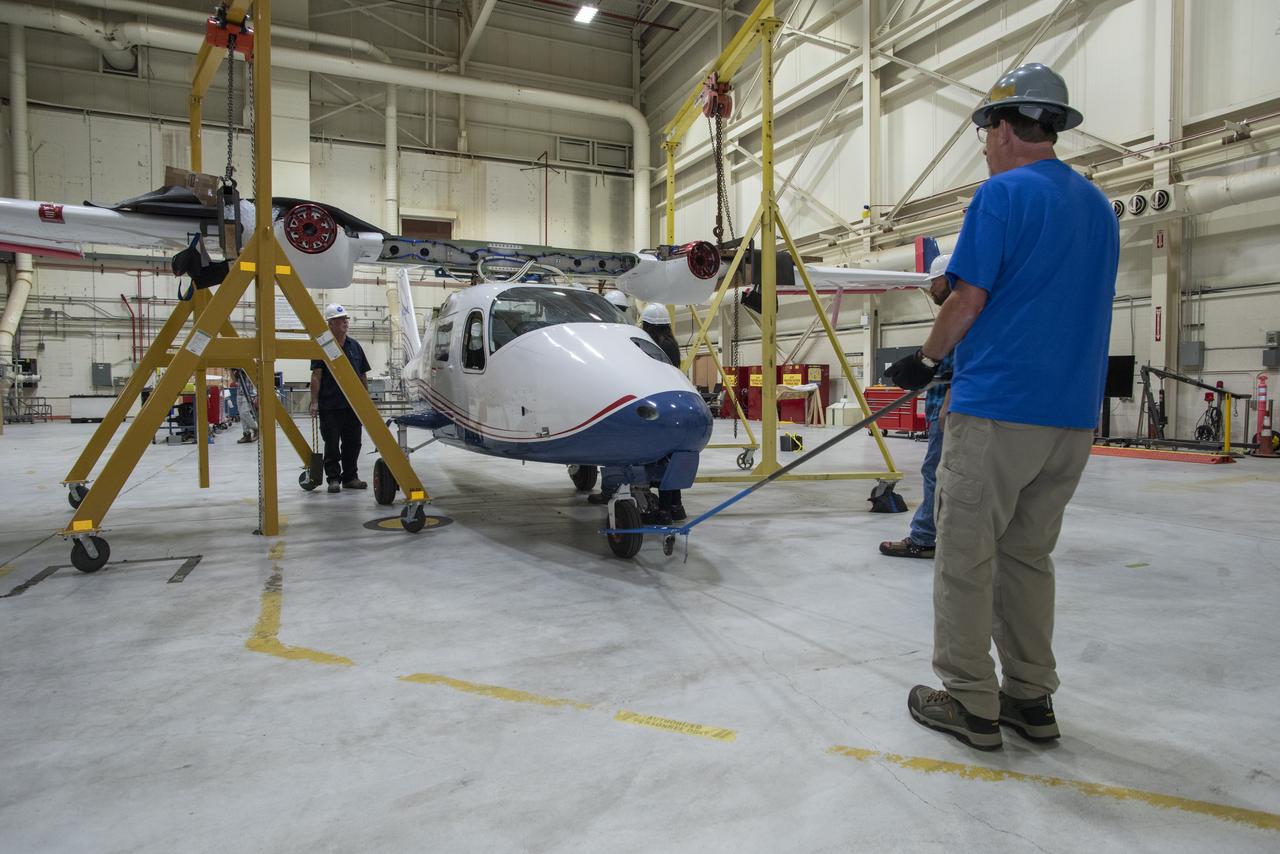
The X-57 fuselage is positioned under the Mod II wing section so that it can be reattached. The components were separated for transport to NASA's Armstrong Flight Research Center in California. Reintegration began shortly after the aircraft arrived. The X-57 is intended to help develop certification standards for emerging electric aircraft markets.
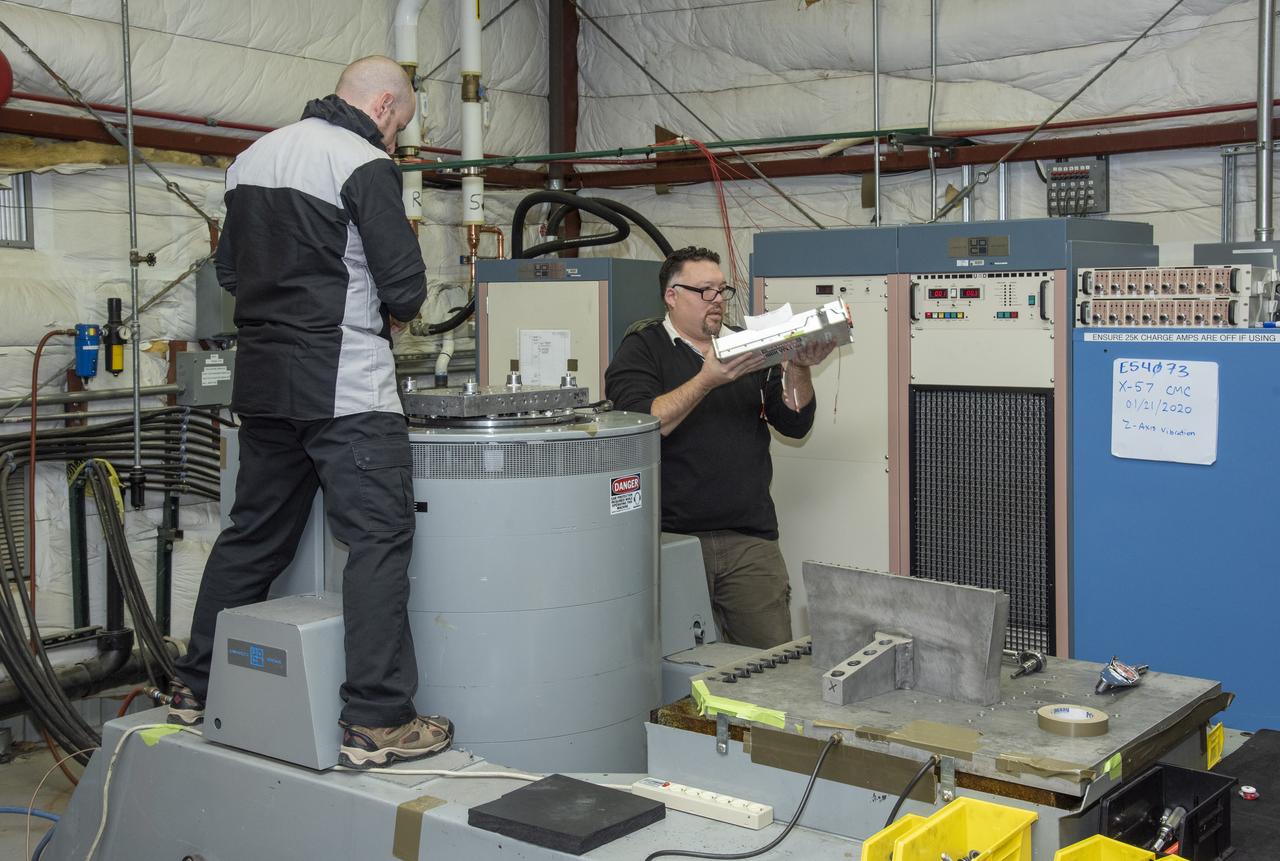
Engineers from NASA’s Armstrong Flight Research Center and Empirical Systems Aerospace prepare a cruise motor controller, planned to be used on NASA’s all-electric X-57 Maxwell, for vibration testing at Armstrong’s environmental lab. Testing the cruise motor controller at various vibration levels, based on baseline flight testing in the project’s first phase, helps ensure that the hardware will withstand similar vibration in flight conditions. X-57, NASA’s first all-electric experimental aircraft, or X-plane, will fly in its first all-electric configuration in 2020.
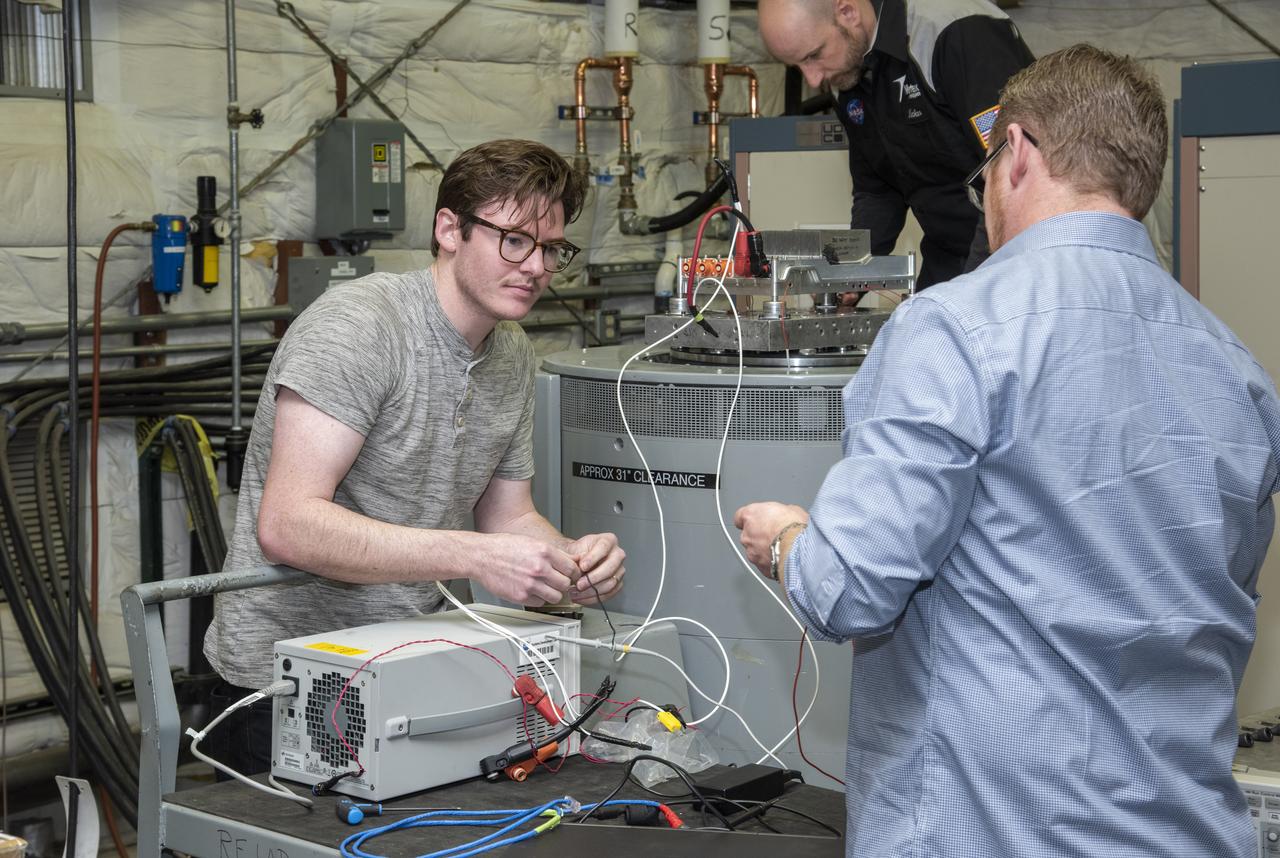
Engineers from NASA's Armstrong Flight Research Center and Empirical Systems Aerospace prepare a cruise motor controller, planned to be used on NASA's all-electric X-57 Maxwell, for vibration testing at Armstrong's environmental lab. Testing the cruise motor controller at various vibration levels, based on baseline flight testing in the project's first phase, helps ensure that the hardware will withstand similar vibration in flight conditions. X-57, NASA's first all-electric experimental aircraft, or X-plane, will fly in its first all-electric configuration in 2020.
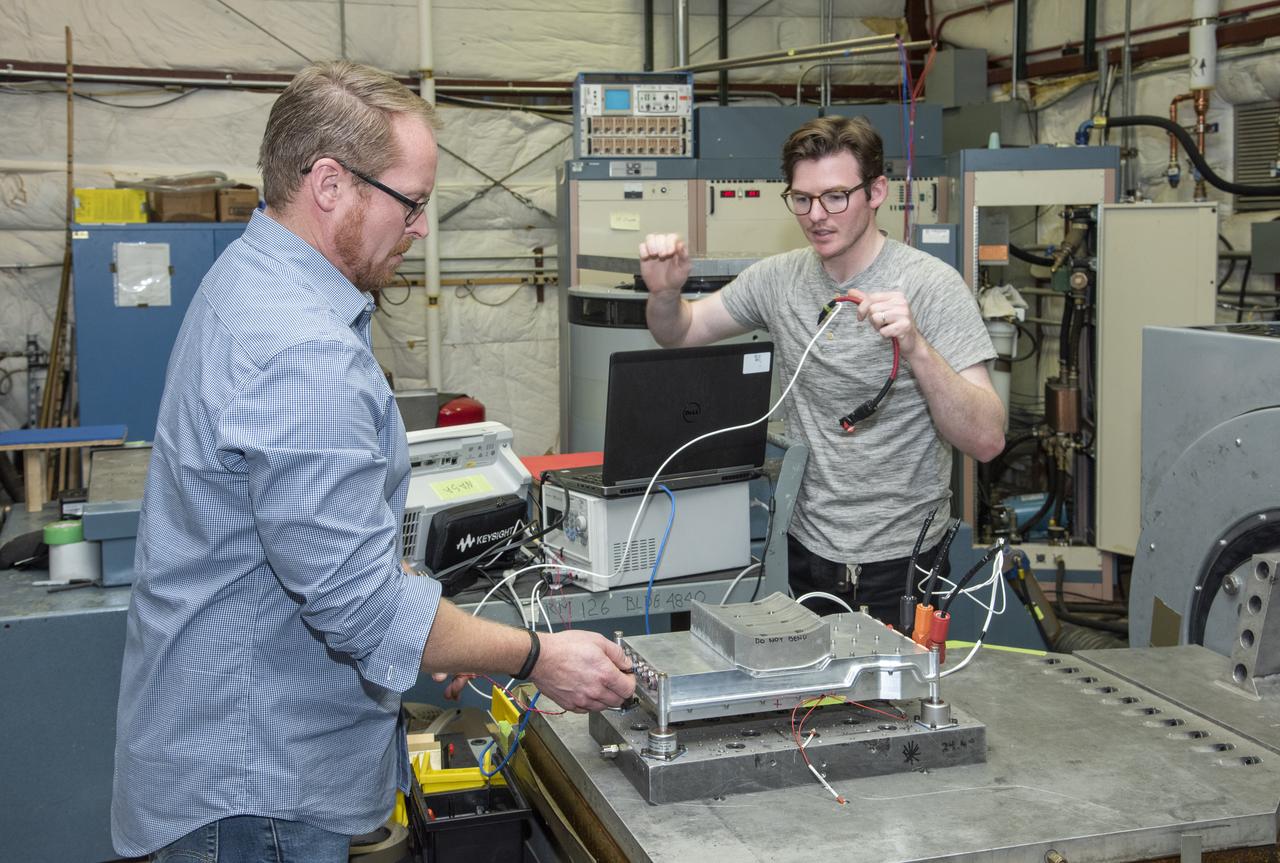
Engineers from NASA's Armstrong Flight Research Center and Empirical Systems Aerospace prepare a cruise motor controller, planned to be used on NASA's all-electric X-57 Maxwell, for vibration testing at Armstrong's environmental lab. Testing the cruise motor controller at various vibration levels, based on baseline flight testing in the project's first phase, helps ensure that the hardware will withstand similar vibration in flight conditions. X-57, NASA's first all-electric experimental aircraft, or X-plane, will fly in its first all-electric configuration in 2020.
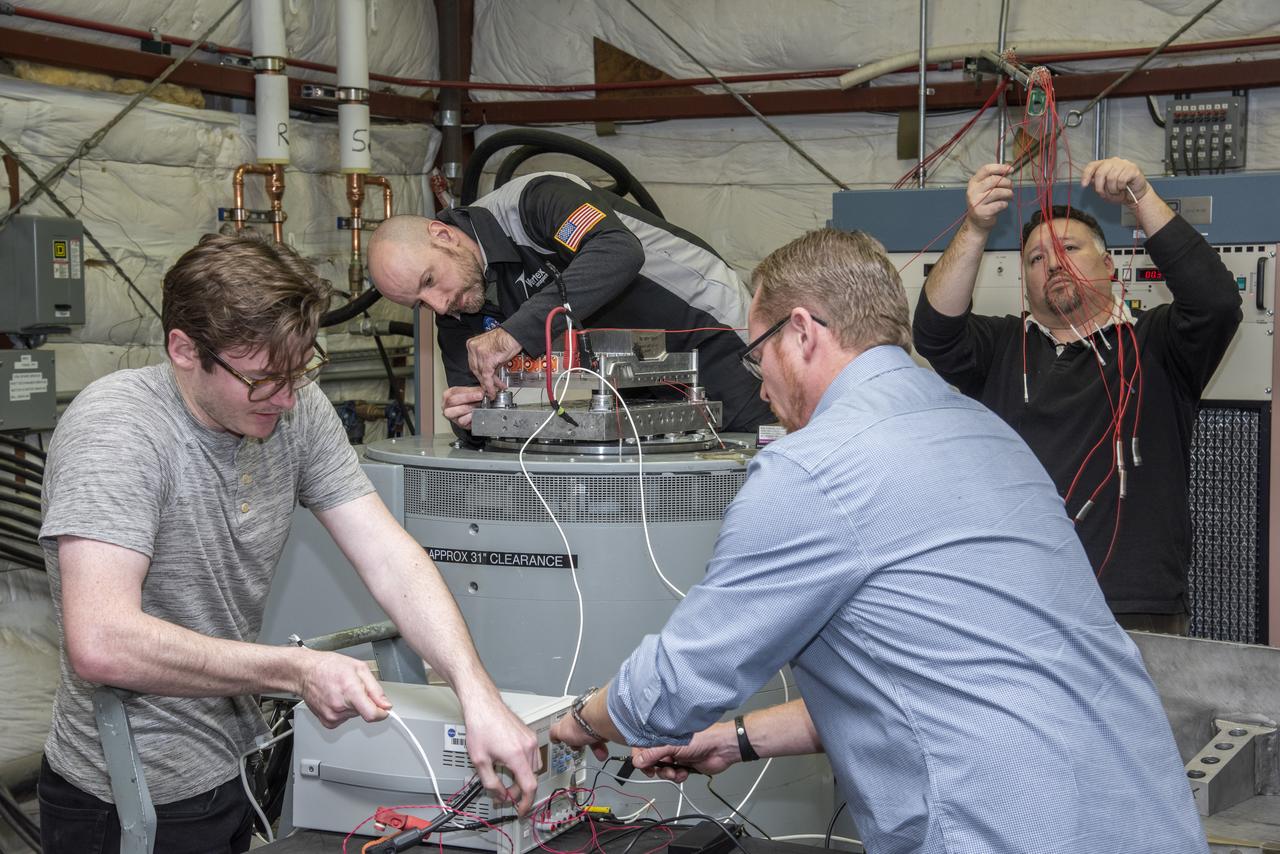
Engineers from NASA's Armstrong Flight Research Center and Empirical Systems Aerospace prepare a cruise motor controller, planned to be used on NASA's all-electric X-57 Maxwell, for vibration testing at Armstrong's environmental lab. Testing the cruise motor controller at various vibration levels, based on baseline flight testing in the project's first phase, helps ensure that the hardware will withstand similar vibration in flight conditions. X-57, NASA's first all-electric experimental aircraft, or X-plane, will fly in its first all-electric configuration in 2020.
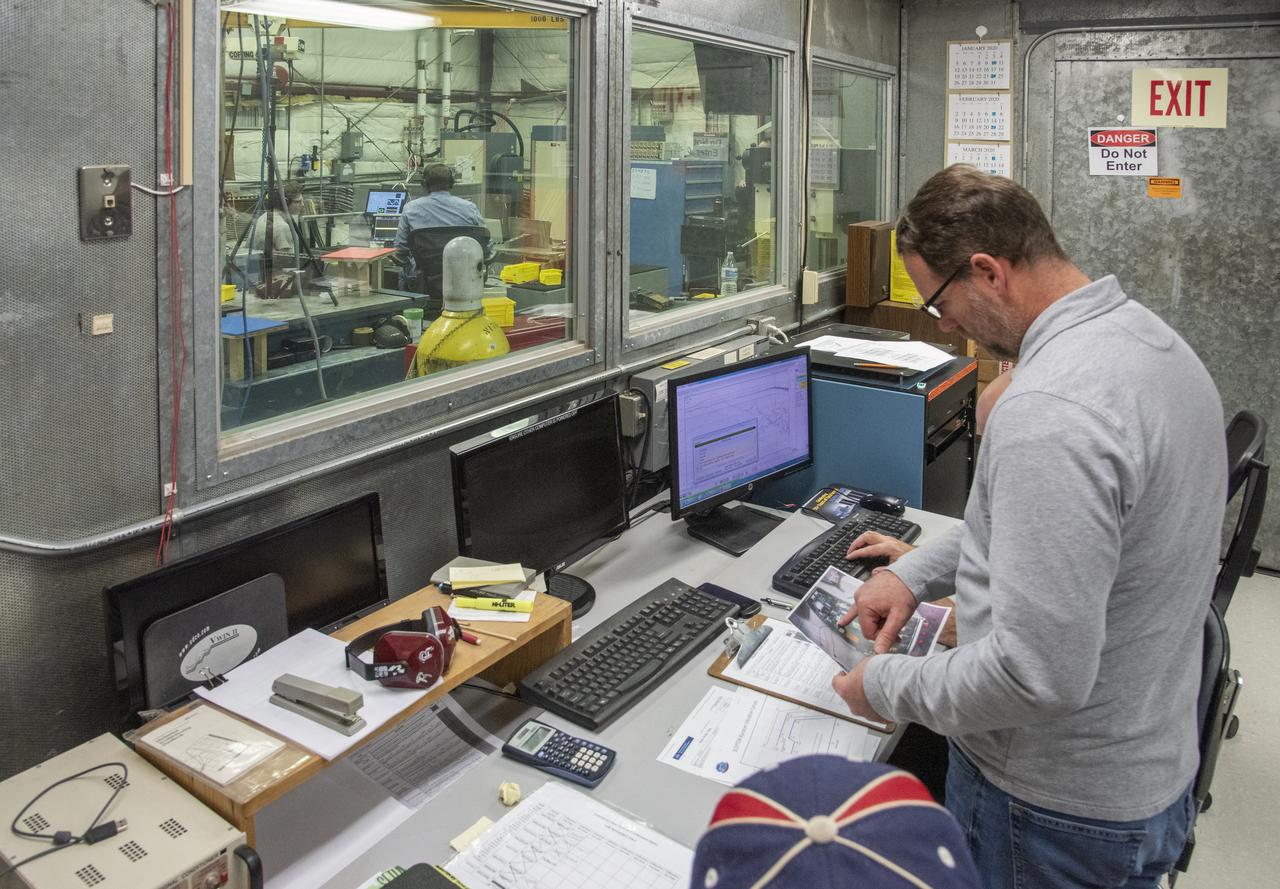
Engineers monitor data during vibration testing of a cruise motor controller for the X-57 Maxwell, NASA’s first all-electric X-plane. Attached to a table at NASA Armstrong Flight Research Center’s environmental lab, the cruise motor controller is exposed to specific levels of vibration, allowing NASA to examine the structural integrity of the hardware. Engineers, meanwhile, monitored data, including waveforms of electrical current, and recorded readings.
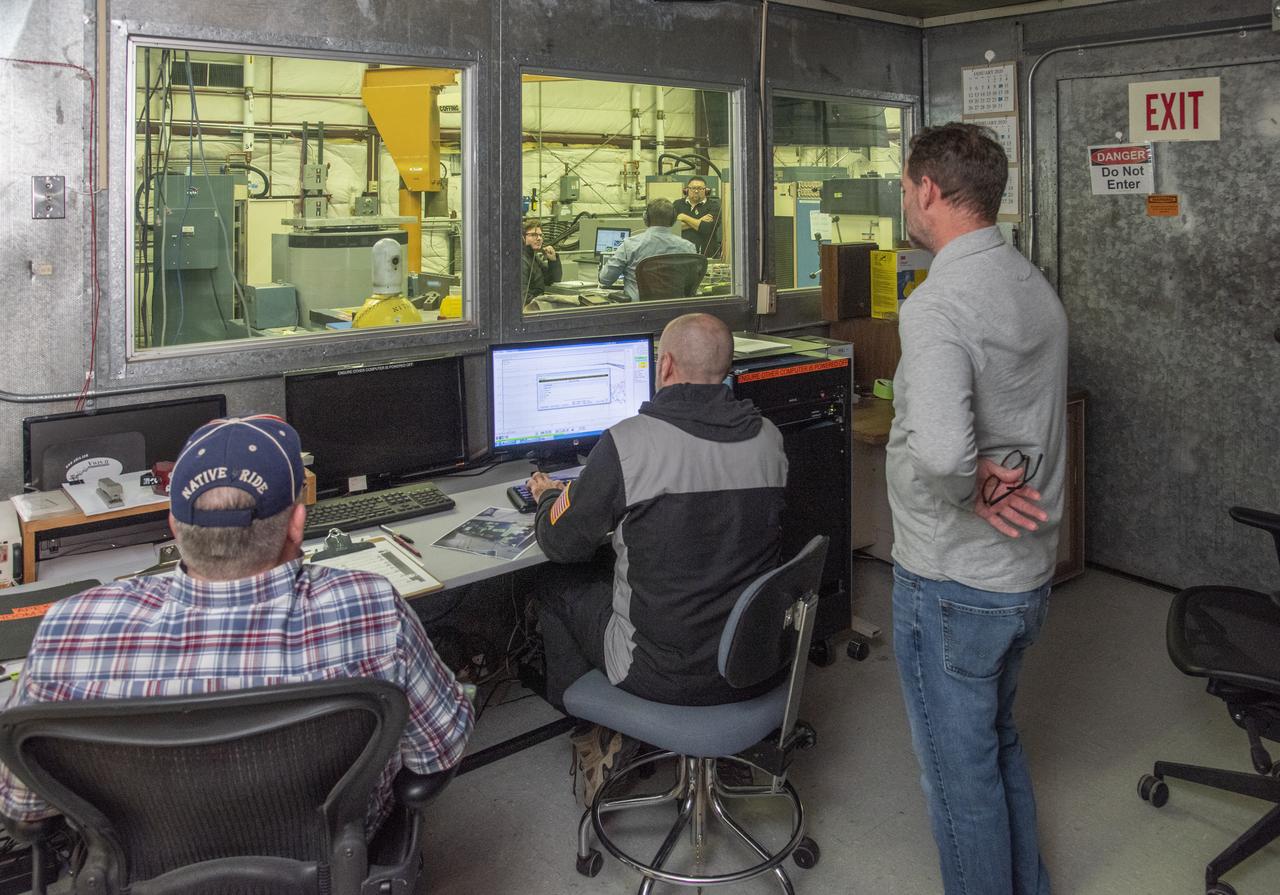
Engineers monitor data during vibration testing of a cruise motor controller for the X-57 Maxwell, NASA's first all-electric X-plane. Attached to a table at NASA Armstrong Flight Research Center's environmental lab, the cruise motor controller is exposed to specific levels of vibration, allowing NASA to examine the structural integrity of the hardware. Engineers, meanwhile, monitored data, including waveforms of electrical current, and recorded readings.
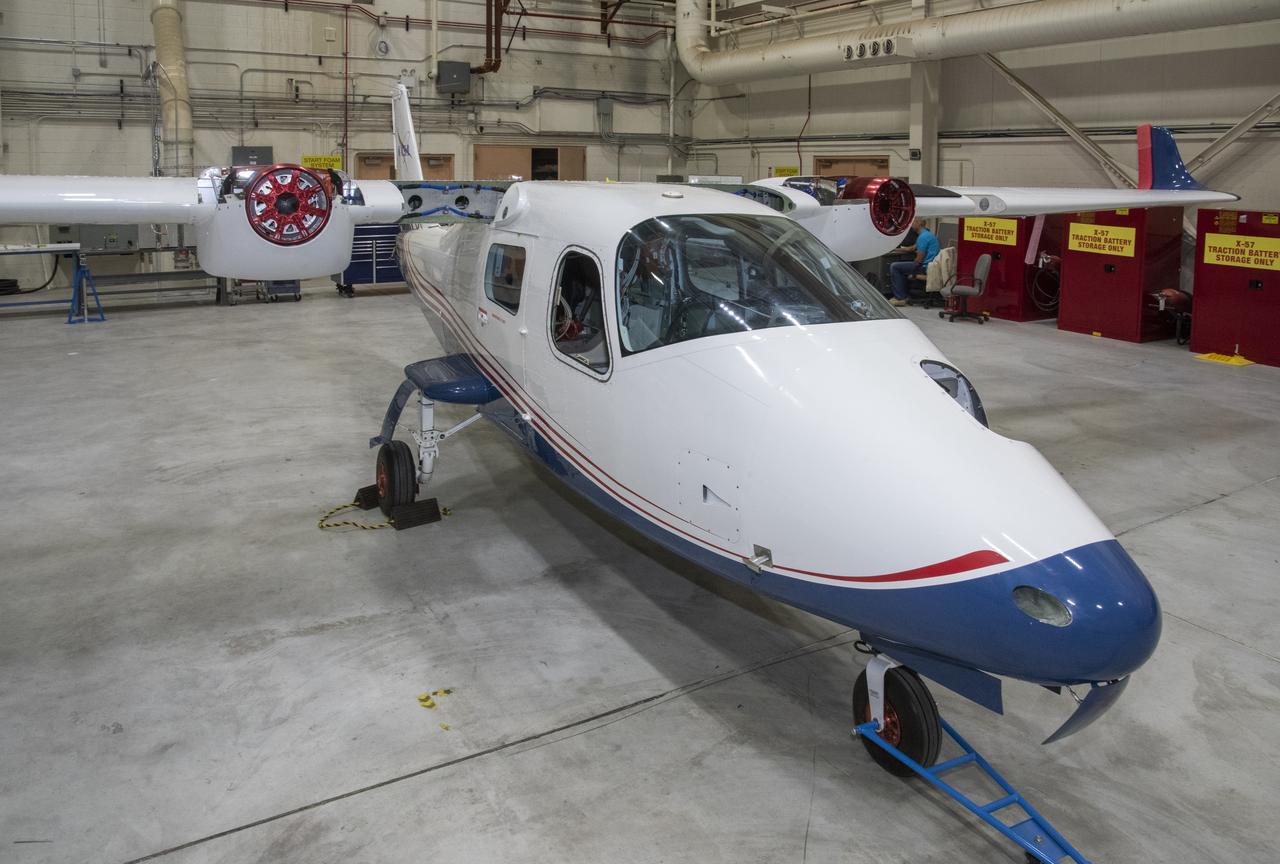
The X-57 Mod II wing is rejoined with the aircraft's fuselage to begin preparations for reintegration at NASA's Armstrong Flight Research Center in California. Once the integration work is complete, it will begin ground tests to be followed by taxi tests, and eventually, flight tests.
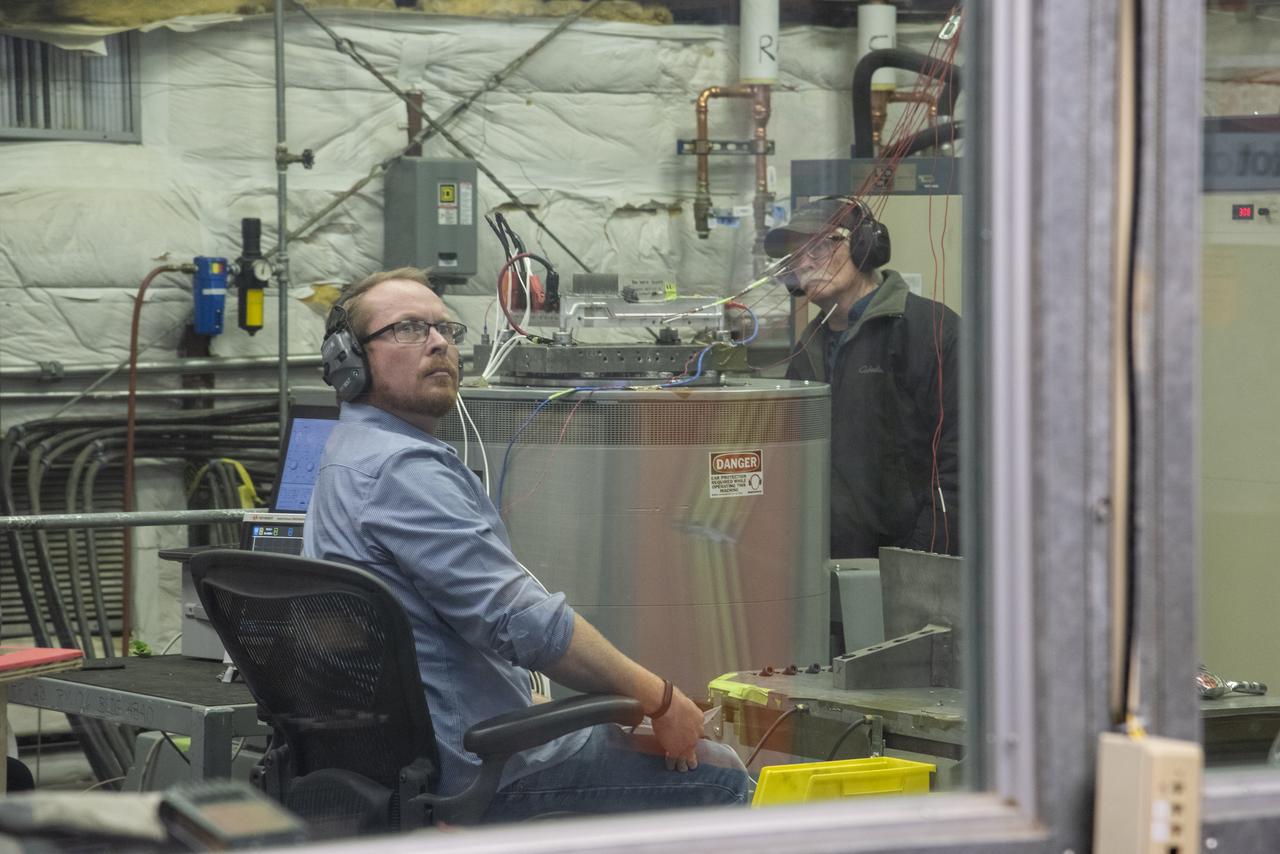
Engineers monitor data during vibration testing of a cruise motor controller for the X-57 Maxwell, NASA's first all-electric X-plane. Attached to a table at NASA Armstrong Flight Research Center's environmental lab, the cruise motor controller is exposed to specific levels of vibration, allowing NASA to examine the structural integrity of the hardware. Engineers, meanwhile, monitored data, including waveforms of electrical current, and recorded readings.
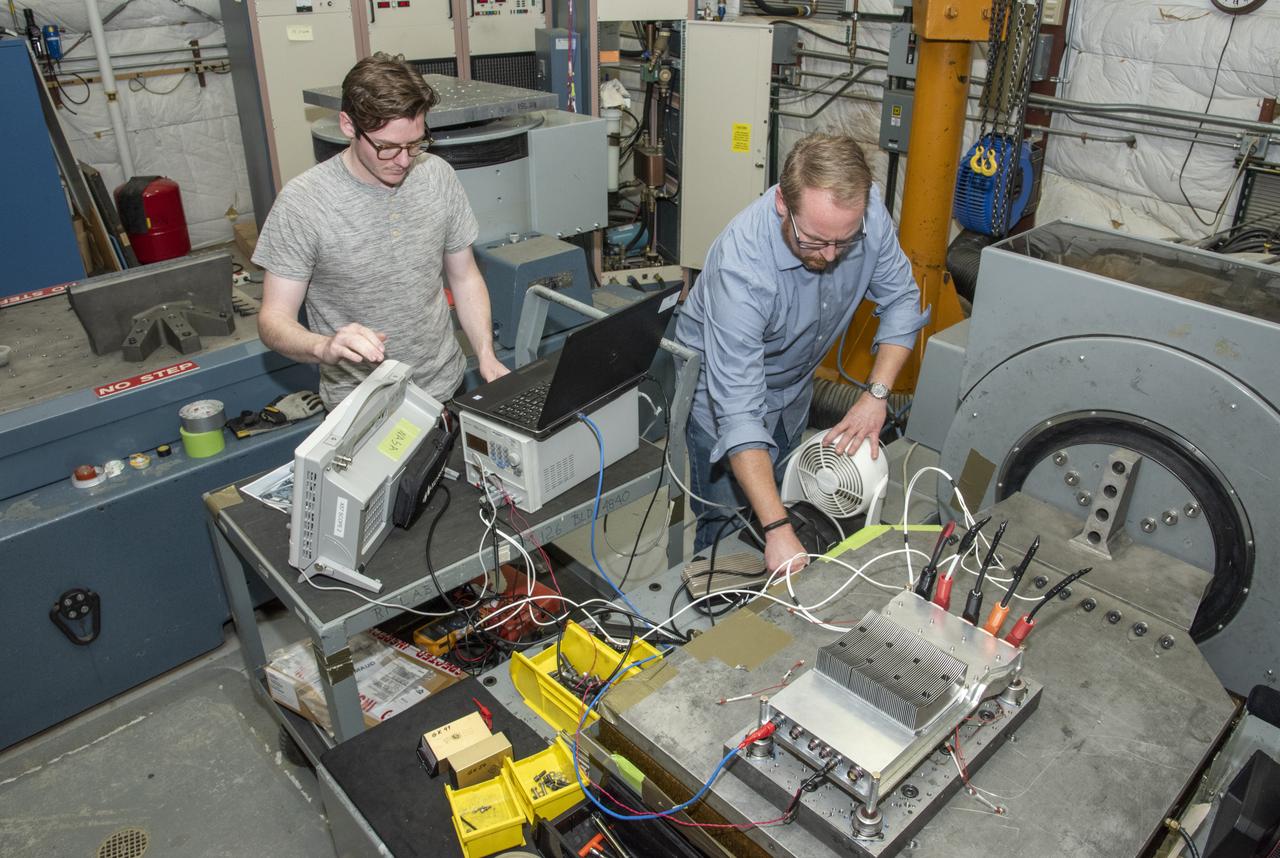
Engineers from NASA’s Armstrong Flight Research Center and Empirical Systems Aerospace prepare a cruise motor controller, planned to be used on NASA’s all-electric X-57 Maxwell, for vibration testing at Armstrong’s environmental lab. Testing the cruise motor controller at various vibration levels, based on baseline flight testing in the project’s first phase, helps ensure that the hardware will withstand similar vibration in flight conditions. X-57, NASA’s first all-electric experimental aircraft, or X-plane, will fly in its first all-electric configuration in 2020.
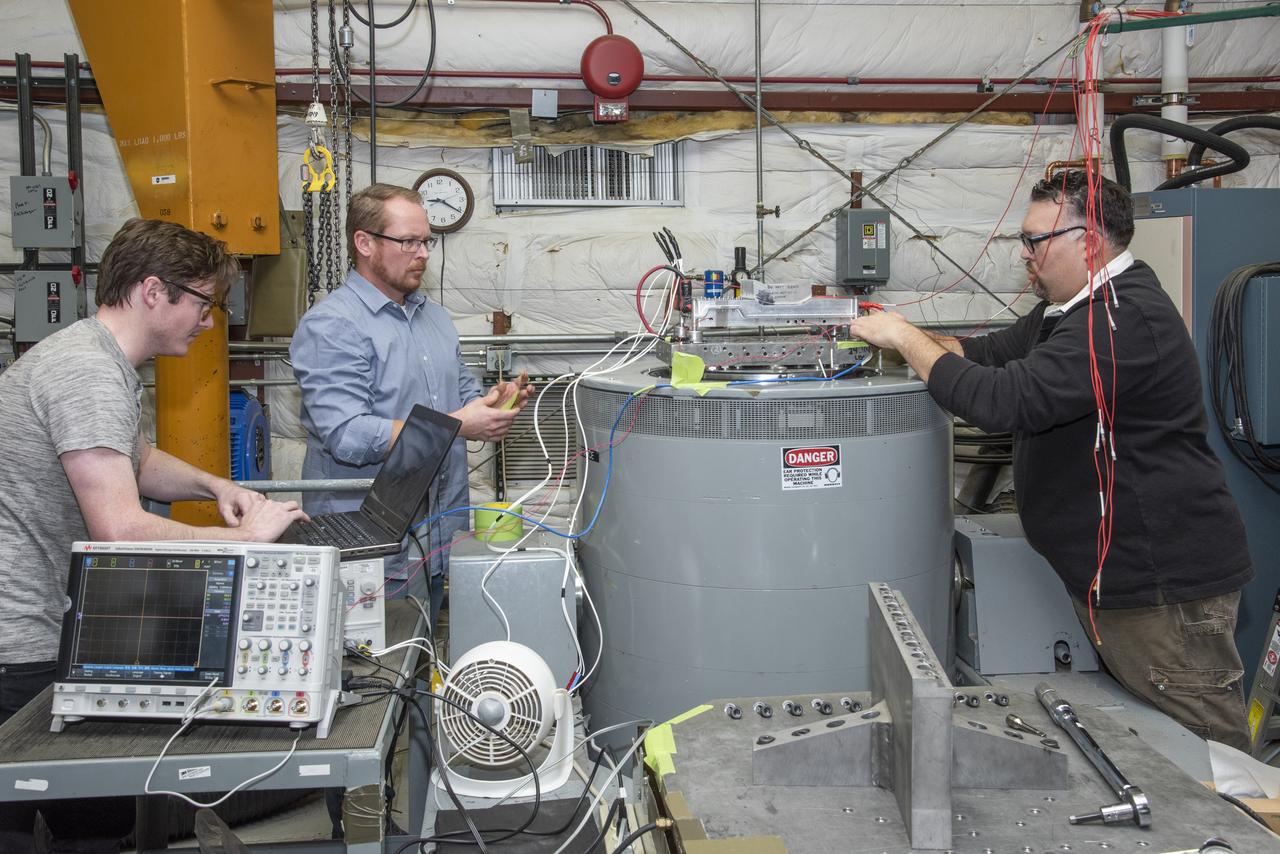
Engineers from NASA's Armstrong Flight Research Center and Empirical Systems Aerospace prepare a cruise motor controller, planned to be used on NASA's all-electric X-57 Maxwell, for vibration testing at Armstrong's environmental lab. Testing the cruise motor controller at various vibration levels, based on baseline flight testing in the project's first phase, helps ensure that the hardware will withstand similar vibration in flight conditions. X-57, NASA's first all-electric experimental aircraft, or X-plane, will fly in its first all-electric configuration in 2020.