Sierra Space Dream Chaser Spaceplane Documentation Photographs
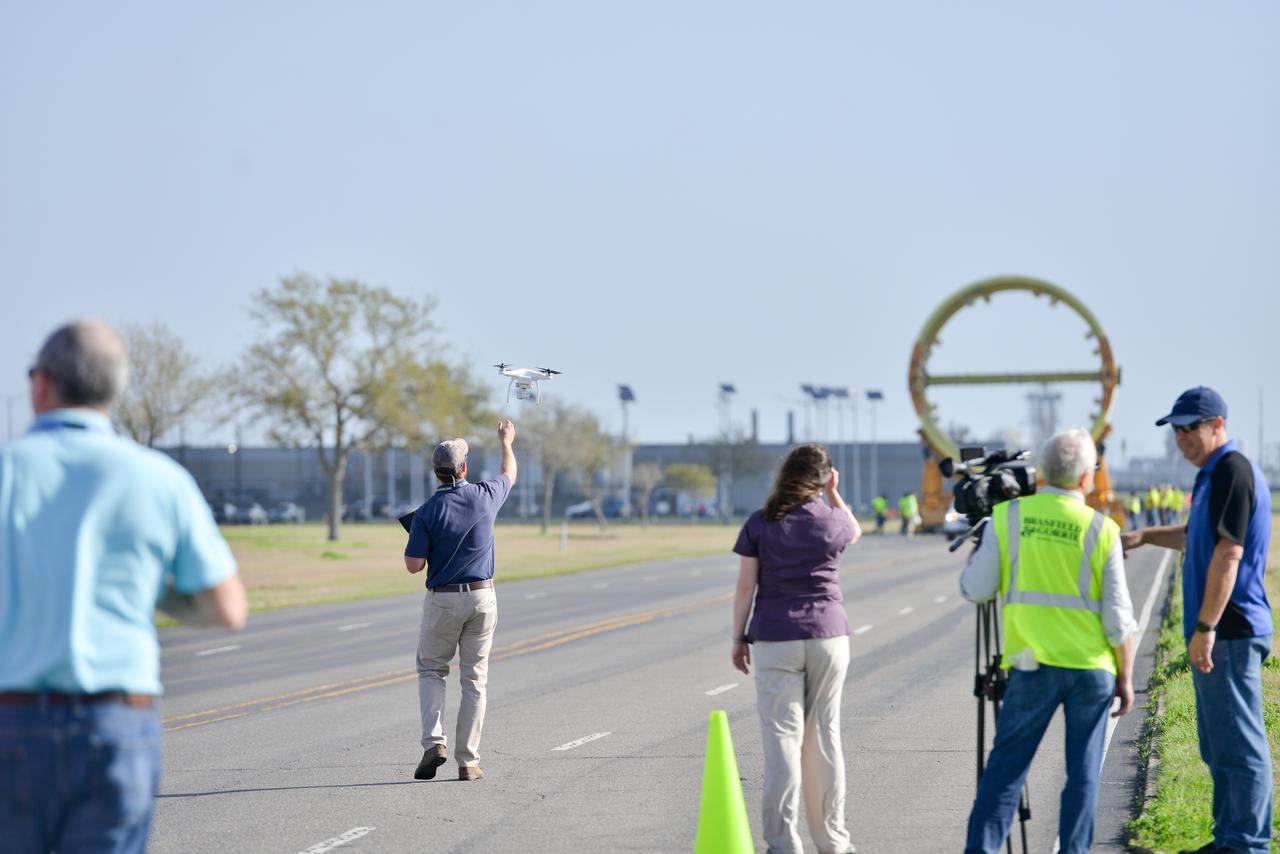
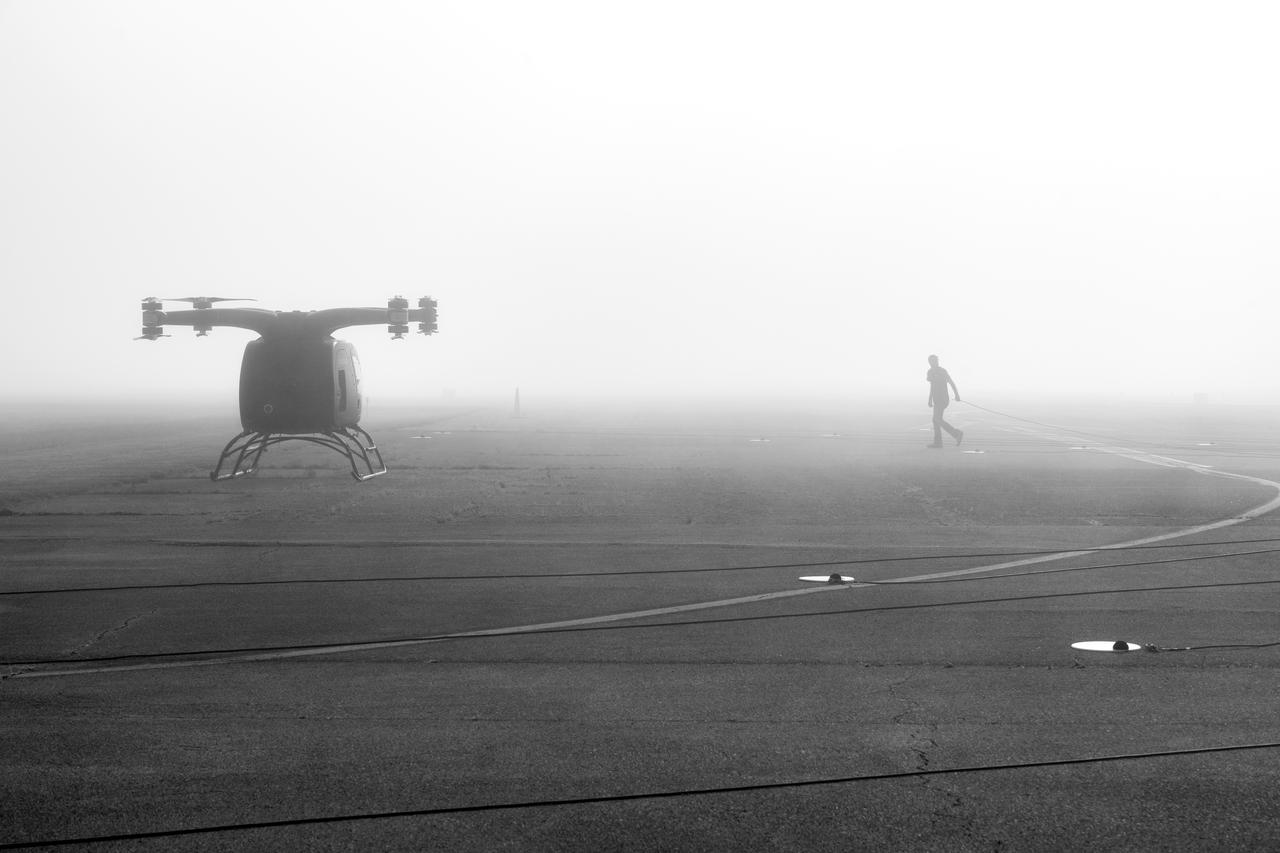
Moog Hover Test - SureFly Aircraft Documentation Photos
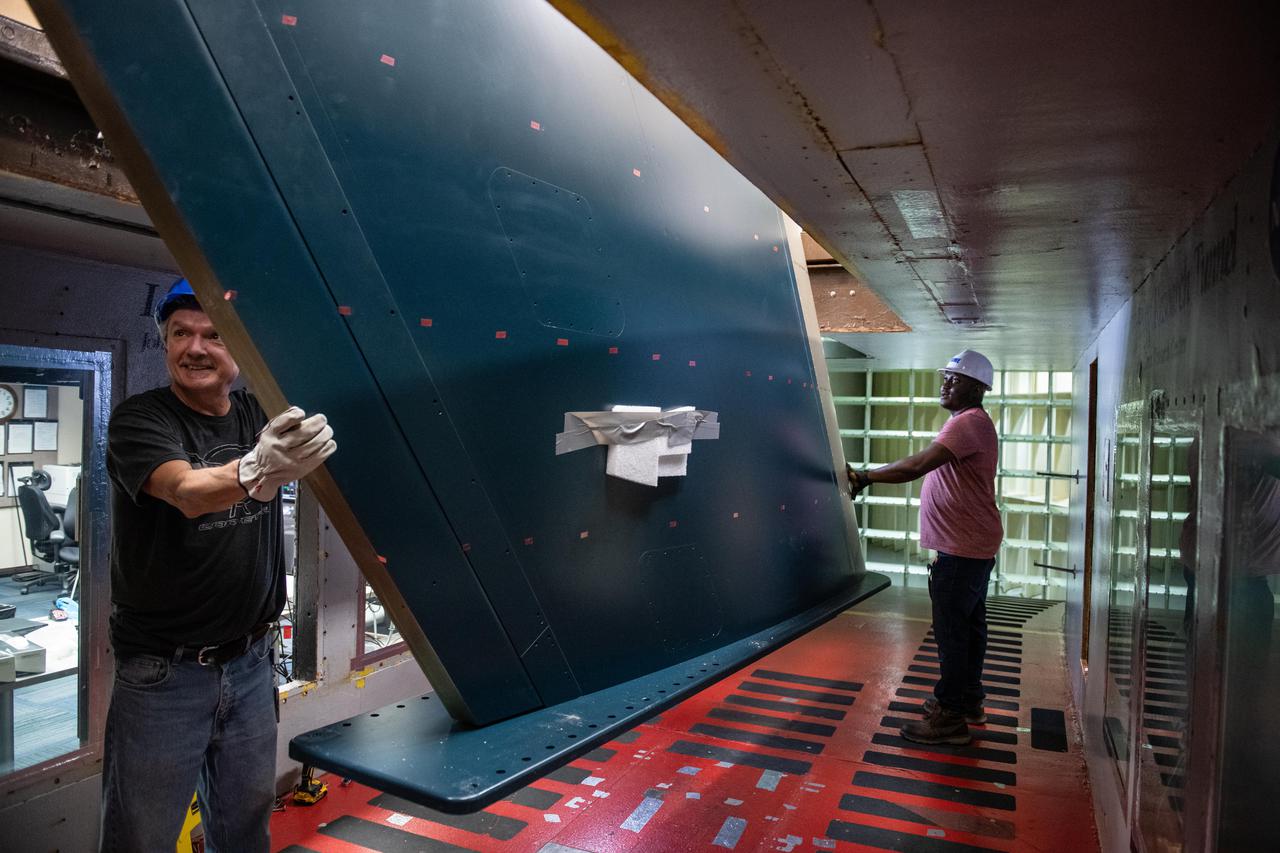
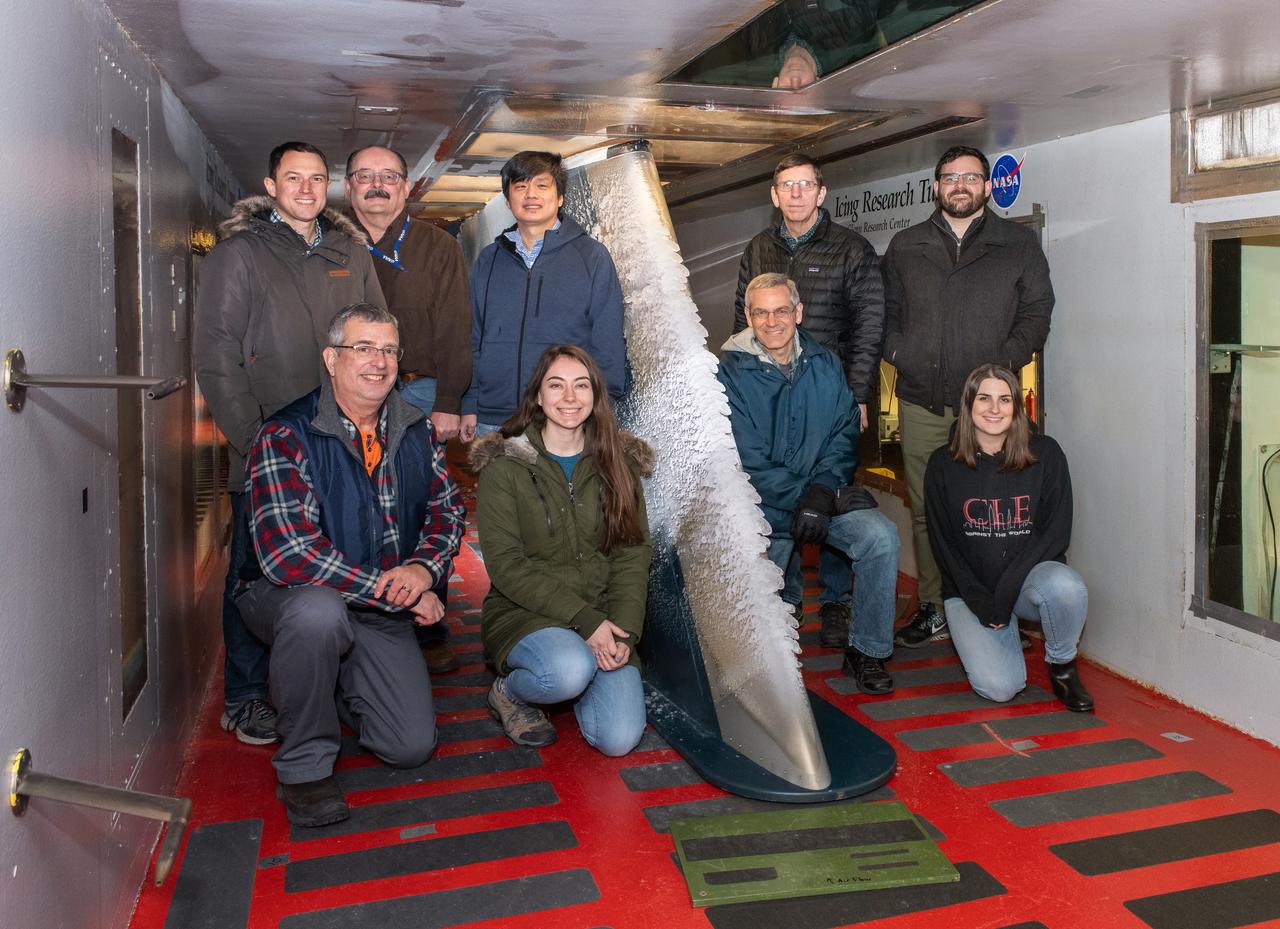
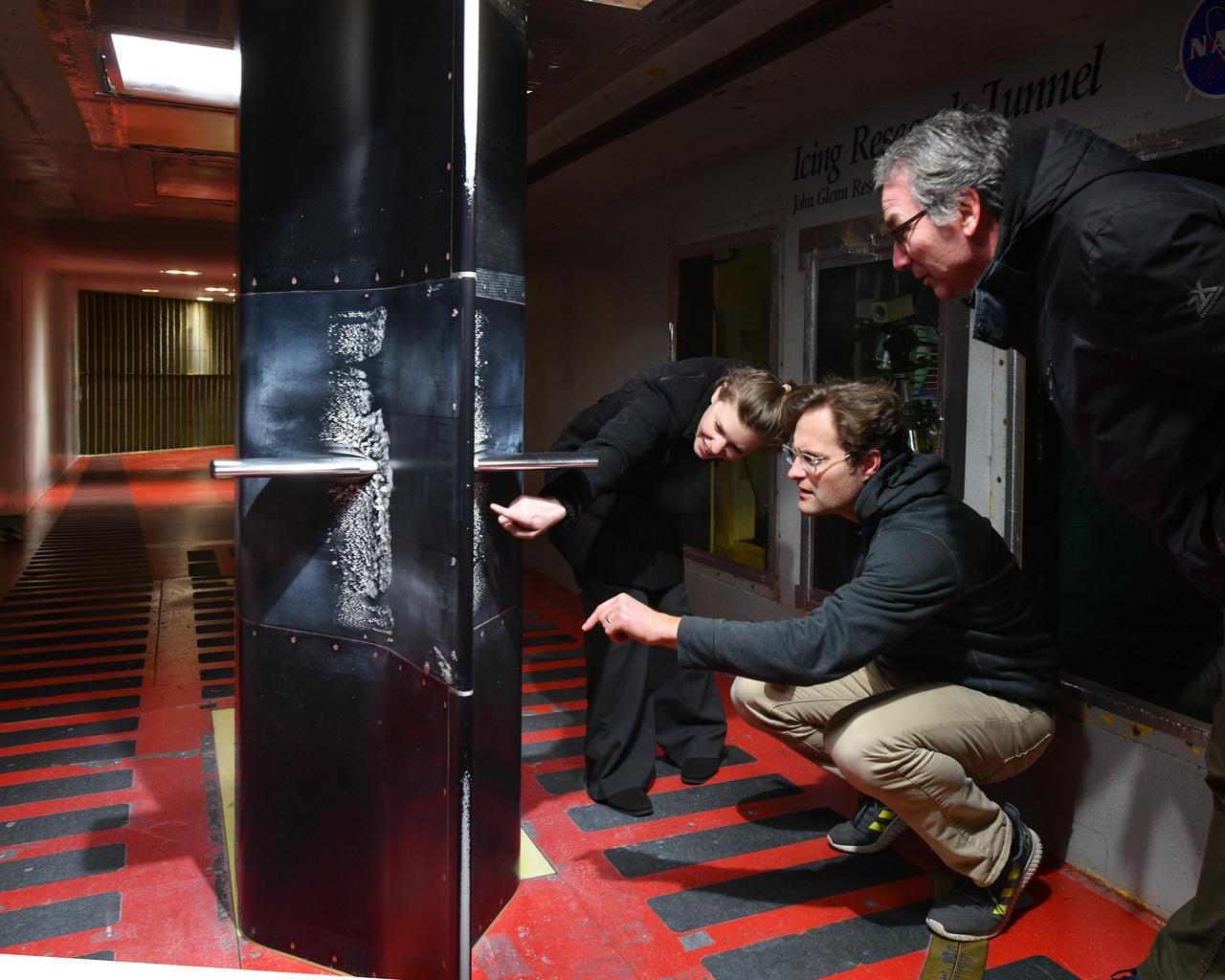
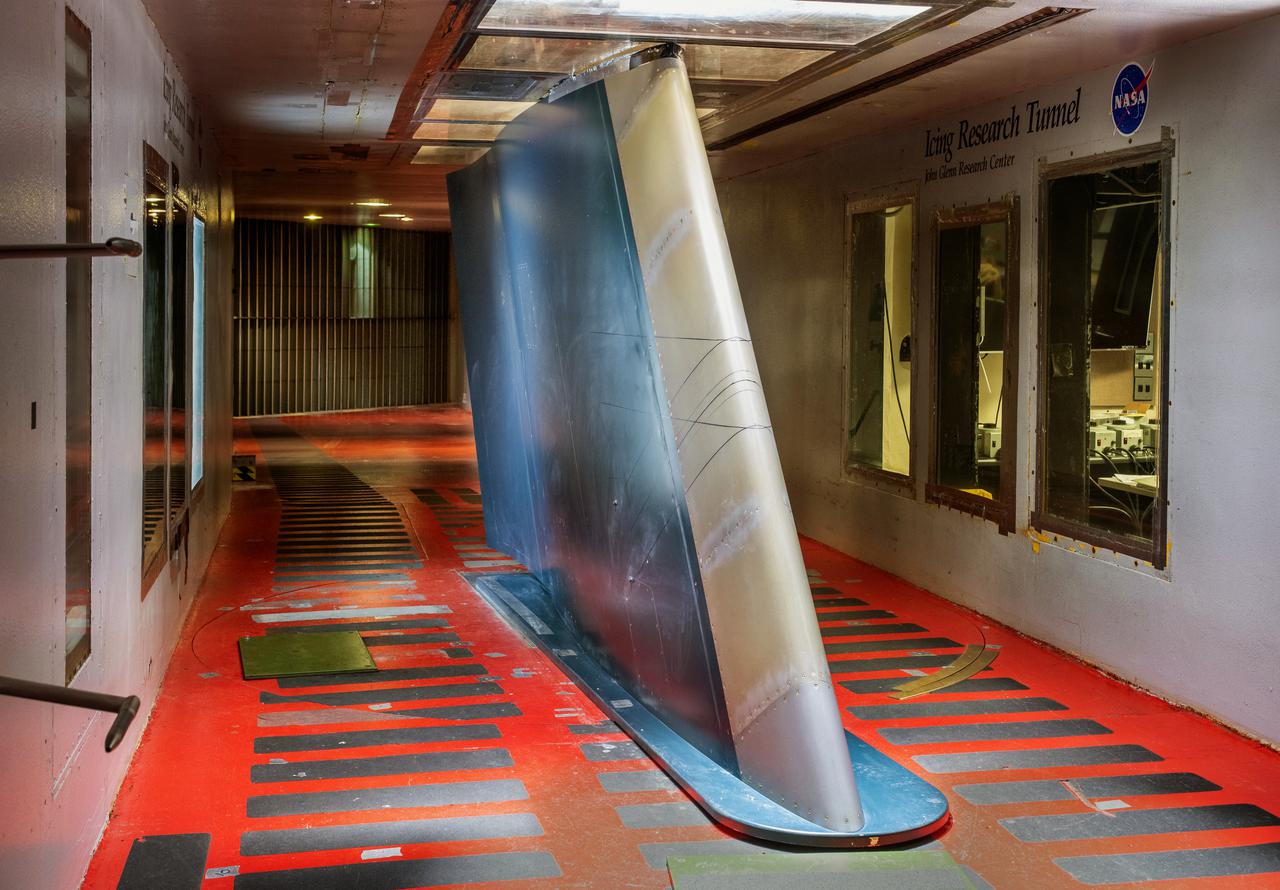
CRM Full Chord Installation and Test Documentation Photos, Icing Research Tunnel
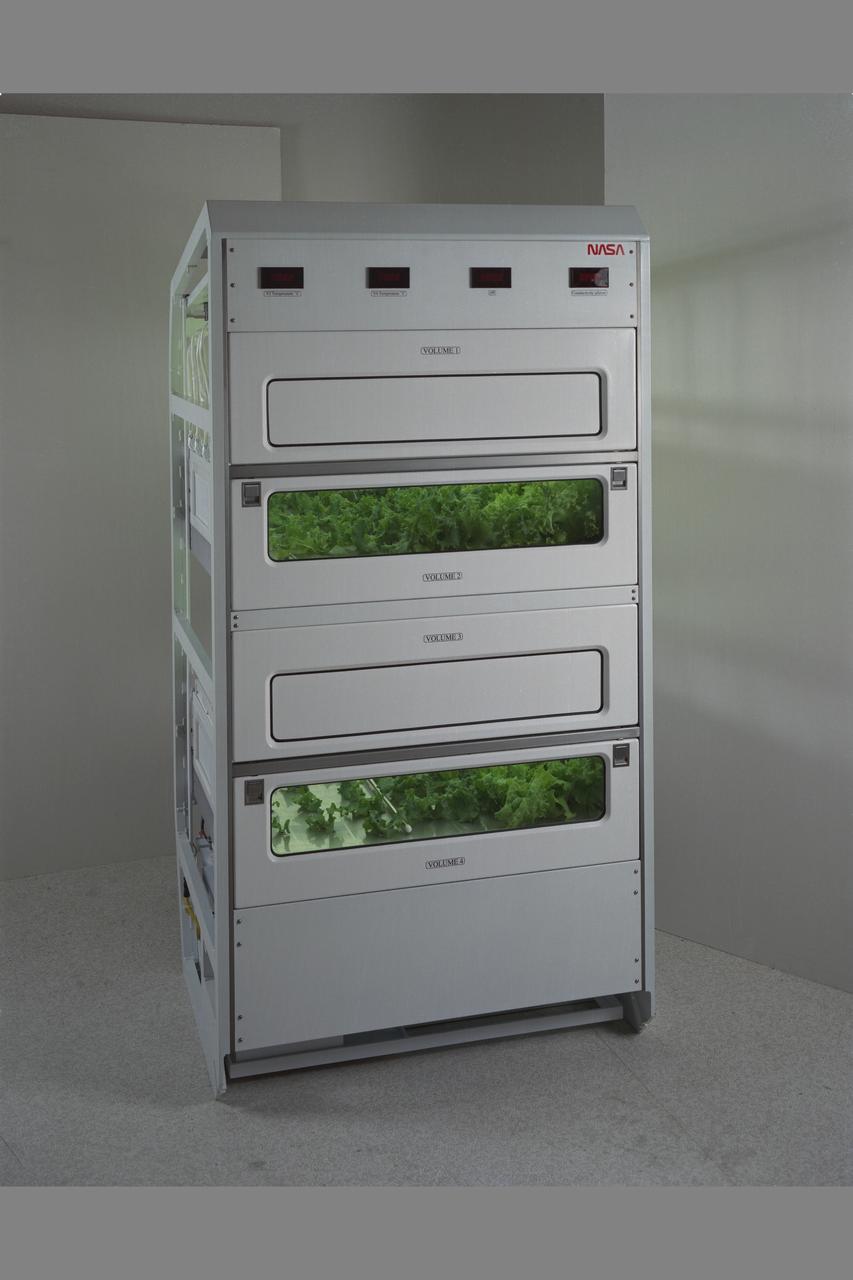
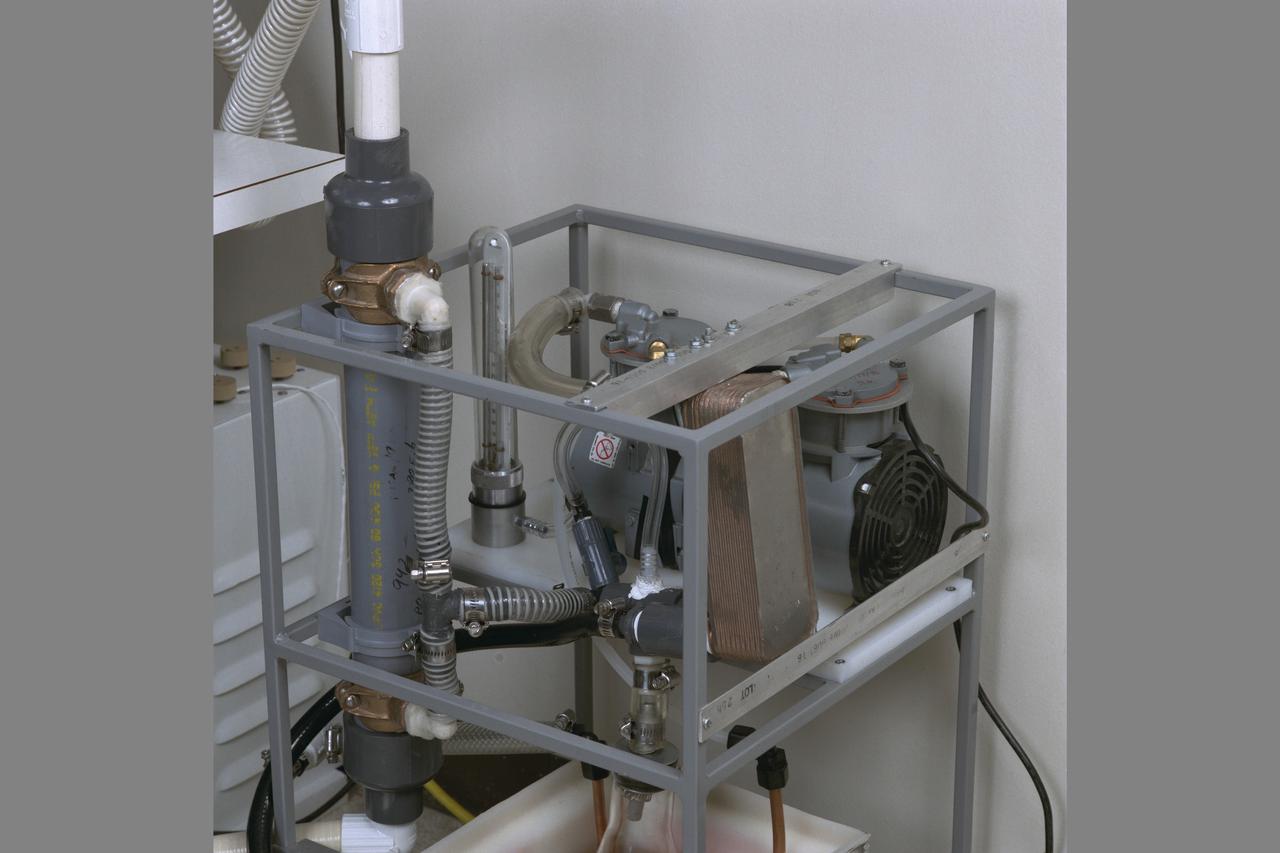
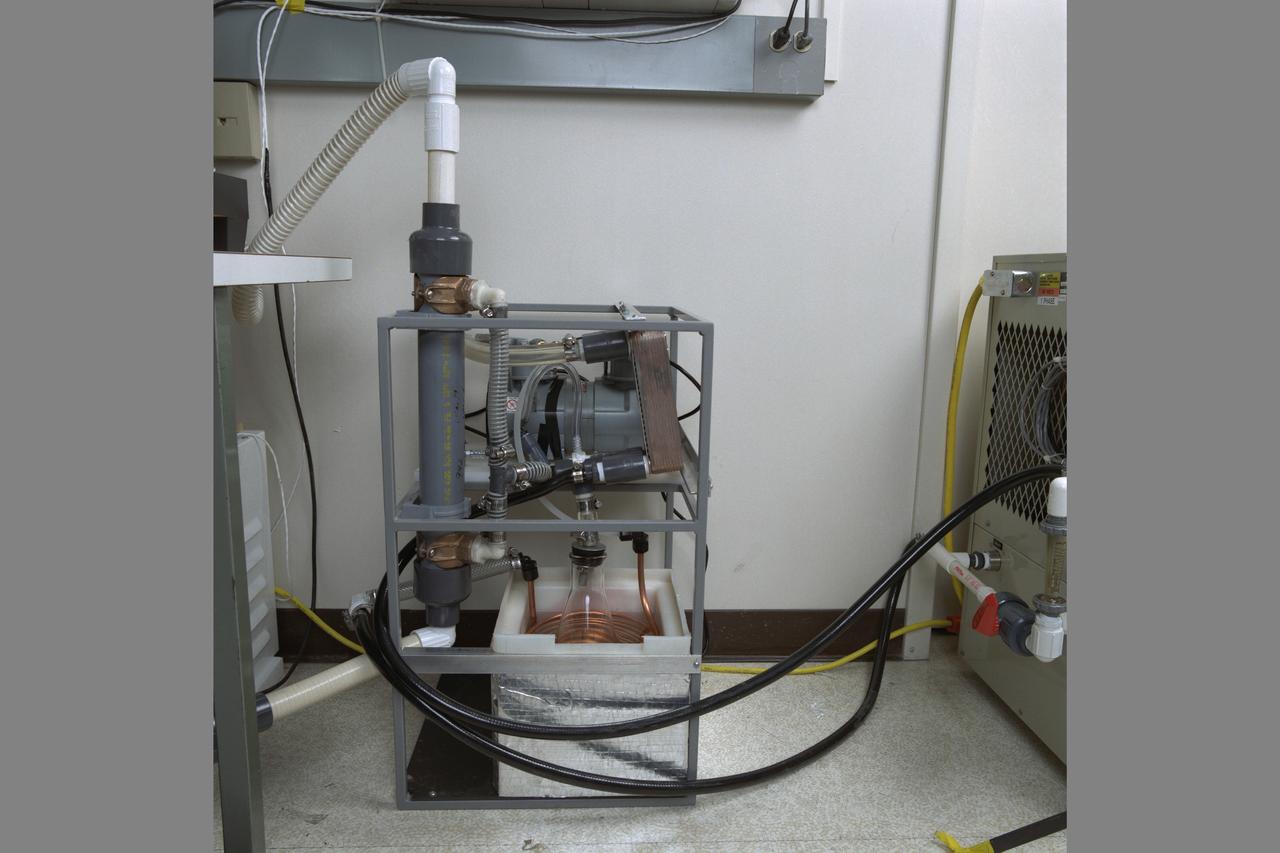
Life Sciences documentation of Salad Machine being developed at NASA Ames Research Center, Moffett Field, Calif. for use in long duration space flight or on distant outposts.
ARC-1991-AC98-0178-14
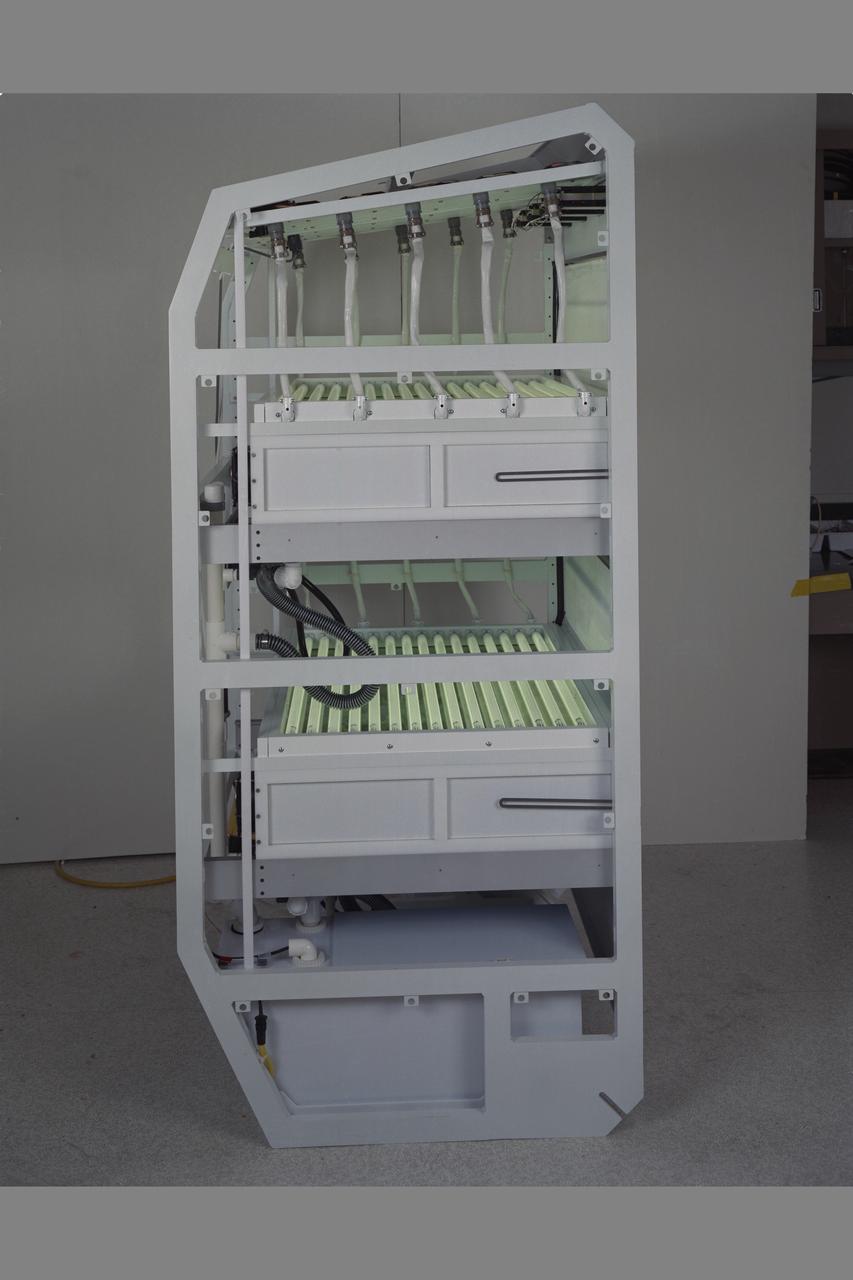
Life Sciences documentation of Salad Machine being developed at NASA Ames Research Center, Moffett Field, Calif. for use in long duration space flight or on distant outposts.
ARC-1991-AC98-0178-13
Life Sciences documentation of Salad Machine being developed at NASA Ames Research Center, Moffett Field, Calif. for use in long duration space flight or on distant outposts.
ARC-1991-AC98-0178-10
Life Sciences documentation of Salad Machine being developed at NASA Ames Research Center, Moffett Field, Calif. for use in long duration space flight or on distant outposts.
ARC-1991-AC98-0178-11
CRM Full Chord Installation and Test Documentation Photos, Icing Research Tunnel
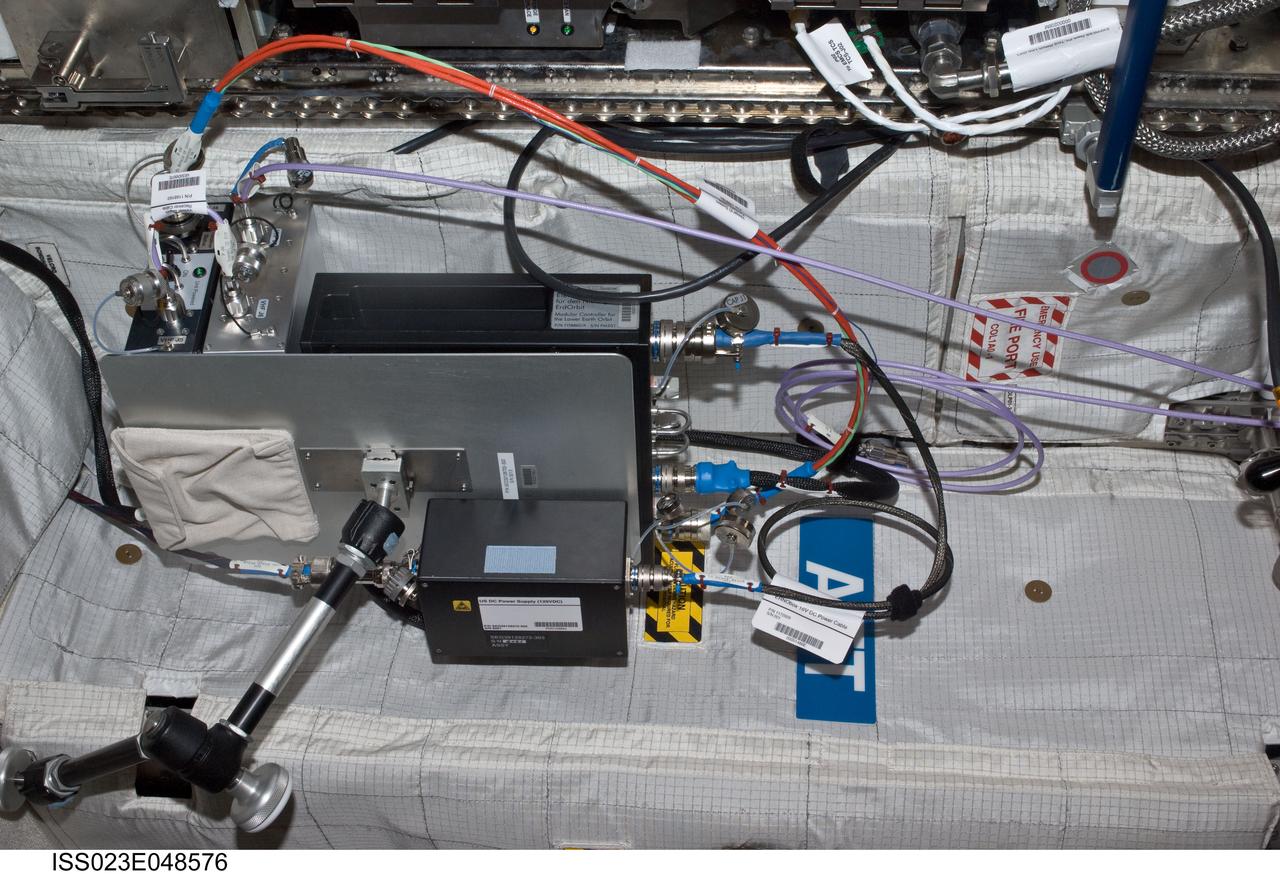
iss023e048576 (5/21/2010) --- Photo documentation of the ERNObox (Entwicklungsring Nord, or modular computer for low earth orbit), installed at location COL1A0 in the Columbus European Laboratory abord the International Space Station (ISS).
Documentation of ERNObox Installation in Columbus
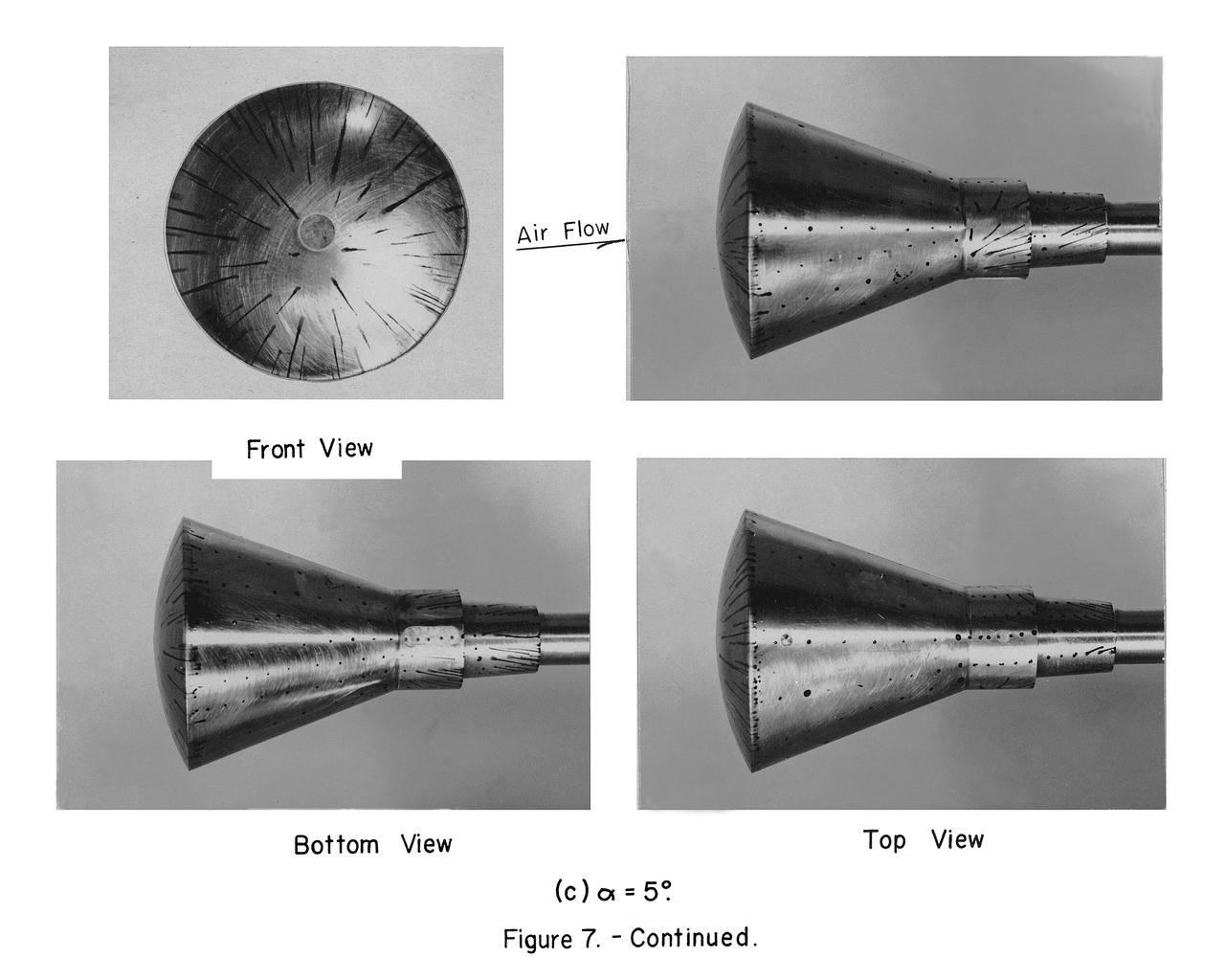
Images take for NASA Document L-1220
American Society of Mechanical Engineers, ASME Nozzle Test at Propulsion Systems Laboratory, PSL Documentation Photographs
Documentation of the AFE (Aero Flight Experiment) - IML (International Microgravity Laboratory) construction progress through the year 1988.
Documentation of the AFE (Aero Flight Experiment) - IML (International
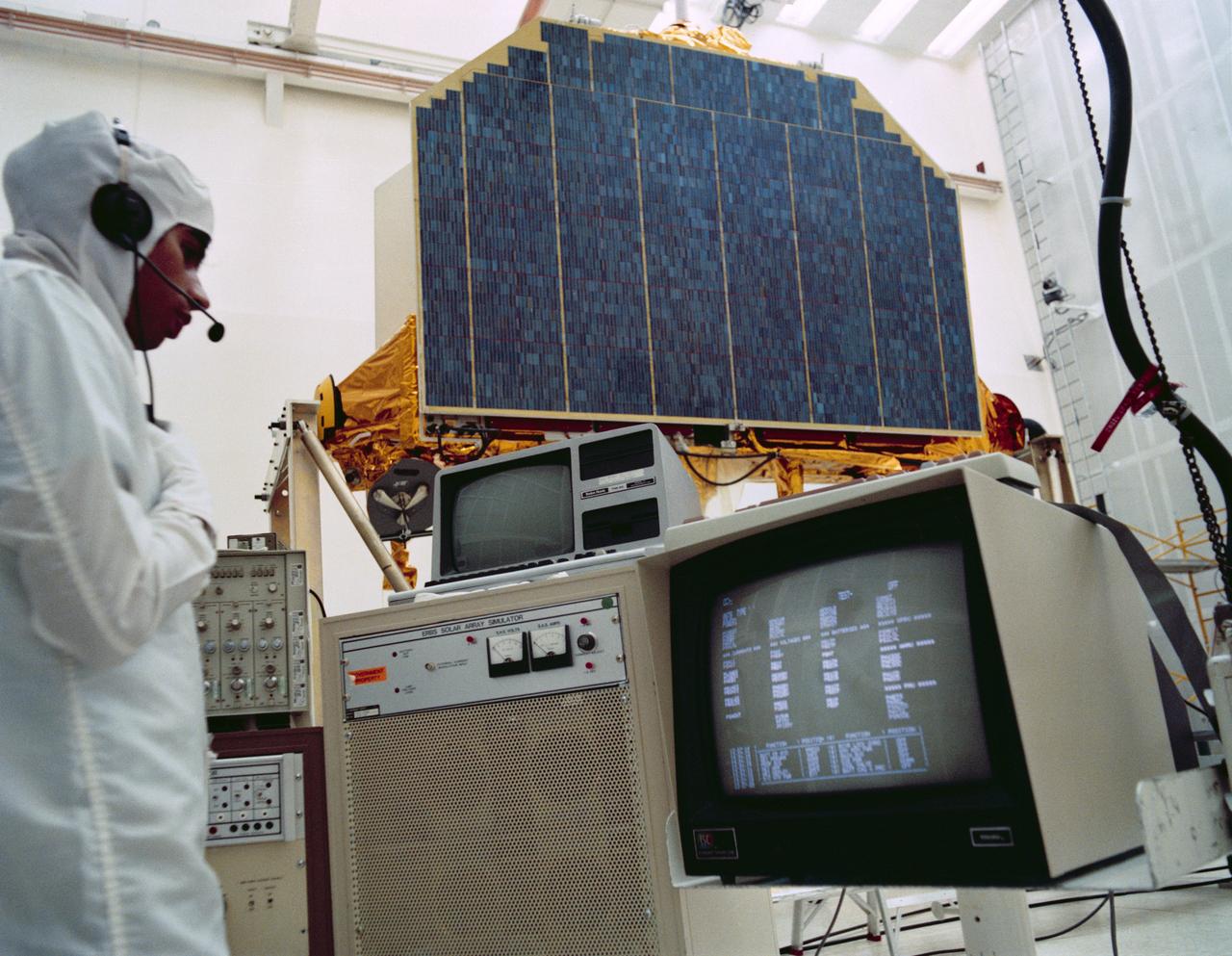
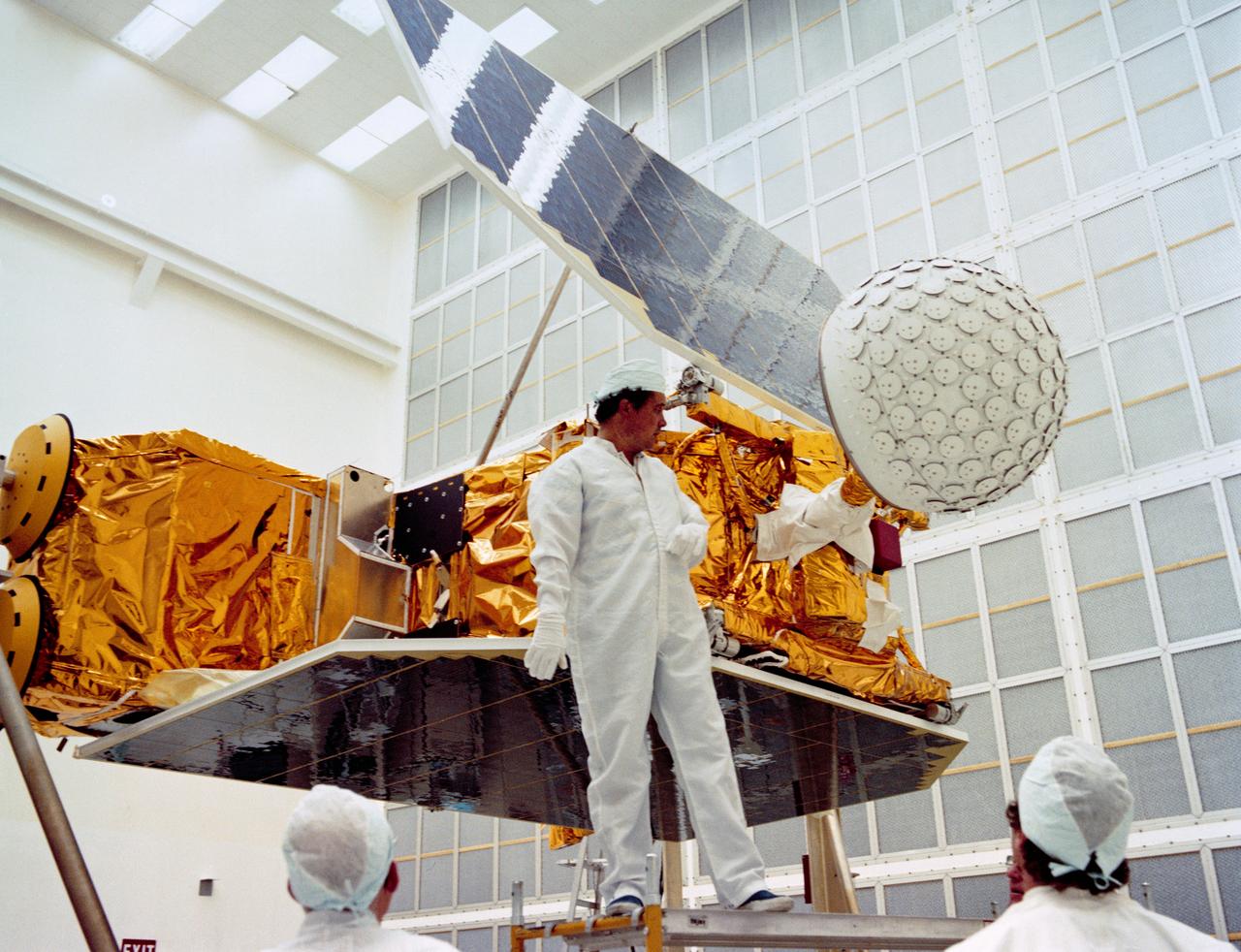
Documentation of STS 41-G payloads while in Hangar AE at Cape Canaveral. Views include documentation of the Earth Radiation Budget Satllite (ERBS) antenna (41266) and solar array panels (41265).
Documentation of STS 41-G payloads while in Hangar AE at Cape Canaveral
Documentation of STS 41-G payloads while in Hangar AE at Cape Canaveral. Views include documentation of the Earth Radiation Budget Satllite (ERBS) antenna (41266) and solar array panels (41265).
Documentation of STS 41-G payloads while in Hangar AE at Cape Canaveral
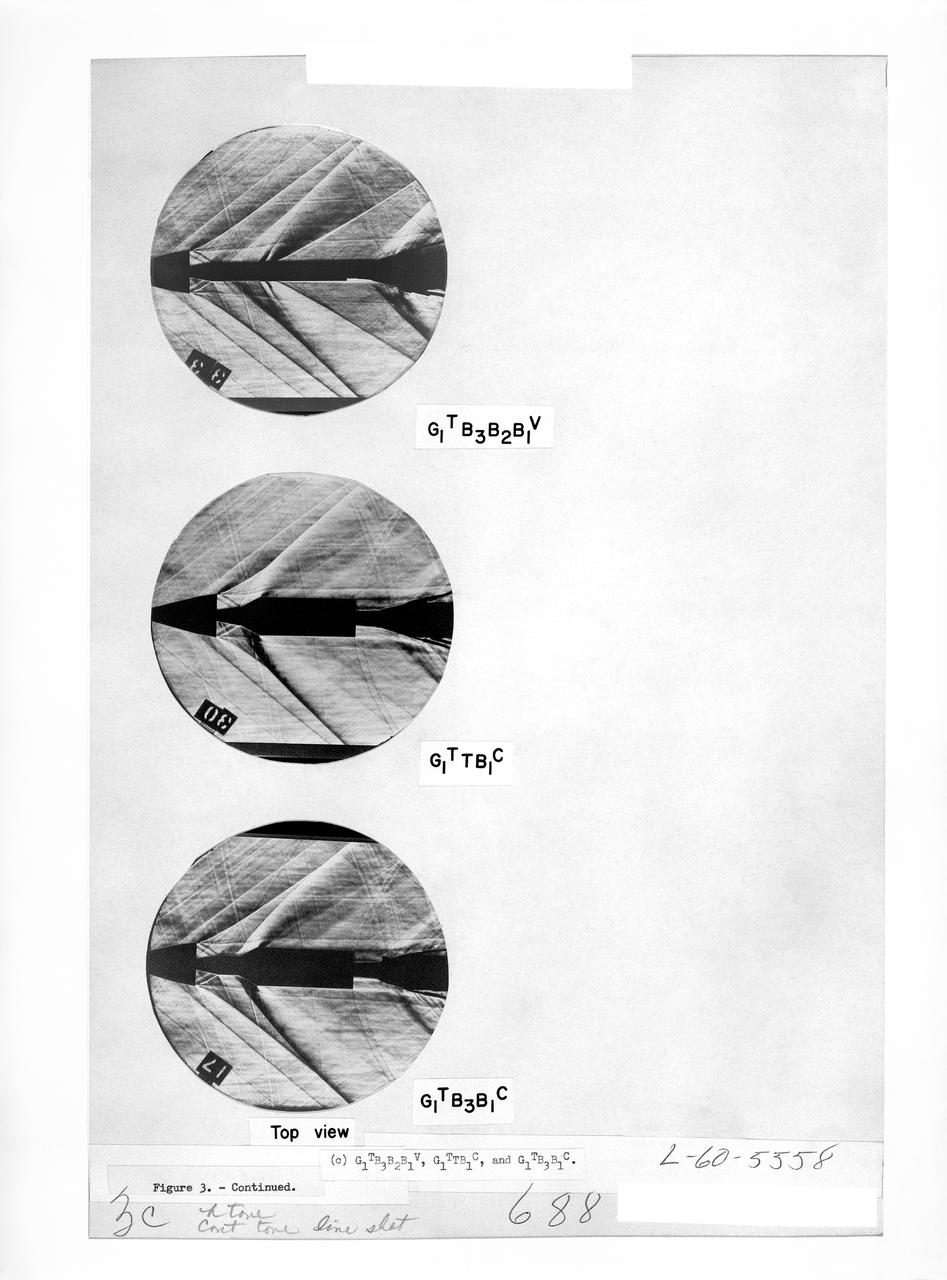
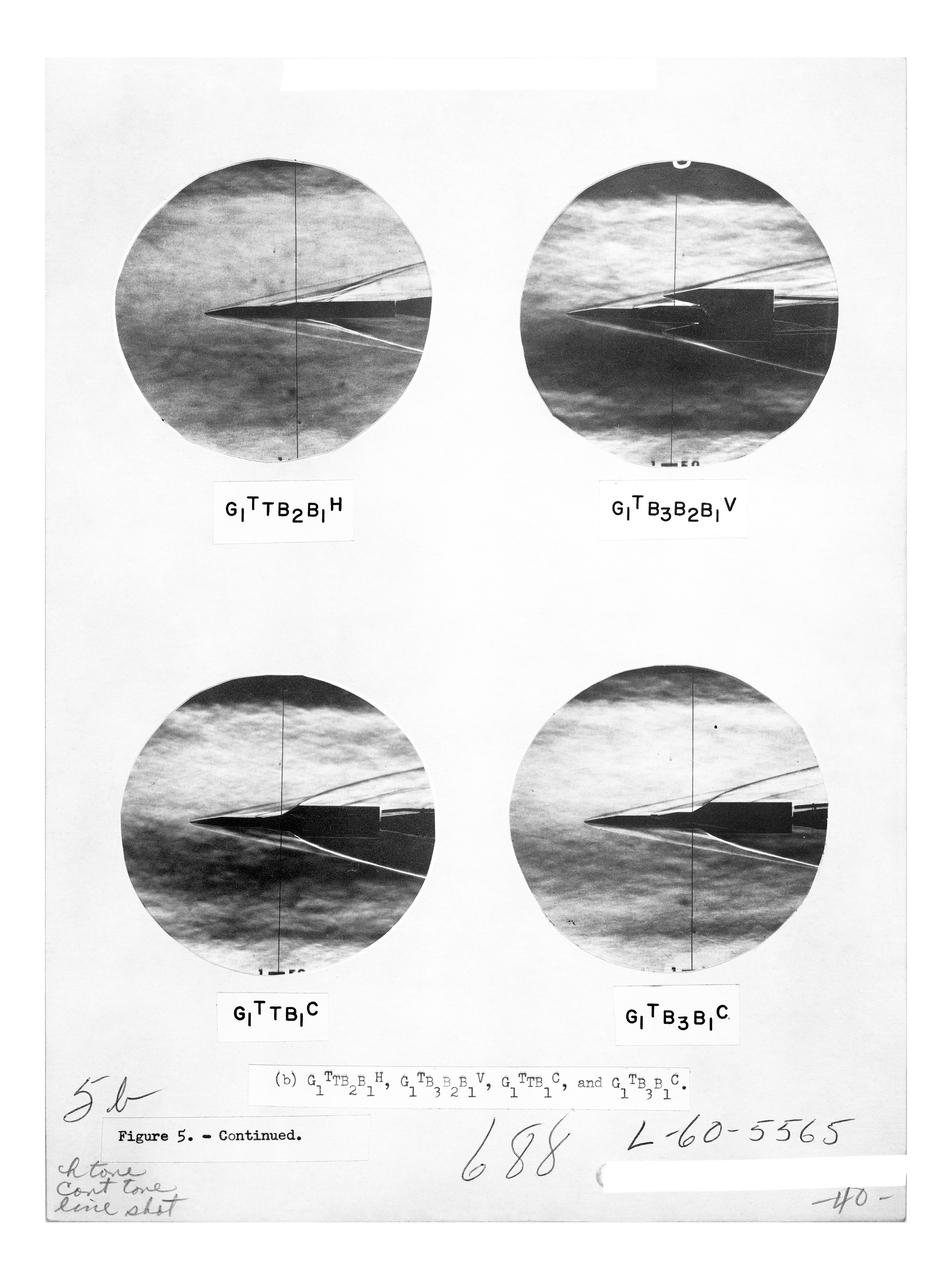
Figure 3-5 for NASA Document TM-X-356
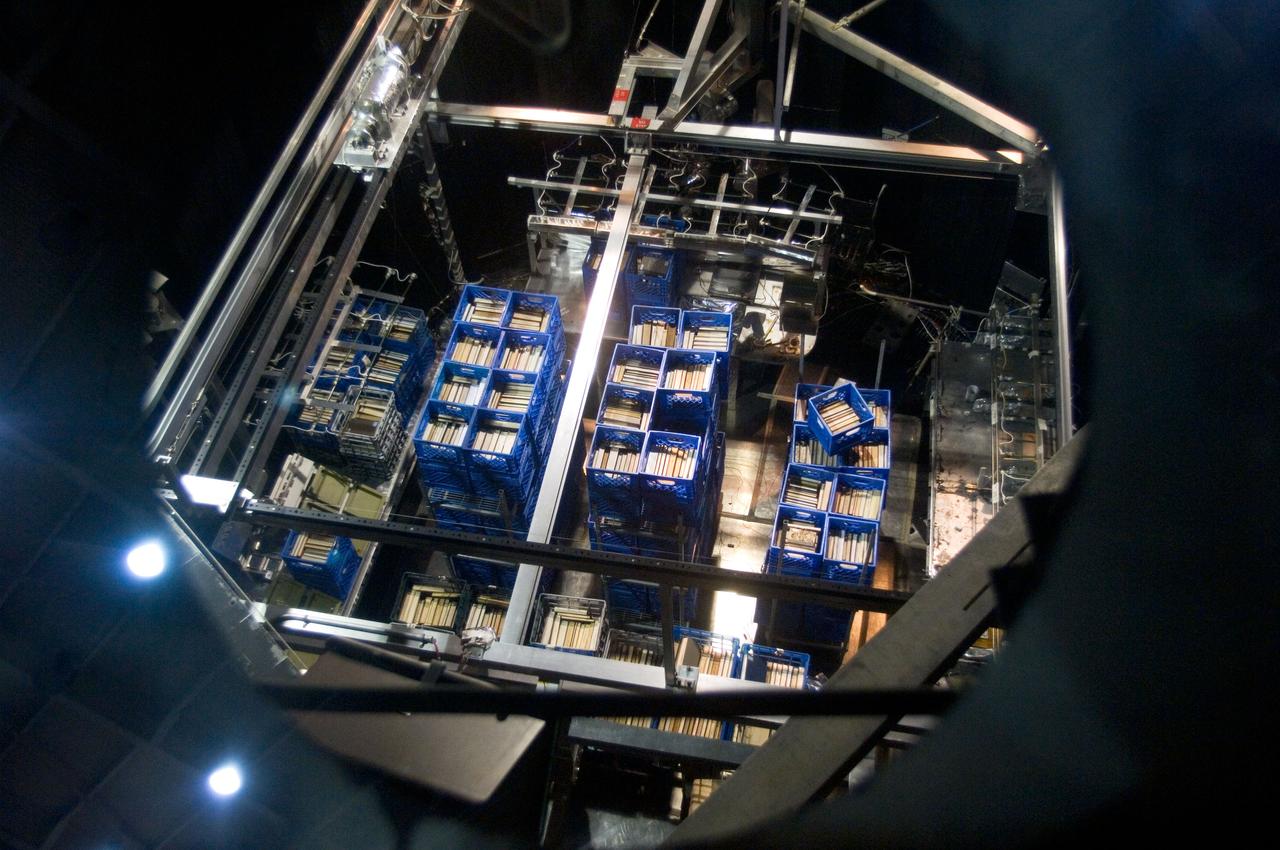
Documentation for the University of Houston (UH) Clear Lake collection of their library books after the Vacuum Chamber runs were performed to remove the water from them.  Vacuum Chamber B in Building 32 was used.
Vacuum Chamber Documentation for U of H Collection
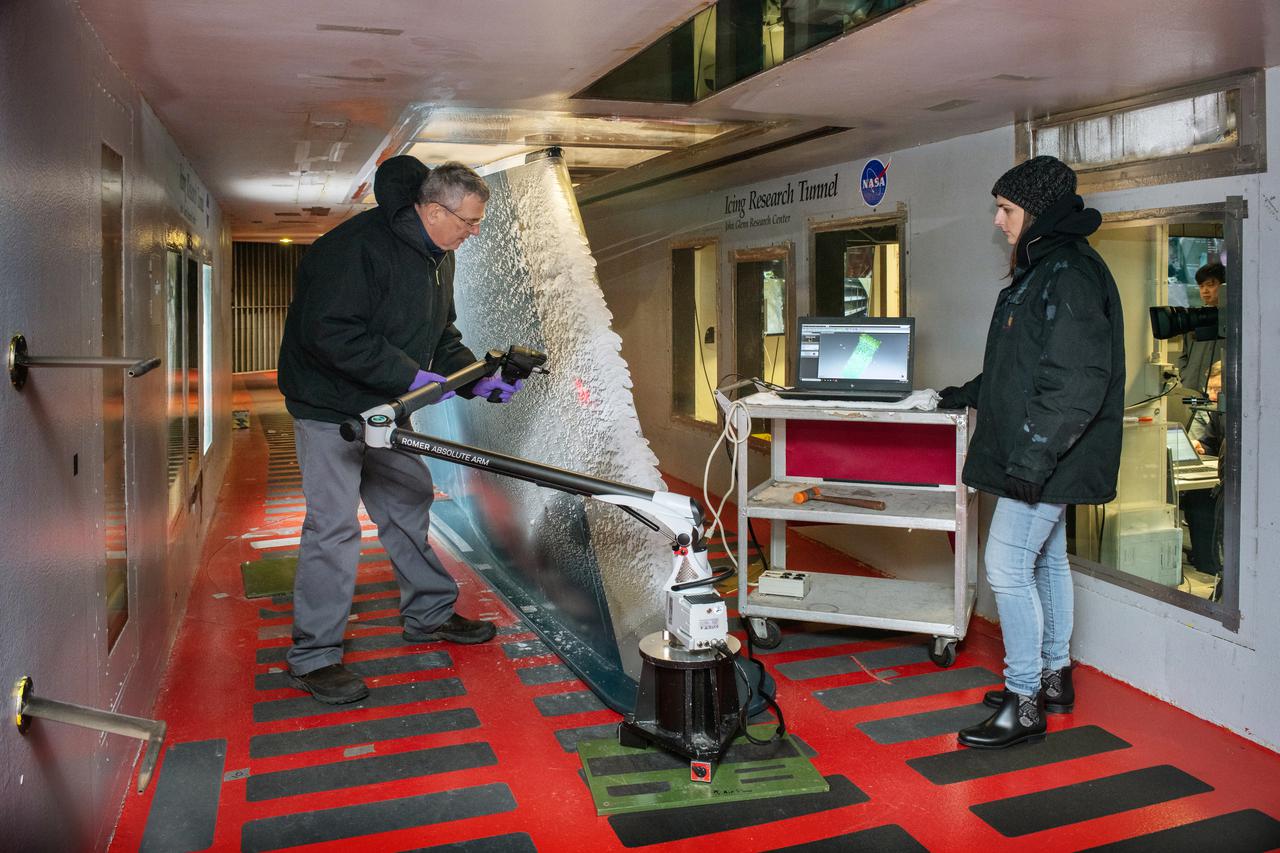
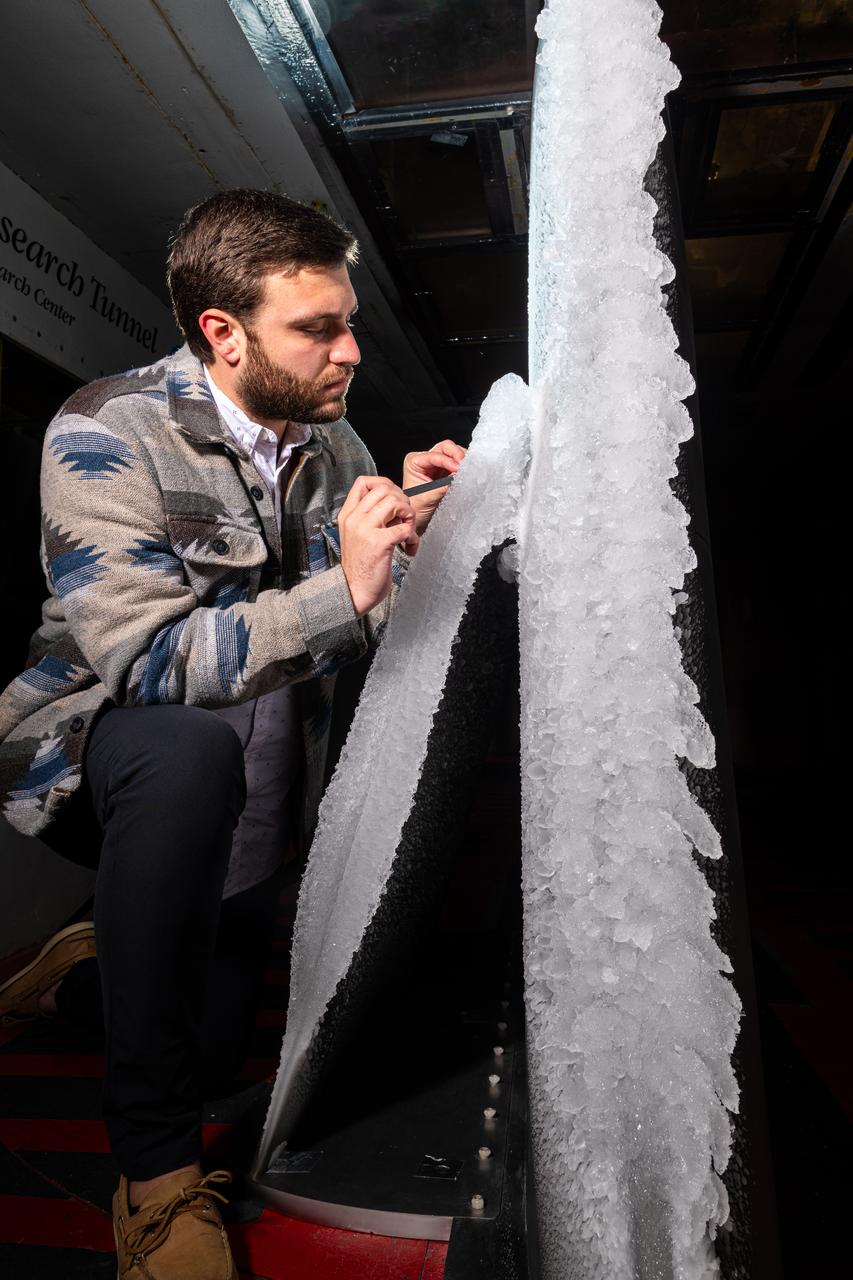
Thomas Ozoroski, an Icing Researcher, is shown documenting ice accretion on the leading edge of the next-generation Transonic Truss-Braced Wing design at NASA Glenn's Icing Research Center. This critical research will help understand icing effects for future, high-lift, ultra-efficient aircraft. Photo Credit: (NASA/Jordan Salkin)
TTBW Wing-Truss Junction Model at the Icing Research Tunnel
Orion ETA Hardware, Launch Abort System and Crew Module Documentation Photographs - Crew Module Arrival
Orion ETA Hardware, Launch Abort System and Crew Module Documentation Photographs
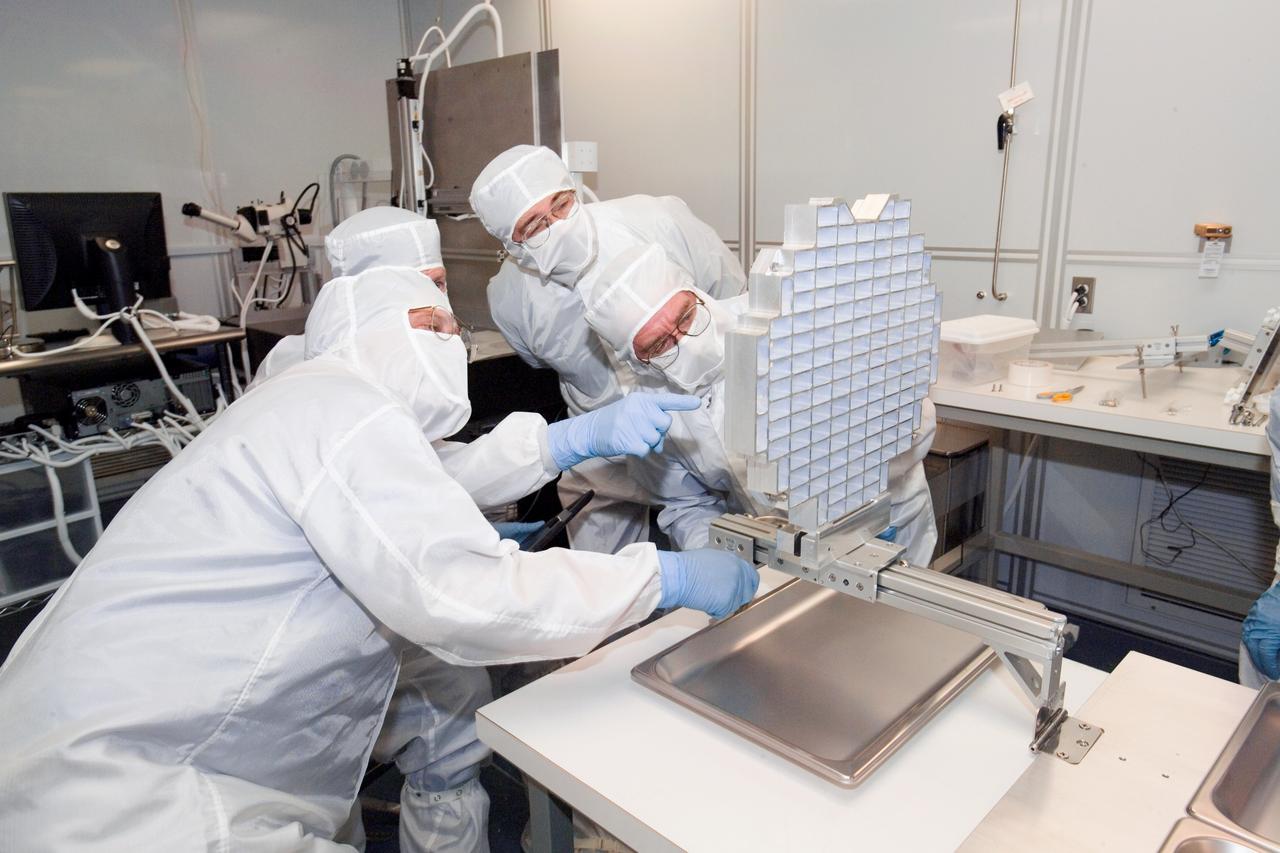
Stardust Photo documentation of Stardust Sample Return and Tray Separation at bldg 31, Stardust laboratory at JSC. The JSC Curation Team begins work with sample containers.
Stardust Photo documentation of Stardust Sample Return and Tray Separation at JSC
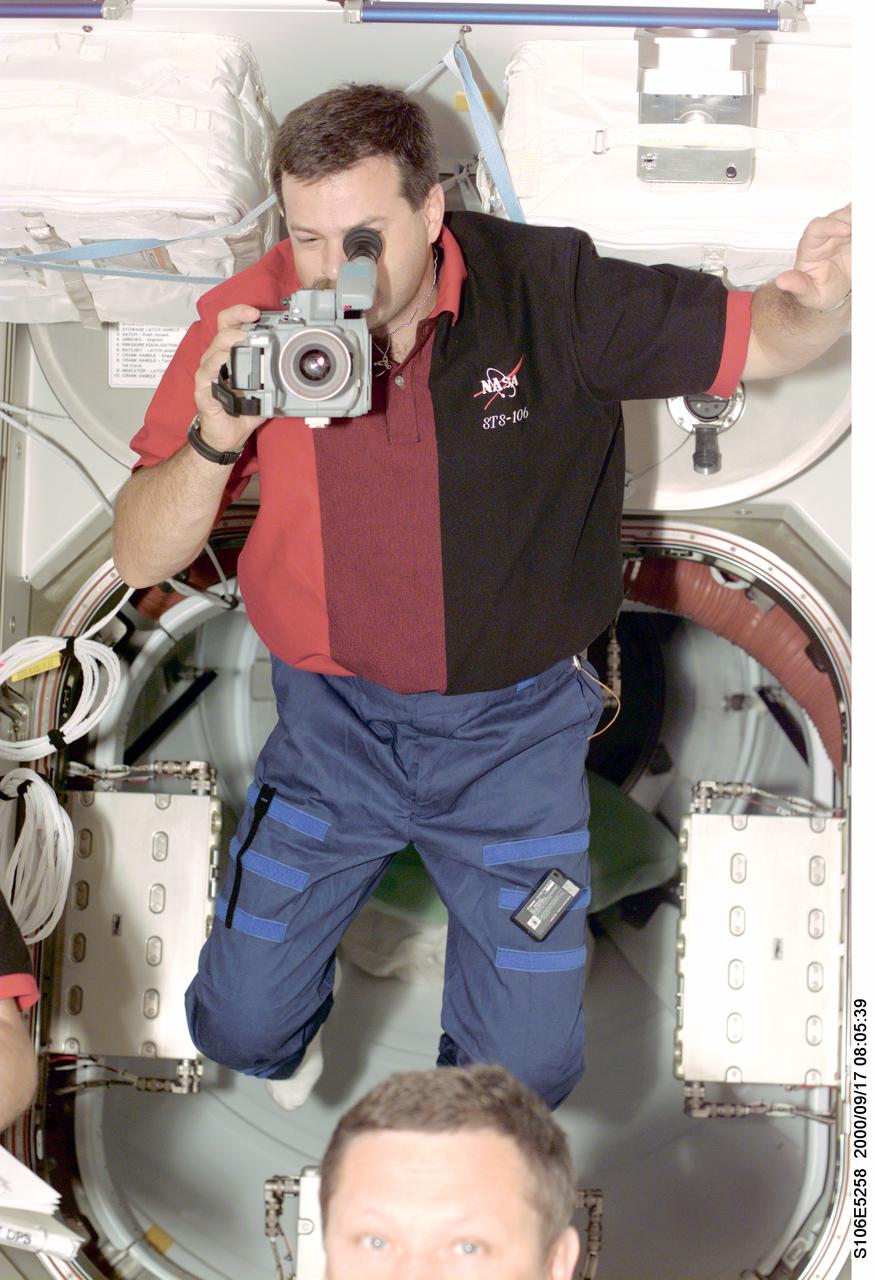
S106-E-5258 (17 September 2000) --- As the STS-106 crew is in the process of closing down its operations with the International Space Station (ISS), astronaut Scott D. Altman, pilot, documents the activity.
Pilot Altman documents the final closeout of Zvezda during STS-106
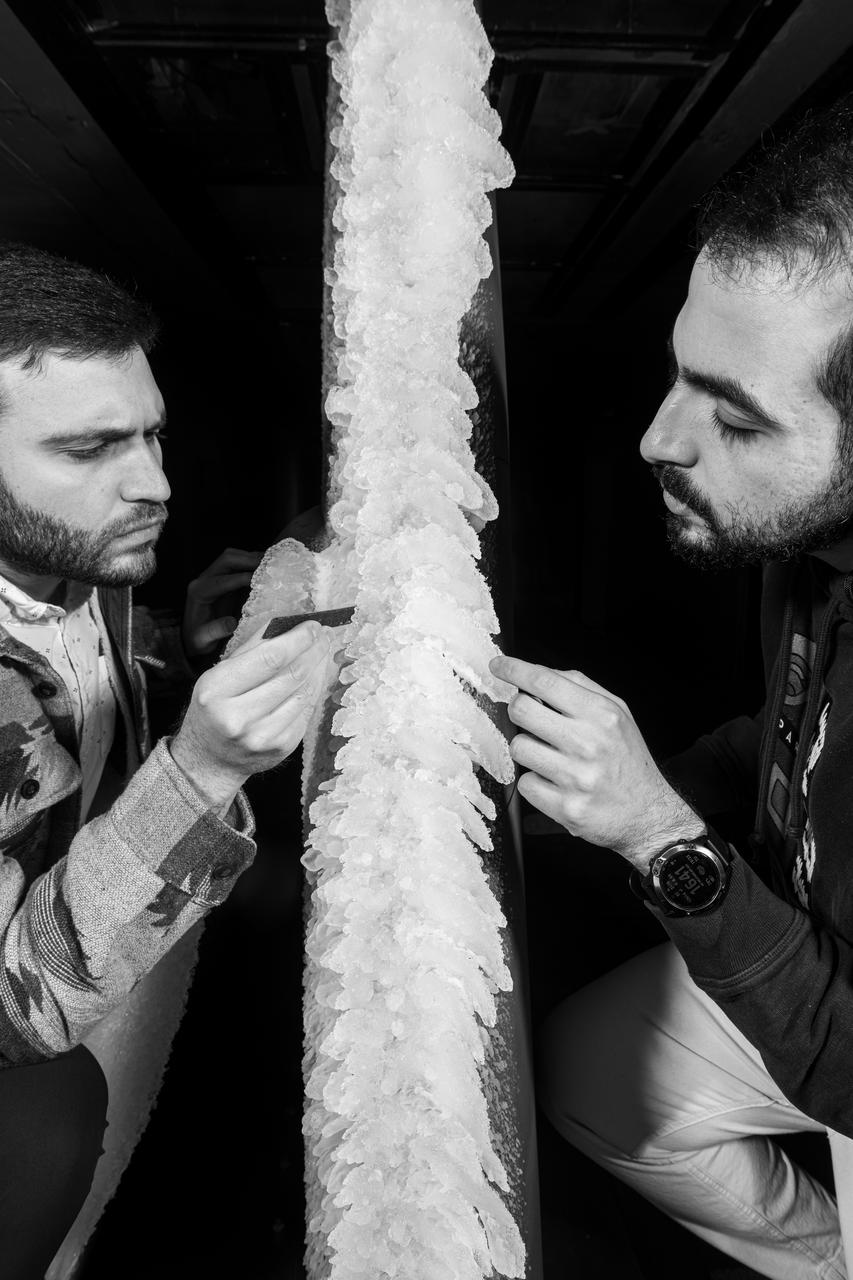
Zaid Sabri and Thomas Ozoroski, Icing Researchers, are shown documenting ice accretion on the leading edge of the next-generation Transonic Truss-Braced Wing design at NASA Glenn's Icing Research Center. This critical research will help understand icing effects for future, high-lift, ultra-efficient aircraft. Photo Credit: (NASA/Jordan Salkin)
TTBW Wing-Truss Junction Model at the Icing Research Tunnel
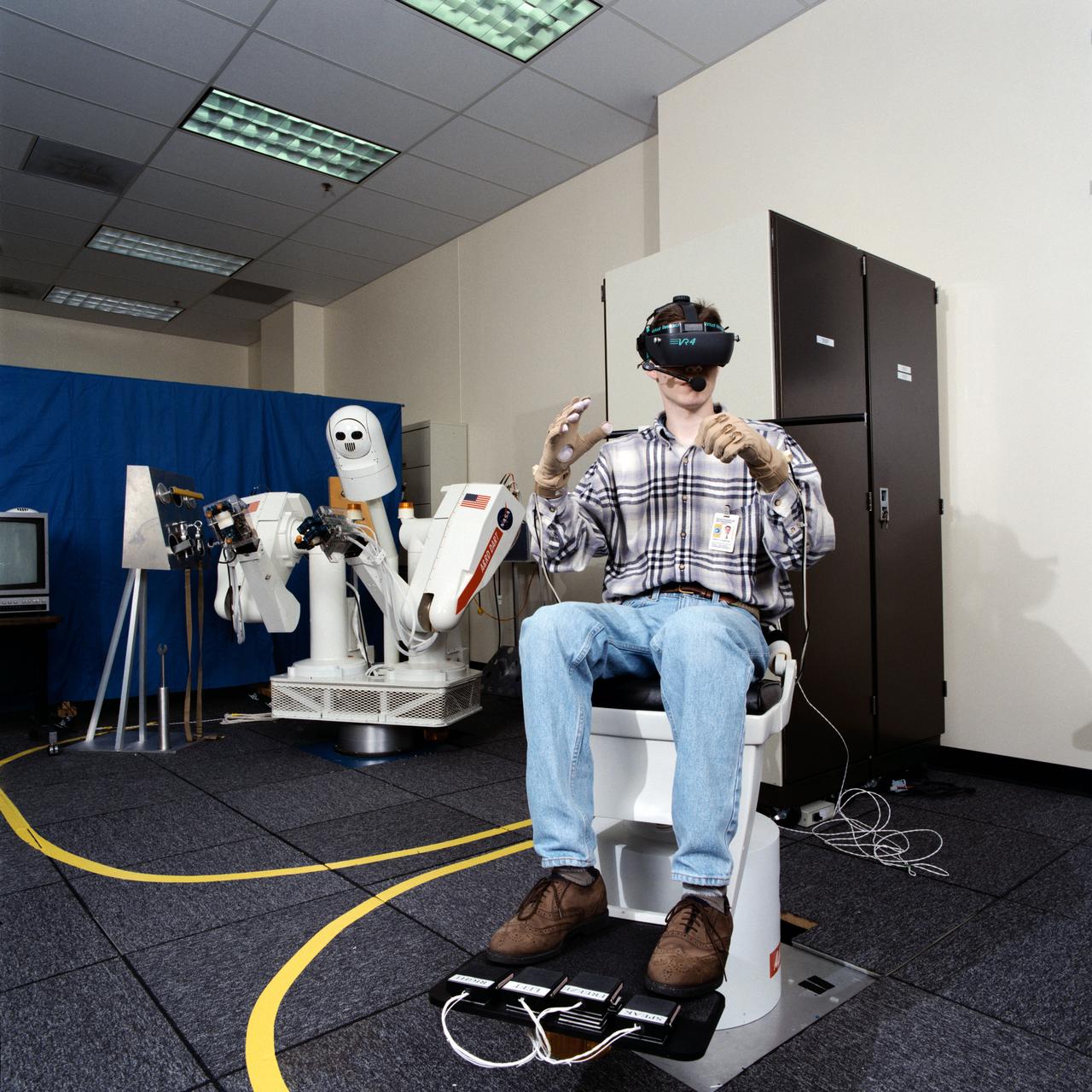
Photographic documentation of the Dextrous Anthropomorphic Robot Testbed (DART)/Full-Immersion Telepresence Testbed (FITT) system. Photos were taken in the Dexterous Robotics Lab, bldg 9N, room 113, and include: DART with upper arm cover removed (08920-1); DART head fully assembled (08922); DART head (08923,08939); DART only official view (08924-5); DART head with shell removed (08926-7); DART/FITT together with operator (08928-9); DART with tools (08930-1,08934); DART with tether hook (08932); DART with rope (08933); DART with Portable Foot Restraint (PFR) (08935); DART pulling out ORU (08936); DART with electronics panel (08937); and DART with automated ball grasp (08938).
Documentation of the DART/FITT system
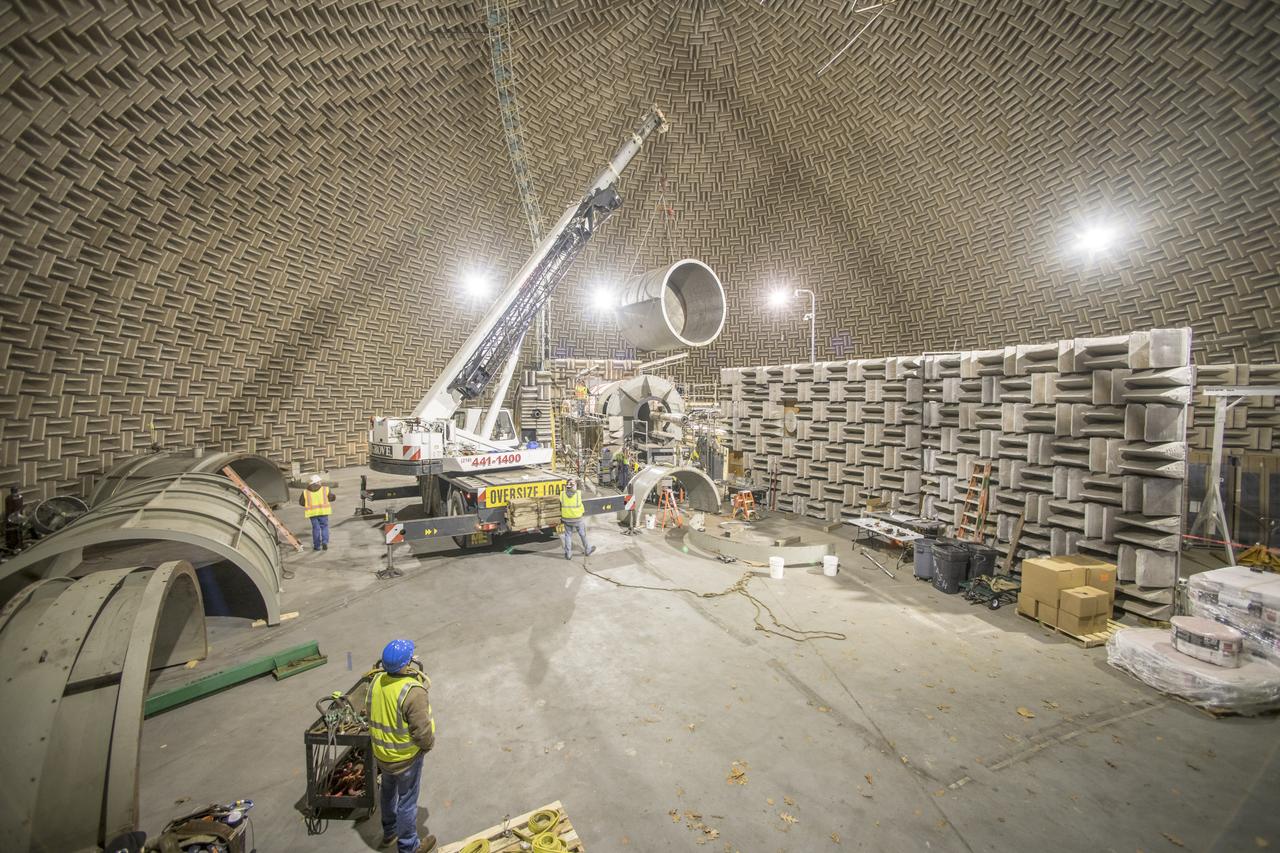
Aero-Acoustic Propulsion Laboratory, AAPL Refurbishment Documentation Photographs from Time-lapse
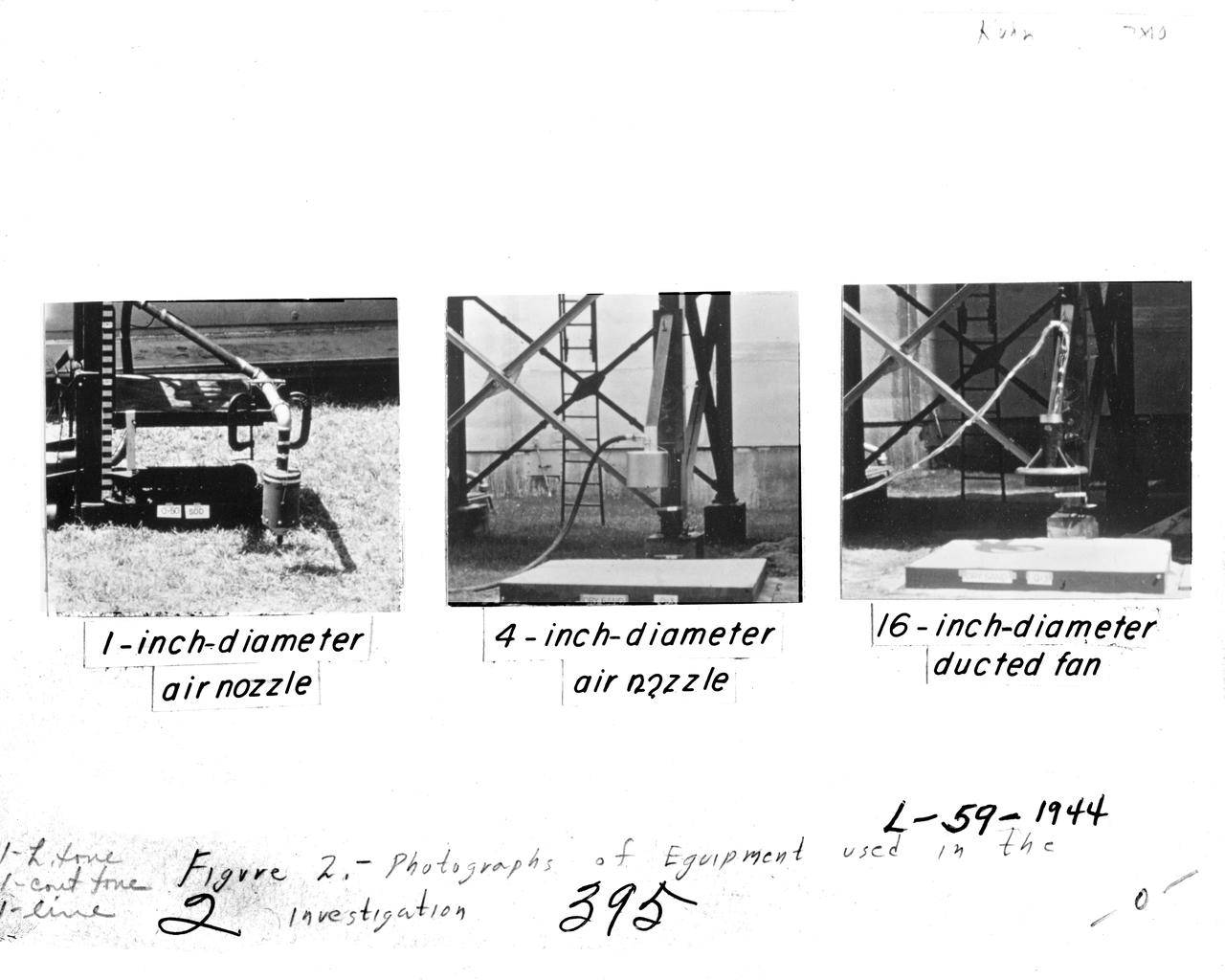
Image for NASA Document NASA-TN-D-56. Equipment Used In Investigation. Document Title:  An investigation to determine conditions under which downwash from VTOL aircraft will start surface erosion from various types of terrain  Figure 2. Equipment Used In Investigation
Image for NASA Document NASA-TN-D-56. Equipment Used In Investigation. Document Title: An investigation to determine conditions under which downwash from VTOL aircraft will start surface erosion from various types of terrain Figure 2. Equipment Used In Investigation
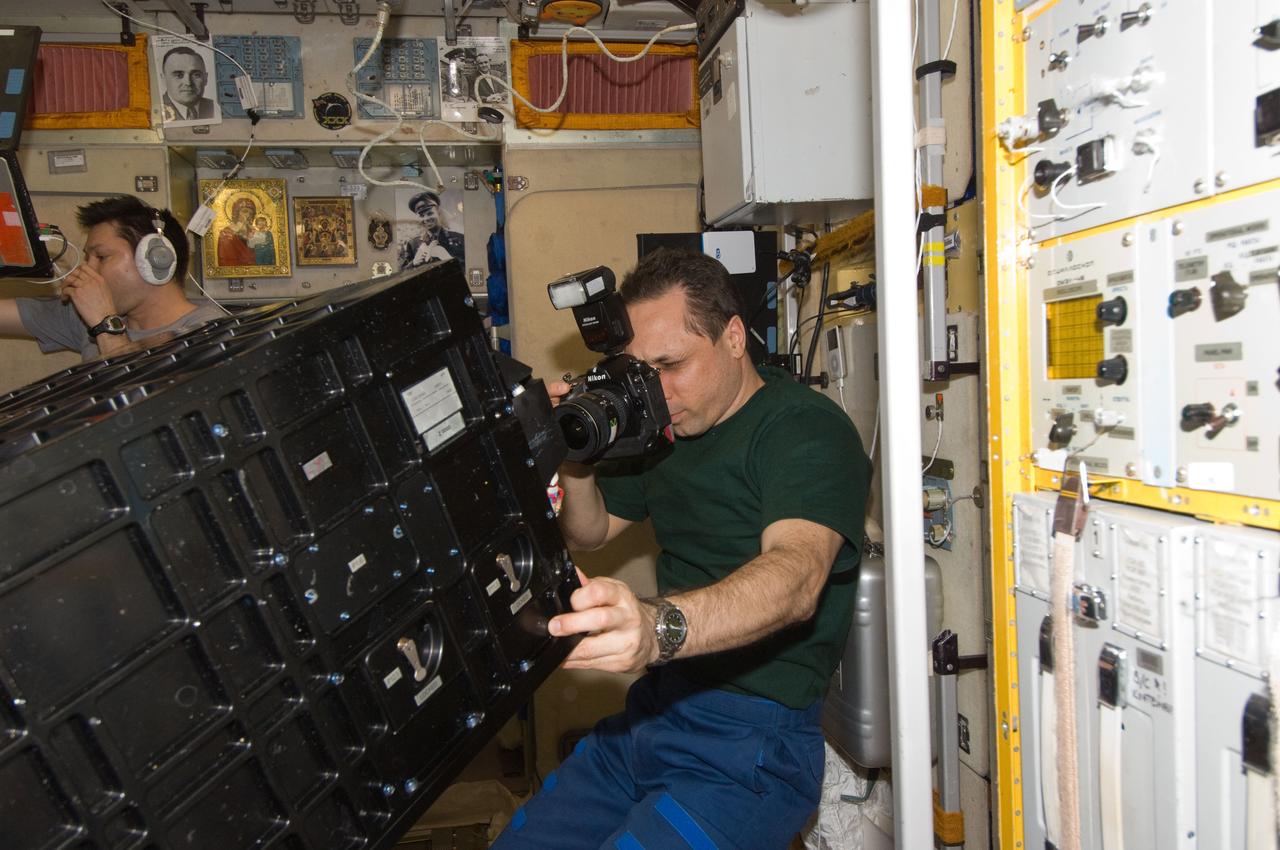
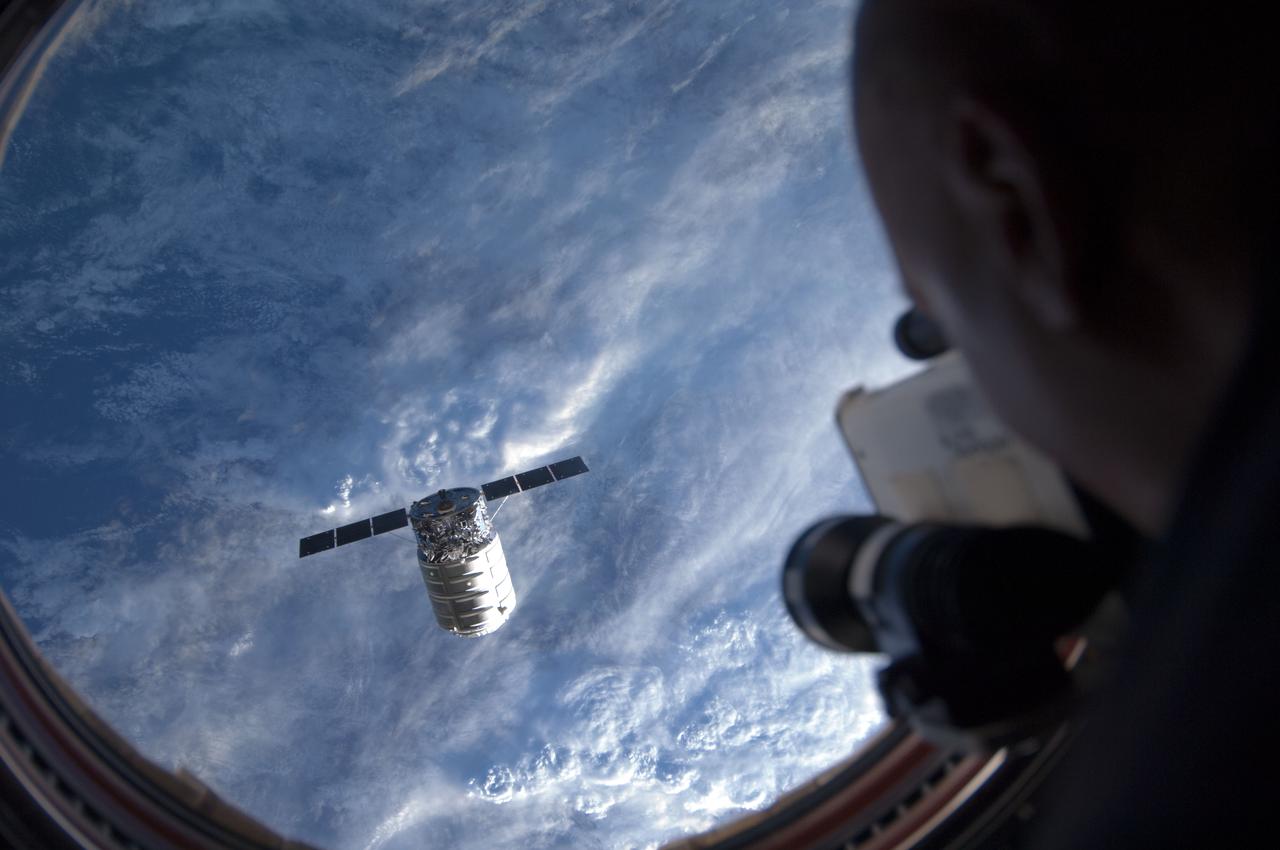
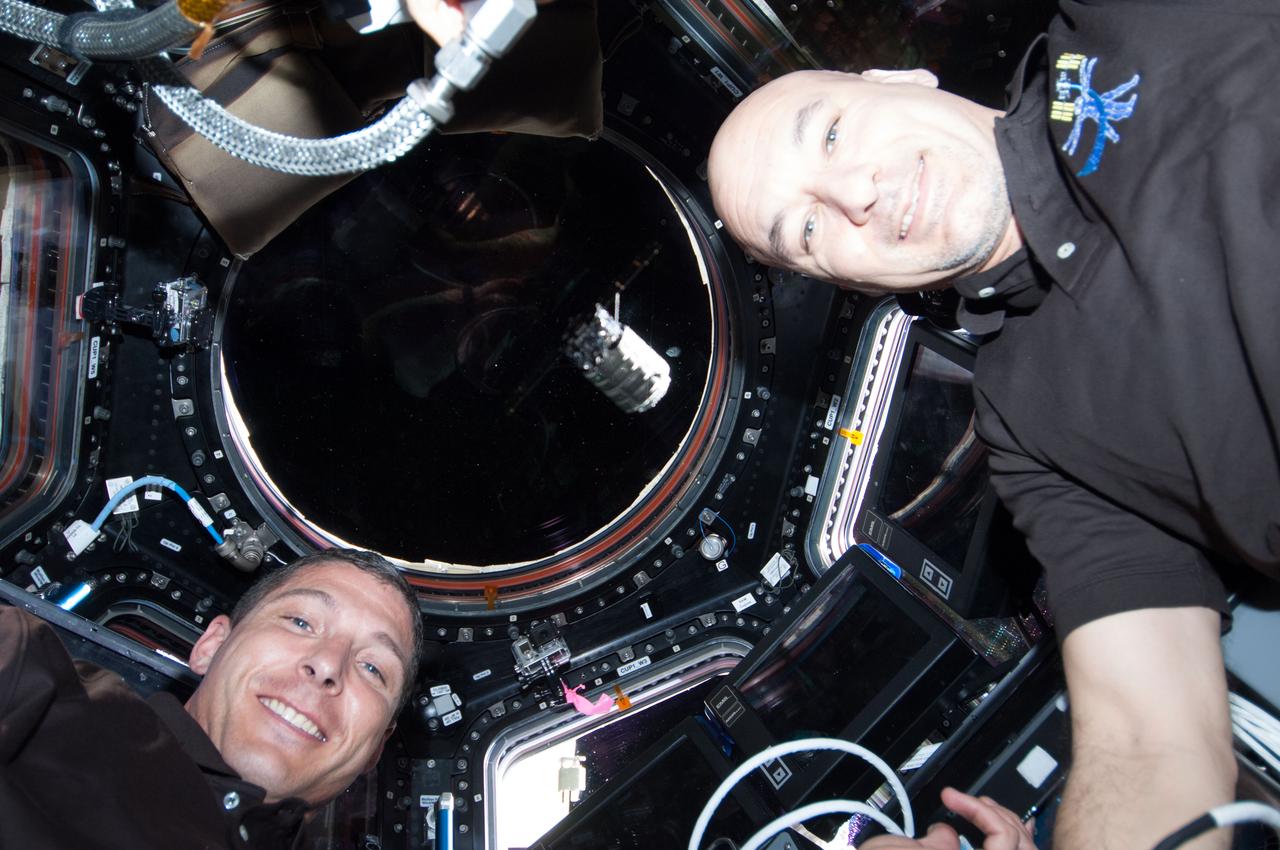
ISS030-E-177376 (29 March 2012) --- In the International Space Station?s Zvezda Service Module, Russian cosmonaut Anton Shkaplerov, Expedition 30 flight engineer, uses a still camera for photo documentation of the Proximity Communications Equipment (PCE) which was used for the ATV-3 rendezvous and docking. Russian cosmonaut Oleg Kononenko, flight engineer, is visible in the background.
Shkaplerov uses a still camera for photo documentation of the PCE
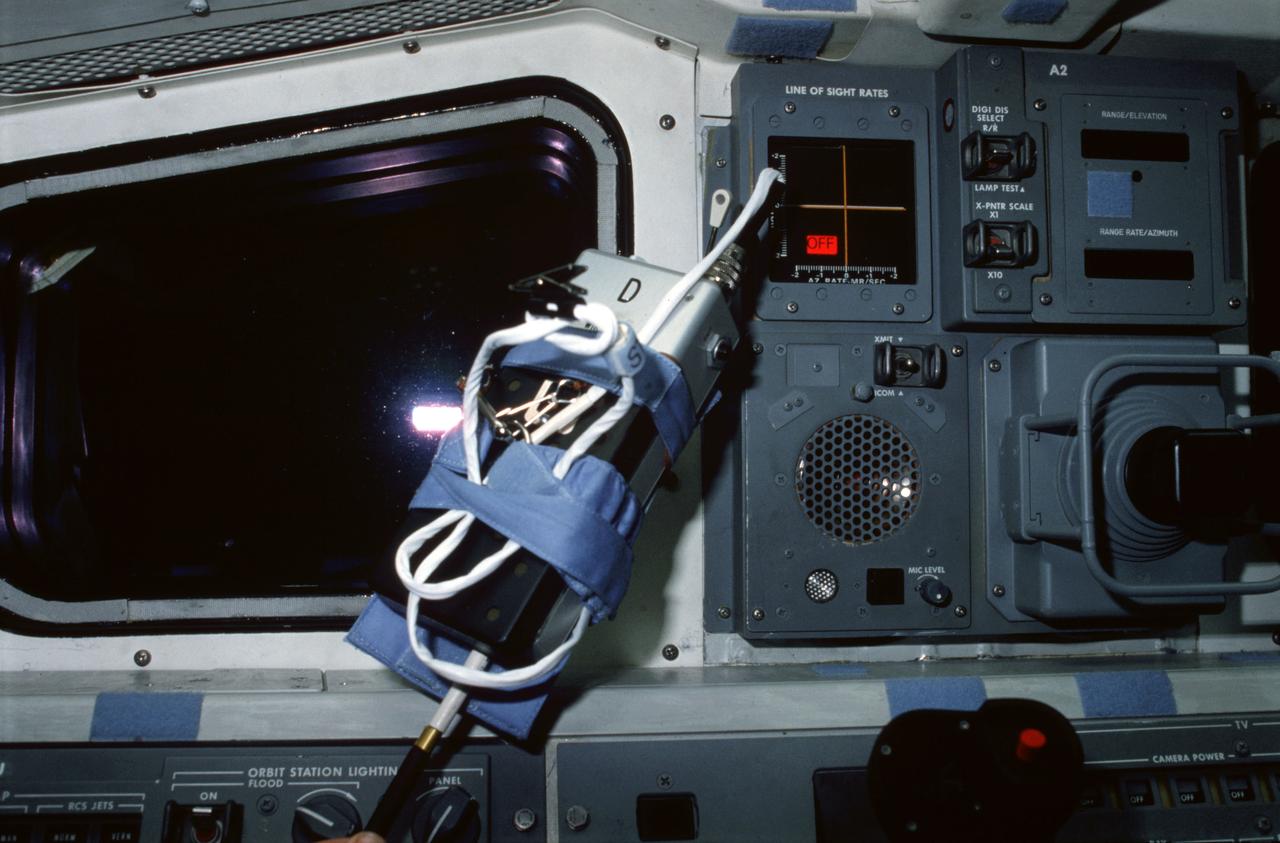
STS008-18-479 (5 Sept 1983) --- Aft flight deck documentation includes on orbit station with control panel A2, aft viewing window W9, and communications kit assembly (ASSY) headset (HDST) interface unit (HIU) and cable free floating in front of it.
Aft flight deck documentation with freefloating headset interface unit (HIU)
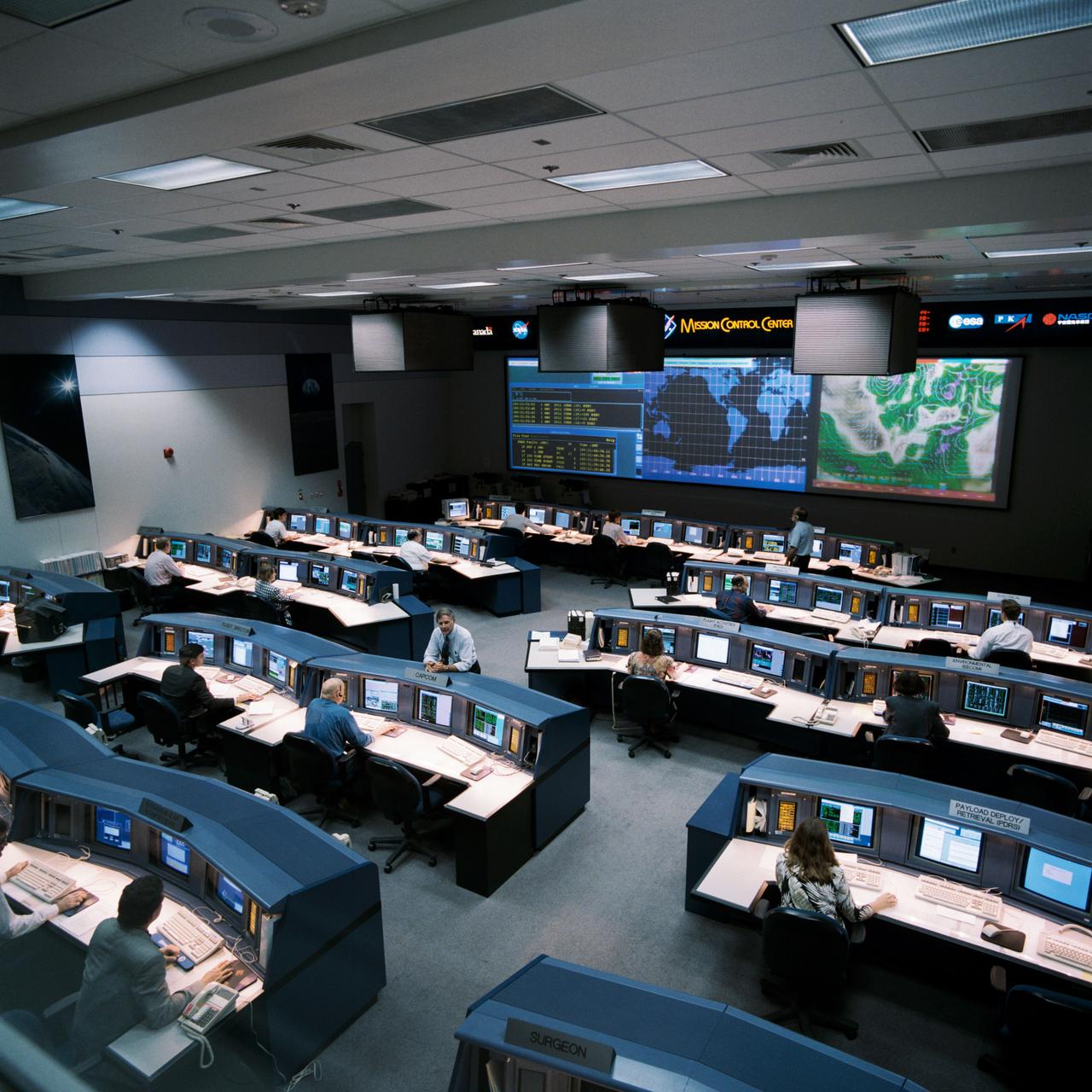
Documentation of the new mission control center White Flight Control Room (FLCR). Excellent overall view of White FLCR with personnel manning console workstations (11221). Fisheye lens perspective from Flight Director station with Brian Austin (11222). Environmental (EECOM) workstation and personnel (11223).
Documentation of new mission control center White Flight Control Room (FLCR)
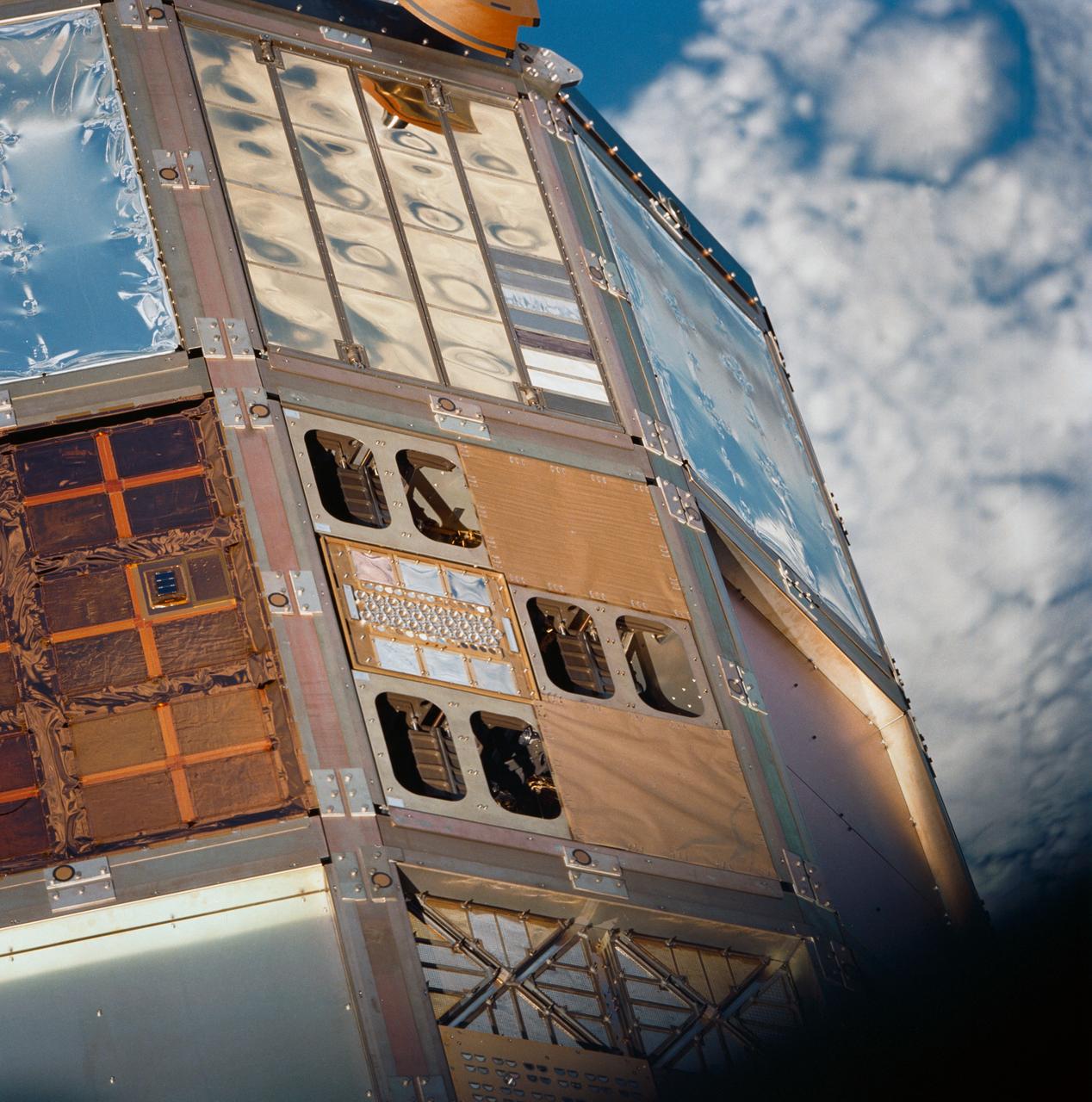
Closeup of Long Duration Exposure Facility (LDEF) experiment trays is documented during STS-32 retrieval activity and photo survey conducted by crewmembers onboard Columbia, Orbiter Vehicle (OV) 102. Partially visible is the Polymer Matrix Composite Materials Experiment. In the background is the surface of the Earth.
Closeup of LDEF experiment trays documented during STS-32 photo survey
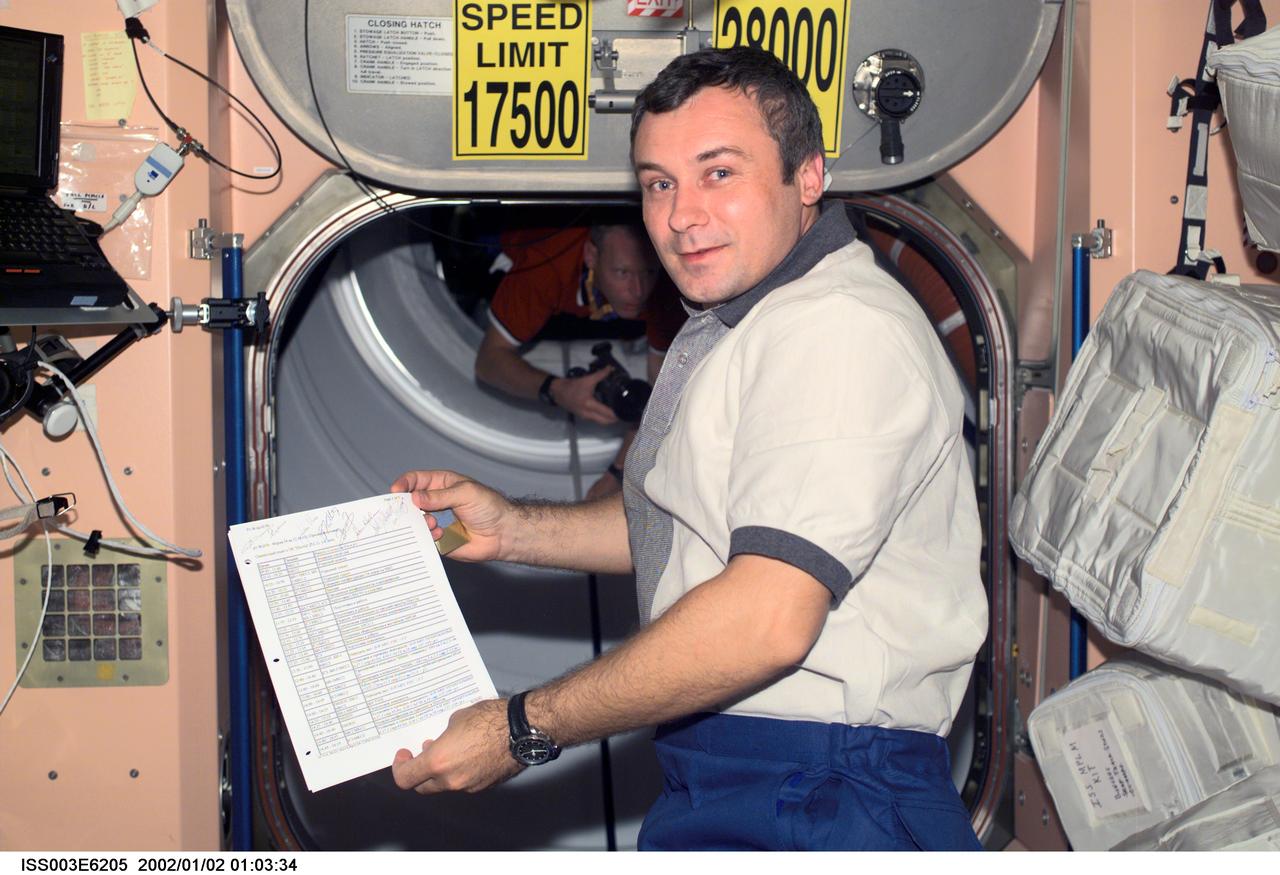
ISS003-E-6205 (August 2001) --- Cosmonaut Vladimir N. Dezhurov, Expedition Three flight engineer representing Rosaviakosmos, holds a document in the Unity node on the International Space Station (ISS). Astronaut Patrick G. Forrester, STS-105 mission specialist, is partly visible in the background. This image was taken with a digital still camera.
Vladimir Dezhurov poses in Node 1 while holding a document
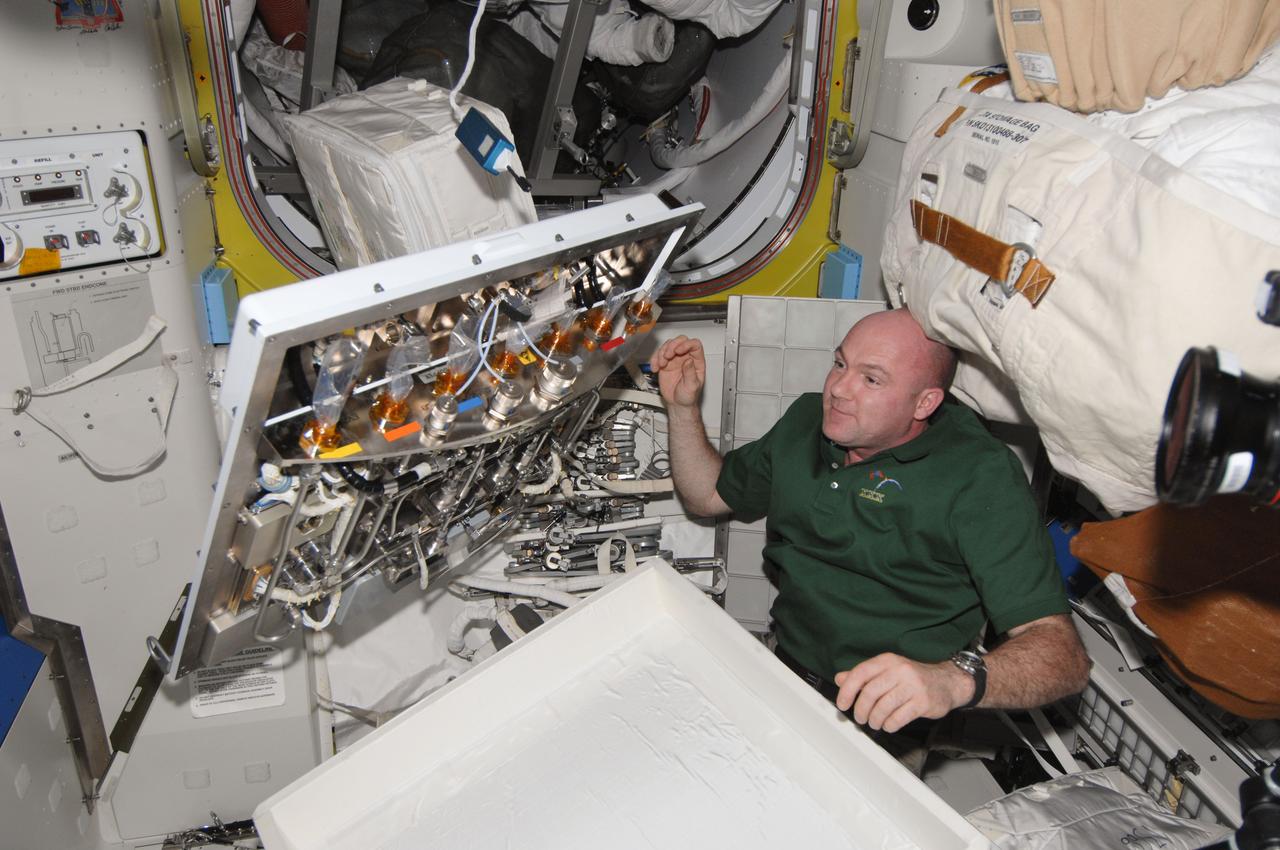
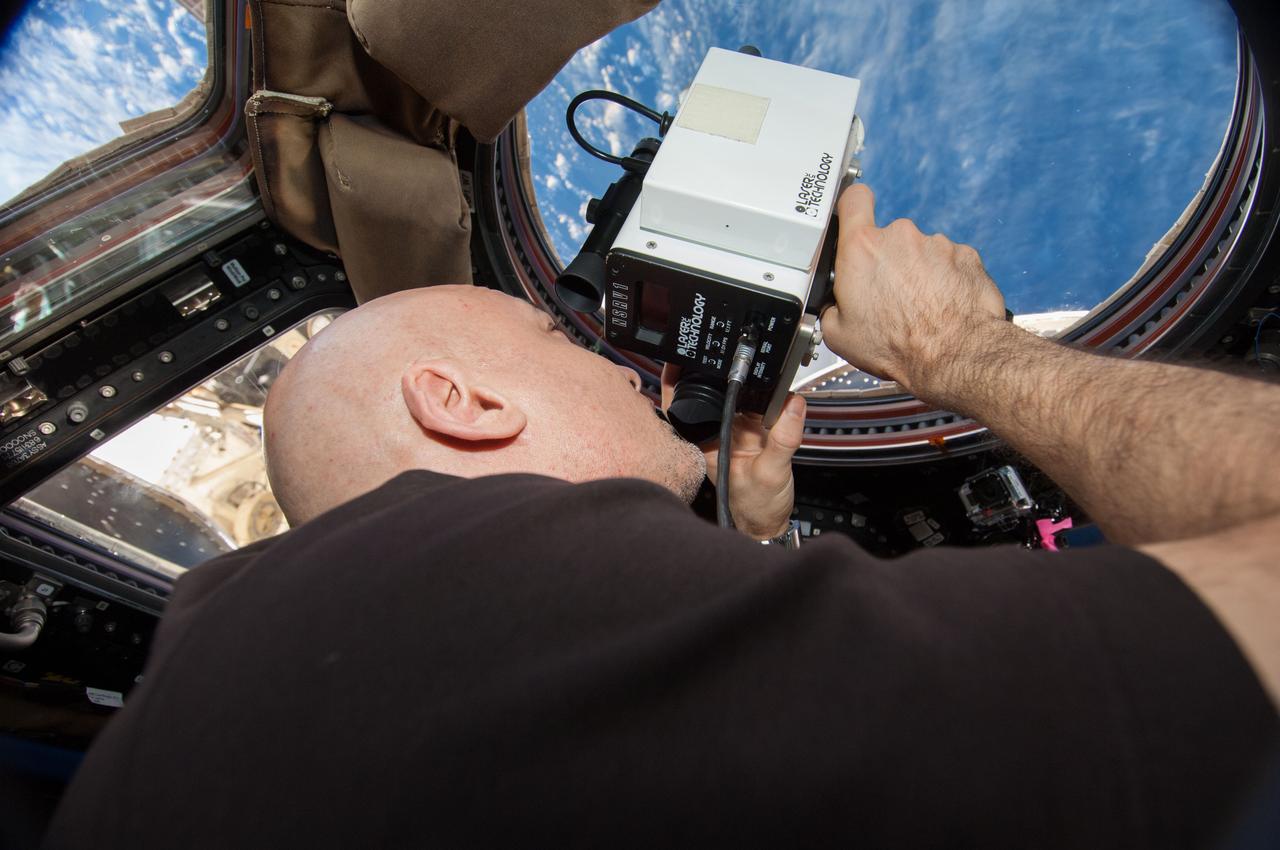
ISS030-E-156468 (27 Jan. 2012) --- European Space Agency astronaut Andre Kuipers, Expedition 30 flight engineer, is pictured in the Quest airlock of the International Space Station during photo documentation of the fluid and electrical interfaces on the Umbilical Interface Assembly (UIA) Connector Shelf.
Kuipers during photo documentation of the fluid and electrical interfaces on the UIA
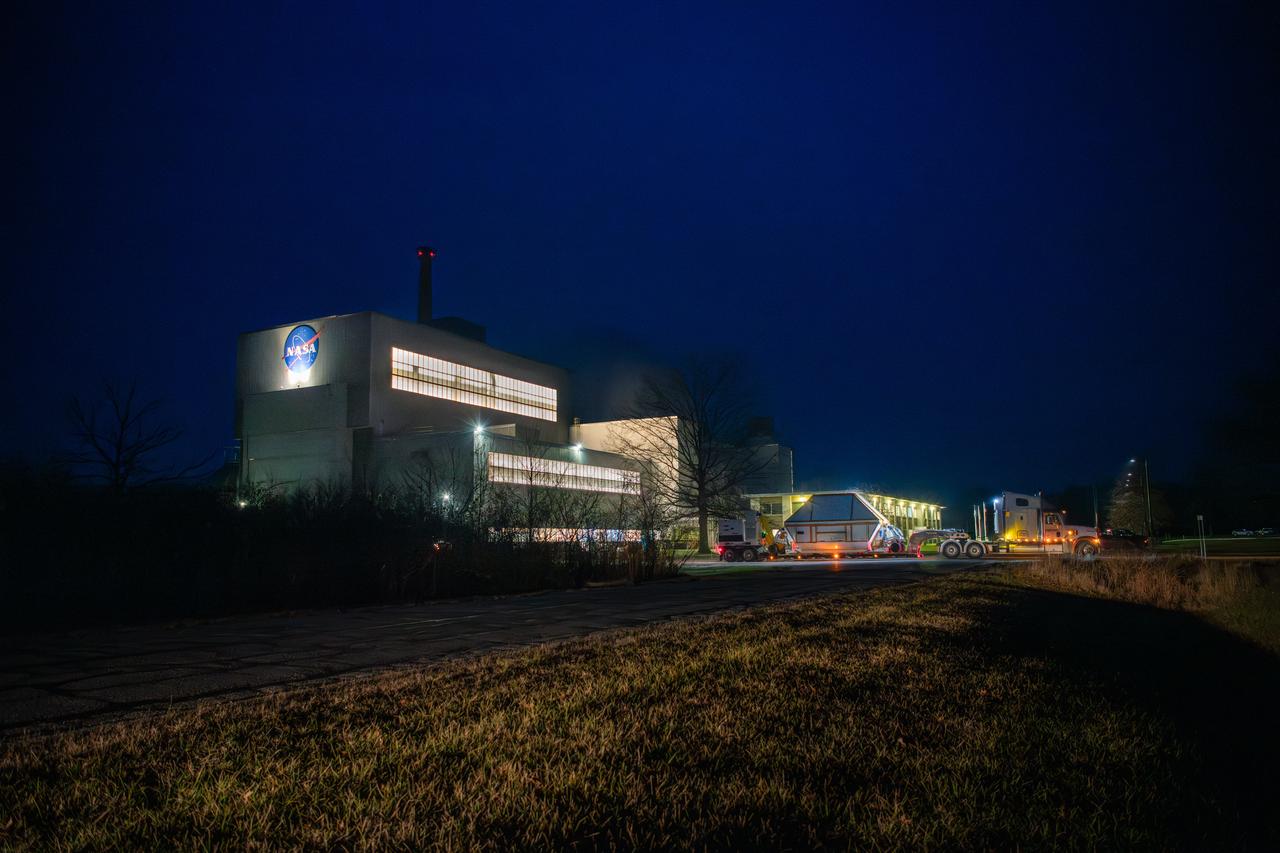
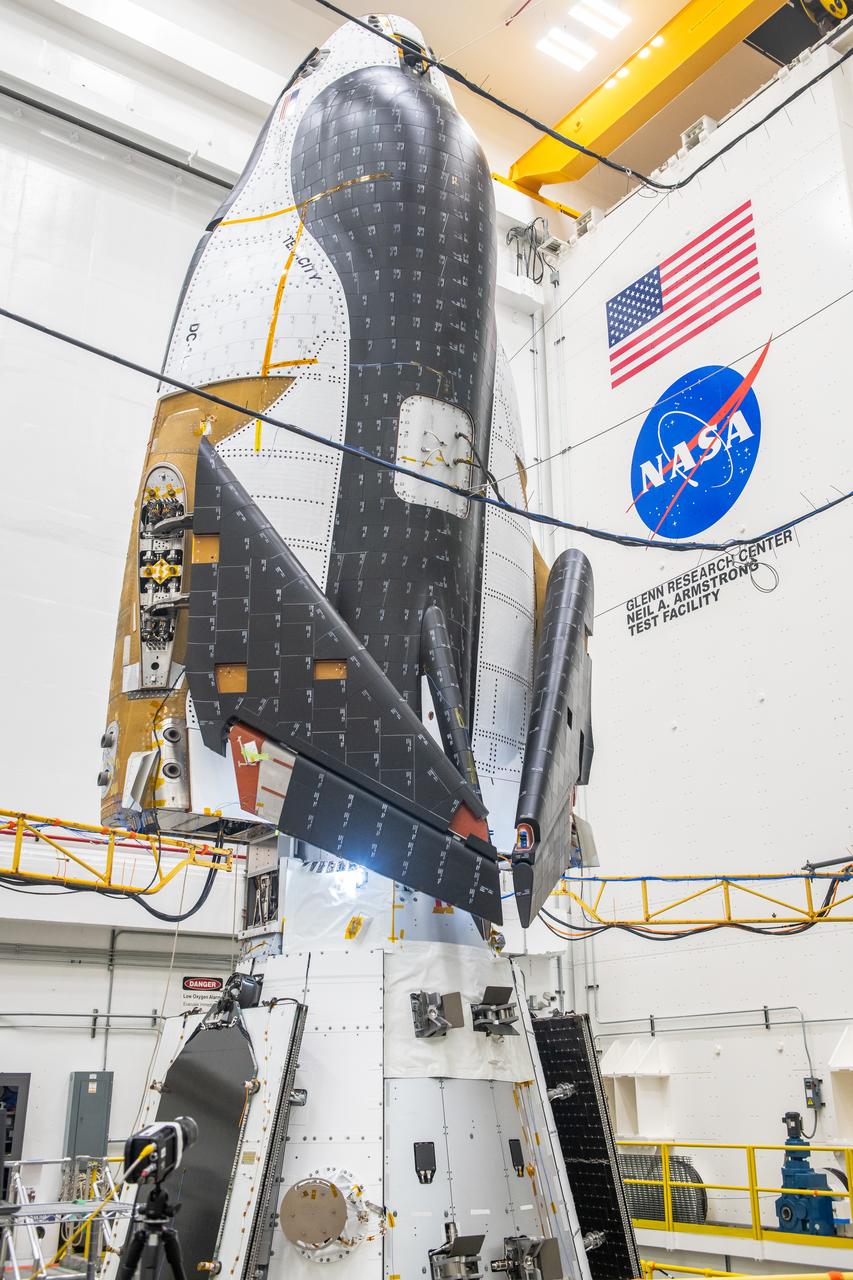
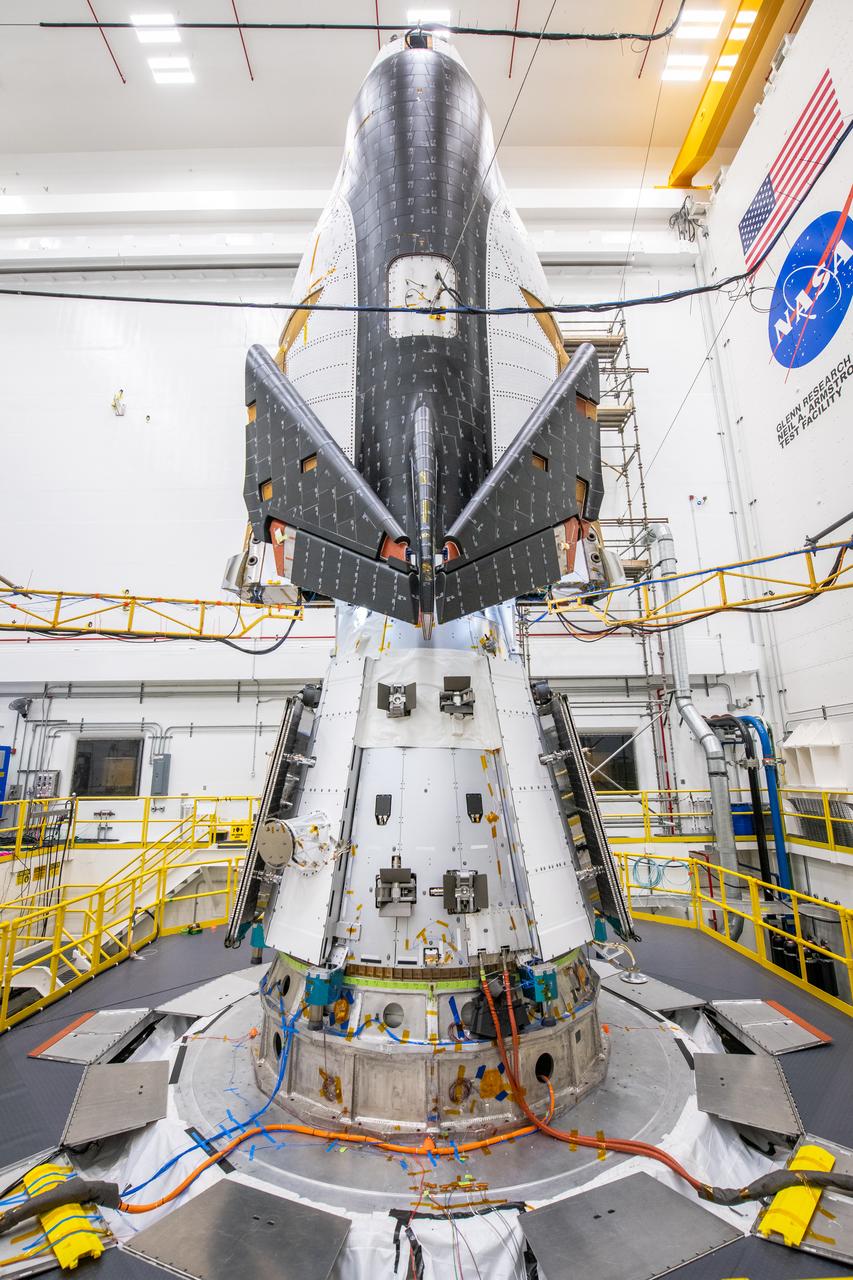
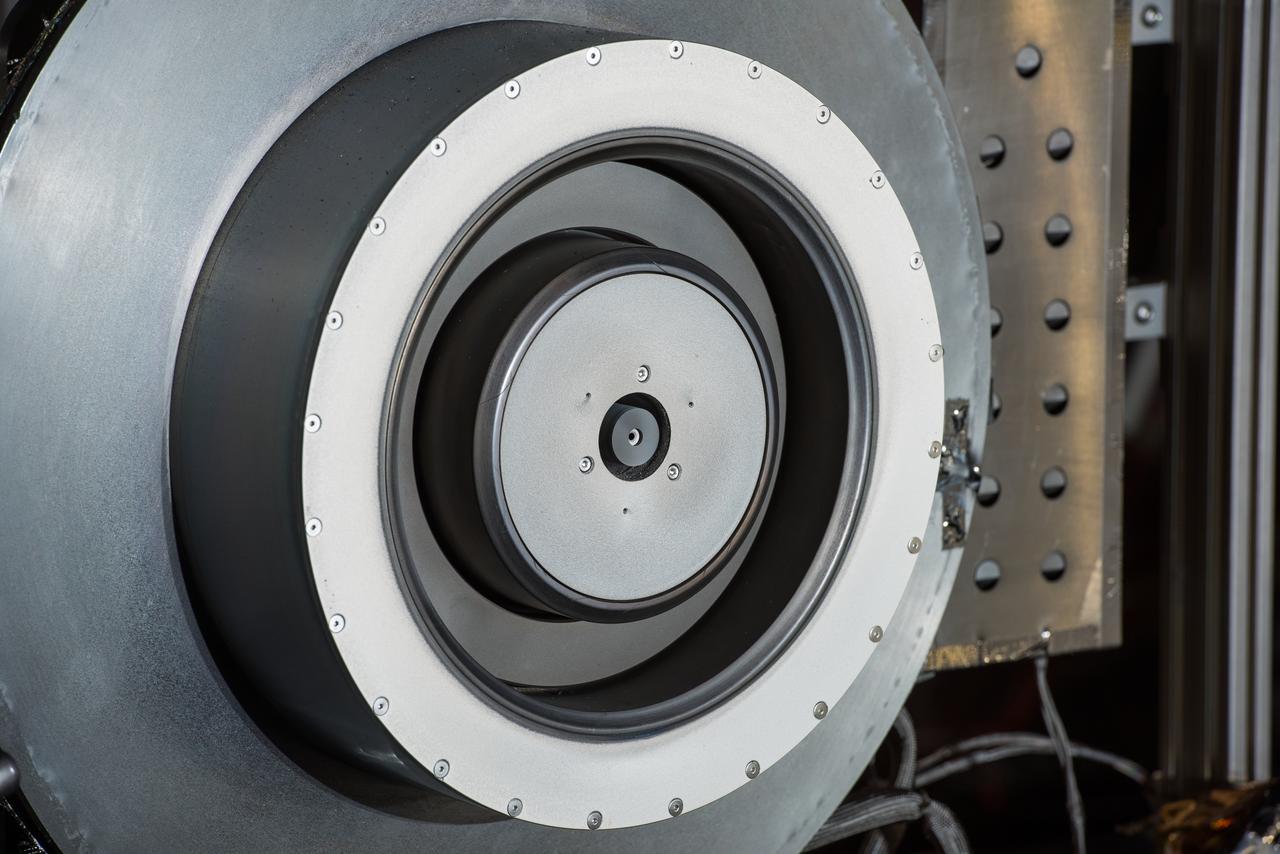
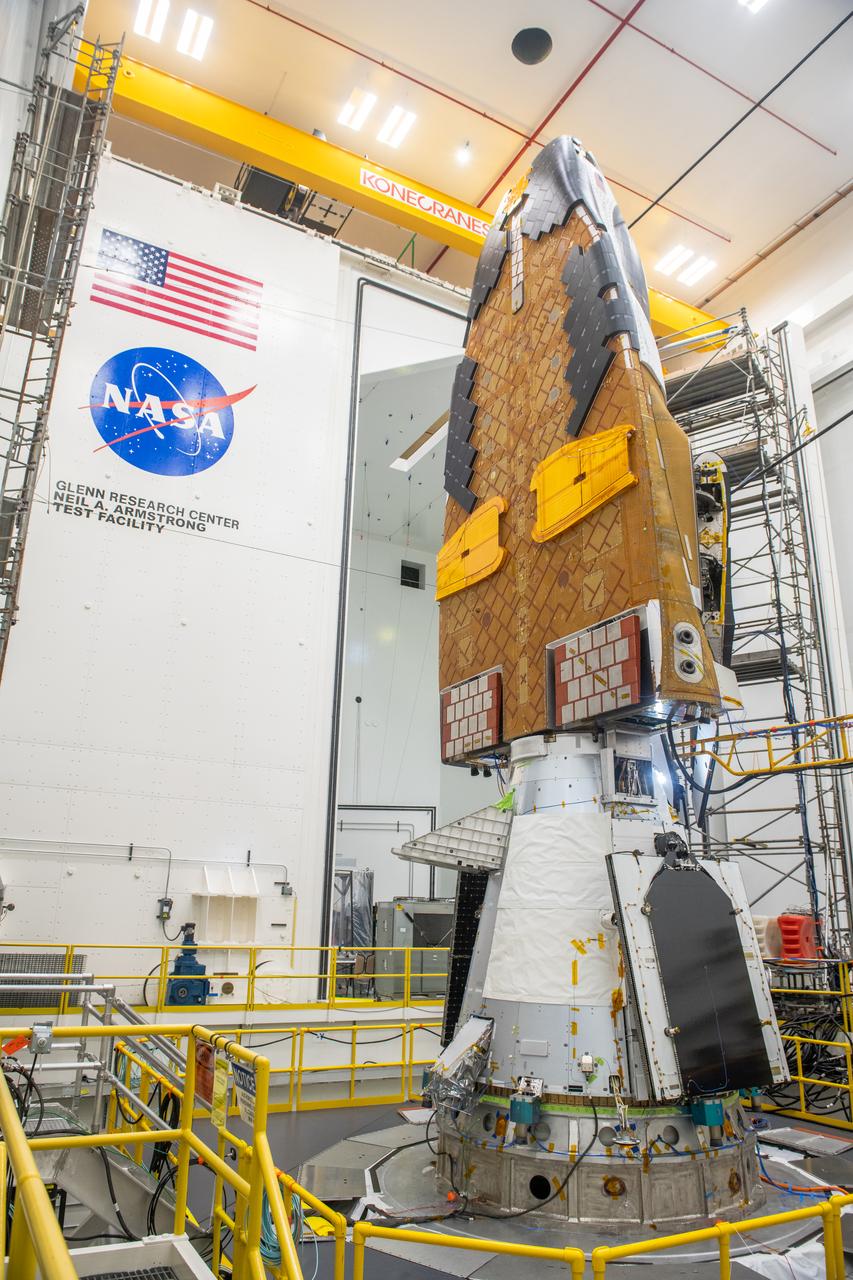
The Neil Armstrong Test Facility, part of NASA’s Glenn Research Center in Cleveland, is home to multiple test facilities, including the Space Environments Complex and the In-Space Propulsion Facility, both stops for Dream Chaser. The complex is home to the Mechanical Vibration Facility, which subjects test articles to the rigorous conditions of launch.  While at Armstrong, the Dream Chaser winged spacecraft was stacked atop its Shooting Star cargo module on the vibration table to experience vibrations like those during launch and re-entry to the Earth’s atmosphere.
Sierra Space Dream Chaser Spaceplane Documentation Photographs
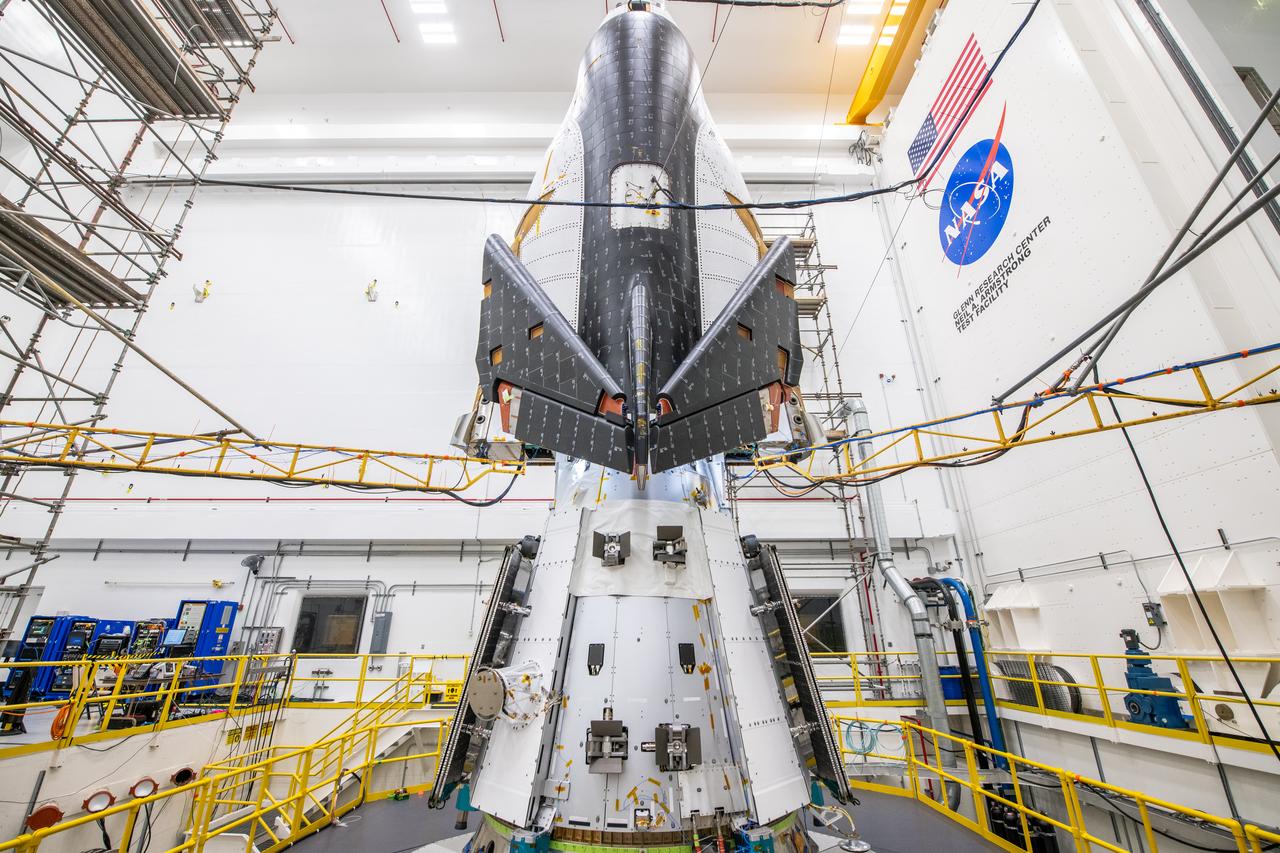
The Neil Armstrong Test Facility, part of NASA’s Glenn Research Center in Cleveland, is home to multiple test facilities, including the Space Environments Complex and the In-Space Propulsion Facility, both stops for Dream Chaser. The complex is home to the Mechanical Vibration Facility, which subjects test articles to the rigorous conditions of launch.  While at Armstrong, the Dream Chaser winged spacecraft was stacked atop its Shooting Star cargo module on the vibration table to experience vibrations like those during launch and re-entry to the Earth’s atmosphere.
Sierra Space Dream Chaser Spaceplane Documentation Photographs
The Neil Armstrong Test Facility, part of NASA’s Glenn Research Center in Cleveland, is home to multiple test facilities, including the Space Environments Complex and the In-Space Propulsion Facility, both stops for Dream Chaser. The complex is home to the Mechanical Vibration Facility, which subjects test articles to the rigorous conditions of launch.  While at Armstrong, the Dream Chaser winged spacecraft was stacked atop its Shooting Star cargo module on the vibration table to experience vibrations like those during launch and re-entry to the Earth’s atmosphere.
Sierra Space Dream Chaser Spaceplane Documentation Photographs
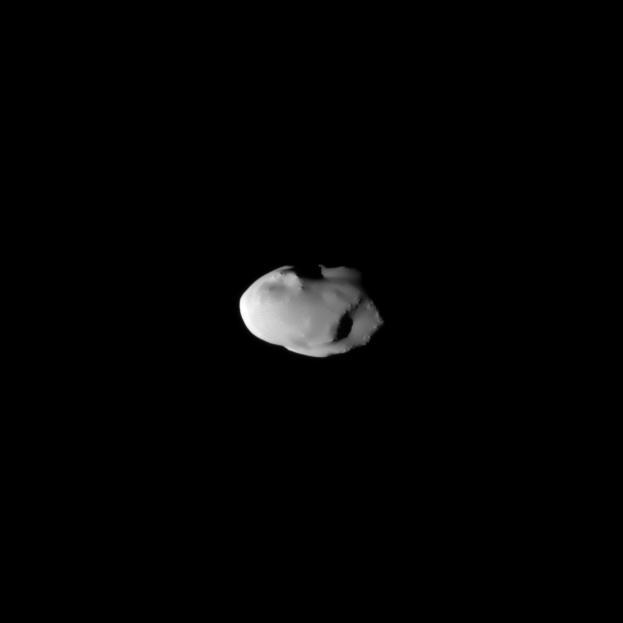
The smooth surface of Saturn moon Telesto is documented in this image captured during the NASA Cassini spacecraft Aug. 27, 2009, flyby.
Smooth Telesto
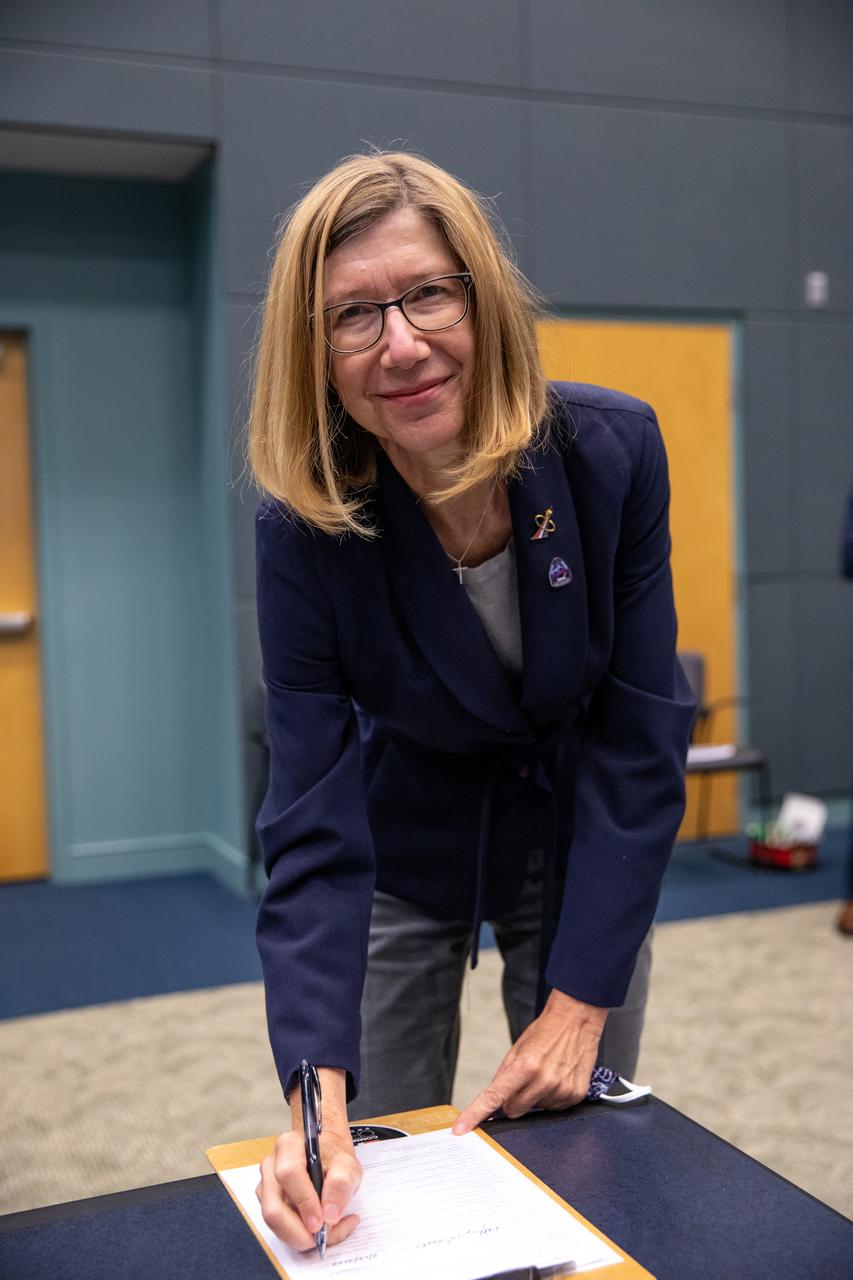
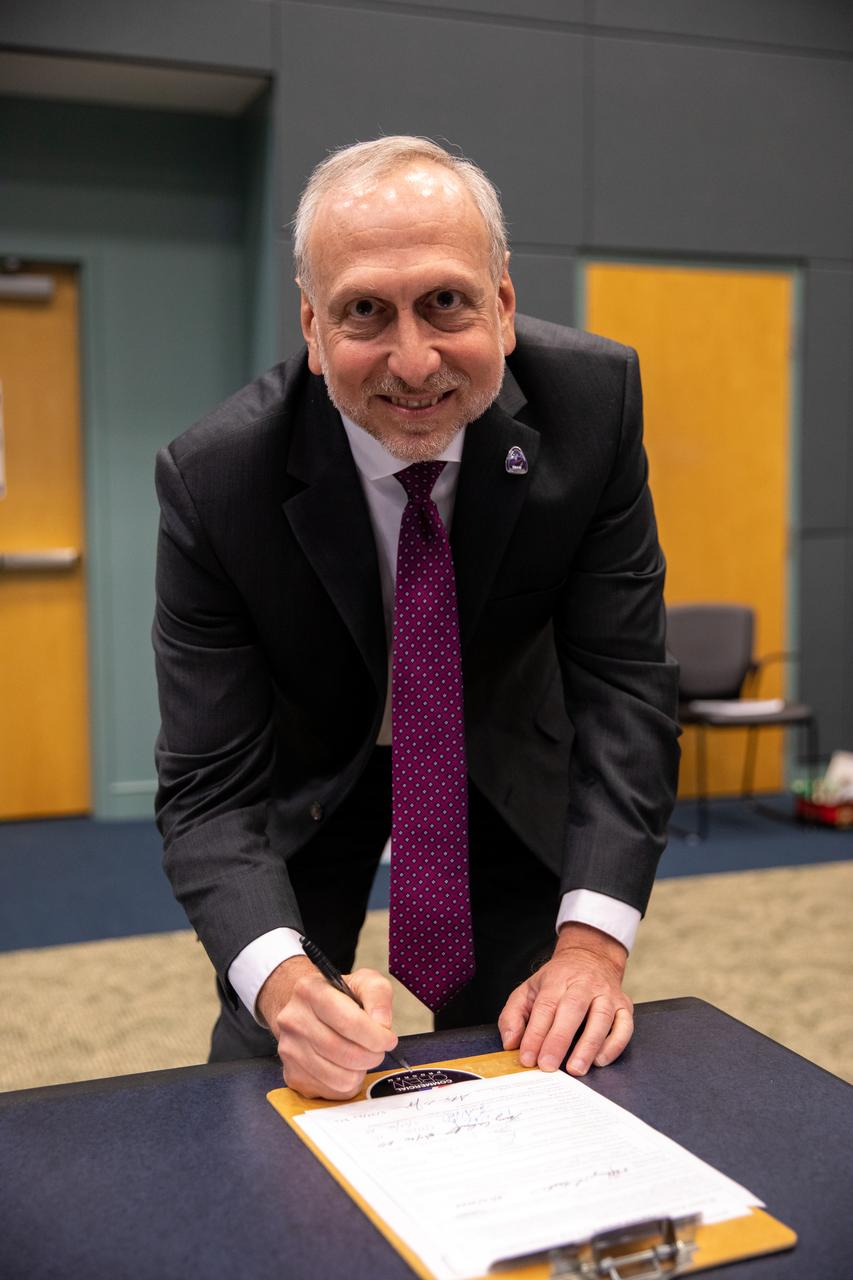
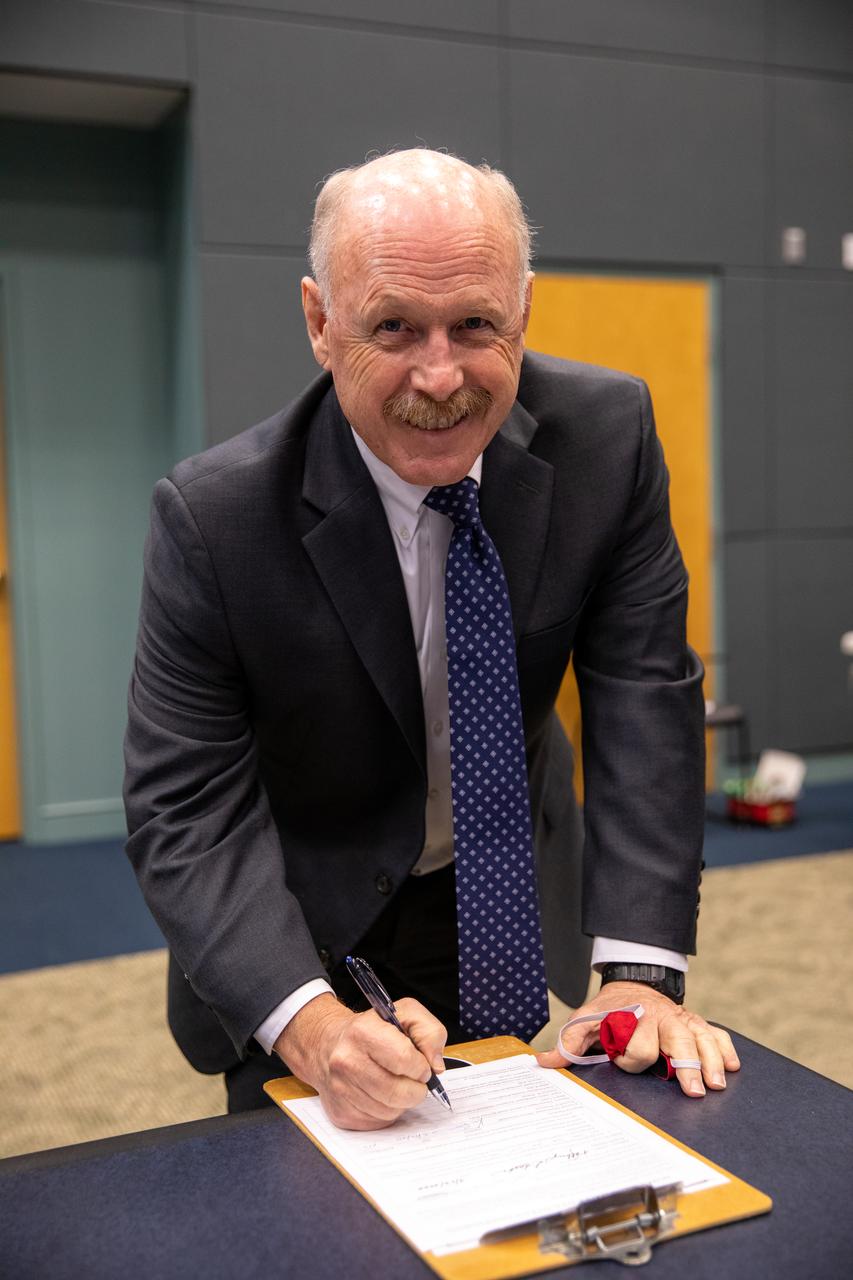
On May 22, 2020, inside the Operations Support Building II at NASA’s Kennedy Space Center in Florida, Commercial Crew Program Manager Kathy Lueders signs the official document denoting the agency and SpaceX are a ‘Go’ for the upcoming Demo-2 launch, following the conclusion of the flight readiness review. A SpaceX Falcon 9 rocket and Crew Dragon spacecraft will carry NASA astronauts Robert Behnken and Douglas Hurley to the International Space Station as part of the agency’s Commercial Crew Program, returning human spaceflight capability to the U.S. after nearly a decade. Launch is slated for 4:33 p.m. EDT on Wednesday, May 27, from Kennedy’s Launch Complex 39A.
SpaceX Demo-2 FRR HRCP Document Signing
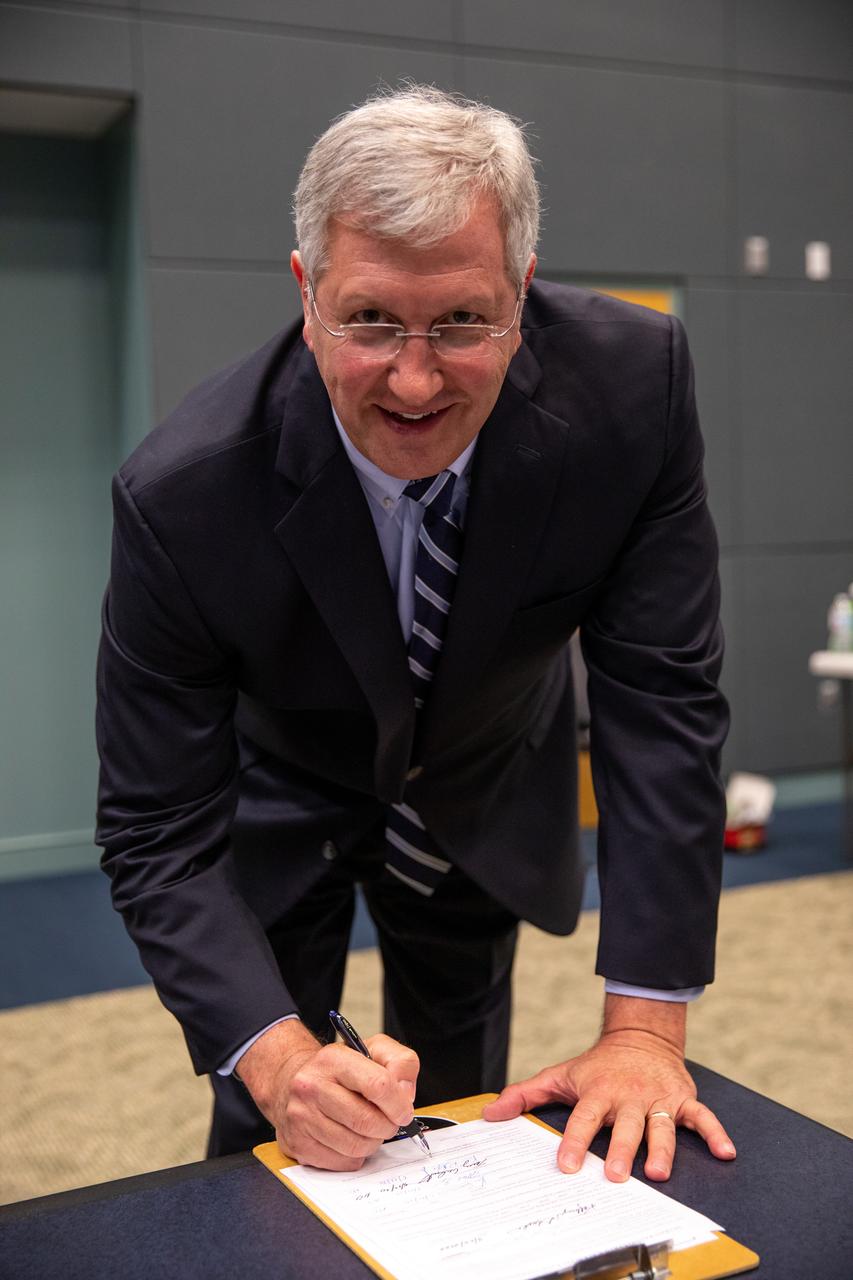
On May 22, 2020, inside the Operations Support Building II at NASA’s Kennedy Space Center in Florida, NASA Chief Engineer Ralph Roe signs the official document denoting the agency and SpaceX are a ‘Go’ for the upcoming Demo-2 launch, following the conclusion of the flight readiness review. A SpaceX Falcon 9 rocket and Crew Dragon spacecraft will carry NASA astronauts Robert Behnken and Douglas Hurley to the International Space Station as part of the agency’s Commercial Crew Program, returning human spaceflight capability to the U.S. after nearly a decade. Launch is slated for 4:33 p.m. EDT on Wednesday, May 27, from Kennedy’s Launch Complex 39A.
SpaceX Demo-2 FRR HRCP Document Signing
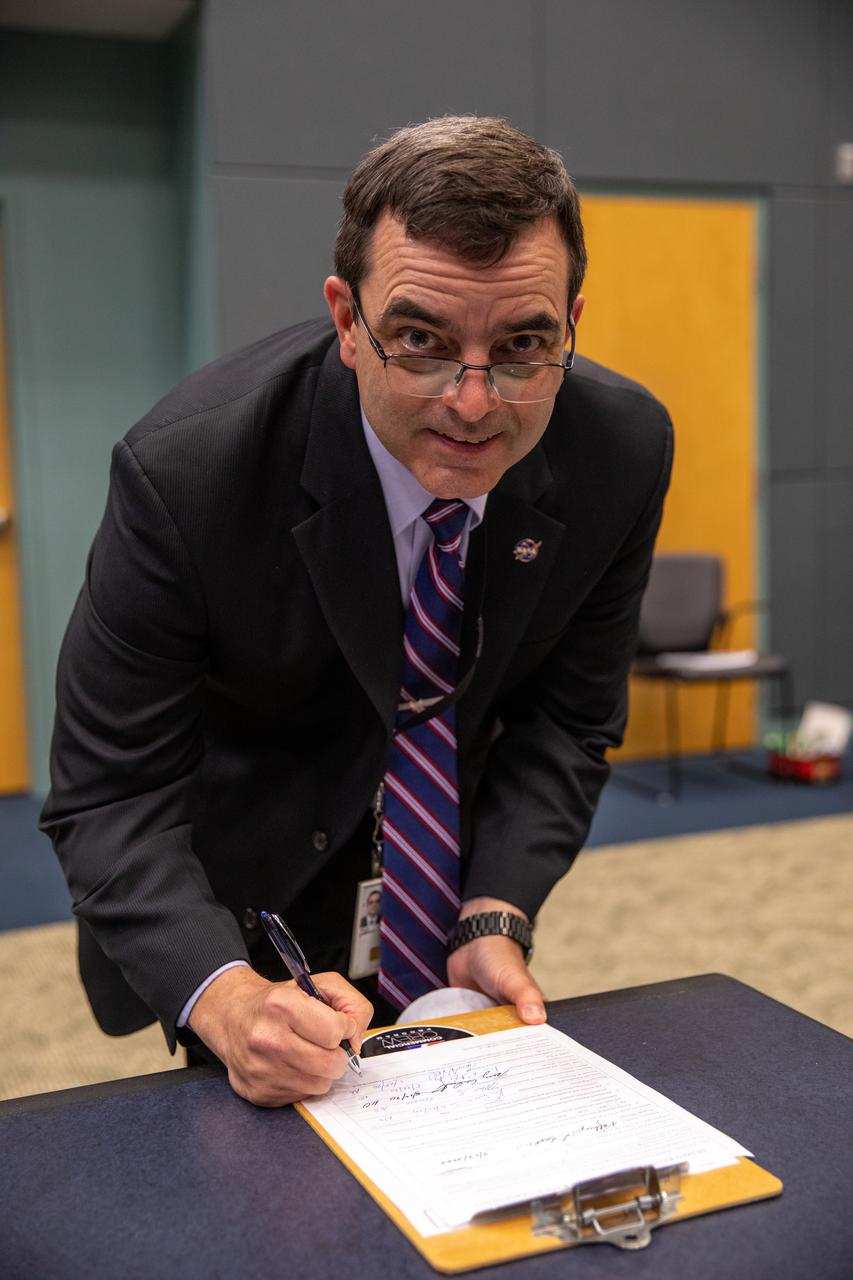
On May 22, 2020, inside the Operations Support Building II at NASA’s Kennedy Space Center in Florida, NASA Associate Administrator Steve Jurczyk signs the official document denoting the agency and SpaceX are a ‘Go’ for the upcoming Demo-2 launch, following the conclusion of the flight readiness review. A SpaceX Falcon 9 rocket and Crew Dragon spacecraft will carry NASA astronauts Robert Behnken and Douglas Hurley to the International Space Station as part of the agency’s Commercial Crew Program, returning human spaceflight capability to the U.S. after nearly a decade. Launch is slated for 4:33 p.m. EDT on Wednesday, May 27, from Kennedy’s Launch Complex 39A.
SpaceX Demo-2 FRR HRCP Document Signing
On May 22, 2020, inside the Operations Support Building II at NASA’s Kennedy Space Center in Florida, NASA Chief of Safety and Mission Assurance Terrence Wilcutt signs the official document denoting the agency and SpaceX are a ‘Go’ for the upcoming Demo-2 launch, following the conclusion of the flight readiness review. A SpaceX Falcon 9 rocket and Crew Dragon spacecraft will carry NASA astronauts Robert Behnken and Douglas Hurley to the International Space Station as part of the agency’s Commercial Crew Program, returning human spaceflight capability to the U.S. after nearly a decade. Launch is slated for 4:33 p.m. EDT on Wednesday, May 27, from Kennedy’s Launch Complex 39A.
SpaceX Demo-2 FRR HRCP Document Signing
On May 22, 2020, inside the Operations Support Building II at NASA’s Kennedy Space Center in Florida, NASA Chief Health and Medical Officer J.D. Polk signs the official document denoting the agency and SpaceX are a ‘Go’ for the upcoming Demo-2 launch, following the conclusion of the flight readiness review. A SpaceX Falcon 9 rocket and Crew Dragon spacecraft will carry NASA astronauts Robert Behnken and Douglas Hurley to the International Space Station as part of the agency’s Commercial Crew Program, returning human spaceflight capability to the U.S. after nearly a decade. Launch is slated for 4:33 p.m. EDT on Wednesday, May 27, from Kennedy’s Launch Complex 39A.
SpaceX Demo-2 FRR HRCP Document Signing
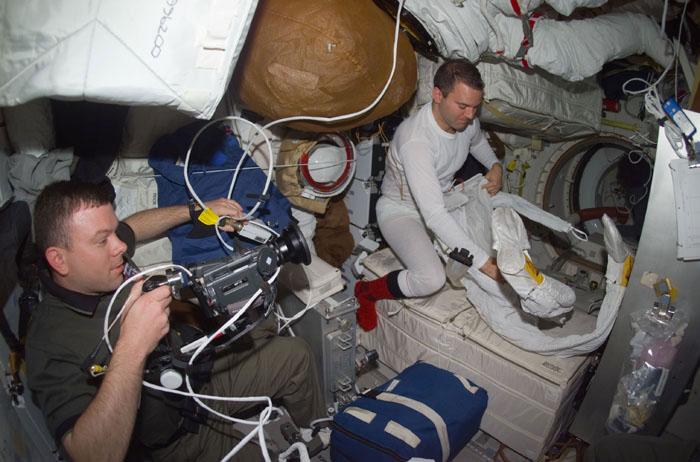
STS102-E-5160 (13 March 2001) --- Astronaut James M. Kelly (left),  pilot,  documents mid deck preparations for the second STS-102 space walk.  Astronaut Paul W. Richards, mission specialist, dons his extravehicular mobility unit (EMU) space suit at right. The photograph was taken with a digital still camera.
Kelly uses video camera to document Richards preparing for EVA
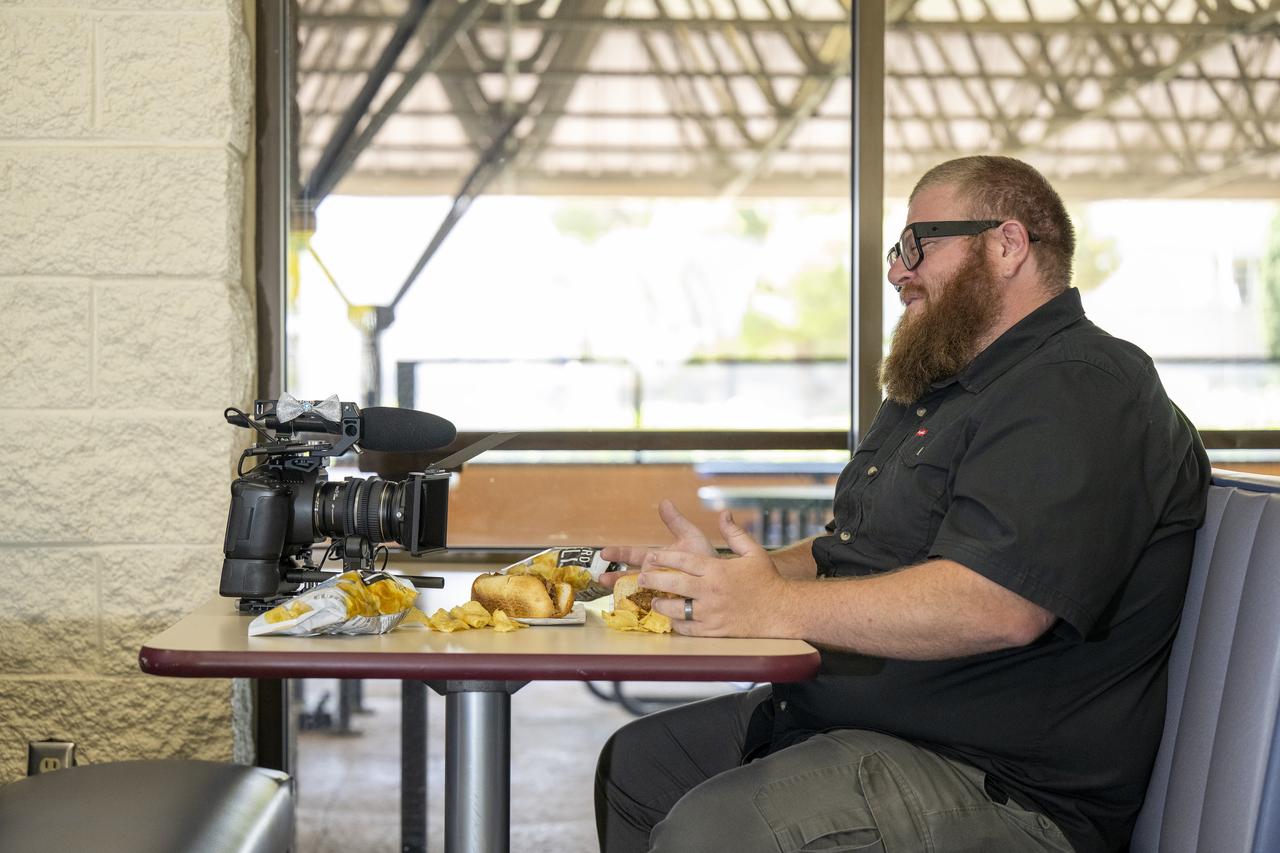
NASA videographer Jacob Shaw shares a moment with his constant companion during a break in the cafeteria at NASA’s Armstrong Flight Research Center in Edwards, California, on May 21, 2025. Shaw recently earned first place in NASA’s 2024 Videographer of the Year Awards – documentation category – for his film, “Reflections,” which chronicles the 2024 Airborne Science mission PACE-PAX – short for Plankton, Aerosol, Cloud, ocean Ecosystem Postlaunch Airborne eXperiment.
Lunch Break, Director’s Cut
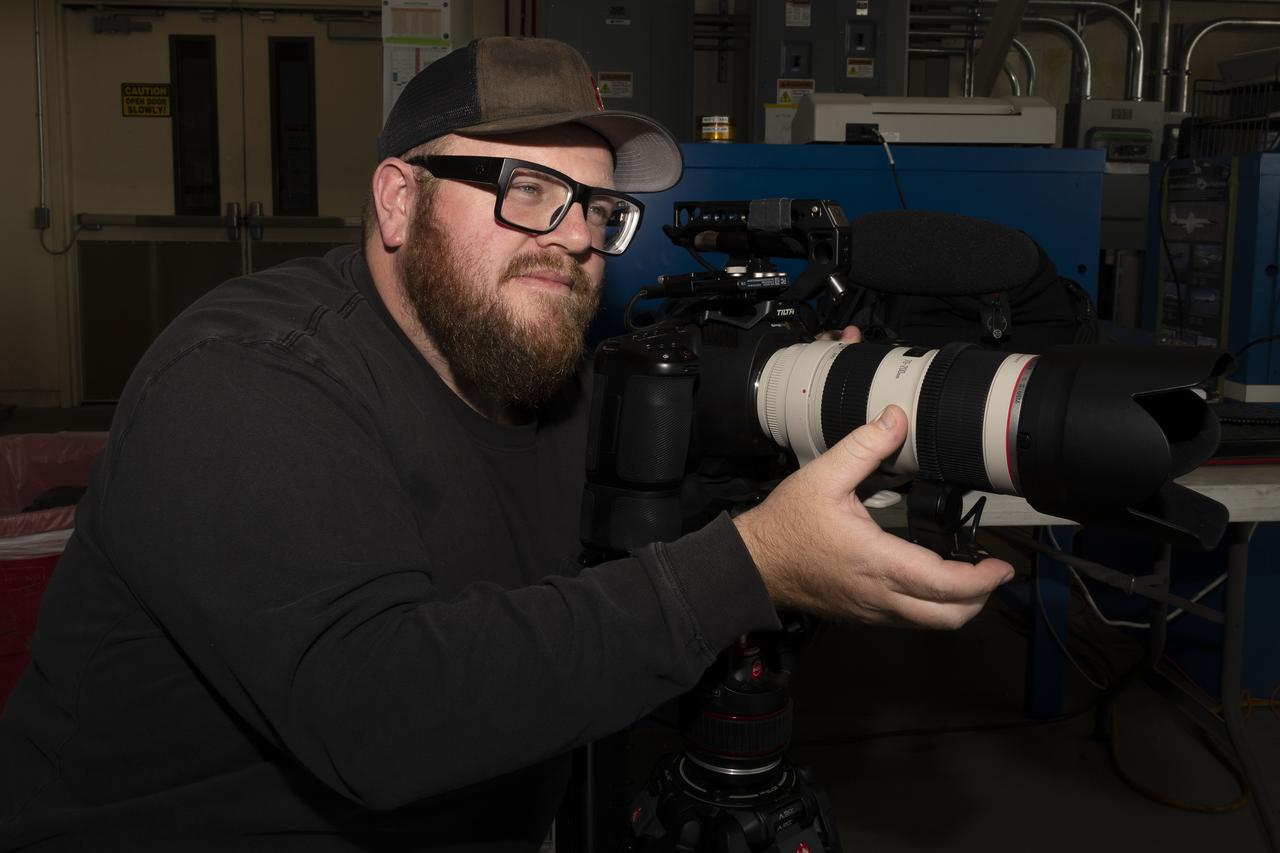
NASA videographer Jacob Shaw captures footage of the ER-2 aircraft inside a hangar at NASA’s Armstrong Flight Research Center in Edwards, California, in December 2024. Shaw recently earned first place in NASA’s 2024 Videographer of the Year Awards – documentation category – for his film, “Reflections,” which chronicles the 2024 Airborne Science mission PACE-PAX – short for Plankton, Aerosol, Cloud, ocean Ecosystem Postlaunch Airborne eXperiment.
Framing Flight in the Hangar
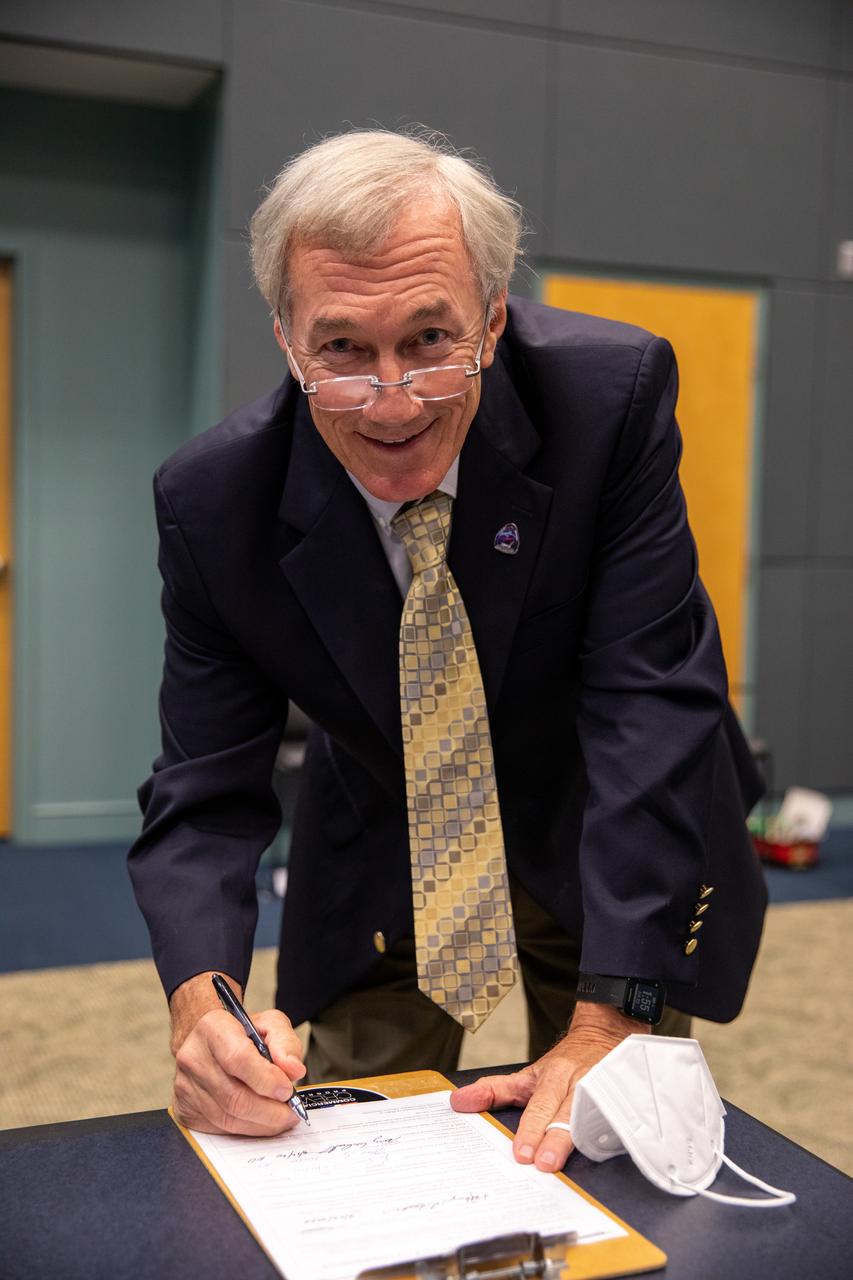
On May 22, 2020, inside the Operations Support Building II at NASA’s Kennedy Space Center in Florida, Kenneth Bowersox, deputy associate administrator for the agency’s Human Exploration and Operations Missions Directorate, signs the official document denoting the NASA and SpaceX are a ‘Go’ for the upcoming Demo-2 launch, following the conclusion of the flight readiness review. A SpaceX Falcon 9 rocket and Crew Dragon spacecraft will carry NASA astronauts Robert Behnken and Douglas Hurley to the International Space Station as part of the agency’s Commercial Crew Program, returning human spaceflight capability to the U.S. after nearly a decade. Launch is slated for 4:33 p.m. EDT on Wednesday, May 27, from Kennedy’s Launch Complex 39A.
SpaceX Demo-2 FRR HRCP Document Signing
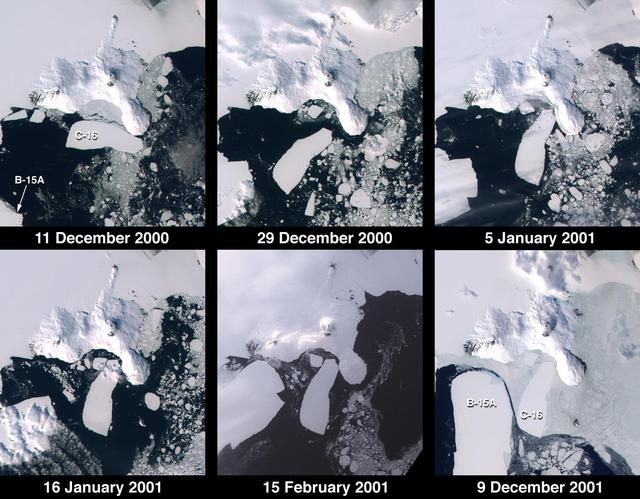
These images from NASA Terra satellite documented iceberg movements and changes in sea ice between December 11, 2000 and December 9, 2001.
Penguins in Peril
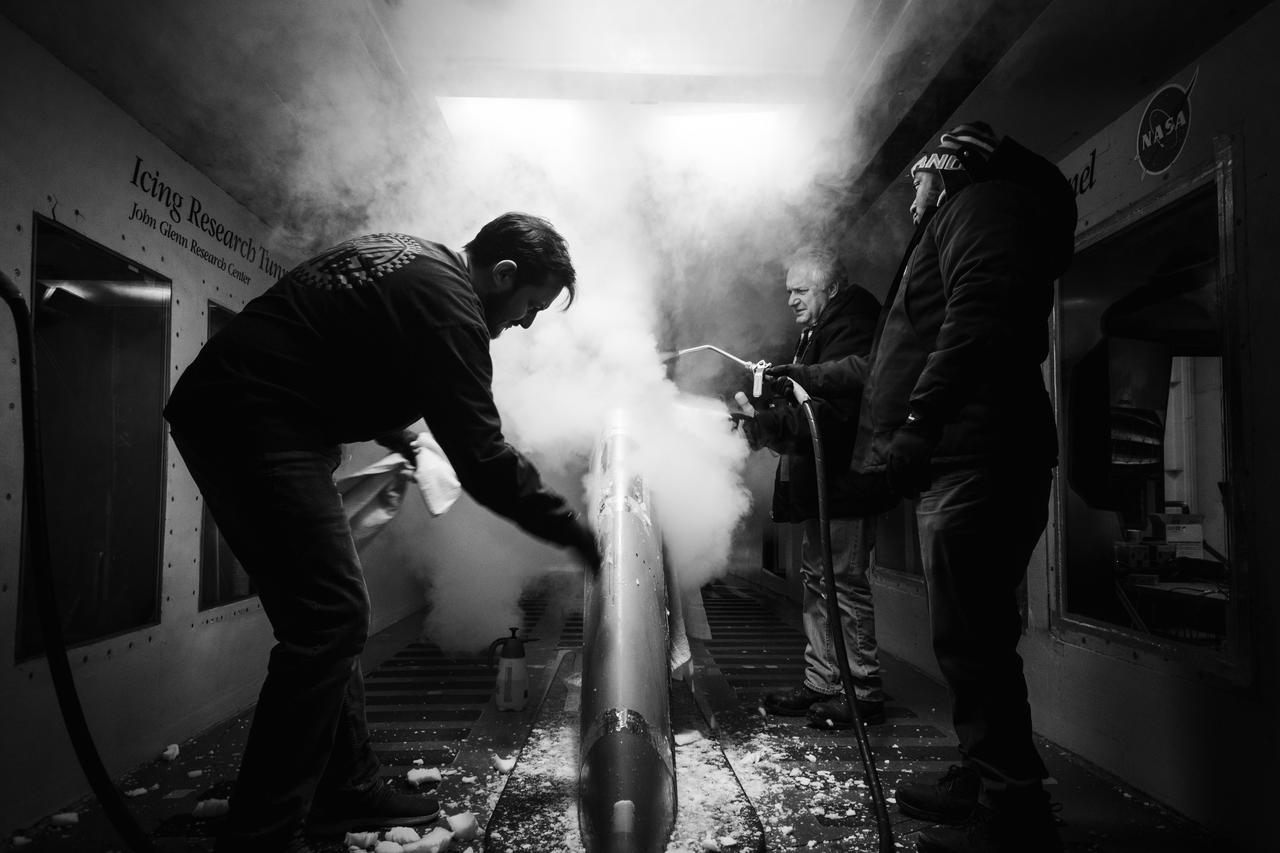
Technicians spray steam to help scrape off ice at the Icing Research Tunnel. The technicians need all the help they can get in sub-zero temperatures. Photo Credit: (NASA/Jordan Salkin)
Deformed Skin Adhesion Test Documentation Photos at the Icing Research Tunnel (IRT)
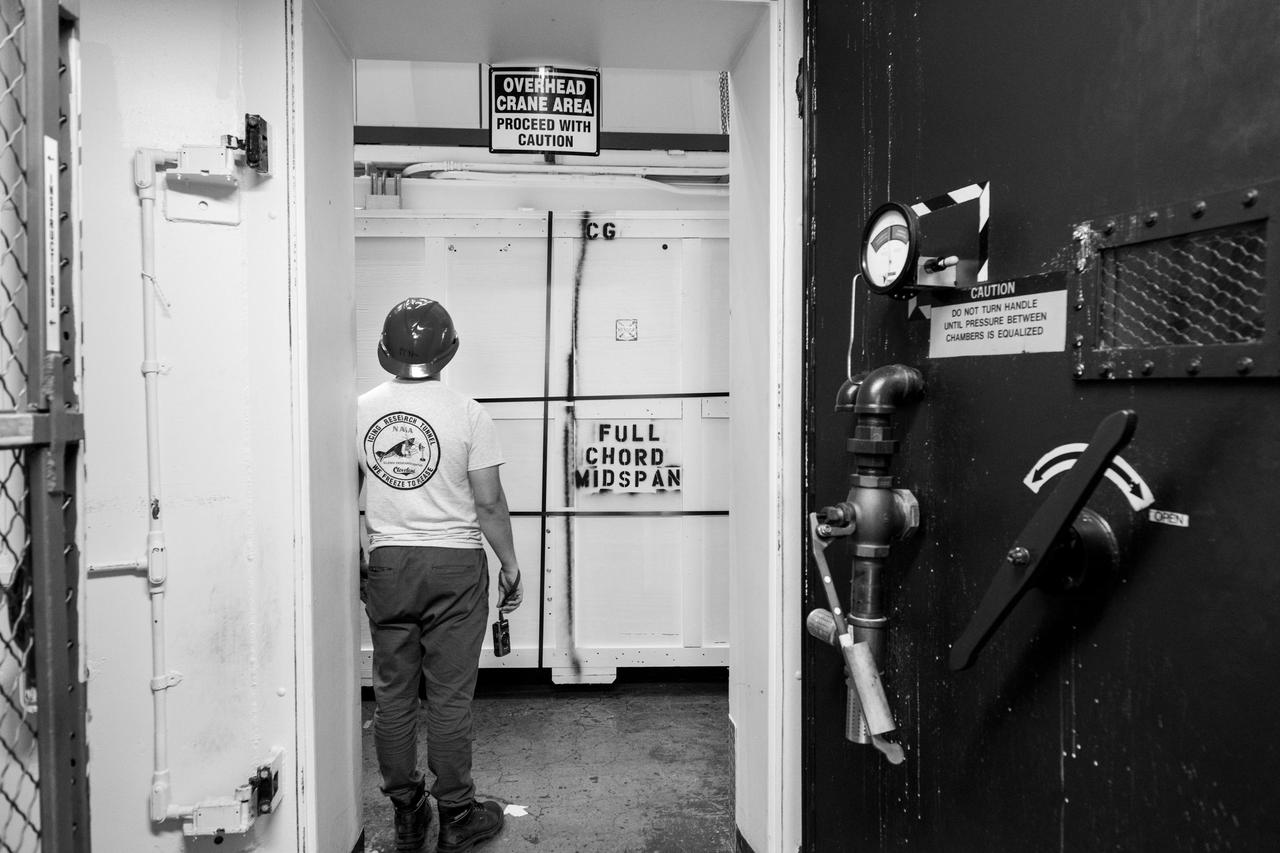
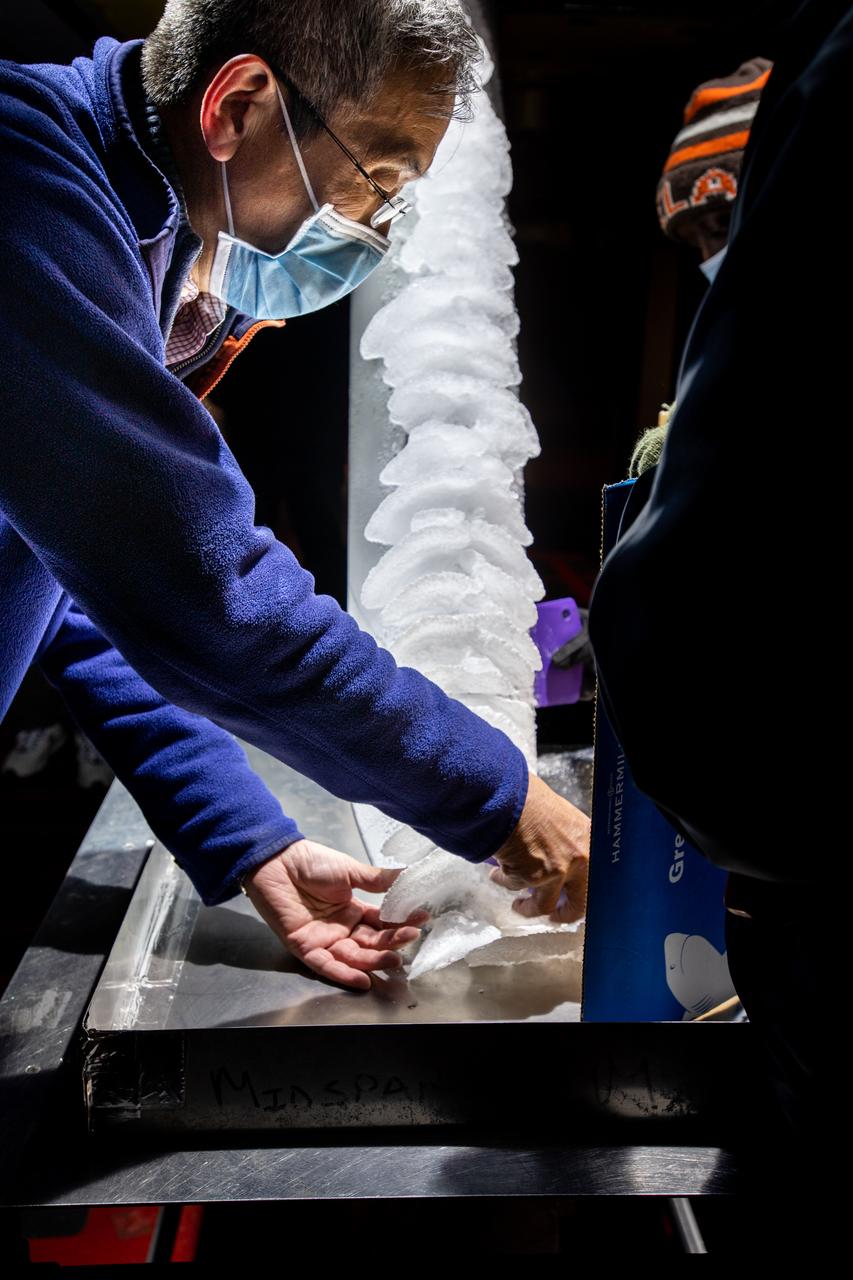
Common Research Model, CRM Full Chord and Midspan Test in the Icing Research Tunnel, IRT
CRM Full Chord and Midspan Test Documentation Photos Icing Research Tunnel
Pictured is a model to study the ice collection on struts in jet engines during flight. Researchers inspect the ice after the model encounters a simulated icing cloud during testing.  Super cooled water created from the icing cloud that flows though the wind tunnel.  The super cooled water forms ice on contact with the test model.  Researchers then inspect the ice formation before laser scanning of the ice formation for further research and analysis.
SIDRM II Documentation Photos at the Icing Research Tunnel (IRT)
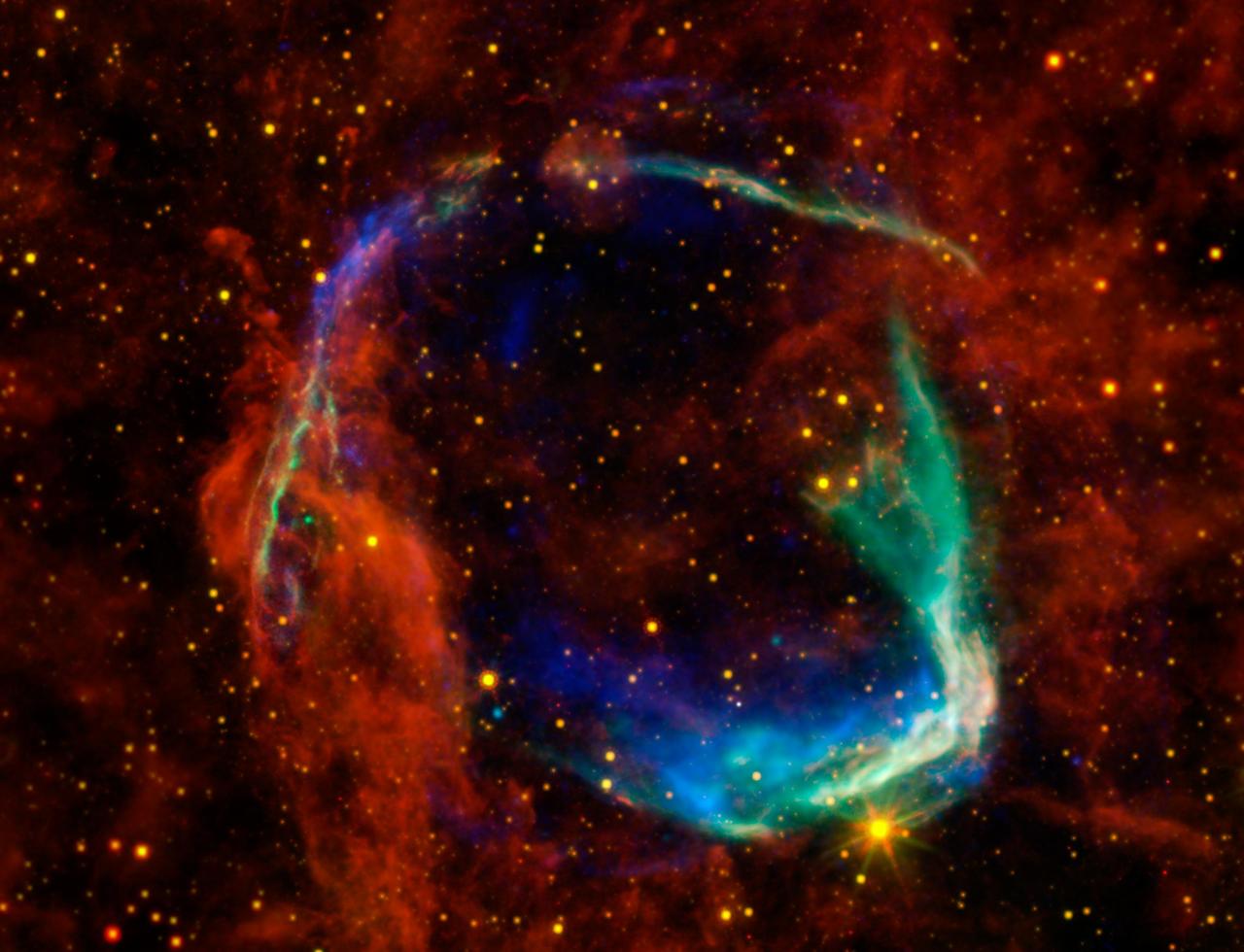
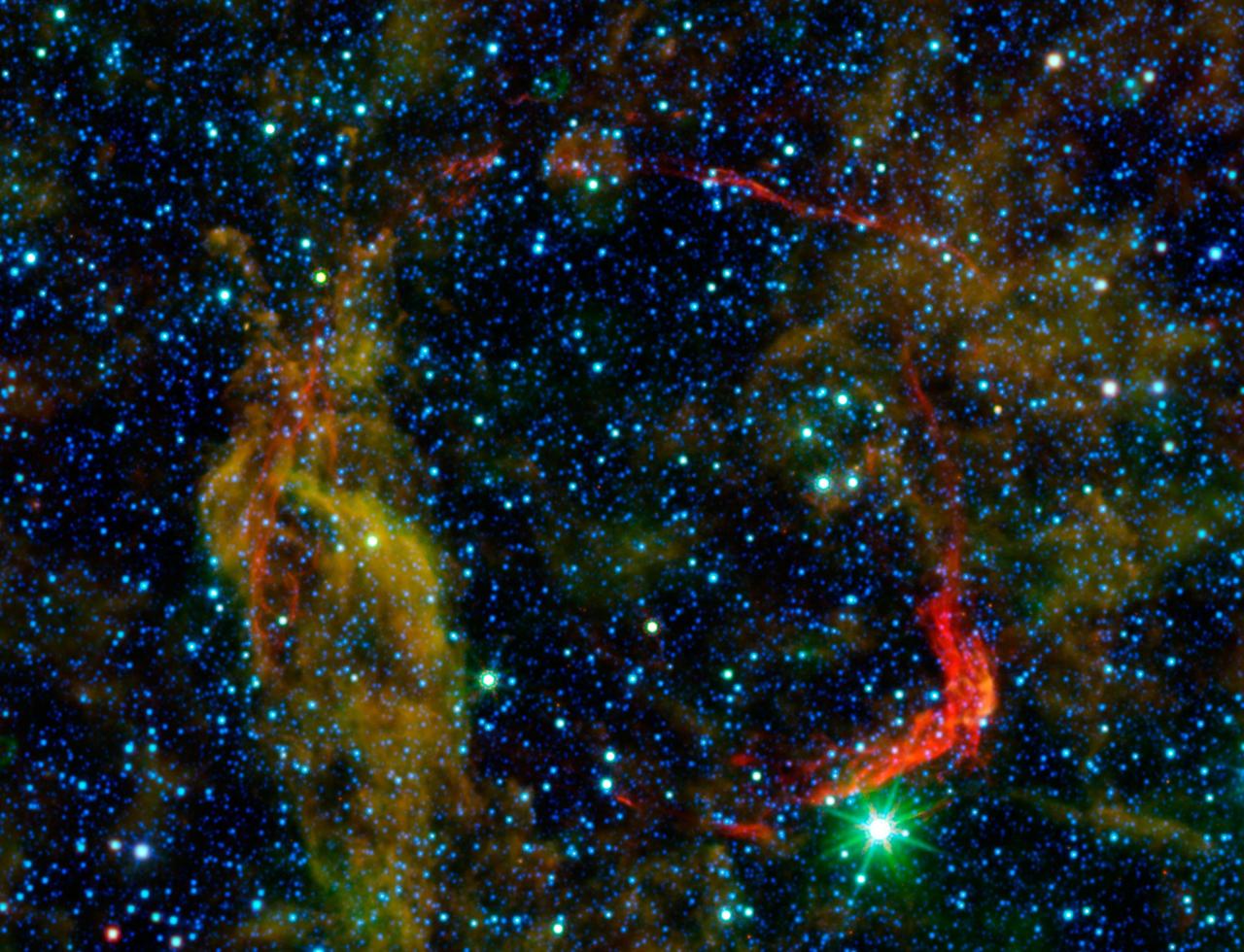
Infrared images from NASA Spitzer Space Telescope and Wide-field Infrared Survey Explorer are combined in this image of RCW 86, the dusty remains of the oldest documented example of an exploding star, or supernova.
All That Remains of Exploded Star
Infrared images from instruments at Kitt Peak National Observatory left and NASA Spitzer Space Telescope document the outburst of HOPS 383, a young protostar in the Orion star-formation complex.
Embryonic Star Outburst
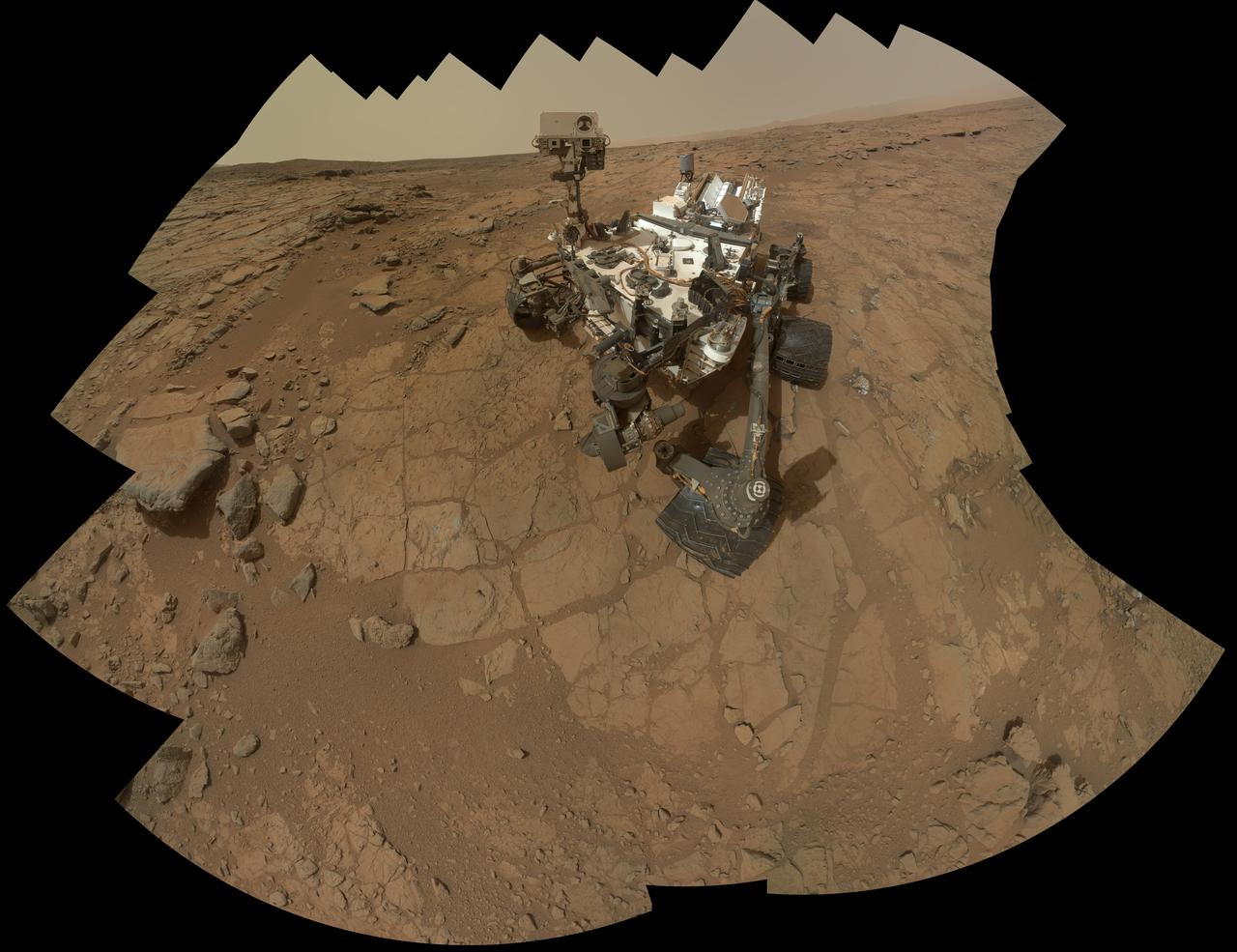
The rover is positioned at a patch of flat outcrop called John Klein, which was selected as the site for the first rock-drilling activities by NASA Curiosity. This self-portrait was acquired to document the drilling site.
Curiosity Rover Self Portrait at John Klein Drilling Site
This image combines data from four different space telescopes to create a multi-wavelength view of all that remains of the oldest documented example of a supernova, called RCW 86.
All Eyes on Oldest Recorded Supernova
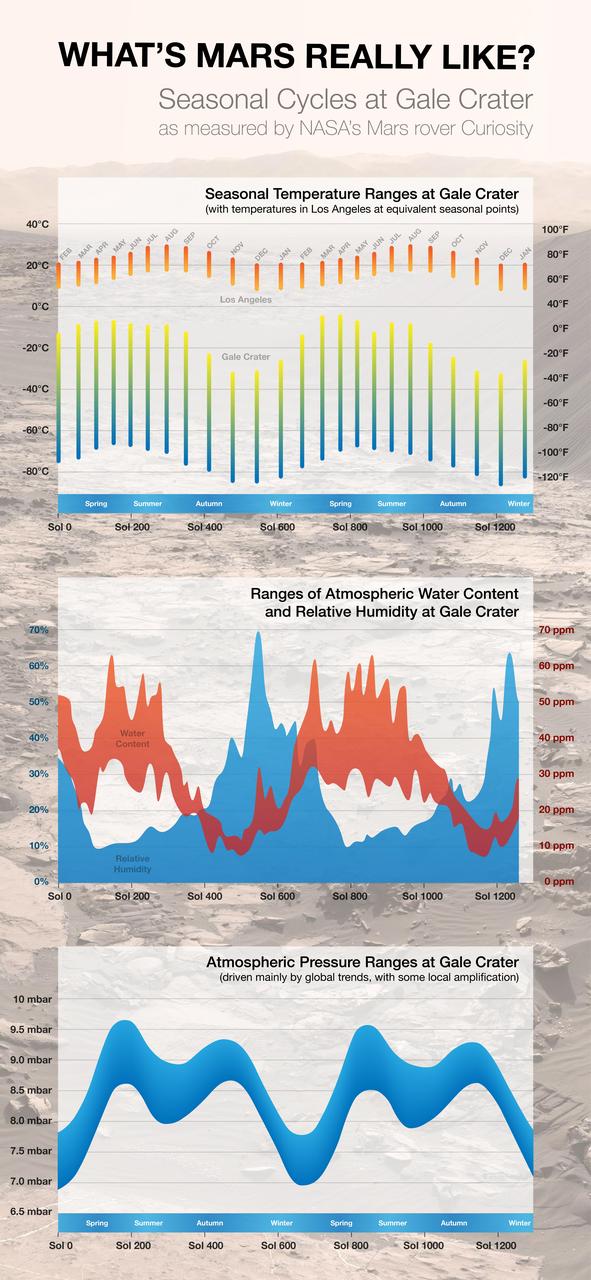
By monitoring weather throughout two Martian years since landing in Gale Crater in 2012, NASA Curiosity Mars rover has documented seasonal patterns such as shown in these graphs of temperature, water-vapor content and air pressure.
Seasonal Cycles in Curiosity First Two Martian Years
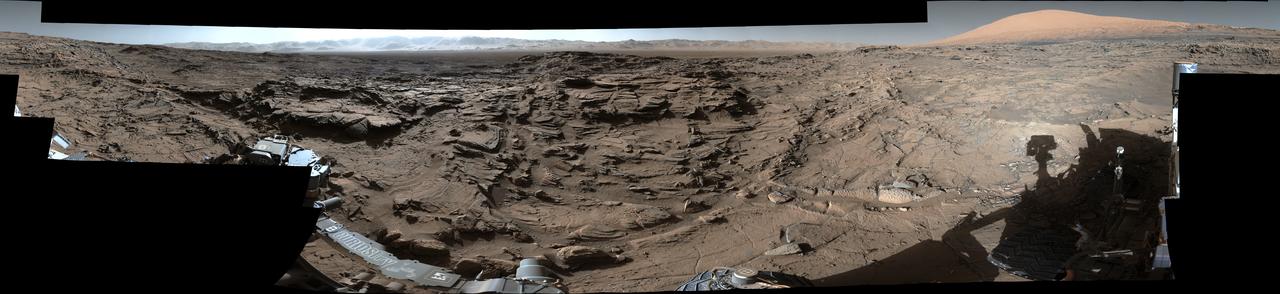
This mid-afternoon, 360-degree panorama was acquired by NASA Curiosity Mars rover on April 4, 2016, as part of long-term campaign to document the context and details of the geology and landforms along Curiosity traverse inside Gale Crater.
Full-Circle Vista from Naukluft Plateau on Mars
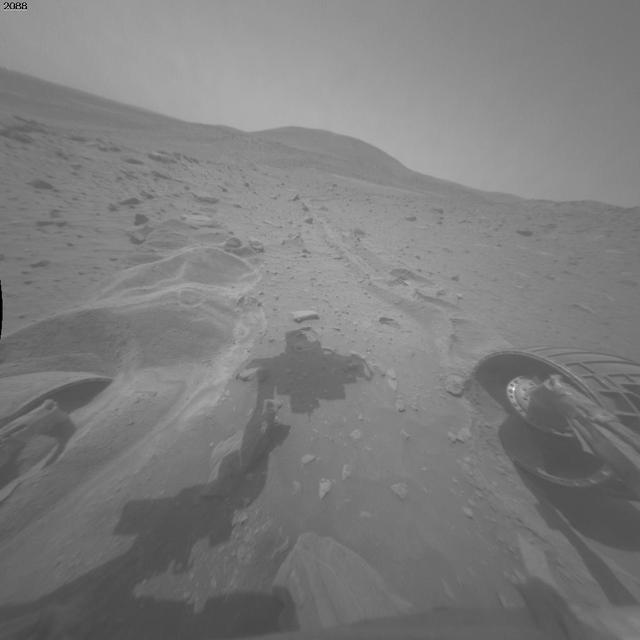
This image is one of two images which documents very slight forward movement of NASA Mars Exploration Rover Spirit during a drive on the rover 2,090th Martian day, or sol Nov. 19, 2009.
Movement from Spirit Second Extrication Drive
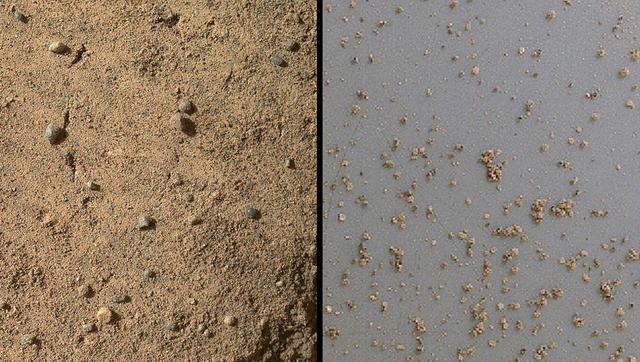
NASA Mars rover Curiosity acquired close-up views of sands in the Rocknest wind drift to document the nature of the material that the rover scooped, sieved and delivered to the CheMin and SAM instruments in October and November 2012.
Windblown Sand from the Rocknest Drift
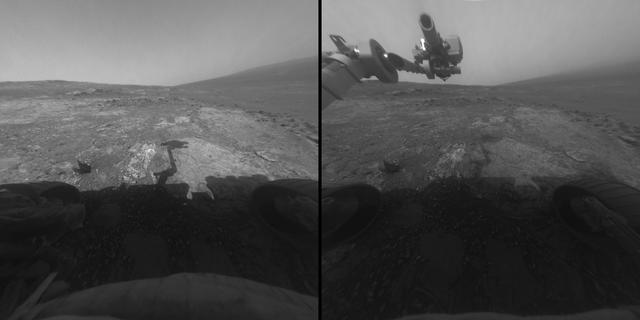
These two images, taken five Martian days sols apart by the front hazard-avoidance camera on NASA Mars Exploration Rover Opportunity, document the Martian sky above the rover Endeavour Crater location becoming dustier.
Sky Gets Dustier Between Opportunity Sols 3296 and 3301
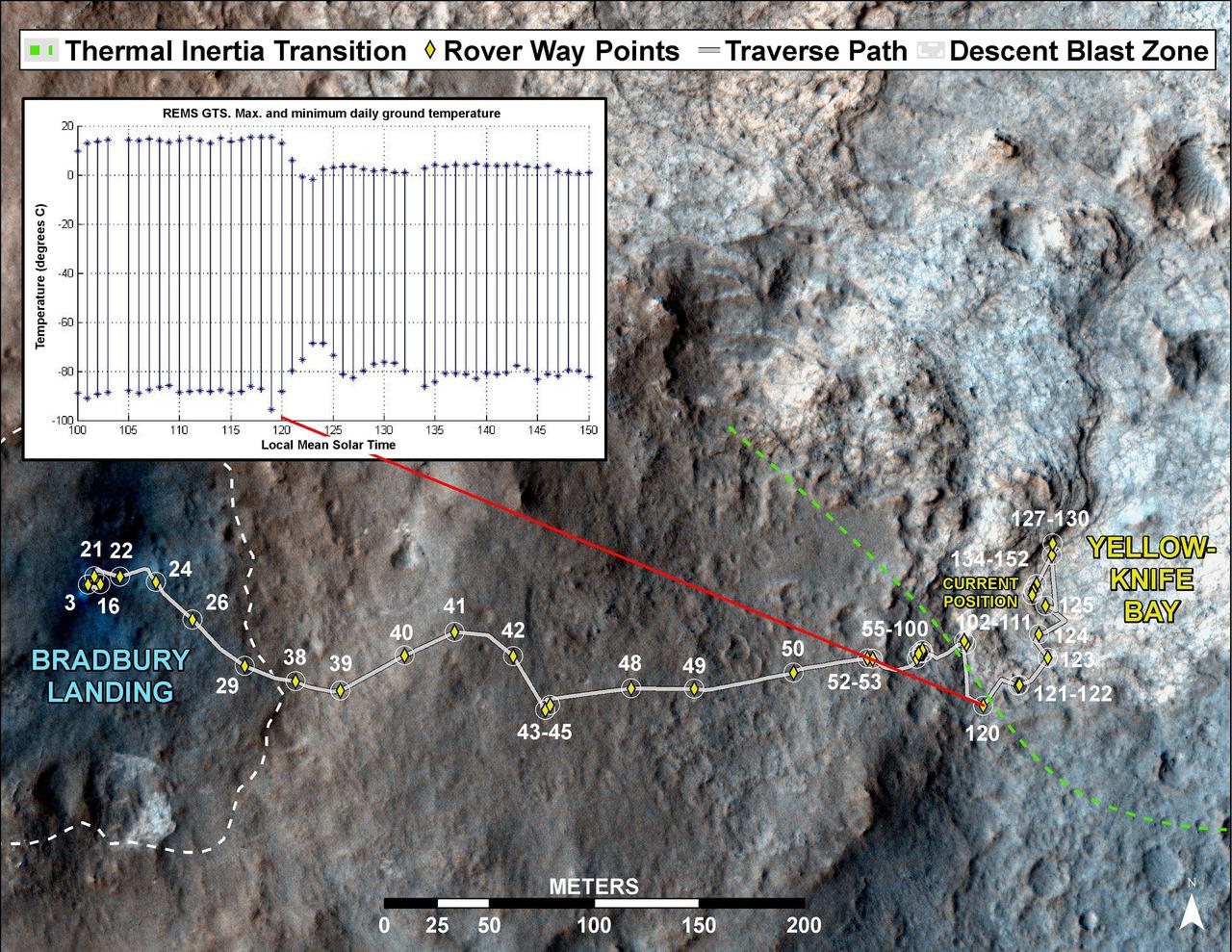
This image maps the traverse of NASA Mars rover Curiosity from Bradbury Landing to Yellowknife Bay, with an inset documenting a change in the ground thermal properties with arrival at a different type of terrain.
Curiosity Traverse into Different Terrain
This frame from a series of images shows NASA Phoenix Mars Lander telltale instrument waving in the Martian wind. Documenting the telltale movement helps mission scientists and engineers determine what the wind is like on Mars.
Telltale Instrument Waving in the Martian Wind
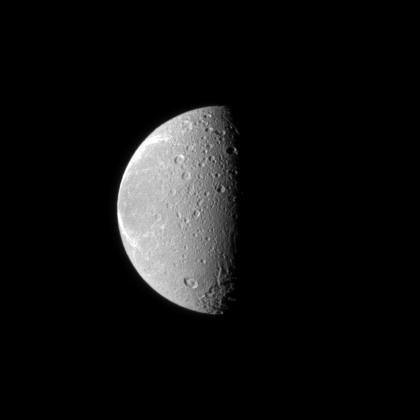
The tortured terrain of Saturn moon Dione is documented in this NASA Cassini spacecraft image. The wispy fractures on the moon trailing hemisphere can be seen on the left, and cratered terrain on the moon anti-Saturn side dominates the center.
Scarred Dione
This before-and-after pair of images of the same patch of ground in front of NASA Mars Exploration Rover Opportunity 13 days apart documents the arrival of a bright rock onto the scene.
Rock That Appeared in Front of Opportunity on Murray
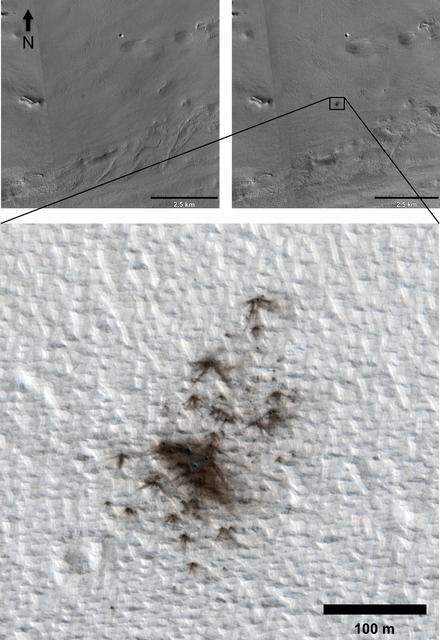
This set of images from cameras on NASA Mars Reconnaissance Orbiter documents the appearance of a new cluster of impact craters on Mars. The orbiter has imaged at least 248 fresh craters, or crater clusters, on Mars.
Fresh Cluster of Impact Craters on Mars
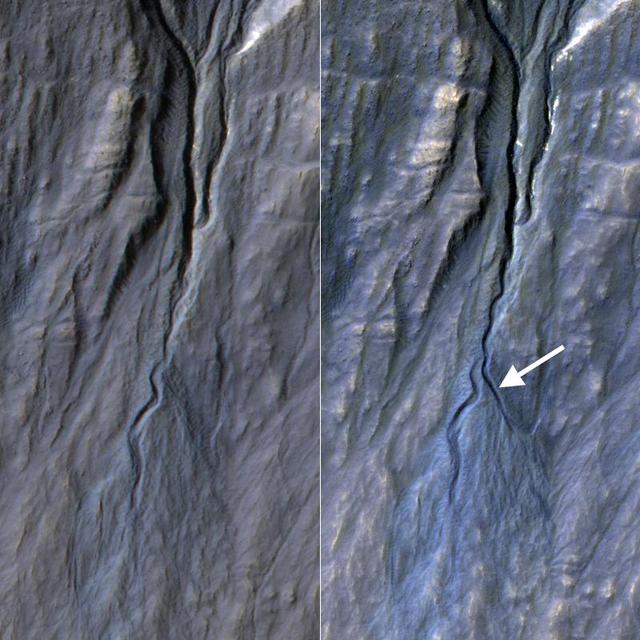
This pair of before left and after right images from NASA Mars Reconnaissance Orbiter documents formation of a new channel on a Martian slope between 2010 and 2013, likely resulting from activity of carbon-dioxide frost.
A New Gully Channel in Terra Sirenum, Mars
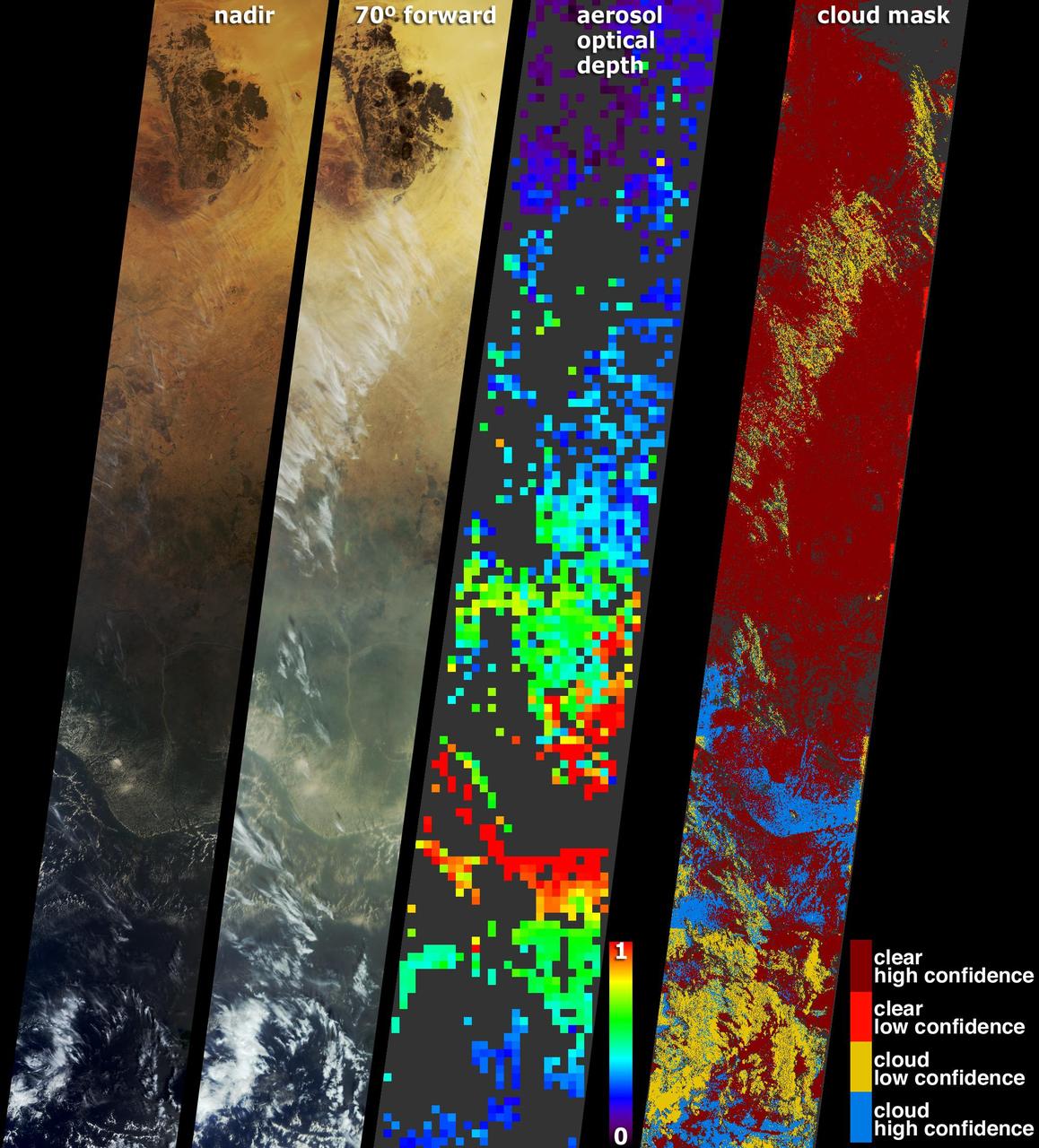
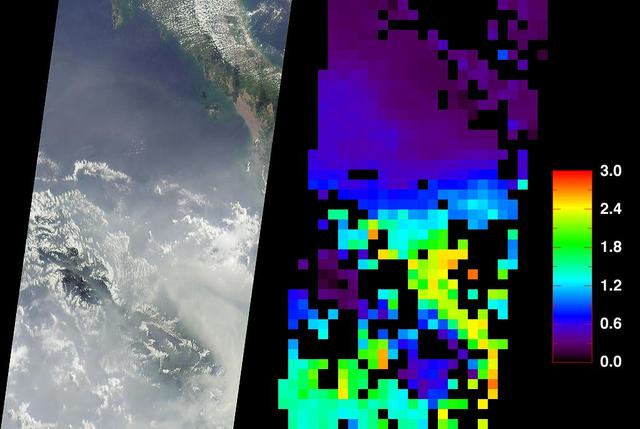
These images and data products from NASA Terra spacecraft documented extensive smoke from fires burning throughout Nigeria and north central Africa on January 31, 2003.
Smoke over Nigeria and the Gulf of Guinea
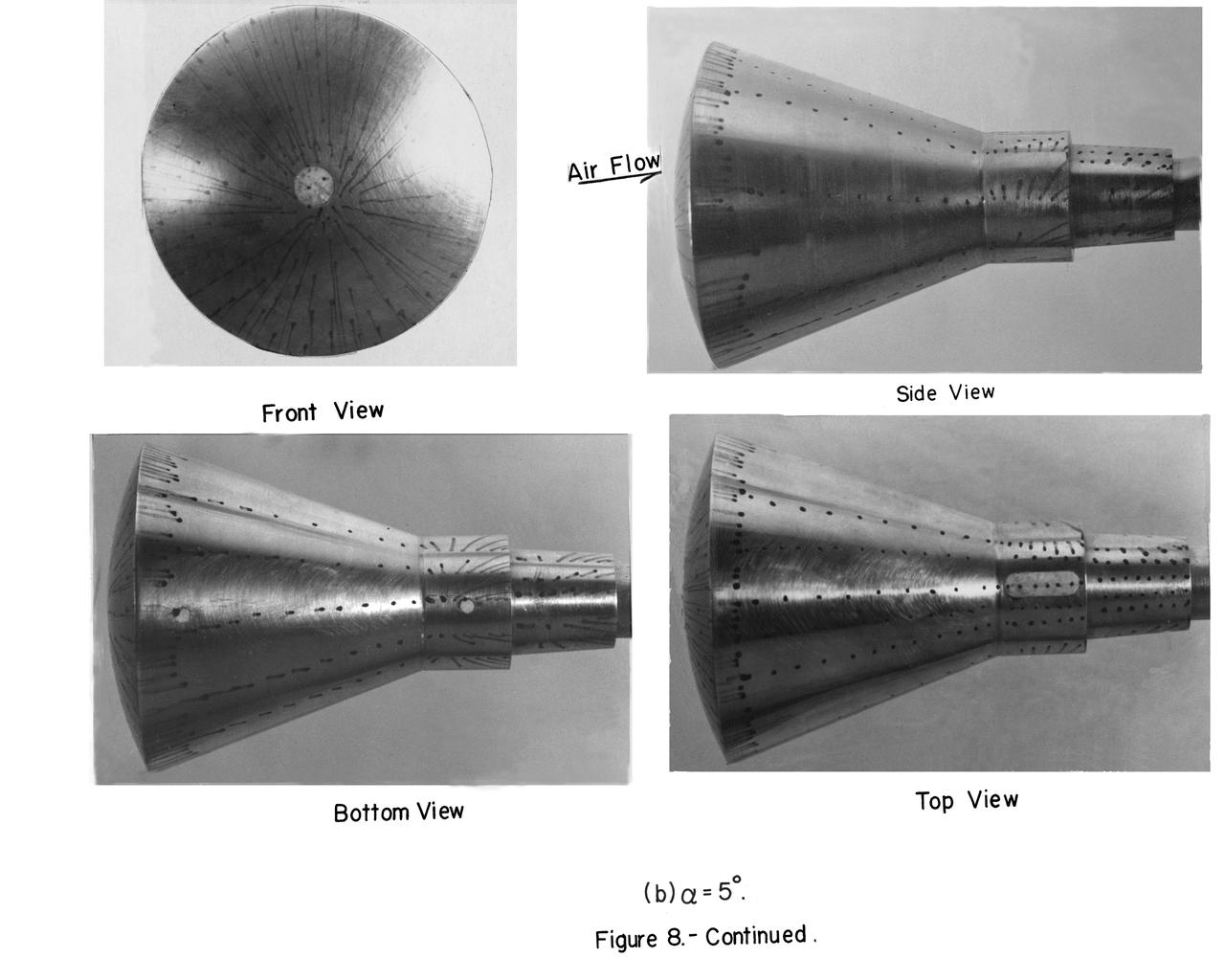
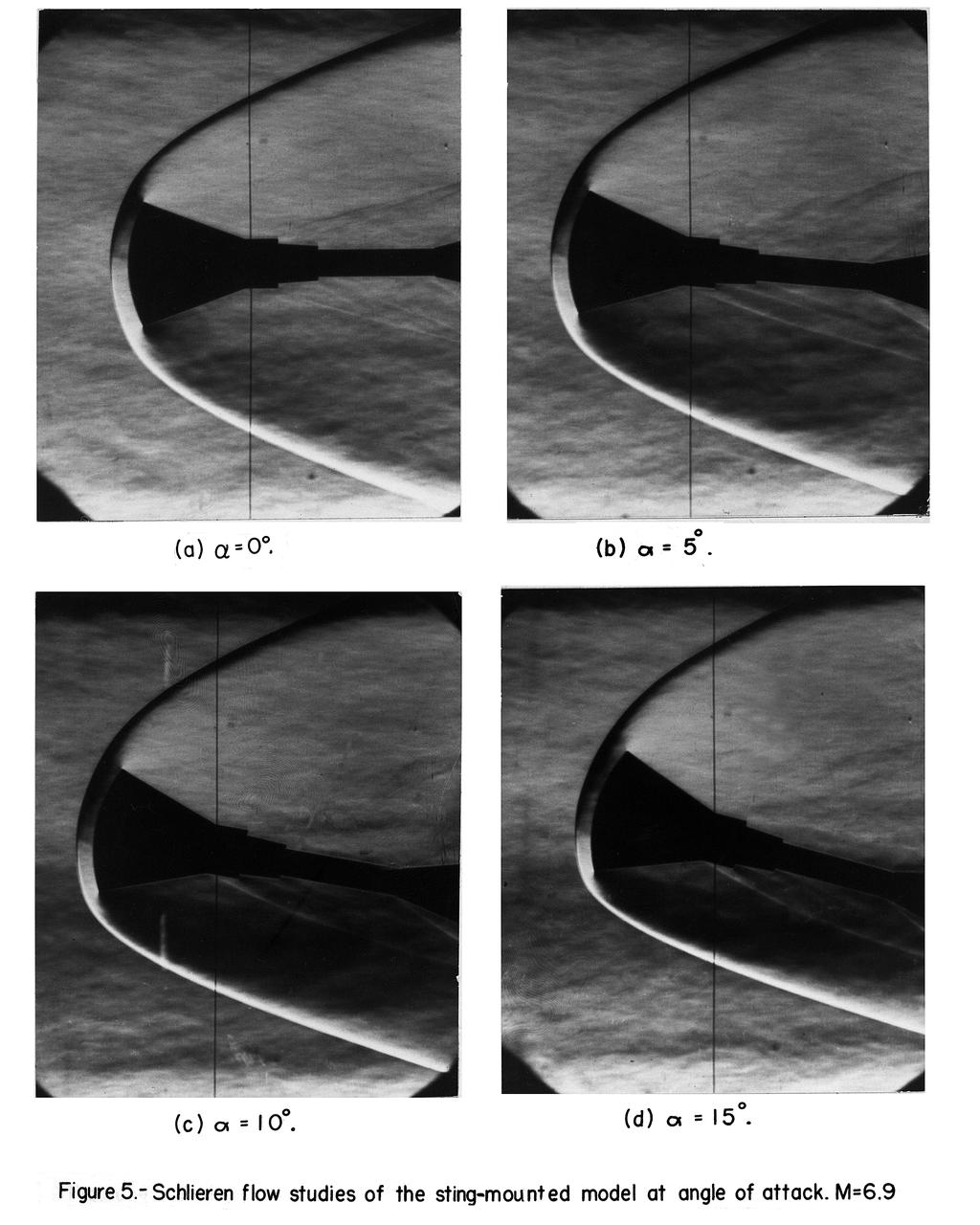
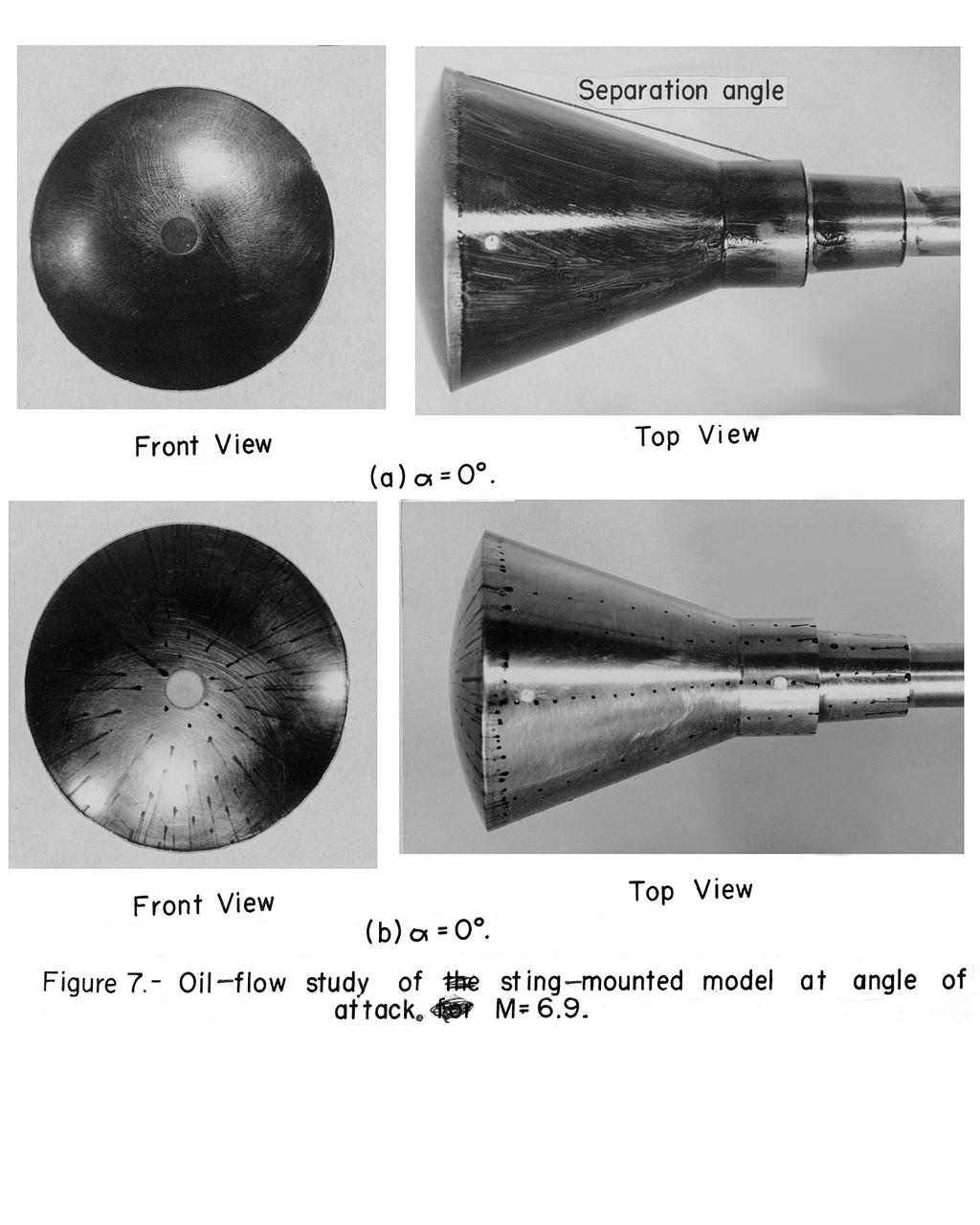
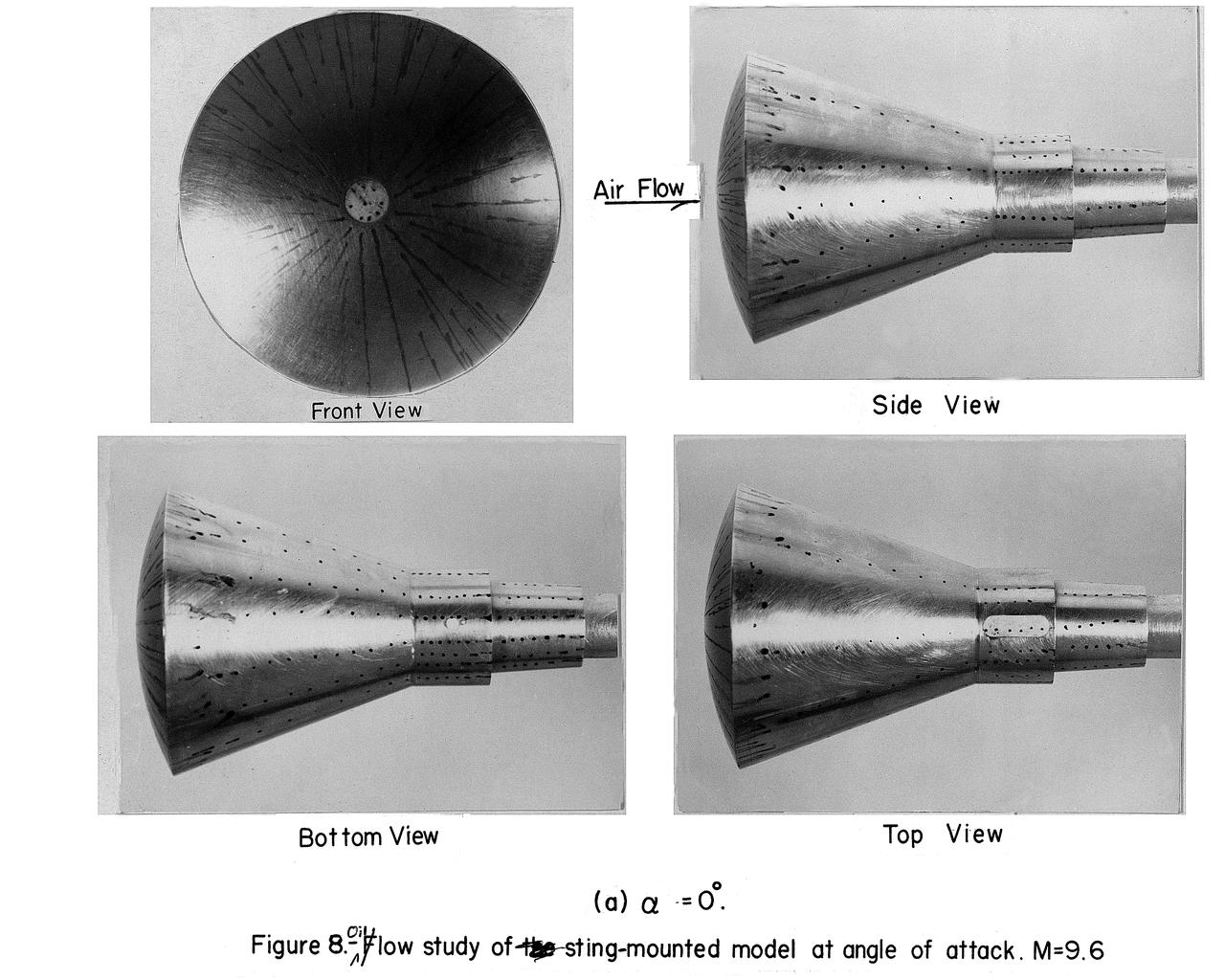
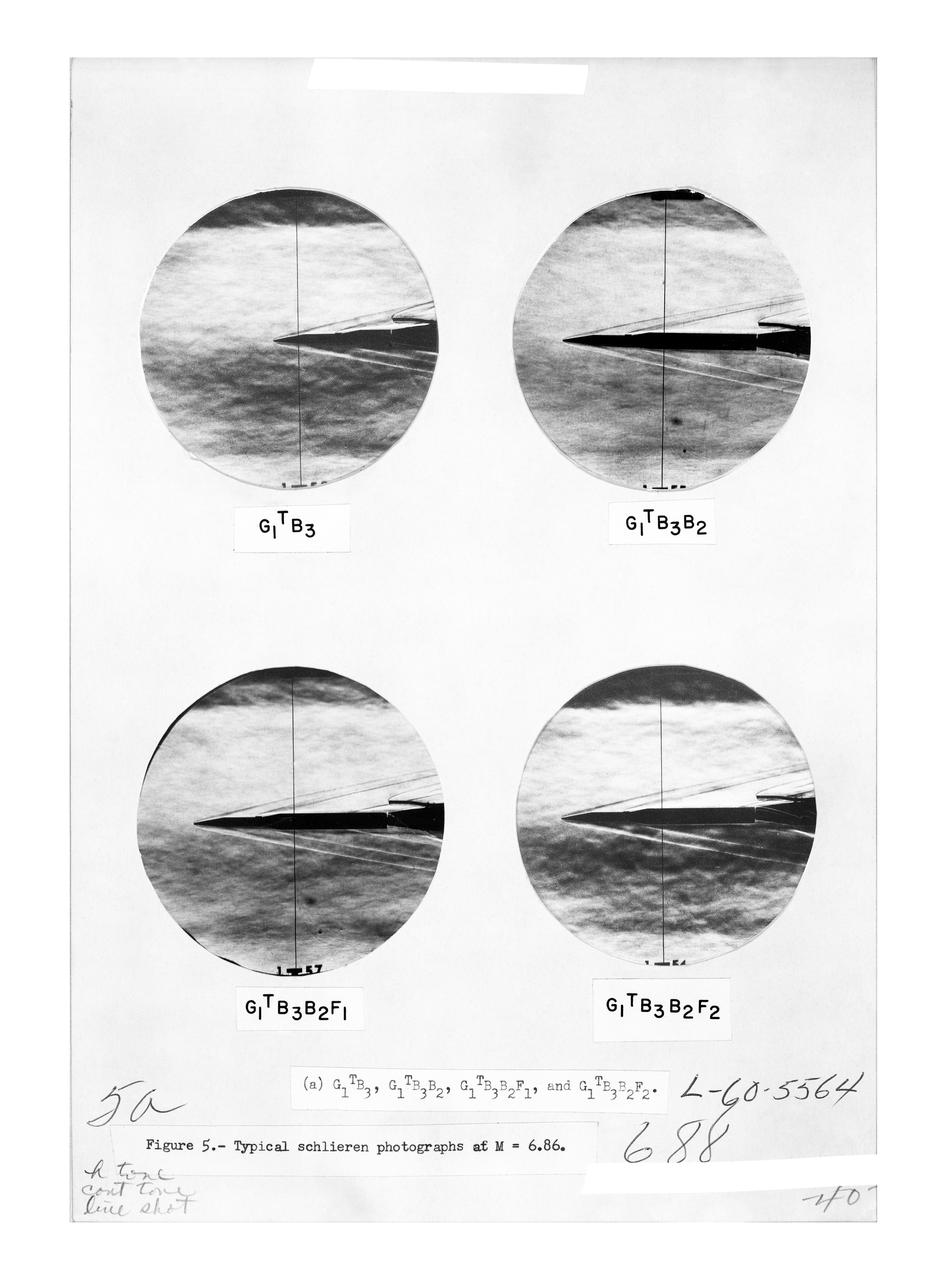
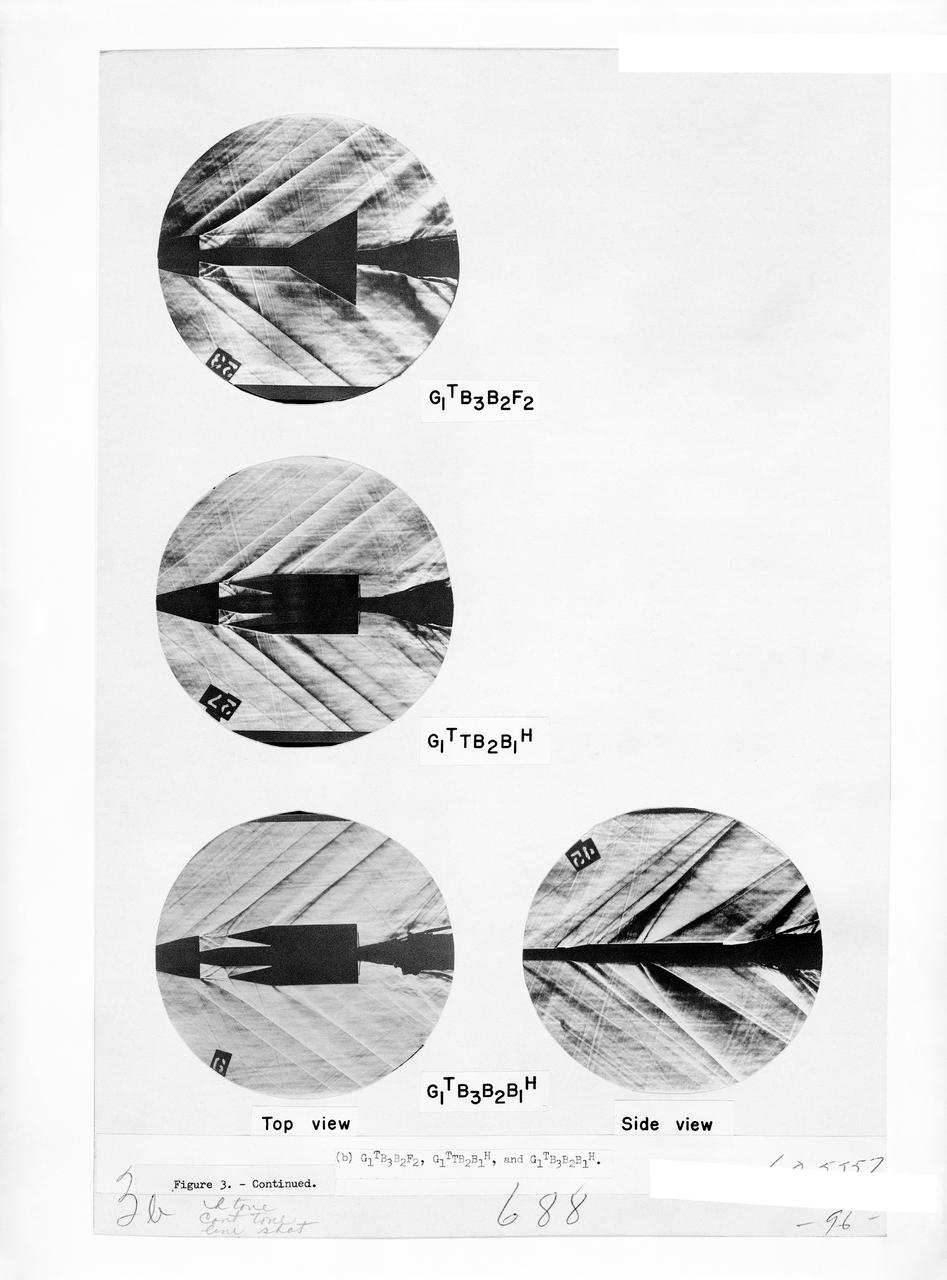
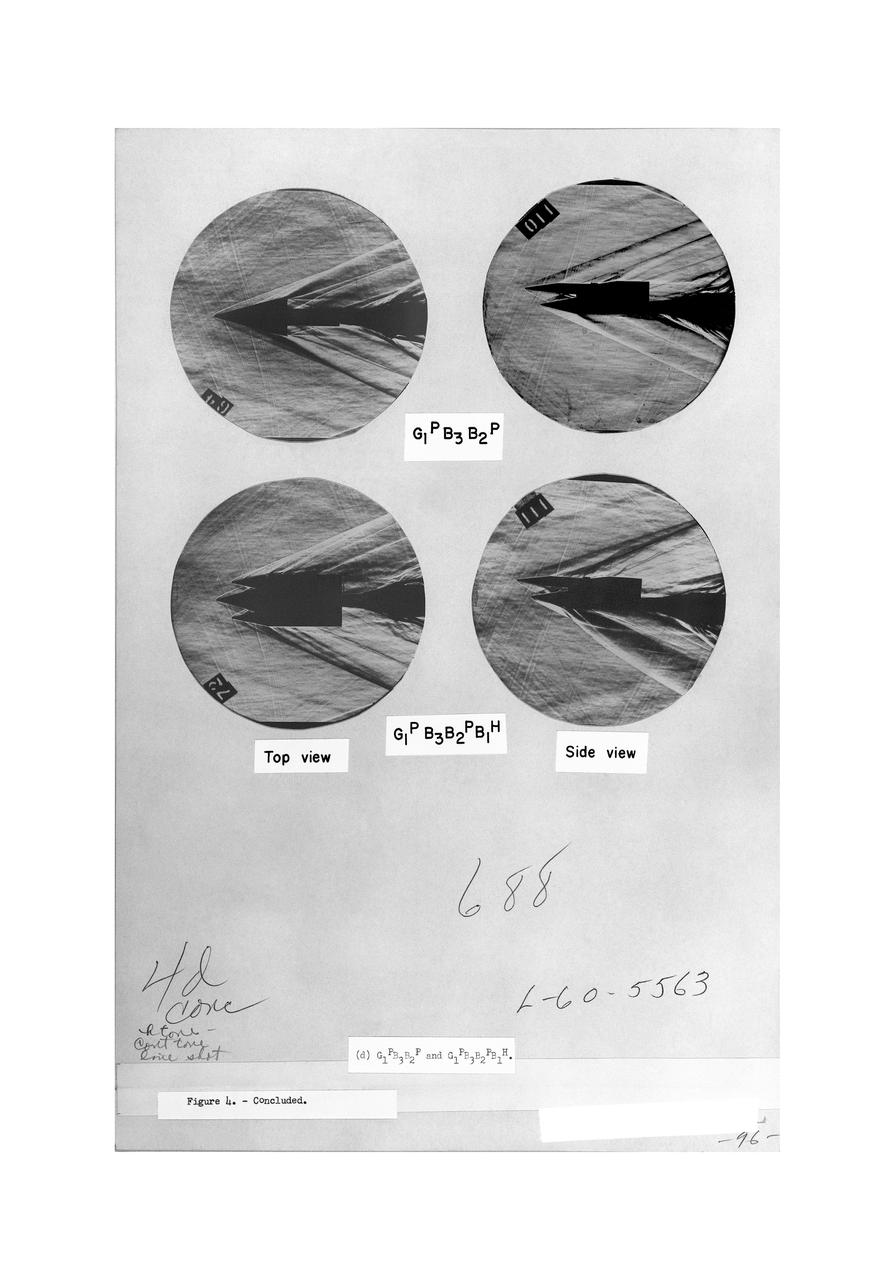
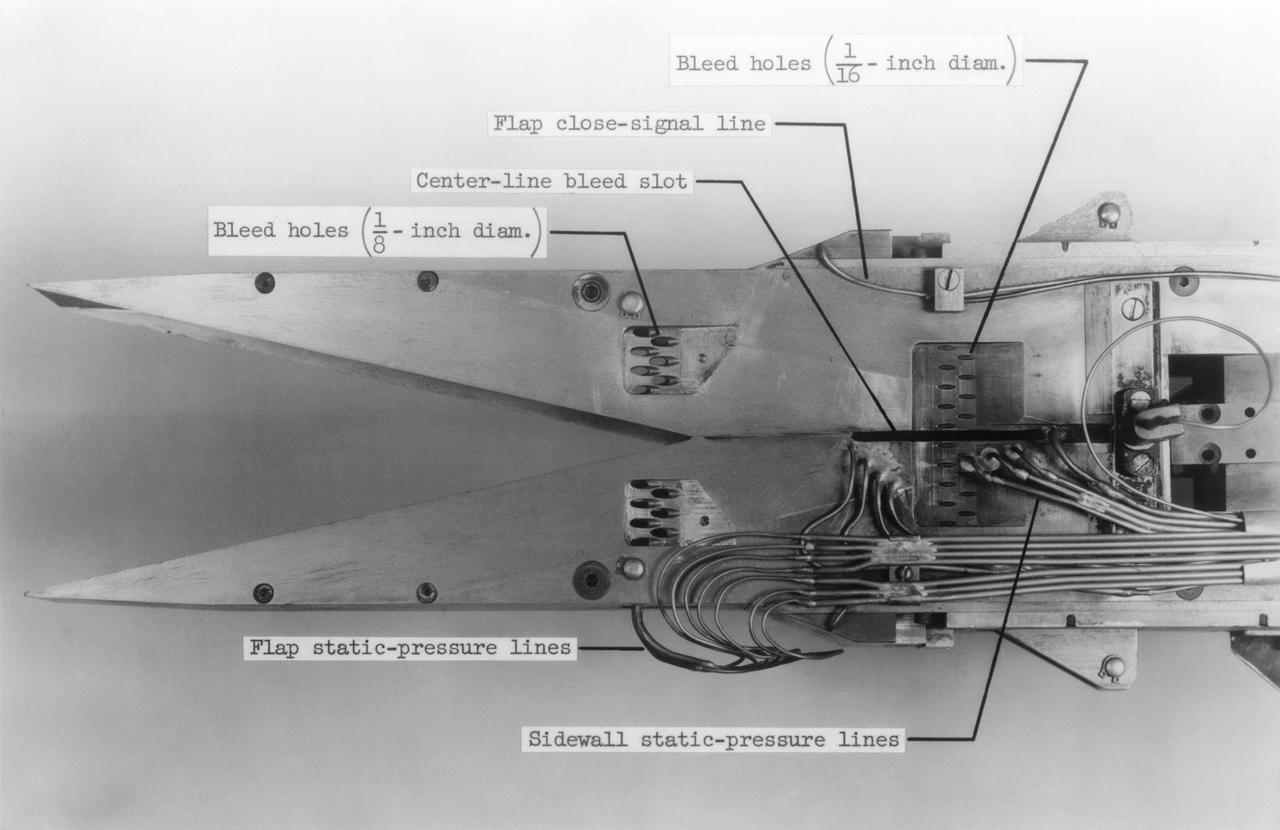
Mach number 6.9 Inlet. These negatives in jackets also: L-1958-2984.1 Figure 3b cone in NASA document L-1643 L-1958-2980.1 Figures 3a in document L-1643 declassified from Confidential
Mach number 6.9 Inlet
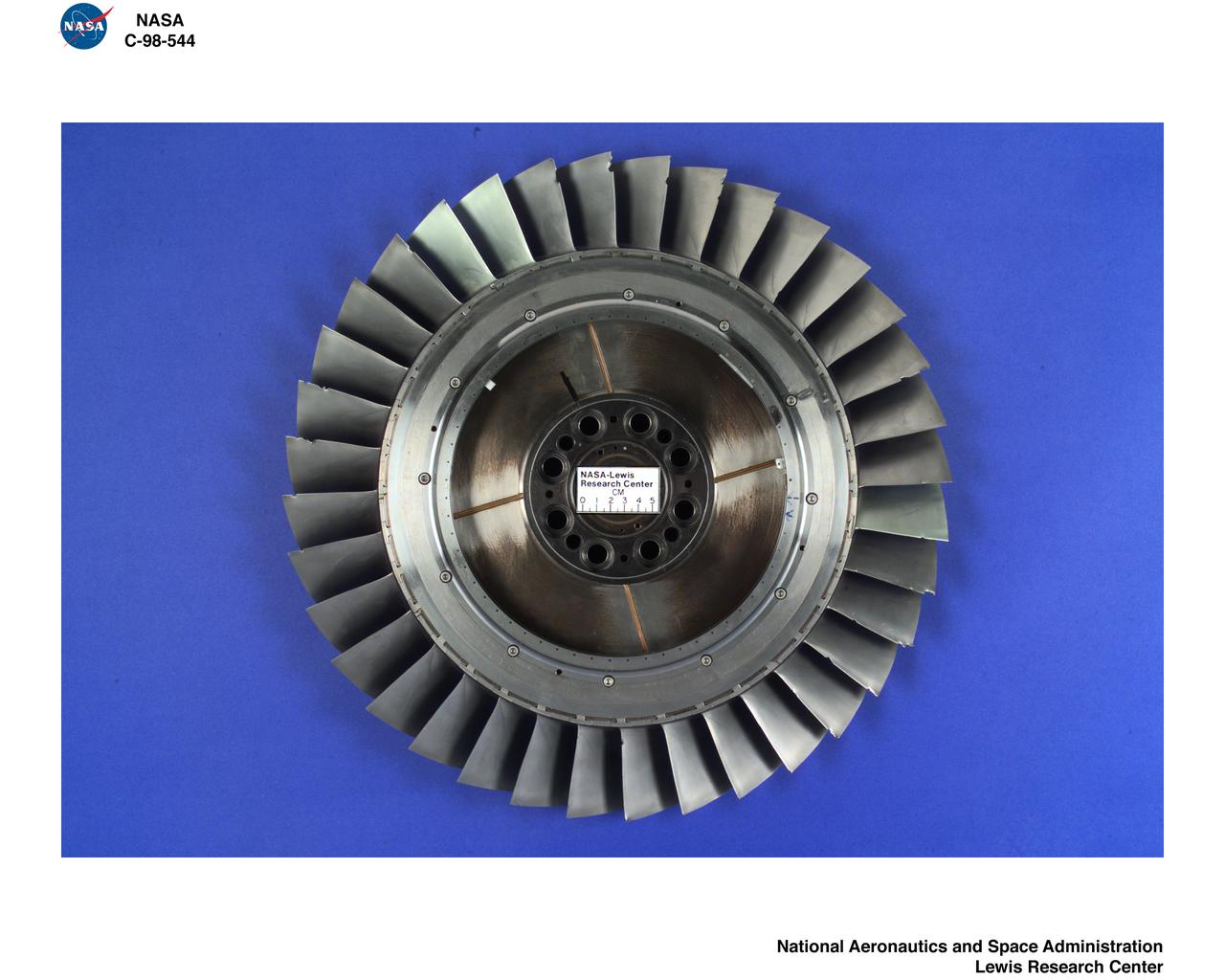
DOCUMENTATION OF BLADE DAMAGE ON ROTOR 37
GRC-1998-C-00544
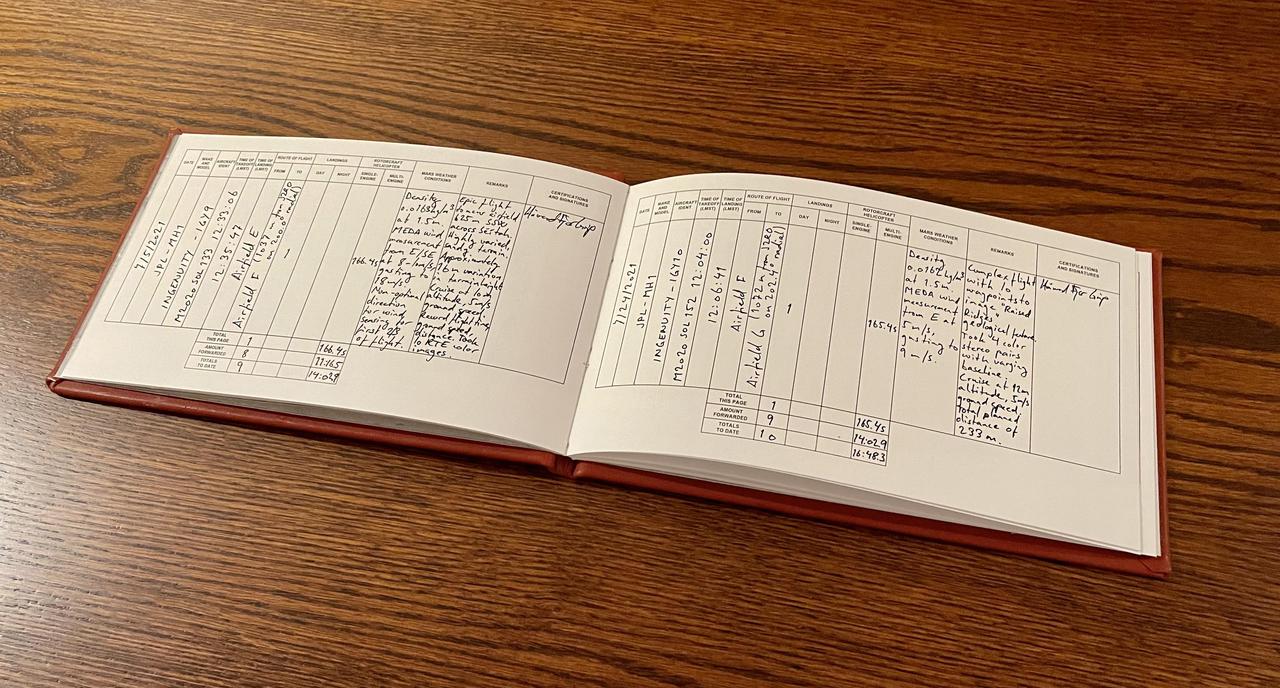
Havard Grip, chief pilot of NASA's Ingenuity Mars Helicopter, documents the details of each flight in the mission's logbook, The Nominal Pilot's Logbook for Planets and Moons, after each flight. Entries for Flights 9 and 10 are seen here.  https://photojournal.jpl.nasa.gov/catalog/PIA24794
Ingenuity Logbook Entries
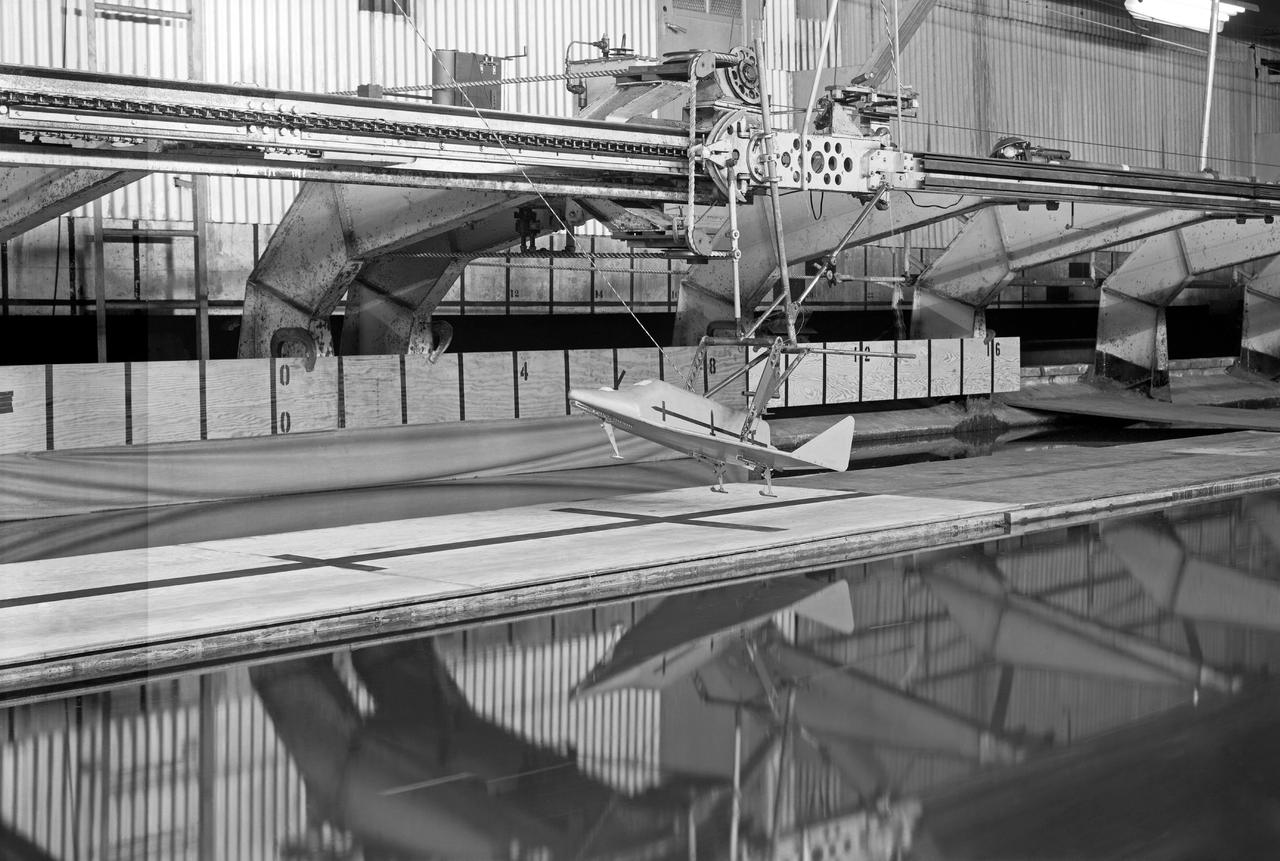
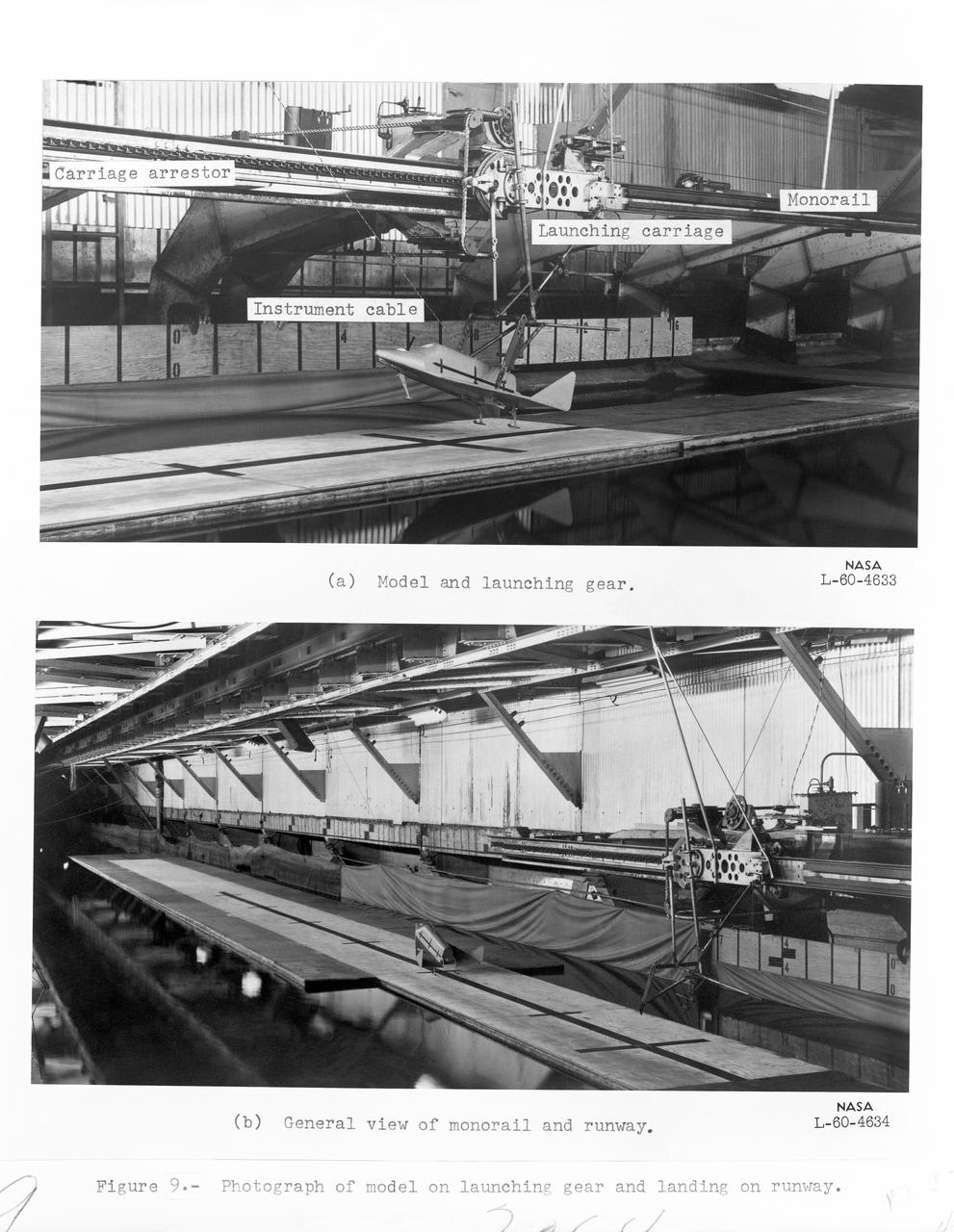
Test Setup For Model Landing Investigation of a Winged Space Vehicle  Image used in NASA Document TN-D-1496  1960-L-04633.01 is Figure 9a for NASA Document L-2064 Photograph of model on launcher and landing on runway.
Test Setup For Model Landing Investigation of a Winged Space Vehicle
Test Setup For Model Landing Investigation of a Winged Space Vehicle  Image used in NASA Document TN-D-1496  1960-L-04633.01 is Figure 9a for NASA Document L-2064 Photograph of model on launcher and landing on runway.
Test Setup For Model Landing Investigation of a Winged Space Vehicle
Test Setup For Model Landing Investigation of a Winged Space Vehicle  Image used in NASA Document TN-D-1496  1960-L-04633.01 is Figure 9a for NASA Document L-2064 Photograph of model on launcher and landing on runway.
Test Setup For Model Landing Investigation of a Winged Space Vehicle
Drone Crew and Media Services document the Intertank STA en route to Pegasus.
Intertank STA en route to Pegasus
Post Ion Engine Test Documentation of Tank 5 Interior
GRC-2015-C-03026
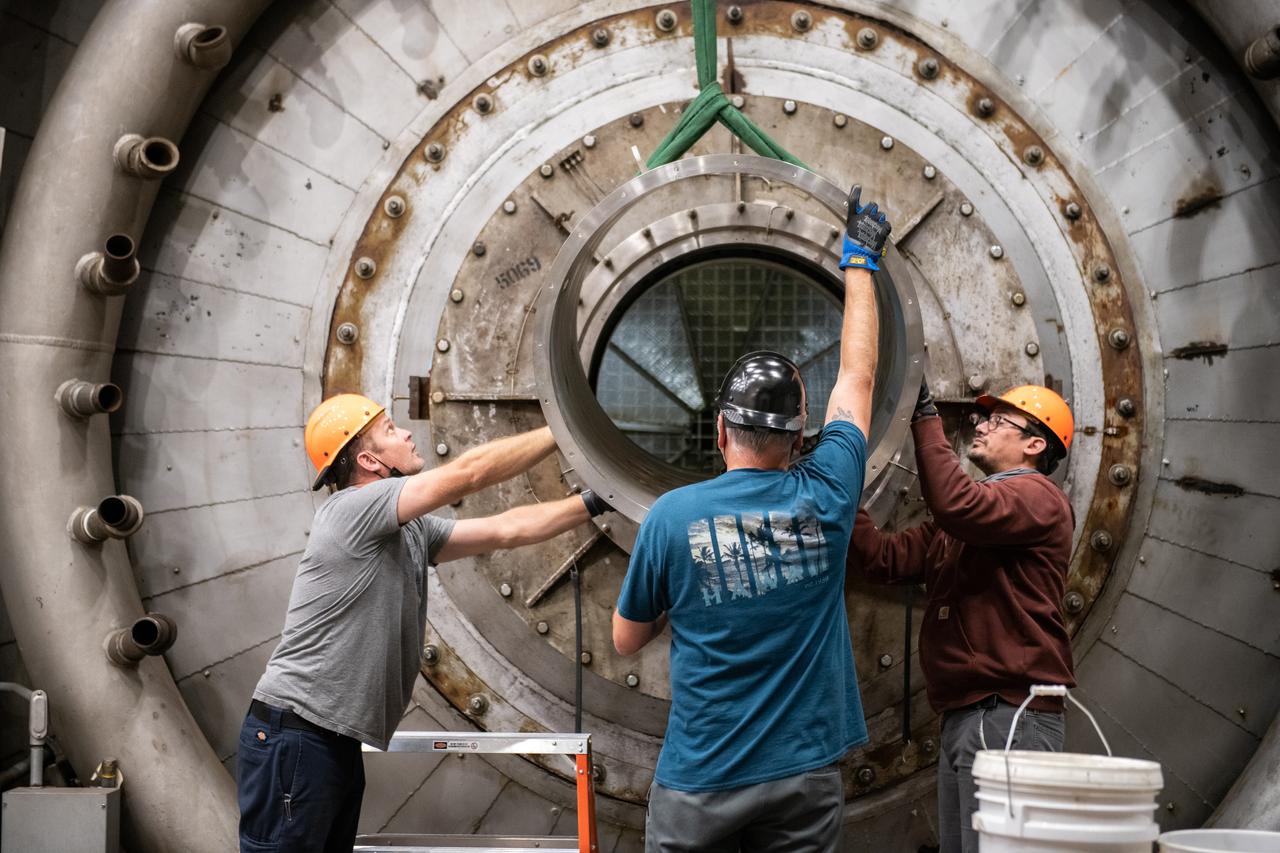
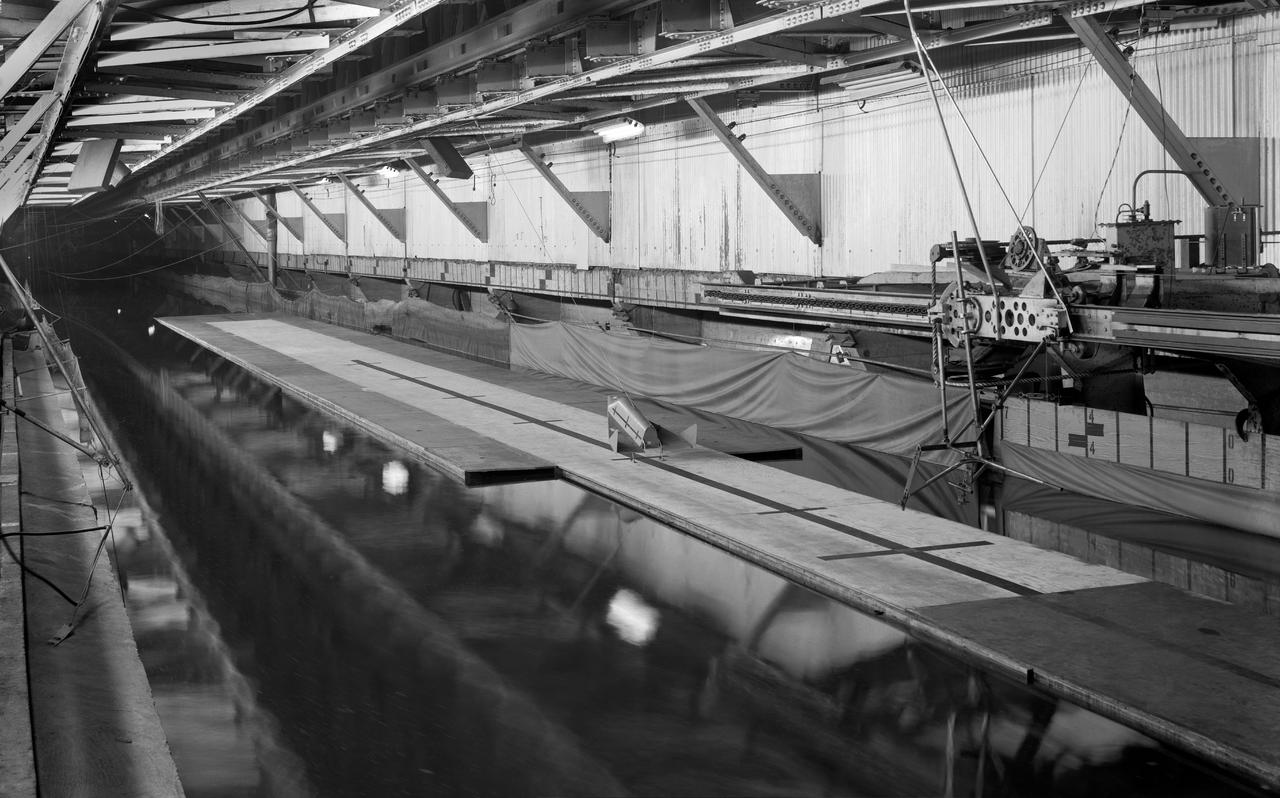
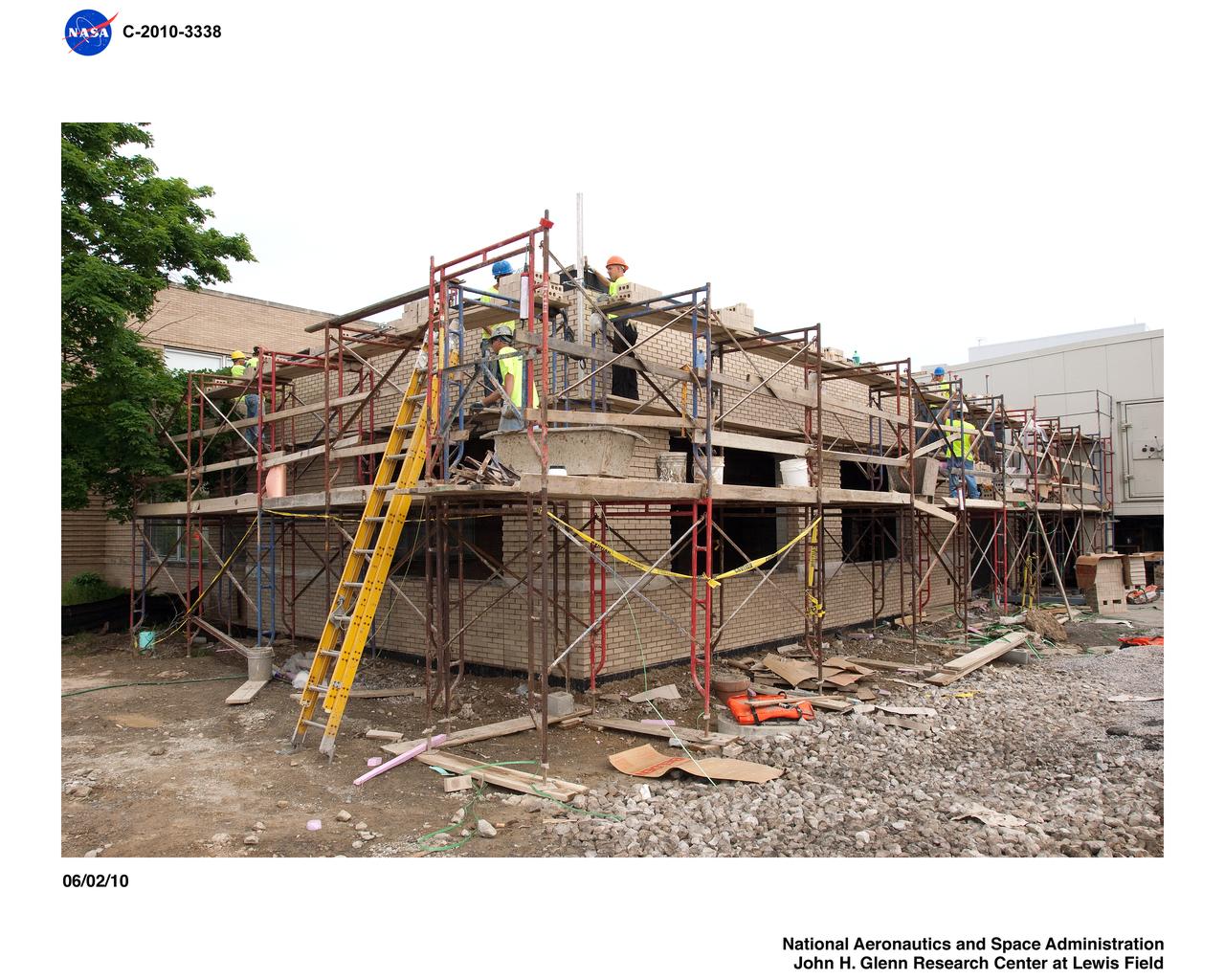
Icing Research Tunnel (IRT) Expansion Addition Construction Documentation
GRC-2010-C-03338
Gun Turrets of XP-35. Test conducted in the NACA 19 foot pressure tunnel LMAL-38560 NACA document.
Gun Turrets of XP-35
B-32 Model Close Up.  Test conducted in the NACA 19 foot pressure tunnel LMAL-38560 NACA document.
B-32 Model Close Up
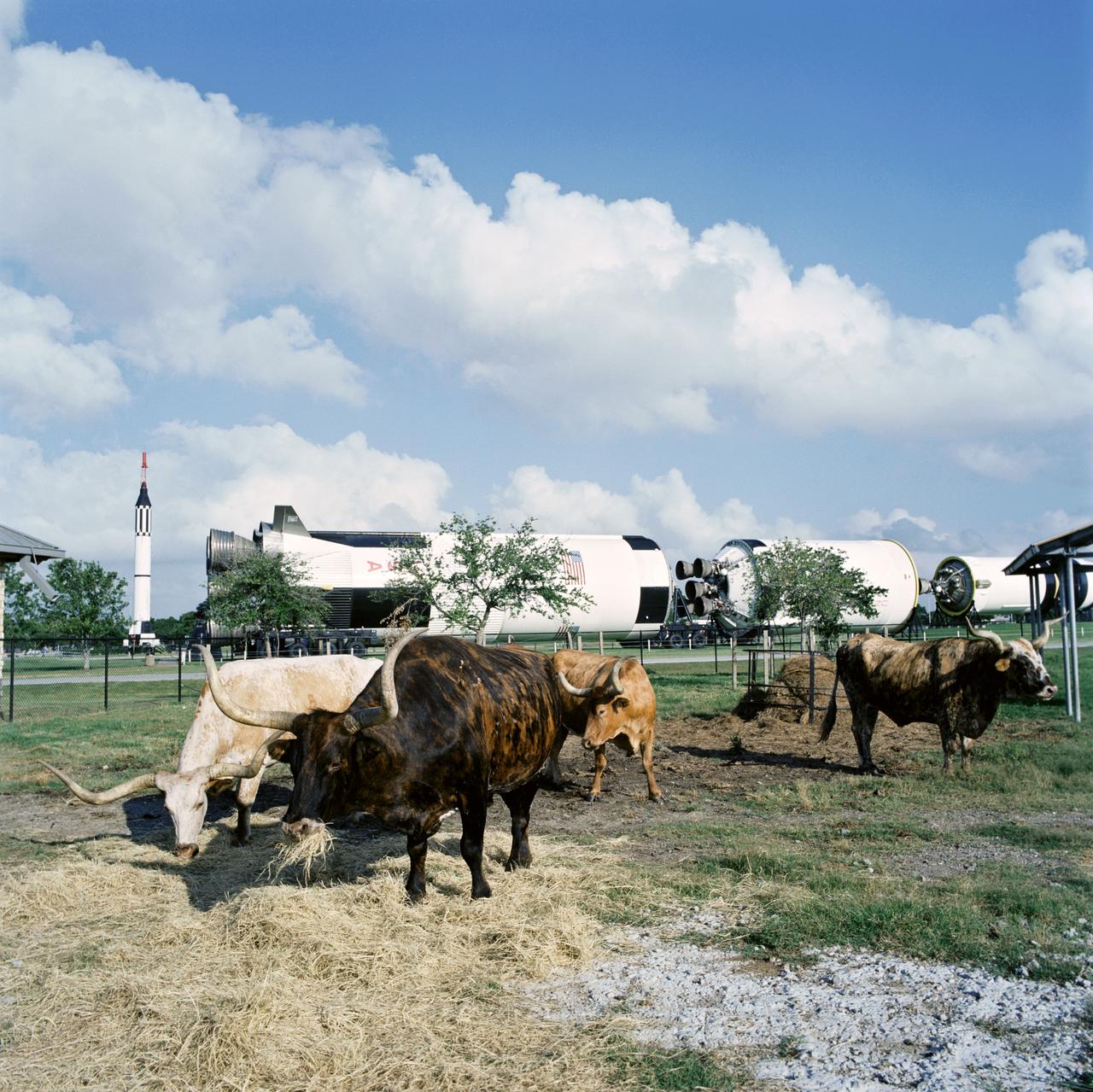
Photographic documentation taken during the opening ceremonies for the Longhorn Project pavilion at JSC. Longhorn cattle graze, with Rocket Park in the background.
Opening ceremonies for the Longhorn Project pavilion
View of a cracker with food topping floating in an ISS modules as documented by the Expedition 36 crew.
Cracker and topping
Detail Shots of B-32 Turret.  Test conducted in the NACA 19 foot pressure tunnel LMAL-38560 NACA document.
Detail Shots of B-32 Turret
B-32 Model Close Up.  Test conducted in the NACA 19 foot pressure tunnel LMAL-38560 NACA document.
B-32 Model Close Up
Detail Shots of B-32 Turret.   Test conducted in the NACA 19 foot pressure tunnel LMAL-38560 NACA document.
Detail Shots of B-32 Turret
Detail Shots of B-32 Turret.  Test conducted in the NACA 19 foot pressure tunnel LMAL-38560 NACA document.
Detail Shots of B-32 Turret
B-32 Model Close Up,  Test conducted in the NACA 19 foot pressure tunnel LMAL-38560 NACA document.
B-32 Model Close Up
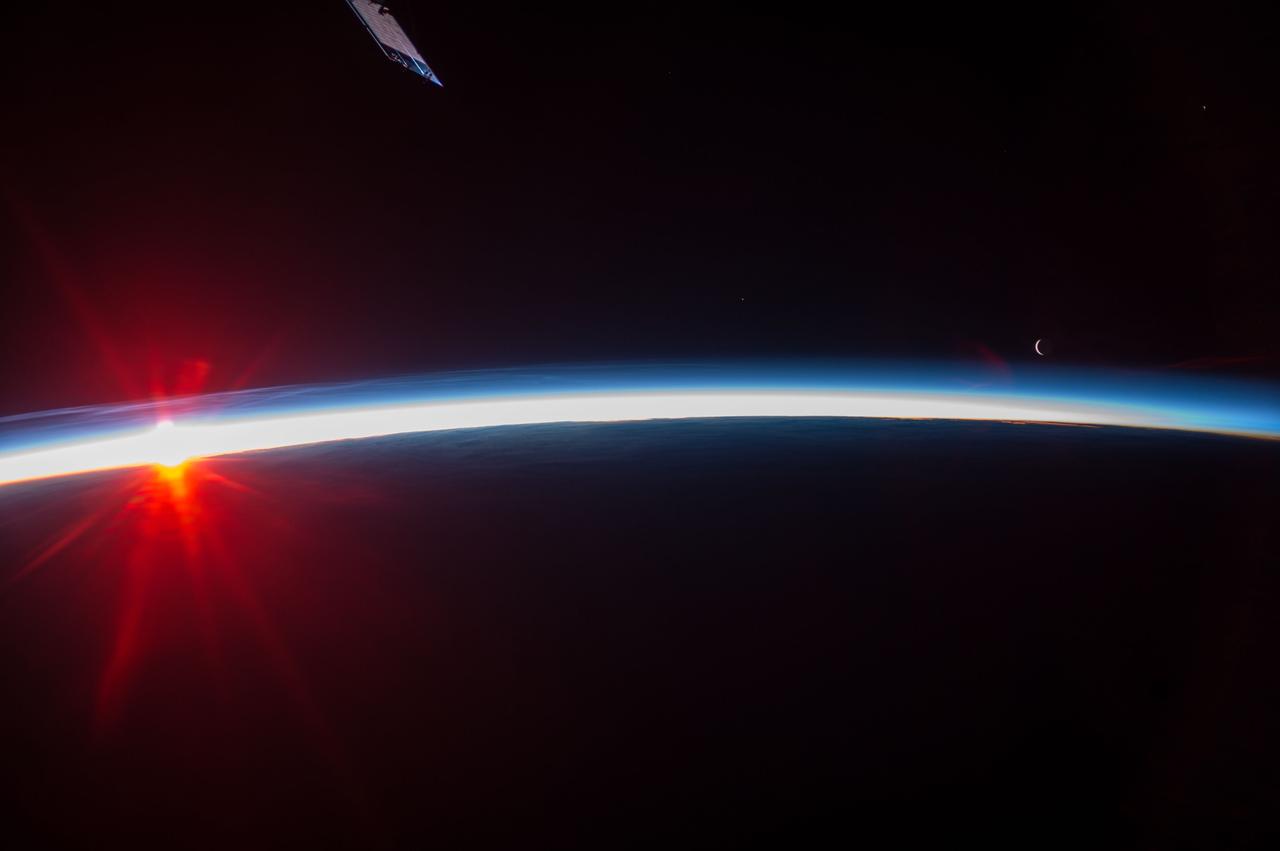
A sunset over the Aleutian Islands,with noctilucent clouds,as documented by the Expedition 36 crew. Per Twitter message: Sunrise and moonrise.
sunset
Photographic documentation showing longhorn cattle which belong to the Longhorn Project in front of the Saturn V in JSC's Rocket Park.
Longhorn cattle in front of the Saturn V in Rocket Park
Detail Shots of B-32 Turret. Test conducted in the NACA 19 foot pressure tunnel LMAL-38560 NACA document.
Detail Shots of B-32 Turret