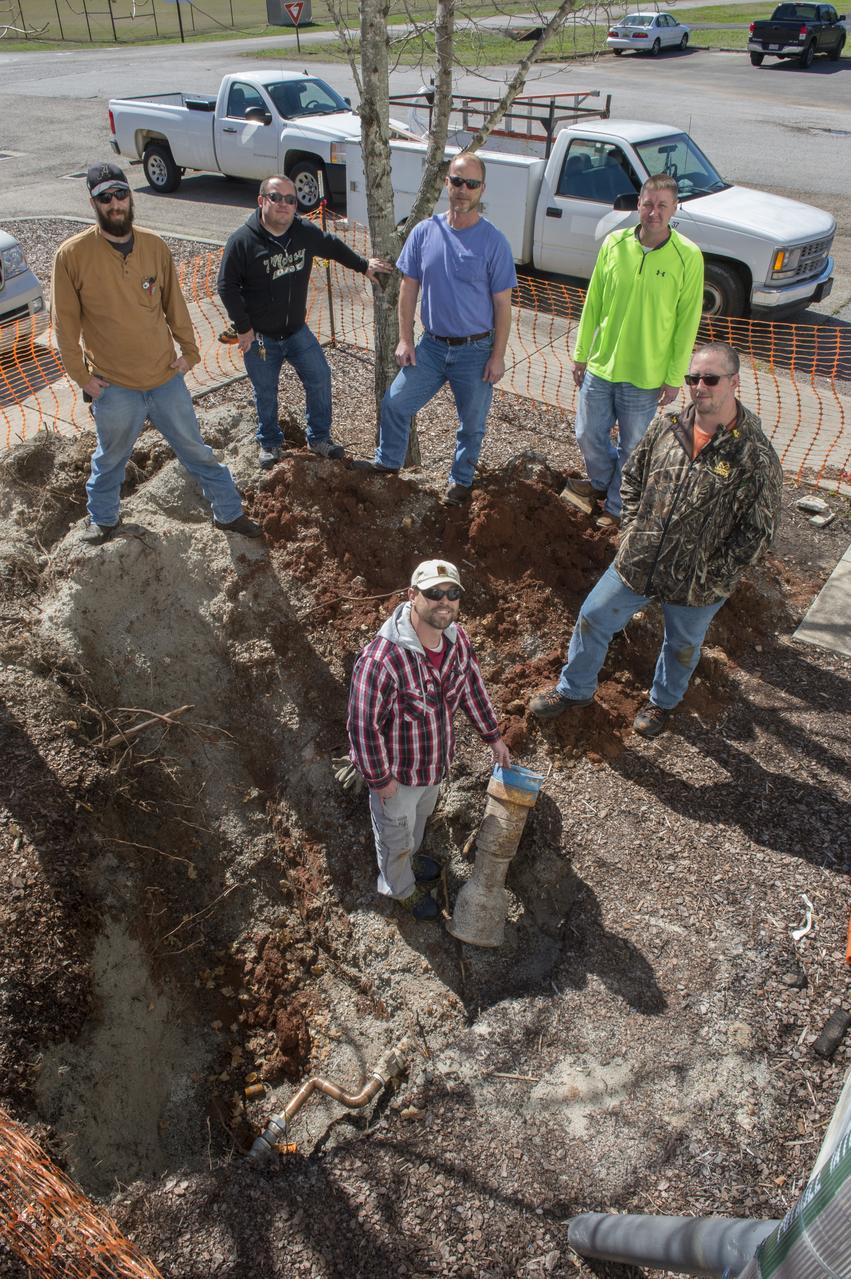
Members of Marshall's Facilities Operations and Maintenance Office team, including, clockwise from left, Robert Drane, Jeremy Holmes, Don Davis, team foreman Dusty Crouch, Wesley Brook and Lucas Broadway, gather to inspect and replace a pipe fitting.
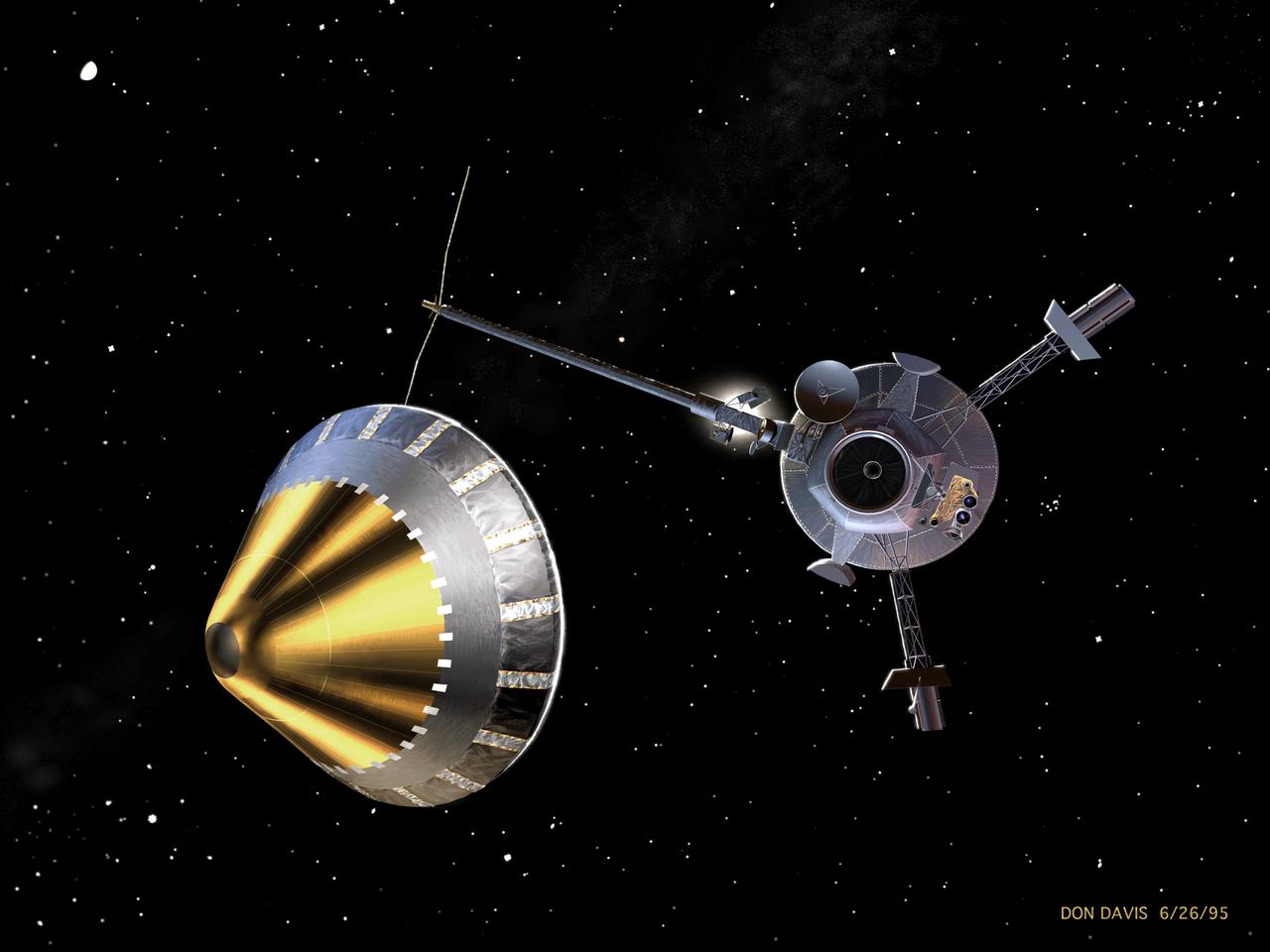
Pioneer Galileo separation (NASA artwork by Don Davis)
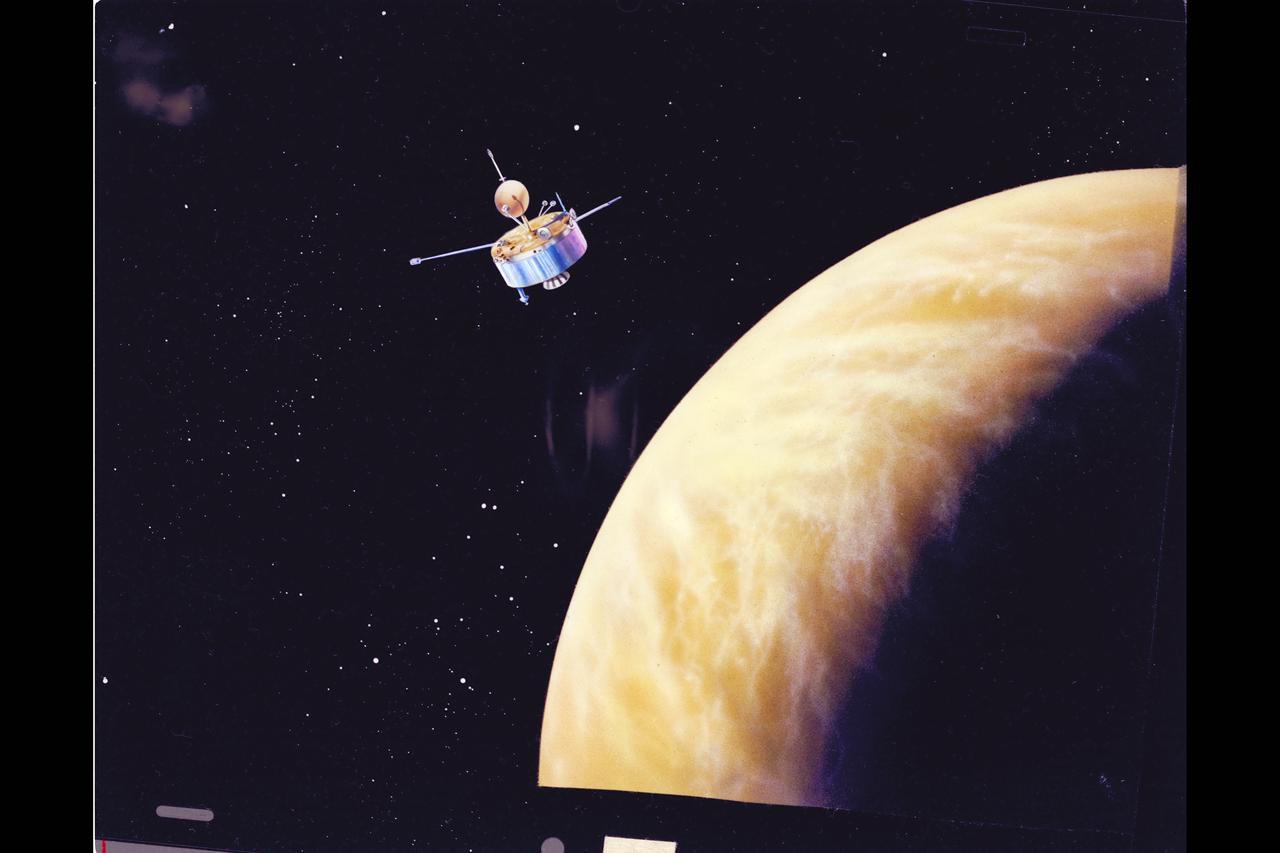
Art By Don Davis Pioneer Venus orbiter in orbit around Venus
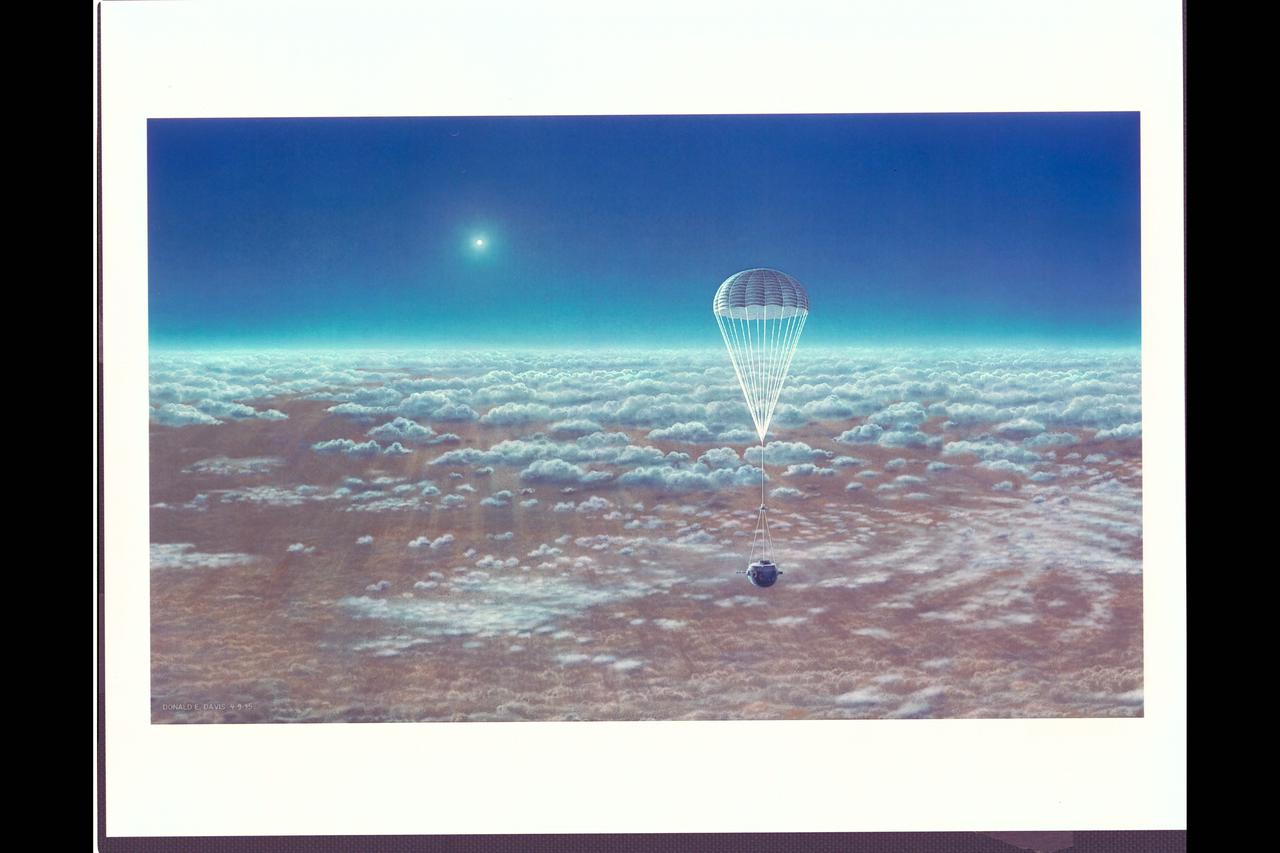
ARTIST: DON DAVIS PIONEER GALILEO PROBE DESCENDS THROUGH JUPITER'S CLOUDS

Interior View of L-5 Torus Sphere Colony. Space Colonization. Artwork by Don Davis
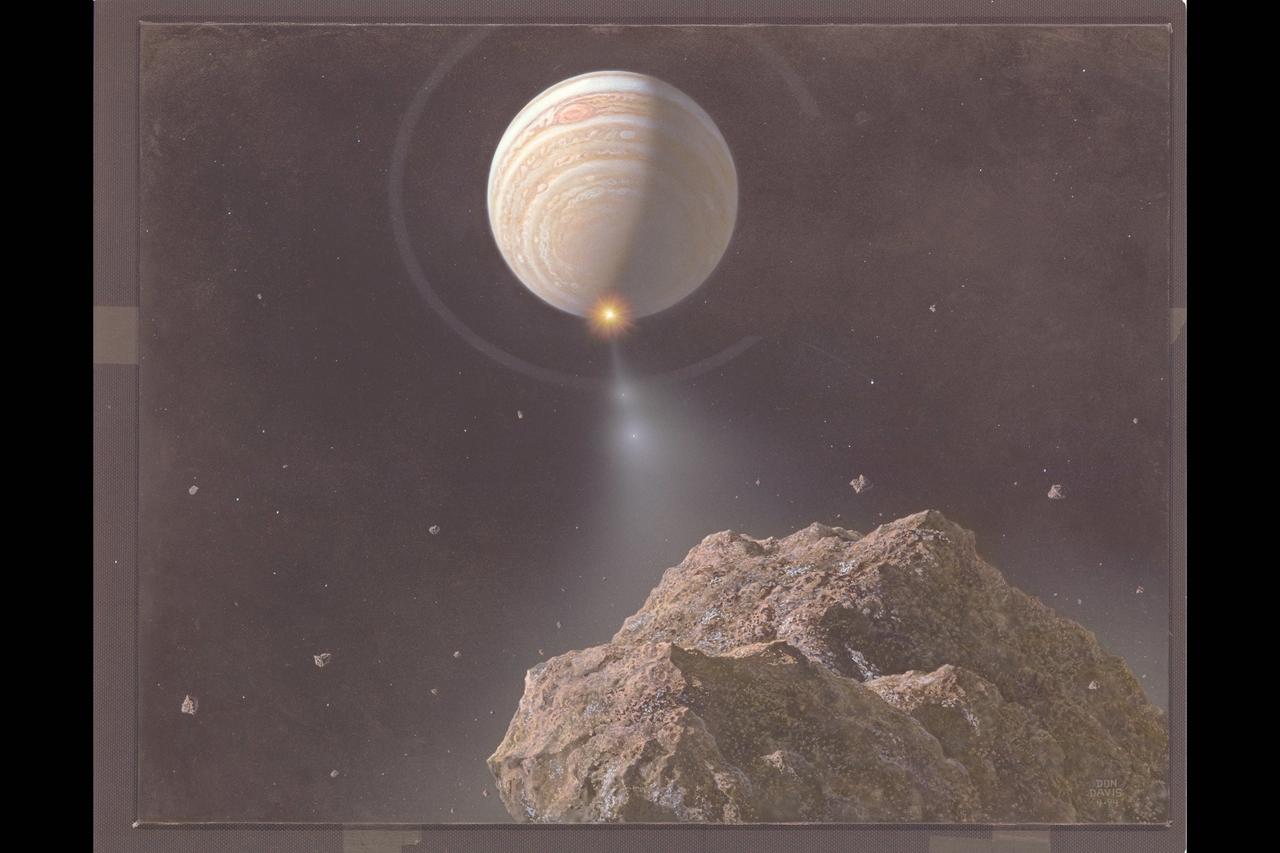
Comet (Artwork by Don Davis) Shoemaker Levy 9 impact on Jupiter (Artwork nucleus chunk view)

Torus sphere Interior view. Space Colonization. Artist: Don Davis ref: NASA SP-413; Space Settlements: A Design Study

Art by Don Davis Pioneer 10 looking back at the Sun from Neptune's orbit as it becomes the first spacecraft to leave the Solar system
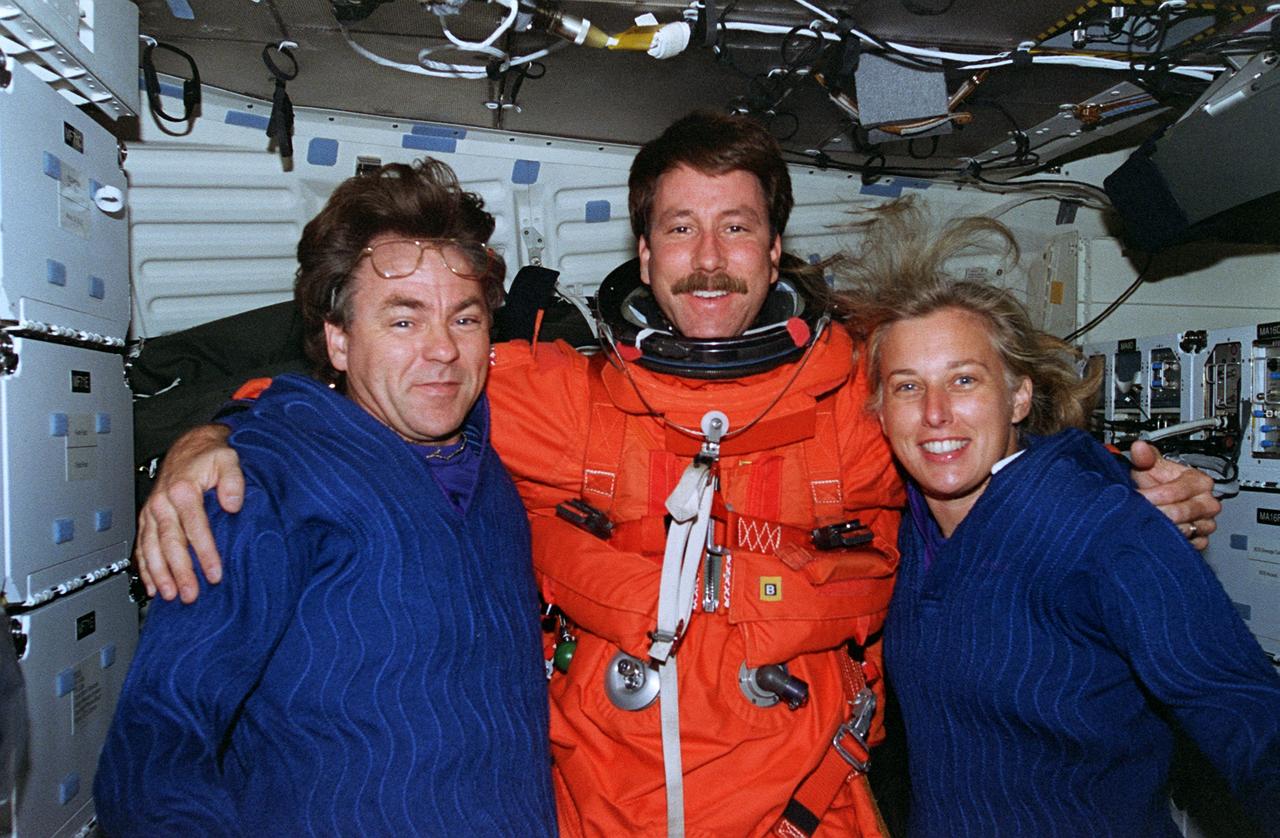
STS085-364-008 (19 August 1997) --- One of the final pictures taken during the STS-85 mission was this frame, exposed on the mid-deck during preparations for the August 19, 1997 entry. Left to right are payload specialist Bjarni V. Tryggvason, with astronauts Kent V. Rominger, pilot, and N. Jan Davis, payload commander. Rominger has already donned his partial pressure launch and entry suit, while Tryggvason and Davis have put on their blue under garments but have yet to don their escape suits.
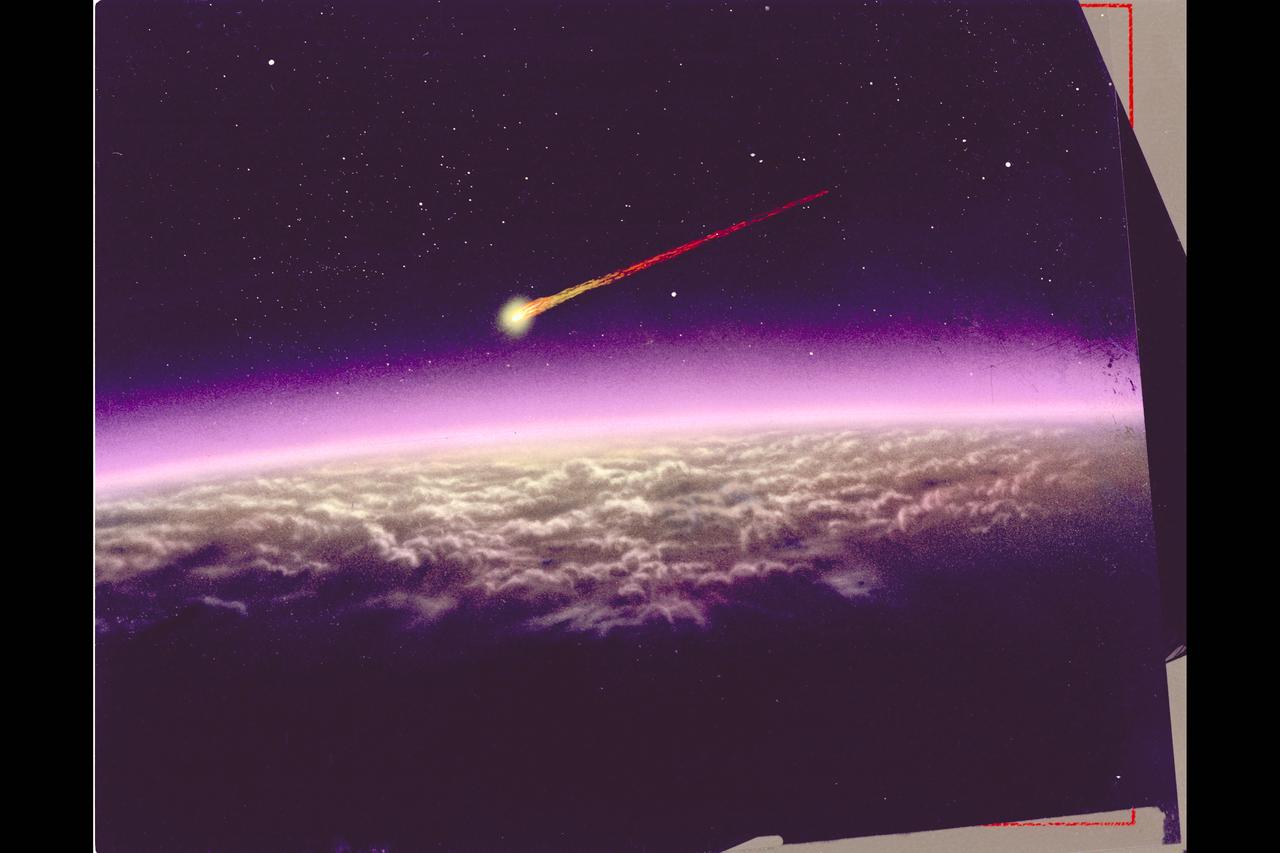
Art By Don Davis As the probes and the bus enter the Venusian atmosphere they glowed briefly like meteorites. The bus as shown in this artisit's rendering, was most spectacular because it did not carry a heat shield; as a result, it burned up completely.

NASA Artwork By: Don Davis Space Colony: Torus Wheel - Large assemblies can be put together in space. On this part of the rim panels of a colony are being fitted in place. The small vehicles are called ANTS for Assembly non-thethered ships
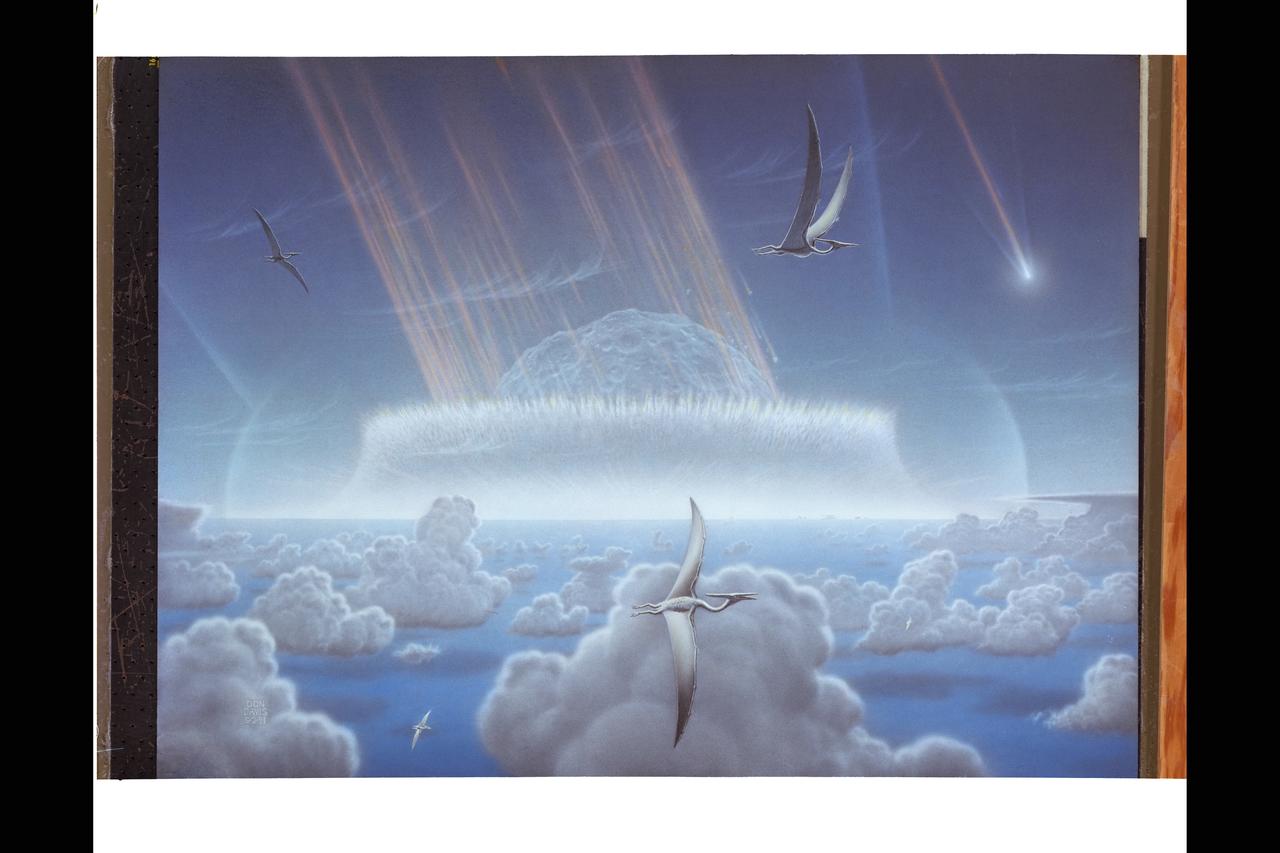
Prehistoric Yucatan Impact Crater: 'The infamous K-T impact event 65 million years ago (64.98 plus or minus 50,000 years), imagined here just as the bolide strikes, as seen by some high flying Pteranodons. Artwork for NASA by Don Davis. Acrylics and airbrush inks on board.' (nicknamed the Dino Killer)
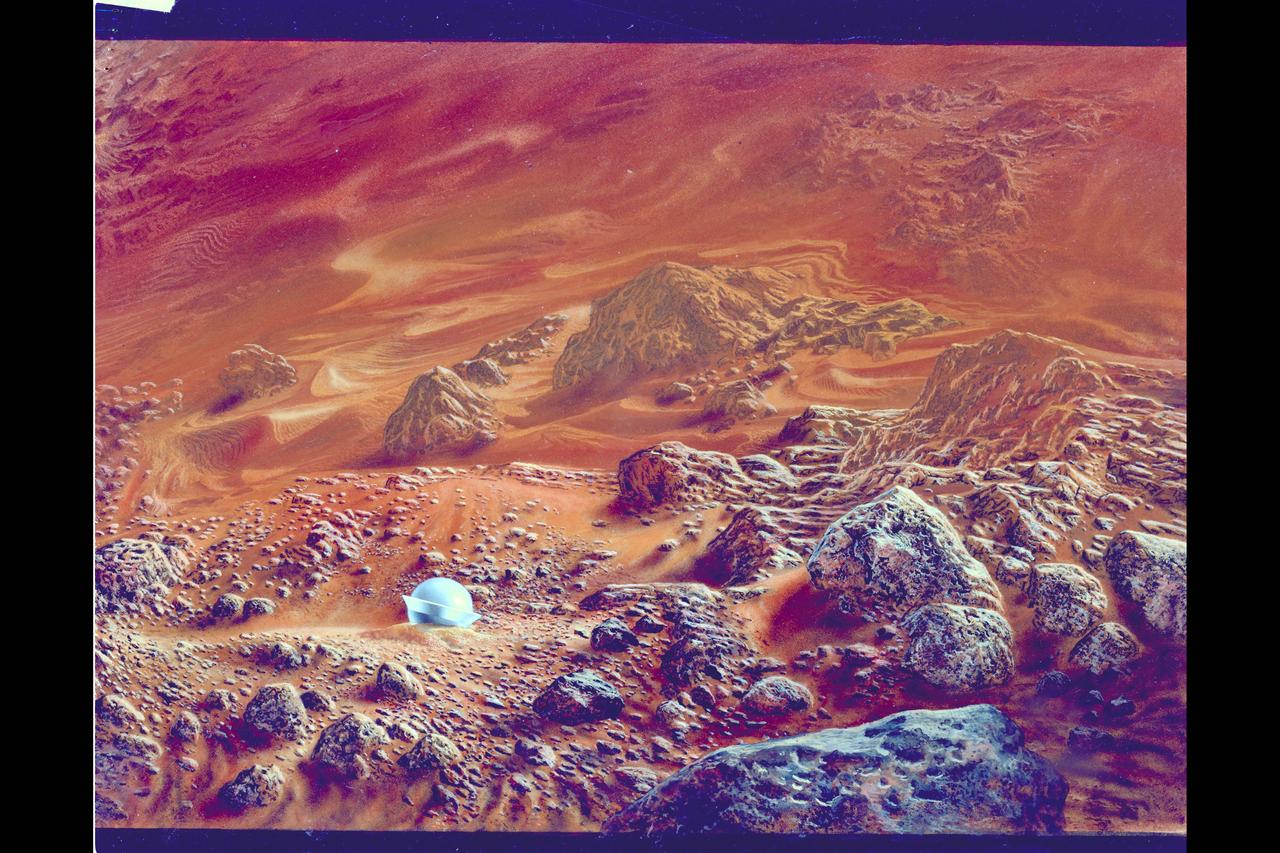
Art By Don Davis Artist's concept of one of the probes on the hot surface of Venus. Although the probes were not designed to withstand impact, there was a chance that one might survive and transmit some data from the surface. A small probe did survive and transmitted data for 67 minutes.
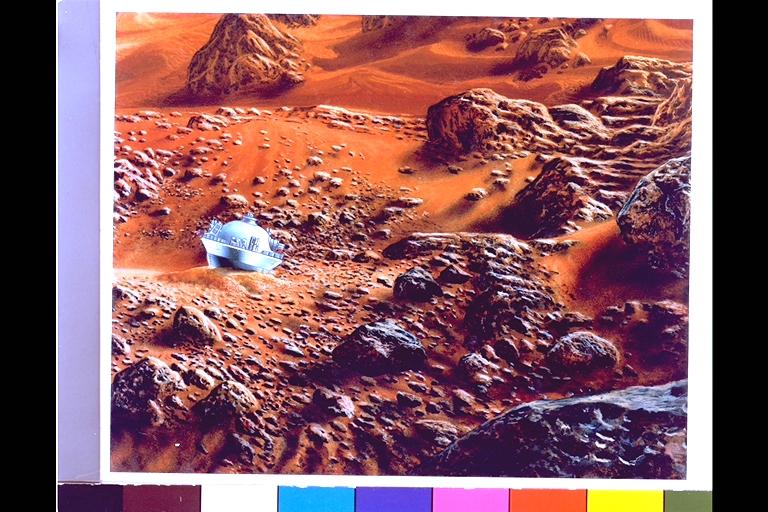
Art By Don Davis Artist's concept of one of the probes on the hot surface of Venus. Although the probes were not designed to withstand impact, there was a chance that one might survive and transmit some data from the surface. A small probe did survive and transmitted data for 67 minutes.
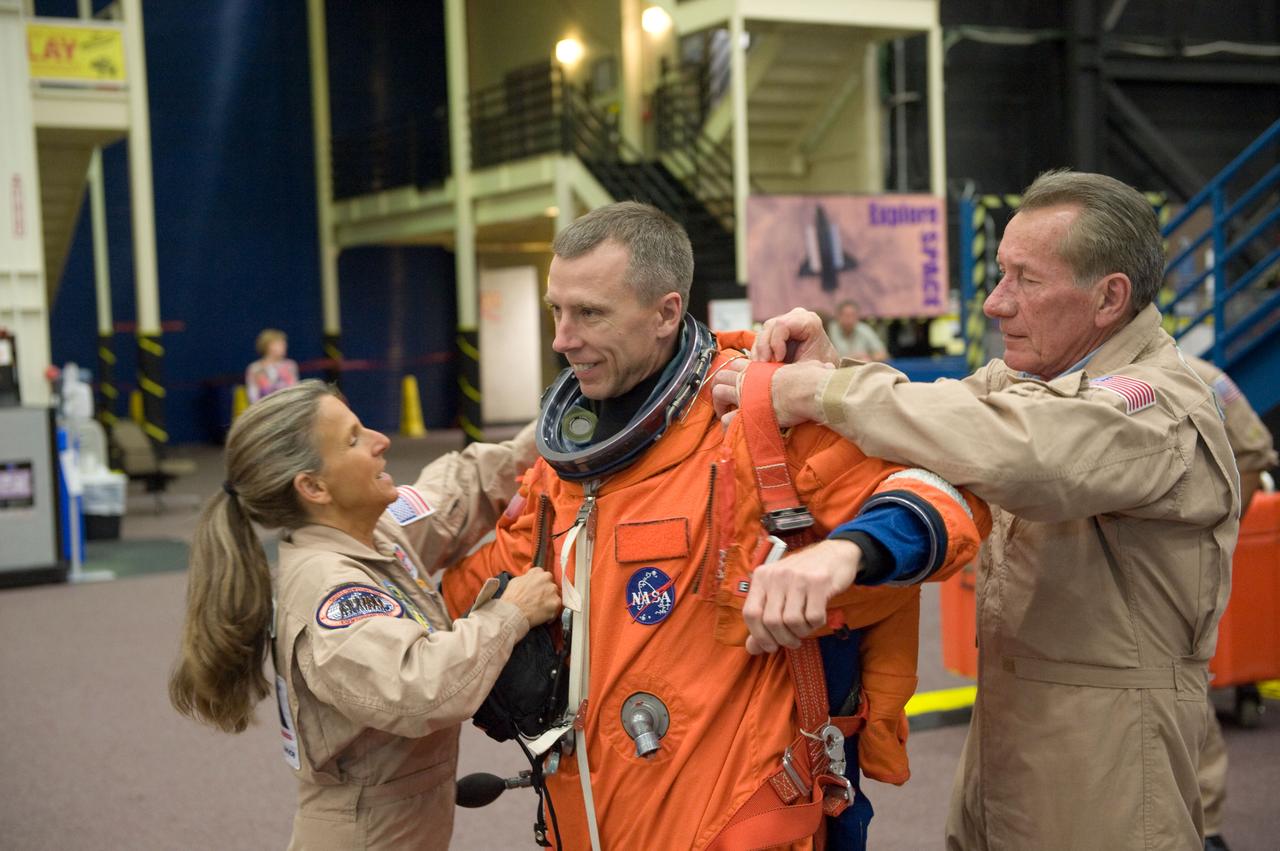
JSC2010-E-051959 (12 April 2010) --- NASA astronaut Andrew Feustel, STS-134 mission specialist, dons a training version of his shuttle launch and entry suit in preparation for a post insertion/de-orbit training session in the Space Vehicle Mock-up Facility at NASA's Johnson Space Center. United Space Alliance suit technicians Toni Cost-Davis and Jim Cheatham assisted Feustel.
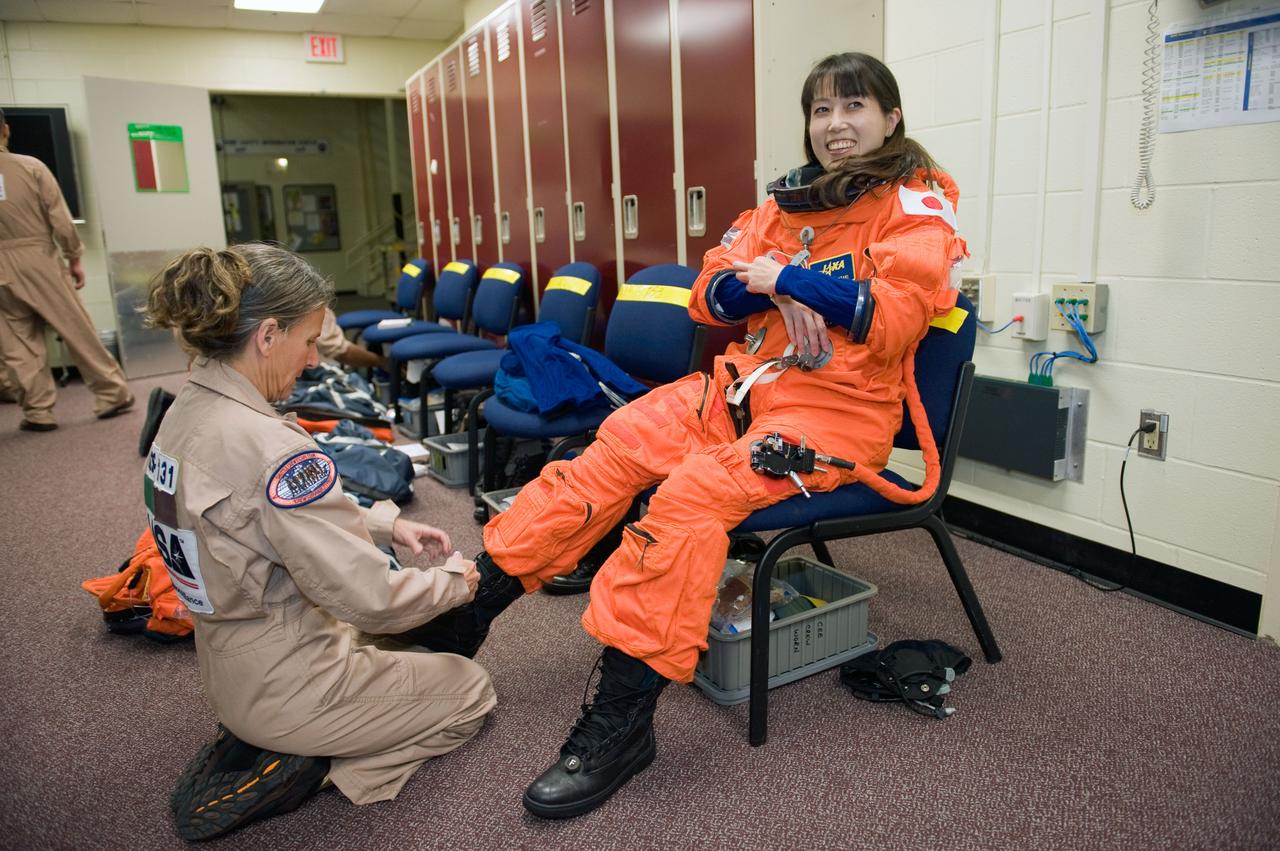
JSC2009-E-287960 (9 Dec. 2009) --- Japan Aerospace Exploration Agency (JAXA) astronaut Naoko Yamazaki, STS-131 mission specialist, dons a training version of her shuttle launch and entry suit in preparation for a training session in the Space Vehicle Mock-up Facility at NASA's Johnson Space Center. United Space Alliance suit technician Toni Cost-Davis assisted Yamazaki.
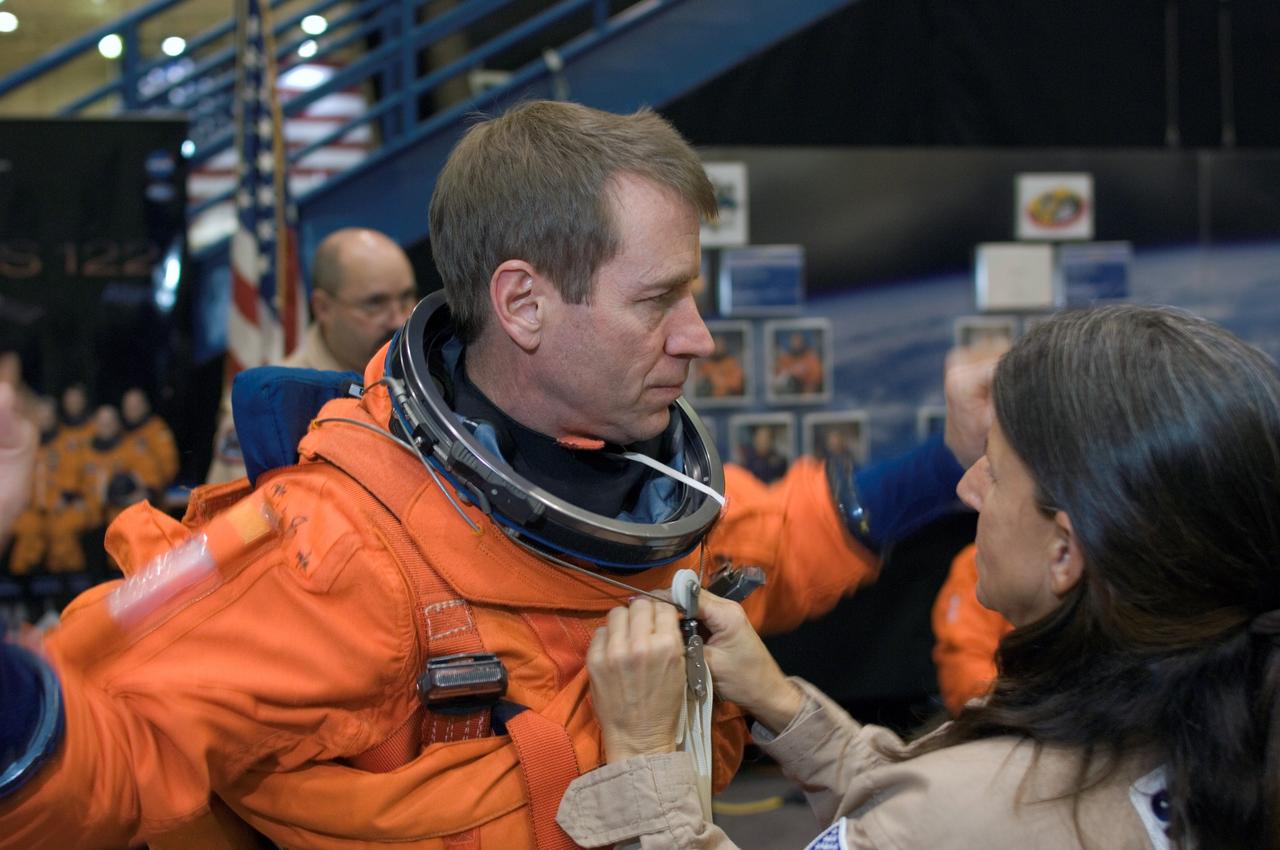
JSC2008-E-008451 (29 Jan. 2008) --- Astronaut Gregory C. Johnson, STS-125 pilot, dons a training version of his shuttle launch and entry suit in preparation for a training session in the Space Vehicle Mockup Facility at Johnson Space Center. United Space Alliance (USA) suit technician Toni Cost-Davis assisted Johnson.
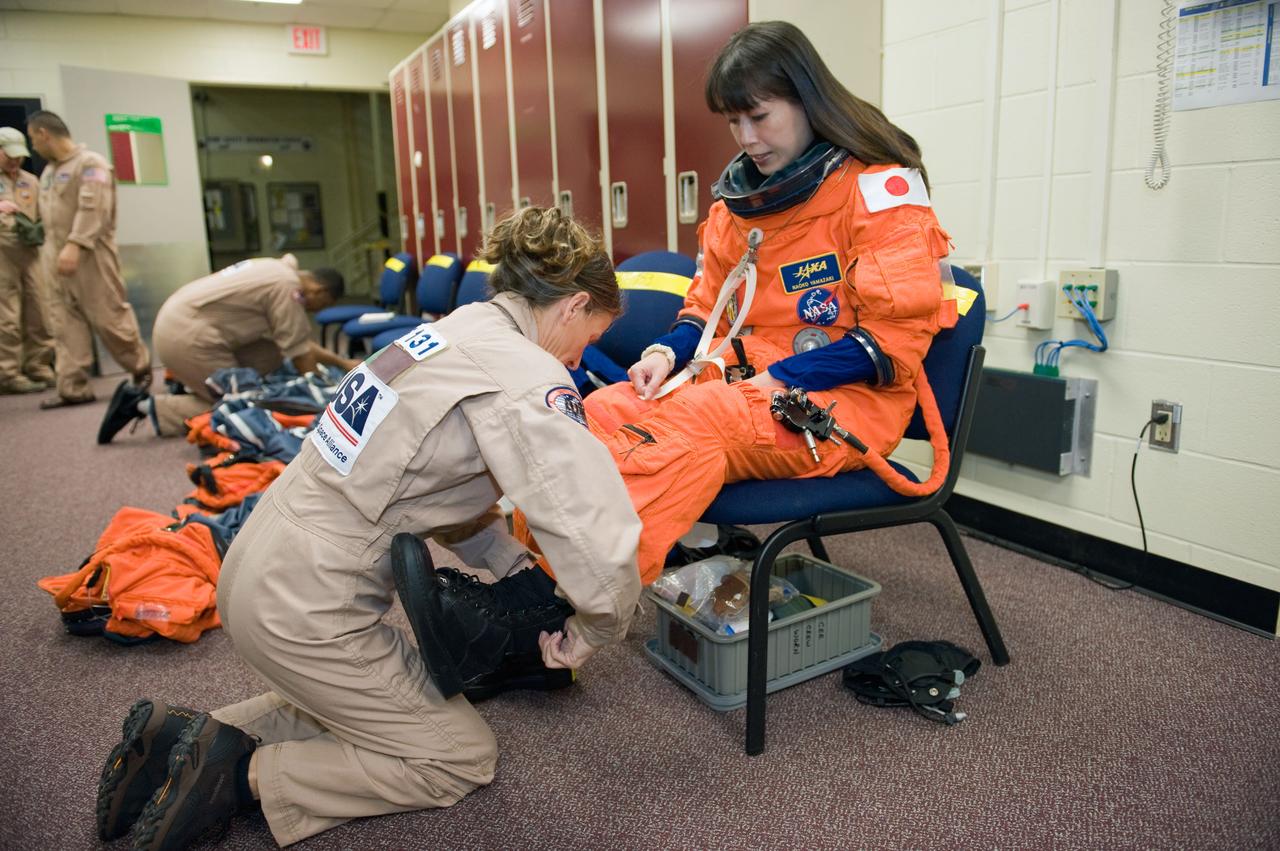
JSC2009-E-287959 (9 Dec. 2009) --- Japan Aerospace Exploration Agency (JAXA) astronaut Naoko Yamazaki, STS-131 mission specialist, dons a training version of her shuttle launch and entry suit in preparation for a training session in the Space Vehicle Mock-up Facility at NASA's Johnson Space Center. United Space Alliance suit technician Toni Cost-Davis assisted Yamazaki.
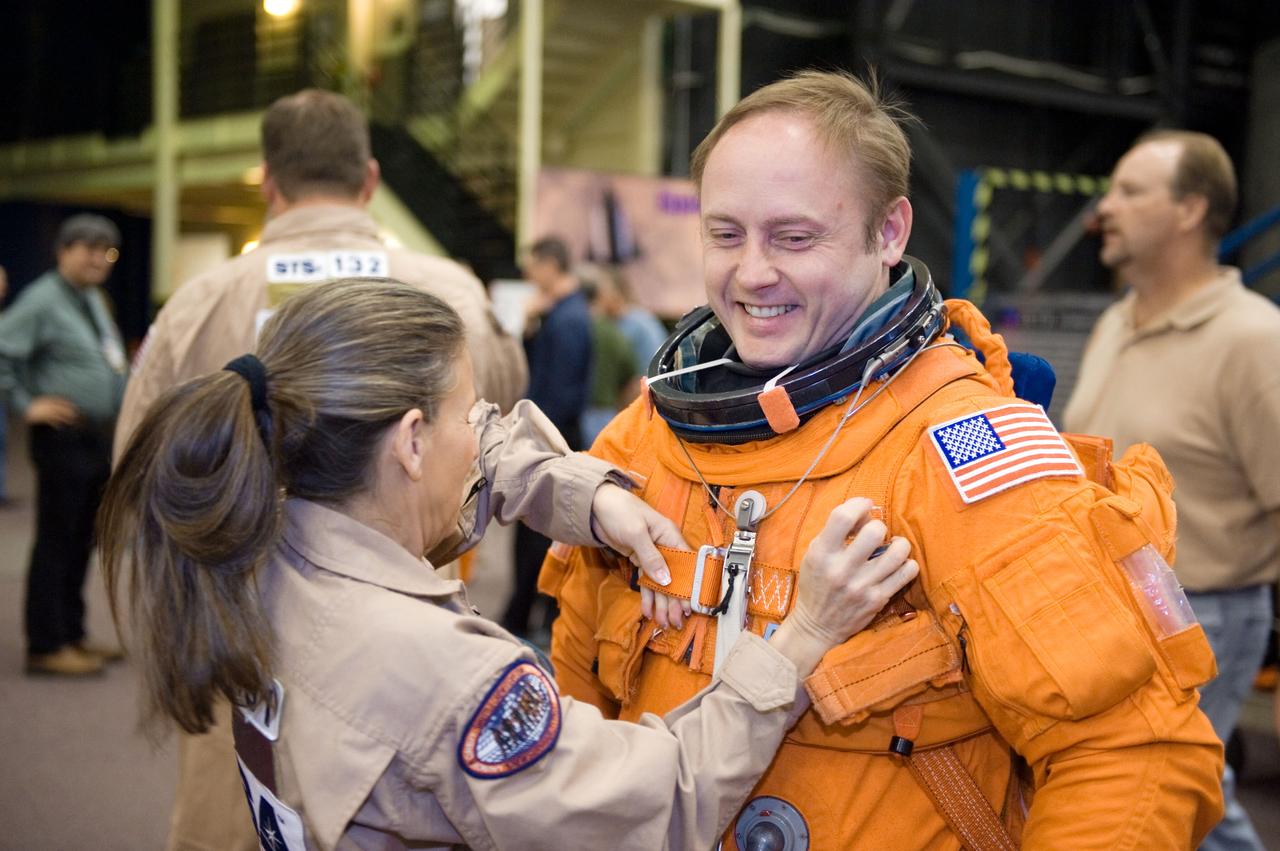
JSC2010-E-018584 (3 Feb. 2010) --- NASA astronaut Michael Fincke, STS-134 mission specialist, dons a training version of his shuttle launch and entry suit in preparation for a training session in the Space Vehicle Mock-up Facility at NASA?s Johnson Space Center. United Space Alliance suit technician Toni Cost-Davis assisted Fincke.
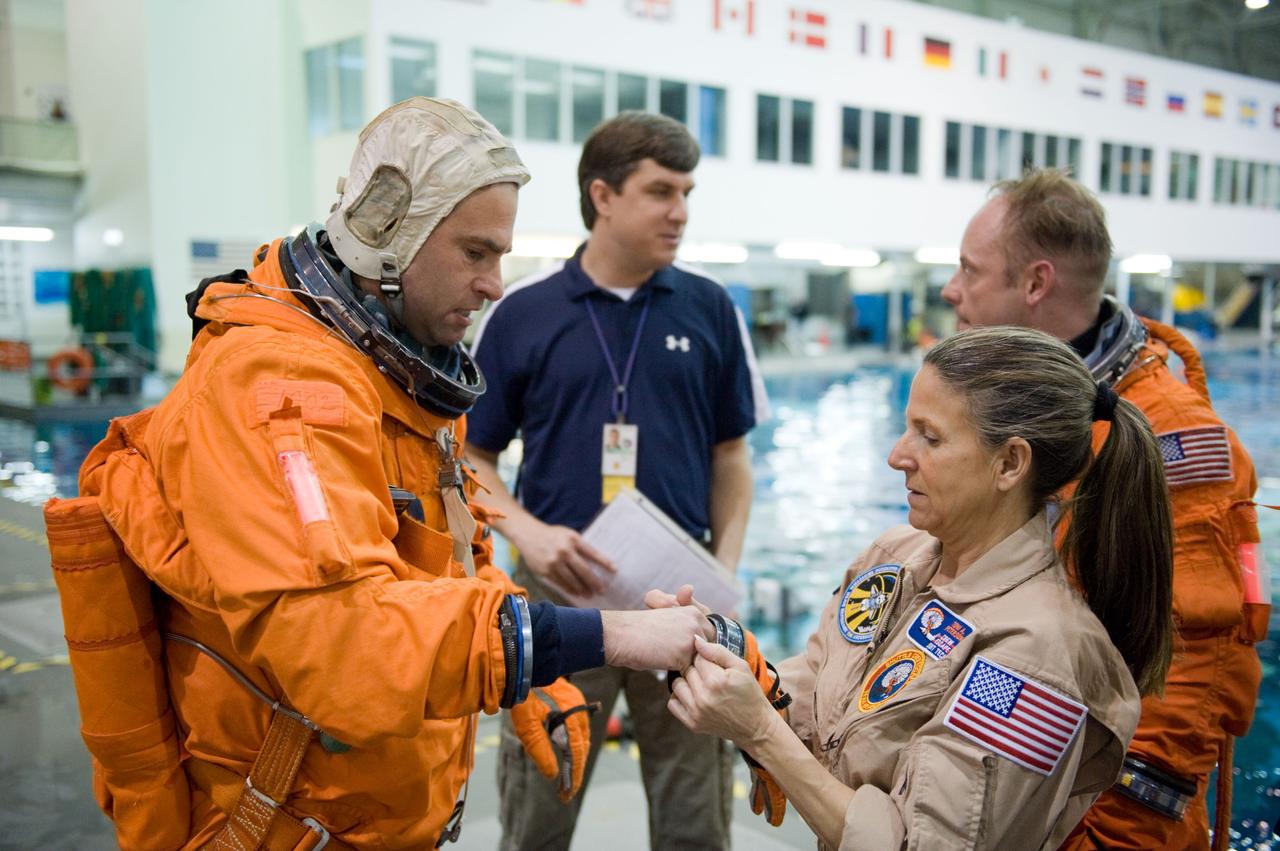
JSC2010-E-025726 (23 Feb. 2010) --- NASA astronaut Greg Chamitoff, STS-134 mission specialist, dons a training version of his shuttle launch and entry suit in preparation for a water survival training session in the Neutral Buoyancy Laboratory (NBL) near NASA's Johnson Space Center. United Space Alliance suit technician Toni Cost-Davis assisted Chamitoff. Astronaut Michael Fincke, mission specialist, is visible at right background.
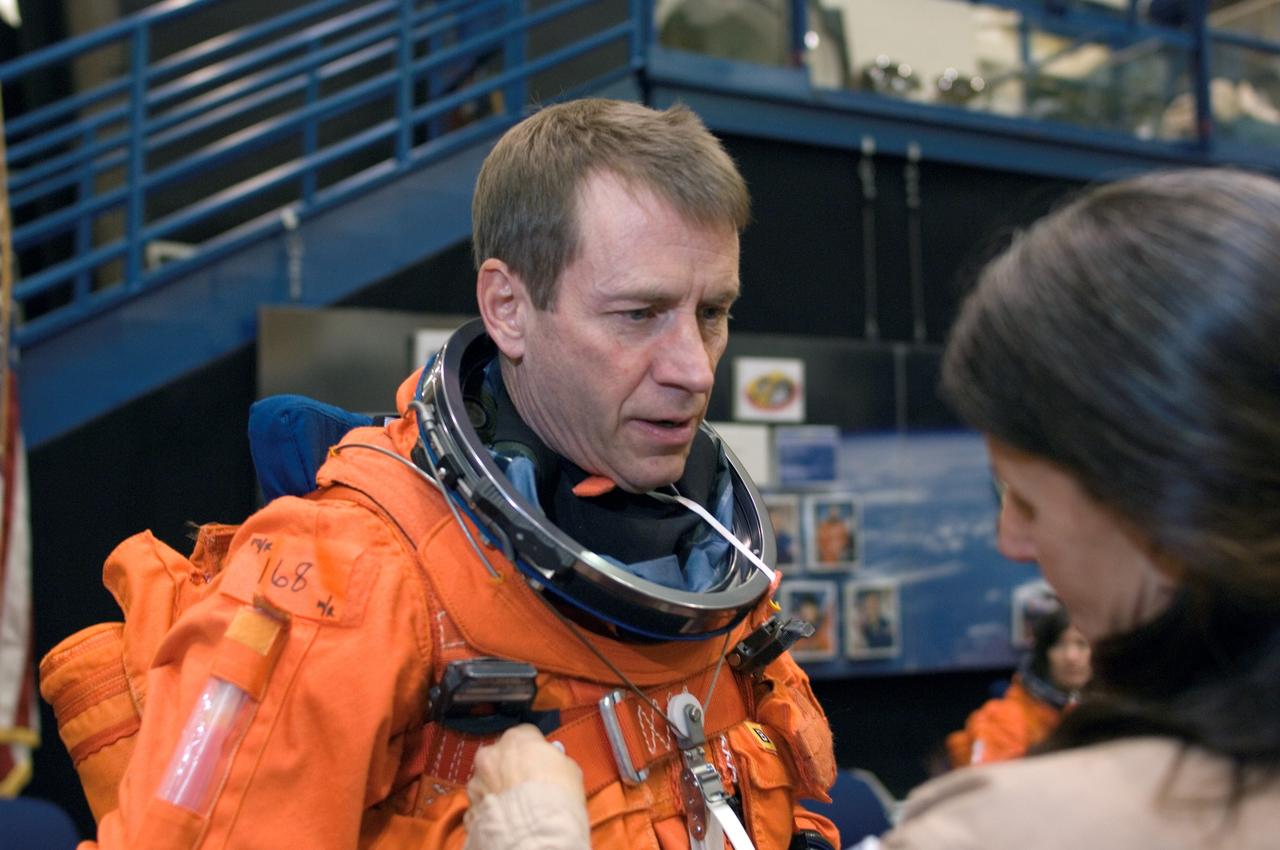
JSC2008-E-008454 (29 Jan. 2008) --- Astronaut Gregory C. Johnson, STS-125 pilot, dons a training version of his shuttle launch and entry suit in preparation for a training session in the Space Vehicle Mockup Facility at Johnson Space Center. United Space Alliance (USA) suit technician Toni Cost-Davis assisted Johnson.
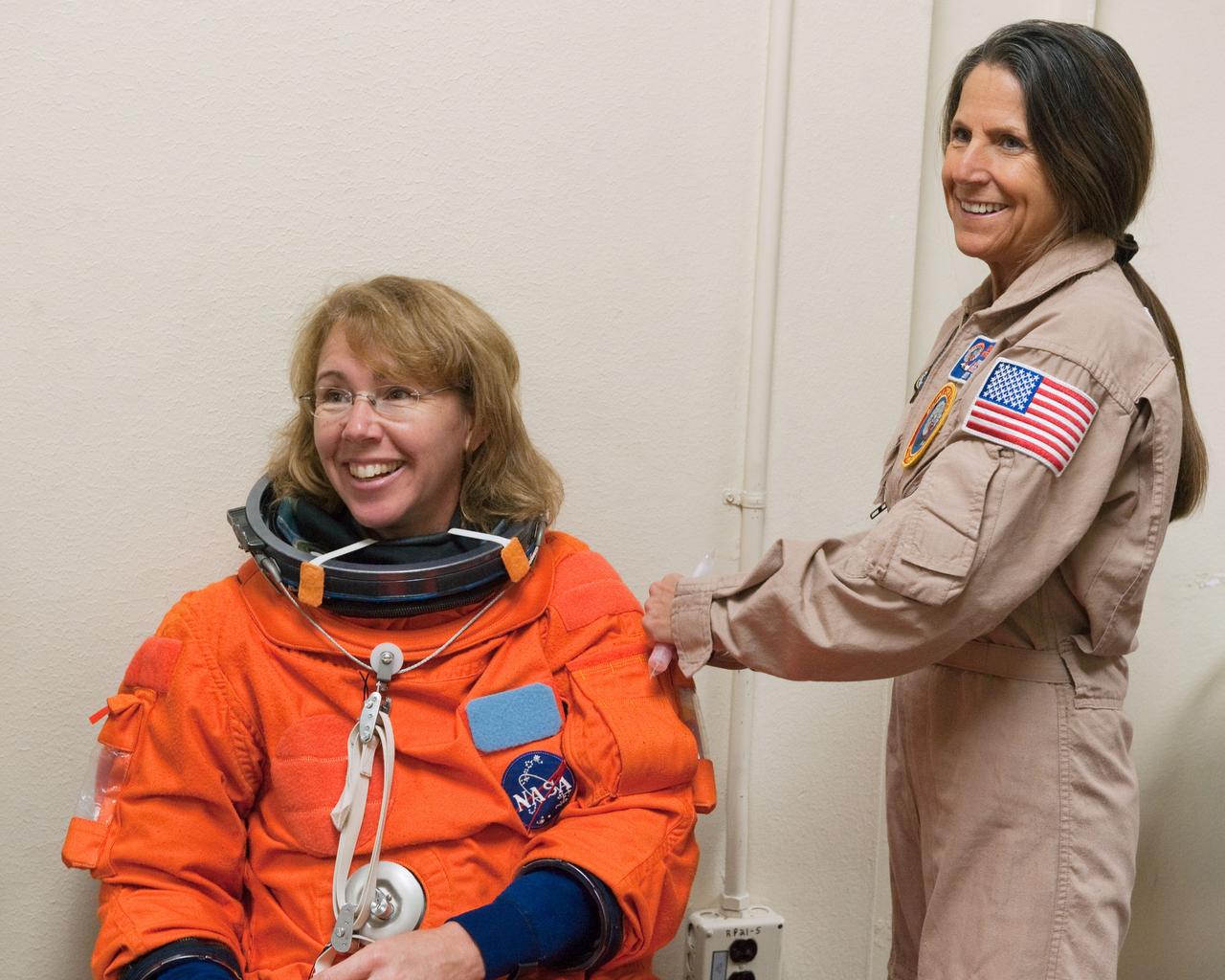
JSC2011-E-023112 (2 March 2011) --- NASA astronaut Sandy Magnus, STS-135 mission specialist, dons a training version of her shuttle launch and entry suit in preparation for a training session in the fixed-base shuttle mission simulator (SMS) in the Jake Garn Simulation and Training Facility at NASA's Johnson Space Center. Suit technician Toni Cost-Davis assisted Magnus. Photo credit: NASA or National Aeronautics and Space Administration
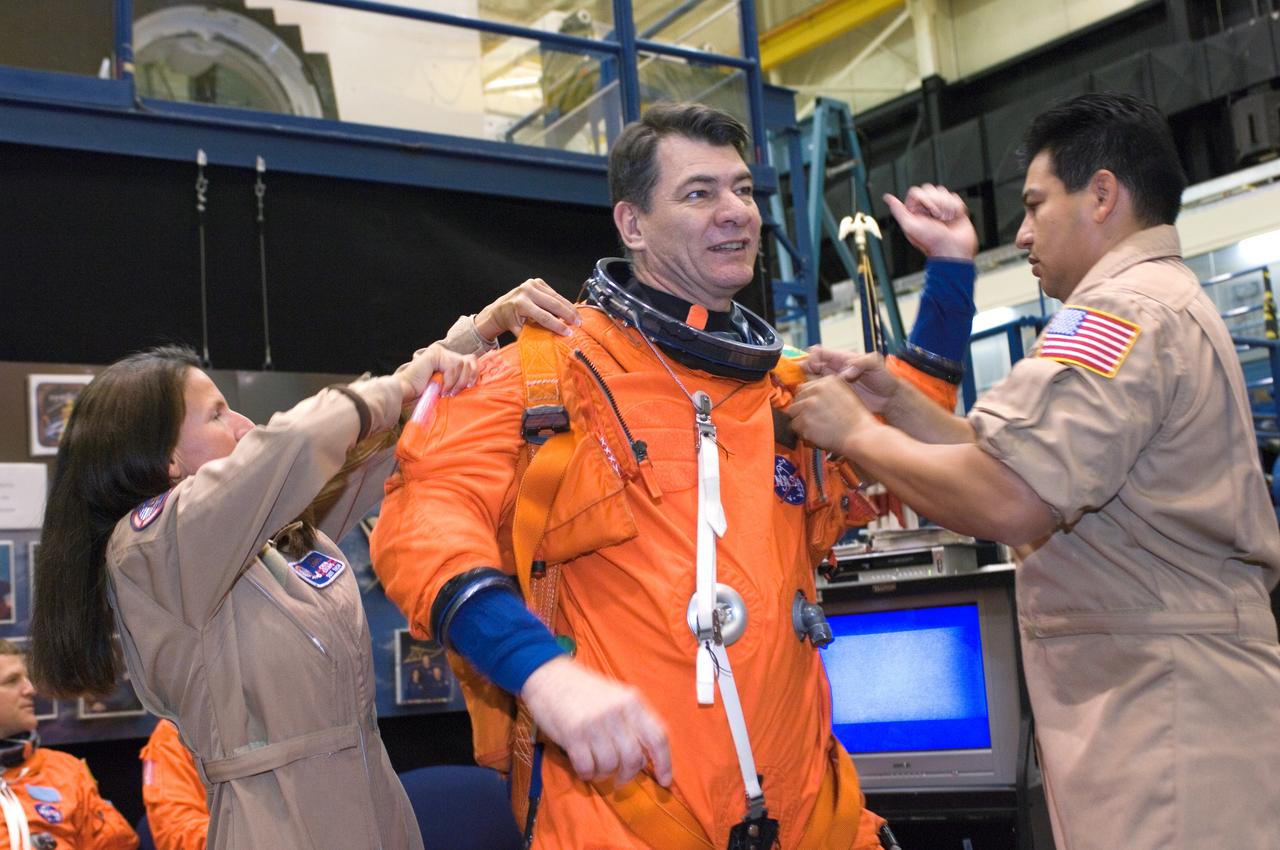
JSC2007-E-18065 (9 April 2007) --- European Space Agency (ESA) astronaut Paolo Nespoli, STS-120 mission specialist, dons a training version of his shuttle launch and entry suit in preparation for a training session in the Space Vehicle Mockup Facility at the Johnson Space Center. United Space Alliance suit technicians Toni Cost-Davis (left) and Ryan Carabaja assisted Nespoli.
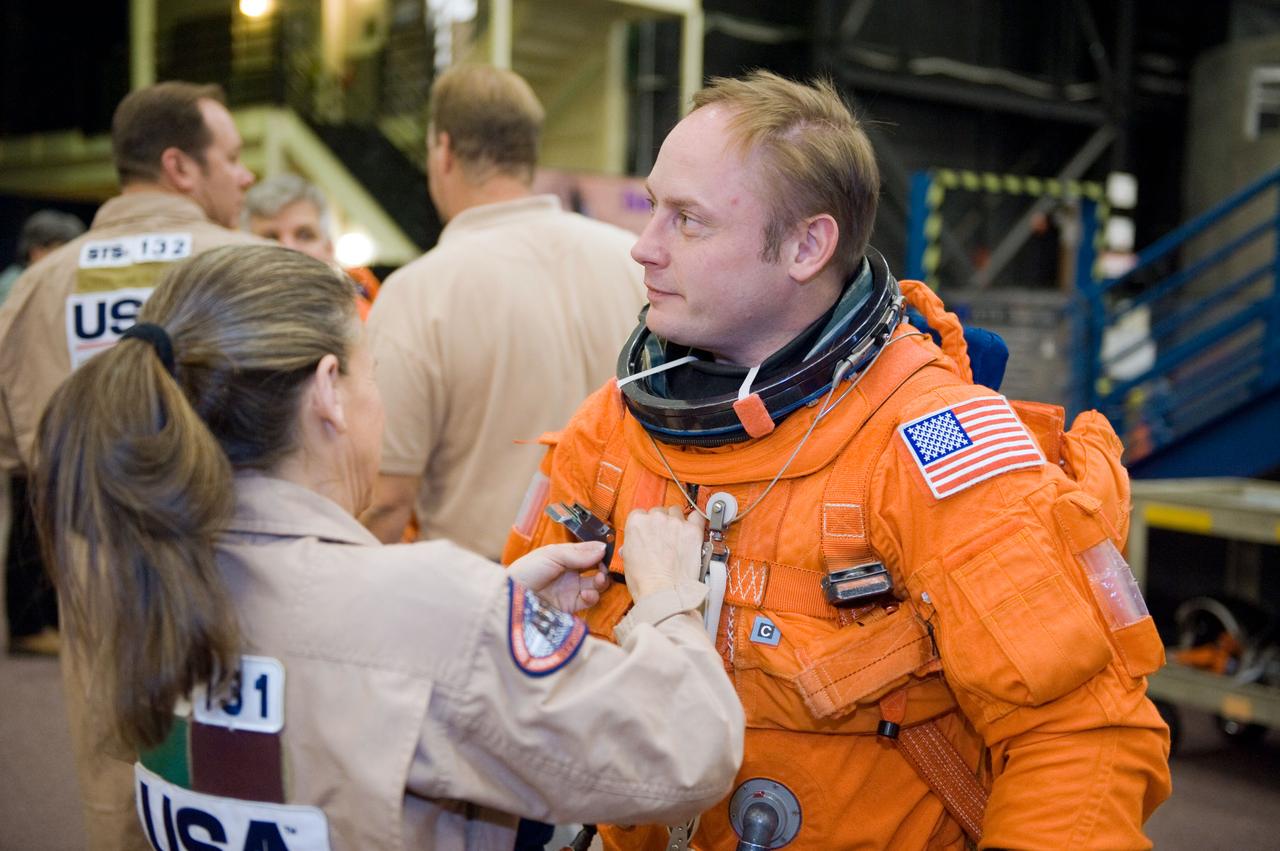
JSC2010-E-018585 (3 Feb. 2010) --- NASA astronaut Michael Fincke, STS-134 mission specialist, dons a training version of his shuttle launch and entry suit in preparation for a training session in the Space Vehicle Mock-up Facility at NASA?s Johnson Space Center. United Space Alliance suit technician Toni Cost-Davis assisted Fincke.
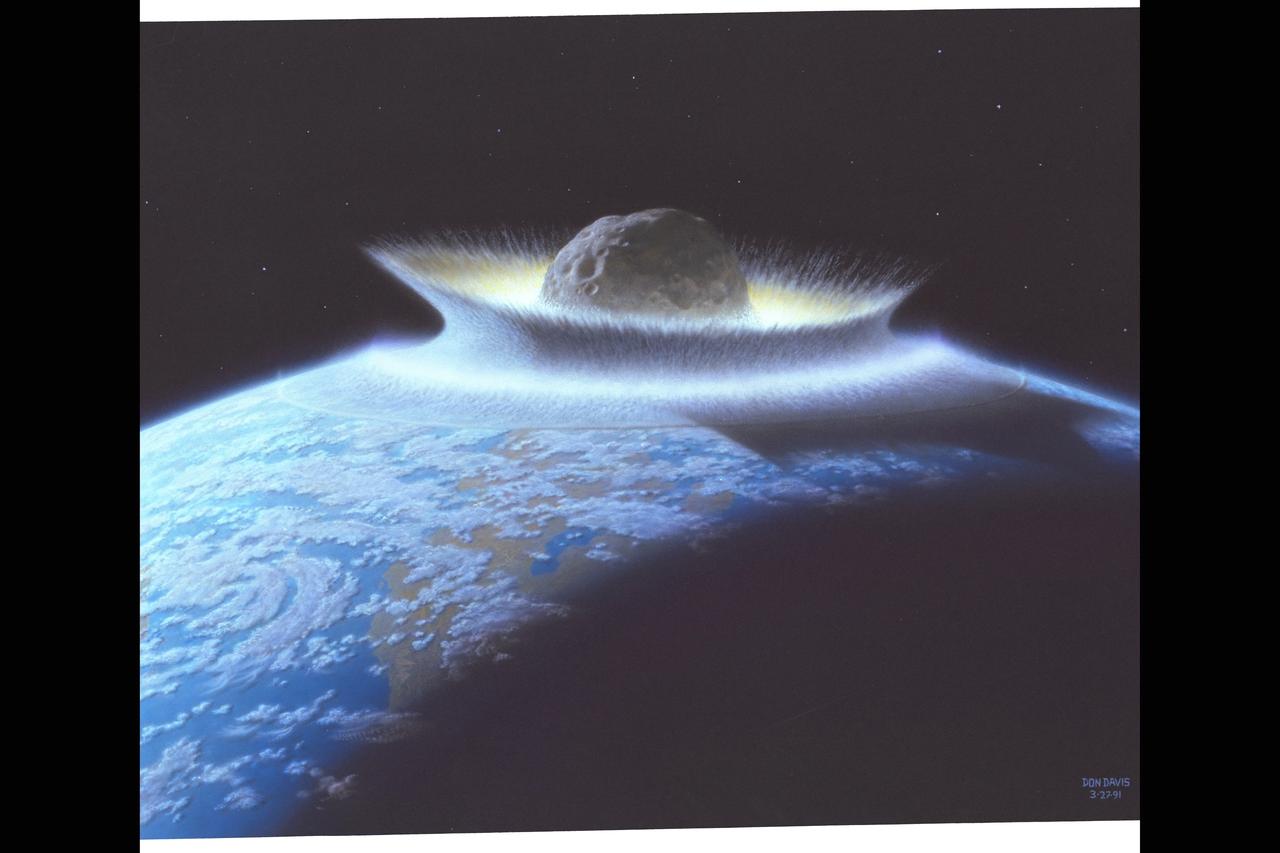
Art By: Don Davis Artist's concept of a catastrophic asteroid impact with the Earth Super-impacts (shown here) on the early Earth 3.5 billion years ago, may have wiped out life completely more than once. Medium impacts would have vaporized upper ocean layers destroying origin-of-life process. Some life may have survived at med-ocean ridges under thousands of feet of water. Revised history for the origin-of -life on Earth has been devoloped from new findings about the frequency and sizes of colossal impacts on our planet. The work was done by Bern Oberbeck and Dr. Kevin Azhnle. of NASA's Ames Research Center.
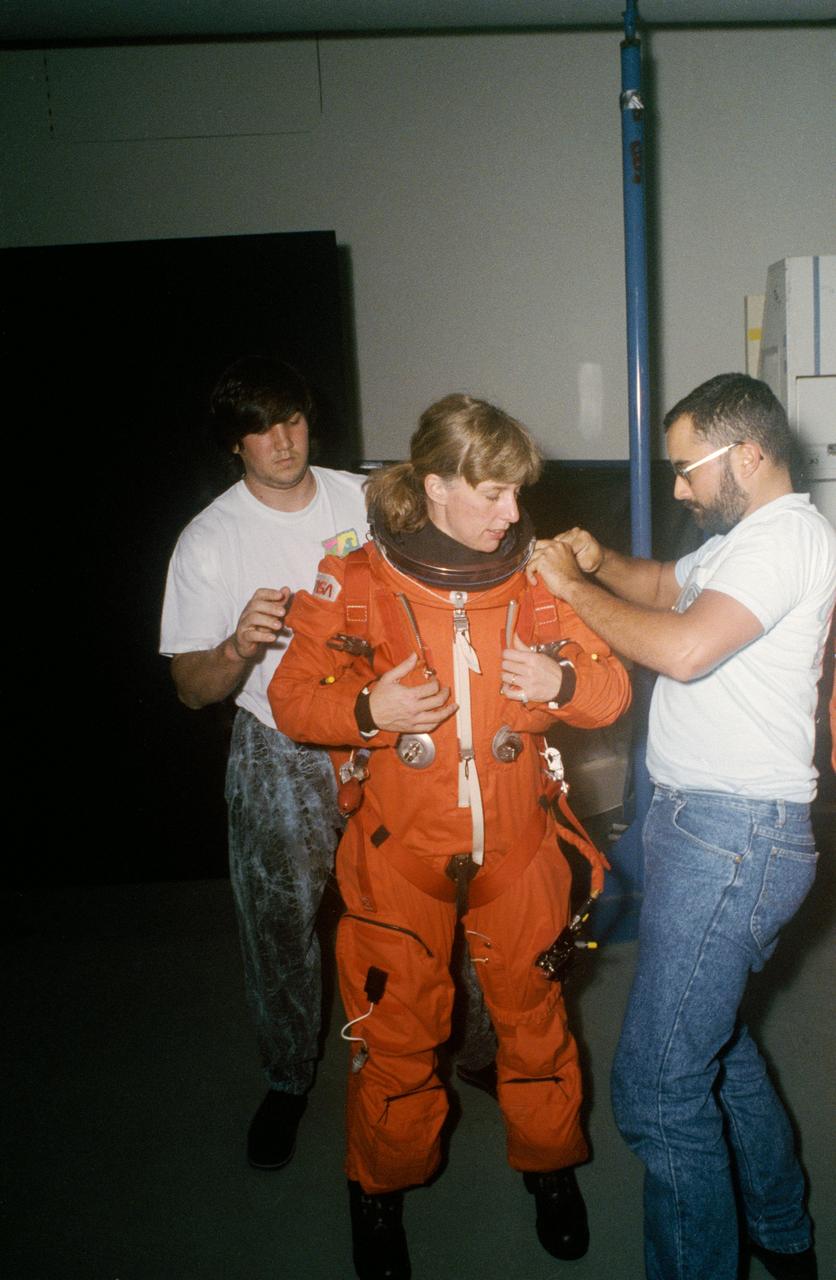
STS-47 Endeavour, Orbiter Vehicle (OV) 105, Mission Specialist (MS) N. Jan Davis, wearing a launch and entry suit (LES), looks on as technicians adjust her LES parachute pack prior to launch emergency egress (bailout) exercises in JSC's Mockup and Integration Laboratory (MAIL) Bldg 9A. Davis is making her first flight in space.
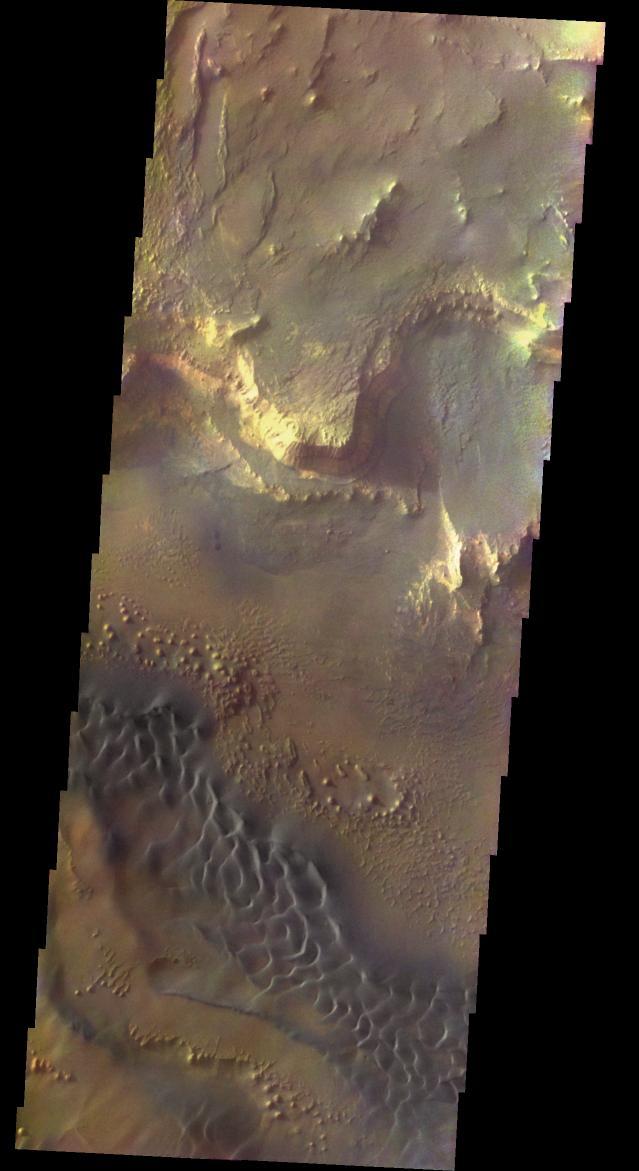
This spectacular view, taken by NASA 2001 Mars Odyssey, shows the sunlit cliffs and basaltic sand dunes in southern Melas Chasma shows Mars in a way rarely seen: in full, realistic color.
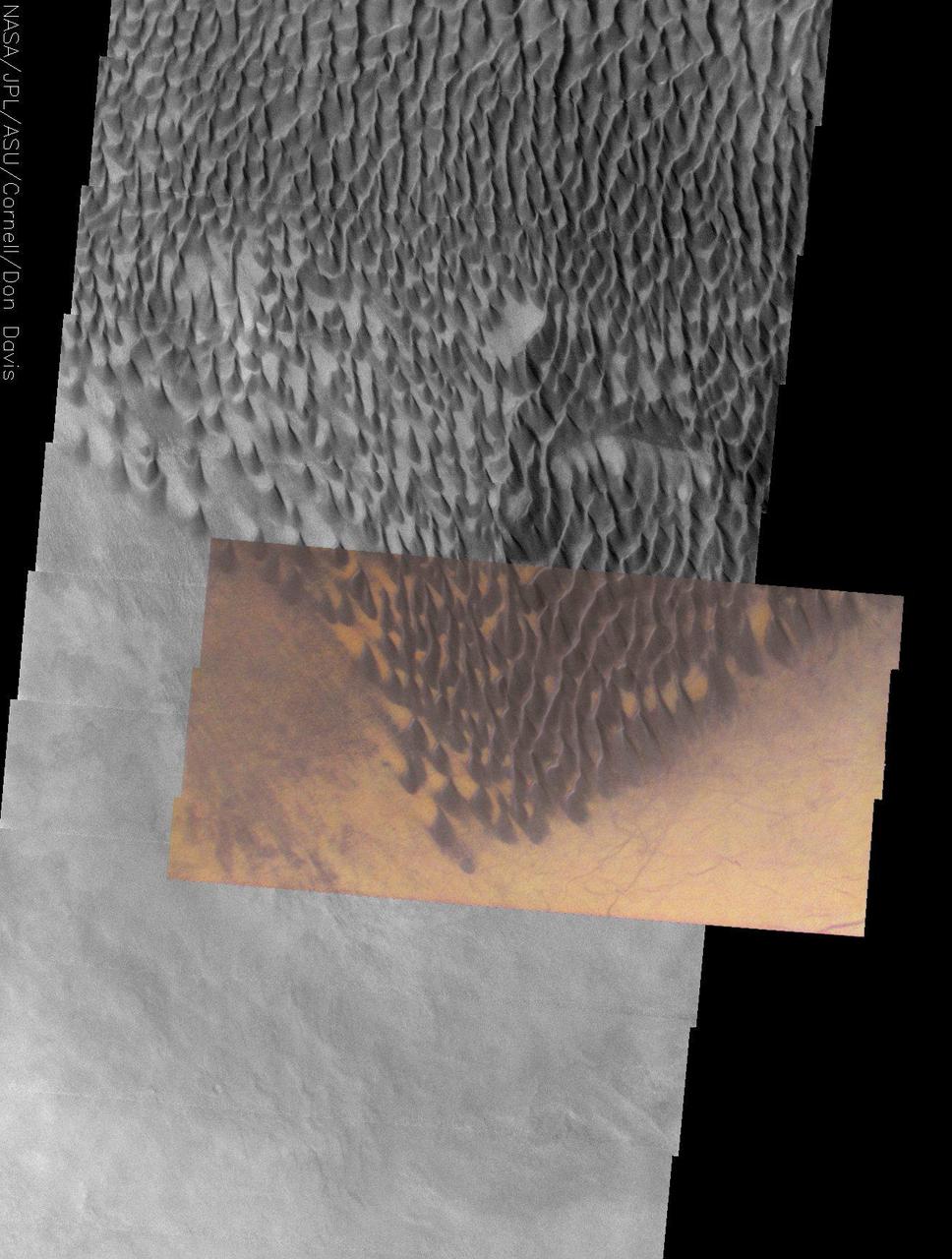
Dark Gray Dunes, Bright Orange Dust
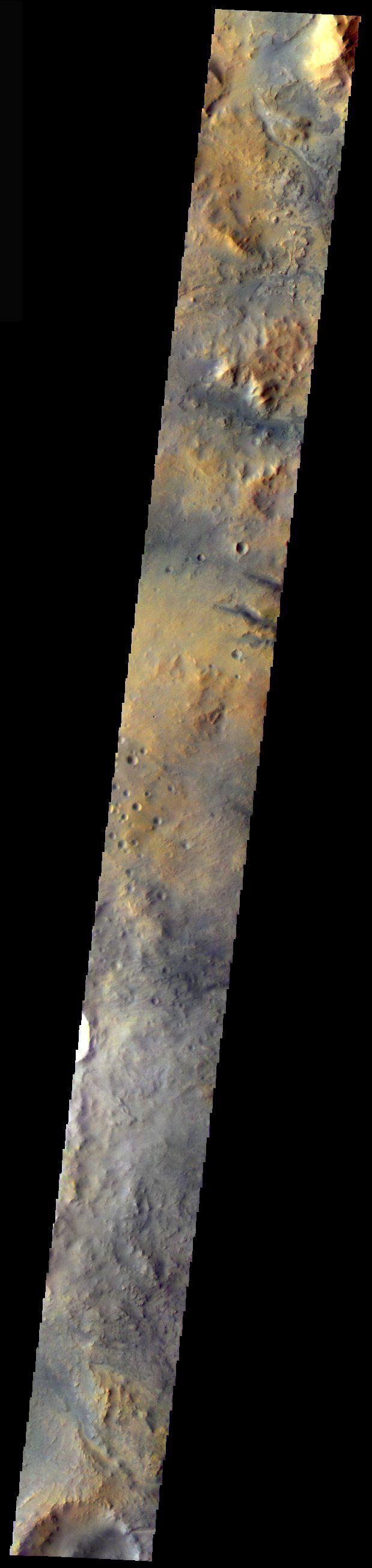
Nili Fossae in Color