![The broader scene for this image is the fluidized ejecta from Bakhuysen Crater to the southwest, but there's something very interesting going on here on a much smaller scale. A small impact crater, about 25 meters in diameter, with a gouged-out trench extends to the south. The ejecta (rocky material ejected from the crater) mostly extends to the east and west of the crater. This "butterfly" ejecta is very common for craters formed at low impact angles. Taken together, these observations suggest that the crater-forming impactor came in at a low angle from the north, hit the ground and ejected material to the sides. The top of the impactor may have sheared off ("decapitating" the impactor) and continued downrange, forming the trench. We can't prove that's what happened, but this explanation is consistent with the observations. Regardless of how it formed, it's quite an interesting-looking "dragonfly" crater. The map is projected here at a scale of 50 centimeters (19.69 inches) per pixel. [The original image scale is 55.7 centimeters (21.92 inches) per pixel (with 2 x 2 binning); objects on the order of 167 centimeters (65.7 inches) across are resolved.] North is up. http://photojournal.jpl.nasa.gov/catalog/PIA21454](https://images-assets.nasa.gov/image/PIA21454/PIA21454~medium.jpg)
The broader scene for this image is the fluidized ejecta from Bakhuysen Crater to the southwest, but there's something very interesting going on here on a much smaller scale. A small impact crater, about 25 meters in diameter, with a gouged-out trench extends to the south. The ejecta (rocky material ejected from the crater) mostly extends to the east and west of the crater. This "butterfly" ejecta is very common for craters formed at low impact angles. Taken together, these observations suggest that the crater-forming impactor came in at a low angle from the north, hit the ground and ejected material to the sides. The top of the impactor may have sheared off ("decapitating" the impactor) and continued downrange, forming the trench. We can't prove that's what happened, but this explanation is consistent with the observations. Regardless of how it formed, it's quite an interesting-looking "dragonfly" crater. The map is projected here at a scale of 50 centimeters (19.69 inches) per pixel. [The original image scale is 55.7 centimeters (21.92 inches) per pixel (with 2 x 2 binning); objects on the order of 167 centimeters (65.7 inches) across are resolved.] North is up. http://photojournal.jpl.nasa.gov/catalog/PIA21454

NASA Program Support Specialist David Lam shares a Dragonfly AR reality experience with Space Force service members in the NASA pavilion at the 2026 Experimental Aircraft Association (EAA) AirVenture air show in Oshkosh, Wisconsin, on Monday, July 20, 2026.
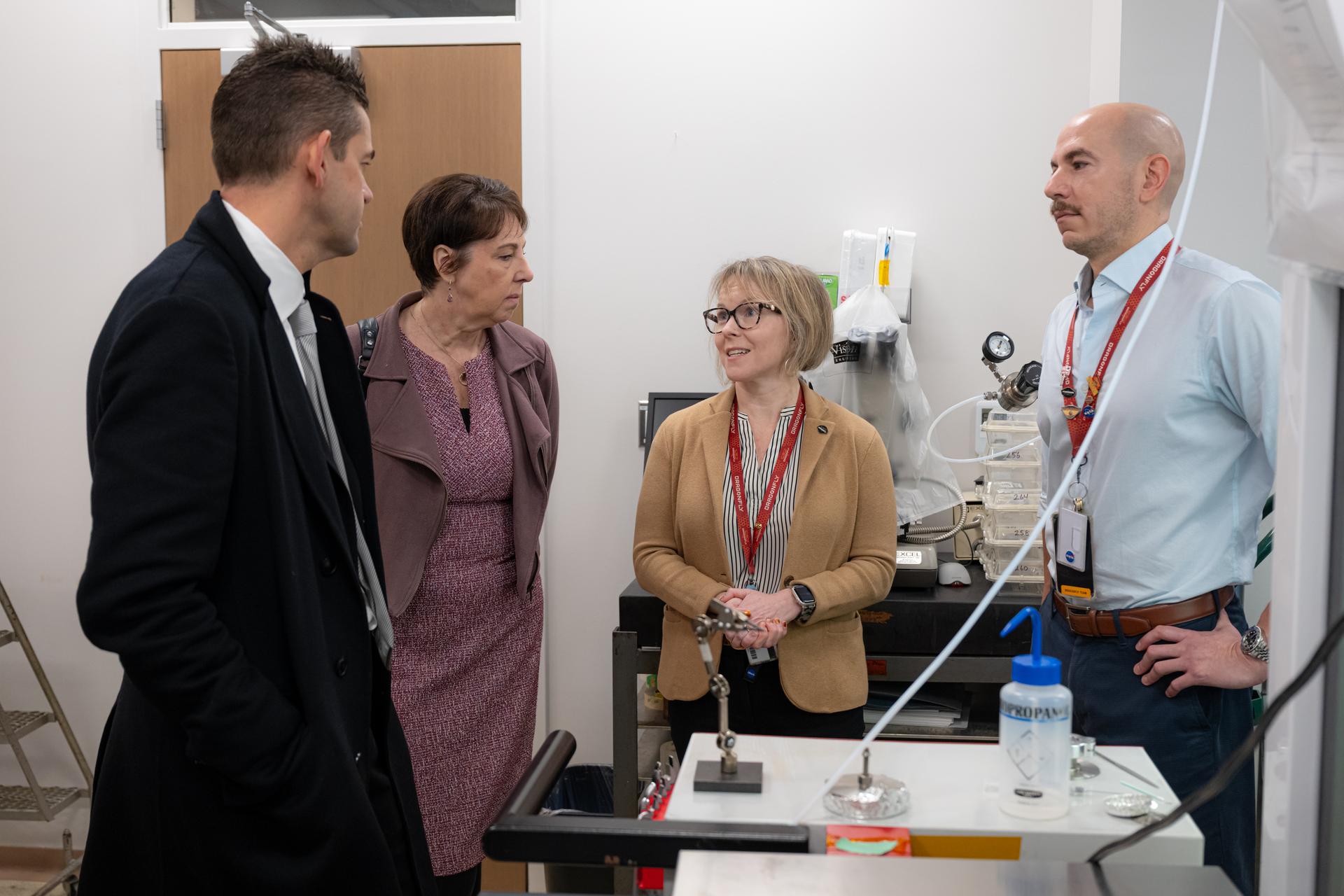
From left to right: NASA Administrator Jared Isaacman; Dr. Nicola Fox, associate administrator, NASA’s Science Mission Directorate; Melissa Grady Trainer, deputy principal investigator for the Dragonfly mission; Charles Malespin, chief of the Planetary Environments Lab, discuss the Dragonfly mission to Saturn’s moon Titan, Friday, Jan. 9, 2026, at NASA’s Goddard Space Flight Center in Greenbelt, Md. Goddard marks the first stop in Isaacman’s roadshow to visit NASA facilities and engage directly with the agency’s workforce. Photo Credit: (NASA/John Kraus)
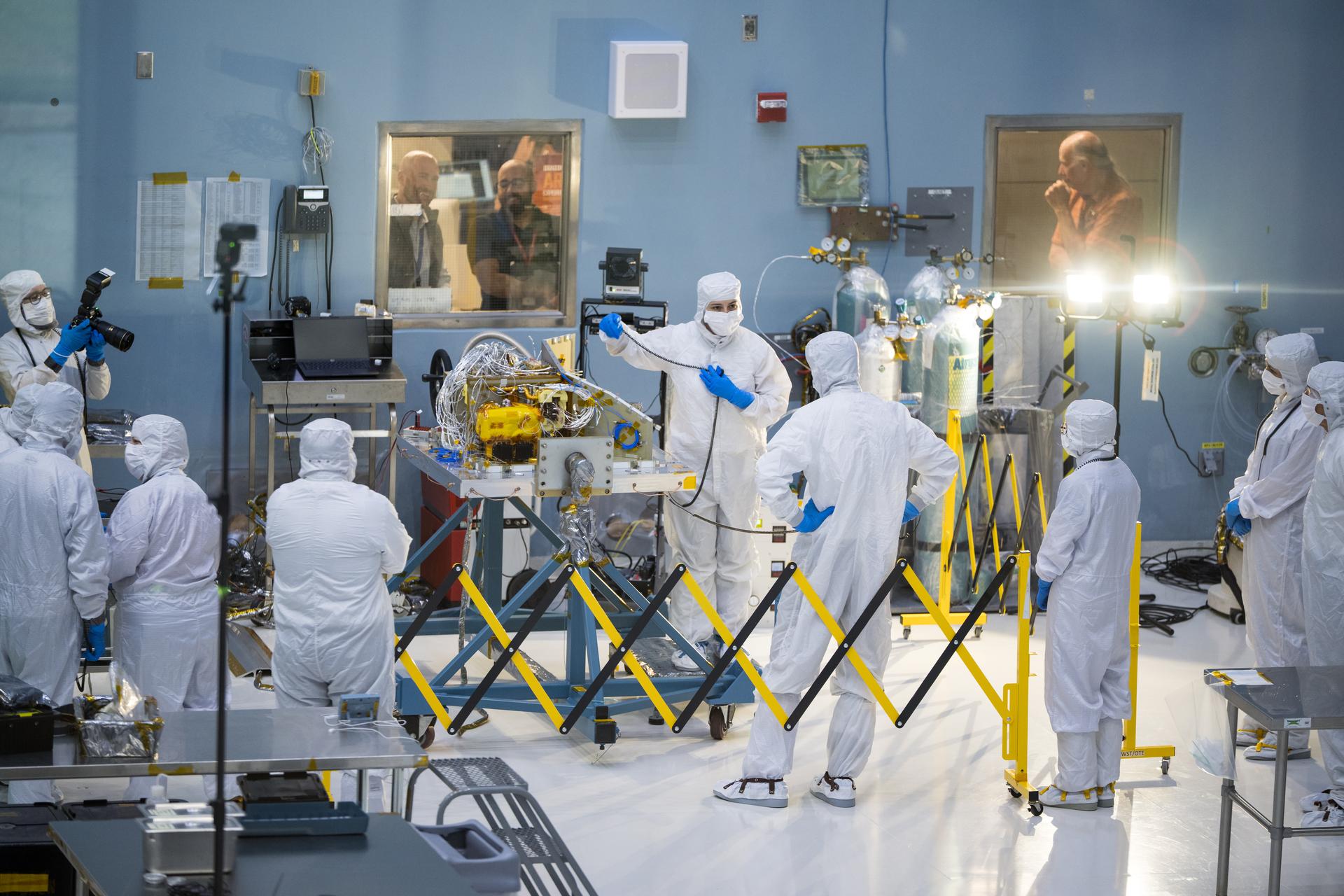
NASA Administrator Jared Isaacman views the Dragonfly mass spectrometer in the Spacecraft Systems Development and Integration Facility during an event held to celebrate the launch of NASA’s Nancy Grace Roman Space Telescope, Tuesday, Sept. 1, 2026, at NASA’s Goddard Space Flight Center in Greenbelt, Maryland. Photo Credit: (NASA/Aubrey Gemignani)

A model of the Dragonfly rotorcraft is seen in the NASA Headquarters lobby ahead of an event where NASA outlined how the agency is executing President Donald J. Trump’s National Space Policy and accelerating preparations for America’s return to the surface of the Moon by 2028, Tuesday, March 24, 2026, at the Mary W. Jackson NASA Headquarters building in Washington. During the event NASA leadership provided updates on mission priorities, including sending the first astronauts to the lunar surface in more than 50 years, establishing the initial elements of a permanent lunar base, getting America underway in space on nuclear propulsion, and other objectives. Photo Credit: (NASA/Bill Ingalls)

A dragonfly lights on a tree branch near the launch pad after the Soyuz TMA-05M is rolled to its launch pad at the Baikonur Cosmodrome, Thursday, July 12, 2012 in Kazakhstan. The launch of the Soyuz rocket is scheduled for the morning of July 15 local time. Photo Credit: (NASA/Carla Cioffi)
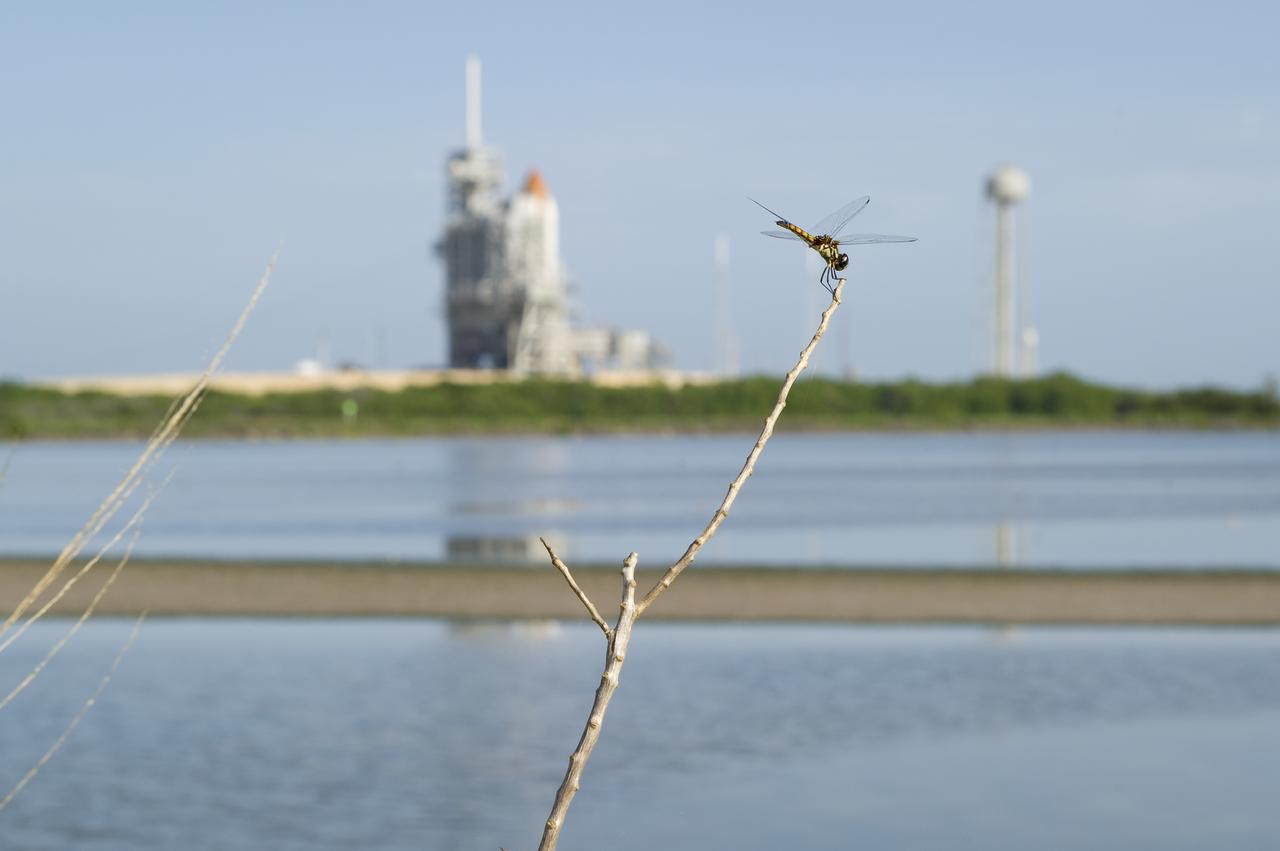
A dragonfly is seen at the edge of the lagoon near pad 39a and the space shuttle Atlantis on Wednesday, July 6, 2011 at the NASA Kennedy Space Center in Cape Canaveral, Fla. Space shuttle Atlantis is set to liftoff Friday, July 8, on the final flight of the shuttle program, STS-135, a 12-day mission to the International Space Station. Photo Credit: (NASA/Bill Ingalls)
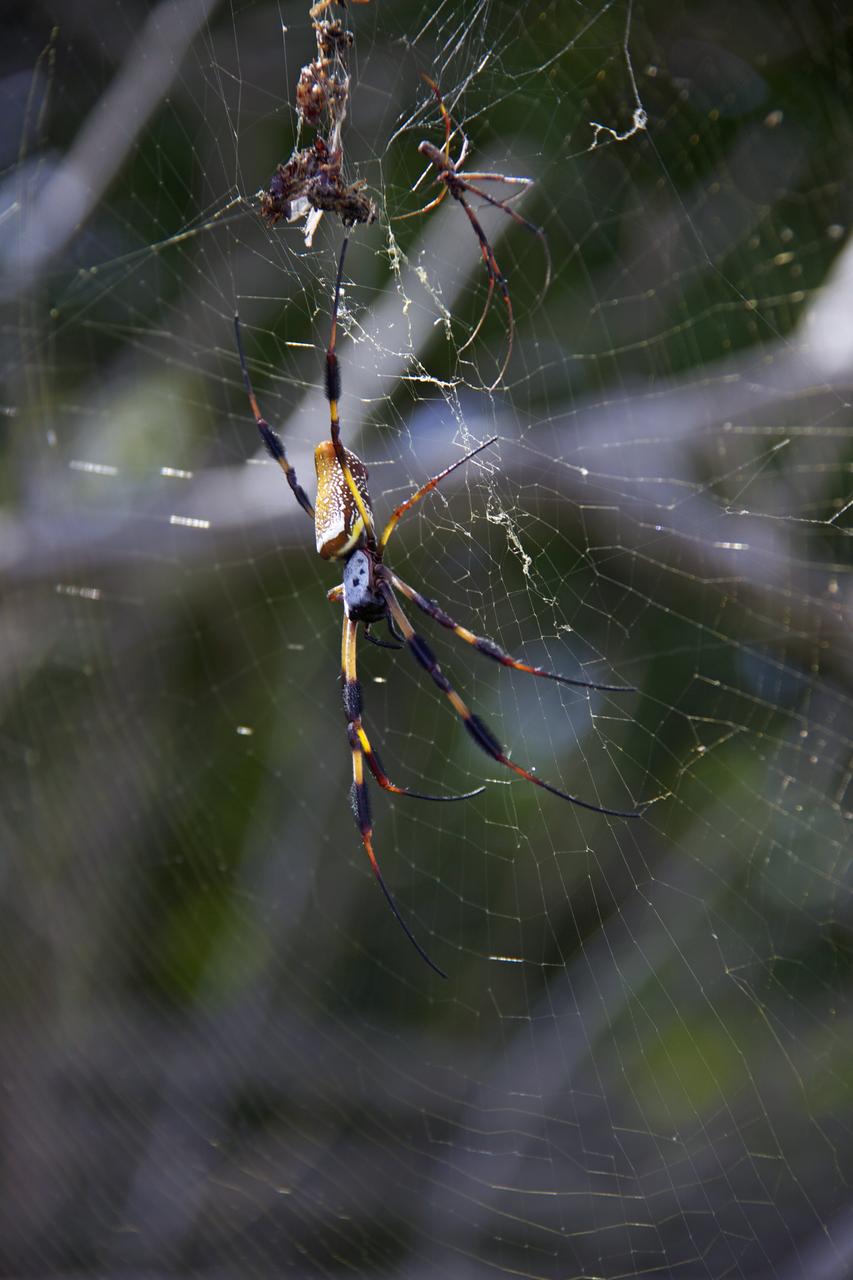
KSC WILDLIFE - TURTLE-DRAGONFLY-SPIDERS-BIRDS SHOT DURING JULY & AUGUST 2010
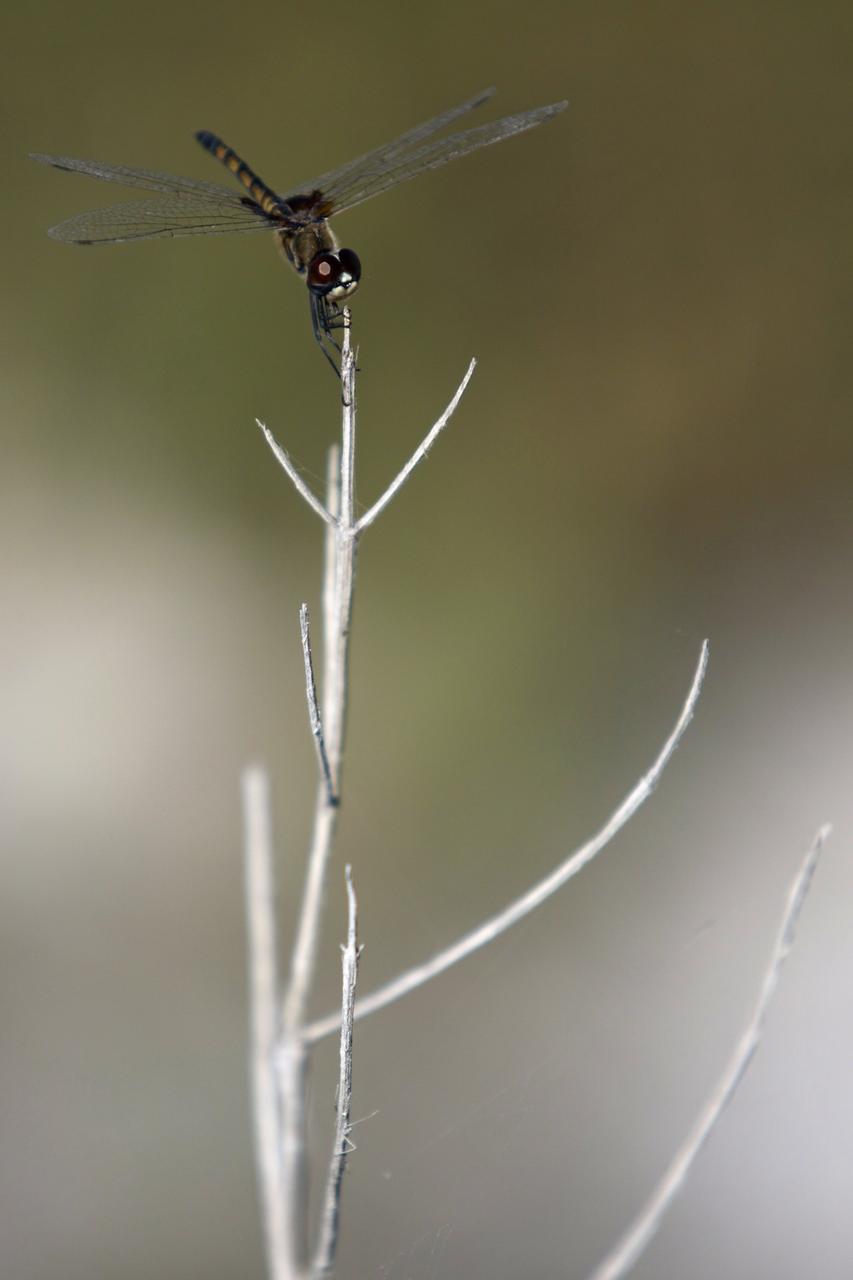
KSC WILDLIFE - TURTLE-DRAGONFLY-SPIDERS-BIRDS SHOT DURING JULY & AUGUST 2010
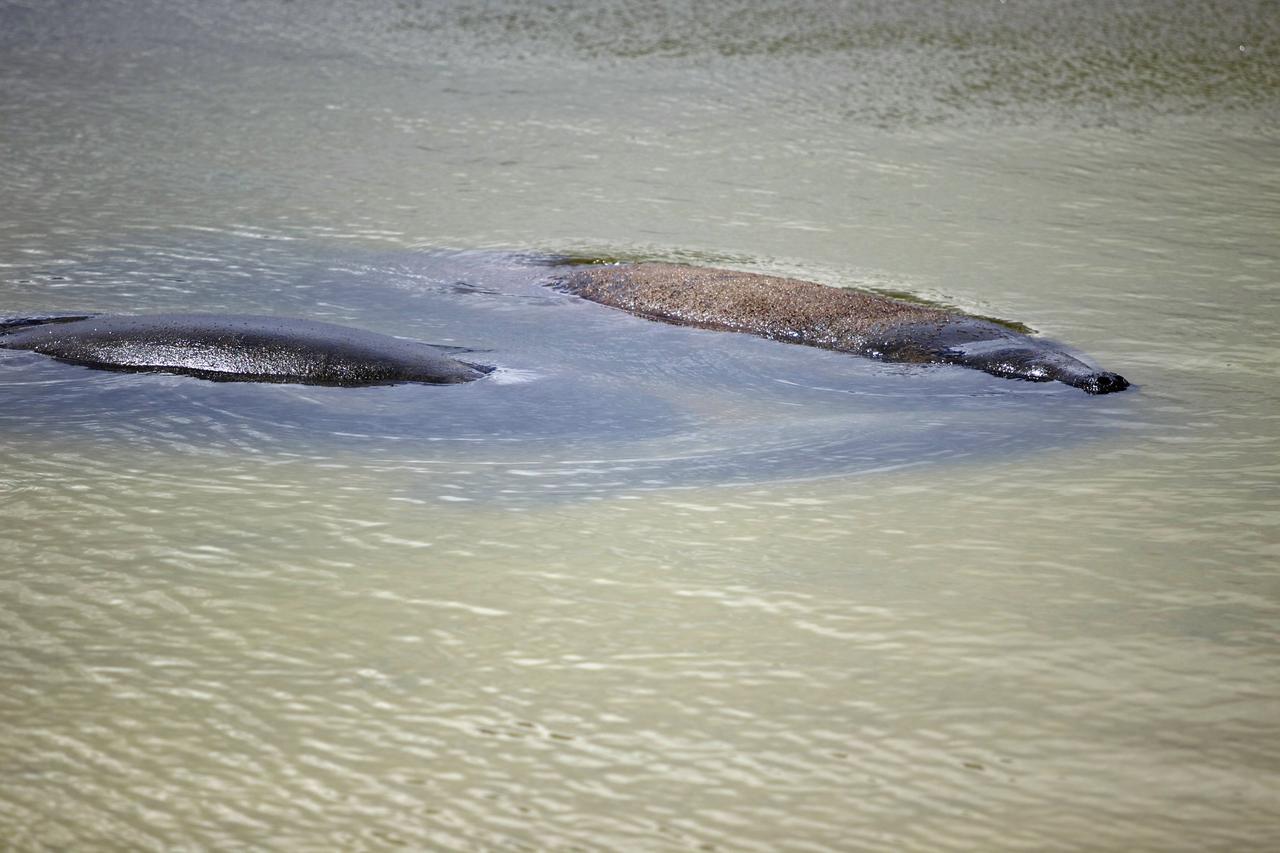
KSC WILDLIFE - TURTLE-DRAGONFLY-SPIDERS-BIRDS SHOT DURING JULY & AUGUST 2010
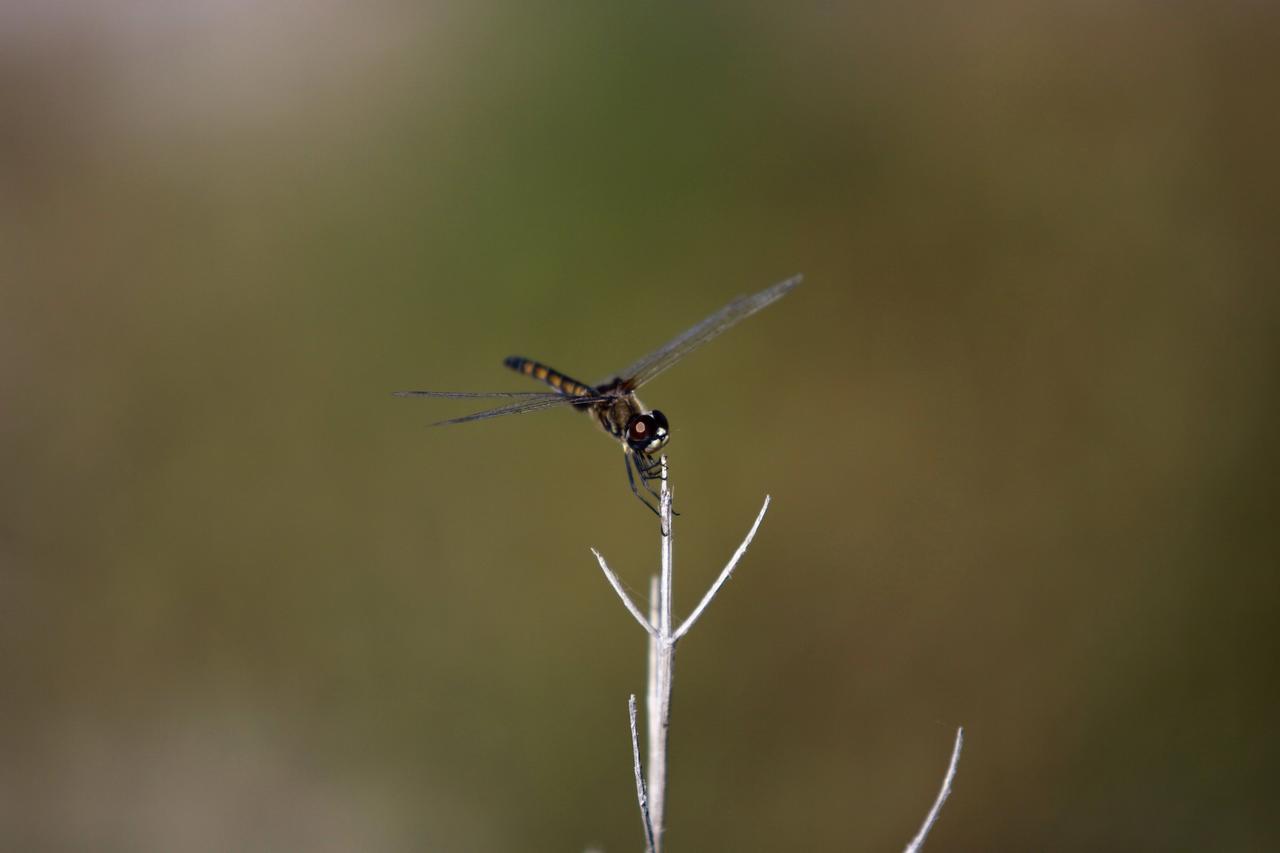
KSC WILDLIFE - TURTLE-DRAGONFLY-SPIDERS-BIRDS SHOT DURING JULY & AUGUST 2010
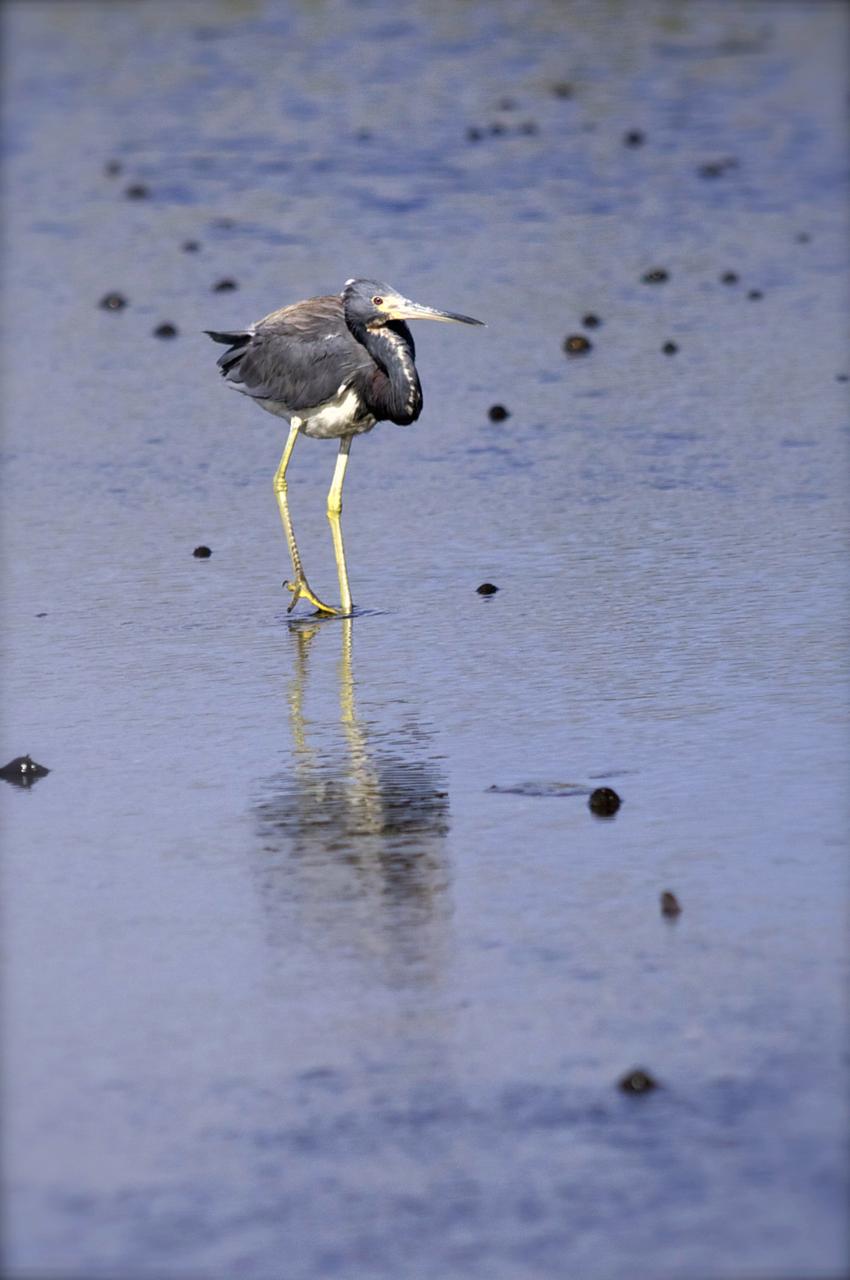
KSC WILDLIFE - TURTLE-DRAGONFLY-SPIDERS-BIRDS SHOT DURING JULY & AUGUST 2010
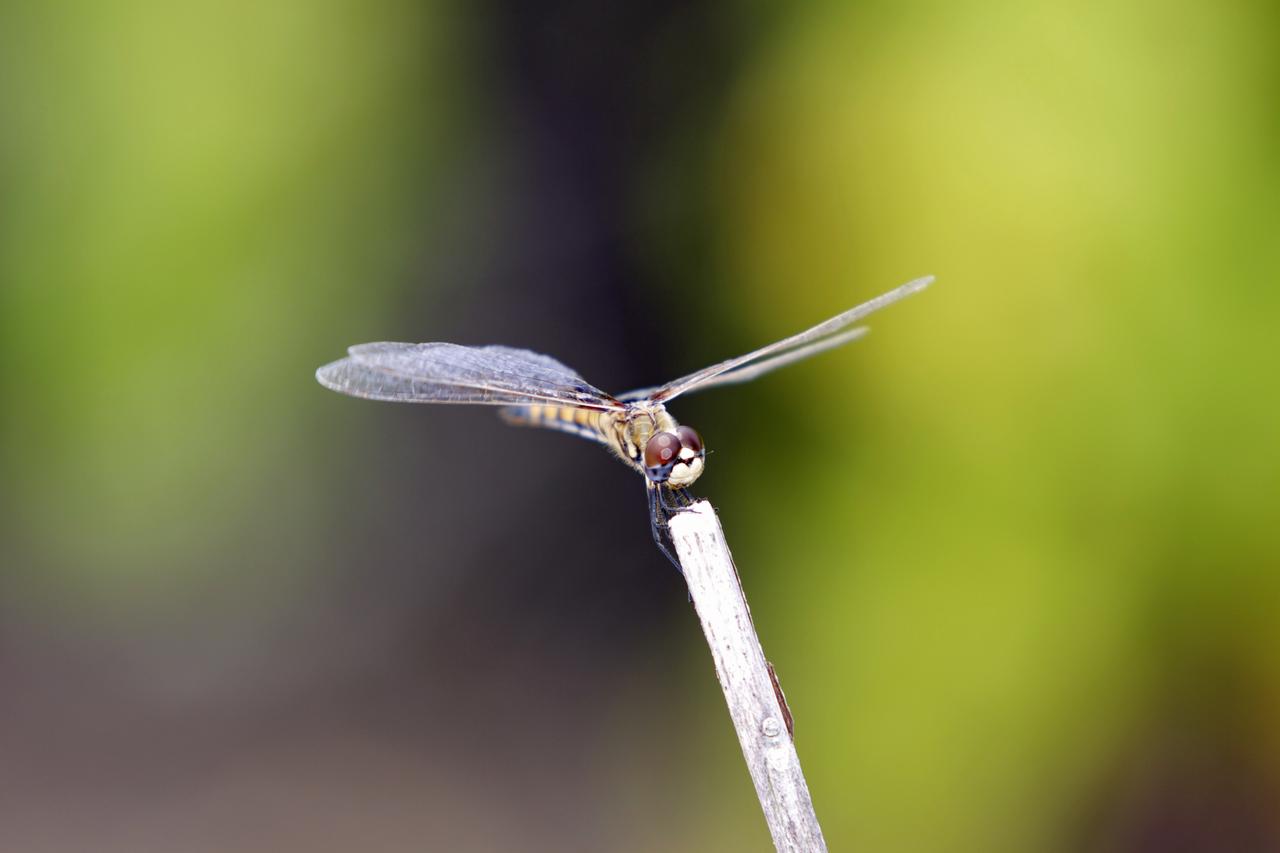
KSC WILDLIFE - TURTLE-DRAGONFLY-SPIDERS-BIRDS SHOT DURING JULY & AUGUST 2010
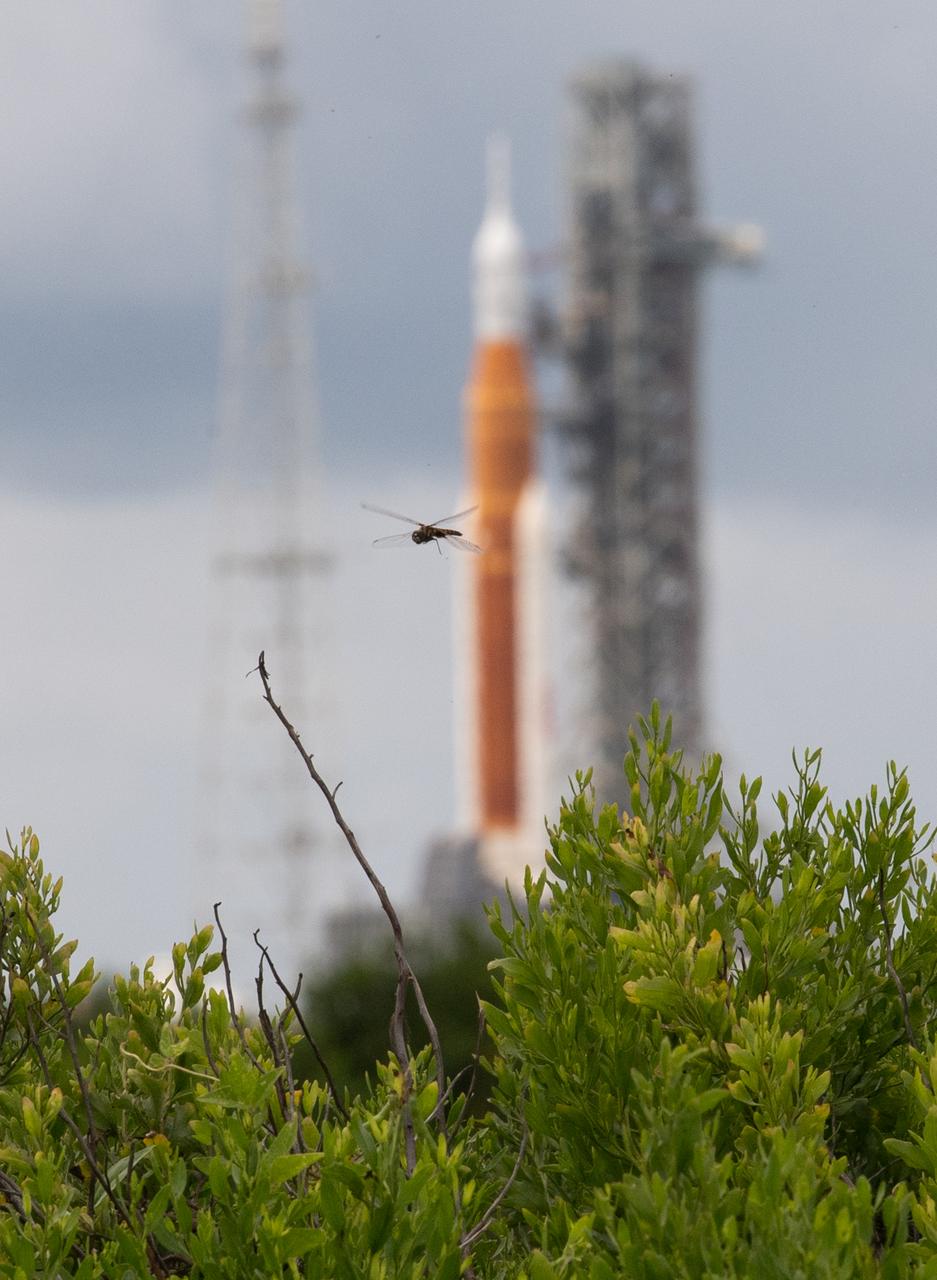
A dragonfly is seen in front of NASA’s Space Launch System (SLS) rocket with the Orion spacecraft aboard atop a mobile launcher at Launch Pad 39B as preparations for launch continue, Sunday, Aug. 28, 2022, at NASA’s Kennedy Space Center in Florida. NASA’s Artemis I flight test is the first integrated test of the agency’s deep space exploration systems: the Orion spacecraft, SLS rocket, and supporting ground systems. Launch of the uncrewed flight test is targeted for no earlier than Aug. 29 at 8:33 a.m. ET. Photo Credit: (NASA/Joel Kowsky)
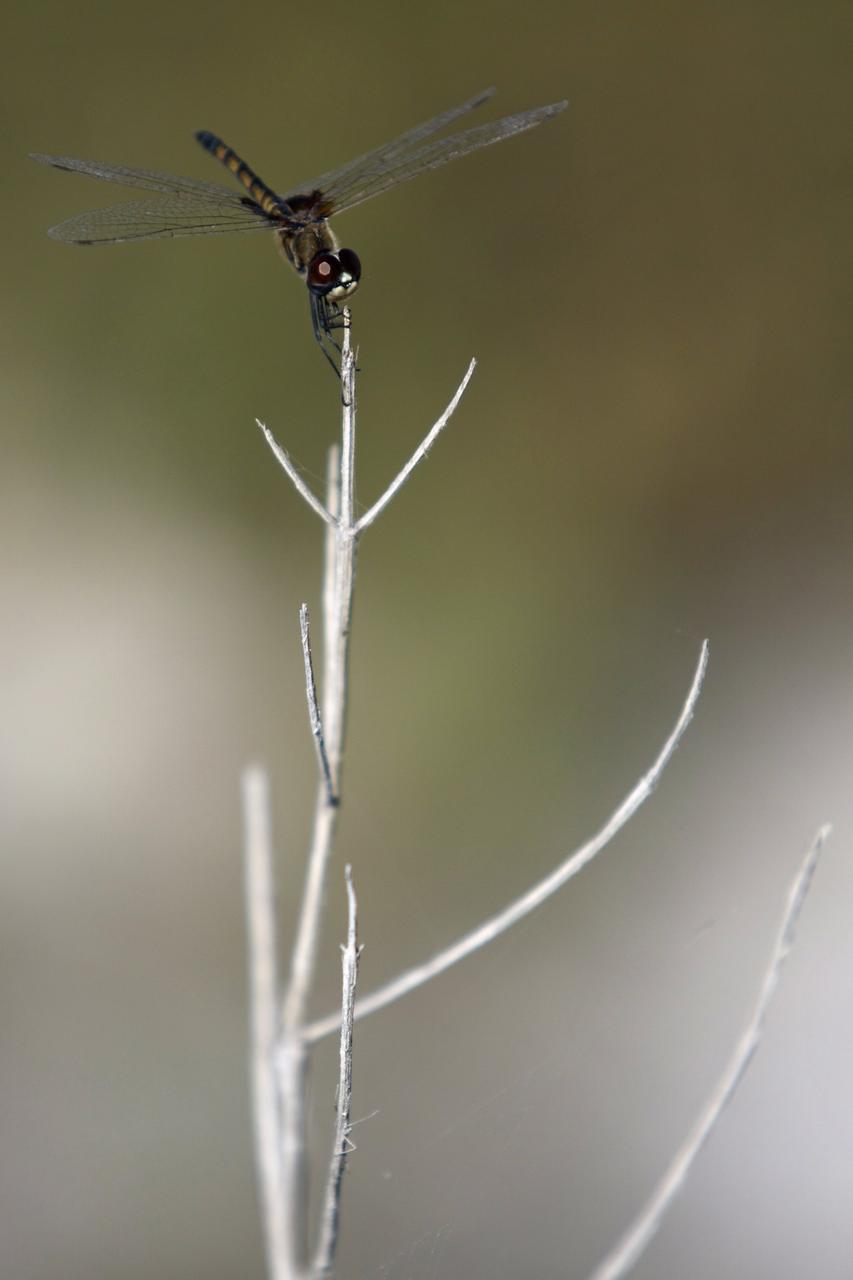
CAPE CANAVERAL, Fla. -- At NASA's Kennedy Space Center in Florida, a dragonfly is seen in the Launch Complex 39 area near the Press Site. Because female dragonflies lay their eggs in or near water, they are a common sight at the space center. Kennedy coexists with the Merritt Island National Wildlife Refuge, habitat to more than 310 species of birds, 25 mammals, 117 fish and 65 amphibians and reptiles. Photo credit: NASA/Frank Michaux
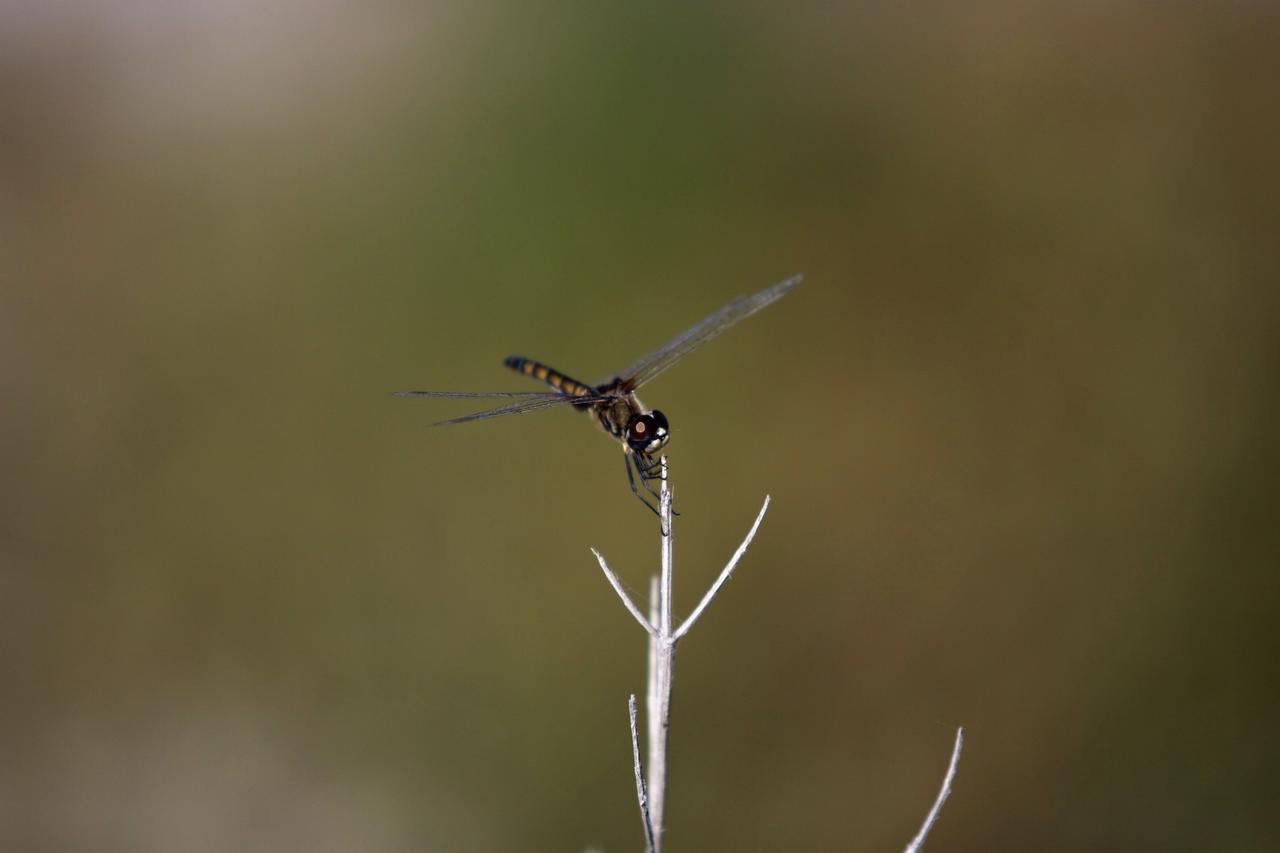
CAPE CANAVERAL, Fla. -- At NASA's Kennedy Space Center in Florida, a dragonfly is seen in the Launch Complex 39 area near the Press Site. Because female dragonflies lay their eggs in or near water, they are a common sight at the space center. Kennedy coexists with the Merritt Island National Wildlife Refuge, habitat to more than 310 species of birds, 25 mammals, 117 fish and 65 amphibians and reptiles. Photo credit: NASA/Frank Michaux
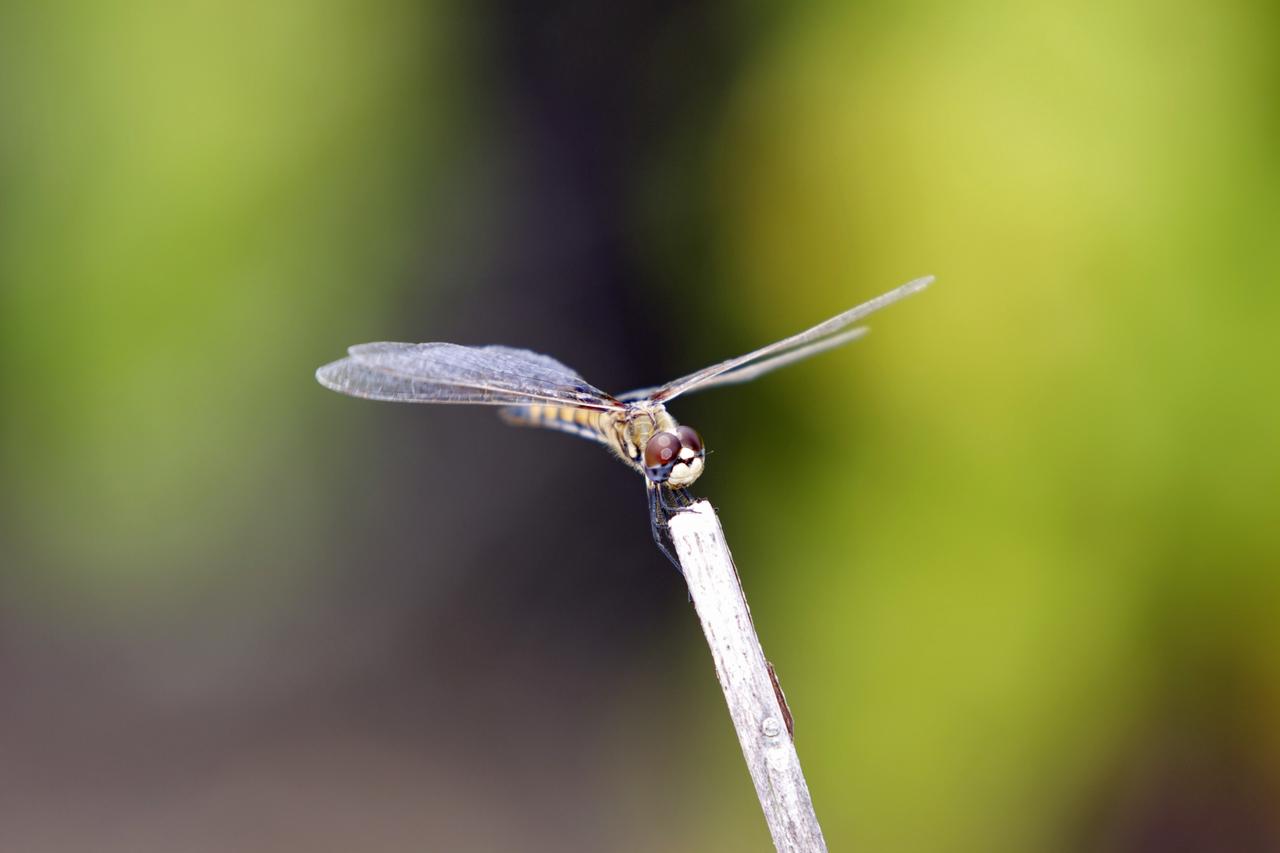
CAPE CANAVERAL, Fla. -- At NASA's Kennedy Space Center in Florida, a dragonfly is seen in the Launch Complex 39 area near the Press Site. Because female dragonflies lay their eggs in or near water, they are a common sight at the space center. Kennedy coexists with the Merritt Island National Wildlife Refuge, habitat to more than 310 species of birds, 25 mammals, 117 fish and 65 amphibians and reptiles. Photo credit: NASA/Frank Michaux
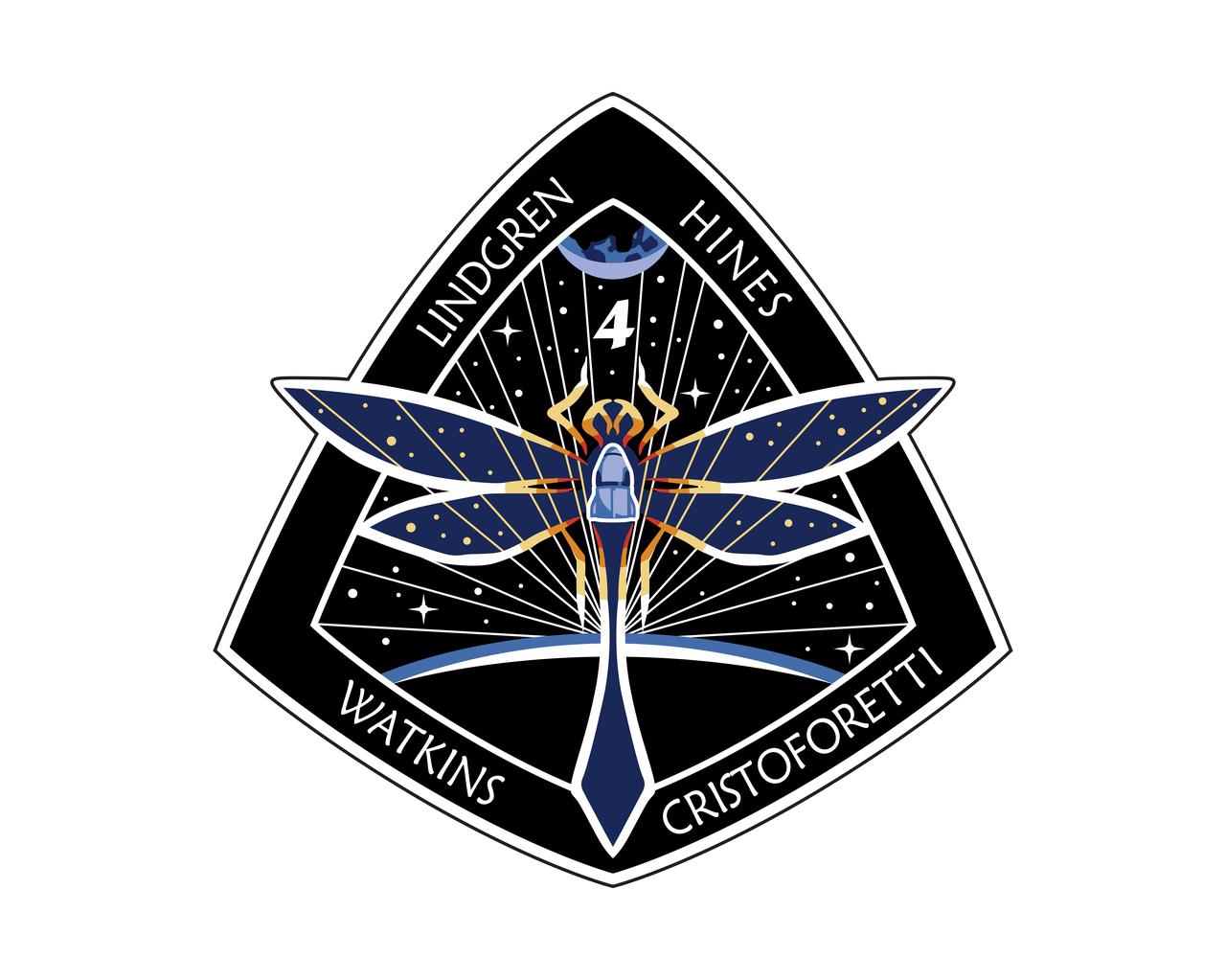
jsc2021e062614 (Dec. 2, 2021) --- The insignia representing the SpaceX Crew-4 mission to the International Space Station depicts a dragonfly and highlights the crew members Commander Kjell Lindgren, Pilot Robert Hines and Mission Specialists Jessica Watkins and Samantha Cristoforetti. Lindgren, Hines and Watkins are NASA astronauts and Cristoforetti is an ESA (European Space Agency) astronaut. Kjell Lindgren described the meaning behind the patch: "The free-flying Dragon capsule forms the thorax of the central element of the patch, the Dragonfly – a beautiful and agile flyer. For many, the dragonfly represents transformation and good fortune. On its way to the International Space Station, the capsule appears suspended in low Earth orbit with the Earth below and Moon above. Four bright stars represent the four crewmembers’ families and their steadfast patience, love and support. The remaining multitude of stars represent the countless members of the NASA, SpaceX and international partner teams, whose ingenuity, vigilance and tireless work has made this mission possible."
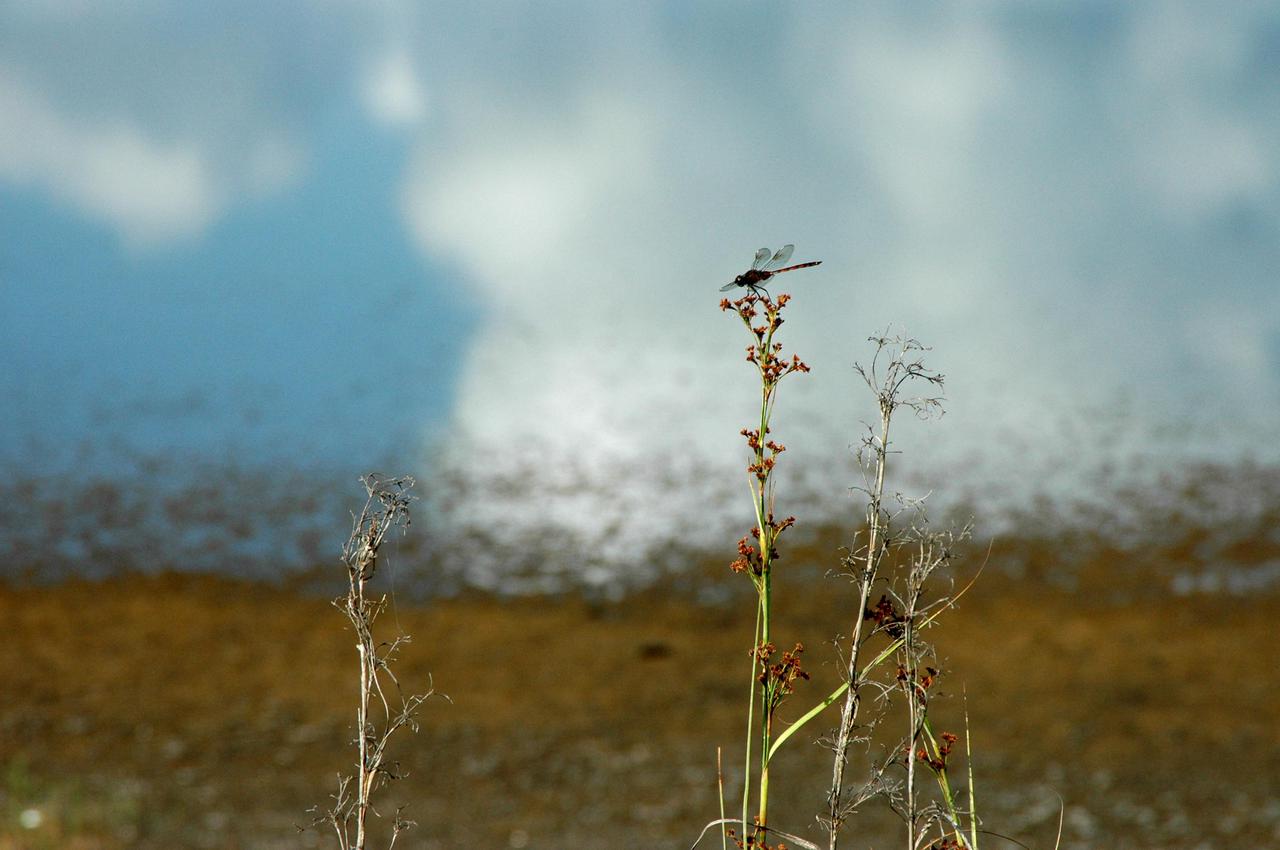
KENNEDY SPACE CENTER, FLA. - A dragonfly rests atop the highest stalk in foliage on the Merritt Island National Wildlife Refuge before resuming its daily activity. Large predatory insects with wingspans up to 5.5 inches, dragonflies snatch smaller insects from the air by means of their basket-like arrangement of legs. The refuge was established in 1963 on Kennedy Space Center land and water not used by NASA for the space program. It encompasses 92,000 acres that are a habitat for more than 331 species of birds, 31 mammals, 117 fishes, and 65 amphibians and reptiles.
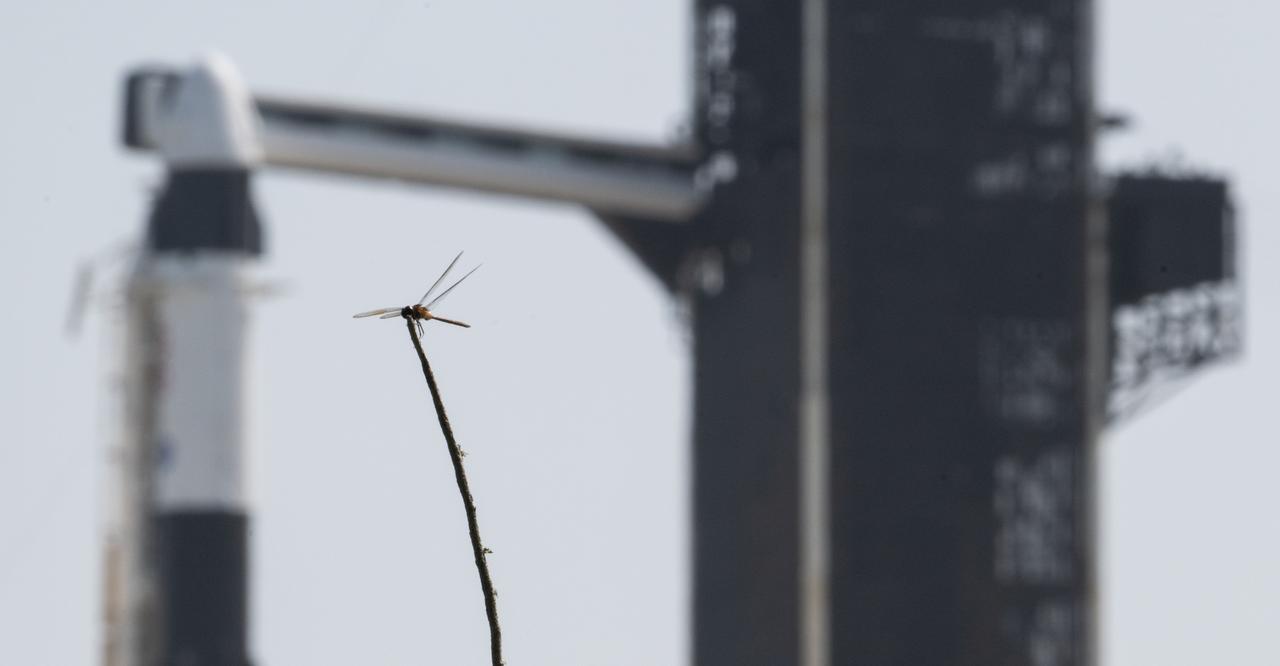
A dragonfly is seen in front of a SpaceX Falcon 9 rocket with the company's Dragon spacecraft on top at Launch Complex 39A as preparations continue for the Crew-7 mission, Monday, Aug. 21, 2023, at NASA’s Kennedy Space Center in Florida. NASA’s SpaceX Crew-7 mission is the seventh crew rotation mission of the SpaceX Crew Dragon spacecraft and Falcon 9 rocket to the International Space Station as part of the agency’s Commercial Crew Program. NASA astronaut Jasmin Moghbeli, ESA (European Space Agency) astronaut Andreas Mogensen, Japan Aerospace Exploration Agency (JAXA) astronaut Satoshi Furukawa, and Roscosmos cosmonaut Konstantin Borisov are scheduled to launch at 3:49 a.m. EDT on Friday, August 25, from Launch Complex 39A at the Kennedy Space Center. Photo Credit: (NASA/Joel Kowsky)
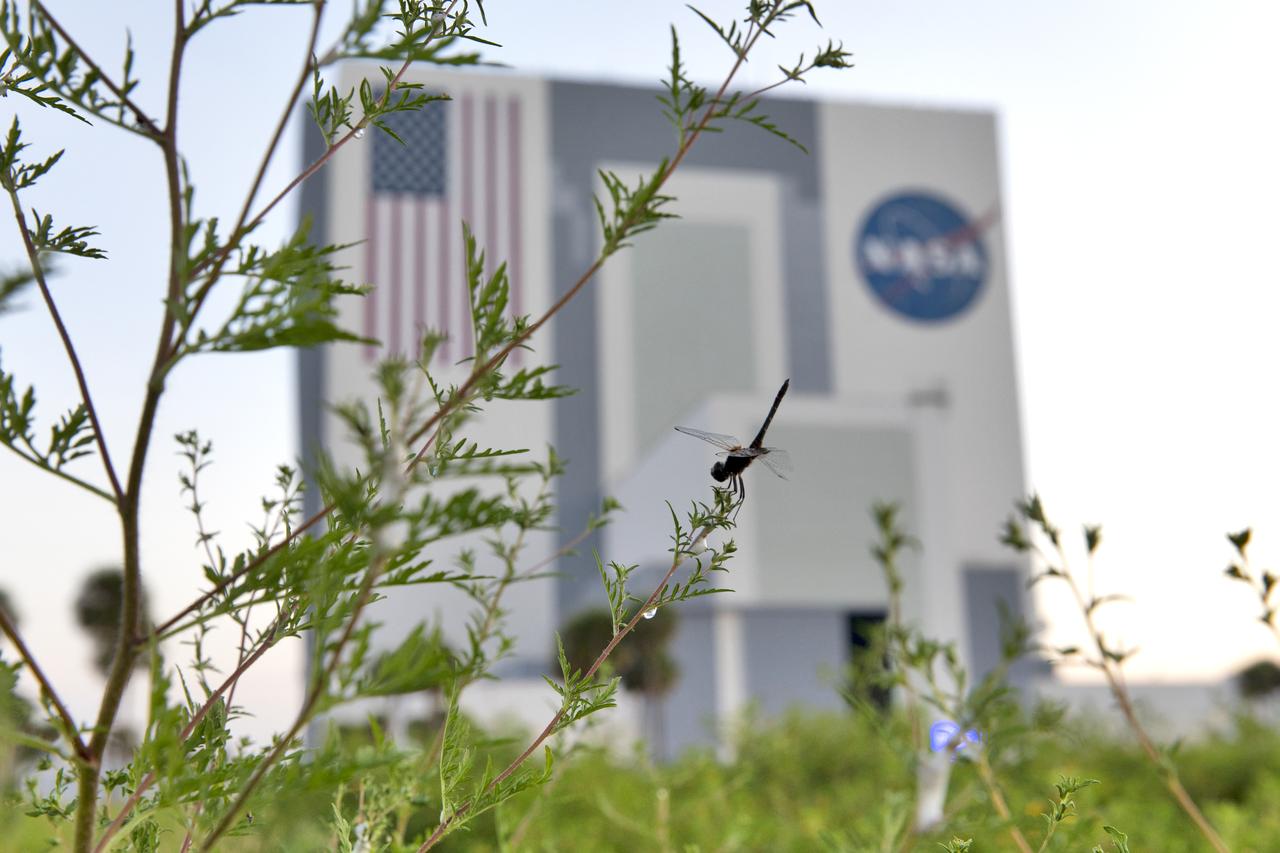
A dragonfly perches on a tree branch with the iconic Vehicle Assembly Building (VAB) in view in the background at NASA's Kennedy Space Center in Florida. Ten levels of new work platforms have been installed in VAB High Bay 3. They will surround and provide access for service and processing of NASA's Space Launch System (SLS) rocket and Orion spacecraft. Exploration Ground Systems oversaw the upgrades and installation of the new work platforms to support the launch of the SLS and Orion on Exploration Mission-1 and deep space missions.
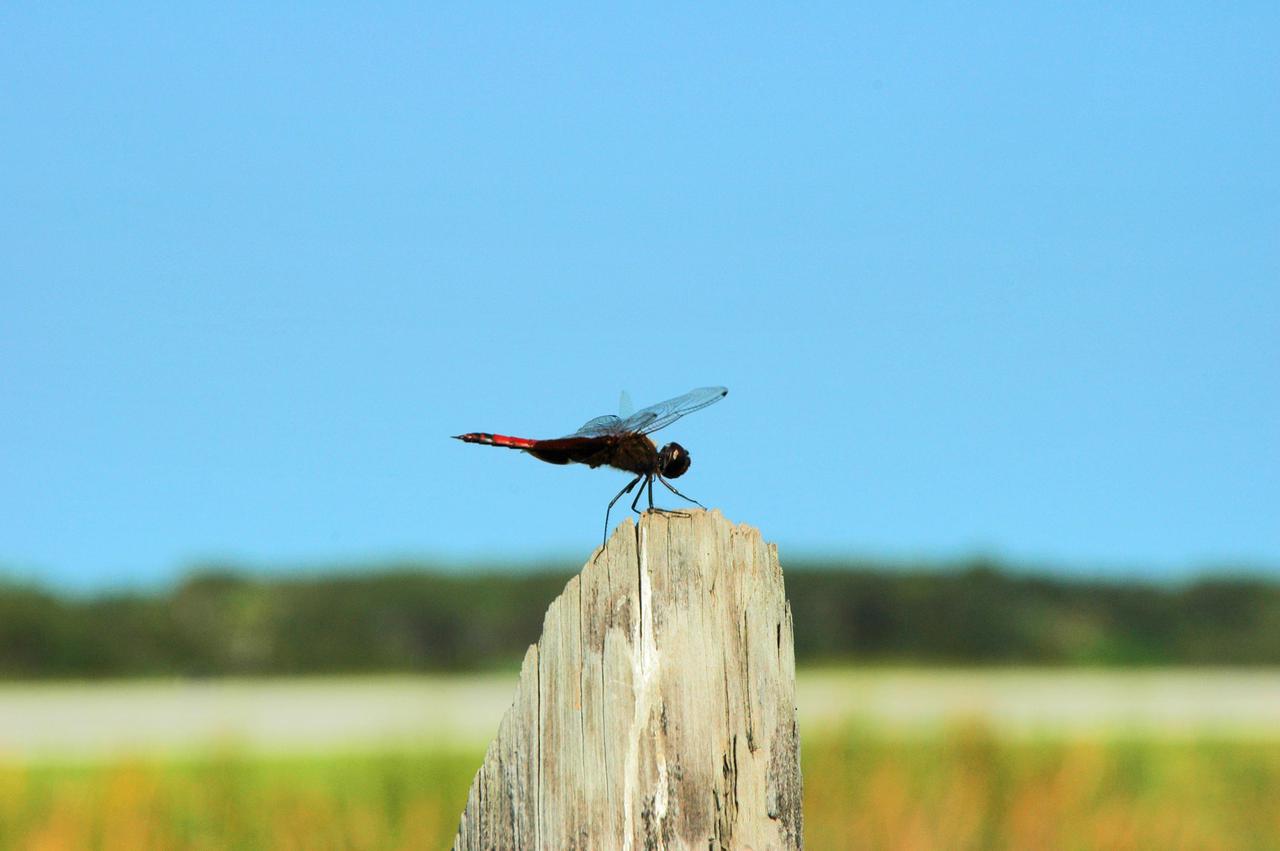
KENNEDY SPACE CENTER, FLA. - A dragonfly, at NASA's Kennedy Space Center (KSC) Shuttle Landing Facility (SLF), is in great position to view the touchdown of Space Shuttle Discovery. Discovery, atop a modified Boeing 747 Shuttle Carrier Aircraft (SCA), landed on runway 15 at the SLF at about 10:00 a.m. EDT. The cross-country ferry flight became necessary when two days of unfavorable weather conditions at KSC forced Discovery to land on runway 22 at Edwards Air Force Base, Calif., on Aug. 9 following mission STS-114. On the return trip, stops were made at Altus Air Force Base, Okla., and Barksdale Air Force Base, La., where Discovery stayed for two nights. The SCA and Discovery will be towed to the Mate_Demate Device at the SLF where a crane will lift Discovery from the SCA and place it on solid ground. Discovery will then be towed to the Orbiter Processing Facility (OPF) where preparations will begin for its next flight, STS-121. The dragonfly may accompany Discovery to the OPF if it so chooses.
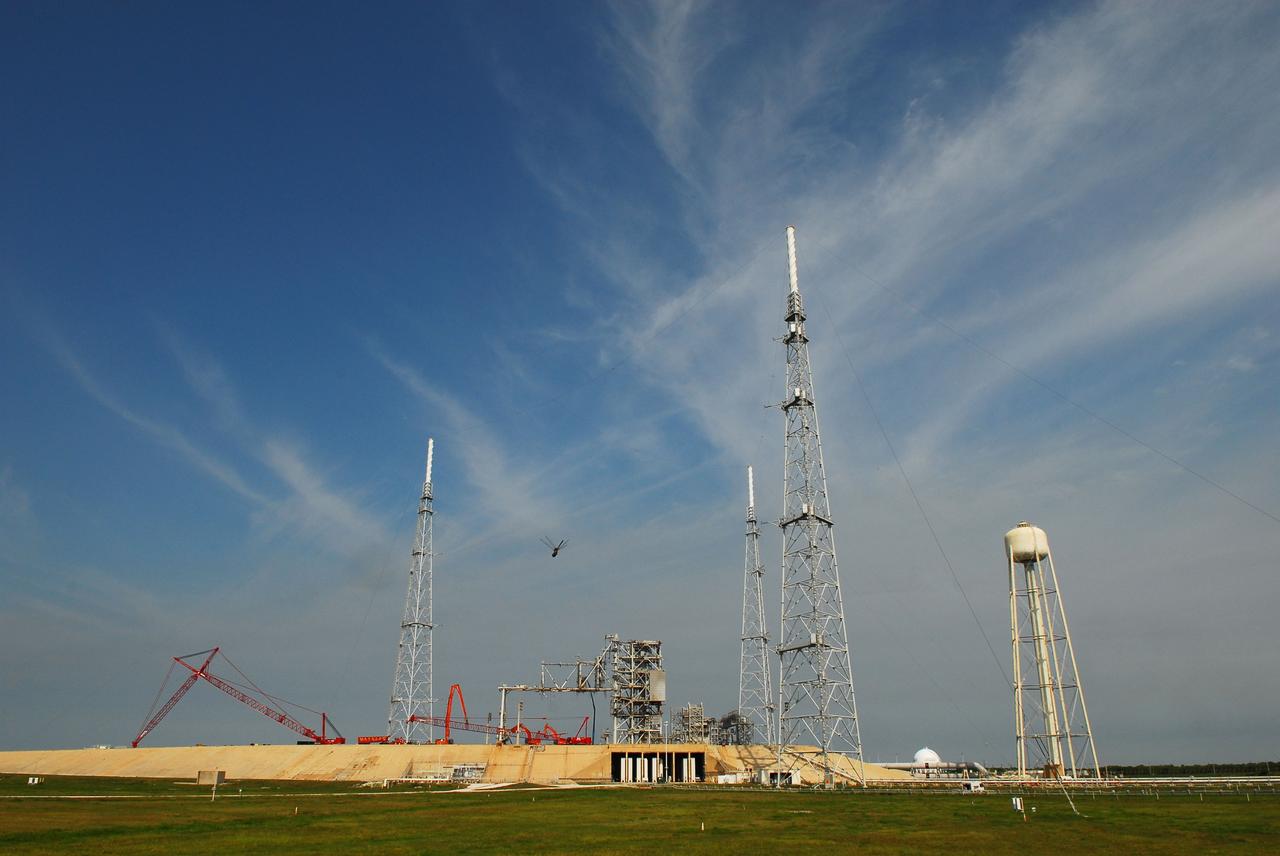
Cape Canaveral, Fla. -- Workers using a large crane dismantle the final sections of the rotating service structure on Launch Pad 39B at NASA's Kennedy Space Center in Florida. A dragonfly passing across the camera lens (center) pays no attention to the pad's deconstruction in progress. In 2009, the pad was no longer needed for the shuttle program, so it is being restructured for future use. Its new design will feature a "clean pad" for rockets to come with their own launcher, making it more versatile for a number of vehicles. The new lightning protection system, which was in place for the October 2009 launch of Ares I-X, will remain. For information on NASA's future plans, visit www.nasa.gov. Photo credit: NASA/Jim Grossmann
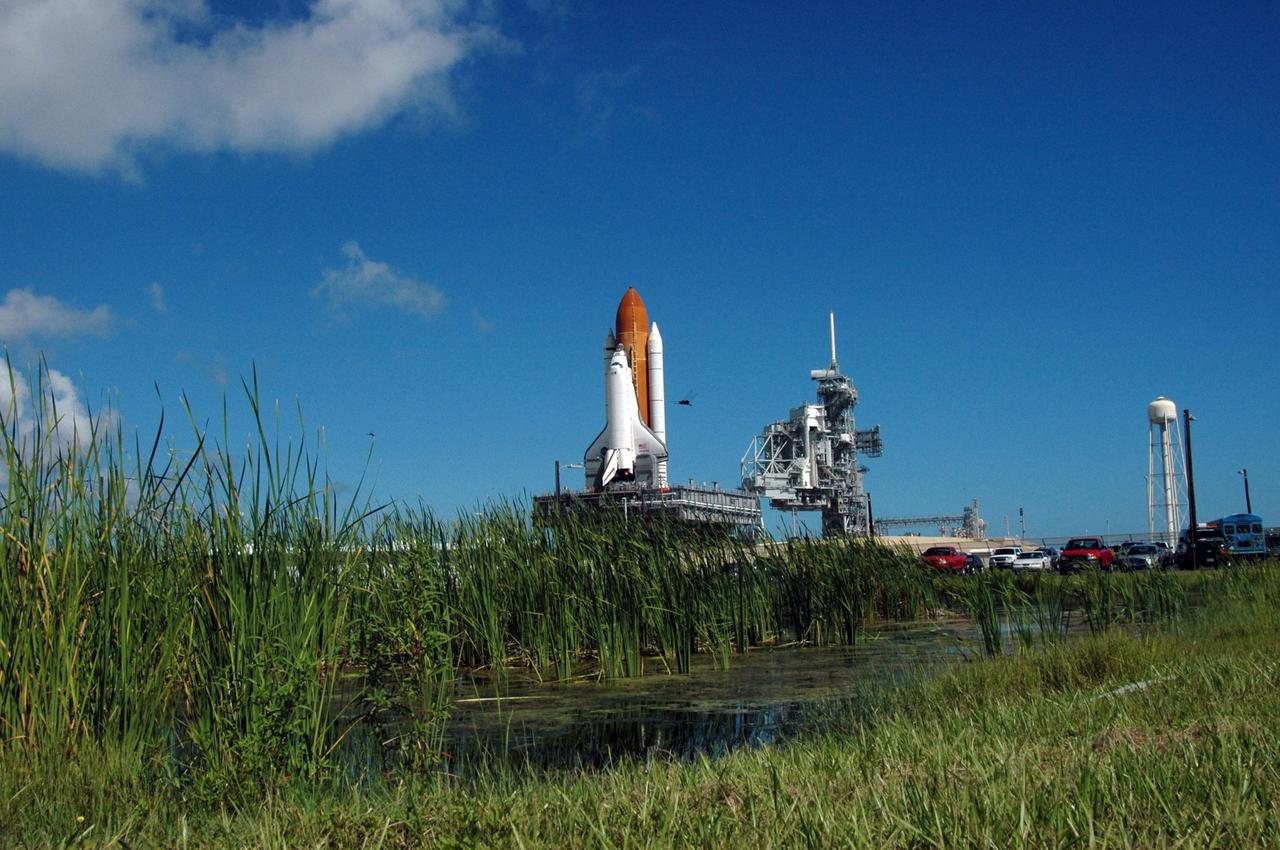
KENNEDY SPACE CENTER, FLA. - The camera captures an optical illusion of a dragonfly above the reedy water near Launch Pad 39B seems to be heading for Space Shuttle Atlantis. The shuttle, sitting on the mobile launcher platform, is being moved off the pad by the crawler-transporter and rolling back to the Vehicle Assembly Building. First motion off the pad was at 10:04 a.m. EDT. The crawler is 131 feet long, 113 feet wide and 20 feet high. It weights 5.5 million pounds unloaded. The combined weight of crawler, mobile launcher platform and a space shuttle is 12 million pounds. Unloaded, the crawler moves at 2 mph. Loaded, the snail's pace slows to 1 mph. The rollback is a safety precaution as the area waits for the arrival of Tropical Storm Ernesto. The storm is forecast to be bringing 58-mph to 70-mph winds in the next 24 hours. The shuttle will be moved into high bay 2, on the southwest side of the VAB, for protection from the storm. Photo credit: NASA/Ken Thornsley