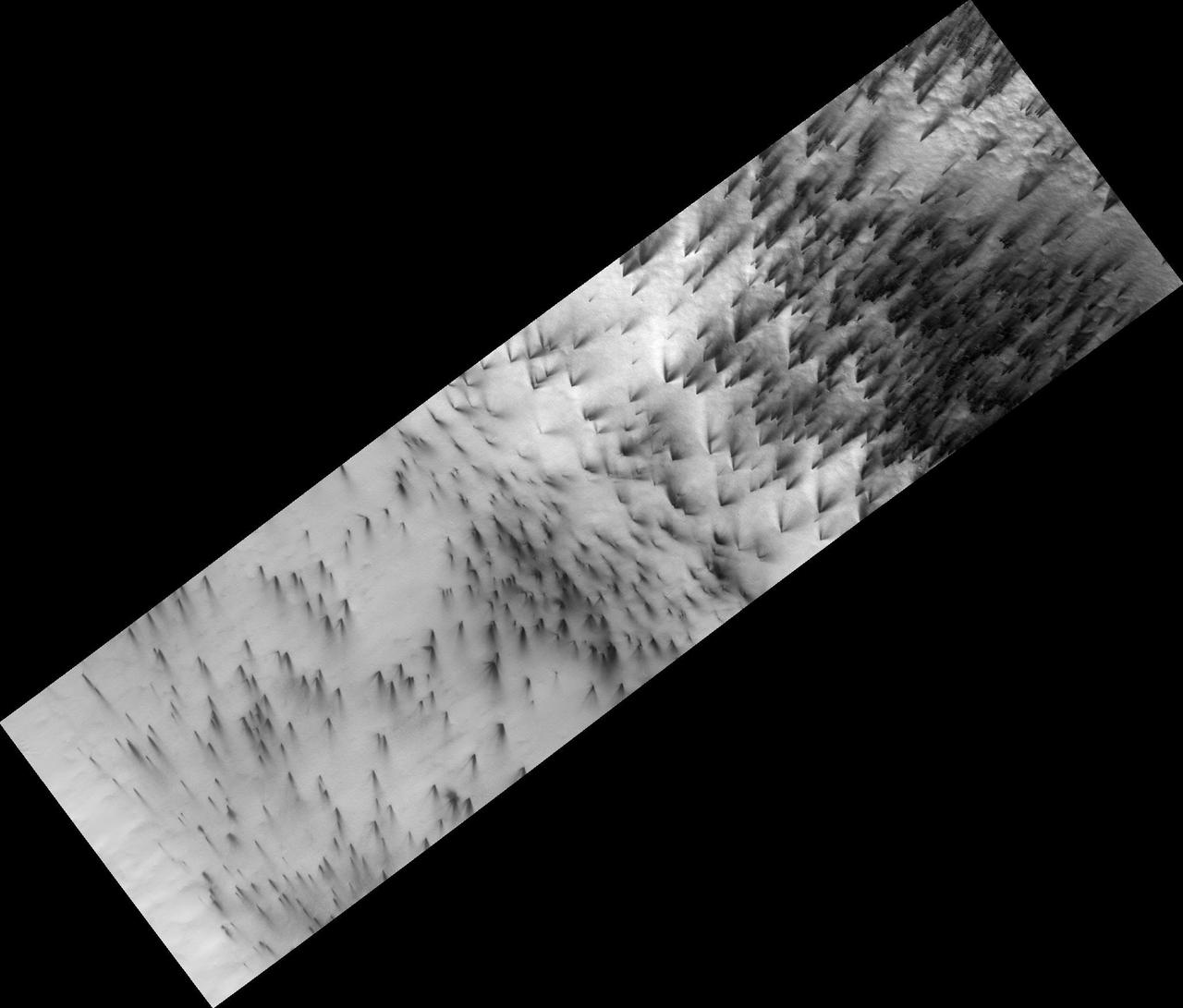
Dry Ice Etches Terrain
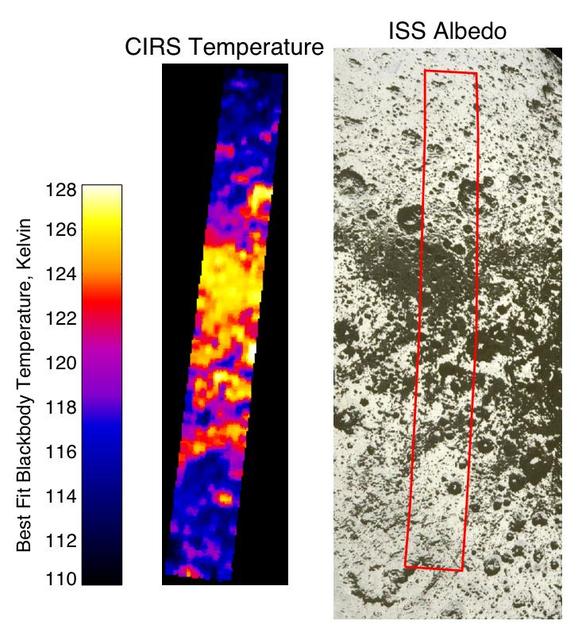
Warm and Dry on Iapetus
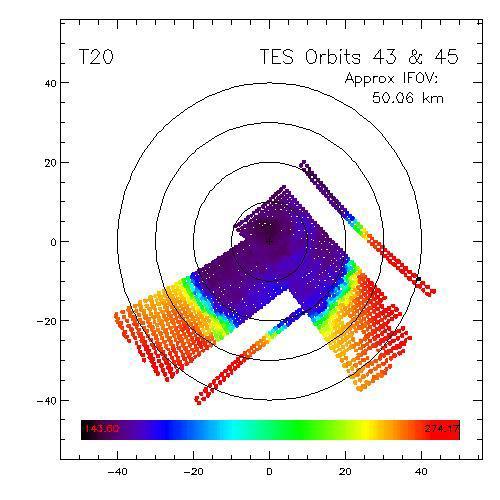
Dark Dry Ice on Southern Cap - Thermal Image
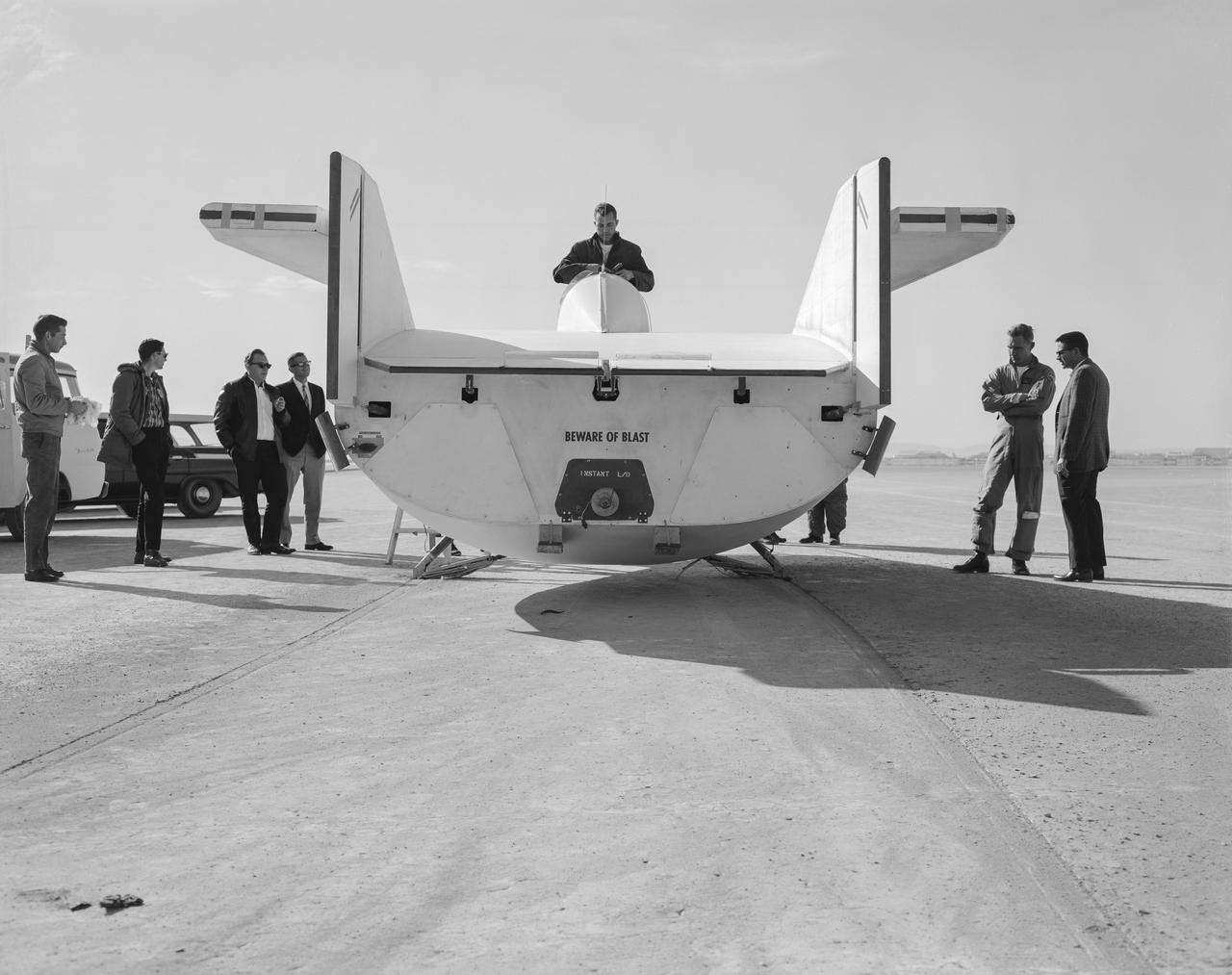
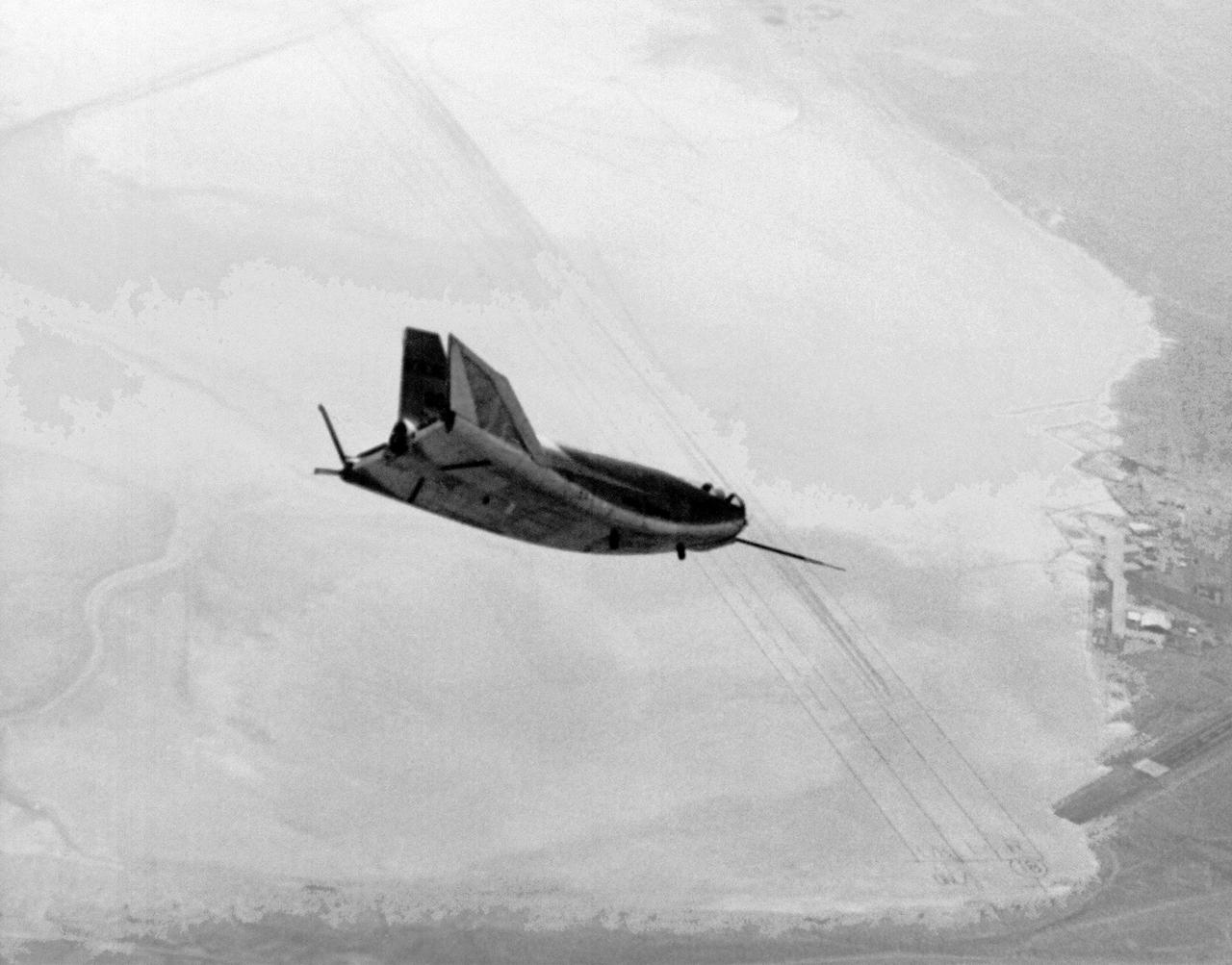
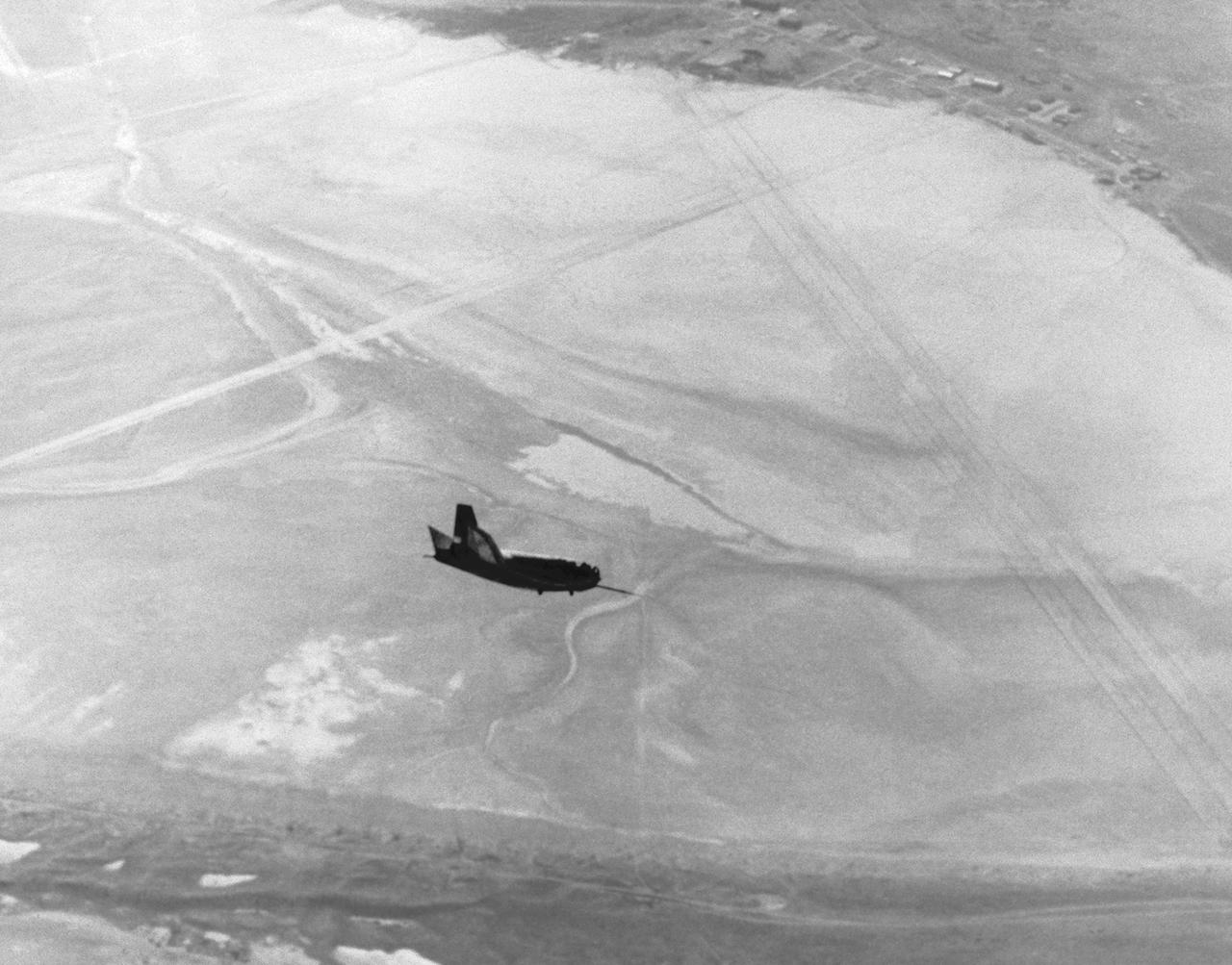
The M2-F1 following a hard landing on Rogers Dry Lake in 1963. It hit the lakebed so hard the rolling gear completely separated.
M2-F1 Lands Hard on Rogers Dry Lake
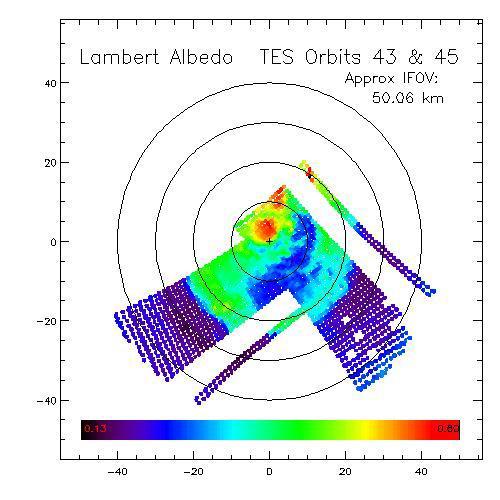
Dark Dry Ice on Southern Cap - Lambert Albedo Image
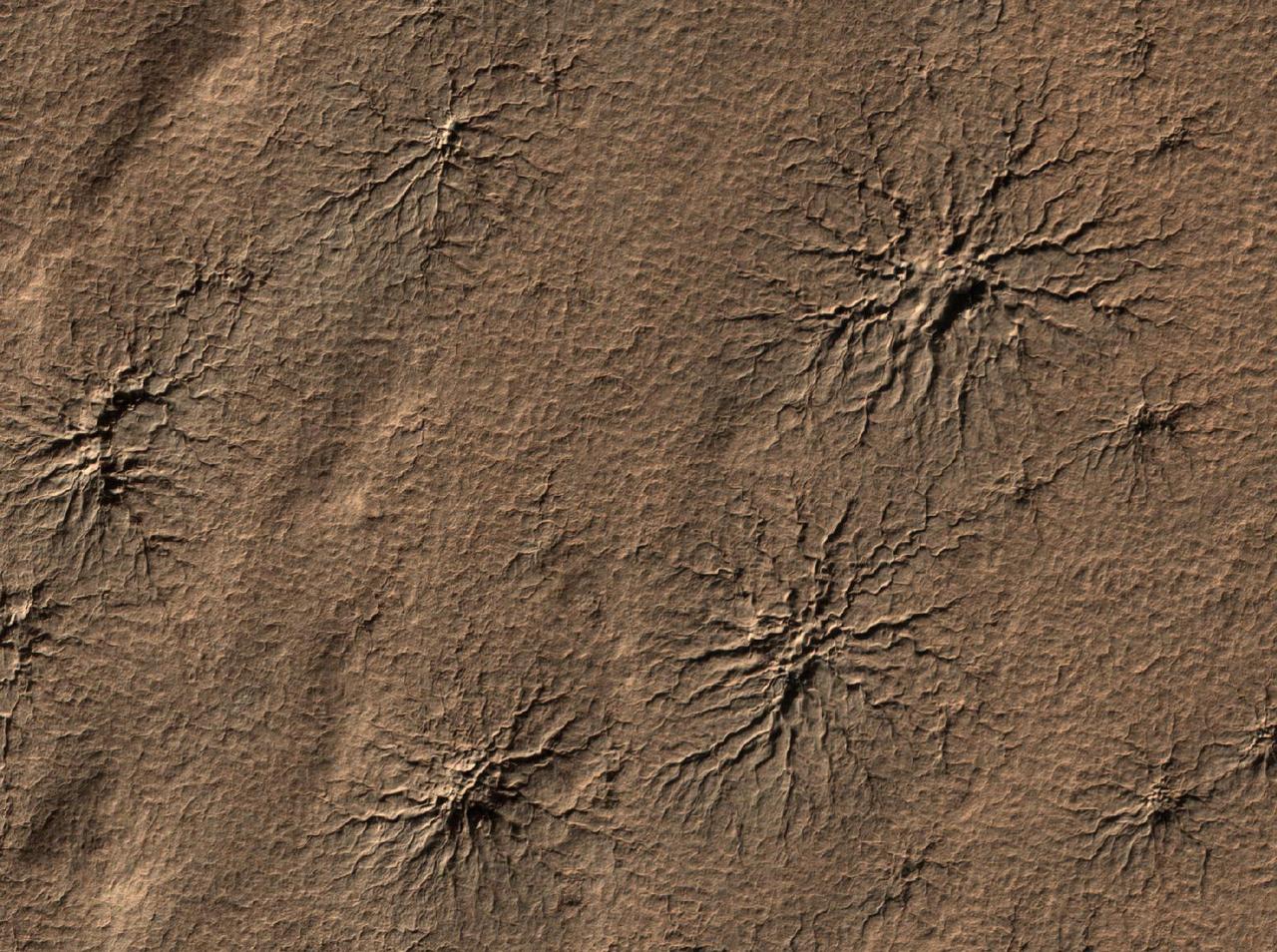
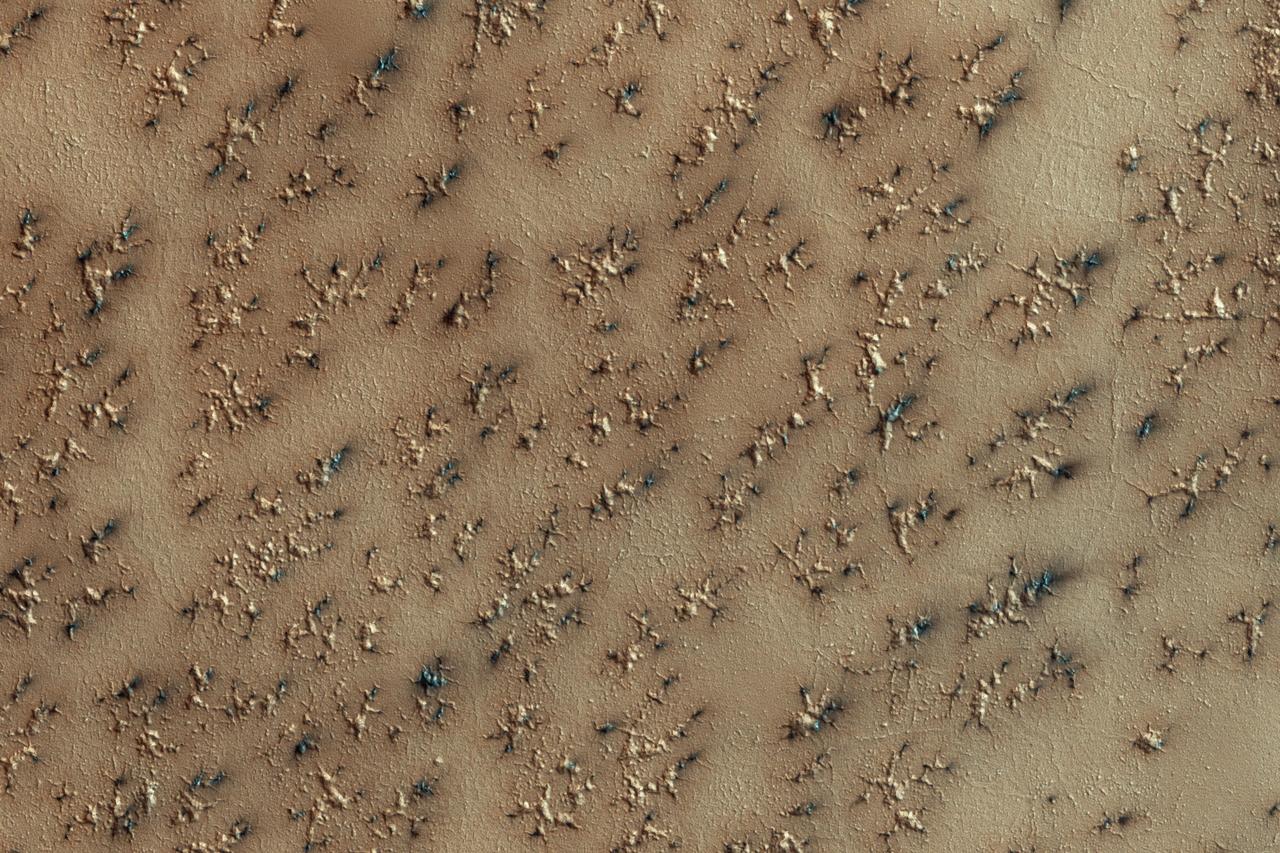
The High Resolution Imaging Science Experiment camera on NASA Mars Reconnaissance Orbiter captured this image of spider-shaped features on Mars, carved by vaporizing dry ice.
Radial Channels Carved by Dry Ice
The McMurdo Dry Valleys are a row of valleys west of McMurdo Sound, Antarctica. They are so named because of their extremely low humidity and lack of snow and ice cover. This image was acquired December 8, 2002 by NASA Terra spacecraft.
Dry Valleys, Antarctica
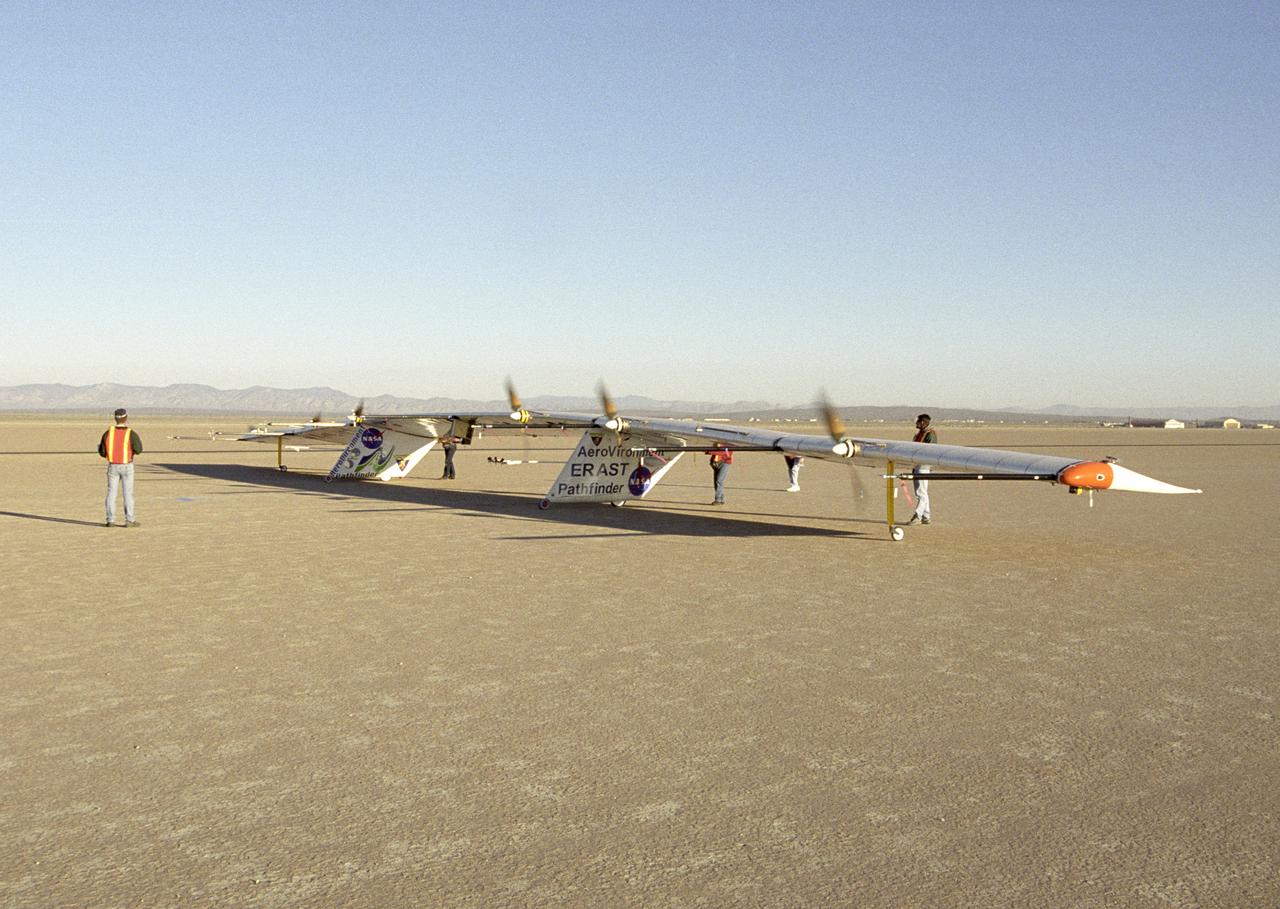
AeroVironment ground crew check out the operation of the Pathfinder-Plus solar aircraft's electric motors during combined systems tests on Rogers Dry Lake.
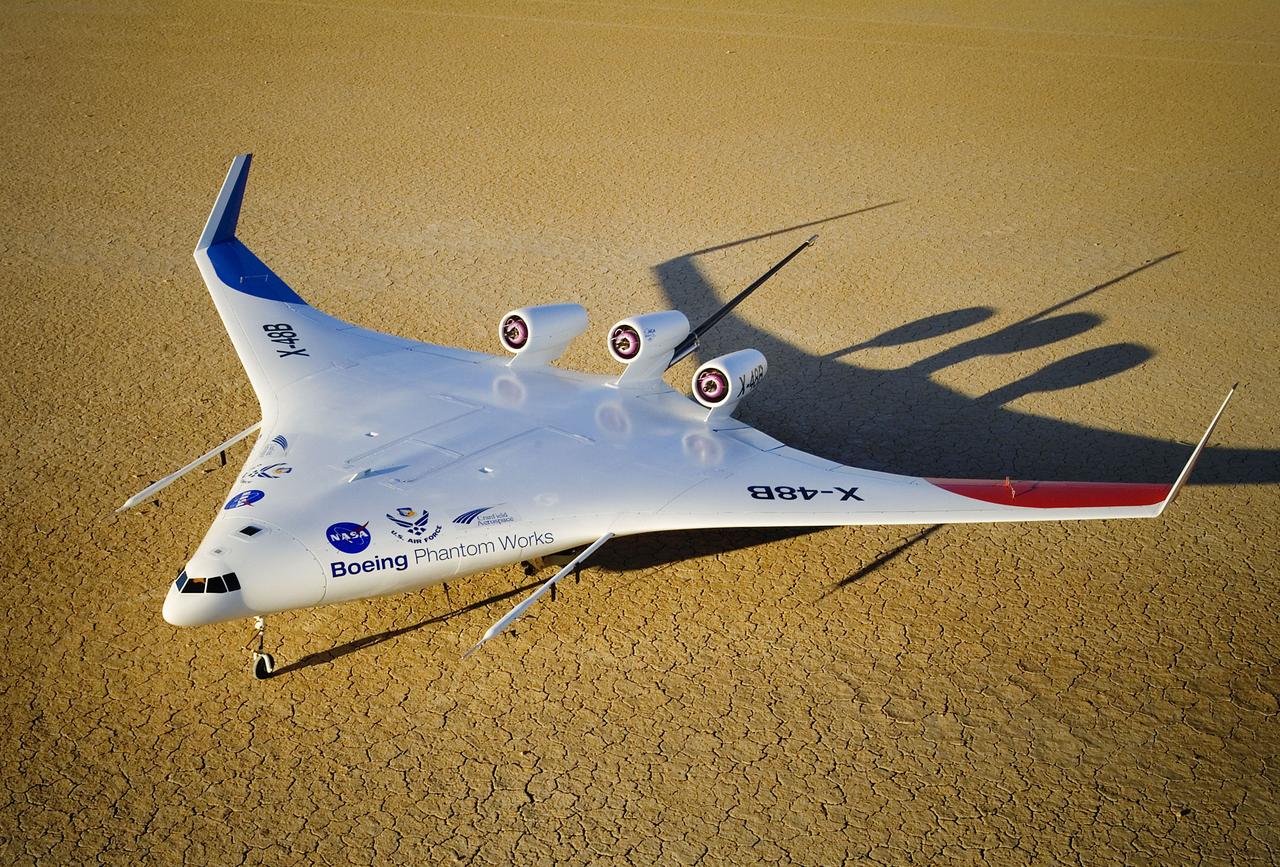
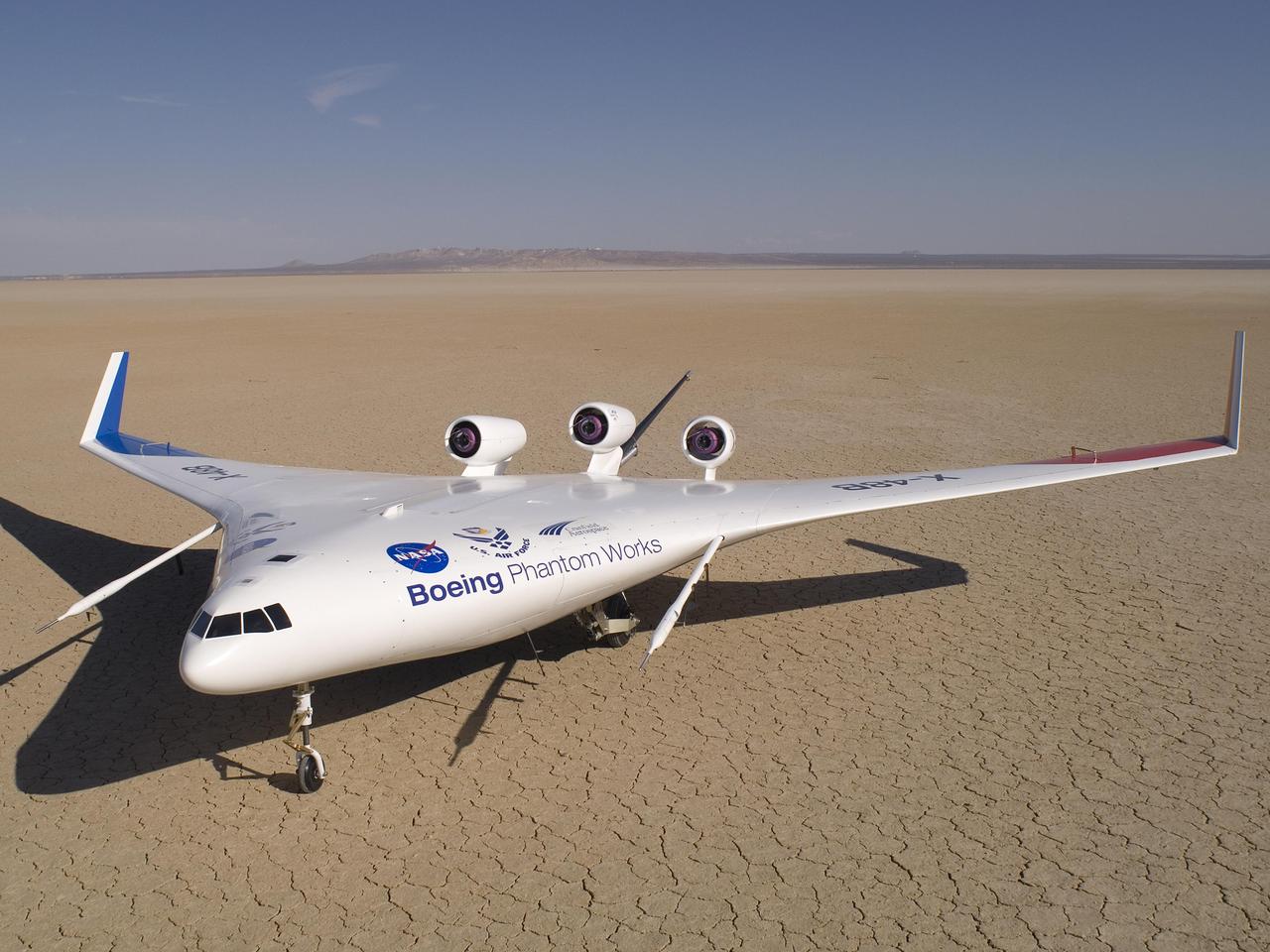
Boeing's X-48B Blended Wing Body technology demonstrator shows off its unique lines at sunset on Rogers Dry Lake adjacent to NASA's Dryden Flight Research Center. (Boeing photo # SMF06_F_KOEH_X48B-0900a)
Boeing's X-48B Blended Wing Body technology demonstrator shows off its unique lines at sunset on Rogers Dry Lake adjacent to NASA DFRC
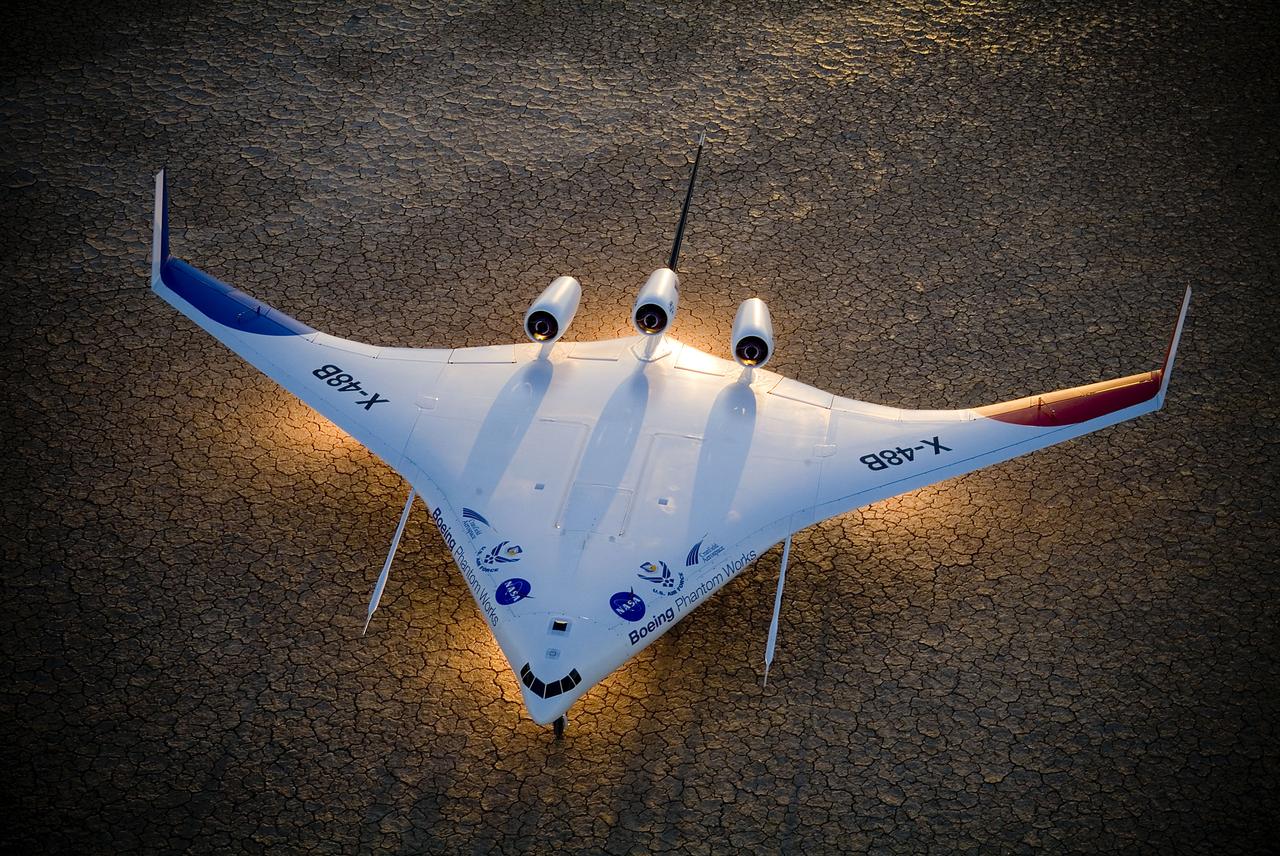
Boeing's X-48B Blended Wing Body technology demonstrator shows off its unique lines at sunset on Rogers Dry Lake adjacent to NASA's Dryden Flight Research Center. (Boeing photo # SMF06_F_KOEH_X48B-0955)
Boeing's X-48B Blended Wing Body technology demonstrator shows off its unique lines at sunset on Rogers Dry Lake adjacent to NASA DFRC
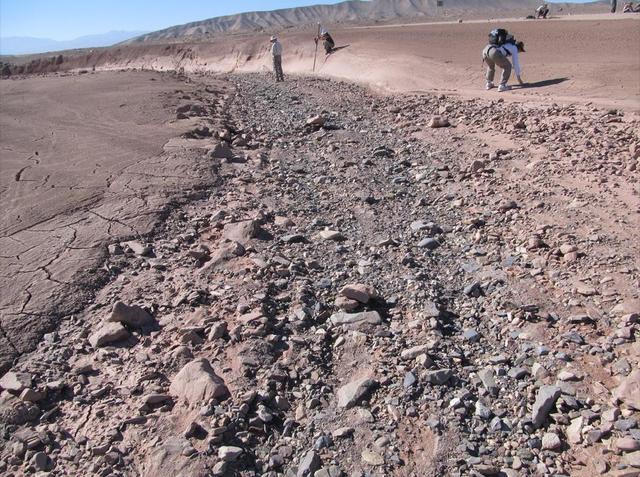
This image shows a dry streambed on an alluvial fan in the Atacama Desert, Chile, revealing the typical patchy, heterogeneous mixture of grain sizes deposited together.
Dry Streambed on Alluvial Fan in Northern Chile
Boeing's sub-scale X-48B Blended Wing Body technology demonstrator showed off its unique lines on the vast expanse of Rogers Dry Lake adjacent to NASA Dryden.
X-48B on Rogers Dry Lakebed
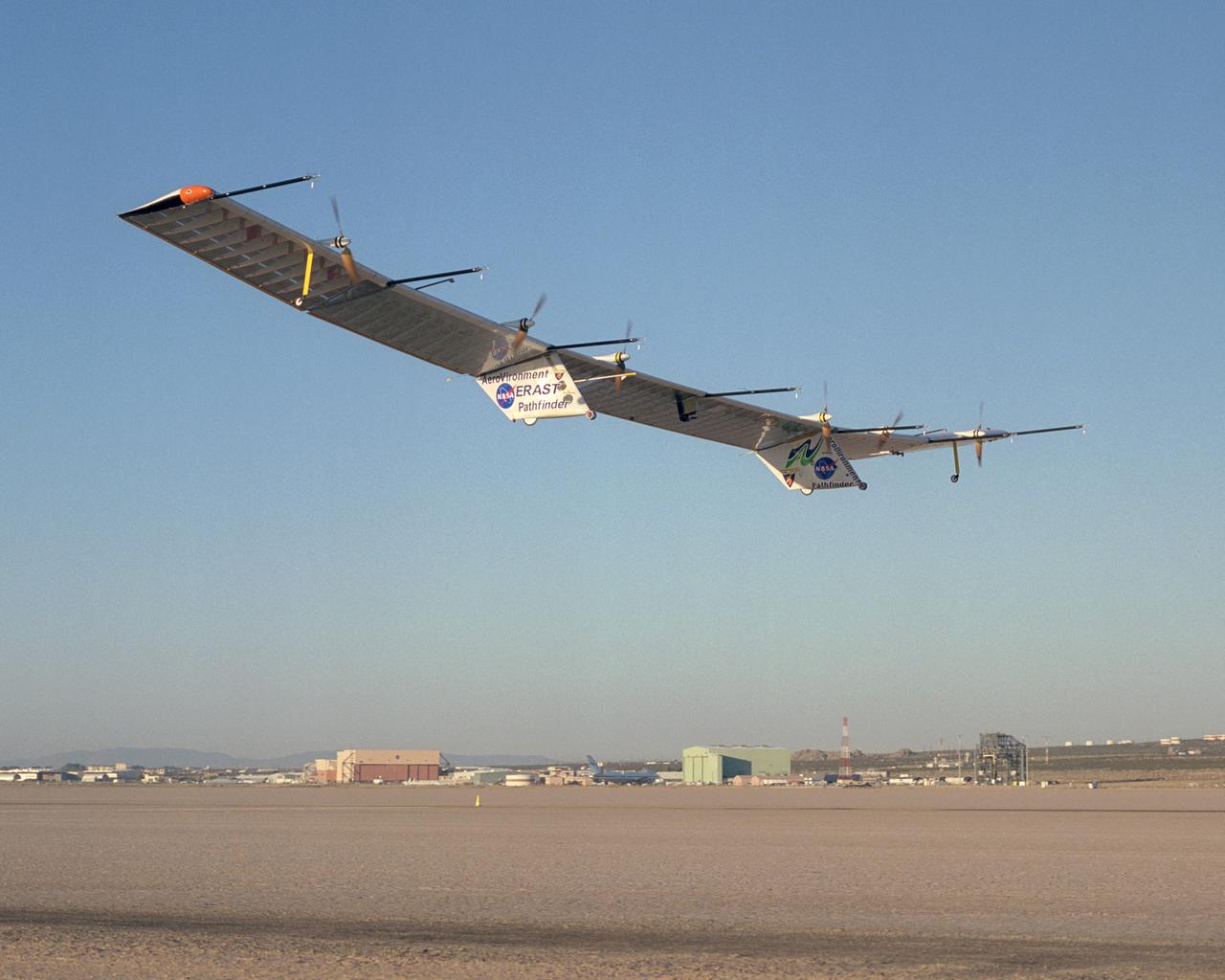
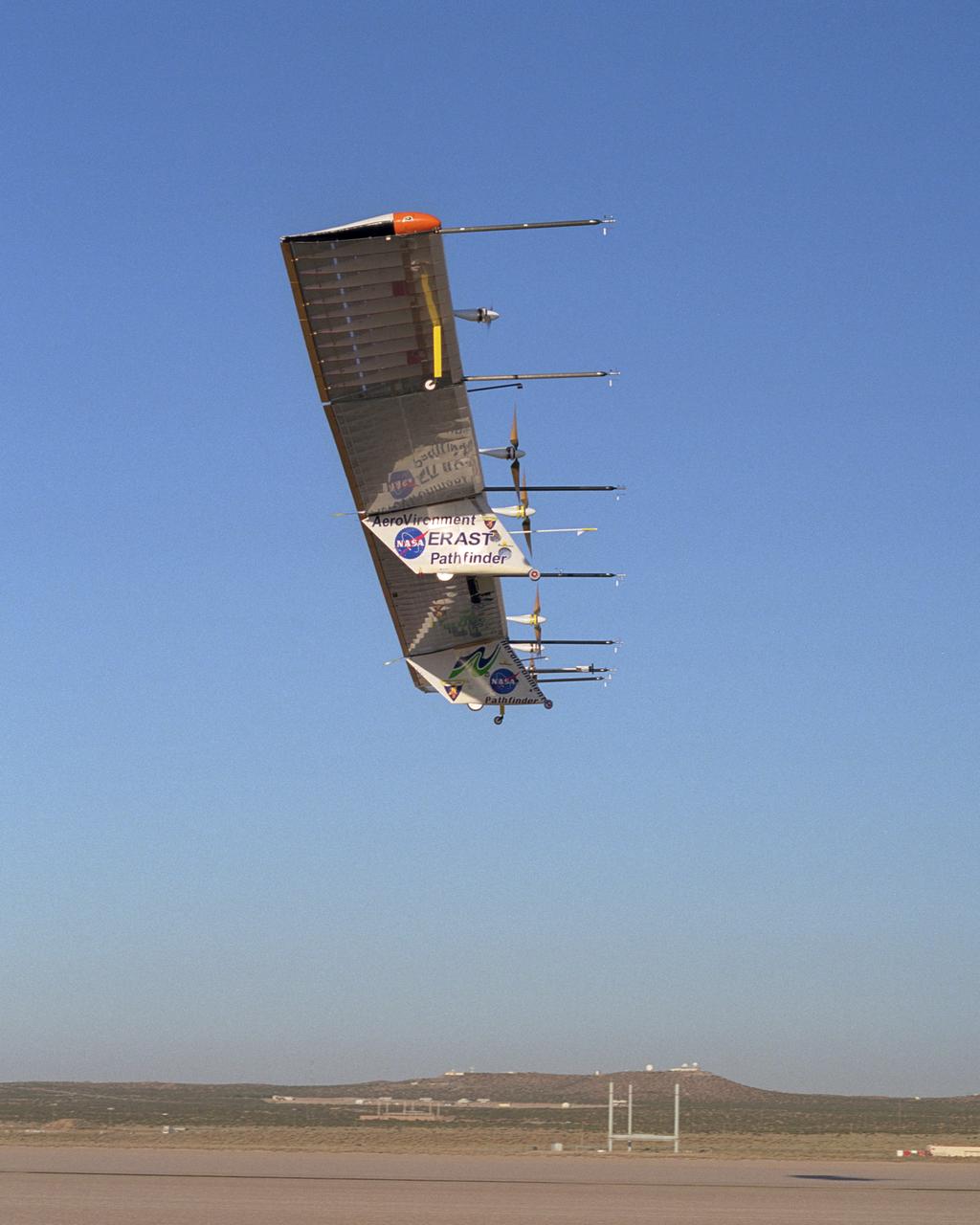
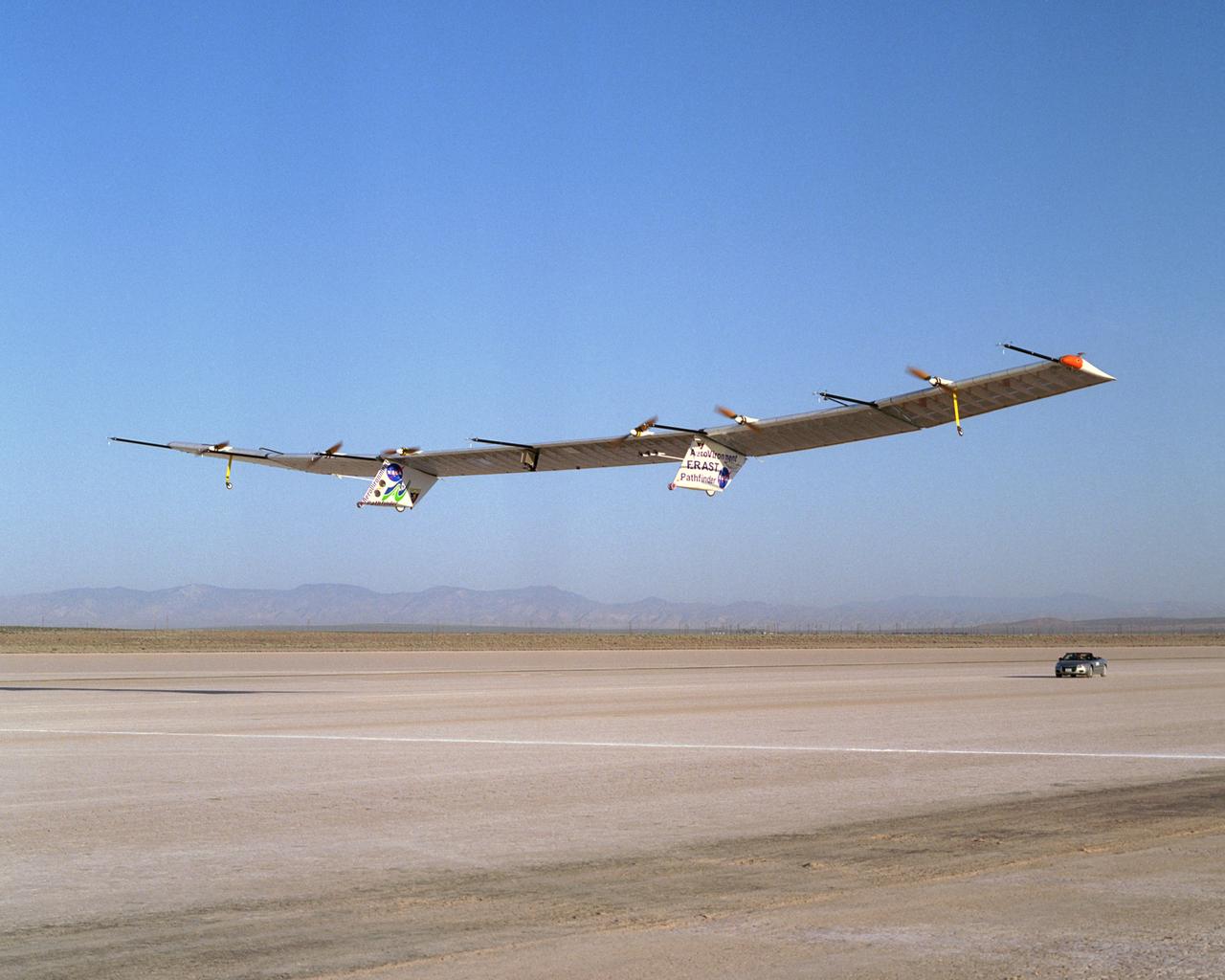
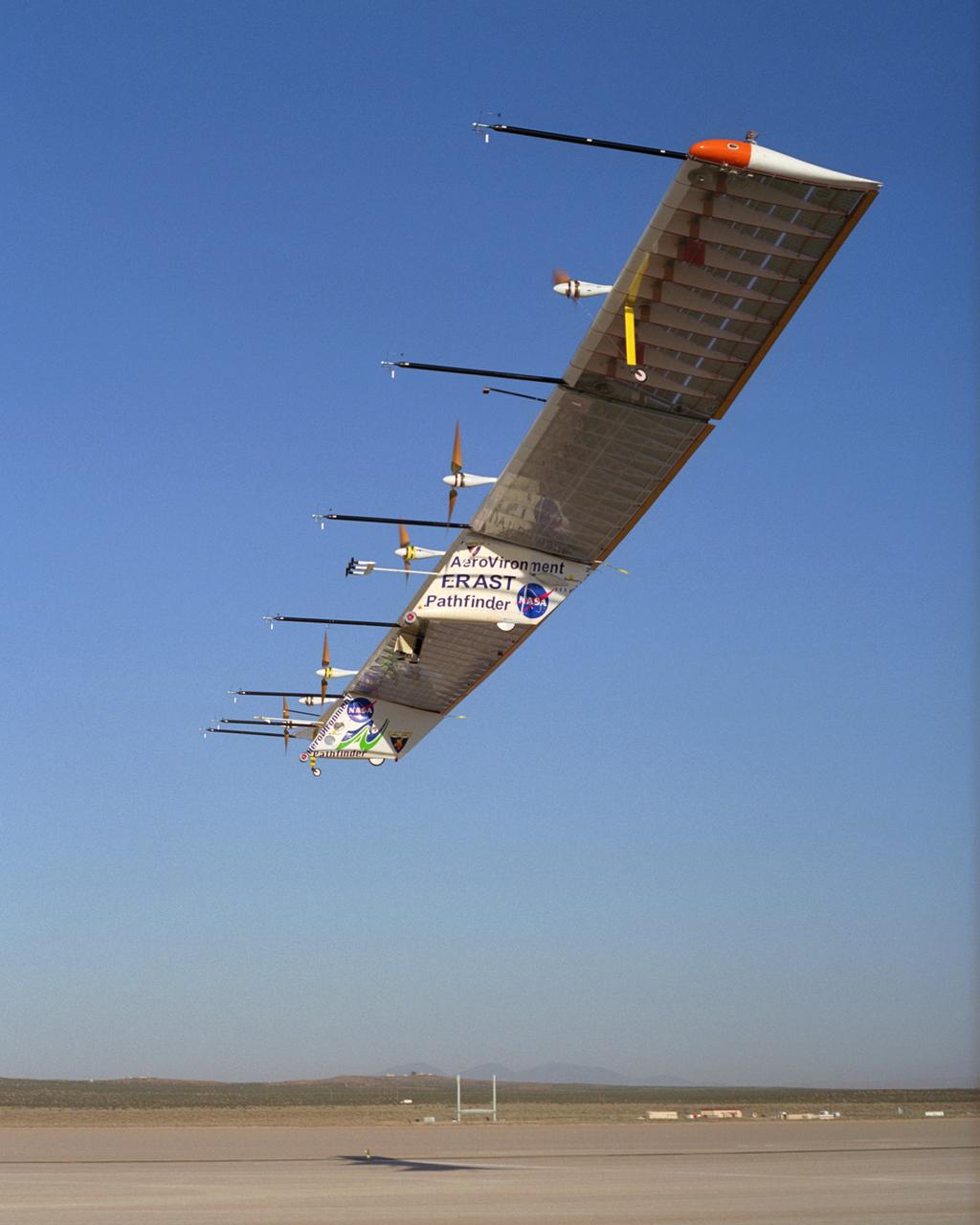
The Atmospheric Turbulence Measurement System booms are clearly evident in this view of the Pathfinder-Plus solar aircraft as it flies over Rogers Dry Lake.
The Pathfinder-Plus solar-electric flying wing lifts off Rogers Dry Lake adjoining NASA Dryden Flight Research Center on a turbulence-measurement flight.
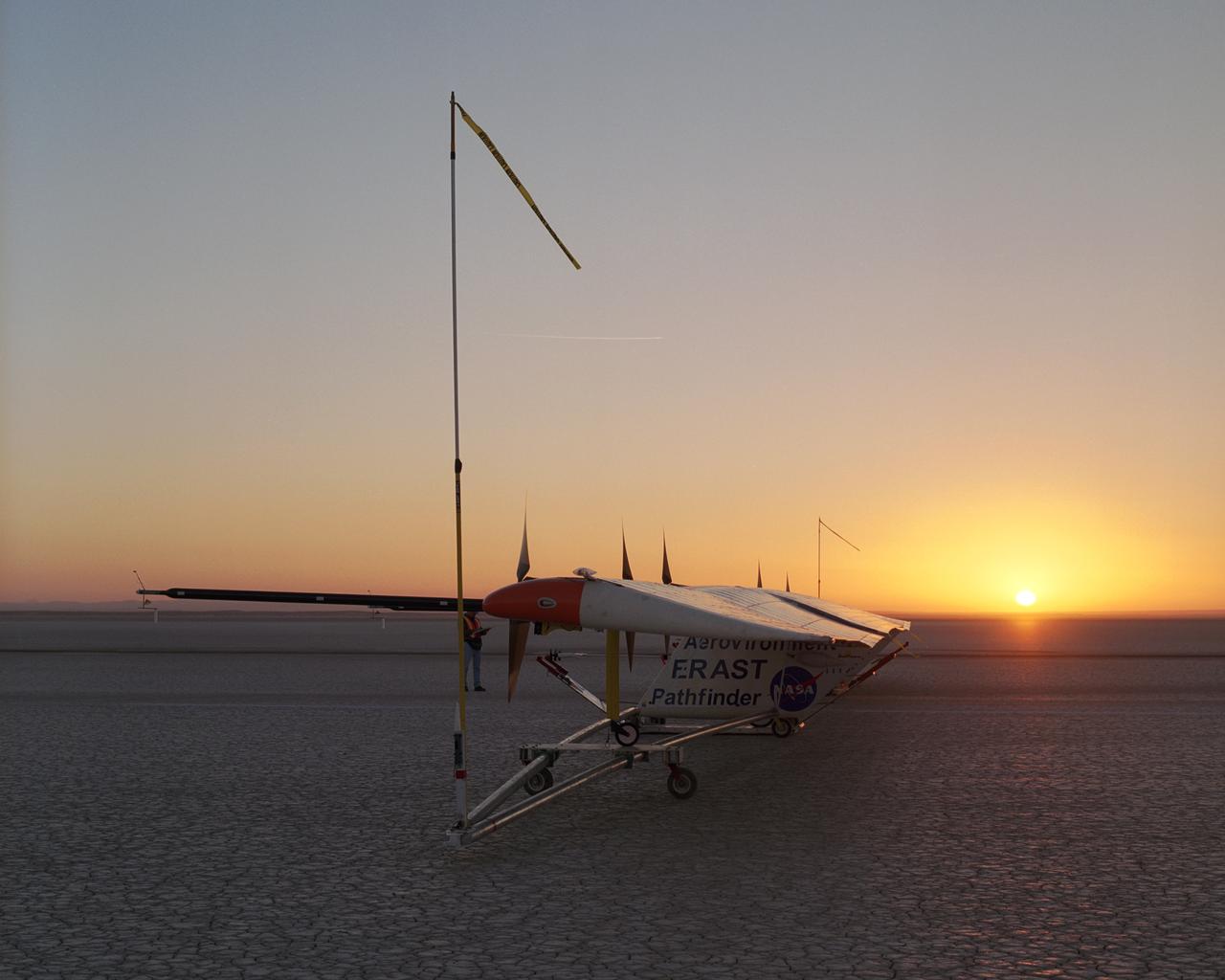
As the rising sun dawns over the parched bed of Rogers Dry Lake, AeroVironment's solar-electric Pathfinder-Plus awaits takeoff on its final research flight.
The Pathfinder-Plus solar-electric flying wing lifts off Rogers Dry Lake adjoining NASA Dryden Flight Research Center on a turbulence-measurement flight.
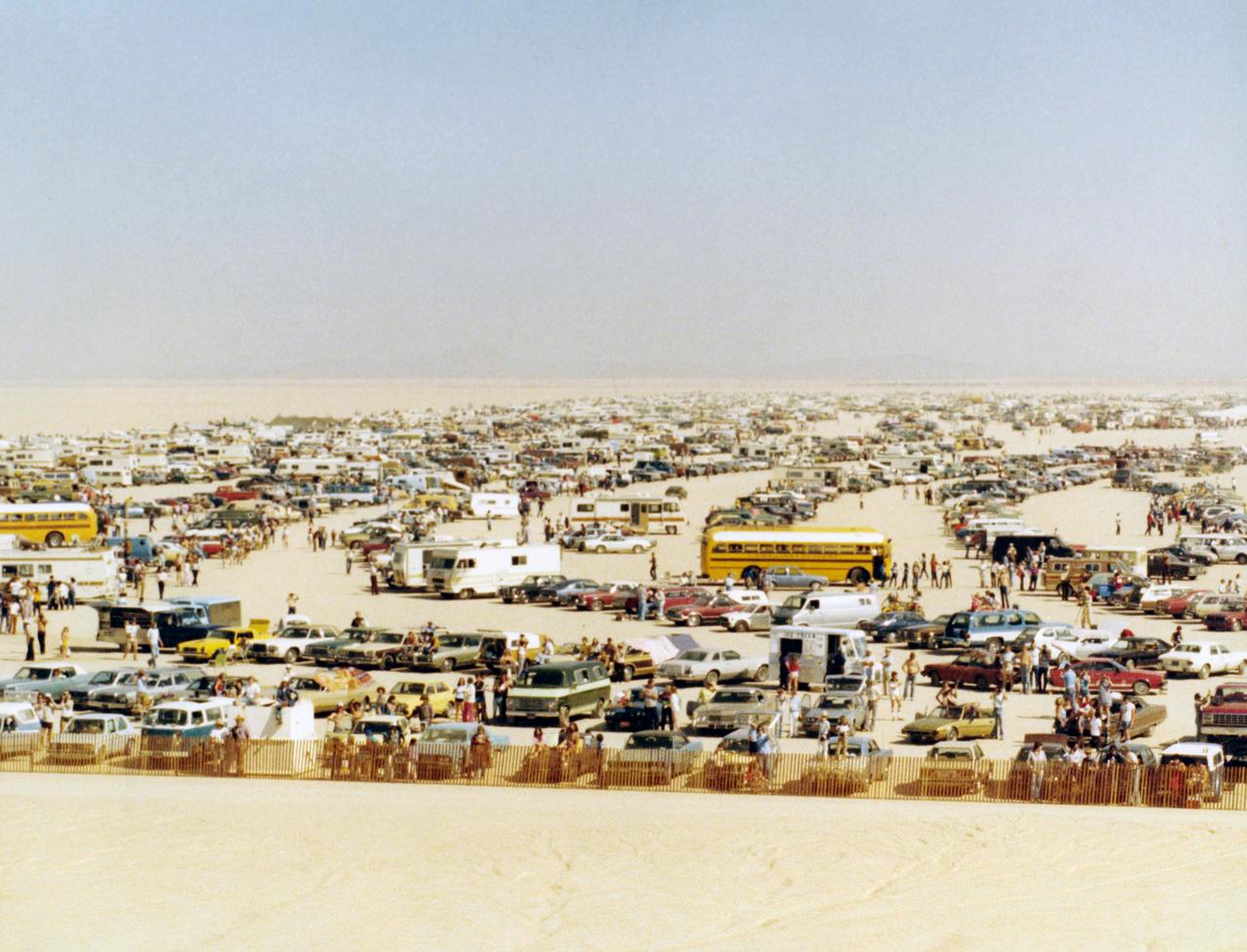
Large crowds gathered on Rogers Dry Lake at Edwards AFB to see the first landing of the Space Shuttle Columbia, completing its first orbital mission.
Large crowds gathered on Rogers Dry Lake at Edwards AFB to see the first landing of the Space Shuttle Columbia, completing its first orbital mission
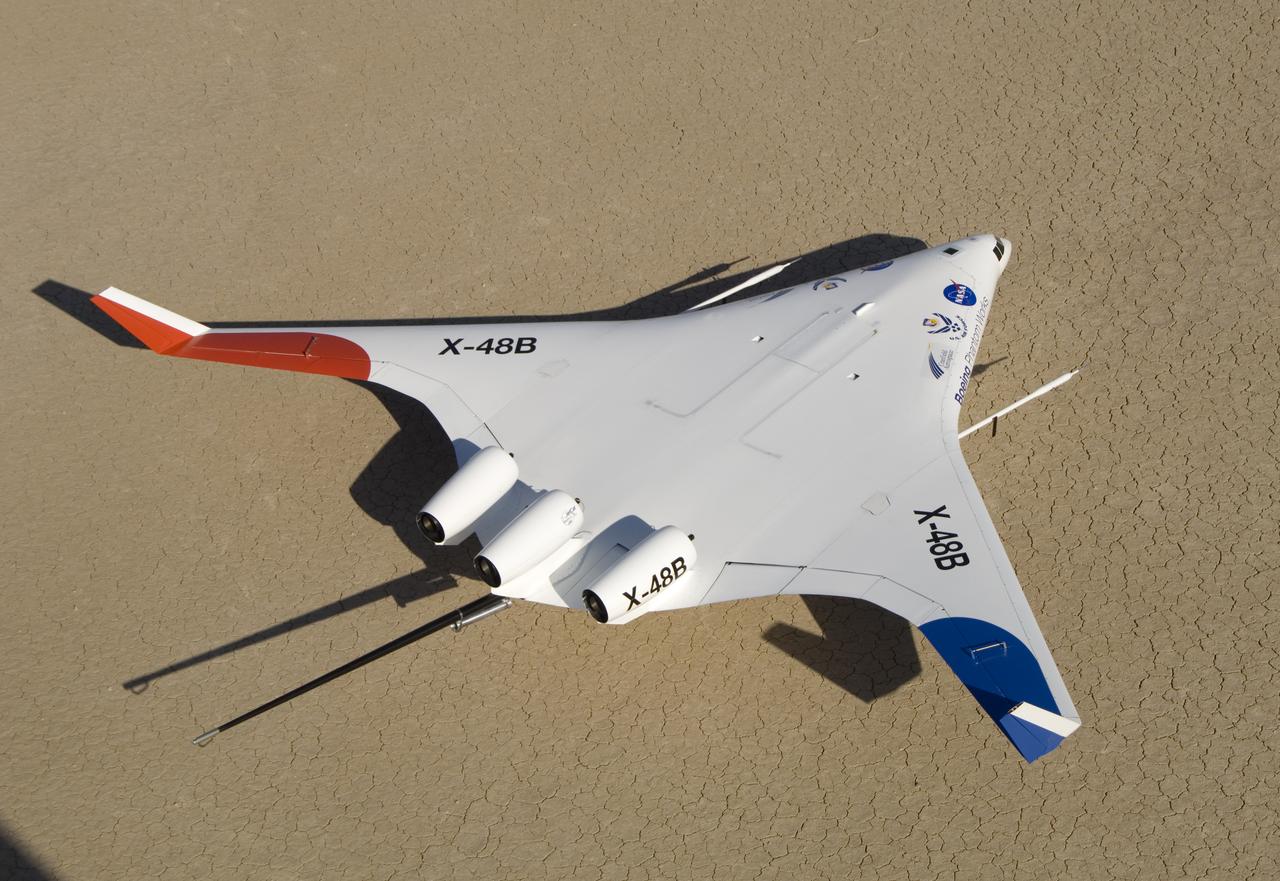
This rear-quarter view shows off the unique lines of Boeing's X-48B Blended Wing Body technology demonstrator on Rogers Dry Lake adjacent to NASA Dryden.
This rear-quarter view shows off the unique lines of Boeing's X-48B Blended Wing Body technology demonstrator on Rogers Dry Lake adjacent to NASA Dryden
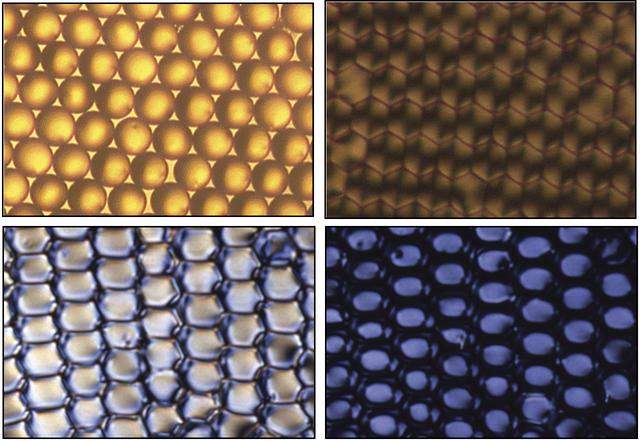
These images, from David Weitz’s liquid crystal research, show ordered uniform sized droplets (upper left) before they are dried from their solution. After the droplets are dried (upper right), they are viewed with crossed polarizers that show the deformation caused by drying, a process that orients the bipolar structure of the liquid crystal within the droplets.  When an electric field is applied to the dried droplets (lower left), and then increased (lower right), the liquid crystal within the droplets switches its alignment, thereby reducing the amount of light that can be scattered by the droplets when a beam is shone through them.
Fluid Physics
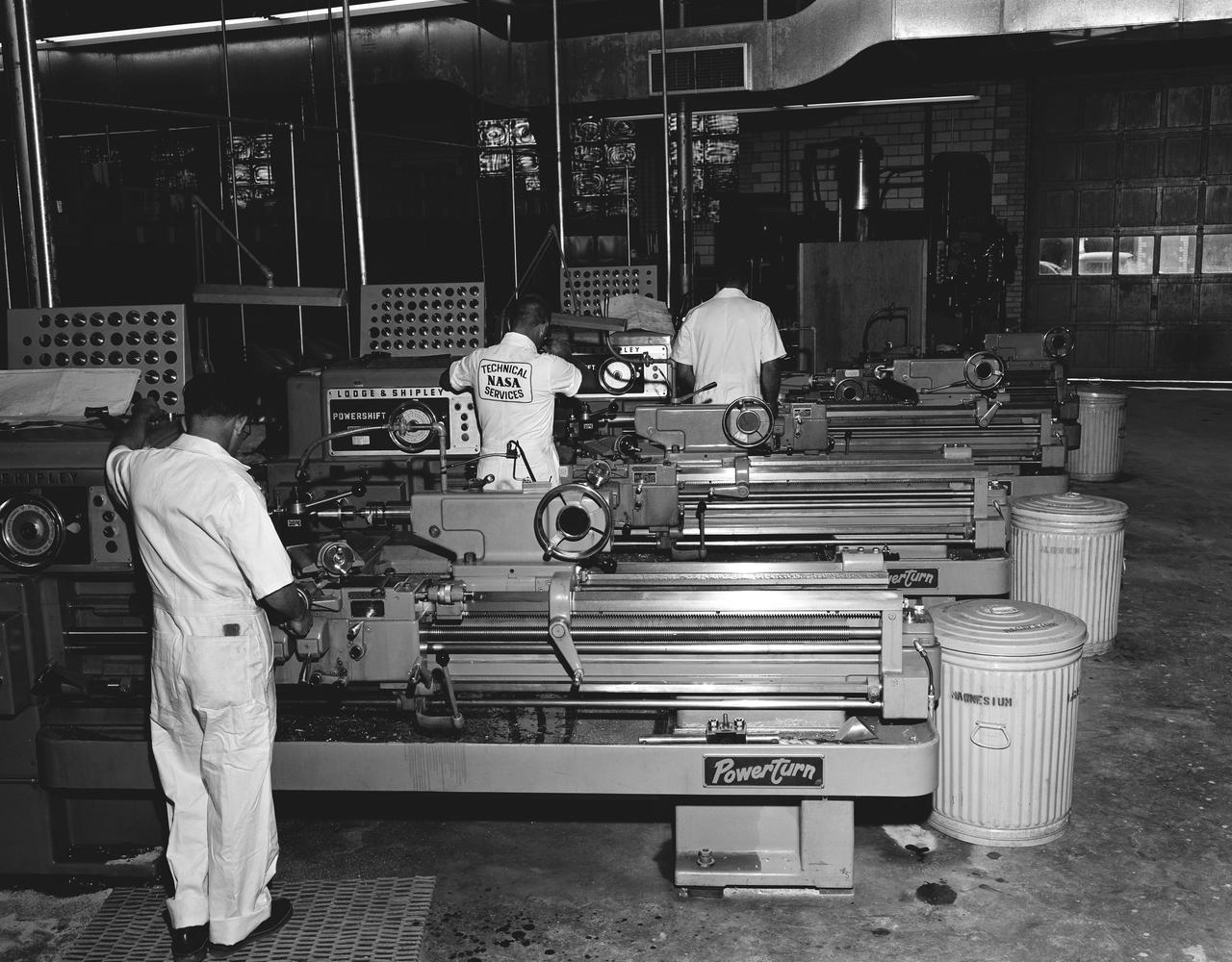
View of NASA Technical Services personnel working in Canada Dry bldg.
CRAFTSMAN WORKING IN CANADA DRY BLDG.
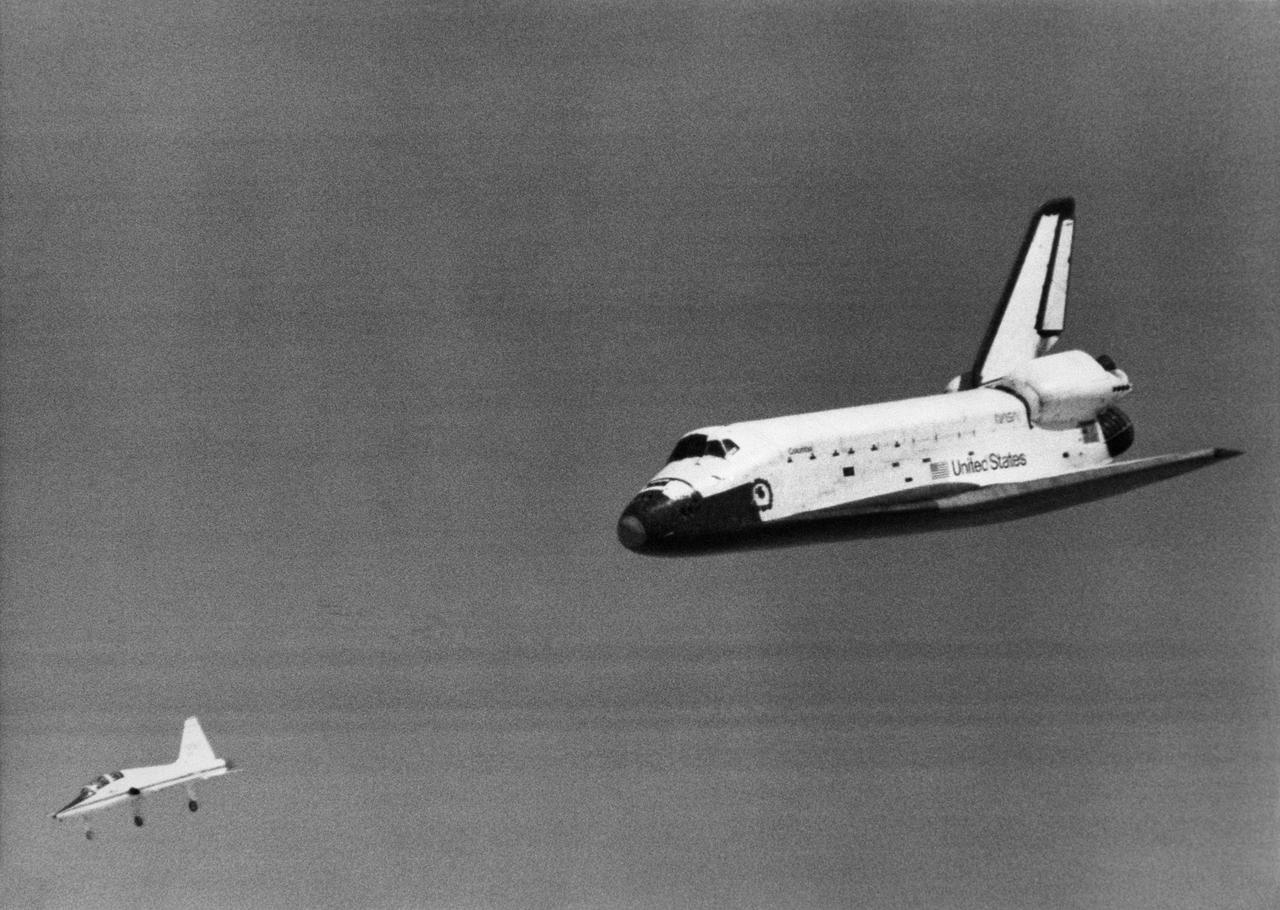
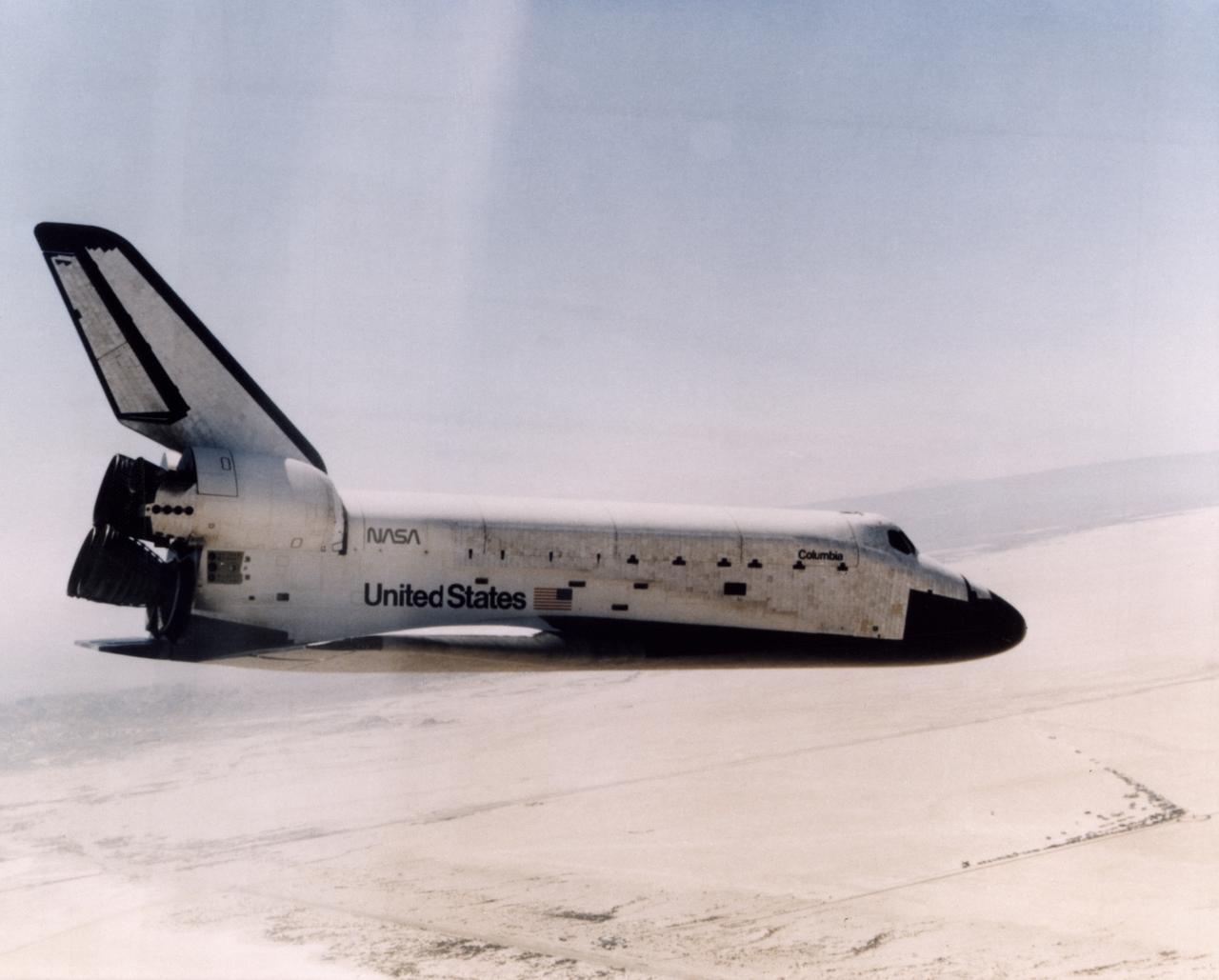
The Space Shuttle Columbia glides down over Rogers Dry Lake as it heads for a landing at Edwards Air Force Base at the conclusion of its first orbital mission on April 14, 1981.
The Space Shuttle Columbia glides down over Rogers Dry Lake as it heads for a landing at Edwards AFB at the conclusion of its first orbital mission
Lozenge-shaped crystals are evident in this magnified view of a Martian rock target called Mojave, taken on Nov. 15, 2014, by NASA Curiosity Mars rover. These features record concentration of dissolved salts, possibly in a drying lake.
Crystals May Have Formed in Drying Martian Lake
NASA Mars Reconnaissance Orbiter took these images of an area near Mars south pole where coalescing or elongated pits are interpreted as signs of an underlying deposit of frozen carbon dioxide, or dry ice.
Pitting from Sublimation of Underlying Dry-Ice Layer
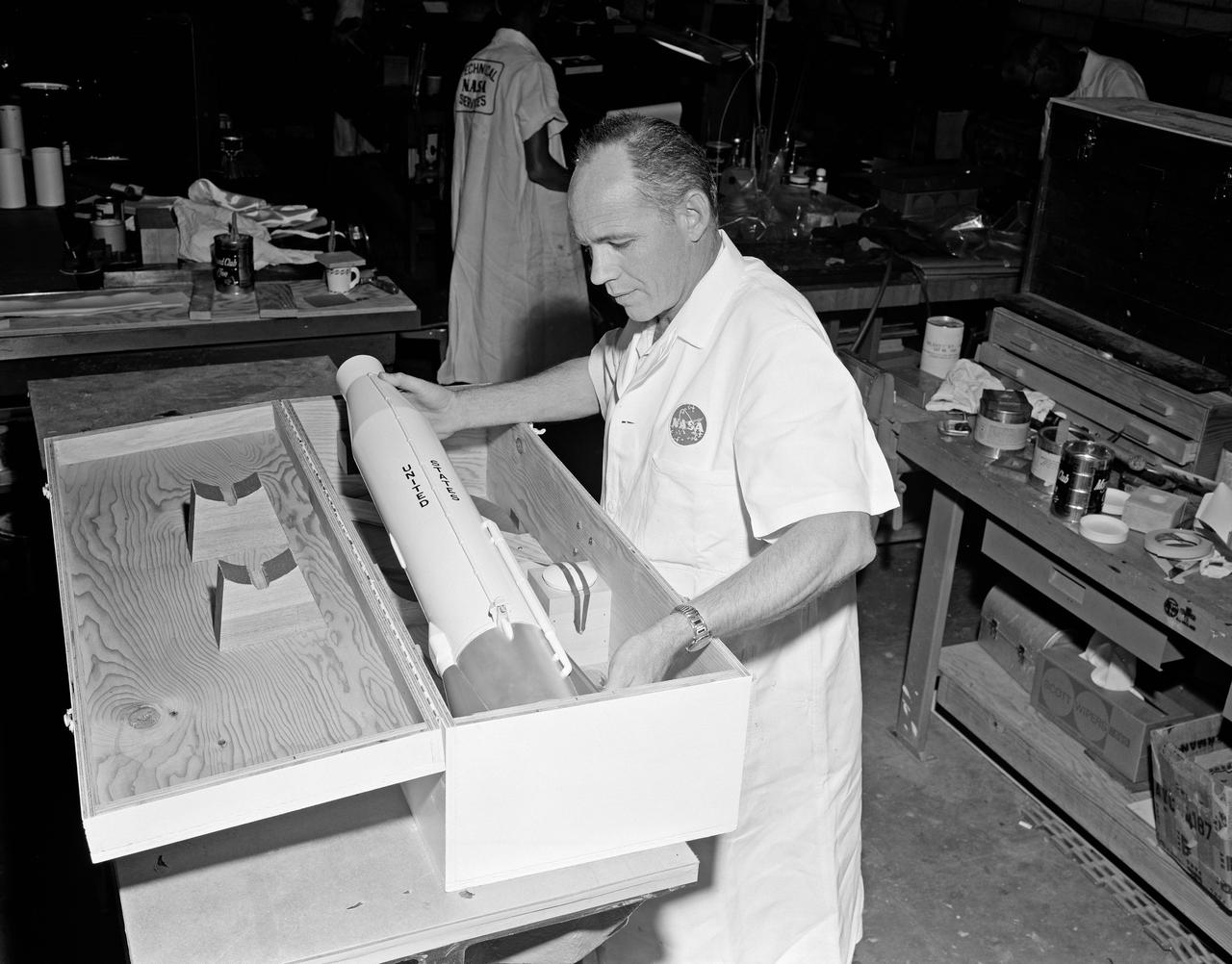
View of NASA Technical Services personnel packing model of rocket in the Canada Dry Bldg.
CRAFTSMAN WORKING IN CANADA DRY BLDG.
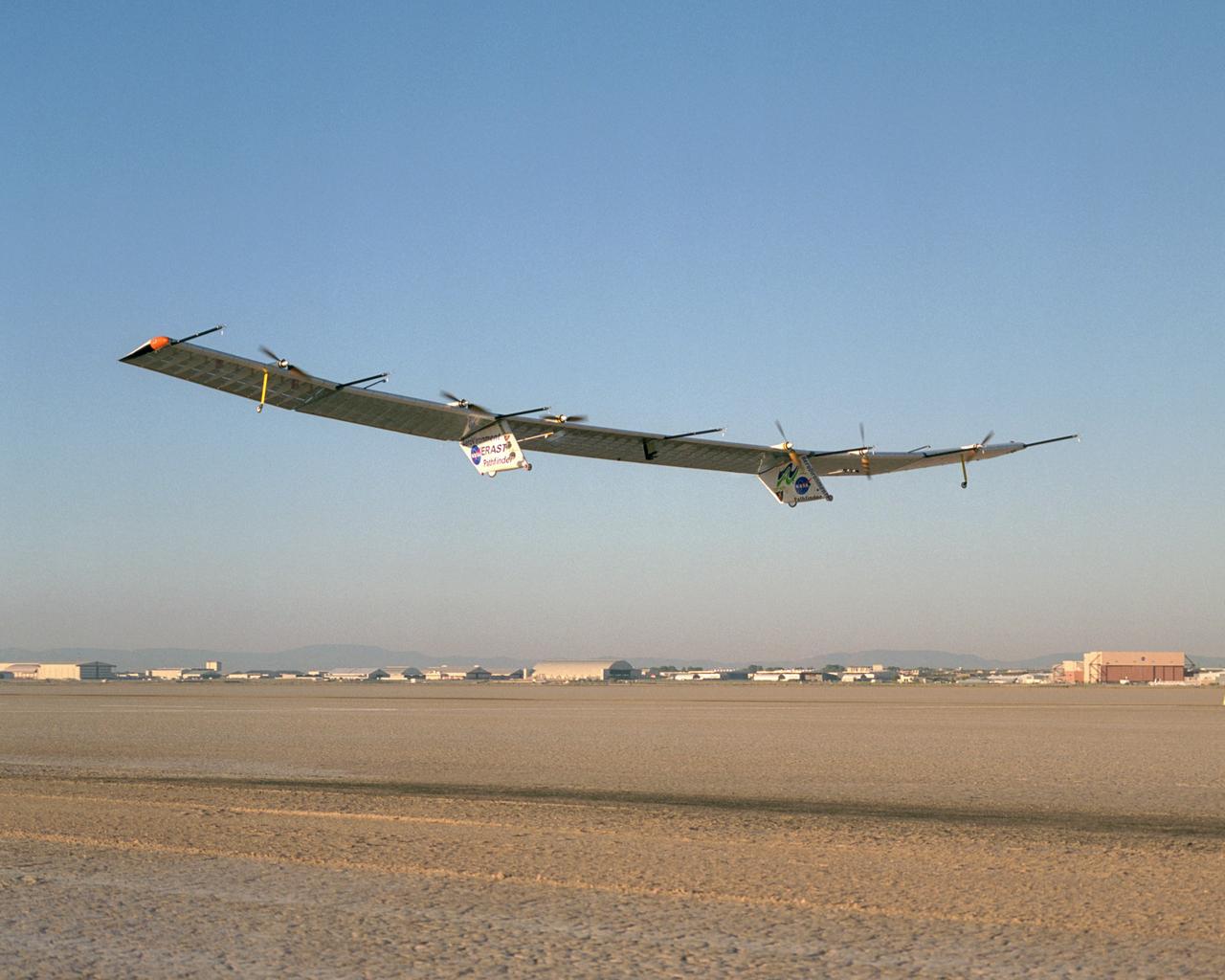
The Atmospheric Turbulence Measurement System booms extend forward from the Pathfinder-Plus solar wing as it soars over Rogers Dry Lake on its final flight.
The Atmospheric Turbulence Measurement System booms extend forward from the Pathfinder-Plus solar wing as it soars over Rogers Dry Lake.
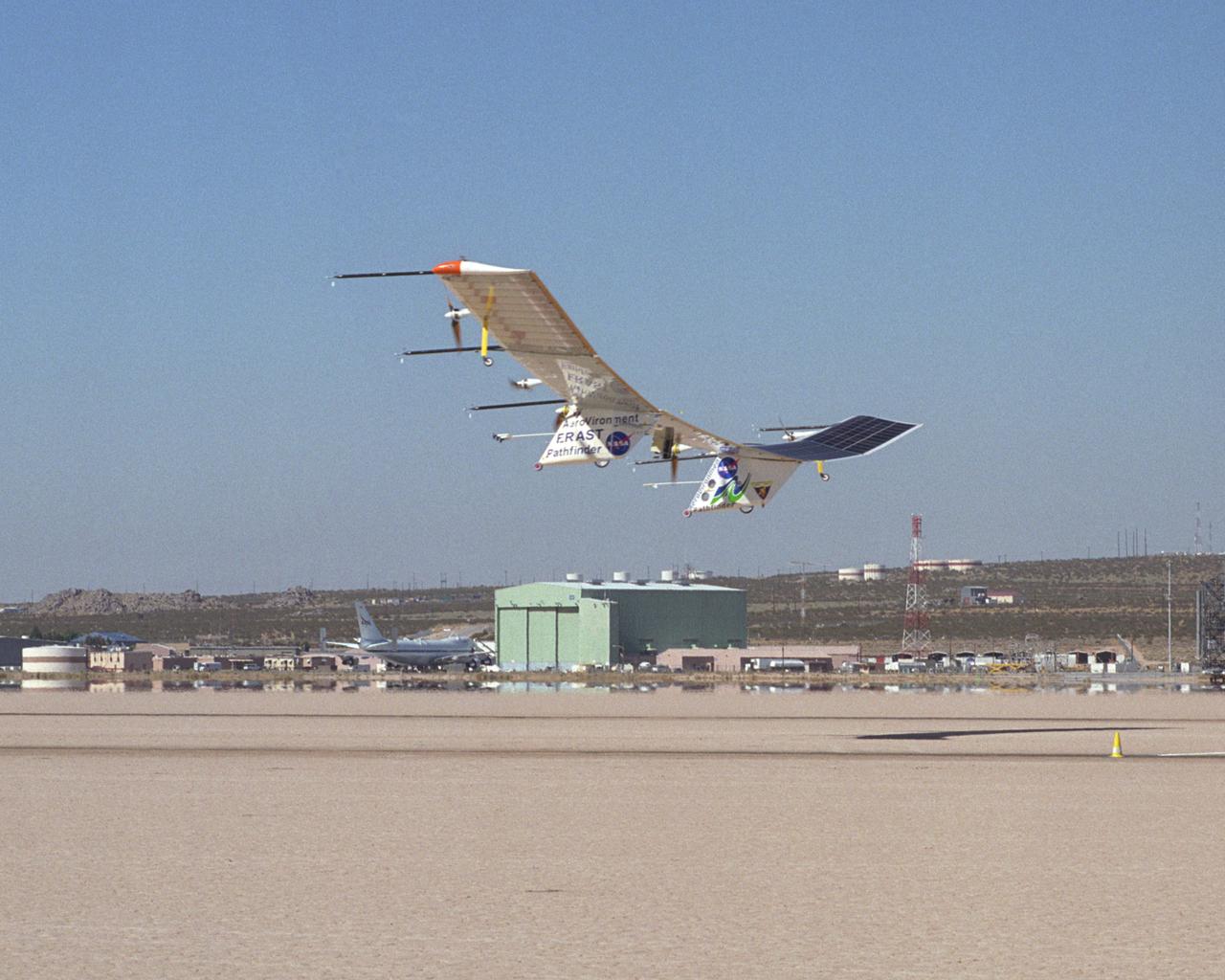
The Pathfinder-Plus solar aircraft flies past NASA Dryden's space shuttle hangar and shuttle carrier aircraft as it descends for landing on Rogers Dry Lake.
With turbulence-measurement booms projecting ahead of the wing, Pathfinder-Plus soars aloft over Rogers Dry Lake on its final research flight from NASA Dryden.
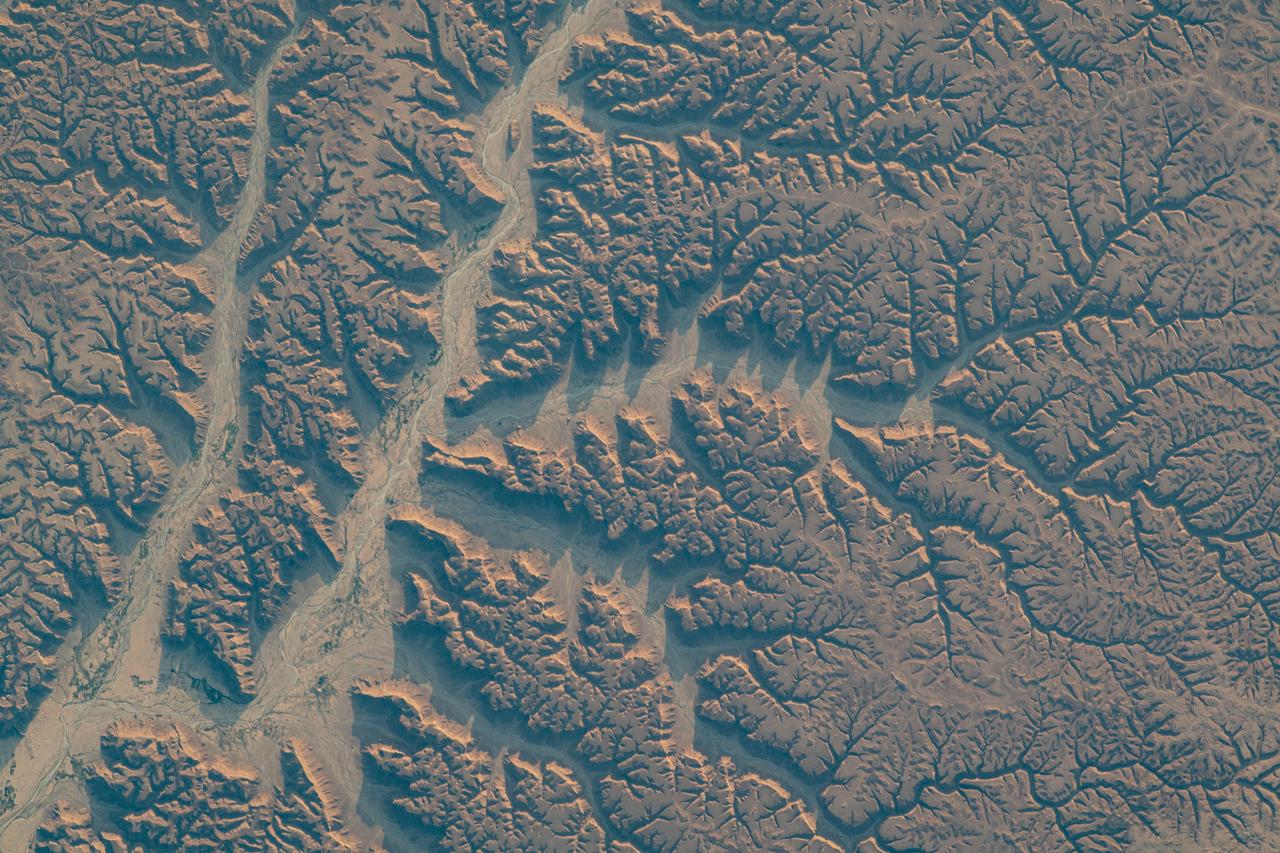
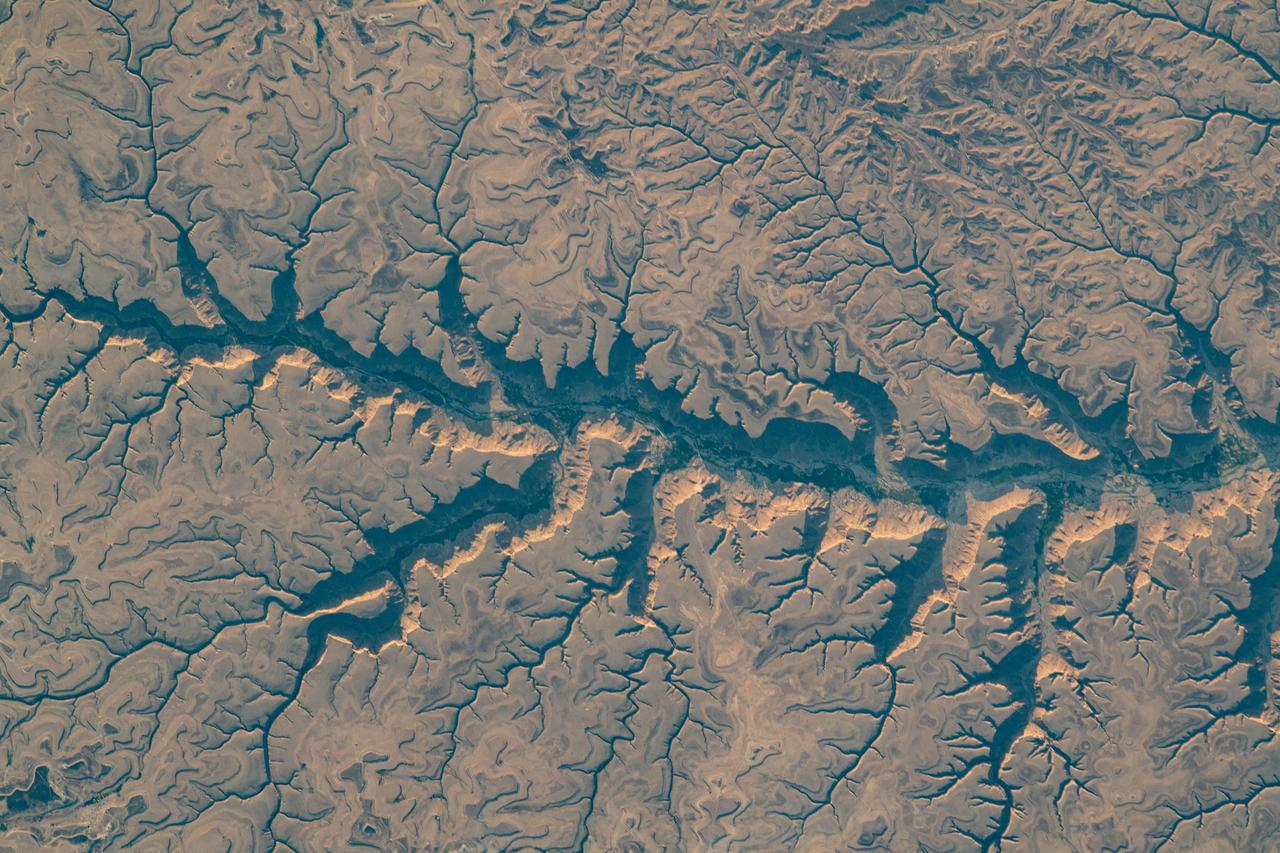
iss069e010864 (May 16, 2023) --- Wadis, or river valleys that are dry in winter months, in Yemen were pictured by UAE (United Arab Emirates) astronaut and Expedition 69 Flight Engineer Sultan Alneyadi from the International Space Station as it orbited 256 miles above.
Dry river valleys in Yemen
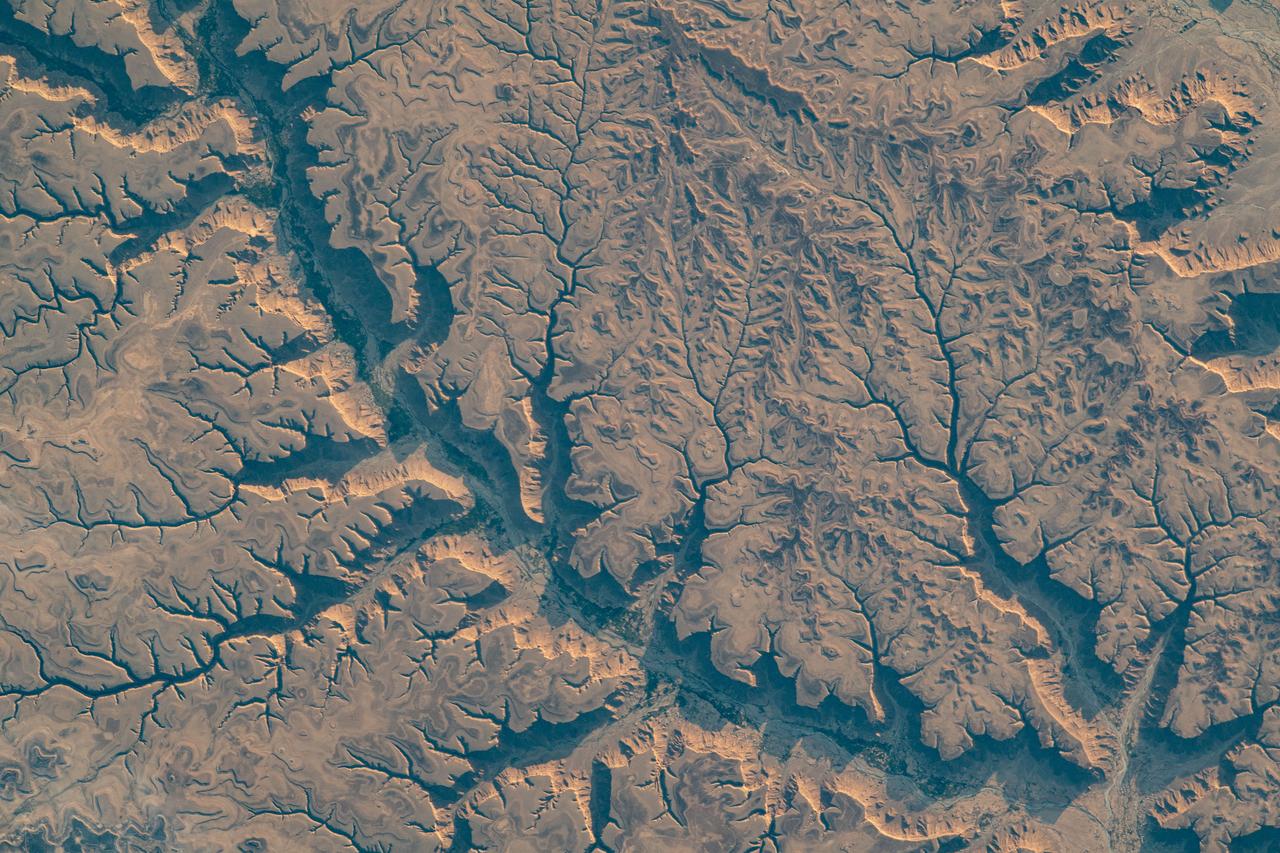
iss069e010858 (May 16, 2023) --- Wadis, or river valleys that are dry in winter months, in Yemen were pictured by UAE (United Arab Emirates) astronaut and Expedition 69 Flight Engineer Sultan Alneyadi from the International Space Station as it orbited 256 miles above.
Dry river valleys in Yemen
iss069e010860 (May 16, 2023) --- Wadis, or river valleys that are dry in winter months, in Yemen were pictured by UAE (United Arab Emirates) astronaut and Expedition 69 Flight Engineer Sultan Alneyadi from the International Space Station as it orbited 256 miles above.
Dry river valleys in Yemen
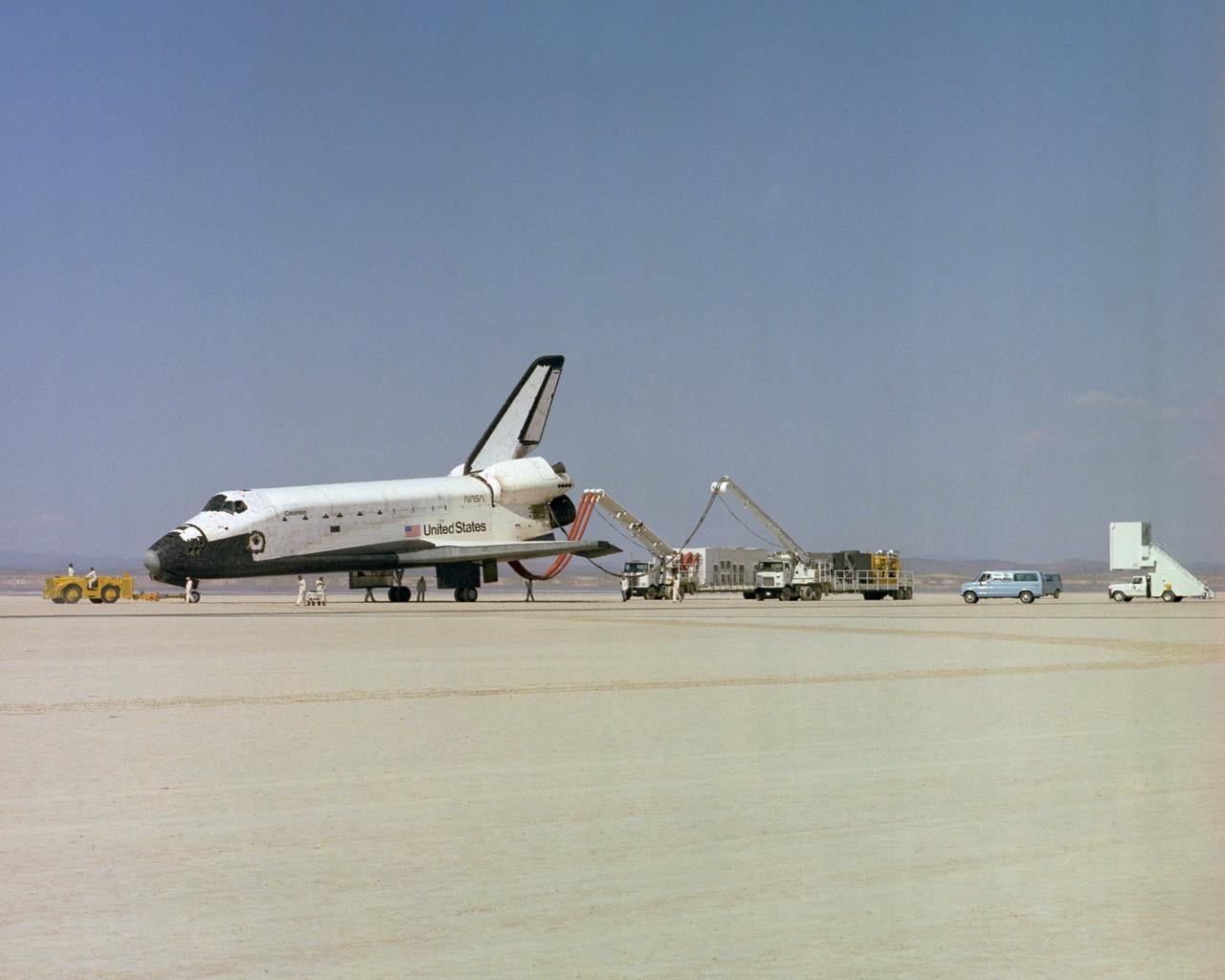
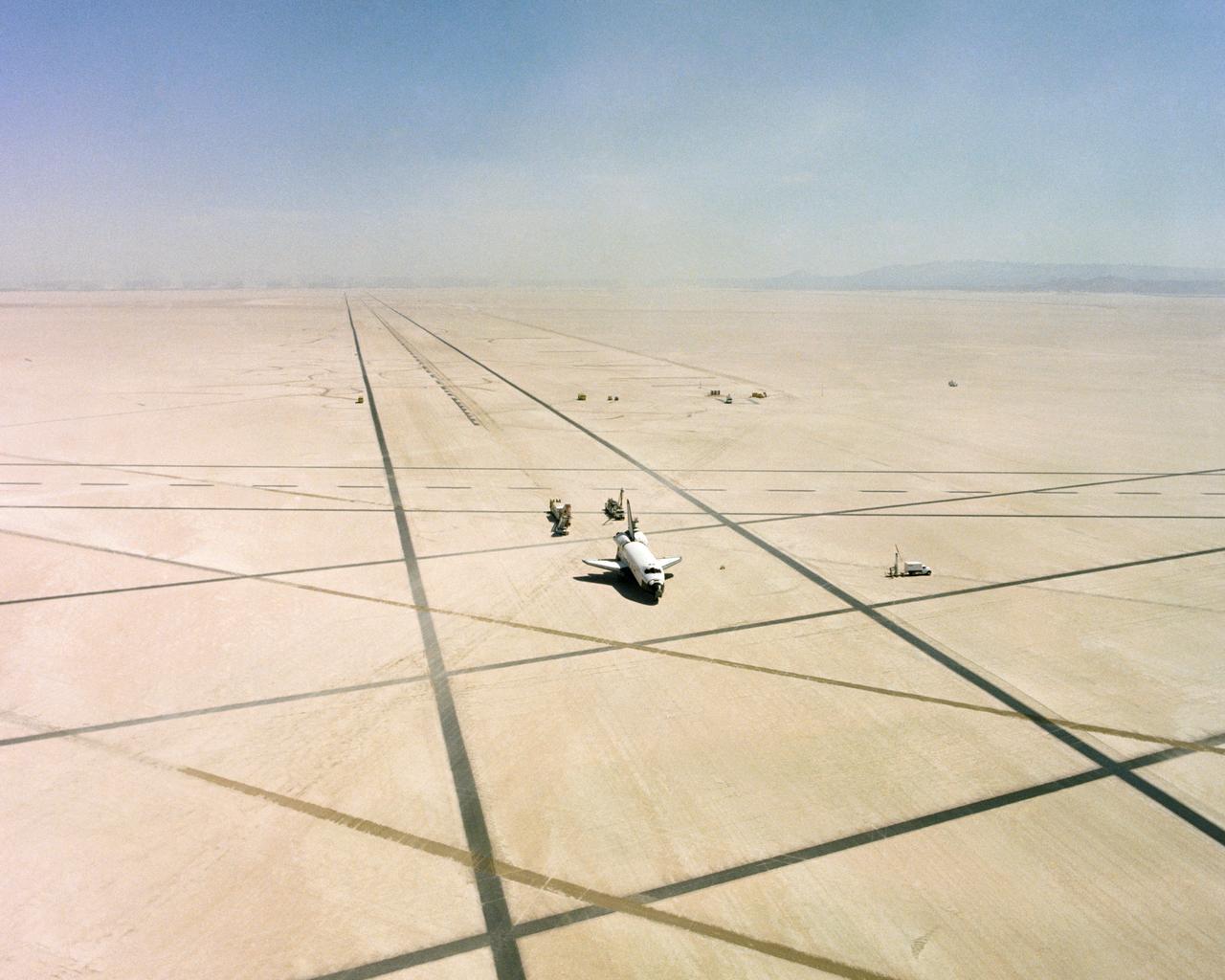
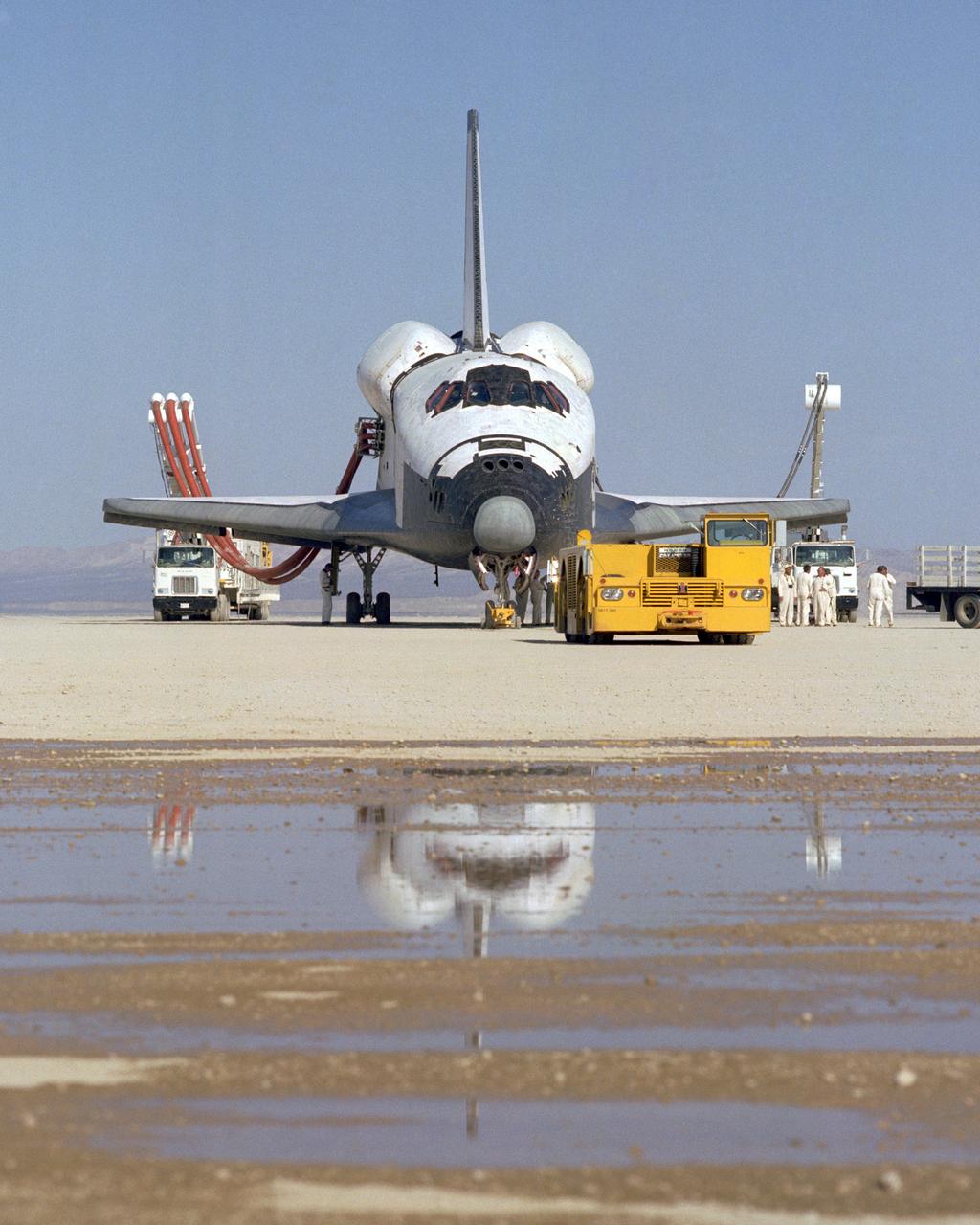
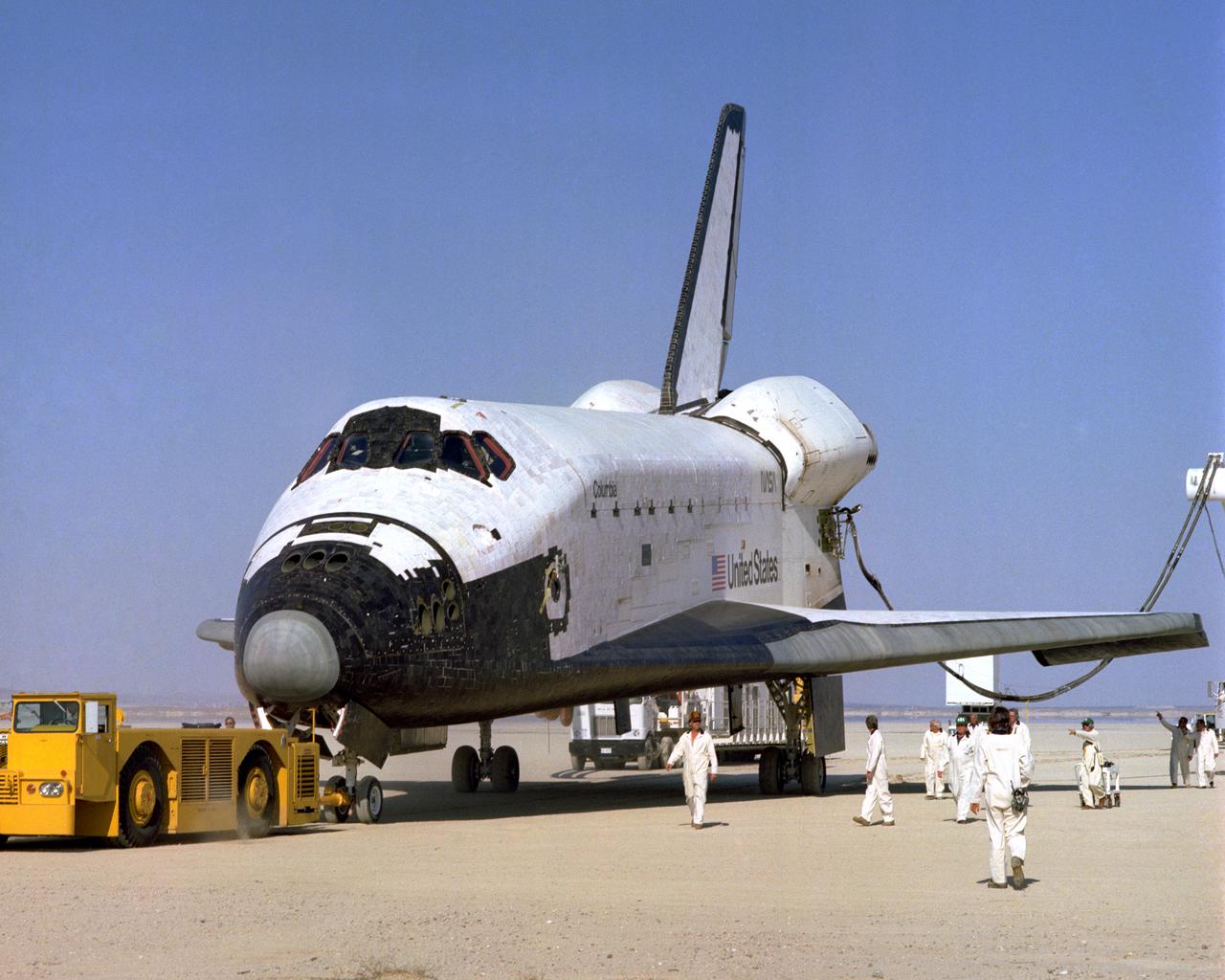
The Space Shuttle Columbia on Rogers Dry lakebed at Edwards AFB after landing to complete its first orbital mission on April 14, 1981. Technicians towed the Shuttle back to the NASA Dryden Flight Research Center for post-flight processing and preparation for a return ferry flight atop a modified 747 to Kennedy Space Center in Florida.
The Space Shuttle Columbia on Rogers Dry lakebed at Edwards AFB after landing to complete its first orbital mission on April 14, 1981
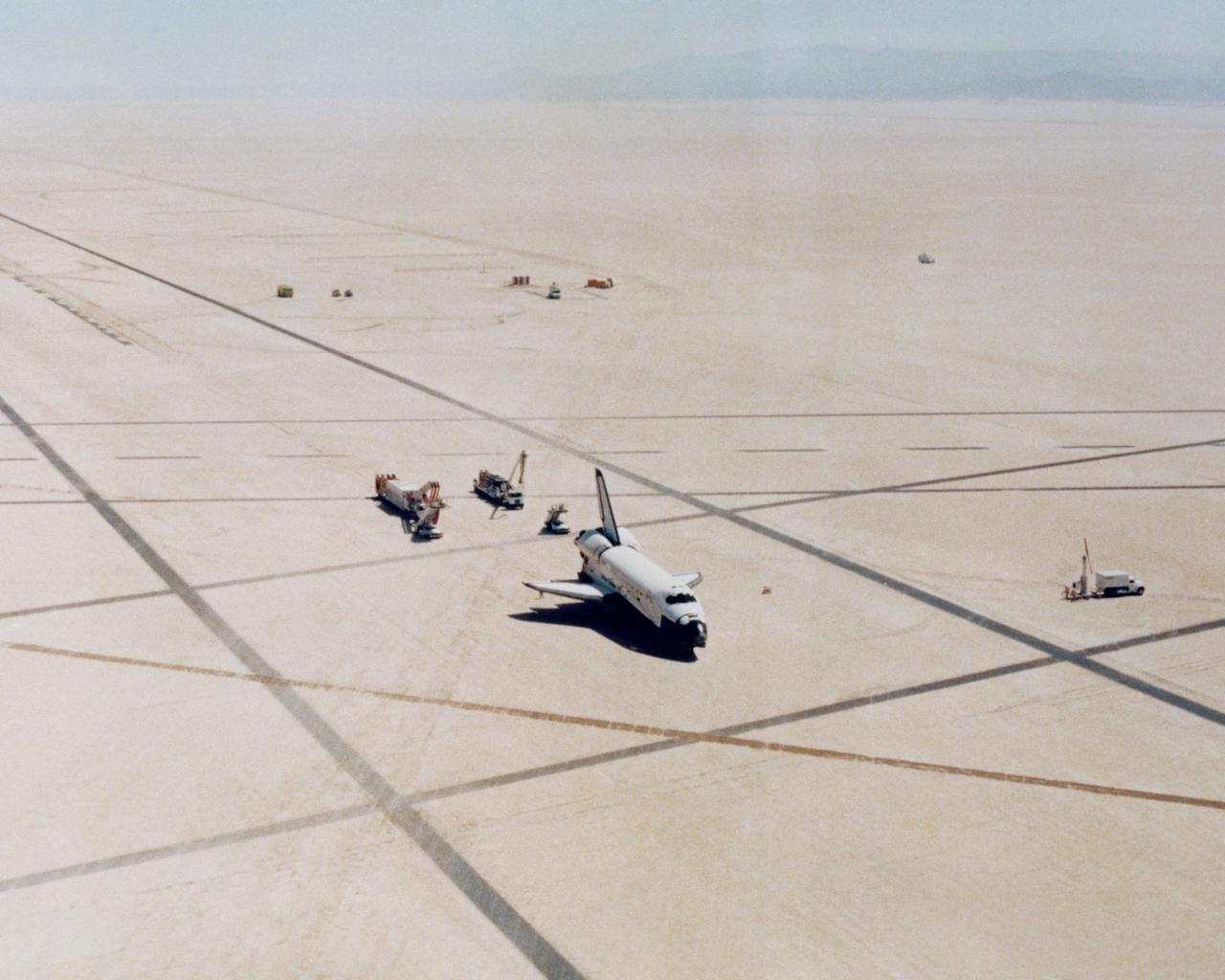
The Space Shuttle Columbia on Rogers Dry lakebed at Edwards AFB after landing to complete its first orbital mission on April 14, 1981. Technicians towed the Shuttle back to the NASA Dryden Flight Research Center for post-flight processing and preparation for a return ferry flight atop a modified 747 to Kennedy Space Center in Florida. (JSC photo # S81-31163)
The Space Shuttle Columbia on Rogers Dry lakebed at Edwards AFB after landing to complete its first orbital mission on April 14, 1981
The Space Shuttle Columbia on Rogers Dry lakebed at Edwards AFB after landing to complete its first orbital mission on April 14, 1981. Technicians towed the Shuttle back to the NASA Dryden Flight Research Center for post-flight processing and preparation for a return ferry flight atop a modified 747 to Kennedy Space Center in Florida. (JSC photo # S81-30749)
The Space Shuttle Columbia on Rogers Dry lakebed at Edwards AFB after landing to complete its first orbital mission on April 14, 1981
NASA's X-38 glided high over California desert test ranges as it descended from 37,500 feet to land on Rogers Dry Lake for the seventh free flight of the program July 10, 2001.
X-38 over the Mojave Desert, July 10, 2001
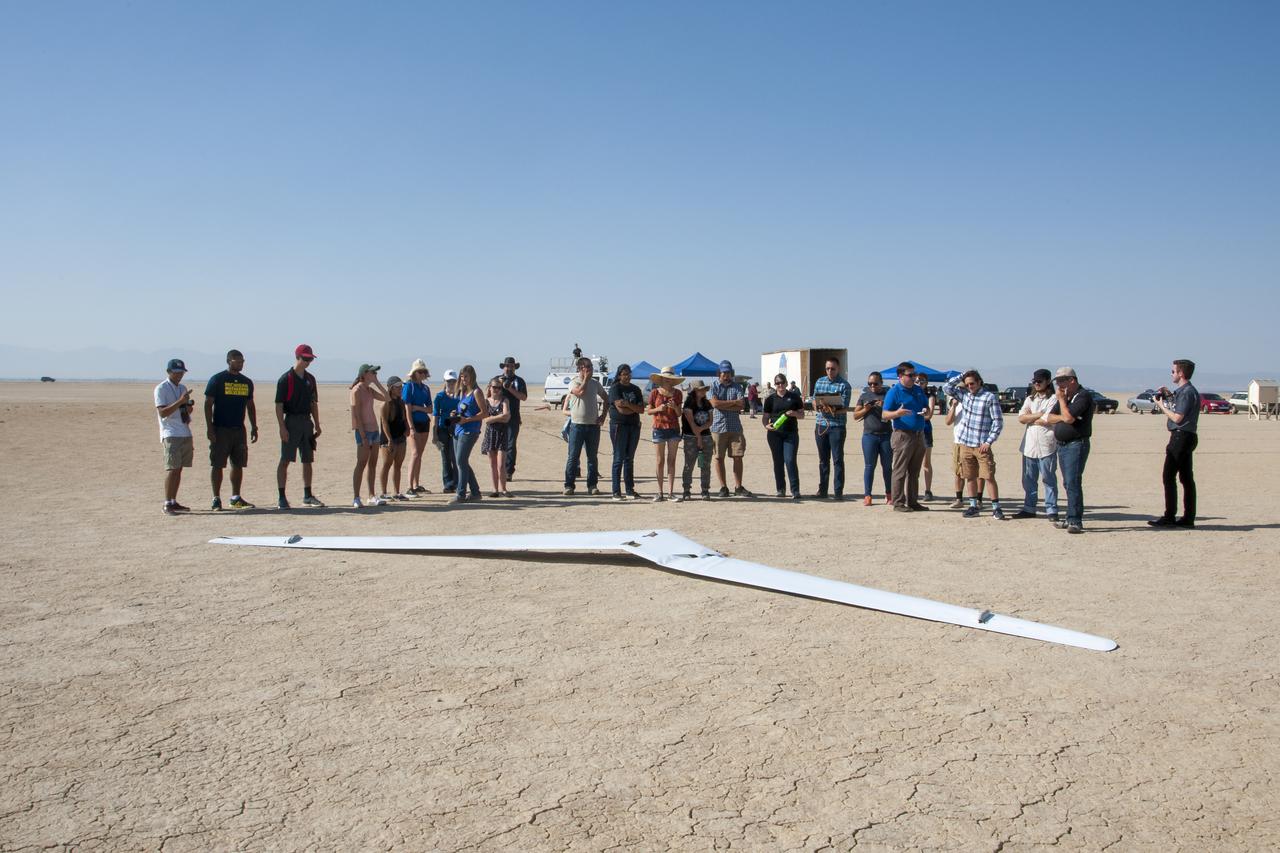
Student interns and NASA personnel cluster in front of PRANDTL-D No. 3 following a crash on Rosamond Dry Lake. The radio-controlled glider was built to validate a new spanload.
PRANDTL-D No 3 Crash Aftermath
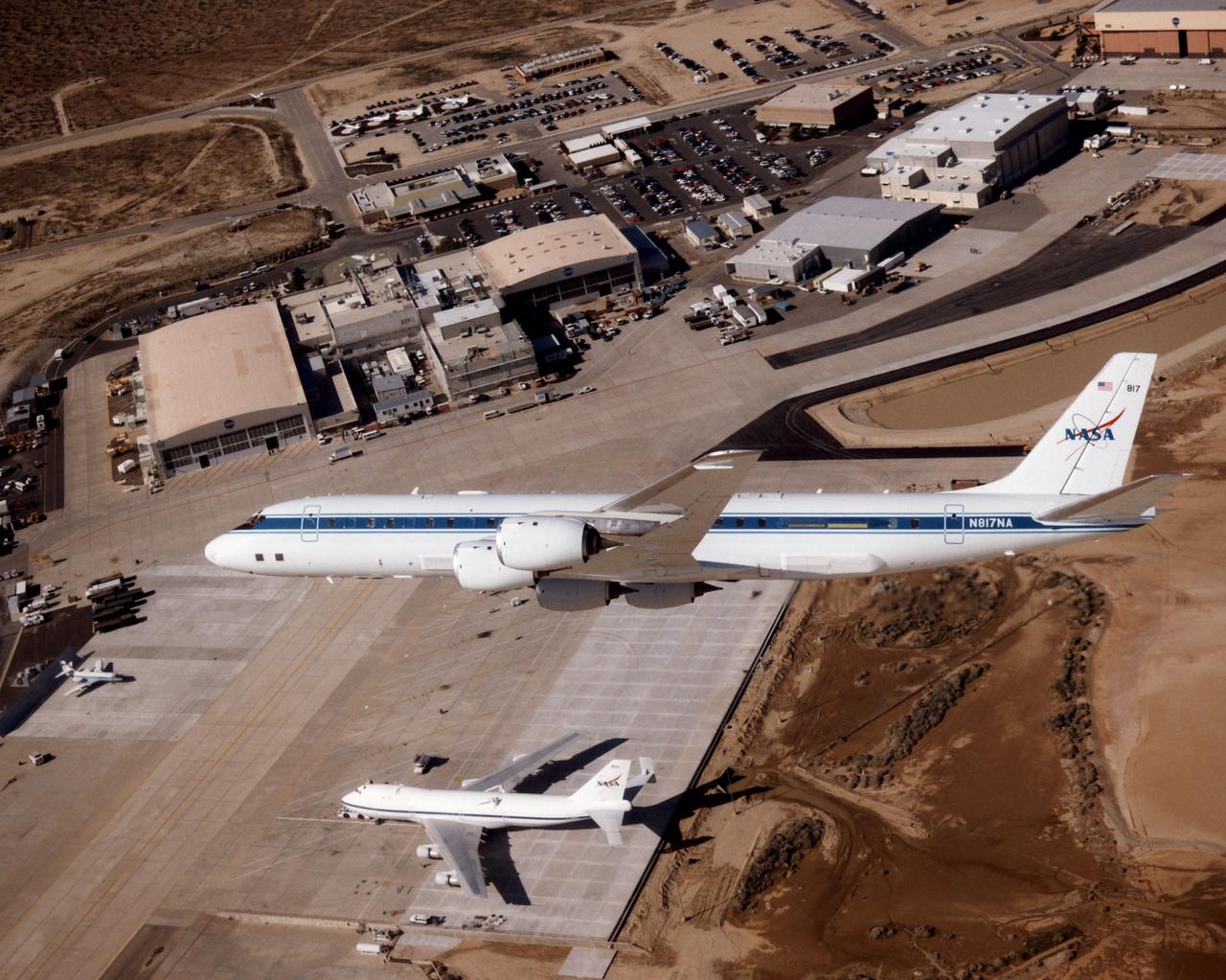
The DC-8 aircraft is seen making a banking turn high above the NASA Dryden ramp. This view of the DC-8's left side reveals some of the modifications necessary for particular on-board experiments. To the right of the DC-8 is the edge of Rogers Dry Lake. Above the aircraft's forward fuselage is the Dryden Flight Research Center headquarters building, while other NASA facilities extend down the flightline to the right. Below the DC-8 is the Shuttle Carrier Aircraft (SCA), on which are visible attachment points for the Shuttle Orbiter.
DC-8 Airborne Laboratory in flight over NASA Dryden center with SCA 747 on ramp
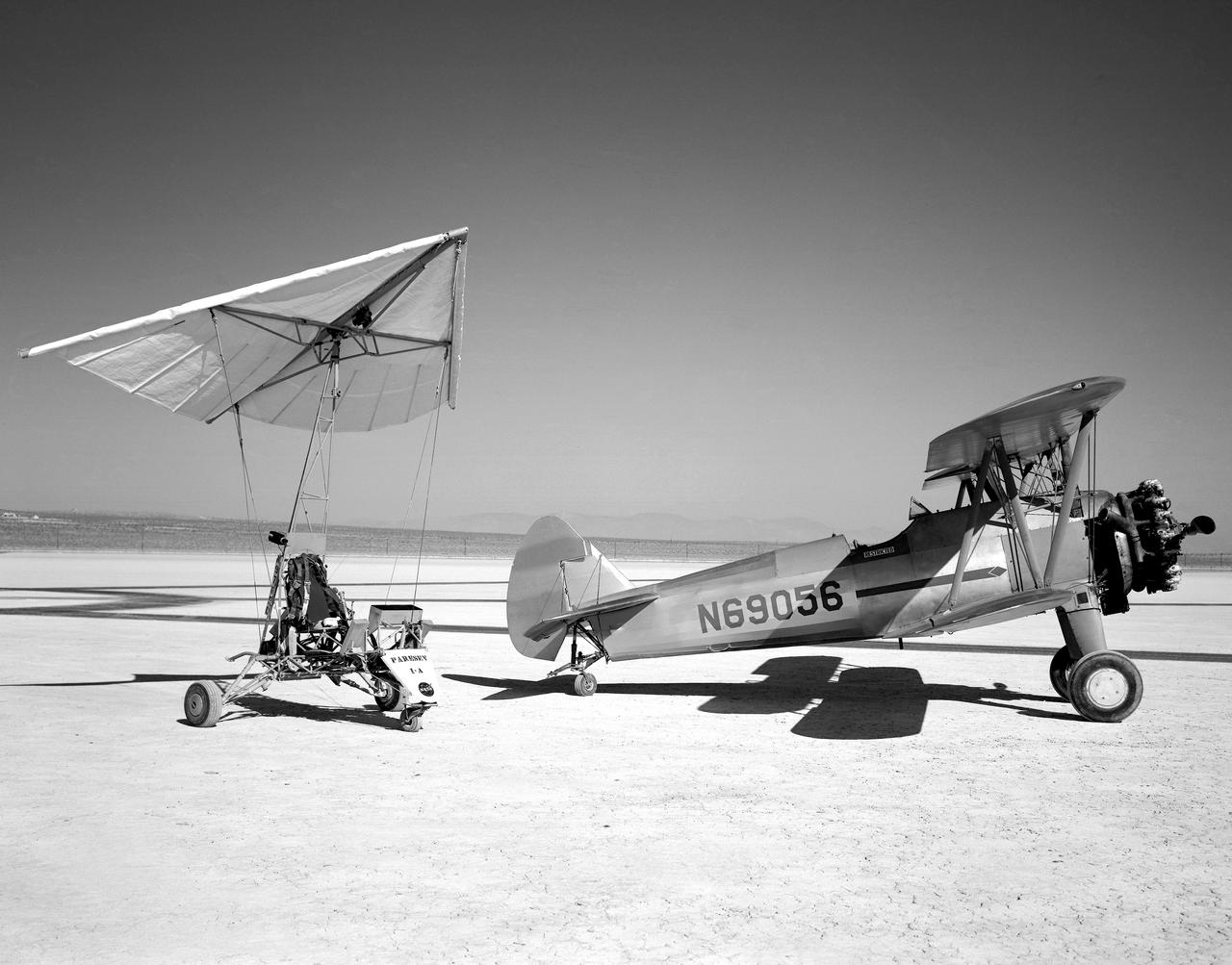
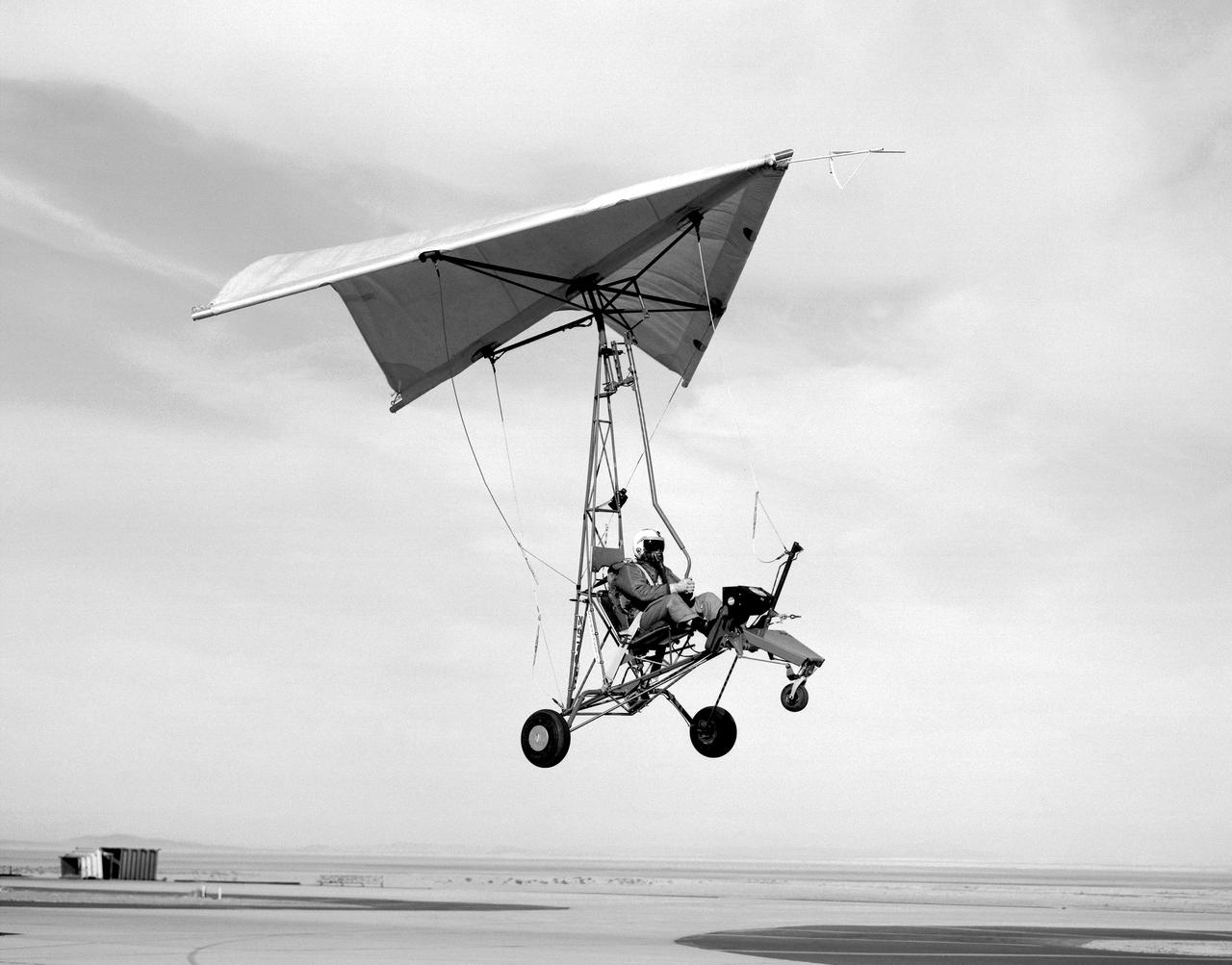
The Paresev 1-A (Paraglider Research Vehicle) and the tow airplane, 450-hp Stearman sport Biplane, sitting on Rogers dry lakebed, Edwards, California. The control system in the Paresev 1-A had a more conventional control stick position and was cable-operated; the main landing gear used shocks and bungees with the 100-square-foot wing membrane being made of 6-ounce unsealed Dacron.
Paresev 1-A on lakebed with tow plane
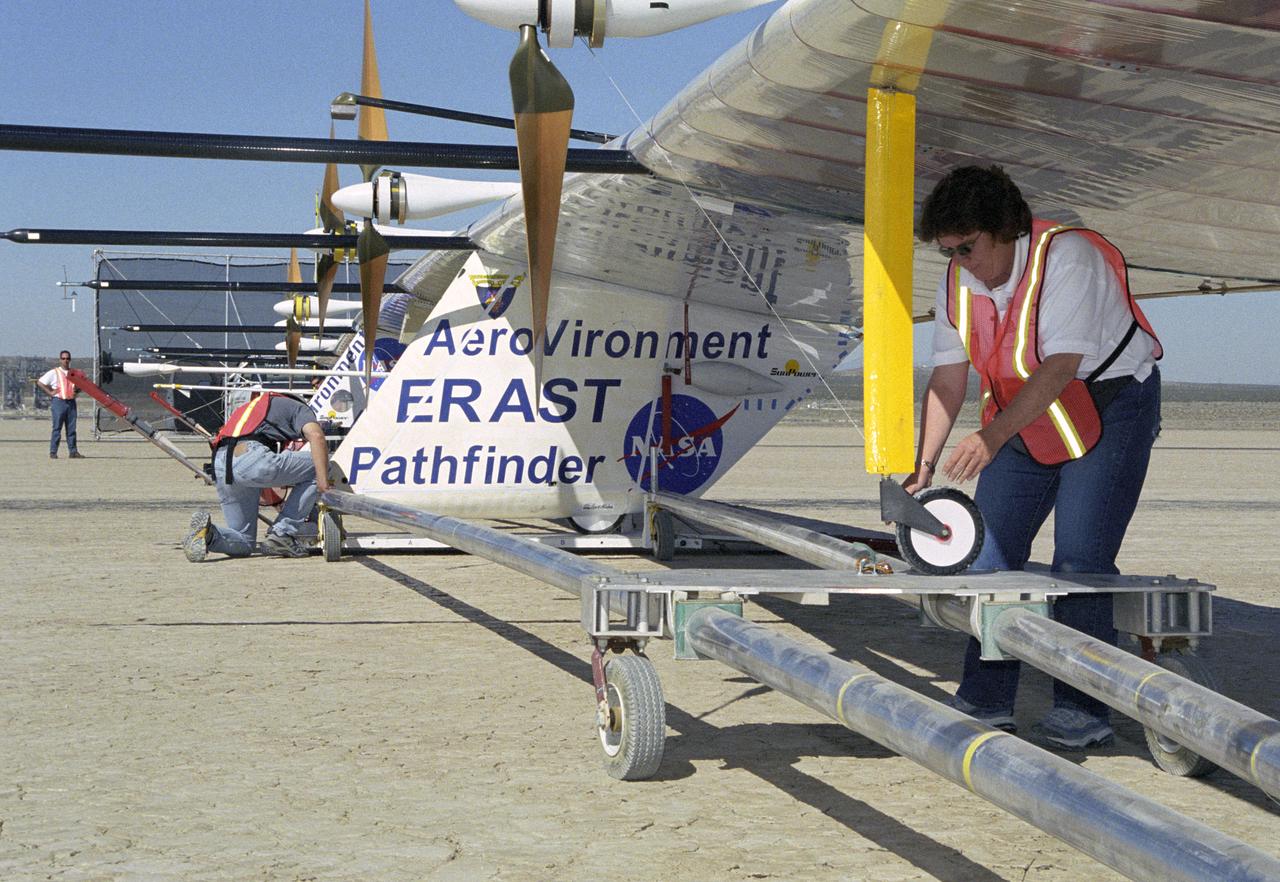
AeroVironment technicians prepare to remove the Pathfinder-Plus solar aircraft from its ground dolly before a turbulence measurement flight from Rogers Dry Lake.
AeroVironment technicians prepare to remove the Pathfinder-Plus solar aircraft from its ground dolly before a turbulence measurement flight.
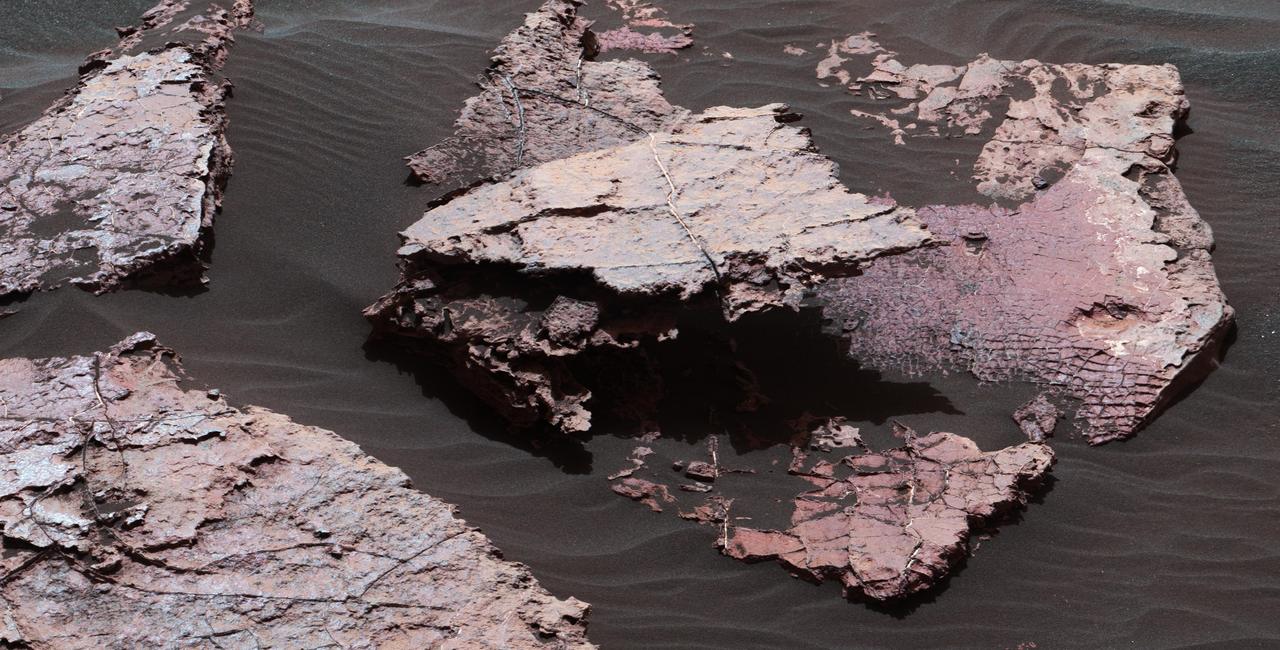
A grid of small polygons on the Martian rock surface near the right edge of this view may have originated as cracks in drying mud more than 3 billion years ago. Multiple images from the Mast Camera (Mastcam) on NASA's Curiosity Mars rover were combined for this mosaic of a block called "Squid Cove" and its immediate surroundings.  The location is within an exposure of Murray formation mudstone on lower Mount Sharp inside Gale Crater. Mastcam's right-eye camera, which has a telephoto lens, took the component images of this view on Dec. 20, 2016, during the 1,555th Martian day, or sol, of Curiosity's work on Mars. The rover drove farther uphill on Gale Crater before the possible mud cracks were detected in the Mastcam images. This possible evidence about the area's ancient environment prompted the rover mission to backtrack for closer inspection of Squid Cove and nearby target rocks.  This scene is presented with a color adjustment that approximates white balancing, to resemble how the rocks and sand would appear under daytime lighting conditions on Earth.  The polygons are about half an inch to 1 inch (about 1 to 2 centimeters) across. Figure 1 includes a scale bar of 30 centimeters (12 inches). The polygons are outlined by ridges. This could result from a three-step process after cracks form due to drying: Wind-blown sediments accumulate in the open cracks. Later, these sediments and the dried mud become rock under the pressure of multiple younger layers that accumulate on top of them. Most recently, after the overlying layers were eroded away by wind, the vein-filling material resists erosion better than the once-muddy material, so the pattern that began as cracks appears as ridges.  Mud cracks would be evidence of a drying interval between wetter periods that supported lakes in the area. Curiosity has found evidence of ancient lakes in older, lower-lying rock layers and also in younger mudstone that is above Squid Cove.   http://photojournal.jpl.nasa.gov/catalog/PIA21263
Possible Signs of Ancient Drying in Martian Rock
The Space Shuttle Columbia on Rogers Dry lakebed at Edwards AFB after landing to complete its first orbital mission on April 14, 1981. Technicians towed the Shuttle back to the NASA Dryden Flight Research Center for post-flight processing and preparation for a return ferry flight atop a modified 747 to Kennedy Space Center in Florida.
The Space Shuttle Columbia on Rogers Dry lakebed at Edwards AFB after landing to complete its first orbital mission on April 14, 1981
The Space Shuttle Columbia on Rogers Dry lakebed at Edwards AFB after landing to complete its first orbital mission on April 14, 1981. Technicians towed the Shuttle back to the NASA Dryden Flight Research Center for post-flight processing and preparation for a return ferry flight atop a modified 747 to Kennedy Space Center in Florida.
The Space Shuttle Columbia on Rogers Dry lakebed at Edwards AFB after landing to complete its first orbital mission on April 14, 1981
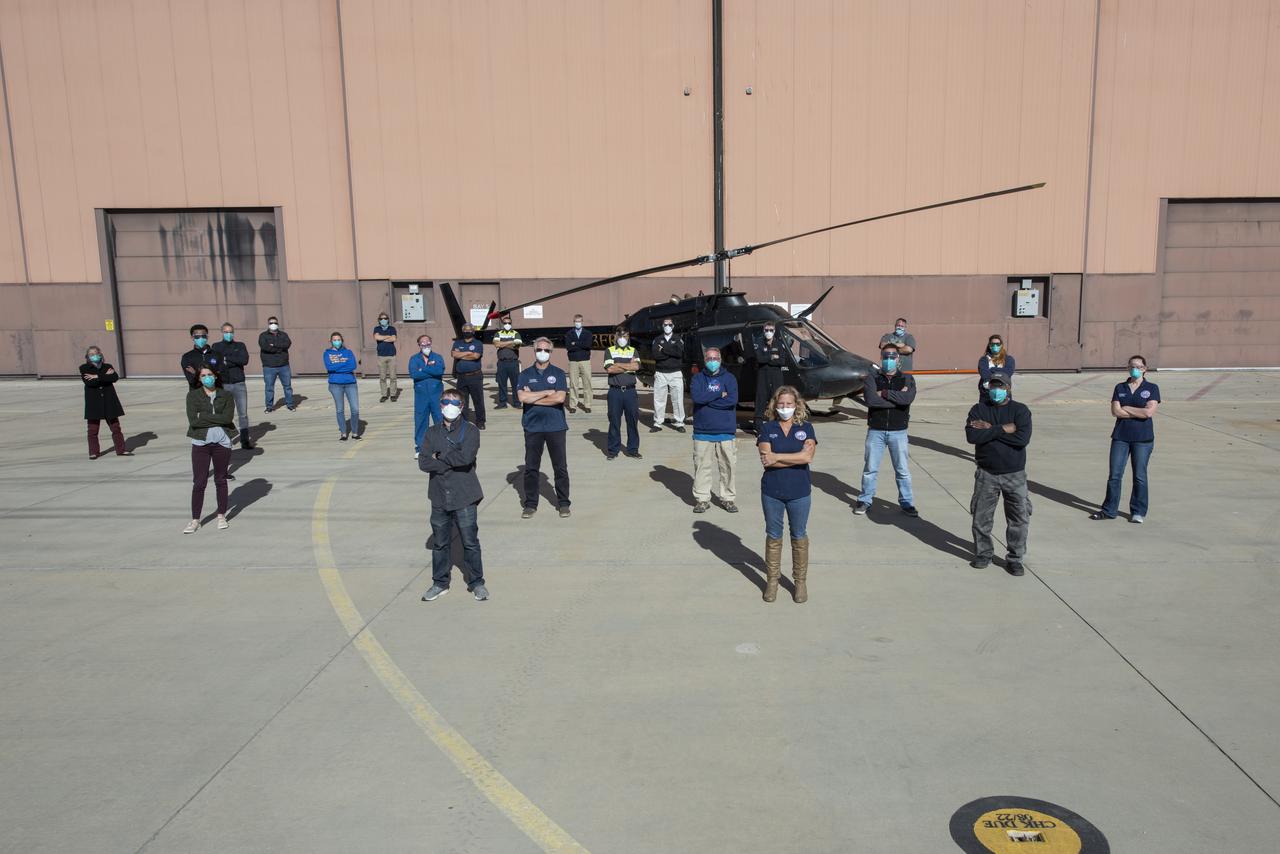
The Advanced Air Mobility National Campaign project’s NC Integrated Dry Run Test team is pictured in front of a Bell OH-58C Kiowa helicopter provided by Flight Research Inc. in Mojave, California the first week of December 2020 at NASA’s Armstrong Flight Research Center in California.
National Campaign Conducts December Dry Run Test 
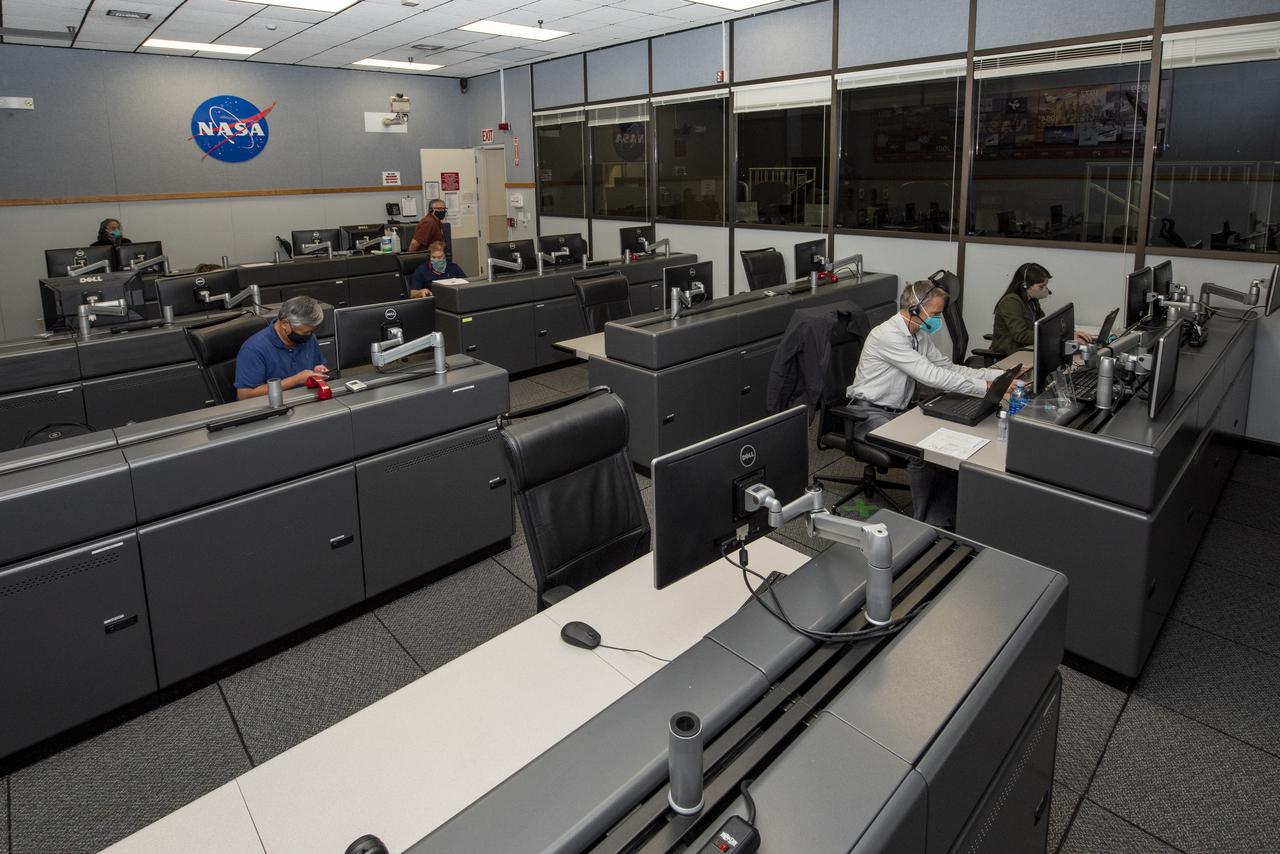
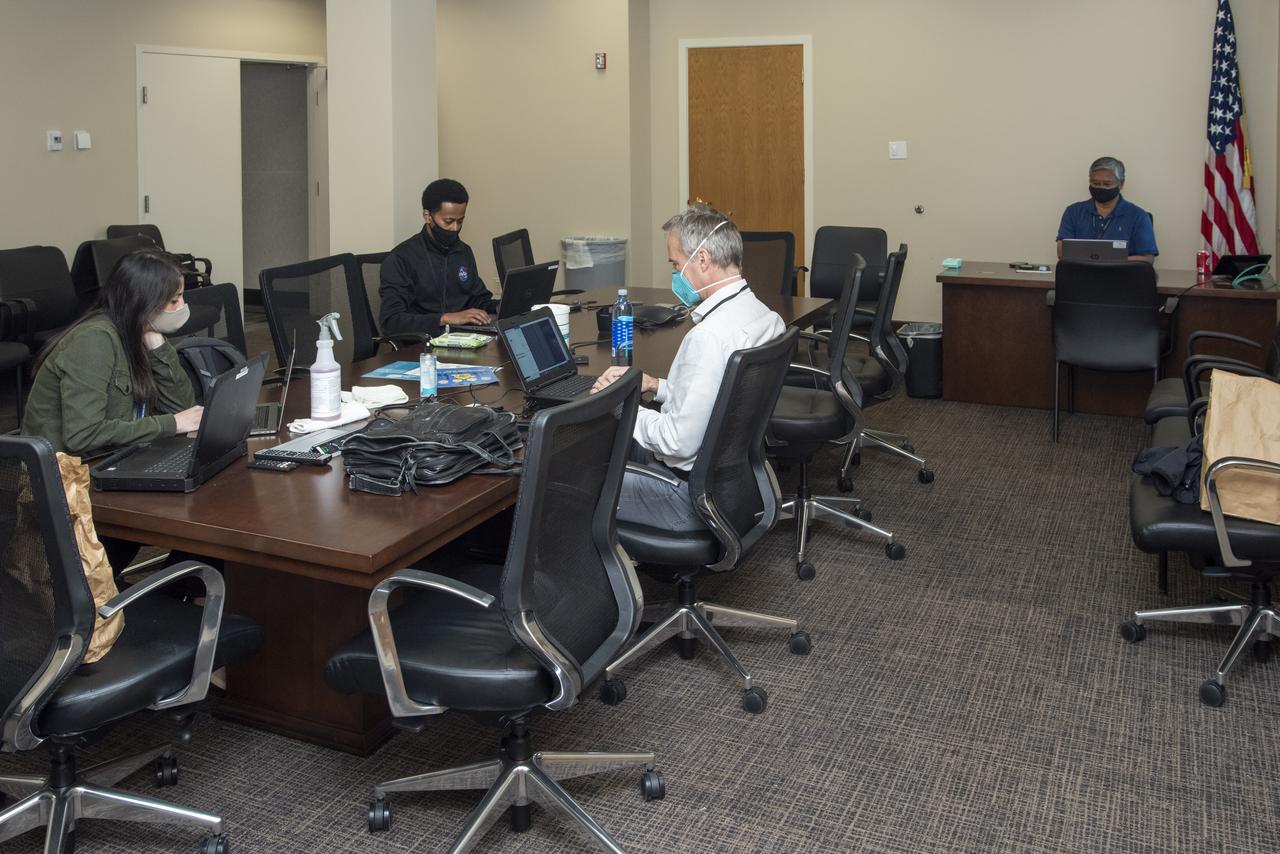
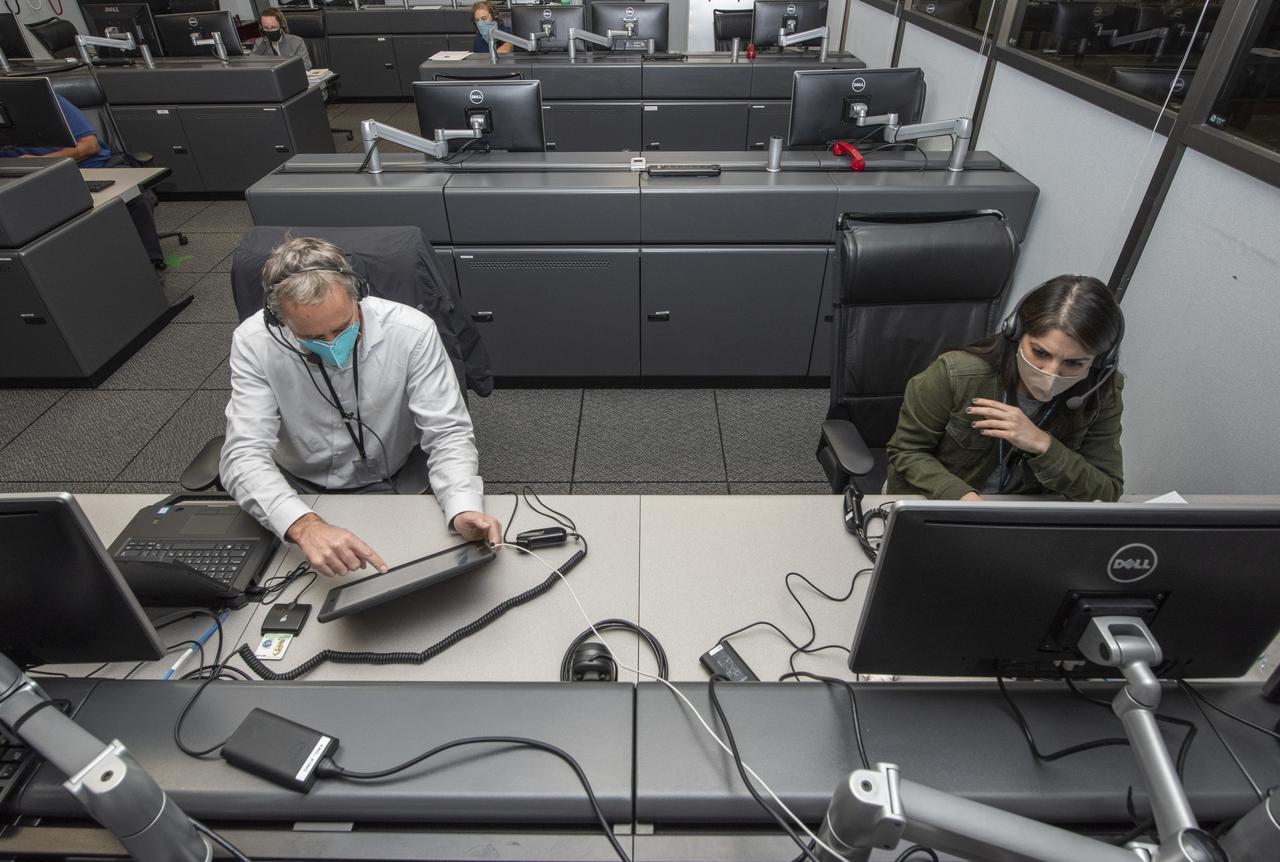
Ames Research Center researchers on the Advanced Air Mobility National Campaign project's Airspace Test Infrastructure (ATI) team monitor surveillance data and metrics from the helicopter in real time during the NC Integrated Dry Run Test team the first week of December 2020 at NASA's Armstrong Flight Research Center in California.
National Campaign Conducts December Dry Run Test
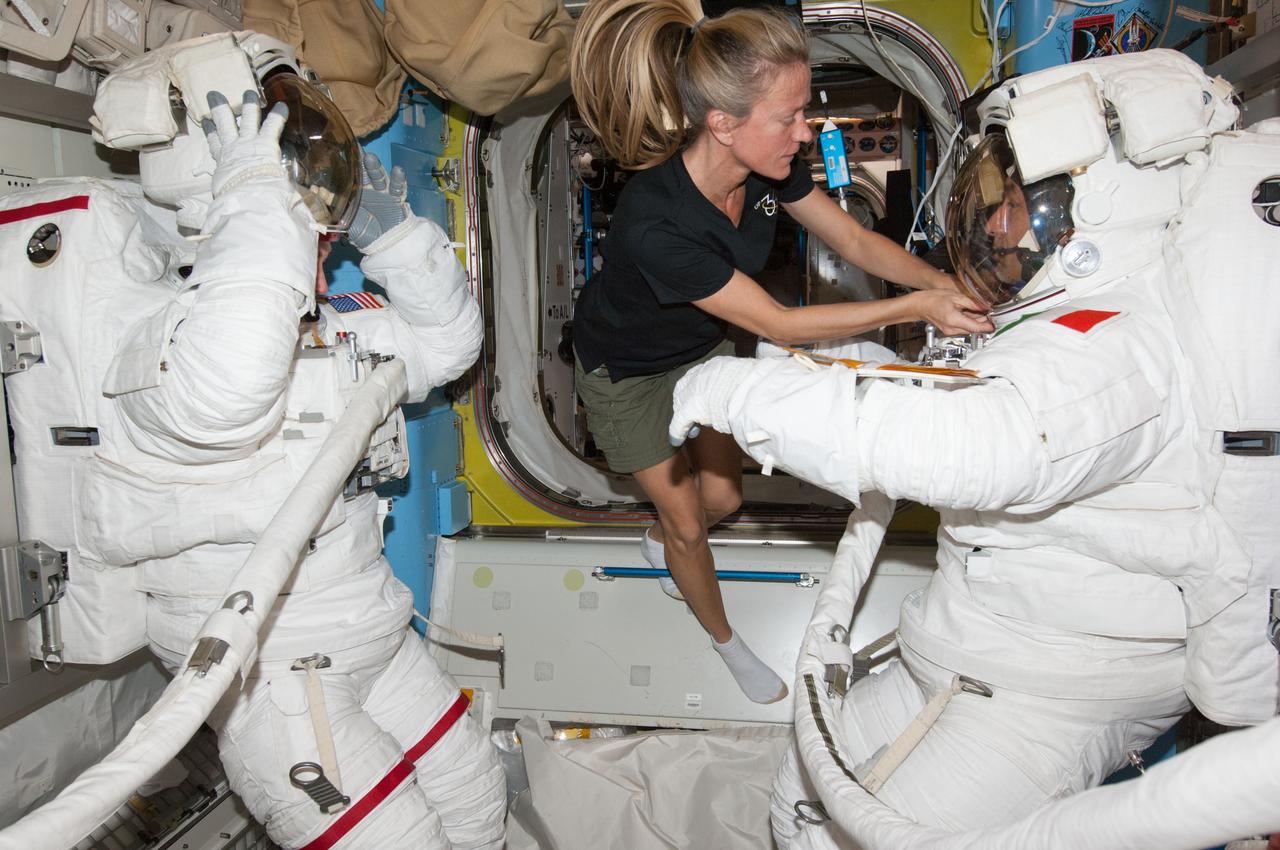
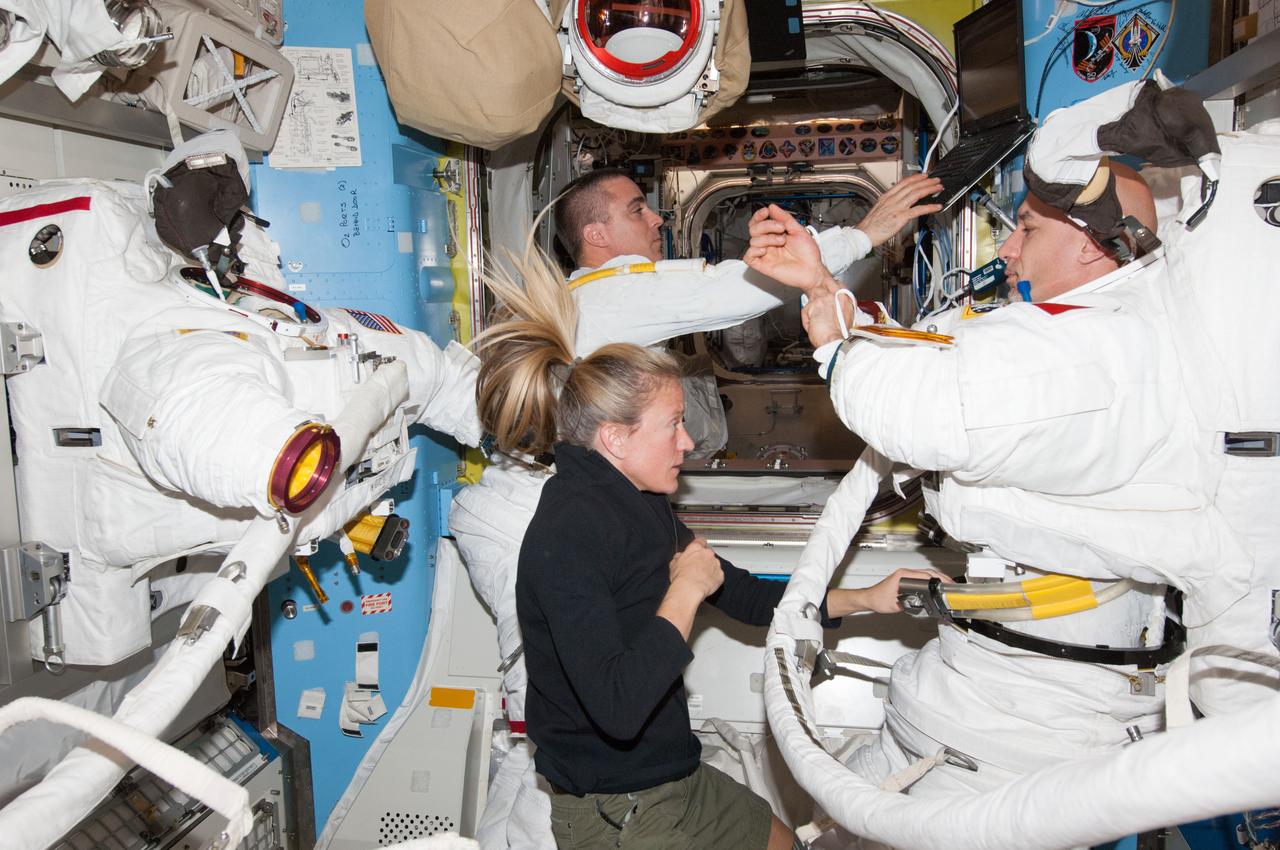
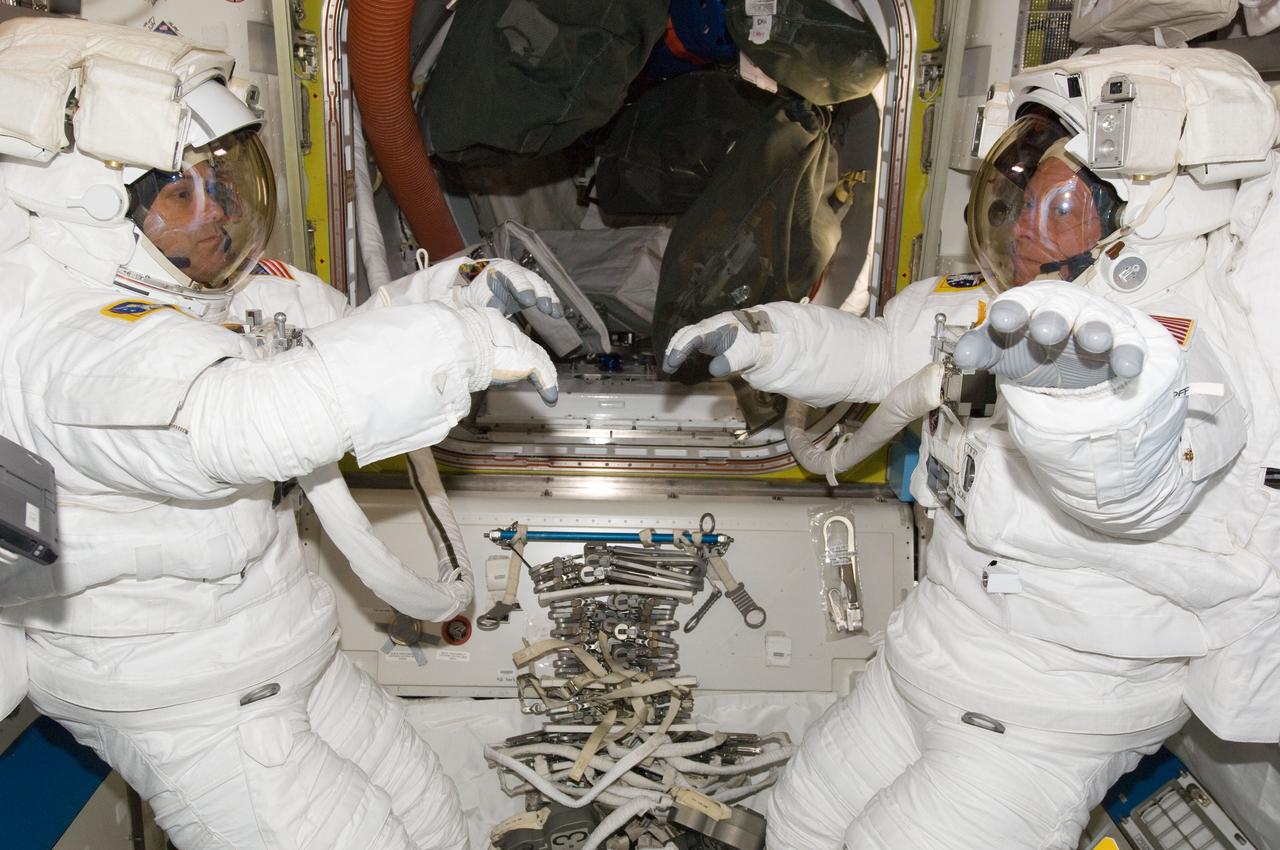
ISS036-E-014714 (3 July 2013) --- NASA astronaut Chris Cassidy (left background) and European Space Agency astronaut Luca Parmitano, both Expedition 36 flight engineers, don their Extravehicular Mobility Unit (EMU) spacesuits for a ?dry run? in the International Space Station?s Quest airlock in preparation for the first of two sessions of extravehicular (EVA) scheduled for July 9 and July 16. NASA astronaut Karen Nyberg, flight engineer, assists Cassidy and Parmitano.
Dry run for first of two EVAs
View of NASA astronaut Chris Cassidy (left) and European Space Agency astronaut Luca Parmitano (right), Expedition 36 flight engineers,  preparing for a dry run in the International Space Stations Quest airlock in preparation for the first of two sessions of extravehicular (EVA) scheduled for July 9 and July 16.  Both have donned their EMUs. Astronaut Karen Nyberg, Expetition 36 flight engineer, is visible in the center.
Dry run for first of two EVAs
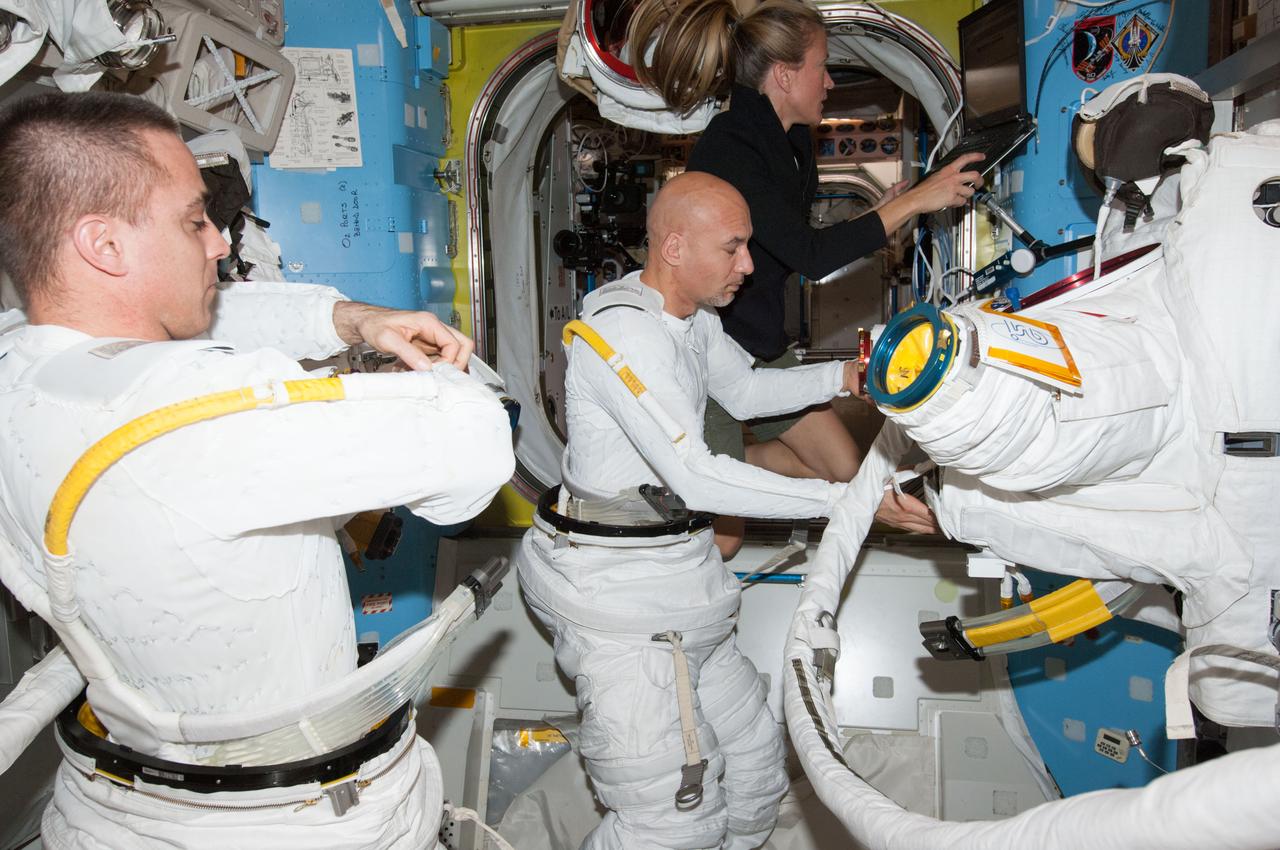
ISS036-E-014713 (3 July 2013) --- NASA astronaut Chris Cassidy (left) and European Space Agency astronaut Luca Parmitano, both Expedition 36 flight engineers, don their Extravehicular Mobility Unit (EMU) spacesuits for a ?dry run? in the International Space Station?s Quest airlock in preparation for the first of two sessions of extravehicular (EVA) scheduled for July 9 and July 16. NASA astronaut Karen Nyberg, flight engineer, uses a computer in the background.
Dry run for first of two EVAs
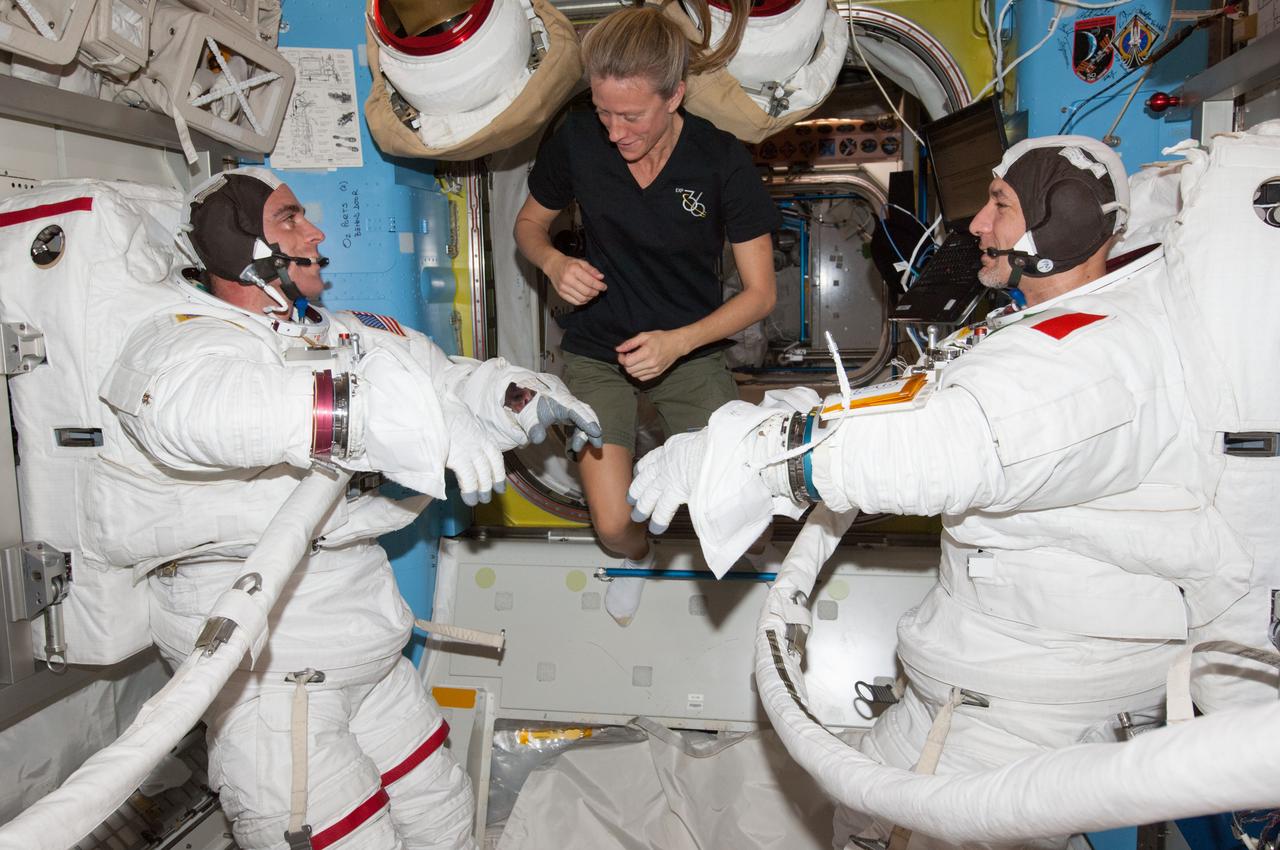
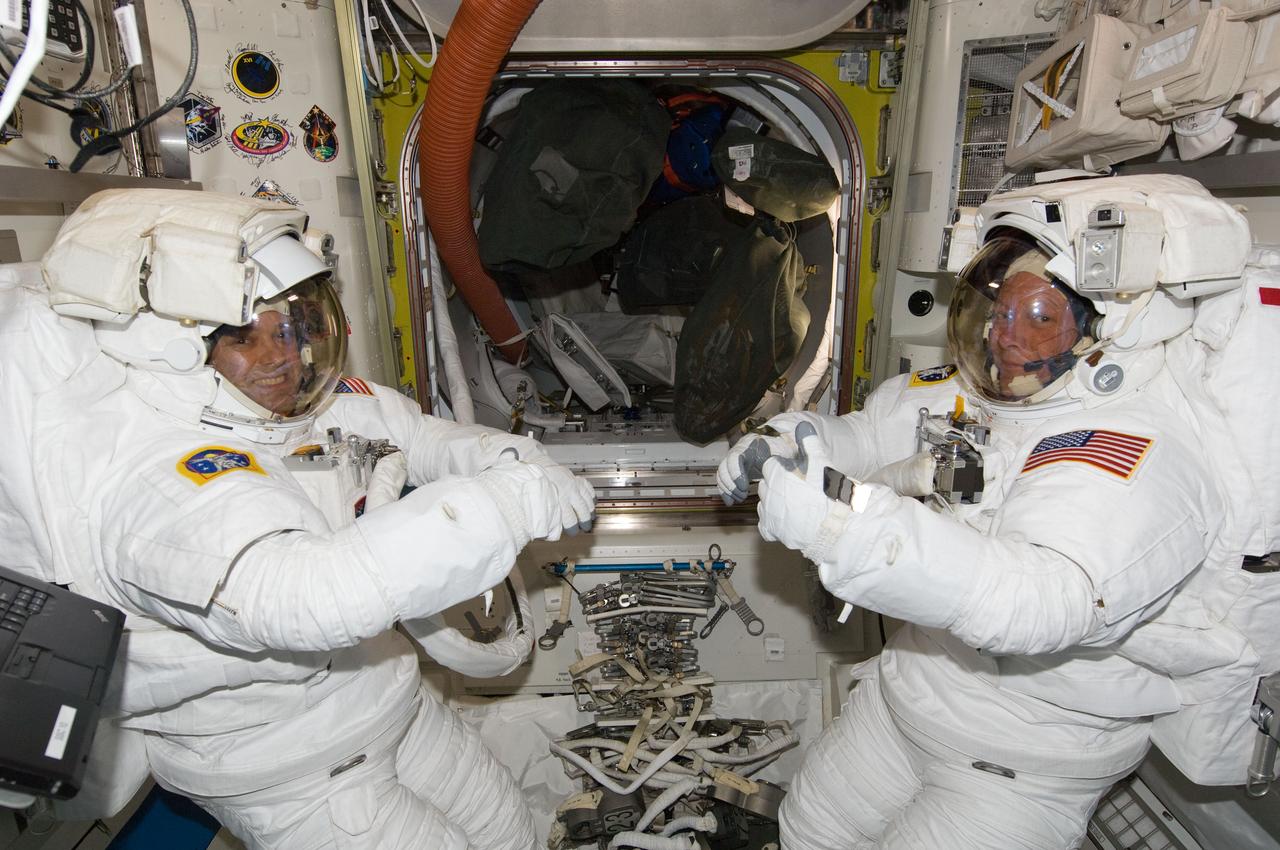
ISS036-E-014724 (3 July 2013) --- NASA astronaut Chris Cassidy (left) and European Space Agency astronaut Luca Parmitano, both Expedition 36 flight engineers, attired in their Extravehicular Mobility Unit (EMU) spacesuits, participate in a ?dry run? in the International Space Station?s Quest airlock in preparation for the first of two sessions of extravehicular (EVA) scheduled for July 9 and July 16. NASA astronaut Karen Nyberg, flight engineer, assists Cassidy and Parmitano.
Dry run for first of two EVAs
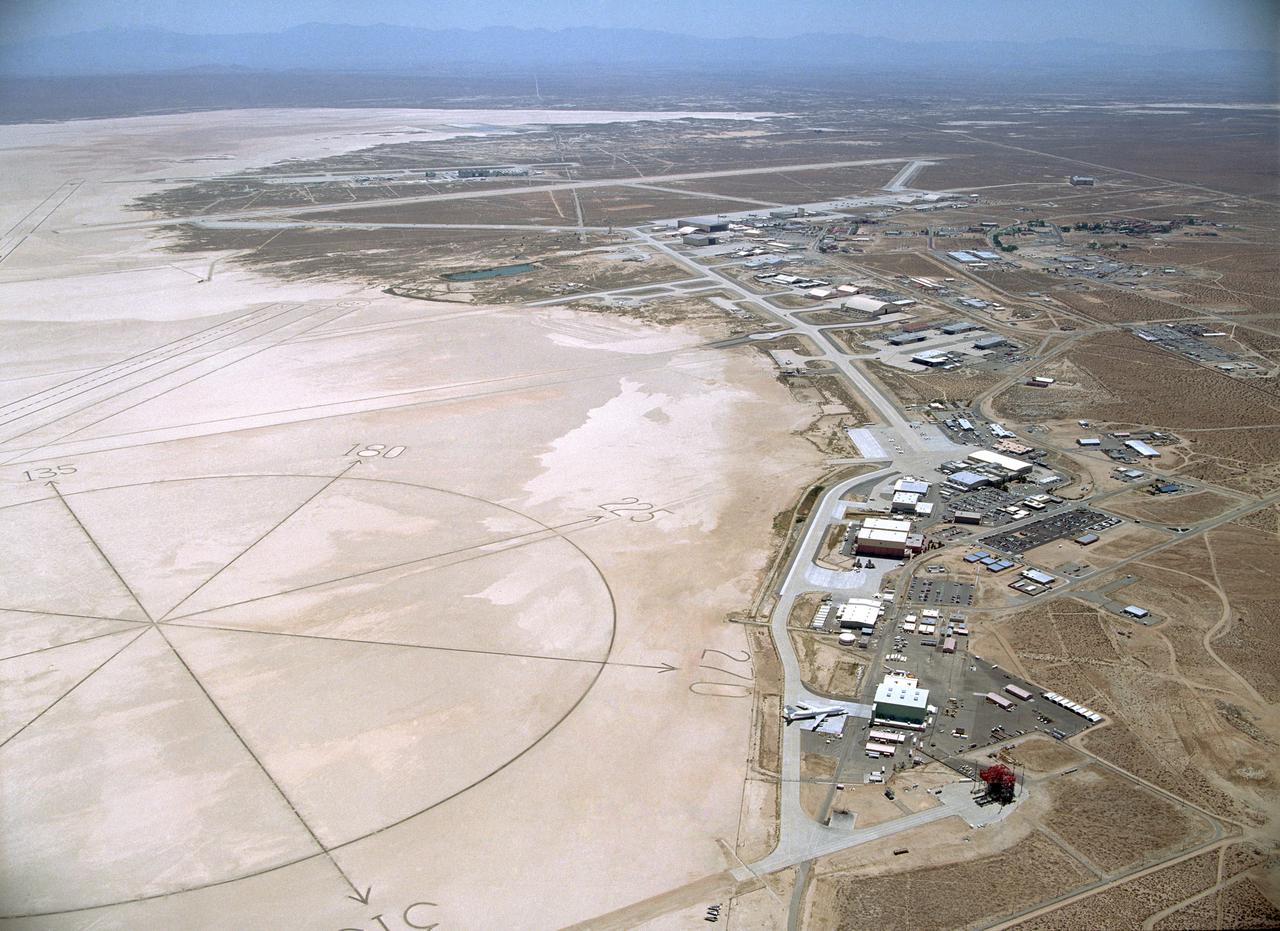
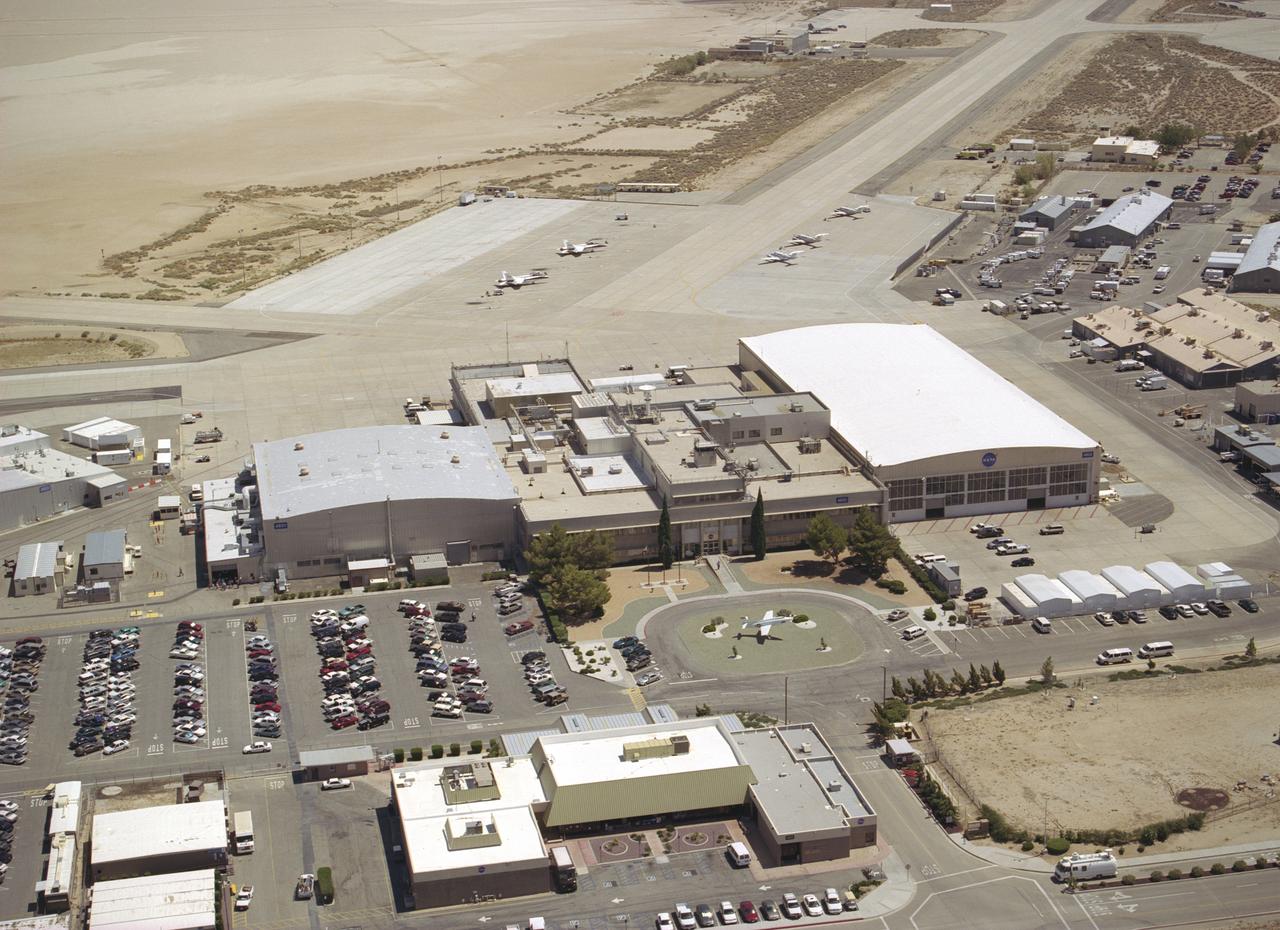
Since the 1940s the Dryden Flight Research Center, Edwards, California, has developed a unique and highly specialized capability for conducting flight research programs. The organization, made up of pilots, scientists, engineers, technicians, and mechanics, has been and will continue to be leaders in the field of advanced aeronautics. Located on the northwest "shore" of Rogers Dry Lake, the complex was built around the original administrative-hangar building constructed in 1954. Since then many additional support and operational facilities have been built including a number of unique test facilities such as the Thermalstructures Research Facility, Flow Visualization Facility, and the Integrated Test Facility.  One of the most prominent structures is the space shuttle program's Mate-Demate Device and hangar in Area A to the north of the main complex. On the lakebed surface is a Compass Rose that gives pilots an instant compass heading.  The Dryden complex originated at Edwards Air Force Base in support of the X-1 supersonic flight program. As other high-speed aircraft entered research programs, the facility became permanent and grew from a staff of five engineers in 1947 to a population in 2006 of nearly 1100 full-time government and contractor employees.
NASA's Dryden Flight Research Center is situated immediately adjacent to the compass rose on the bed of Rogers Dry Lake at Edwards Air Force Base, Calif.
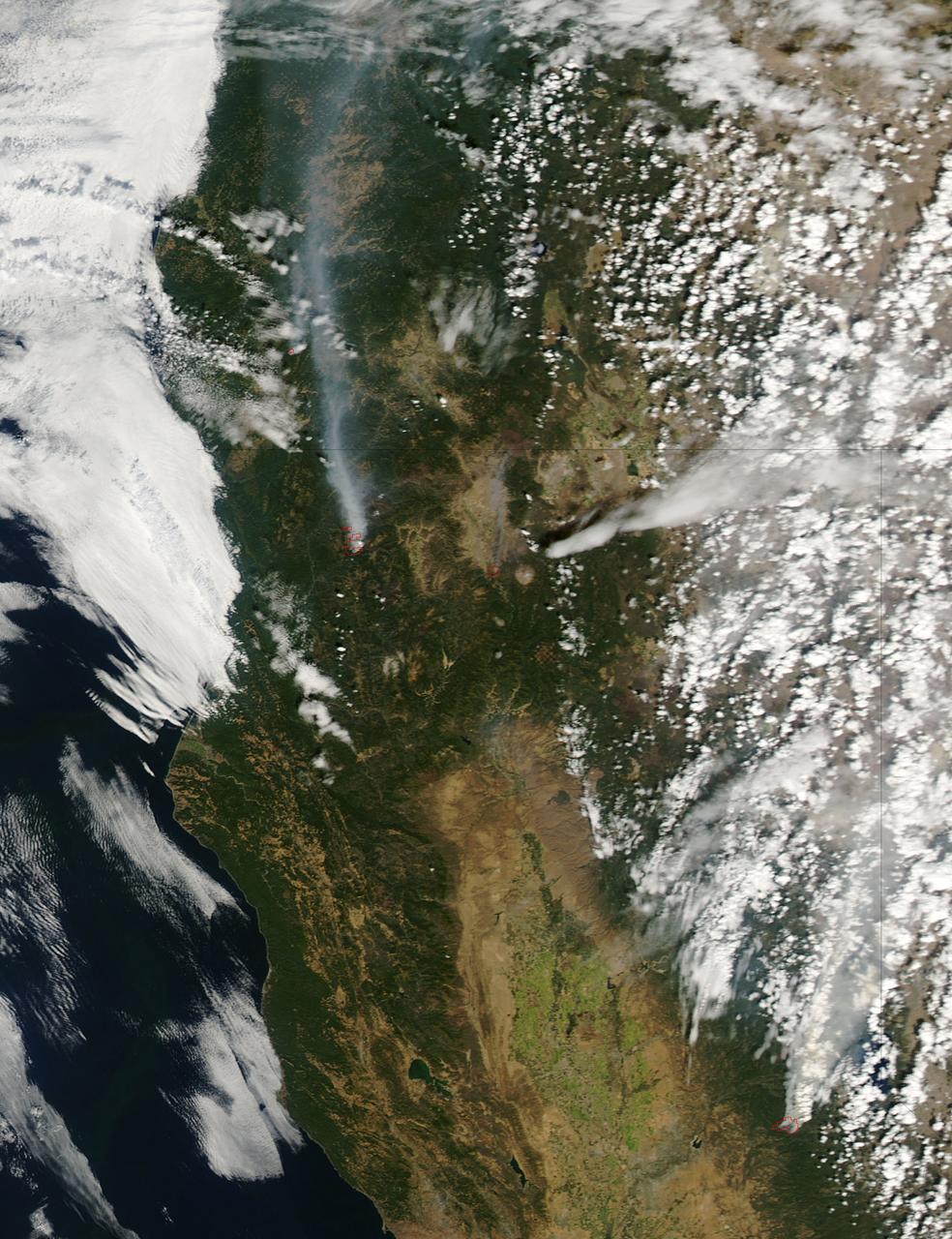
The fire season in California has been anything but cooperative this year.  Hot conditions combined with a state-wide drought and dry lightning makes for unpleasant conditions and leads to an abundance of forest fires.  On August 12, lightning struck and started the fire that grew into the Happy Camp Complex.   Currently over 113,000 acres have been affected and the fire is only 55% contained as of today.  Strong winds tested fire lines yesterday (8/15), and are expected to do so again today. Despite the high winds, existing fire lines held with no spotting or expansion outside current containment lines. The south end of the fire continued backing slowly toward Elk Creek in the Marble Mountain Wilderness. The Man Fire joined with the Happy Camp Complex yesterday and will be managed by California Interagency Incident Management Team 4 as of 6:00am on Wednesday, September 17, 2014.   Nearby the Happy Camp Complex, near Mt. Shasta and the town of Weed, another fire erupted that fire officials said quickly damaged or destroyed 100 structures Monday (8/15).  Hundreds of firefighters were trying to contain that fire.  A California Fire spokesman said more than 300 acres were scorched and more than 100 structures damaged or destroyed in just a few hours.  The blaze, dubbed the Boles Fire, also led to the closure of Interstate 5 and U.S. 97.  Weed is in Siskiyou County, about 50 miles south of the California-Oregon border.  With strong winds, the fire was able to rage into the community before firefighters could get equipment to the blaze.  About 1,500 to 2,000 residents were being evacuated to the Siskiyou County fairgrounds.  An evacuation center was set up at the county fairgrounds in Yreka.  NASA's Aqua satellite collected this natural-color image with the Moderate Resolution Imaging Spectroradiometer, MODIS, instrument on September 15, 2014. Actively burning areas, detected by MODIS’s thermal bands, are outlined in red. NASA image courtesy Jeff Schmaltz LANCE/EOSDIS MODIS Rapid Response Team, GSFC. Caption by Lynn Jenner with information from Inciweb and California Department of Forestry and Fire Protection.  <b><a href="http://www.nasa.gov/audience/formedia/features/MP_Photo_Guidelines.html" rel="nofollow">NASA image use policy.</a></b>  <b><a href="http://www.nasa.gov/centers/goddard/home/index.html" rel="nofollow">NASA Goddard Space Flight Center</a></b> enables NASA’s mission through four scientific endeavors: Earth Science, Heliophysics, Solar System Exploration, and Astrophysics. Goddard plays a leading role in NASA’s accomplishments by contributing compelling scientific knowledge to advance the Agency’s mission. <b>Follow us on <a href="http://twitter.com/NASAGoddardPix" rel="nofollow">Twitter</a></b> <b>Like us on <a href="http://www.facebook.com/pages/Greenbelt-MD/NASA-Goddard/395013845897?ref=tsd" rel="nofollow">Facebook</a></b> <b>Find us on <a href="http://instagram.com/nasagoddard?vm=grid" rel="nofollow">Instagram</a></b>
Dry Conditions and Lightning Strikes Make for a Long California Fire Season
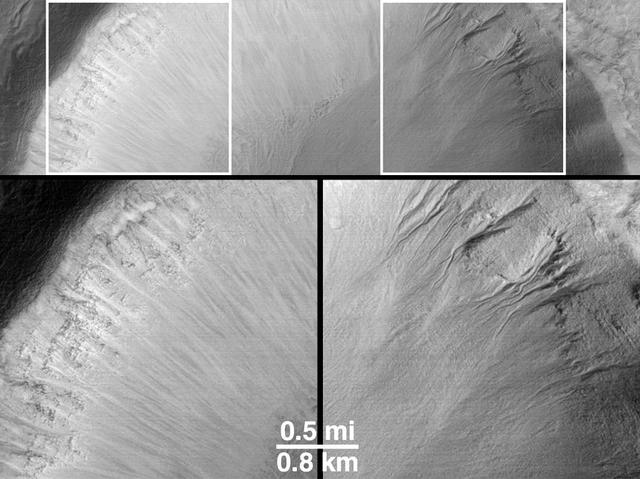
Evidence for Recent Liquid Water on Mars: Dry Processes on One Slope; Wet Processes on Another
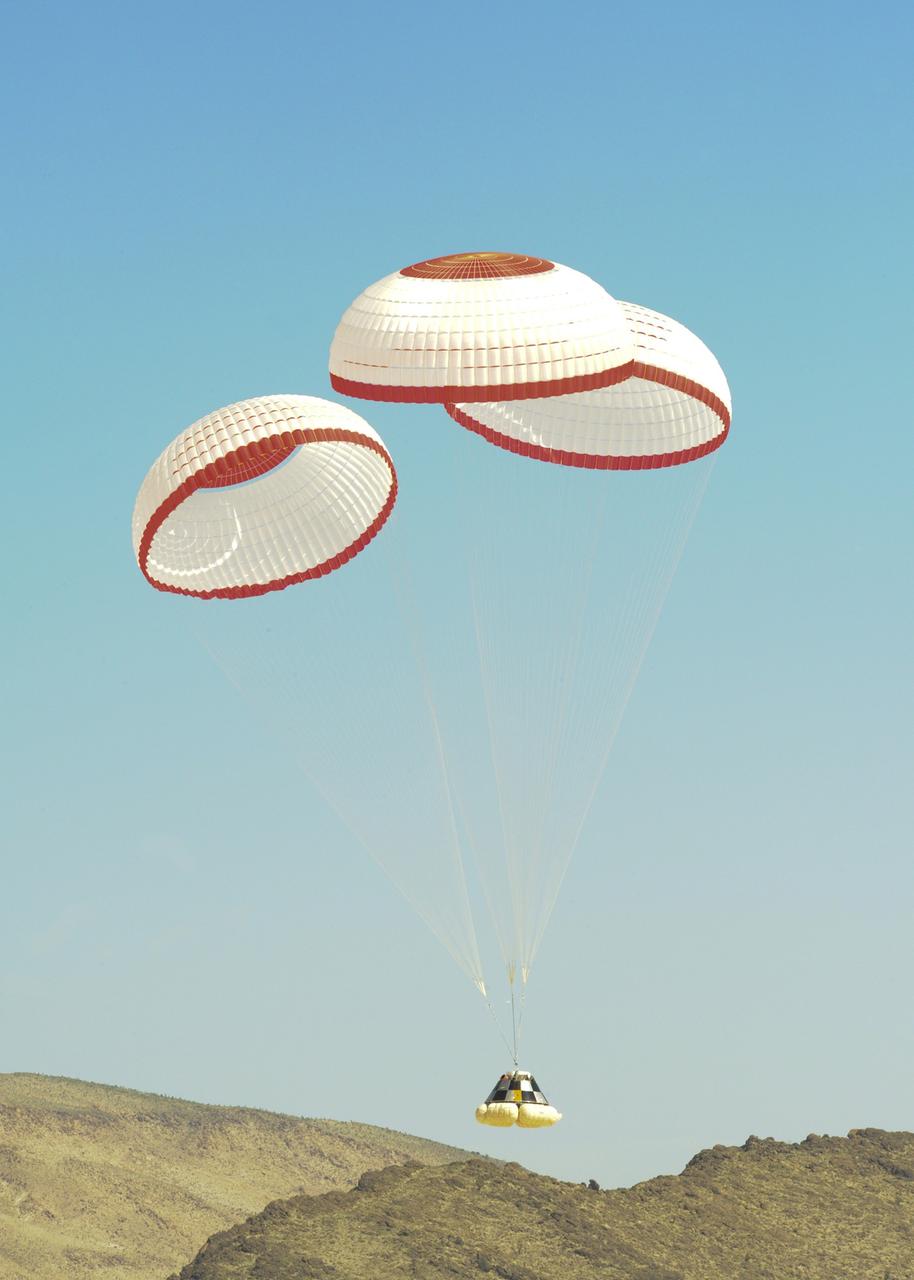
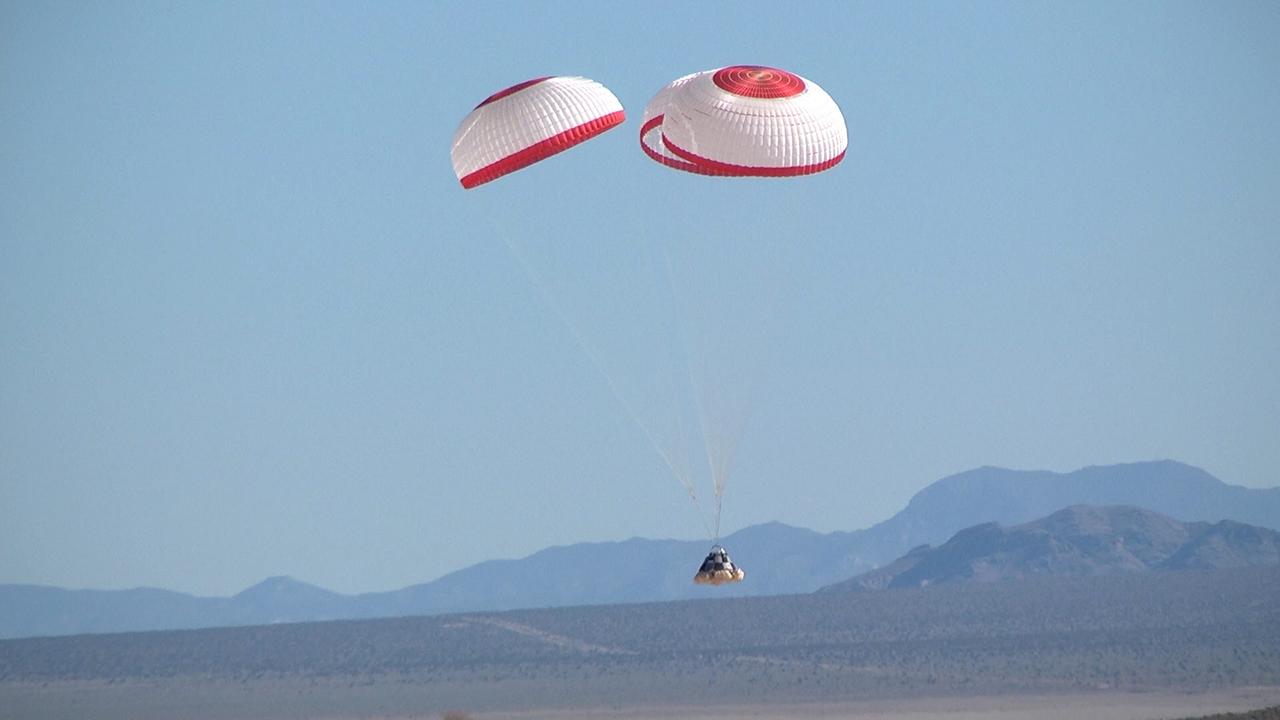
DELAMAR DRY LAKE BED, Nev. – The Boeing Company's CST-100 crew capsule floats to a smooth landing beneath three main parachutes over the Delamar Dry Lake Bed near Alamo, Nev. This is the second parachute test that Boeing performed under its partnership with NASA's Commercial Crew Program CCP. The first showed the parachute system’s deployment scheme worked and that it could be re-packed and re-used for this second test.      In 2011, NASA selected Boeing during Commercial Crew Development Round 2 CCDev2) activities to mature the design and development of a crew transportation system with the overall goal of accelerating a United States-led capability to the International Space Station. The goal of CCP is to drive down the cost of space travel as well as open up space to more people than ever before by balancing industry’s own innovative capabilities with NASA's 50 years of human spaceflight experience. Six other aerospace companies also are maturing launch vehicle and spacecraft designs under CCDev2, including Alliant Techsystems Inc. ATK, Excalibur Almaz Inc., Blue Origin, Sierra Nevada, Space Exploration Technologies SpaceX, and United Launch Alliance ULA. For more information, visit www.nasa.gov/commercialcrew. Image credit: Boeing
KSC-2012-2691
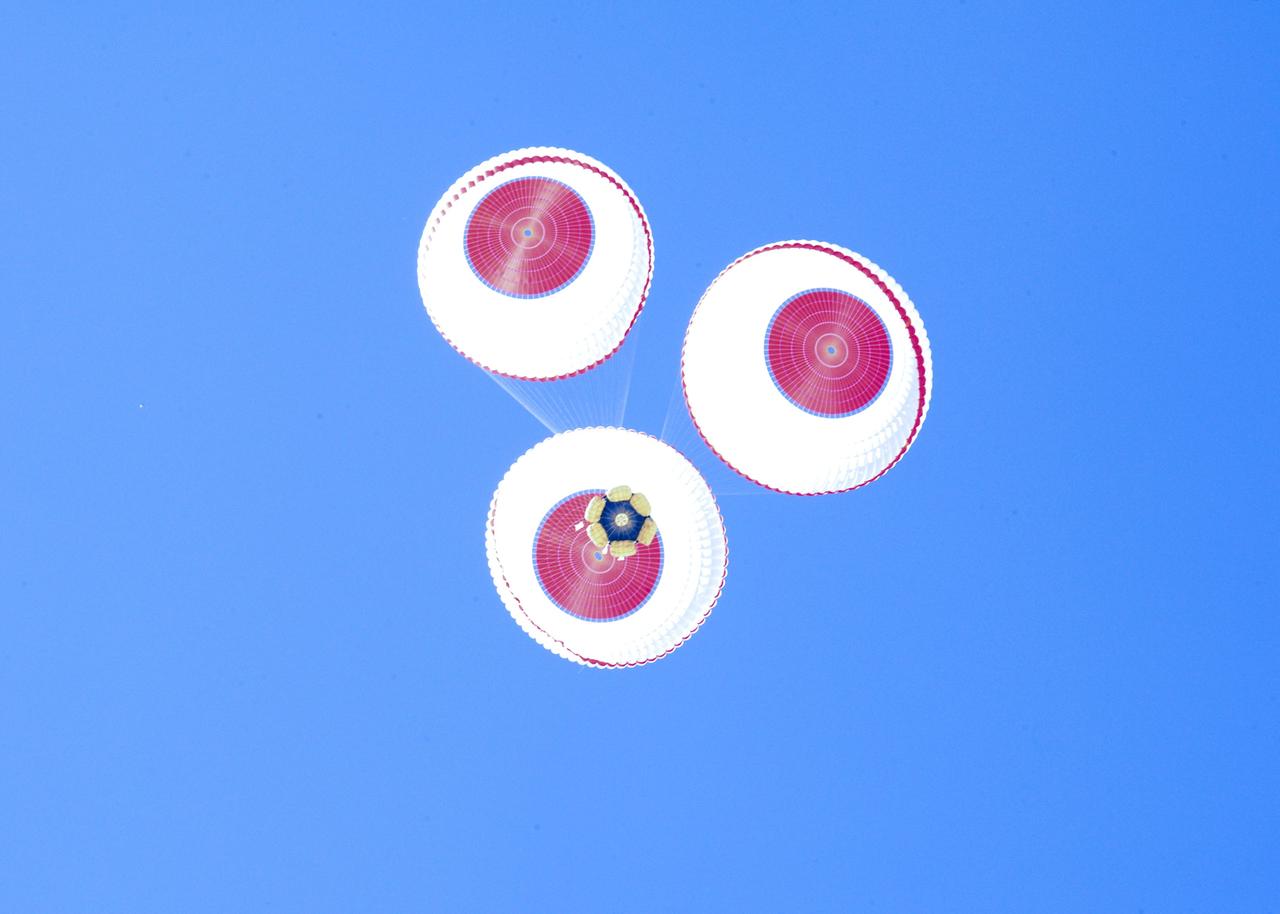
DELAMAR DRY LAKE BED, Nev. – The Boeing Company's CST-100 crew capsule floats to a smooth landing beneath three main parachutes over the Delamar Dry Lake Bed near Alamo, Nev. This is the second parachute test that Boeing performed under its partnership with NASA's Commercial Crew Program CCP. The first showed the parachute system’s deployment scheme worked and that it could be re-packed and re-used for this second test.        In 2011, NASA selected Boeing during Commercial Crew Development Round 2 CCDev2) activities to mature the design and development of a crew transportation system with the overall goal of accelerating a United States-led capability to the International Space Station. The goal of CCP is to drive down the cost of space travel as well as open up space to more people than ever before by balancing industry’s own innovative capabilities with NASA's 50 years of human spaceflight experience. Six other aerospace companies also are maturing launch vehicle and spacecraft designs under CCDev2, including Alliant Techsystems Inc. ATK, Excalibur Almaz Inc., Blue Origin, Sierra Nevada, Space Exploration Technologies SpaceX, and United Launch Alliance ULA. For more information, visit www.nasa.gov/commercialcrew. Image credit: Boeing
KSC-2012-2690
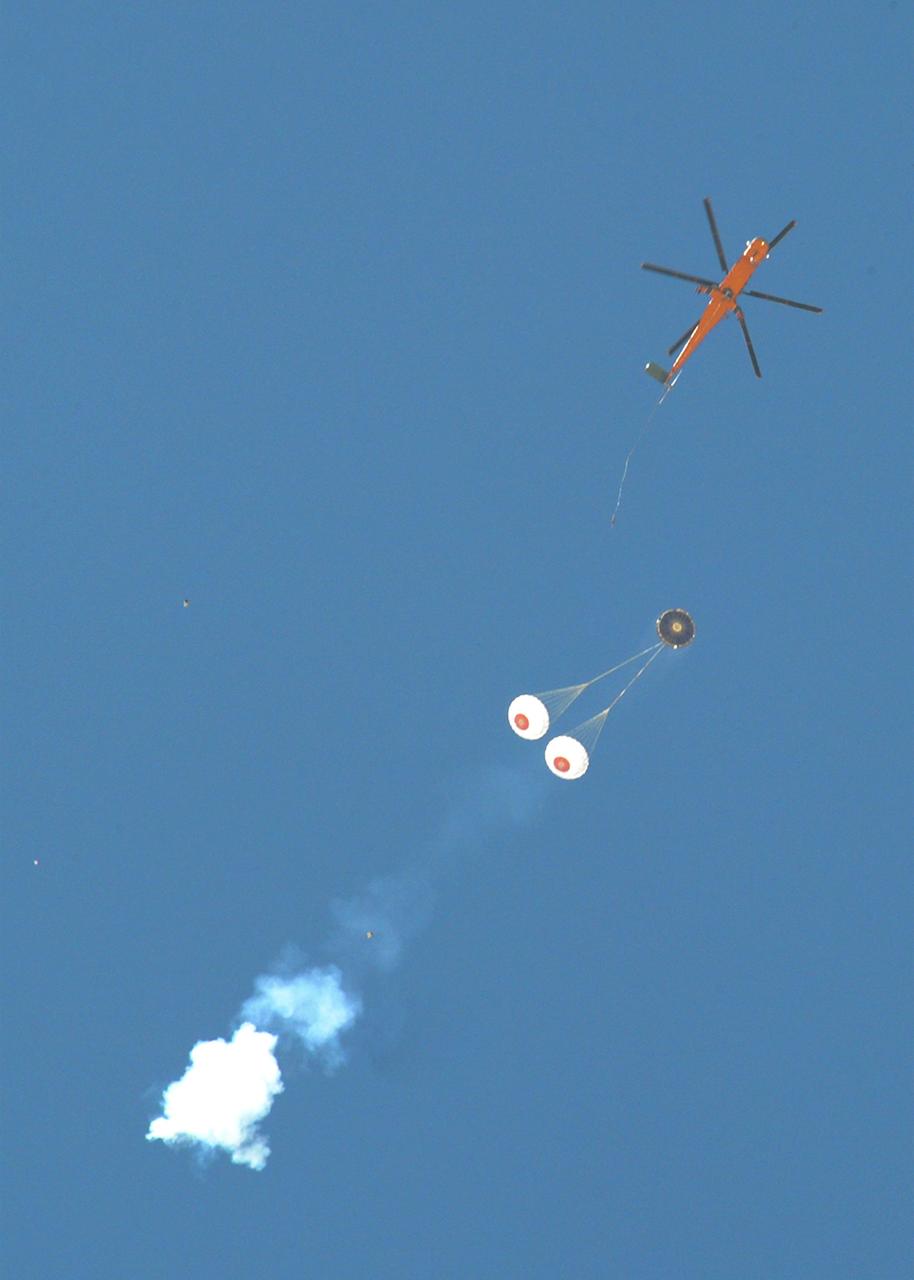
DELAMAR DRY LAKE BED, Nev. – An Erickson Sky Crane helicopter releases The Boeing Company's CST-100 crew capsule over the Delamar Dry Lake Bed near Alamo, Nev., where it floated to a smooth landing beneath its parachute system. This is the second parachute test that Boeing performed under its partnership with NASA's Commercial Crew Program CCP. The first showed the parachute system’s deployment scheme worked and that it could be re-packed and re-used for this second test.           In 2011, NASA selected Boeing during Commercial Crew Development Round 2 CCDev2) activities to mature the design and development of a crew transportation system with the overall goal of accelerating a United States-led capability to the International Space Station. The goal of CCP is to drive down the cost of space travel as well as open up space to more people than ever before by balancing industry’s own innovative capabilities with NASA's 50 years of human spaceflight experience. Six other aerospace companies also are maturing launch vehicle and spacecraft designs under CCDev2, including Alliant Techsystems Inc. ATK, Excalibur Almaz Inc., Blue Origin, Sierra Nevada, Space Exploration Technologies SpaceX, and United Launch Alliance ULA. For more information, visit www.nasa.gov/commercialcrew. Image credit: Boeing
KSC-2012-2689
Ames Research Center researchers from left to right Yasmin Arbab,   Faisal Omar and Mark Snycerski on the Advanced Air Mobility National Campaign project’s Airspace Test Infrastructure (ATI) team as well as Armstrong’s Sam Simpliciano in the background. The researchers monitor surveillance data from the helicopter in real time during the NC Integrated Dry Run Test the first week of December 2020 at NASA’s Armstrong Flight Research Center in California.
National Campaign Conducts December Dry Run Test 
Ames Research Center researchers Yasmin Arbab and Mark Snycerski on the Advanced Air Mobility National Campaign project's Airspace Test Infrastructure (ATI) team monitor surveillance data and connectivity of the flight test infrastructure to a cloud based system in real time during the NC Integrated Dry Run Test team the first week of December 2020 at NASA's Armstrong Flight Research Center in California.
National Campaign Conducts December Dry Run Test
Pilot and Paresev 1 preparing for a landing on the Rogers dry lakebed in 1962 at Edwards Air Force Base, California. The flight program began with ground tow tests. Several tows were made before liftoff was attempted to check the control rigging and to familiarize the pilot with the vehicle’s ground stability. As the pilot’s confidence and experience increased, tow speeds were also increased until liftoff was attained. Liftoff was at about 40 knots indicated airspeed (kias).
Paresev 1 in Landing
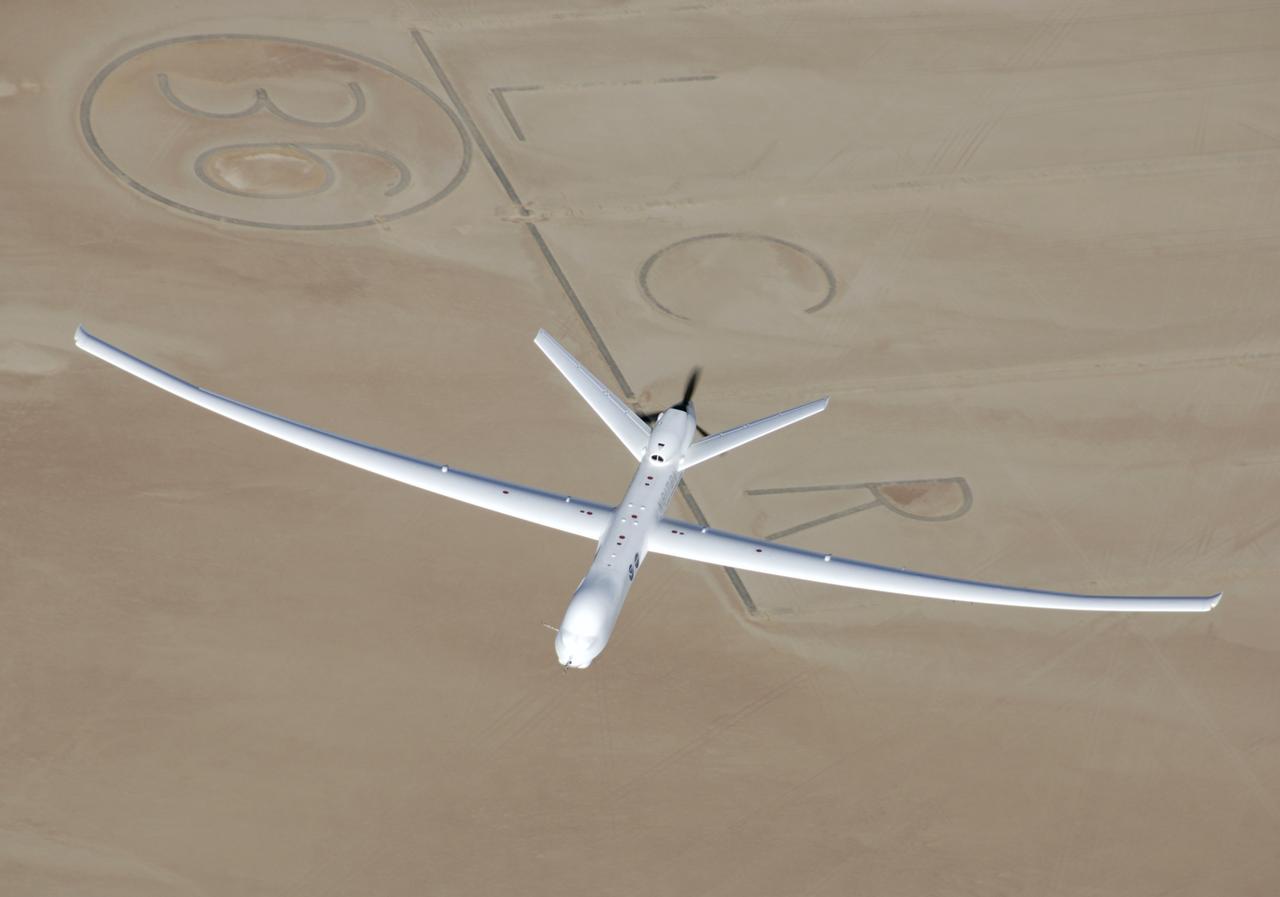
General Atomics' remotely-operated Altair soars over Rogers Dry Lake at Edwards Air Force Base during a NOAA/NASA earth science mission in November 2005.
ED05-0234-07
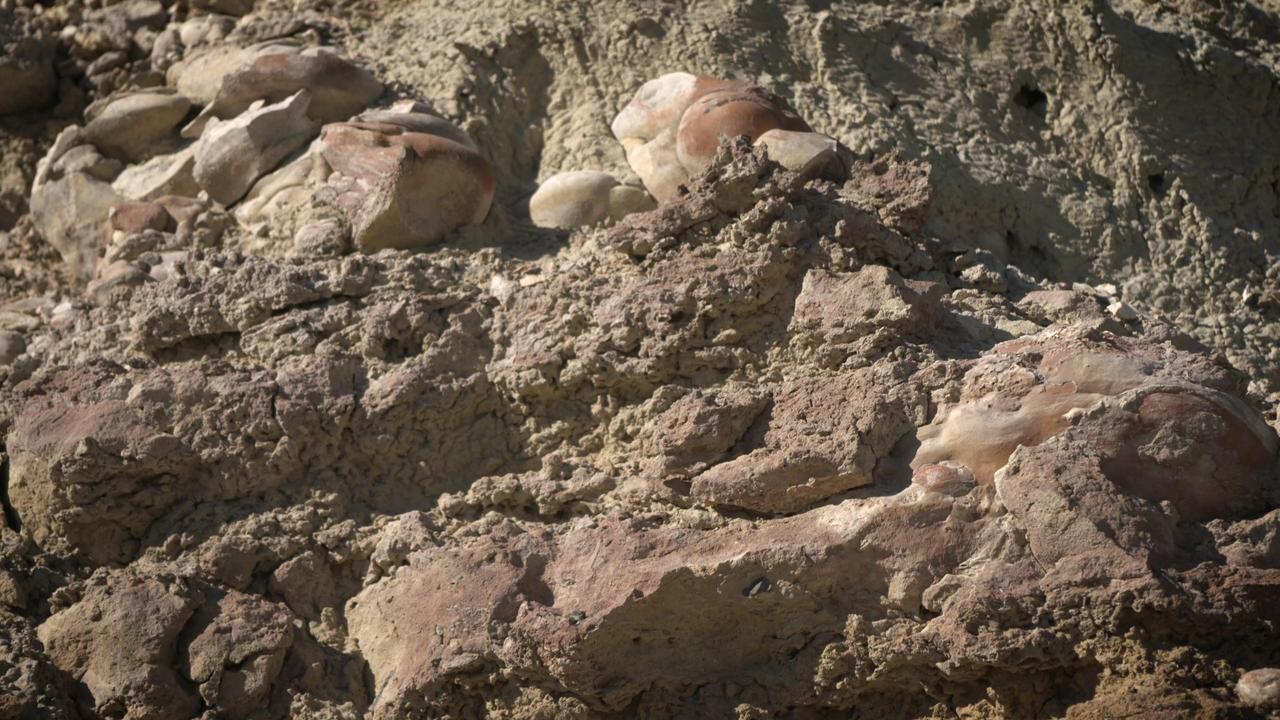
Made from fossilized microbes and sediment, these rounded rocks are stromatolites that were found in a dry lakebed during the field exercise. Scientists hope to find something similar in the dry lakebed Perseverance will be exploring on Mars.  https://photojournal.jpl.nasa.gov/catalog/PIA23779
Stromatolites in the Nevada Desert
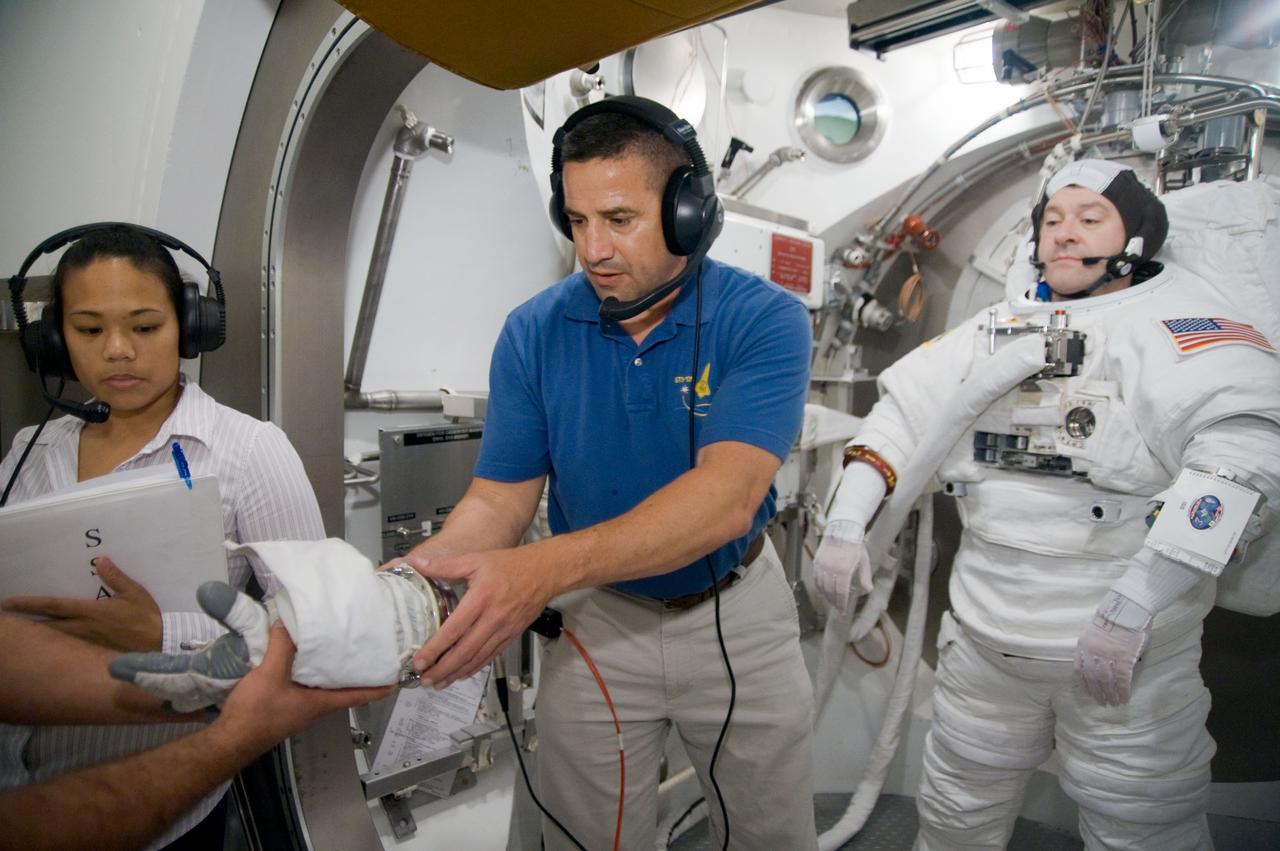
STS-130 astronaut Nick Patrick during dry run for SSATA Crew Training and EMU Verification for STS-130. Photo Date: October 29, 2009.  Location: Building 7 - SSATA Chamber.  Photographer: Robert Markowitz.
STS-130 astronaut Nick Patrick during dry run for SSATA Crew Training and EMU Verification for STS-130.
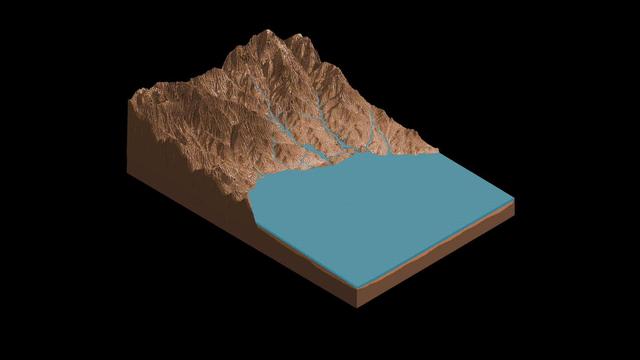
This animation demonstrates how streams may have flowed from Mount Sharp to the floor of Gale Crater, where salty ponds may have been left behind as the region dried out over time.  Rocks enriched with mineral salts discovered by NASA's Curiosity at a location on Mount Sharp called "Sutton Island" suggest that water vanished slowly, rather than all at once, possibly returning to the area in a persistent cycle of drying and overflow. This discovery serves as a watermark for when the Martian climate was gradually getting drier.  Animation available at https://photojournal.jpl.nasa.gov/catalog/PIA23375
Sutton Island Model of Drying Lakes (Animation)
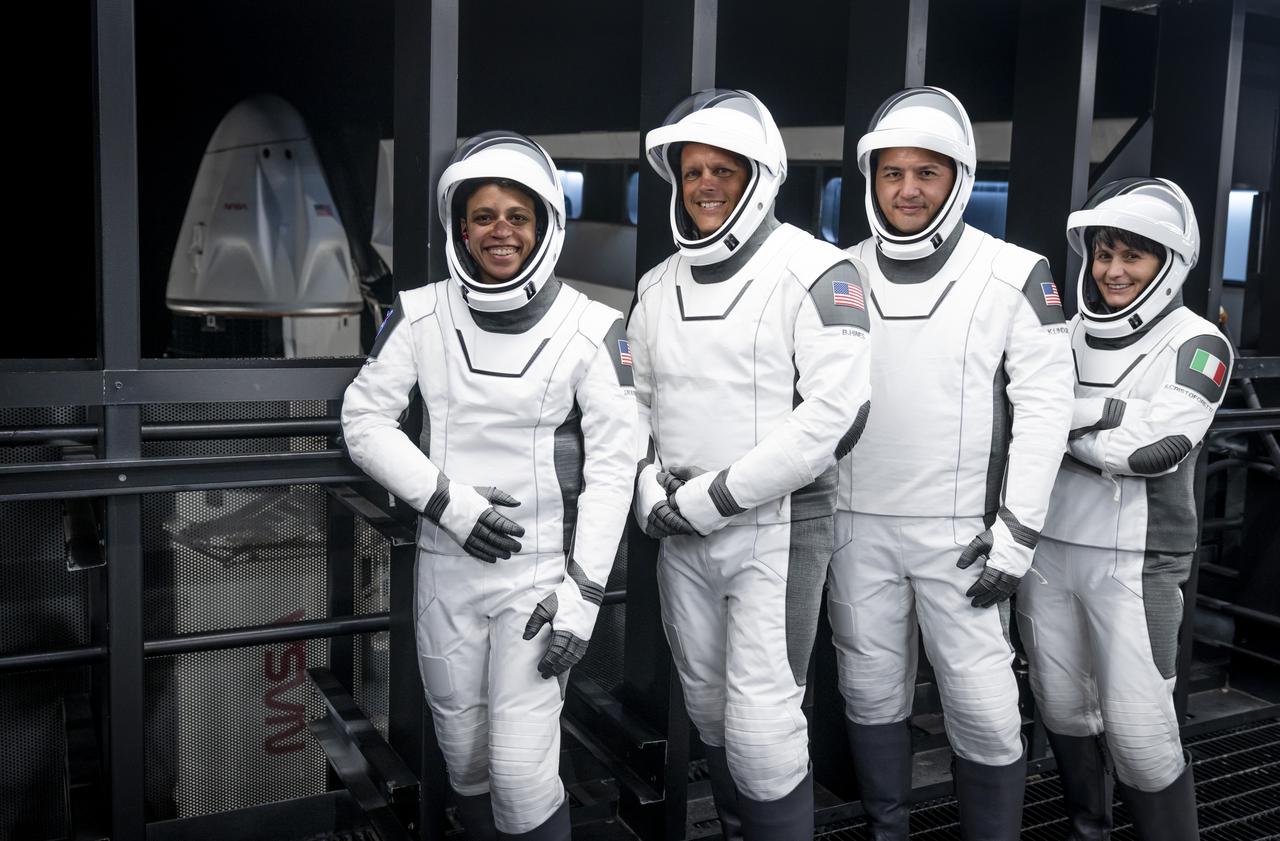
NASA’s SpaceX Crew-4 astronauts, from left, Jessica Watkins, Bob Hines, and Kjell Lindgren, and ESA (European Space Agency) astronaut Samantha Cristoforetti stand inside the crew access arm at Kennedy Space Center’s Launch Complex 39A during a dry dress rehearsal on April 20, 2022. Named Freedom by the Crew-4 crew, SpaceX’s Crew Dragon will carry the astronauts to the International Space Station as part of NASA’s Commercial Crew Program. Liftoff, powered by SpaceX’s Falcon 9 rocket, is targeted for no earlier than 4:15 a.m. EDT on Tuesday, April 26, 2022. Crew-4 will be the first spaceflight for Hines and Watkins and the second flight for Lindgren and Cristoforetti.
SpaceX Crew-4 Dry Dress Rehearsal
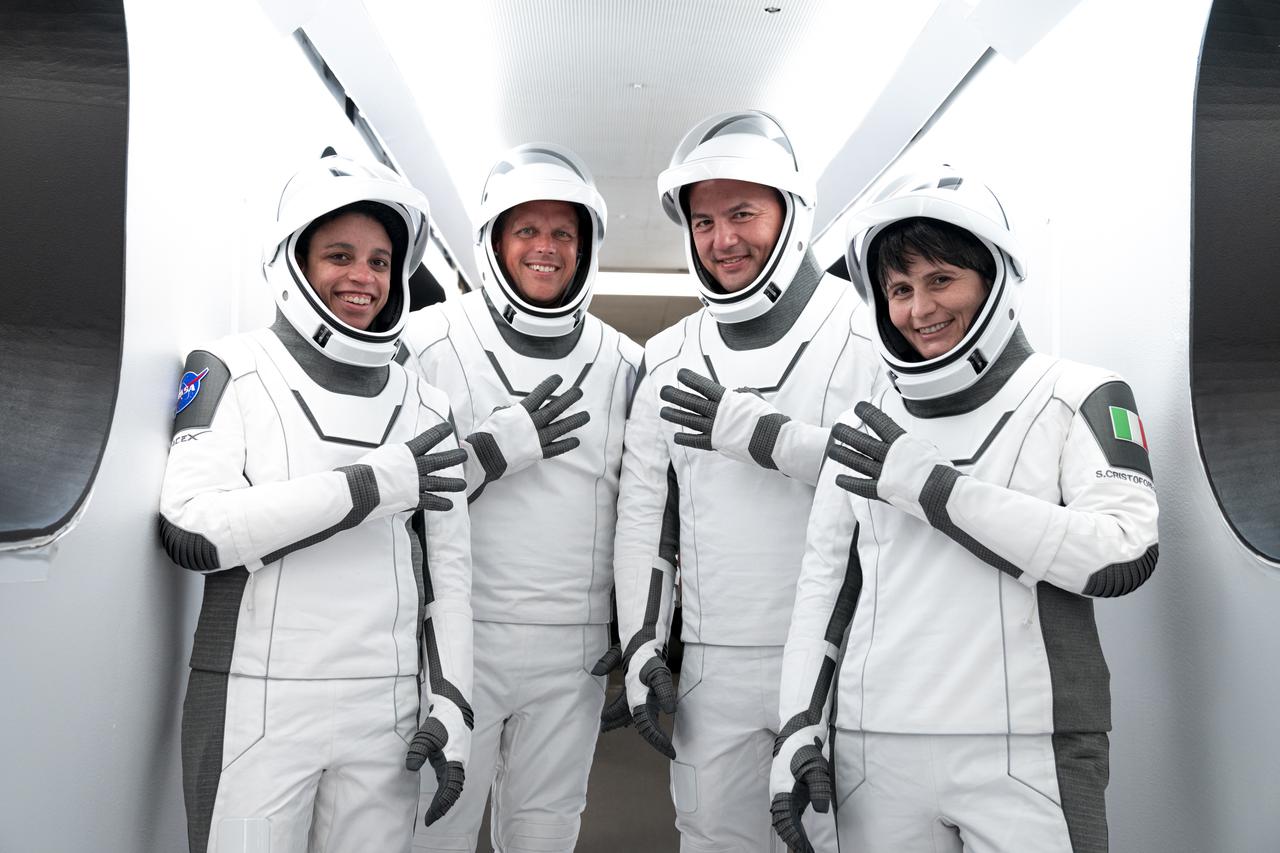
Crew-4 astronauts, from left, Jessica Watkins, mission specialist; Bob Hines, pilot; Kjell Lindgren, commander and Samantha Cristoforetti, mission specialist, pose outside SpaceX’s Crew Dragon, named Freedom by the Crew-4 crew, during a dry dress rehearsal at Kennedy Space Center in Florida on April 20, 2022. Crew-4 will launch the astronauts to the International Space Station as part of NASA’s Commercial Crew Program. Liftoff is targeted for 5:26 a.m. EDT on Saturday, April 23, 2022, from Launch Complex 39A at Kennedy.
SpaceX Crew-4 Dry Dress Rehearsal
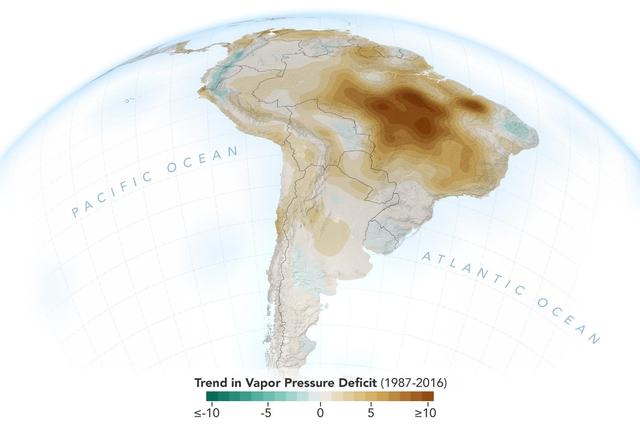
The image shows the trend of vapor pressure deficit over the Amazon rainforest during the dry season months — August through October — from 1987 to 2016. The measurements are shown in millibars — a standard unit of measure for atmospheric pressure. Vapor pressure deficit is the ratio of how much moisture is present in the atmosphere compared to how much moisture the atmosphere can hold. The trend shows the decline of moisture in the air, particularly across the south and southeastern Amazon, which is caused by a combination of human activities, including changes in land use, forest burning and its byproduct, black carbon, along with activities that have increased carbon monoxide and carbon dioxide levels in the region.  https://photojournal.jpl.nasa.gov/catalog/PIA23425
New Study Shows Atmosphere in the Amazon Drying Out
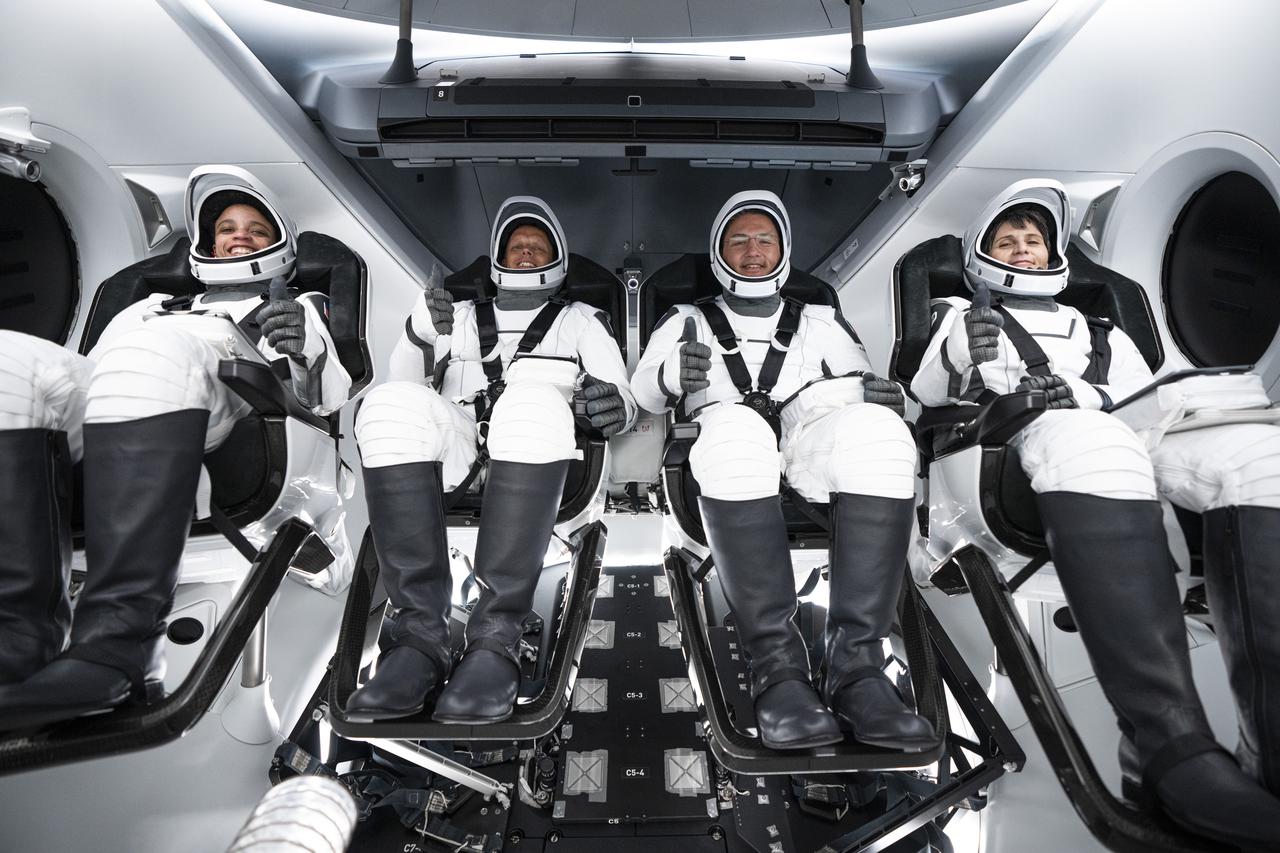
Crew-4 astronauts, from left, Jessica Watkins, mission specialist; Bob Hines, pilot; Kjell Lindgren, commander and Samantha Cristoforetti, mission specialist, are positioned inside SpaceX’s Crew Dragon, named Freedom by the Crew-4 crew, during a dry dress rehearsal at Kennedy Space Center in Florida on April 20, 2022. Crew-4 will launch the astronauts to the International Space Station as part of NASA’s Commercial Crew Program. Liftoff is targeted for 5:26 a.m. EDT on Saturday, April 23, 2022, from Launch Complex 39A at Kennedy.
SpaceX Crew-4 Dry Dress Rehearsal
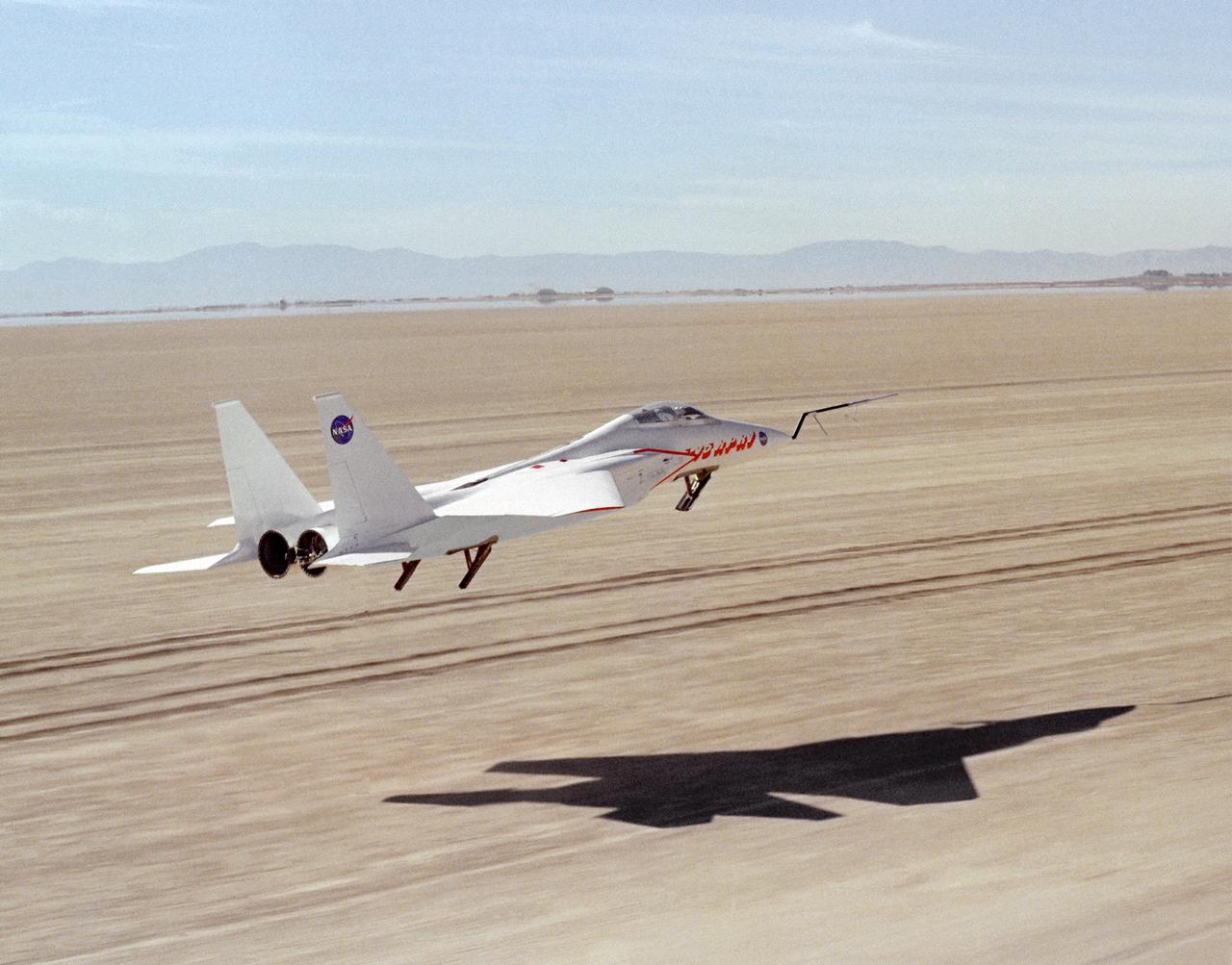
This photograph shows NASA's 3/8th-scale remotely piloted research vehicle landing on Rogers Dry Lakebed at Edwards Air Force Base, California, in 1975.
F-15 RPRV landing on lakebed
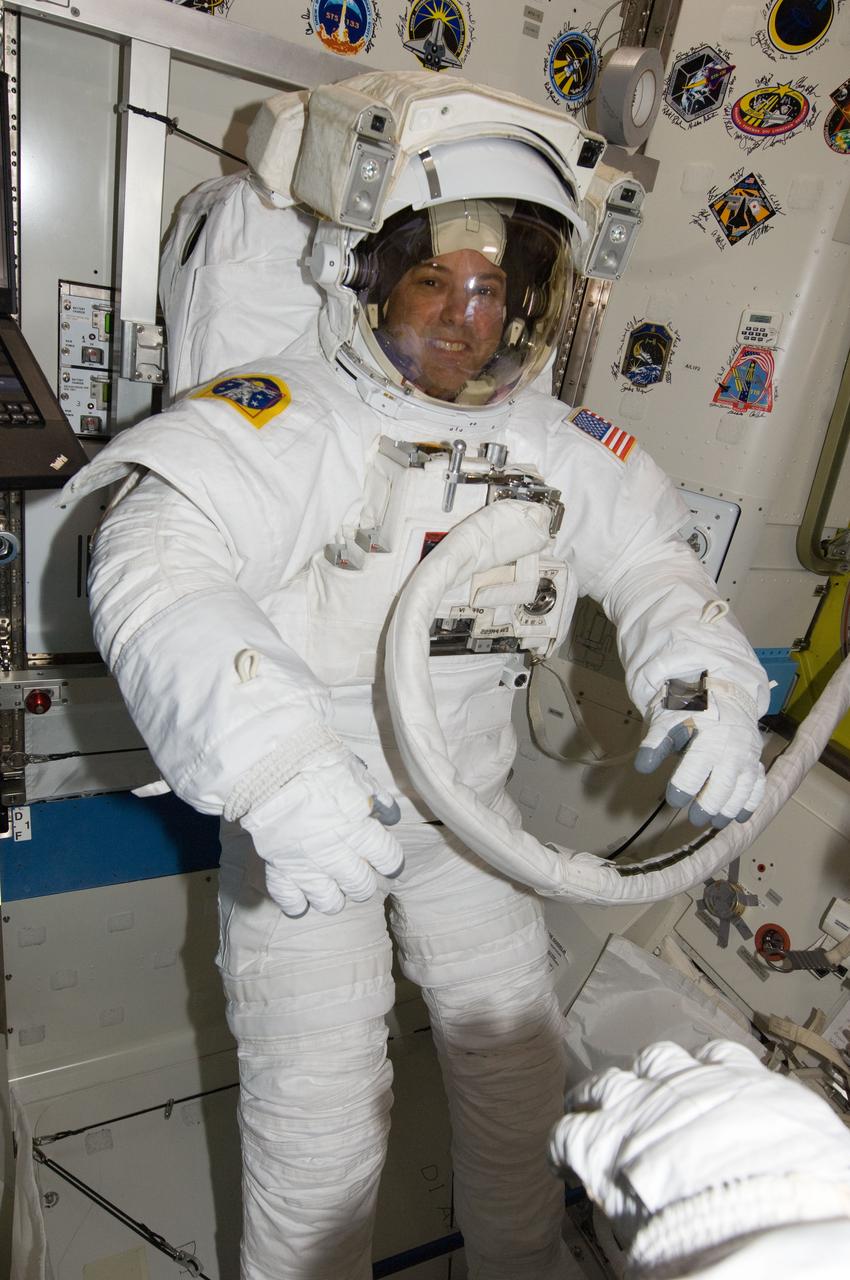
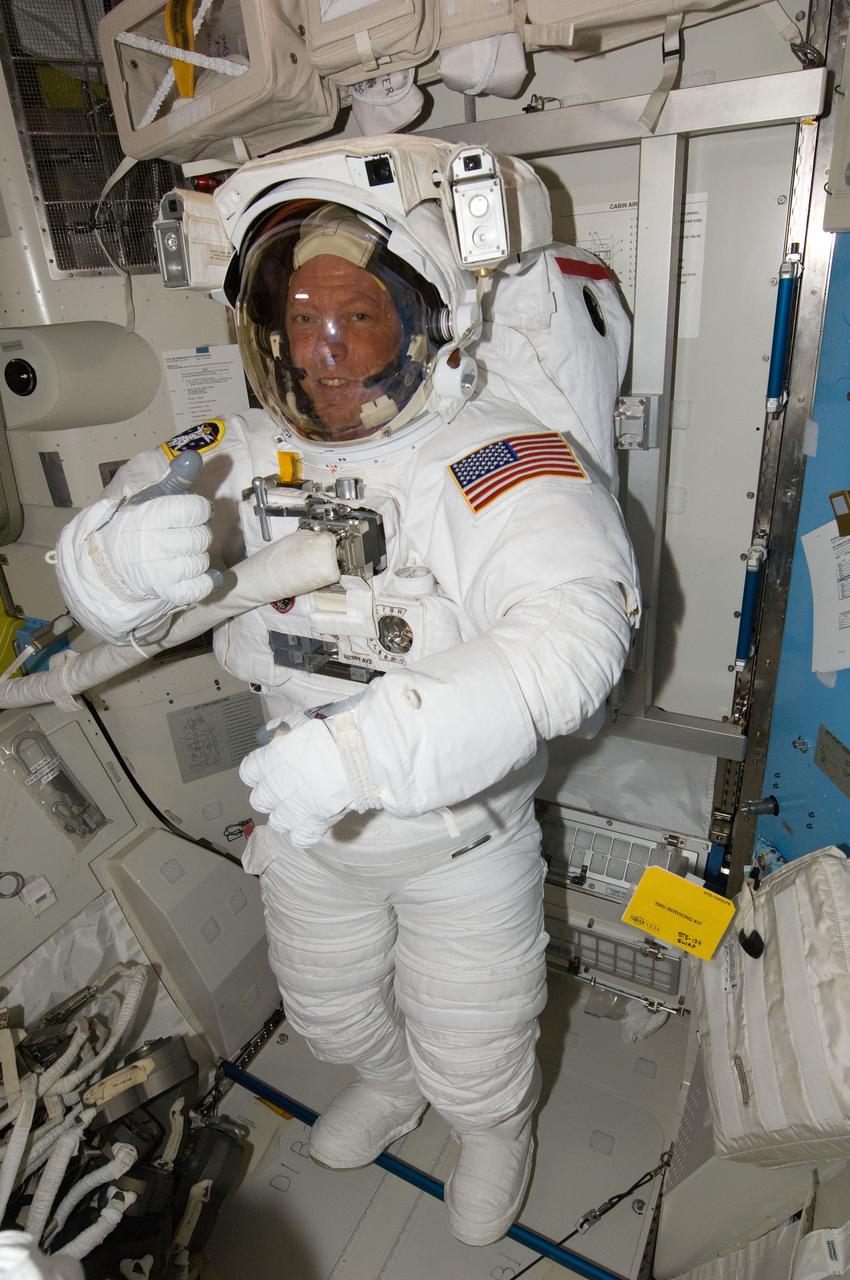
ISS028-E-009217 (22 June 2011) --- NASA astronaut Ron Garan, attired in his Extravehicular Mobility Unit (EMU) spacesuit, is pictured in the Quest airlock of the International Space Station. Garan and NASA astronaut Mike Fossum (out of frame), both Expedition 28 flight engineers, were participating in a ?dry run? in preparation for a planned spacewalk during STS-135/ULF-7.
Expedition 28 Crew Members participate in EVA Dry Run
ISS028-E-009216 (22 June 2011) --- NASA astronauts Ron Garan (left) and Mike Fossum, both Expedition 28 flight engineers, attired in their Extravehicular Mobility Unit (EMU) spacesuits, are pictured in the Quest airlock of the International Space Station. Garan and Fossum were participating in a ?dry run? in preparation for a planned spacewalk during STS-135/ULF-7.
Expedition 28 Crew Members participate in EVA Dry Run
ISS028-E-009234 (22 June 2011) --- NASA astronauts Ron Garan (left) and Mike Fossum, both Expedition 28 flight engineers, attired in their Extravehicular Mobility Unit (EMU) spacesuits, are pictured in the Quest airlock of the International Space Station. Garan and Fossum were participating in a ?dry run? in preparation for a planned spacewalk during STS-135/ULF-7.
Expedition 28 Crew Members participate in EVA Dry Run
ISS028-E-009218 (22 June 2011) --- NASA astronaut Mike Fossum, attired in his Extravehicular Mobility Unit (EMU) spacesuit, is pictured in the Quest airlock of the International Space Station. Fossum and NASA astronaut Ron Garan (out of frame), both Expedition 28 flight engineers, were participating in a ?dry run? in preparation for a planned spacewalk during STS-135/ULF-7.
Expedition 28 Crew Members participate in EVA Dry Run
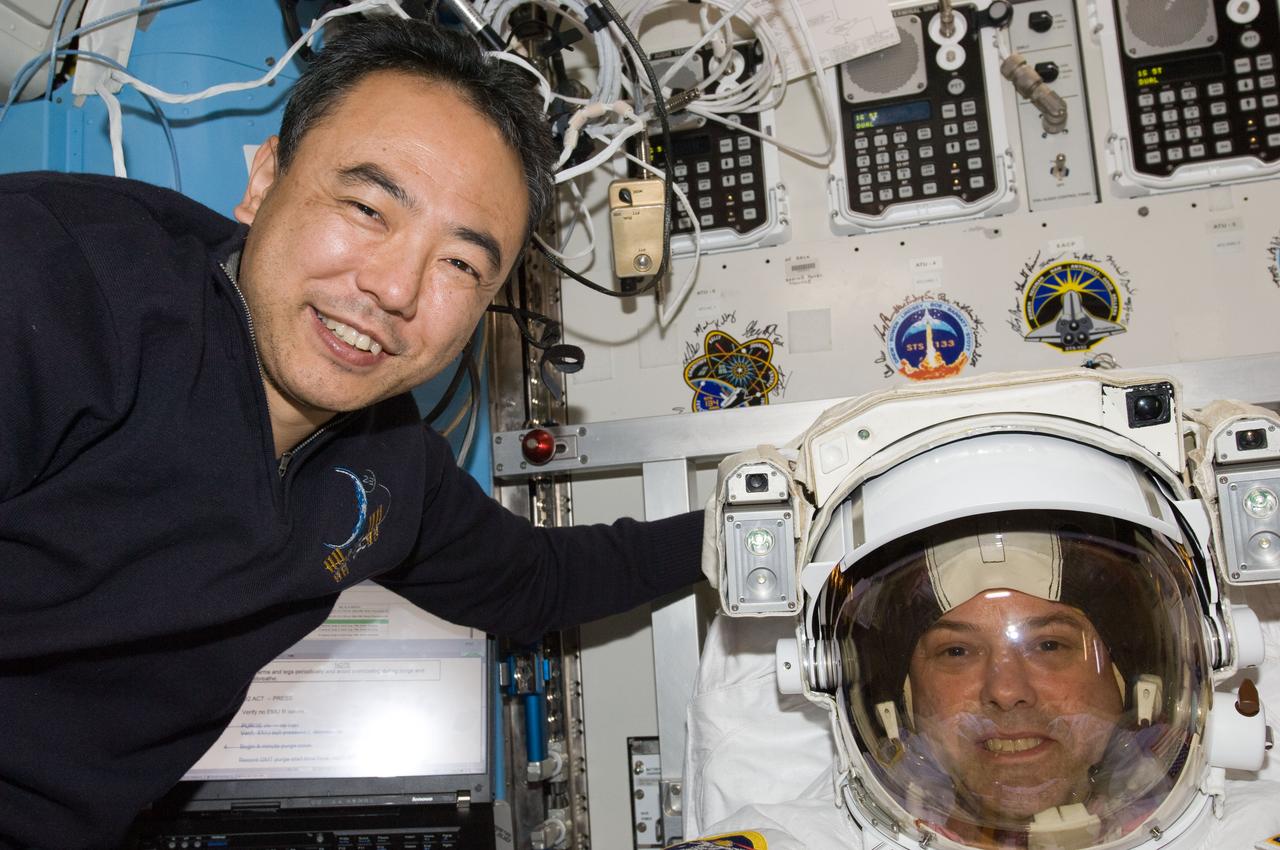
ISS028-E-009229 (22 June 2011) --- NASA astronaut Ron Garan, attired in his Extravehicular Mobility Unit (EMU) spacesuit, is pictured in the Quest airlock of the International Space Station. Garan and NASA astronaut Mike Fossum (out of frame), both Expedition 28 flight engineers, were participating in a ?dry run? in preparation for a planned spacewalk during STS-135/ULF-7. Japan Aerospace Exploration Agency astronaut Satoshi Furukawa, flight engineer, assisted Garan and Fossum during the exercise.
Expedition 28 Crew Members participate in EVA Dry Run
DELAMAR DRY LAKE BED, Nev. -- The Boeing Company's CST-100 boilerplate crew capsule floats toward a smooth landing beneath three main parachutes after being released from an Erickson Sky Crane helicopter at about 11,000 feet above Delamar Dry Lake Bed near Alamo, Nev. This is one of two tests that Boeing will perform for NASA's Commercial Crew Program CCP in order to validate the spacecraft's parachute system architecture and deployment scheme, characterize pyrotechnic shock loads, confirm parachute sizing and design, and identify potential forward compartment packaging and deployment issues. In 2011, NASA selected Boeing during Commercial Crew Development Round 2 CCDev2) activities to mature the design and development of a crew transportation system with the overall goal of accelerating a United States-led capability to the International Space Station. The goal of CCP is to drive down the cost of space travel as well as open up space to more people than ever before by balancing industry’s own innovative capabilities with NASA's 50 years of human spaceflight experience. Six other aerospace companies also are maturing launch vehicle and spacecraft designs under CCDev2, including Alliant Techsystems Inc. ATK, Excalibur Almaz Inc., Blue Origin, Sierra Nevada, Space Exploration Technologies SpaceX, and United Launch Alliance ULA. For more information, visit www.nasa.gov/commercialcrew. Image credit: Boeing
KSC-2012-1952
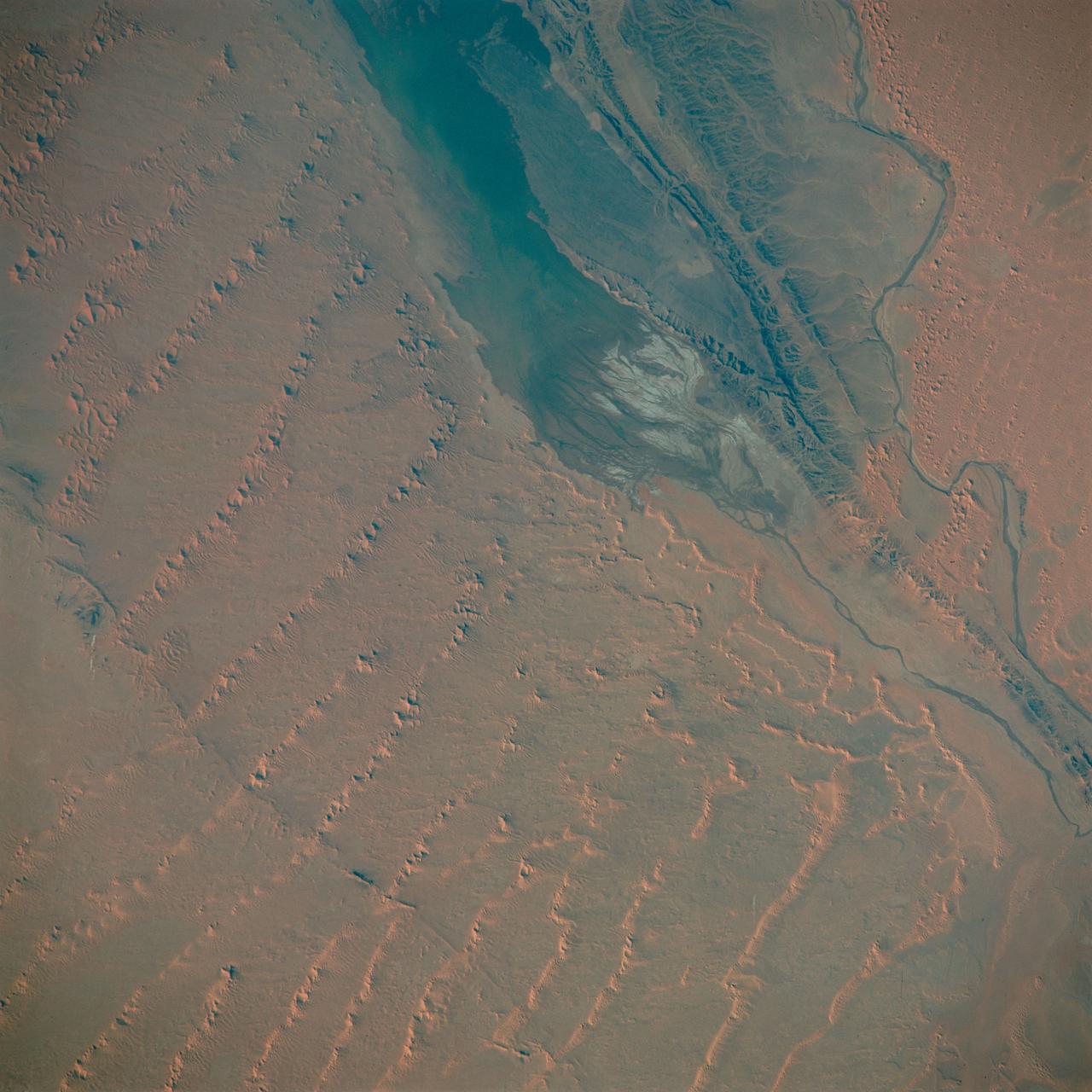
S65-63830 (5 Dec. 1965) --- Algeria, south-southeast of the Colomb Bechar area, as seen from the National Aeronautics and Space Administration's Gemini-7 spacecraft. Sand dunes are 200 to 300 feet high in the Grand Erg Occidental area. The Quod Sacura River can be seen in the upper left corner. The white spot in the middle of the picture is the Sebcha el Malah salt beds. It should be noted that the area had just experienced very heavy rains (first in many years) and the stream and salt flat are inundated. This photograph was taken with a modified 70mm Hasselblad camera, with Eastman Kodak, Ektachrome MS (S.O. 217) color film. Photo credit: NASA
Algeria- Gemini 7, Earth-Sky View
FIRST SHUTTLE LANDING -- The Space Shuttle Columbia glides down over Rogers Dry Lake as it heads for a landing at Edwards Air Force Base at the conclusion of its first orbital mission on April 14, 1981.
The Space Shuttle Columbia glides down over Rogers Dry Lake as it heads for a landing at Edwards Air Force Base at the conclusion of its first orbital mission
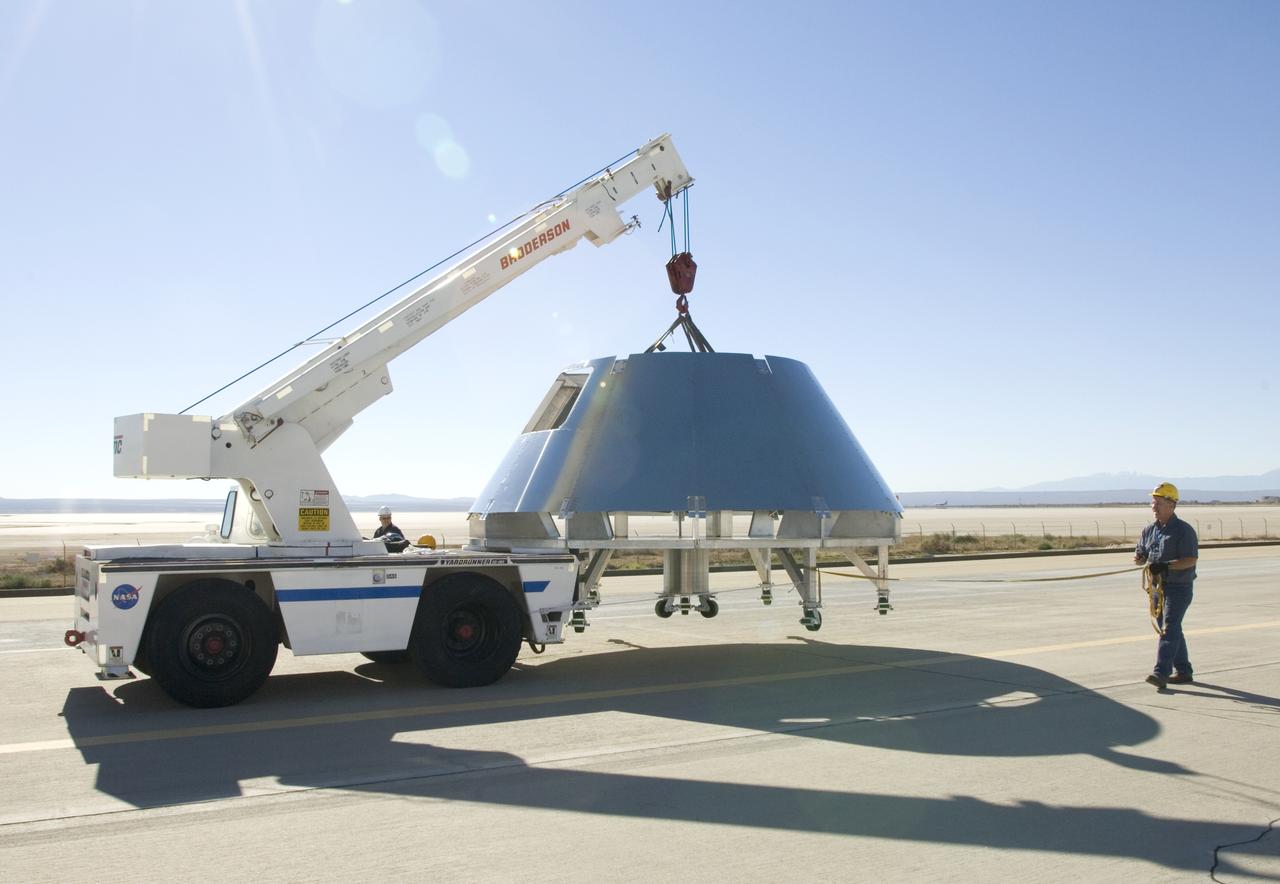
Rogers Dry Lake serves as a backdrop for a mockup Orion crew module built by NASA Dryden Flight Research Center's Fabrication Branch. The module was relocated to Dryden's Shuttle hangar on Sept. 25, 2007.
Rogers Dry Lake served as a backdrop for a mockup Orion crew module built by NASA Dryden's Fabrication Branch as it was relocated to Dryden's Shuttle hangar.
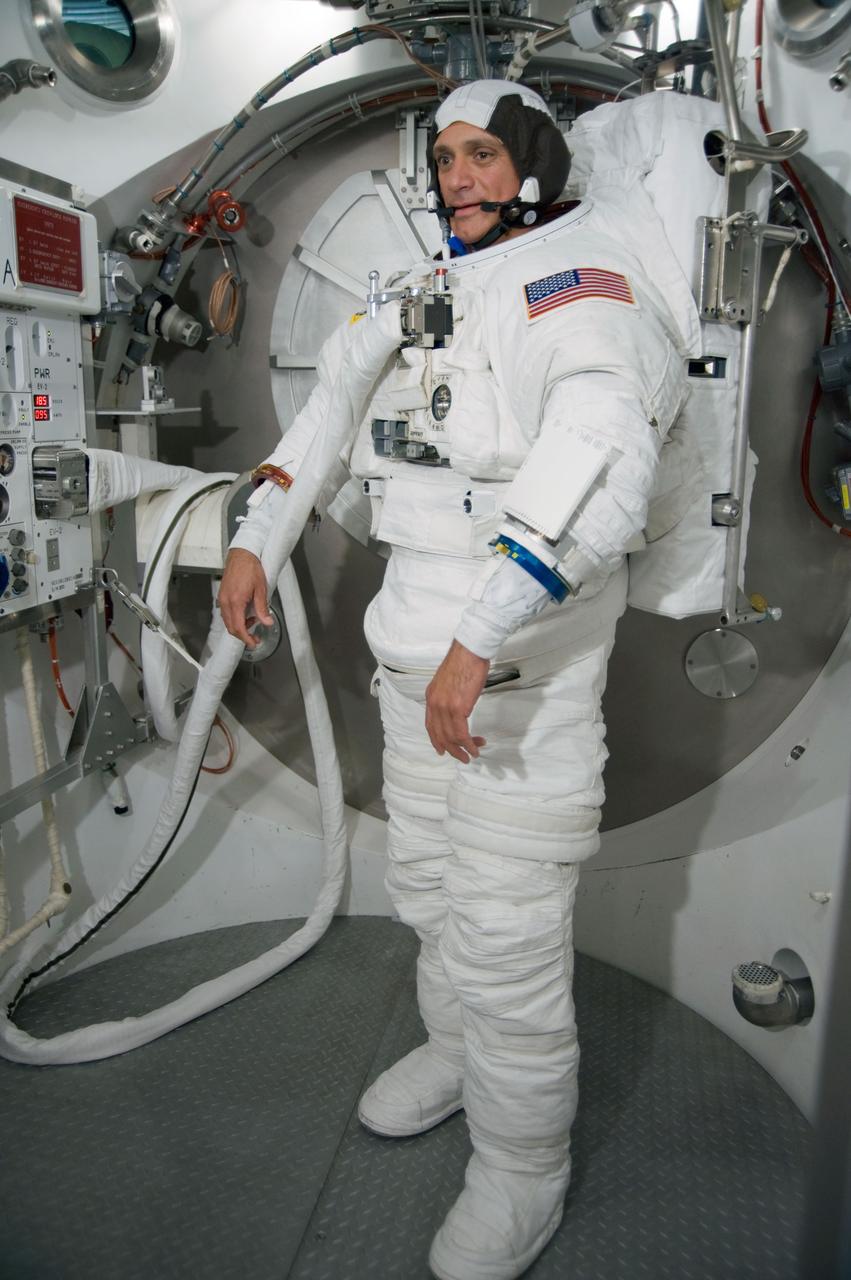
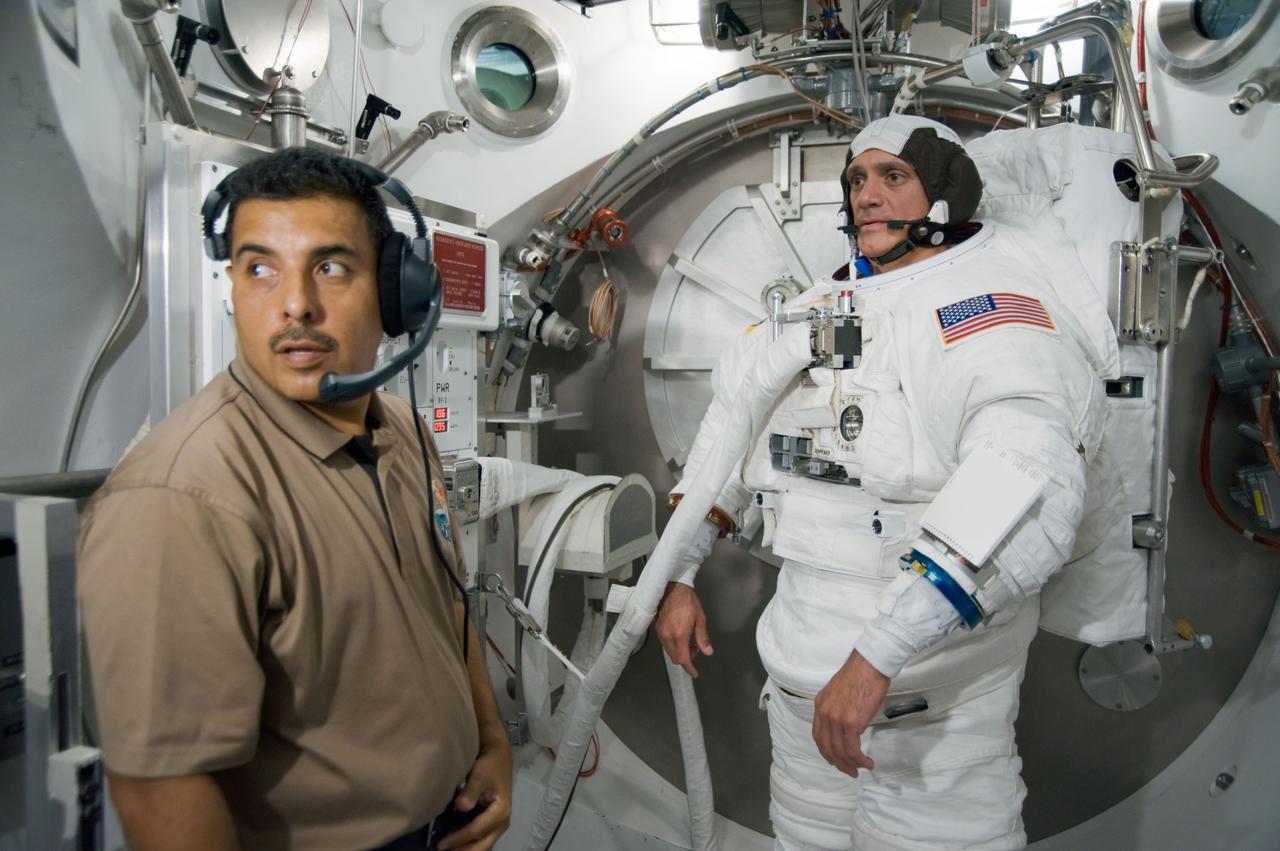
SSATA Crew Training and EMU Verification for STS-128 crew member Danny Olivas during suited dry run.  Test Directors: Cristina Anchondo and Laura Campbell.  Photo Date: April 22, 2009.  Location: Building 7 - SSATA Chamber.  Photographer: Robert Markowitz
SSATA Crew Training and EMU Verification for STS-128 crew member Danny Olivas during suited dry run.
SSATA Crew Training and EMU Verification for STS-128 crew member Danny Olivas during suited dry run.  Test Directors: Cristina Anchondo and Laura Campbell.  Photo Date: April 22, 2009.  Location: Building 7 - SSATA Chamber.  Photographer: Robert Markowitz
SSATA Crew Training and EMU Verification for STS-128 crew member Danny Olivas during suited dry run.
SSATA Crew Training and EMU Verification for STS-128 crew member Danny Olivas during suited dry run.  Test Directors: Cristina Anchondo and Laura Campbell.  Photo Date: April 22, 2009.  Location: Building 7 - SSATA Chamber.  Photographer: Robert Markowitz
SSATA Crew Training and EMU Verification for STS-128 crew member Danny Olivas during suited dry run.
SSATA Crew Training and EMU Verification for STS-128 crew member Danny Olivas during suited dry run.  Test Directors: Cristina Anchondo and Laura Campbell.  Photo Date: April 22, 2009.  Location: Building 7 - SSATA Chamber.  Photographer: Robert Markowitz
SSATA Crew Training and EMU Verification for STS-128 crew member Danny Olivas during suited dry run.
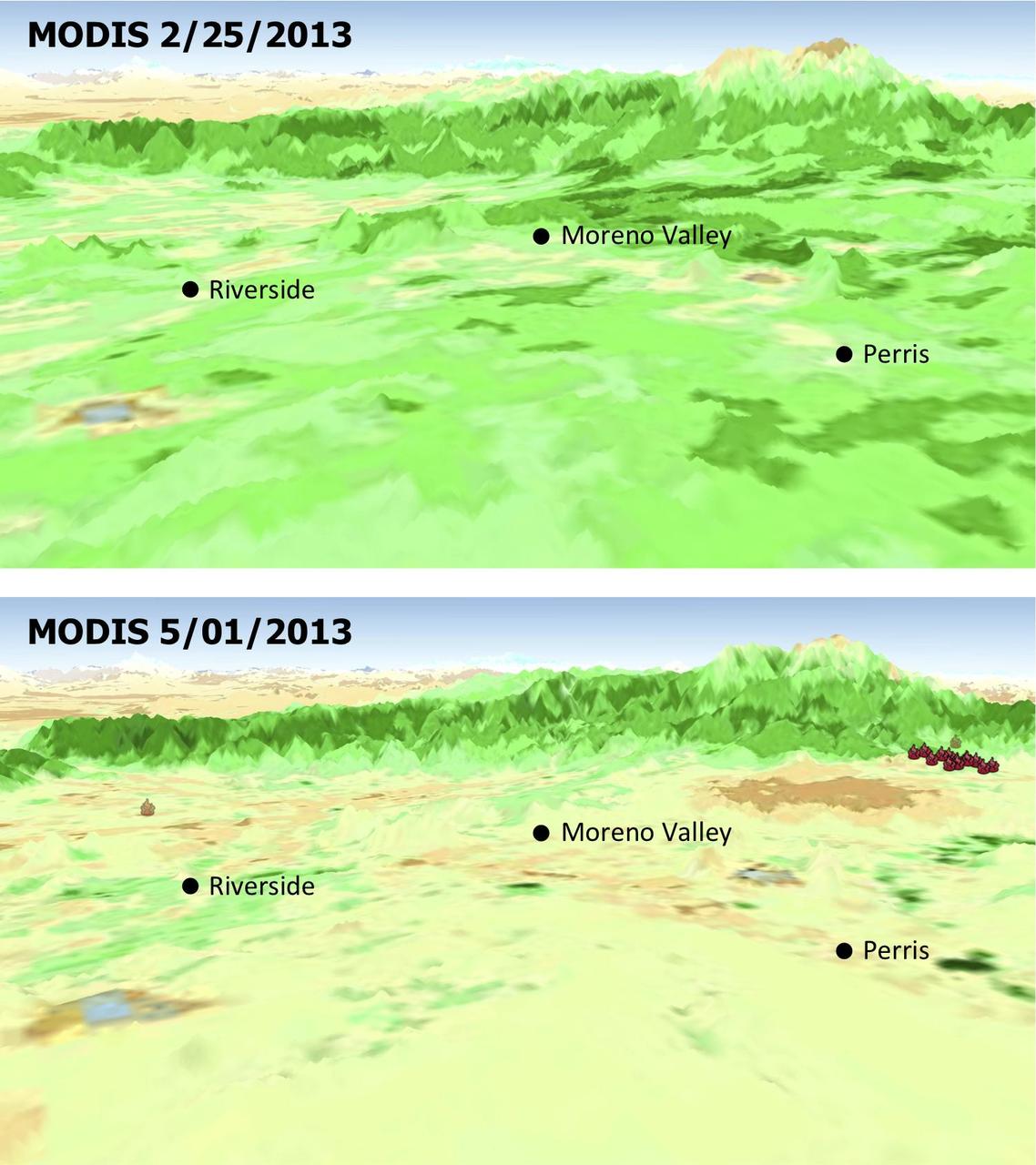
The quick dry-out of vegetation in Southern California this year is depicted in this pair of images from the Moderate Resolution Imaging Spectroradiometer MODIS sensor on NASA Aqua spacecraft.
MODIS Satellite See Double Jeopardy for Socal Fire Season
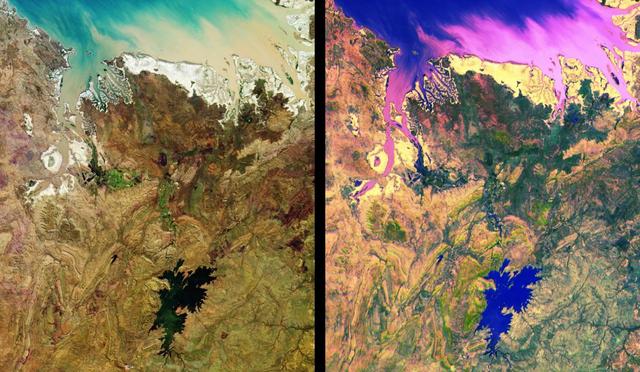
These images from NASA Terra satellite are of tropical northern Australia acquired on June 1, 2000 Terra orbit 2413 during the long dry season.
MISR Views Northern Australia
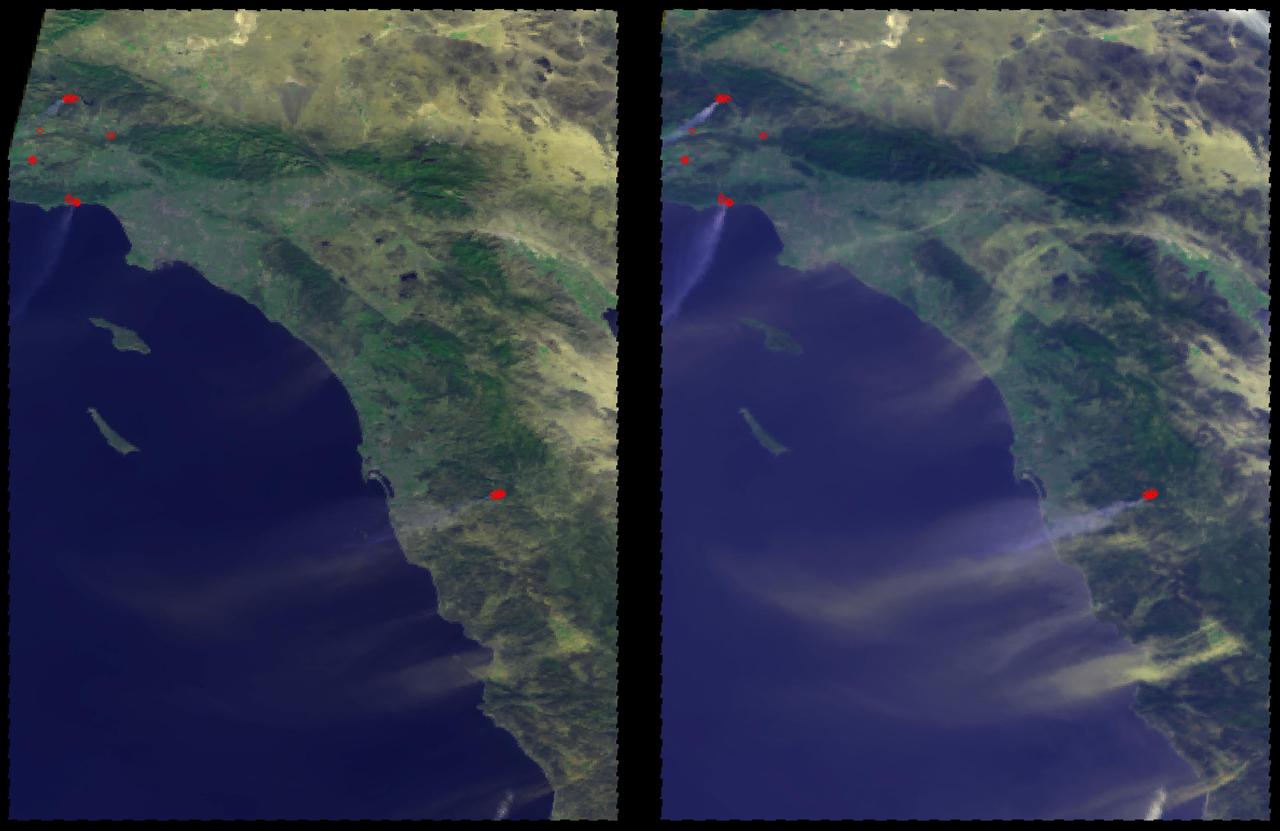
NASA Terra spacecraft showed hot, dry Santa Ana winds blowing through the Los Angeles and San Diego areas on Sunday October 21, 2007.
MISR Multi-angle Views of Sunday Morning Fires
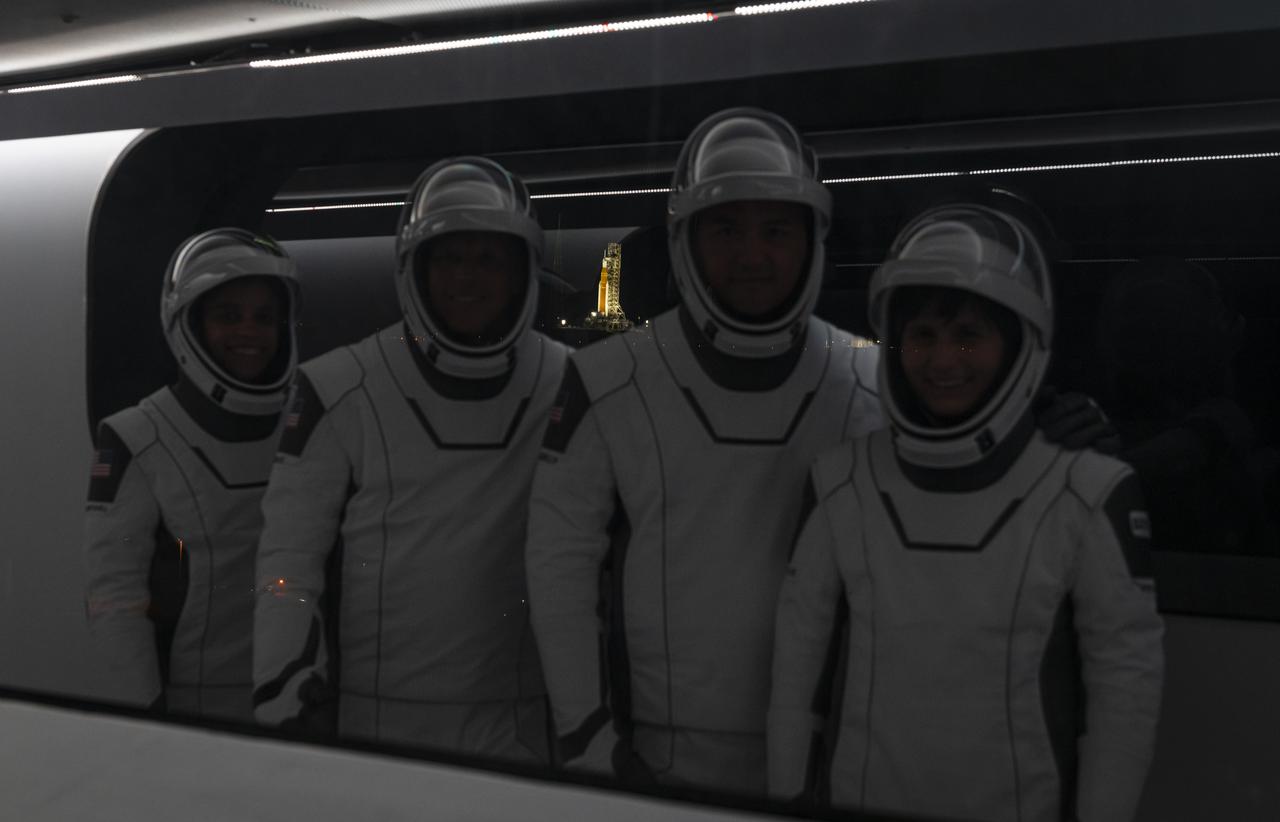
Crew-4 astronauts, from left, Jessica Watkins, Bob Hines, Kjell Lindgren, and Samantha Cristoforetti stand inside the crew access arm at Kennedy Space Center’s Launch Complex 39A during a dry dress rehearsal on April 20, 2022. Reflected and lit up in the background is NASA’s Space Launch System rocket and Orion spacecraft for the Artemis I mission at Launch Complex 39B. SpaceX’s Falcon 9 rocket, with the company’s Crew Dragon, named Freedom by the Crew-4 crew, is targeted for liftoff no earlier than 4:15 a.m. EDT on Tuesday, April 26, 2022, from Pad 39A. The Crew-4 mission will carry the astronauts to the International Space Station as part of NASA’s Commercial Crew Program.
SpaceX Crew-4 Dry Dress Rehearsal
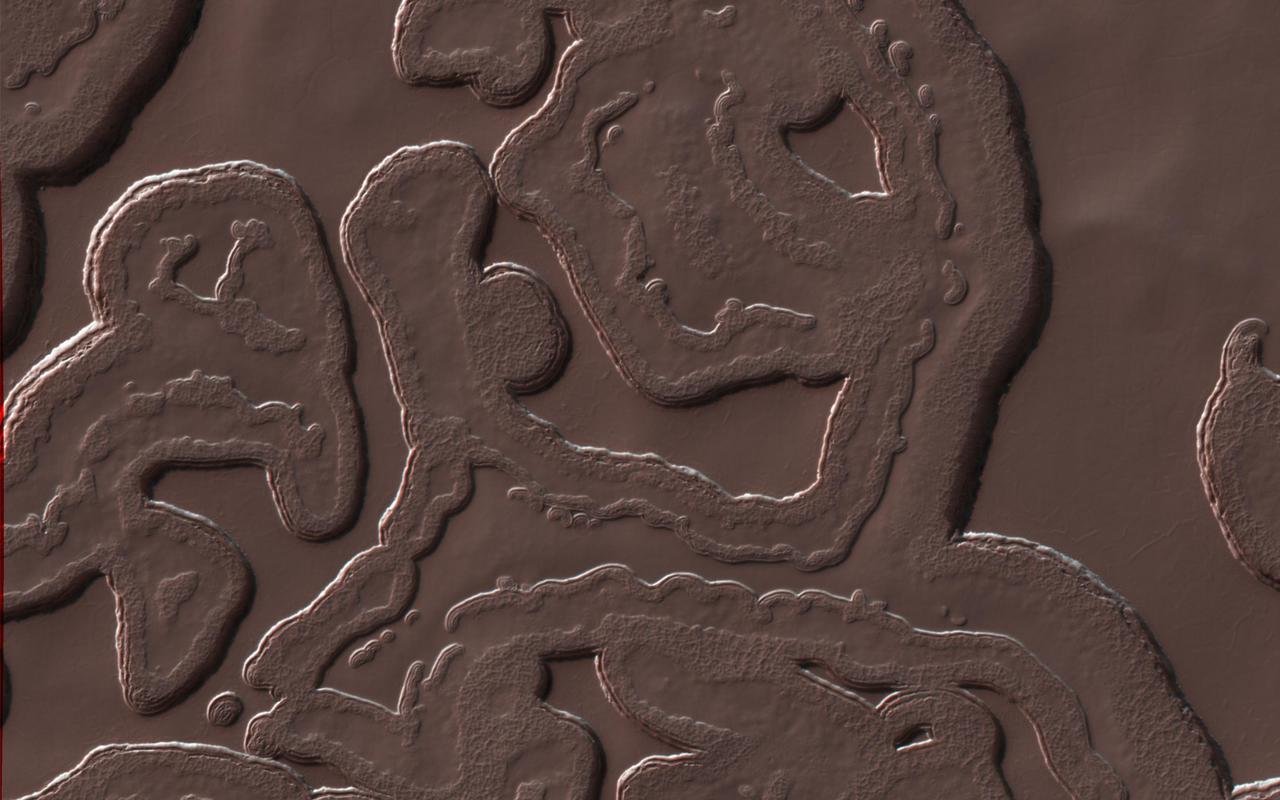
Many Martian landscapes contain features that are familiar to ones we find on Earth, like river valleys, cliffs, glaciers and volcanos.  However, Mars has an exotic side too, with landscapes that are alien to Earthlings. This image shows one of these exotic locales at the South Pole. The polar cap is made from carbon dioxide (dry ice), which does not occur naturally on the Earth. The circular pits are holes in this dry ice layer that expand by a few meters each Martian year.  New dry ice is constantly being added to this landscape by freezing directly out of the carbon dioxide atmosphere or falling as snow. Freezing out the atmosphere like this limits how cold the surface can get to the frost point at -130 degrees Celsius (-200 F). Nowhere on Mars can ever get any colder this, making this this coolest landscape on Earth and Mars combined.  http://photojournal.jpl.nasa.gov/catalog/PIA21216
The Coolest Landscape on Mars or Earth
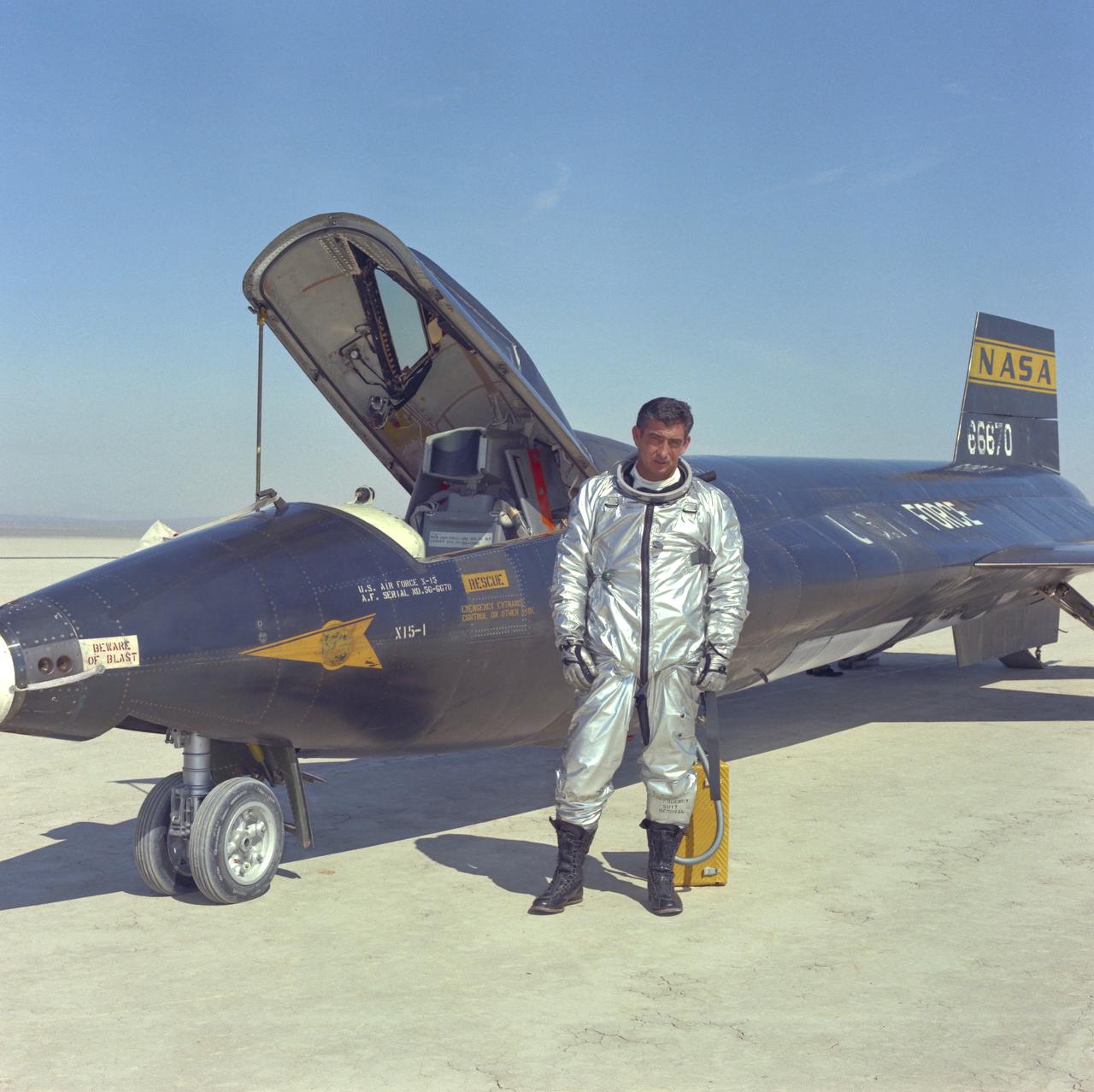
Air Force pilot Mike Adams poses in front of X-15-#1 after flight on Rogers Dry Lake at Edwards Air Force Base in California.
Air Force pilot Mike Adam poses with X-15 flown with NASA
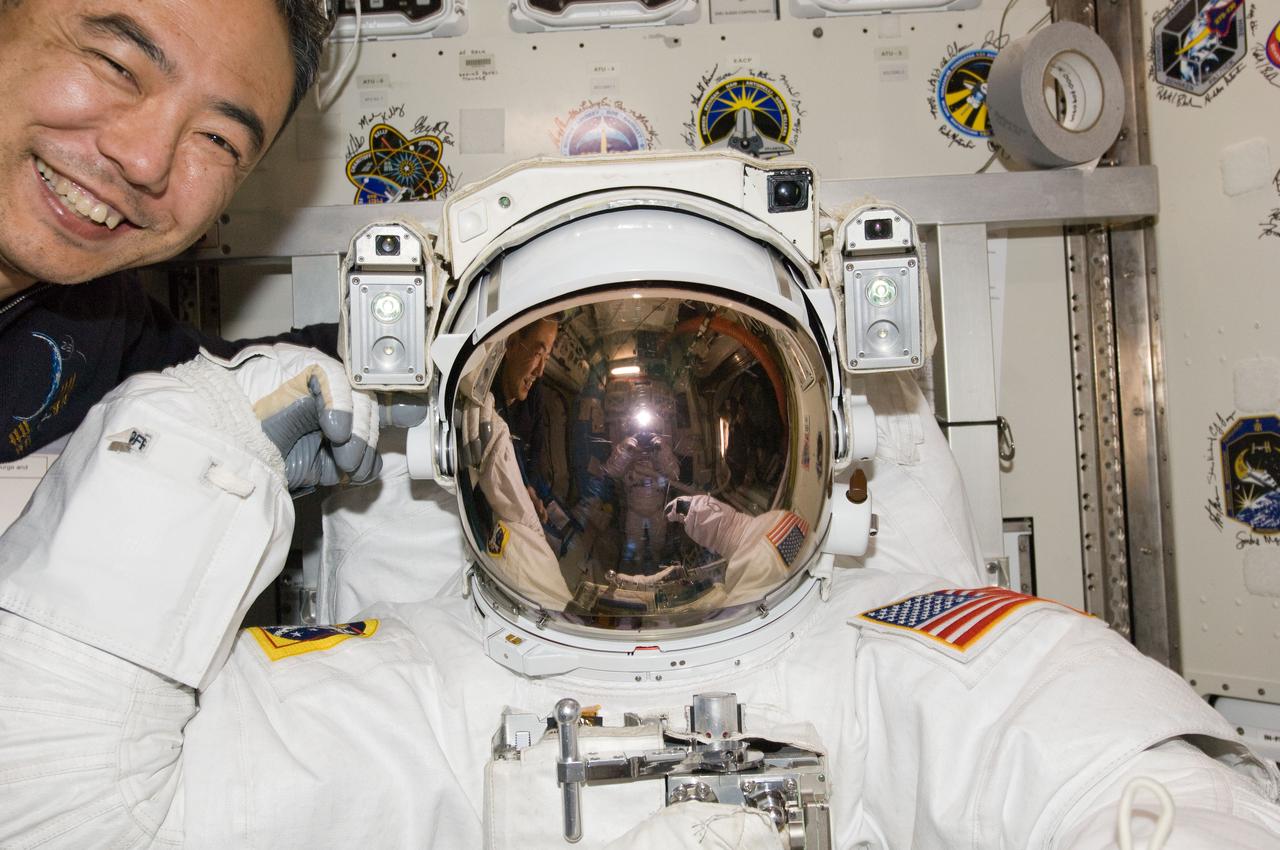
ISS028-E-009228 (22 June 2011) --- NASA astronaut Ron Garan, attired in his Extravehicular Mobility Unit (EMU) spacesuit, is pictured in the Quest airlock of the International Space Station. Garan and NASA astronaut Mike Fossum (visible in the reflections of Garan?s helmet visor), both Expedition 28 flight engineers, were participating in a ?dry run? in preparation for a planned spacewalk during STS-135/ULF-7. Japan Aerospace Exploration Agency astronaut Satoshi Furukawa, flight engineer, assisted Garan and Fossum during the exercise.
Expedition 28 Crew Members participate in EVA Dry Run
Boeing's sub-scale X-48B Blended Wing Body aircraft flies over the edge of Rogers Dry Lake at Edwards Air Force Base during its fifth flight on Aug. 14, 2007.
Boeing's sub-scale X-48B Blended Wing Body aircraft flies over the edge of Rogers Dry Lake at Edwards Air Force Base during its fifth flight on Aug. 14, 2007
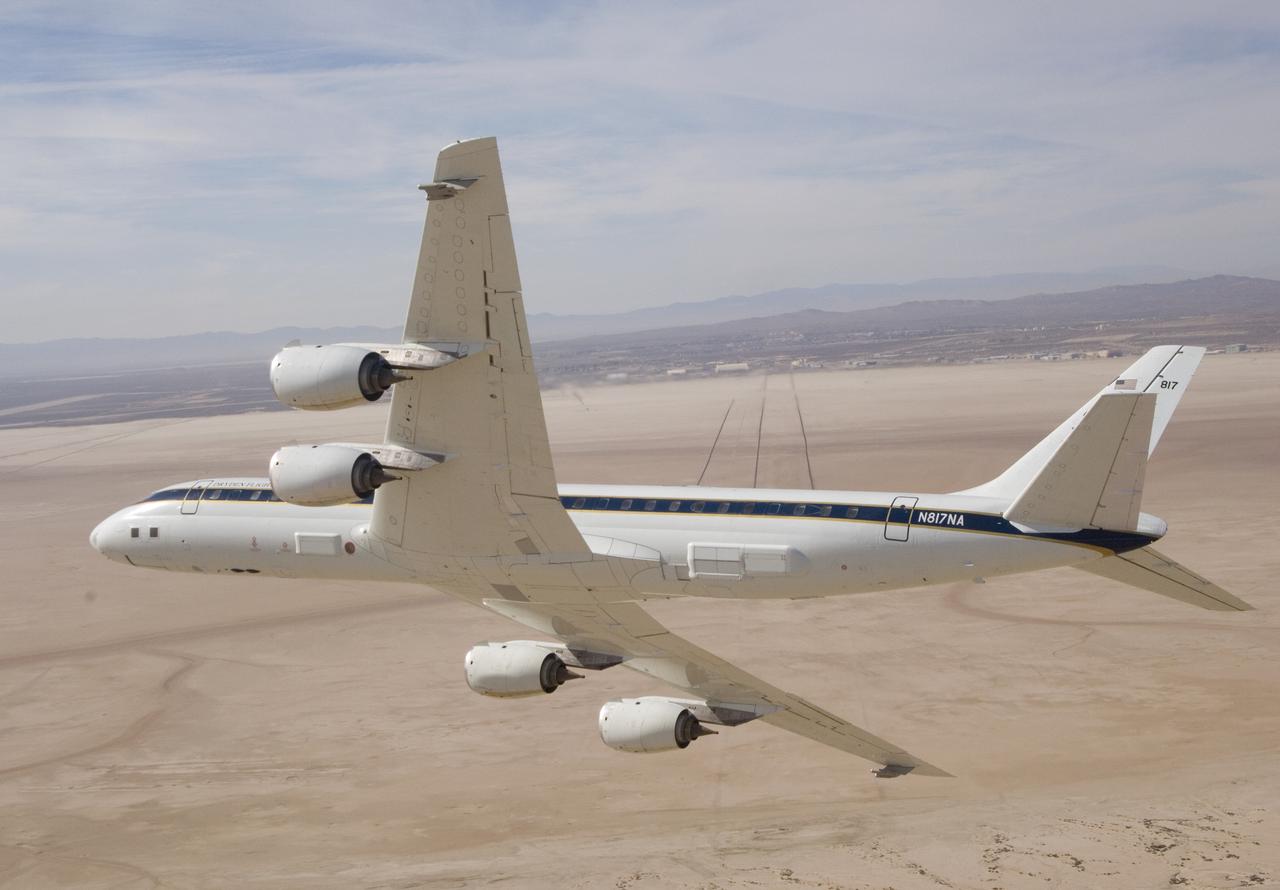
NASA's DC-8 airborne science laboratory banks low over Rogers Dry Lake at Edwards Air Force upon its return to NASA Dryden Flight Research Center Nov. 8, 2007.
NASA's DC-8 airborne science laboratory banks low over Rogers Dry Lake at Edwards Air Force upon its return to NASA Dryden Flight Research Center Nov. 8, 2007
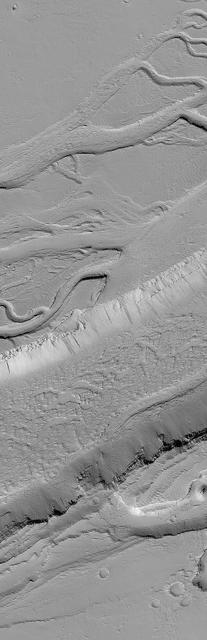
NASA Mars Reconnaissance Orbiter spies a layer of dry ice covering Mars south polar layer. In the spring, gas created from heating of the dry ice escapes through ruptures in the overlying seasonal ice, entraining material from the ground below. The gas erodes channels in the surface, generally exploiting weaker material.  The ground likely started as polygonal patterned ground (common in water-ice-rich surfaces), and then escaping gas widened the channels. Fans of dark material are bits of the surface carried onto the top of the seasonal ice layer and deposited in a direction determined by local winds.  http://photojournal.jpl.nasa.gov/catalog/PIA11706
How Gas Carves Channels
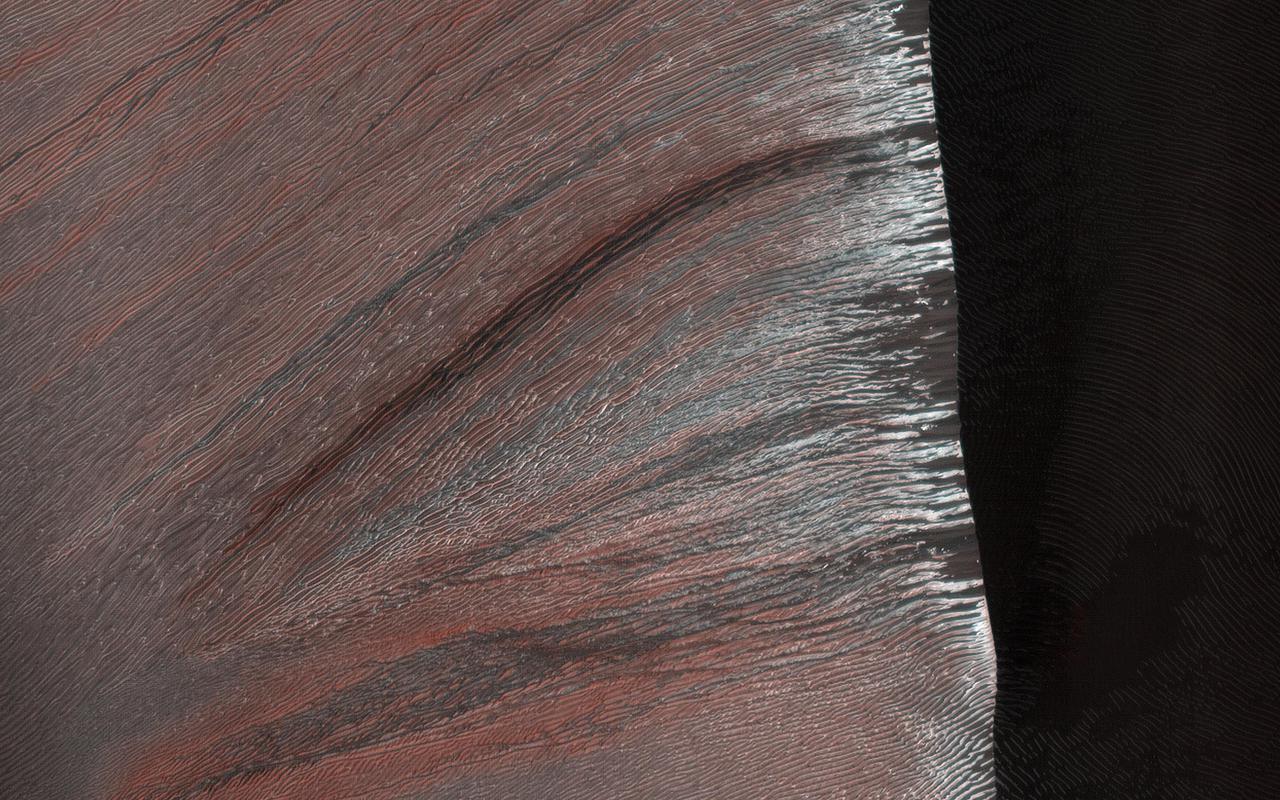
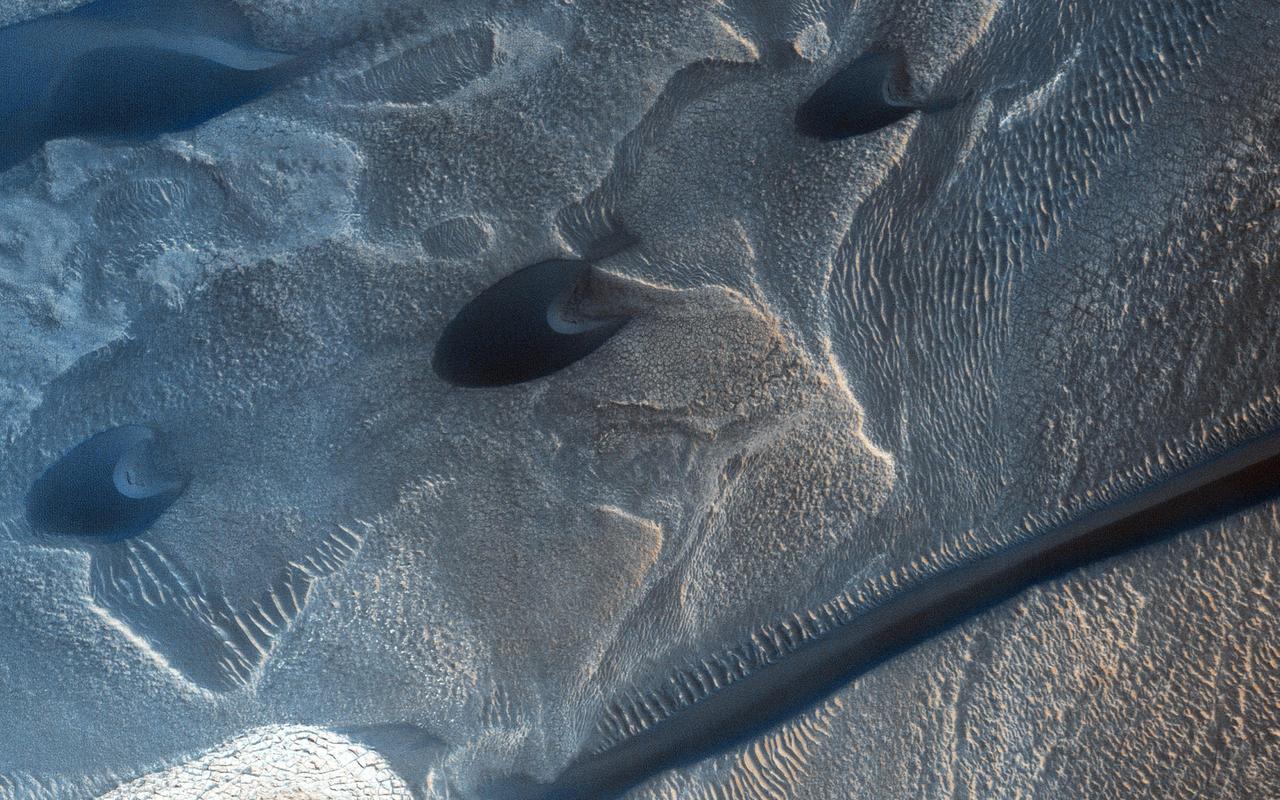
The sand dunes in Kaiser Crater are partially covered with seasonal carbon dioxide ice (dry ice) in this image. The dunes are made of dark sand, showing through where the dry ice has sublimated (turned to gas) in the spring sun.  The fine scale structure of the ripples on the dunes shows up highlighted by the presence or absence of the ice, and the low angle of the sun on the slope.  https://photojournal.jpl.nasa.gov/catalog/PIA25181
Southern Spring on Kaiser Crater Dunes
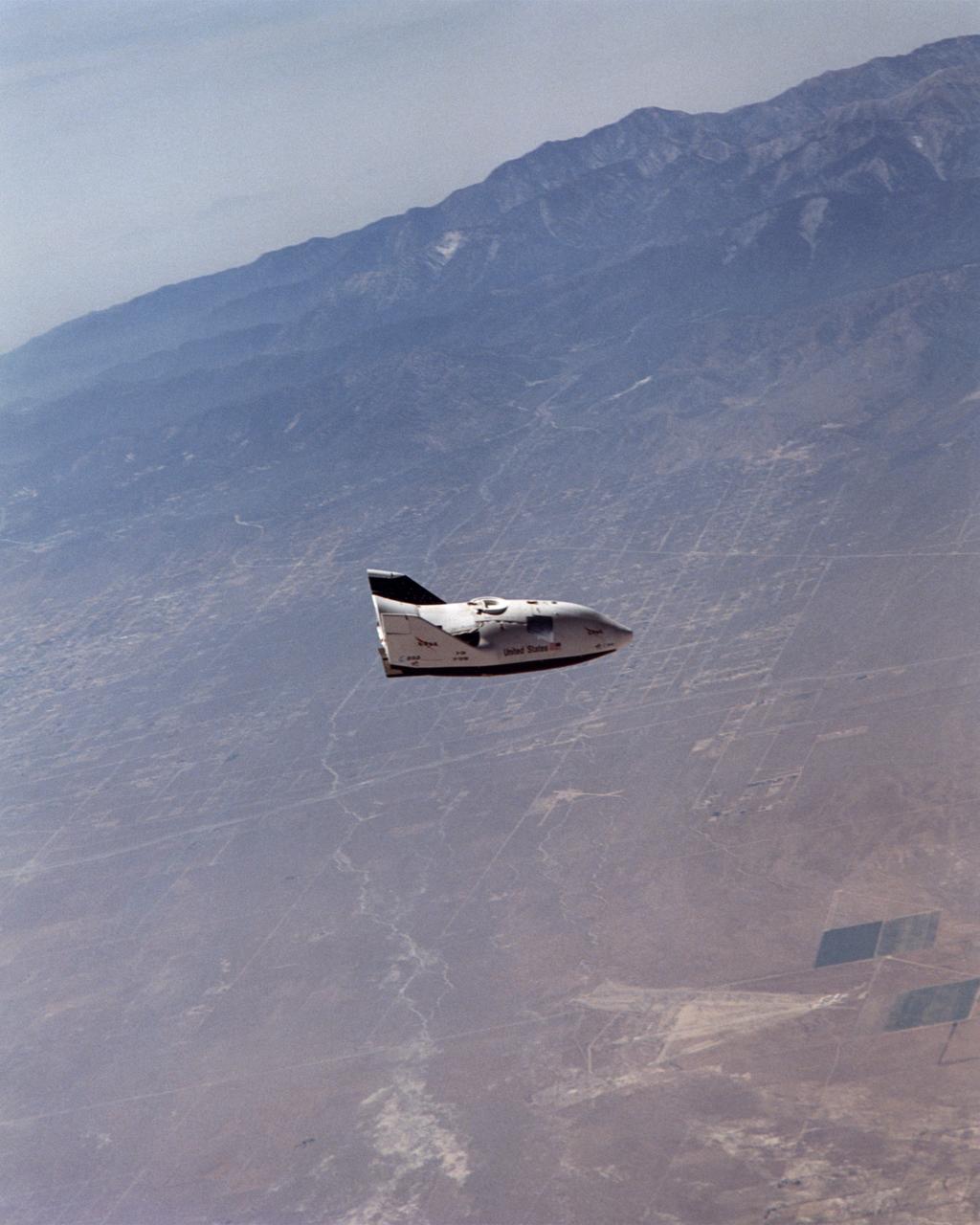
The HL-10 lifting body is seen here in flight over Rogers Dry Lake at Edwards AFB. After the vehicle's fins were modified following its first flight, the HL-10 proved to be the best handling of the heavy-weight lifting bodies flown at Edwards Air Force Base. The HL-10 flew much better than the M2-F2, and pilots were eager to fly it.
E-21088
The HL-10 Lifting Body is seen here in flight over Rogers Dry lakebed. Like the other lifting bodies, the HL-10 made a steep descent toward the lakebed, followed by a high-speed landing. This was due to the vehicle's low lift-over-drag ratio. The first 11 flights of the HL-10 were unpowered, flown to check the vehicle's handling and stability before rocket-powered flights began using the XLR-11 rocket engine.
E-21089
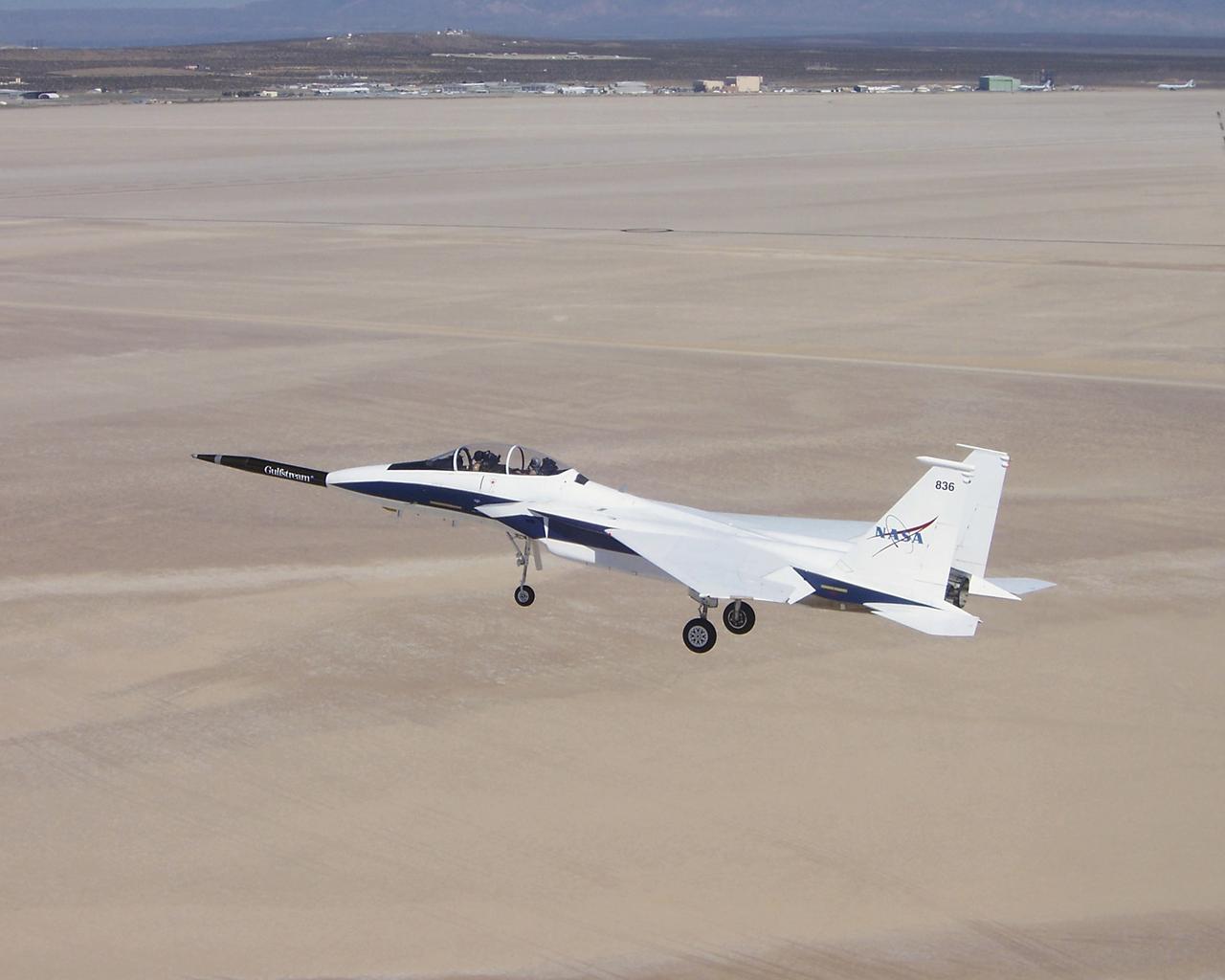
Approaching the runway after the first evaluation flight of the Quiet Spike project, NASA's F-15B testbed aircraft cruises over Roger's Dry Lakebed near the Dryden Flight Research Center. The Quiet Spike was developed by Gulfstream Aerospace as a means of controlling and reducing the sonic boom caused by an aircraft 'breaking' the sound barrier.
Approaching the runway after the first evaluation flight of the Quiet Spike project, NASA's F-15B testbed aircraft cruises over Roger's Dry Lakebed
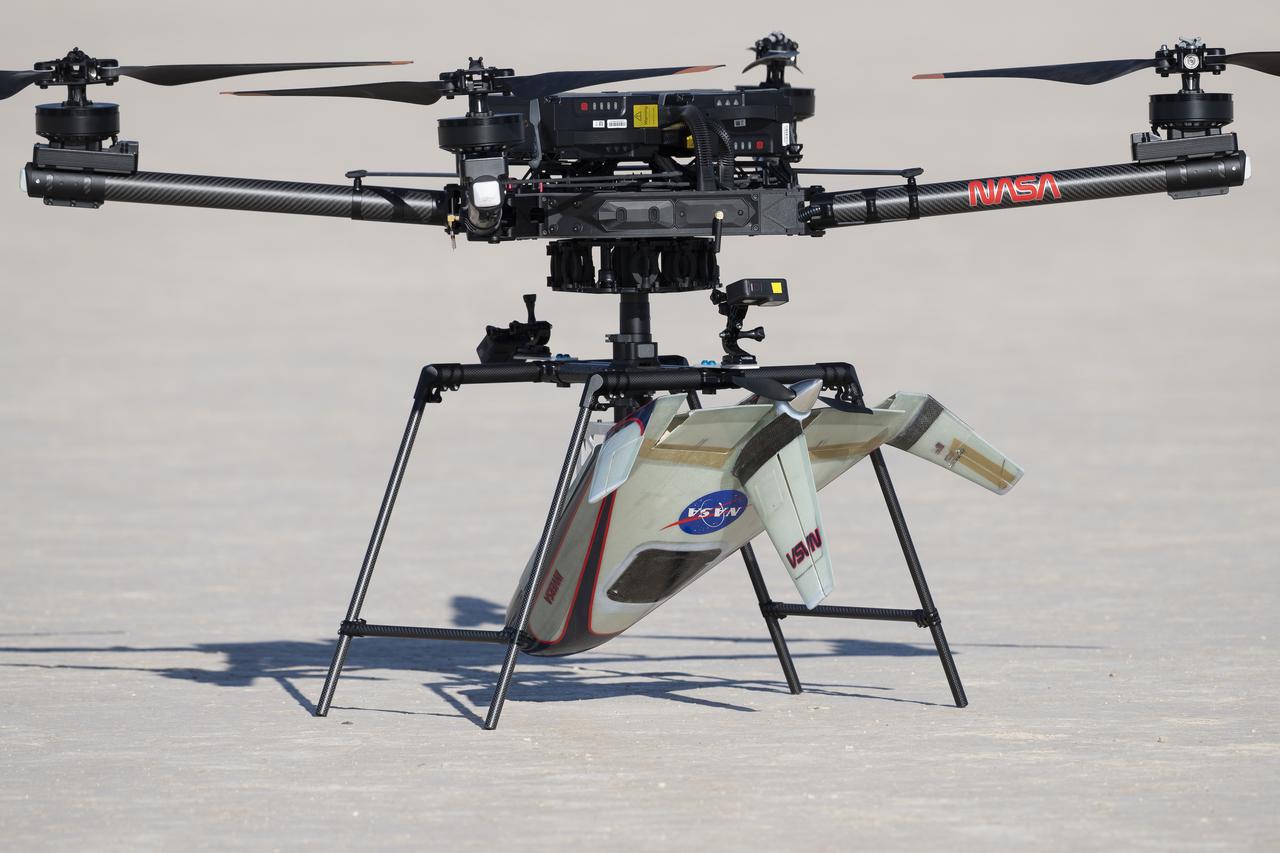
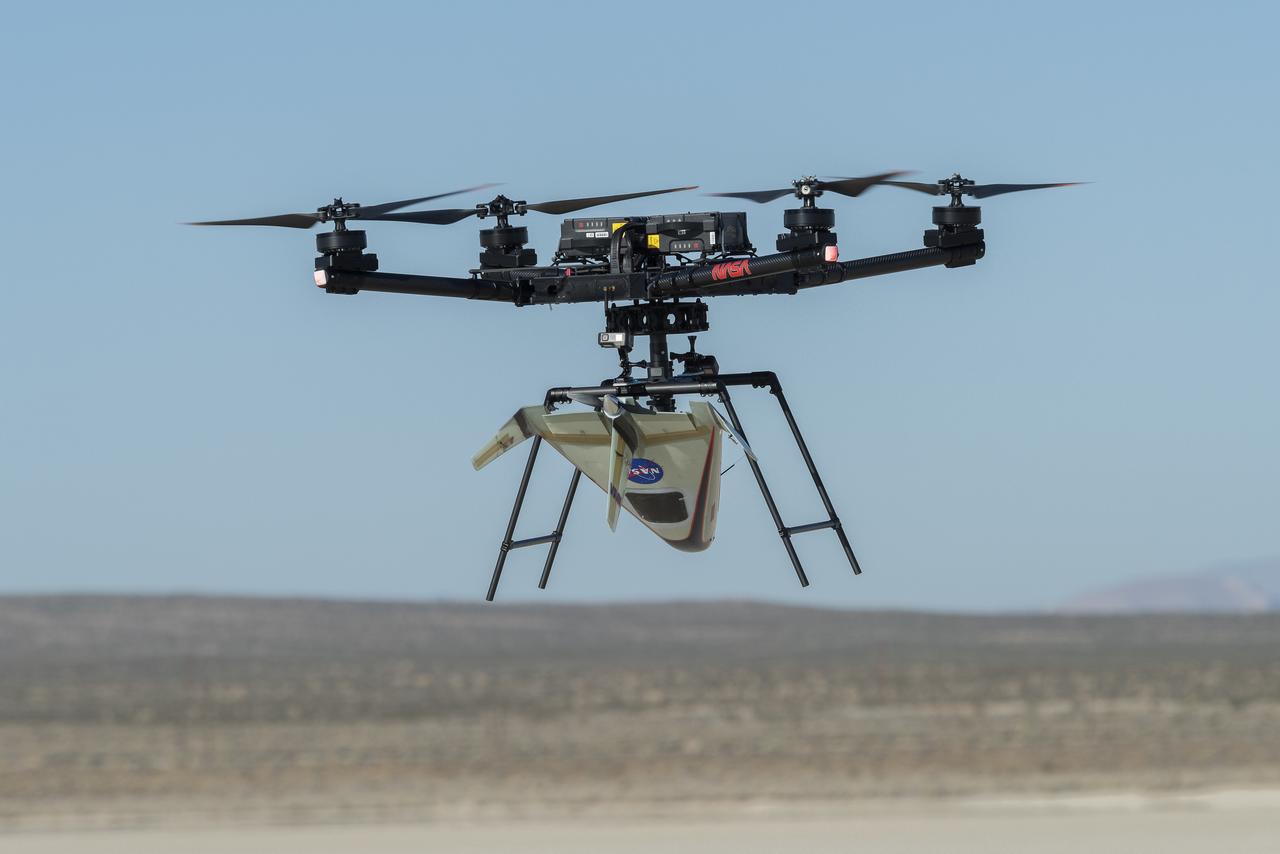
An atmospheric probe model attached upside down to a host quad rotor remotely piloted aircraft lifts off on Oct. 22, 2024. The quad rotor aircraft released the probe above Rogers Dry Lake, a flight area adjacent NASA’s Armstrong Flight Research Center in Edwards, California. The probe was designed and built at the center.
Atmospheric Probe Shows Promise in Test Flight
An atmospheric probe model is attached upside down to a quad rotor remotely piloted aircraft on Oct. 22, 2024. The quad rotor aircraft released the probe above Rogers Dry Lake, a flight area adjacent NASA’s Armstrong Flight Research Center in Edwards, California. The probe was designed and built at the center.
Atmospheric Probe Shows Promise in Test Flight
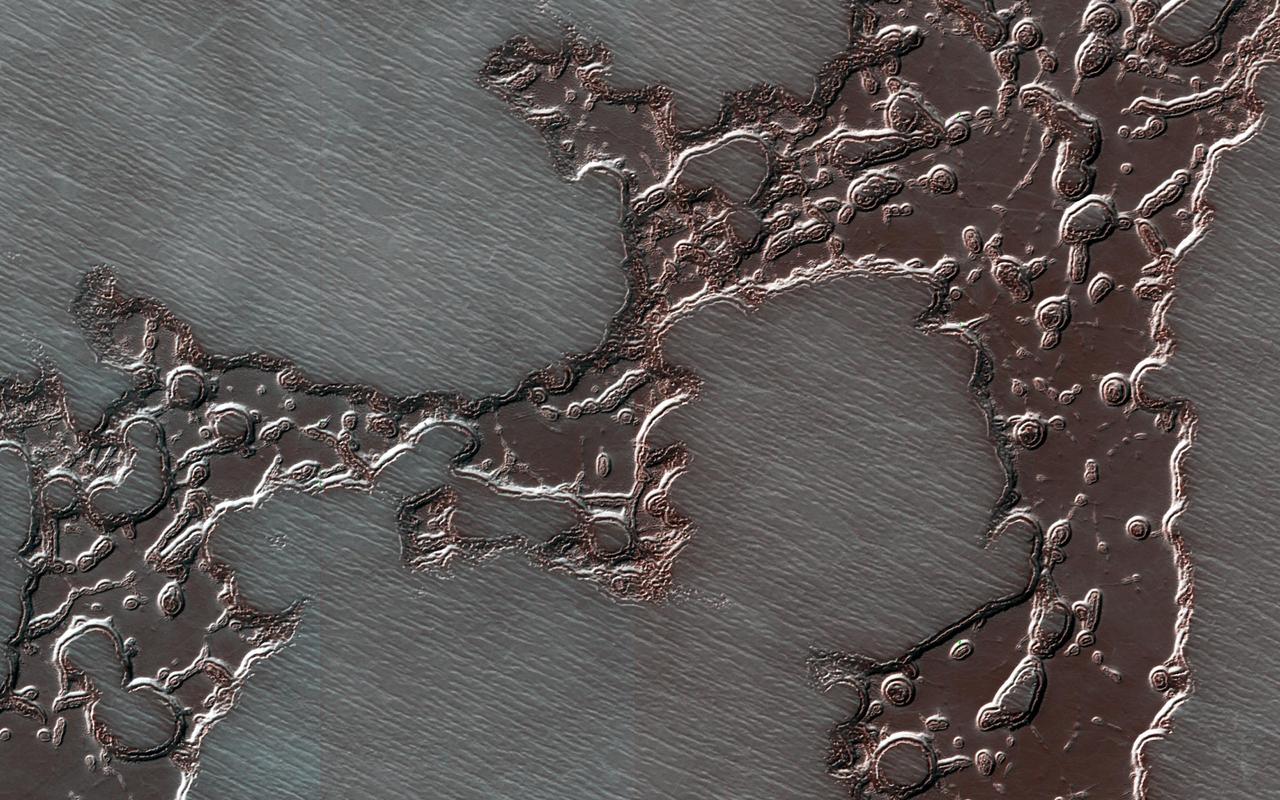
A story of changes at the South Pole of Mars is told by its icy deposits. Remnants of a formerly more extensive deposit composed of dry ice form what is known as the south polar residual cap. Scientists call it "residual" because it remains after the much larger seasonal cap disappears each summer.  This mesa in this cutout is shrinking over time as the frozen carbon dioxide turns to vapor. Pits in this sheet of dry ice (that give the deposit an appearance resembling Swiss cheese) are enlarging over time, exposing an older surface below that is likely made up of water ice.  In contrast to shrinking ice caps on Earth, climate change is not to blame on Mars. Even as the walls of these pits ablate away the intervening flat surfaces are accumulating new dry ice. The total amount of frozen carbon dioxide at the South Pole may even be increasing.  https://photojournal.jpl.nasa.gov/catalog/PIA22870
The Changing Ice Cap of Mars
Since the 1940s the Dryden Flight Research Center, Edwards, California, has developed a unique and highly specialized capability for conducting flight research programs. The organization, made up of pilots, scientists, engineers, technicians, and mechanics, has been and will continue to be leaders in the field of advanced aeronautics. Located on the northwest "shore" of Rogers Dry Lake, the complex was built around the original administrative-hangar building constructed in 1954. Since then many additional support and operational facilities have been built including a number of unique test facilities such as the Thermalstructures Research Facility, Flow Visualization Facility, and the Integrated Test Facility.  One of the most prominent structures is the space shuttle program's Mate-Demate Device and hangar in Area A to the north of the main complex. On the lakebed surface is a Compass Rose that gives pilots an instant compass heading.  The Dryden complex originated at Edwards Air Force Base in support of the X-1 supersonic flight program. As other high-speed aircraft entered research programs, the facility became permanent and grew from a staff of five engineers in 1947 to a population in 2006 of nearly 1100 full-time government and contractor employees.
The Dryden Flight Research Center at Edwards Air Force Base is NASA's premier center for atmospheric flight research to validate high-risk aerospace technology.
This image pair from NASA Terra satellite shows before and after views of a dry sagerush fire in the area around the Hanford Nuclear Reservation near Richland, Washington, in June, 2000.
MISR Views a Fire-Scarred Landscape
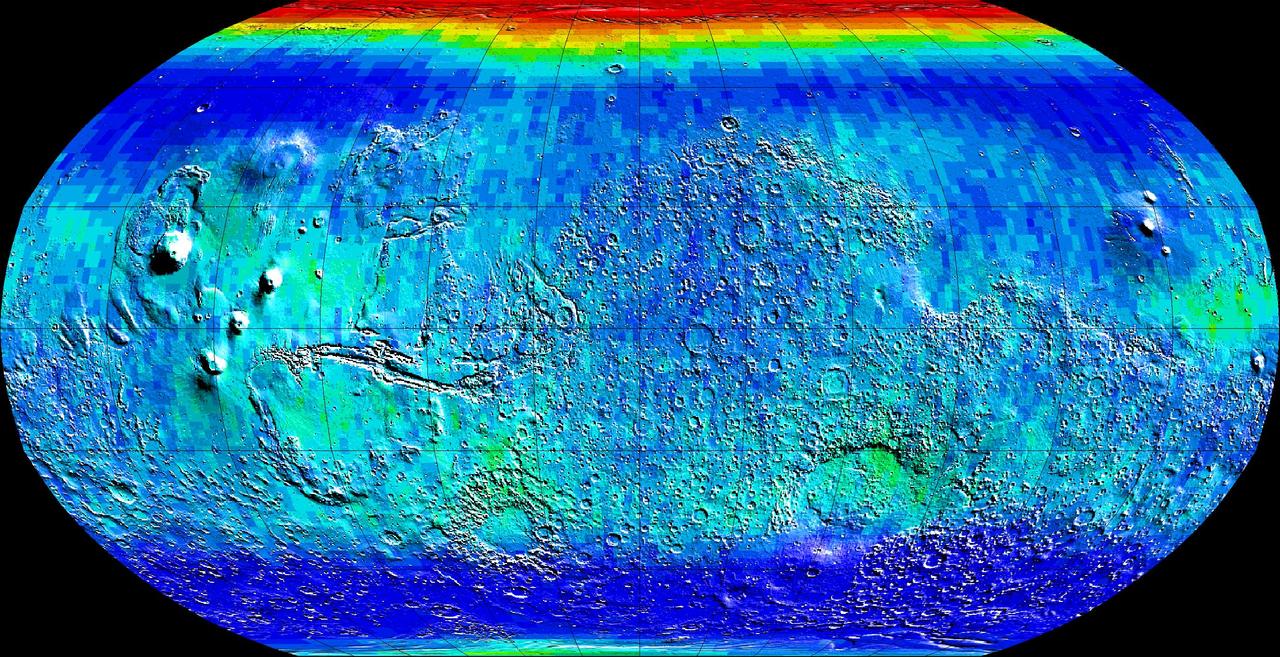
Observations by NASA Mars Odyssey spacecraft show a global view of Mars in low energy, or thermal, neutrons. Thermal neutrons are sensitive to the presence of hydrogen and the presence of carbon dioxide, in this case dry ice frost.
Global Map of Thermal Neutrons
This image depicts how a mountain inside a Mars Gale Crater might have formed. At left, the crater fills with layers of sediment. Yellow is for deposits in alluvial fans, deltas, and drifts during both wet and dry periods.
Sedimentation and Erosion in Gale Crater, Mars
Mars permanent North Polar cap is ringed by sand dunes. In the winter and spring the dunes are covered by a seasonal cap of dry ice as seen by NASA by NASA Mars Reconnaissance Orbiter spacecraft.
Summer Sand Dunes