
This chart compares the first Earth-size planets found around a sun-like star to planets in our own solar system, Earth and Venus. NASA Kepler mission discovered the newfound planets, called Kepler-20e and Kepler-20f.

This artist's concept shows NASA's Kepler Space Telescope on its K2 mission. In July 2016, an international team of astronomers announced they had discovered more than 100 new planets using this telescope. The batch includes four planets in the size range of Earth that are orbiting a single dwarf star, depicted in this illustration. Two of these planets are too hot to support life as we know it, but two are in the star's "habitable" zone, where liquid water could exist on the surface. These small, rocky worlds are far closer to their star than Mercury is to our sun. But because the star is smaller and cooler than ours, its habitable zone is much closer. One of the two planets in the habitable zone, K2-72c, has a "year" about 15 Earth-days long -- the time it takes to complete one orbit. This closer planet is likely about 10 percent warmer than Earth. The slightly more distant planet in the habitable zone, K2-72e, has a year lasting 24 Earth days, and would be about 6 percent colder than Earth. http://photojournal.jpl.nasa.gov/catalog/PIA20698

This artist concept depicts Kepler-186f, the first validated Earth-size planet to orbit a distant star in the habitable zone, a range of distance from a star where liquid water might pool on the planet surface.

This artist conception shows a binary-star, or two-star, system, called HD 113766, where astronomers suspect a rocky Earth-like planet is forming around one of the stars.
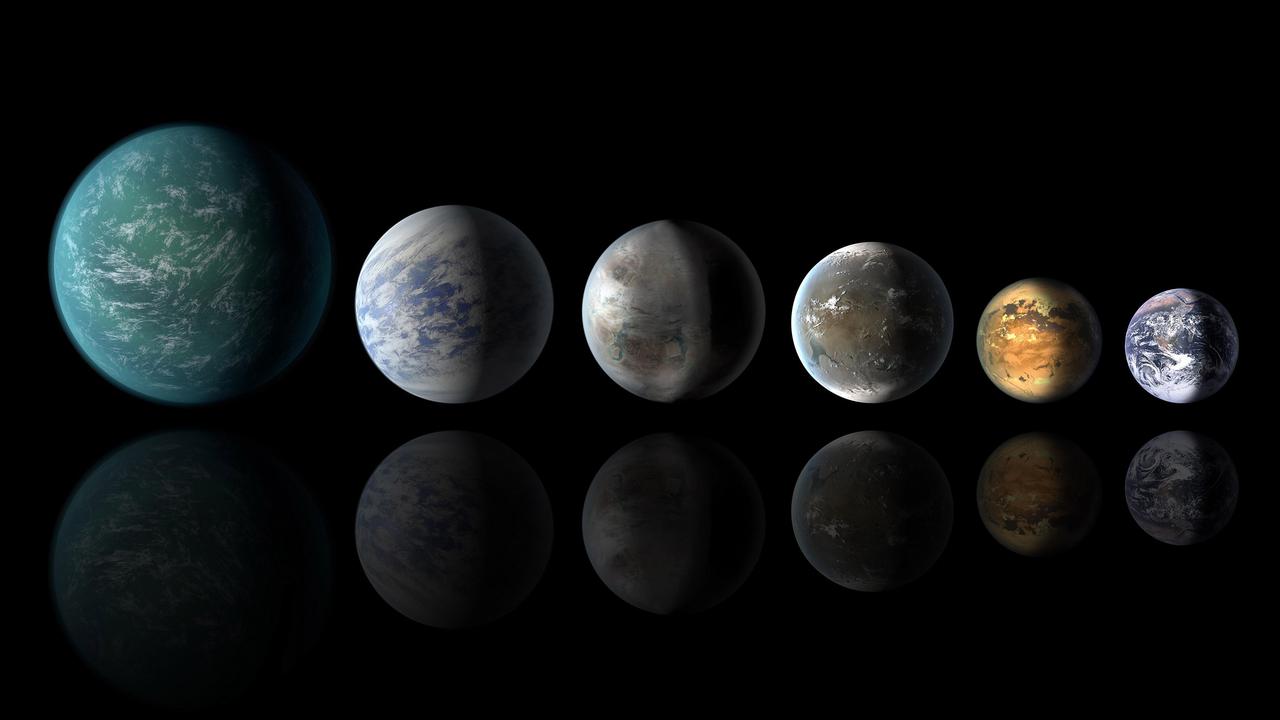
A newly discovered exoplanet, Kepler-452b, comes the closest of any found so far to matching our Earth-sun system. This artist's conception of a planetary lineup shows habitable-zone planets with similarities to Earth: from left, Kepler-22b, Kepler-69c, the just announced Kepler-452b, Kepler-62f and Kepler-186f. Last in line is Earth itself. http://photojournal.jpl.nasa.gov/catalog/PIA19830
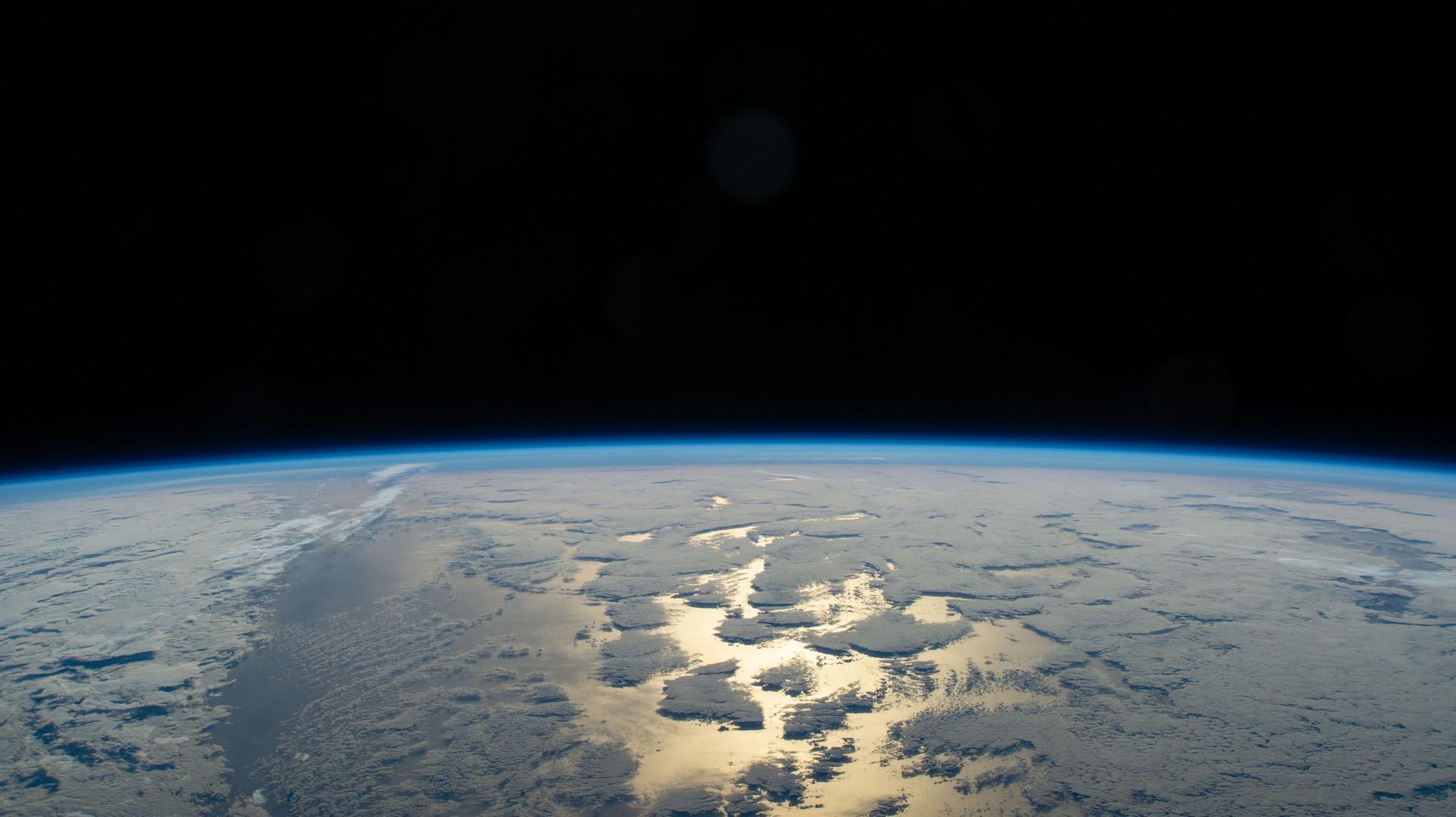
iss074e0089803 (Jan. 16, 2026) --- Earth's thin blue atmosphere traces the planet's horizon as the sun's glint beams off a partly cloudy Pacific Ocean west of Chile on the South American continent. The International Space Station was orbiting 271 miles above Earth at the time of this photograph.
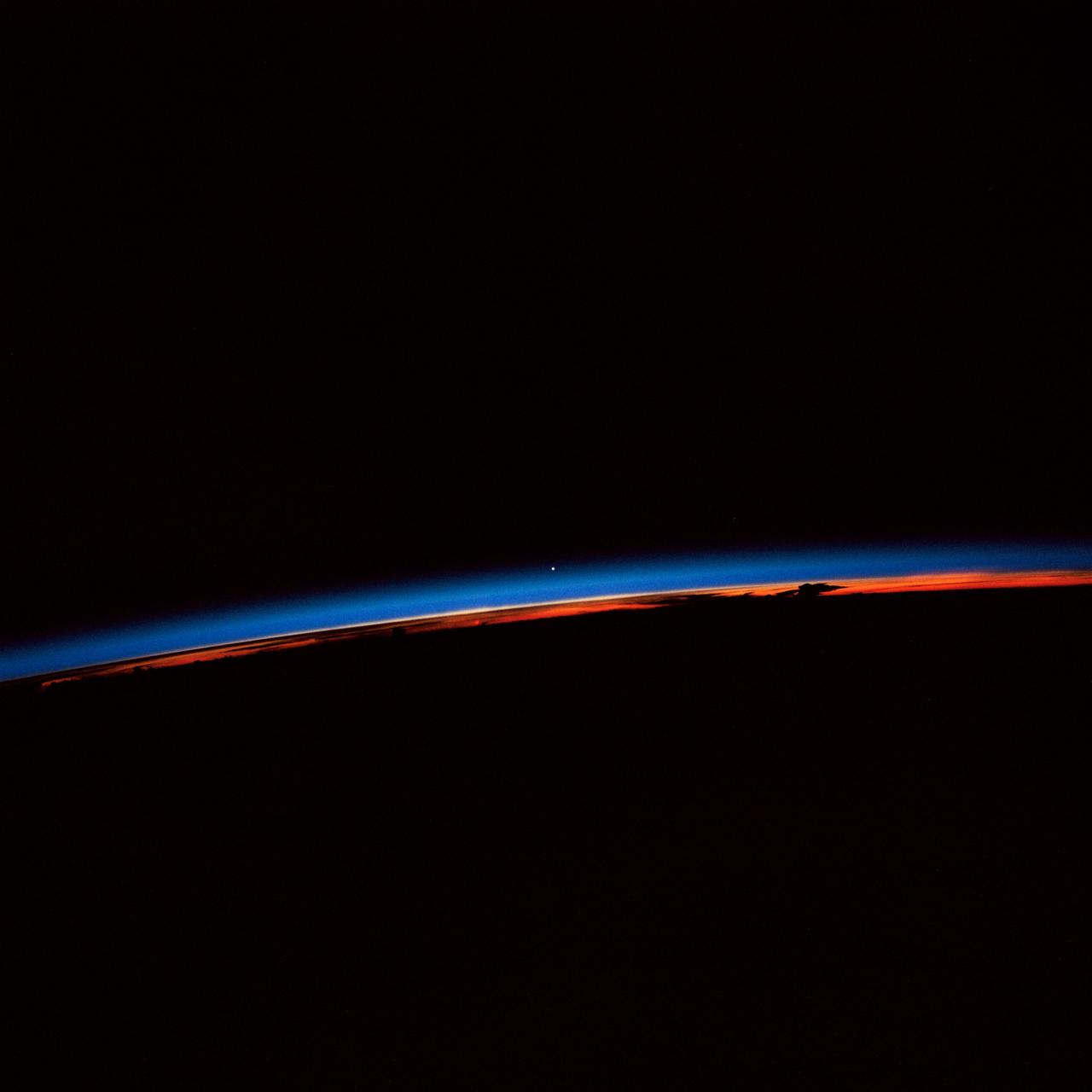
STS-30 Earth observation captured by crewmembers onboard Atlantis, Orbiter Vehicle (OV) 104, shows the sunset over the Earth as well as the planet Venus near the center of the frame. Jutting clouds are seen on the horizon, just beneath the blue strip of airglow.

This artist concept depicts in the foreground planet Kepler-62f, a super-Earth-size planet in the habitable zone of its star, which is seen peeking out from behind the right edge of the planet.
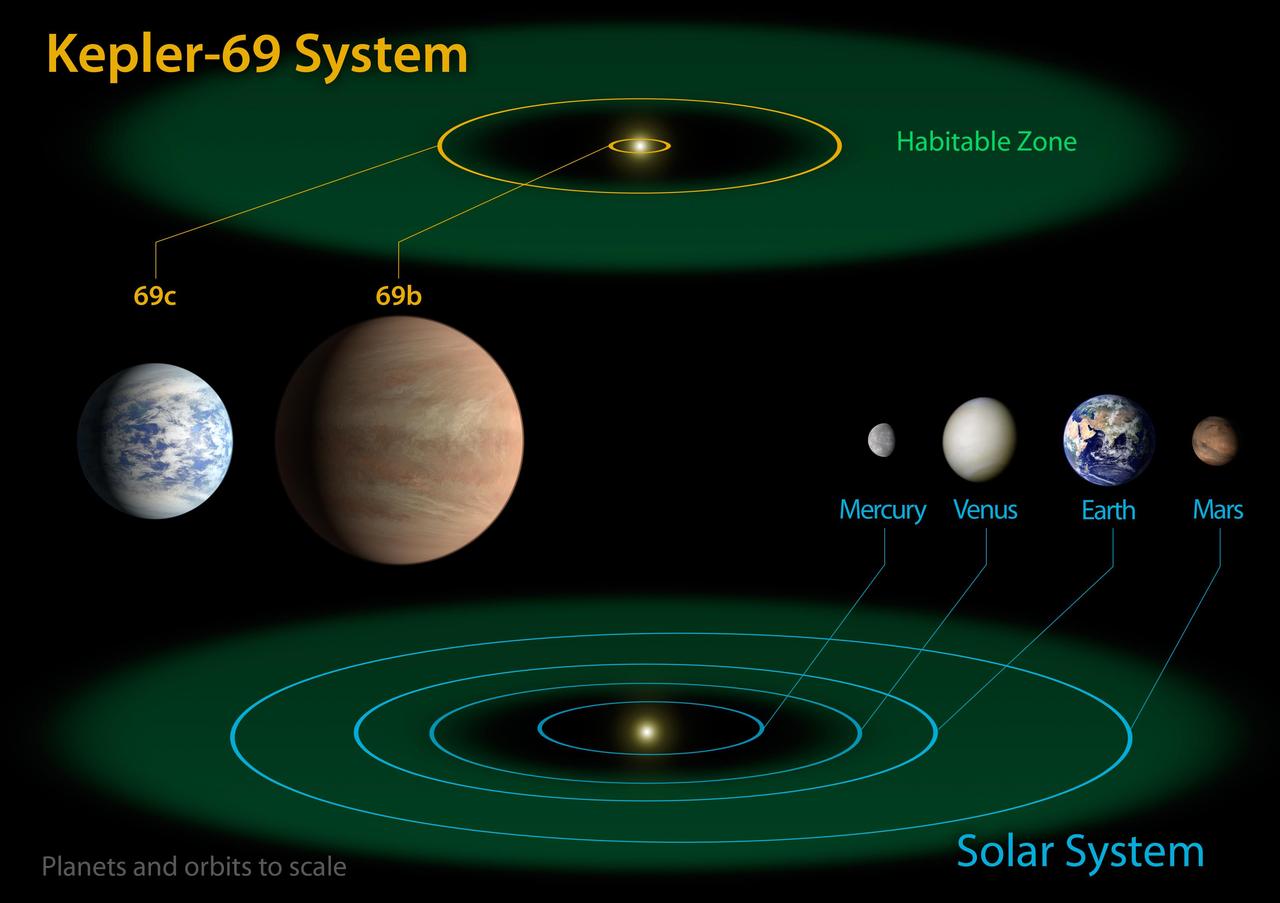
This diagram compares the planets of the inner solar system to Kepler-69, a two-planet system about 2,700 light-years from Earth in the constellation Cygnus.

Dr. Phoebe Cohen, Professor of Geosciences, Williams College, speaks on a panel at the “Ancient Earth, Alien Earths” Event at NASA Headquarters in Washington, DC Wednesday, August 20, 2014. The event was sponsored by NASA, the National Science Foundation (NSF), and the Smithsonian Institution and was moderated by Dr. David H. Grinspoon, Senior Scientist at the Planetary Science Institute. Six scientists discussed how research on early Earth could help guide our search for habitable planets orbiting other stars. Photo Credit: (NASA/Aubrey Gemignani)

Dr. Christopher House, Professor of Geosciences, Pennsylvania State University, speaks on a panel at the “Ancient Earth, Alien Earths” Event at NASA Headquarters in Washington, DC Wednesday, August 20, 2014. The event was sponsored by NASA, the National Science Foundation (NSF), and the Smithsonian Institution and was moderated by Dr. David H. Grinspoon, Senior Scientist at the Planetary Science Institute. Six scientists discussed how research on early Earth could help guide our search for habitable planets orbiting other stars. Photo Credit: (NASA/Aubrey Gemignani)

Dr. Dawn Sumner, Professor of Geology, UC Davis, speaks on a panel at the “Ancient Earth, Alien Earths” Event at NASA Headquarters in Washington, DC Wednesday, August 20, 2014. The event was sponsored by NASA, the National Science Foundation (NSF), and the Smithsonian Institution and was moderated by Dr. David H. Grinspoon, Senior Scientist at the Planetary Science Institute. Six scientists discussed how research on early Earth could help guide our search for habitable planets orbiting other stars. Photo Credit: (NASA/Aubrey Gemignani)

An audience member asks the panelists a question at the “Ancient Earth, Alien Earths” Event at NASA Headquarters in Washington, DC Wednesday, August 20, 2014. The event was sponsored by NASA, the National Science Foundation (NSF), and the Smithsonian Institution and was moderated by Dr. David H. Grinspoon, Senior Scientist at the Planetary Science Institute. Six scientists discussed how research on early Earth could help guide our search for habitable planets orbiting other stars. Photo Credit: (NASA/Aubrey Gemignani)

Dr. Timothy Lyons, Professor of Biogeochemistry, UC Riverside, speaks on a panel at the “Ancient Earth, Alien Earths” Event at NASA Headquarters in Washington, DC Wednesday, August 20, 2014. The event was sponsored by NASA, the National Science Foundation (NSF), and the Smithsonian Institution and was moderated by Dr. David H. Grinspoon, Senior Scientist at the Planetary Science Institute. Six scientists discussed how research on early Earth could help guide our search for habitable planets orbiting other stars. Photo Credit: (NASA/Aubrey Gemignani)
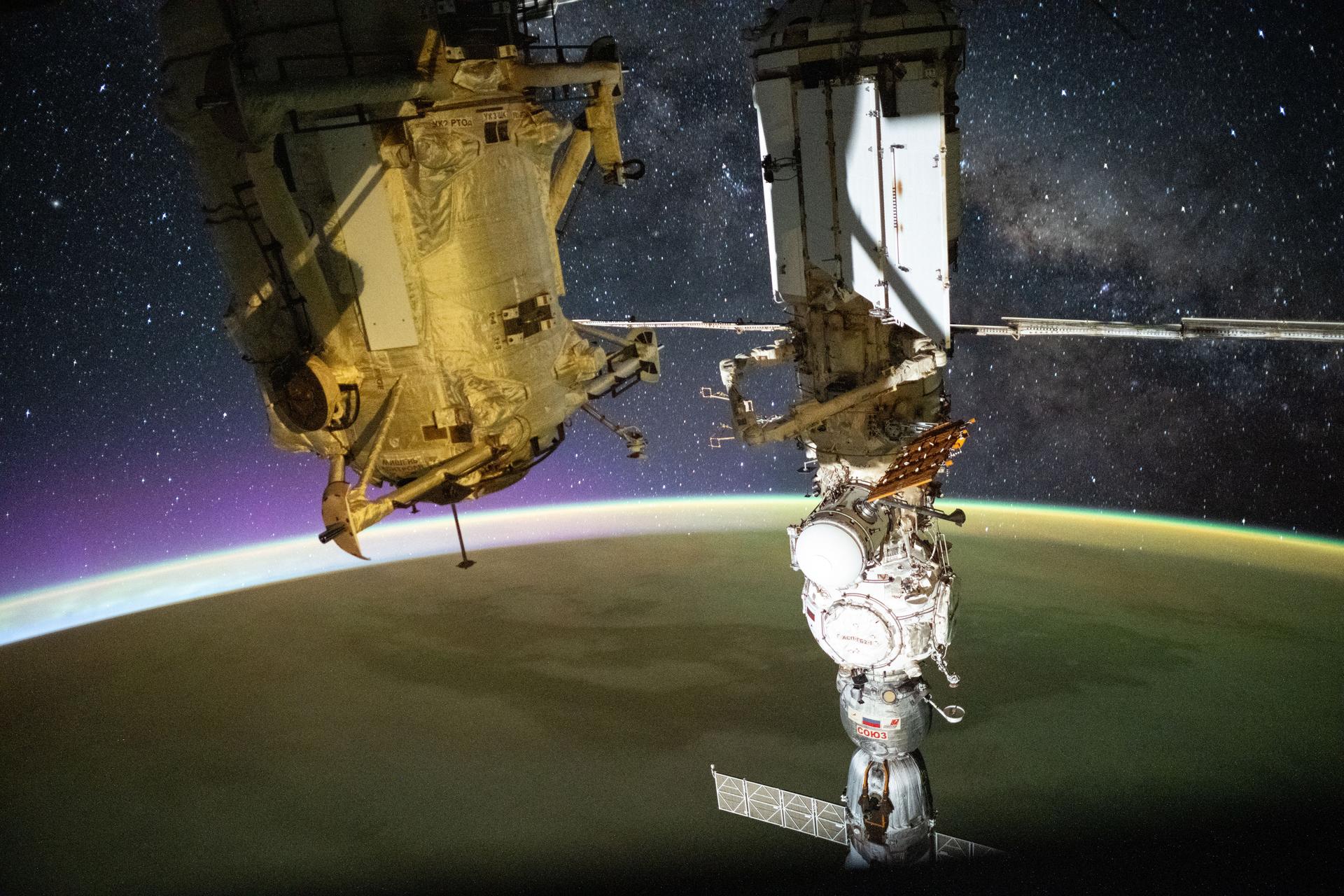
iss073e0880390 (Oct. 13, 2025) --- This long-exposure photograph captures a yellow-green airglow blanketing Earth as an orbital sunrise begins to illuminate the planet’s upper atmosphere. The Milky Way stretches across the star-filled night sky in the background, while the golden-hued Rassvet module and the Soyuz MS-27 crew spacecraft—docked to the Prichal module, itself attached to the Nauka science module—dominate the foreground. The International Space Station was orbiting 268 miles above the South Atlantic Ocean at approximately 2:45 a.m. local time when this photograph was taken.

Relative sizes of Kepler habitable zone planets discovered as of 2013 April 18. Except for Earth, these are artists renditions.

This diagram shows the approximate distances of the terrestrial planets from the Sun; they include Mercury, Venus, Earth, and Mars.
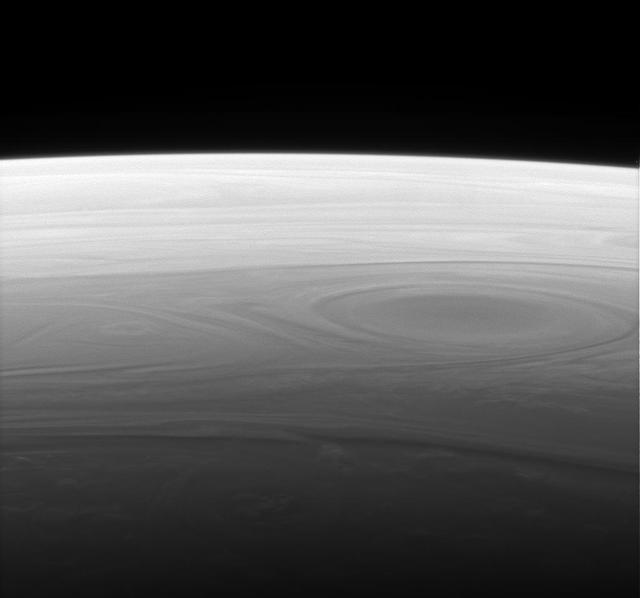
The Cassini spacecraft returns a grand and unique vista of Saturn horizon, reminiscent of the views of our own planet from Earth orbit

Jupiter, Saturn, Uranus, and Neptune are known as the jovian Jupiter-like planets because they are all gigantic compared with Earth, and they have a gaseous nature. This diagram shows the approximate distance of the jovian planets from the Sun.

An artist conception shows the Kepler-10 system, home to two rocky planets. In the foreground is Kepler-10c, a planet that weighs 17 times as much as Earth and is more than twice as large in size.
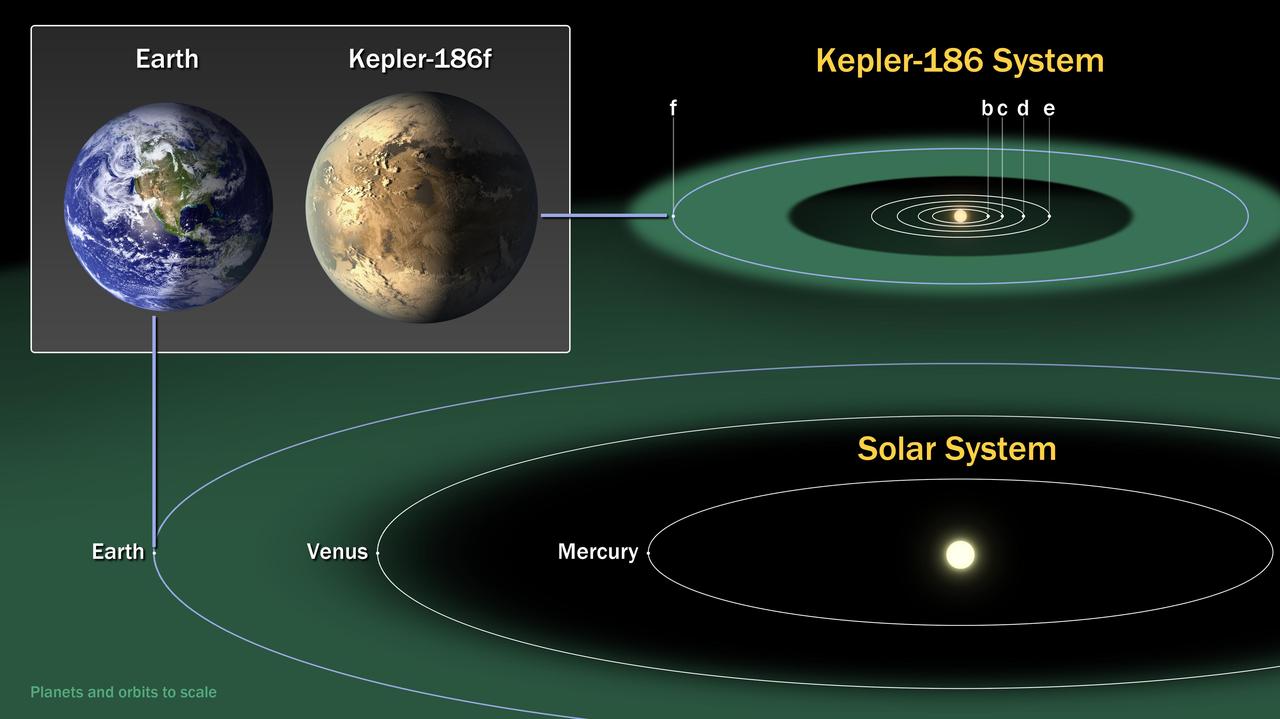
This diagram compares the planets of our inner solar system to Kepler-186, a five-planet star system about 500 light-years from Earth in the constellation Cygnus.

This artist concept shows a Super Venus planet on the left, and a Super Earth on the right. Researchers use a concept known as the habitable zone to distinguish between these two types of planets, which exist beyond our solar system.
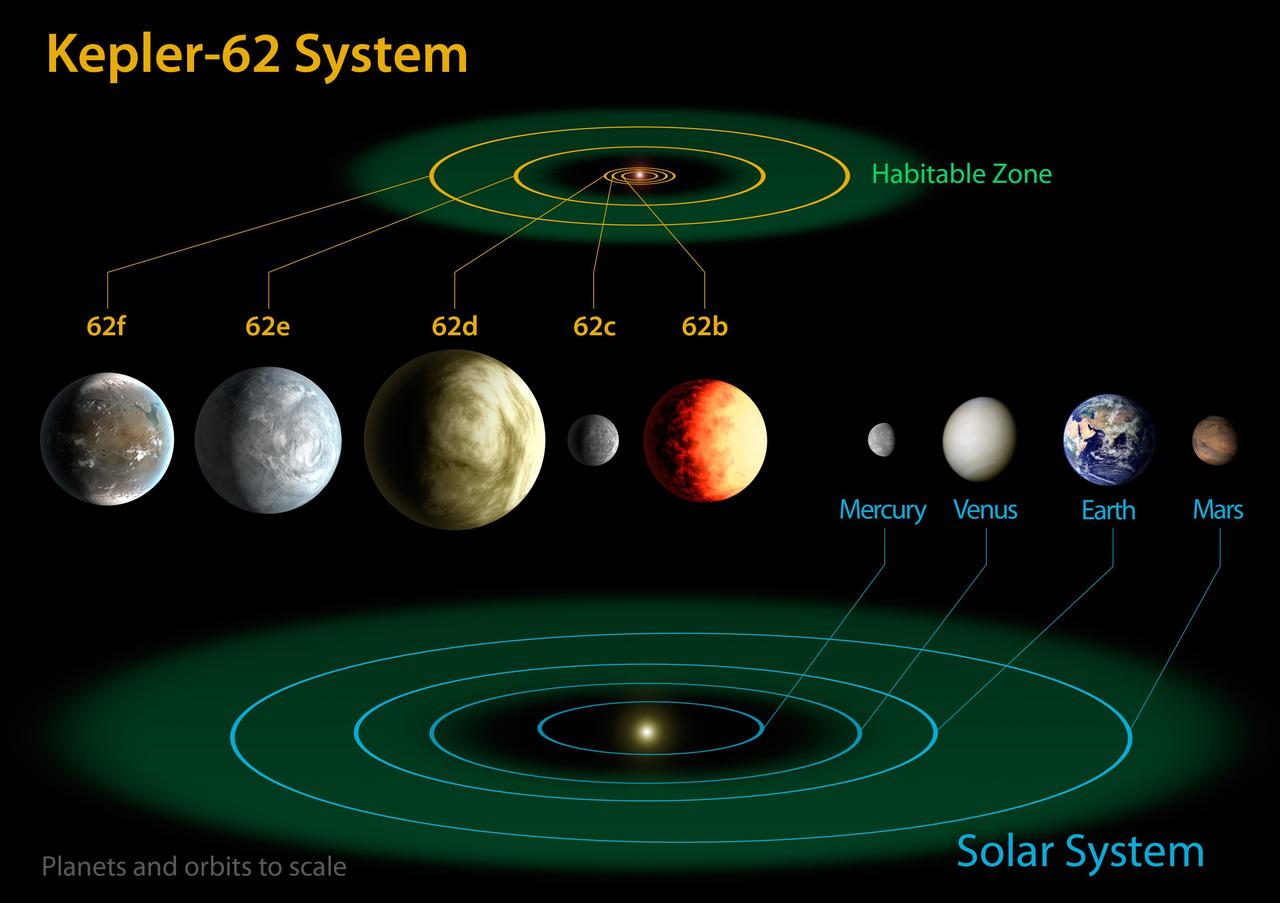
This diagram compares the planets of the inner solar system to Kepler-62, a five-planet system about 1,200 light-years from Earth in the constellation Lyra. At seven billion years old, the star is somewhat older than the sun.

Dr. David H. Grinspoon, Senior Scientist, Planetary Science Institute, moderates a panel at the “Ancient Earth, Alien Earths” Event at NASA Headquarters in Washington, DC Wednesday, August 20, 2014. The event was sponsored by NASA, the National Science Foundation (NSF), and the Smithsonian Institution and highlighted how research on early Earth could help guide our search for habitable planets orbiting other stars. Photo Credit: (NASA/Aubrey Gemignani)
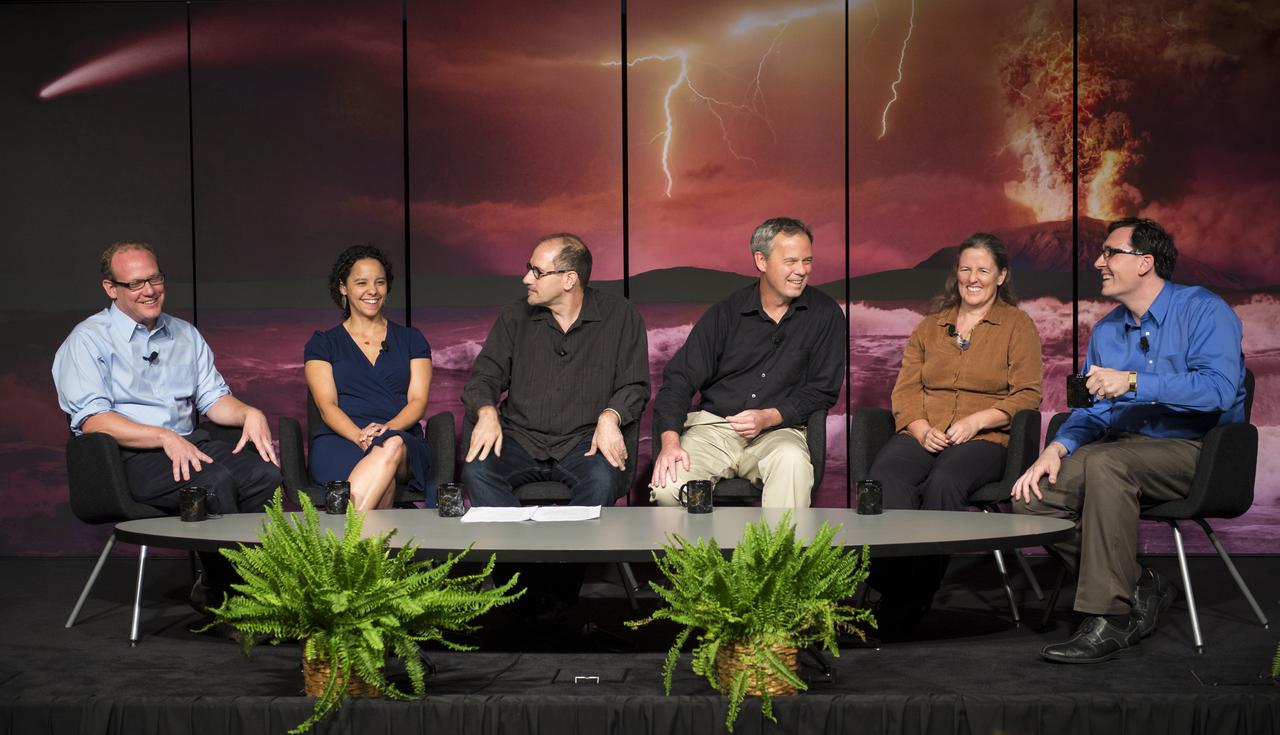
Panelists discuss how research on early Earth could help guide our search for habitable planets orbiting other stars at the “Ancient Earth, Alien Earths” Event at NASA Headquarters in Washington, DC Wednesday, August 20, 2014. The event was sponsored by NASA, the National Science Foundation (NSF), and the Smithsonian Institution and was moderated by Dr. David H. Grinspoon, Senior Scientist at the Planetary Science Institute. Photo Credit: (NASA/Aubrey Gemignani)

Panelists pose for a group photo at the “Ancient Earth, Alien Earths” Event at NASA Headquarters in Washington, DC Wednesday, August 20, 2014. The event was sponsored by NASA, the National Science Foundation (NSF), and the Smithsonian Institution and highlighted how research on early Earth could help guide our search for habitable planets orbiting other stars. Photo Credit: (NASA/Aubrey Gemignani)

In 1995, NASA Hubble Space Telescope discovered a new great dark spot, located in the northern hemisphere of the planet Neptune. Because the planet northern hemisphere was tilted away from Earth, the new feature appeared near the limb of the planet.
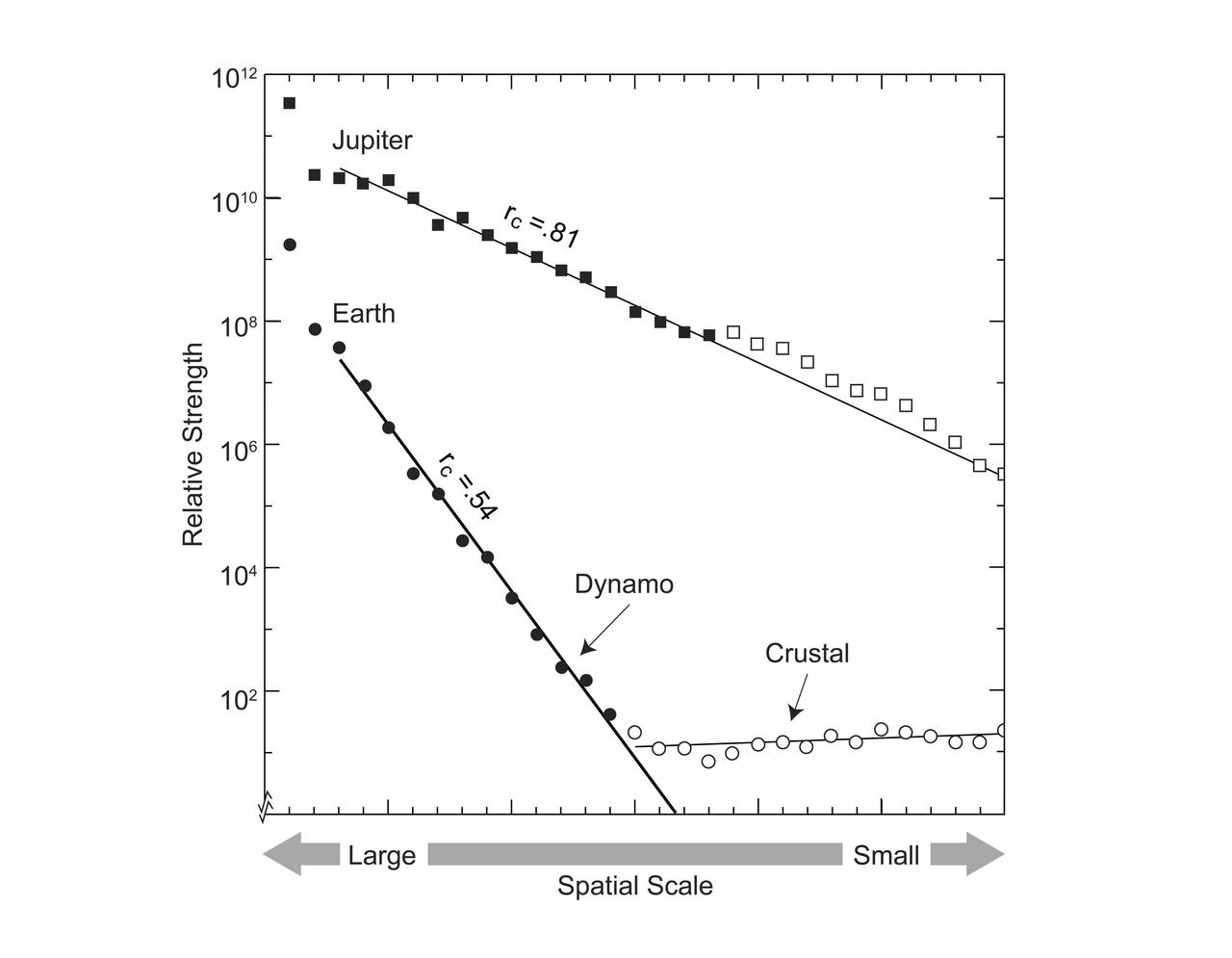
This graphic compares the magnetic fields of Earth and Jupiter, characterizing the field on the surface of each planet in terms of spatial scale, with large scale to the left, and small scale to the right. The linear progression of terms characterizing Earth's field identifies a dynamo core radius at 0.54 planet radius and crustal magnetization at smaller scales. By analogy, the new Jupiter model identifies a dynamo core radius at 0.81 planet radius, in the convective metallic hydrogen just beneath a zone stabilized by helium rain. https://photojournal.jpl.nasa.gov/catalog/PIA25064
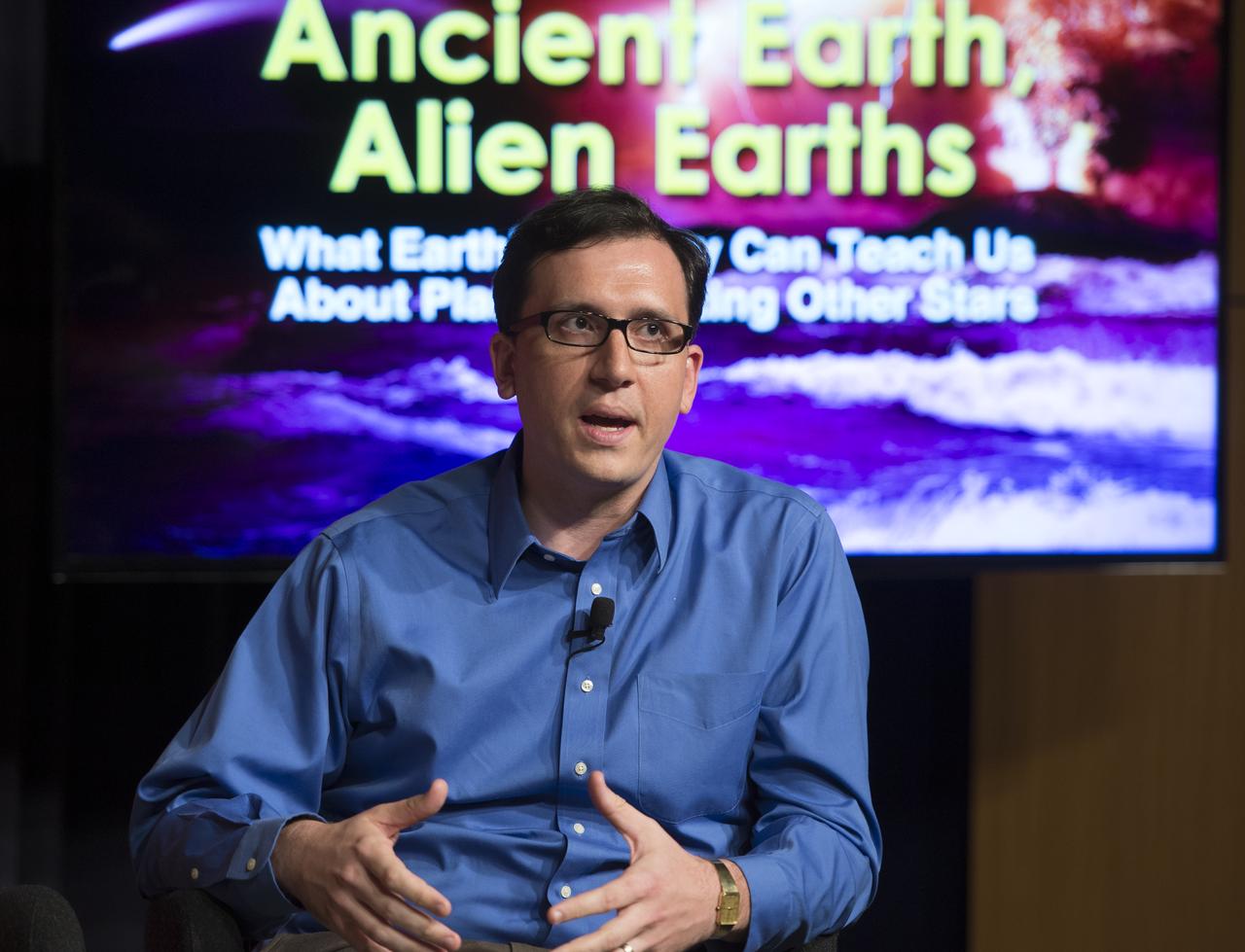
Dr. Shawn Domagal-Goldman, Research Space Scientist, NASA Goddard Space Flight Center, speaks on a panel at the “Ancient Earth, Alien Earths” Event at NASA Headquarters in Washington, DC Wednesday, August 20, 2014. The event was sponsored by NASA, the National Science Foundation (NSF), and the Smithsonian Institution and was moderated by Dr. David H. Grinspoon, Senior Scientist at the Planetary Science Institute. Six scientists discussed how research on early Earth could help guide our search for habitable planets orbiting other stars. Photo Credit: (NASA/Aubrey Gemignani)
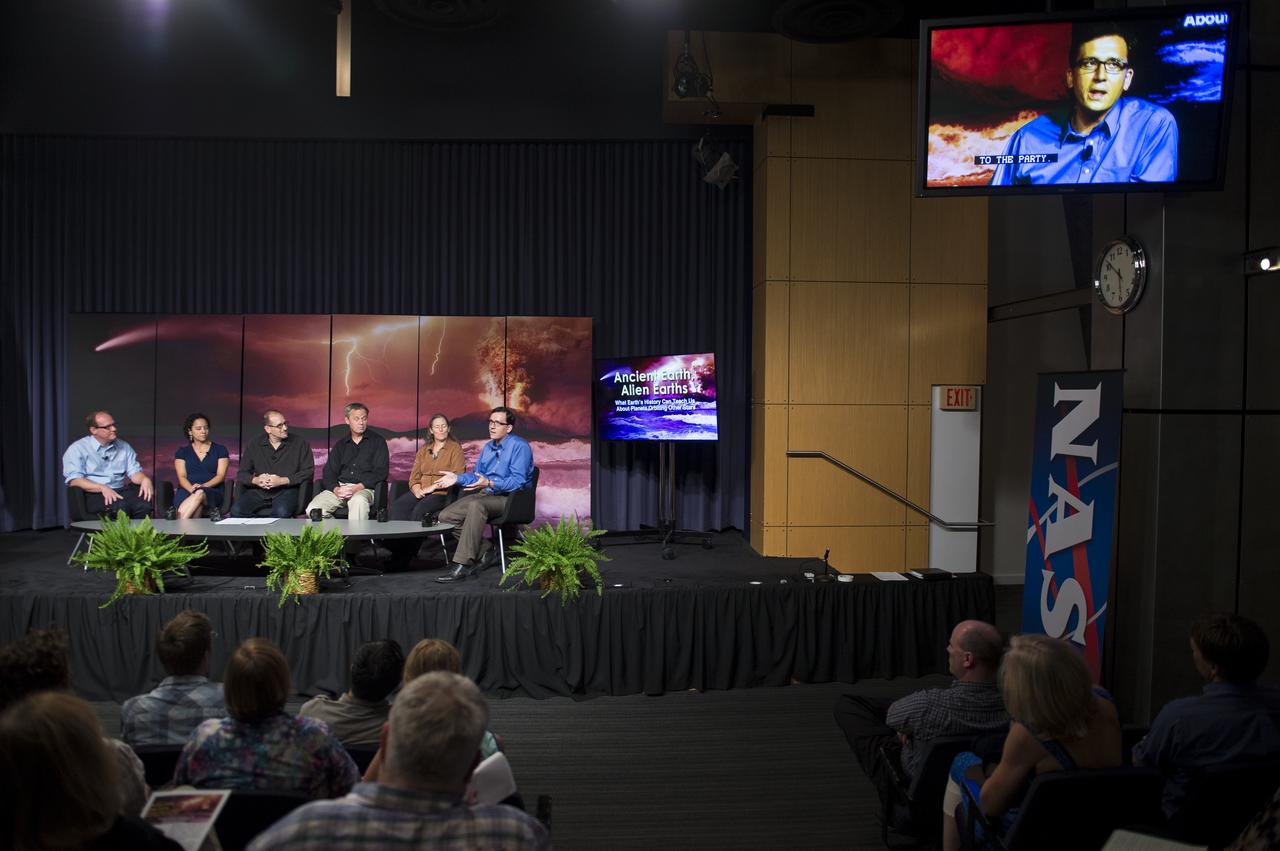
Dr. Shawn Domagal-Goldman, Research Space Scientist, NASA Goddard Space Flight Center, speaks on a panel at the “Ancient Earth, Alien Earths” Event at NASA Headquarters in Washington, DC Wednesday, August 20, 2014. The event was sponsored by NASA, the National Science Foundation (NSF), and the Smithsonian Institution and was moderated by Dr. David H. Grinspoon, Senior Scientist at the Planetary Science Institute. Six scientists discussed how research on early Earth could help guide our search for habitable planets orbiting other stars. Photo Credit: (NASA/Aubrey Gemignani)

Kepler data has increased by 20 percent and now totals 2,740 potential planets orbiting 2,036 stars; dramatic increases are seen in the number of Earth-size and super Earth-size candidates discovered.
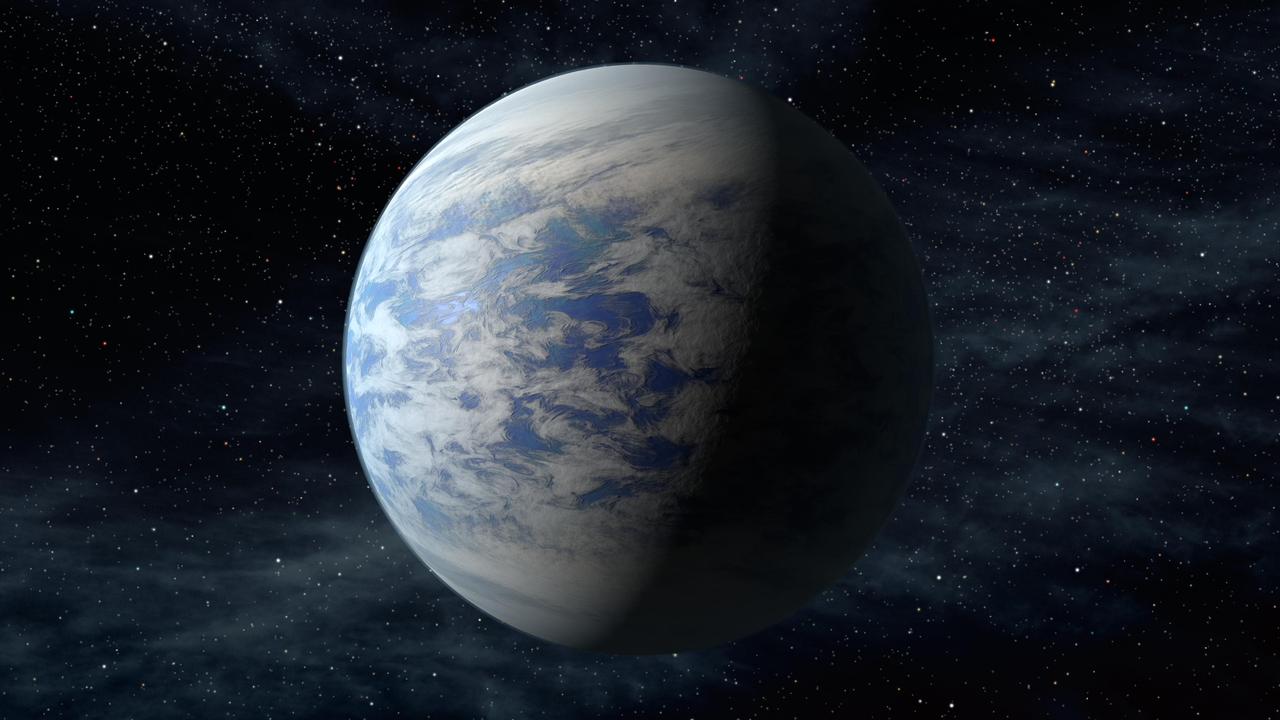
The artist concept depicts Kepler-69c, a super-Earth-size planet in the habitable zone of a star like our sun, located about 2,700 light-years from Earth in the constellation Cygnus.
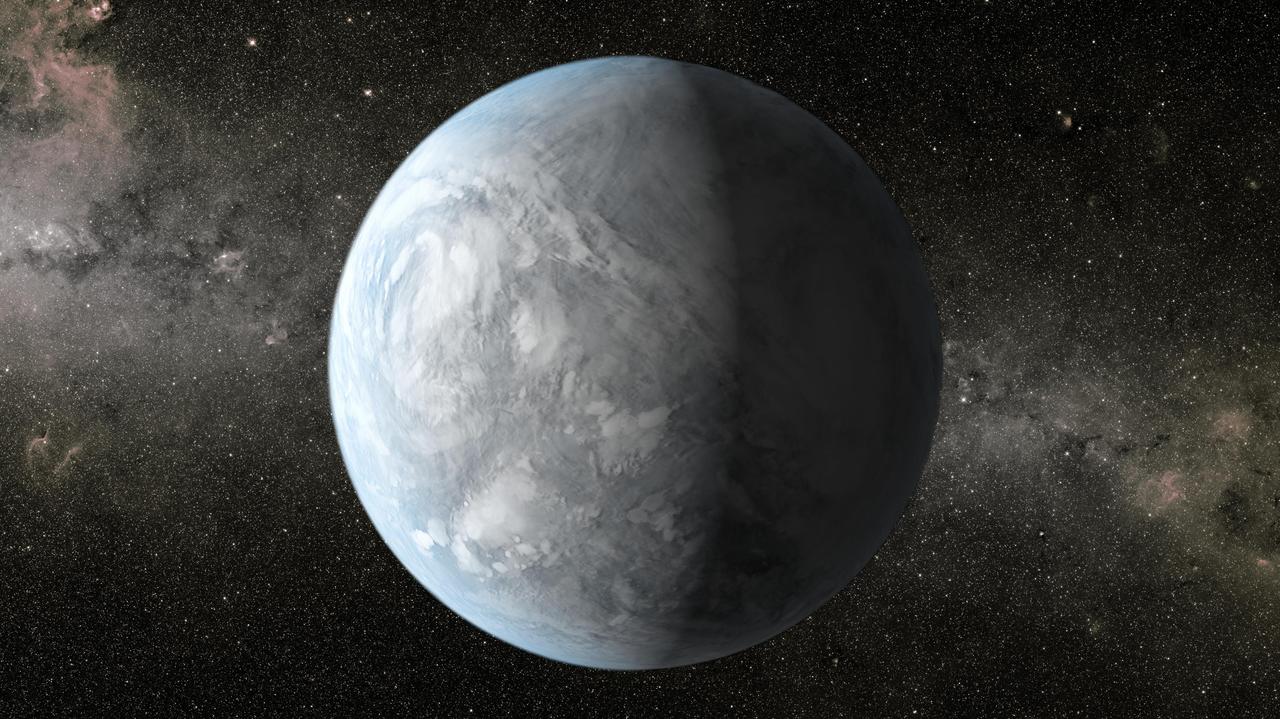
The artist concept depicts Kepler-62e, a super-Earth-size planet in the habitable zone of a star smaller and cooler than the sun, located about 1,200 light-years from Earth in the constellation Lyra.

The artist concept depicts Kepler-62f, a super-Earth-size planet in the habitable zone of a star smaller and cooler than the sun, located about 1,200 light-years from Earth in the constellation Lyra.
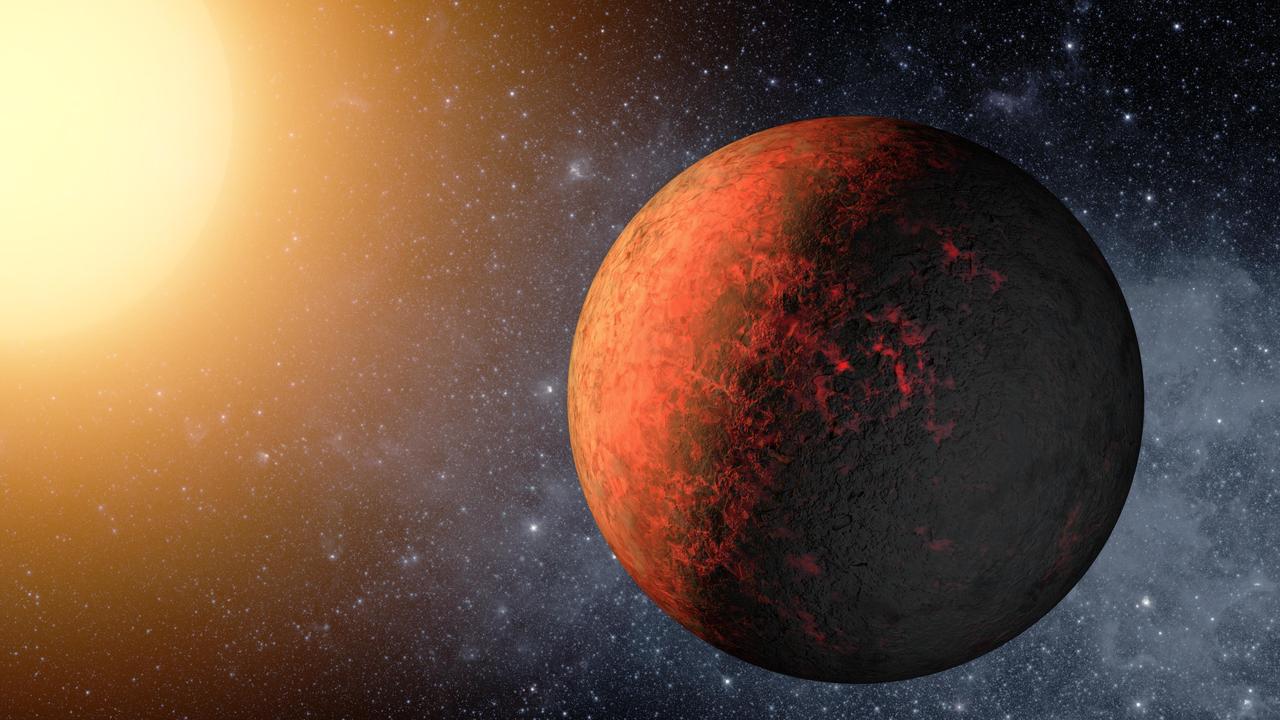
Kepler-20e is the first planet smaller than the Earth discovered to orbit a star other than the sun. A year on Kepler-20e only lasts 6 days, as it is much closer to its host star than the Earth is to the sun.

On Oct. 9, NASA Juno spacecraft flew past Earth, using our home planet gravity to get the final boost it needed to reach Jupiter. The JunoCam instrument captured this monochrome view of Earth.

This illustration shows the seven Earth-size planets of TRAPPIST-1, an exoplanet system about 40 light-years away, based on data current as of February 2018. The image shows the planets' relative sizes but does not represent their orbits to scale. The art highlights possibilities for how the surfaces of these intriguing worlds might look based on their newly calculated properties. The seven planets of TRAPPIST-1 are all Earth-sized and terrestrial. TRAPPIST-1 is an ultra-cool dwarf star in the constellation Aquarius, and its planets orbit very close to it. In the background, slightly distorted versions the familiar constellations of Orion and Taurus are shown as they would appear from the location of TRAPPIST-1 (courtesy of California Academy of Sciences/Dan Tell). https://photojournal.jpl.nasa.gov/catalog/PIA22097

This artist concept depicts the Juno spacecraft which will launch from Earth in 2011 and will arrive at Jupiter in 2016 to study the giant planet from an elliptical, polar orbit.

NASA Mercury-bound MESSENGER spacecraft captured several stunning images of Earth during a gravity assist swingby of its home planet on Aug. 2, 2005.

This graphic illuminates the process by which astronomers using NASA Spitzer Space Telescope have, for the first time, detected the light from a super Earth planet.
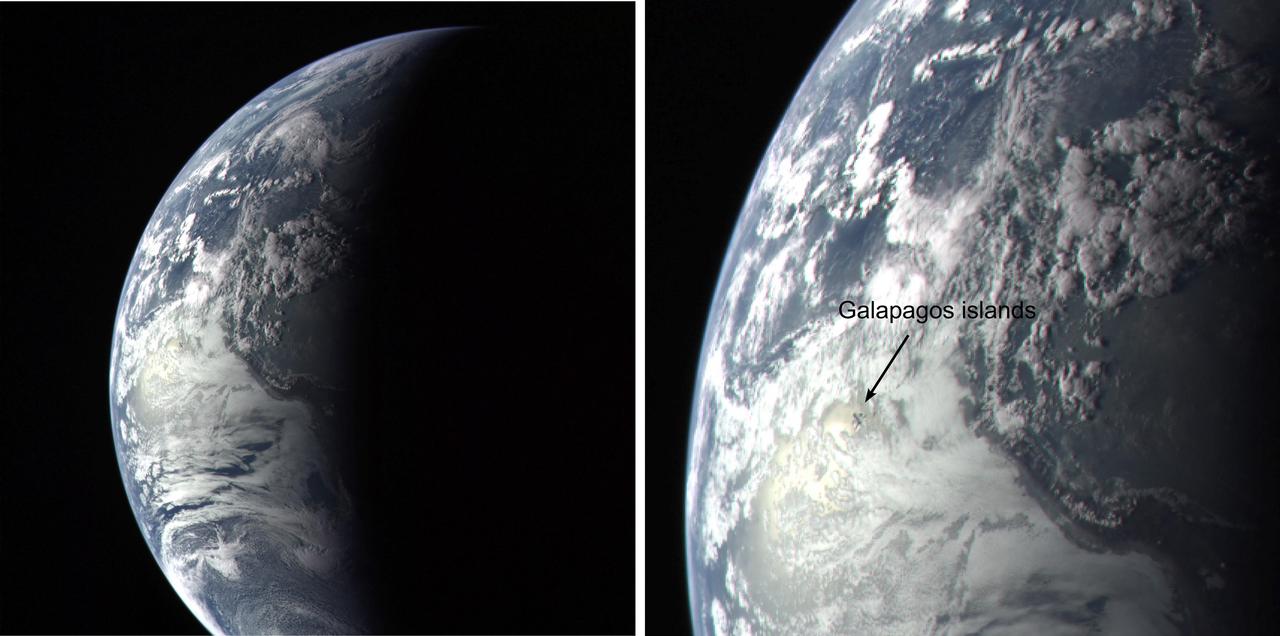
NASA Mercury-bound MESSENGER spacecraft captured several stunning images of Earth during a gravity assist swingby of its home planet on Aug. 2, 2005.
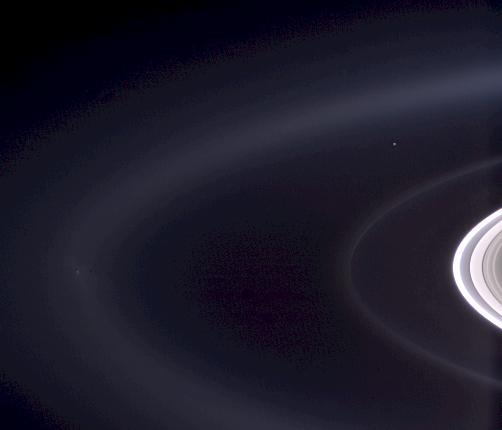
Cassini casts powerful eyes on our home planet, and captures Earth, a pale blue orb -- and a faint suggestion of our moon -- among the glories of the Saturn system.

This is the first image of Earth ever taken from another planet that actually shows our home as a planetary disk. Because Earth and the Moon are closer to the Sun than Mars, they exhibit phases, just as the Moon, Venus, & Mercury do when viewed from Earth

This illustration shows the seven TRAPPIST-1 planets as they might look as viewed from Earth using a fictional, incredibly powerful telescope. The sizes and relative positions are correctly to scale: This is such a tiny planetary system that its sun, TRAPPIST-1, is not much bigger than our planet Jupiter, and all the planets are very close to the size of Earth. Their orbits all fall well within what, in our solar system, would be the orbital distance of our innermost planet, Mercury. With such small orbits, the TRAPPIST-1 planets complete a "year" in a matter of a few Earth days: 1.5 for the innermost planet, TRAPPIST-1b, and 20 for the outermost, TRAPPIST-1h. This particular arrangement of planets with a double-transit reflect an actual configuration of the system during the 21 days of observations made by NASA's Spitzer Space Telescope in late 2016. The system has been revealed through observations from NASA's Spitzer Space Telescope and the ground-based TRAPPIST (TRAnsiting Planets and PlanetesImals Small Telescope) telescope, as well as other ground-based observatories. The system was named for the TRAPPIST telescope. http://photojournal.jpl.nasa.gov/catalog/PIA21429
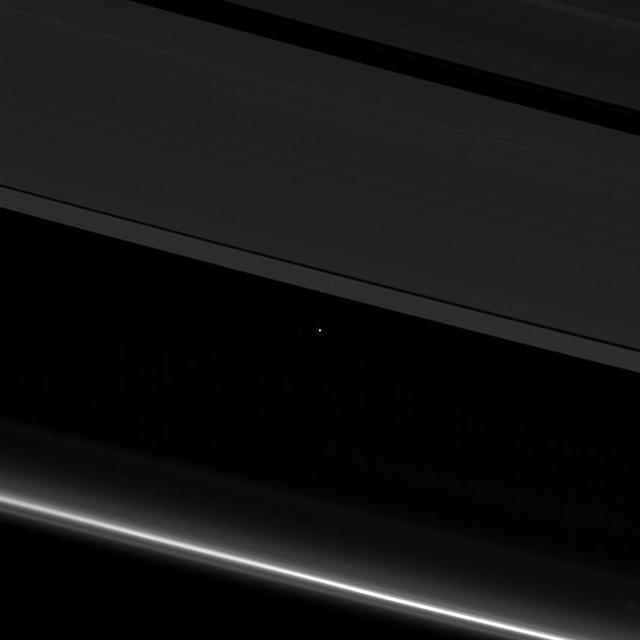
This view from NASA's Cassini spacecraft shows planet Earth as a point of light between the icy rings of Saturn. The spacecraft captured the view on April 12, 2017 at 10:41 p.m. PDT (1:41 a.m. EDT). Cassini was 870 million miles (1.4 billion kilometers) away from Earth when the image was taken. Although far too small to be visible in the image, the part of Earth facing toward Cassini at the time was the southern Atlantic Ocean. Earth's moon is also visible to the left of our planet in a cropped, zoomed-in version of the image (Figure 1). The rings visible here are the A ring (at top) with the Keeler and Encke gaps visible, and the F ring (at bottom). During this observation Cassini was looking toward the backlit rings, making a mosaic of multiple images, with the sun blocked by the disk of Saturn. Seen from Saturn, Earth and the other inner solar system planets are all close to the sun, and are easily captured in such images, although these opportunities have been somewhat rare during the mission. The F ring appears especially bright in this viewing geometry. https://photojournal.jpl.nasa.gov/catalog/PIA21445
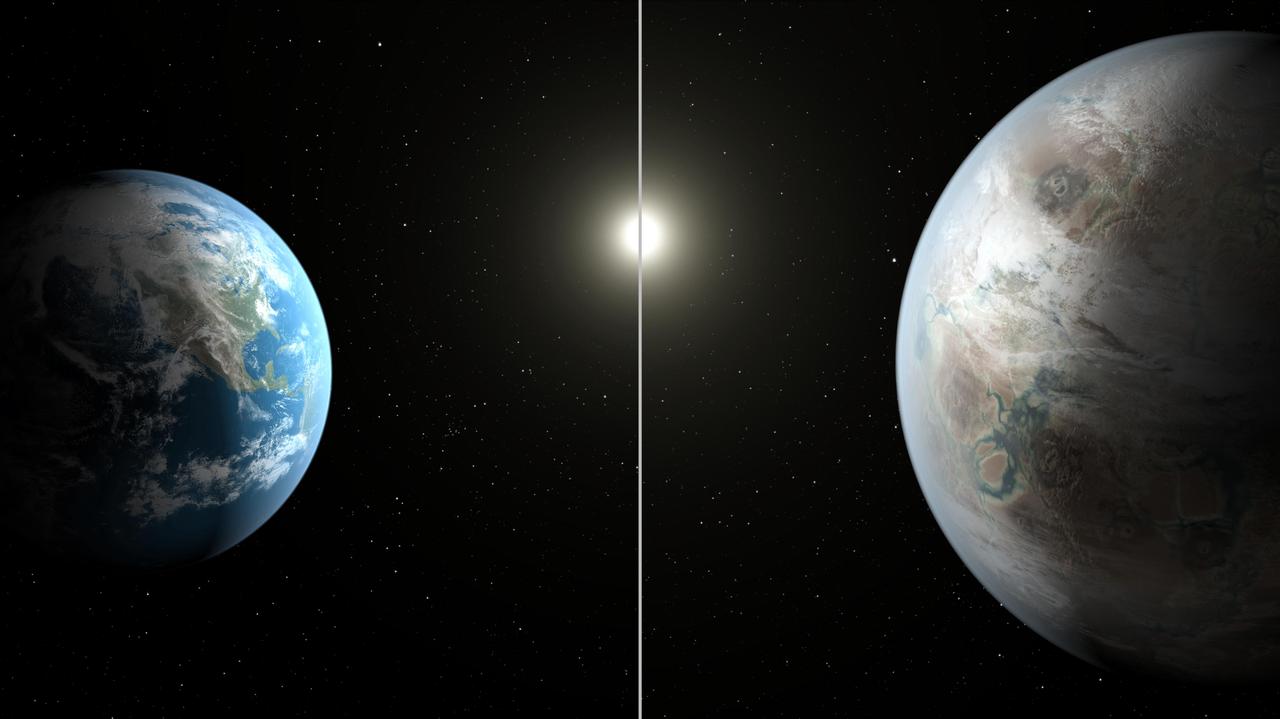
Scientists using data from NASA's Kepler mission have confirmed the first near-Earth-size planet orbiting in the habitable zone of a sun-like star. The habitable zone is the region around a star where temperatures are just right for water to exist in its liquid form. The artist's concept compares Earth (left) to the new planet, called Kepler-452b, which is about 60 percent larger. The illustration represents one possible appearance for Kepler-452b -- scientists do not know whether the planet has oceans and continents like Earth. Both planets orbit a G2-type star of about the same temperature; however, the star hosting Kepler-452b is 6 billion years old, 1.5 billion years older than our sun. As stars age, they become larger, hotter and brighter, as represented in the illustration. Kepler-452b's star appears a bit larger and brighter. http://photojournal.jpl.nasa.gov/catalog/PIA19825
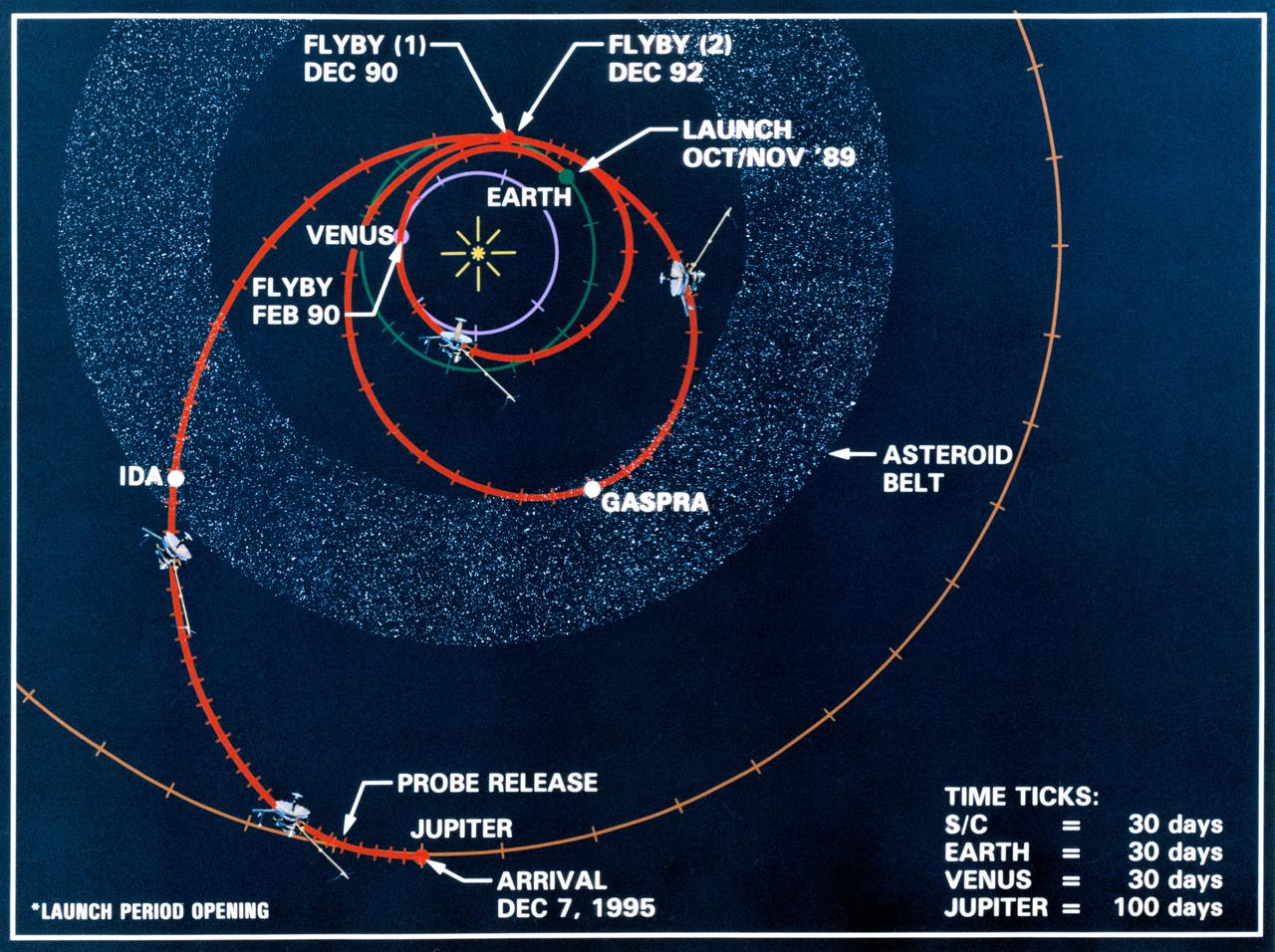
Line drawing charts the Galileo spacecraft's launch from low Earth orbit and its three planetary and two asteroid encounters in the course of its gravity-assisted flight to Jupiter. These encounters include Venus (February 1990), two Earth passes (December 1990 and December 1992), and the asteroids Gaspra and Ida in the asteroid belt. Galileo will release a probe and will arrive at Jupiter, 12-07-95.
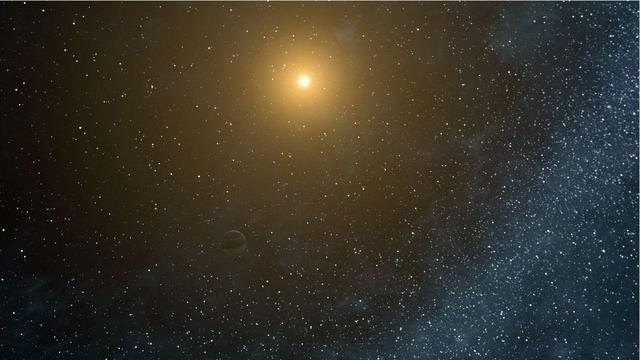
This still from an artist animation flies through the Kepler-20 star system, where NASA Kepler mission discovered the first Earth-size planets around a star beyond our own. The system is jam-packed with five planets.
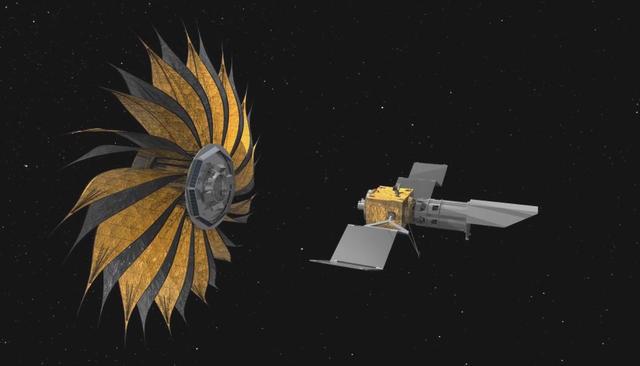
How do we find Earth-like planets outside our solar system? One idea is to send a giant structure that blocks starlight so that astronomers can more easily detect orbiting planets. This artist's rendering shows the proposed starshade concept flying in sync with a space telescope. The giant sunflower-like structure would be used to acquire images of Earth-like rocky planets around nearby stars. The proposed starshade could launch together with a telescope. Once in space, it would separate from the rocket and telescope, unfurl its petals, then move into position to block the light of stars. http://photojournal.jpl.nasa.gov/catalog/PIA20911

During its flight and lunar orbit, NASA’s Clementine spacecraft returned images of the planet Earth and the Moon. This collection of UVVIS camera Clementine images shows the Earth from the Moon and 3 images of the Earth. The image on the left shows the Earth as seen across the lunar north pole; the large crater in the foreground is Plaskett. The Earth actually appeared about twice as far above the lunar horizon as shown. The top right image shows the Earth as viewed by the UVVIS camera while Clementine was in transit to the Moon; swirling white cloud patterns indicate storms. The two views of southeastern Africa were acquired by the UVVIS camera while Clementine was in low Earth orbit early in the mission. http://photojournal.jpl.nasa.gov/catalog/PIA00432

Of the 1,030 confirmed planets from Kepler, a dozen are less than twice the size of Earth and reside in the habitable zone of their host stars. In this diagram, the sizes of the exoplanets are represented by the size of each sphere. These are arranged by size from left to right, and by the type of star they orbit, from the M stars that are significantly cooler and smaller than the sun, to the K stars that are somewhat cooler and smaller than the sun, to the G stars that include the sun. The sizes of the planets are enlarged by 25 times compared to the stars. The Earth is shown for reference. http://photojournal.jpl.nasa.gov/catalog/PIA19827

This chart shows, on the top row, artist concepts of the seven planets of TRAPPIST-1 with their orbital periods, distances from their star, radii and masses as compared to those of Earth. On the bottom row, the same numbers are displayed for the bodies of our inner solar system: Mercury, Venus, Earth and Mars. The TRAPPIST-1 planets orbit their star extremely closely, with periods ranging from 1.5 to only about 20 days. This is much shorter than the period of Mercury, which orbits our sun in about 88 days. The artist concepts show what the TRAPPIST-1 planetary system may look like, based on available data about their diameters, masses and distances from the host star. The system has been revealed through observations from NASA's Spitzer Space Telescope and the ground-based TRAPPIST (TRAnsiting Planets and PlanetesImals Small Telescope) telescope, as well as other ground-based observatories. The system was named for the TRAPPIST telescope. The seven planets of TRAPPIST-1 are all Earth-sized and terrestrial, according to research published in 2017 in the journal Nature. TRAPPIST-1 is an ultra-cool dwarf star in the constellation Aquarius, and its planets orbit very close to it. http://photojournal.jpl.nasa.gov/catalog/PIA21425

This artist's concept appeared on the Feb. 23, 2017 cover of the journal Nature announcing that the TRAPPIST-1 star, an ultra-cool dwarf, has seven Earth-size planets orbiting it. Any of these planets could have liquid water on them. Planets that are farther from the star are more likely to have significant amounts of ice, especially on the side that faces away from the star. The system has been revealed through observations from NASA's Spitzer Space Telescope and the ground-based TRAPPIST (TRAnsiting Planets and PlanetesImals Small Telescope) telescope, as well as other ground-based observatories. The system was named for the TRAPPIST telescope. http://photojournal.jpl.nasa.gov/catalog/PIA21421

As it sped away from Venus, NASA's Mariner 10 spacecraft captured this seemingly peaceful view of a planet the size of Earth, wrapped in a dense, global cloud layer. But, contrary to its serene appearance, the clouded globe of Venus is a world of intense heat, crushing atmospheric pressure and clouds of corrosive acid. This newly processed image revisits the original data with modern image processing software. A contrast-enhanced version of this view, also provided here, makes features in the planet's thick cloud cover visible in greater detail. The clouds seen here are located about 40 miles (60 kilometers) above the planet's surface, at altitudes where Earth-like atmospheric pressures and temperatures exist. They are comprised of sulfuric acid particles, as opposed to water droplets or ice crystals, as on Earth. These cloud particles are mostly white in appearance; however, patches of red-tinted clouds also can be seen. This is due to the presence of a mysterious material that absorbs light at blue and ultraviolet wavelengths. Many chemicals have been suggested for this mystery component, from sulfur compounds to even biological materials, but a consensus has yet to be reached among researchers. The clouds of Venus whip around the planet at nearly over 200 miles per hour (100 meters per second), circling the globe in about four and a half days. That these hurricane-force winds cover nearly the entire planet is another unexplained mystery, especially given that the solid planet itself rotates at a very slow 4 mph (less than 2 meters per second) — much slower than Earth's rotation rate of about 1,000 mph (450 meters per second). The winds and clouds also blow to the west, not to the east as on the Earth. This is because the planet itself rotates to the west, backward compared to Earth and most of the other planets. As the clouds travel westward, they also typically progress toward the poles; this can be seen in the Mariner 10 view as a curved spiral pattern at mid latitudes. Near the equator, instead of long streaks, areas of more clumpy, discrete clouds can be seen, indicating enhanced upwelling and cloud formation in the equatorial region, spurred on by the enhanced power of sunlight there. This view is a false color composite created by combining images taken using orange and ultraviolet spectral filters on the spacecraft's imaging camera. These were used for the red and blue channels of the color image, respectively, with the green channel synthesized by combining the other two images. Flying past Venus en route to the first-ever flyby of Mercury, Mariner 10 became the first spacecraft to use a gravity assist to change its flight path in order to reach another planet. The images used to create this view were acquired by Mariner 10 on Feb. 7 and 8, 1974, a couple of days after the spacecraft's closest approach to Venus on Feb. 5. Despite their many differences, comparisons between Earth and Venus are valuable for helping to understand their distinct climate histories. Nearly 50 years after this view was obtained, many fundamental questions about Venus remain unanswered. Did Venus have oceans long ago? How has its atmosphere evolved over time, and when did its runaway greenhouse effect begin? How does Venus lose its heat? How volcanically and tectonically active has Venus been over the last billion years? This image was processed from archived Mariner 10 data by JPL engineer Kevin M. Gill. The Mariner 10 mission was managed by NASA's Jet Propulsion Laboratory. https://photojournal.jpl.nasa.gov/catalog/PIA23791

This still from a video shows illustrations of the seven Earth-size planets of TRAPPIST-1, an exoplanet system about 40 light-years away, based on data current as of February 2018. Each planet is shown in sequence, starting with the innermost TRAPPIST-1b and ending with the outermost TRAPPIST-1h. The video presents the planets' relative sizes as well as the relative scale of the central star as seen from each planet. The art highlights possibilities for how the surfaces of these intriguing worlds might look based on their newly calculated properties. The seven planets of TRAPPIST-1 are all Earth-sized and terrestrial. TRAPPIST-1 is an ultra-cool dwarf star in the constellation Aquarius, and its planets orbit very close to it. In the background, slightly distorted versions our familiar constellations, including Orion and Taurus, are shown as they would appear from the location of TRAPPIST-1 (backdrop image courtesy California Academy of Sciences/Dan Tell). An animation is available at https://photojournal.jpl.nasa.gov/catalog/PIA22098
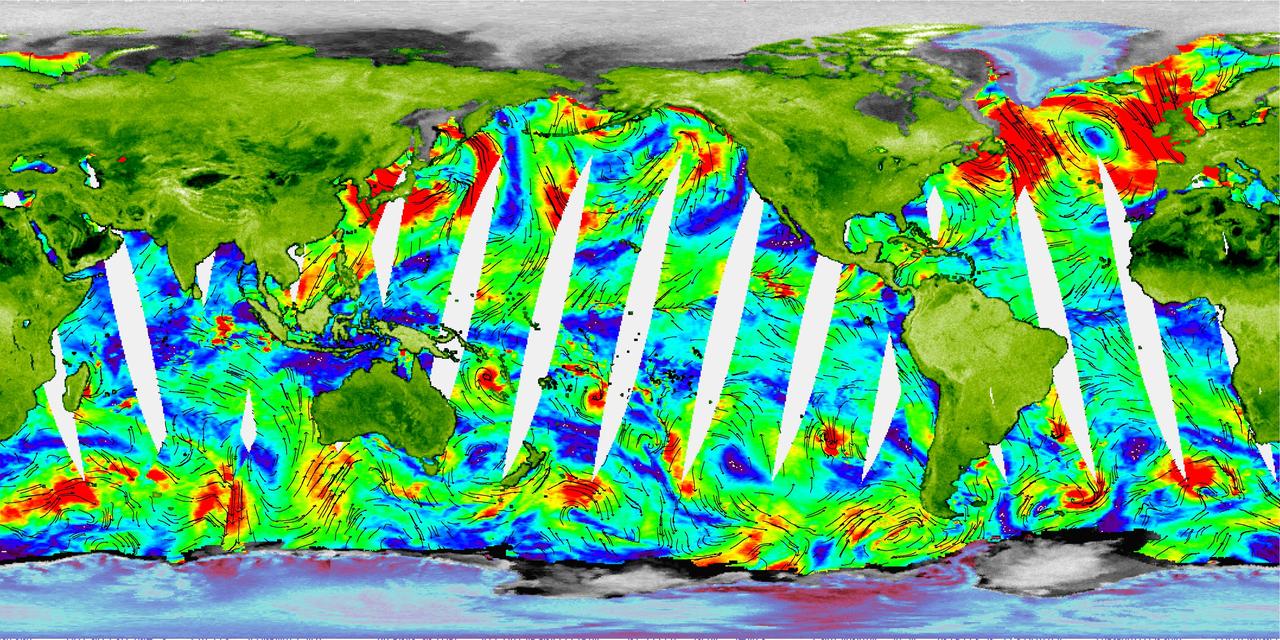
One of NASA newest Earth-observing instruments, the SeaWinds scatterometer aboard Japan Advanced Earth Observing Satellite Adeos 2--now renamed Midori 2--has successfully transmitted its first radar data to our home planet.
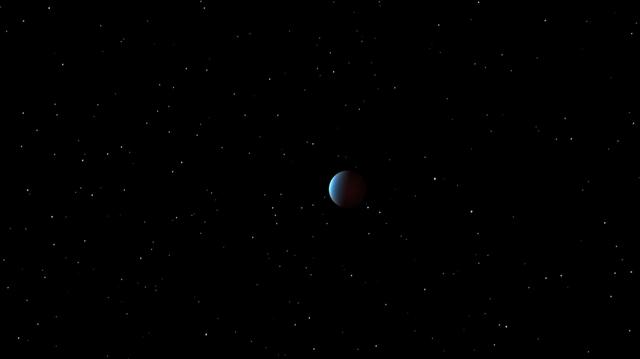
This artist concept depicts 55 Cancri e as it orbits its star. NASA Spitzer Space Telescope has, for the first time, captured the light emanating from a distant super Earth, a planet more massive than Earth but lighter than Neptune.
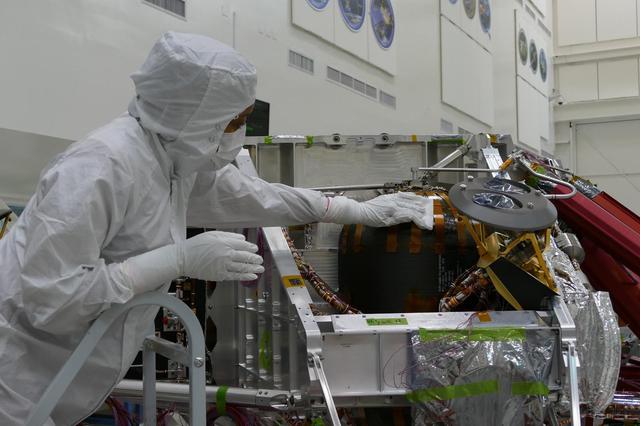
Wiping down hardware is part of the strategy to limit the number of Earth microbes going to the Red Planet for NASA's Mars 2020 Perseverance mission. This cleaning takes place in the Spacecraft Assembly Facility clean room at NASA's Jet Propulsion Laboratory in Southern California. https://photojournal.jpl.nasa.gov/catalog/PIA23717
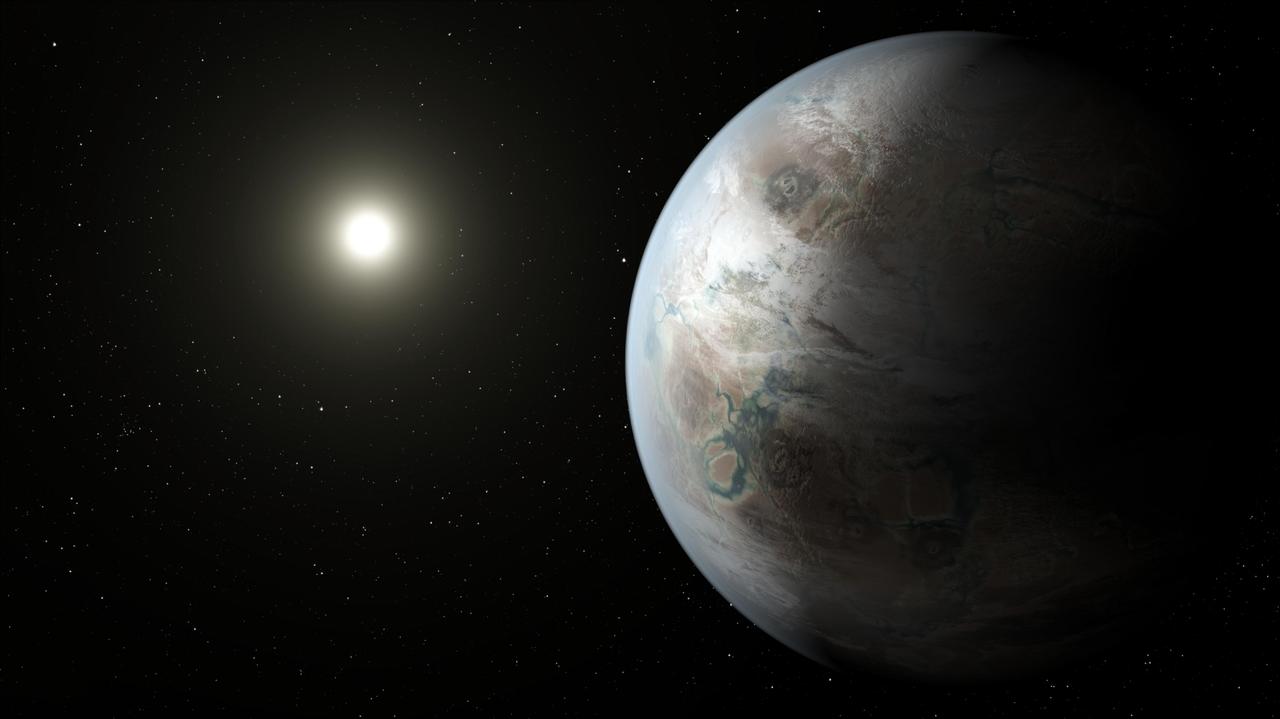
This artist's concept depicts one possible appearance of the planet Kepler-452b, the first near-Earth-size world to be found in the habitable zone of star that is similar to our sun. The habitable zone is a region around a star where temperatures are right for water -- an essential ingredient for life as we know it -- to pool on the surface. Scientists do not know if Kepler-452b can support life or not. What is known about the planet is that it is about 60 percent larger than Earth, placing it in a class of planets dubbed "super-Earths." While its mass and composition are not yet determined, previous research suggests that planets the size of Kepler-452b have a better than even chance of being rocky. Kepler-452b orbits its star every 385 days. The planet's star is about 1,400 light-years away in the constellation Cygnus. It is a G2-type star like our sun, with nearly the same temperature and mass. This star is 6 billion years old, 1.5 billion years older than our sun. As stars age, they grow in size and give out more energy, warming up their planets over time. Scientists and artists considered these facts when creating this illustration. If the planet Kepler-452b does in fact have liquid on its surface and has grown warmer due to the older age of its star, it could possibly be experiencing a runaway greenhouse effect, where oceans would begin to evaporate and contribute to increased cloud cover. This, plus other factors such as the planet's large size, was factored into the hypothetical scenario depicted in this illustration. http://photojournal.jpl.nasa.gov/catalog/PIA19824
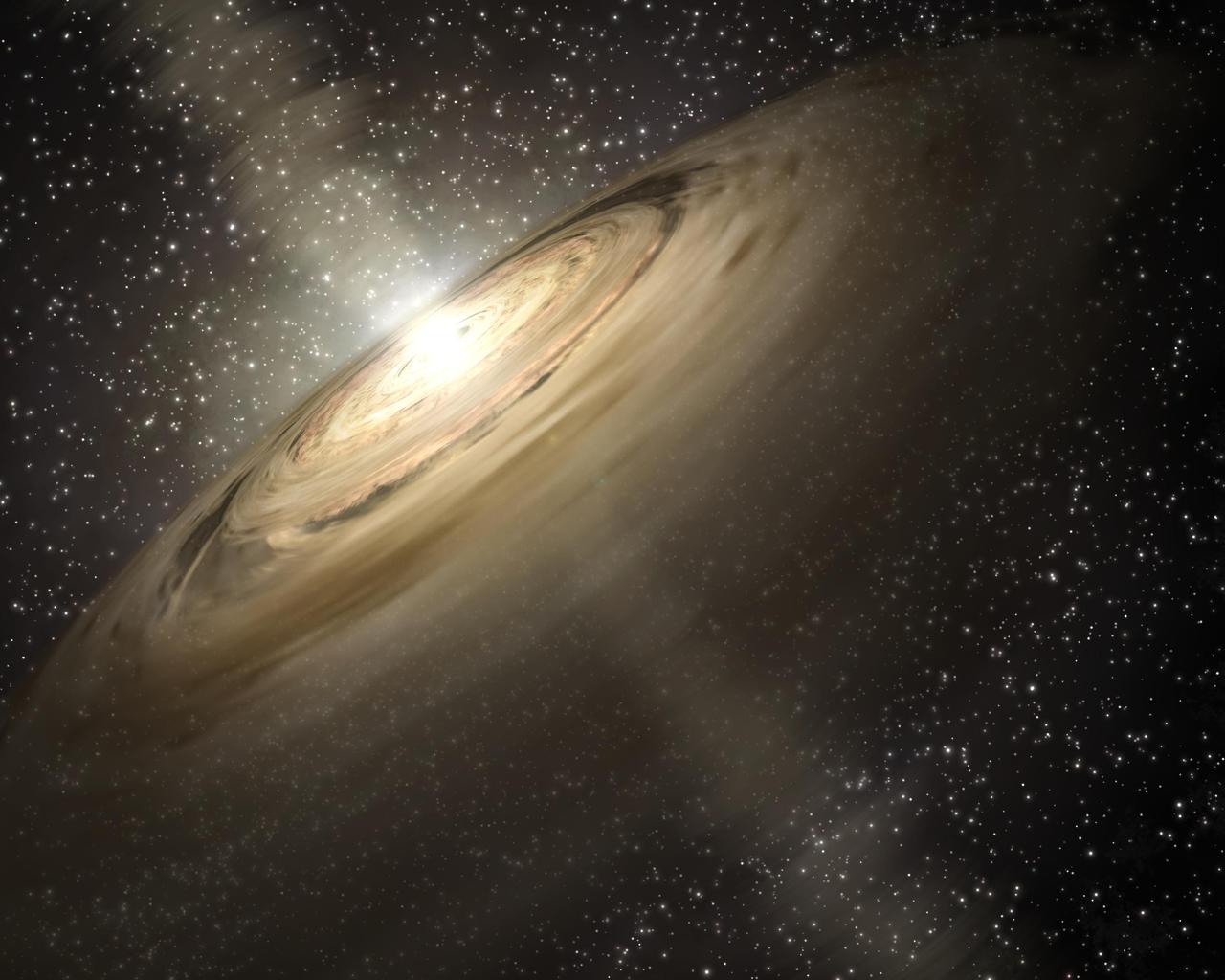
This artist concept illustrates a solar system that is a much younger version of our own. Dusty disks, like the one shown here circling the star, are thought to be the breeding grounds of planets, including rocky ones like Earth.

This plot of data from NASA Spitzer Space Telescope reveals the light from a uper Earth called 55 Cancri e. The planet is the smallest yet, beyond our solar system, to reveal its direct light.
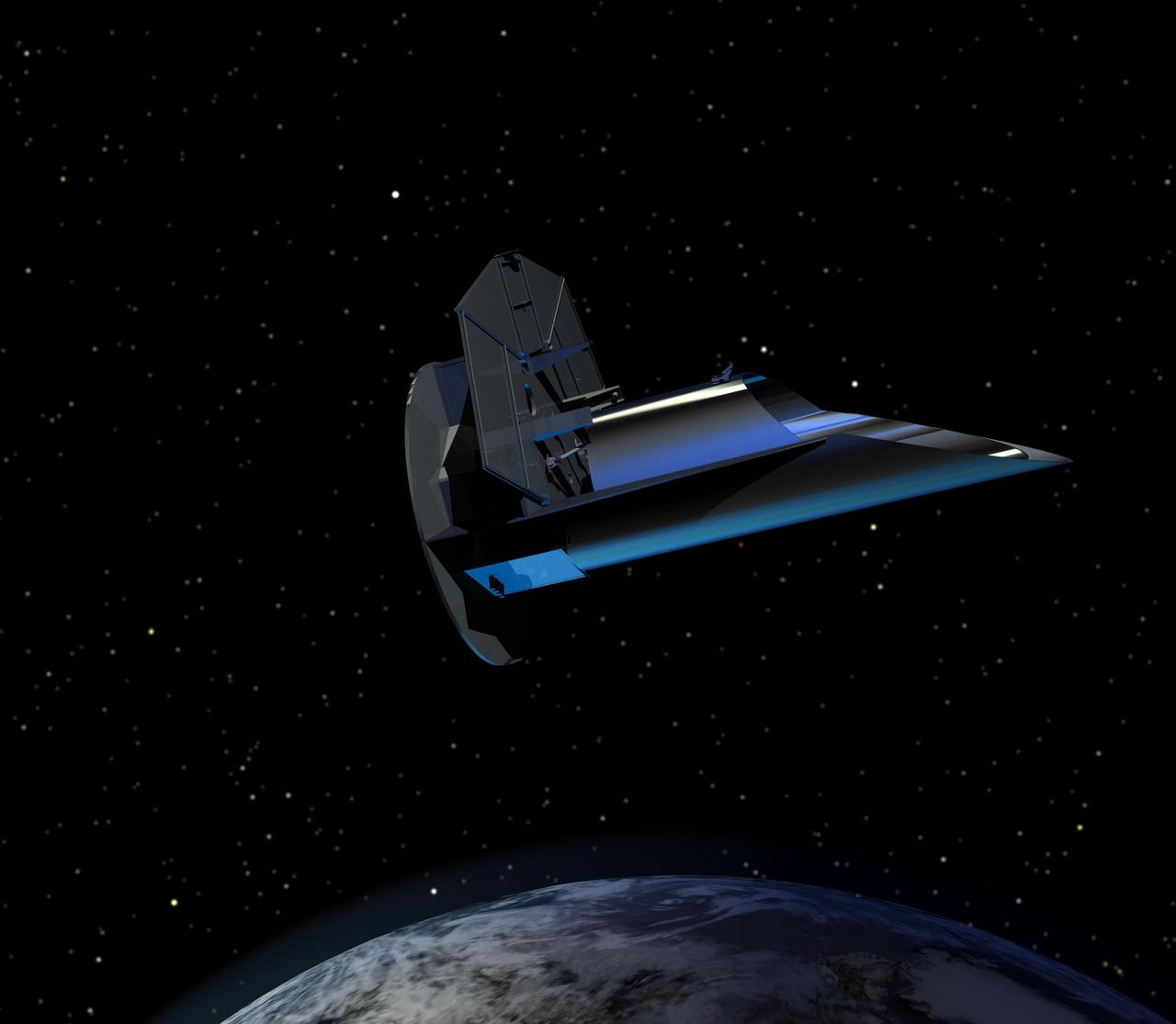
This is an artist rendering of the spacecraft FINESSE orbiting above Earth. Proposed for launch in 2016 as part of NASA Explorers Program, FINESSE would take the first family portrait of extrasolar planets.
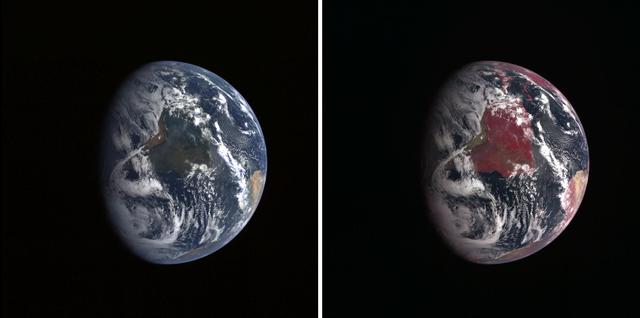
NASA MESSENGER Earth flyby on Aug. 2, 2005, not only adjusted the spacecraft path to Mercury - the gravity assist maneuver allowed the spacecraft team to test several MESSENGER science instruments by observing its home planet.
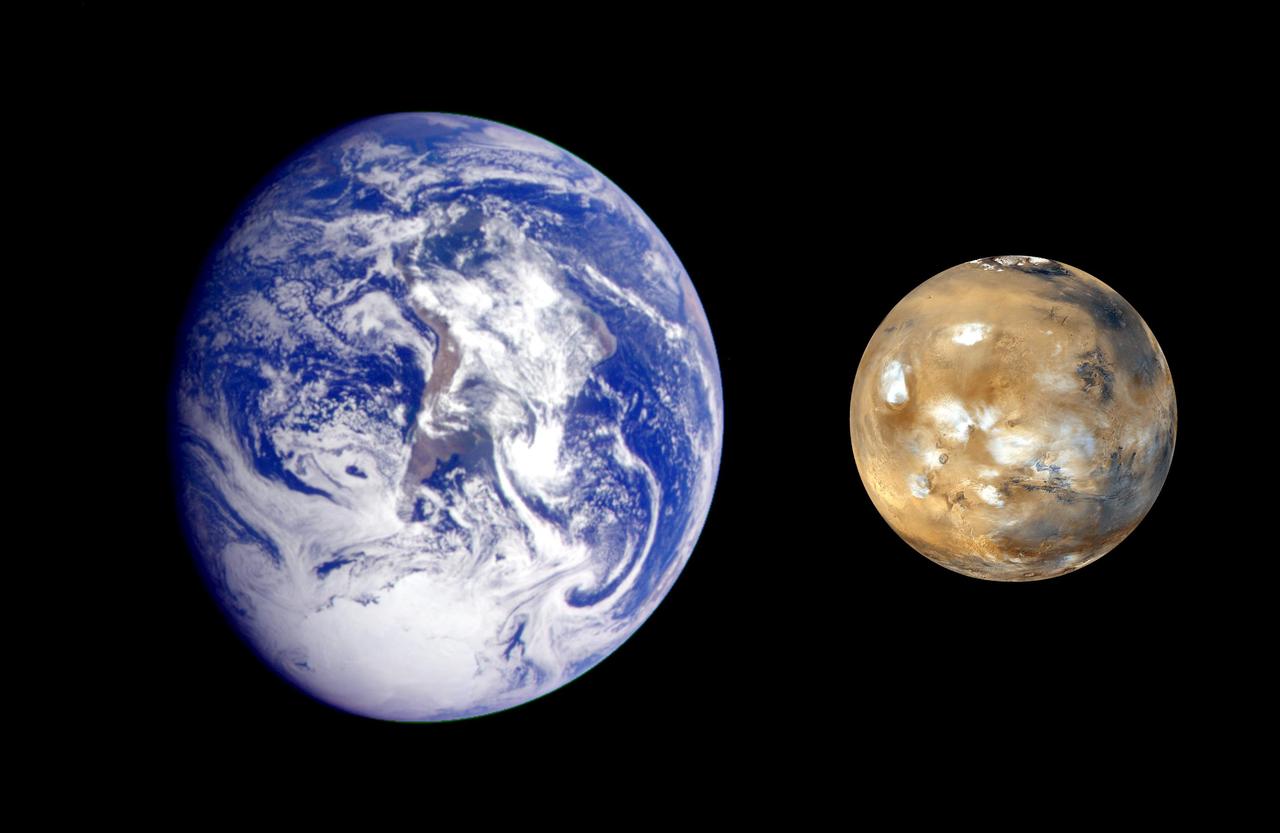
This composite image, from NASA Galileo and Mars Global Survey orbiters, of Earth and Mars was created to allow viewers to gain a better understanding of the relative sizes of the two planets.
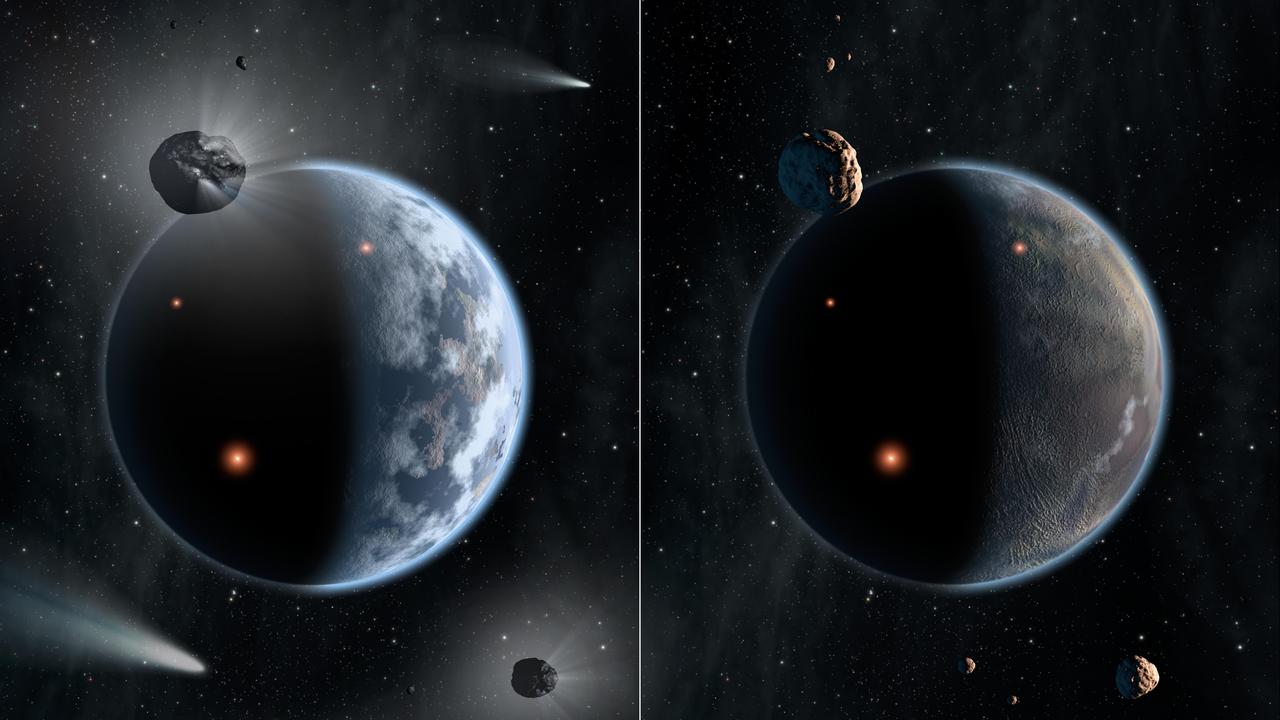
This artist concept illustrates the fate of two different planets: the one on the left is similar to Earth, made up largely of silicate-based rocks with oceans coating its surface.
NASA Cassini casts powerful eyes on our home planet, and captures Earth, a pale blue orb, and a faint suggestion of our moon, among the glories of the Saturn system in this image taken Sept. 15, 2006.

This frame from a movie was captured by a star tracker camera on NASA Jupiter-bound Juno spacecraft. It was taken over several days as Juno approached Earth for a close flyby that would send the spacecraft onward to the giant planet.
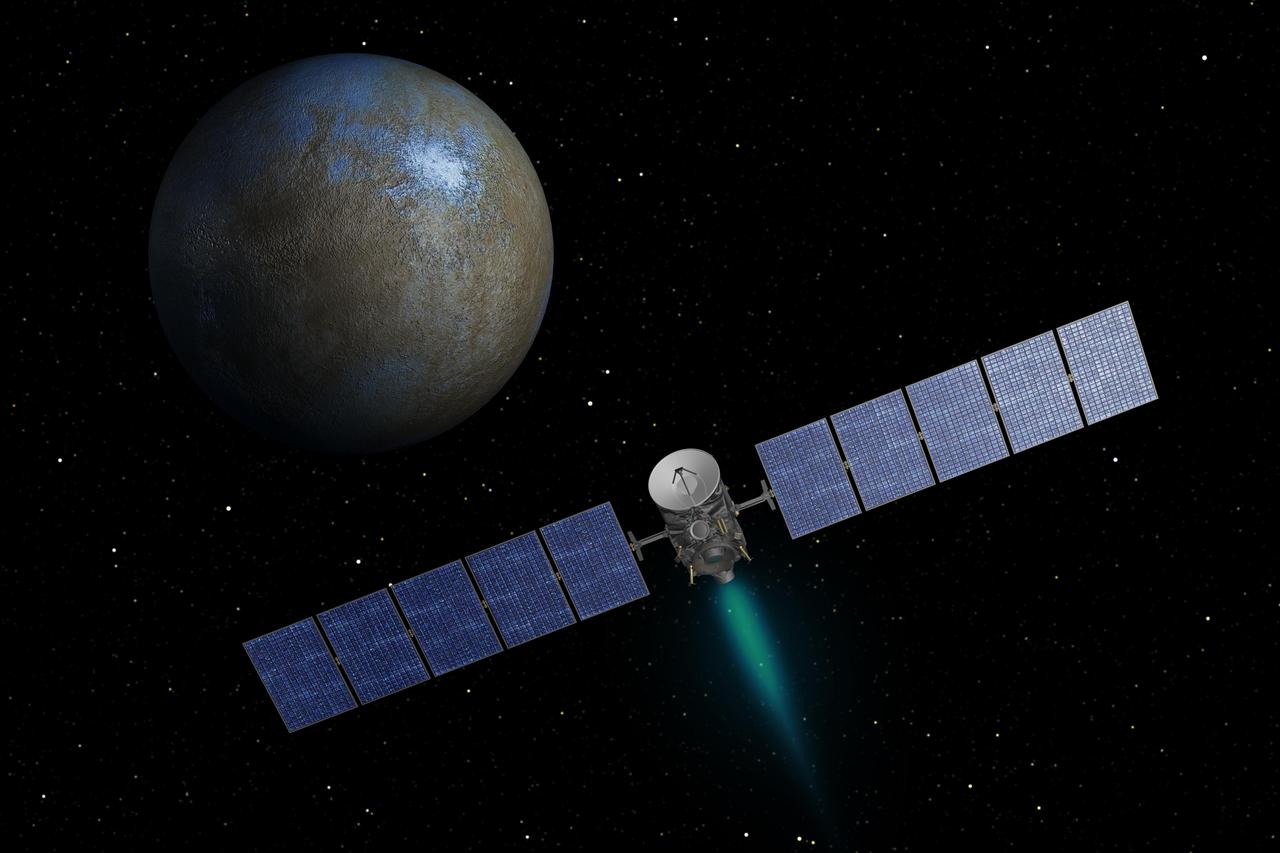
This artist concept shows NASA Dawn spacecraft heading toward the dwarf planet Ceres. When Dawn arrives, it will be the first spacecraft to go into orbit around two destinations in our solar system beyond Earth.

This artist concept shows microscopic crystals in the dusty disk surrounding a brown dwarf, or failed star. The crystals, made up of a green mineral found on Earth called olivine, are thought to help seed the formation of planets.

This image from NASA Spitzer Space Telescope shows a computer simulation of the planet HD 80606b from an observer located at a point in space lying between the Earth and the HD 80606 system.

The cameras on NASA Cassini spacecraft captured this rare look at Earth and its moon from Saturn orbit on July 19, 2013.

This is the first image ever taken of Earth from the surface of a planet beyond the Moon. It was taken by the Mars Exploration Rover Spirit one hour before sunrise on the 63rd martian day, or sol, of its mission. Earth is the tiny white dot in the center. The image is a mosaic of images taken by the rover's navigation camera showing a broad view of the sky, and an image taken by the rover's panoramic camera of Earth. The contrast in the panoramic camera image was increased two times to make Earth easier to see. http://photojournal.jpl.nasa.gov/catalog/PIA05560
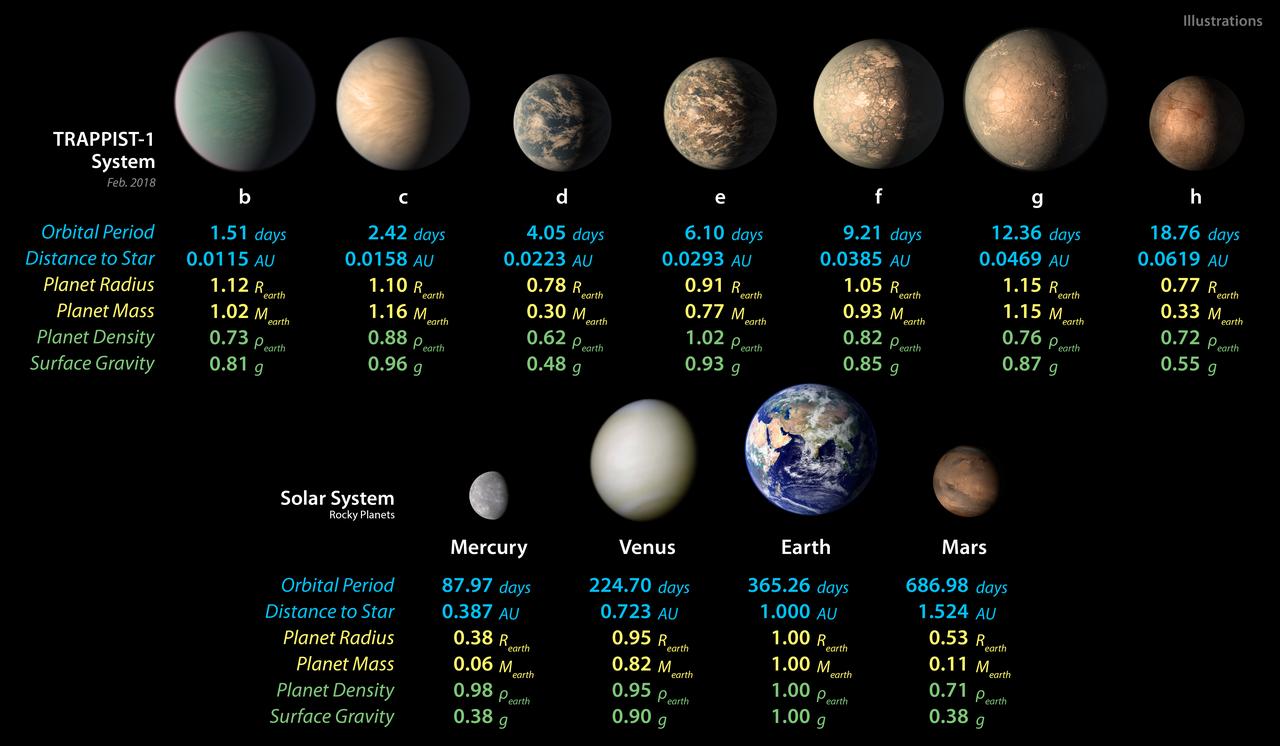
This chart shows, on the top row, artist concepts of the seven planets of TRAPPIST-1 with their orbital periods, distances from their star, radii, masses, densities and surface gravity as compared to those of Earth. These numbers are current as of February 2018. On the bottom row, the same numbers are displayed for the bodies of our inner solar system: Mercury, Venus, Earth and Mars. The TRAPPIST-1 planets orbit their star extremely closely, with periods ranging from 1.5 to only about 20 days. This is much shorter than the period of Mercury, which orbits our sun in about 88 days. The masses and densities of the TRAPPIST-1 planets were determined by careful measurements of slight variations in the timings of their orbits using extensive observations made by NASA's Spitzer and Kepler space telescopes, in combination with data from Hubble and a number of ground-based telescopes. These measurements are the most precise to date for any system of exoplanets. In this illustration, the relative sizes of the planets are all shown to scale. https://photojournal.jpl.nasa.gov/catalog/PIA22094

This is the first image ever taken of Earth from the surface of a planet beyond the Moon. It was taken by the Mars Exploration Rover Spirit one hour before sunrise on the 63rd martian day, or sol, of its mission. The image is a mosaic of images taken by the rover's navigation camera showing a broad view of the sky, and an image taken by the rover's panoramic camera of Earth. The contrast in the panoramic camera image was increased two times to make Earth easier to see. The inset shows a combination of four panoramic camera images zoomed in on Earth. The arrow points to Earth. Earth was too faint to be detected in images taken with the panoramic camera's color filters. http://photojournal.jpl.nasa.gov/catalog/PIA05547
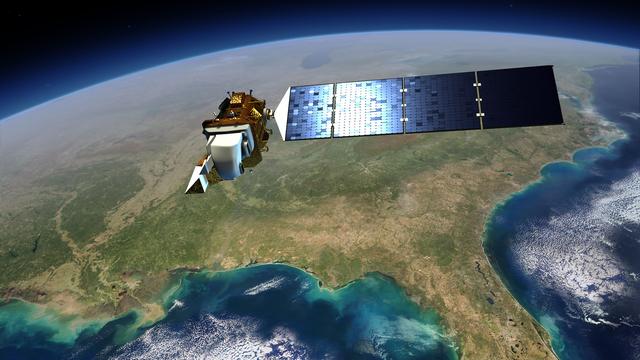
An artist's view of the Landsat Data Continuity Mission spacecraft in orbit above the Gulf Coast of the U.S. Credit: NASA/GSFC/Landsat <b><a href="http://www.nasa.gov/audience/formedia/features/MP_Photo_Guidelines.html" rel="nofollow">NASA image use policy.</a></b> <b><a href="http://www.nasa.gov/centers/goddard/home/index.html" rel="nofollow">NASA Goddard Space Flight Center</a></b> enables NASA’s mission through four scientific endeavors: Earth Science, Heliophysics, Solar System Exploration, and Astrophysics. Goddard plays a leading role in NASA’s accomplishments by contributing compelling scientific knowledge to advance the Agency’s mission. <b>Follow us on <a href="http://twitter.com/NASA_GoddardPix" rel="nofollow">Twitter</a></b> <b>Like us on <a href="http://www.facebook.com/pages/Greenbelt-MD/NASA-Goddard/395013845897?ref=tsd" rel="nofollow">Facebook</a></b> <b>Find us on <a href="http://instagrid.me/nasagoddard/?vm=grid" rel="nofollow">Instagram</a></b>

NASA's Polar Radiant Energy in the Far-InfraRed Experiment (PREFIRE) mission will measure the amount of heat Earth emits into space from two of the coldest, most remote regions on the planet. Data from the mission will improve computer models researchers use to predict how Earth's ice, seas, and weather will change in a warming world. This artist's concept depicts one of two PREFIRE CubeSats in orbit around Earth. Earth absorbs a lot of the Sun's energy at the tropics, and weather and ocean currents transport that heat to the poles. Ice, snow, clouds, and other parts of the polar environment emit the heat into space, much of it in the form of far-infrared radiation. The difference between how much heat Earth absorbs at the tropics and then radiates out to space from the Arctic and Antarctic determines the planet's temperature and drives a dynamic system of climate and weather. But far-infrared emissions at the poles have never been systematically measured. This is where PREFIRE comes in. The mission will help researchers gain a clearer understanding of when and where Earth's poles emit far-infrared radiation, as well as how atmospheric water vapor and clouds influence the amount that escapes to space. PREFIRE is composed of two roughly shoebox-size CubeSats outfitted with specialized miniature heat sensors that will give researchers a more accurate picture of how much heat Earth emits into space. https://photojournal.jpl.nasa.gov/catalog/PIA26185
From about three times the distance from Earth to the moon, NASA's Dawn spacecraft spies its final destination -- the dwarf planet Ceres. The resolution of this image does not yet exceed the best views of Ceres, which were obtained by the Hubble Space Telescope (see PIA10235). Nonetheless, Ceres' spherical shape is clearly revealed here. Sunlight illuminates the dwarf planet from the right, leaving a sliver of the surface in shadow at left. A zoomed-in view is provided in Figure 1, along with the original unmagnified, uncropped view. The image was taken on Dec. 1, 2014 with the Dawn spacecraft's framing camera, using a clear spectral filter. Dawn was about 740,000 miles (1.2 million kilometers) from Ceres at the time. Ceres is 590 miles (950 kilometers) across and was discovered in 1801. http://photojournal.jpl.nasa.gov/catalog/PIA19049

S75-30515 (18 July 1975) --- President Gerald R. Ford watches ASTP crewmen Thomas P. Stafford, Donald K. Slayton and Valeriy N. Kubasov on television as he talks to them via radio-telephone while they orbited Earth on July 18, 1975. The American Apollo spacecraft and Soviet Soyuz spacecraft were docked. The five ASTP crewmen visited each other?s spacecraft while the Soyuz and Apollo were linked in space.
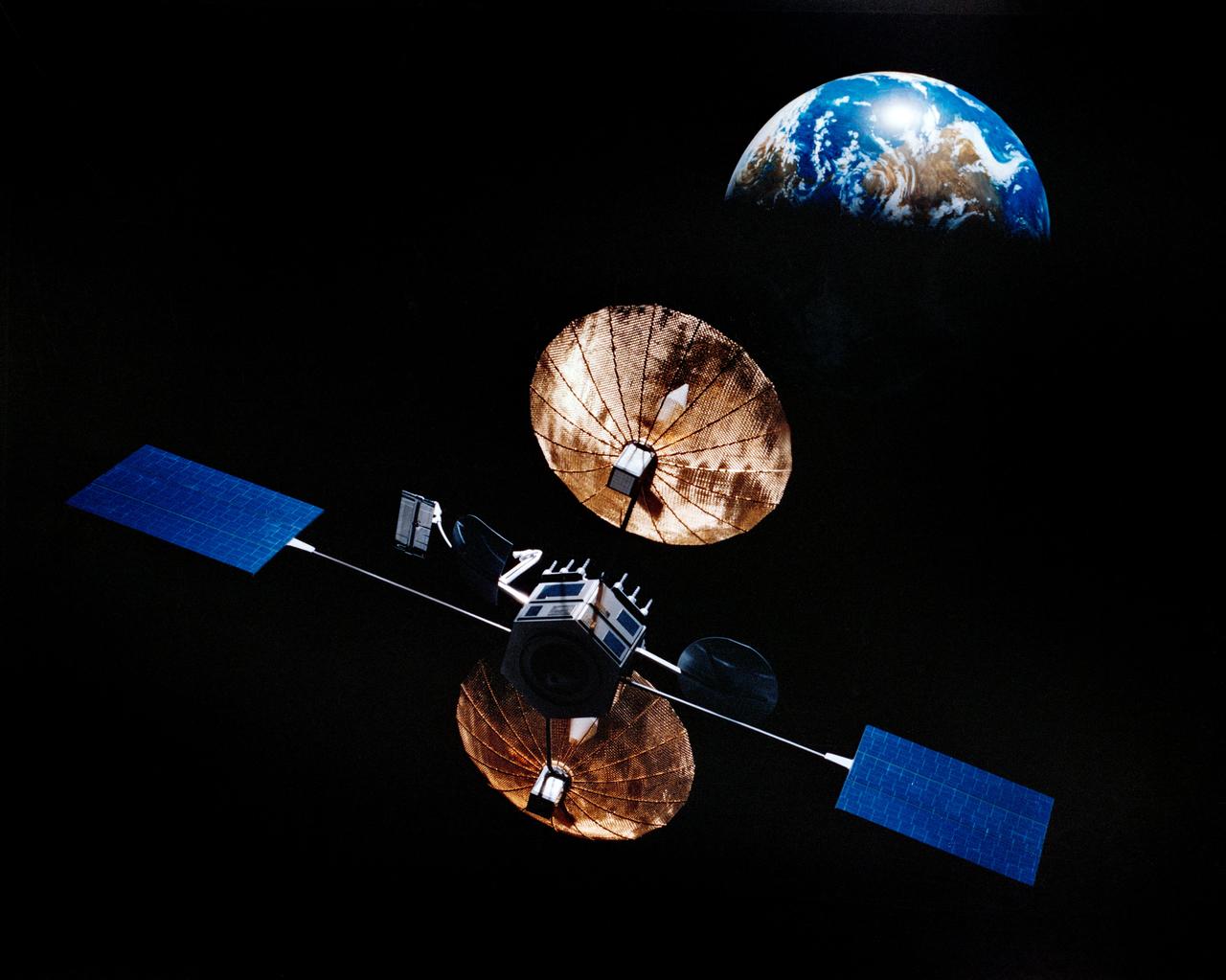
Artist concept of satellite with solar panels deployed in orbit above the earth.

The super-Earth exoplanet 55 Cancri e, depicted with its star in this artist's concept, likely has an atmosphere thicker than Earth's, with ingredients that could be similar to those of Earth's atmosphere, according to a 2017 study using data from NASA's Spitzer Space Telescope. Scientists say the planet may be entirely covered in lava. The planet is so close to its star that one face of the planet consistently faces the star, resulting in a dayside and a nightside. https://photojournal.jpl.nasa.gov/catalog/PIA22069
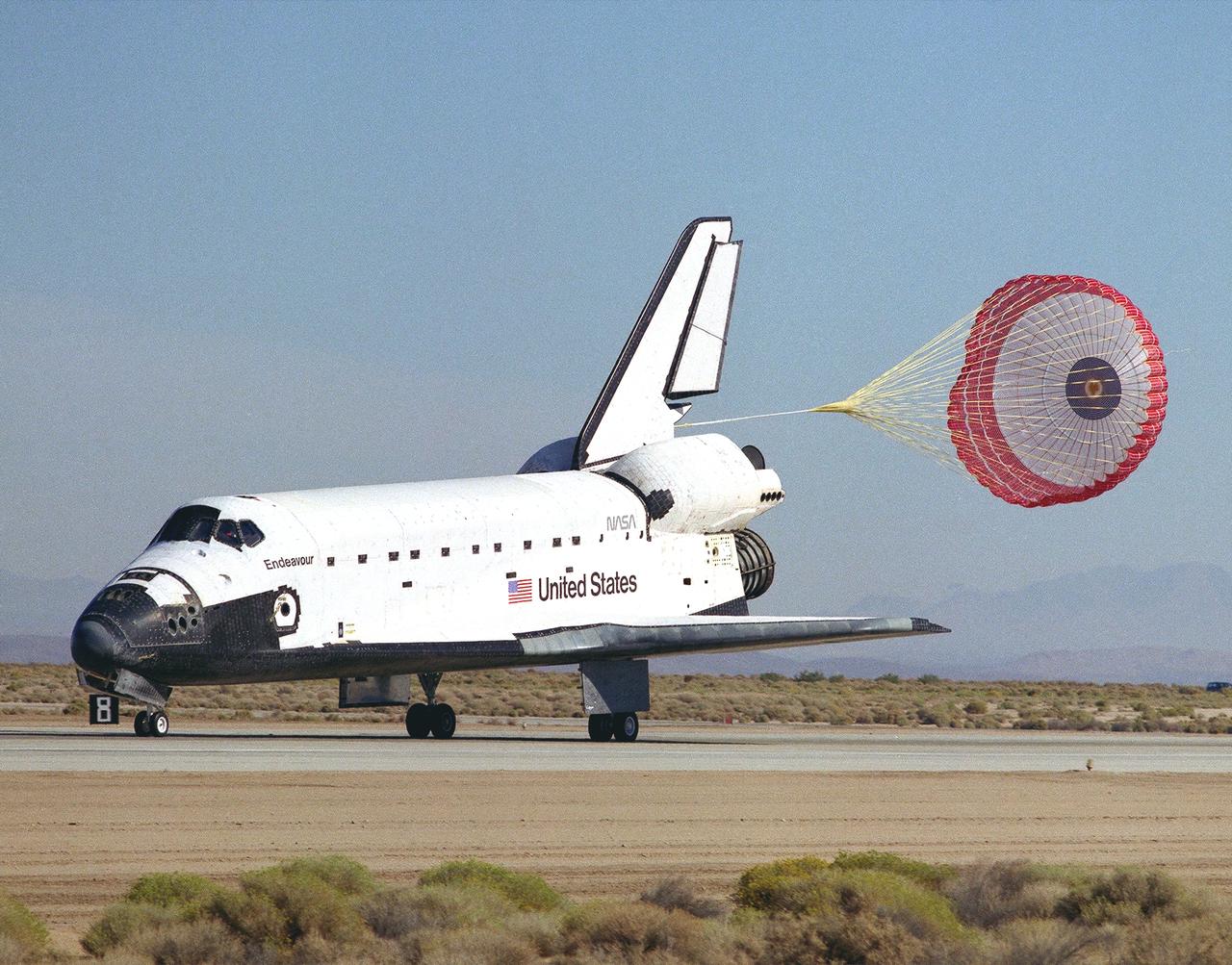
A drag chute slows the shuttle Endeavour after landing on runway 22 at Edwards, California, to complete the highly successful STS-68 mission dedicated to radar imaging of the earth's surface as part of NASA's Mission To Planet Earth program. The landing was at 10:02 a.m. (PDT) 11 October 1994, after waiving off from the Kennedy Space Center, Florida, earlier that morning due to adverse weather at Kennedy. The Endeavour crew was originally scheduled to land at Kennedy the morning of 10 October, but mission planners decided early in the flight to extend the mission by one day. Mission commander was Michael A. Baker and the pilot was Terrence W. Wilcutt. The four mission specialists were Thomas D. Jones, payload; Steven L. Smith; Daniel W. Bursch; and Peter J.K. Wisoff.
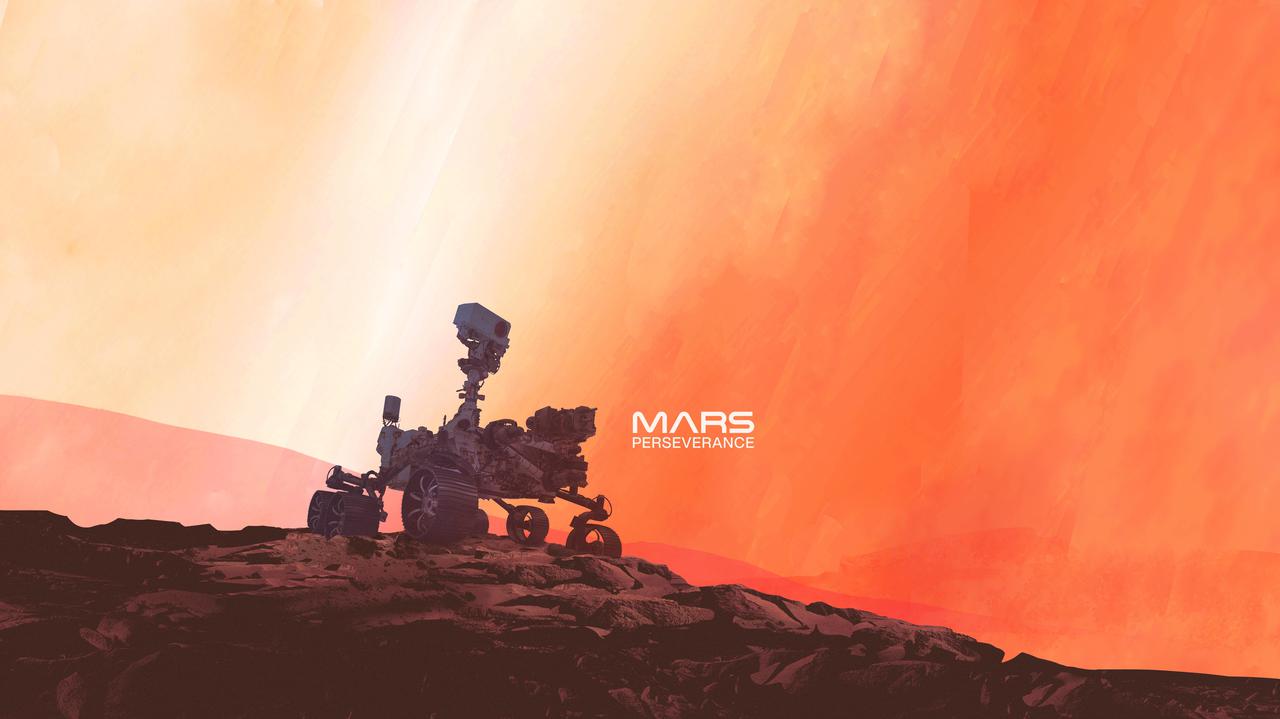
This illustration shows NASA's Mars Perseverance rover on the surface of the Red Planet. Perseverance will search for signs of ancient microbial life. It will also characterize the planet's climate and geology, collect samples for future return to Earth and pave the way for human exploration of the Red Planet. https://photojournal.jpl.nasa.gov/catalog/PIA24343
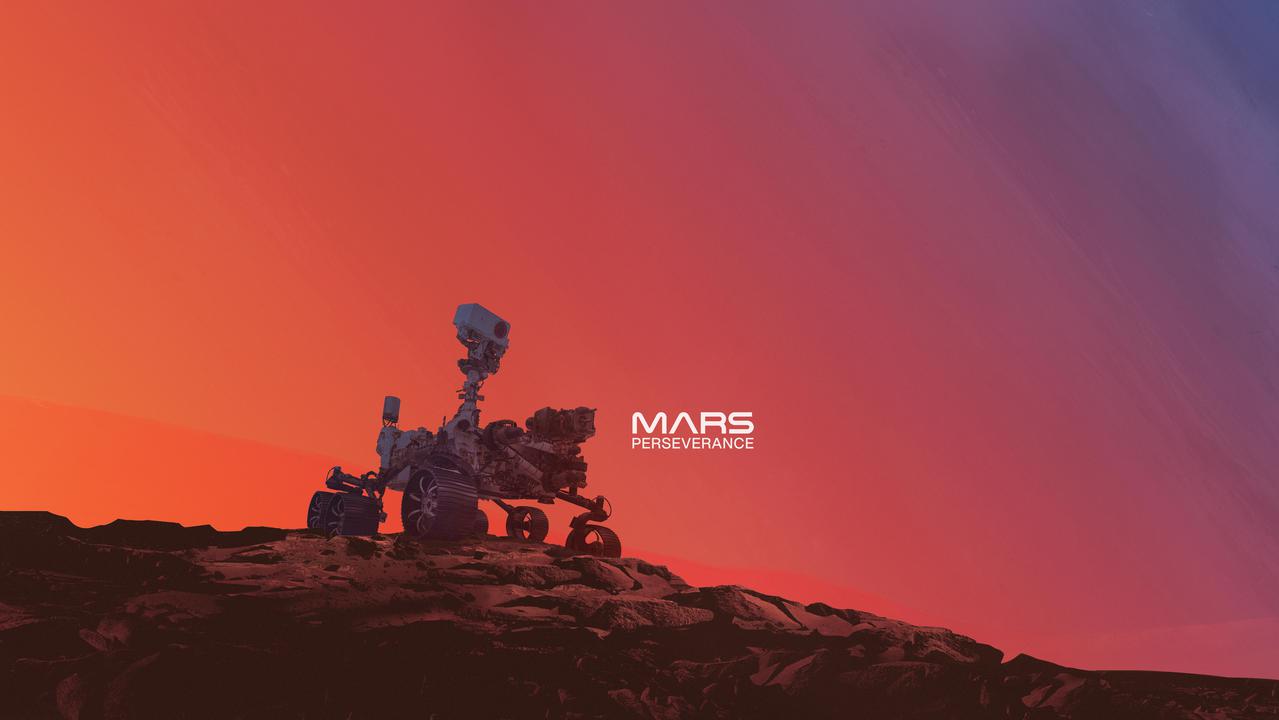
This illustration shows NASA's Mars Perseverance rover on the surface of the Red Planet. Perseverance will search for signs of ancient microbial life. It will also characterize the planet's climate and geology, collect samples for future return to Earth and pave the way for human exploration of the Red Planet. https://photojournal.jpl.nasa.gov/catalog/PIA24346

iss075-s-001 (June 11, 2025) -- The official mission insignia of the Expedition 75 crew aboard the International Space Station. This patch embodies Expedition 75's mission on the orbital ouitpost, a beacon of human aspiration. Radiant golden and white lines surge from Earth, forging a bond between our planet and the cosmos, illustrating the profound impact of the International Space Station's work on humanity. Above, the cupola's windows, depicted as geometric blue forms, serve as a poignant reminder of our home, connecting astronauts to their loved ones and the breathtaking beauty of Earth. Below, majestic mountain ranges underscore the vital role of our planet's landscapes and ecosystems in our quest for knowledge and preservation. The gradient arc, cradling Earth's curvature, symbolizes our fragile atmosphere and the International Space Station's orbital path, a testament to our relentless pursuit of discovery and growth.

This illustration shows one possible scenario for the hot, rocky exoplanet called 55 Cancri e, which is nearly two times as wide as Earth. New data from NASA Spitzer Space Telescope show that the planet has extreme temperature swings.

Three simulated planets -- one as bright as Jupiter, one half as bright as Jupiter and one as faint as Earth -- stand out plainly in this image created from a sequence of 480 images captured by the High Contrast Imaging Testbed at NASA JPL.
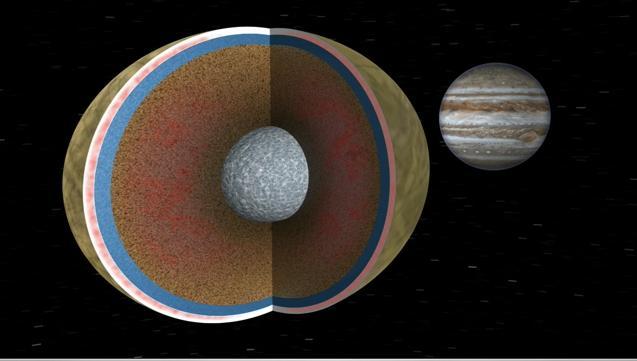
In this image, Europa is seen in a cutaway view through two cycles of its 3.5 day orbit about the giant planet Jupiter. Like Earth, Europa is thought to have an iron core, a rocky mantle and a surface ocean of salty water. Animation available at the Photo
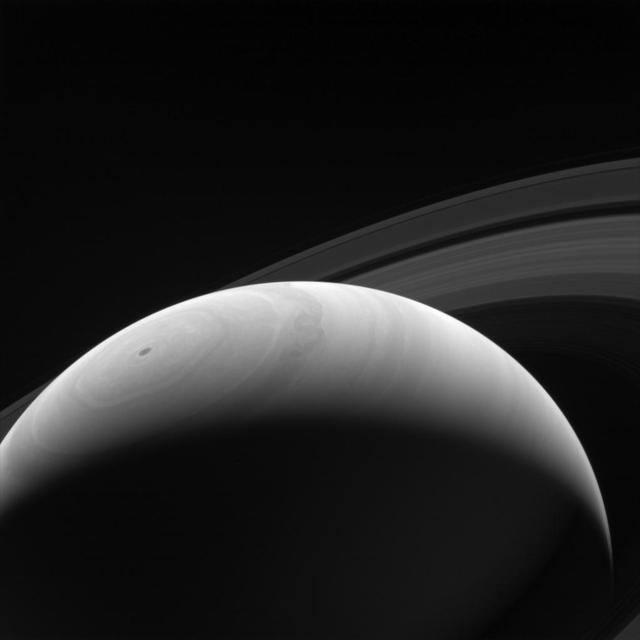
A new day dawns on Saturn as the part of the planet is seen emerging once more into the Sun light by NASA Cassini orbiter. With an estimated rotation period of 10 hours and 40 minutes, Saturn days and nights are much shorter than those on Earth.

Venus Cloud Tops Viewed by Hubble. This is a NASA Hubble Space Telescope ultraviolet-light image of the planet Venus, taken on January 24 1995, when Venus was at a distance of 70.6 million miles 113.6 million kilometers from Earth.
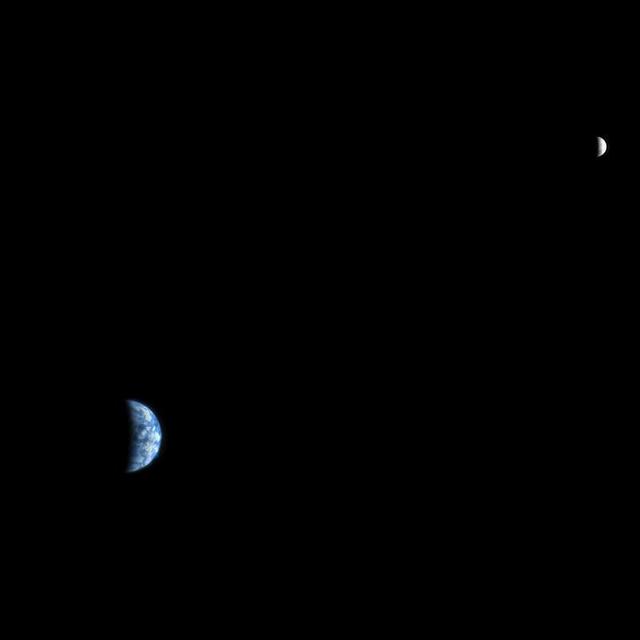
The High Resolution Imaging Science Experiment HiRISE camera would make a great backyard telescope for viewing Mars, and we can also use it at Mars to view other planets. This is an image of Earth and the moon, acquired on October 3, 2007.

These NASA Hubble Space Telescope views of the blue-green planet Neptune provide three snapshots of changing weather conditions. The images were taken in 1994 on 3 separate days when Neptune was 2.8 billion miles 4.5 billion kilometers from Earth.
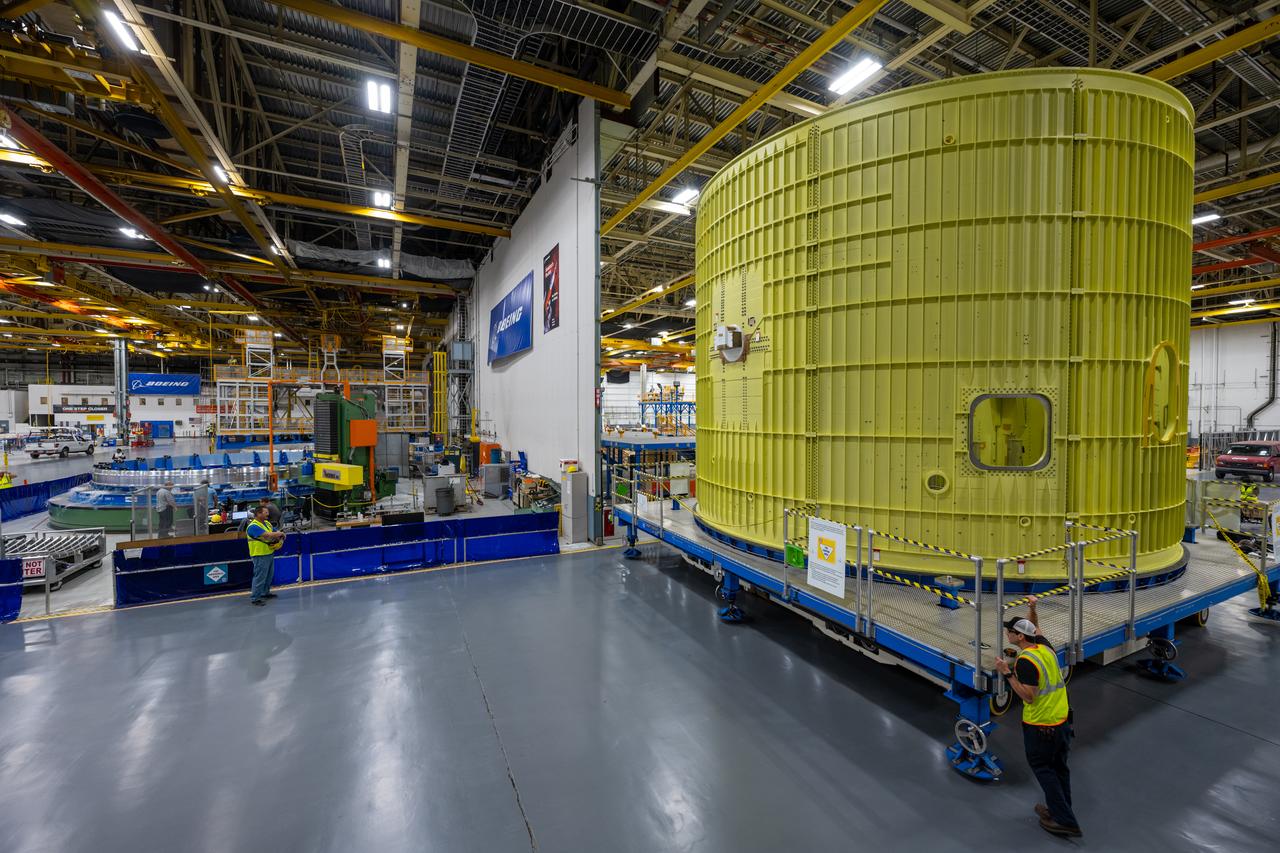
Technicians at NASA’s Michoud Assembly Facility move the intertank of NASA’s Space Launch System rocket for Artemis III to Cell G to await application of the thermal protection system. Thermal protection systems protect space vehicles from aerodynamic heating during entry to planet atmosphere and re-entry to earth atmosphere.
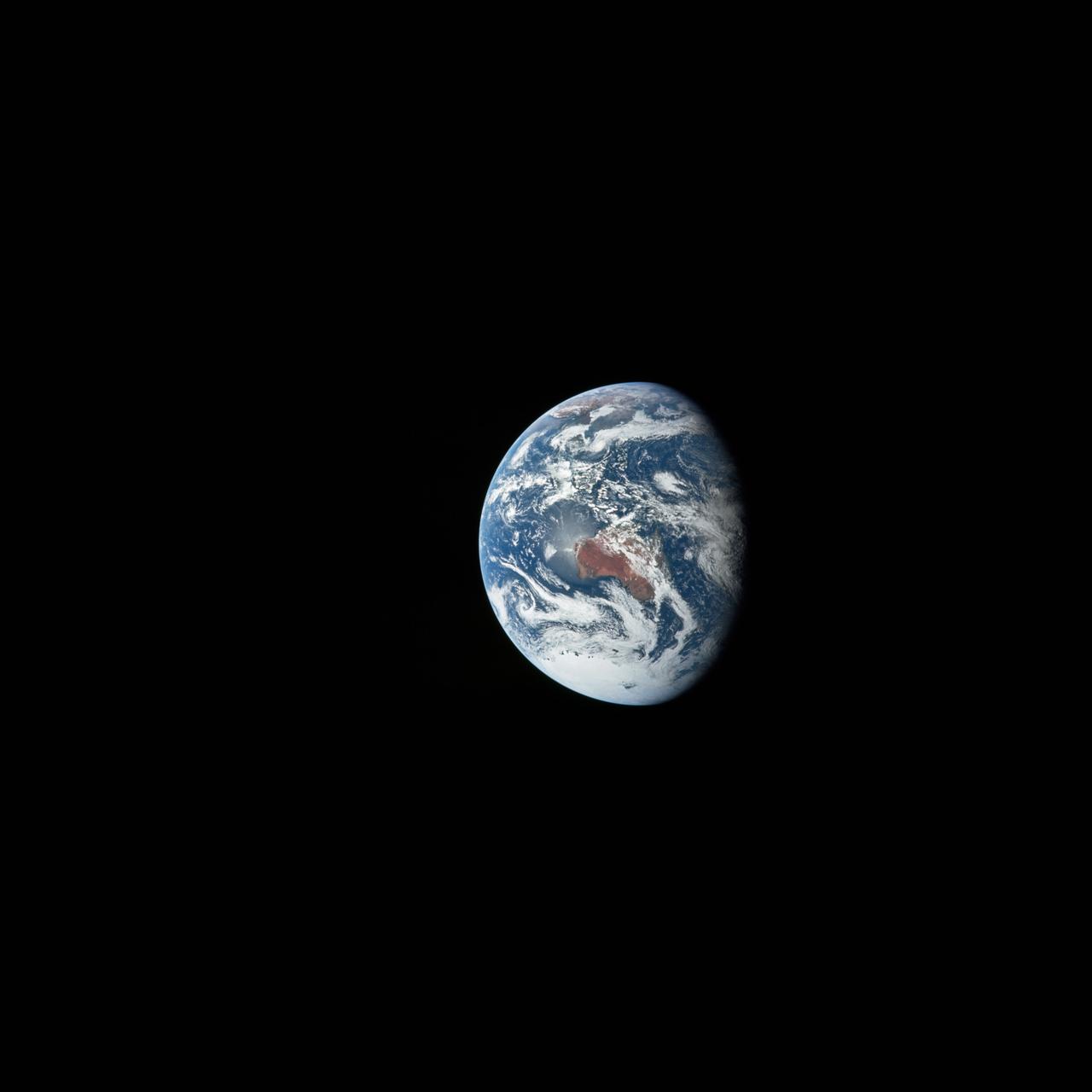
AS17-148-22742 (7-19 Dec. 1972) --- Most of Australia (center) and part of Antarctica are visible in this photo of a three-quarters Earth, recorded with a 70mm handheld Hasselblad camera using a 250mm lens. The three astronauts aboard the Command and Service Modules (CSM) were in the trans-lunar coast phase of the journey when one of them snapped this shot. While astronauts Eugene A. Cernan commander, and Harrison H. Schmitt, lunar module pilot, descended in the Lunar Module (LM) "Challenger" to explore the Taurus-Littrow region of the moon, astronaut Ronald E. Evans, command module pilot, remained with the CSM "America" in lunar orbit.
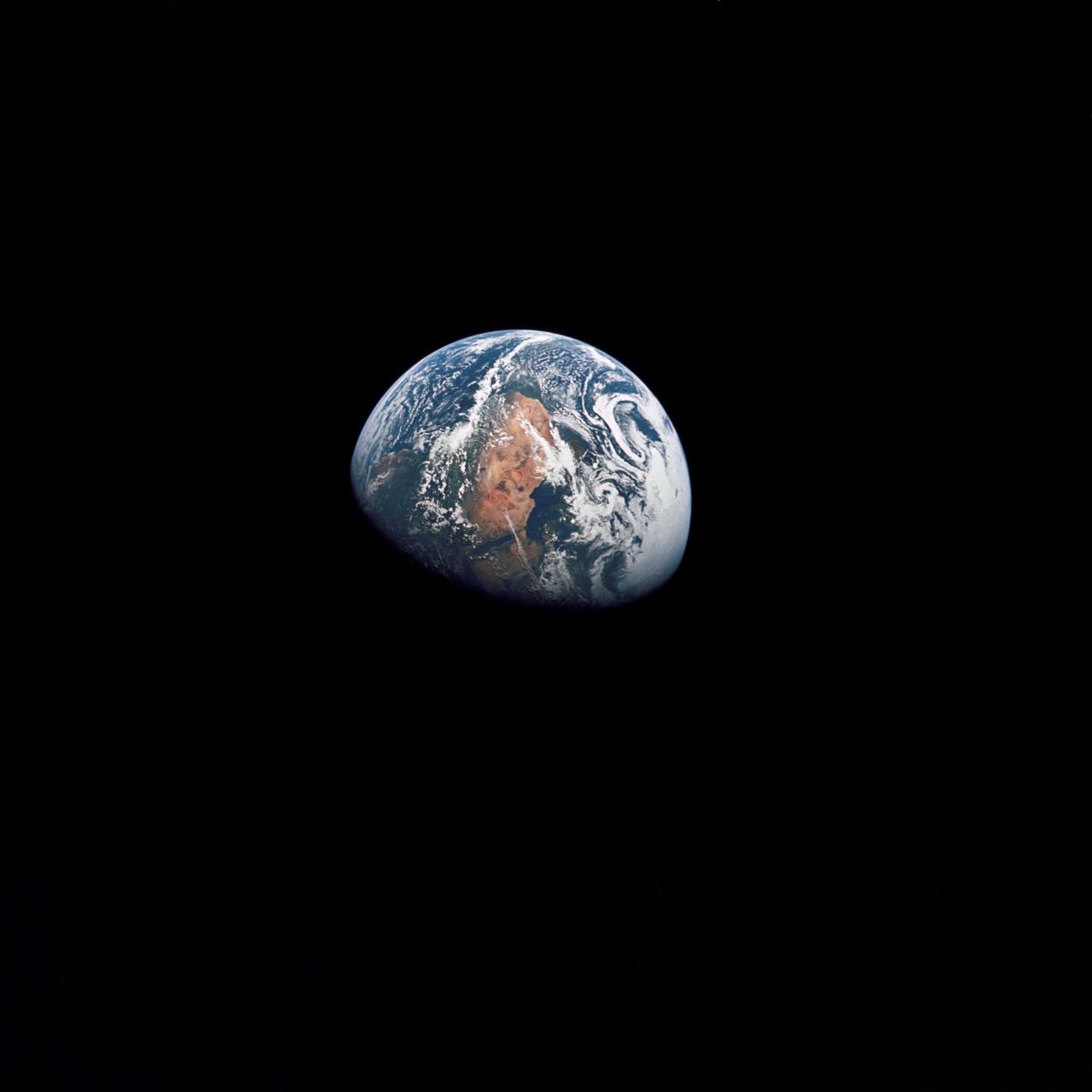
AS10-34-5026 (18-26 May 1969) --- An Apollo 10 photograph of Earth taken from 100,000 miles away. Visible are many areas of Europe and Africa. Among the features and countries identifiable are Portugal, Spain, Italy, the Mediterranean Sea, Greece, Turkey, Bulgaria, the Black Sea, Libya, Egypt, Saudi Arabia, the Sinai Peninsula, the Nile Delta, Lake Chad, and South Africa. The crew members for Apollo 10 are astronauts Thomas P. Stafford, commander; John W. Young, command module pilot; and Eugene E. Cernan, lunar module pilot. Astronaut Young remained in lunar orbit, in the Command and Service Modules (CSM) "Charlie Brown", while astronauts Stafford and Cernan descended to within nine miles of the lunar surface, in the Lunar Module (LM) "Snoopy".
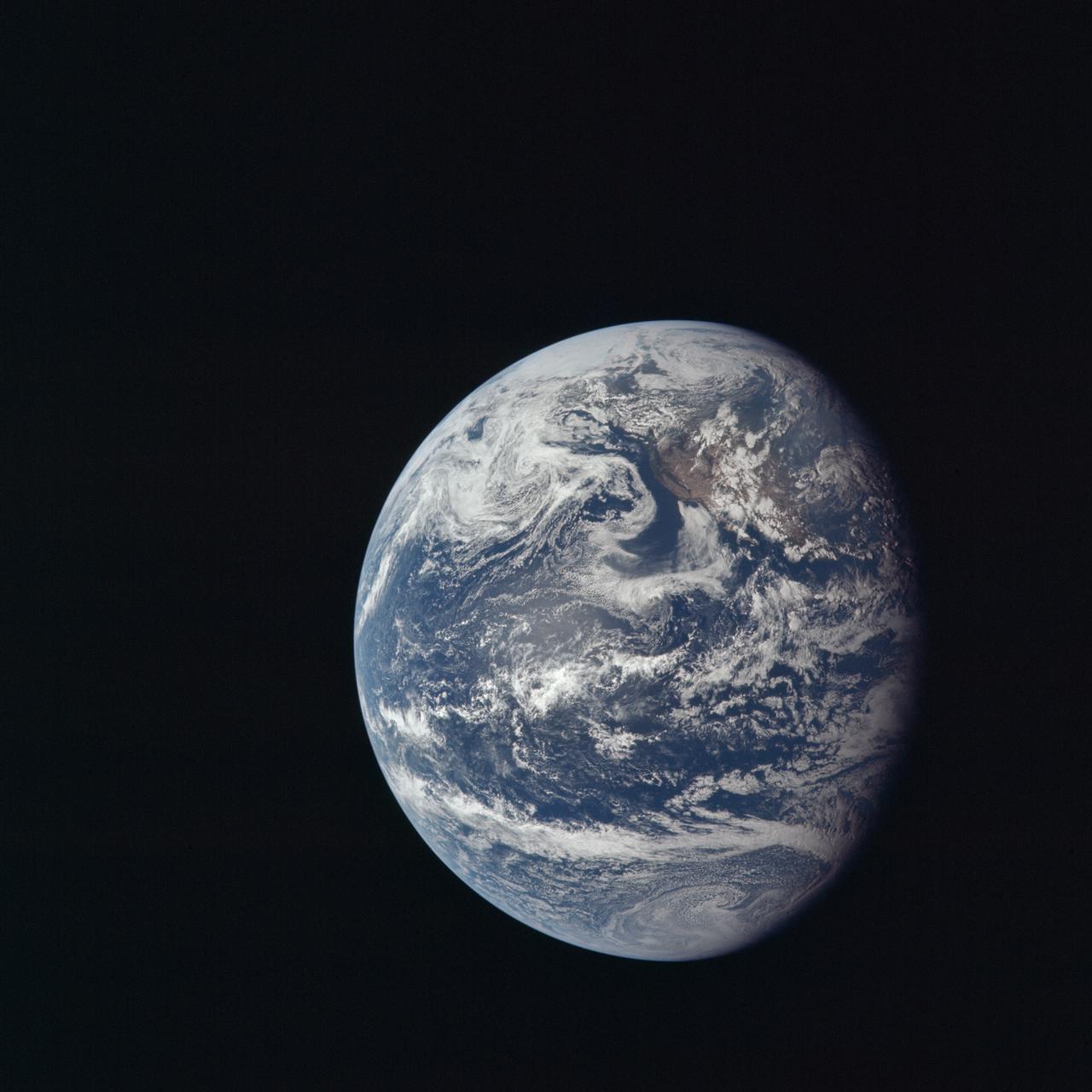
AS11-36-5337 (16 July 1969) --- This view of Earth showing clouds over its surface was photographed from the Apollo 11 spacecraft during its translunar journey toward the moon. The spacecraft was already about 10,000 nautical miles from Earth when this picture was taken. Portions of the land mass of North America and Central America can be seen. Aboard Apollo 11 were astronauts Neil A. Armstrong, Michael Collins and Edwin E. Aldrin Jr.
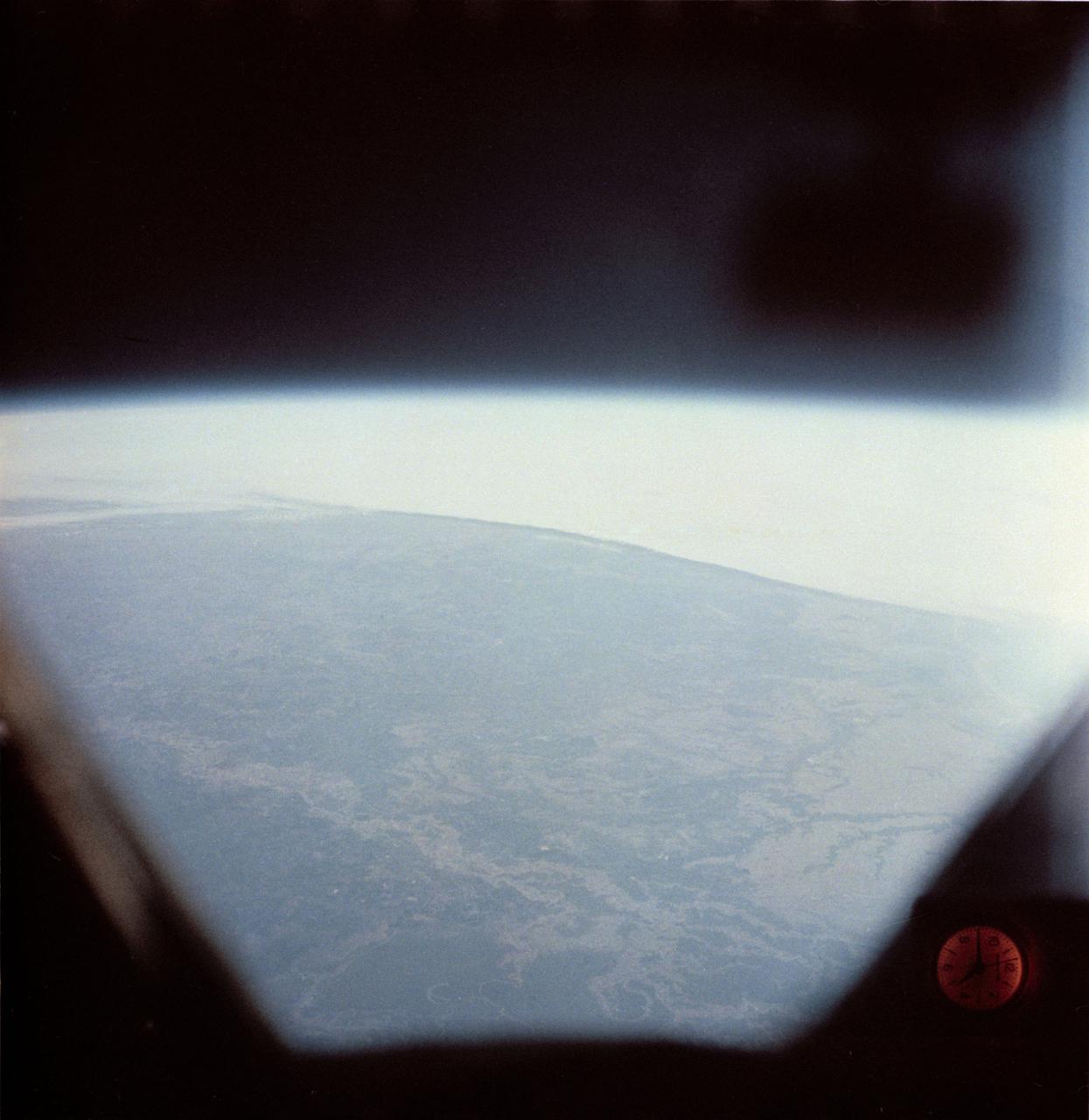
S62-01287 (21 July 1961) --- Earth observation take during the Mercury-Redstone 4 (MR-4) spaceflight. Photo credit: NASA
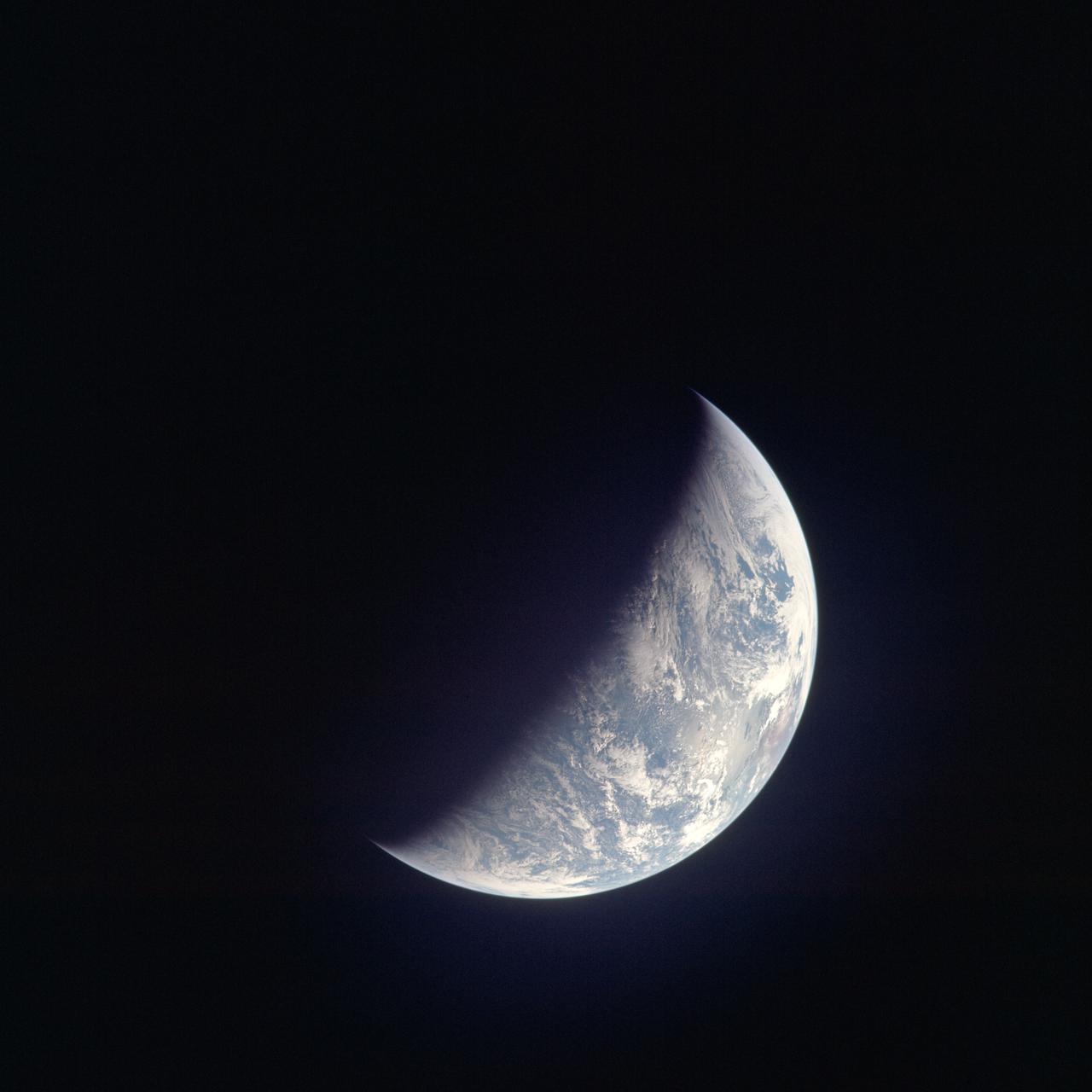
AS12-50-7362 (14 Nov. 1969) --- A view of one-third of Earth, with Australia on the horizon, as photographed by the three-man crew of Apollo 12. The Command and Service Modules, mated to the Lunar Module (yet to be removed and transpositioned for landing) were en route to the moon for man's second mission there. Onboard the spacecraft were astronauts Charles Conrad Jr., Richard F. Gordon Jr. and Alan L. Bean. Photo credit: NASA
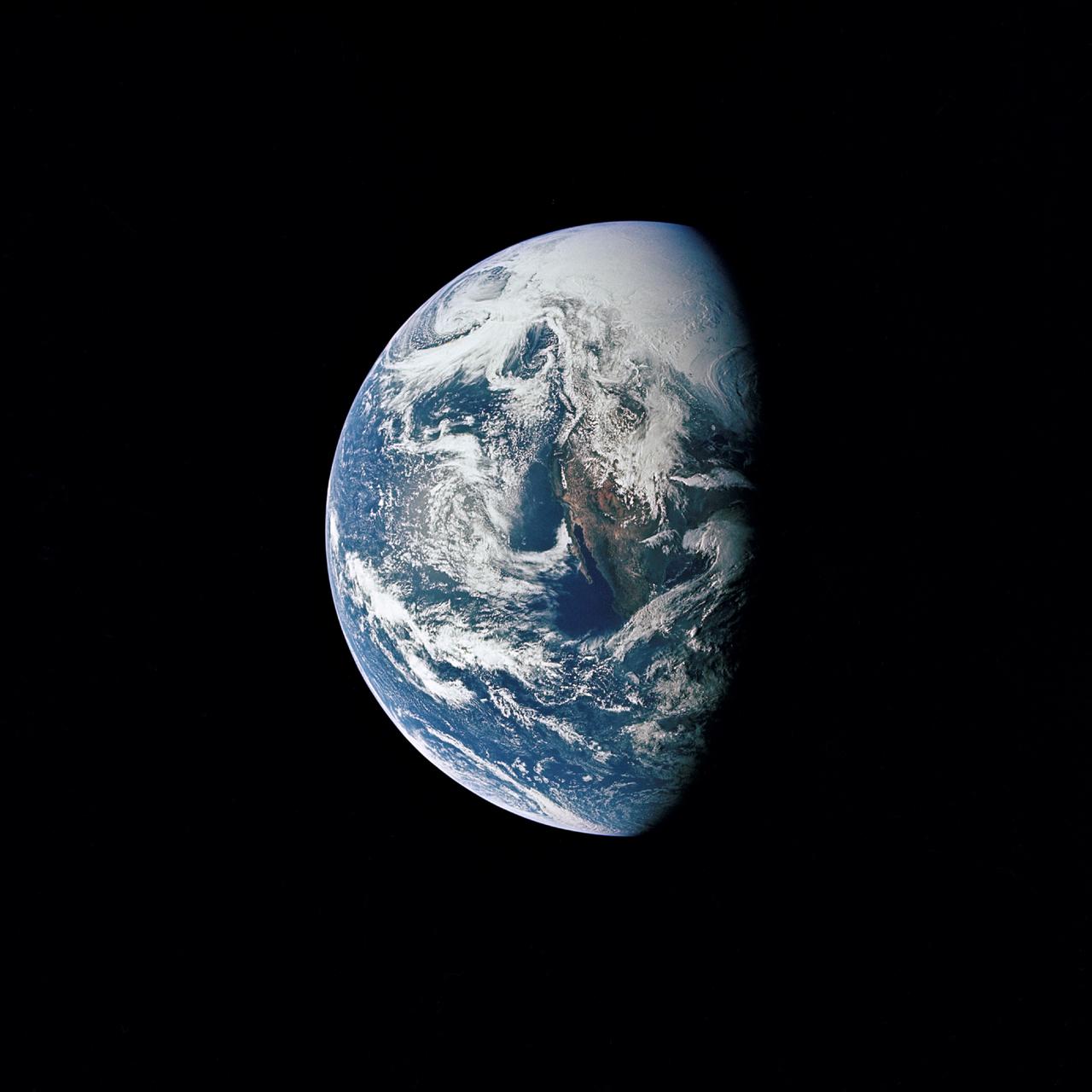
AS13-60-8588 (17 April 1970) --- This photograph of Earth was taken from the National Aeronautics and Space Administration's (NASA) Apollo 13 spacecraft during its trans-Earth journey home. The most visible land mass includes southwestern United States and northwestern Mexico. The peninsula of Baja California is clearly seen. Most of the land area is under heavy cloud cover. The Apollo 13 crew consisted of astronauts James A. Lovell Jr., commander; John L. Swigert Jr., command module pilot; and Fred W. Haise Jr., lunar module pilot.

AS17-148-22727 (7 Dec. 1972) --- This view of Earth was seen by the Apollo 17 crew as they traveled toward the moon on their NASA lunar landing mission. This outstanding trans-lunar coast photograph extends from the Mediterranean Sea area to the Antarctica south polar ice cap. This is the first time the Apollo trajectory made it possible to photograph the south polar ice cap. Note the heavy cloud cover in the Southern Hemisphere. Almost the entire coastline of Africa is clearly visible. The Arabian Peninsula can be seen at the northeastern edge of Africa. The large island off the coast of Africa is the Malagasy Republic. The Asian mainland is on the horizon toward the northeast. The Apollo 17 crew consisted of astronauts Eugene A. Cernan, mission commander; Ronald E. Evans, command module pilot; and Harrison H. Schmitt, lunar module pilot. While astronauts Cernan and Schmitt descended in the Lunar Module (LM) to explore the moon, astronaut Evans remained with the Command and Service Modules (CSM) in lunar orbit.
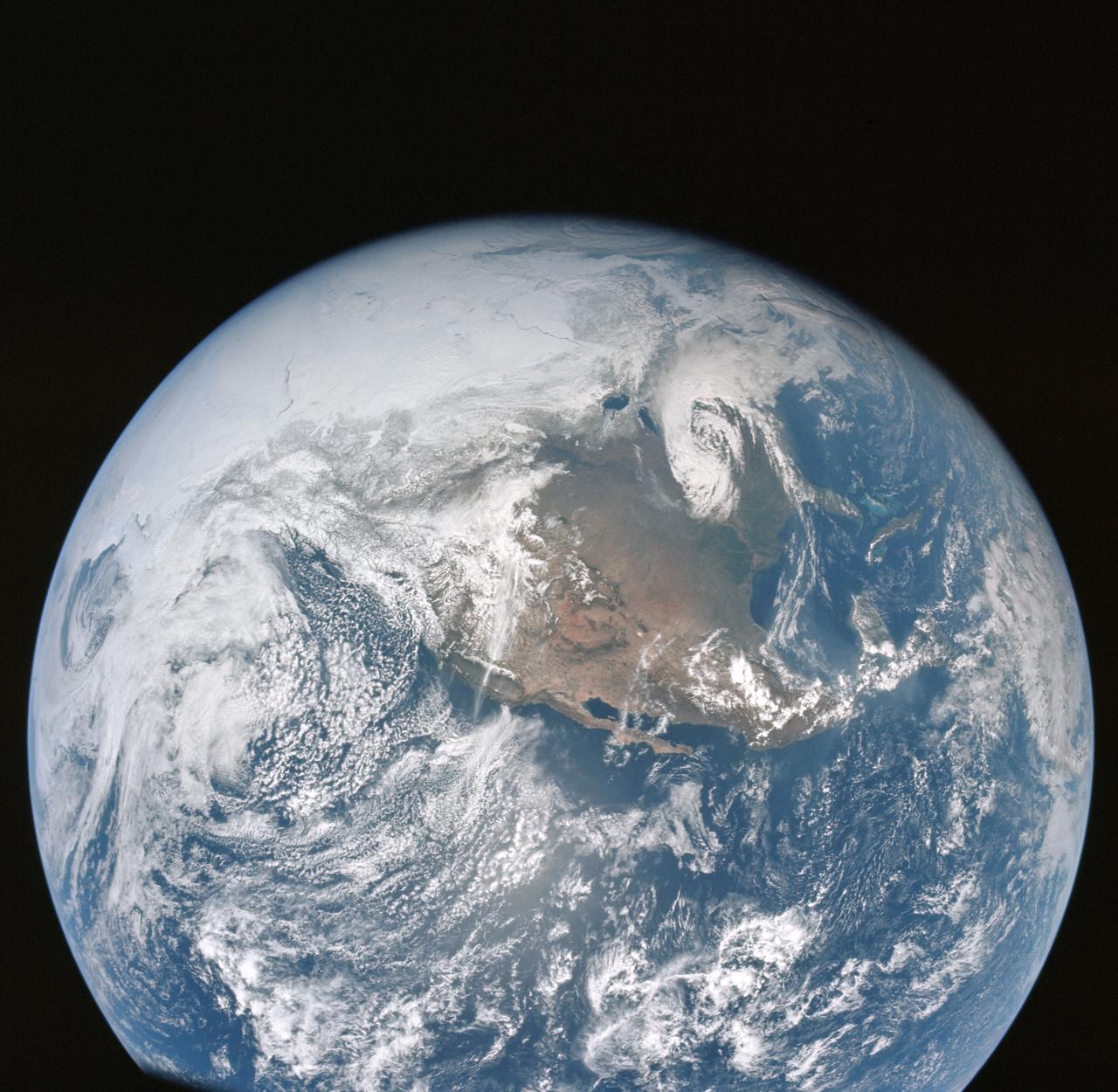
AS16-118-18880 (16 April 1972) --- A good view of Earth photographed about one hour after trans-lunar injection on April 16, 1972. Although there is much cloud cover, the United States in large part, most of Mexico and some of Central America are clearly visible. Note the Great Lakes (Michigan and Superior) and the Bahama Banks (note different shade of blue below Florida). While astronauts John W. Young, commander, and Charles M. Duke Jr., lunar module pilot, descended in the Lunar Module (LM) "Orion" to explore the Descartes highlands region of the moon, astronaut Thomas K. (Ken) Mattingly II, command module pilot, remained with the Command and Service Modules (CSM) "Casper" in lunar orbit.