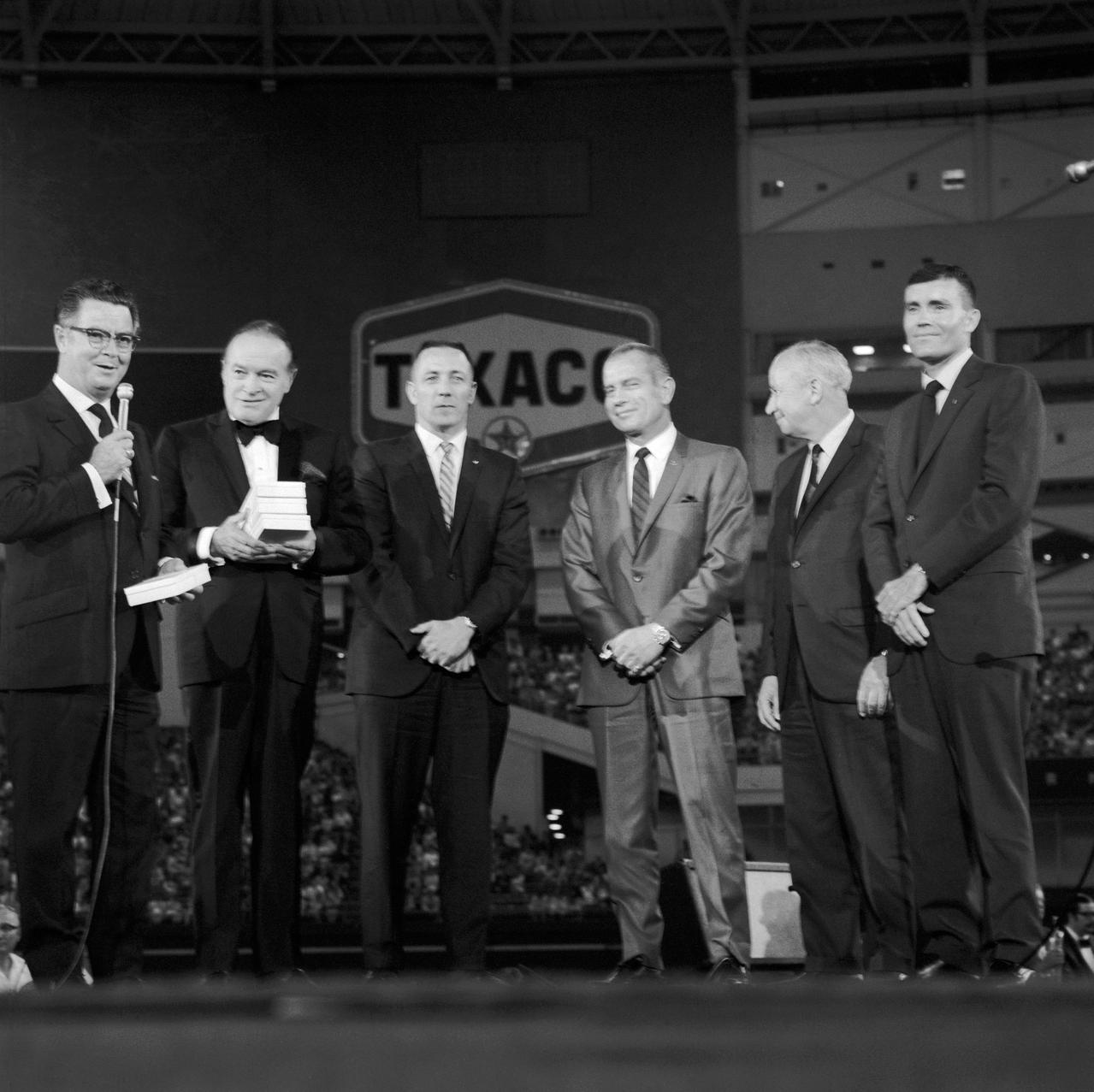
Activities during the "Bob Hope Special" for the Ed White Memorial Benefit. Left to right : Mayor of Houston Louie Welch, Bob Hope, Astronaut Jack Swigert , Astronaut Deke Slayton, Sig Sjoberg, Astronaut Fred Haise.
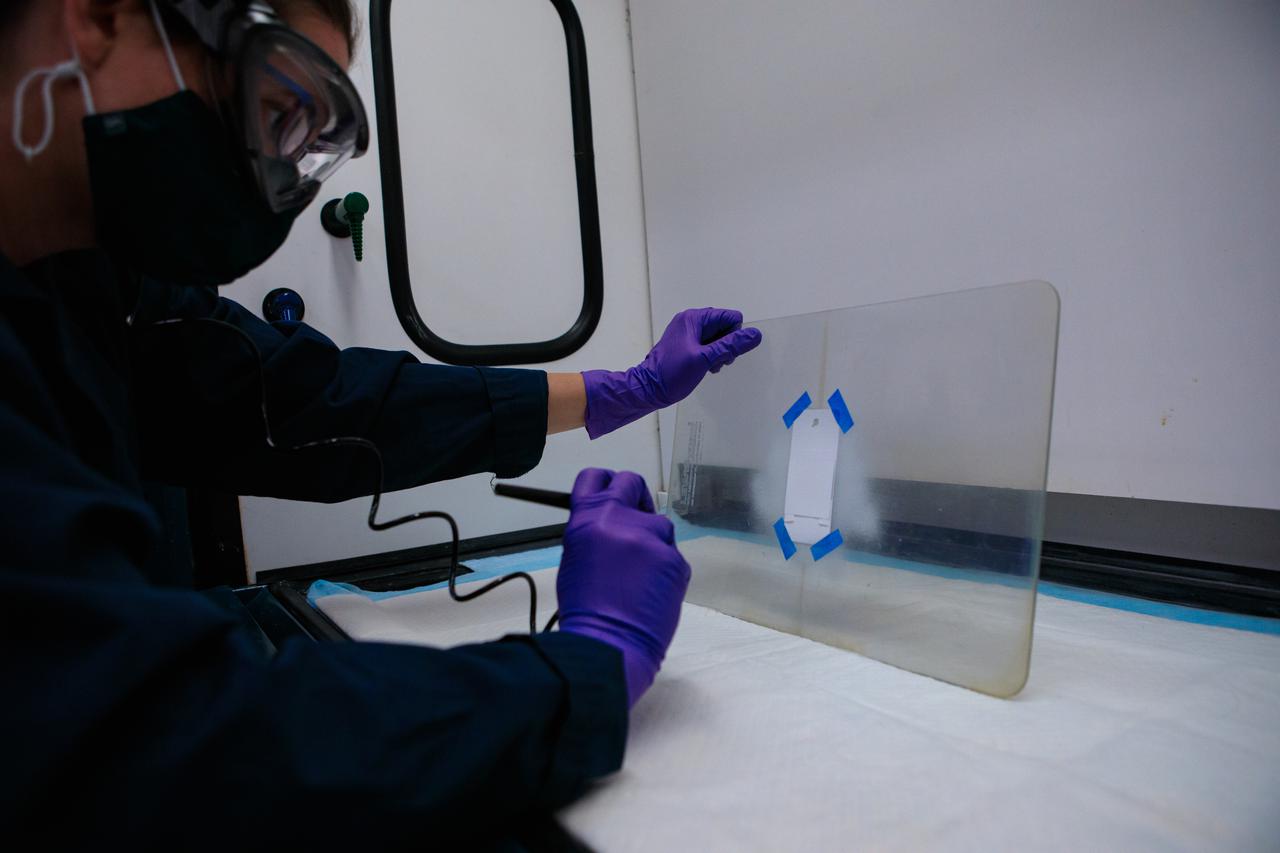
Inside a laboratory at the Neil Armstrong Operations and Checkout Building at NASA’s Kennedy Space Center in Florida, research scientist Sarah Snyder applies a selective surface coating to an Electrodynamic Dust Shield (EDS) on March 31, 2021. This is one of several concurrent activities preparing dust shield samples for testing in space. Dust mitigation technologies could one day be applied to diminish dust hazards on lunar surface systems such as cameras, solar panels, spacesuits, and instrumentation, enabling sustainable exploration of the Moon under the Artemis program.
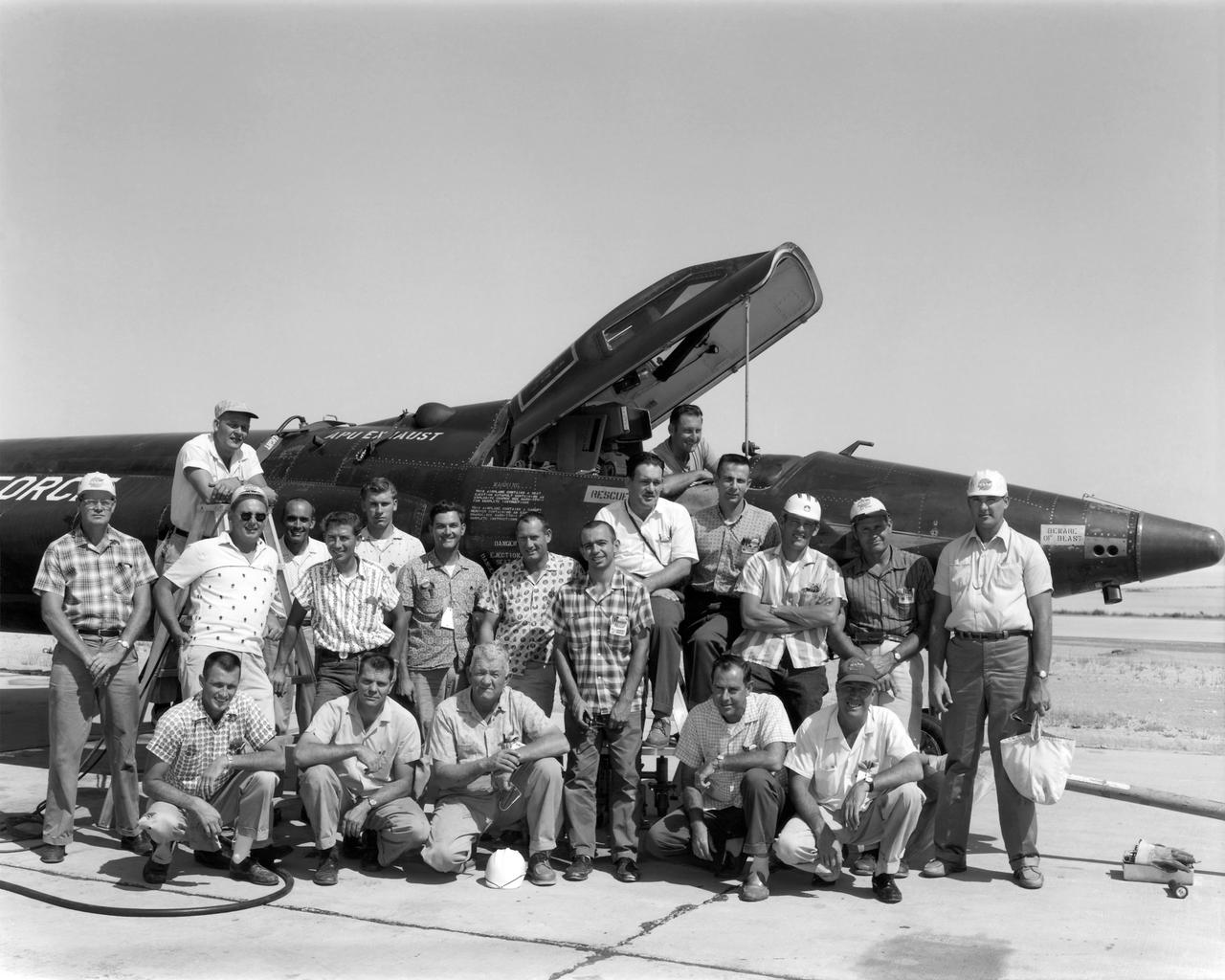
X-15 personnel July 1962 Cockpit: Edward "Ed" Nice Ladder: Thomas "Tom" McAlister Back Row, left to right: William Clark, Edward "Ed" Sabo, Donald "Don" Hall, Billy Furr, Allen Dustin, Raymond "Ray" White, George E. Trott, Alfred "Al" Grieshaber, Merle Curtis, LeRoy "Lee" Adelsbach, Allen Lowe, Jay L. King, Lorenzo "Larry" Barnett. Kneeling, left to right: Byron Gibbs, Price "Bob" Workman, Ira Cupp, unidentified, John Gordon.
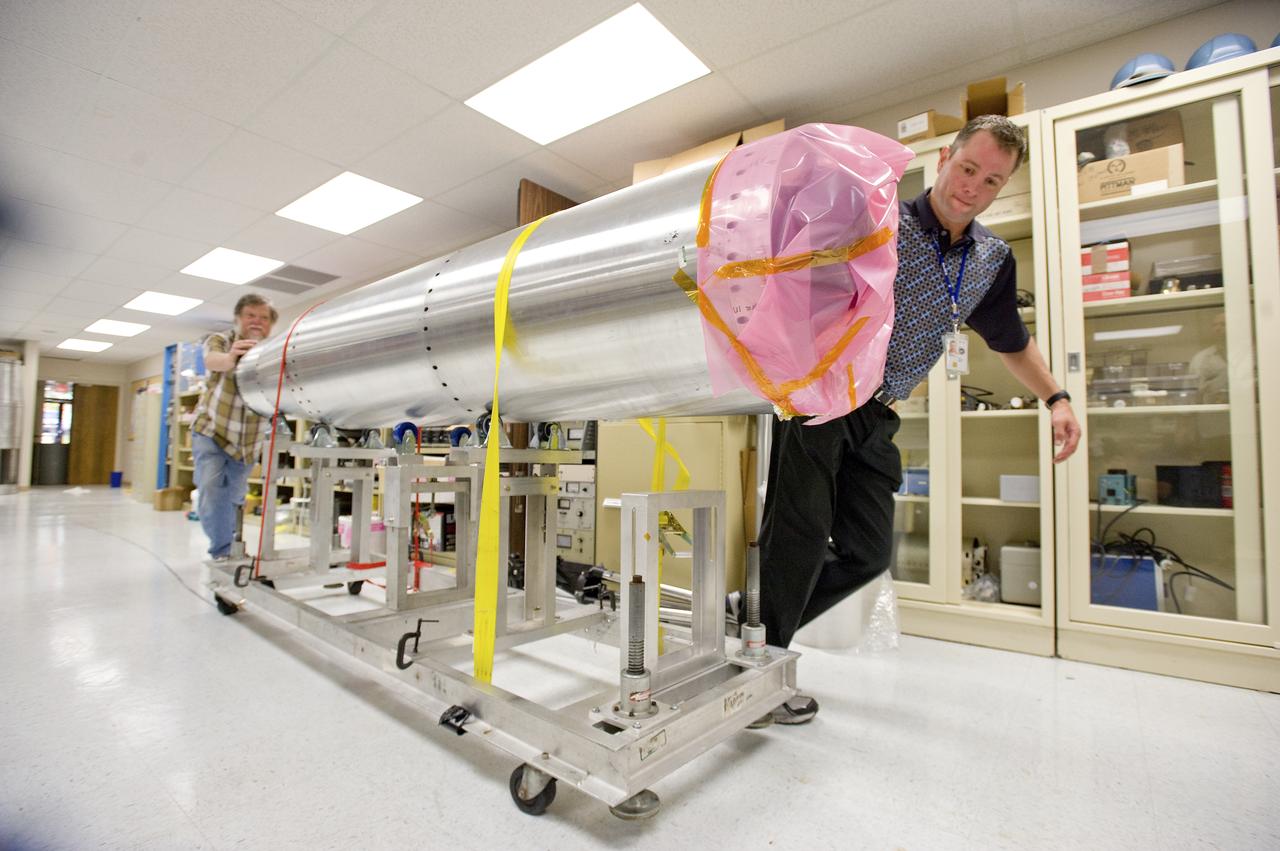
DR. JONATHAN CIRTAIN AND ED WEST PUSH SUMI OUT OF THE LAB AND TOWARD THE LOADING DOCK. SUMI SHIPPED TO WHITE SANDS MISSILE RANGE ON MAY 14, 2010.
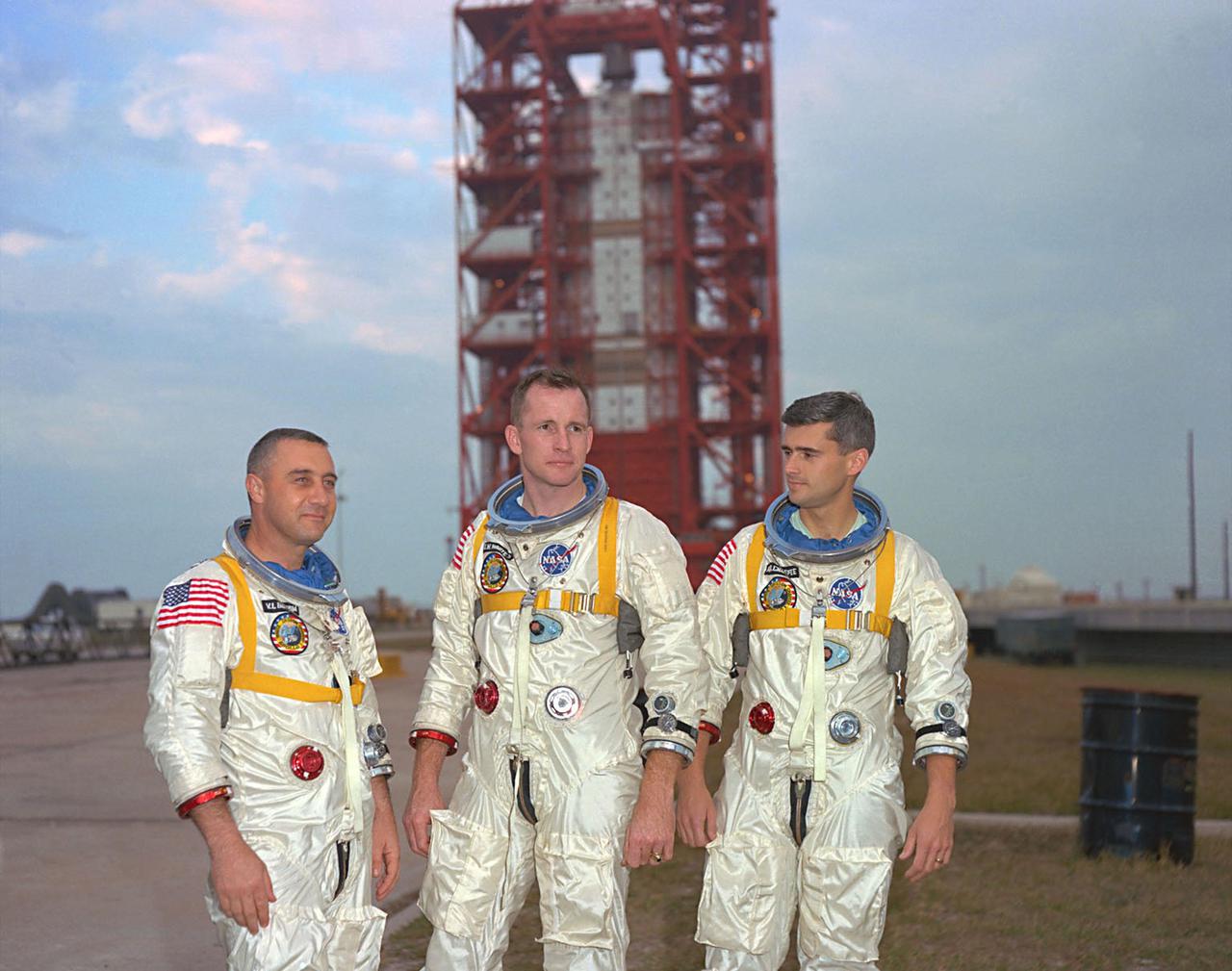
KENNEDY SPACE CENTER, FLA. -- Astronauts, left to right, Gus Grissom, Ed White, and Roger Chaffee, pose in front of Launch Complex 34 which is housing their Saturn 1 launch vehicle. The astronauts are scheduled for the Apollo Saturn 204 (Apollo 1) mission.
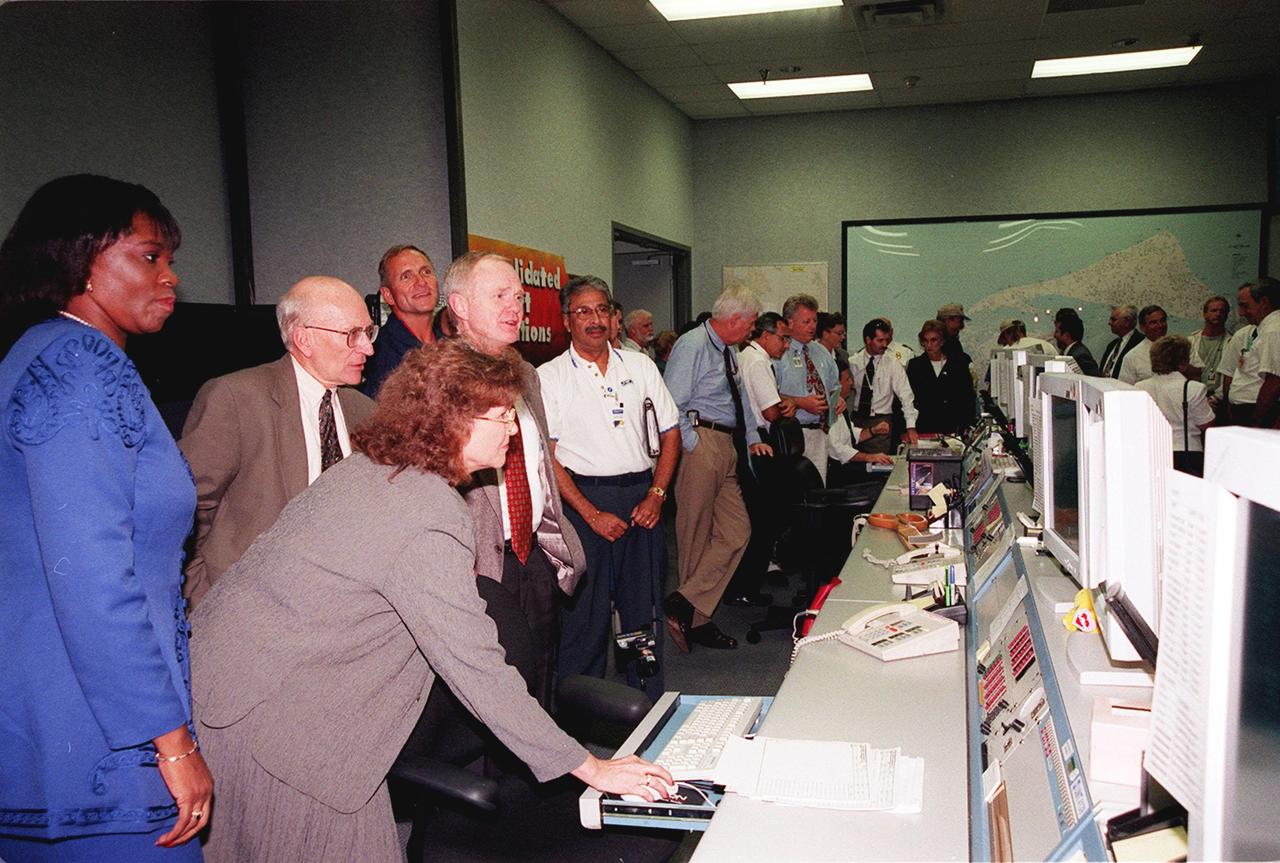
After the ribbon-cutting opening the Consolidated Support Operations Center at ROCC, Cape Canaveral Air Station, guests look at information on the computer screen during a demonstration. Among those standing are (left to right) Barbara White, supervisor, Mission Support; Ed Gormel, executive director, Joint Performance Management Office; KSC Center Director Roy Bridges; and Sam Gutierrez (white shirt), Human Resources, Space Gateway Support
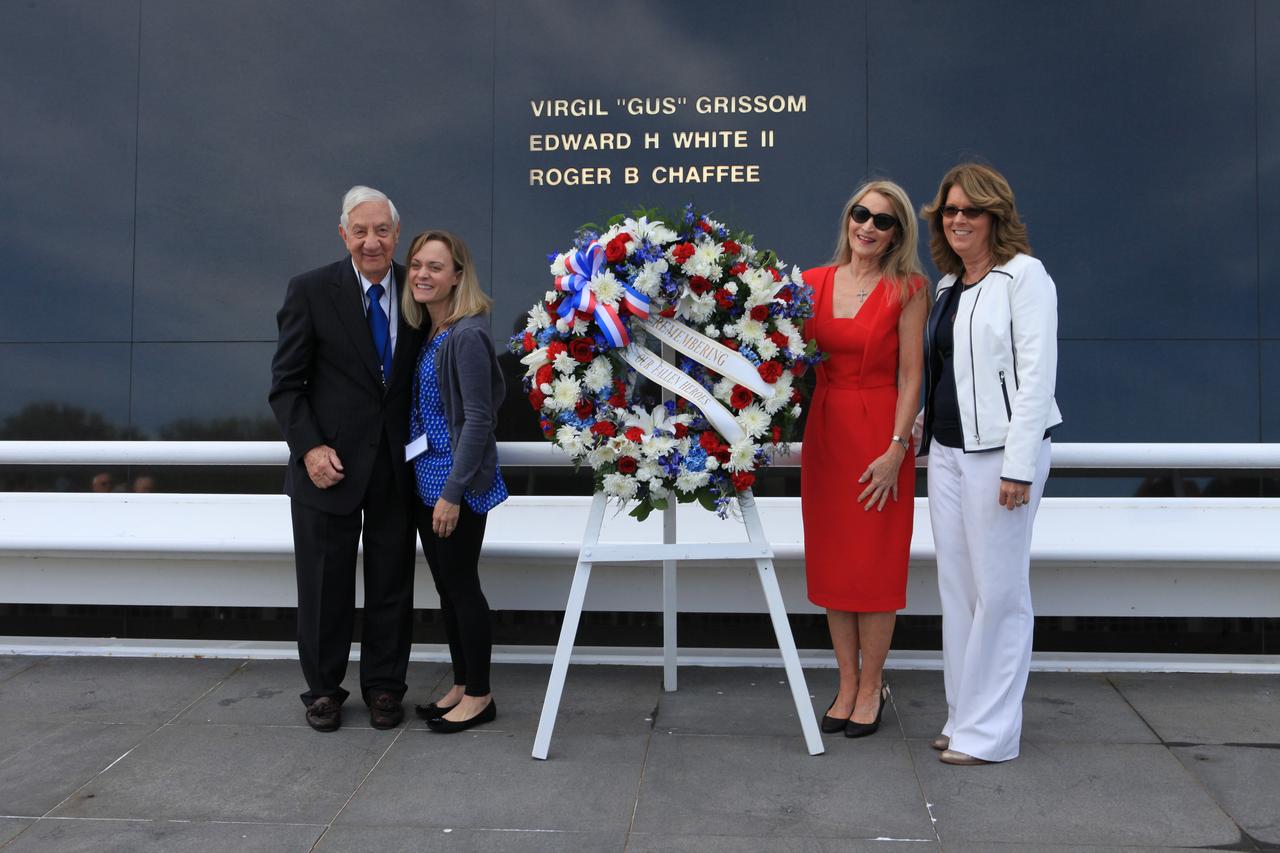
Family members of fallen Apollo 1 astronauts gather beside a wreath placed at the Space Mirror Memorial following Kennedy Space Center's Day of Remembrance ceremony at the Kennedy visitor complex. From left to right are Lowell Grissom, brother of astronaut Gus Grissom; Carly Sparks, granddaughter of Grissom; Bonnie White Baer, daughter of astronaut Ed White II; and Sheryl Chaffee, daughter of Roger Chaffee.
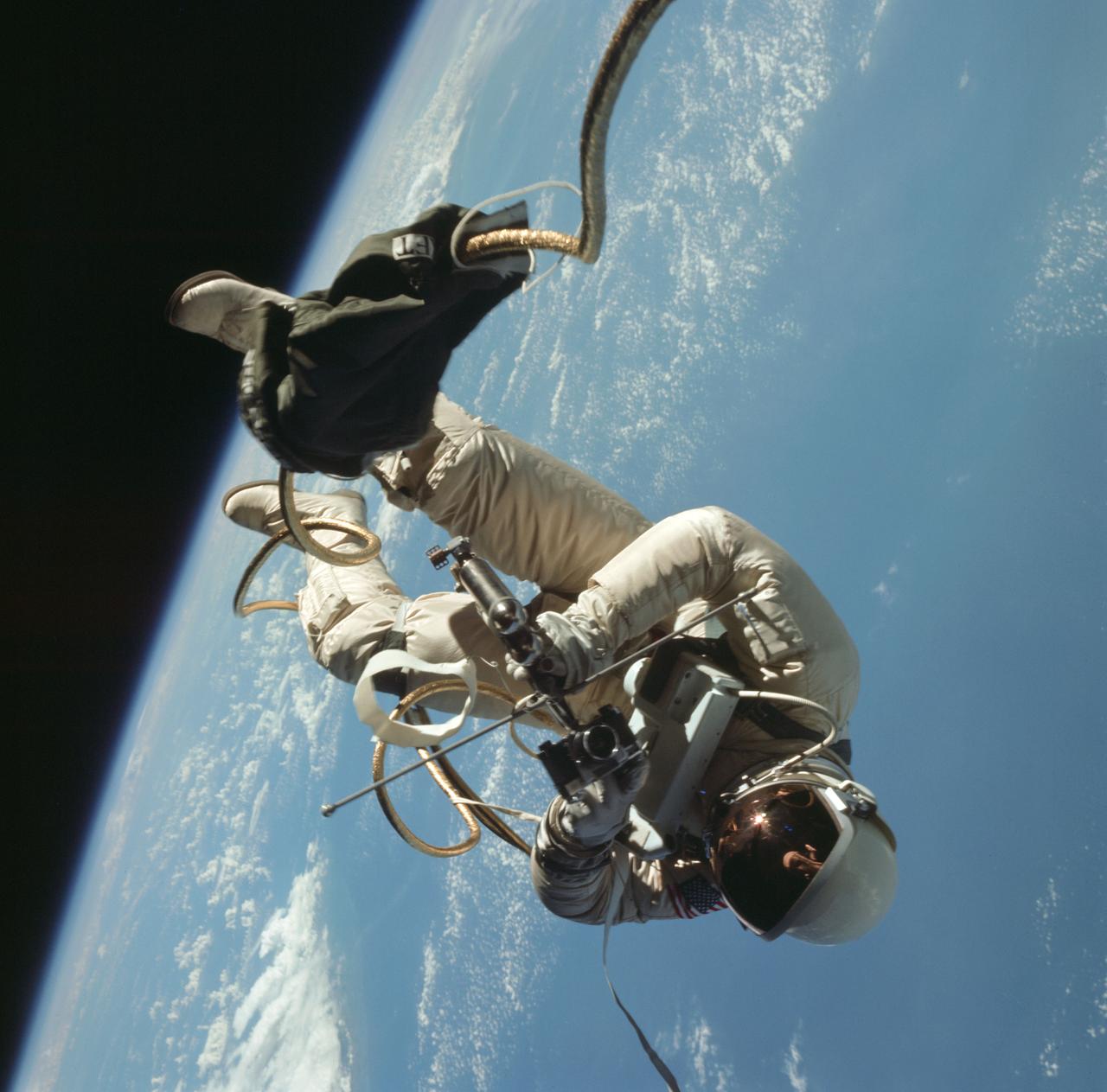
S65-30432 (3 June 1965) --- Astronaut Edward H. White II, pilot of the Gemini IV four-day Earth-orbital mission, floats in the zero gravity of space outside the Gemini IV spacecraft. White wears a specially designed spacesuit; and the visor of the helmet is gold plated to protect him against the unfiltered rays of the sun. He wears an emergency oxygen pack, also. He is secured to the spacecraft by a 25-feet umbilical line and a 23-feet tether line, both wrapped in gold tape to form one cord. In his right hand is a Hand-Held Self-Maneuvering Unit (HHSMU) with which he controls his movements in space. Astronaut James A. McDivitt, command pilot of the mission, remained inside the spacecraft. EDITOR'S NOTE: Astronaut White died in the Apollo/Saturn 204 fire at Cape Kennedy on Jan. 27, 1967.
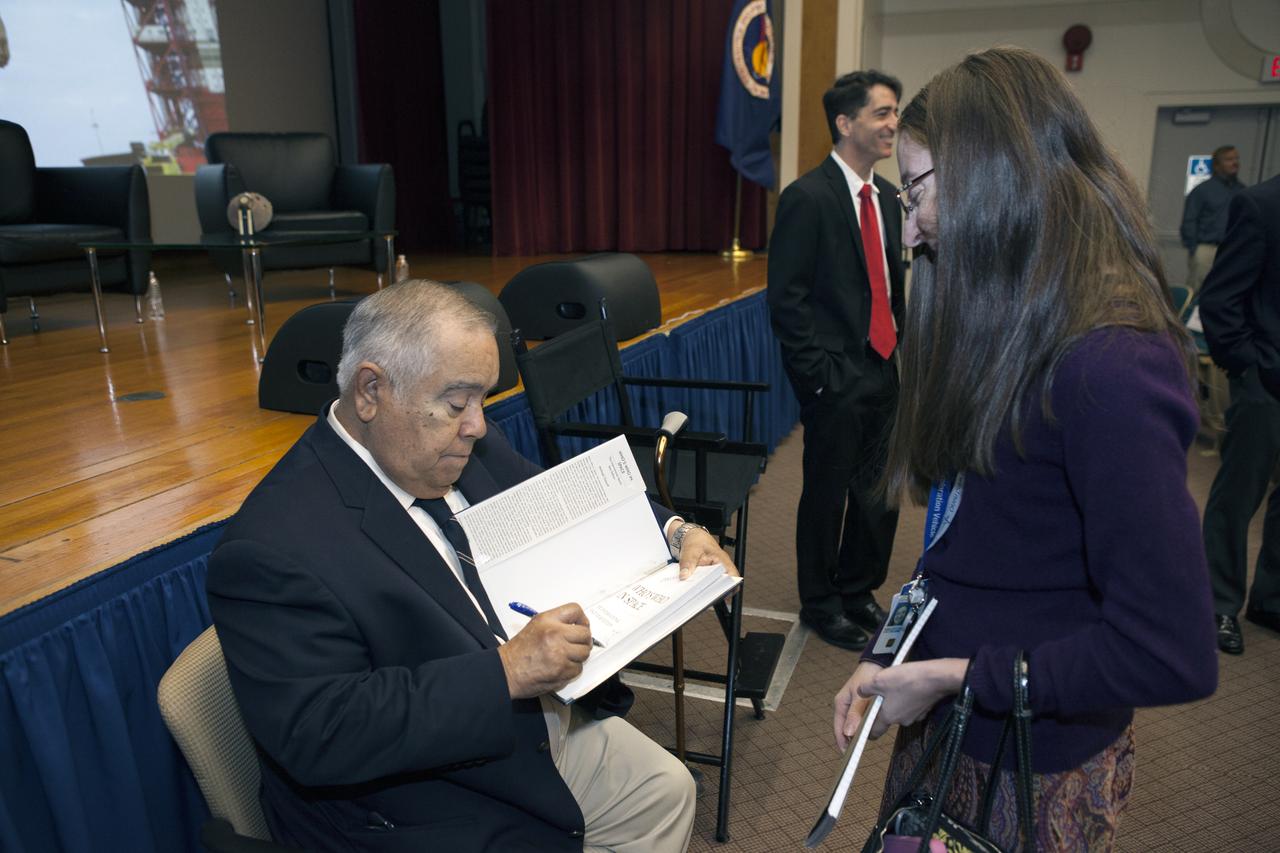
Ernie Reyes, retired, former Apollo 1 senior operations manager, signs a book for a worker after the Apollo 1 Lessons Learned presentation in the Training Auditorium at NASA's Kennedy Space Center in Florida. The theme of the program was "To there and Back Again." The event helped pay tribute to the Apollo 1 crew, Gus Grissom, Ed White II, and Roger Chaffee.
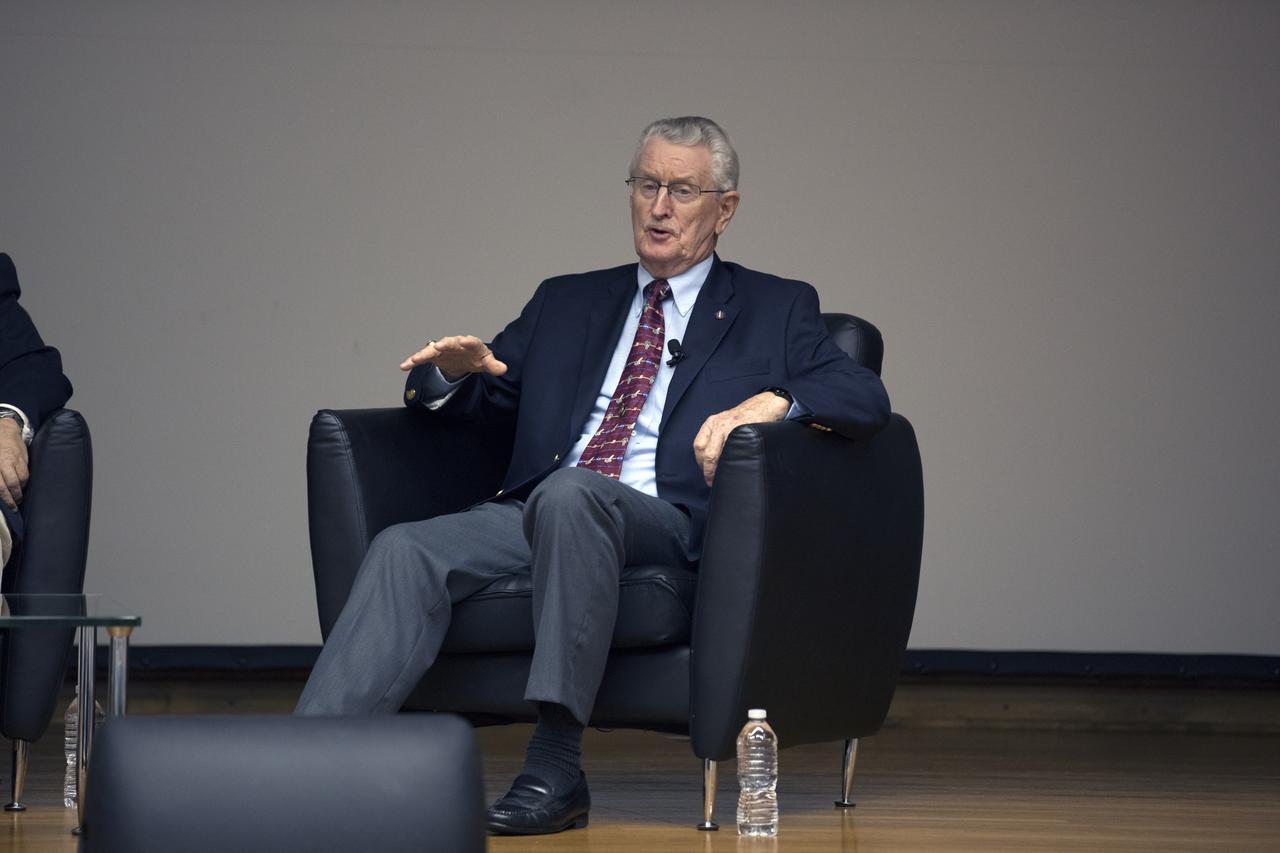
John Tribe, retired, Apollo 1 Reaction and Control System lead engineer, answers questions during the Apollo 1 Lessons Learned event in the Training Auditorium at NASA’s Kennedy Space Center in Florida. The theme of the presentation was "To There and Back Again." The event helped pay tribute to the Apollo 1 crew, Gus Grissom, Ed White II, and Roger Chaffee.
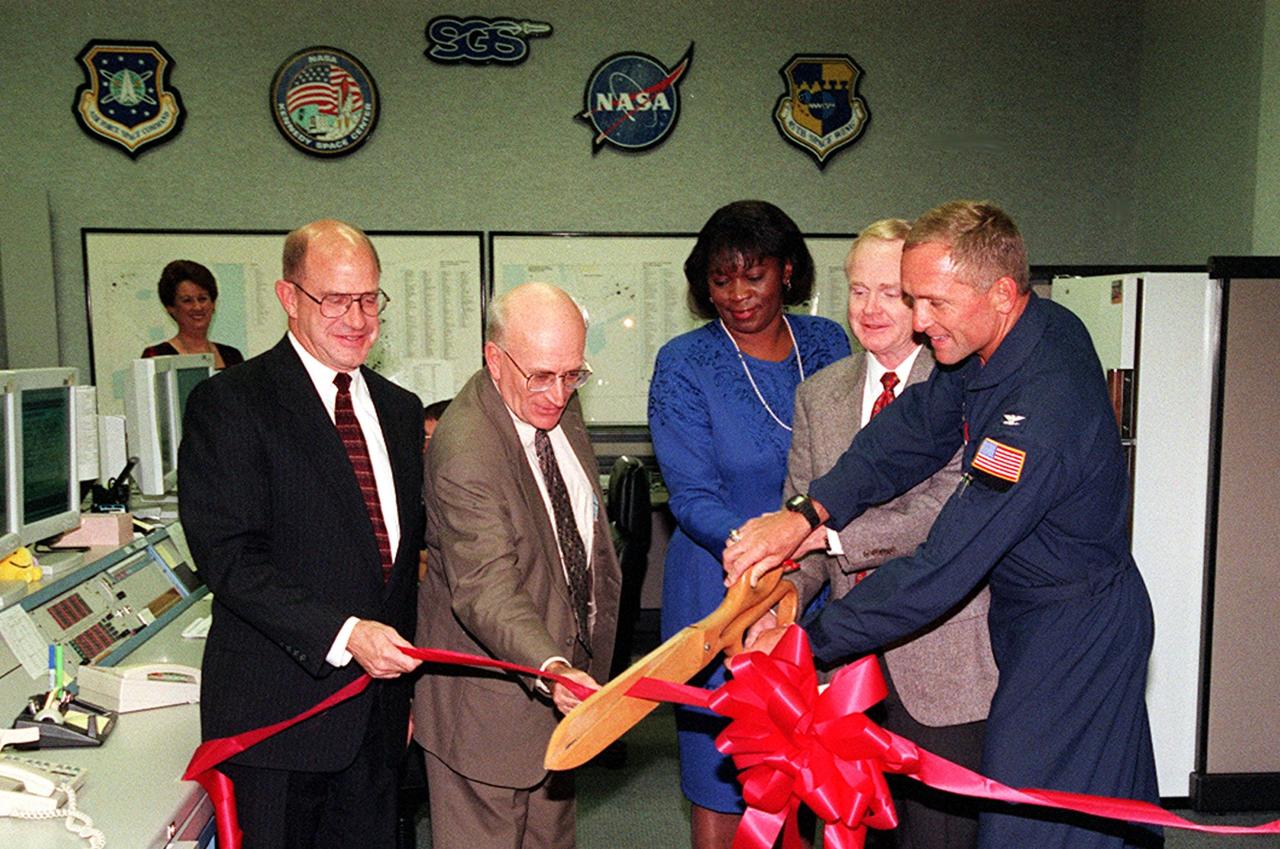
Cutting the ribbon at a ceremony for the opening of the Consolidated Support Operations Center at ROCC, Cape Canaveral Air Station, are (left to right) William P. Hickman, program manager, Space Gateway Support; Ed Gormel, executive director, JPMO; Barbara White, supervisor, Mission Support; KSC Center Director Roy Bridges, and Lt Col Steve Vuresky, USAF
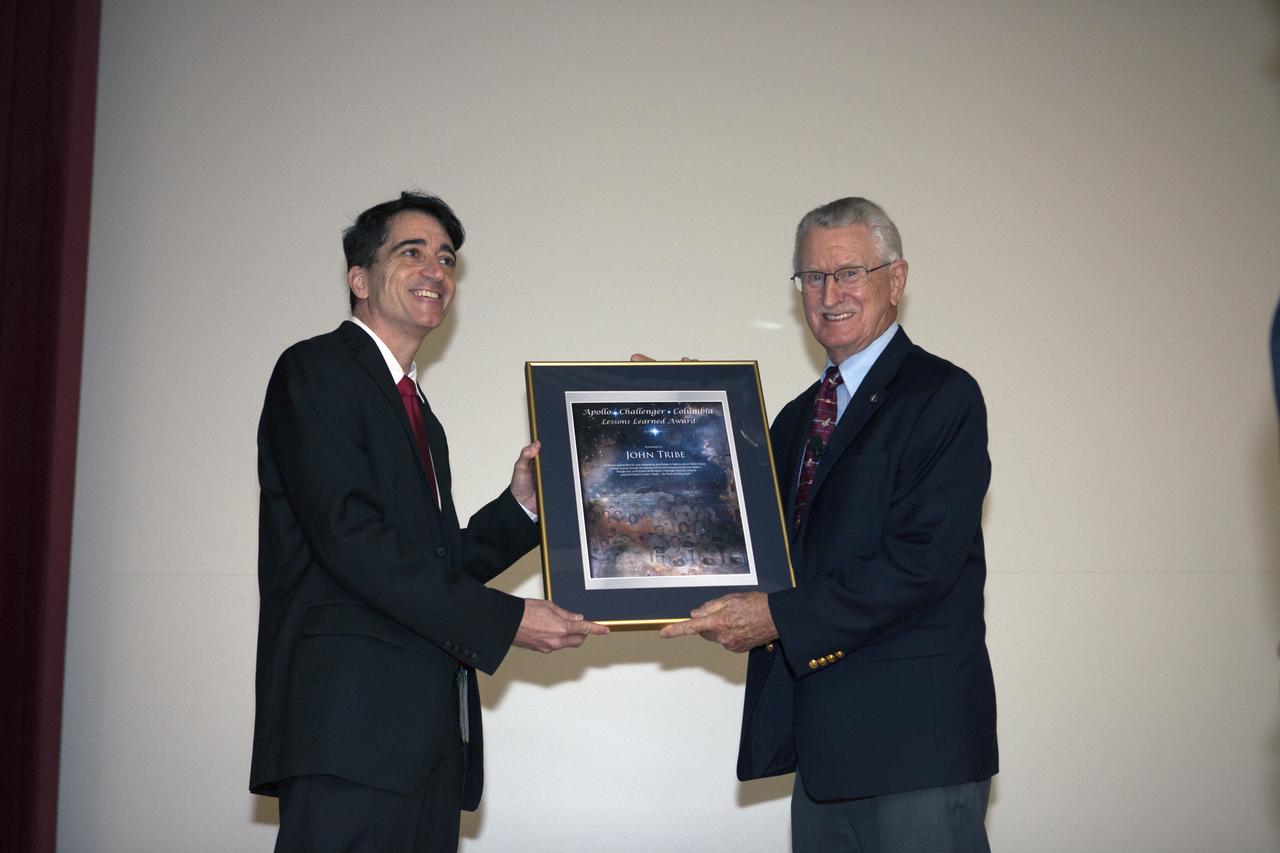
Mike Ciannilli, at left, the Apollo, Challenger, Columbia Lessons Learned Program manager, presents a certificate to John Tribe, retired, Apollo 1 Reaction and Control System lead engineer, during the Apollo 1 Lessons Learned presentation in the Training Auditorium at NASA's Kennedy Space Center in Florida. The theme of the program was "To there and Back Again." The event helped pay tribute to the Apollo 1 crew, Gus Grissom, Ed White II, and Roger Chaffee.
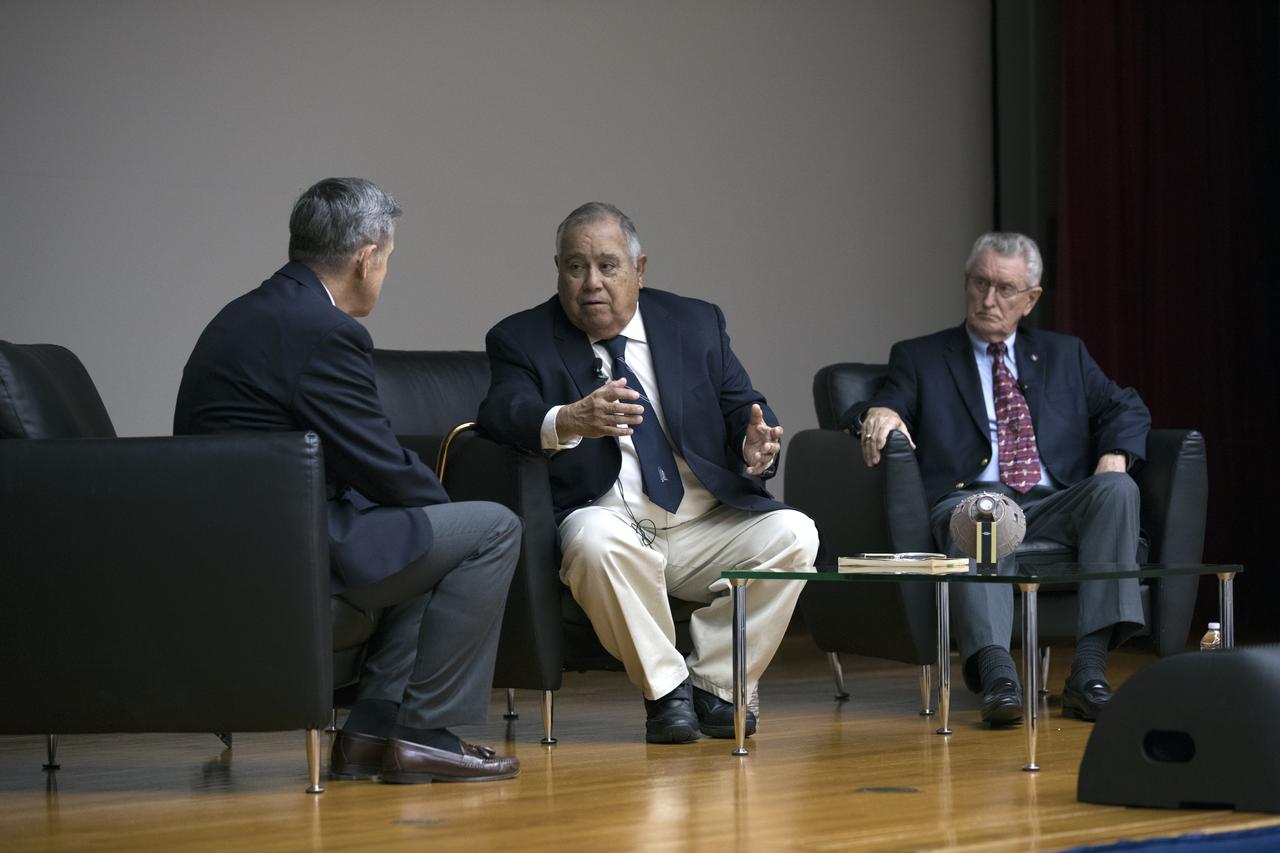
NASA Kennedy Space Center Director Bob Cabana, at left, moderates a panel discussion during the Apollo 1 Lessons Learned event in the Training Auditorium at NASA’s Kennedy Space Center in Florida. The theme of the presentation was "To There and Back Again." Answering questions are Ernie Reyes, retired, Apollo 1 senior operations engineer; and John Tribe, retired, Apollo 1 Reaction and Control System lead engineer. The event helped pay tribute to the Apollo 1 crew, Gus Grissom, Ed White II, and Roger Chaffee.
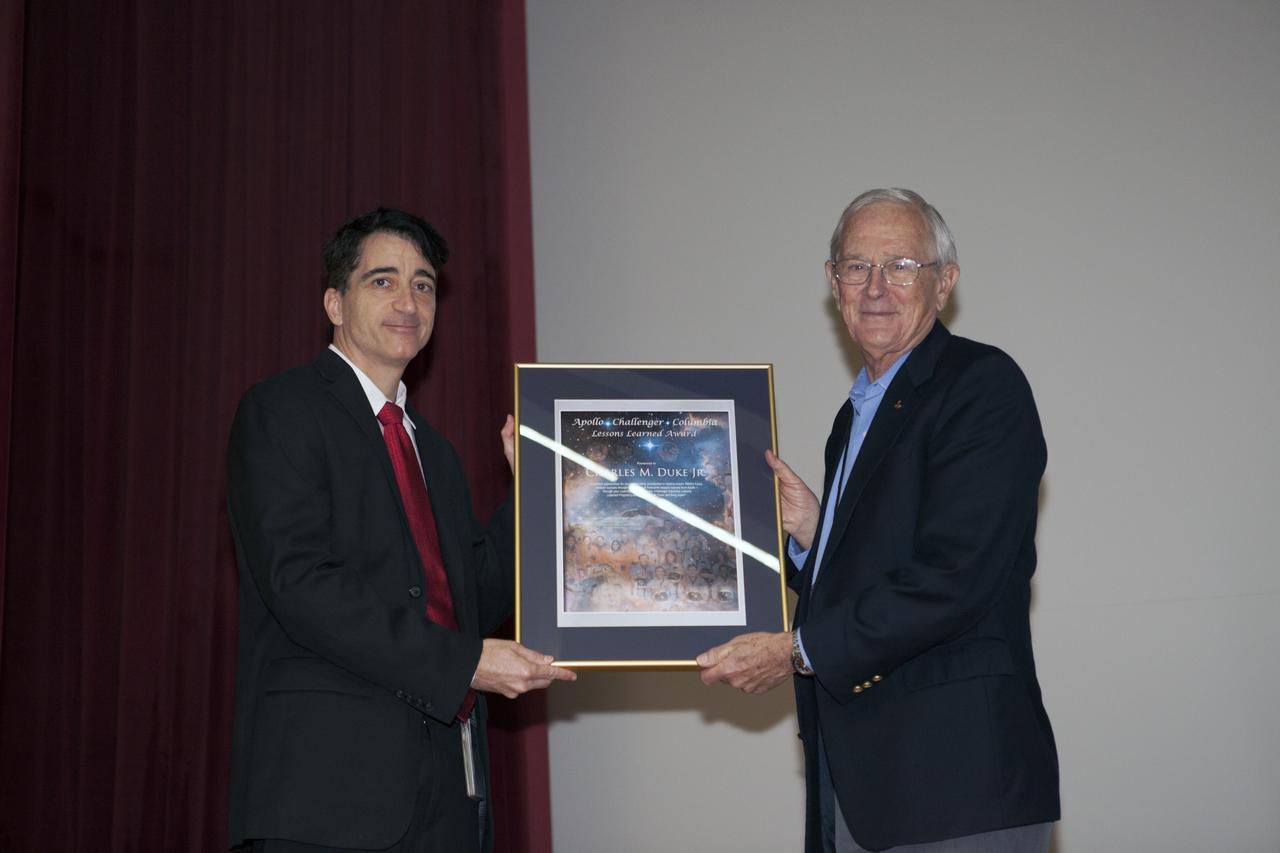
Mike Ciannilli, at left, the Apollo, Challenger, Columbia Lessons Learned Program manager, presents a certificate to Charlie Duke, former Apollo 16 astronaut and member of the Apollo 1 Emergency Egress Investigation Team, during the Apollo 1 Lessons Learned presentation in the Training Auditorium at NASA's Kennedy Space Center in Florida. The program's theme was "To There and Back Again." The event helped pay tribute to the Apollo 1 crew, Gus Grissom, Ed White II, and Roger Chaffee.
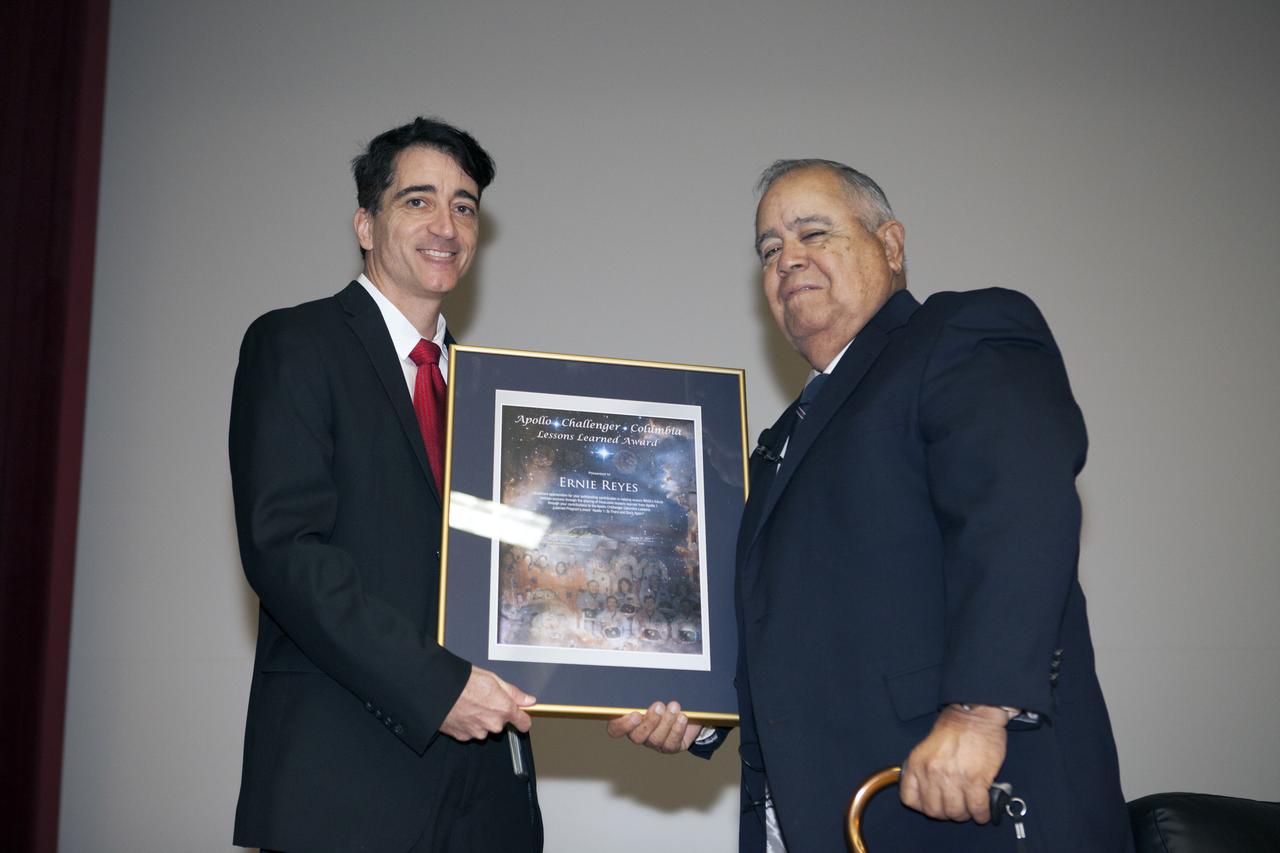
Mike Ciannilli, the Apollo, Challenger, Columbia Lessons Learned program manager, at left, presents a certificate to Ernie Reyes, retired, former Apollo 1 senior operations manager, during the Apollo 1 Lessons Learned presentation in the Training Auditorium at NASA's Kennedy Space Center in Florida. The theme of the program was "To there and Back Again." The event helped pay tribute to the Apollo 1 crew, Gus Grissom, Ed White II, and Roger Chaffee.

KENNEDY SPACE CENTER, FLA. -- Ed White III touches his father's name engraved in the Space Mirror Memorial at the KSC Visitor Complex. White attended the ceremony held in remembrance of the astronauts lost in the Apollo 1 fire: Virgil "Gus" Grissom, Edward H. White II and Roger B. Chaffee. Members of their families, along with KSC Director Bill Parsons, Associate Administrator for Space Operations William Gerstenmaier, President of the Astronauts Memorial Foundation Stephen Feldman and Chairman of the Board of Directors of the Astronauts Memorial Foundation William Potter, attended the ceremony. The mirror was designated as a national memorial by Congress and President George Bush in 1991 to honor fallen astronauts. Their names are emblazoned on the monument’s 42-½-foot-high by 50-foot-wide black granite surface as if to be projected into the heavens. Photo credit:NASA/Kim Shiflett
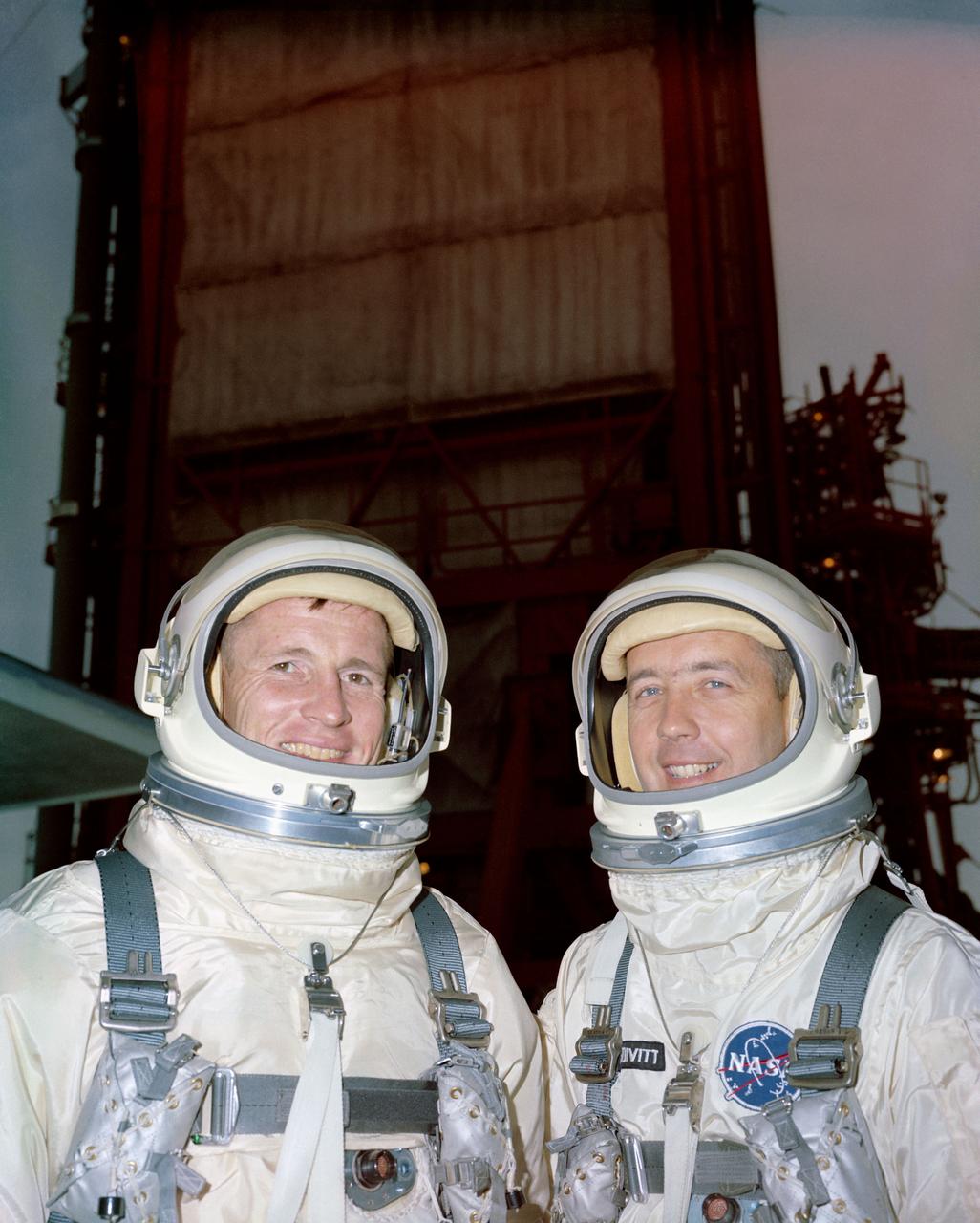
S65-19528 (1 June 1965) --- Astronauts Edward H. White II (left), Gemini-Titan 4 pilot; and James A. McDivitt, command pilot. EDITOR?S NOTE: Astronaut White died in the Apollo 1/Saturn 204 fire at Cape Kennedy on Jan. 27, 1967.
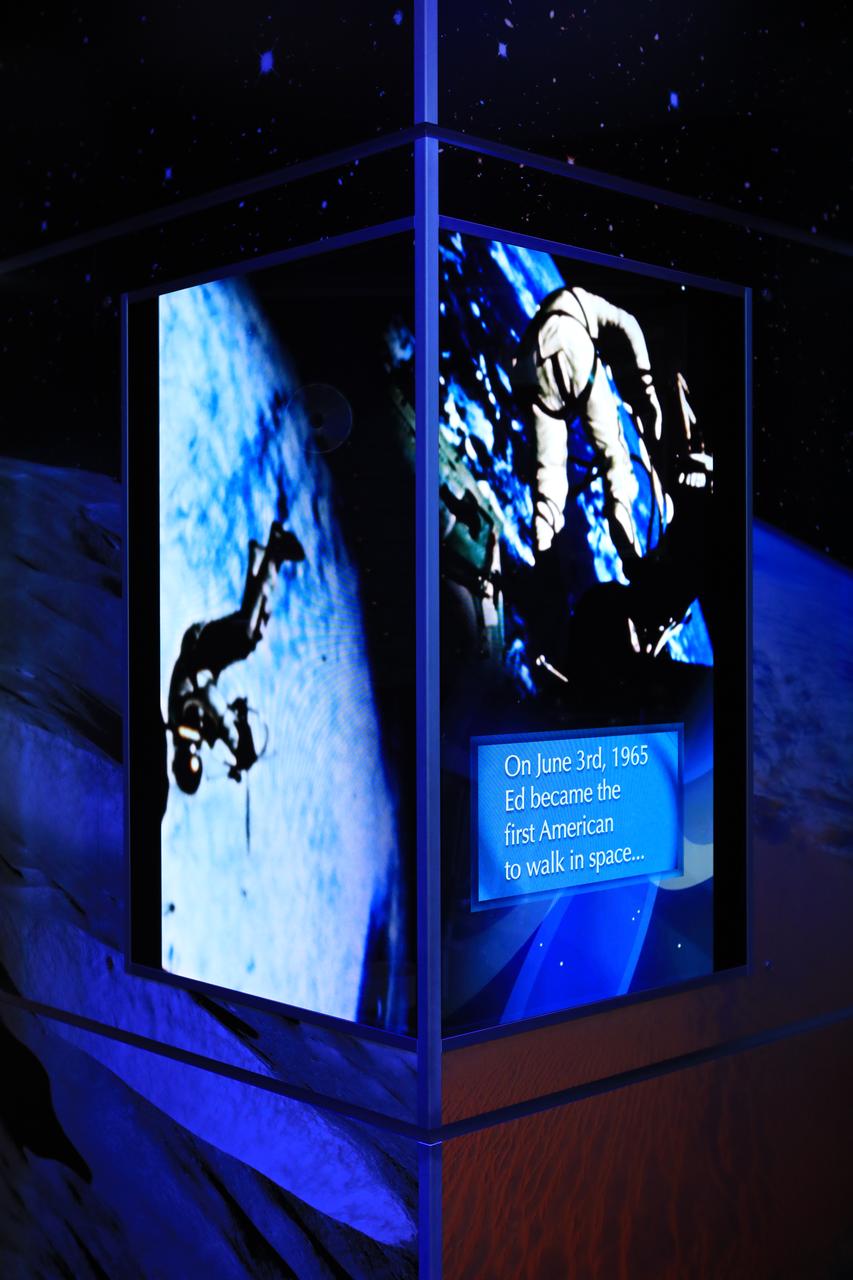
A display case dedicated to astronaut Ed White II is shown inside the new tribute to the crew of Apollo 1 who perished in a fire at the launch pad on Jan. 27, 1967, during training for the mission. Gus Grissom, White and Roger Chaffee were lost during the fire. The tribute at the Apollo/Saturn V Center at NASA's Kennedy Space Center opened Jan. 27, 2017, 50 years after the crew of three was lost. It features numerous items recalling the lives of the three astronauts. It also includes the three-part hatch to the spacecraft itself, the first time any part of the Apollo 1 spacecraft has been displayed publicly. A version of the hatch after it was redesigned is also showcased as an example of improvements NASA made throughout the agency and to the Apollo spacecraft that would later carry astronauts to the moon.
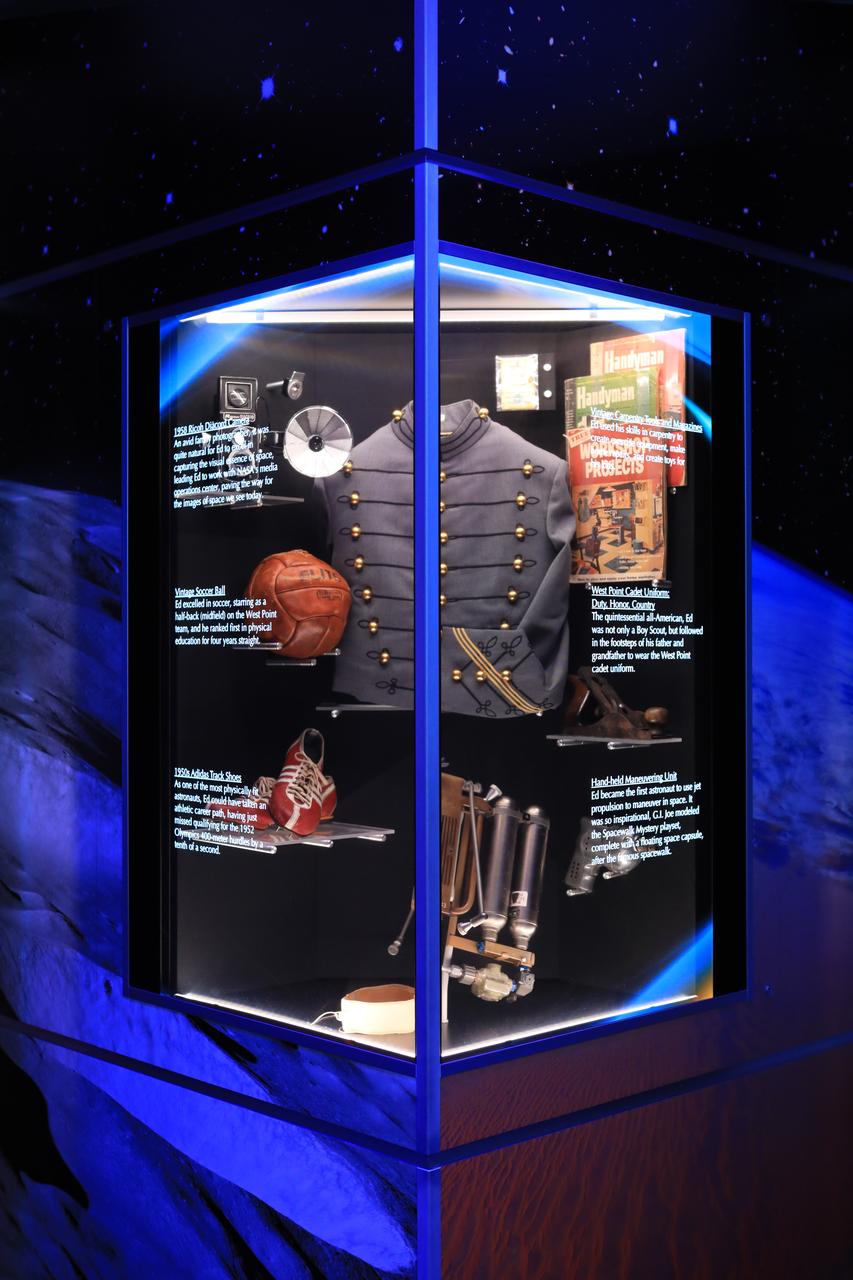
A display case dedicated to astronaut Ed White II is shown inside the new tribute to the crew of Apollo 1 who perished in a fire at the launch pad on Jan. 27, 1967, during training for the mission. Gus Grissom, White and Roger Chaffee were lost during the fire. The tribute at the Apollo/Saturn V Center at NASA's Kennedy Space Center opened Jan. 27, 2017, 50 years after the crew of three was lost. It features numerous items recalling the lives of the three astronauts. It also includes the three-part hatch to the spacecraft itself, the first time any part of the Apollo 1 spacecraft has been displayed publicly. A version of the hatch after it was redesigned is also showcased as an example of improvements NASA made throughout the agency and to the Apollo spacecraft that would later carry astronauts to the moon.
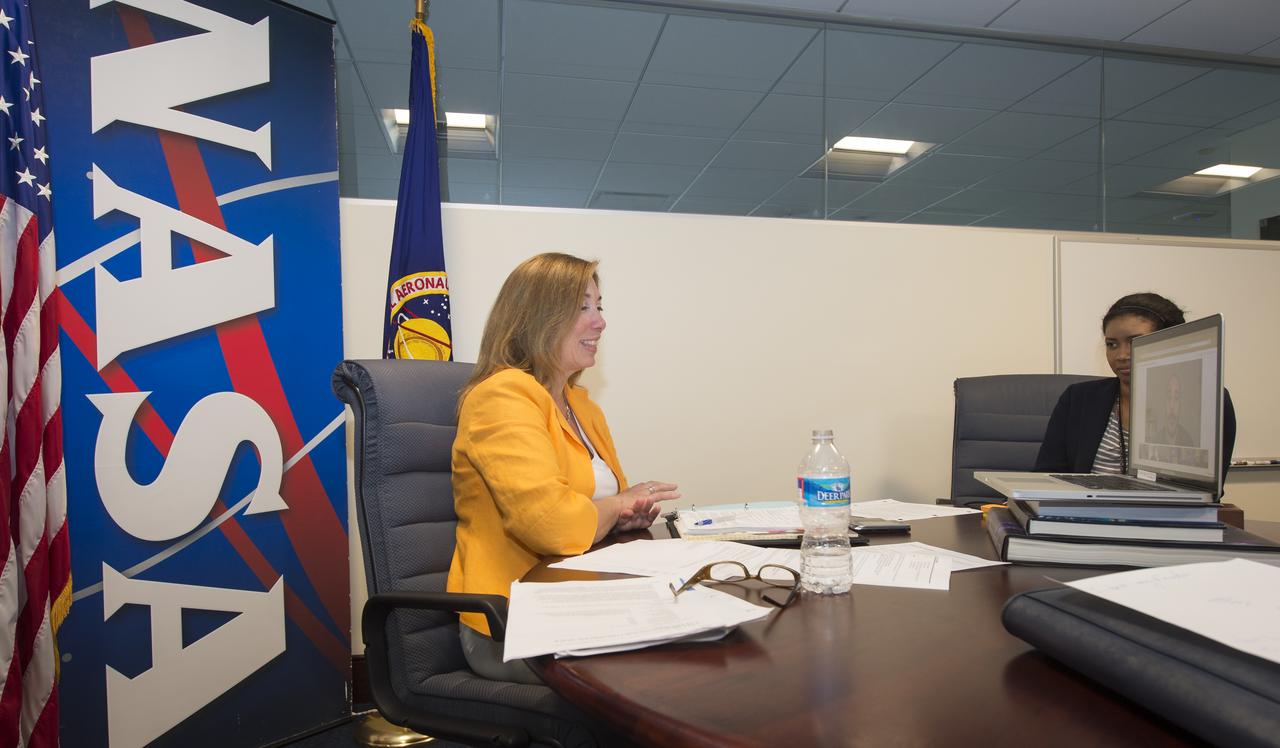
NASA Deputy Administrator Lori Garver participates in a live "We The Geeks" Google+ Hangout hosted by the White House to talk about asteroids, Friday, May 31, 2013 at NASA Headquarters in Washington. An asteroid nearly three kilometers wide will pass by the Earth today at 3.6 million miles away. Garver is joined in the conversation by Bill Nye, Executive Director, Planetary Society; Ed Lu, former astronaut and CEO, B612 Foundation; Peter Diamandis, Co-Founder and Co-Chairman, Planetary Resources and Jose Luis Galache, Astronomer at the International Astronomical Unions's Minor Planet Center. Photo Credit: (NASA/Carla Cioffi)
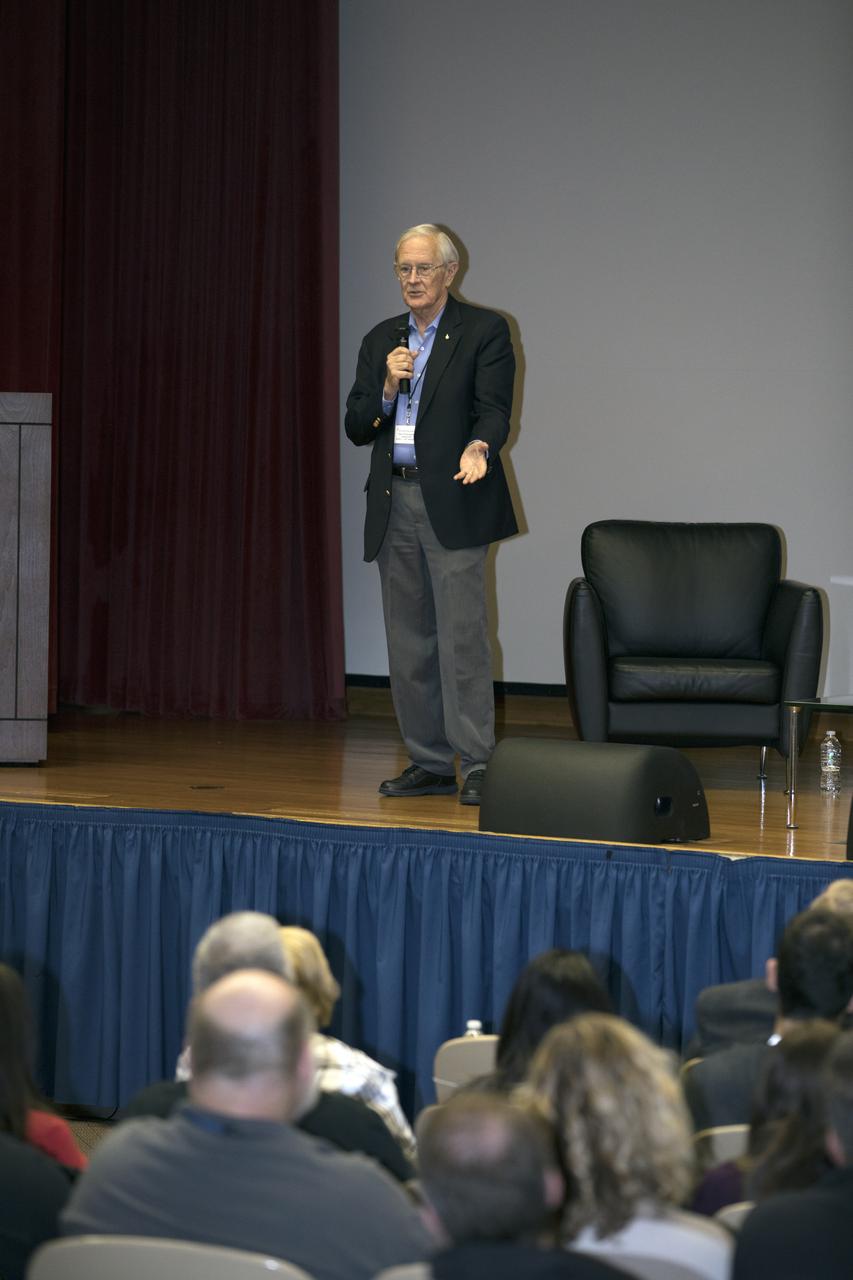
Charlie Duke, former Apollo 16 astronaut and member of the Apollo 1 Emergency Egress Investigation Team, speaks to participants during the Apollo 1 Lessons Learned presentation in the Training Auditorium at NASA's Kennedy Space Center in Florida. The program's theme was "To There and Back Again." Other guest panelists included Ernie Reyes, retired, Apollo 1 senior operations engineer; and John Tribe, retired, Apollo 1 Reaction and Control System lead engineer. The event helped pay tribute to the Apollo 1 crew, Gus Grissom, Ed White II, and Roger Chaffee.
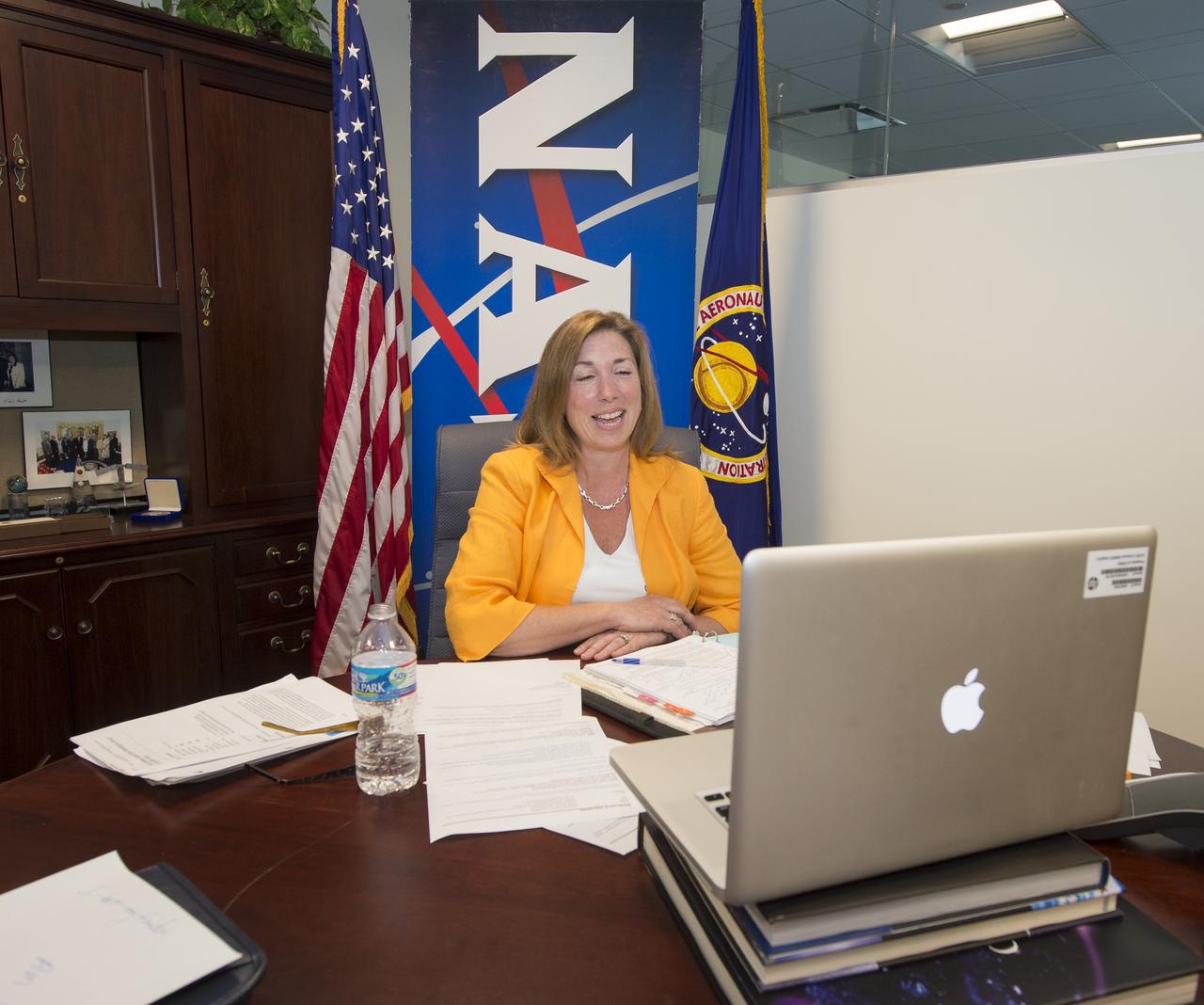
NASA Deputy Administrator Lori Garver participates in a live "We The Geeks" Google+ Hangout hosted by the White House to talk about asteroids, Friday, May 31, 2013 at NASA Headquarters in Washington. An asteroid nearly three kilometers wide will pass by the Earth today at 3.6 million miles away. Garver is joined in the conversation by Bill Nye, Executive Director, Planetary Society; Ed Lu, former astronaut and CEO, B612 Foundation; Peter Diamandis, Co-Founder and Co-Chairman, Planetary Resources and Jose Luis Galache, Astronomer at the International Astronomical Unions's Minor Planet Center. Photo Credit: (NASA/Carla Cioffi)
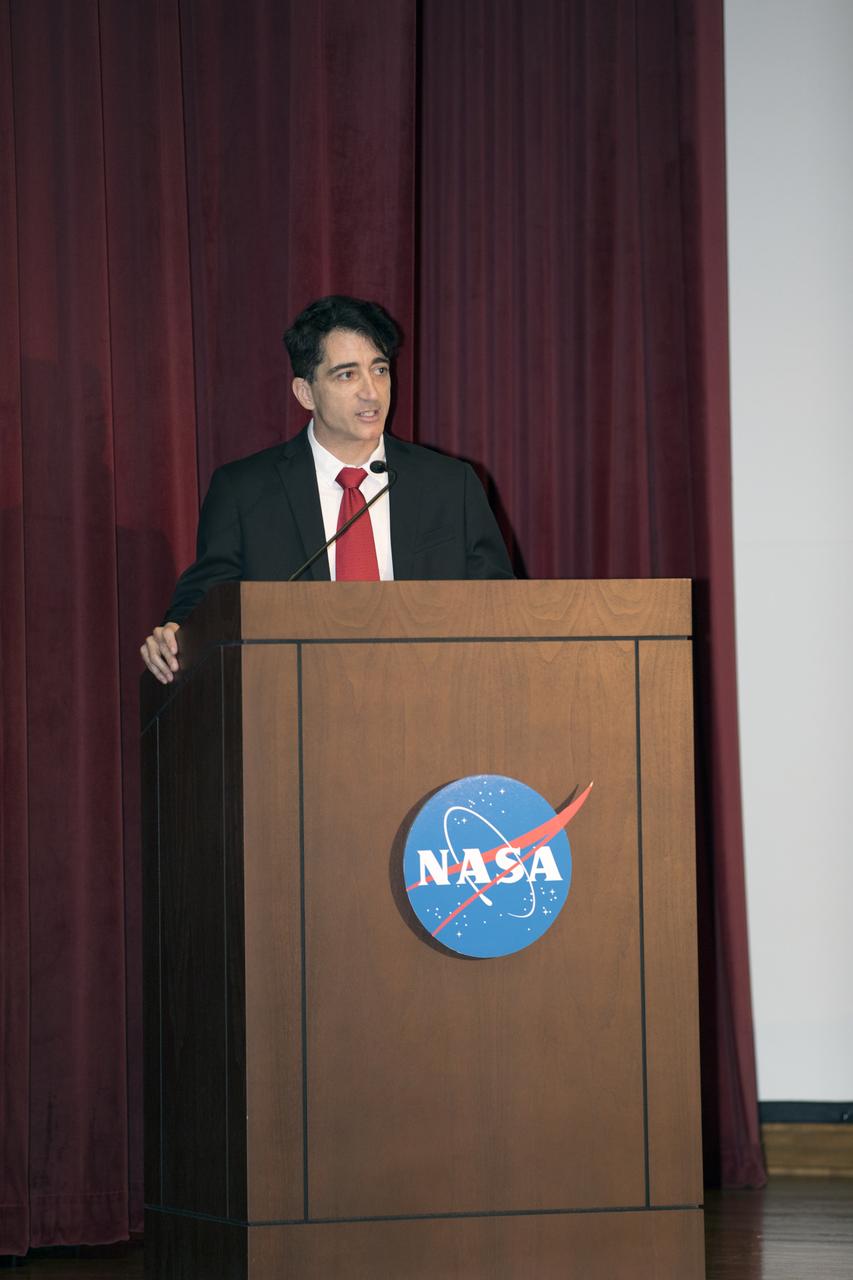
Mike Ciannilli, the Apollo, Challenger, Columbia Lessons Learned Program manager, welcomes participants to the Apollo 1 Lessons Learned presentation in the Training Auditorium at NASA’s Kennedy Space Center in Florida. The program's theme was "To There and Back Again." Guest panelists included Charlie Duke, former Apollo 16 astronaut and member of the Apollo 1 Emergency Egress Investigation Team; Ernie Reyes, retired, Apollo 1 senior operations engineer; and John Tribe, retired, Apollo 1 Reaction and Control System lead engineer. The event helped pay tribute to the Apollo 1 crew, Gus Grissom, Ed White II, and Roger Chaffee.
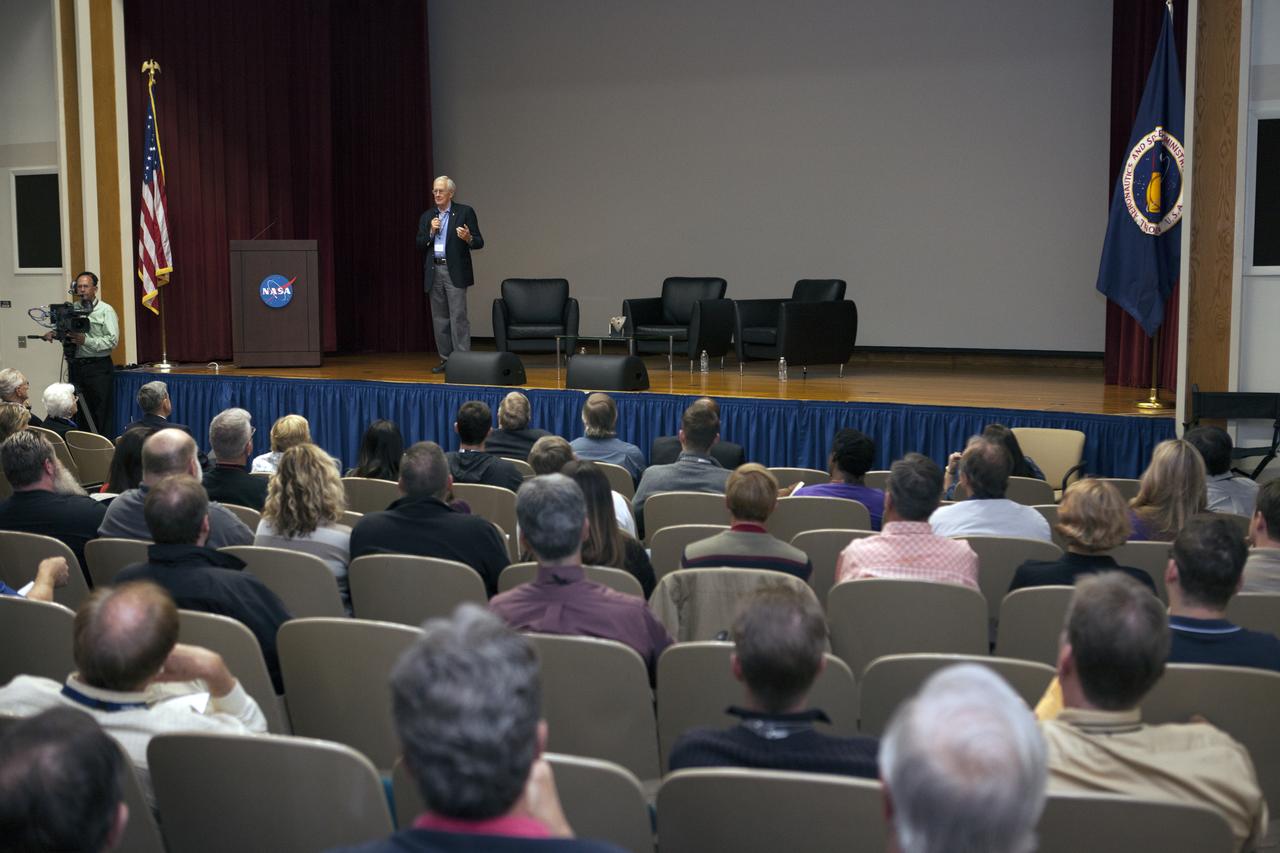
Charlie Duke, former Apollo 16 astronaut and member of the Apollo 1 Emergency Egress Investigation Team, speaks to participants during the Apollo 1 Lessons Learned presentation in the Training Auditorium at NASA's Kennedy Space Center in Florida. The program's theme was "To There and Back Again." Other guest panelists included Ernie Reyes, retired, Apollo 1 senior operations engineer; and John Tribe, retired, Apollo 1 Reaction and Control System lead engineer. The event helped pay tribute to the Apollo 1 crew, Gus Grissom, Ed White II, and Roger Chaffee.
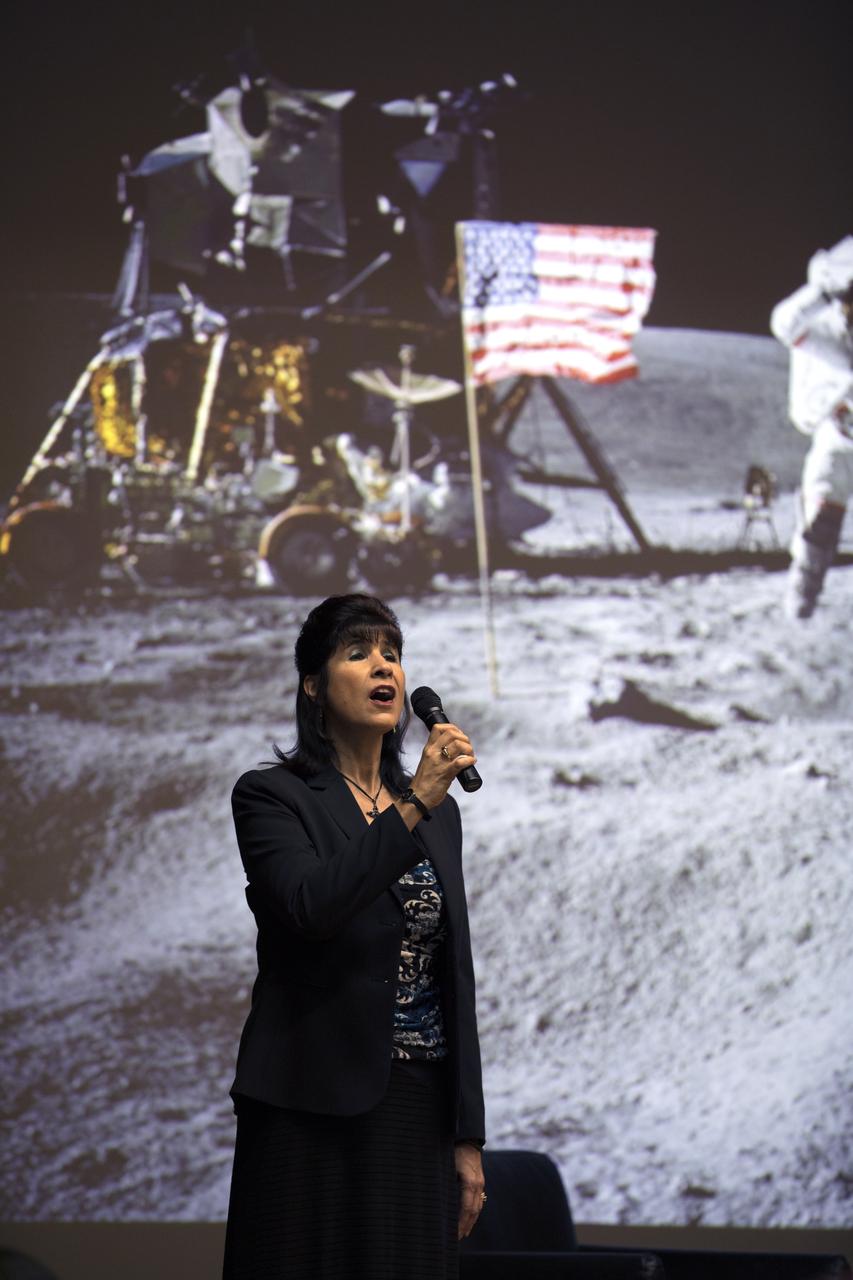
Suzy Cunningham, with the Communication and Public Engagement Directorate, sings the National Anthem before the start of the Apollo 1 Lessons Learned presentation in the Training Auditorium at NASA’s Kennedy Space Center in Florida. The program's theme was "To There and Back Again." Guest panelists included Charlie Duke, former Apollo 16 astronaut and member of the Apollo 1 Emergency Egress Investigation Team; Ernie Reyes, retired, Apollo 1 senior operations engineer; and John Tribe, retired, Apollo 1 Reaction and Control System lead engineer. The event helped pay tribute to the Apollo 1 crew, Gus Grissom, Ed White II, and Roger Chaffee.
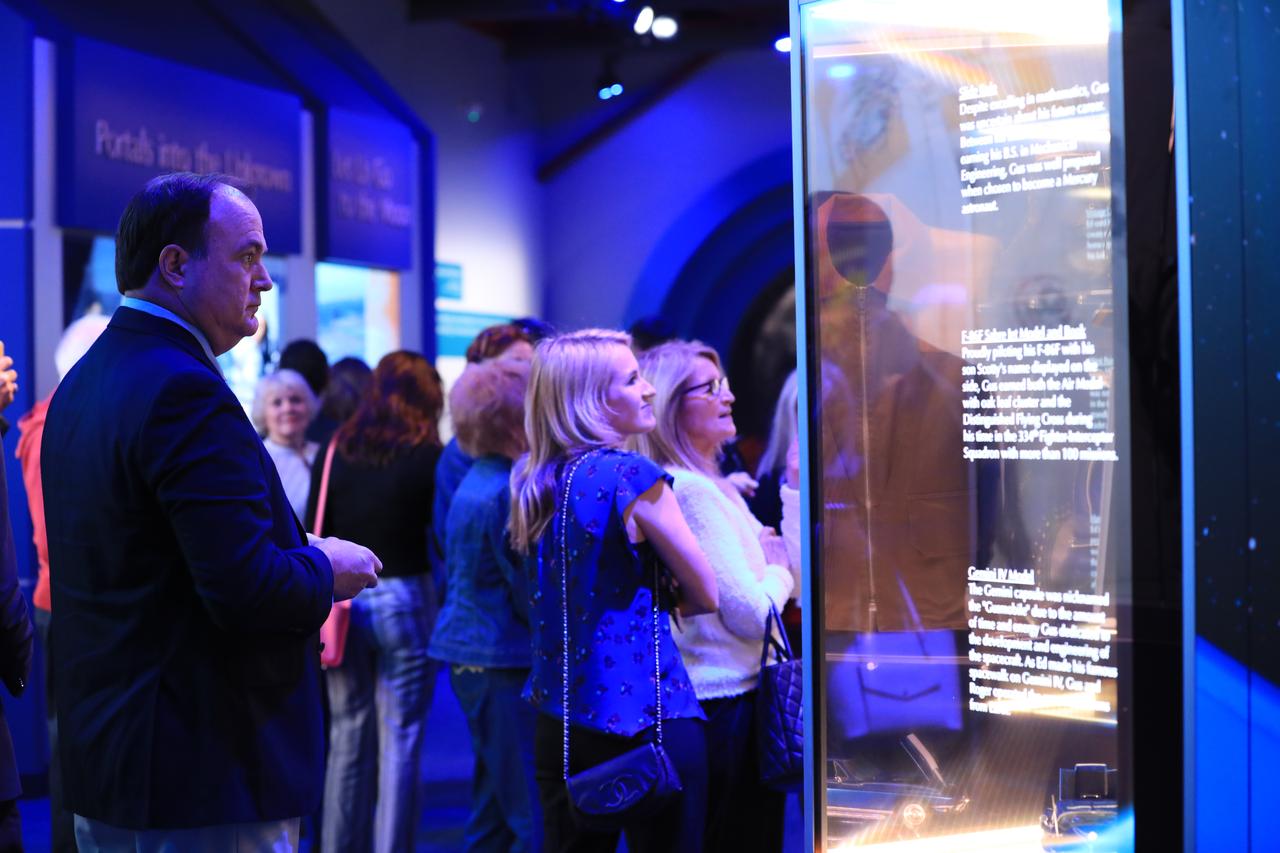
The Apollo 1 tribute at the Apollo/Saturn V Center at NASA's Kennedy Space Center opened Jan. 27, 2017. Astronauts Gus Grissom, Ed White II and Chaffee perished in a fire at the launch pad on Jan. 27, 1967, during training for the mission. The tribute highlights the lives and careers of the astronauts. The tribute features numerous items recalling the lives of the three astronauts. The tribute also includes the three-part hatch to the spacecraft itself, the first time any part of the Apollo 1 spacecraft has been displayed publicly. A version of the hatch after it was redesigned is also showcased as an example of improvements NASA made throughout the agency and to the Apollo spacecraft that would later carry astronauts to the moon.
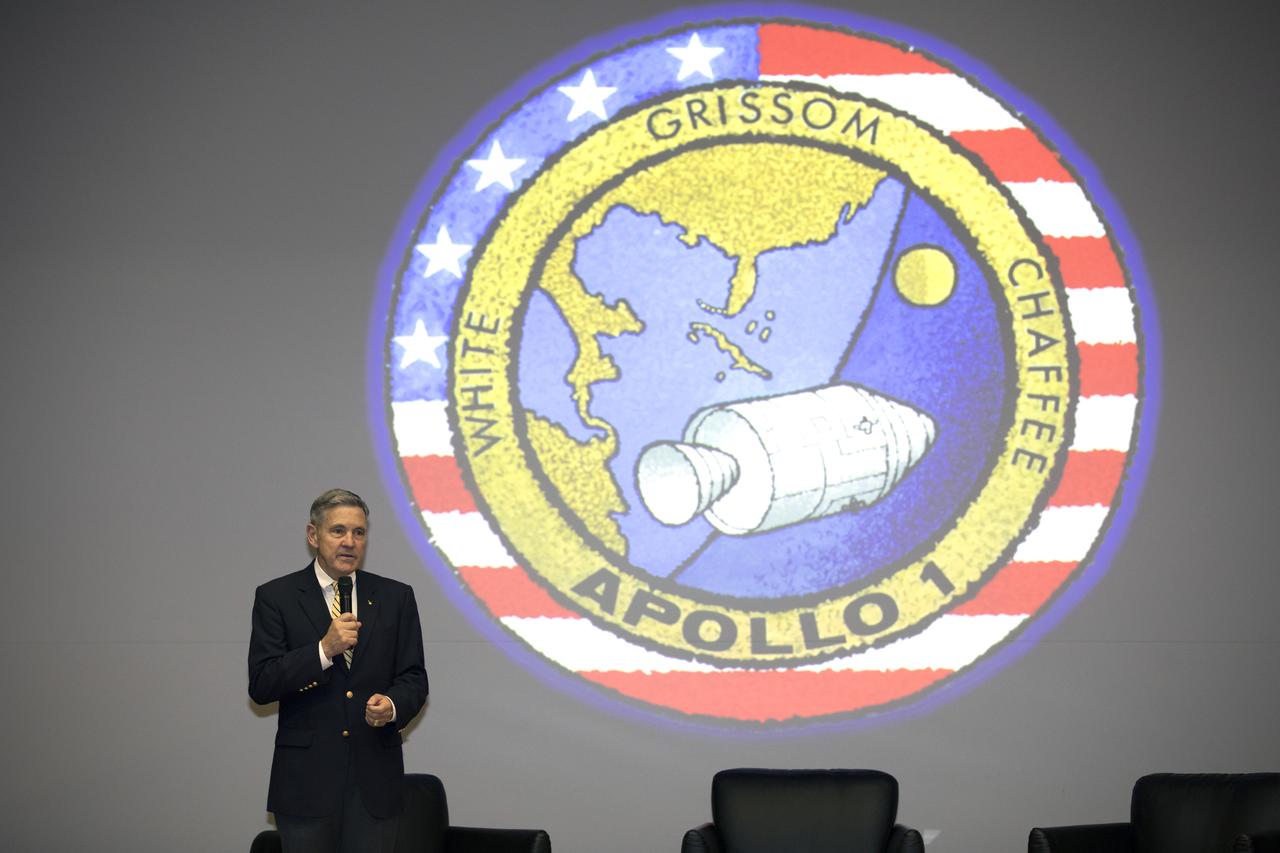
Kennedy Space Center Director Bob Cabana welcomes participants to the Apollo 1 Lessons Learned presentation in the Training Auditorium at NASA’s Kennedy Space Center in Florida. The program's theme was "To There and Back Again." Guest panelists included Charlie Duke, former Apollo 16 astronaut and member of the Apollo 1 Emergency Egress Investigation Team; Ernie Reyes, retired, Apollo 1 senior operations engineer; and John Tribe, retired, Apollo 1 Reaction and Control System lead engineer. The event helped pay tribute to the Apollo 1 crew, Gus Grissom, Ed White II, and Roger Chaffee.
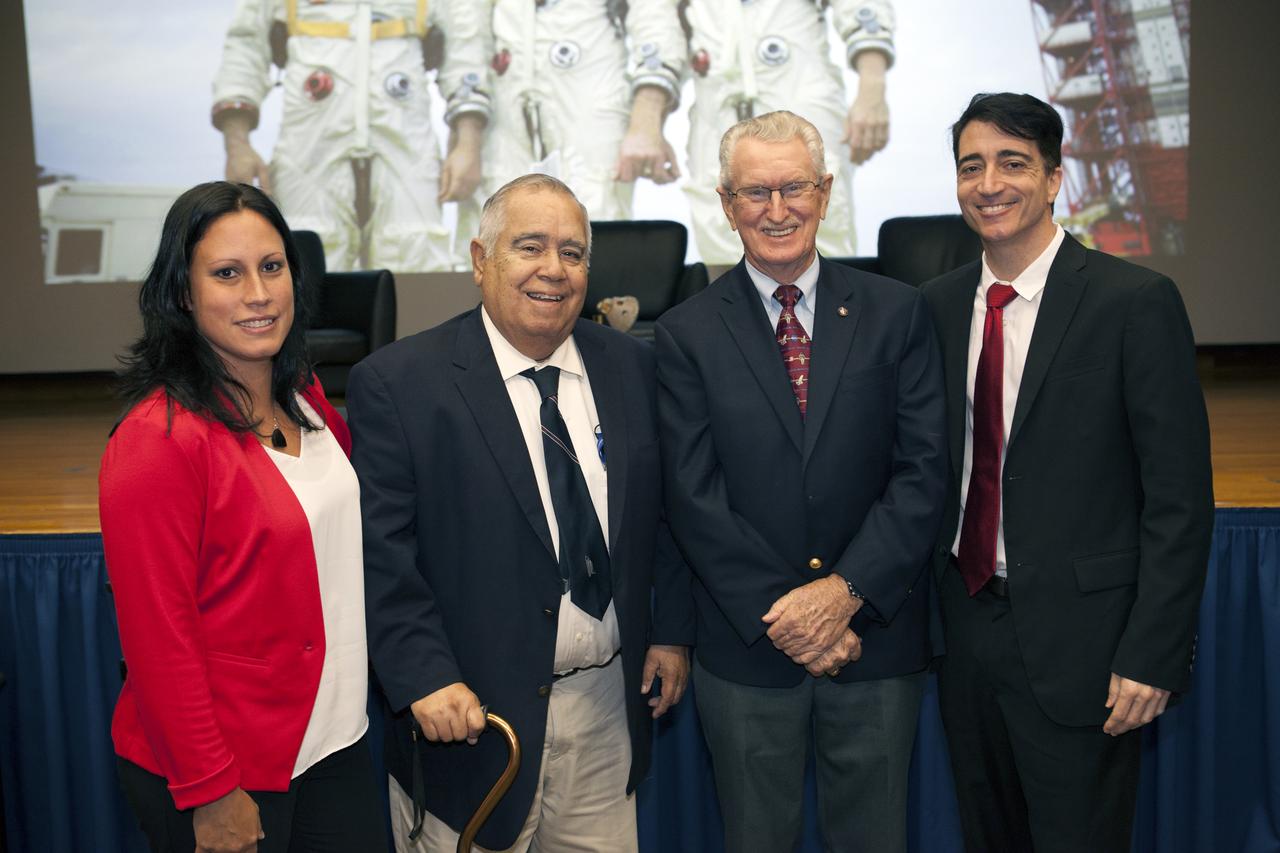
Mike Ciannilli, the Apollo, Challenger, Columbia Lessons Learned Program manager, far right, is pictured with panelists from the Apollo 1 Lessons Learned event in the Training Auditorium at NASA's Kennedy Space Center in Florida. In the center, are Ernie Reyes, retired, former Apollo 1 senior operations manager; and John Tribe, retired, former Apollo 1 Reaction and Control System lead engineer. At far left is Zulie Cipo, the Apollo, Challenger, Columbia Lessons Learned Program event support team lead. The theme of the program was "To there and Back Again." The event helped pay tribute to the Apollo 1 crew, Gus Grissom, Ed White II, and Roger Chaffee.
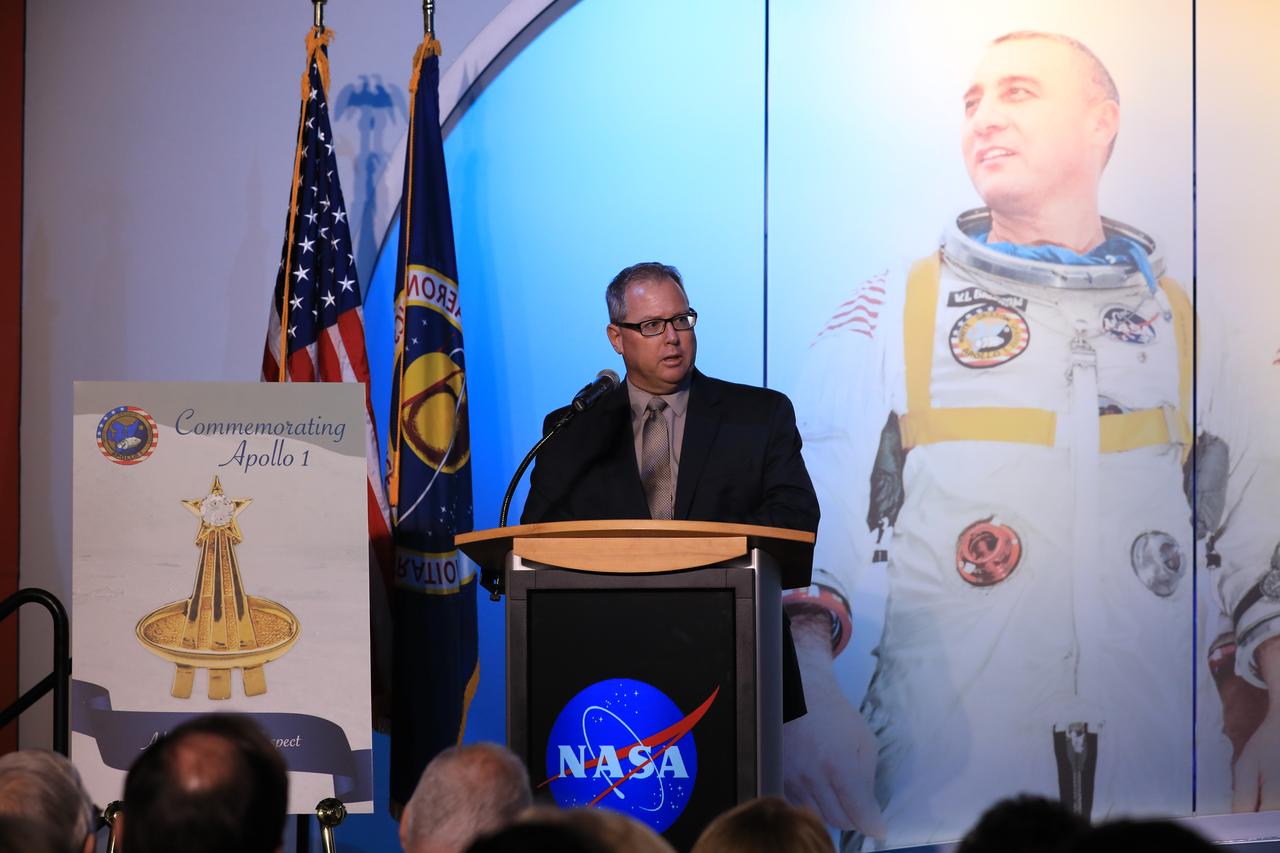
Therrin Protze, Chief Operating Officer, Delaware North Corporation Parks & Resorts at KSC, Inc., speaks during the opening of the tribute exhibition to the Apollo 1 astronauts who perished in a fire at the launch pad on Jan. 27, 1967, during training for the mission. The tribute highlights the lives and careers of astronauts Gus Grissom, Ed White II and Roger Chaffee who were lost during the fire. The tribute at the Apollo/Saturn V Center at NASA's Kennedy Space Center opened Jan. 27, 2017, 50 years after the crew of three was lost. It features numerous items recalling the lives of the three astronauts. The tribute also includes the three-part hatch to the spacecraft itself, the first time any part of the Apollo 1 spacecraft has been displayed publicly. A version of the hatch after it was redesigned is also showcased as an example of improvements NASA made throughout the agency and to the Apollo spacecraft that would later carry astronauts to the moon.
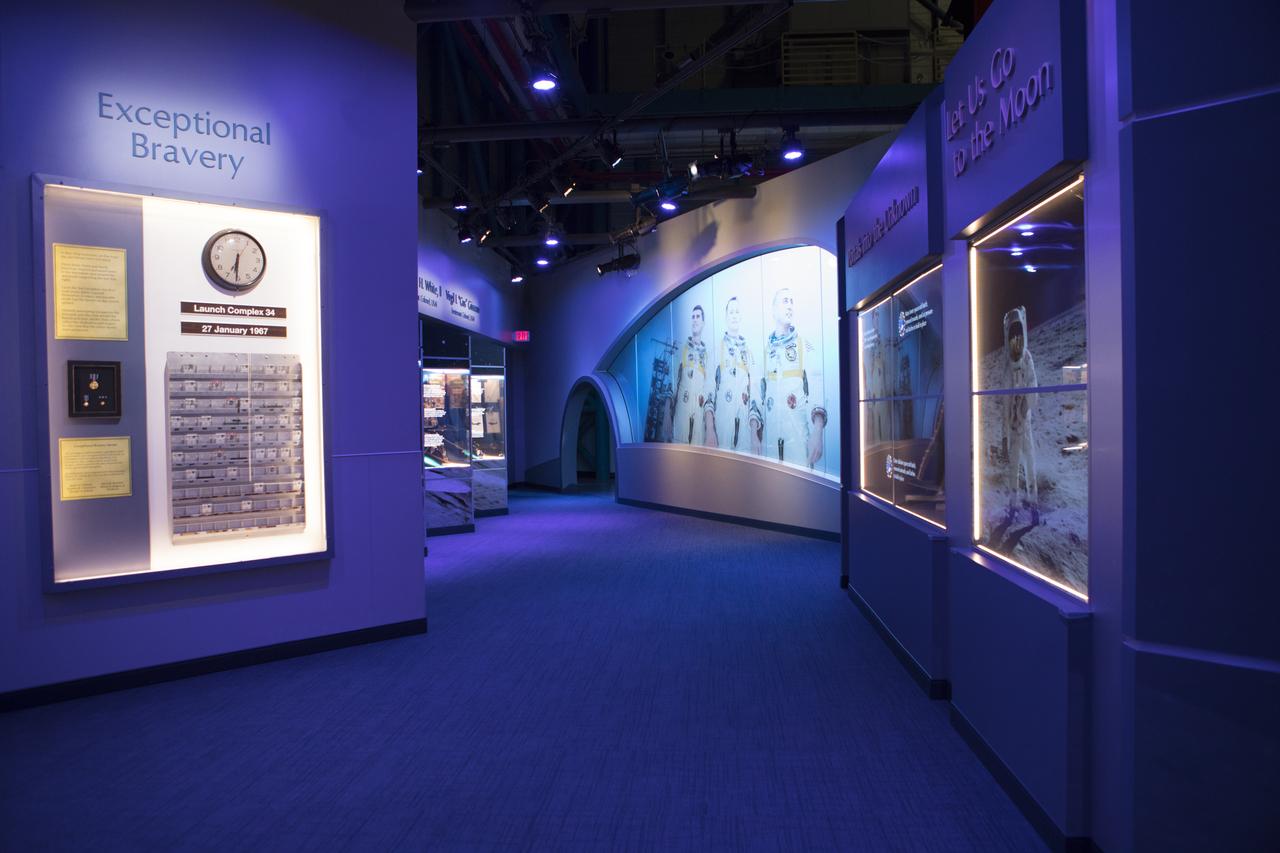
The new tribute to the crew of Apollo 1 who perished in a fire at the launch pad on Jan. 27, 1967, during training for the mission is shown looking down the length of the area. The tribute highlights the lives and careers of astronauts Gus Grissom, Ed White II and Roger Chaffee who were lost during the fire. The tribute at the Apollo/Saturn V Center at NASA's Kennedy Space Center opened Jan. 27, 2017, 50 years after the crew of three was lost. It features numerous items recalling the lives of the three astronauts. The tribute also includes the three-part hatch to the spacecraft itself, the first time any part of the Apollo 1 spacecraft has been displayed publicly. A version of the hatch after it was redesigned is also showcased as an example of improvements NASA made throughout the agency and to the Apollo spacecraft that would later carry astronauts to the moon.
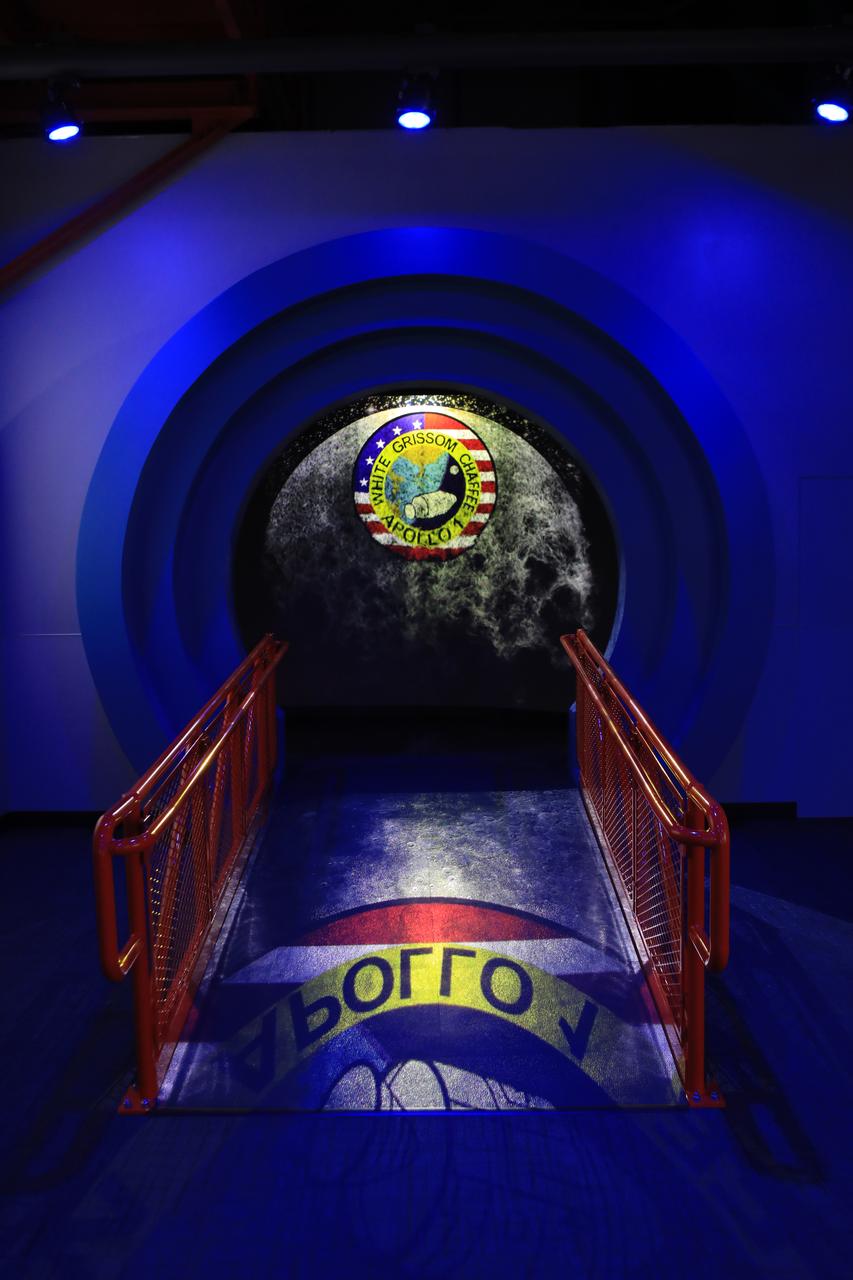
A gateway featuring the Apollo 1 mission logo over the moon is shown inside the new tribute to the crew of Apollo 1 who perished in a fire at the launch pad on Jan. 27, 1967, during training for the mission. Astronauts Gus Grissom, Ed White II and Roger Chaffee were lost during the fire. The tribute at the Apollo/Saturn V Center at NASA's Kennedy Space Center opened Jan. 27, 2017, 50 years after the crew of three was lost. It features numerous items recalling the lives of the three astronauts. The tribute also includes the three-part hatch to the spacecraft itself, the first time any part of the Apollo 1 spacecraft has been displayed publicly. A version of the hatch after it was redesigned is also showcased as an example of improvements NASA made throughout the agency and to the Apollo spacecraft that would later carry astronauts to the moon.
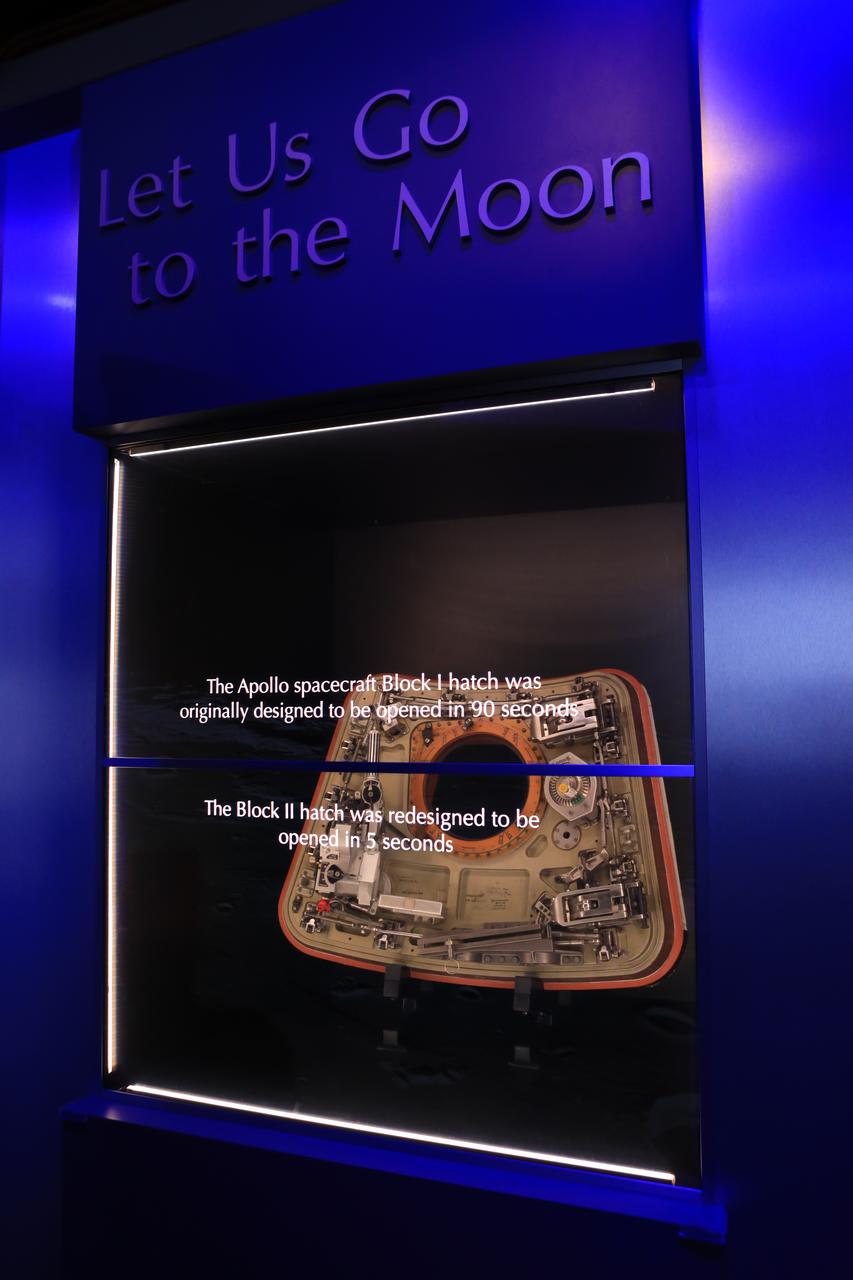
A redesigned hatch for an Apollo spacecraft is shown inside the new tribute to the crew of Apollo 1 who perished in a fire at the launch pad on Jan. 27, 1967, during training for the mission. Astronauts Gus Grissom, Ed White II and Roger Chaffee were lost during the fire. The tribute at the Apollo/Saturn V Center at NASA's Kennedy Space Center opened Jan. 27, 2017, 50 years after the crew of three was lost. It features numerous items recalling the lives of the three astronauts. The tribute also includes the three-part hatch to the spacecraft itself, the first time any part of the Apollo 1 spacecraft has been displayed publicly. The version of the hatch after it was redesigned was also showcased as an example of improvements NASA made throughout the agency and to the Apollo spacecraft that would later carry astronauts to the moon.
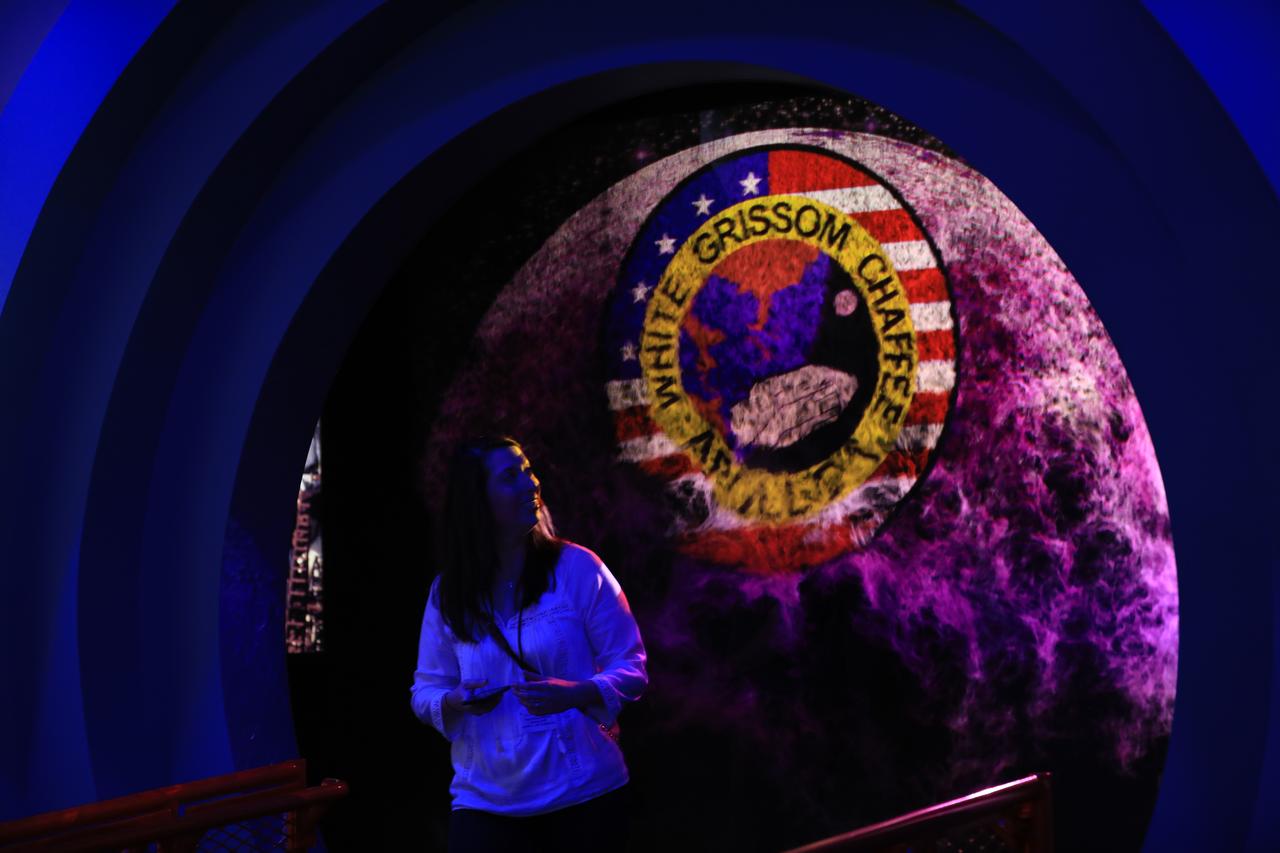
Guests observe the gateway of the newly opened Apollo 1 tribute at the Apollo/Saturn V Center at NASA's Kennedy Space Center opened Jan. 27, 2017. Astronauts Gus Grissom, Ed White II and Chaffee perished in a fire at the launch pad on Jan. 27, 1967, during training for the mission. The tribute highlights the lives and careers of the astronauts. The tribute features numerous items recalling the lives of the three astronauts. The tribute also includes the three-part hatch to the spacecraft itself, the first time any part of the Apollo 1 spacecraft has been displayed publicly. A version of the hatch after it was redesigned is also showcased as an example of improvements NASA made throughout the agency and to the Apollo spacecraft that would later carry astronauts to the moon.
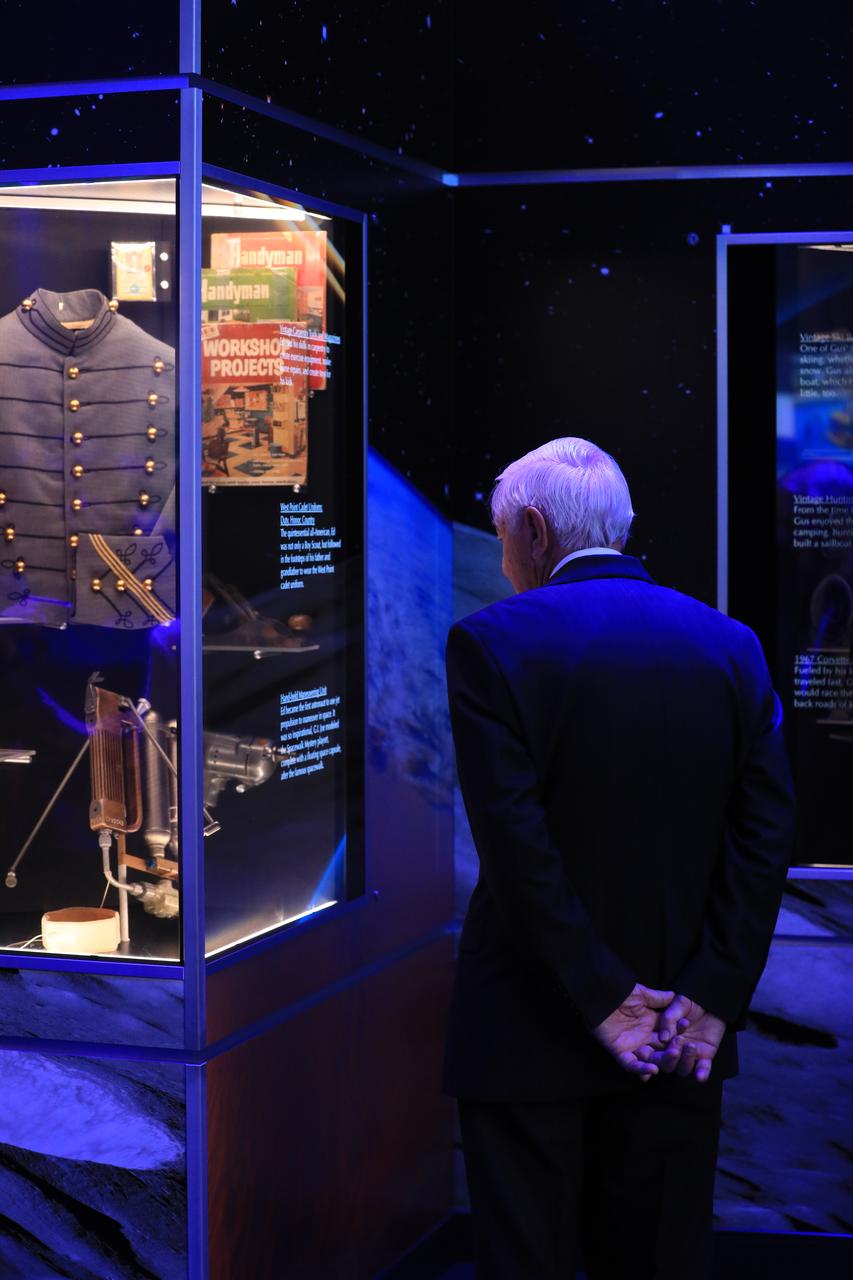
Lowell Grissom, brother of Gus Grissom, observes areas of the newly opened Apollo 1 tribute at the Apollo/Saturn V Center at NASA's Kennedy Space Center opened Jan. 27, 2017. Astronauts Gus Grissom, Ed White II and Chaffee perished in a fire at the launch pad on Jan. 27, 1967, during training for the mission. The tribute highlights the lives and careers of the astronauts. The tribute features numerous items recalling the lives of the three astronauts. The tribute also includes the three-part hatch to the spacecraft itself, the first time any part of the Apollo 1 spacecraft has been displayed publicly. A version of the hatch after it was redesigned is also showcased as an example of improvements NASA made throughout the agency and to the Apollo spacecraft that would later carry astronauts to the moon.
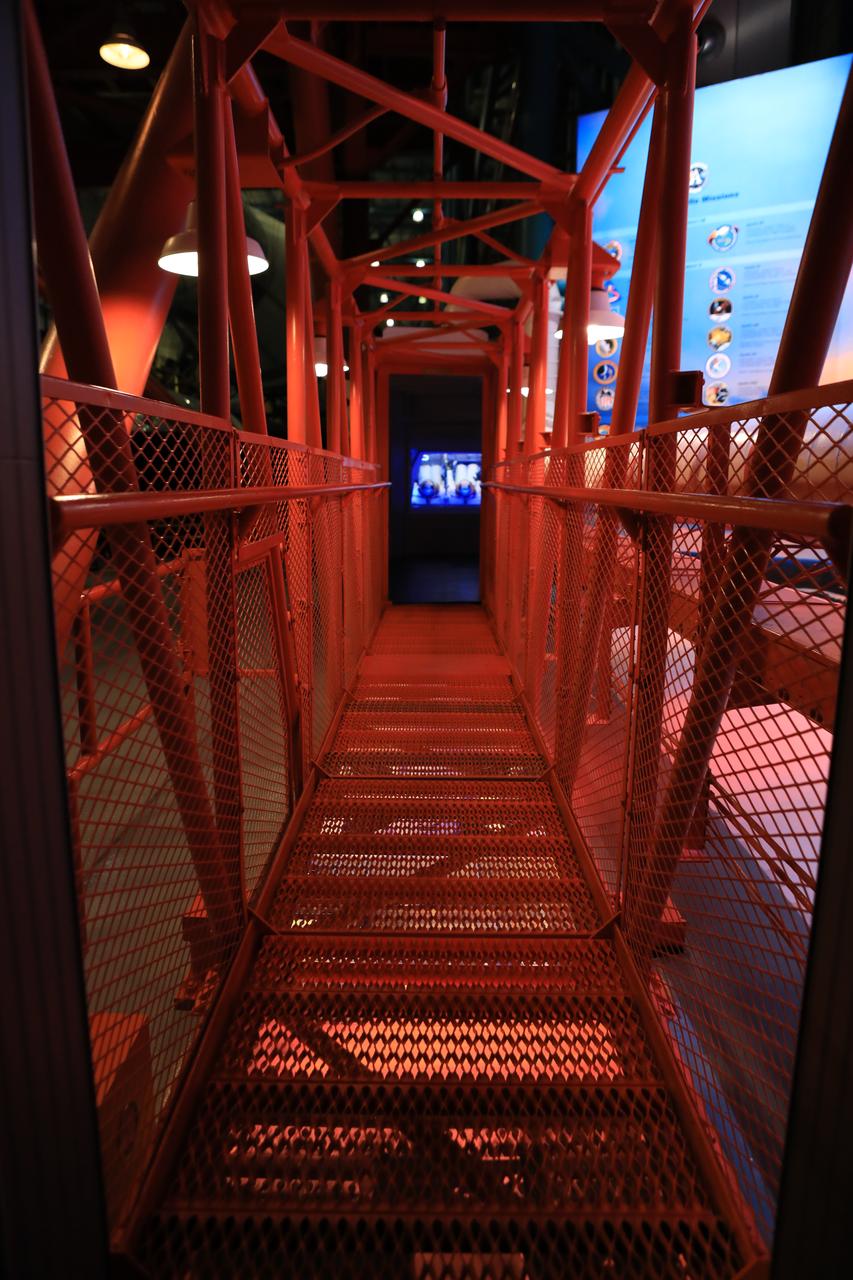
The crew access arm that astronauts walked across to reach the Apollo spacecraft for missions to the moon serves as the exit for the new tribute to the crew of Apollo 1 who perished in a fire at the launch pad on Jan. 27, 1967, during training for the mission. The tribute highlights the lives and careers of astronauts Gus Grissom, Ed White II and Roger Chaffee who were lost during the fire. The tribute at the Apollo/Saturn V Center at NASA's Kennedy Space Center opened Jan. 27, 2017, 50 years after the crew of three was lost. It features numerous items recalling the lives of the three astronauts. The tribute also includes the three-part hatch to the spacecraft itself, the first time any part of the Apollo 1 spacecraft has been displayed publicly. A version of the hatch after it was redesigned is also showcased as an example of improvements NASA made throughout the agency and to the Apollo spacecraft that would later carry astronauts to the moon.
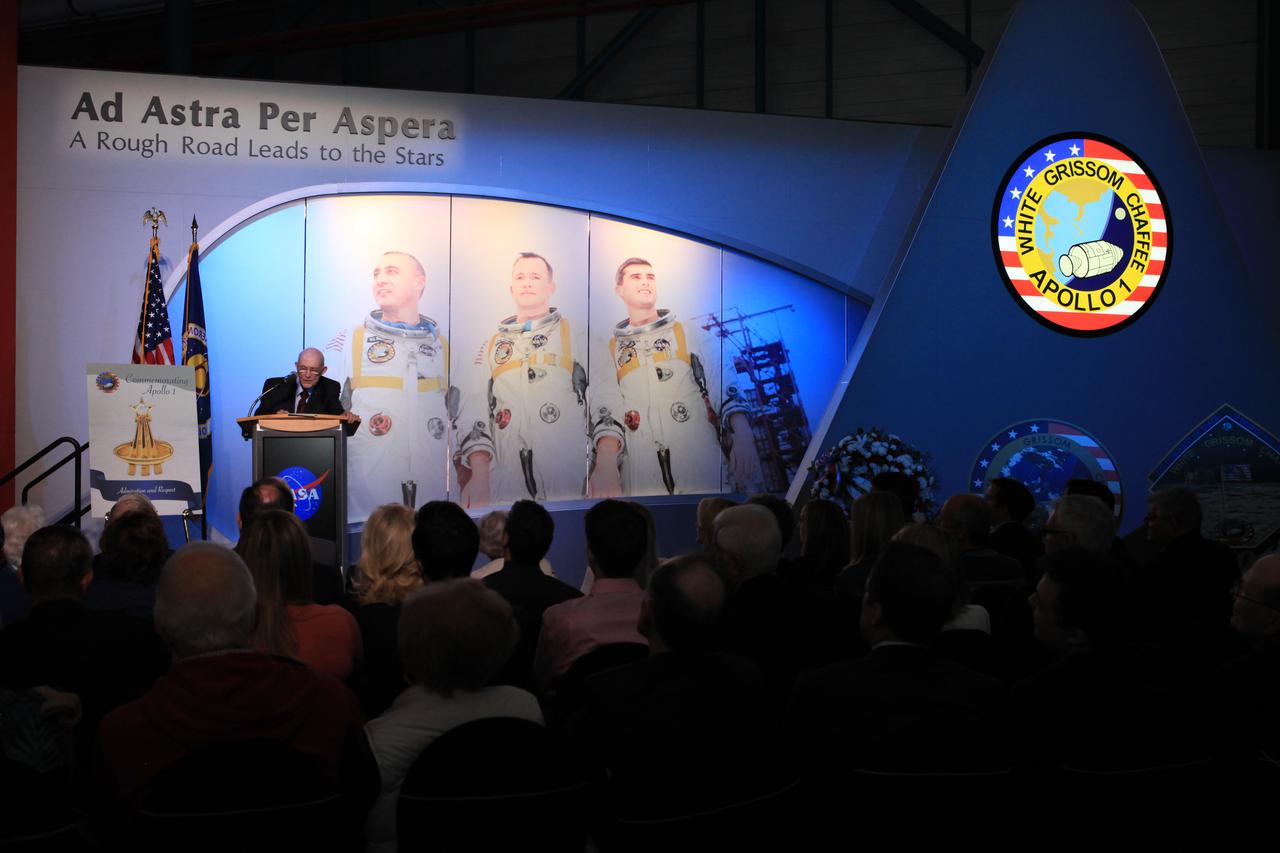
Former Gemini and Apollo astronaut Tom Stafford speaks during the opening of the tribute exhibition to the Apollo 1 astronauts who perished in a fire at the launch pad on Jan. 27, 1967, during training for the mission. The tribute highlights the lives and careers of astronauts Gus Grissom, Ed White II and Roger Chaffee who were lost during the fire. The tribute at the Apollo/Saturn V Center at NASA's Kennedy Space Center opened Jan. 27, 2017, 50 years after the crew of three was lost. It features numerous items recalling the lives of the three astronauts. The tribute also includes the three-part hatch to the spacecraft itself, the first time any part of the Apollo 1 spacecraft has been displayed publicly. A version of the hatch after it was redesigned is also showcased as an example of improvements NASA made throughout the agency and to the Apollo spacecraft that would later carry astronauts to the moon.
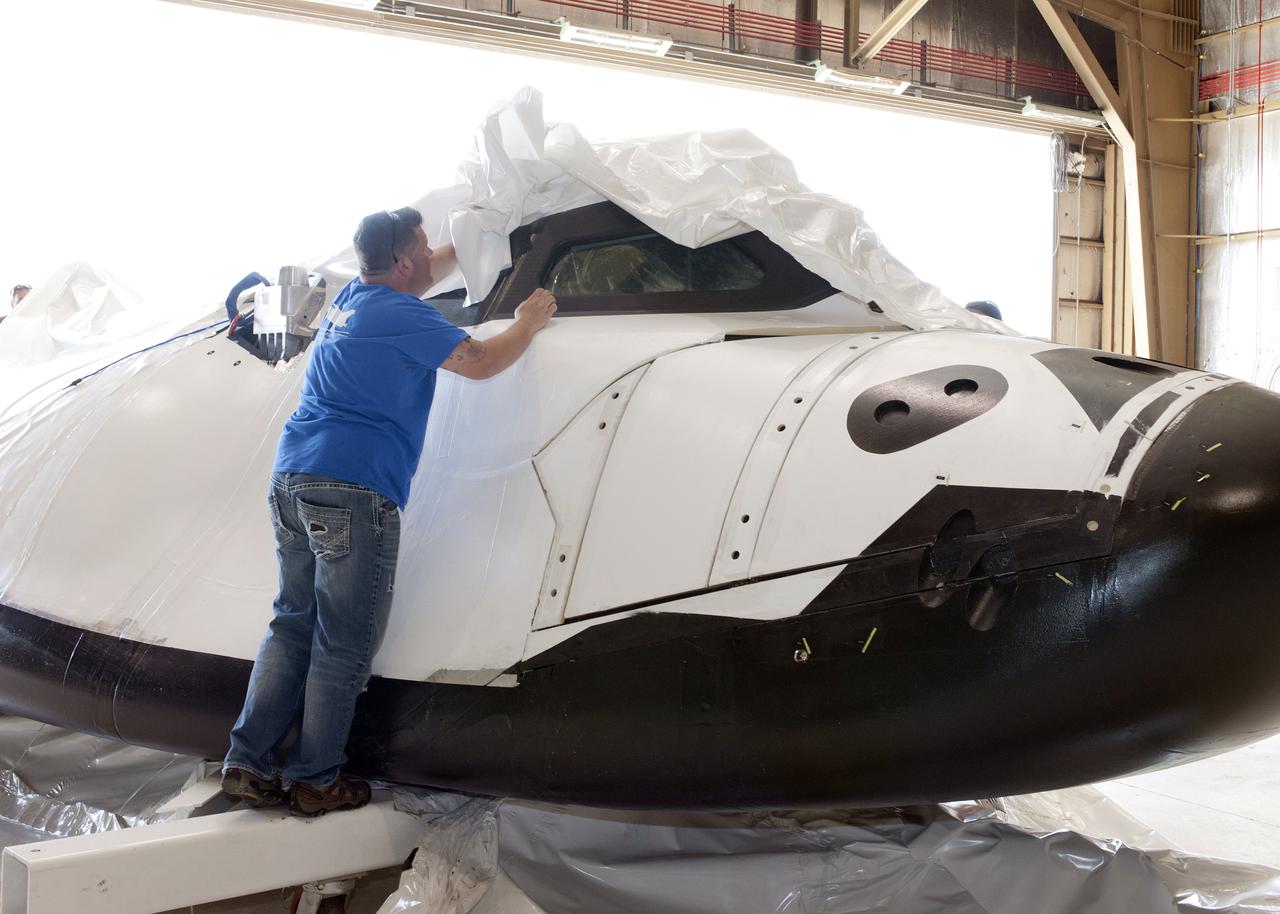
Edwards, Calif. – ED-0144-09 - Plastic wrapping that protected the Sierra Nevada Corporation, or SNC, Dream Chaser flight test vehicle during its transport from Colorado is carefully removed by SNC Dream Chaser crew chief Christian White following the craft's arrival at NASA's Dryden Flight Research Center in southern California. The prototype space access vehicle will undergo ground and approach-and-landing flight tests in the coming months at Dryden as part of NASA's Commercial Crew Program, or CCP, development work. SNC is one of three companies working with CCP during the agency's Commercial Crew Integrated Capability, or CCiCap, initiative, which is intended to lead to the availability of commercial human spaceflight services for government and commercial customers. To learn more about CCP and its industry partners, visit www.nasa.gov_commercialcrew. Image credit: NASA_Tom Tschida

A display case dedicated to astronaut Gus Grissom is shown inside the new tribute to the crew of Apollo 1 who perished in a fire at the launch pad on Jan. 27, 1967, during training for the mission. Grissom, Ed White II and Roger Chaffee were lost during the fire. The tribute at the Apollo/Saturn V Center at NASA's Kennedy Space Center opened Jan. 27, 2017, 50 years after the crew of three was lost. It features numerous items recalling the lives of the three astronauts. It also includes the three-part hatch to the spacecraft itself, the first time any part of the Apollo 1 spacecraft has been displayed publicly. A version of the hatch after it was redesigned is also showcased as an example of improvements NASA made throughout the agency and to the Apollo spacecraft that would later carry astronauts to the moon.
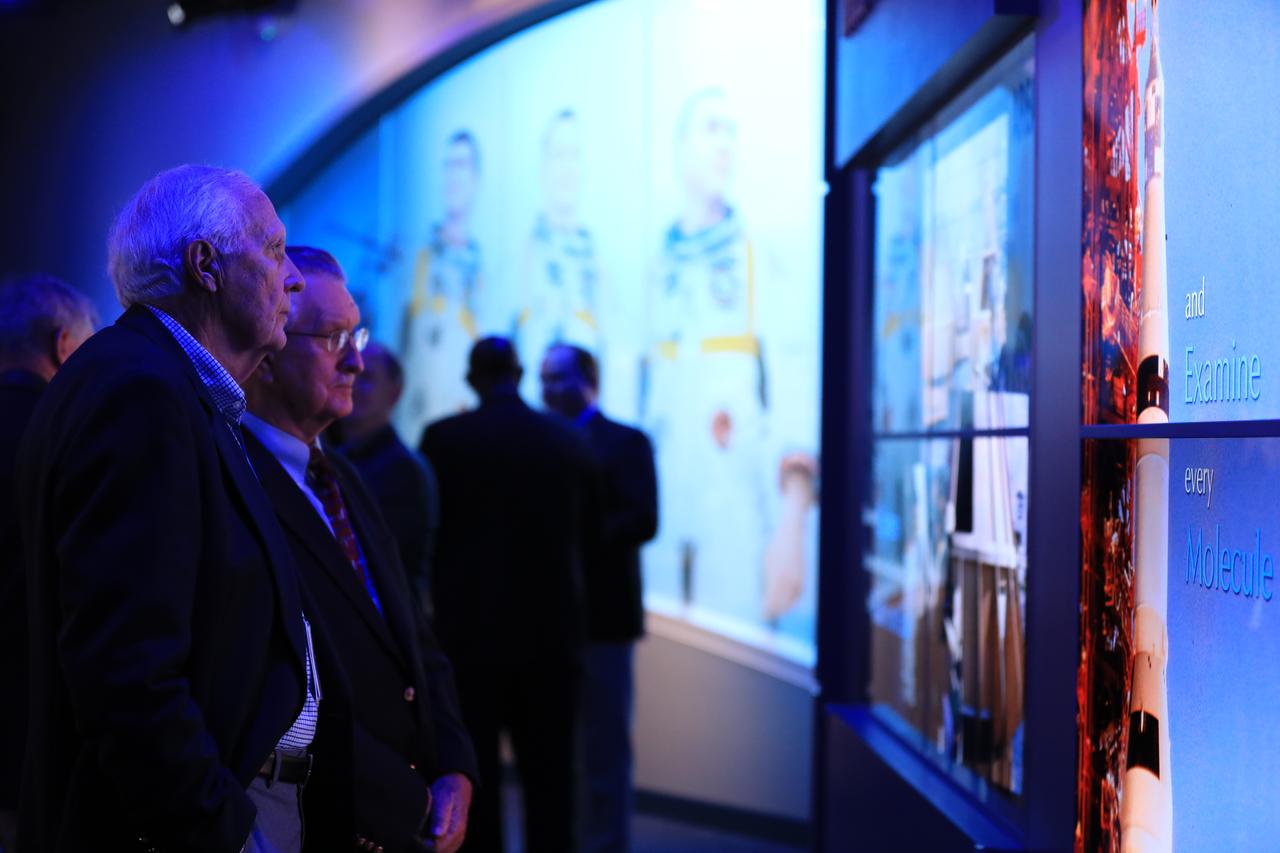
Guests observe areas of the newly opened Apollo 1 tribute at the Apollo/Saturn V Center at NASA's Kennedy Space Center opened Jan. 27, 2017. Astronauts Gus Grissom, Ed White II and Chaffee perished in a fire at the launch pad on Jan. 27, 1967, during training for the mission. The tribute highlights the lives and careers of the astronauts. The tribute features numerous items recalling the lives of the three astronauts. The tribute also includes the three-part hatch to the spacecraft itself, the first time any part of the Apollo 1 spacecraft has been displayed publicly. A version of the hatch after it was redesigned is also showcased as an example of improvements NASA made throughout the agency and to the Apollo spacecraft that would later carry astronauts to the moon.
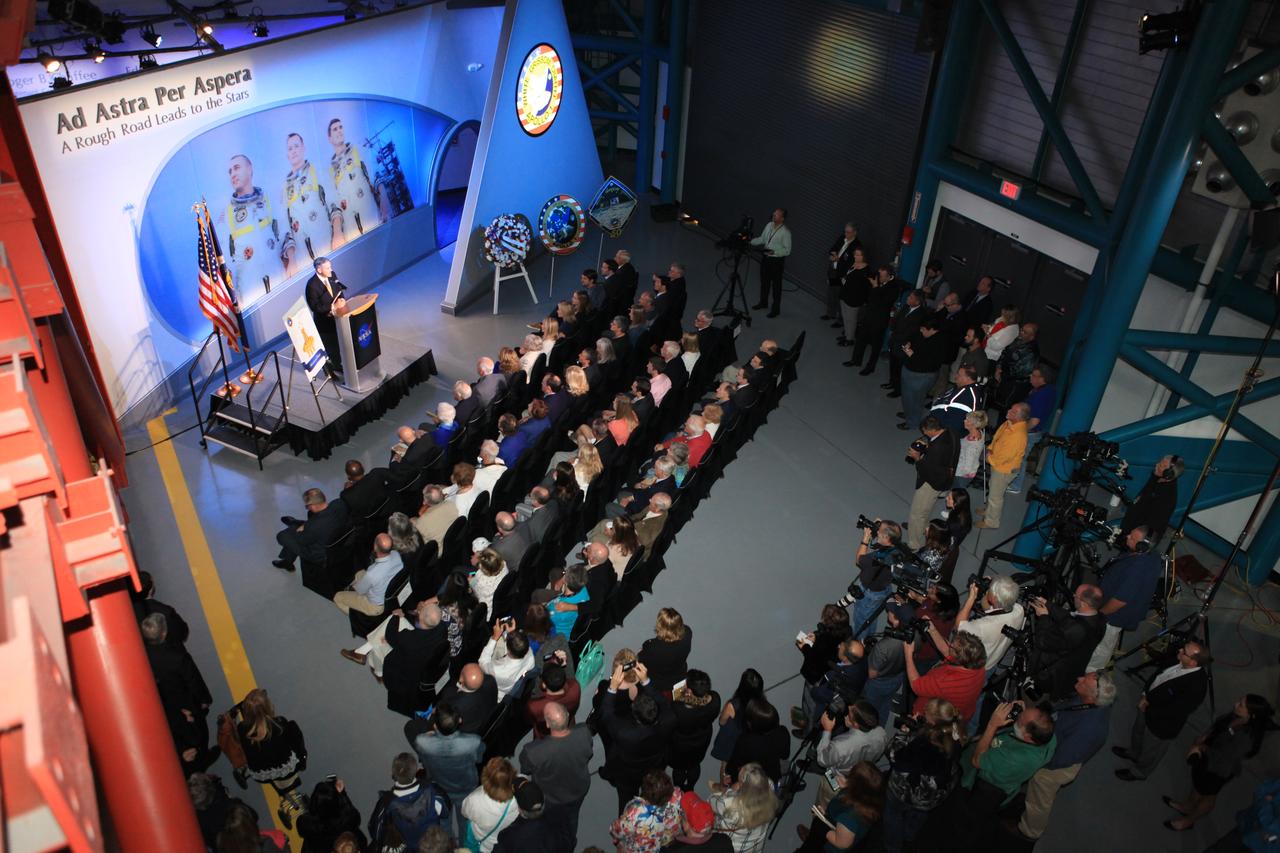
Former astronaut Bob Cabana, director of NASA's Kennedy Space Center in Florida, speaks during the opening of the tribute exhibition to the Apollo 1 astronauts who perished in a fire at the launch pad on Jan. 27, 1967, during training for the mission. The tribute highlights the lives and careers of astronauts Gus Grissom, Ed White II and Roger Chaffee who were lost during the fire. The tribute at the Apollo/Saturn V Center at NASA's Kennedy Space Center opened Jan. 27, 2017, 50 years after the crew of three was lost. It features numerous items recalling the lives of the three astronauts. The tribute also includes the three-part hatch to the spacecraft itself, the first time any part of the Apollo 1 spacecraft has been displayed publicly. A version of the hatch after it was redesigned is also showcased as an example of improvements NASA made throughout the agency and to the Apollo spacecraft that would later carry astronauts to the moon.
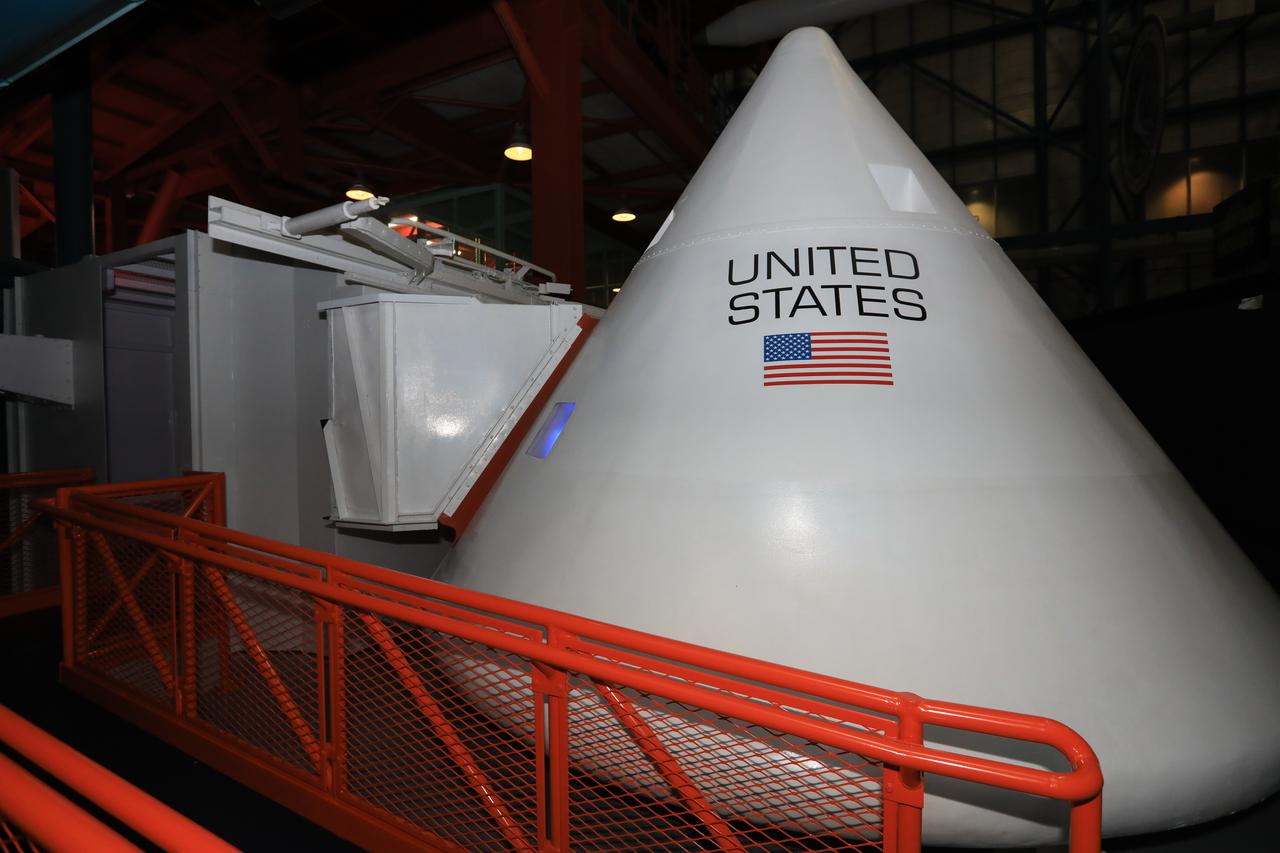
An Apollo spacecraft mockup marks the capstone of the new tribute to the crew of Apollo 1 who perished in a fire at the launch pad on Jan. 27, 1967, during training for the mission. The tribute highlights the lives and careers of astronauts Gus Grissom, Ed White II and Roger Chaffee who were lost during the fire. The tribute at the Apollo/Saturn V Center at NASA's Kennedy Space Center opened Jan. 27, 2017, 50 years after the crew of three was lost. It features numerous items recalling the lives of the three astronauts. The tribute also includes the three-part hatch to the spacecraft itself, the first time any part of the Apollo 1 spacecraft has been displayed publicly. A version of the hatch after it was redesigned is also showcased as an example of improvements NASA made throughout the agency and to the Apollo spacecraft that would later carry astronauts to the moon.
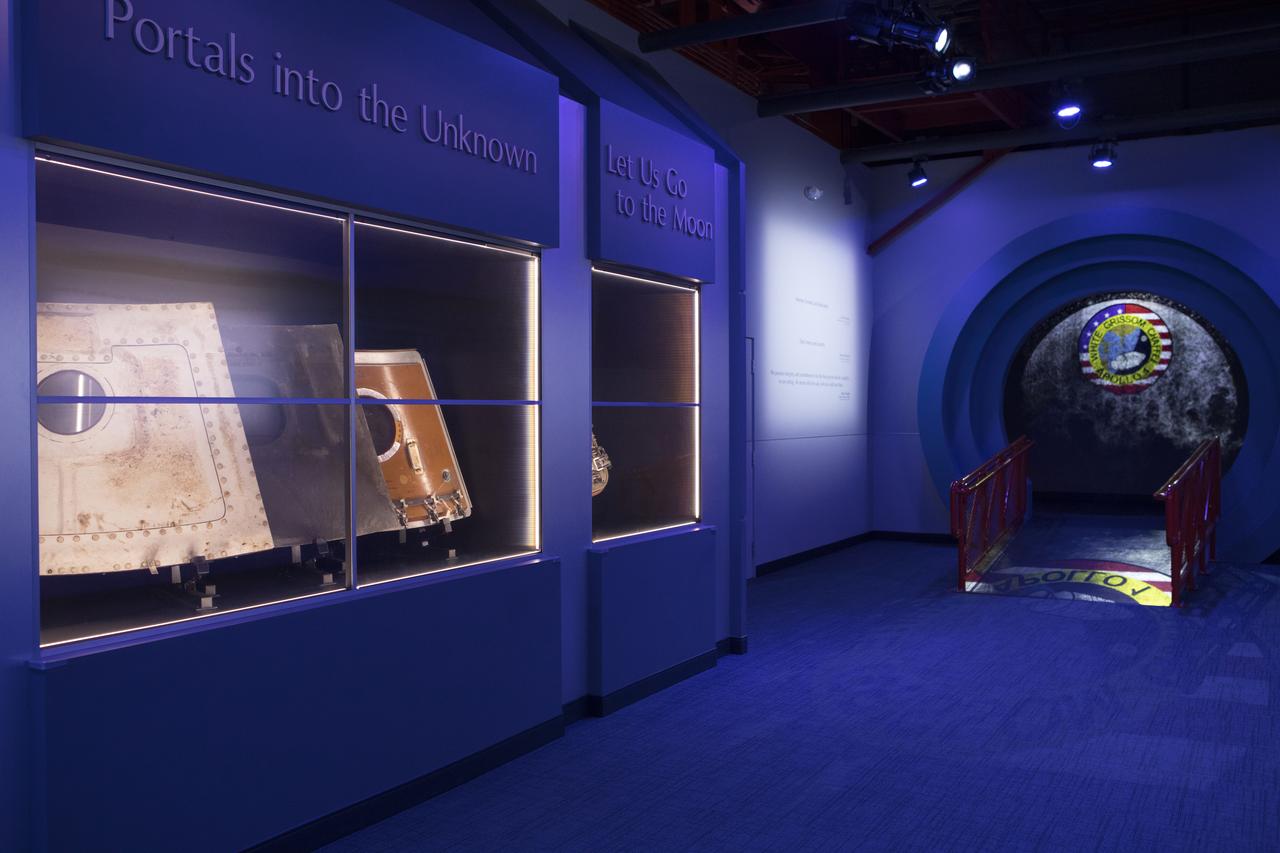
The three-part hatch that was in place on the Apollo 1 spacecraft is shown in a tribute to the crew of Apollo 1 who perished in a fire at the launch pad on Jan. 27, 1967, during training for the mission. This is the first time any part of the Apollo 1 spacecraft has been displayed publicly. The tribute highlights the lives and careers of astronauts Gus Grissom, Ed White II and Roger Chaffee who were lost during the fire. The tribute at the Apollo/Saturn V Center at NASA's Kennedy Space Center opened Jan. 27, 2017, 50 years after the crew of three was lost. It features numerous items recalling the lives of the three astronauts. A version of the hatch after it was redesigned is also showcased as an example of improvements NASA made throughout the agency and to the Apollo spacecraft that would later carry astronauts to the moon.
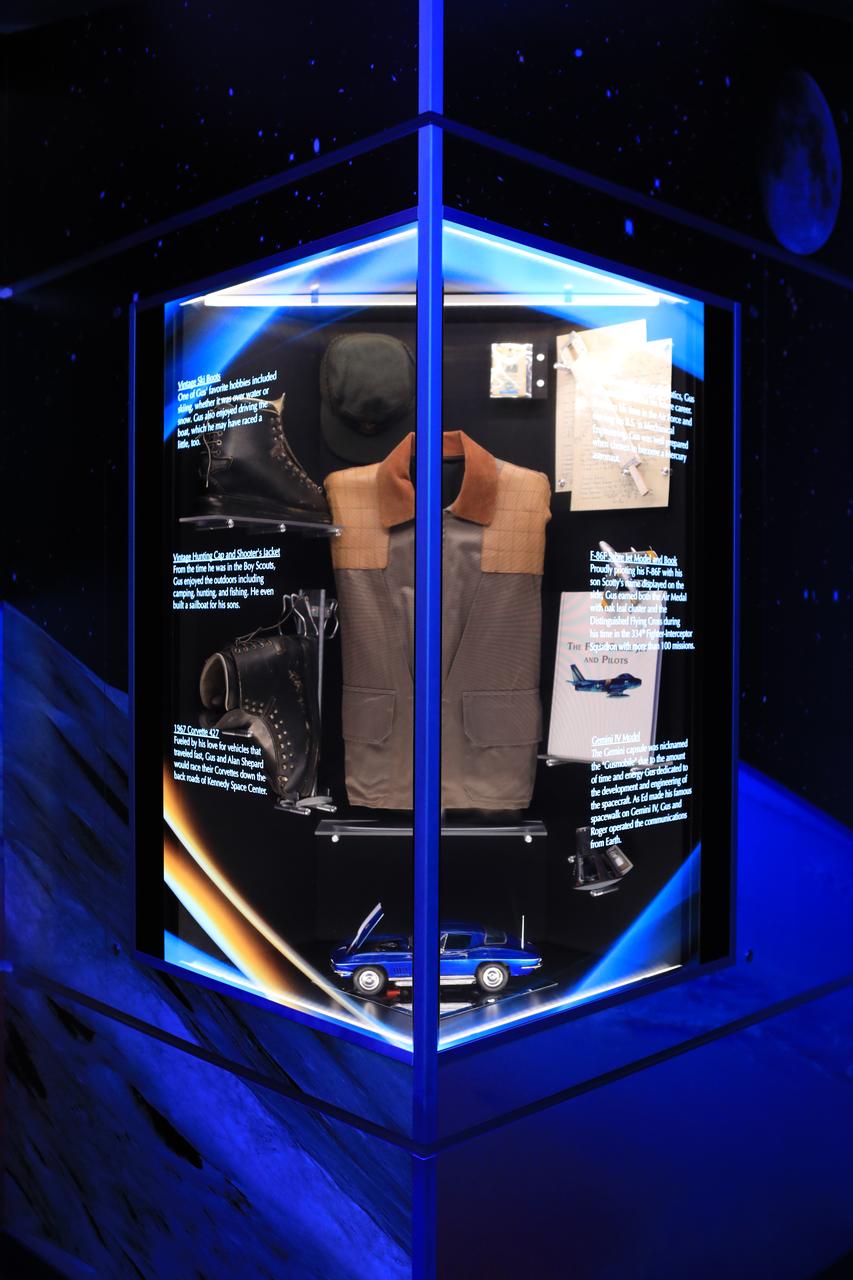
A display case dedicated to astronaut Gus Grissom is shown inside the new tribute to the crew of Apollo 1 who perished in a fire at the launch pad on Jan. 27, 1967, during training for the mission. Grissom, Ed White II and Roger Chaffee were lost during the fire. The tribute at the Apollo/Saturn V Center at NASA's Kennedy Space Center opened Jan. 27, 2017, 50 years after the crew of three was lost. It features numerous items recalling the lives of the three astronauts. It also includes the three-part hatch to the spacecraft itself, the first time any part of the Apollo 1 spacecraft has been displayed publicly. A version of the hatch after it was redesigned is also showcased as an example of improvements NASA made throughout the agency and to the Apollo spacecraft that would later carry astronauts to the moon.
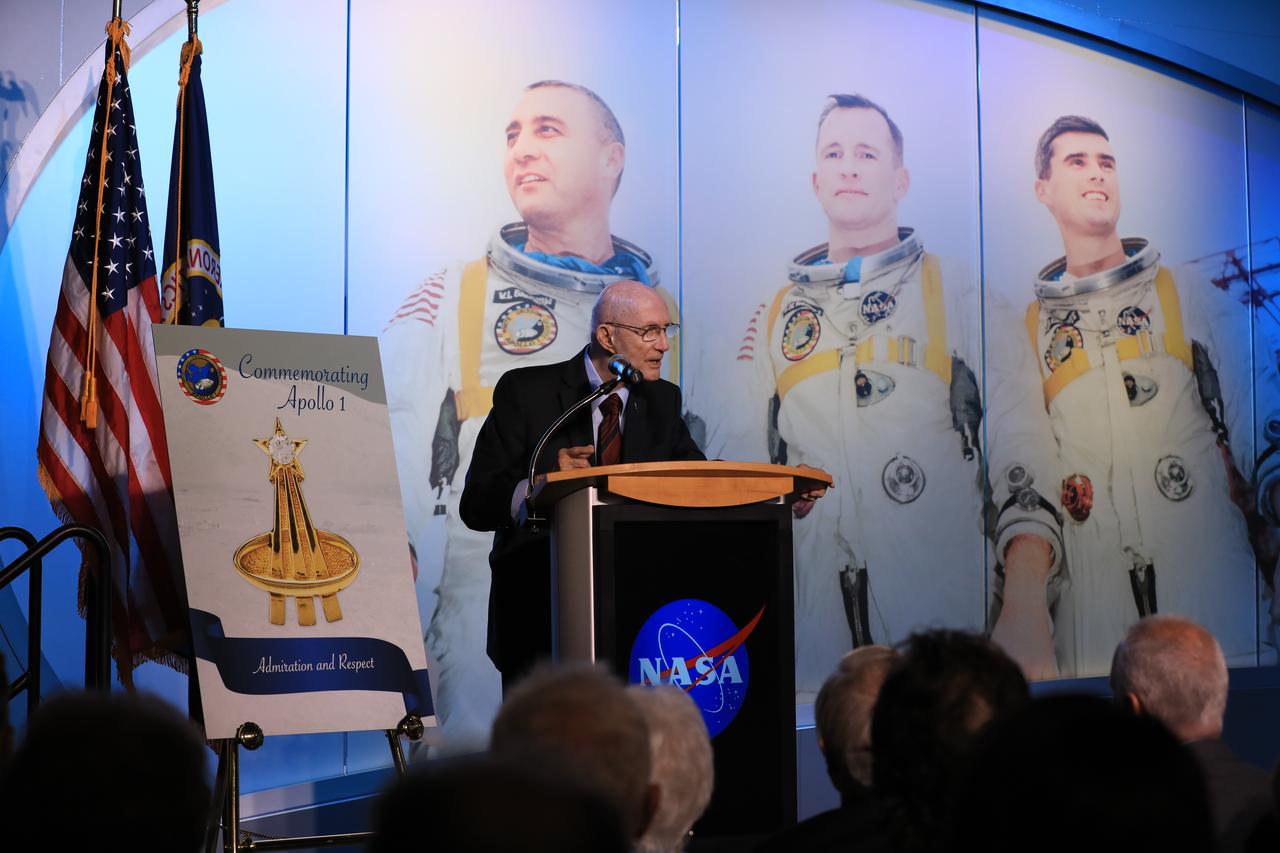
Former Gemini and Apollo astronaut Tom Stafford speaks during the opening of the tribute exhibition to the Apollo 1 astronauts who perished in a fire at the launch pad on Jan. 27, 1967, during training for the mission. The tribute highlights the lives and careers of astronauts Gus Grissom, Ed White II and Roger Chaffee who were lost during the fire. The tribute at the Apollo/Saturn V Center at NASA's Kennedy Space Center opened Jan. 27, 2017, 50 years after the crew of three was lost. It features numerous items recalling the lives of the three astronauts. The tribute also includes the three-part hatch to the spacecraft itself, the first time any part of the Apollo 1 spacecraft has been displayed publicly. A version of the hatch after it was redesigned is also showcased as an example of improvements NASA made throughout the agency and to the Apollo spacecraft that would later carry astronauts to the moon.
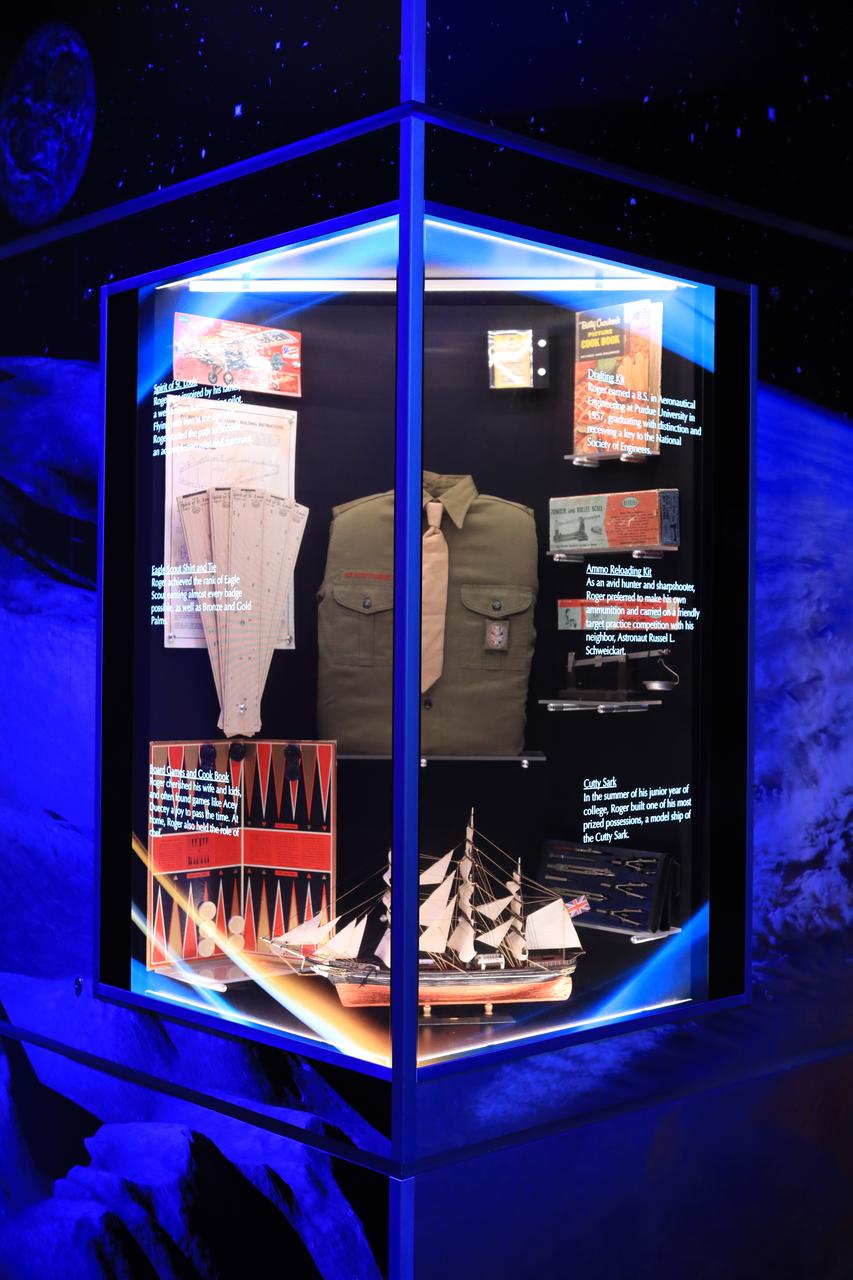
A display case dedicated to astronaut Roger Chaffee is shown inside the new tribute to the crew of Apollo 1 who perished in a fire at the launch pad on Jan. 27, 1967, during training for the mission. Gus Grissom, Ed White II and Chaffee were lost during the fire. The tribute at the Apollo/Saturn V Center at NASA's Kennedy Space Center opened Jan. 27, 2017, 50 years after the crew of three was lost. It features numerous items recalling the lives of the three astronauts. It also includes the three-part hatch to the spacecraft itself, the first time any part of the Apollo 1 spacecraft has been displayed publicly. A version of the hatch after it was redesigned is also showcased as an example of improvements NASA made throughout the agency and to the Apollo spacecraft that would later carry astronauts to the moon.
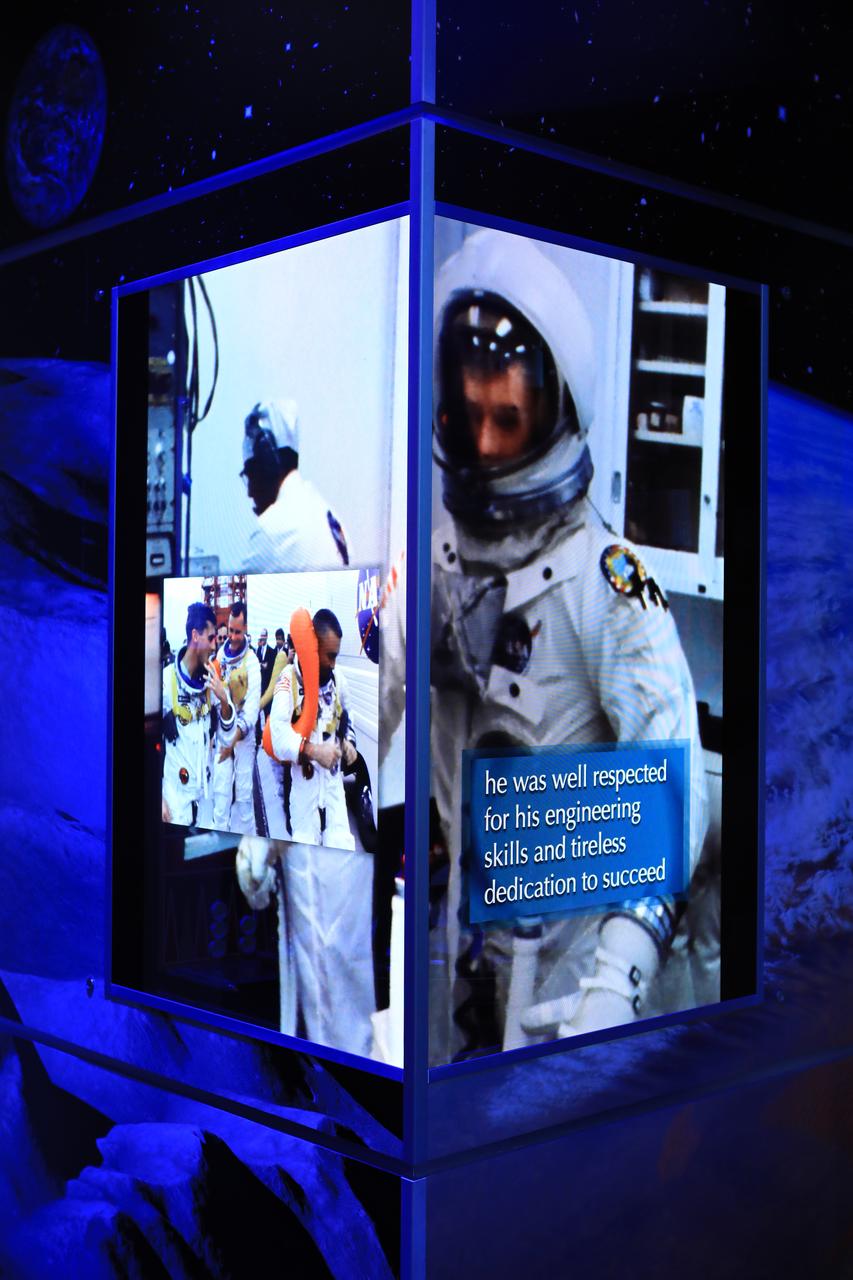
A display case dedicated to astronaut Roger Chaffee is shown inside the new tribute to the crew of Apollo 1 who perished in a fire at the launch pad on Jan. 27, 1967, during training for the mission. Gus Grissom, Ed White II and Chaffee were lost during the fire. The tribute at the Apollo/Saturn V Center at NASA's Kennedy Space Center opened Jan. 27, 2017, 50 years after the crew of three was lost. It features numerous items recalling the lives of the three astronauts. It also includes the three-part hatch to the spacecraft itself, the first time any part of the Apollo 1 spacecraft has been displayed publicly. A version of the hatch after it was redesigned is also showcased as an example of improvements NASA made throughout the agency and to the Apollo spacecraft that would later carry astronauts to the moon.

Edwards, Calif. – ED-0144-08 - Plastic wrapping that protected the Sierra Nevada Corporation, or SNC, Dream Chaser flight test vehicle during its transport from Colorado is carefully removed by SNC Dream Chaser crew chief Christian White, left, and SNC employee Will Armijo following the craft's arrival at NASA's Dryden Flight Research Center in southern California. The prototype space access vehicle will undergo ground and approach-and-landing flight tests in the coming months at Dryden as part of NASA's Commercial Crew Program, or CCP, development work. SNC is one of three companies working with CCP during the agency's Commercial Crew Integrated Capability, or CCiCap, initiative, which is intended to lead to the availability of commercial human spaceflight services for government and commercial customers. To learn more about CCP and its industry partners, visit www.nasa.gov_commercialcrew. Image credit: NASA_Tom Tschida
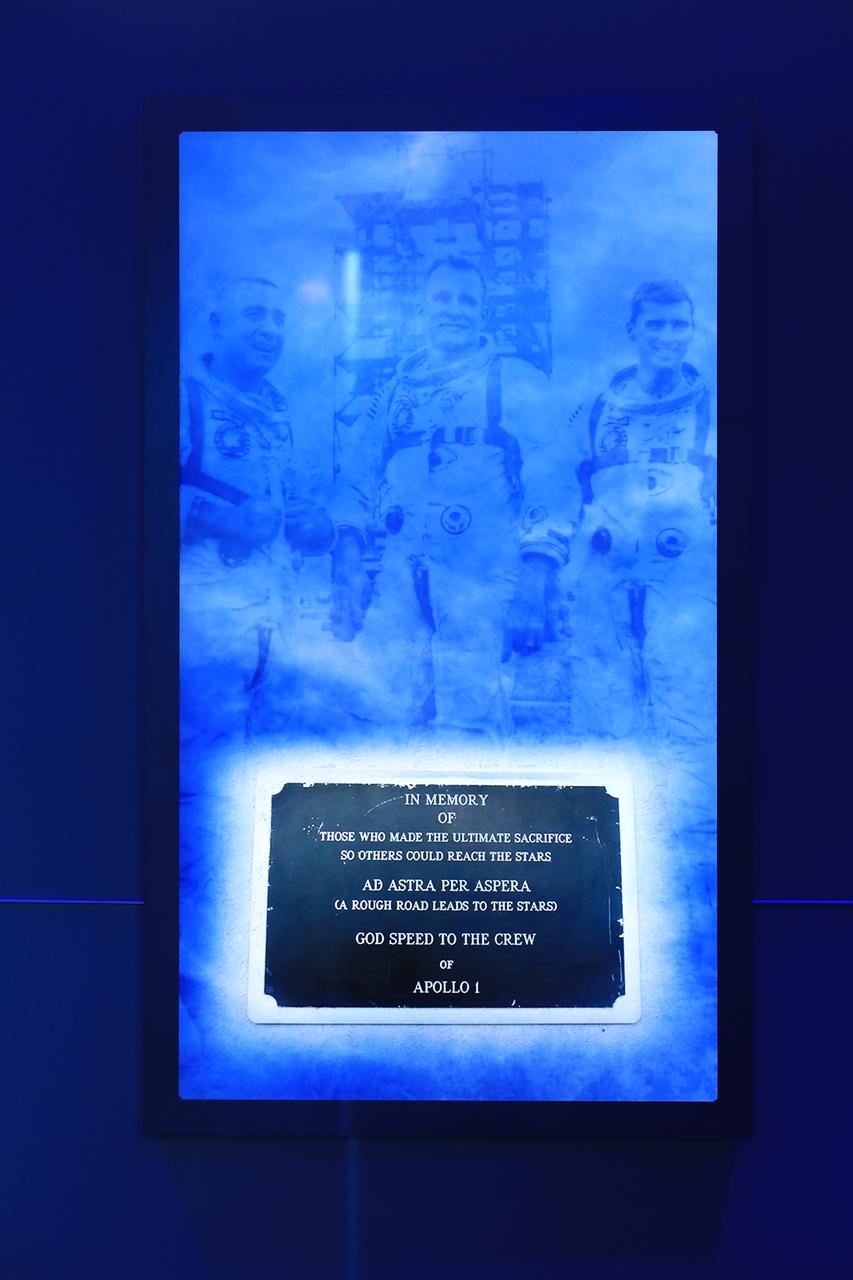
A display screen showing the memorial plaque that is in place at Launch Complex 34 is shown inside the new tribute to the crew of Apollo 1 who perished in a fire at the launch pad on Jan. 27, 1967, during training for the mission. Astronauts Gus Grissom, Ed White II and Roger Chaffee were lost during the fire. The tribute at the Apollo/Saturn V Center at NASA's Kennedy Space Center opened Jan. 27, 2017, 50 years after the crew of three was lost. It features numerous items recalling the lives of the three astronauts. It also includes the three-part hatch to the spacecraft itself, the first time any part of the Apollo 1 spacecraft has been displayed publicly. A version of the hatch after it was redesigned is also showcased as an example of improvements NASA made throughout the agency and to the Apollo spacecraft that would later carry astronauts to the moon.
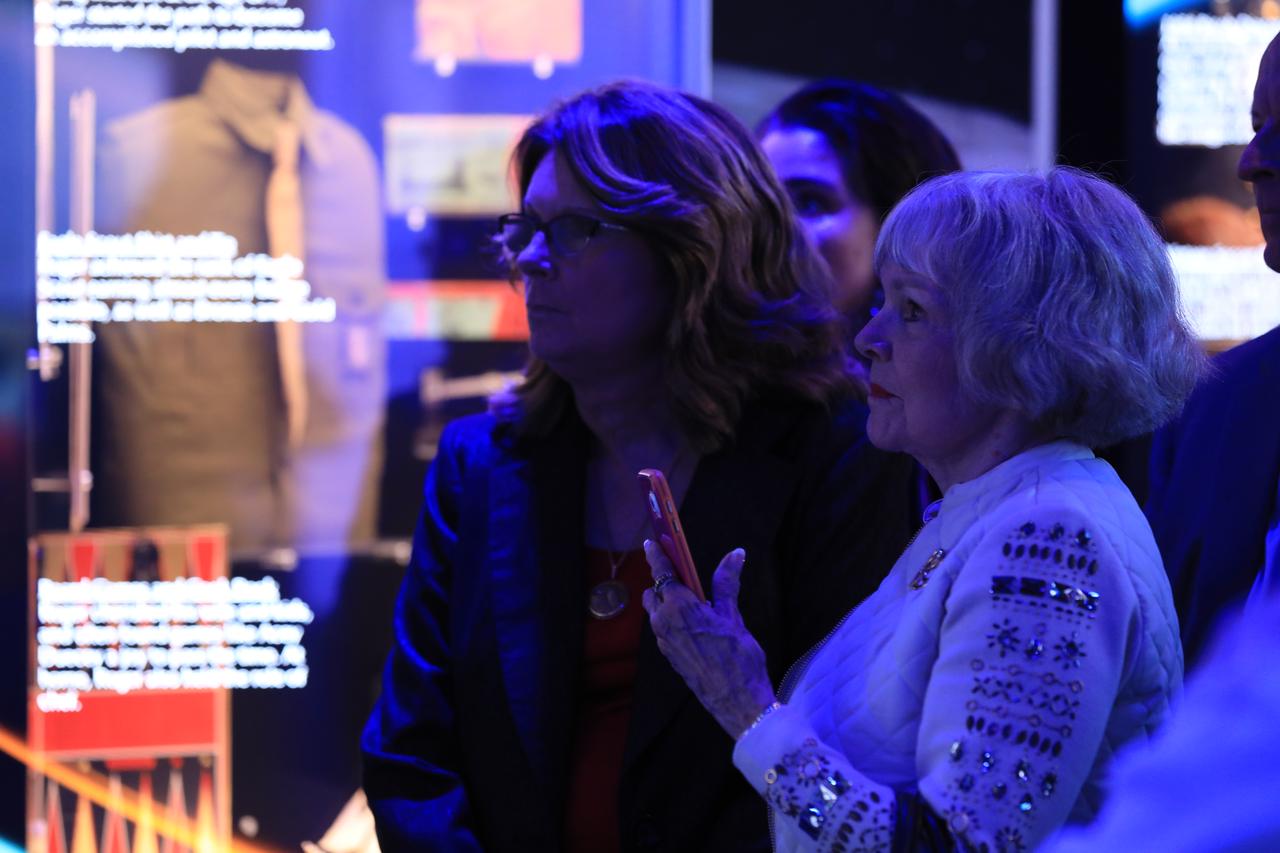
Martha Chaffee and Sheryl Chaffee, widow and daughter of astronaut Roger Chaffee, respectively, look at areas of the newly opened Apollo 1 tribute at the Apollo/Saturn V Center at NASA's Kennedy Space Center opened Jan. 27, 2017. Astronauts Gus Grissom, Ed White II and Chaffee perished in a fire at the launch pad on Jan. 27, 1967, during training for the mission. The tribute highlights the lives and careers of the astronauts. The tribute features numerous items recalling the lives of the three astronauts. The tribute also includes the three-part hatch to the spacecraft itself, the first time any part of the Apollo 1 spacecraft has been displayed publicly. A version of the hatch after it was redesigned is also showcased as an example of improvements NASA made throughout the agency and to the Apollo spacecraft that would later carry astronauts to the moon.
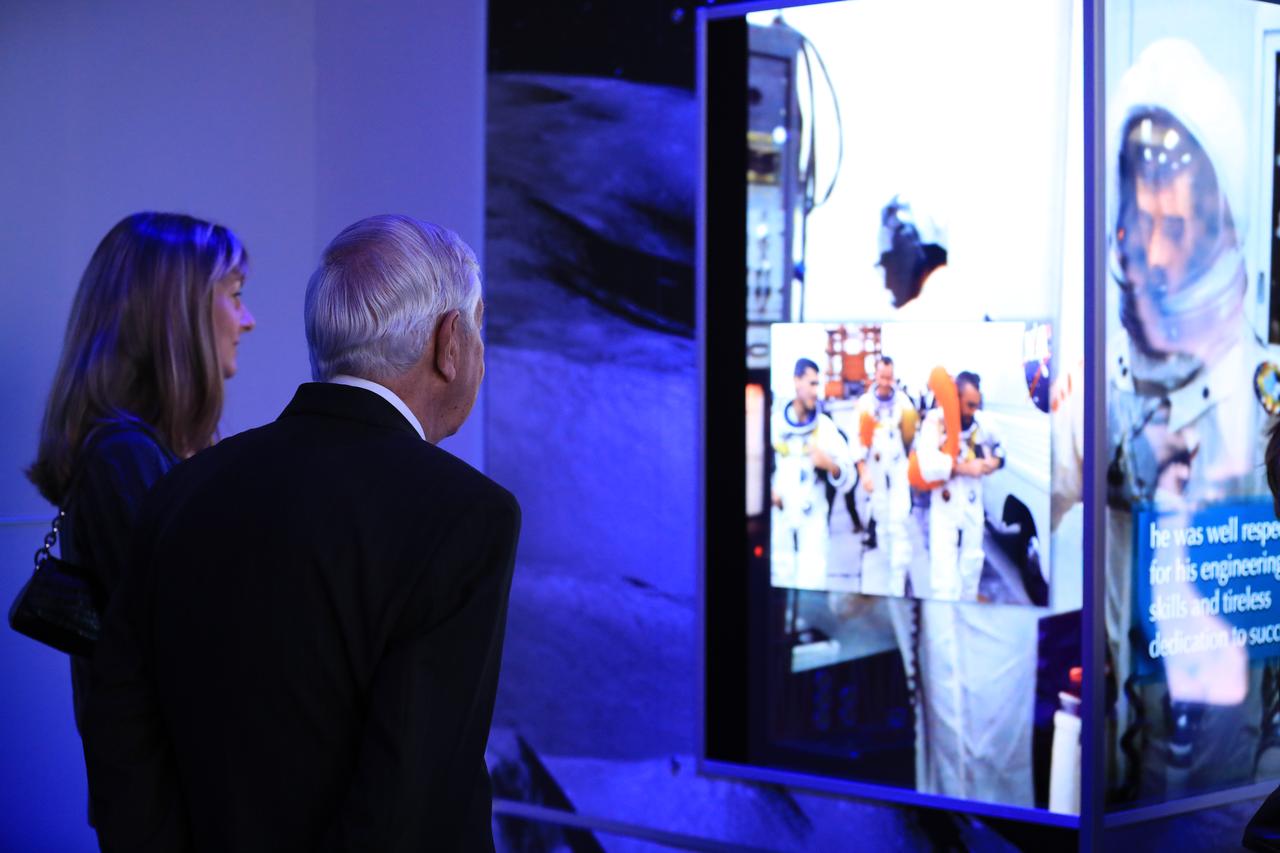
Lowell Grissom, brother of Gus Grissom, and Carly Sparks, granddaughter of Grissom, look at areas of the newly opened Apollo 1 tribute at the Apollo/Saturn V Center at NASA's Kennedy Space Center opened Jan. 27, 2017. Astronauts Gus Grissom, Ed White II and Chaffee perished in a fire at the launch pad on Jan. 27, 1967, during training for the mission. The tribute highlights the lives and careers of the astronauts. The tribute features numerous items recalling the lives of the three astronauts. The tribute also includes the three-part hatch to the spacecraft itself, the first time any part of the Apollo 1 spacecraft has been displayed publicly. A version of the hatch after it was redesigned is also showcased as an example of improvements NASA made throughout the agency and to the Apollo spacecraft that would later carry astronauts to the moon.
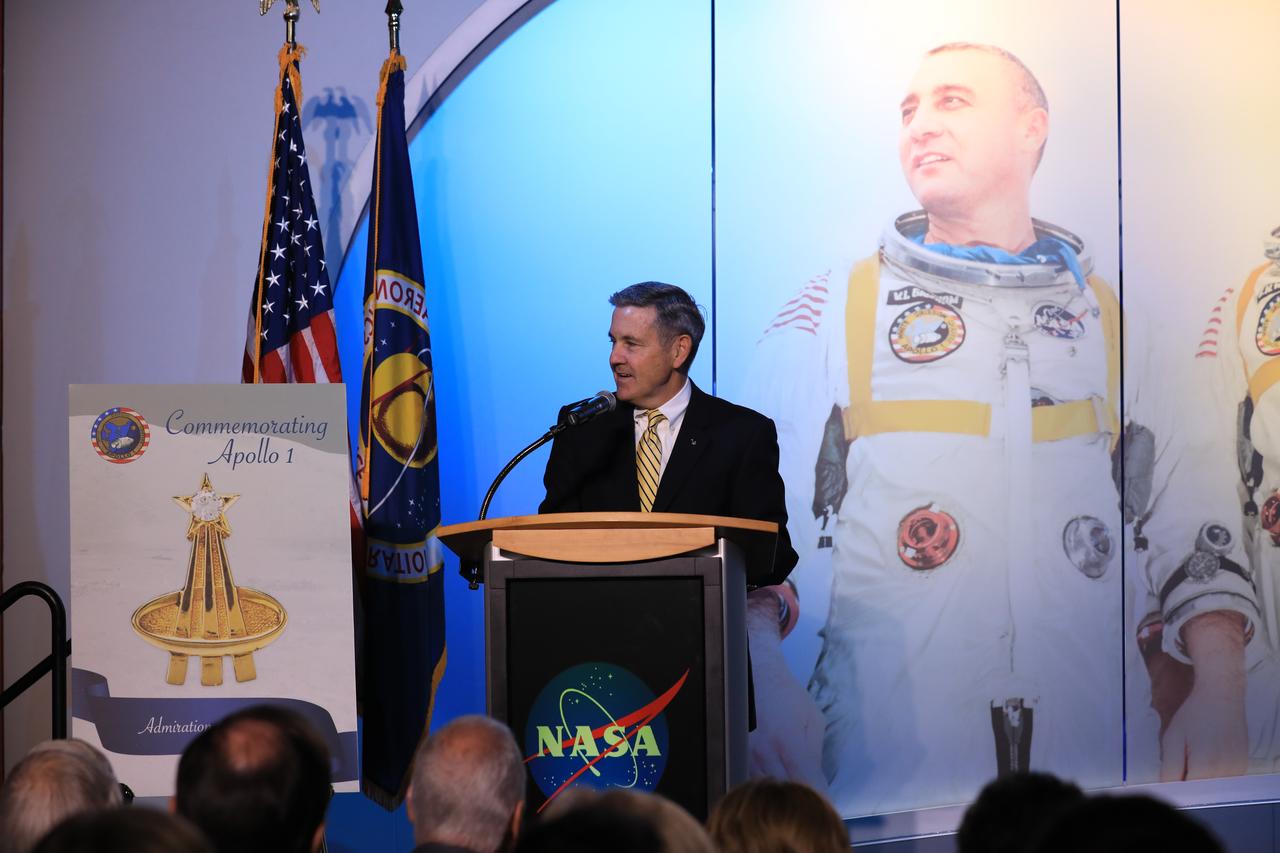
Former astronaut Bob Cabana, director of NASA's Kennedy Space Center in Florida, speaks during the opening of the tribute exhibition to the Apollo 1 astronauts who perished in a fire at the launch pad on Jan. 27, 1967, during training for the mission. The tribute highlights the lives and careers of astronauts Gus Grissom, Ed White II and Roger Chaffee who were lost during the fire. The tribute at the Apollo/Saturn V Center at NASA's Kennedy Space Center opened Jan. 27, 2017, 50 years after the crew of three was lost. It features numerous items recalling the lives of the three astronauts. The tribute also includes the three-part hatch to the spacecraft itself, the first time any part of the Apollo 1 spacecraft has been displayed publicly. A version of the hatch after it was redesigned is also showcased as an example of improvements NASA made throughout the agency and to the Apollo spacecraft that would later carry astronauts to the moon.
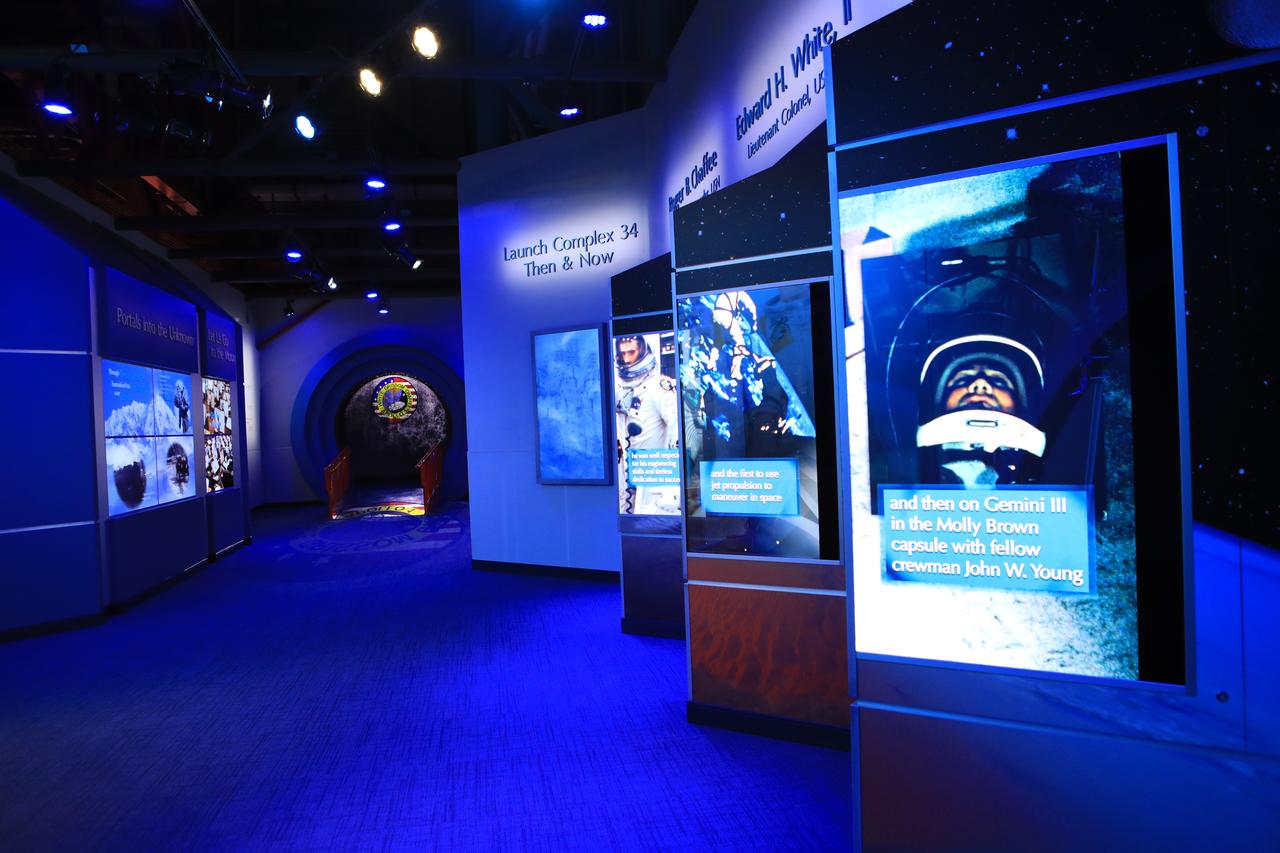
The new tribute to the crew of Apollo 1 who perished in a fire at the launch pad on Jan. 27, 1967, during training for the mission is shown looking down the length of the area. The tribute highlights the lives and careers of astronauts Gus Grissom, Ed White II and Roger Chaffee who were lost during the fire. The tribute at the Apollo/Saturn V Center at NASA's Kennedy Space Center opened Jan. 27, 2017, 50 years after the crew of three was lost. It features numerous items recalling the lives of the three astronauts. The tribute also includes the three-part hatch to the spacecraft itself, the first time any part of the Apollo 1 spacecraft has been displayed publicly. A version of the hatch after it was redesigned is also showcased as an example of improvements NASA made throughout the agency and to the Apollo spacecraft that would later carry astronauts to the moon.
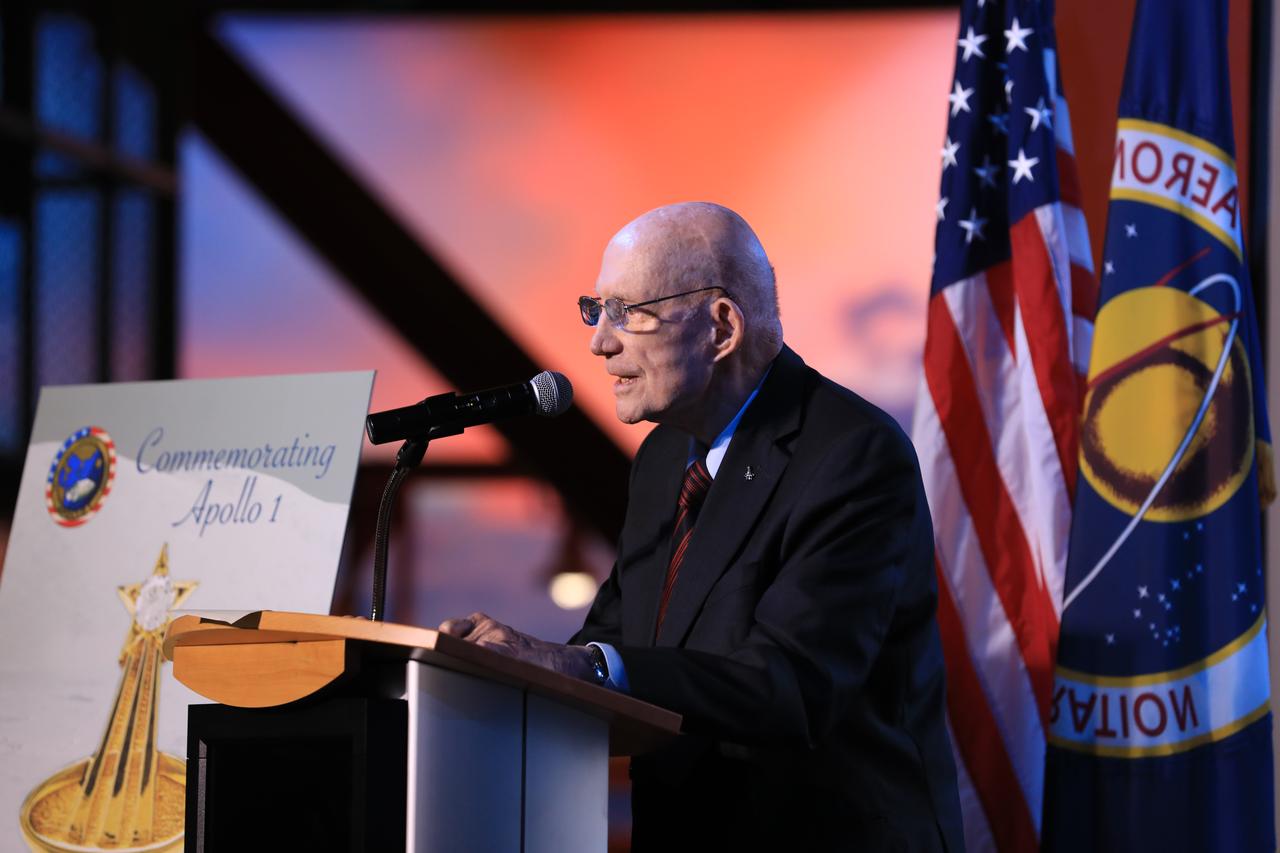
Former Gemini and Apollo astronaut Tom Stafford speaks during the opening of the tribute exhibition to the Apollo 1 astronauts who perished in a fire at the launch pad on Jan. 27, 1967, during training for the mission. The tribute highlights the lives and careers of astronauts Gus Grissom, Ed White II and Roger Chaffee who were lost during the fire. The tribute at the Apollo/Saturn V Center at NASA's Kennedy Space Center opened Jan. 27, 2017, 50 years after the crew of three was lost. It features numerous items recalling the lives of the three astronauts. The tribute also includes the three-part hatch to the spacecraft itself, the first time any part of the Apollo 1 spacecraft has been displayed publicly. A version of the hatch after it was redesigned is also showcased as an example of improvements NASA made throughout the agency and to the Apollo spacecraft that would later carry astronauts to the moon.
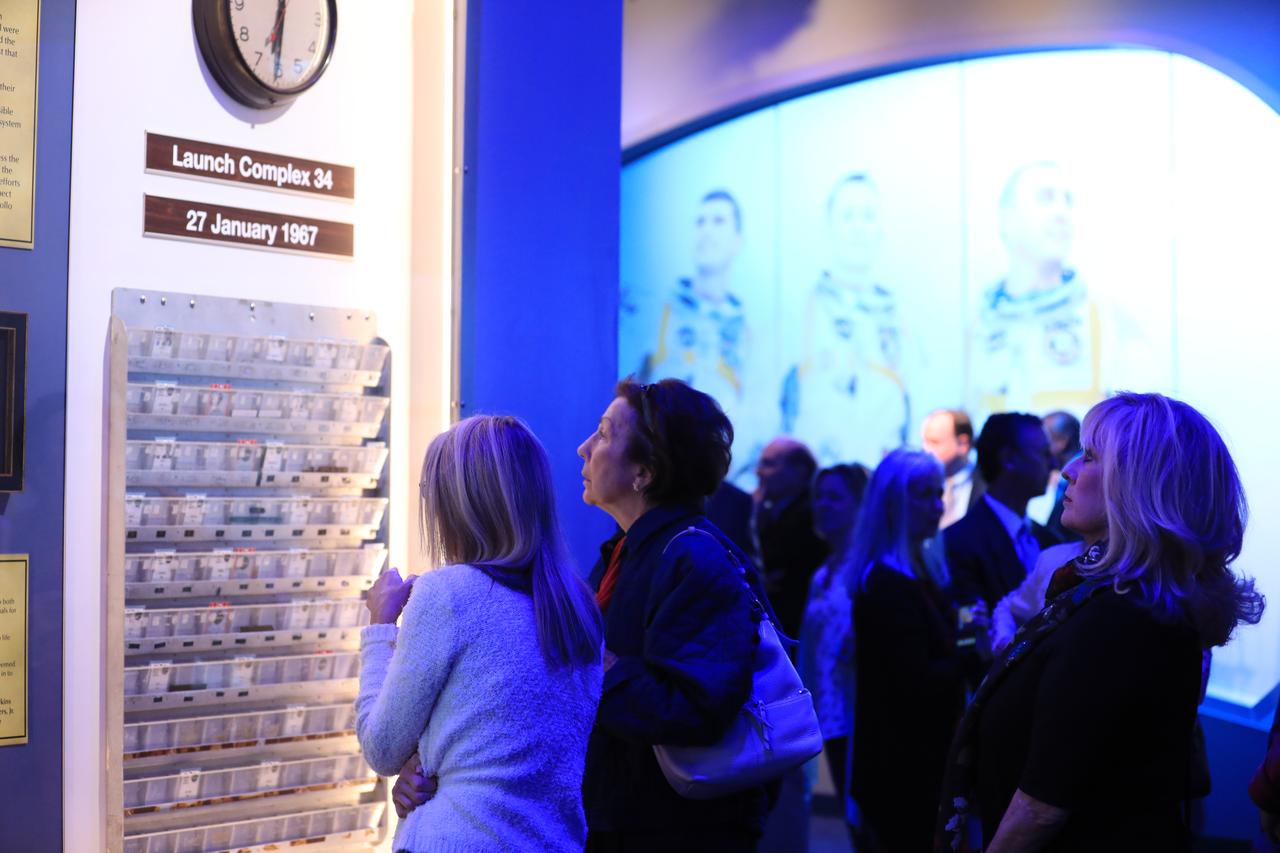
A badge board and badges from launch support staff at Launch Complex 34 is observed inside the Apollo 1 tribute at the Apollo/Saturn V Center at NASA's Kennedy Space Center as it opened Jan. 27, 2017. Astronauts Gus Grissom, Ed White II and Chaffee perished in a fire at the launch pad on Jan. 27, 1967, during training for the mission. The tribute highlights the lives and careers of the astronauts. The tribute features numerous items recalling the lives of the three astronauts. The tribute also includes the three-part hatch to the spacecraft itself, the first time any part of the Apollo 1 spacecraft has been displayed publicly. A version of the hatch after it was redesigned is also showcased as an example of improvements NASA made throughout the agency and to the Apollo spacecraft that would later carry astronauts to the moon.
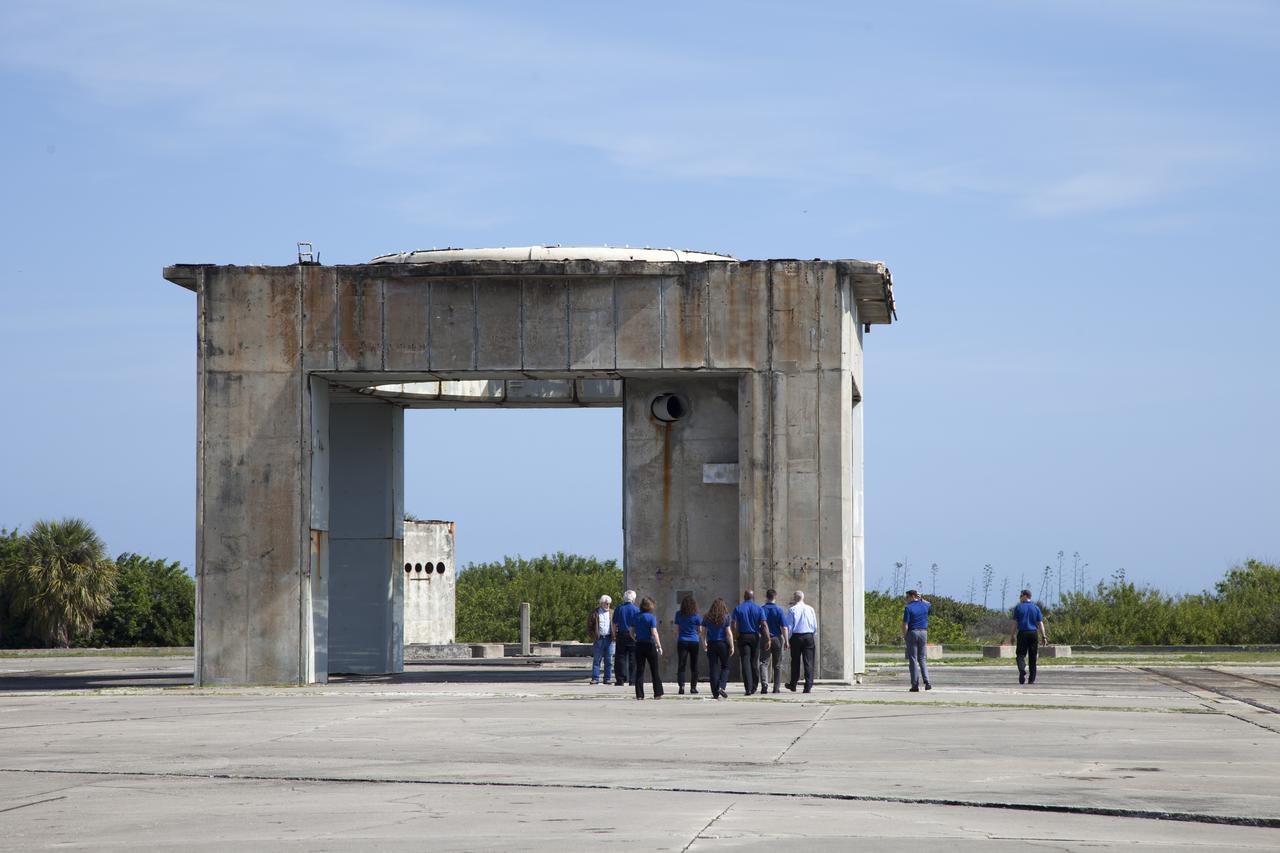
CAPE CANAVERAL, Fla. – NASA astronaut candidates survey Launch Complex 34 at Cape Canaveral Air Force Station in Florida, adjacent to NASA's Kennedy Space Center. Complex 34 was the sight of NASA's first astronaut fatalities when the crew of Apollo 1, Gus Grissom, Ed White and Roger Chaffee, died in a fire inside their Apollo capsule during testing at the pad. The astronaut class of 2013 was selected by NASA after an extensive year-and-a-half search. The new group will help the agency push the boundaries of exploration and travel to new destinations in the solar system. To learn more about the astronaut class of 2013, visit: http://www.nasa.gov/astronauts/2013astroclass.html Photo credit: NASA/Frankie Martin
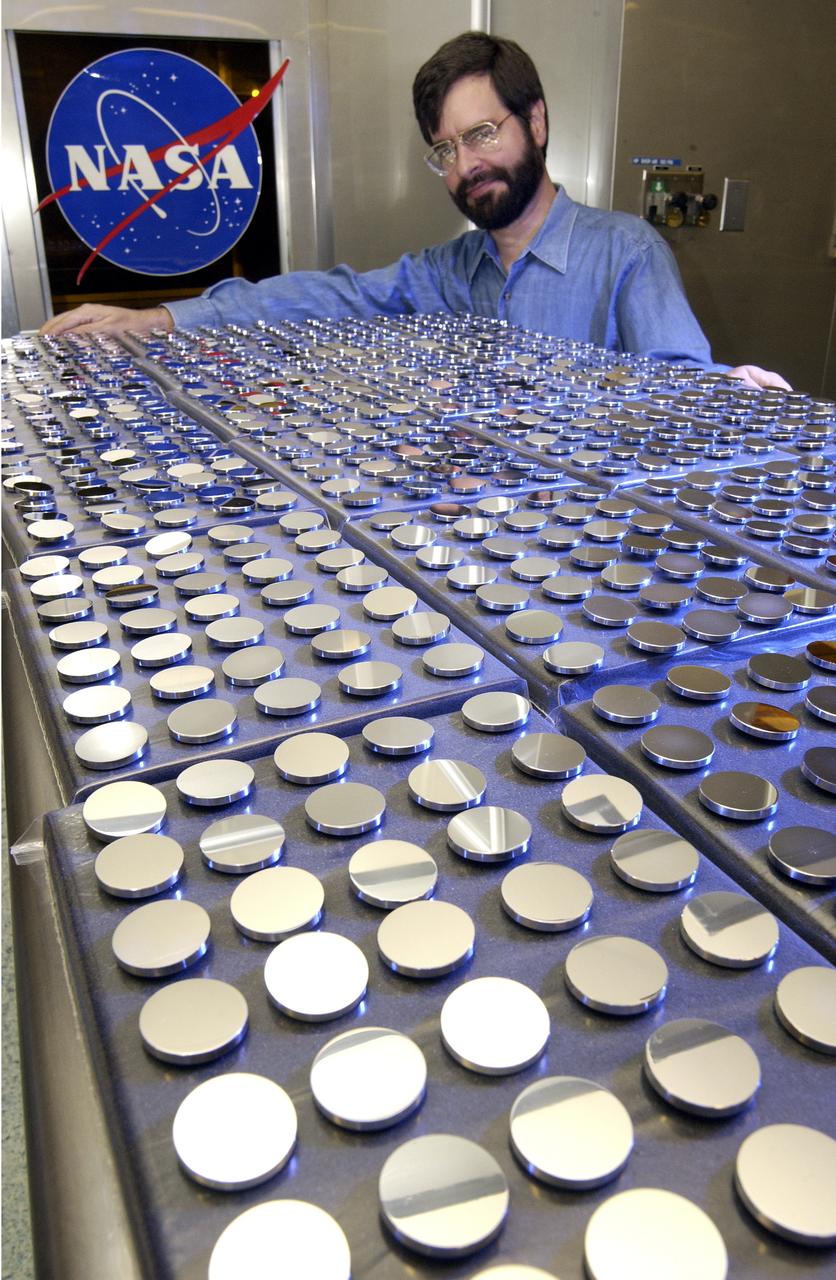
In this photograph, Vince Huegele of the Marshall Space Flight Center's (MSFC's) Space Optics Manufacturing Technology Center (SOMTC) inspects the coating on the mirrors for Starshine 3, a satellite that resembles a high-tech disco ball that was placed into Earth orbit. The sphere, which is covered by hundreds of quarter-sized mirrors that reflect sunlight to observers on the ground, helps students study the effects of solar activity on the Earth's atmosphere. Ed White Middle School in Huntsville, Alabama is among 500 schools worldwide whose students helped grind and polish mirrors for the Starshine 3 satellite as a part of the Starshine Project. The total of up to 1,500 mirrors will improve the sunlight flash rate and make the satellite more visible at twilight as it orbits the Earth. These mirrors have been coated with a scratch-resistant, anti-oxidizing layer of silicon dioxide by optical engineers and technicians at the Hill Air Force Base in Utah and MSFC. Starshine-3 was launched on an Athena I unmarned launch vehicle out of the Kodiak Launch Complex, Alaska, on September 29, 2001. Starshine 3 is nearly 37 inches (1 meter) in diameter, weighs 200 pounds (91 kilograms), and carries 1500 mirrors that were polished by approximately 40,000 students in 1,000 schools in 30 countries. Three small, optically-reflective spherical Starshine student satellites have been designed by the U.S. Naval Research Laboratory and built by an informal volunteer coalition of organizations and individuals in the U.S. and Canada. This coalition, called Project Starshine, is headquartered in Monument, Colorado.