
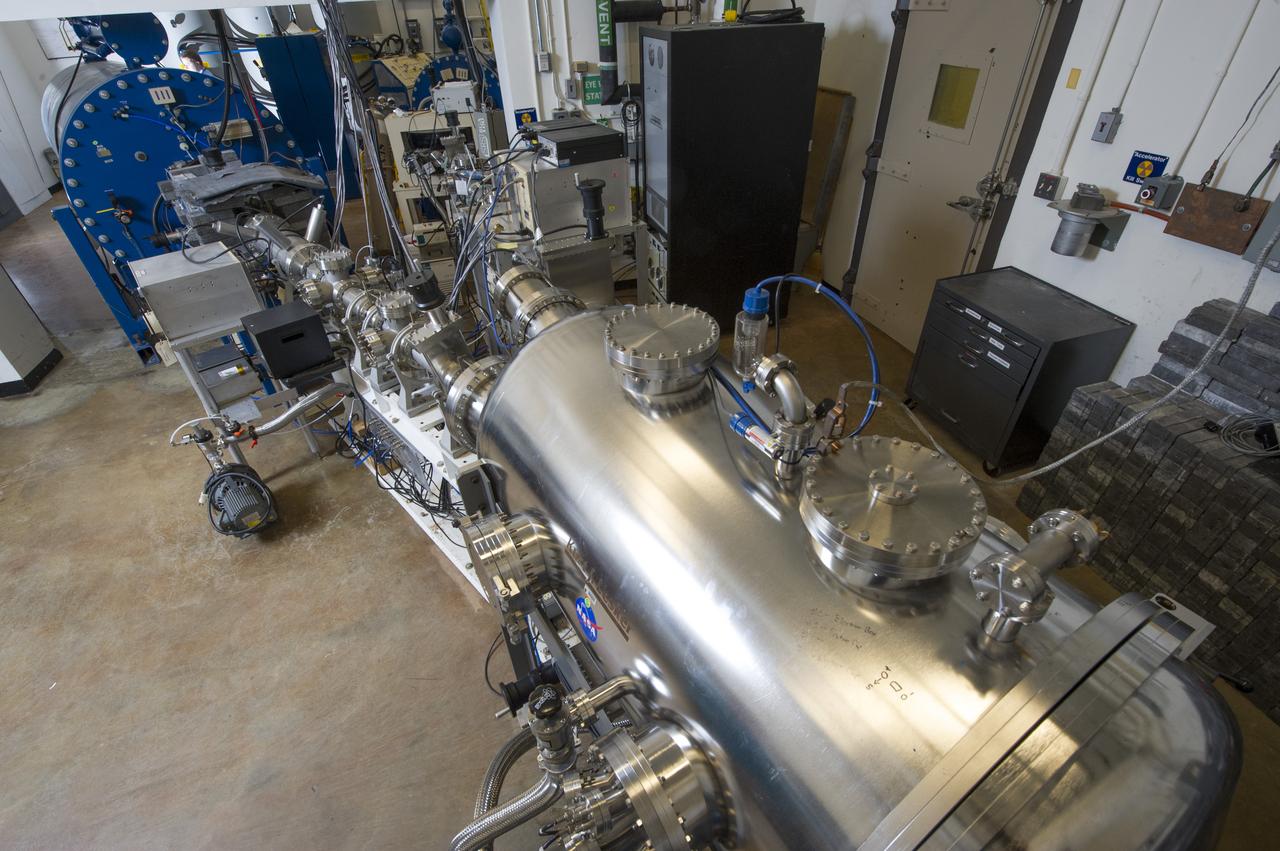
A view inside the Electromagnet Effects Laboratory (EML) on Oct. 13, 2020, at NASA’s Kennedy Space Center in Florida. The EML is the center’s multi-discipline test facility used for electromagnetic design certification for electrical systems, electromagnetic environment development, and electromagnetic operational validation.
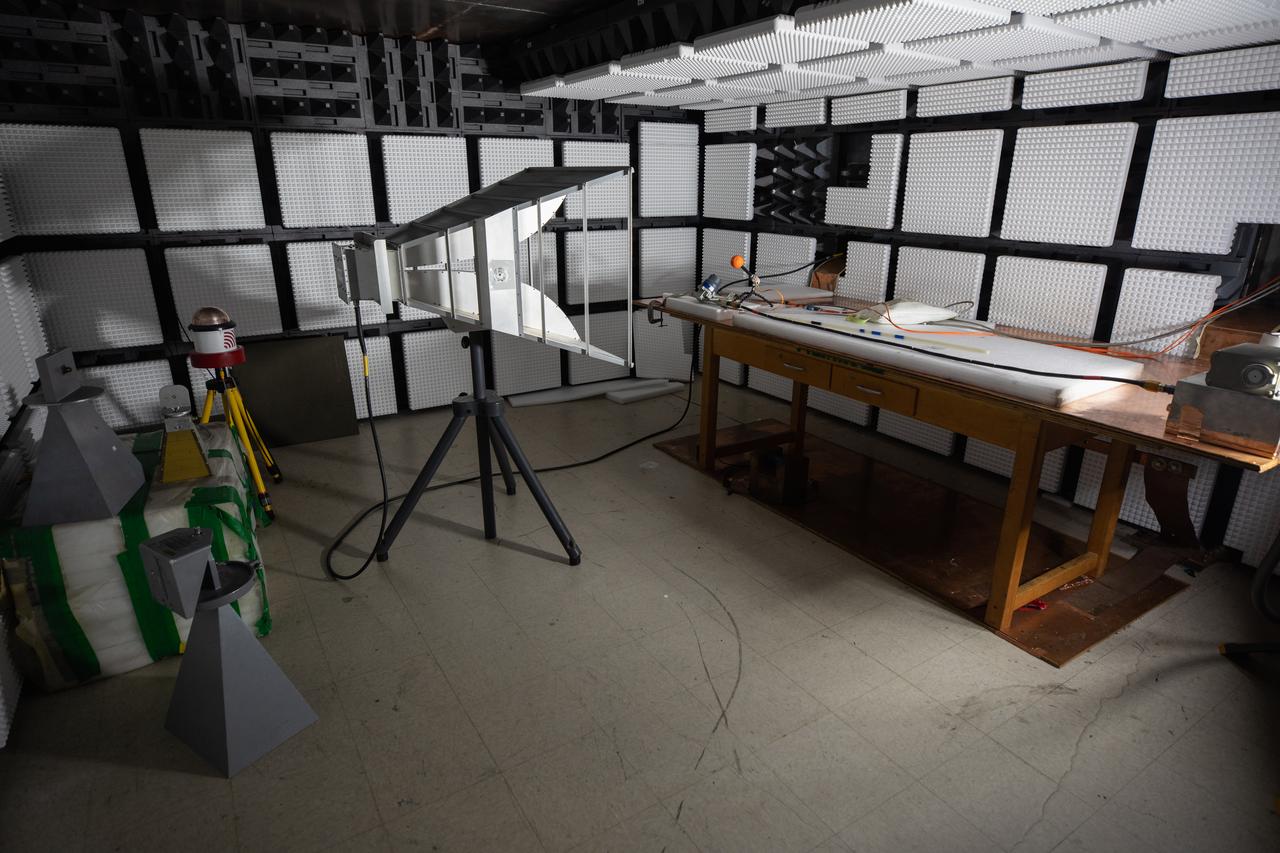
A view inside the Electromagnet Effects Laboratory (EML) on Oct. 13, 2020, at NASA’s Kennedy Space Center in Florida. The EML is the center’s multi-discipline test facility used for electromagnetic design certification for electrical systems, electromagnetic environment development, and electromagnetic operational validation.
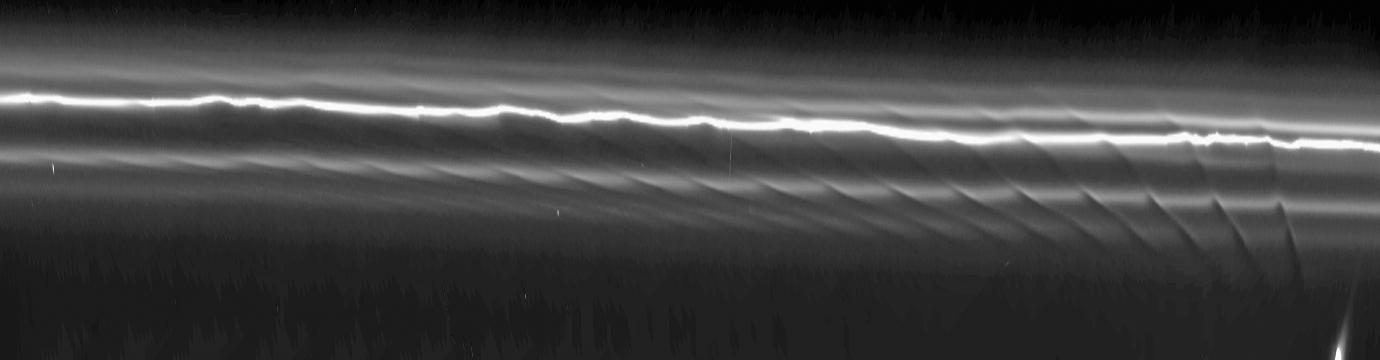
The Prometheus Effect
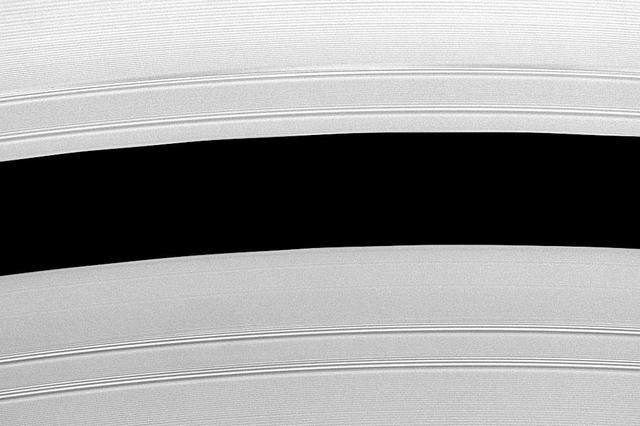
Resonant Effects
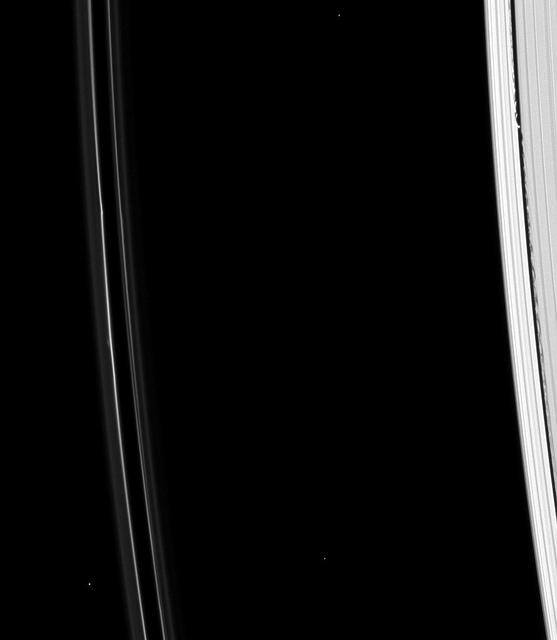
Small but Effective

Atmospheric Effects in IR Color
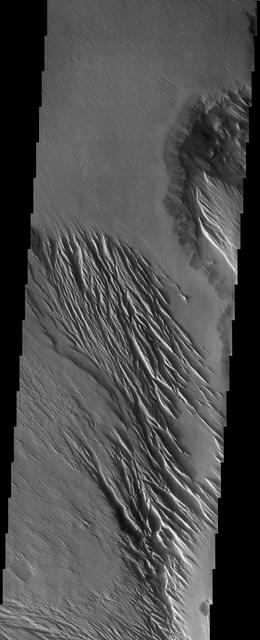
Wind Effects in Tharsis
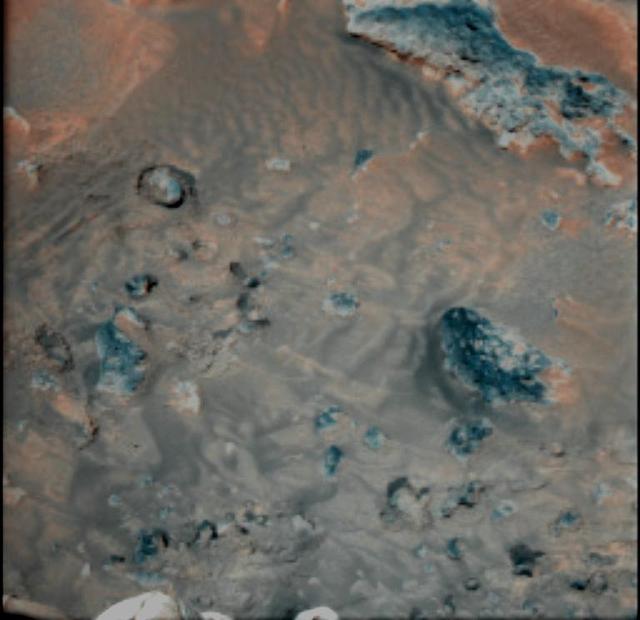
Wind Effects on Martian Soil
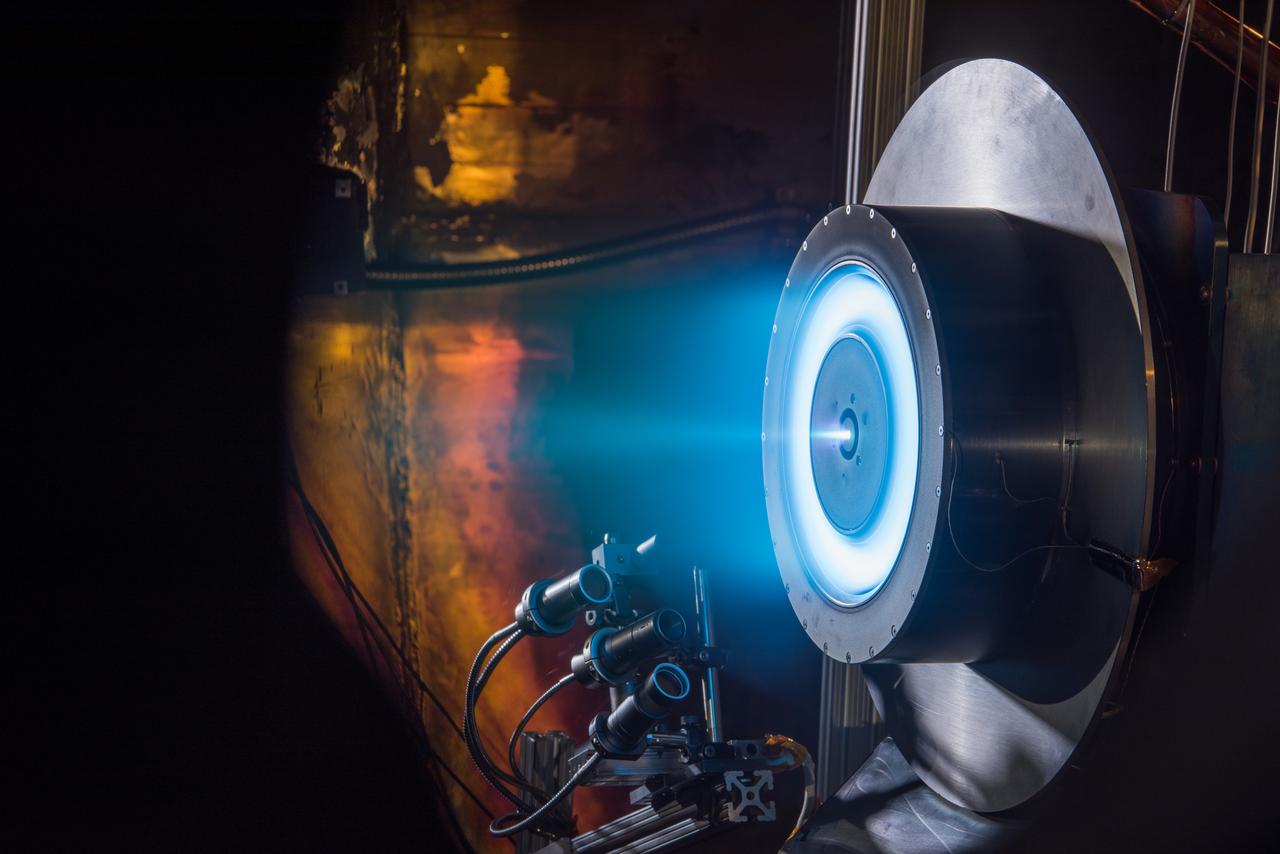
Hall Effect Rocket with Magnetic Shielding Technology Development Unit 1 with Large Radiator working in conjunction with High Power 300 volt Silicon Carbide Power Processing Unit
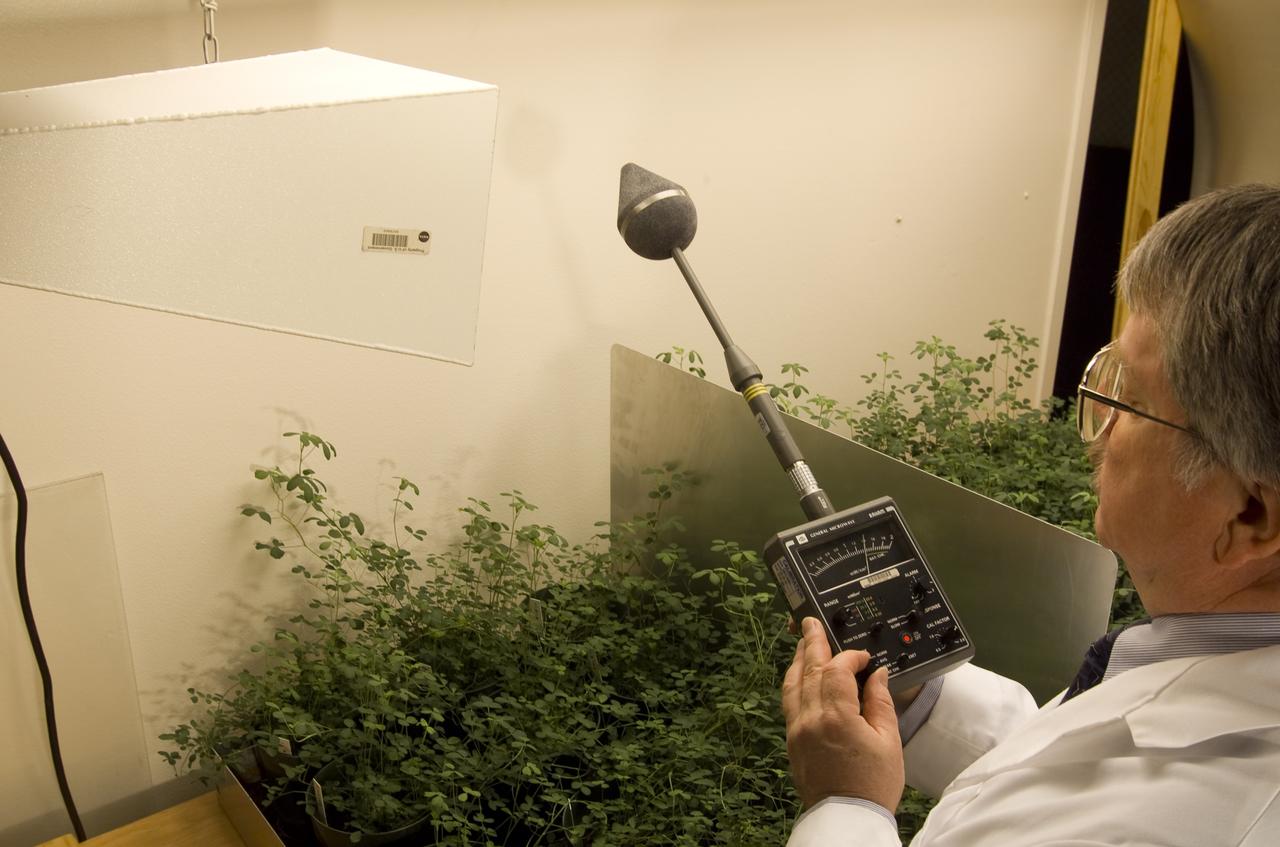
Microvave effects on plant growth (alfalfa).

Microwave effects on plant growth (alfalfa). Dr. Jay Skiles of NASA Ames Research Center, Moffett Field, Calif., holds probe and microwave intensity meter.
COMBINED ENVIRONMENTAL EFFECTS FACILITY
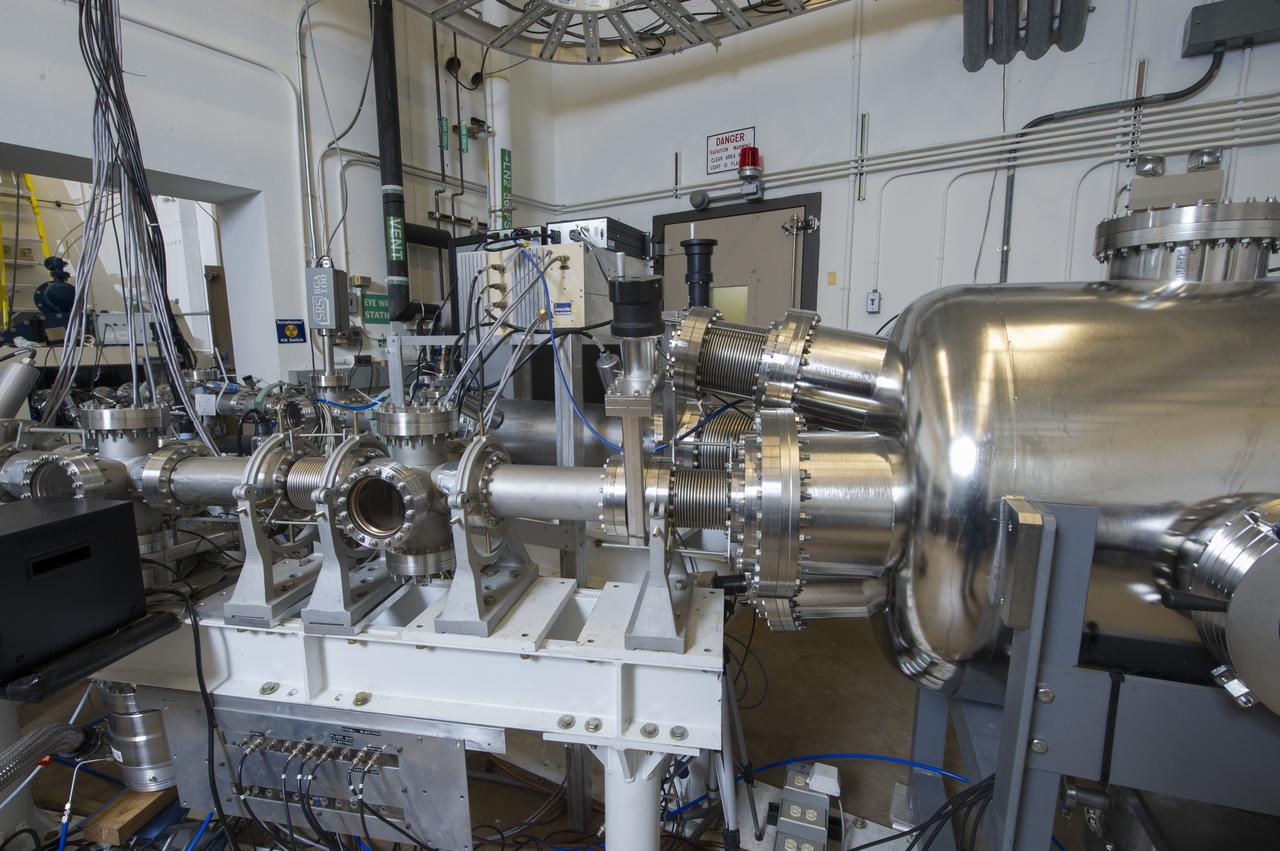
COMBINED ENVIRONMENTAL EFFECTS FACILITY

COMBINED ENVIRONMENTAL EFFECTS FACILITY
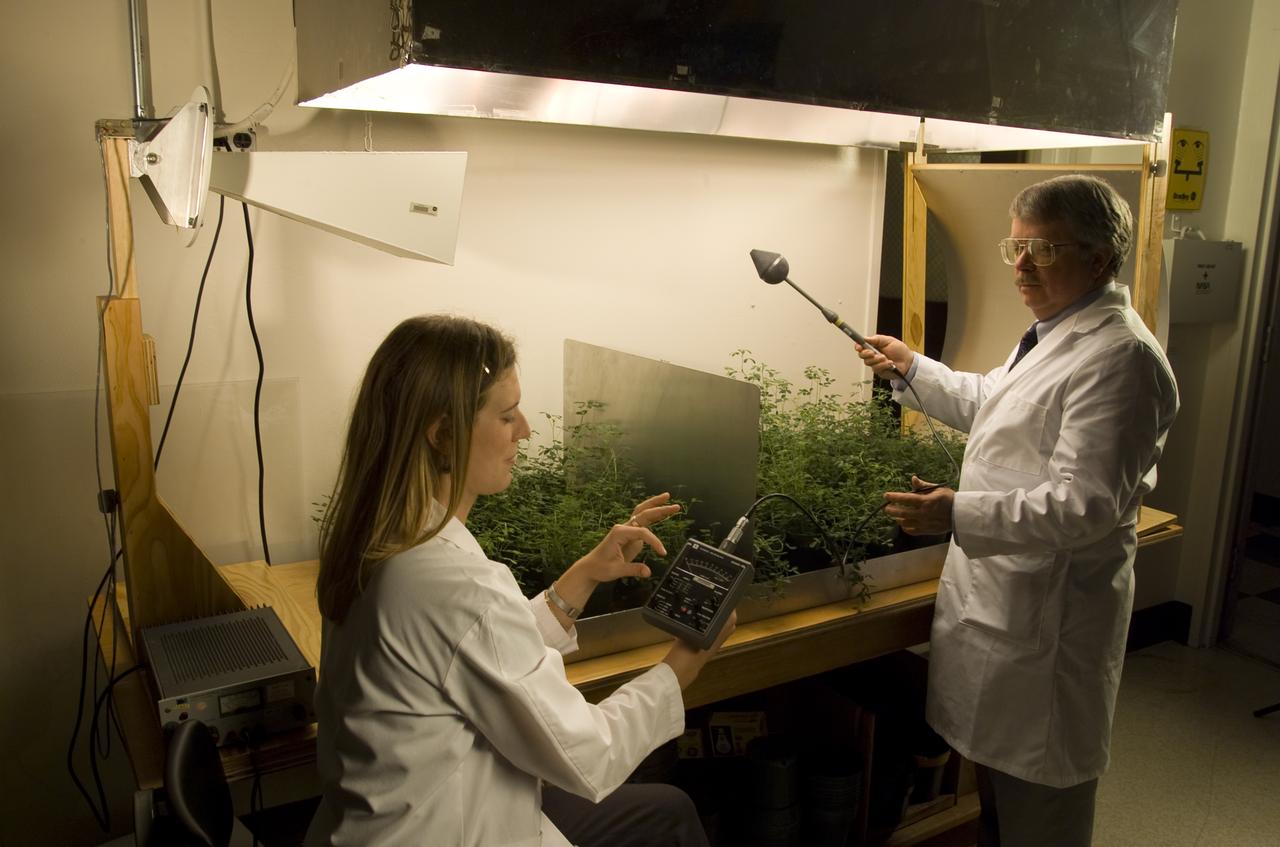
Microvave effects on plant growth (alfalfa). Dana Rogoff, laboratory assistant, uses microwave intensity meter while Dr. Jay Skiles of NASA Ames Research Center, Moffett Field, Calif., holds probe.
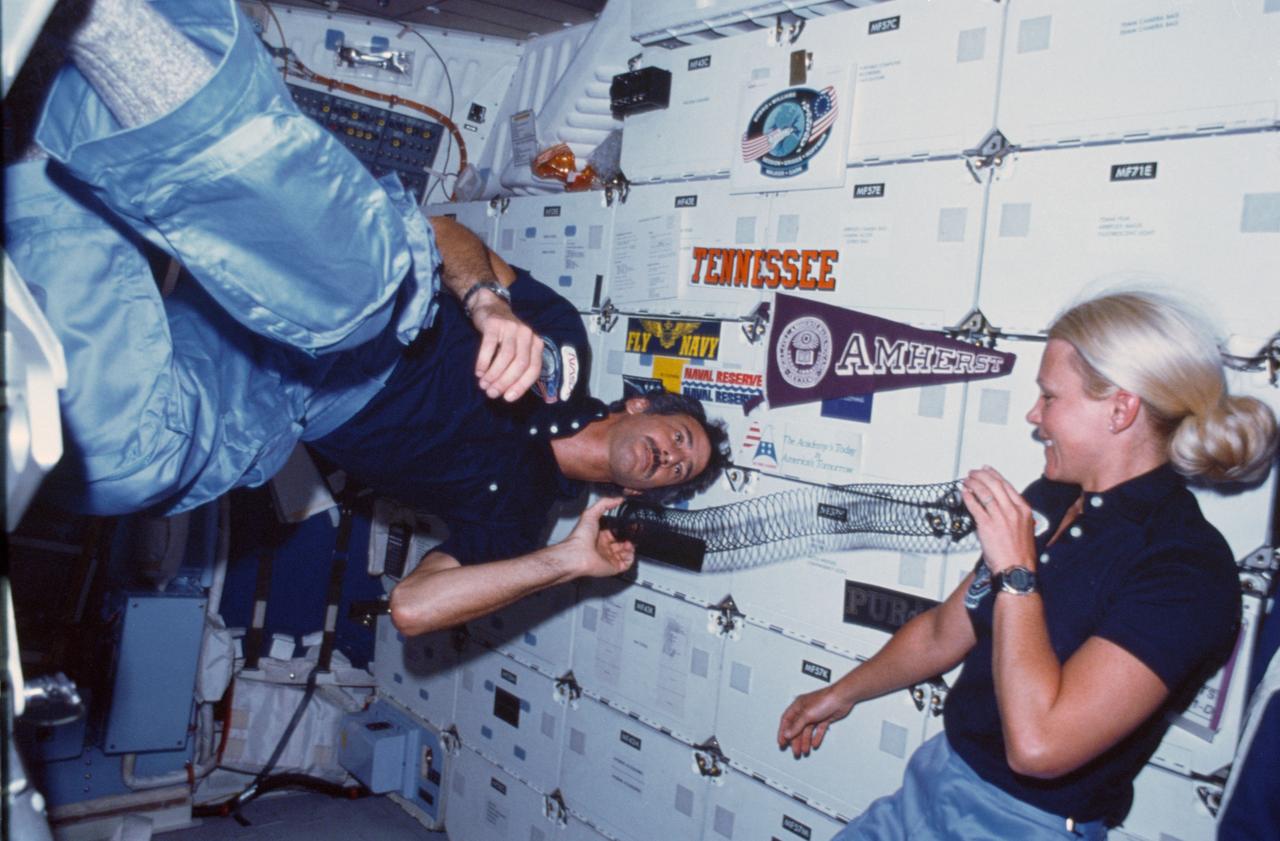
51D-06-015 (12-19 April 1985) --- Astronaut Jeffrey A. Hoffman and Rhea Seddon mission specialists, demonstrate the effect of weightlessness on a slinky toy in the mid-deck of the Space Shuttle Discovery.
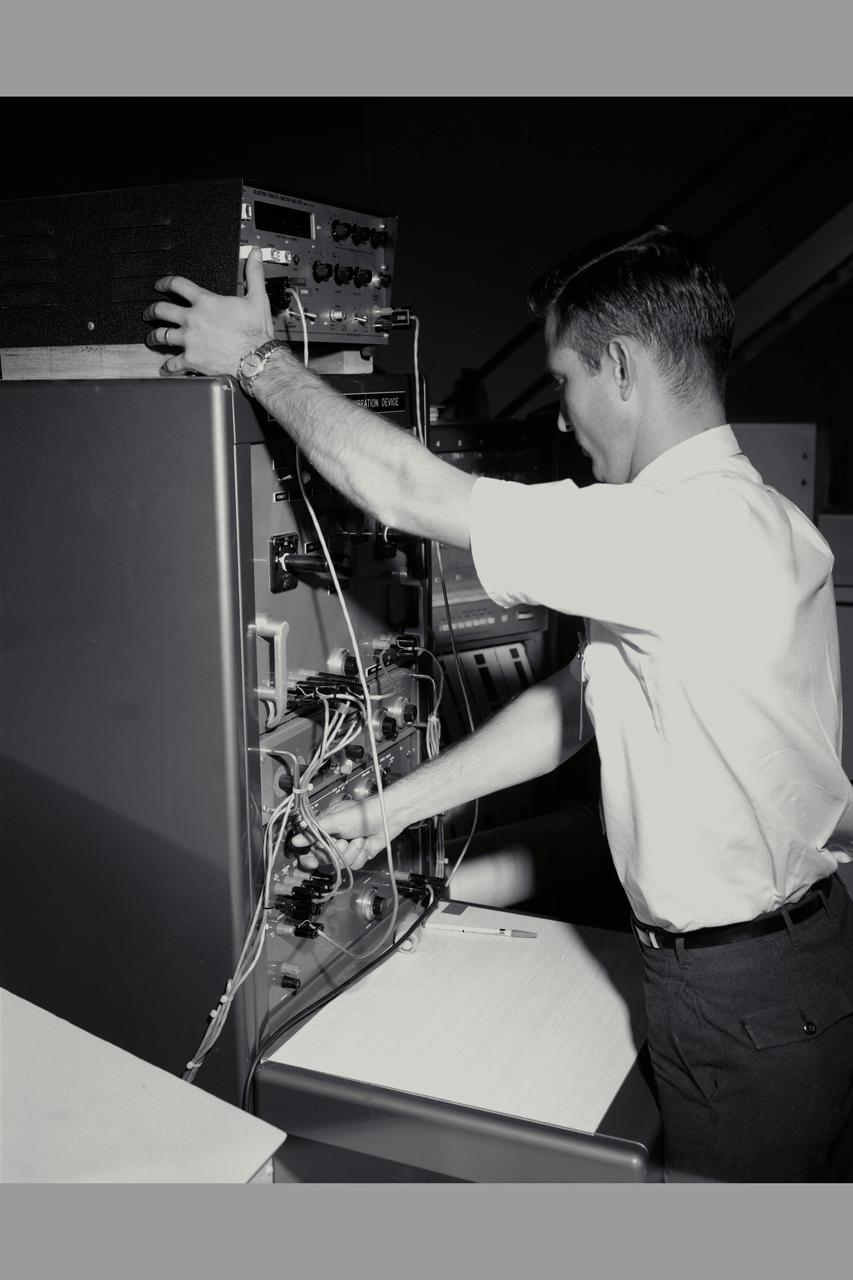
Vibration effects on Humans in a Biased Acceleration Field with Hubert C Vykukal at console
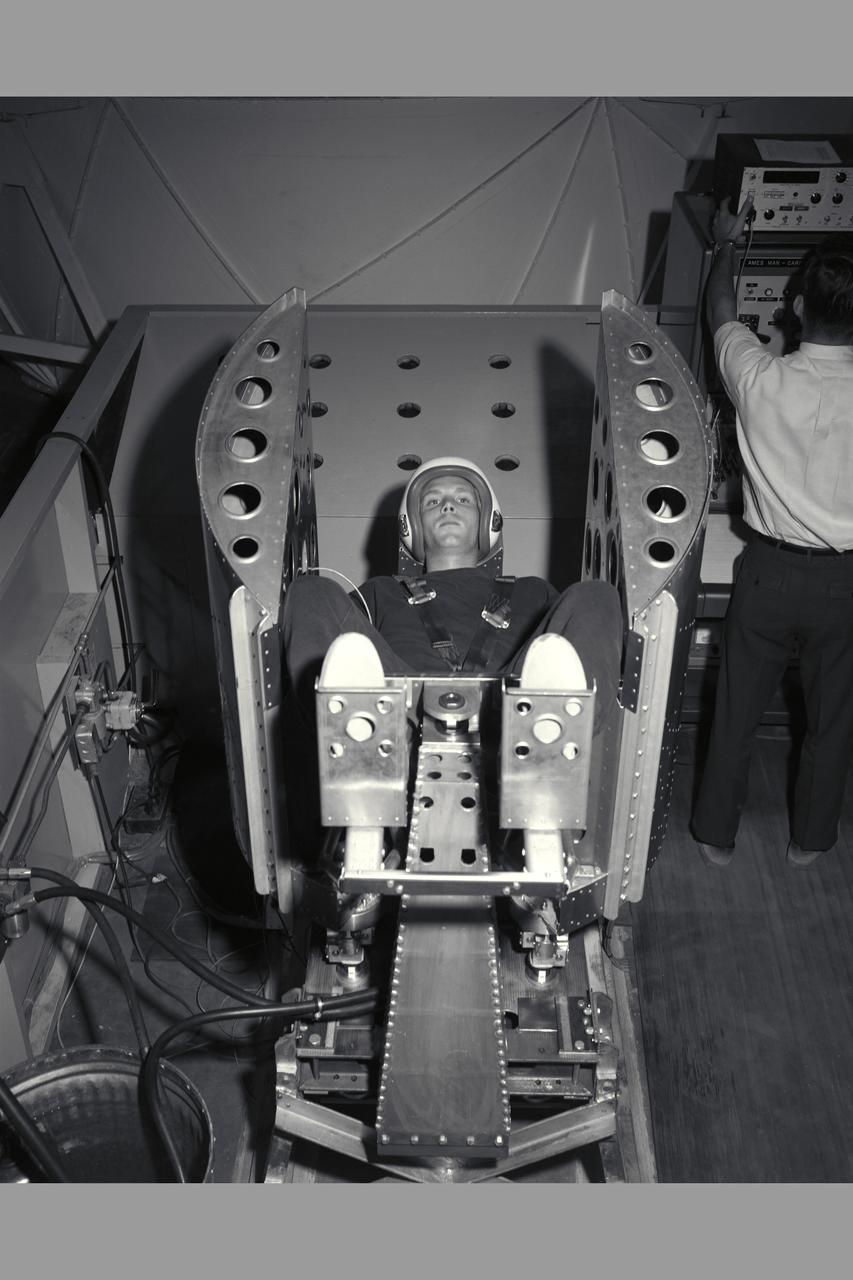
Vibration effects on Humans in a Biased Acceleration Field with David Millengurg in chair
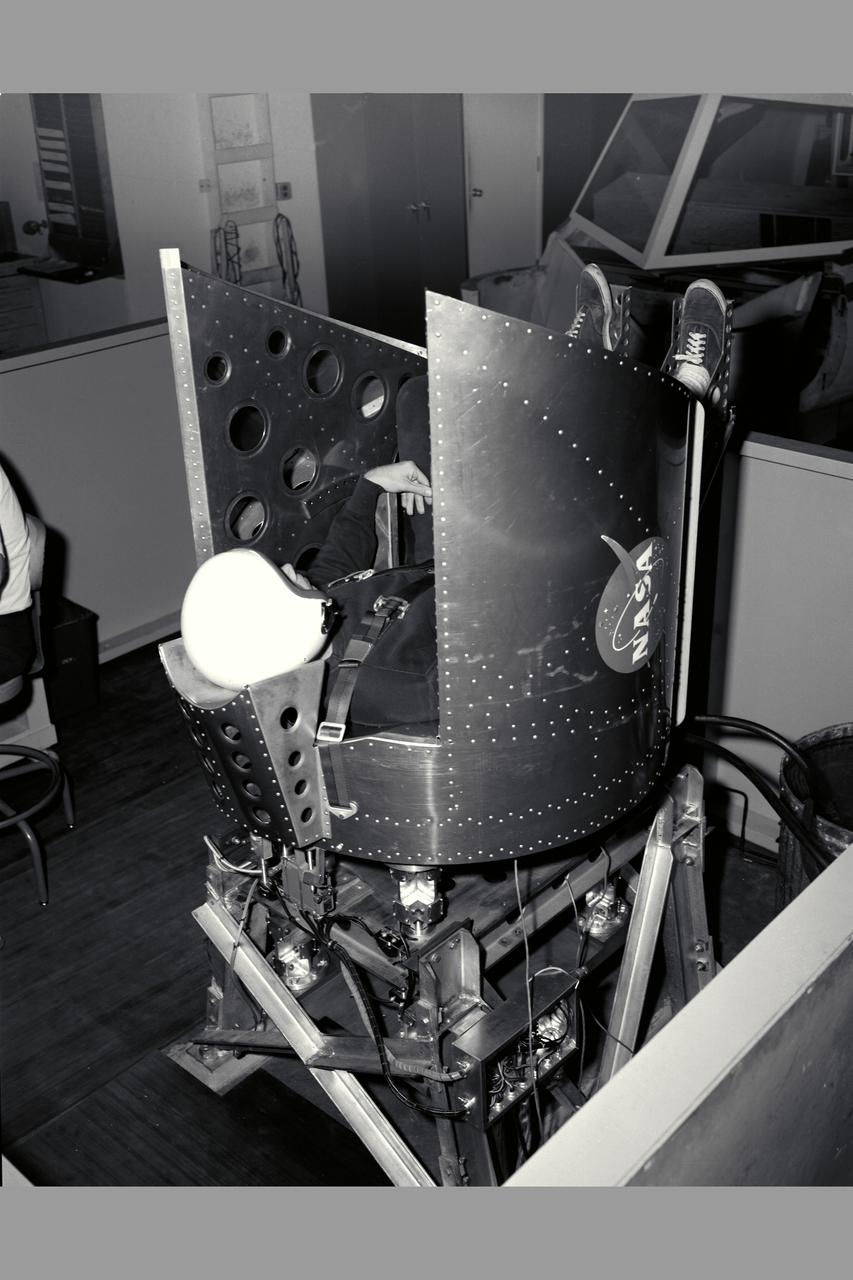
Vibration effects on Humans in a Biased Acceleration Field with David Millerburg in chair
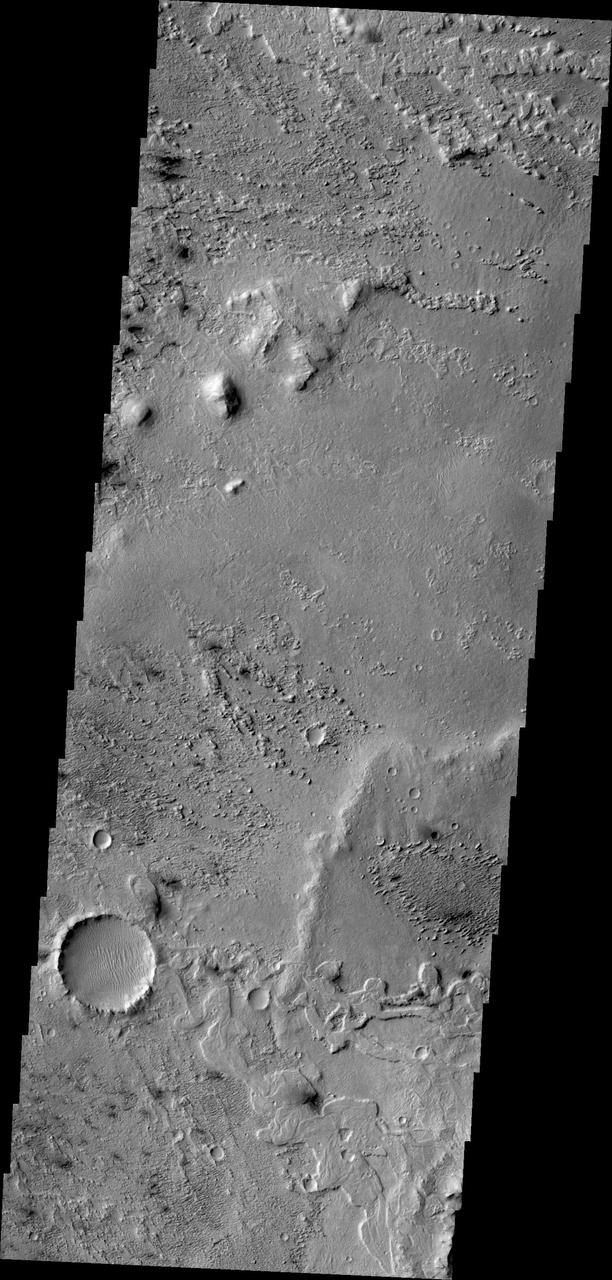
This image from NASA 2001 Mars Odyssey shows some of the effects that wind action has on the surface of Mars. This image is located near Zephyria Planum. Winds in the region have eroded and etched the surface materials.
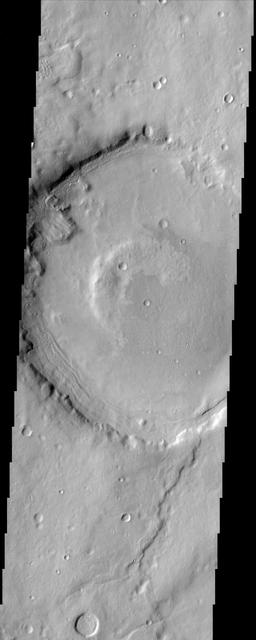
The impact crater in this NASA Mars Odyssey image is a model illustration of the effects of erosion on Mars. The degraded crater rim and several landslides observed in crater walls are evidence of the mass wasting of materials.
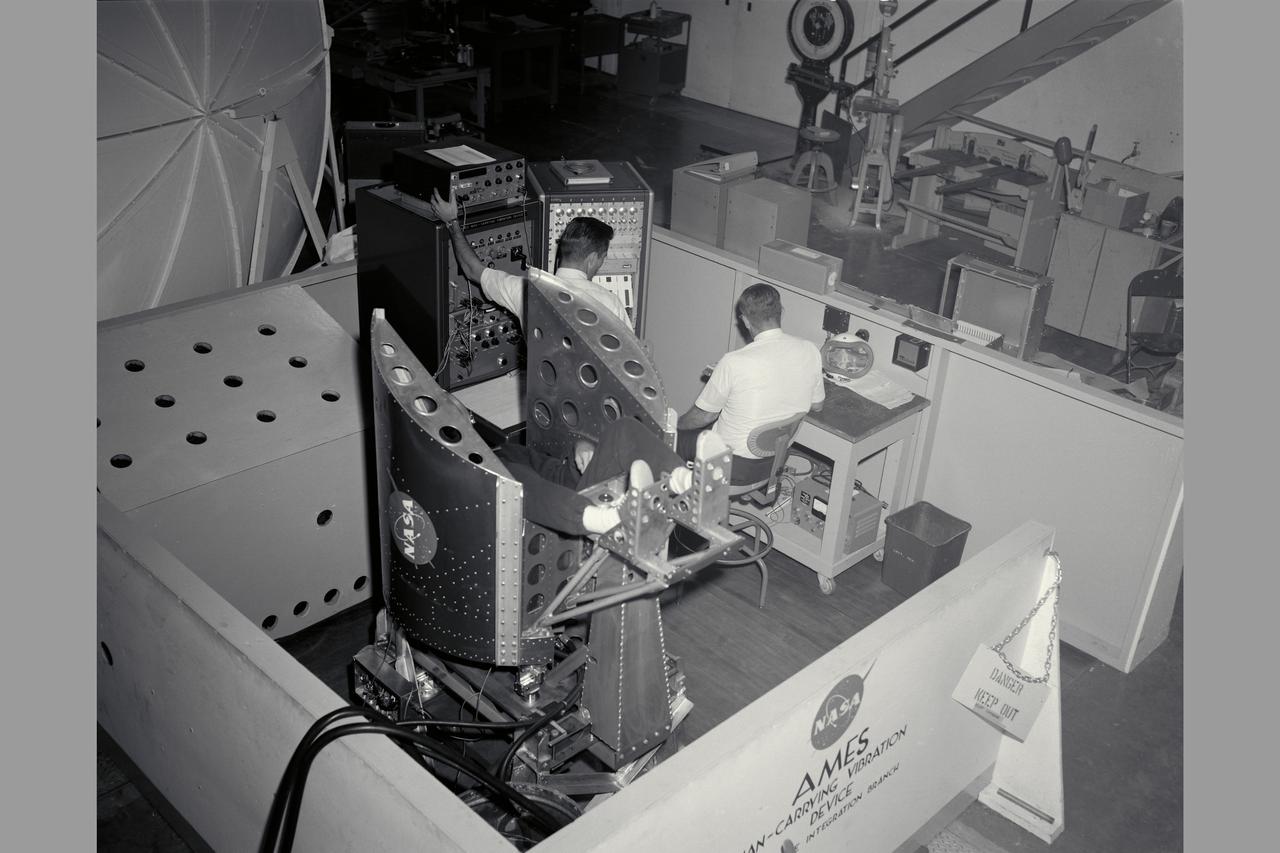
Vibration effects on Humans in a Biased Acceleration Field with Hubert C Vykukal and Roy H St John
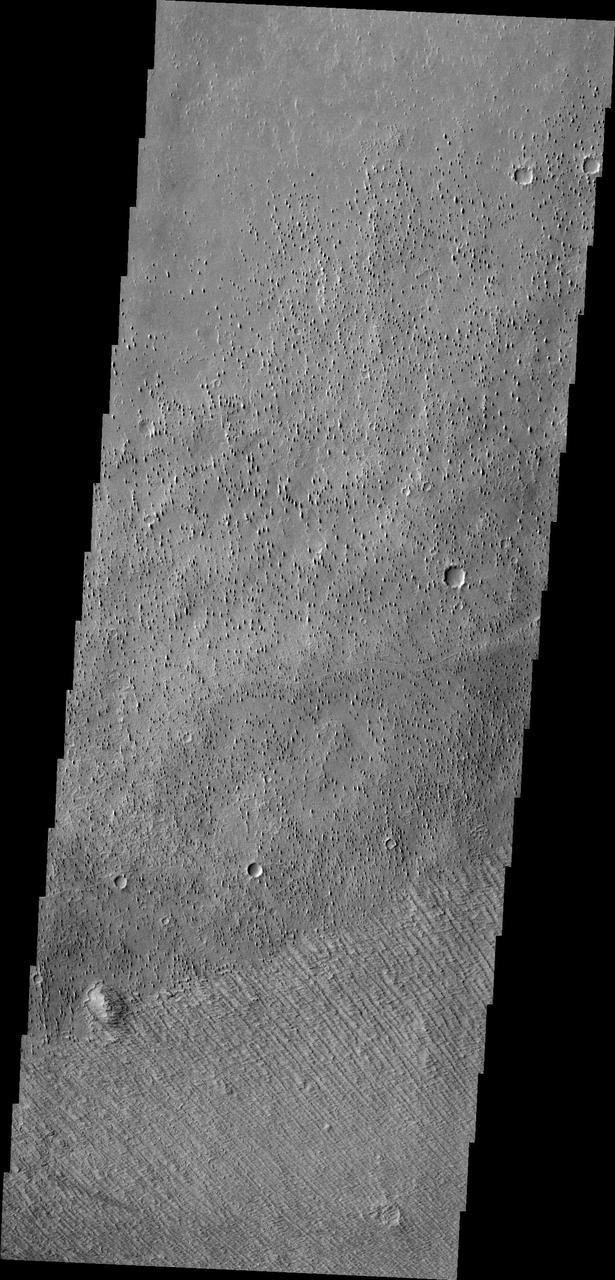
Located on the margin of Zephyria Planum, this image from NASA 2001 Mars Odyssey shows the effect the wind has had on the surface of Mars. Loose materials have been removed and semi-consolidated materials have been eroded into narrow hill forms.
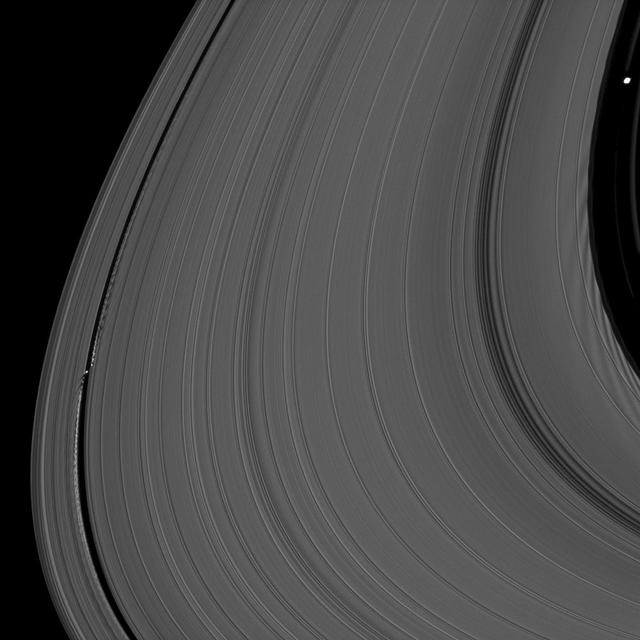
Saturn moons Daphnis and Pan demonstrate their effects on the planet rings in this view from NASA Cassini spacecraft. Daphnis, at left, orbits in the Keeler Gap of the A ring; Pan at right, orbits in the Encke Gap of the A ring.

Marshall researcher studies hydrogen diffusion and corrosion effects on metals.
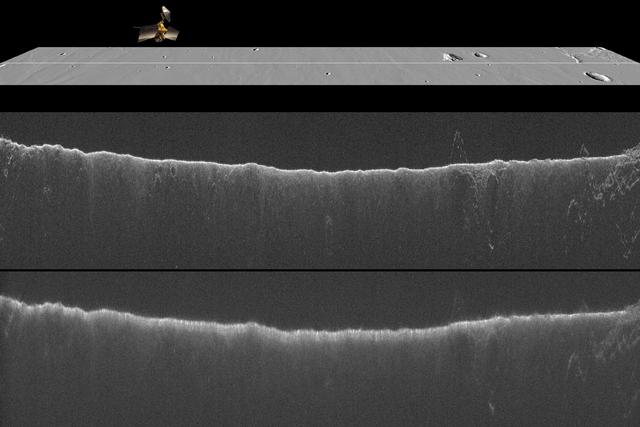
A comparison of two radargrams from the SHARAD instrument on NASA Mars Reconnaissance Orbiter shows effects on the Martian ionosphere from the close passage of a comet.
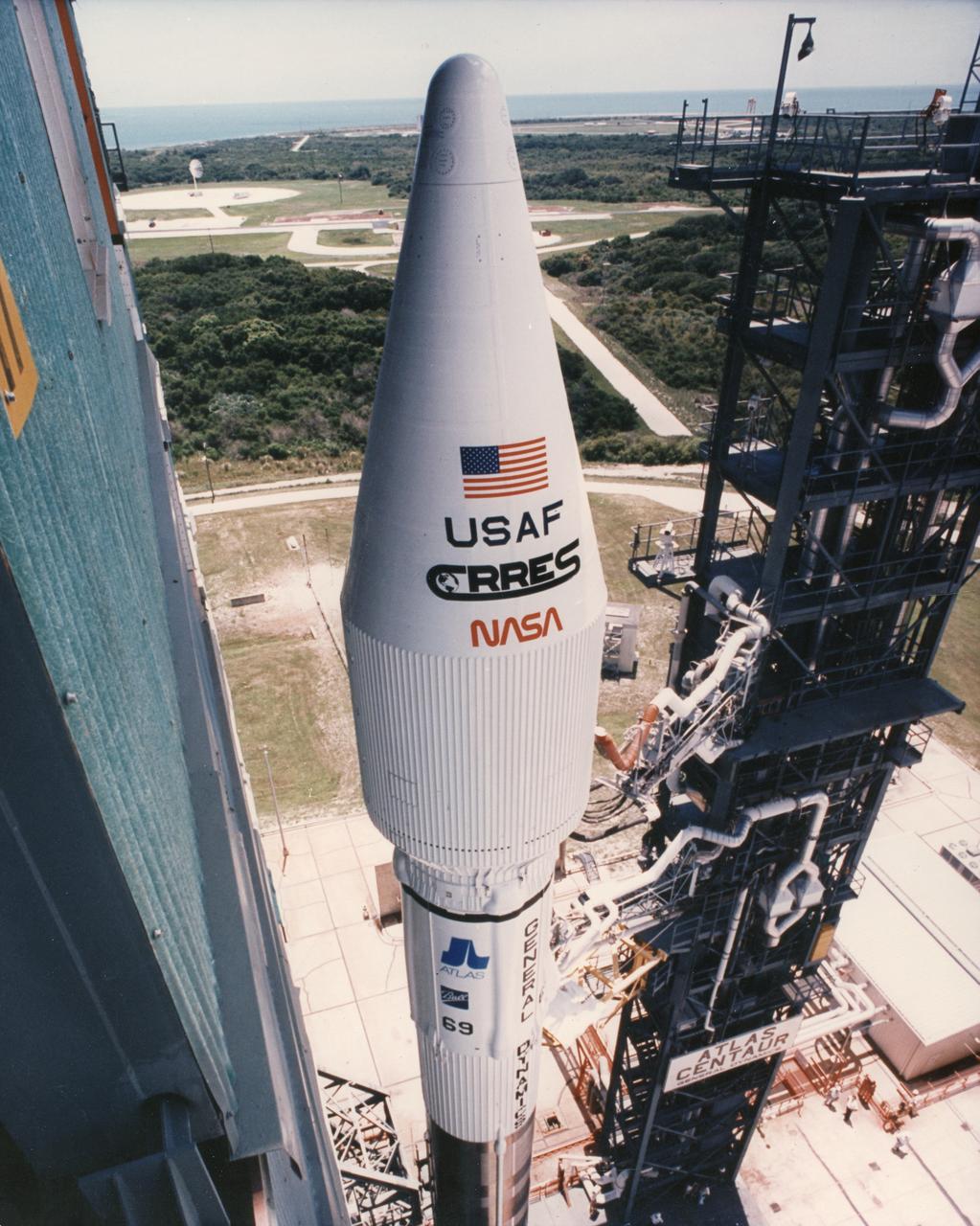
In July 1990, the Marshall Space Flight Center, in a joint project with the Department of Defense/Air Force Space Test Program, launched the Combined Release and Radiation Effects Satellite (CRRES) using an Atlas I launch vehicle. The mission was designed to study the effects of artificial ion clouds produced by chemical releases on the Earth's ionosphere and magnetosphere, and to monitor the effects of space radiation environment on sophisticated electronics.
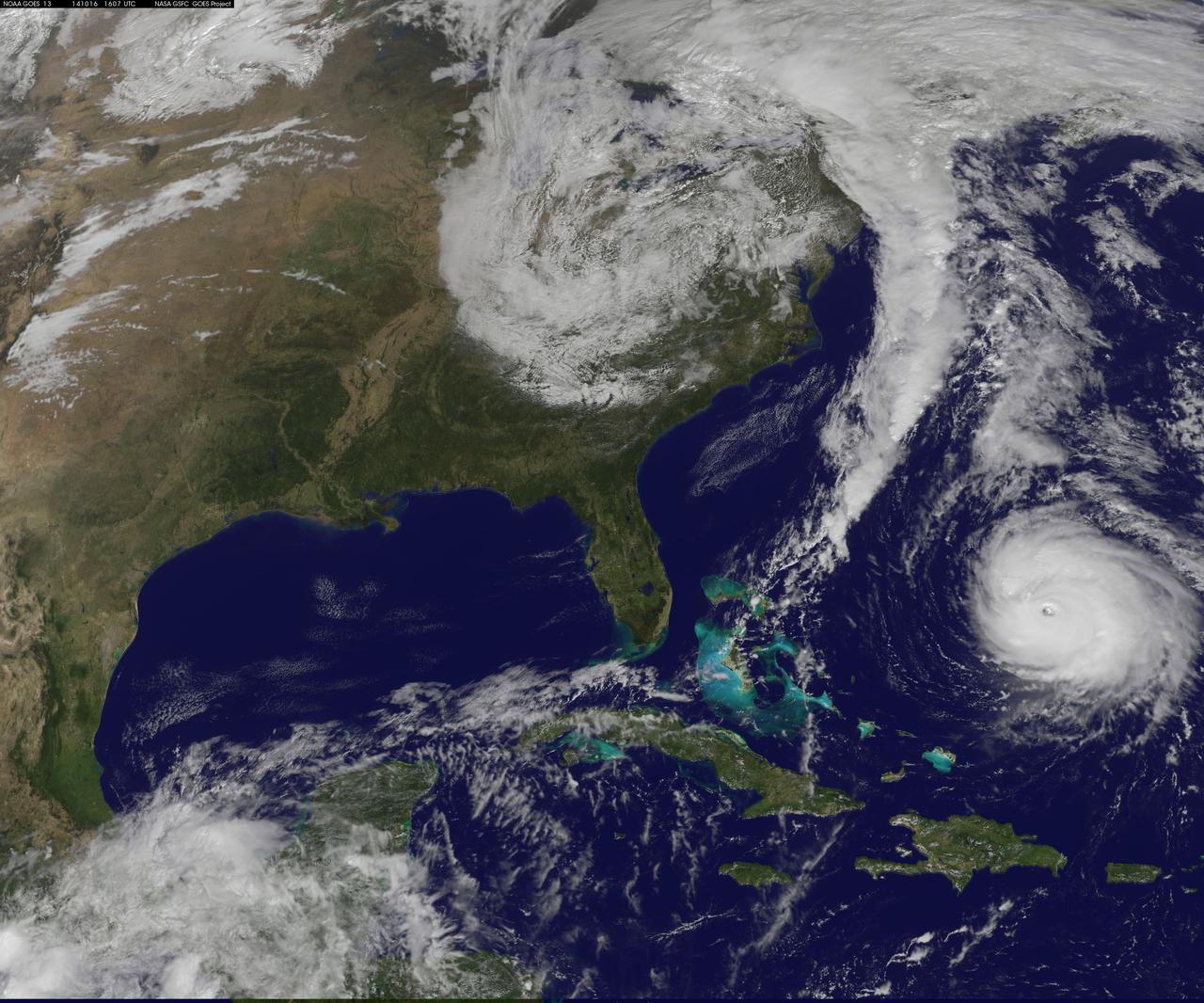
Hurricane Gonzalo is moving toward the northwest near 12 mph. A turn toward the north-northwest and then north is expected during the next day or so, followed by a north northeastward acceleration by late Thursday. Maximum sustained winds are near 130 mph making Gonzalo a Category 4 hurricane on the Saffir-Simpson Hurricane Wind Scale. Tropical storm conditions are possible on Bermuda by late Thursday night, with hurricane conditions possible on Friday. Large swells generated by Gonzalo will reach much of the U.S. east coast and Bermuda on Thursday. These swells are likely to cause life-threatening surf and rip current conditions. This image was taken by GOES 13 at 1607 UTC on October 16, 2014. Caption: NOAA Image Credit: NOAA/NASA GOES Project <b><a href="http://www.nasa.gov/audience/formedia/features/MP_Photo_Guidelines.html" rel="nofollow">NASA image use policy.</a></b> <b><a href="http://www.nasa.gov/centers/goddard/home/index.html" rel="nofollow">NASA Goddard Space Flight Center</a></b> enables NASA’s mission through four scientific endeavors: Earth Science, Heliophysics, Solar System Exploration, and Astrophysics. Goddard plays a leading role in NASA’s accomplishments by contributing compelling scientific knowledge to advance the Agency’s mission. <b>Follow us on <a href="http://twitter.com/NASAGoddardPix" rel="nofollow">Twitter</a></b> <b>Like us on <a href="http://www.facebook.com/pages/Greenbelt-MD/NASA-Goddard/395013845897?ref=tsd" rel="nofollow">Facebook</a></b> <b>Find us on <a href="http://instagram.com/nasagoddard?vm=grid" rel="nofollow">Instagram</a></b>
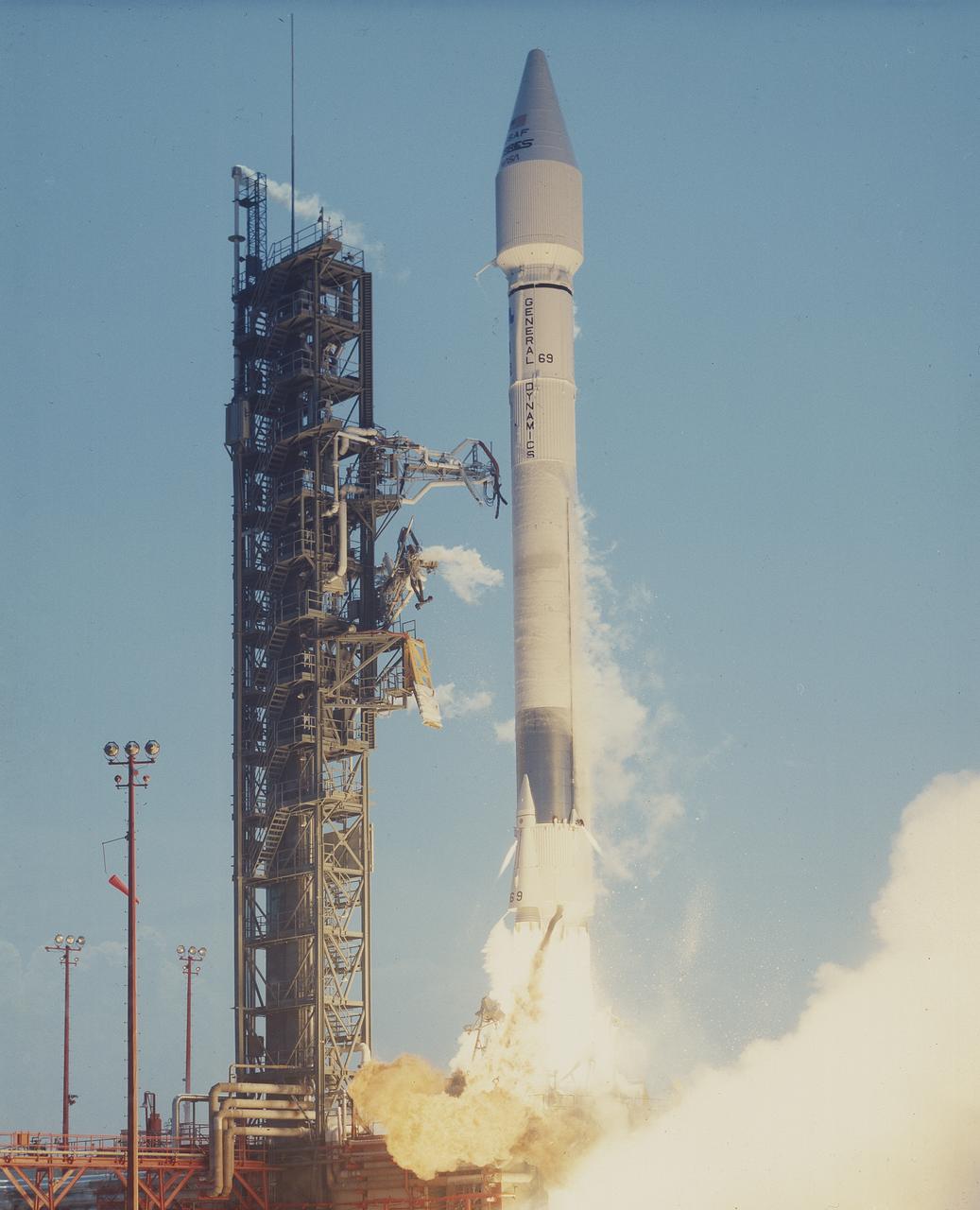
An Atlas Centaur rocket (AC-S9) was launched from Cape Canaveral Air Force Station complex 36B carrying into orbit the Combined Release and Radiation Effects Satellite (CRRES) spacecraft. CRRES was a joint NASA/Air Force mission to study the effects of chemical release on the Earth’s atmosphere and magnetosphere.

NASA Aura spacecraft sees El Niño effects on the atmosphere. An El Niño is characterized by an abnormal warming of sea surface temperatures in the equatorial central and eastern Pacific Ocean.

This before-and-after image pair acquired by NASA Terra spacecraft of the Japan coastal cities of Ofunato and Kesennuma reveals changes to the landscape that are likely due to the effects of the tsunami on March 11, 2011. The new image is on the left.

Two satellite images acquired by NASA Terra spacecraft, obtained about 10 years apart, clearly illustrate the effects of the near-historic drought conditions in southwestern Kansas. Farmers are among the hardest hit.
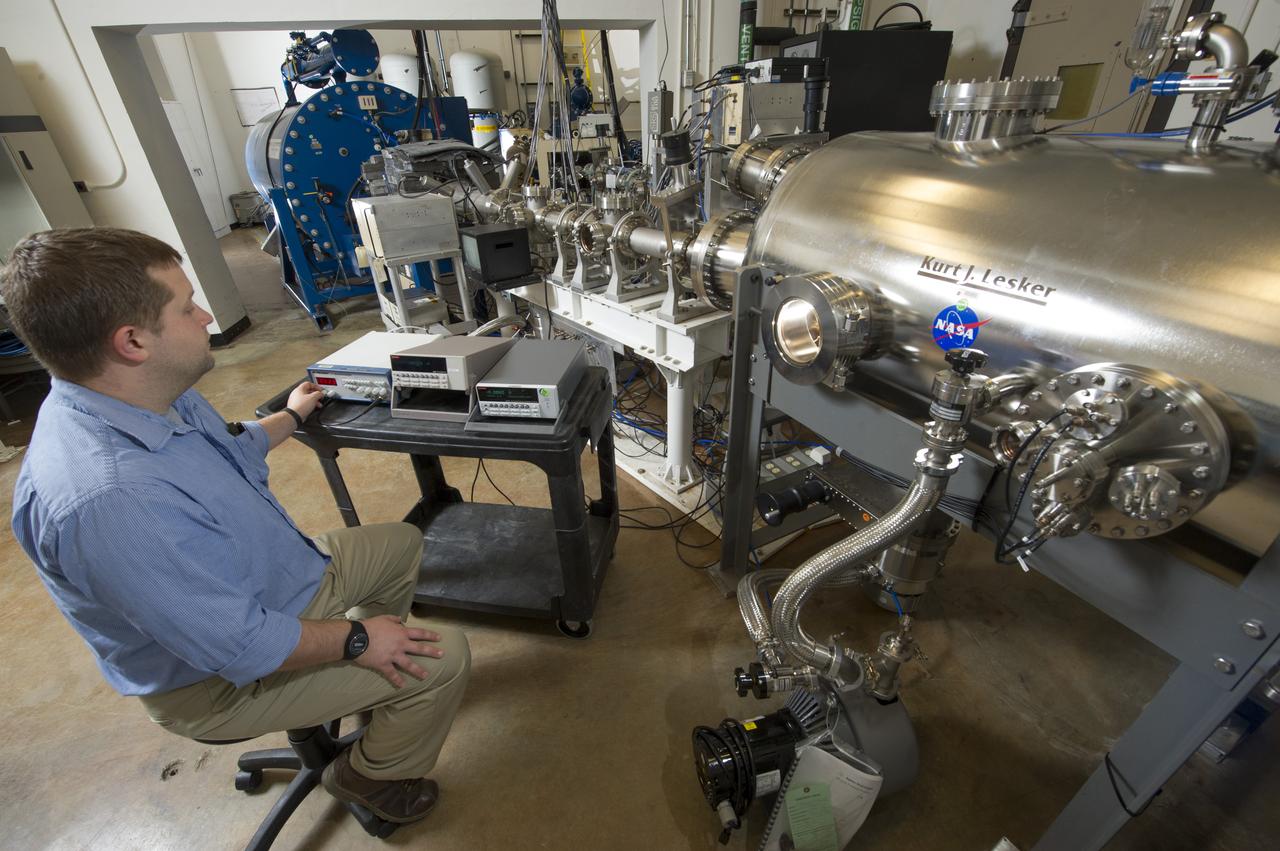
COMBINED ENVIRONMENTAL EFFECTS FACILITY (PELLETRON PARTICLE ACCELERATOR FOR RADIATION EXPOSURES) BRANDON PHILLIPS

COMBINED ENVIRONMENTAL EFFECTS FACILITY (PELLETRON PARTICLE ACCELERATOR FOR RADIATION EXPOSURES) PHYLLIS WHITTLESEY
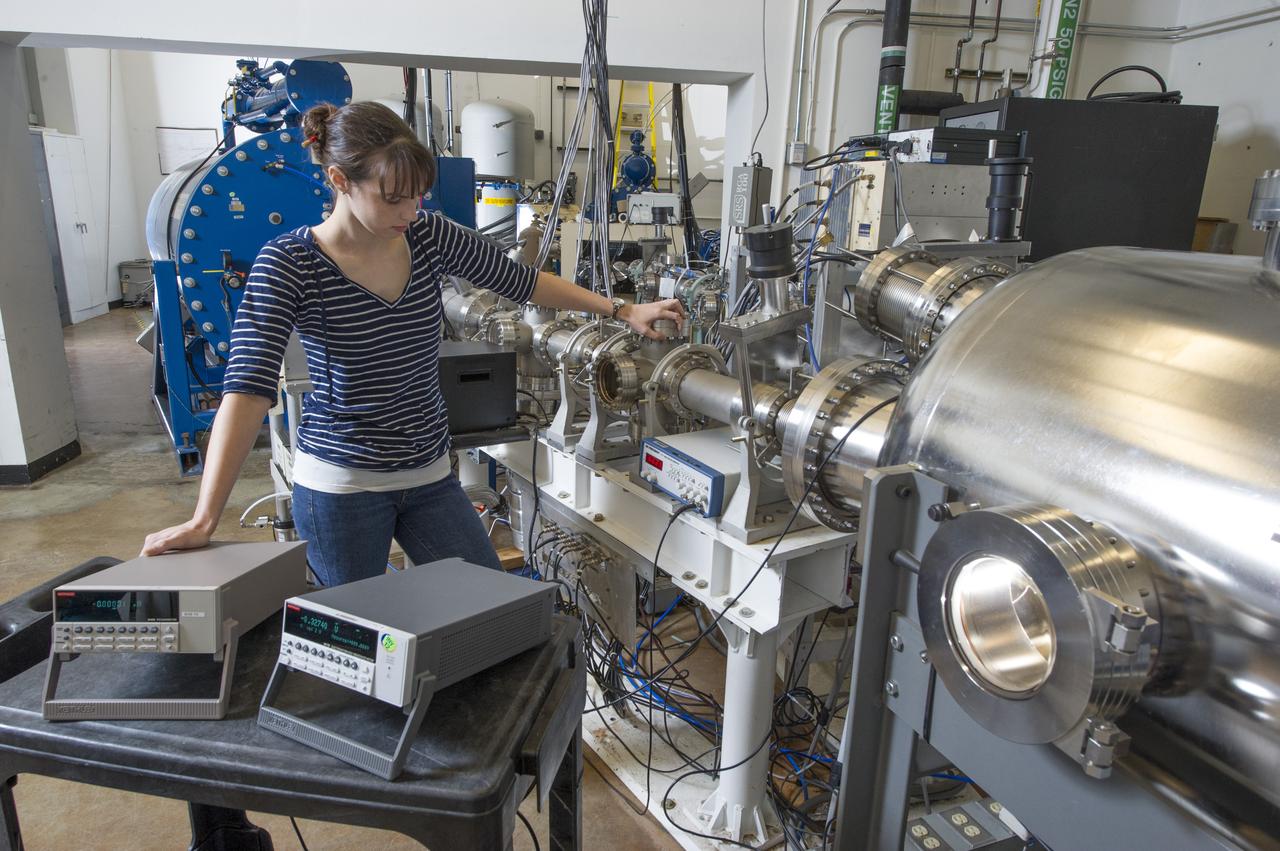
COMBINED ENVIRONMENTAL EFFECTS FACILITY (PELLETRON PARTICLE ACCELERATOR FOR RADIATION EXPOSURES) PHYLLIS WHITTLESEY
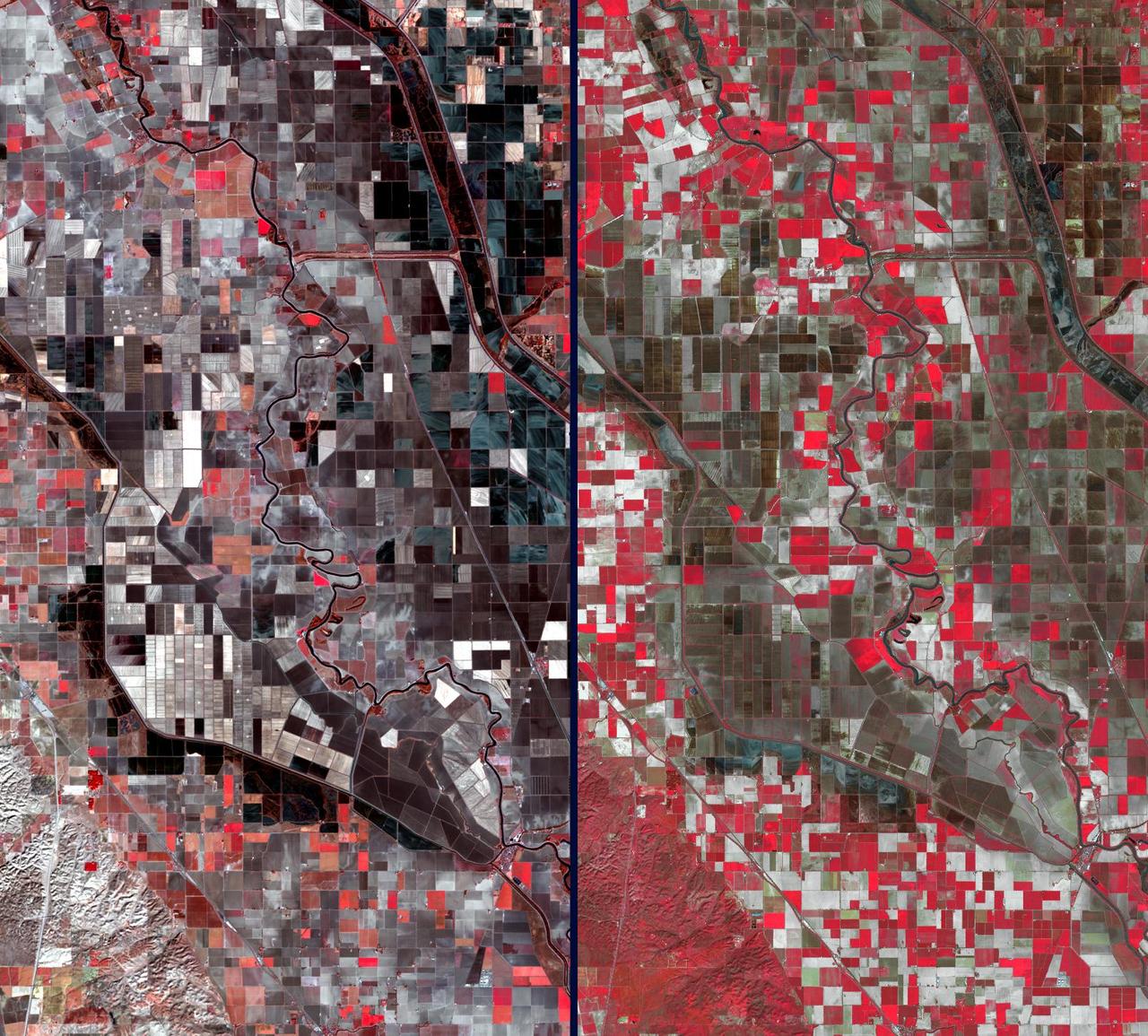
Stark effects of a California drought on agriculture can be clearly seen in these two February images acquired in 2014 and 2003 by NASA Terra spacecraft.

NASA's IceBridge, an airborne survey of polar ice, flew over the Helheim/Kangerdlugssuaq region of Greenland on Sept. 11, 2016. This photograph from the flight captures Greenland's Steenstrup Glacier, with the midmorning sun glinting off of the Denmark Strait in the background. IceBridge completed the final flight of the summer campaign to observe the impact of the summer melt season on the ice sheet on Sept. 16. The IceBridge flights, which began on Aug. 27, are mostly repeats of lines that the team flew in early May, so that scientists can observe changes in ice elevation between the spring and late summer. For this short, end-of-summer campaign, the IceBridge scientists flew aboard an HU-25A Guardian aircraft from NASA's Langley Research Center in Hampton, Virginia. Credit: NASA/John Sonntag <b><a href="http://www.nasa.gov/audience/formedia/features/MP_Photo_Guidelines.html" rel="nofollow">NASA image use policy.</a></b> <b><a href="http://www.nasa.gov/centers/goddard/home/index.html" rel="nofollow">NASA Goddard Space Flight Center</a></b> enables NASA’s mission through four scientific endeavors: Earth Science, Heliophysics, Solar System Exploration, and Astrophysics. Goddard plays a leading role in NASA’s accomplishments by contributing compelling scientific knowledge to advance the Agency’s mission. <b>Follow us on <a href="http://twitter.com/NASAGoddardPix" rel="nofollow">Twitter</a></b> <b>Like us on <a href="http://www.facebook.com/pages/Greenbelt-MD/NASA-Goddard/395013845897?ref=tsd" rel="nofollow">Facebook</a></b> <b>Find us on <a href="http://instagrid.me/nasagoddard/?vm=grid" rel="nofollow">Instagram</a></b>
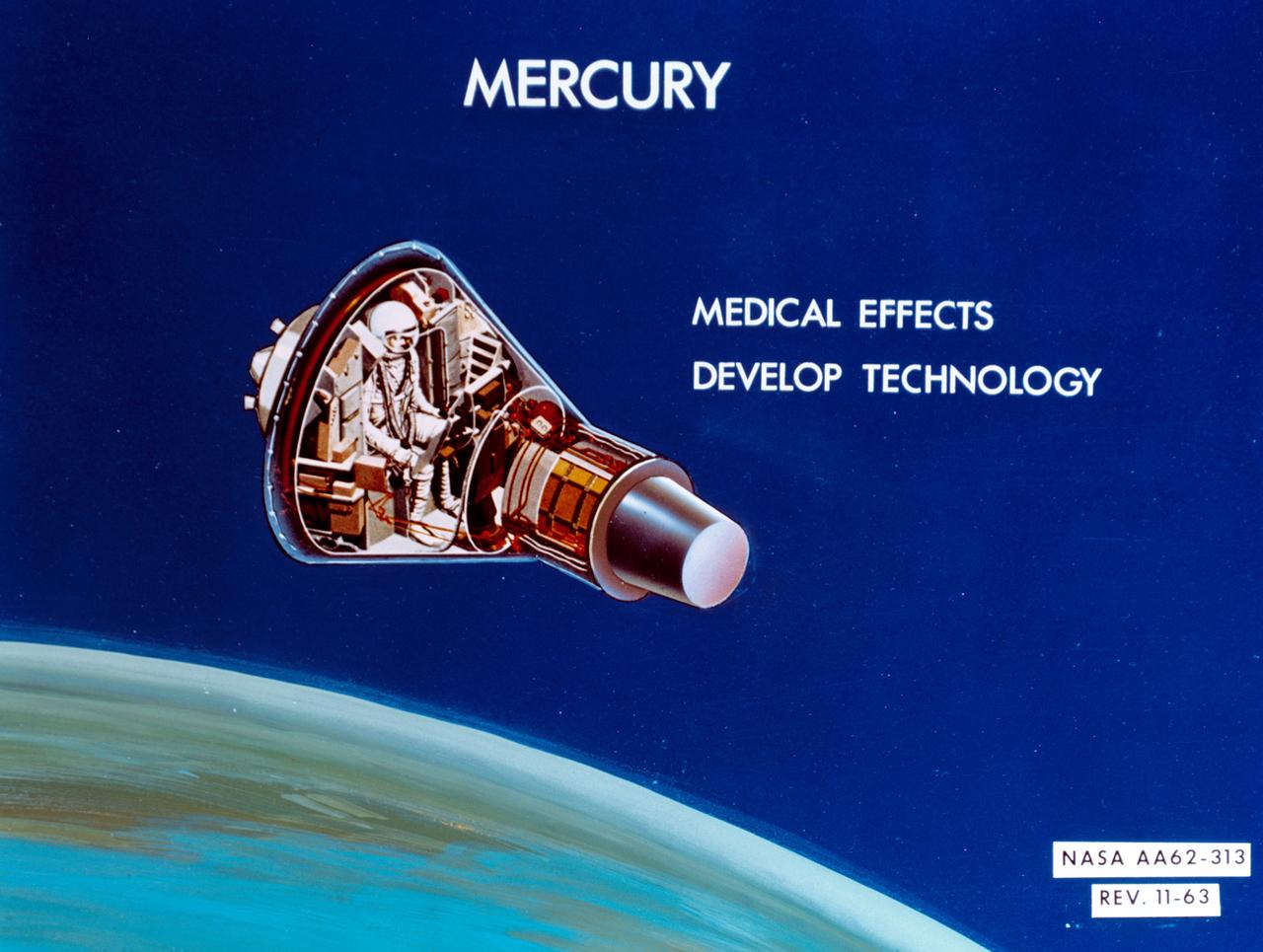
S64-14286 (11 Feb. 1964) --- An artist's concept of Mercury: Medical effects; develop technology. Photo credit: NASA
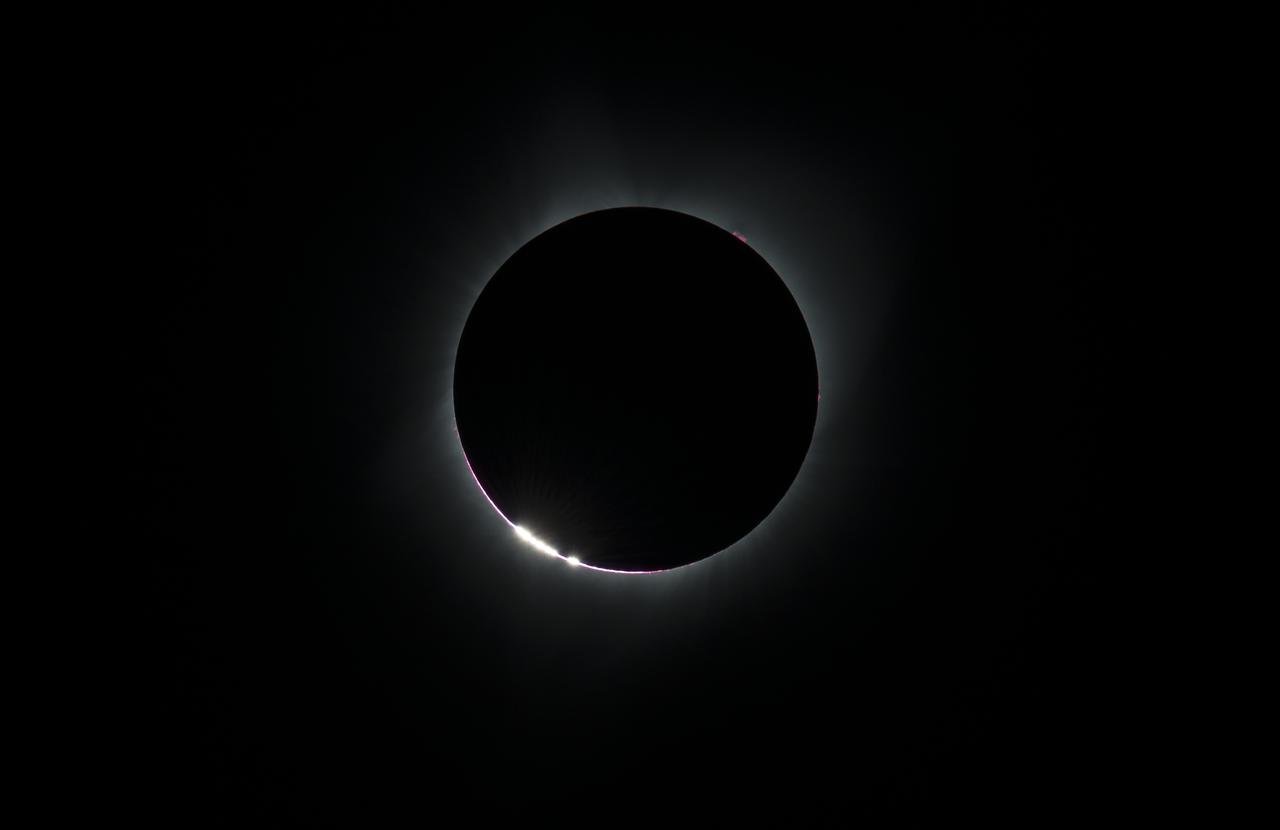
The Baily's Beads effect is seen as the moon makes its final move over the sun during the total solar eclipse on Monday, August 21, 2017 above Madras, Oregon. A total solar eclipse swept across a narrow portion of the contiguous United States from Lincoln Beach, Oregon to Charleston, South Carolina. A partial solar eclipse was visible across the entire North American continent along with parts of South America, Africa, and Europe. Photo Credit: (NASA/Aubrey Gemignani)
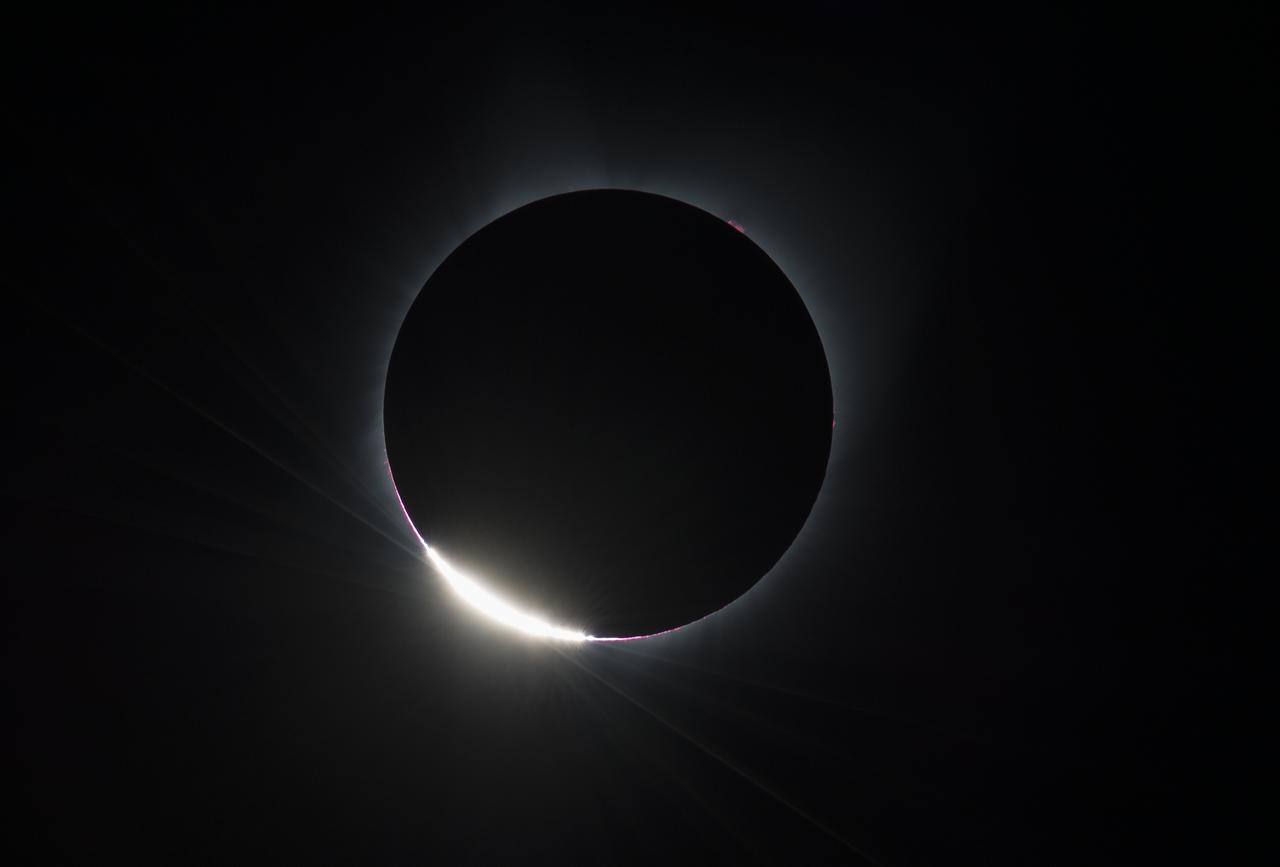
The Diamond Ring effect is seen as the moon makes its final move over the sun during the total solar eclipse on Monday, August 21, 2017 above Madras, Oregon. A total solar eclipse swept across a narrow portion of the contiguous United States from Lincoln Beach, Oregon to Charleston, South Carolina. A partial solar eclipse was visible across the entire North American continent along with parts of South America, Africa, and Europe. Photo Credit: (NASA/Aubrey Gemignani)
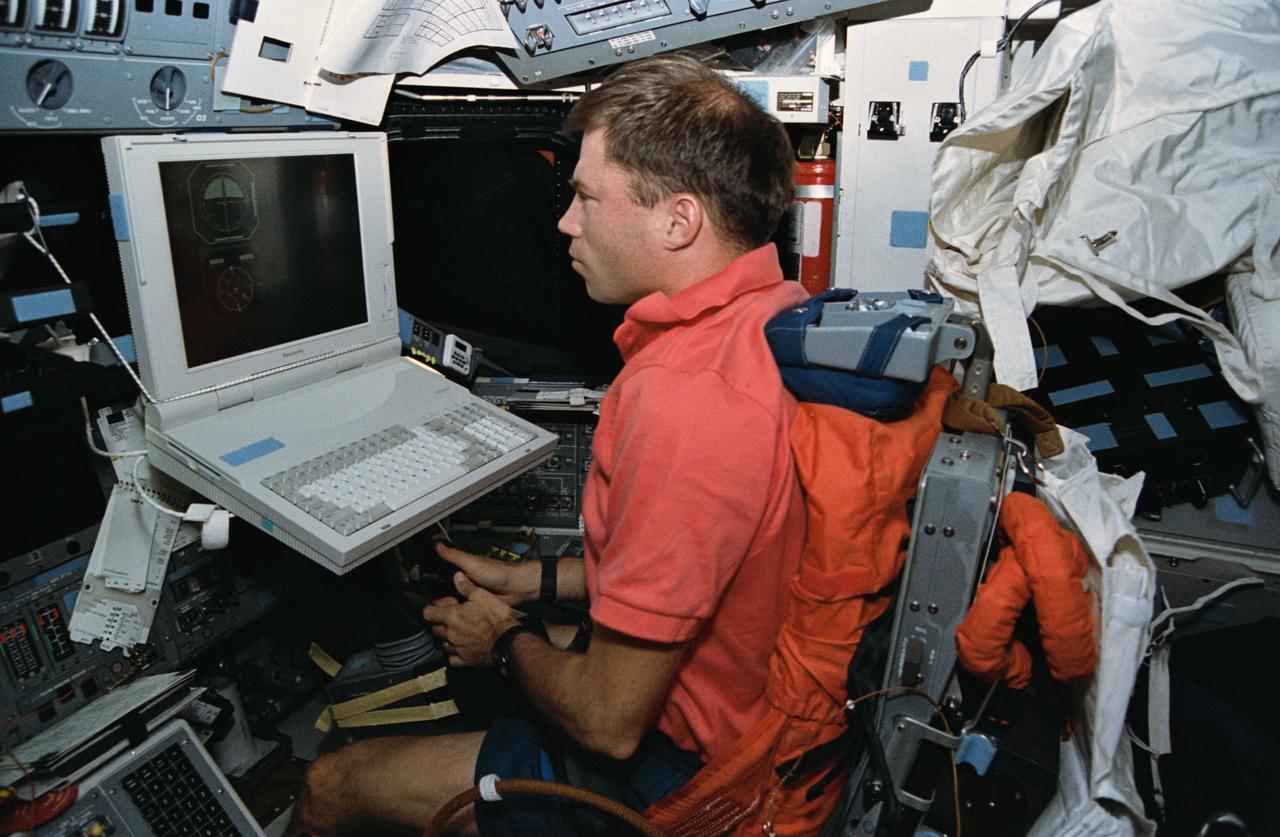
STS058-14-006 (18 Oct- 1 Nov 1993) --- Astronaut Richard A. Searfoss, pilot, participates in an experiment that measures the effects of space flight on pilot proficiency. Astronauts Searfoss (seen here at the pilot's station) and John E. Blaha, mission commander, are conducting the first tests of the Portable Inflight Landing Operations Trainer (PILOT). STS-58 is the first of six scheduled test flights of PILOT designed to determine its effectiveness as a training tool.
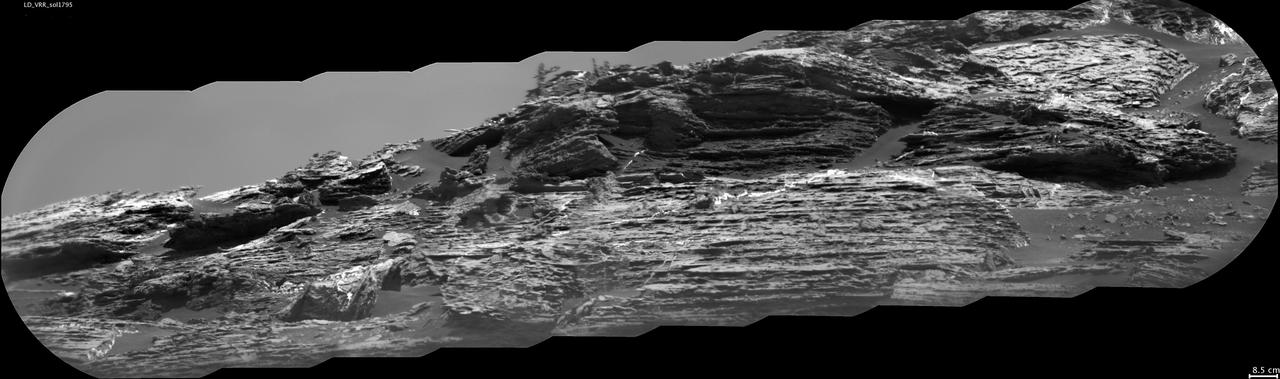
This view of "Vera Rubin Ridge" from the Chemistry and Camera (ChemCam) instrument on NASA's Curiosity Mars rover shows sedimentary layers, mineral veins and effects of wind erosion. This area of lower Mount Sharp became a ridge by being more resistant to erosion than neighboring portions of the layered mountain. Here, the wind has eroded portions of the outcrop in unusual ways, so that elongated rock fragments can be seen protruding into the sky. ChemCam's telescopic Remote Micro-Imager took the 10 component images of this mosaic on Aug. 24, 2017, during the 1,795th Martian day, or sol, of Curiosity's work on Mars. The camera was about 141 feet (43 meters) away from the pictured portion of the ridge. The rover's location at the time, in relation to the ridge, is shown in a Sol 1794 traverse map. The scale bar at lower right indicates how wide a feature 3.3 inches (8.5 centimeters) in width would look in the middle portion of the scene. https://photojournal.jpl.nasa.gov/catalog/PIA21853
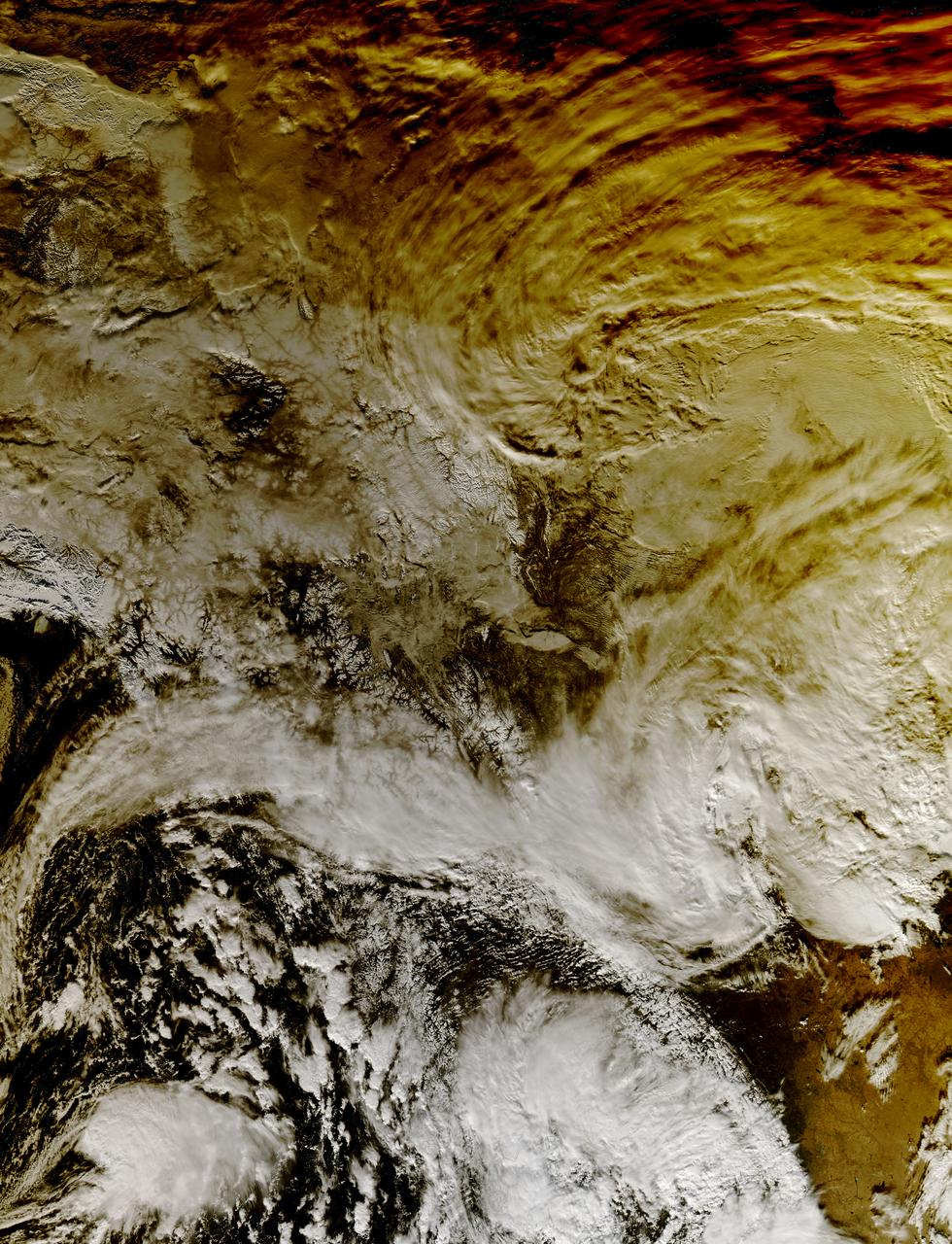
This image shows how a partial solar eclipse darkened clouds over the Yukon and British Columbia in western Canada. It was taken on Oct. 23 at 21:20 UTC (5:20 p.m. EDT) by the Moderate Resolution Imaging Spectroradiometer instrument that flies aboard NASA's Aqua satellite. Credit: NASA Goddard MODIS Rapid Response Team Unlabeled image <b><a href="http://www.nasa.gov/audience/formedia/features/MP_Photo_Guidelines.html" rel="nofollow">NASA image use policy.</a></b> <b><a href="http://www.nasa.gov/centers/goddard/home/index.html" rel="nofollow">NASA Goddard Space Flight Center</a></b> enables NASA’s mission through four scientific endeavors: Earth Science, Heliophysics, Solar System Exploration, and Astrophysics. Goddard plays a leading role in NASA’s accomplishments by contributing compelling scientific knowledge to advance the Agency’s mission. <b>Follow us on <a href="http://twitter.com/NASAGoddardPix" rel="nofollow">Twitter</a></b> <b>Like us on <a href="http://www.facebook.com/pages/Greenbelt-MD/NASA-Goddard/395013845897?ref=tsd" rel="nofollow">Facebook</a></b> <b>Find us on <a href="http://instagram.com/nasagoddard?vm=grid" rel="nofollow">Instagram</a></b>
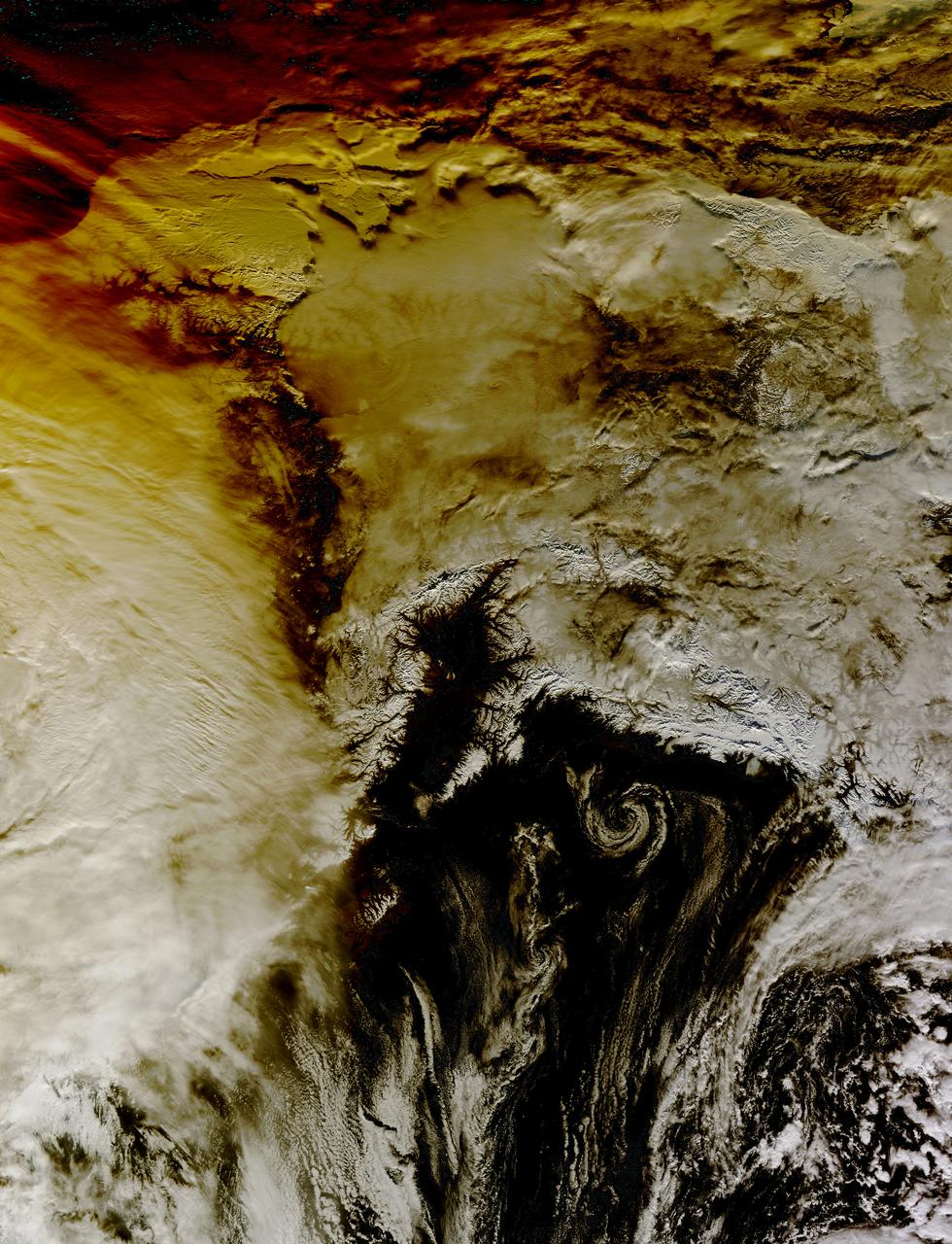
This image shows how the partial solar eclipse darkened clouds over Alaska. It was taken on Oct. 23 at 21:10 UTC (5:10 p.m. EDT) by the Moderate Resolution Imaging Spectroradiometer instrument that flies aboard NASA's Aqua satellite. Credit: NASA Goddard MODIS Rapid Response Team <b><a href="http://www.nasa.gov/audience/formedia/features/MP_Photo_Guidelines.html" rel="nofollow">NASA image use policy.</a></b> <b><a href="http://www.nasa.gov/centers/goddard/home/index.html" rel="nofollow">NASA Goddard Space Flight Center</a></b> enables NASA’s mission through four scientific endeavors: Earth Science, Heliophysics, Solar System Exploration, and Astrophysics. Goddard plays a leading role in NASA’s accomplishments by contributing compelling scientific knowledge to advance the Agency’s mission. <b>Follow us on <a href="http://twitter.com/NASAGoddardPix" rel="nofollow">Twitter</a></b> <b>Like us on <a href="http://www.facebook.com/pages/Greenbelt-MD/NASA-Goddard/395013845897?ref=tsd" rel="nofollow">Facebook</a></b> <b>Find us on <a href="http://instagram.com/nasagoddard?vm=grid" rel="nofollow">Instagram</a></b>
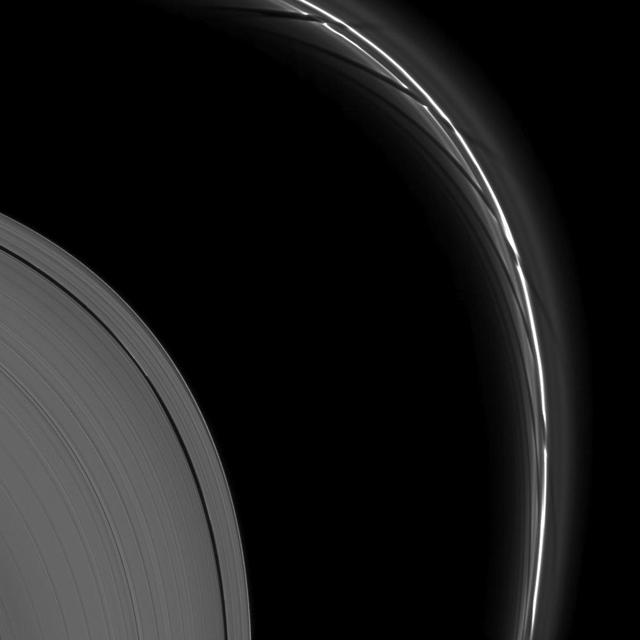
The effects of the moon Prometheus create intricate formations in Saturn thin F ring.
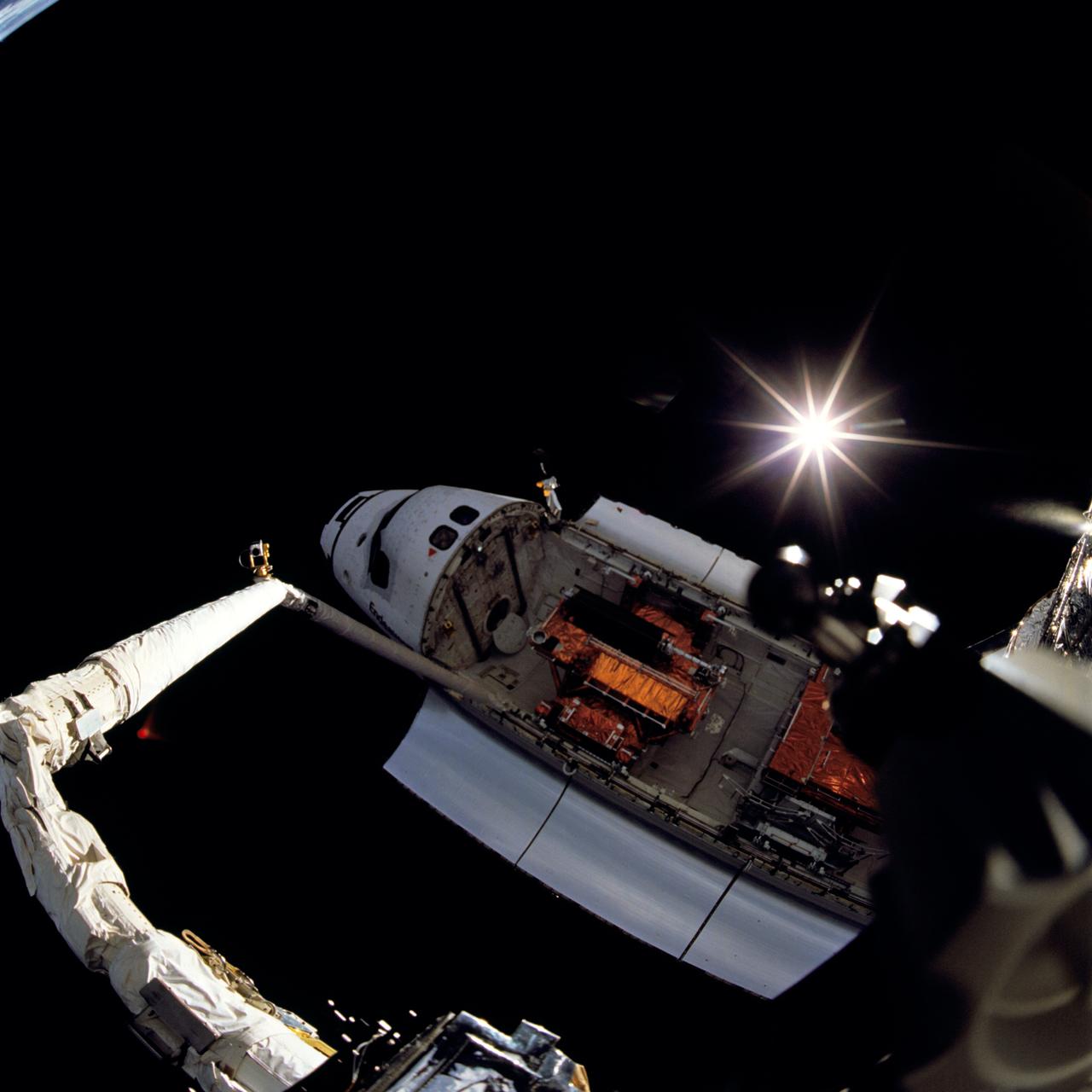
STS061-105-024 (2-13 Dec. 1993) --- One of Endeavour's space walkers captured this view of Endeavour backdropped against the blackness of space, with the Sun displaying a rayed effect. The extended Remote Manipulator System (RMS) arm that the astronaut was standing on is seen on the left side of the view.
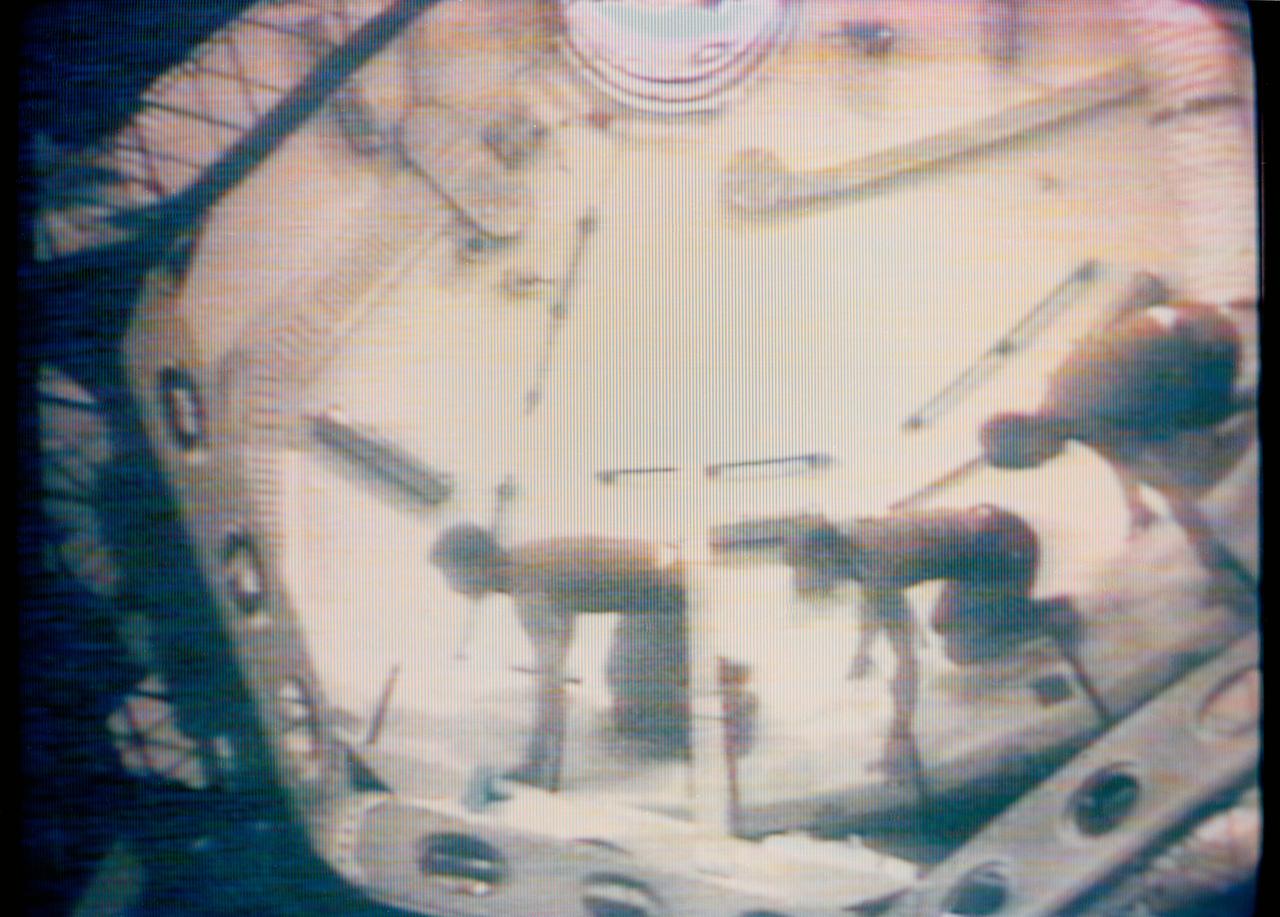
S73-27262 (1 June 1973) --- The three Skylab 2 crewmen give a demonstration on the effects of weightlessness in the Orbital Workshop of the Skylab 1 and 2 space station cluster in Earth orbit, as seen in this reproduction taken from a color television transmission made by a TV camera aboard the space station. Astronauts Charles Conrad Jr., Joseph P. Kerwin and Paul J. Weitz are crouched in a fast-start stance to race around the dome area of the OWS forward compartment. The astronauts had ease of motion and good maneuverability in the zero-gravity of space. Photo credit: NASA
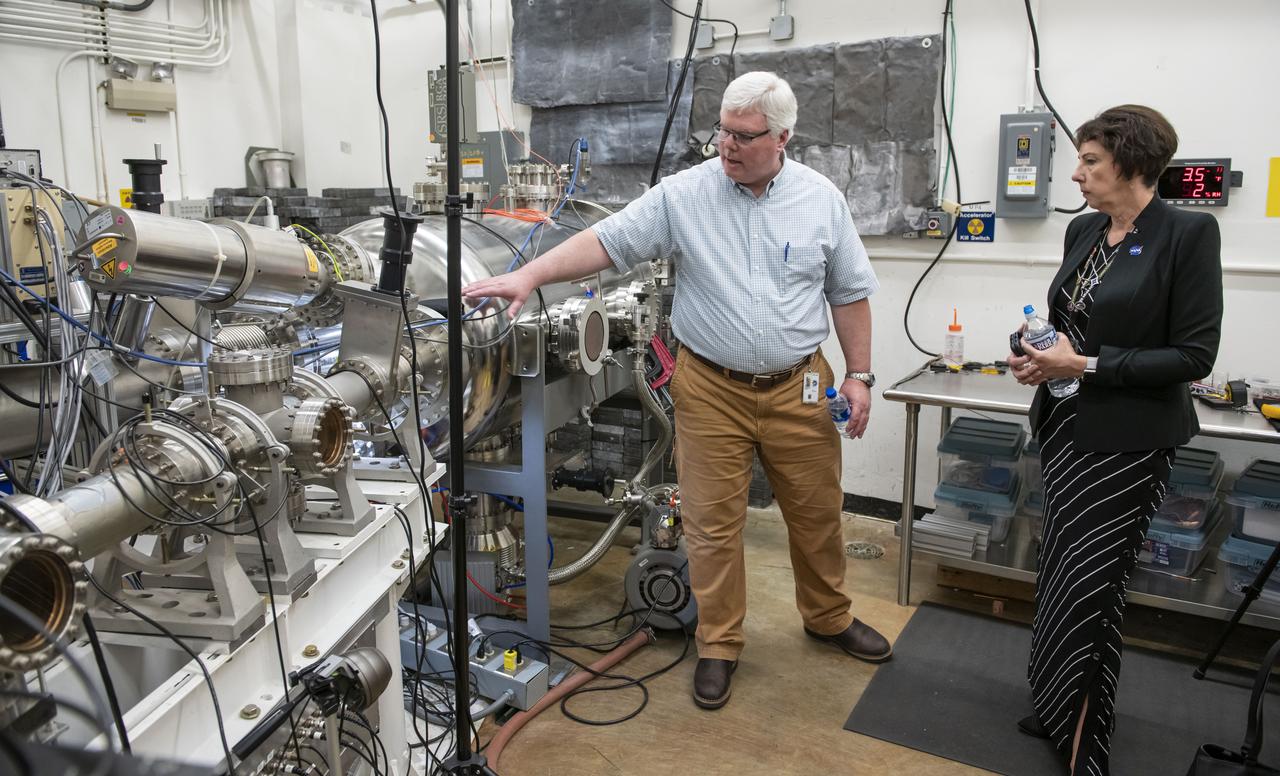
Nicola Fox, director of NASA’s Heliophysics Division, right, hears from NASA’s Marshall Space Flight Center physicist Todd Schneider during her visit to the center Sept. 26. Fox toured multiple facilities at Marshall -- including the Space Environmental Effects facility -- to see firsthand how Marshall scientists and engineers are advancing exploration and discovery.
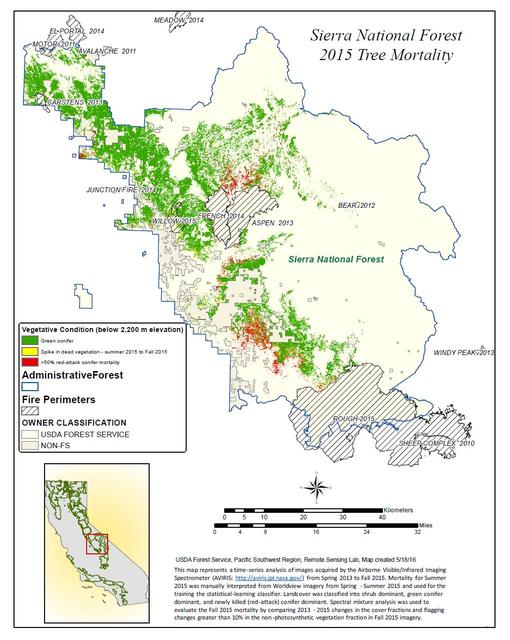
California, reveals the devastating effect of California's ongoing drought on Sierra Nevada conifer forests. The map will be used to help the U.S. Forest Service assess and respond to the impacts of increased tree mortality caused by the drought, particularly where wildlands meet urban areas within the Sierra National Forest. After several years of extreme drought, the highly stressed conifers (trees or bushes that produce cones and are usually green year-round) of the Sierra Nevada are now more susceptible to bark beetles (Dendroctonus spp.). While bark beetles killing trees in the Sierra Nevada is a natural phenomenon, the scale of mortality in the last couple of years is far greater than previously observed. The U.S. Forest Service is using recent airborne spectroscopic measurements from NASA's Airborne Visible/Infrared Imaging Spectrometer (AVIRIS) instrument aboard NASA's ER-2 aircraft, together with new advanced algorithms, to quantify this impact over this large region of rugged terrain. The high-altitude ER-2 aircraft is based at NASA's Armstrong Flight Research Center, Edwards, California. The image was created by scientists at the USFS's Pacific Southwest Region Remote Sensing Lab, McClellan, California, by performing a time series analysis of AVIRIS images. Scientists evaluated baseline tree mortality on public lands in the summer of 2015 using a machine learning algorithm called "random forest." This algorithm classifies the AVIRIS measurements as dominated by either shrubs, healthy trees or newly dead conifer trees. To quantify how much the amount of dead vegetation increased during the fall of 2015, the Forest Service scientists conducted an advanced spectral mixture analysis. This analysis evaluates each spectrum to determine the fraction of green vegetation, dead vegetation and soil. The full spectral range of AVIRIS is important to separate the signatures of soil and dead vegetation. To produce this comprehensive Sierra National Forest tree mortality map, the result from the summer of 2015 was evaluated to look for increases of more than 10 percent in dead vegetation during the fall of 2015. AVIRIS measures spectra of the Earth system to conduct advanced science research. These western U.S. AVIRIS measurements were acquired as part of NASA's Hyperspectral Infrared Imager (HyspIRI) preparatory airborne campaign. HyspIRI was one of the space missions suggested to NASA by the National Academy of Sciences in its 2007 decadal survey for Earth Science. In the future, HyspIRI could provide spectral and thermal measurements of this type globally for ecosystem research and additional science objectives. http://photojournal.jpl.nasa.gov/catalog/PIA20717
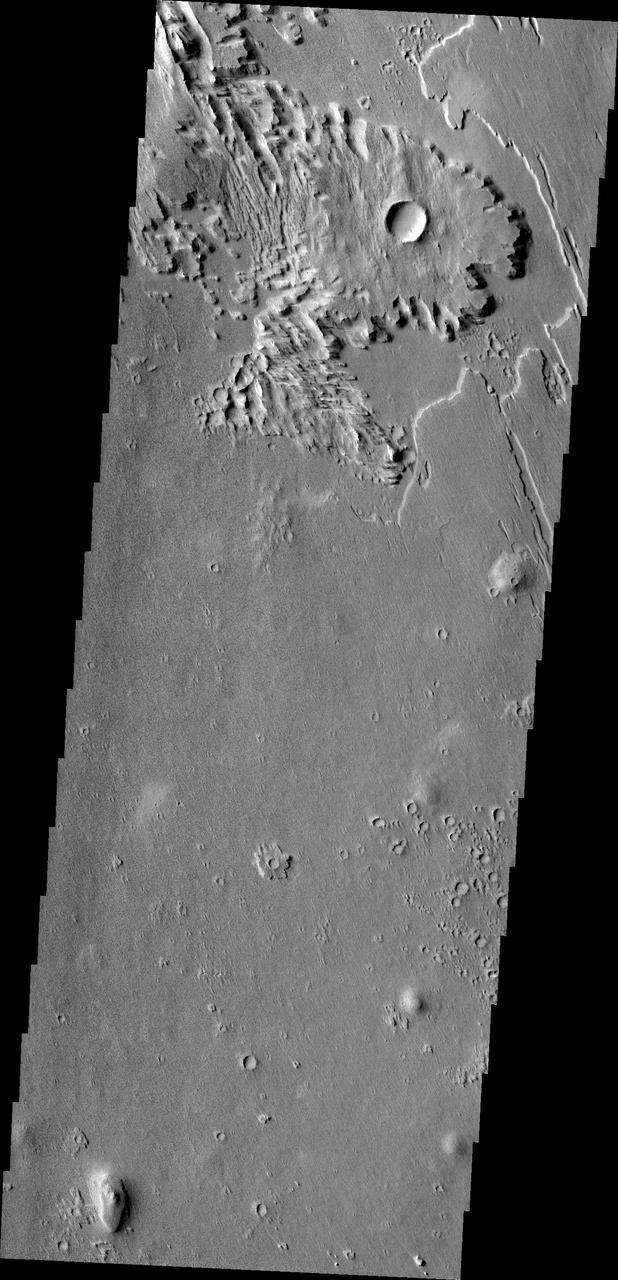
This wind eroded crater is located between Eumenides and Gordii Dorsa. The ejecta of the crater is more resistant to the wind than the surrounding materials in this image from NASA Mars Odyssey.
NASA 2001 Mars Odyssey captured this region of Mars which has been eroded by the wind. Linear hills called yardangs indicate the wind direction, which varies in this area of Medusae Fossae.
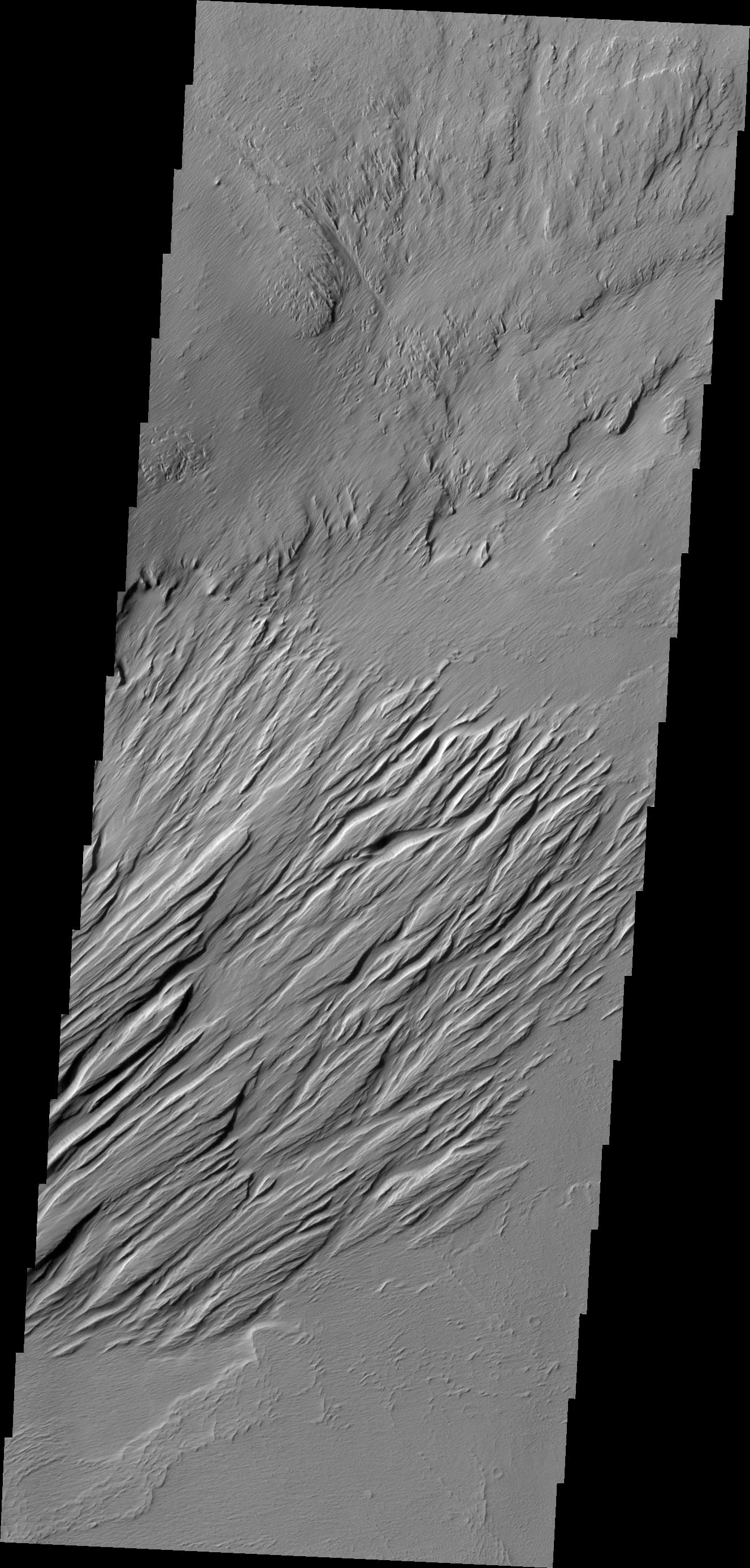
Located near Amazonis Mensa, this region of Mars has undergone erosion by wind. Long linear hills being created by the wind are called yardangs in this image from NASA 2001 Mars Odyssey.
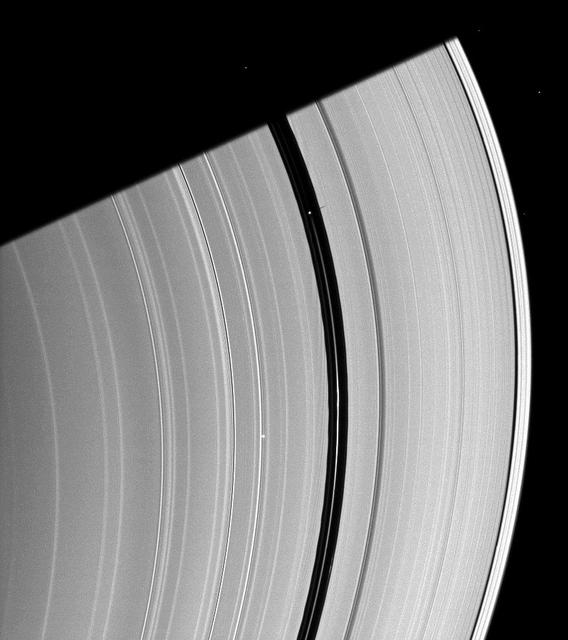
Saturn moon Pan, orbiting in the Encke Gap near the top of the image, casts a short shadow on the A ring in this image taken by NASA Cassini spacecraft about six months after the planet August 2009 equinox.
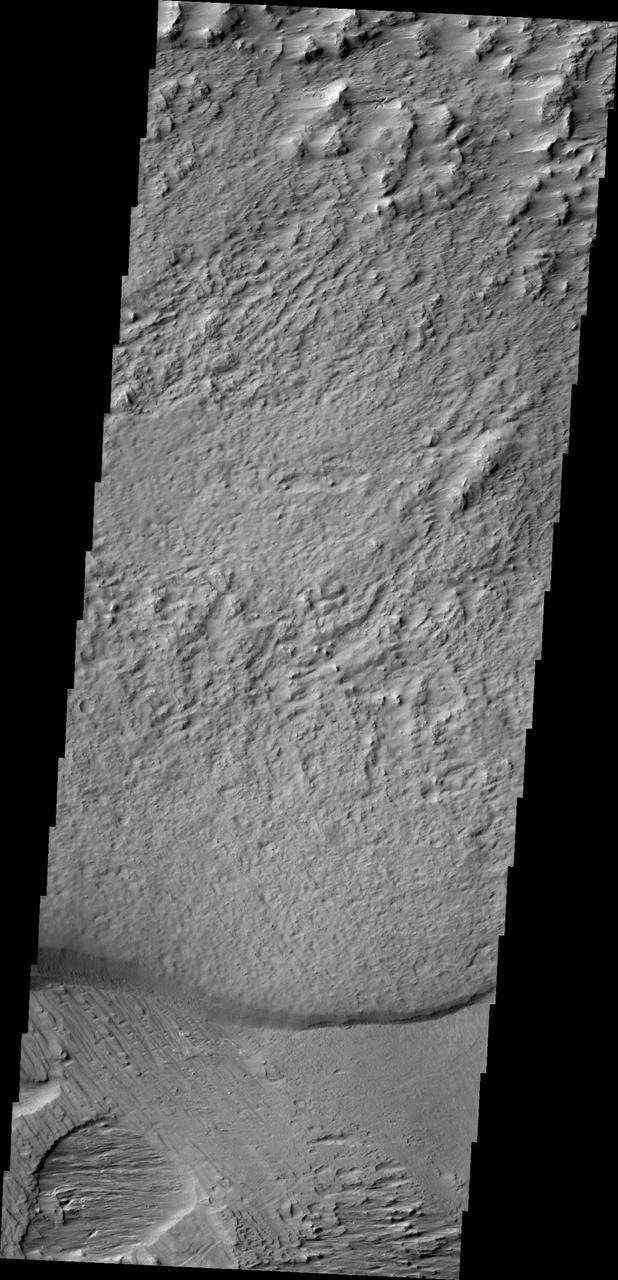
The region southwest of Olympus Mons is covered with materials that have been eroded by the wind. Surface materials in this area indicate wind action in many different directions as shown in this image from NASA Mars Odyssey.
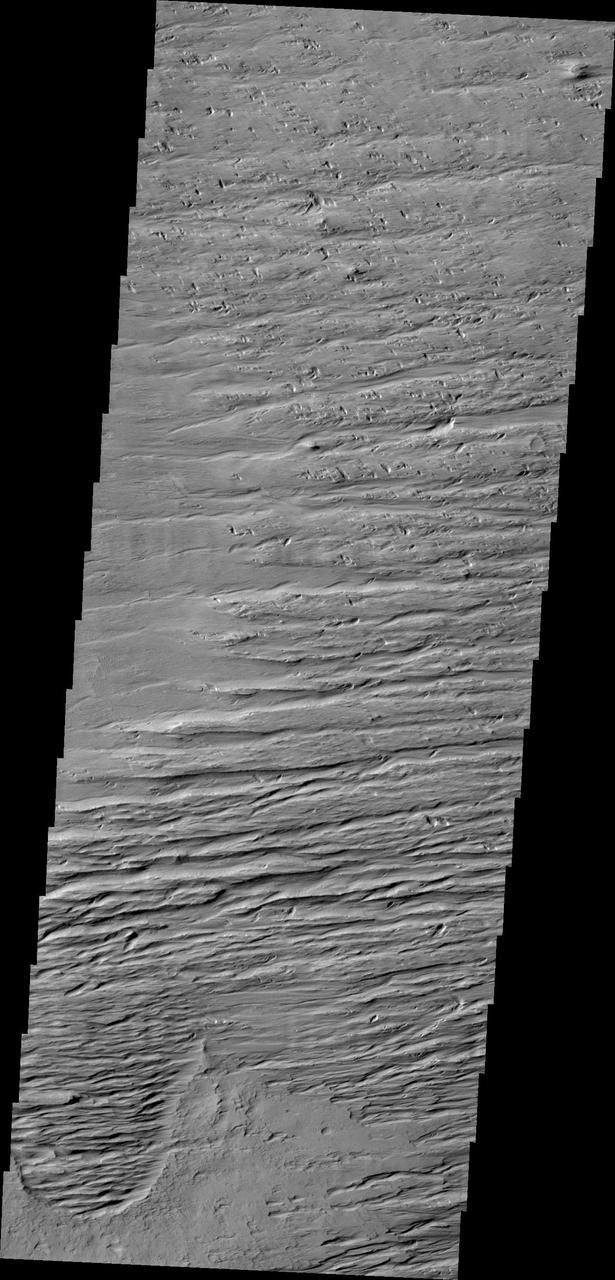
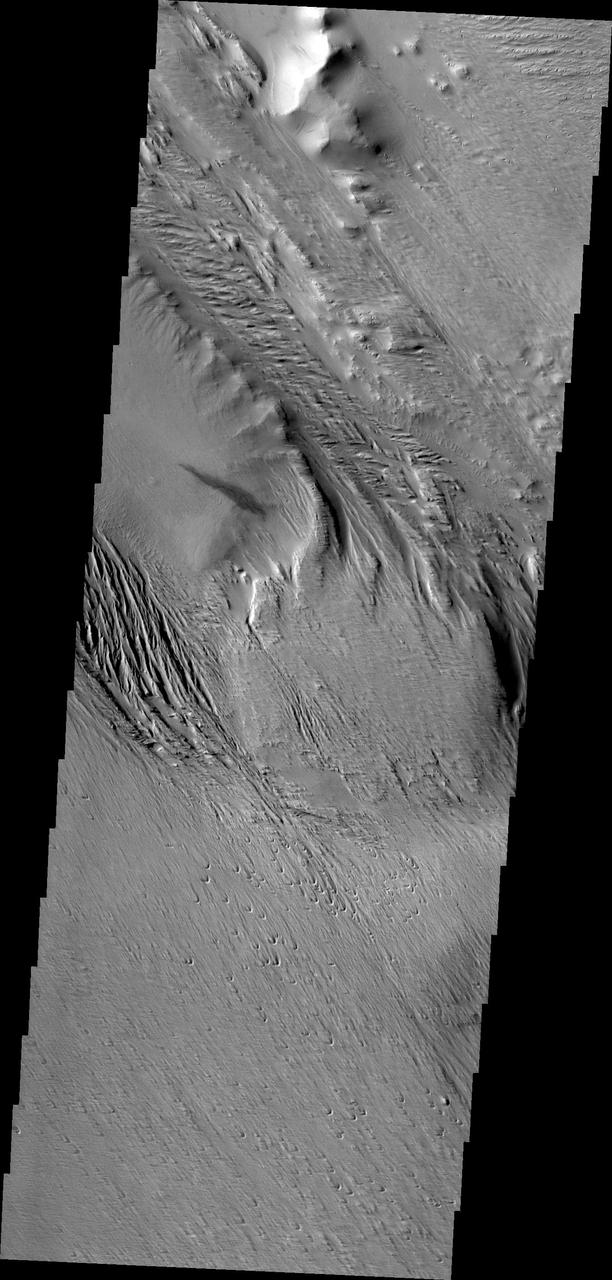
This image from NASA 2001 Mars Odyssey is located south of Olympus Mons and east of Gordii Dorsum, in a heavily wind eroded region. The winds are predominately east/west in this area.
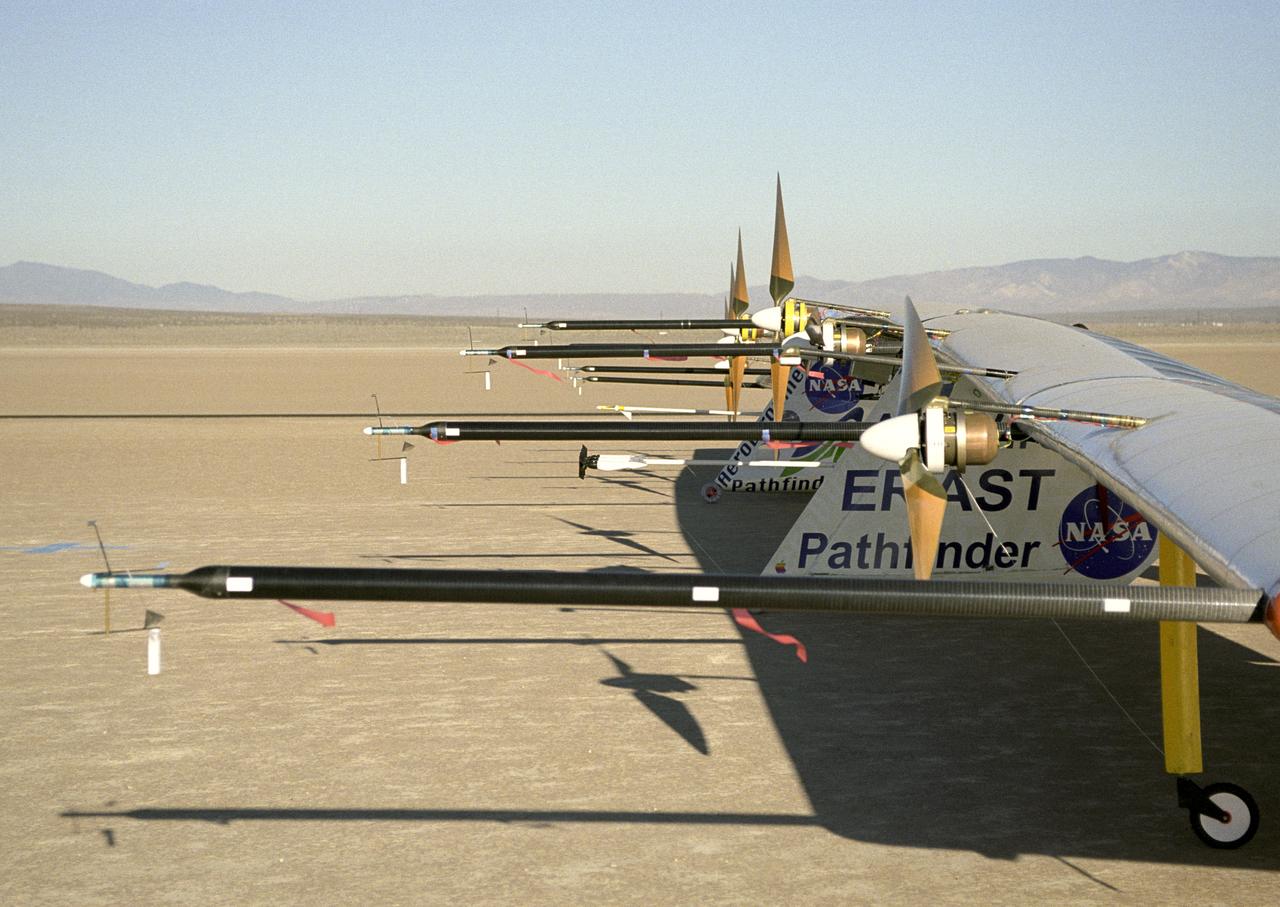
Sensitive instruments mounted on booms extending forward of the wing measure air turbulence and its effect on the stability of the Pathfinder-Plus solar-electric flying wing.
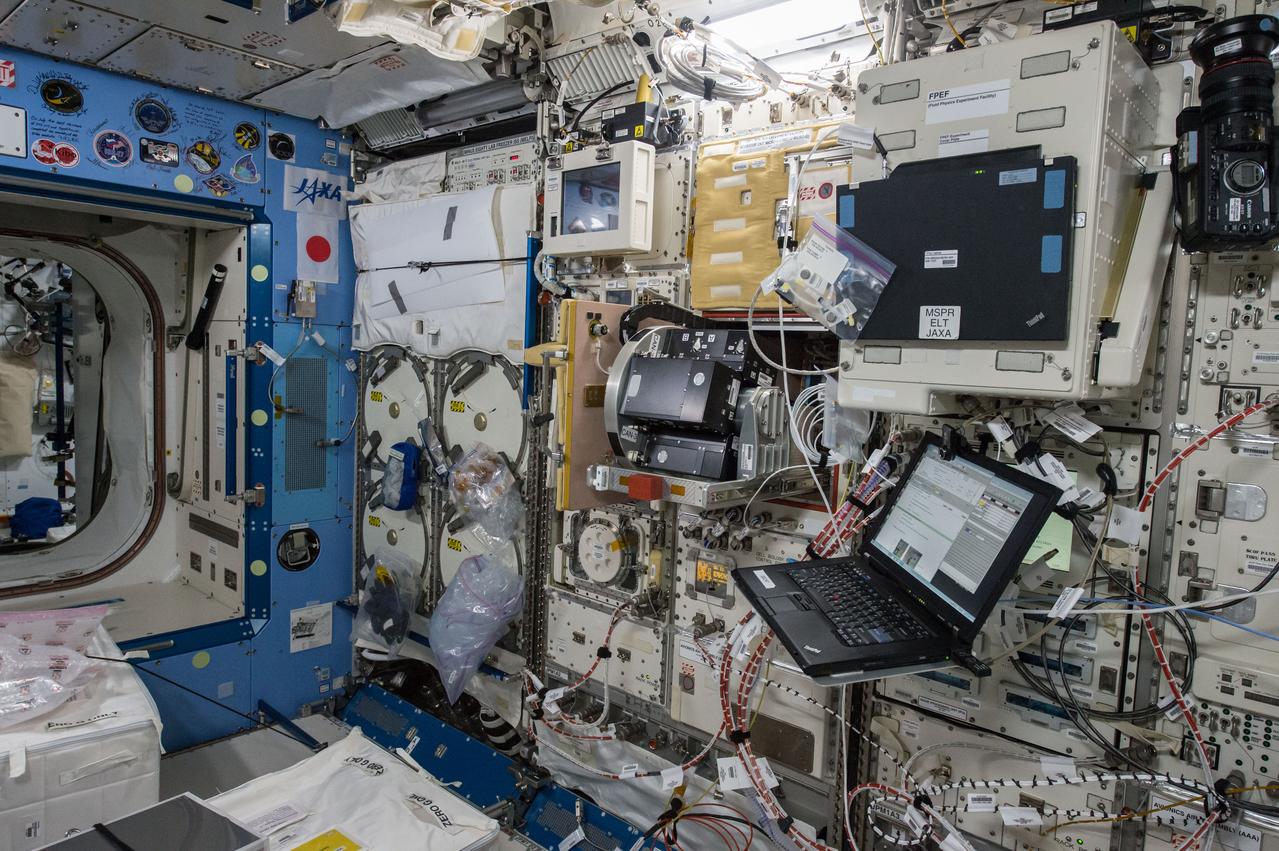
iss043e124204 (4/18/2015) --- A view of the Cell Biology Experiment Facility (CBEF) rack in the Japanese Experiment Module (JEM) aboard the International Space Station (ISS) in preparation for the Space Aging investigation. The purpose of the experiment is to study the effects of weightlessness in space flight on the aging of the C. elegans roundworm, a model organism for a range of biological studies. Microgravity causes a number of physiological changes, like heart and bone deconditioning, involving mechanisms that are poorly understood and may affect the rate at which organisms and astronauts age. The Space Aging experiment will grow millimeter-long C. elegans roundworms in microgravity and compare their health and longevity with controlled specimens on Earth.
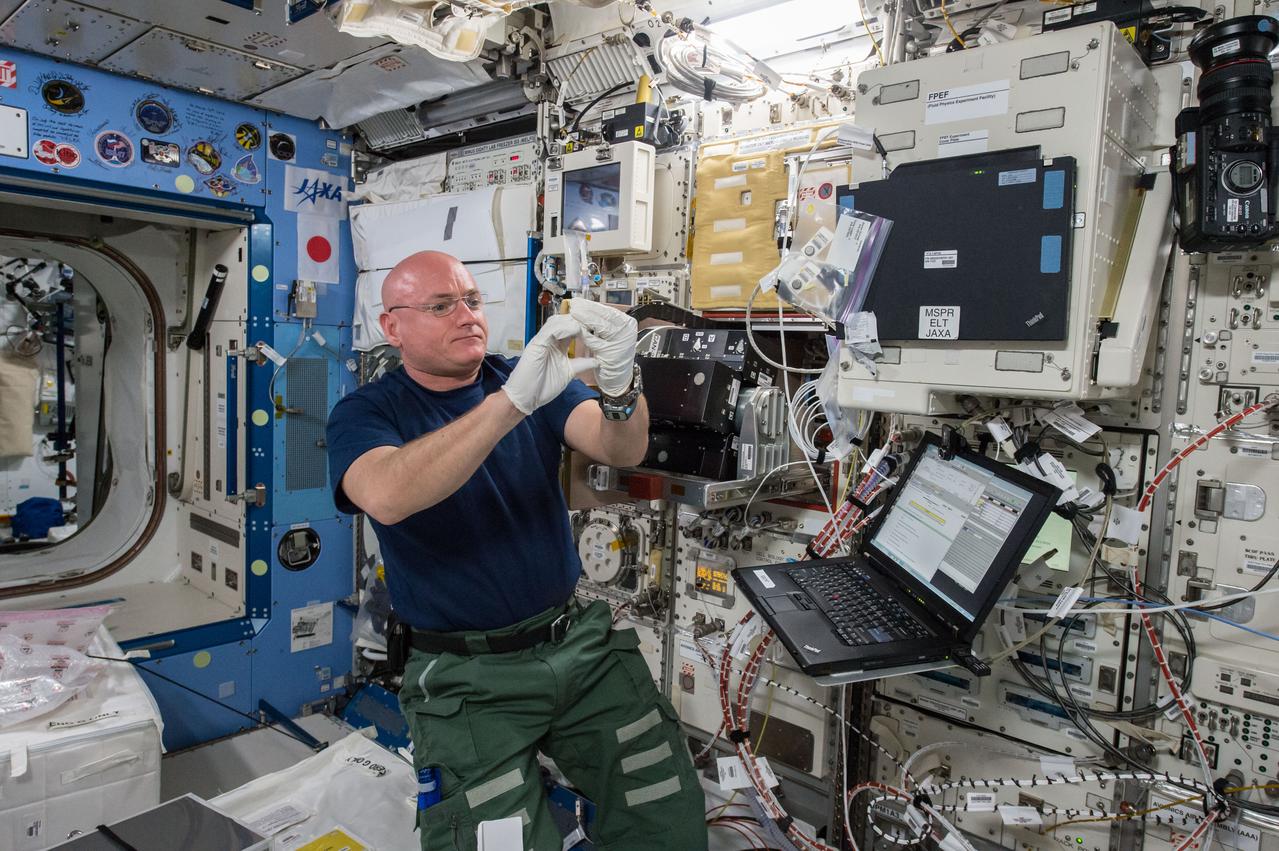
iss043e124213 (4/18/2015) --- NASA astronaut Scott Kelly is seen performing the Space Aging experiment using the Cell Biology Experiment Facility (CBEF) rack in the Japanese Experiment Module (JEM) aboard the International Space Station (ISS). The purpose of the experiment is to study the effects of weightlessness in space flight on the aging of the C. elegans roundworm, a model organism for a range of biological studies. Microgravity causes a number of physiological changes, like heart and bone deconditioning, involving mechanisms that are poorly understood and may affect the rate at which organisms and astronauts age. The Space Aging experiment will grow millimeter-long C. elegans roundworms in microgravity and compare their health and longevity with controlled specimens on Earth.
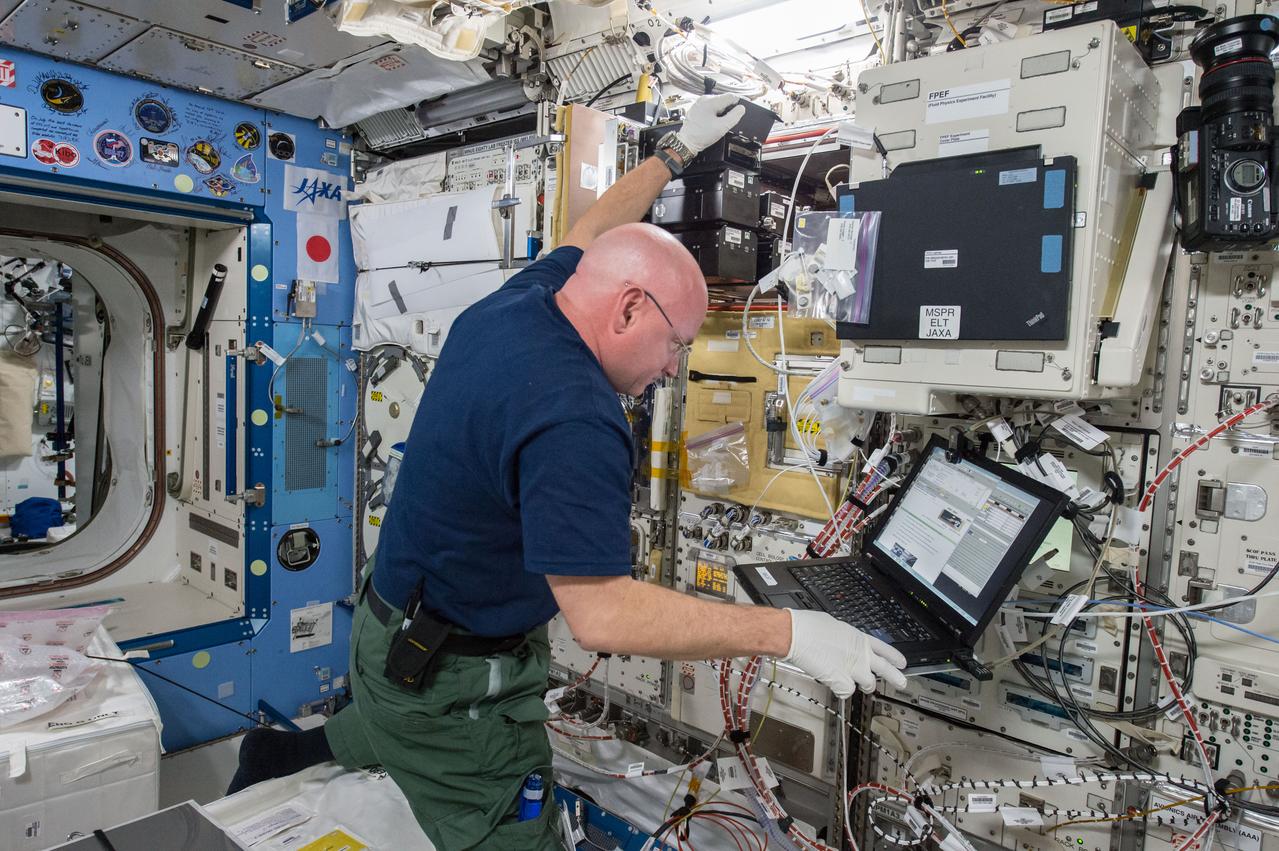
iss043e124225 (4/18/2015) --- NASA astronaut Scott Kelly is seen performing the Space Aging experiment using the Cell Biology Experiment Facility (CBEF) rack in the Japanese Experiment Module (JEM) aboard the International Space Station (ISS). The purpose of the experiment is to study the effects of weightlessness in space flight on the aging of the C. elegans roundworm, a model organism for a range of biological studies. Microgravity causes a number of physiological changes, like heart and bone deconditioning, involving mechanisms that are poorly understood and may affect the rate at which organisms and astronauts age. The Space Aging experiment will grow millimeter-long C. elegans roundworms in microgravity and compare their health and longevity with controlled specimens on Earth.
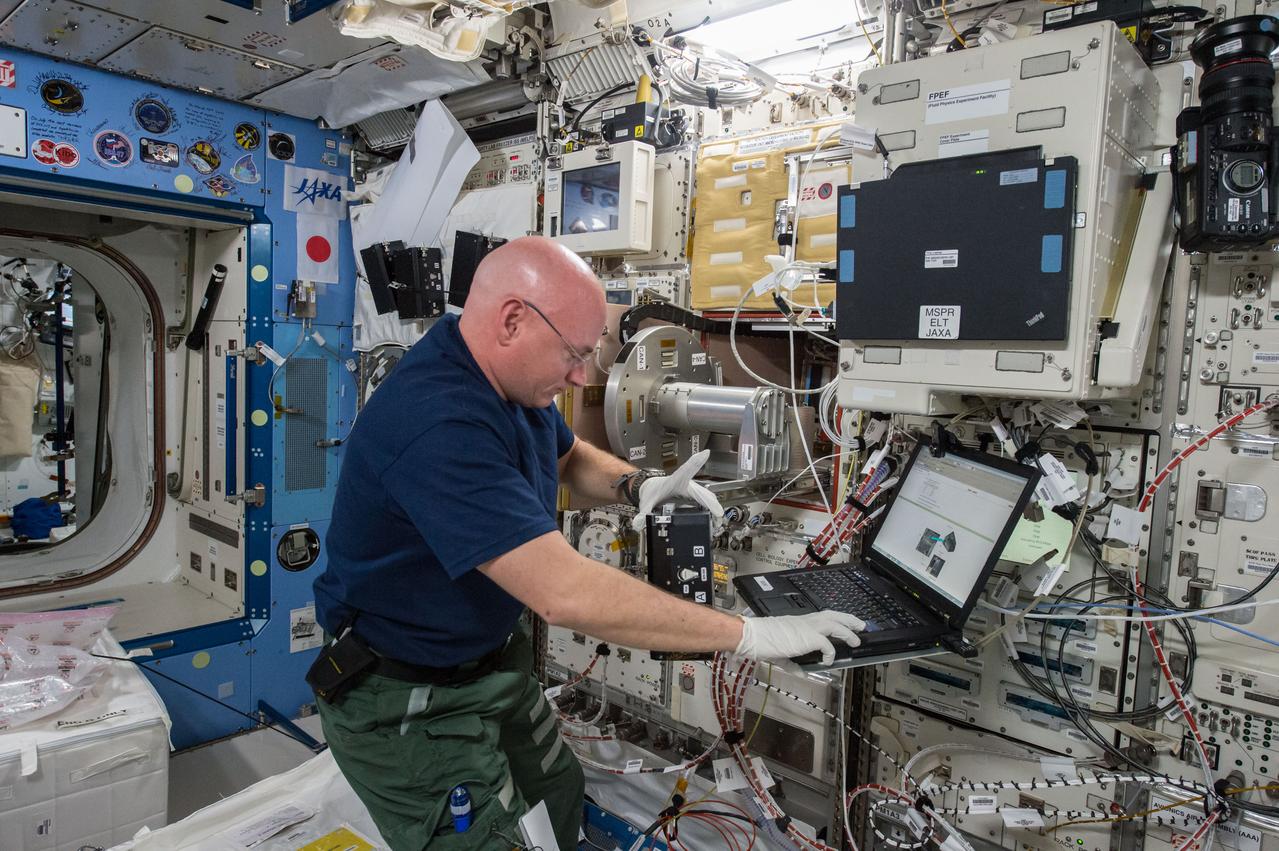
iss043e124063 (4/18/2015) --- NASA astronaut Scott Kelly is seen performing the Space Aging experiment using the Cell Biology Experiment Facility (CBEF) rack in the Japanese Experiment Module (JEM) aboard the International Space Station (ISS). The purpose of the experiment is to study the effects of weightlessness in space flight on the aging of the C. elegans roundworm, a model organism for a range of biological studies. Microgravity causes a number of physiological changes, like heart and bone deconditioning, involving mechanisms that are poorly understood and may affect the rate at which organisms and astronauts age. The Space Aging experiment will grow millimeter-long C. elegans roundworms in microgravity and compare their health and longevity with controlled specimens on Earth.
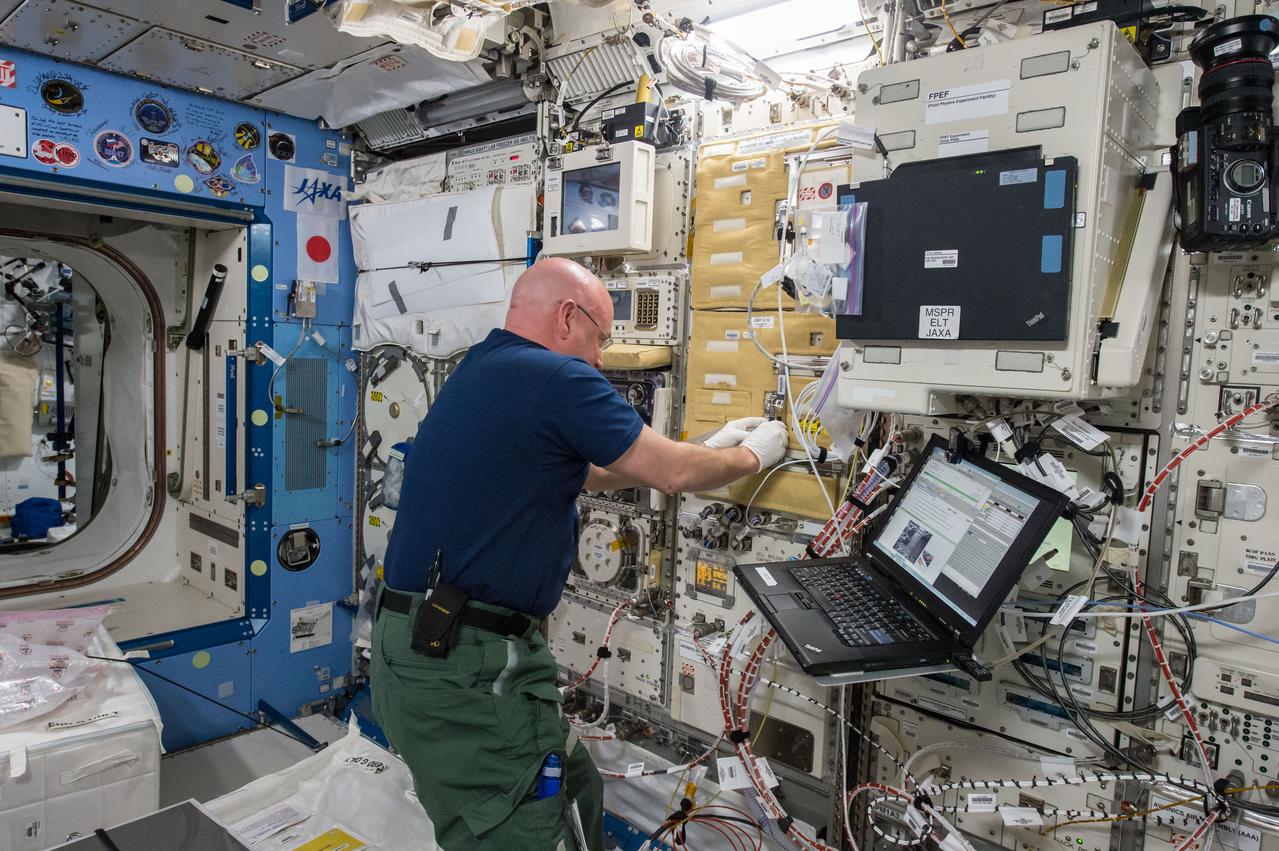
iss043e124238 (4/18/2015) --- NASA astronaut Scott Kelly is seen performing the Space Aging experiment using the Cell Biology Experiment Facility (CBEF) rack in the Japanese Experiment Module (JEM) aboard the International Space Station (ISS). The purpose of the experiment is to study the effects of weightlessness in space flight on the aging of the C. elegans roundworm, a model organism for a range of biological studies. Microgravity causes a number of physiological changes, like heart and bone deconditioning, involving mechanisms that are poorly understood and may affect the rate at which organisms and astronauts age. The Space Aging experiment will grow millimeter-long C. elegans roundworms in microgravity and compare their health and longevity with controlled specimens on Earth.
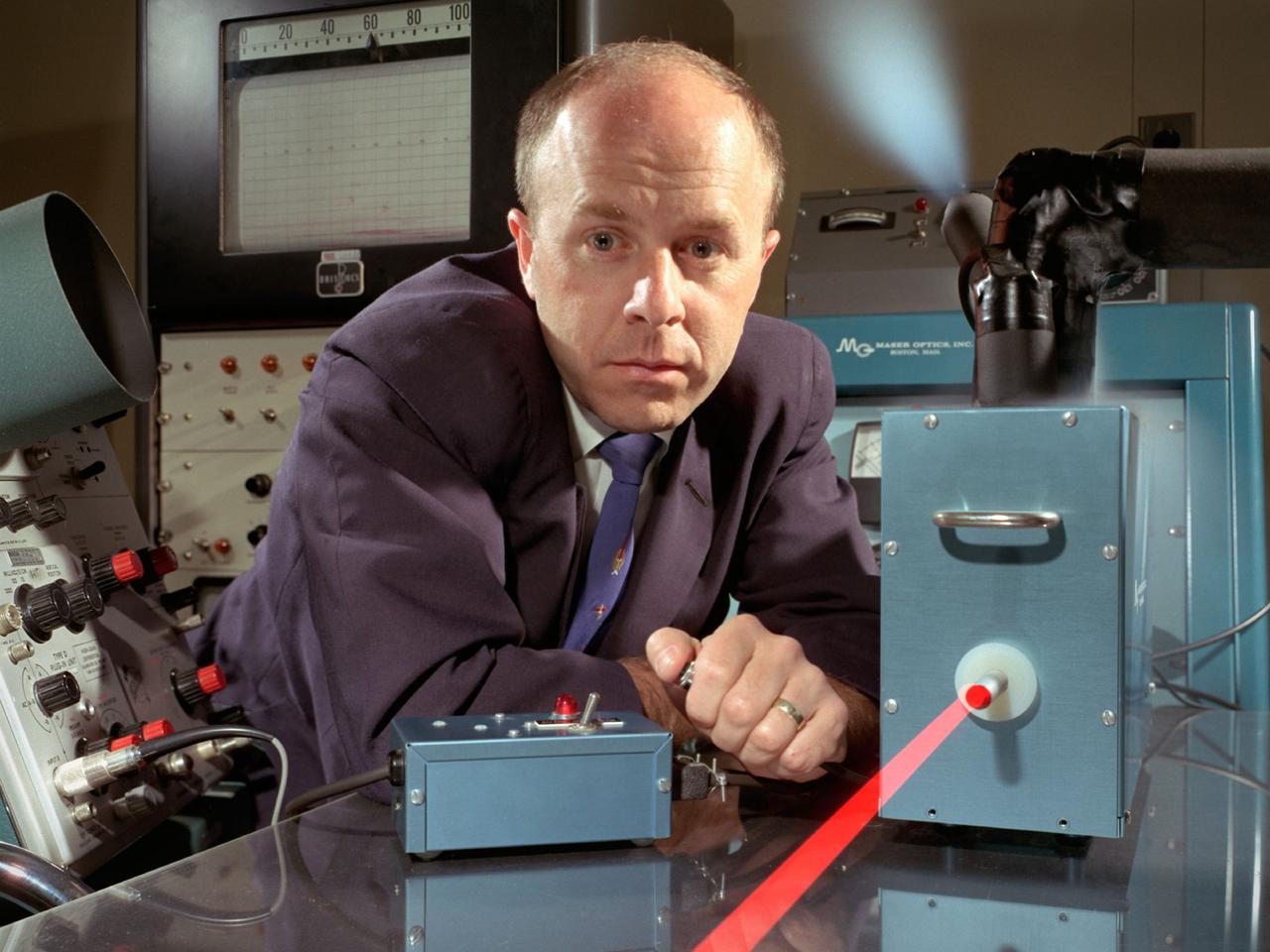
National Aeronautics and Space Administration (NASA) Lewis Research Center researcher Americo Forestieri aims a ruby laser beam at a crystal to determine the effects of its radiation. Forestieri was a researcher in the Electric Component Experiment Section of the Space Power System Division. Lewis was in the midst of a long-term effort to develop methods of delivering electrical power to spacecraft using nuclear, solar, or electrochemical technologies. Ruby lasers contain a ruby crystal with mirrors on either side. The laser action is created when a high-intensity lamp shines around the ruby and excites the electrons in the ruby’s chromium atoms. After the excitation, the electrons emit their ruby-red light. The mirrors reflect some of this red light back and forth inside the ruby which causes other excited chromium atoms to produce additional red light. This continues until the light pulse reaches high power levels and consumes all of the energy stored in the crystal. Forestieri used optical absorption and electron paramagnetic resonance techniques to study the extent and manner in which the radiation interacted with the samples. He determined that individual bands were assigned to specific electronic transitions. He also studied the atomic changes in the ruby crystals after irradiation. He found that complex interactions depend on the crystal pretreatment, purity, and irradiation dose.
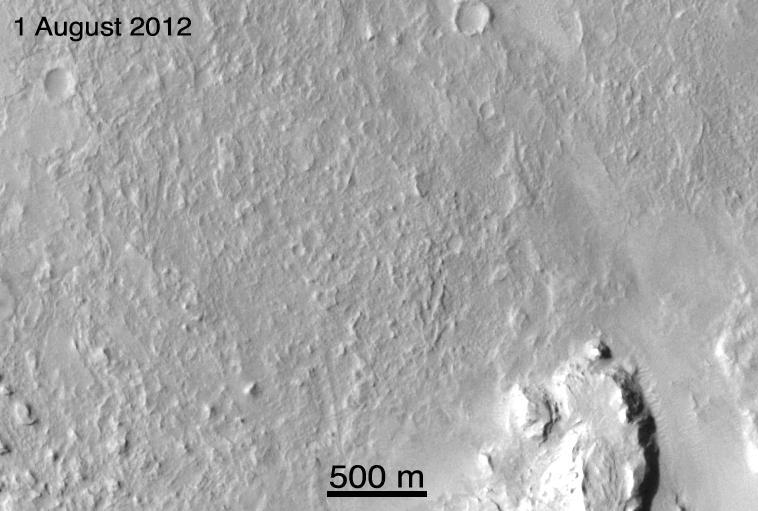
This still image from an animation shows the effects of weights from the entry vehicle of NASA Curiosity rover hitting the surface of Mars.
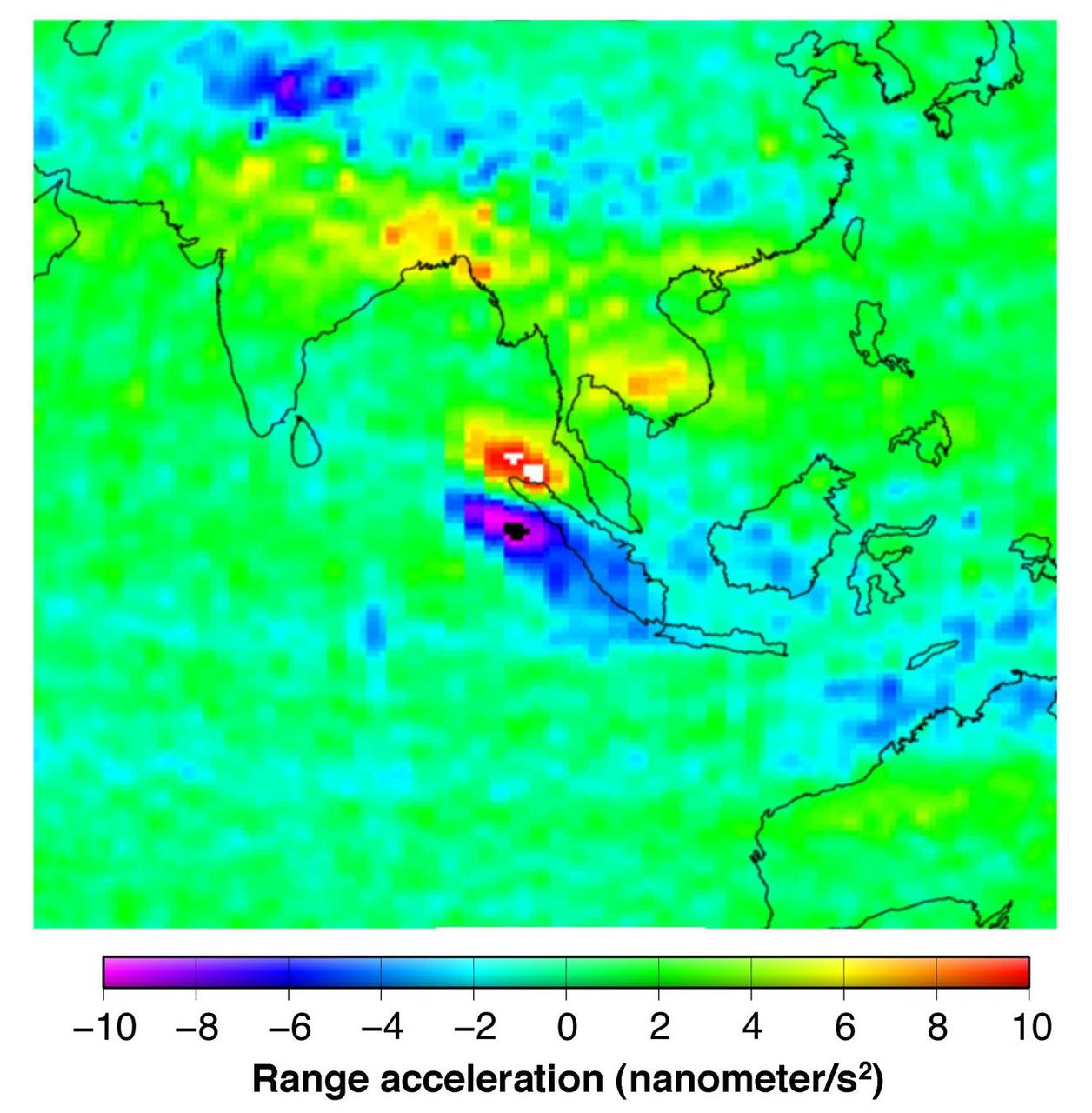
This figure shows the effect of the December 2004 great Sumatra earthquake on the Earth’s gravity field as observed by NASA GRACE.
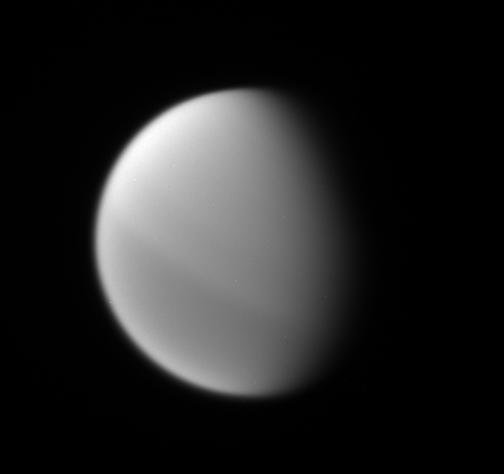
This Cassini spacecraft view shows the interesting north-south asymmetry in Titan atmosphere, which is thought to be a seasonal effect
![The stimulus of gravity affects RNA production, which helps maintain the strength of human muscles on Earth (top), as seen in this section of muscle fiber taken from an astronaut before spaceflight. Astronauts in orbit and patients on Earth fighting muscle-wasting diseases need countermeasures to prevent muscle atrophy, indicated here with white lipid droplets (bottom) in the muscle sample taken from the same astronaut after spaceflight. Kerneth Baldwin of the University of California, Irvine, is conducting research on how reducing the stimulus of gravity affects production of the RNA that the body uses as a blueprint for making muscle proteins. Muscle proteins are what give muscles their strength, so when the RNA blueprints aren't available for producing new proteins to replace old ones -- a situation that occurs in microgravity -- the muscles atrophy. When the skeletal muscle system is exposed to microgravity during spaceflight, the muscles undergo a reduced mass that translates to a reduction in strength. When this happens, muscle endurance decreases and the muscles are more prone to injury, so individuals could have problems in performing extravehicular activity [space walks] or emergency egress because their bodies are functionally compromised.](https://images-assets.nasa.gov/image/0300206/0300206~medium.jpg)
The stimulus of gravity affects RNA production, which helps maintain the strength of human muscles on Earth (top), as seen in this section of muscle fiber taken from an astronaut before spaceflight. Astronauts in orbit and patients on Earth fighting muscle-wasting diseases need countermeasures to prevent muscle atrophy, indicated here with white lipid droplets (bottom) in the muscle sample taken from the same astronaut after spaceflight. Kerneth Baldwin of the University of California, Irvine, is conducting research on how reducing the stimulus of gravity affects production of the RNA that the body uses as a blueprint for making muscle proteins. Muscle proteins are what give muscles their strength, so when the RNA blueprints aren't available for producing new proteins to replace old ones -- a situation that occurs in microgravity -- the muscles atrophy. When the skeletal muscle system is exposed to microgravity during spaceflight, the muscles undergo a reduced mass that translates to a reduction in strength. When this happens, muscle endurance decreases and the muscles are more prone to injury, so individuals could have problems in performing extravehicular activity [space walks] or emergency egress because their bodies are functionally compromised.
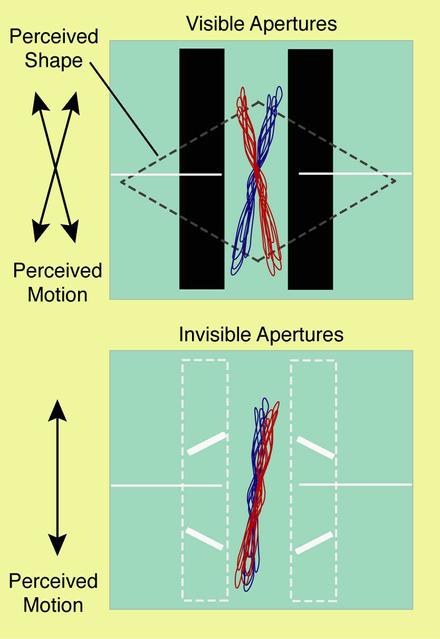
One concern about human adaptation to space is how returning from the microgravity of orbit to Earth can affect an astronaut's ability to fly safely. There are monitors and infrared video cameras to measure eye movements without having to affect the crew member. A computer screen provides moving images which the eye tracks while the brain determines what it is seeing. A video camera records movement of the subject's eyes. Researchers can then correlate perception and response. Test subjects perceive different images when a moving object is covered by a mask that is visible or invisible (above). Early results challenge the accepted theory that smooth pursuit -- the fluid eye movement that humans and primates have -- does not involve the higher brain. NASA results show that: Eye movement can predict human perceptual performance, smooth pursuit and saccadic (quick or ballistic) movement share some signal pathways, and common factors can make both smooth pursuit and visual perception produce errors in motor responses.
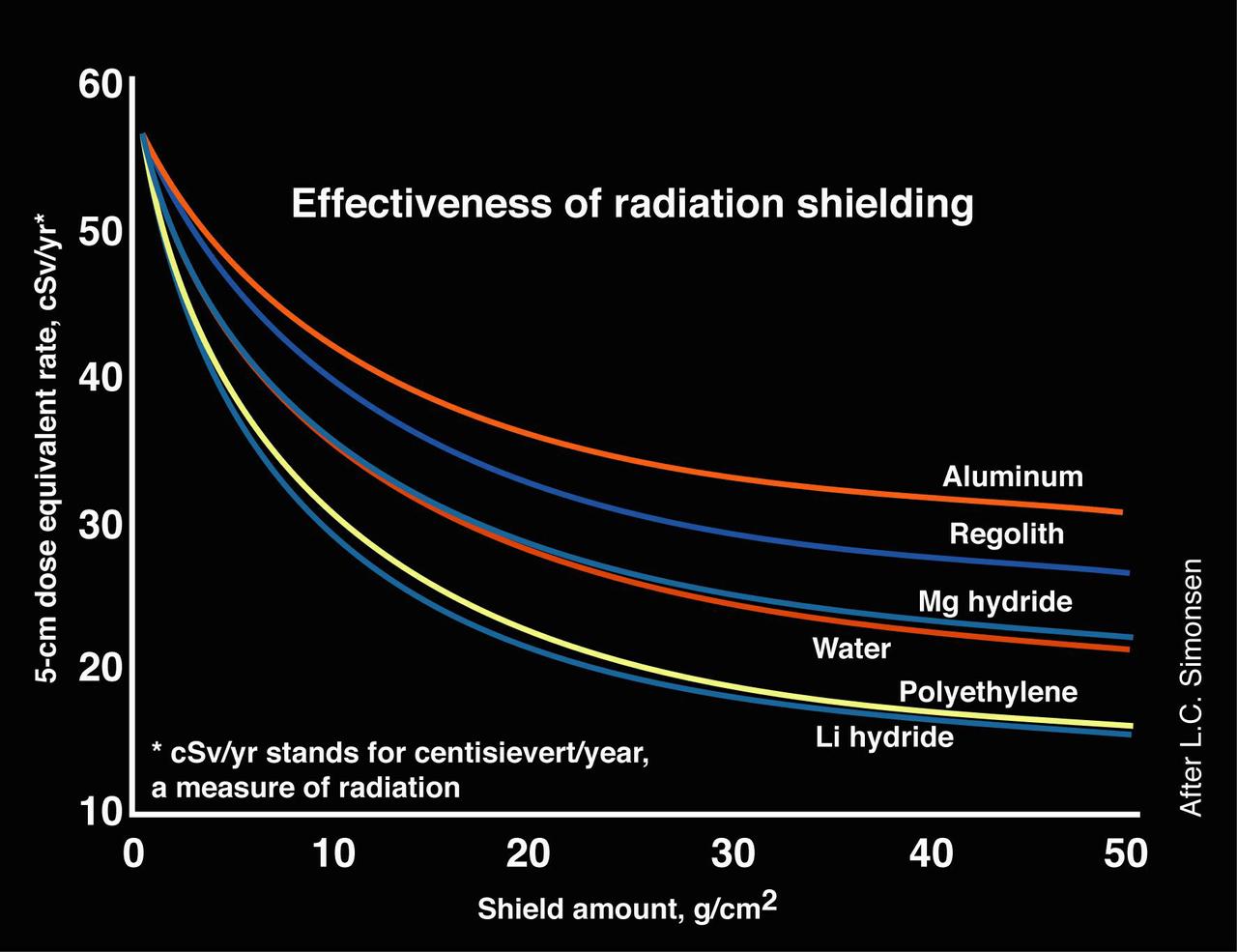
Materials with a smaller mean atomic mass, such as lithium (Li) hydride and polyethylene, make the best radiation shields for astronauts. The materials have a higher density of nuclei and are better able to block incoming radiation. Also, they tend to produce fewer and less dangerous secondary particles after impact with incoming radiation.
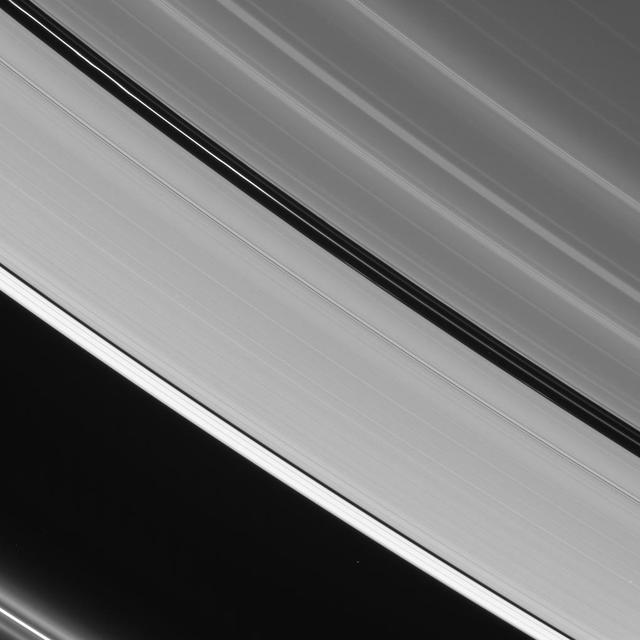
The two prominent dark gaps in Saturn A ring contain small embedded moons and a host of other intriguing features
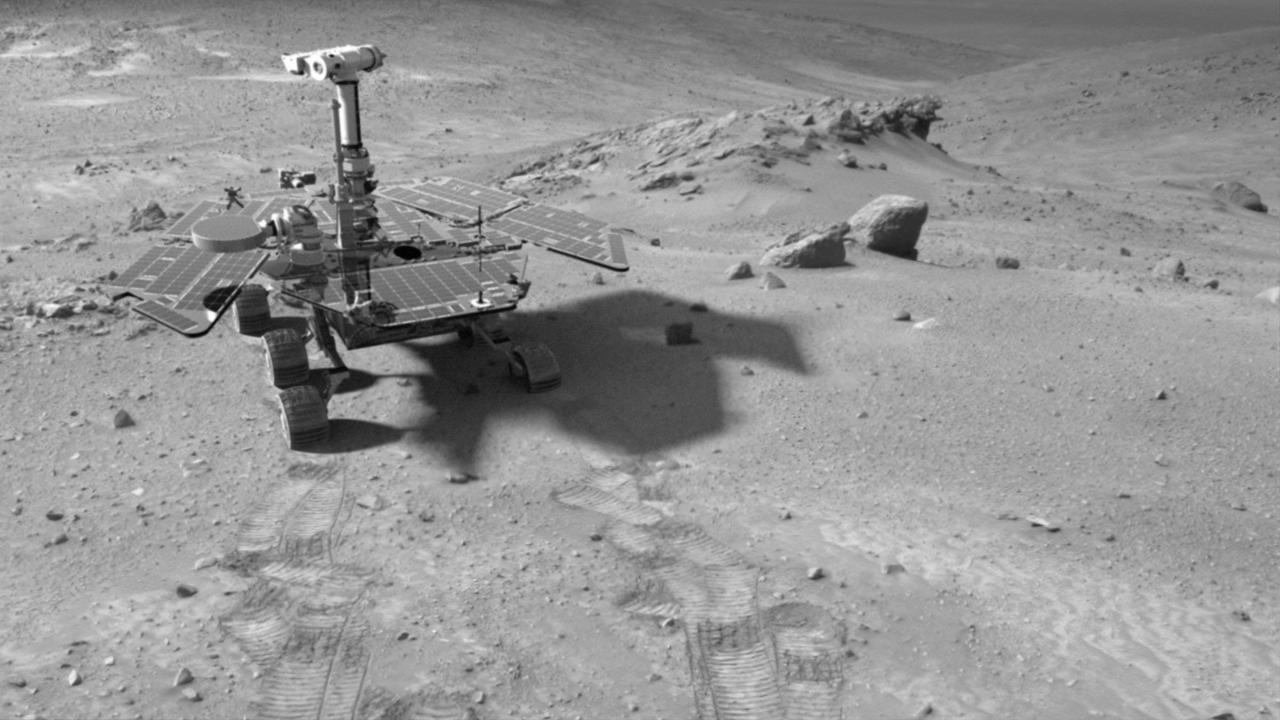
This synthetic image of NASA Spirit Mars Exploration Rover in the Columbia Hills was produced using Virtual Presence in Space technology.
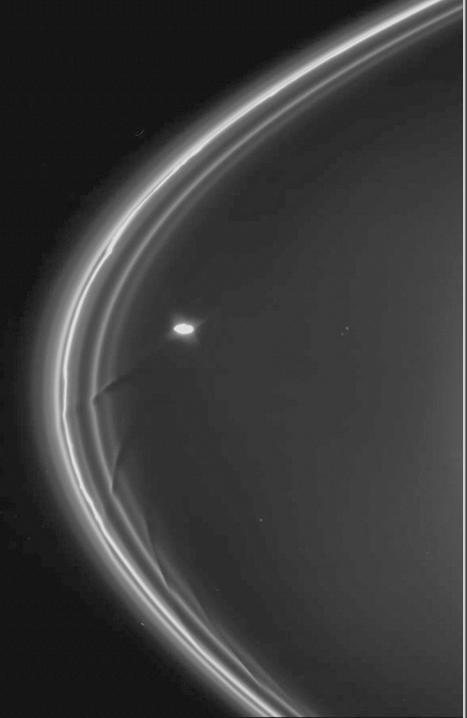
This image is from a simulation showing the changes to a portion of Saturn F ring as the shepherding moon Prometheus swings by it. The animation uses data obtained by the imaging cameras aboard NASA Cassini spacecraft.
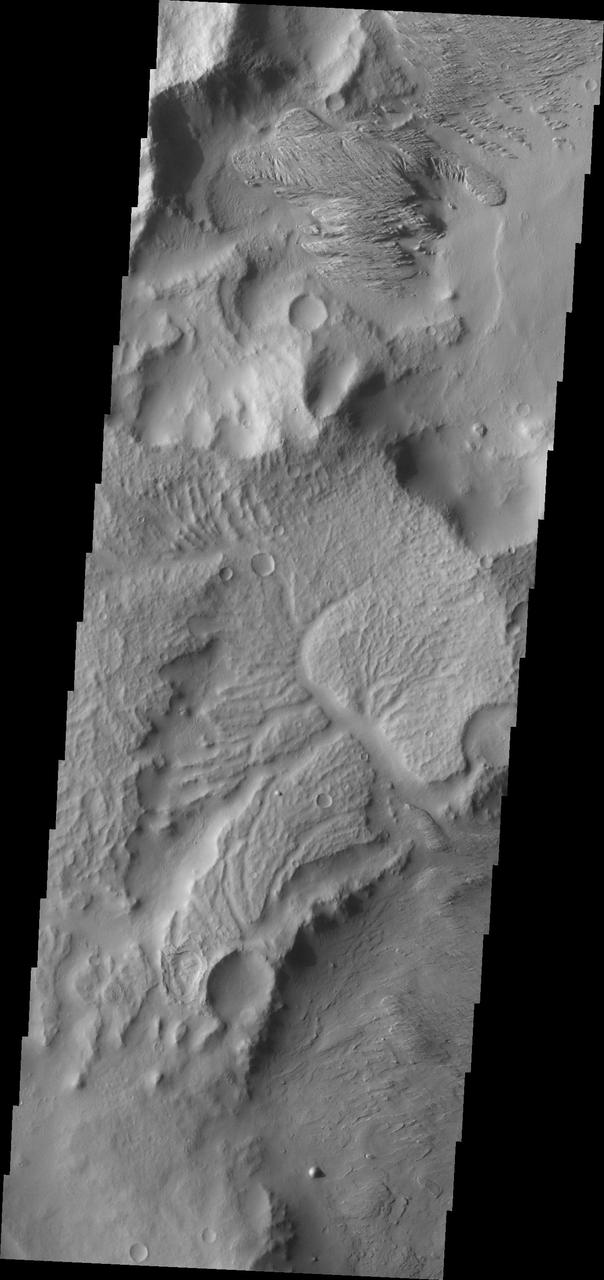
NASA 2001 Mars Odyssey spacecraft shows the apparent effects of wind and water mark the surface of this region just northeast of Gusev Crater.
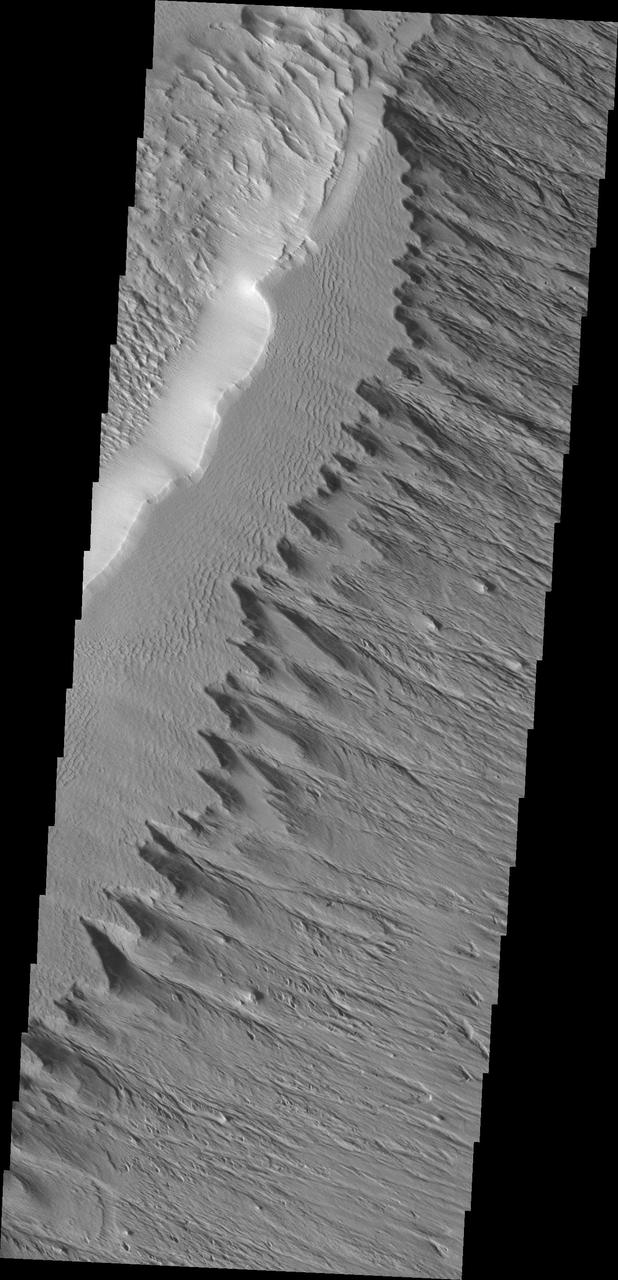
This ridge of material on the northern end of Gordii Dorsum is being reduced in size by the erosive effect of the wind in this image captured by NASA Mars Odyssey.
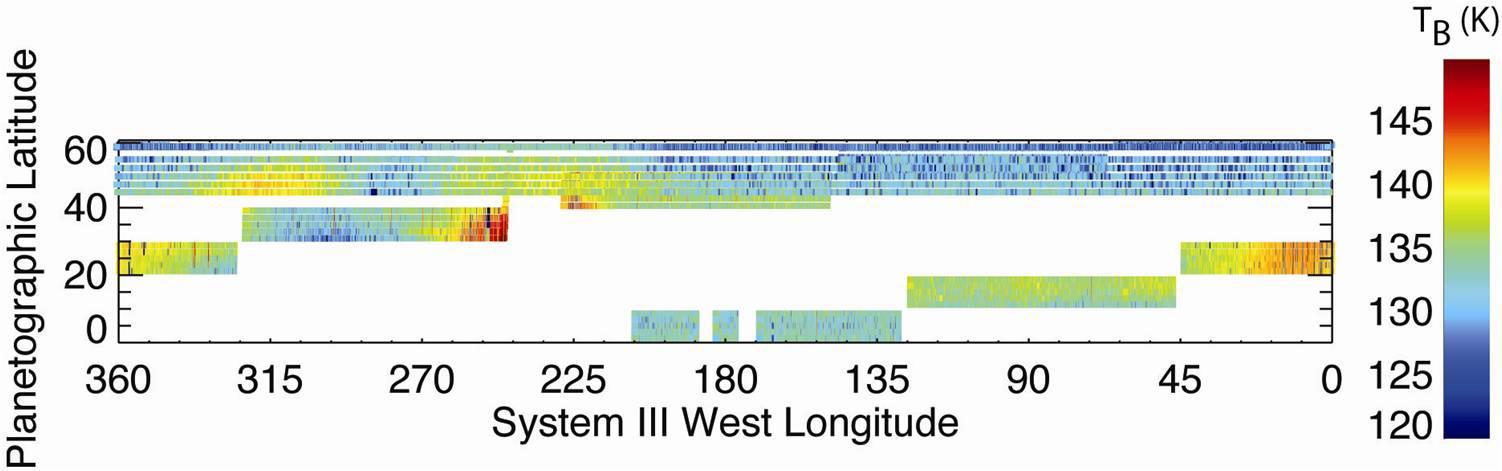
Measurements by NASA Cassini spacecraft reveal temperatures in a high layer of Saturn atmosphere known as the stratosphere and show the dramatic effects of the massive storm deep below.
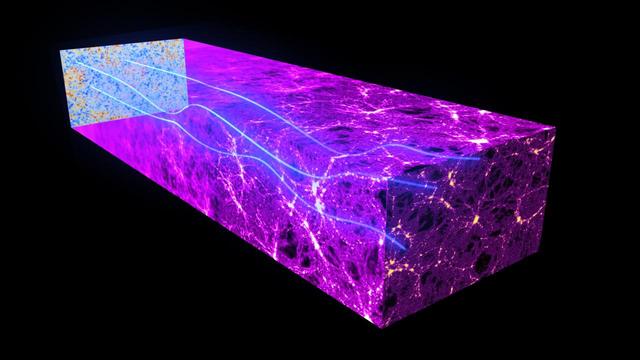
This artist impression shows how photons from the early universe are deflected by the gravitational lensing effect of massive cosmic structures as they travel across the universe.
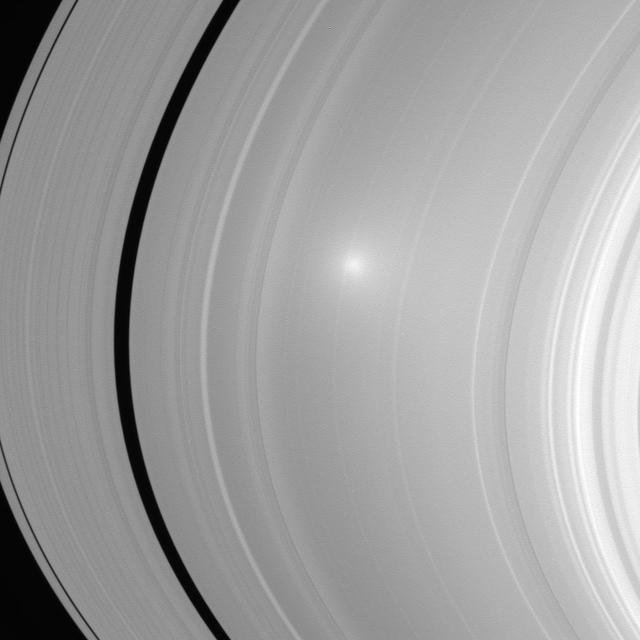
Two images of Saturn A and B ring showcase the opposition effect, a brightness surge that is visible on Saturn rings when the Sun is directly behind the spacecraft
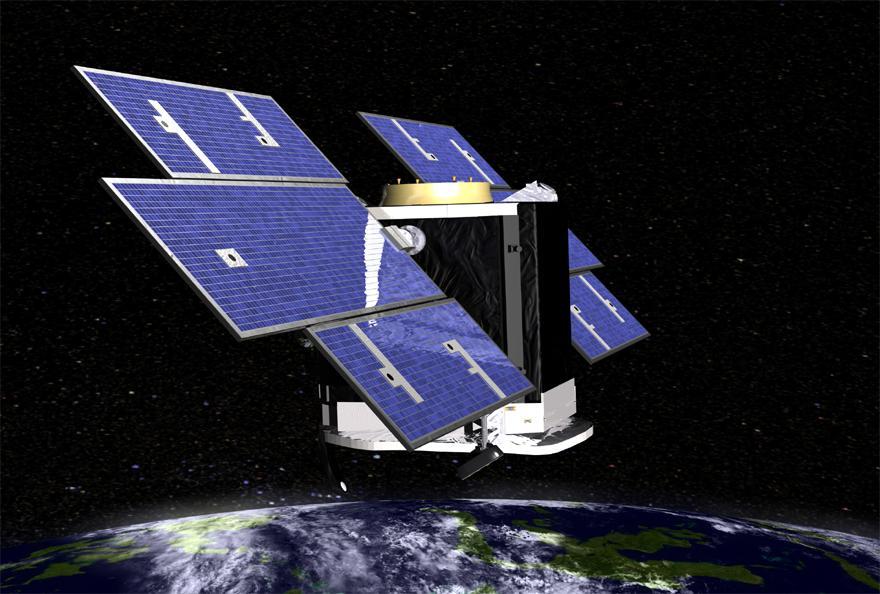
Artist concept of NASA CloudSat spacecraft, which will provide the first global survey of cloud properties to better understand their effects on both weather and climate.
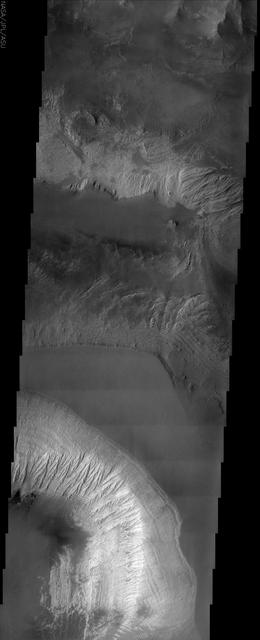
This NASA Mars Odyssey image shows the effects of erosion on a beautiful sequence of dramatically layered rocks within Candor Chasma, which is part of the Valles Marineris.
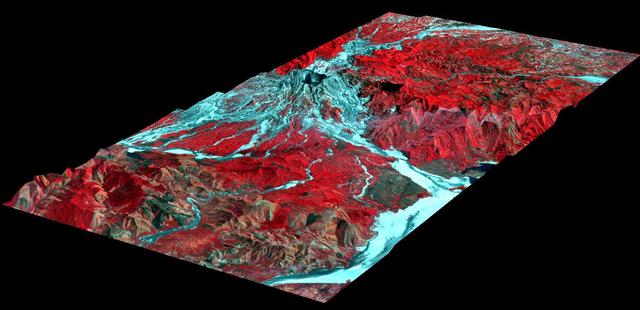
This perspective view, acquired by NASA Airborne Synthetic Aperture Radar AIRSAR, shows the effects of the June 15, 1991, eruption of Mt. Pinatubo.

This three dimensional effect is created by superimposing images of Jupiter icy moon, Europa, taken by NASA Galileo Orbiter. 3D glasses are necessary to identify surface detail.
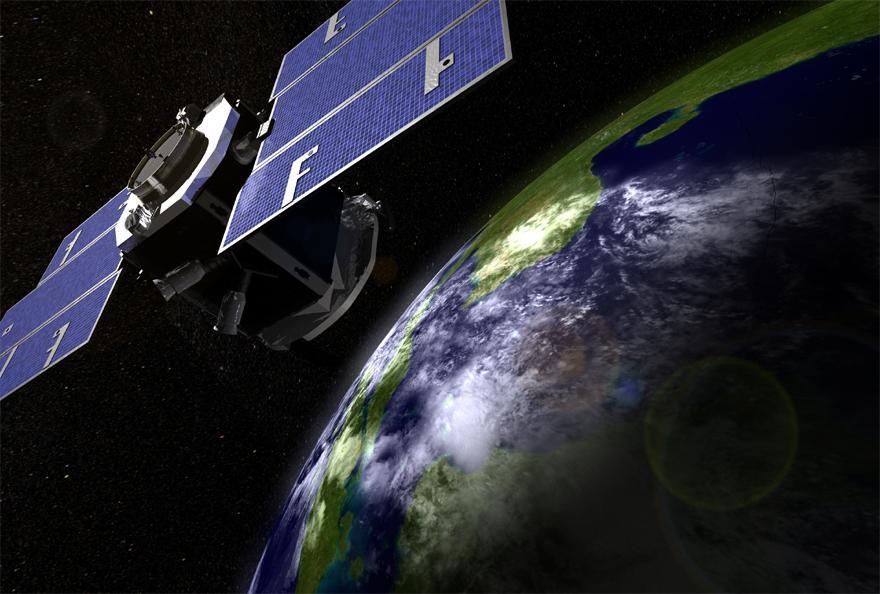
Artist concept of NASA CloudSat spacecraft, which will provide the first global survey of cloud properties to better understand their effects on both weather and climate.
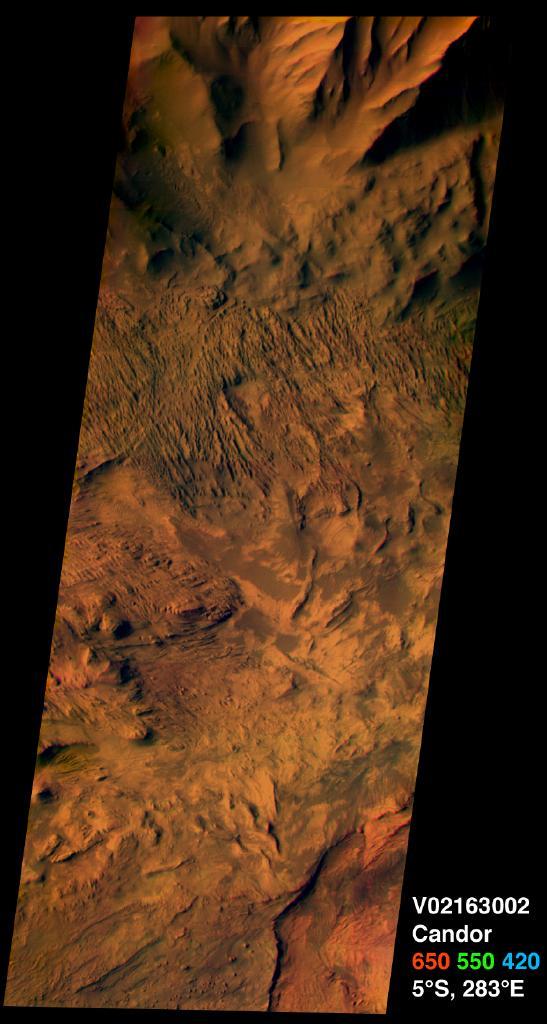
This image from NASA Mars Odyssey was acquired of Candor Chasma within Valles Marineris and shows the effects of erosion on a sequence of dramatically layered rocks.
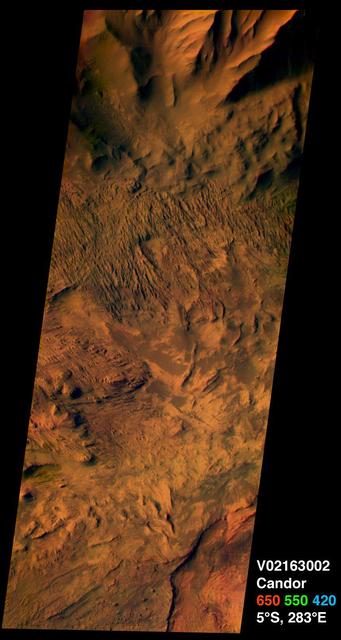
This image from NASA Mars Odyssey spacecraft was acquired of Candor Chasma within Valles Marineris and shows the effects of erosion on a sequence of dramatically layered rocks.
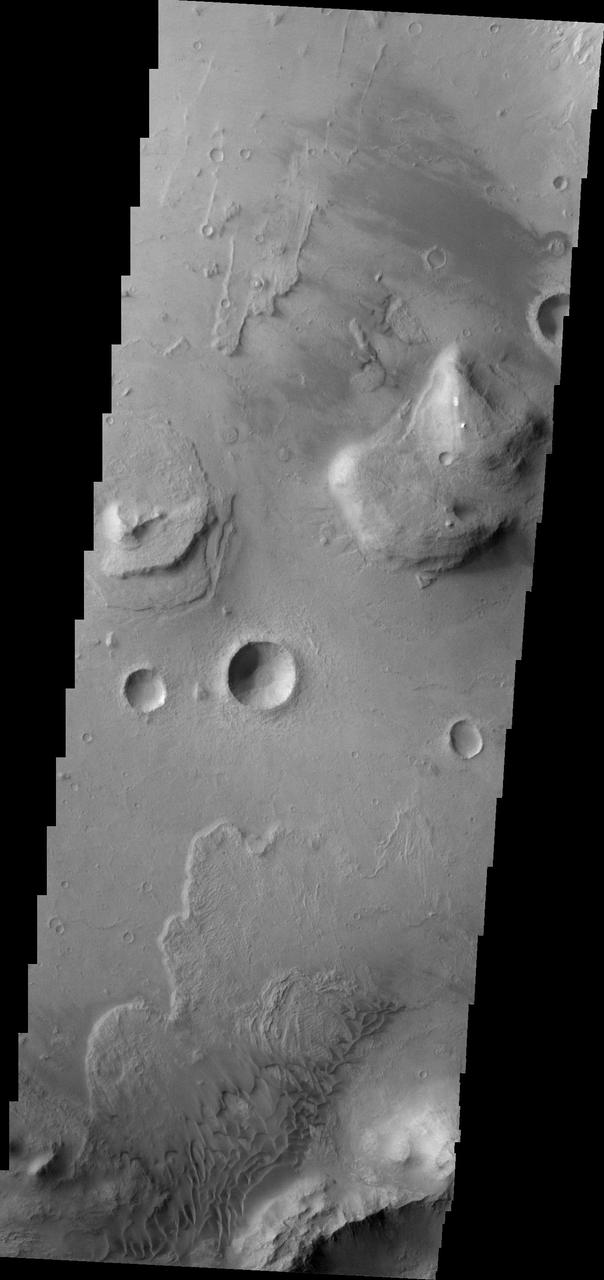
The floor of Coprates Chasma contains many different geologic landforms. This image, taken by NASA 2001 Mars Odyssey spacecraft, shows the effects of wind and landslides.
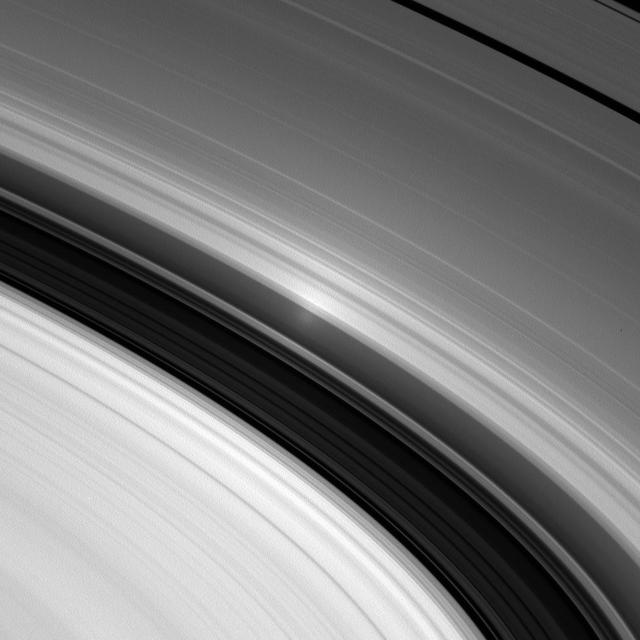
With the Sun directly behind Cassini, the spacecraft spies the opposition surge in Saturn inner A ring. The opposition effect becomes visible from this special viewing geometry
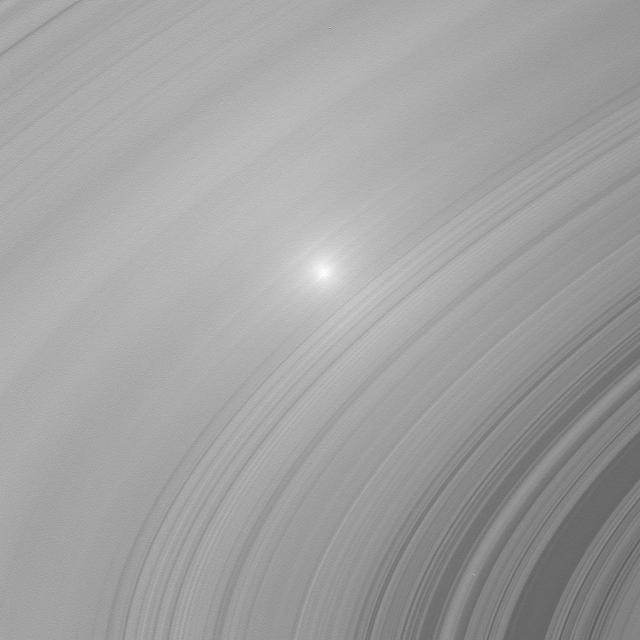
Two images of Saturn A and B ring showcase the opposition effect, a brightness surge that is visible on Saturn rings when the Sun is directly behind the spacecraft
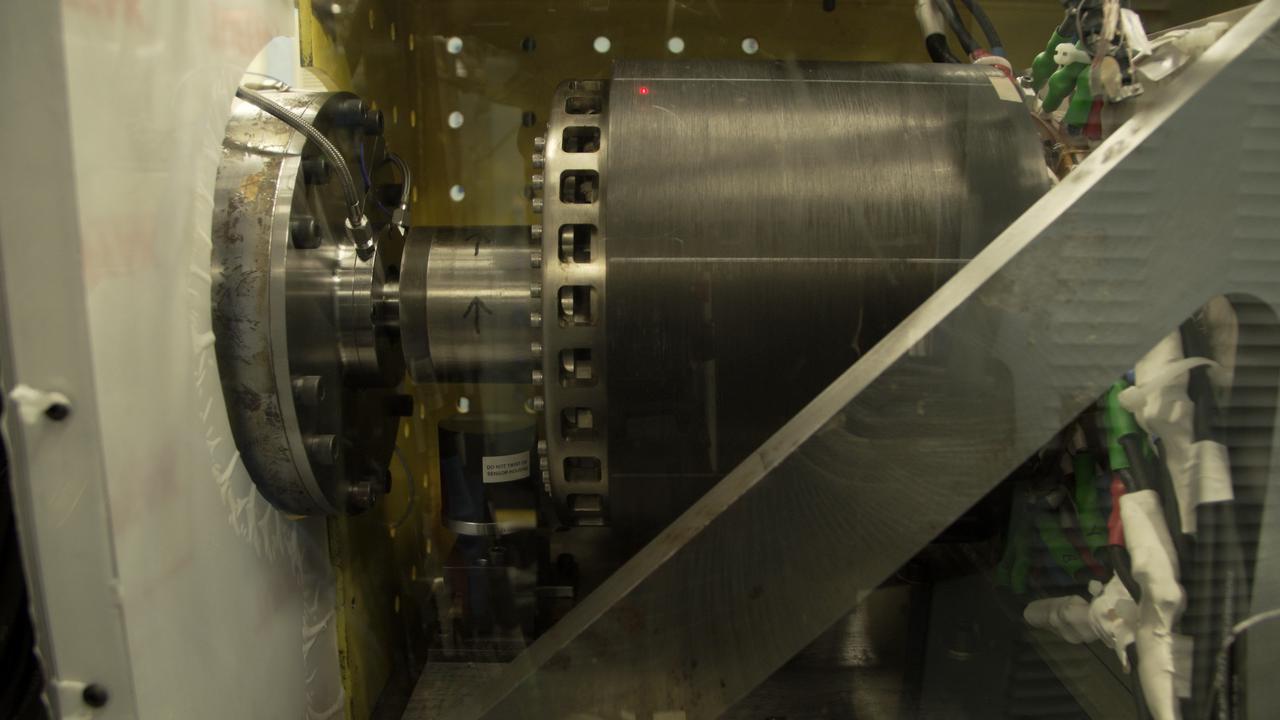
UIUC’s megawatt machine (right) was connected to a dynamometer (left) to test its effectiveness as an electric generator in a safety enclosure at a Collins Aerospace test facility in Rockford, Illinois. This unusual design has its rotating parts on the outside, so that both the cylinder on the right and the cylinder with arrows spin during operation.
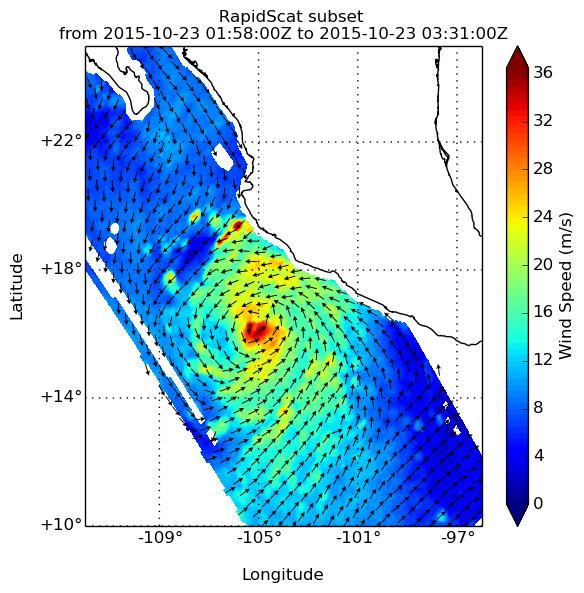
NASA's ISS-RapidScat passed over Hurricane Patricia at about 3:00 AM GMT on Oct. 23, 2015. A Hurricane Warning was in effect from San Blas to Punta San Telmo. A Hurricane Watch was in effect from east of Punta San Telmo to Lazaro Cardenas and a Tropical Storm Warning was in effect from east of Punta San Telmo to Lazaro Cardenas. Patricia was moving toward the north-northwest near 12 mph (19 kph) and a turn toward the north is expected later this morning, followed by a turn toward the north-northeast this afternoon. On the forecast track, the core of Patricia will make landfall in the hurricane warning area today, Oct. 23, 2015, during the afternoon or evening. http://photojournal.jpl.nasa.gov/catalog/PIA20031
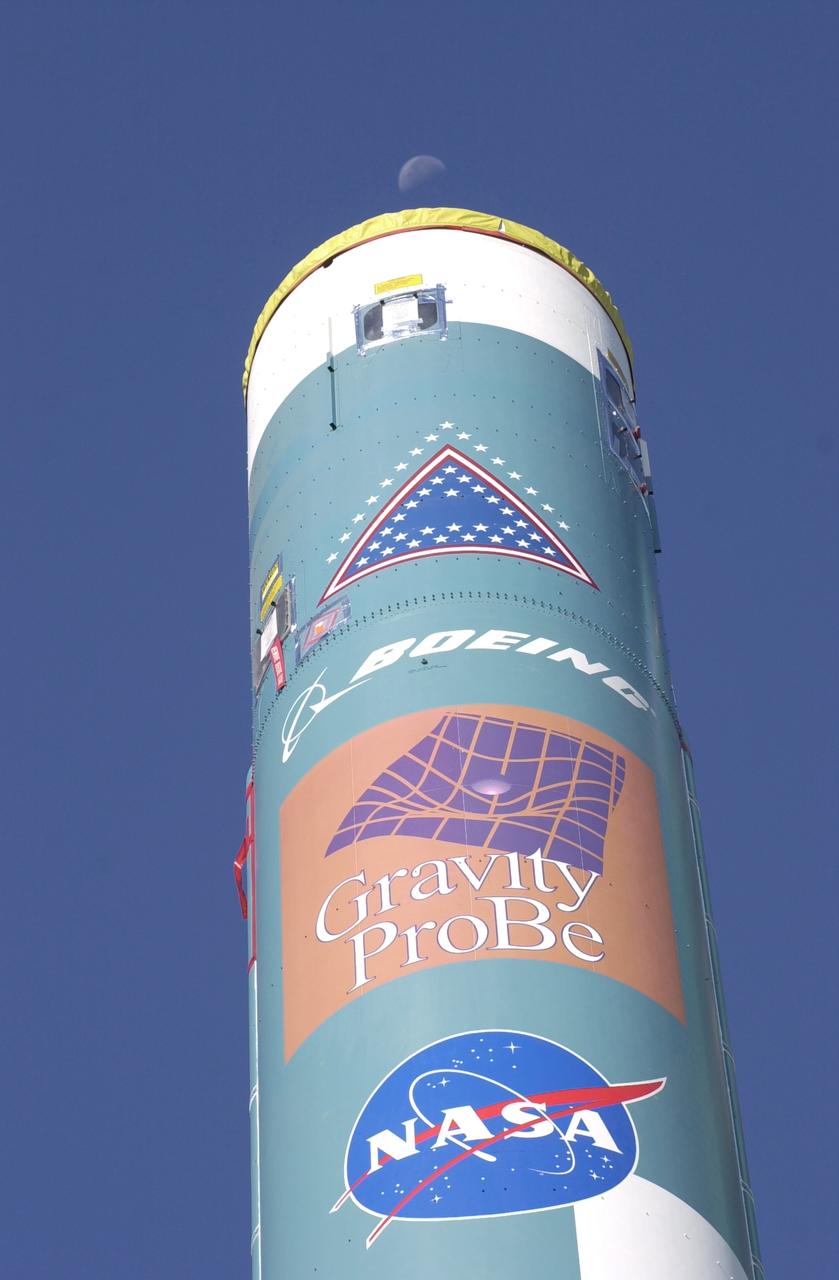
VANDENBERG AFB, CALIF. - Logos identify the mission of this Delta II rocket that will launch the Gravity Probe B experiment, developed by Stanford University, Lockheed Martin and NASA’s Marshall Space Flight Center. The Gravity Probe B will launch a payload of four gyroscopes into low-Earth polar orbit to test two extraordinary predictions of Albert Einstein’s general theory of relativity: the geodetic effect (how space and time are warped by the presence of the Earth) and frame dragging (how Earth’s rotation drags space and time around with it). Once in orbit, for 18 months each gyroscope’s spin axis will be monitored as it travels through local spacetime, observing and measuring these effects. The targeted launch date is Dec. 6, 2003.
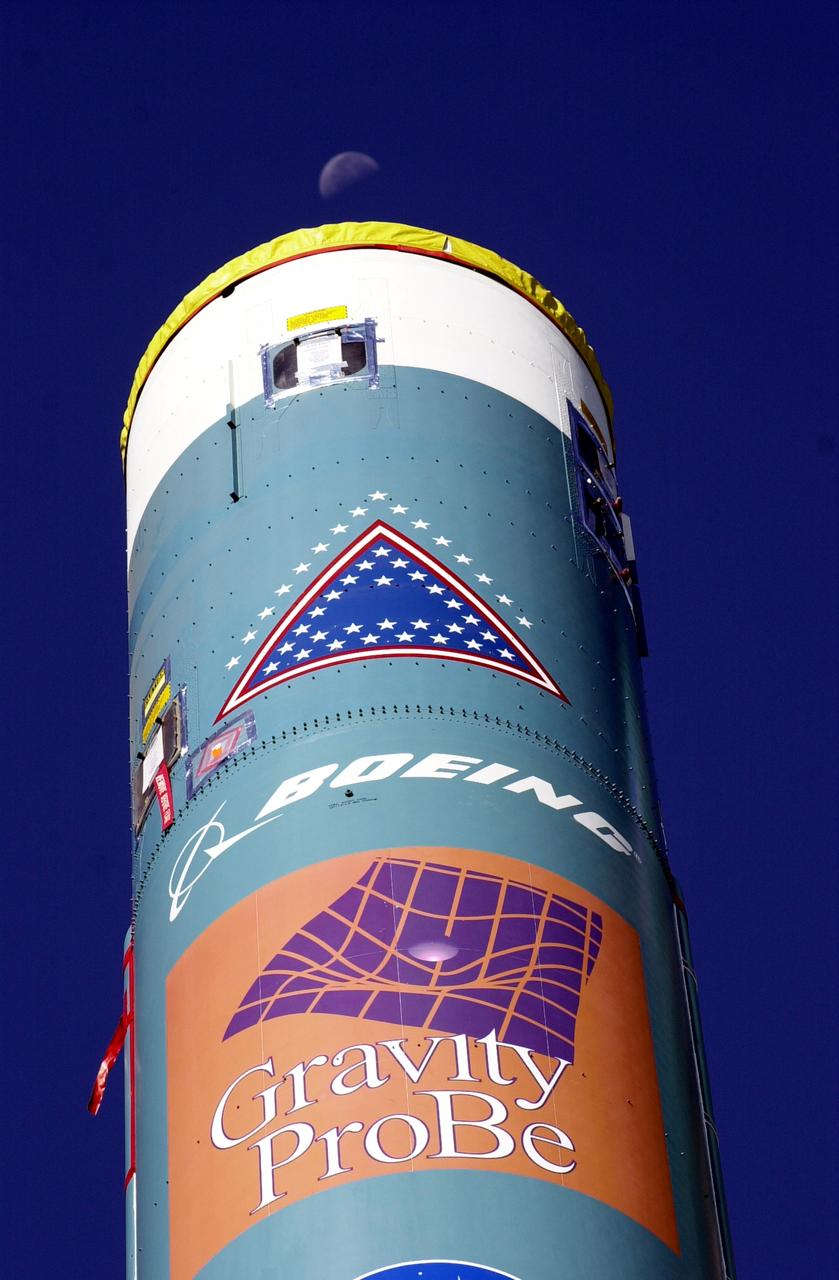
VANDENBERG AFB, CALIF. - Logos identify the mission of this Delta II rocket that will launch the Gravity Probe B experiment, developed by Stanford University, Lockheed Martin and NASA’s Marshall Space Flight Center. The Gravity Probe B will launch a payload of four gyroscopes into low-Earth polar orbit to test two extraordinary predictions of Albert Einstein’s general theory of relativity: the geodetic effect (how space and time are warped by the presence of the Earth) and frame dragging (how Earth’s rotation drags space and time around with it). Once in orbit, for 18 months each gyroscope’s spin axis will be monitored as it travels through local spacetime, observing and measuring these effects. The targeted launch date is Dec. 6, 2003.

This pair of images shows a before-and-after comparison of the area on comet Tempel 1 targeted by an impactor from NASA Deep Impact spacecraft in July 2005.
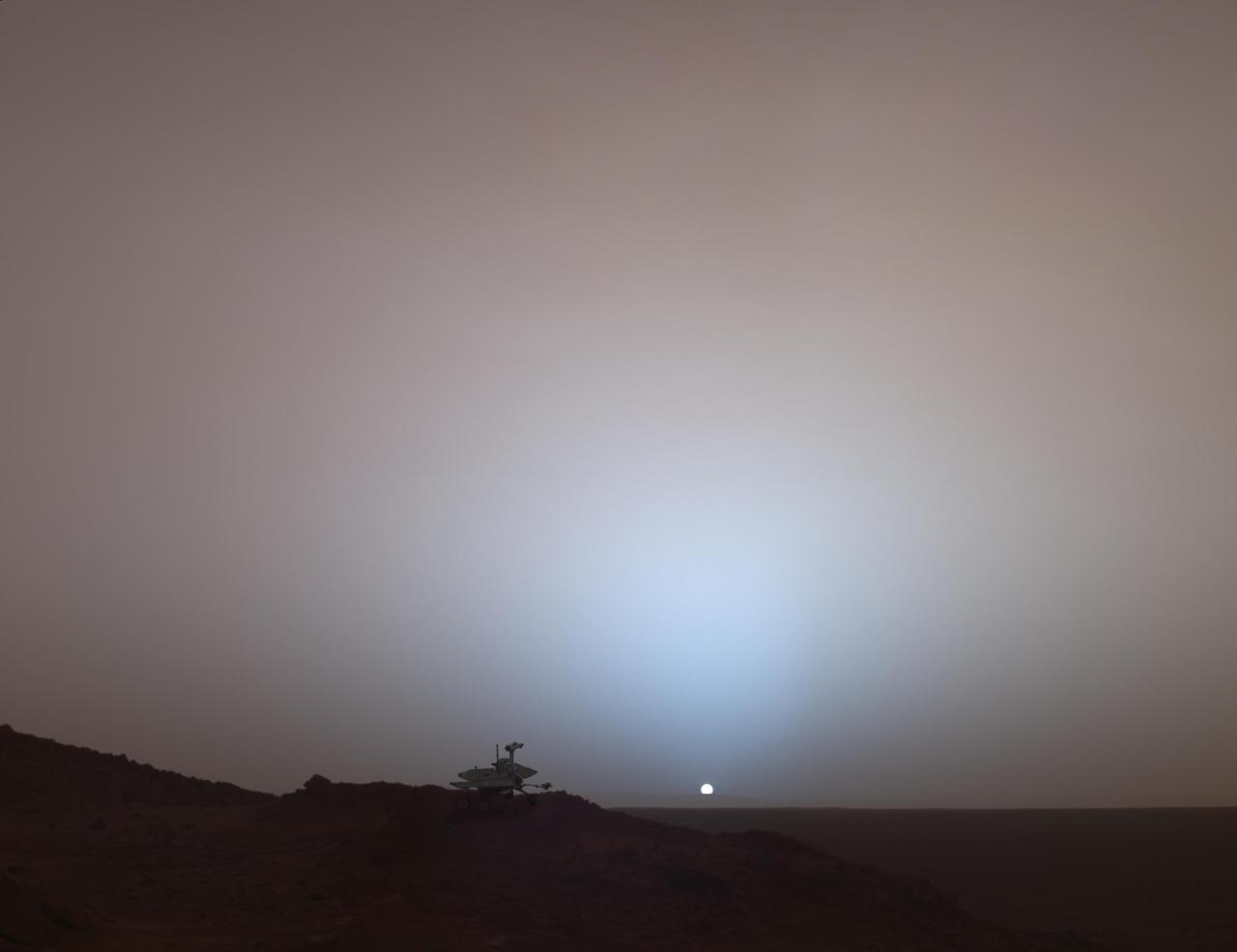
This synthetic image of NASA Spirit Mars Exploration Rover on top of a rock called Jibsheet was produced using Virtual Presence in Space technology.
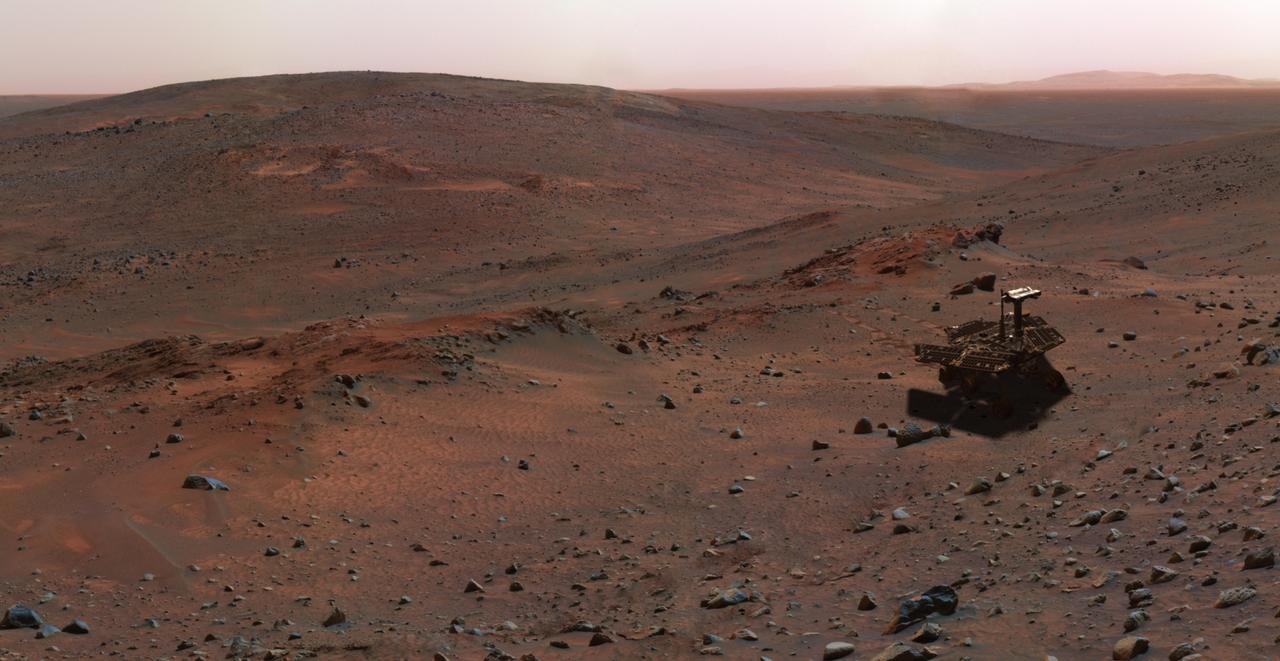
This synthetic image of NASA Spirit Mars Exploration Rover on the flank of Husband Hill was produced using Virtual Presence in Space technology.

On January 26, 2001, when India Republic Day is normally celebrated, a devastating earthquake hit the state of Gujarat. These two false-color images were acquired by NASA Terra spacecraft before and after the event, on January 15 and 31.

This graph shows the ratio of concentrations of several elements in four different pairs of targets examined by Alpha Particle X-ray Spectrometer (APXS) instruments on NASA Mars rovers Curiosity and Spirit. For each pair of targets, one shows evidence of mineral alteration and the other is an unaltered counterpart. The first three pairs (with ratios shown by green, blue and red lines) are targets in Gale Crater analyzed by Curiosity's APXS. The fourth pair (with ratio shown by the black line) is in Gusev Crater and was analyzed by Spirit's APXS. Similar profiles are observed, suggesting the possibility of related formation processes. As with examples of silica enrichment found by Curiosity, the origin of high-silica nodular deposits found by Spirit also remains unresolved: Either acidic weathering or silica addition could be responsible. It is clear, however, that liquid water was involved in either alteration scenario. http://photojournal.jpl.nasa.gov/catalog/PIA20276
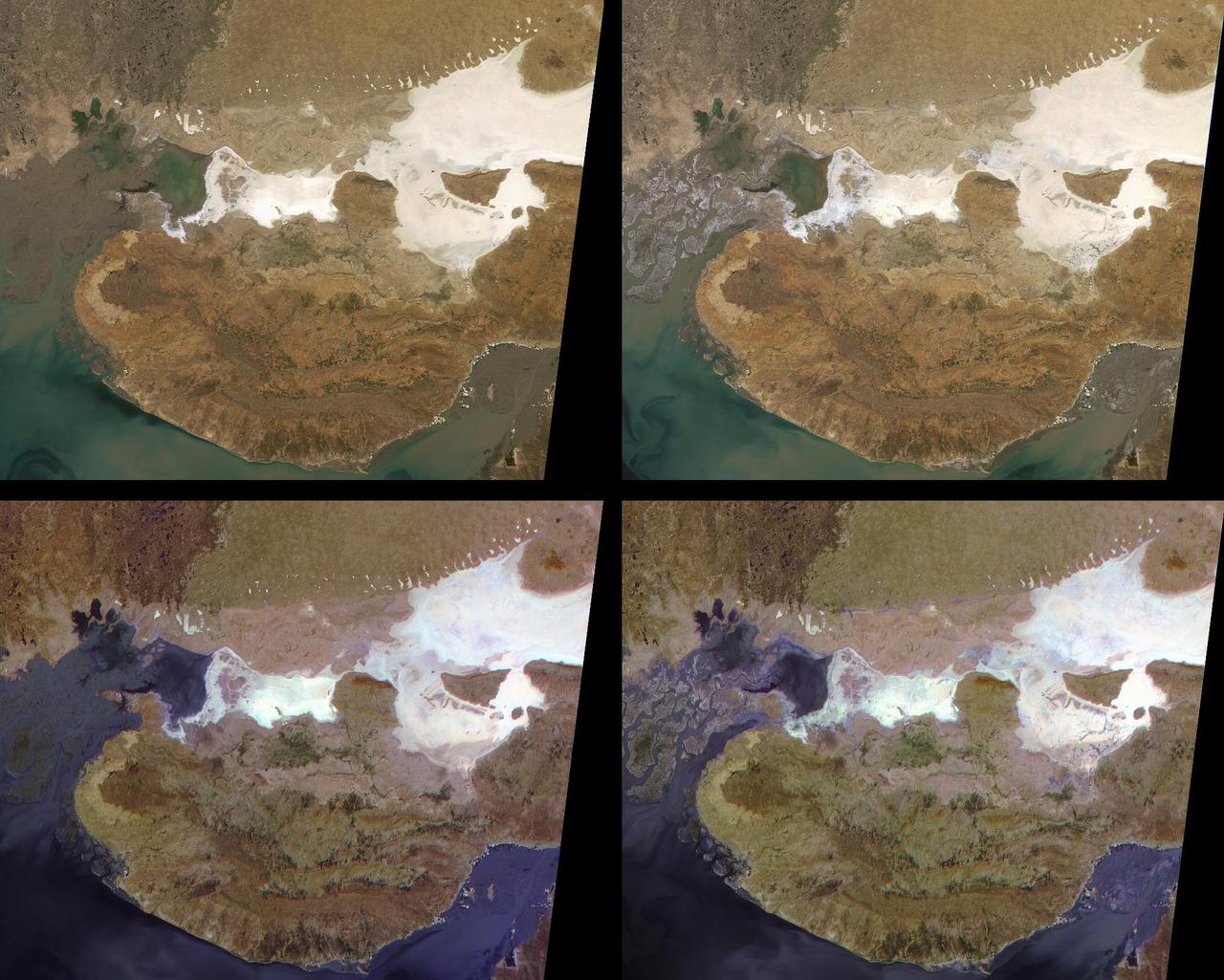
This image from NASA Terra satellite shows the Kachchh region in the Gujarat province of western India. On January 26, 2001, a magnitude 7.7 earthquake devastated this area, killing 20,000 people and destroying buildings, dams, and port facilities.
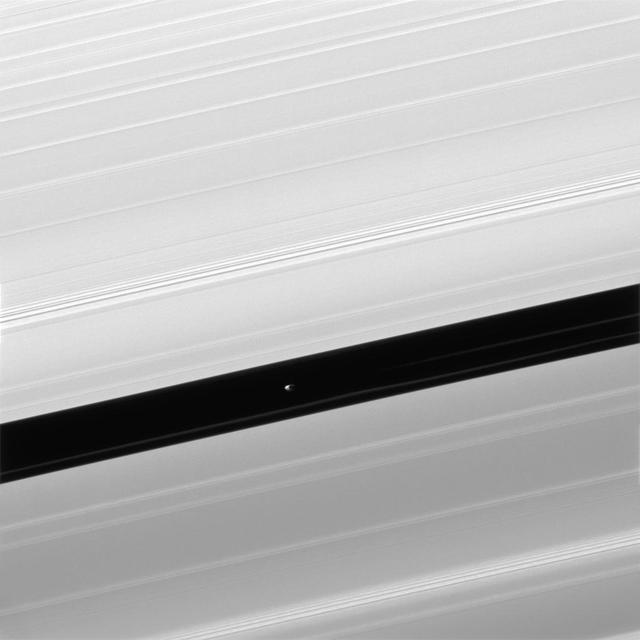
Pan and moons like it have profound effects on Saturn's rings. The effects can range from clearing gaps, to creating new ringlets, to raising vertical waves that rise above and below the ring plane. All of these effects, produced by gravity, are seen in this image. Pan (17 miles or 28 kilometers across), seen in image center, maintains the Encke Gap in which it orbits, but it also helps create and shape the narrow ringlets that appear in the Encke gap. Two faint ringlets are visible in this image, below and to the right of Pan. Many moons, Pan included, create waves at distant points in Saturn's rings where ring particles and the moons have orbital resonances. Many such waves are visible here as narrow groupings of brighter and darker bands. Studying these waves can provide information on local ring conditions. The view looks toward the unilluminated side of the rings from about 22 degrees below the ring plane. The image was taken in visible light with the Cassini spacecraft narrow-angle camera on April 3, 2016. The view was obtained at a distance of approximately 232,000 miles (373,000 kilometers) from Saturn and at a Sun-Saturn-spacecraft, or phase, angle of 140 degrees. Image scale is 1.2 miles (2 kilometers) per pixel. http://photojournal.jpl.nasa.gov/catalog/PIA20490
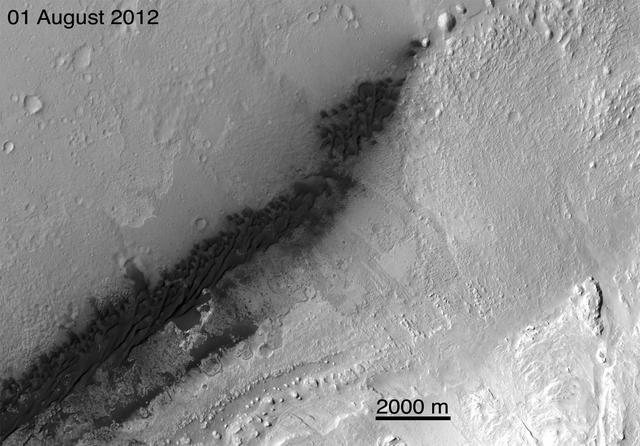
This image from an animation is from NASA Mars Reconnaissance Orbiter MRO showing the landing effects of the descent stage, the rover lander, the back shell and parachute, and the heat shield, all found on the left side of the image.
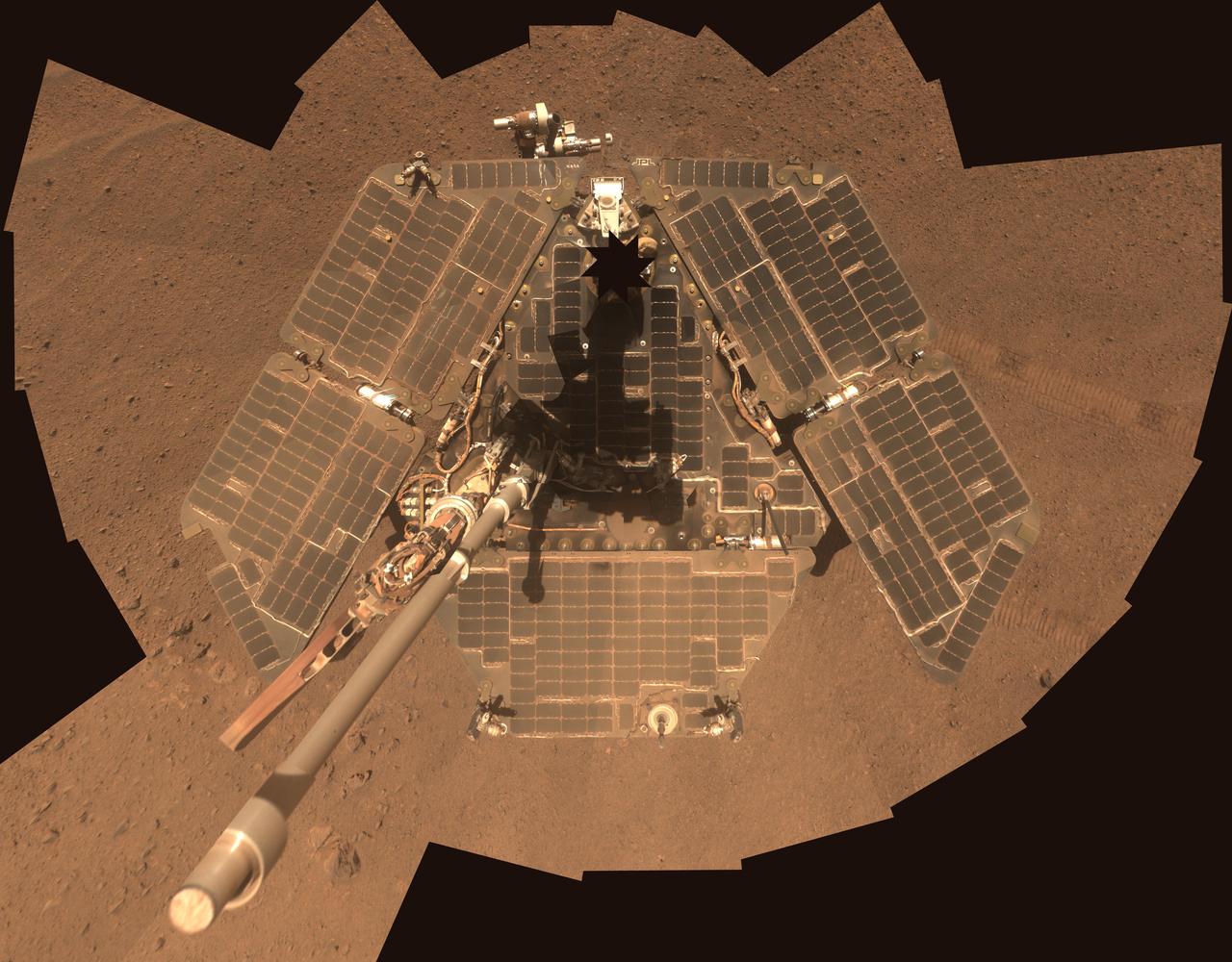
A self-portrait of NASA Mars Exploration Rover Opportunity taken by the rover panoramic camera Pancam in late March 2014 shows effects of recent winds removing much of the dust from the rover solar arrays.

This daytime infrared image of Rabe Crater illustrates the warming effect of the sun on sand. The extensive sand sheet and dunes of Rabe crater appear bright in the infrared indicating they are warmer than the surrounding floor and plains materials.