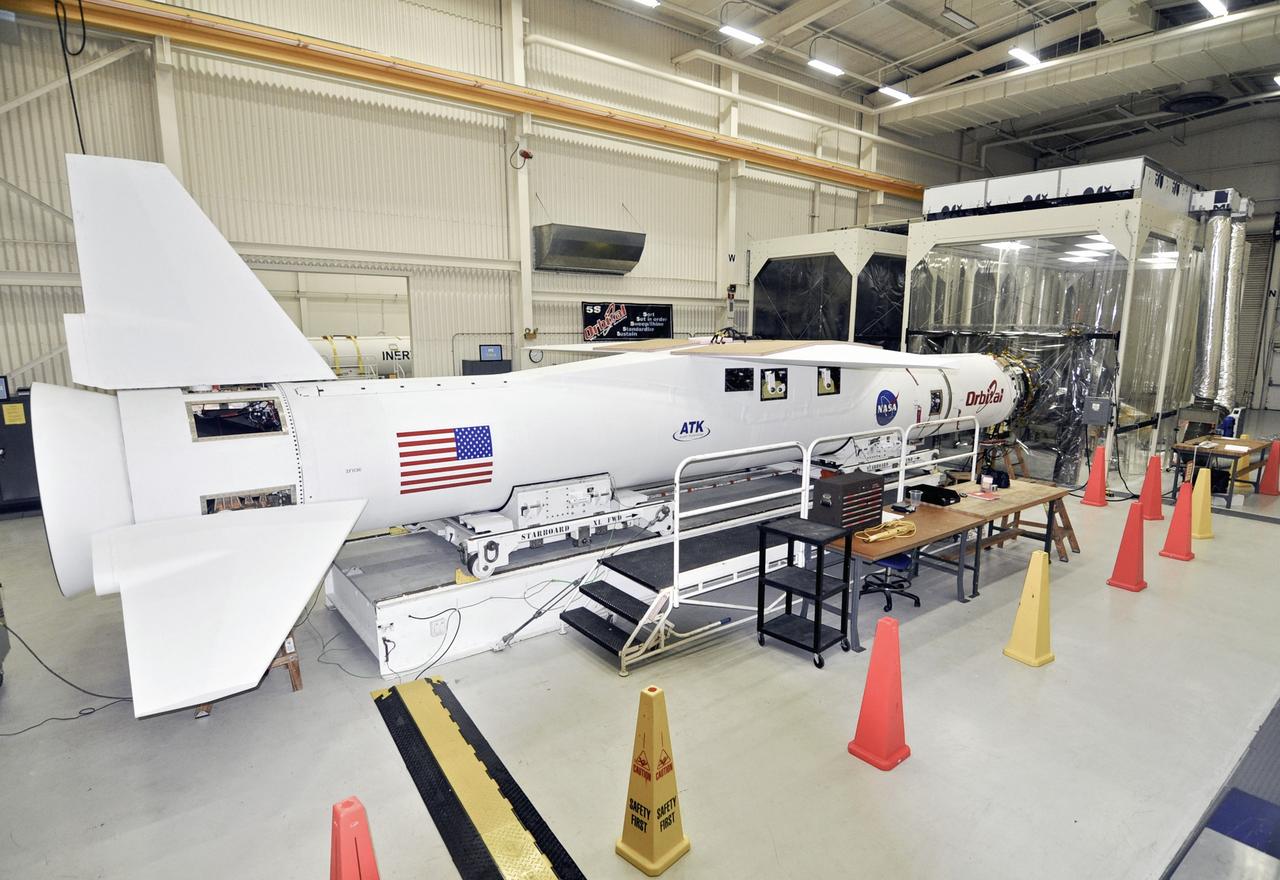
VANDENBERG AIR FORCE BASE, Calif. -- The Interface Region Imaging Spectrograph, or IRIS, is being readied for mating to the Orbital Sciences Corp. Pegasus XL rocket that will launch the spacecraft. A fairing will be fitted to the nose of the Pegasus to protect the spacecraft from atmospheric heating and stress during launch. Upcoming work includes electrical verification testing. IRIS will open a new window of discovery by tracing the flow of energy and plasma through the chromospheres and transition region into the sun’s corona using spectrometry and imaging. IRIS fills a crucial gap in our ability to advance studies of the sun-to-Earth connection by tracing the flow of energy and plasma through the foundation of the corona and the region around the sun known as the heliosphere. Photo credit: VAFB/Randy Beaudoin
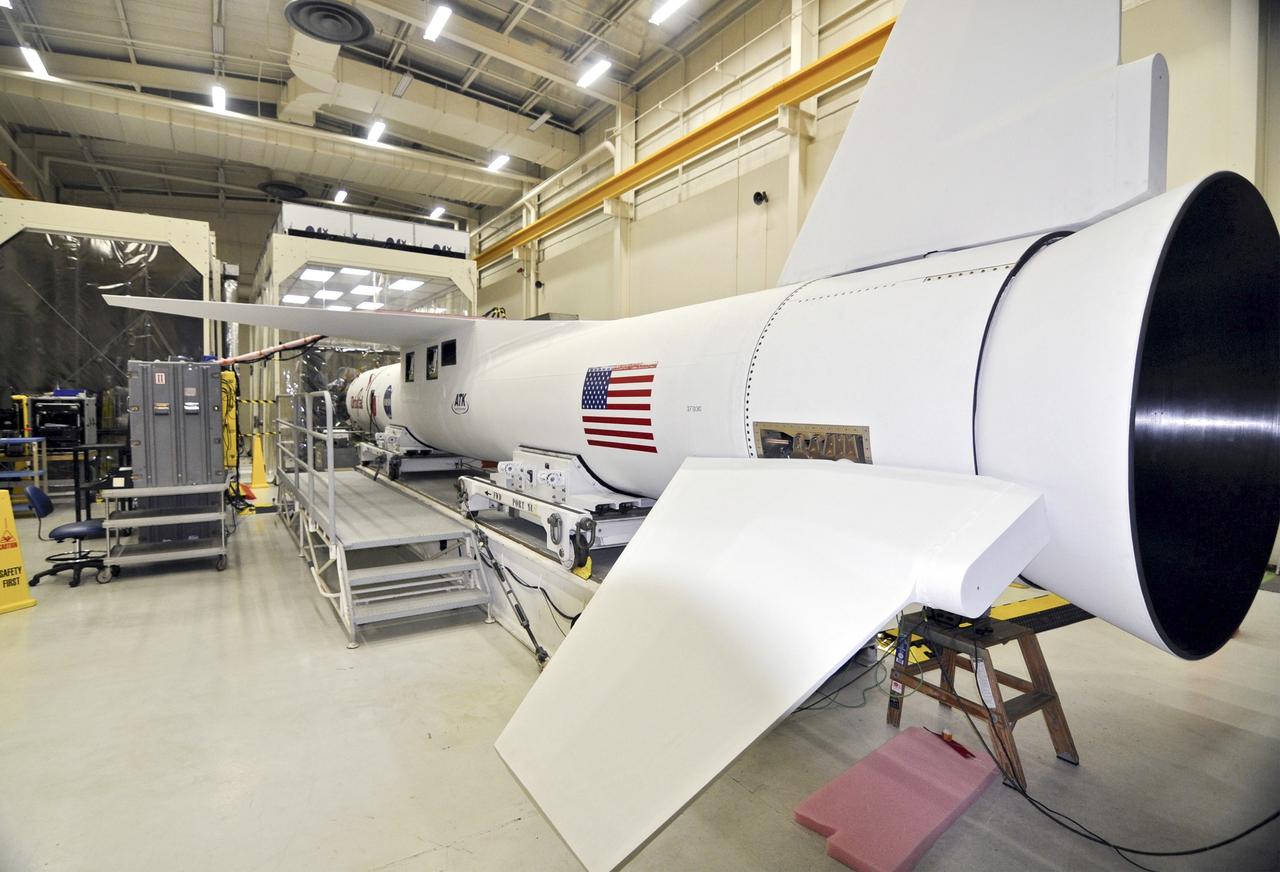
VANDENBERG AIR FORCE BASE, Calif. -- The Interface Region Imaging Spectrograph, or IRIS, is being readied for mating to the Orbital Sciences Corp. Pegasus XL rocket that will launch the spacecraft. A fairing will be fitted to the nose of the Pegasus to protect the spacecraft from atmospheric heating and stress during launch. Upcoming work includes electrical verification testing. IRIS will open a new window of discovery by tracing the flow of energy and plasma through the chromospheres and transition region into the sun’s corona using spectrometry and imaging. IRIS fills a crucial gap in our ability to advance studies of the sun-to-Earth connection by tracing the flow of energy and plasma through the foundation of the corona and the region around the sun known as the heliosphere. Photo credit: VAFB/Randy Beaudoin

VANDENBERG AIR FORCE BASE, Calif. -- The Interface Region Imaging Spectrograph, or IRIS, is being readied for mating to the Orbital Sciences Corp. Pegasus XL rocket that will launch the spacecraft. A fairing will be fitted to the nose of the Pegasus to protect the spacecraft from atmospheric heating and stress during launch. Upcoming work includes electrical verification testing. IRIS will open a new window of discovery by tracing the flow of energy and plasma through the chromospheres and transition region into the sun’s corona using spectrometry and imaging. IRIS fills a crucial gap in our ability to advance studies of the sun-to-Earth connection by tracing the flow of energy and plasma through the foundation of the corona and the region around the sun known as the heliosphere. Photo credit: VAFB/Randy Beaudoin
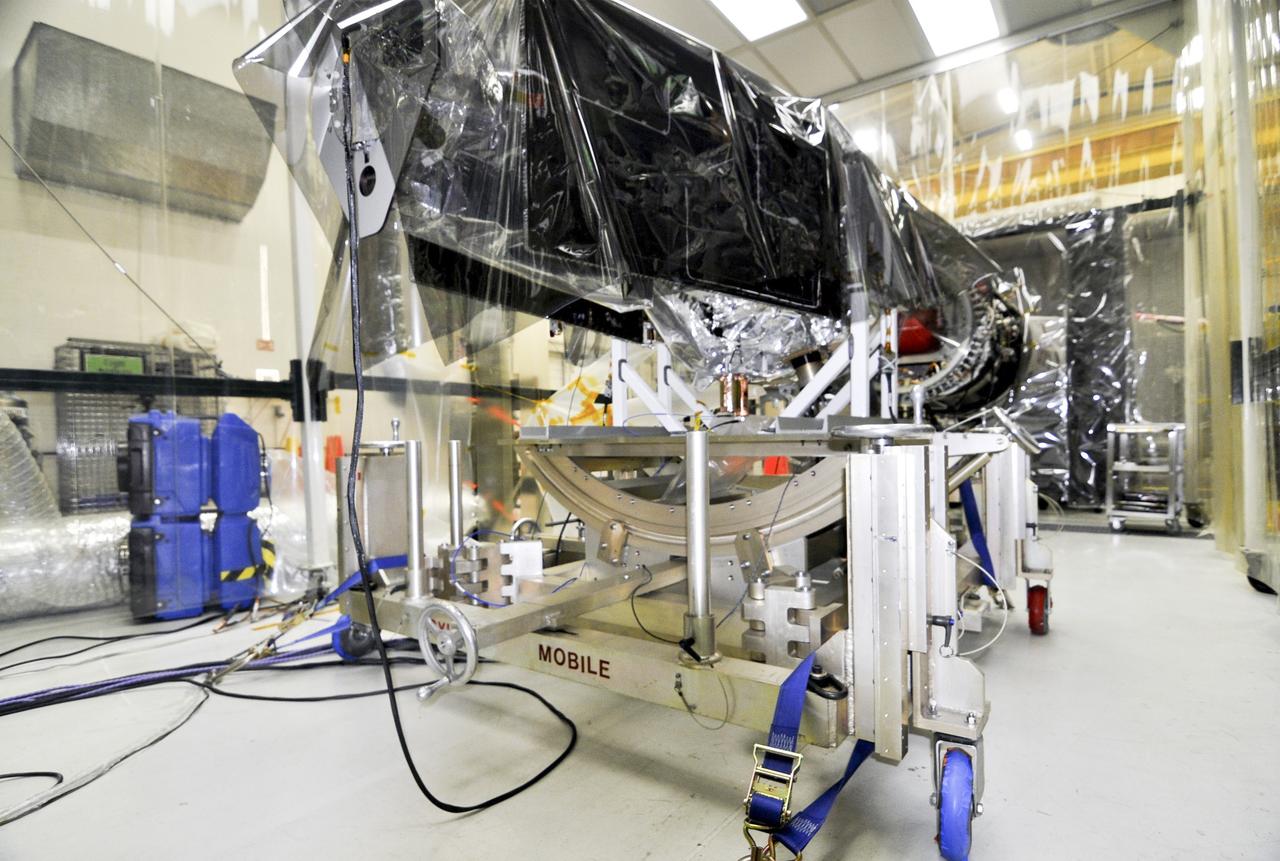
VANDENBERG AIR FORCE BASE, Calif. -- The Interface Region Imaging Spectrograph, or IRIS, is being readied for mating to the Orbital Sciences Corp. Pegasus XL rocket that will launch the spacecraft. IRIS will be covered in a fairing after it's connected to the nose of the Pegasus to protect the spacecraft from atmospheric heating and stress during launch. Upcoming work includes electrical verification testing. IRIS will open a new window of discovery by tracing the flow of energy and plasma through the chromospheres and transition region into the sun’s corona using spectrometry and imaging. IRIS fills a crucial gap in our ability to advance studies of the sun-to-Earth connection by tracing the flow of energy and plasma through the foundation of the corona and the region around the sun known as the heliosphere. Photo credit: VAFB/Randy Beaudoin
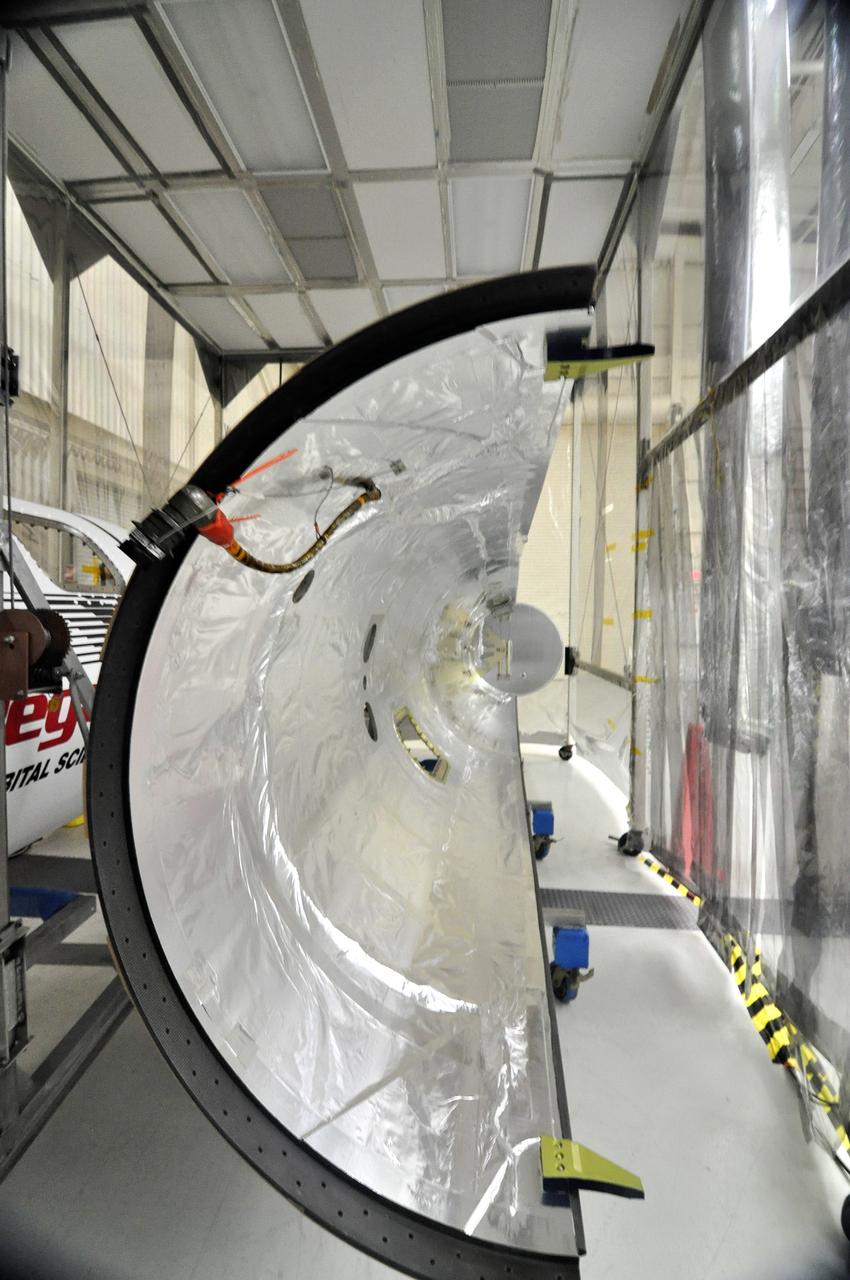
VANDENBERG AIR FORCE BASE, Calif. -- Half of the fairing that will be fitted to the nose of the Orbital Sciences Corp. Pegasus XL rocket is ready for its installation around the Interface Region Imaging Spectrograph, or IRIS, spacecraft. The fairing will protect the spacecraft from atmospheric heating and stress during launch. IRIS will open a new window of discovery by tracing the flow of energy and plasma through the chromospheres and transition region into the sun’s corona using spectrometry and imaging. IRIS fills a crucial gap in our ability to advance studies of the sun-to-Earth connection by tracing the flow of energy and plasma through the foundation of the corona and the region around the sun known as the heliosphere. Photo credit: VAFB/Randy Beaudoin