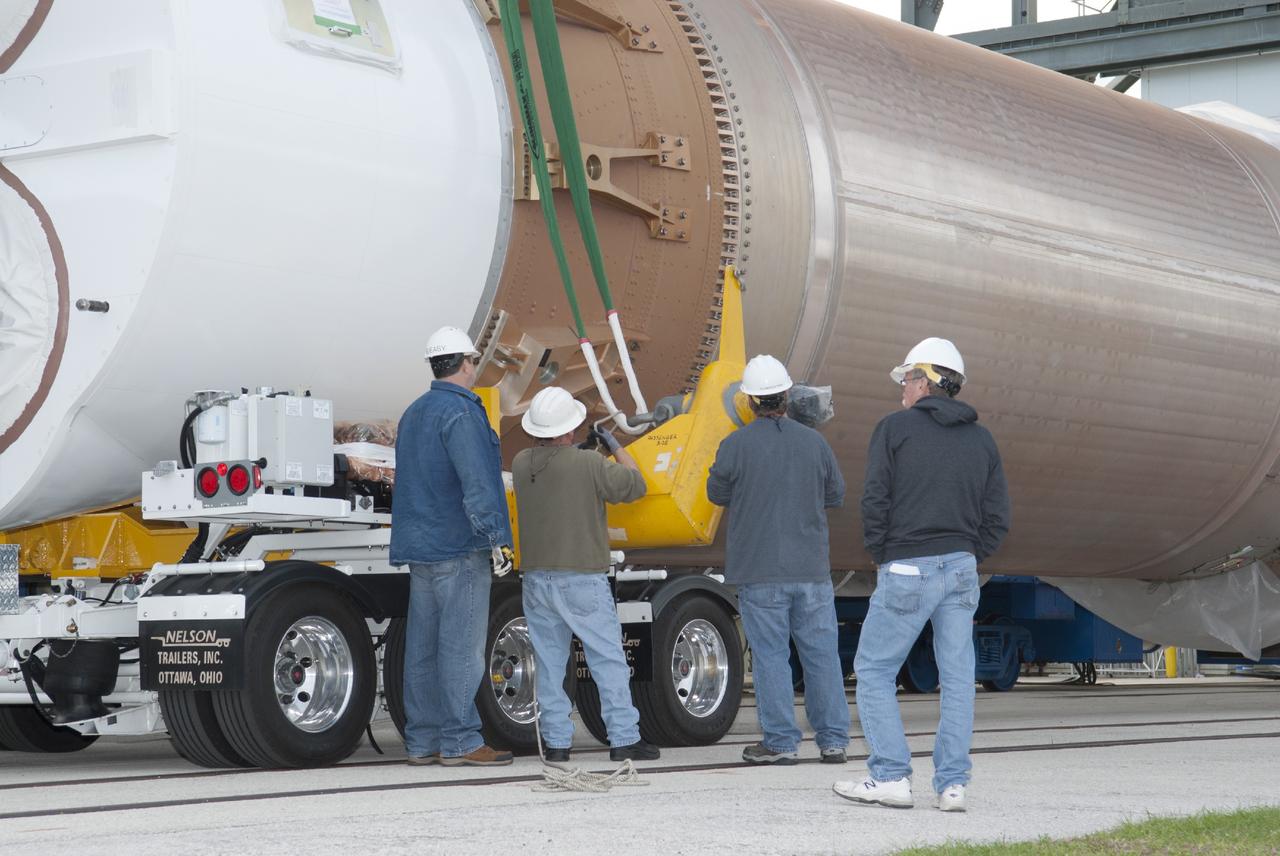
CAPE CANAVERAL, Fla. – At Cape Canaveral Air Force Station, engineers and technicians prepare the United Launch Alliance Atlas V rocket for stacking in the Vertical Integration Facility at Launch Complex 41. The vehicle will be used to boost the Tracking and Data Relay Satellite, or TDRS-L, spacecraft to orbit. TDRS-L is the second of three next-generation satellites designed to ensure vital operational continuity for the NASA Space Network. It is scheduled to launch from Cape Canaveral's Space Launch Complex 41 atop an Atlas V rocket in January 2014. The current Tracking and Data Relay Satellite system consists of eight in-orbit satellites distributed to provide near continuous information relay service to missions such as the Hubble Space Telescope and International Space Station. For more information, visit: http://www.nasa.gov/content/tracking-and-data-relay-satellite-tdrs/ Photo credit: NASA/Charisse Nahser
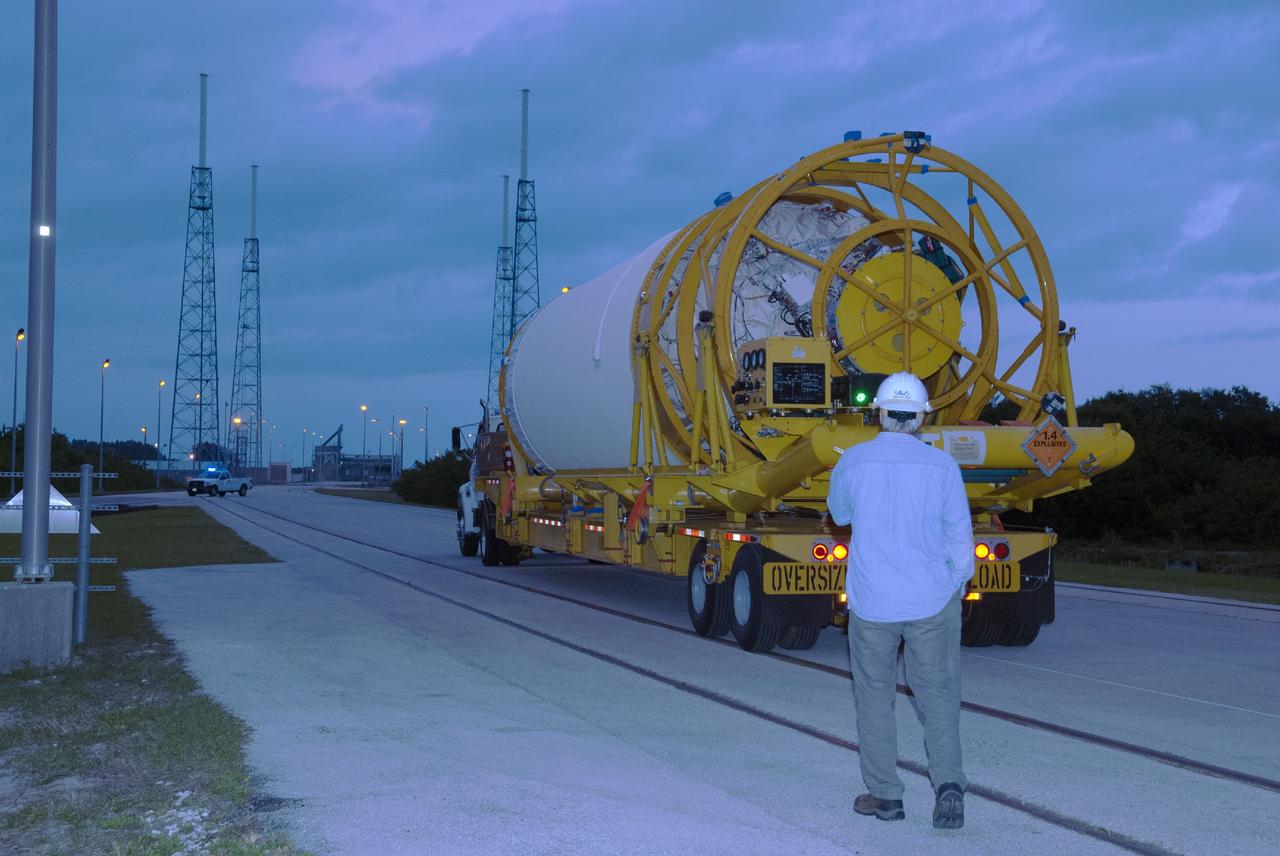
CAPE CANAVERAL, Fla. – The United Launch Alliance Centaur second stage that will help boost the Tracking and Data Relay Satellite, or TDRS-L, spacecraft into orbit is being transported from the hangar at the Atlas Spaceflight Operations Center on Cape Canaveral Air Force Station to Launch Complex 41. TDRS-L is the second of three next-generation satellites designed to ensure vital operational continuity for the NASA Space Network. It is scheduled to launch from Cape Canaveral's Space Launch Complex 41 atop an Atlas V rocket in January 2014. The current Tracking and Data Relay Satellite system consists of eight in-orbit satellites distributed to provide near continuous information relay service to missions such as the Hubble Space Telescope and International Space Station. For more information, visit: http://www.nasa.gov/content/tracking-and-data-relay-satellite-tdrs/ Photo credit: NASA/Charisse Nahser
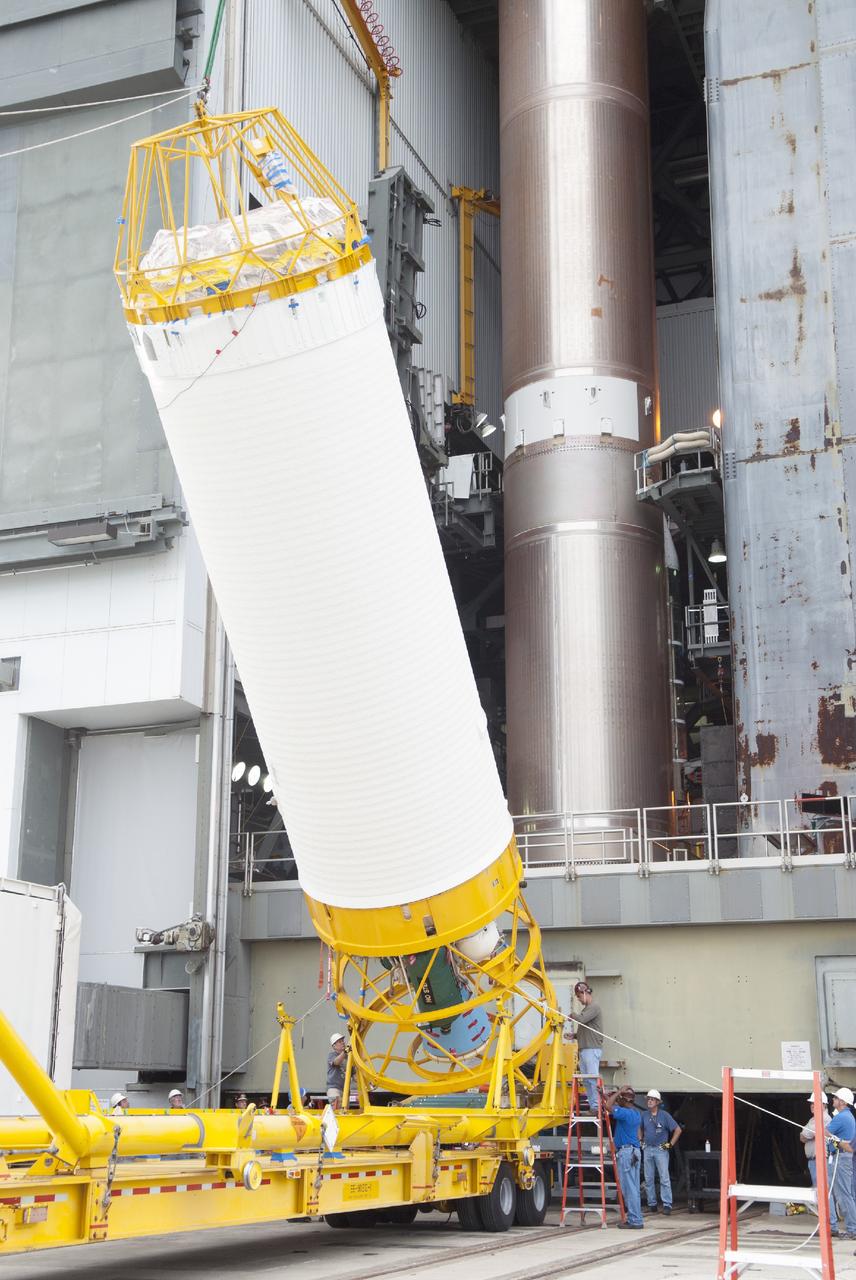
CAPE CANAVERAL, Fla. – At Cape Canaveral Air Force Station's Launch Complex 41, engineers and technicians support lifting a Centaur second stage for stacking atop a United Launch Alliance Atlas V rocket that will be used to boost the Tracking and Data Relay Satellite, or TDRS-L, spacecraft to orbit. TDRS-L is the second of three next-generation satellites designed to ensure vital operational continuity for the NASA Space Network. It is scheduled to launch from Cape Canaveral's Space Launch Complex 41 atop an Atlas V rocket in January 2014. The current Tracking and Data Relay Satellite system consists of eight in-orbit satellites distributed to provide near continuous information relay service to missions such as the Hubble Space Telescope and International Space Station. For more information, visit: http://www.nasa.gov/content/tracking-and-data-relay-satellite-tdrs/ Photo credit: NASA/Charisse Nahser
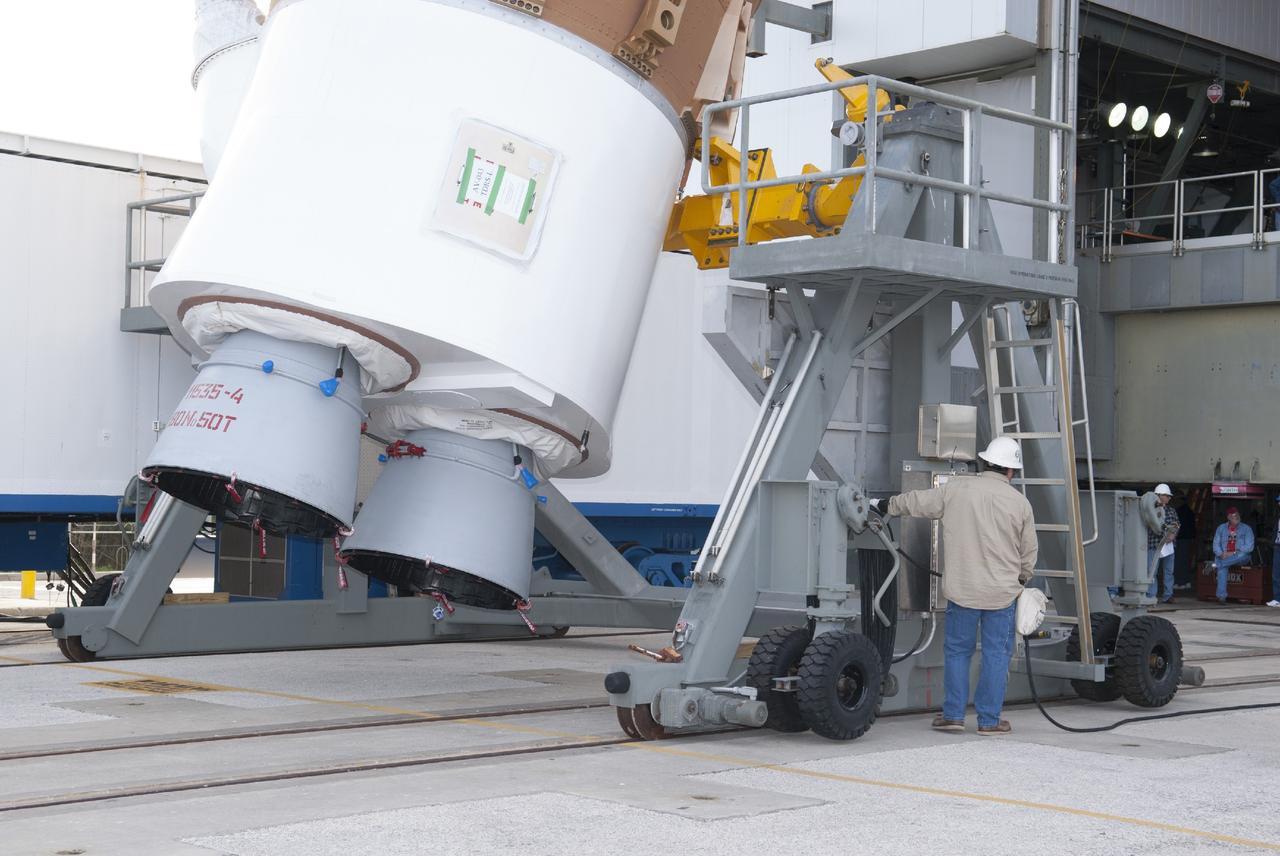
CAPE CANAVERAL, Fla. – At Cape Canaveral Air Force Station, a technician supports lifting of a United Launch Alliance Atlas V rocket in the Vertical Integration Facility at Launch Complex 41. The vehicle will be used to boost the Tracking and Data Relay Satellite, or TDRS-L, spacecraft to orbit. TDRS-L is the second of three next-generation satellites designed to ensure vital operational continuity for the NASA Space Network. It is scheduled to launch from Cape Canaveral's Space Launch Complex 41 atop an Atlas V rocket in January 2014. The current Tracking and Data Relay Satellite system consists of eight in-orbit satellites distributed to provide near continuous information relay service to missions such as the Hubble Space Telescope and International Space Station. For more information, visit: http://www.nasa.gov/content/tracking-and-data-relay-satellite-tdrs/ Photo credit: NASA/Charisse Nahser
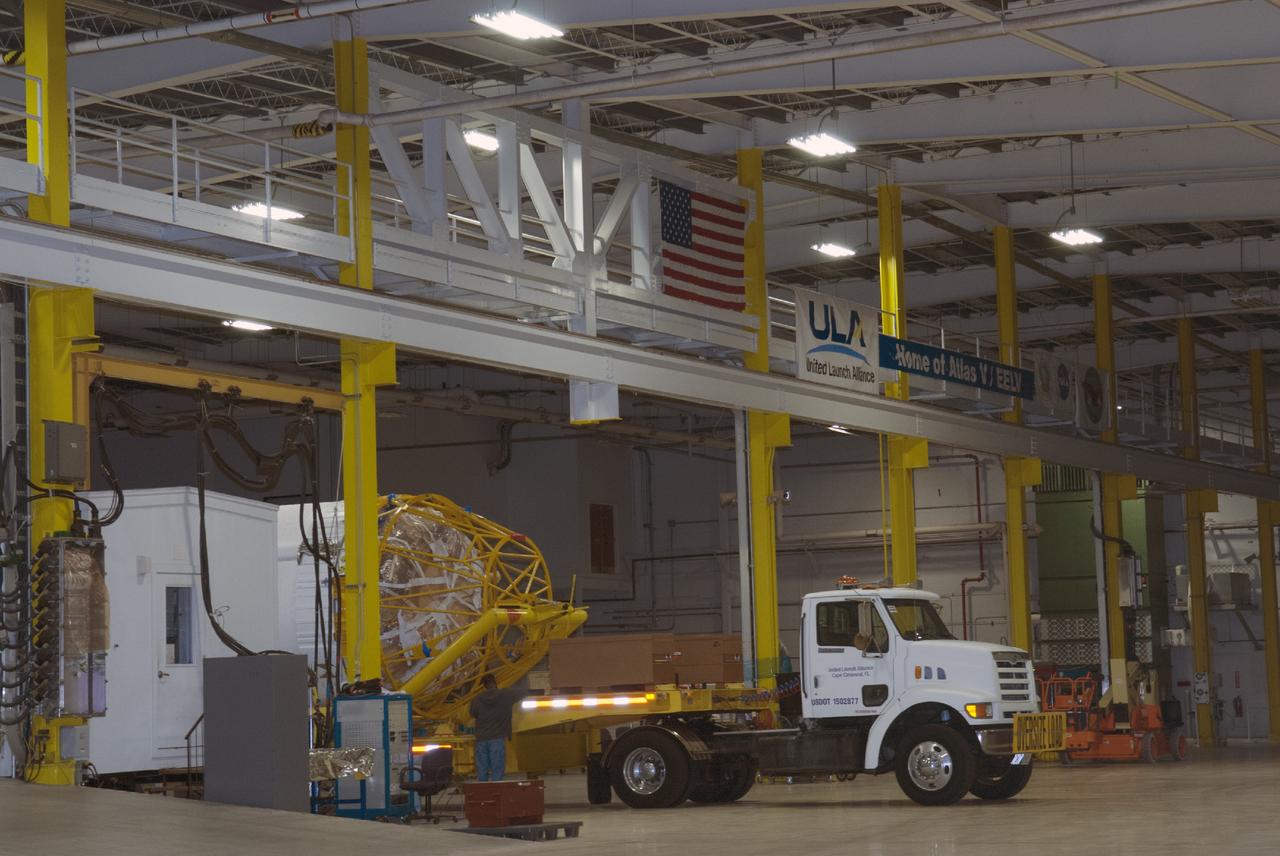
CAPE CANAVERAL, Fla. – The United Launch Alliance Centaur second stage that will help boost the Tracking and Data Relay Satellite, or TDRS-L, spacecraft into orbit is being transported from the hangar at the Atlas Spaceflight Operations Center on Cape Canaveral Air Force Station to Launch Complex 41. TDRS-L is the second of three next-generation satellites designed to ensure vital operational continuity for the NASA Space Network. It is scheduled to launch from Cape Canaveral's Space Launch Complex 41 atop an Atlas V rocket in January 2014. The current Tracking and Data Relay Satellite system consists of eight in-orbit satellites distributed to provide near continuous information relay service to missions such as the Hubble Space Telescope and International Space Station. For more information, visit: http://www.nasa.gov/content/tracking-and-data-relay-satellite-tdrs/ Photo credit: NASA/Charisse Nahser
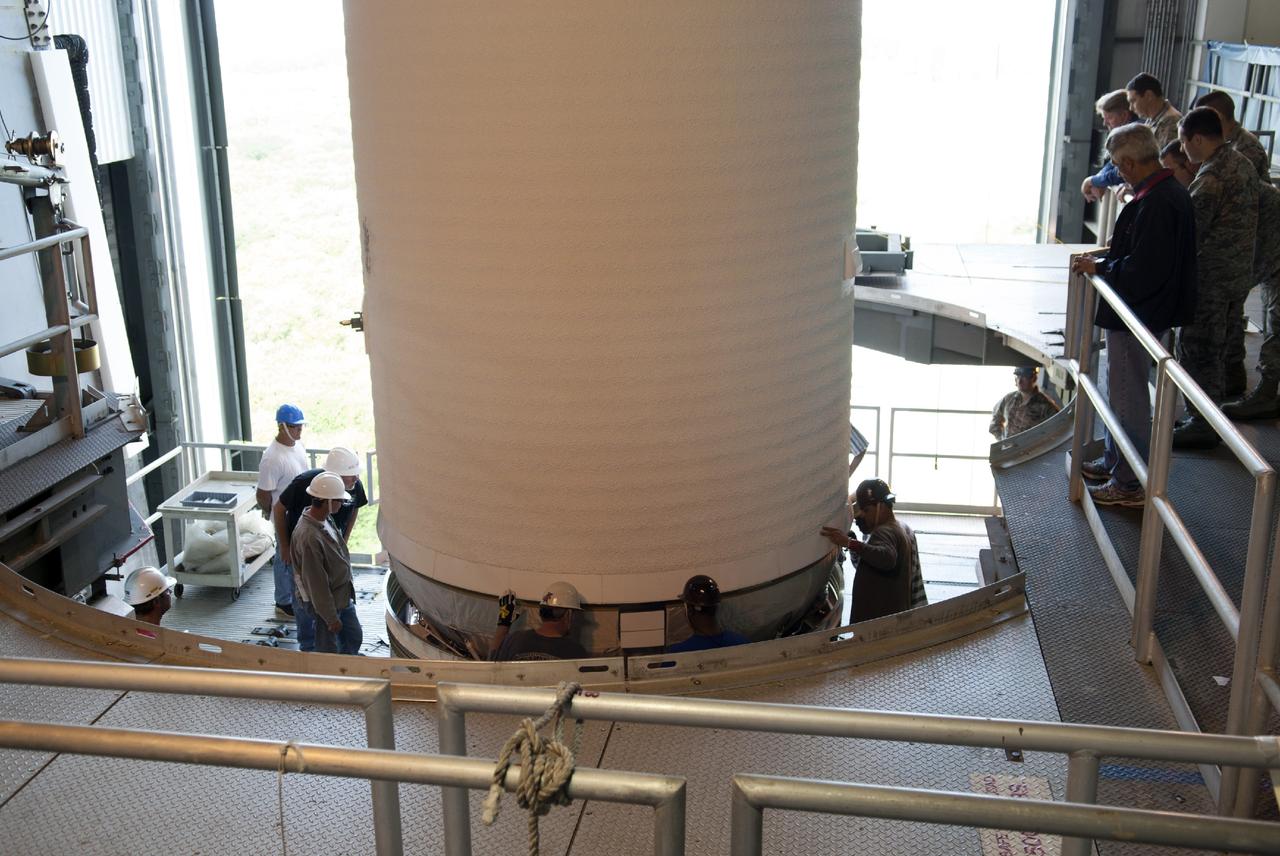
CAPE CANAVERAL, Fla. – At Cape Canaveral Air Force Station's Launch Complex 41, a Centaur second stage is positioned atop a United Launch Alliance Atlas V rocket that will be used to boost the Tracking and Data Relay Satellite, or TDRS-L, spacecraft to orbit. TDRS-L is the second of three next-generation satellites designed to ensure vital operational continuity for the NASA Space Network. It is scheduled to launch from Cape Canaveral's Space Launch Complex 41 atop an Atlas V rocket in January 2014. The current Tracking and Data Relay Satellite system consists of eight in-orbit satellites distributed to provide near continuous information relay service to missions such as the Hubble Space Telescope and International Space Station. For more information, visit: http://www.nasa.gov/content/tracking-and-data-relay-satellite-tdrs/ Photo credit: NASA/Charisse Nahser
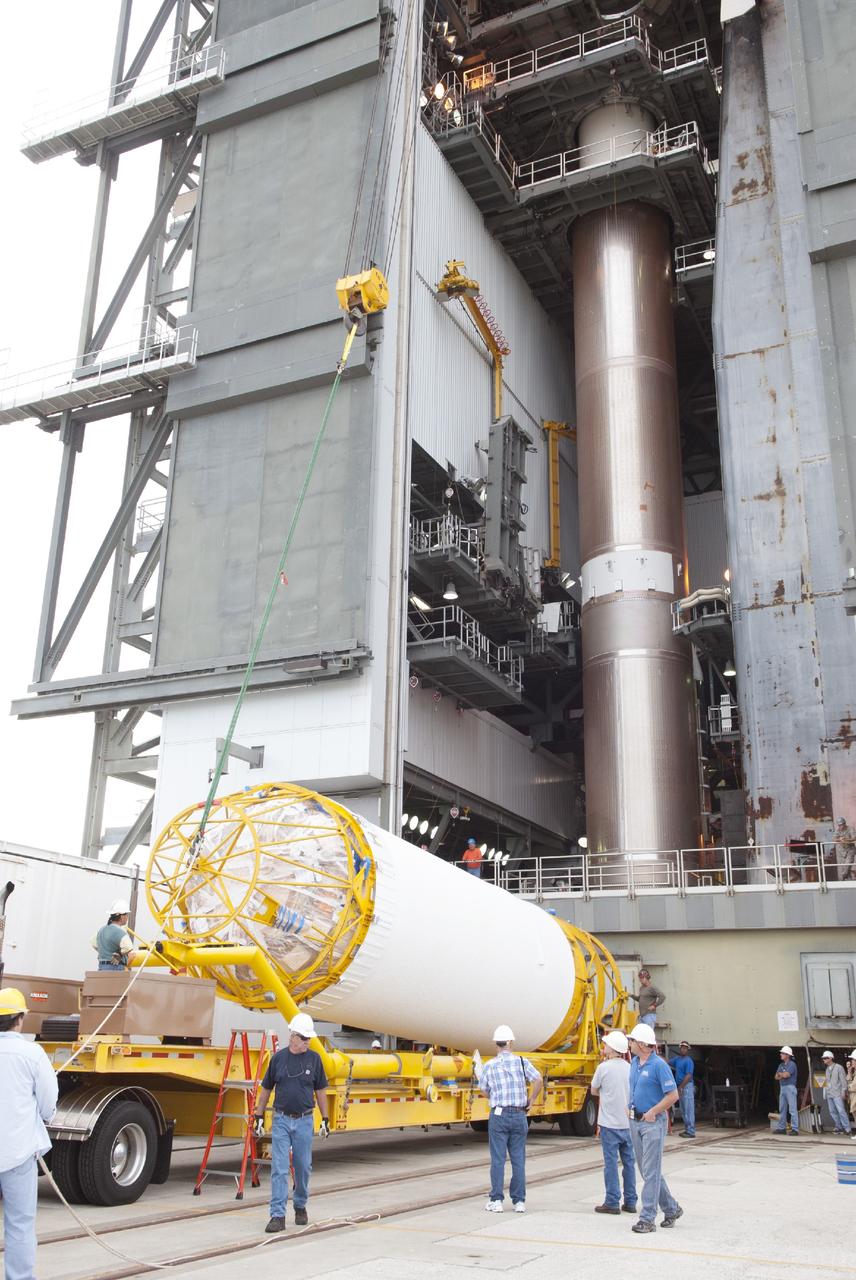
CAPE CANAVERAL, Fla. – At Cape Canaveral Air Force Station's Launch Complex 41, engineers and technicians support lifting a Centaur second stage for stacking atop a United Launch Alliance Atlas V rocket that will be used to boost the Tracking and Data Relay Satellite, or TDRS-L, spacecraft to orbit. TDRS-L is the second of three next-generation satellites designed to ensure vital operational continuity for the NASA Space Network. It is scheduled to launch from Cape Canaveral's Space Launch Complex 41 atop an Atlas V rocket in January 2014. The current Tracking and Data Relay Satellite system consists of eight in-orbit satellites distributed to provide near continuous information relay service to missions such as the Hubble Space Telescope and International Space Station. For more information, visit: http://www.nasa.gov/content/tracking-and-data-relay-satellite-tdrs/ Photo credit: NASA/Charisse Nahser
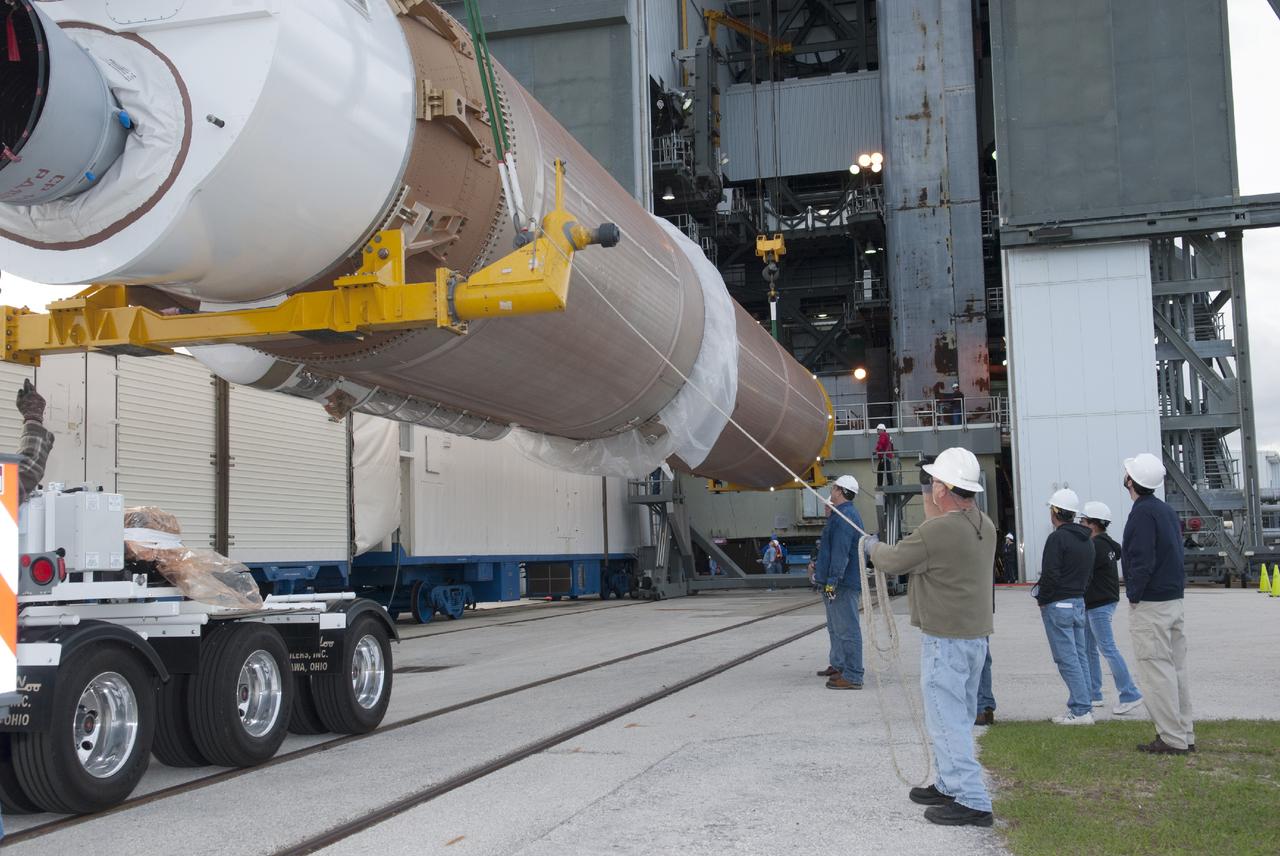
CAPE CANAVERAL, Fla. – At Cape Canaveral Air Force Station, engineers and technicians support lifting the first stage of the United Launch Alliance Atlas V rocket during stacking operations in the Vertical Integration Facility at Launch Complex 41. The vehicle will be used to boost the Tracking and Data Relay Satellite, or TDRS-L, spacecraft to orbit. TDRS-L is the second of three next-generation satellites designed to ensure vital operational continuity for the NASA Space Network. It is scheduled to launch from Cape Canaveral's Space Launch Complex 41 atop an Atlas V rocket in January 2014. The current Tracking and Data Relay Satellite system consists of eight in-orbit satellites distributed to provide near continuous information relay service to missions such as the Hubble Space Telescope and International Space Station. For more information, visit: http://www.nasa.gov/content/tracking-and-data-relay-satellite-tdrs/ Photo credit: NASA/Charisse Nahser
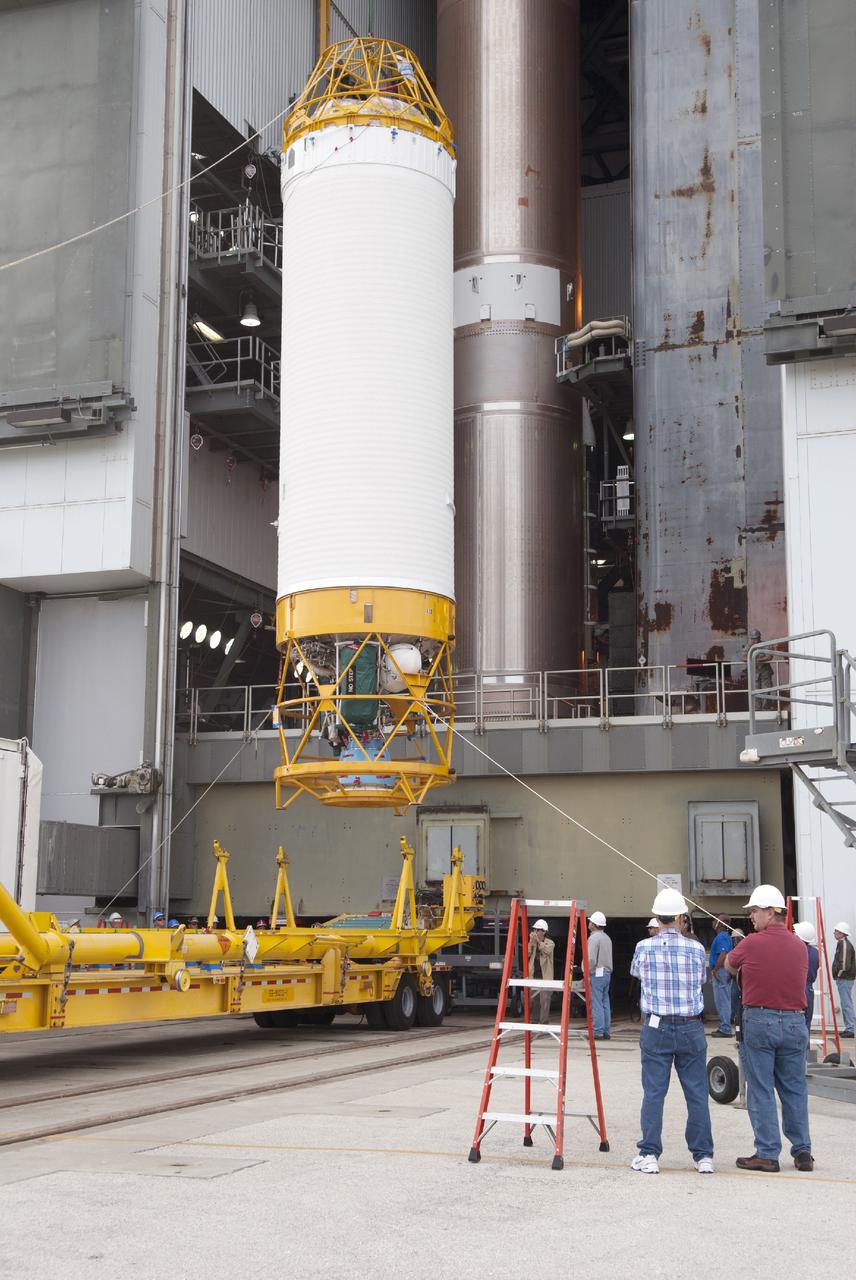
CAPE CANAVERAL, Fla. – At Cape Canaveral Air Force Station's Launch Complex 41, engineers and technicians support lifting a Centaur second stage for stacking atop a United Launch Alliance Atlas V rocket that will be used to boost the Tracking and Data Relay Satellite, or TDRS-L, spacecraft to orbit. TDRS-L is the second of three next-generation satellites designed to ensure vital operational continuity for the NASA Space Network. It is scheduled to launch from Cape Canaveral's Space Launch Complex 41 atop an Atlas V rocket in January 2014. The current Tracking and Data Relay Satellite system consists of eight in-orbit satellites distributed to provide near continuous information relay service to missions such as the Hubble Space Telescope and International Space Station. For more information, visit: http://www.nasa.gov/content/tracking-and-data-relay-satellite-tdrs/ Photo credit: NASA/Charisse Nahser
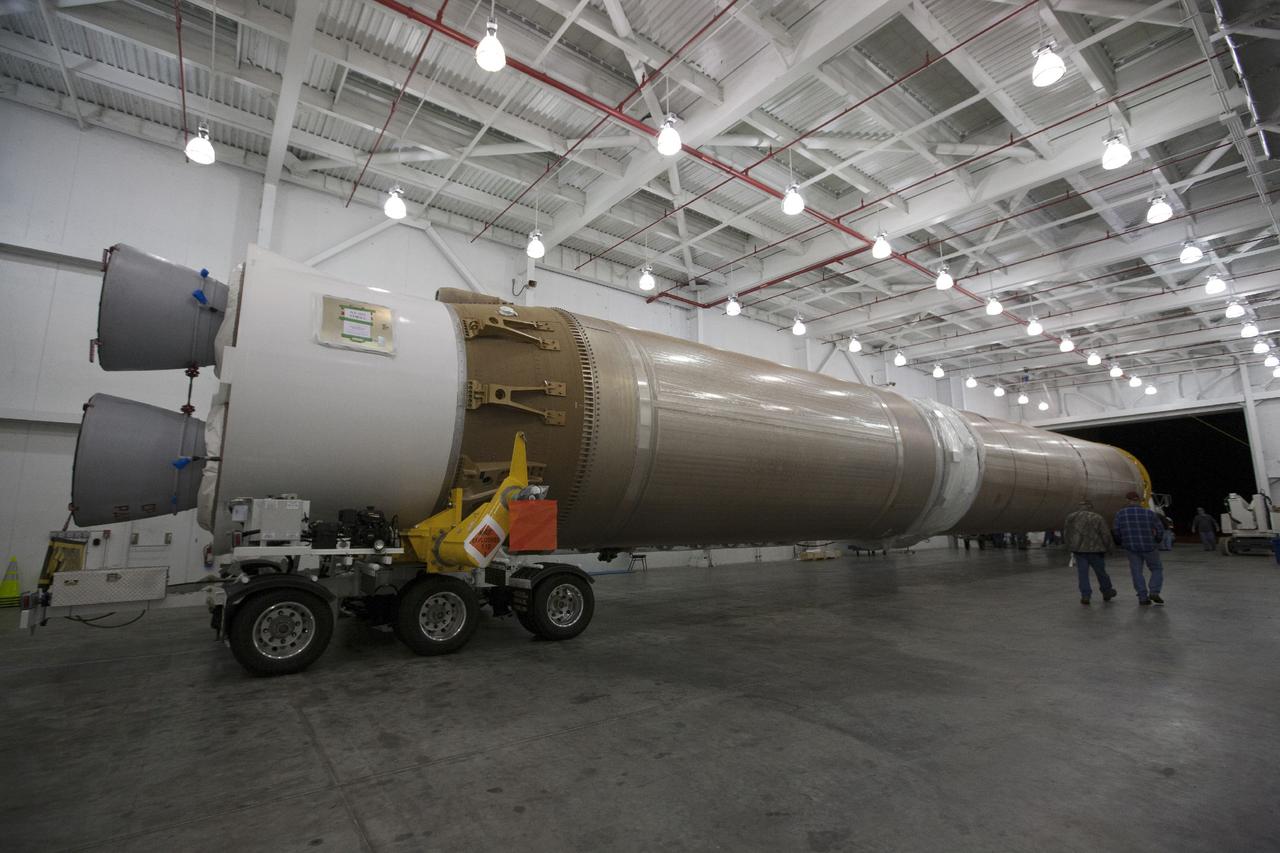
CAPE CANAVERAL, Fla. – The United Launch Alliance Atlas V first stage booster that will boost the Tracking and Data Relay Satellite, or TDRS-L, spacecraft into orbit is being transported from the hangar at the Atlas Spaceflight Operations Center on Cape Canaveral Air Force Station to Launch Complex 41. TDRS-L is the second of three next-generation satellites designed to ensure vital operational continuity for the NASA Space Network. It is scheduled to launch from Cape Canaveral's Space Launch Complex 41 atop an Atlas V rocket in January 2014. The current Tracking and Data Relay Satellite system consists of eight in-orbit satellites distributed to provide near continuous information relay service to missions such as the Hubble Space Telescope and International Space Station. For more information, visit: http://www.nasa.gov/content/tracking-and-data-relay-satellite-tdrs/ Photo credit: NASA/Kim Shiflett
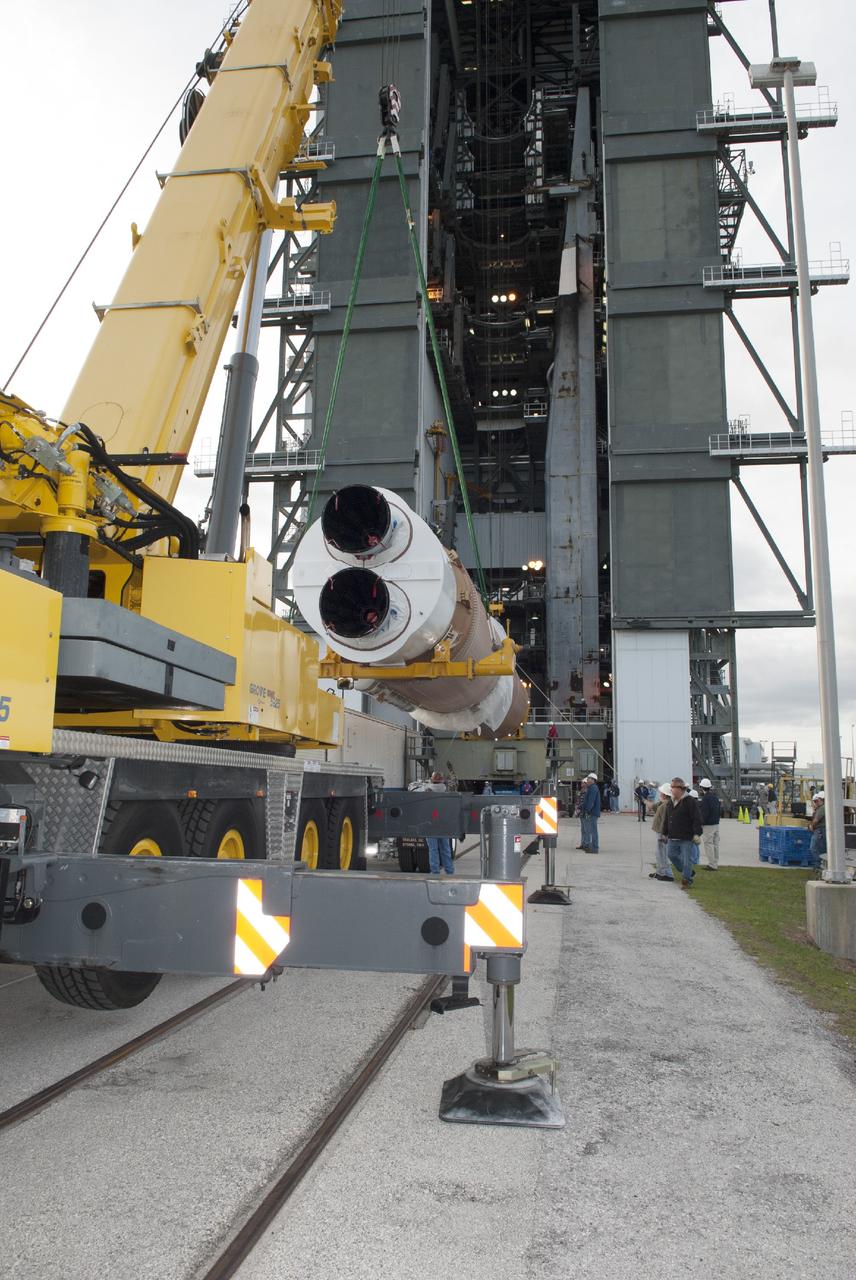
CAPE CANAVERAL, Fla. – At Cape Canaveral Air Force Station, the first stage of the United Launch Alliance Atlas V rocket is lifted for stacking in the Vertical Integration Facility at Launch Complex 41. The vehicle will be used to boost the Tracking and Data Relay Satellite, or TDRS-L, spacecraft to orbit. TDRS-L is the second of three next-generation satellites designed to ensure vital operational continuity for the NASA Space Network. It is scheduled to launch from Cape Canaveral's Space Launch Complex 41 atop an Atlas V rocket in January 2014. The current Tracking and Data Relay Satellite system consists of eight in-orbit satellites distributed to provide near continuous information relay service to missions such as the Hubble Space Telescope and International Space Station. For more information, visit: http://www.nasa.gov/content/tracking-and-data-relay-satellite-tdrs/ Photo credit: NASA/Charisse Nahser
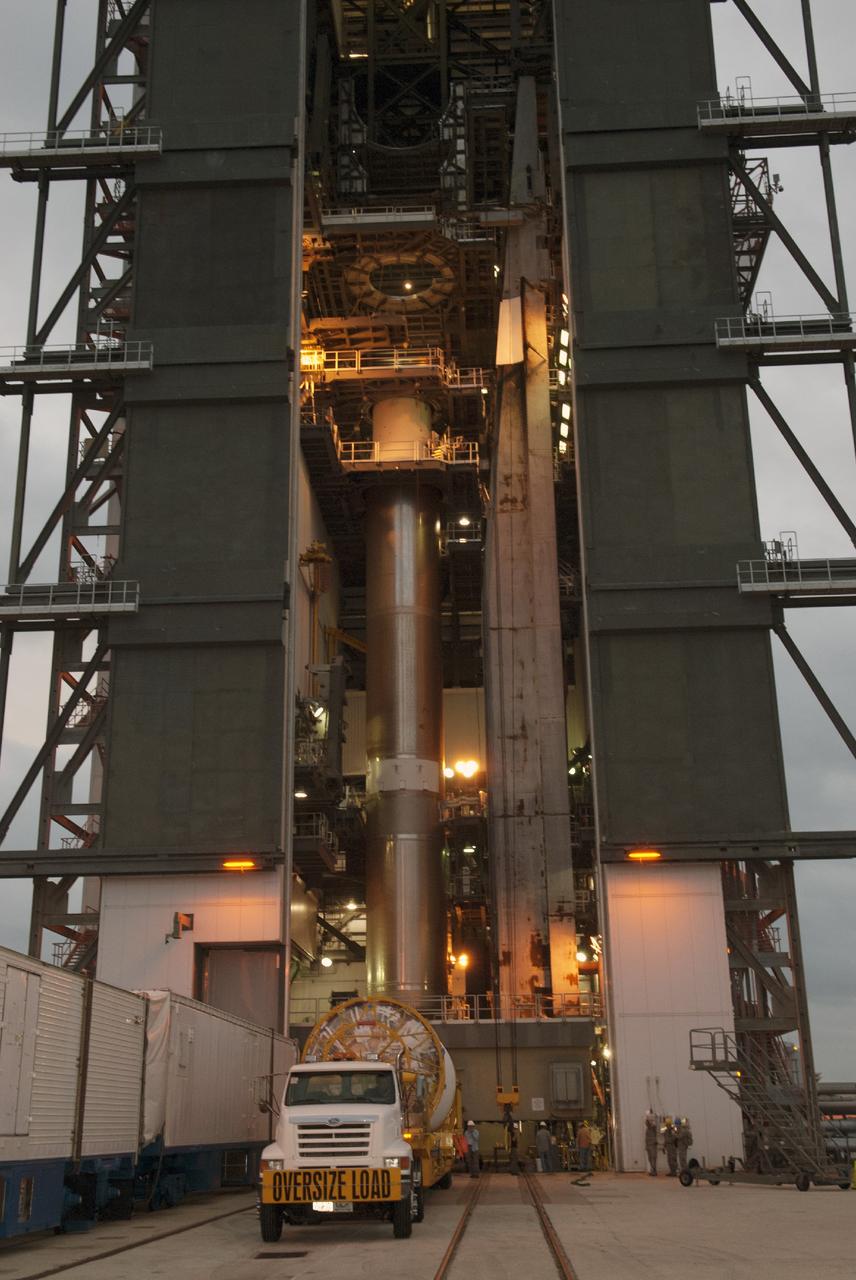
CAPE CANAVERAL, Fla. – The United Launch Alliance Centaur second stage that will help boost the Tracking and Data Relay Satellite, or TDRS-L, spacecraft into orbit arrives at Cape Canaveral Air Force Station's Launch Complex 41. It will be lifted and mounted atop the Atlas V first stage already in position inside the Vertical Integration Facility. TDRS-L is the second of three next-generation satellites designed to ensure vital operational continuity for the NASA Space Network. It is scheduled to launch from Cape Canaveral's Space Launch Complex 41 atop an Atlas V rocket in January 2014. The current Tracking and Data Relay Satellite system consists of eight in-orbit satellites distributed to provide near continuous information relay service to missions such as the Hubble Space Telescope and International Space Station. For more information, visit: http://www.nasa.gov/content/tracking-and-data-relay-satellite-tdrs/ Photo credit: NASA/Charisse Nahser
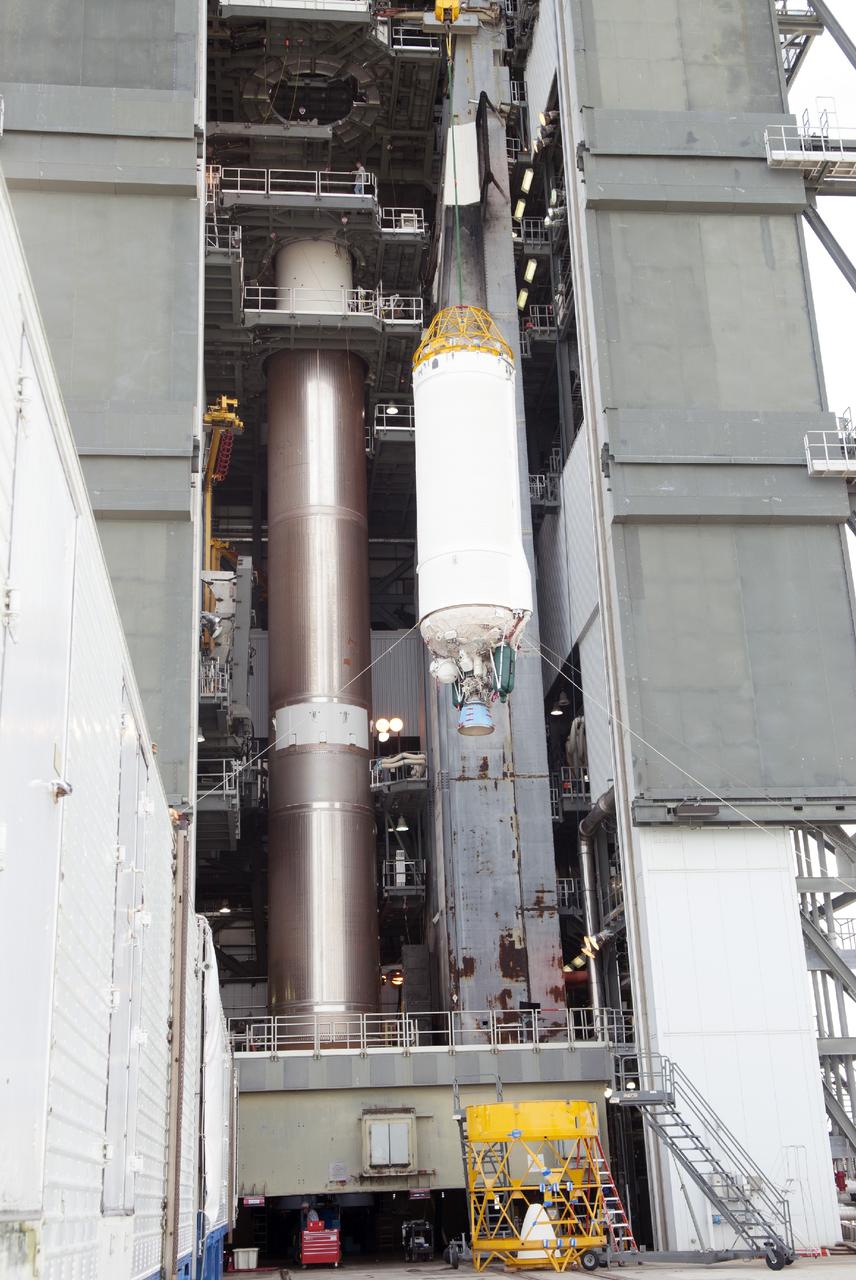
CAPE CANAVERAL, Fla. – At Cape Canaveral Air Force Station's Launch Complex 41, a Centaur second stage is lifted for stacking atop a United Launch Alliance Atlas V rocket that will be used to boost the Tracking and Data Relay Satellite, or TDRS-L, spacecraft to orbit. TDRS-L is the second of three next-generation satellites designed to ensure vital operational continuity for the NASA Space Network. It is scheduled to launch from Cape Canaveral's Space Launch Complex 41 atop an Atlas V rocket in January 2014. The current Tracking and Data Relay Satellite system consists of eight in-orbit satellites distributed to provide near continuous information relay service to missions such as the Hubble Space Telescope and International Space Station. For more information, visit: http://www.nasa.gov/content/tracking-and-data-relay-satellite-tdrs/ Photo credit: NASA/Charisse Nahser
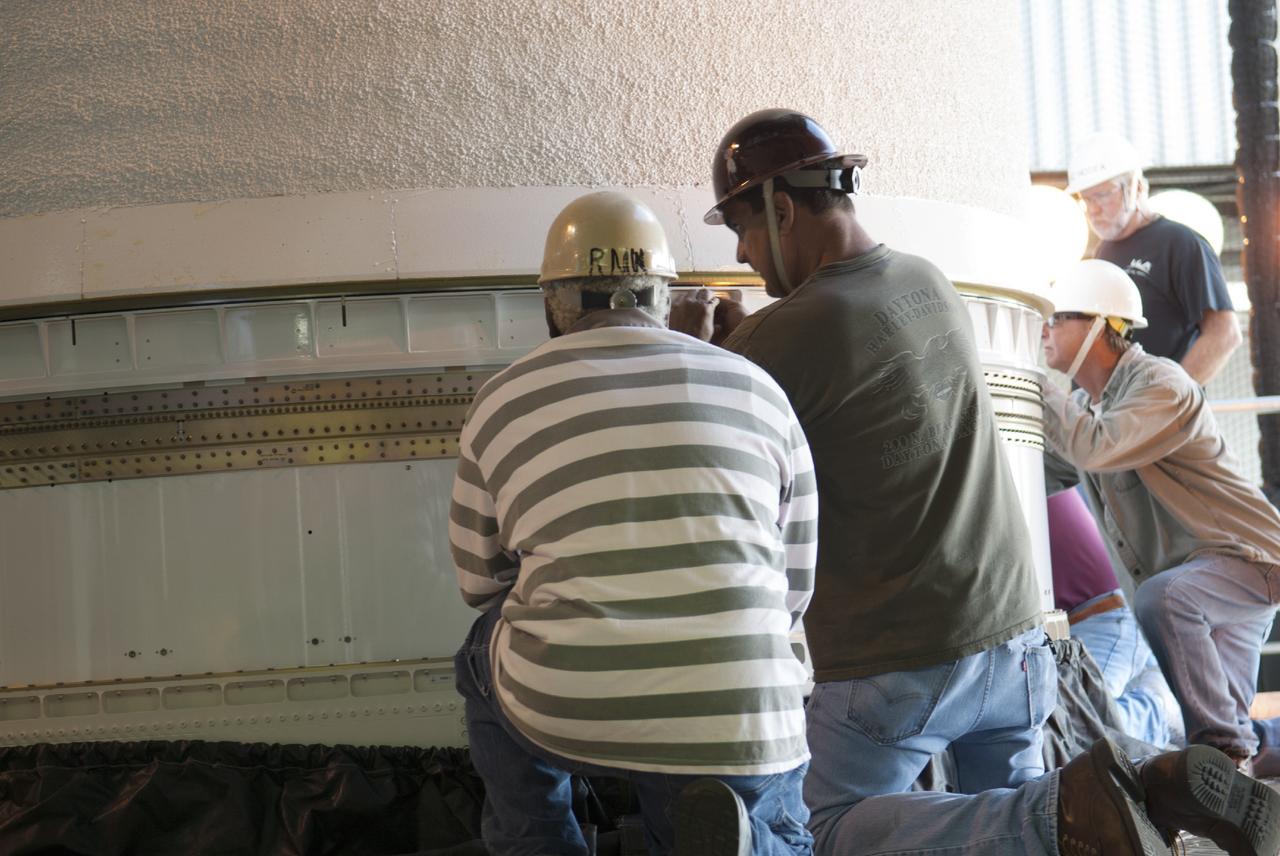
CAPE CANAVERAL, Fla. – At Cape Canaveral Air Force Station's Launch Complex 41, engineers and technicians inspect a Centaur second stage that was just stacked atop a United Launch Alliance Atlas V rocket that will be used to boost the Tracking and Data Relay Satellite, or TDRS-L, spacecraft to orbit. TDRS-L is the second of three next-generation satellites designed to ensure vital operational continuity for the NASA Space Network. It is scheduled to launch from Cape Canaveral's Space Launch Complex 41 atop an Atlas V rocket in January 2014. The current Tracking and Data Relay Satellite system consists of eight in-orbit satellites distributed to provide near continuous information relay service to missions such as the Hubble Space Telescope and International Space Station. For more information, visit: http://www.nasa.gov/content/tracking-and-data-relay-satellite-tdrs/ Photo credit: NASA/Charisse Nahser
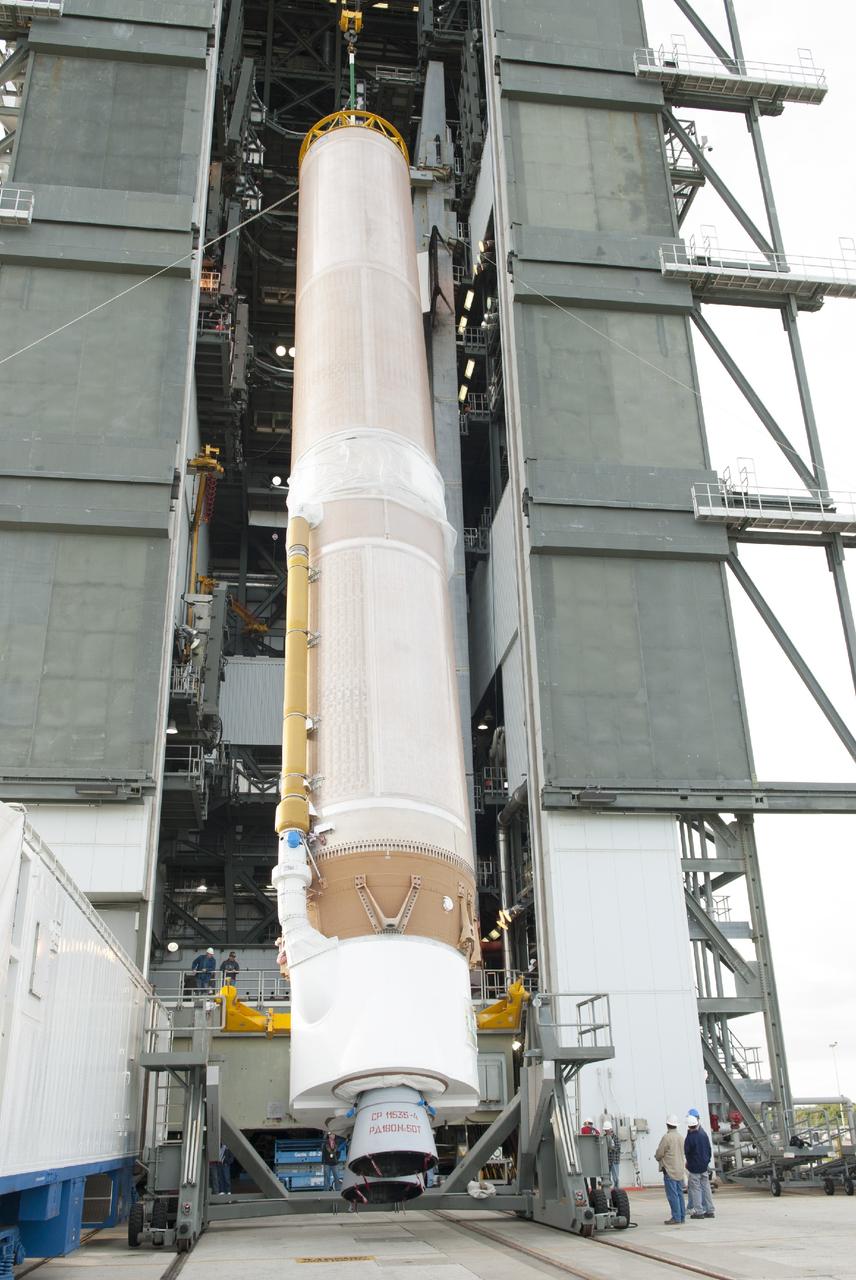
CAPE CANAVERAL, Fla. – At Cape Canaveral Air Force Station, the first stage of the United Launch Alliance Atlas V rocket is lifted for stacking in the Vertical Integration Facility at Launch Complex 41. The vehicle will be used to boost the Tracking and Data Relay Satellite, or TDRS-L, spacecraft to orbit. TDRS-L is the second of three next-generation satellites designed to ensure vital operational continuity for the NASA Space Network. It is scheduled to launch from Cape Canaveral's Space Launch Complex 41 atop an Atlas V rocket in January 2014. The current Tracking and Data Relay Satellite system consists of eight in-orbit satellites distributed to provide near continuous information relay service to missions such as the Hubble Space Telescope and International Space Station. For more information, visit: http://www.nasa.gov/content/tracking-and-data-relay-satellite-tdrs/ Photo credit: NASA/Charisse Nahser
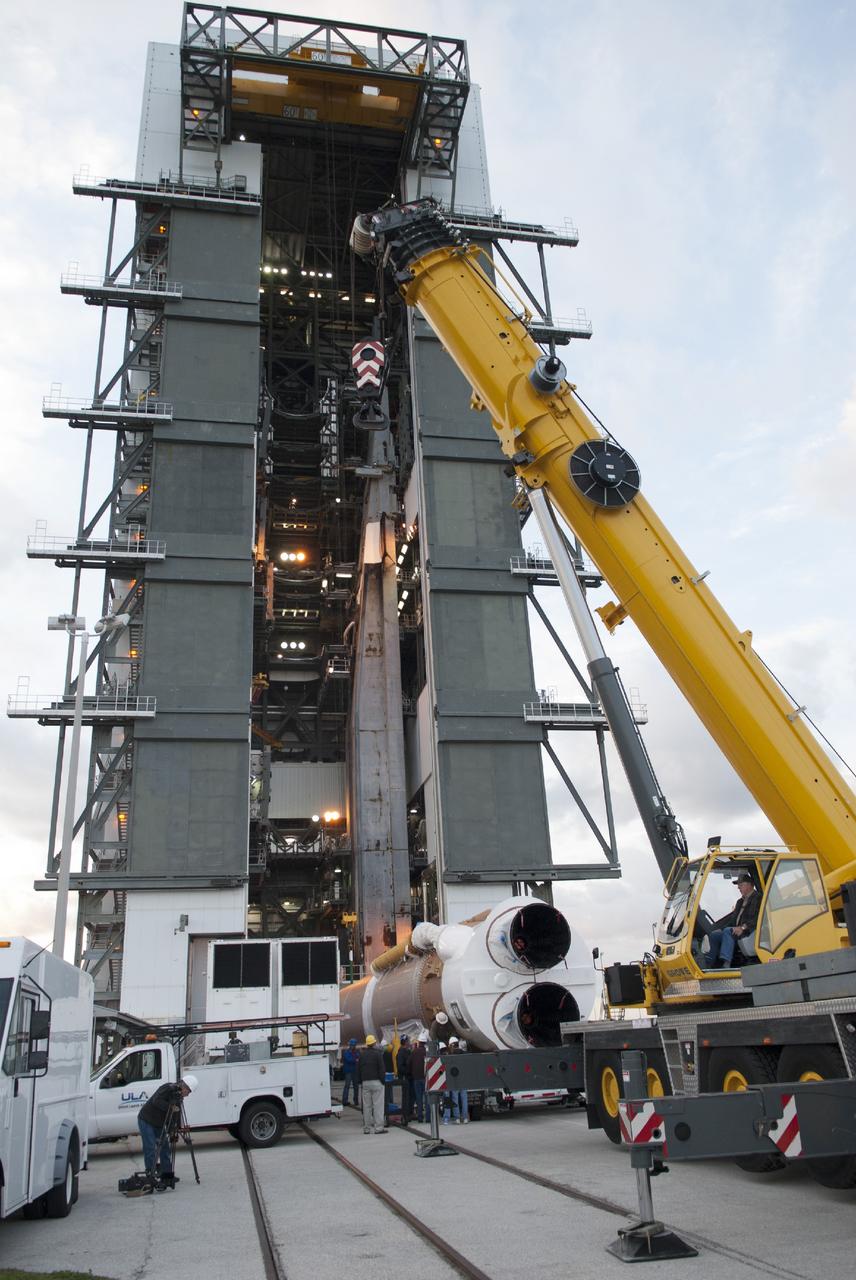
CAPE CANAVERAL, Fla. – At Cape Canaveral Air Force Station's Vertical Integration Facility at Launch Complex 41, a crane is positioned to support stacking of the United Launch Alliance Atlas V rocket that will boost the Tracking and Data Relay Satellite, or TDRS-L, spacecraft into orbit. TDRS-L is the second of three next-generation satellites designed to ensure vital operational continuity for the NASA Space Network. It is scheduled to launch from Cape Canaveral's Space Launch Complex 41 atop an Atlas V rocket in January 2014. The current Tracking and Data Relay Satellite system consists of eight in-orbit satellites distributed to provide near continuous information relay service to missions such as the Hubble Space Telescope and International Space Station. For more information, visit: http://www.nasa.gov/content/tracking-and-data-relay-satellite-tdrs/ Photo credit: NASA/Charisse Nahser
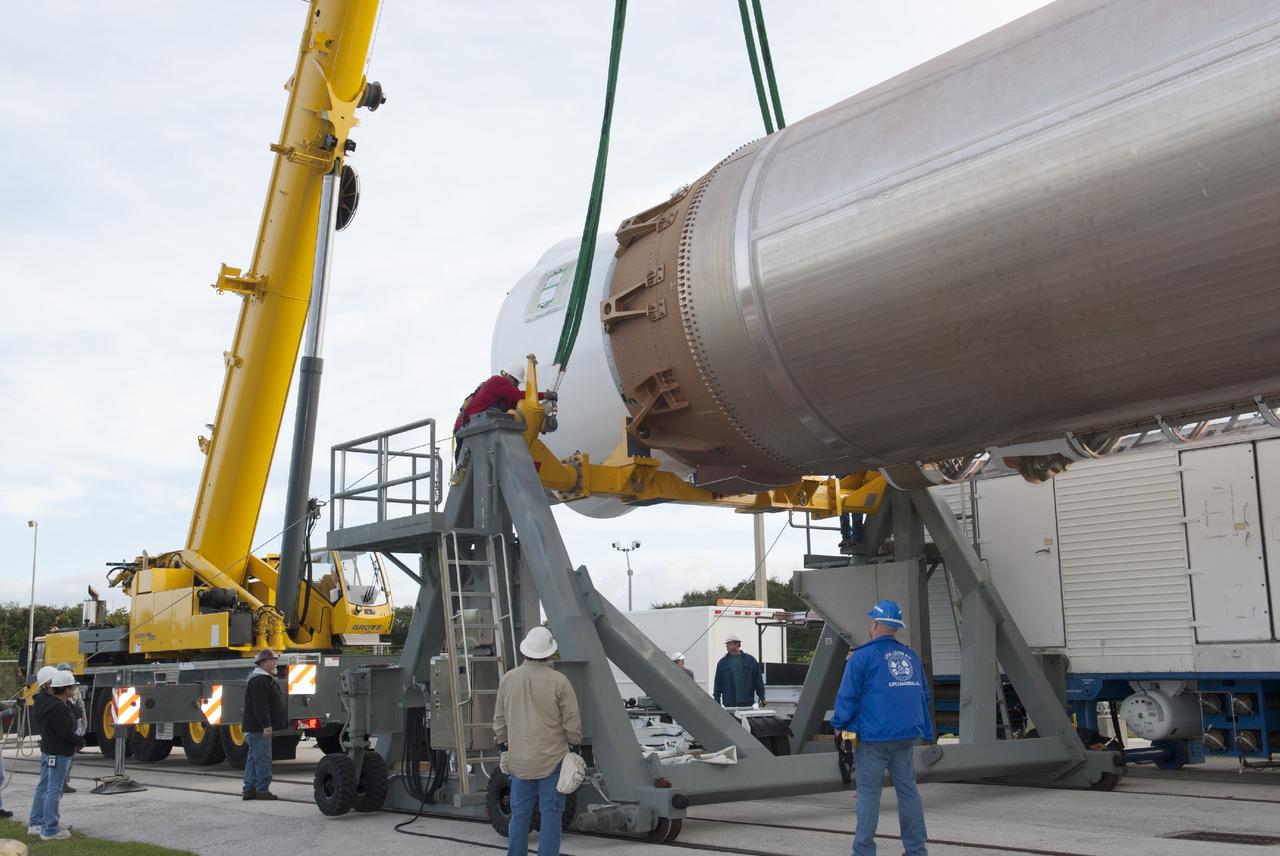
CAPE CANAVERAL, Fla. – At Cape Canaveral Air Force Station, engineers and technicians support lifting the first stage of the United Launch Alliance Atlas V rocket during stacking operations in the Vertical Integration Facility at Launch Complex 41. The vehicle will be used to boost the Tracking and Data Relay Satellite, or TDRS-L, spacecraft to orbit. TDRS-L is the second of three next-generation satellites designed to ensure vital operational continuity for the NASA Space Network. It is scheduled to launch from Cape Canaveral's Space Launch Complex 41 atop an Atlas V rocket in January 2014. The current Tracking and Data Relay Satellite system consists of eight in-orbit satellites distributed to provide near continuous information relay service to missions such as the Hubble Space Telescope and International Space Station. For more information, visit: http://www.nasa.gov/content/tracking-and-data-relay-satellite-tdrs/ Photo credit: NASA/Charisse Nahser
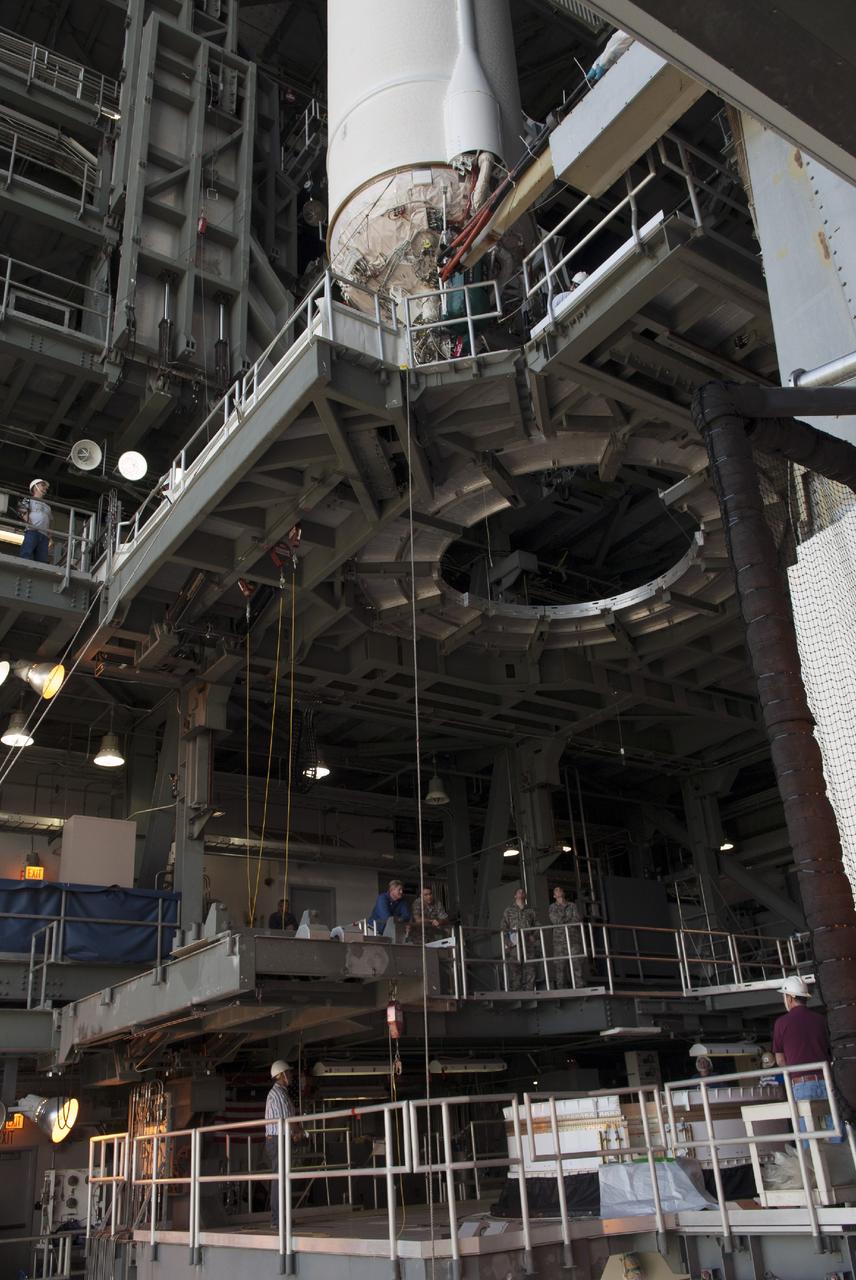
CAPE CANAVERAL, Fla. – At Cape Canaveral Air Force Station's Launch Complex 41, a Centaur second stage is lifted for stacking atop a United Launch Alliance Atlas V rocket that will be used to boost the Tracking and Data Relay Satellite, or TDRS-L, spacecraft to orbit. TDRS-L is the second of three next-generation satellites designed to ensure vital operational continuity for the NASA Space Network. It is scheduled to launch from Cape Canaveral's Space Launch Complex 41 atop an Atlas V rocket in January 2014. The current Tracking and Data Relay Satellite system consists of eight in-orbit satellites distributed to provide near continuous information relay service to missions such as the Hubble Space Telescope and International Space Station. For more information, visit: http://www.nasa.gov/content/tracking-and-data-relay-satellite-tdrs/ Photo credit: NASA/Charisse Nahser
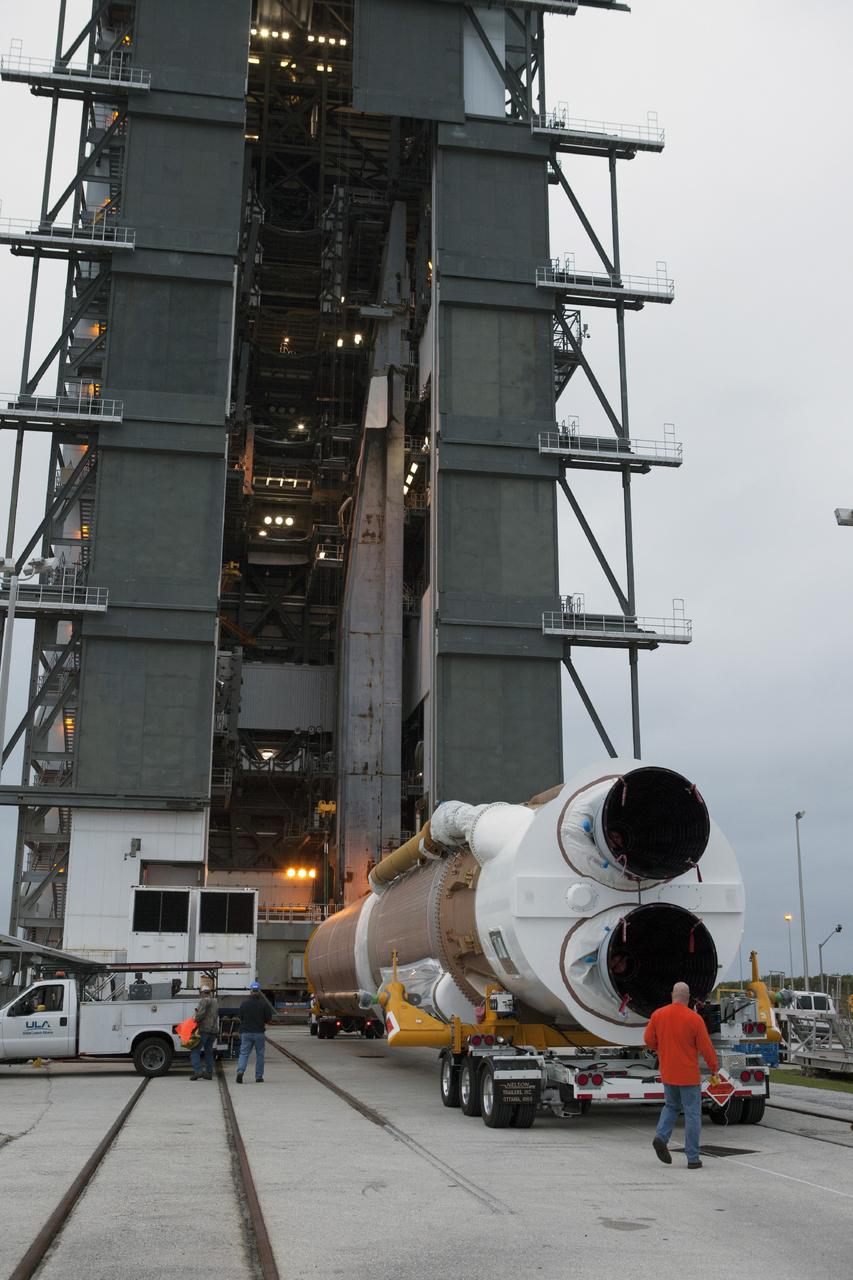
CAPE CANAVERAL, Fla. – The United Launch Alliance Atlas V first stage booster that will boost the Tracking and Data Relay Satellite, or TDRS-L, spacecraft into orbit arrives at Cape Canaveral Air Force Station's Launch Complex 41. TDRS-L is the second of three next-generation satellites designed to ensure vital operational continuity for the NASA Space Network. It is scheduled to launch from Cape Canaveral's Space Launch Complex 41 atop an Atlas V rocket in January 2014. The current Tracking and Data Relay Satellite system consists of eight in-orbit satellites distributed to provide near continuous information relay service to missions such as the Hubble Space Telescope and International Space Station. For more information, visit: http://www.nasa.gov/content/tracking-and-data-relay-satellite-tdrs/ Photo credit: NASA/Kim Shiflett
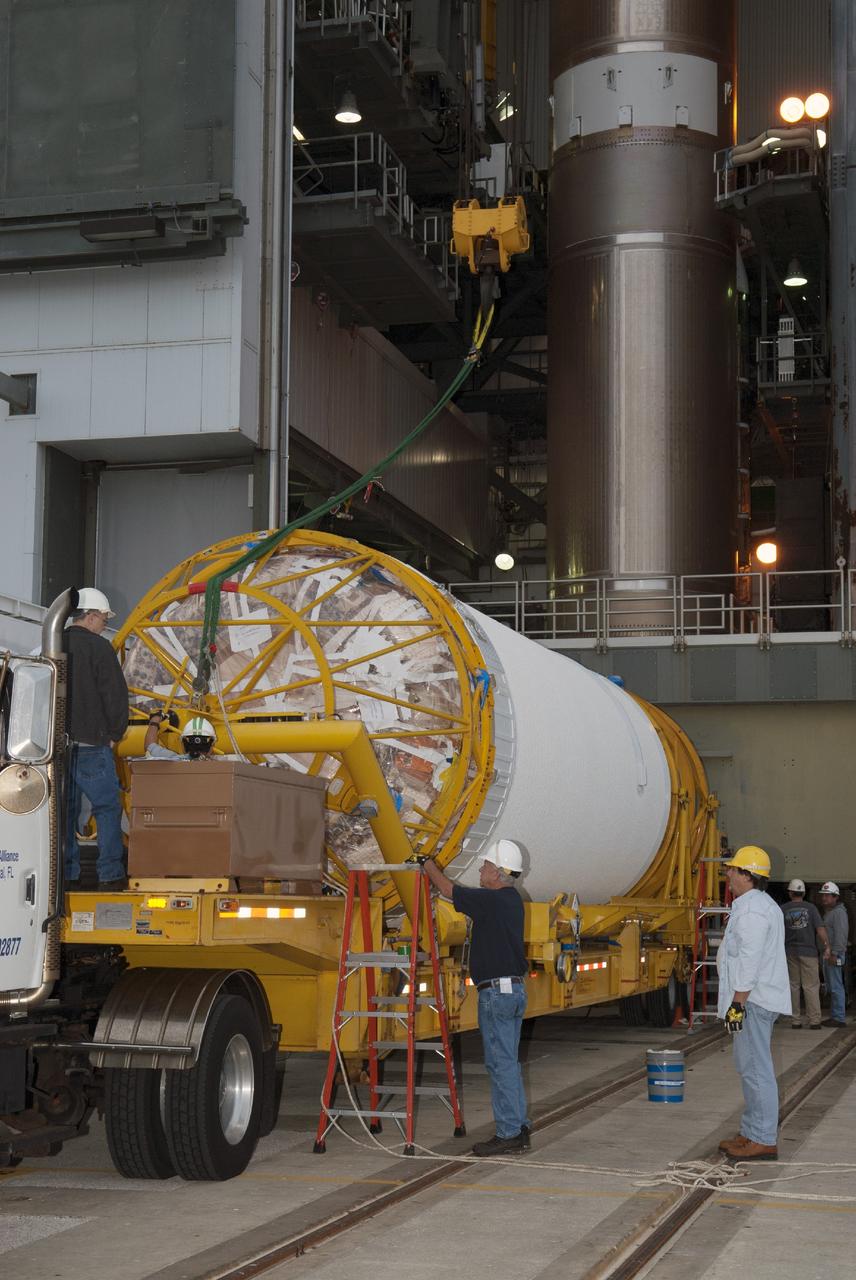
CAPE CANAVERAL, Fla. – At Cape Canaveral Air Force Station's Launch Complex 41, engineers and technicians support preparations for lifting the Centaur second stage of the United Launch Alliance rocket that will be used to boost the Tracking and Data Relay Satellite, or TDRS-L, spacecraft to orbit. TDRS-L is the second of three next-generation satellites designed to ensure vital operational continuity for the NASA Space Network. It is scheduled to launch from Cape Canaveral's Space Launch Complex 41 atop an Atlas V rocket in January 2014. The current Tracking and Data Relay Satellite system consists of eight in-orbit satellites distributed to provide near continuous information relay service to missions such as the Hubble Space Telescope and International Space Station. For more information, visit: http://www.nasa.gov/content/tracking-and-data-relay-satellite-tdrs/ Photo credit: NASA/Charisse Nahser
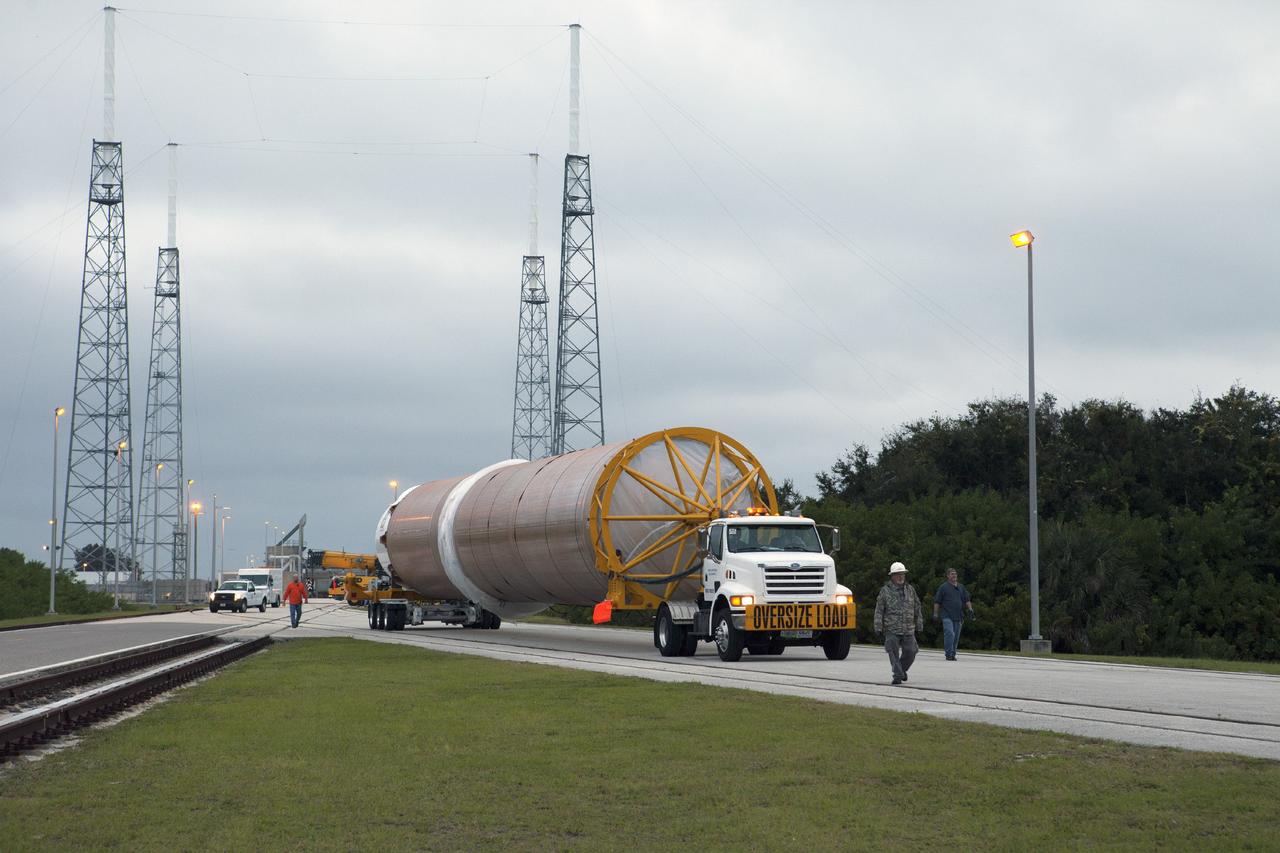
CAPE CANAVERAL, Fla. – The United Launch Alliance Atlas V first stage booster that will boost the Tracking and Data Relay Satellite, or TDRS-L, spacecraft into orbit is being transported from the hangar at the Atlas Spaceflight Operations Center on Cape Canaveral Air Force Station to Launch Complex 41. TDRS-L is the second of three next-generation satellites designed to ensure vital operational continuity for the NASA Space Network. It is scheduled to launch from Cape Canaveral's Space Launch Complex 41 atop an Atlas V rocket in January 2014. The current Tracking and Data Relay Satellite system consists of eight in-orbit satellites distributed to provide near continuous information relay service to missions such as the Hubble Space Telescope and International Space Station. For more information, visit: http://www.nasa.gov/content/tracking-and-data-relay-satellite-tdrs/ Photo credit: NASA/Kim Shiflett
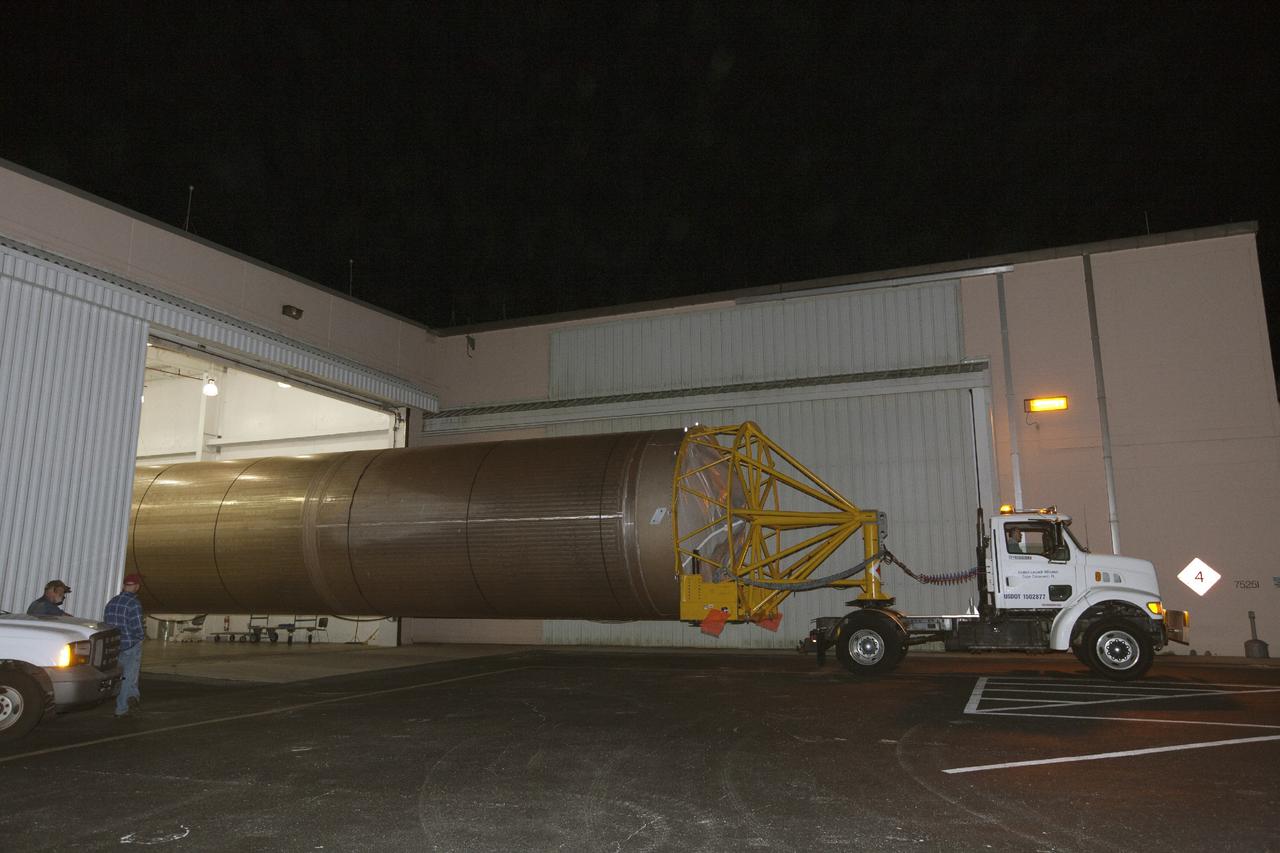
CAPE CANAVERAL, Fla. – The United Launch Alliance Atlas V first stage booster that will boost the Tracking and Data Relay Satellite, or TDRS-L, spacecraft into orbit is being transported from the hangar at the Atlas Spaceflight Operations Center on Cape Canaveral Air Force Station to Launch Complex 41. TDRS-L is the second of three next-generation satellites designed to ensure vital operational continuity for the NASA Space Network. It is scheduled to launch from Cape Canaveral's Space Launch Complex 41 atop an Atlas V rocket in January 2014. The current Tracking and Data Relay Satellite system consists of eight in-orbit satellites distributed to provide near continuous information relay service to missions such as the Hubble Space Telescope and International Space Station. For more information, visit: http://www.nasa.gov/content/tracking-and-data-relay-satellite-tdrs/ Photo credit: NASA/Kim Shiflett
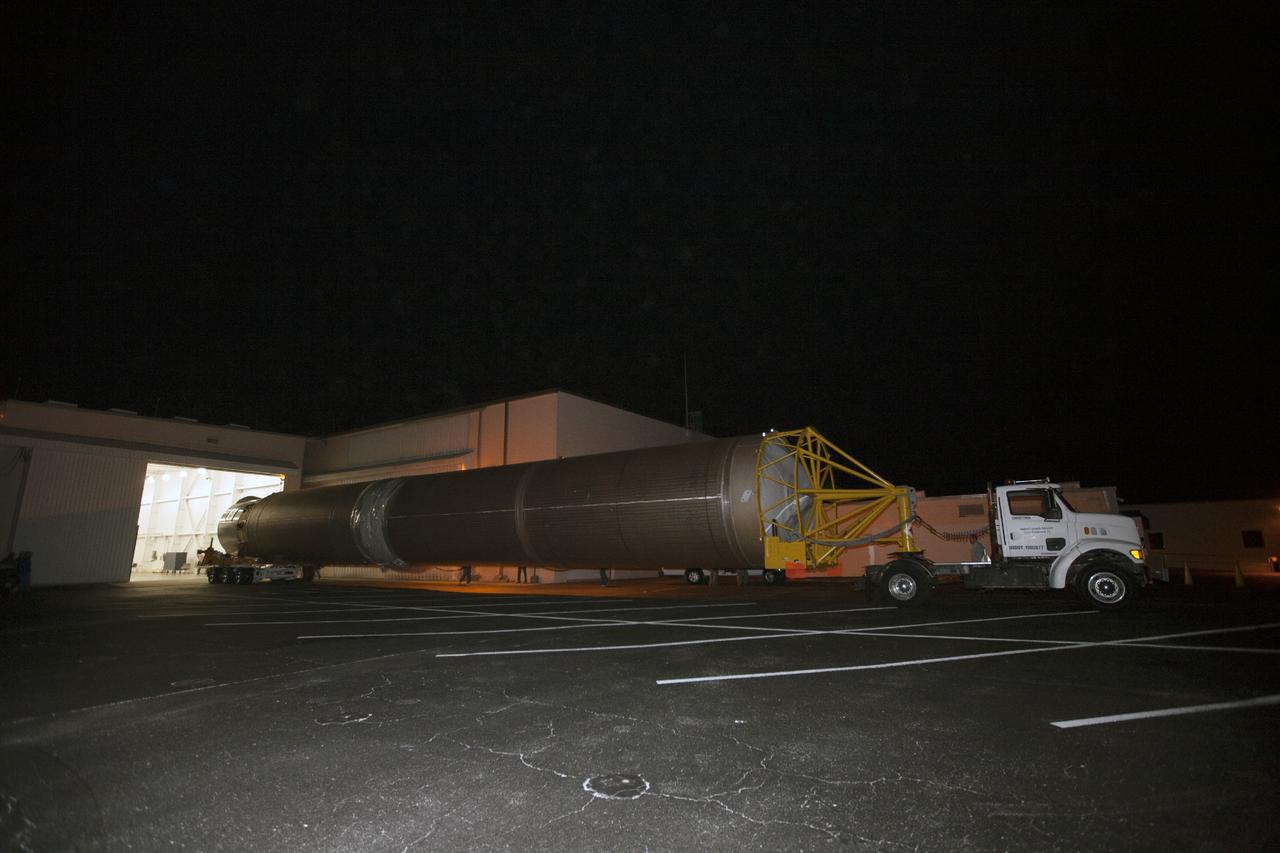
CAPE CANAVERAL, Fla. – The United Launch Alliance Atlas V first stage booster that will boost the Tracking and Data Relay Satellite, or TDRS-L, spacecraft into orbit is being transported from the hangar at the Atlas Spaceflight Operations Center on Cape Canaveral Air Force Station to Launch Complex 41. TDRS-L is the second of three next-generation satellites designed to ensure vital operational continuity for the NASA Space Network. It is scheduled to launch from Cape Canaveral's Space Launch Complex 41 atop an Atlas V rocket in January 2014. The current Tracking and Data Relay Satellite system consists of eight in-orbit satellites distributed to provide near continuous information relay service to missions such as the Hubble Space Telescope and International Space Station. For more information, visit: http://www.nasa.gov/content/tracking-and-data-relay-satellite-tdrs/ Photo credit: NASA/Kim Shiflett
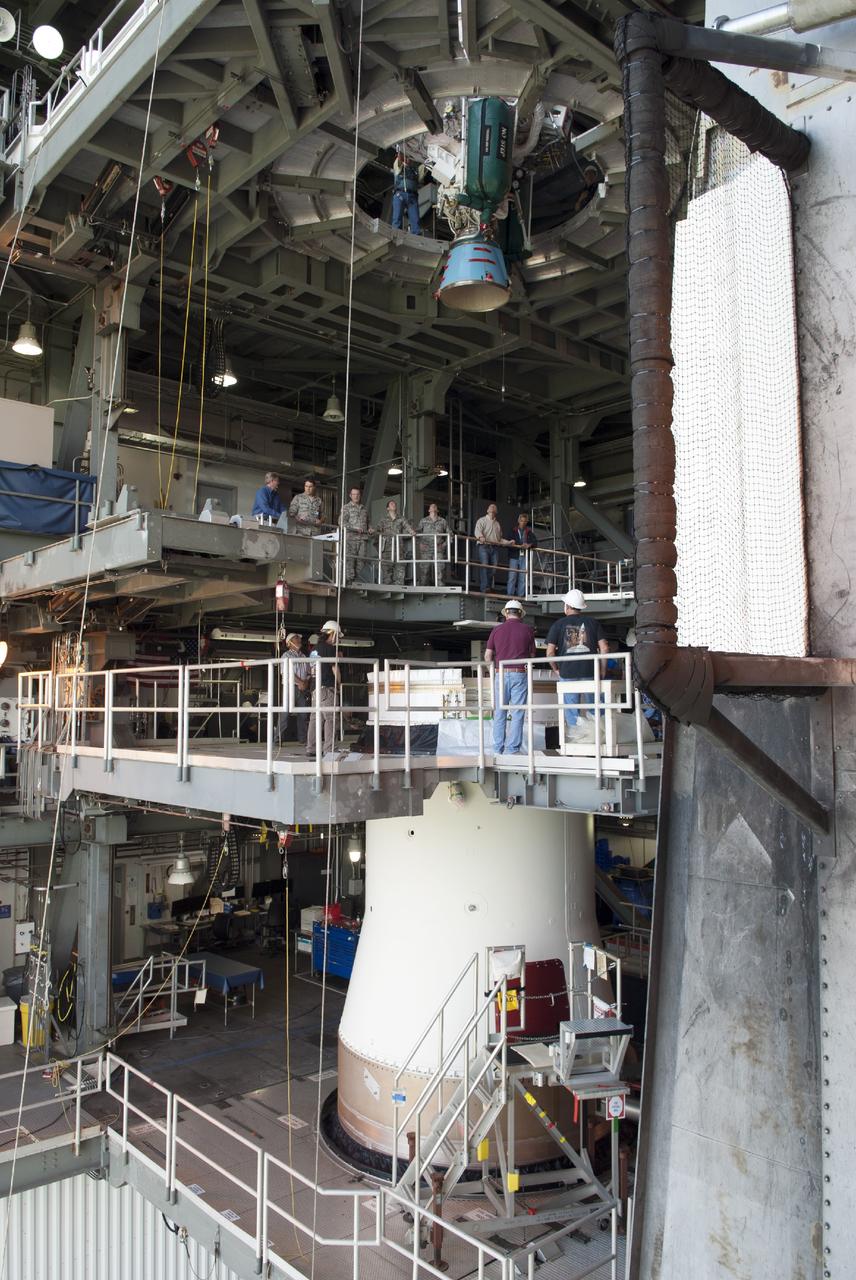
CAPE CANAVERAL, Fla. – At Cape Canaveral Air Force Station's Launch Complex 41, a Centaur second stage is positioned atop a United Launch Alliance Atlas V rocket that will be used to boost the Tracking and Data Relay Satellite, or TDRS-L, spacecraft to orbit. TDRS-L is the second of three next-generation satellites designed to ensure vital operational continuity for the NASA Space Network. It is scheduled to launch from Cape Canaveral's Space Launch Complex 41 atop an Atlas V rocket in January 2014. The current Tracking and Data Relay Satellite system consists of eight in-orbit satellites distributed to provide near continuous information relay service to missions such as the Hubble Space Telescope and International Space Station. For more information, visit: http://www.nasa.gov/content/tracking-and-data-relay-satellite-tdrs/ Photo credit: NASA/Charisse Nahser
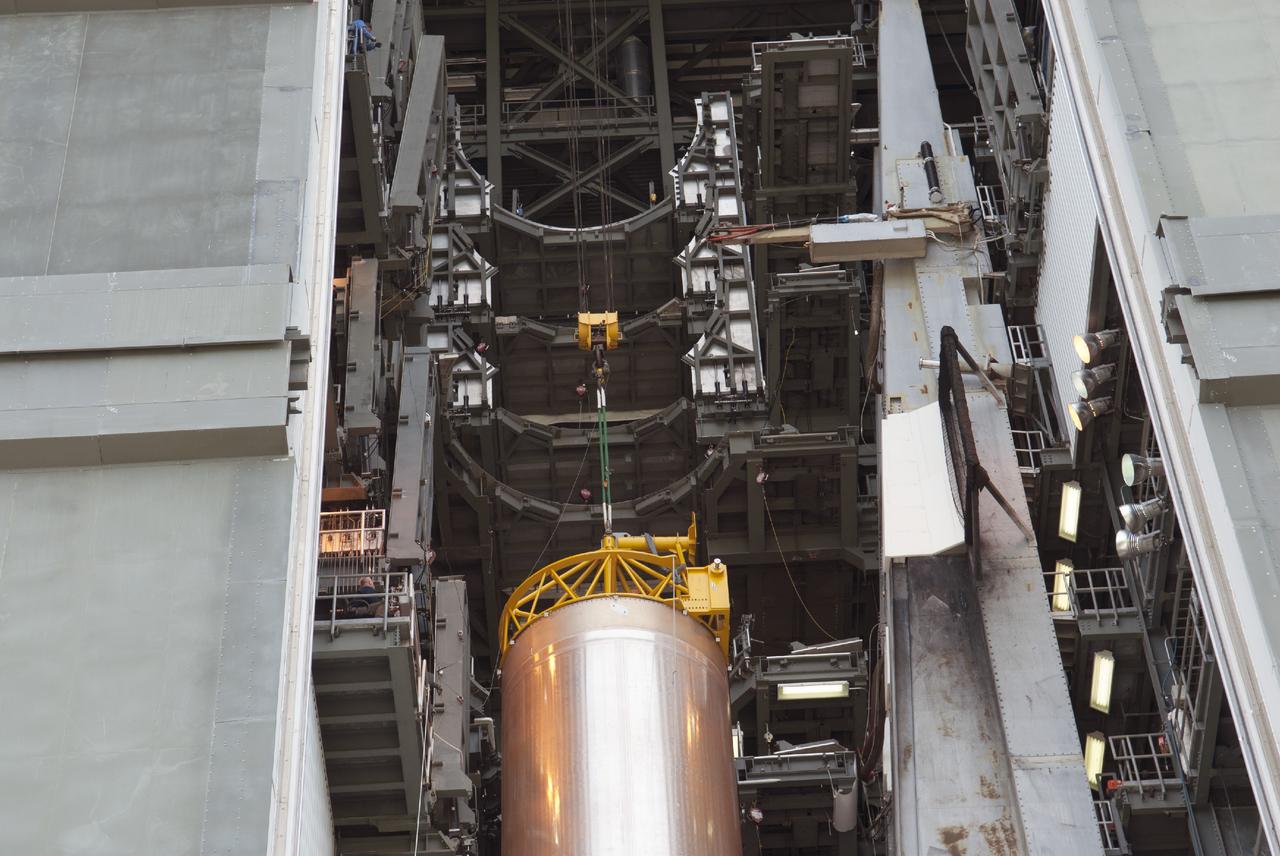
CAPE CANAVERAL, Fla. – At Cape Canaveral Air Force Station, the first stage of the United Launch Alliance Atlas V rocket positioned in the Vertical Integration Facility at Launch Complex 41. The vehicle will be used to boost the Tracking and Data Relay Satellite, or TDRS-L, spacecraft to orbit. TDRS-L is the second of three next-generation satellites designed to ensure vital operational continuity for the NASA Space Network. It is scheduled to launch from Cape Canaveral's Space Launch Complex 41 atop an Atlas V rocket in January 2014. The current Tracking and Data Relay Satellite system consists of eight in-orbit satellites distributed to provide near continuous information relay service to missions such as the Hubble Space Telescope and International Space Station. For more information, visit: http://www.nasa.gov/content/tracking-and-data-relay-satellite-tdrs/ Photo credit: NASA/Charisse Nahser
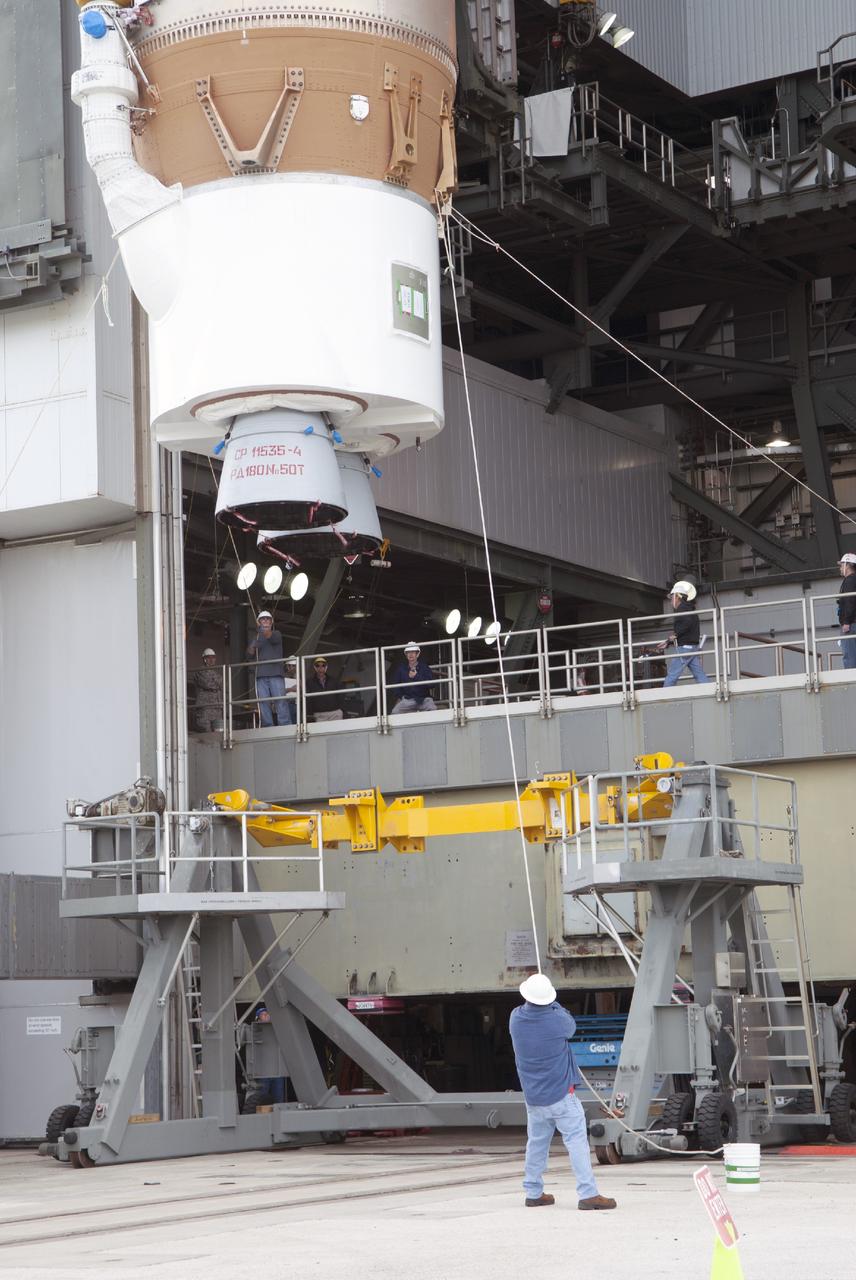
CAPE CANAVERAL, Fla. – At Cape Canaveral Air Force Station, a technician support lifting the first stage of the United Launch Alliance Atlas V rocket during stacking operations in the Vertical Integration Facility at Launch Complex 41. The vehicle will be used to boost the Tracking and Data Relay Satellite, or TDRS-L, spacecraft to orbit. TDRS-L is the second of three next-generation satellites designed to ensure vital operational continuity for the NASA Space Network. It is scheduled to launch from Cape Canaveral's Space Launch Complex 41 atop an Atlas V rocket in January 2014. The current Tracking and Data Relay Satellite system consists of eight in-orbit satellites distributed to provide near continuous information relay service to missions such as the Hubble Space Telescope and International Space Station. For more information, visit: http://www.nasa.gov/content/tracking-and-data-relay-satellite-tdrs/ Photo credit: NASA/Charisse Nahser
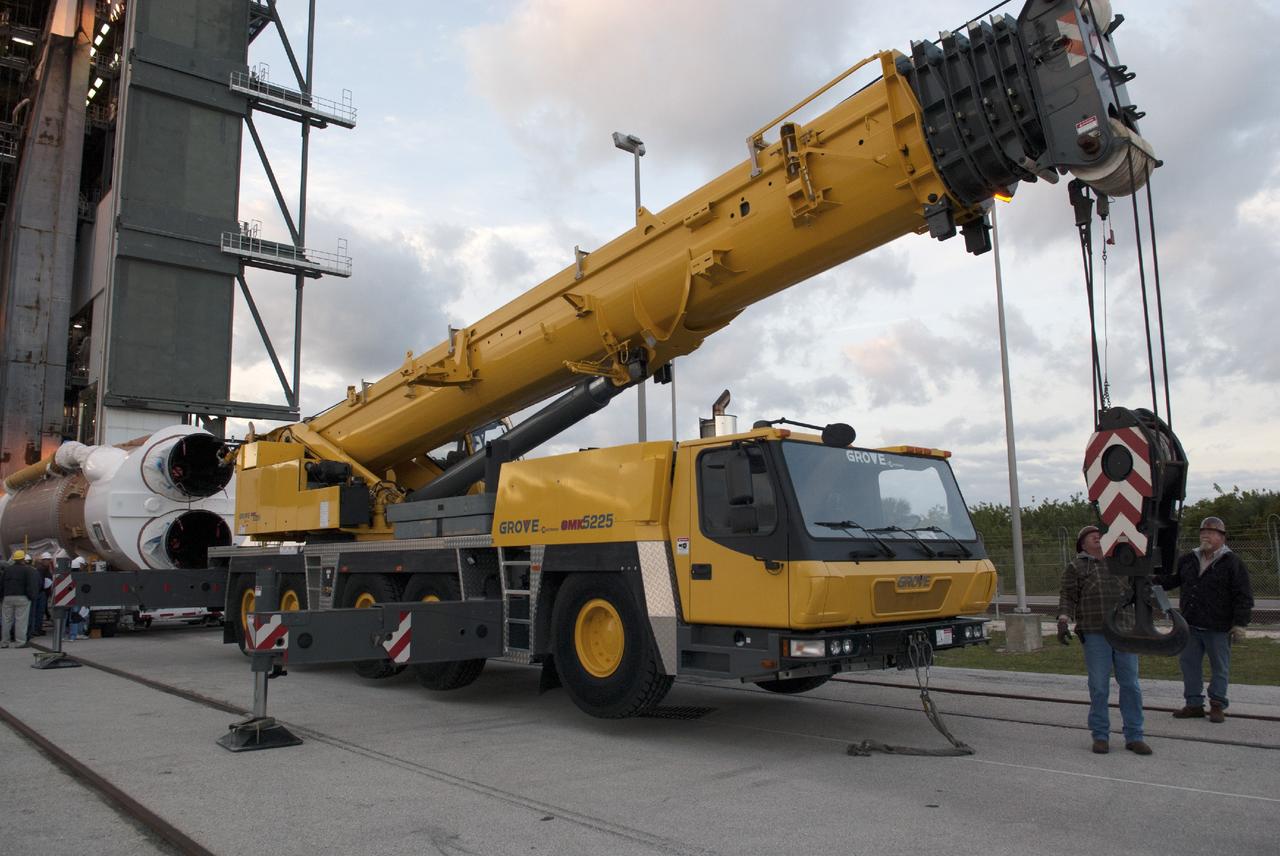
CAPE CANAVERAL, Fla. – At Cape Canaveral Air Force Station's Vertical Integration Facility at Launch Complex 41, a crane is positioned to support stacking of the United Launch Alliance Atlas V rocket that will boost the Tracking and Data Relay Satellite, or TDRS-L, spacecraft into orbit. TDRS-L is the second of three next-generation satellites designed to ensure vital operational continuity for the NASA Space Network. It is scheduled to launch from Cape Canaveral's Space Launch Complex 41 atop an Atlas V rocket in January 2014. The current Tracking and Data Relay Satellite system consists of eight in-orbit satellites distributed to provide near continuous information relay service to missions such as the Hubble Space Telescope and International Space Station. For more information, visit: http://www.nasa.gov/content/tracking-and-data-relay-satellite-tdrs/ Photo credit: NASA/Charisse Nahser
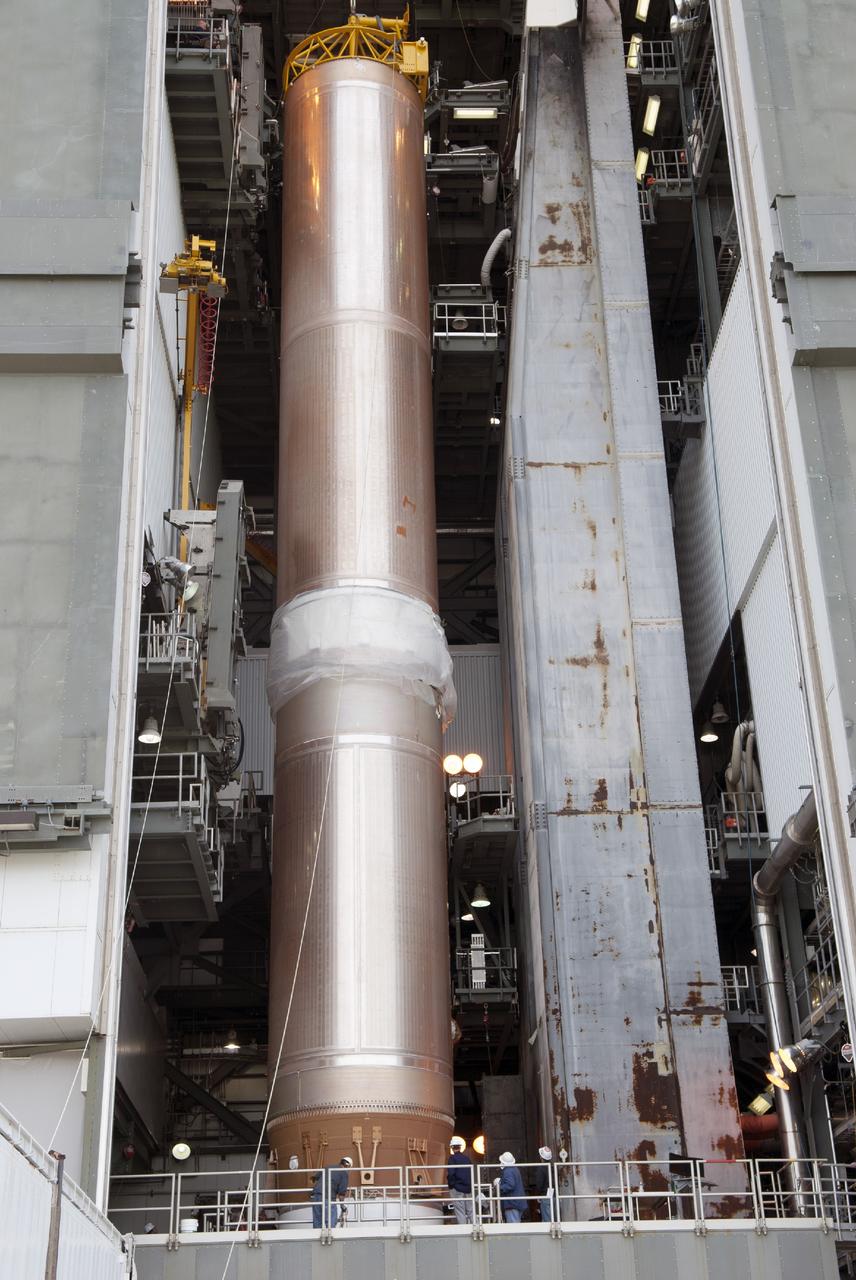
CAPE CANAVERAL, Fla. – At Cape Canaveral Air Force Station, the first stage of the United Launch Alliance Atlas V rocket positioned in the Vertical Integration Facility at Launch Complex 41. The vehicle will be used to boost the Tracking and Data Relay Satellite, or TDRS-L, spacecraft to orbit. TDRS-L is the second of three next-generation satellites designed to ensure vital operational continuity for the NASA Space Network. It is scheduled to launch from Cape Canaveral's Space Launch Complex 41 atop an Atlas V rocket in January 2014. The current Tracking and Data Relay Satellite system consists of eight in-orbit satellites distributed to provide near continuous information relay service to missions such as the Hubble Space Telescope and International Space Station. For more information, visit: http://www.nasa.gov/content/tracking-and-data-relay-satellite-tdrs/ Photo credit: NASA/Charisse Nahser
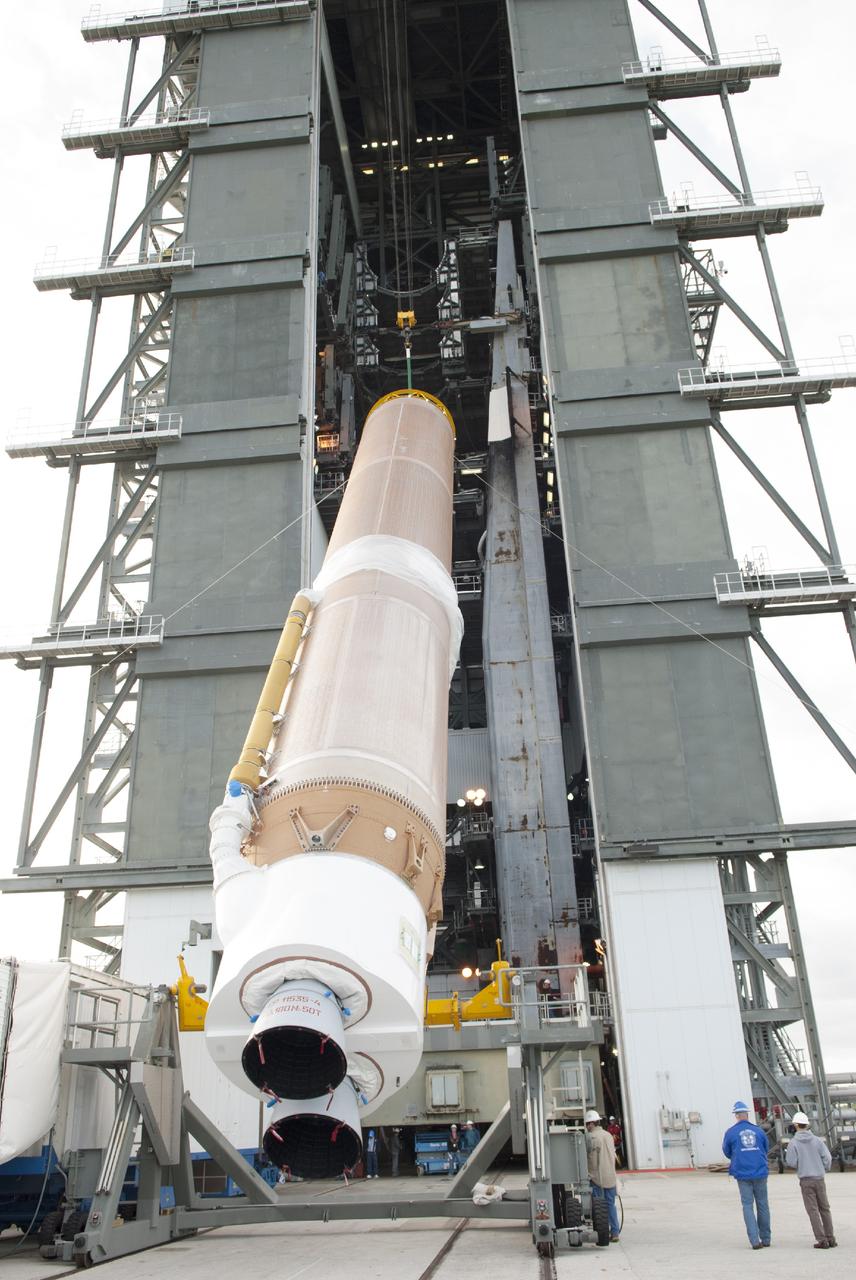
CAPE CANAVERAL, Fla. – At Cape Canaveral Air Force Station, the first stage of the United Launch Alliance Atlas V rocket is lifted for stacking in the Vertical Integration Facility at Launch Complex 41. The vehicle will be used to boost the Tracking and Data Relay Satellite, or TDRS-L, spacecraft to orbit. TDRS-L is the second of three next-generation satellites designed to ensure vital operational continuity for the NASA Space Network. It is scheduled to launch from Cape Canaveral's Space Launch Complex 41 atop an Atlas V rocket in January 2014. The current Tracking and Data Relay Satellite system consists of eight in-orbit satellites distributed to provide near continuous information relay service to missions such as the Hubble Space Telescope and International Space Station. For more information, visit: http://www.nasa.gov/content/tracking-and-data-relay-satellite-tdrs/ Photo credit: NASA/Charisse Nahser
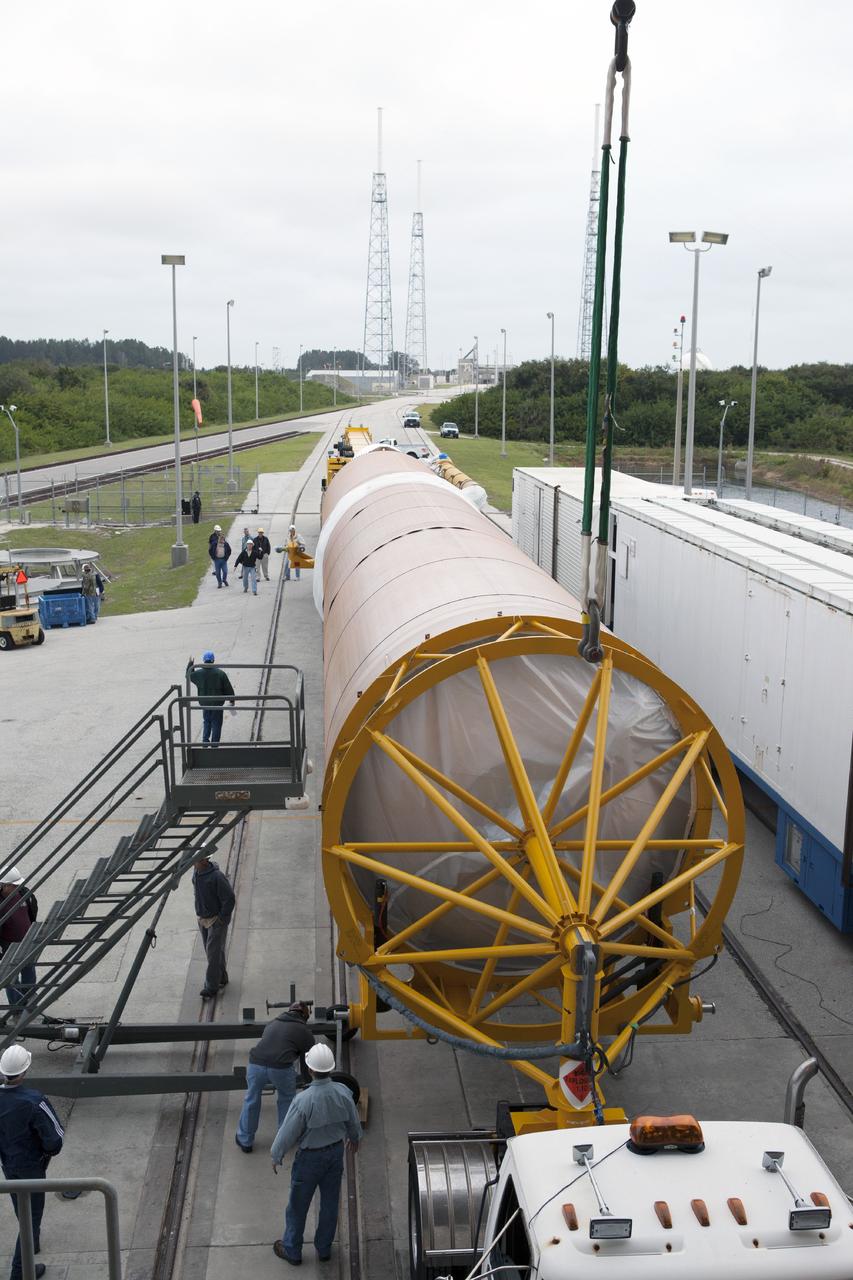
CAPE CANAVERAL, Fla. – The United Launch Alliance Atlas V first stage booster that will boost the Tracking and Data Relay Satellite, or TDRS-L, spacecraft into orbit arrives at Cape Canaveral Air Force Station's Launch Complex 41. TDRS-L is the second of three next-generation satellites designed to ensure vital operational continuity for the NASA Space Network. It is scheduled to launch from Cape Canaveral's Space Launch Complex 41 atop an Atlas V rocket in January 2014. The current Tracking and Data Relay Satellite system consists of eight in-orbit satellites distributed to provide near continuous information relay service to missions such as the Hubble Space Telescope and International Space Station. For more information, visit: http://www.nasa.gov/content/tracking-and-data-relay-satellite-tdrs/ Photo credit: NASA/Kim Shiflett
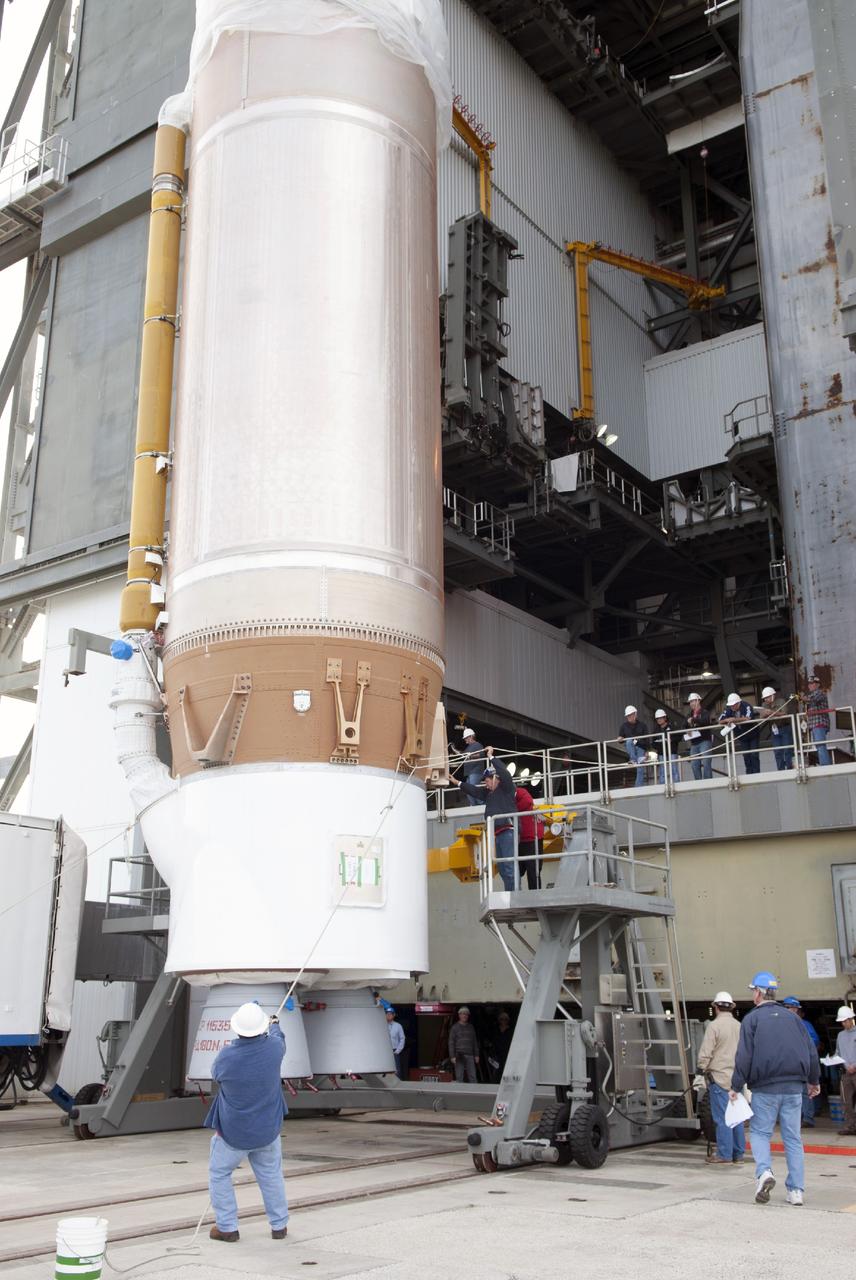
CAPE CANAVERAL, Fla. – At Cape Canaveral Air Force Station, engineers and technicians support lifting the first stage of the United Launch Alliance Atlas V rocket during stacking operations in the Vertical Integration Facility at Launch Complex 41. The vehicle will be used to boost the Tracking and Data Relay Satellite, or TDRS-L, spacecraft to orbit. TDRS-L is the second of three next-generation satellites designed to ensure vital operational continuity for the NASA Space Network. It is scheduled to launch from Cape Canaveral's Space Launch Complex 41 atop an Atlas V rocket in January 2014. The current Tracking and Data Relay Satellite system consists of eight in-orbit satellites distributed to provide near continuous information relay service to missions such as the Hubble Space Telescope and International Space Station. For more information, visit: http://www.nasa.gov/content/tracking-and-data-relay-satellite-tdrs/ Photo credit: NASA/Charisse Nahser
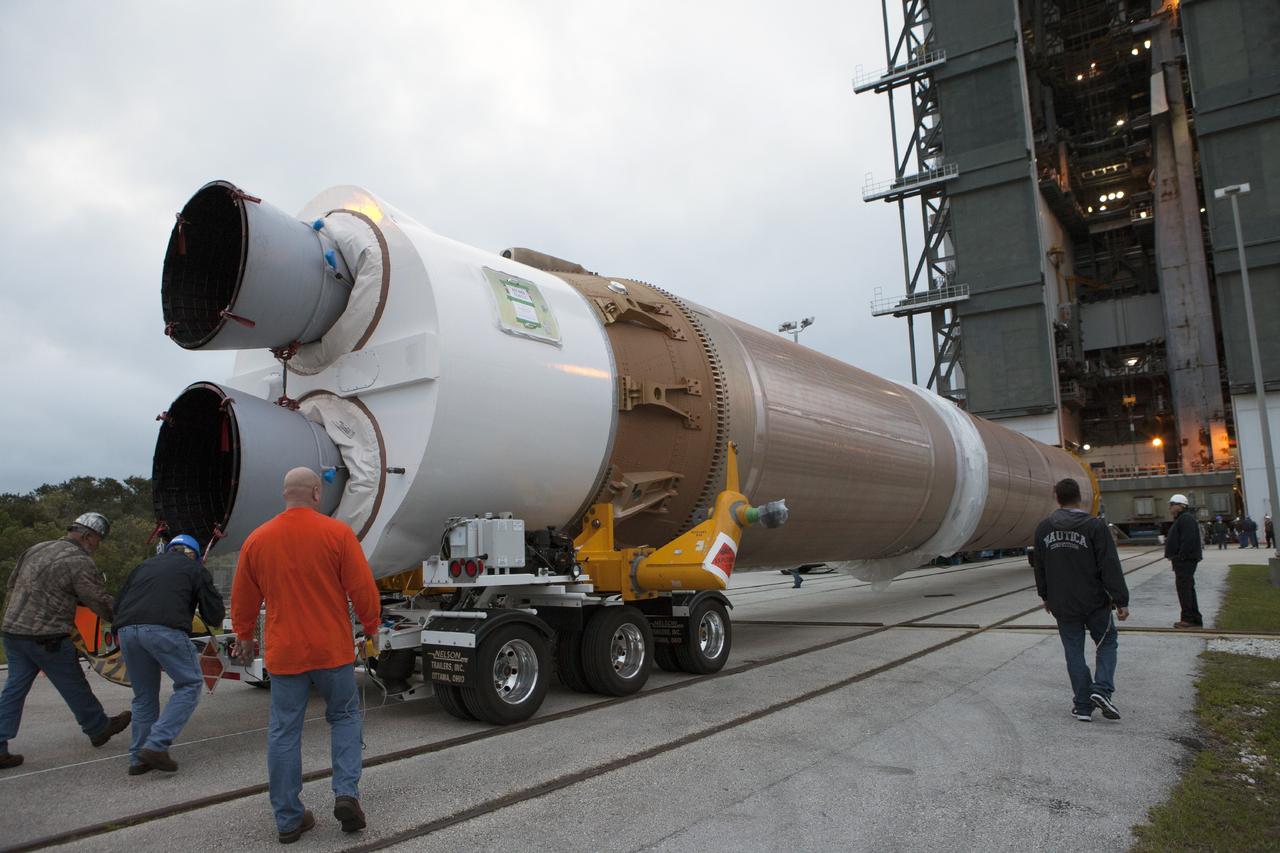
CAPE CANAVERAL, Fla. – The United Launch Alliance Atlas V first stage booster that will boost the Tracking and Data Relay Satellite, or TDRS-L, spacecraft into orbit arrives at Cape Canaveral Air Force Station's Launch Complex 41. TDRS-L is the second of three next-generation satellites designed to ensure vital operational continuity for the NASA Space Network. It is scheduled to launch from Cape Canaveral's Space Launch Complex 41 atop an Atlas V rocket in January 2014. The current Tracking and Data Relay Satellite system consists of eight in-orbit satellites distributed to provide near continuous information relay service to missions such as the Hubble Space Telescope and International Space Station. For more information, visit: http://www.nasa.gov/content/tracking-and-data-relay-satellite-tdrs/ Photo credit: NASA/Kim Shiflett
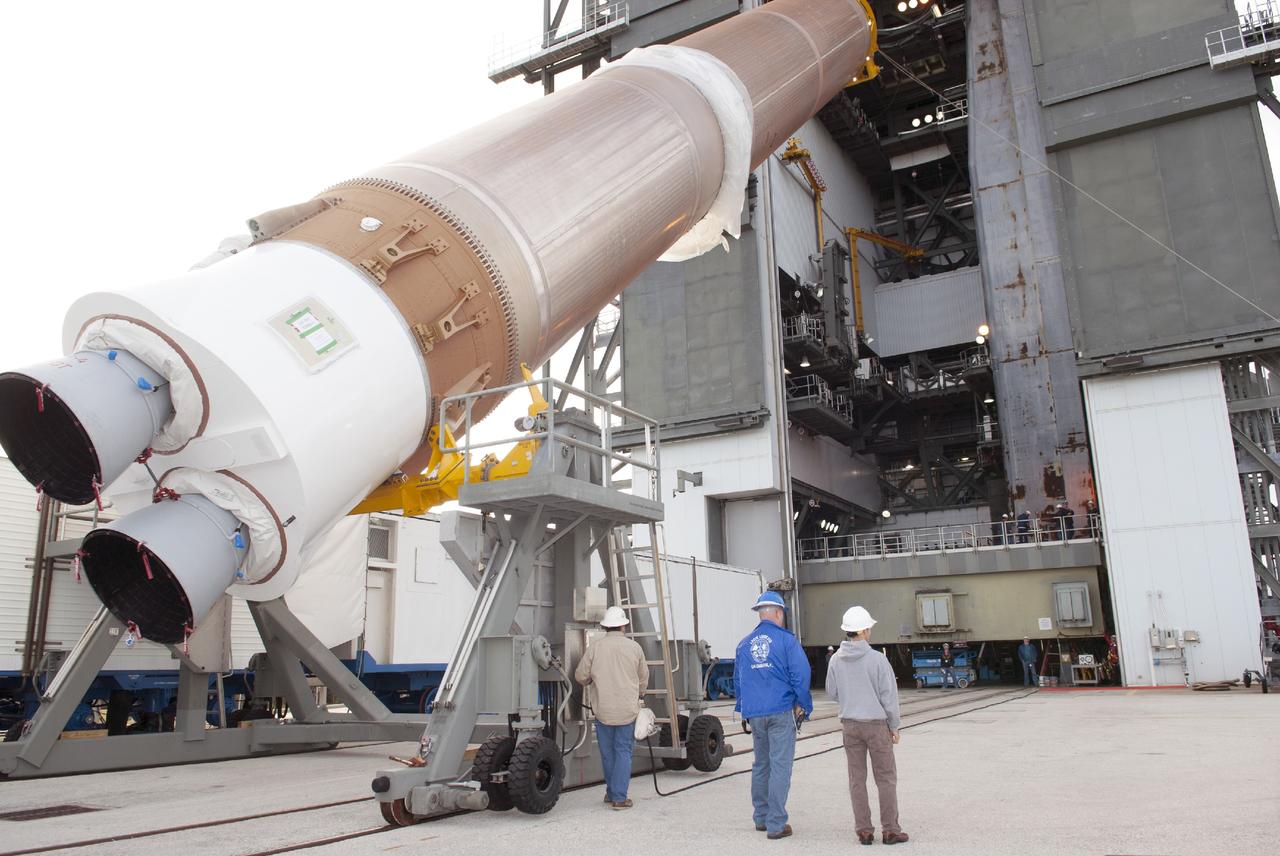
CAPE CANAVERAL, Fla. – At Cape Canaveral Air Force Station, the first stage of the United Launch Alliance Atlas V rocket is lifted for stacking in the Vertical Integration Facility at Launch Complex 41. The vehicle will be used to boost the Tracking and Data Relay Satellite, or TDRS-L, spacecraft to orbit. TDRS-L is the second of three next-generation satellites designed to ensure vital operational continuity for the NASA Space Network. It is scheduled to launch from Cape Canaveral's Space Launch Complex 41 atop an Atlas V rocket in January 2014. The current Tracking and Data Relay Satellite system consists of eight in-orbit satellites distributed to provide near continuous information relay service to missions such as the Hubble Space Telescope and International Space Station. For more information, visit: http://www.nasa.gov/content/tracking-and-data-relay-satellite-tdrs/ Photo credit: NASA/Charisse Nahser
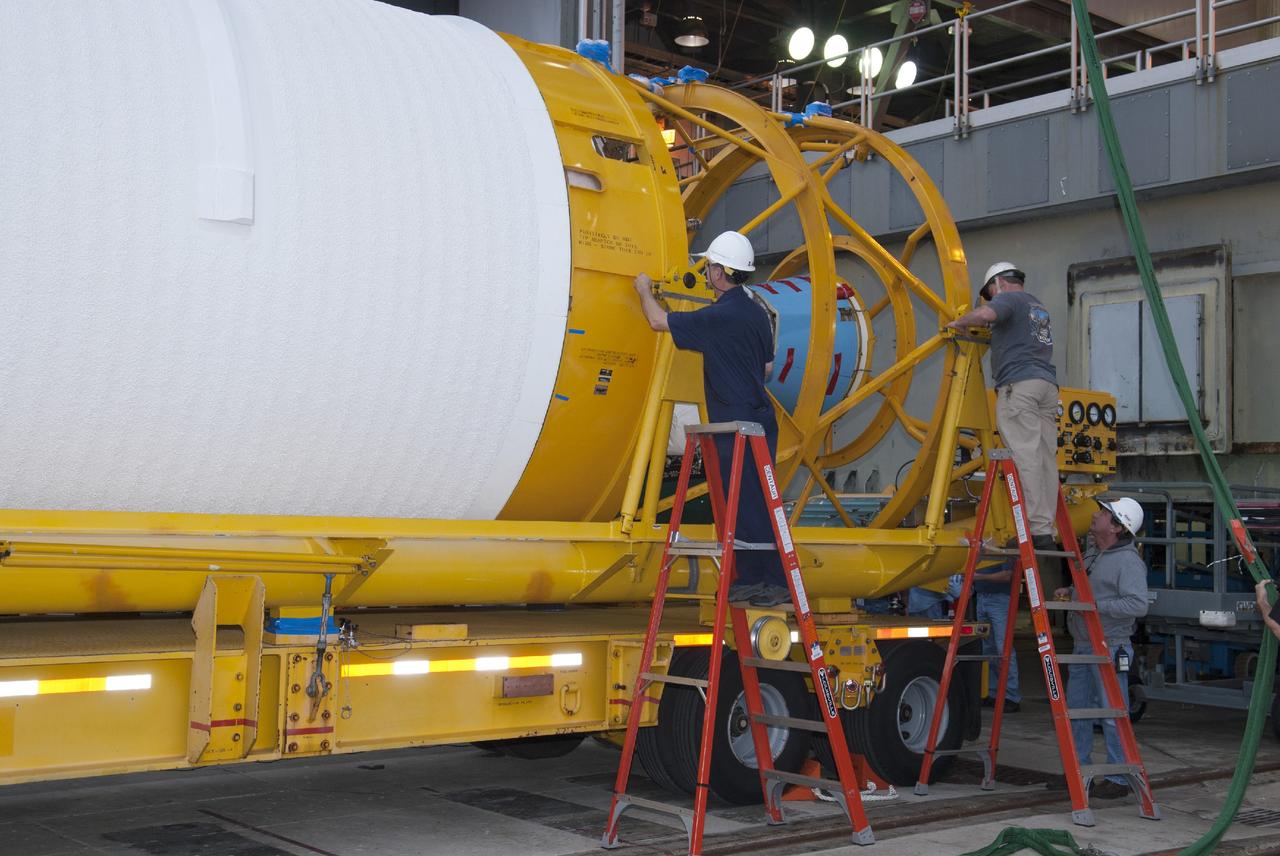
CAPE CANAVERAL, Fla. – At Cape Canaveral Air Force Station's Launch Complex 41, a technician supports preparations for lifting the Centaur second stage of the United Launch Alliance rocket that will be used to boost the Tracking and Data Relay Satellite, or TDRS-L, spacecraft to orbit. TDRS-L is the second of three next-generation satellites designed to ensure vital operational continuity for the NASA Space Network. It is scheduled to launch from Cape Canaveral's Space Launch Complex 41 atop an Atlas V rocket in January 2014. The current Tracking and Data Relay Satellite system consists of eight in-orbit satellites distributed to provide near continuous information relay service to missions such as the Hubble Space Telescope and International Space Station. For more information, visit: http://www.nasa.gov/content/tracking-and-data-relay-satellite-tdrs/ Photo credit: NASA/Charisse Nahser
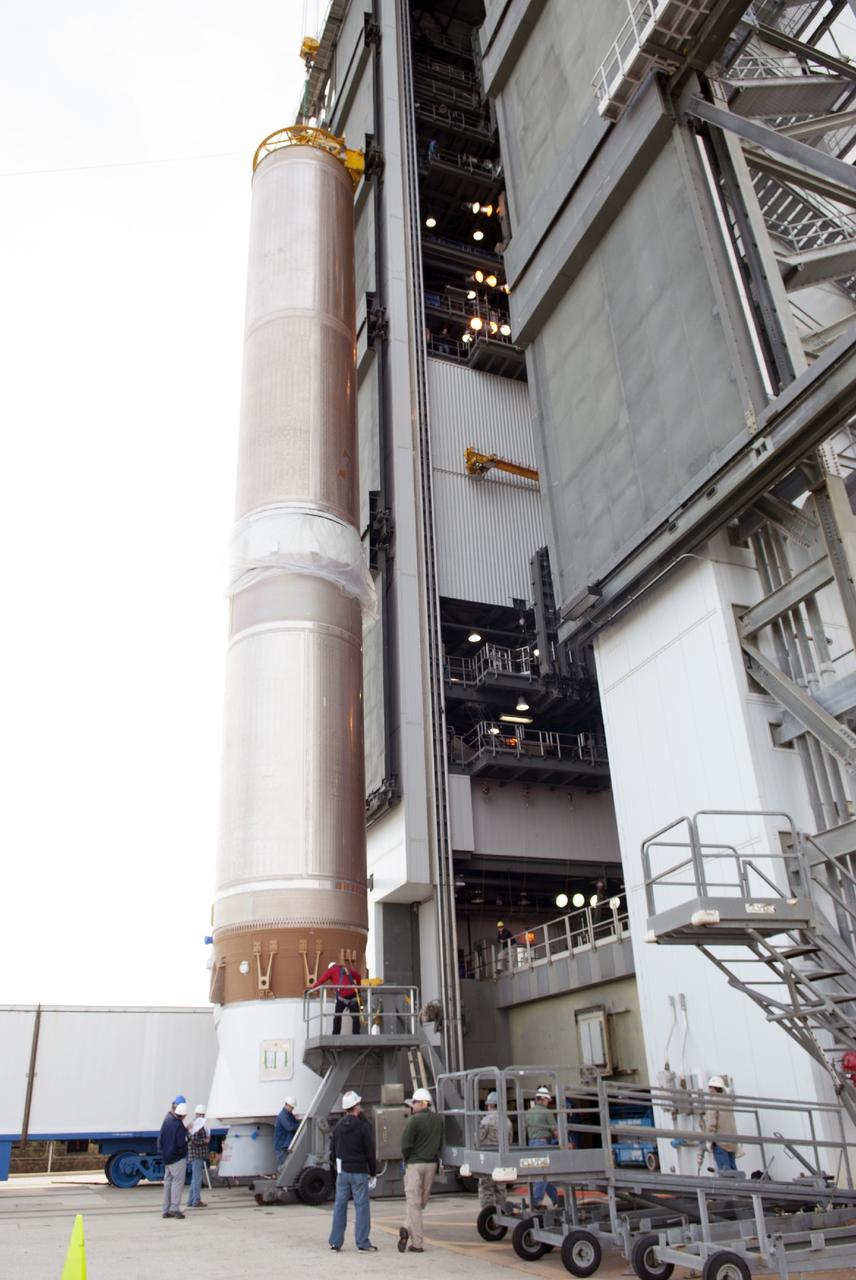
CAPE CANAVERAL, Fla. – At Cape Canaveral Air Force Station, the first stage of the United Launch Alliance Atlas V rocket is lifted for stacking in the Vertical Integration Facility at Launch Complex 41. The vehicle will be used to boost the Tracking and Data Relay Satellite, or TDRS-L, spacecraft to orbit. TDRS-L is the second of three next-generation satellites designed to ensure vital operational continuity for the NASA Space Network. It is scheduled to launch from Cape Canaveral's Space Launch Complex 41 atop an Atlas V rocket in January 2014. The current Tracking and Data Relay Satellite system consists of eight in-orbit satellites distributed to provide near continuous information relay service to missions such as the Hubble Space Telescope and International Space Station. For more information, visit: http://www.nasa.gov/content/tracking-and-data-relay-satellite-tdrs/ Photo credit: NASA/Charisse Nahser
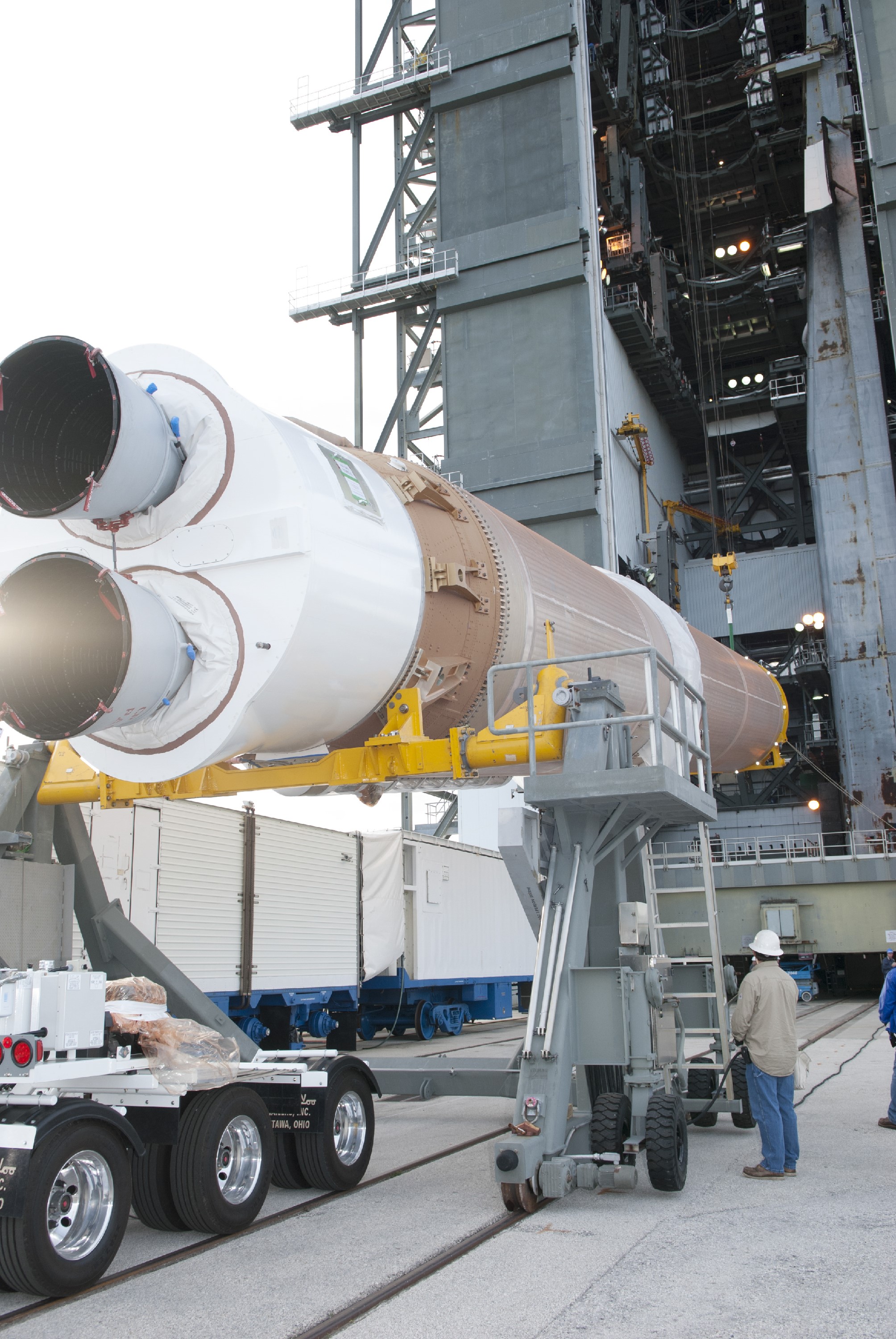
CAPE CANAVERAL, Fla. – At Cape Canaveral Air Force Station, the first stage of the United Launch Alliance Atlas V rocket is lifted for stacking in the Vertical Integration Facility at Launch Complex 41. The vehicle will be used to boost the Tracking and Data Relay Satellite, or TDRS-L, spacecraft to orbit. TDRS-L is the second of three next-generation satellites designed to ensure vital operational continuity for the NASA Space Network. It is scheduled to launch from Cape Canaveral's Space Launch Complex 41 atop an Atlas V rocket in January 2014. The current Tracking and Data Relay Satellite system consists of eight in-orbit satellites distributed to provide near continuous information relay service to missions such as the Hubble Space Telescope and International Space Station. For more information, visit: http://www.nasa.gov/content/tracking-and-data-relay-satellite-tdrs/ Photo credit: NASA/Charisse Nahser
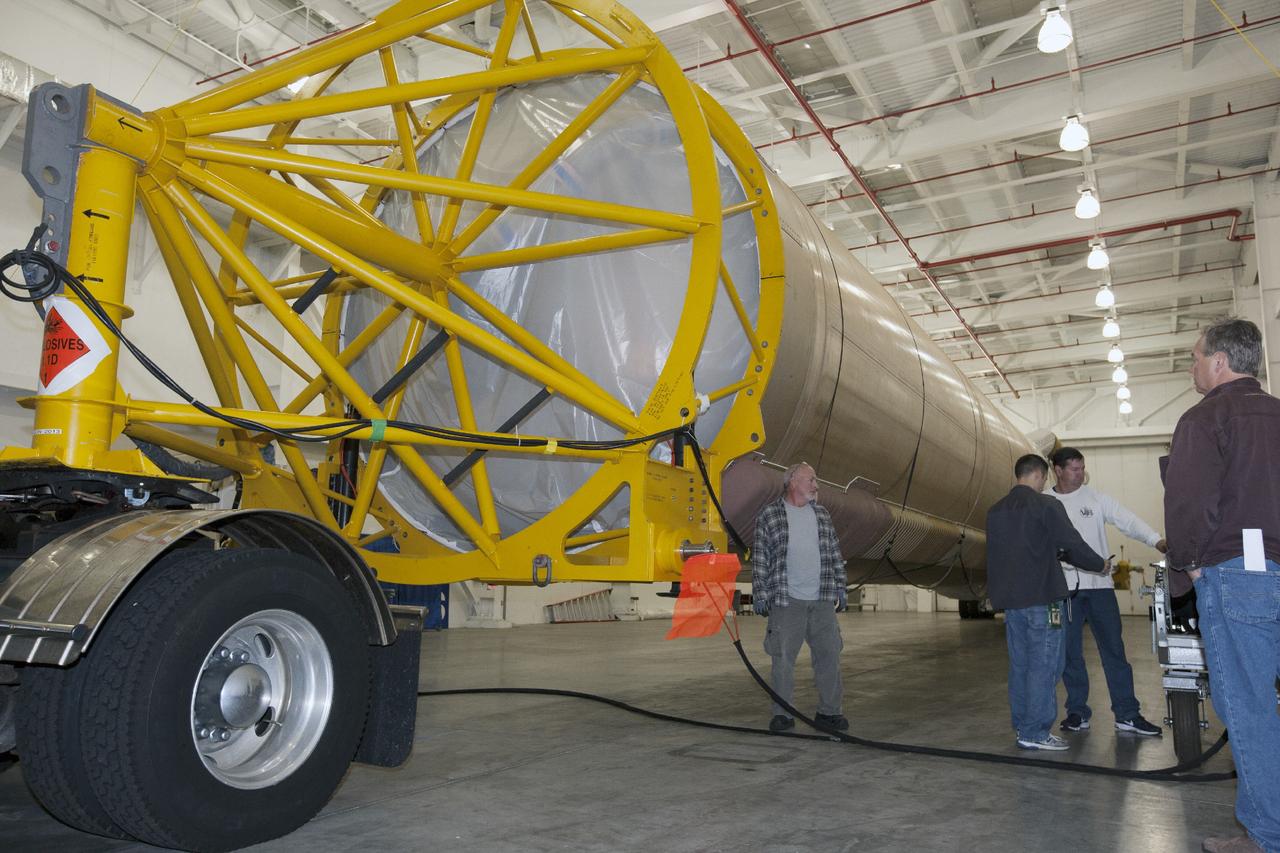
CAPE CANAVERAL, Fla. – The United Launch Alliance Atlas V first stage booster that will boost the Tracking and Data Relay Satellite, or TDRS-L, spacecraft into orbit is being prepared for transport from the hangar at the Atlas Spaceflight Operations Center on Cape Canaveral Air Force Station to Launch Complex 41. TDRS-L is the second of three next-generation satellites designed to ensure vital operational continuity for the NASA Space Network. It is scheduled to launch from Cape Canaveral's Space Launch Complex 41 atop an Atlas V rocket in January 2014. The current Tracking and Data Relay Satellite system consists of eight in-orbit satellites distributed to provide near continuous information relay service to missions such as the Hubble Space Telescope and International Space Station. For more information, visit: http://www.nasa.gov/content/tracking-and-data-relay-satellite-tdrs/ Photo credit: NASA/Kim Shiflett

CAPE CANAVERAL, Fla. – At Cape Canaveral Air Force Station, engineers and technicians prepare the United Launch Alliance Atlas V rocket for stacking in the Vertical Integration Facility at Launch Complex 41. The vehicle will be used to boost the Tracking and Data Relay Satellite, or TDRS-L, spacecraft to orbit. TDRS-L is the second of three next-generation satellites designed to ensure vital operational continuity for the NASA Space Network. It is scheduled to launch from Cape Canaveral's Space Launch Complex 41 atop an Atlas V rocket in January 2014. The current Tracking and Data Relay Satellite system consists of eight in-orbit satellites distributed to provide near continuous information relay service to missions such as the Hubble Space Telescope and International Space Station. For more information, visit: http://www.nasa.gov/content/tracking-and-data-relay-satellite-tdrs/ Photo credit: NASA/Charisse Nahser
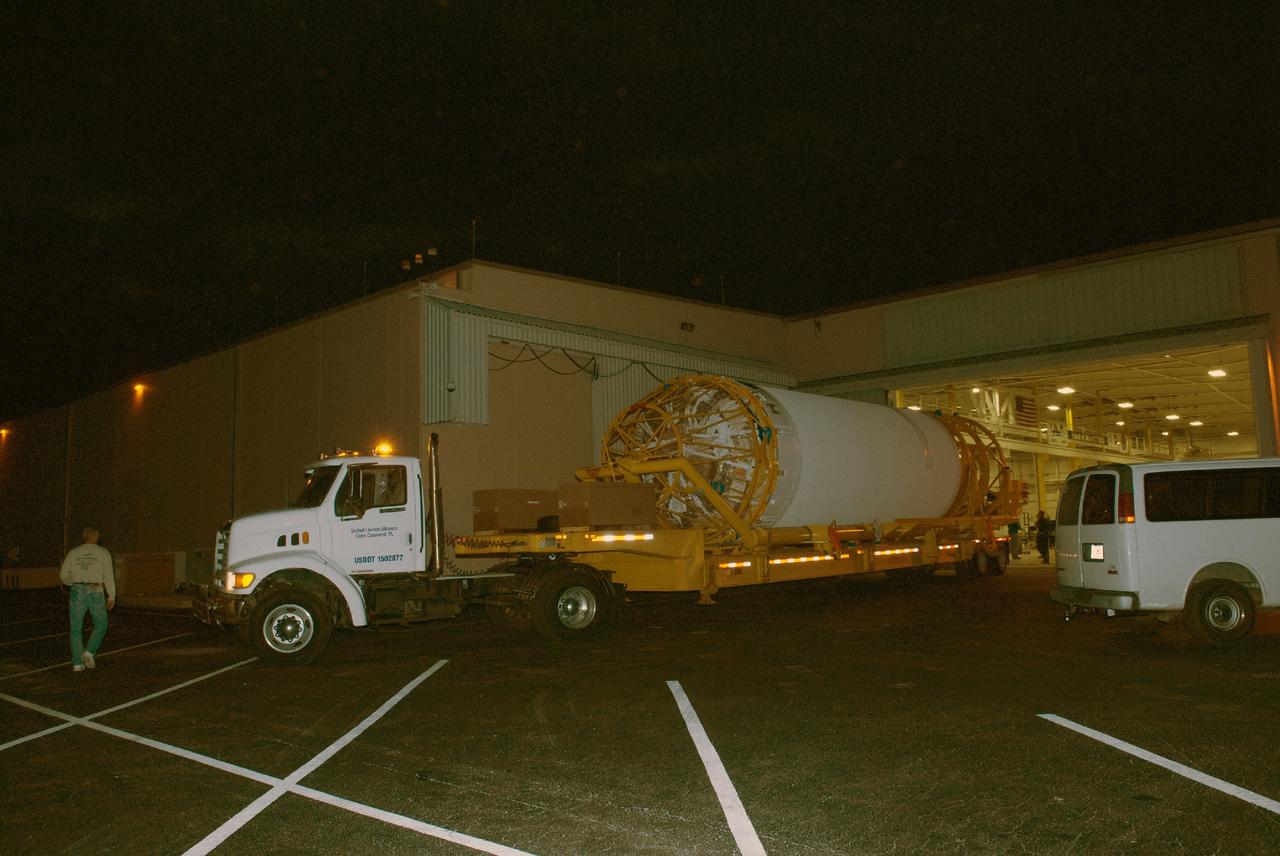
CAPE CANAVERAL, Fla. – The United Launch Alliance Centaur second stage that will help boost the Tracking and Data Relay Satellite, or TDRS-L, spacecraft into orbit is being transported from the hangar at the Atlas Spaceflight Operations Center on Cape Canaveral Air Force Station to Launch Complex 41. TDRS-L is the second of three next-generation satellites designed to ensure vital operational continuity for the NASA Space Network. It is scheduled to launch from Cape Canaveral's Space Launch Complex 41 atop an Atlas V rocket in January 2014. The current Tracking and Data Relay Satellite system consists of eight in-orbit satellites distributed to provide near continuous information relay service to missions such as the Hubble Space Telescope and International Space Station. For more information, visit: http://www.nasa.gov/content/tracking-and-data-relay-satellite-tdrs/ Photo credit: NASA/Charisse Nahser

CAPE CANAVERAL, Fla. – At Cape Canaveral Air Force Station, engineers and technicians prepare the United Launch Alliance Atlas V rocket for stacking in the Vertical Integration Facility at Launch Complex 41. The vehicle will be used to boost the Tracking and Data Relay Satellite, or TDRS-L, spacecraft to orbit. TDRS-L is the second of three next-generation satellites designed to ensure vital operational continuity for the NASA Space Network. It is scheduled to launch from Cape Canaveral's Space Launch Complex 41 atop an Atlas V rocket in January 2014. The current Tracking and Data Relay Satellite system consists of eight in-orbit satellites distributed to provide near continuous information relay service to missions such as the Hubble Space Telescope and International Space Station. For more information, visit: http://www.nasa.gov/content/tracking-and-data-relay-satellite-tdrs/ Photo credit: NASA/Charisse Nahser
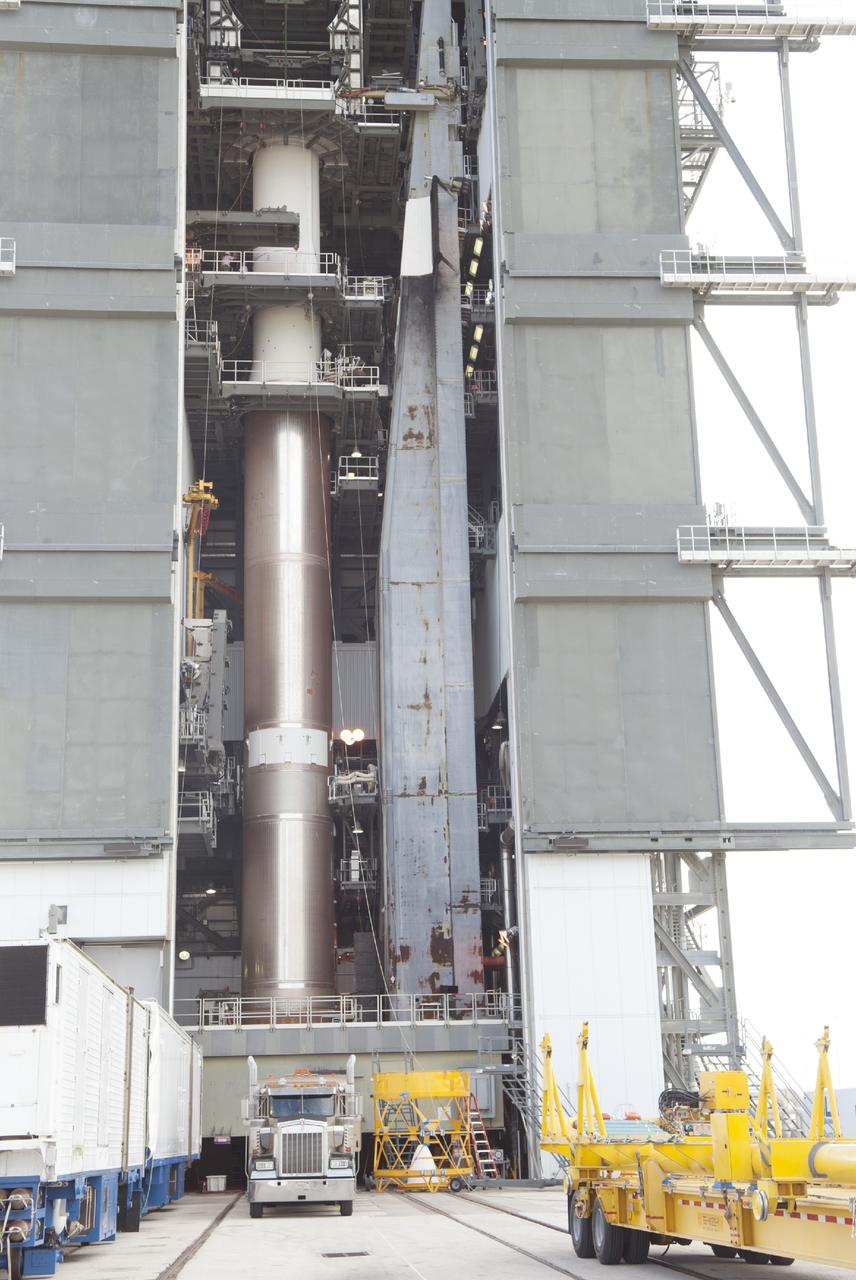
CAPE CANAVERAL, Fla. – At Cape Canaveral Air Force Station's Launch Complex 41, a United Launch Alliance Atlas V rocket, with its Centaur second stage atop, stands in the Vertical Integration Facility as preparations continue for lift off of the Tracking and Data Relay Satellite, or TDRS-L. TDRS-L is the second of three next-generation satellites designed to ensure vital operational continuity for the NASA Space Network. It is scheduled to launch from Cape Canaveral's Space Launch Complex 41 atop an Atlas V rocket in January 2014. The current Tracking and Data Relay Satellite system consists of eight in-orbit satellites distributed to provide near continuous information relay service to missions such as the Hubble Space Telescope and International Space Station. For more information, visit: http://www.nasa.gov/content/tracking-and-data-relay-satellite-tdrs/ Photo credit: NASA/Charisse Nahser
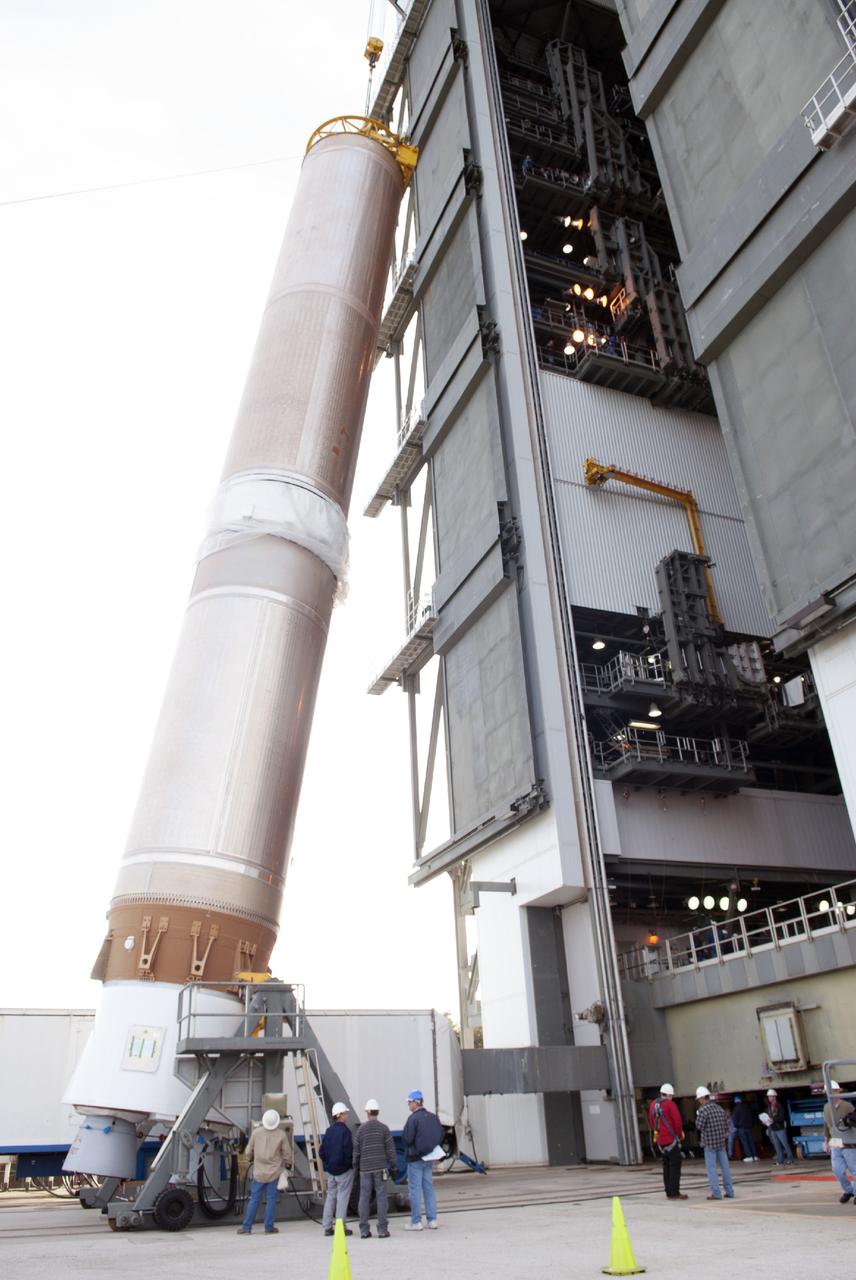
CAPE CANAVERAL, Fla. – At Cape Canaveral Air Force Station, the first stage of the United Launch Alliance Atlas V rocket is lifted for stacking in the Vertical Integration Facility at Launch Complex 41. The vehicle will be used to boost the Tracking and Data Relay Satellite, or TDRS-L, spacecraft to orbit. TDRS-L is the second of three next-generation satellites designed to ensure vital operational continuity for the NASA Space Network. It is scheduled to launch from Cape Canaveral's Space Launch Complex 41 atop an Atlas V rocket in January 2014. The current Tracking and Data Relay Satellite system consists of eight in-orbit satellites distributed to provide near continuous information relay service to missions such as the Hubble Space Telescope and International Space Station. For more information, visit: http://www.nasa.gov/content/tracking-and-data-relay-satellite-tdrs/ Photo credit: NASA/Charisse Nahser