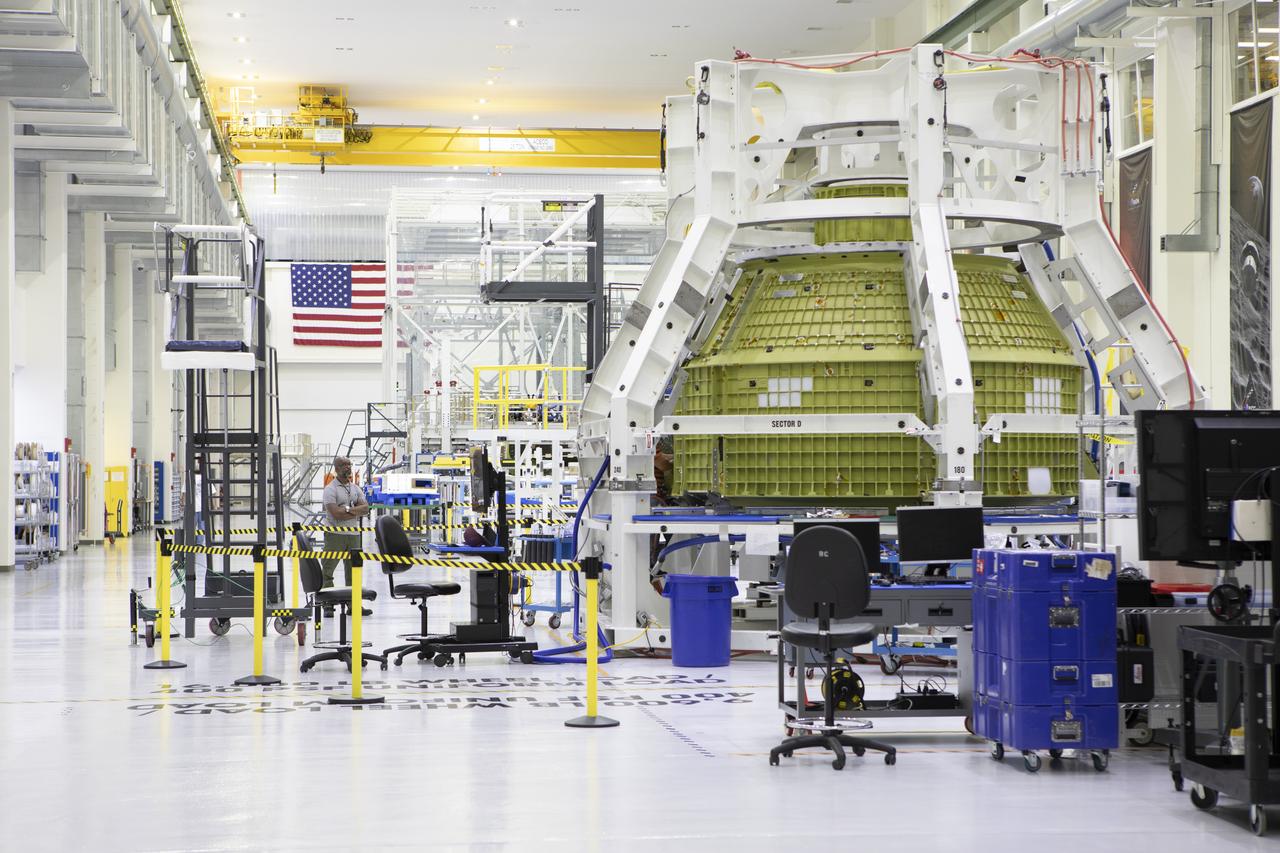
The Orion pressure vessel for Exploration Mission-2 (EM-2) is inside processing equipment where it is getting where it is getting initial processing done.
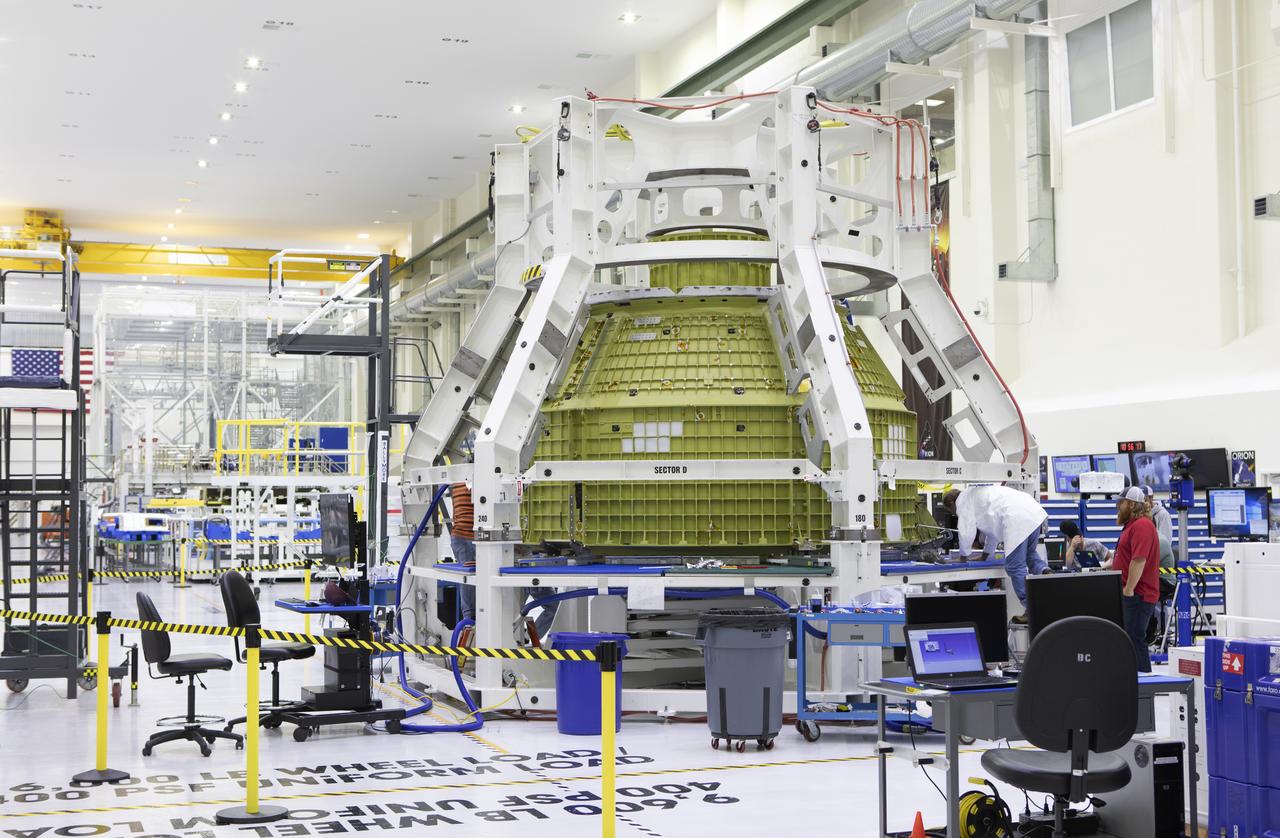
The Orion pressure vessel for Exploration Mission-2 (EM-2) is inside processing equipment where it is getting where it is getting initial processing done.

The Orion pressure vessel for Exploration Mission-2 (EM-2) is inside processing equipment where it is getting where it is getting initial processing done.
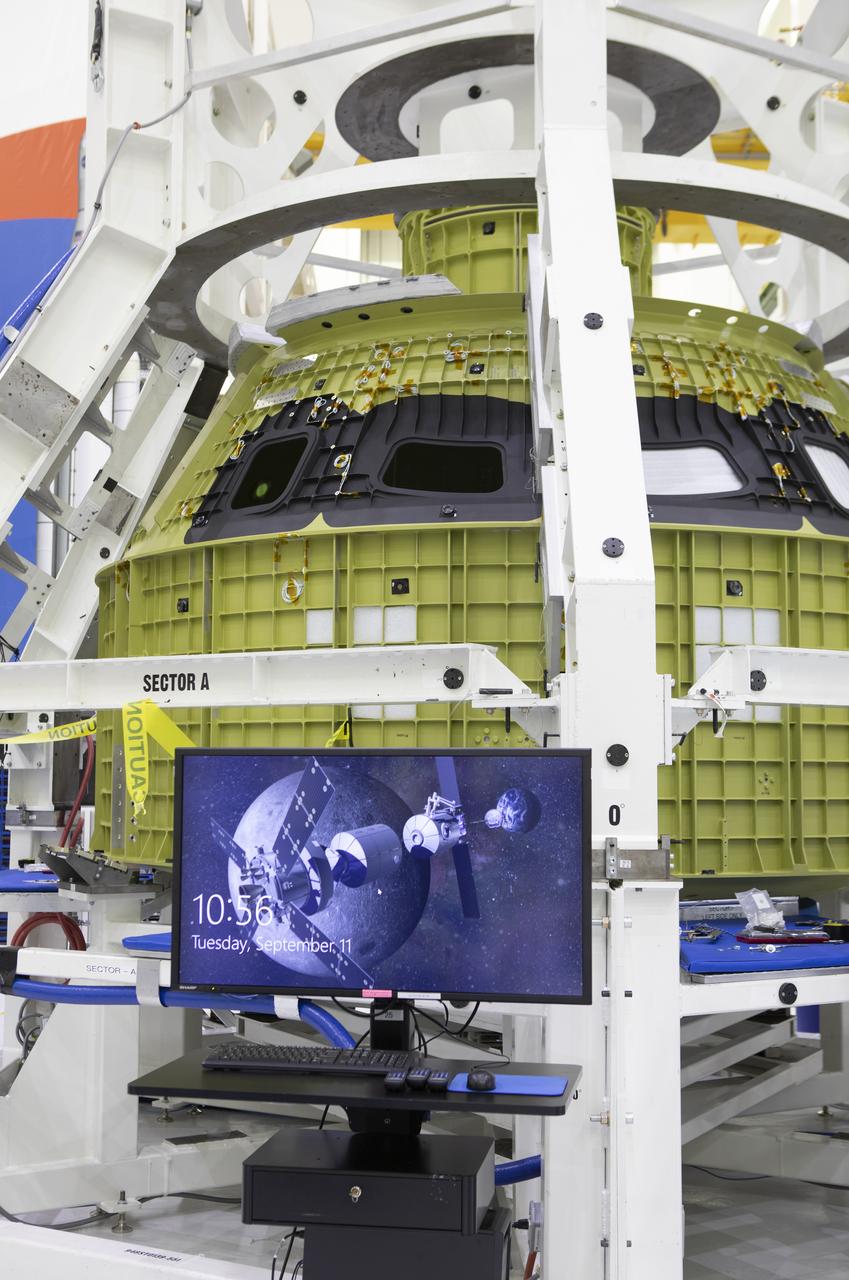
The Orion pressure vessel for Exploration Mission-2 (EM-2) is inside processing equipment where it is getting where it is getting initial processing done.
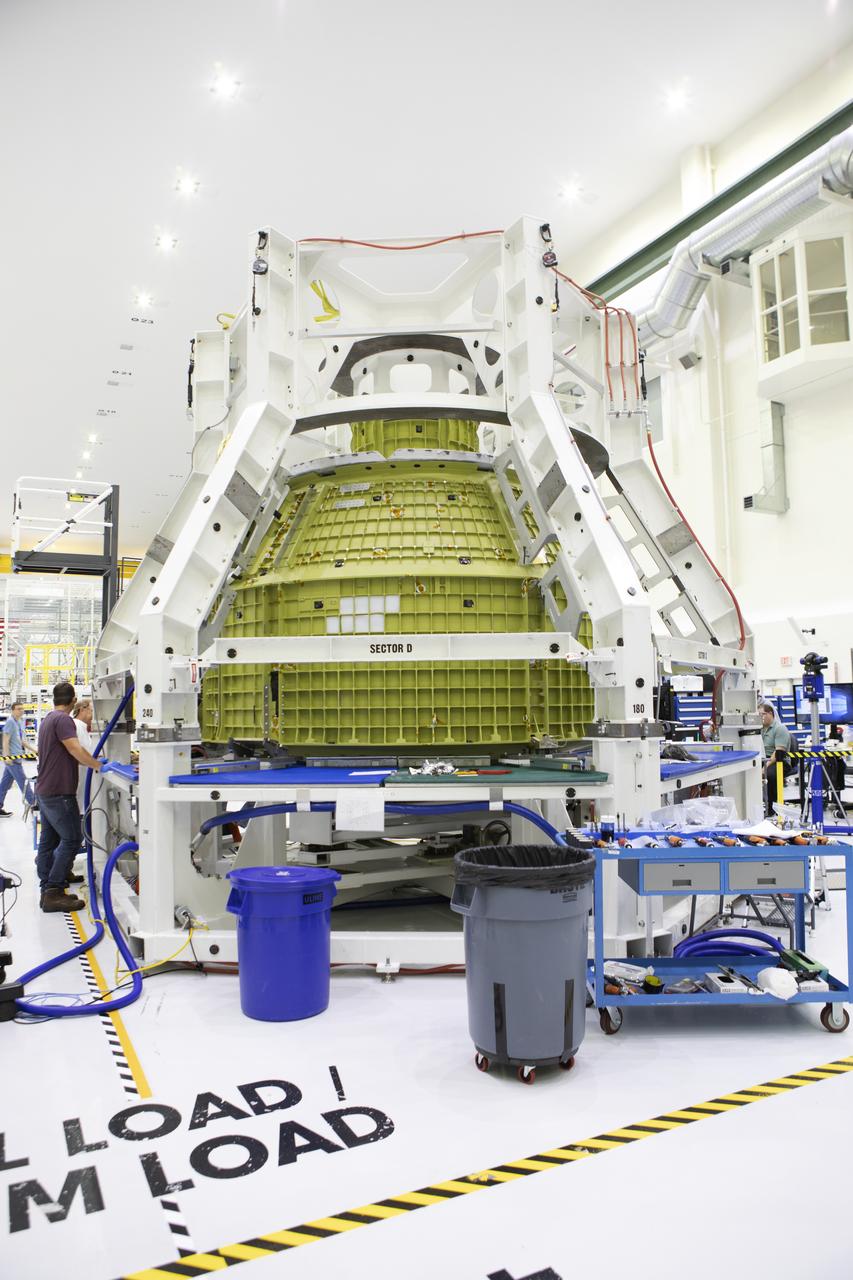
The Orion pressure vessel for Exploration Mission-2 (EM-2) is inside processing equipment where it is getting where it is getting initial processing done.
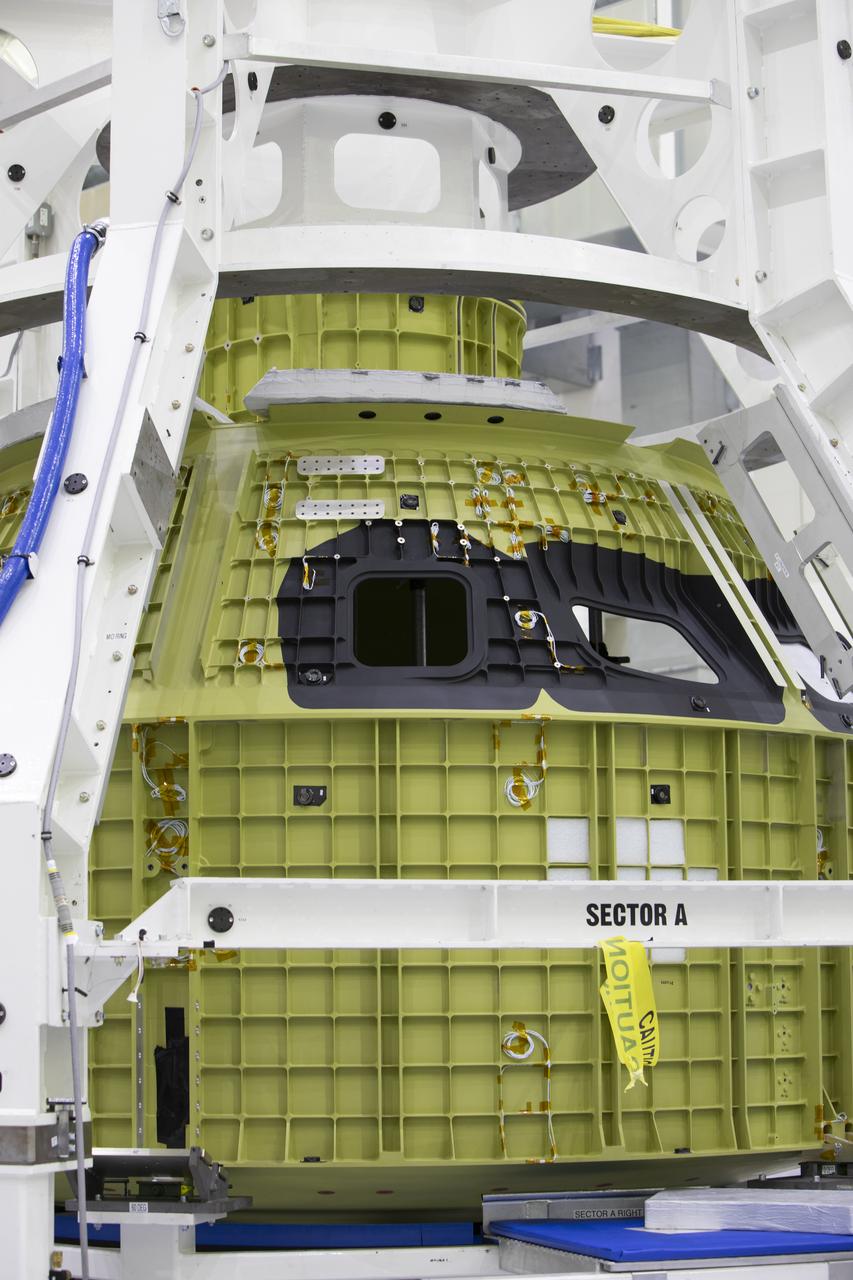
The Orion pressure vessel for Exploration Mission-2 (EM-2) is inside processing equipment where it is getting where it is getting initial processing done.
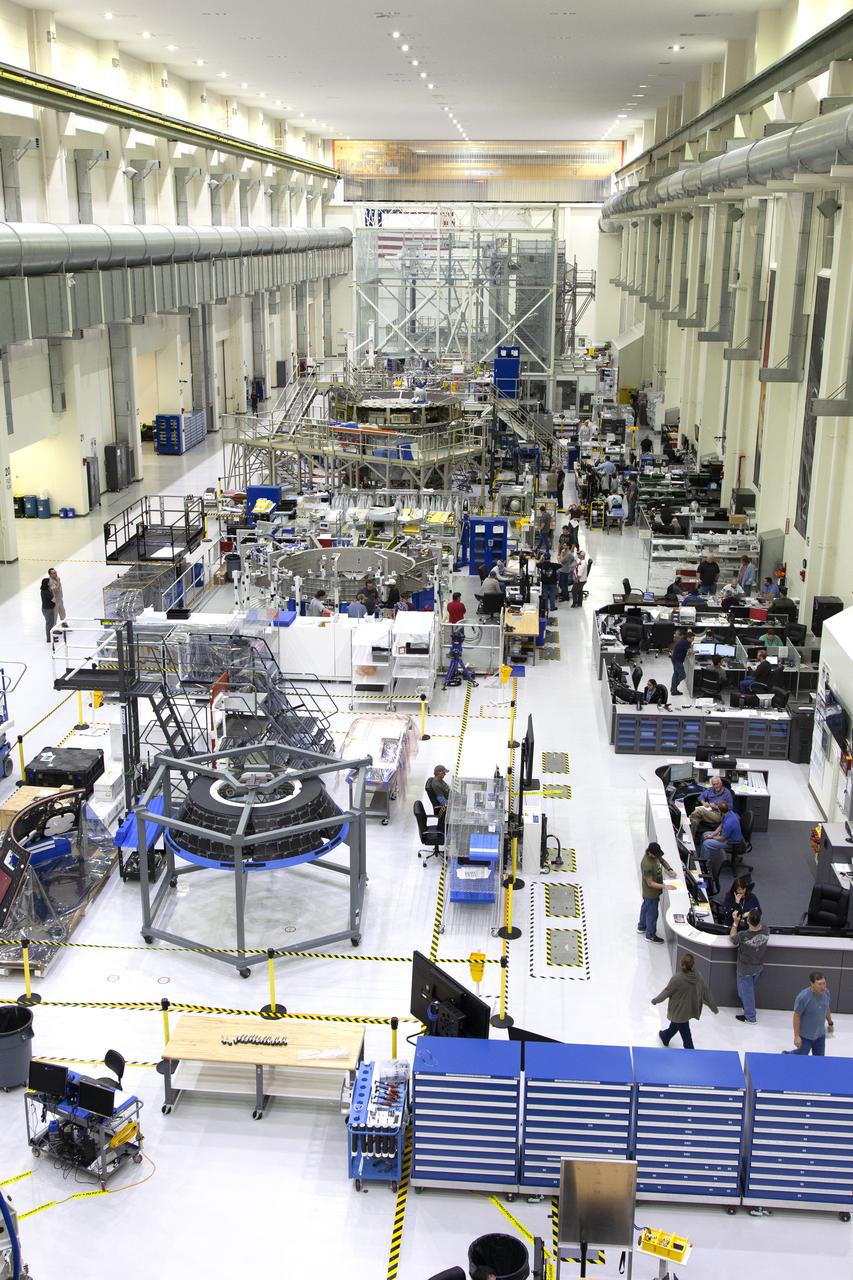
The Neil Armstrong Operations and Checkout Building high bay is filled with various pieces of flight hardware for Exploration Mission-1 (EM-1) and Exploration Mission-2 (EM-2) at NASA’s Kennedy Space Center in Florida. In this view taken on March 21, 2019, the forward bay cover for Orion (EM-1) is at far left in the foreground. Just to its right is the bay cover (EM-1). Behind these two pieces is the crew module adapter for EM-2. Further back, secured on a test stand is the European Service Module that will serve as the powerhouse for Orion. For EM-1, Orion will launch atop the Space Launch System rocket from Launch Pad 39B. The spacecraft will travel thousands of miles past the Moon on an approximately three-week test flight. Orion will return to Earth and splashdown in the Pacific Ocean off the coast of California, where it will be retrieved and returned to Kennedy.
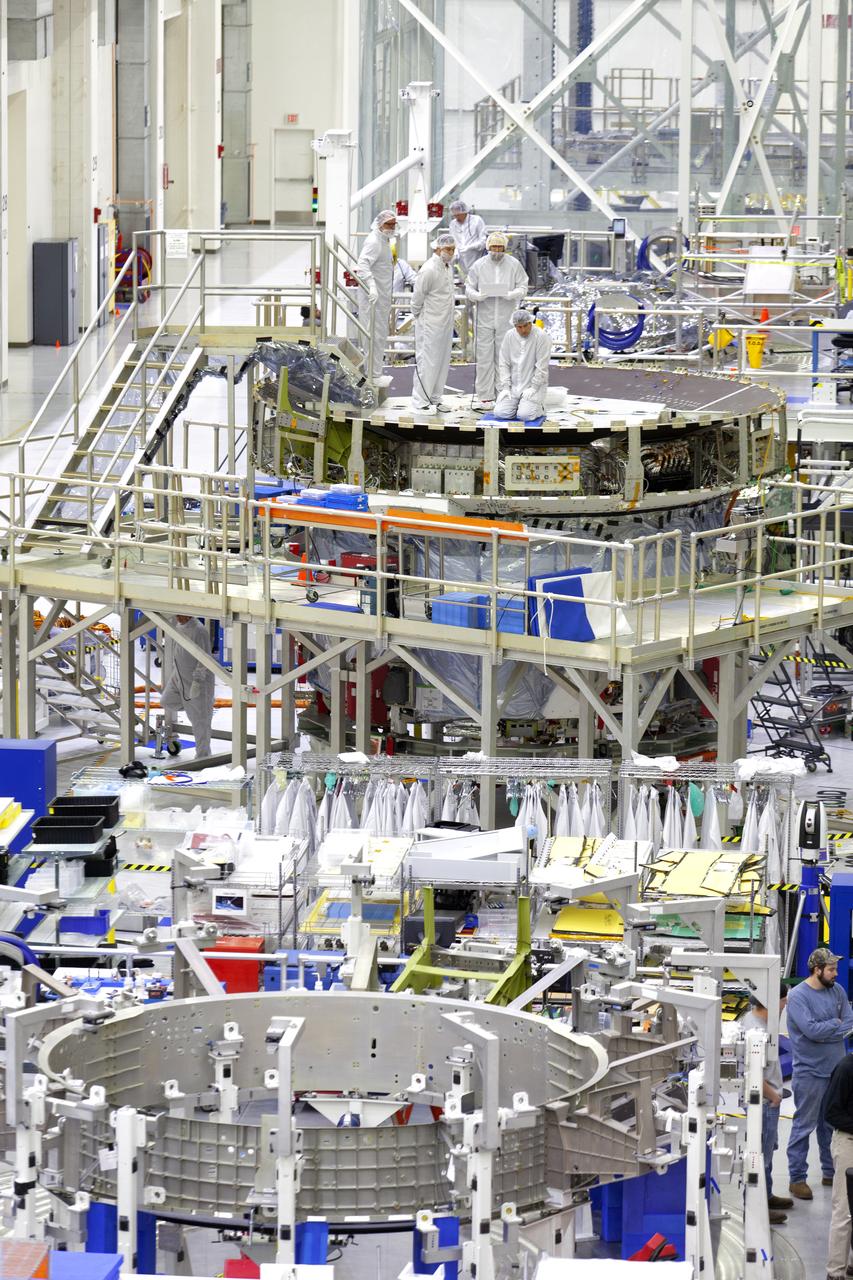
A view inside the Neil Armstrong Operations and Checkout Building high bay at NASA’s Kennedy Space Center in Florida on March 21, 2019. In the foreground is the Orion crew module adapter for Exploration Mission-2 (EM-2). In the back, European Space Agency and Airbus workers are on the work stand that contains the European Service Module that will serve as the powerhouse for Orion for Exploration Mission-1 (EM-1). For EM-1, Orion will launch atop the Space Launch System rocket from Launch Pad 39B. The spacecraft will travel thousands of miles past the Moon on an approximately three-week test flight. Orion will return to Earth and splashdown in the Pacific Ocean off the coast of California, where it will be retrieved and returned to Kennedy.
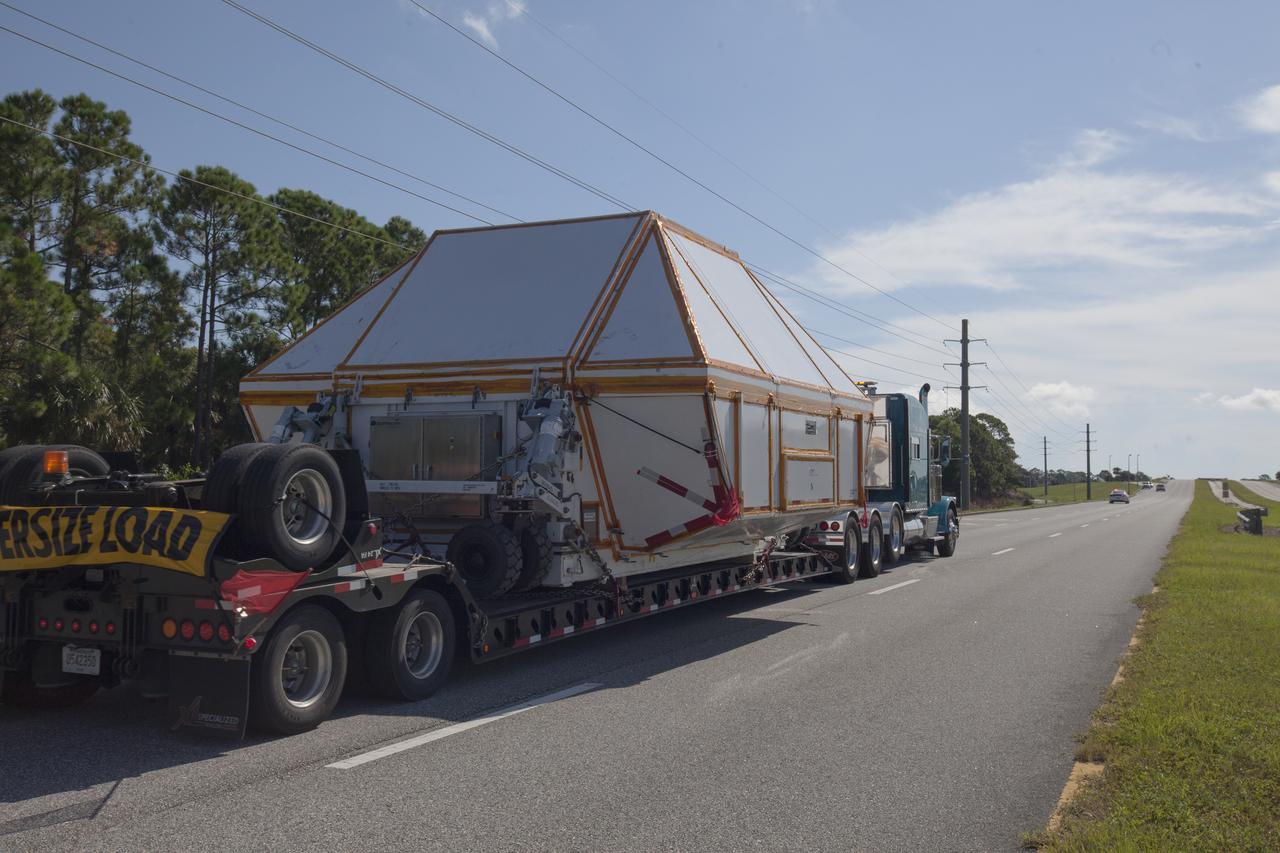
The Orion crew module pressure vessel for Exploration Mission-2 arrives at NASA's Kennedy Space Center in Florida on Aug. 24, 2018. The pressure vessel was transported in its Crew Module Transportation Fixture by super-wide transport truck from Michoud Assembly Facility near New Orleans. The pressure vessel is Orion's primary structure that holds the pressurized atmosphere astronauts will breathe and work in while in the vacuum of deep space. It will be moved into the Neil Armstrong Operations and Checkout Building high bay, where it will be secured on a precision alignment tool to begin preparing it for flight.
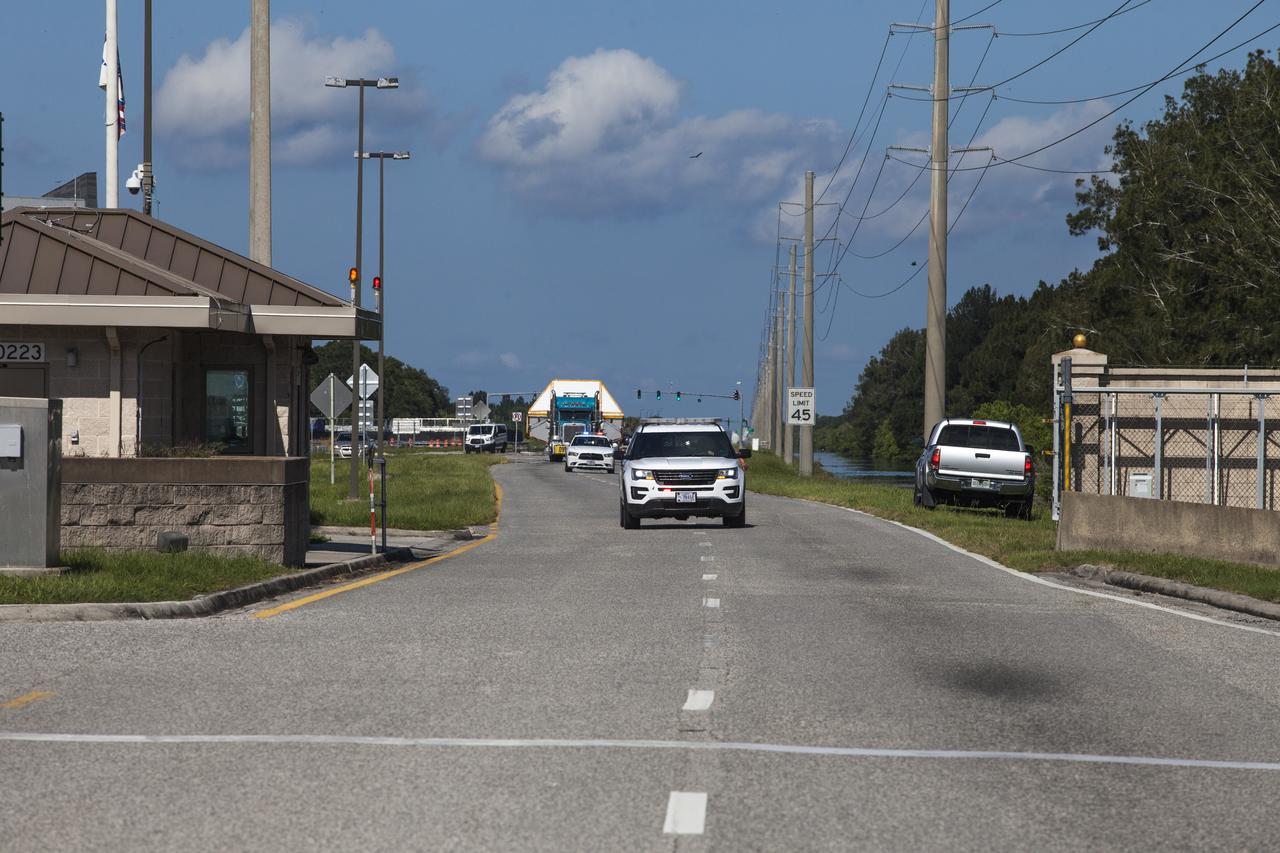
A super-wide truck carrying the Orion crew module pressure vessel for Exploration Mission-2 approaches the entrance gate at NASA's Kennedy Space Center in Florida on Aug. 24, 2018. The pressure vessel was transported in its Crew Module Transportation Fixture by truck from Michoud Assembly Facility near New Orleans. The pressure vessel is Orion's primary structure that holds the pressurized atmosphere astronauts will breathe and work in while in the vacuum of deep space. It will be moved into the Neil Armstrong Operations and Checkout Building high bay, where it will be secured on a precision alignment tool to begin preparing it for flight.
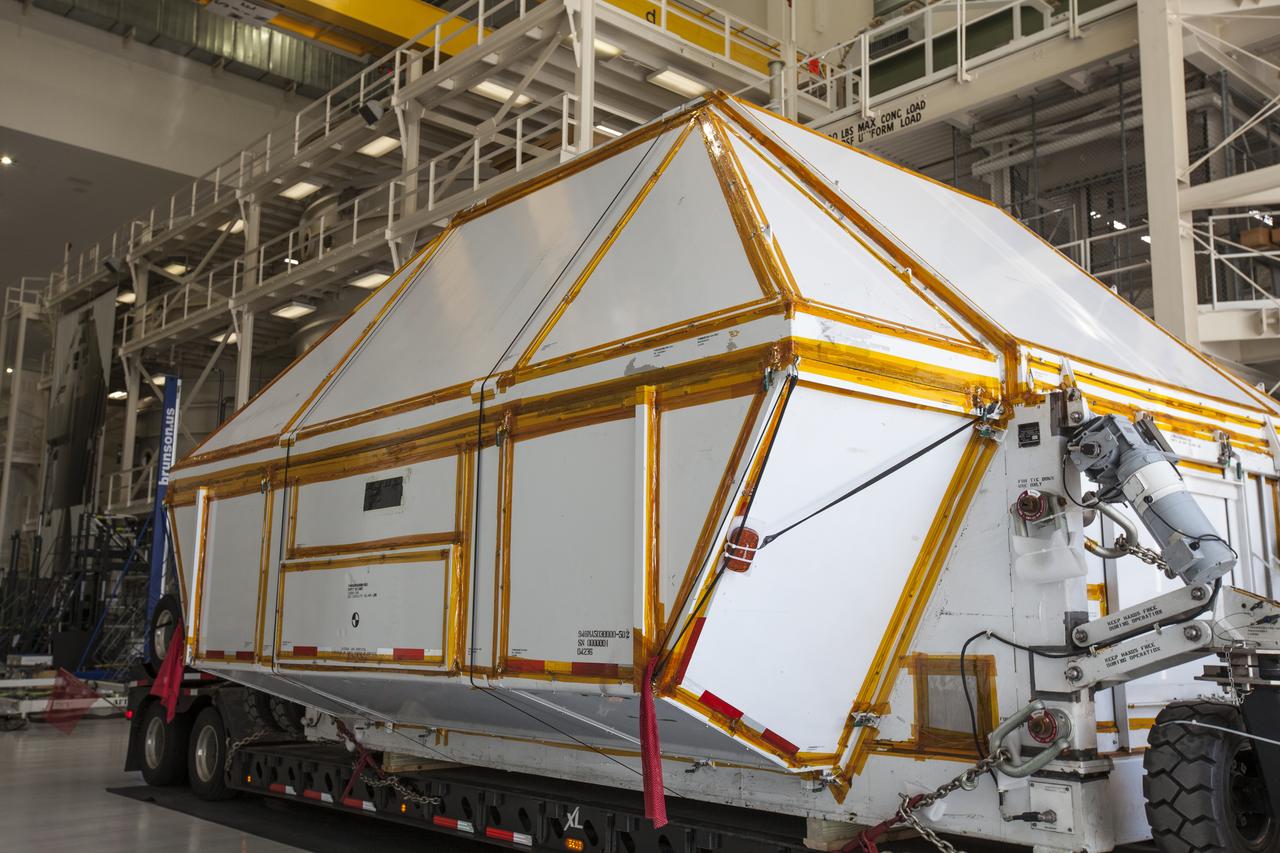
The Orion crew module pressure vessel for Exploration Mission-2 is backed into the high bay at the Neil Armstrong Operations and Checkout Building at NASA's Kennedy Space Center in Florida on Aug. 24, 2018. The pressure vessel was transported in its Crew Module Transportation Fixture by super-wide transport truck from Michoud Assembly Facility near New Orleans. The pressure vessel is Orion's primary structure that holds the pressurized atmosphere astronauts will breathe and work in while in the vacuum of deep space. Inside the facility's high bay, the pressure vessel will be secured on a precision alignment tool to begin preparing it for flight.
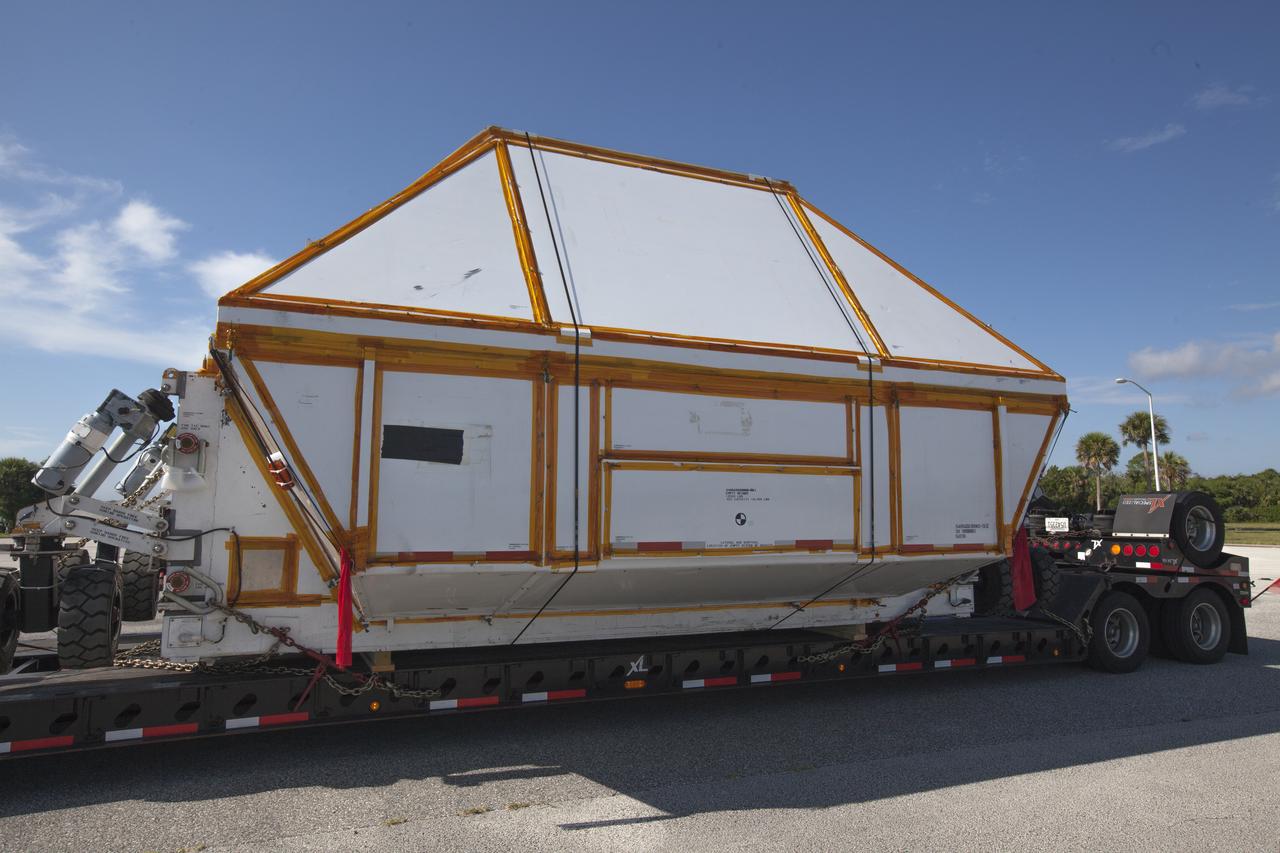
The Orion crew module pressure vessel for Exploration Mission-2 arrives at NASA's Kennedy Space Center in Florida on Aug. 24, 2018. The pressure vessel was transported in its Crew Module Transportation Fixture by super-wide transport truck from Michoud Assembly Facility near New Orleans. The pressure vessel is Orion's primary structure that holds the pressurized atmosphere astronauts will breathe and work in while in the vacuum of deep space. It will be moved into the Neil Armstrong Operations and Checkout Building high bay, where it will be secured on a precision alignment tool to begin preparing it for flight.
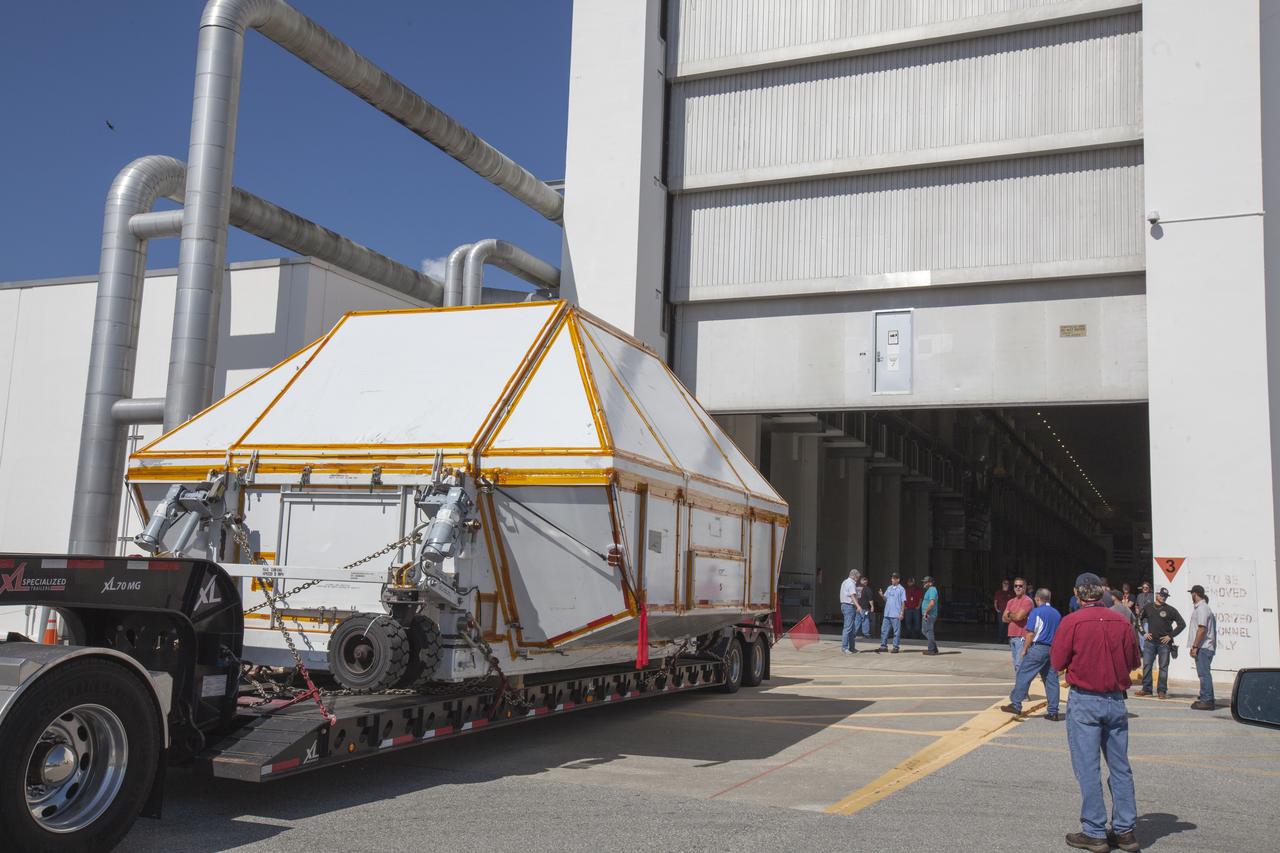
The Orion crew module pressure vessel for Exploration Mission-2 arrives at the Neil Armstrong Operations and Checkout Building at NASA's Kennedy Space Center in Florida on Aug. 24, 2018. The pressure vessel was transported in its Crew Module Transportation Fixture by super-wide transport truck from Michoud Assembly Facility near New Orleans. The pressure vessel is Orion's primary structure that holds the pressurized atmosphere astronauts will breathe and work in while in the vacuum of deep space. It will be moved into the facility's high bay, where it will be secured on a precision alignment tool to begin preparing it for flight.
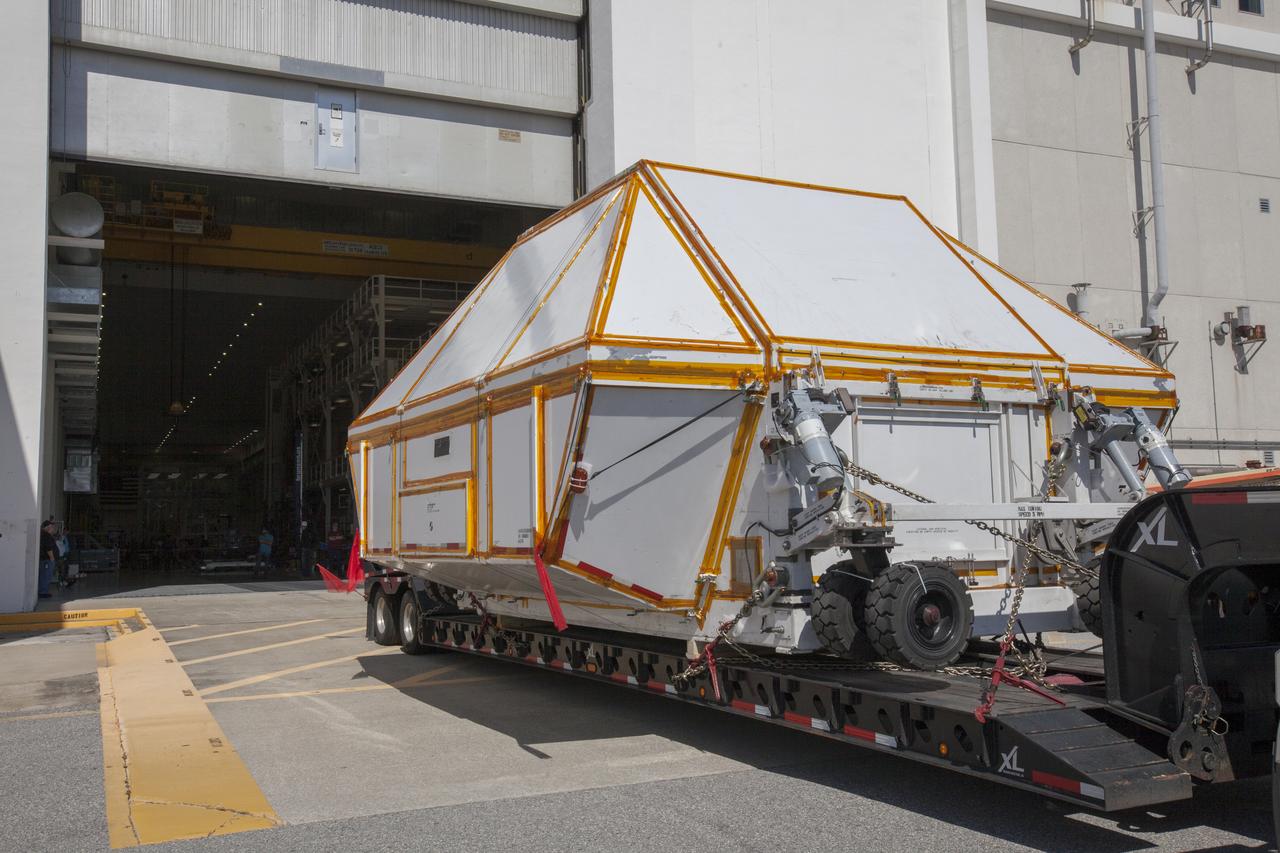
The Orion crew module pressure vessel for Exploration Mission-2 arrives at the Neil Armstrong Operations and Checkout Building at NASA's Kennedy Space Center in Florida on Aug. 24, 2018. The pressure vessel was transported in its Crew Module Transportation Fixture by super-wide transport truck from Michoud Assembly Facility near New Orleans. The pressure vessel is Orion's primary structure that holds the pressurized atmosphere astronauts will breathe and work in while in the vacuum of deep space. It will be moved into the facility's high bay, where it will be secured on a precision alignment tool to begin preparing it for flight.
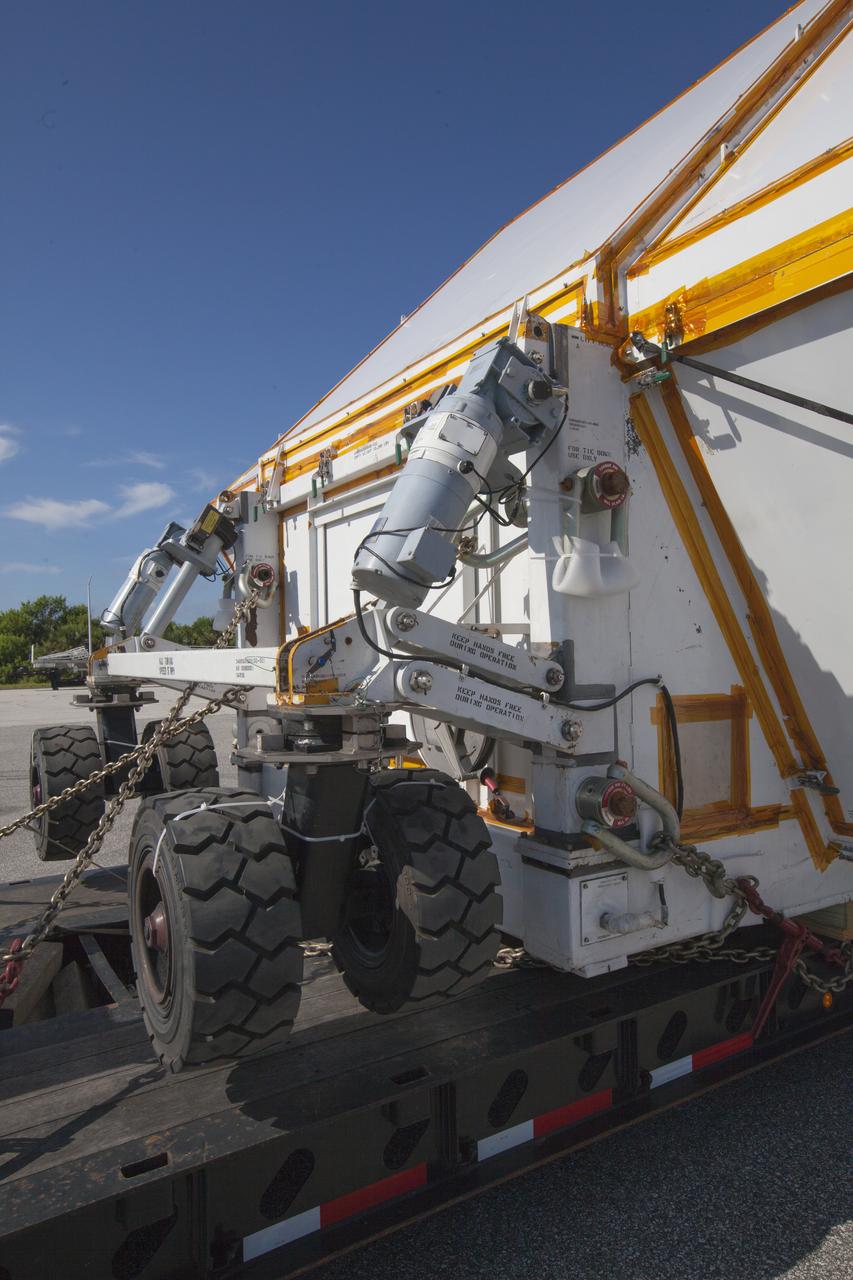
The Orion crew module pressure vessel for Exploration Mission-2 arrives at NASA's Kennedy Space Center in Florida on Aug. 24, 2018. The pressure vessel was transported in its Crew Module Transportation Fixture by super-wide transport truck from Michoud Assembly Facility near New Orleans. The pressure vessel is Orion's primary structure that holds the pressurized atmosphere astronauts will breathe and work in while in the vacuum of deep space. It will be moved into the Neil Armstrong Operations and Checkout Building high bay, where it will be secured on a precision alignment tool to begin preparing it for flight.
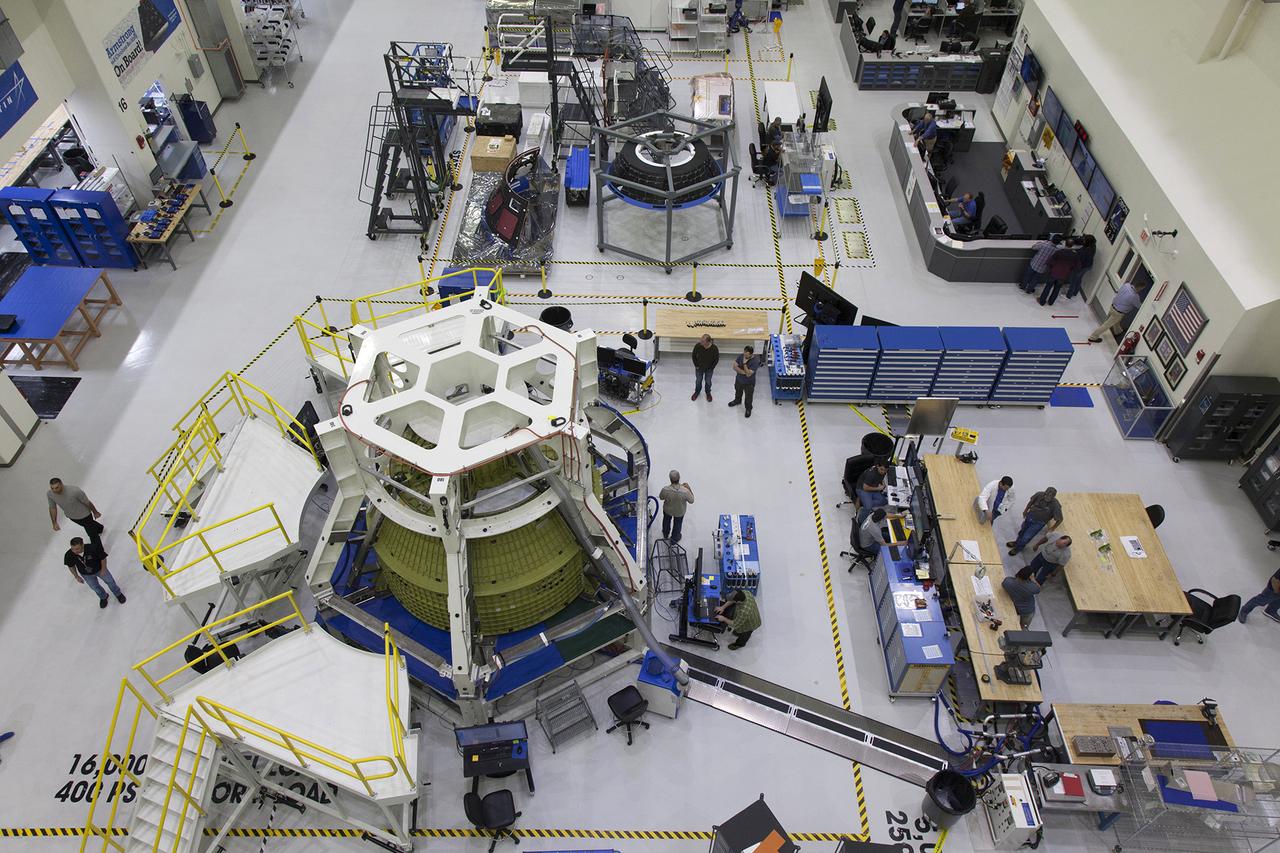
The Orion crew module pressure vessel for Exploration Mission-2 (EM-2) is secured in a work stand called the bird cage inside the Neil Armstrong Operations and Checkout Building high bay at NASA's Kennedy Space Center in Florida, on March 21, 2019. The pressure vessel is Orion's primary structure that holds the pressurized atmosphere astronauts will breathe and work in while in the vacuum of deep space. Behind the pressure vessel, secured on a work stand is the Orion bay cover for Exploration Mission-1.
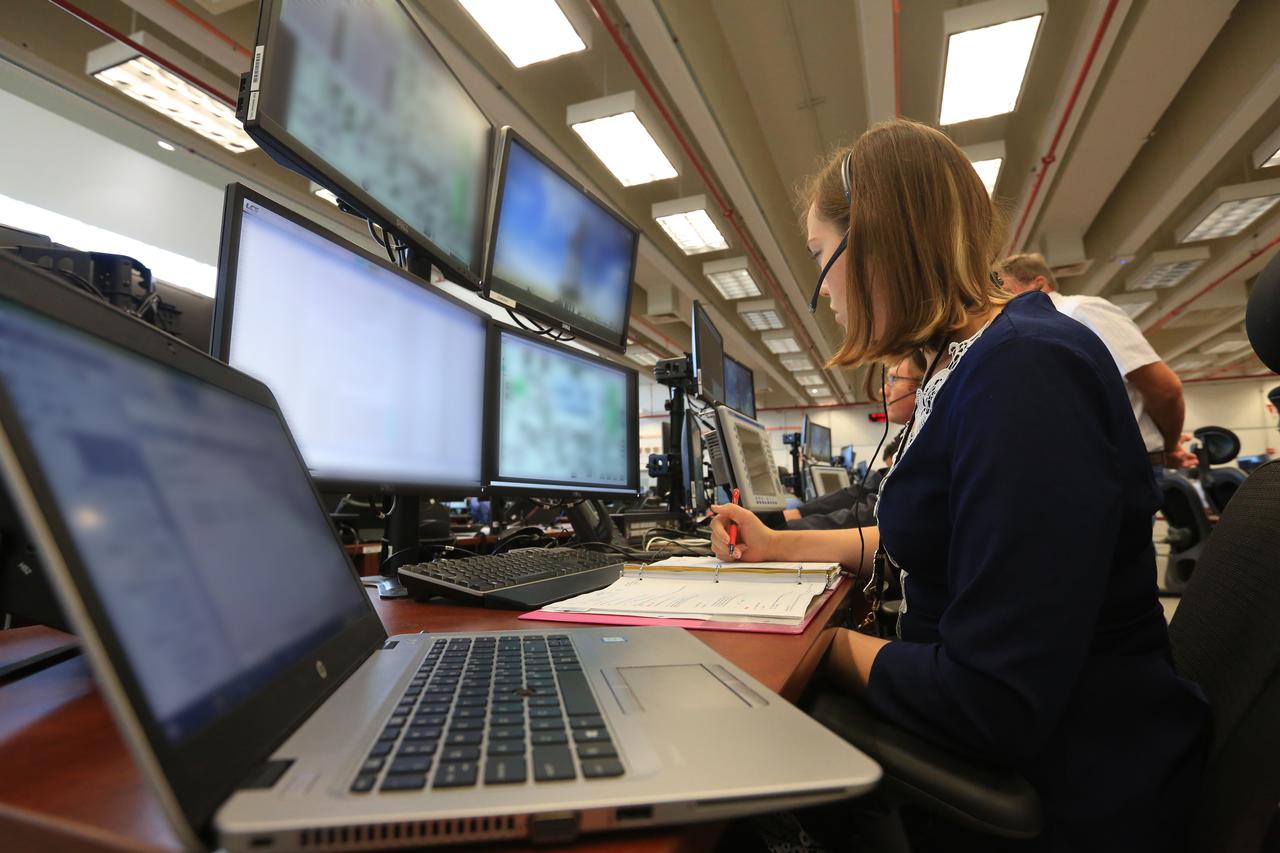
Engineers with NASA and contractor Jacobs monitor their consoles during a countdown demonstration event of cryogenic propellant loading April 12, 2019, inside Firing Room 2 in the Launch Control Center at NASA’s Kennedy Space Center in Florida. The practice simulation involved loading of liquid hydrogen and liquid oxygen into the Space Launch System rocket’s core and upper stages to prepare for Exploration Mission-1 (EM-1). During the tanking exercise, the team worked through surprise issues in real-time. The practice countdown events are training opportunities coordinated by EM-1 Launch Director Charlie Blackwell-Thompson with Exploration Ground Systems.
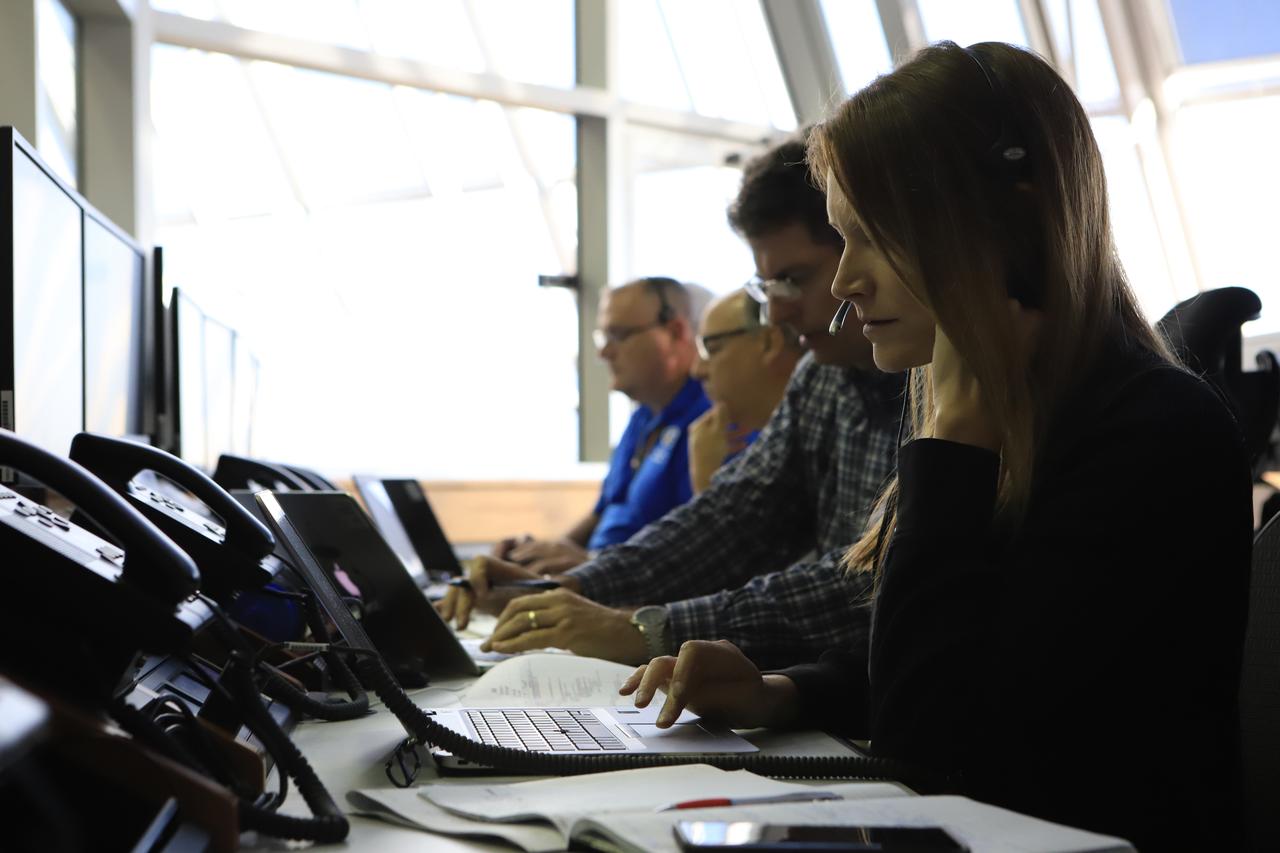
Engineers with NASA and contractor Jacobs monitor their consoles during a countdown demonstration event of cryogenic propellant loading April 12, 2019, inside Firing Room 2 in the Launch Control Center at NASA’s Kennedy Space Center in Florida. The practice simulation involved loading of liquid hydrogen and liquid oxygen into the Space Launch System rocket’s core and upper stages to prepare for Exploration Mission-1 (EM-1). During the tanking exercise, the team worked through surprise issues in real-time. The practice countdown events are training opportunities coordinated by EM-1 Launch Director Charlie Blackwell-Thompson with Exploration Ground Systems.
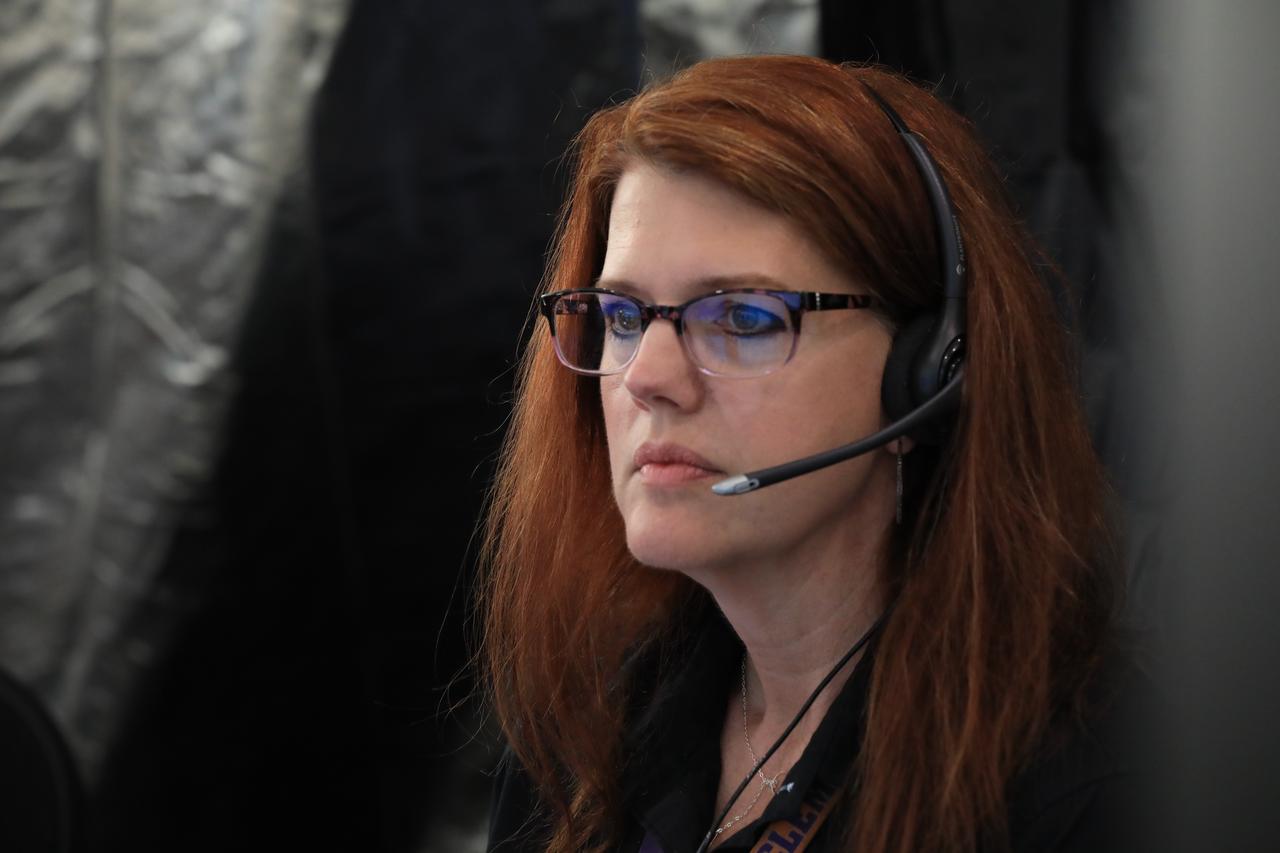
Charlie Blackwell-Thompson, Exploration Mission-1 (EM-1) launch director, leads a countdown demonstration event of cryogenic propellant loading April 12, 2019, inside Firing Room 2 in the Launch Control Center at NASA’s Kennedy Space Center in Florida. The practice simulation involved loading of liquid hydrogen and liquid oxygen into the Space Launch System rocket’s core and upper stages to prepare for EM-1. During the tanking exercise, the team worked through surprise issues in real-time. The practice countdown events are training opportunities coordinated by Blackwell-Thompson with Exploration Ground Systems.
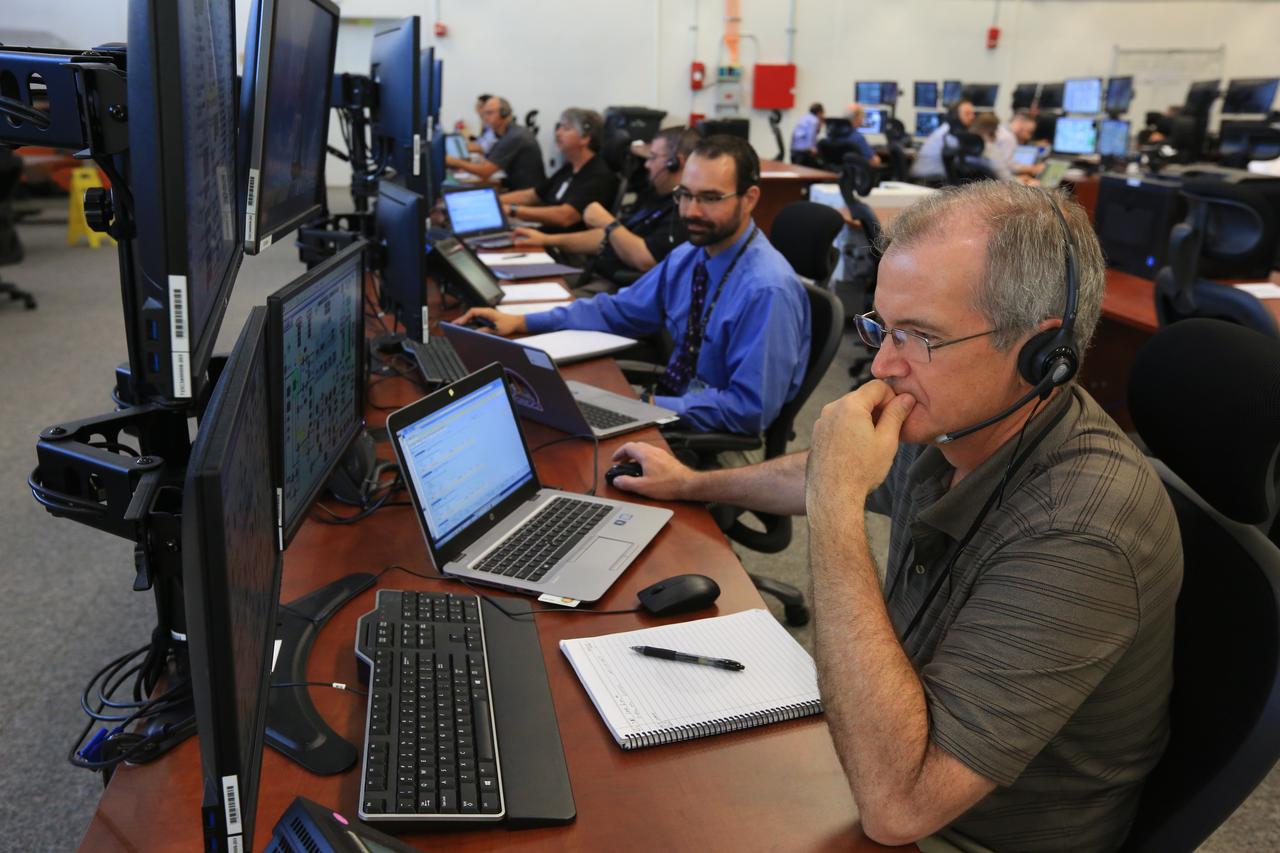
Engineers with NASA and contractor Jacobs monitor their consoles during a countdown demonstration event of cryogenic propellant loading April 12, 2019, inside Firing Room 2 in the Launch Control Center at NASA’s Kennedy Space Center in Florida. The practice simulation involved loading of liquid hydrogen and liquid oxygen into the Space Launch System rocket’s core and upper stages to prepare for Exploration Mission-1 (EM-1). During the tanking exercise, the team worked through surprise issues in real-time. The practice countdown events are training opportunities coordinated by EM-1 Launch Director Charlie Blackwell-Thompson with Exploration Ground Systems.
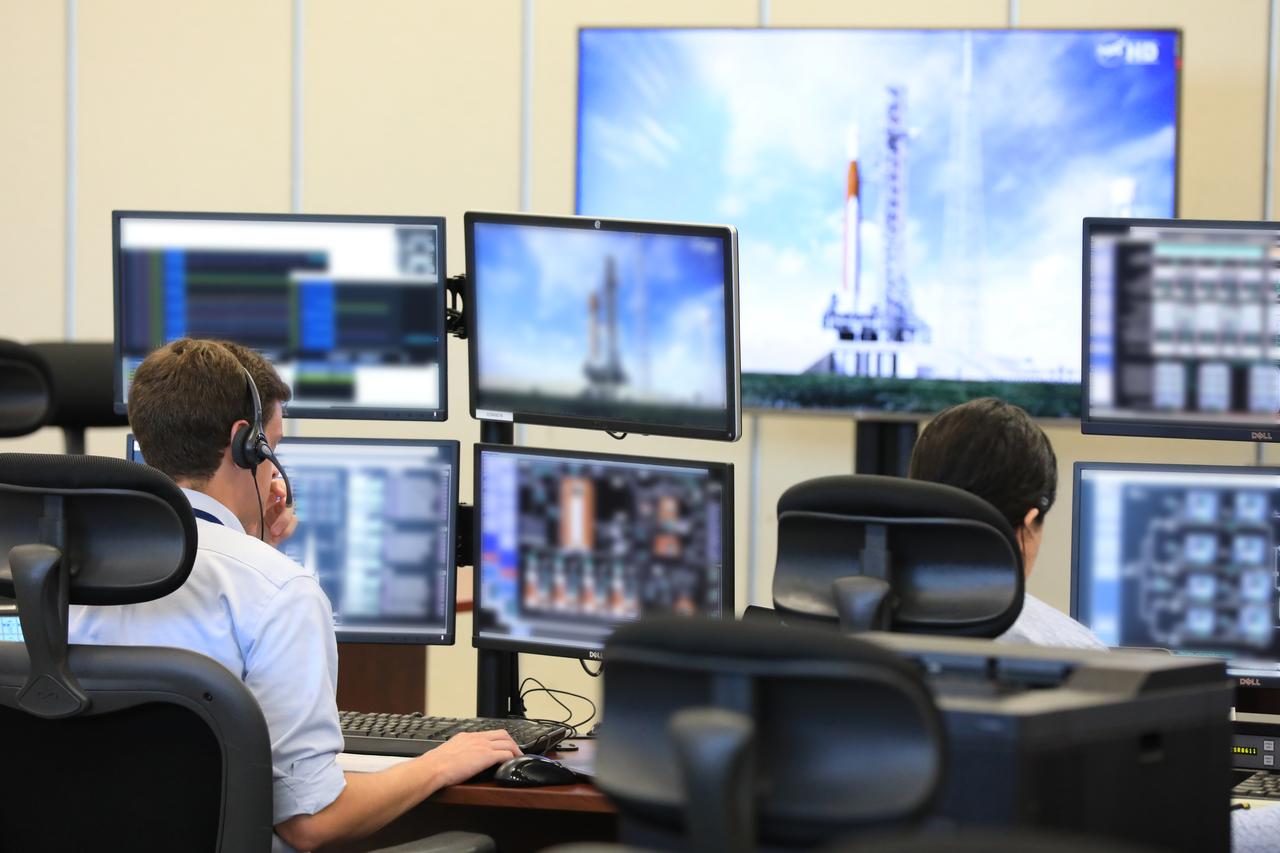
Engineers with Exploration Ground Systems monitor their consoles during a countdown demonstration event of cryogenic propellant loading April 12, 2019, inside Firing Room 2 in the Launch Control Center at NASA’s Kennedy Space Center in Florida. The practice simulation involved loading of liquid hydrogen and liquid oxygen into the Space Launch System rocket’s core and upper stages to prepare for Exploration Mission-1 (EM-1). During the tanking exercise, the team worked through surprise issues in real-time. The practice countdown events are training opportunities coordinated by EM-1 Launch Director Charlie Blackwell-Thompson with Exploration Ground Systems.
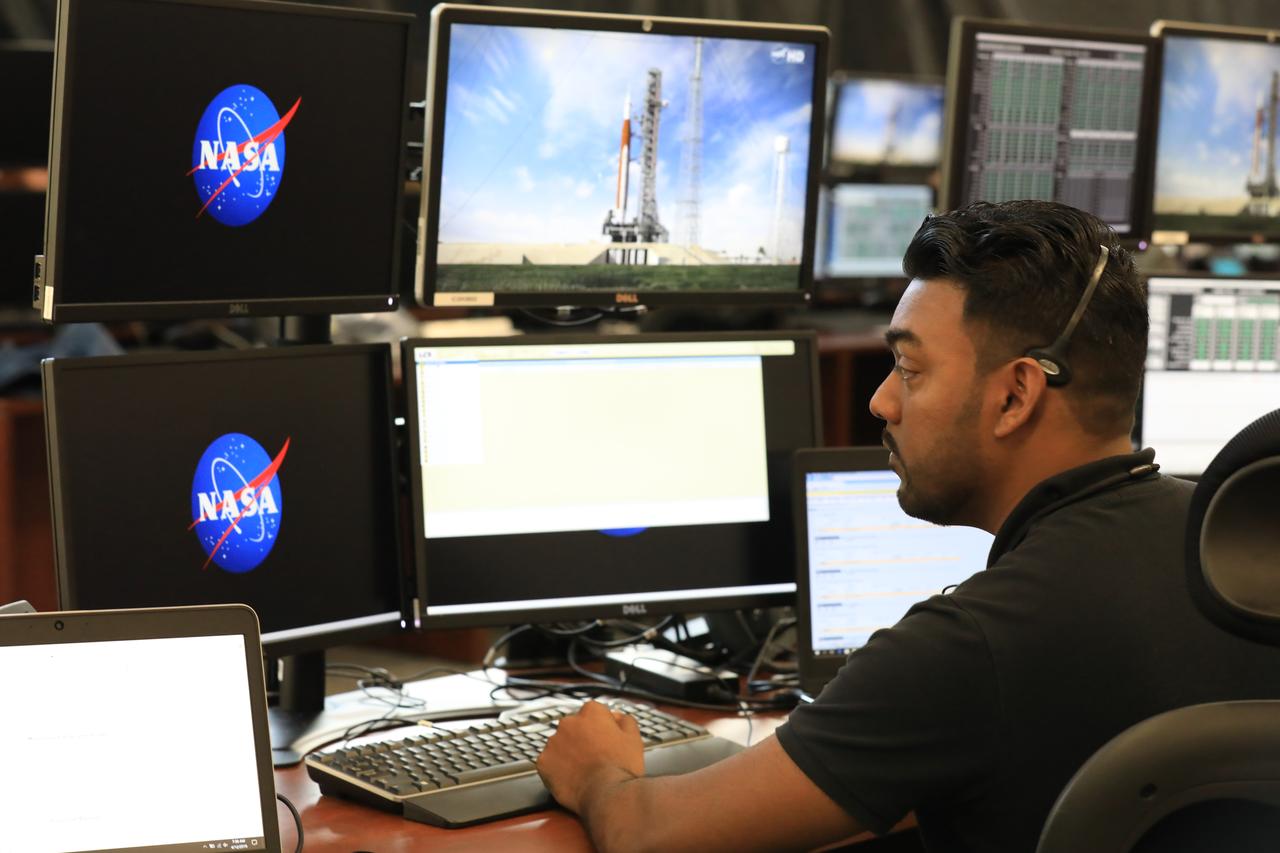
Anthony Bharrat, NASA engine avionics engineer, monitors his console during a countdown demonstration event of cryogenic propellant loading April 12, 2019, inside Firing Room 2 in the Launch Control Center at NASA’s Kennedy Space Center in Florida. The practice simulation involved loading of liquid hydrogen and liquid oxygen into the Space Launch System rocket’s core and upper stages to prepare for Exploration Mission-1 (EM-1). During the tanking exercise, the team worked through surprise issues in real-time. The practice countdown events are training opportunities coordinated by EM-1 Launch Director Charlie Blackwell-Thompson with Exploration Ground Systems.
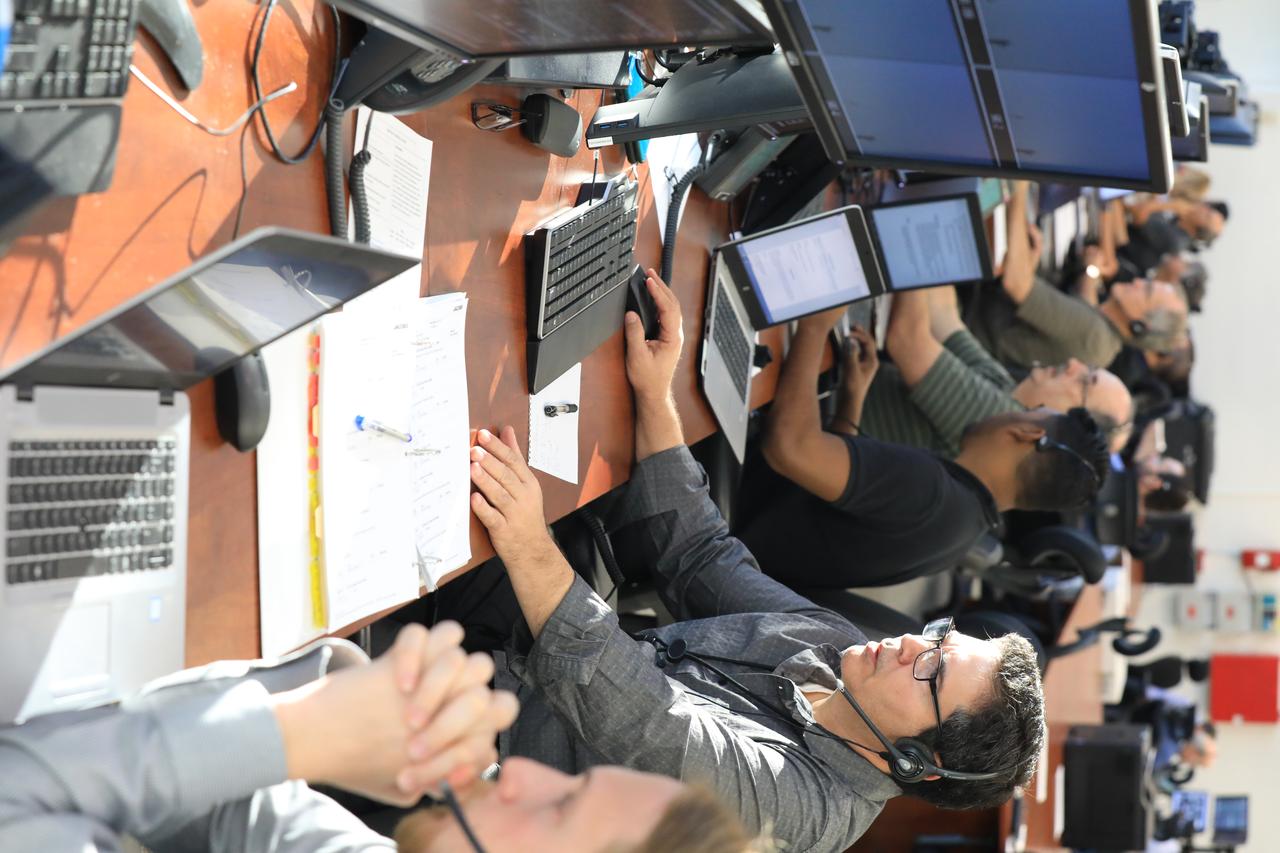
Engineers with NASA and contractor Jacobs monitor their consoles during a countdown demonstration event of cryogenic propellant loading April 12, 2019, inside Firing Room 2 in the Launch Control Center at NASA’s Kennedy Space Center in Florida. The practice simulation involved loading of liquid hydrogen and liquid oxygen into the Space Launch System rocket’s core and upper stages to prepare for Exploration Mission-1 (EM-1). During the tanking exercise, the team worked through surprise issues in real-time. The practice countdown events are training opportunities coordinated by EM-1 Launch Director Charlie Blackwell-Thompson with Exploration Ground Systems.
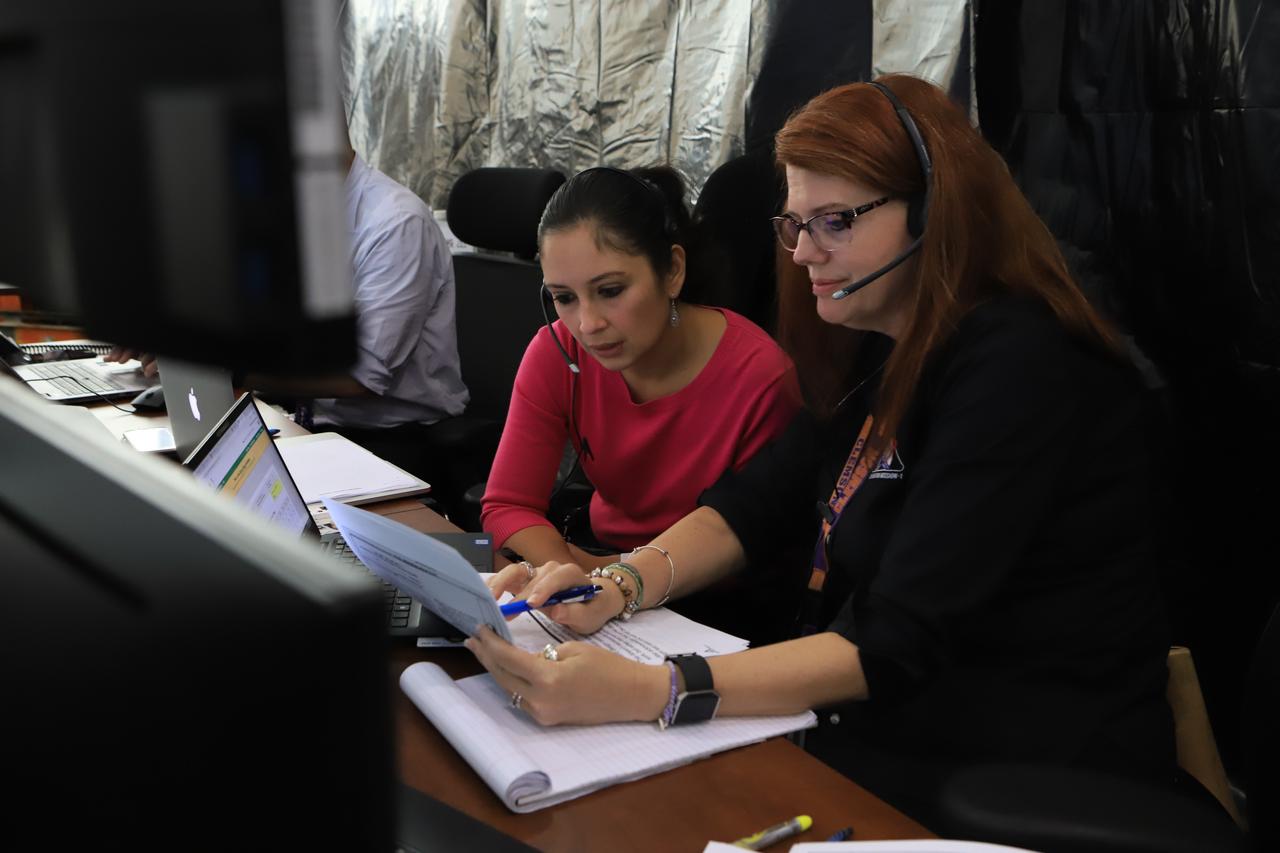
Charlie Blackwell-Thompson, right, Exploration Mission-1 (EM-1) launch director, reviews procedures during a countdown demonstration event of cryogenic propellant loading April 12, 2019, inside Firing Room 2 in the Launch Control Center at NASA’s Kennedy Space Center in Florida. The practice simulation involved loading of liquid hydrogen and liquid oxygen into the Space Launch System rocket’s core and upper stages to prepare for EM-1. During the tanking exercise, the team worked through surprise issues in real-time. The practice countdown events are training opportunities coordinated by Blackwell-Thompson with Exploration Ground Systems.
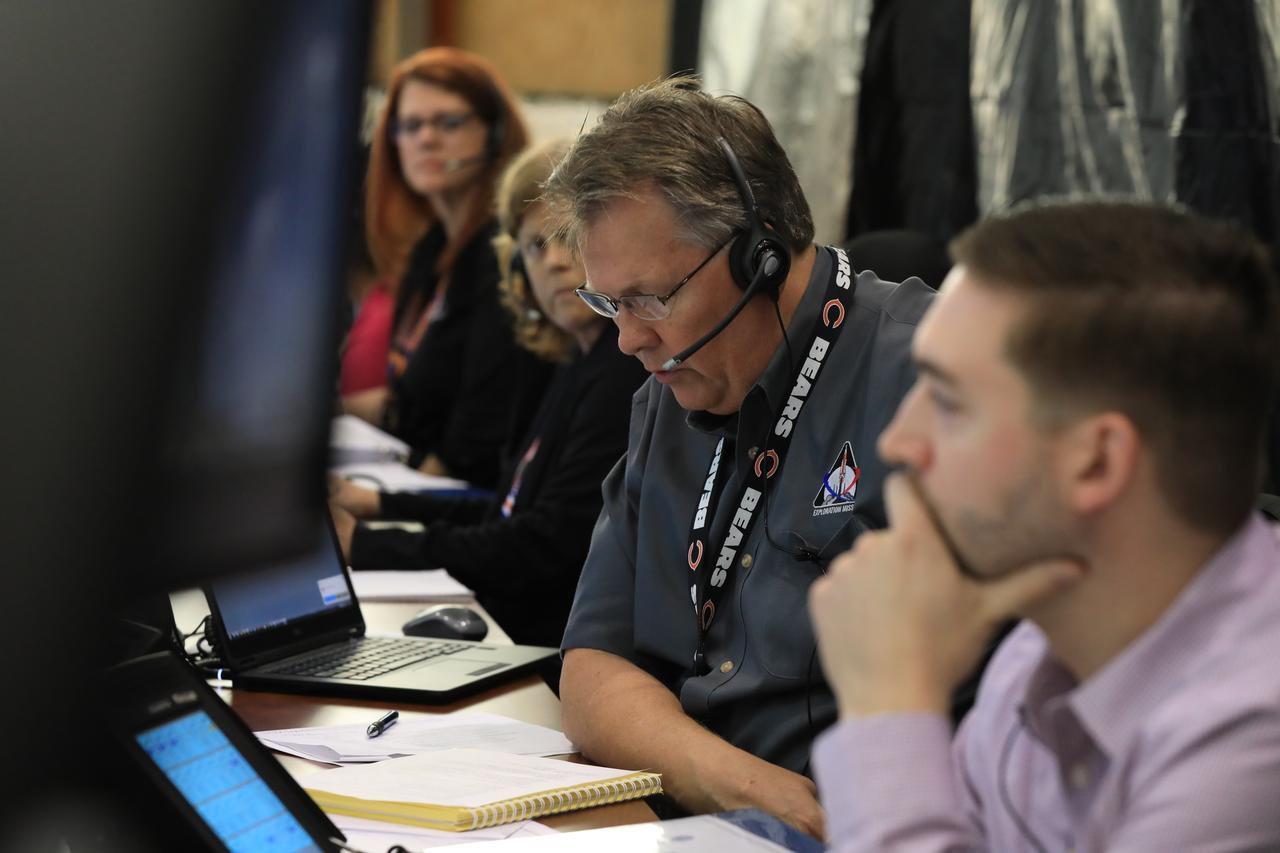
Charlie Blackwell-Thompson, far left, Exploration Mission-1 (EM-1) launch director, and engineers with NASA and Jacobs, participate in a countdown demonstration event of cryogenic propellant loading April 12, 2019, inside Firing Room 2 in the Launch Control Center at NASA’s Kennedy Space Center in Florida. The practice simulation involved loading of liquid hydrogen and liquid oxygen into the Space Launch System rocket’s core and upper stages to prepare for EM-1. During the tanking exercise, the team worked through surprise issues in real-time. The practice countdown events are training opportunities coordinated by Blackwell-Thompson with Exploration Ground Systems.
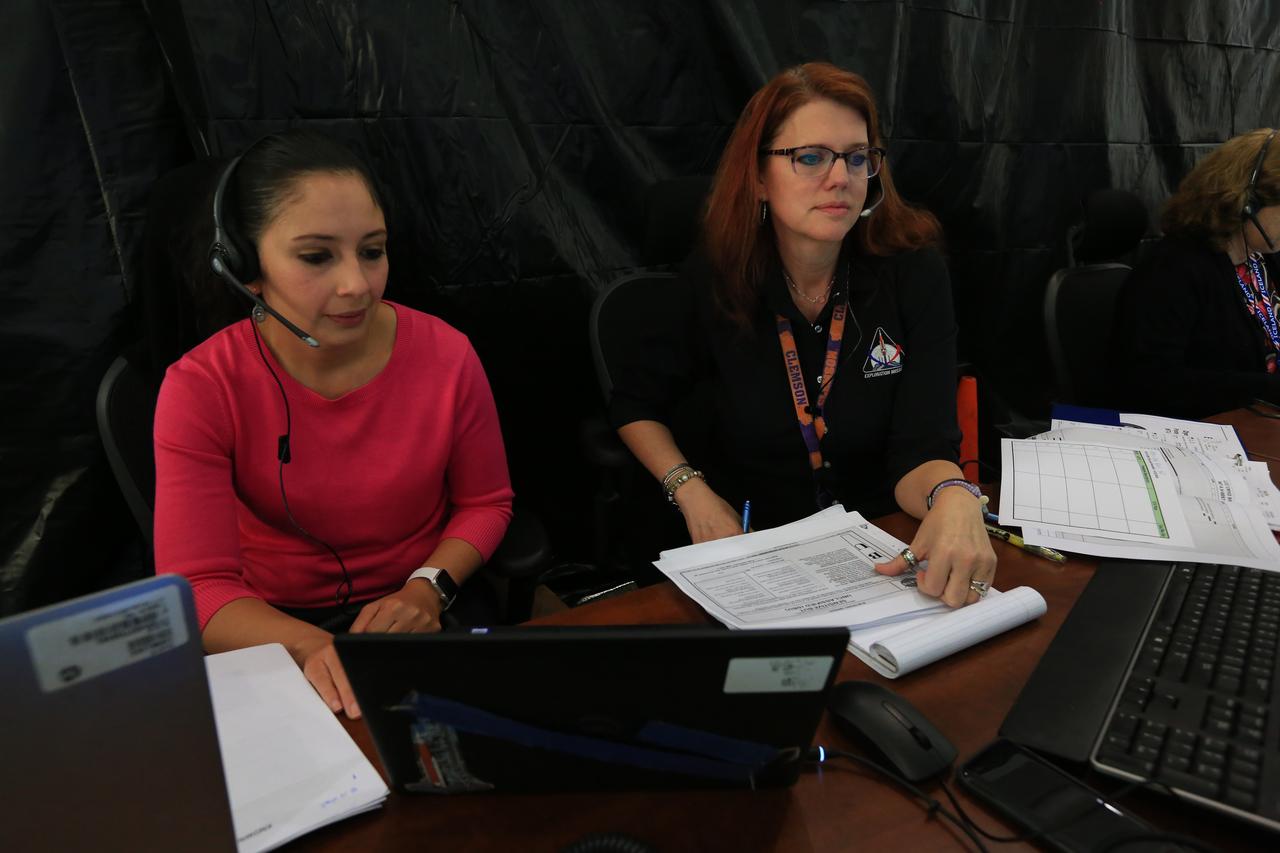
Charlie Blackwell-Thompson, at right, Exploration Mission-1 (EM-1) launch director, leads a countdown demonstration event of cryogenic propellant loading April 12, 2019, inside Firing Room 2 in the Launch Control Center at NASA’s Kennedy Space Center in Florida. Seated next to her is Jessica Parsons, technical assitant to the launch director. The practice simulation involved loading of liquid hydrogen and liquid oxygen into the Space Launch System rocket’s core and upper stages to prepare for EM-1. During the tanking exercise, the team worked through surprise issues in real-time. The practice countdown events are training opportunities coordinated by Blackwell-Thompson with Exploration Ground Systems.
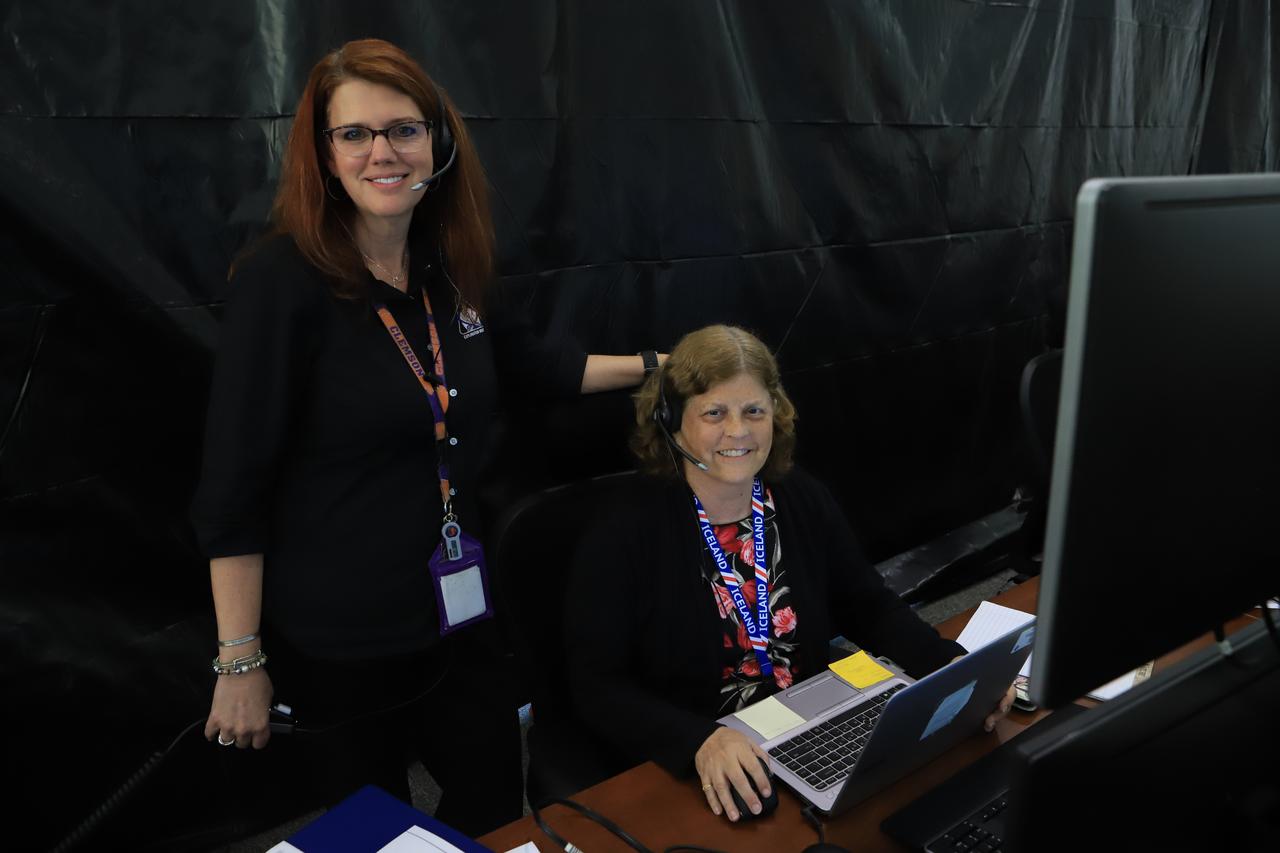
Charlie Blackwell-Thompson, standing, Exploration Mission-1 (EM-1) launch director, leads a countdown demonstration event of cryogenic propellant loading April 12, 2019, inside Firing Room 2 in the Launch Control Center at NASA’s Kennedy Space Center in Florida. Seated is Roberta Wyrick, spacecraft test conductor with contractor Jacobs. The practice simulation involved loading of liquid hydrogen and liquid oxygen into the Space Launch System rocket’s core and upper stages to prepare for EM-1. During the tanking exercise, the team worked through surprise issues in real-time. The practice countdown events are training opportunities coordinated by Blackwell-Thompson with Exploration Ground Systems.
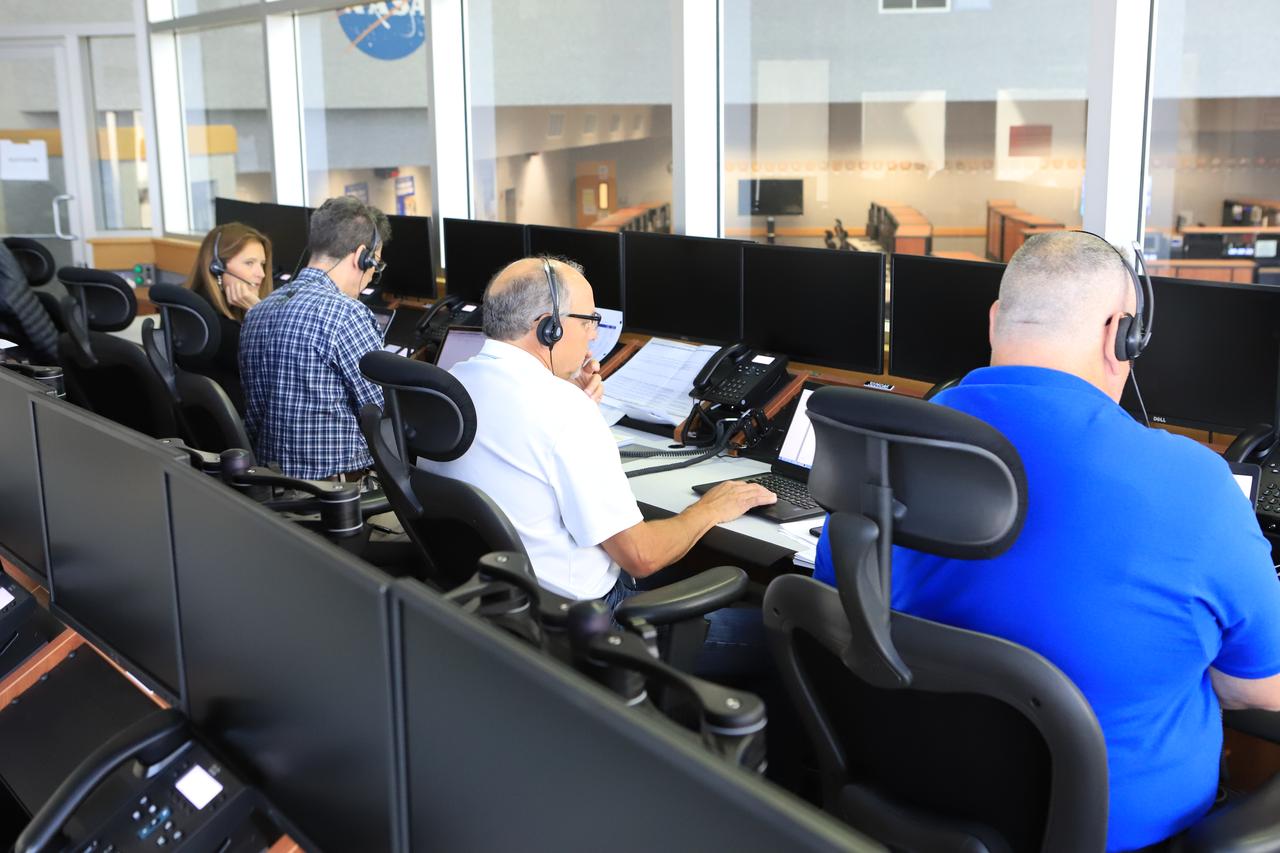
Engineers with NASA and contractor Jacobs monitor their consoles during a countdown demonstration event of cryogenic propellant loading April 12, 2019, inside Firing Room 2 in the Launch Control Center at NASA’s Kennedy Space Center in Florida. The practice simulation involved loading of liquid hydrogen and liquid oxygen into the Space Launch System rocket’s core and upper stages to prepare for Exploration Mission-1 (EM-1). During the tanking exercise, the team worked through surprise issues in real-time. The practice countdown events are training opportunities coordinated by EM-1 Launch Director Charlie Blackwell-Thompson with Exploration Ground Systems.
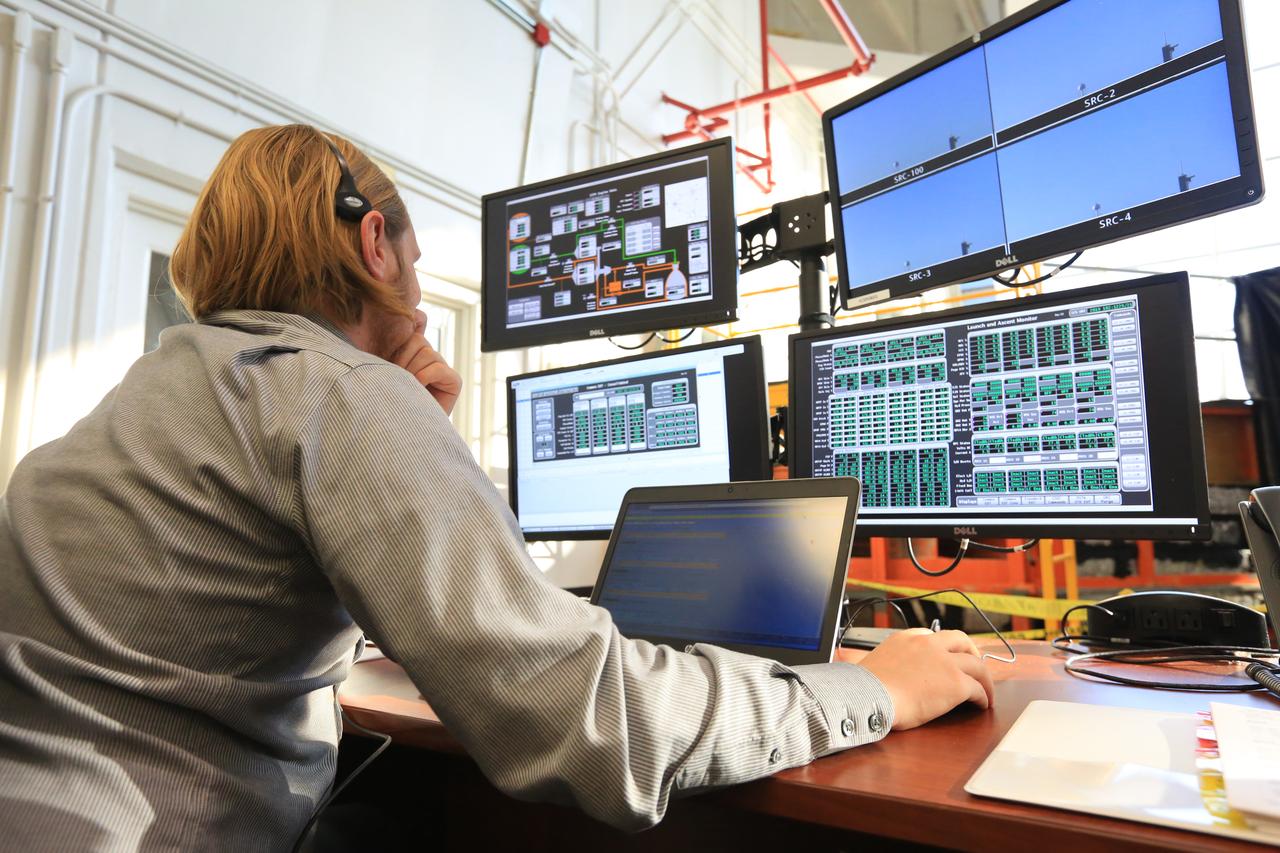
An engineer with NASA monitors his console during a countdown demonstration event of cryogenic propellant loading April 12, 2019, inside Firing Room 2 in the Launch Control Center at NASA’s Kennedy Space Center in Florida. The practice simulation involved loading of liquid hydrogen and liquid oxygen into the Space Launch System rocket’s core and upper stages to prepare for Exploration Mission-1 (EM-1). During the tanking exercise, the team worked through surprise issues in real-time. The practice countdown events are training opportunities coordinated by EM-1 Launch Director Charlie Blackwell-Thompson with Exploration Ground Systems.
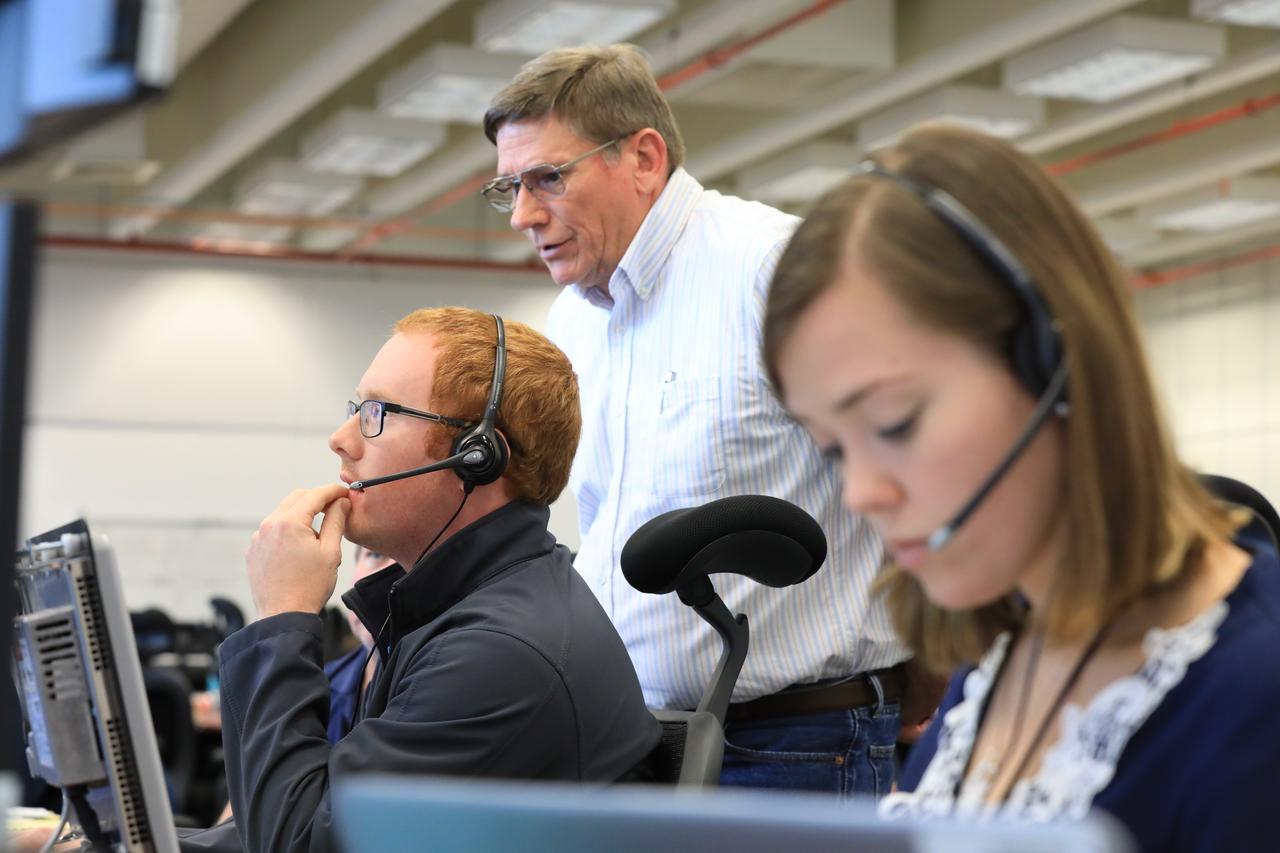
Tom Clark, standing, a manager with contractor ERC, works with Quentin Jones and Emily Hadley, both mechanical engineers for the liquid oxygen system, with ERC, during a countdown demonstration event of cryogenic propellant loading April 12, 2019, inside Firing Room 2 in the Launch Control Center at NASA’s Kennedy Space Center in Florida. The practice simulation involved loading of liquid hydrogen and liquid oxygen into the Space Launch System rocket’s core and upper stages to prepare for Exploration Mission-1 (EM-1). During the tanking exercise, the team worked through surprise issues in real-time. The practice countdown events are training opportunities coordinated by EM-1 Launch Director Charlie Blackwell-Thompson with Exploration Ground Systems.
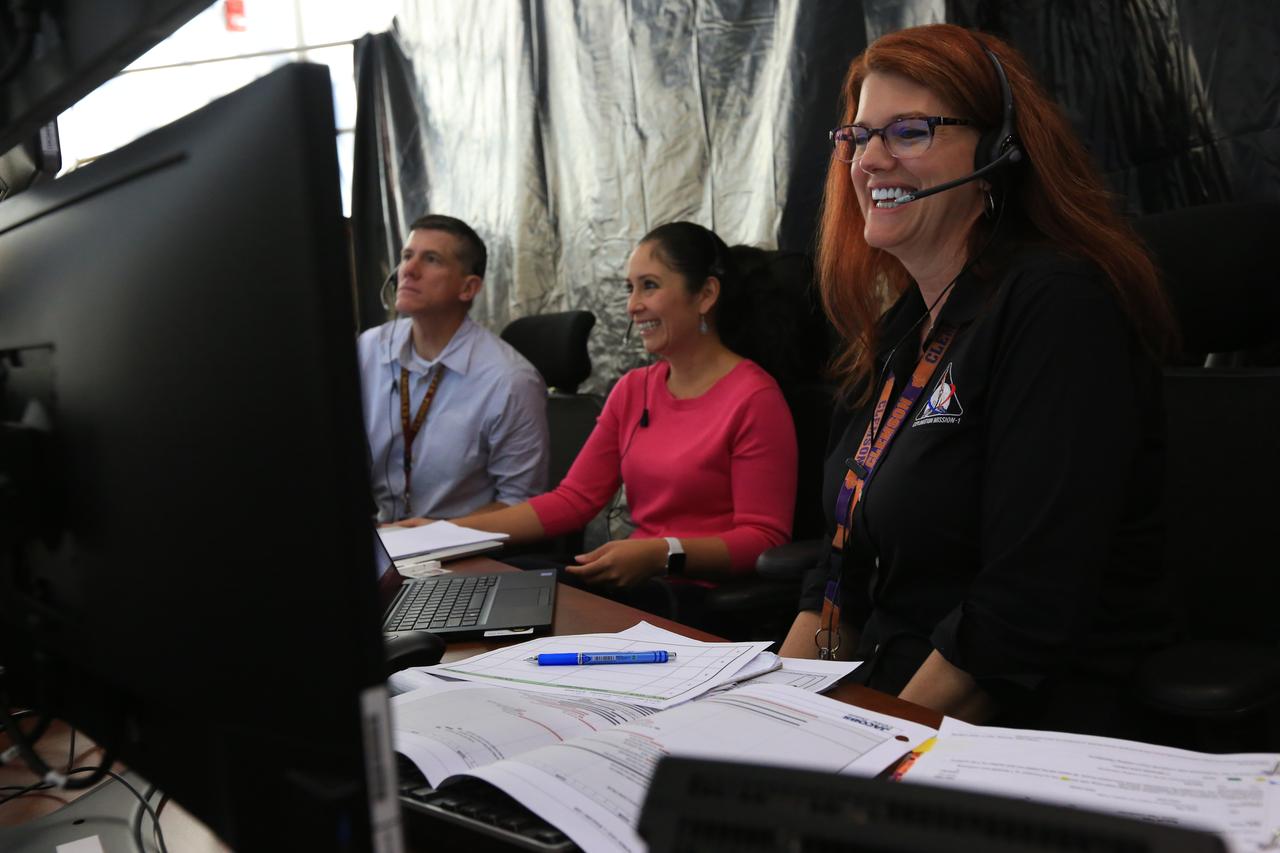
From left, Jeremy Graeber, chief NASA test director; Jessica Parsons, technical assistant to the launch director; and Charlie Blackwell-Thompson, Exploration Mission-1 (EM-1) launch director, participate in a countdown demonstration event of cryogenic propellant loading April 12, 2019, inside Firing Room 2 in the Launch Control Center at NASA’s Kennedy Space Center in Florida. The practice simulation involved loading of liquid hydrogen and liquid oxygen into the Space Launch System rocket’s core and upper stages to prepare for Exploration Mission-1 (EM-1). During the tanking exercise, the team worked through surprise issues in real-time. The practice countdown events are training opportunities coordinated by Blackwell-Thompson with Exploration Ground Systems.
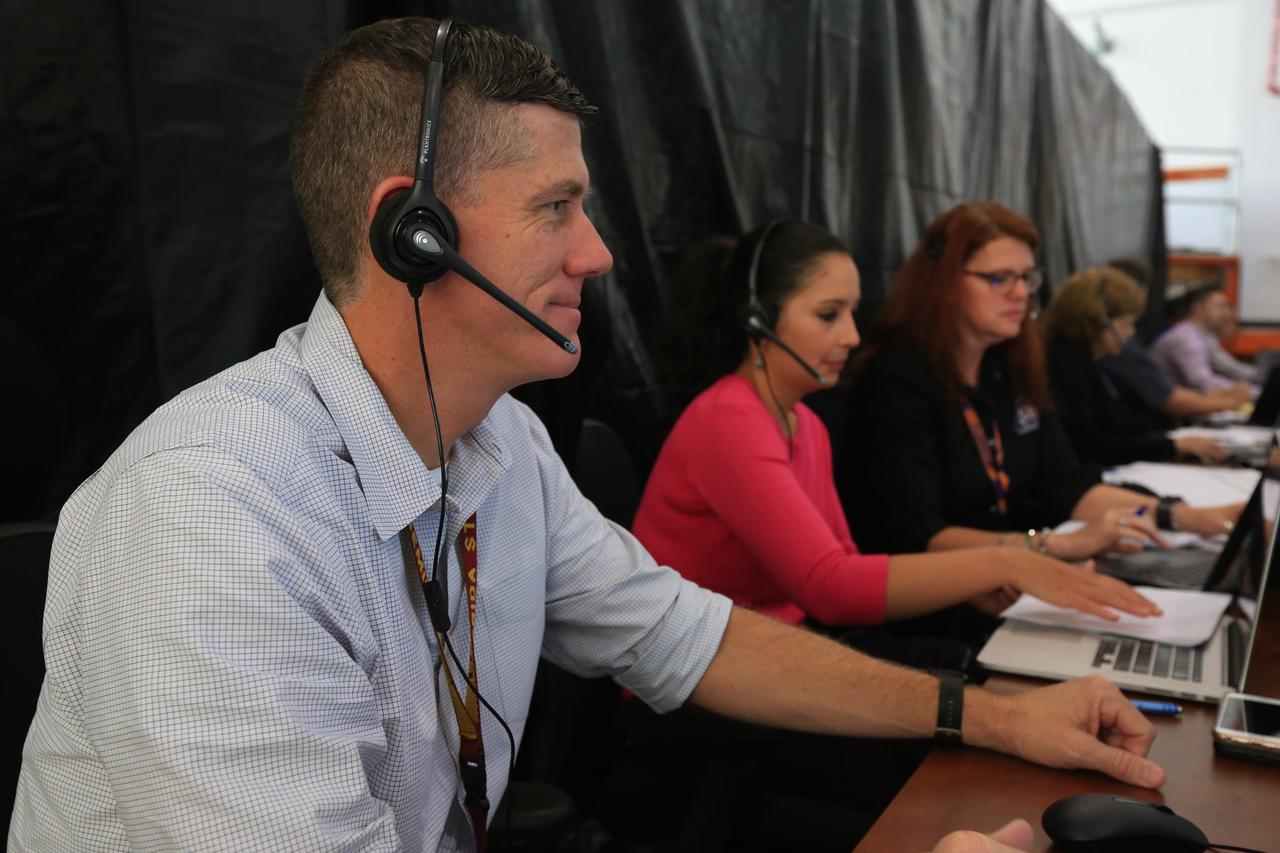
From left, Jeremy Graeber, chief NASA test director; Jessica Parsons, technical assistant to the launch director; and Charlie Blackwell-Thompson, Exploration Mission-1 (EM-1) launch director, participate in a countdown demonstration event of cryogenic propellant loading April 12, 2019, inside Firing Room 2 in the Launch Control Center at NASA’s Kennedy Space Center in Florida. The practice simulation involved loading of liquid hydrogen and liquid oxygen into the Space Launch System rocket’s core and upper stages to prepare for Exploration Mission-1 (EM-1). During the tanking exercise, the team worked through surprise issues in real-time. The practice countdown events are training opportunities coordinated by Blackwell-Thompson with Exploration Ground Systems.
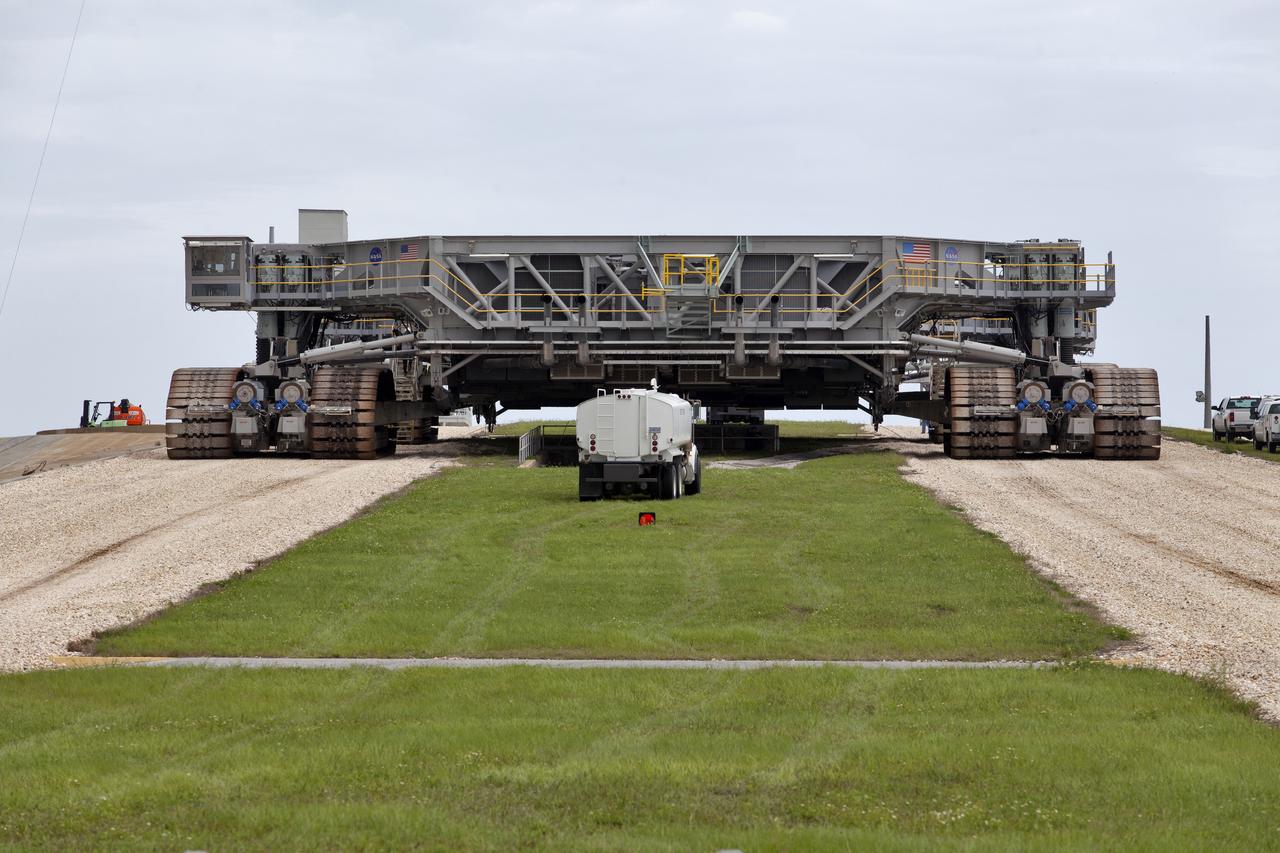
Crawler-transporter 2 (CT-2) moves slowly up the ramp to the surface of Launch Pad 39B for a fit check on May 22, 2018, at NASA's Kennedy Space Center in Florida. The test drive to the pad confirms that all of the recent modifications to CT-2 and Pad 39B are operational to support the launch of the agency's Space Launch System rocket and Orion spacecraft on Exploration Mission-1. Exploration Ground Systems managed the modifications and upgrades to CT-2 and Pad 39B to prepare for EM-1 and deep space exploration missions.
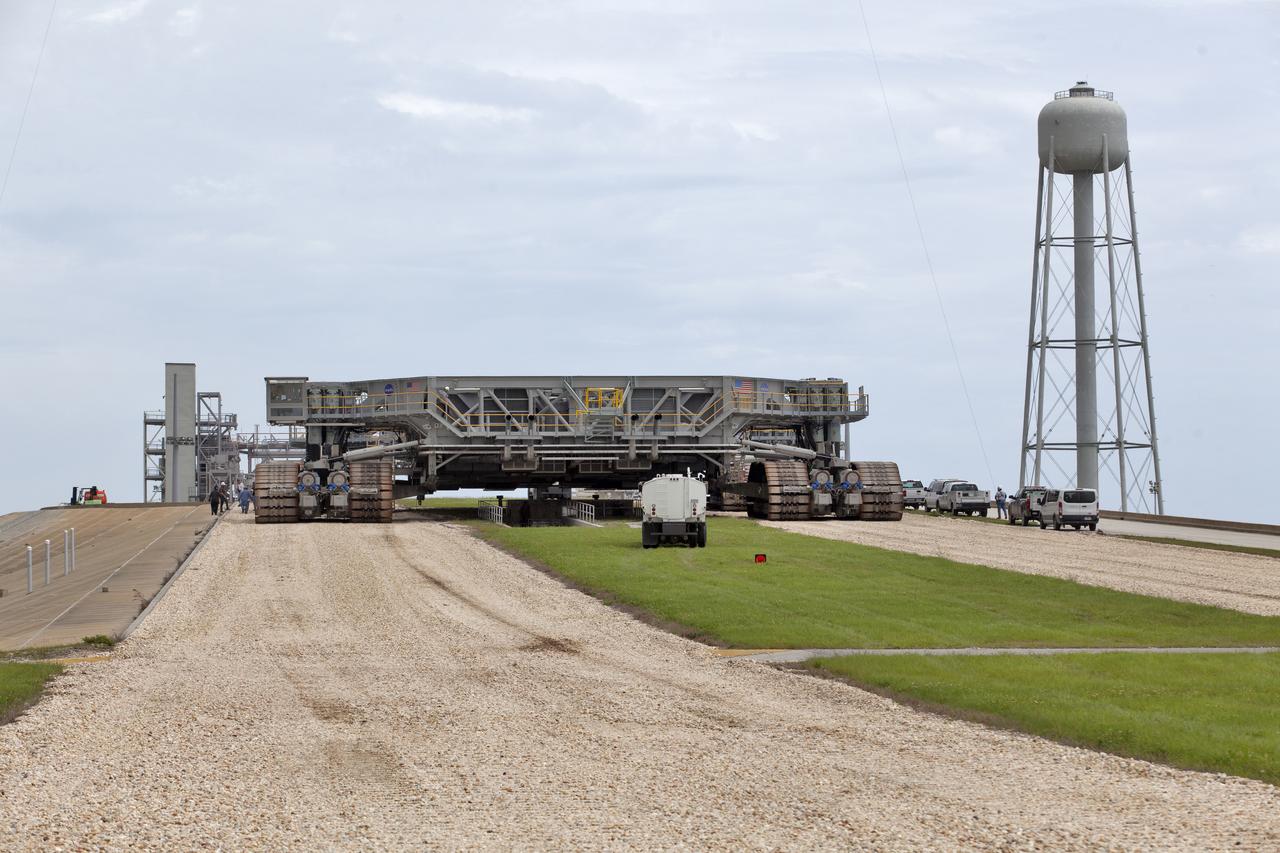
Crawler-transporter 2 (CT-2) moves slowly up the ramp to the surface of Launch Pad 39B for a fit check on May 22, 2018, at NASA's Kennedy Space Center in Florida. The test drive to the pad confirms that all of the recent modifications to CT-2 and Pad 39B are operational to support the launch of the agency's Space Launch System rocket and Orion spacecraft on Exploration Mission-1. Exploration Ground Systems managed the modifications and upgrades to CT-2 and Pad 39B to prepare for EM-1 and deep space exploration missions.
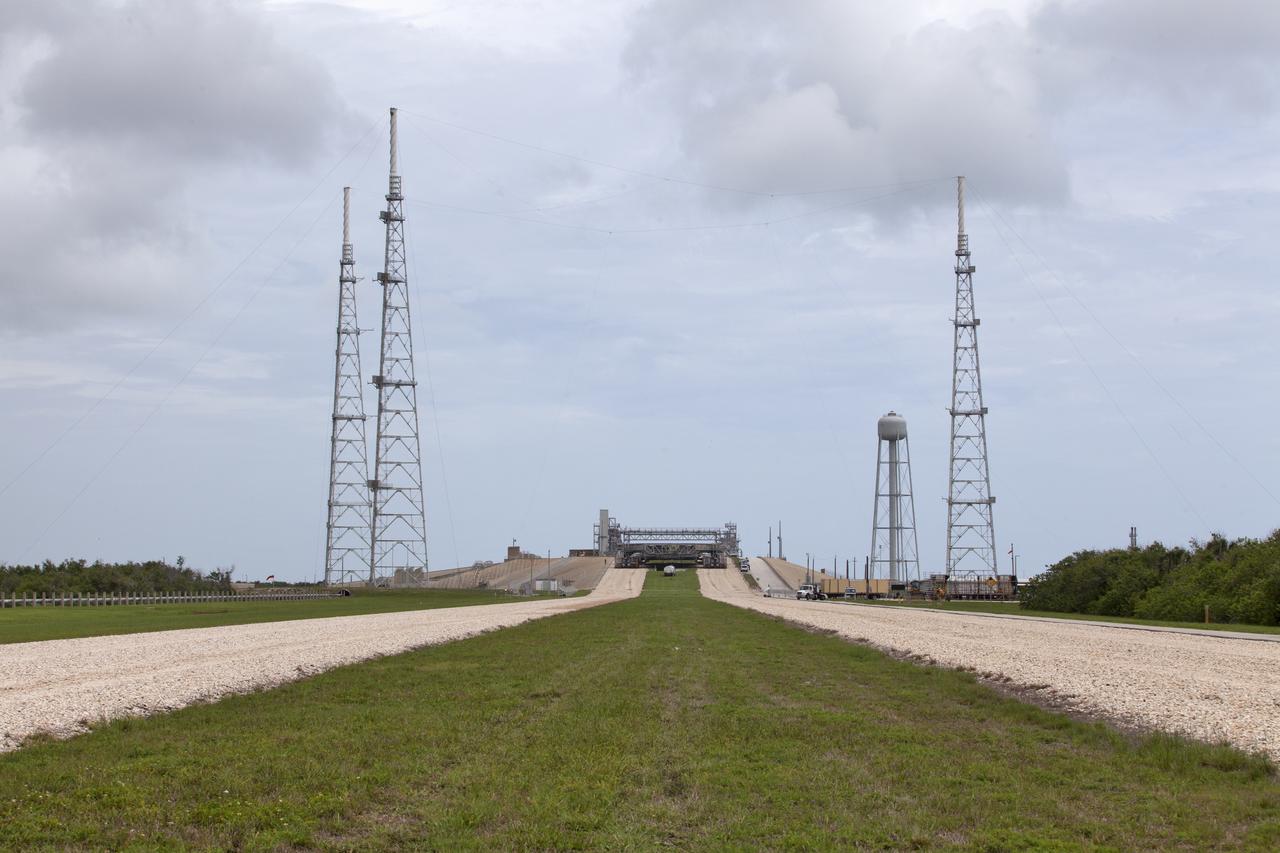
Crawler-transporter 2 (CT-2) moves slowly up the ramp to the surface of Launch Pad 39B for a fit check on May 22, 2018, at NASA's Kennedy Space Center in Florida. The test drive to the pad confirms that all of the recent modifications to CT-2 and Pad 39B are operational to support the launch of the agency's Space Launch System rocket and Orion spacecraft on Exploration Mission-1. Exploration Ground Systems managed the modifications and upgrades to CT-2 and Pad 39B to prepare for EM-1 and deep space exploration missions.
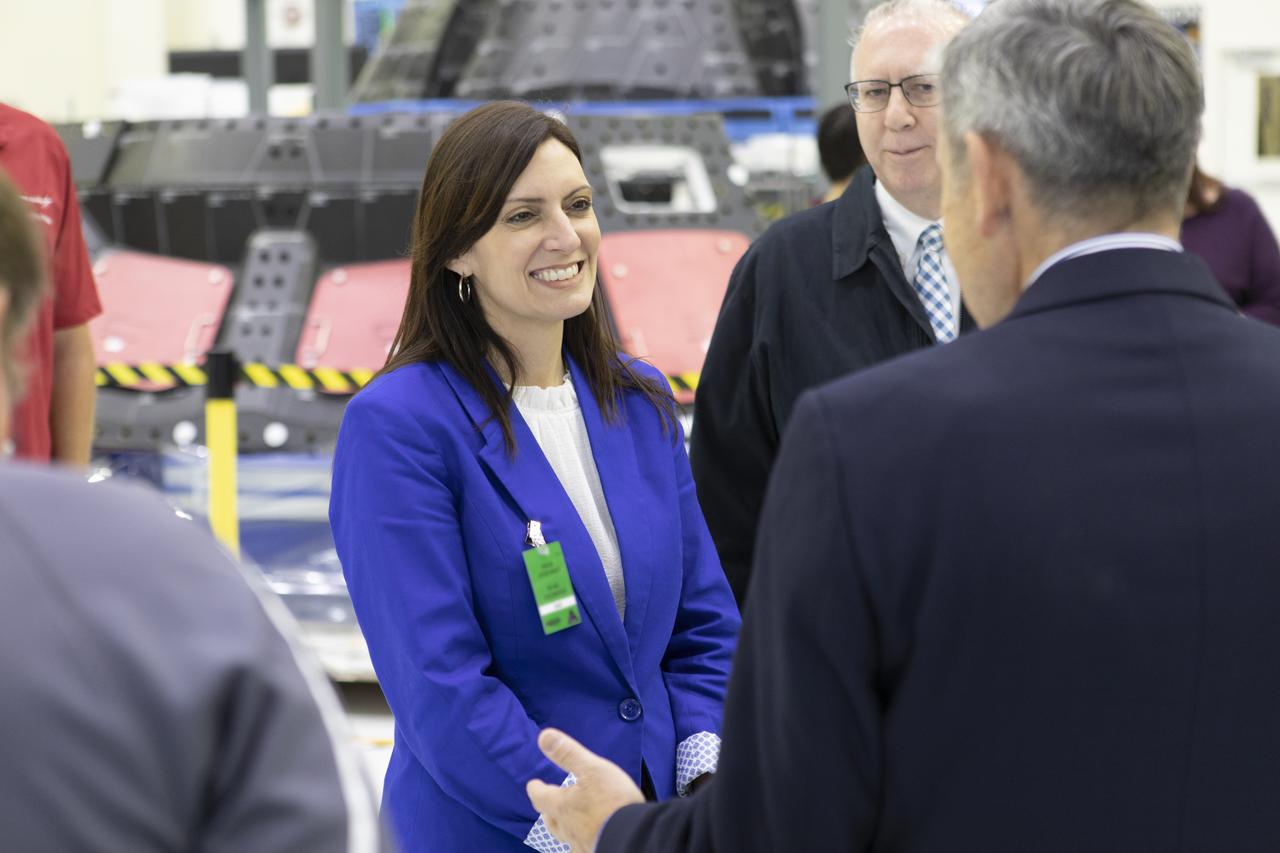
Kennedy Space Center Director Bob Cabana gives Florida Lt. Governor Jeanette Nunez a tour of the Florida spaceport’s Neil Armstrong Operations and Checkout Building high bay on April 5, 2019. During her tour, Nunez was shown NASA’s Orion spacecraft, which will be flown on the agency’s Exploration Mission-1 (EM-1). Orion will launch atop the Space Launch System rocket from Kennedy’s Launch Complex 39B. This uncrewed mission will provide the foundation for human deep space exploration and pave the way for the crewed EM-2 mission.
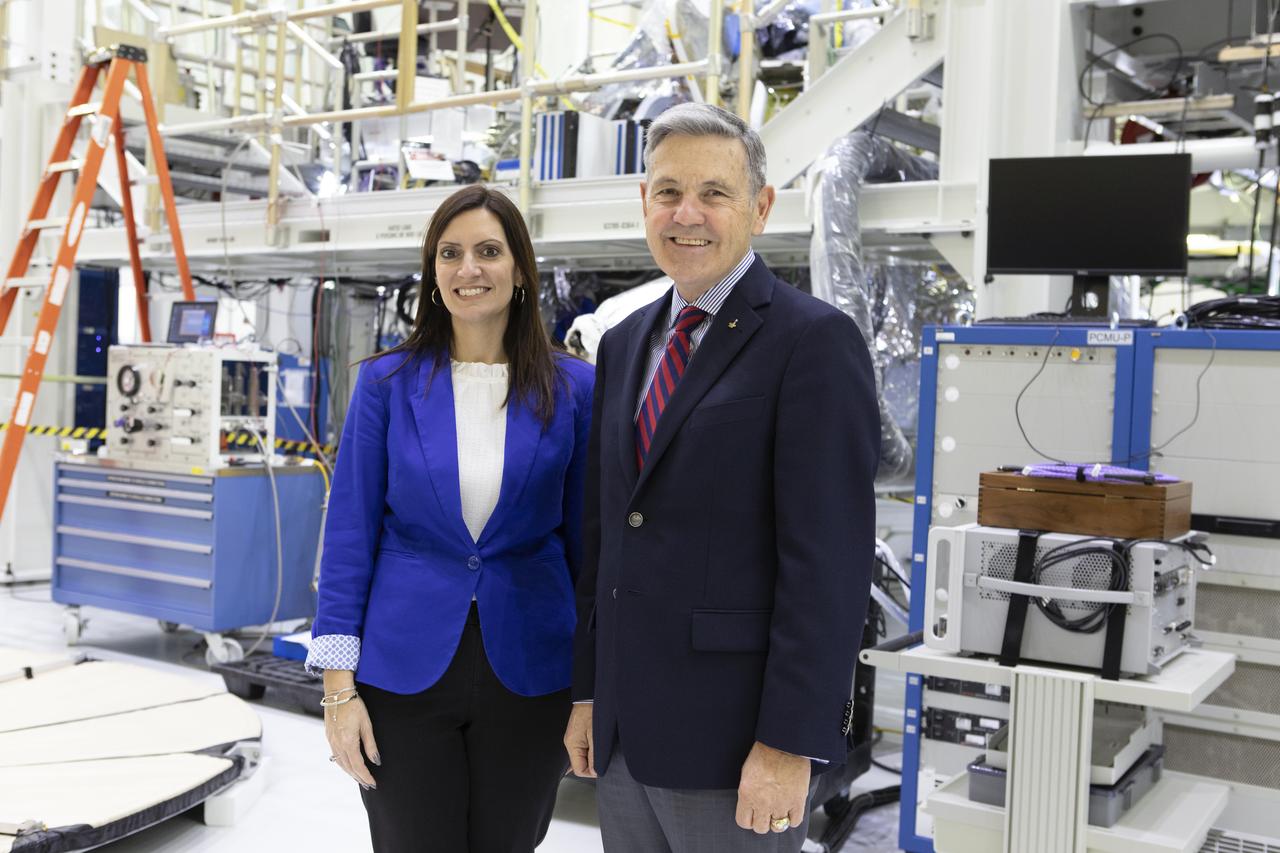
Florida Lt. Governor Jeanette Nunez and Kennedy Space Center Director Bob Cabana are photographed inside the Florida spaceport’s Neil Armstrong Operations and Checkout (O&C) Building high bay on April 5, 2019. During her tour of the O&C, Nunez was shown NASA’s Orion spacecraft, which will be flown on the agency’s Exploration Mission-1 (EM-1). Orion will launch atop the Space Launch System rocket from Kennedy’s Launch Complex 39B. This uncrewed mission will provide the foundation for human deep space exploration and pave the way for the crewed EM-2 mission.
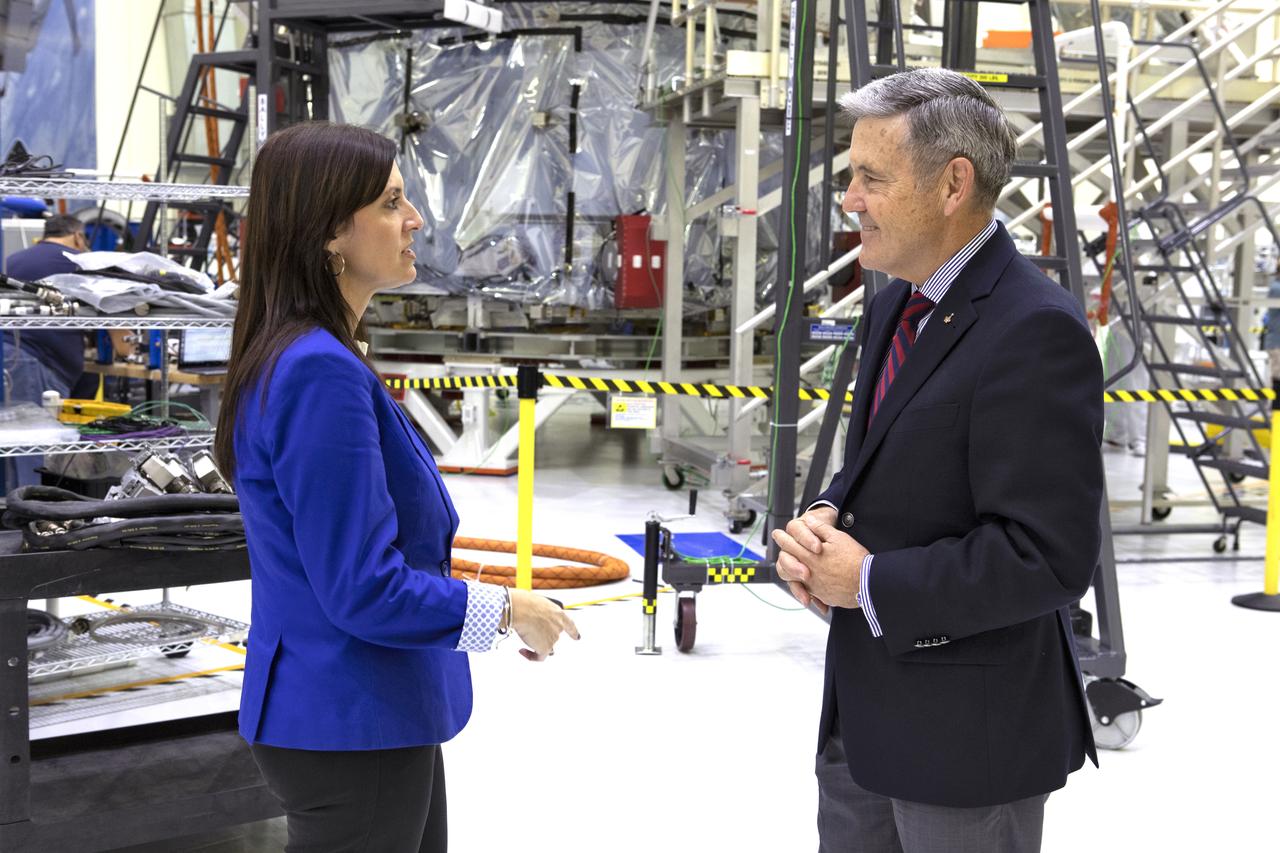
Florida Lt. Governor Jeanette Nunez is given a tour of the Neil Armstrong Operations and Checkout (O&C) Building high bay by Kennedy Space Center Director Bob Cabana on April 5, 2019. During the tour, Nunez was shown NASA’s Orion spacecraft, which will be flown on the agency’s Exploration Mission-1 (EM-1). Orion will launch atop the Space Launch System rocket from Kennedy’s Launch Complex 39B. This uncrewed mission will provide the foundation for human deep space exploration and pave the way for the crewed EM-2 mission.
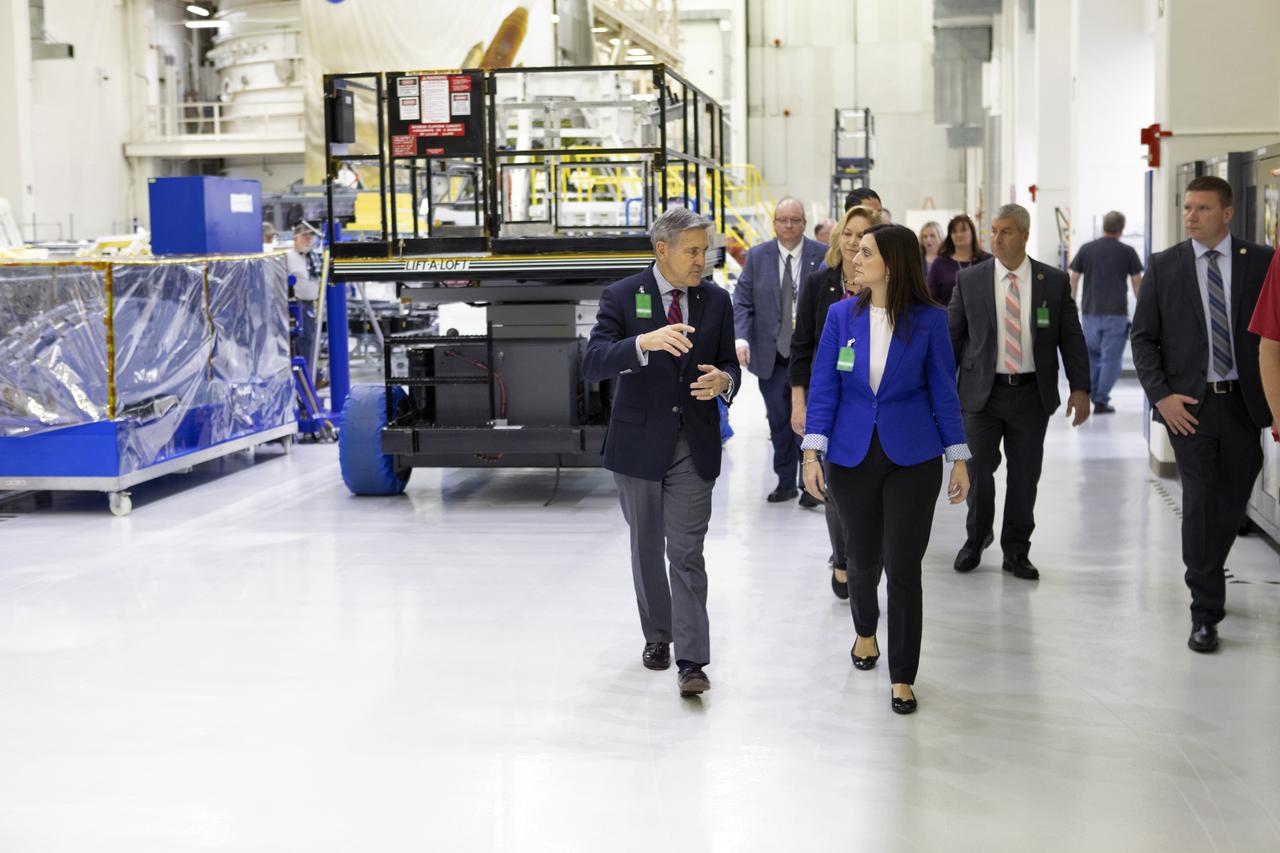
Kennedy Space Center Director Bob Cabana gives Florida Lt. Governor Jeanette Nunez a tour of the Florida spaceport’s Neil Armstrong Operations and Checkout Building high bay on April 5, 2019. During her tour, Nunez was shown NASA’s Orion spacecraft, which will be flown on the agency’s Exploration Mission-1 (EM-1). Orion will launch atop the Space Launch System rocket from Kennedy’s Launch Complex 39B. This uncrewed mission will provide the foundation for human deep space exploration and pave the way for the crewed EM-2 mission.
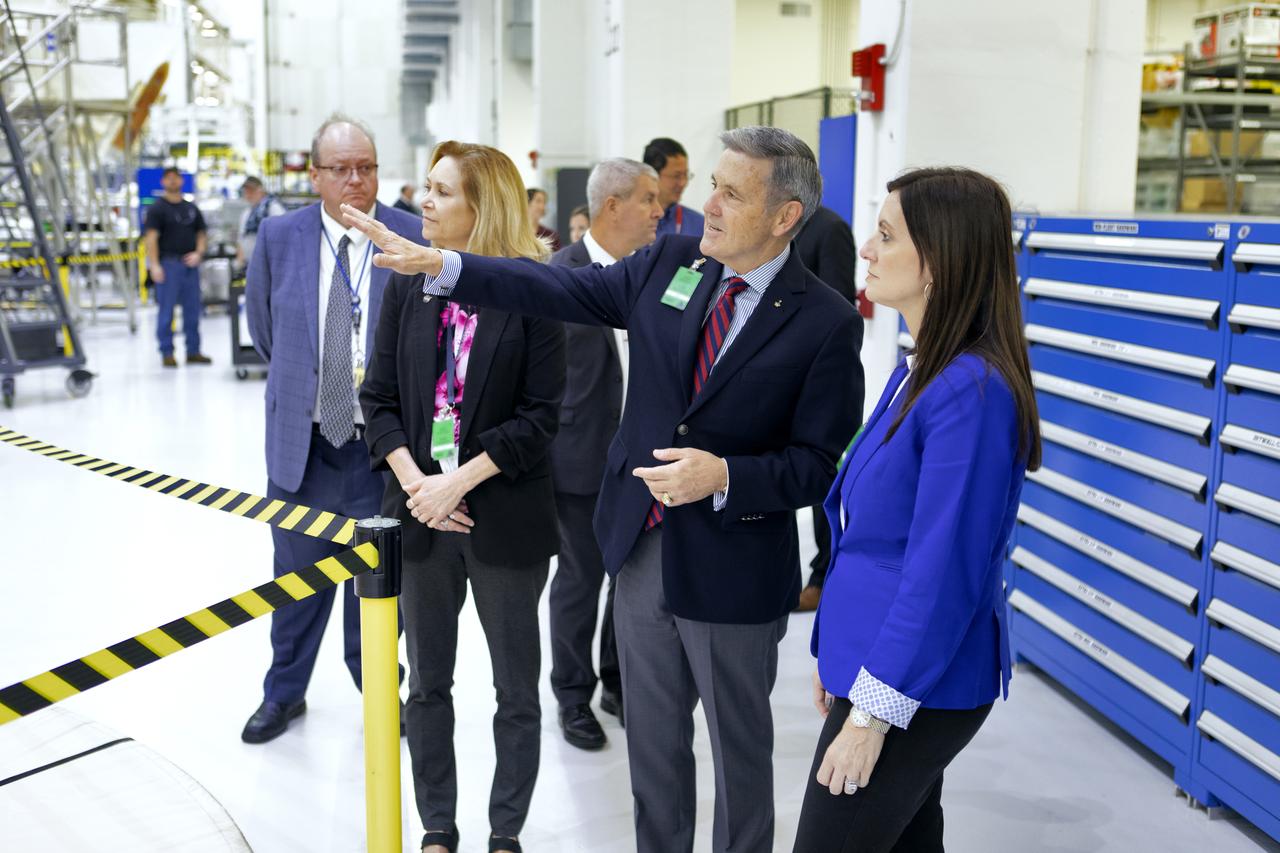
Kennedy Space Center Director Bob Cabana gives Florida Lt. Governor Jeanette Nunez (right) a tour of the Florida spaceport’s Neil Armstrong Operations and Checkout Building High Bay on April 5, 2019. Also in attendance was Kennedy Deputy Director Janet Petro (left). During her tour, Nunez was shown NASA’s Orion spacecraft, which will be flown on the agency’s Exploration Mission-1 (EM-1). Orion will launch atop the Space Launch System rocket from Kennedy’s Launch Complex 39B. This uncrewed mission will provide the foundation for human deep space exploration and pave the way for the crewed EM-2 mission.
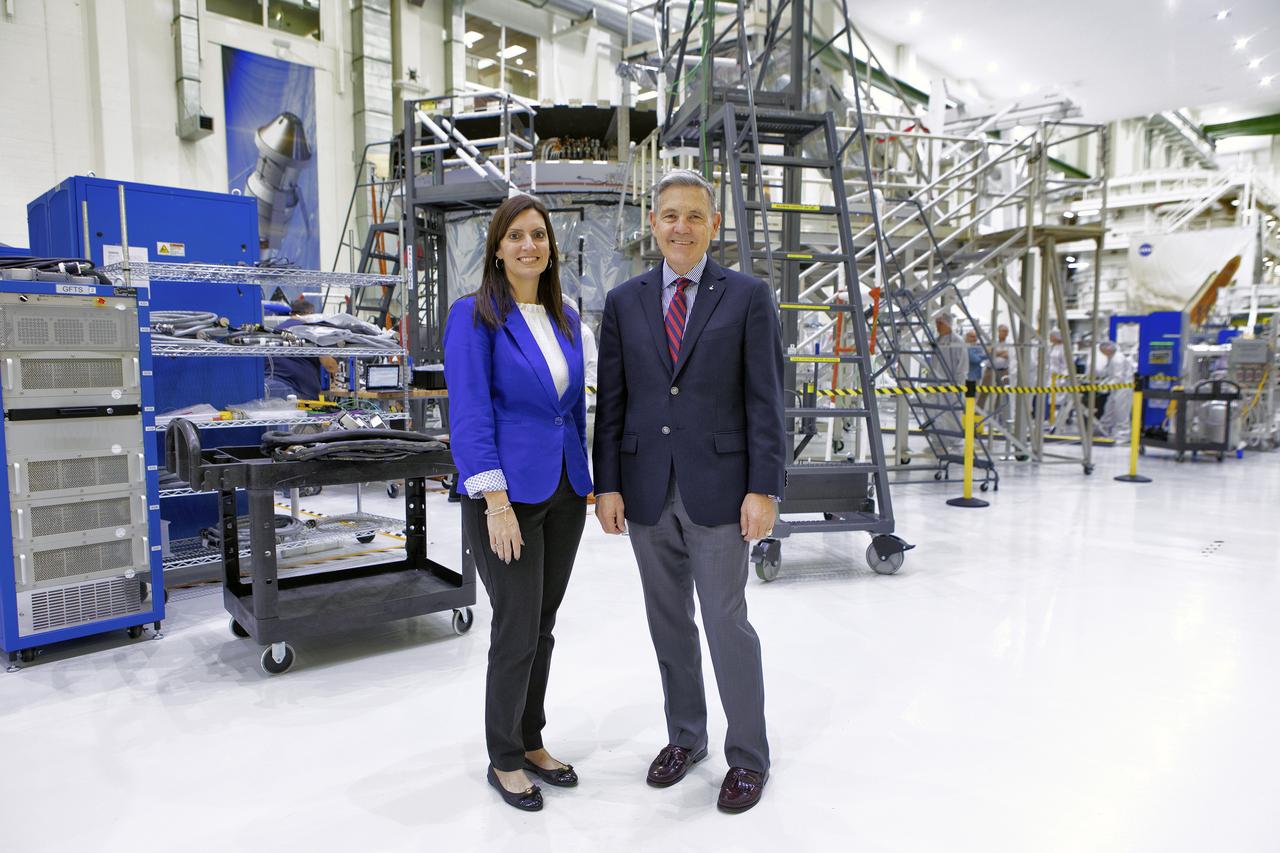
Florida Lt. Governor Jeanette Nunez and Kennedy Space Center Director Bob Cabana are photographed inside the Florida spaceport’s Neil Armstrong Operations and Checkout (O&C) Building high bay on April 5, 2019. During her tour of the O&C, Nunez was shown NASA’s Orion spacecraft, which will be flown on the agency’s Exploration Mission-1 (EM-1). Orion will launch atop the Space Launch System rocket from Kennedy’s Launch Complex 39B. This uncrewed mission will provide the foundation for human deep space exploration and pave the way for the crewed EM-2 mission.
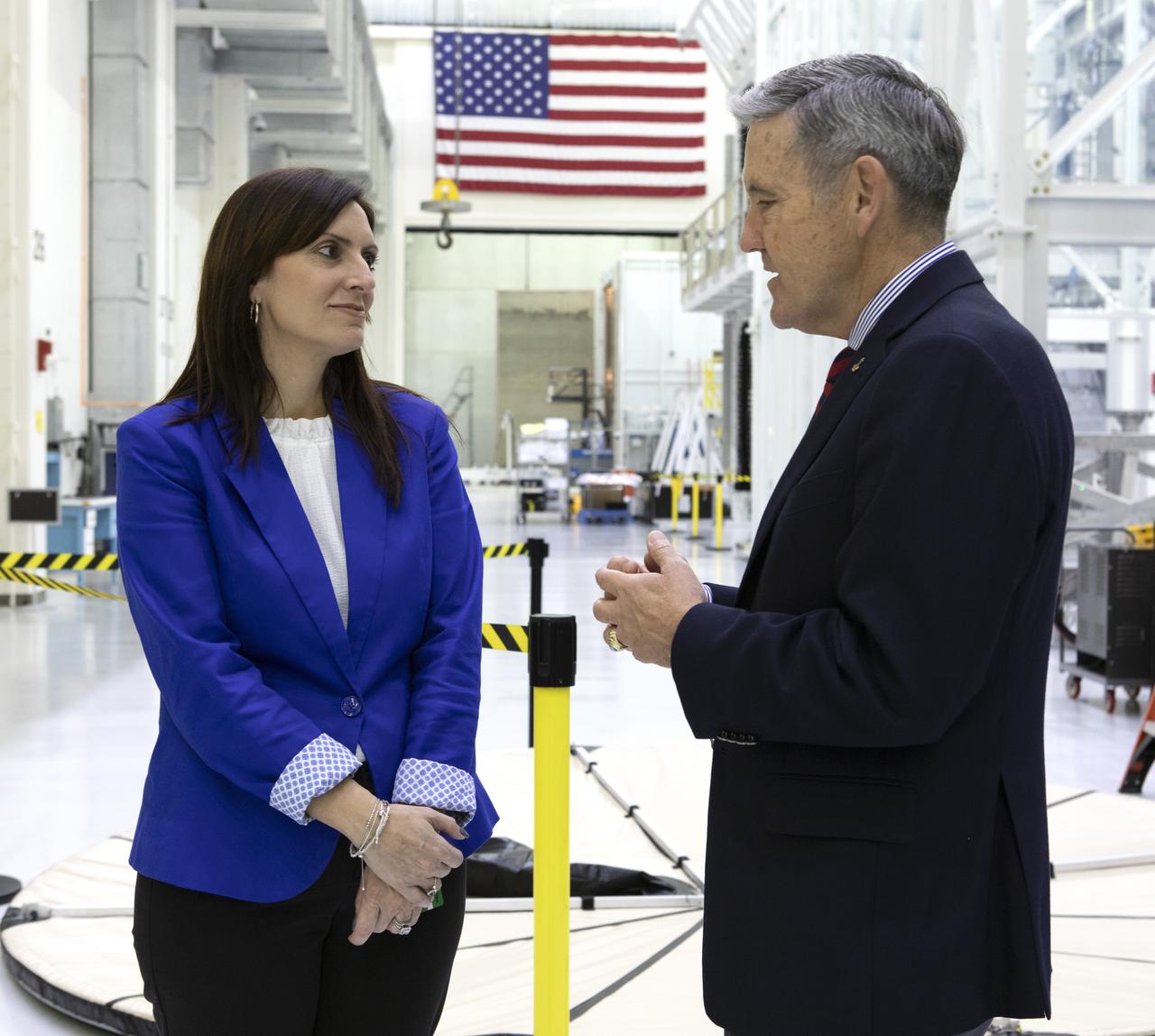
Kennedy Space Center Director Bob Cabana gives Florida Lt. Governor Jeanette Nunez a tour of the Florida spaceport’s Neil Armstrong Operations and Checkout Building high bay on April 5, 2019. During her tour, Nunez was shown NASA’s Orion spacecraft, which will be flown on the agency’s Exploration Mission-1 (EM-1). Orion will launch atop the Space Launch System rocket from Kennedy’s Launch Complex 39B. This uncrewed mission will provide the foundation for human deep space exploration and pave the way for the crewed EM-2 mission.
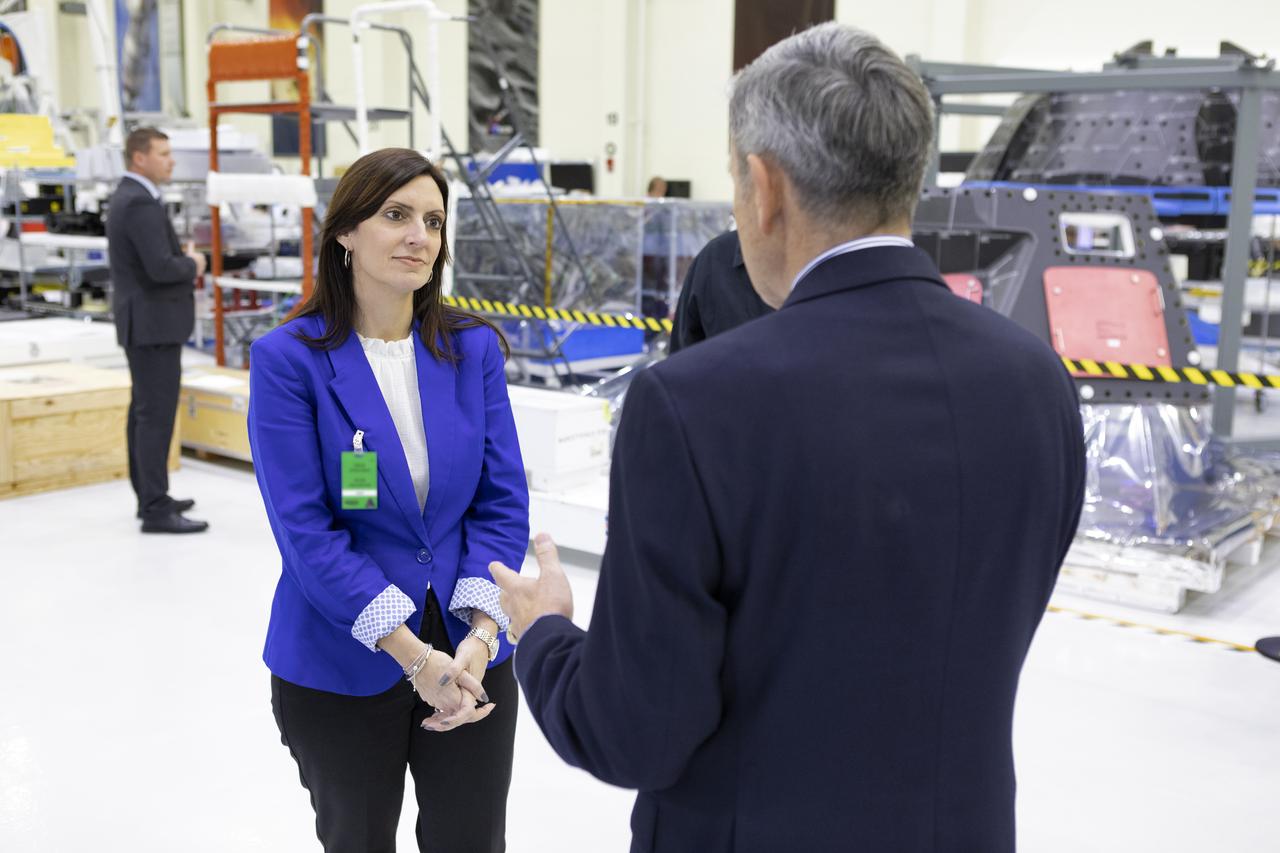
Kennedy Space Center Director Bob Cabana gives Florida Lt. Governor Jeanette Nunez a tour of the Florida spaceport’s Neil Armstrong Operations and Checkout Building high bay on April 5, 2019. During her tour, Nunez was shown NASA’s Orion spacecraft, which will be flown on the agency’s Exploration Mission-1 (EM-1). Orion will launch atop the Space Launch System rocket from Kennedy’s Launch Complex 39B. This uncrewed mission will provide the foundation for human deep space exploration and pave the way for the crewed EM-2 mission.
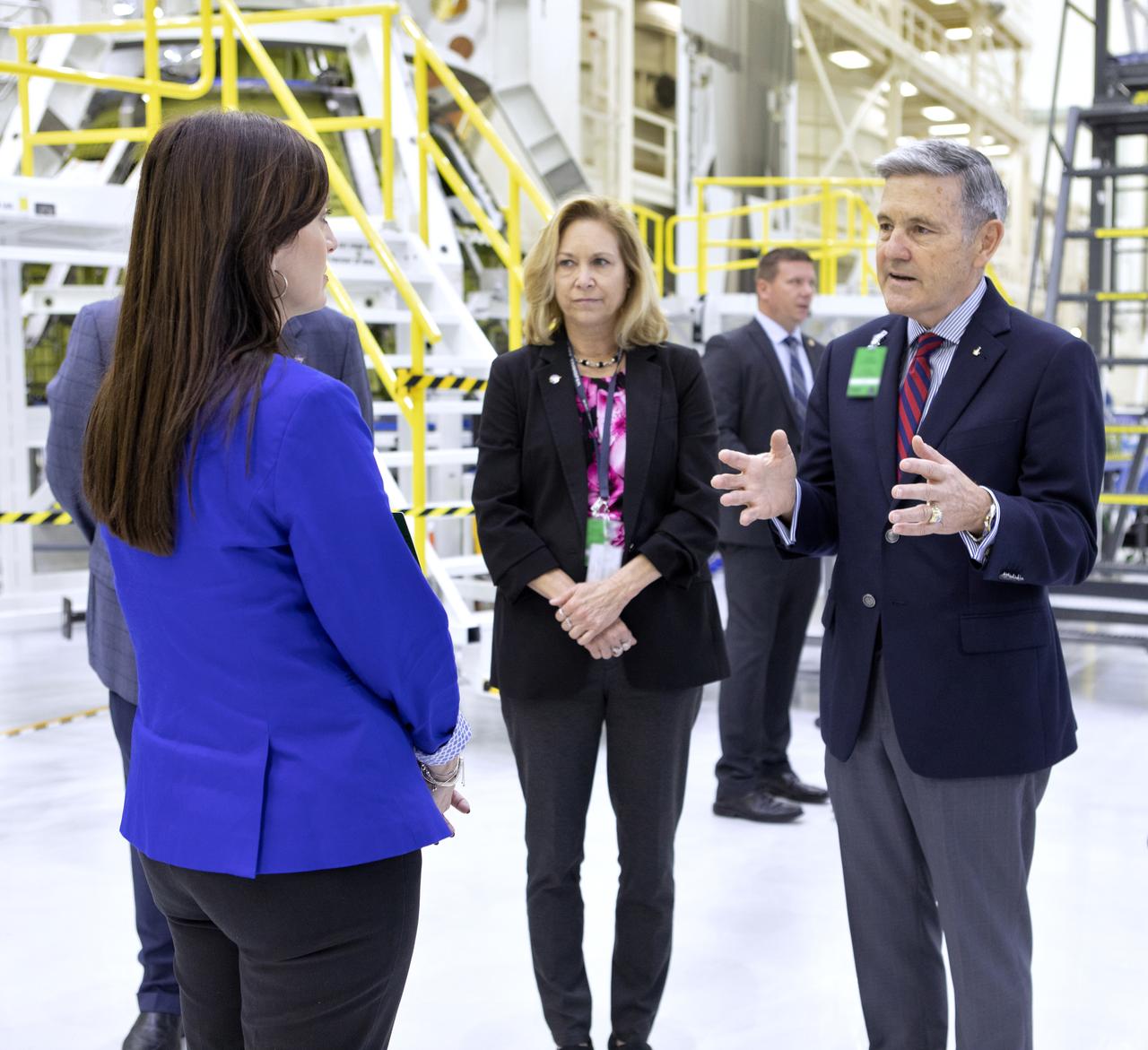
Kennedy Space Center Director Bob Cabana gives Florida Lt. Governor Jeanette Nunez (left) a tour of the Florida spaceport’s Neil Armstrong Operations and Checkout Building high bay on April 5, 2019. Also in attendance was Kennedy Deputy Director Janet Petro (center). During her tour, Nunez was shown NASA’s Orion spacecraft, which will be flown on the agency’s Exploration Mission-1 (EM-1). Orion will launch atop the Space Launch System rocket from Kennedy’s Launch Complex 39B. This uncrewed mission will provide the foundation for human deep space exploration and pave the way for the crewed EM-2 mission.
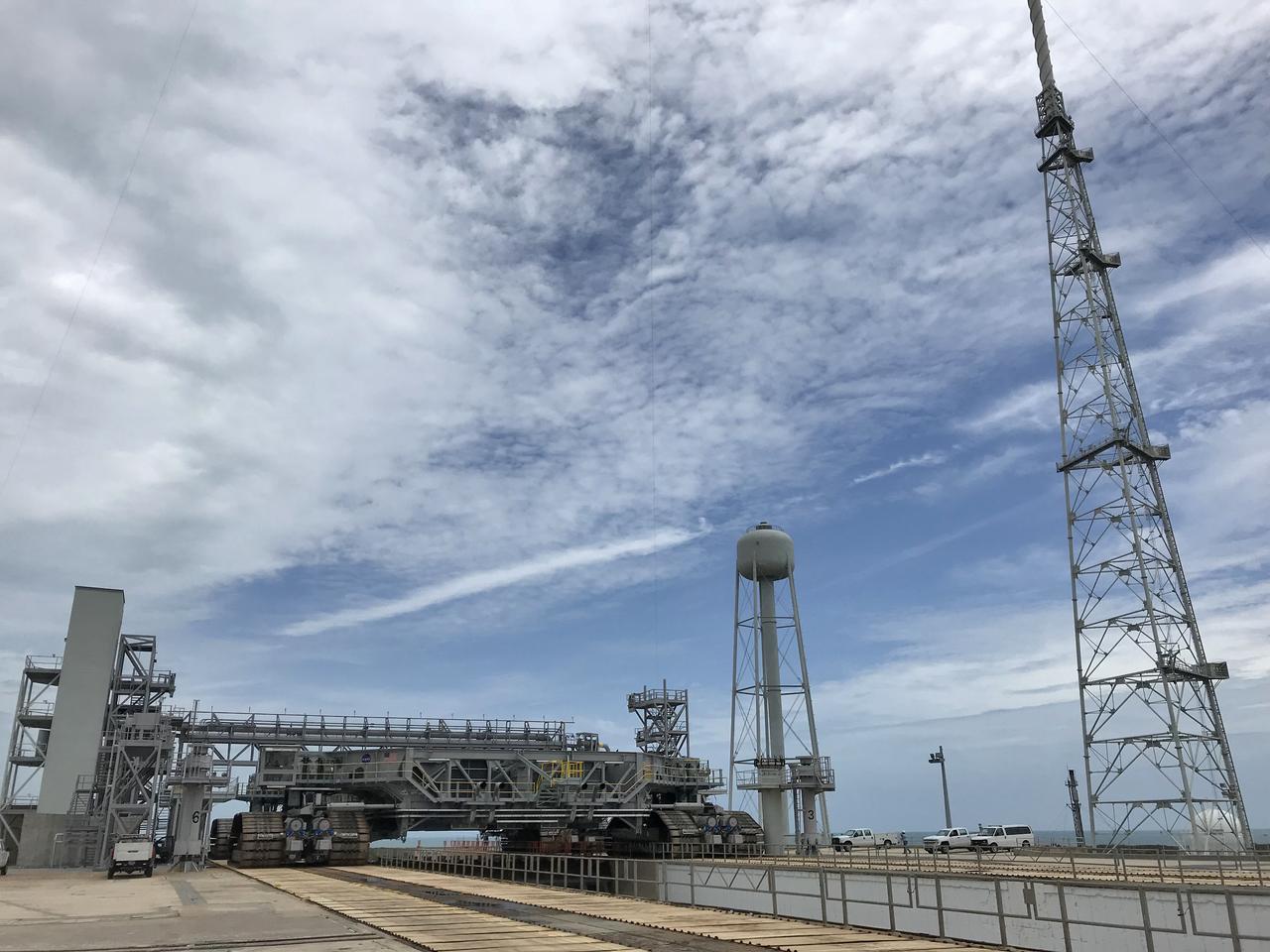
Crawler-transporter 2 (CT-2) arrives on the surface of Launch Pad 39B for a fit check on May 22, 2018, at NASA's Kennedy Space Center in Florida. The test drive to the pad confirms that all of the recent modifications to CT-2 and Pad 39B are operational to support the launch of the agency's Space Launch System rocket and Orion spacecraft on Exploration Mission-1. In view, at right, is one of three lightning protection towers positioned around Pad 39B. Exploration Ground Systems managed the modifications and upgrades to CT-2 and Pad 39B to prepare for EM-1 and deep space exploration missions.
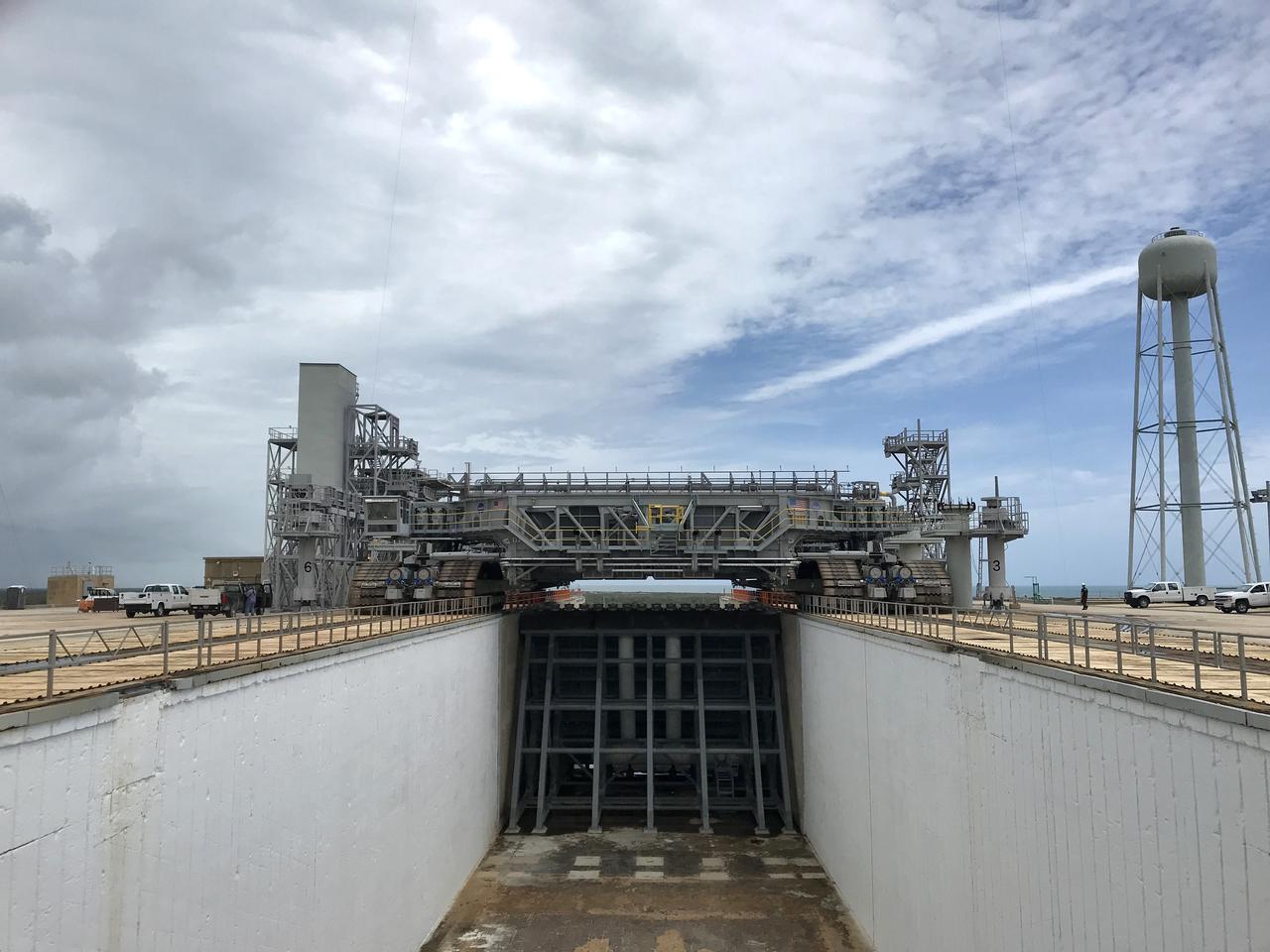
Crawler-transporter 2 (CT-2) arrives on the surface of Launch Pad 39B for a fit check on May 22, 2018, at NASA's Kennedy Space Center in Florida. The test drive to the pad confirms that all of the recent modifications to CT-2 and Pad 39B are operational to support the launch of the agency's Space Launch System rocket and Orion spacecraft on Exploration Mission-1. In view is the south side of the flame trench and the south side of the recently installed new main flame deflector. Exploration Ground Systems managed the modifications and upgrades to CT-2 and Pad 39B to prepare for EM-1 and deep space exploration missions.
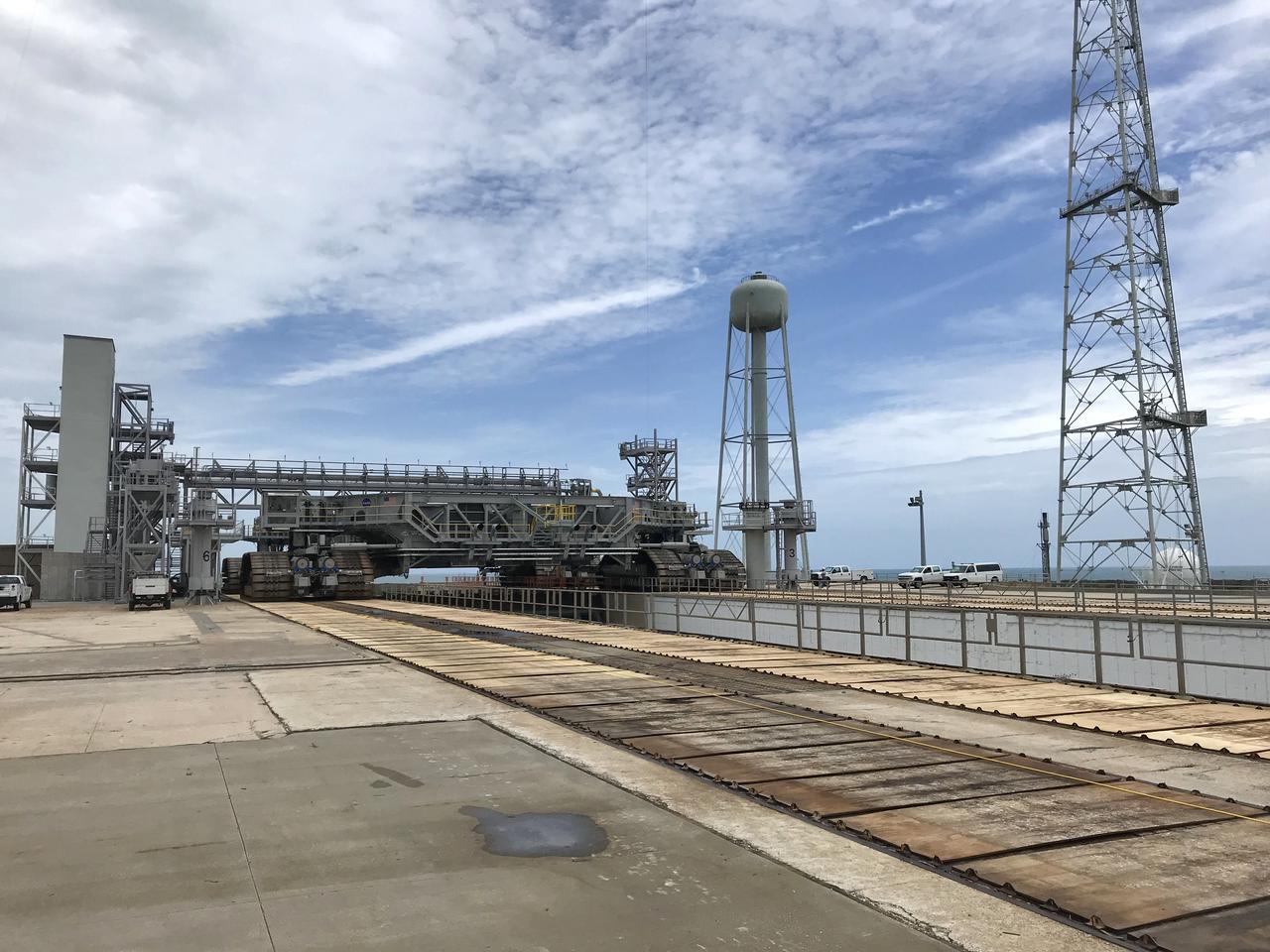
Crawler-transporter 2 (CT-2) arrives on the surface of Launch Pad 39B for a fit check on May 22, 2018, at NASA's Kennedy Space Center in Florida. The test drive to the pad confirms that all of the recent modifications to CT-2 and Pad 39B are operational to support the launch of the agency's Space Launch System rocket and Orion spacecraft on Exploration Mission-1. In view, at right, is one of three lightning protection towers positioned around Pad 39B. Exploration Ground Systems managed the modifications and upgrades to CT-2 and Pad 39B to prepare for EM-1 and deep space exploration missions.
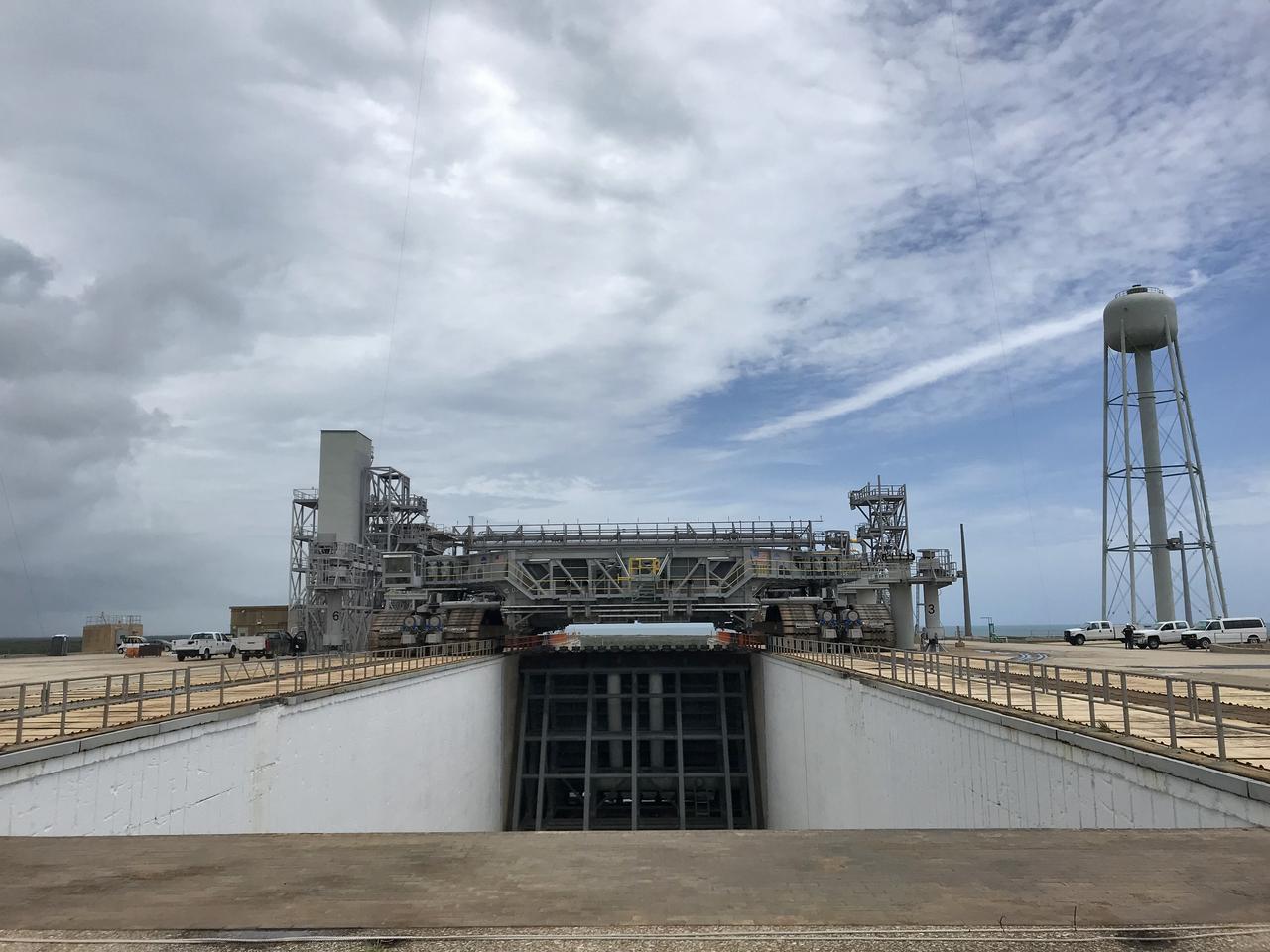
Crawler-transporter 2 (CT-2) arrives on the surface of Launch Pad 39B for a fit check on May 22, 2018, at NASA's Kennedy Space Center in Florida. The test drive to the pad confirms that all of the recent modifications to CT-2 and Pad 39B are operational to support the launch of the agency's Space Launch System rocket and Orion spacecraft on Exploration Mission-1. In view is the south side of the flame trench and the south side of the recently installed new main flame deflector. Exploration Ground Systems managed the modifications and upgrades to CT-2 and Pad 39B to prepare for EM-1 and deep space exploration missions.
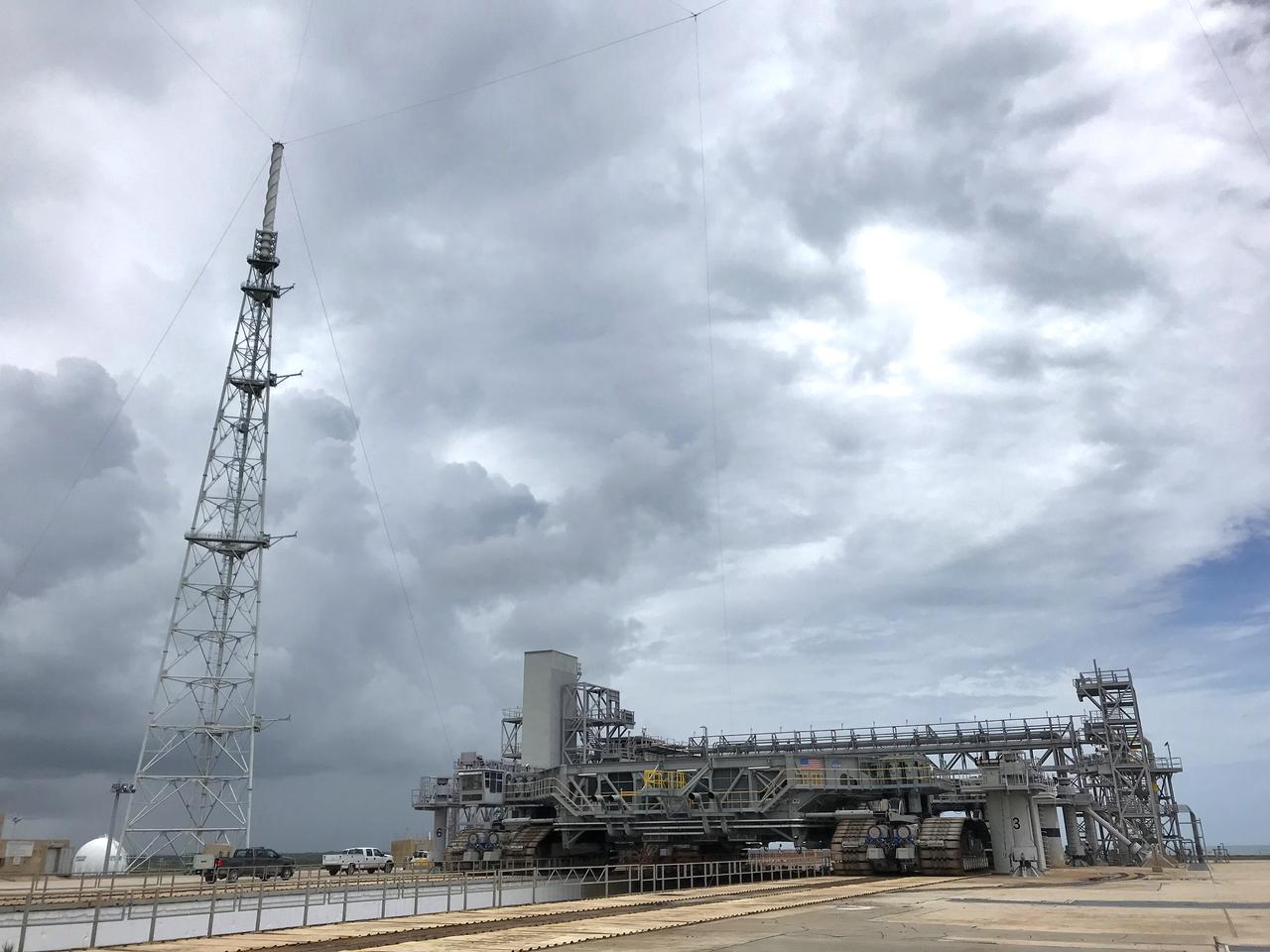
Crawler-transporter 2 (CT-2) arrives on the surface of Launch Pad 39B for a fit check on May 22, 2018, at NASA's Kennedy Space Center in Florida. The test drive to the pad confirms that all of the recent modifications to CT-2 and Pad 39B are operational to support the launch of the agency's Space Launch System rocket and Orion spacecraft on Exploration Mission-1. In view, at left, is one of three lightning protection towers positioned around Pad 39B. Exploration Ground Systems managed the modifications and upgrades to CT-2 and Pad 39B to prepare for EM-1 and deep space exploration missions.
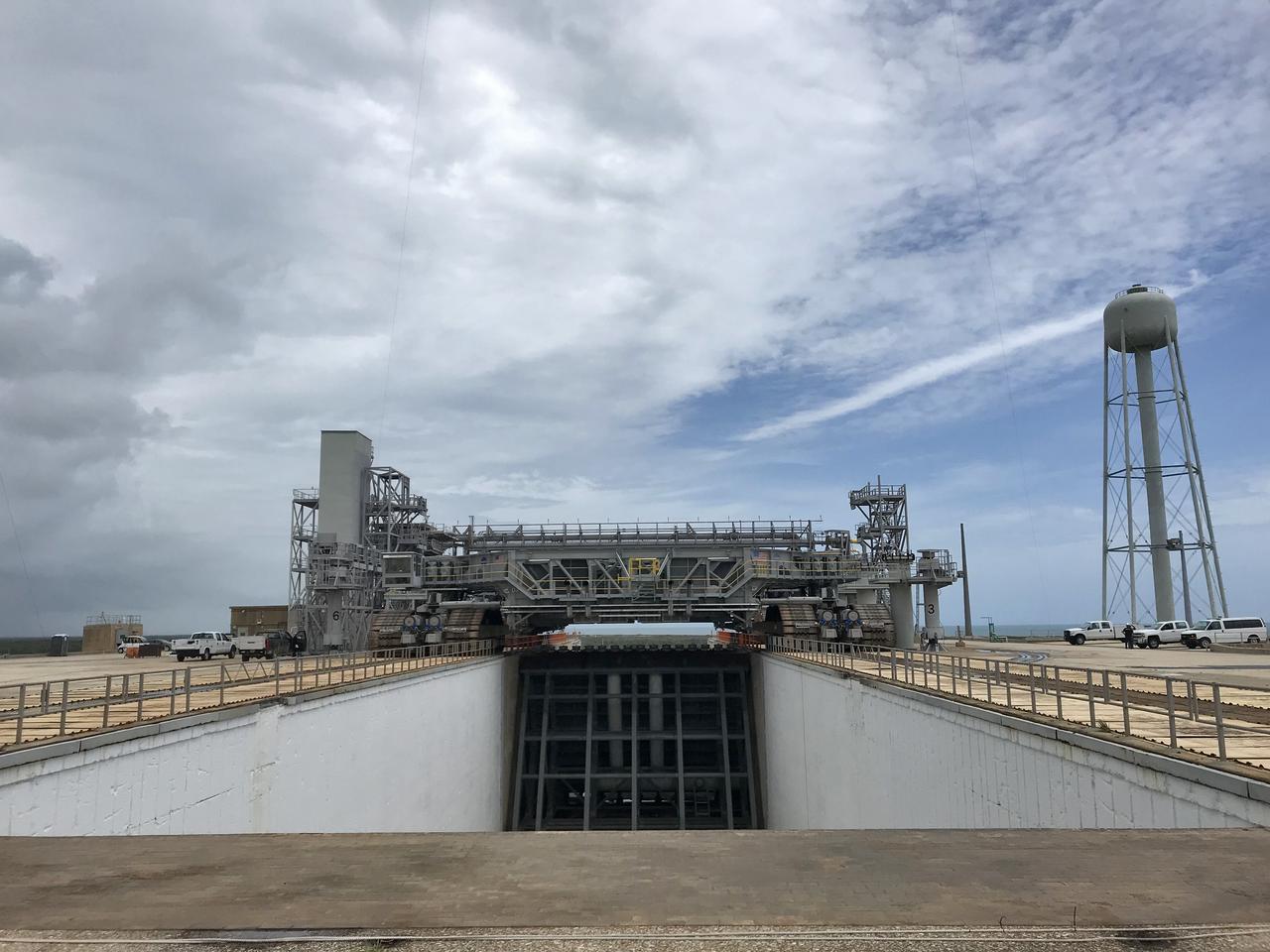
Crawler-transporter 2 (CT-2) arrives on the surface of Launch Pad 39B for a fit check on May 22, 2018, at NASA's Kennedy Space Center in Florida. The test drive to the pad confirms that all of the recent modifications to CT-2 and Pad 39B are operational to support the launch of the agency's Space Launch System rocket and Orion spacecraft on Exploration Mission-1. In view is the south side of the flame trench and the south side of the recently installed new main flame deflector. Exploration Ground Systems managed the modifications and upgrades to CT-2 and Pad 39B to prepare for EM-1 and deep space exploration missions.
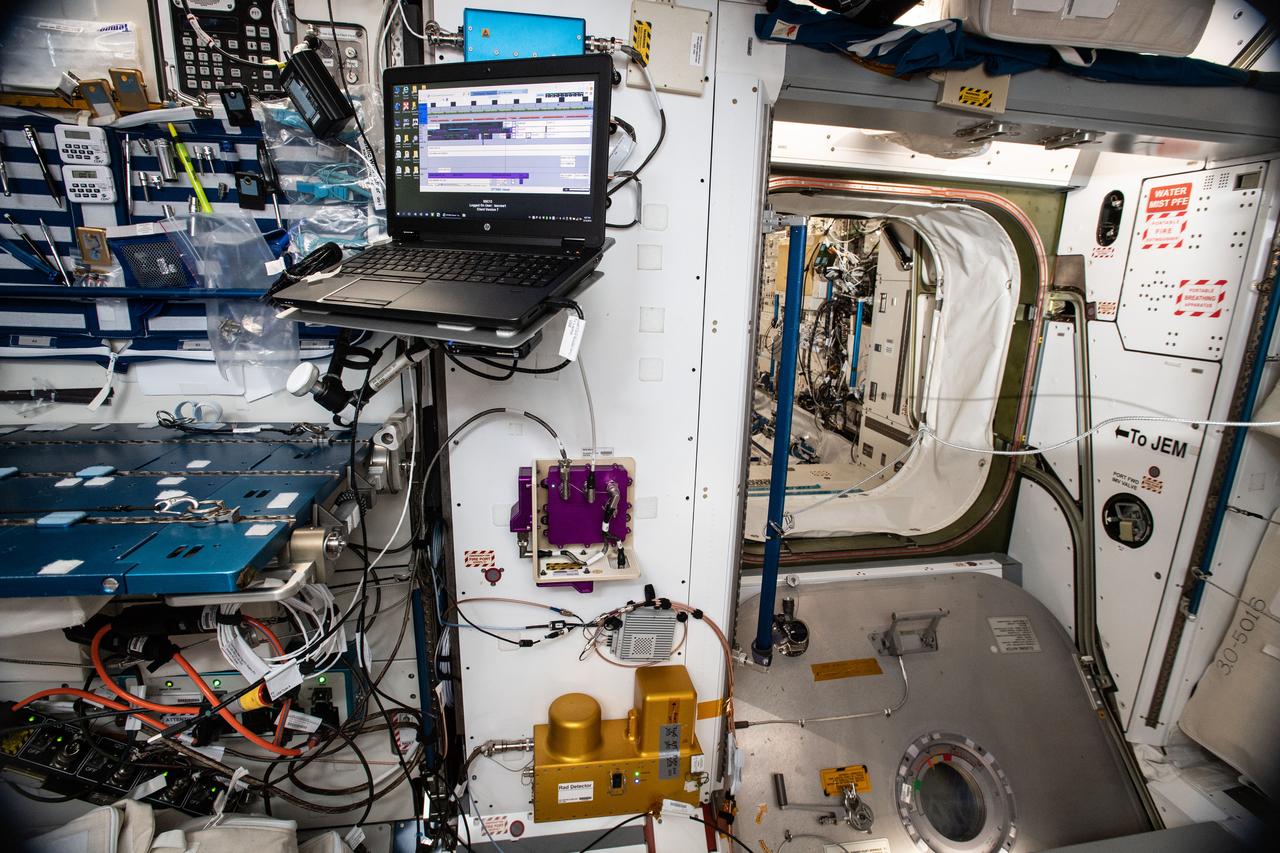
iss058e013161 (2/13/2019) --- Photo documentation of ISS HERA taken aboard the International Space Station (ISS). The International Space Station Hybrid Electronic Radiation Assessor (ISS HERA) refines data analysis and operational products that support future exploration missions. It uses an existing on-orbit radiation detection system developed for Orion and Exploration Mission 1 (EM-1), modified to operate on the space station.
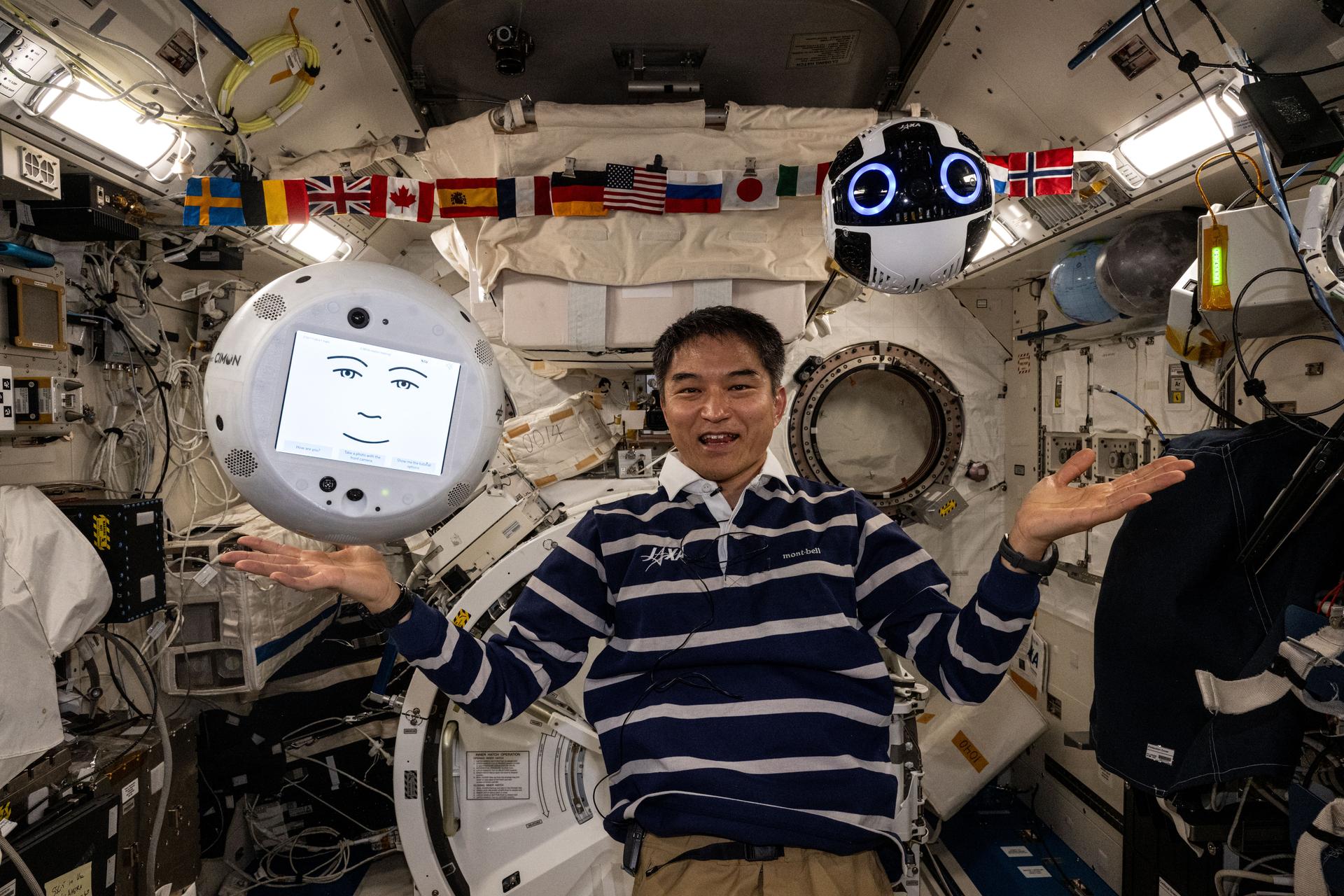
Iss073e0414437 (July 29, 2025) --- JAXA (Japan Aerospace Exploration Agency) astronaut Kimiya Yui demonstrates the ICHIBAN investigation with two robotic assistants, EM Internal Ball Camera 2 (Int-Ball2) and Mobile Companion (CIMON). The demo showcases inter-robot communication and could lead to multiple robots working together on future missions, reducing crew fatigue and freeing up more time for research.
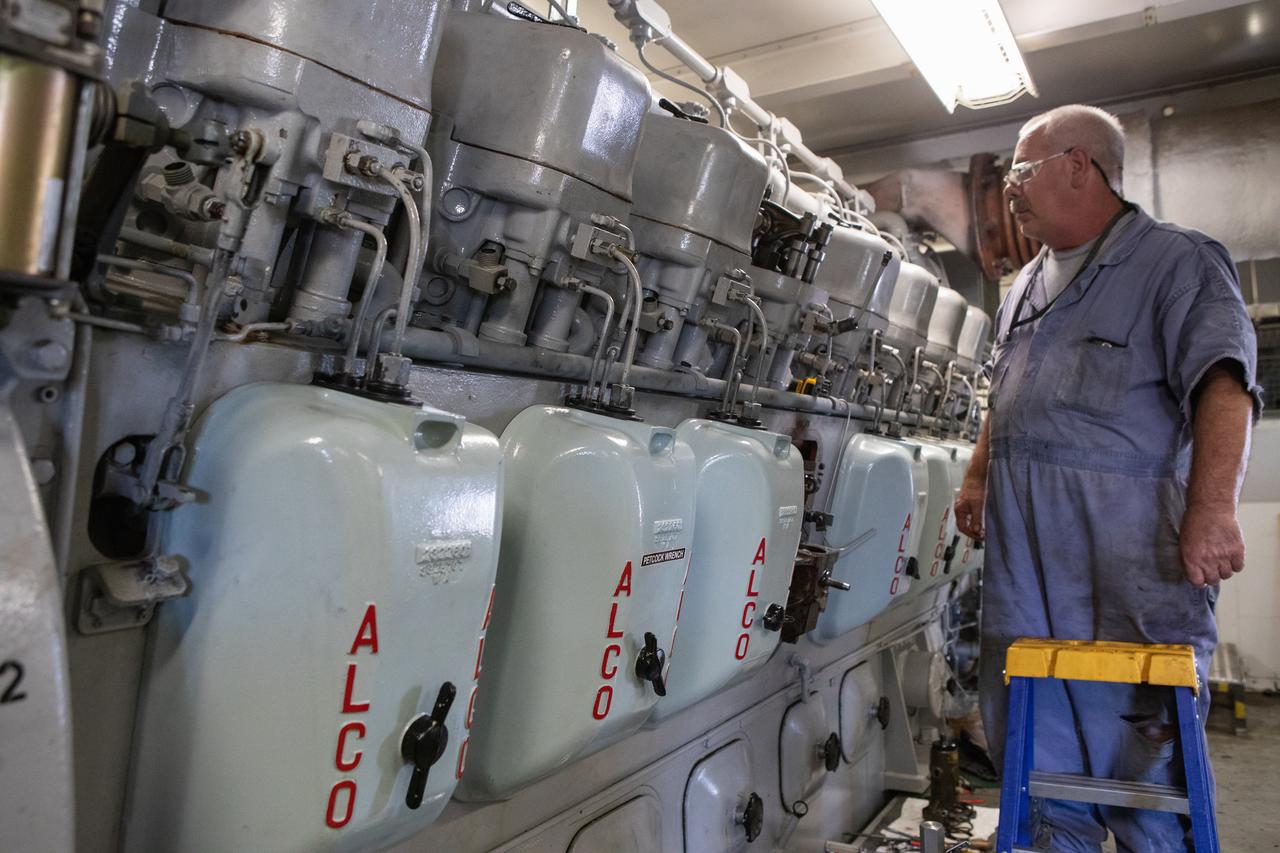
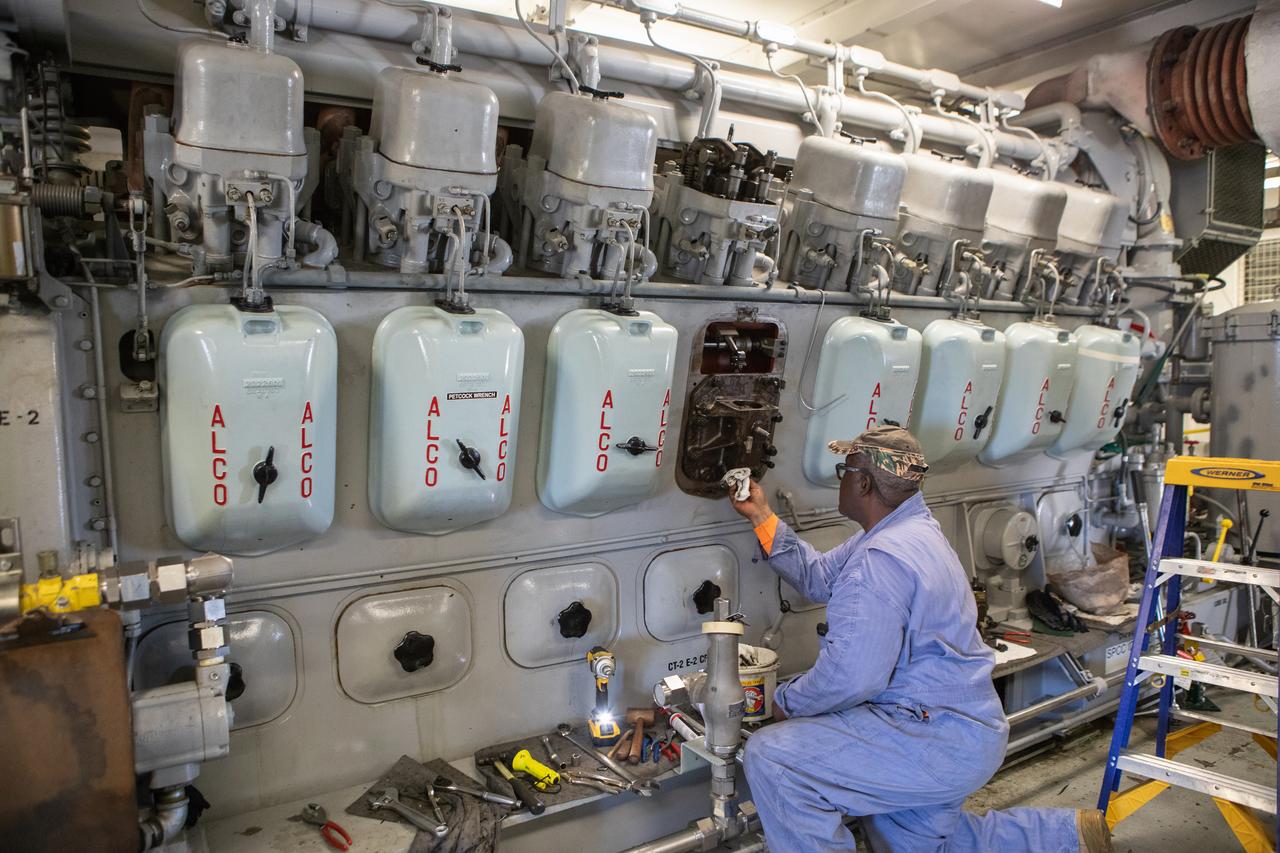
William Vardaman, a mechanical technician with the Jacobs contracting team, performs engine maintenance on NASA's crawler-transporter 2 on March 26, 2019, in the crawler yard located in Kennedy Space Center's Launch Complex 39 area. Recent engine work included rebuilding the vehicles’ fuel pump assemblies and installing new oil pumps that will help minimize future wear. This is one of two crawler-transporters that carried rockets and spacecraft, including the Apollo/Saturn V and space shuttle, from the Vehicle Assembly Building to the launch pad. NASA’s Exploration Ground Systems oversaw modifications and upgrades to crawler-transporter 2 so it can carry the mobile launcher and NASA's Space Launch System rocket, topped by the Orion spacecraft, to Launch Pad 39B for Exploration Mission-1.
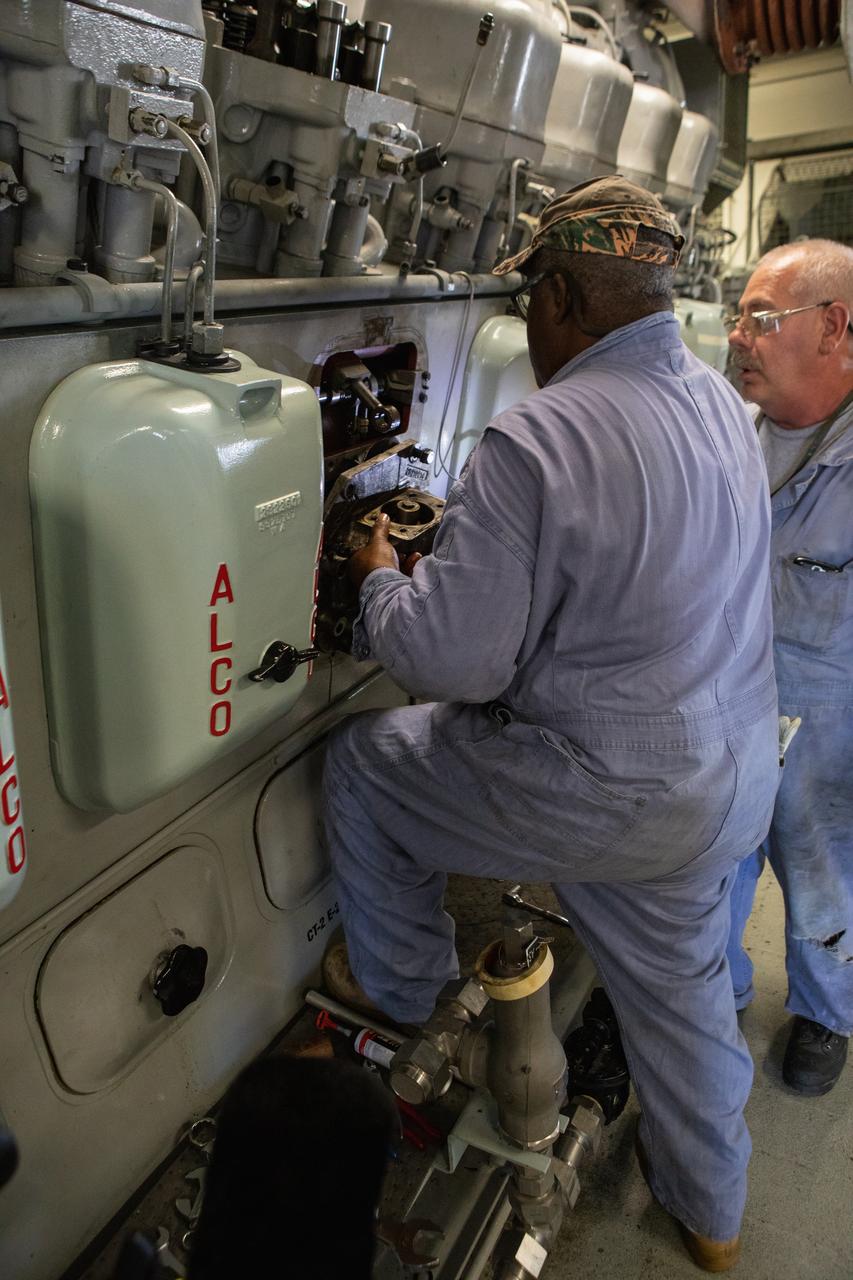
Pat Brown, left, and William Vardaman, mechanical technicians with the Jacobs contracting team, perform engine maintenance on NASA's crawler-transporter 2 on March 26, 2019, in the crawler yard located in Kennedy Space Center's Launch Complex 39 area. Recent engine work included rebuilding the vehicles’ fuel pump assemblies and installing new oil pumps that will help minimize future wear. This is one of two crawler-transporters that carried rockets and spacecraft, including the Apollo/Saturn V and space shuttle, from the Vehicle Assembly Building to the launch pad. NASA’s Exploration Ground Systems oversaw modifications and upgrades to crawler-transporter 2 so it can carry the mobile launcher and NASA's Space Launch System rocket, topped by the Orion spacecraft, to Launch Pad 39B for Exploration Mission-1.
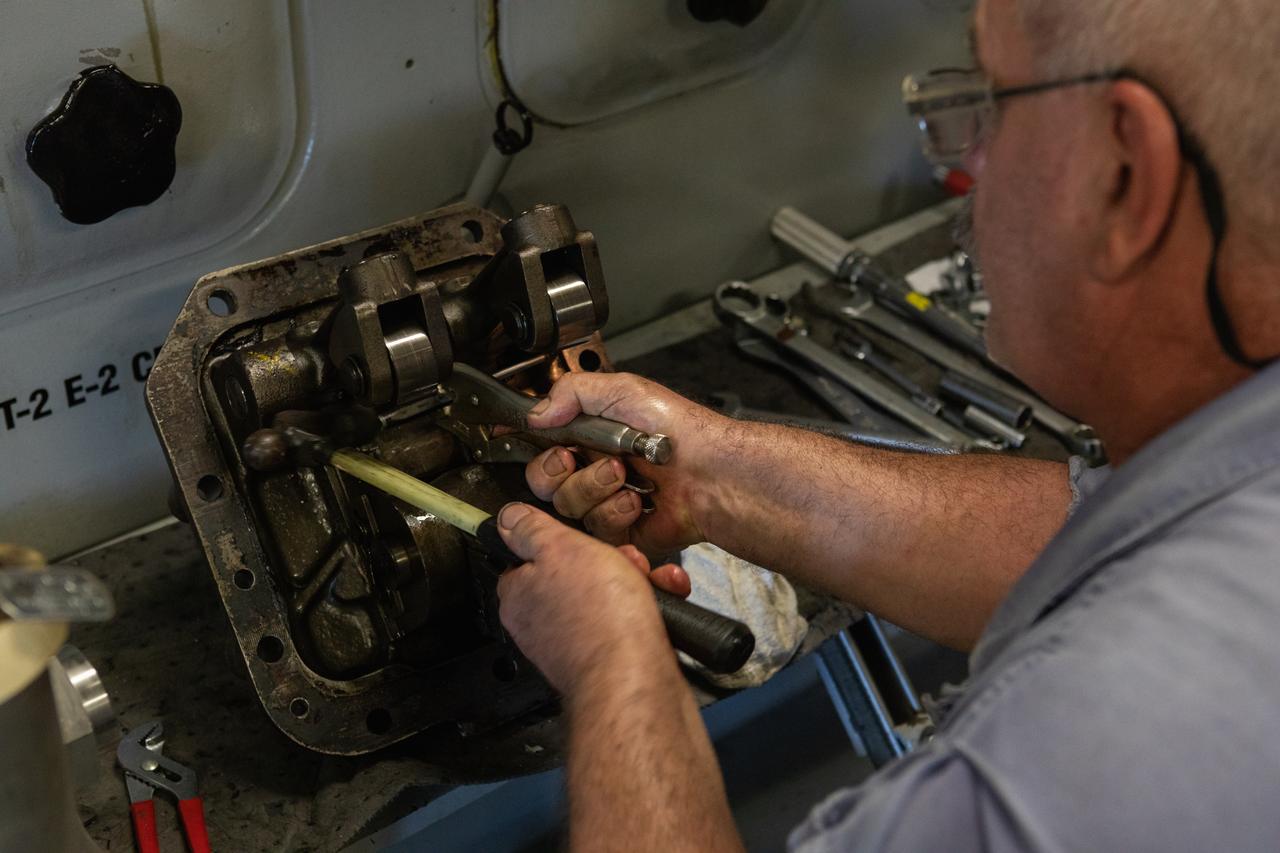
William Vardaman, a mechanical technician with the Jacobs contracting team, performs engine maintenance on NASA's crawler-transporter 2 on March 26, 2019, in the crawler yard located in Kennedy Space Center's Launch Complex 39 area. Recent engine work included rebuilding the vehicles’ fuel pump assemblies and installing new oil pumps that will help minimize future wear. This is one of two crawler-transporters that carried rockets and spacecraft, including the Apollo/Saturn V and space shuttle, from the Vehicle Assembly Building to the launch pad. NASA’s Exploration Ground Systems oversaw modifications and upgrades to crawler-transporter 2 so it can carry the mobile launcher and NASA's Space Launch System rocket, topped by the Orion spacecraft, to Launch Pad 39B for Exploration Mission-1.
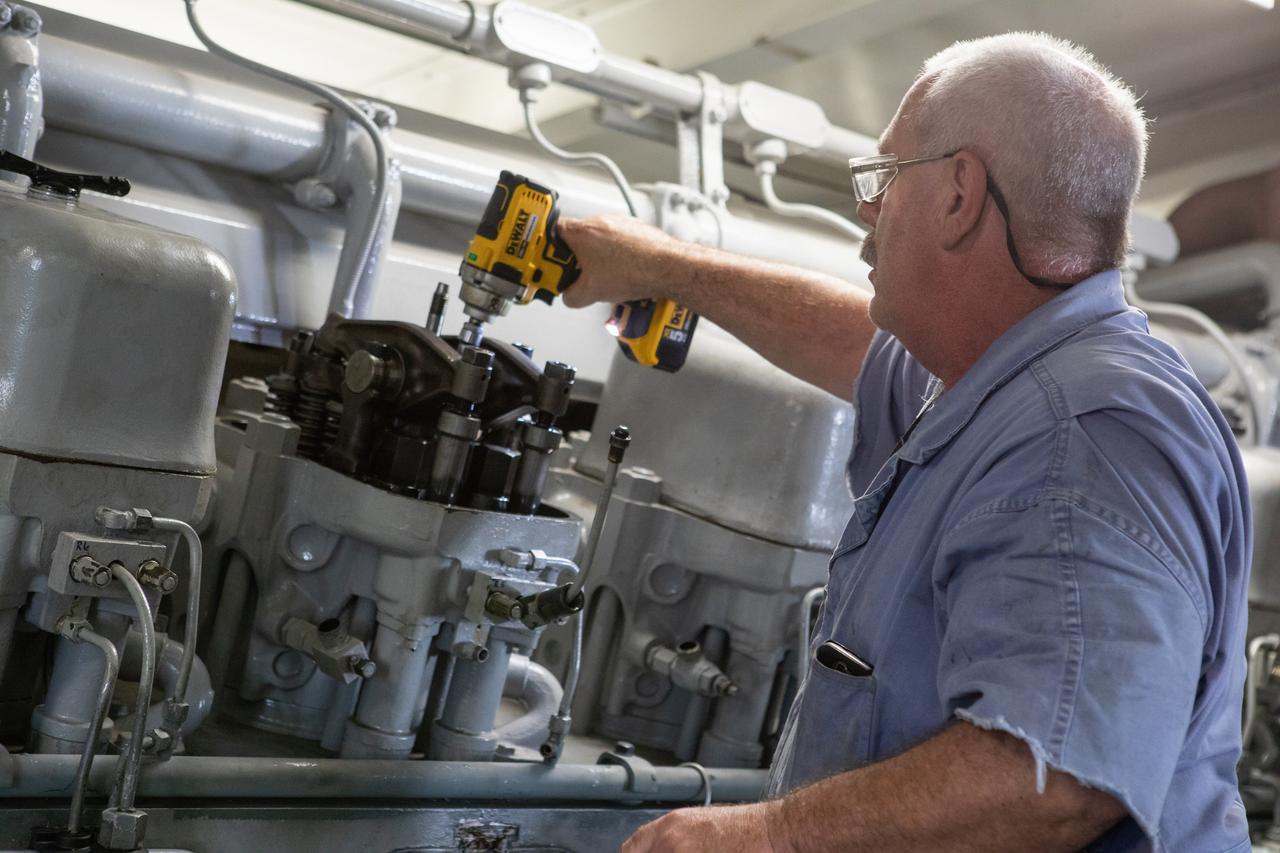
William Vardaman, a mechanical technician with the Jacobs contracting team, performs engine maintenance on NASA's crawler-transporter 2 on March 26, 2019, in the crawler yard located in Kennedy Space Center's Launch Complex 39 area. Recent engine work included rebuilding the vehicles’ fuel pump assemblies and installing new oil pumps that will help minimize future wear. This is one of two crawler-transporters that carried rockets and spacecraft, including the Apollo/Saturn V and space shuttle, from the Vehicle Assembly Building to the launch pad. NASA’s Exploration Ground Systems oversaw modifications and upgrades to crawler-transporter 2 so it can carry the mobile launcher and NASA's Space Launch System rocket, topped by the Orion spacecraft, to Launch Pad 39B for Exploration Mission-1.
Pat Brown, a mechanical technician with Jacobs, performs engine maintenance on NASA's crawler-transporter 2 on March 26, 2019, in the crawler yard located in Kennedy Space Center's Launch Complex 39 area. Recent engine work included rebuilding the vehicles’ fuel pump assemblies and installing new oil pumps that will help minimize future wear. This is one of two crawler-transporters that carried rockets and spacecraft, including the Apollo/Saturn V and space shuttle, from the Vehicle Assembly Building to the launch pad. NASA’s Exploration Ground Systems oversaw modifications and upgrades to crawler-transporter 2 so it can carry the mobile launcher and NASA's Space Launch System rocket, topped by the Orion spacecraft, to Launch Pad 39B for Exploration Mission-1.
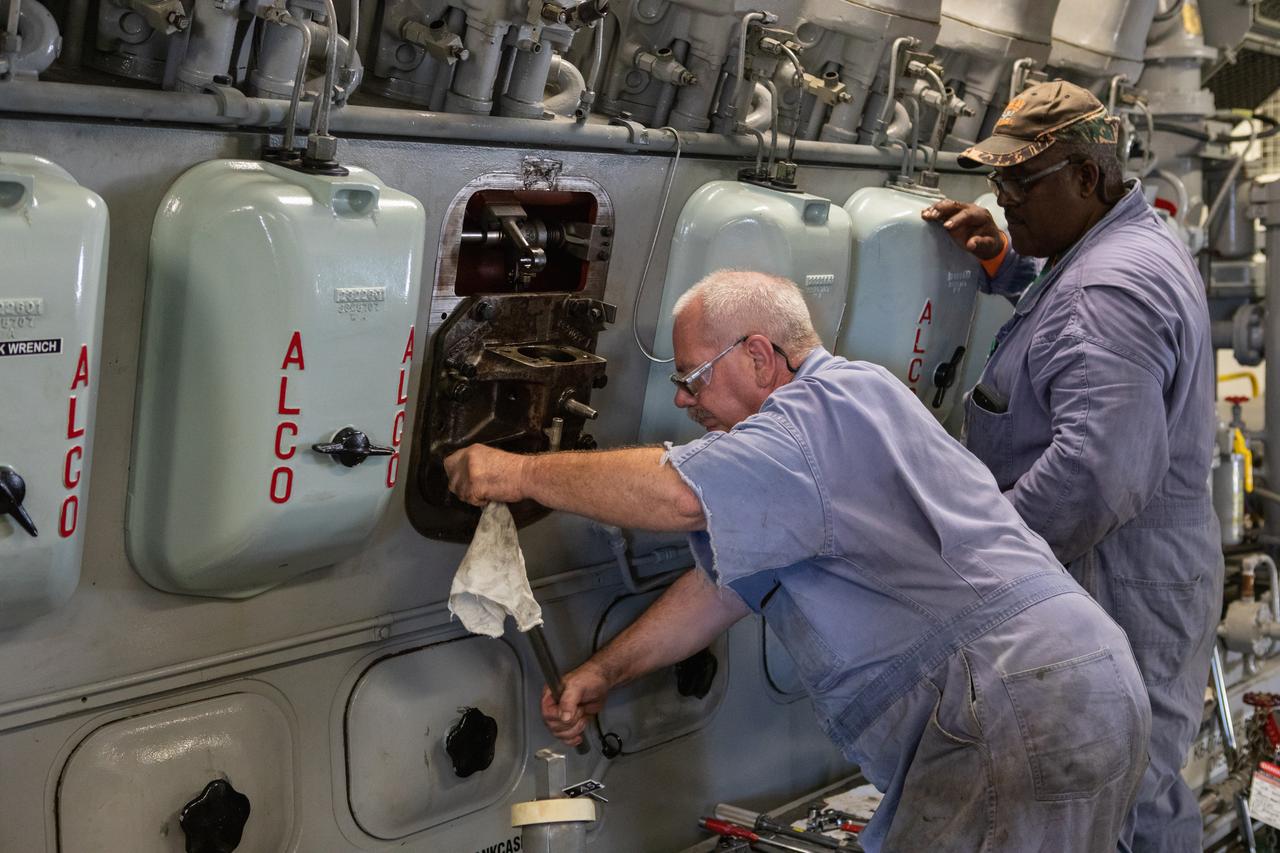
William Vardaman, left, and Pat Brown, mechanical technicians with the Jacobs contracting team, perform engine maintenance on NASA's crawler-transporter 2 on March 26, 2019, in the crawler yard located in Kennedy Space Center's Launch Complex 39 area. Recent engine work included rebuilding the vehicles’ fuel pump assemblies and installing new oil pumps that will help minimize future wear. This is one of two crawler-transporters that carried rockets and spacecraft, including the Apollo/Saturn V and space shuttle, from the Vehicle Assembly Building to the launch pad. NASA’s Exploration Ground Systems oversaw modifications and upgrades to crawler-transporter 2 so it can carry the mobile launcher and NASA's Space Launch System rocket, topped by the Orion spacecraft, to Launch Pad 39B for Exploration Mission-1.
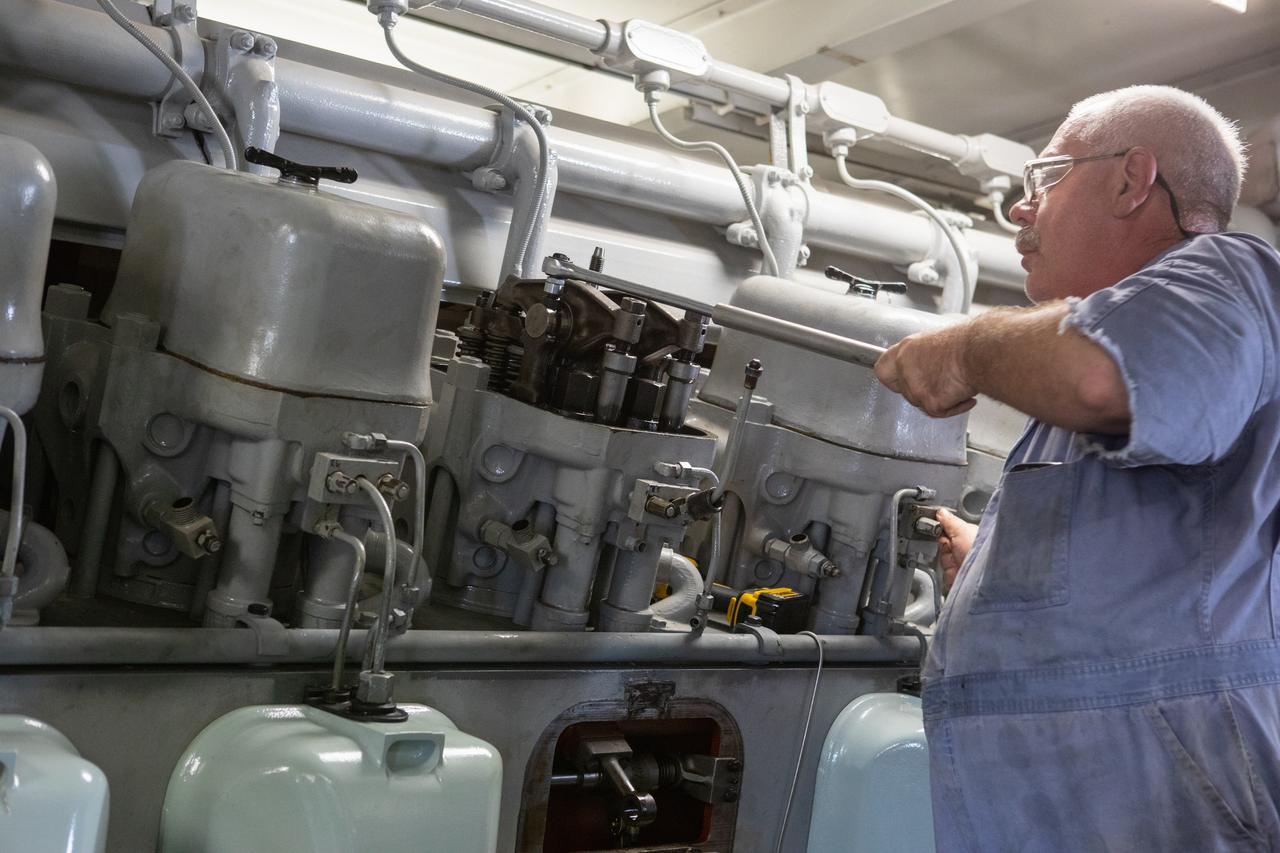
William Vardaman, mechanical technician with the Jacobs contracting team, performs engine maintenance on NASA's crawler-transporter 2 on March 26, 2019, in the crawler yard located in Kennedy Space Center's Launch Complex 39 area. Recent engine work included rebuilding the vehicles’ fuel pump assemblies and installing new oil pumps that will help minimize future wear. This is one of two crawler-transporters that carried rockets and spacecraft, including the Apollo/Saturn V and space shuttle, from the Vehicle Assembly Building to the launch pad. NASA’s Exploration Ground Systems oversaw modifications and upgrades to crawler-transporter 2 so it can carry the mobile launcher and NASA's Space Launch System rocket, topped by the Orion spacecraft, to Launch Pad 39B for Exploration Mission-1.
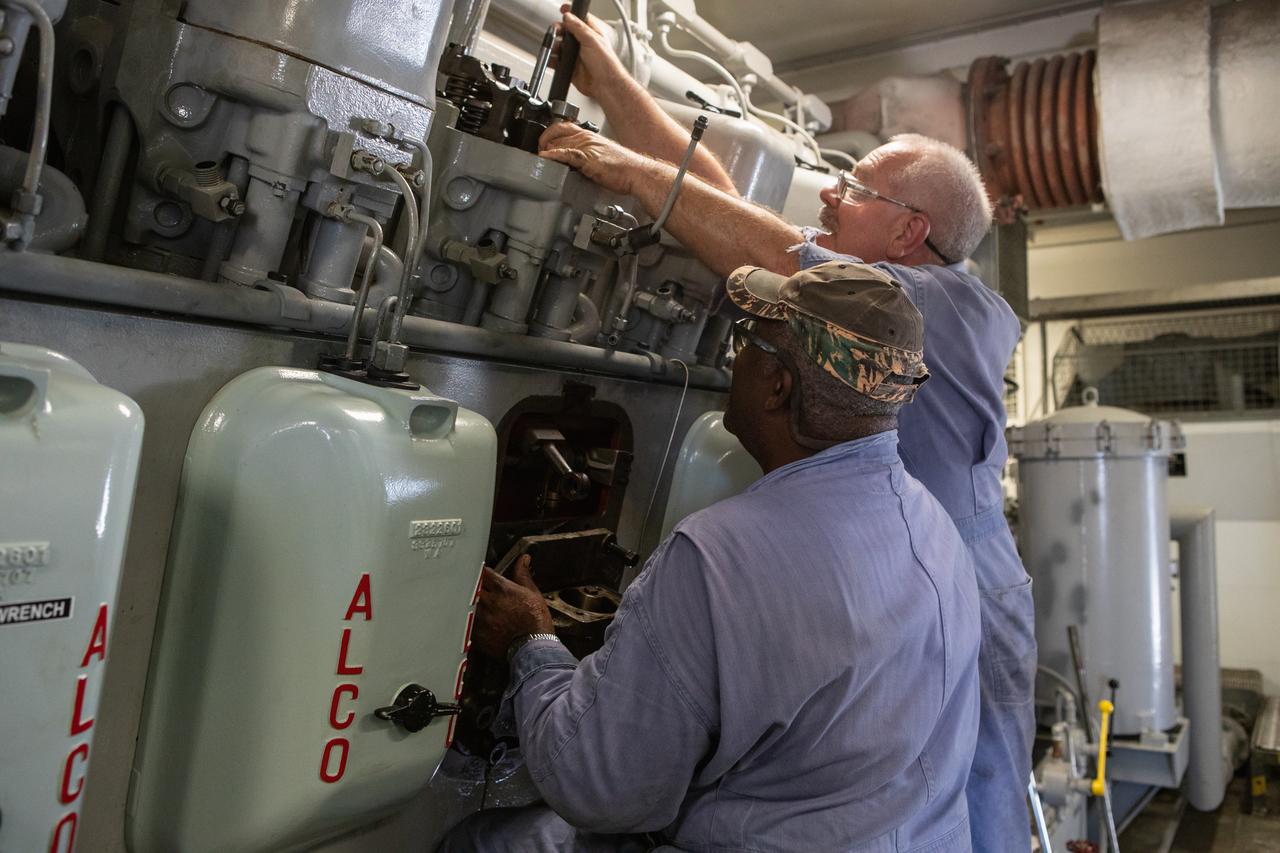
Pat Brown, left, and William Vardaman, mechanical technicians with the Jacobs contracting team, perform engine maintenance on NASA's crawler-transporter 2 on March 26, 2019, in the crawler yard located in Kennedy Space Center's Launch Complex 39 area. Recent engine work included rebuilding the vehicles’ fuel pump assemblies and installing new oil pumps that will help minimize future wear. This is one of two crawler-transporters that carried rockets and spacecraft, including the Apollo/Saturn V and space shuttle, from the Vehicle Assembly Building to the launch pad. NASA’s Exploration Ground Systems oversaw modifications and upgrades to crawler-transporter 2 so it can carry the mobile launcher and NASA's Space Launch System rocket, topped by the Orion spacecraft, to Launch Pad 39B for Exploration Mission-1.
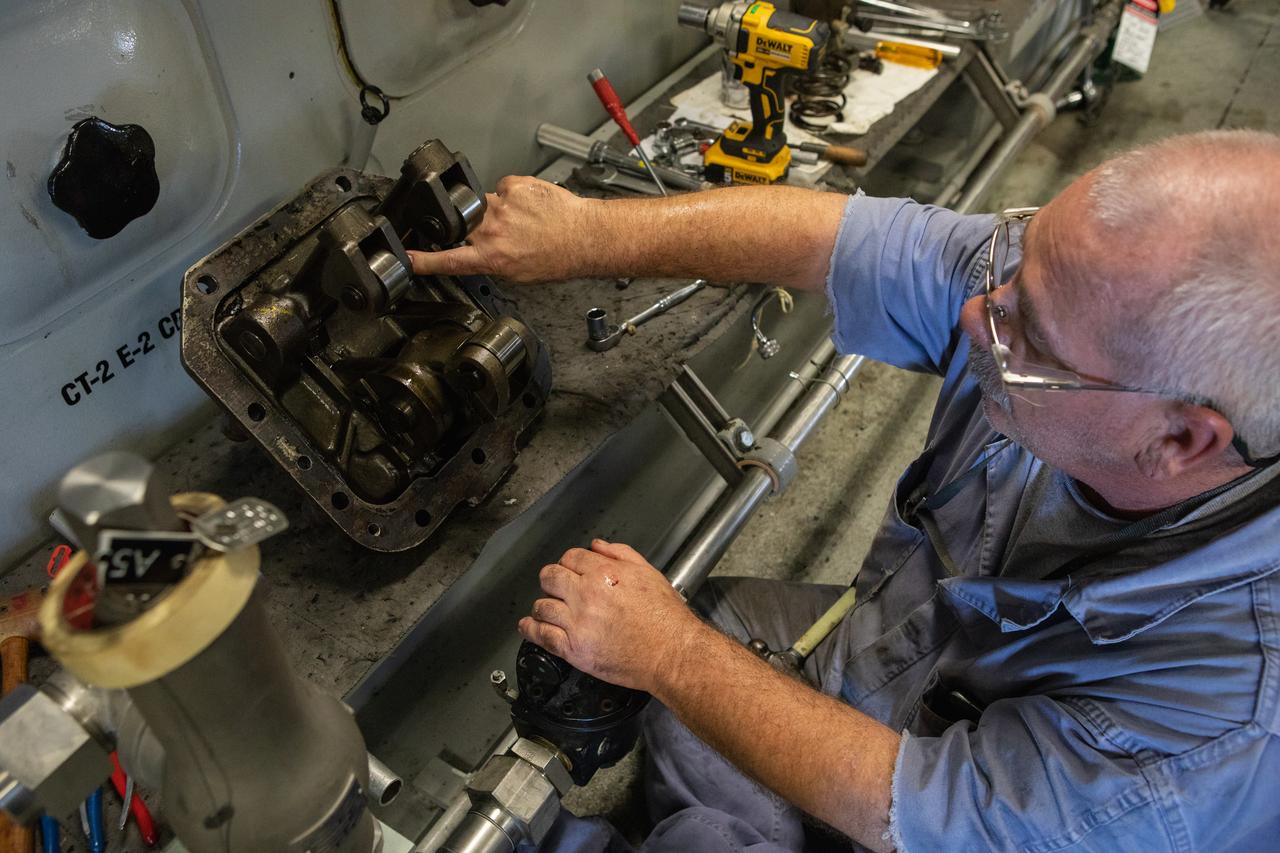
William Vardaman, a mechanical technician with the Jacobs contracting team, performs engine maintenance on NASA's crawler-transporter 2 on March 26, 2019, in the crawler yard located in Kennedy Space Center's Launch Complex 39 area. Recent engine work included rebuilding the vehicles’ fuel pump assemblies and installing new oil pumps that will help minimize future wear. This is one of two crawler-transporters that carried rockets and spacecraft, including the Apollo/Saturn V and space shuttle, from the Vehicle Assembly Building to the launch pad. NASA’s Exploration Ground Systems oversaw modifications and upgrades to crawler-transporter 2 so it can carry the mobile launcher and NASA's Space Launch System rocket, topped by the Orion spacecraft, to Launch Pad 39B for Exploration Mission-1.
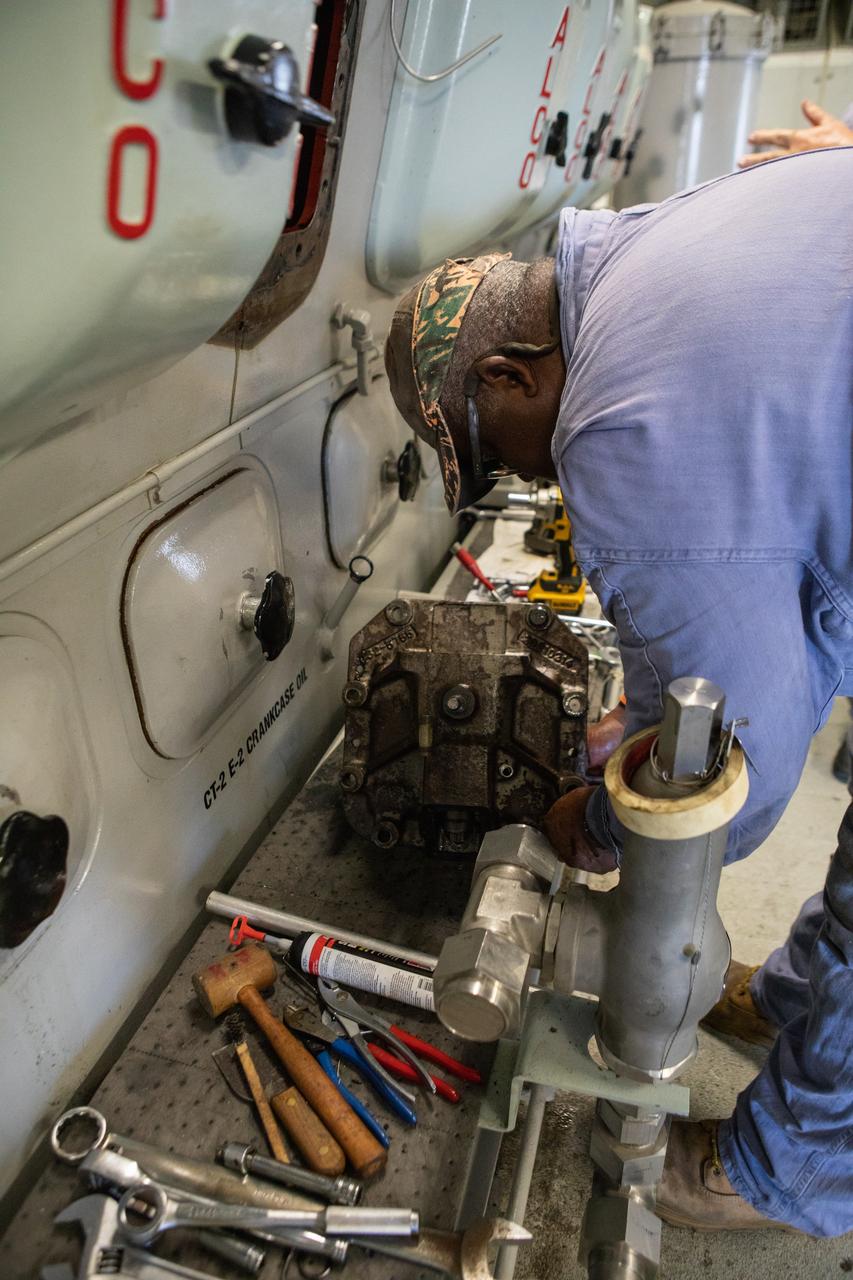
Pat Brown, a mechanical technician with Jacobs, has wrenches, pliers and other tools at the ready as he performs engine maintenance on NASA's crawler-transporter 2 on March 26, 2019, in the crawler yard located in Kennedy Space Center's Launch Complex 39 area. Recent engine work included rebuilding the vehicles’ fuel pump assemblies and installing new oil pumps that will help minimize future wear. This is one of two crawler-transporters that carried rockets and spacecraft, including the Apollo/Saturn V and space shuttle, from the Vehicle Assembly Building to the launch pad. NASA’s Exploration Ground Systems oversaw modifications and upgrades to crawler-transporter 2 so it can carry the mobile launcher and NASA's Space Launch System rocket, topped by the Orion spacecraft, to Launch Pad 39B for Exploration Mission-1.
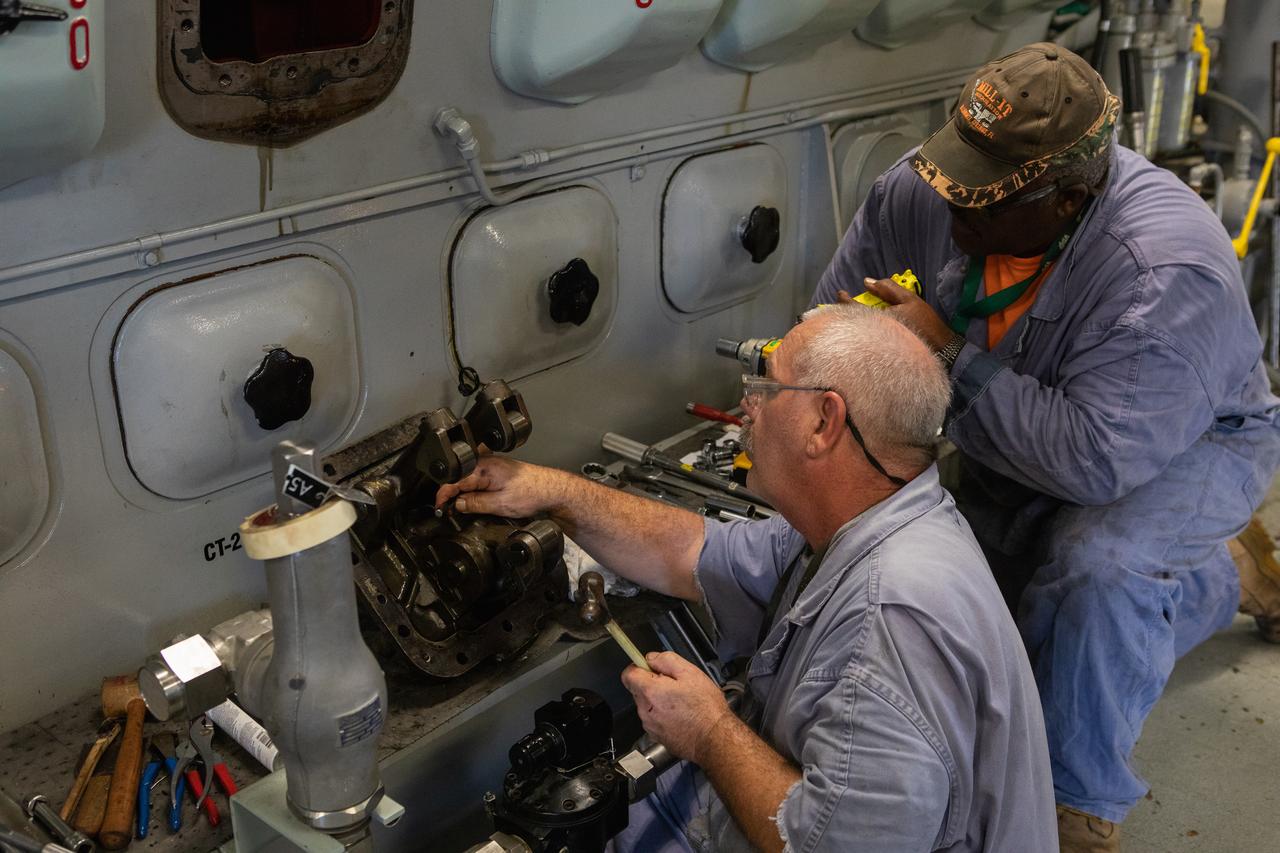
William Vardaman, left, and Pat Brown, mechanical technicians with the Jacobs contracting team, perform engine maintenance on NASA's crawler-transporter 2 on March 26, 2019, in the crawler yard located in Kennedy Space Center's Launch Complex 39 area. Recent engine work included rebuilding the vehicles’ fuel pump assemblies and installing new oil pumps that will help minimize future wear. This is one of two crawler-transporters that carried rockets and spacecraft, including the Apollo/Saturn V and space shuttle, from the Vehicle Assembly Building to the launch pad. NASA’s Exploration Ground Systems oversaw modifications and upgrades to crawler-transporter 2 so it can carry the mobile launcher and NASA's Space Launch System rocket, topped by the Orion spacecraft, to Launch Pad 39B for Exploration Mission-1.
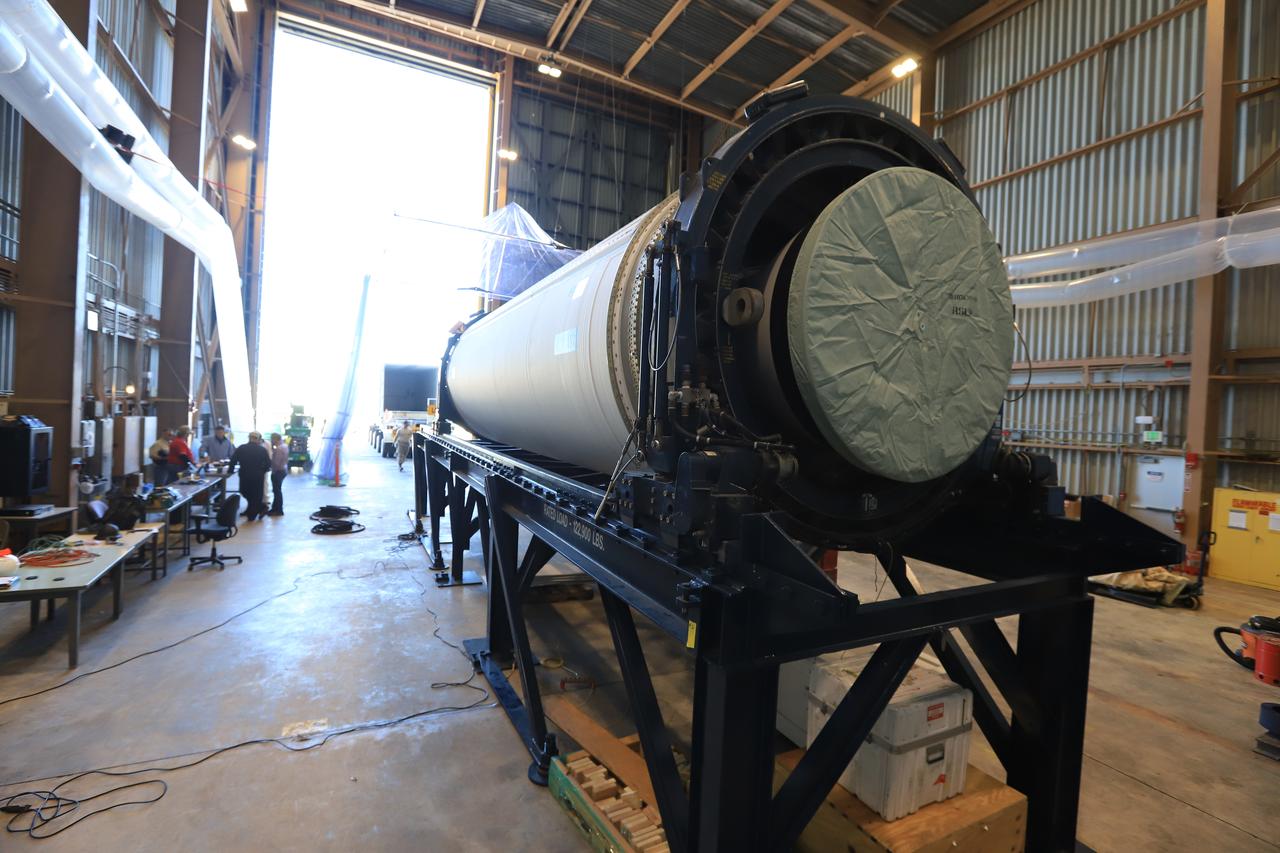
The Northrup Grumman SR118 for Ascent Abort-2 (AA-2) which is loaded with propellants moves from the Launch Abort System Facility (LASF) to the Rotation Protection and Surge Facility at Kennedy Space Center for continued flight processing on Jan. 29, 2019.
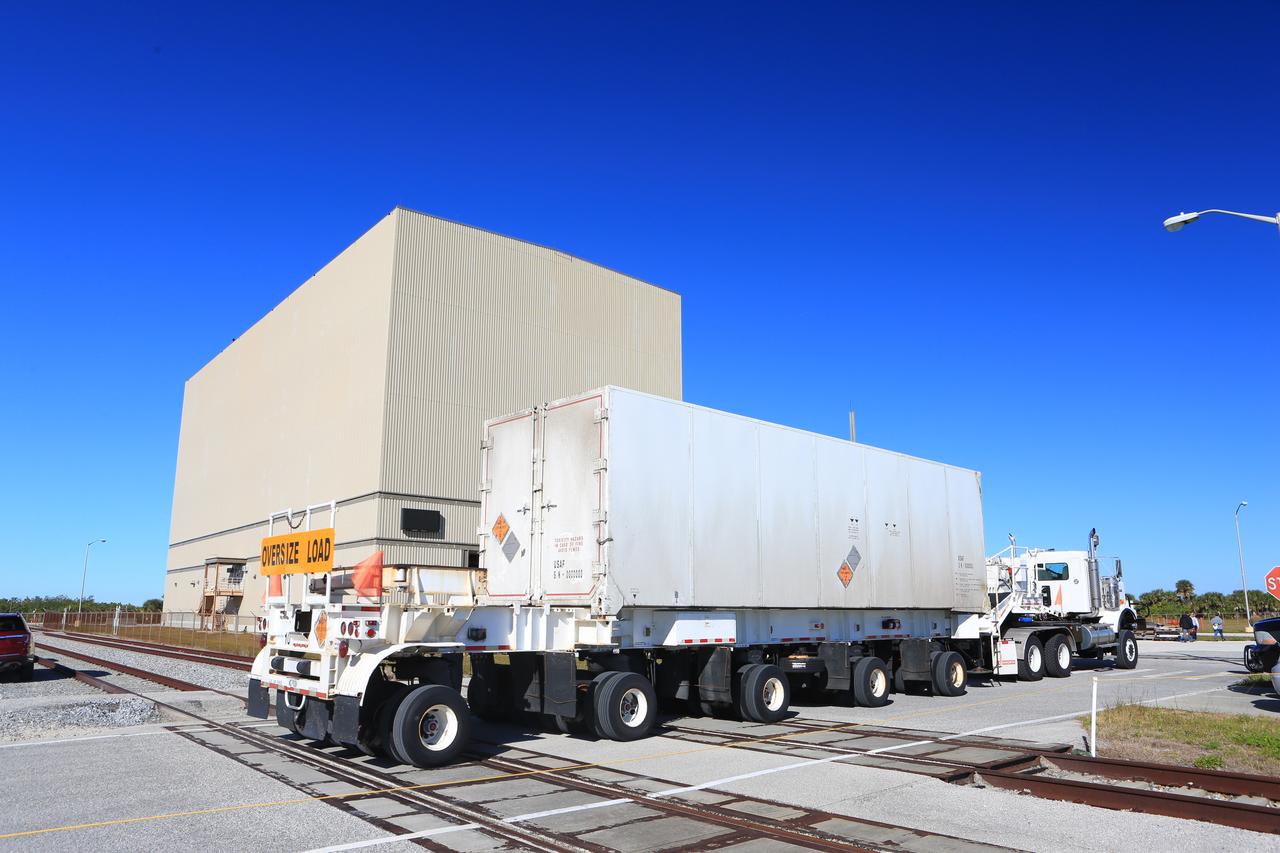
The Northrup Grumman SR118 for Ascent Abort-2 (AA-2) which is loaded with propellants moves from the Launch Abort System Facility (LASF) to the Rotation Protection and Surge Facility at Kennedy Space Center for continued flight processing on Jan. 29, 2019.
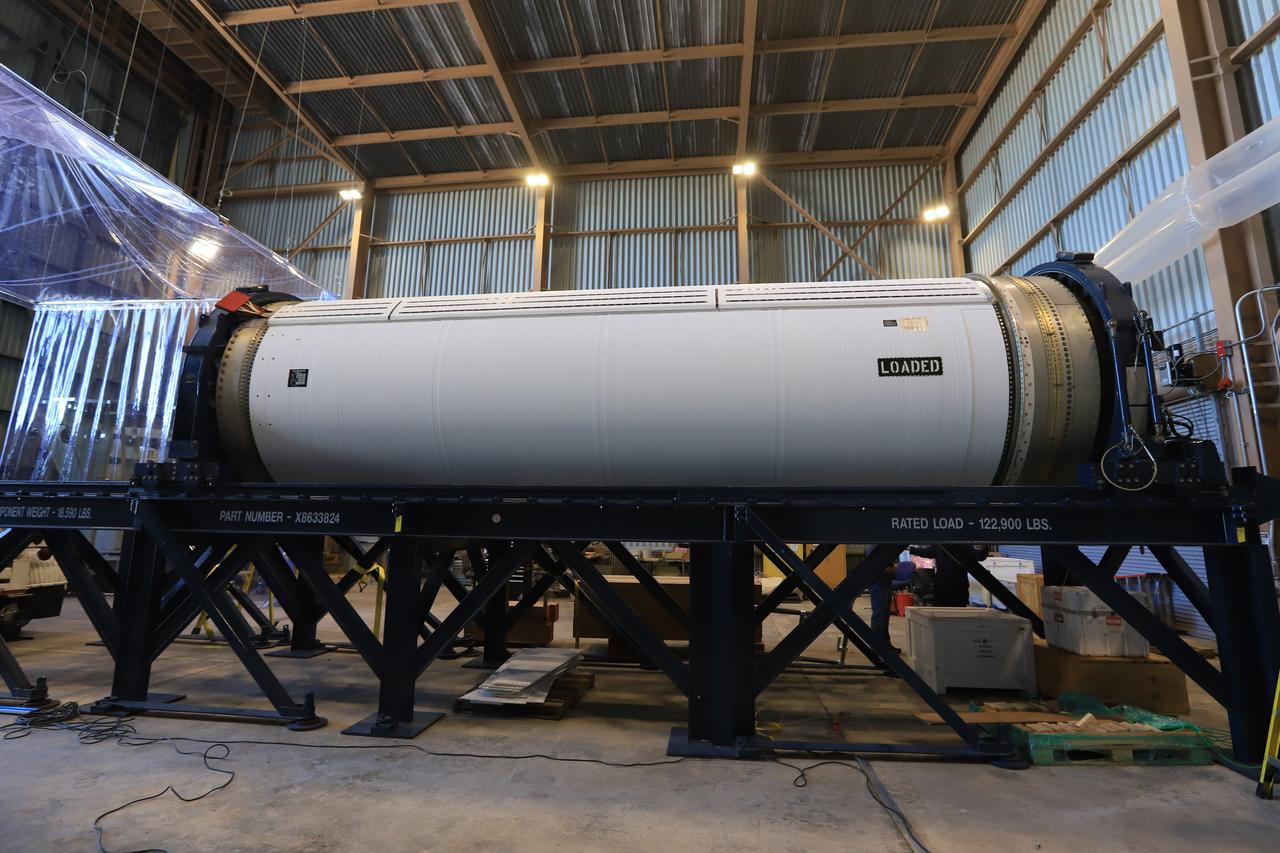
The Northrup Grumman SR118 for Ascent Abort-2 (AA-2) which is loaded with propellants moves from the Launch Abort System Facility (LASF) to the Rotation Protection and Surge Facility at Kennedy Space Center for continued flight processing on Jan. 29, 2019.
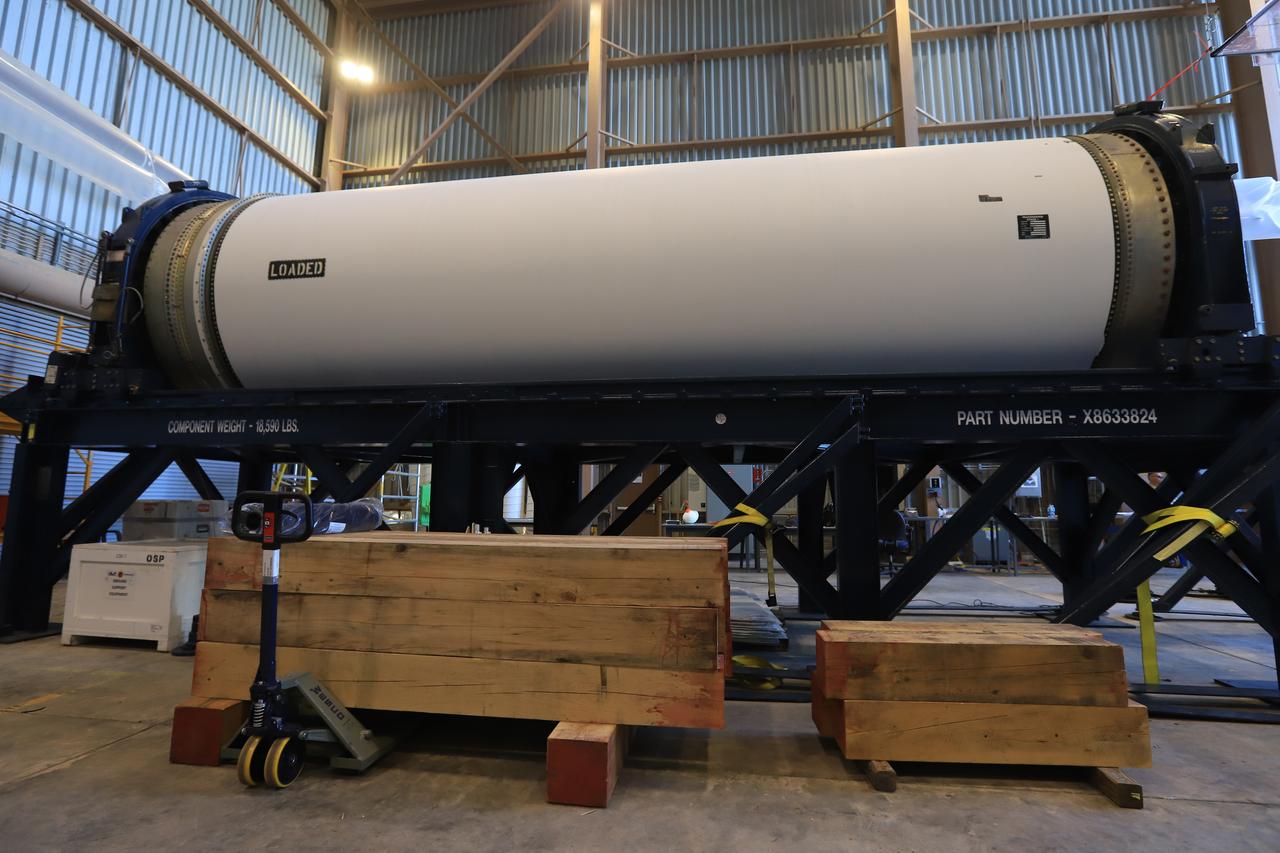
The Northrup Grumman SR118 for Ascent Abort-2 (AA-2) which is loaded with propellants moves from the Launch Abort System Facility (LASF) to the Rotation Protection and Surge Facility at Kennedy Space Center for continued flight processing on Jan. 29, 2019.
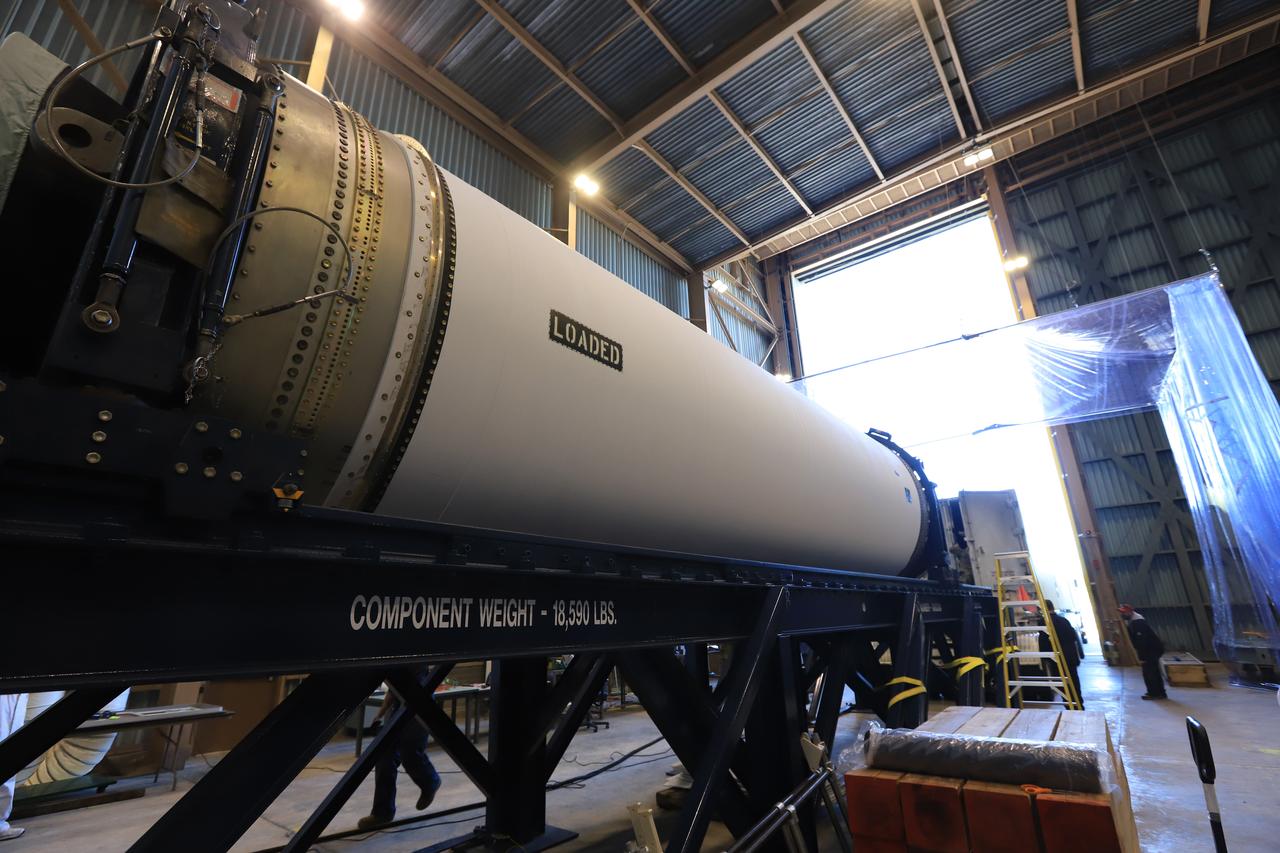
The Northrup Grumman SR118 for Ascent Abort-2 (AA-2) which is loaded with propellants moves from the Launch Abort System Facility (LASF) to the Rotation Protection and Surge Facility at Kennedy Space Center for continued flight processing on Jan. 29, 2019.
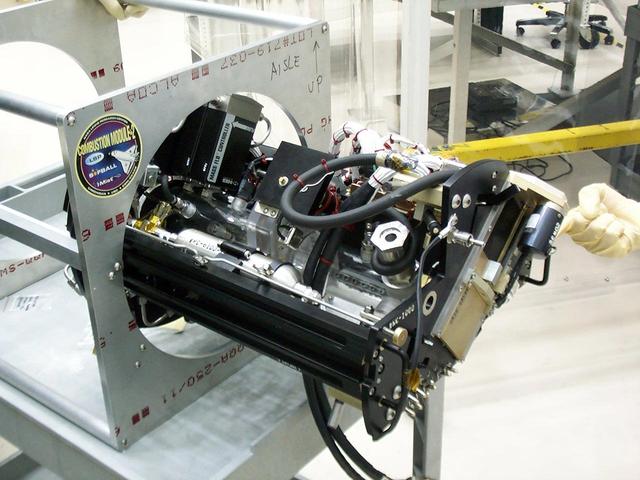
The Water Mist commercial research program is scheduled to fly an investigation on STS-107 in 2002. This investigation will be flown as an Experimental Mounting Structure (EMS) insert into the updated Combustion Module (CM-2), a sophisticated combustion chamber plus diagnostic equipment. (The investigation hardware is shown here mounted in a non-flight frame similar to the EMS.) Water Mist is a commercial research program by the Center for Commercial Applications of Combustion in Space (CCACS), a NASA Commercial Space Center located at the Colorado School of Mines, in Golden, CO and Industry Partner Environmental Engineering Concepts. The program is focused on developing water mist as a replacement for bromine-based chemical fire suppression agents (halons). By conducting the experiments in microgravity, interference from convection currents is minimized and fundamental knowledge can be gained. This knowledge is incorporated into models, which can be used to simulate a variety of physical environments. The immediate objective of the project is to study the effect of a fine water mist on a laminar propagating flame generated in a propane-air mixture at various equivalence ratios. The effects of droplet size and concentration on the speed of the flame front is used as a measure of the effectiveness of fire suppression in this highly controlled experimental environment.
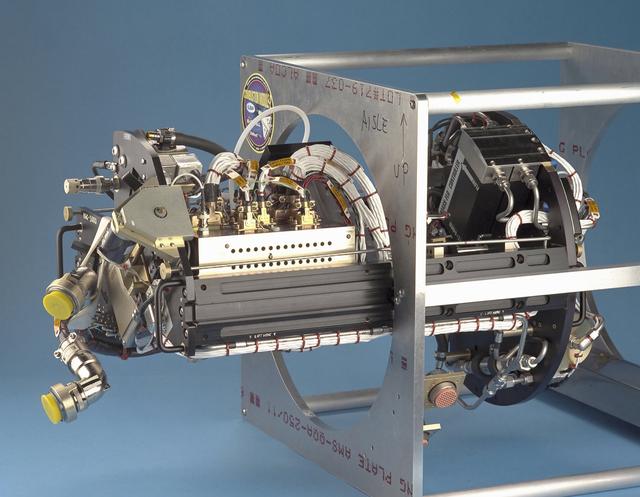
The Water Mist commercial research program is scheduled to fly an investigation on STS-107 in 2002. This investigation will be flown as an Experimental Mounting Structure (EMS) insert into the updated Combustion Module (CM-2), a sophisticated combustion chamber plus diagnostic equipment. (The investigation hardware is shown here mounted in a non-flight frame similar to the EMS.) Water Mist is a commercial research program by the Center for Commercial Applications of Combustion in Space (CCACS), a NASA Commercial Space Center located at the Colorado School of Mines, in Golden, CO and Industry Partner Environmental Engineering Concepts. The program is focused on developing water mist as a replacement for bromine-based chemical fire suppression agents (halons). By conducting the experiments in microgravity, interference from convection currents is minimized and fundamental knowledge can be gained. This knowledge is incorporated into models, which can be used to simulate a variety of physical environments. The immediate objective of the project is to study the effect of a fine water mist on a laminar propagating flame generated in a propane-air mixture at various equivalence ratios. The effects of droplet size and concentration on the speed of the flame front is used as a measure of the effectiveness of fire suppression in this highly controlled experimental environment.
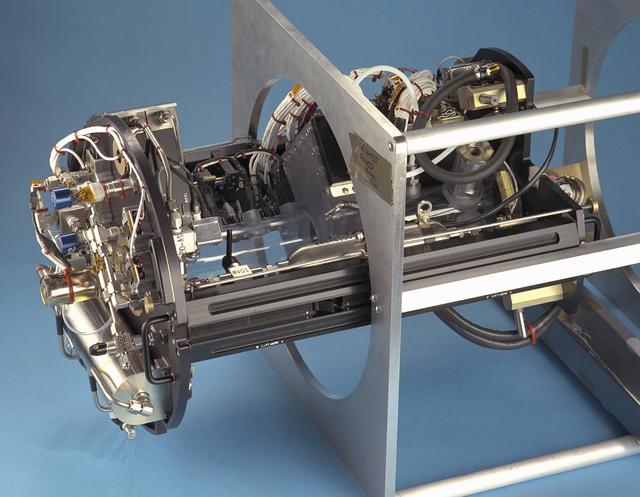
The Water Mist commercial research program is scheduled to fly an investigation on STS-107 in 2002. This investigation will be flown as an Experimental Mounting Structure (EMS) insert into the updated Combustion Module (CM-2), a sophisticated combustion chamber plus diagnostic equipment. (The investigation hardware is shown here mounted in a non-flight frame similar to the EMS.) Water Mist is a commercial research program by the Center for Commercial Applications of Combustion in Space (CCACS), a NASA Commercial Space Center located at the Colorado School of Mines, in Golden, CO and Industry Partner Environmental Engineering Concepts. The program is focused on developing water mist as a replacement for bromine-based chemical fire suppression agents (halons). By conducting the experiments in microgravity, interference from convection currents is minimized and fundamental knowledge can be gained. This knowledge is incorporated into models, which can be used to simulate a variety of physical environments. The immediate objective of the project is to study the effect of a fine water mist on a laminar propagating flame generated in a propane-air mixture at various equivalence ratios. The effects of droplet size and concentration on the speed of the flame front is used as a measure of the effectiveness of fire suppression in this highly controlled experimental environment.
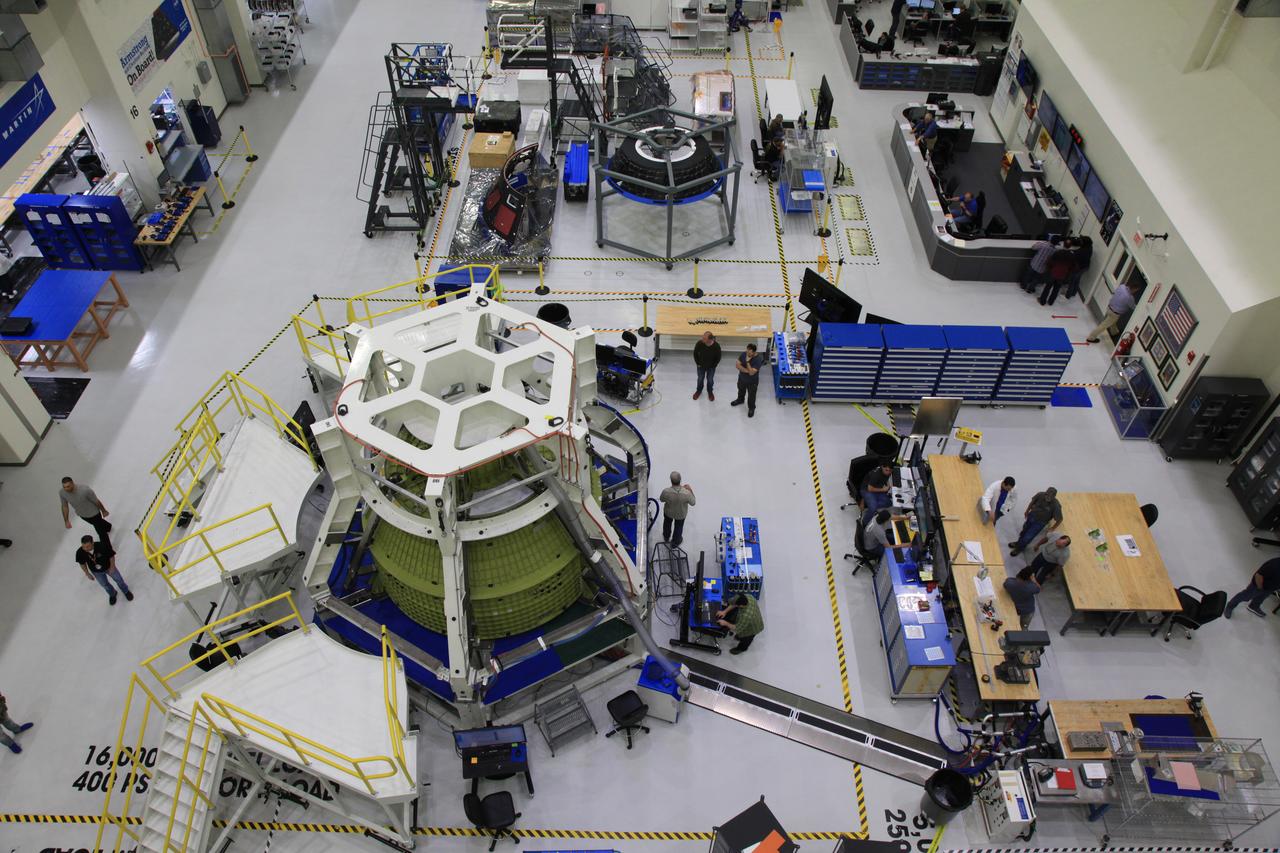
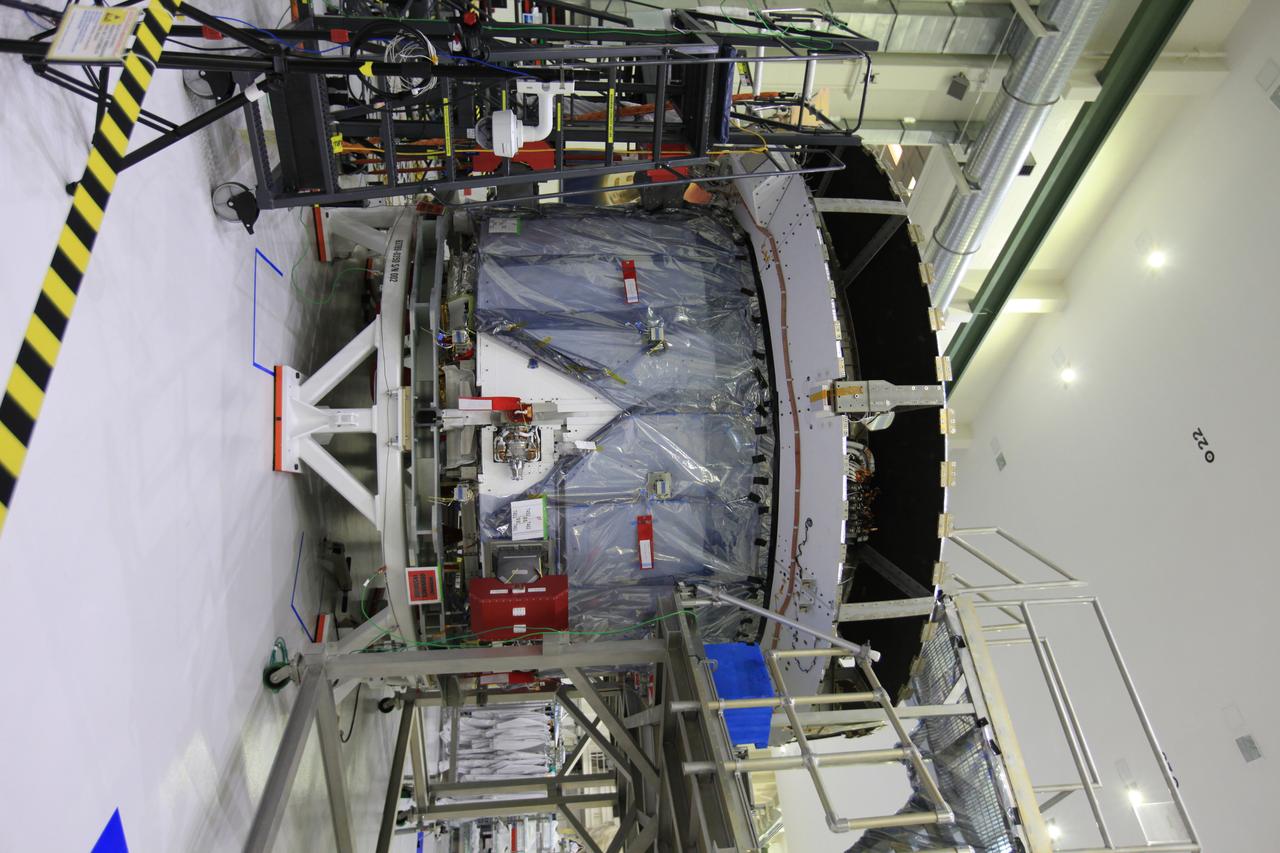
The crew and service module for Artemis I continue preparations for mating inside the Operations and Checkout (O&C) Building High Bay at Kennedy Space Center on March 21, 2019. Alongside, the pressure vessel for Artemis II is undergoing install of its secondary structure.
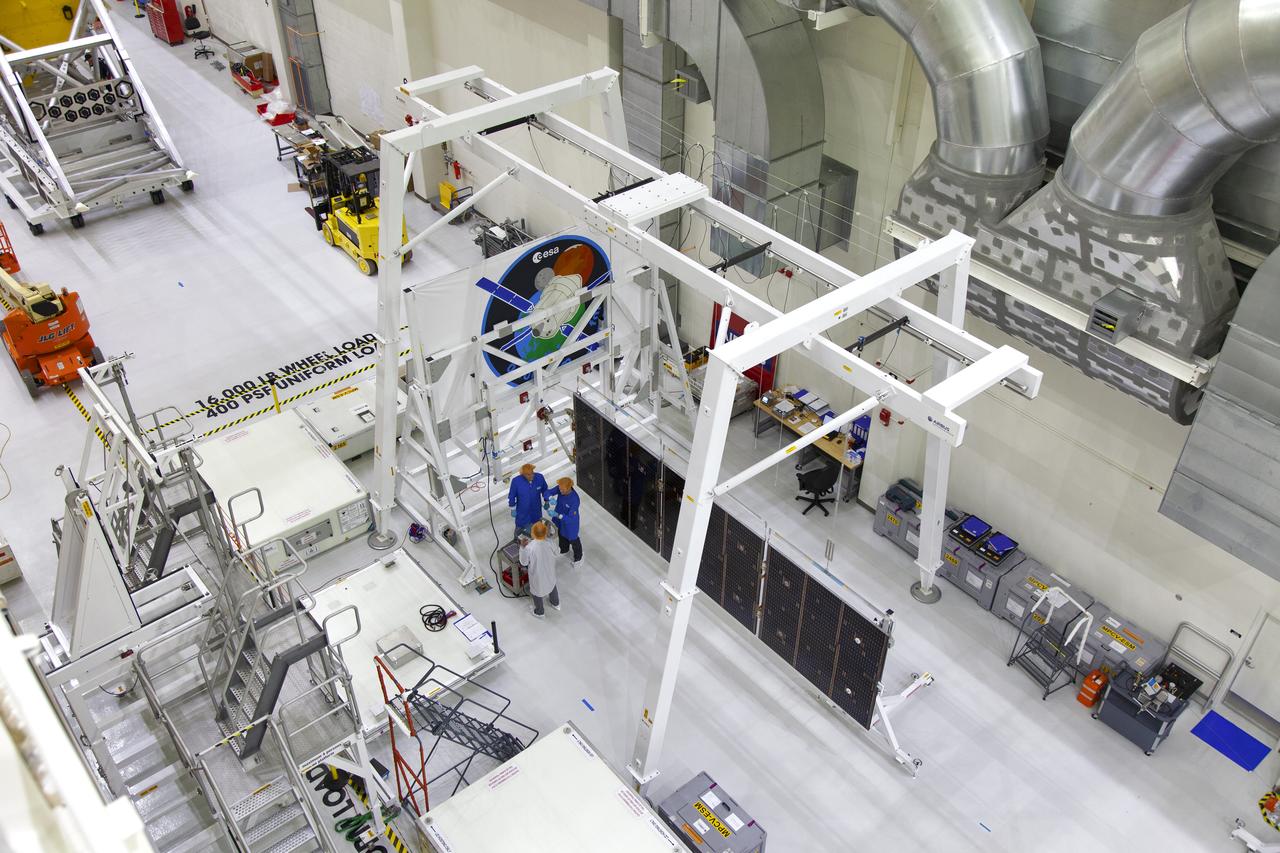
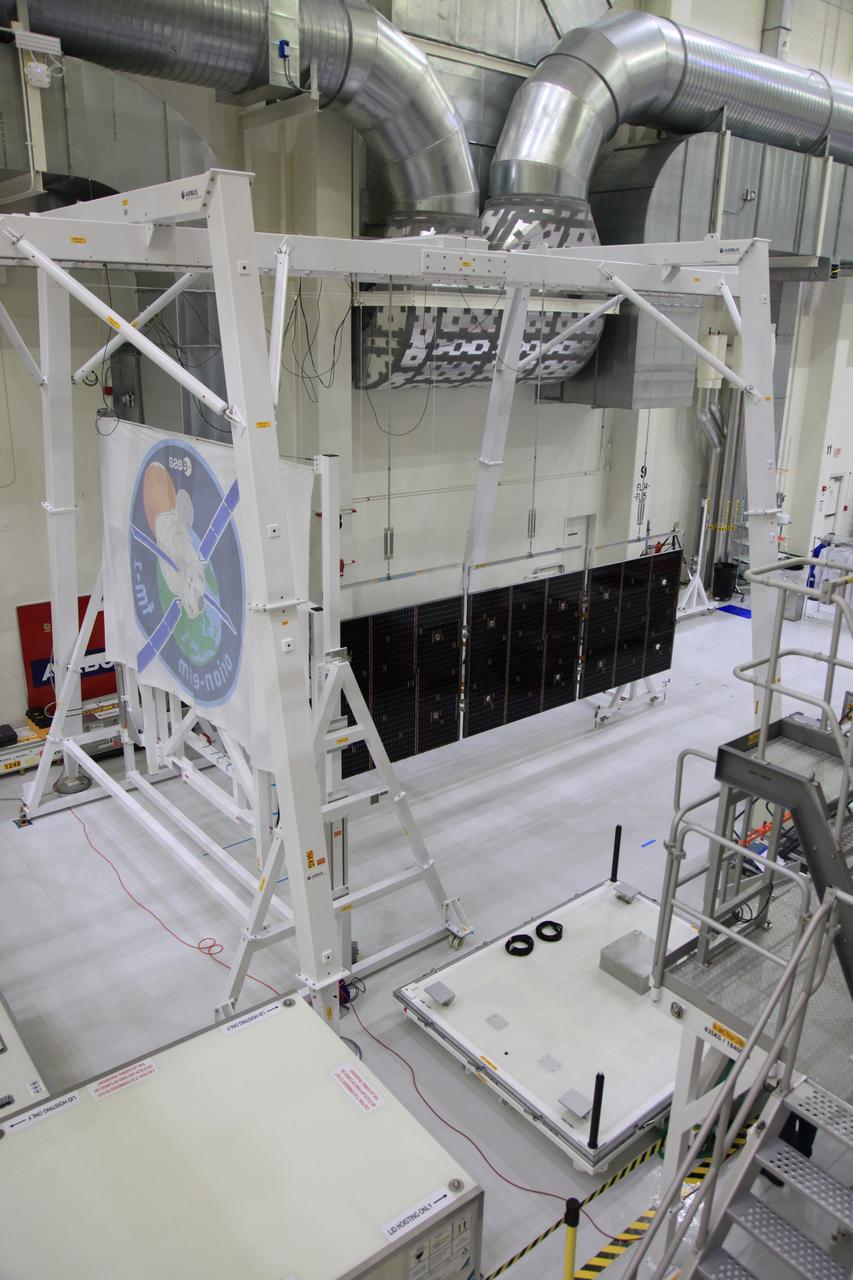
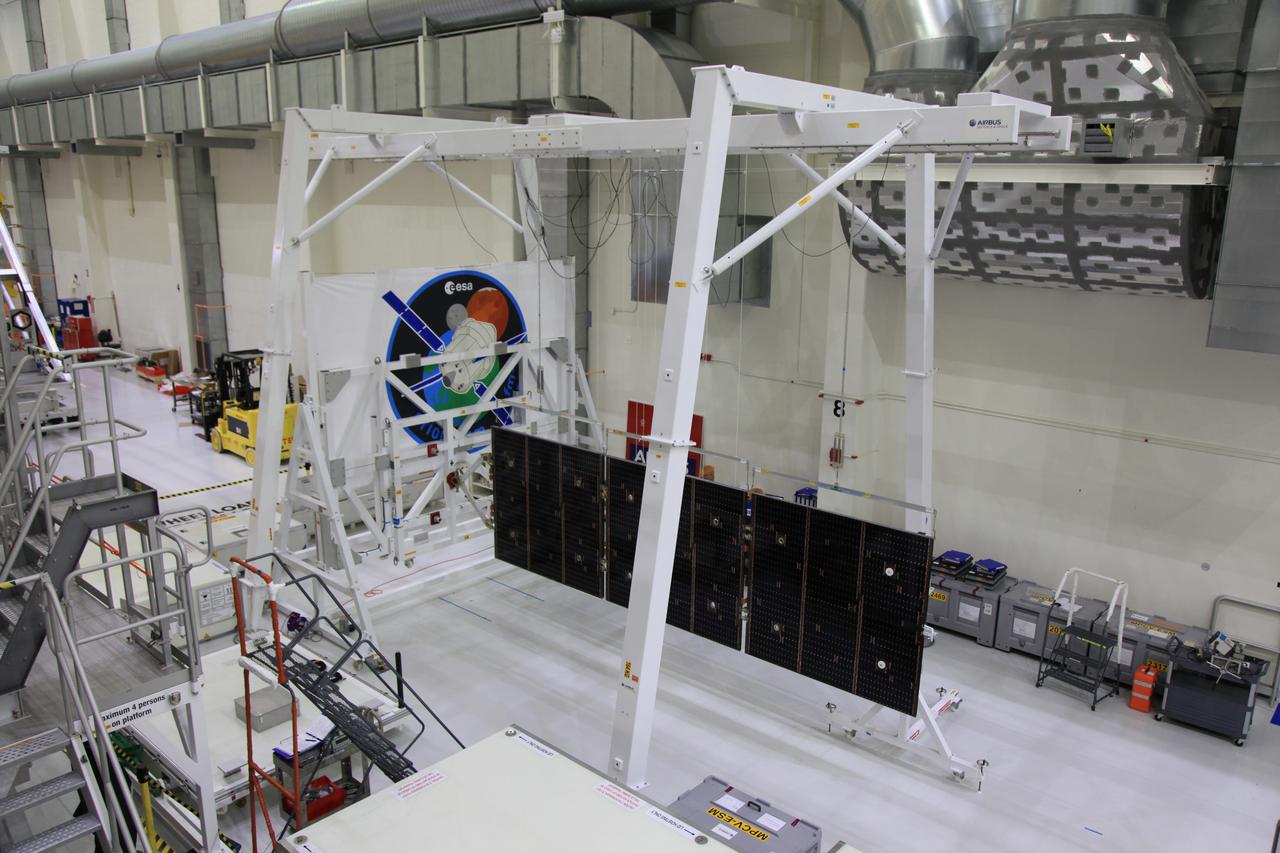
A solar array for the European Service Module that will serve as the powerhouse for Orion, is being prepared for Exploration Mission-1 (EM-1) inside the Neil Armstrong Operations and Checkout Building high bay on March 21, 2019, at NASA’s Kennedy Space Center in Florida. Orion will launch atop the Space Launch System rocket from Launch Pad 39B. The spacecraft will travel thousands of miles past the Moon on an approximately three-week test flight. Orion will return to Earth and splashdown in the Pacific Ocean off the coast of California, where it will be retrieved and returned to Kennedy.
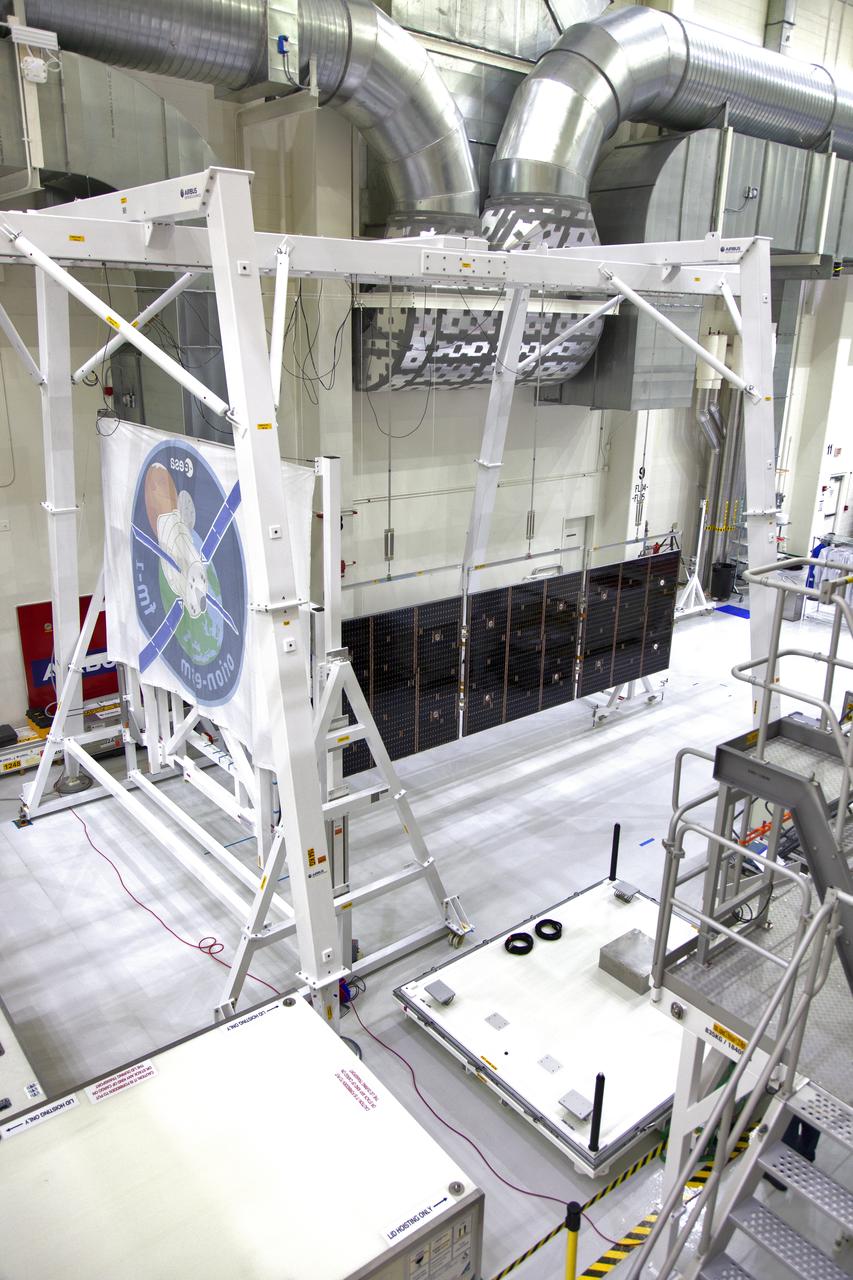
A solar array for the European Service Module that will serve as the powerhouse for Orion, is being prepared for Exploration Mission-1 (EM-1) inside the Neil Armstrong Operations and Checkout Building high bay on March 21, 2019, at NASA’s Kennedy Space Center in Florida. Orion will launch atop the Space Launch System rocket from Launch Pad 39B. The spacecraft will travel thousands of miles past the Moon on an approximately three-week test flight. Orion will return to Earth and splashdown in the Pacific Ocean off the coast of California, where it will be retrieved and returned to Kennedy.
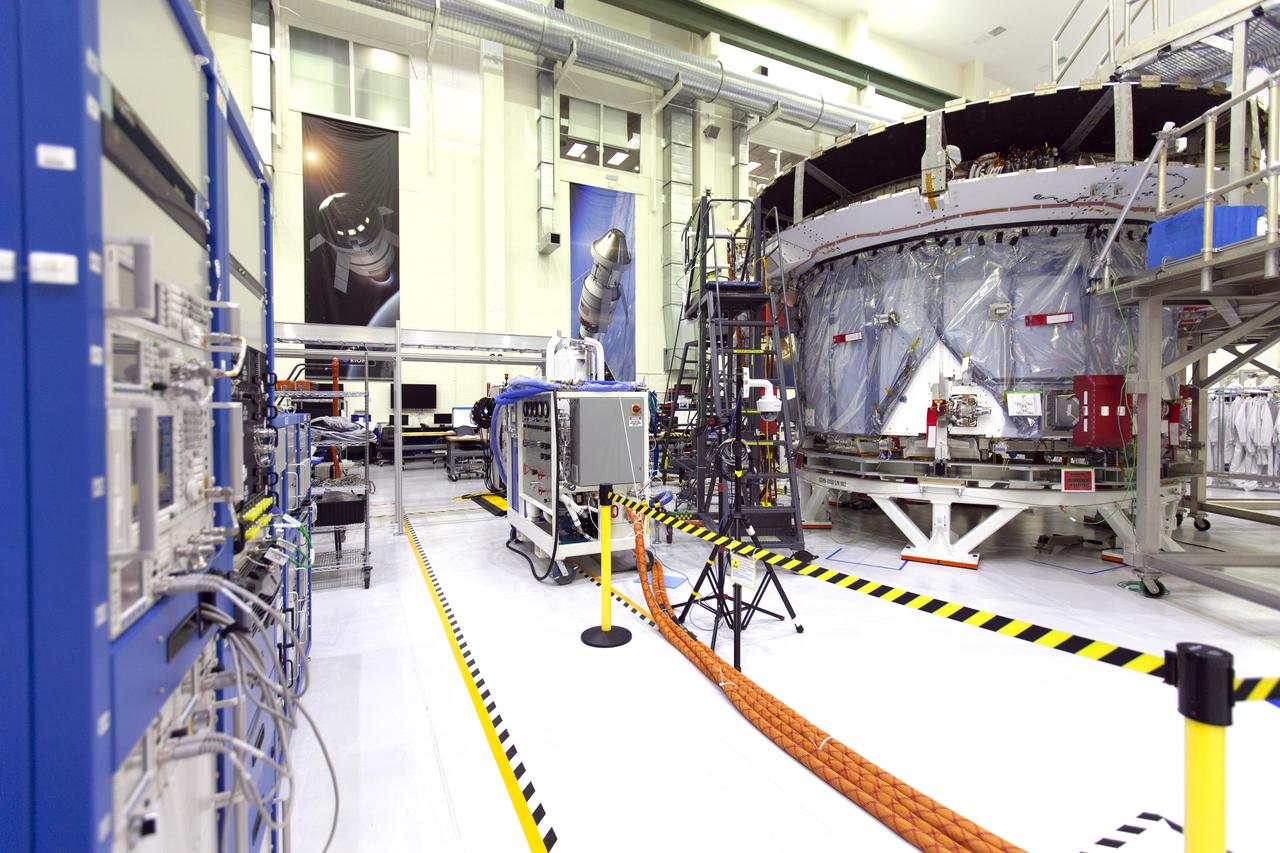
The European Service Module that will serve as the powerhouse for Orion on Exploration Mission-1 (EM-1), is in view on a work stand inside the Neil Armstrong Operations and Checkout Building high bay on March 21, 2019, at NASA’s Kennedy Space Center in Florida. For EM-1, Orion will launch atop the Space Launch System rocket from Launch Pad 39B. The spacecraft will travel thousands of miles past the Moon on an approximately three-week test flight. Orion will return to Earth and splashdown in the Pacific Ocean off the coast of California, where it will be retrieved and returned to Kennedy.
The crew and service module for Artemis I continue preparations for mating inside the Operations and Checkout (O&C) Building High Bay at Kennedy Space Center on March 21, 2019. Alongside, the pressure vessel for Artemis II is undergoing install of its secondary structure.
The crew and service module for Artemis I continue preparations for mating inside the Operations and Checkout (O&C) Building High Bay at Kennedy Space Center on March 21, 2019. Alongside, the pressure vessel for Artemis II is undergoing install of its secondary structure.
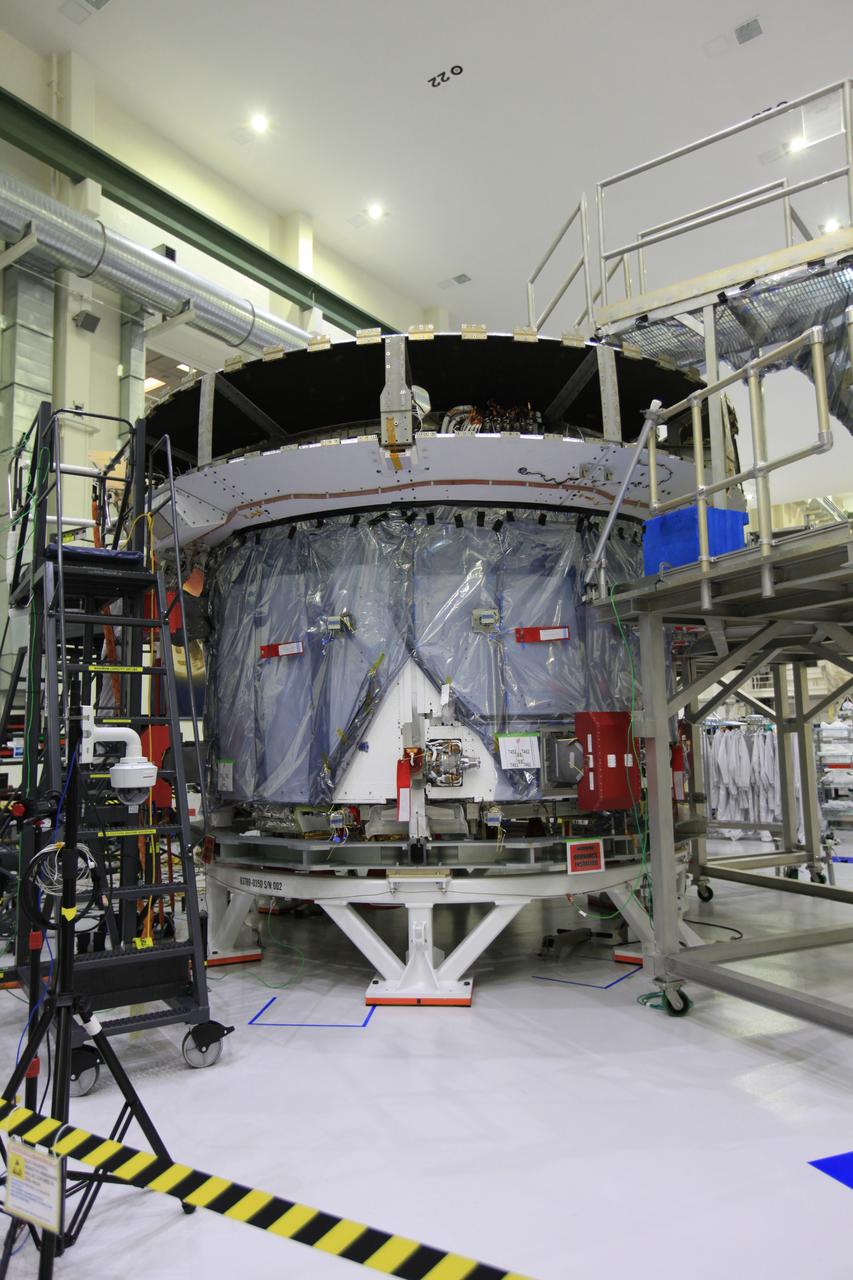
The crew and service module for Artemis I continue preparations for mating inside the Operations and Checkout (O&C) Building High Bay at Kennedy Space Center on March 21, 2019. Alongside, the pressure vessel for Artemis II is undergoing install of its secondary structure.
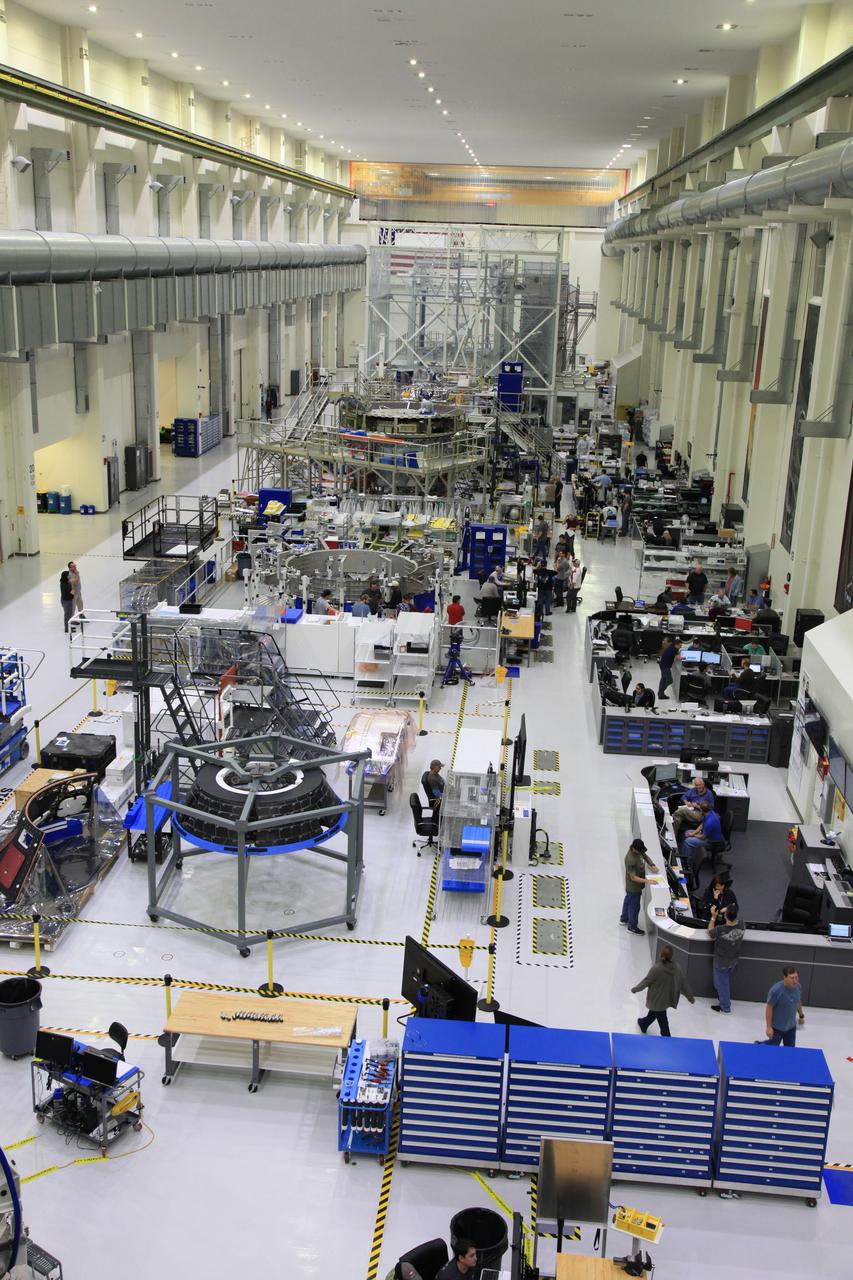
The crew and service module for Artemis I continue preparations for mating inside the Operations and Checkout (O&C) Building High Bay at Kennedy Space Center on March 21, 2019. Alongside, the pressure vessel for Artemis II is undergoing install of its secondary structure.
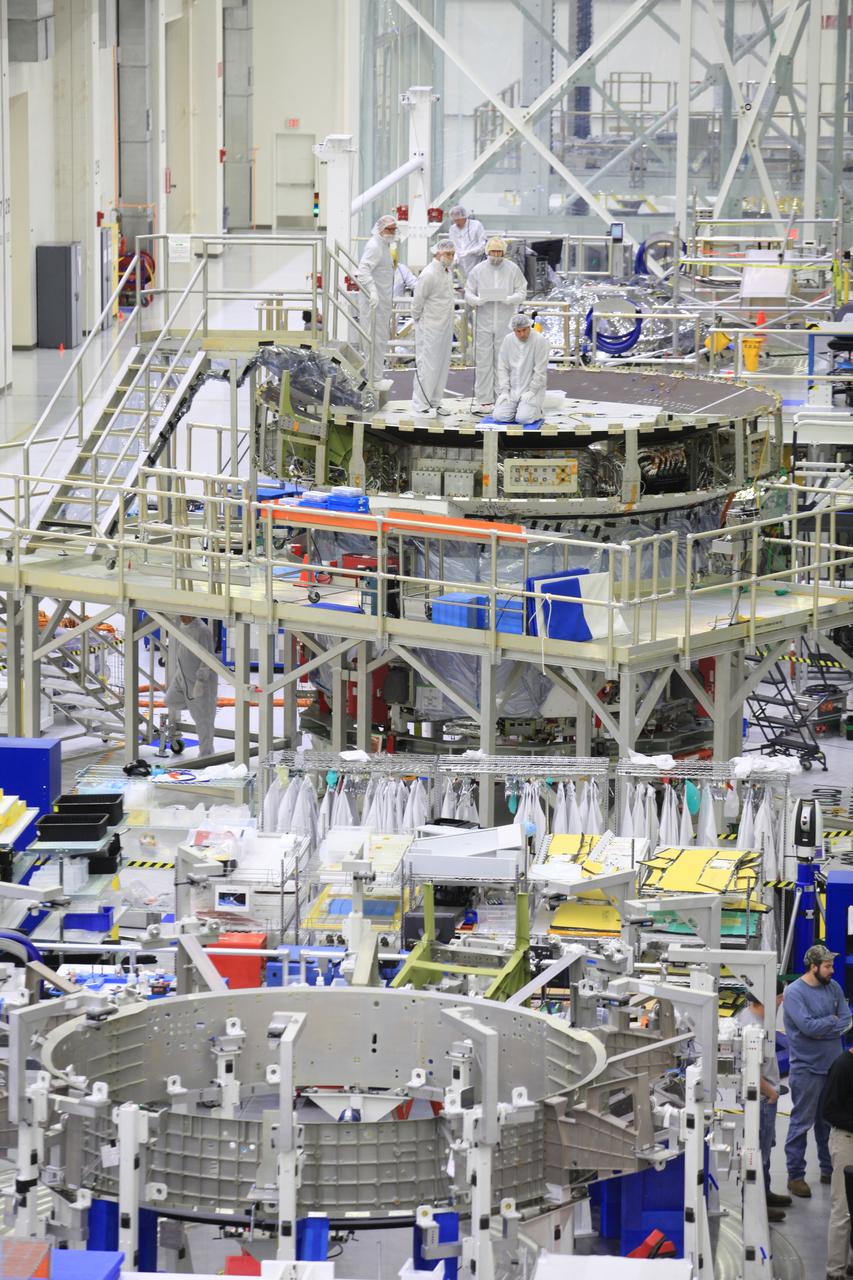
The crew and service module for Artemis I continue preparations for mating inside the Operations and Checkout (O&C) Building High Bay at Kennedy Space Center on March 21, 2019. Alongside, the pressure vessel for Artemis II is undergoing install of its secondary structure.
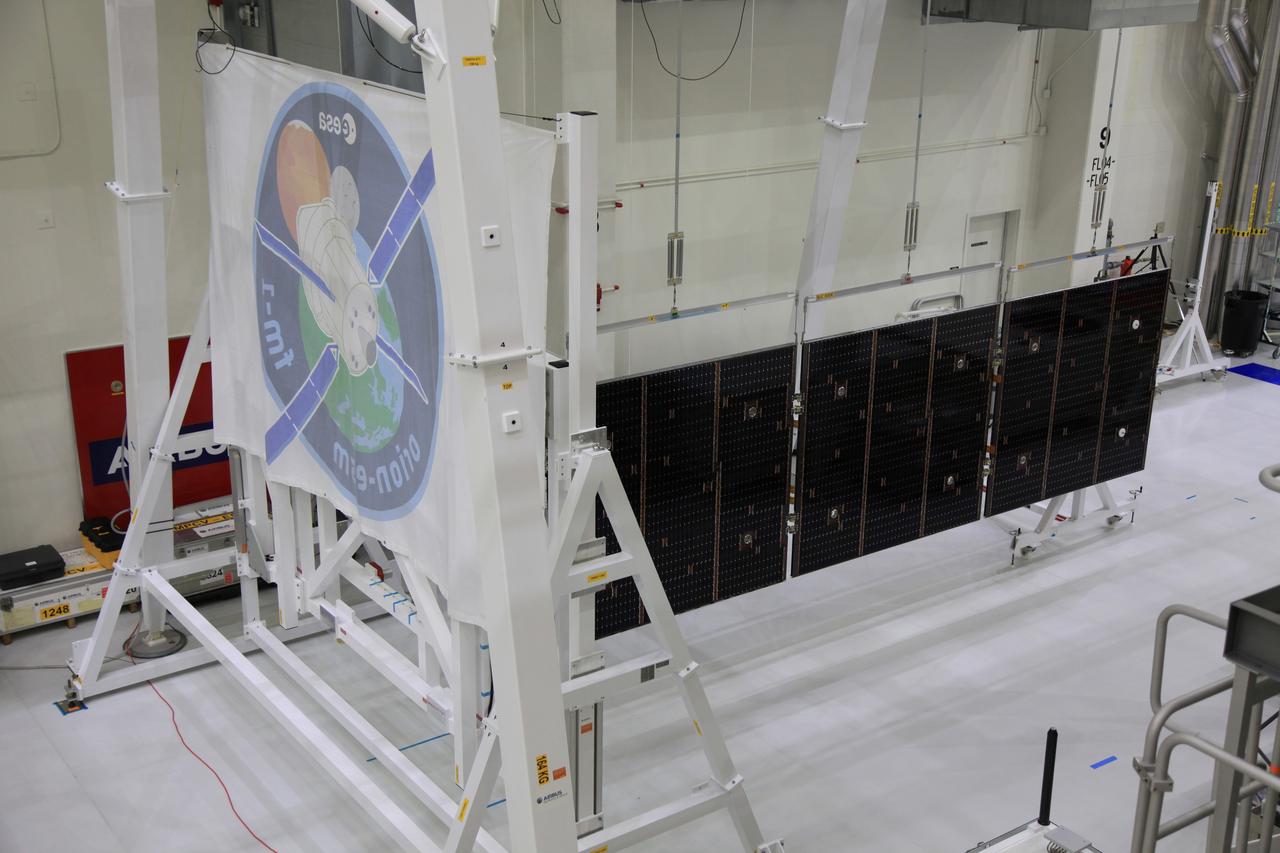
The crew and service module for Artemis I continue preparations for mating inside the Operations and Checkout (O&C) Building High Bay at Kennedy Space Center on March 21, 2019. Alongside, the pressure vessel for Artemis II is undergoing install of its secondary structure.
The crew and service module for Artemis I continue preparations for mating inside the Operations and Checkout (O&C) Building High Bay at Kennedy Space Center on March 21, 2019. Alongside, the pressure vessel for Artemis II is undergoing install of its secondary structure.
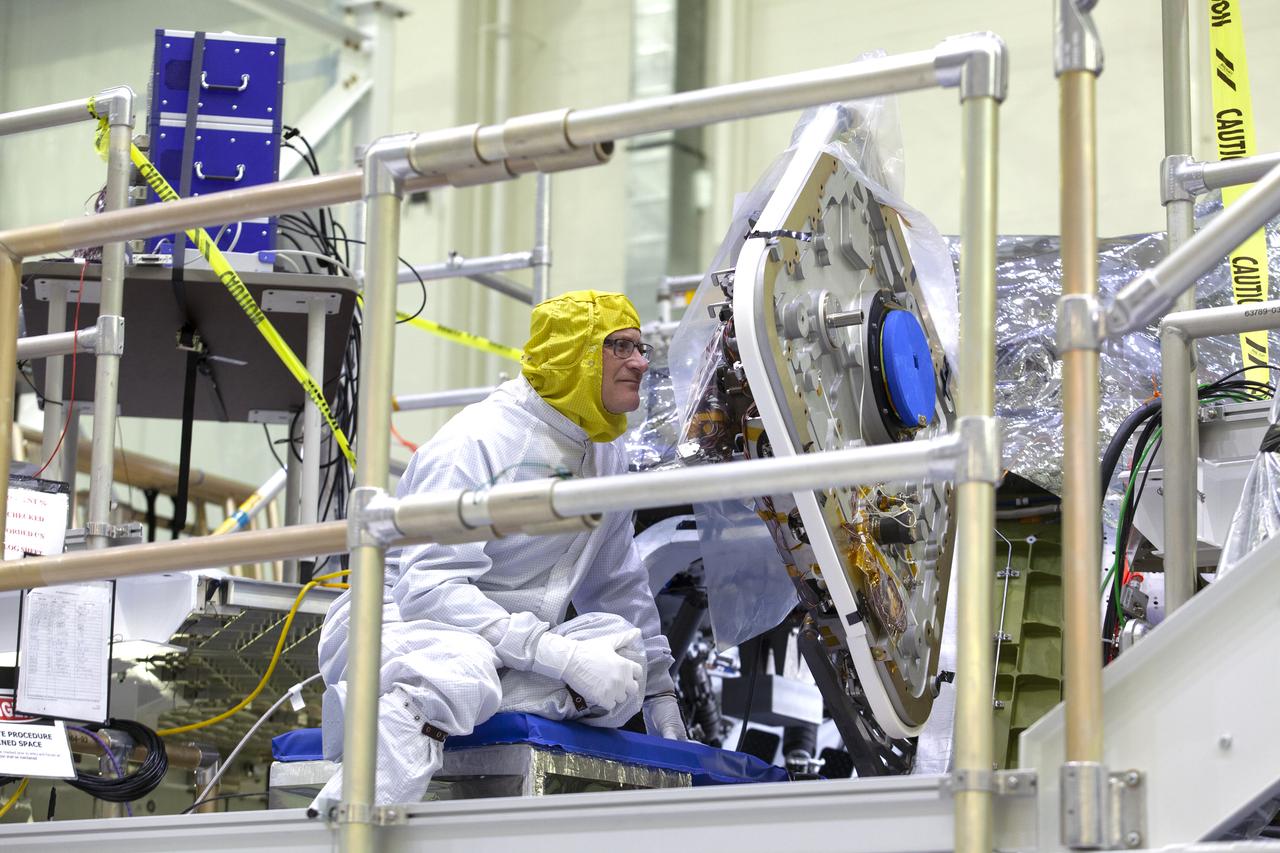
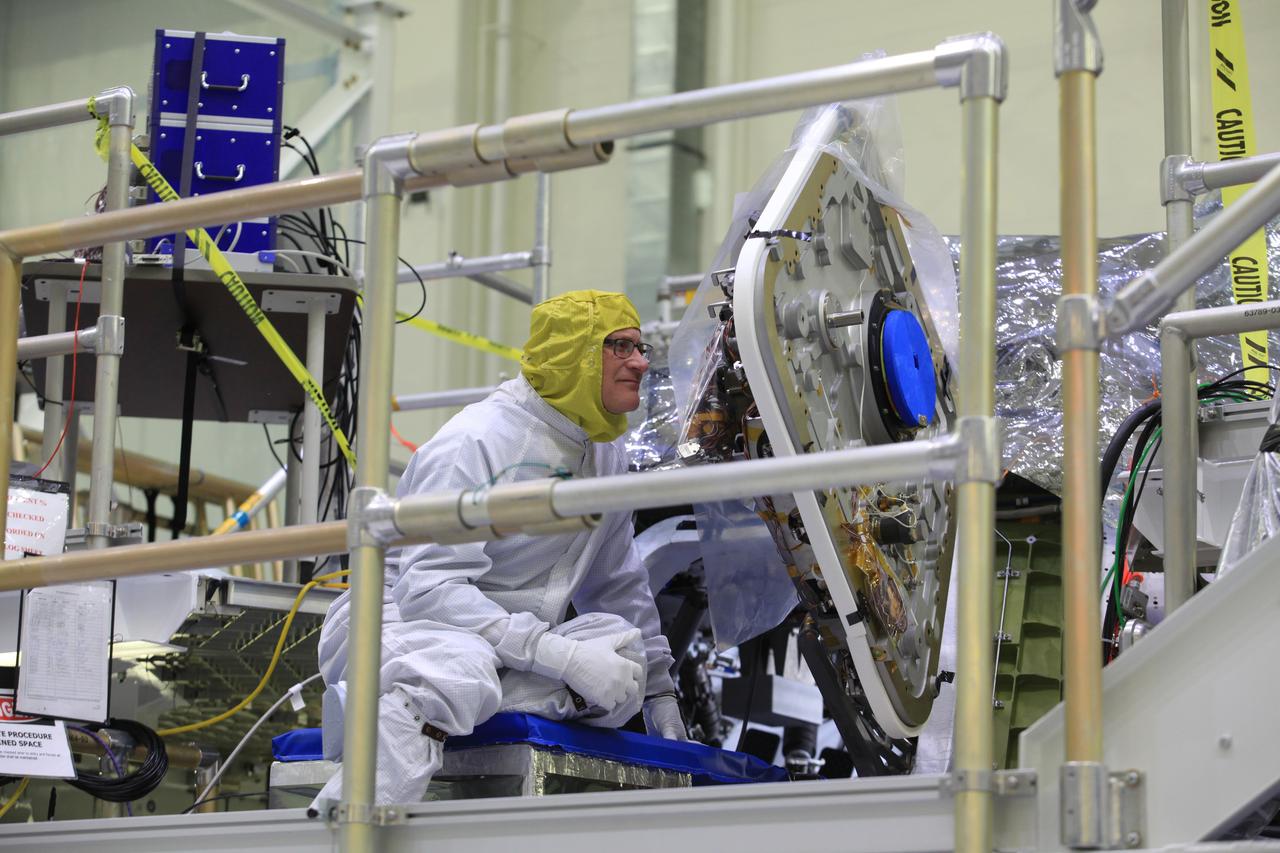
A Lockheed Martin specialist works on the hatch for the Orion crew module for Exploration Mission-1 (EM-1) on March 21, 2019, inside the Neil Armstrong Operations and Checkout Building high bay at NASA’s Kennedy Space Center in Florida. For EM-1, Orion will launch atop the Space Launch System rocket from Launch Pad 39B. The spacecraft will travel thousands of miles past the Moon on an approximately three-week test flight. Orion will return to Earth and splashdown in the Pacific Ocean off the coast of California, where it will be retrieved and returned to Kennedy.
The European Service Module that will serve as the powerhouse for Orion on Exploration Mission-1 (EM-1), is in view on a work stand inside the Neil Armstrong Operations and Checkout Building high bay on March 21, 2019, at NASA’s Kennedy Space Center in Florida. For EM-1, Orion will launch atop the Space Launch System rocket from Launch Pad 39B. The spacecraft will travel thousands of miles past the Moon on an approximately three-week test flight. Orion will return to Earth and splashdown in the Pacific Ocean off the coast of California, where it will be retrieved and returned to Kennedy.
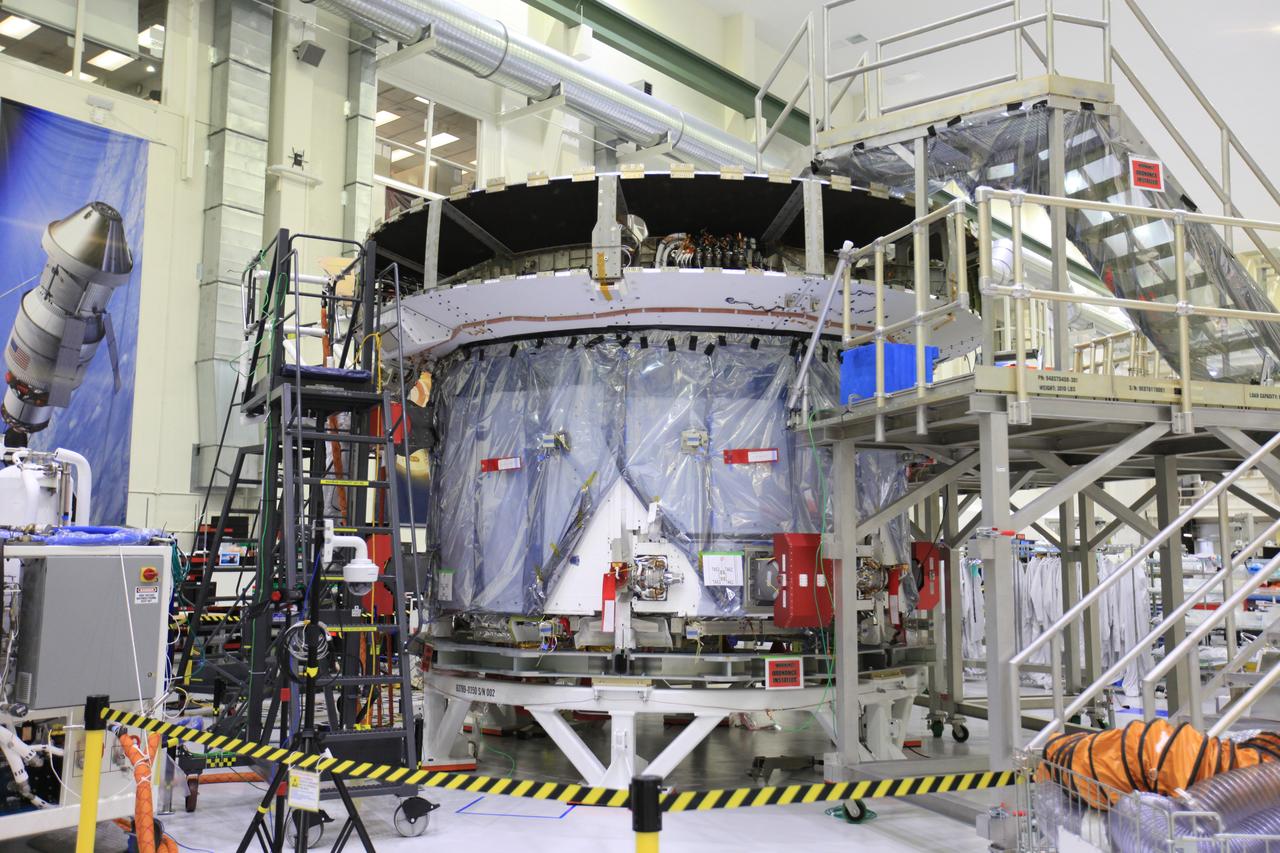
The crew and service module for Artemis I continue preparations for mating inside the Operations and Checkout (O&C) Building High Bay at Kennedy Space Center on March 21, 2019. Alongside, the pressure vessel for Artemis II is undergoing install of its secondary structure.
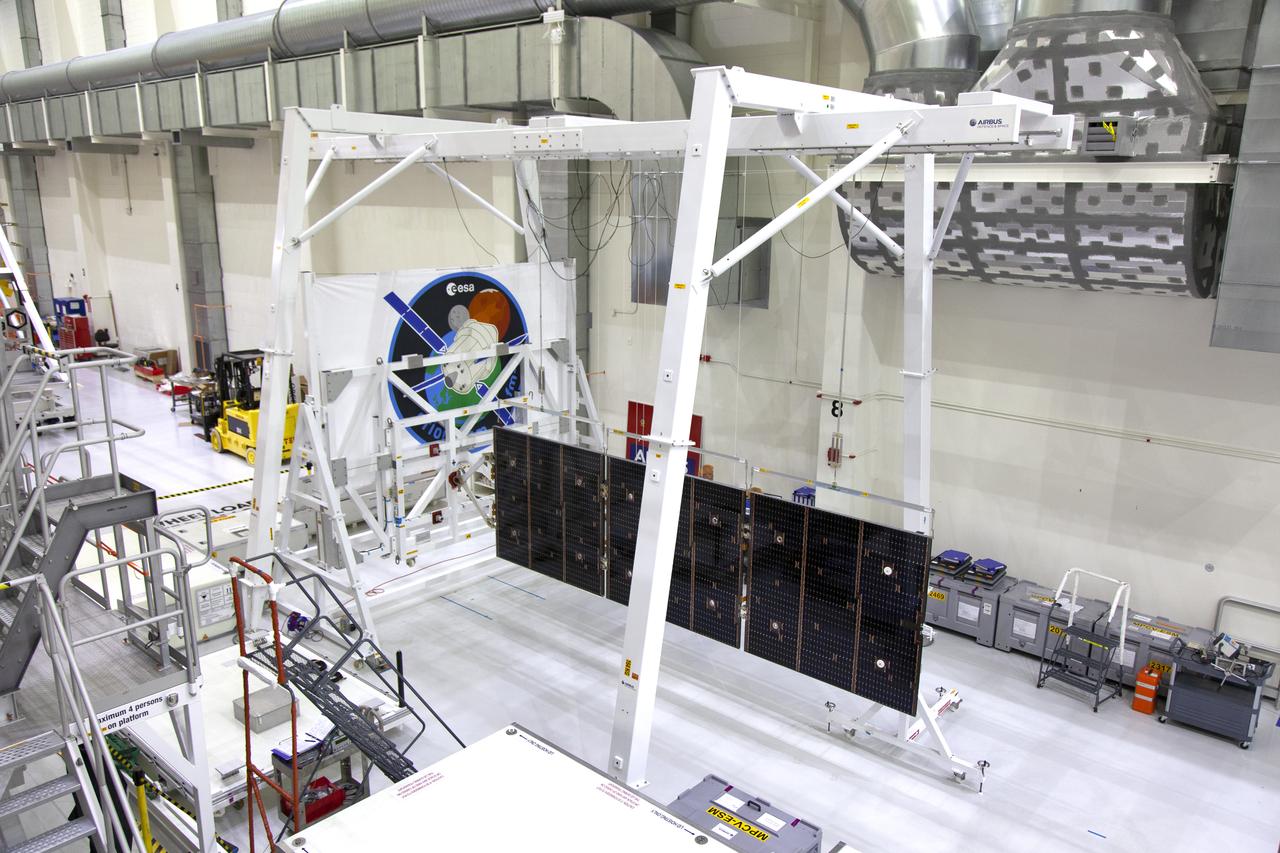
A solar array for the European Service Module that will serve as the powerhouse for Orion, is being prepared for Exploration Mission-1 (EM-1) inside the Neil Armstrong Operations and Checkout Building high bay on March 21, 2019, at NASA’s Kennedy Space Center in Florida. Orion will launch atop the Space Launch System rocket from Launch Pad 39B. The spacecraft will travel thousands of miles past the Moon on an approximately three-week test flight. Orion will return to Earth and splashdown in the Pacific Ocean off the coast of California, where it will be retrieved and returned to Kennedy.
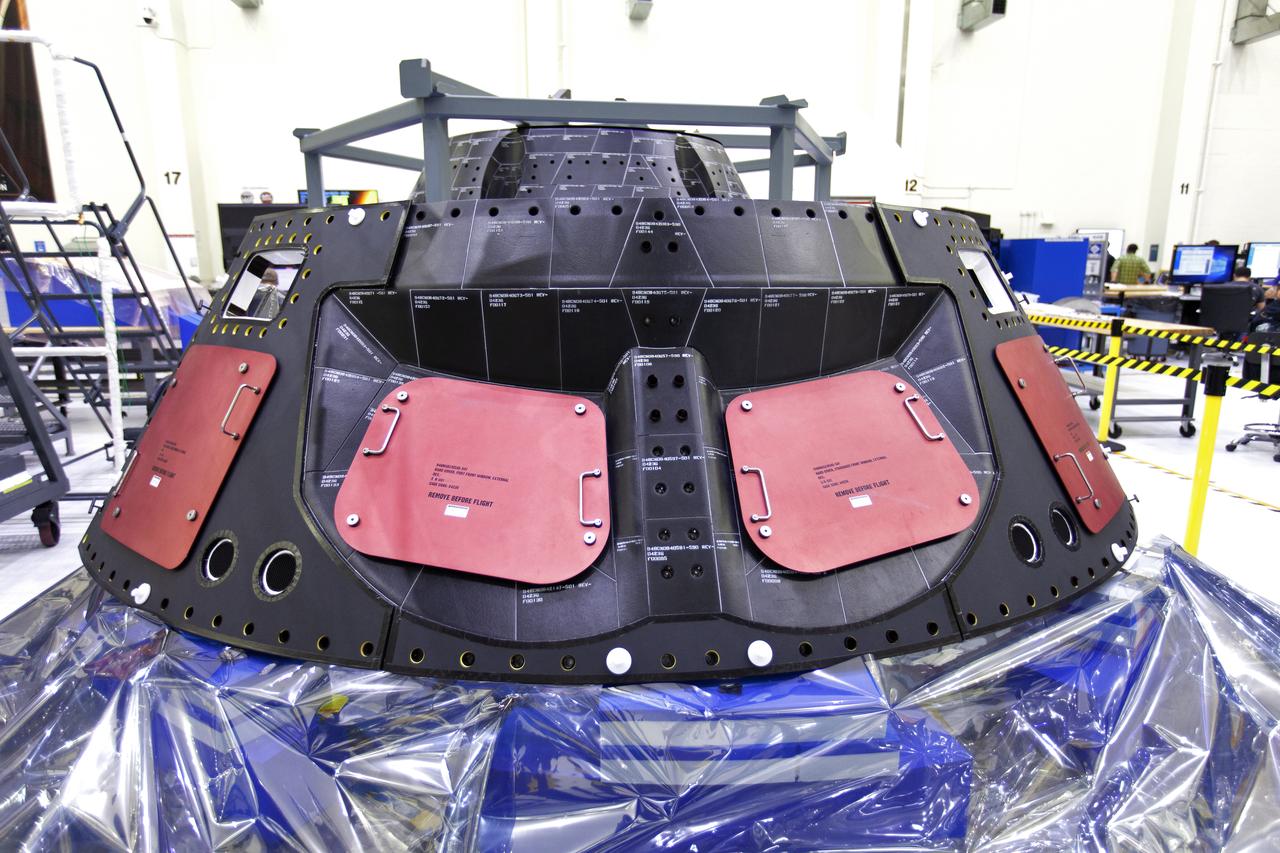
The forward bay cover for Orion for Exploration Mission-1 (EM-1) is in view inside the Neil Armstrong Operations and Checkout Building high bay on March 21, 2019, at NASA’s Kennedy Space Center in Florida. For EM-1, Orion will launch atop the Space Launch System rocket from Launch Pad 39B. The spacecraft will travel thousands of miles past the Moon on an approximately three-week test flight. Orion will return to Earth and splashdown in the Pacific Ocean off the coast of California, where it will be retrieved and returned to Kennedy.
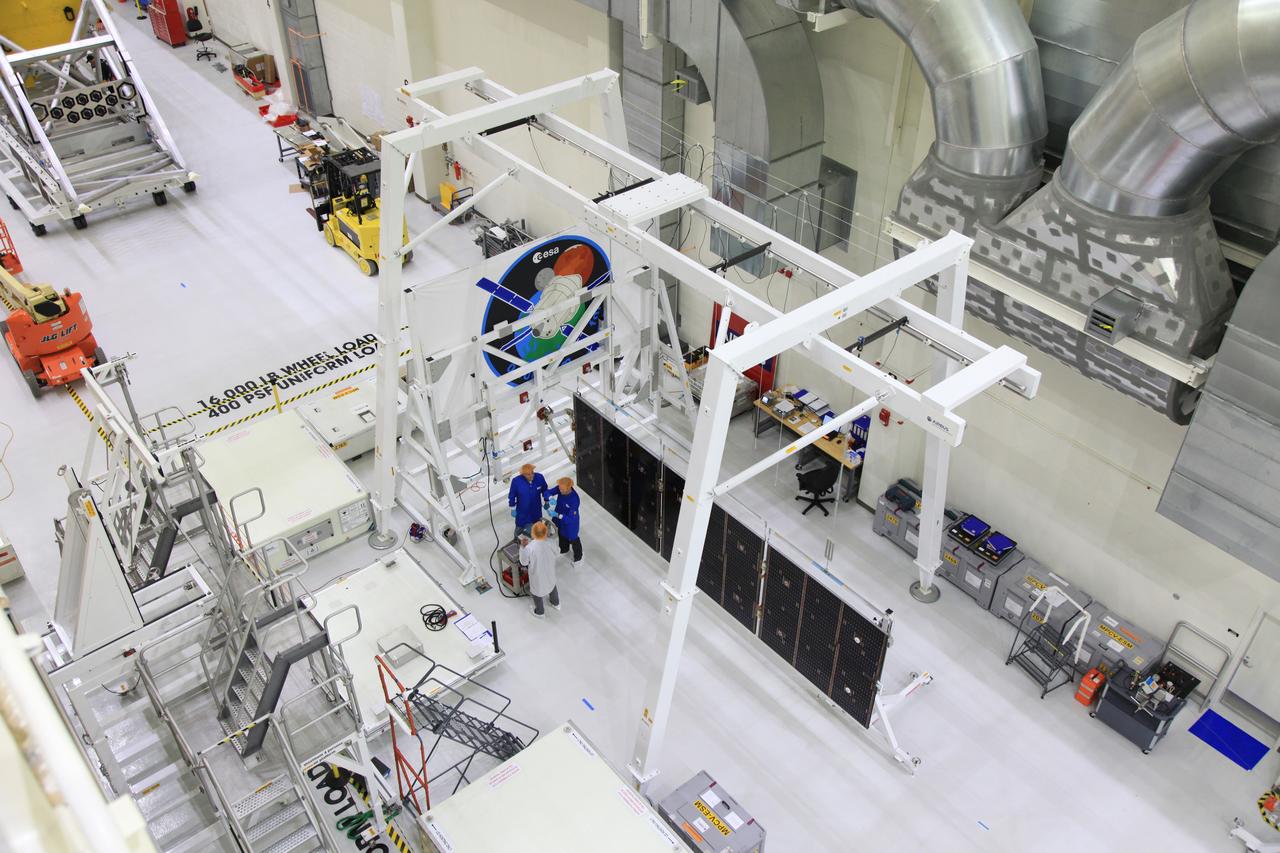
The crew and service module for Artemis I continue preparations for mating inside the Operations and Checkout (O&C) Building High Bay at Kennedy Space Center on March 21, 2019. Alongside, the pressure vessel for Artemis II is undergoing install of its secondary structure.
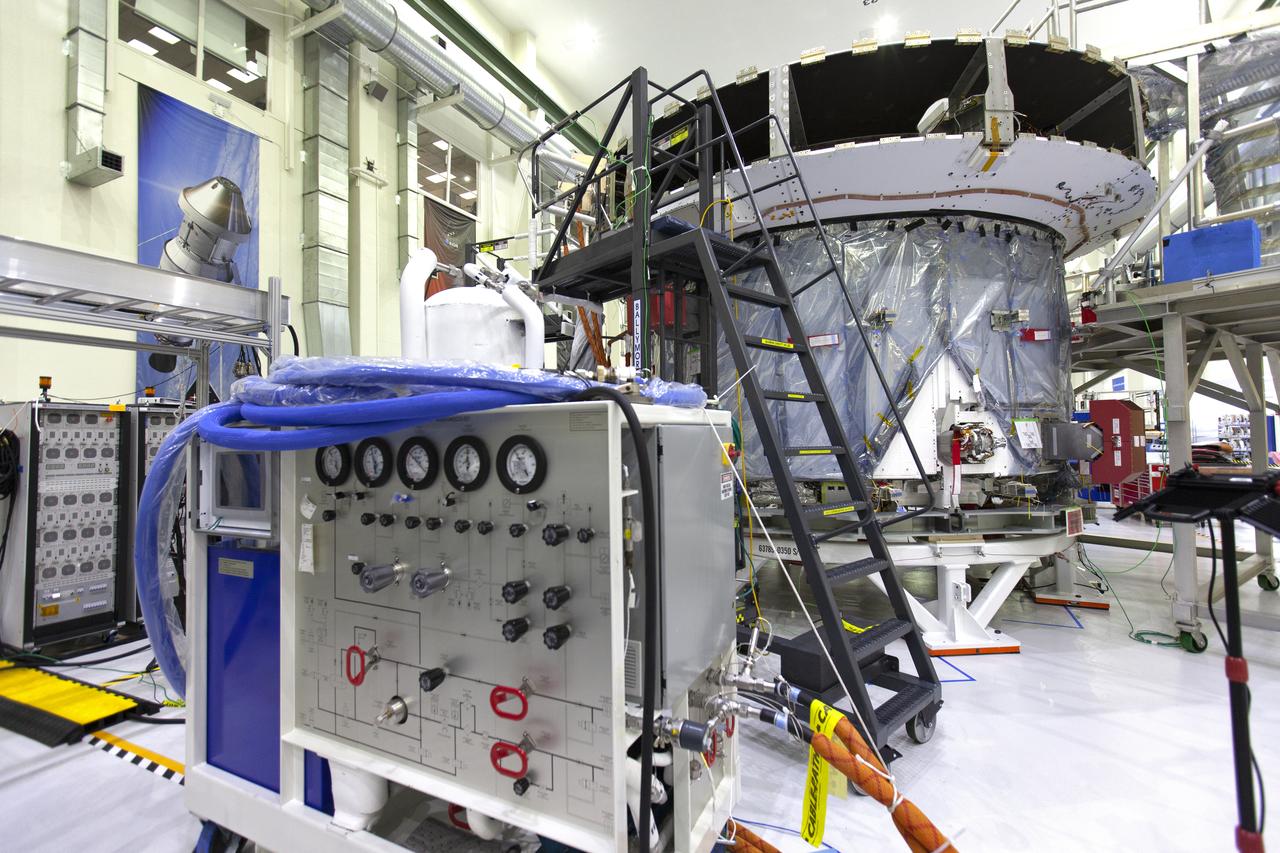
The European Service Module that will serve as the powerhouse for Orion on Exploration Mission-1 (EM-1), is in view on a work stand inside the Neil Armstrong Operations and Checkout Building high bay on March 21, 2019, at NASA’s Kennedy Space Center in Florida. For EM-1, Orion will launch atop the Space Launch System rocket from Launch Pad 39B. The spacecraft will travel thousands of miles past the Moon on an approximately three-week test flight. Orion will return to Earth and splashdown in the Pacific Ocean off the coast of California, where it will be retrieved and returned to Kennedy.
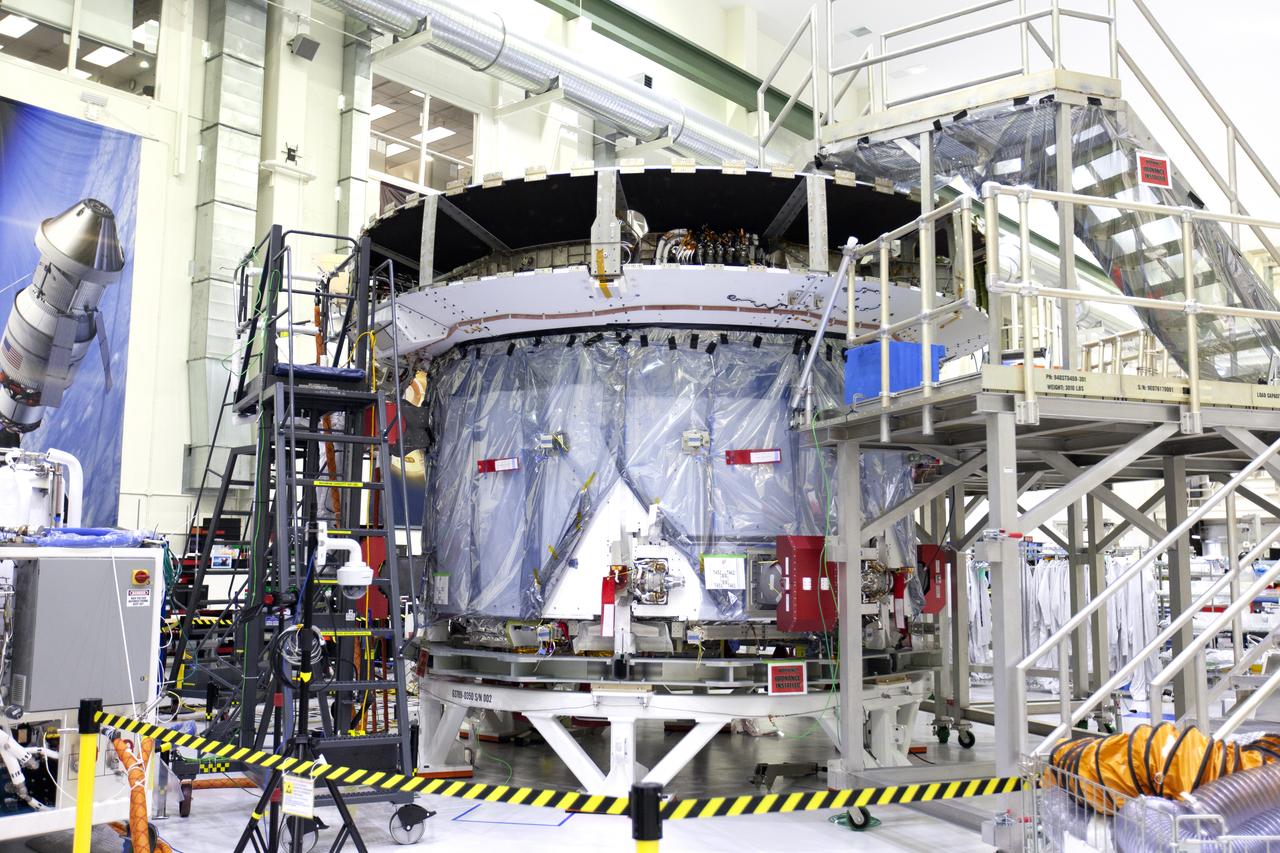
The crew and service module for Artemis I continue preparations for mating inside the Operations and Checkout (O&C) Building High Bay at Kennedy Space Center on March 21, 2019. Alongside, the pressure vessel for Artemis II is undergoing install of its secondary structure.
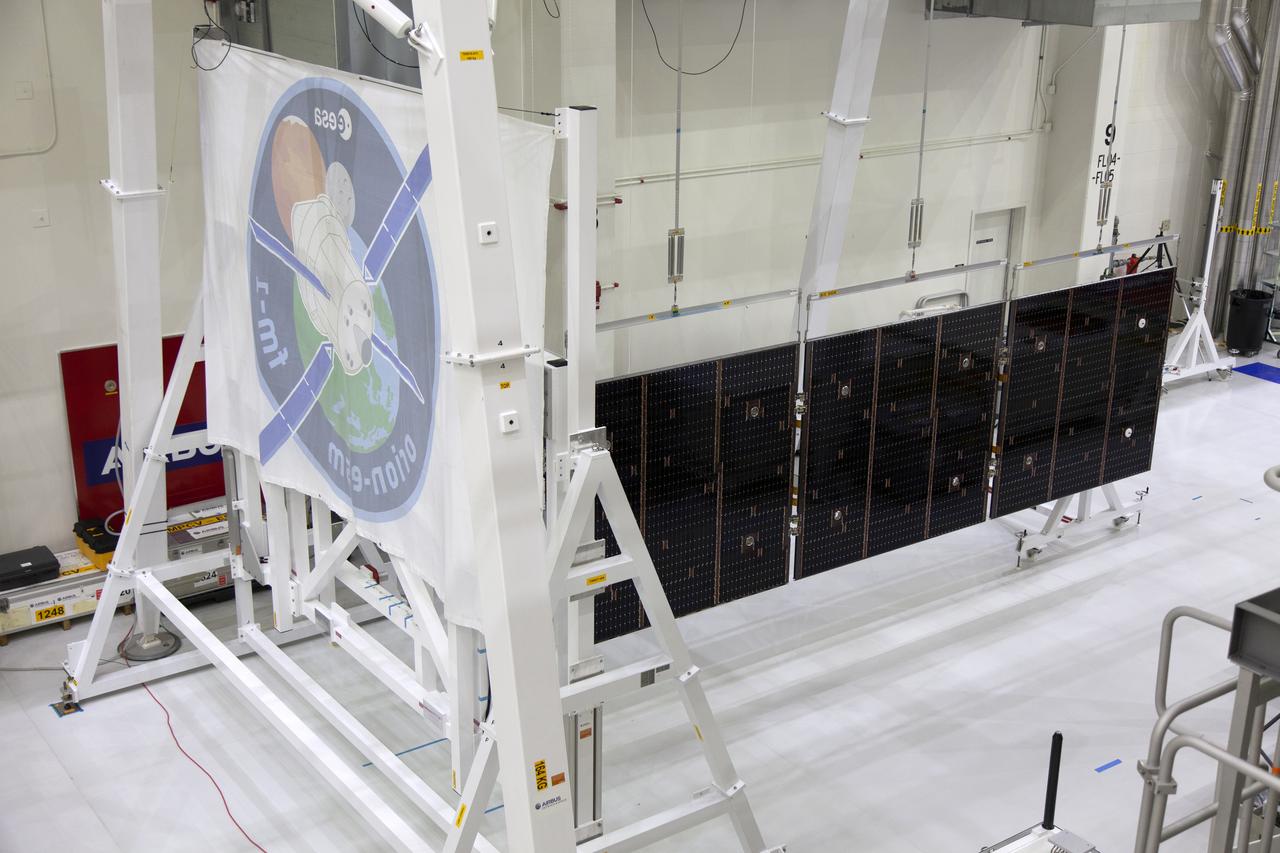
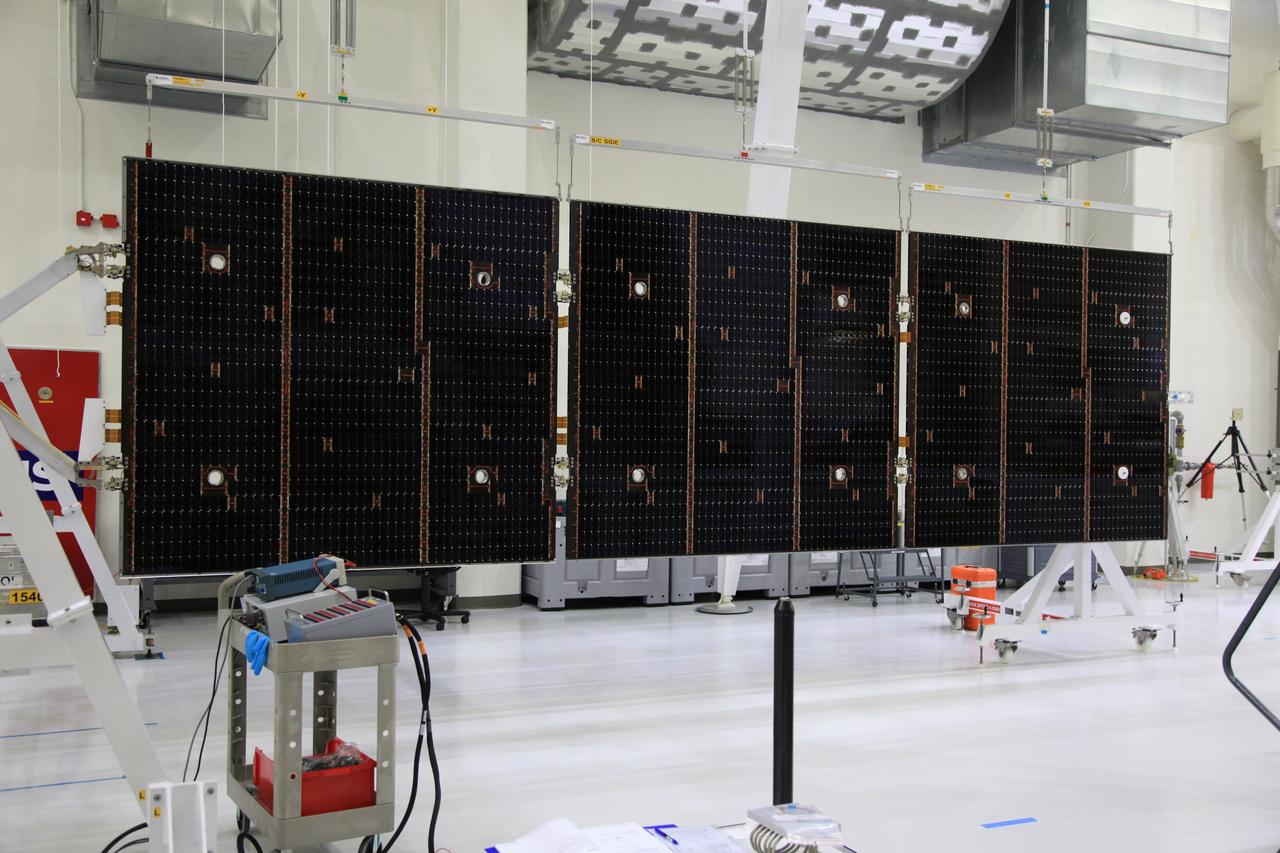
A solar array for the European Service Module that will serve as the powerhouse for Orion, is being prepared for Exploration Mission-1 (EM-1) inside the Neil Armstrong Operations and Checkout Building high bay on March 21, 2019, at NASA’s Kennedy Space Center in Florida. Orion will launch atop the Space Launch System rocket from Launch Pad 39B. The spacecraft will travel thousands of miles past the Moon on an approximately three-week test flight. Orion will return to Earth and splashdown in the Pacific Ocean off the coast of California, where it will be retrieved and returned to Kennedy.
The European Service Module that will service as the powerhouse for Orion for Exploration Mission-1 (EM-1), is in view on a work stand inside the Neil Armstrong Operations and Checkout Building high bay on March 21, 2019, at NASA’s Kennedy Space Center in Florida. For EM-1, Orion will launch atop the Space Launch System rocket from Launch Pad 39B. The spacecraft will travel thousands of miles past the Moon on an approximately three-week test flight. Orion will return to Earth and splashdown in the Pacific Ocean off the coast of California, where it will be retrieved and returned to Kennedy.
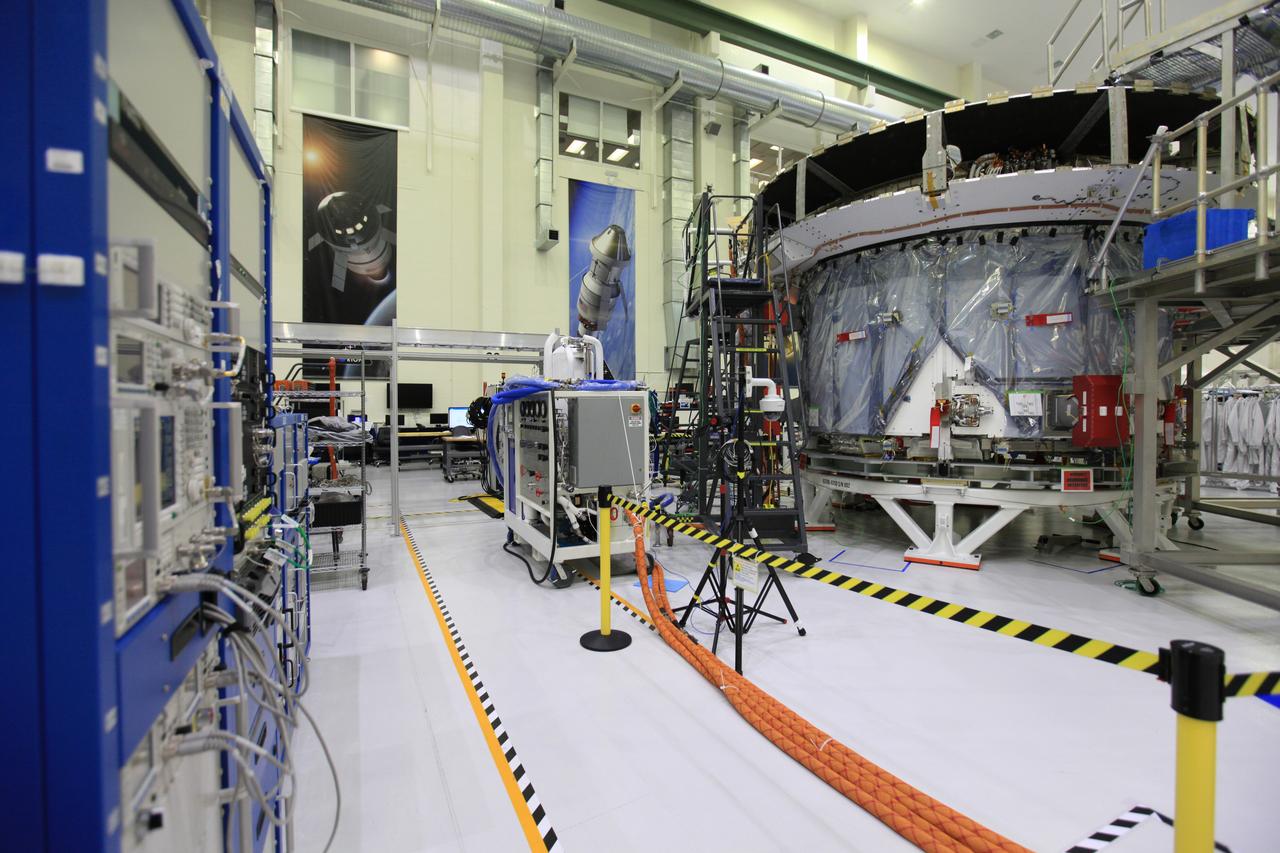
The crew and service module for Artemis I continue preparations for mating inside the Operations and Checkout (O&C) Building High Bay at Kennedy Space Center on March 21, 2019. Alongside, the pressure vessel for Artemis II is undergoing install of its secondary structure.
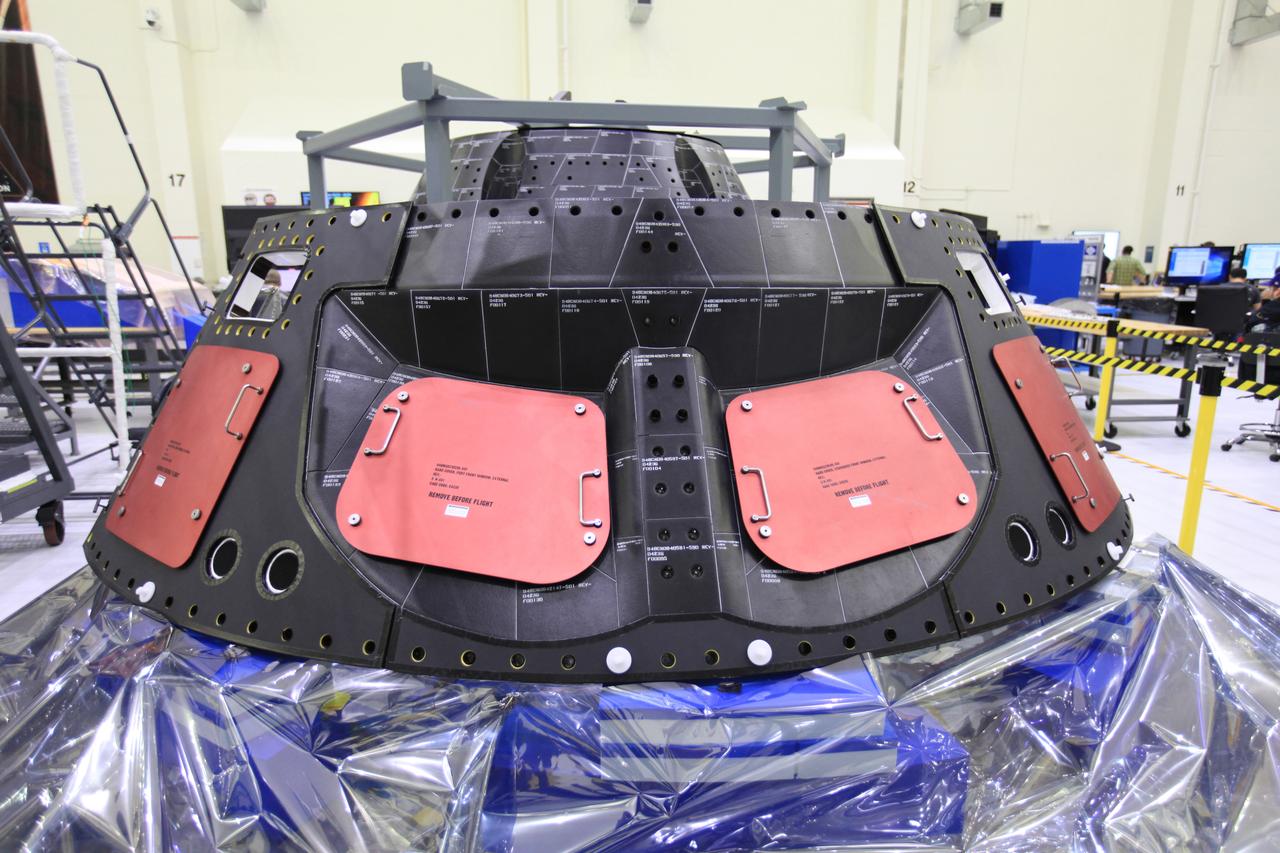
The crew and service module for Artemis I continue preparations for mating inside the Operations and Checkout (O&C) Building High Bay at Kennedy Space Center on March 21, 2019. Alongside, the pressure vessel for Artemis II is undergoing install of its secondary structure.
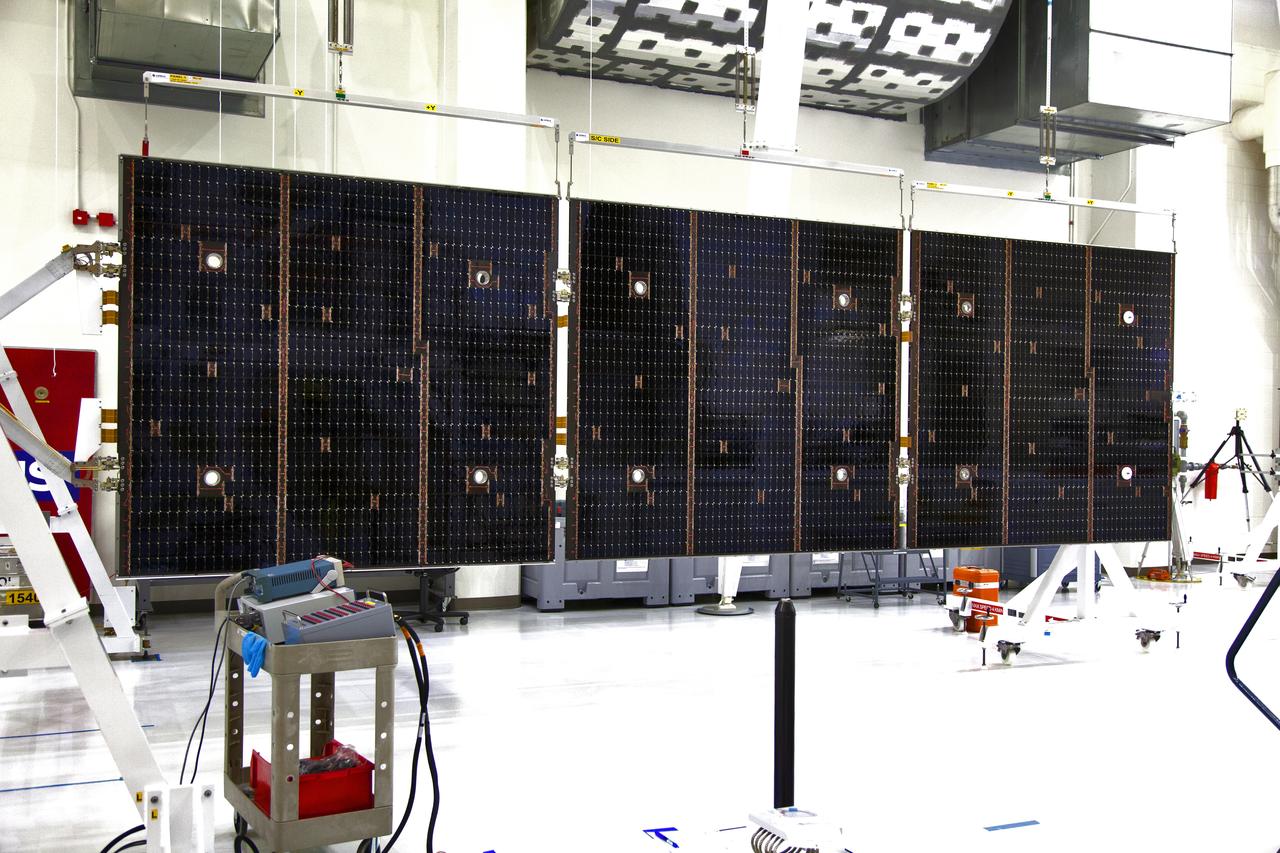
The solar array for the European Service Module that will serve as the powerhouse for Orion, is being prepared for Exploration Mission-1 (EM-1) inside the Neil Armstrong Operations and Checkout Building high bay on March 21, 2019, at NASA’s Kennedy Space Center in Florida. Orion will launch atop the Space Launch System rocket from Launch Pad 39B. The spacecraft will travel thousands of miles past the Moon on an approximately three-week test flight. Orion will return to Earth and splashdown in the Pacific Ocean off the coast of California, where it will be retrieved and returned to Kennedy.
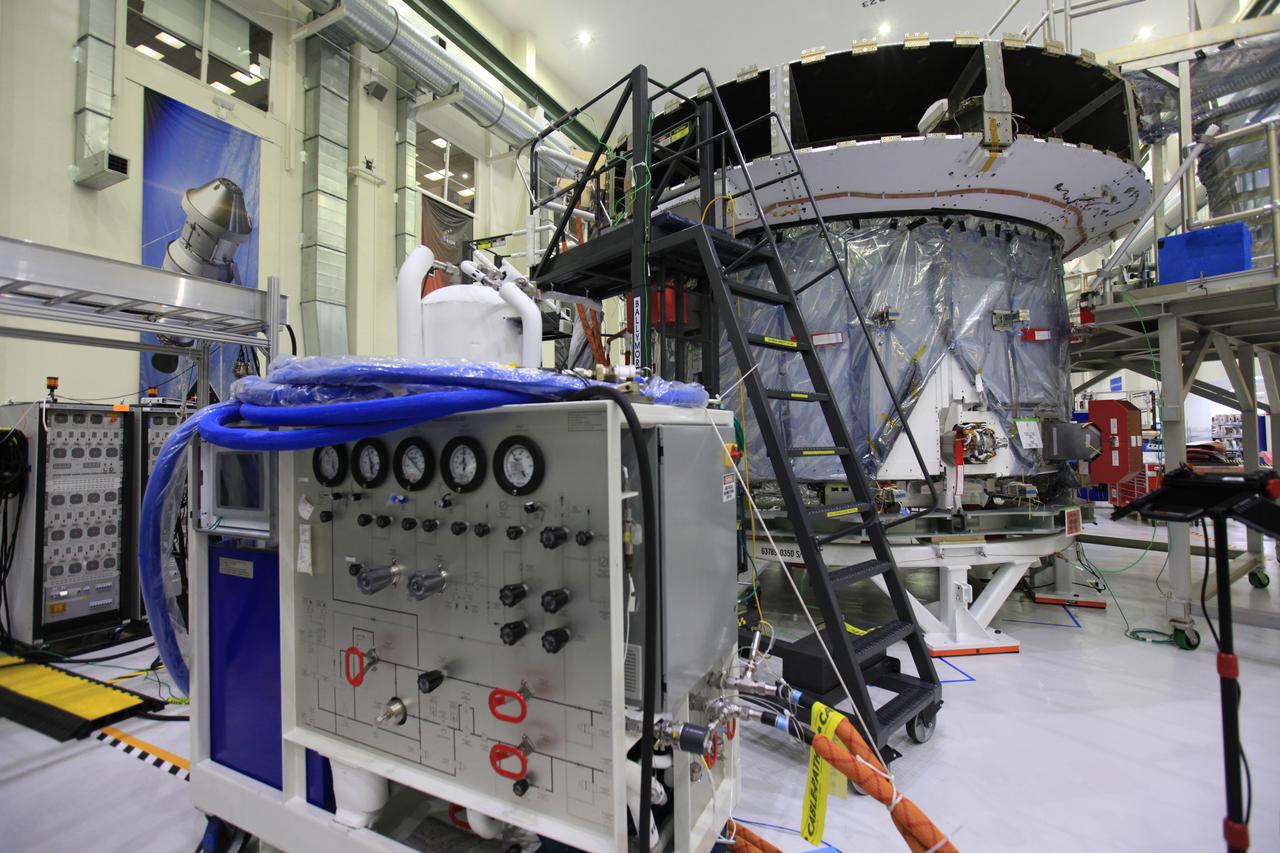
The crew and service module for Artemis I continue preparations for mating inside the Operations and Checkout (O&C) Building High Bay at Kennedy Space Center on March 21, 2019. Alongside, the pressure vessel for Artemis II is undergoing install of its secondary structure.
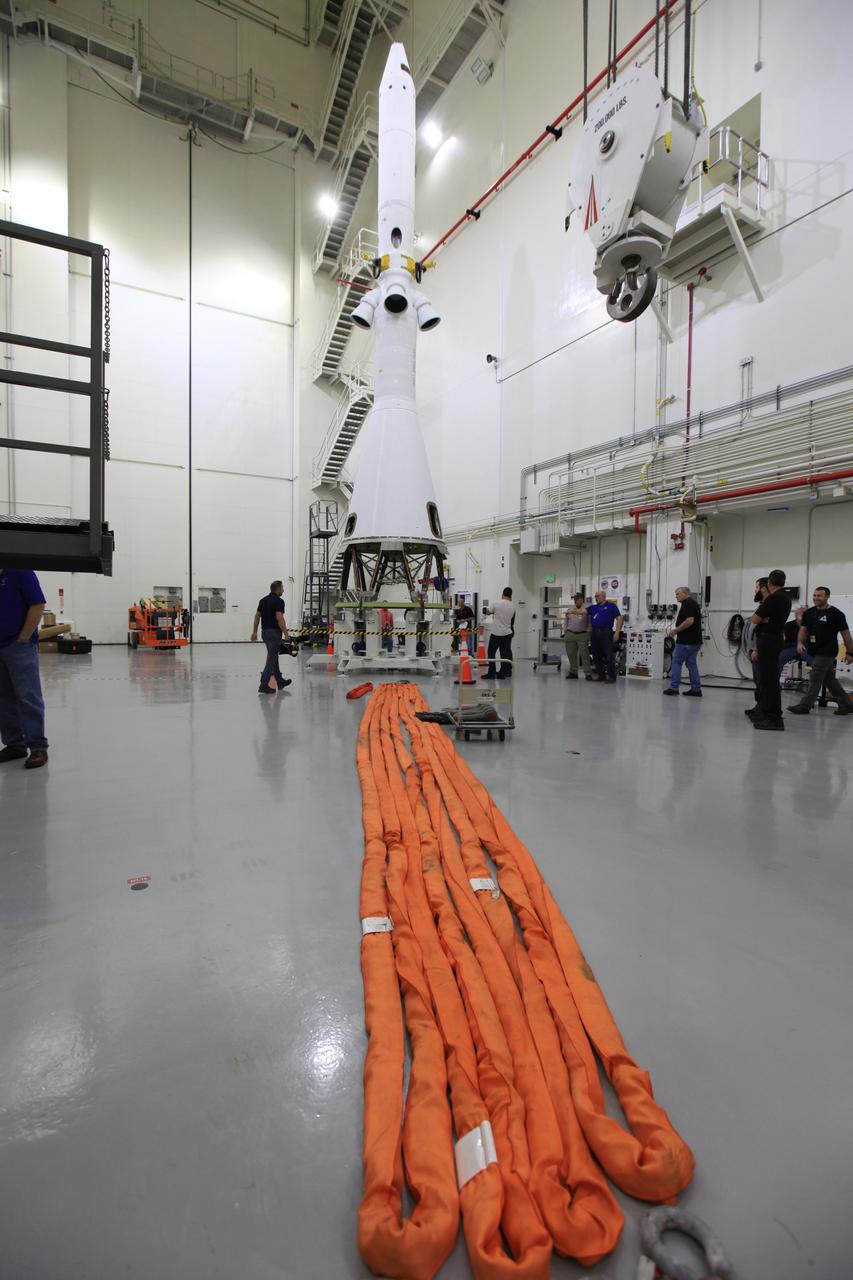
The Launch Abort System for the Ascent Abort-2 (AA-2) Flight Test is vertical and integrated with the crew module test article at the Launch Abort System Facility (LASF) at Kennedy Space Center on March 13, 2019.
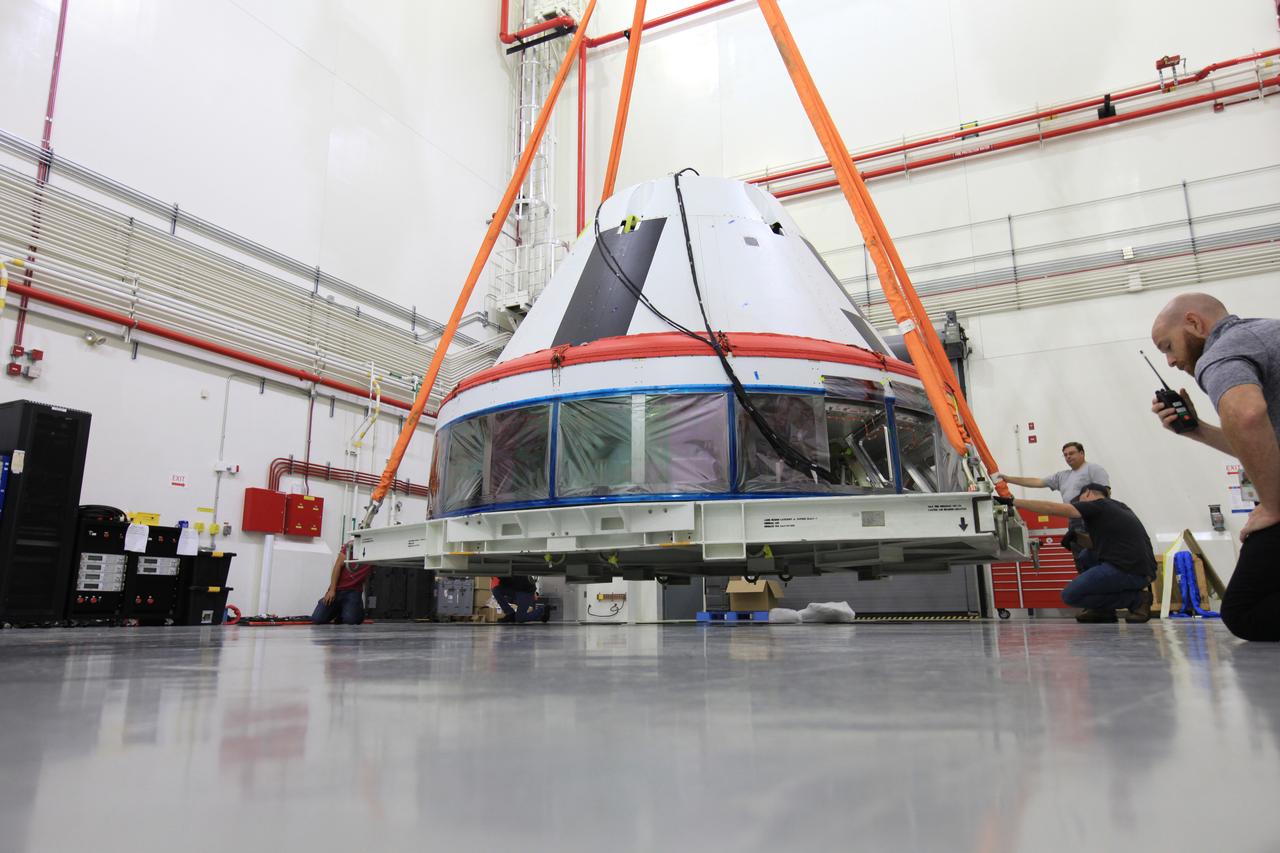
The Launch Abort System for the Ascent Abort-2 (AA-2) Flight Test is vertical and integrated with the crew module test article at the Launch Abort System Facility (LASF) at Kennedy Space Center on March 13, 2019.
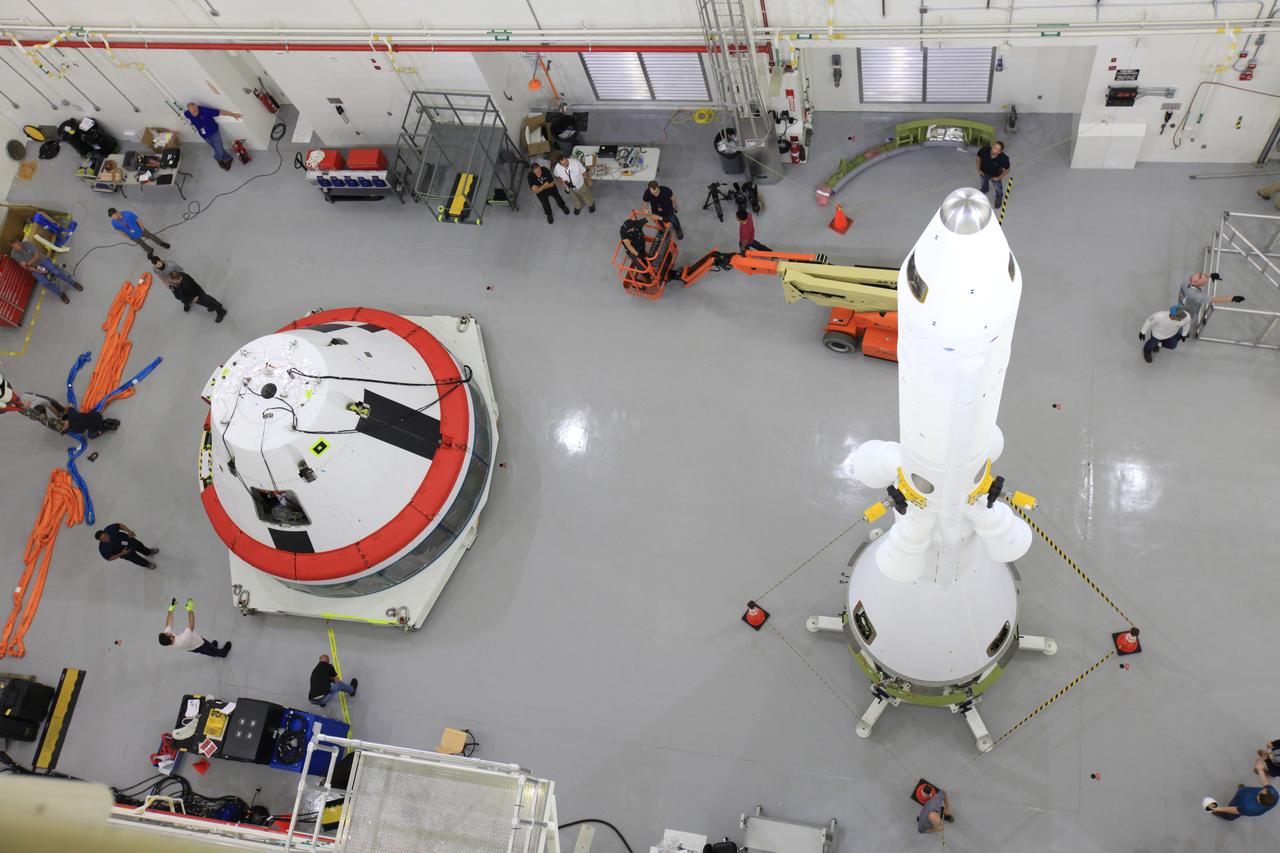
The Launch Abort System for the Ascent Abort-2 (AA-2) Flight Test is vertical and integrated with the crew module test article at the Launch Abort System Facility (LASF) at Kennedy Space Center on March 13, 2019.
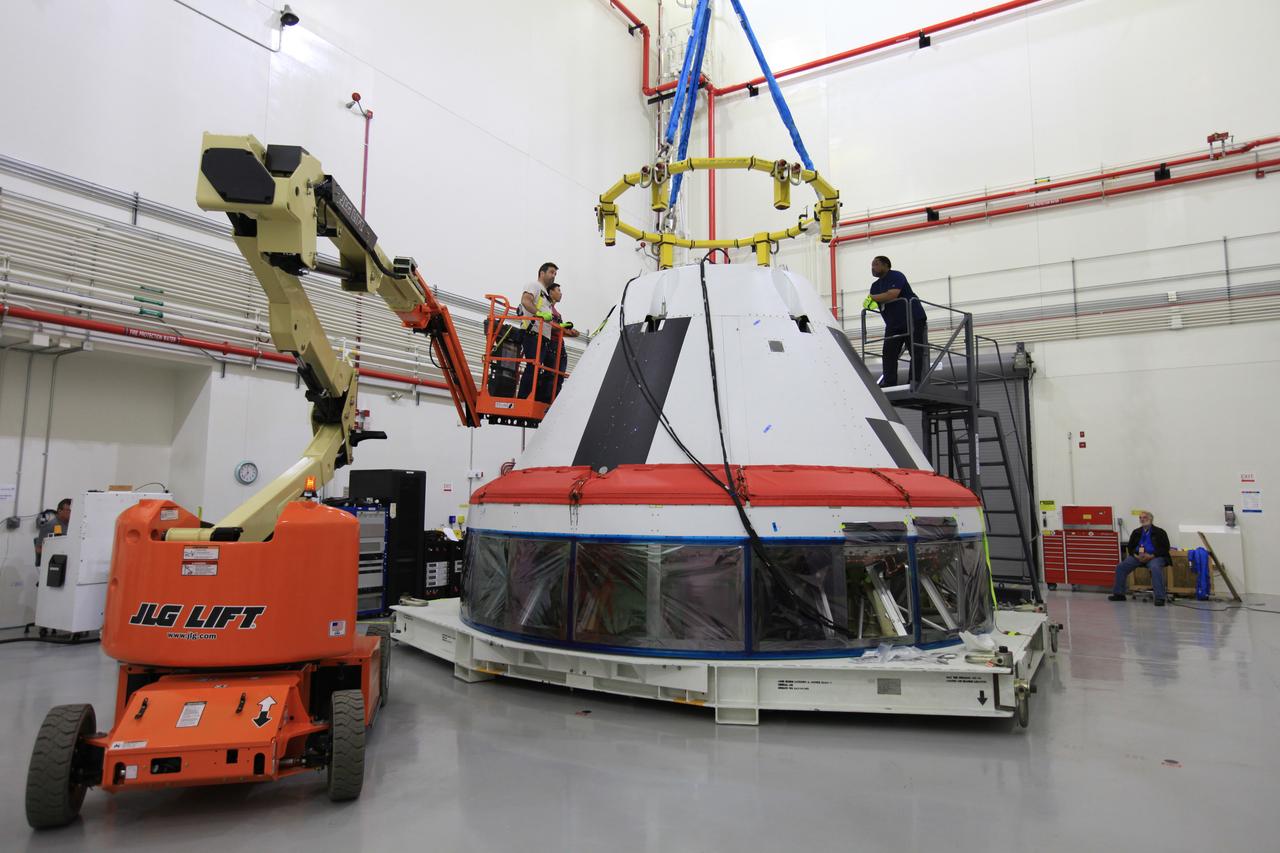
The Launch Abort System for the Ascent Abort-2 (AA-2) Flight Test is vertical and integrated with the crew module test article at the Launch Abort System Facility (LASF) at Kennedy Space Center on March 13, 2019.