
ISS014-E-12509 (20 Jan. 2007) --- Astronaut Sunita L. Williams, Expedition 14 flight engineer, replaces a European Modular Cultivation System (EMCS) Rotor Based Life Support System (RBLSS) module in the Destiny laboratory of the International Space Station.
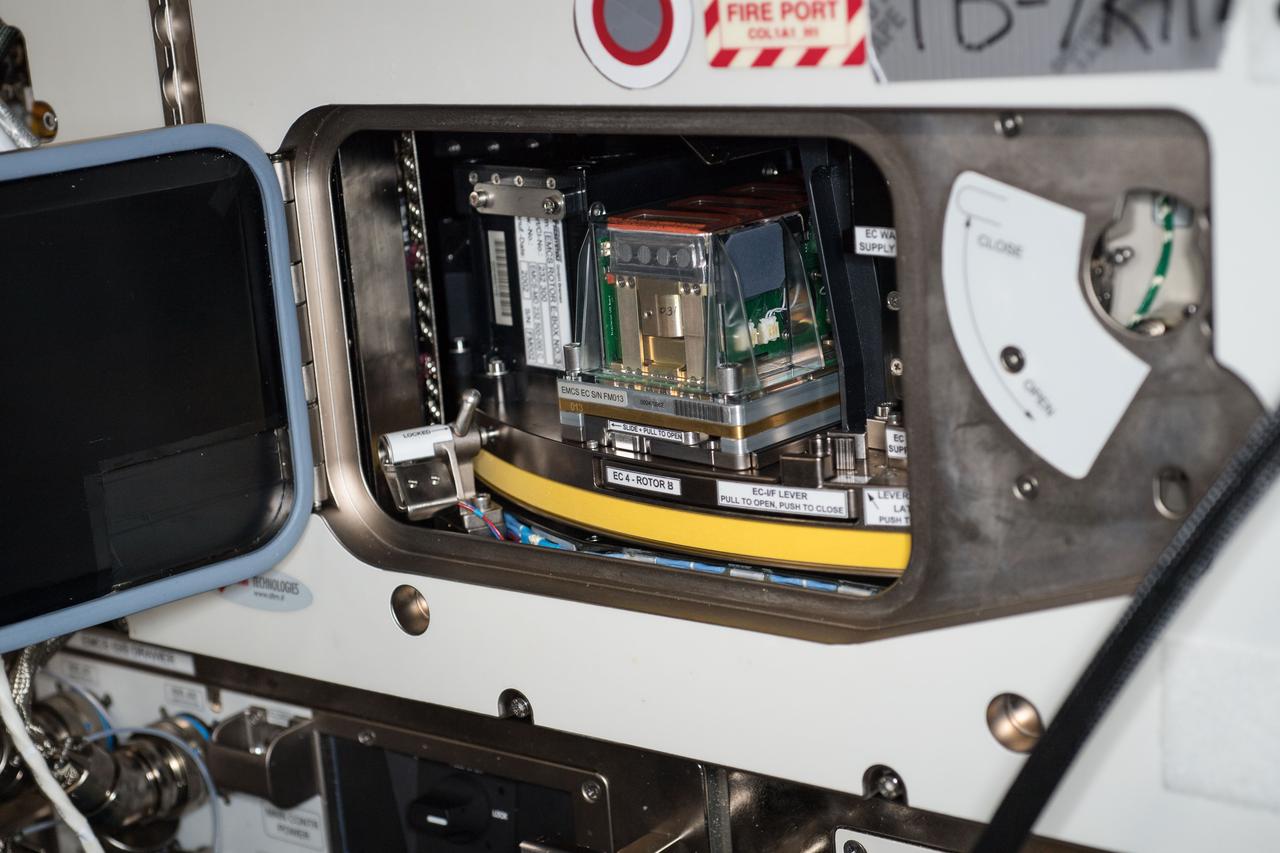
iss054e026863 (Feb. 2, 2018) --- The Plant Gravity Perception experiment in a centrifuge before its second run on the European Modular Cultivation System (EMCS) Experiment Container (EC) to test the gravity-sensing ability of plants in microgravity.
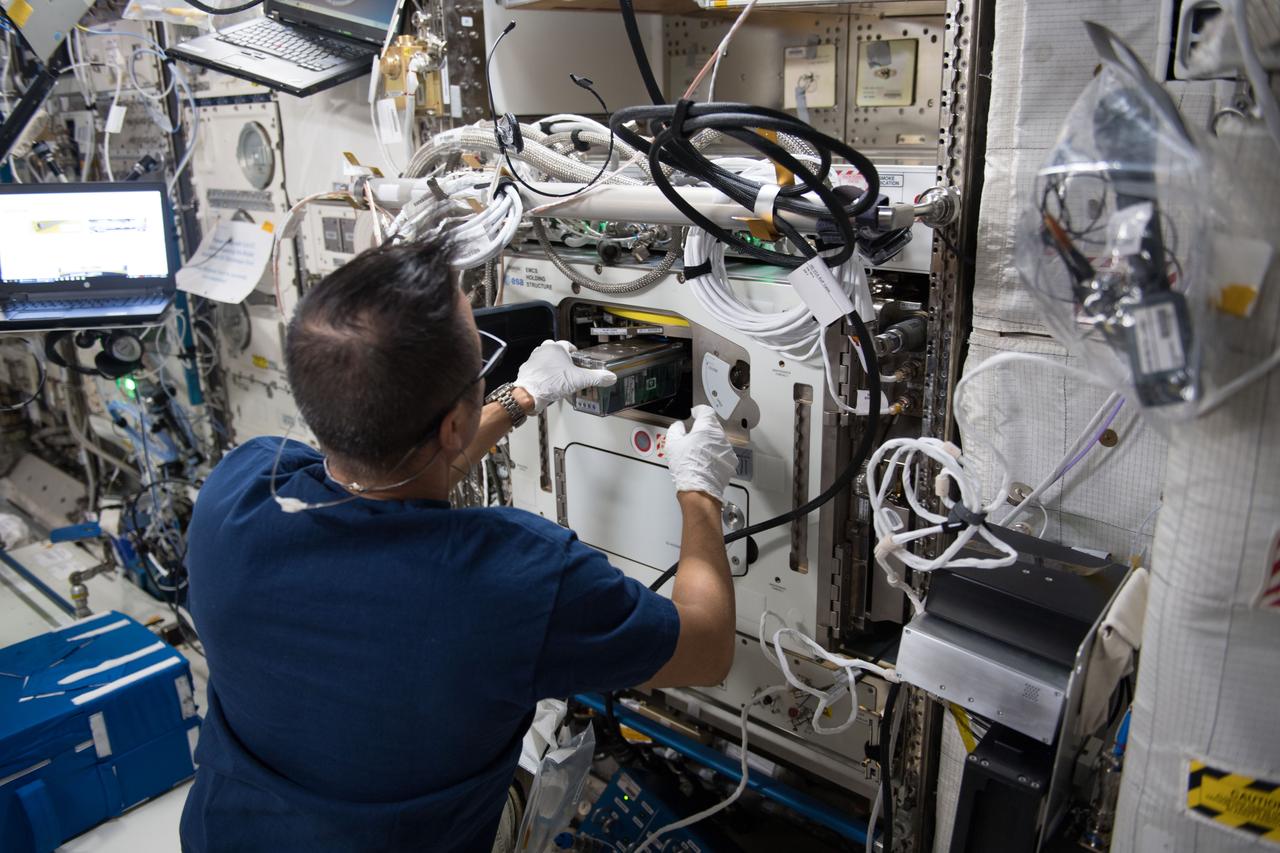
iss054e023800 (Jan. 26, 2018) --- NASA astronaut Joe Acaba placing an Experiment Container (EC) on the European Modular Cultivation System (EMCS) for the the first run of the Plant Gravity Perception experiment to test the gravity-sensing ability of plants in microgravity.
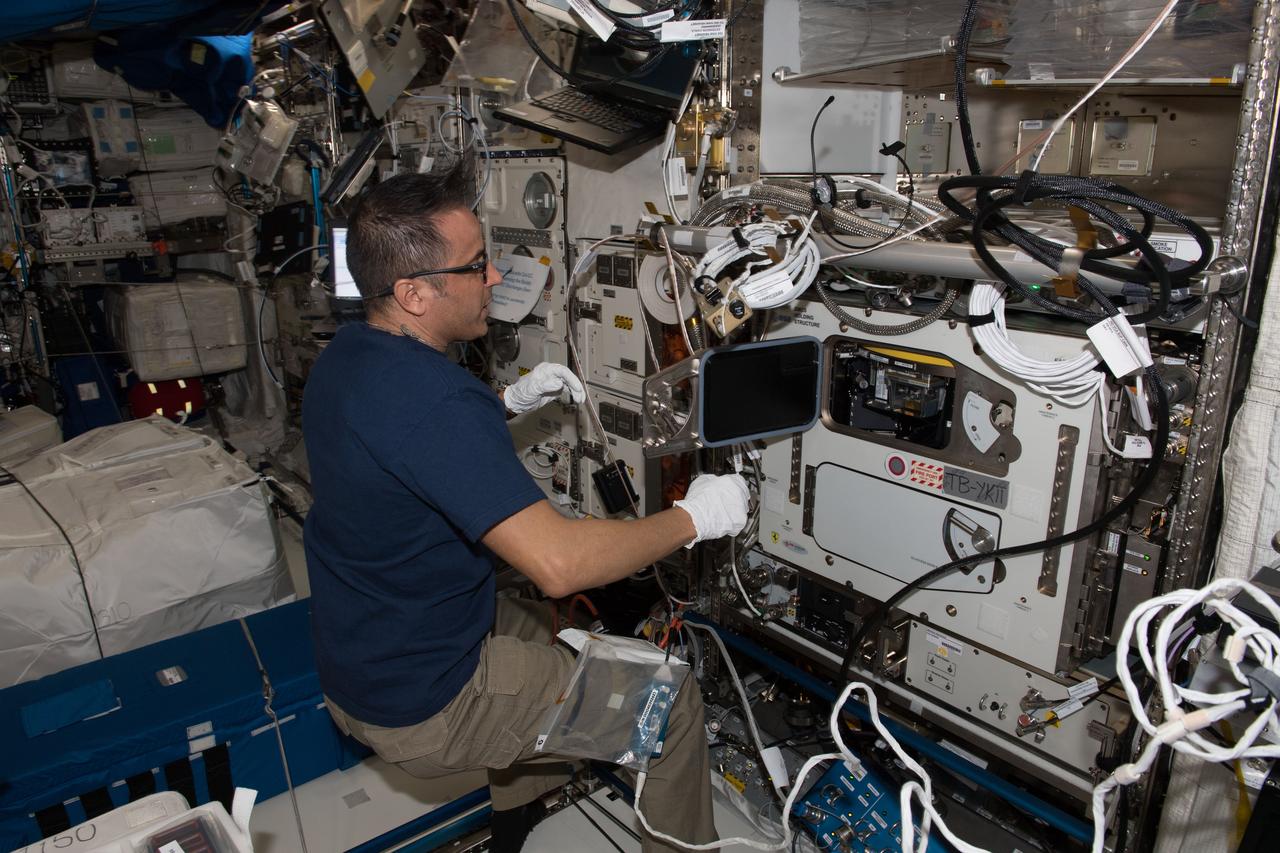
iss054e023776 (Jan. 26, 2018) --- NASA astronaut Joe Acaba removing an Experiment Container (EC) on the European Modular Cultivation System (EMCS) for the the first run of the Plant Gravity Perception experiment to test the gravity-sensing ability of plants in microgravity.
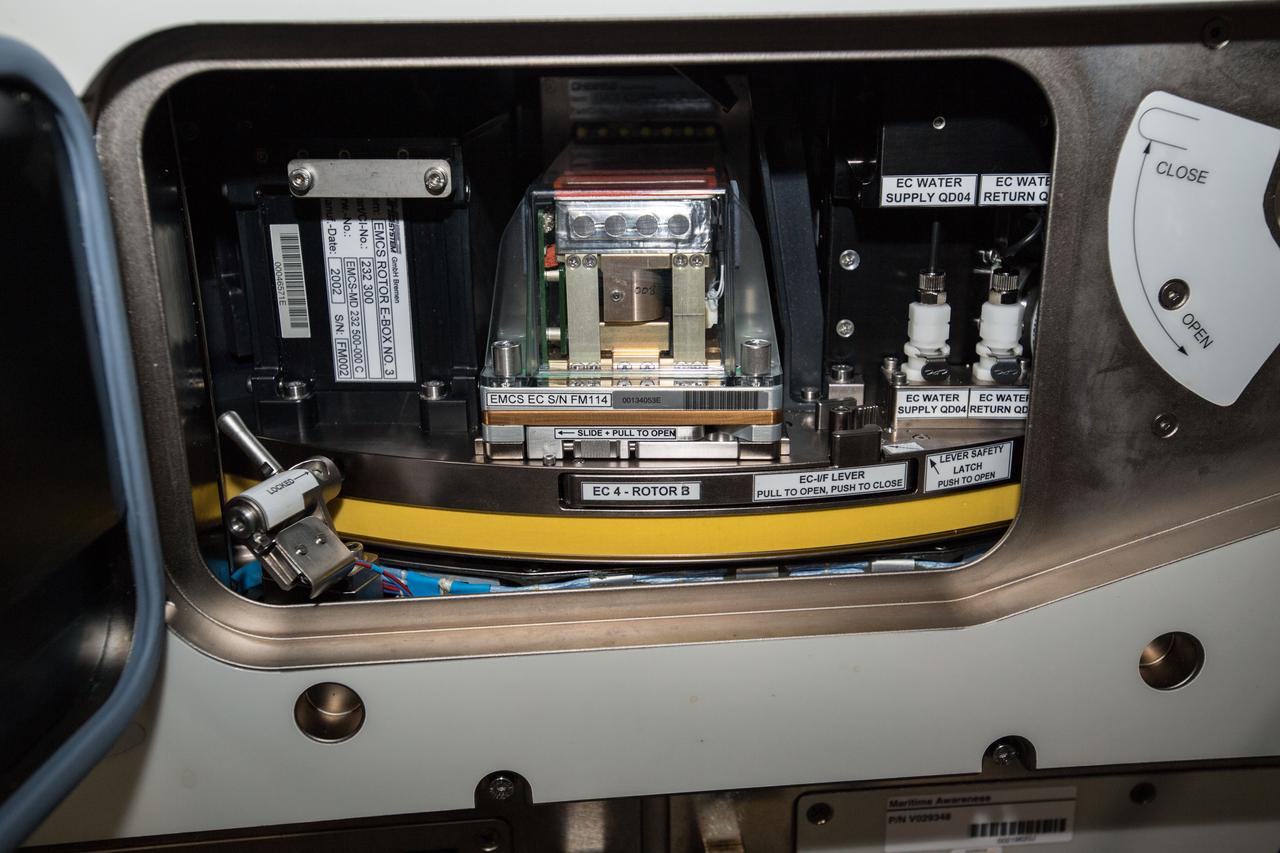
iss054e037079 (Feb. 8, 2018) --- Plant Gravity Perception experiment in a centrifuge on a European Modular Cultivation System (EMCS) Experiment Container (EC) to test the gravity-sensing ability of plants in microgravity.
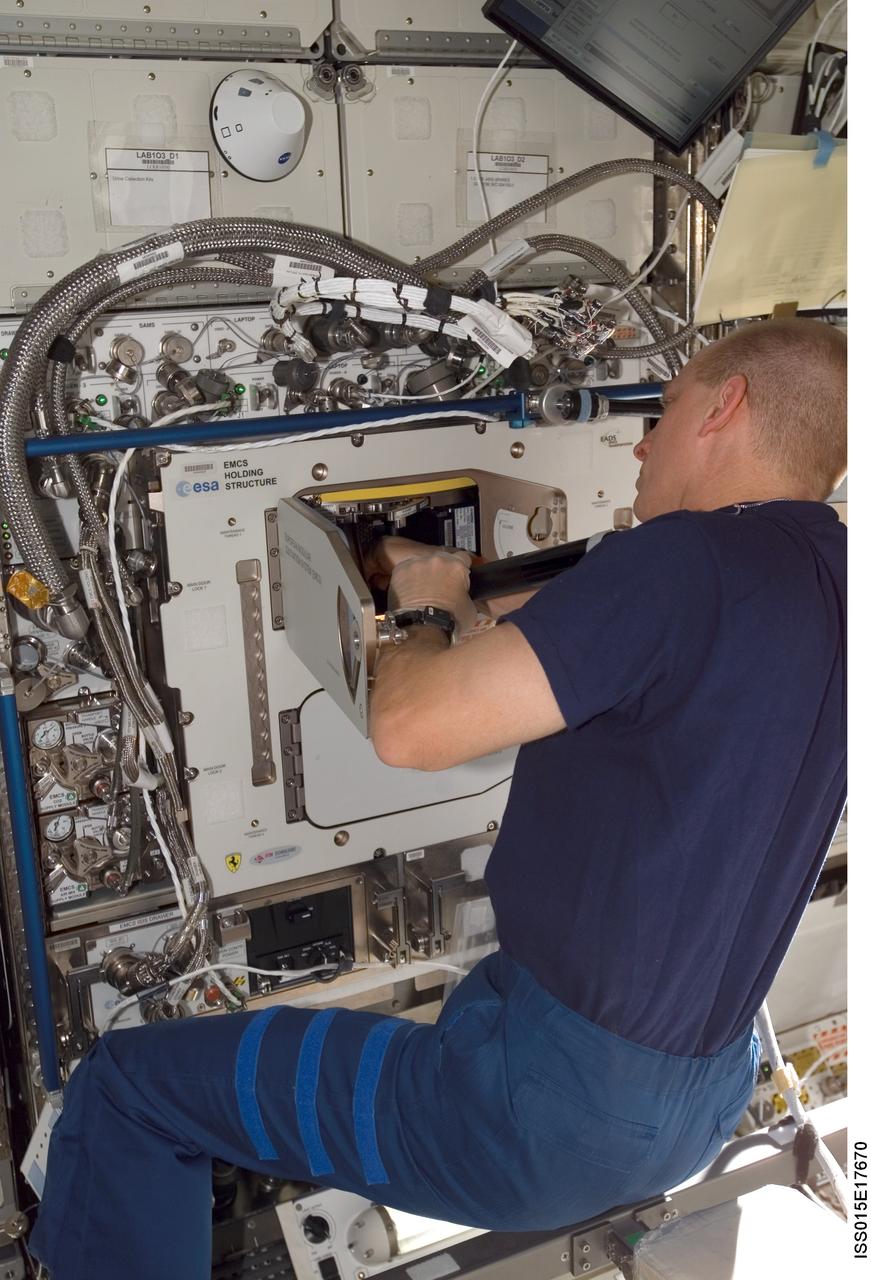
ISS015-E-17670 (5 July 2007) --- Astronaut Clay Anderson, Expedition 15 flight engineer, works with a European Modular Cultivation System (EMCS) in the Destiny laboratory of the International Space Station.
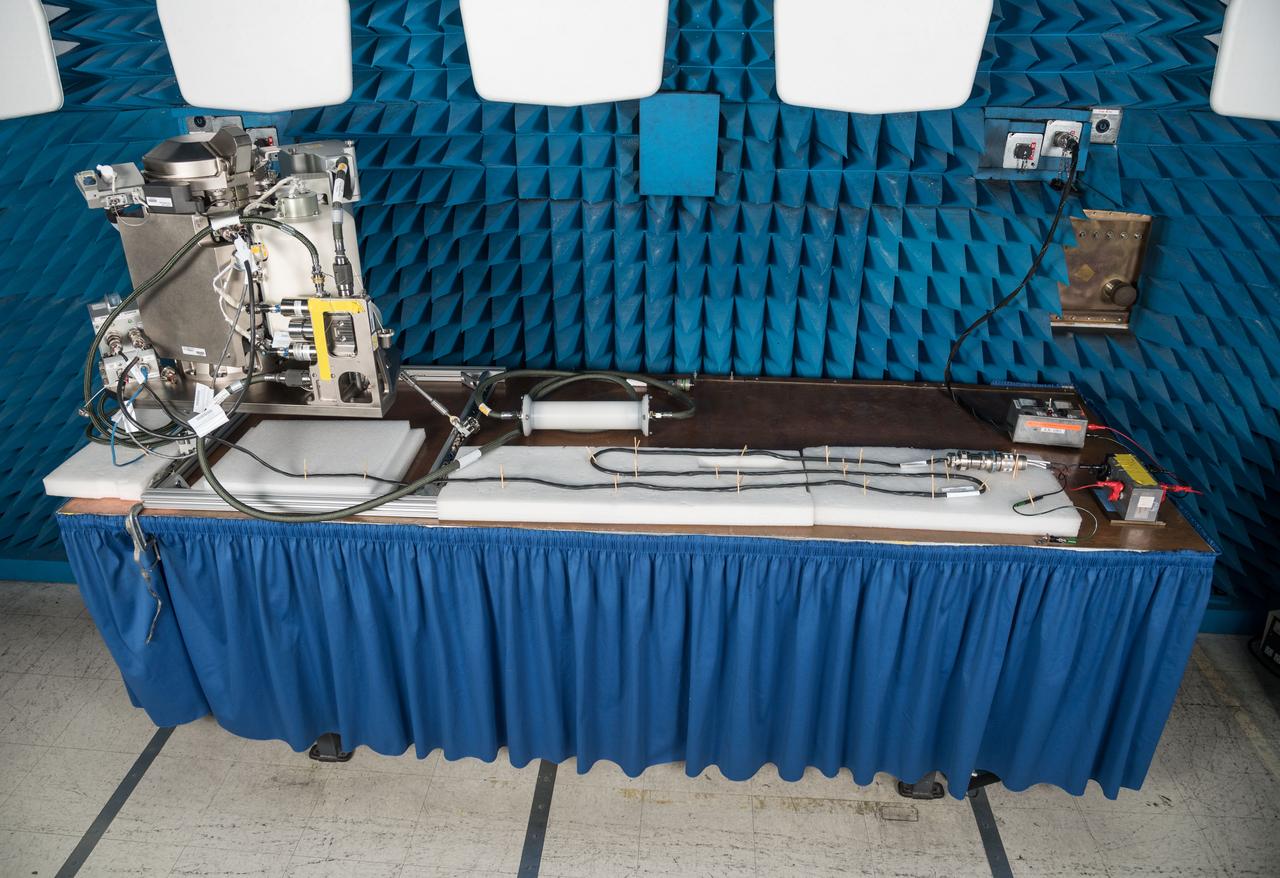
jsc2019e070457 (12/13/2019) --- A preflight view taken of the ISS Universal Waste Management System, Unit 1 during EMI/EMC Testing. This technology provides additional waste disposal points to the International Space Station (ISS) and aids in planning for future exploration missions including Deep Space Gateway (DSG). A smaller, more comfortable and more reliable waste-disposal method allows the crew to focus on other activities and enables further exploration in space.
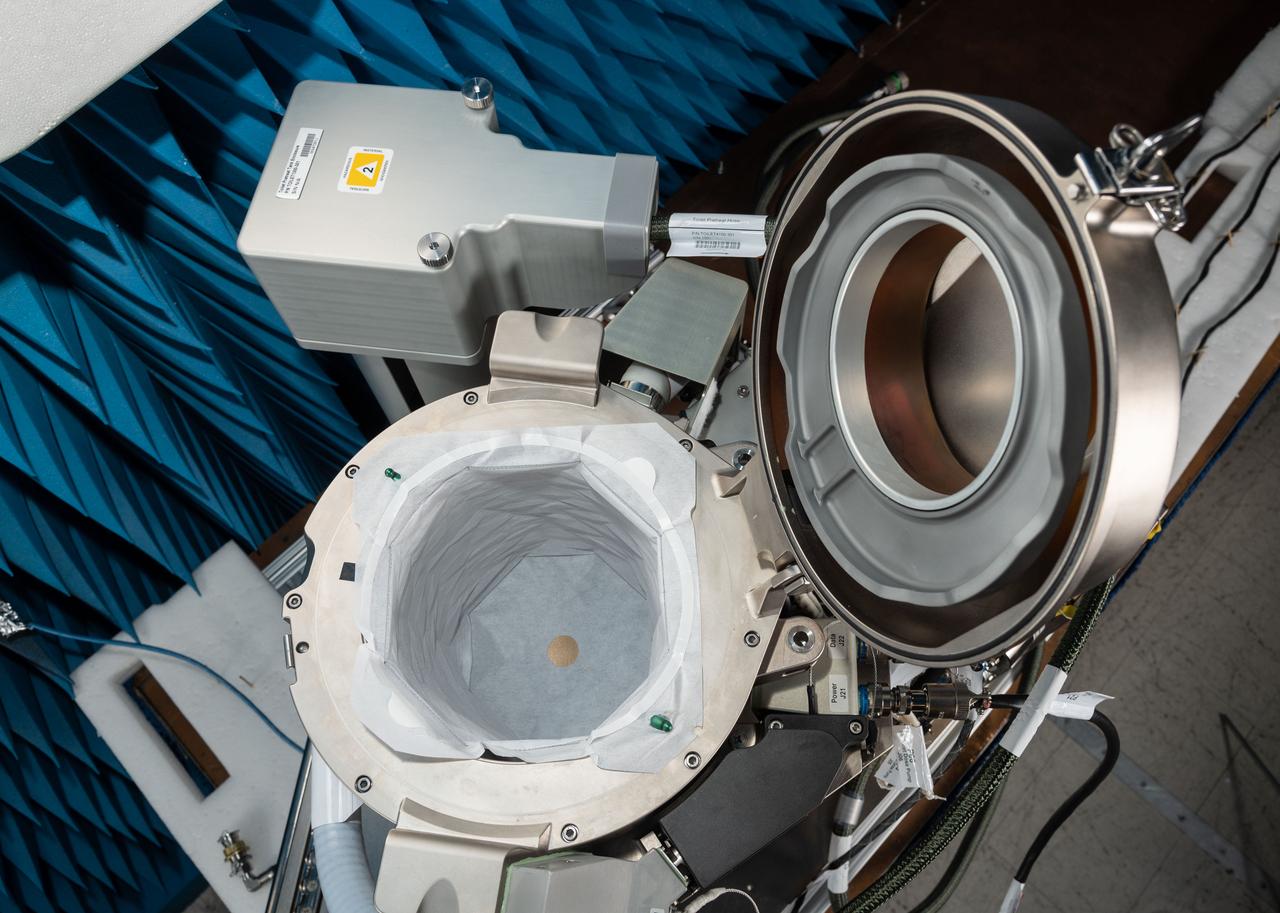
jsc2019e070462 (12/13/2019) --- A preflight view taken of the ISS Universal Waste Management System, Unit 1 during EMI/EMC Testing. This technology provides additional waste disposal points to the International Space Station (ISS) and aids in planning for future exploration missions including Deep Space Gateway (DSG). A smaller, more comfortable and more reliable waste-disposal method allows the crew to focus on other activities and enables further exploration in space.
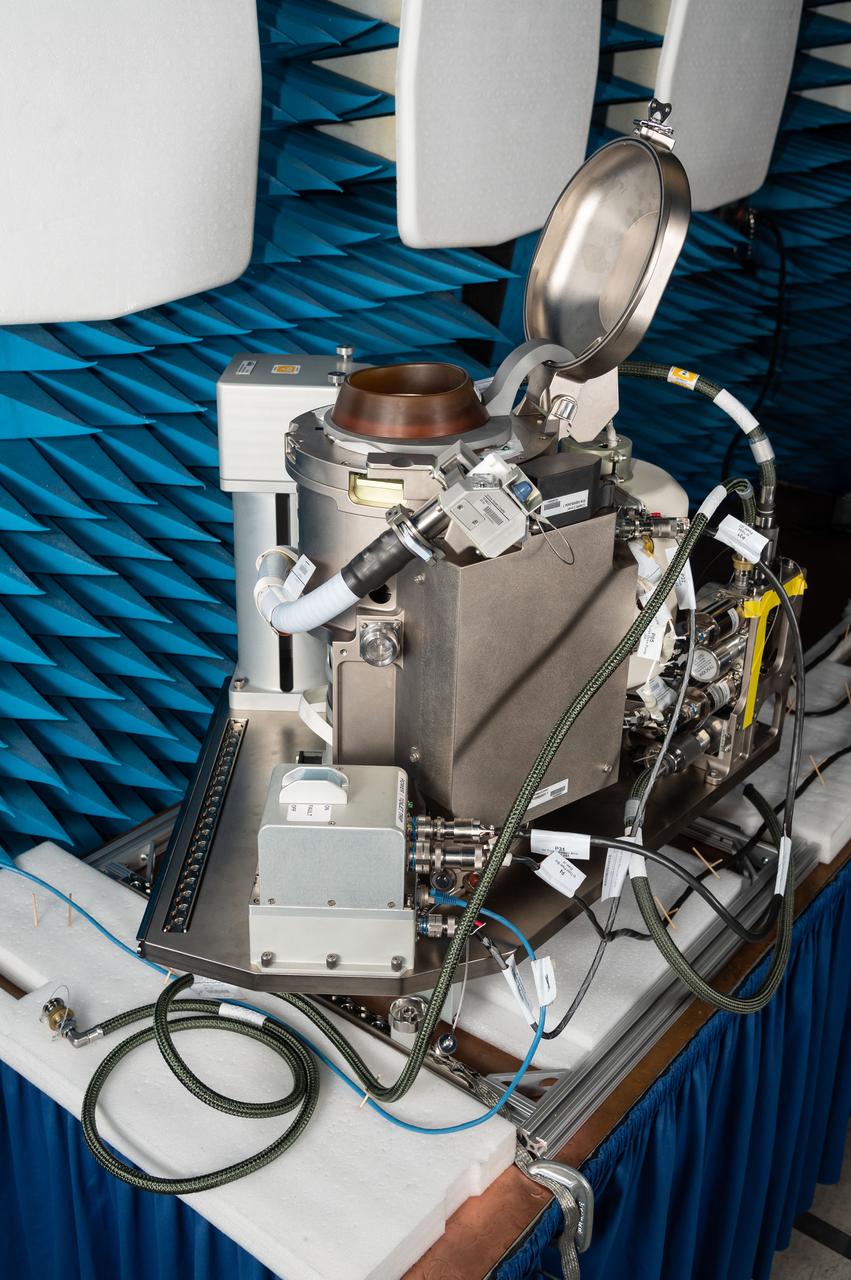
jsc2019e070459 (12/13/2019) --- A preflight view taken of the ISS Universal Waste Management System, Unit 1 during EMI/EMC Testing. This technology provides additional waste disposal points to the International Space Station (ISS) and aids in planning for future exploration missions including Deep Space Gateway (DSG). A smaller, more comfortable and more reliable waste-disposal method allows the crew to focus on other activities and enables further exploration in space.
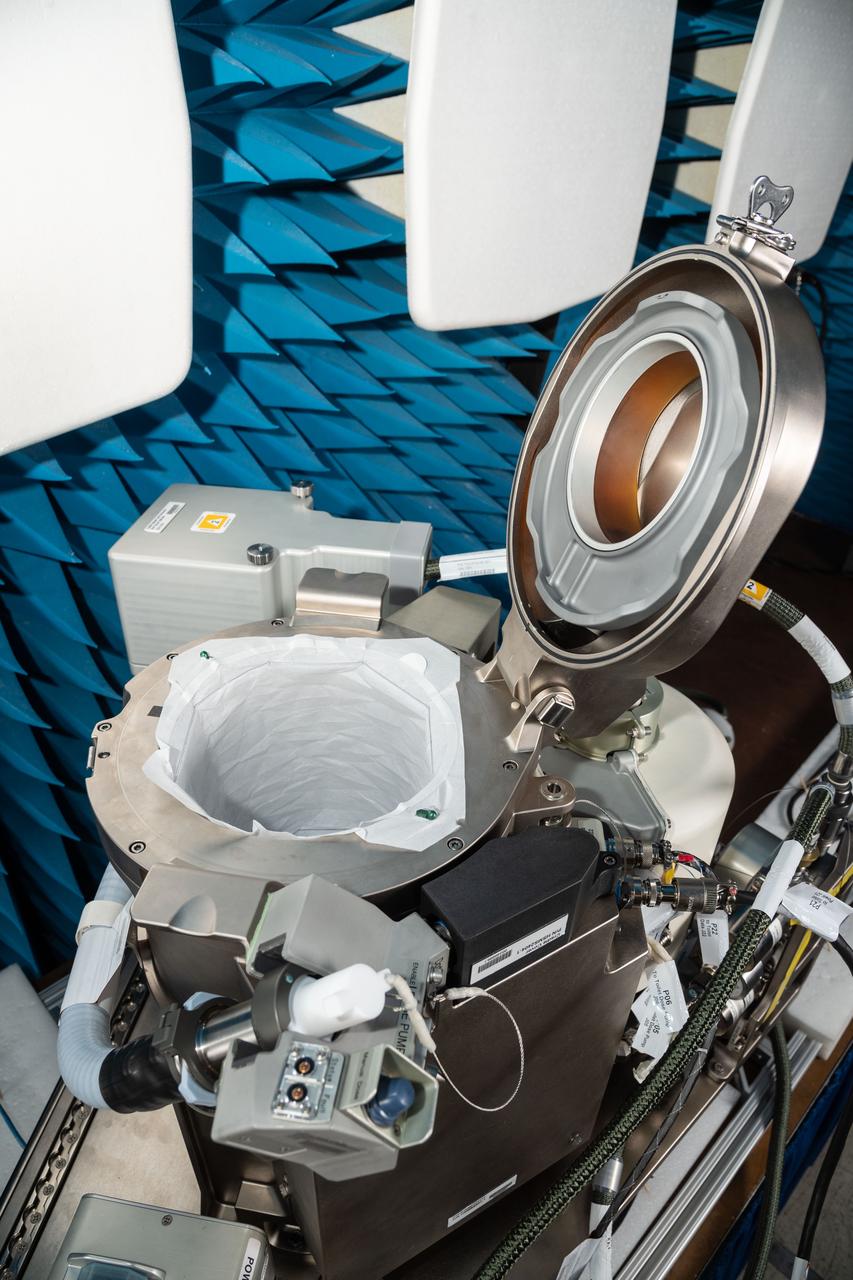
jsc2019e070461 (12/13/2019) --- A preflight view taken of the ISS Universal Waste Management System, Unit 1 during EMI/EMC Testing. This technology provides additional waste disposal points to the International Space Station (ISS) and aids in planning for future exploration missions including Deep Space Gateway (DSG). A smaller, more comfortable and more reliable waste-disposal method allows the crew to focus on other activities and enables further exploration in space.
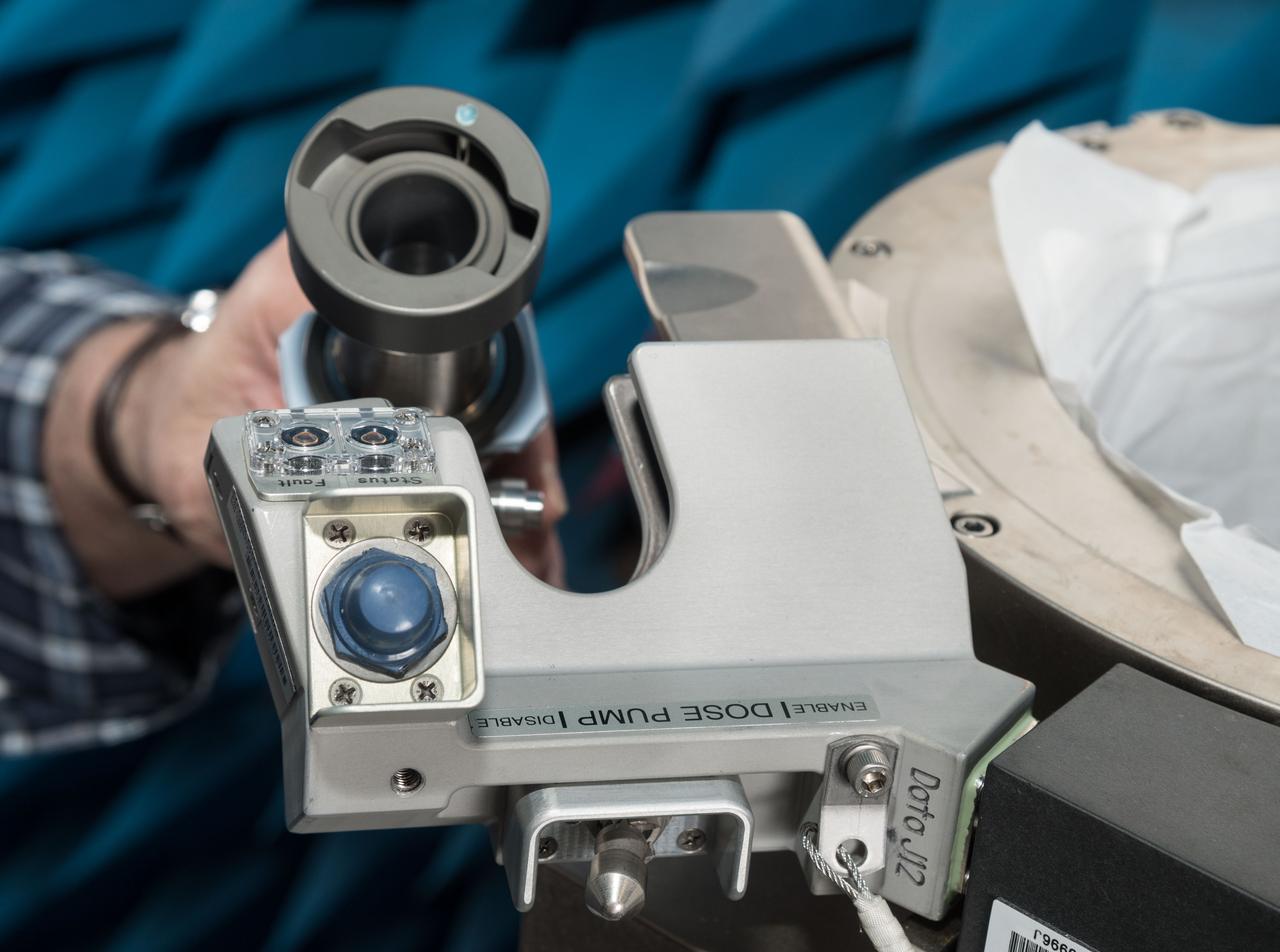
jsc2019e070463 (12/13/2019) --- A preflight view taken of the ISS Universal Waste Management System, Unit 1 during EMI/EMC Testing. This technology provides additional waste disposal points to the International Space Station (ISS) and aids in planning for future exploration missions including Deep Space Gateway (DSG). A smaller, more comfortable and more reliable waste-disposal method allows the crew to focus on other activities and enables further exploration in space.
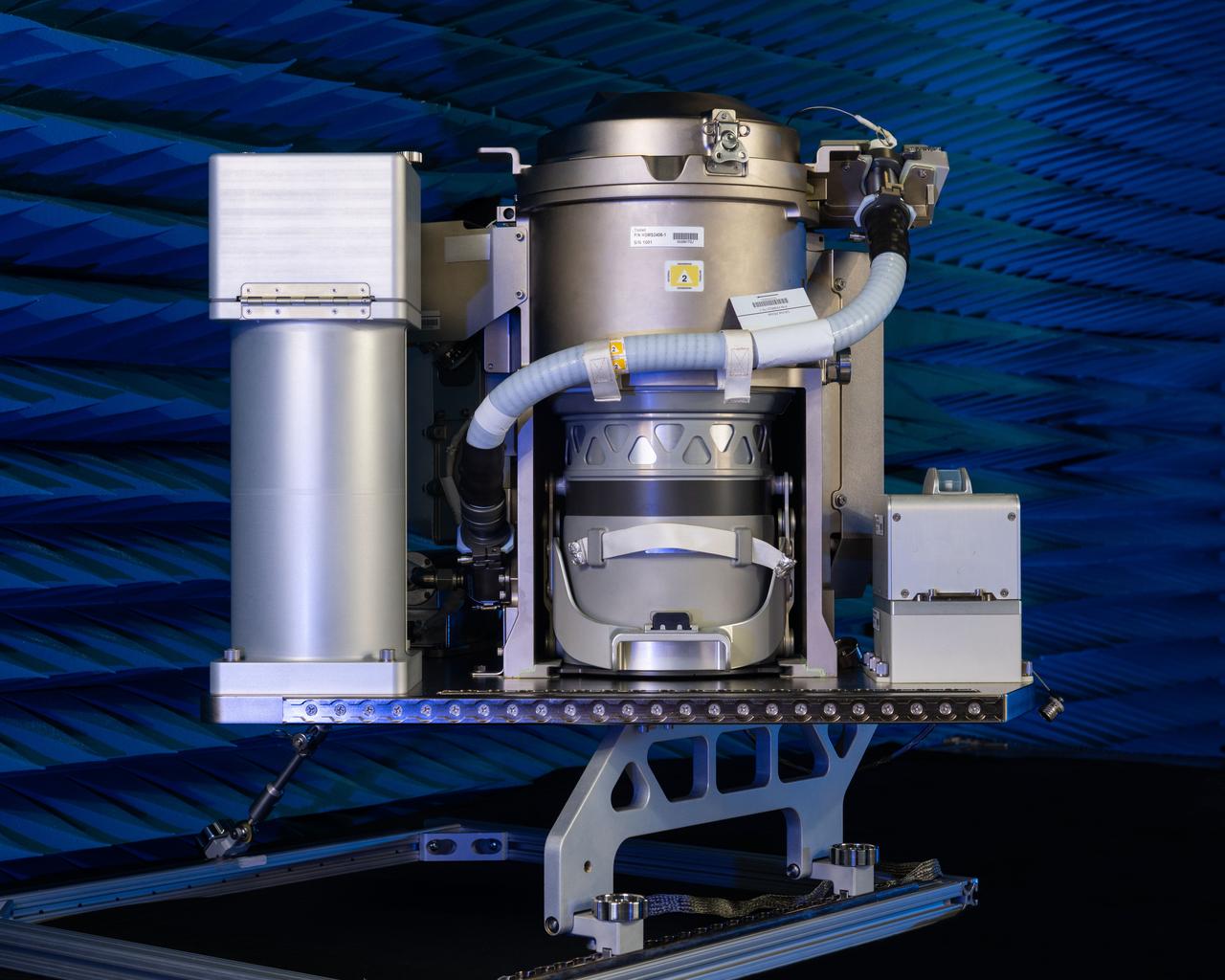
jsc2019e070684_alt (12/16/2019) --- A preflight view taken of the ISS Universal Waste Management System, Unit 1 during EMI/EMC Testing. This technology provides additional waste disposal points to the International Space Station (ISS) and aids in planning for future exploration missions including Deep Space Gateway (DSG). A smaller, more comfortable and more reliable waste-disposal method allows the crew to focus on other activities and enables further exploration in space.
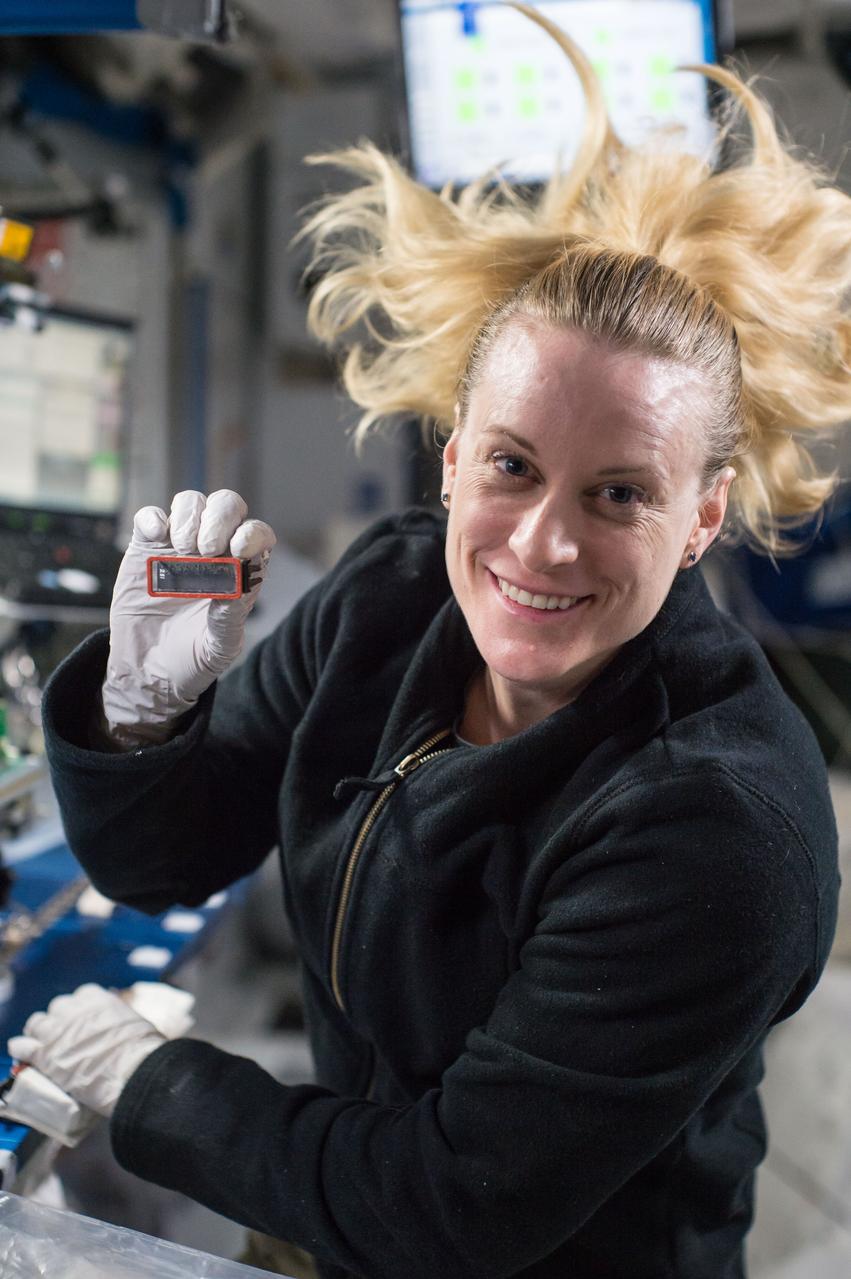
iss049e008853 (9/23/2016) --- NASA astronaut Kate Rubins is photographed performing the second harvest of the Plant RNA Regulation experiment by removing the European Modular Cultivation System (EMCS) Seed Cassettes from EMCS Rotors A and B stowing them in an EMCS Cold Stowage Pouch. The Plant RNA Regulation investigation studies the first steps of gene expression involved in development of roots and shoots. Scientists expect to find new molecules that play a role in how plants adapt and respond to the microgravity environment of space, which provides new insight into growing plants for food and oxygen supplies on long-duration missions.
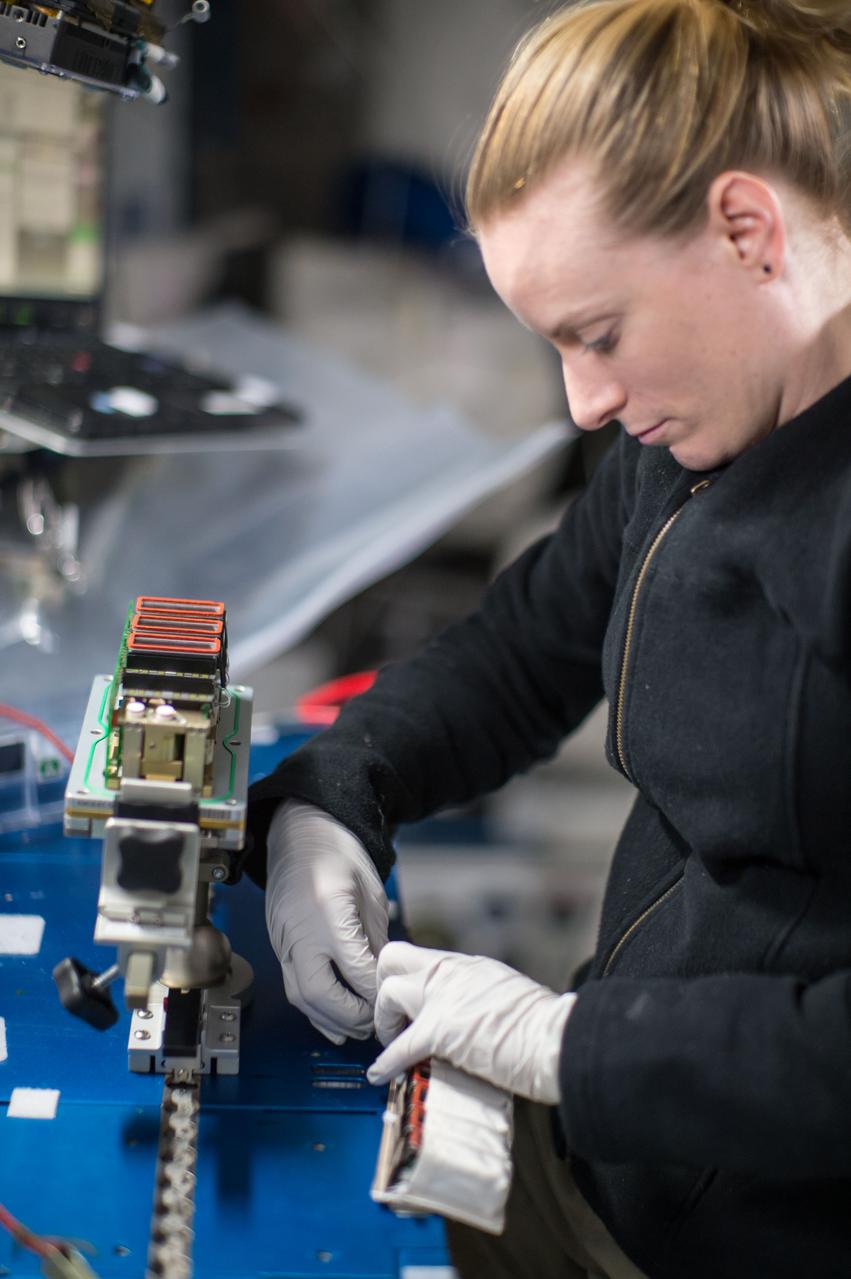
iss049e008866 (9/23/2016) --- NASA astronaut Kate Rubins is photographed performing the second harvest of the Plant RNA Regulation experiment by removing the European Modular Cultivation System (EMCS) Seed Cassettes from EMCS Rotors A and B stowing them in an EMCS Cold Stowage Pouch. The Plant RNA Regulation investigation studies the first steps of gene expression involved in development of roots and shoots. Scientists expect to find new molecules that play a role in how plants adapt and respond to the microgravity environment of space, which provides new insight into growing plants for food and oxygen supplies on long-duration missions.

TROPI-2; Preparation of experiment containers in EMCS (European Modular Cultivation System) Lab, N-236
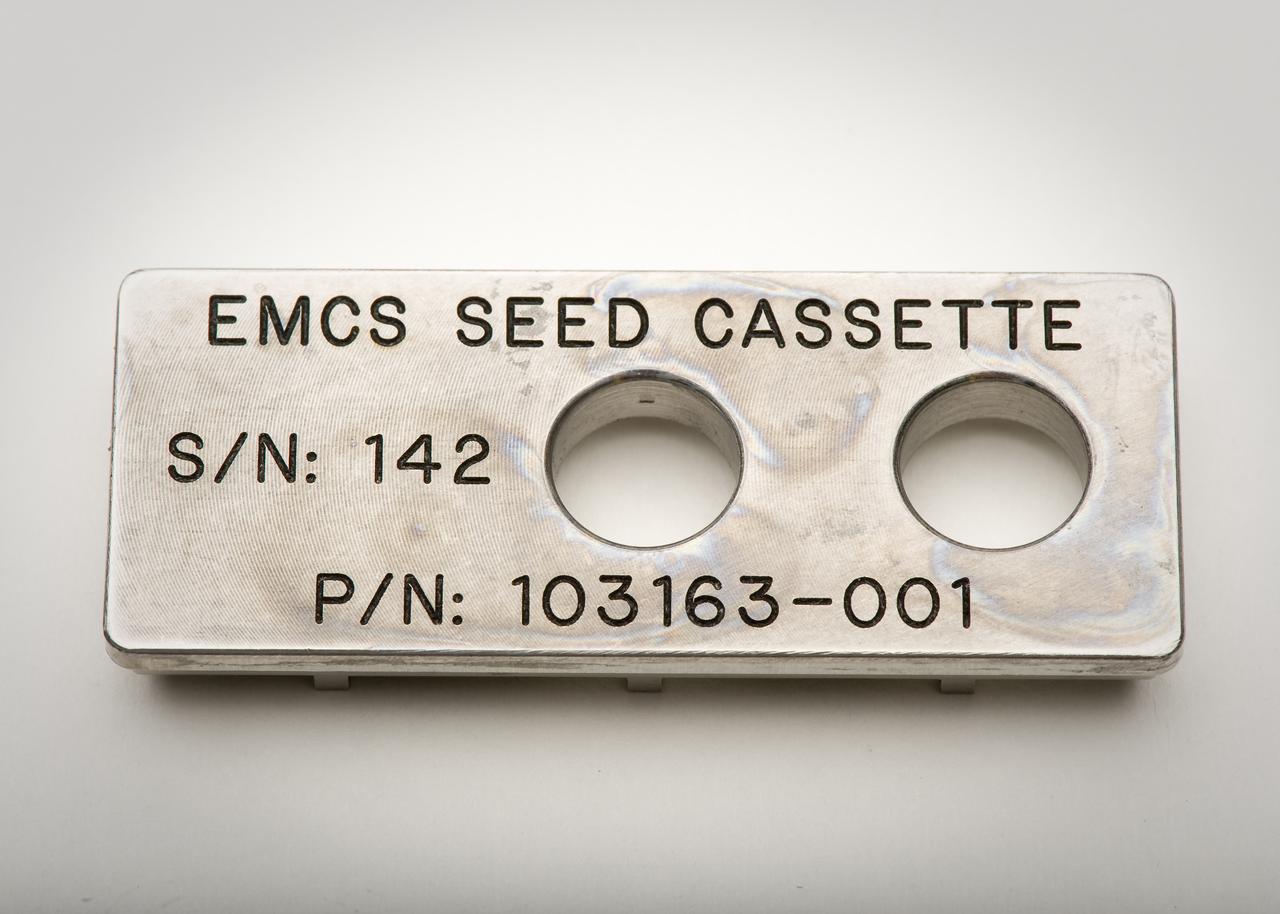
TROPI-2; Preparation of experiment containers in EMCS (European Modular Cultivation System) Lab, N-236
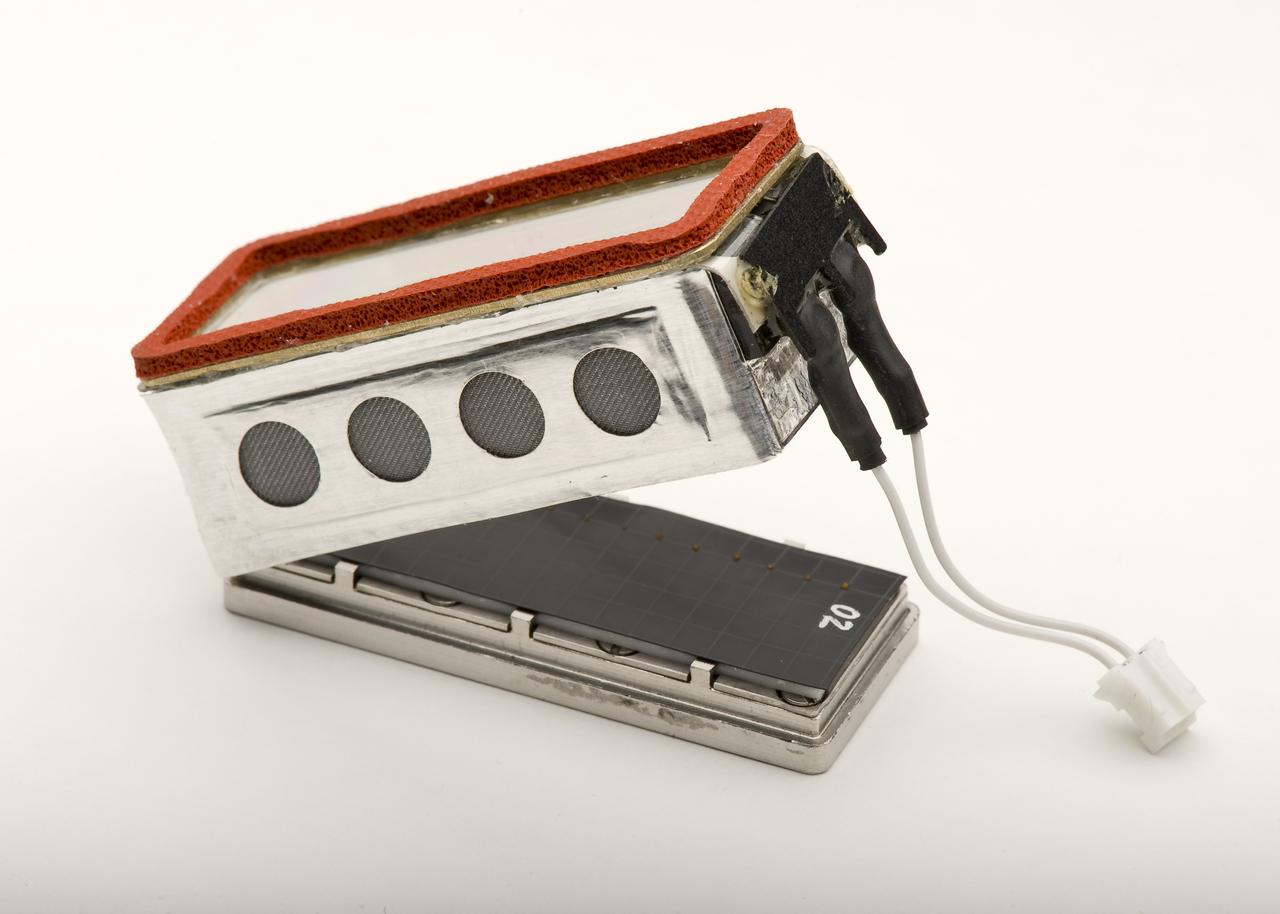
TROPI-2; Preparation of experiment containers in EMCS (European Modular Cultivation System) Lab, N-236
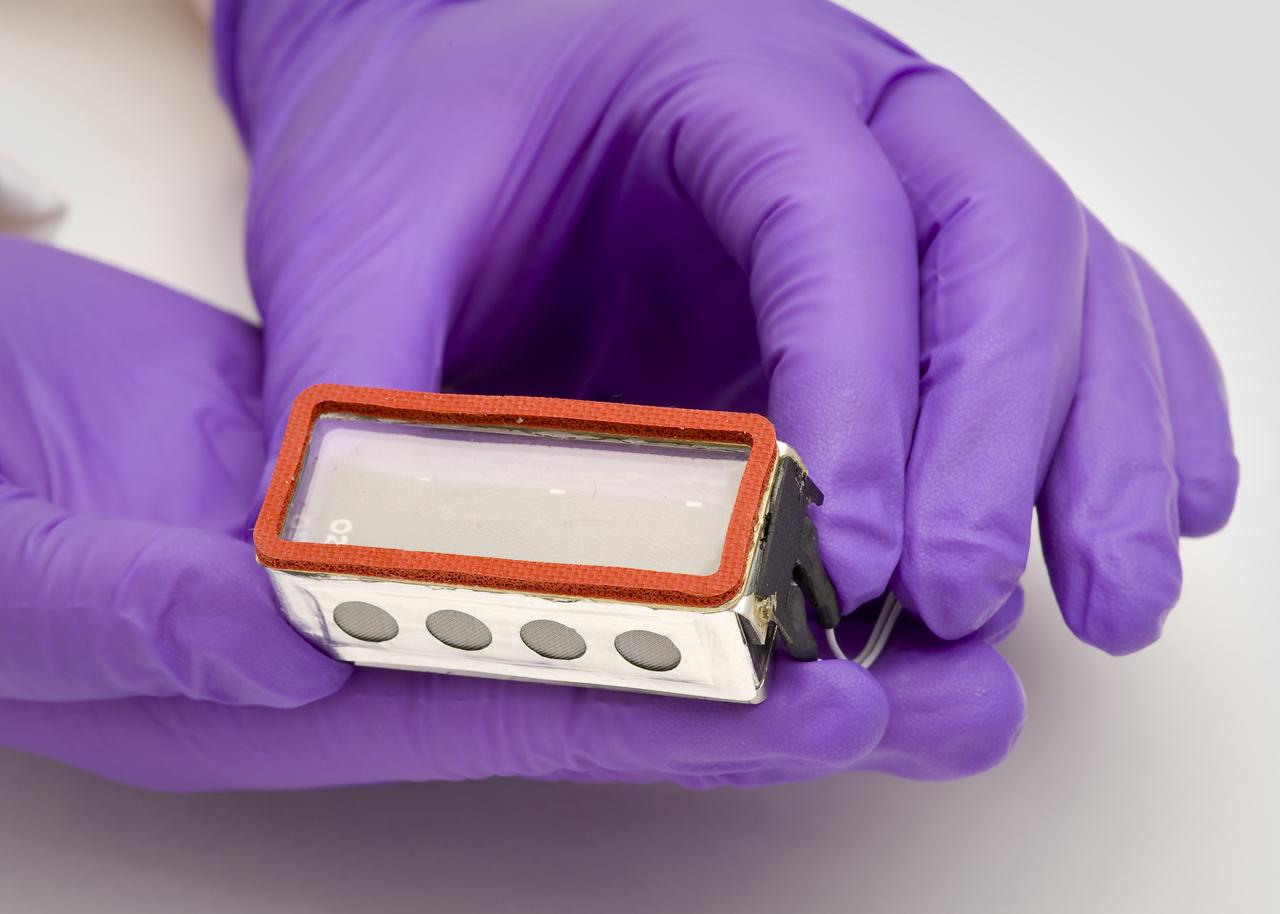
TROPI-2; Preparation of experiment containers in EMCS (European Modular Cultivation System) Lab, N-236
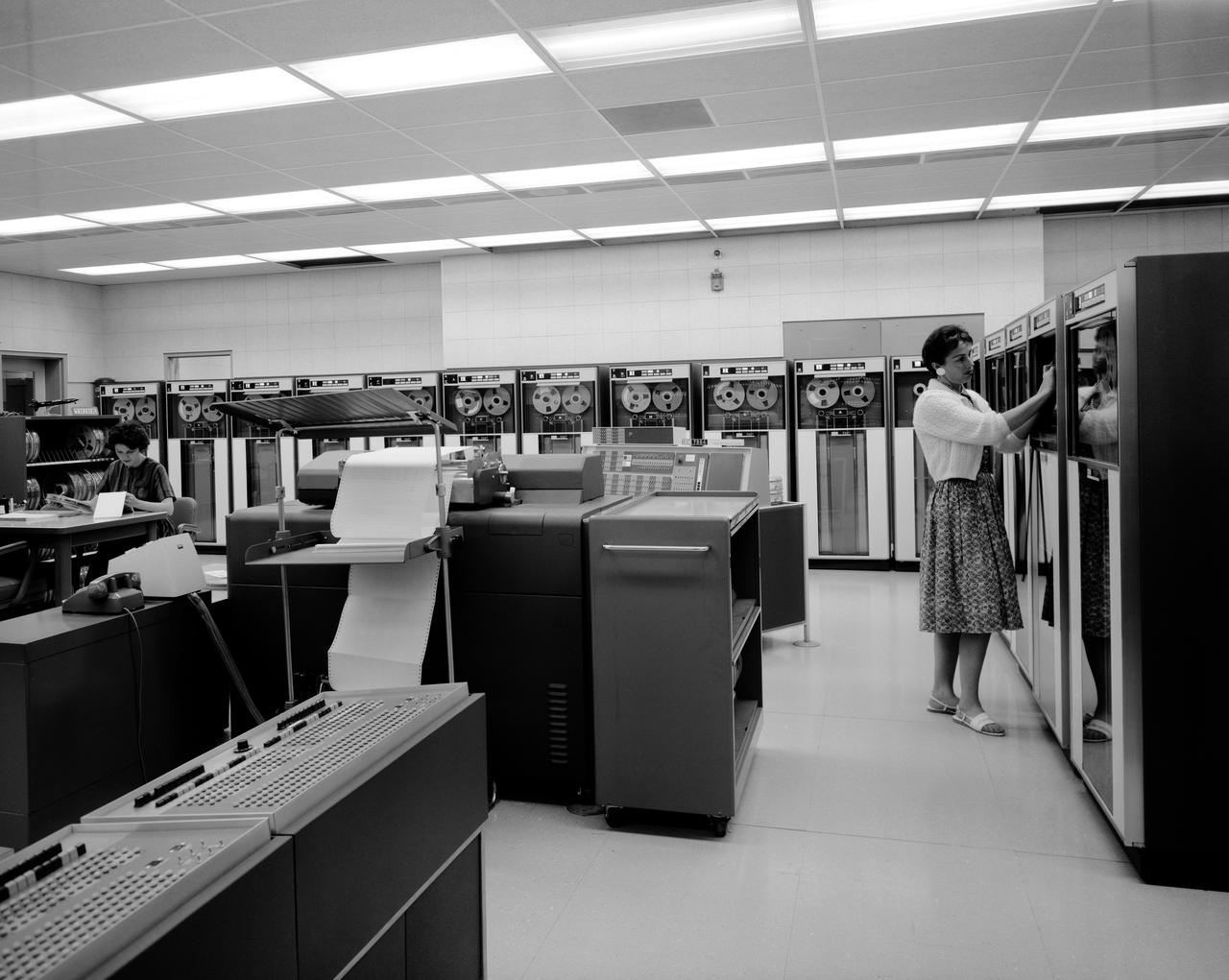
Equipment: Data Processing and Data Reduction at the NASA Ames Research Center, EMC. IBM 7090 Data Processing System.
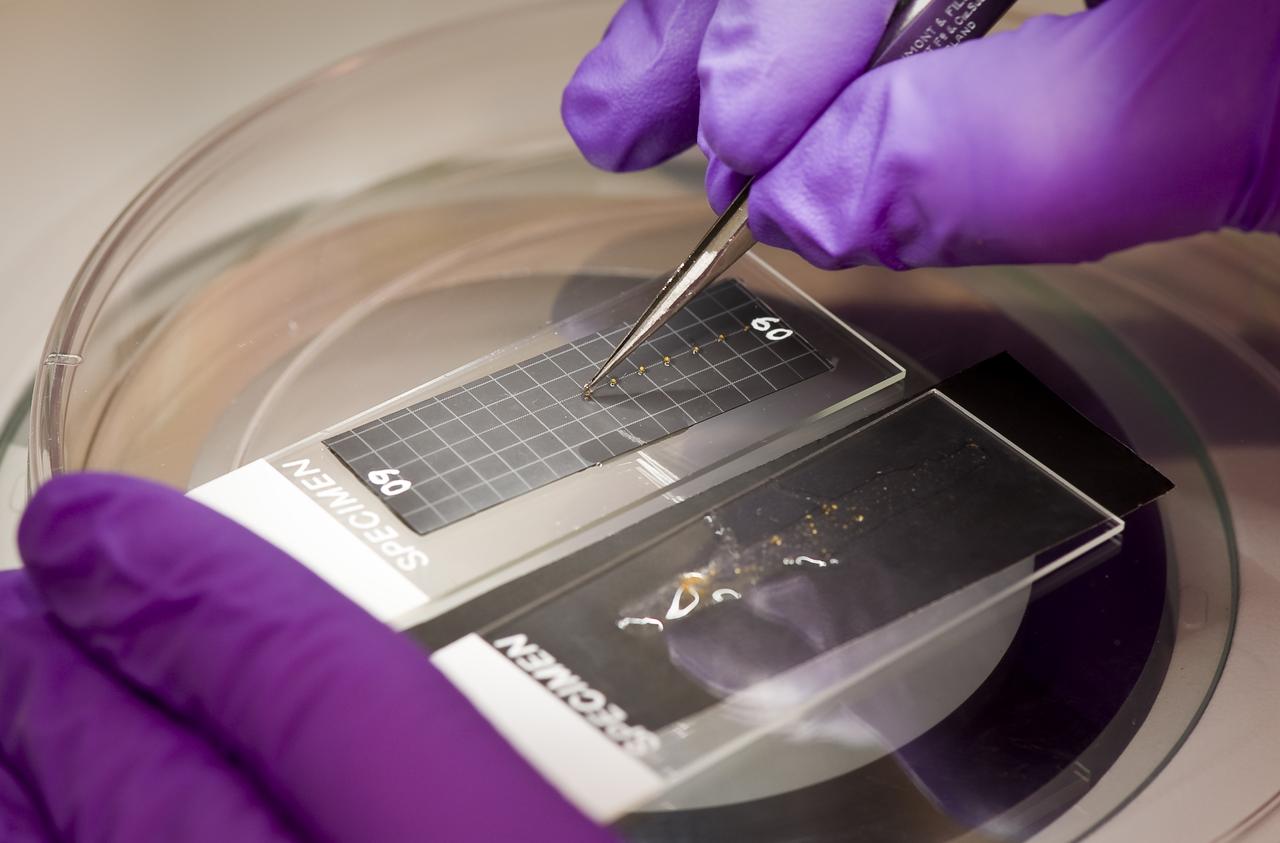
TROPI-2; Preparation of experiment containers in EMCS (European Modular Cultivation System) Lab, N-236. Katherine Millar places the seeds in the Experiment Containers (ECs).
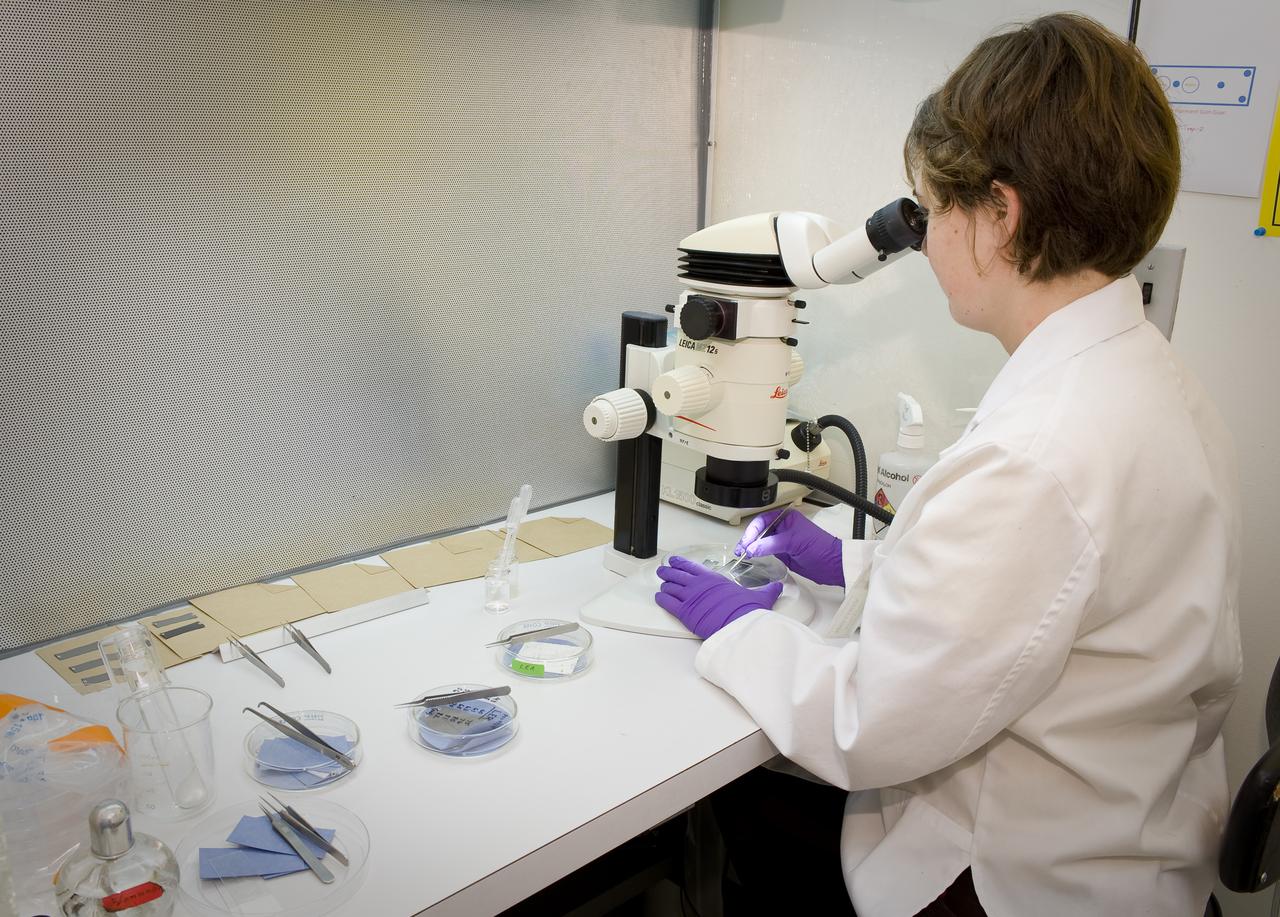
TROPI-2; Preparation of Experiment Containers in EMCS (European Modular Cultivation System) Lab, N-236 Katherine Millar places the seeds in the Experiment Containers (ECs)
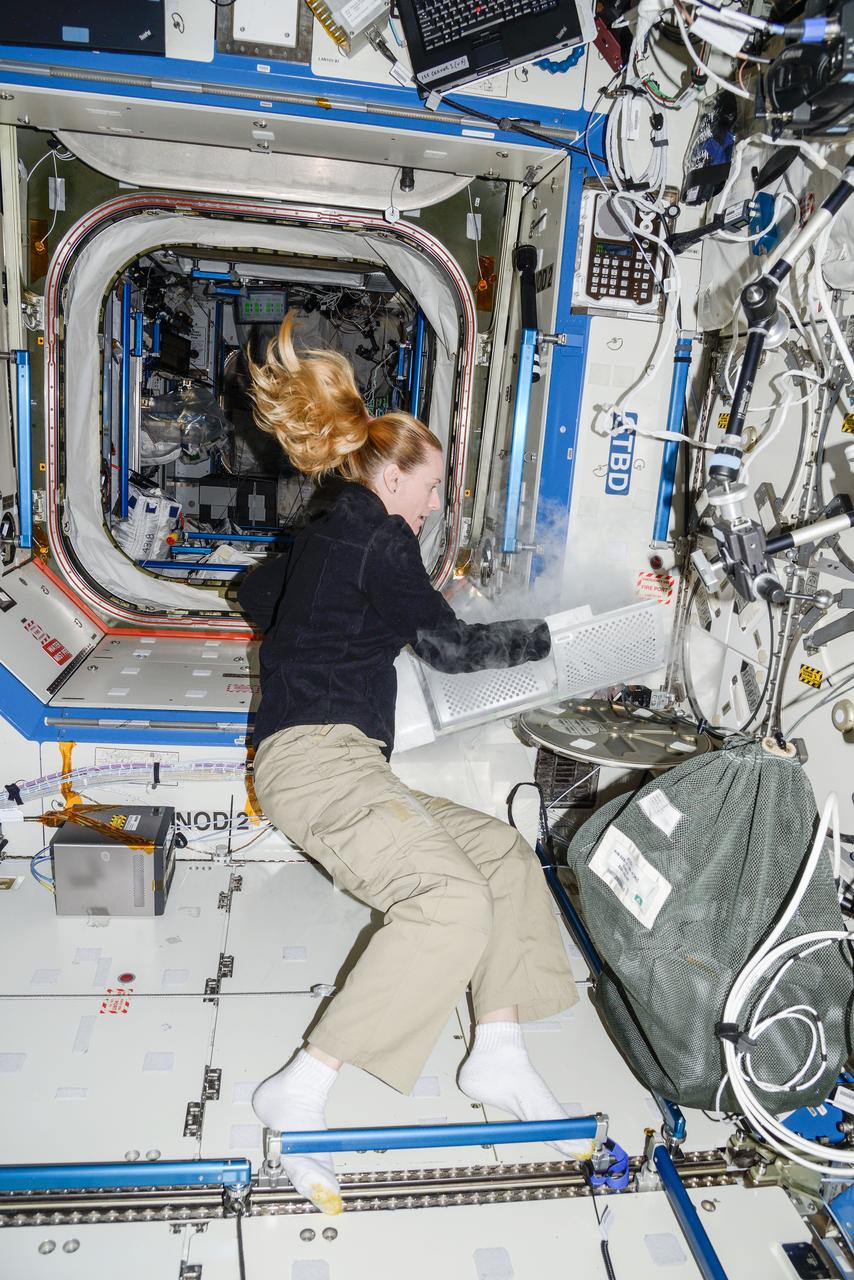
iss049e053079 (9/23/2016) --- NASA astronaut Kate Rubins is photographed in U.S. lab aboard the International Space Station (ISS) performing the second harvest of the Plant RNA Regulation experiment by stowing the European Modular Cultivation System (EMCS) Seed Cassettes from EMCS Rotors A and B in an EMCS Cold Stowage Pouch and placing them in Minus Eighty-Degree Laboratory Freezer for ISS (MELFI). The Plant RNA Regulation investigation studies the first steps of gene expression involved in development of roots and shoots. Scientists expect to find new molecules that play a role in how plants adapt and respond to the microgravity environment of space, which provides new insight into growing plants for food and oxygen supplies on long-duration missions. Sent as part of Russian Return imagery on 47S.
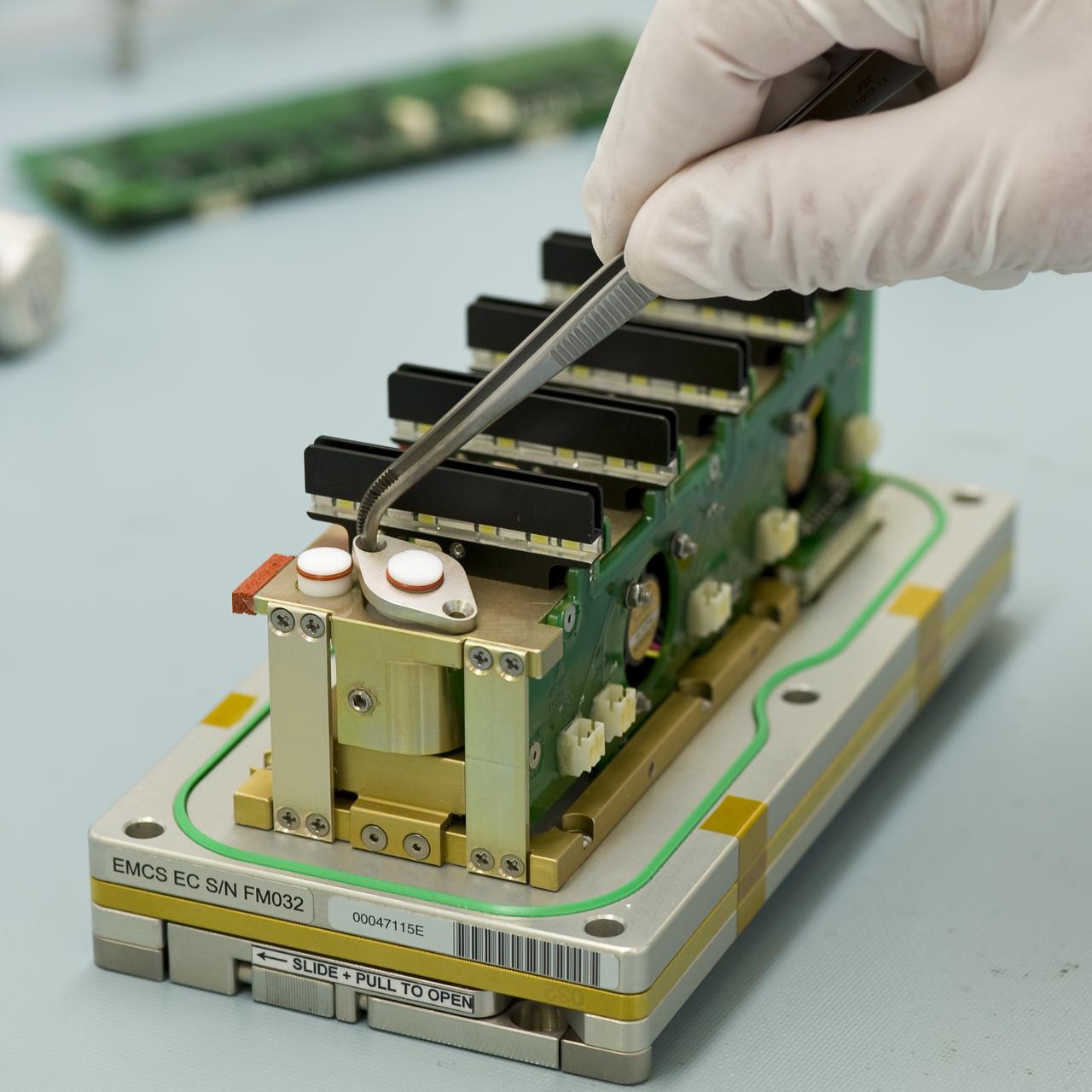
TROPI-2; Assembly of flight hardware with Prepared Experiment Containers loaded with seeds in EMCS (European Modular Cultivation System) Lab, N-236. Flight hardware will be hand carried to KSC for loading on STS-130 Shuttle mission
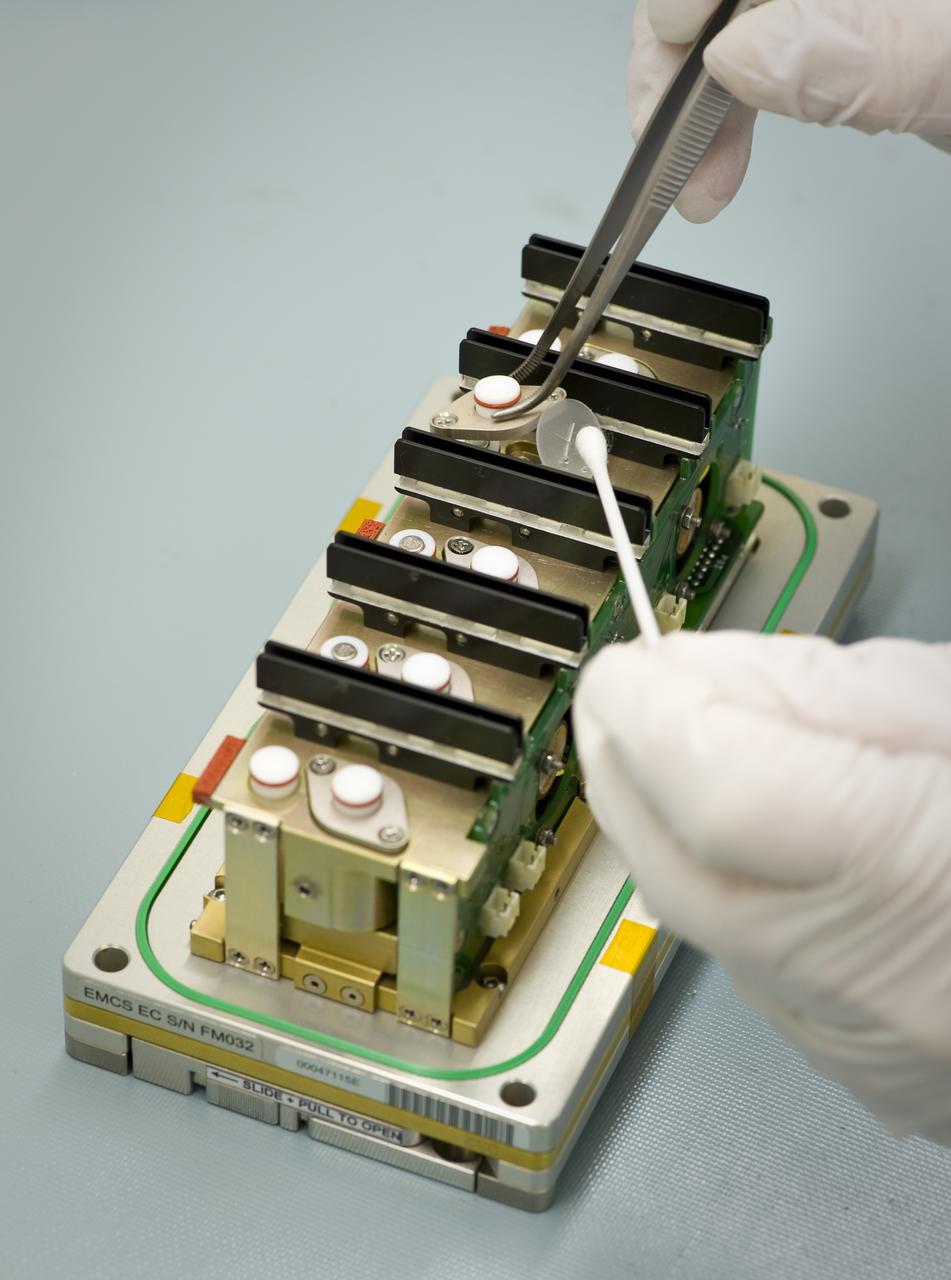
TROPI-2; Assembly of flight hardware with Prepared Experiment Containers loaded with seeds in EMCS (European Modular Cultivation System) Lab, N-236. Flight hardware will be hand carried to KSC for loading on STS-130 Shuttle mission
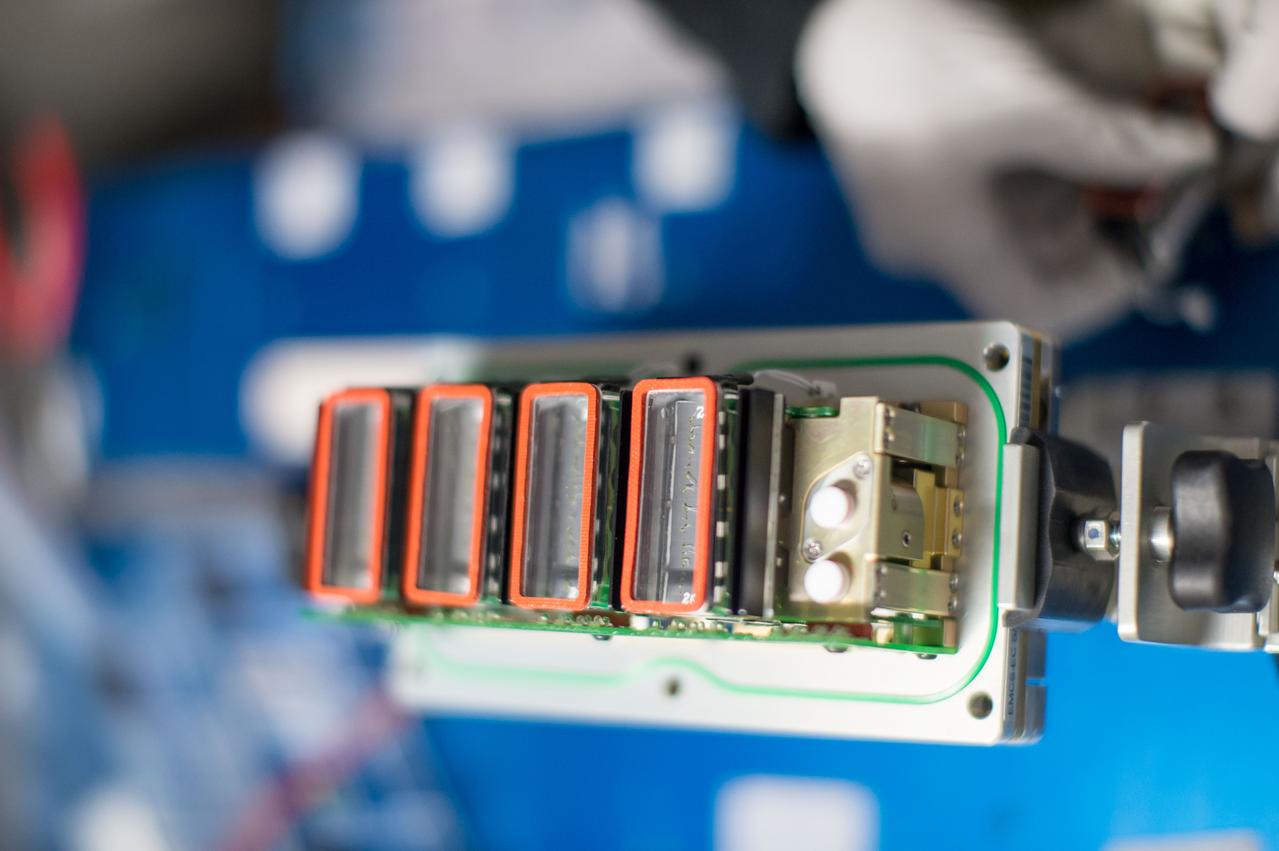
iss049e008864 (9/23/2016) --- Photo taken aboard the International Space Station (ISS) during the second harvest of the Plant RNA Regulation experiment performed by removing the European Modular Cultivation System (EMCS) Seed Cassettes from EMCS Rotors A and B. The Plant RNA Regulation investigation studies the first steps of gene expression involved in development of roots and shoots. Scientists expect to find new molecules that play a role in how plants adapt and respond to the microgravity environment of space, which provides new insight into growing plants for food and oxygen supplies on long-duration missions.
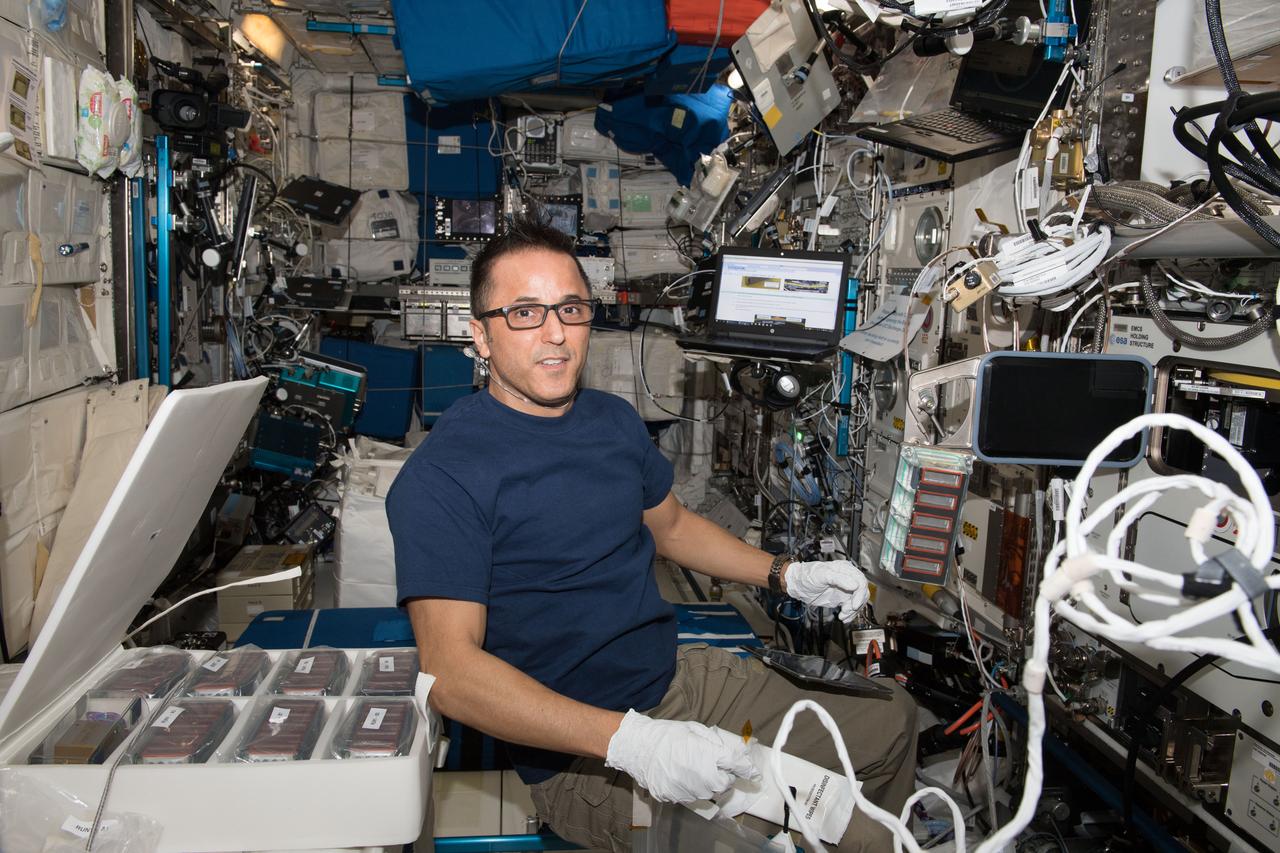
iss054e023797 (Jan. 26, 2018) --- NASA astronaut Joe Acaba with an Experiment Container (EC) to begin the Plant Gravity Perception experiment, testing the gravity-sensing ability of plants in microgravity.
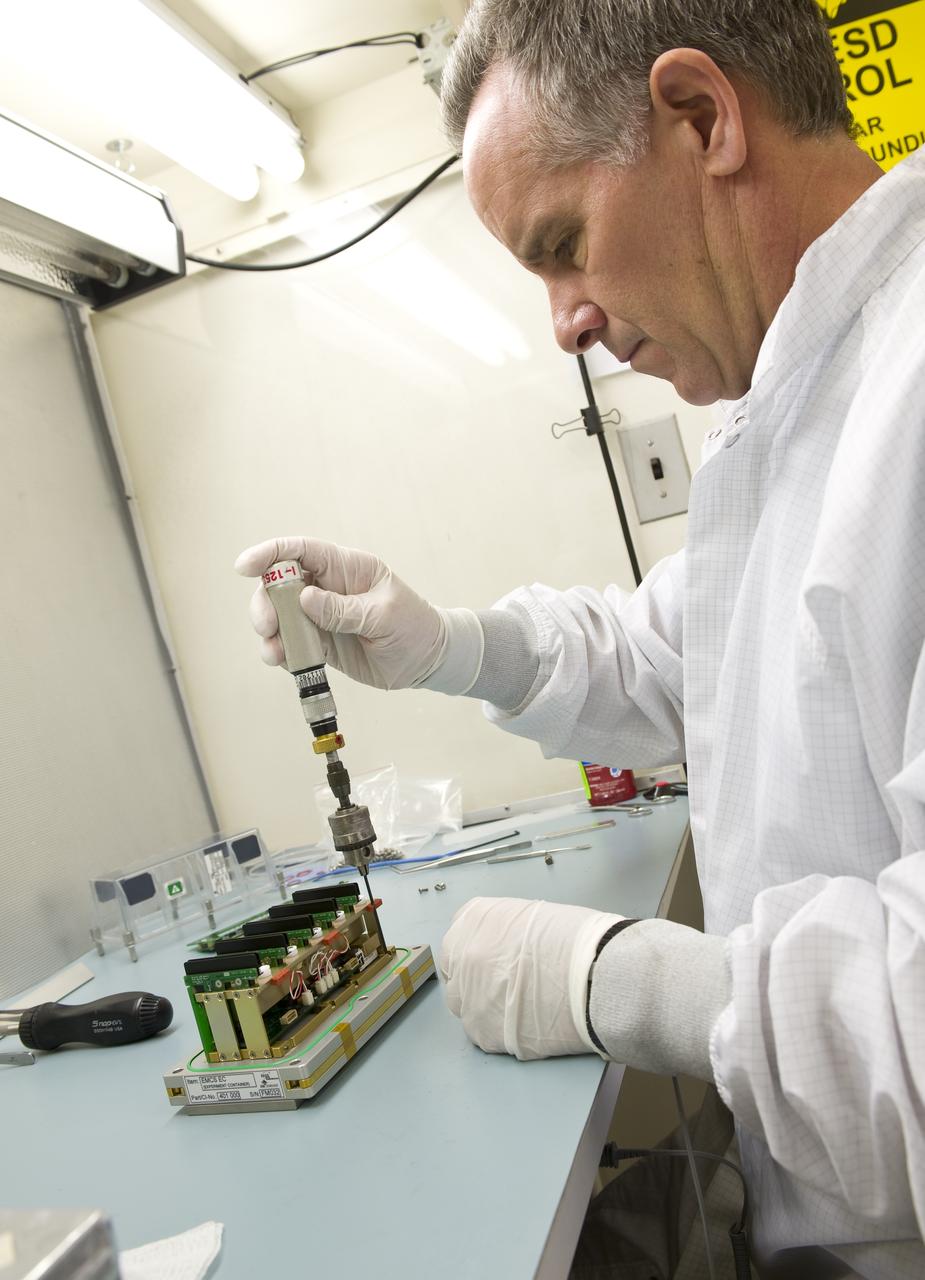
TROPI-2; Assembly of flight hardware with Prepared Experiment Containers loaded with seeds in EMCS (European Modular Cultivation System) Lab, N-236. Flight hardware will be hand carried to KSC for loading on STS-130 Shuttle mission. David Leskovsky works on the assembly.

TROPI-2; Assembly of flight hardware with Prepared Experiment Containers loaded with seeds in EMCS (European Modular Cultivation System) Lab, N-236. Flight hardware will be hand carried to KSC for loading on STS-130 Shuttle mission. Left to right are David Leskovsky and Kris Vogelsong.
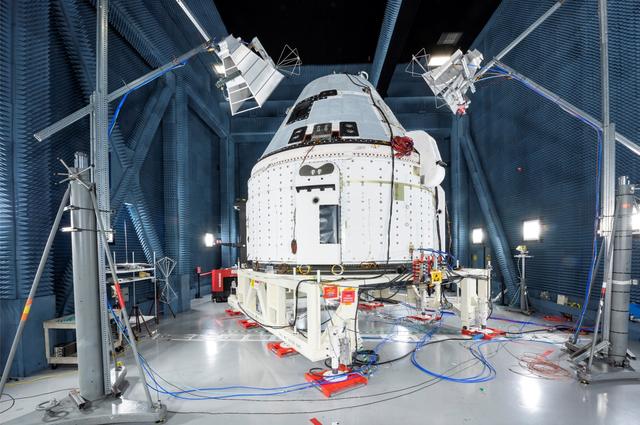
Boeing’s CST-100 Starliner prepares for electromagnetic interference and electromagnetic contamination (EMI/EMC) testing in a specialized test chamber at Boeing’s Space Environment Test Facilities in El Segundo, Calif. These tests were the final part of Starliner’s environmental qualification test campaign. EMI/EMC testing ensures that Starliner’s systems will function properly in the orbital radiation environment and also not interfere with other electrical systems on the International Space Station. Once back in Boeing’s Starliner facilities at the Kennedy Space Center in Florida, this same vehicle will be prepared to fly Starliner’s first crew during the Crew Flight Test mission later this year. NASA’s Commercial Crew Program is working with Boeing to return human spaceflight launches to the space station from U.S. soil.
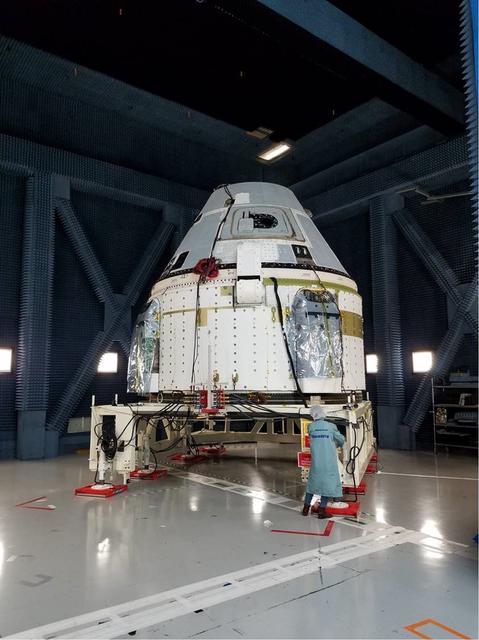
Boeing’s CST-100 Starliner prepares for electromagnetic interference and electromagnetic contamination (EMI/EMC) testing in a specialized test chamber at Boeing’s Space Environment Test Facility in El Segundo, Calif. These tests were the final part of Starliner’s environmental qualification test campaign. EMI/EMC testing ensures that Starliner’s systems will function properly in the orbital radiation environment and also not interfere with other electrical systems on the International Space Station. Once back in Boeing’s Starliner facilities at NASA’s Kennedy Space Center in Florida, this same vehicle will be prepared to fly Starliner’s first crew during the Crew Flight Test mission later this year. Boeing’s Crew Flight Test is part of NASA’s Commercial Crew Program, which is working with Boeing to return human spaceflight launches to the space station from U.S. soil.
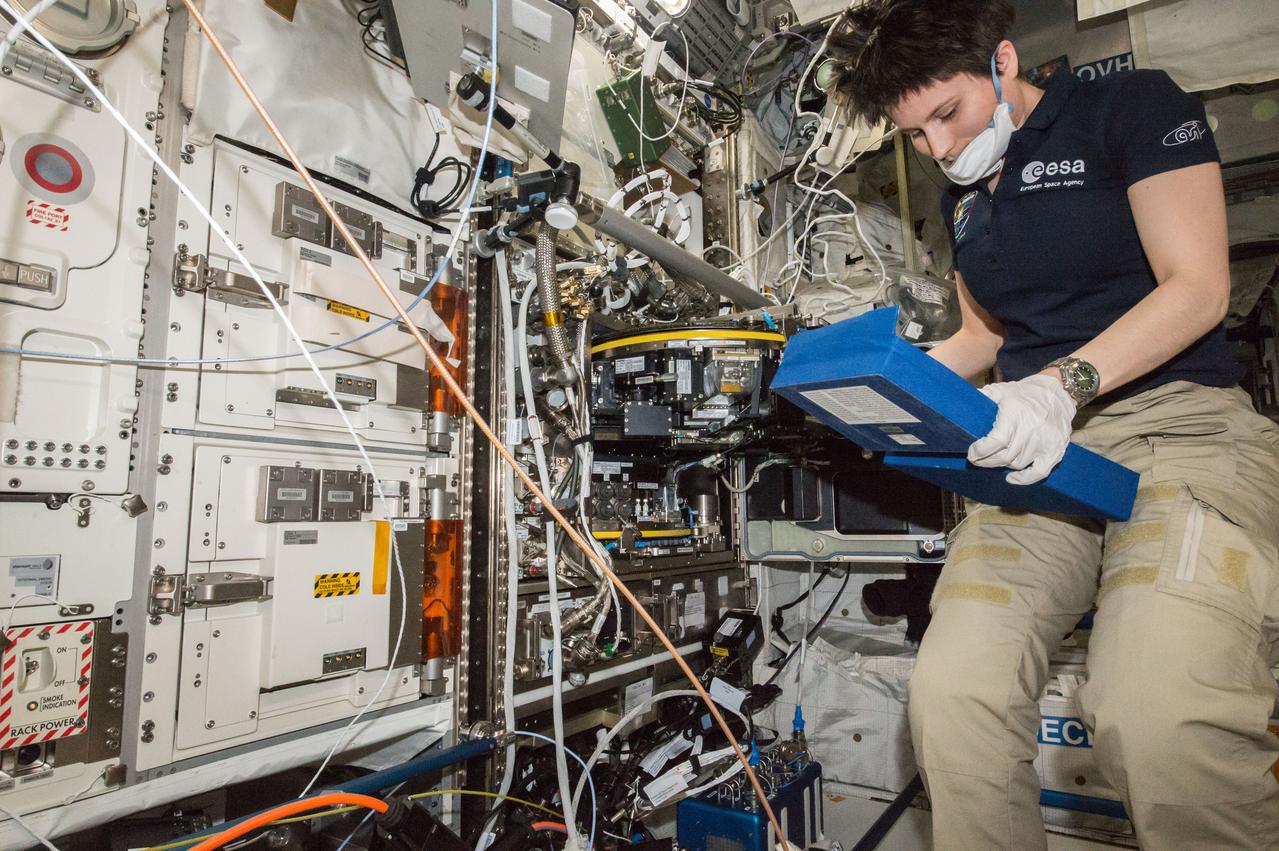
ISS043E127770 (04/14/2015) --- ESA (European Space Agency) astronaut Samantha Cristoforetti of Expedition 43 on the International Space Station works to remove a water removal reservoir on Apr.14, 2015. She and her crewmates also were removing all four European Modular Cultivation System rotor based life support systems to pack for their return to Earth on the upcoming SpaceX-6 spacecraft.
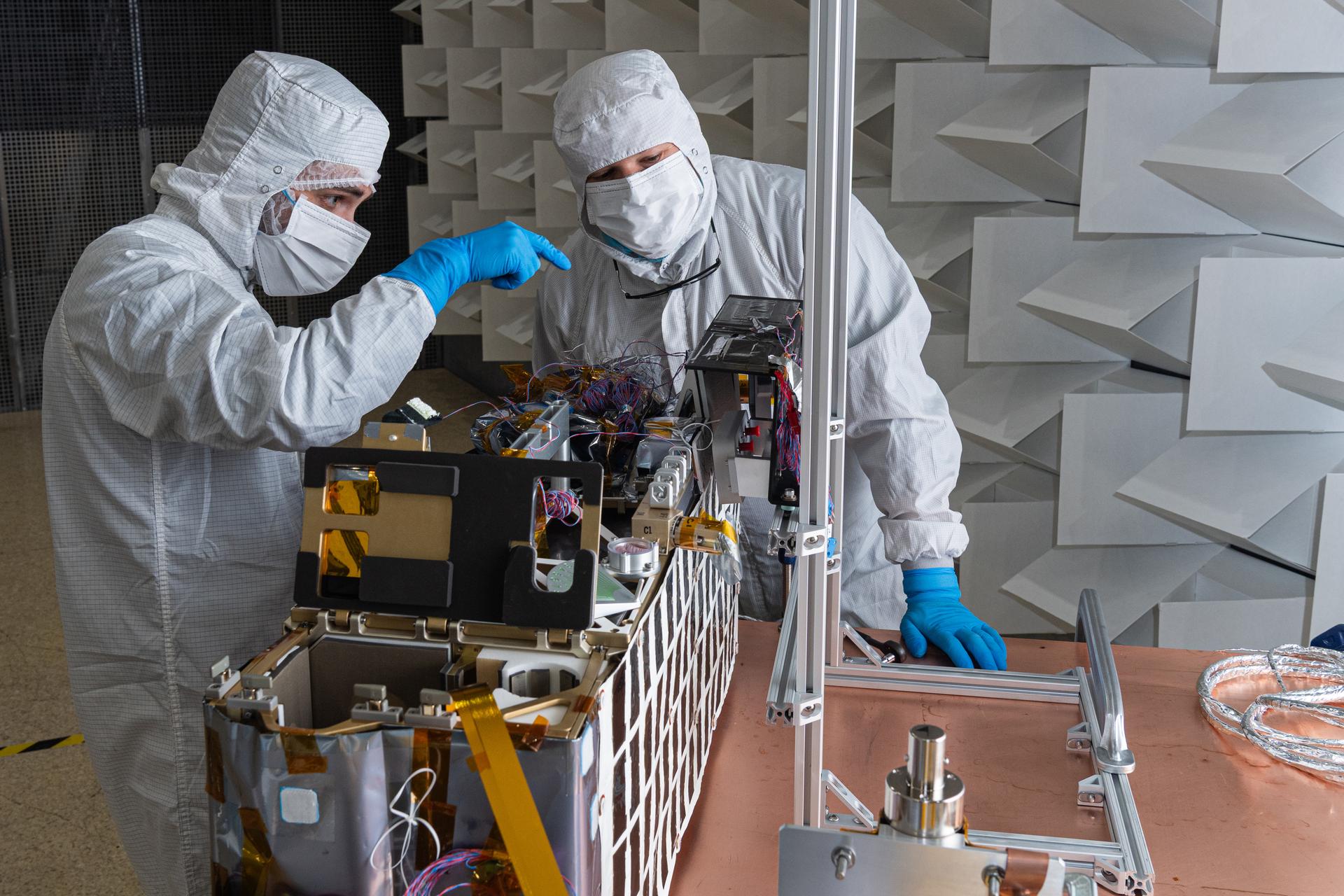
Mitchell Hamann and John Pindell configure the Lunar Environment Monitoring Station (LEMS) instrument for testing in the Electromagnetic Interference/Electromagnetic Compatibility (EMI/EMC) Chamber at Goddard Space Flight Center, Greenbelt Md., Feb 17, 2026. LEMS is a compact, autonomous, and self-sustaining seismometer suite designed to carry out continuous, long-term, monitoring of the lunar seismic environment at the South Polar region. Photo Credit: NASA/Mike Guinto
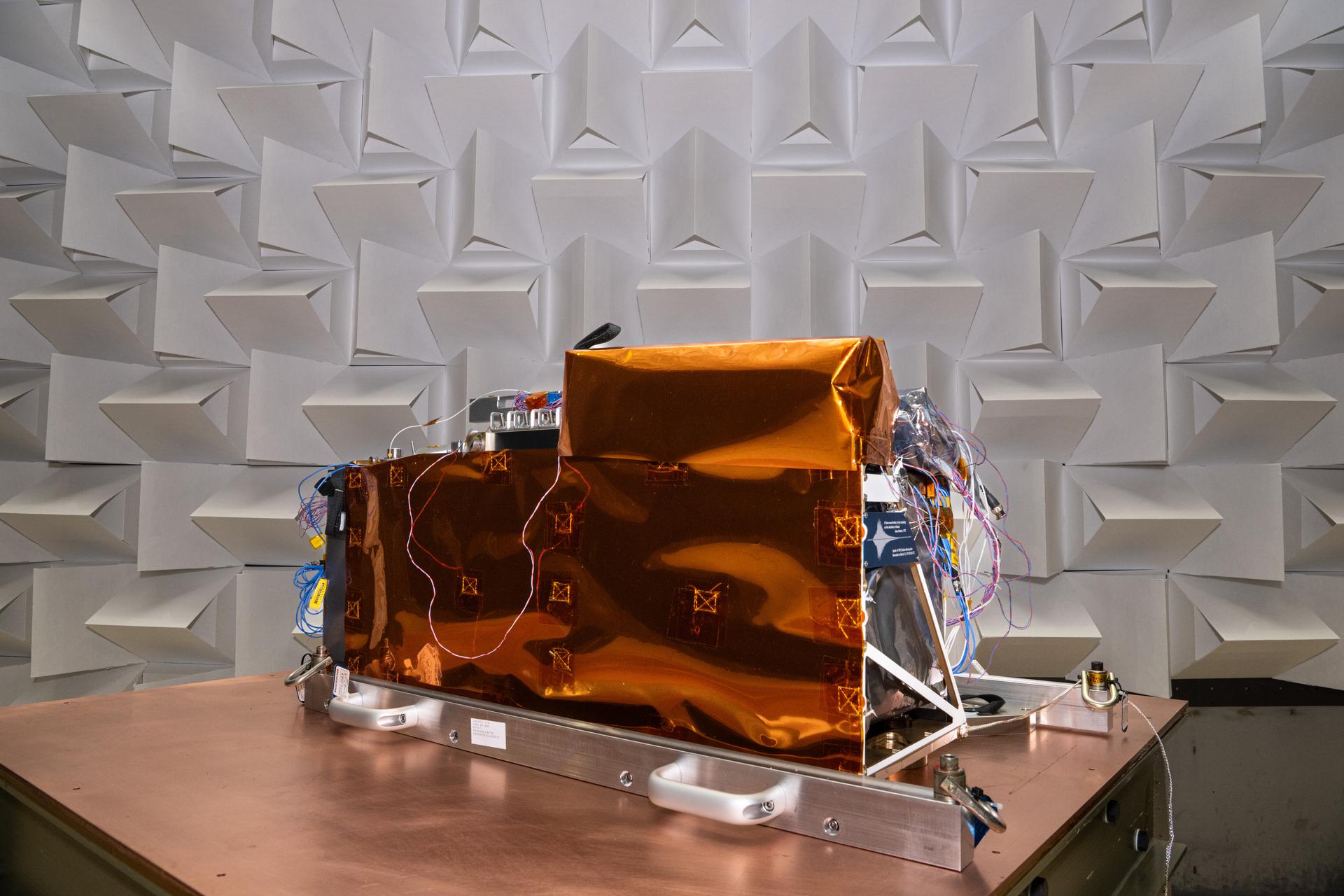
The Lunar Environment Monitoring Station (LEMS) in Electromagnetic Interference/Electromagnetic Compatibility (EMI/EMC) Chamber at Goddard Space Flight Center, Greenbelt Md., Feb 11, 2026. LEMS is a compact, autonomous, and self-sustaining seismometer suite designed to carry out continuous, long-term, monitoring of the lunar seismic environment at the South Polar region. Photo Credit: NASA/Denny Henry
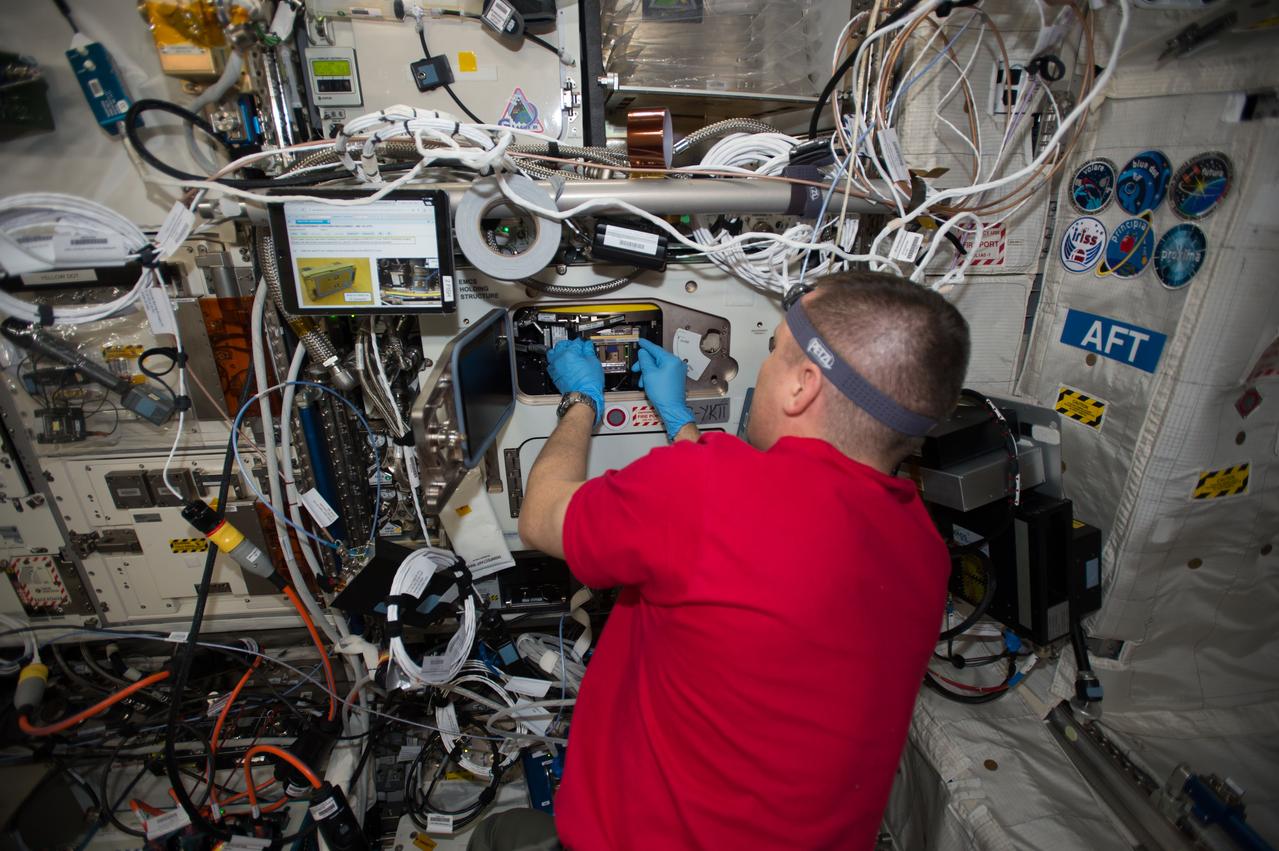
iss052e002352 (6/12/2017) --- A view of NASA astronaut Jack Fischer replacing the European Modular Cultivation System (EMCS) Experiment Containers (ECs) with new ECs prepared for the Seedling Growth 3 experiment. Seedling Growth-3 is the third part of the Seedling Growth Experiment series, using the plant Arabidopsis thaliana to investigate the effects of gravity on the cellular signaling mechanisms of light sensing in plants (phototropism), and to investigate cell growth and proliferation responses to light stimulation under microgravity conditions.
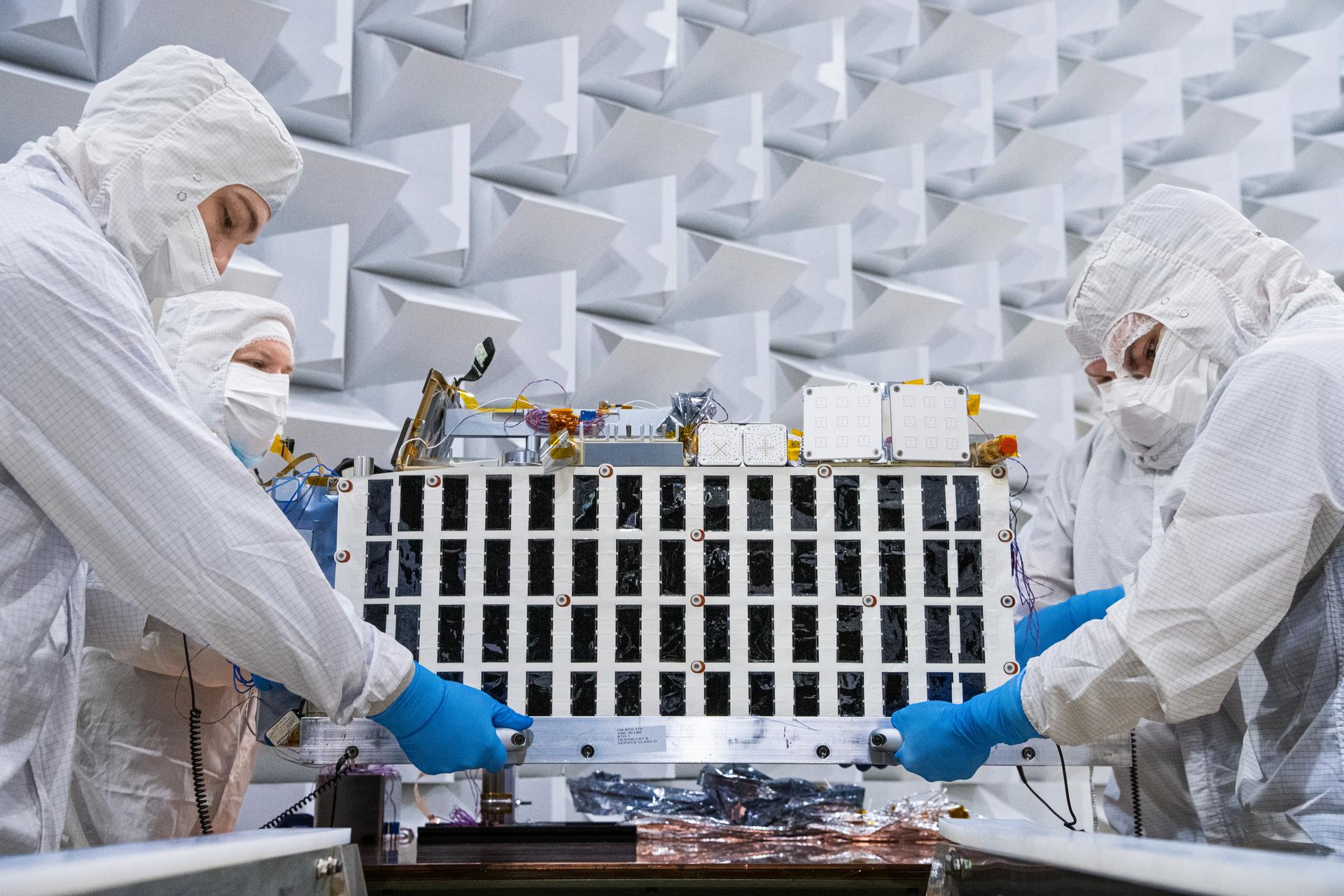
Lunar Environment Monitoring Station (LEMS) team members install the instrument for testing in the Electromagnetic Interference/Electromagnetic Compatibility (EMI/EMC) Chamber at Goddard Space Flight Center, Greenbelt Md., Feb 13, 2026. LEMS is a compact, autonomous, and self-sustaining seismometer suite designed to carry out continuous, long-term, monitoring of the lunar seismic environment at the South Polar region. Photo Credit: NASA/Denny Henry
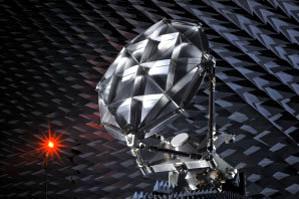
jsc2021e048036 (10/22/2021) --- A preflight view of COWVR during EMC Testing. Space Test Program-Houston 8-Compact Ocean Wind Vector Radiometer (STP-H8-COWVR) demonstrates on-orbit use of a new terrestrial microwave meteorological sensor. It is designed to deliver accurate sea surface wind direction and speed data that are critical to naval surface operations and forecasting and tracking hurricanes and typhoons. Image courtesy of JPL.
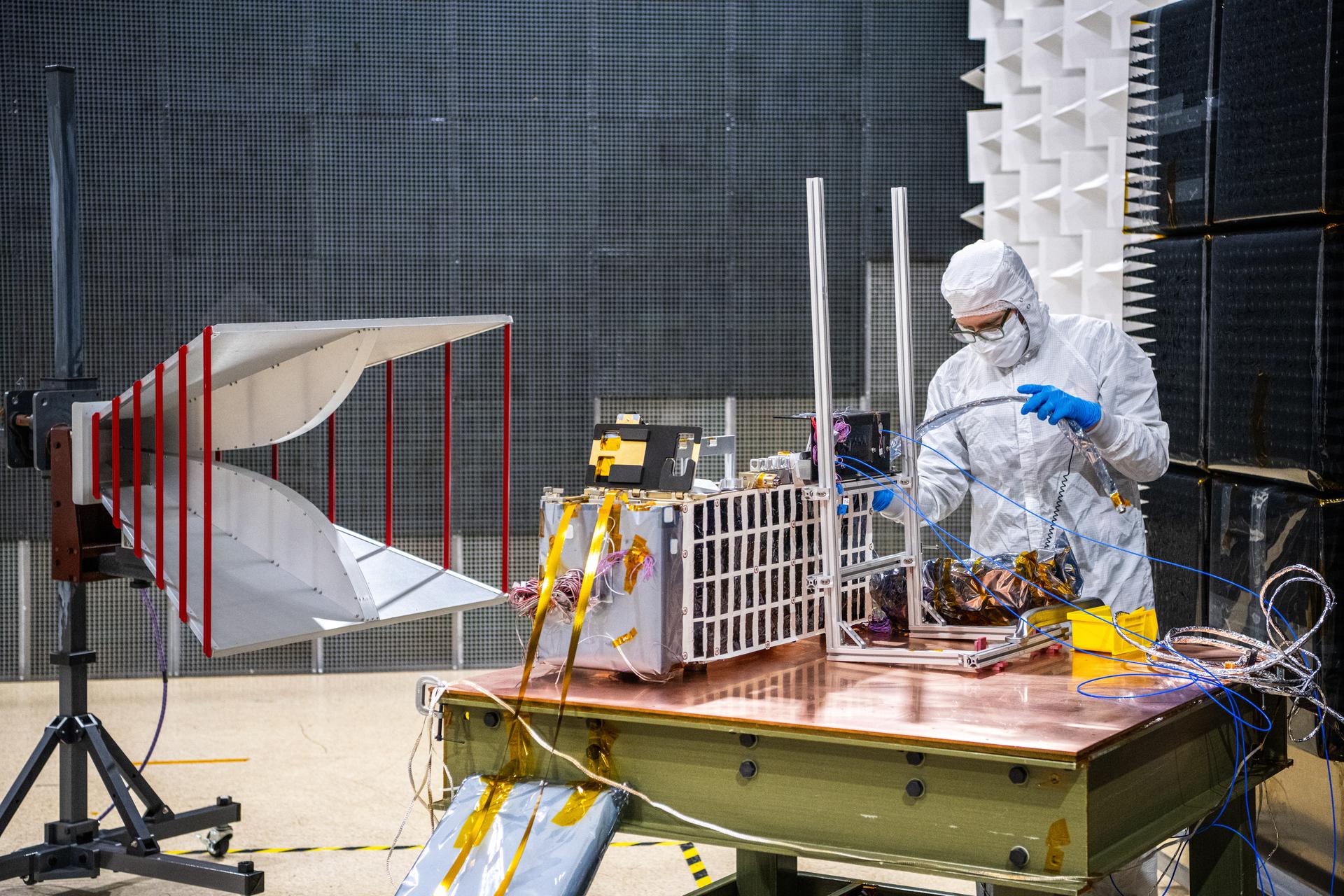
Electrical test engineer Thomas Schluszas configures the Lunar Environment Monitoring Station (LEMS) instrument for testing in the Electromagnetic Interference/Electromagnetic Compatibility (EMI/EMC) Chamber at Goddard Space Flight Center, Greenbelt Md., Feb 17, 2026. LEMS is a compact, autonomous, and self-sustaining seismometer suite designed to carry out continuous, long-term, monitoring of the lunar seismic environment at the South Polar region. Photo Credit: NASA/Denny Henry
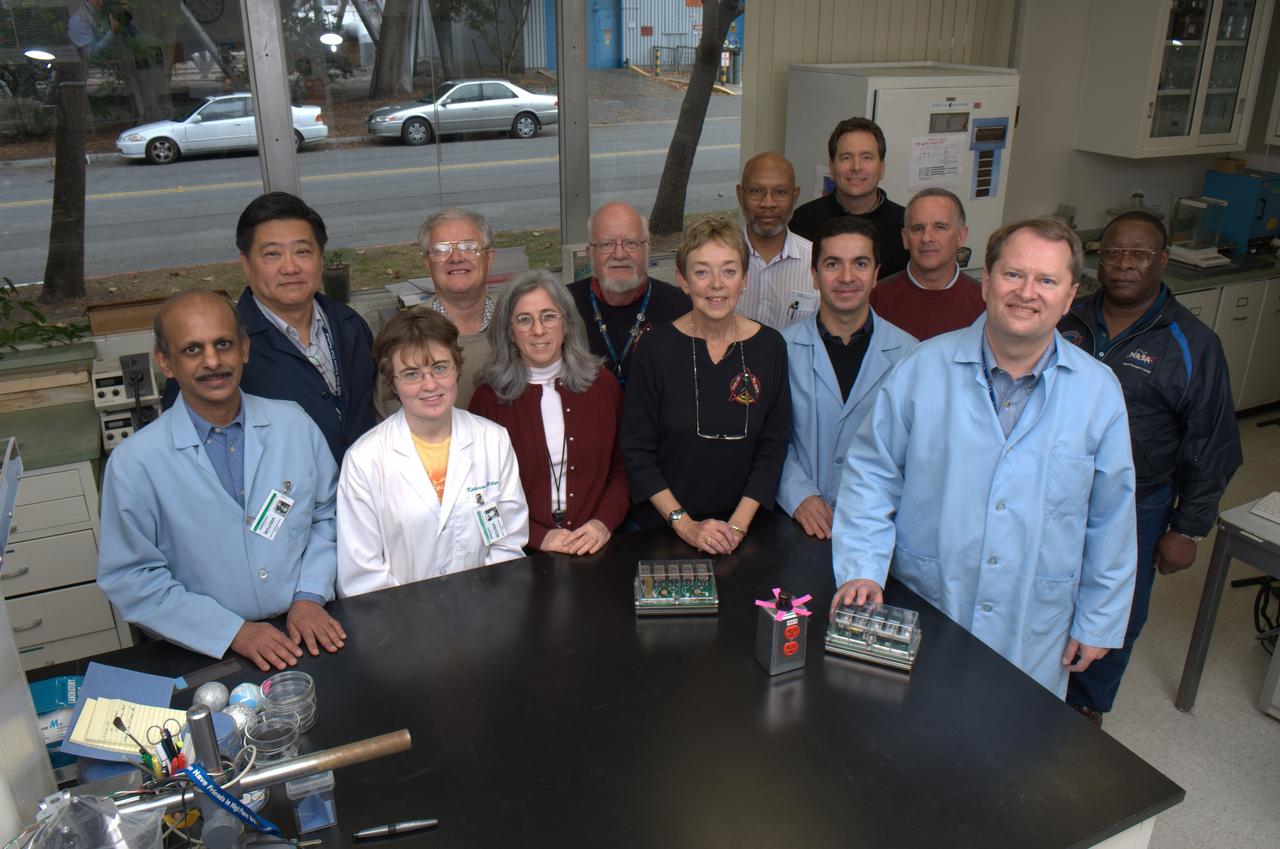
TROPI-2; Preparation of experiment containers in EMCS (European Modular Cultivation System) Lab, N-236 Team. Prem Kumar, Gwo-Shing Sun, Kathy Millar, Ed Huston, Susan Suffel, David Heathcoat, Mary Anne Steele, Al Howard, Kenny Vassigh, Kristofer Vogelsong, David Leskovsky, John Kiss, Robert Burney.

TROPI-2; Preparation of experiment containers in EMCS (European Modular Cultivation System) Lab, N-236 Sixten Experiment Containers (ECs) being prepared with flight seeds in December and January will be hand carried to KSC for deployment on STS-130 (shuttle flight 20A). During the ISS (international Space Station) operations the two TROPi-2 experiments to begin by mid Feburary and be completed by early March will monitor by the payload team at Ames from our Multi-Mission Operations Center (MMOC) The experiment samples are scheduled to return on shuttle fight 19A. Left to right are Prem Kumar, Katherine Millar, Bob Bowman
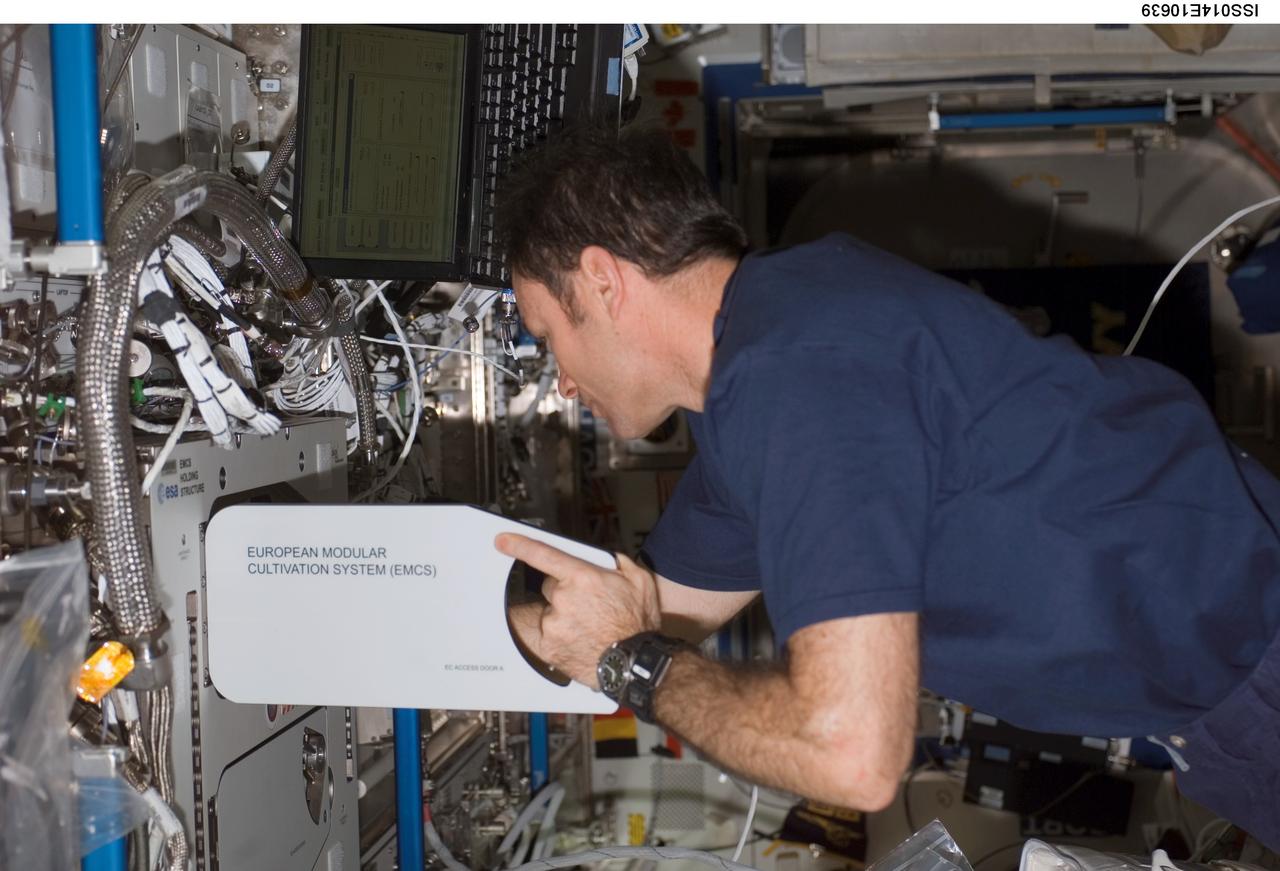
ISS014-E-10639 (29 Dec. 2006) --- Astronaut Michael E. Lopez-Alegria, Expedition 14 commander and NASA space station science officer, performs the European Modular Cultivation System (EMSC) -- Experiment Container (EC) replacement in the Destiny laboratory of the International Space Station.
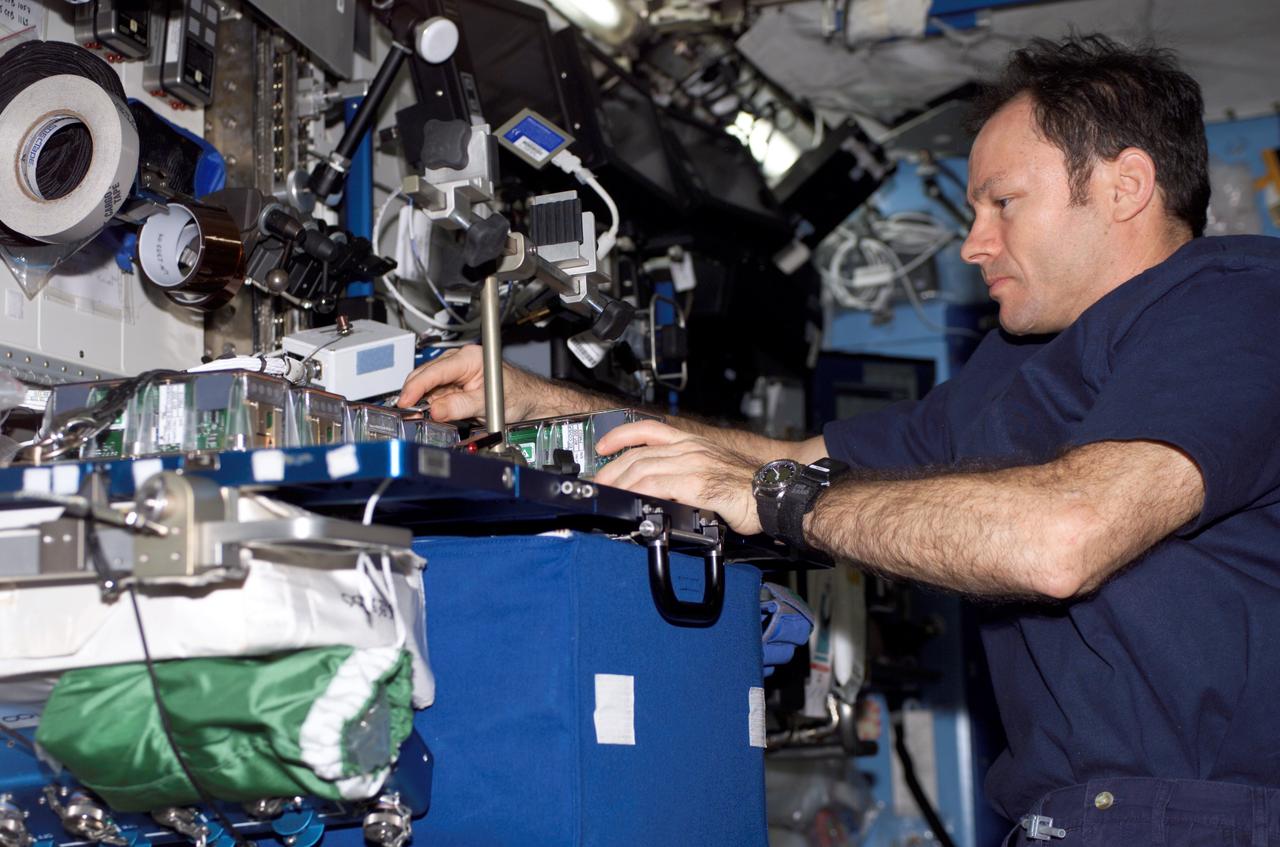
ISS014-E-10647 (29 Dec. 2006) --- Astronaut Michael E. Lopez-Alegria, Expedition 14 commander and NASA space station science officer, performs the European Modular Cultivation System (EMSC) -- Experiment Container (EC) replacement in the Destiny laboratory of the International Space Station.

NASA’s F-15D research aircraft is positioned behind the X-59 during electromagnetic compatibility testing at U.S. Air Force Plant 42 in Palmdale, California. During this test, the F-15D’s radar and avionics were turned on one at a time while engineers evaluated each signal’s interaction with the X-59 for possible interference. NASA’s Quesst mission will demonstrate quiet supersonic technology that will provide data to help determine an acceptable sound limit in the sky.
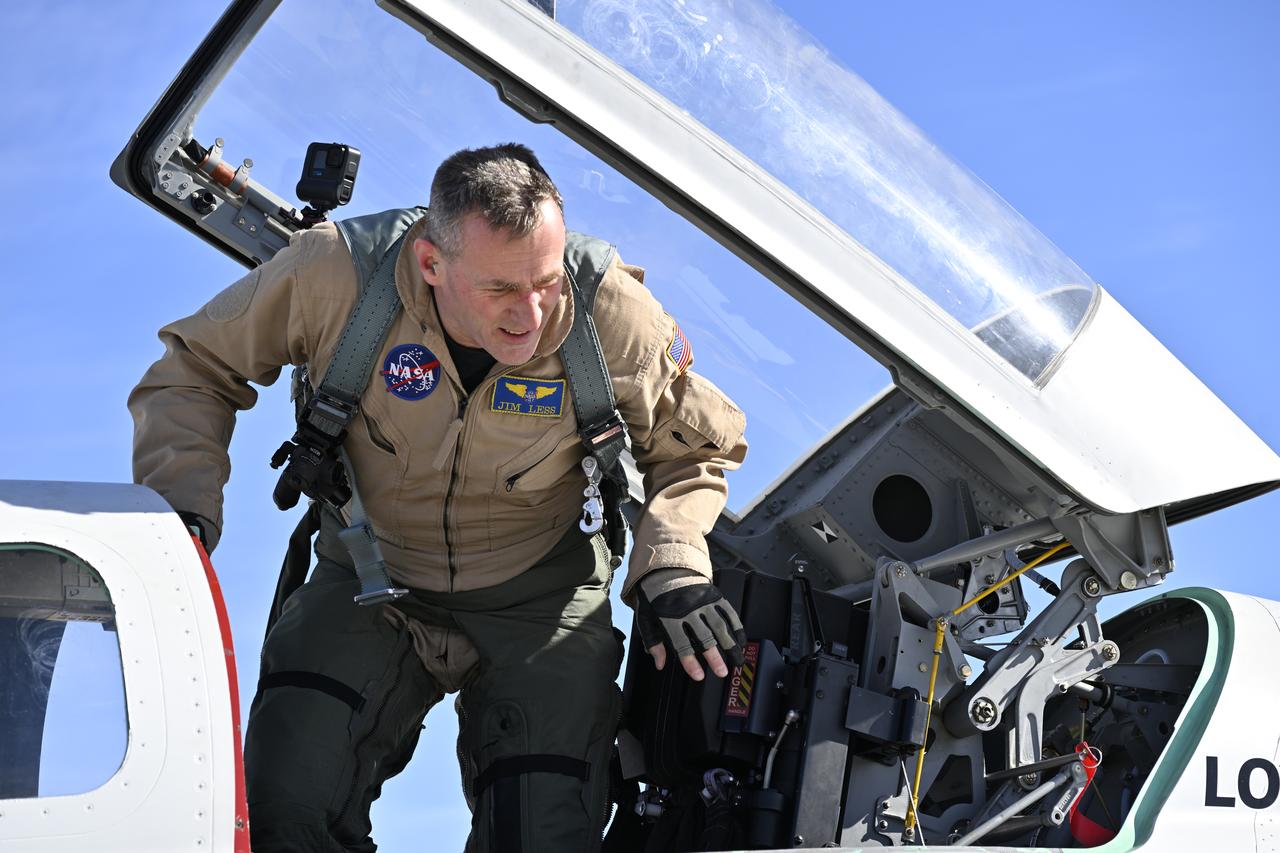
NASA test pilot Jim Less prepares to exit the cockpit of the quiet supersonic X-59 aircraft in between electromagnetic interference (EMI) testing. The EMI testing ensures an aircraft’s systems function properly under various conditions of electromagnetic radiation. The X-59 is the centerpiece of the NASA’s Quesst mission, designed to demonstrate quiet supersonic technology and provide data to address a key barrier to commercial supersonic travel.
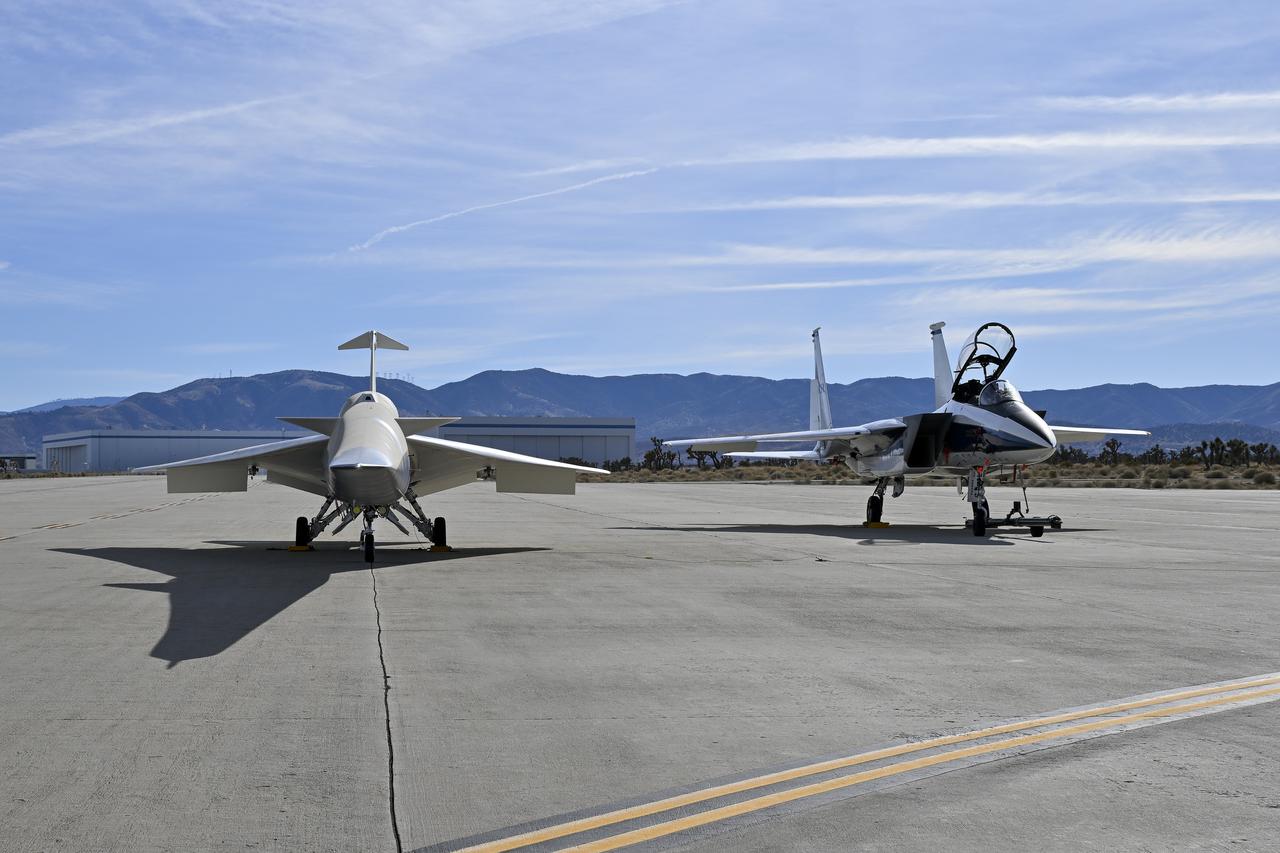
A NASA F-15 aircraft sits 20 feet off the left side of the X-59 aircraft, with a white hangar and hills in the background, during electromagnetic interference testing.
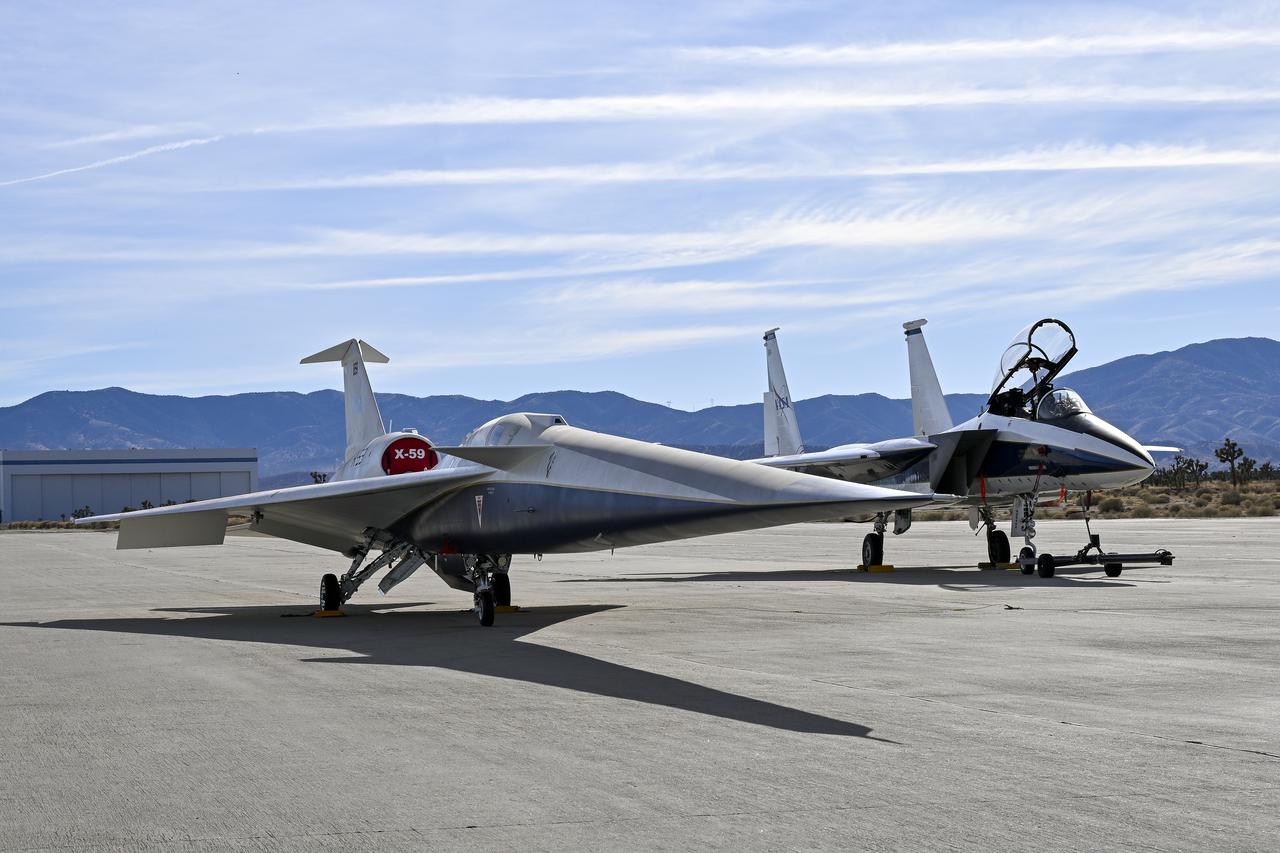
A NASA F-15 aircraft sits 20 feet off the left side of the X-59 aircraft, with a white hangar and hills in the background, during electromagnetic interference testing.