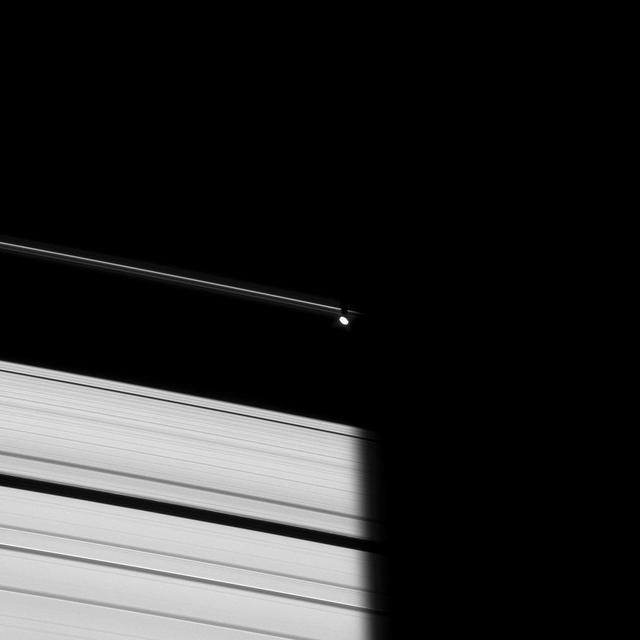
Prometheus Emerges

Emergent Moons
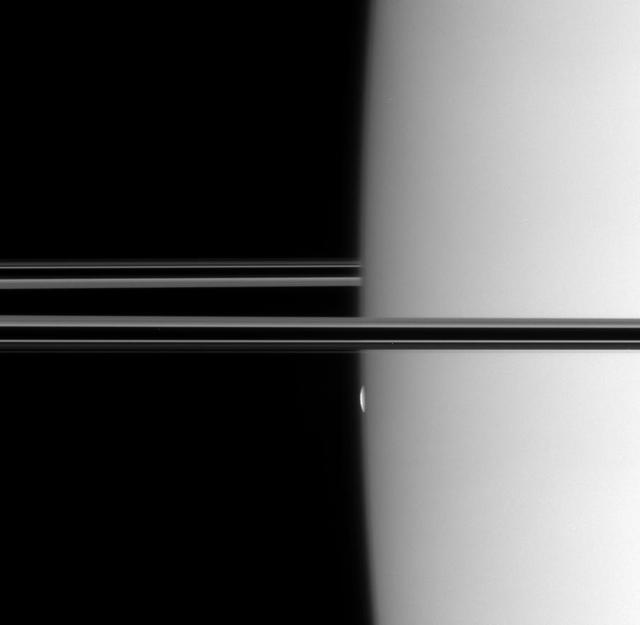
Mimas Emerges
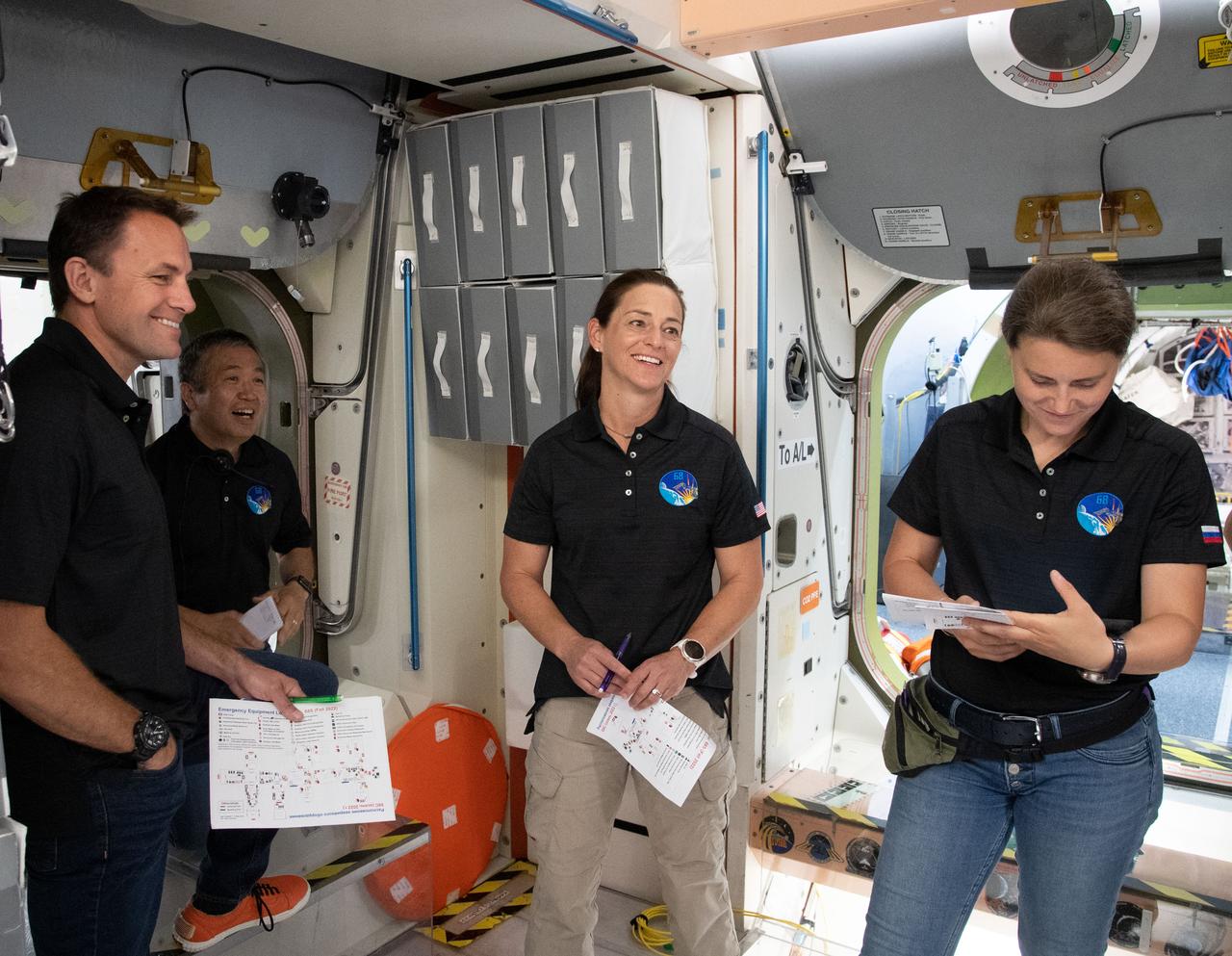
From left to right: NASA Astronaut Josh Cassada, JAXA astronaut Koichi Wakata, NASA Astronaut Nicole Mann, and Roscosmos cosmonaut Anna Kikina prepare for the unlikely event of an emergency by training inside a mockup that models the real orbiting lab at NASA's Johnson Space Center in Houston, Texas ahead of their upcoming International Space Station mission. Credit: NASA/James Blair
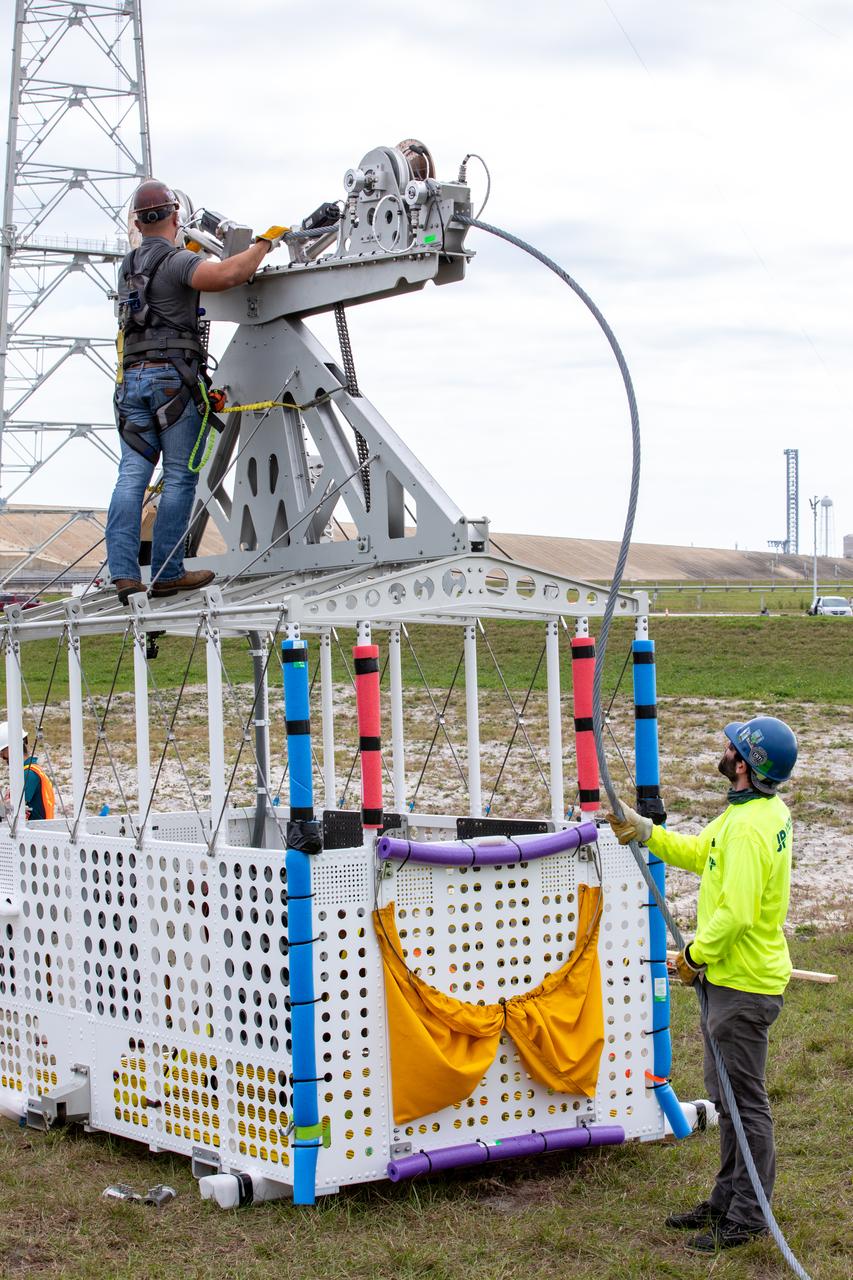
Teams with NASA’s Exploration Ground Systems Program, in preparation for the agency’s Artemis II crewed mission to the Moon, begin installation of four emergency egress baskets at Launch Complex 39B at Kennedy Space Center in Florida on Thursday, Jan. 18, 2024. The baskets, similar to gondolas on ski lifts, are used in the case of a pad abort emergency to enable astronauts and other pad personnel a way to quickly escape away from the mobile launcher to the base of the pad and where waiting emergency transport vehicles will then drive them away.
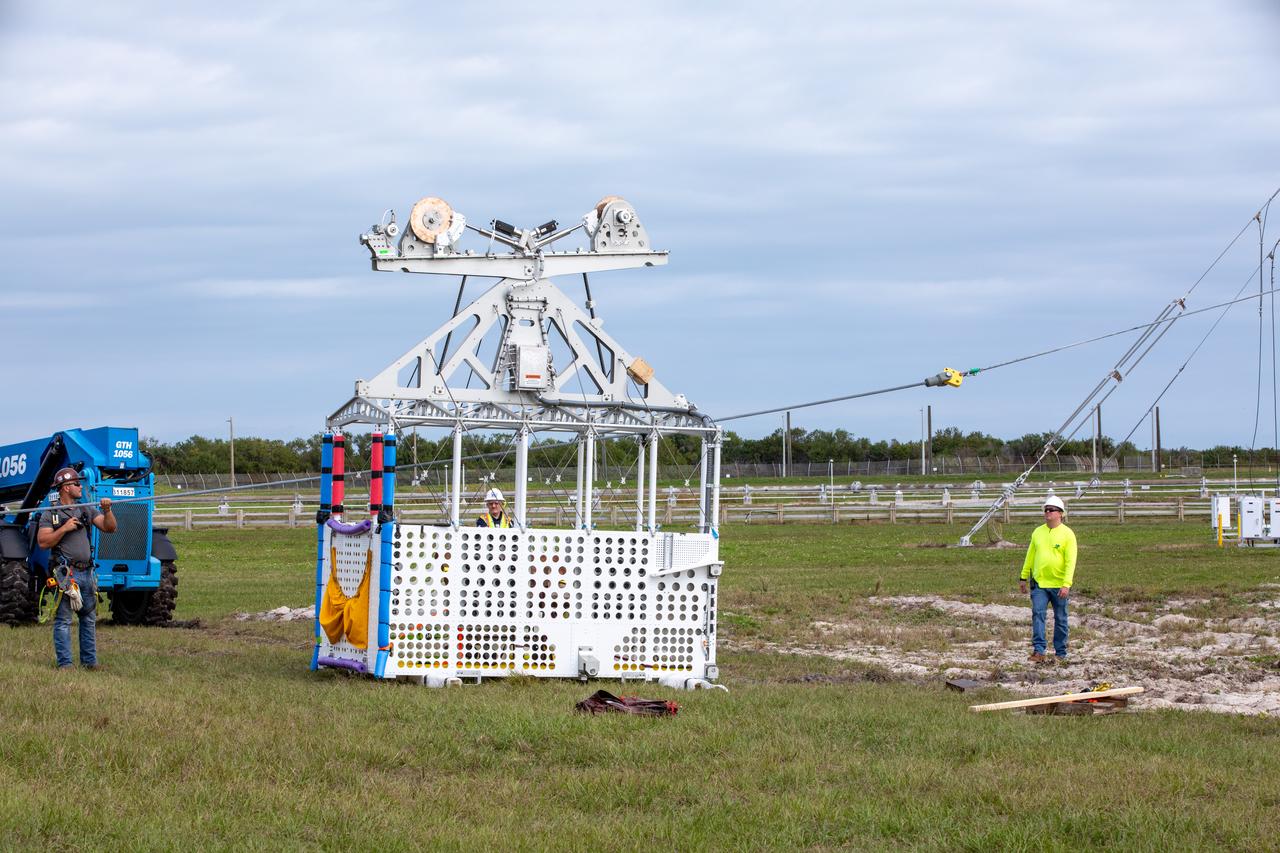
Teams with NASA’s Exploration Ground Systems Program, in preparation for the agency’s Artemis II crewed mission to the Moon, begin installation of four emergency egress baskets at Launch Complex 39B at Kennedy Space Center in Florida on Thursday, Jan. 18, 2024. The baskets, similar to gondolas on ski lifts, are used in the case of a pad abort emergency to enable astronauts and other pad personnel a way to quickly escape away from the mobile launcher to the base of the pad and where waiting emergency transport vehicles will then drive them away.
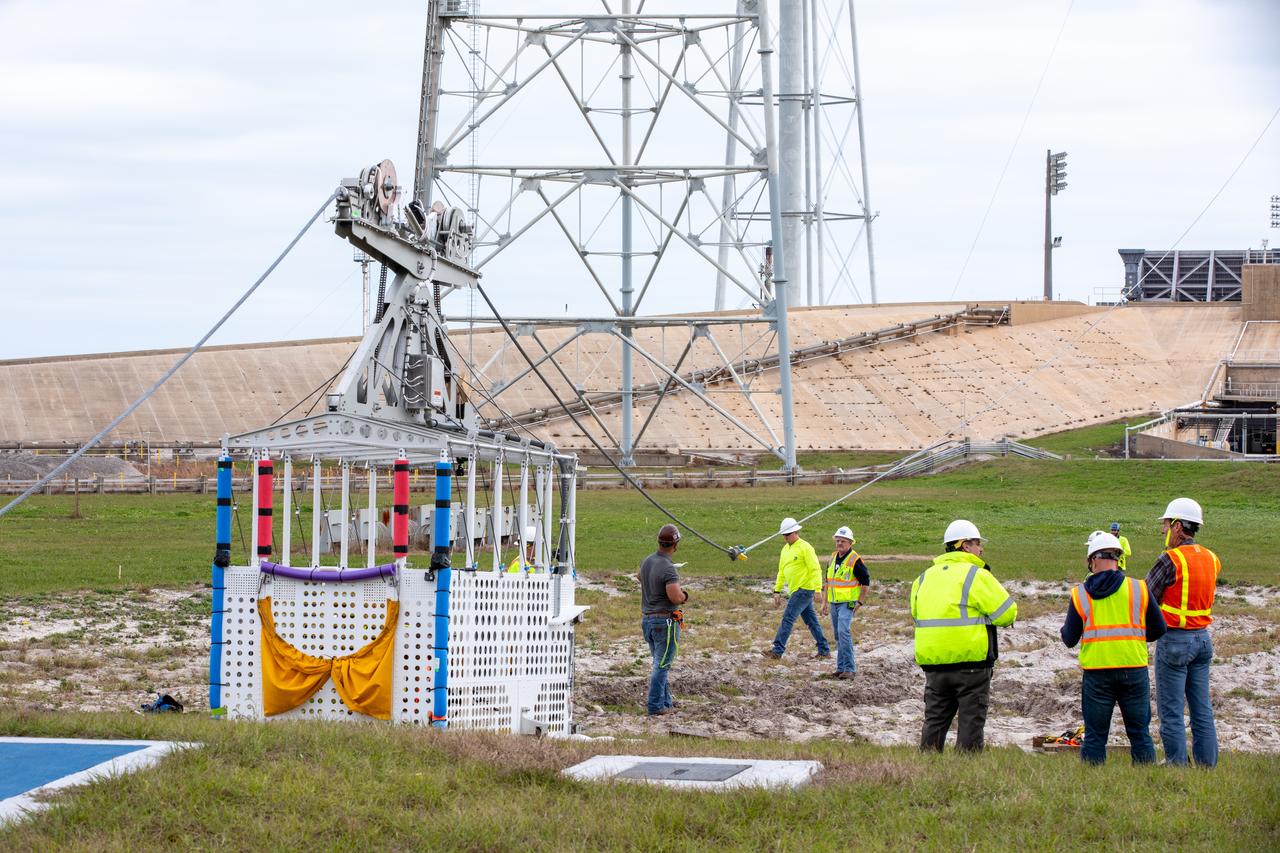
Teams with NASA’s Exploration Ground Systems Program, in preparation for the agency’s Artemis II crewed mission to the Moon, begin installation of four emergency egress baskets at Launch Complex 39B at Kennedy Space Center in Florida on Thursday, Jan. 18, 2024. The baskets, similar to gondolas on ski lifts, are used in the case of a pad abort emergency to enable astronauts and other pad personnel a way to quickly escape away from the mobile launcher to the base of the pad and where waiting emergency transport vehicles will then drive them away.
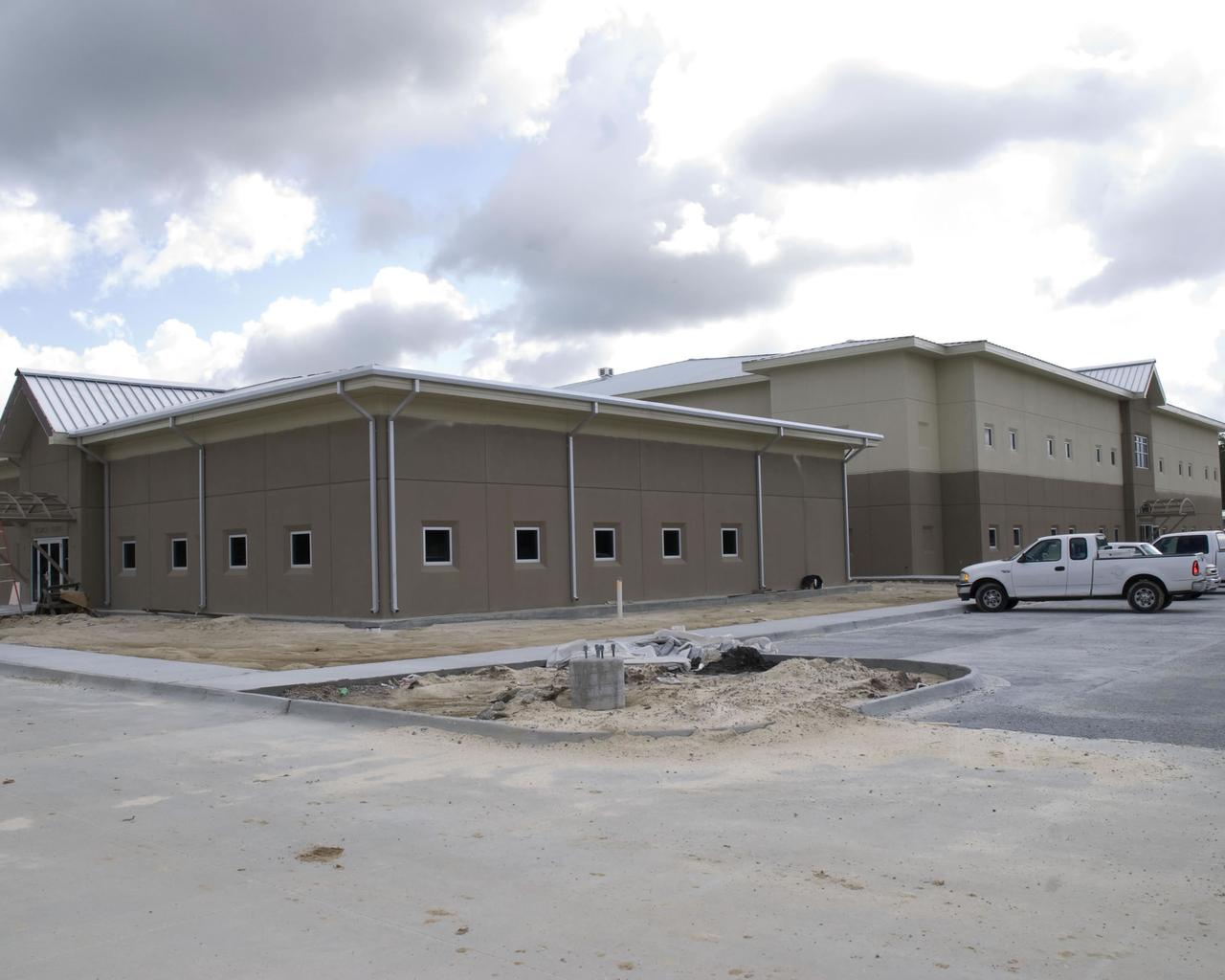
Construction work on a new Emergency Operations Center at Stennis Space Center is nearing completion. Construction is expected to be complete by February 2009, with actual occupancy of the building planned for later that year. The new building will house fire, medical and security teams and will provide a top-grade facility to support storm emergency responder teams and emergency management operations for the south Mississippi facility.
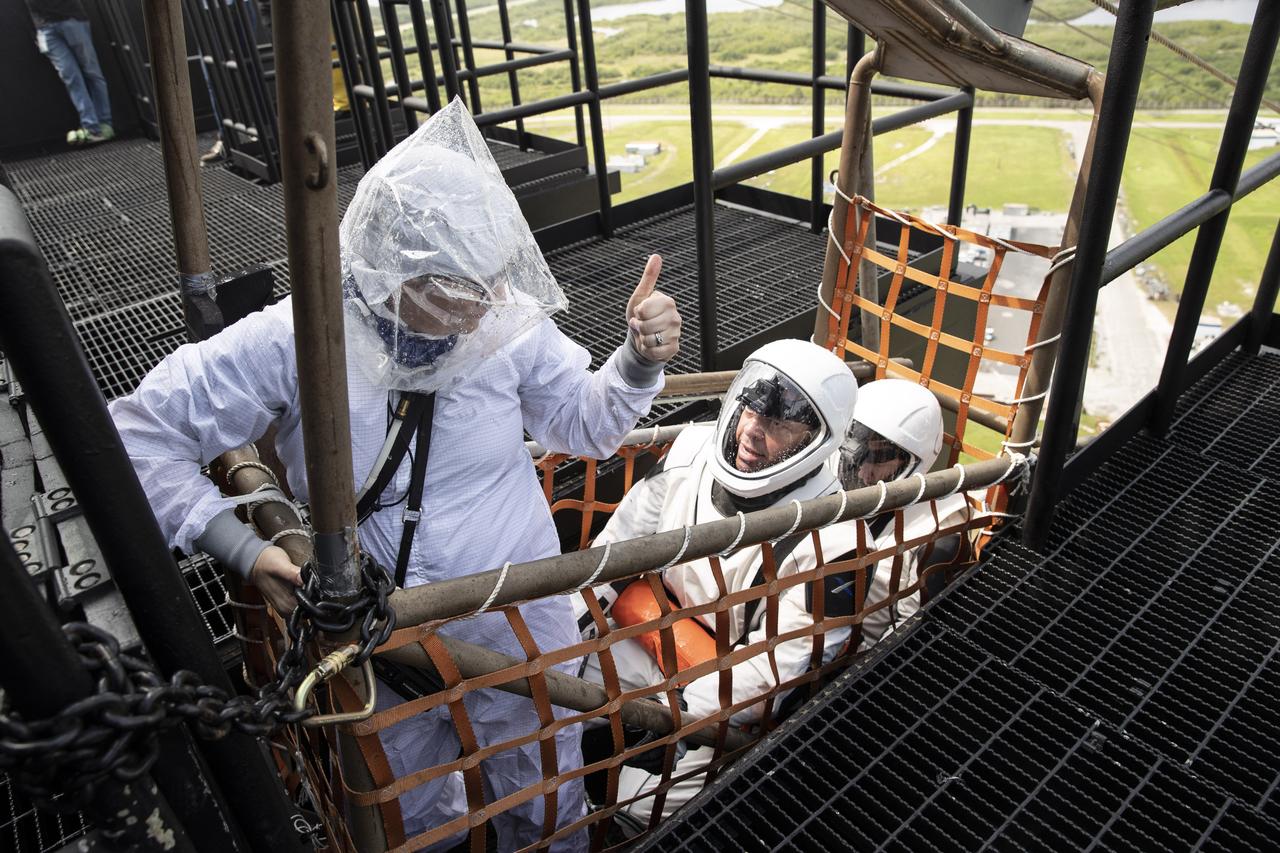
NASA and SpaceX conducted a formal verification of the company’s emergency escape system on Sept. 18, 2019, at Kennedy Space Center’s Launch Complex 39A in Florida. From left, NASA astronauts Shannon Walker and Bob Behnken participated in the exercise to verify the crew can safely and quickly evacuate from the launch pad in the unlikely event of an emergency before liftoff of SpaceX’s first crewed flight test, called Demo-2. At tower level on the pad, Walker and Behnken practiced loading into a slidewire basket and simulating an emergency escape to ground level. As Boeing and SpaceX begin to make regular flights to the International Space Station for NASA’s Commercial Crew Program, the agency will continue to advance its mission to go beyond low-Earth orbit and establish a human presence on the Moon with the ultimate goal of sending astronauts to Mars.
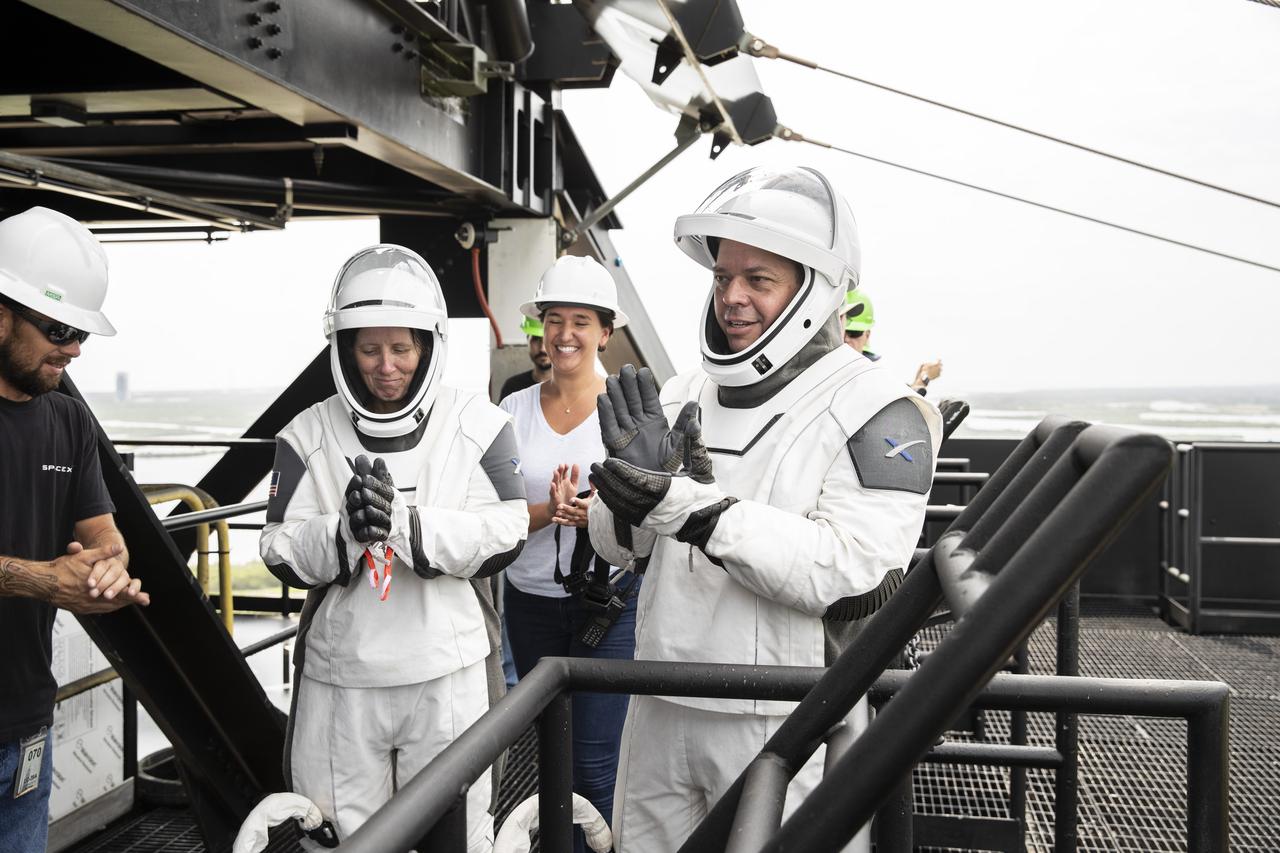
NASA and SpaceX conducted a formal verification of the company’s emergency escape system on Sept. 18, 2019, at Kennedy Space Center’s Launch Complex 39A in Florida. From left, NASA astronauts Shannon Walker and Bob Behnken participated in the exercise to verify the crew can safely and quickly evacuate from the launch pad in the unlikely event of an emergency before liftoff of SpaceX’s first crewed flight test, called Demo-2. At tower level on the pad, Walker and Behnken practiced loading into slidewire baskets and simulating an emergency escape to ground level. As Boeing and SpaceX begin to make regular flights to the International Space Station for NASA’s Commercial Crew Program, the agency will continue to advance its mission to go beyond low-Earth orbit and establish a human presence on the Moon with the ultimate goal of sending astronauts to Mars.
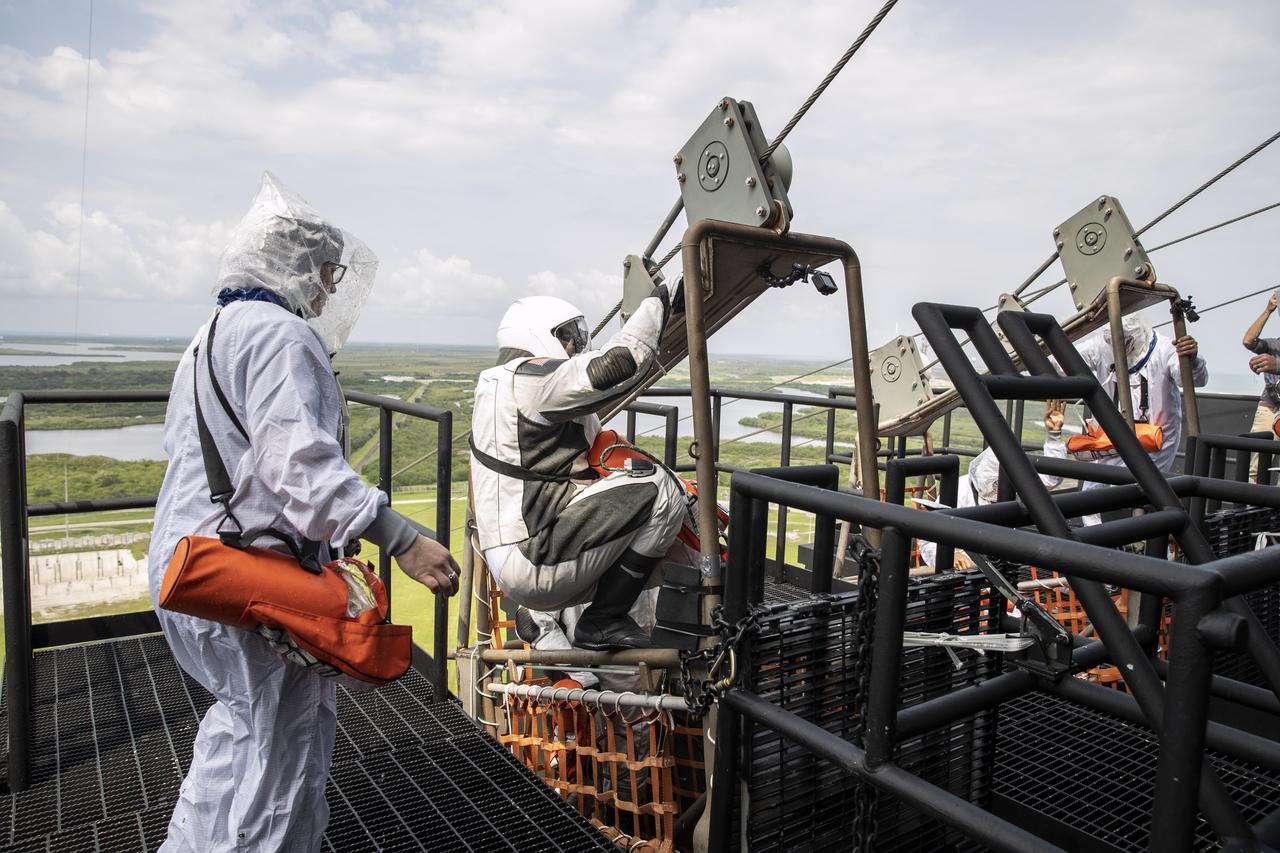
NASA and SpaceX conducted a formal verification of the company’s emergency escape system on Sept. 18, 2019, at Kennedy Space Center’s Launch Complex 39A in Florida. NASA astronauts Shannon Walker and Bob Behnken participated in the exercise to verify the crew can safely and quickly evacuate from the launch pad in the unlikely event of an emergency before liftoff of SpaceX’s first crewed flight test, called Demo-2. At tower level on the pad, Behnken practiced loading into a slidewire basket and simulating an emergency escape to ground level. As Boeing and SpaceX begin to make regular flights to the International Space Station for NASA’s Commercial Crew Program, the agency will continue to advance its mission to go beyond low-Earth orbit and establish a human presence on the Moon with the ultimate goal of sending astronauts to Mars.
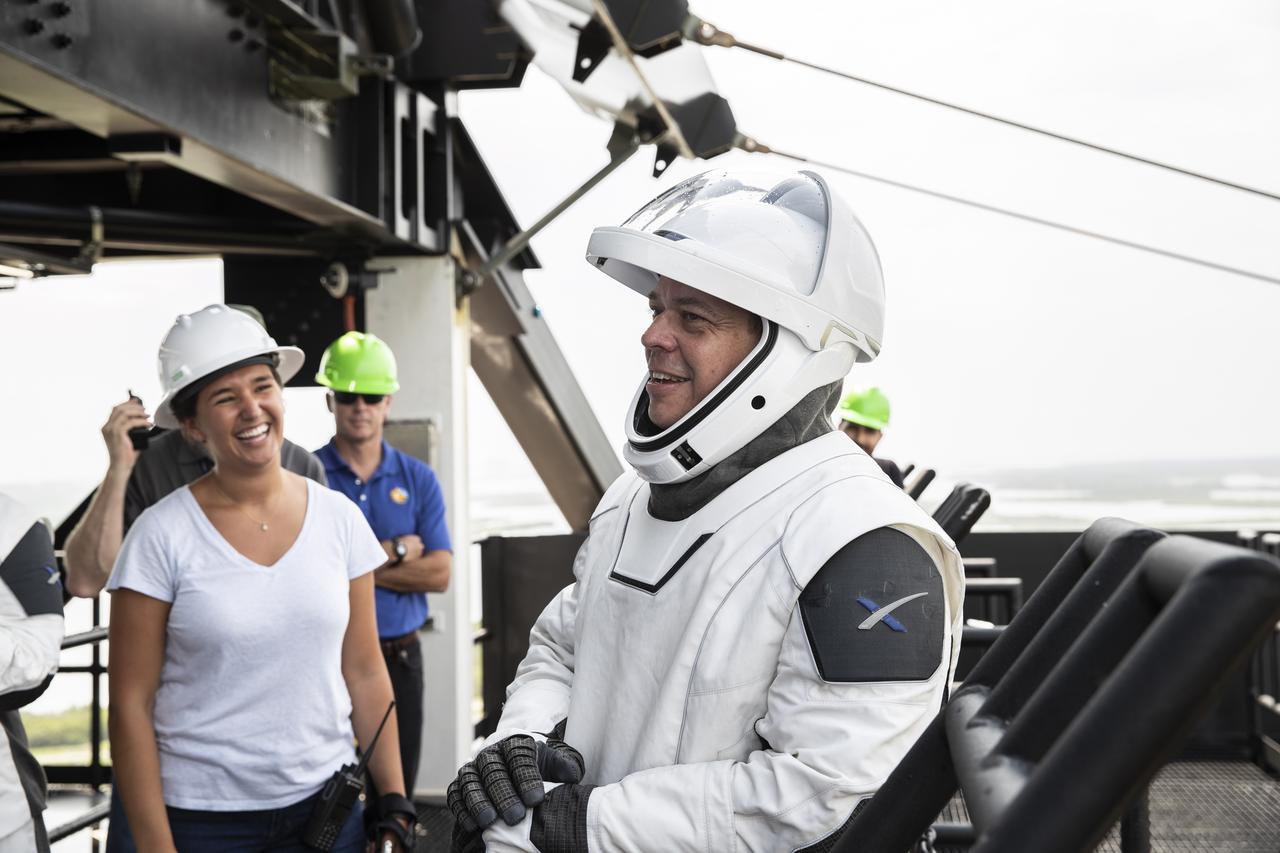
NASA and SpaceX conducted a formal verification of the company’s emergency escape system on Sept. 18, 2019, at Kennedy Space Center’s Launch Complex 39A in Florida. NASA astronaut Bob Behnken participated in the exercise to verify the crew can safely and quickly evacuate from the launch pad in the unlikely event of an emergency before liftoff of SpaceX’s first crewed flight test, called Demo-2. At tower level on the pad, Behnken practiced loading into a slidewire basket and simulating an emergency escape to ground level. As Boeing and SpaceX begin to make regular flights to the International Space Station for NASA’s Commercial Crew Program, the agency will continue to advance its mission to go beyond low-Earth orbit and establish a human presence on the Moon with the ultimate goal of sending astronauts to Mars.
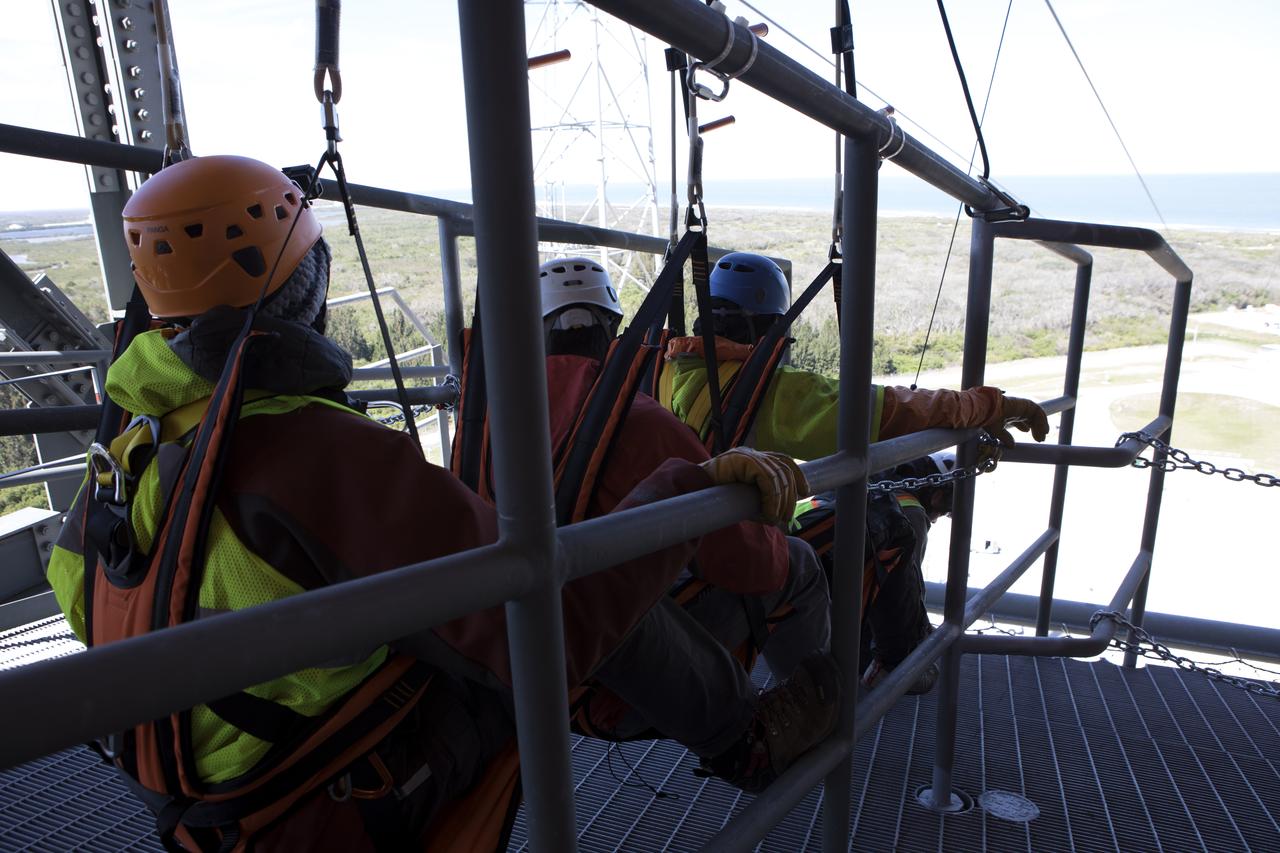
Three engineers prepare to evaluate the Emergency Egress System as they ride in folding seats attached to slide wires at Space Launch Complex 41. United Launch Alliance and Boeing continue modifications to the pad in order to host missions by the Boeing CST-100 Starliner carrying astronauts and crew. The system recently completed its final test. In the unlikely event of an emergency prior to liftoff, each person on the Crew Access Tower would get into their own seat attached to the wire and slide more than 1,340 feet to a safe area. The wires are situated 172 feet above the pad deck on level 12 of the tower. The Starliner will launch on a ULA Atlas V on mission to low-Earth orbit including those flying astronauts to the International Space Station during missions by NASA's Commercial Crew Program.
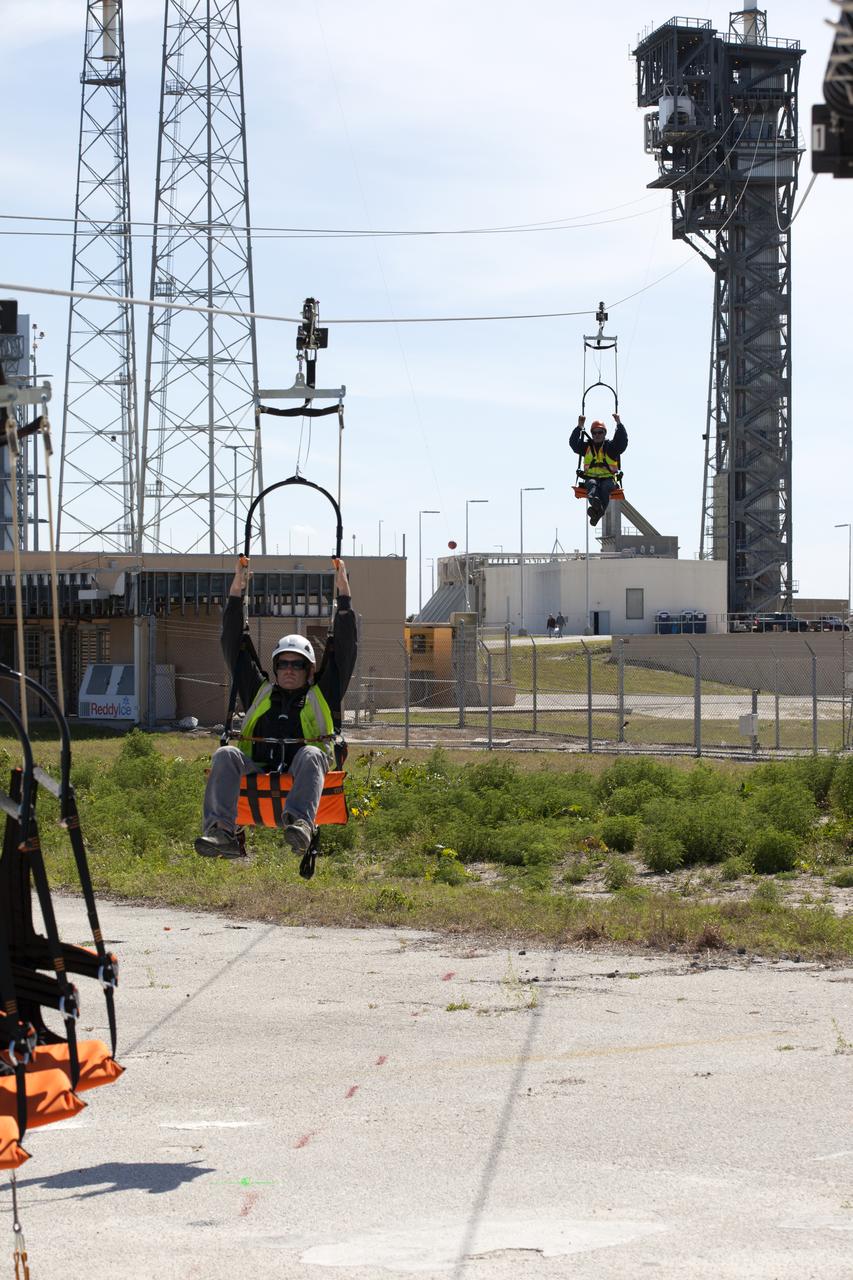
Two engineers evaluate the Emergency Egress System as they ride in folding seats attached to slide wires at Space Launch Complex 41. United Launch Alliance and Boeing continue modifications to the pad in order to host missions by the Boeing CST-100 Starliner carrying astronauts and crew. The system recently completed its final test. In the unlikely event of an emergency prior to liftoff, each person on the Crew Access Tower would get into their own seat attached to the wire and slide more than 1,340 feet to a safe area. The wires are situated 172 feet above the pad deck on level 12 of the tower. The Starliner will launch on a ULA Atlas V on mission to low-Earth orbit including those flying astronauts to the International Space Station during missions by NASA's Commercial Crew Program.
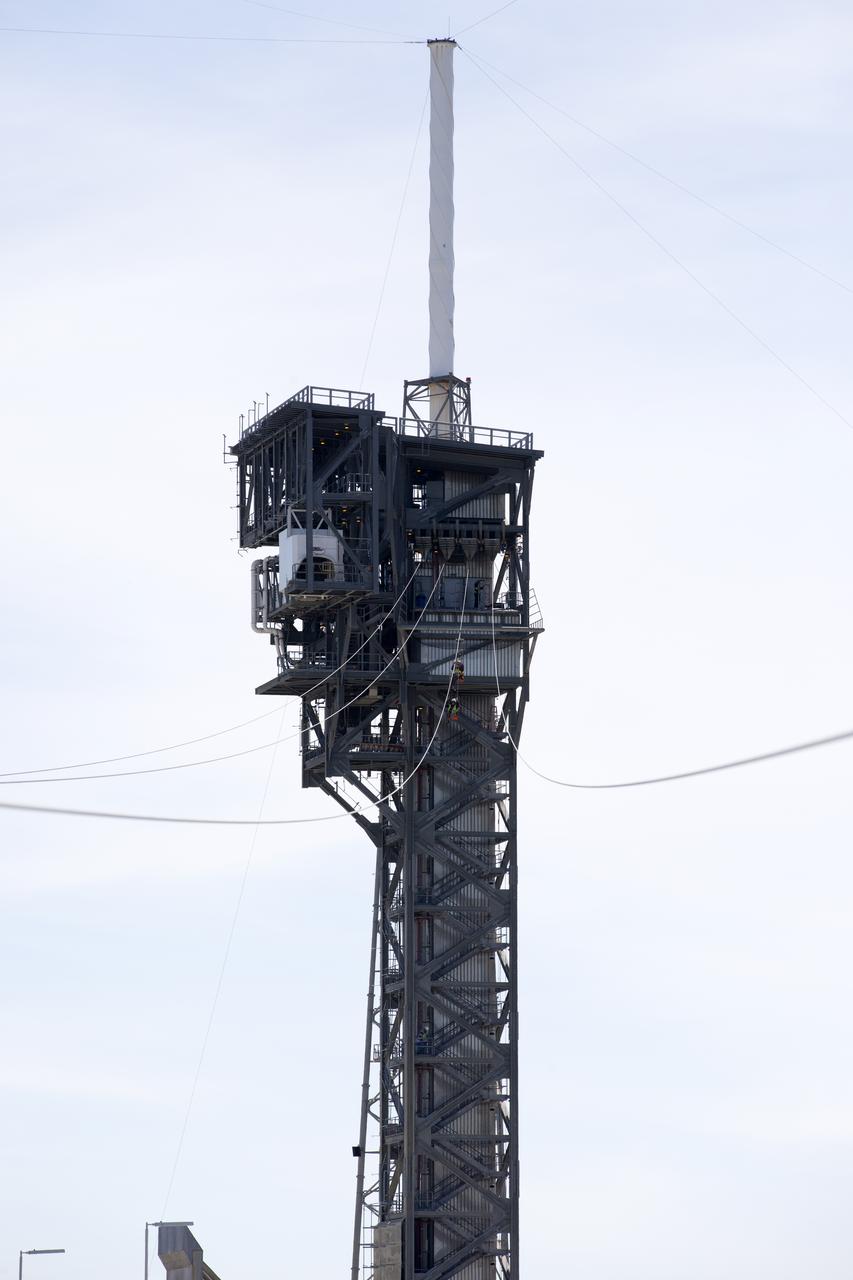
Two engineers evaluate the Emergency Egress System as they ride in folding seats attached to slide wires at Space Launch Complex 41. United Launch Alliance and Boeing continue modifications to the pad in order to host missions by the Boeing CST-100 Starliner carrying astronauts and crew. The system recently completed its final test. In the unlikely event of an emergency prior to liftoff, each person on the Crew Access Tower would get into their own seat attached to the wire and slide more than 1,340 feet to a safe area. The wires are situated 172 feet above the pad deck on level 12 of the tower. The Starliner will launch on a ULA Atlas V on mission to low-Earth orbit including those flying astronauts to the International Space Station during missions by NASA's Commercial Crew Program.
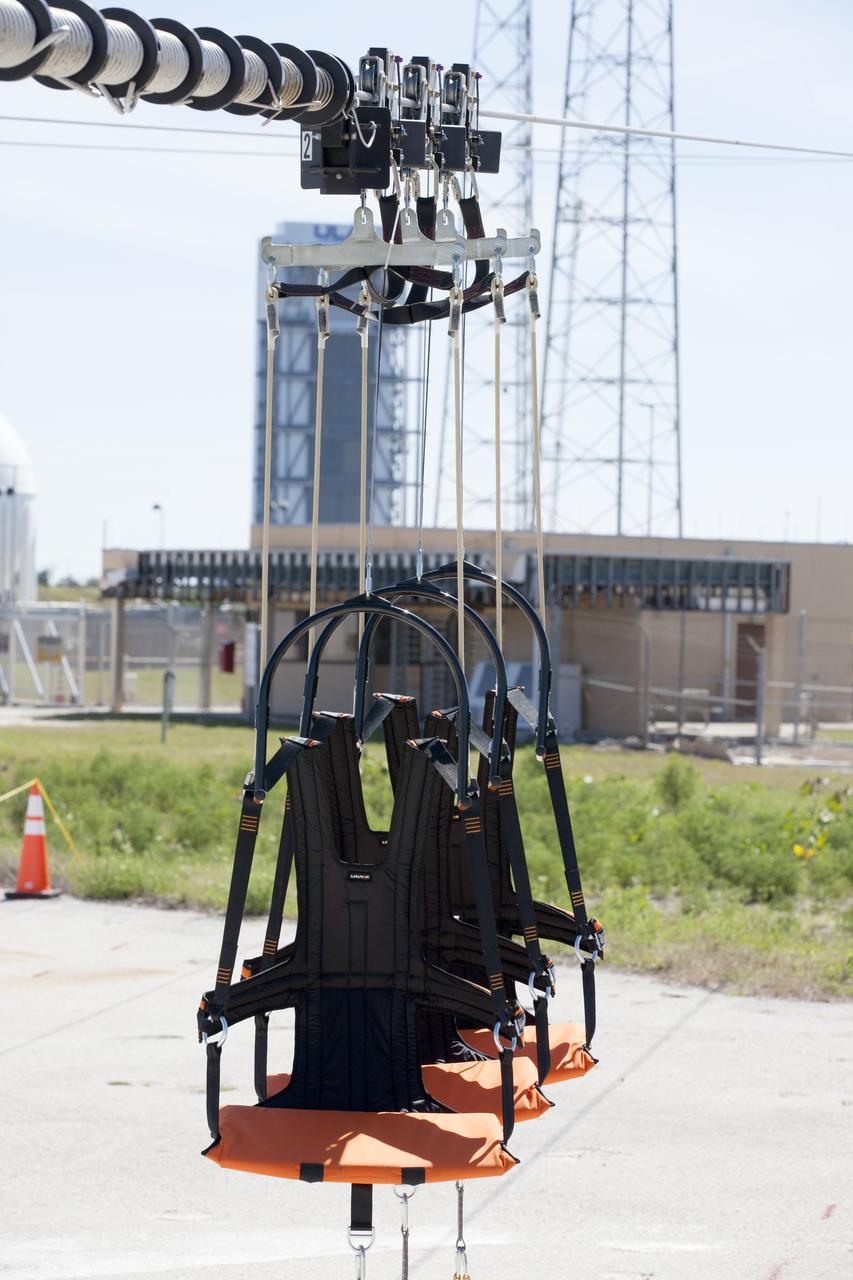
The folding seats that make up the Emergency Egress System are seen attached to slide wires at Space Launch Complex 41 where United Launch Alliance and Boeing continue modifications to the pad in order to host missions by the Boeing CST-100 Starliner carrying astronauts and crew. The system recently completed its final test. In the unlikely event of an emergency prior to liftoff, each person on the Crew Access Tower would get into their own seat attached to the wire and slide more than 1,340 feet to a safe area. The wires are situated 172 feet above the pad deck on level 12 of the tower. The Starliner will launch on a ULA Atlas V on mission to low-Earth orbit including those flying astronauts to the International Space Station during missions by NASA's Commercial Crew Program.
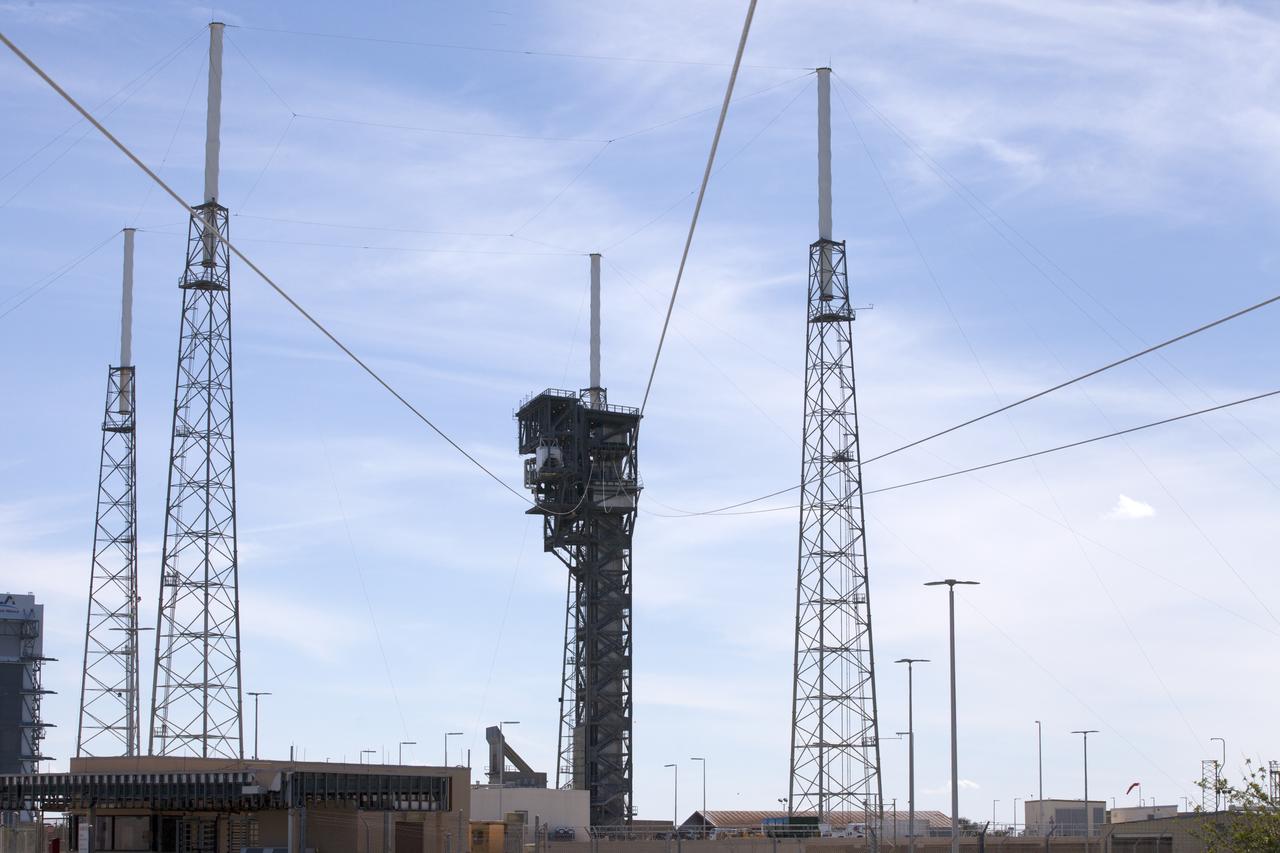
The cables that make up the Emergency Egress System at Space Launch Complex 41 are in place as United Launch Alliance and Boeing continue modifications to the pad in order to host missions by the Boeing CST-100 Starliner carrying astronauts and crew. The system recently completed its final test. In the unlikely event of an emergency prior to liftoff, each person on the Crew Access Tower would get into their own seat attached to the wire and slide more than 1,340 feet to a safe area. The wires are situated 172 feet above the pad deck on level 12 of the tower. The Starliner will launch on a ULA Atlas V on mission to low-Earth orbit including those flying astronauts to the International Space Station during missions by NASA's Commercial Crew Program.
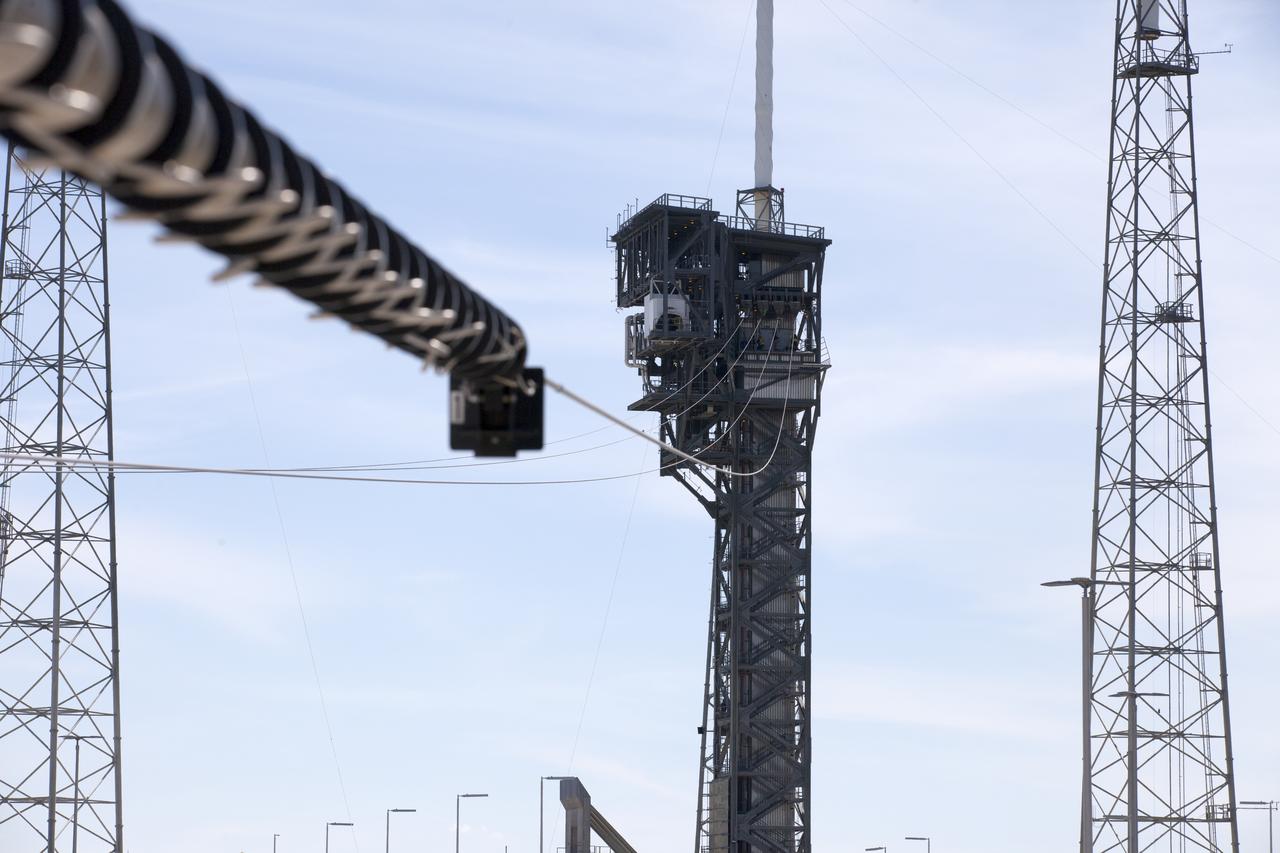
The cables that make up the Emergency Egress System at Space Launch Complex 41 are in place as United Launch Alliance and Boeing continue modifications to the pad in order to host missions by the Boeing CST-100 Starliner carrying astronauts and crew. The system recently completed its final test. In the unlikely event of an emergency prior to liftoff, each person on the Crew Access Tower would get into their own seat attached to the wire and slide more than 1,340 feet to a safe area. The wires are situated 172 feet above the pad deck on level 12 of the tower. The Starliner will launch on a ULA Atlas V on mission to low-Earth orbit including those flying astronauts to the International Space Station during missions by NASA's Commercial Crew Program.
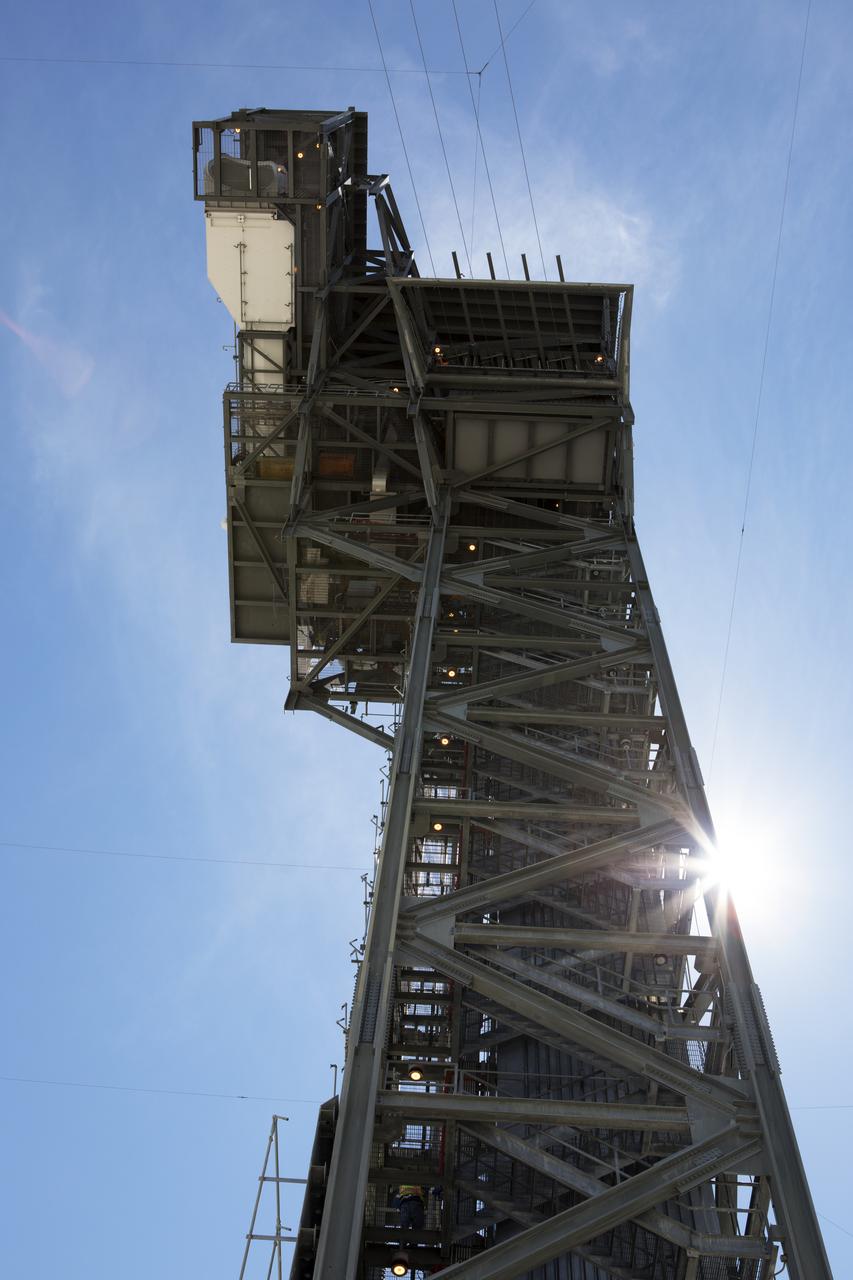
The cables that make up the Emergency Egress System at Space Launch Complex 41 are in place as United Launch Alliance and Boeing continue modifications to the pad in order to host missions by the Boeing CST-100 Starliner carrying astronauts and crew. The system recently completed its final test. In the unlikely event of an emergency prior to liftoff, each person on the Crew Access Tower would get into their own seat attached to the wire and slide more than 1,340 feet to a safe area. The wires are situated 172 feet above the pad deck on level 12 of the tower. The Starliner will launch on a ULA Atlas V on mission to low-Earth orbit including those flying astronauts to the International Space Station during missions by NASA's Commercial Crew Program.
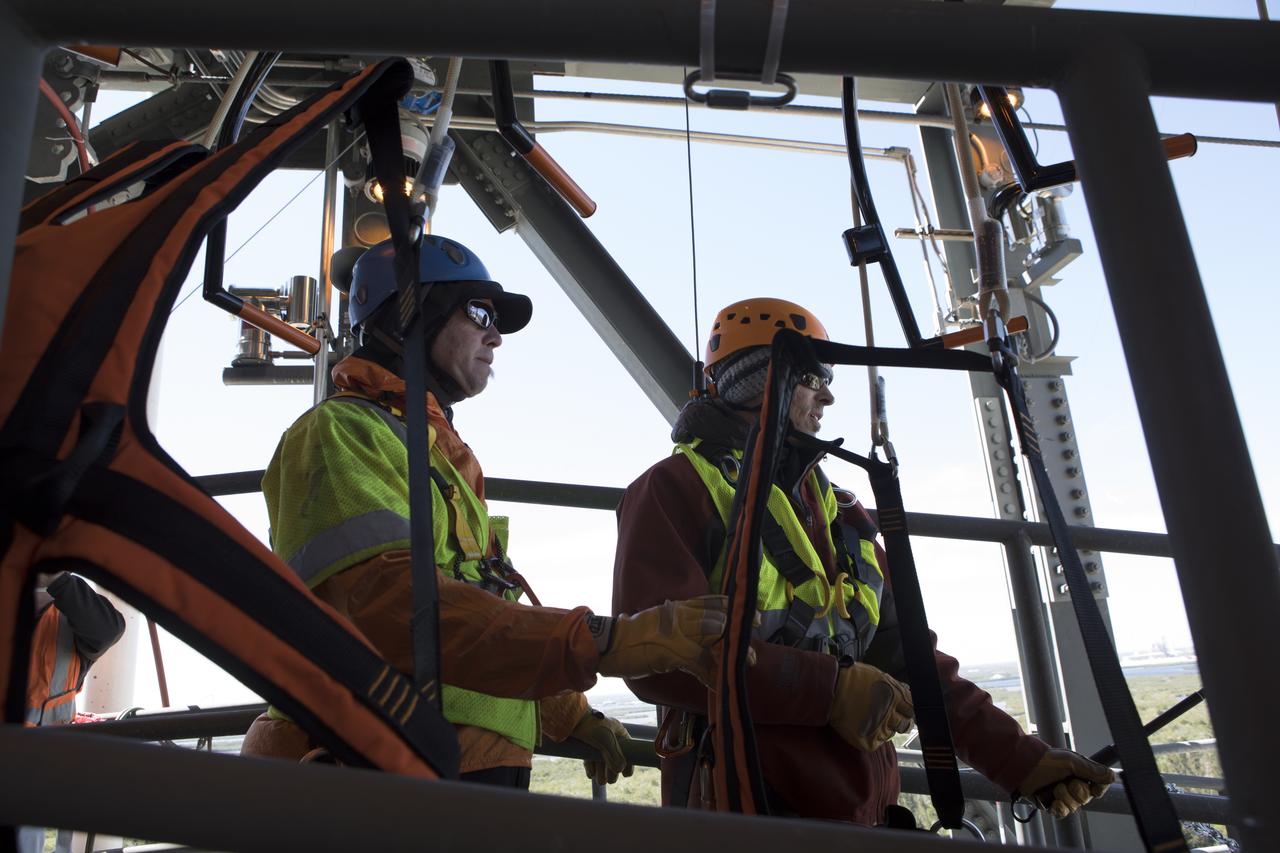
Two engineers prepare to evaluate the Emergency Egress System as they ride in folding seats attached to slide wires at Space Launch Complex 41. United Launch Alliance and Boeing continue modifications to the pad in order to host missions by the Boeing CST-100 Starliner carrying astronauts and crew. The system recently completed its final test. In the unlikely event of an emergency prior to liftoff, each person on the Crew Access Tower would get into their own seat attached to the wire and slide more than 1,340 feet to a safe area. The wires are situated 172 feet above the pad deck on level 12 of the tower. The Starliner will launch on a ULA Atlas V on mission to low-Earth orbit including those flying astronauts to the International Space Station during missions by NASA's Commercial Crew Program.
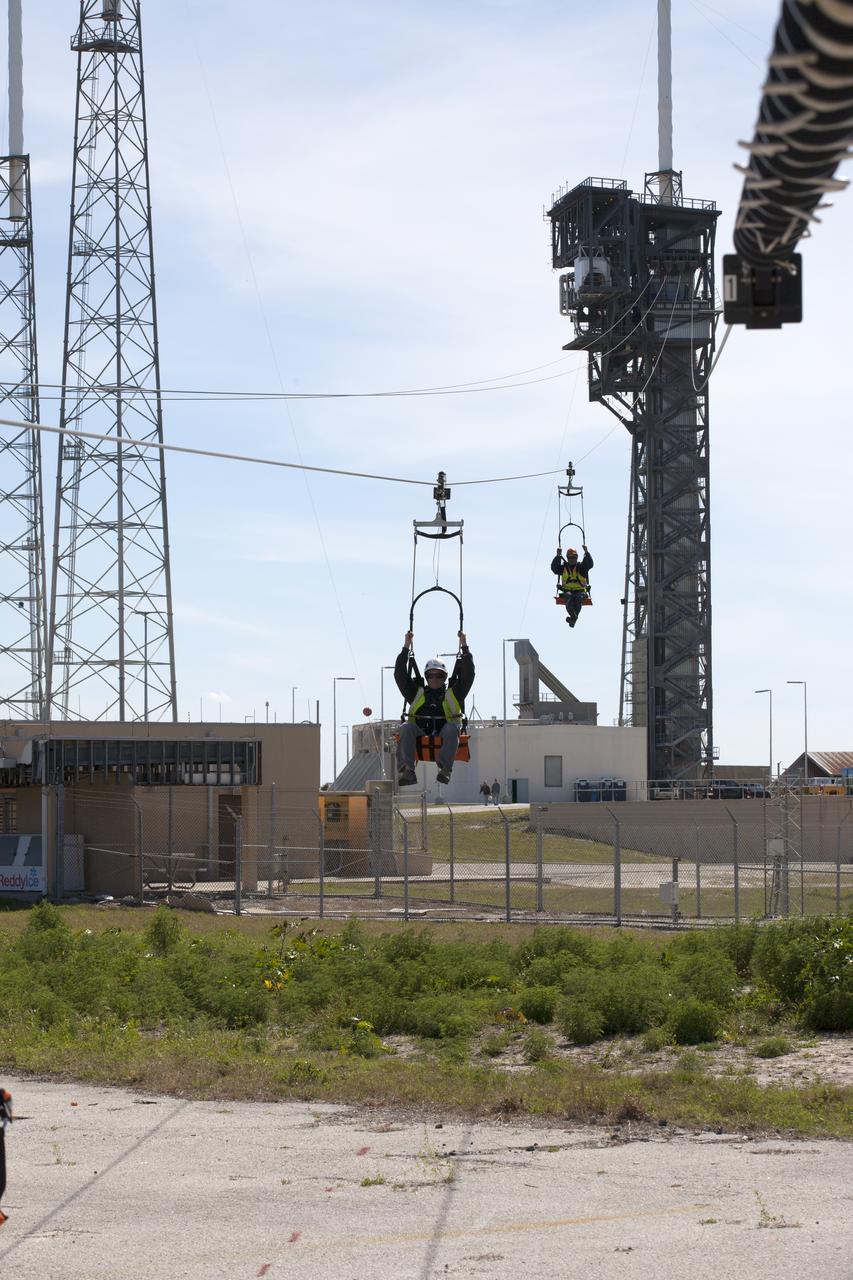
Two engineers evaluate the Emergency Egress System as they ride in folding seats attached to slide wires at Space Launch Complex 41. United Launch Alliance and Boeing continue modifications to the pad in order to host missions by the Boeing CST-100 Starliner carrying astronauts and crew. The system recently completed its final test. In the unlikely event of an emergency prior to liftoff, each person on the Crew Access Tower would get into their own seat attached to the wire and slide more than 1,340 feet to a safe area. The wires are situated 172 feet above the pad deck on level 12 of the tower. The Starliner will launch on a ULA Atlas V on mission to low-Earth orbit including those flying astronauts to the International Space Station during missions by NASA's Commercial Crew Program.
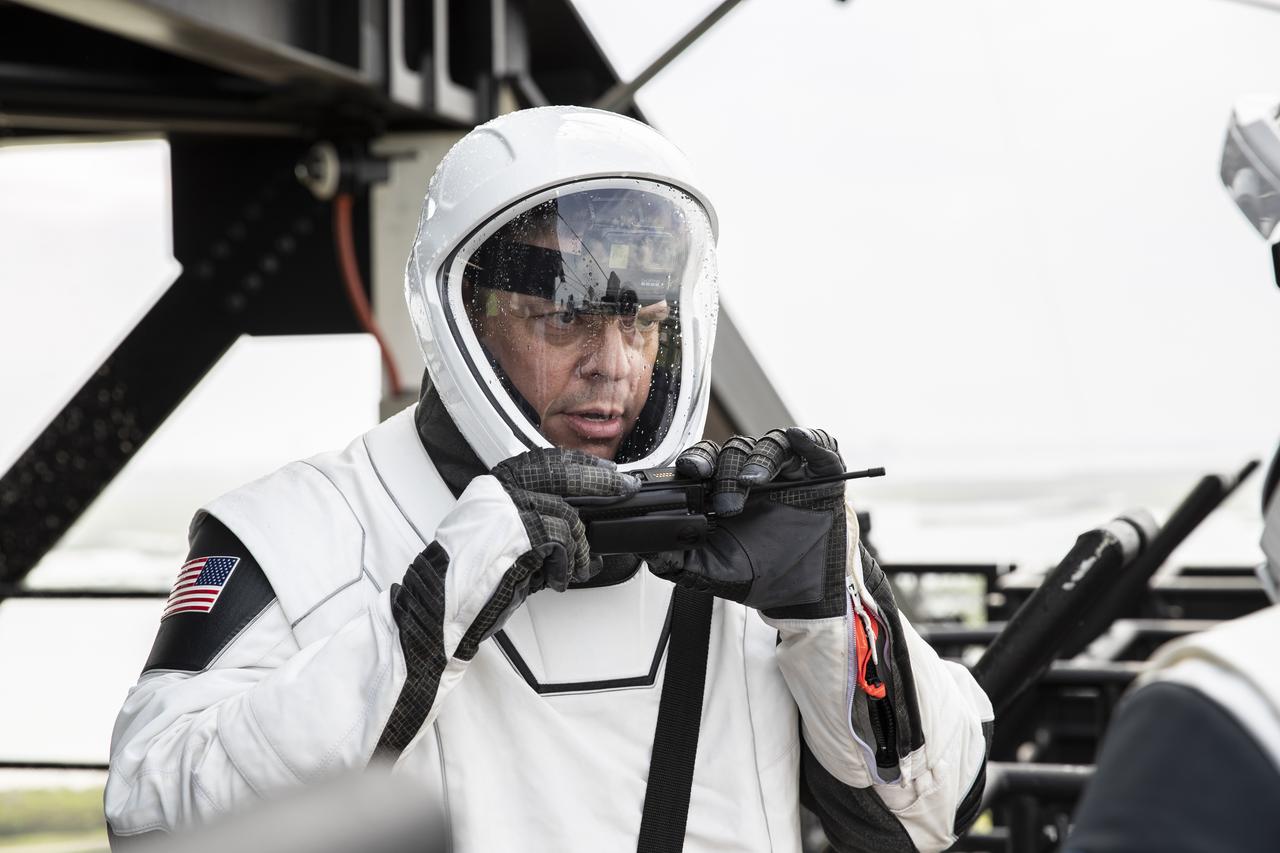
NASA and SpaceX conducted a formal verification of the company’s emergency escape system on Sept. 18, 2019, at Kennedy Space Center’s Launch Complex 39A in Florida. NASA astronaut Bob Behnken participated in the exercise to verify the crew can safely and quickly evacuate from the launch pad in the unlikely event of an emergency before liftoff of SpaceX’s first crewed flight test, called Demo-2. As Boeing and SpaceX begin to make regular flights to the International Space Station for NASA’s Commercial Crew Program, the agency will continue to advance its mission to go beyond low-Earth orbit and establish a human presence on the Moon with the ultimate goal of sending astronauts to Mars.
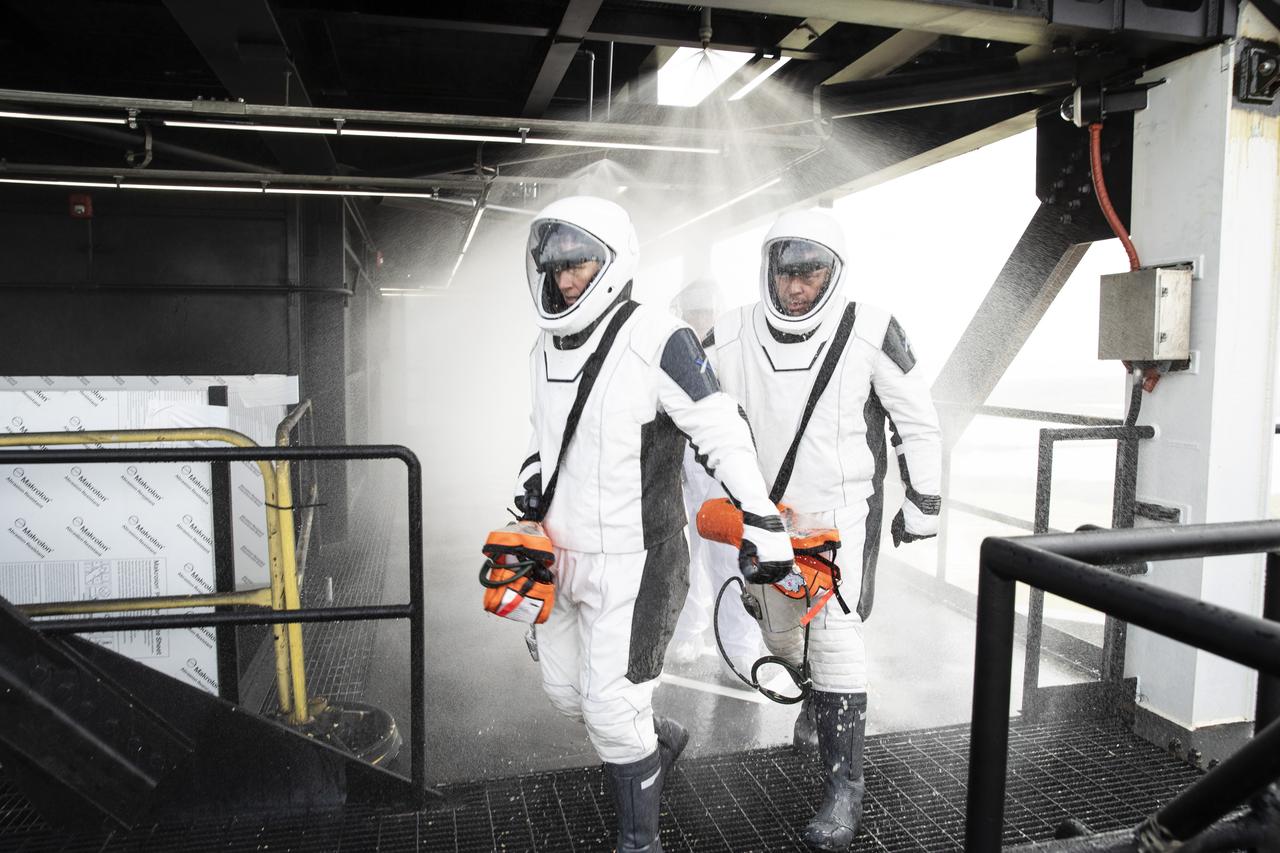
NASA and SpaceX conducted a formal verification of the company’s emergency escape system on Sept. 18, 2019, at Kennedy Space Center’s Launch Complex 39A in Florida. NASA astronauts Shannon Walker, in front, and Bob Behnken participated in the exercise to verify the crew can safely and quickly evacuate from the launch pad in the unlikely event of an emergency before liftoff of SpaceX’s first crewed flight test, called Demo-2. During the escape verification, Walker and Behnken pass through the water deluge system on the 265-foot level of the crew access tower. As Boeing and SpaceX begin to make regular flights to the International Space Station for NASA’s Commercial Crew Program, the agency will continue to advance its mission to go beyond low-Earth orbit and establish a human presence on the Moon with the ultimate goal of sending astronauts to Mars.

NASA Cassini spacecraft captures a glimpse of the moon Atlas shortly after emerging from Saturn shadow.
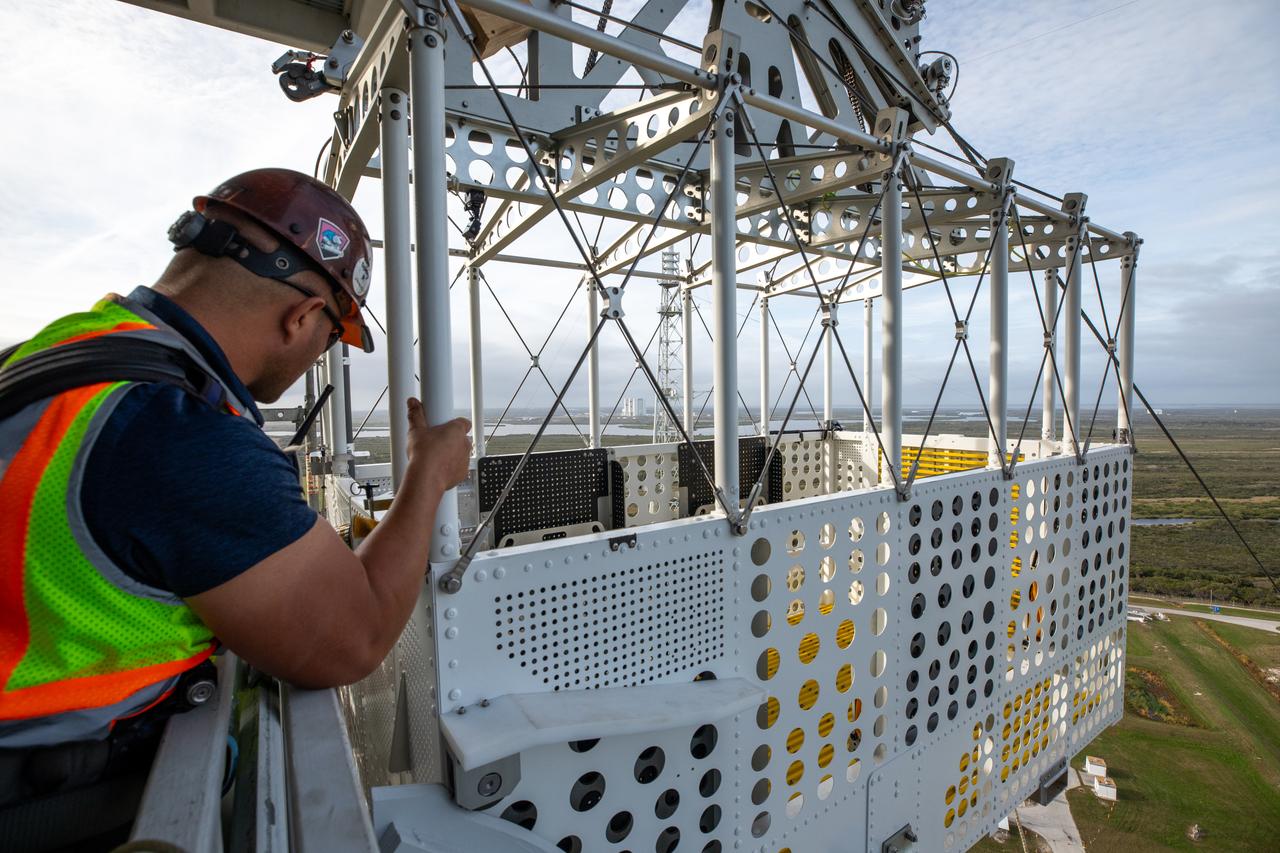
Teams with NASA’s Exploration Ground Systems Program, in preparation for the agency’s Artemis II crewed mission to the Moon, begin installing the first of four emergency egress baskets on the mobile launcher at Launch Complex 39B at the agency’s Kennedy Space Center in Florida on Wednesday, Jan. 24, 2024. The baskets, similar to gondolas on ski lifts, are used in the case of a pad abort emergency to enable astronauts and other pad personnel a way to quickly escape away from the mobile launcher to the base of the pad and where waiting emergency transport vehicles will then drive them away.
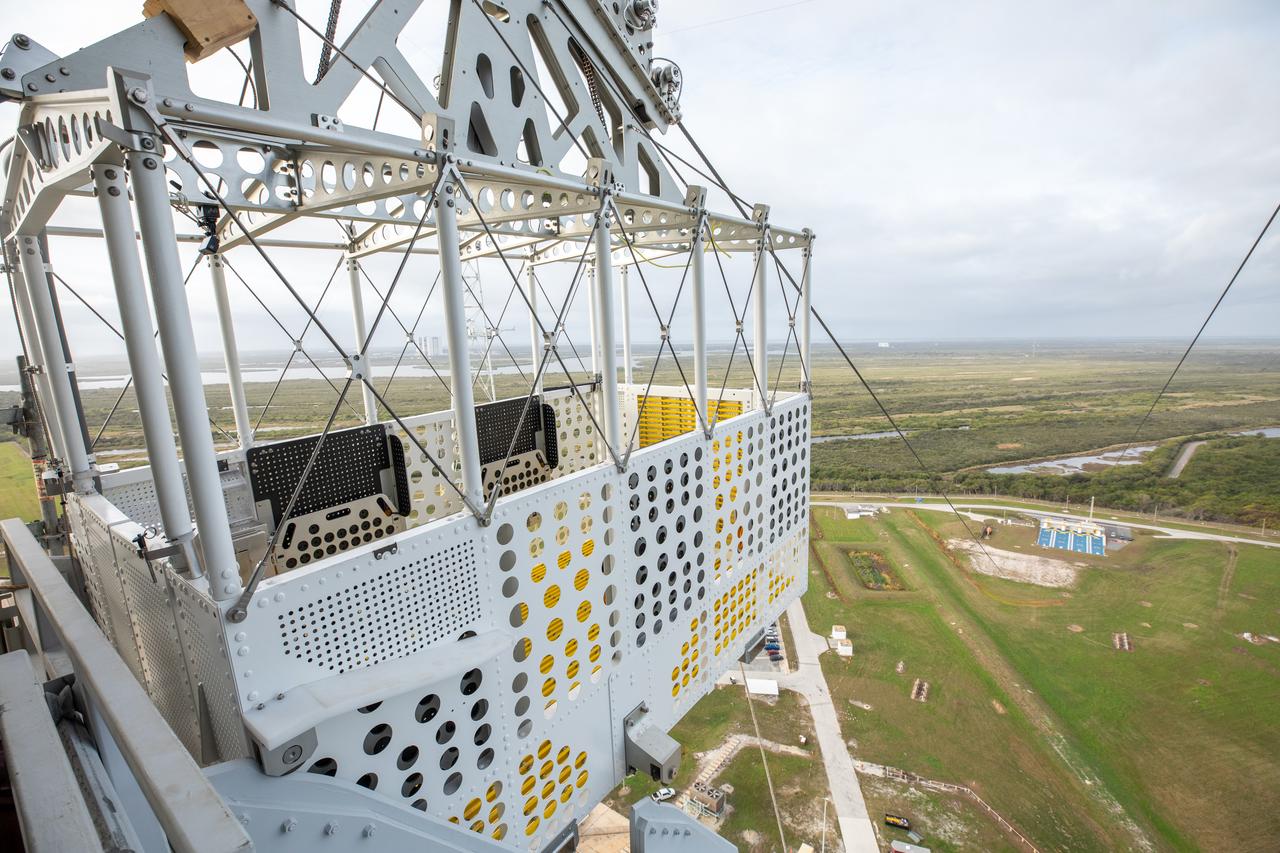
Teams with NASA’s Exploration Ground Systems Program, in preparation for the agency’s Artemis II crewed mission to the Moon, begin installing the first of four emergency egress baskets on the mobile launcher at Launch Complex 39B at the agency’s Kennedy Space Center in Florida on Wednesday, Jan. 24, 2024. The baskets, similar to gondolas on ski lifts, are used in the case of a pad abort emergency to enable astronauts and other pad personnel a way to quickly escape away from the mobile launcher to the base of the pad and where waiting emergency transport vehicles will then drive them away.
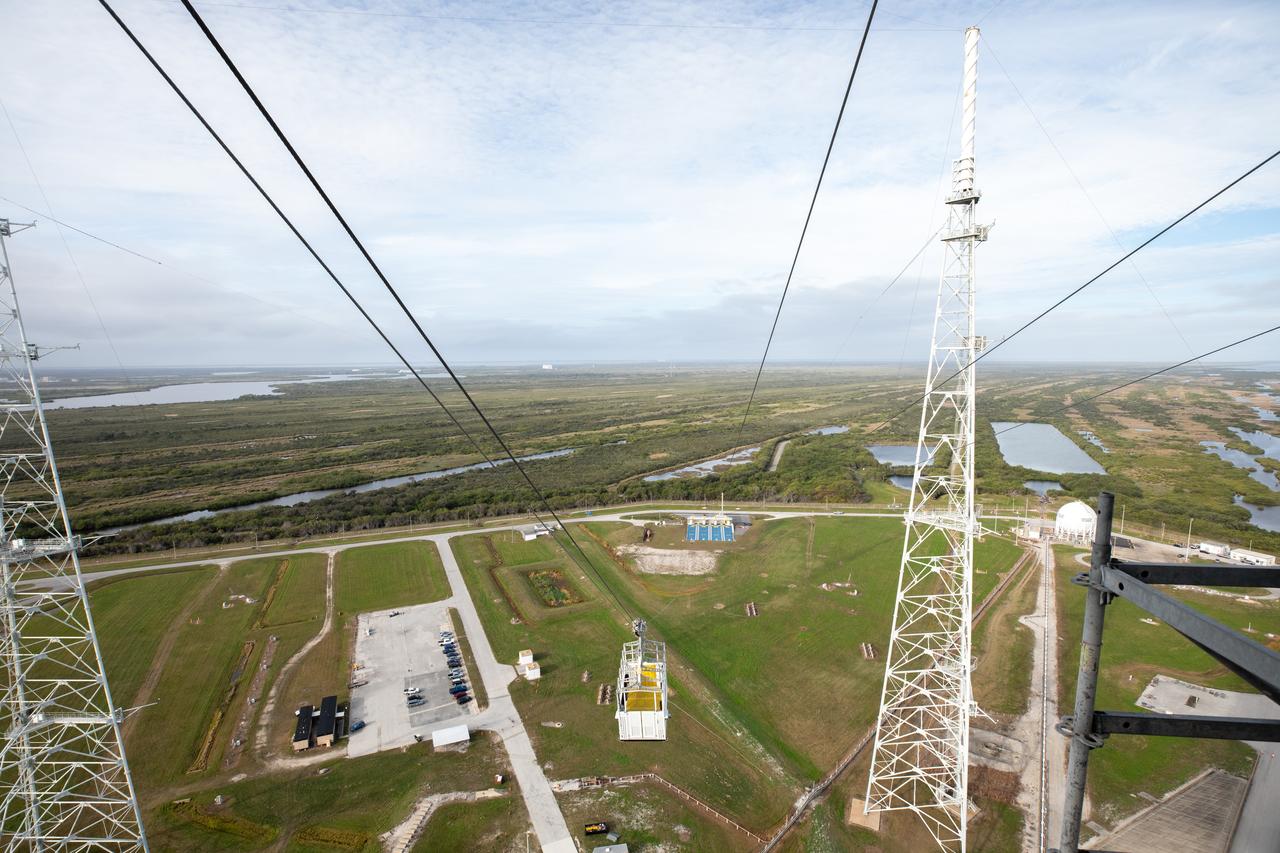
Teams with NASA’s Exploration Ground Systems Program, in preparation for the agency’s Artemis II crewed mission to the Moon, begin installing the first of four emergency egress baskets on the mobile launcher at Launch Complex 39B at the agency’s Kennedy Space Center in Florida on Wednesday, Jan. 24, 2024. The baskets, similar to gondolas on ski lifts, are used in the case of a pad abort emergency to enable astronauts and other pad personnel a way to quickly escape away from the mobile launcher to the base of the pad and where waiting emergency transport vehicles will then drive them away.
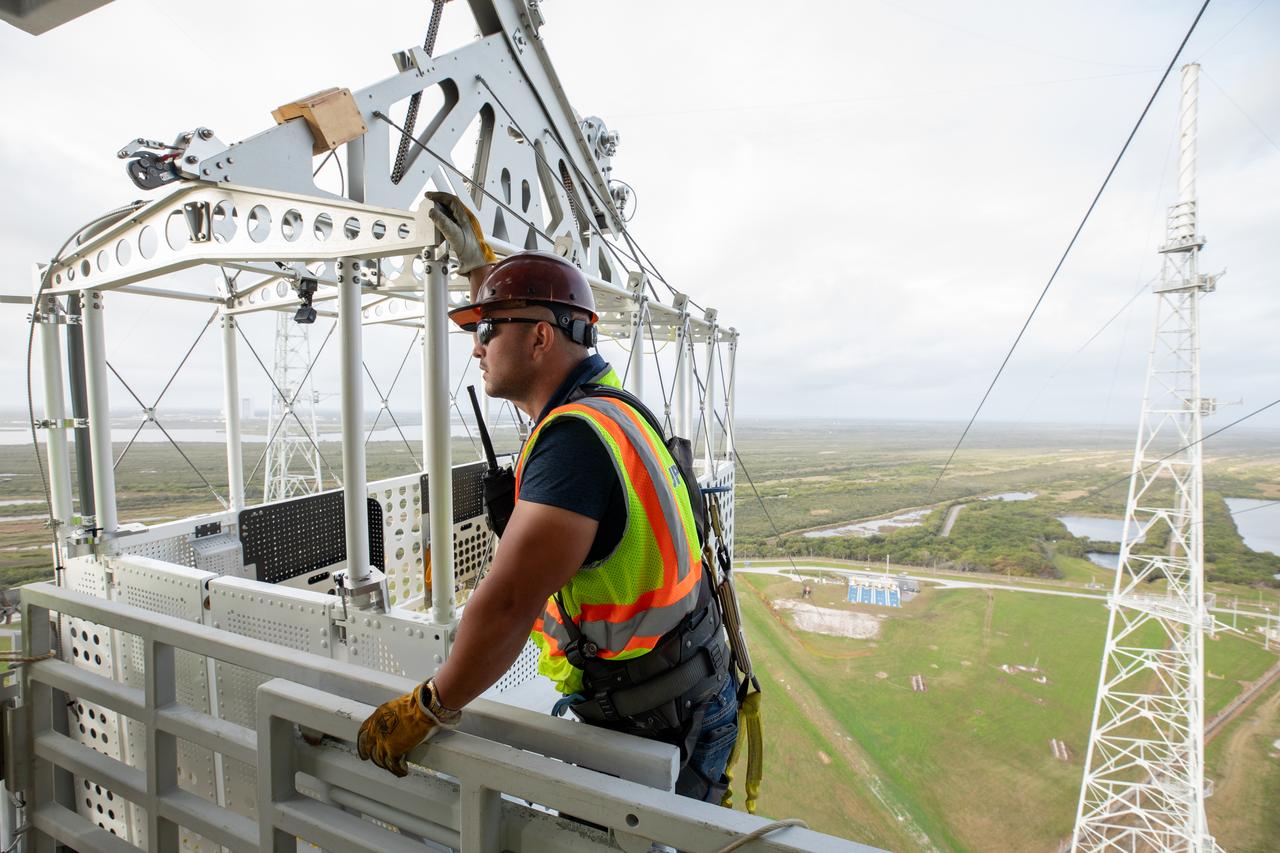
Teams with NASA’s Exploration Ground Systems Program, in preparation for the agency’s Artemis II crewed mission to the Moon, begin installing the first of four emergency egress baskets on the mobile launcher at Launch Complex 39B at the agency’s Kennedy Space Center in Florida on Wednesday, Jan. 24, 2024. The baskets, similar to gondolas on ski lifts, are used in the case of a pad abort emergency to enable astronauts and other pad personnel a way to quickly escape away from the mobile launcher to the base of the pad and where waiting emergency transport vehicles will then drive them away.
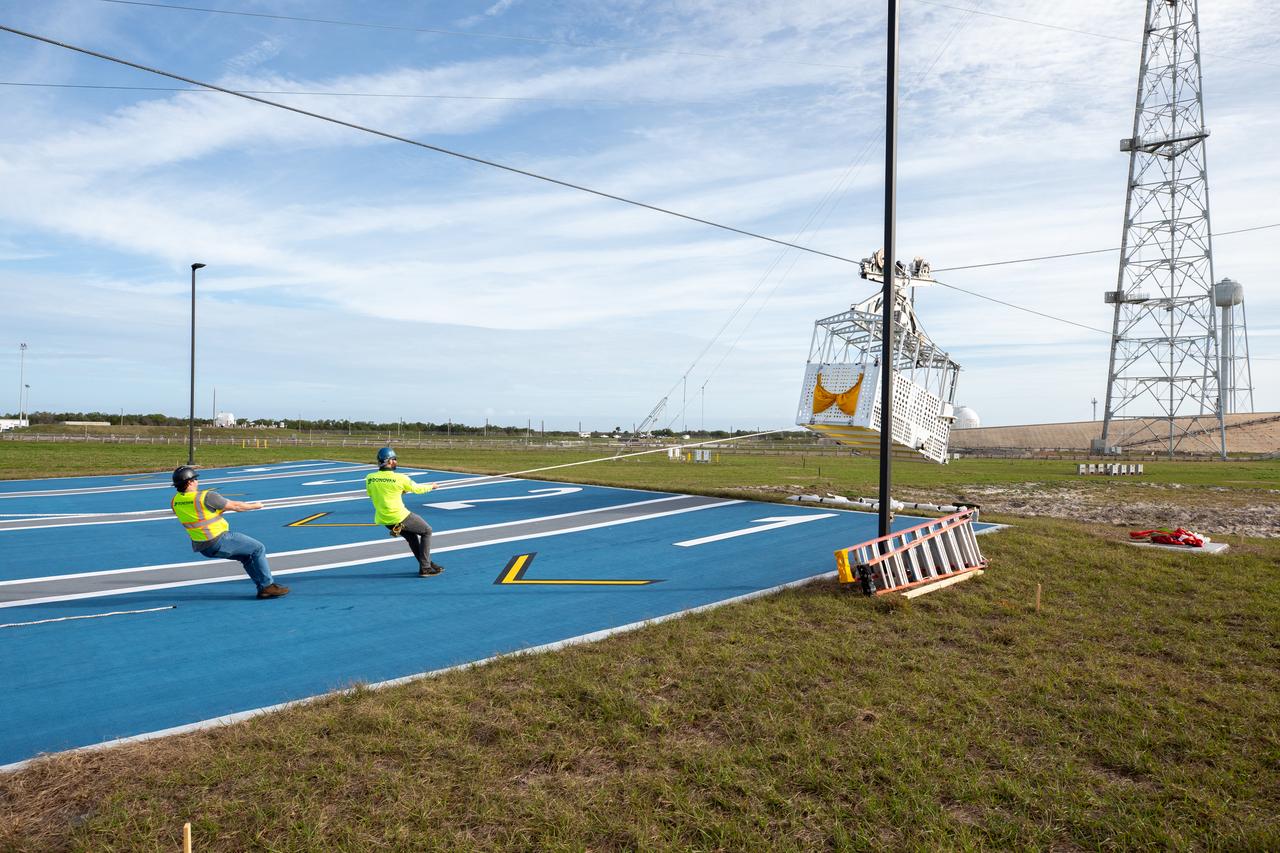
Teams with NASA’s Exploration Ground Systems Program, in preparation for the agency’s Artemis II crewed mission to the Moon, begin installing the first of four emergency egress baskets on the mobile launcher at Launch Complex 39B at the agency’s Kennedy Space Center in Florida on Wednesday, Jan. 24, 2024. The baskets, similar to gondolas on ski lifts, are used in the case of a pad abort emergency to enable astronauts and other pad personnel a way to quickly escape away from the mobile launcher to the base of the pad and where waiting emergency transport vehicles will then drive them away.
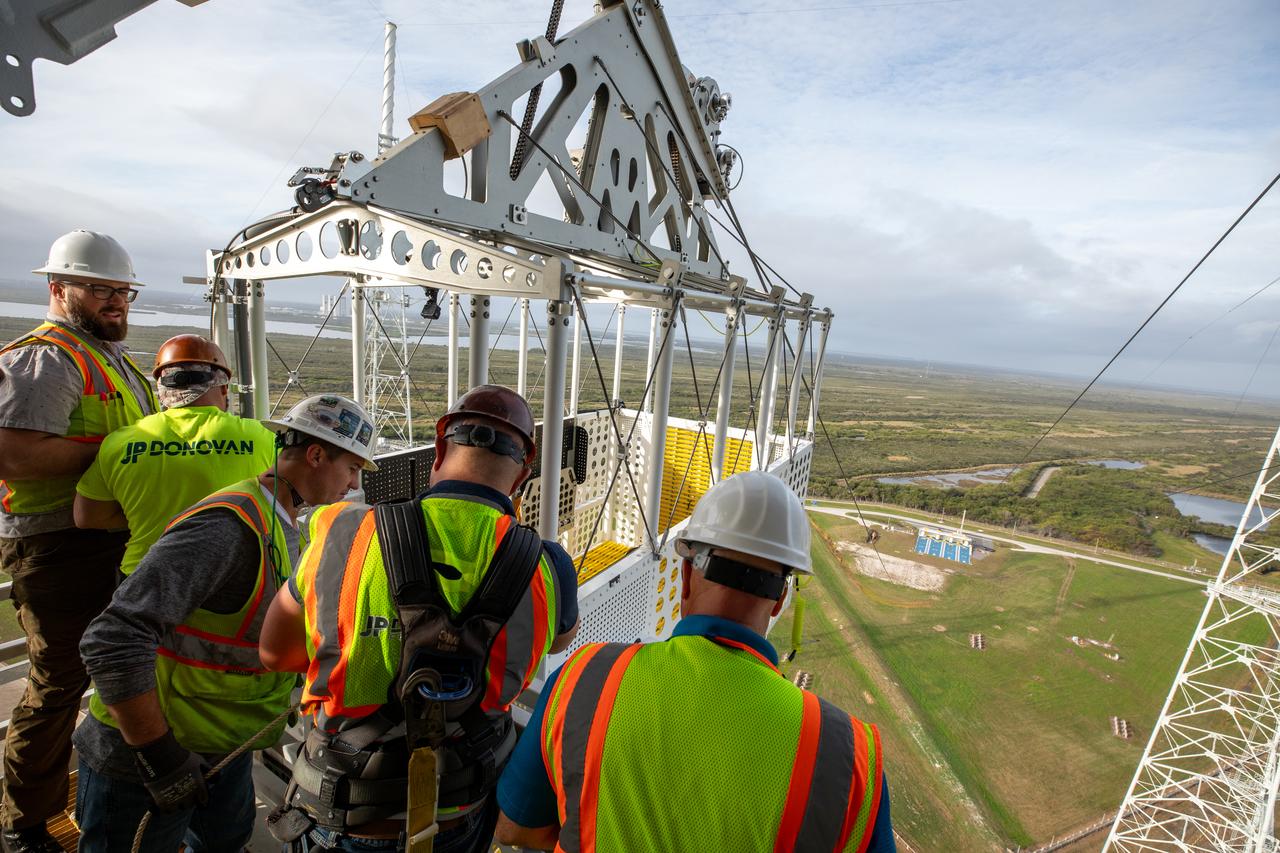
Teams with NASA’s Exploration Ground Systems Program, in preparation for the agency’s Artemis II crewed mission to the Moon, begin installing the first of four emergency egress baskets on the mobile launcher at Launch Complex 39B at the agency’s Kennedy Space Center in Florida on Wednesday, Jan. 24, 2024. The baskets, similar to gondolas on ski lifts, are used in the case of a pad abort emergency to enable astronauts and other pad personnel a way to quickly escape away from the mobile launcher to the base of the pad and where waiting emergency transport vehicles will then drive them away.

Teams with NASA’s Exploration Ground Systems Program, in preparation for the agency’s Artemis II crewed mission to the Moon, begin installing the first of four emergency egress baskets on the mobile launcher at Launch Complex 39B at the agency’s Kennedy Space Center in Florida on Wednesday, Jan. 24, 2024. The baskets, similar to gondolas on ski lifts, are used in the case of a pad abort emergency to enable astronauts and other pad personnel a way to quickly escape away from the mobile launcher to the base of the pad and where waiting emergency transport vehicles will then drive them away.
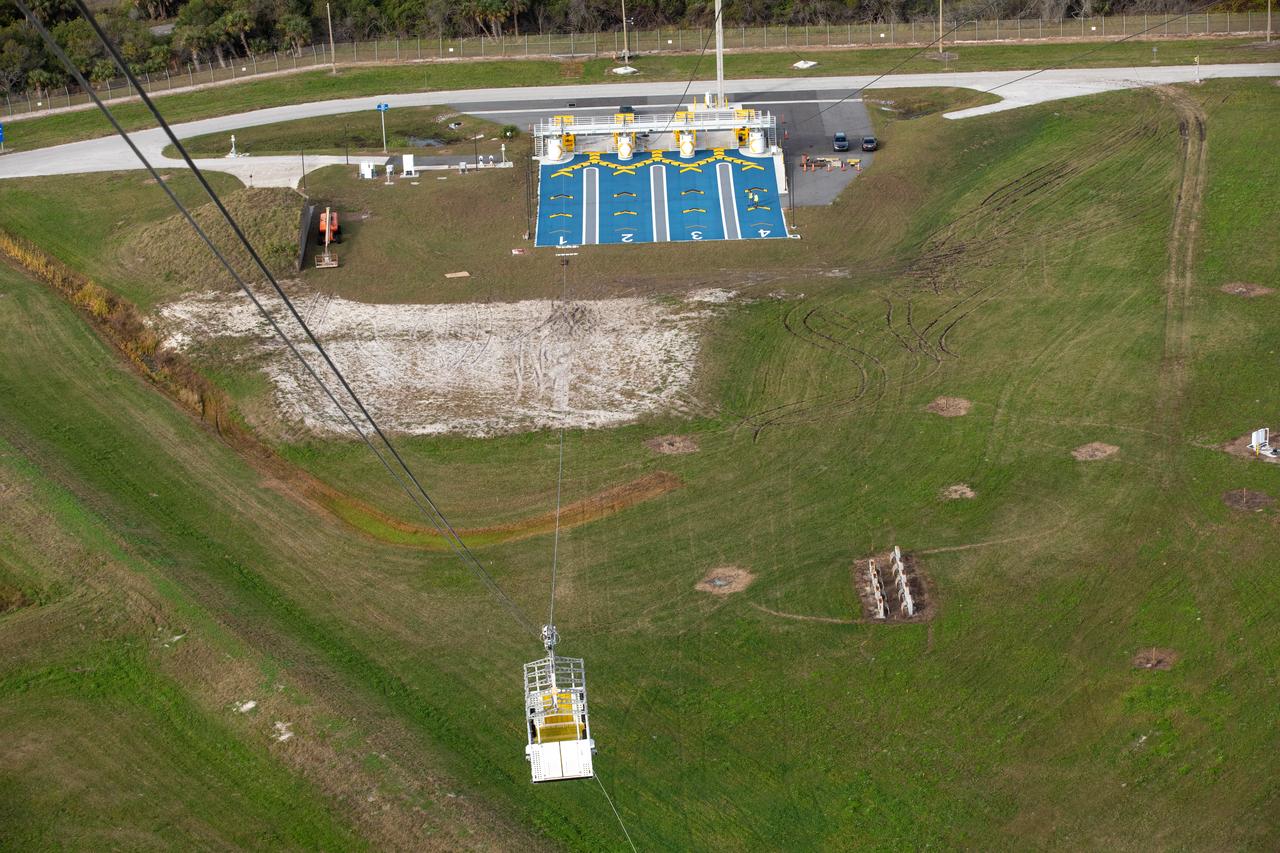
Teams with NASA’s Exploration Ground Systems Program, in preparation for the agency’s Artemis II crewed mission to the Moon, begin installing the first of four emergency egress baskets on the mobile launcher at Launch Complex 39B at the agency’s Kennedy Space Center in Florida on Wednesday, Jan. 24, 2024. The baskets, similar to gondolas on ski lifts, are used in the case of a pad abort emergency to enable astronauts and other pad personnel a way to quickly escape away from the mobile launcher to the base of the pad and where waiting emergency transport vehicles will then drive them away.
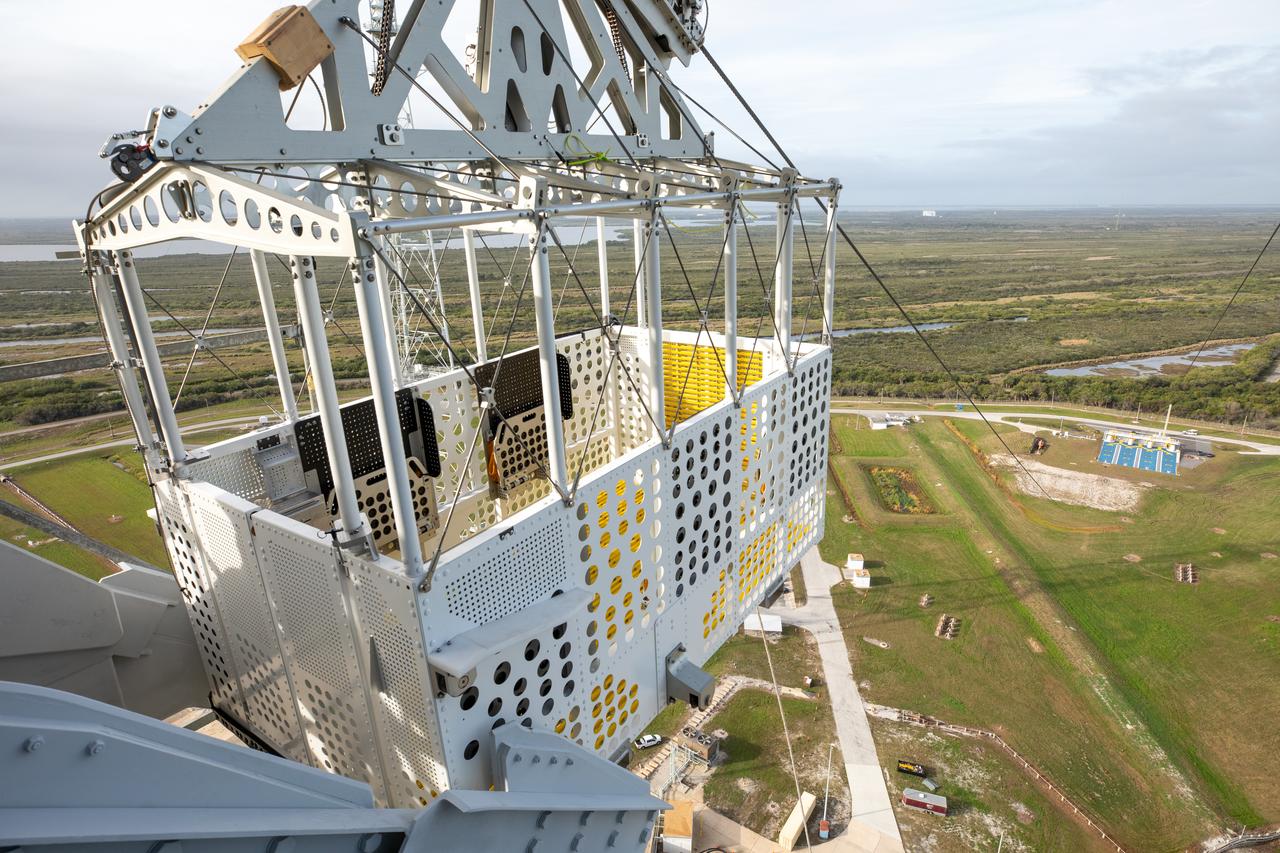
Teams with NASA’s Exploration Ground Systems Program, in preparation for the agency’s Artemis II crewed mission to the Moon, begin installing the first of four emergency egress baskets on the mobile launcher at Launch Complex 39B at the agency’s Kennedy Space Center in Florida on Wednesday, Jan. 24, 2024. The baskets, similar to gondolas on ski lifts, are used in the case of a pad abort emergency to enable astronauts and other pad personnel a way to quickly escape away from the mobile launcher to the base of the pad and where waiting emergency transport vehicles will then drive them away.
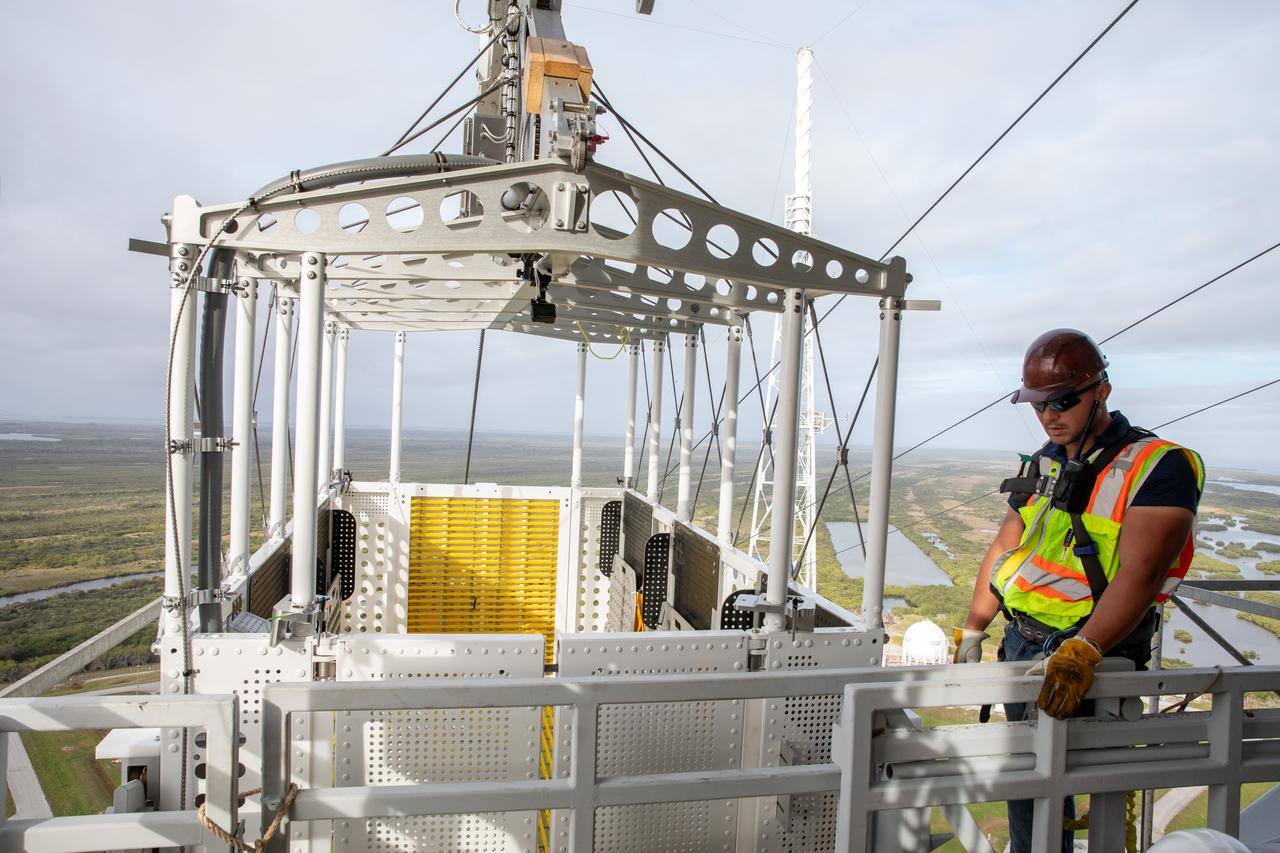
Teams with NASA’s Exploration Ground Systems Program, in preparation for the agency’s Artemis II crewed mission to the Moon, begin installing the first of four emergency egress baskets on the mobile launcher at Launch Complex 39B at the agency’s Kennedy Space Center in Florida on Wednesday, Jan. 24, 2024. The baskets, similar to gondolas on ski lifts, are used in the case of a pad abort emergency to enable astronauts and other pad personnel a way to quickly escape away from the mobile launcher to the base of the pad and where waiting emergency transport vehicles will then drive them away.

Engineers evaluate the Emergency Egress System as they ride in folding seats attached to slide wires at Space Launch Complex 41. United Launch Alliance and Boeing continue modifications to the pad in order to host missions by the Boeing CST-100 Starliner carrying astronauts and crew. The system recently completed its final test. In the unlikely event of an emergency prior to liftoff, each person on the Crew Access Tower would get into their own seat attached to the wire and slide more than 1,340 feet to a safe area. The wires are situated 172 feet above the pad deck on level 12 of the tower. The Starliner will launch on a ULA Atlas V on mission to low-Earth orbit including those flying astronauts to the International Space Station during missions by NASA's Commercial Crew Program.
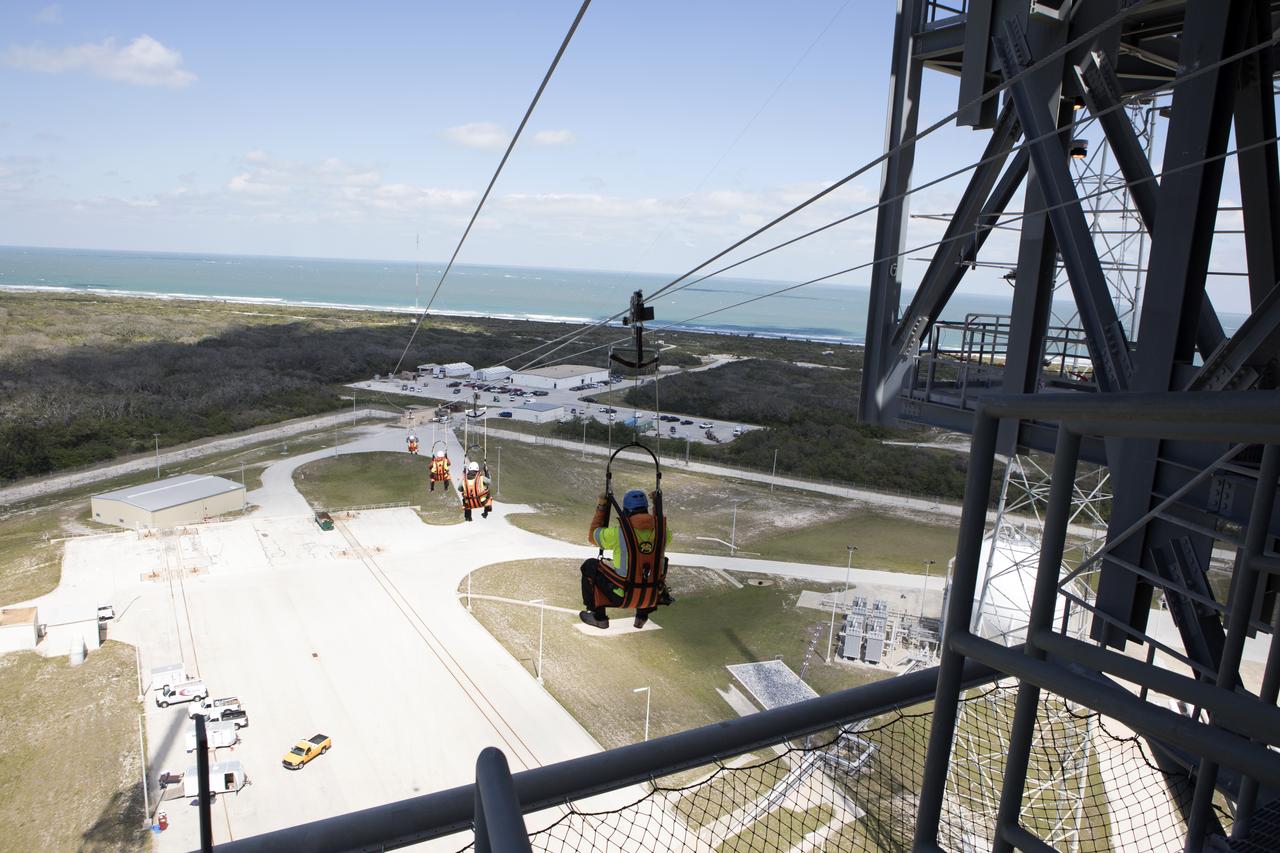
Engineers evaluate the Emergency Egress System as they ride in folding seats attached to slide wires at Space Launch Complex 41. United Launch Alliance and Boeing continue modifications to the pad in order to host missions by the Boeing CST-100 Starliner carrying astronauts and crew. The system recently completed its final test. In the unlikely event of an emergency prior to liftoff, each person on the Crew Access Tower would get into their own seat attached to the wire and slide more than 1,340 feet to a safe area. The wires are situated 172 feet above the pad deck on level 12 of the tower. The Starliner will launch on a ULA Atlas V on mission to low-Earth orbit including those flying astronauts to the International Space Station during missions by NASA's Commercial Crew Program.
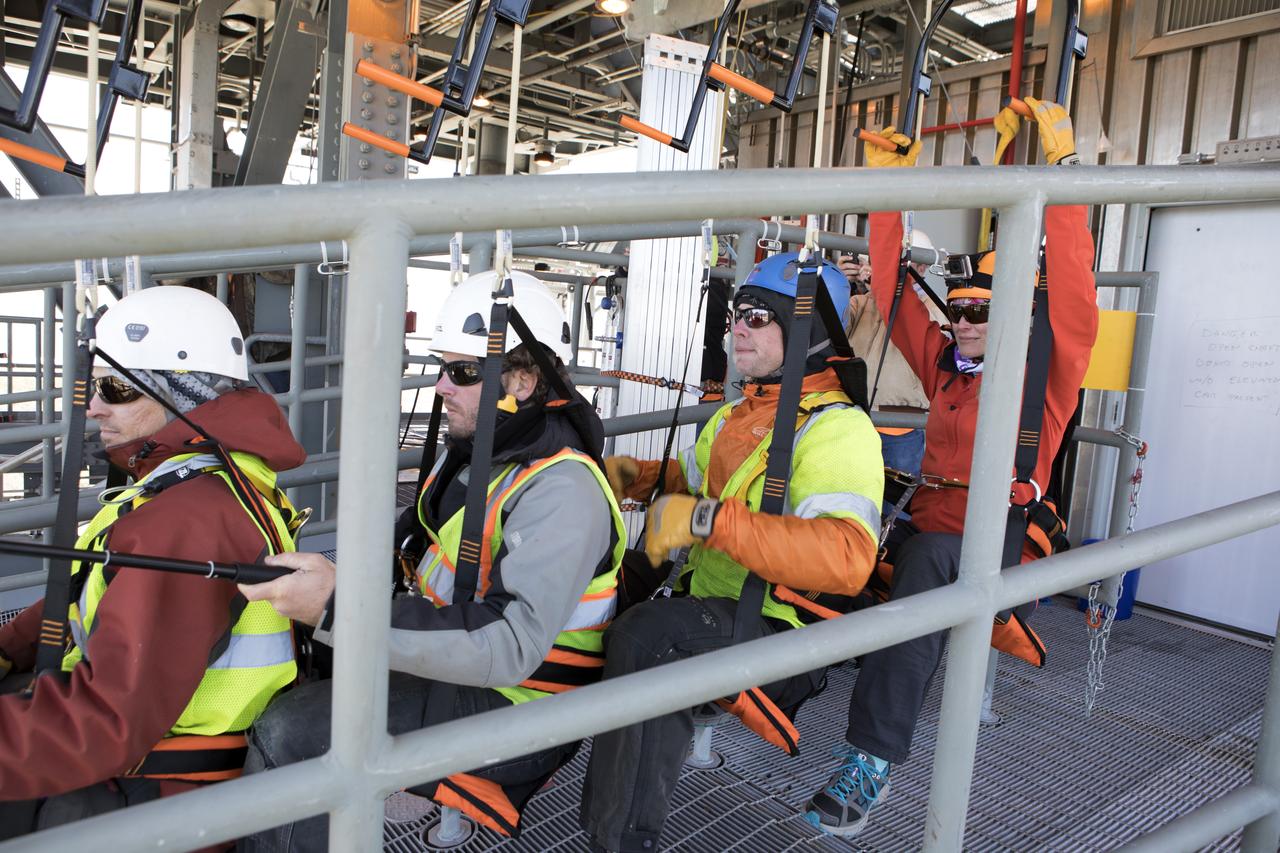
Engineers prepare to evaluate the Emergency Egress System as they ride in folding seats attached to slide wires at Space Launch Complex 41. United Launch Alliance and Boeing continue modifications to the pad in order to host missions by the Boeing CST-100 Starliner carrying astronauts and crew. The system recently completed its final test. In the unlikely event of an emergency prior to liftoff, each person on the Crew Access Tower would get into their own seat attached to the wire and slide more than 1,340 feet to a safe area. The wires are situated 172 feet above the pad deck on level 12 of the tower. The Starliner will launch on a ULA Atlas V on mission to low-Earth orbit including those flying astronauts to the International Space Station during missions by NASA's Commercial Crew Program.
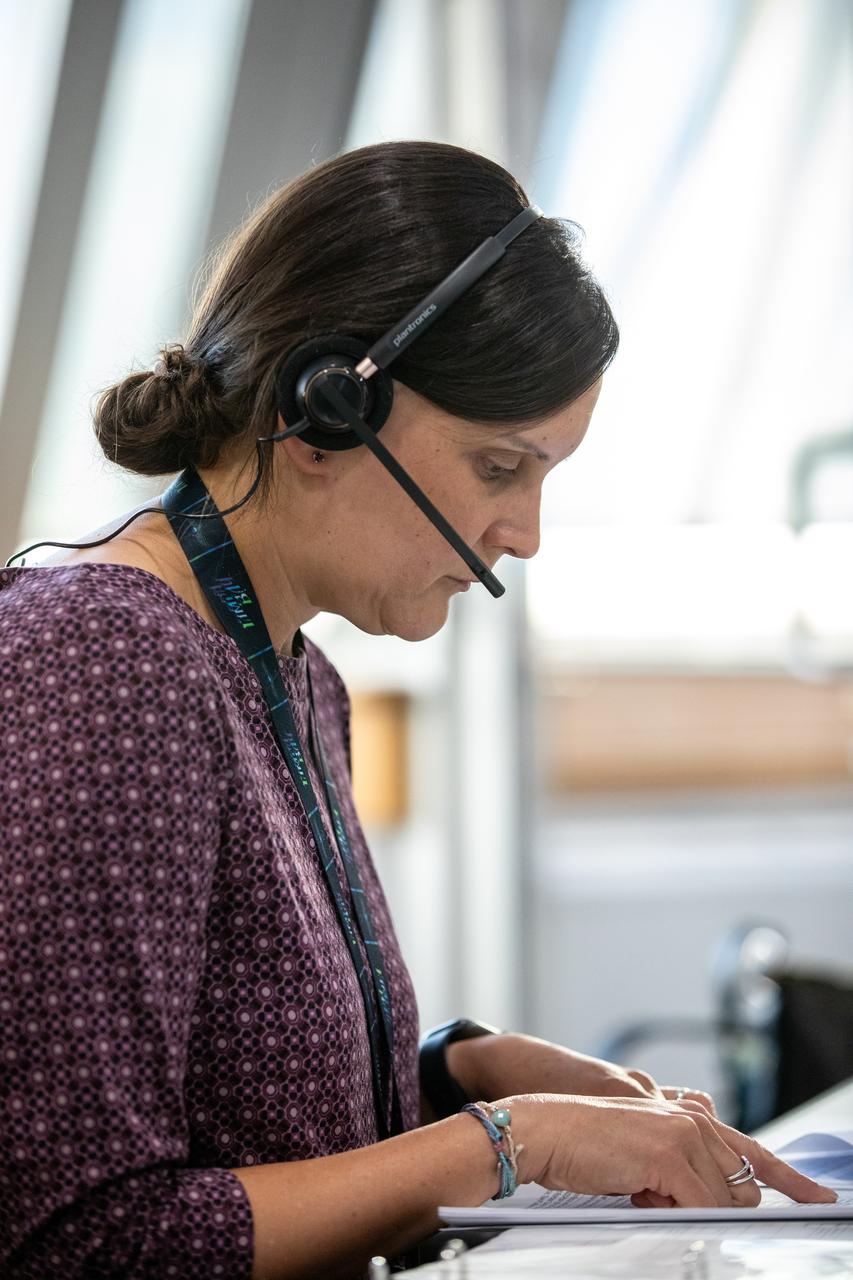
Exploration Ground Systems team members practice the Emergency Egress operations that will take place in an event of an emergency during launch countdown for the Artemis missions.

Teams at NASA’s Kennedy Space Center in Florida practice the Artemis mission emergency escape or egress procedures during a series of integrated system verification and validation tests at Launch Complex 39B on Friday, Aug. 9, 2024. Simulated flight crew members practice getting out of the emergency egress basket and into the emergency transport vehicle to drive them to safety in the event of an unlikely emergency during launch countdown.
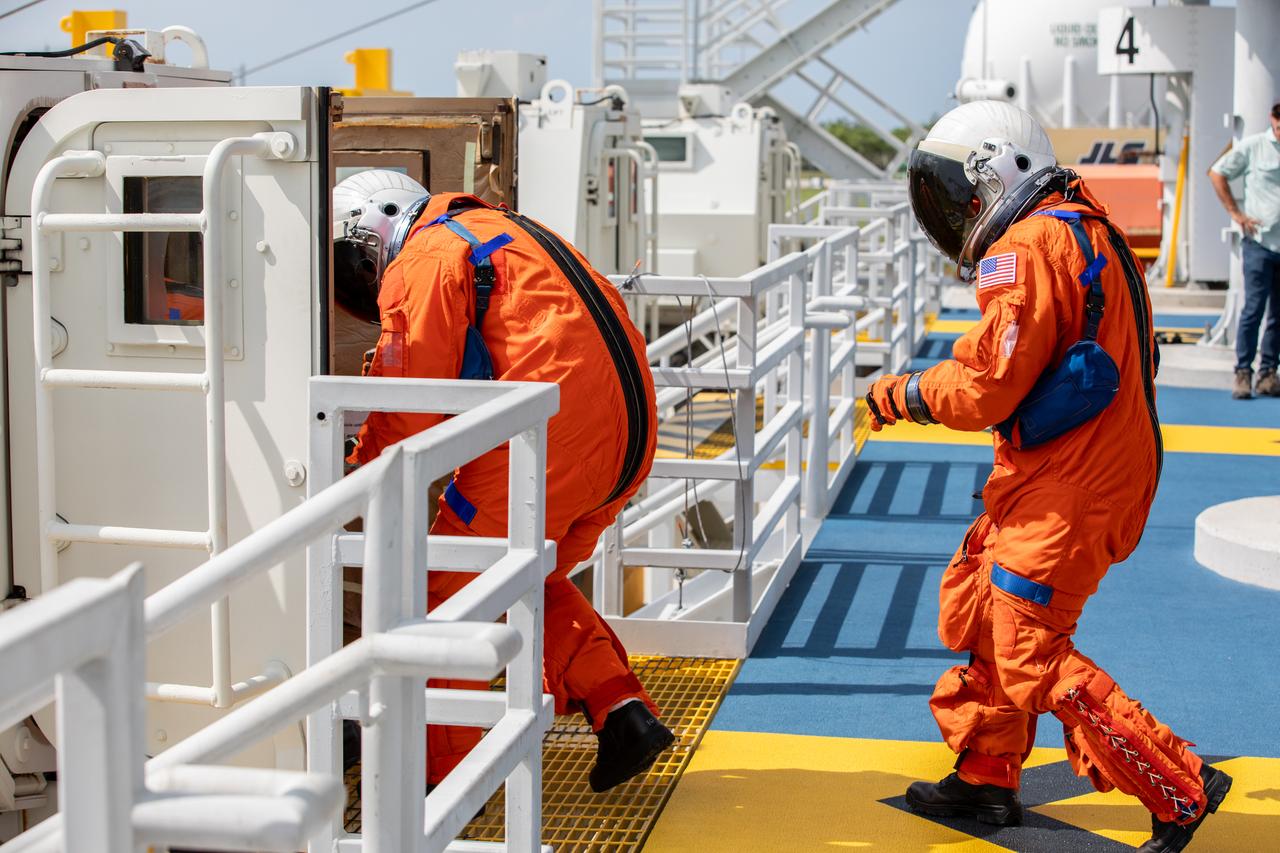
Teams at NASA’s Kennedy Space Center in Florida practice the Artemis mission emergency escape or egress procedures during a series of integrated system verification and validation tests at Launch Complex 39B on Friday, Aug. 9, 2024. Simulated flight crew members practice getting out of the emergency egress basket and into the emergency transport vehicle to drive them to safety in the event of an unlikely emergency during launch countdown.
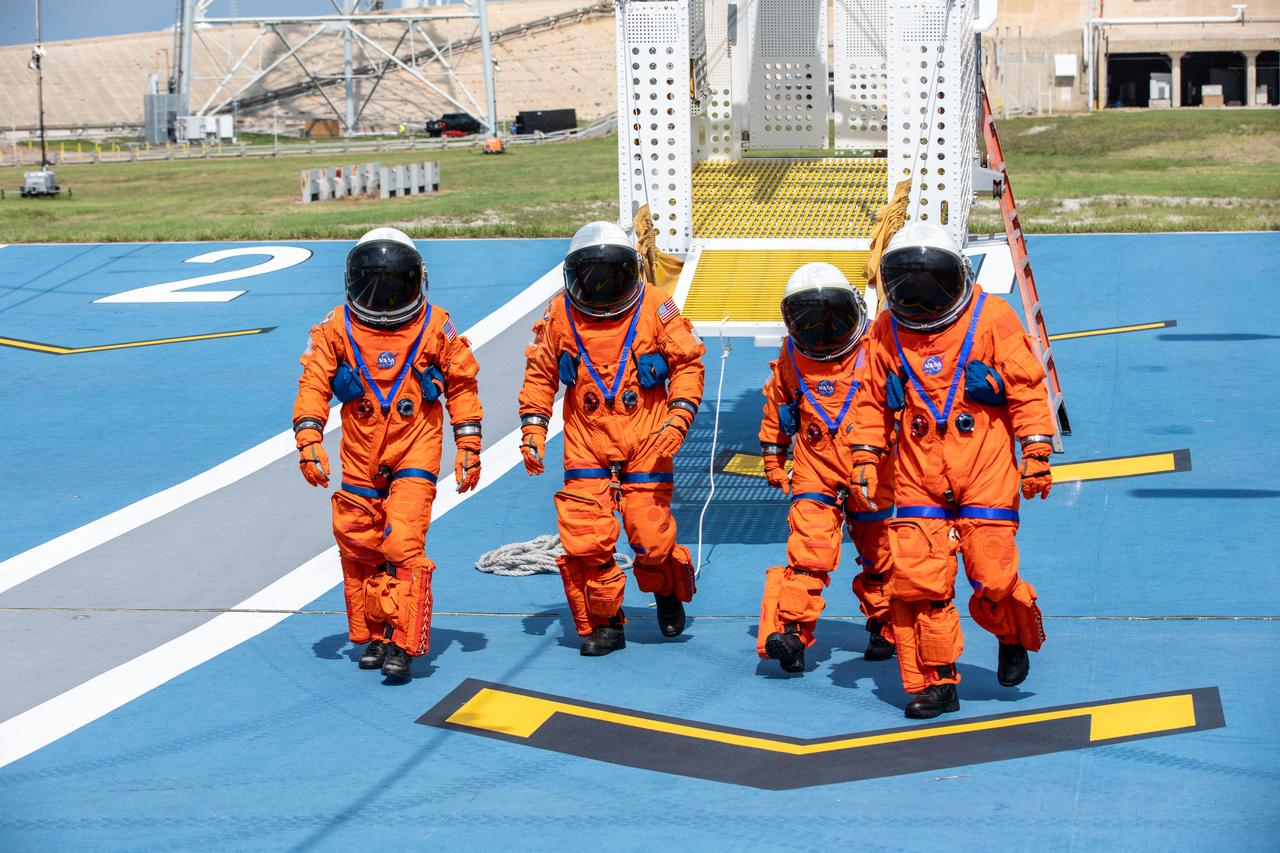
Teams at NASA’s Kennedy Space Center in Florida practice the Artemis mission emergency escape or egress procedures during a series of integrated system verification and validation tests at Launch Complex 39B on Friday, Aug. 9, 2024. Simulated flight crew members practice getting out of the emergency egress basket and into the emergency transport vehicle to drive them to safety in the event of an unlikely emergency during launch countdown.
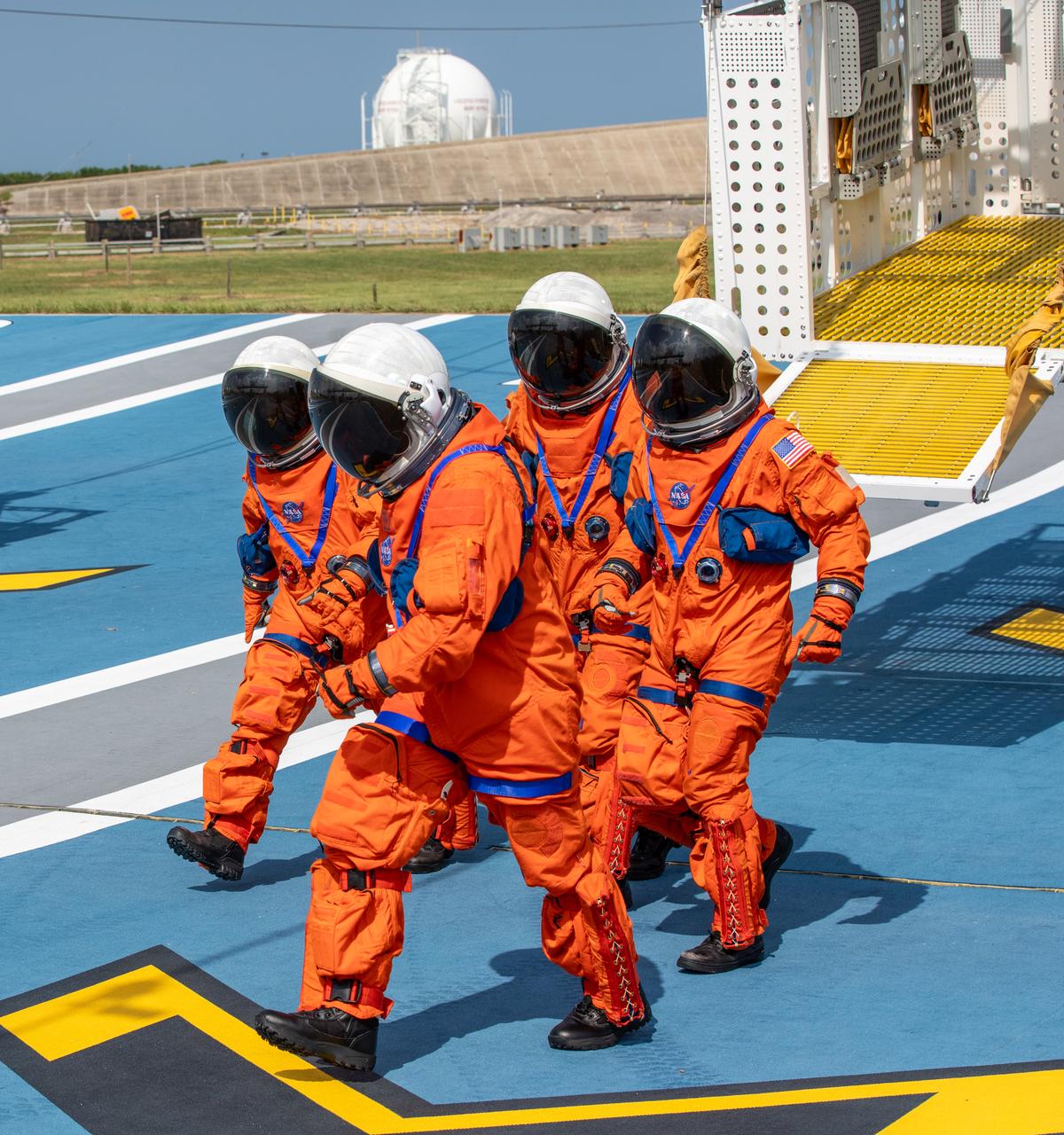
Teams at NASA’s Kennedy Space Center in Florida practice the Artemis mission emergency escape or egress procedures during a series of integrated system verification and validation tests at Launch Complex 39B on Friday, Aug. 9, 2024. Simulated flight crew members practice getting out of the emergency egress basket and into the emergency transport vehicle to drive them to safety in the event of an unlikely emergency during launch countdown.

Teams at NASA’s Kennedy Space Center in Florida practice the Artemis mission emergency escape or egress procedures during a series of integrated system verification and validation tests at Launch Complex 39B on Friday, Aug. 9, 2024. Simulated flight crew members practice getting out of the emergency egress basket and into the emergency transport vehicle to drive them to safety in the event of an unlikely emergency during launch countdown.
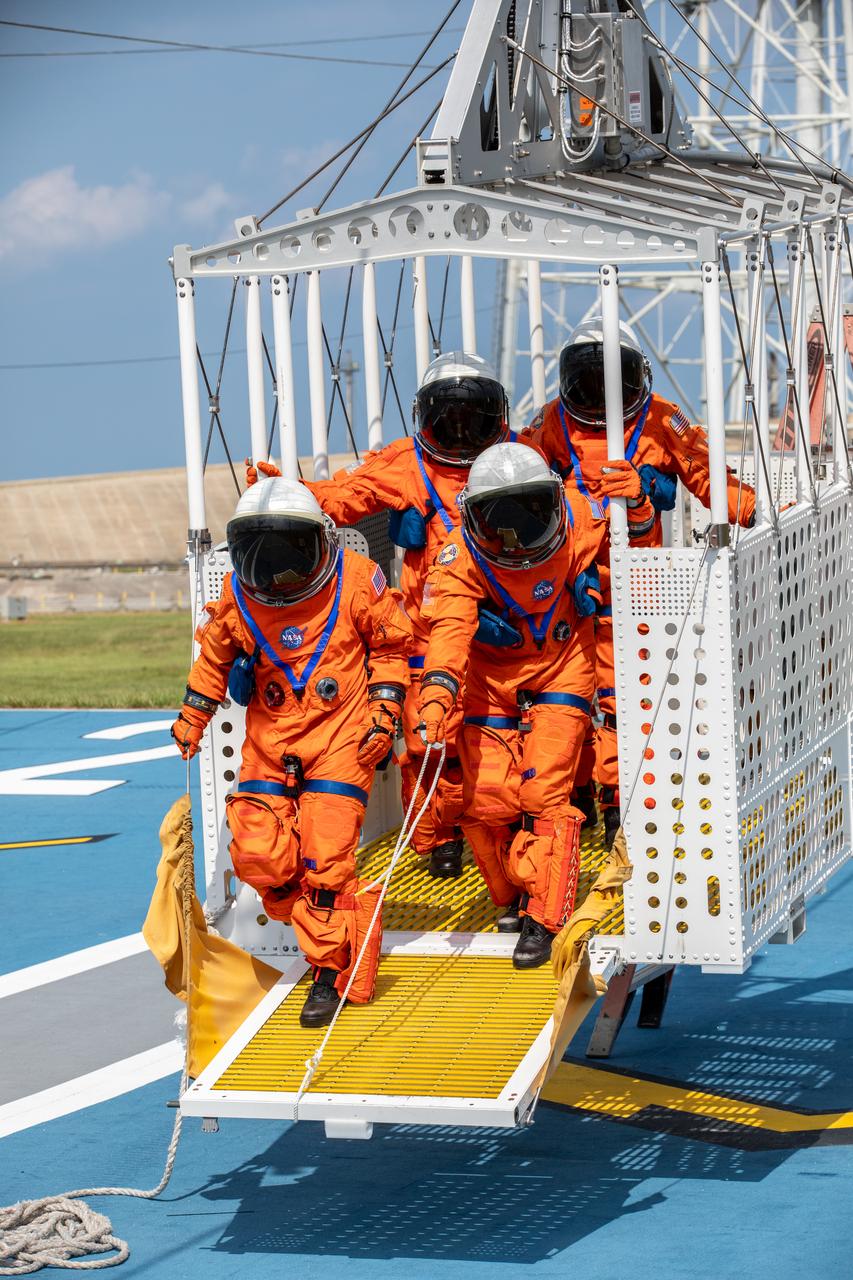
Teams at NASA’s Kennedy Space Center in Florida practice the Artemis mission emergency escape or egress procedures during a series of integrated system verification and validation tests at Launch Complex 39B on Friday, Aug. 9, 2024. Simulated flight crew members practice getting out of the emergency egress basket and into the emergency transport vehicle to drive them to safety in the event of an unlikely emergency during launch countdown.
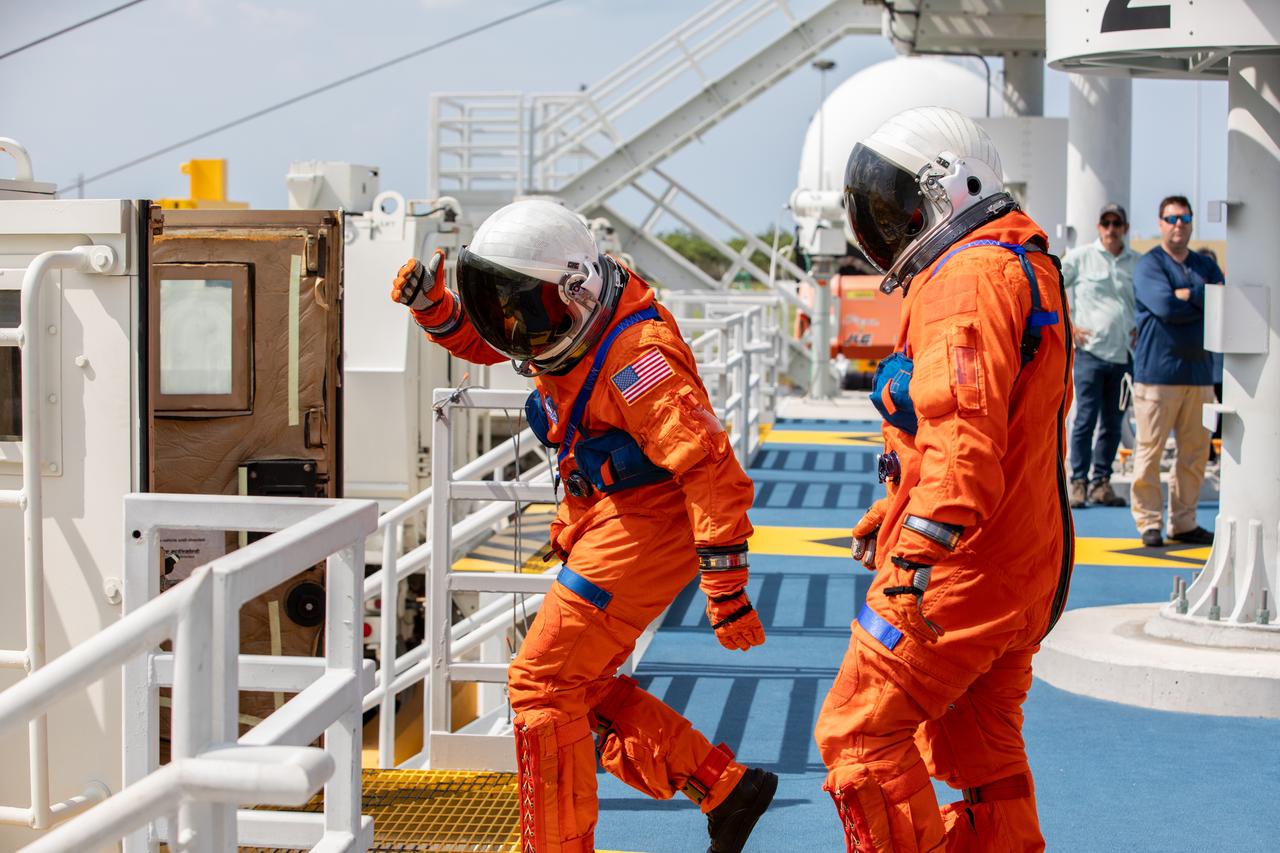
Teams at NASA’s Kennedy Space Center in Florida practice the Artemis mission emergency escape or egress procedures during a series of integrated system verification and validation tests at Launch Complex 39B on Friday, Aug. 9, 2024. Simulated flight crew members practice getting out of the emergency egress basket and into the emergency transport vehicle to drive them to safety in the event of an unlikely emergency during launch countdown.
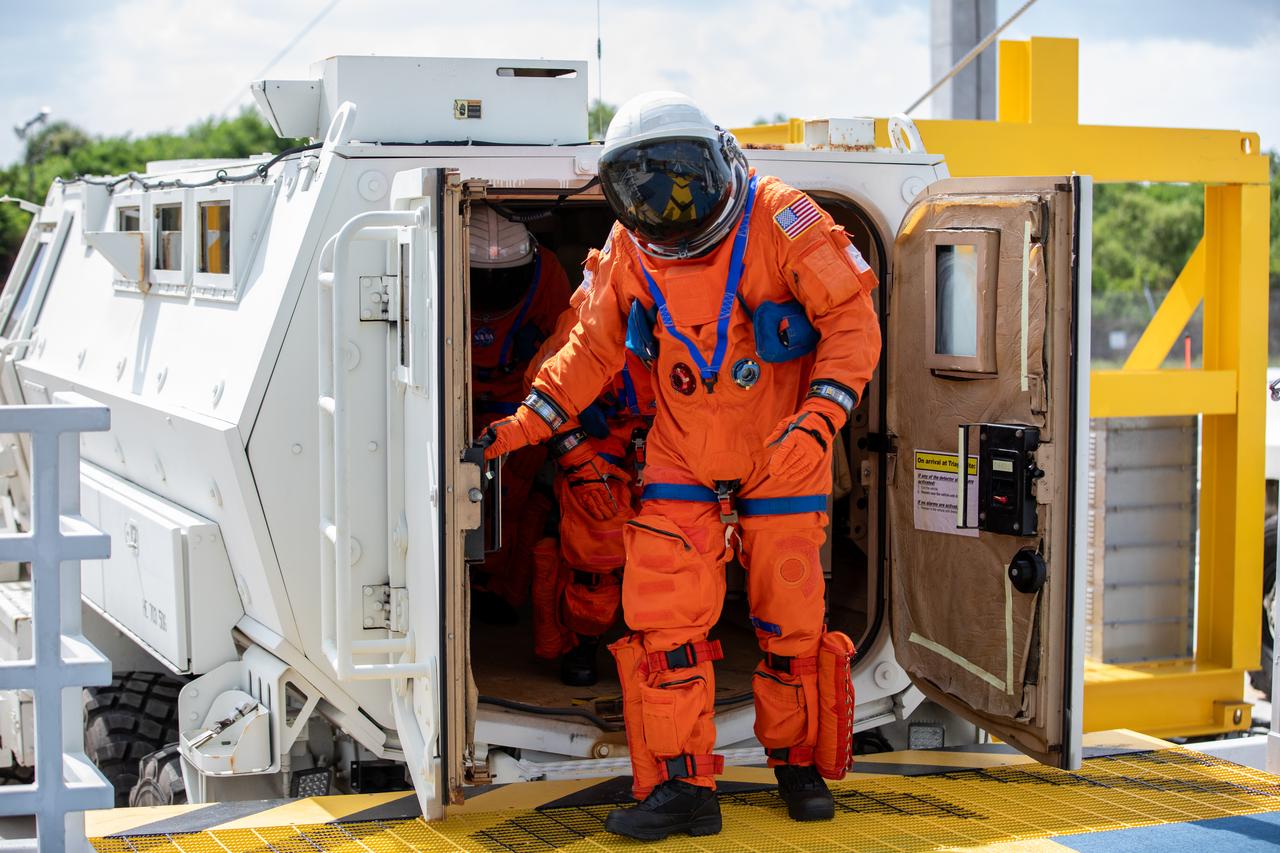
Teams at NASA’s Kennedy Space Center in Florida practice the Artemis mission emergency escape or egress procedures during a series of integrated system verification and validation tests at Launch Complex 39B on Friday, Aug. 9, 2024. Simulated flight crew members practice getting out of the emergency egress basket and into the emergency transport vehicle to drive them to safety in the event of an unlikely emergency during launch countdown.
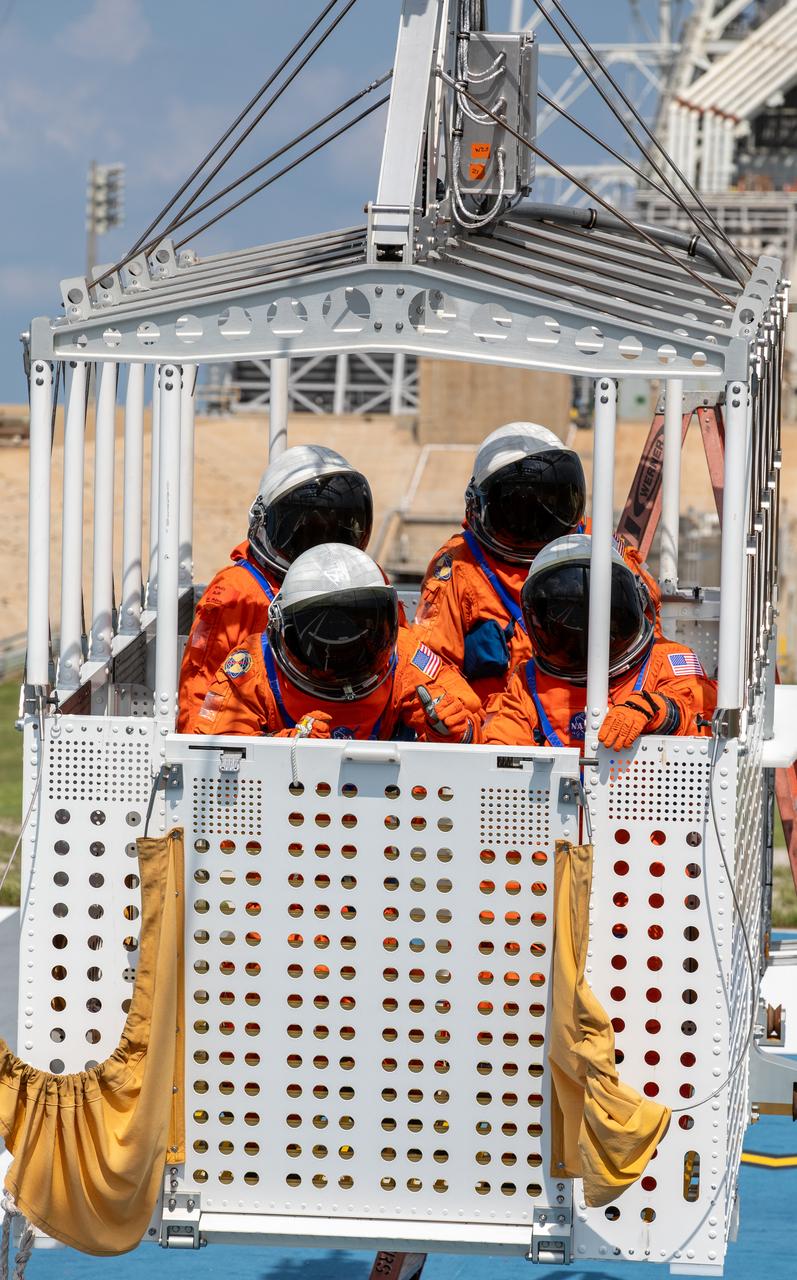
Teams at NASA’s Kennedy Space Center in Florida practice the Artemis mission emergency escape or egress procedures during a series of integrated system verification and validation tests at Launch Complex 39B on Friday, Aug. 9, 2024. Simulated flight crew members practice getting out of the emergency egress basket and into the emergency transport vehicle to drive them to safety in the event of an unlikely emergency during launch countdown.

Mariner 9 views Canyon System emerging from Martian Dust Storm
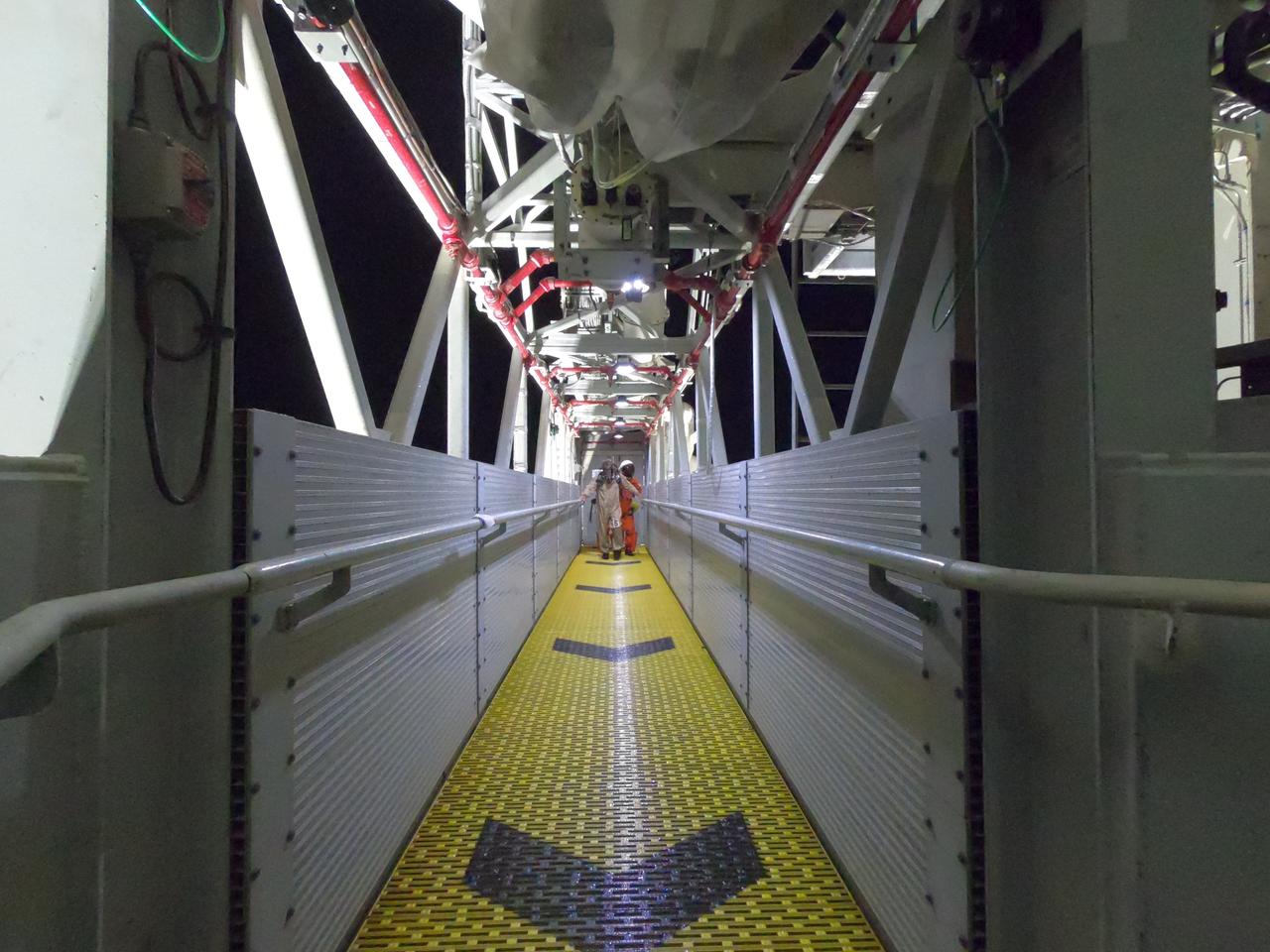
Teams at NASA’s Kennedy Space Center in Florida practice the Artemis mission emergency escape or egress procedures during a series of integrated system verification and validation tests at Launch Pad 39B on Tuesday, Aug. 13, 2024. Members of the closeout crew, pad rescue team, and the Exploration Ground Systems Program – who also suited up as astronauts – practiced the process of getting inside and out of the emergency egress baskets. While the crew and other personnel will ride the emergency egress baskets to the terminus area in a real emergency, no one rode the baskets for this test. Instead, teams tested the baskets during separate occasions by using water tanks filled to different levels to replicate simulate the weight of passengers.
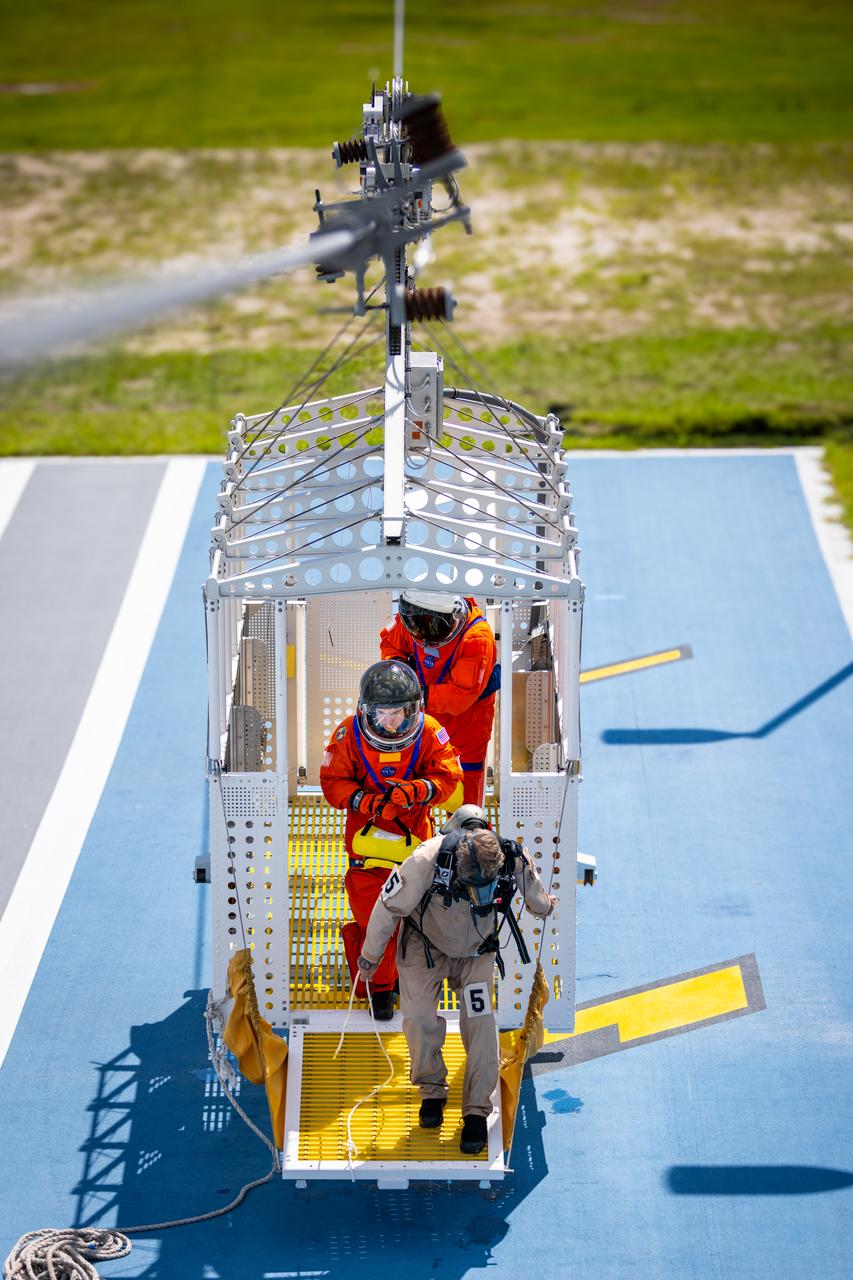
Teams at NASA’s Kennedy Space Center in Florida practice the Artemis mission emergency escape or egress procedures during a series of integrated system verification and validation tests at Launch Pad 39B on Monday, Aug. 12, 2024. Members of the closeout crew, pad rescue team and the Exploration Ground Systems Program practiced the process of getting inside and out of the emergency egress baskets. While the crew and other personnel will ride the emergency egress baskets to the terminus area in a real emergency, no one rode the baskets for this test. Instead, teams tested the baskets during separate occasions by using water tanks filled to different levels to replicate simulate the weight of passengers.
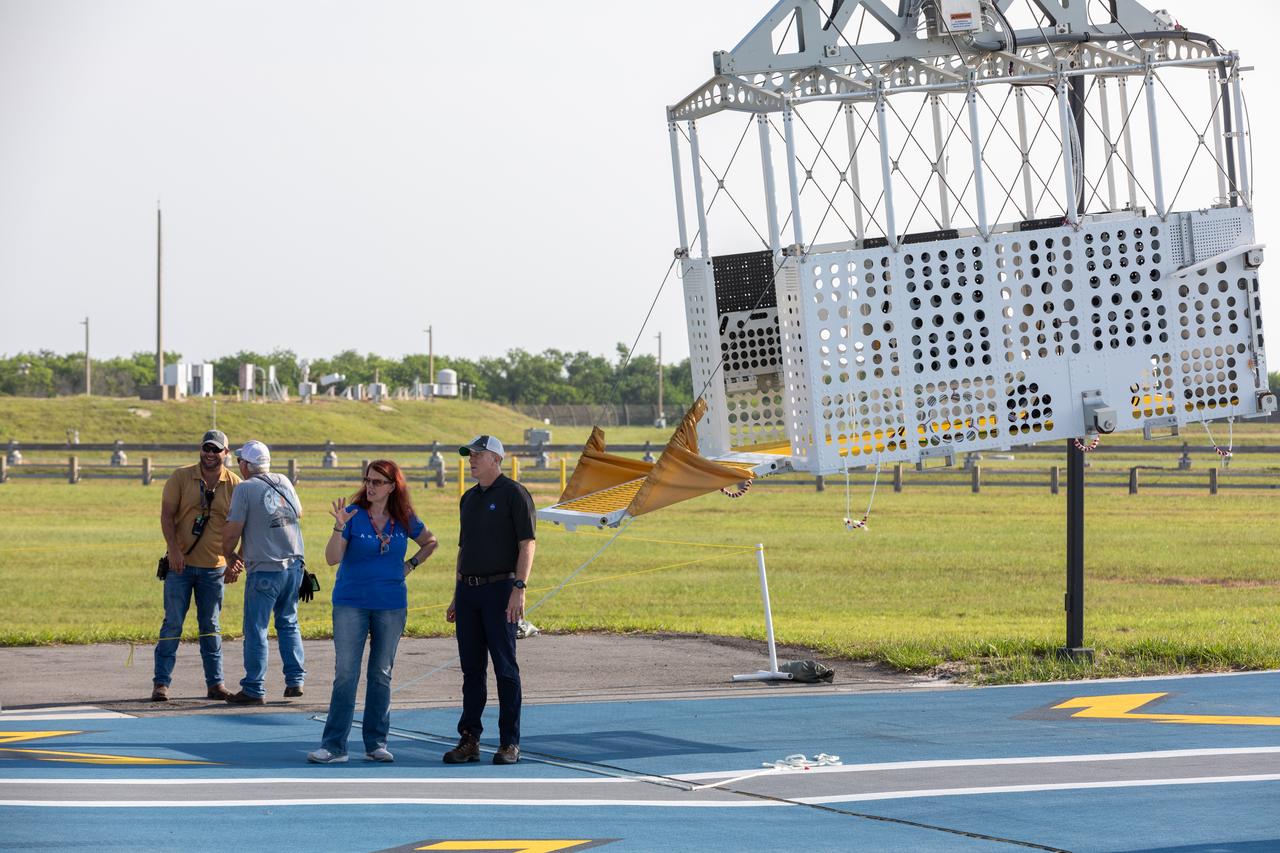
Teams at NASA’s Kennedy Space Center in Florida practice the Artemis mission emergency procedures during a series of integrated system verification and validation tests at Launch Pad 39B on Friday, Aug. 9, 2024. Members of the closeout crew, pad rescue team, and the Exploration Ground Systems Program practiced the process of getting inside and out of the emergency egress baskets. While the crew and other personnel will ride the emergency egress baskets to the terminus area in a real emergency, no one rode the baskets for this test. Instead, teams tested the baskets during separate occasions by using water tanks filled to different levels to replicate simulate the weight of passengers.
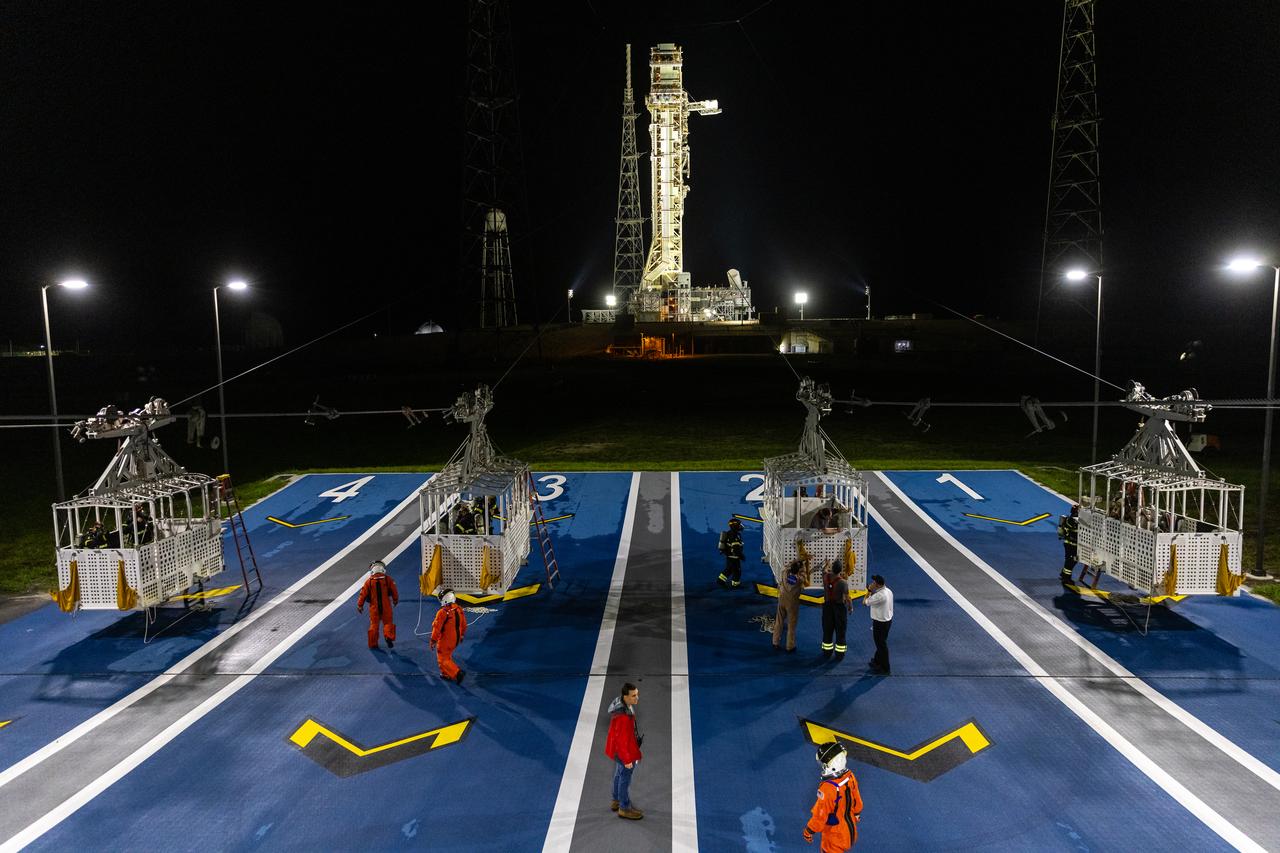
Teams at NASA’s Kennedy Space Center in Florida practice the Artemis mission emergency escape or egress procedures during a series of integrated system verification and validation tests at Launch Pad 39B on Tuesday, Aug. 13, 2024. Members of the closeout crew, pad rescue team and the Exploration Ground Systems Program practiced the process of getting inside and out of the emergency egress baskets. While the crew and other personnel will ride the emergency egress baskets to the terminus area in a real emergency, no one rode the baskets for this test. Instead, teams tested the baskets during separate occasions by using water tanks filled to different levels to replicate simulate the weight of passengers.

Teams at NASA’s Kennedy Space Center in Florida practice the Artemis mission emergency escape or egress procedures during a series of integrated system verification and validation tests at Launch Pad 39B on Monday, Aug. 12, 2024. Members of the closeout crew, pad rescue team and the Exploration Ground Systems Program practiced the process of getting inside and out of the emergency egress baskets. While the crew and other personnel will ride the emergency egress baskets to the terminus area in a real emergency, no one rode the baskets for this test. Instead, teams tested the baskets during separate occasions by using water tanks filled to different levels to replicate simulate the weight of passengers.
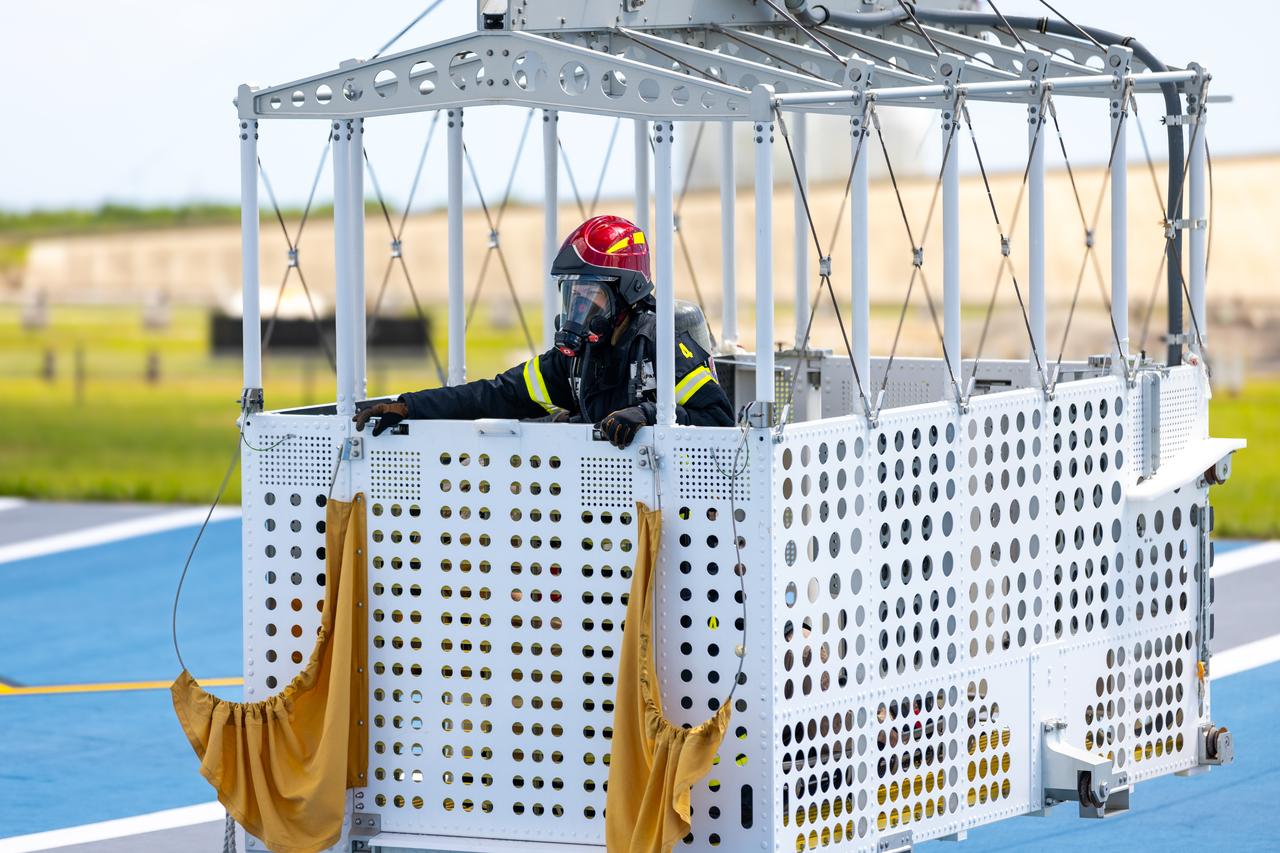
Teams at NASA’s Kennedy Space Center in Florida practice the Artemis mission emergency escape or egress procedures during a series of integrated system verification and validation tests at Launch Pad 39B on Monday, Aug. 12, 2024. Members of the closeout crew, pad rescue team and the Exploration Ground Systems Program practiced the process of getting inside and out of the emergency egress baskets. While the crew and other personnel will ride the emergency egress baskets to the terminus area in a real emergency, no one rode the baskets for this test. Instead, teams tested the baskets during separate occasions by using water tanks filled to different levels to replicate simulate the weight of passengers.
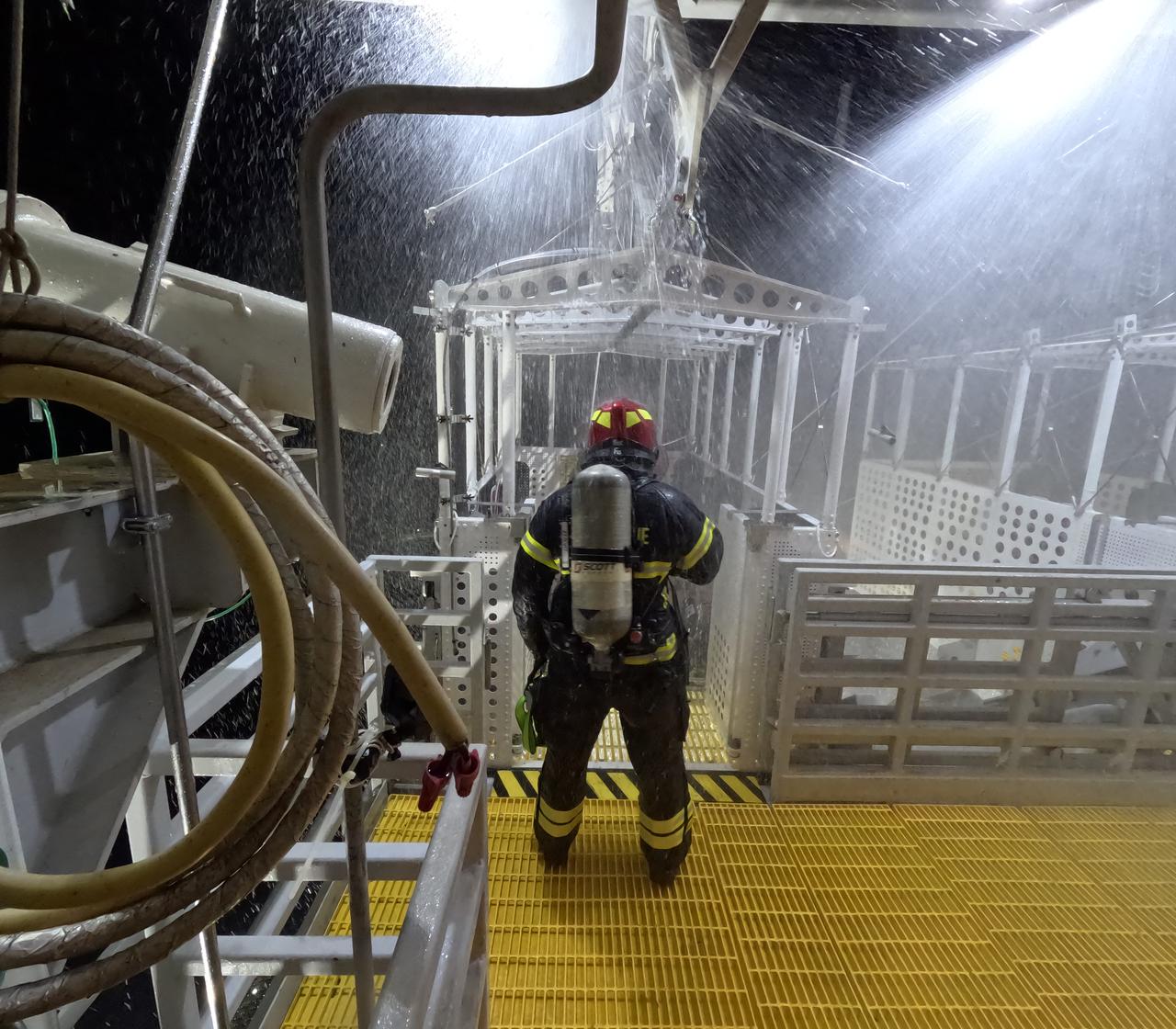
Teams at NASA’s Kennedy Space Center in Florida practice the Artemis mission emergency escape or egress procedures during a series of integrated system verification and validation tests at Launch Pad 39B on Tuesday, Aug. 13, 2024. Members of the closeout crew, pad rescue team, and the Exploration Ground Systems Program – who also suited up as astronauts – practiced the process of getting inside and out of the emergency egress baskets. While the crew and other personnel will ride the emergency egress baskets to the terminus area in a real emergency, no one rode the baskets for this test. Instead, teams tested the baskets during separate occasions by using water tanks filled to different levels to replicate simulate the weight of passengers.
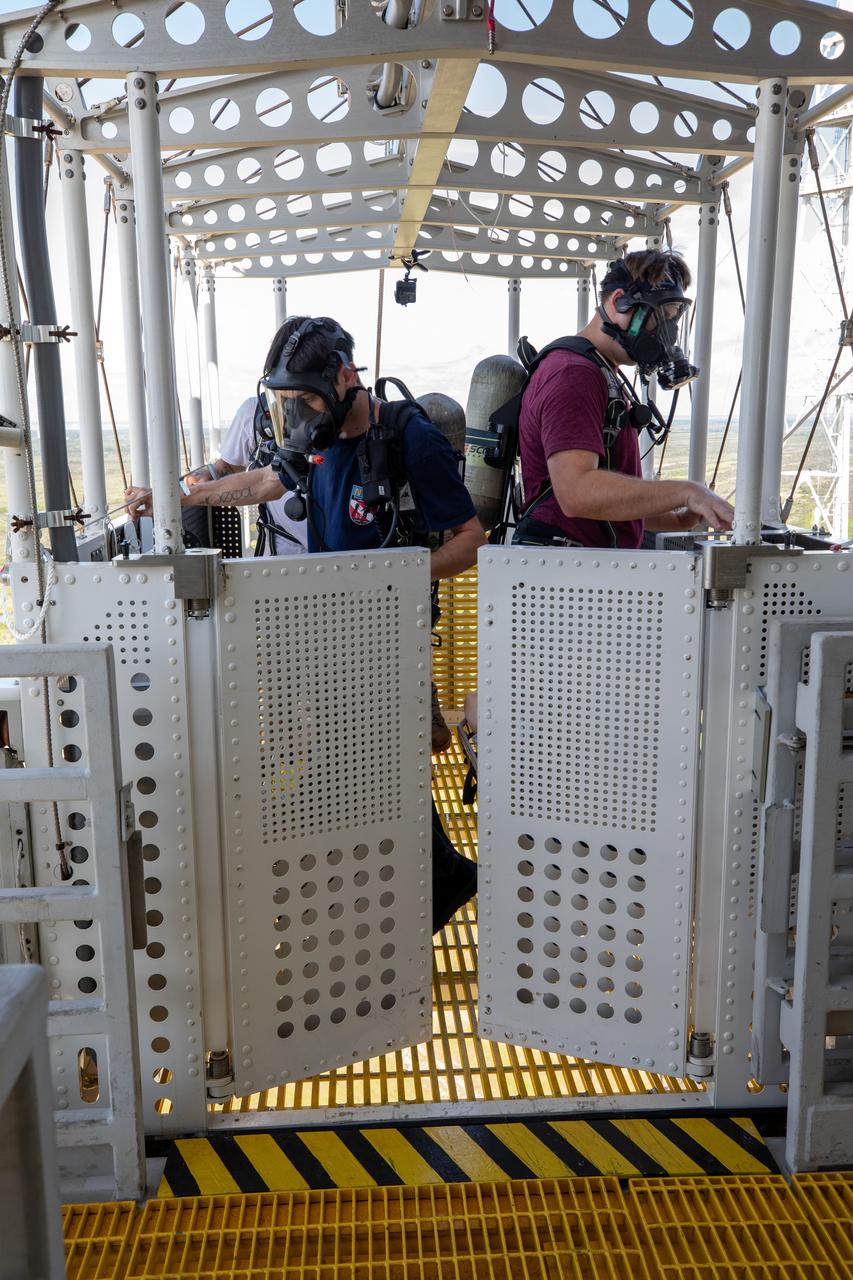
Teams at NASA’s Kennedy Space Center in Florida practice the Artemis mission emergency escape or egress procedures during a series of integrated system verification and validation tests at Launch Pad 39B on Sunday, Aug. 11, 2024. Members of the closeout crew, pad rescue team and the Exploration Ground Systems Program practiced the process of getting inside and out of the emergency egress baskets. While the crew and other personnel will ride the emergency egress baskets to the terminus area in a real emergency, no one rode the baskets for this test. Instead, teams tested the baskets during separate occasions by using water tanks filled to different levels to replicate simulate the weight of passengers.
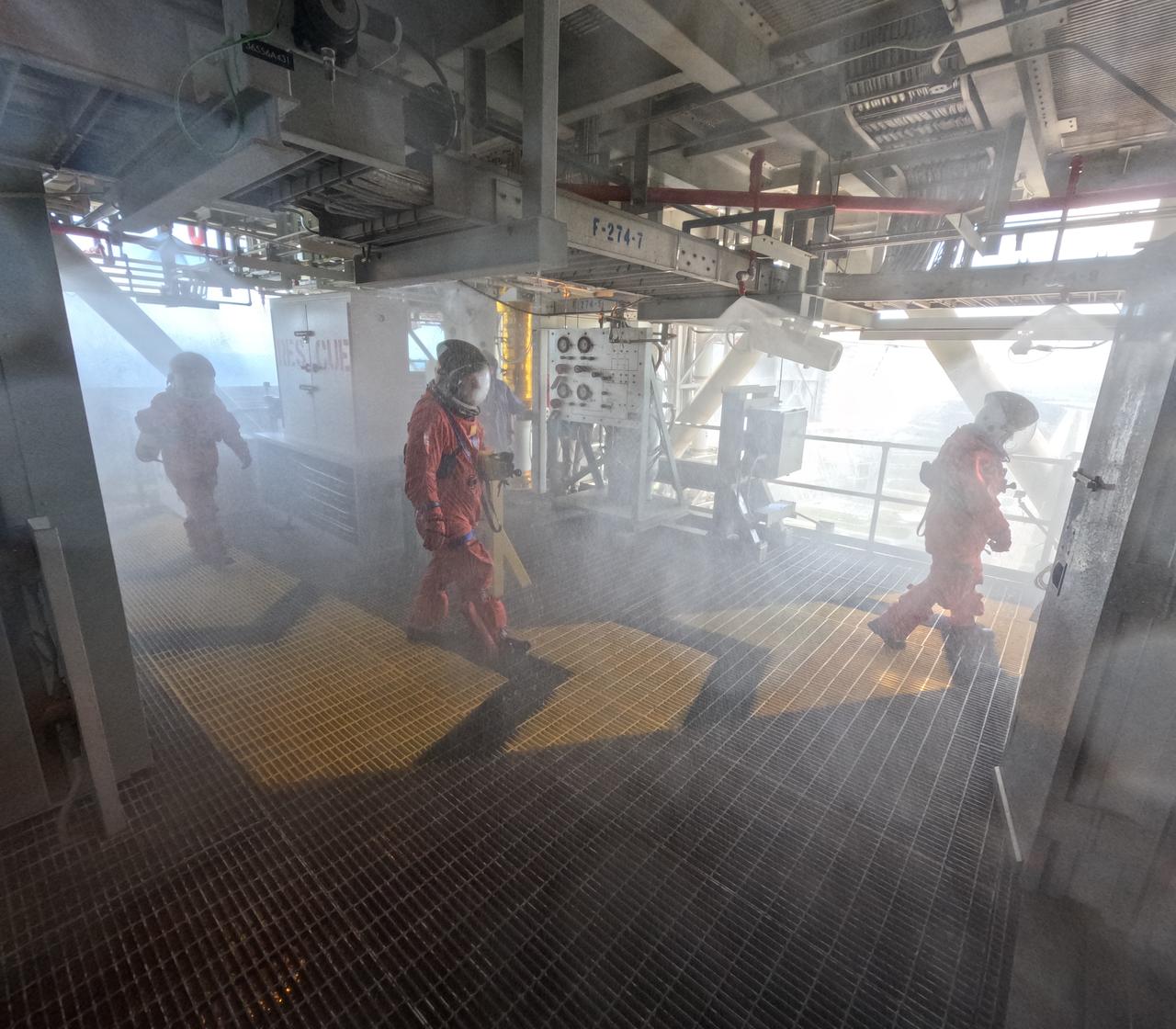
Teams at NASA’s Kennedy Space Center in Florida practice the Artemis mission emergency escape or egress procedures during a series of integrated system verification and validation tests at Launch Pad 39B on Sunday, Aug. 11, 2024. Members of the closeout crew, simulated flight crew, pad rescue team, and the Exploration Ground Systems Program practiced the process of getting inside and out of the emergency egress baskets. While the crew and other personnel will ride the emergency egress baskets to the terminus area in a real emergency, no one rode the baskets for this test. Instead, teams tested the baskets during separate occasions by using water tanks filled to different levels to replicate simulate the weight of passengers.
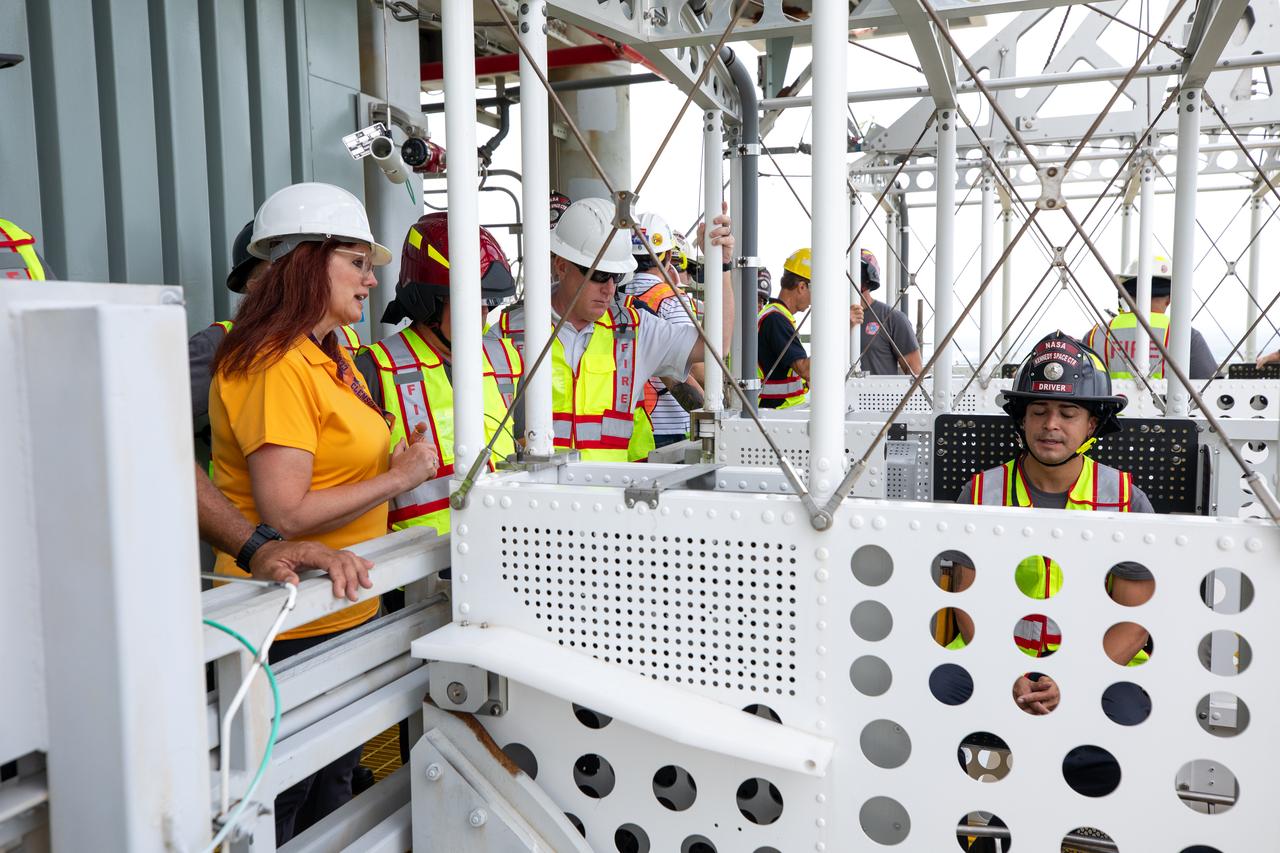
Teams with NASA’s Exploration Ground Systems Program, as well as NASA’s pad rescue team, conduct training inside the Artemis emergency egress baskets at Launch Pad 39B as part of the Artemis emergency egress demonstration training at the agency’s Kennedy Space Center in Florida on Thursday, Aug. 8, 2024. The baskets, similar to gondolas on ski lifts, are used in the case of a pad abort emergency to enable astronauts and other pad personnel a way to quickly escape away from the mobile launcher to the base of the pad and where waiting emergency transport vehicles will then drive them away.
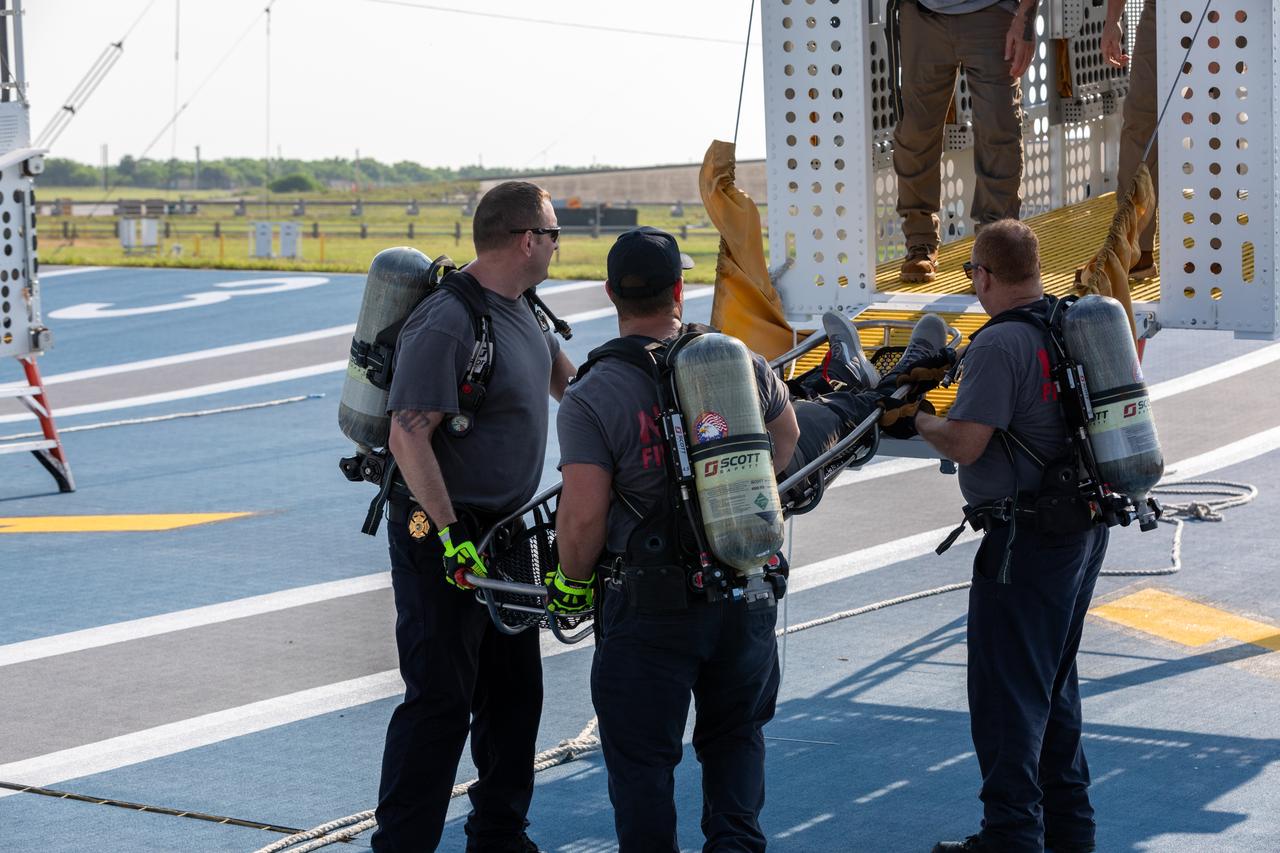
Teams at NASA’s Kennedy Space Center in Florida practice the Artemis mission emergency procedures during a series of integrated system verification and validation tests at Launch Pad 39B on Friday, Aug. 9, 2024. Members of the closeout crew, pad rescue team, and the Exploration Ground Systems Program practiced the process of getting inside and out of the emergency egress baskets. While the crew and other personnel will ride the emergency egress baskets to the terminus area in a real emergency, no one rode the baskets for this test. Instead, teams tested the baskets during separate occasions by using water tanks filled to different levels to replicate simulate the weight of passengers.
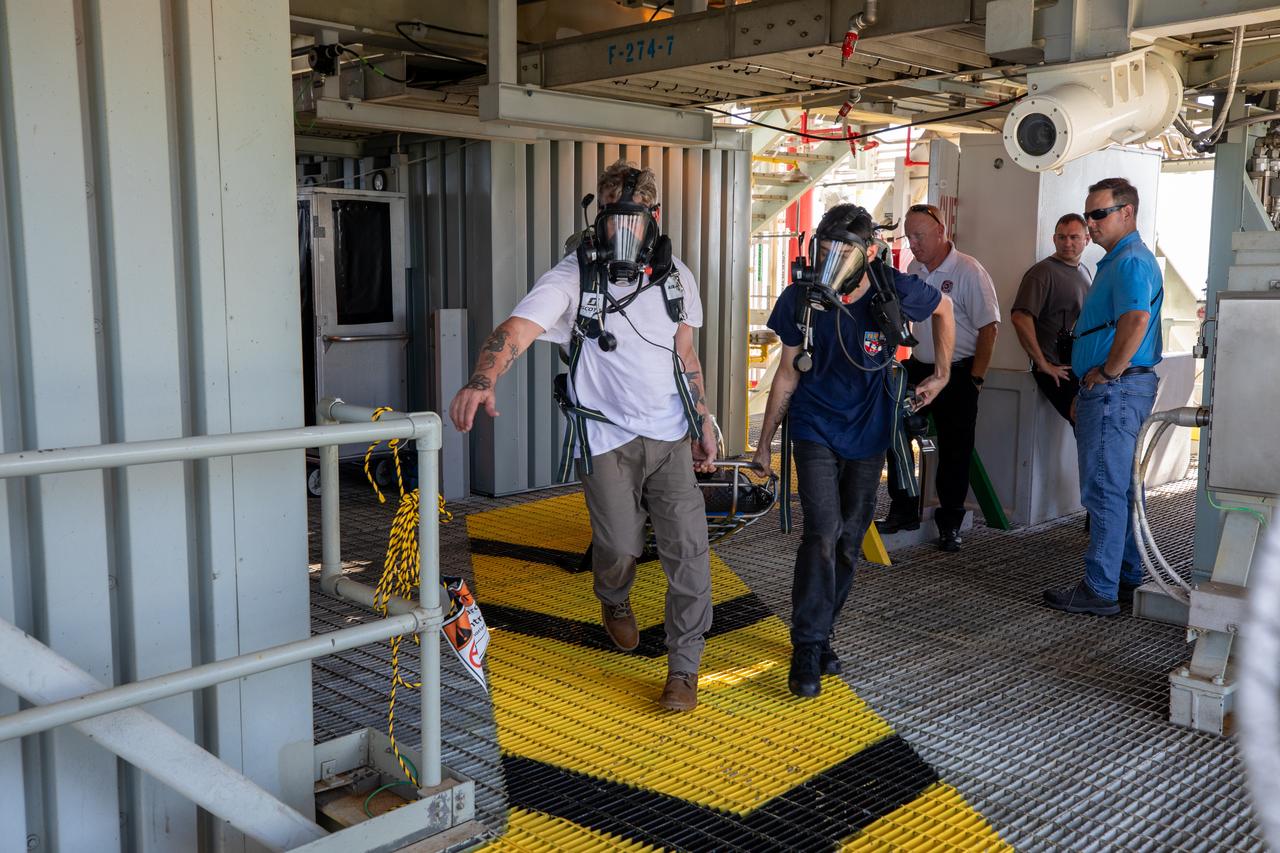
Teams at NASA’s Kennedy Space Center in Florida practice the Artemis mission emergency escape or egress procedures during a series of integrated system verification and validation tests at Launch Pad 39B on Sunday, Aug. 11, 2024. Members of the closeout crew, pad rescue team and the Exploration Ground Systems Program practiced the process of getting inside and out of the emergency egress baskets. While the crew and other personnel will ride the emergency egress baskets to the terminus area in a real emergency, no one rode the baskets for this test. Instead, teams tested the baskets during separate occasions by using water tanks filled to different levels to replicate simulate the weight of passengers.
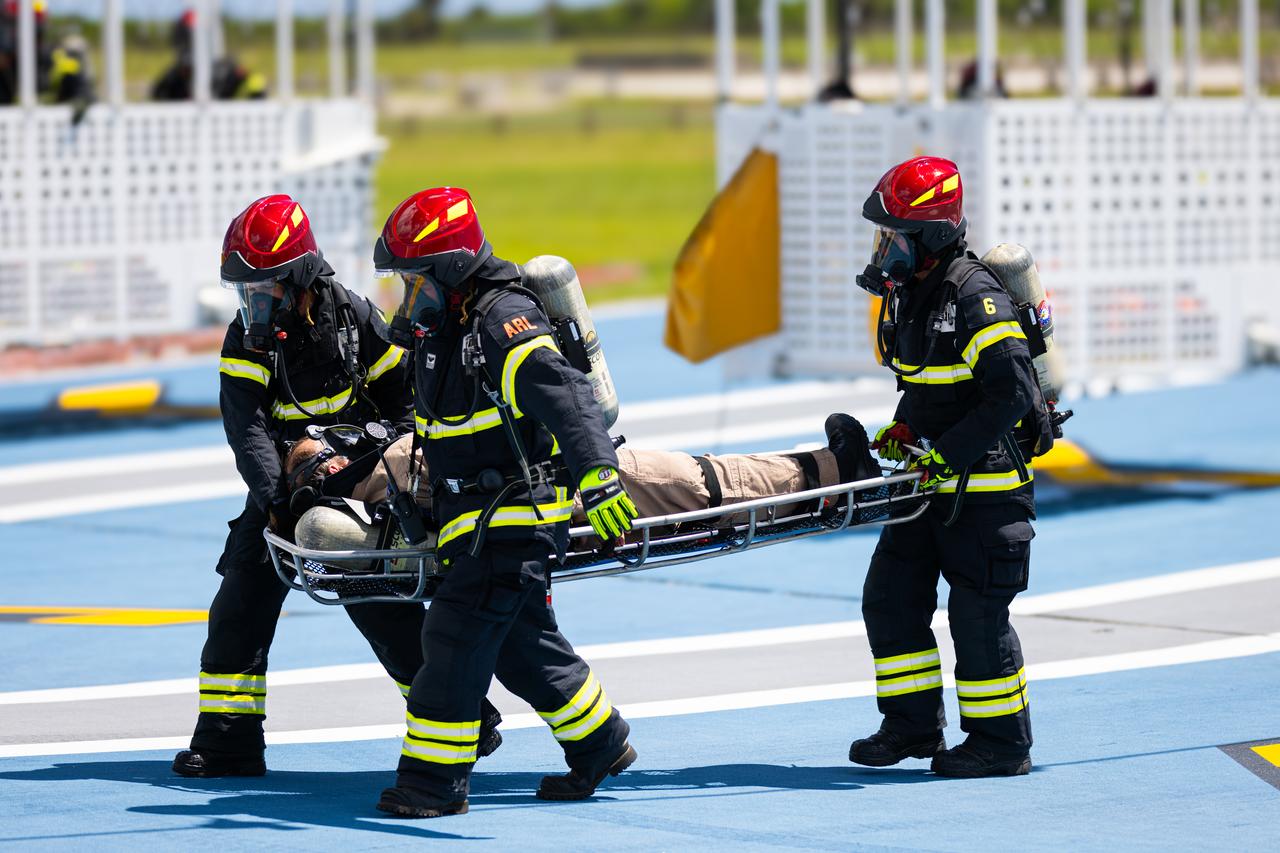
Teams at NASA’s Kennedy Space Center in Florida practice the Artemis mission emergency escape or egress procedures during a series of integrated system verification and validation tests at Launch Pad 39B on Monday, Aug. 12, 2024. Members of the closeout crew, pad rescue team and the Exploration Ground Systems Program practiced the process of getting inside and out of the emergency egress baskets. While the crew and other personnel will ride the emergency egress baskets to the terminus area in a real emergency, no one rode the baskets for this test. Instead, teams tested the baskets during separate occasions by using water tanks filled to different levels to replicate simulate the weight of passengers.
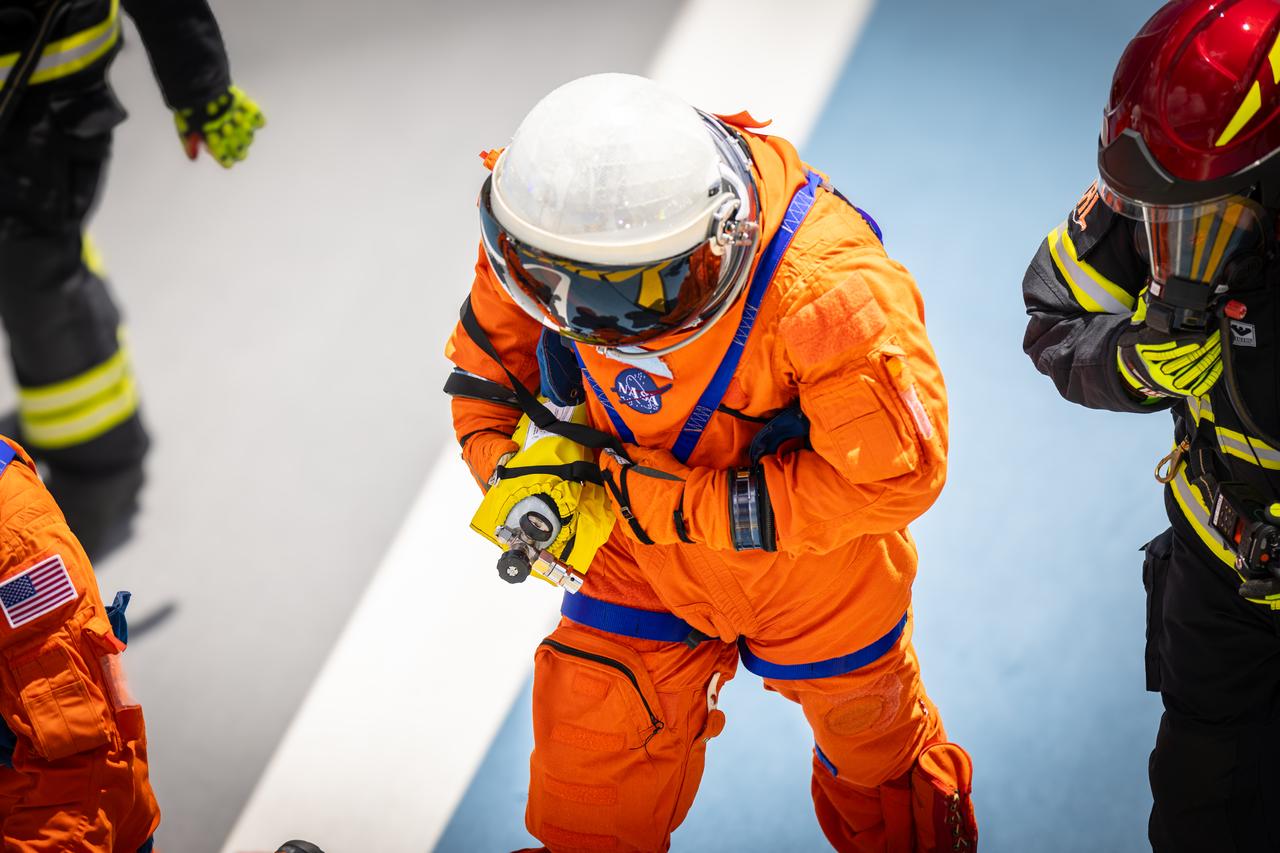
Teams at NASA’s Kennedy Space Center in Florida practice the Artemis mission emergency escape or egress procedures during a series of integrated system verification and validation tests at Launch Pad 39B on Monday, Aug. 12, 2024. Members of the closeout crew, pad rescue team and the Exploration Ground Systems Program practiced the process of getting inside and out of the emergency egress baskets. While the crew and other personnel will ride the emergency egress baskets to the terminus area in a real emergency, no one rode the baskets for this test. Instead, teams tested the baskets during separate occasions by using water tanks filled to different levels to replicate simulate the weight of passengers.

Teams at NASA’s Kennedy Space Center in Florida practice the Artemis mission emergency escape or egress procedures during a series of integrated system verification and validation tests at Launch Pad 39B on Sunday, Aug. 11, 2024. Members of the closeout crew, pad rescue team and the Exploration Ground Systems Program practiced the process of getting inside and out of the emergency egress baskets. While the crew and other personnel will ride the emergency egress baskets to the terminus area in a real emergency, no one rode the baskets for this test. Instead, teams tested the baskets during separate occasions by using water tanks filled to different levels to replicate simulate the weight of passengers.
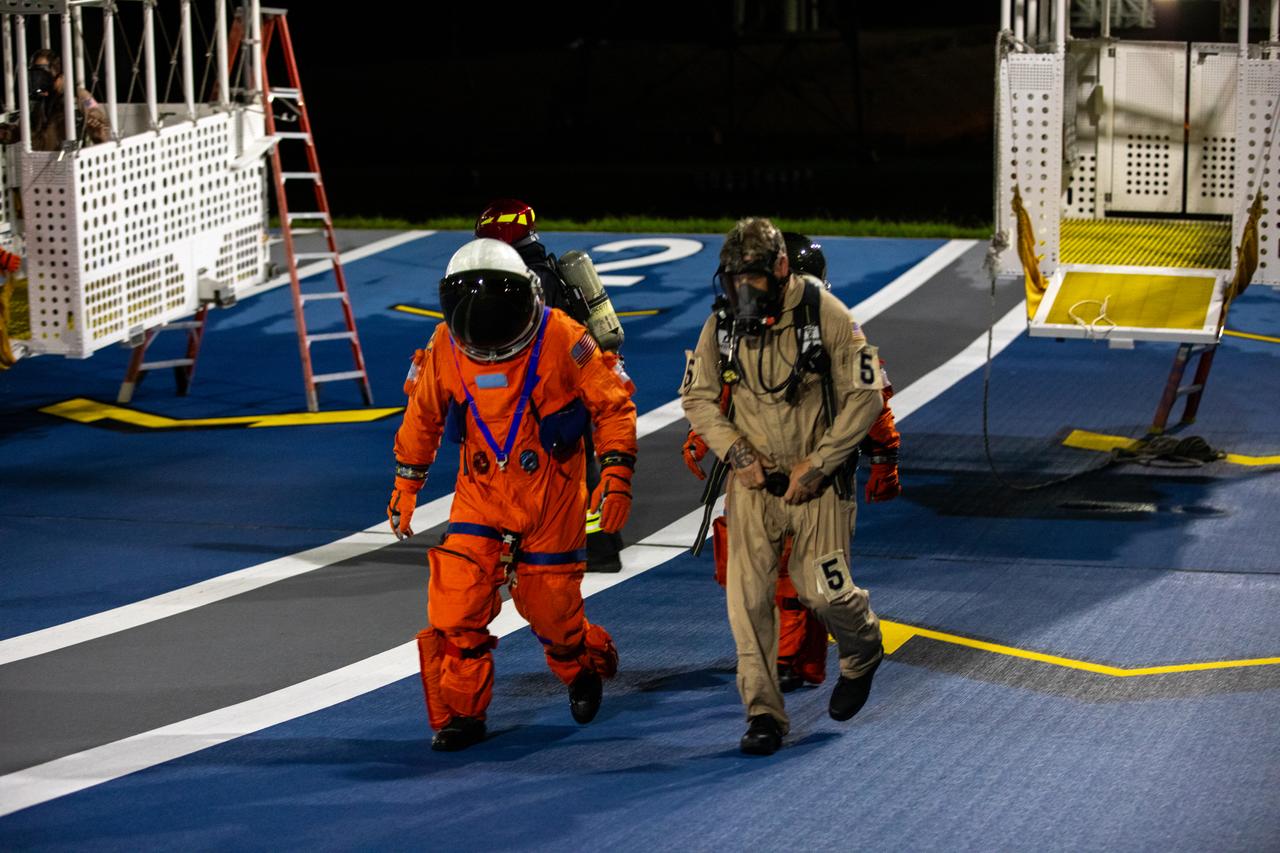
Teams at NASA’s Kennedy Space Center in Florida practice the Artemis mission emergency escape or egress procedures during a series of integrated system verification and validation tests at Launch Pad 39B on Tuesday, Aug. 13, 2024. Members of the closeout crew, pad rescue team and the Exploration Ground Systems Program practiced the process of getting inside and out of the emergency egress baskets. While the crew and other personnel will ride the emergency egress baskets to the terminus area in a real emergency, no one rode the baskets for this test. Instead, teams tested the baskets during separate occasions by using water tanks filled to different levels to replicate simulate the weight of passengers.
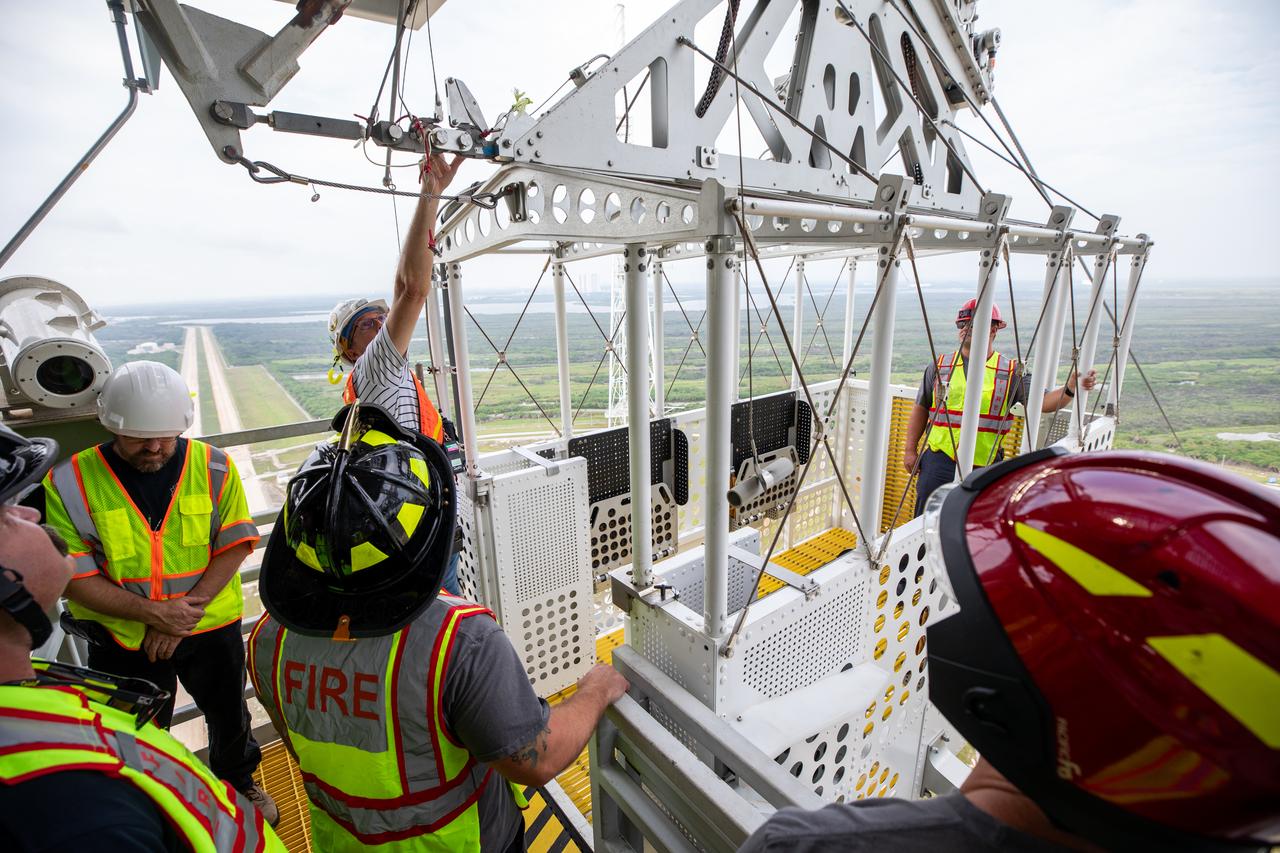
Teams with NASA’s Exploration Ground Systems Program, as well as NASA’s pad rescue team, conduct training inside the Artemis emergency egress baskets at Launch Pad 39B as part of the Artemis emergency egress demonstration training at the agency’s Kennedy Space Center in Florida on Thursday, Aug. 8, 2024. The baskets, similar to gondolas on ski lifts, are used in the case of a pad abort emergency to enable astronauts and other pad personnel a way to quickly escape away from the mobile launcher to the base of the pad and where waiting emergency transport vehicles will then drive them away.
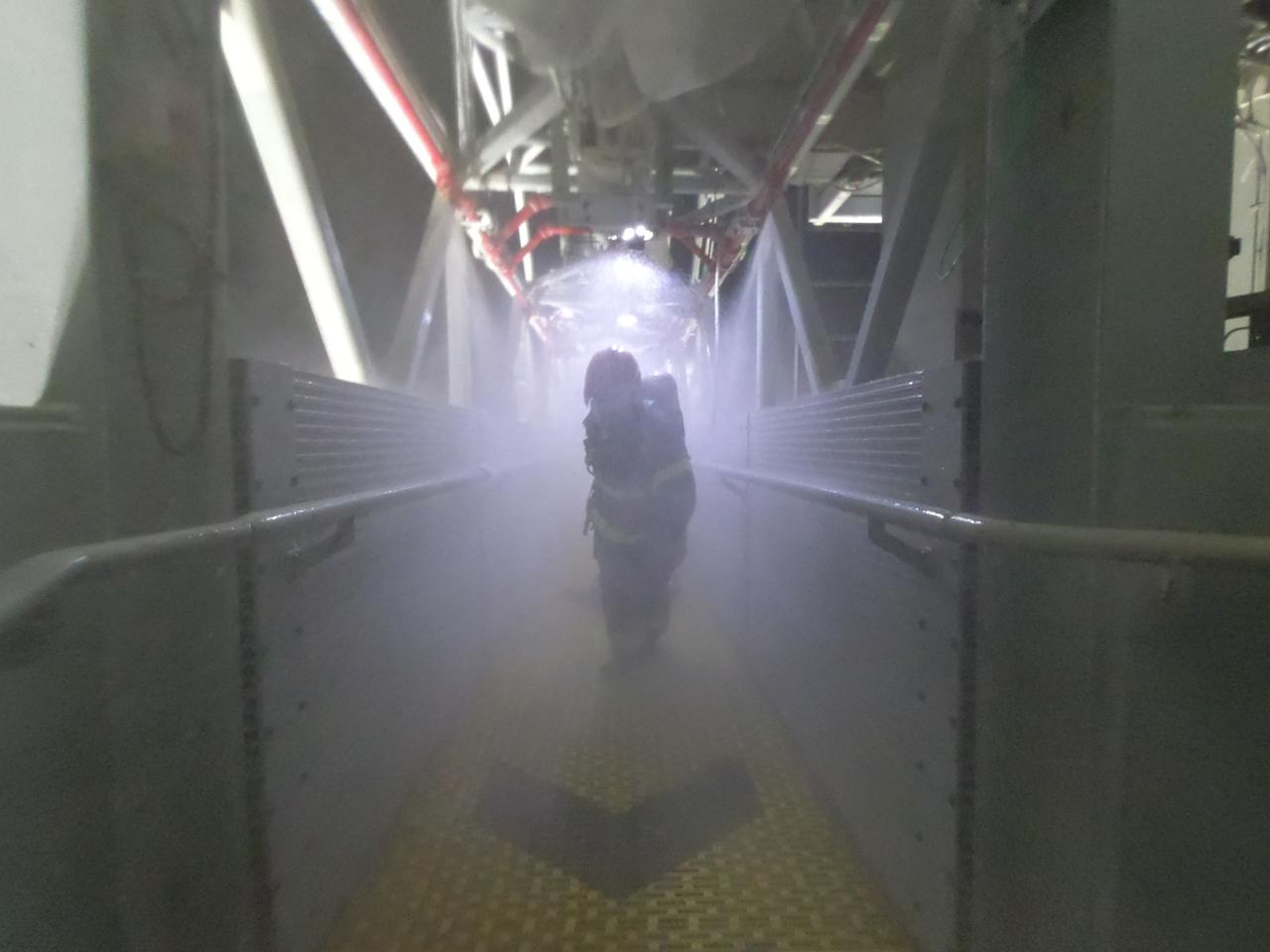
Teams at NASA’s Kennedy Space Center in Florida practice the Artemis mission emergency escape or egress procedures during a series of integrated system verification and validation tests at Launch Pad 39B on Tuesday, Aug. 13, 2024. Members of the closeout crew, pad rescue team, and the Exploration Ground Systems Program – who also suited up as astronauts – practiced the process of getting inside and out of the emergency egress baskets. While the crew and other personnel will ride the emergency egress baskets to the terminus area in a real emergency, no one rode the baskets for this test. Instead, teams tested the baskets during separate occasions by using water tanks filled to different levels to replicate simulate the weight of passengers.
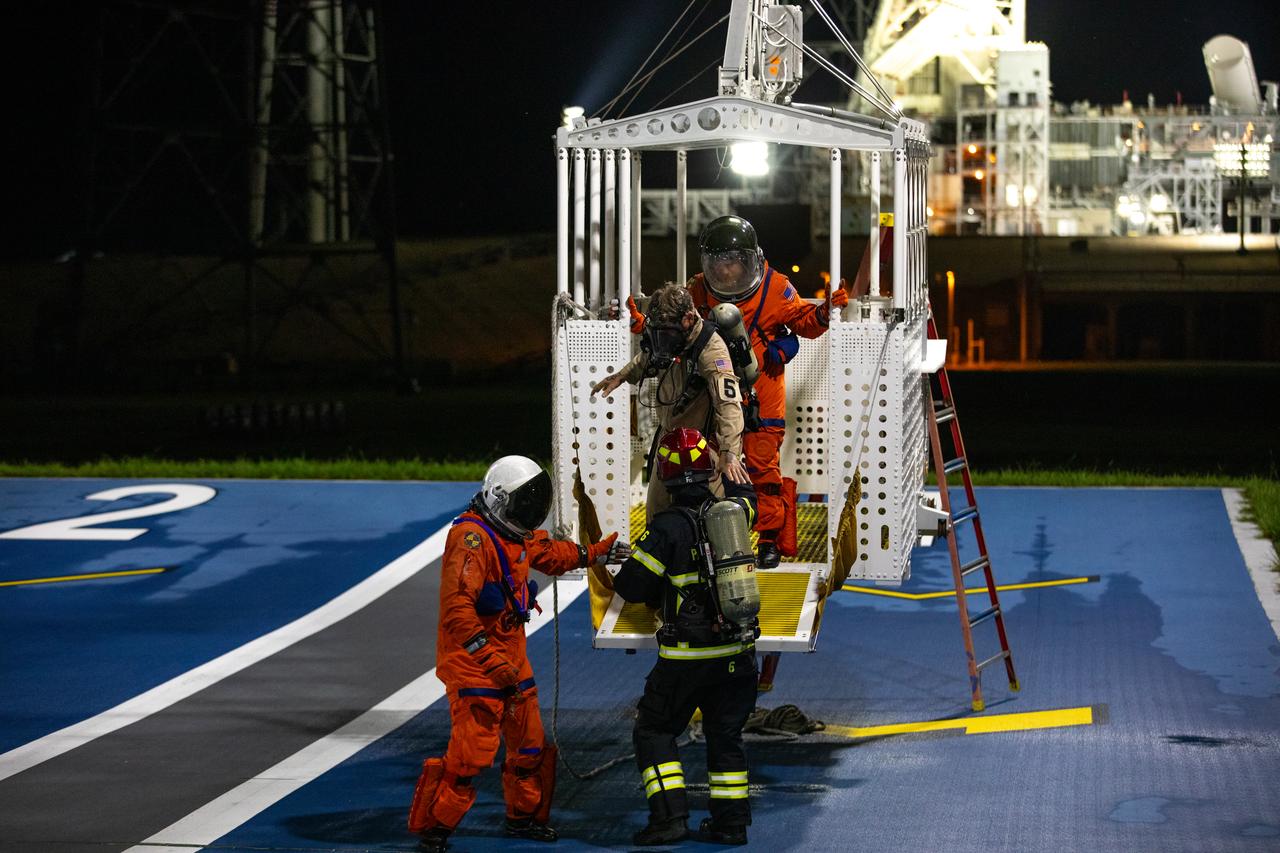
Teams at NASA’s Kennedy Space Center in Florida practice the Artemis mission emergency escape or egress procedures during a series of integrated system verification and validation tests at Launch Pad 39B on Tuesday, Aug. 13, 2024. Members of the closeout crew, pad rescue team and the Exploration Ground Systems Program practiced the process of getting inside and out of the emergency egress baskets. While the crew and other personnel will ride the emergency egress baskets to the terminus area in a real emergency, no one rode the baskets for this test. Instead, teams tested the baskets during separate occasions by using water tanks filled to different levels to replicate simulate the weight of passengers.
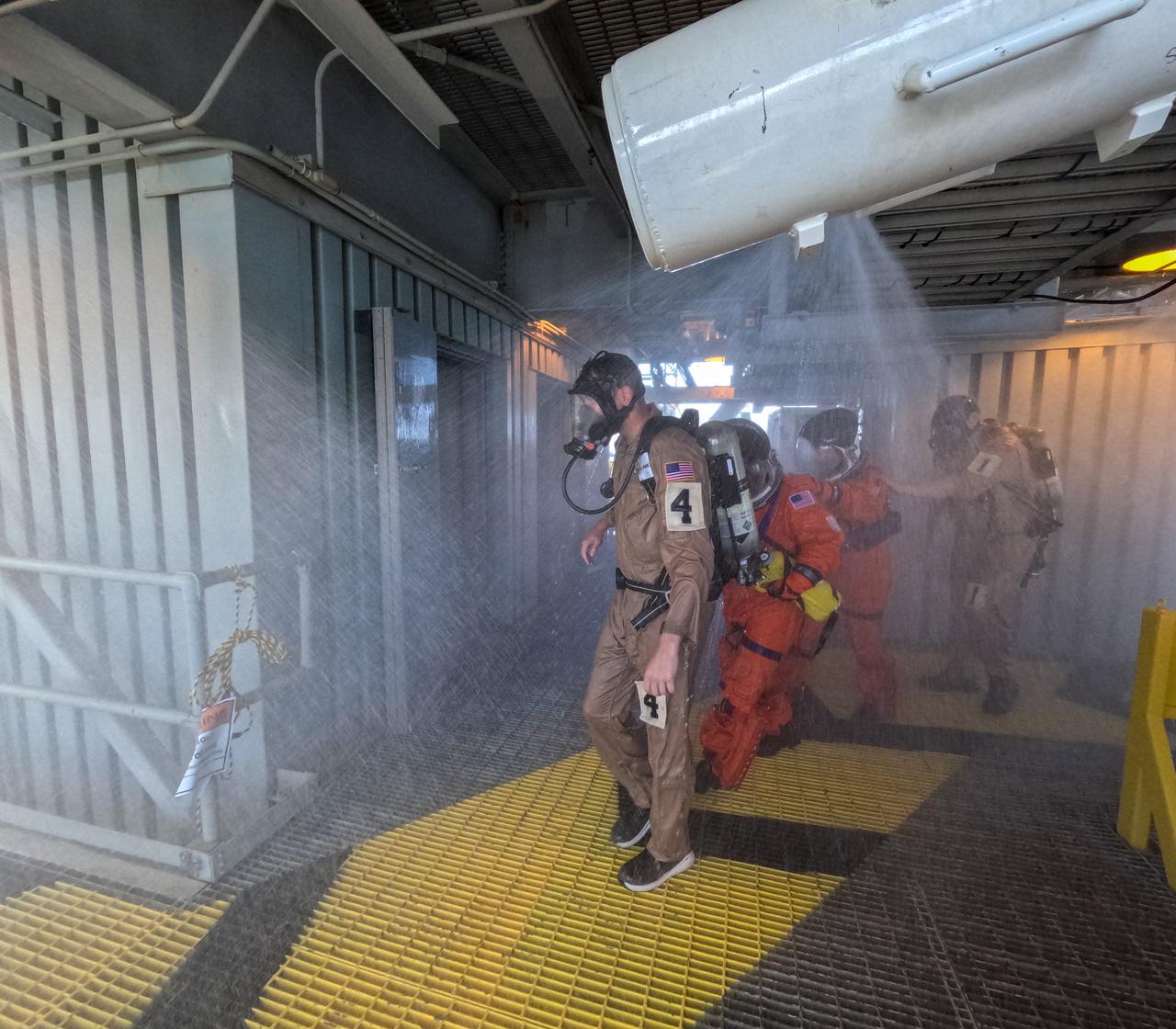
Teams at NASA’s Kennedy Space Center in Florida practice the Artemis mission emergency escape or egress procedures during a series of integrated system verification and validation tests at Launch Pad 39B on Sunday, Aug. 11, 2024. Members of the closeout crew, simulated flight crew, pad rescue team, and the Exploration Ground Systems Program practiced the process of getting inside and out of the emergency egress baskets. While the crew and other personnel will ride the emergency egress baskets to the terminus area in a real emergency, no one rode the baskets for this test. Instead, teams tested the baskets during separate occasions by using water tanks filled to different levels to replicate simulate the weight of passengers.
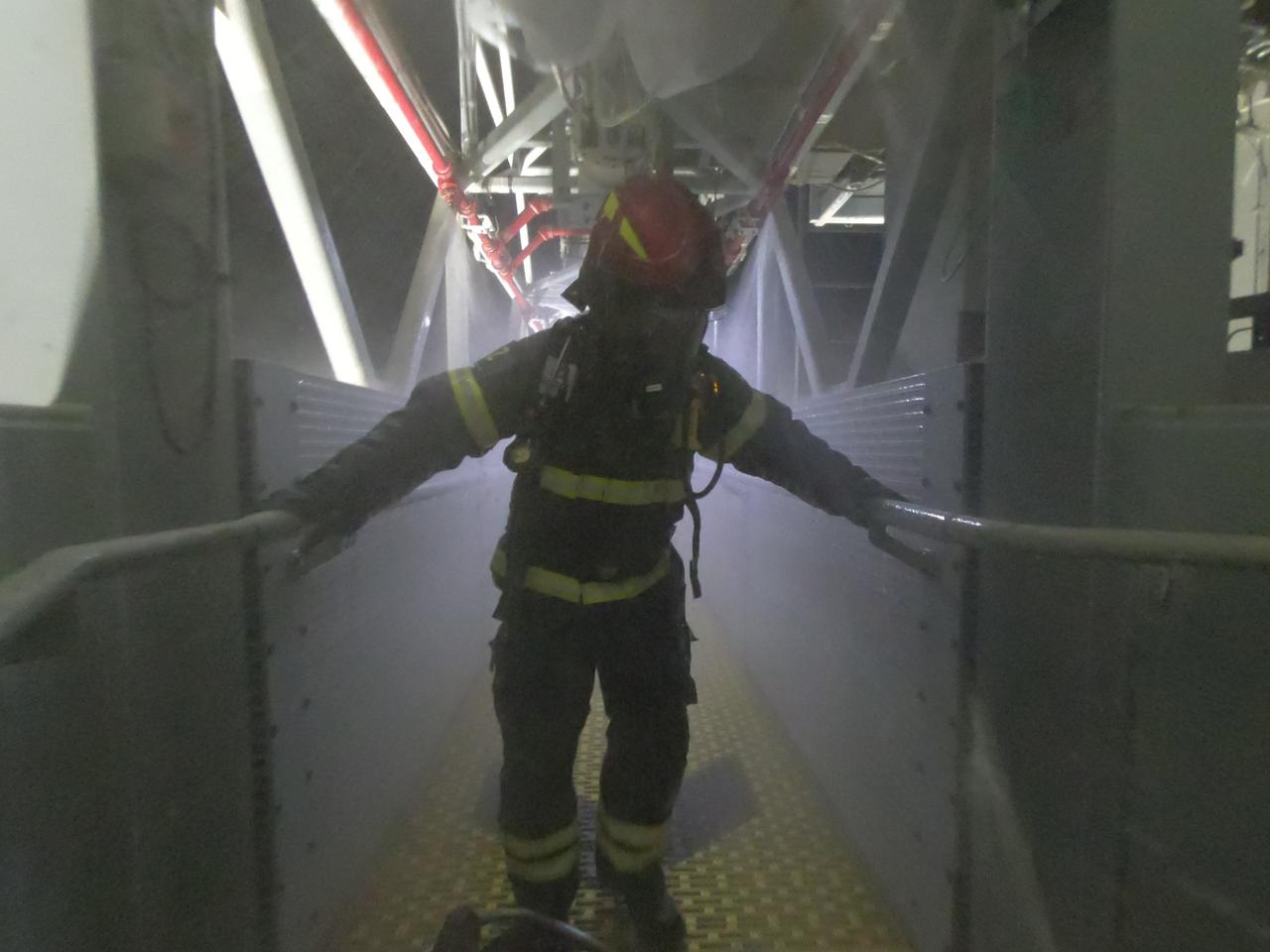
Teams at NASA’s Kennedy Space Center in Florida practice the Artemis mission emergency escape or egress procedures during a series of integrated system verification and validation tests at Launch Pad 39B on Tuesday, Aug. 13, 2024. Members of the closeout crew, pad rescue team, and the Exploration Ground Systems Program – who also suited up as astronauts – practiced the process of getting inside and out of the emergency egress baskets. While the crew and other personnel will ride the emergency egress baskets to the terminus area in a real emergency, no one rode the baskets for this test. Instead, teams tested the baskets during separate occasions by using water tanks filled to different levels to replicate simulate the weight of passengers.
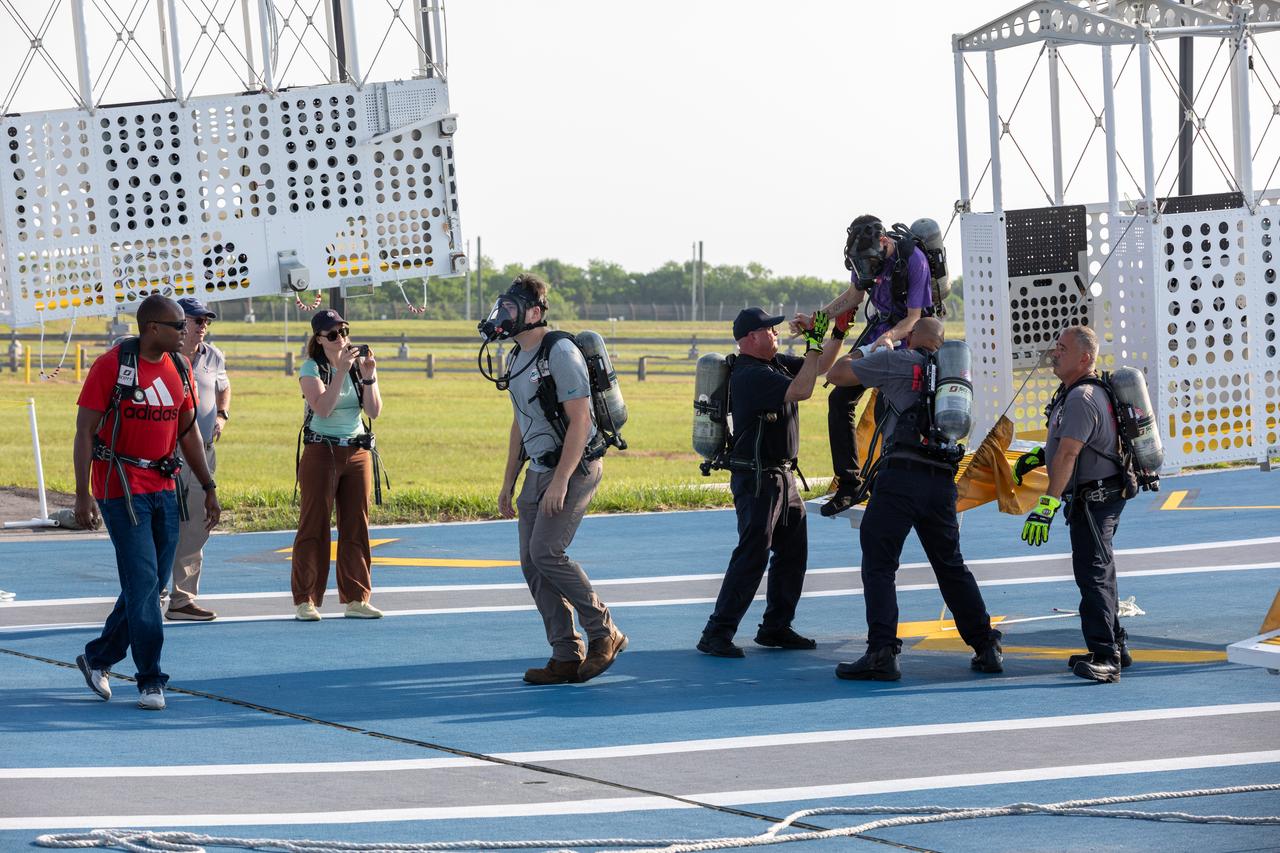
Teams at NASA’s Kennedy Space Center in Florida practice the Artemis mission emergency procedures during a series of integrated system verification and validation tests at Launch Pad 39B on Friday, Aug. 9, 2024. Members of the closeout crew, pad rescue team, and the Exploration Ground Systems Program practiced the process of getting inside and out of the emergency egress baskets. While the crew and other personnel will ride the emergency egress baskets to the terminus area in a real emergency, no one rode the baskets for this test. Instead, teams tested the baskets during separate occasions by using water tanks filled to different levels to replicate simulate the weight of passengers.
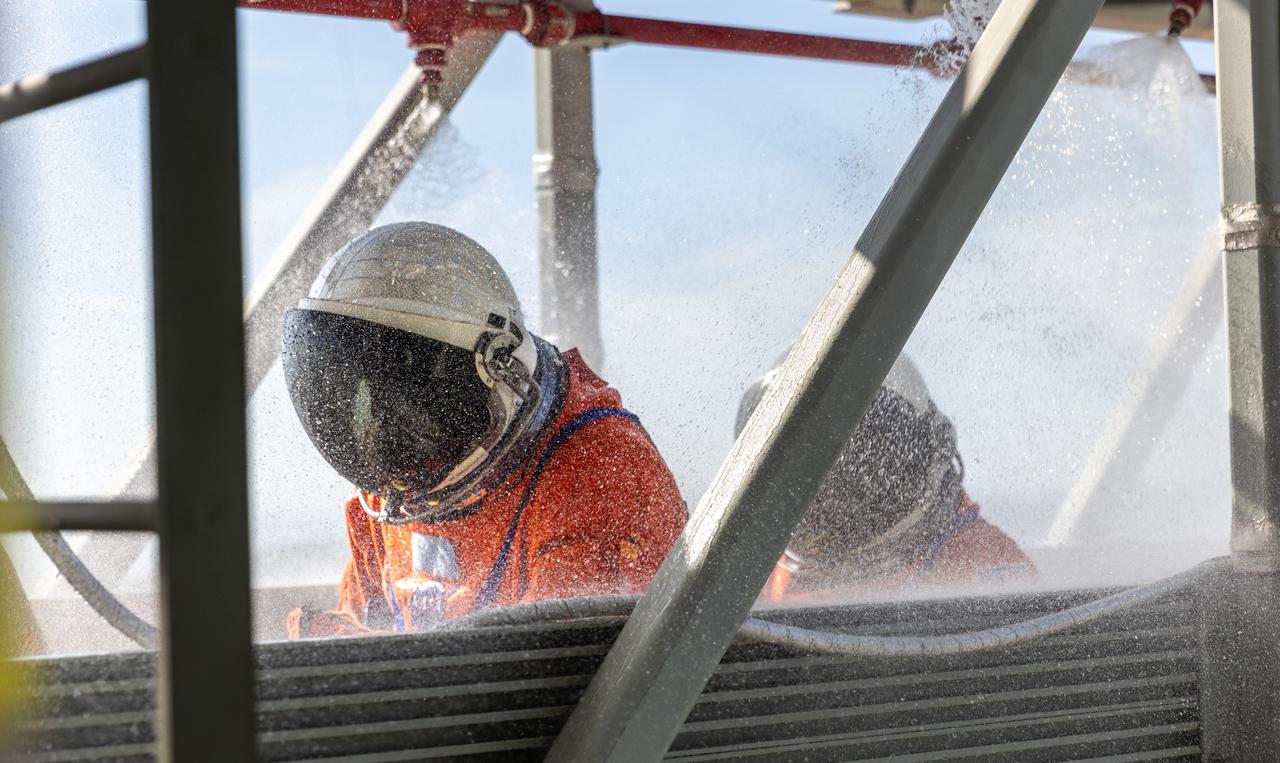
Teams at NASA’s Kennedy Space Center in Florida practice the Artemis mission emergency escape or egress procedures during a series of integrated system verification and validation tests at Launch Pad 39B on Monday, Aug. 12, 2024. Members of the closeout crew, pad rescue team and the Exploration Ground Systems Program practiced the process of getting inside and out of the emergency egress baskets. While the crew and other personnel will ride the emergency egress baskets to the terminus area in a real emergency, no one rode the baskets for this test. Instead, teams tested the baskets during separate occasions by using water tanks filled to different levels to replicate simulate the weight of passengers.
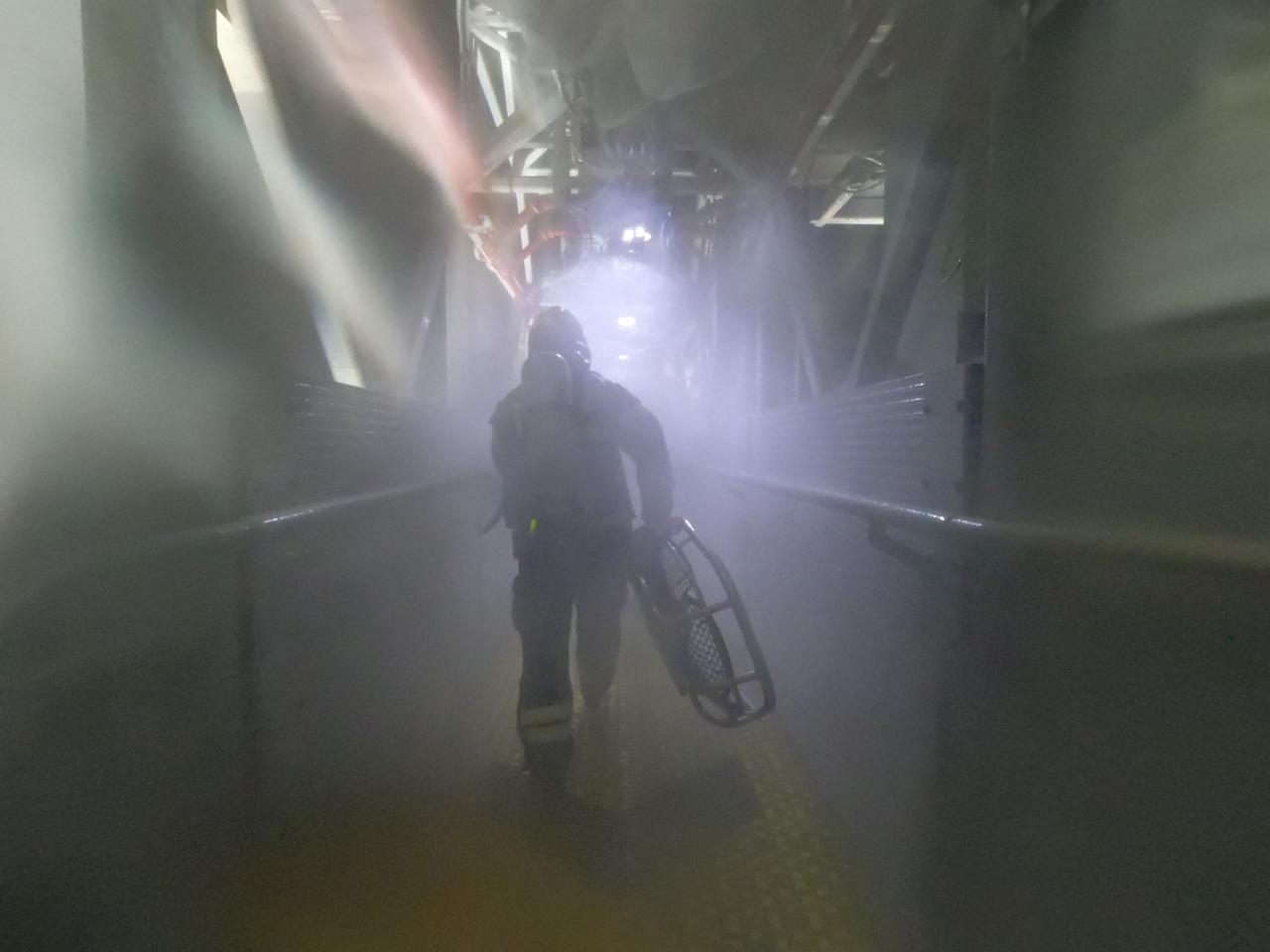
Teams at NASA’s Kennedy Space Center in Florida practice the Artemis mission emergency escape or egress procedures during a series of integrated system verification and validation tests at Launch Pad 39B on Tuesday, Aug. 13, 2024. Members of the closeout crew, pad rescue team, and the Exploration Ground Systems Program – who also suited up as astronauts – practiced the process of getting inside and out of the emergency egress baskets. While the crew and other personnel will ride the emergency egress baskets to the terminus area in a real emergency, no one rode the baskets for this test. Instead, teams tested the baskets during separate occasions by using water tanks filled to different levels to replicate simulate the weight of passengers.
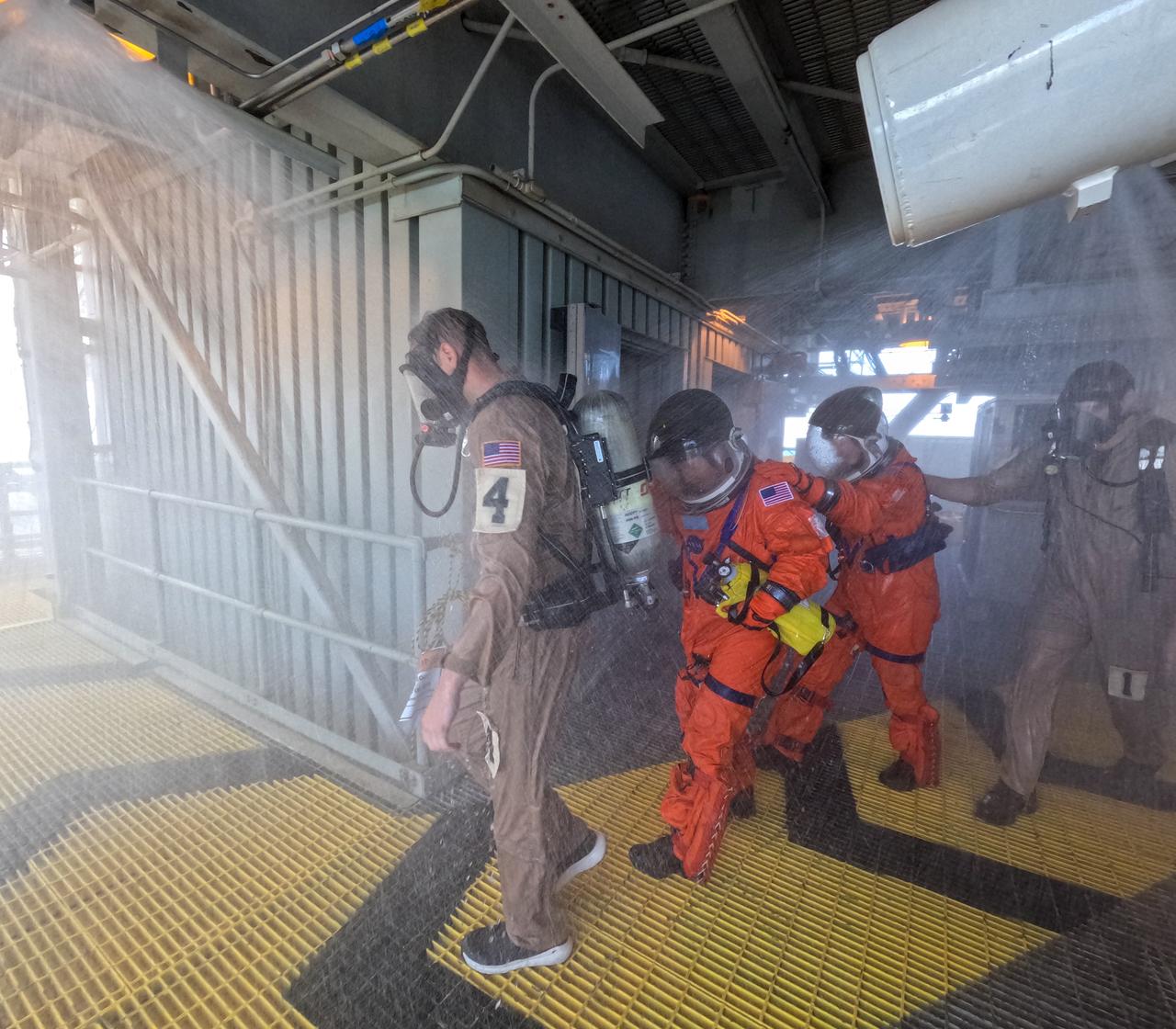
Teams at NASA’s Kennedy Space Center in Florida practice the Artemis mission emergency escape or egress procedures during a series of integrated system verification and validation tests at Launch Pad 39B on Sunday, Aug. 11, 2024. Members of the closeout crew, simulated flight crew, pad rescue team, and the Exploration Ground Systems Program practiced the process of getting inside and out of the emergency egress baskets. While the crew and other personnel will ride the emergency egress baskets to the terminus area in a real emergency, no one rode the baskets for this test. Instead, teams tested the baskets during separate occasions by using water tanks filled to different levels to replicate simulate the weight of passengers.

Teams with NASA’s Exploration Ground Systems Program, as well as NASA’s pad rescue team, conduct training inside the Artemis emergency egress baskets at Launch Pad 39B as part of the Artemis emergency egress demonstration training at the agency’s Kennedy Space Center in Florida on Thursday, Aug. 8, 2024. The baskets, similar to gondolas on ski lifts, are used in the case of a pad abort emergency to enable astronauts and other pad personnel a way to quickly escape away from the mobile launcher to the base of the pad and where waiting emergency transport vehicles will then drive them away.
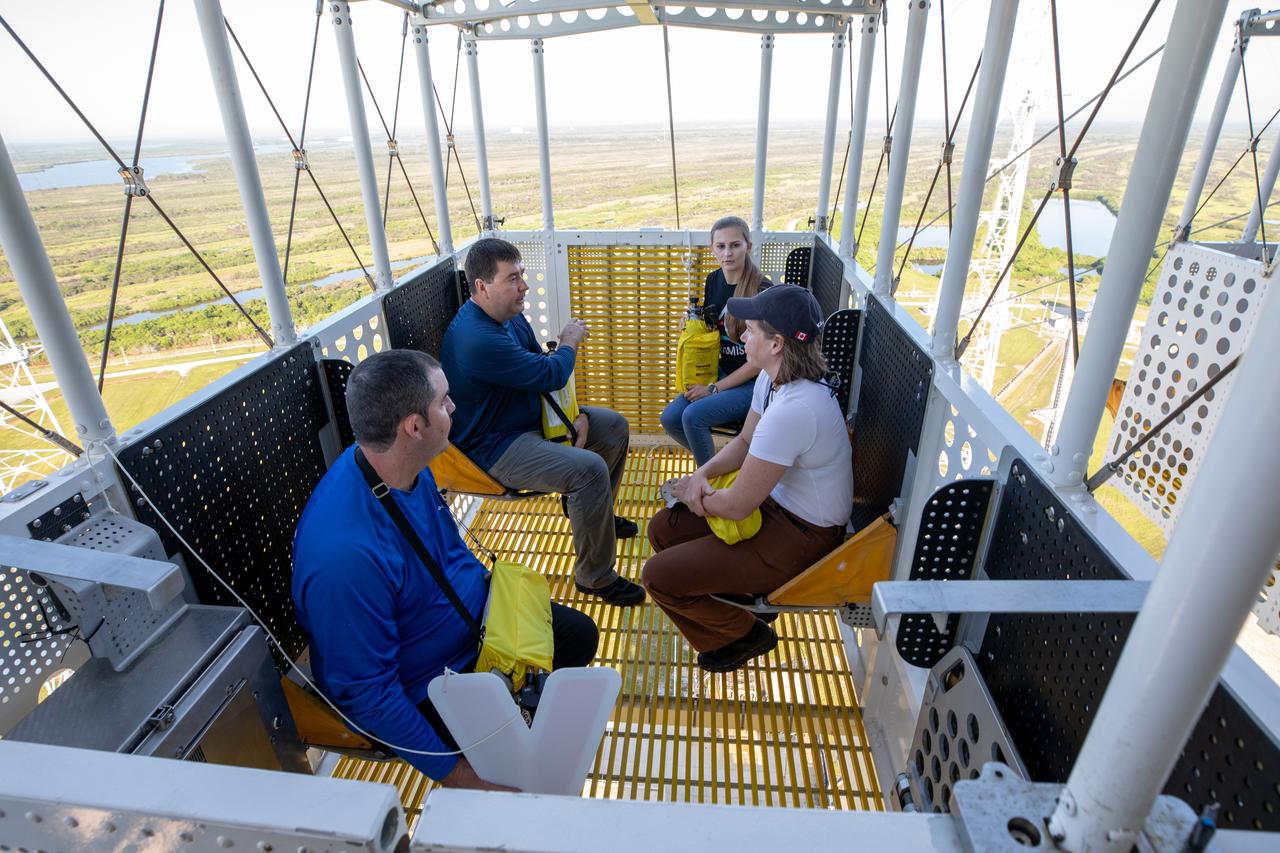
Teams at NASA’s Kennedy Space Center in Florida practice the Artemis mission emergency escape or egress procedures during a series of integrated system verification and validation tests at Launch Pad 39B on Sunday, Aug. 11, 2024. Members of the closeout crew, pad rescue team and the Exploration Ground Systems Program practiced the process of getting inside and out of the emergency egress baskets. While the crew and other personnel will ride the emergency egress baskets to the terminus area in a real emergency, no one rode the baskets for this test. Instead, teams tested the baskets during separate occasions by using water tanks filled to different levels to replicate simulate the weight of passengers.
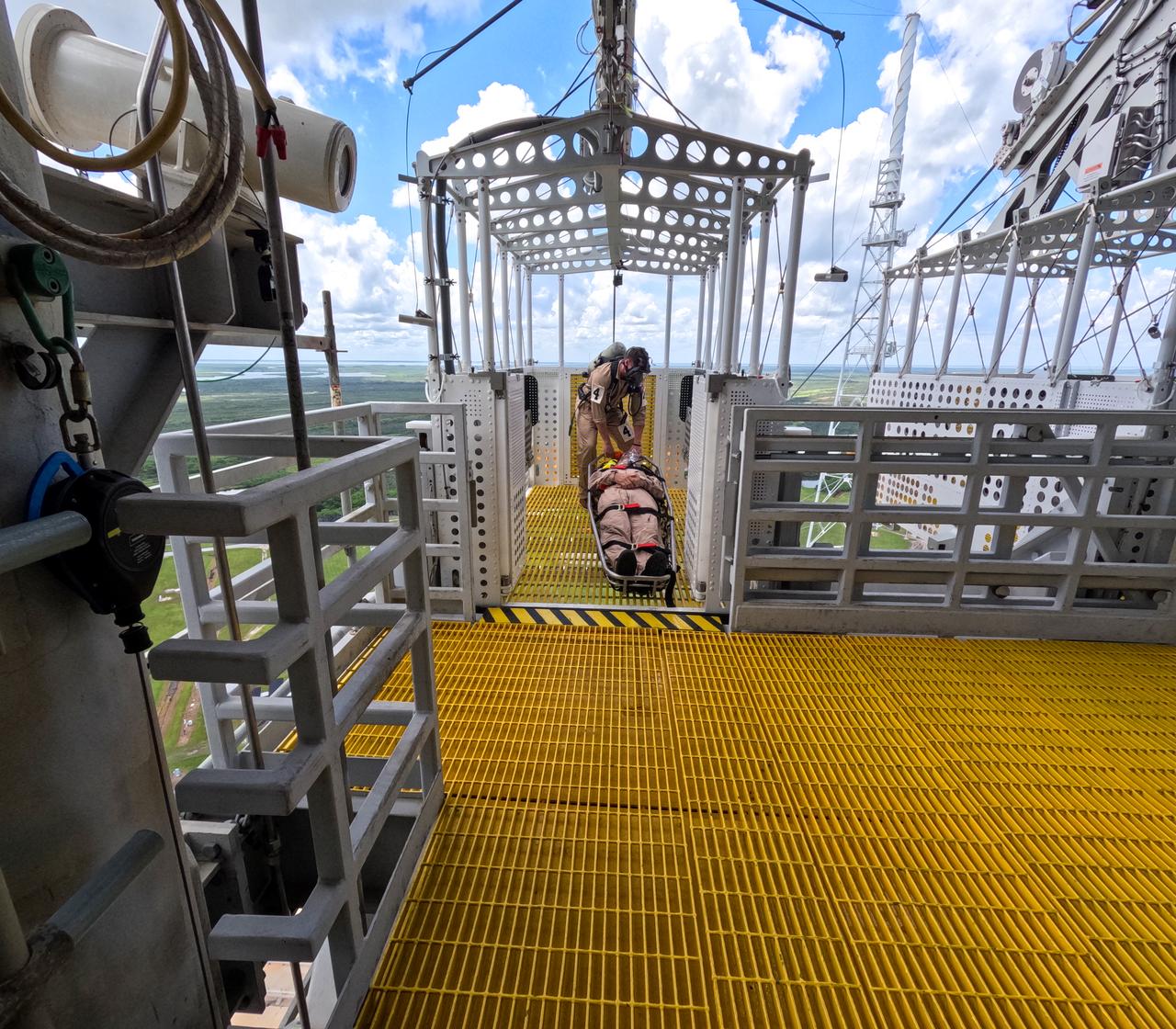
Teams at NASA’s Kennedy Space Center in Florida practice the Artemis mission emergency escape or egress procedures during a series of integrated system verification and validation tests at Launch Pad 39B on Sunday, Aug. 11, 2024. Members of the closeout crew, pad rescue team and the Exploration Ground Systems Program practiced the process of getting inside and out of the emergency egress baskets. While the crew and other personnel will ride the emergency egress baskets to the terminus area in a real emergency, no one rode the baskets for this test. Instead, teams tested the baskets during separate occasions by using water tanks filled to different levels to replicate simulate the weight of passengers.
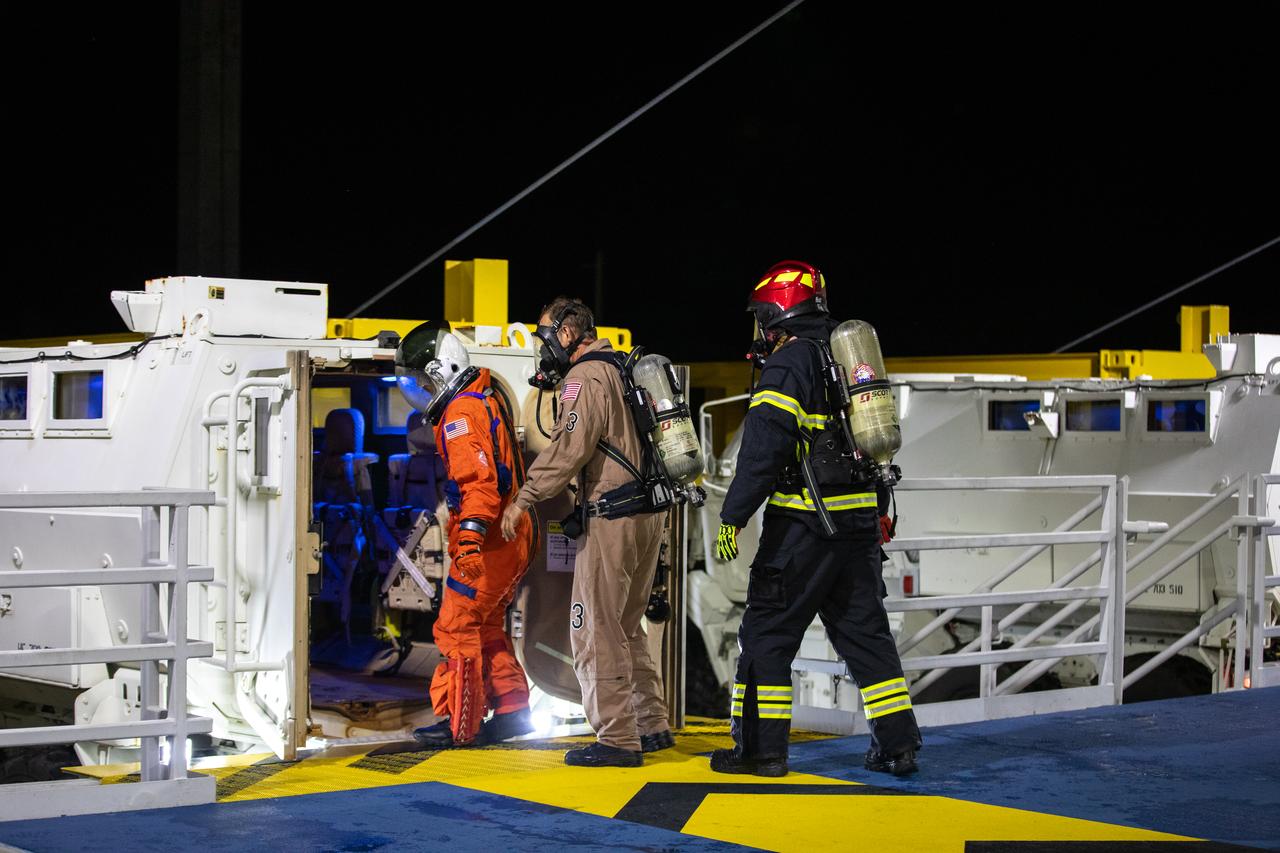
Teams at NASA’s Kennedy Space Center in Florida practice the Artemis mission emergency escape or egress procedures during a series of integrated system verification and validation tests at Launch Pad 39B on Tuesday, Aug. 13, 2024. Members of the closeout crew, pad rescue team and the Exploration Ground Systems Program practiced the process of getting inside and out of the emergency egress baskets. While the crew and other personnel will ride the emergency egress baskets to the terminus area in a real emergency, no one rode the baskets for this test. Instead, teams tested the baskets during separate occasions by using water tanks filled to different levels to replicate simulate the weight of passengers.
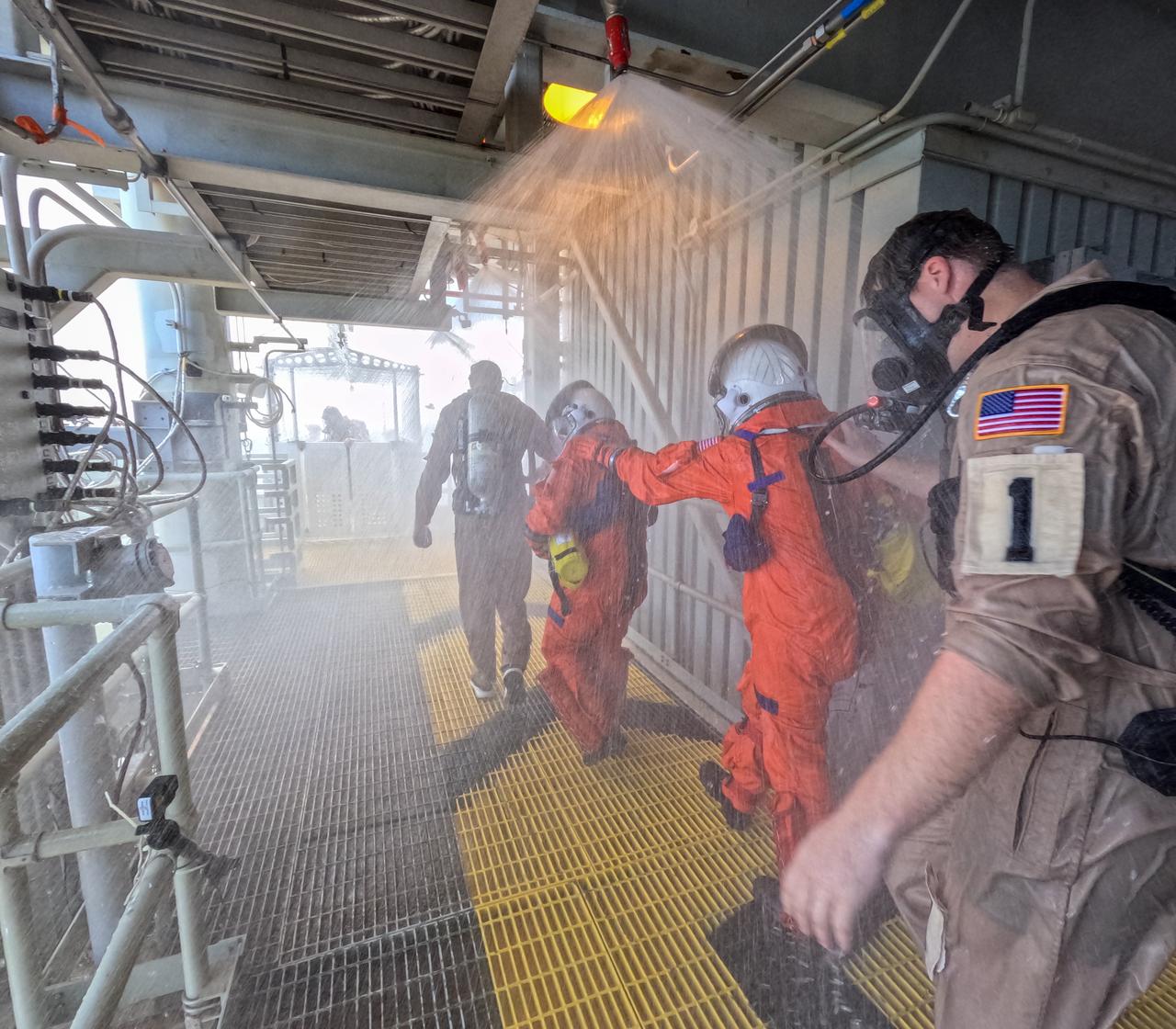
Teams at NASA’s Kennedy Space Center in Florida practice the Artemis mission emergency escape or egress procedures during a series of integrated system verification and validation tests at Launch Pad 39B on Sunday, Aug. 11, 2024. Members of the closeout crew, simulated flight crew, pad rescue team, and the Exploration Ground Systems Program practiced the process of getting inside and out of the emergency egress baskets. While the crew and other personnel will ride the emergency egress baskets to the terminus area in a real emergency, no one rode the baskets for this test. Instead, teams tested the baskets during separate occasions by using water tanks filled to different levels to replicate simulate the weight of passengers.
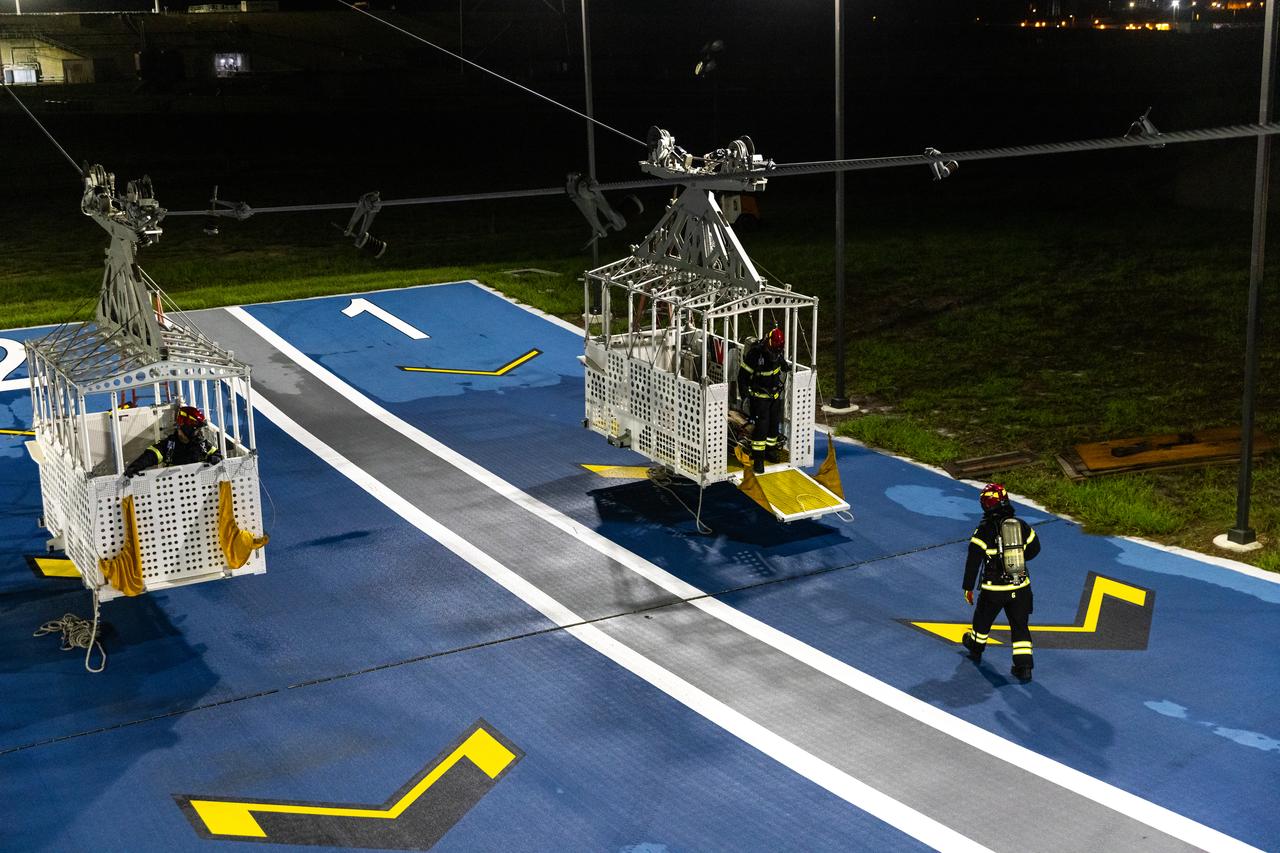
Teams at NASA’s Kennedy Space Center in Florida practice the Artemis mission emergency escape or egress procedures during a series of integrated system verification and validation tests at Launch Pad 39B on Tuesday, Aug. 13, 2024. Members of the closeout crew, pad rescue team and the Exploration Ground Systems Program practiced the process of getting inside and out of the emergency egress baskets. While the crew and other personnel will ride the emergency egress baskets to the terminus area in a real emergency, no one rode the baskets for this test. Instead, teams tested the baskets during separate occasions by using water tanks filled to different levels to replicate simulate the weight of passengers.
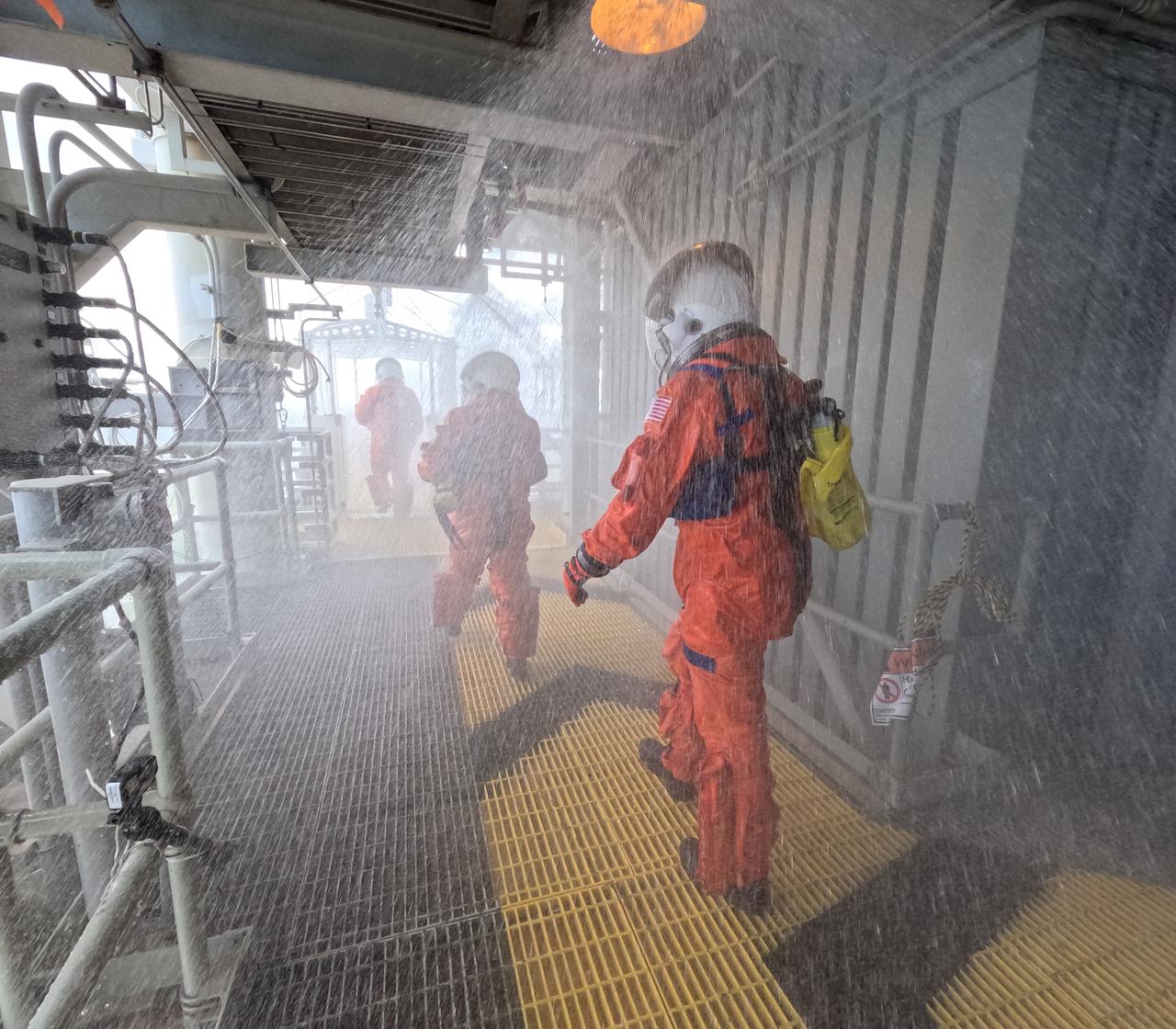
Teams at NASA’s Kennedy Space Center in Florida practice the Artemis mission emergency escape or egress procedures during a series of integrated system verification and validation tests at Launch Pad 39B on Sunday, Aug. 11, 2024. Members of the closeout crew, simulated flight crew, pad rescue team, and the Exploration Ground Systems Program practiced the process of getting inside and out of the emergency egress baskets. While the crew and other personnel will ride the emergency egress baskets to the terminus area in a real emergency, no one rode the baskets for this test. Instead, teams tested the baskets during separate occasions by using water tanks filled to different levels to replicate simulate the weight of passengers.
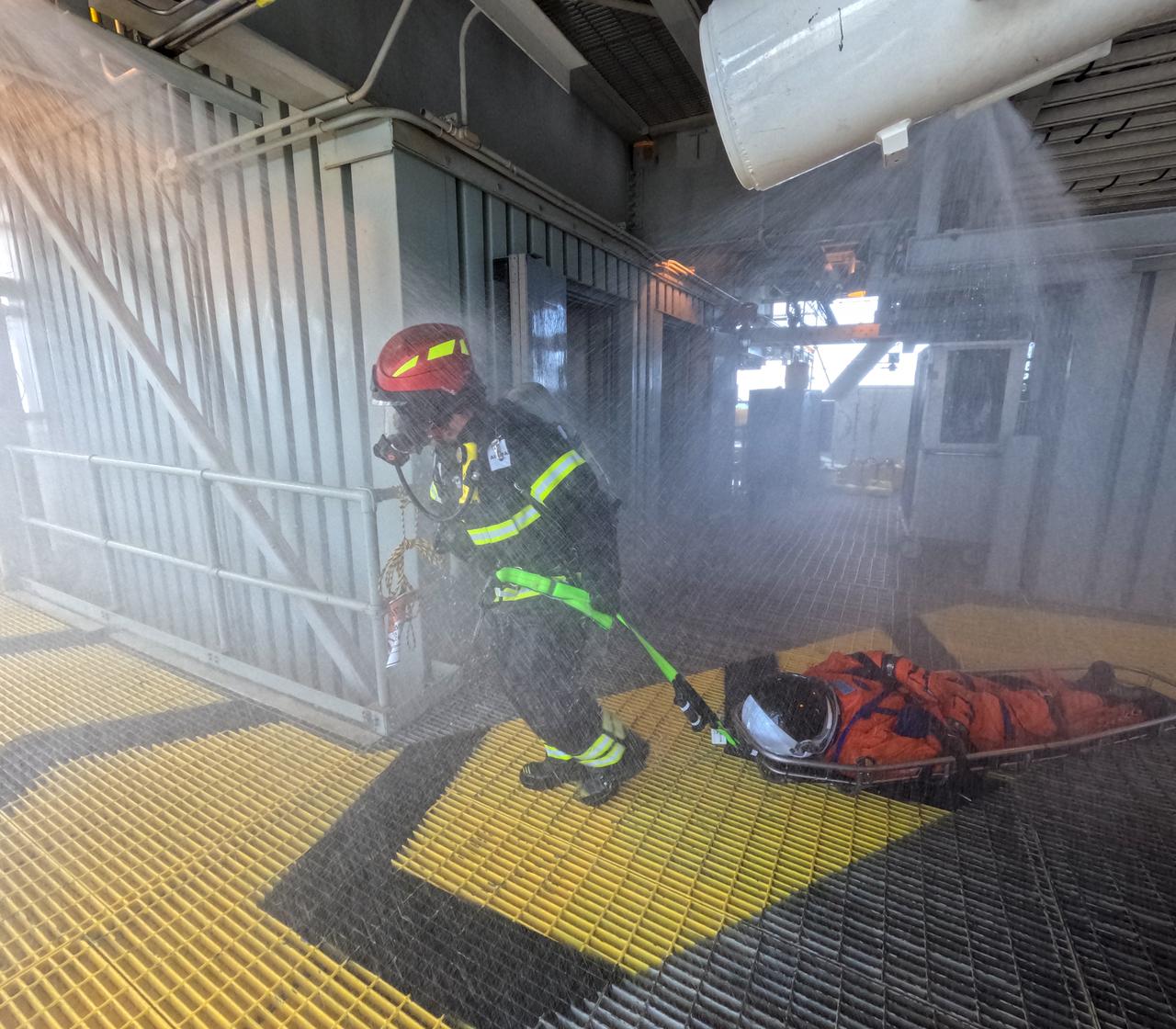
Teams at NASA’s Kennedy Space Center in Florida practice the Artemis mission emergency escape or egress procedures during a series of integrated system verification and validation tests at Launch Pad 39B on Sunday, Aug. 11, 2024. Members of the closeout crew, simulated flight crew, pad rescue team, and the Exploration Ground Systems Program practiced the process of getting inside and out of the emergency egress baskets. While the crew and other personnel will ride the emergency egress baskets to the terminus area in a real emergency, no one rode the baskets for this test. Instead, teams tested the baskets during separate occasions by using water tanks filled to different levels to replicate simulate the weight of passengers.
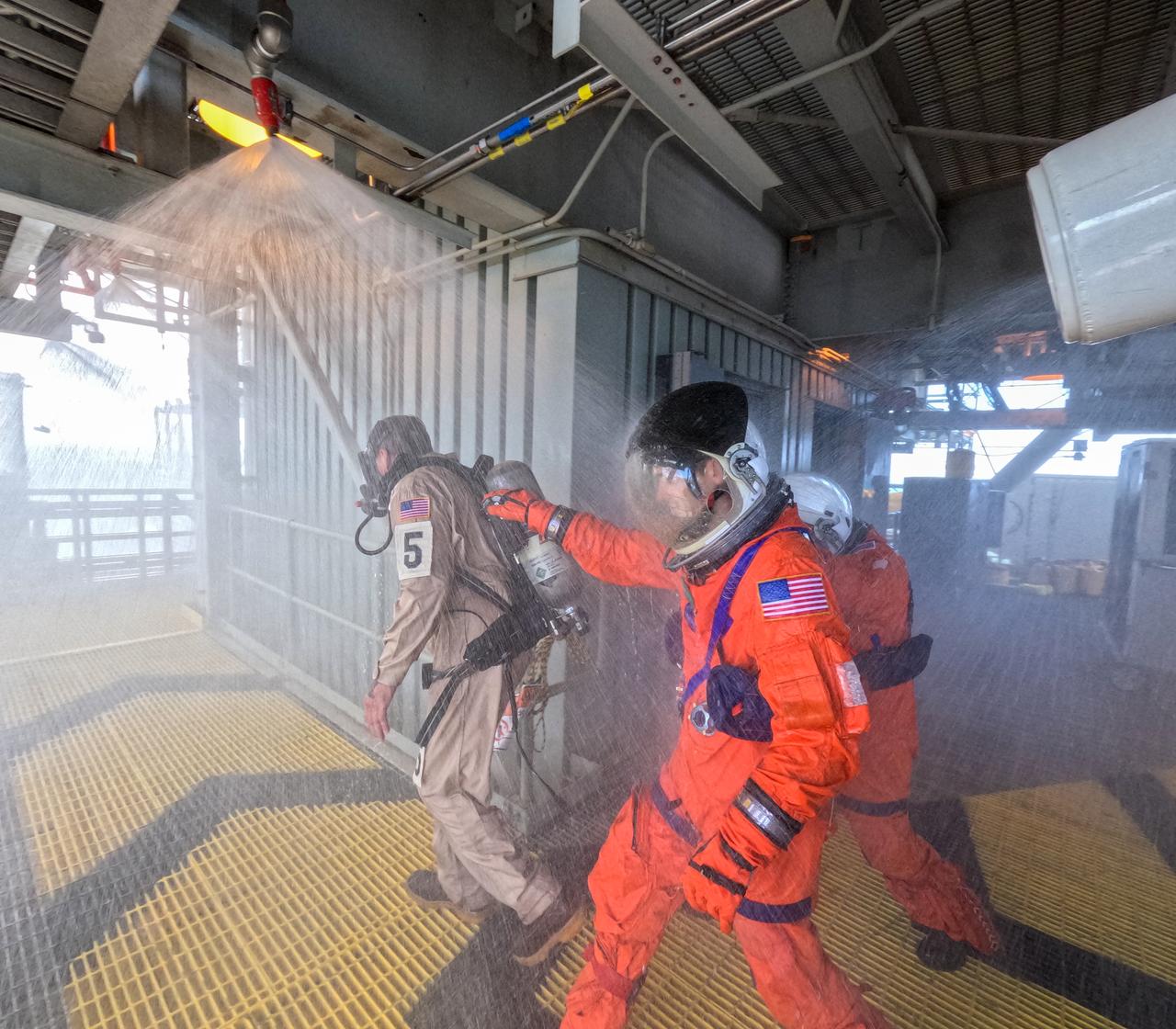
Teams at NASA’s Kennedy Space Center in Florida practice the Artemis mission emergency escape or egress procedures during a series of integrated system verification and validation tests at Launch Pad 39B on Sunday, Aug. 11, 2024. Members of the closeout crew, simulated flight crew, pad rescue team, and the Exploration Ground Systems Program practiced the process of getting inside and out of the emergency egress baskets. While the crew and other personnel will ride the emergency egress baskets to the terminus area in a real emergency, no one rode the baskets for this test. Instead, teams tested the baskets during separate occasions by using water tanks filled to different levels to replicate simulate the weight of passengers.
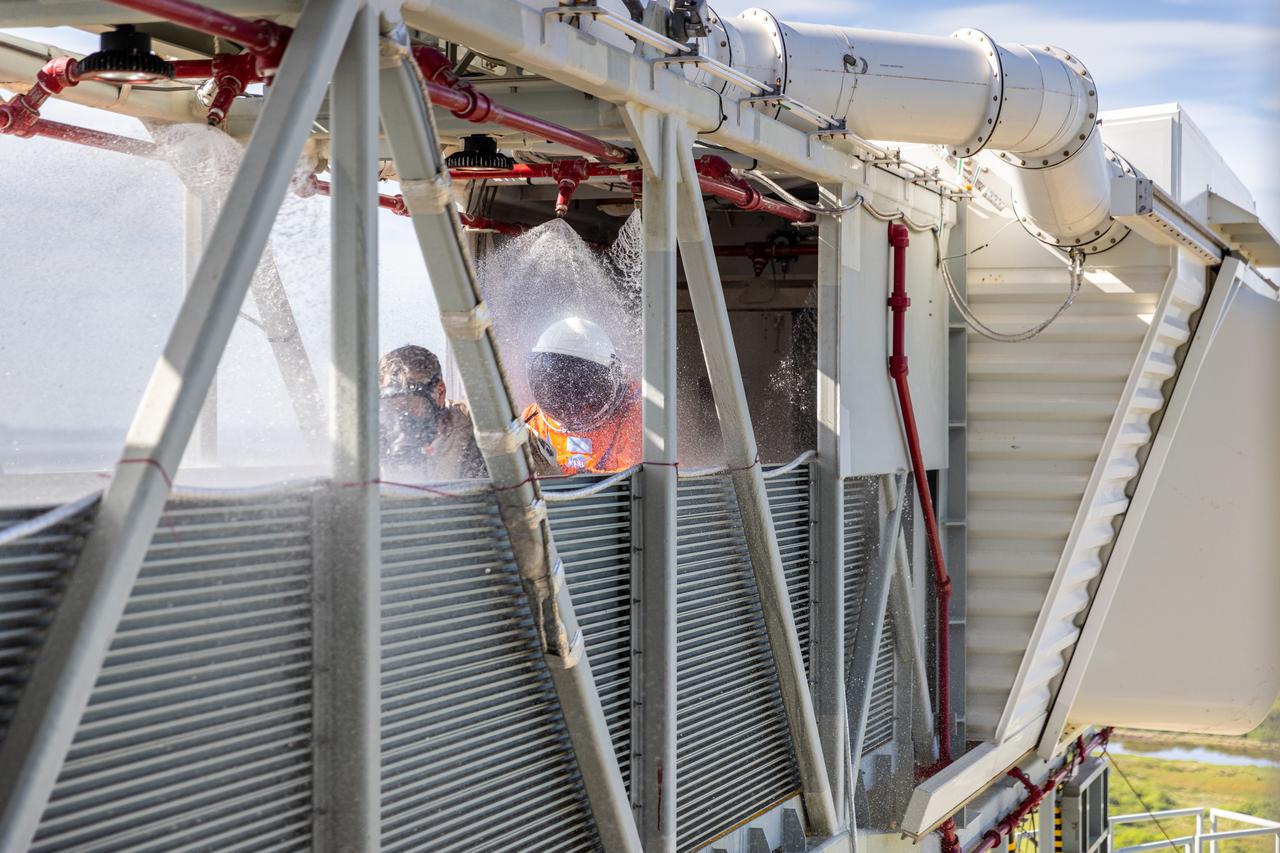
Teams at NASA’s Kennedy Space Center in Florida practice the Artemis mission emergency escape or egress procedures during a series of integrated system verification and validation tests at Launch Pad 39B on Monday, Aug. 12, 2024. Members of the closeout crew, pad rescue team and the Exploration Ground Systems Program practiced the process of getting inside and out of the emergency egress baskets. While the crew and other personnel will ride the emergency egress baskets to the terminus area in a real emergency, no one rode the baskets for this test. Instead, teams tested the baskets during separate occasions by using water tanks filled to different levels to replicate simulate the weight of passengers.
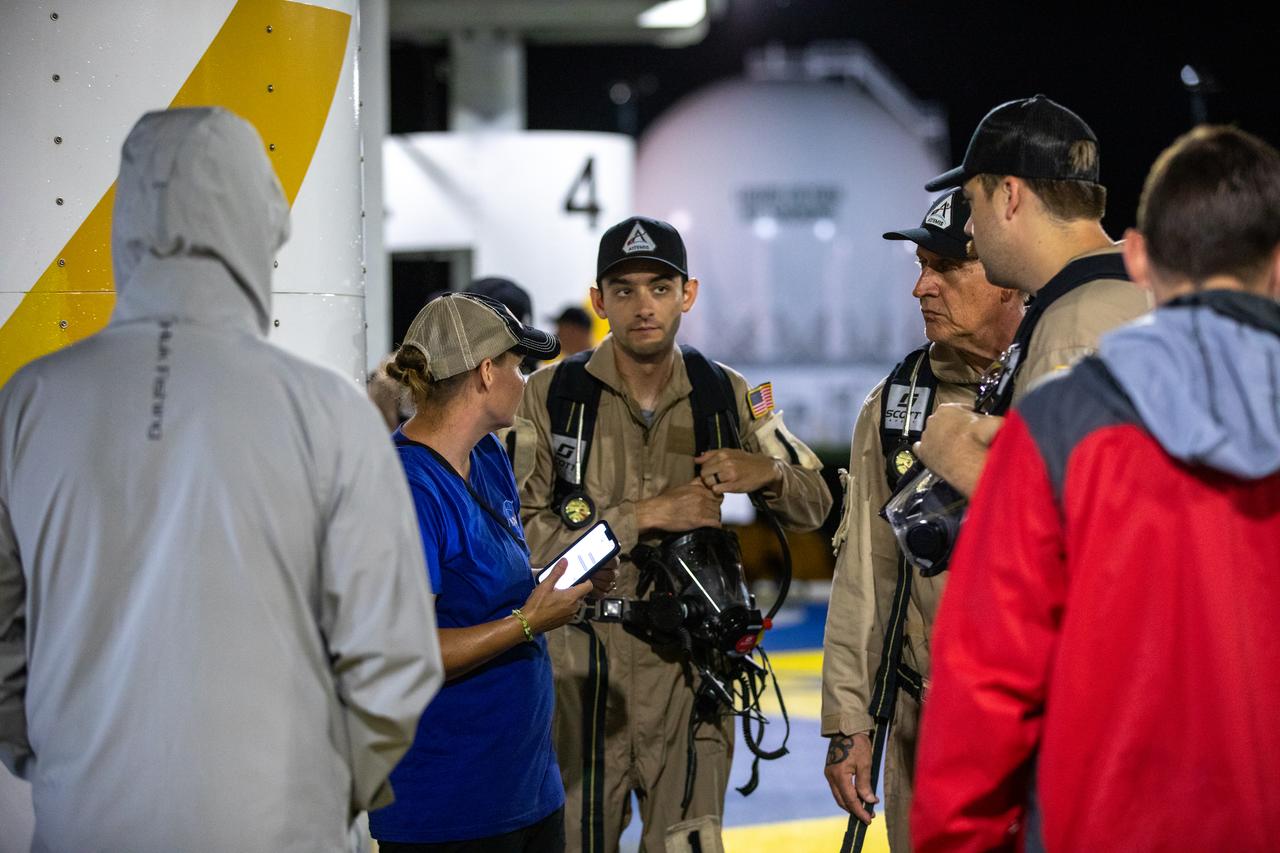
Teams at NASA’s Kennedy Space Center in Florida practice the Artemis mission emergency escape or egress procedures during a series of integrated system verification and validation tests at Launch Pad 39B on Tuesday, Aug. 13, 2024. Members of the closeout crew, pad rescue team and the Exploration Ground Systems Program practiced the process of getting inside and out of the emergency egress baskets. While the crew and other personnel will ride the emergency egress baskets to the terminus area in a real emergency, no one rode the baskets for this test. Instead, teams tested the baskets during separate occasions by using water tanks filled to different levels to replicate simulate the weight of passengers.
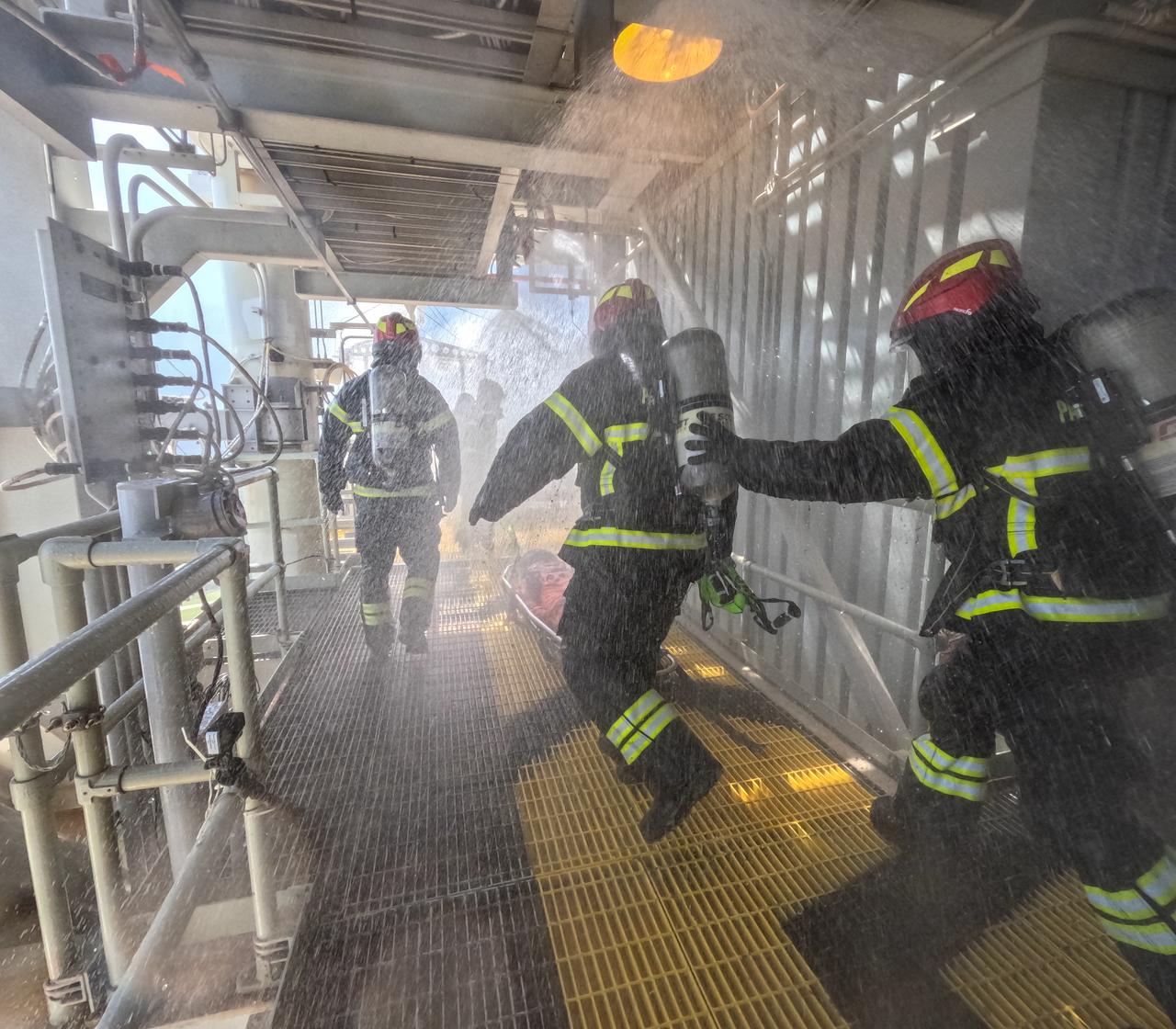
Teams at NASA’s Kennedy Space Center in Florida practice the Artemis mission emergency escape or egress procedures during a series of integrated system verification and validation tests at Launch Pad 39B on Sunday, Aug. 11, 2024. Members of the closeout crew, pad rescue team and the Exploration Ground Systems Program practiced the process of getting inside and out of the emergency egress baskets. While the crew and other personnel will ride the emergency egress baskets to the terminus area in a real emergency, no one rode the baskets for this test. Instead, teams tested the baskets during separate occasions by using water tanks filled to different levels to replicate simulate the weight of passengers.
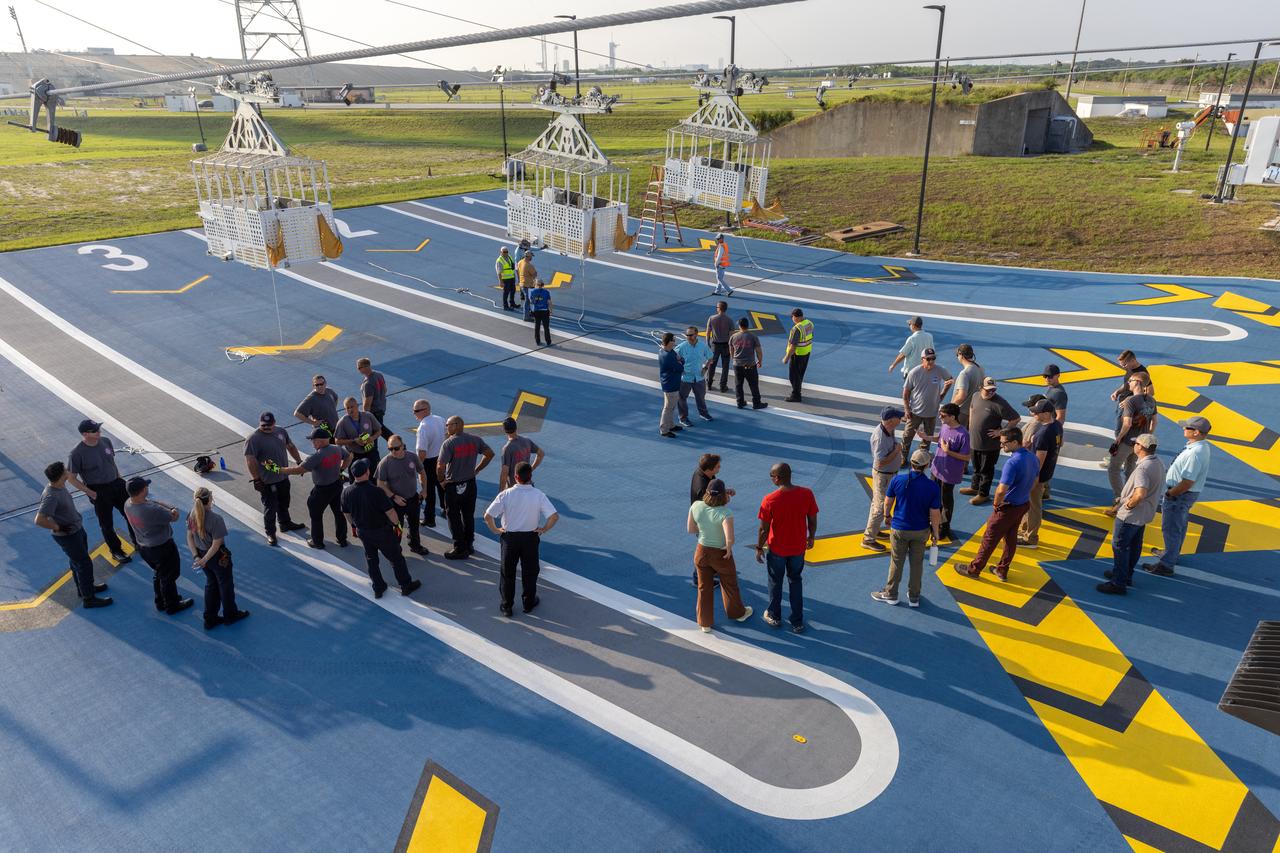
Teams at NASA’s Kennedy Space Center in Florida practice the Artemis mission emergency procedures during a series of integrated system verification and validation tests at Launch Pad 39B on Friday, Aug. 9, 2024. Members of the closeout crew, pad rescue team, and the Exploration Ground Systems Program practiced the process of getting inside and out of the emergency egress baskets. While the crew and other personnel will ride the emergency egress baskets to the terminus area in a real emergency, no one rode the baskets for this test. Instead, teams tested the baskets during separate occasions by using water tanks filled to different levels to replicate simulate the weight of passengers.
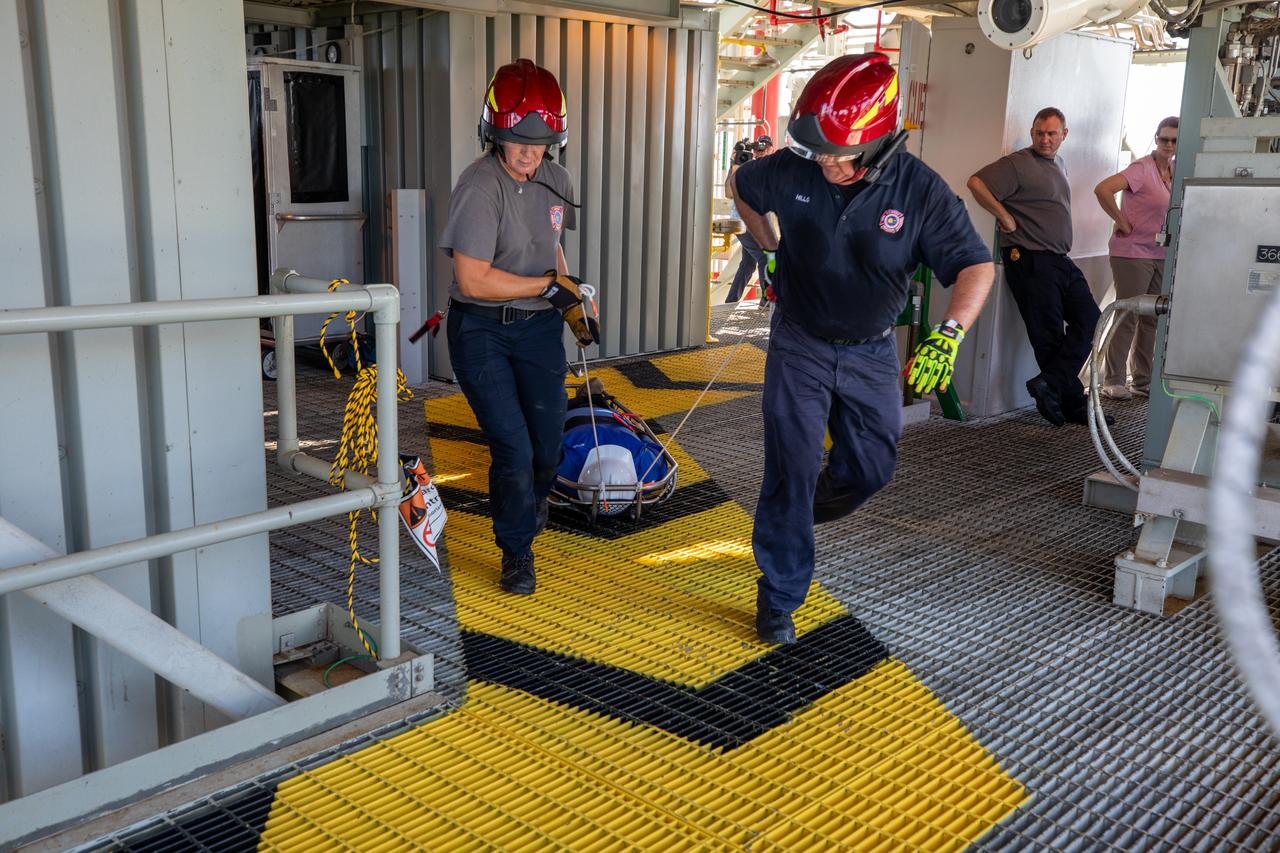
Teams at NASA’s Kennedy Space Center in Florida practice the Artemis mission emergency escape or egress procedures during a series of integrated system verification and validation tests at Launch Pad 39B on Sunday, Aug. 11, 2024. Members of the closeout crew, pad rescue team and the Exploration Ground Systems Program practiced the process of getting inside and out of the emergency egress baskets. While the crew and other personnel will ride the emergency egress baskets to the terminus area in a real emergency, no one rode the baskets for this test. Instead, teams tested the baskets during separate occasions by using water tanks filled to different levels to replicate simulate the weight of passengers.

Teams at NASA’s Kennedy Space Center in Florida practice the Artemis mission emergency escape or egress procedures during a series of integrated system verification and validation tests at Launch Pad 39B on Sunday, Aug. 11, 2024. Members of the closeout crew, simulated flight crew, pad rescue team, and the Exploration Ground Systems Program practiced the process of getting inside and out of the emergency egress baskets. While the crew and other personnel will ride the emergency egress baskets to the terminus area in a real emergency, no one rode the baskets for this test. Instead, teams tested the baskets during separate occasions by using water tanks filled to different levels to replicate simulate the weight of passengers.
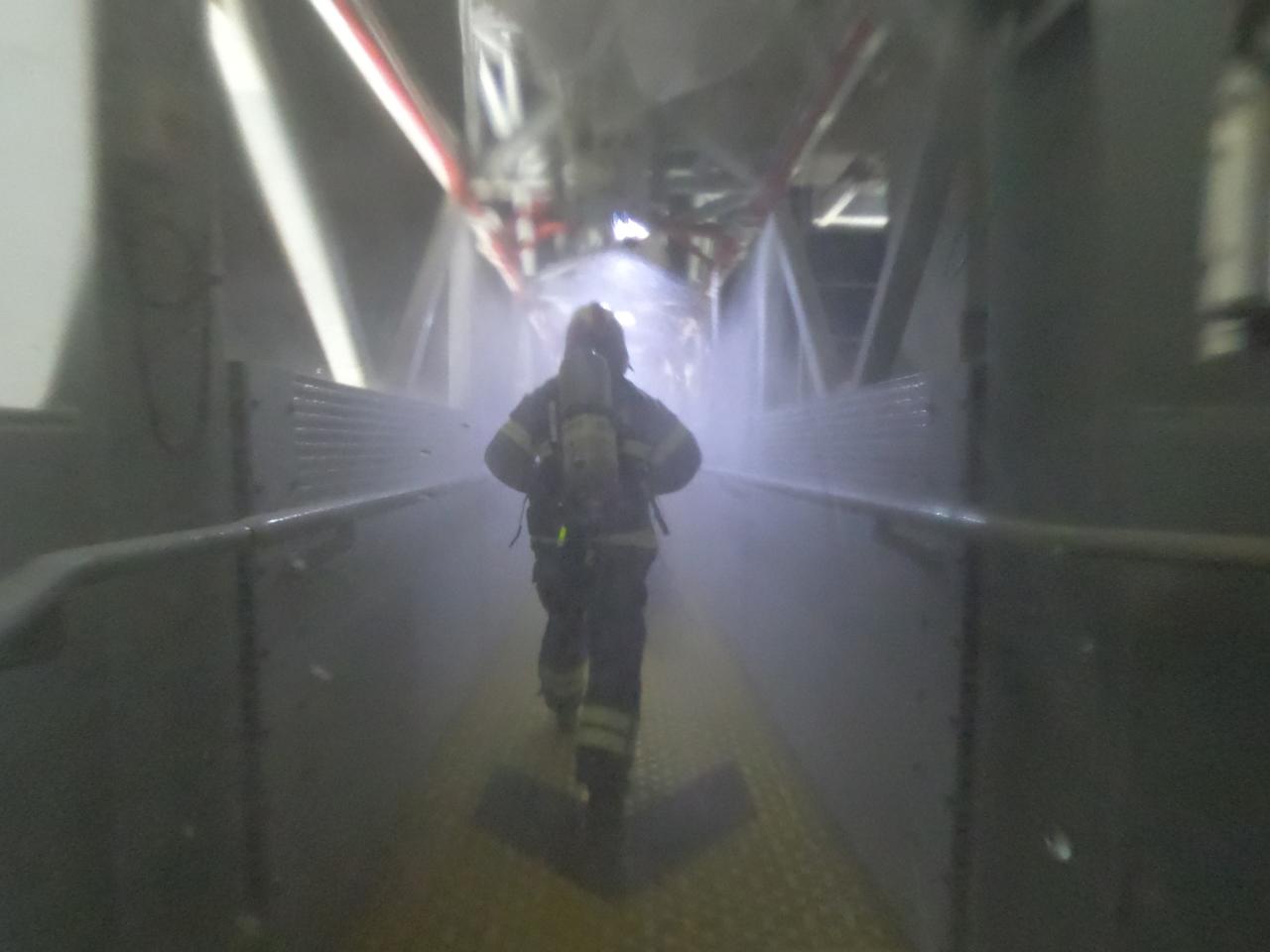
Teams at NASA’s Kennedy Space Center in Florida practice the Artemis mission emergency escape or egress procedures during a series of integrated system verification and validation tests at Launch Pad 39B on Tuesday, Aug. 13, 2024. Members of the closeout crew, pad rescue team, and the Exploration Ground Systems Program – who also suited up as astronauts – practiced the process of getting inside and out of the emergency egress baskets. While the crew and other personnel will ride the emergency egress baskets to the terminus area in a real emergency, no one rode the baskets for this test. Instead, teams tested the baskets during separate occasions by using water tanks filled to different levels to replicate simulate the weight of passengers.
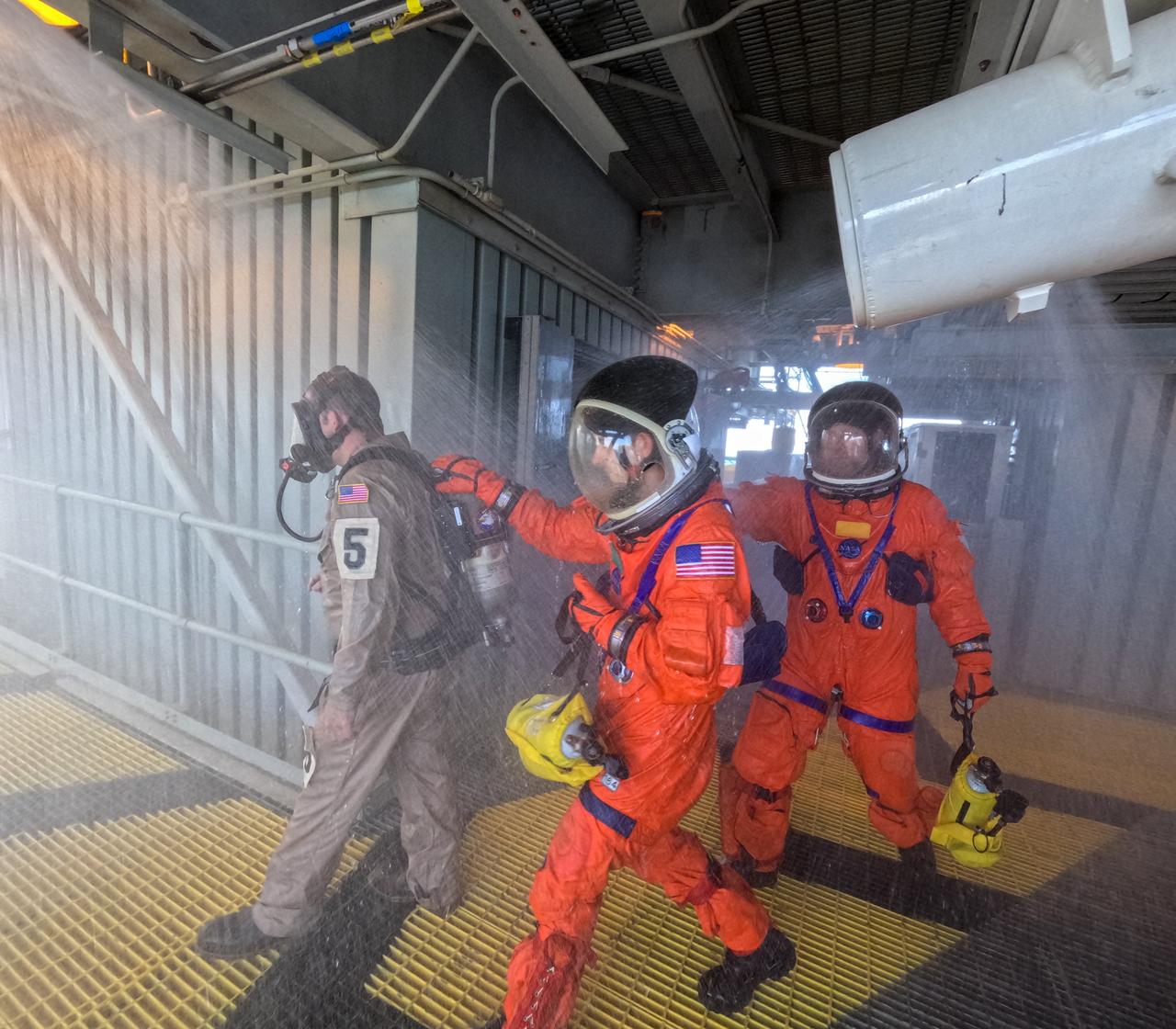
Teams at NASA’s Kennedy Space Center in Florida practice the Artemis mission emergency escape or egress procedures during a series of integrated system verification and validation tests at Launch Pad 39B on Sunday, Aug. 11, 2024. Members of the closeout crew, simulated flight crew, pad rescue team, and the Exploration Ground Systems Program practiced the process of getting inside and out of the emergency egress baskets. While the crew and other personnel will ride the emergency egress baskets to the terminus area in a real emergency, no one rode the baskets for this test. Instead, teams tested the baskets during separate occasions by using water tanks filled to different levels to replicate simulate the weight of passengers.
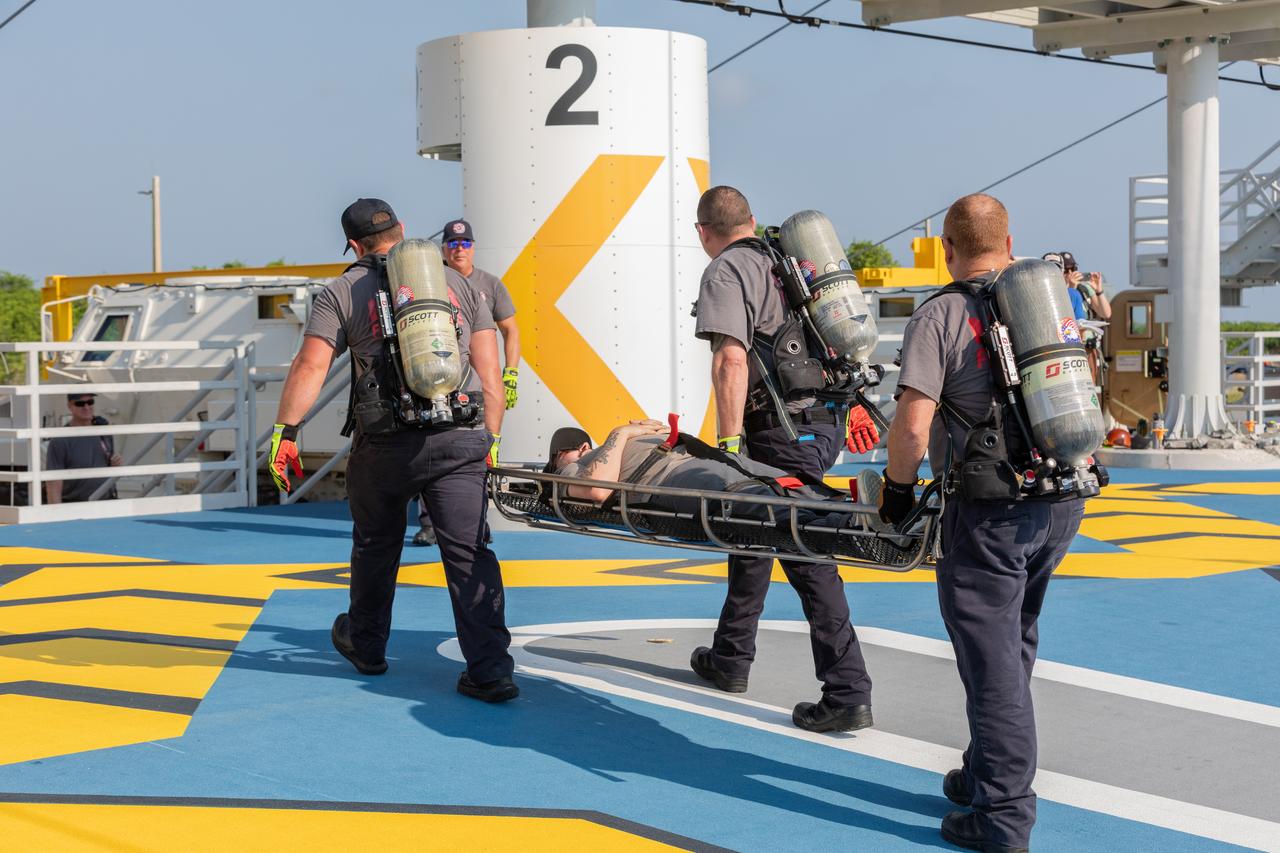
Teams at NASA’s Kennedy Space Center in Florida practice the Artemis mission emergency procedures during a series of integrated system verification and validation tests at Launch Pad 39B on Friday, Aug. 9, 2024. Members of the closeout crew, pad rescue team, and the Exploration Ground Systems Program practiced the process of getting inside and out of the emergency egress baskets. While the crew and other personnel will ride the emergency egress baskets to the terminus area in a real emergency, no one rode the baskets for this test. Instead, teams tested the baskets during separate occasions by using water tanks filled to different levels to replicate simulate the weight of passengers.
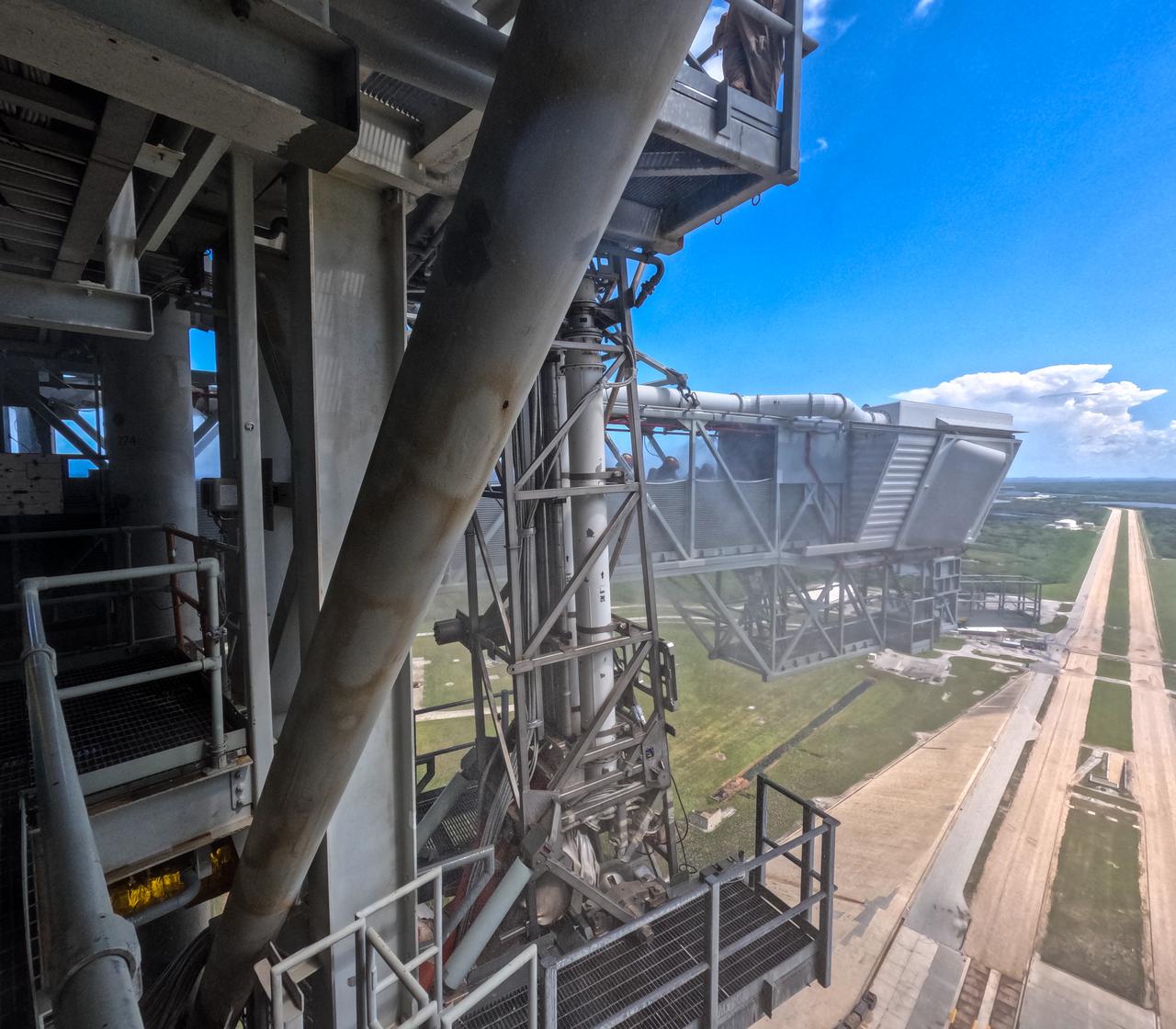
Teams at NASA’s Kennedy Space Center in Florida practice the Artemis mission emergency escape or egress procedures during a series of integrated system verification and validation tests at Launch Pad 39B on Sunday, Aug. 11, 2024. Members of the closeout crew, pad rescue team and the Exploration Ground Systems Program practiced walking to the crew access arm and getting inside and out of the emergency egress baskets. While the crew and other personnel will ride the emergency egress baskets to the terminus area in a real emergency, no one rode the baskets for this test. Instead, teams tested the baskets during separate occasions by using water tanks filled to different levels to replicate simulate the weight of passengers.
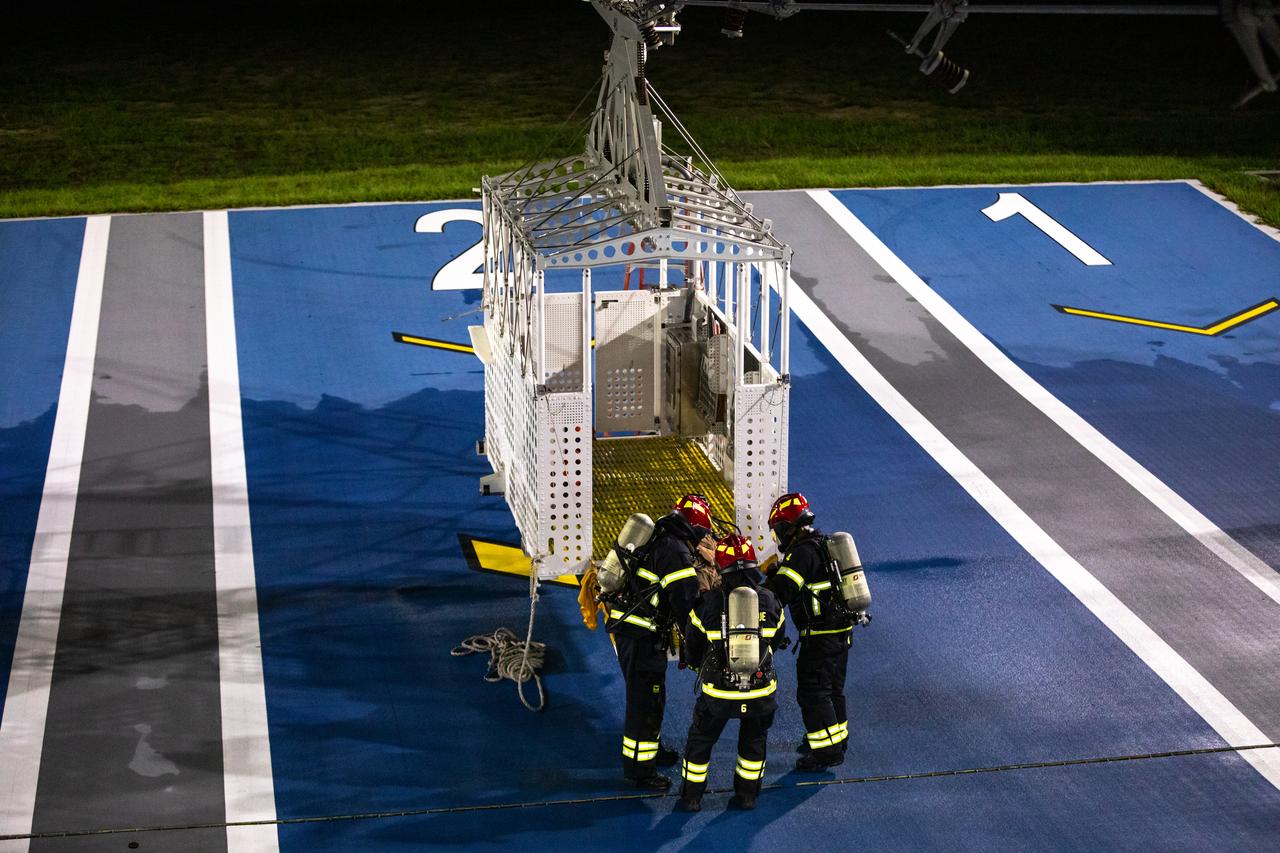
Teams at NASA’s Kennedy Space Center in Florida practice the Artemis mission emergency escape or egress procedures during a series of integrated system verification and validation tests at Launch Pad 39B on Tuesday, Aug. 13, 2024. Members of the closeout crew, pad rescue team and the Exploration Ground Systems Program practiced the process of getting inside and out of the emergency egress baskets. While the crew and other personnel will ride the emergency egress baskets to the terminus area in a real emergency, no one rode the baskets for this test. Instead, teams tested the baskets during separate occasions by using water tanks filled to different levels to replicate simulate the weight of passengers.

Teams at NASA’s Kennedy Space Center in Florida practice the Artemis mission emergency escape or egress procedures during a series of integrated system verification and validation tests at Launch Pad 39B on Tuesday, Aug. 13, 2024. Members of the closeout crew, pad rescue team, and the Exploration Ground Systems Program – who also suited up as astronauts – practiced the process of getting inside and out of the emergency egress baskets. While the crew and other personnel will ride the emergency egress baskets to the terminus area in a real emergency, no one rode the baskets for this test. Instead, teams tested the baskets during separate occasions by using water tanks filled to different levels to replicate simulate the weight of passengers.
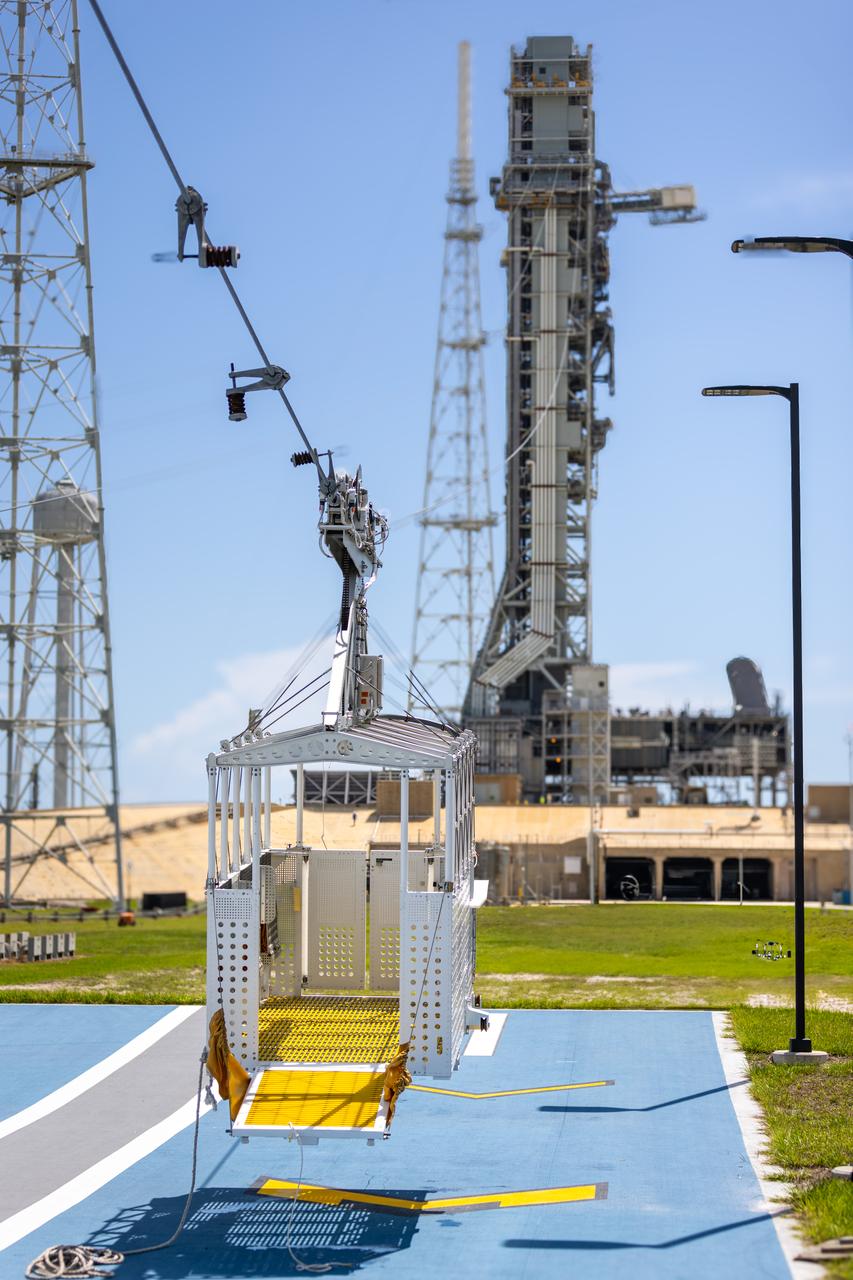
Teams at NASA’s Kennedy Space Center in Florida practice the Artemis mission emergency escape or egress procedures during a series of integrated system verification and validation tests at Launch Pad 39B on Monday, Aug. 12, 2024. Members of the closeout crew, pad rescue team and the Exploration Ground Systems Program practiced the process of getting inside and out of the emergency egress baskets. While the crew and other personnel will ride the emergency egress baskets to the terminus area in a real emergency, no one rode the baskets for this test. Instead, teams tested the baskets during separate occasions by using water tanks filled to different levels to replicate simulate the weight of passengers.
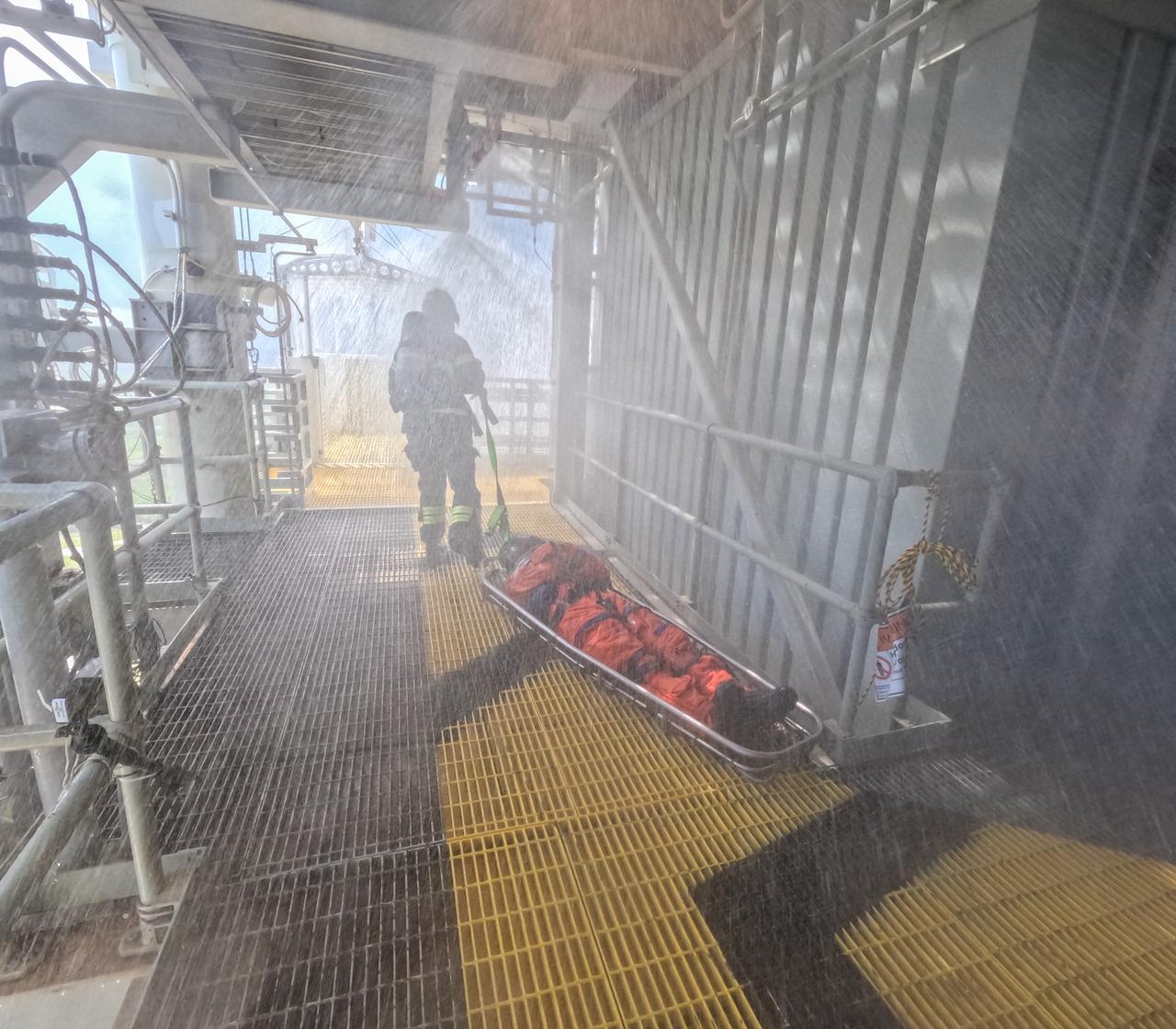
Teams at NASA’s Kennedy Space Center in Florida practice the Artemis mission emergency escape or egress procedures during a series of integrated system verification and validation tests at Launch Pad 39B on Sunday, Aug. 11, 2024. Members of the closeout crew, simulated flight crew, pad rescue team, and the Exploration Ground Systems Program practiced the process of getting inside and out of the emergency egress baskets. While the crew and other personnel will ride the emergency egress baskets to the terminus area in a real emergency, no one rode the baskets for this test. Instead, teams tested the baskets during separate occasions by using water tanks filled to different levels to replicate simulate the weight of passengers.
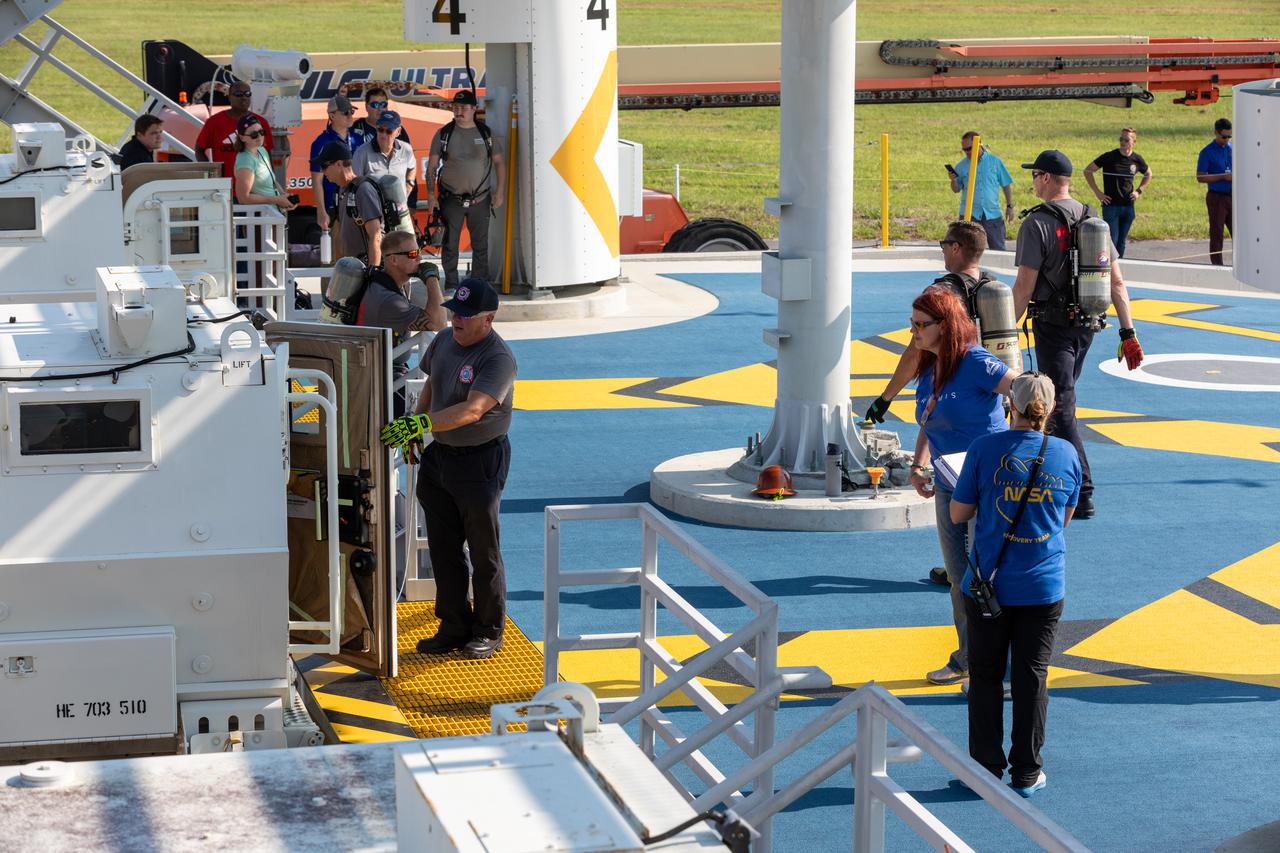
Teams at NASA’s Kennedy Space Center in Florida practice the Artemis mission emergency procedures during a series of integrated system verification and validation tests at Launch Pad 39B on Friday, Aug. 9, 2024. Members of the closeout crew, pad rescue team, and the Exploration Ground Systems Program practiced the process of getting inside and out of the emergency egress baskets. While the crew and other personnel will ride the emergency egress baskets to the terminus area in a real emergency, no one rode the baskets for this test. Instead, teams tested the baskets during separate occasions by using water tanks filled to different levels to replicate simulate the weight of passengers.
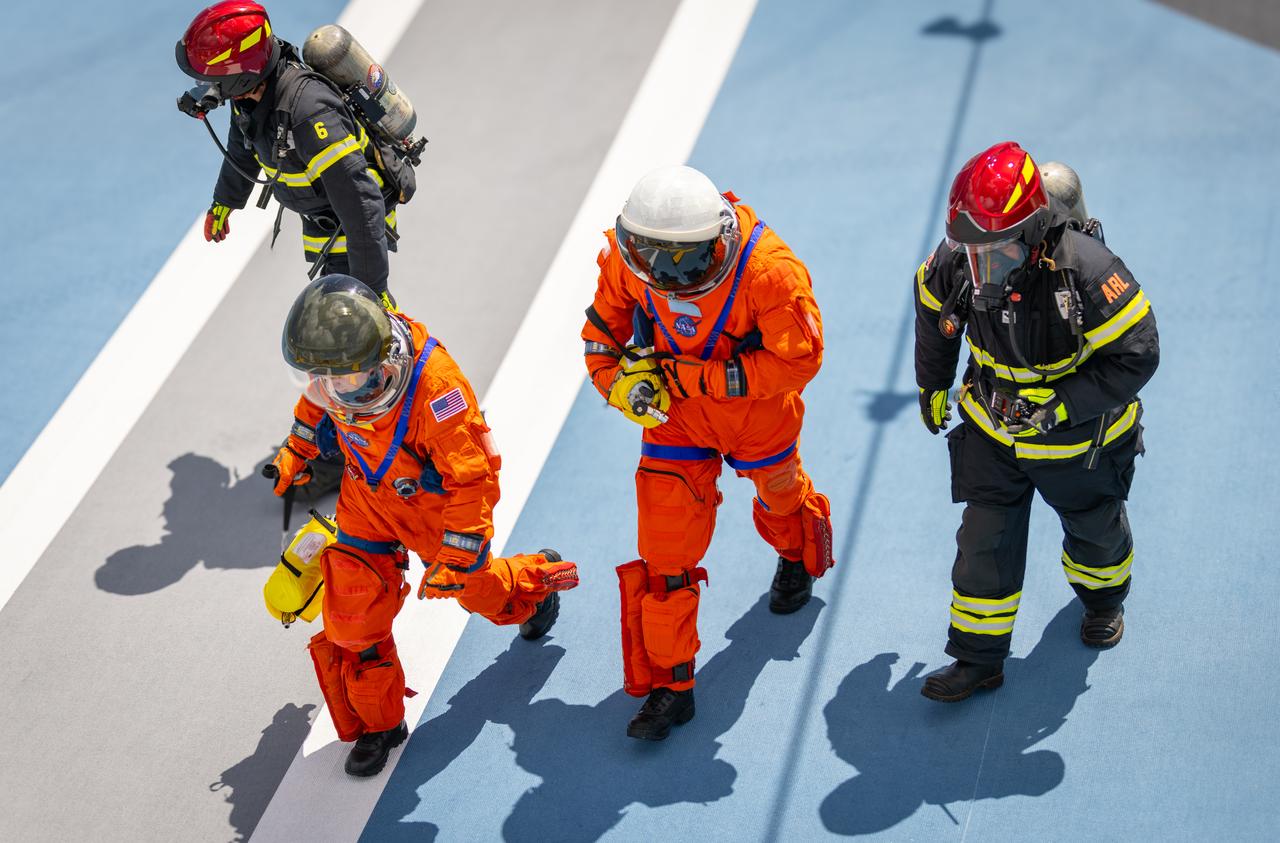
Teams at NASA’s Kennedy Space Center in Florida practice the Artemis mission emergency escape or egress procedures during a series of integrated system verification and validation tests at Launch Pad 39B on Monday, Aug. 12, 2024. Members of the closeout crew, pad rescue team and the Exploration Ground Systems Program practiced the process of getting inside and out of the emergency egress baskets. While the crew and other personnel will ride the emergency egress baskets to the terminus area in a real emergency, no one rode the baskets for this test. Instead, teams tested the baskets during separate occasions by using water tanks filled to different levels to replicate simulate the weight of passengers.
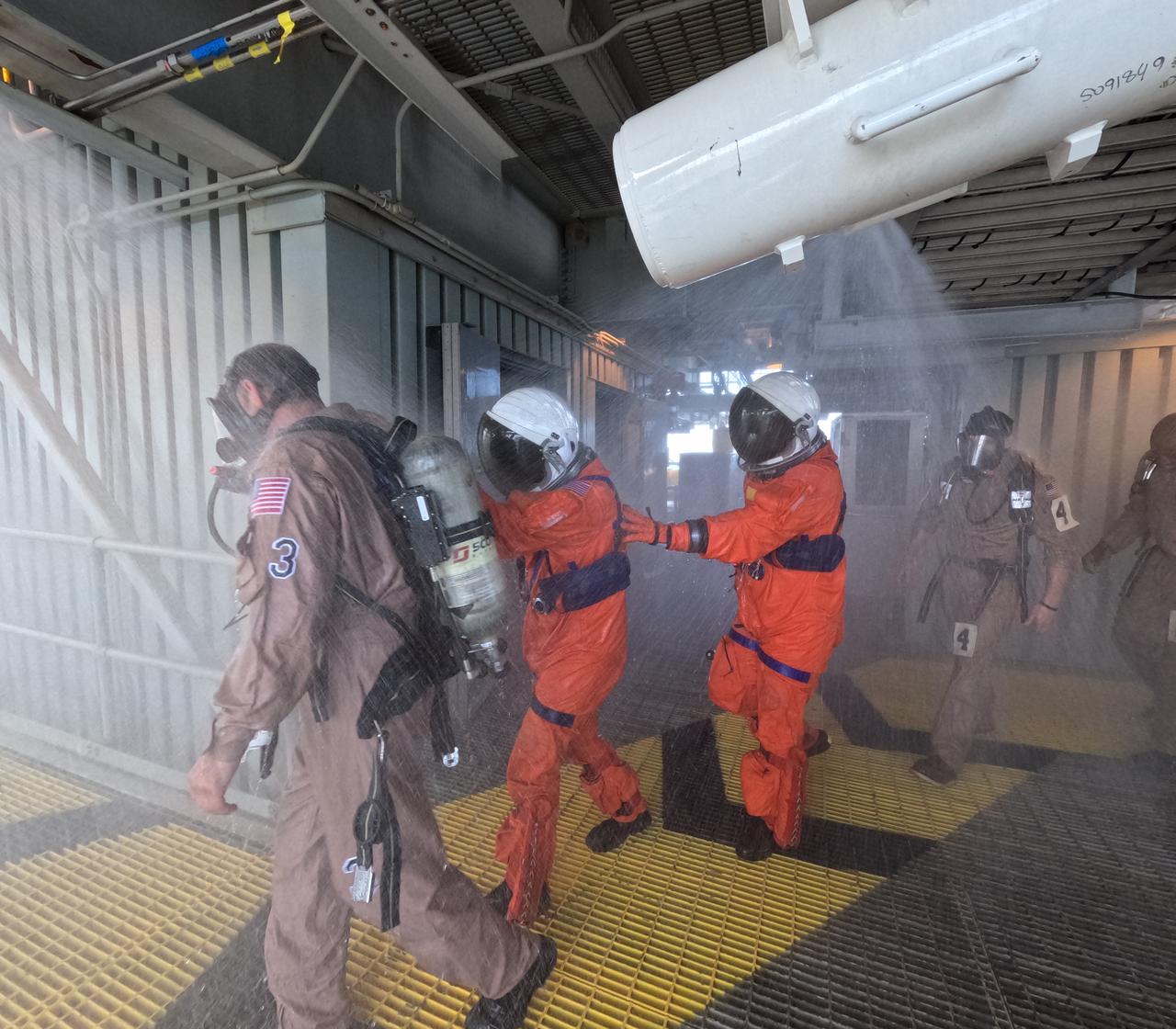
Teams at NASA’s Kennedy Space Center in Florida practice the Artemis mission emergency escape or egress procedures during a series of integrated system verification and validation tests at Launch Pad 39B on Sunday, Aug. 11, 2024. Members of the closeout crew, simulated flight crew, pad rescue team, and the Exploration Ground Systems Program practiced the process of getting inside and out of the emergency egress baskets. While the crew and other personnel will ride the emergency egress baskets to the terminus area in a real emergency, no one rode the baskets for this test. Instead, teams tested the baskets during separate occasions by using water tanks filled to different levels to replicate simulate the weight of passengers.
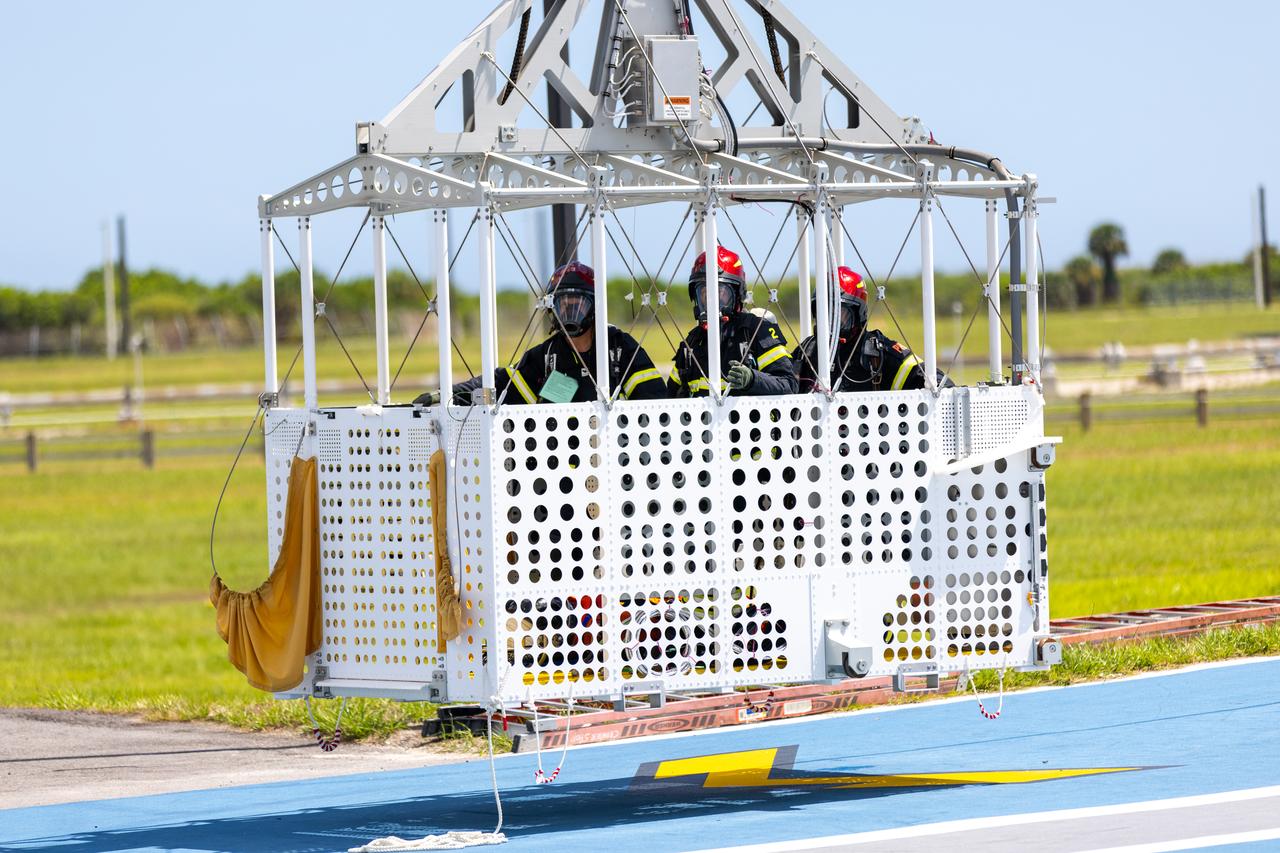
Teams at NASA’s Kennedy Space Center in Florida practice the Artemis mission emergency escape or egress procedures during a series of integrated system verification and validation tests at Launch Pad 39B on Monday, Aug. 12, 2024. Members of the closeout crew, pad rescue team and the Exploration Ground Systems Program practiced the process of getting inside and out of the emergency egress baskets. While the crew and other personnel will ride the emergency egress baskets to the terminus area in a real emergency, no one rode the baskets for this test. Instead, teams tested the baskets during separate occasions by using water tanks filled to different levels to replicate simulate the weight of passengers.