
A view inside the Electromagnet Effects Laboratory (EML) on Oct. 13, 2020, at NASA’s Kennedy Space Center in Florida. The EML is the center’s multi-discipline test facility used for electromagnetic design certification for electrical systems, electromagnetic environment development, and electromagnetic operational validation.
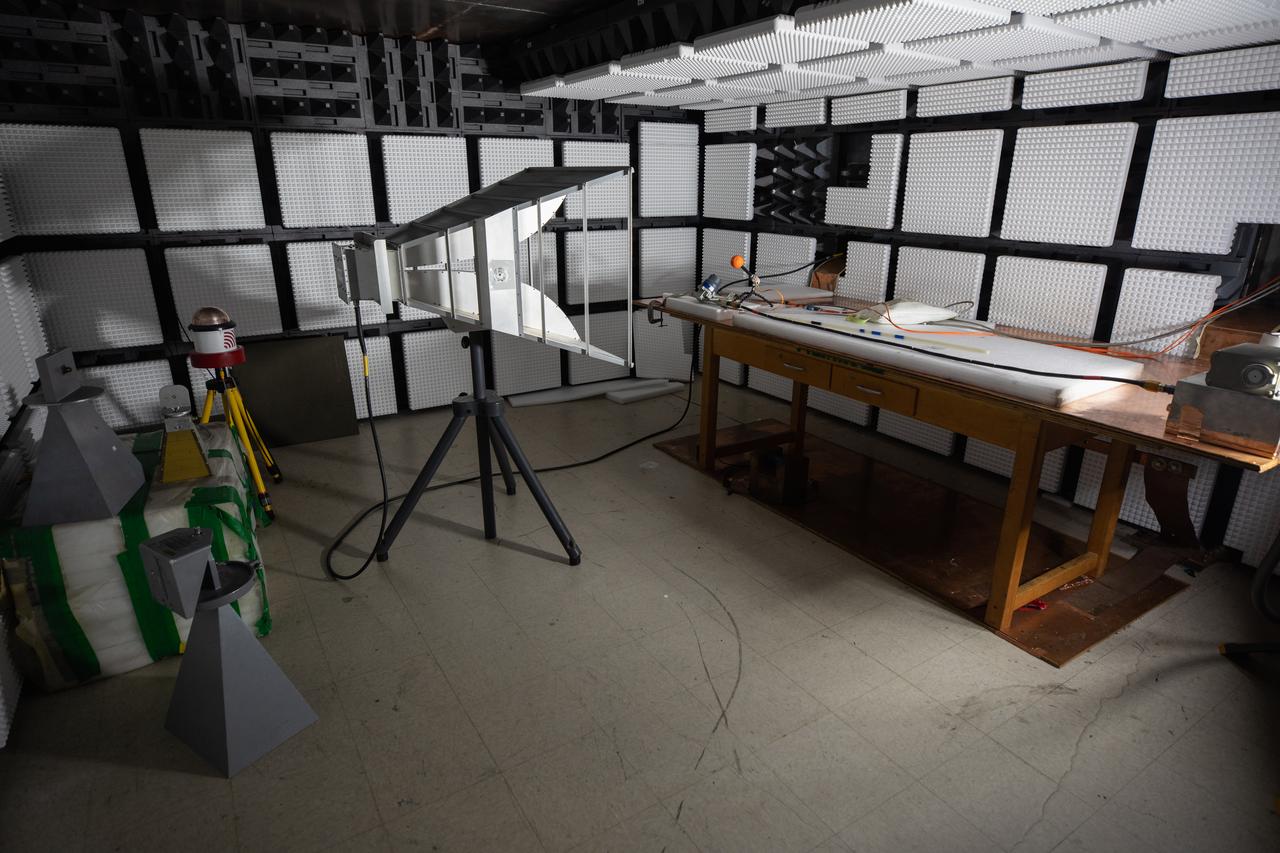
A view inside the Electromagnet Effects Laboratory (EML) on Oct. 13, 2020, at NASA’s Kennedy Space Center in Florida. The EML is the center’s multi-discipline test facility used for electromagnetic design certification for electrical systems, electromagnetic environment development, and electromagnetic operational validation.
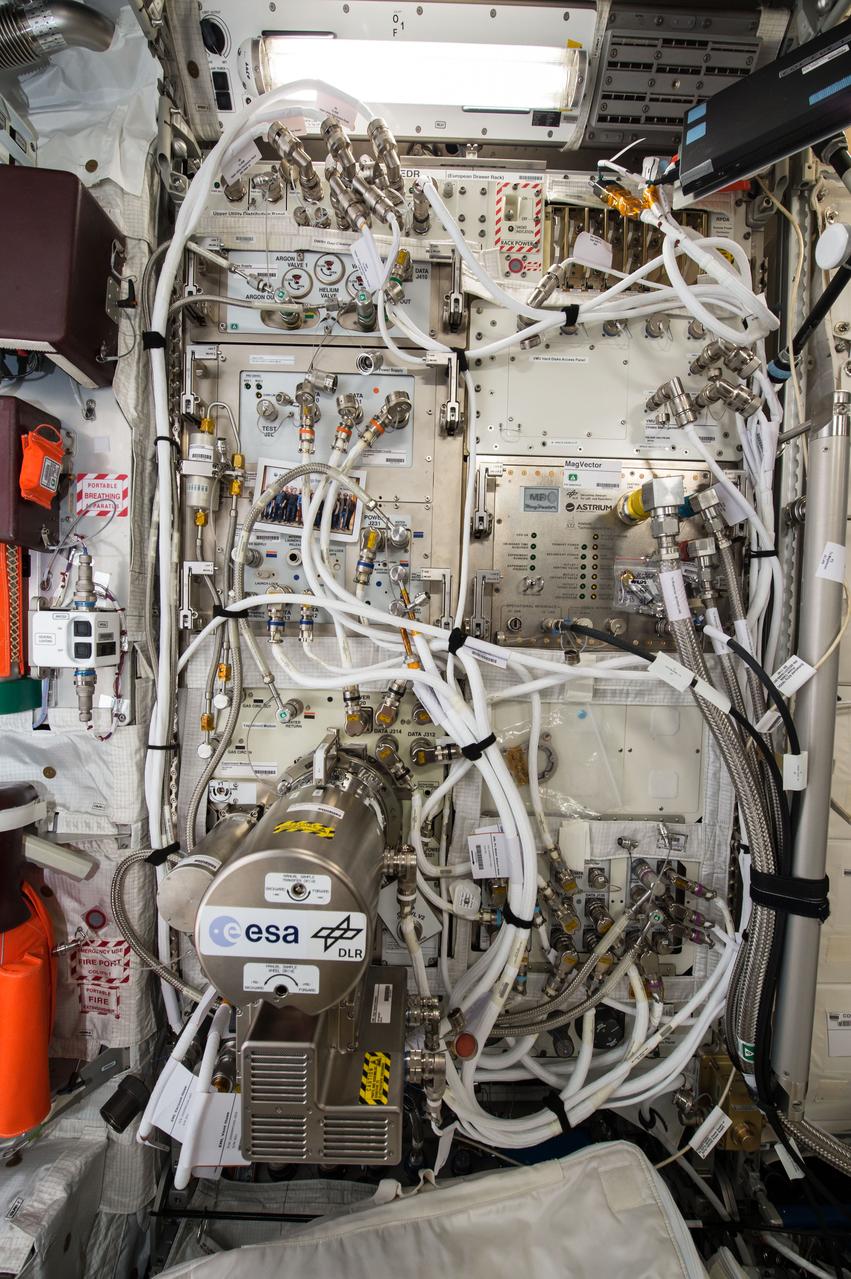
iss041e096097 (10/23/2014) — Photo documentation of the Electromagnetic Levitator (EML) in the Columbus module of the International Space Station (ISS). The EML multi-user facility is designed for containerless materials processing in space.
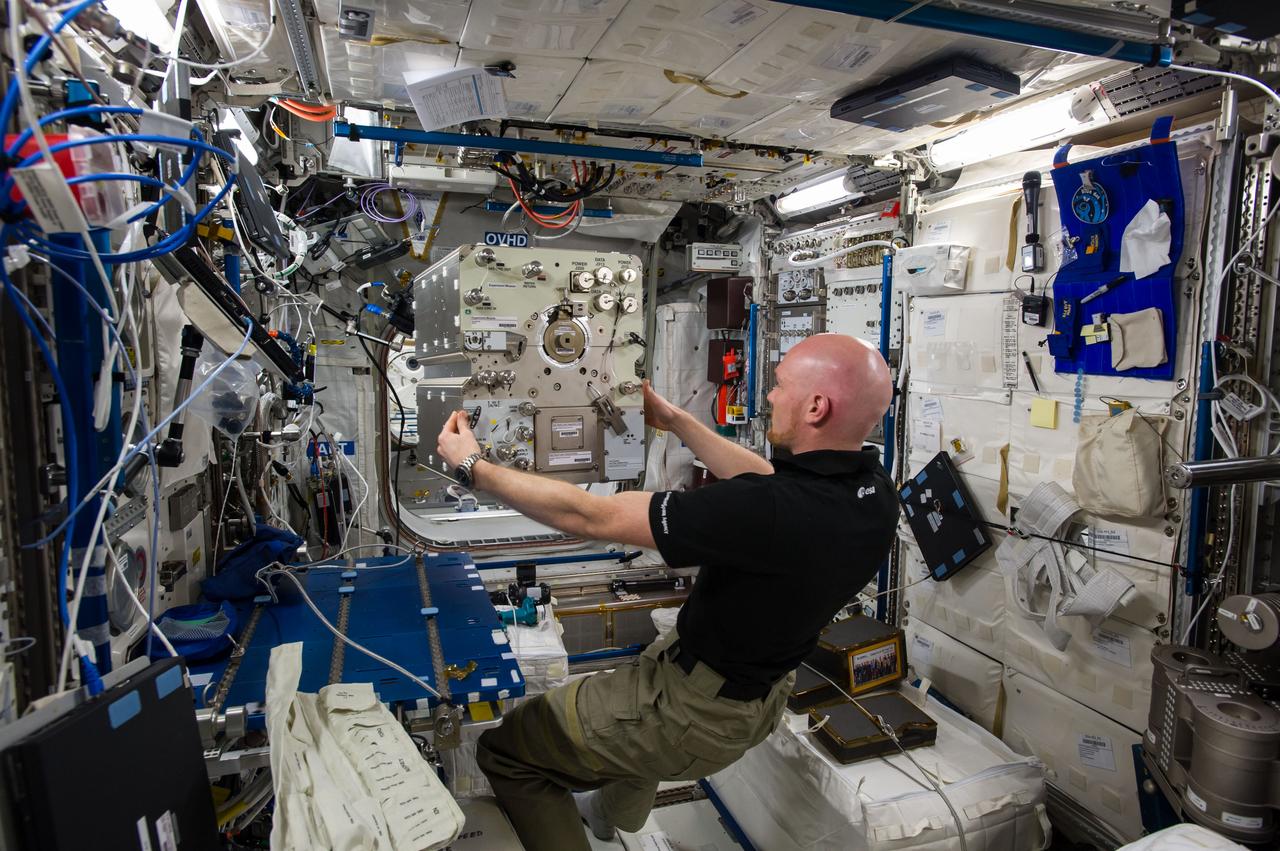
iss040e108044 (8/21/2014) — European Space Agency (ESA) astronaut Alexander Gerst, is shown in the Columbus module of the International Space Station (ISS) during the installation of the Electromagnetic Levitator (EML). The EML multi-user facility is designed for containerless materials processing in space.
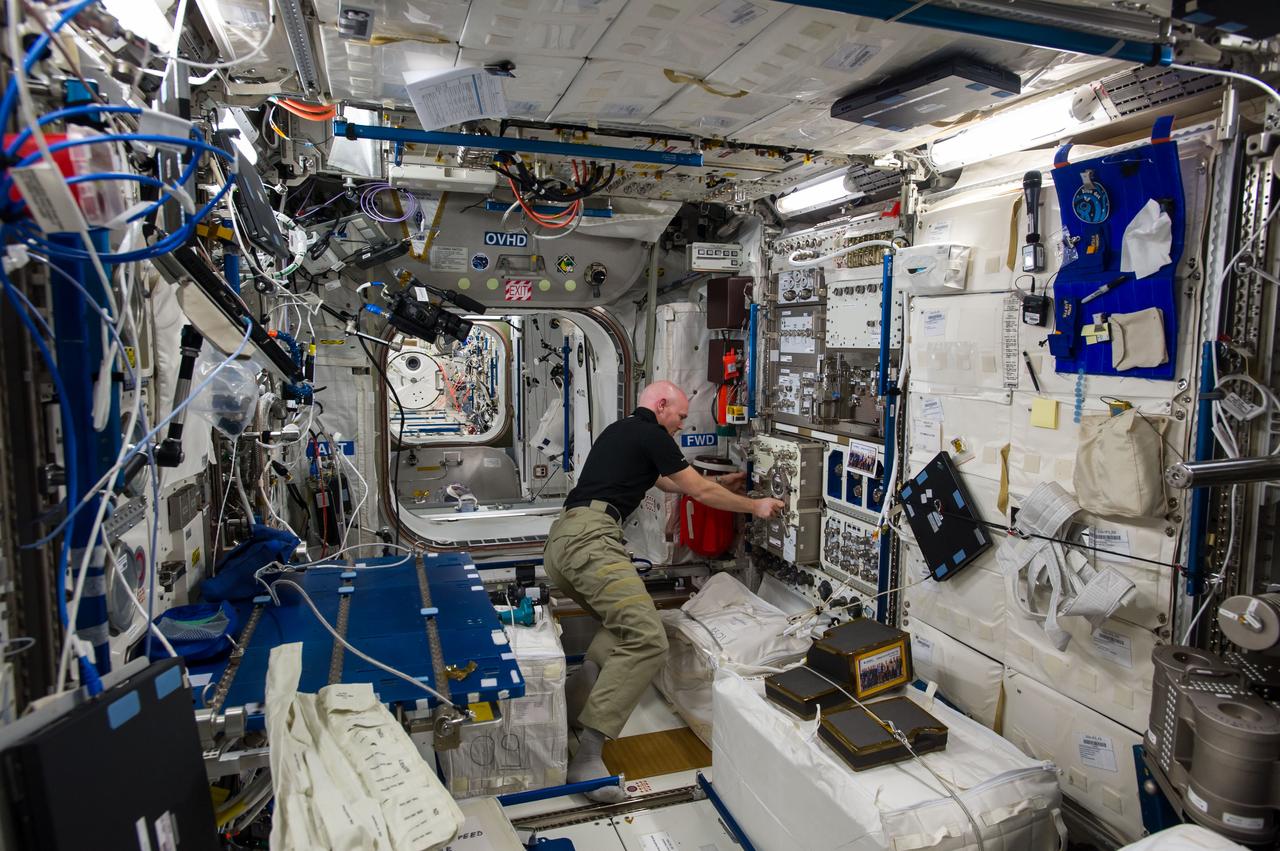
iss040e108050 (8/21/2014) — European Space Agency (ESA) astronaut Alexander Gerst, is shown in the Columbus module of the International Space Station (ISS) during the installation of the Electromagnetic Levitator (EML). The EML multi-user facility is designed for containerless materials processing in space.
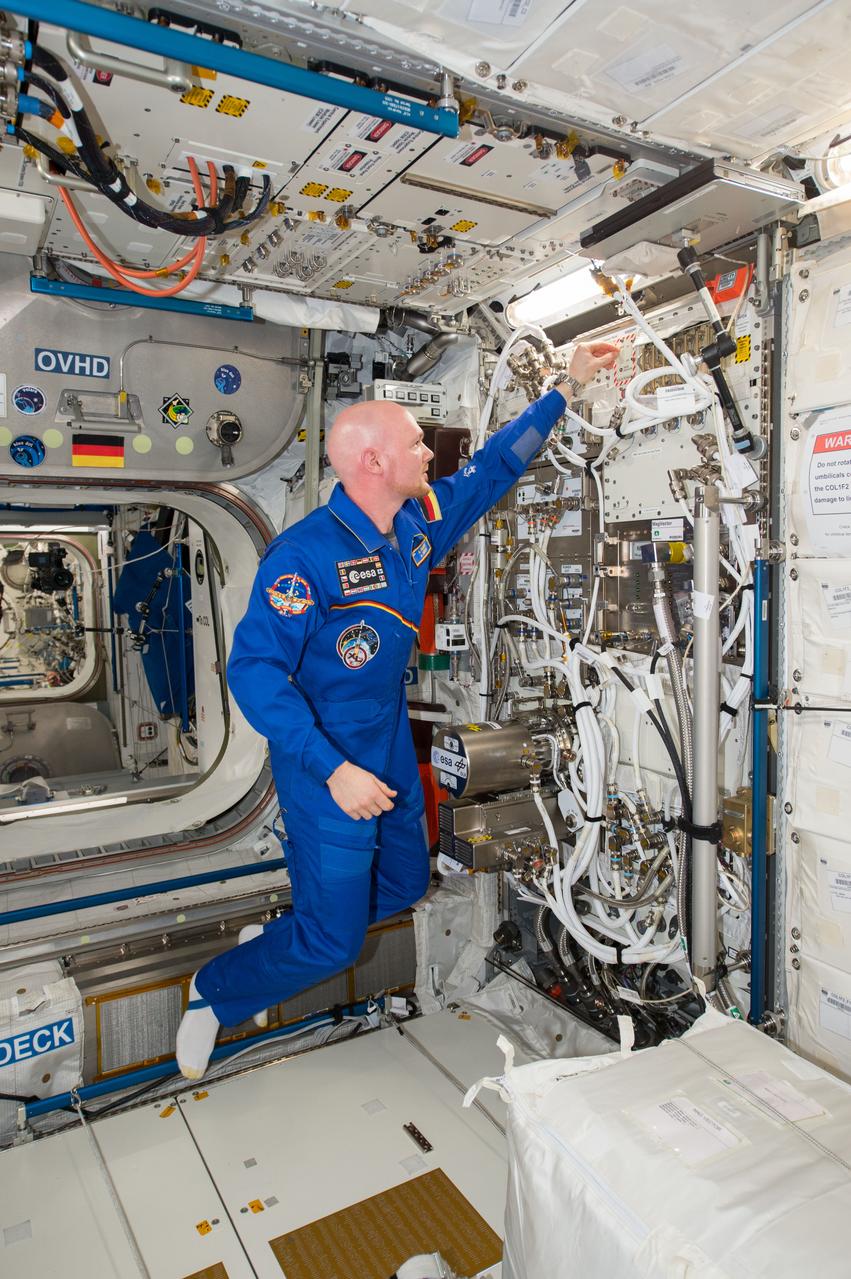
iss041e107733 (11/4/2014) --- ESA astronaut Alexander Gerst activates the Electromagnetic Levitator (EML), a microgravity furnace for metals, inside Europe's Columbus module of the International Space Station during his 2014 Blue Dot mission.
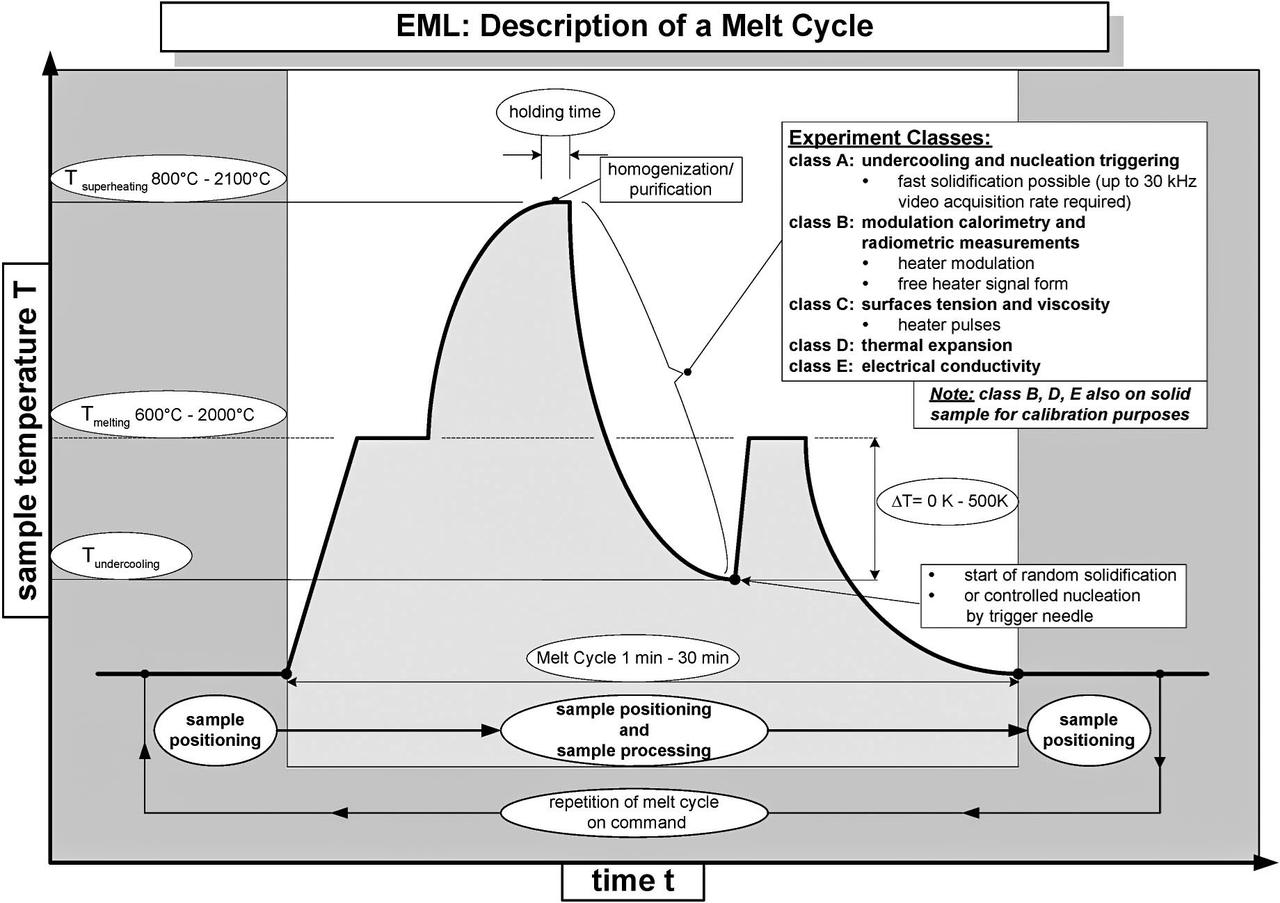
jsc2025e000003 (1/2/2025) --- A sample run is shown in the Electromagnetic Levitator (EML) Facility. Image courtesy of ESA.

jsc2025e000004 (2024) --- View of ESA astronaut Alexander Gerst activating the Electromagnetic Levitator (EML), a microgravity furnace for metals, inside Europe's Columbus module of the International Space Station during his 2014 Blue Dot mission.
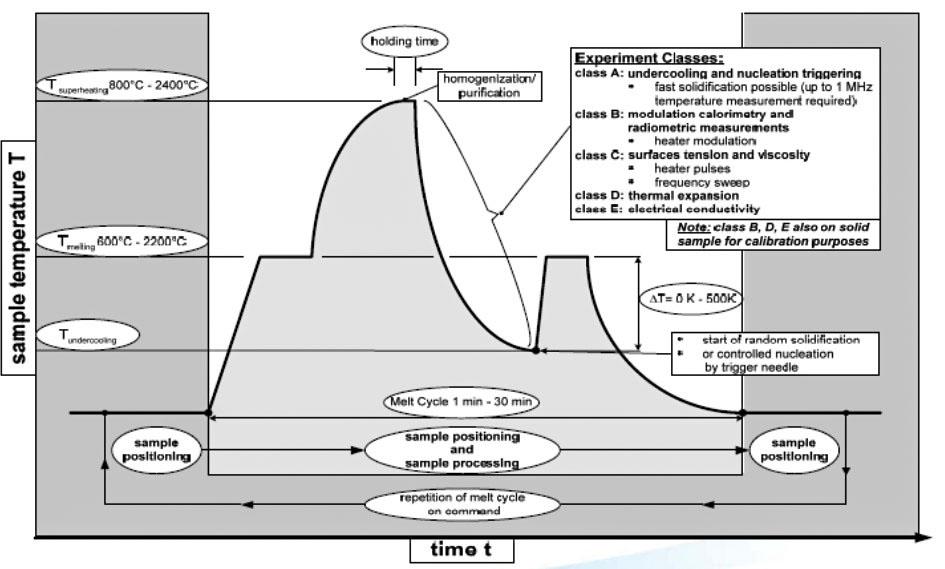
jsc2021e029751 (7/15/2021) --- A diagram showing the the Process cycle of the Electromagnetic Levitator (EML) - Batch 3 of samples. EML is a multi-user facility that provides containerless melting and solidification of electrically conductive, spherical samples, under ultra-high vacuum and/or high gas-purity conditions. Heating and positioning of the sample is achieved by electromagnetic fields generated by a coil system. Batch 3 is a new Sample Chamber to be mounted to the EML process chamber, bringing 18 new samples

ISS041-E-000184 (11 Sept. 2014) --- European Space Agency astronaut Alexander Gerst, Expedition 41 flight engineer, works with Electromagnetic Levitation (EML) hardware in the Columbus laboratory of the International Space Station.
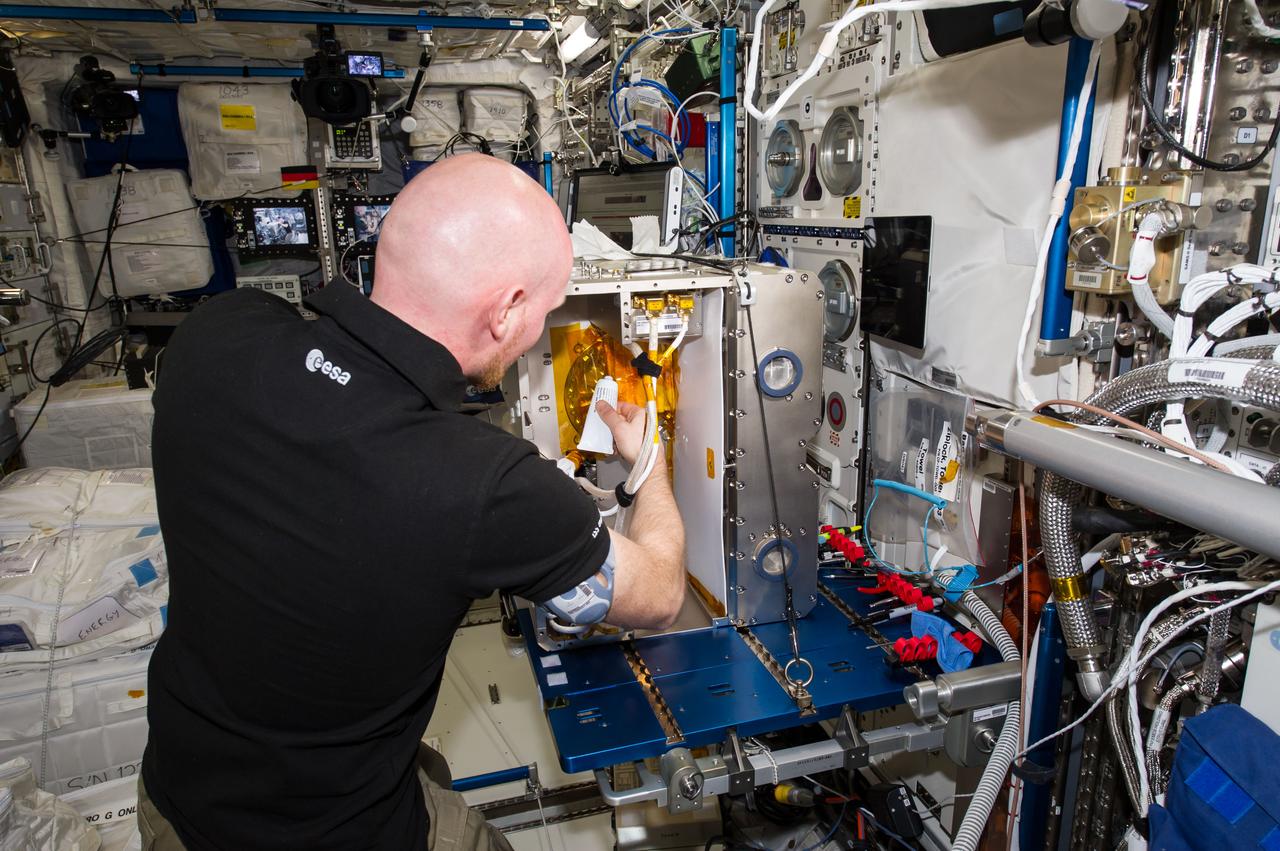
ISS041-E-000173 (11 Sept. 2014) --- European Space Agency astronaut Alexander Gerst, Expedition 41 flight engineer, works with Electromagnetic Levitation (EML) hardware in the Columbus laboratory of the International Space Station.
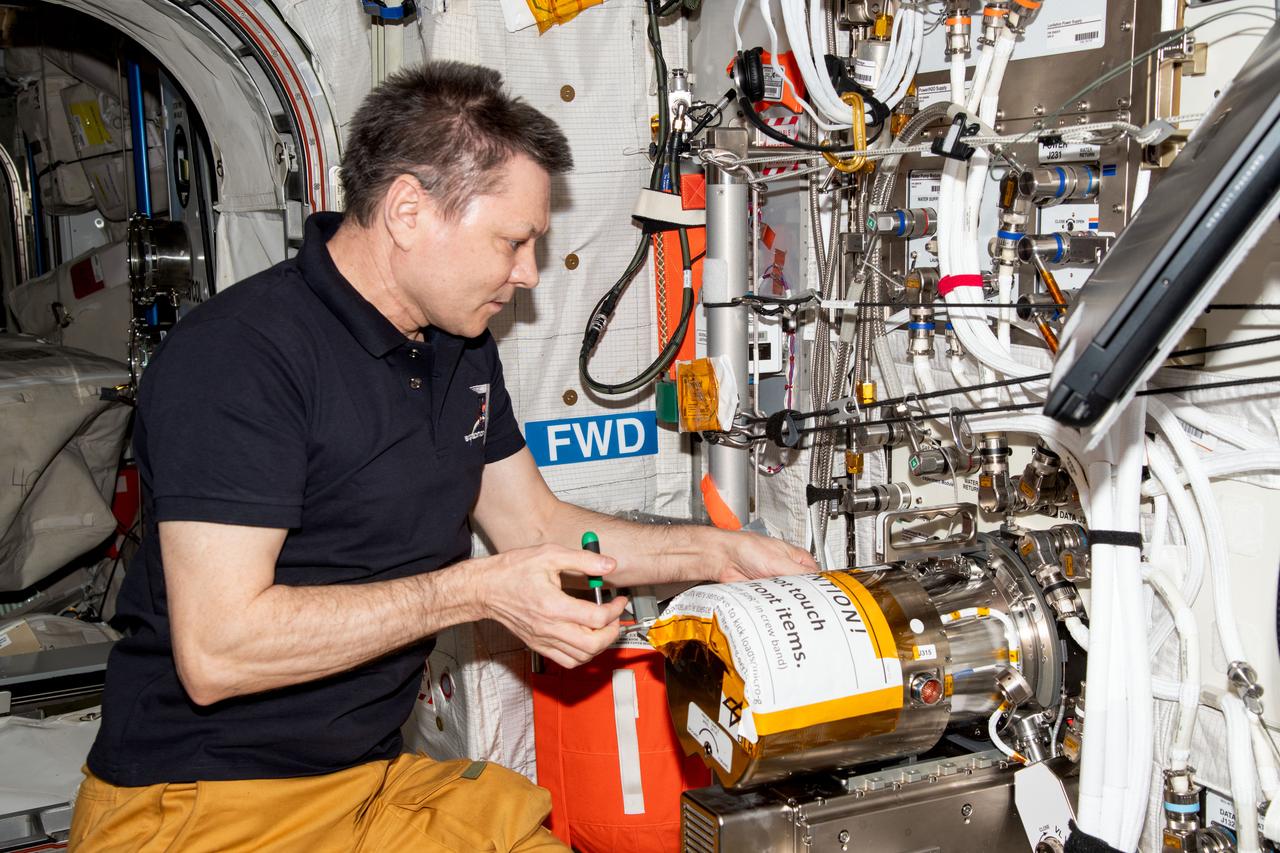
iss071e580240 (AUg. 29, 2024) --- Roscosmos cosmonaut and Expedition 71 Commander Oleg Kononenko swaps sample chambers inside the Electromagnetic Levitator (EML) located aboard the International Space Station's Columbus laboratory module. The EML is a physics research device that measures the thermophysical properties of liquid metallic alloys at high temperatures.
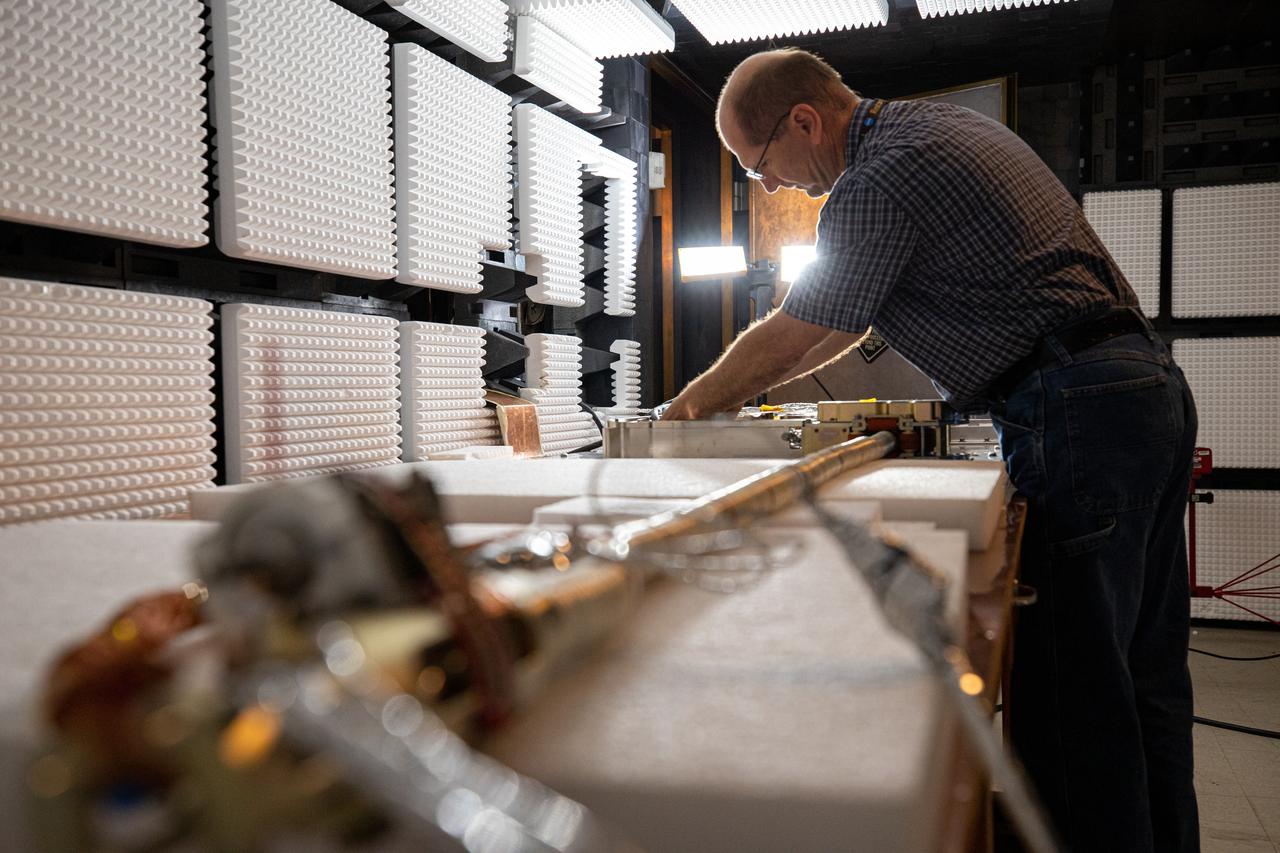
Inside the Electromagnetic Lab at NASA's Kennedy Space Center in Florida, Gabor Tamasy, Hose Management Assembly (HMA) system lead for Restore-L, prepares the HMA test unit for electromagnetic interference testing on Feb. 19, 2020. The HMA is able to extend and retract the hose, somewhat similar to the function of a tape measure. Managed by the agency's Goddard Space Flight Center in Greenbelt, Maryland, Restore-L is an inflight robotic satellite servicer spacecraft.
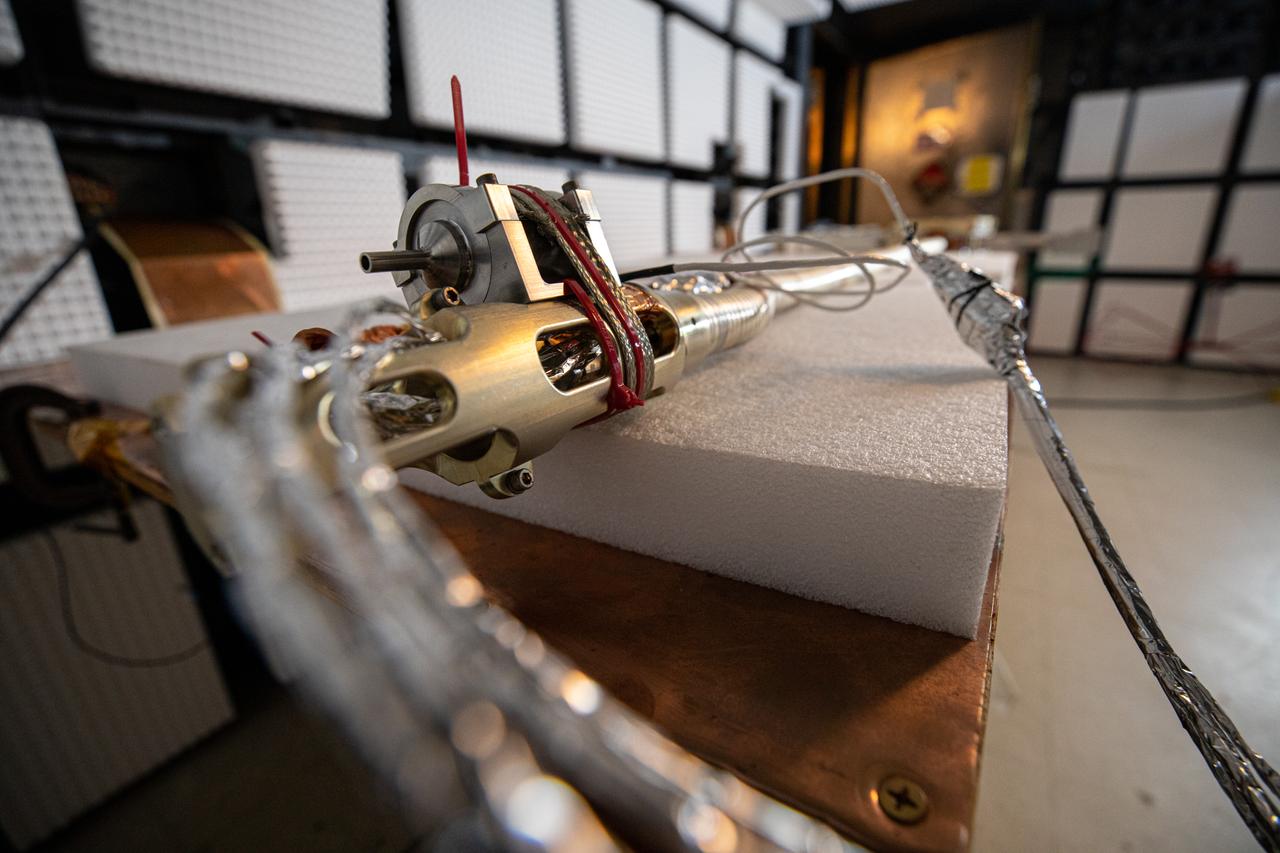
The Restore-L hose management assembly (HMA) test unit undergoes electromagnetic interference testing in the Electromagnetic Lab at NASA's Kennedy Space Center in Florida on Feb. 19, 2020. The HMA is able to extend and retract the hose, somewhat similar to the function of a tape measure. Managed by the agency's Goddard Space Flight Center in Greenbelt, Maryland, Restore-L is an inflight robotic satellite servicer spacecraft.
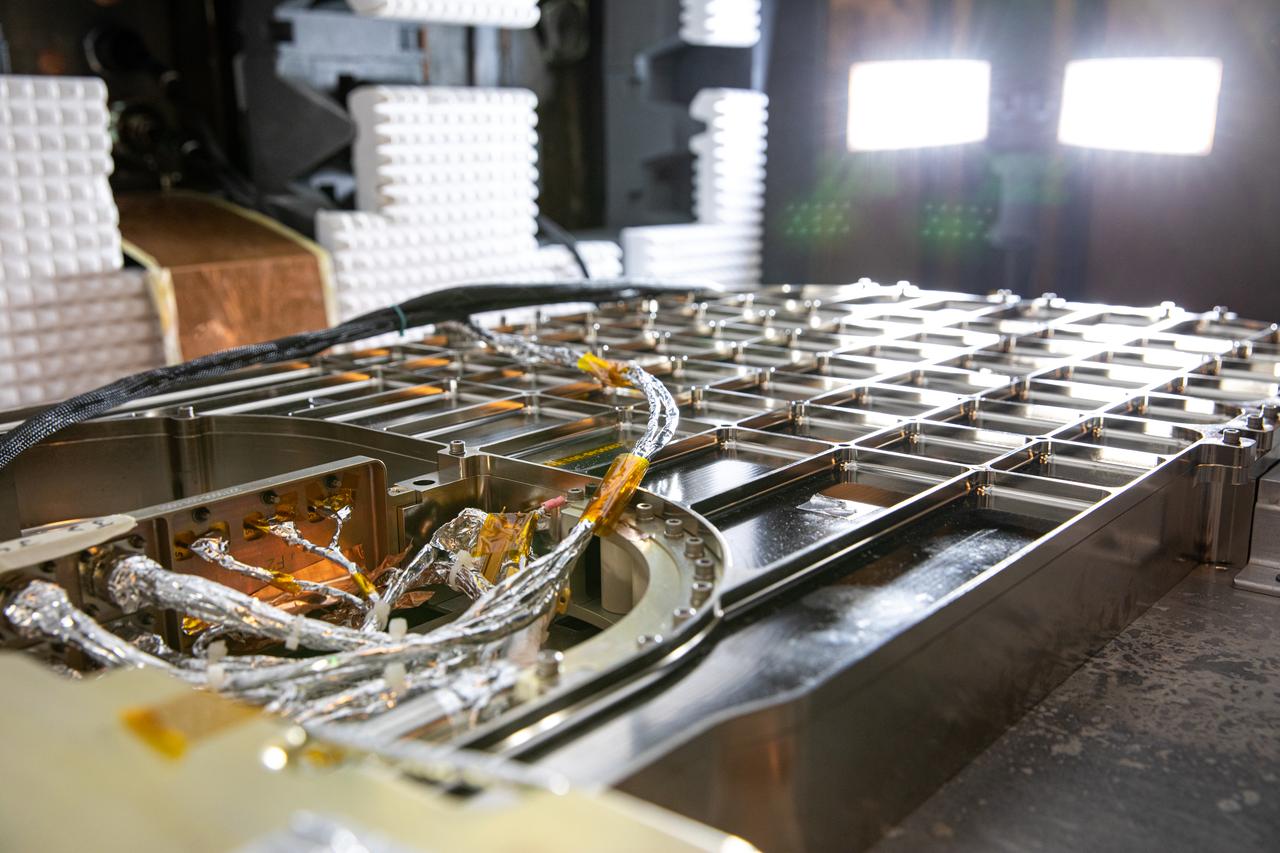
The Restore-L hose management assembly (HMA) test unit undergoes electromagnetic interference testing in the Electromagnetic Lab at NASA's Kennedy Space Center in Florida on Feb. 19, 2020. The HMA is able to extend and retract the hose, somewhat similar to the function of a tape measure. Managed by the agency's Goddard Space Flight Center in Greenbelt, Maryland, Restore-L is an inflight robotic satellite servicer spacecraft.
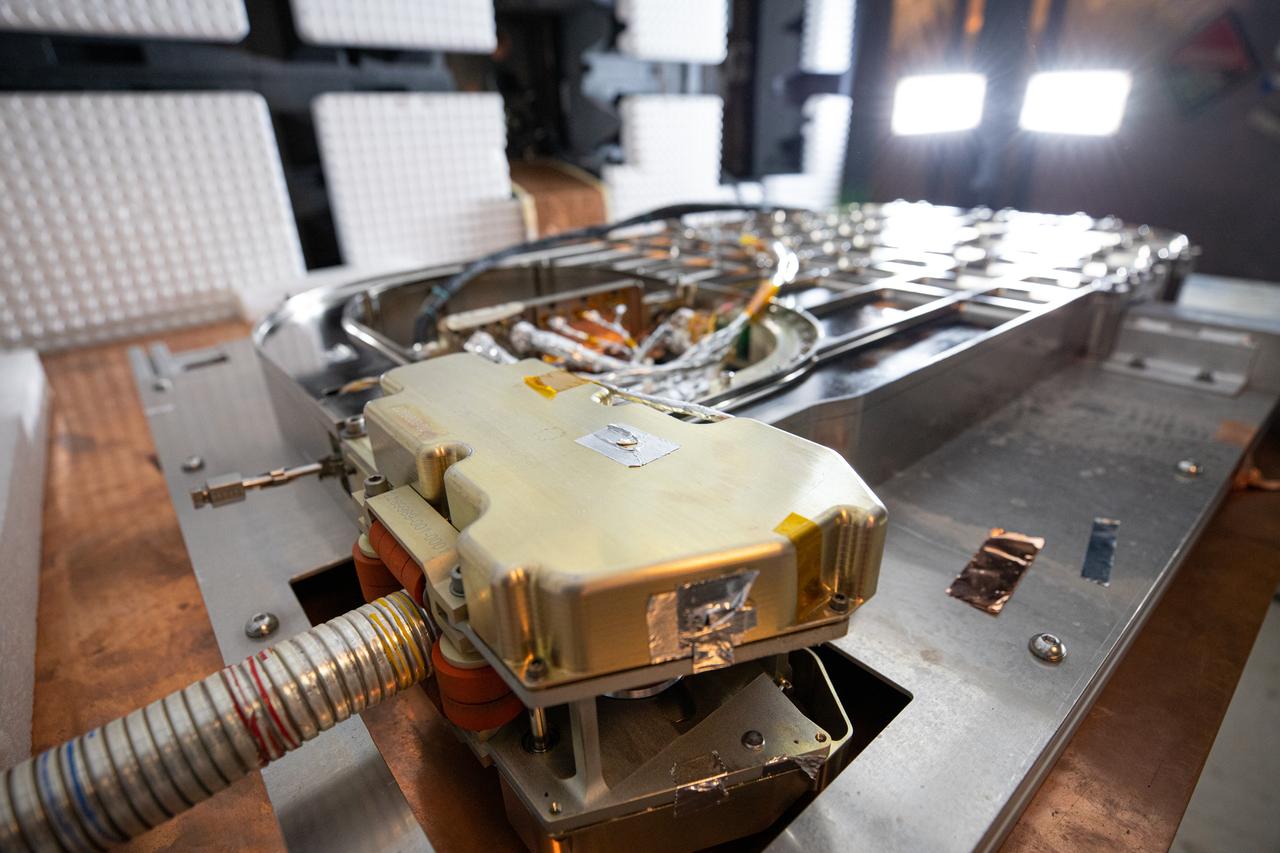
The Restore-L hose management assembly (HMA) test unit undergoes electromagnetic interference testing in the Electromagnetic Lab at NASA's Kennedy Space Center in Florida on Feb. 19, 2020. The HMA is able to extend and retract the hose, somewhat similar to the function of a tape measure. Managed by the agency's Goddard Space Flight Center in Greenbelt, Maryland, Restore-L is an inflight robotic satellite servicer spacecraft.
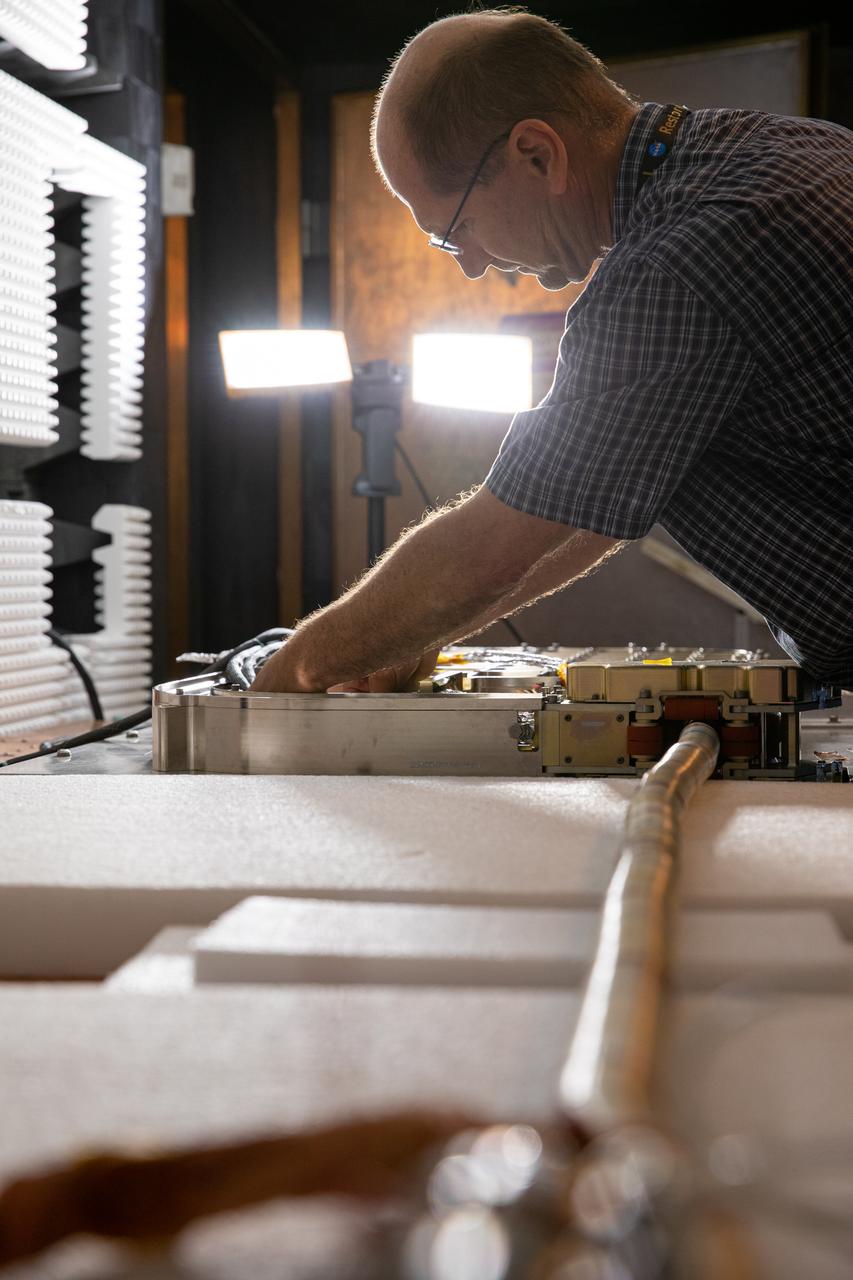
Inside the Electromagnetic Lab at NASA's Kennedy Space Center in Florida, Gabor Tamasy, Hose Management Assembly (HMA) system lead for Restore-L, prepares the HMA test unit for electromagnetic interference testing on Feb. 19, 2020. The HMA is able to extend and retract the hose, somewhat similar to the function of a tape measure. Managed by the agency's Goddard Space Flight Center in Greenbelt, Maryland, Restore-L is an inflight robotic satellite servicer spacecraft.
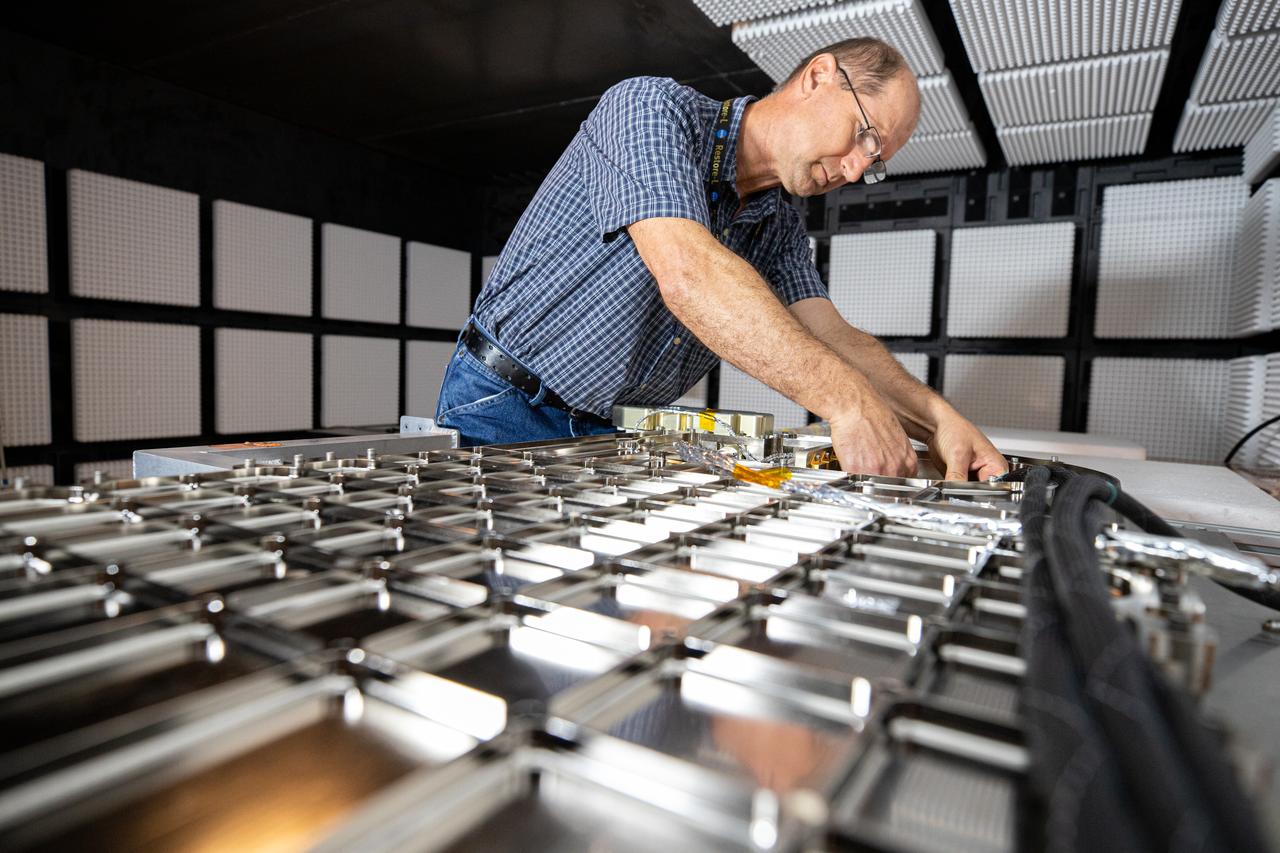
Inside the Electromagnetic Lab at NASA's Kennedy Space Center in Florida, Gabor Tamasy, Hose Management Assembly (HMA) system lead for Restore-L, prepares the HMA test unit for electromagnetic interference testing on Feb. 19, 2020. The HMA is able to extend and retract the hose, somewhat similar to the function of a tape measure. Managed by the agency's Goddard Space Flight Center in Greenbelt, Maryland, Restore-L is an inflight robotic satellite servicer spacecraft.