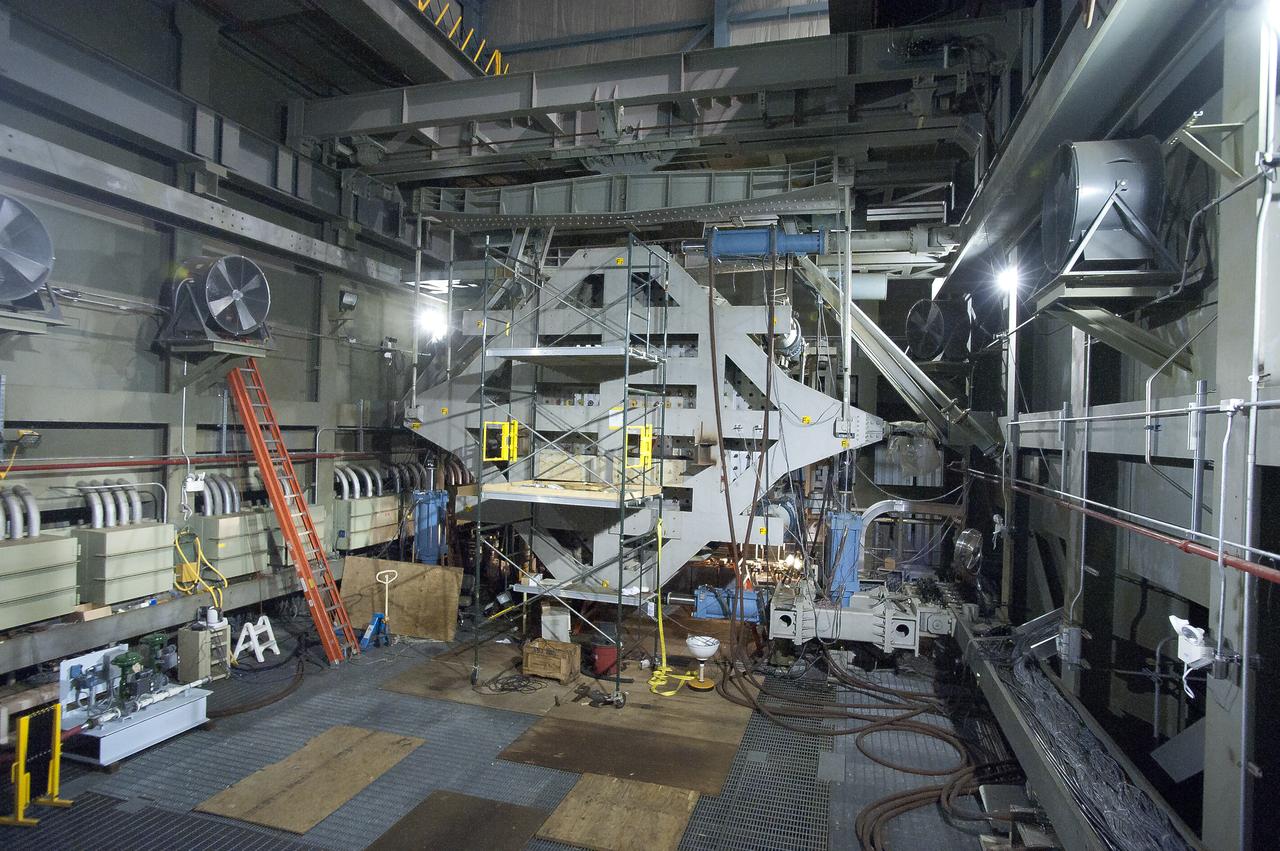
ERA COLTS 30 Toot Checkout Structure Installation: Document relocation of COLTS loading platen 30 Foot Station and installation of 30 Foot Checkout Structure
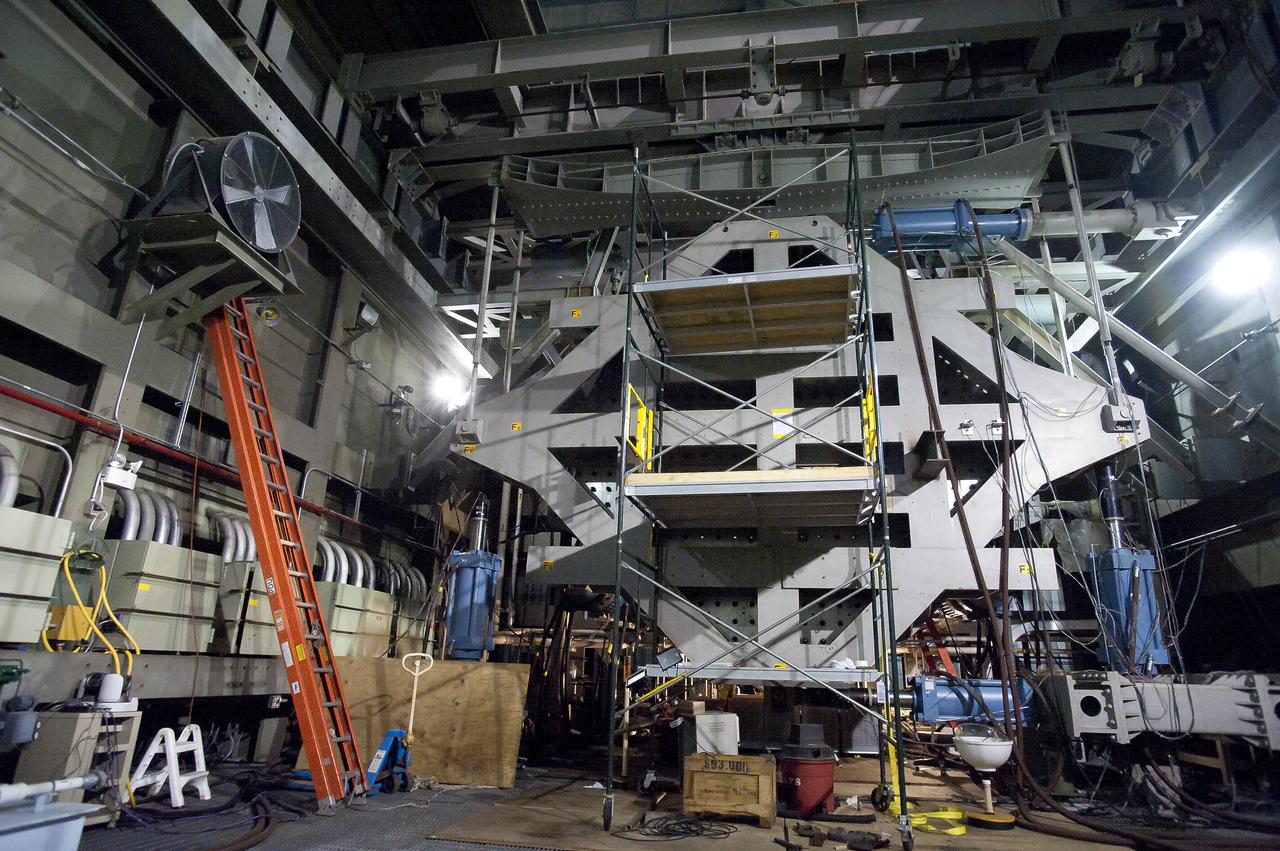
ERA COLTS 30 Toot Checkout Structure Installation: Document relocation of COLTS loading platen 30 Foot Station and installation of 30 Foot Checkout Structure
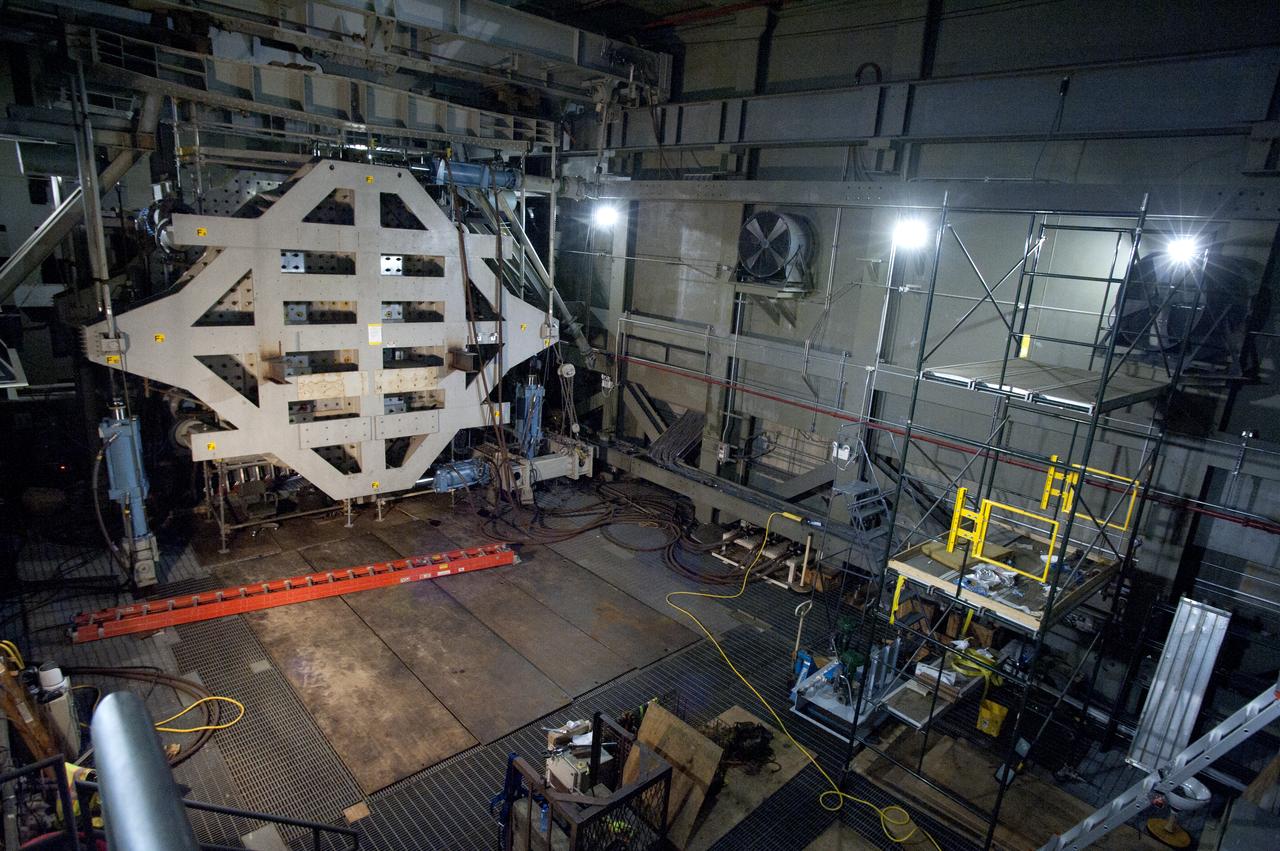
ERA COLTS 30 Toot Checkout Structure Installation: Document relocation of COLTS loading platen 30 Foot Station and installation of 30 Foot Checkout Structure
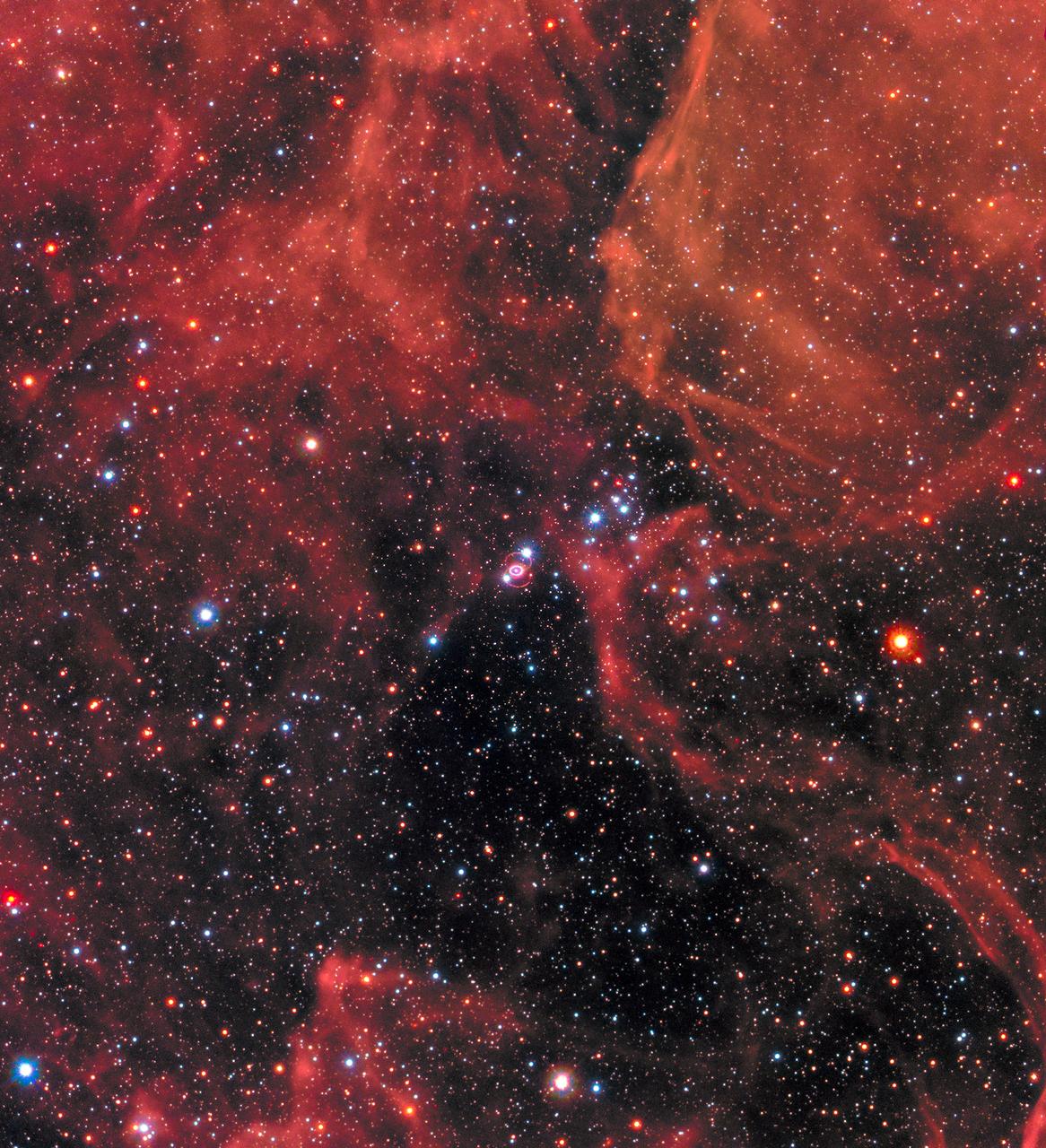
Three decades ago, astronomers spotted one of the brightest exploding stars in more than 400 years. The titanic supernova, called Supernova 1987A (SN 1987A), blazed with the power of 100 million suns for several months following its discovery on Feb. 23, 1987. Since that first sighting, SN 1987A has continued to fascinate astronomers with its spectacular light show. Located in the nearby Large Magellanic Cloud, it is the nearest supernova explosion observed in hundreds of years and the best opportunity yet for astronomers to study the phases before, during, and after the death of a star. "The 30 years' worth of observations of SN 1987A are important because they provide insight into the last stages of stellar evolution," said Robert Kirshner of the Harvard-Smithsonian Center for Astrophysics in Cambridge, Massachusetts, and the Gordon and Betty Moore Foundation in Palo Alto, California. The latest data from these powerful telescopes indicate that SN 1987A has passed an important threshold. The supernova shock wave is moving beyond the dense ring of gas produced late in the life of the pre-supernova star when a fast outflow or wind from the star collided with a slower wind generated in an earlier red giant phase of the star's evolution. What lies beyond the ring is poorly known at present, and depends on the details of the evolution of the star when it was a red giant. Read more: <a href="http://go.nasa.gov/2lEgs8M" rel="nofollow">go.nasa.gov/2lEgs8M</a> <b><a href="http://www.nasa.gov/audience/formedia/features/MP_Photo_Guidelines.html" rel="nofollow">NASA image use policy.</a></b> <b><a href="http://www.nasa.gov/centers/goddard/home/index.html" rel="nofollow">NASA Goddard Space Flight Center</a></b> enables NASA’s mission through four scientific endeavors: Earth Science, Heliophysics, Solar System Exploration, and Astrophysics. Goddard plays a leading role in NASA’s accomplishments by contributing compelling scientific knowledge to advance the Agency’s mission. <b>Follow us on <a href="http://twitter.com/NASAGoddardPix" rel="nofollow">Twitter</a></b> <b>Like us on <a href="http://www.facebook.com/pages/Greenbelt-MD/NASA-Goddard/395013845897?ref=tsd" rel="nofollow">Facebook</a></b> <b>Find us on <a href="http://instagrid.me/nasagoddard/?vm=grid" rel="nofollow">Instagram</a></b>

Hybrid Wing Body Acoustic Test in 14x22 Tunnel ERA HWB Test -Acoustic
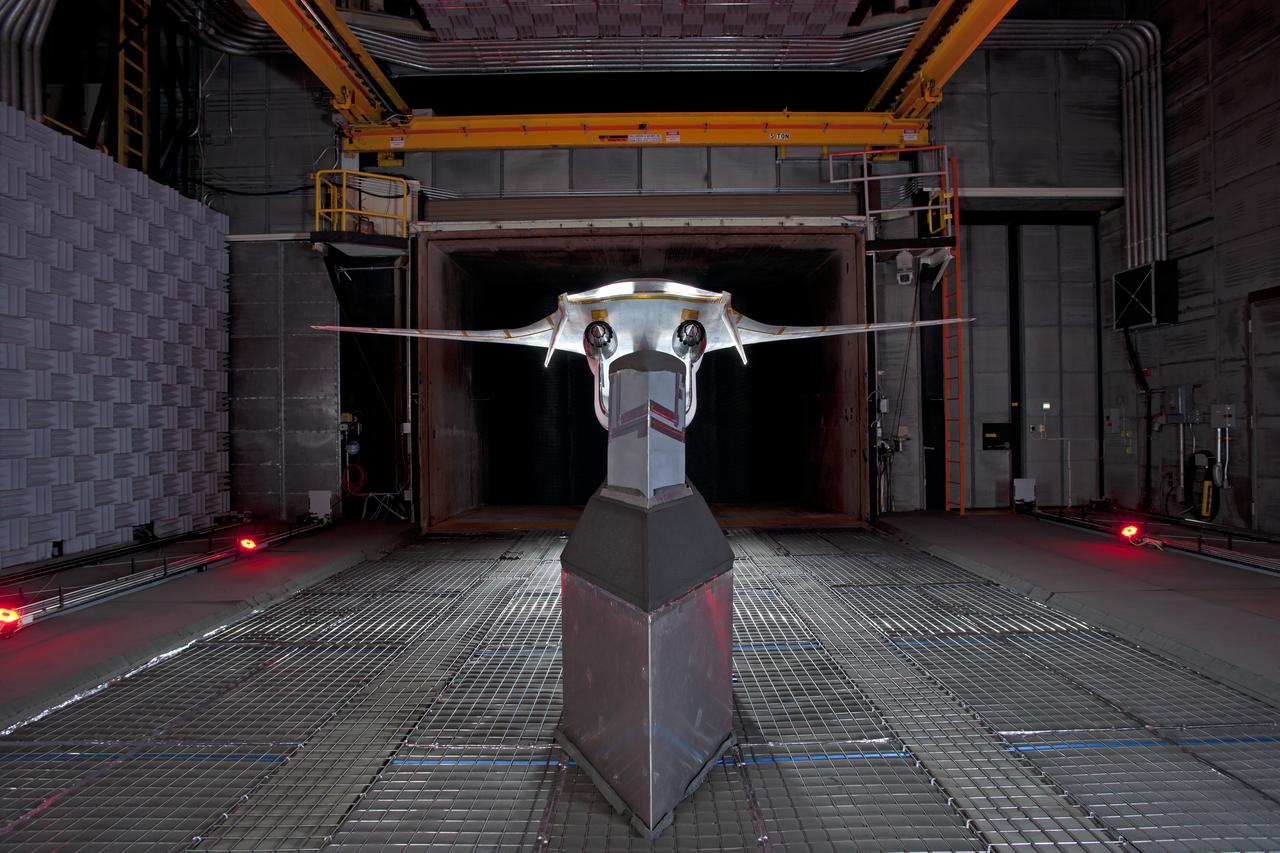
Hybrid Wing Body Acoustic Test in 14x22 Tunnel ERA HWB Test -Acoustic
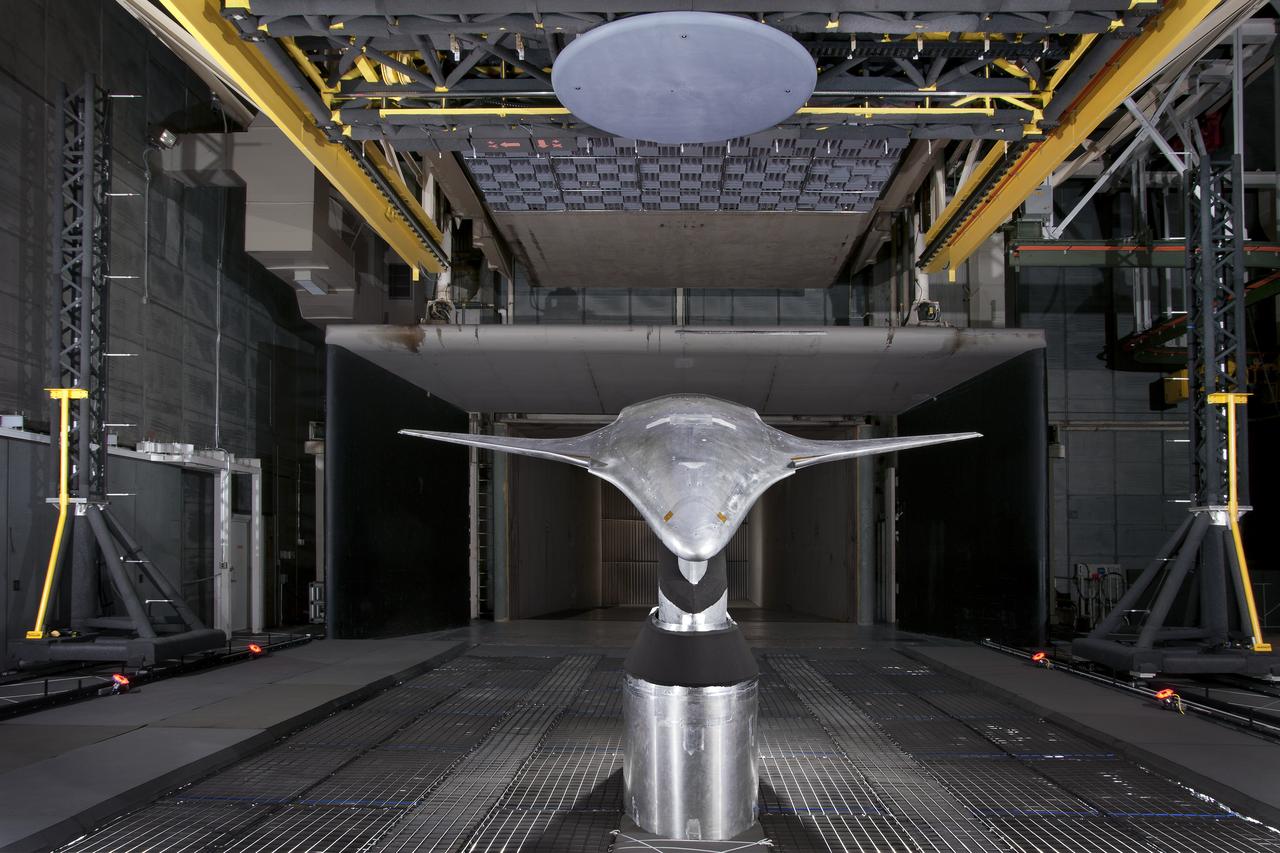
Hybrid Wing Body Acoustic Test in 14x22 Tunnel ERA HWB Test -Acoustic
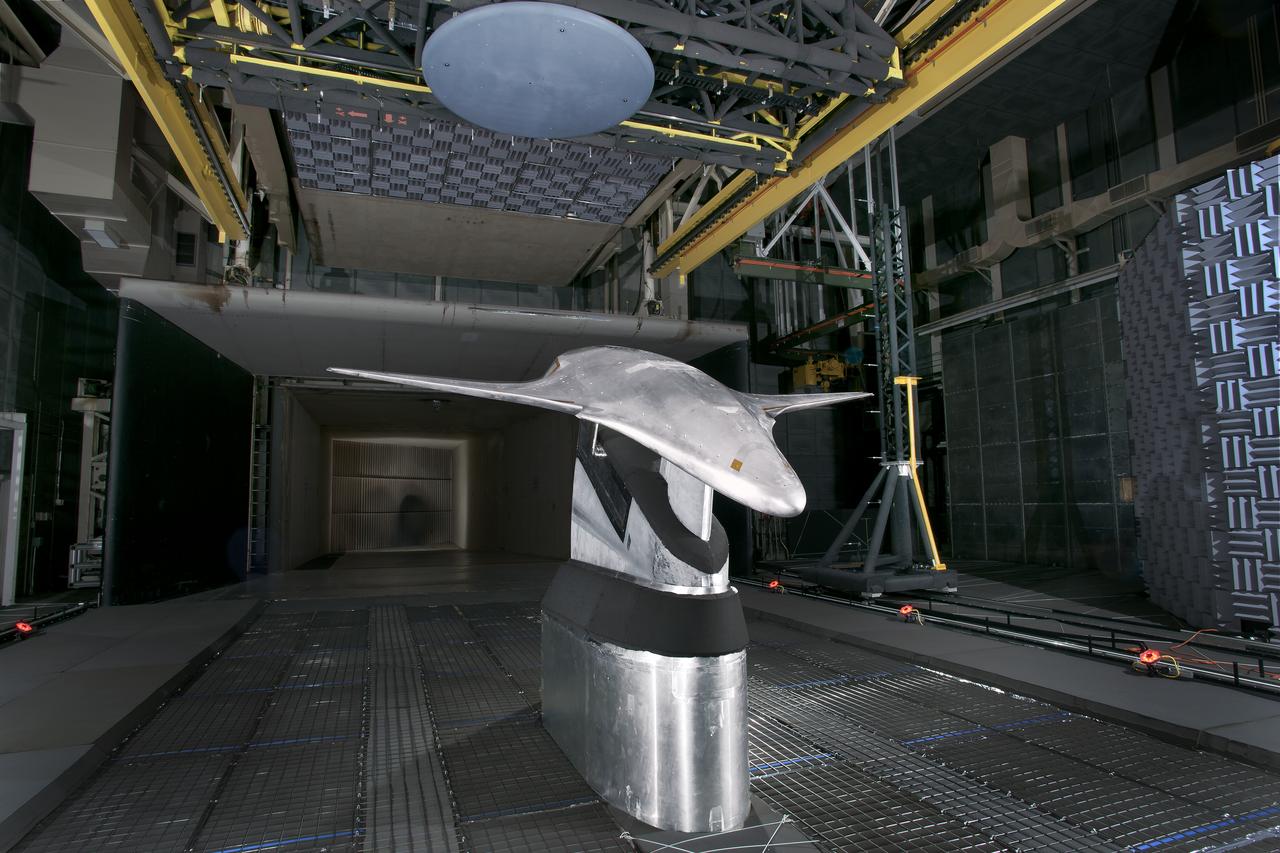
Hybrid Wing Body Acoustic Test in 14x22 Tunnel ERA HWB Test -Acoustic
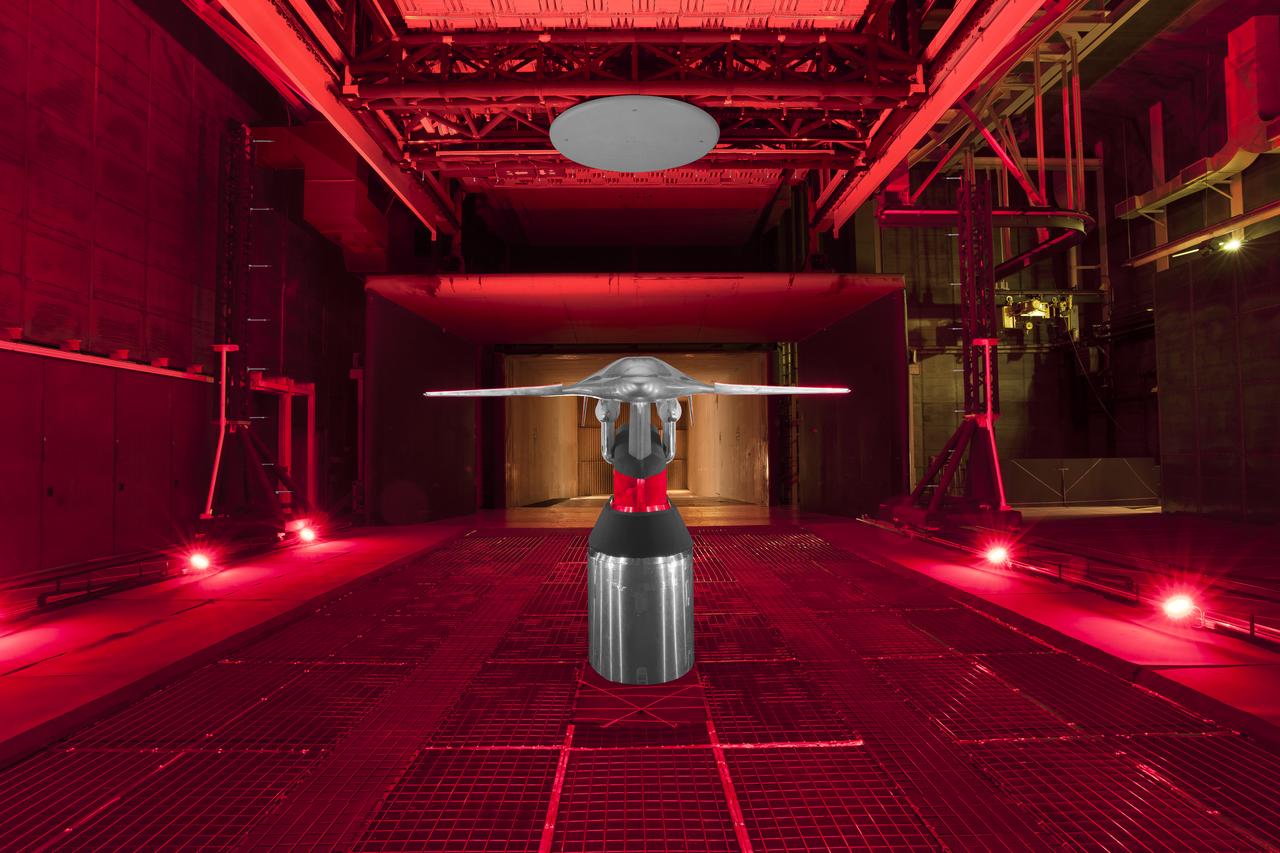
Hybrid Wing Body Acoustic Test in 14x22 Tunnel ERA HWB Test -Acoustic
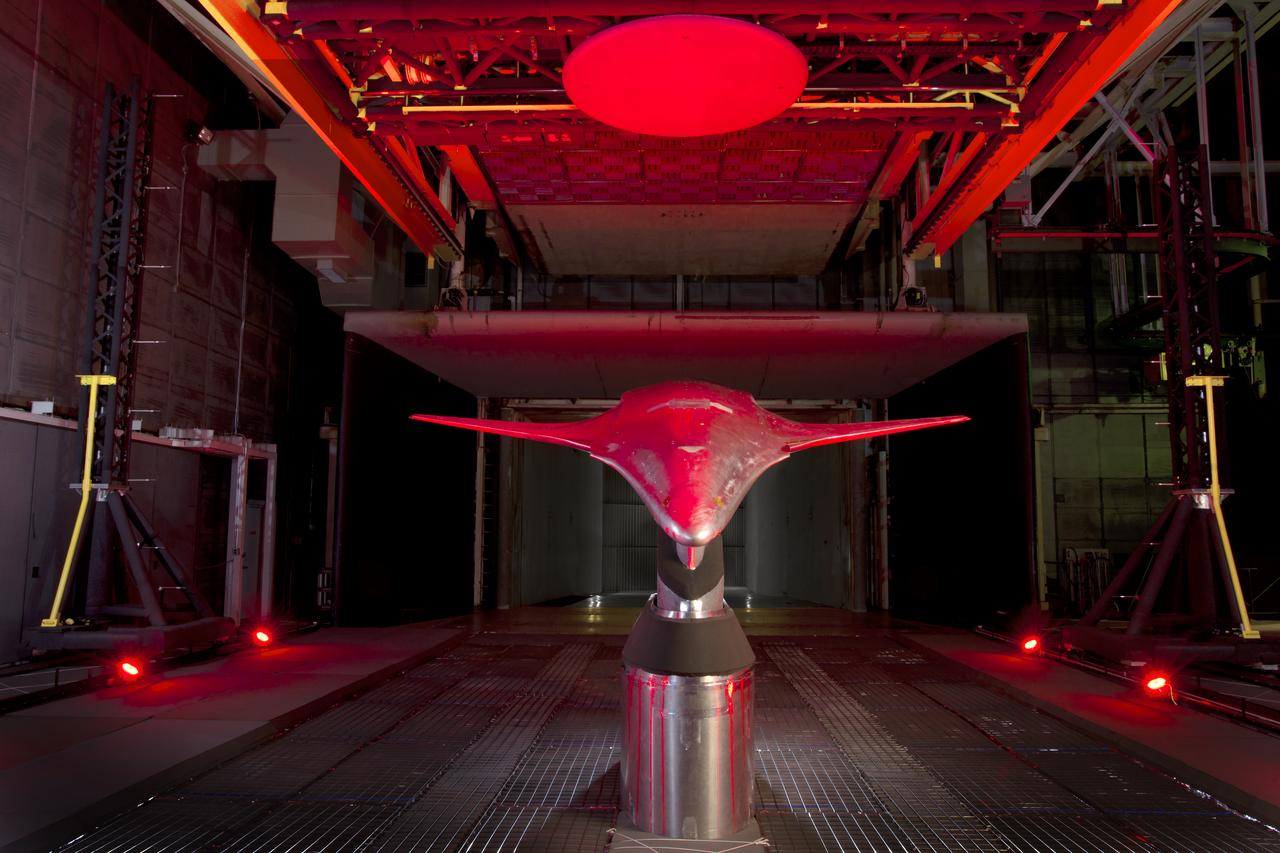
Hybrid Wing Body Acoustic Test in 14x22 Tunnel ERA HWB Test -Acoustic
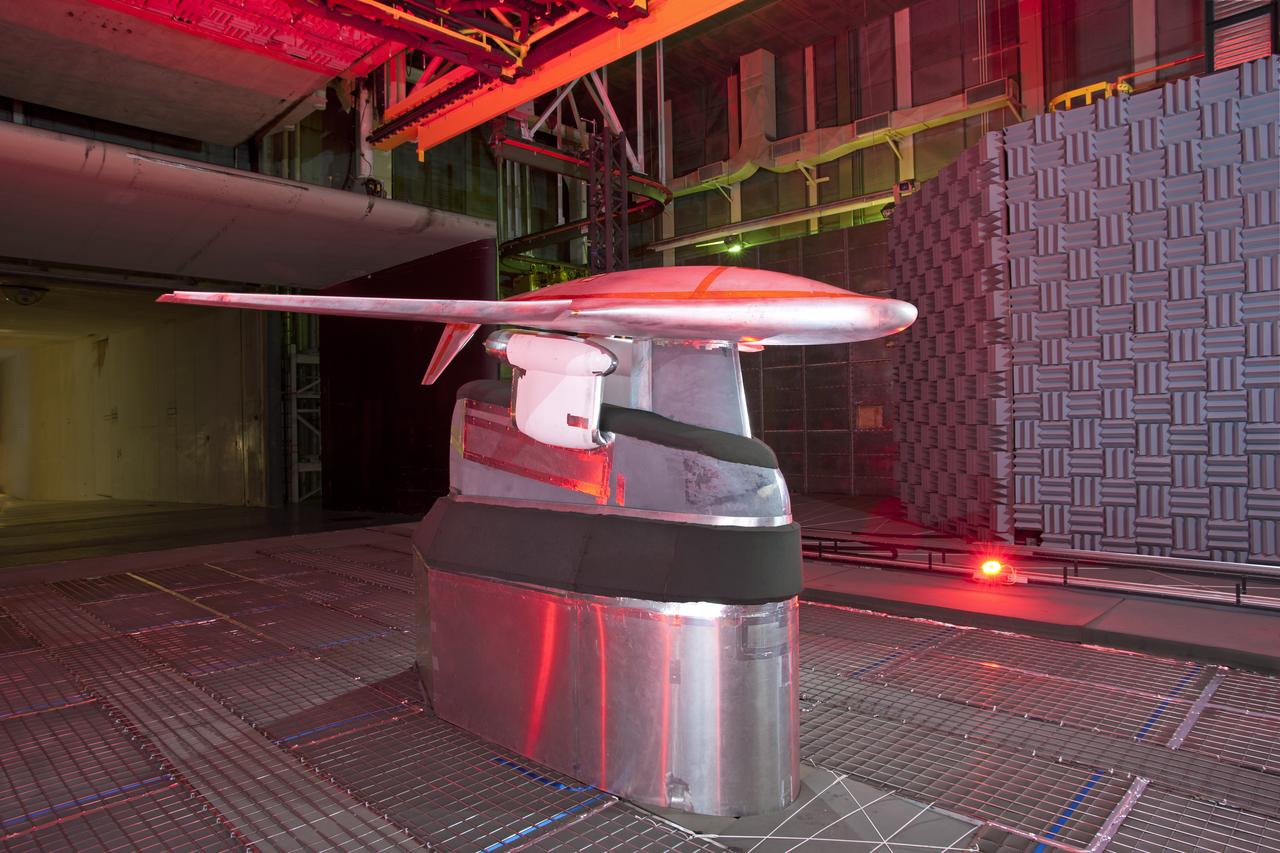
Hybrid Wing Body Acoustic Test in 14x22 Tunnel ERA HWB Test -Acoustic
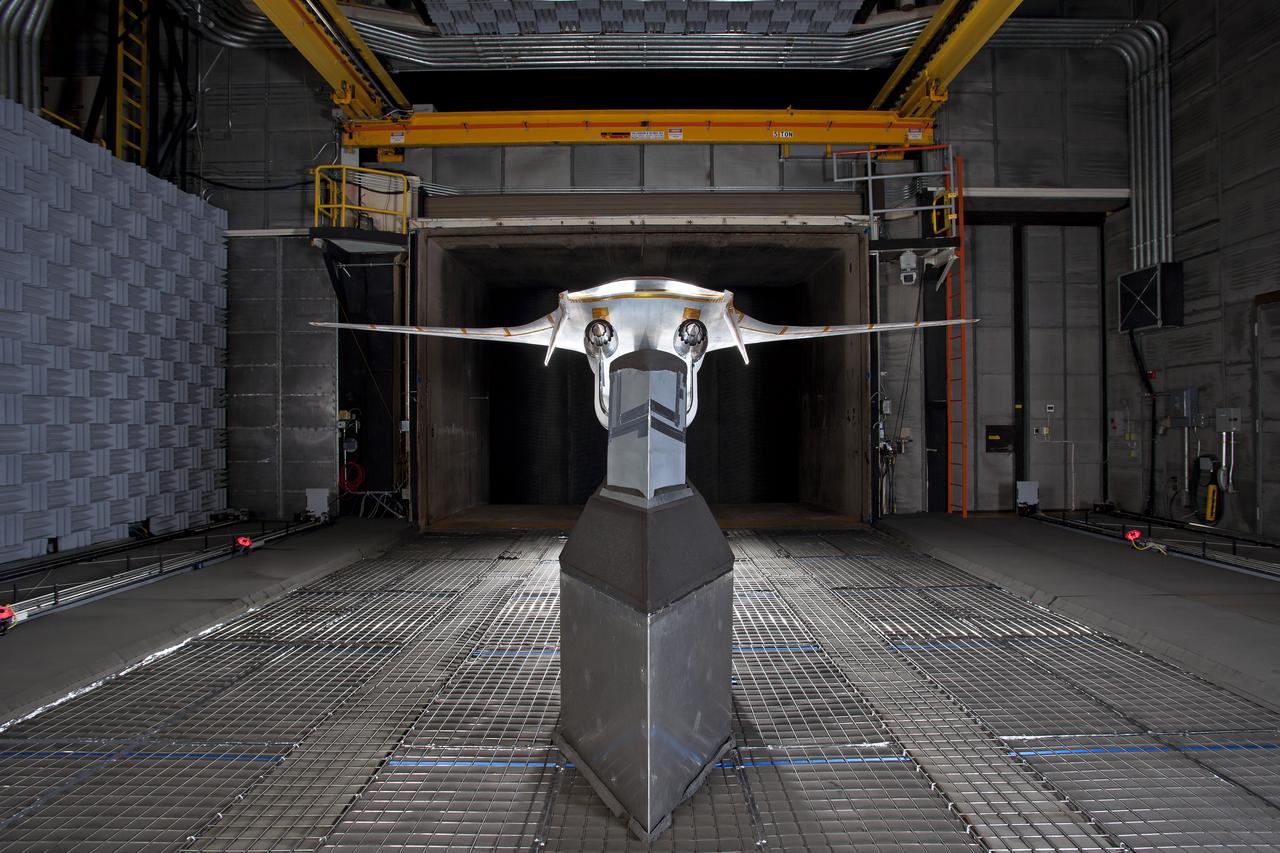
Hybrid Wing Body Acoustic Test in 14x22 Tunnel ERA HWB Test -Acoustic
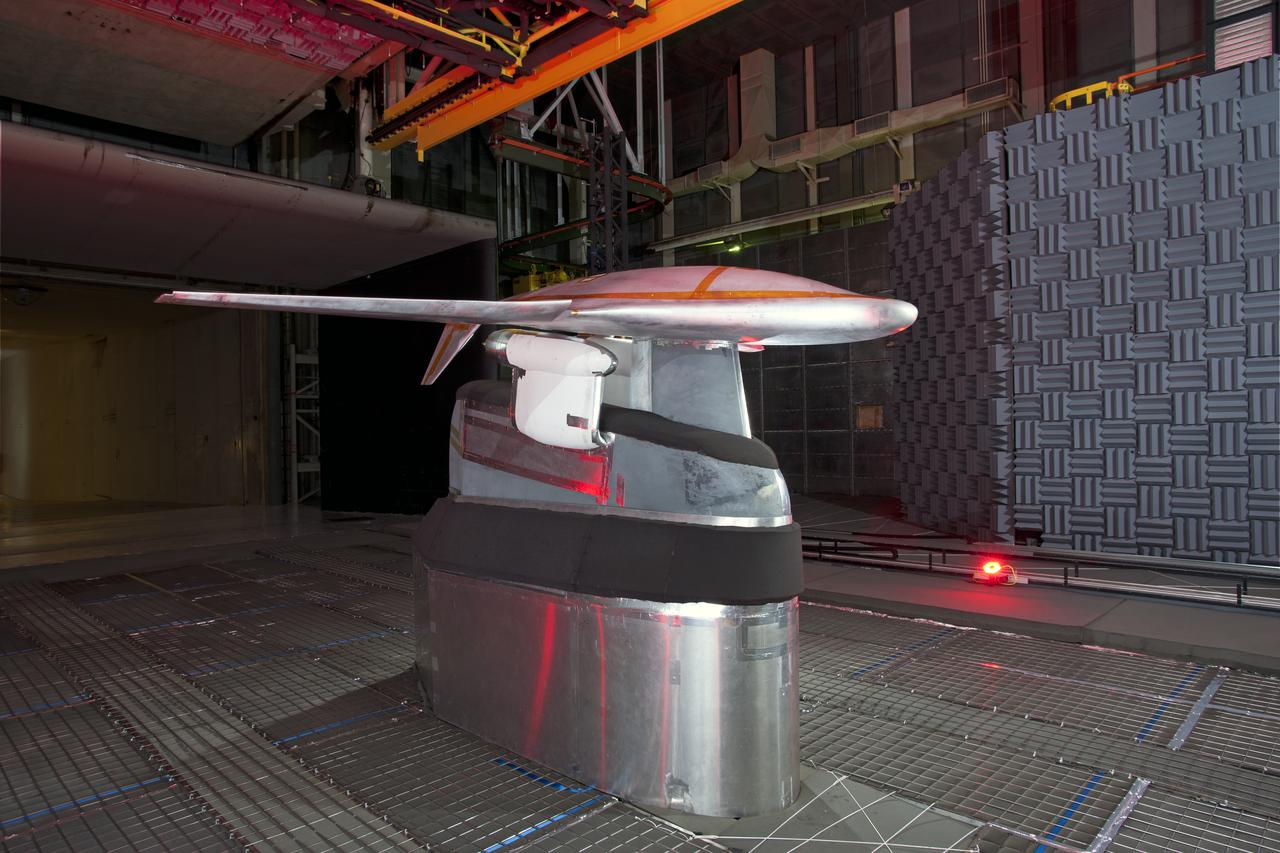
Hybrid Wing Body Acoustic Test in 14x22 Tunnel ERA HWB Test -Acoustic
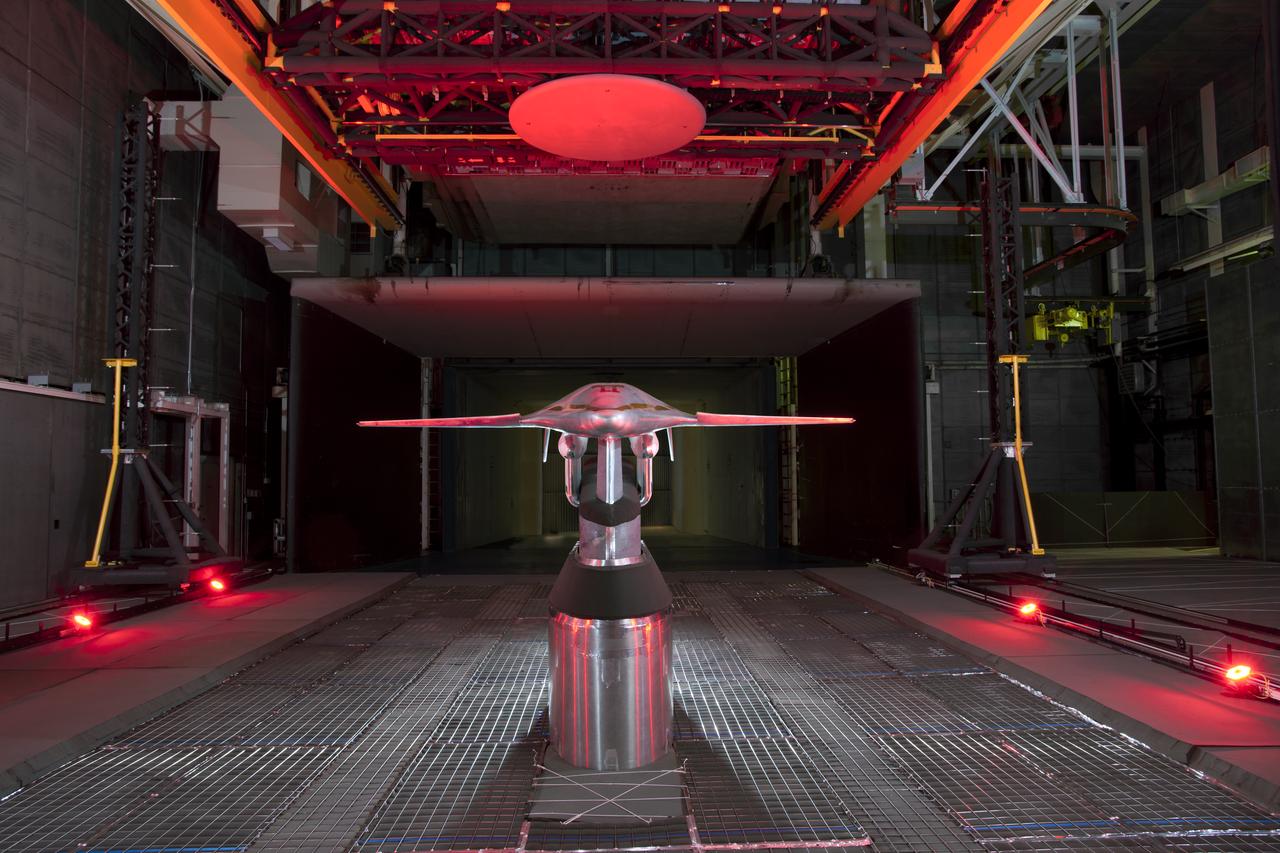
Hybrid Wing Body Acoustic Test in 14x22 Tunnel ERA HWB Test -Acoustic
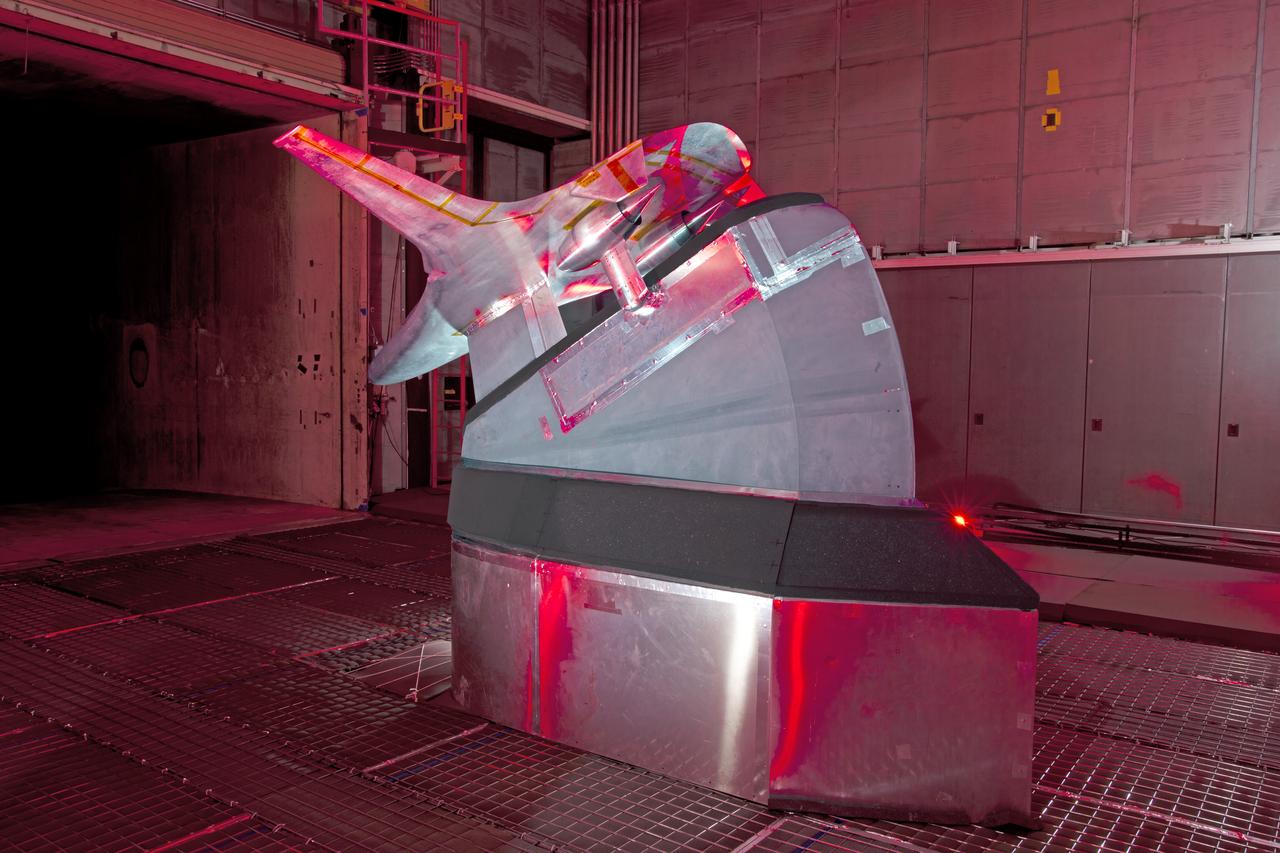
Hybrid Wing Body Acoustic Test in 14x22 Tunnel ERA HWB Test -Acoustic
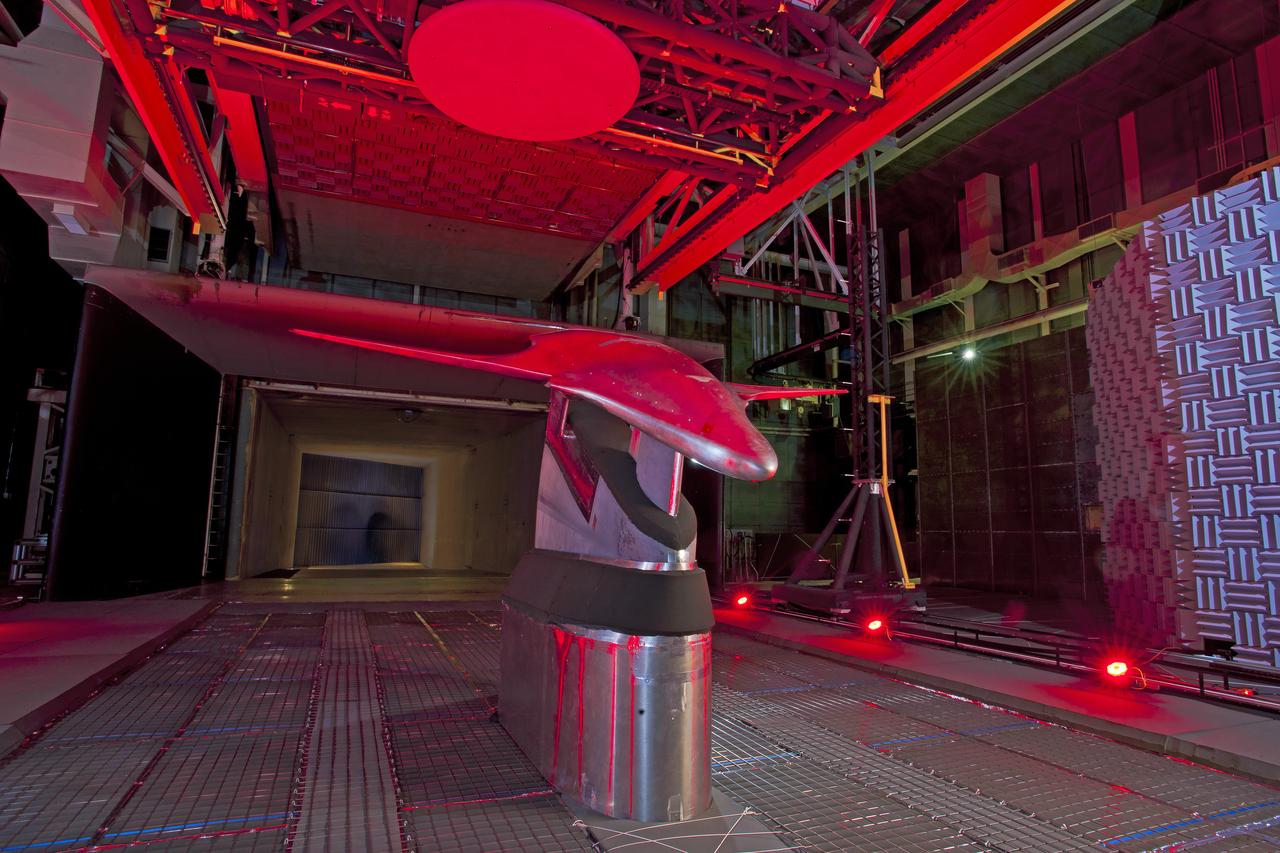
Hybrid Wing Body Acoustic Test in 14x22 Tunnel ERA HWB Test -Acoustic
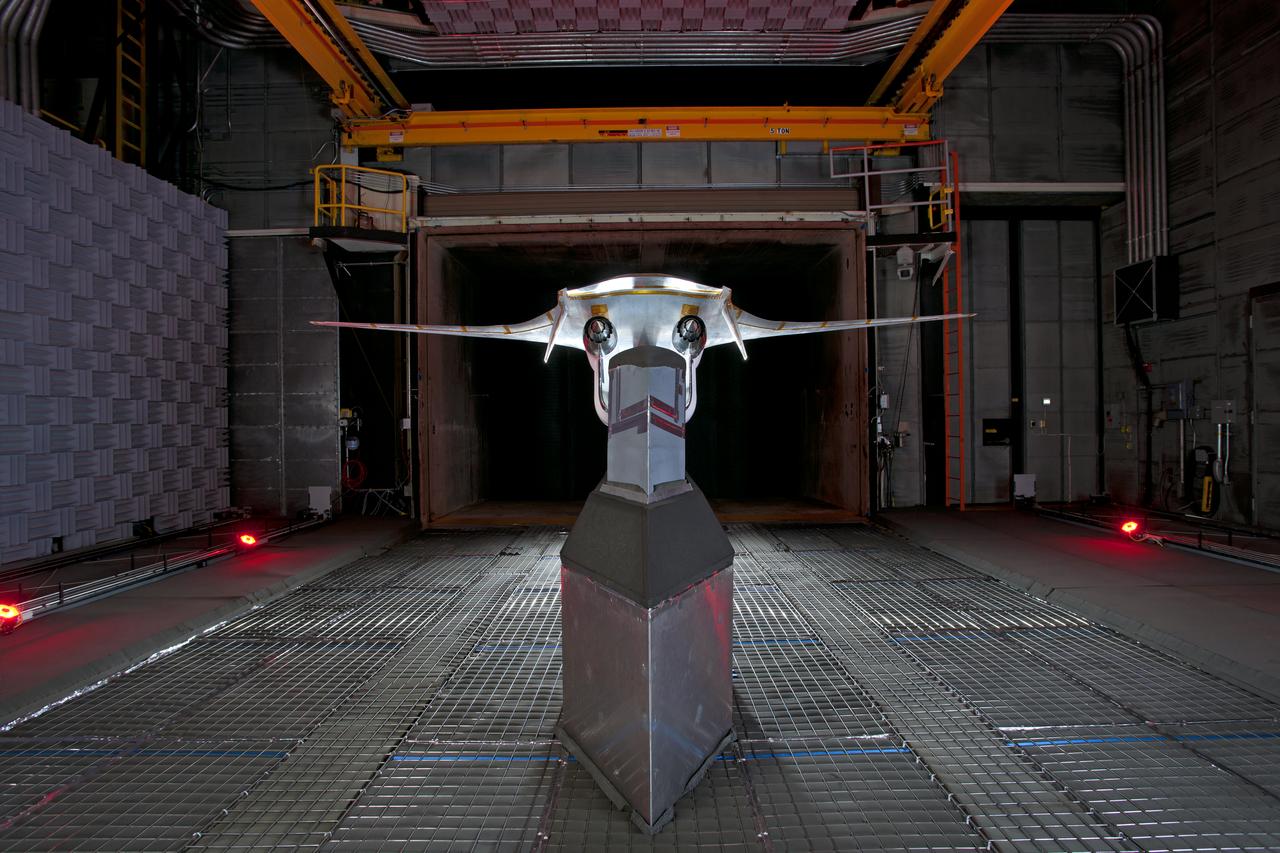
Hybrid Wing Body Acoustic Test in 14x22 Tunnel ERA HWB Test -Acoustic
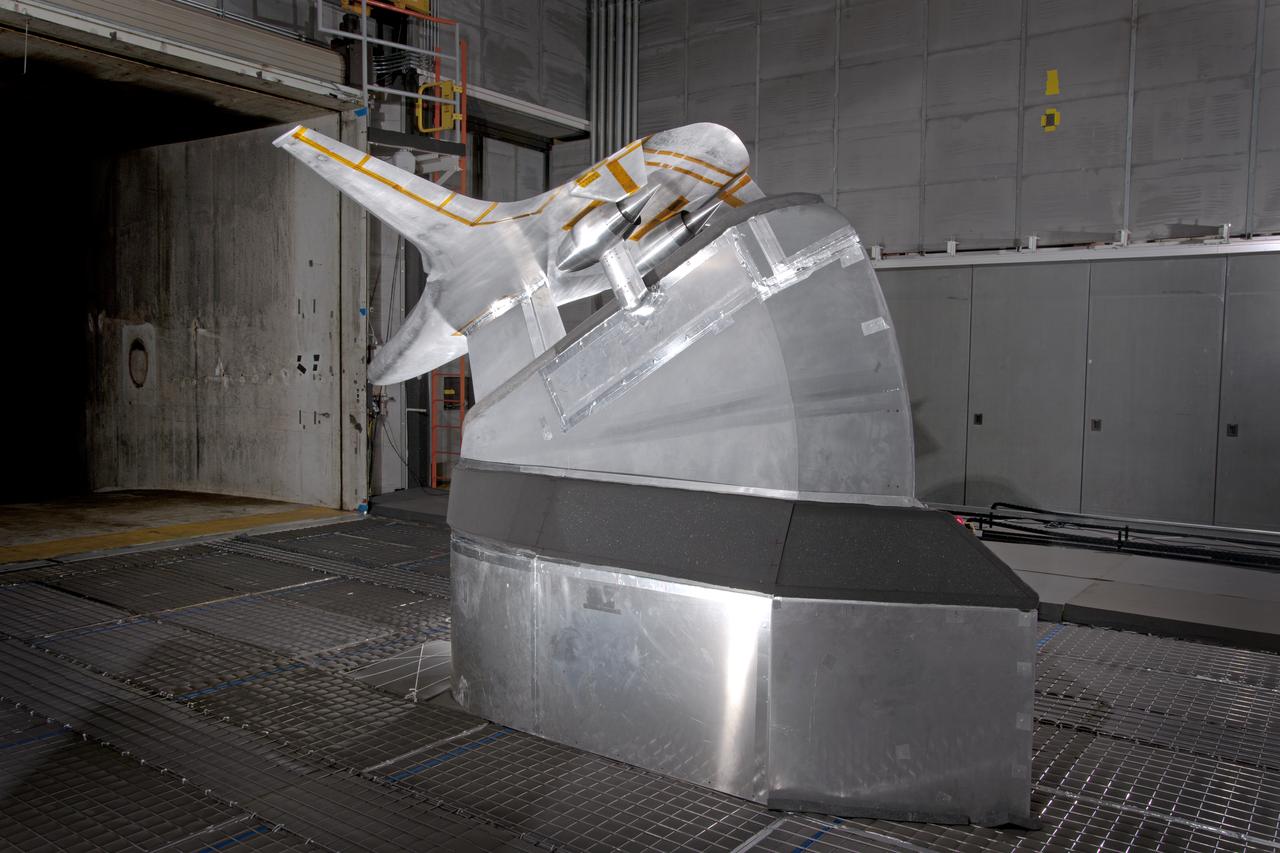
Hybrid Wing Body Acoustic Test in 14x22 Tunnel ERA HWB Test -Acoustic
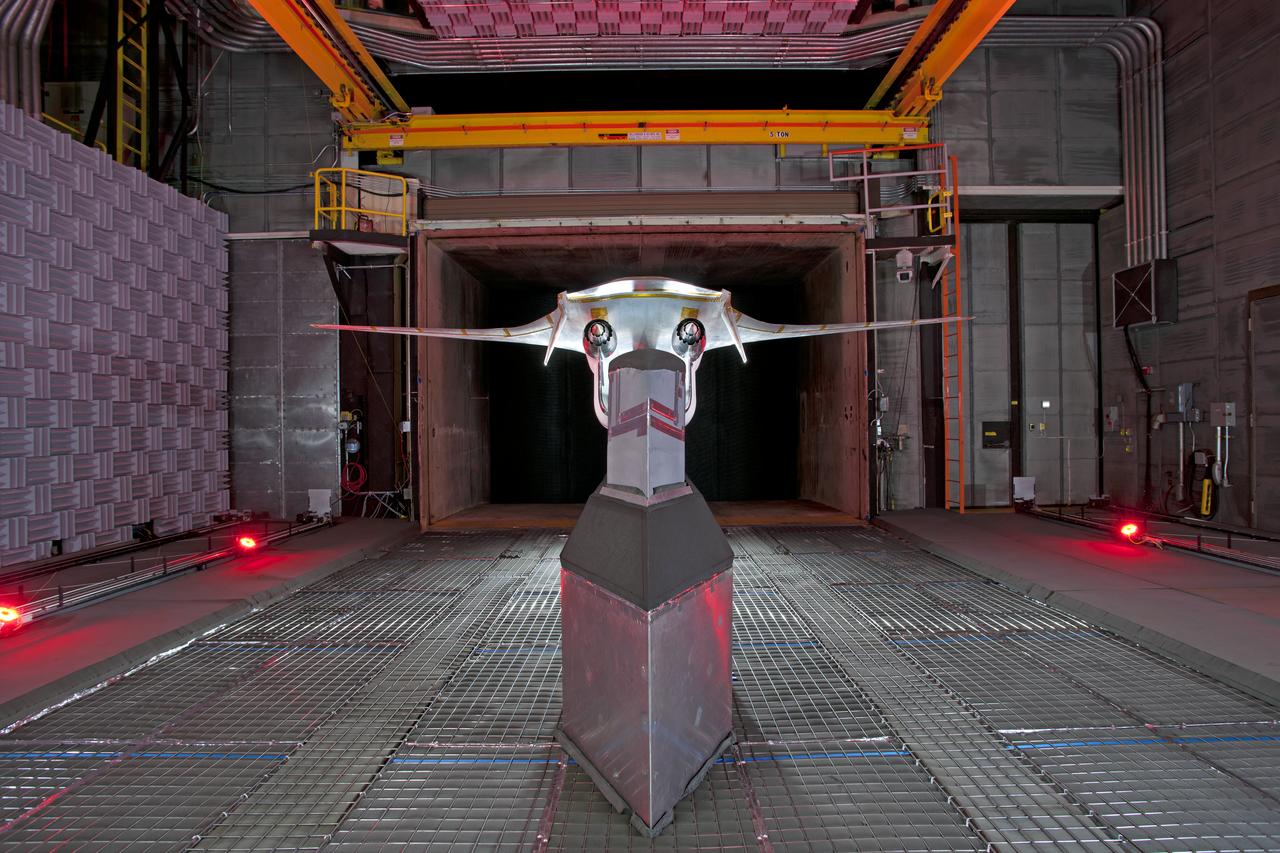
Hybrid Wing Body Acoustic Test in 14x22 Tunnel ERA HWB Test -Acoustic
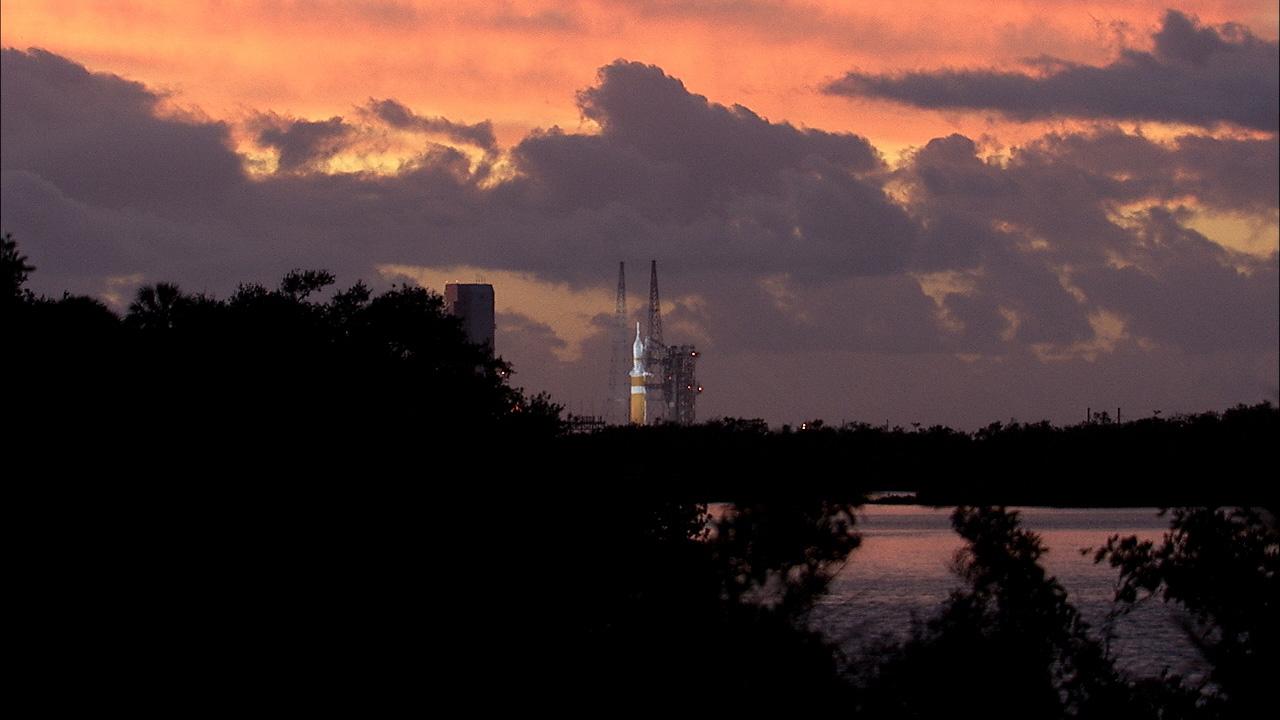
A spectacular sunrise at NASA's Kennedy Space Center in Florida heralds the arrival of a new era in exploration as the countdown continues for the launch of a United Launch Alliance Delta IV Heavy topped by the agency's Orion spacecraft for its first flight test on Exploration Flight Test-1 (EFT-1) on Dec. 4, 2014. Part of Batch image transfer from Flickr.
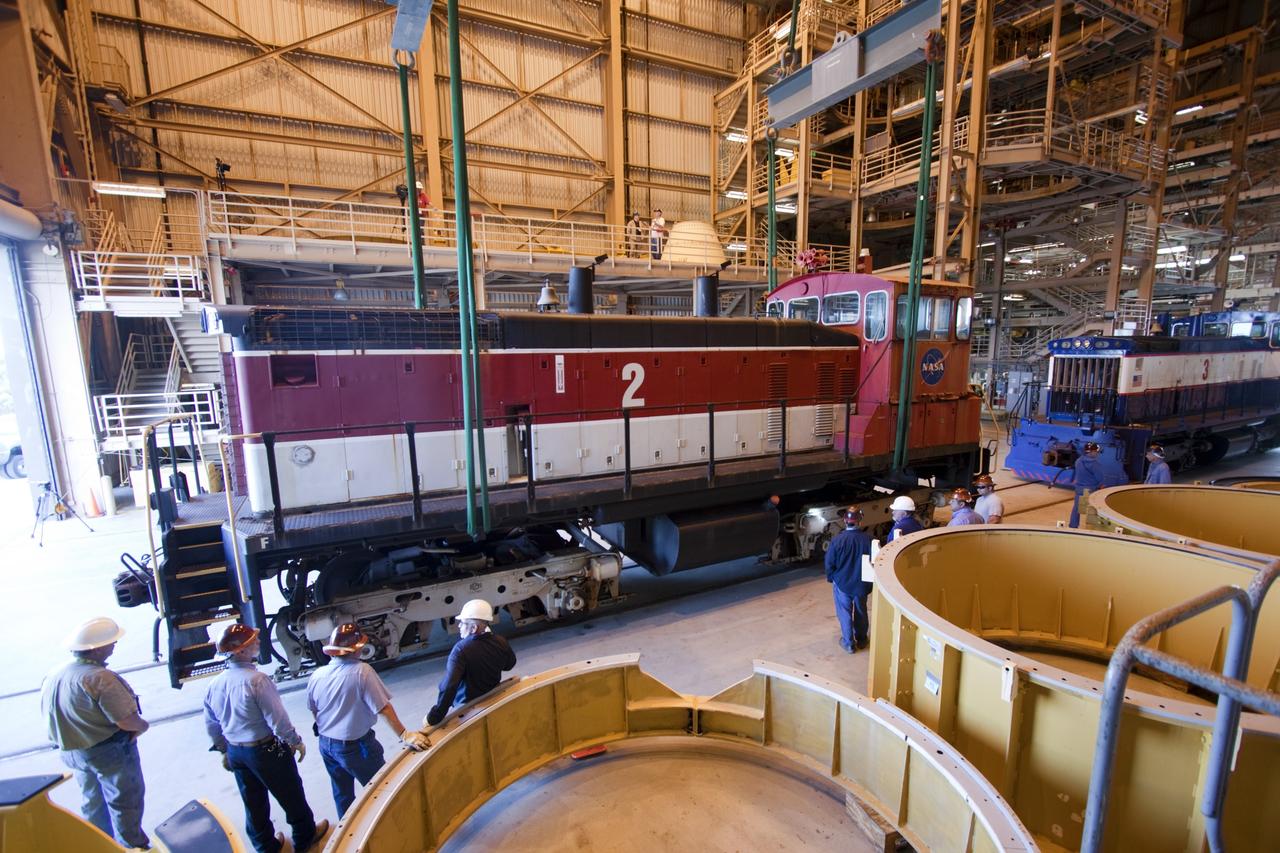
CAPE CANAVERAL, Fla. – Inside the Rotation, Processing and Surge Facility, or RPSF, at the Kennedy Space Center in Florida, an overhead crane lifts NASA locomotive No. 2 off of its trucks to be moved aside, clearing the way for locomotive No. 3 to be raised off its trucks and moved into position atop the trucks previously used by locomotive No. 2. The RPSF was built to support work on the solid rocket used motors during the space shuttle era. The facility had never previously been used for another purpose, but is now free to serve other customers. With rails running into the building's high bay and a pair of heavy-lift cranes positioned overhead, the facility's capabilities were a perfect fit for the NASA Railroad's needs. Railroad managers wanted to trade the wheel and axle assemblies, or trucks, of locomotives No. 2 and No. 3. Locomotive No. 3 was painstakingly restored in recent years by the NASA Railroad team, and handles much of the rail work required at the center in the post-shuttle era. But the trucks on locomotive No. 2 are in better shape and are more environmentally friendly. For more information, visit: http://www.nasa.gov/exploration/systems/ground/rpsf_locomotives.html Photo credit: NASA/Jim Grossmann
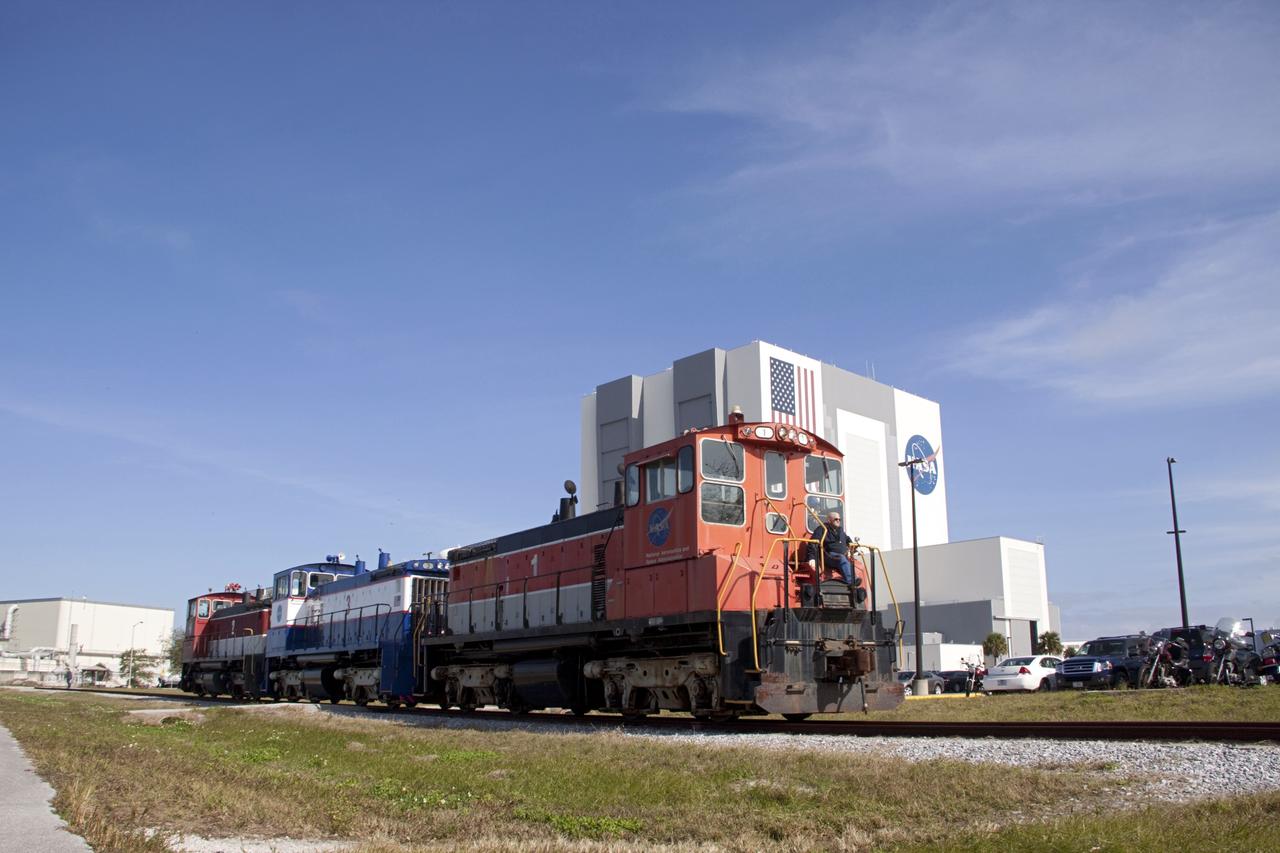
KSC-2012-6359 – CAPE CANAVERAL, Fla. – At Kennedy Space Center in Florida, NASA railroad locomotive No. 1 returns locomotives 2 and 3 to Launch Complex 39 area's rail yard after wheel and axle assemblies were swapped between locomotives 2 and 3. The RPSF was built to support work on the solid rocket used motors during the space shuttle era. The facility had never previously been used for another purpose, but is now free to serve other customers. With rails running into the building's high bay and a pair of heavy-lift cranes positioned overhead, the facility's capabilities were a perfect fit for the NASA Railroad's needs. Railroad managers wanted to trade the wheel and axle assemblies, or trucks, of locomotives No. 2 and No. 3. Locomotive No. 3 was painstakingly restored in recent years by the NASA Railroad team, and handles much of the rail work required at the center in the post-shuttle era. But the trucks on locomotive No. 2 are in better shape and are more environmentally friendly. For more information, visit: http://www.nasa.gov/exploration/systems/ground/rpsf_locomotives.html Photo credit: NASA/Jim Grossmann
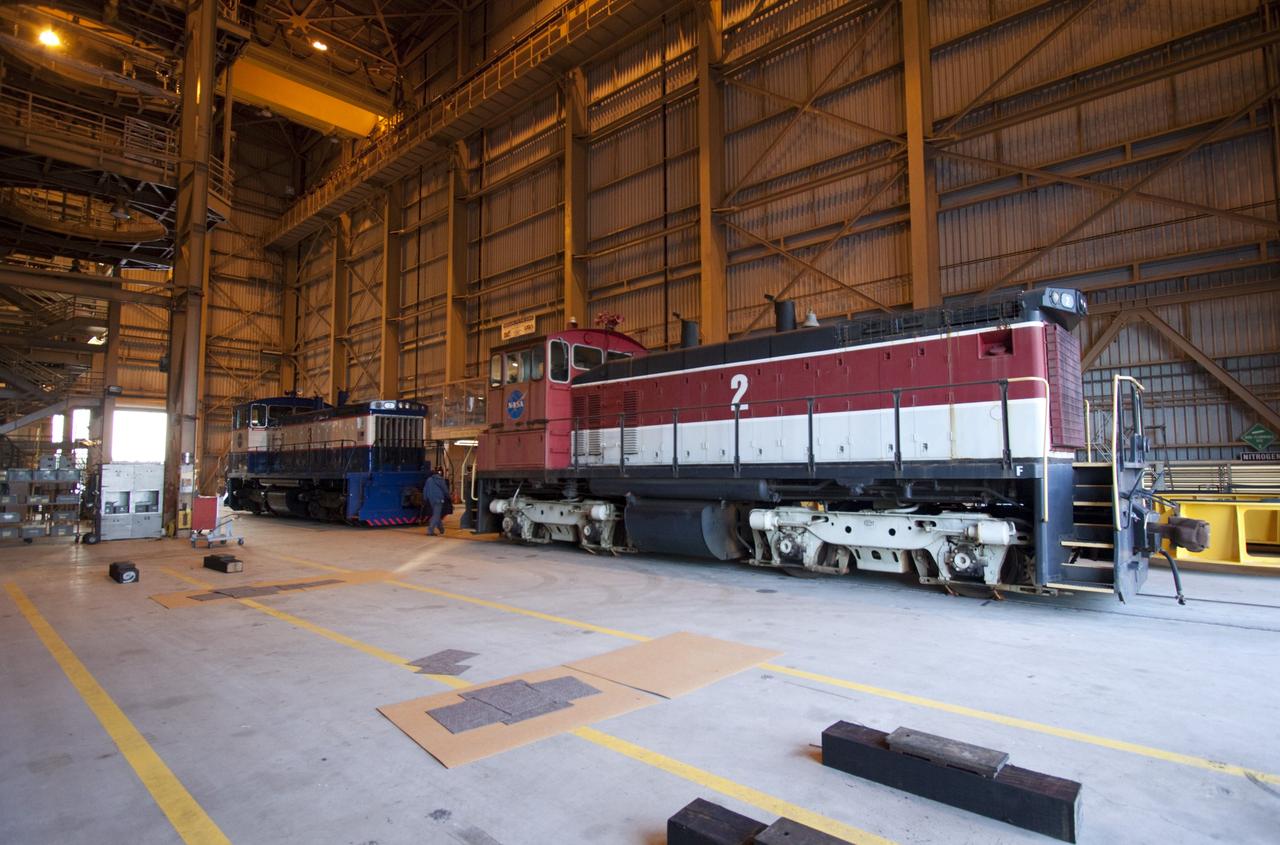
CAPE CANAVERAL, Fla. – Two NASA railroad locomotives at Kennedy Space Center in Florida move into Launch Complex 39 area's Rotation, Processing and Surge Facility, or RPSF. The operation was to allow wheel and axle assemblies to be swapped between locomotives. The RPSF was built to support work on the solid rocket used motors during the space shuttle era. The facility had never previously been used for another purpose, but is now free to serve other customers. With rails running into the building's high bay and a pair of heavy-lift cranes positioned overhead, the facility's capabilities were a perfect fit for the NASA Railroad's needs. Railroad managers wanted to trade the wheel and axle assemblies, or trucks, of locomotives No. 2 and No. 3. Locomotive No. 3 was painstakingly restored in recent years by the NASA Railroad team, and handles much of the rail work required at the center in the post-shuttle era. But the trucks on locomotive No. 2 are in better shape and are more environmentally friendly. For more information, visit: http://www.nasa.gov/exploration/systems/ground/rpsf_locomotives.html Photo credit: NASA/Jim Grossmann
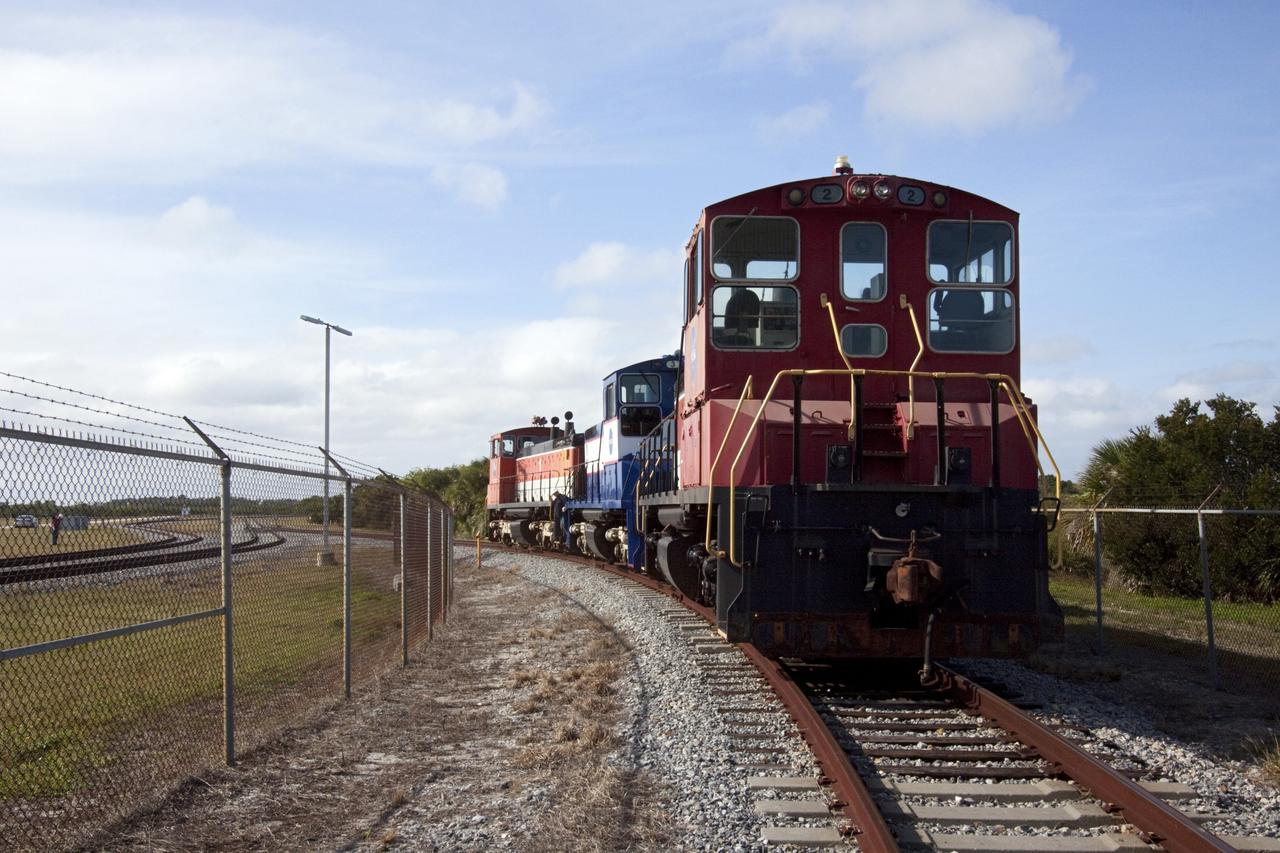
CAPE CANAVERAL, Fla. – At Kennedy Space Center in Florida, NASA railroad locomotive No. 1 pulls locomotives 2 and 3 away from Launch Complex 39 area's Rotation, Processing and Surge Facility, or RPSF, where wheel and axle assemblies were swapped between locomotives 2 and 3. The RPSF was built to support work on the solid rocket used motors during the space shuttle era. The facility had never previously been used for another purpose, but is now free to serve other customers. With rails running into the building's high bay and a pair of heavy-lift cranes positioned overhead, the facility's capabilities were a perfect fit for the NASA Railroad's needs. Railroad managers wanted to trade the wheel and axle assemblies, or trucks, of locomotives No. 2 and No. 3. Locomotive No. 3 was painstakingly restored in recent years by the NASA Railroad team, and handles much of the rail work required at the center in the post-shuttle era. But the trucks on locomotive No. 2 are in better shape and are more environmentally friendly. For more information, visit: http://www.nasa.gov/exploration/systems/ground/rpsf_locomotives.html Photo credit: NASA/Jim Grossmann
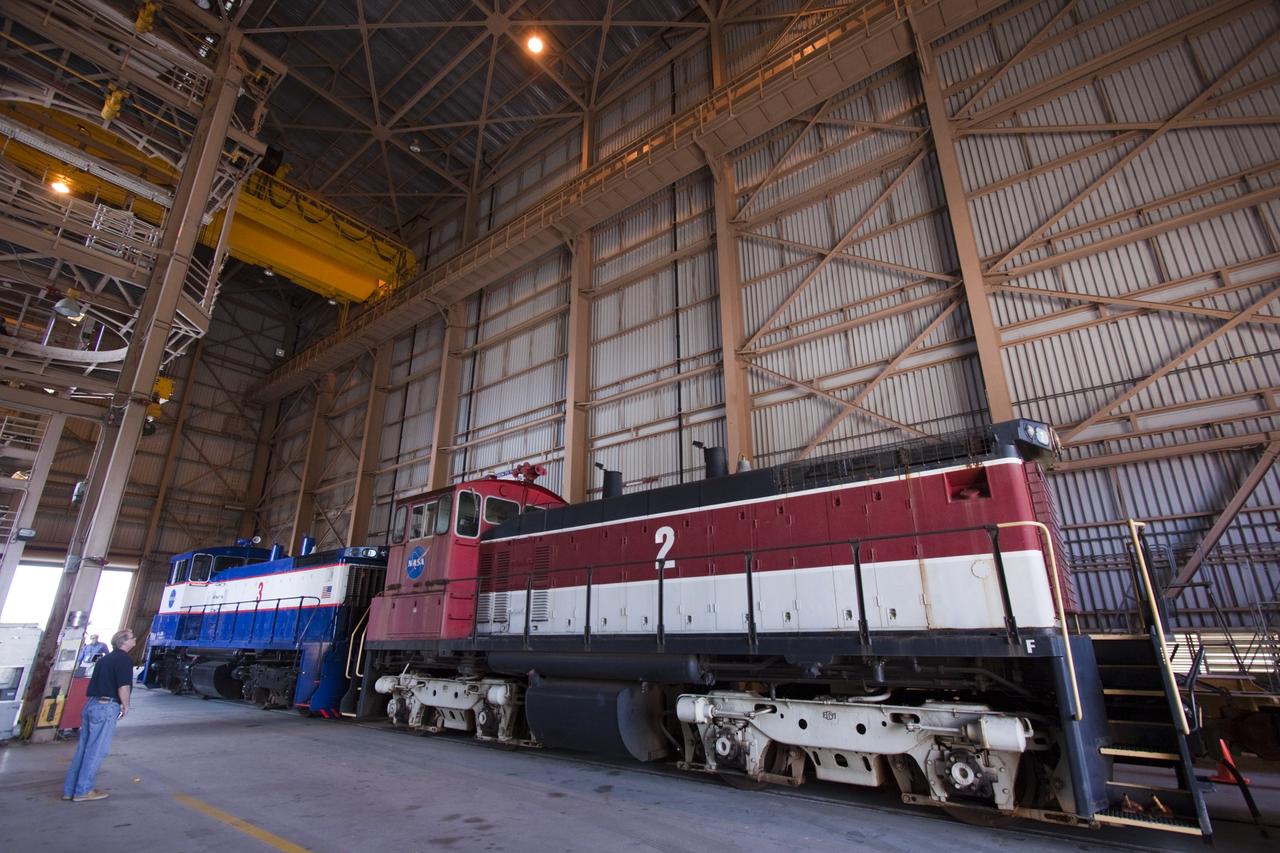
CAPE CANAVERAL, Fla. – Two NASA railroad locomotives at Kennedy Space Center in Florida move into Launch Complex 39 area's Rotation, Processing and Surge Facility, or RPSF. The operation was to allow wheel and axle assemblies to be swapped between locomotives. The RPSF was built to support work on the solid rocket used motors during the space shuttle era. The facility had never previously been used for another purpose, but is now free to serve other customers. With rails running into the building's high bay and a pair of heavy-lift cranes positioned overhead, the facility's capabilities were a perfect fit for the NASA Railroad's needs. Railroad managers wanted to trade the wheel and axle assemblies, or trucks, of locomotives No. 2 and No. 3. Locomotive No. 3 was painstakingly restored in recent years by the NASA Railroad team, and handles much of the rail work required at the center in the post-shuttle era. But the trucks on locomotive No. 2 are in better shape and are more environmentally friendly. For more information, visit: http://www.nasa.gov/exploration/systems/ground/rpsf_locomotives.html Photo credit: NASA/Jim Grossmann
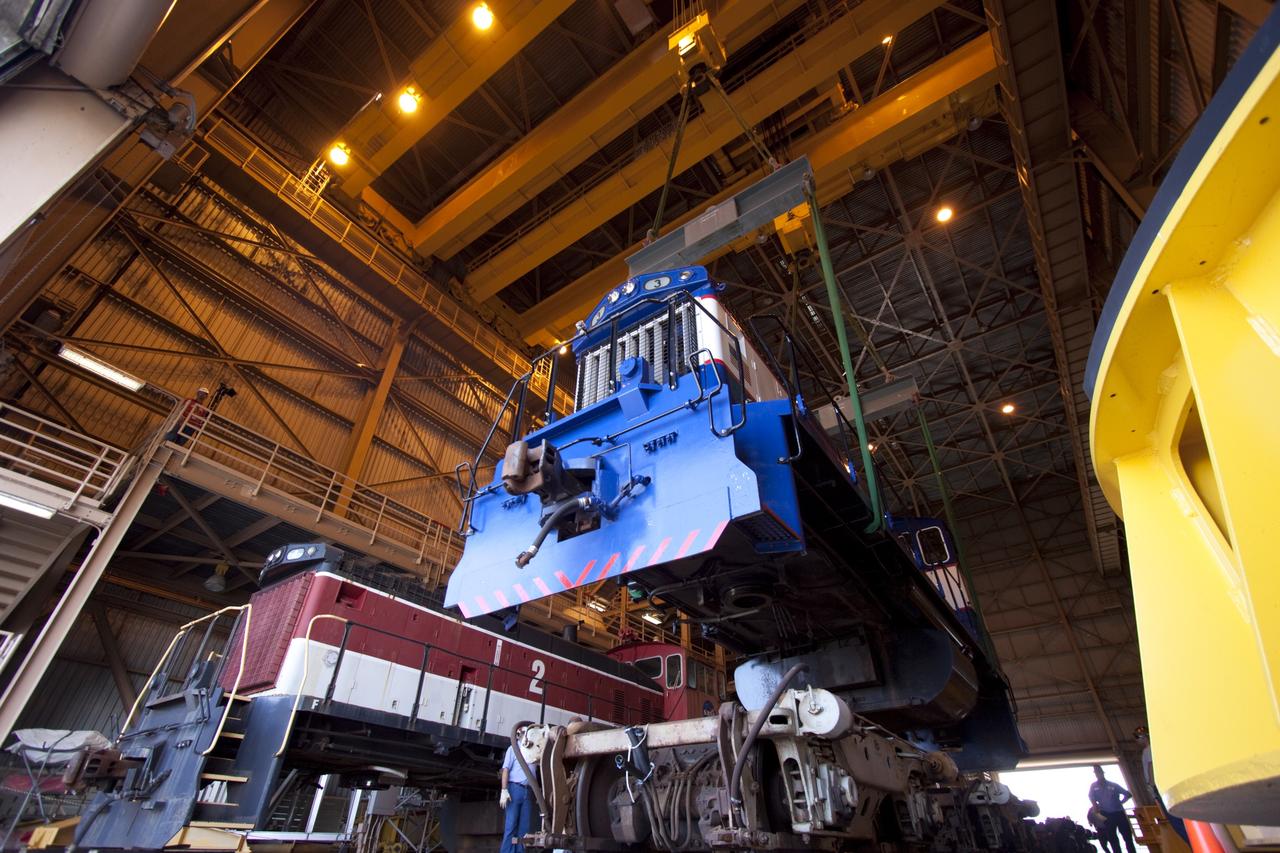
CAPE CANAVERAL, Fla. – Inside the Rotation, Processing and Surge Facility, or RPSF, at the Kennedy Space Center in Florida, an overhead crane lifts NASA locomotive No. 3 moving it into position atop the trucks previously used by locomotive No. 2. The RPSF was built to support work on the solid rocket used motors during the space shuttle era. The facility had never previously been used for another purpose, but is now free to serve other customers. With rails running into the building's high bay and a pair of heavy-lift cranes positioned overhead, the facility's capabilities were a perfect fit for the NASA Railroad's needs. Railroad managers wanted to trade the wheel and axle assemblies, or trucks, of locomotives No. 2 and No. 3. Locomotive No. 3 was painstakingly restored in recent years by the NASA Railroad team, and handles much of the rail work required at the center in the post-shuttle era. But the trucks on locomotive No. 2 are in better shape and are more environmentally friendly. For more information, visit: http://www.nasa.gov/exploration/systems/ground/rpsf_locomotives.html Photo credit: NASA/Jim Grossmann
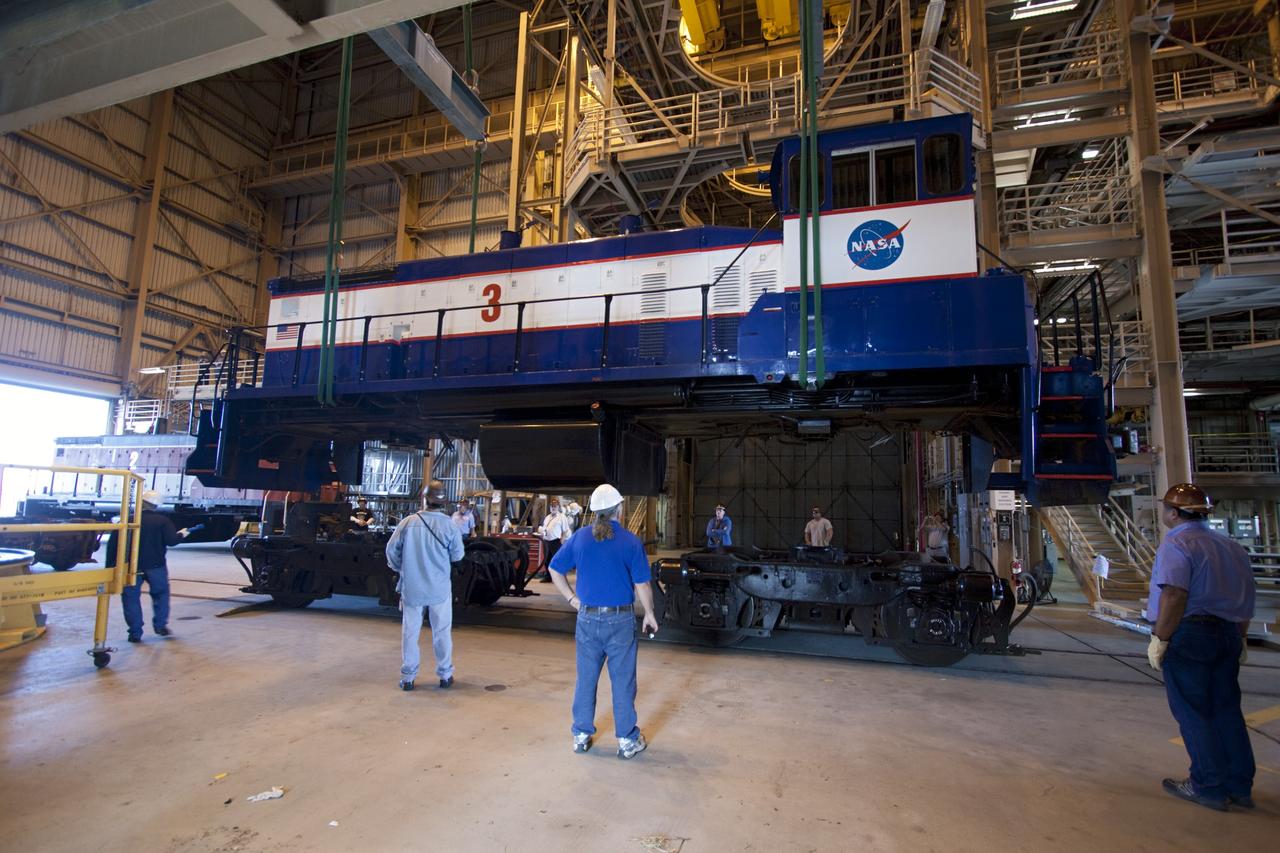
CAPE CANAVERAL, Fla. – Inside the Rotation, Processing and Surge Facility, or RPSF, at the Kennedy Space Center in Florida, an overhead crane lifts NASA locomotive No. 3 off of its trucks to be moved into position atop the trucks previously used by locomotive No. 2. The RPSF was built to support work on the solid rocket used motors during the space shuttle era. The facility had never previously been used for another purpose, but is now free to serve other customers. With rails running into the building's high bay and a pair of heavy-lift cranes positioned overhead, the facility's capabilities were a perfect fit for the NASA Railroad's needs. Railroad managers wanted to trade the wheel and axle assemblies, or trucks, of locomotives No. 2 and No. 3. Locomotive No. 3 was painstakingly restored in recent years by the NASA Railroad team, and handles much of the rail work required at the center in the post-shuttle era. But the trucks on locomotive No. 2 are in better shape and are more environmentally friendly. For more information, visit: http://www.nasa.gov/exploration/systems/ground/rpsf_locomotives.html Photo credit: NASA/Jim Grossmann
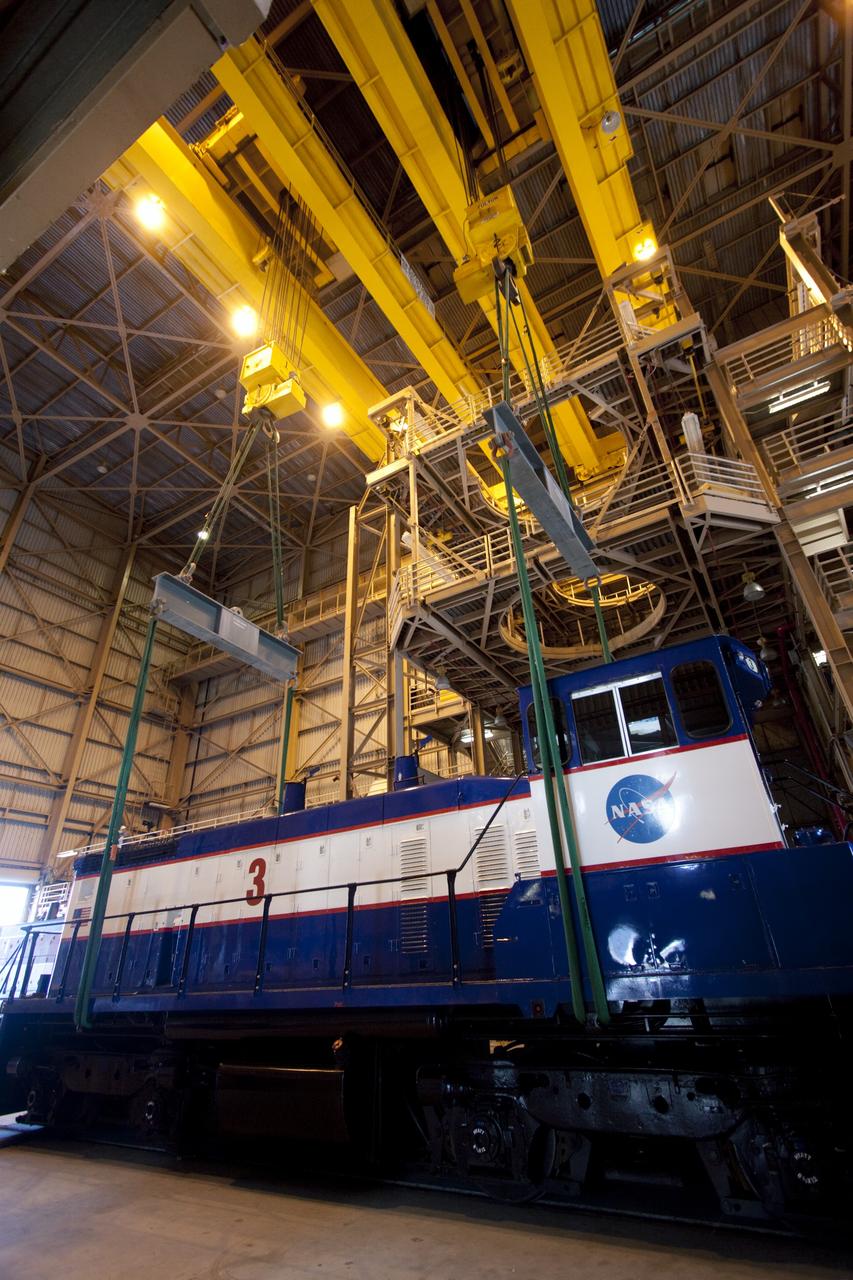
CAPE CANAVERAL, Fla. – Inside the Rotation, Processing and Surge Facility, or RPSF, at the Kennedy Space Center in Florida, an overhead crane lifts NASA locomotive No. 3 off of its trucks to be moved into position atop the trucks previously used by locomotive No. 2. The RPSF was built to support work on the solid rocket used motors during the space shuttle era. The facility had never previously been used for another purpose, but is now free to serve other customers. With rails running into the building's high bay and a pair of heavy-lift cranes positioned overhead, the facility's capabilities were a perfect fit for the NASA Railroad's needs. Railroad managers wanted to trade the wheel and axle assemblies, or trucks, of locomotives No. 2 and No. 3. Locomotive No. 3 was painstakingly restored in recent years by the NASA Railroad team, and handles much of the rail work required at the center in the post-shuttle era. But the trucks on locomotive No. 2 are in better shape and are more environmentally friendly. For more information, visit: http://www.nasa.gov/exploration/systems/ground/rpsf_locomotives.html Photo credit: NASA/Jim Grossmann
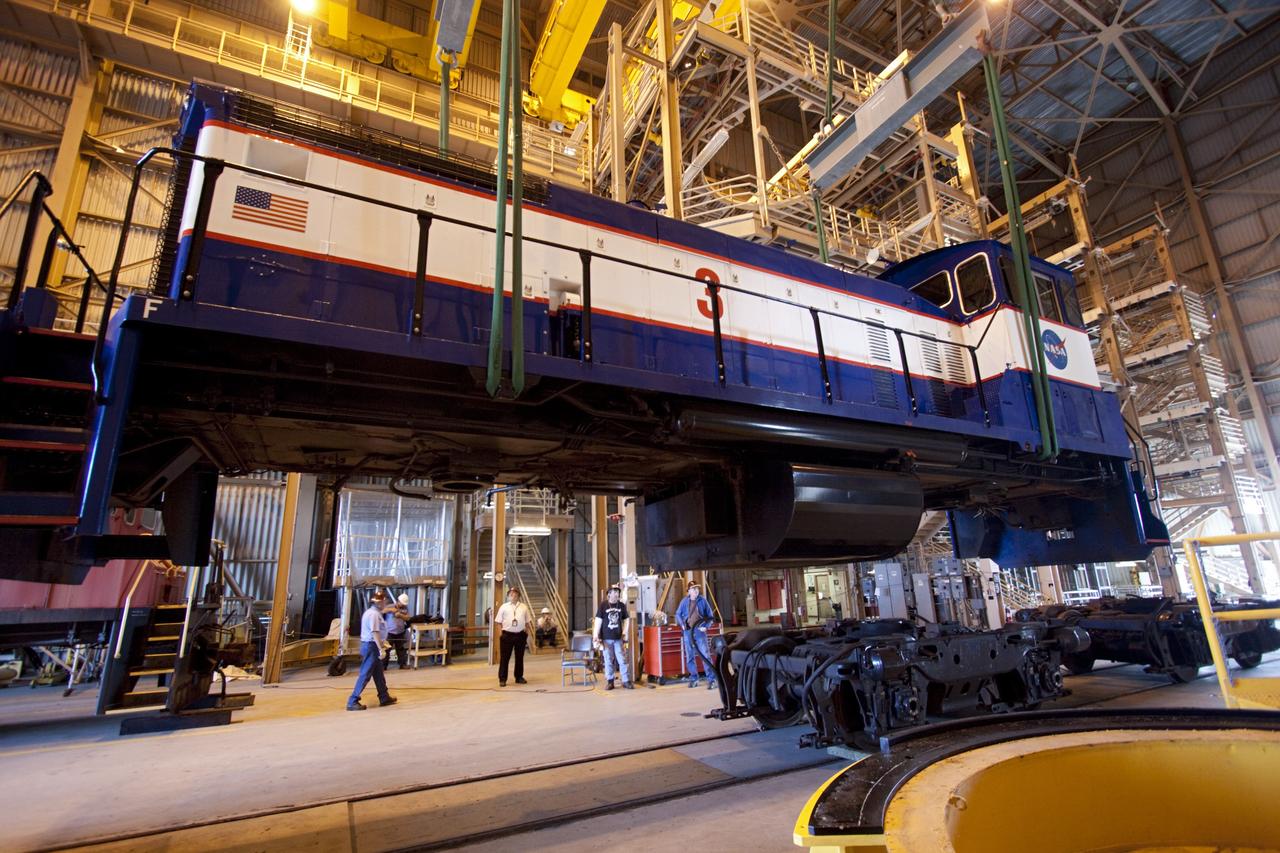
CAPE CANAVERAL, Fla. – Inside the Rotation, Processing and Surge Facility, or RPSF, at the Kennedy Space Center in Florida, an overhead crane lifts NASA locomotive No. 3 off of its trucks to be moved into position atop the trucks previously used by locomotive No. 2. The RPSF was built to support work on the solid rocket used motors during the space shuttle era. The facility had never previously been used for another purpose, but is now free to serve other customers. With rails running into the building's high bay and a pair of heavy-lift cranes positioned overhead, the facility's capabilities were a perfect fit for the NASA Railroad's needs. Railroad managers wanted to trade the wheel and axle assemblies, or trucks, of locomotives No. 2 and No. 3. Locomotive No. 3 was painstakingly restored in recent years by the NASA Railroad team, and handles much of the rail work required at the center in the post-shuttle era. But the trucks on locomotive No. 2 are in better shape and are more environmentally friendly. For more information, visit: http://www.nasa.gov/exploration/systems/ground/rpsf_locomotives.html Photo credit: NASA/Jim Grossmann
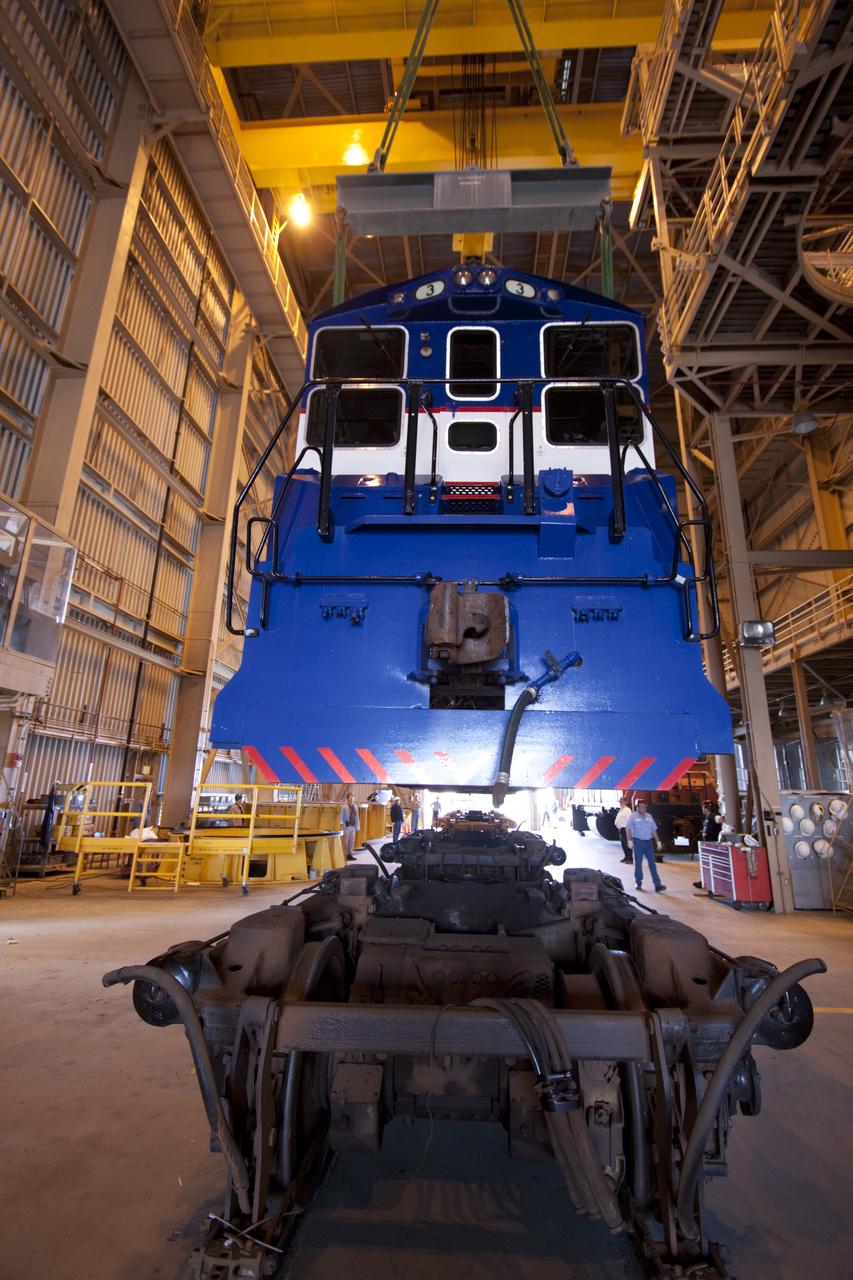
CAPE CANAVERAL, Fla. – Inside the Rotation, Processing and Surge Facility, or RPSF, at the Kennedy Space Center in Florida, an overhead crane lifts NASA locomotive No. 3 off of its trucks to be moved into position atop the trucks previously used by locomotive No. 2. The RPSF was built to support work on the solid rocket used motors during the space shuttle era. The facility had never previously been used for another purpose, but is now free to serve other customers. With rails running into the building's high bay and a pair of heavy-lift cranes positioned overhead, the facility's capabilities were a perfect fit for the NASA Railroad's needs. Railroad managers wanted to trade the wheel and axle assemblies, or trucks, of locomotives No. 2 and No. 3. Locomotive No. 3 was painstakingly restored in recent years by the NASA Railroad team, and handles much of the rail work required at the center in the post-shuttle era. But the trucks on locomotive No. 2 are in better shape and are more environmentally friendly. For more information, visit: http://www.nasa.gov/exploration/systems/ground/rpsf_locomotives.html Photo credit: NASA/Jim Grossmann
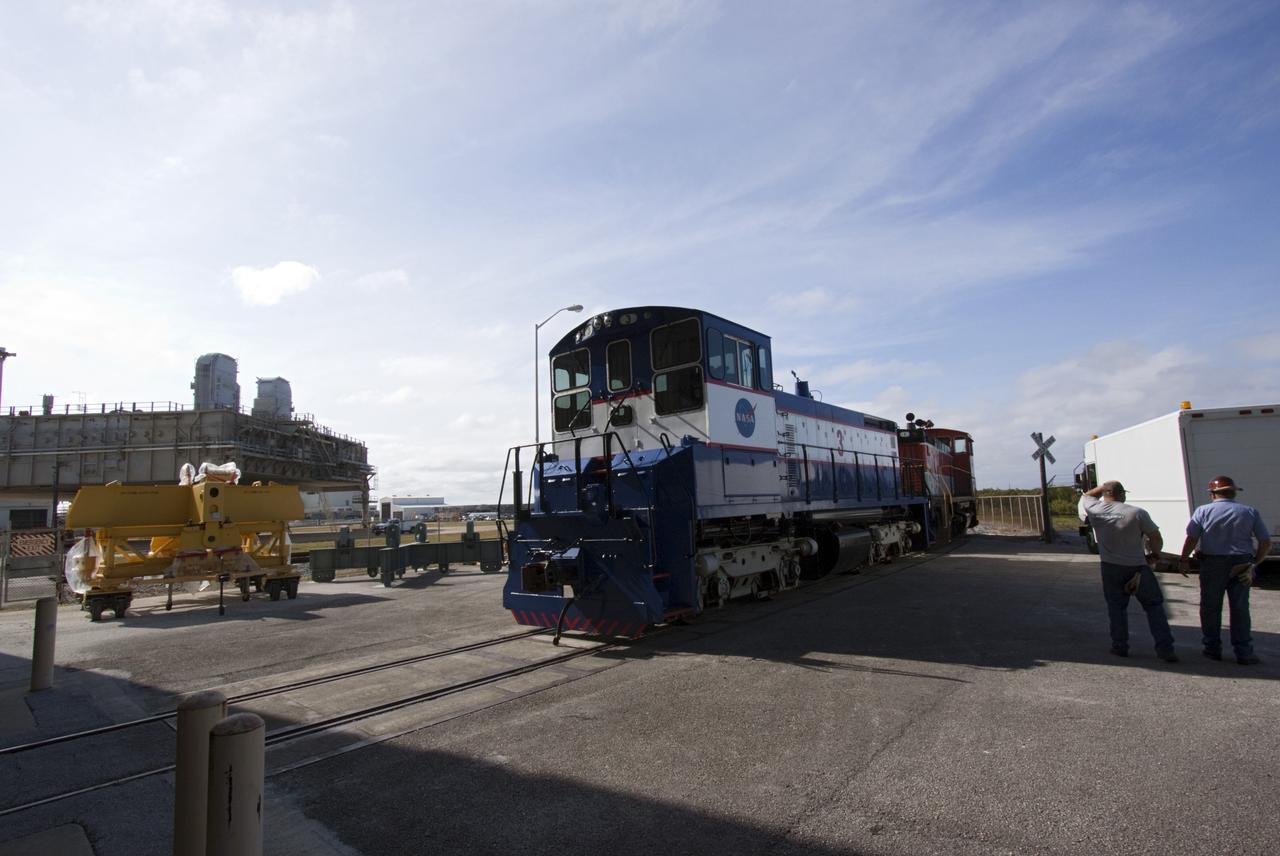
CAPE CANAVERAL, Fla. – NASA locomotive No. 1 pulls locomotive No. 3 out of the Rotation, Processing and Surge Facility, or RPSF, at the Kennedy Space Center in Florida. Inside, an overhead crane was used to lift NASA locomotive No. 2 off of its trucks and moved aside, so locomotive No. 3 could be raised off its trucks and moved into position atop the trucks previously used by locomotive No. 2. The RPSF was built to support work on the solid rocket used motors during the space shuttle era. The facility had never previously been used for another purpose, but is now free to serve other customers. With rails running into the building's high bay and a pair of heavy-lift cranes positioned overhead, the facility's capabilities were a perfect fit for the NASA Railroad's needs. Railroad managers wanted to trade the wheel and axle assemblies, or trucks, of locomotives No. 2 and No. 3. Locomotive No. 3 was painstakingly restored in recent years by the NASA Railroad team, and handles much of the rail work required at the center in the post-shuttle era. But the trucks on locomotive No. 2 are in better shape and are more environmentally friendly. For more information, visit: http://www.nasa.gov/exploration/systems/ground/rpsf_locomotives.html Photo credit: NASA/Jim Grossmann

CAPE CANAVERAL, Fla. – Two NASA railroad locomotives at Kennedy Space Center in Florida move into Launch Complex 39 area's Rotation, Processing and Surge Facility, or RPSF. The operation was to allow wheel and axle assemblies to be swapped between locomotives. The RPSF was built to support work on the solid rocket used motors during the space shuttle era. The facility had never previously been used for another purpose, but is now free to serve other customers. With rails running into the building's high bay and a pair of heavy-lift cranes positioned overhead, the facility's capabilities were a perfect fit for the NASA Railroad's needs. Railroad managers wanted to trade the wheel and axle assemblies, or trucks, of locomotives No. 2 and No. 3. Locomotive No. 3 was painstakingly restored in recent years by the NASA Railroad team, and handles much of the rail work required at the center in the post-shuttle era. But the trucks on locomotive No. 2 are in better shape and are more environmentally friendly. For more information, visit: http://www.nasa.gov/exploration/systems/ground/rpsf_locomotives.html Photo credit: NASA/Jim Grossmann
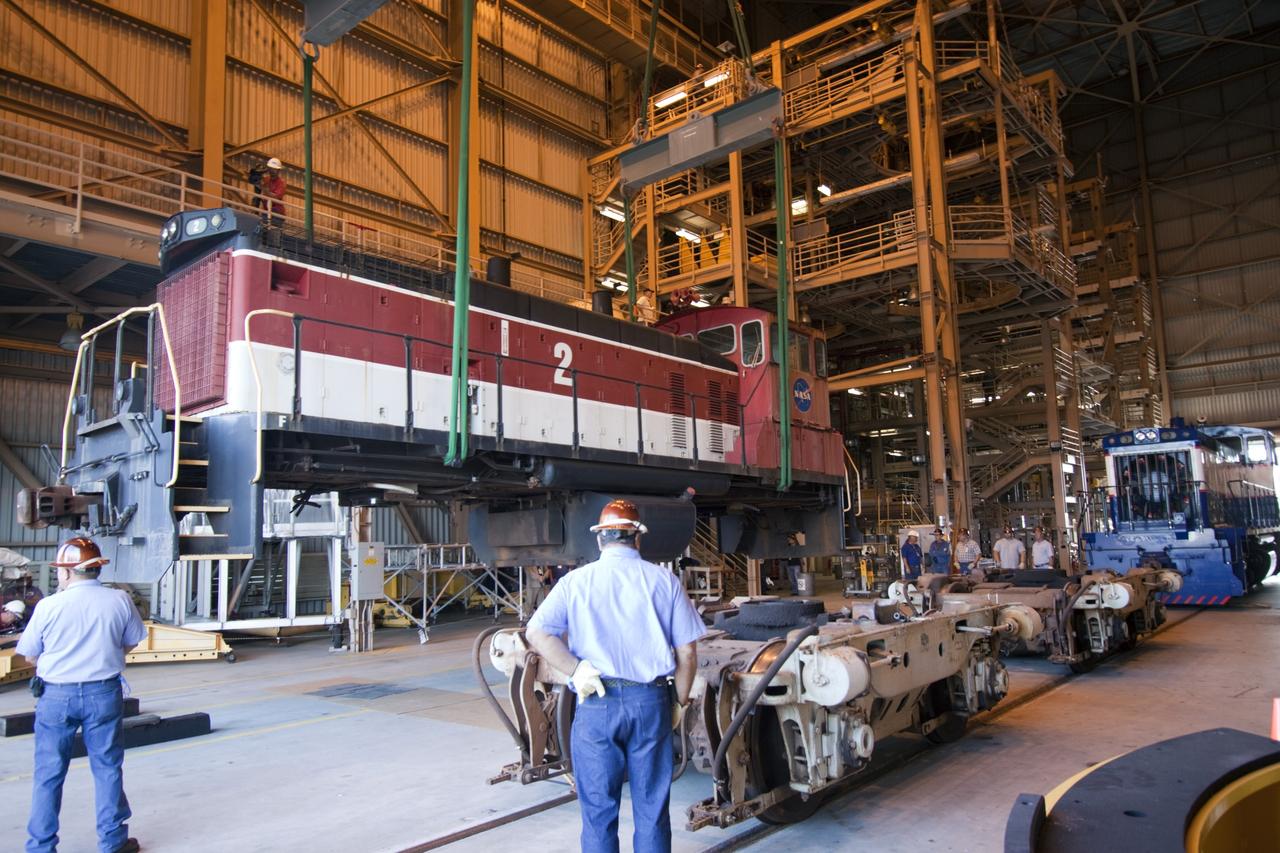
CAPE CANAVERAL, Fla. – Inside the Rotation, Processing and Surge Facility, or RPSF, at the Kennedy Space Center in Florida, an overhead crane lifts NASA locomotive No. 2 off of its trucks to be moved aside, clearing the way for locomotive No. 3 to be raised off its trucks and moved into position atop the trucks previously used by locomotive No. 2. The RPSF was built to support work on the solid rocket used motors during the space shuttle era. The facility had never previously been used for another purpose, but is now free to serve other customers. With rails running into the building's high bay and a pair of heavy-lift cranes positioned overhead, the facility's capabilities were a perfect fit for the NASA Railroad's needs. Railroad managers wanted to trade the wheel and axle assemblies, or trucks, of locomotives No. 2 and No. 3. Locomotive No. 3 was painstakingly restored in recent years by the NASA Railroad team, and handles much of the rail work required at the center in the post-shuttle era. But the trucks on locomotive No. 2 are in better shape and are more environmentally friendly. For more information, visit: http://www.nasa.gov/exploration/systems/ground/rpsf_locomotives.html Photo credit: NASA/Jim Grossmann
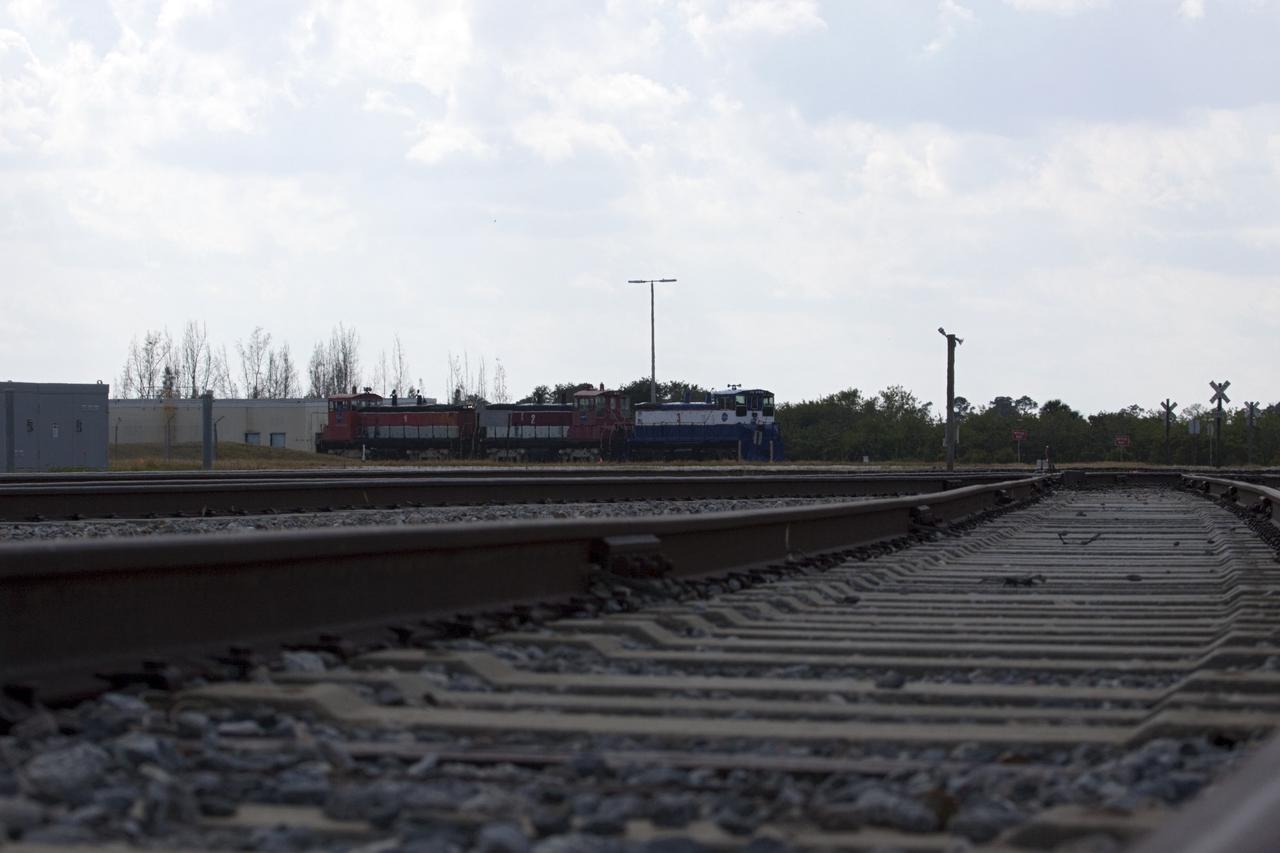
CAPE CANAVERAL, Fla. – Three NASA railroad locomotives at Kennedy Space Center in Florida move toward Launch Complex 39 area's Rotation, Processing and Surge Facility, or RPSF. The operation was to allow wheel and axle assemblies to be swapped between two of the locomotives. The RPSF was built to support work on the solid rocket used motors during the space shuttle era. The facility had never previously been used for another purpose, but is now free to serve other customers. With rails running into the building's high bay and a pair of heavy-lift cranes positioned overhead, the facility's capabilities were a perfect fit for the NASA Railroad's needs. Railroad managers wanted to trade the wheel and axle assemblies, or trucks, of locomotives No. 2 and No. 3. Locomotive No. 3 was painstakingly restored in recent years by the NASA Railroad team, and handles much of the rail work required at the center in the post-shuttle era. But the trucks on locomotive No. 2 are in better shape and are more environmentally friendly. For more information, visit: http://www.nasa.gov/exploration/systems/ground/rpsf_locomotives.html Photo credit: NASA/Jim Grossmann
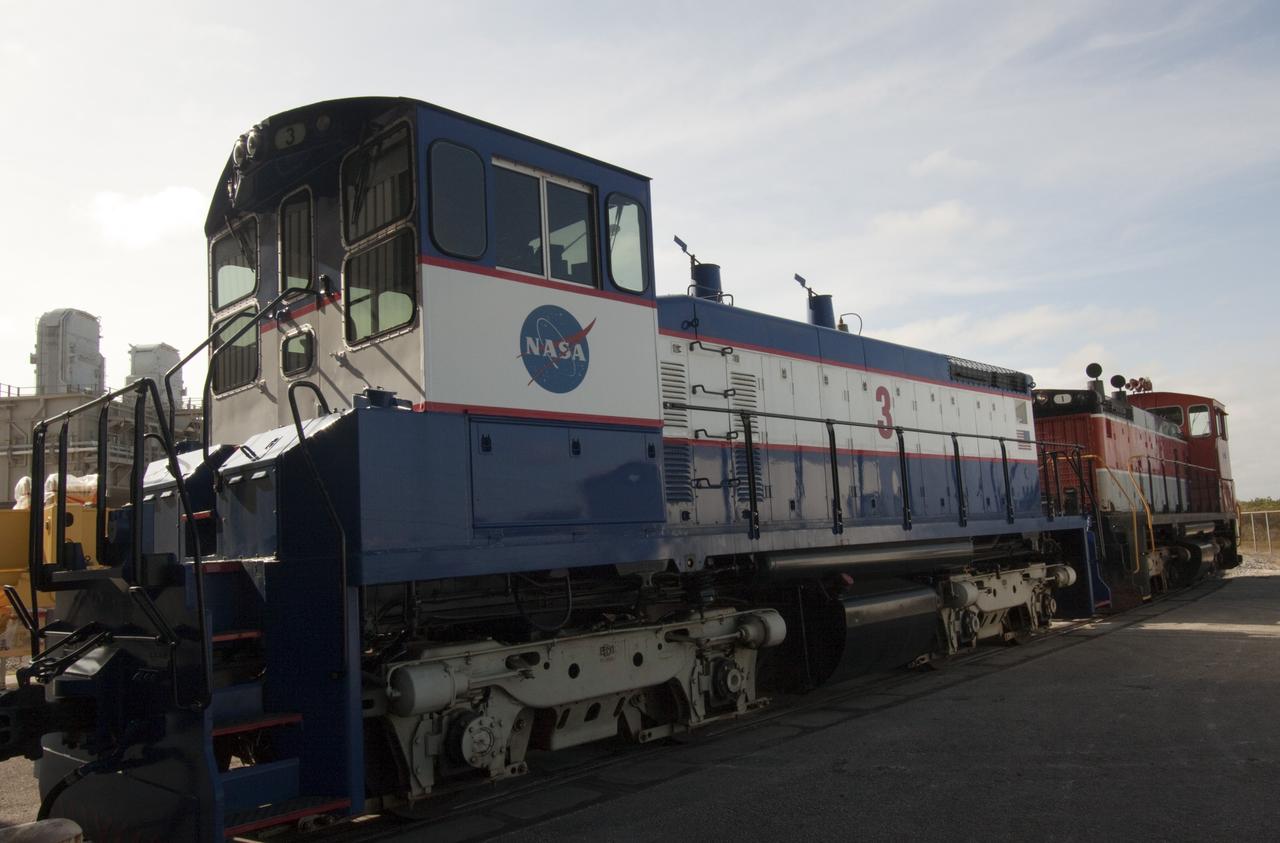
CAPE CANAVERAL, Fla. – A NASA railroad locomotive at Kennedy Space Center in Florida moves into Launch Complex 39 area's Rotation, Processing and Surge Facility, or RPSF. The operation was to allow wheel and axle assemblies to be swapped between two locomotives. The RPSF was built to support work on the solid rocket used motors during the space shuttle era. The facility had never previously been used for another purpose, but is now free to serve other customers. With rails running into the building's high bay and a pair of heavy-lift cranes positioned overhead, the facility's capabilities were a perfect fit for the NASA Railroad's needs. Railroad managers wanted to trade the wheel and axle assemblies, or trucks, of locomotives No. 2 and No. 3. Locomotive No. 3 was painstakingly restored in recent years by the NASA Railroad team, and handles much of the rail work required at the center in the post-shuttle era. But the trucks on locomotive No. 2 are in better shape and are more environmentally friendly. For more information, visit: http://www.nasa.gov/exploration/systems/ground/rpsf_locomotives.html Photo credit: NASA/Jim Grossmann
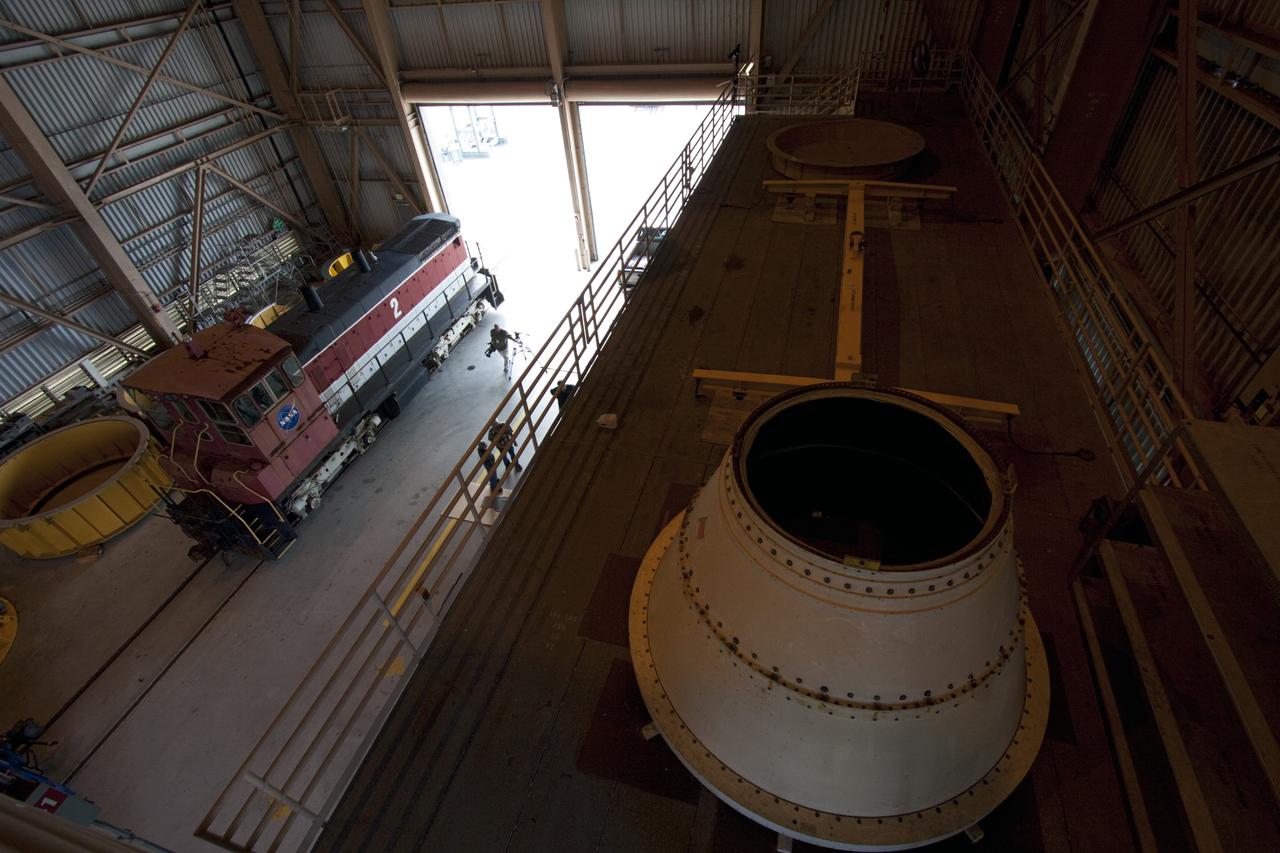
CAPE CANAVERAL, Fla. – NASA locomotive No. 1 pulls locomotive No. 3 out of the Rotation, Processing and Surge Facility, or RPSF, at the Kennedy Space Center in Florida. Inside, an overhead crane was used to lift NASA locomotive No. 2 off of its trucks and moved aside, so locomotive No. 3 could be raised off its trucks and moved into position atop the trucks previously used by locomotive No. 2. The RPSF was built to support work on the solid rocket used motors during the space shuttle era. The facility had never previously been used for another purpose, but is now free to serve other customers. With rails running into the building's high bay and a pair of heavy-lift cranes positioned overhead, the facility's capabilities were a perfect fit for the NASA Railroad's needs. Railroad managers wanted to trade the wheel and axle assemblies, or trucks, of locomotives No. 2 and No. 3. Locomotive No. 3 was painstakingly restored in recent years by the NASA Railroad team, and handles much of the rail work required at the center in the post-shuttle era. But the trucks on locomotive No. 2 are in better shape and are more environmentally friendly. For more information, visit: http://www.nasa.gov/exploration/systems/ground/rpsf_locomotives.html Photo credit: NASA/Jim Grossmann
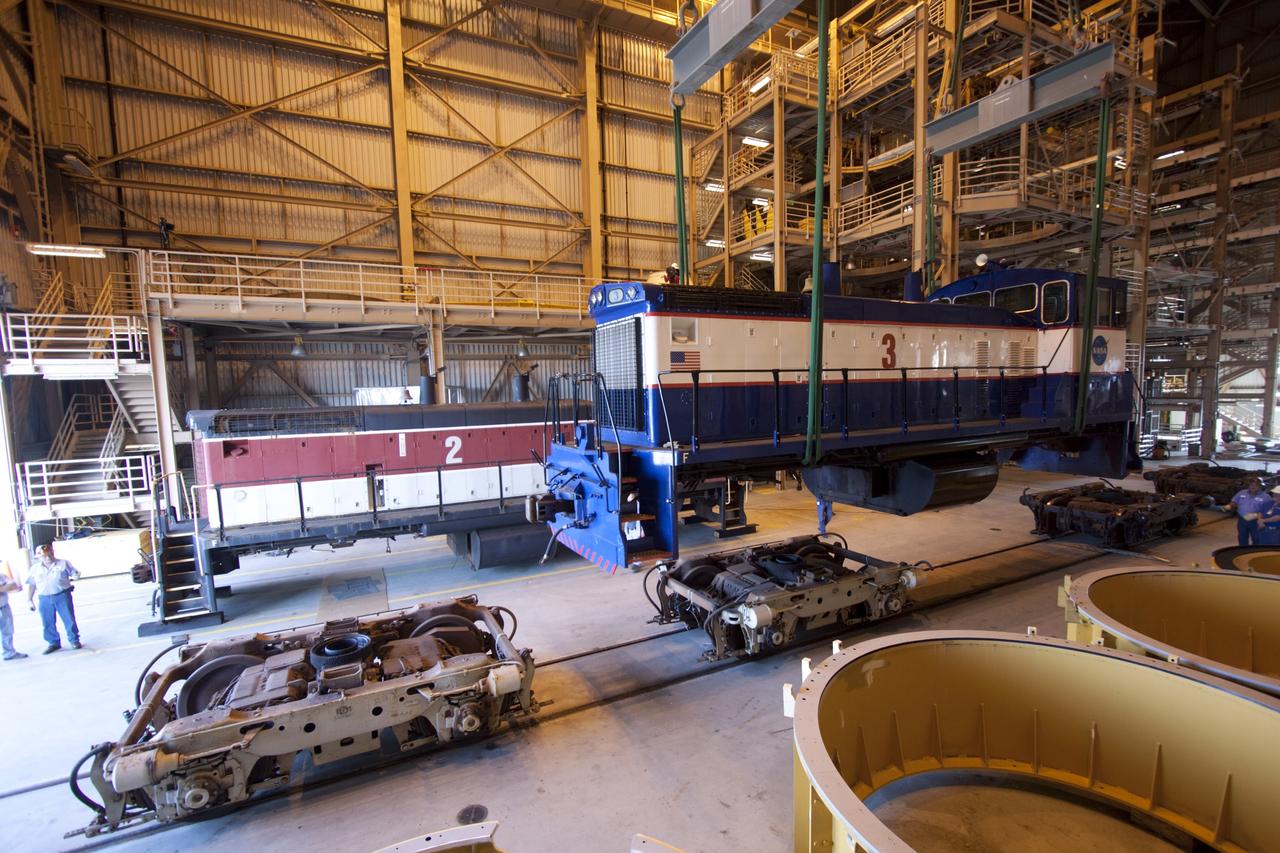
CAPE CANAVERAL, Fla. – Inside the Rotation, Processing and Surge Facility, or RPSF, at the Kennedy Space Center in Florida, an overhead crane lifts NASA locomotive No. 3 off of its trucks to be moved into position atop the trucks previously used by locomotive No. 2. The RPSF was built to support work on the solid rocket used motors during the space shuttle era. The facility had never previously been used for another purpose, but is now free to serve other customers. With rails running into the building's high bay and a pair of heavy-lift cranes positioned overhead, the facility's capabilities were a perfect fit for the NASA Railroad's needs. Railroad managers wanted to trade the wheel and axle assemblies, or trucks, of locomotives No. 2 and No. 3. Locomotive No. 3 was painstakingly restored in recent years by the NASA Railroad team, and handles much of the rail work required at the center in the post-shuttle era. But the trucks on locomotive No. 2 are in better shape and are more environmentally friendly. For more information, visit: http://www.nasa.gov/exploration/systems/ground/rpsf_locomotives.html Photo credit: NASA/Jim Grossmann
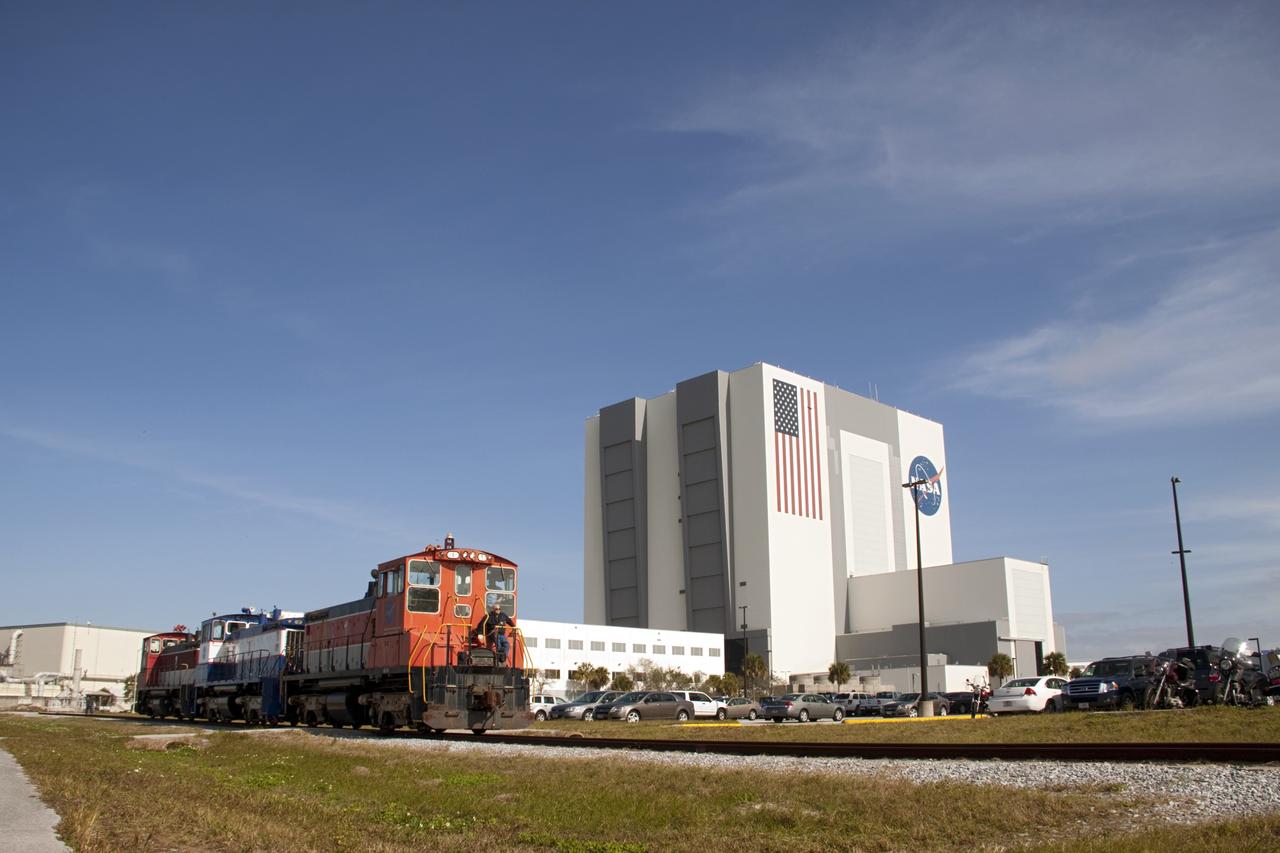
CAPE CANAVERAL, Fla. – At Kennedy Space Center in Florida, NASA railroad locomotive No. 1 returns locomotives 2 and 3 to Launch Complex 39 area's rail yard after wheel and axle assemblies were swapped between locomotives 2 and 3. The RPSF was built to support work on the solid rocket used motors during the space shuttle era. The facility had never previously been used for another purpose, but is now free to serve other customers. With rails running into the building's high bay and a pair of heavy-lift cranes positioned overhead, the facility's capabilities were a perfect fit for the NASA Railroad's needs. Railroad managers wanted to trade the wheel and axle assemblies, or trucks, of locomotives No. 2 and No. 3. Locomotive No. 3 was painstakingly restored in recent years by the NASA Railroad team, and handles much of the rail work required at the center in the post-shuttle era. But the trucks on locomotive No. 2 are in better shape and are more environmentally friendly. For more information, visit: http://www.nasa.gov/exploration/systems/ground/rpsf_locomotives.html Photo credit: NASA/Jim Grossmann
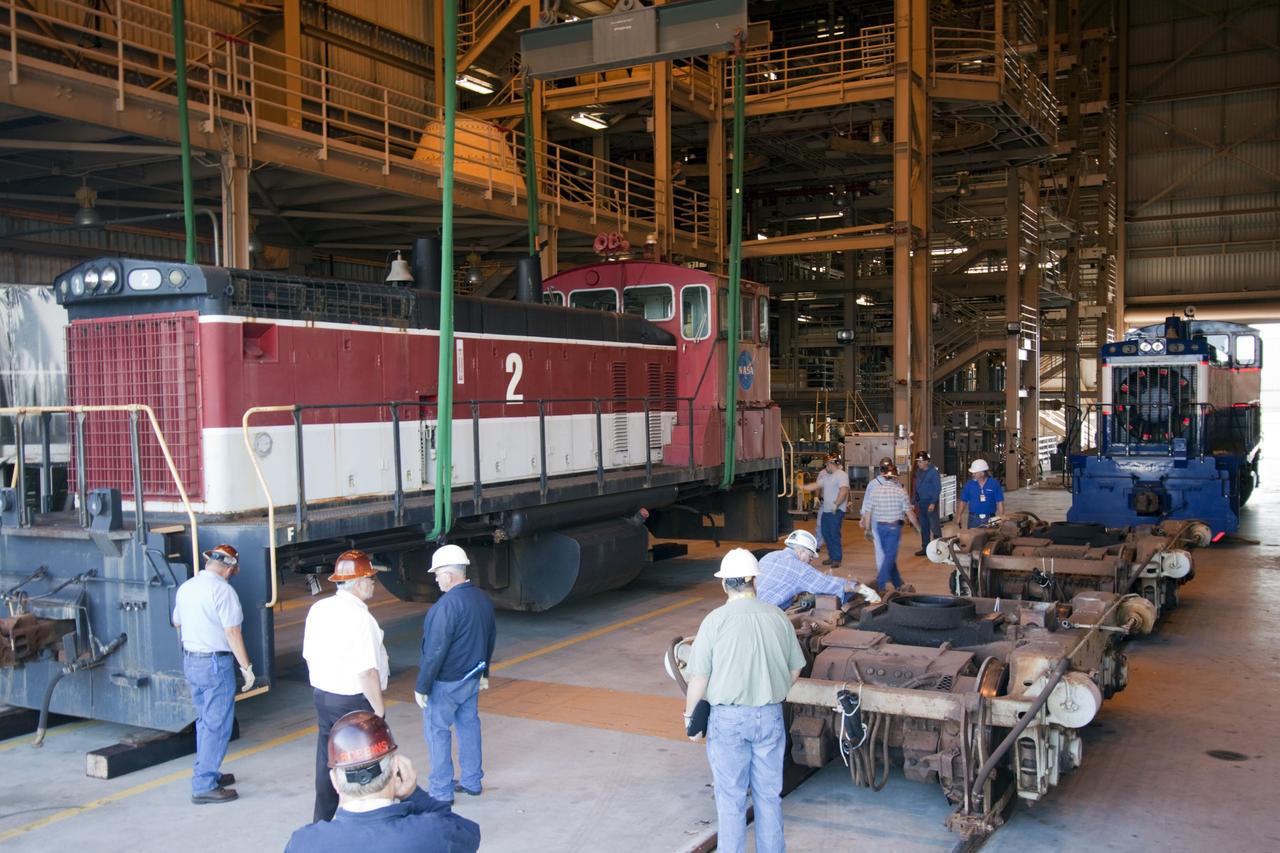
CAPE CANAVERAL, Fla. – Inside the Rotation, Processing and Surge Facility, or RPSF, at the Kennedy Space Center in Florida, an overhead crane moves NASA locomotive No. 2 aside after being lifted off of its trucks, clearing the way for locomotive No. 3 to be raised off its trucks and moved into position atop the trucks previously used by locomotive No. 2. The RPSF was built to support work on the solid rocket used motors during the space shuttle era. The facility had never previously been used for another purpose, but is now free to serve other customers. With rails running into the building's high bay and a pair of heavy-lift cranes positioned overhead, the facility's capabilities were a perfect fit for the NASA Railroad's needs. Railroad managers wanted to trade the wheel and axle assemblies, or trucks, of locomotives No. 2 and No. 3. Locomotive No. 3 was painstakingly restored in recent years by the NASA Railroad team, and handles much of the rail work required at the center in the post-shuttle era. But the trucks on locomotive No. 2 are in better shape and are more environmentally friendly. For more information, visit: http://www.nasa.gov/exploration/systems/ground/rpsf_locomotives.html Photo credit: NASA/Jim Grossmann
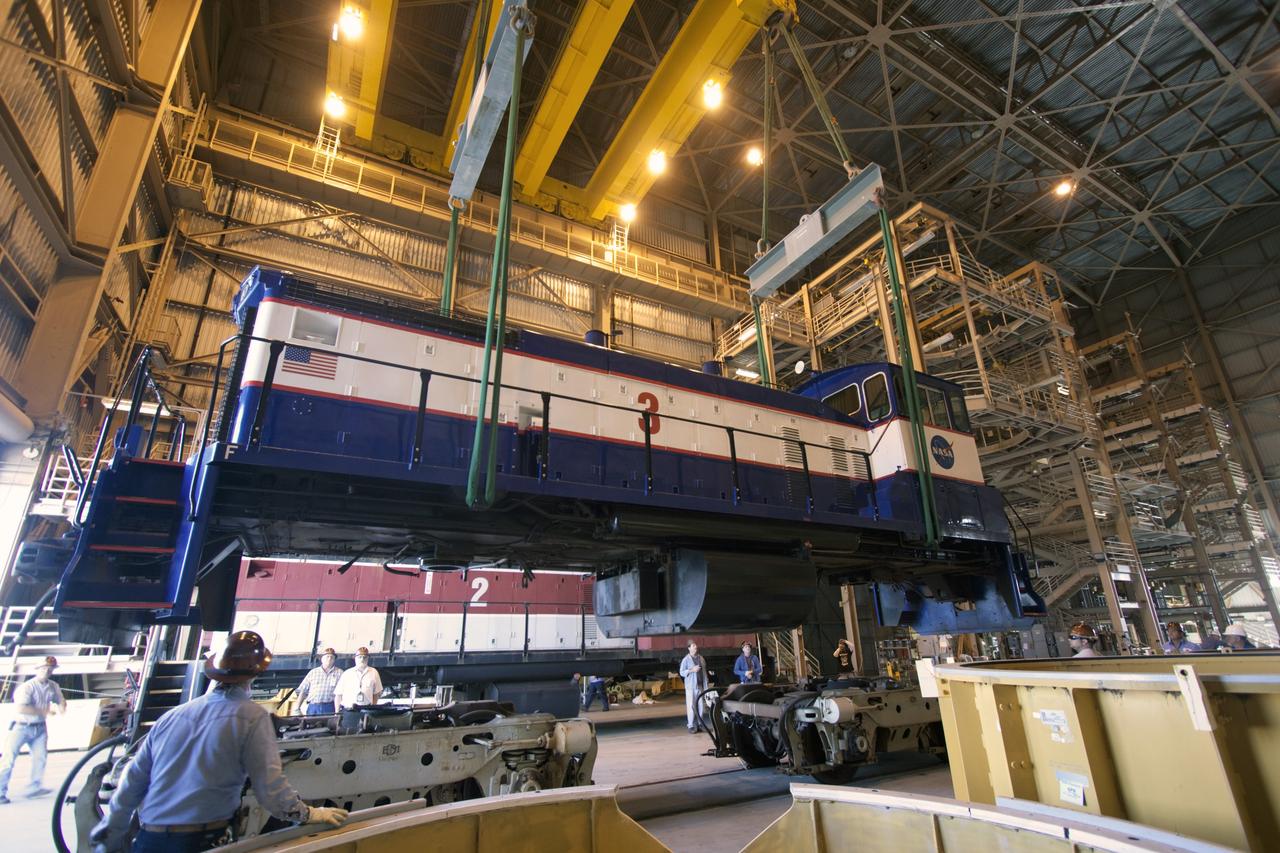
CAPE CANAVERAL, Fla. – Inside the Rotation, Processing and Surge Facility, or RPSF, at the Kennedy Space Center in Florida, an overhead crane lifts NASA locomotive No. 3 moving it into position atop the trucks previously used by locomotive No. 2. The RPSF was built to support work on the solid rocket used motors during the space shuttle era. The facility had never previously been used for another purpose, but is now free to serve other customers. With rails running into the building's high bay and a pair of heavy-lift cranes positioned overhead, the facility's capabilities were a perfect fit for the NASA Railroad's needs. Railroad managers wanted to trade the wheel and axle assemblies, or trucks, of locomotives No. 2 and No. 3. Locomotive No. 3 was painstakingly restored in recent years by the NASA Railroad team, and handles much of the rail work required at the center in the post-shuttle era. But the trucks on locomotive No. 2 are in better shape and are more environmentally friendly. For more information, visit: http://www.nasa.gov/exploration/systems/ground/rpsf_locomotives.html Photo credit: NASA/Jim Grossmann
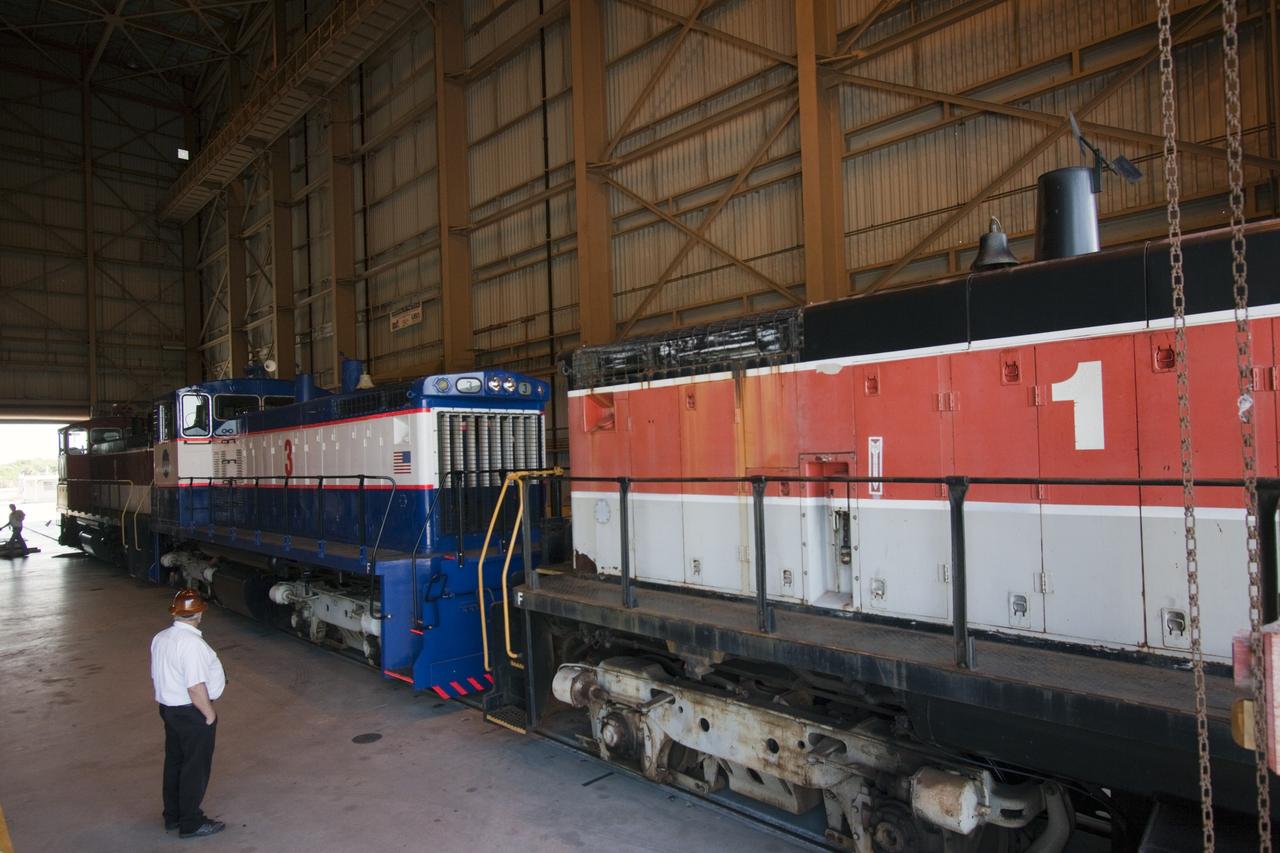
CAPE CANAVERAL, Fla. – Inside the Rotation, Processing and Surge Facility, or RPSF, at the Kennedy Space Center in Florida, NASA locomotive No. 1 pulls locomotives No. 2 and 3 out after wheel and axle assemblies to be swapped between locomotives 2 and 3. The RPSF was built to support work on the solid rocket used motors during the space shuttle era. The facility had never previously been used for another purpose, but is now free to serve other customers. With rails running into the building's high bay and a pair of heavy-lift cranes positioned overhead, the facility's capabilities were a perfect fit for the NASA Railroad's needs. Railroad managers wanted to trade the wheel and axle assemblies, or trucks, of locomotives No. 2 and No. 3. Locomotive No. 3 was painstakingly restored in recent years by the NASA Railroad team, and handles much of the rail work required at the center in the post-shuttle era. But the trucks on locomotive No. 2 are in better shape and are more environmentally friendly. For more information, visit: http://www.nasa.gov/exploration/systems/ground/rpsf_locomotives.html Photo credit: NASA/Jim Grossmann
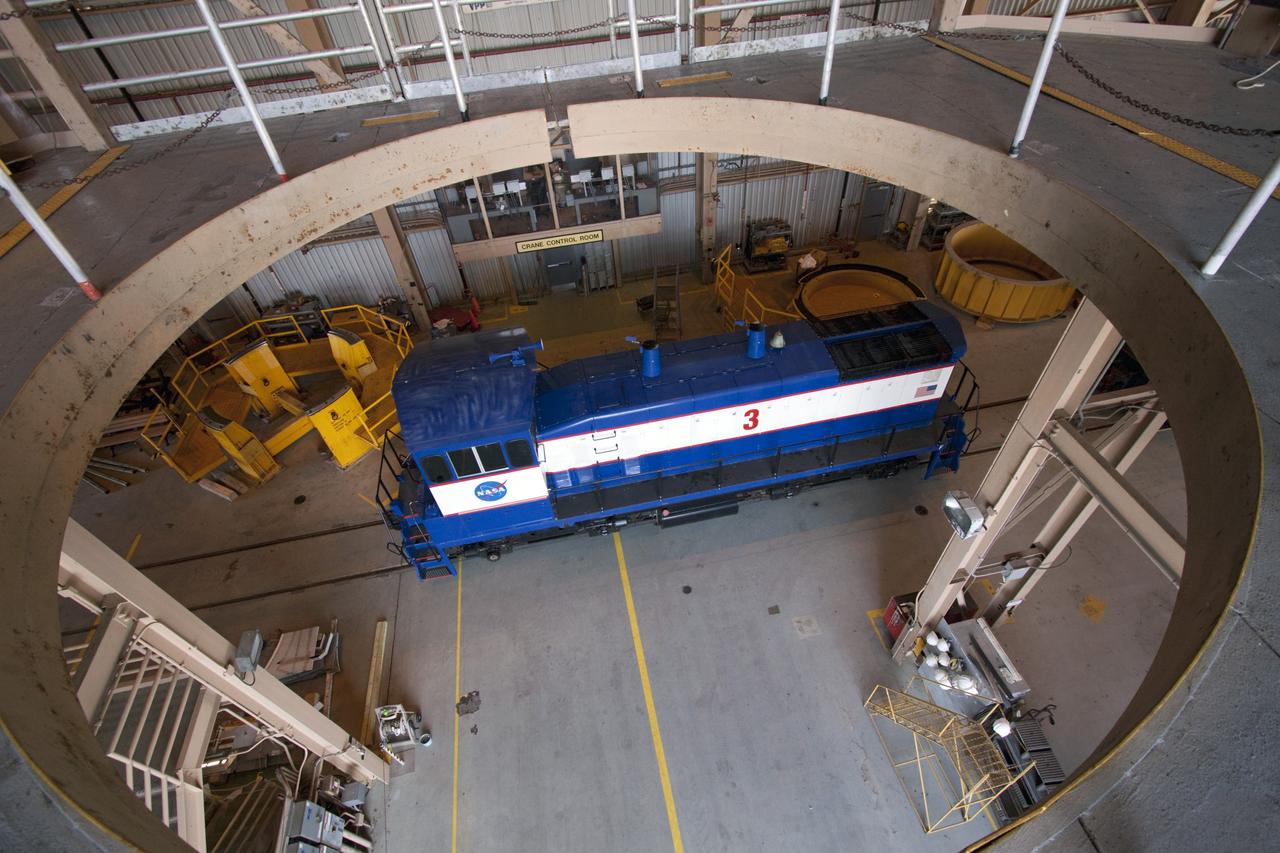
CAPE CANAVERAL, Fla. – A NASA railroad locomotive at Kennedy Space Center in Florida moves into Launch Complex 39 area's Rotation, Processing and Surge Facility, or RPSF. The operation was to allow wheel and axle assemblies to be swapped between two locomotives. The RPSF was built to support work on the solid rocket used motors during the space shuttle era. The facility had never previously been used for another purpose, but is now free to serve other customers. With rails running into the building's high bay and a pair of heavy-lift cranes positioned overhead, the facility's capabilities were a perfect fit for the NASA Railroad's needs. Railroad managers wanted to trade the wheel and axle assemblies, or trucks, of locomotives No. 2 and No. 3. Locomotive No. 3 was painstakingly restored in recent years by the NASA Railroad team, and handles much of the rail work required at the center in the post-shuttle era. But the trucks on locomotive No. 2 are in better shape and are more environmentally friendly. For more information, visit: http://www.nasa.gov/exploration/systems/ground/rpsf_locomotives.html Photo credit: NASA/Jim Grossmann
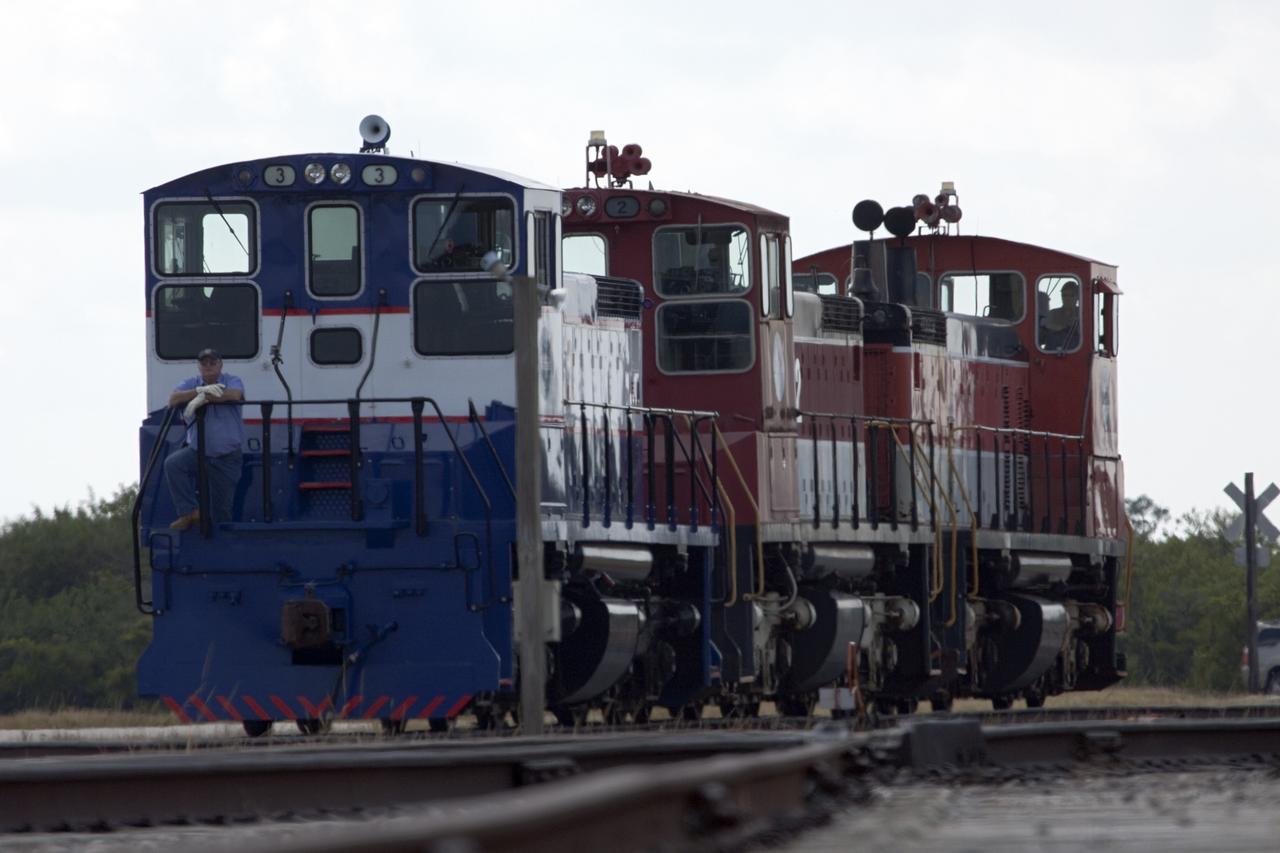
CAPE CANAVERAL, Fla. – Three NASA railroad locomotives at Kennedy Space Center in Florida move toward Launch Complex 39 area's Rotation, Processing and Surge Facility, or RPSF. The operation was to allow wheel and axle assemblies to be swapped between two of the locomotives. The RPSF was built to support work on the solid rocket used motors during the space shuttle era. The facility had never previously been used for another purpose, but is now free to serve other customers. With rails running into the building's high bay and a pair of heavy-lift cranes positioned overhead, the facility's capabilities were a perfect fit for the NASA Railroad's needs. Railroad managers wanted to trade the wheel and axle assemblies, or trucks, of locomotives No. 2 and No. 3. Locomotive No. 3 was painstakingly restored in recent years by the NASA Railroad team, and handles much of the rail work required at the center in the post-shuttle era. But the trucks on locomotive No. 2 are in better shape and are more environmentally friendly. For more information, visit: http://www.nasa.gov/exploration/systems/ground/rpsf_locomotives.html Photo credit: NASA/Jim Grossmann
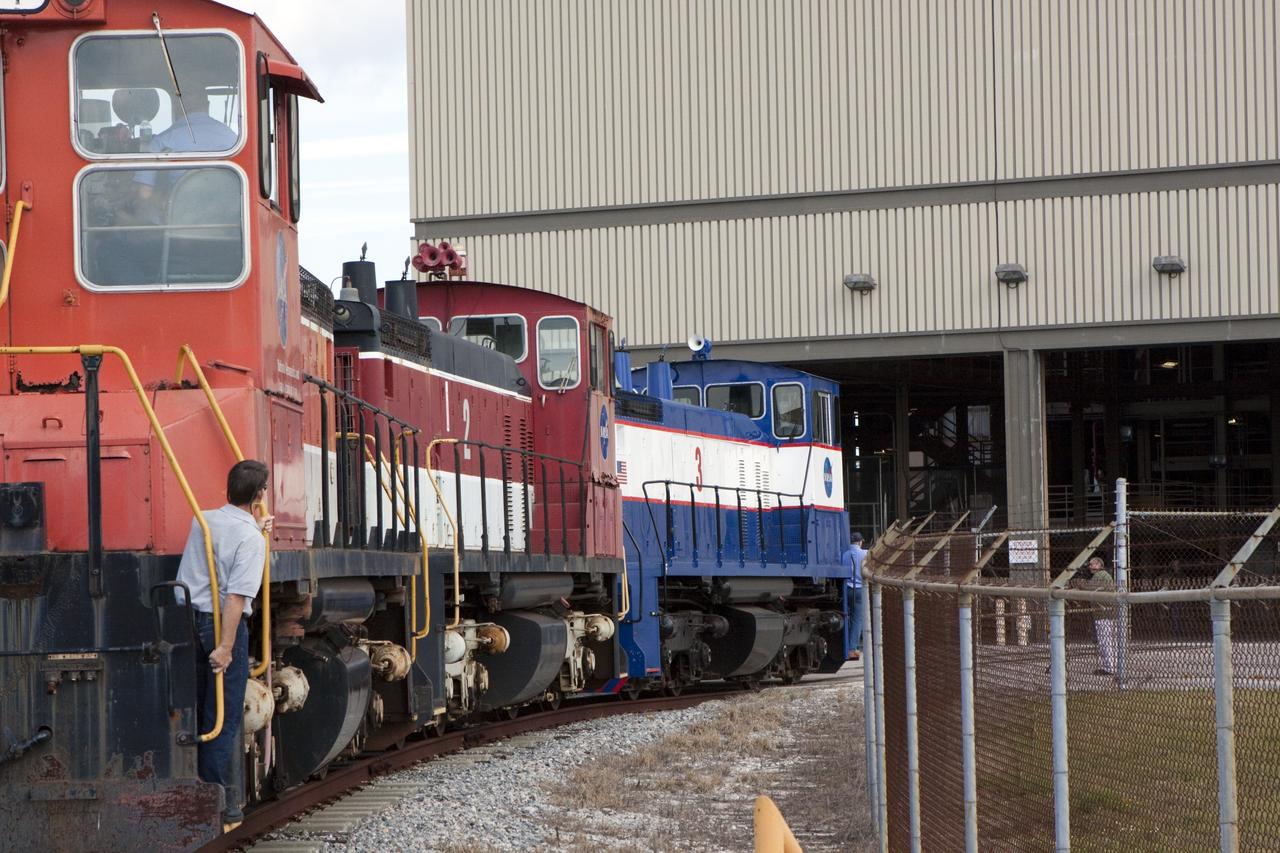
CAPE CANAVERAL, Fla. – Three NASA railroad locomotives at Kennedy Space Center in Florida move toward Launch Complex 39 area's Rotation, Processing and Surge Facility, or RPSF. The operation was to allow wheel and axle assemblies to be swapped between two of the locomotives. The RPSF was built to support work on the solid rocket used motors during the space shuttle era. The facility had never previously been used for another purpose, but is now free to serve other customers. With rails running into the building's high bay and a pair of heavy-lift cranes positioned overhead, the facility's capabilities were a perfect fit for the NASA Railroad's needs. Railroad managers wanted to trade the wheel and axle assemblies, or trucks, of locomotives No. 2 and No. 3. Locomotive No. 3 was painstakingly restored in recent years by the NASA Railroad team, and handles much of the rail work required at the center in the post-shuttle era. But the trucks on locomotive No. 2 are in better shape and are more environmentally friendly. For more information, visit: http://www.nasa.gov/exploration/systems/ground/rpsf_locomotives.html Photo credit: NASA/Jim Grossmann
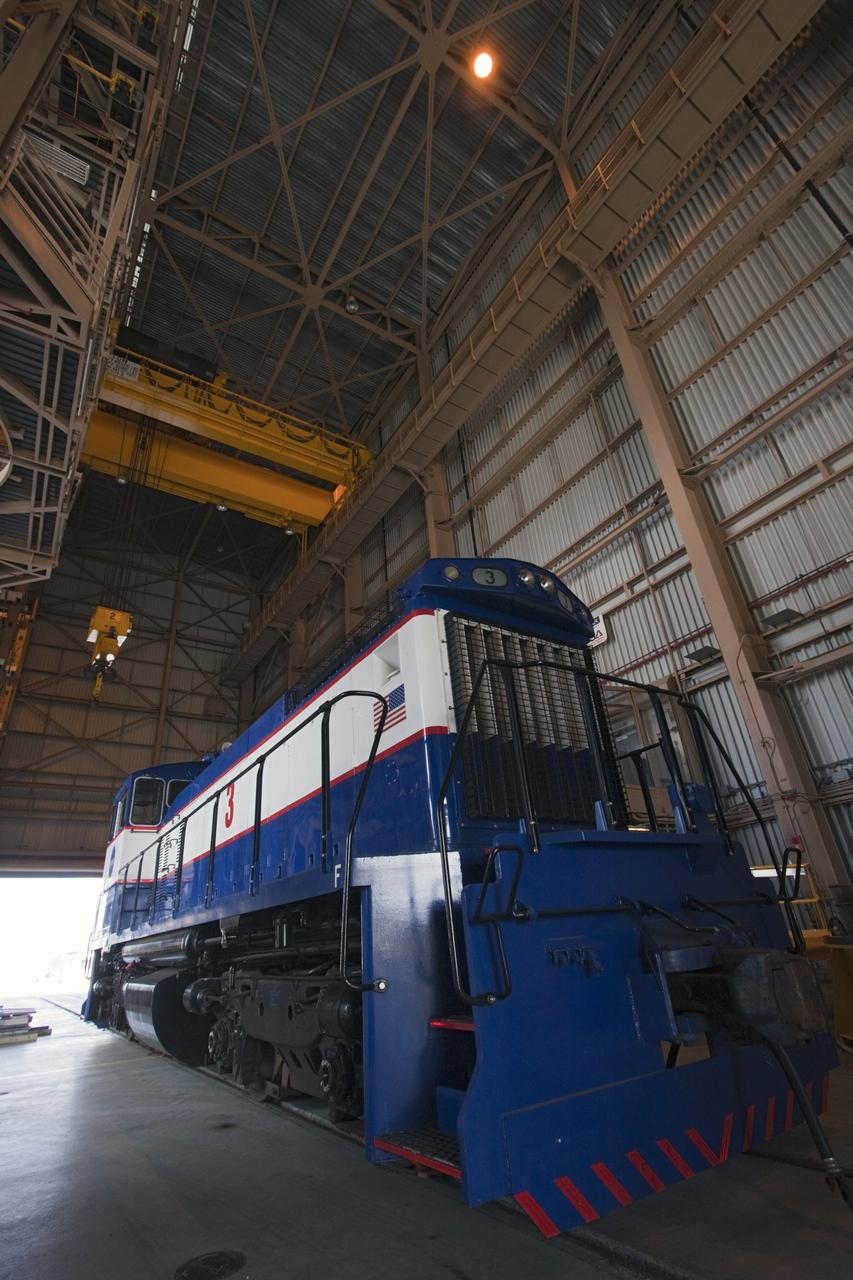
CAPE CANAVERAL, Fla. – A NASA railroad locomotive at Kennedy Space Center in Florida moves into Launch Complex 39 area's Rotation, Processing and Surge Facility, or RPSF. The operation was to allow wheel and axle assemblies to be swapped between two locomotives. The RPSF was built to support work on the solid rocket used motors during the space shuttle era. The facility had never previously been used for another purpose, but is now free to serve other customers. With rails running into the building's high bay and a pair of heavy-lift cranes positioned overhead, the facility's capabilities were a perfect fit for the NASA Railroad's needs. Railroad managers wanted to trade the wheel and axle assemblies, or trucks, of locomotives No. 2 and No. 3. Locomotive No. 3 was painstakingly restored in recent years by the NASA Railroad team, and handles much of the rail work required at the center in the post-shuttle era. But the trucks on locomotive No. 2 are in better shape and are more environmentally friendly. For more information, visit: http://www.nasa.gov/exploration/systems/ground/rpsf_locomotives.html Photo credit: NASA/Jim Grossmann
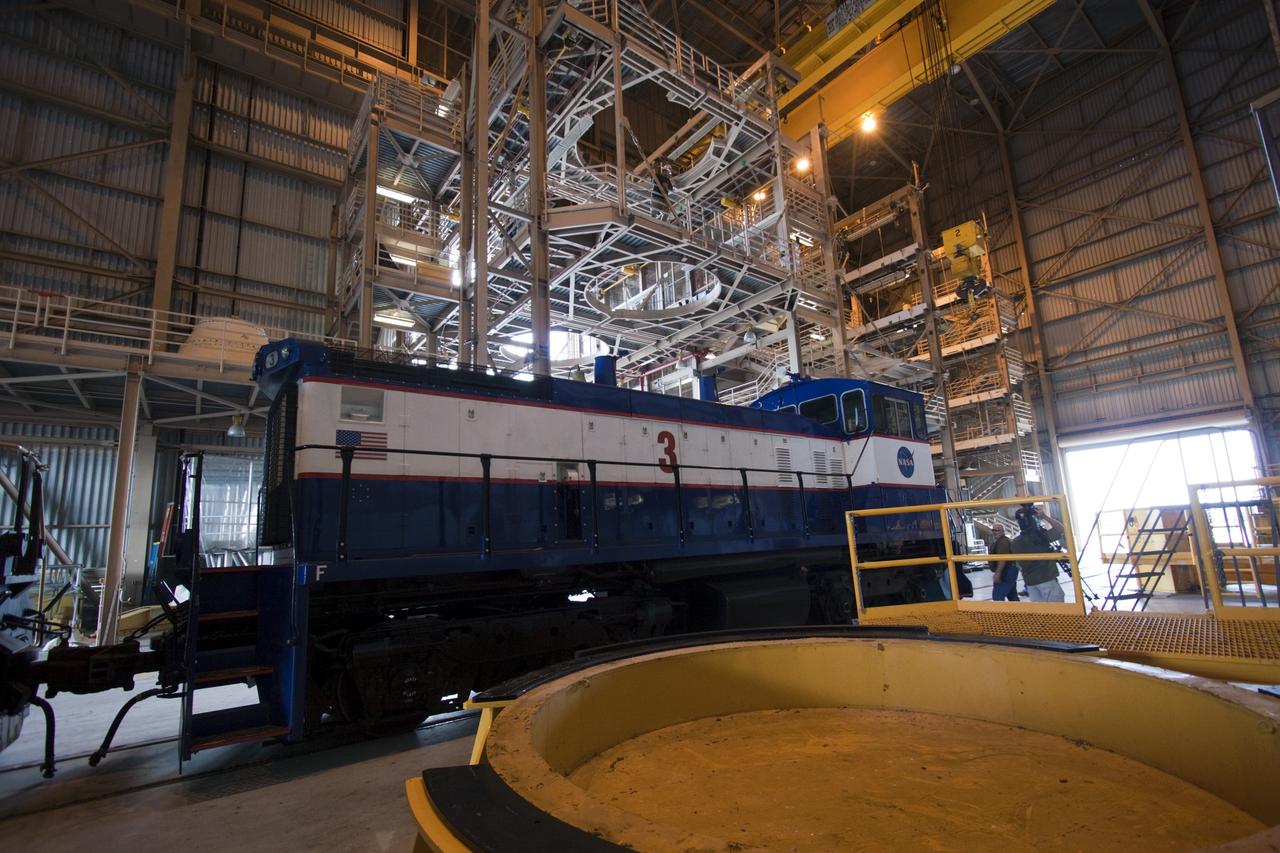
CAPE CANAVERAL, Fla. – A NASA railroad locomotive at Kennedy Space Center in Florida moves into Launch Complex 39 area's Rotation, Processing and Surge Facility, or RPSF. The operation was to allow wheel and axle assemblies to be swapped between two locomotives. The RPSF was built to support work on the solid rocket used motors during the space shuttle era. The facility had never previously been used for another purpose, but is now free to serve other customers. With rails running into the building's high bay and a pair of heavy-lift cranes positioned overhead, the facility's capabilities were a perfect fit for the NASA Railroad's needs. Railroad managers wanted to trade the wheel and axle assemblies, or trucks, of locomotives No. 2 and No. 3. Locomotive No. 3 was painstakingly restored in recent years by the NASA Railroad team, and handles much of the rail work required at the center in the post-shuttle era. But the trucks on locomotive No. 2 are in better shape and are more environmentally friendly. For more information, visit: http://www.nasa.gov/exploration/systems/ground/rpsf_locomotives.html Photo credit: NASA/Jim Grossmann
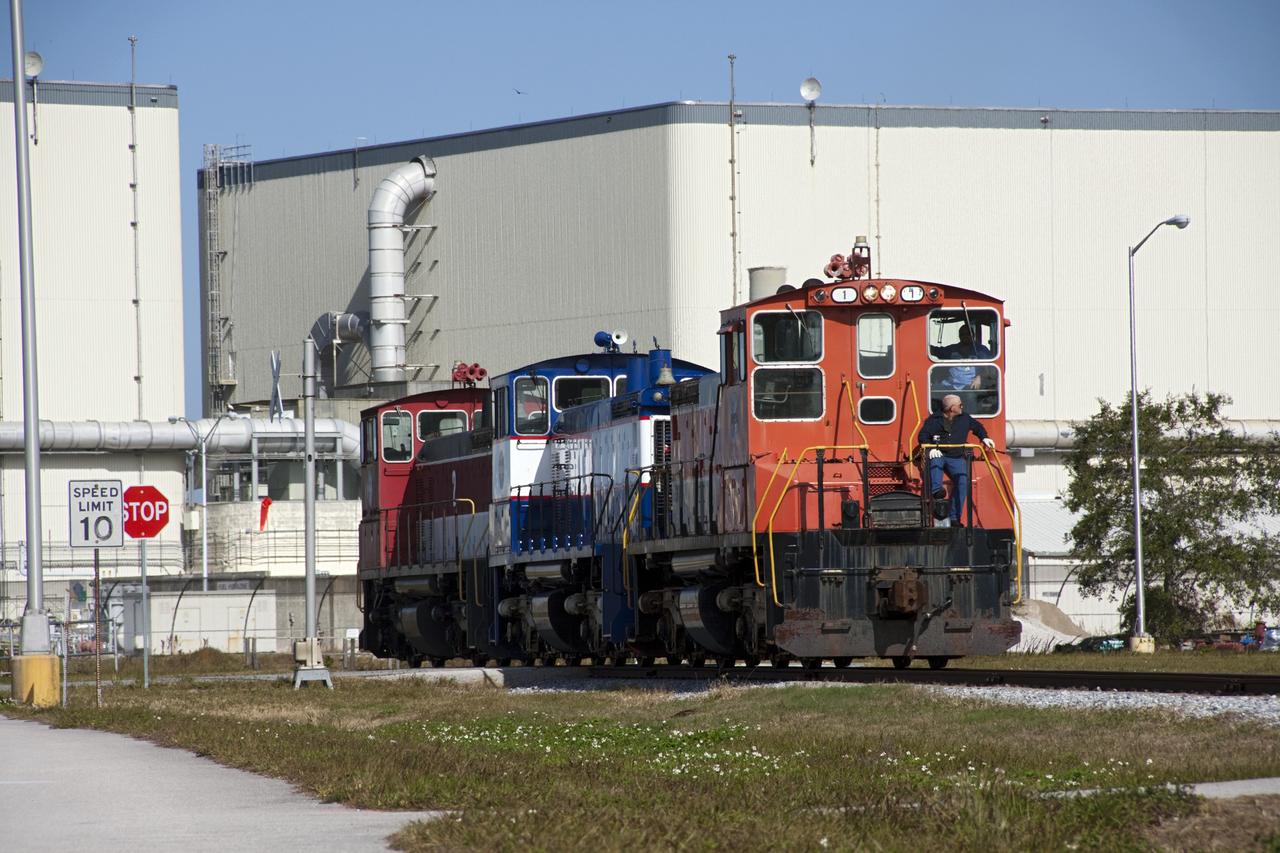
CAPE CANAVERAL, Fla. – At Kennedy Space Center in Florida, NASA railroad locomotive No. 1 returns locomotives 2 and 3 to Launch Complex 39 area's rail yard after wheel and axle assemblies were swapped between locomotives 2 and 3. The RPSF was built to support work on the solid rocket used motors during the space shuttle era. The facility had never previously been used for another purpose, but is now free to serve other customers. With rails running into the building's high bay and a pair of heavy-lift cranes positioned overhead, the facility's capabilities were a perfect fit for the NASA Railroad's needs. Railroad managers wanted to trade the wheel and axle assemblies, or trucks, of locomotives No. 2 and No. 3. Locomotive No. 3 was painstakingly restored in recent years by the NASA Railroad team, and handles much of the rail work required at the center in the post-shuttle era. But the trucks on locomotive No. 2 are in better shape and are more environmentally friendly. For more information, visit: http://www.nasa.gov/exploration/systems/ground/rpsf_locomotives.html Photo credit: NASA/Jim Grossmann
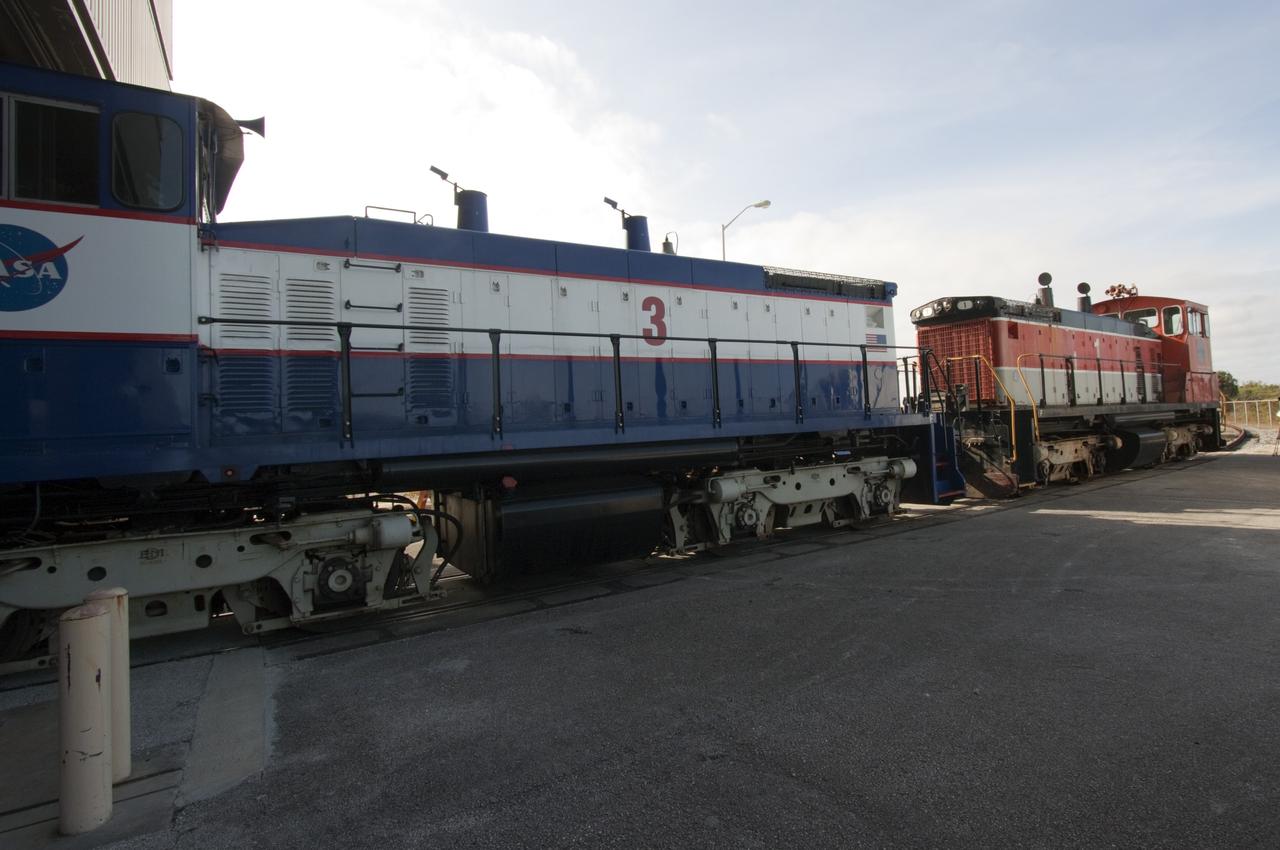
CAPE CANAVERAL, Fla. – NASA locomotive No. 1 pulls locomotive No. 3 out of the Rotation, Processing and Surge Facility, or RPSF, at the Kennedy Space Center in Florida. Inside, an overhead crane was used to lift NASA locomotive No. 2 off of its trucks and moved aside, so locomotive No. 3 could be raised off its trucks and moved into position atop the trucks previously used by locomotive No. 2. The RPSF was built to support work on the solid rocket used motors during the space shuttle era. The facility had never previously been used for another purpose, but is now free to serve other customers. With rails running into the building's high bay and a pair of heavy-lift cranes positioned overhead, the facility's capabilities were a perfect fit for the NASA Railroad's needs. Railroad managers wanted to trade the wheel and axle assemblies, or trucks, of locomotives No. 2 and No. 3. Locomotive No. 3 was painstakingly restored in recent years by the NASA Railroad team, and handles much of the rail work required at the center in the post-shuttle era. But the trucks on locomotive No. 2 are in better shape and are more environmentally friendly. For more information, visit: http://www.nasa.gov/exploration/systems/ground/rpsf_locomotives.html Photo credit: NASA/Jim Grossmann
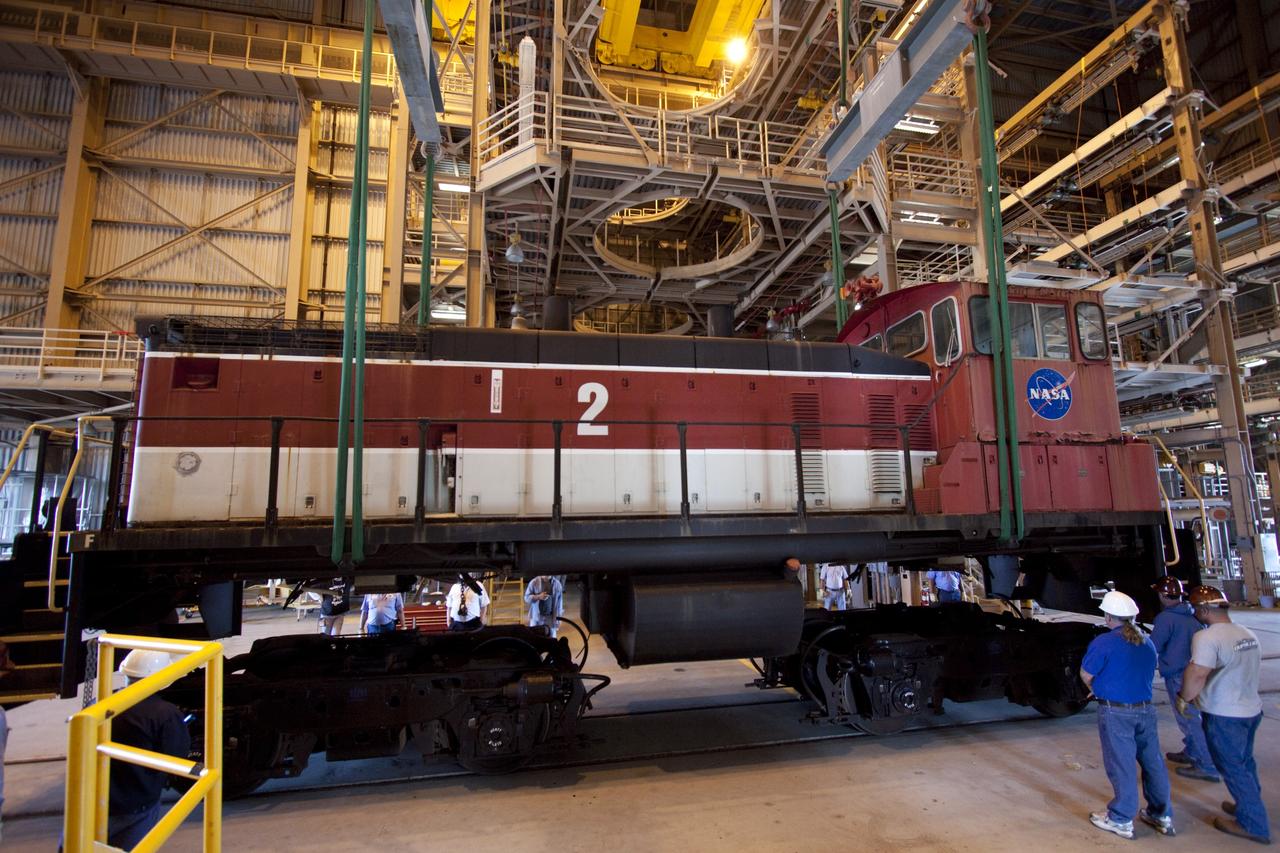
CAPE CANAVERAL, Fla. – NASA locomotive No. 1 pulls locomotive No. 3 out of the Rotation, Processing and Surge Facility, or RPSF, at the Kennedy Space Center in Florida. Inside, an overhead crane was used to lift NASA locomotive No. 2 off of its trucks and moved aside, so locomotive No. 3 could be raised off its trucks and moved into position atop the trucks previously used by locomotive No. 2. The RPSF was built to support work on the solid rocket used motors during the space shuttle era. The facility had never previously been used for another purpose, but is now free to serve other customers. With rails running into the building's high bay and a pair of heavy-lift cranes positioned overhead, the facility's capabilities were a perfect fit for the NASA Railroad's needs. Railroad managers wanted to trade the wheel and axle assemblies, or trucks, of locomotives No. 2 and No. 3. Locomotive No. 3 was painstakingly restored in recent years by the NASA Railroad team, and handles much of the rail work required at the center in the post-shuttle era. But the trucks on locomotive No. 2 are in better shape and are more environmentally friendly. For more information, visit: http://www.nasa.gov/exploration/systems/ground/rpsf_locomotives.html Photo credit: NASA/Jim Grossmann
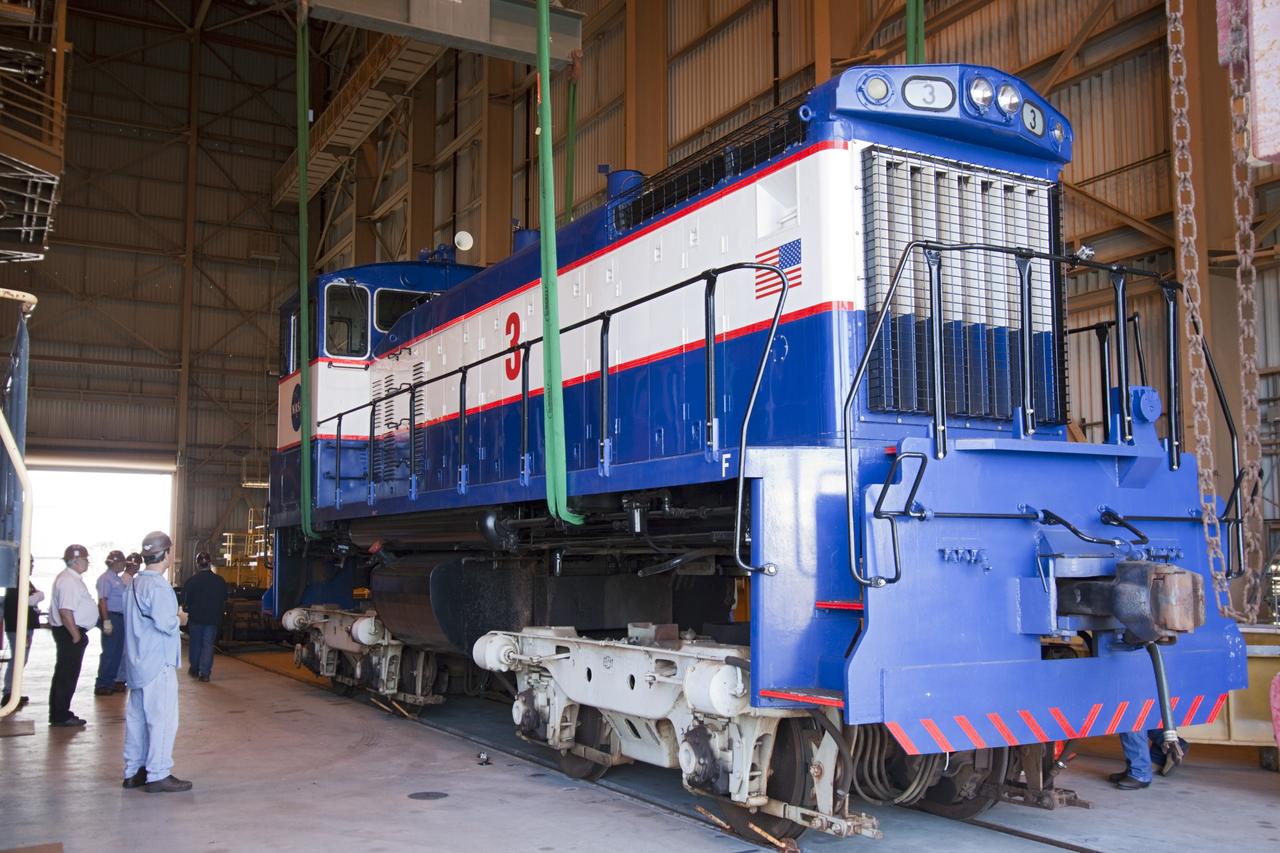
CAPE CANAVERAL, Fla. – Inside the Rotation, Processing and Surge Facility, or RPSF, at the Kennedy Space Center in Florida, an overhead crane lifts NASA locomotive No. 3 moving it into position atop the trucks previously used by locomotive No. 2. The RPSF was built to support work on the solid rocket used motors during the space shuttle era. The facility had never previously been used for another purpose, but is now free to serve other customers. With rails running into the building's high bay and a pair of heavy-lift cranes positioned overhead, the facility's capabilities were a perfect fit for the NASA Railroad's needs. Railroad managers wanted to trade the wheel and axle assemblies, or trucks, of locomotives No. 2 and No. 3. Locomotive No. 3 was painstakingly restored in recent years by the NASA Railroad team, and handles much of the rail work required at the center in the post-shuttle era. But the trucks on locomotive No. 2 are in better shape and are more environmentally friendly. For more information, visit: http://www.nasa.gov/exploration/systems/ground/rpsf_locomotives.html Photo credit: NASA/Jim Grossmann
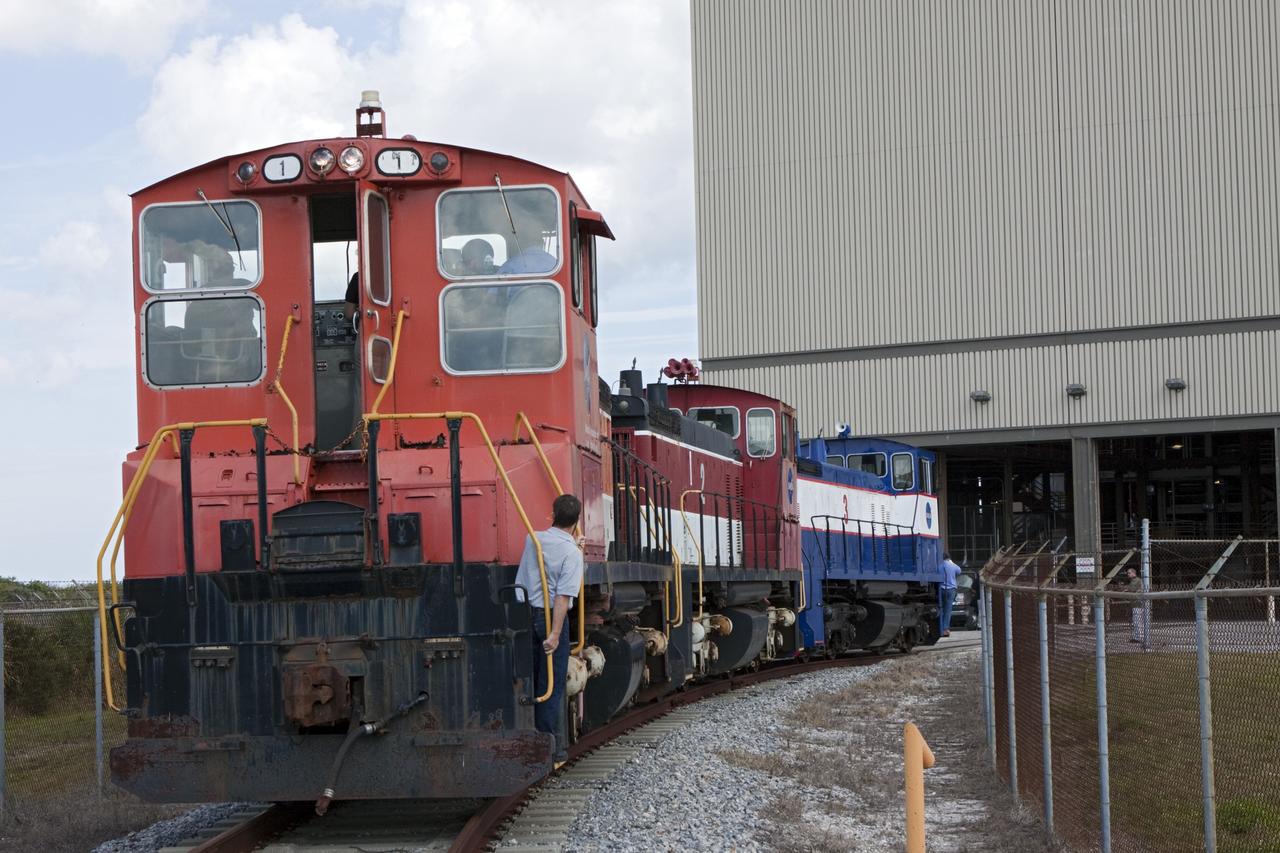
CAPE CANAVERAL, Fla. – Three NASA railroad locomotives at Kennedy Space Center in Florida move toward Launch Complex 39 area's Rotation, Processing and Surge Facility, or RPSF. The operation was to allow wheel and axle assemblies to be swapped between two of the locomotives. The RPSF was built to support work on the solid rocket used motors during the space shuttle era. The facility had never previously been used for another purpose, but is now free to serve other customers. With rails running into the building's high bay and a pair of heavy-lift cranes positioned overhead, the facility's capabilities were a perfect fit for the NASA Railroad's needs. Railroad managers wanted to trade the wheel and axle assemblies, or trucks, of locomotives No. 2 and No. 3. Locomotive No. 3 was painstakingly restored in recent years by the NASA Railroad team, and handles much of the rail work required at the center in the post-shuttle era. But the trucks on locomotive No. 2 are in better shape and are more environmentally friendly. For more information, visit: http://www.nasa.gov/exploration/systems/ground/rpsf_locomotives.html Photo credit: NASA/Jim Grossmann
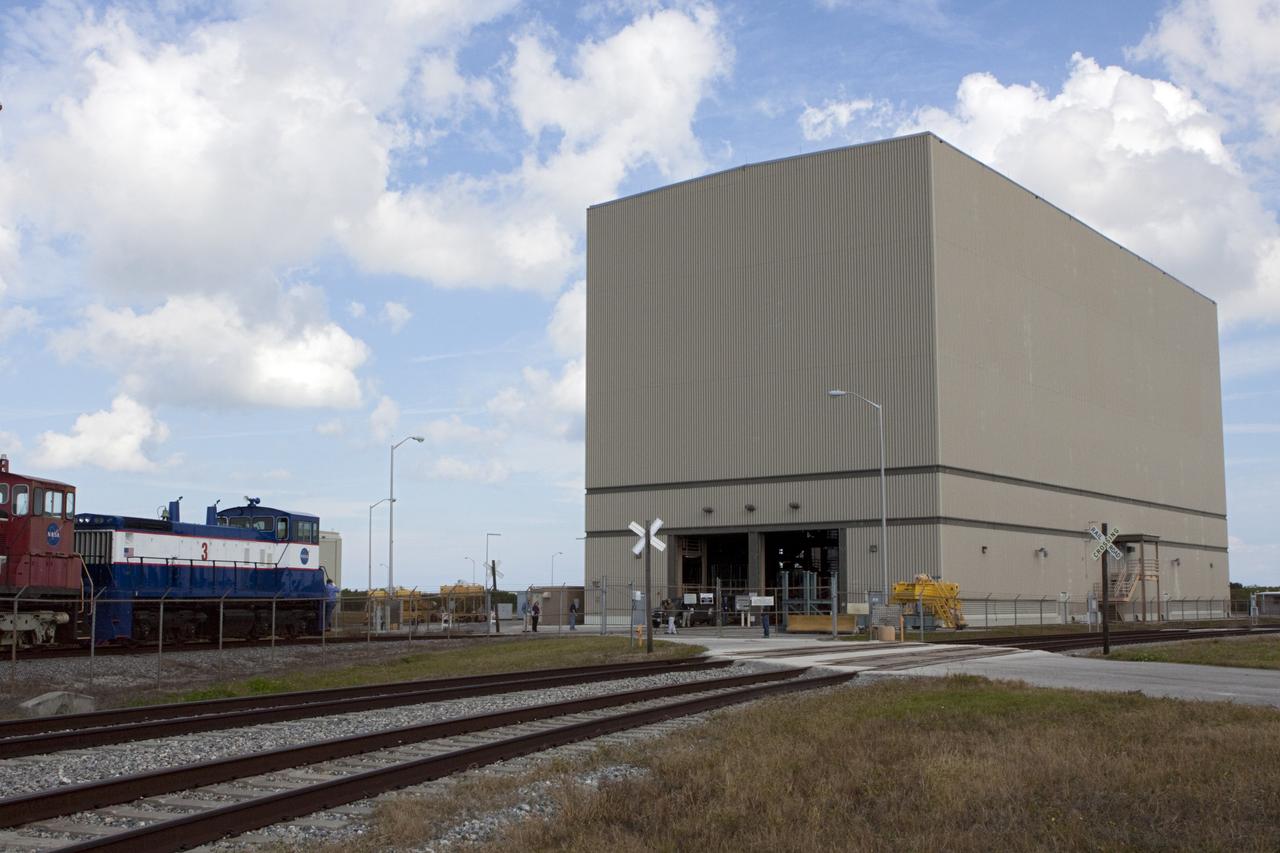
CAPE CANAVERAL, Fla. – Three NASA railroad locomotives at Kennedy Space Center in Florida move toward Launch Complex 39 area's Rotation, Processing and Surge Facility, or RPSF. The operation was to allow wheel and axle assemblies to be swapped between two of the locomotives. The RPSF was built to support work on the solid rocket used motors during the space shuttle era. The facility had never previously been used for another purpose, but is now free to serve other customers. With rails running into the building's high bay and a pair of heavy-lift cranes positioned overhead, the facility's capabilities were a perfect fit for the NASA Railroad's needs. Railroad managers wanted to trade the wheel and axle assemblies, or trucks, of locomotives No. 2 and No. 3. Locomotive No. 3 was painstakingly restored in recent years by the NASA Railroad team, and handles much of the rail work required at the center in the post-shuttle era. But the trucks on locomotive No. 2 are in better shape and are more environmentally friendly. For more information, visit: http://www.nasa.gov/exploration/systems/ground/rpsf_locomotives.html Photo credit: NASA/Jim Grossmann
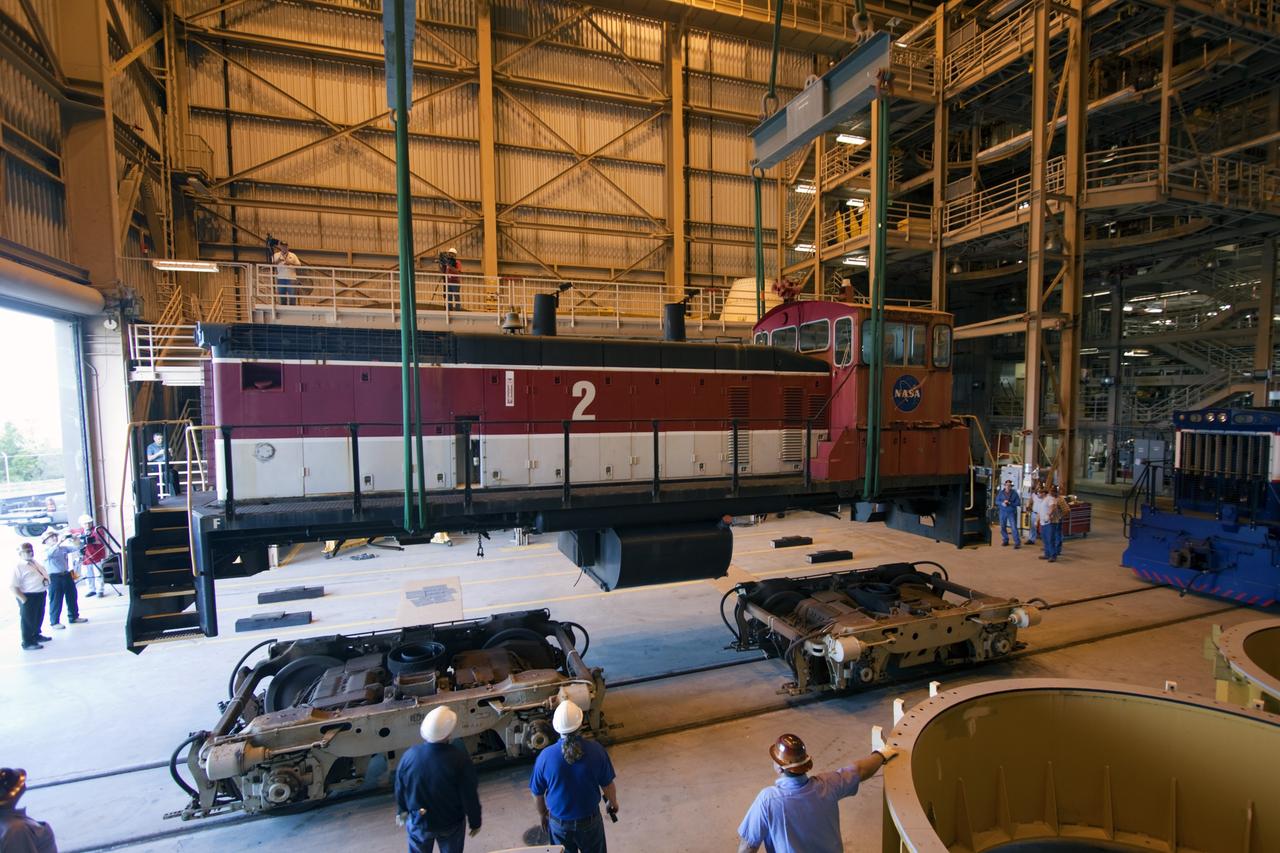
CAPE CANAVERAL, Fla. – Inside the Rotation, Processing and Surge Facility, or RPSF, at the Kennedy Space Center in Florida, an overhead crane lifts NASA locomotive No. 2 off of its trucks to be moved aside, clearing the way for locomotive No. 3 to be raised off its trucks and moved into position atop the trucks previously used by locomotive No. 2. The RPSF was built to support work on the solid rocket used motors during the space shuttle era. The facility had never previously been used for another purpose, but is now free to serve other customers. With rails running into the building's high bay and a pair of heavy-lift cranes positioned overhead, the facility's capabilities were a perfect fit for the NASA Railroad's needs. Railroad managers wanted to trade the wheel and axle assemblies, or trucks, of locomotives No. 2 and No. 3. Locomotive No. 3 was painstakingly restored in recent years by the NASA Railroad team, and handles much of the rail work required at the center in the post-shuttle era. But the trucks on locomotive No. 2 are in better shape and are more environmentally friendly. For more information, visit: http://www.nasa.gov/exploration/systems/ground/rpsf_locomotives.html Photo credit: NASA/Jim Grossmann
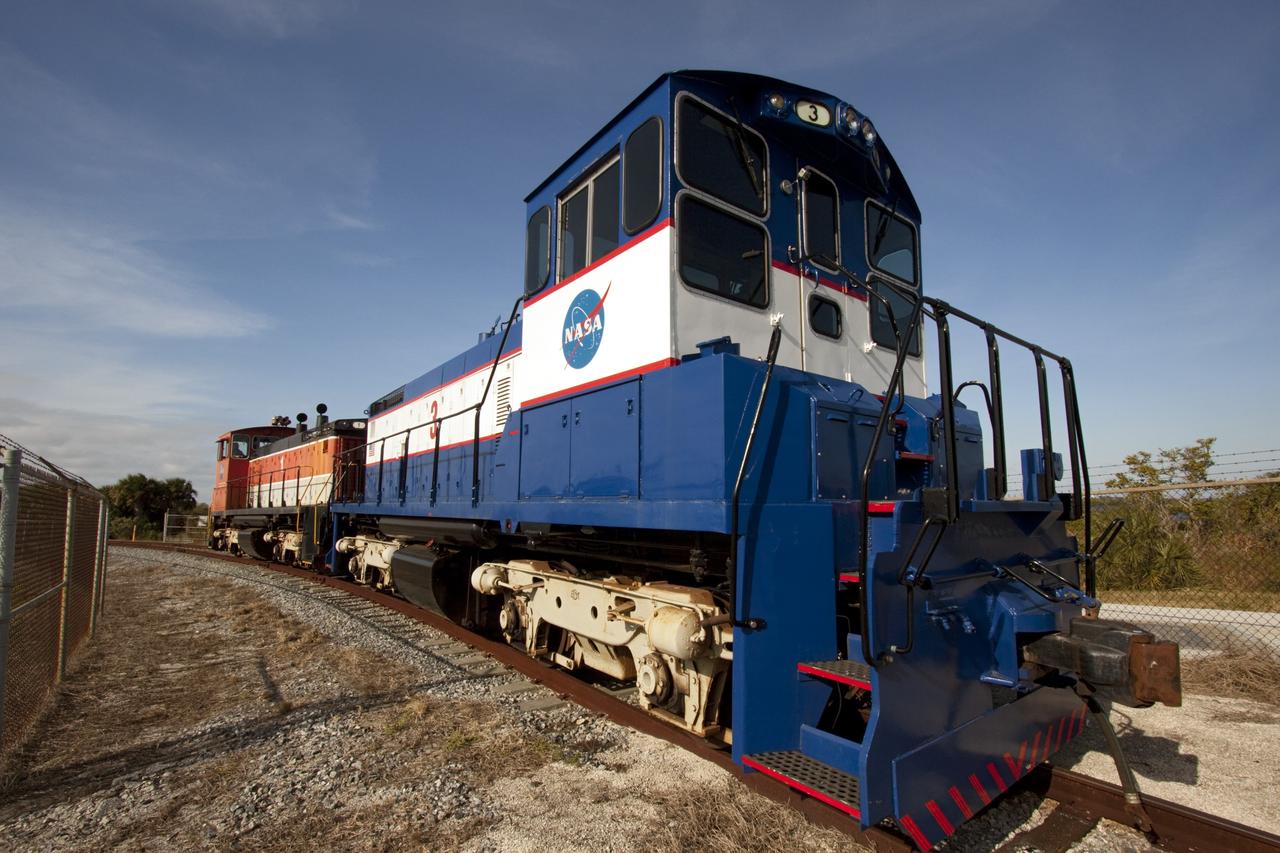
CAPE CANAVERAL, Fla. – NASA locomotive No. 1 pulls locomotive No. 3 out of the Rotation, Processing and Surge Facility, or RPSF, at the Kennedy Space Center in Florida. Inside, an overhead crane was used to lift NASA locomotive No. 2 off of its trucks and moved aside, so locomotive No. 3 could be raised off its trucks and moved into position atop the trucks previously used by locomotive No. 2. The RPSF was built to support work on the solid rocket used motors during the space shuttle era. The facility had never previously been used for another purpose, but is now free to serve other customers. With rails running into the building's high bay and a pair of heavy-lift cranes positioned overhead, the facility's capabilities were a perfect fit for the NASA Railroad's needs. Railroad managers wanted to trade the wheel and axle assemblies, or trucks, of locomotives No. 2 and No. 3. Locomotive No. 3 was painstakingly restored in recent years by the NASA Railroad team, and handles much of the rail work required at the center in the post-shuttle era. But the trucks on locomotive No. 2 are in better shape and are more environmentally friendly. For more information, visit: http://www.nasa.gov/exploration/systems/ground/rpsf_locomotives.html Photo credit: NASA/Jim Grossmann

CAPE CANAVERAL, Fla. – Three NASA railroad locomotives at Kennedy Space Center in Florida move toward Launch Complex 39 area's Rotation, Processing and Surge Facility, or RPSF. The operation was to allow wheel and axle assemblies to be swapped between two of the locomotives. The RPSF was built to support work on the solid rocket used motors during the space shuttle era. The facility had never previously been used for another purpose, but is now free to serve other customers. With rails running into the building's high bay and a pair of heavy-lift cranes positioned overhead, the facility's capabilities were a perfect fit for the NASA Railroad's needs. Railroad managers wanted to trade the wheel and axle assemblies, or trucks, of locomotives No. 2 and No. 3. Locomotive No. 3 was painstakingly restored in recent years by the NASA Railroad team, and handles much of the rail work required at the center in the post-shuttle era. But the trucks on locomotive No. 2 are in better shape and are more environmentally friendly. For more information, visit: http://www.nasa.gov/exploration/systems/ground/rpsf_locomotives.html Photo credit: NASA/Jim Grossmann
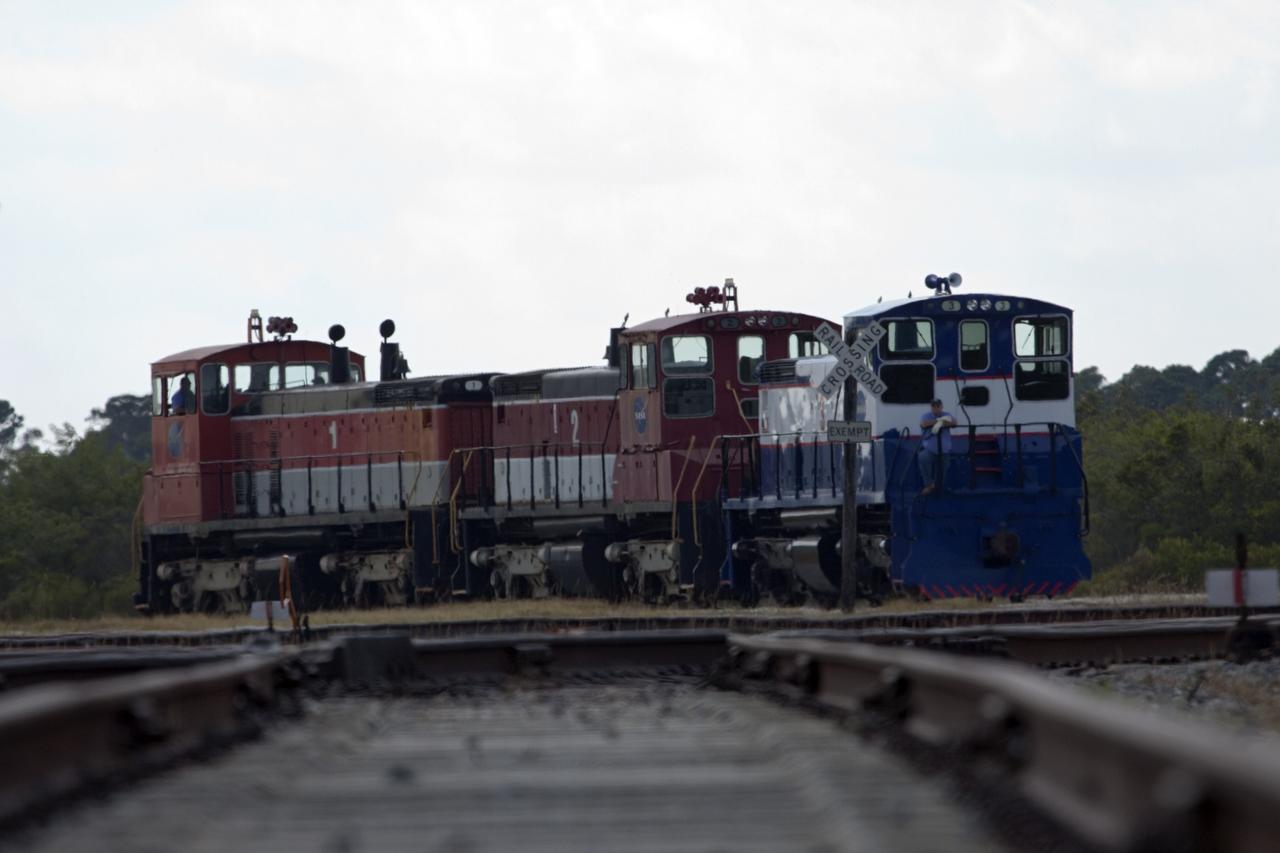
CAPE CANAVERAL, Fla. – Three NASA railroad locomotives at Kennedy Space Center in Florida move toward Launch Complex 39 area's Rotation, Processing and Surge Facility, or RPSF. The operation was to allow wheel and axle assemblies to be swapped between two of the locomotives. The RPSF was built to support work on the solid rocket used motors during the space shuttle era. The facility had never previously been used for another purpose, but is now free to serve other customers. With rails running into the building's high bay and a pair of heavy-lift cranes positioned overhead, the facility's capabilities were a perfect fit for the NASA Railroad's needs. Railroad managers wanted to trade the wheel and axle assemblies, or trucks, of locomotives No. 2 and No. 3. Locomotive No. 3 was painstakingly restored in recent years by the NASA Railroad team, and handles much of the rail work required at the center in the post-shuttle era. But the trucks on locomotive No. 2 are in better shape and are more environmentally friendly. For more information, visit: http://www.nasa.gov/exploration/systems/ground/rpsf_locomotives.html Photo credit: NASA/Jim Grossmann
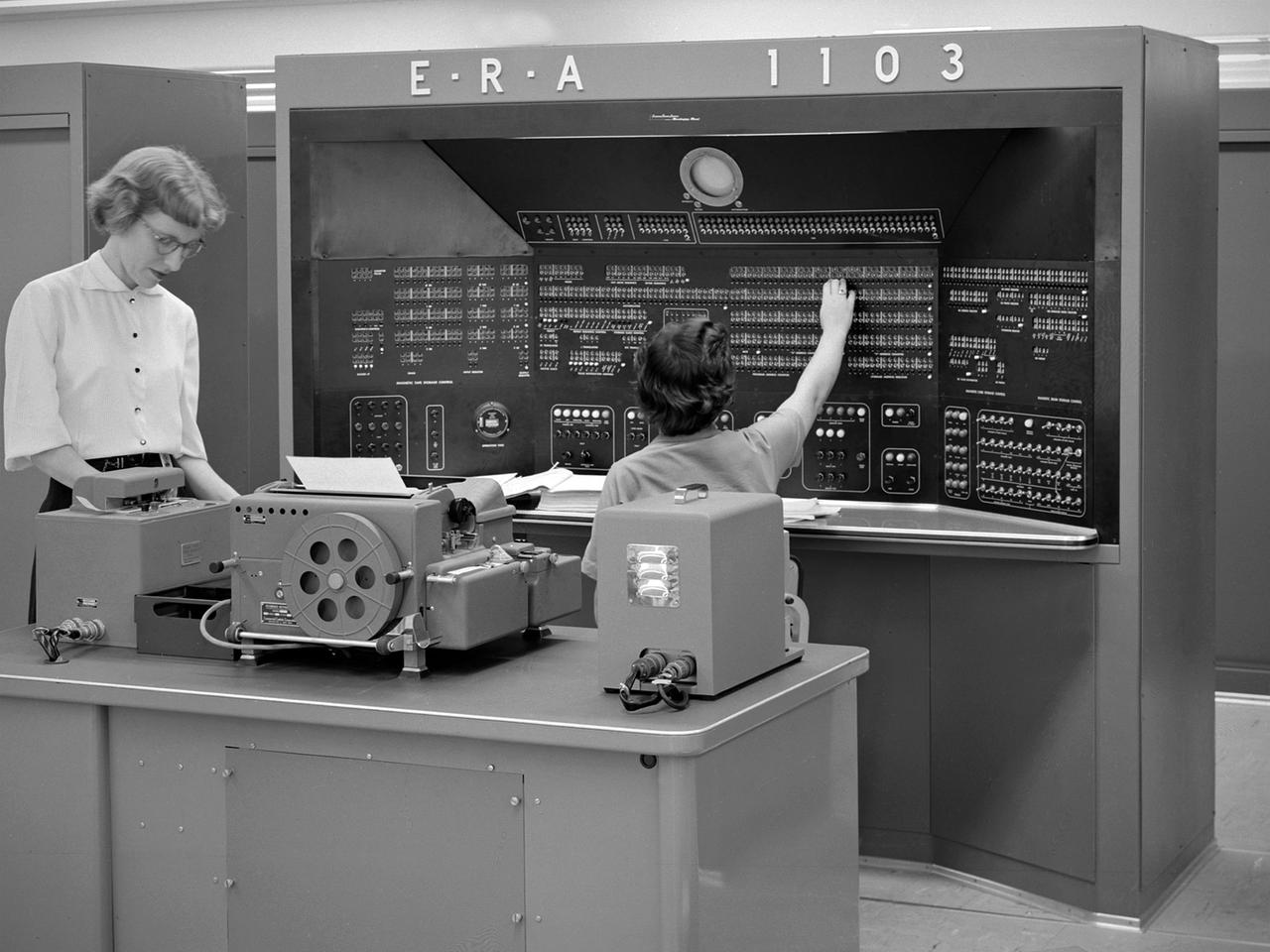
The new 10-by 10-Foot Supersonic Wind Tunnel at the Lewis Flight Propulsion Laboratory included high tech data acquisition and analysis systems. The reliable gathering of pressure, speed, temperature, and other data from test runs in the facilities was critical to the research process. Throughout the 1940s and early 1950s female employees, known as computers, recorded all test data and performed initial calculations by hand. The introduction of punch card computers in the late 1940s gradually reduced the number of hands-on calculations. In the mid-1950s new computational machines were installed in the office building of the 10-by 10-Foot tunnel. The new systems included this UNIVAC 1103 vacuum tube computer—the lab’s first centralized computer system. The programming was done on paper tape and fed into the machine. The 10-by 10 computer center also included the Lewis-designed Computer Automated Digital Encoder (CADDE) and Digital Automated Multiple Pressure Recorder (DAMPR) systems which converted test data to binary-coded decimal numbers and recorded test pressures automatically, respectively. The systems primarily served the 10-by 10, but were also applied to the other large facilities. Engineering Research Associates (ERA) developed the initial UNIVAC computer for the Navy in the late 1940s. In 1952 the company designed a commercial version, the UNIVAC 1103. The 1103 was the first computer designed by Seymour Cray and the first commercially successful computer.
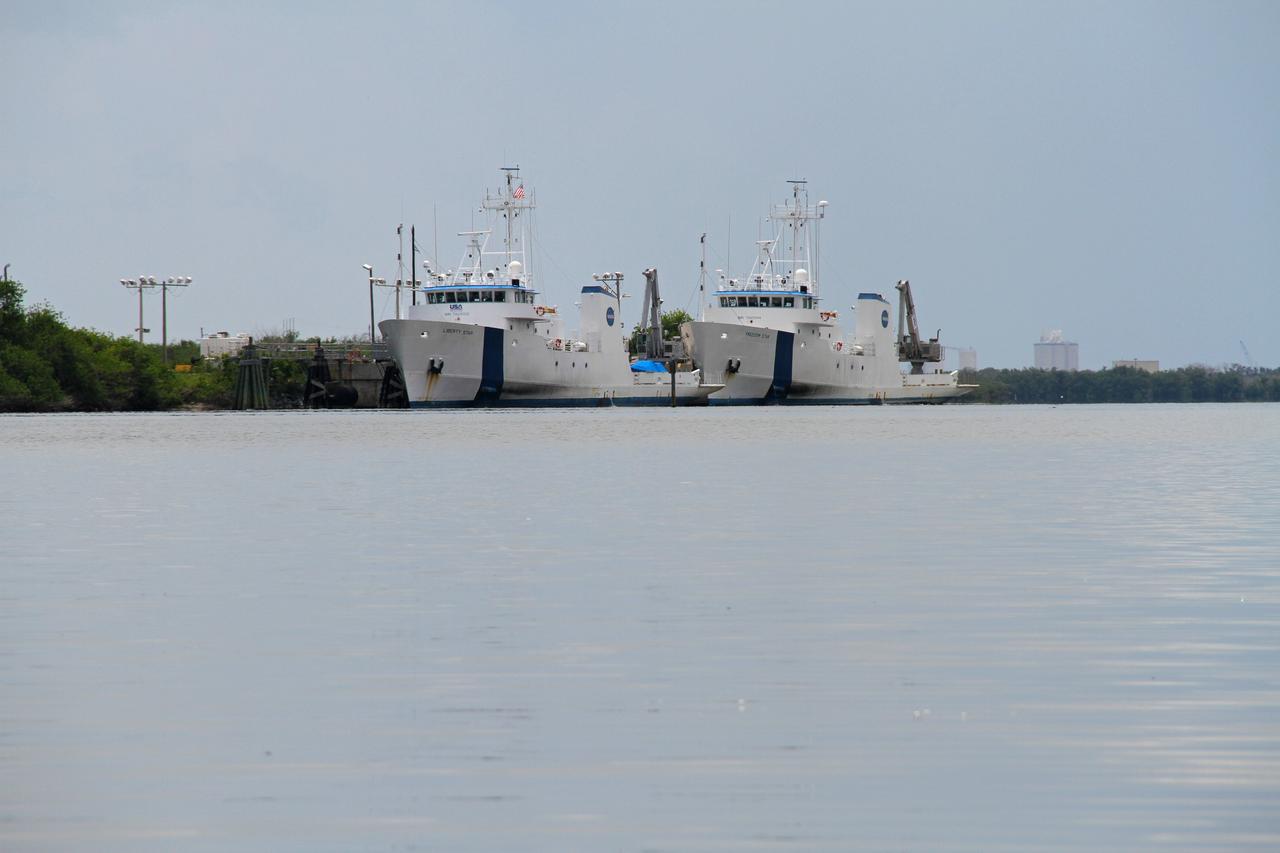
CAPE CANAVERAL, Fla. – The solid rocket booster SRB retrieval ships, Liberty Star and Freedom Star, are docked in the Banana River at Cape Canaveral Air Force Station's Hangar A F. The NASA vessels were used during the space shuttle era to retrieve the SRBs following shuttle launches. Kennedy is located on Merritt Island, a barrier island, about 34 miles long and varying in width from five to 10 miles. Only 6,000 acres are actually used for operational activities. The Kennedy Space Center is also a National Wildlife Refuge. Consisting of 140,000 acres, the refuge provides a wide variety of habitats: coastal dunes, saltwater estuaries and marshes, freshwater impoundments, scrub, pine flatwoods and hardwood hammocks providing habitat for more than 1,500 species of plants and animals. For more information, visit: http://ipv6.nasa.gov/centers/kennedy/shuttleoperations/alligators/kscovrv.html Photo credit: NASA/Ben Smegelsky
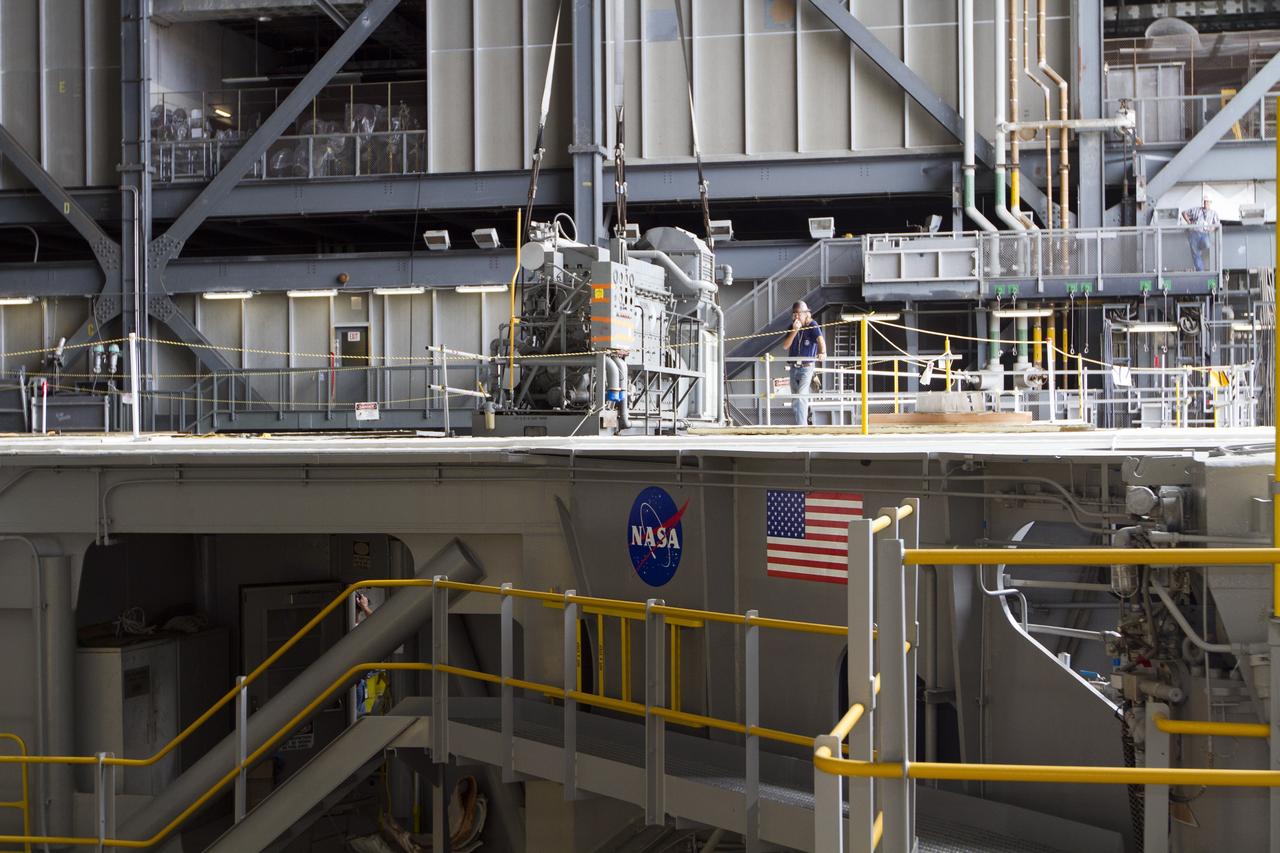
CAPE CANAVERAL, Fla. –– Inside the Vehicle Assembly Building at NASA’s Kennedy Space Center in Florida, technicians monitor the progress as a crane lifts an Apollo era diesel engine from crawler-transporter 2 CT-2). New engines will be installed later this month. Work is in progress in high bay 2 to upgrade CT-2 so that it can carry NASA’s Space Launch System heavy-lift rocket, which is under design, and new Orion spacecraft to the launch pad. The crawler-transporters were used to carry the mobile launcher platform and space shuttle to Launch Complex 39 for space shuttle launches for 30 years. Photo credit: NASA/Kim Shiflett
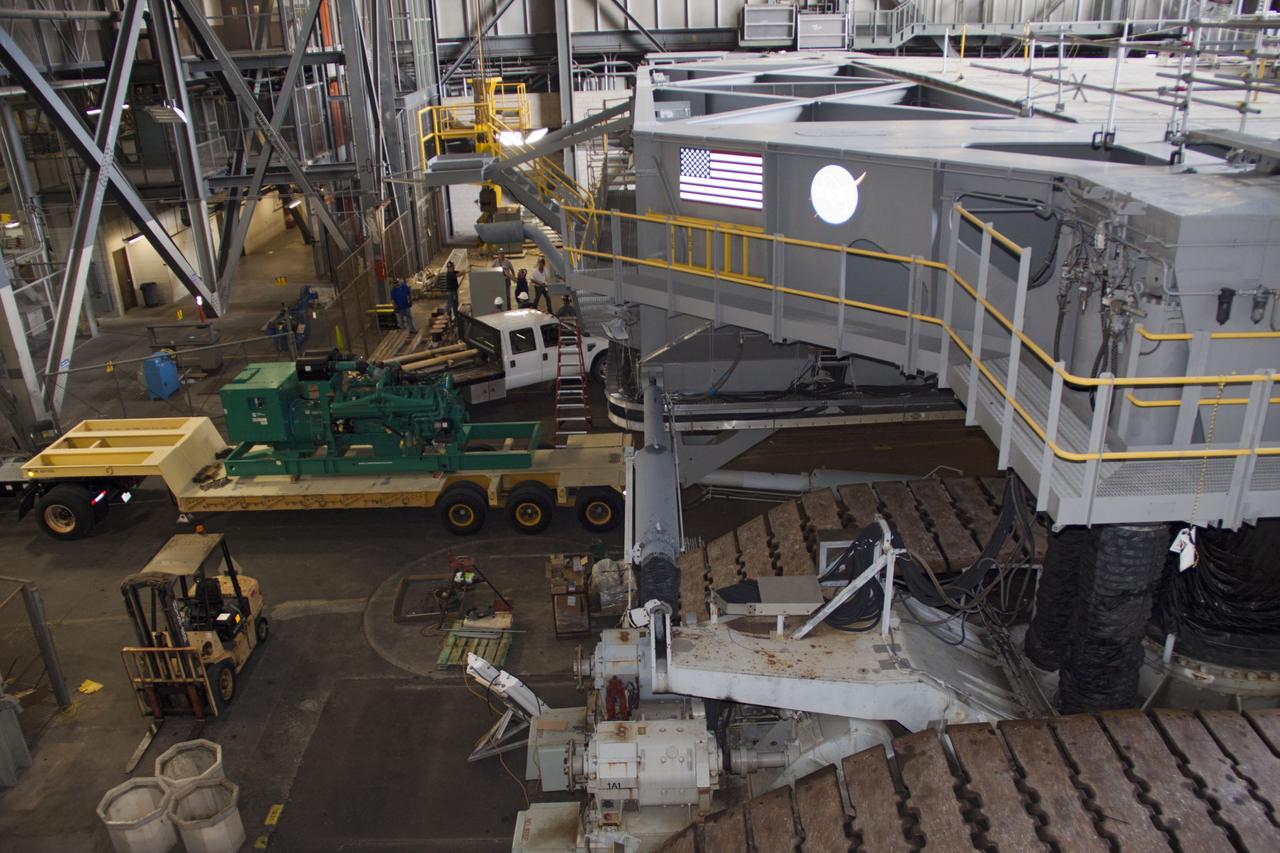
CAPE CANAVERAL, Fla. – Inside the Vehicle Assembly Building at NASA’s Kennedy Space Center in Florida, a new engine and generator have arrived for installation on crawler-transporter 2 CT-2). The Apollo era diesel engines were removed last month. Work continues in high bay 2 to upgrade CT-2 so that it can carry NASA’s Space Launch System heavy-lift rocket, which is under design, and new Orion spacecraft to the launch pad. The crawler-transporters were used to carry the mobile launcher platform and space shuttle to Launch Complex 39 for space shuttle launches for 30 years. Photo credit: NASA/Jim Grossmann
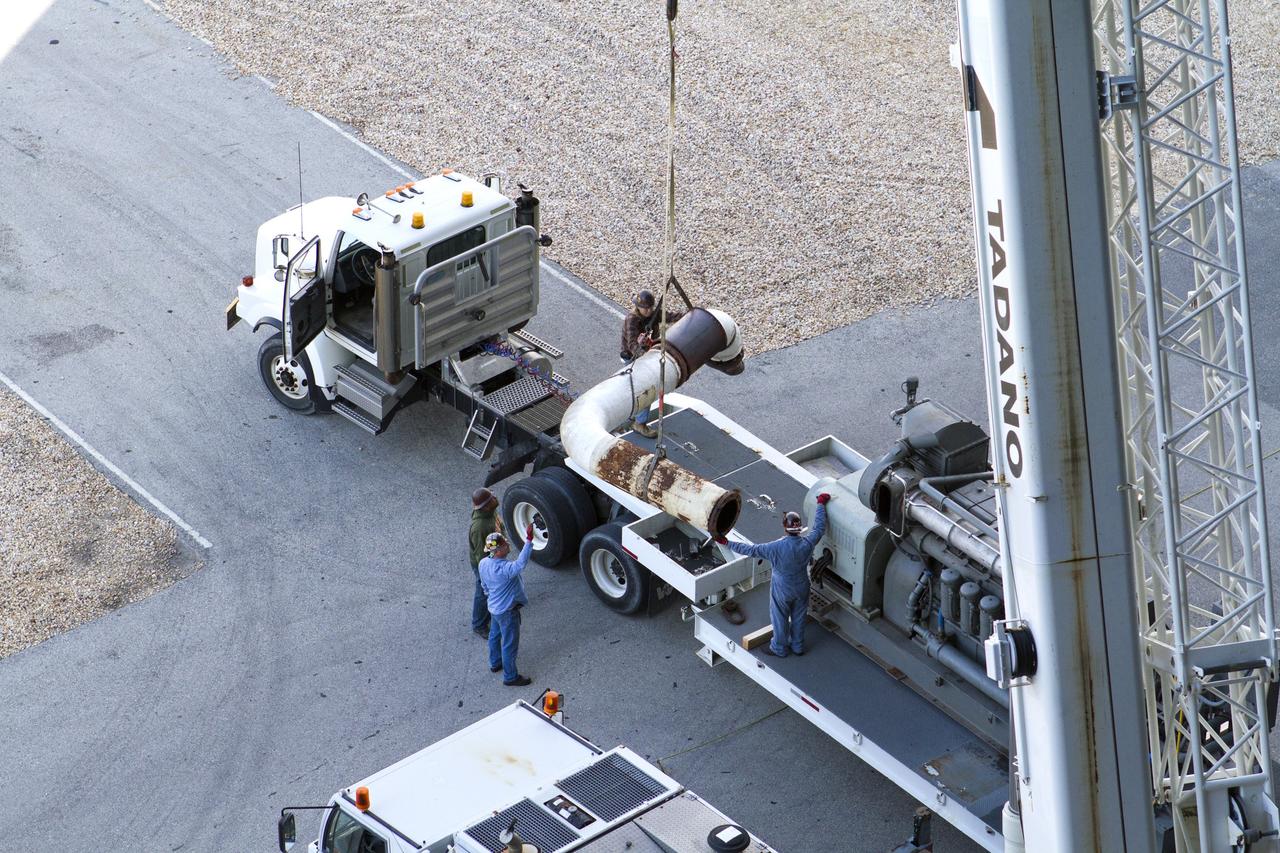
CAPE CANAVERAL, Fla. ––– Outside the Vehicle Assembly Building at NASA’s Kennedy Space Center in Florida, a crane is used to lower part of an Apollo era diesel engine from crawler-transporter 2 CT-2) onto the flatbed of a truck. New engines will be installed later this month. Work is in progress in high bay 2 to upgrade CT-2 so that it can carry NASA’s Space Launch System heavy-lift rocket, which is under design, and new Orion spacecraft to the launch pad. The crawler-transporters were used to carry the mobile launcher platform and space shuttle to Launch Complex 39 for space shuttle launches for 30 years. Photo credit: NASA/Kim Shiflett
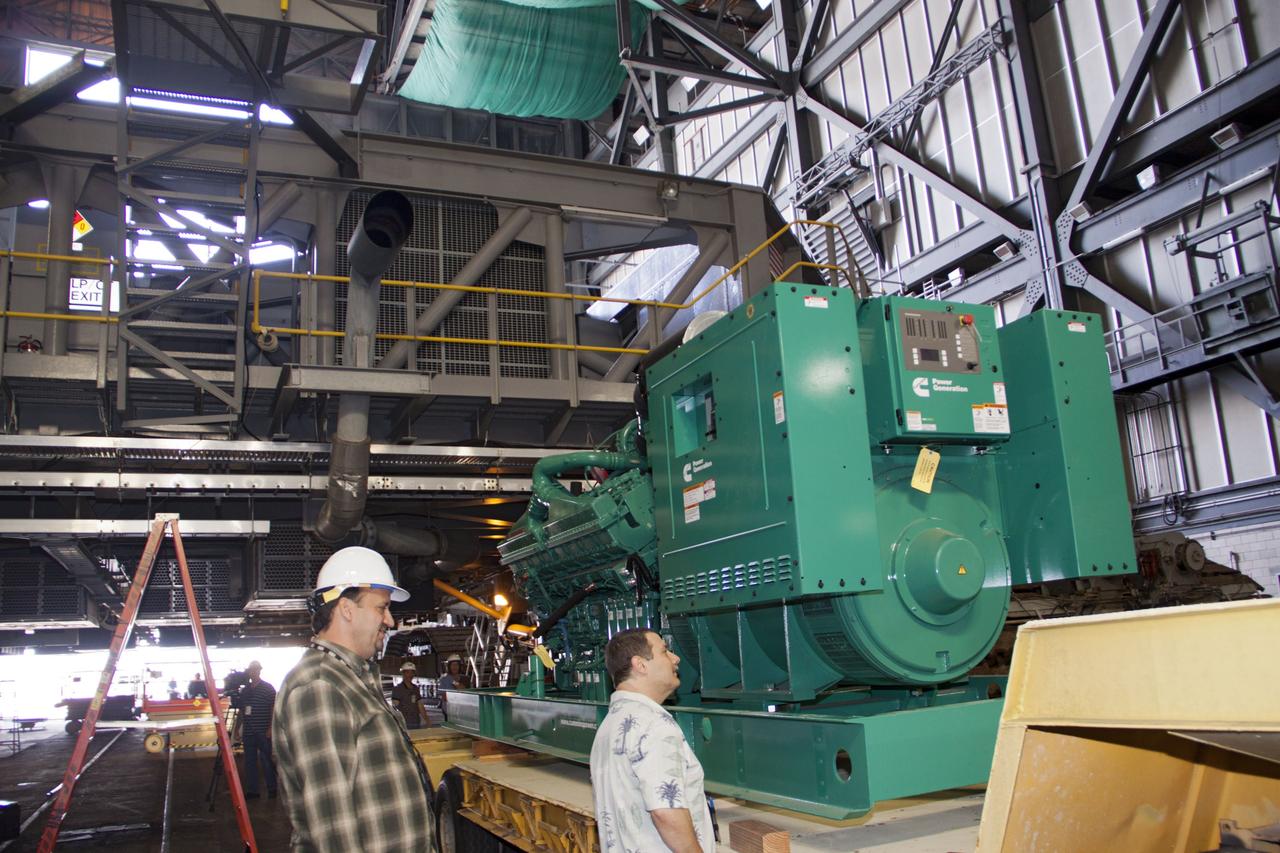
CAPE CANAVERAL, Fla. – Inside the Vehicle Assembly Building at NASA’s Kennedy Space Center in Florida, new engines and generators have arrived for installation on crawler-transporter 2 CT-2). The Apollo era diesel engines were removed last month. Work continues in high bay 2 to upgrade CT-2 so that it can carry NASA’s Space Launch System heavy-lift rocket, which is under design, and new Orion spacecraft to the launch pad. The crawler-transporters were used to carry the mobile launcher platform and space shuttle to Launch Complex 39 for space shuttle launches for 30 years. Photo credit: NASA/Jim Grossmann
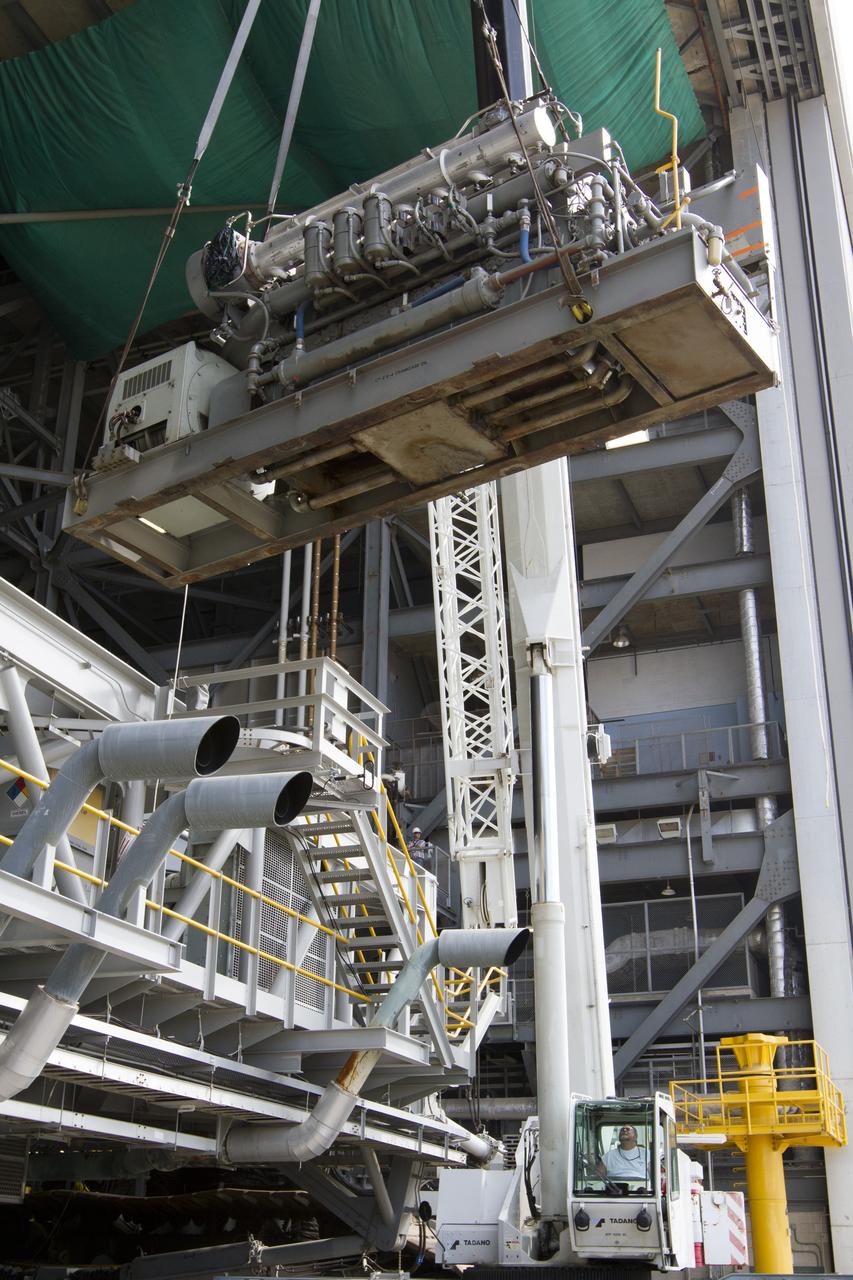
CAPE CANAVERAL, Fla. –– Inside the Vehicle Assembly Building at NASA’s Kennedy Space Center in Florida, a crane is used to lift an Apollo era diesel engine away from crawler-transporter 2 CT-2). New engines will be installed later this month. Work is in progress in high bay 2 to upgrade CT-2 so that it can carry NASA’s Space Launch System heavy-lift rocket, which is under design, and new Orion spacecraft to the launch pad. The crawler-transporters were used to carry the mobile launcher platform and space shuttle to Launch Complex 39 for space shuttle launches for 30 years. Photo credit: NASA/Kim Shiflett
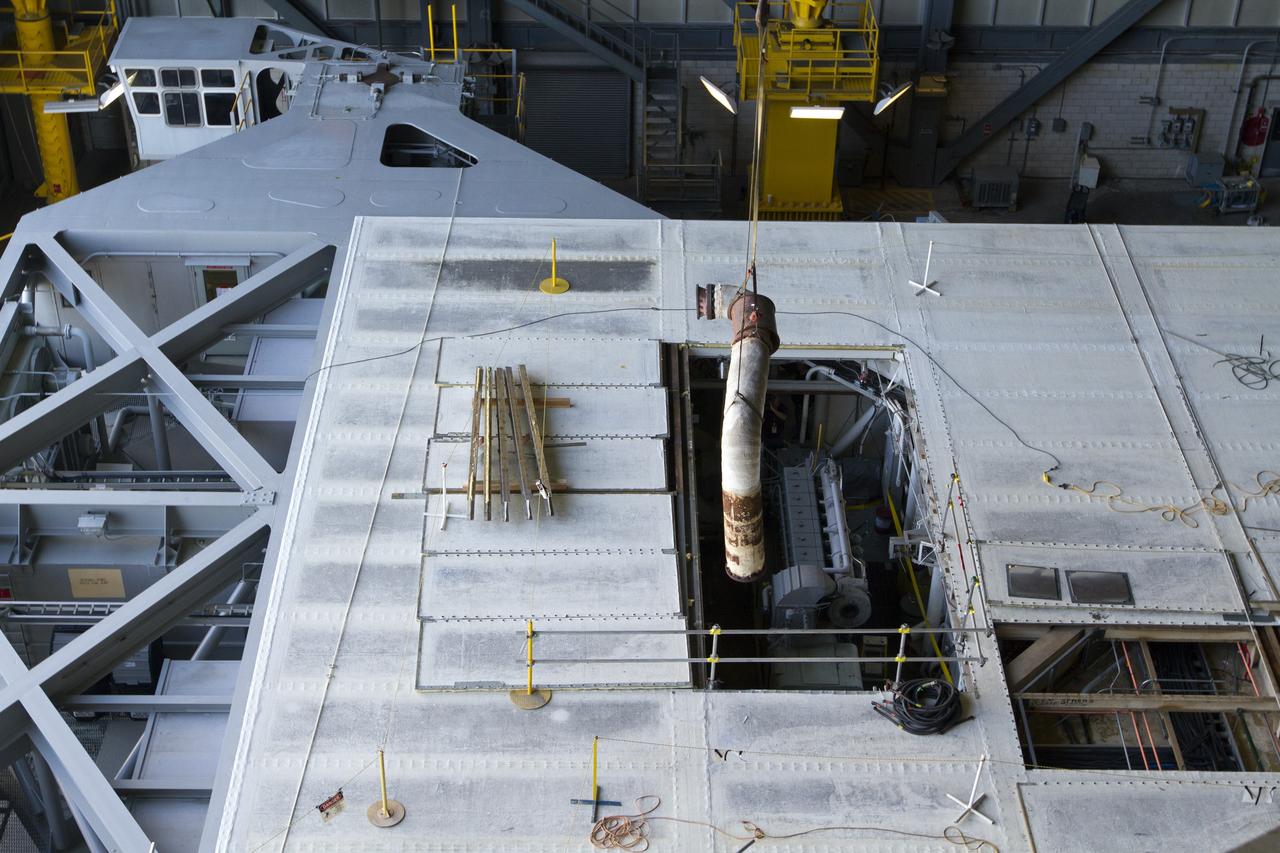
CAPE CANAVERAL, Fla. –– Inside the Vehicle Assembly Building at NASA’s Kennedy Space Center in Florida, a crane begins to lift part of an Apollo era diesel engine from crawler-transporter 2 CT-2). New engines will be installed later this month. Work is in progress in high bay 2 to upgrade CT-2 so that it can carry NASA’s Space Launch System heavy-lift rocket, which is under design, and new Orion spacecraft to the launch pad. The crawler-transporters were used to carry the mobile launcher platform and space shuttle to Launch Complex 39 for space shuttle launches for 30 years. Photo credit: NASA/Kim Shiflett
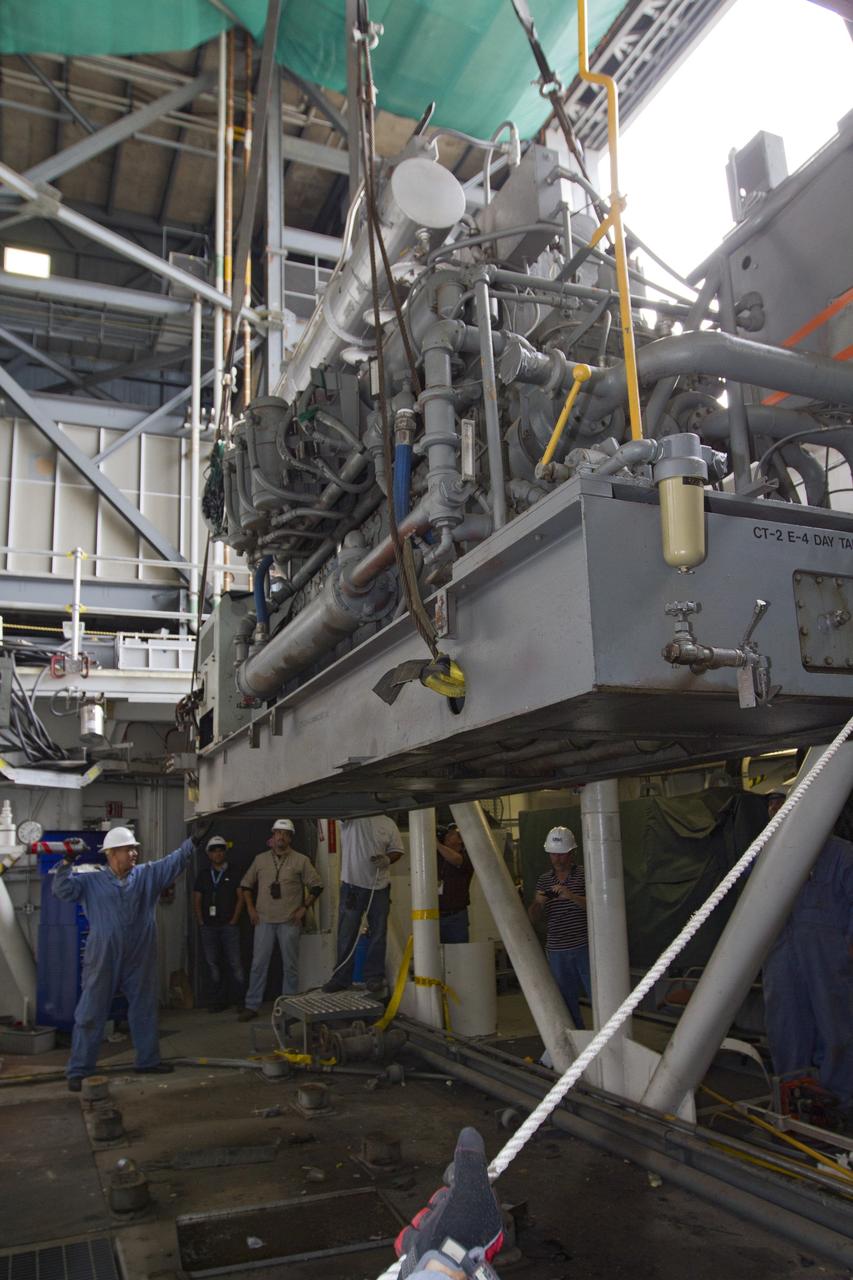
CAPE CANAVERAL, Fla. –– Inside the Vehicle Assembly Building at NASA’s Kennedy Space Center in Florida, technicians monitor the progress as a crane begins to lift an Apollo era diesel engine from crawler-transporter 2 CT-2). New engines will be installed later this month. Work is in progress in high bay 2 to upgrade CT-2 so that it can carry NASA’s Space Launch System heavy-lift rocket, which is under design, and new Orion spacecraft to the launch pad. The crawler-transporters were used to carry the mobile launcher platform and space shuttle to Launch Complex 39 for space shuttle launches for 30 years. Photo credit: NASA/Kim Shiflett
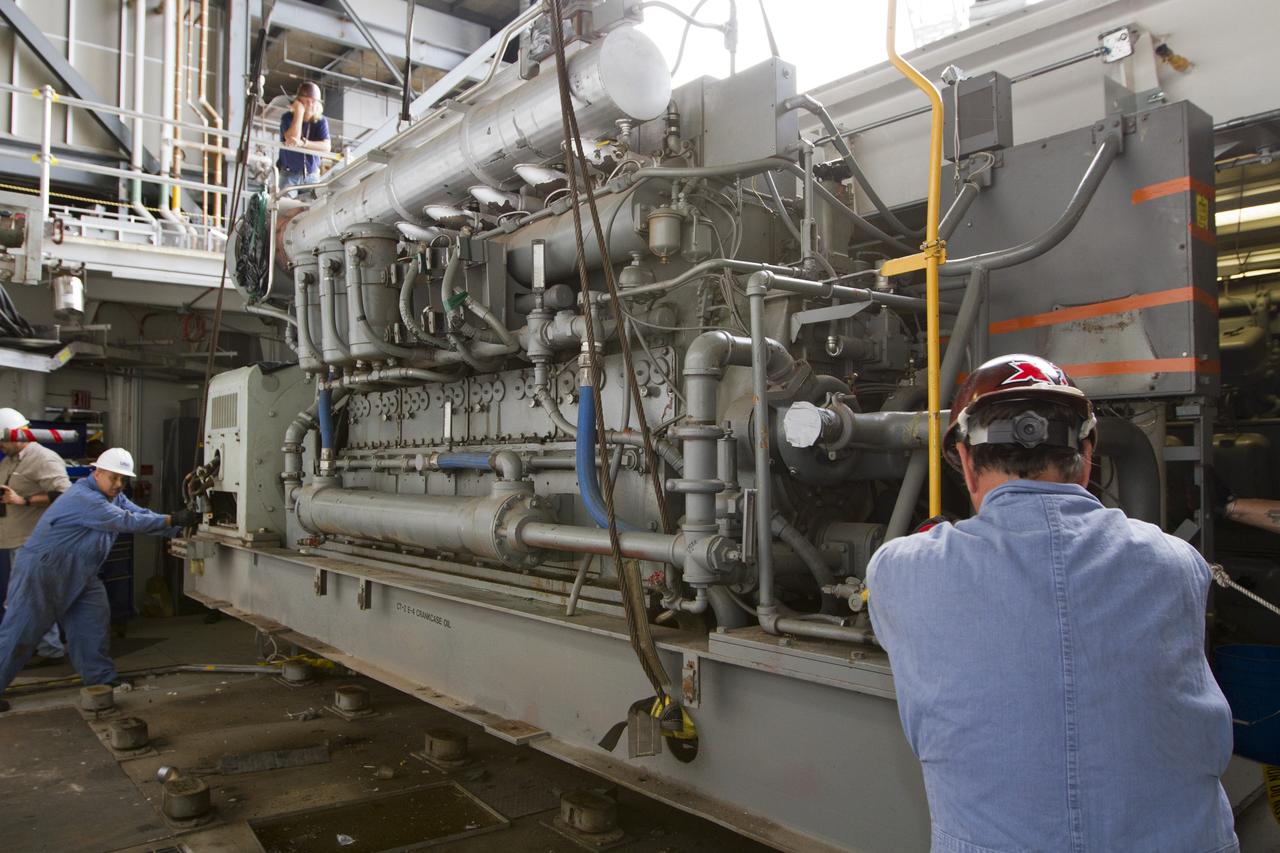
CAPE CANAVERAL, Fla. –– Inside the Vehicle Assembly Building at NASA’s Kennedy Space Center in Florida, technicians prepare an Apollo era diesel engine to be lifted by crane from crawler-transporter 2 CT-2). New engines will be installed later this month. Work is in progress in high bay 2 to upgrade CT-2 so that it can carry NASA’s Space Launch System heavy-lift rocket, which is under design, and new Orion spacecraft to the launch pad. The crawler-transporters were used to carry the mobile launcher platform and space shuttle to Launch Complex 39 for space shuttle launches for 30 years. Photo credit: NASA/Kim Shiflett
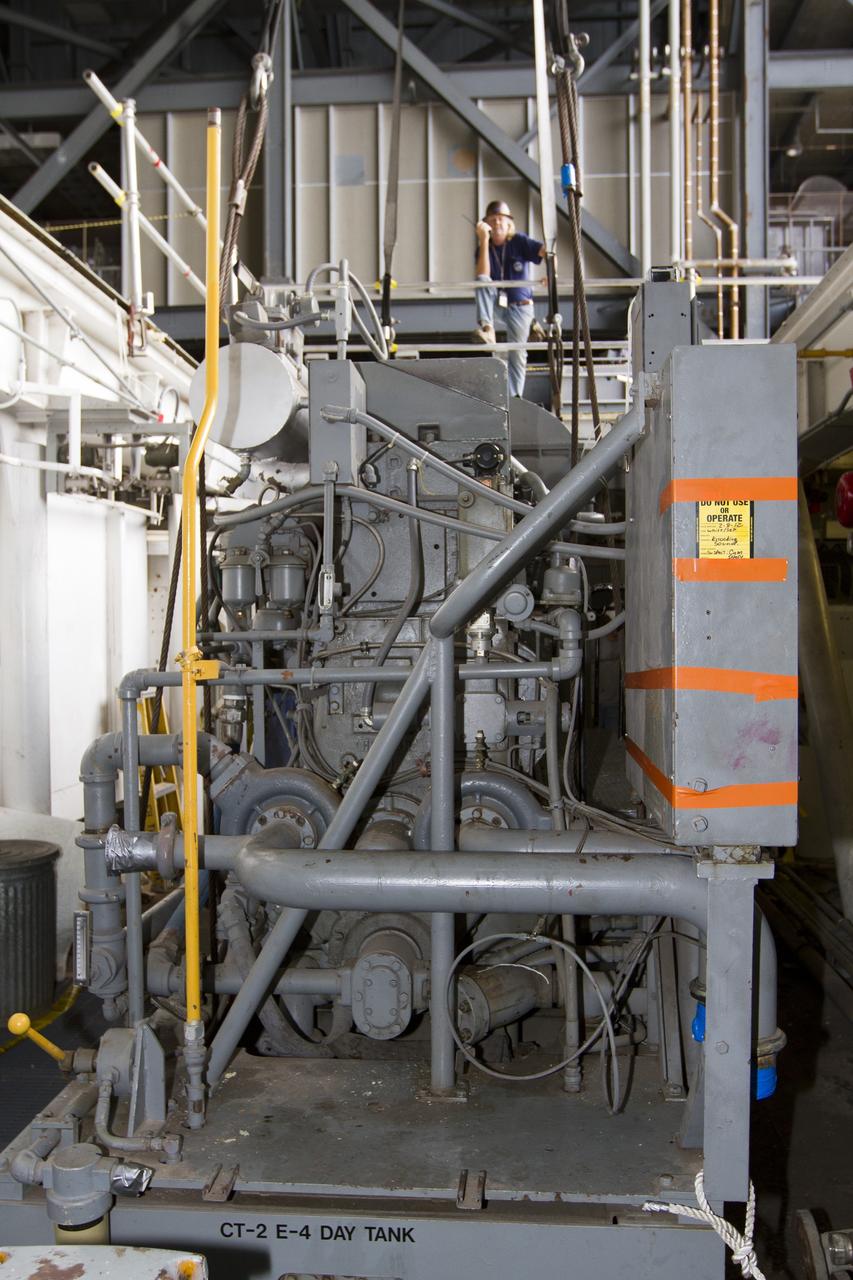
CAPE CANAVERAL, Fla. ––Inside the Vehicle Assembly Building at NASA’s Kennedy Space Center in Florida, a technician monitors the progress as a crane begins to lift an Apollo era diesel engine from crawler-transporter 2 CT-2). New engines will be installed later this month. Work is in progress in high bay 2 to upgrade CT-2 so that it can carry NASA’s Space Launch System heavy-lift rocket, which is under design, and new Orion spacecraft to the launch pad. The crawler-transporters were used to carry the mobile launcher platform and space shuttle to Launch Complex 39 for space shuttle launches for 30 years. Photo credit: NASA/Kim Shiflett
CAPE CANAVERAL, Fla. –– Outside the Vehicle Assembly Building at NASA’s Kennedy Space Center in Florida, a crane is used to lower part of an Apollo era diesel engine from crawler-transporter 2 CT-2) onto the flatbed of a truck. New engines will be installed later this month. Work is in progress in high bay 2 to upgrade CT-2 so that it can carry NASA’s Space Launch System heavy-lift rocket, which is under design, and new Orion spacecraft to the launch pad. The crawler-transporters were used to carry the mobile launcher platform and space shuttle to Launch Complex 39 for space shuttle launches for 30 years. Photo credit: NASA/Kim Shiflett
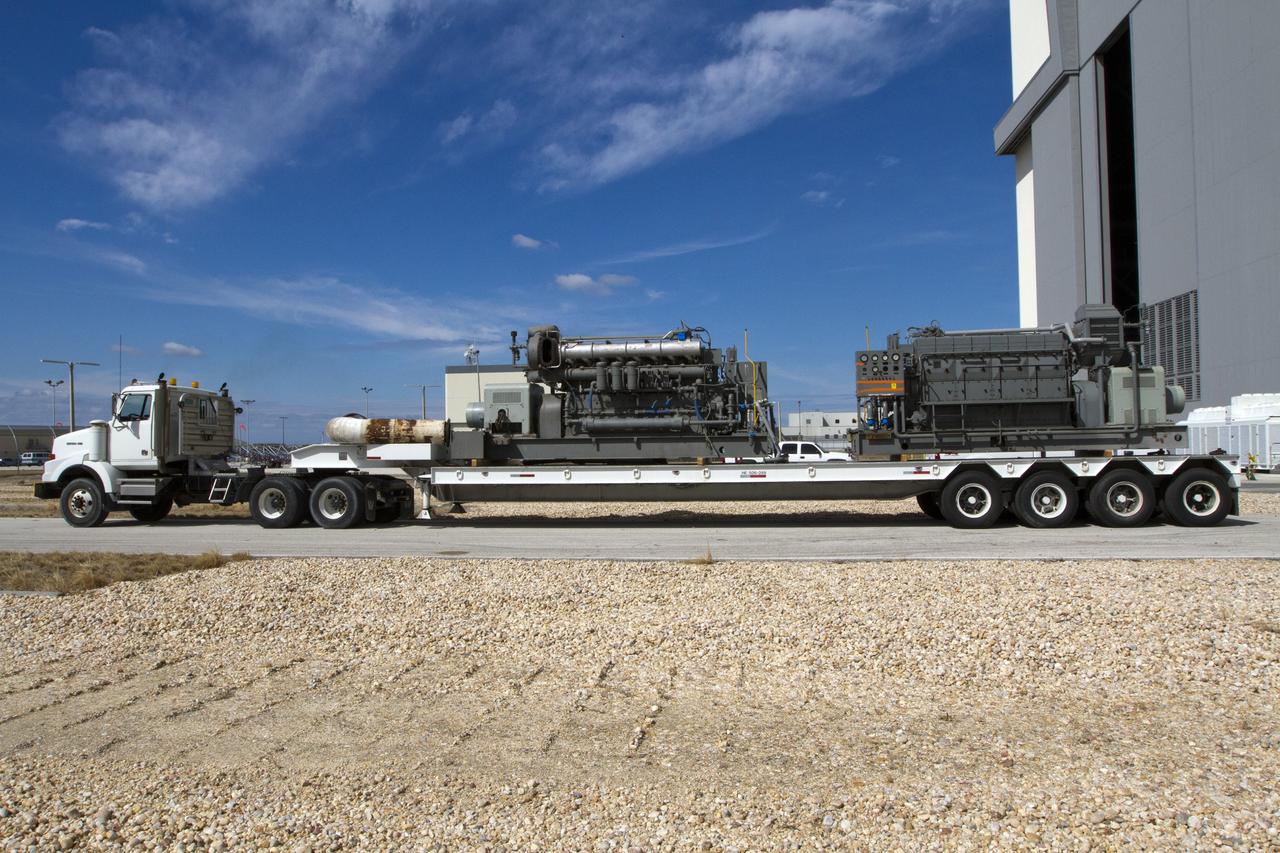
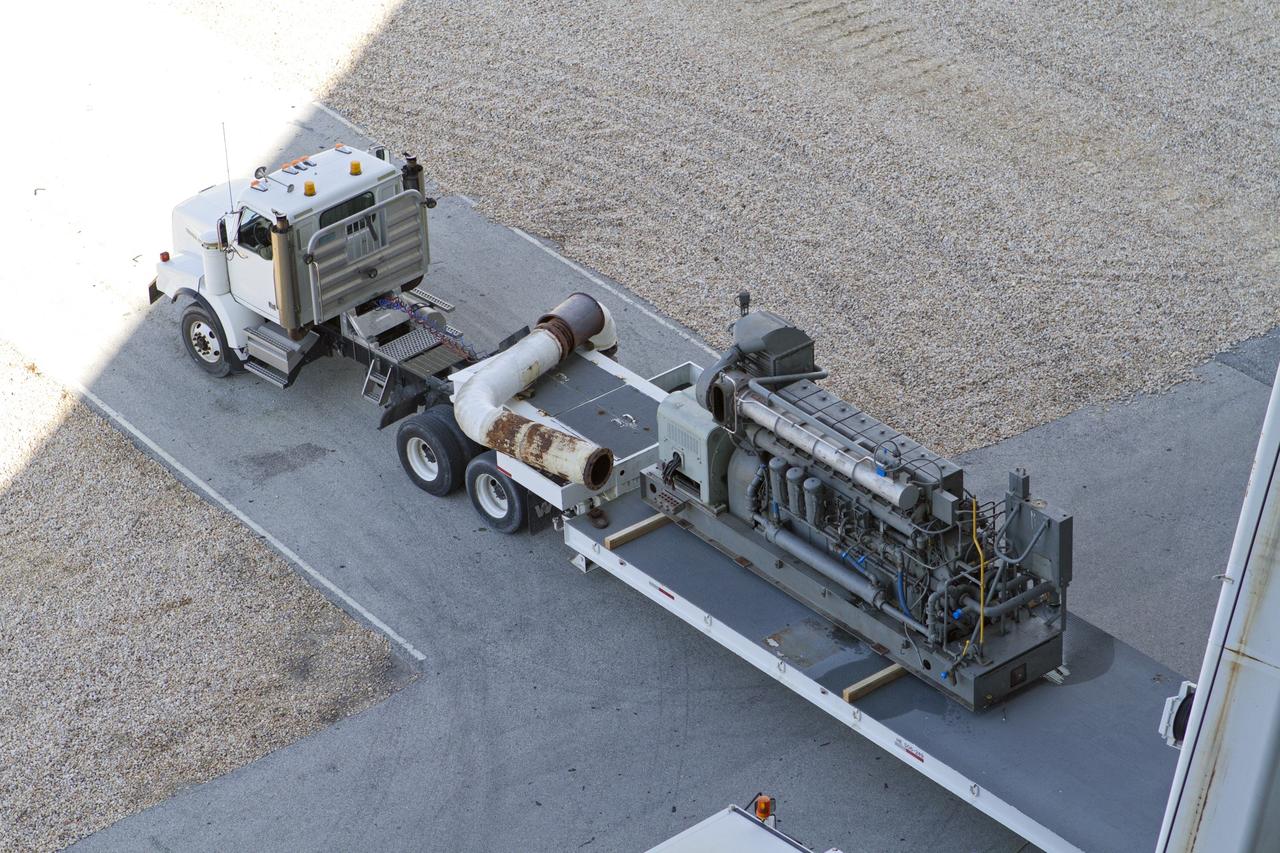
CAPE CANAVERAL, Fla. –– Just outside of the Vehicle Assembly Building at NASA’s Kennedy Space Center in Florida, an Apollo era diesel engine is secured onto the flatbed of a truck after it was removed from crawler-transporter 2 CT-2). New engines will be installed later this month. Work is in progress in high bay 2 to upgrade CT-2 so that it can carry NASA’s Space Launch System heavy-lift rocket, which is under design, and new Orion spacecraft to the launch pad. The crawler-transporters were used to carry the mobile launcher platform and space shuttle to Launch Complex 39 for space shuttle launches for 30 years. Photo credit: NASA/Kim Shiflett
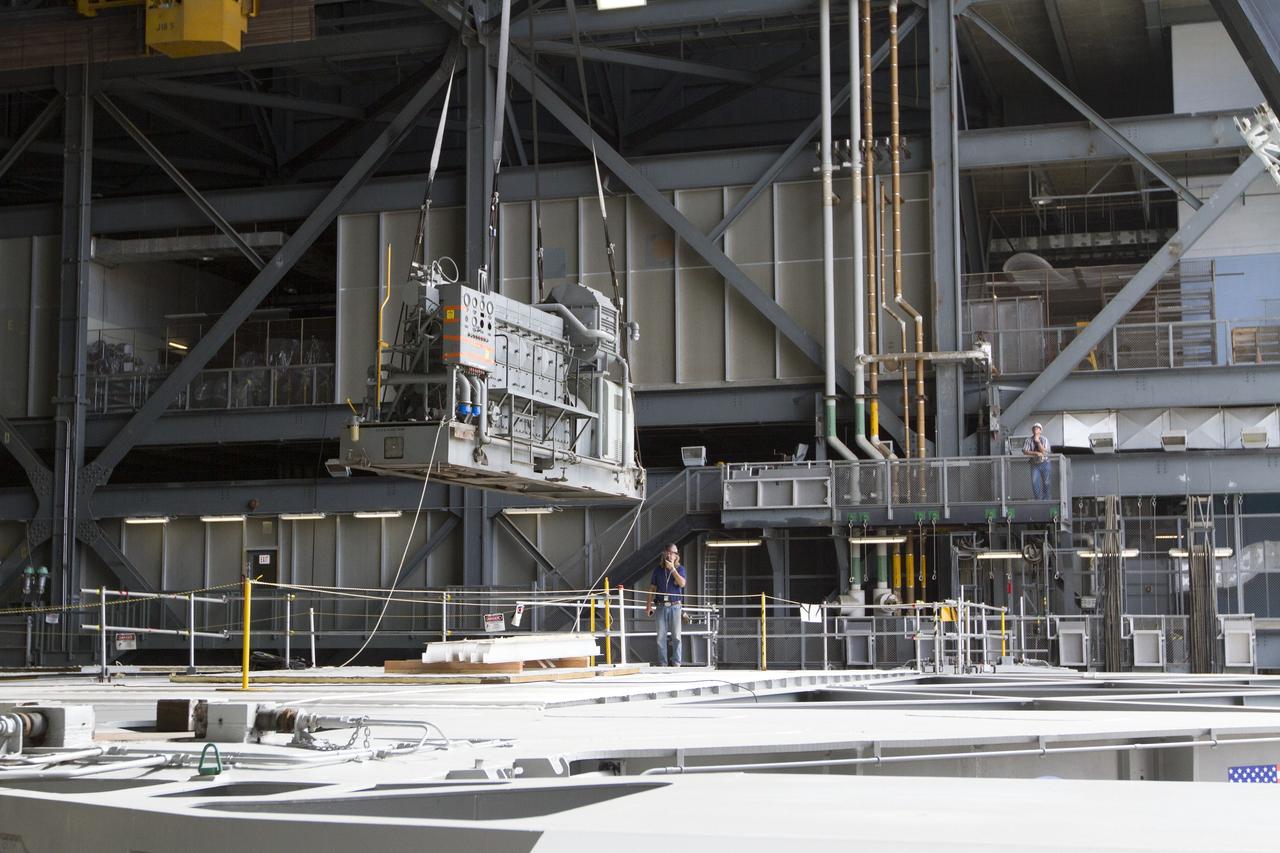
CAPE CANAVERAL, Fla. –– Inside the Vehicle Assembly Building at NASA’s Kennedy Space Center in Florida, a technician monitors the progress as a crane lifts an Apollo era diesel engine from crawler-transporter 2 CT-2). New engines will be installed later this month. Work is in progress in high bay 2 to upgrade CT-2 so that it can carry NASA’s Space Launch System heavy-lift rocket, which is under design, and new Orion spacecraft to the launch pad. The crawler-transporters were used to carry the mobile launcher platform and space shuttle to Launch Complex 39 for space shuttle launches for 30 years. Photo credit: NASA/Kim Shiflett
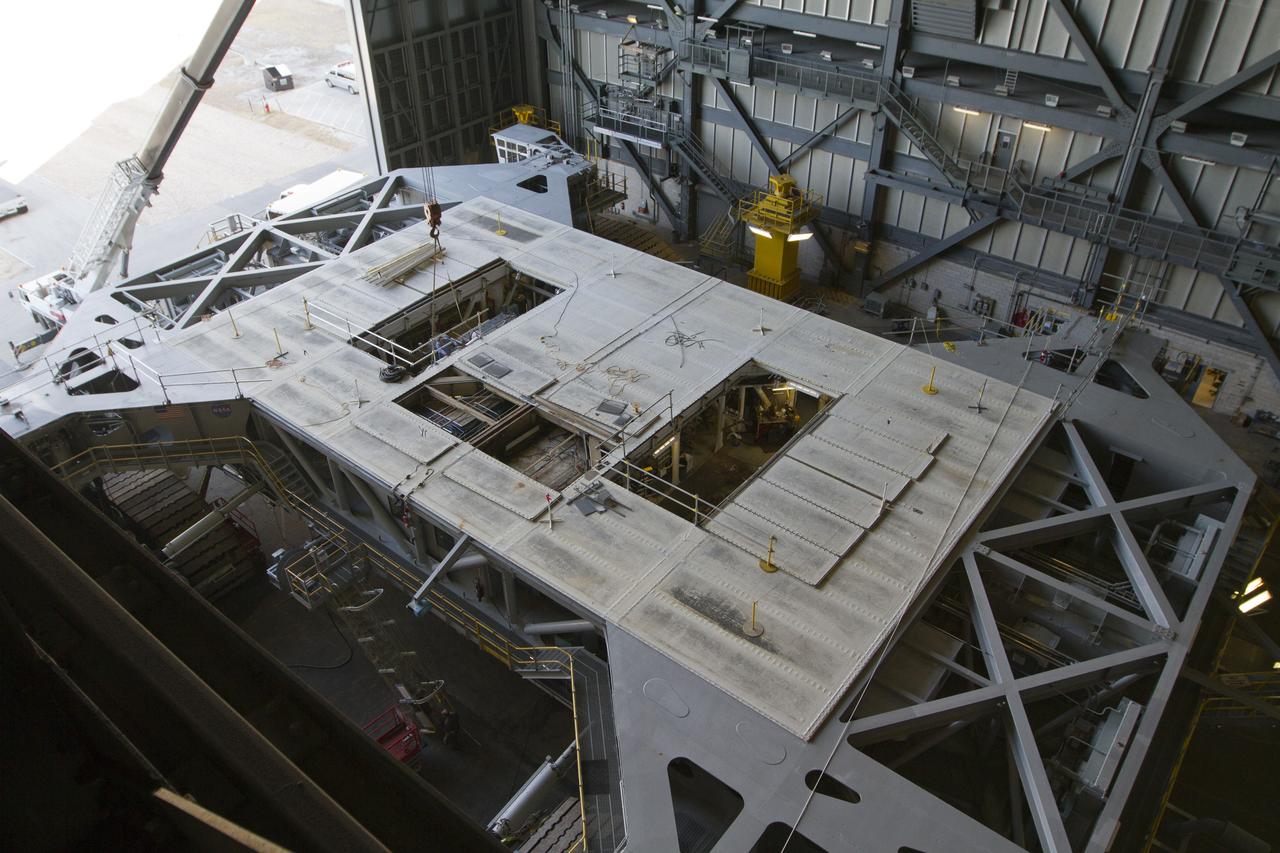
CAPE CANAVERAL, Fla. –Inside the Vehicle Assembly Building at NASA’s Kennedy Space Center in Florida, a crane is lowered toward crawler-transporter 2 CT-2) so that the Apollo era diesel engine can be removed. New engines will be installed later this month. Work is in progress in high bay 2 to upgrade CT-2 so that it can carry NASA’s Space Launch System heavy-lift rocket, which is under design, and new Orion spacecraft to the launch pad. The crawler-transporters were used to carry the mobile launcher platform and space shuttle to Launch Complex 39 for space shuttle launches for 30 years. Photo credit: NASA/Kim Shiflett
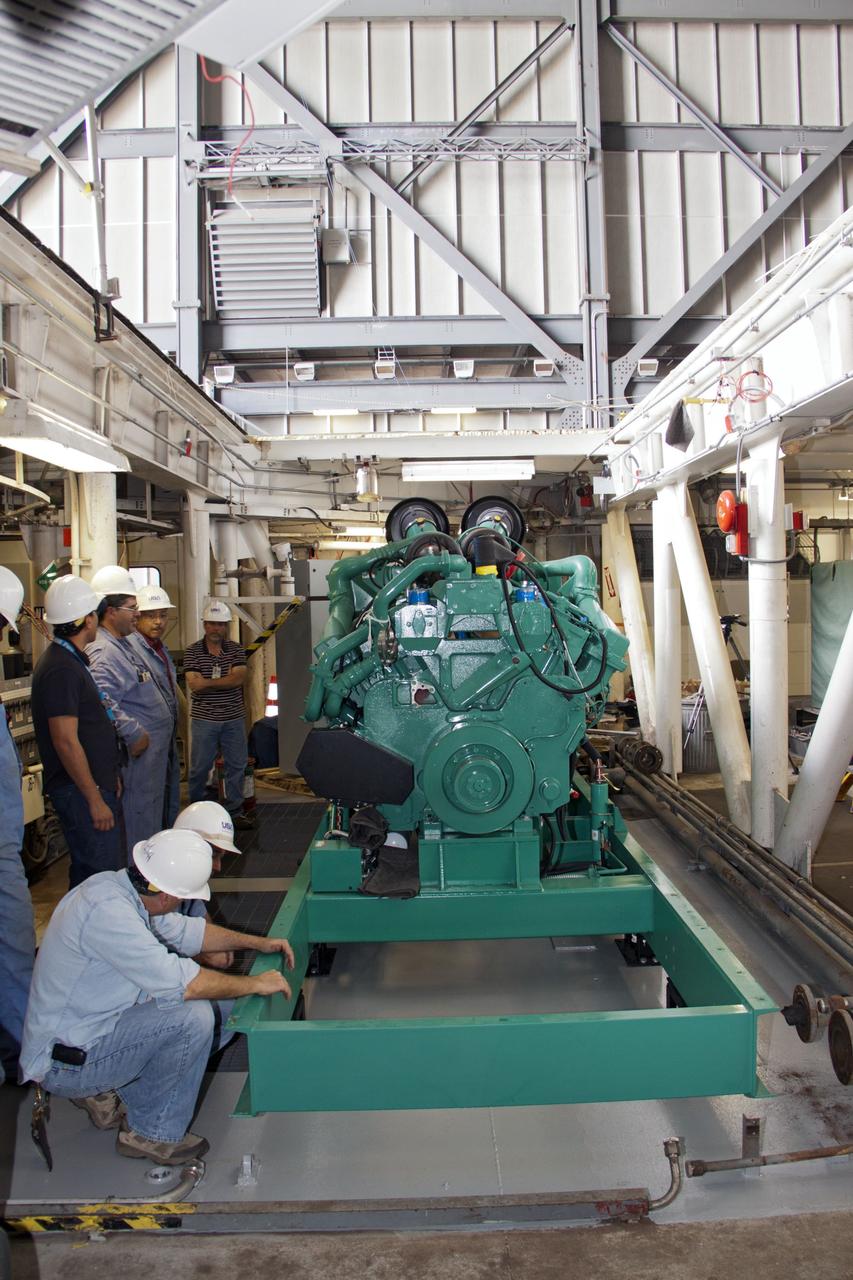
CAPE CANAVERAL, Fla. – Inside the Vehicle Assembly Building at NASA’s Kennedy Space Center in Florida, technicians begin the work to secure a new engine and generator inside crawler-transporter 2 CT-2). The Apollo era diesel engines were removed last month. Work continues in high bay 2 to upgrade CT-2 so that it can carry NASA’s Space Launch System heavy-lift rocket, which is under design, and new Orion spacecraft to the launch pad. The crawler-transporters were used to carry the mobile launcher platform and space shuttle to Launch Complex 39 for space shuttle launches for 30 years. Photo credit: NASA/Jim Grossmann
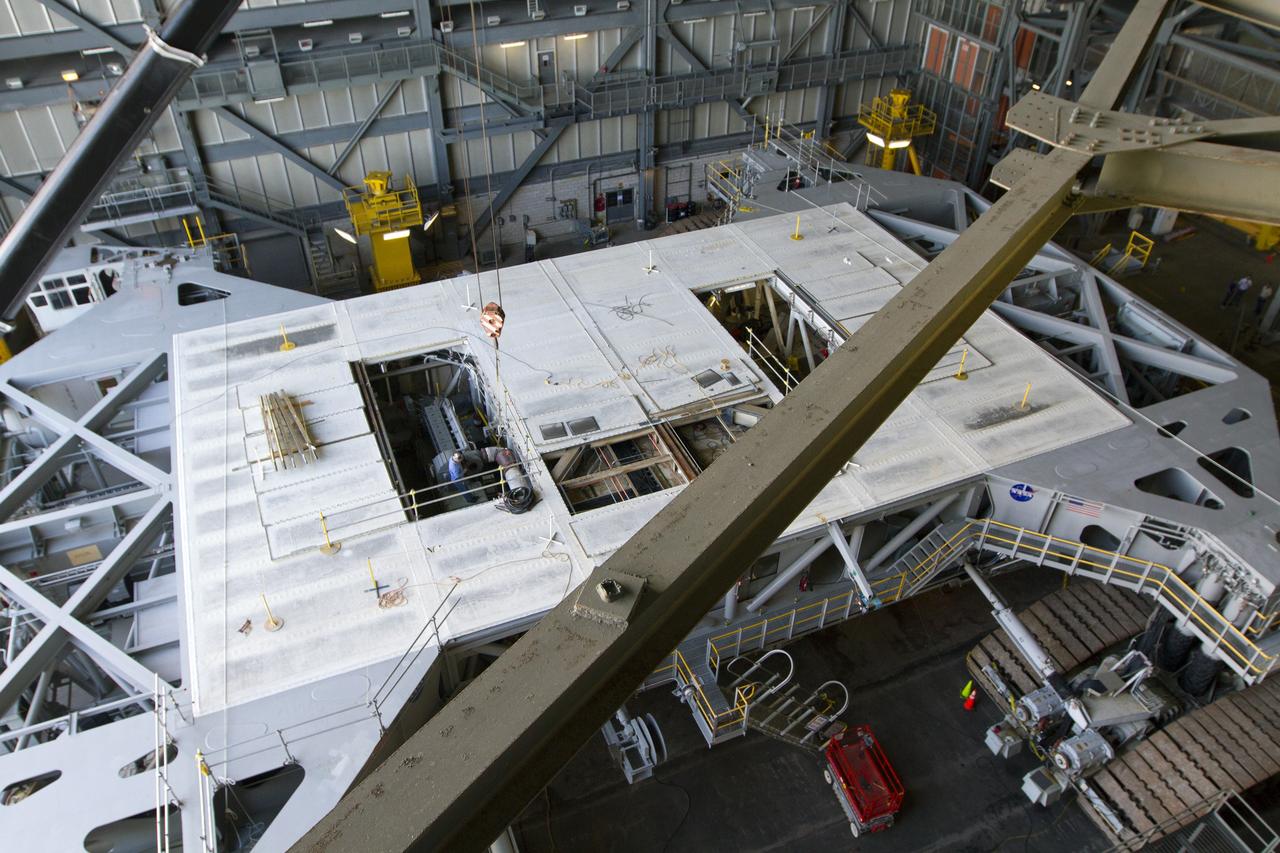
CAPE CANAVERAL, Fla. – Inside the Vehicle Assembly Building at NASA’s Kennedy Space Center in Florida, a crane is lowered toward crawler-transporter 2 CT-2) so that the Apollo era diesel engine can be removed. New engines will be installed later this month. Work is in progress in high bay 2 to upgrade CT-2 so that it can carry NASA’s Space Launch System heavy-lift rocket, which is under design, and new Orion spacecraft to the launch pad. The crawler-transporters were used to carry the mobile launcher platform and space shuttle to Launch Complex 39 for space shuttle launches for 30 years. Photo credit: NASA/Kim Shiflett
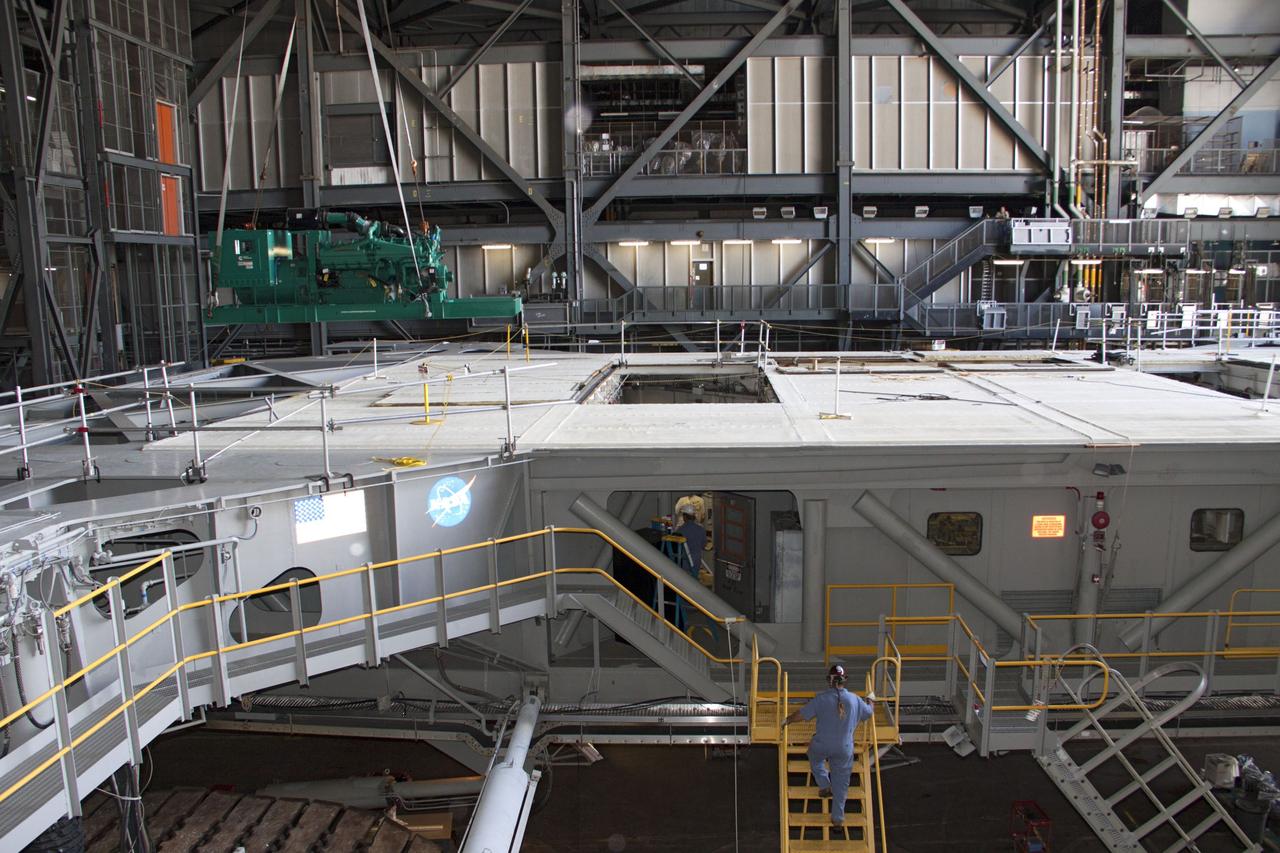
CAPE CANAVERAL, Fla. – Inside the Vehicle Assembly Building at NASA’s Kennedy Space Center in Florida, a large crane lifts a new engine and generator high overhead for installation on crawler-transporter 2 CT-2). The Apollo era diesel engines were removed last month. Work continues in high bay 2 to upgrade CT-2 so that it can carry NASA’s Space Launch System heavy-lift rocket, which is under design, and new Orion spacecraft to the launch pad. The crawler-transporters were used to carry the mobile launcher platform and space shuttle to Launch Complex 39 for space shuttle launches for 30 years. Photo credit: NASA/Jim Grossmann
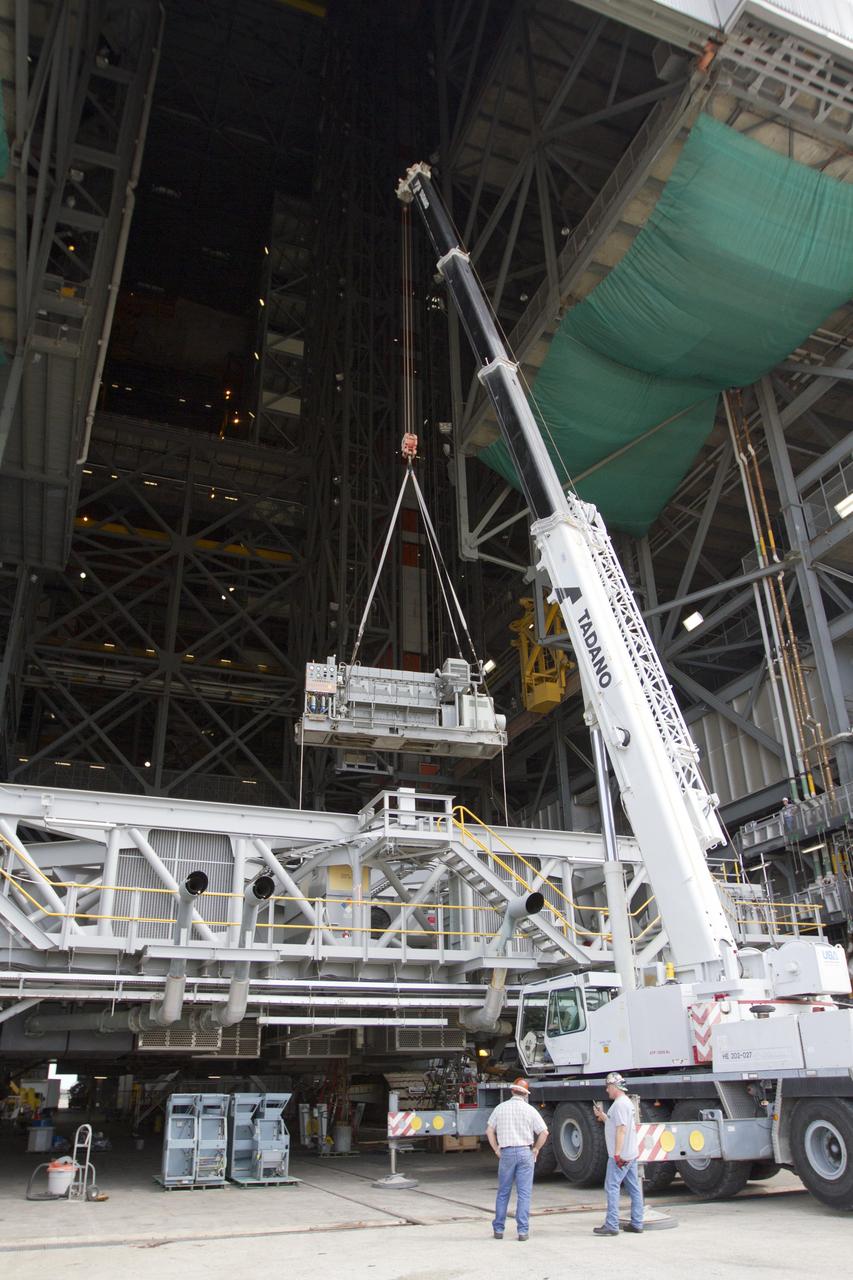
CAPE CANAVERAL, Fla. –– Inside the Vehicle Assembly Building at NASA’s Kennedy Space Center in Florida, a crane is used to lift an Apollo era diesel engine away from crawler-transporter 2 CT-2). New engines will be installed later this month. Work is in progress in high bay 2 to upgrade CT-2 so that it can carry NASA’s Space Launch System heavy-lift rocket, which is under design, and new Orion spacecraft to the launch pad. The crawler-transporters were used to carry the mobile launcher platform and space shuttle to Launch Complex 39 for space shuttle launches for 30 years. Photo credit: NASA/Kim Shiflett

CAPE CANAVERAL, Fla. –– Inside the Vehicle Assembly Building at NASA’s Kennedy Space Center in Florida, a crane begins to lift part of an Apollo era diesel engine from crawler-transporter 2 CT-2). New engines will be installed later this month. Work is in progress in high bay 2 to upgrade CT-2 so that it can carry NASA’s Space Launch System heavy-lift rocket, which is under design, and new Orion spacecraft to the launch pad. The crawler-transporters were used to carry the mobile launcher platform and space shuttle to Launch Complex 39 for space shuttle launches for 30 years. Photo credit: NASA/Kim Shiflett
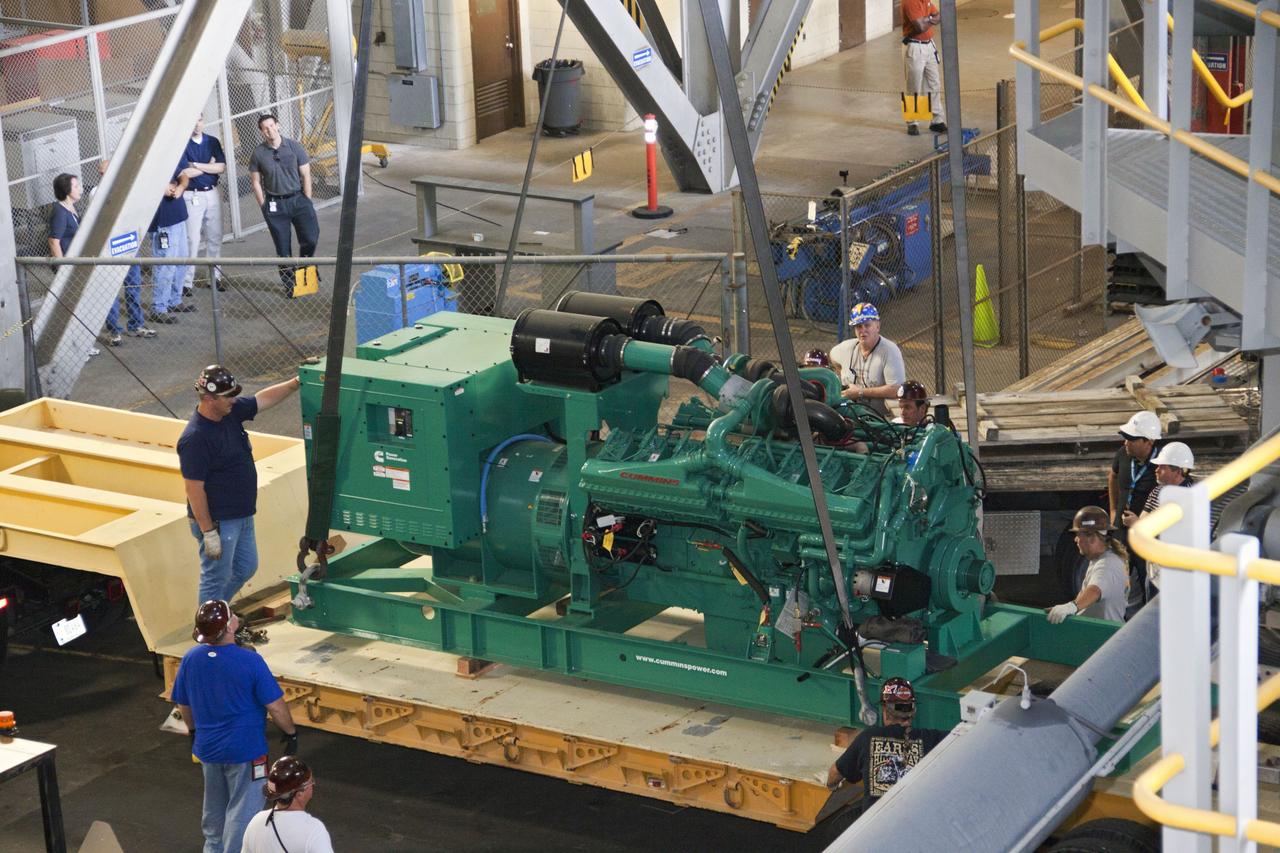
CAPE CANAVERAL, Fla. – Inside the Vehicle Assembly Building at NASA’s Kennedy Space Center in Florida, technicians prepare a new engine and generator for installation on crawler-transporter 2 CT-2). The Apollo era diesel engines were removed last month. Work continues in high bay 2 to upgrade CT-2 so that it can carry NASA’s Space Launch System heavy-lift rocket, which is under design, and new Orion spacecraft to the launch pad. The crawler-transporters were used to carry the mobile launcher platform and space shuttle to Launch Complex 39 for space shuttle launches for 30 years. Photo credit: NASA/Jim Grossmann
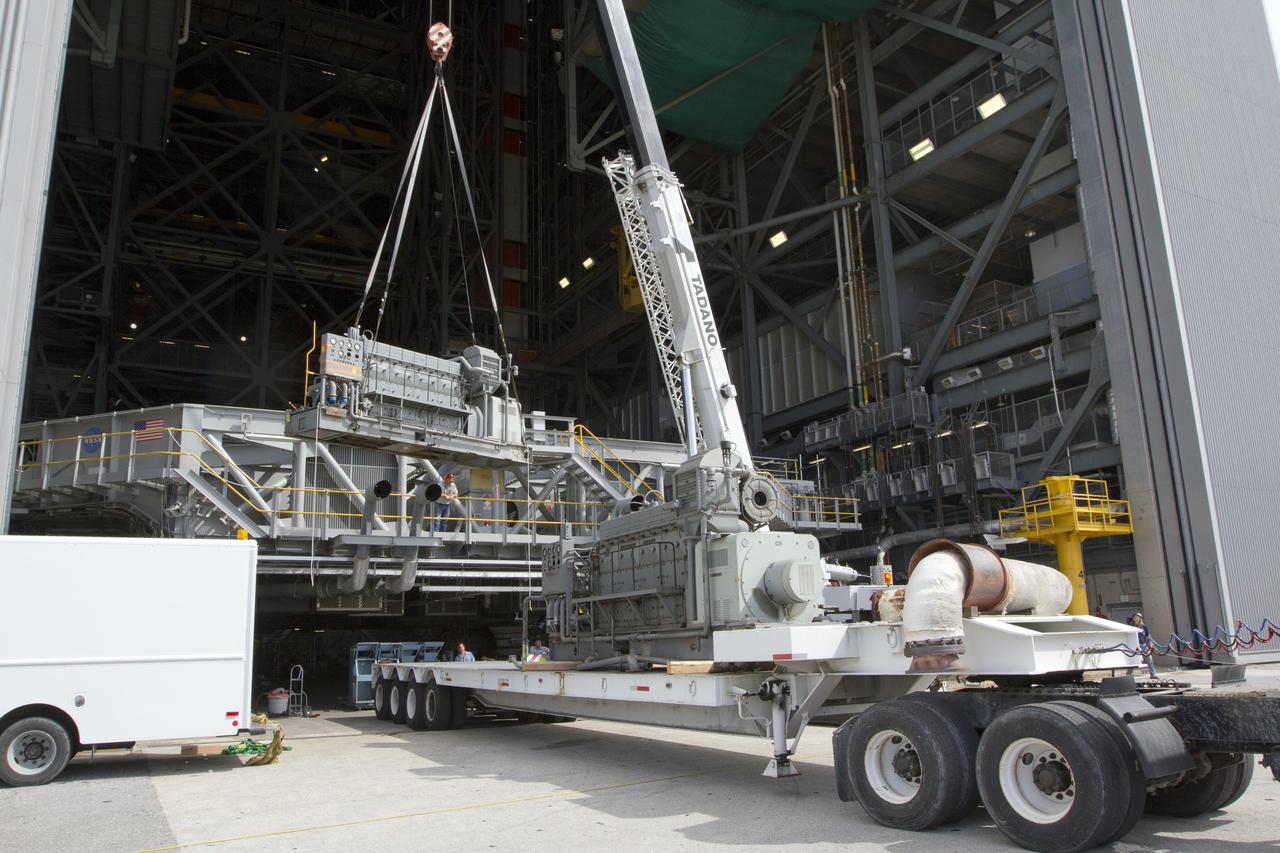
CAPE CANAVERAL, Fla. –– Just outside of the Vehicle Assembly Building at NASA’s Kennedy Space Center in Florida, a crane is used to lift an Apollo era diesel engine away from crawler-transporter 2 CT-2). New engines will be installed later this month. Work is in progress in high bay 2 to upgrade CT-2 so that it can carry NASA’s Space Launch System heavy-lift rocket, which is under design, and new Orion spacecraft to the launch pad. The crawler-transporters were used to carry the mobile launcher platform and space shuttle to Launch Complex 39 for space shuttle launches for 30 years. Photo credit: NASA/Kim Shiflett
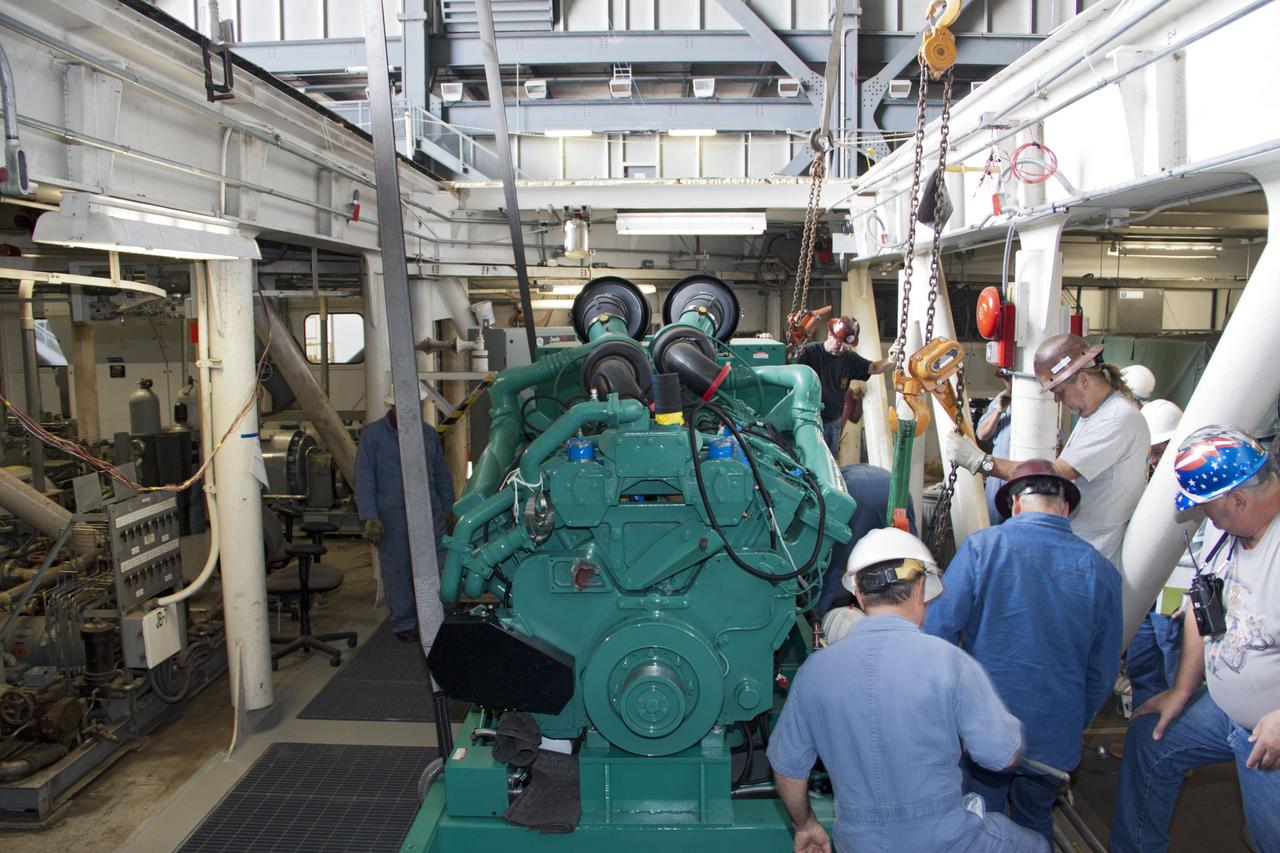
CAPE CANAVERAL, Fla. – Inside the Vehicle Assembly Building at NASA’s Kennedy Space Center in Florida, technicians begin the work to secure a new engine and generator inside crawler-transporter 2 CT-2). The Apollo era diesel engines were removed last month. Work continues in high bay 2 to upgrade CT-2 so that it can carry NASA’s Space Launch System heavy-lift rocket, which is under design, and new Orion spacecraft to the launch pad. The crawler-transporters were used to carry the mobile launcher platform and space shuttle to Launch Complex 39 for space shuttle launches for 30 years. Photo credit: NASA/Jim Grossmann
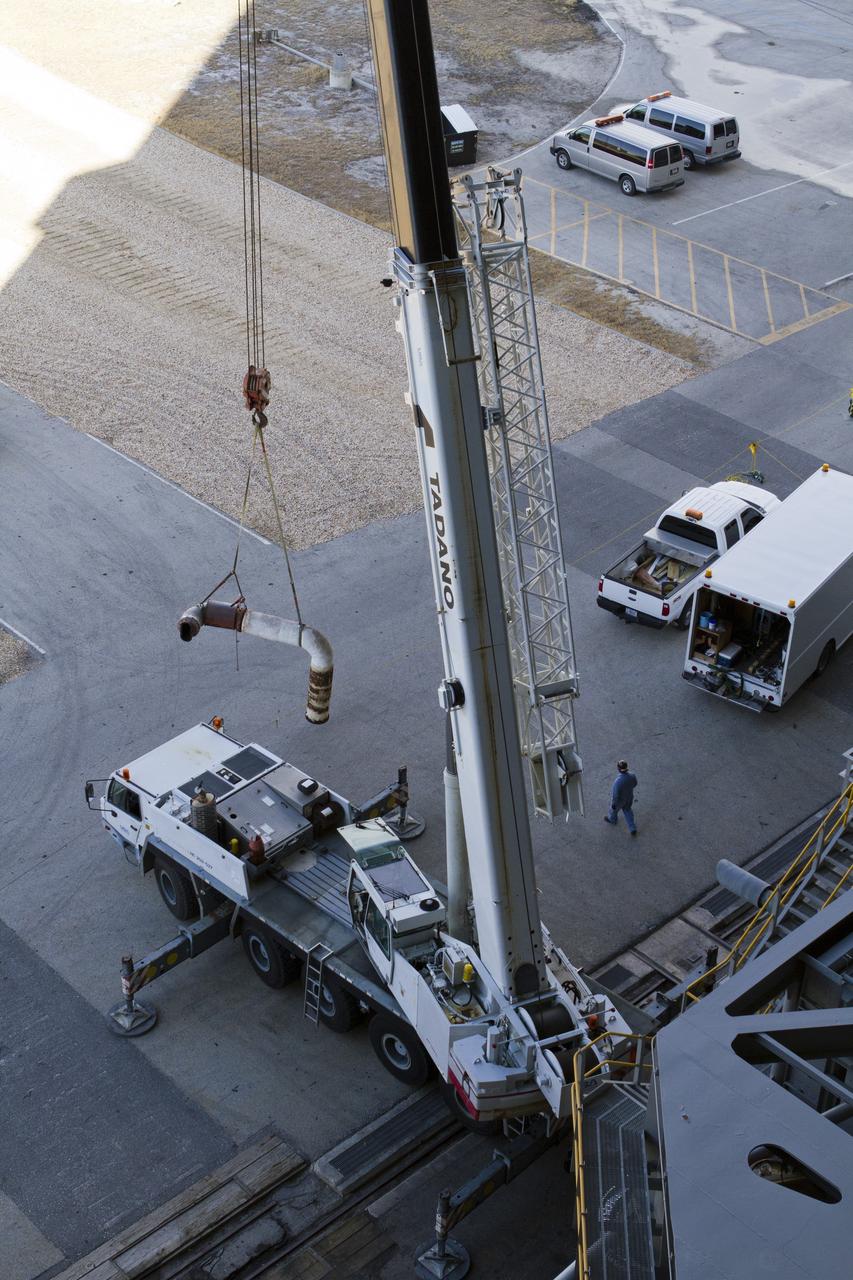
CAPE CANAVERAL, Fla. –– Inside the Vehicle Assembly Building at NASA’s Kennedy Space Center in Florida, a crane operator lifts part of an Apollo era diesel engine away from crawler-transporter 2 CT-2). New engines will be installed later this month. Work is in progress in high bay 2 to upgrade CT-2 so that it can carry NASA’s Space Launch System heavy-lift rocket, which is under design, and new Orion spacecraft to the launch pad. The crawler-transporters were used to carry the mobile launcher platform and space shuttle to Launch Complex 39 for space shuttle launches for 30 years. Photo credit: NASA/Kim Shiflett

CAPE CANAVERAL, Fla. –– Just outside of the Vehicle Assembly Building at NASA’s Kennedy Space Center in Florida, a crane is used to lift an Apollo era diesel engine away from crawler-transporter 2 CT-2). New engines will be installed later this month. Work is in progress in high bay 2 to upgrade CT-2 so that it can carry NASA’s Space Launch System heavy-lift rocket, which is under design, and new Orion spacecraft to the launch pad. The crawler-transporters were used to carry the mobile launcher platform and space shuttle to Launch Complex 39 for space shuttle launches for 30 years. Photo credit: NASA/Kim Shiflett
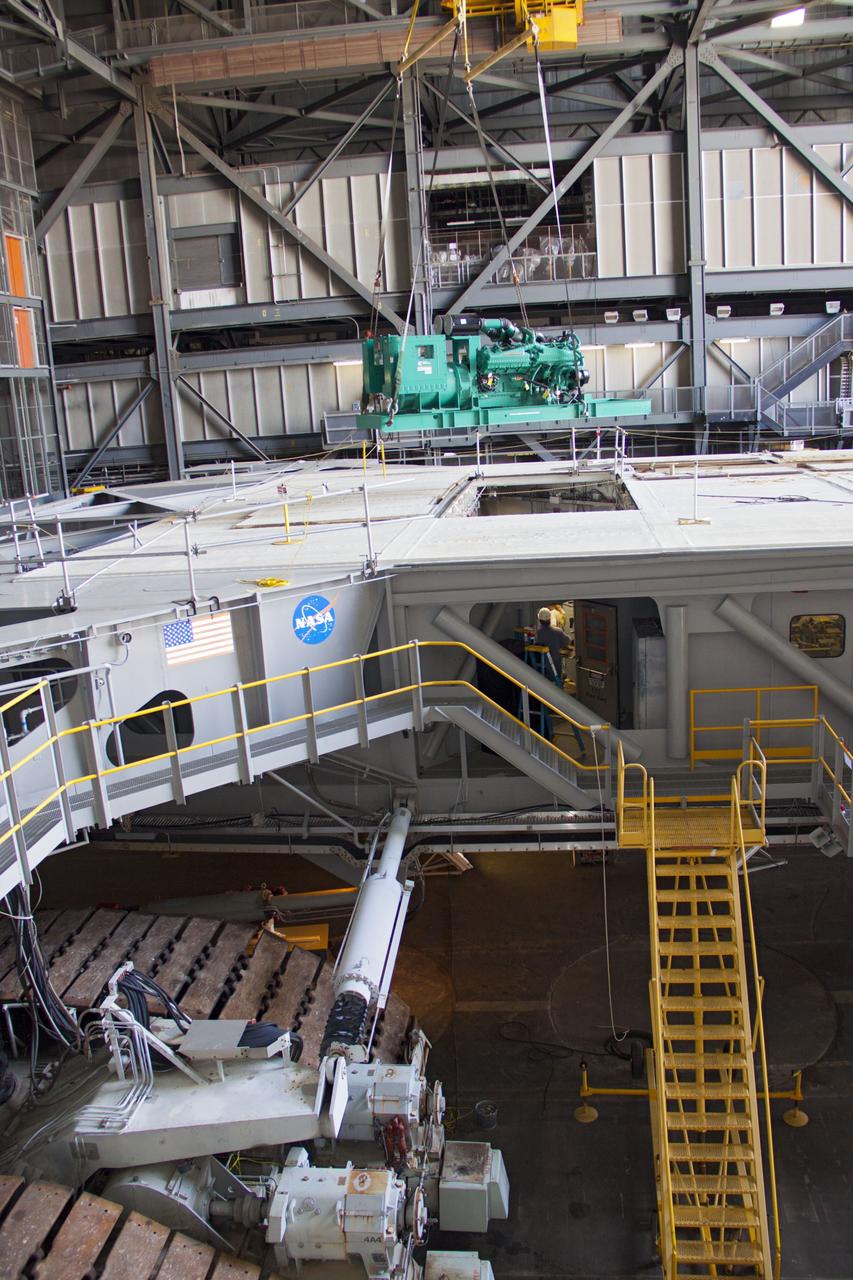
CAPE CANAVERAL, Fla. – Inside the Vehicle Assembly Building at NASA’s Kennedy Space Center in Florida, a large crane lifts a new engine and generator high overhead for installation on crawler-transporter 2 CT-2). The Apollo era diesel engines were removed last month. Work continues in high bay 2 to upgrade CT-2 so that it can carry NASA’s Space Launch System heavy-lift rocket, which is under design, and new Orion spacecraft to the launch pad. The crawler-transporters were used to carry the mobile launcher platform and space shuttle to Launch Complex 39 for space shuttle launches for 30 years. Photo credit: NASA/Jim Grossmann
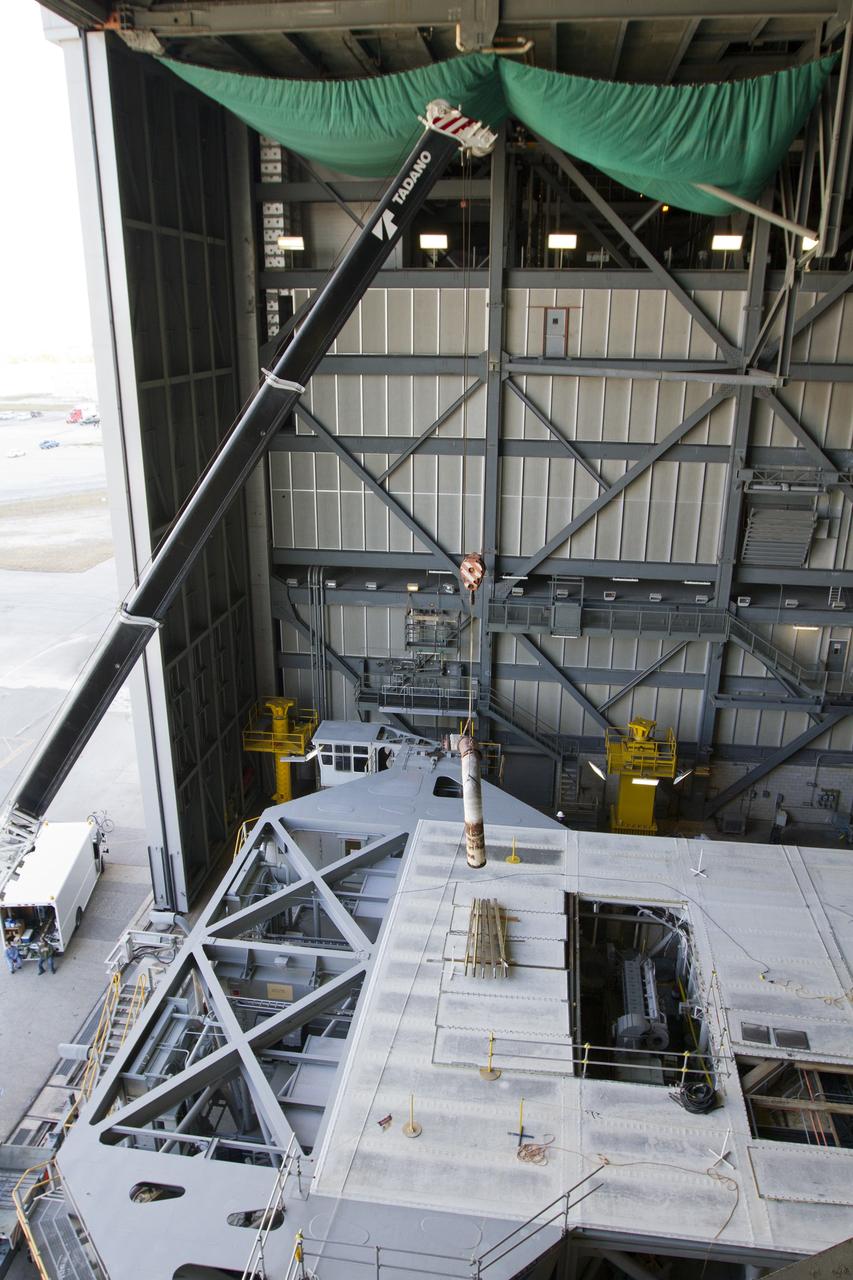
CAPE CANAVERAL, Fla. –– Inside the Vehicle Assembly Building at NASA’s Kennedy Space Center in Florida, a crane lifts part of an Apollo era diesel engine from crawler-transporter 2 CT-2). New engines will be installed later this month. Work is in progress in high bay 2 to upgrade CT-2 so that it can carry NASA’s Space Launch System heavy-lift rocket, which is under design, and new Orion spacecraft to the launch pad. The crawler-transporters were used to carry the mobile launcher platform and space shuttle to Launch Complex 39 for space shuttle launches for 30 years. Photo credit: NASA/Kim Shiflett
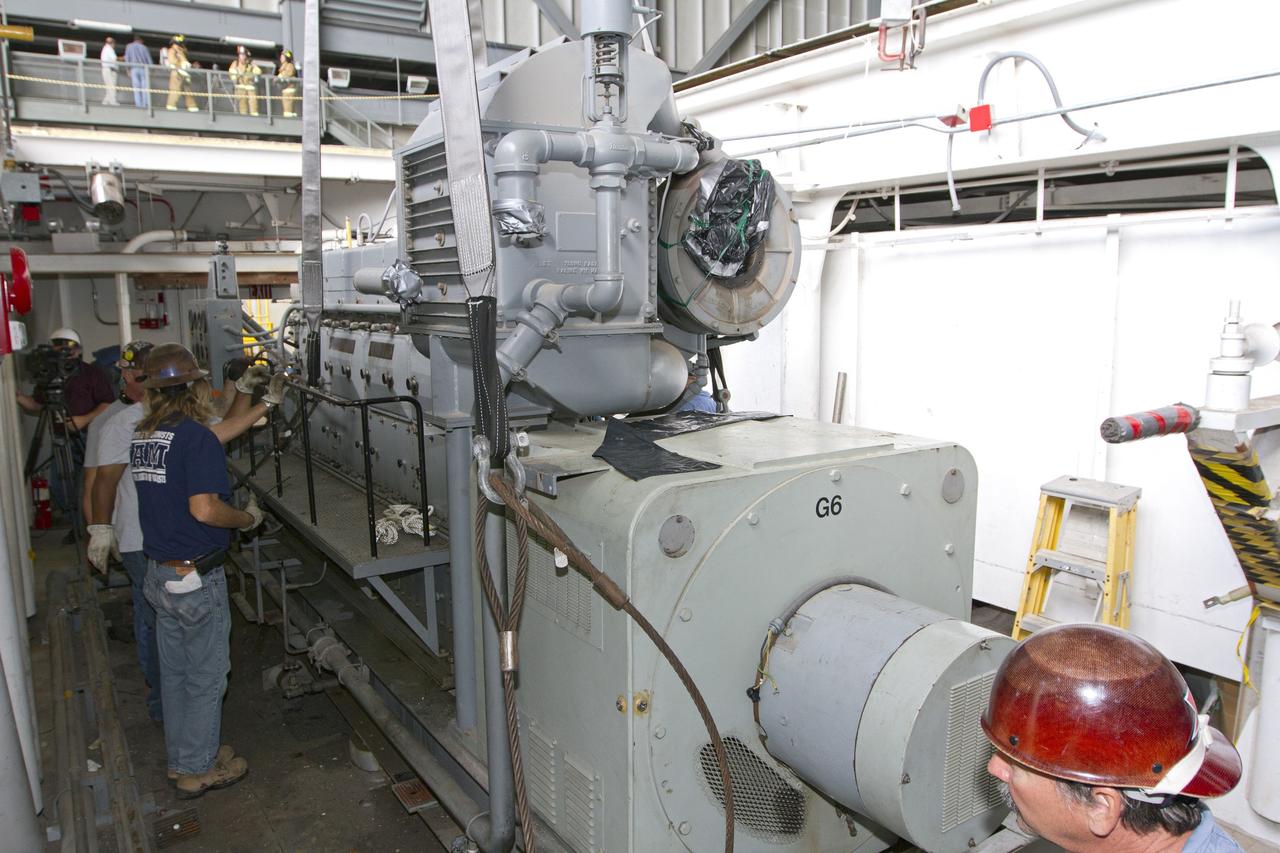
CAPE CANAVERAL, Fla. –– Inside the Vehicle Assembly Building at NASA’s Kennedy Space Center in Florida, technicians prepare an Apollo era diesel engine inside crawler-transporter 2 CT-2) for removal. New engines will be installed later this month. Work is in progress in high bay 2 to upgrade CT-2 so that it can carry NASA’s Space Launch System heavy-lift rocket, which is under design, and new Orion spacecraft to the launch pad. The crawler-transporters were used to carry the mobile launcher platform and space shuttle to Launch Complex 39 for space shuttle launches for 30 years. Photo credit: NASA/Kim Shiflett

NASA and contractor employees who were working at NASA’s Kennedy Space Center in Florida during the Apollo 11 launch gathered for a group photo on the observation deck of Operations and Support Building II on July 11, 2019. From left, along with their titles from 50 years ago, are Richard Sharum, NASA civil servant; Edward Wilson, security officer for Wackenhut Corporation; Sue Gross, secretary to the deputy procurement officer; Emery Lamar, NASA Kennedy co-op student in Apollo Spacecraft Electrical Division; James Scotti, material clerk with Bendix Corporation; Suzanne Stuckey, secretary for telemetry; Andrew Pritchard, contractor with McGregor-Warner; Ken Poimboeuf, Design Engineering Directorate; and Grady McCorquodale, Launch Control Center engineer with Boeing. Not pictured are Richard Cota, civil servant in the Engineering Directorate; and Victor Kurjack, data courier.
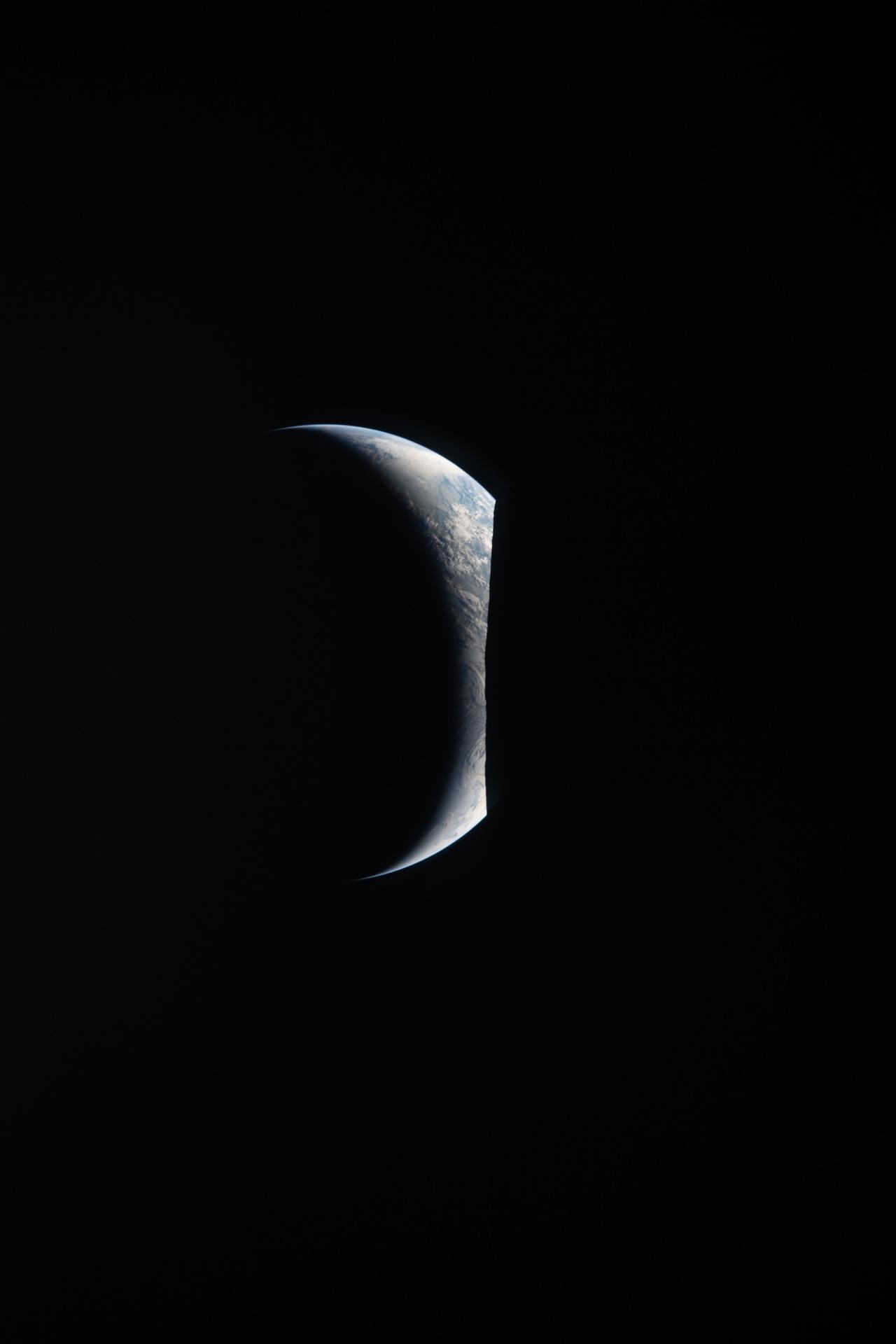
art002e009280 (April 6, 2026) – Earthrise captured through the Orion spacecraft window at 7:22 p.m. ET during the Artemis II crew’s flyby of the Moon’s far side. Earth appears as a delicate crescent, with only its right edge illuminated. The planet’s soft blue hue and scattered white cloud systems stand out on the right against the blackness of space, while the left side fades into night. Taken with a 400 mm lens, the image, Earthrise, reveals a striking alignment of Earth and Moon. In the foreground on the right, a portion of the Moon in night is barely visible save for its edge, which stands out in stark contrast against the illuminated side of Earth on the left. Zooming in along the Moon’s edge reveals rugged terrain silhouetted against the bright crescent Earth. This photo was rotated 90 degrees clockwise from the original for standard viewing orientation.
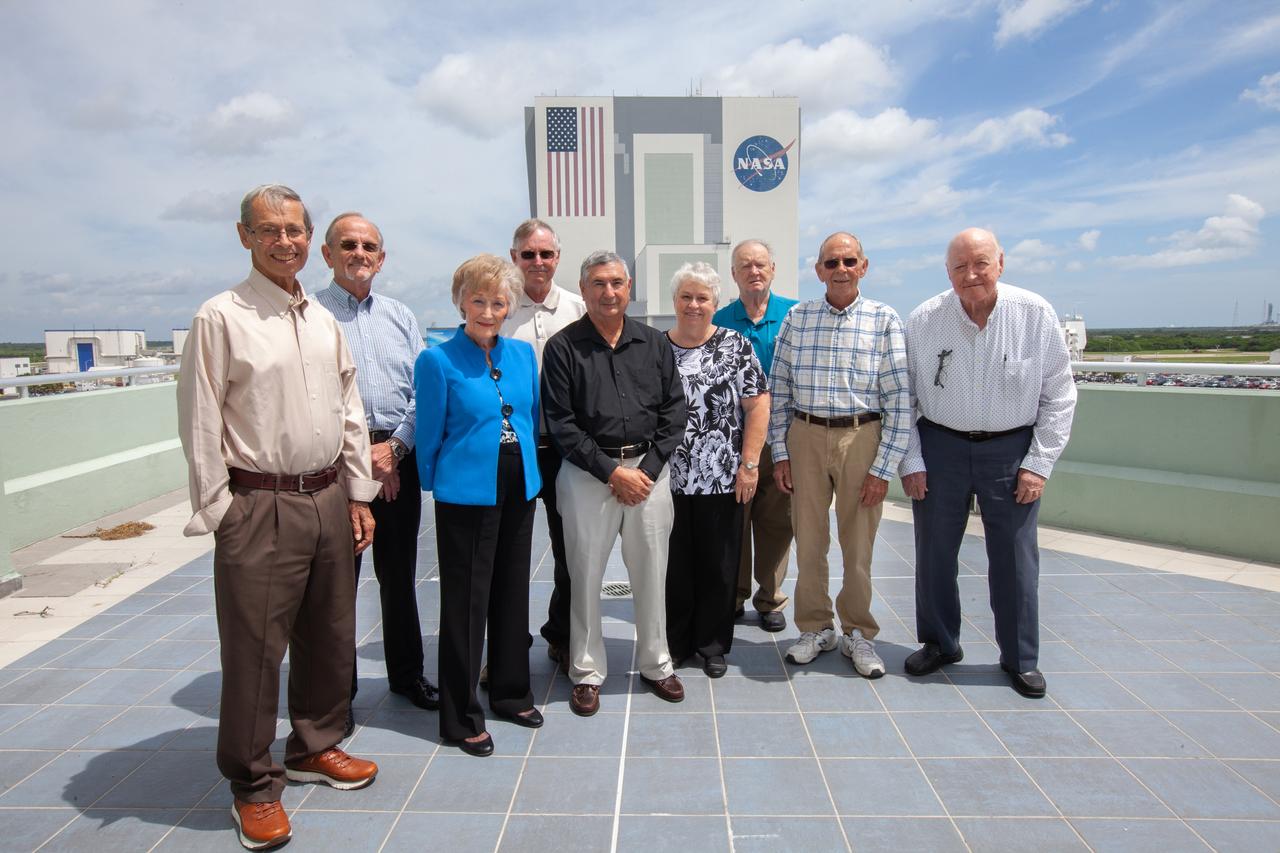
NASA and contractor employees who were working at NASA’s Kennedy Space Center in Florida during the Apollo 11 launch gathered for a group photo on the observation deck of Operations and Support Building II on July 11, 2019. From left, along with their titles from 50 years ago, are Richard Sharum, NASA civil servant; Edward Wilson, security officer for Wackenhut Corporation; Sue Gross, secretary to the deputy procurement officer; Emery Lamar, NASA Kennedy co-op student in Apollo Spacecraft Electrical Division; James Scotti, material clerk with Bendix Corporation; Suzanne Stuckey, secretary for telemetry; Andrew Pritchard, contractor with McGregor-Warner; Ken Poimboeuf, Design Engineering Directorate; and Grady McCorquodale, Launch Control Center engineer with Boeing. Not pictured are Richard Cota, civil servant in the Engineering Directorate; and Victor Kurjack, data courier.

CAPE CANAVERAL, Fla. – Inside the Vehicle Assembly Building at NASA’s Kennedy Space Center in Florida, technicians monitor the progress as a large crane lifts a new engine and generator for installation on crawler-transporter 2 CT-2). The Apollo era diesel engines were removed last month. Work continues in high bay 2 to upgrade CT-2 so that it can carry NASA’s Space Launch System heavy-lift rocket, which is under design, and new Orion spacecraft to the launch pad. The crawler-transporters were used to carry the mobile launcher platform and space shuttle to Launch Complex 39 for space shuttle launches for 30 years. Photo credit: NASA/Jim Grossmann
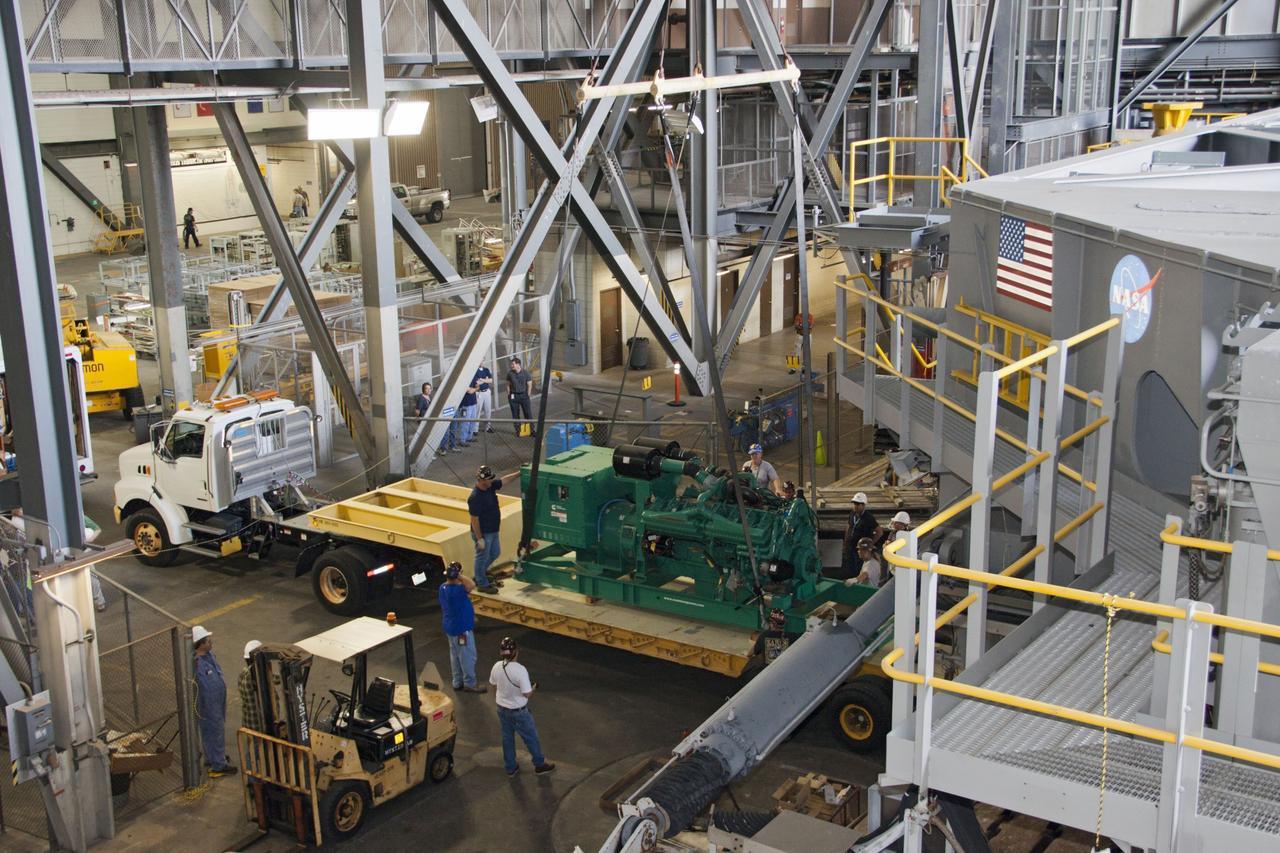
CAPE CANAVERAL, Fla. – Inside the Vehicle Assembly Building at NASA’s Kennedy Space Center in Florida, technicians monitor the progress as a large crane begins to lift a new engine and generator for installation on crawler-transporter 2 CT-2). The Apollo era diesel engines were removed last month. Work continues in high bay 2 to upgrade CT-2 so that it can carry NASA’s Space Launch System heavy-lift rocket, which is under design, and new Orion spacecraft to the launch pad. The crawler-transporters were used to carry the mobile launcher platform and space shuttle to Launch Complex 39 for space shuttle launches for 30 years. Photo credit: NASA/Jim Grossmann
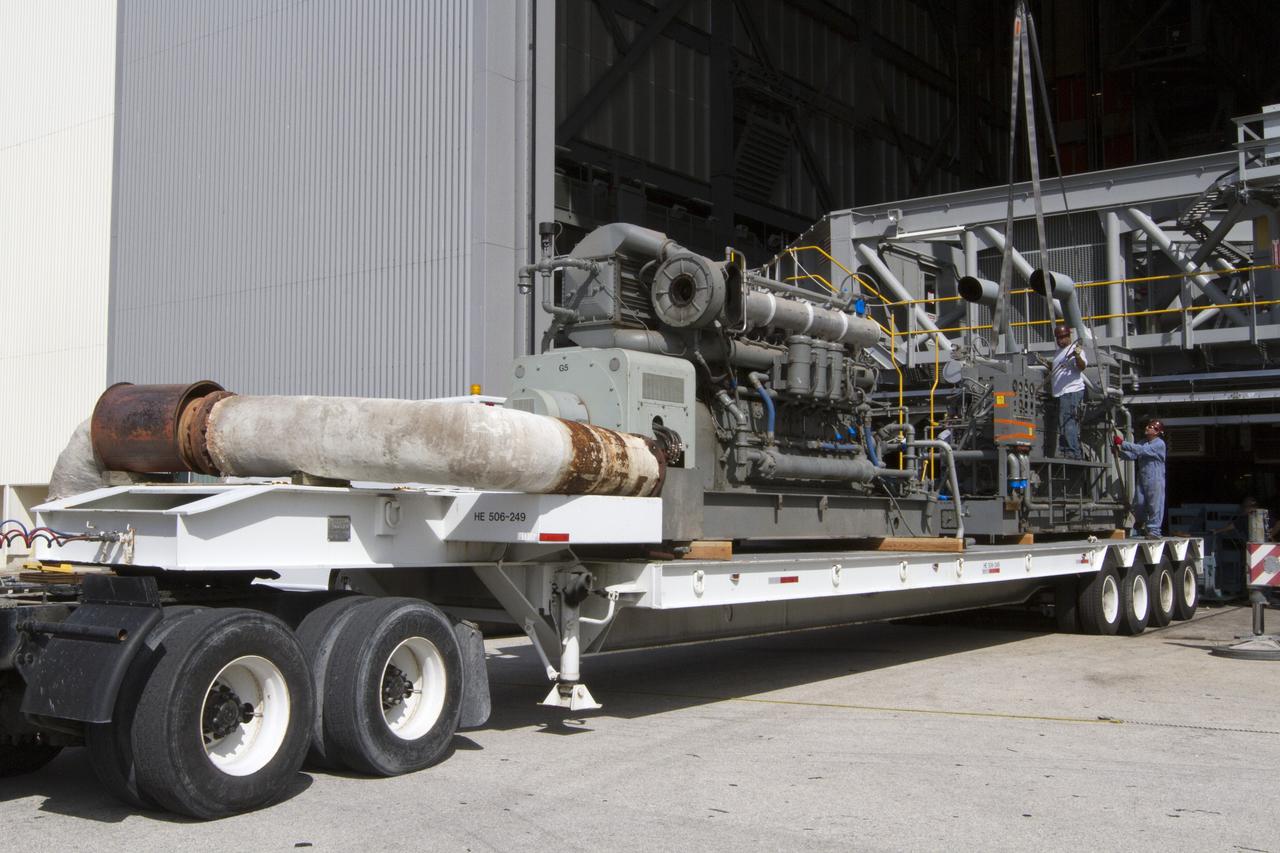
CAPE CANAVERAL, Fla. –– Just outside of the Vehicle Assembly Building at NASA’s Kennedy Space Center in Florida, technicians help secure an Apollo era diesel engine onto the flatbed of a truck after it was removed from crawler-transporter 2 CT-2). New engines will be installed later this month. Work is in progress in high bay 2 to upgrade CT-2 so that it can carry NASA’s Space Launch System heavy-lift rocket, which is under design, and new Orion spacecraft to the launch pad. The crawler-transporters were used to carry the mobile launcher platform and space shuttle to Launch Complex 39 for space shuttle launches for 30 years. Photo credit: NASA/Kim Shiflett
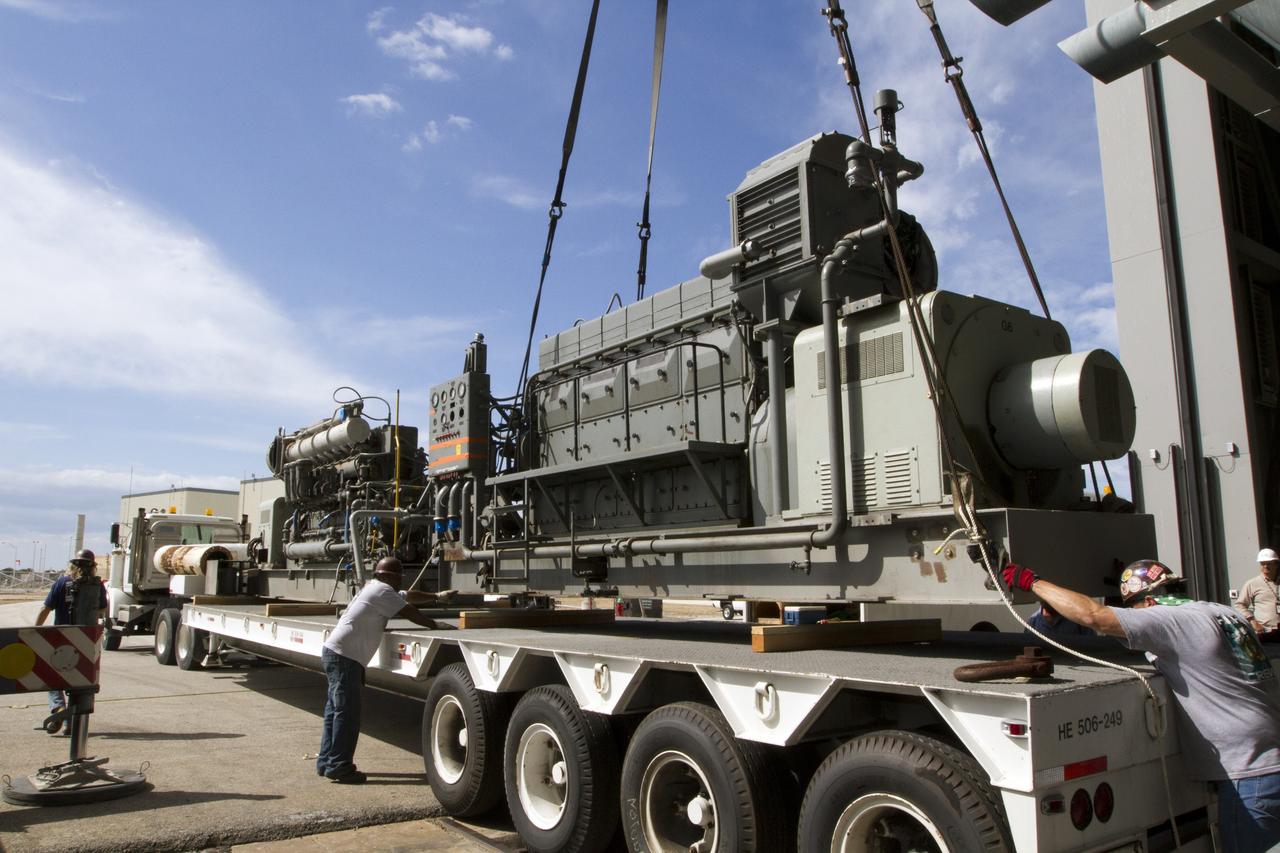
CAPE CANAVERAL, Fla. –– Just outside of the Vehicle Assembly Building at NASA’s Kennedy Space Center in Florida, technicians assist as a crane is used to lower an Apollo era diesel engine onto the flatbed of a truck after it was removed from crawler-transporter 2 CT-2). New engines will be installed later this month. Work is in progress in high bay 2 to upgrade CT-2 so that it can carry NASA’s Space Launch System heavy-lift rocket, which is under design, and new Orion spacecraft to the launch pad. The crawler-transporters were used to carry the mobile launcher platform and space shuttle to Launch Complex 39 for space shuttle launches for 30 years. Photo credit: NASA/Kim Shiflett
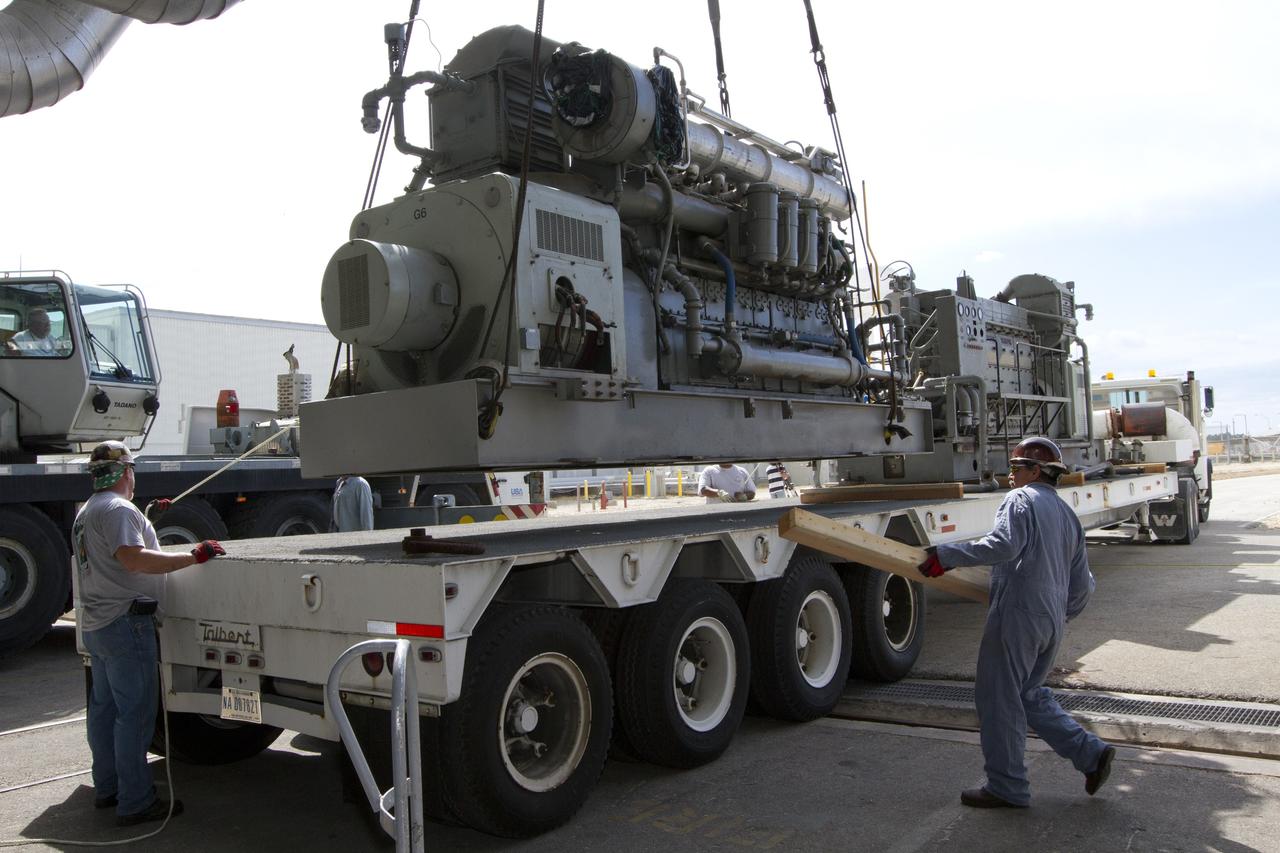
CAPE CANAVERAL, Fla. –– Just outside of the Vehicle Assembly Building at NASA’s Kennedy Space Center in Florida, technicians assist as a crane is used to lower an Apollo era diesel engine onto the flatbed of a truck after it was removed from crawler-transporter 2 CT-2). New engines will be installed later this month. Work is in progress in high bay 2 to upgrade CT-2 so that it can carry NASA’s Space Launch System heavy-lift rocket, which is under design, and new Orion spacecraft to the launch pad. The crawler-transporters were used to carry the mobile launcher platform and space shuttle to Launch Complex 39 for space shuttle launches for 30 years. Photo credit: NASA/Kim Shiflett
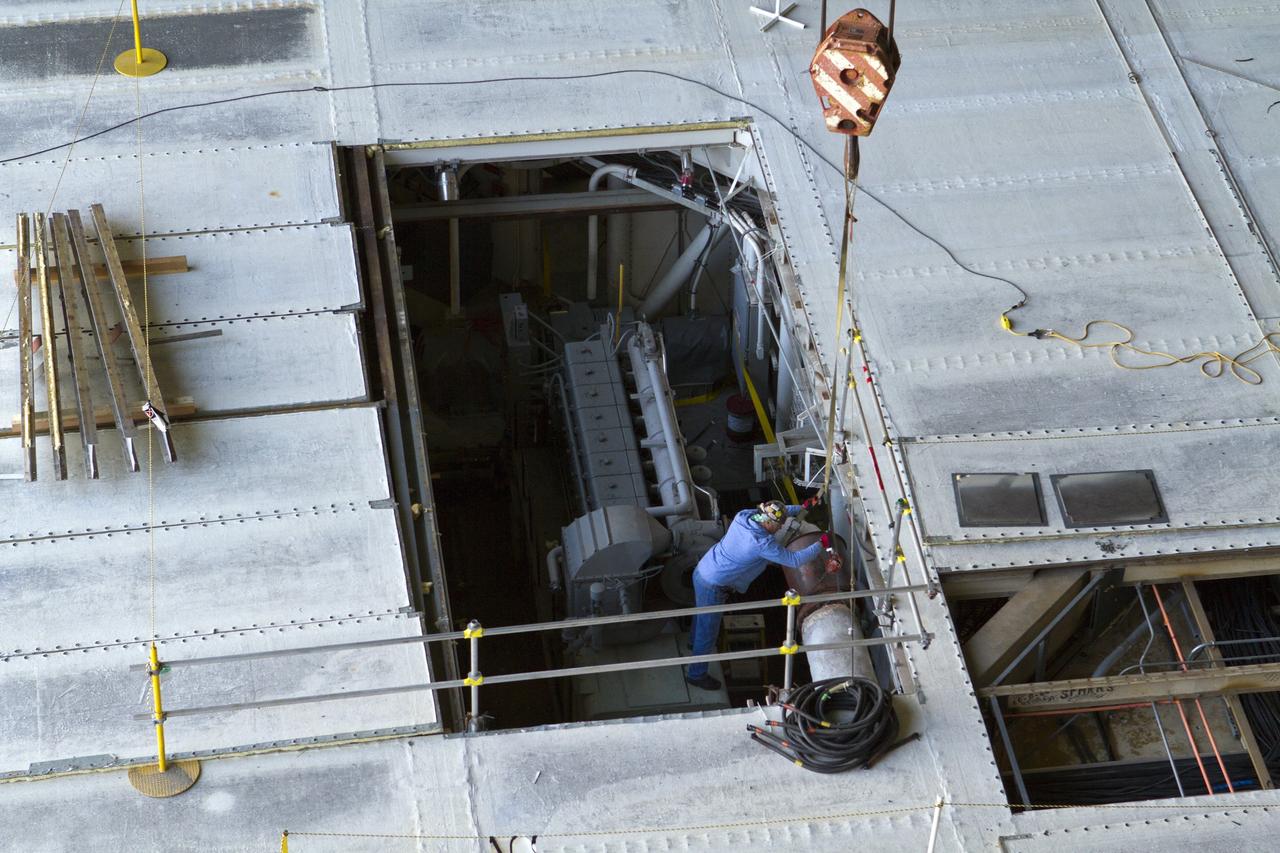
CAPE CANAVERAL, Fla. –Inside the Vehicle Assembly Building at NASA’s Kennedy Space Center in Florida, a worker helps guide a crane as it is lowered toward crawler-transporter 2 CT-2) so that the Apollo era diesel engine can be removed. New engines will be installed later this month. Work is in progress in high bay 2 to upgrade CT-2 so that it can carry NASA’s Space Launch System heavy-lift rocket, which is under design, and new Orion spacecraft to the launch pad. The crawler-transporters were used to carry the mobile launcher platform and space shuttle to Launch Complex 39 for space shuttle launches for 30 years. Photo credit: NASA/Kim Shiflett
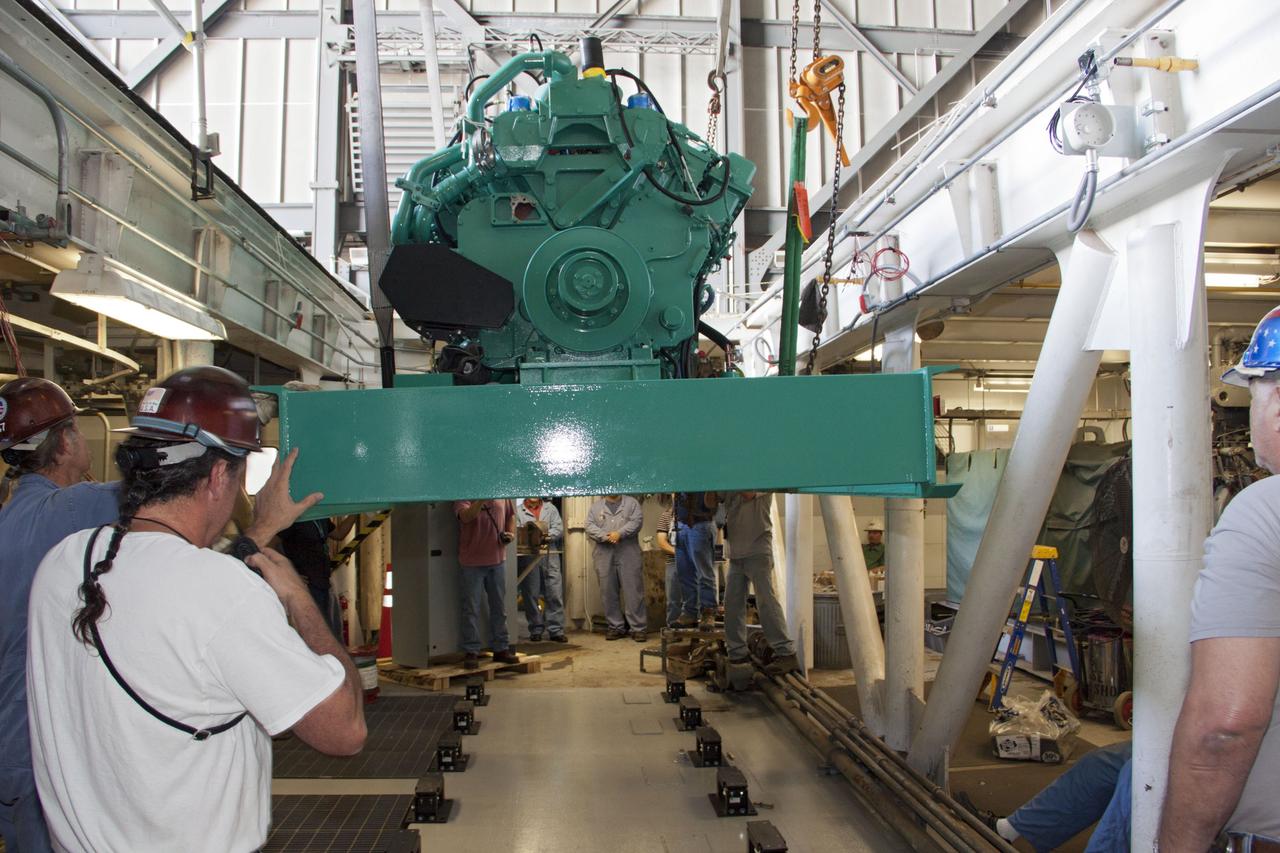
CAPE CANAVERAL, Fla. – Inside the Vehicle Assembly Building at NASA’s Kennedy Space Center in Florida, technicians monitor the progress as a large crane lowers a new engine and generator for installation inside crawler-transporter 2 CT-2). The Apollo era diesel engines were removed last month. Work continues in high bay 2 to upgrade CT-2 so that it can carry NASA’s Space Launch System heavy-lift rocket, which is under design, and new Orion spacecraft to the launch pad. The crawler-transporters were used to carry the mobile launcher platform and space shuttle to Launch Complex 39 for space shuttle launches for 30 years. Photo credit: NASA/Jim Grossmann
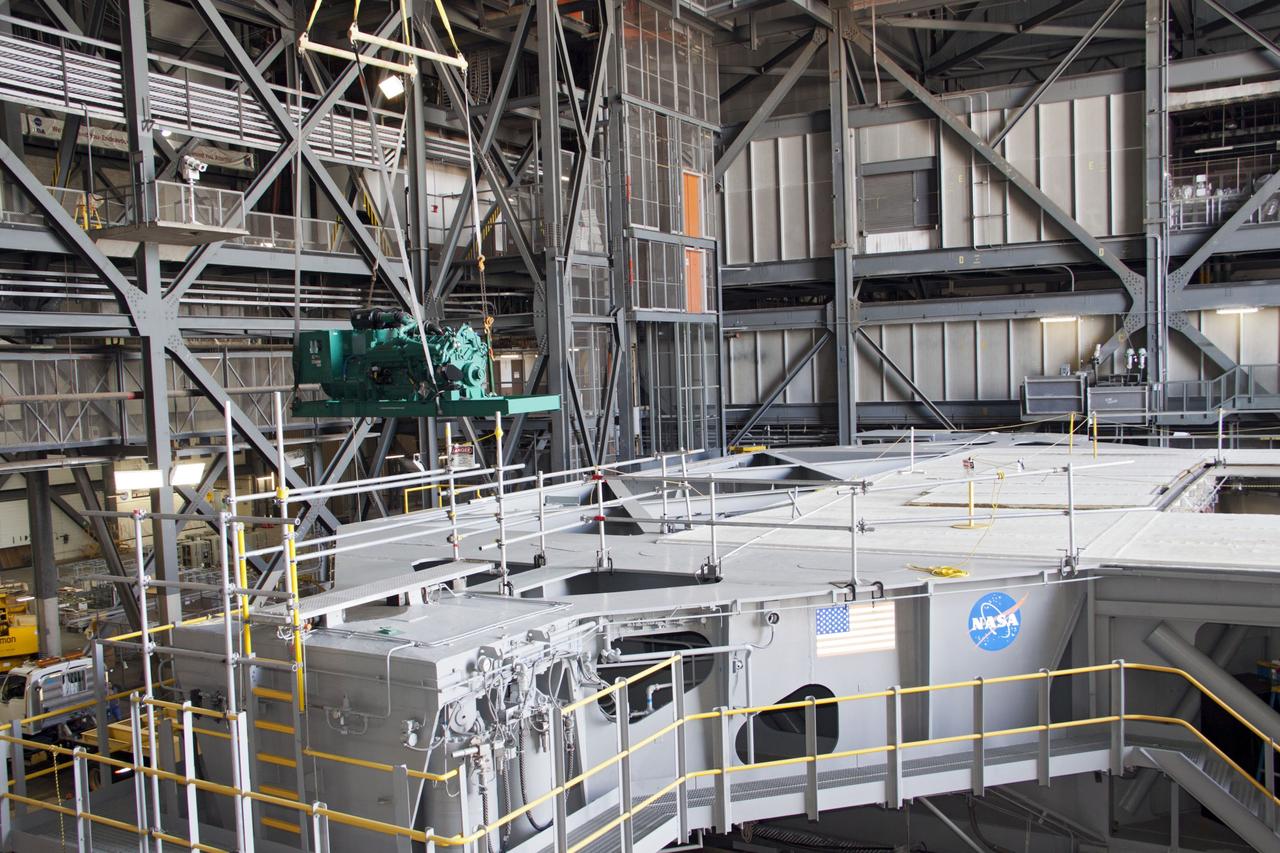
CAPE CANAVERAL, Fla. – Inside the Vehicle Assembly Building at NASA’s Kennedy Space Center in Florida, a large crane is used to lift a new engine and generator high overhead for installation on crawler-transporter 2 CT-2). The Apollo era diesel engines were removed last month. Work continues in high bay 2 to upgrade CT-2 so that it can carry NASA’s Space Launch System heavy-lift rocket, which is under design, and new Orion spacecraft to the launch pad. The crawler-transporters were used to carry the mobile launcher platform and space shuttle to Launch Complex 39 for space shuttle launches for 30 years. Photo credit: NASA/Jim Grossmann
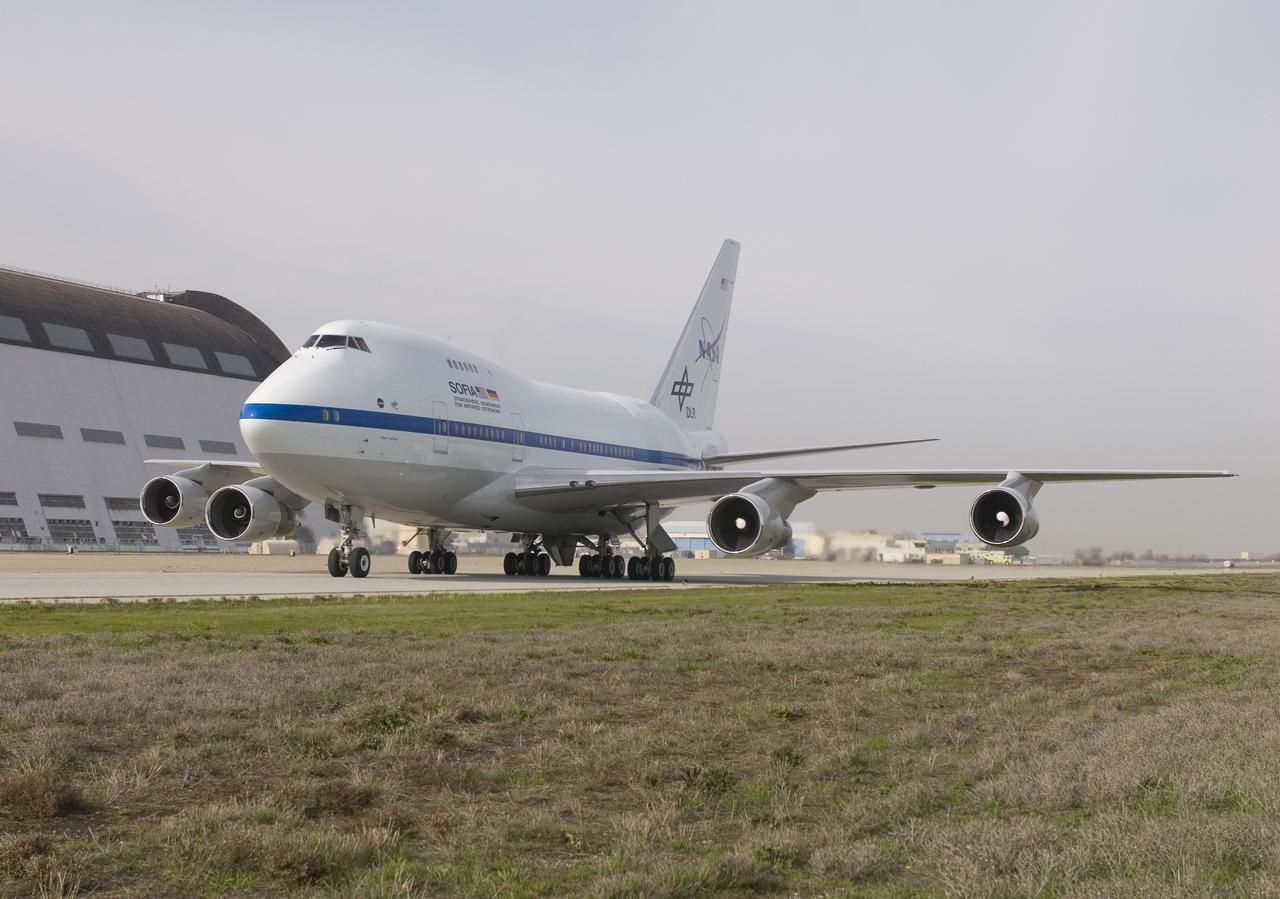
NASA's SOFIA airborne observatory taxis past Hangar 1, the 1930s-era dirigible hangar at Moffett Field, during its first visit to NASA Ames Research Center.

Astronomers combined observations from three different observatories (Atacama Large Millimeter/submillimeter Array, red; Hubble, green; Chandra X-ray Observatory, blue) to produce this colorful, multiwavelength image of the intricate remains of Supernova 1987A. Credits: NASA, ESA, and A. Angelich (NRAO/AUI/NSF)
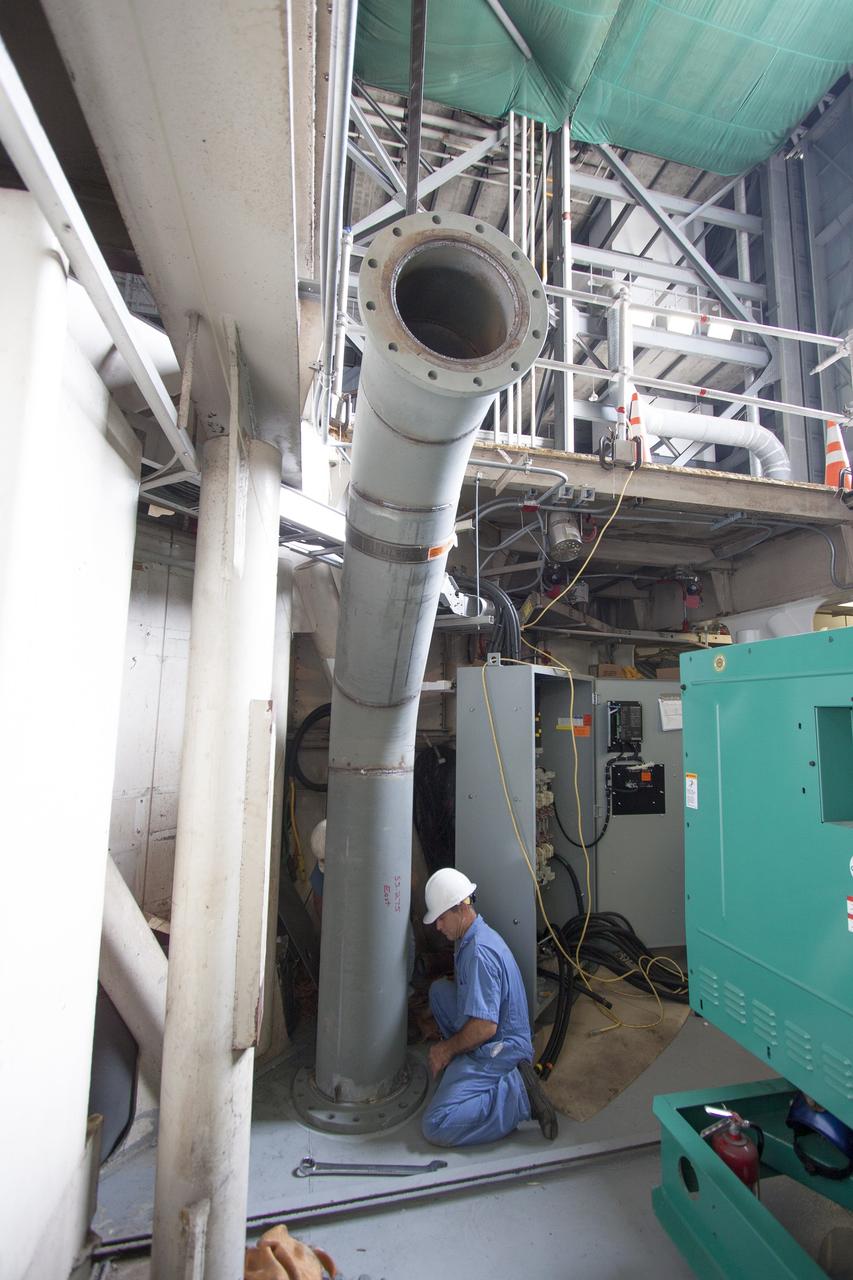
CAPE CANAVERAL, Fla. – Inside the Vehicle Assembly Building at NASA’s Kennedy Space Center in Florida, technicians install piping for a new exhaust system in crawler-transporter 1, or CT-1. Work continues in high bay 3 to upgrade CT-1 as part of its general maintenance. CT-1 could be available to carry commercial launch vehicles to the launch pad. The crawler-transporters were used to carry the mobile launcher platform and space shuttle to Launch Complex 39 for space shuttle launches for 30 years. Photo credit: NASA/Jim Grossmann
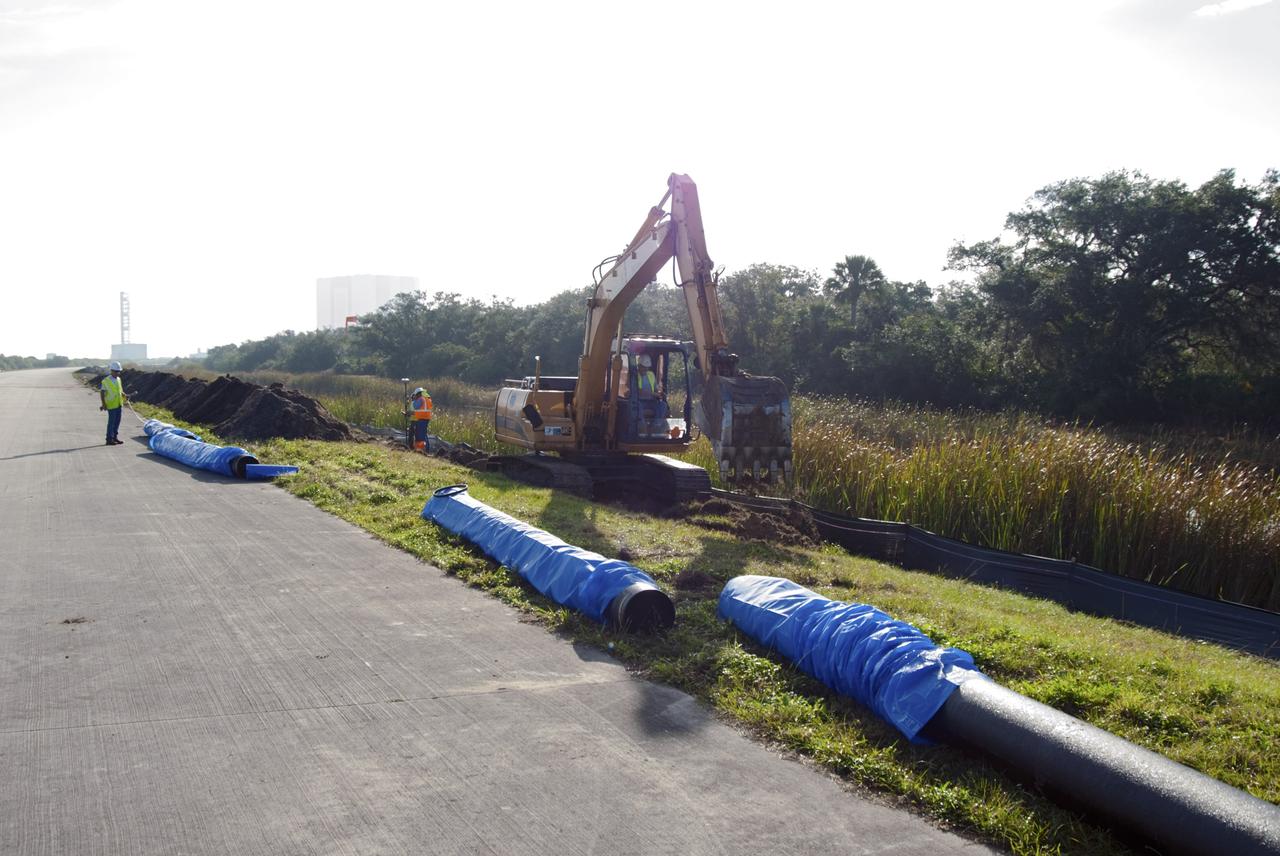
CAPE CANAVERAL, Fla. – At NASA’s Kennedy Space Center in Florida, a new 12-inch water main is being installed as part of a water/wastewater revitalizing plan. The main will provide water to the area around the shuttle landing facility's Landing Aids Control Building and fire station. NASA’s space shuttle runway is a unique national asset designed to enable the recovery of the agency’s fleet of space shuttle orbiters. The shuttle landing facility is a single, 15,000-foot long concrete runway oriented to the southeast and northwest. Air traffic control is provided from a control tower built to FAA standards. Fire and emergency response services are also available from an onsite facility. For more information, visit http://kscpartnerships.ksc.nasa.gov/slf.htm Photo credit: NASA/Tim Jacobs
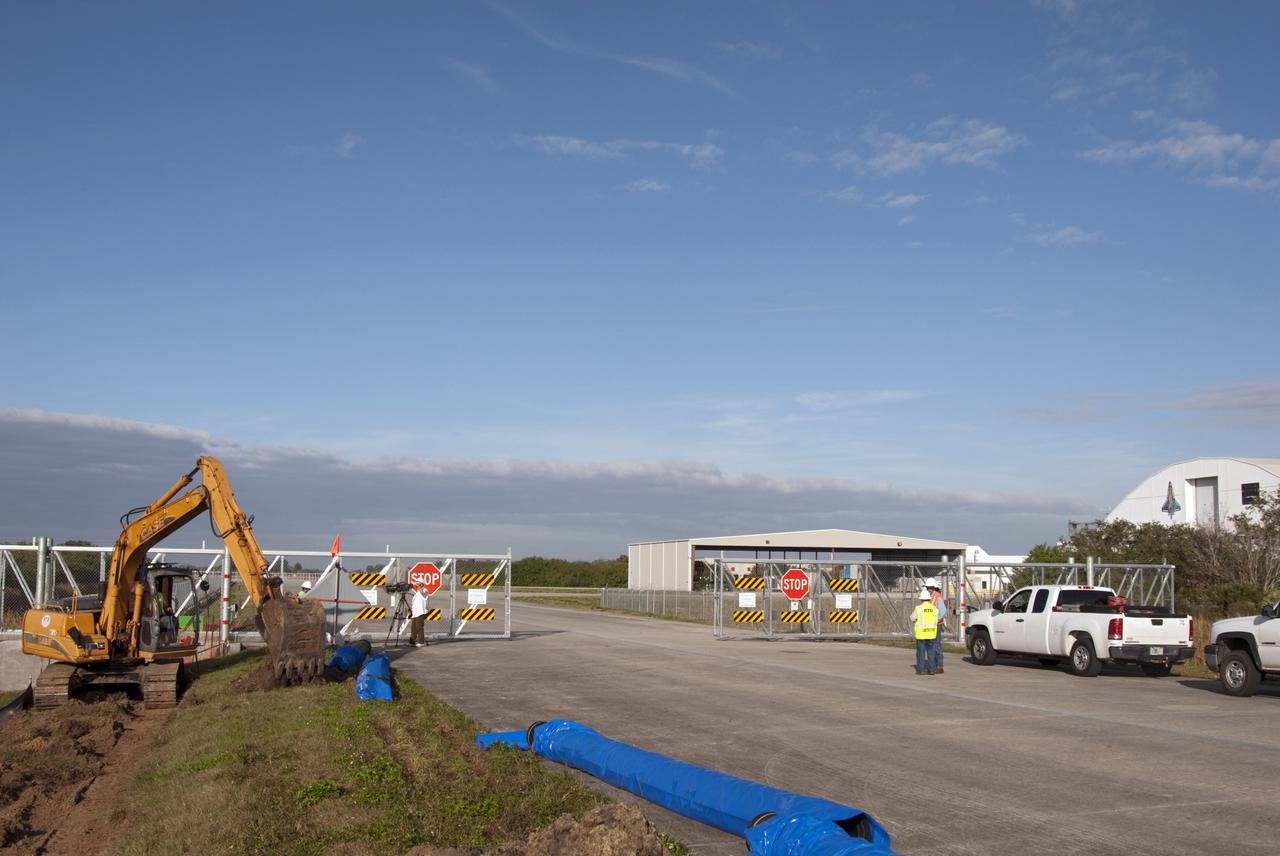
CAPE CANAVERAL, Fla. – At NASA’s Kennedy Space Center in Florida, a new 12-inch water main is being installed as part of a water/wastewater revitalizing plan. The main will provide water to the area around the shuttle landing facility's Landing Aids Control Building and fire station. NASA’s space shuttle runway is a unique national asset designed to enable the recovery of the agency’s fleet of space shuttle orbiters. The shuttle landing facility is a single, 15,000-foot long concrete runway oriented to the southeast and northwest. Air traffic control is provided from a control tower built to FAA standards. Fire and emergency response services are also available from an onsite facility. For more information, visit http://kscpartnerships.ksc.nasa.gov/slf.htm Photo credit: NASA/Tim Jacobs