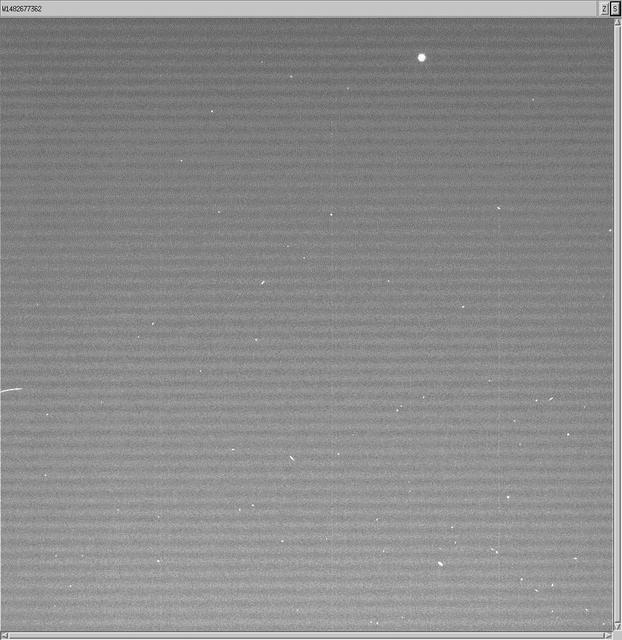
Cassini Snaps Image of ESA Huygens Probe
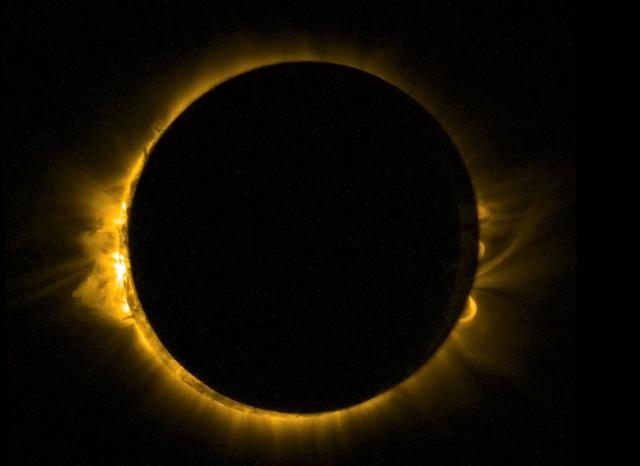
As Europe enjoyed a partial solar eclipse on the morning of Friday 20 March 2015, ESA’s Sun-watching Proba-2 minisatellite had a ringside seat from orbit. Proba-2 used its SWAP imager to capture the Moon passing in front of the Sun in a near-totality. SWAP views the solar disc at extreme ultraviolet wavelengths to capture the turbulent surface of the Sun and its swirling corona. Credit: ESA/Proba-2
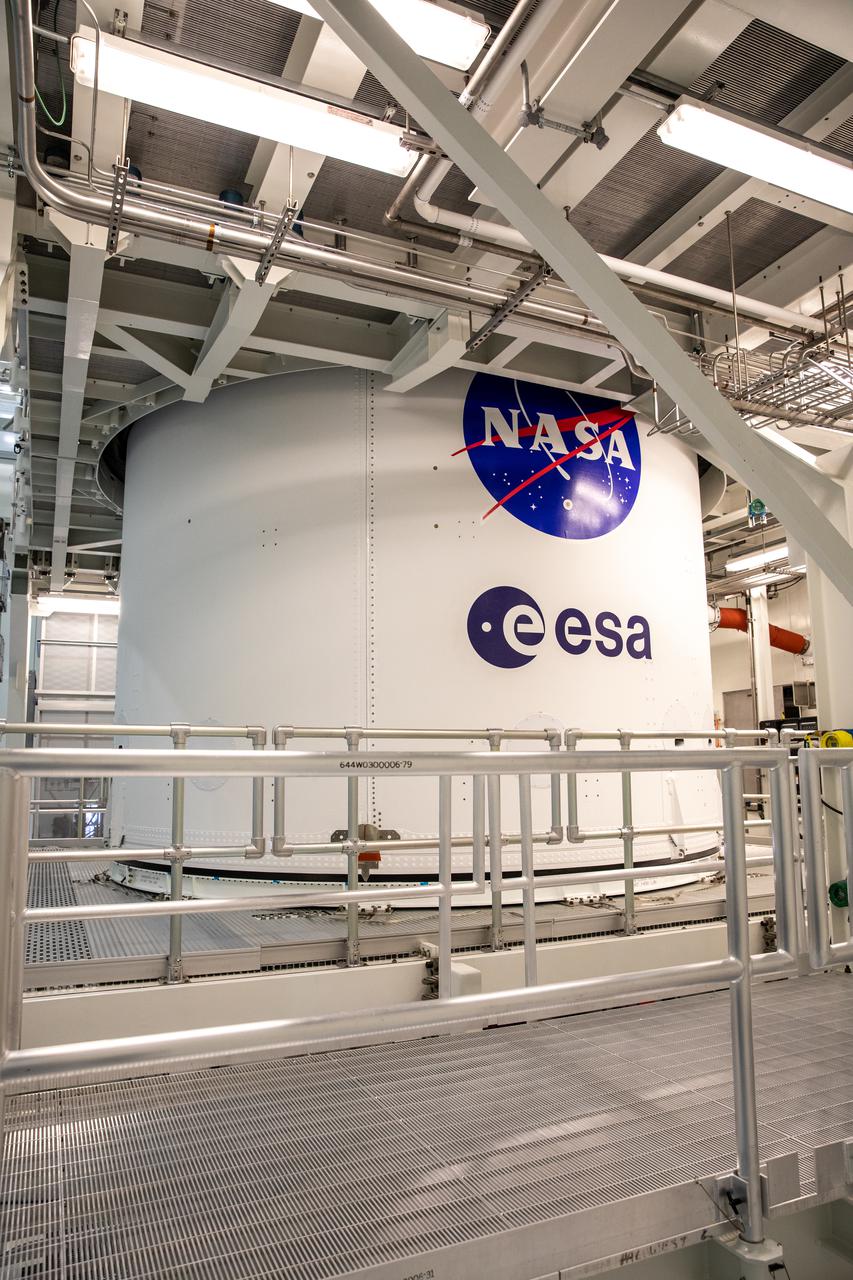
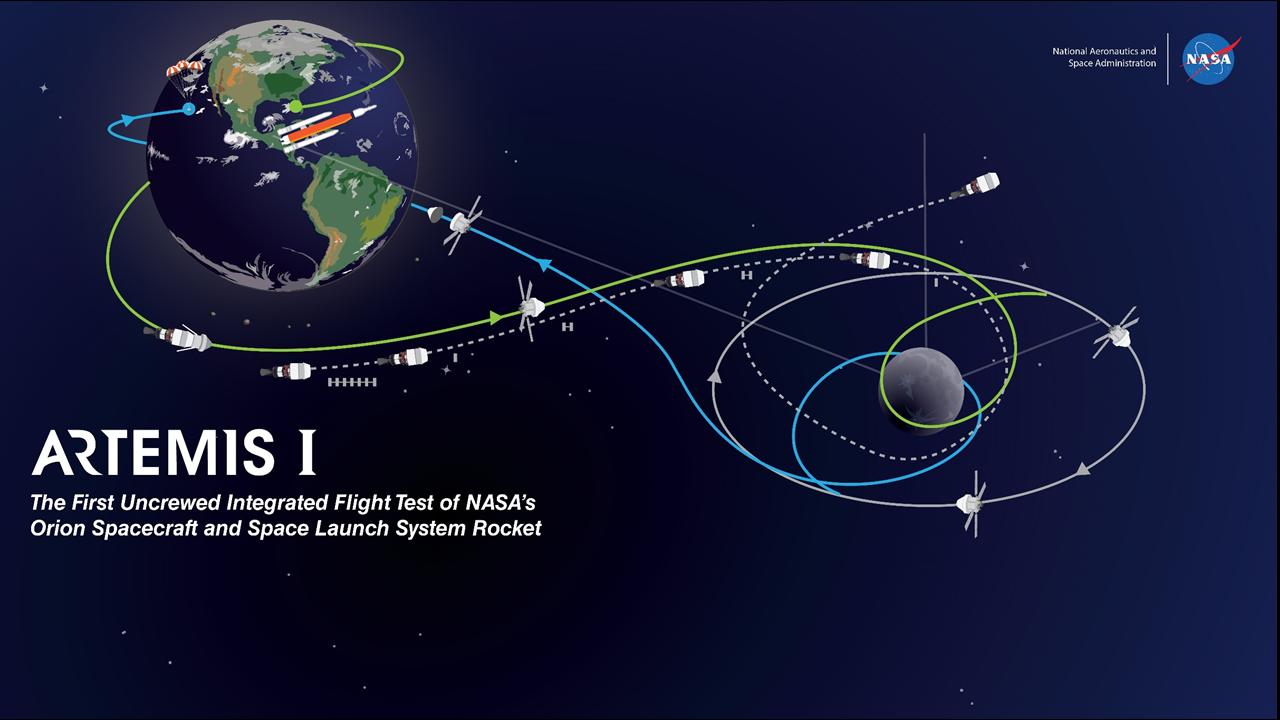
Artemis I extends NASA and ESA’s (European Space Agency) strong international partnership beyond low-Earth orbit to lunar exploration with Orion on Artemis missions, as the ESA logo joins the historic NASA “meatball” insignia on the Artemis I spacecraft adapter jettison fairing panels that protect the service module during launch. Orion is currently stationed at NASA’s Kennedy Space Center in the Multi-Payload Processing Facility, where it will undergo fueling and servicing by NASA’s Exploration Ground Systems and Jacobs Technology teams in preparation for the upcoming flight test with the Space Launch System rocket under the agency’s Artemis program.
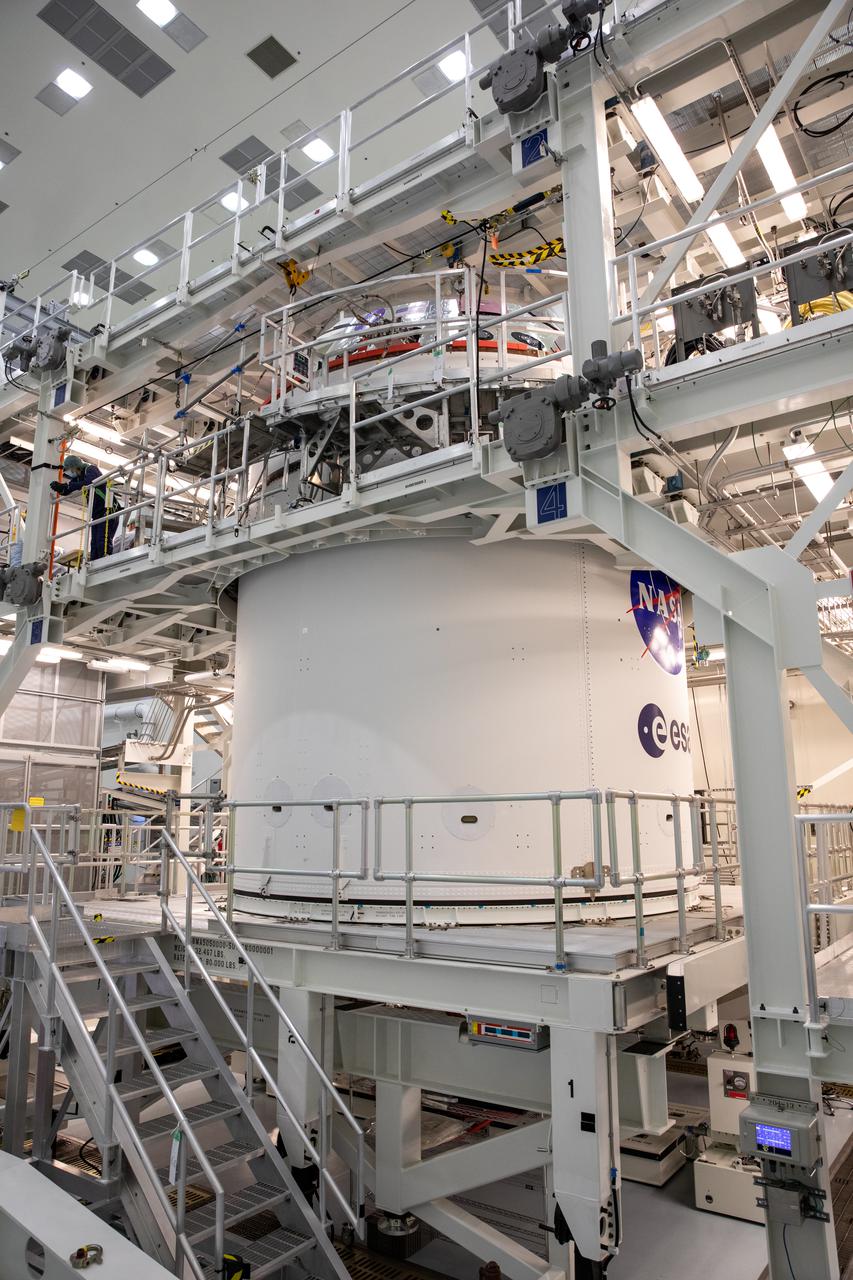
Artemis I extends NASA and ESA’s (European Space Agency) strong international partnership beyond low-Earth orbit to lunar exploration with Orion on Artemis issions, as the the ESA logo joins the historic NASA “meatball” insignia on the Artemis I spacecraft adapter jettison fairing panels that protect the service module during launch. Orion is currently stationed at NASA’s Kennedy Space Center in the Multi-Payload Processing Facility, where it will undergo fueling and servicing by NASA’s Exploration Ground Systems and Jacobs Technology teams in preparation for the upcoming flight test with the Space Launch System rocket under the agency’s Artemis program.
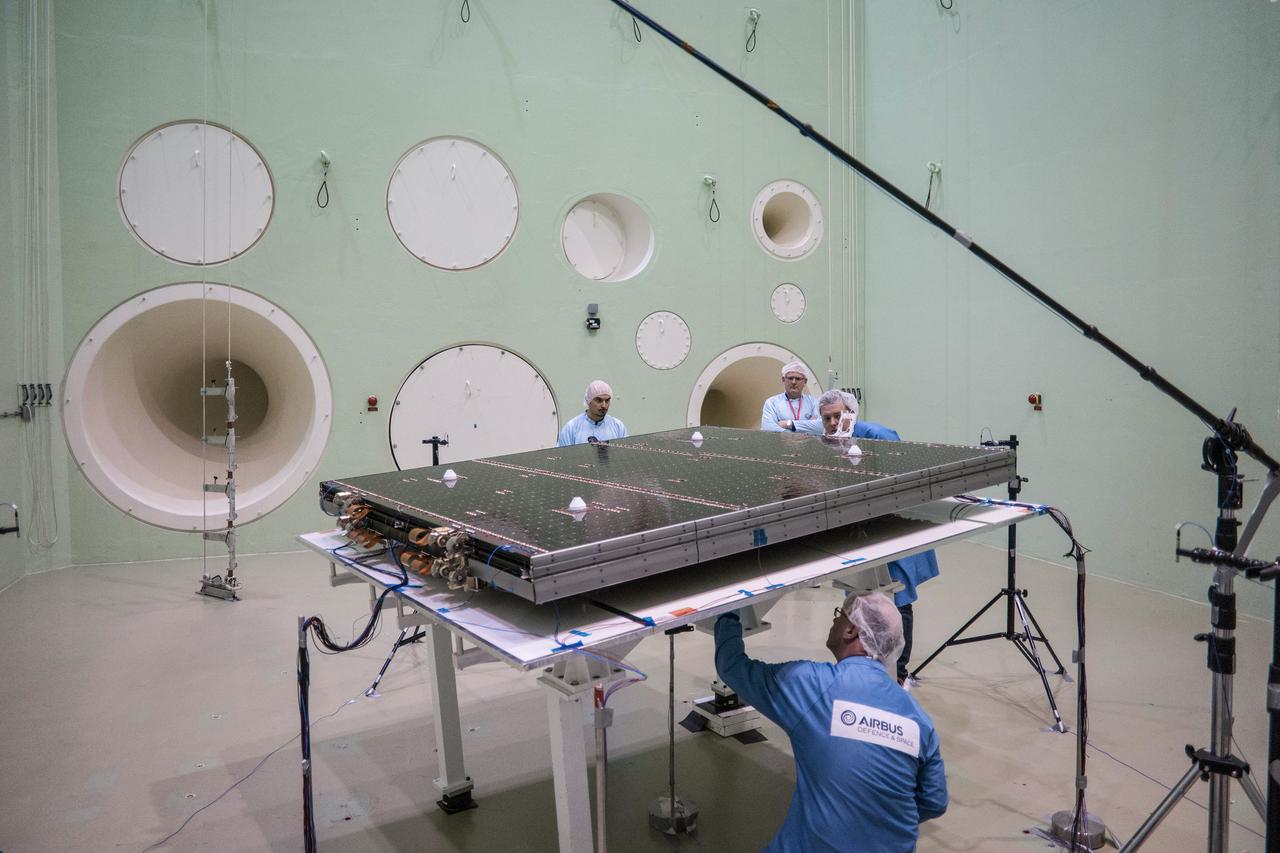
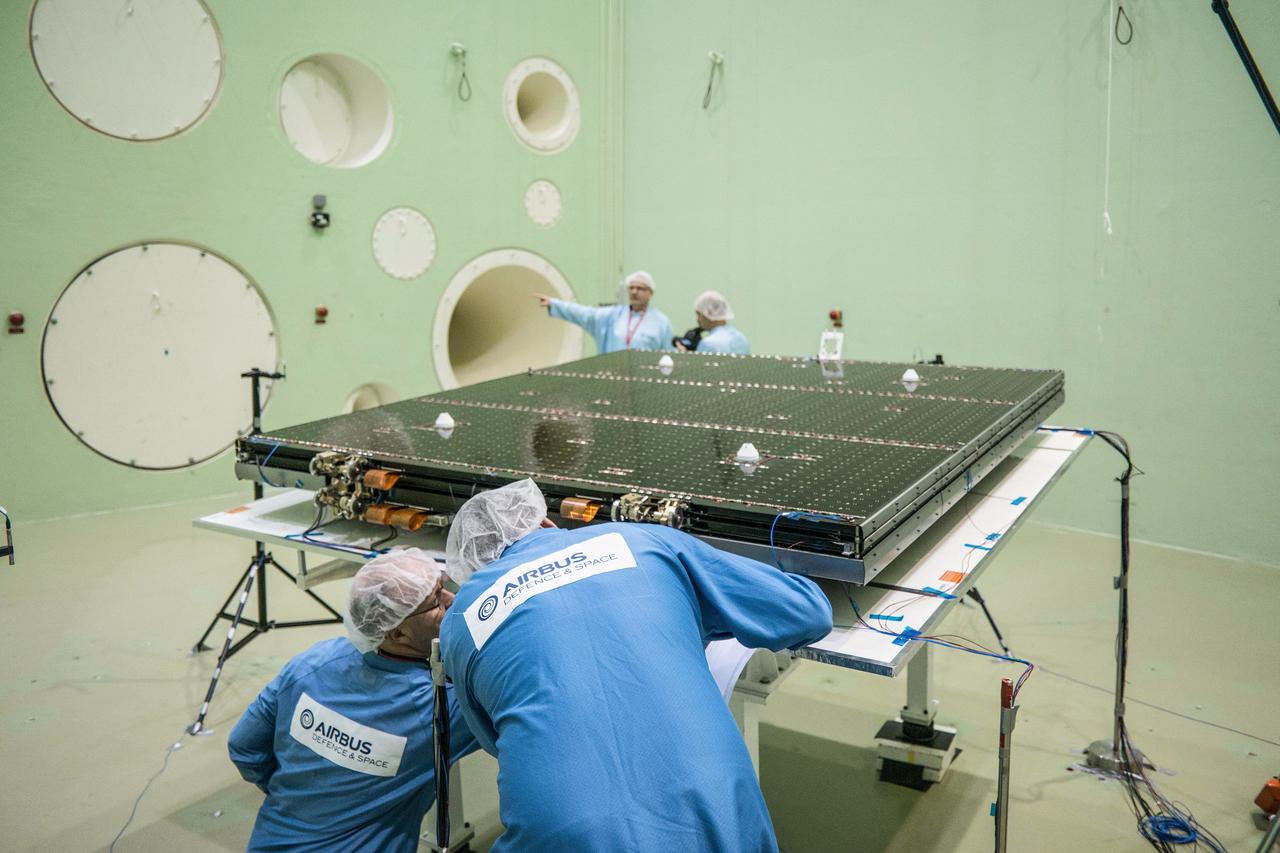
The solar arrays that will provide electricity to the Orion spacecraft were put through launch-day paces at ESA’s Test Centre in the Netherlands to verify that they can handle the rigours of the trip around the Moon... .The wings are seen here on April 11, 2018, on the shaking table that vibrates with the full force of a rumbling rocket. They were also placed in front of enormous speakers that recreate the harsh conditions they can expect on launch day. The solar arrays passed with flying colours... .The wings will be tested on how they deploy before shipping to Bremen, Germany, for integration with the European service module. ESA’s contribution to the Orion mission will provide power, propulsion, water, and air... .The first mission will take Orion around the Moon without astronauts. The solar panels will be folded inside the rocket fairing, once released from NASA’s Space Launch System rocket they will unfold and rotate towards the Sun to start delivering power... .With solar wings tested and fuel tanks installed, Orion is one step closer to its maiden voyage.
The solar arrays that will provide electricity to the Orion spacecraft were put through launch-day paces at ESA’s Test Centre in the Netherlands to verify that they can handle the rigours of the trip around the Moon... .The wings are seen here on April 11, 2018, on the shaking table that vibrates with the full force of a rumbling rocket. They were also placed in front of enormous speakers that recreate the harsh conditions they can expect on launch day. The solar arrays passed with flying colours... .The wings will be tested on how they deploy before shipping to Bremen, Germany, for integration with the European service module. ESA’s contribution to the Orion mission will provide power, propulsion, water, and air... .The first mission will take Orion around the Moon without astronauts. The solar panels will be folded inside the rocket fairing, once released from NASA’s Space Launch System rocket they will unfold and rotate towards the Sun to start delivering power... .With solar wings tested and fuel tanks installed, Orion is one step closer to its maiden voyage.
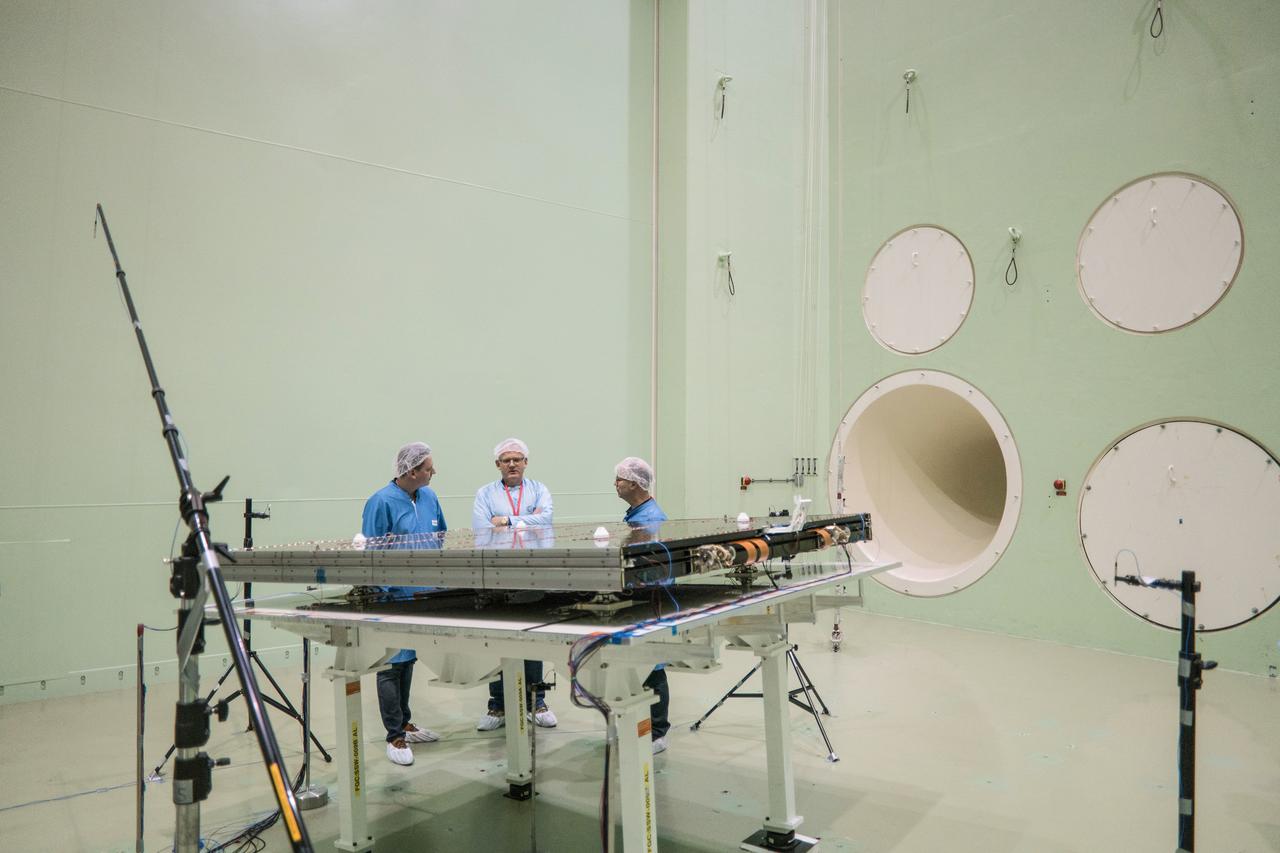
The solar arrays that will provide electricity to the Orion spacecraft were put through launch-day paces at ESA’s Test Centre in the Netherlands to verify that they can handle the rigours of the trip around the Moon... .The wings are seen here on April 11, 2018, on the shaking table that vibrates with the full force of a rumbling rocket. They were also placed in front of enormous speakers that recreate the harsh conditions they can expect on launch day. The solar arrays passed with flying colours... .The wings will be tested on how they deploy before shipping to Bremen, Germany, for integration with the European service module. ESA’s contribution to the Orion mission will provide power, propulsion, water, and air... .The first mission will take Orion around the Moon without astronauts. The solar panels will be folded inside the rocket fairing, once released from NASA’s Space Launch System rocket they will unfold and rotate towards the Sun to start delivering power... .With solar wings tested and fuel tanks installed, Orion is one step closer to its maiden voyage.
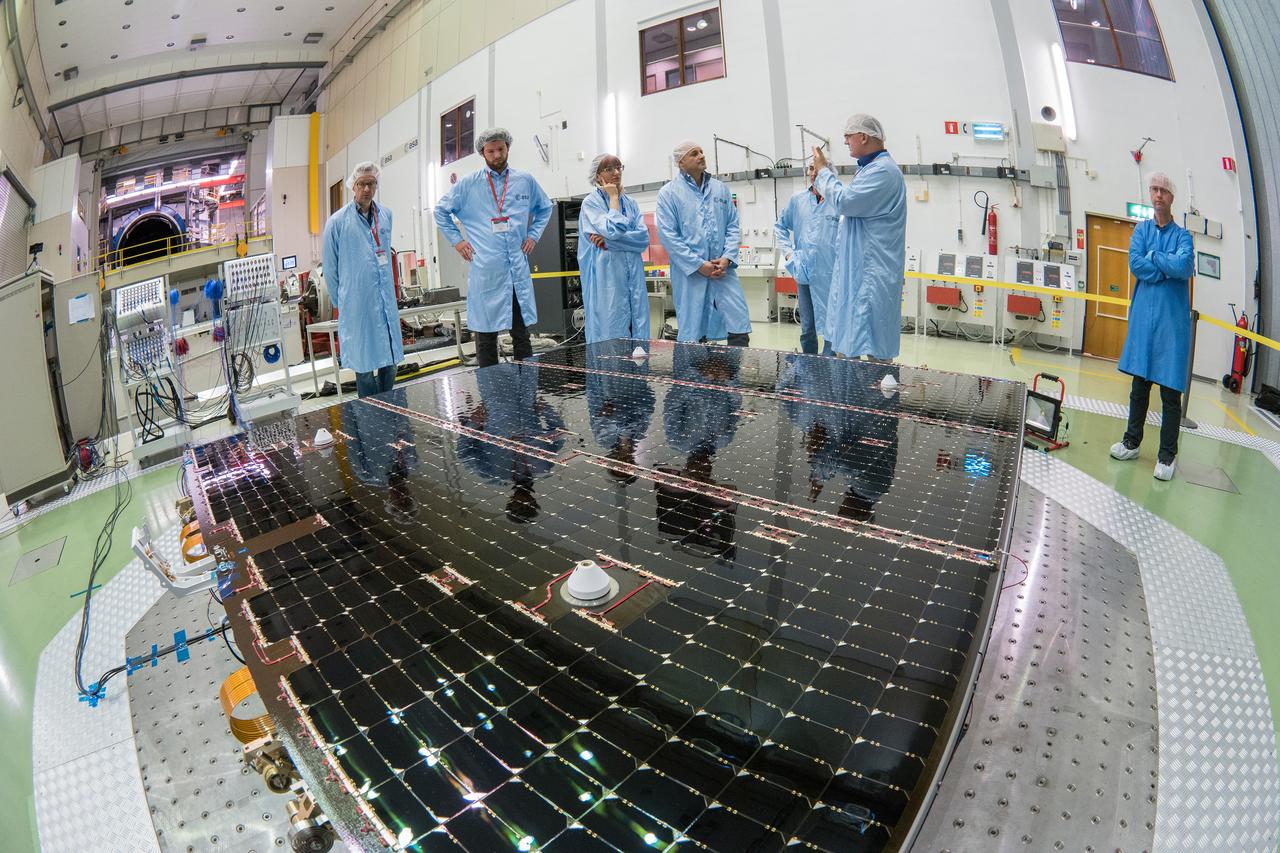
The solar arrays that will provide electricity to the Orion spacecraft were put through launch-day paces at ESA’s Test Centre in the Netherlands to verify that they can handle the rigours of the trip around the Moon... .The wings are seen here on April 11, 2018, on the shaking table that vibrates with the full force of a rumbling rocket. They were also placed in front of enormous speakers that recreate the harsh conditions they can expect on launch day. The solar arrays passed with flying colours... .The wings will be tested on how they deploy before shipping to Bremen, Germany, for integration with the European service module. ESA’s contribution to the Orion mission will provide power, propulsion, water, and air... .The first mission will take Orion around the Moon without astronauts. The solar panels will be folded inside the rocket fairing, once released from NASA’s Space Launch System rocket they will unfold and rotate towards the Sun to start delivering power... .With solar wings tested and fuel tanks installed, Orion is one step closer to its maiden voyage.
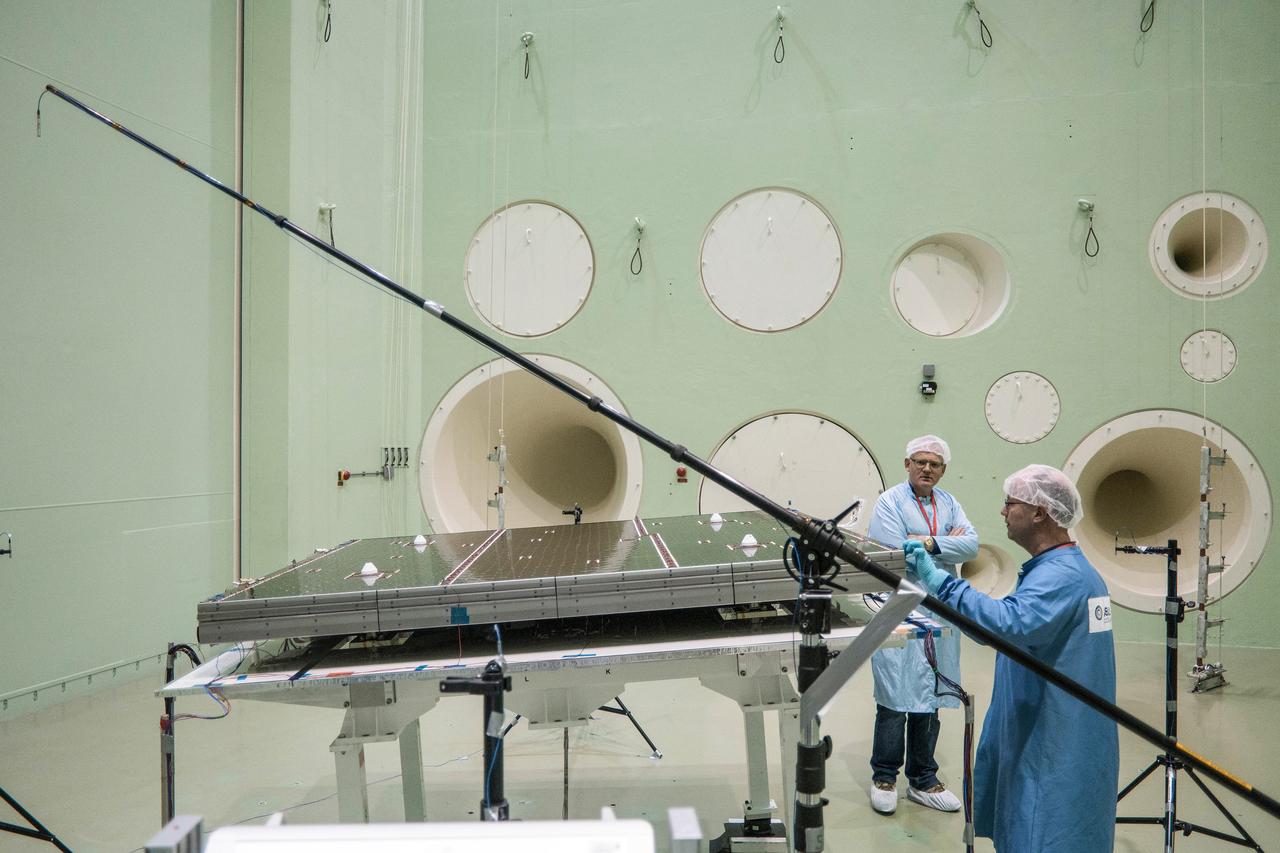
The solar arrays that will provide electricity to the Orion spacecraft were put through launch-day paces at ESA’s Test Centre in the Netherlands to verify that they can handle the rigours of the trip around the Moon... .The wings are seen here on April 11, 2018, on the shaking table that vibrates with the full force of a rumbling rocket. They were also placed in front of enormous speakers that recreate the harsh conditions they can expect on launch day. The solar arrays passed with flying colours... .The wings will be tested on how they deploy before shipping to Bremen, Germany, for integration with the European service module. ESA’s contribution to the Orion mission will provide power, propulsion, water, and air... .The first mission will take Orion around the Moon without astronauts. The solar panels will be folded inside the rocket fairing, once released from NASA’s Space Launch System rocket they will unfold and rotate towards the Sun to start delivering power... .With solar wings tested and fuel tanks installed, Orion is one step closer to its maiden voyage.
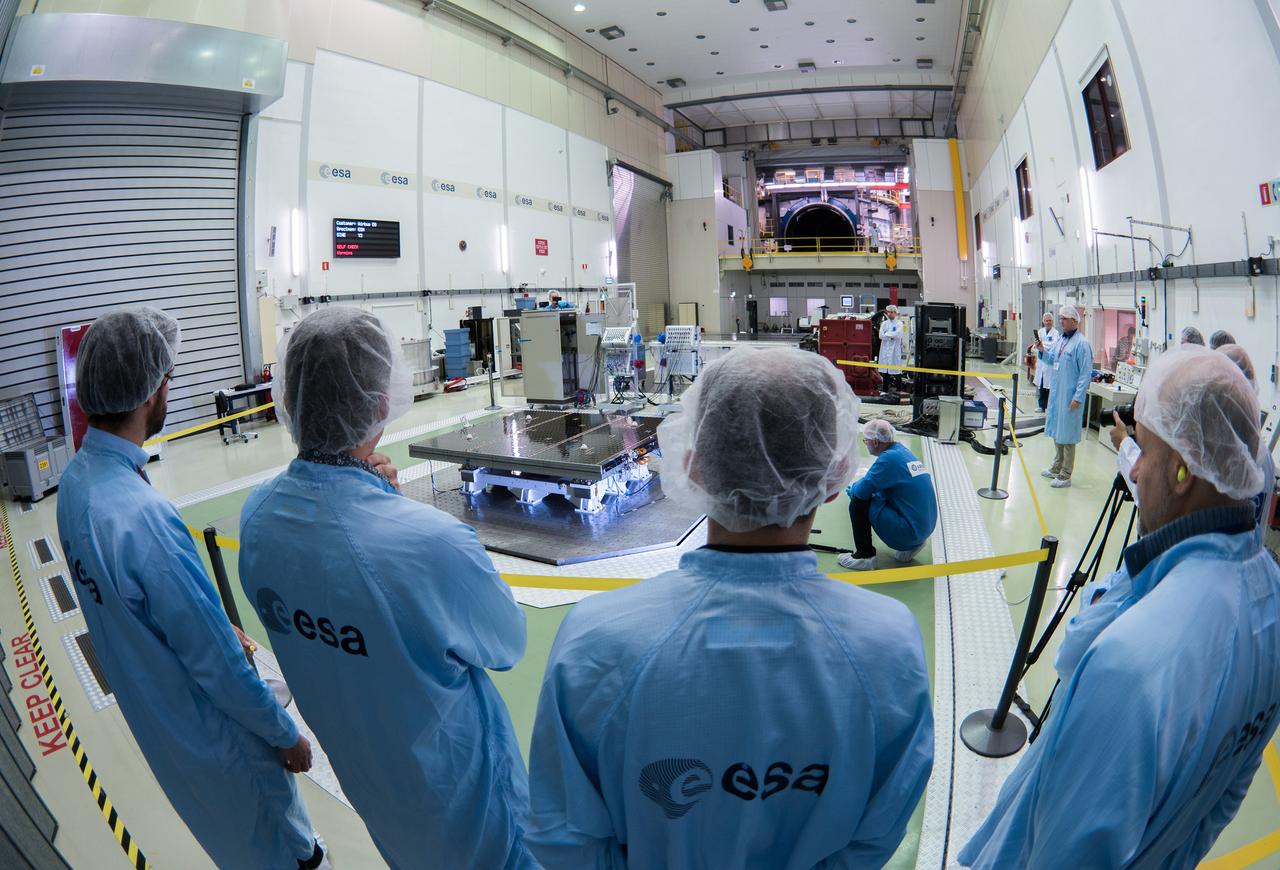
The solar arrays that will provide electricity to the Orion spacecraft were put through launch-day paces at ESA’s Test Centre in the Netherlands to verify that they can handle the rigours of the trip around the Moon... .The wings are seen here on April 11, 2018, on the shaking table that vibrates with the full force of a rumbling rocket. They were also placed in front of enormous speakers that recreate the harsh conditions they can expect on launch day. The solar arrays passed with flying colours... .The wings will be tested on how they deploy before shipping to Bremen, Germany, for integration with the European service module. ESA’s contribution to the Orion mission will provide power, propulsion, water, and air... .The first mission will take Orion around the Moon without astronauts. The solar panels will be folded inside the rocket fairing, once released from NASA’s Space Launch System rocket they will unfold and rotate towards the Sun to start delivering power... .With solar wings tested and fuel tanks installed, Orion is one step closer to its maiden voyage.
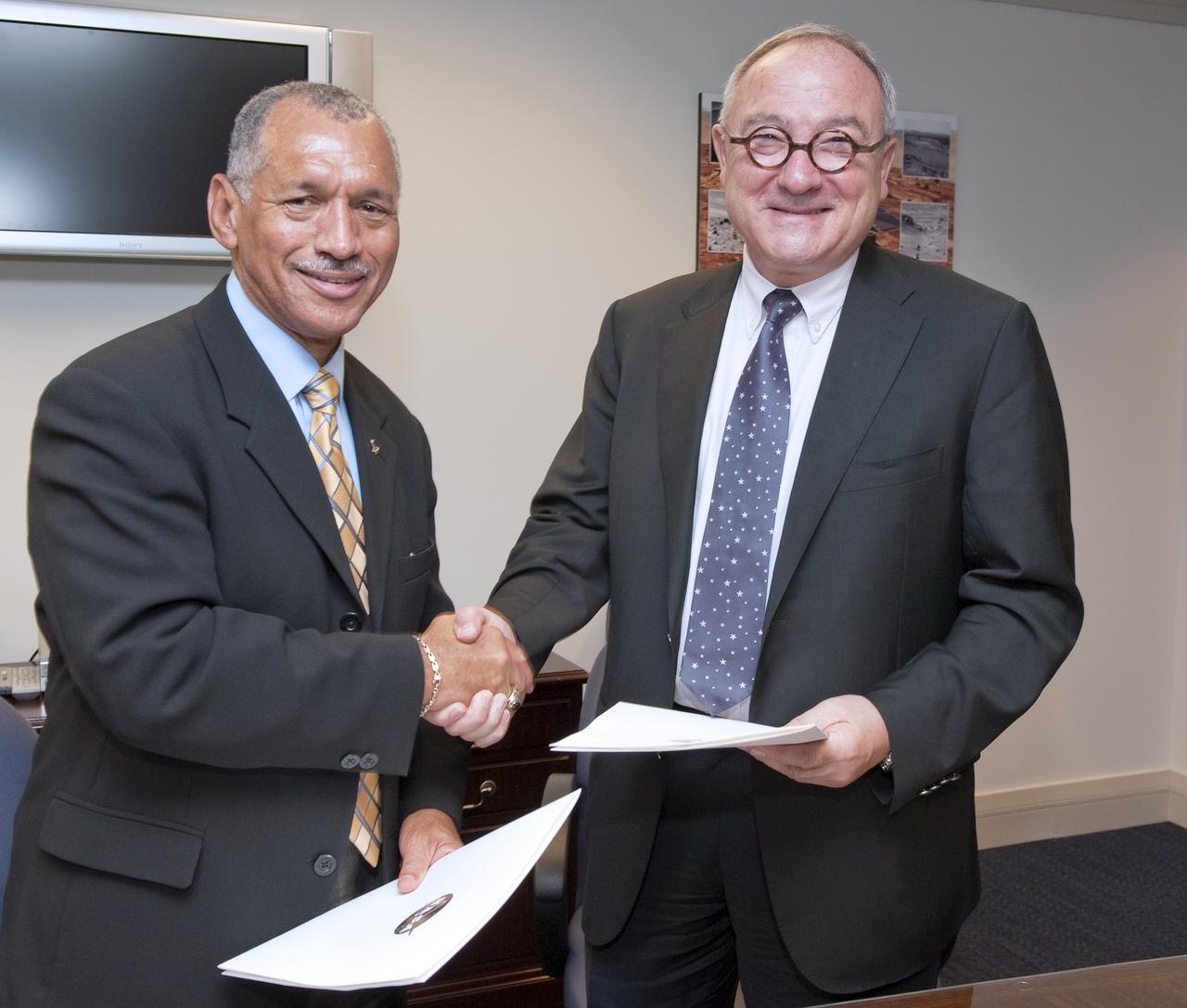
NASA Adminiistrator Charles F. Bolden, left, and Jean-Jacques Dordain, Director General of the European Space Agency (ESA), shake hands, Friday, Sept. 11, 2009, after signing a Space Transportation Memorandum of Understanding (MOU) at NASA Headquarters in Washington. Photo Credit: (NASA/Paul E. Alers)

Dr. Josef Aschbacher, Director General, European Space Agency (ESA) listens to NASA Administrator Bill Nelson in a bilateral meeting during the 36th Space Symposium, Monday, Aug. 23, 2021, in Colorado Springs, Colorado. Photo Credit: (NASA/Bill Ingalls)

NASA Deputy Administrator Pam Melroy, left, and Dr. Josef Aschbacher, Director General, European Space Agency (ESA), talk during a meeting during the 37th Space Symposium, Tuesday, April 5, 2022, in Colorado Springs, Colorado. Photo Credit: (NASA/Bill Ingalls)
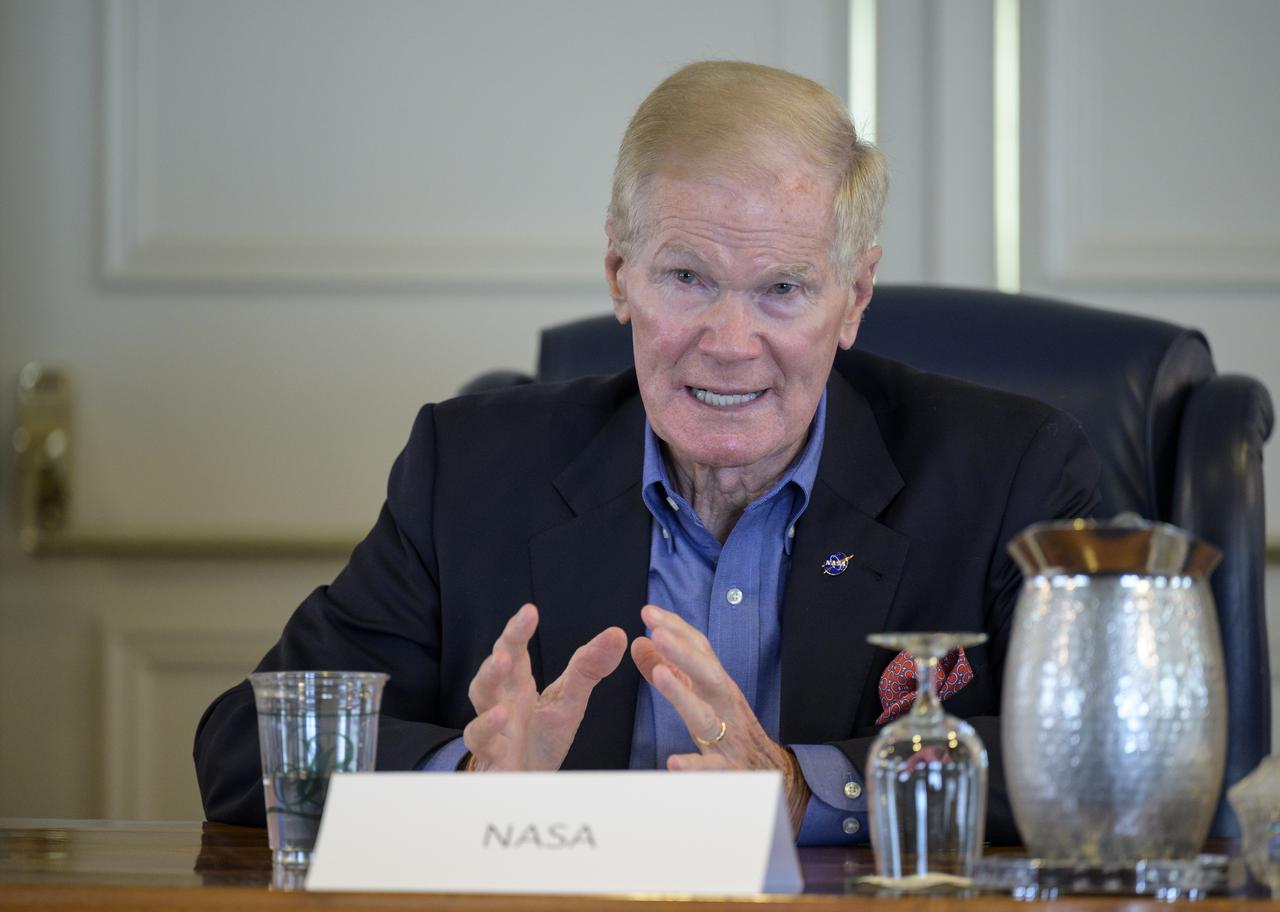
NASA Administrator Bill Nelson talks with Dr. Josef Aschbacher, Director General, European Space Agency (ESA) in a bilateral meeting during the 36th Space Symposium, Monday, Aug. 23, 2021, in Colorado Springs, Colorado. Photo Credit: (NASA/Bill Ingalls)

NASA Deputy Administrator Pam Melroy, left, and Dr. Josef Aschbacher, Director General, European Space Agency (ESA), pose for a photograph prior to starting at meeting during the 37th Space Symposium, Tuesday, April 5, 2022, in Colorado Springs, Colorado. Photo Credit: (NASA/Bill Ingalls)
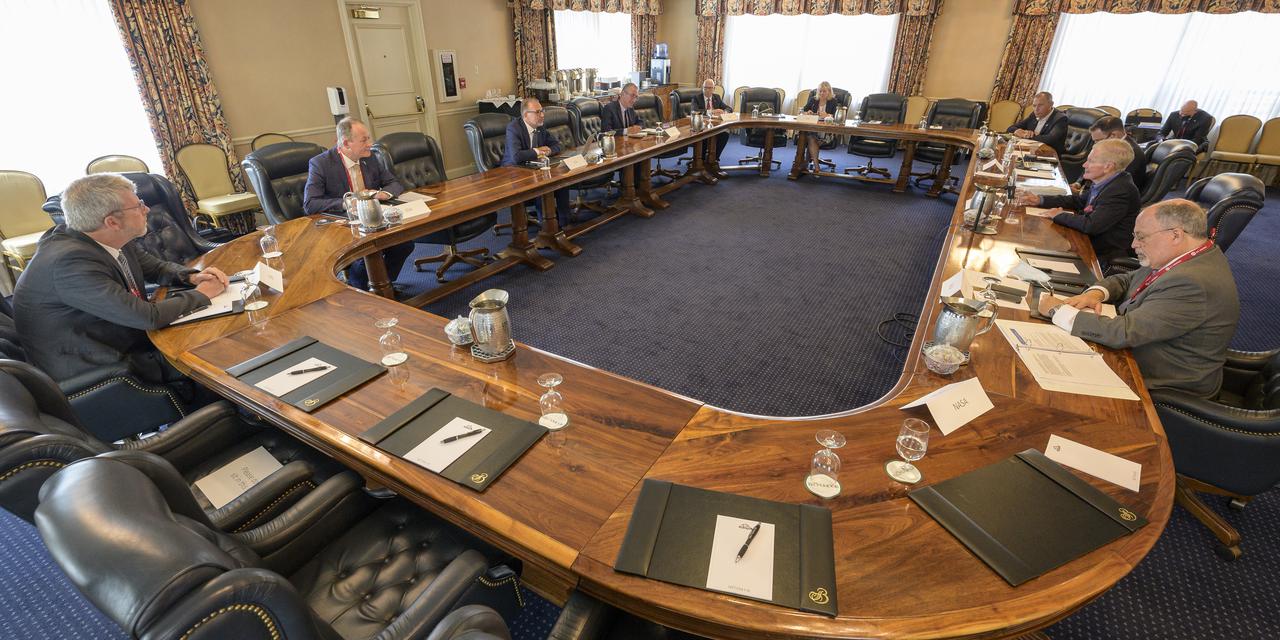
NASA Administrator Bill Nelson meets with Dr. Josef Aschbacher, Director General, European Space Agency (ESA) in a bilateral meeting during the 36th Space Symposium, Monday, Aug. 23, 2021, in Colorado Springs, Colorado. Photo Credit: (NASA/Bill Ingalls)
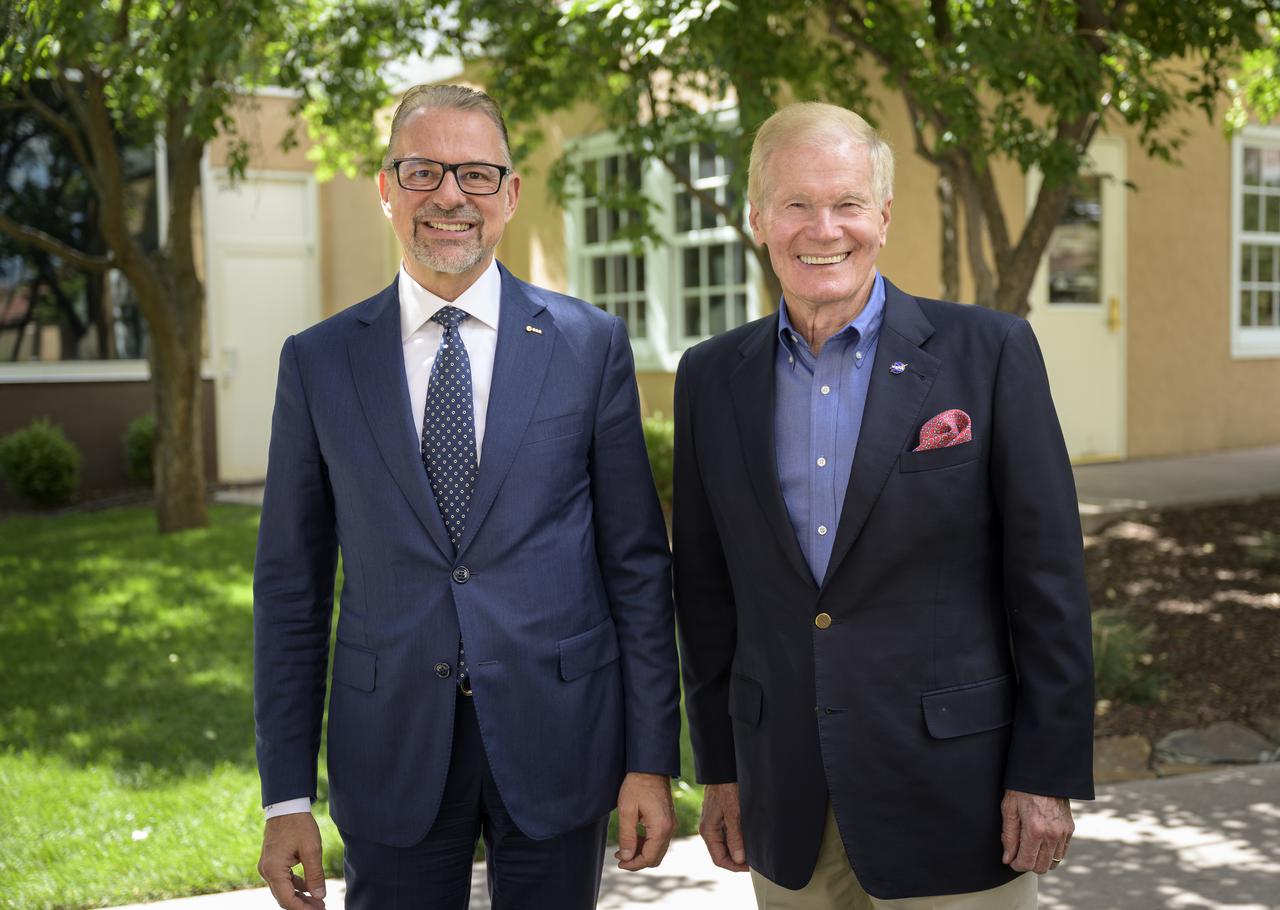
European Space Agency (ESA) Director General Josef Aschbacher, left, and NASA Administrator Bill Nelson meet in a bilateral meeting during the 36th Space Symposium, Monday, Aug. 23, 2021, in Colorado Springs, Colorado. Photo Credit: (NASA/Bill Ingalls)
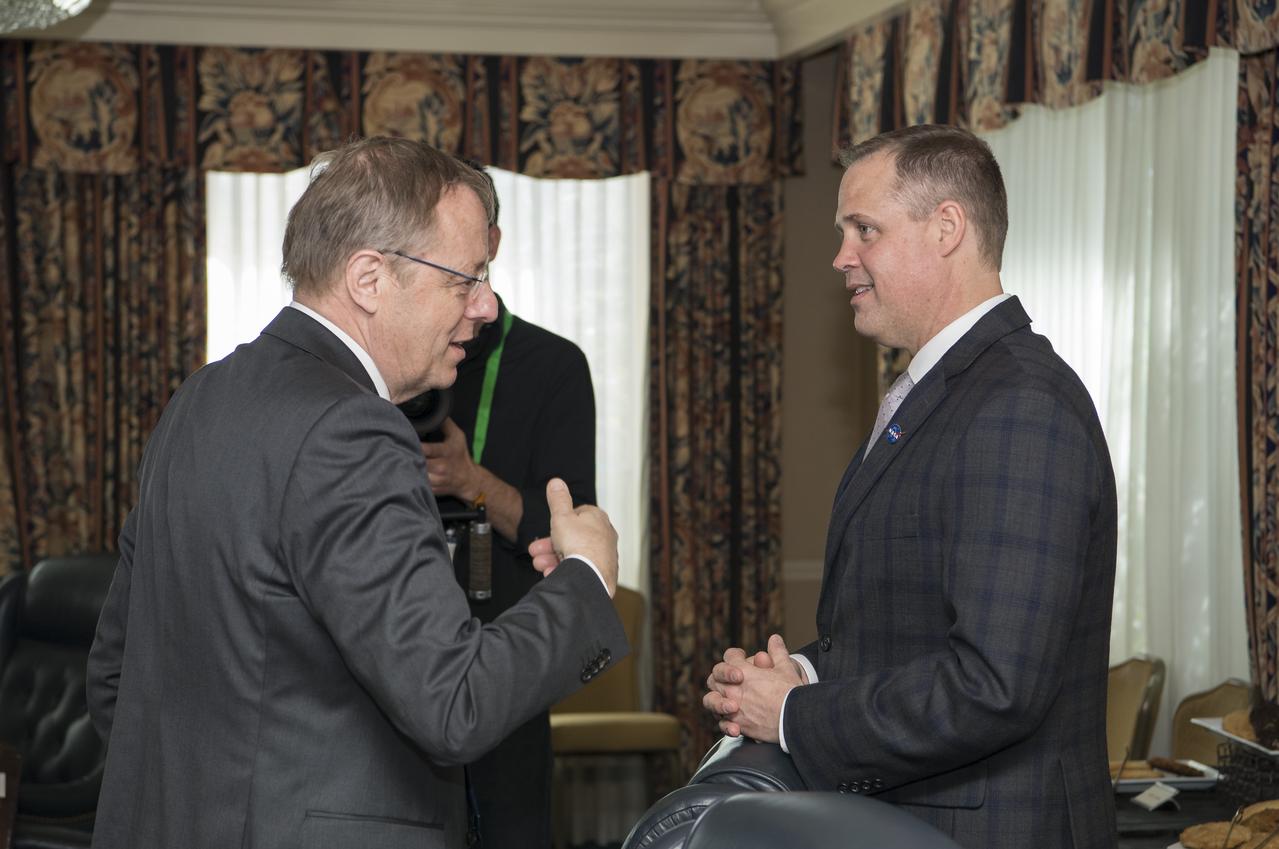
NASA Administrator Jim Bridenstine, right, speaks with Johann-Dietrich Wörner, director general of ESA (European Space Agency), about NASA’s plans to land humans on the Moon by 2024 and prospective collaboration in human and robotic lunar and Mars exploration activities, at the Space Symposium, Monday, April 8, 2019 in Colorado Springs, Colorado, They also discussed their continued successful cooperation on the International Space Station and the service module for the Orion spacecraft that will take us to the Moon and beyond. Photo Credit: (NASA/Aubrey Gemignani)
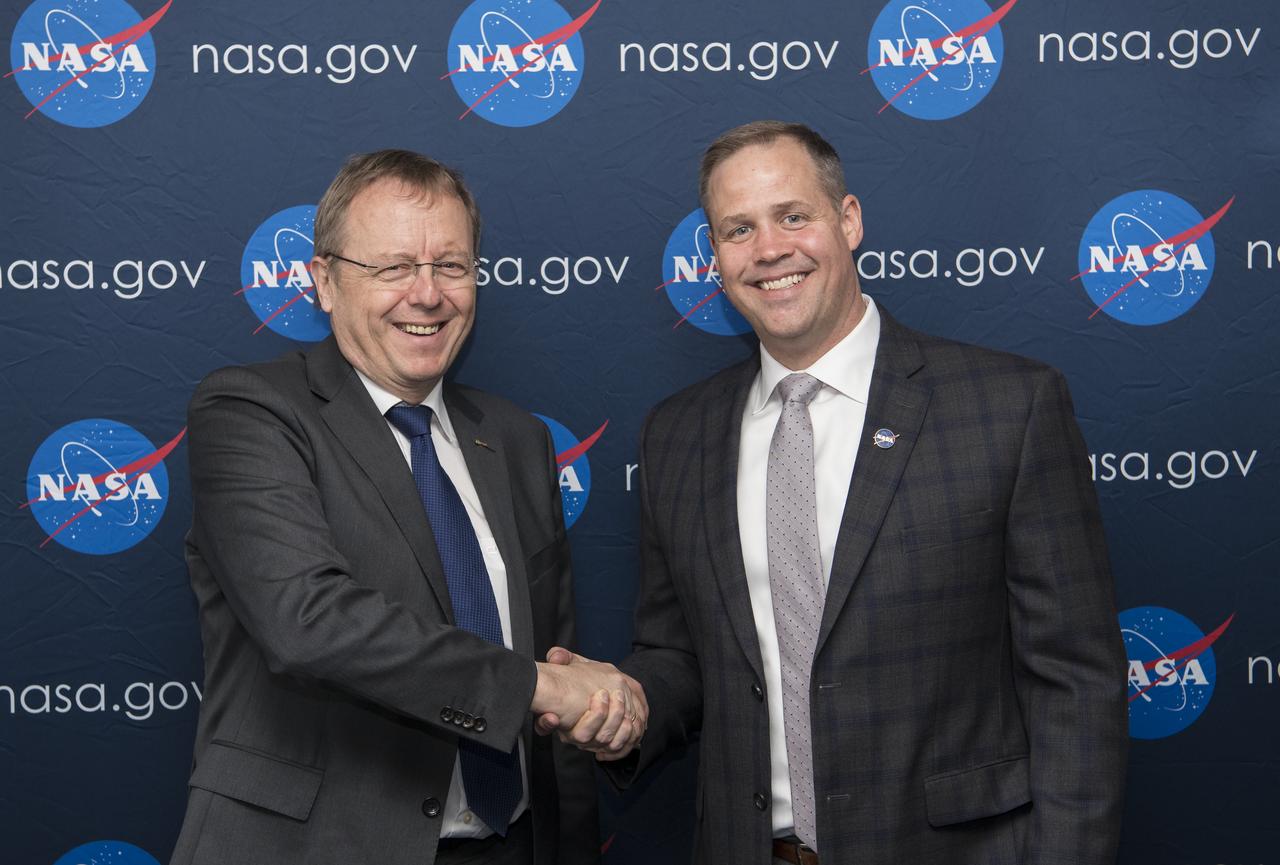
NASA Administrator Jim Bridenstine, right, poses with Johann-Dietrich Wörner, director general of ESA (European Space Agency), just before meeting to discuss NASA’s plans to land humans on the Moon by 2024 and prospective collaboration in human and robotic lunar and Mars exploration activities, at the Space Symposium, Monday, April 8, 2019 in Colorado Springs, Colorado, They also discussed their continued successful cooperation on the International Space Station and the service module for the Orion spacecraft that will take us to the Moon and beyond. Photo Credit: (NASA/Aubrey Gemignani)
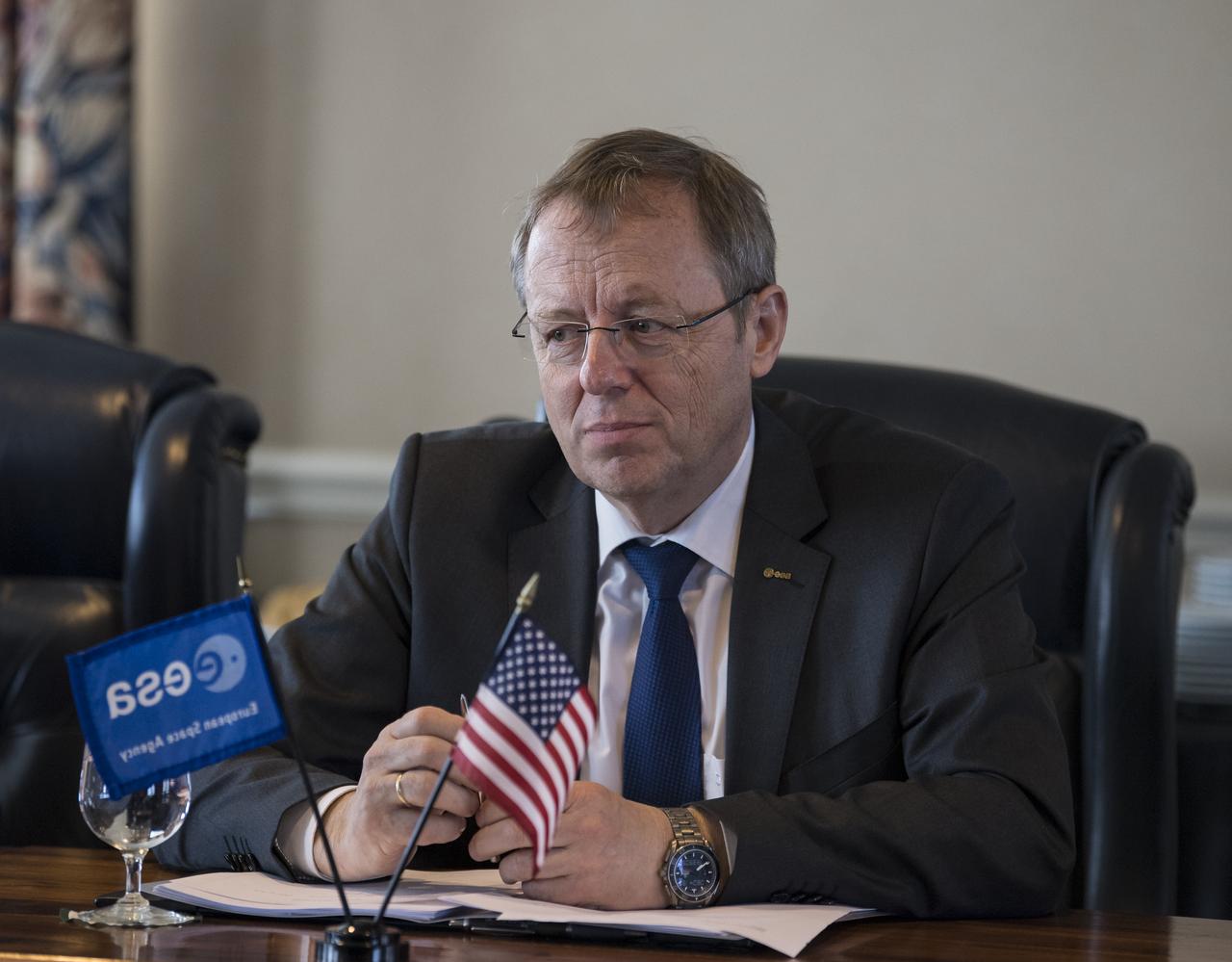
Johann-Dietrich Wörner, director general of ESA (European Space Agency), speaks at a bi-lateral meeting about NASA’s plans to land humans on the Moon by 2024 and prospective collaboration in human and robotic lunar and Mars exploration activities, at the Space Symposium, Monday, April 8, 2019 in Colorado Springs, Colorado. They also discussed their continued successful cooperation on the International Space Station and the service module for the Orion spacecraft that will take us to the Moon and beyond. Photo Credit: (NASA/Aubrey Gemignani)
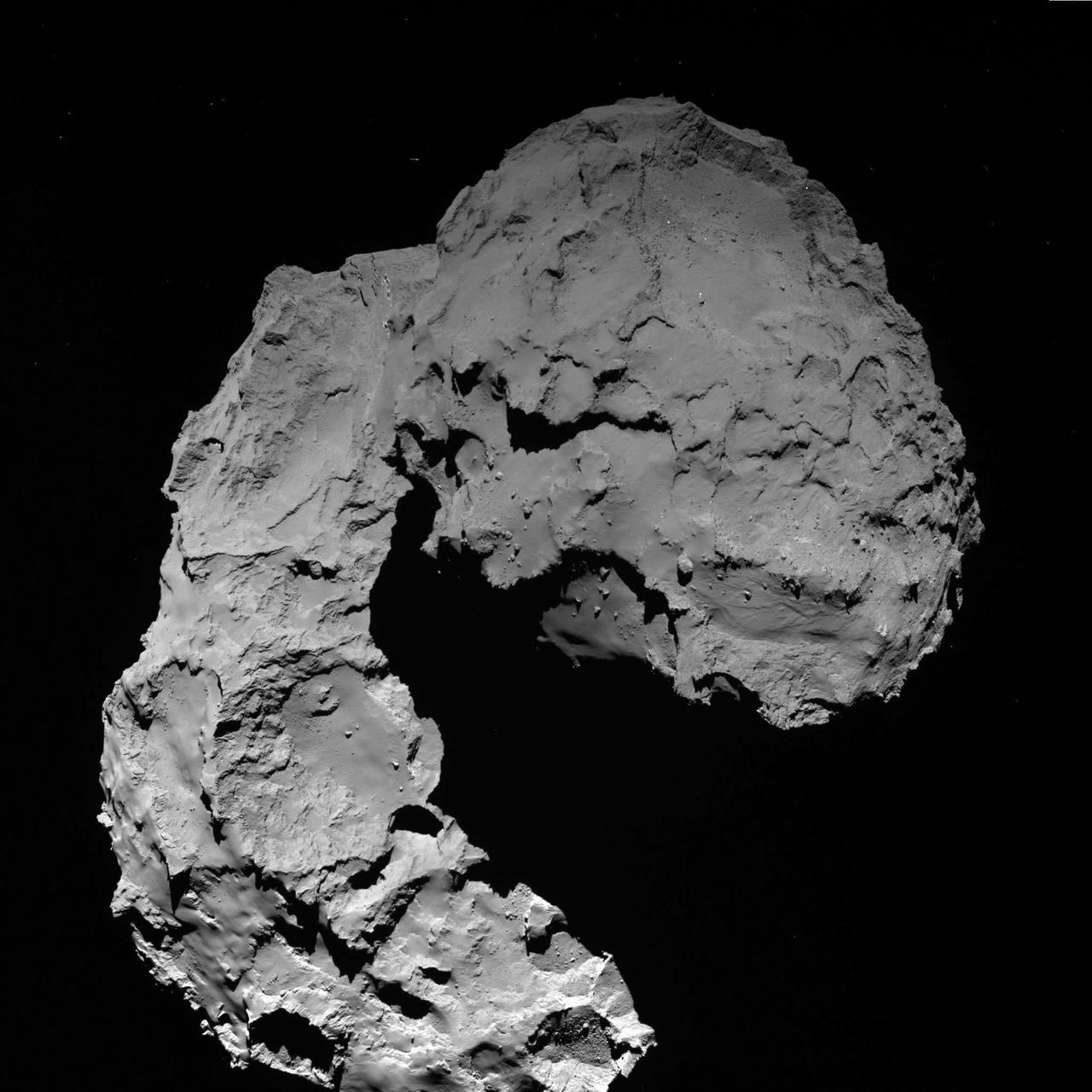
This view shows Comet 67P/Churyumov-Gerasimenko as seen by the OSIRIS wide-angle camera on ESA's Rosetta spacecraft on September 29, 2016, when Rosetta was at an altitude of 14 miles (23 kilometers). The European Space Agency's (ESA) Rosetta mission will come to a dramatic end on Friday, Sept. 30, with a controlled touchdown of the spacecraft on a region of comet 67P/Churyumov-Gerasimenko known for active pits that spew comet dust into space. Confirmation of the end of mission is expected at about 4:20 a.m. PDT (7:20 a.m. EDT). ESA is ending the mission due to the spacecraft's ever-increasing distance from the sun, which has resulted in significantly reduced solar power with which to operate the vehicle and its instruments. http://photojournal.jpl.nasa.gov/catalog/PIA21068
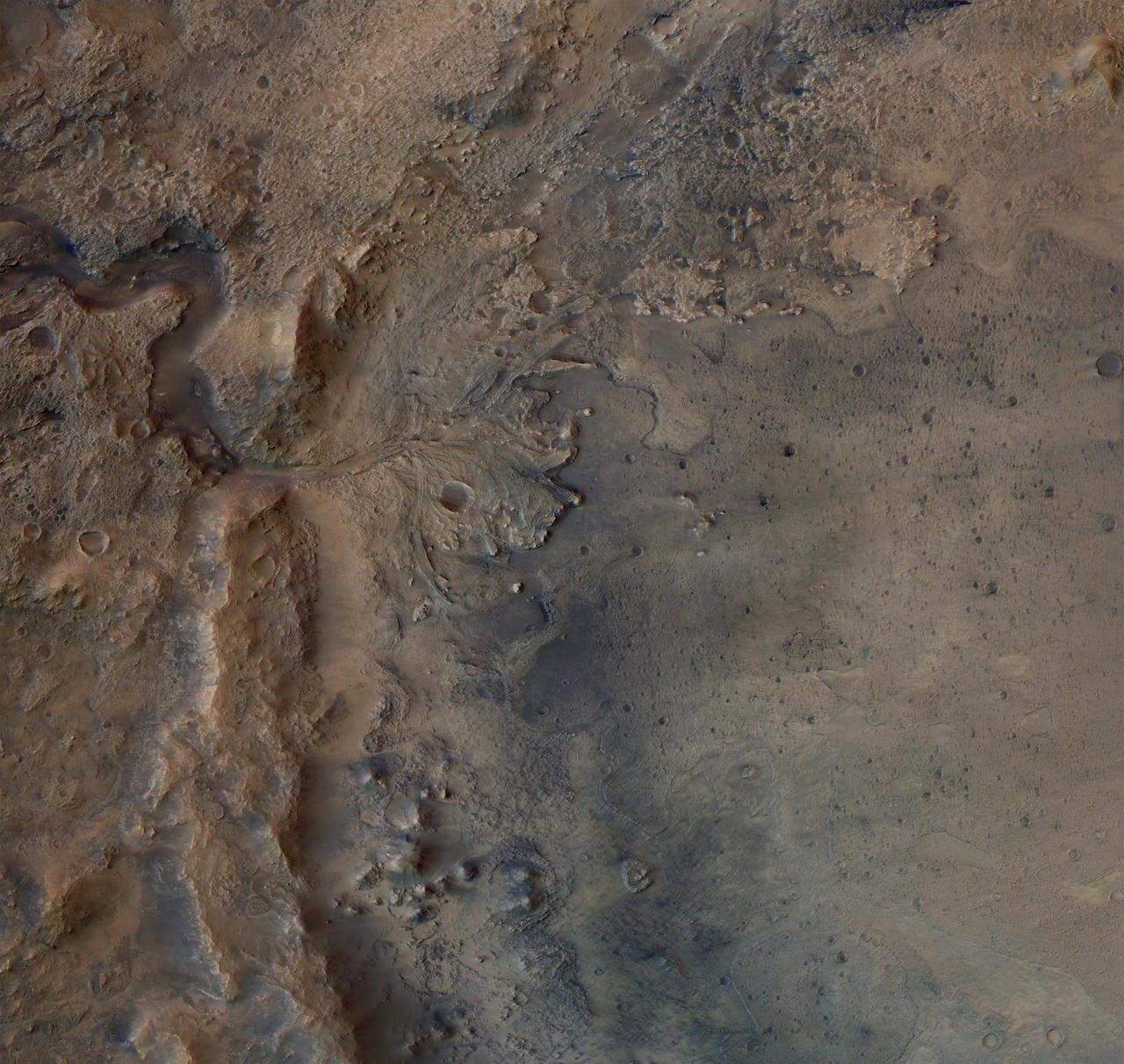
This image shows the remains of an ancient delta in Mars' Jezero Crater, which NASA's Perseverance Mars rover will explore for signs of fossilized microbial life. The image was taken by the High Resolution Stereo Camera aboard the ESA (European Space Agency) Mars Express orbiter. The European Space Operations Centre in Darmstadt, Germany, operates the ESA mission. The High Resolution Stereo Camera was developed by a group with leadership at the Freie Universitat Berlin. https://photojournal.jpl.nasa.gov/catalog/PIA24096
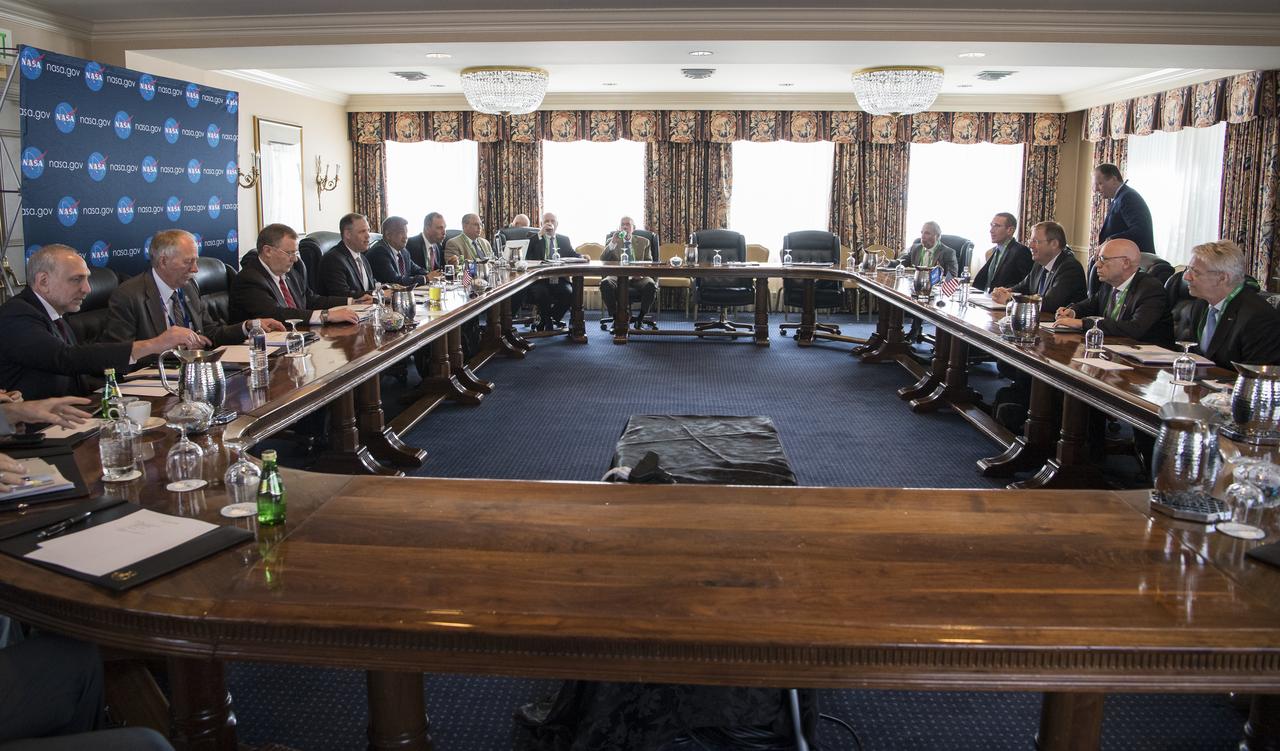
NASA Administrator Jim Bridenstine, fourth from left, speaks with Johann-Dietrich Wörner, director general of ESA (European Space Agency), third from right, about NASA’s plans to land humans on the Moon by 2024 and prospective collaboration in human and robotic lunar and Mars exploration activities, at the Space Symposium, Monday, April 8, 2019 in Colorado Springs, Colorado, They also discussed their continued successful cooperation on the International Space Station and the service module for the Orion spacecraft that will take us to the Moon and beyond. Photo Credit: (NASA/Aubrey Gemignani)
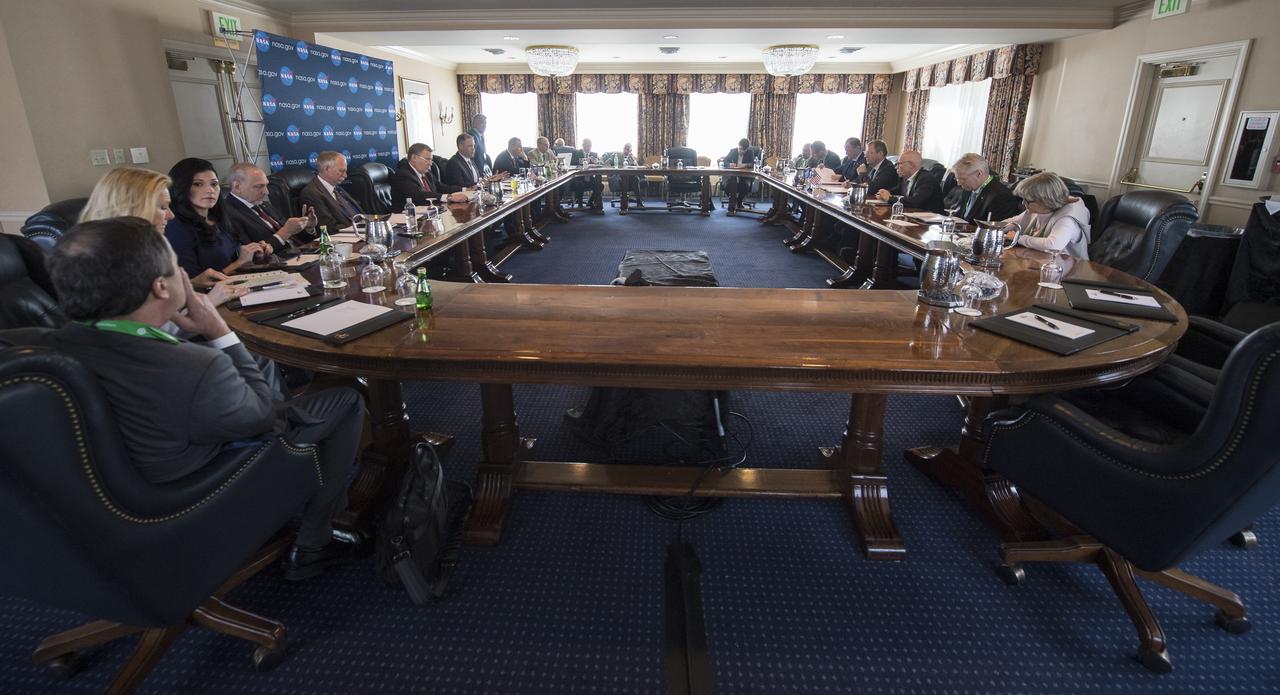
NASA Administrator Jim Bridenstine, seventh from left, speaks with Johann-Dietrich Wörner, director general of ESA (European Space Agency), fourth from right, about NASA’s plans to land humans on the Moon by 2024 and prospective collaboration in human and robotic lunar and Mars exploration activities, at the Space Symposium, Monday, April 8, 2019 in Colorado Springs, Colorado, They also discussed their continued successful cooperation on the International Space Station and the service module for the Orion spacecraft that will take us to the Moon and beyond. Photo Credit: (NASA/Aubrey Gemignani)
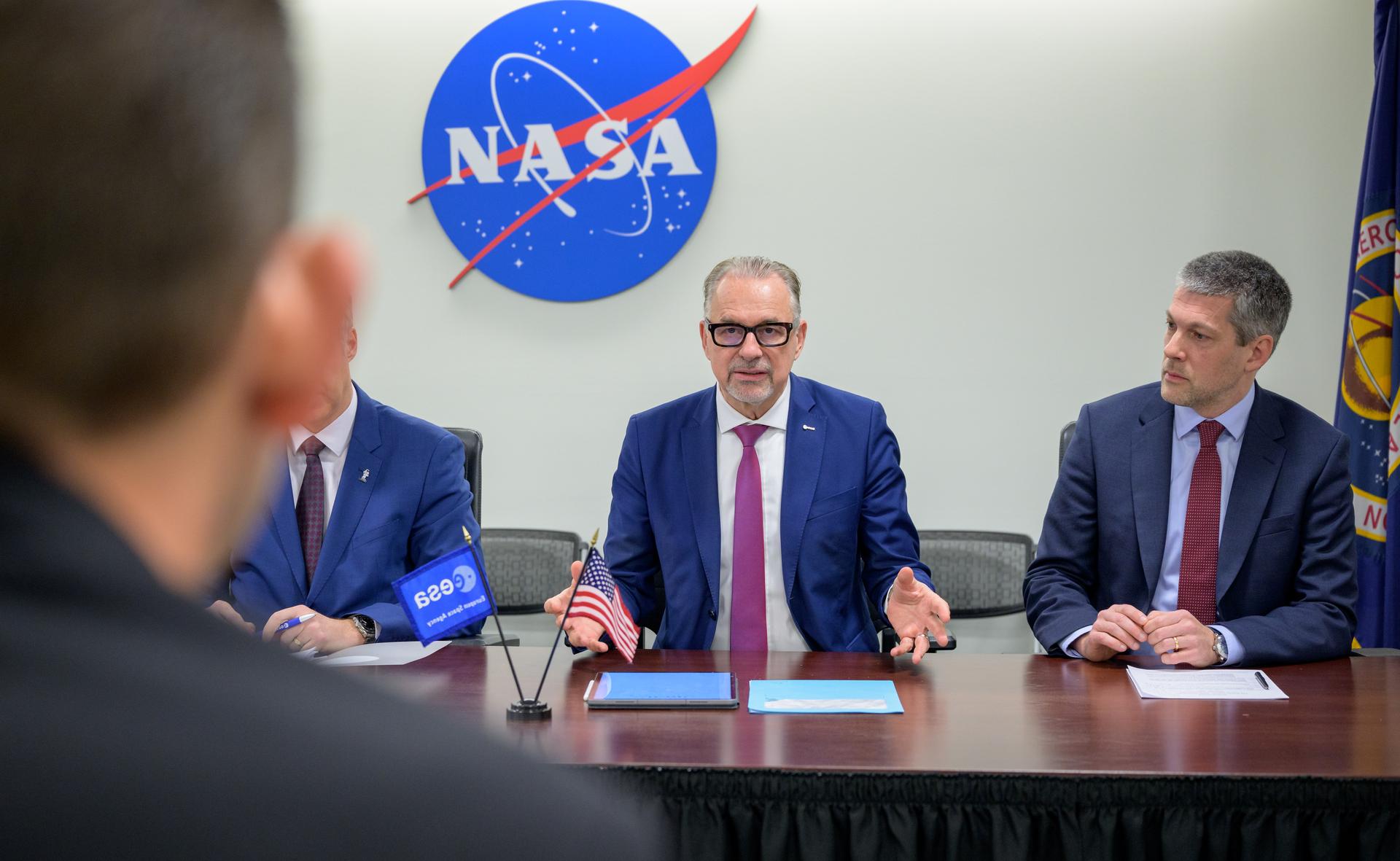
ESA Director General Josef Aschbacher, center, meets with NASA Administrator Jared Isaacman, Wednesday, Feb. 11, 2026, at the Mary W. Jackson NASA Headquarters Building in Washington. Photo Credit: (NASA/Bill Ingalls)

ESA Director General Josef Aschbacher meets with NASA Administrator Jared Isaacman, Wednesday, Feb. 11, 2026, at the Mary W. Jackson NASA Headquarters Building in Washington. Photo Credit: (NASA/Bill Ingalls)
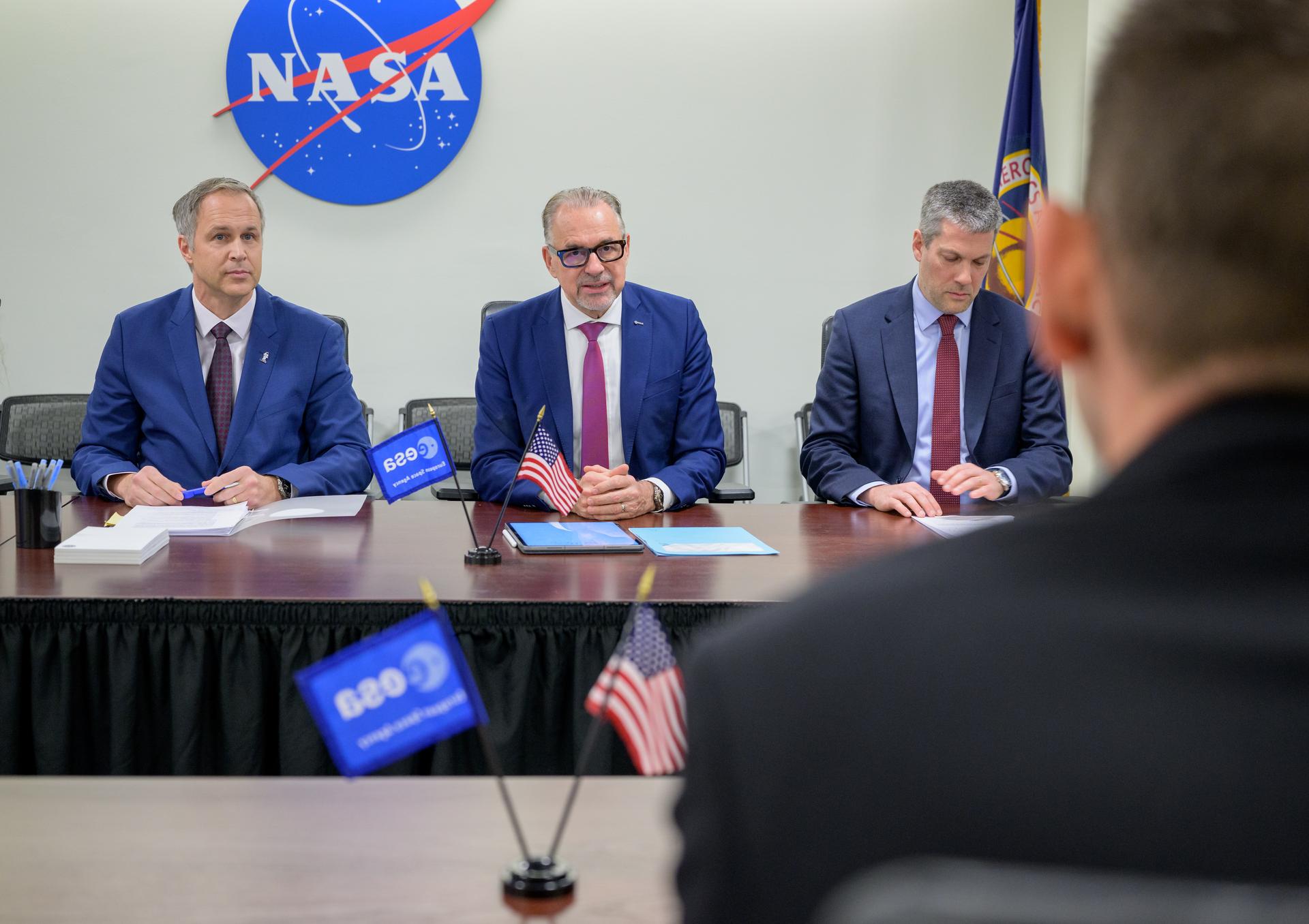
ESA Director General Josef Aschbacher, center, meets with NASA Administrator Jared Isaacman, Wednesday, Feb. 11, 2026, at the Mary W. Jackson NASA Headquarters Building in Washington. Photo Credit: (NASA/Bill Ingalls)

ESA Director General Josef Aschbacher, right, meets with NASA Administrator Jared Isaacman, Wednesday, Feb. 11, 2026, at the Mary W. Jackson NASA Headquarters Building in Washington. Photo Credit: (NASA/Bill Ingalls)

ESA Director General Josef Aschbacher, left, meets with NASA Administrator Jared Isaacman, Wednesday, Feb. 11, 2026, at the Mary W. Jackson NASA Headquarters Building in Washington. Photo Credit: (NASA/Bill Ingalls)
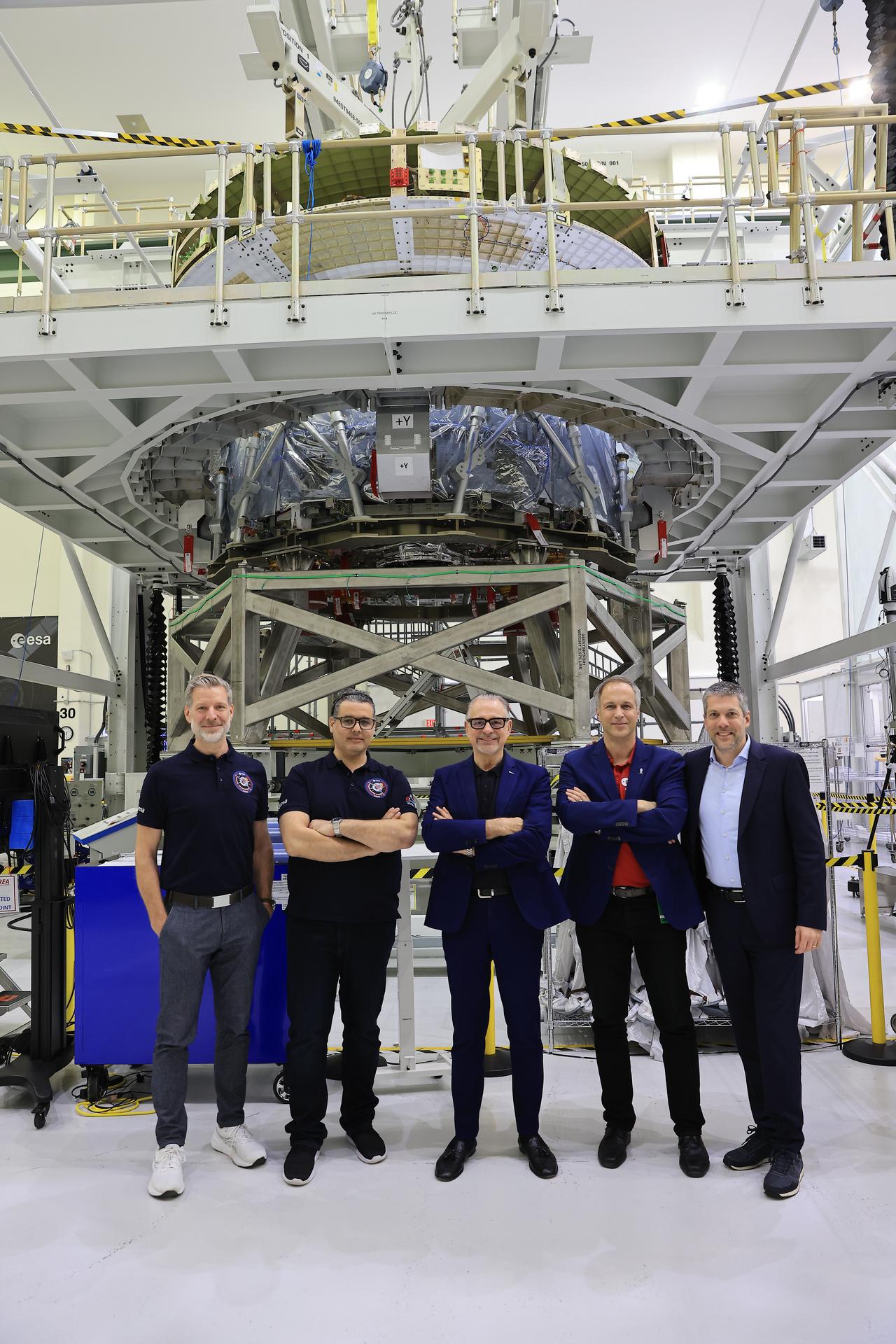
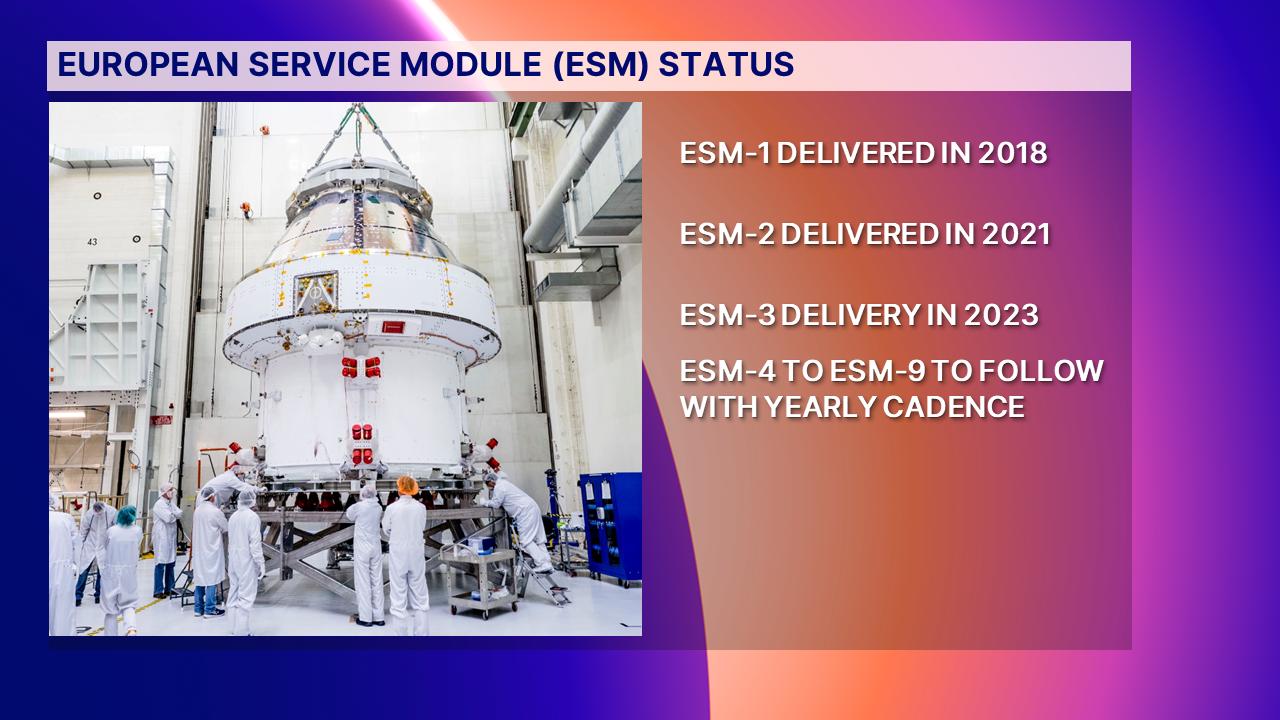
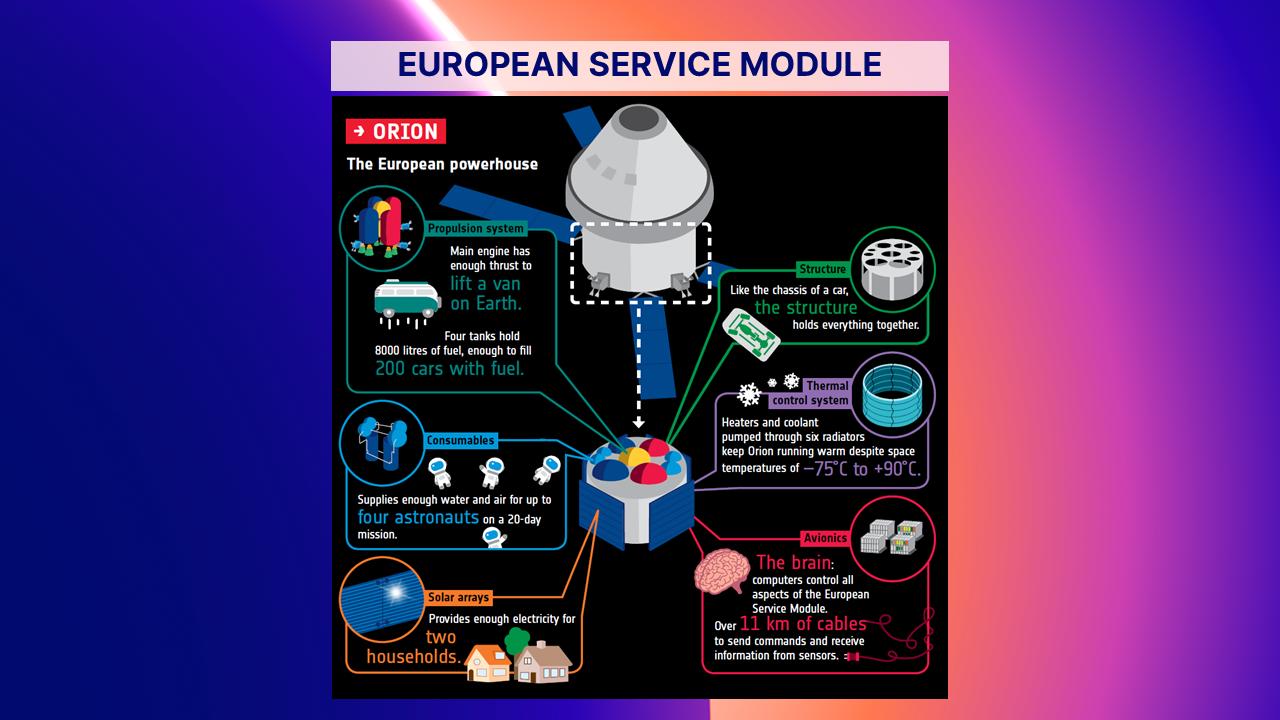
ESA (European Space Agency) Director General Josef Aschbacher (center), ESA Director of Human and Robotic Exploration Daniel Neuenschwander (second from right), and other members of ESA leadership tour on Tuesday, Feb. 10, 2026, the high bay of the Neil A. Armstrong Operations and Checkout Building at NASA’s Kennedy Space Center in Florida. Teams will soon attach the European Service Module to the crew module adapter for NASA’s Artemis IV mission. The European Service Module, which is assembled by Airbus in Bremen, Germany, from parts made in 10 European countries and the United States, acts as the driving force behind Orion for deep space exploration, providing essential propulsion, thermal control, and electrical power.

This image taken by the ultraviolet-light monitoring camera on the European Space Agency ESA XMM-Newton telescope shows the beautiful spiral arms of the galaxy NGC1365.
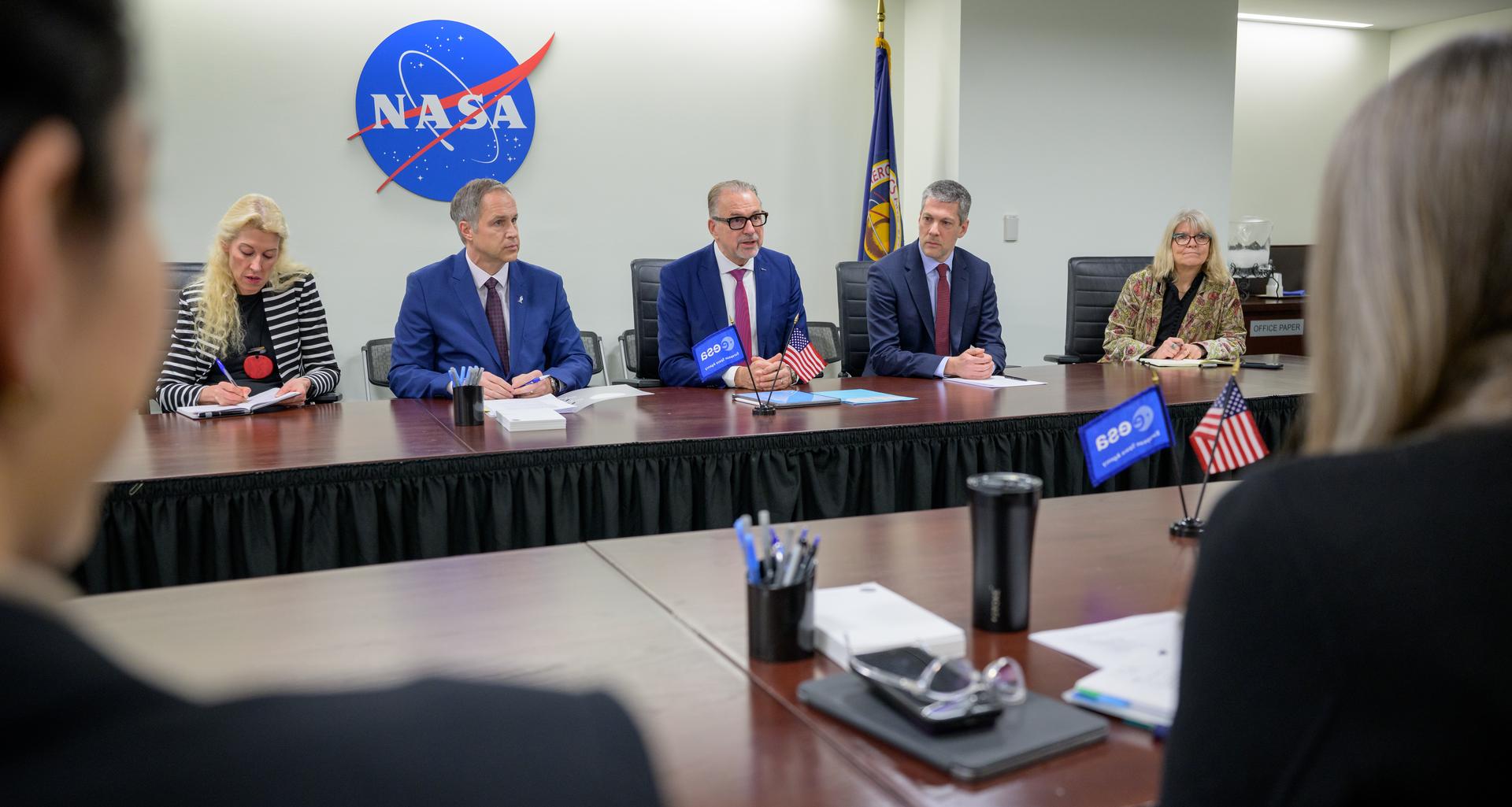
ESA Director General Josef Aschbacher, 3rd from left, meets with NASA Administrator Jared Isaacman, Wednesday, Feb. 11, 2026, at the Mary W. Jackson NASA Headquarters Building in Washington. Photo Credit: (NASA/Bill Ingalls)
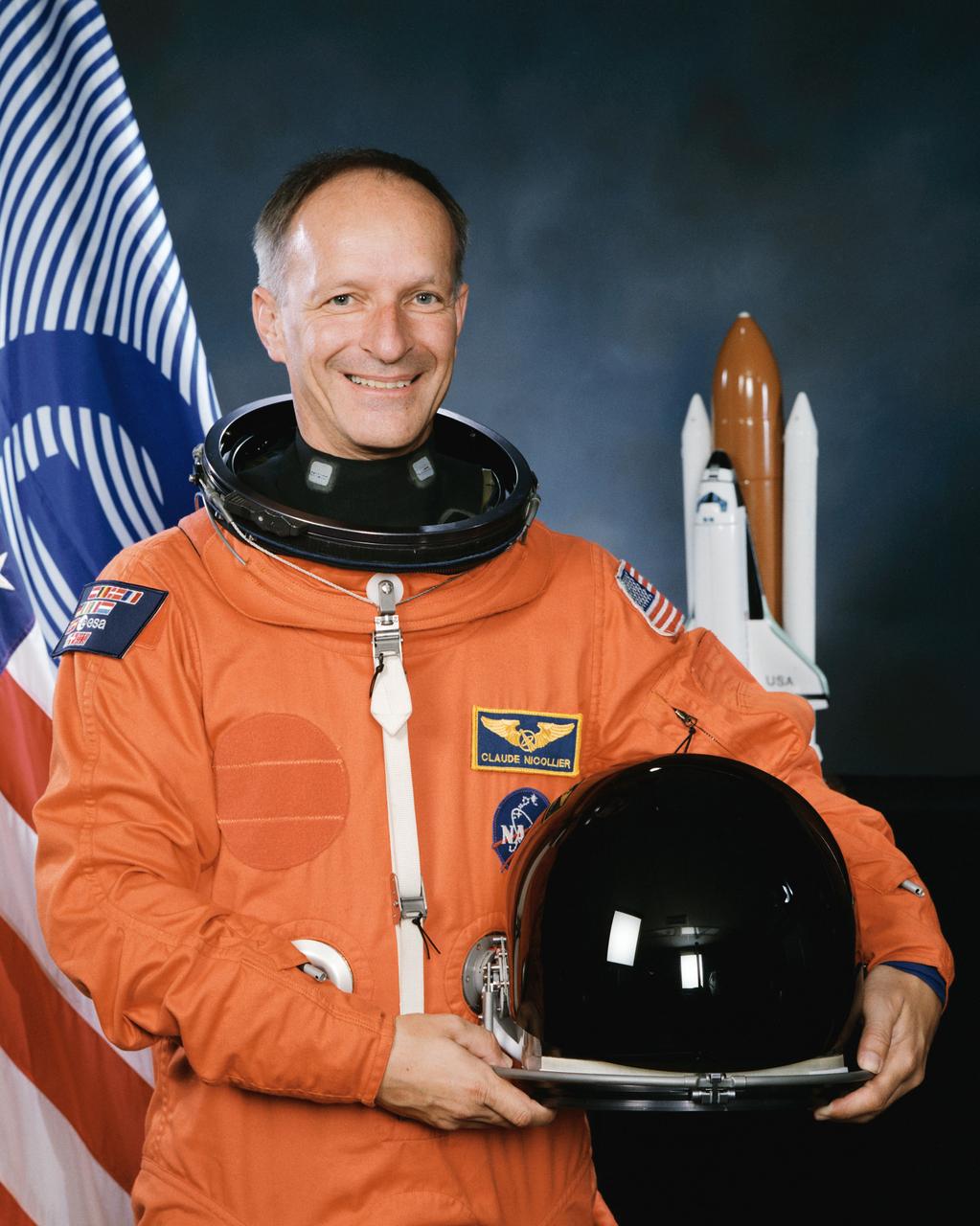
S93-40688 (1993) --- Astronaut Claude Nicollier, representing European Space Agency (ESA).
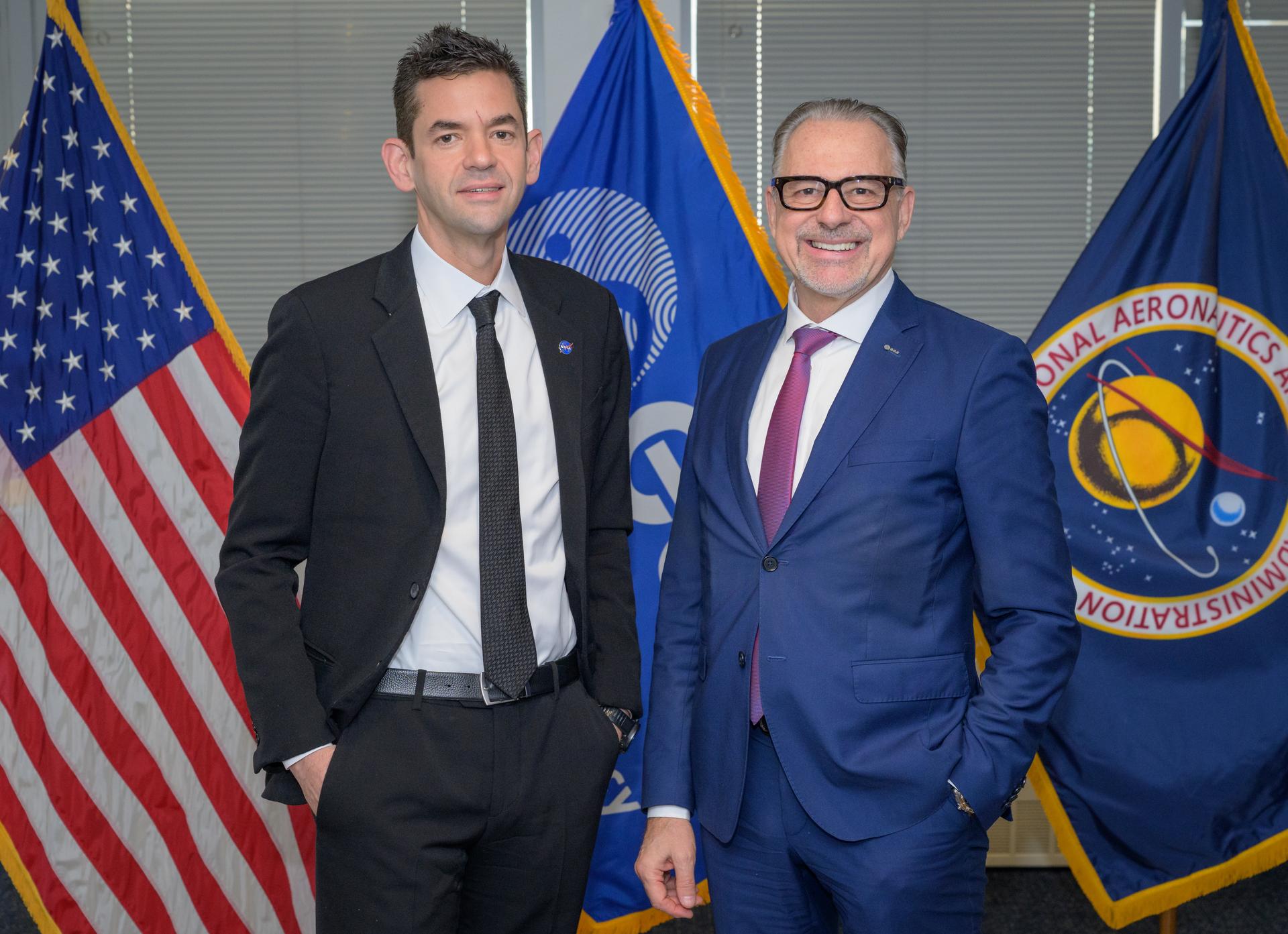
NASA Administrator Jared Isaacman, left, poses for a photo with ESA Director General Josef Aschbacher: before a meeting, Wednesday, Feb. 11, 2026, at the Mary W. Jackson NASA Headquarters Building in Washington. Photo Credit: (NASA/Bill Ingalls)
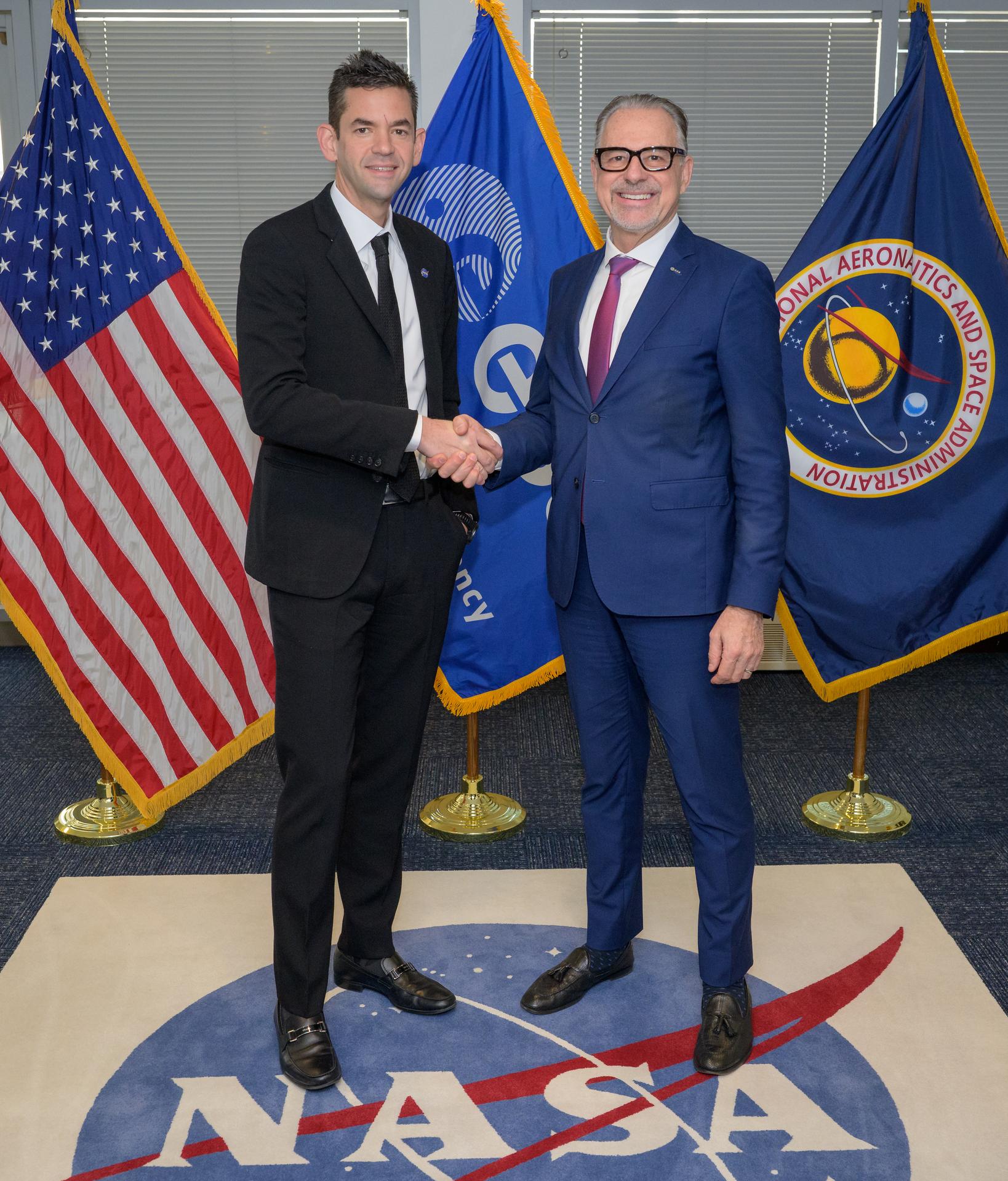
NASA Administrator Jared Isaacman, left, poses for a photo with ESA Director General Josef Aschbacher: before a meeting, Wednesday, Feb. 11, 2026, at the Mary W. Jackson NASA Headquarters Building in Washington. Photo Credit: (NASA/Bill Ingalls)
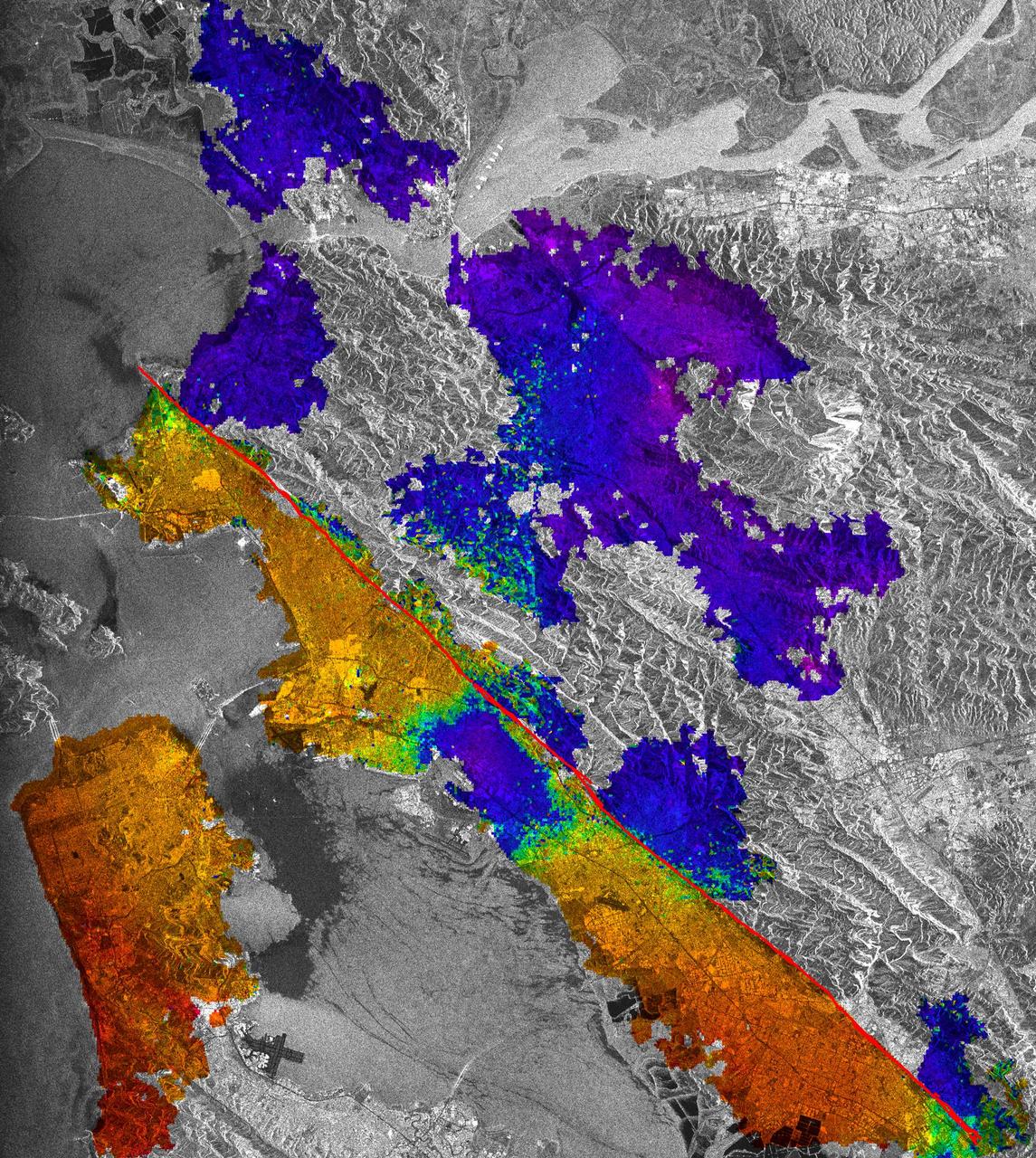
This image of California Hayward fault is an interferogram created using a pair of images taken by ESA ERS-1 and ERS-2 in June 1992 and September 1997 over the central San Francisco Bay in California.
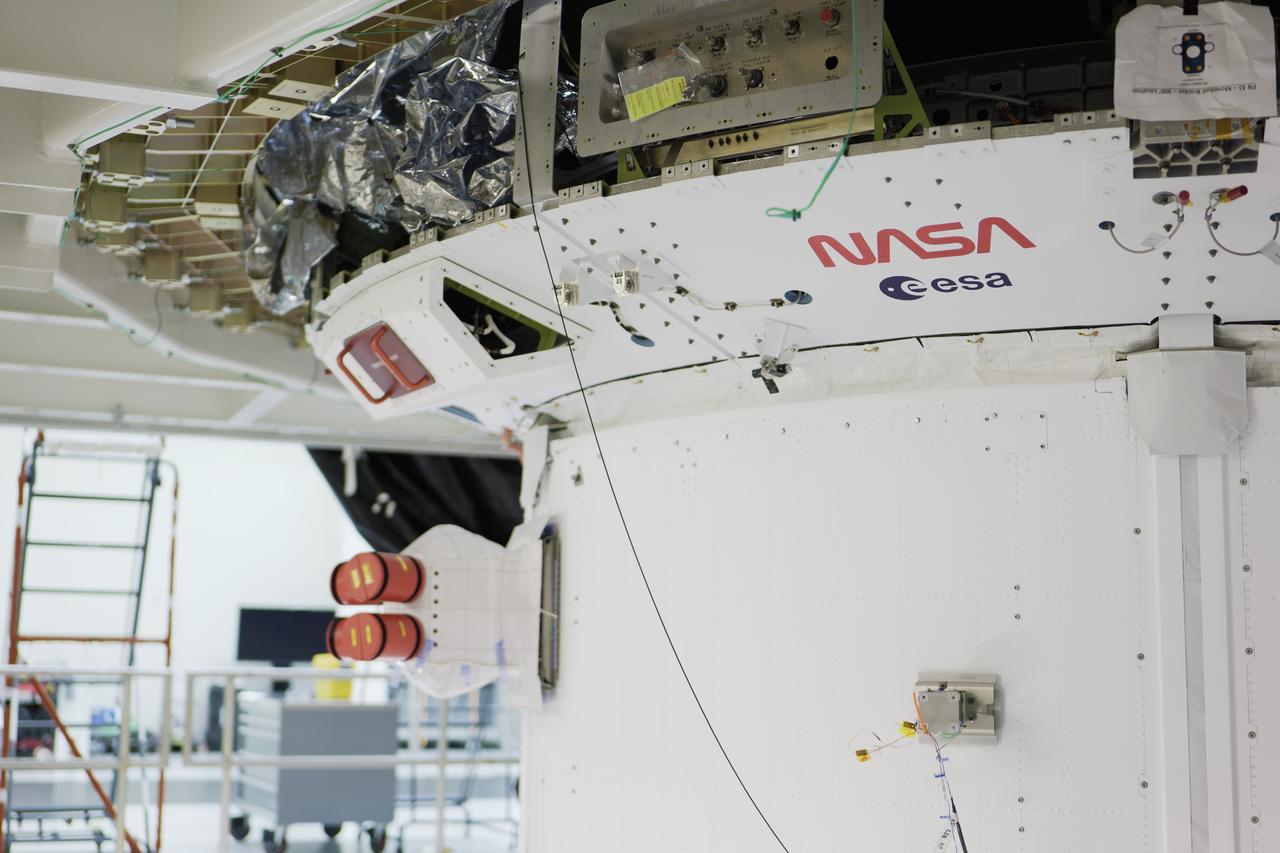
The Orion spacecraft for NASA’s Artemis II mission received its latest makeover. Teams adhered the agency’s iconic “worm” logo and ESA (European Space Agency) insignia on the spacecraft’s crew module adapter on Sunday, Jan. 28, inside the Neil Armstrong Operations and Checkout Building at NASA’s Kennedy Space Center in Florida.
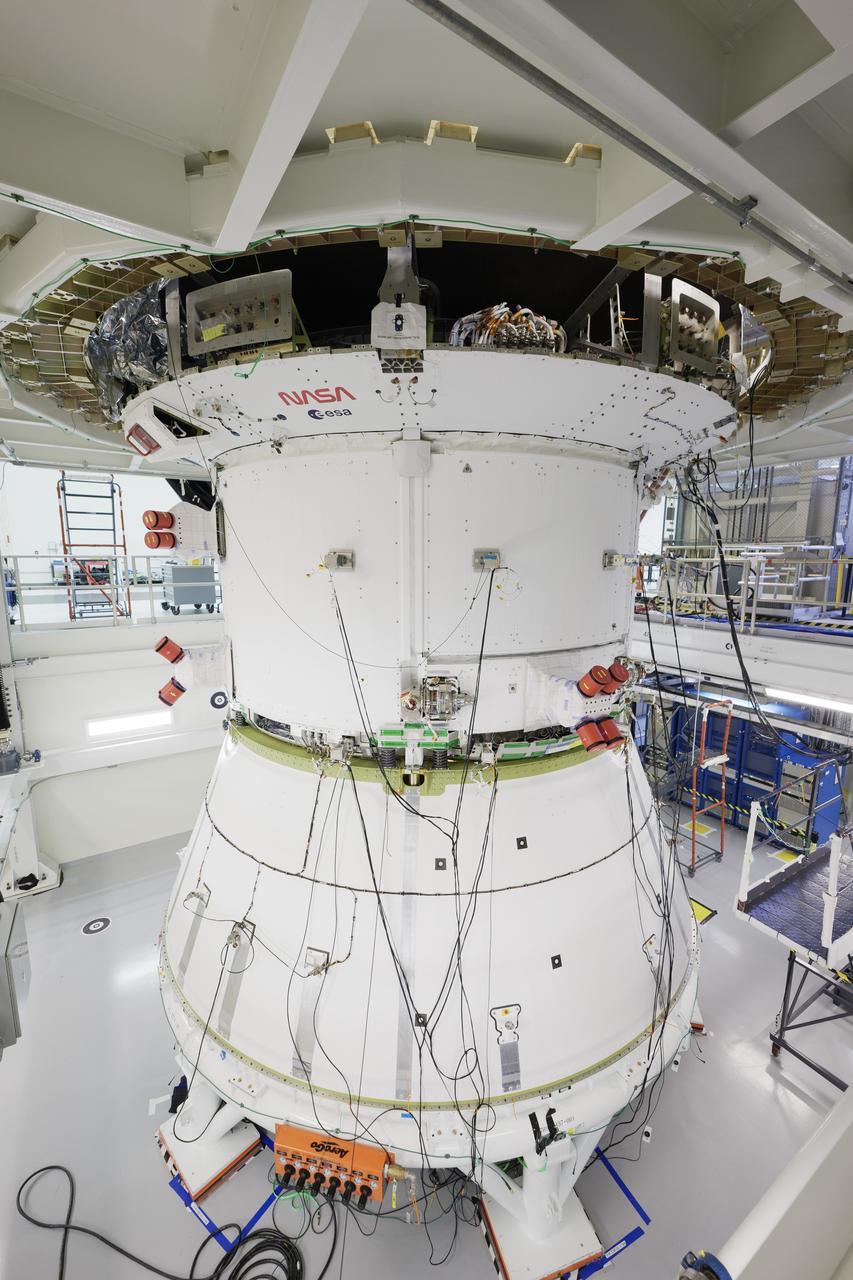
The Orion spacecraft for NASA’s Artemis II mission received its latest makeover. Teams adhered the agency’s iconic “worm” logo and ESA (European Space Agency) insignia on the spacecraft’s crew module adapter on Sunday, Jan. 28, inside the Neil Armstrong Operations and Checkout Building at NASA’s Kennedy Space Center in Florida.
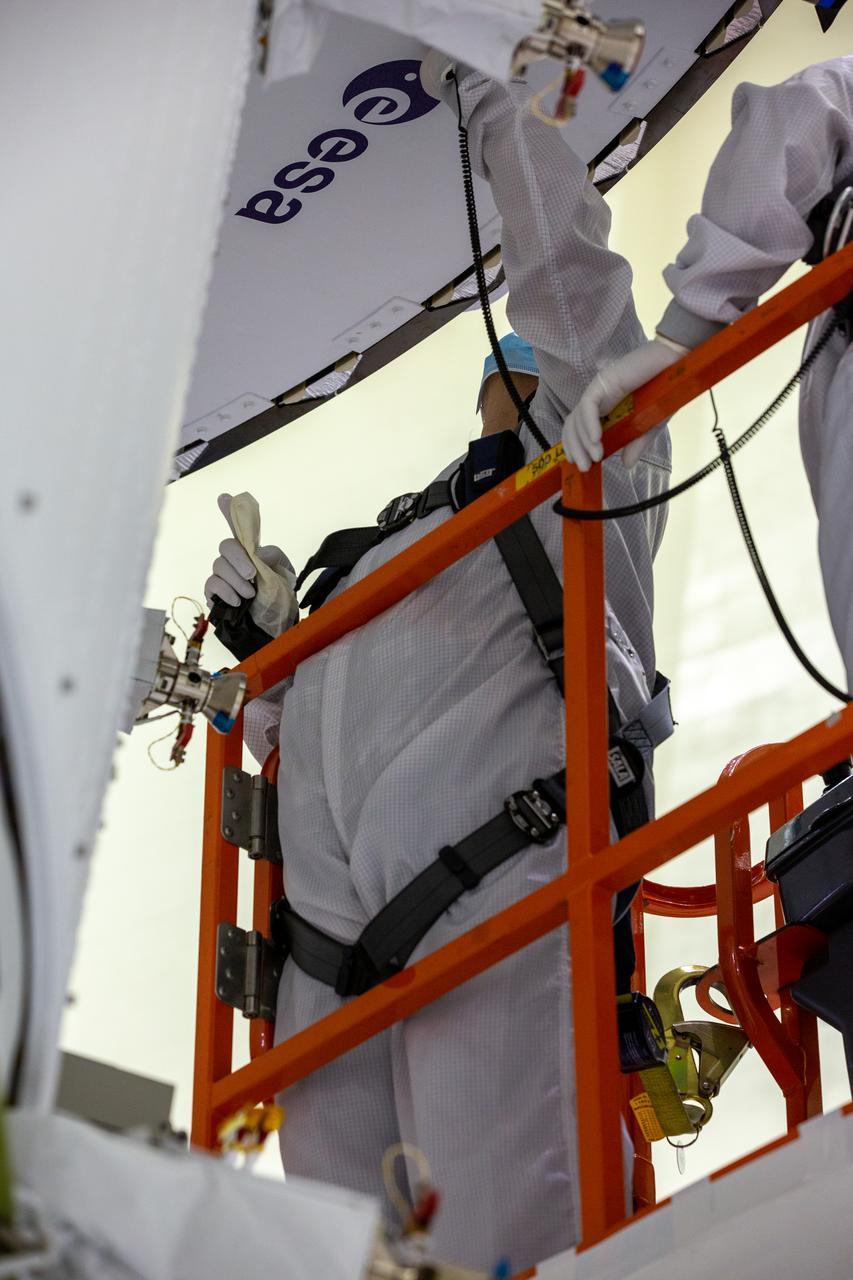
Inside the Neil Armstrong Operations and Checkout Building high bay at Kennedy Space Center, ASRC technician Frank Pelkey works to adhere the European Space Agency (ESA) logo to the aft wall of Orion’s crew module adapter on Sept. 20, 2020, ahead of NASA’s Artemis I mission. The first in a series of increasingly complex missions, Artemis I will test the Orion spacecraft and Space Launch System as an integrated system ahead of crewed flights to the Moon. Under the Artemis program, NASA will land the first woman and the next man on the Moon by 2024.
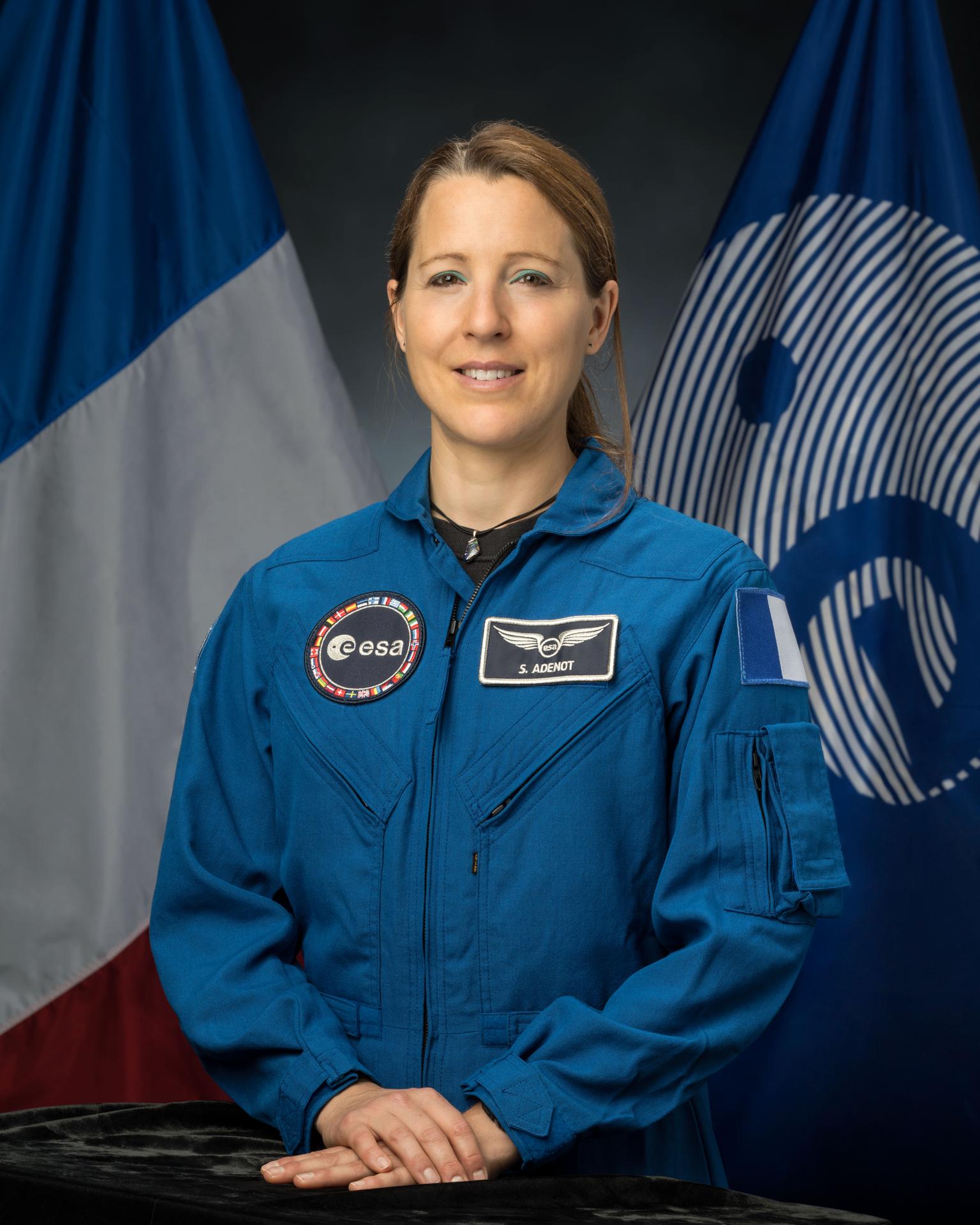
jsc2025e068846_alt (Sept. 19, 2025) --- Official portrait of ESA (European Space Agency) astronaut and SpaceX Crew-12 member Sophie Adenot at NASA's Johnson Space Center in Houston, Texas. Credit: NASA/Robert Markowitz
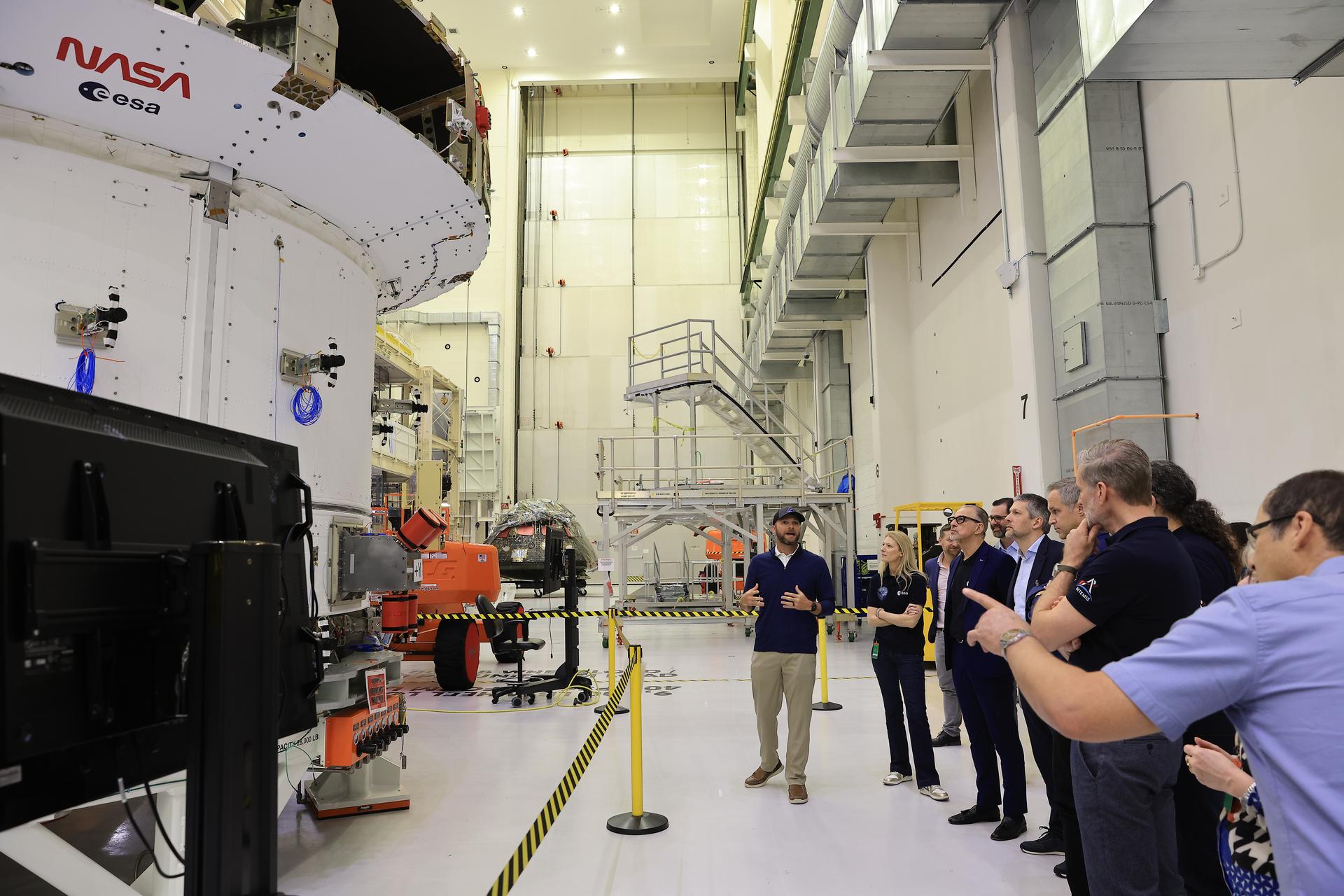
Members of the ESA (European Space Agency) leadership team and NASA Orion program team stand by European Service Module with the Orion spacecraft in the background for NASA’s Artemis III mission on Tuesday, Feb. 10, 2026, inside the high bay of the Neil A. Armstrong Operations and Checkout Building at NASA’s Kennedy Space Center in Florida. The service module provides the Orion spacecraft’s propulsion, thermal control, electrical power, and life support systems during the Artemis III mission to send humans to explore the lunar South Pole region.
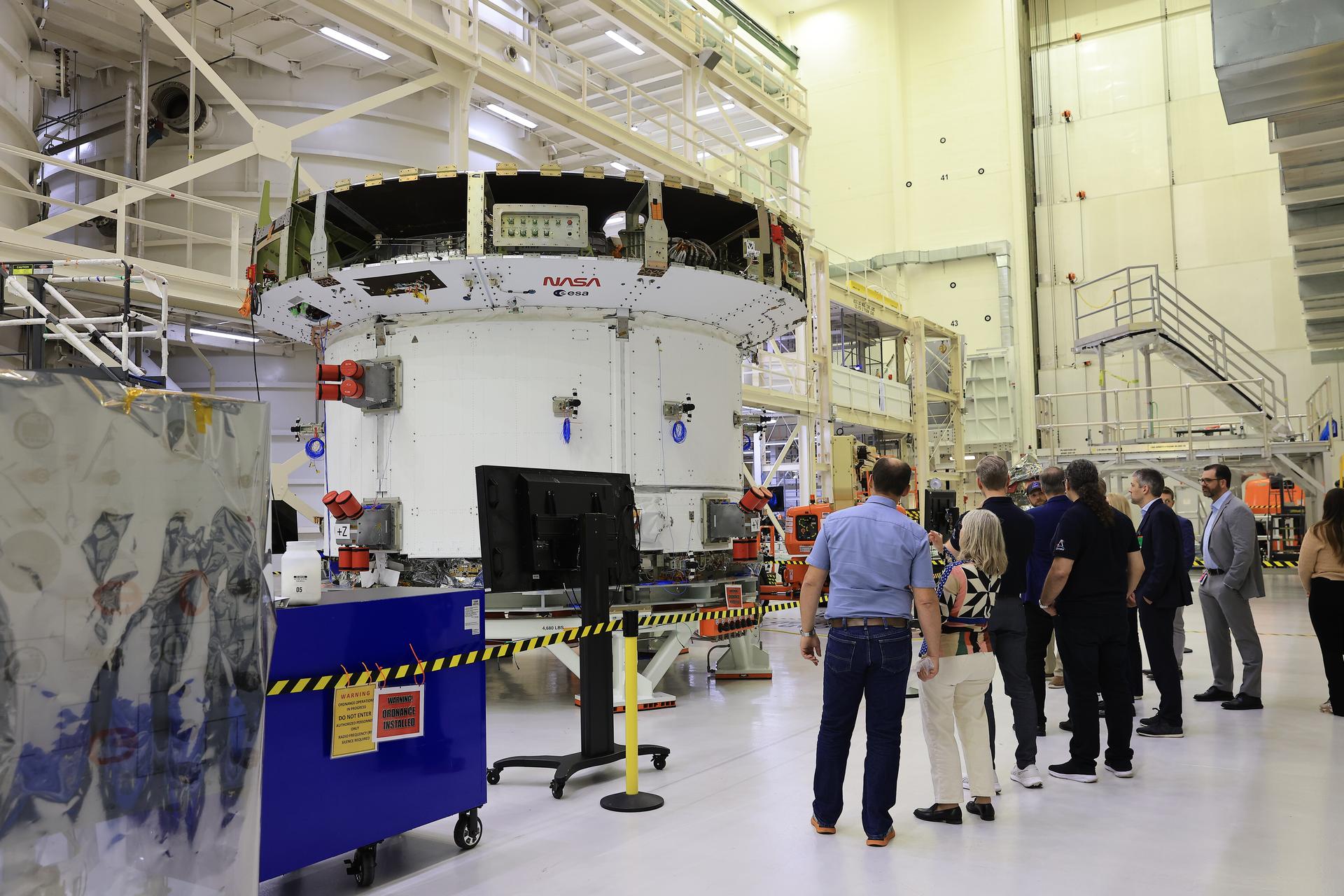
Members of the ESA (European Space Agency) leadership team and NASA Orion program team stand by European Service Module for NASA’s Artemis III mission on Tuesday, Feb. 10, 2026, inside the high bay of the Neil A. Armstrong Operations and Checkout Building at NASA’s Kennedy Space Center in Florida. The service module provides the Orion spacecraft’s propulsion, thermal control, electrical power, and life support systems during the Artemis III mission to send humans to explore the lunar South Pole region.
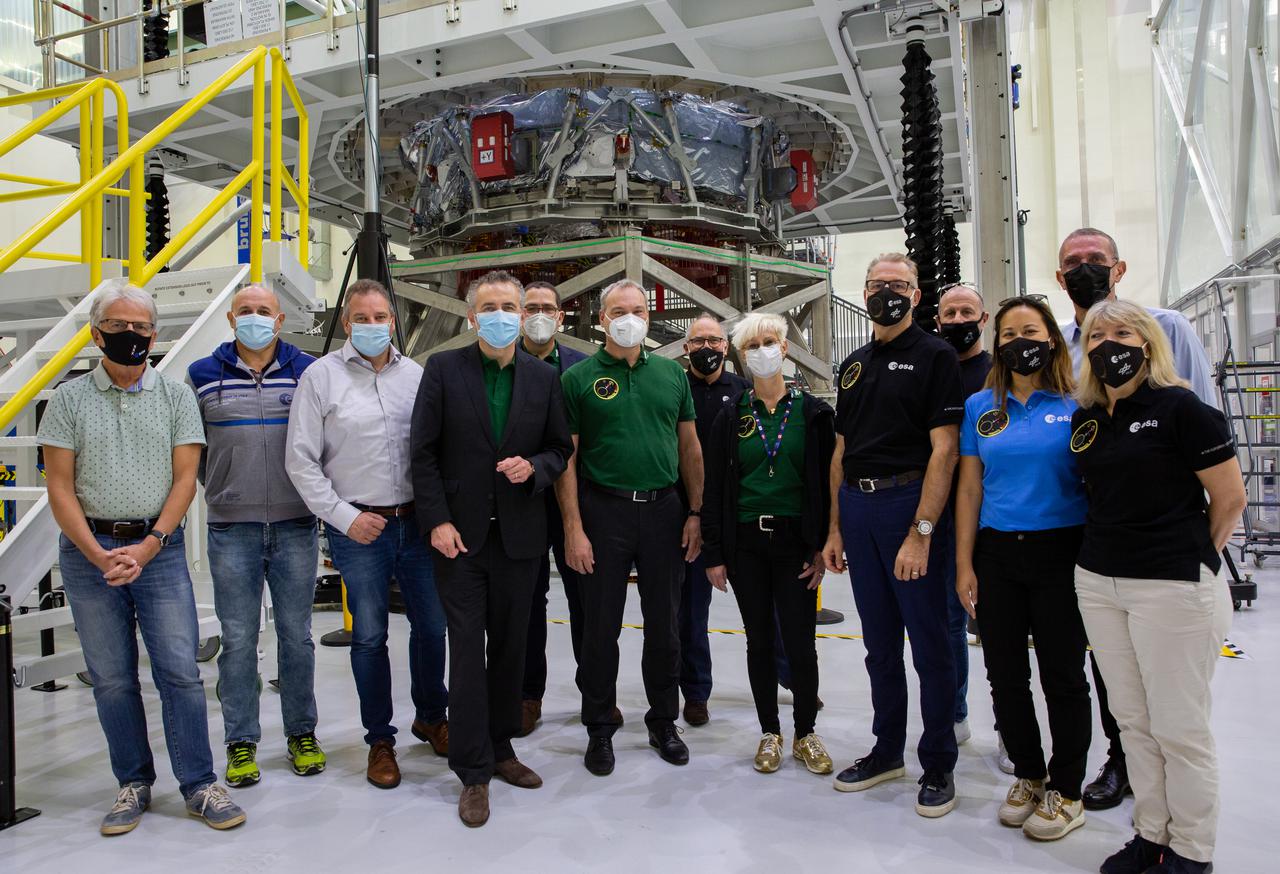
Delegates from the European Space Agency and German Space Agency visited NASA’s Kennedy Space Center in Florida on Oct. 29, 2021. Inside the spaceport’s Neil Armstrong Operations and Checkout building, the international partners viewed the European-built service module, its crew module adapter as well as the heat shield and crew module for Artemis II. Additionally, they were able to view the pressure vessel – the shell for the crew module – for Artemis III. Together with NASA’s Orion program and contractor Lockheed Martin, teams have begun checkouts and assembly for these future Artemis missions.
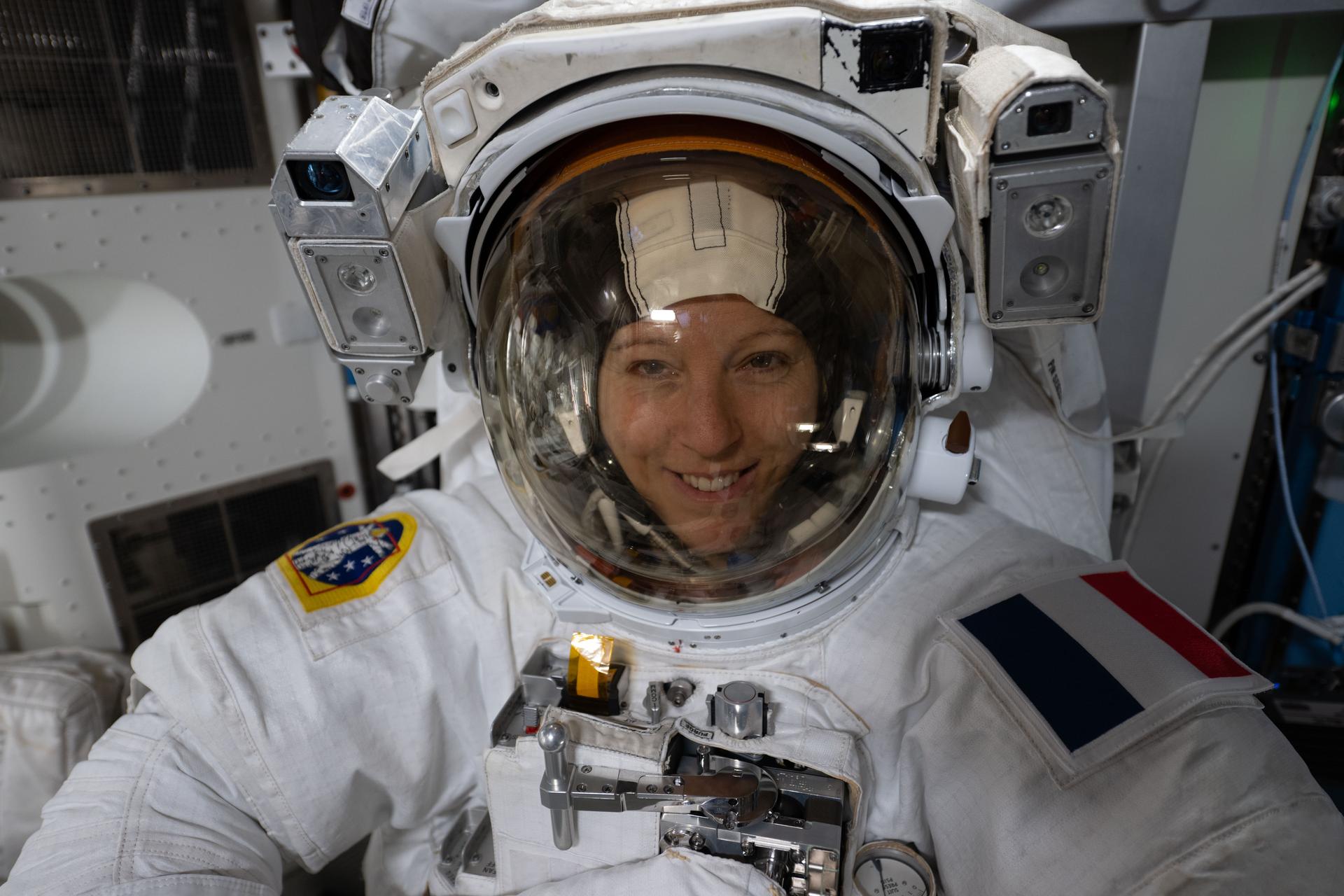
iss074e0432727 (April 3, 2026) --- ESA (European Space Agency) astronaut and Expedition 74 flight engineer Sophie Adenot wears a spacesuit in a powered and pressurized configuration to test its mobility, comfort, and optimal fit inside the International Space Station’s Quest airlock. Adenot also conducted suit leak and pressure checks while verifying the suit’s communications hardware and life-support systems. Credit: ESA/Sophie Adenot
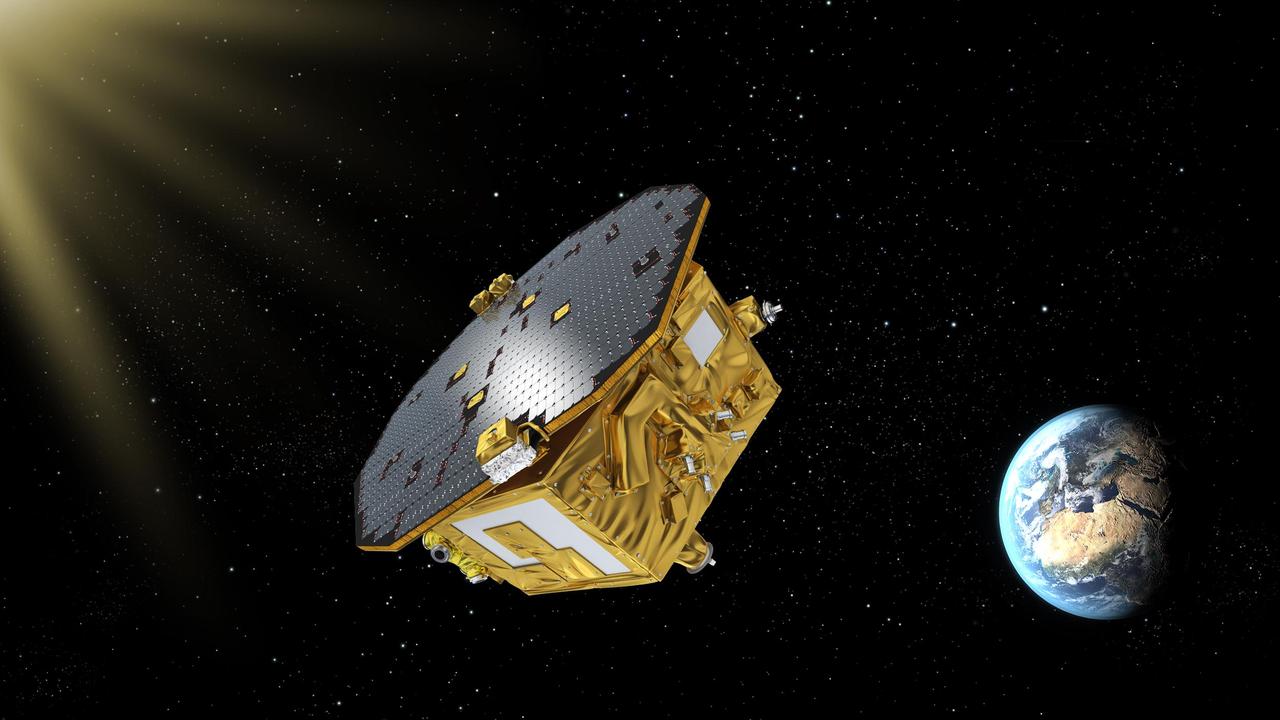
This artist's concept shows ESA's LISA Pathfinder spacecraft, which launched on Dec. 3, 2015, from Kourou, French Guiana, will help pave the way for a mission to detect gravitational waves. LISA Pathfinder, led by the European Space Agency (ESA), is designed to test technologies that could one day detect gravitational waves. Gravitational waves, predicted by Einstein's theory of general relativity, are ripples in spacetime produced by any accelerating body. But the waves are so weak that Earth- or space-based observatories would likely only be able to directly detect such signals coming from massive astronomical systems, such as binary black holes or exploding stars. Detecting gravitational waves would be an important piece in the puzzle of how our universe began. http://photojournal.jpl.nasa.gov/catalog/PIA20196
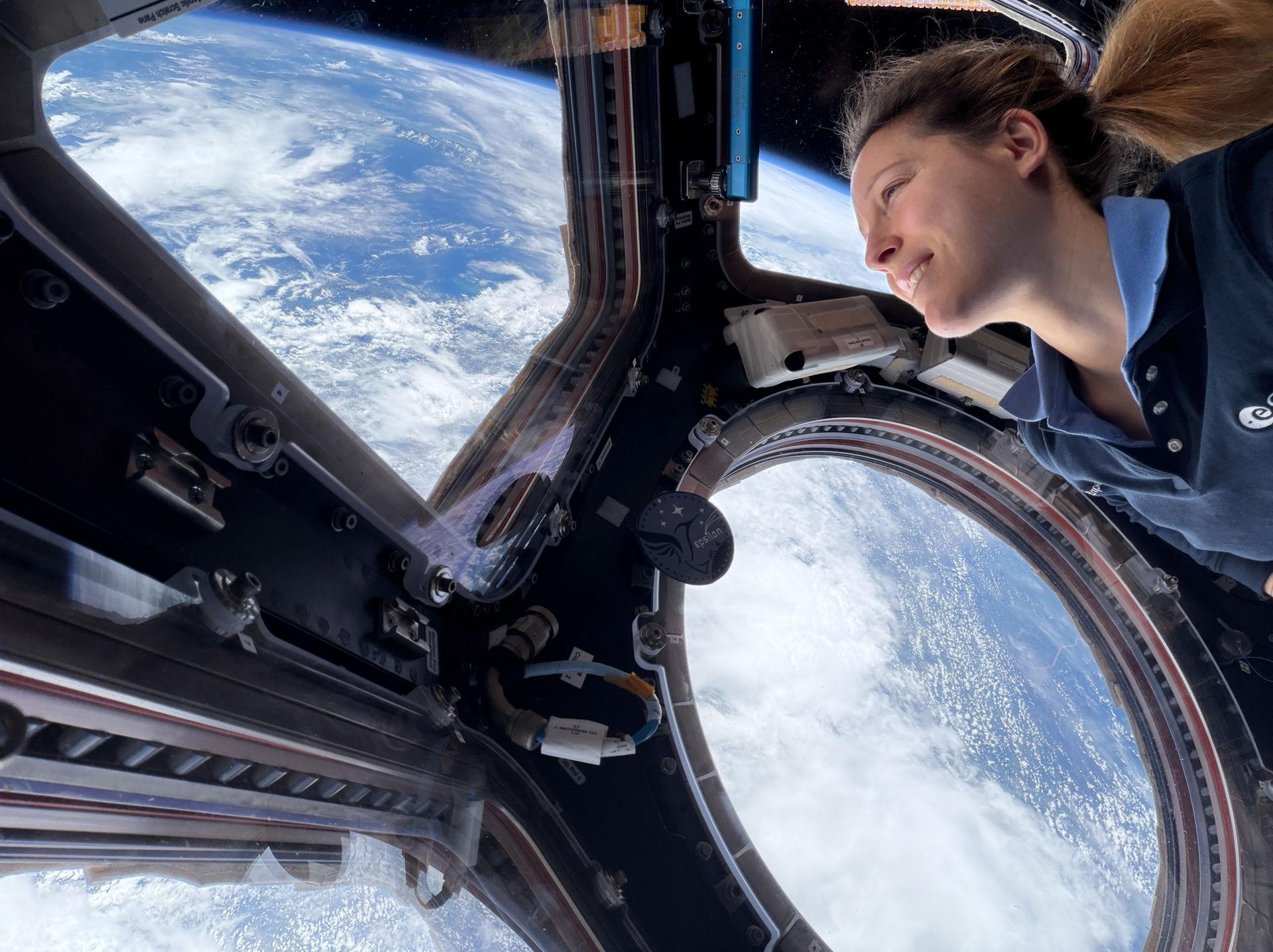
iss075e0121441 (Sept. 21, 2026) --- ESA (European Space Agency) astronaut and Expedition 75 flight engineer Sophie Adenot looks at the Earth below from the cupola, the International Space Station's "window to the world." Credit: ESA

ISS047e038968 (04/05/2016) --- ESA (European Space Agency) astronaut Tim Peake operates the Muscle Atrophy Research and Exercise System (MARES) equipment inside the Columbus module. MARES is an ESA system that will be used for research on musculoskeletal, biomechanical, and neuromuscular human physiology to better understand the effects of microgravity on the muscular system.
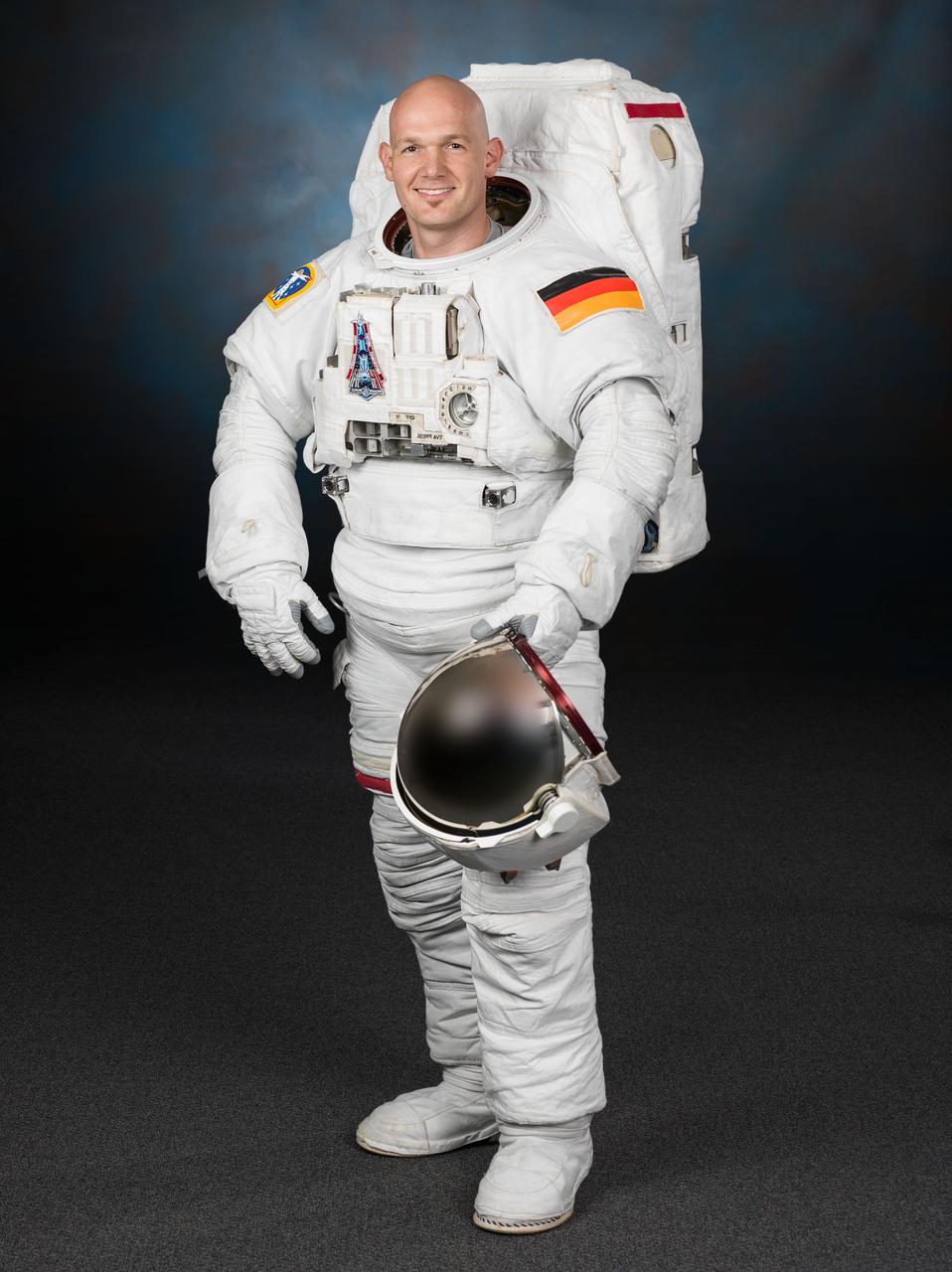
Official portrait of ESA astronaut Alexander Gerst in an EMU suit. Photo Date: June 3, 2013. Location: Building 8, Room 183 - Photo Studio. Photographer: Robert Markowitz
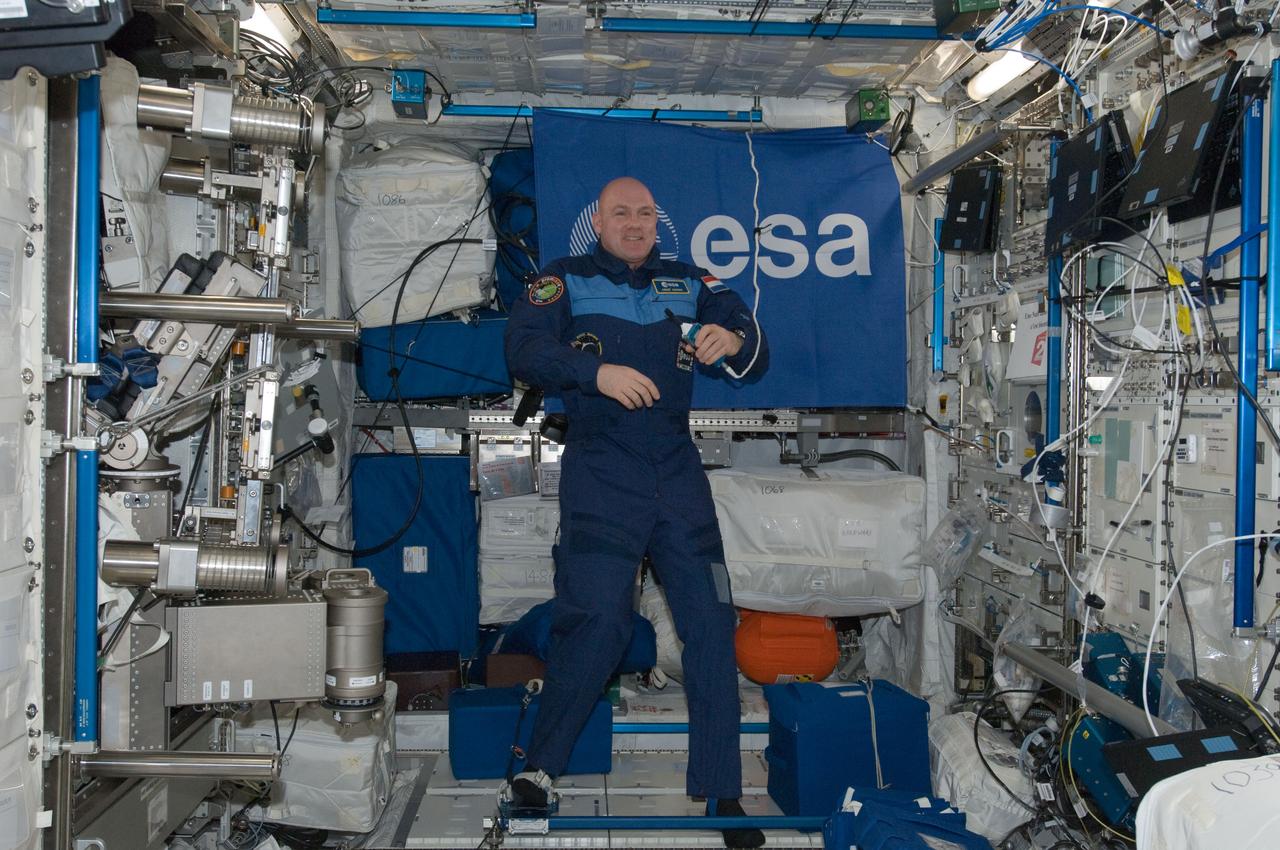
ISS030-E-074038 (11 Feb. 2012) --- European Space Agency astronaut Andre Kuipers, Expedition 30 flight engineer, is pictured in the International Space Station?s Columbus laboratory during an ESA PAO event.
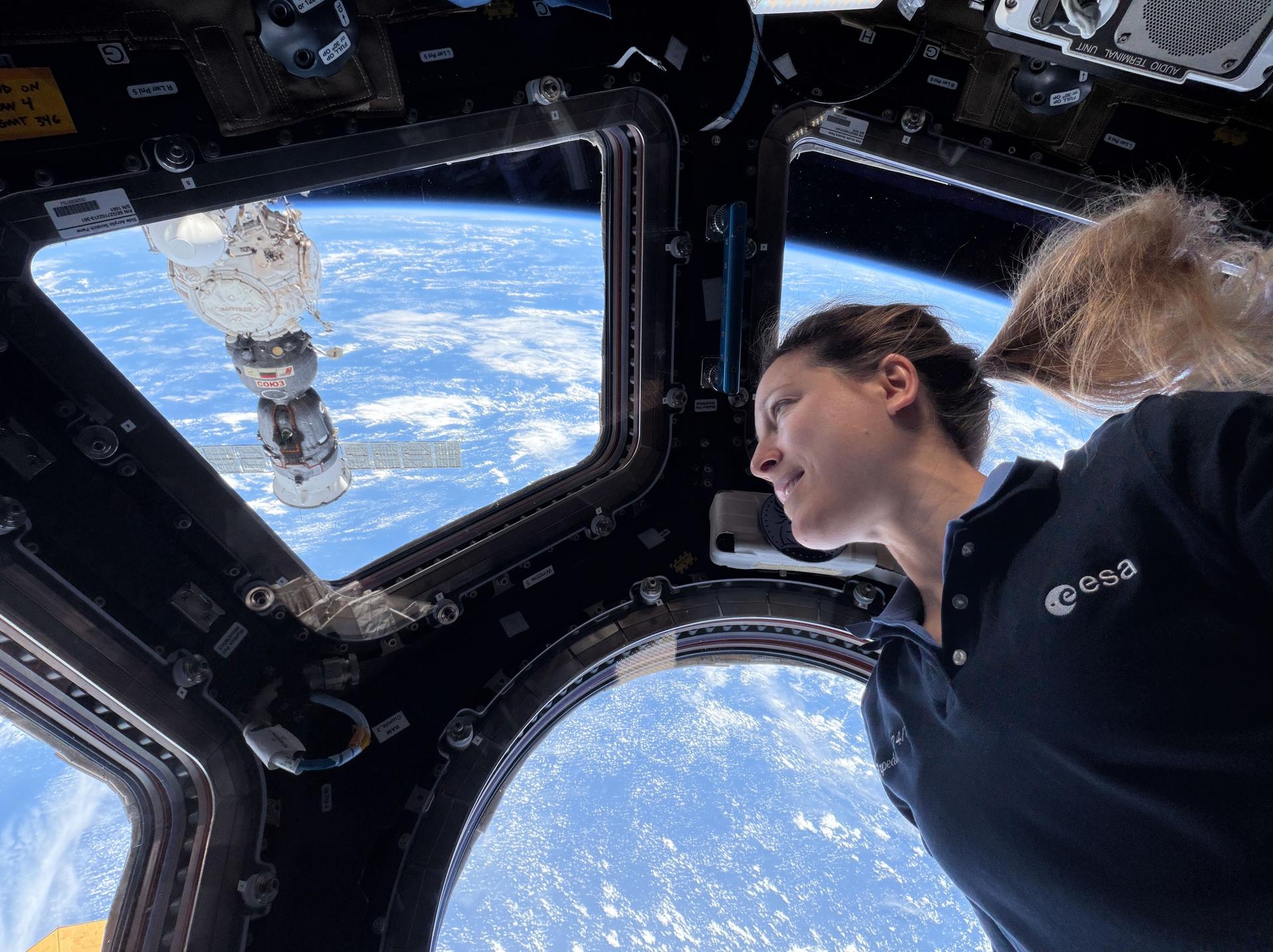
iss075e0121412 (Sept. 21, 2026) --- ESA (European Space Agency) astronaut and Expedition 75 flight engineer Sophie Adenot looks at the Earth below from the cupola, the International Space Station's "window to the world." Just outisde the cupola is the Soyuz MS-29 spacecraft from Roscosmos docked to the Prichal module. Credit: ESA
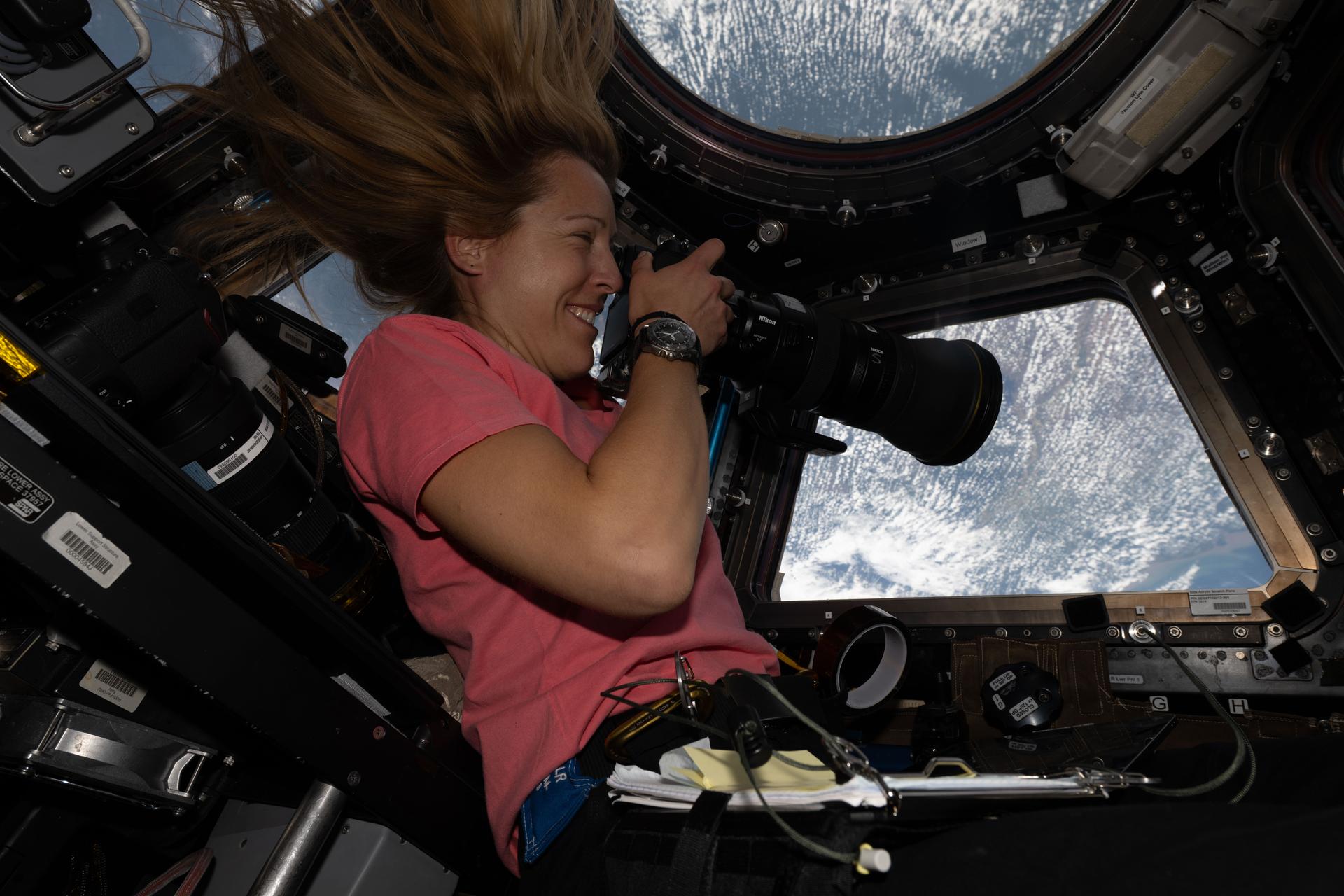
iss074e0325597 (Feb. 25, 2026) --- ESA (European Space Agency) astronaut and Expedition 74 Flight Engineer Sophie Adenot points a camera out a cupola window and photographs International Space Station solar arrays for inspection. The orbital outpost was soaring 260 miles above Venezuela at the time of this photograph. Credit: ESA/Sophie Adenot
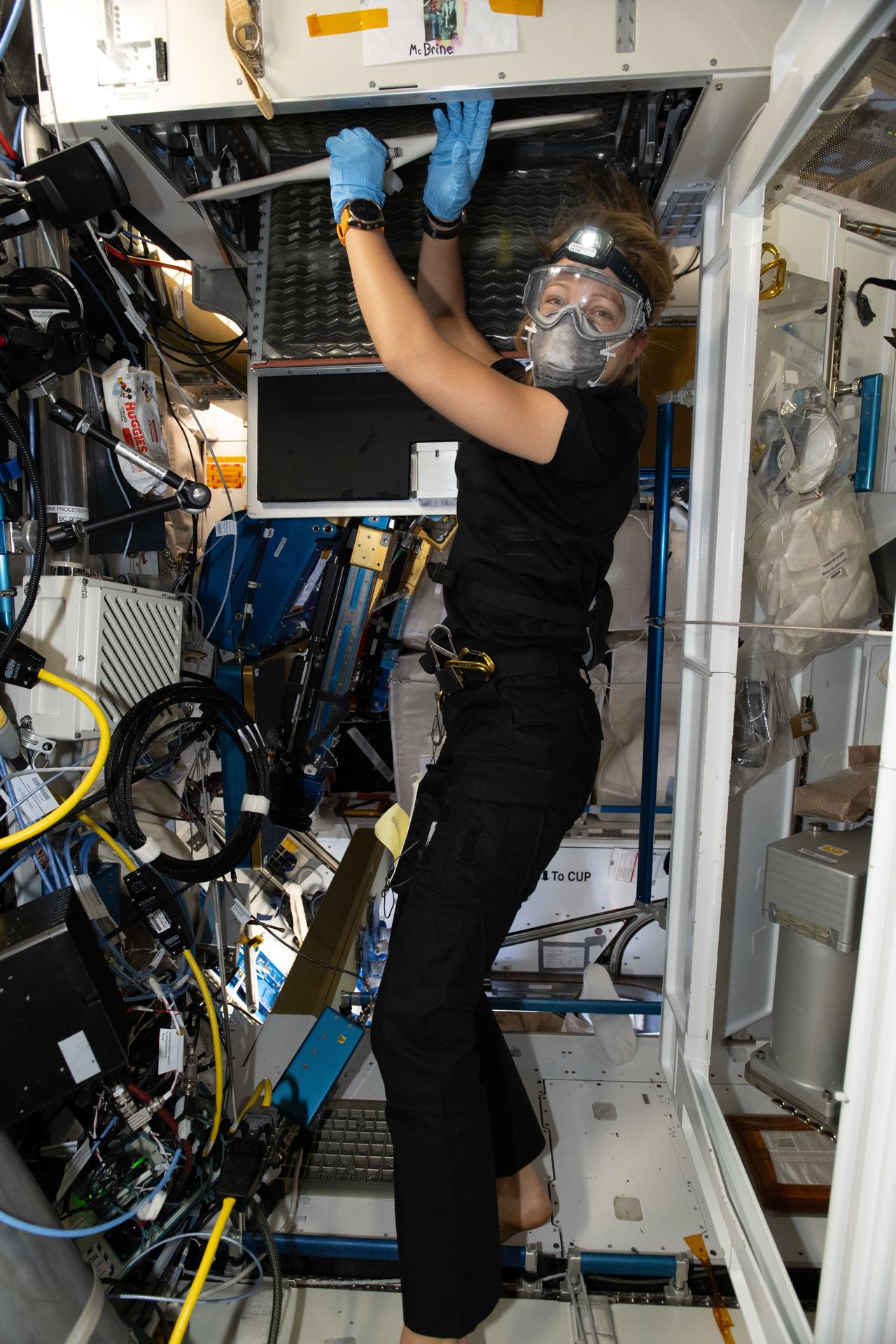
iss074e0319380 (Feb. 19, 2026) --- ESA (European Space Agency) astronaut and Expedition 74 Flight Engineer Sophie Adenot wears personal protective equipment and conducts orbital plumbing maintenance inside the International Space Station's Tranquility module. Credit: ESA/Sophie Adenot
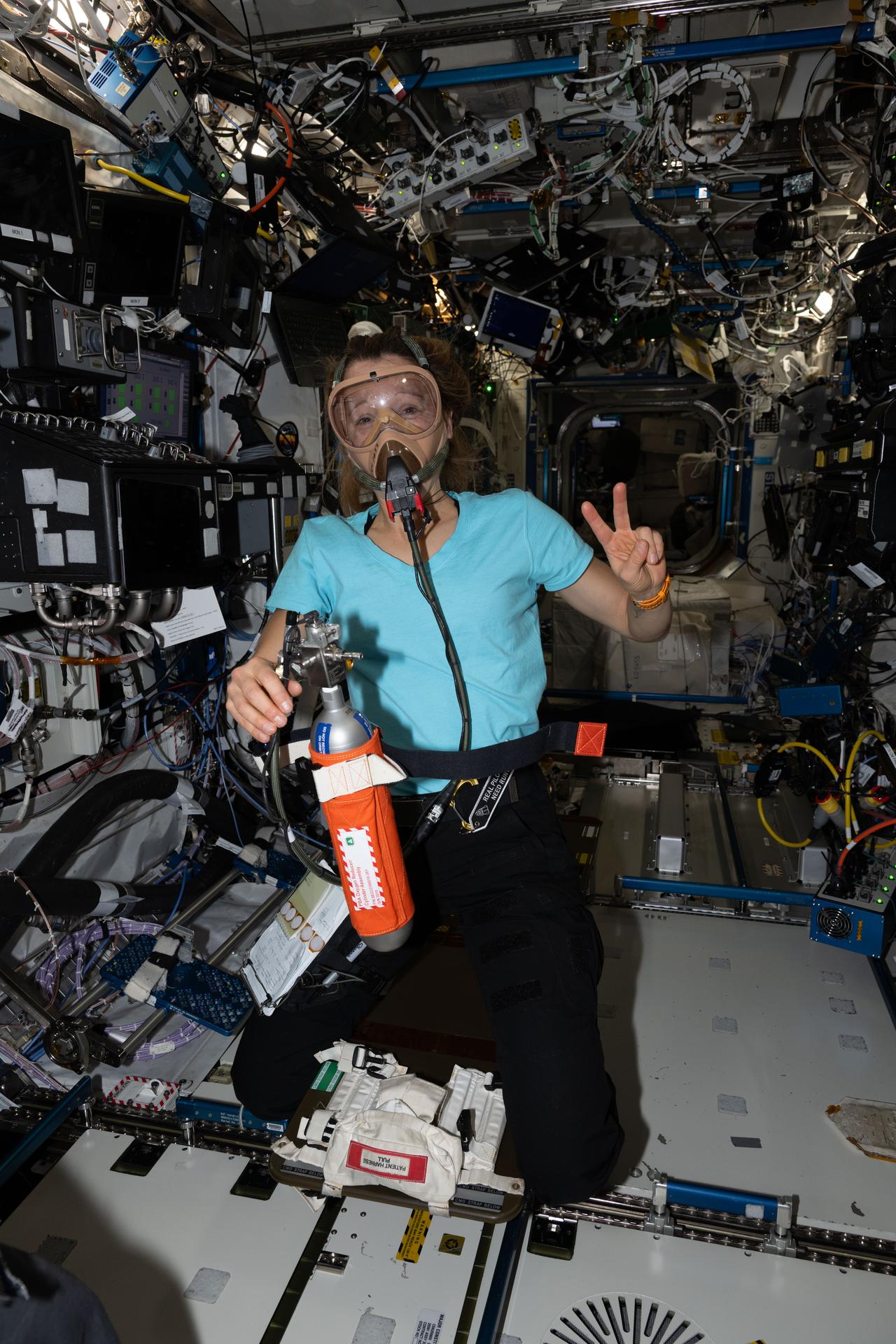
iss074e0432742 (April 3, 2026) --- ESA (European Space Agency) astronaut and Expedition 74 flight engineer Sophie Adenot is wearing a portable breathing apparatus to test its readiness for unlikely emergency scenarios such as an oxygen leak, chemical leak, or fire aboard the orbital outpost. Credit: ESA/Sophie Adenot
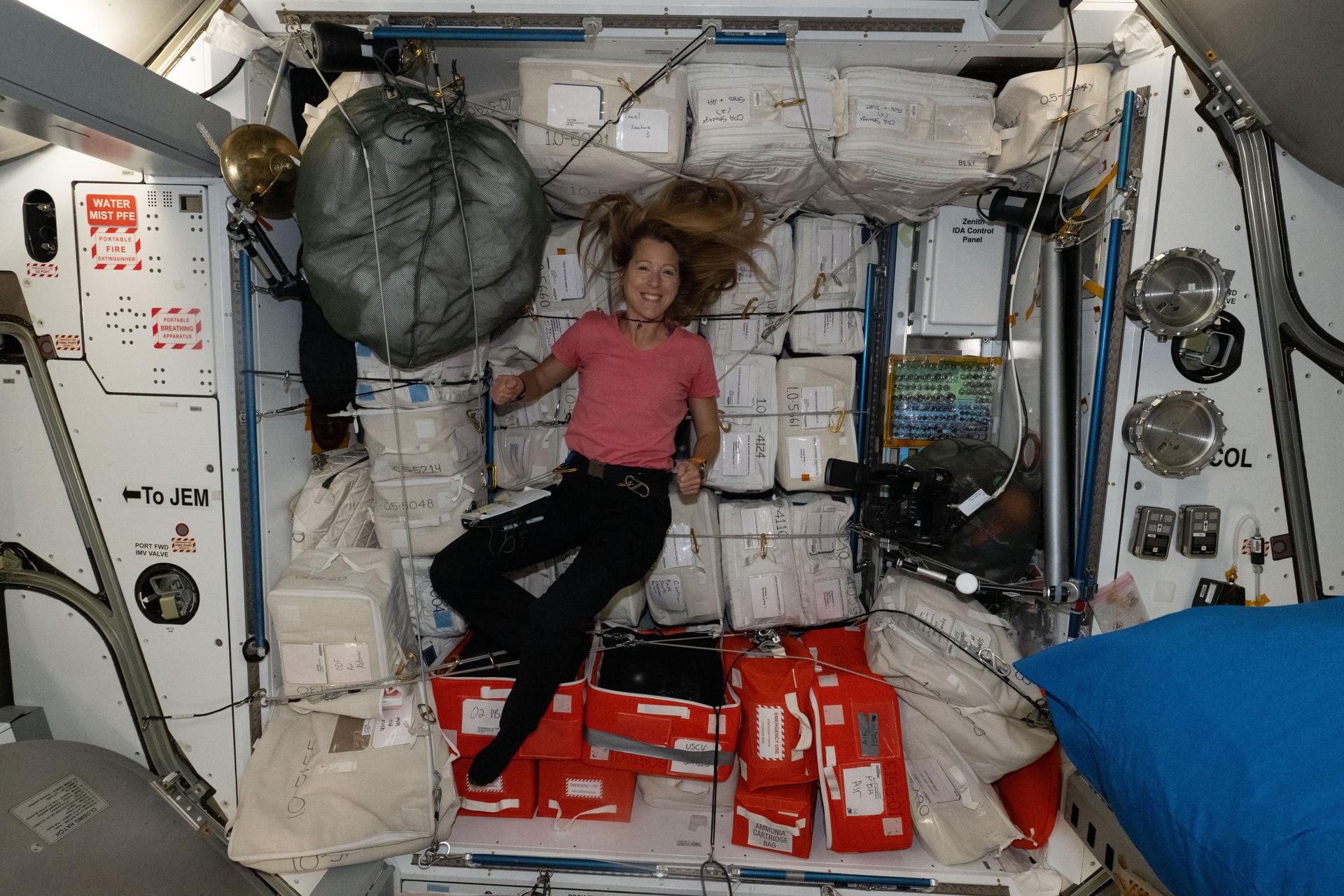
iss074e0333993 (Feb. 26, 2026) --- ESA (European Space Agency) astronaut and Expedition 74 Flight Engineer Sophie Adenot is pictured inside the International Space Station's Harmony module during cargo stowage activities. Credit: ESA/Sophie Adenot
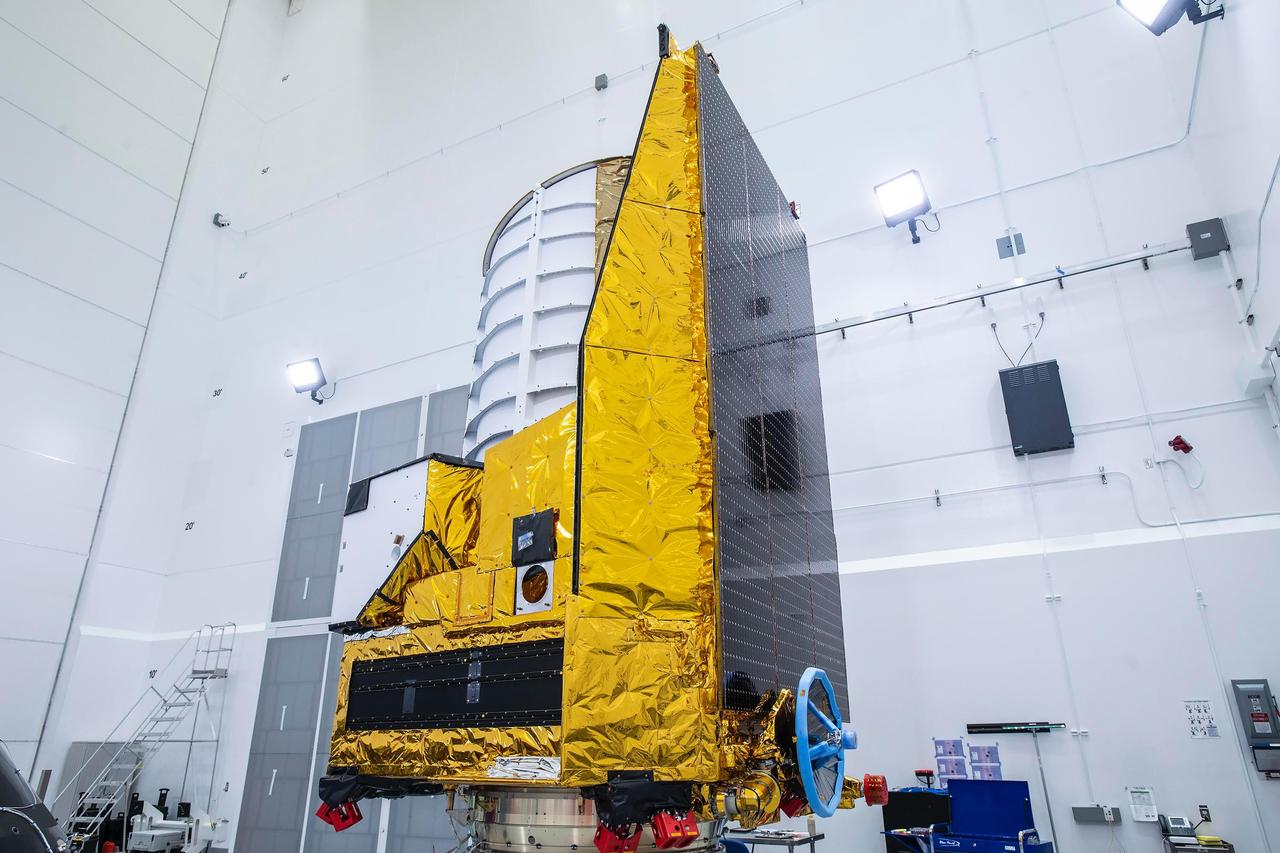
The ESA (European Space Agency) Euclid telescope, with contributions from NASA, is shown here on Friday 23 June, being secured to the adaptor of a SpaceX Falcon 9 rocket before launch. Black solar panels line the right side of the spacecraft. The telescope will view the cosmos through the top of the white cylinder that sits above the spacecraft's instruments. https://photojournal.jpl.nasa.gov/catalog/PIA25783
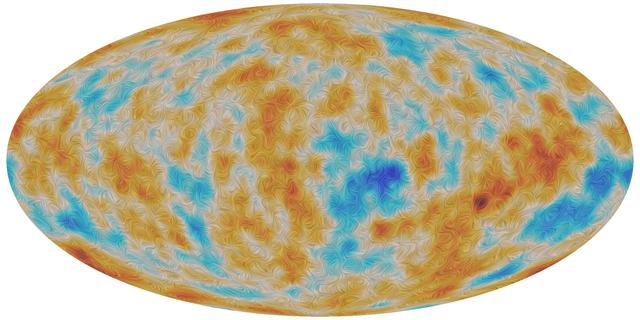
A visualization of the polarization of the Cosmic Microwave Background, or CMB, as detected by ESA Planck satellite over the entire sky.

ESA Planck has imaged the most distant light we can observe, called the cosmic microwave background, with unprecedented precision.
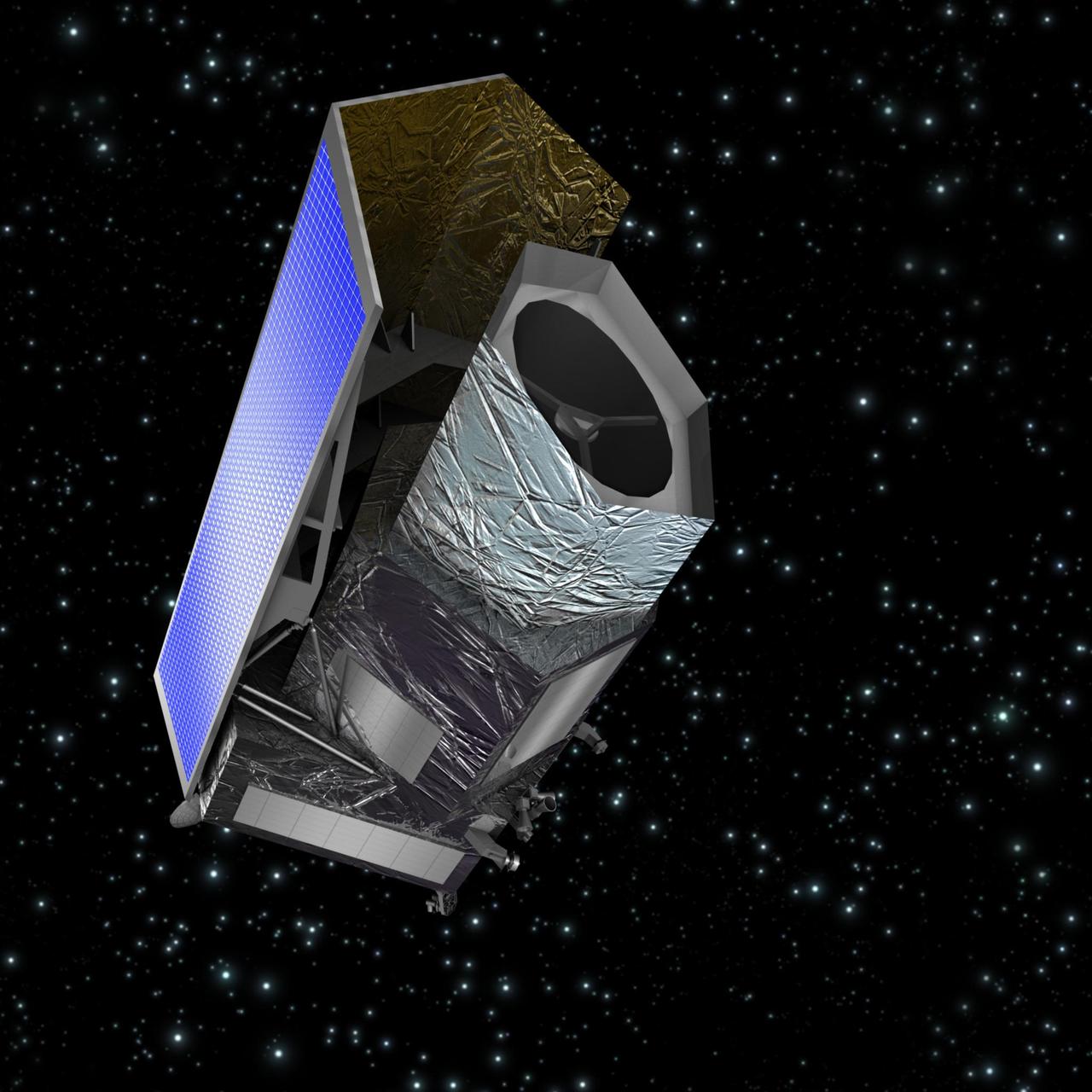
ESA Euclid spacecraft, shown in this artist impression, is scheduled to launch in 2020 with participation from NASA.
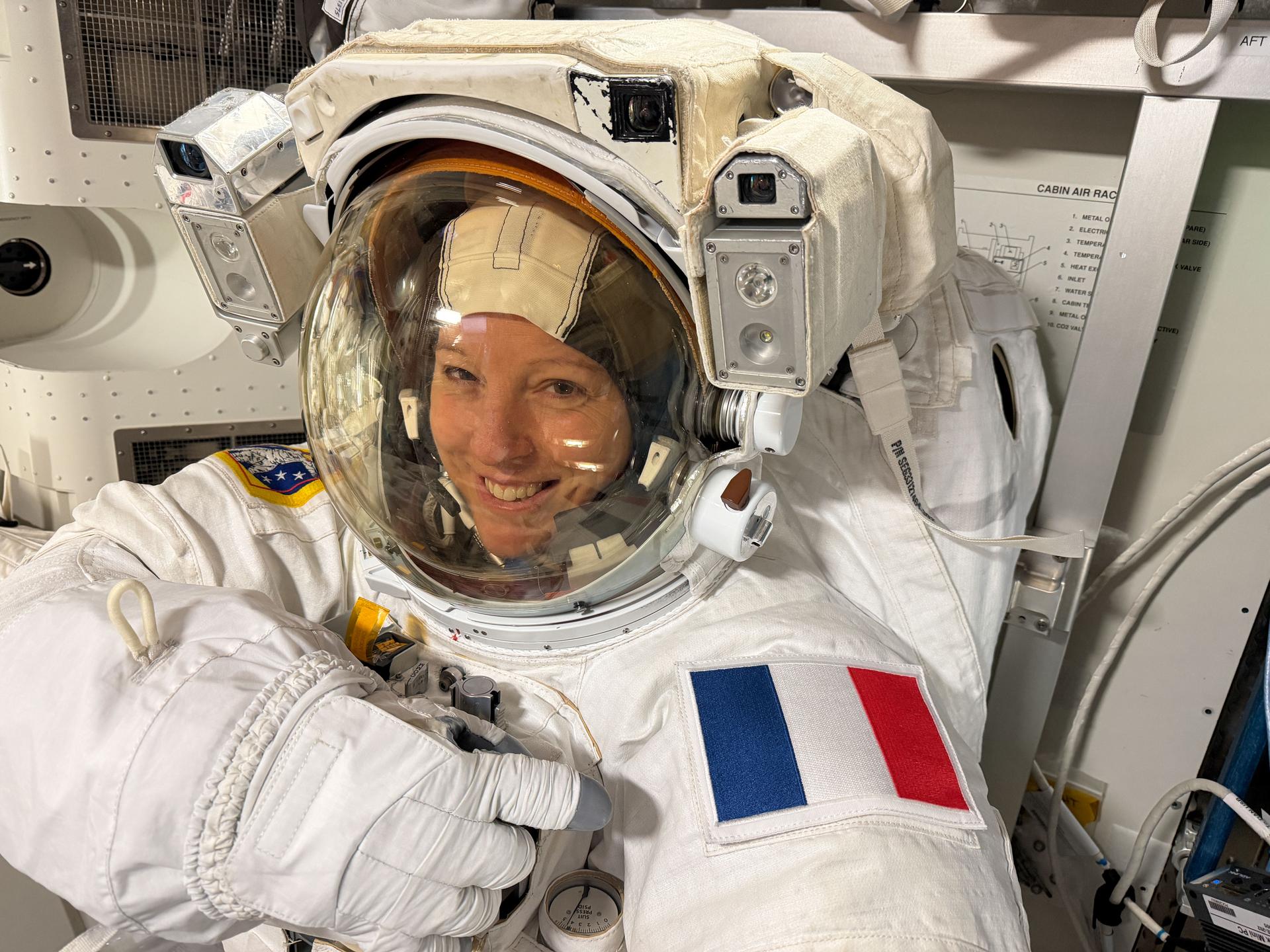
iss074e0437879 (April 3, 2026) --- Expedition 74 flight engineer Sophie Adenot of ESA (European Space Agency) wears a spacesuit in a powered and pressurized configuration to verify its comfort, mobility, and functionality inside the International Space Station’s Quest airlock. Adenot also conducted suit leak and pressure checks while verifying the suit’s communications hardware and life-support systems. Credit: ESA/Sophie Adenot
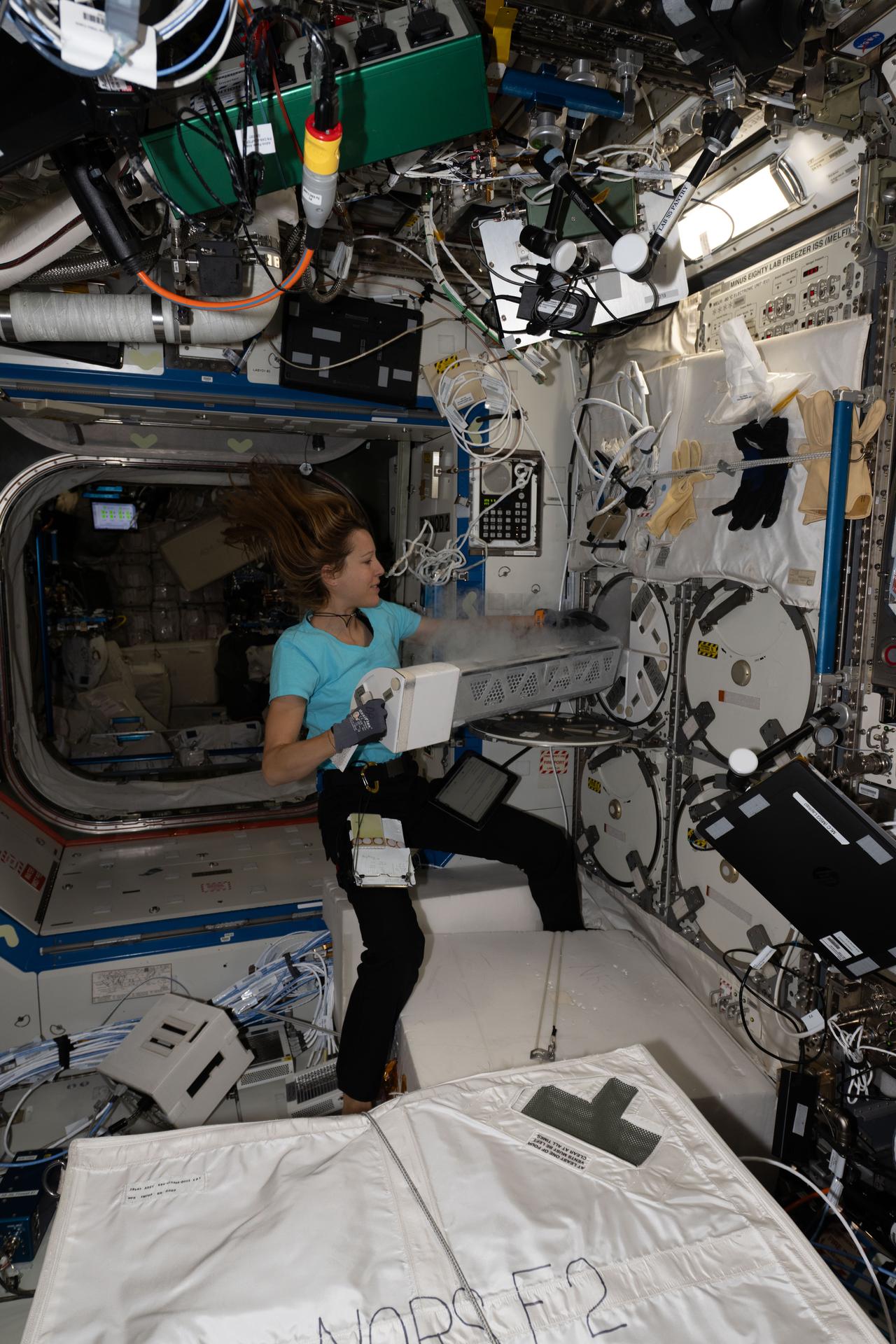
iss074e0414445 (March 26, 2026) --- ESA (European Space Agency) astronaut and Expedition 74 flight engineer Sophie Adenot inserts biological research samples into a science freezer inside the International Space Station’s Destiny laboratory module. The freezer, formally known as the Minus Eighty-degree Laboratory Freezer for ISS (MELFI), maintains experiment samples at ultra‑cold temperatures, significantly enhancing microgravity research capabilities and preserving biological specimens for analysis back on Earth. Credit: ESA/Sophie Adenot
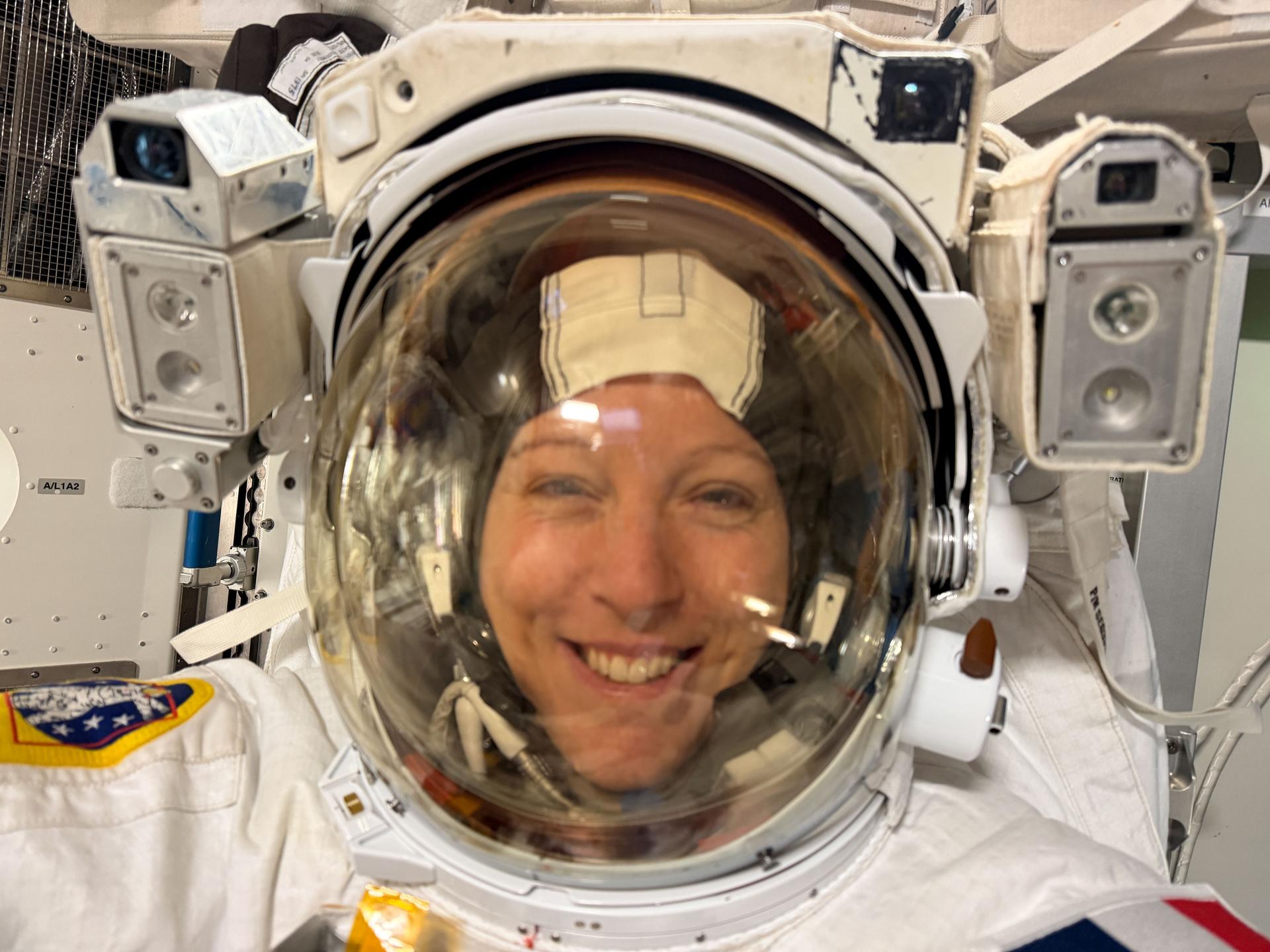
iss074e0437876 (April 3, 2026) --- Expedition 74 flight engineer Sophie Adenot of ESA (European Space Agency) wears a spacesuit in a powered and pressurized configuration to verify its comfort, mobility, and functionality inside the International Space Station’s Quest airlock. Adenot also conducted suit leak and pressure checks while verifying the suit’s communications hardware and life-support systems. Credit: ESA/Sophie Adenot
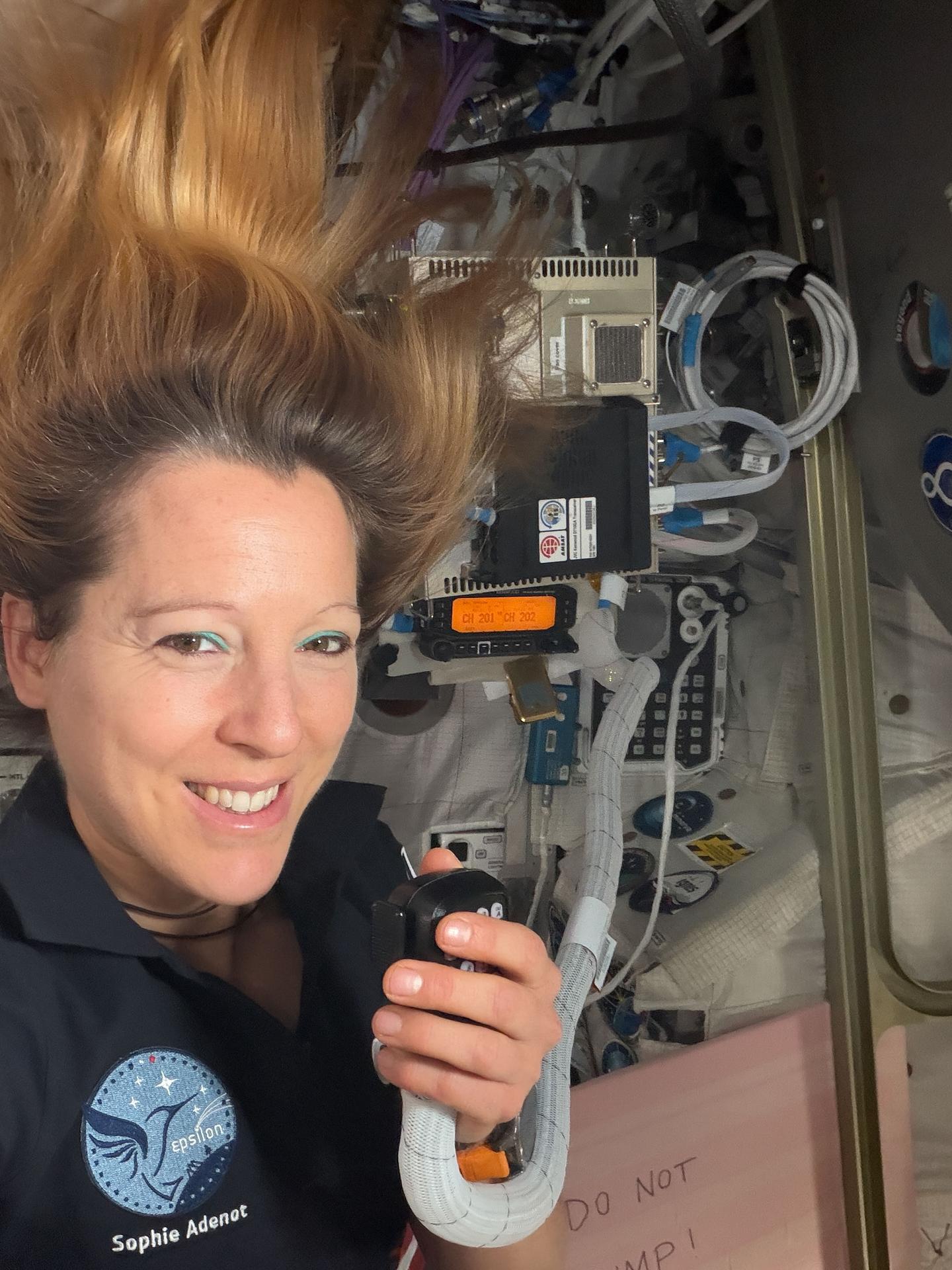
iss074e0545538 (April 18, 2026) --- ESA (European Space Agency) astronaut and Expedition 74 flight engineer Sophie Adenot speaks to students on the ground using the International Space Station's ham radio. The ARISS, or Amateur Radio on the International Space Station, program gives students around the world the opportunity to talk directly with crew members aboard the orbital outpost, inspiring them to pursue careers in science, technology, engineering, and math. Credit: ESA/Sophie Adenot
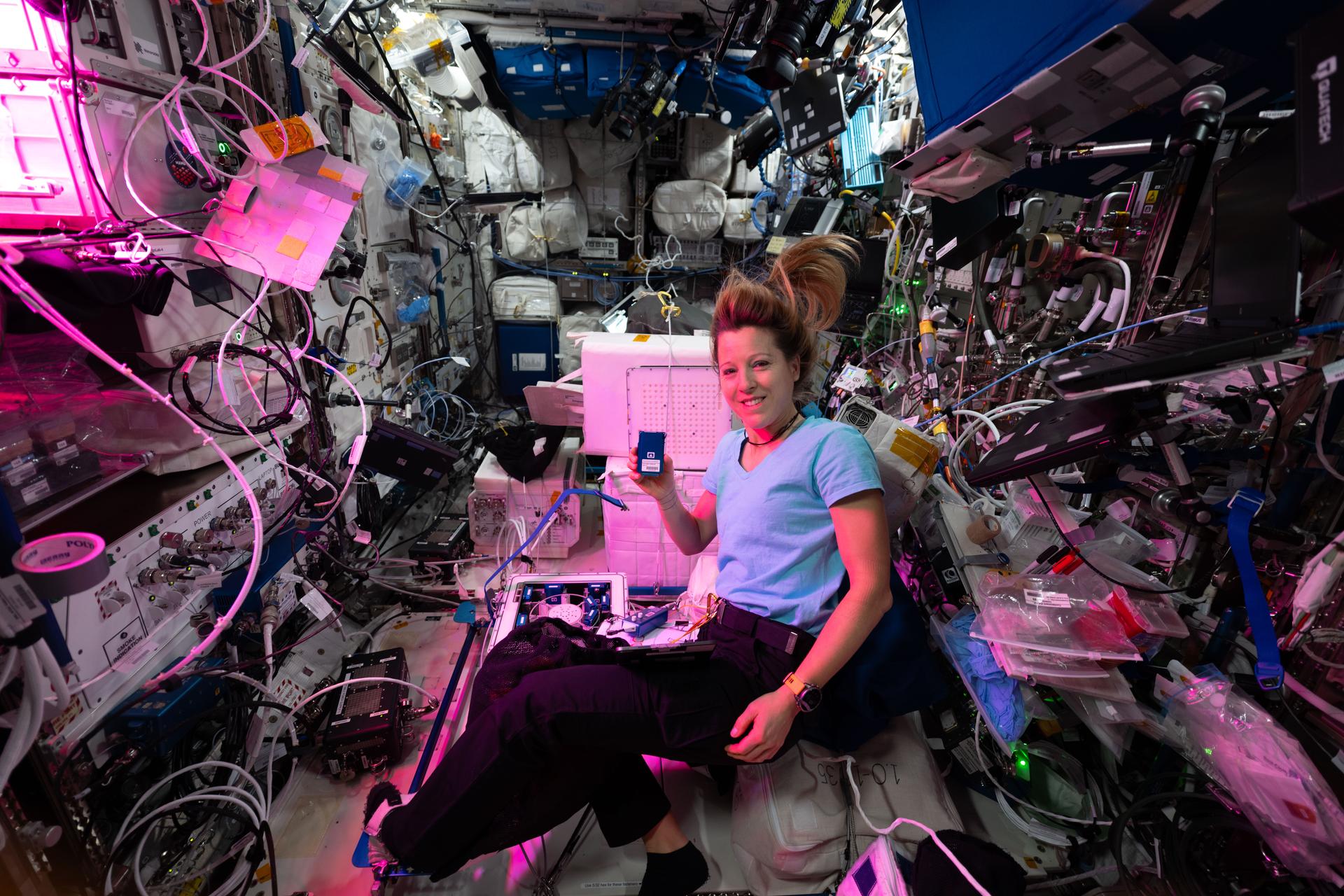
iss074e0586304 (May 17, 2026) --- ESA (European Space Agency) astronaut and Expedition 74 flight engineer Sophie Adenot shows off new scientific hardware recently delivered to the International Space Station aboard a SpaceX Dragon cargo spacecraft. The new research equipment aims to grow human bone cells on a specially treated rattan‑wood scaffold to simulate osteoporosis in microgravity. Insights from the investigation may lead to advanced treatments for osteoporosis and improved bone‑healing therapies for patients. Credit: ESA/Sophie Adenot
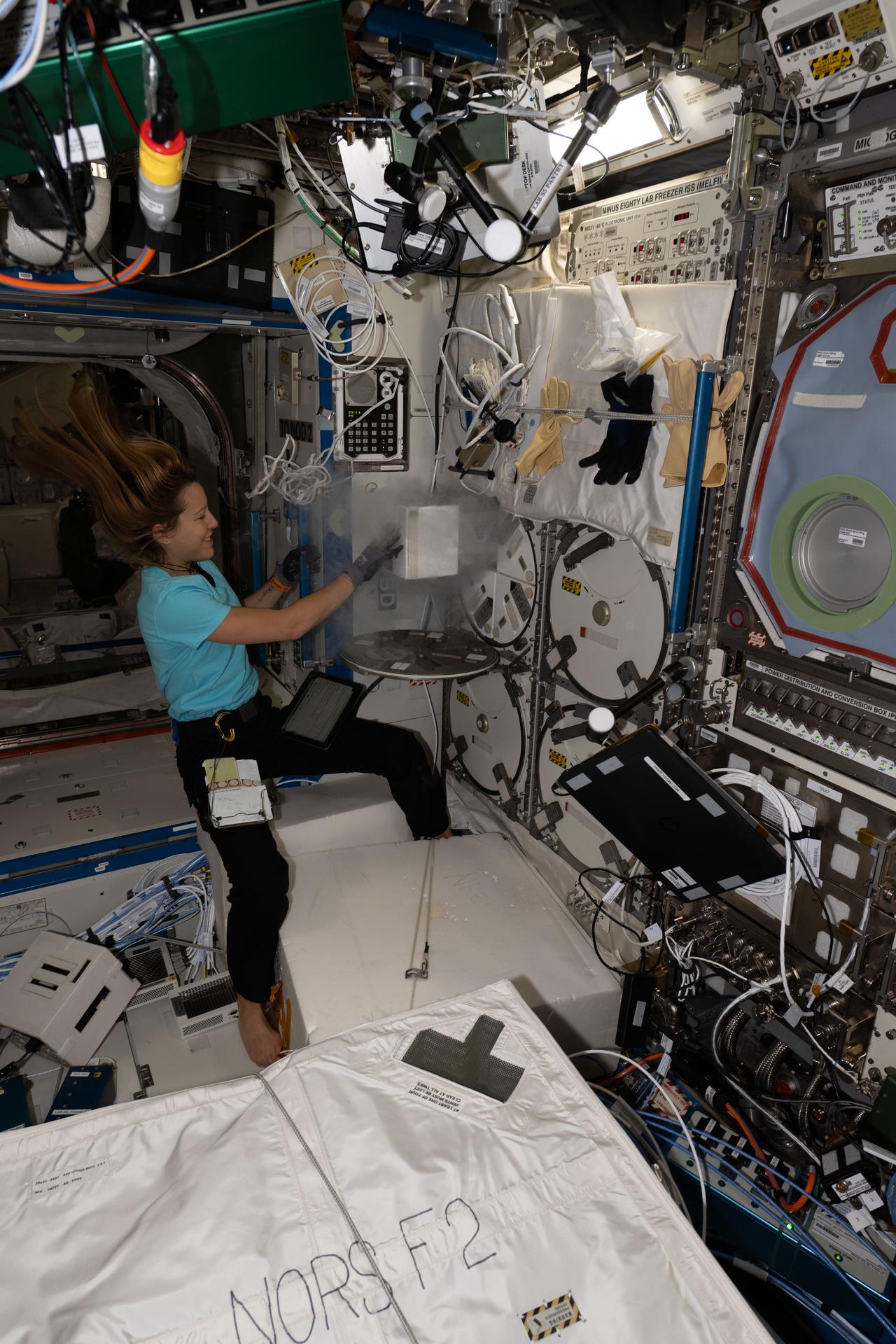
iss074e0414454 (March 26, 2026) --- ESA (European Space Agency) astronaut and Expedition 74 flight engineer Sophie Adenot inserts biological research samples into a science freezer inside the International Space Station’s Destiny laboratory module. The freezer, formally known as the Minus Eighty-degree Laboratory Freezer for ISS (MELFI), maintains experiment samples at ultra‑cold temperatures, significantly enhancing microgravity research capabilities and preserving biological specimens for analysis back on Earth. Credit: ESA/Sophie Adenot
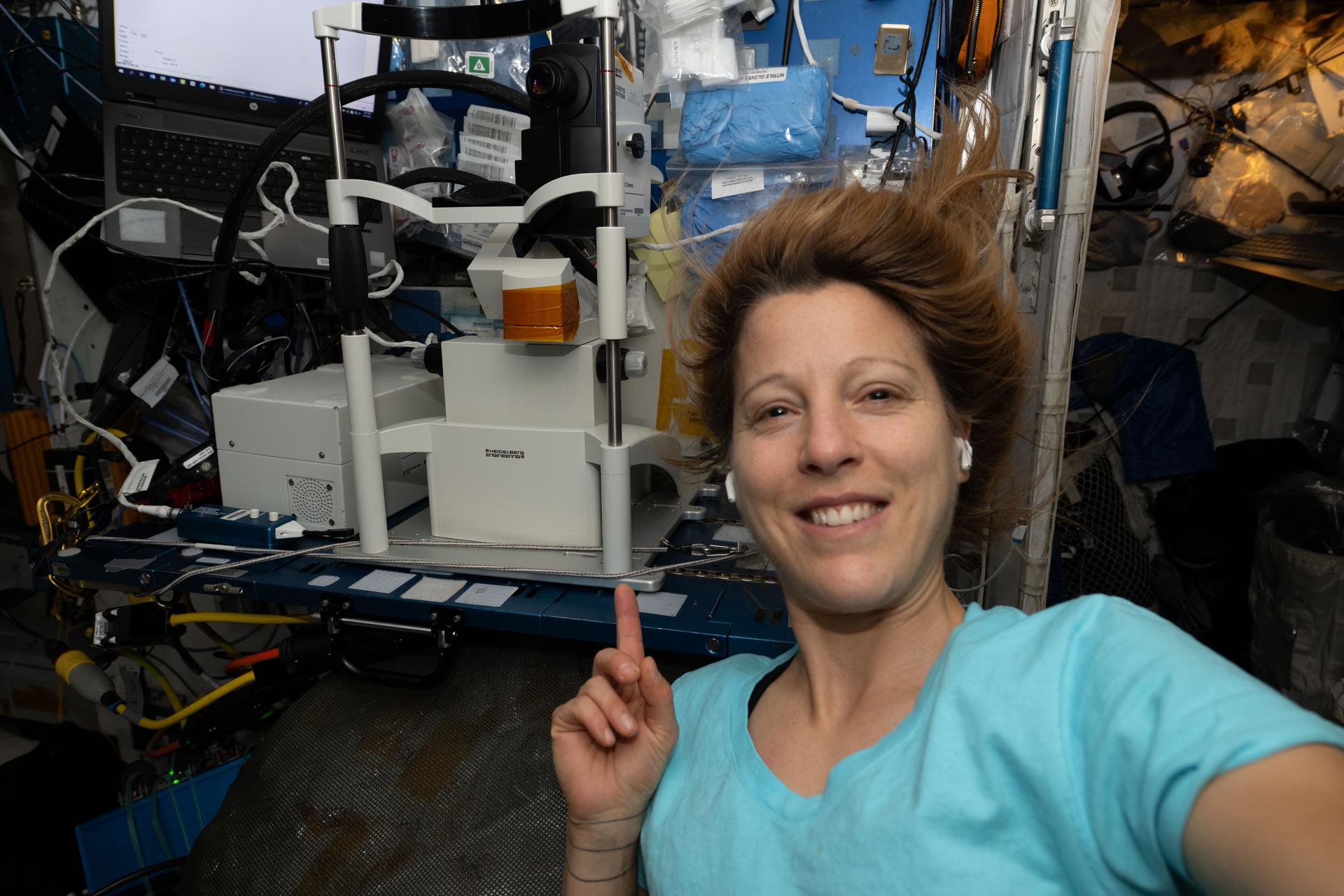
iss074e0433179 (April 3, 2026) --- ESA (European Space Agency) astronaut and Expedition 74 flight engineer Sophie Adenot smiles for a portrait while showing off an Optical Coherence Tomography machine, a medical imaging device used for eye exams. Doctors on the ground monitor the eye exam in real-time viewing an astronaut's retina, lens, and cornea. Vision is critical to a mission’s success and doctors regularly check the astronauts’ eyes to counteract the potential effects of living in space. Credit: ESA/Sophie Adenot
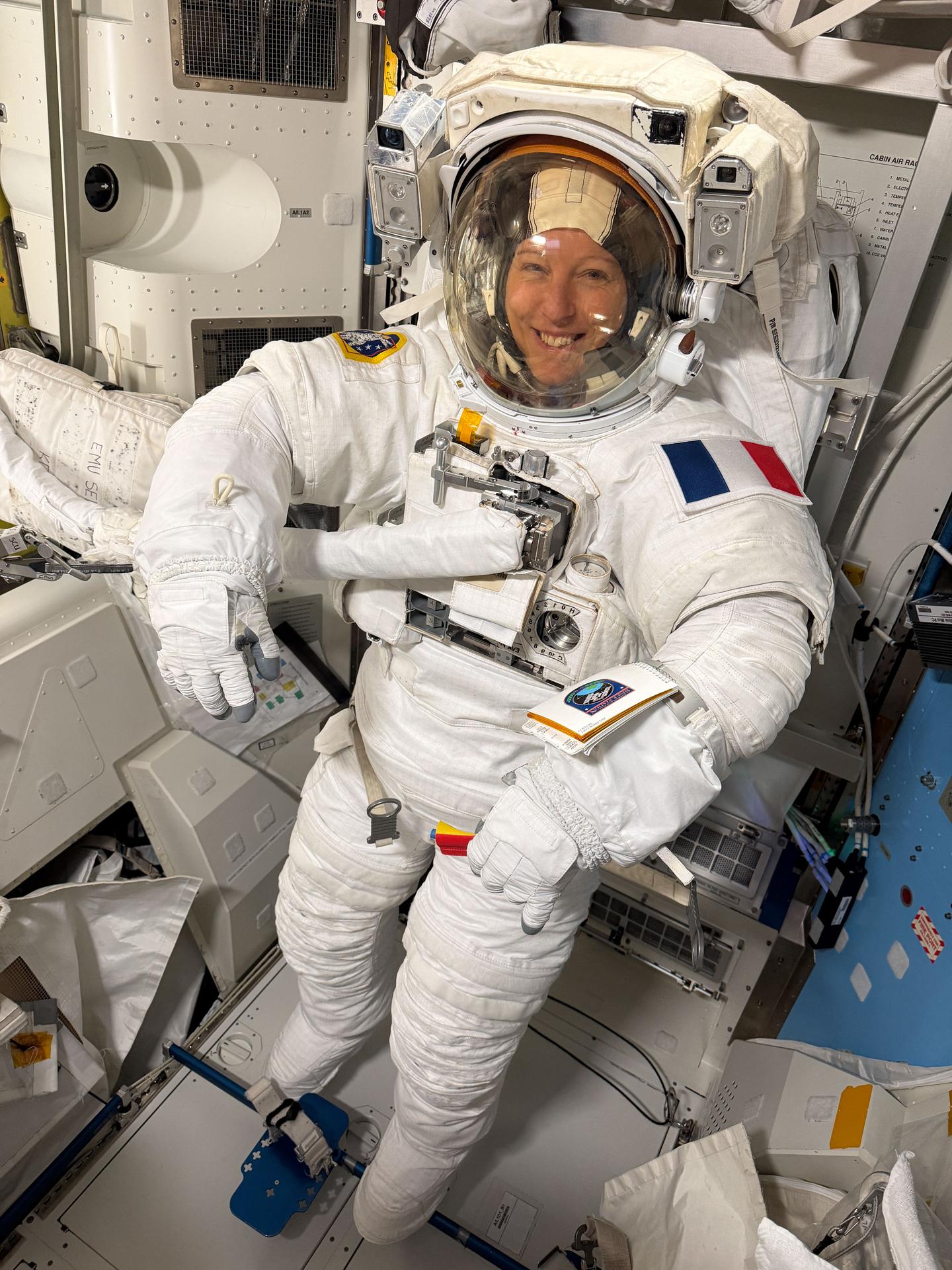
iss074e0437875 (April 3, 2026) --- Expedition 74 flight engineer Sophie Adenot of ESA (European Space Agency) wears a spacesuit in a powered and pressurized configuration to verify its comfort, mobility, and functionality inside the International Space Station’s Quest airlock. Adenot also conducted suit leak and pressure checks while verifying the suit’s communications hardware and life-support systems. Credit: ESA/Sophie Adenot

jsc2024e050831 (7/26/2024) --- The Earthshine from ISS investigation involves the thorough analysis of photos taken of the Moon from the International Space Station (ISS) at specific points in the lunar cycle to study changes in the Earth’s reflectance of light, or albedo. This photo was taken by NASA astronaut Matthew Dominick in the station’s Cupola. The intensity scale has been stretched to show off the dark side. This also brings out two reflections of the lunar bright side, caused by the multiple reflections and refractions in the Cupola's thick glass. Pictures of the Moon from space can help determine whether the earthshine method for determining Earth’s albedo can benefit from the absence of an atmosphere. Image courtesy of ESA/NASA.
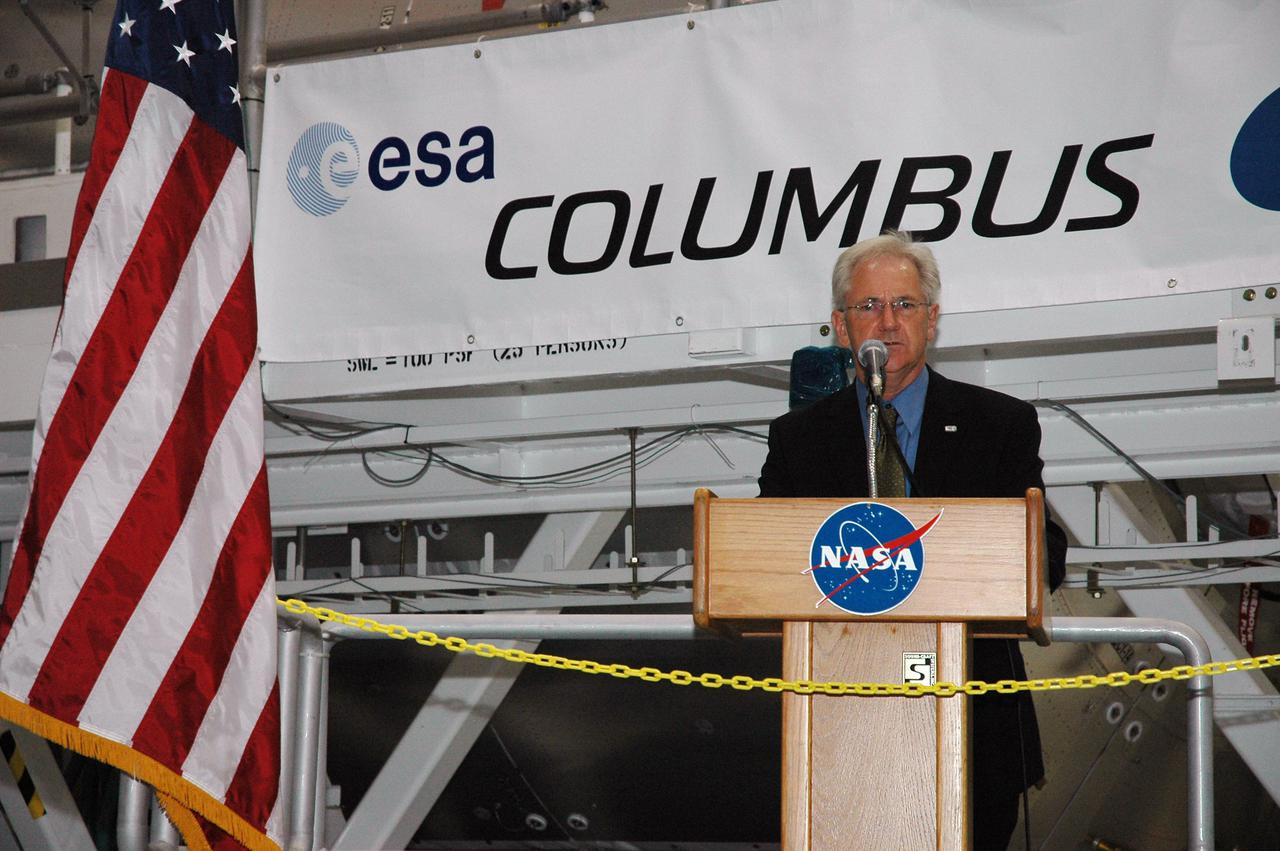
KENNEDY SPACE CENTER, FLA. - Alan Thirkettle, International Space Station program manager for the European Space Agency (ESA), speaks at a ceremony in the Space Station Processing Facility following the delivery of ESA's Columbus module to Kennedy Space Center. Columbus is the European Space Agency's research laboratory for the International Space Station. The module will be prepared in the SSPF for delivery to the space station on a future space shuttle mission. Columbus will expand the research facilities of the station and provide researchers with the ability to conduct numerous experiments in the life, physical and materials sciences. Photo credit: NASA_Amanda Diller
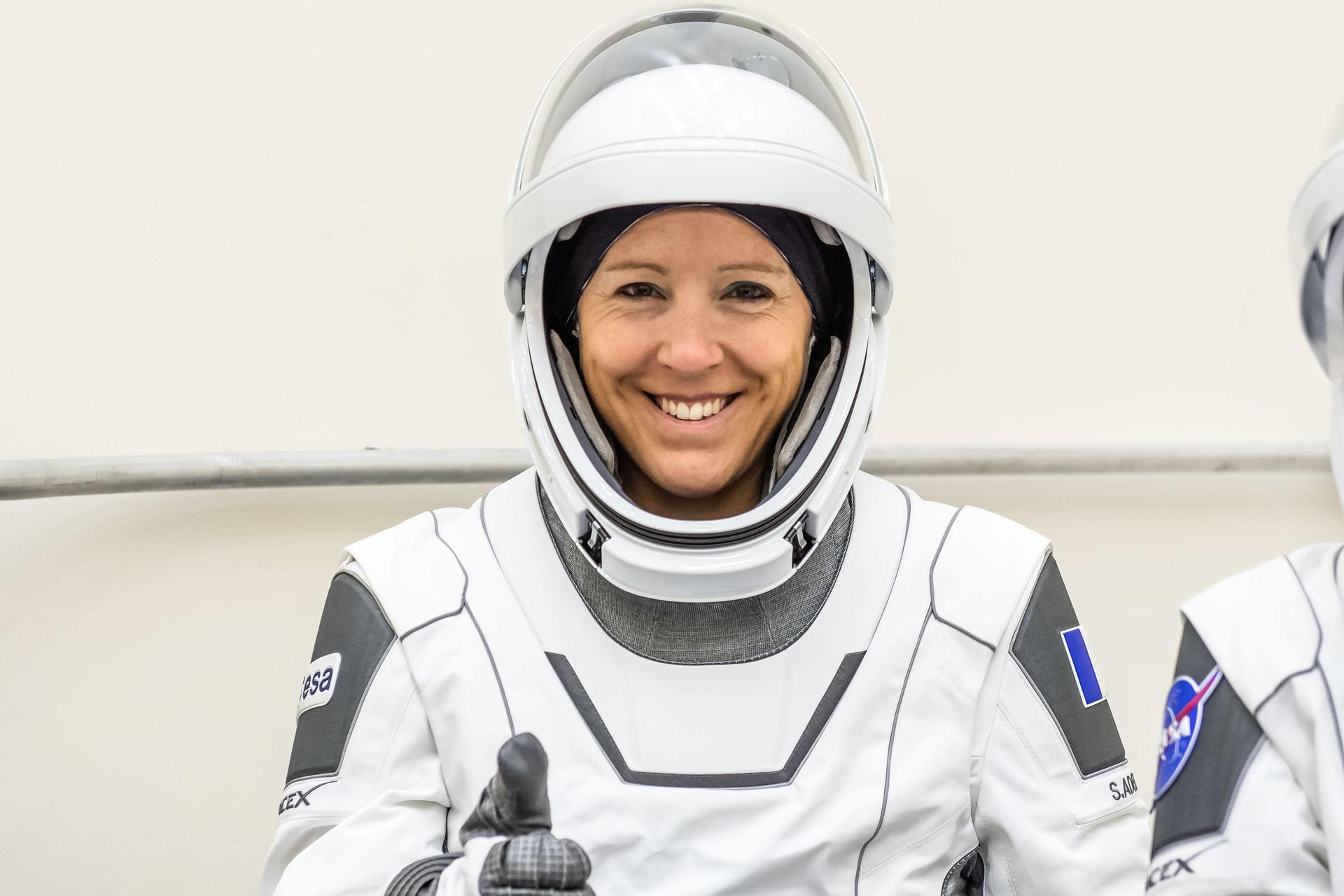
jsc2026e002964 (Jan. 12, 2026) --- ESA (European Space Agency) astronaut and SpaceX Crew-12 Mission Specialist Sophie Adenot is photographed in her pressure suit during the Crew Equipment Interface Test at NASA’s Kennedy Space Center in Florida. The goal of the training is to rehearse launch day activities and get a close look at the Dragon spacecraft. Credit: SpaceX
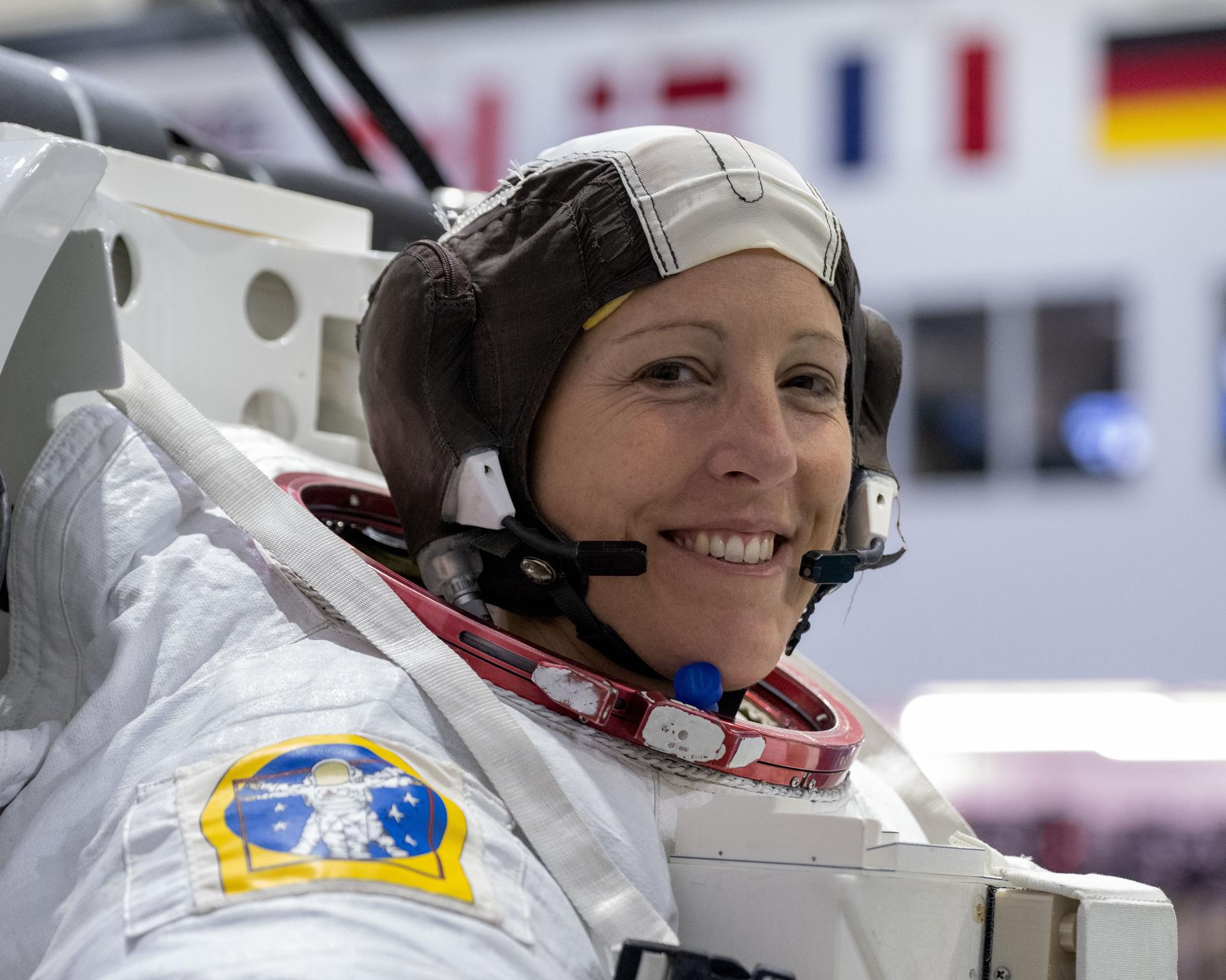
jsc2024e062537 (Sept. 20, 2024) --- ESA (European Space Agency) astronaut Sophie Adenot smiles for a portrait as she gets suited up for a spacewalk training session at Johnson Space Center's Neutral Buoyancy Laboratory in Houston, Texas. Credit: NASA/Bill Stafford
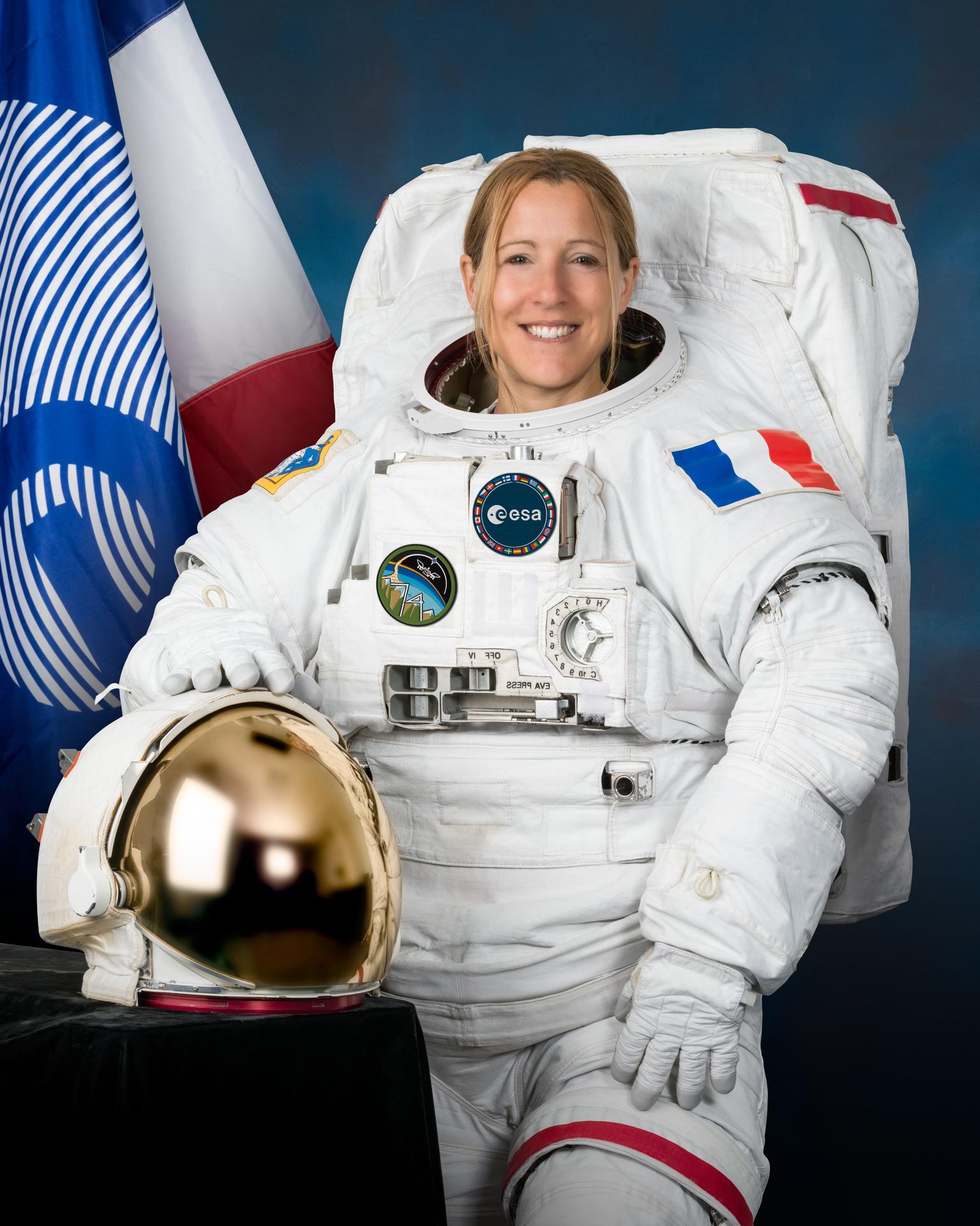
jsc2025e073892_alt (Sept. 11, 2025) --- Official portrait of ESA (European Space Agency) astronaut Sophie Adenot wearing a spacesuit, also called an Extravehicular Mobility Unit (EMU), at NASA's Johnson Space Center in Houston, Texas. Credit: NASA/Helen Arase Vargas and David DeHoyos
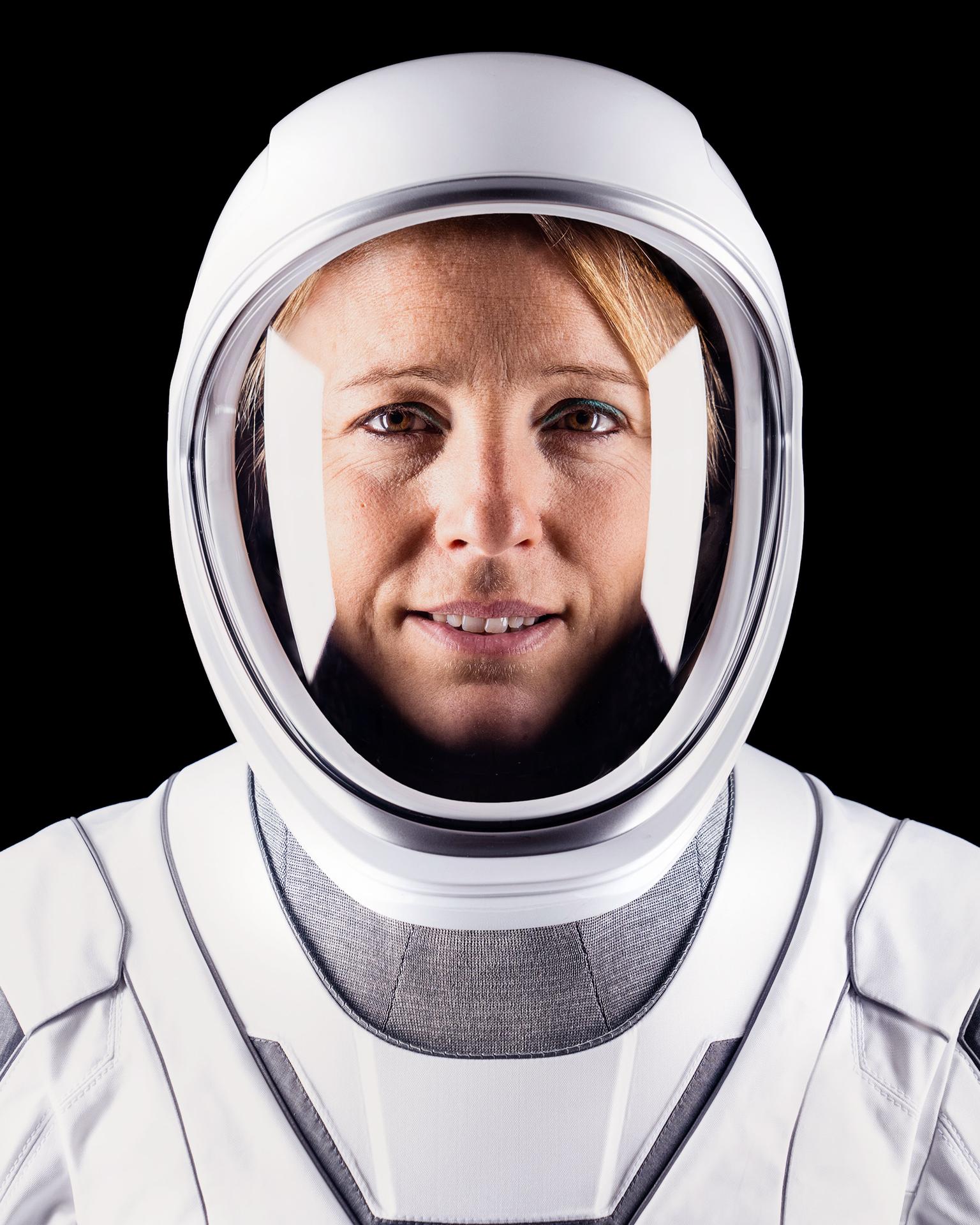
jsc2026e002319 (Jan. 14, 2026) --- ESA (European Space Agency) astronaut Sophie Adenot, mission specialist of NASA’s SpaceX Crew-12 mission to the International Space Station, poses for a portrait in her pressure suit at SpaceX headquarters in Hawthorne, California. Credit: SpaceX
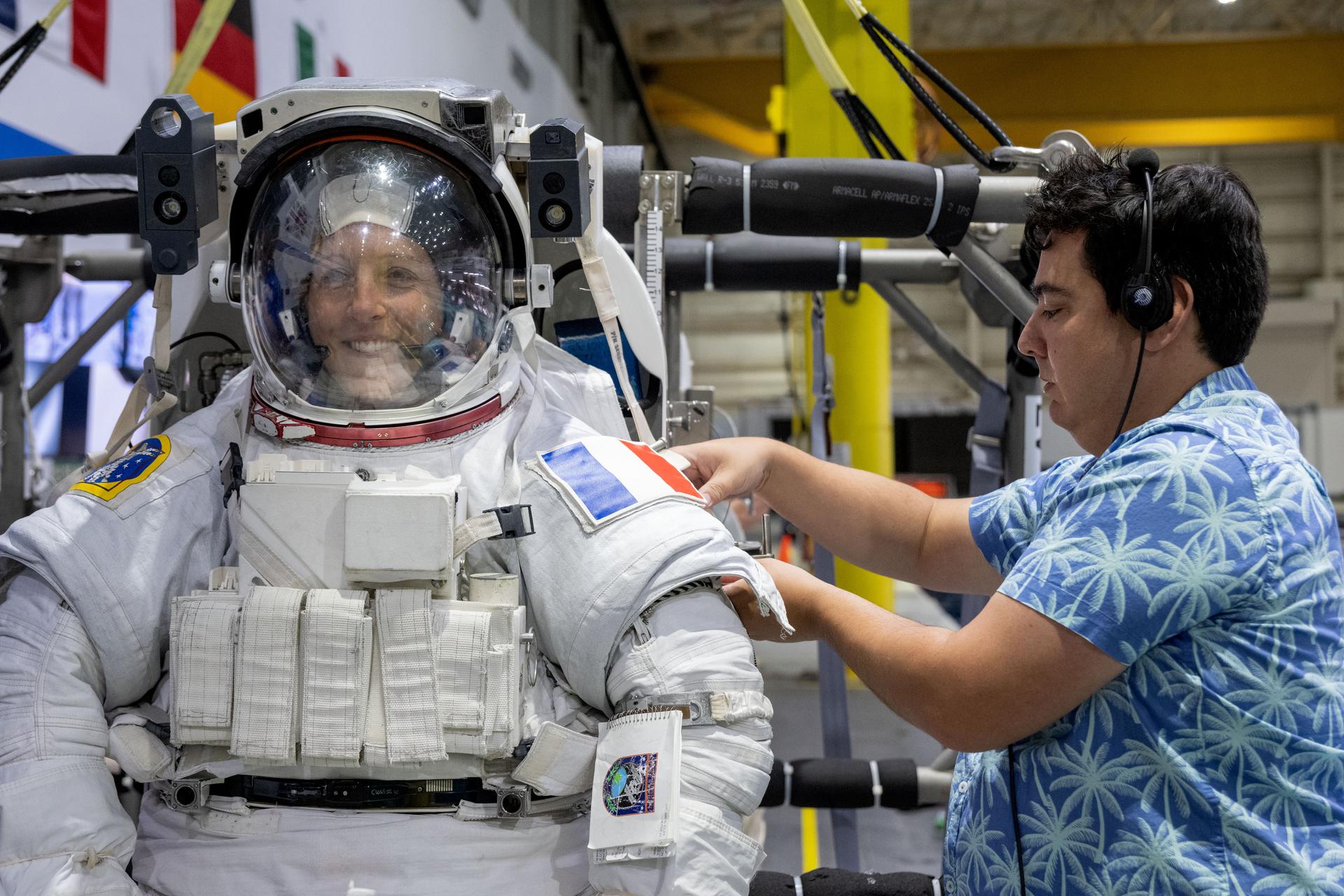
jsc2024e062547 (Sept. 20, 2024) --- ESA (European Space Agency) astronaut Sophie Adenot is assisted by support personnel in her spacesuit during a spacewalk training session at Johnson Space Center's Neutral Buoyancy Laboratory in Houston, Texas. Credit: NASA/Bill Stafford
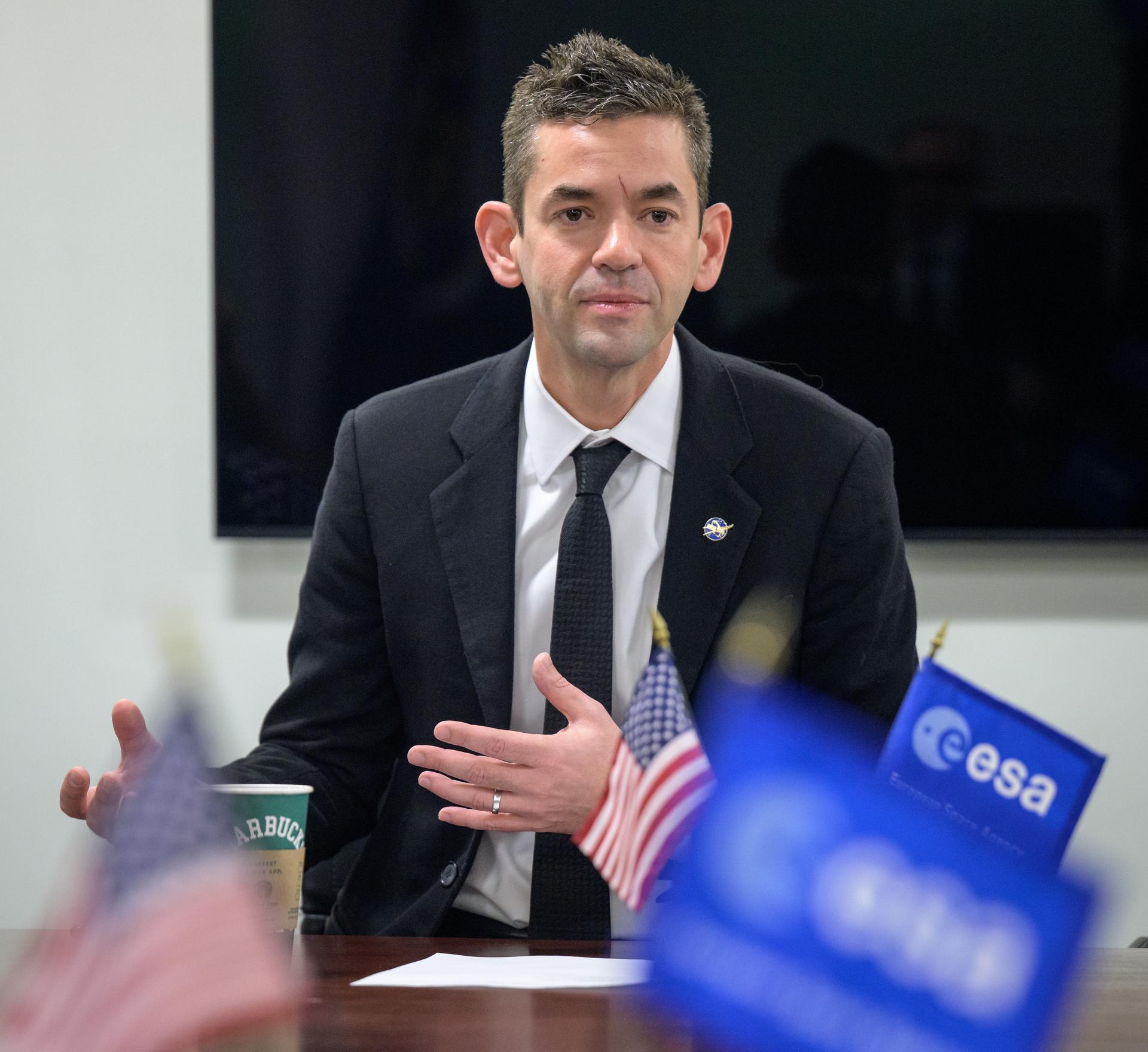
NASA Administrator Jared Isaacman meets with ESA Director General Josef Aschbacher, Wednesday, Feb. 11, 2026, at the Mary W. Jackson NASA Headquarters Building in Washington. Photo Credit: (NASA/Bill Ingalls)
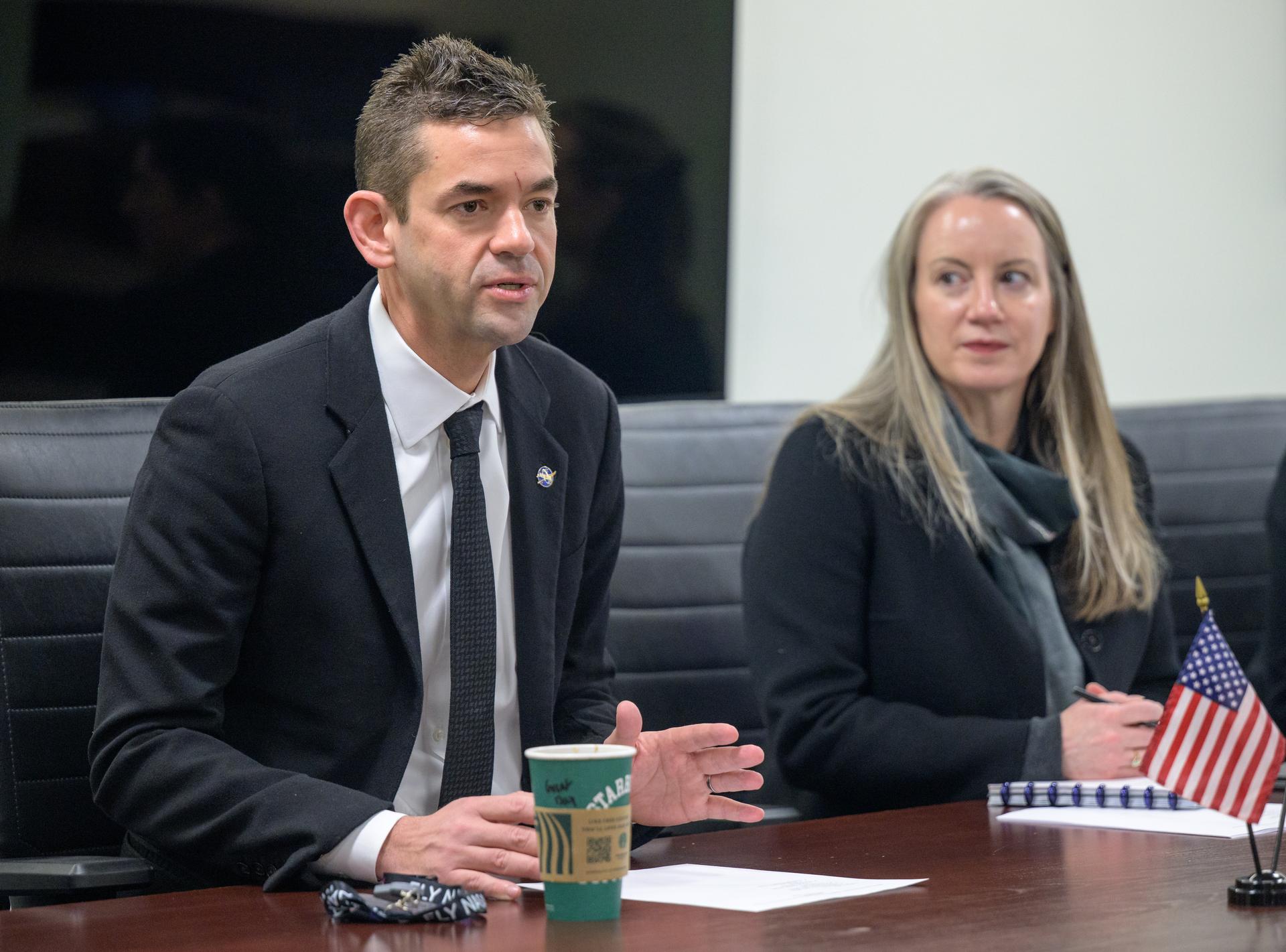
NASA Administrator Jared Isaacman meets with ESA Director General Josef Aschbacher, Wednesday, Feb. 11, 2026, at the Mary W. Jackson NASA Headquarters Building in Washington. Photo Credit: (NASA/Bill Ingalls)
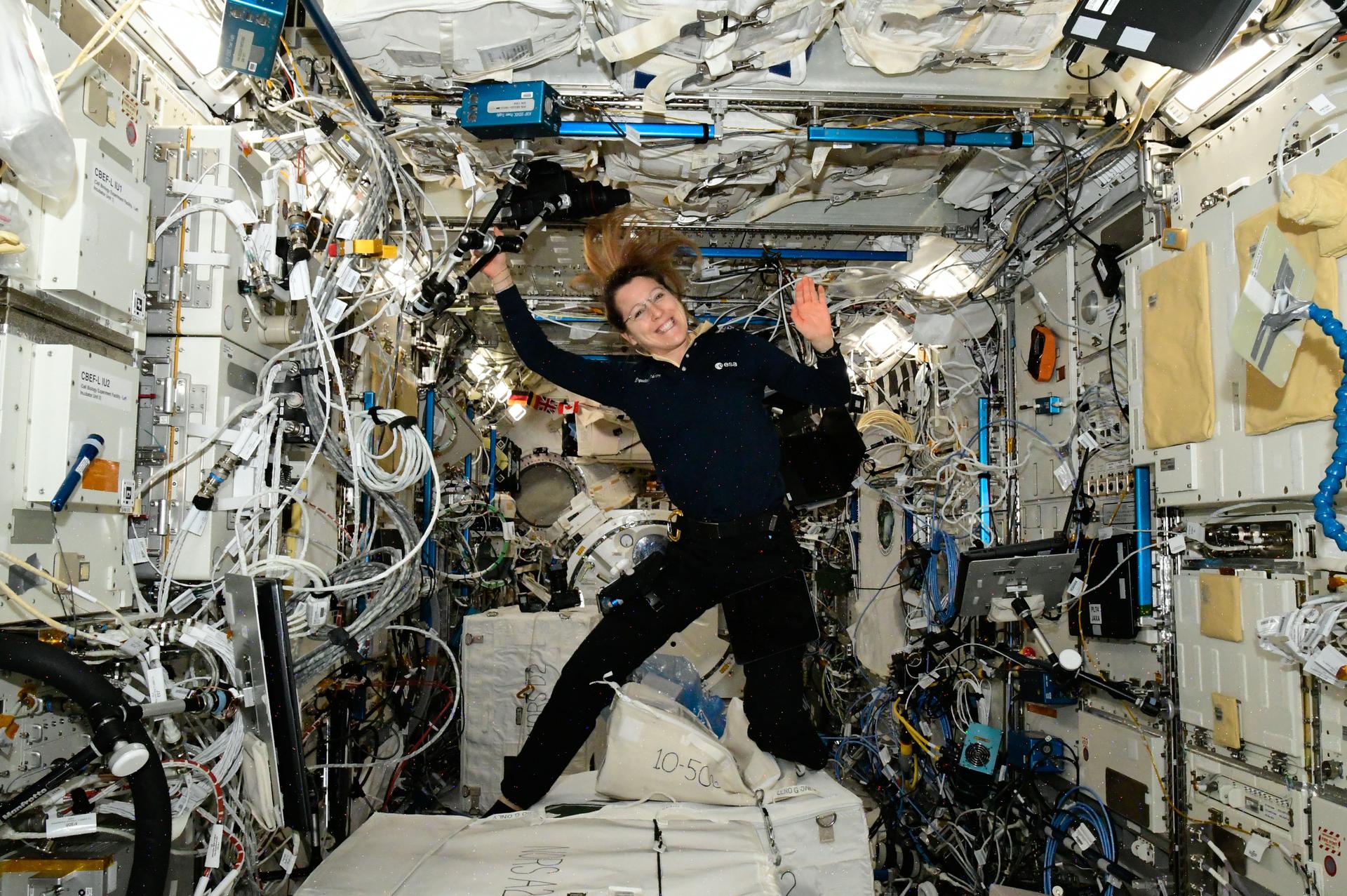
iss075e0103070 (Sept. 9, 2026) --- ESA (European Space Agency) astronaut and Expedition 75 flight engineer Sophie Adenot poses for a portrait inside the International Space Station's Kibo laboratory module. Credit: Roscosmos/Anna Kikina
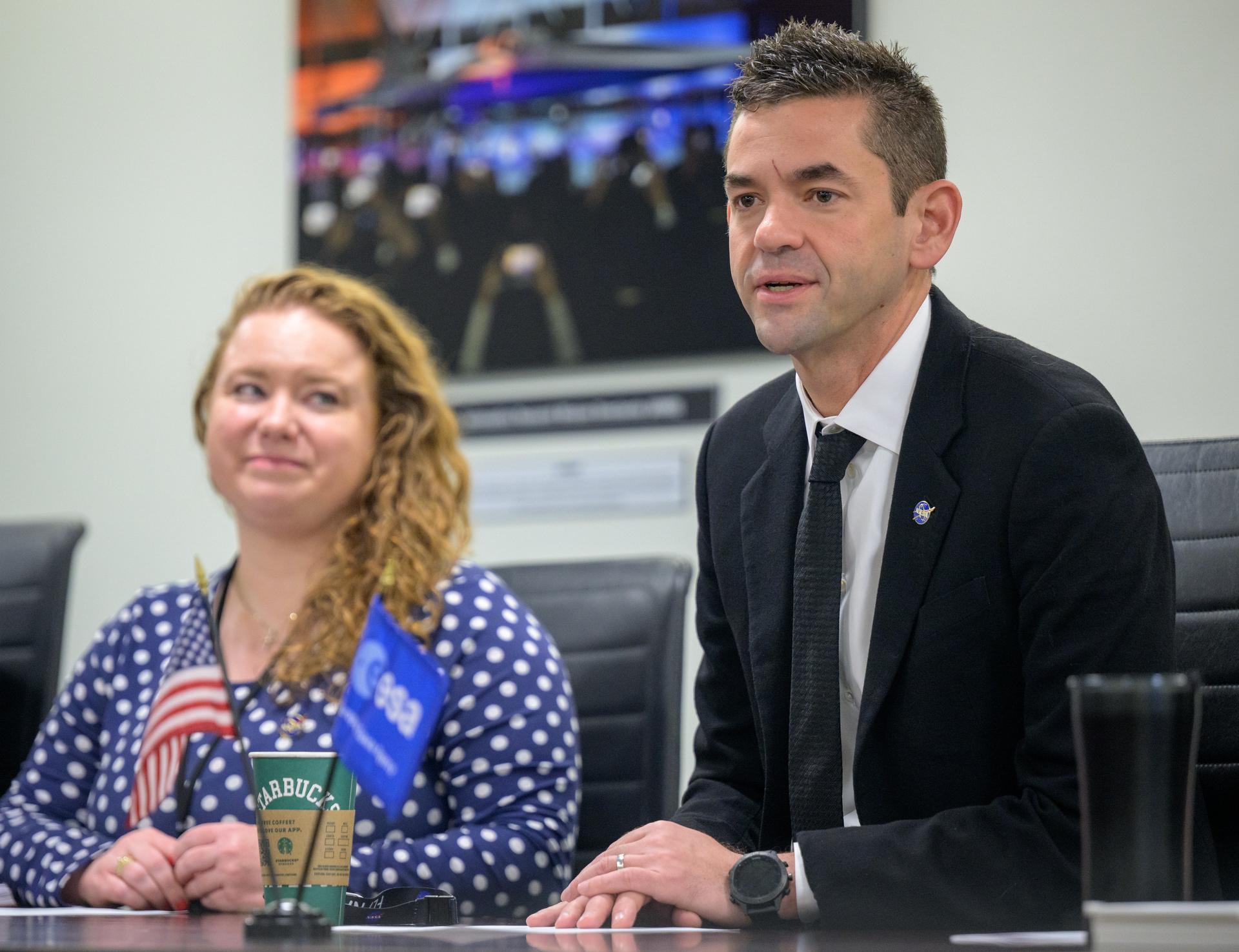
NASA Administrator Jared Isaacman meets with ESA Director General Josef Aschbacher, Wednesday, Feb. 11, 2026, at the Mary W. Jackson NASA Headquarters Building in Washington. Photo Credit: (NASA/Bill Ingalls)
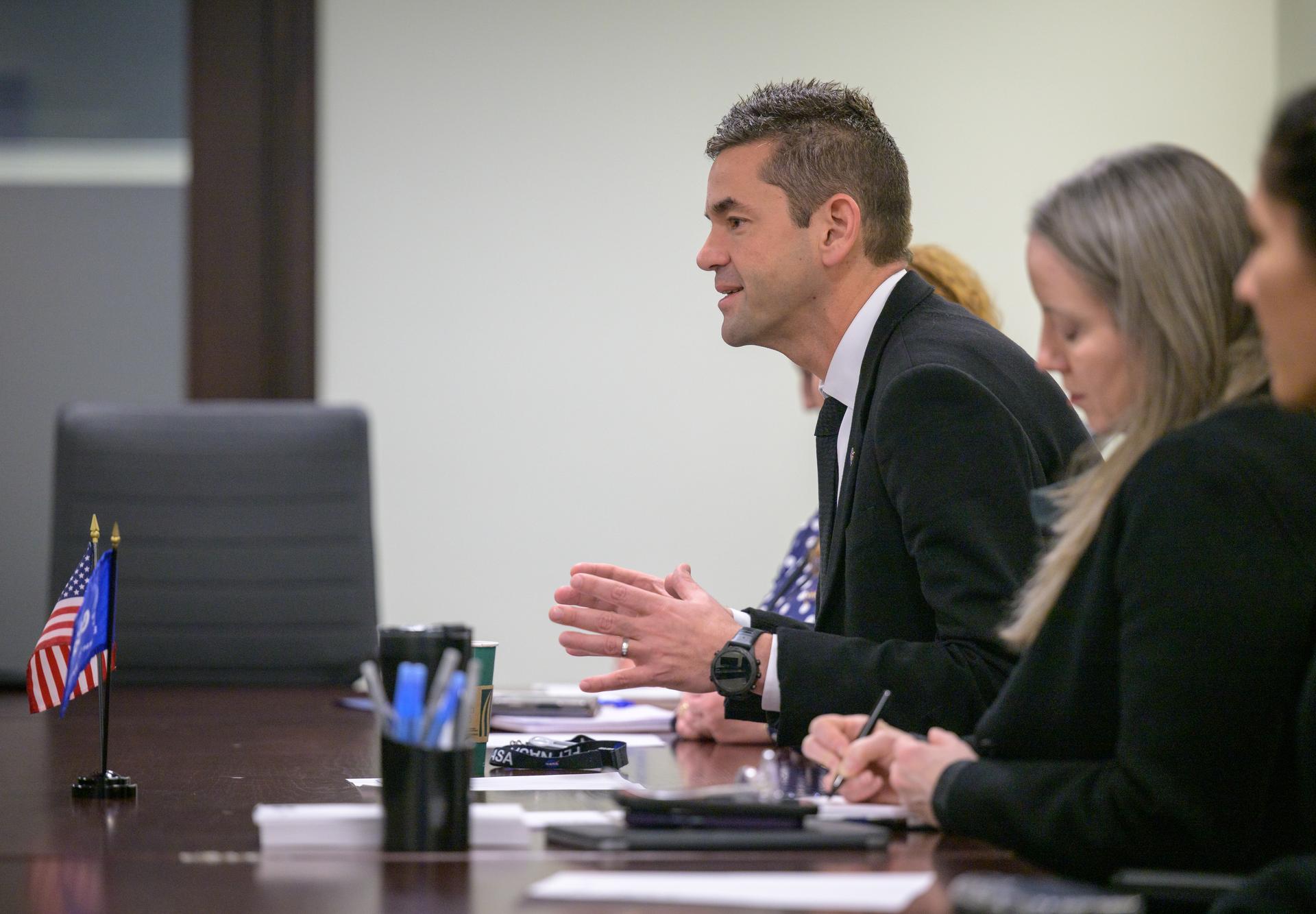
NASA Administrator Jared Isaacman meets with ESA Director General Josef Aschbacher, Wednesday, Feb. 11, 2026, at the Mary W. Jackson NASA Headquarters Building in Washington. Photo Credit: (NASA/Bill Ingalls)
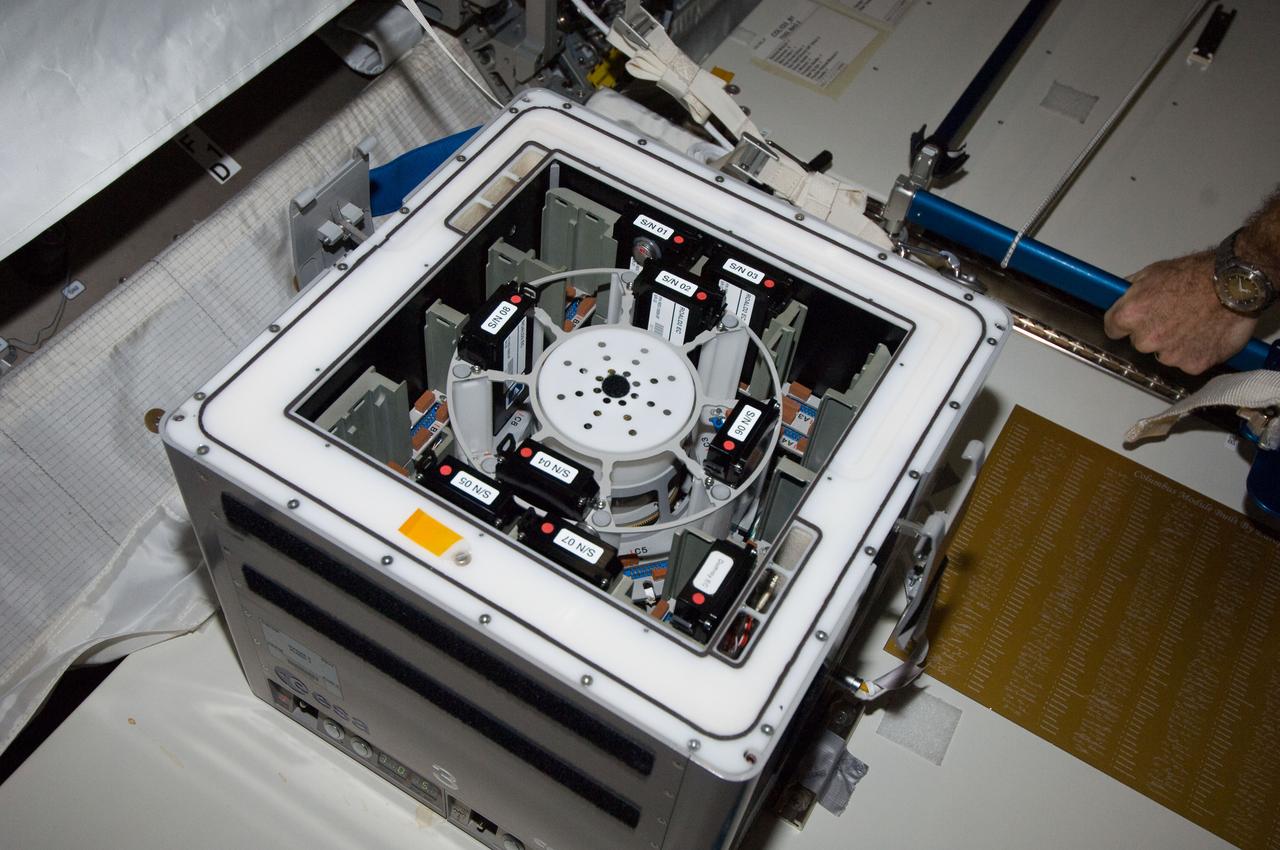
iss030e033236 (12/24/2012) --- Top-open view of European Space Agency (ESA) Role of Apoptosis in Lymphocyte Depression 2 (ROALD-2) experiment in the KUBIK-3 thermostatic container, in the Columbus Module aboard the International Space Station (ISS). Role of the Endocannabinoid System in human Lymphocytes Exposed to Microgravity (ROALD2) investigates the function of endocannabinoids, substances produced within the body to activate cell membrane receptors, in the regulation of the immune processes and cell cycle under microgravity conditions.
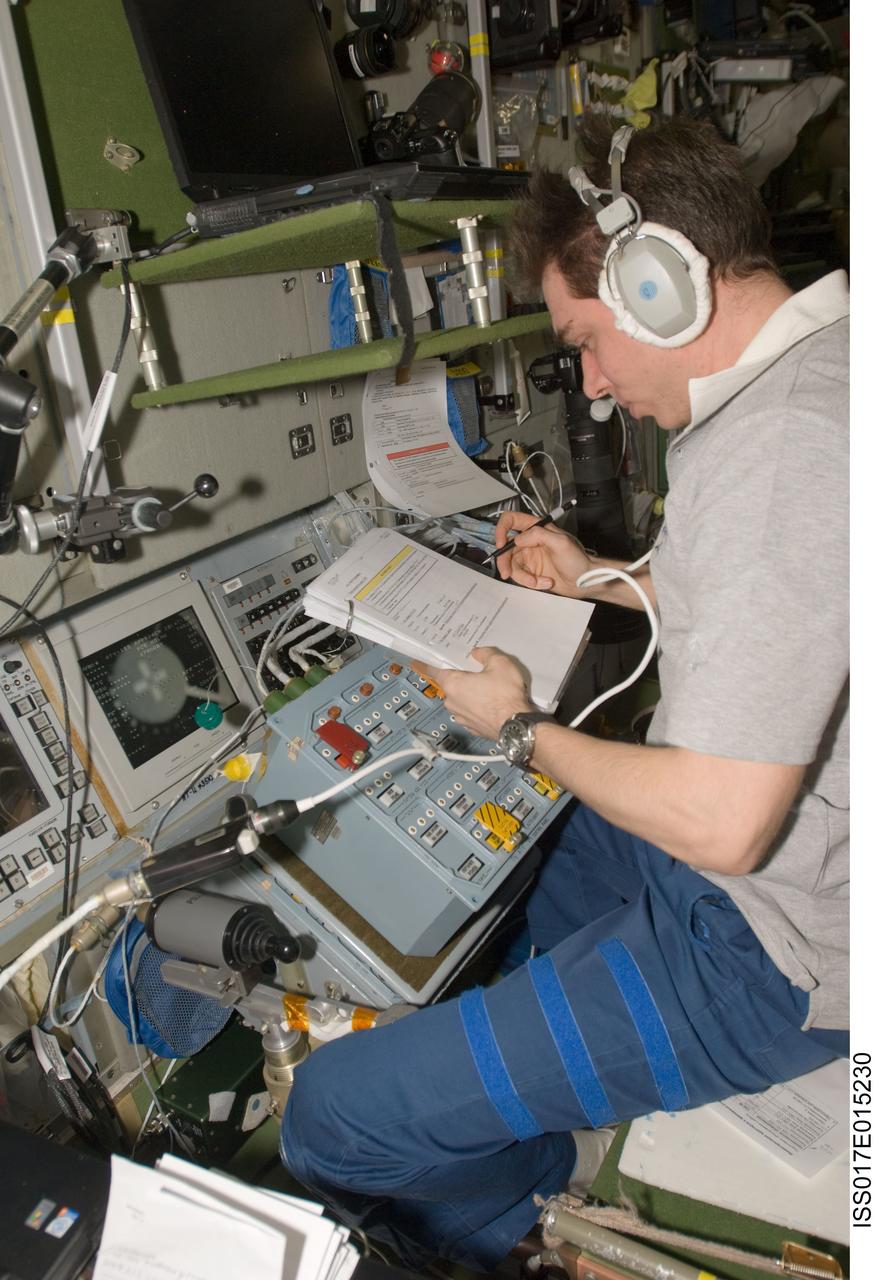
ISS017-E-015230 (5 Sept. 2008) --- Russian Federal Space Agency cosmonaut Sergei Volkov, Expedition 17 commander, makes preparations in the International Space Station's Zvezda Service Module for the undocking of the European Space Agency's (ESA) "Jules Verne" Automated Transfer Vehicle (ATV). The ATV departed from the aft port of Zvezda at 4:29 p.m. (CDT) on Sept. 5, 2008 and was placed in a parking orbit for three weeks, scheduled to be deorbited on Sept. 29 when lighting conditions are correct for an ESA imagery experiment of reentry.
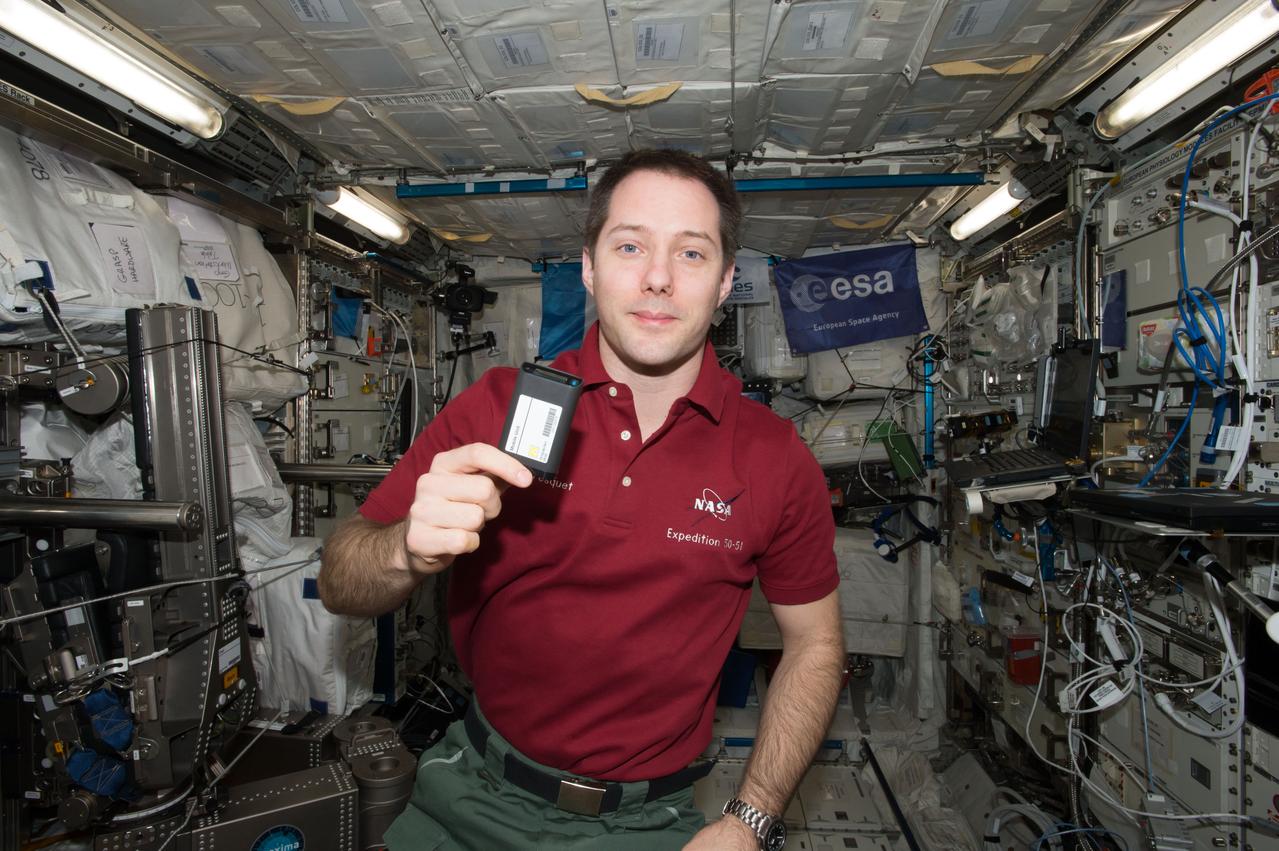
iss051e051544 (5/29/2017) --- European Space Agency (ESA) astronaut Thomas Pesquet holds a Mobile Unit in the Columbus European Laboratory during European Space Agency (ESA)-Active-Dosimeters experiment operations (OPS). The European Crew Personal Active Dosimeter (EuCPAD) project tests an active radiation dosimeter system. This represents the first time that crews wear active dosimeters in order to measure changes in radiation exposure over time providing variation of radiation dose data with respect to ISS orbit and altitude, solar cycle, and solar flares.

jsc2025e073950 - French European Space Agency astronaut Sophie Adenot in the NASA Johnson Space Center photo studio on September 4, 2025. Photographer: Helen Arase Vargas and David DeHoyos – Johnson Space Center
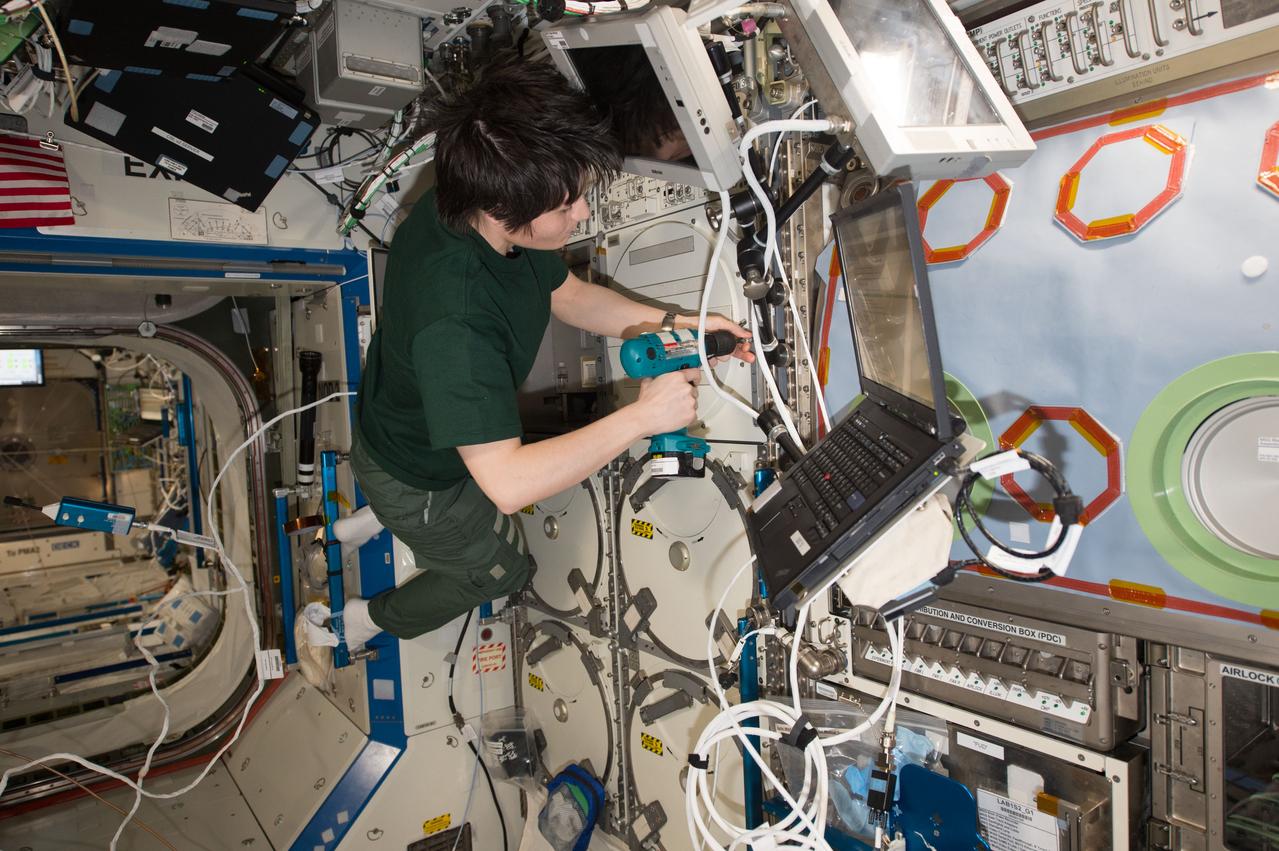
Photographic documentation of inspection and regular maintenance on Minus Eighty-degree Laboratory Freezer for the ISS 3 (MELFI-3) located in the LAB1S1 rack. View is of European Space Agency (ESA) astronaut Samantha Cristoforetti, Expedition 43 flight engineer, at work with the MELFI-3.
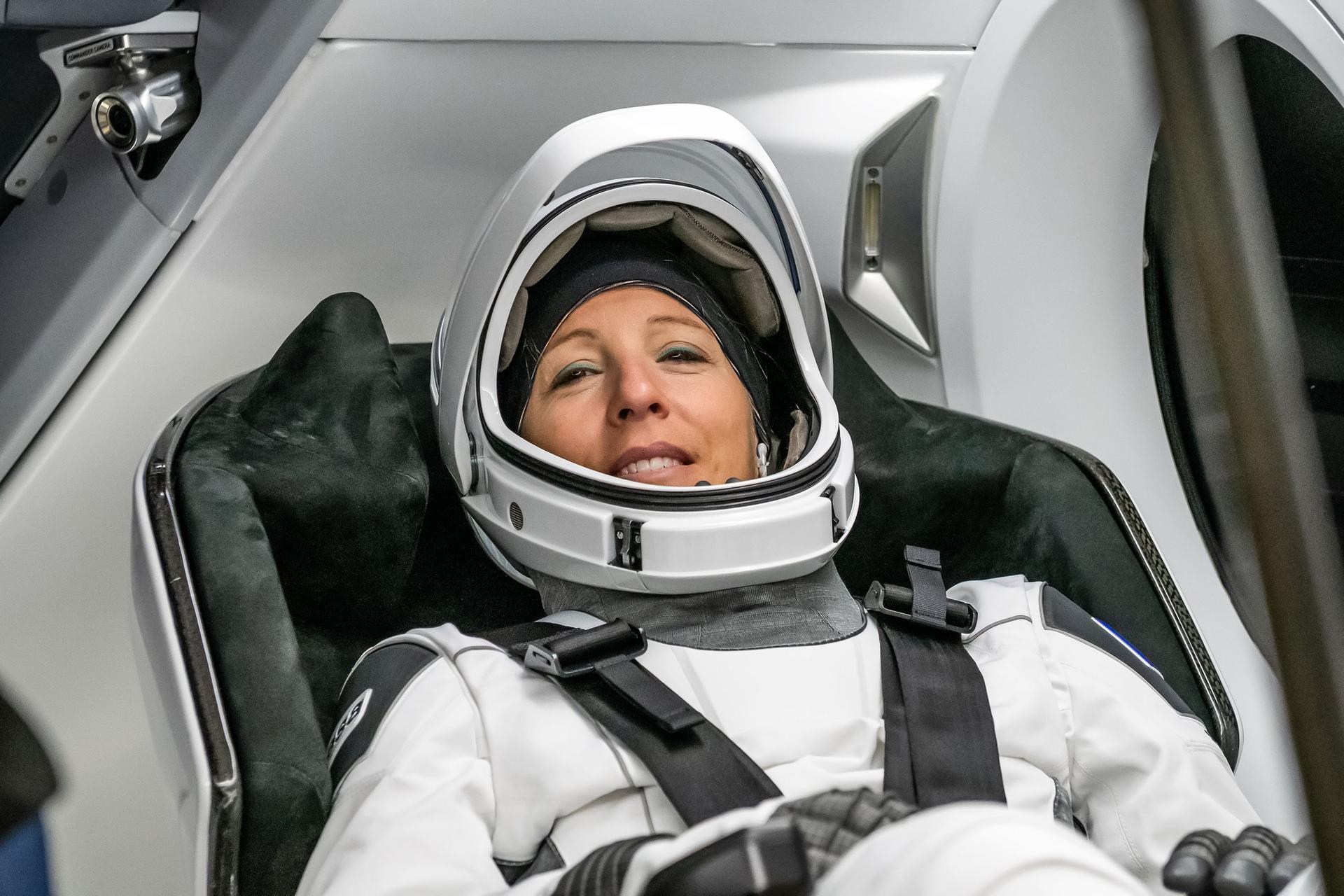
jsc2026e002975 (Jan. 12, 2026) --- ESA (European Space Agency) astronaut and SpaceX Crew-12 Mission Specialist Sophie Adenot is photographed in her pressure suit and inside the Dragon spacecraft during the Crew Equipment Interface Test at NASA’s Kennedy Space Center in Florida. The goal of the training is to rehearse launch day activities and get a close look at the spacecraft that will take them to the International Space Station. Credit: SpaceX

Photo Date: 11/14/2023 Location: Turin, Italy Subject: ESA International Habitat (I-HAB) Photo Credit: ESA/Stephane Corvaja
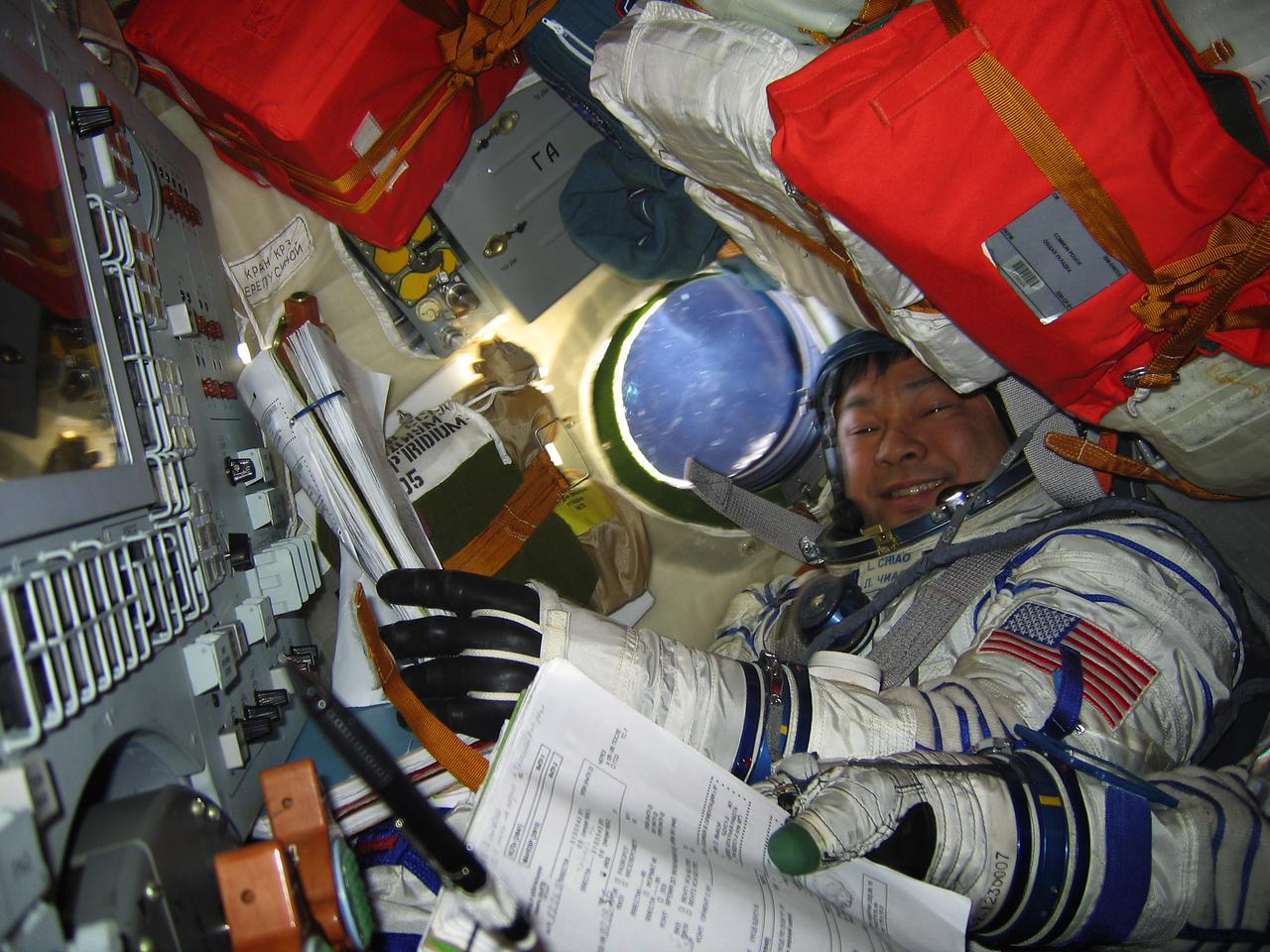
Expedition 10 Commander and NASA Science Officer Leroy Chiao is seen inside the Soyuz capsule during the return of Expedition 10 and European Space Agency astronaut Roberto Vittori of Italy, Monday, April 25, 2005. Photo Credit: (NASA/ESA/Roberto Vittori)
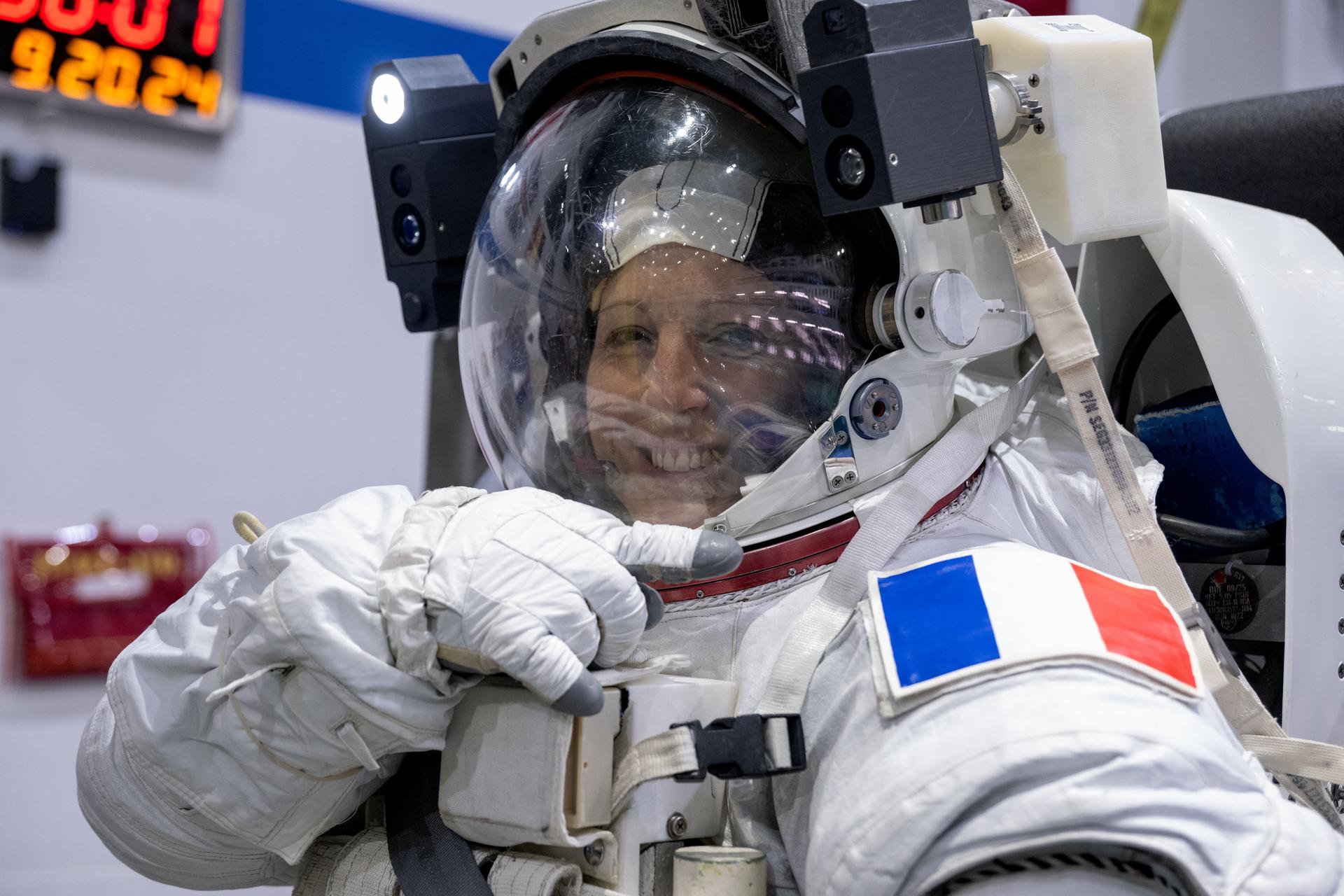
jsc2024e062560 (Sept. 20, 2024) --- ESA (European Space Agency) astronaut Sophie Adenot points to her home country's flag patch representing France attached to her spacesuit during a spacewalk training session at the Johnson Space Center's Neutral Buoyancy Laboratory in Houston, Texas. Credit: NASA/Bill Stafford

ESA Herschel Space Observatory found oxygen molecules in a dense patch of gas and dust adjacent to star-forming regions in the Orion nebula.
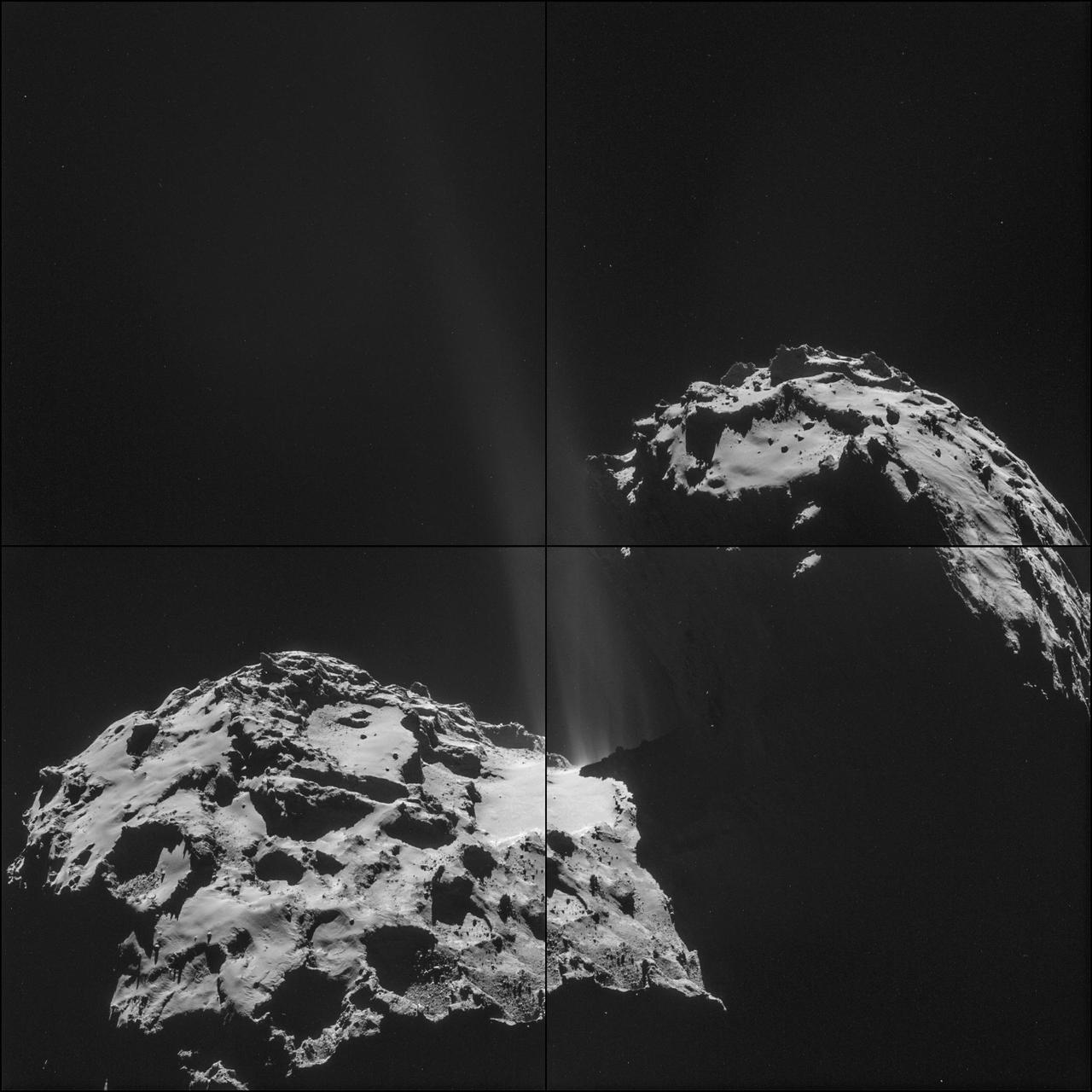
Four images taken by the ESA Rosetta spacecraft create a montage showing jets of dust and gas escaping from the nucleus of comet 67P/Churyumov–Gerasimenko.
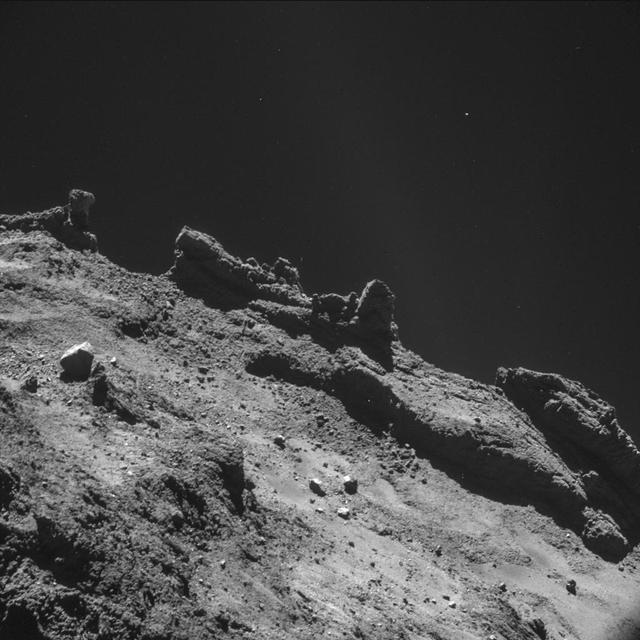
A jagged horizon of the nucleus of comet 67P/Churyumov-Gerasimenko appears in this image taken by the navigation camera on the ESA Rosetta spacecraft during the second half of October 2014.

This graph shows the temperature differences in the oldest light in the universe, called the cosmic microwave background, detected by ESA Planck at different distances apart on the sky.
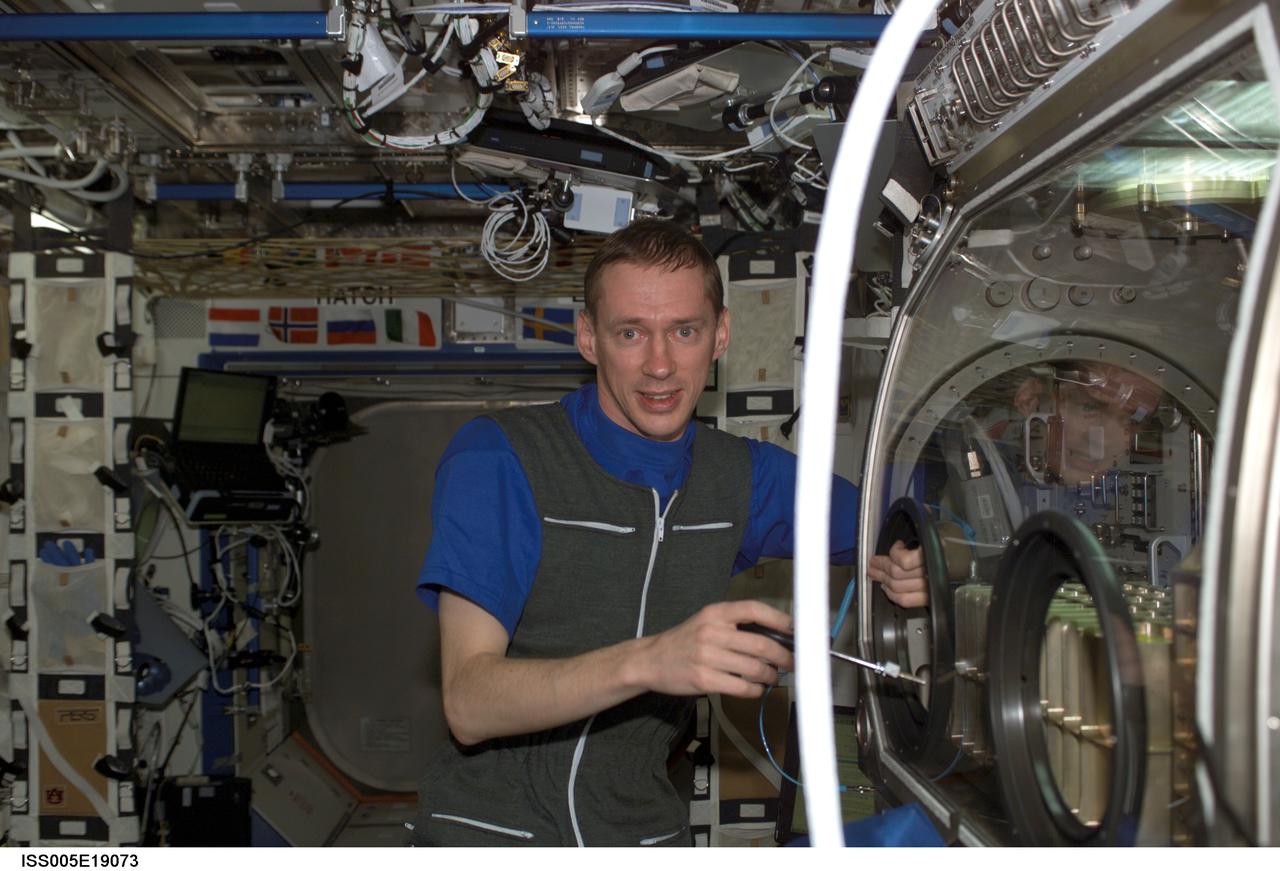
ISS005-E-19073 (1 November 2002) --- Belgian Soyuz 5 Flight Engineer Frank DeWinne, of the European Space Agency (ESA), works with experiments housed in the Microgravity Science Glovebox (MSG) in the Destiny laboratory on the International Space Station (ISS).
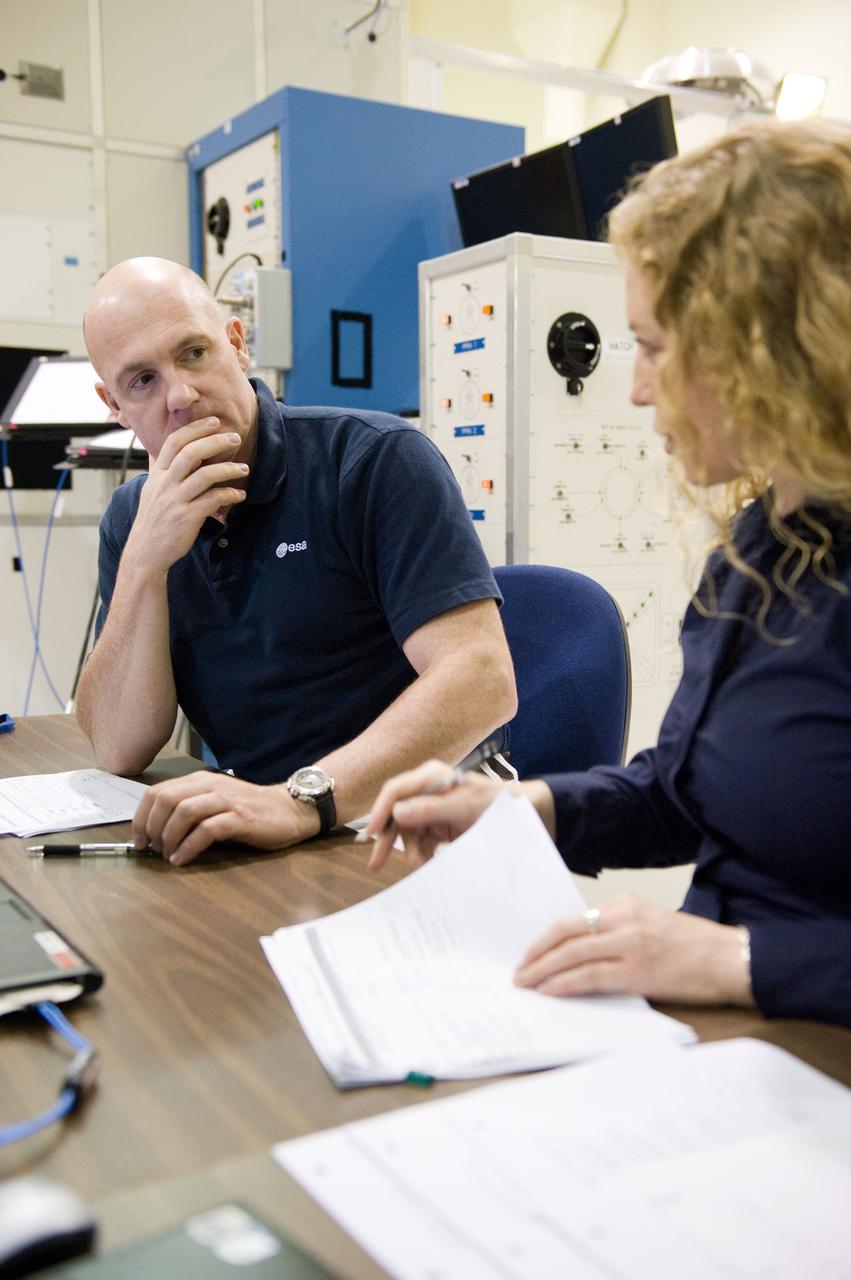
DATE: 9-1-11 LOCATION: Bldg. 5south, SSTF SUBJECT: Expedition 30 crew member and ESA astronaut Andre Kuipers training in SSTF near Columbia module on laptops with trainer Michaela Benda. PHOTOGRAPHER: Lauren Harnett
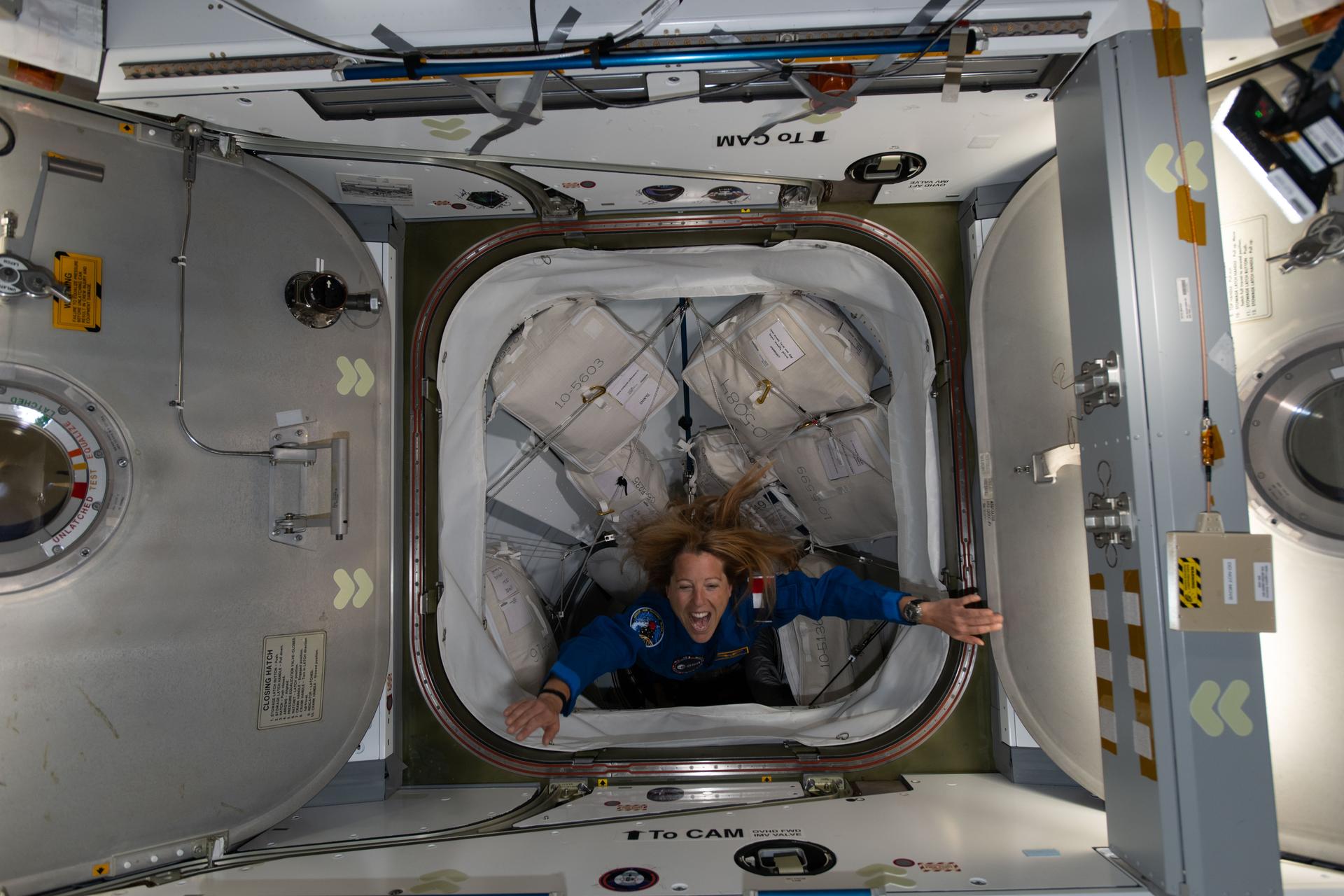
iss074e0314129 (Feb. 14, 2026) --- ESA (European Space Agency) astronaut and SpaceX Crew-12 Mission Specialist Sophie Adenot enters the International Space Station after docking aboard the Dragon spacecraft to join Expedition 74 and begin a long-duration microgravity research mission. Credit: NASA/Chris Williams
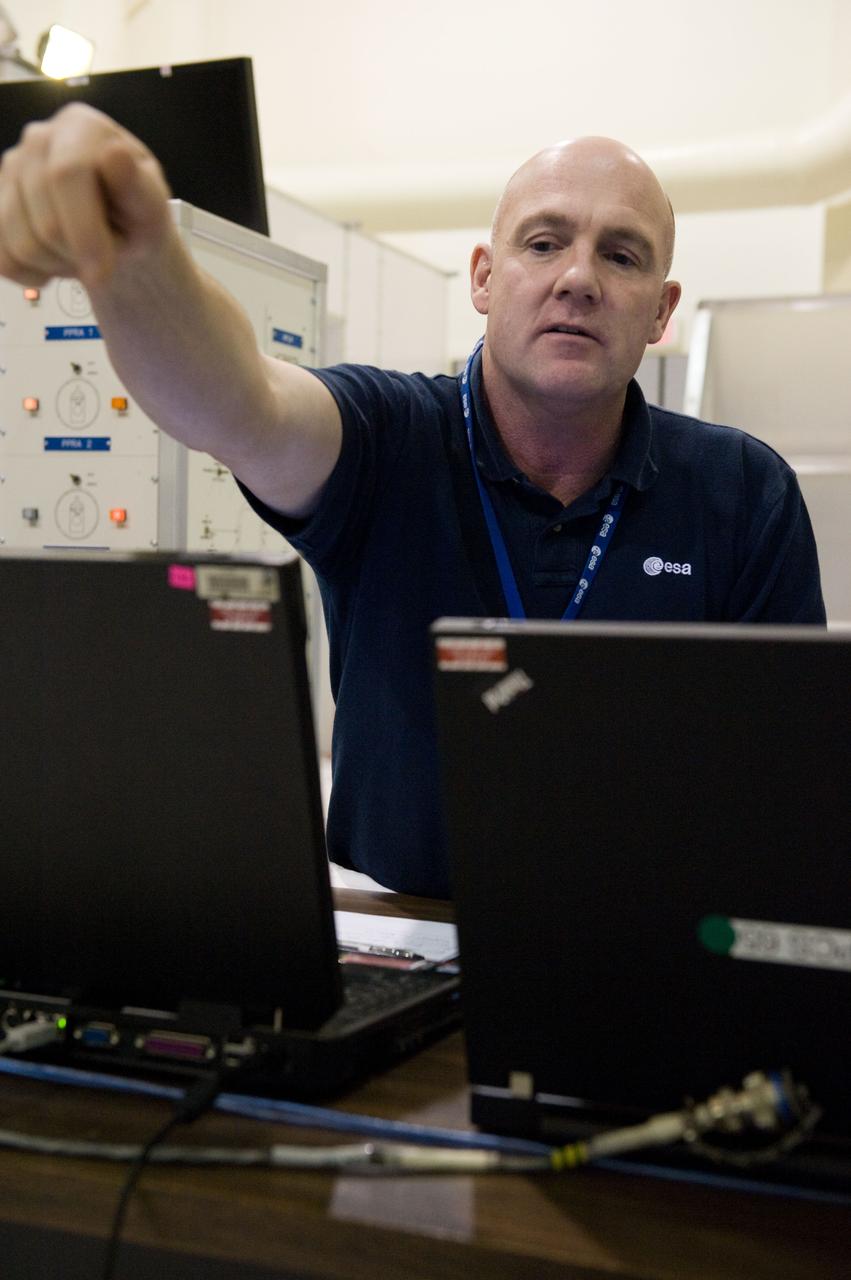
DATE: 9-1-11 LOCATION: Bldg. 5south, SSTF SUBJECT: Expedition 30 crew member and ESA astronaut Andre Kuipers training in SSTF near Columbia module on laptops with trainer Michaela Benda. PHOTOGRAPHER: Lauren Harnett
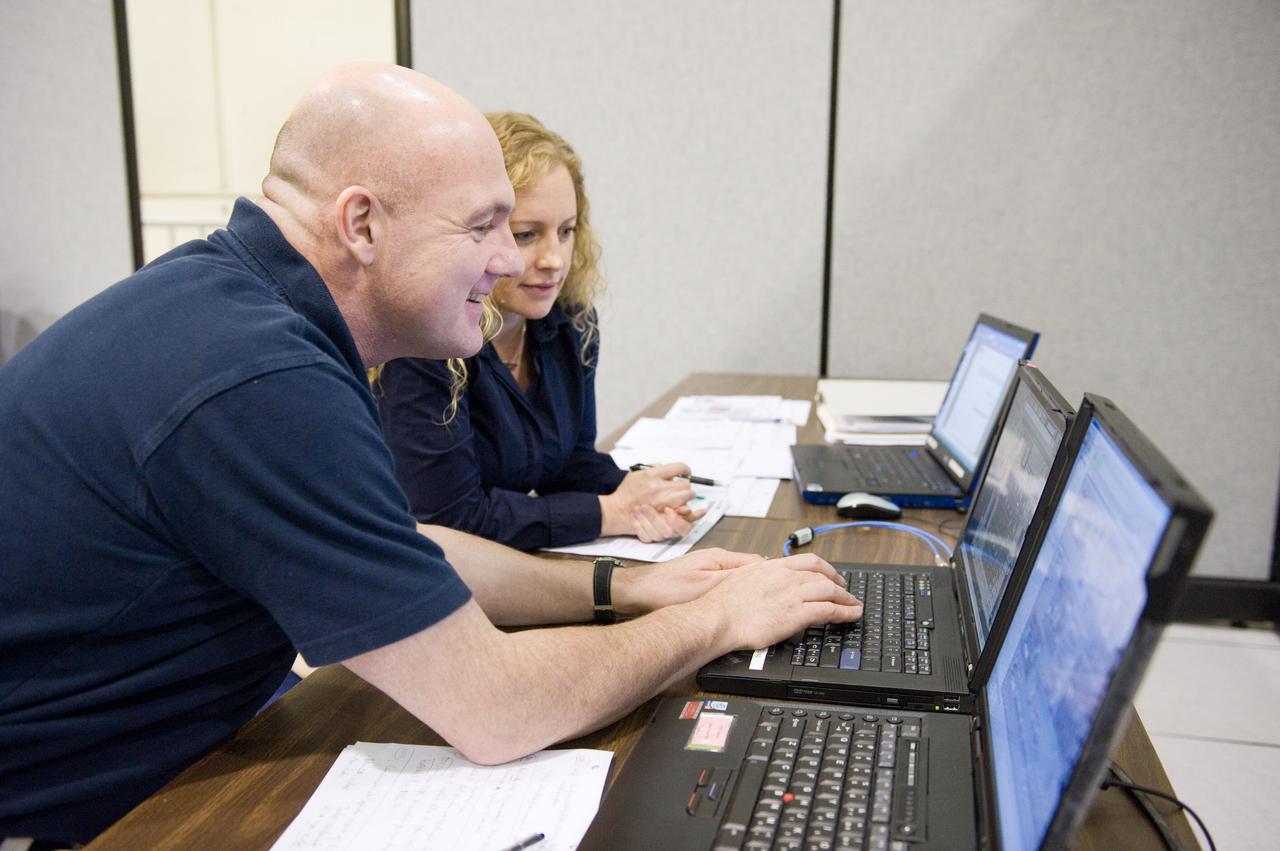
DATE: 9-1-11 LOCATION: Bldg. 5south, SSTF SUBJECT: Expedition 30 crew member and ESA astronaut Andre Kuipers training in SSTF near Columbia module on laptops with trainer Michaela Benda. PHOTOGRAPHER: Lauren Harnett
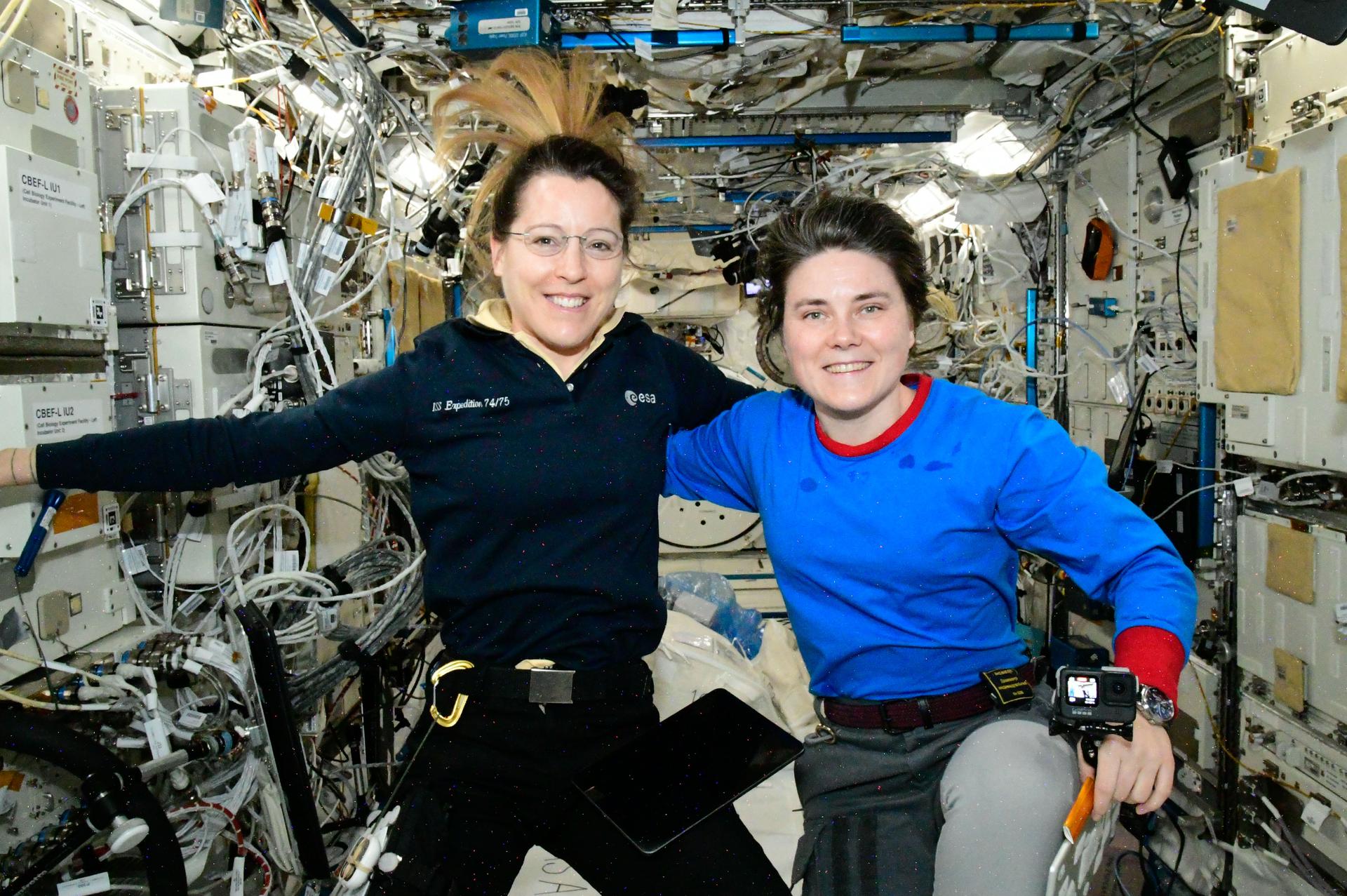
iss075e0103071 (Sept. 9, 2026) --- From left, Expedition 75 crew members Sophie Adenot of ESA (European Space Agency) and Anna Kikina of Roscosmos, both International Space Station flight engineers, gather together for a portrait inside the Kibo laboratory module. Credit: Roscosmos