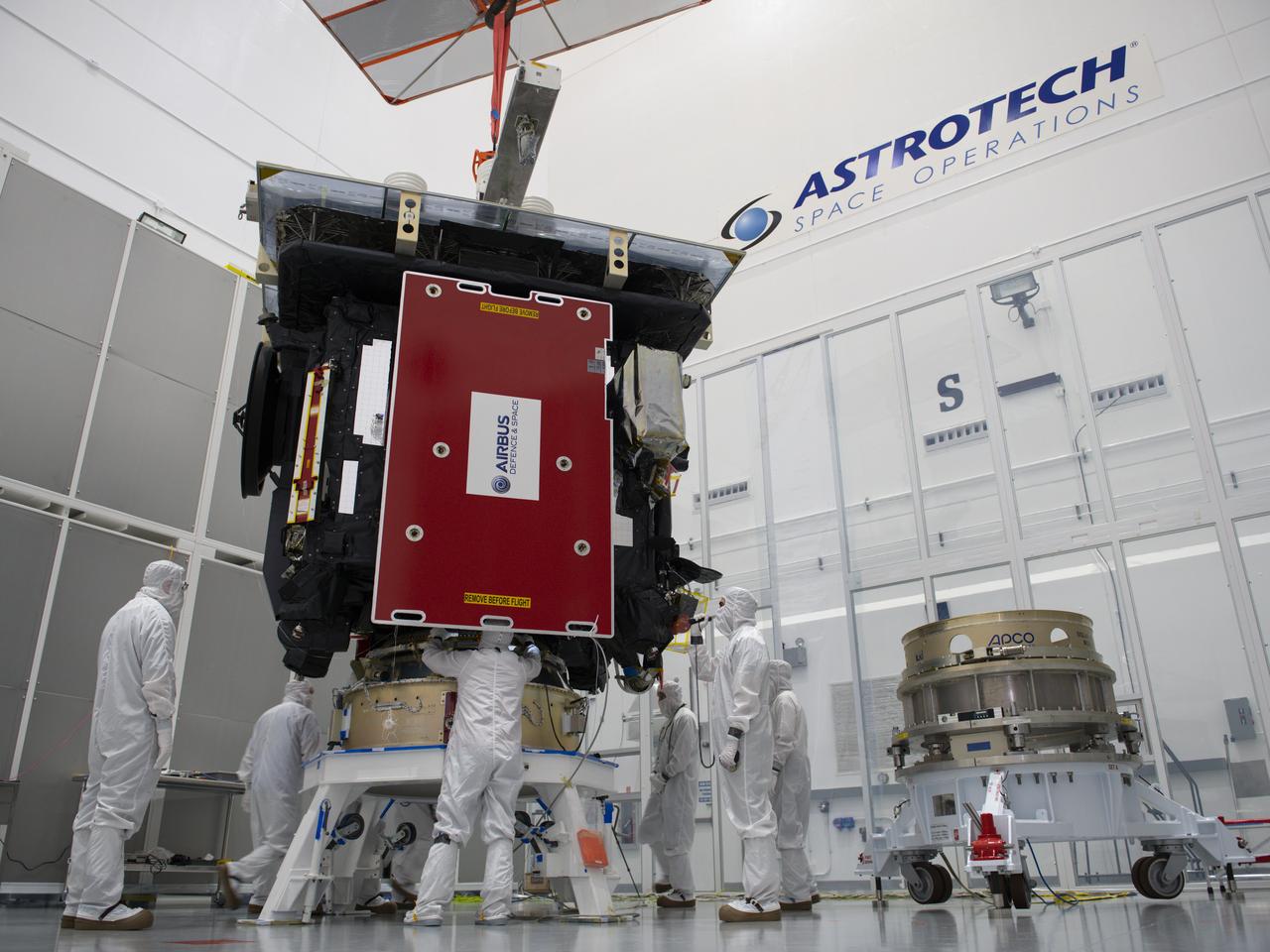
European Space Agency workers assist as a crane lowers the Solar Orbiter spacecraft onto the payload adapter inside the Astrotech Space Operations facility in Titusville, Florida on Jan. 17, 2020. Solar Orbiter is an international cooperative mission between ESA (European Space Agency) and NASA. The mission aims to study the Sun, its outer atmosphere and solar wind. The spacecraft will provide the first images of the Sun’s poles. NASA’s Launch Services Program based at Kennedy is managing the launch. The spacecraft has been developed by Airbus Defence and Space. Solar Orbiter will launch in February 2020 aboard a United Launch Alliance Atlas V rocket from Space Launch Complex 41 at Cape Canaveral Air Force Station in Florida.
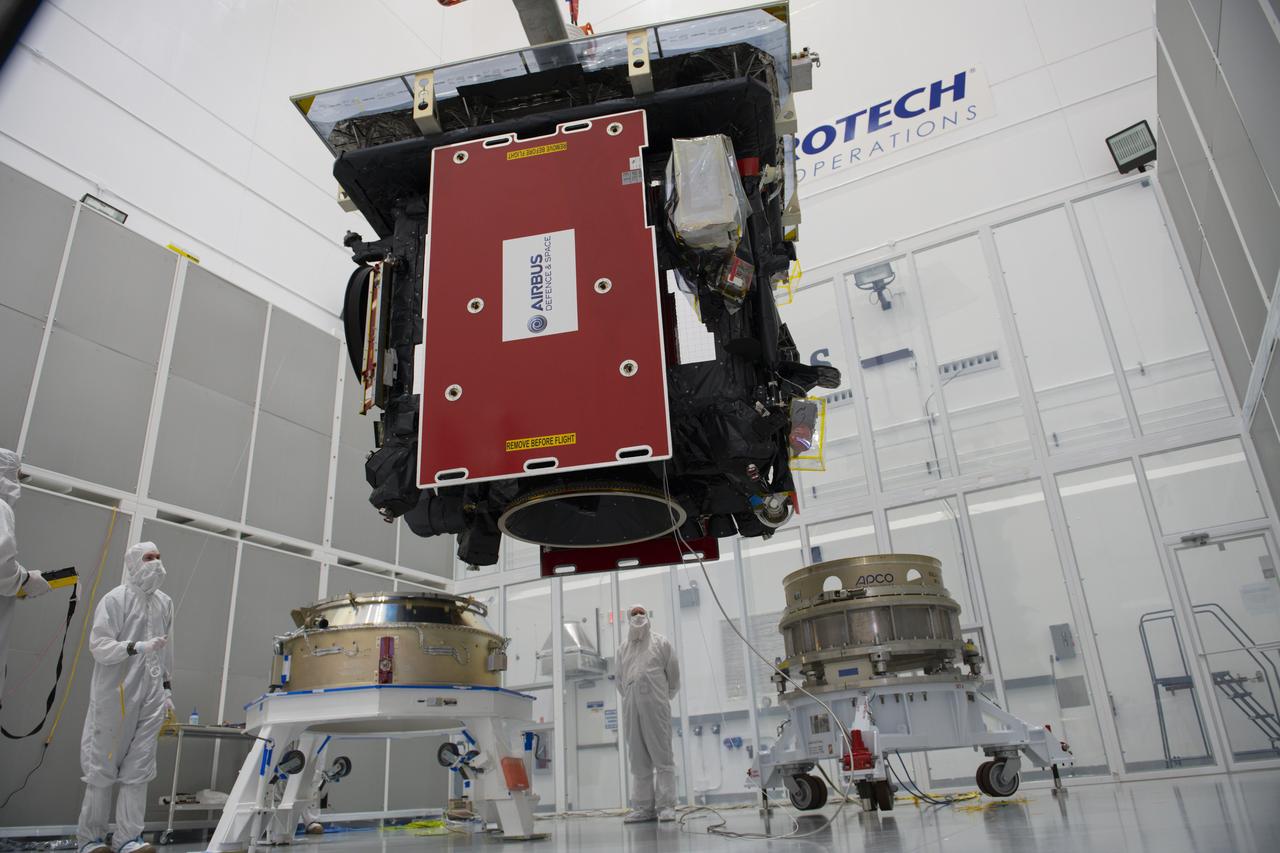
The Solar Orbiter spacecraft is moved by crane from a work stand to the payload adapter inside Astrotech Space Operations in Titusville, Florida on Jan. 16, 2020. Solar Orbiter is an international cooperative mission between ESA (European Space Agency) and NASA. The mission aims to study the Sun, its outer atmosphere and solar wind. The spacecraft will provide the first images of the Sun’s poles. NASA’s Launch Services Program based at Kennedy is managing the launch. The spacecraft has been developed by Airbus Defence and Space. Solar Orbiter will launch in February 2020 aboard a United Launch Alliance Atlas V rocket from Space Launch Complex 41 at Cape Canaveral Air Force Station in Florida.
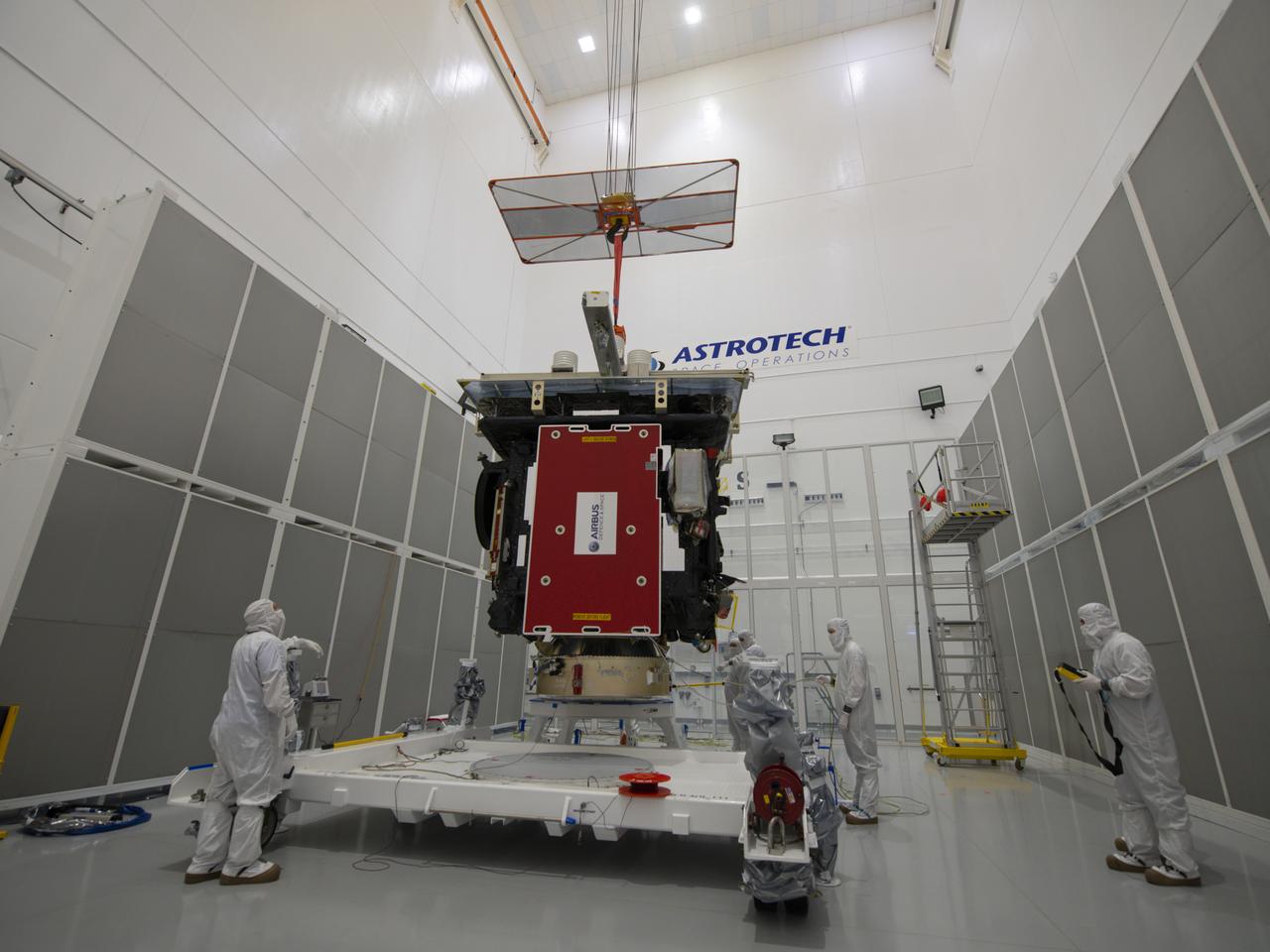
The Solar Orbiter spacecraft and payload adapter are lowered onto the ground transport vehicle inside Astrotech Space Operations in Titusville, Florida on Jan. 16, 2020. Solar Orbiter is an international cooperative mission between ESA (European Space Agency) and NASA. The mission aims to study the Sun, its outer atmosphere and solar wind. The spacecraft will provide the first images of the Sun’s poles. NASA’s Launch Services Program based at Kennedy is managing the launch. The spacecraft has been developed by Airbus Defence and Space. Solar Orbiter will launch in February 2020 aboard a United Launch Alliance Atlas V rocket from Space Launch Complex 41 at Cape Canaveral Air Force Station in Florida.
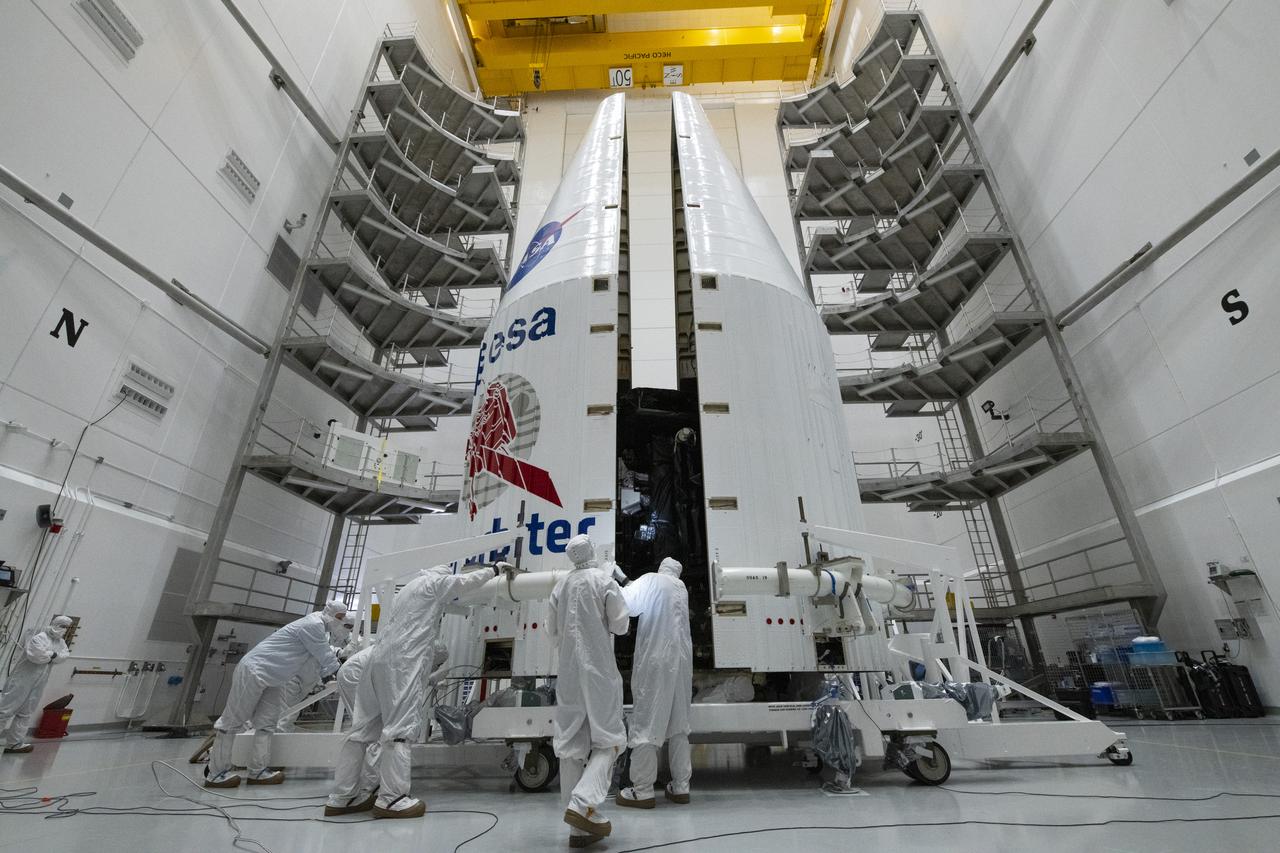
The Solar Orbiter spacecraft is secured inside the United Launch Alliance payload fairing in the Astrotech Space Operations facility in Titusville, Florida on Jan. 20, 2020. Solar Orbiter is an international cooperative mission between ESA (European Space Agency) and NASA. The mission aims to study the Sun, its outer atmosphere and solar wind. The spacecraft will provide the first images of the Sun’s poles. NASA’s Launch Services Program based at Kennedy is managing the launch. The spacecraft has been developed by Airbus Defence and Space. Solar Orbiter will launch in February 2020 aboard a United Launch Alliance Atlas V rocket from Space Launch Complex 41 at Cape Canaveral Air Force Station in Florida.
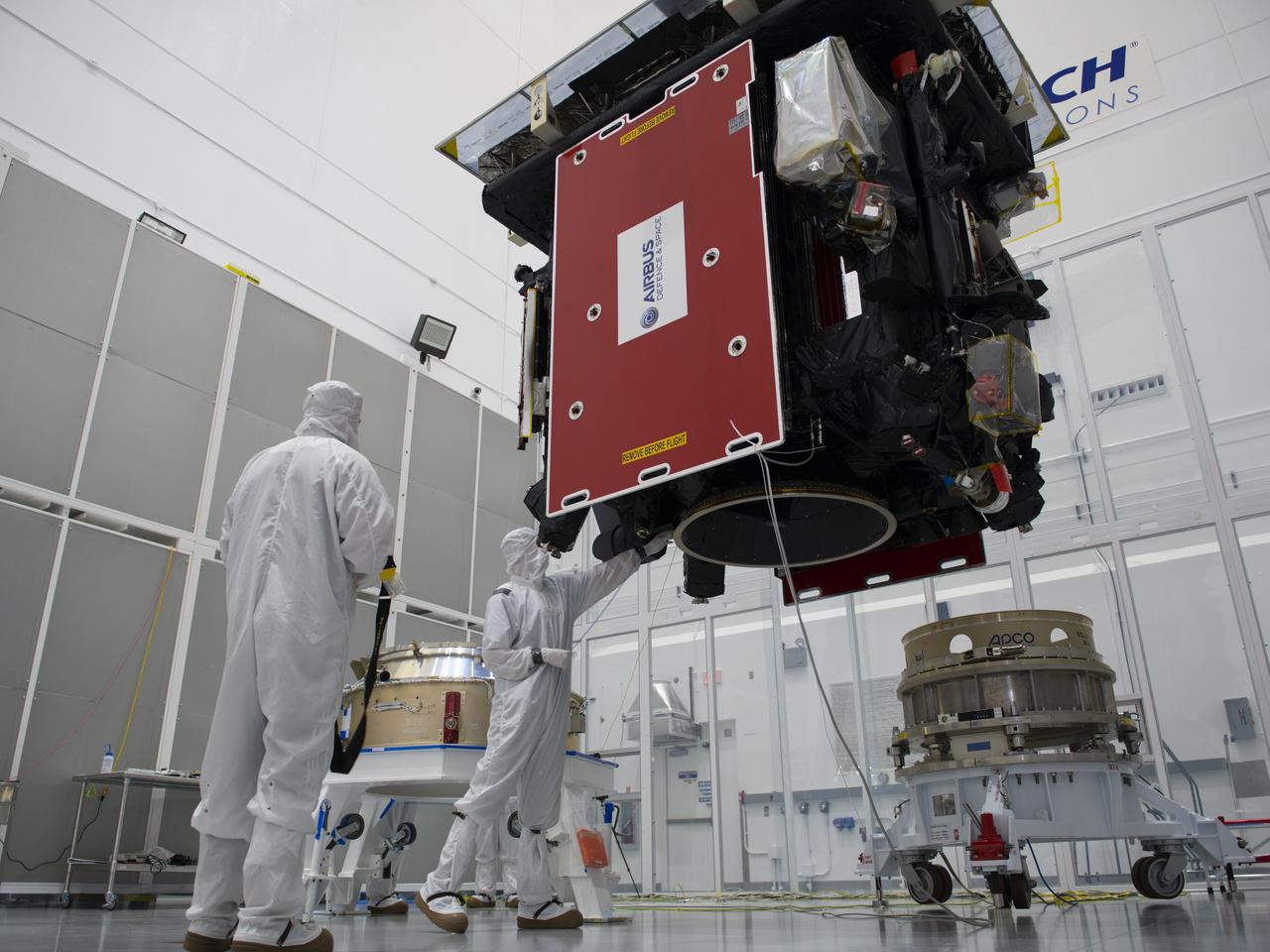
The Solar Orbiter spacecraft is moved by crane from a work stand to the payload adapter inside Astrotech Space Operations in Titusville, Florida on Jan. 16, 2020. Solar Orbiter is an international cooperative mission between ESA (European Space Agency) and NASA. The mission aims to study the Sun, its outer atmosphere and solar wind. The spacecraft will provide the first images of the Sun’s poles. NASA’s Launch Services Program based at Kennedy is managing the launch. The spacecraft has been developed by Airbus Defence and Space. Solar Orbiter will launch in February 2020 aboard a United Launch Alliance Atlas V rocket from Space Launch Complex 41 at Cape Canaveral Air Force Station in Florida.
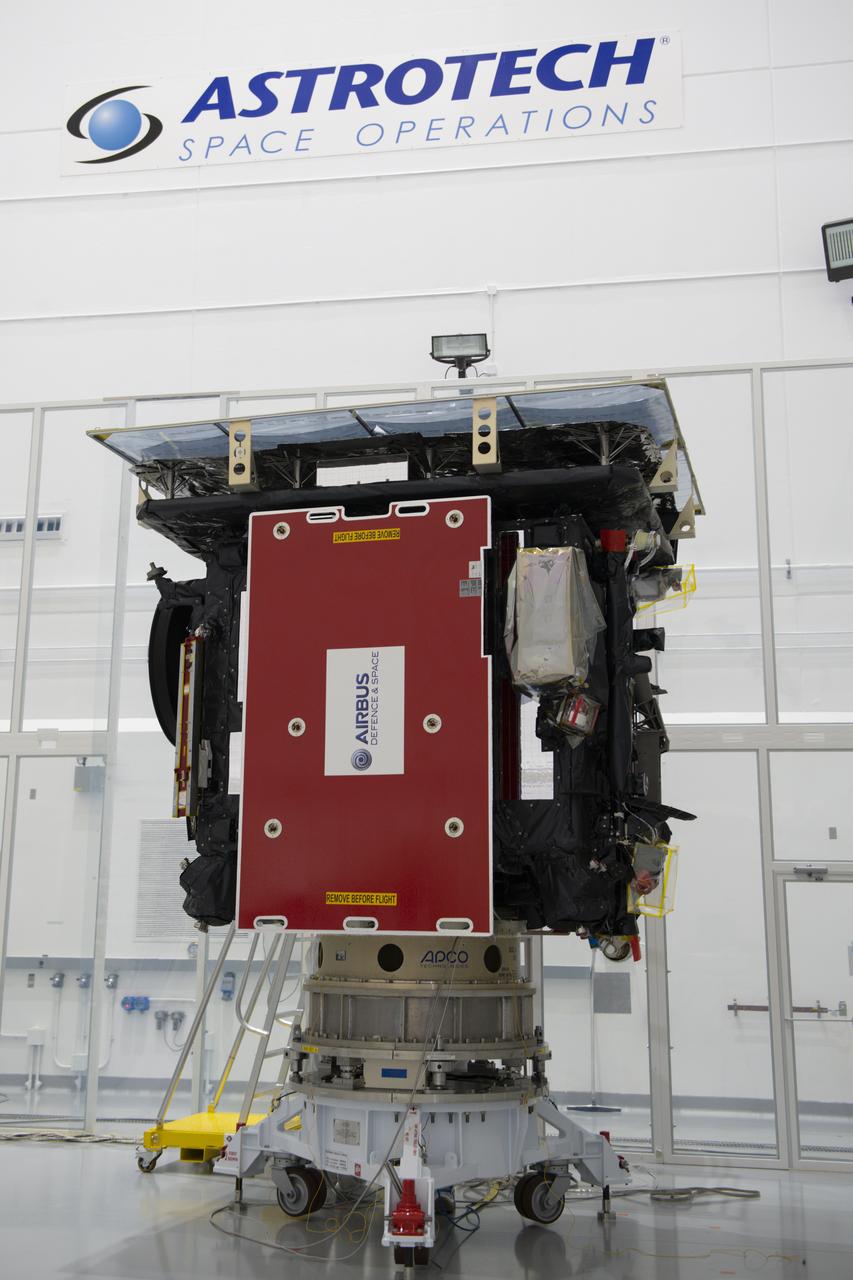
The Solar Orbiter spacecraft is secured on a work stand for processing inside Astrotech Space Operations in Titusville, Florida on Jan. 16, 2020. Solar Orbiter is an international cooperative mission between ESA (European Space Agency) and NASA. The mission aims to study the Sun, its outer atmosphere and solar wind. The spacecraft will provide the first images of the Sun’s poles. NASA’s Launch Services Program based at Kennedy is managing the launch. The spacecraft has been developed by Airbus Defence and Space. Solar Orbiter will launch in February 2020 aboard a United Launch Alliance Atlas V rocket from Space Launch Complex 41 at Cape Canaveral Air Force Station in Florida.
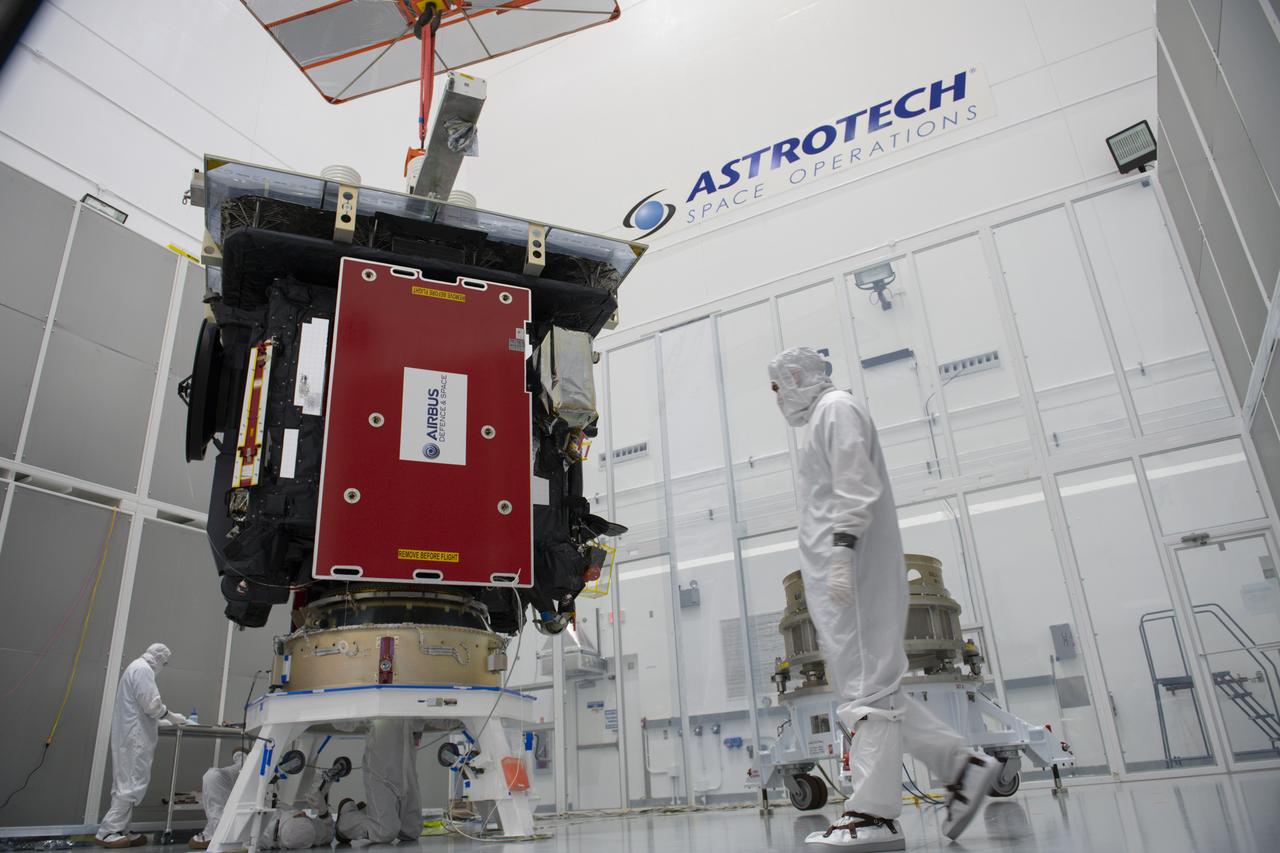
The Solar Orbiter spacecraft is mated to the payload adapter inside Astrotech Space Operations in Titusville, Florida on Jan. 16, 2020. Solar Orbiter is an international cooperative mission between ESA (European Space Agency) and NASA. The mission aims to study the Sun, its outer atmosphere and solar wind. The spacecraft will provide the first images of the Sun’s poles. NASA’s Launch Services Program based at Kennedy is managing the launch. The spacecraft has been developed by Airbus Defence and Space. Solar Orbiter will launch in February 2020 aboard a United Launch Alliance Atlas V rocket from Space Launch Complex 41 at Cape Canaveral Air Force Station in Florida.
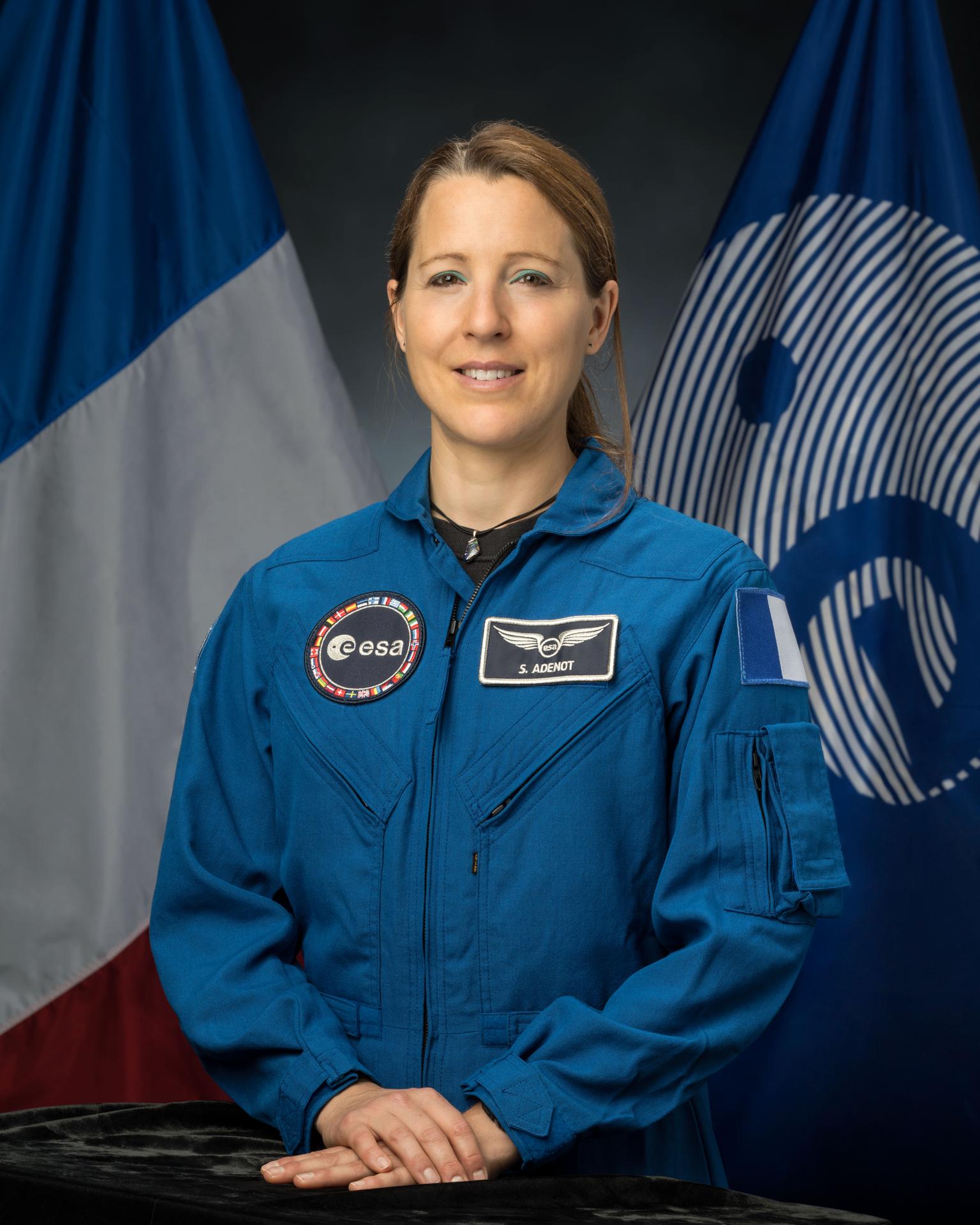
jsc2025e068846_alt (Sept. 19, 2025) --- Official portrait of ESA (European Space Agency) astronaut and SpaceX Crew-12 member Sophie Adenot at NASA's Johnson Space Center in Houston, Texas. Credit: NASA/Robert Markowitz
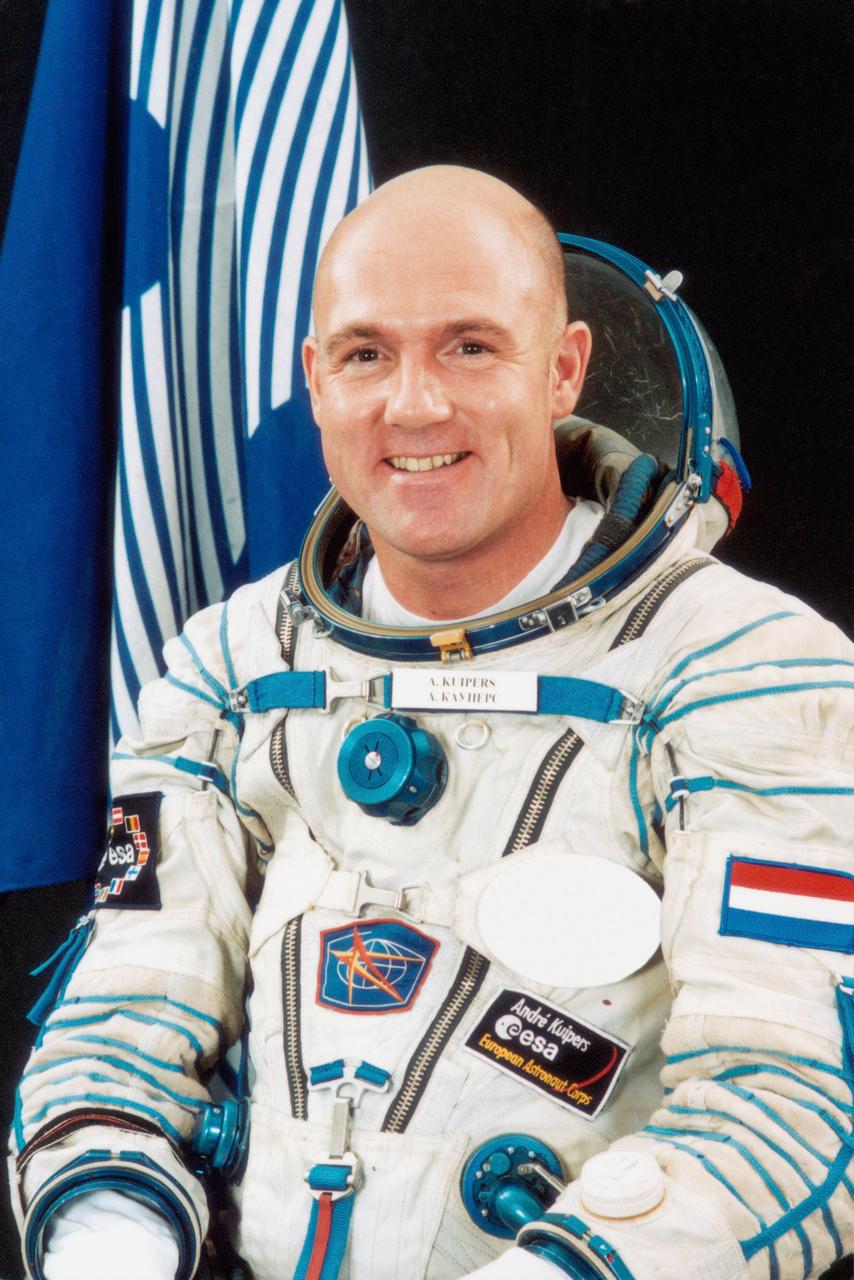
JSC2004-E-04177 (January 2004) --- European Space Agency (ESA) astronaut Andre Kuipers of the Netherlands. Photo credit: ESA/GCTC
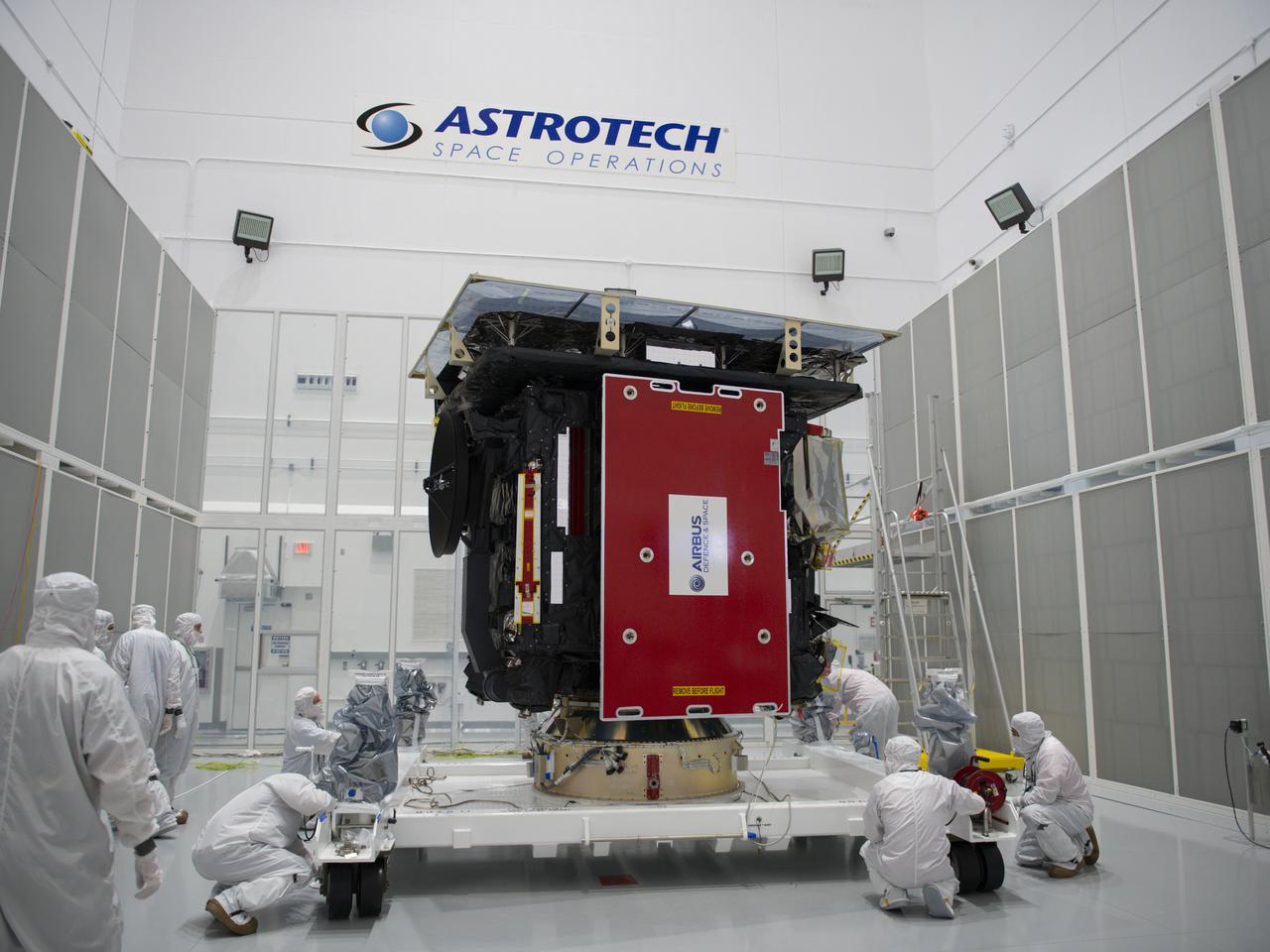
The Solar Orbiter spacecraft is mated to the payload adapter and secured onto the ground transport vehicle inside Astrotech Space Operations in Titusville, Florida on Jan. 16, 2020. Solar Orbiter is an international cooperative mission between ESA (European Space Agency) and NASA. The mission aims to study the Sun, its outer atmosphere and solar wind. The spacecraft will provide the first images of the Sun’s poles. NASA’s Launch Services Program based at Kennedy is managing the launch. The spacecraft has been developed by Airbus Defence and Space. Solar Orbiter will launch in February 2020 aboard a United Launch Alliance Atlas V rocket from Space Launch Complex 41 at Cape Canaveral Air Force Station in Florida.
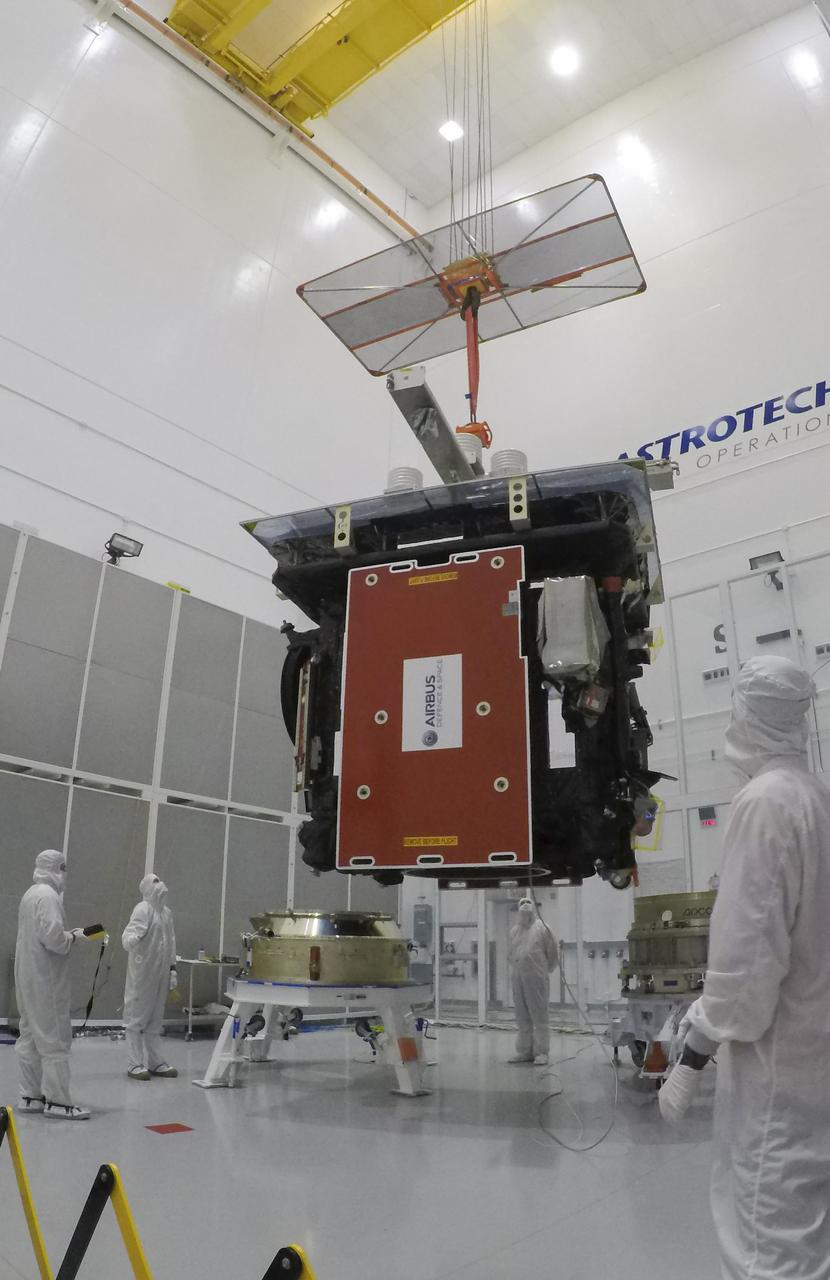
The Solar Orbiter spacecraft is lifted and moved by crane from a work stand for mating to the payload adapter inside Astrotech Space Operations in Titusville, Florida on Jan. 16, 2020. Solar Orbiter is an international cooperative mission between ESA (European Space Agency) and NASA. The mission aims to study the Sun, its outer atmosphere and solar wind. The spacecraft will provide the first images of the Sun’s poles. NASA’s Launch Services Program based at Kennedy is managing the launch. The spacecraft has been developed by Airbus Defence and Space. Solar Orbiter will launch in February 2020 aboard a United Launch Alliance Atlas V rocket from Space Launch Complex 41 at Cape Canaveral Air Force Station in Florida.
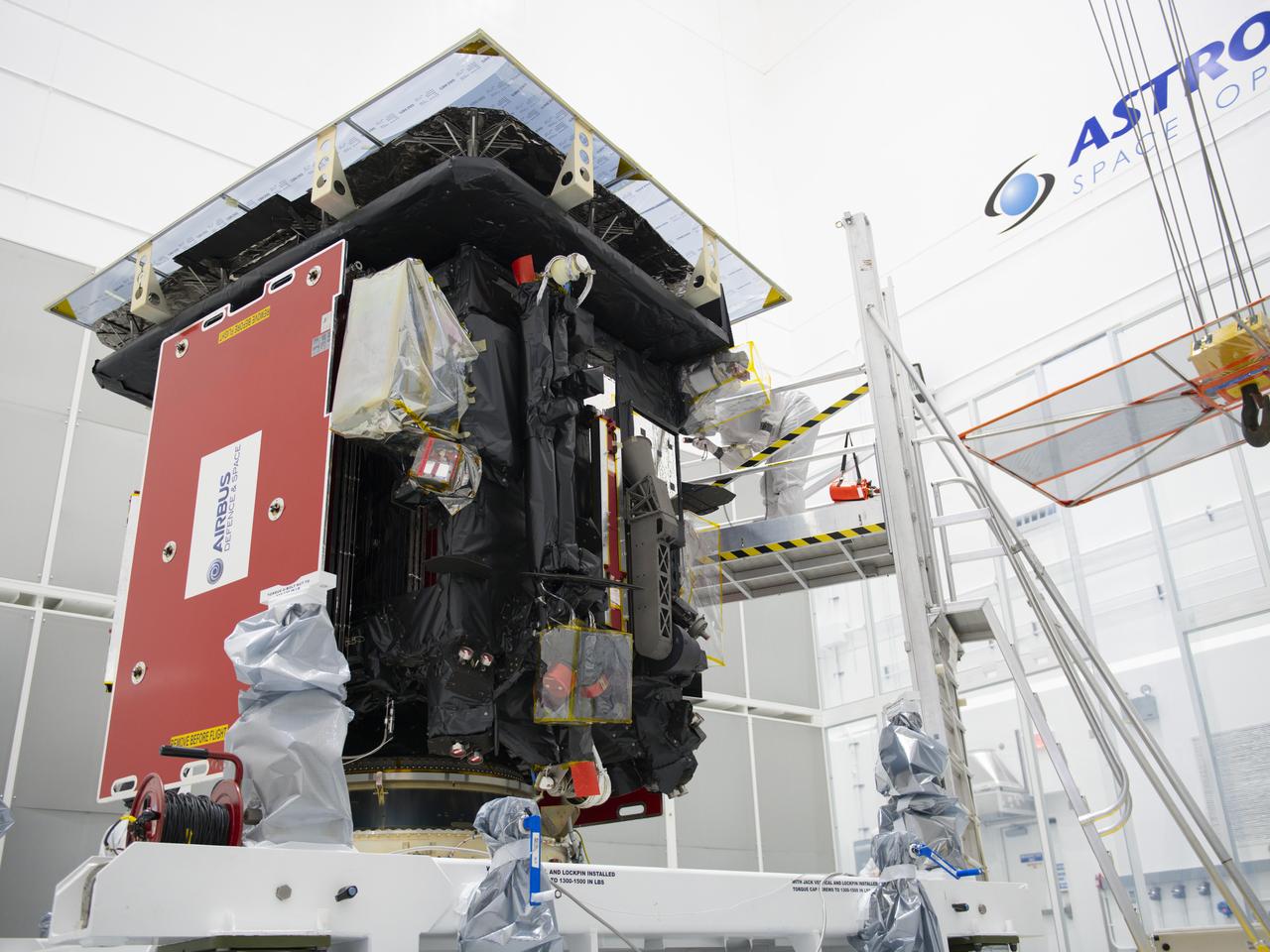
The Solar Orbiter spacecraft is mated to the payload adapter and secured onto the ground transport vehicle inside Astrotech Space Operations in Titusville, Florida on Jan. 16, 2020. Solar Orbiter is an international cooperative mission between ESA (European Space Agency) and NASA. The mission aims to study the Sun, its outer atmosphere and solar wind. The spacecraft will provide the first images of the Sun’s poles. NASA’s Launch Services Program based at Kennedy is managing the launch. The spacecraft has been developed by Airbus Defence and Space. Solar Orbiter will launch in February 2020 aboard a United Launch Alliance Atlas V rocket from Space Launch Complex 41 at Cape Canaveral Air Force Station in Florida.
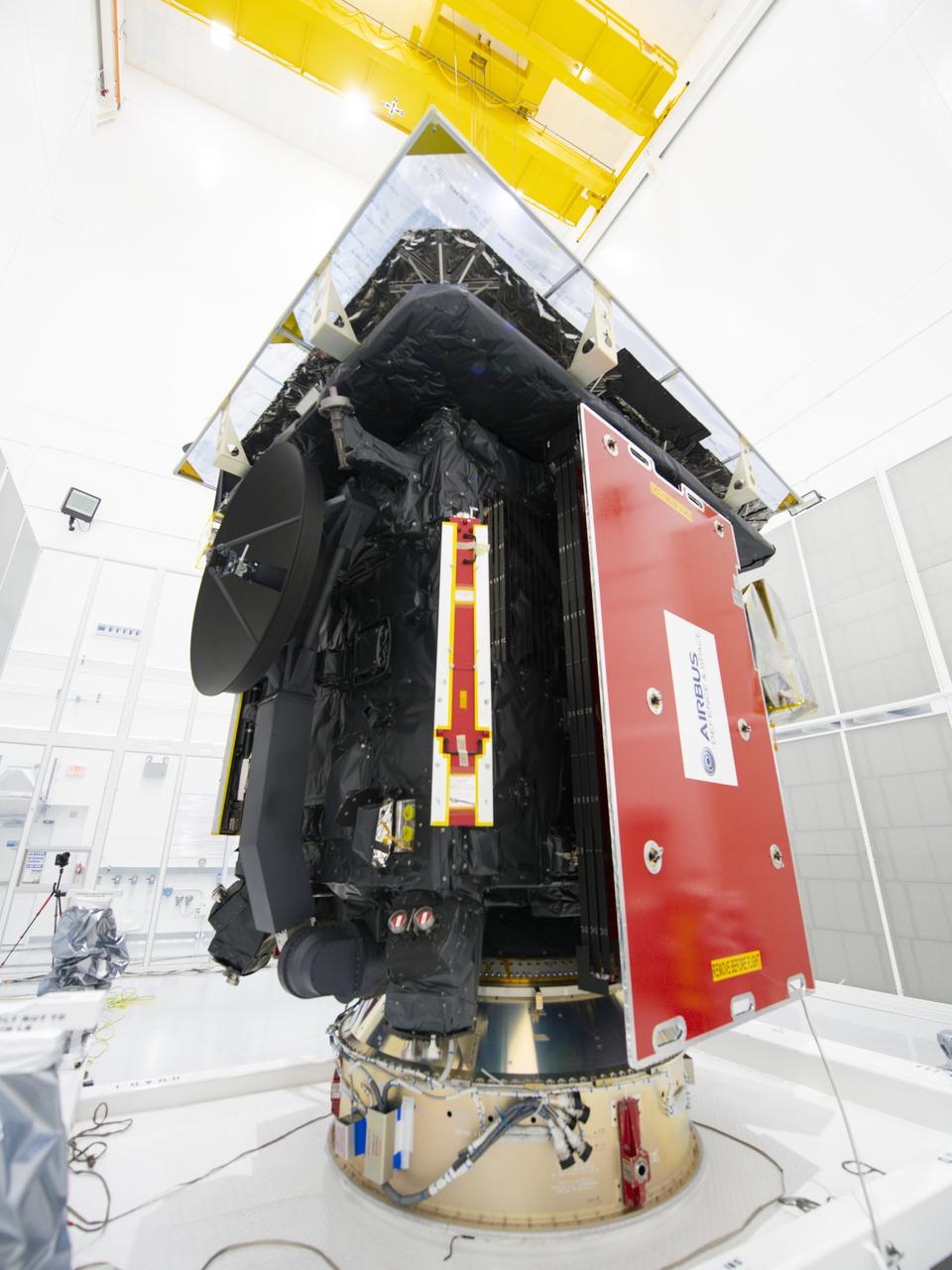
The Solar Orbiter spacecraft is mated to the payload adapter and lowered onto the ground transport vehicle inside Astrotech Space Operations in Titusville, Florida on Jan. 16, 2020. Solar Orbiter is an international cooperative mission between ESA (European Space Agency) and NASA. The mission aims to study the Sun, its outer atmosphere and solar wind. The spacecraft will provide the first images of the Sun’s poles. NASA’s Launch Services Program based at Kennedy is managing the launch. The spacecraft has been developed by Airbus Defence and Space. Solar Orbiter will launch in February 2020 aboard a United Launch Alliance Atlas V rocket from Space Launch Complex 41 at Cape Canaveral Air Force Station in Florida.
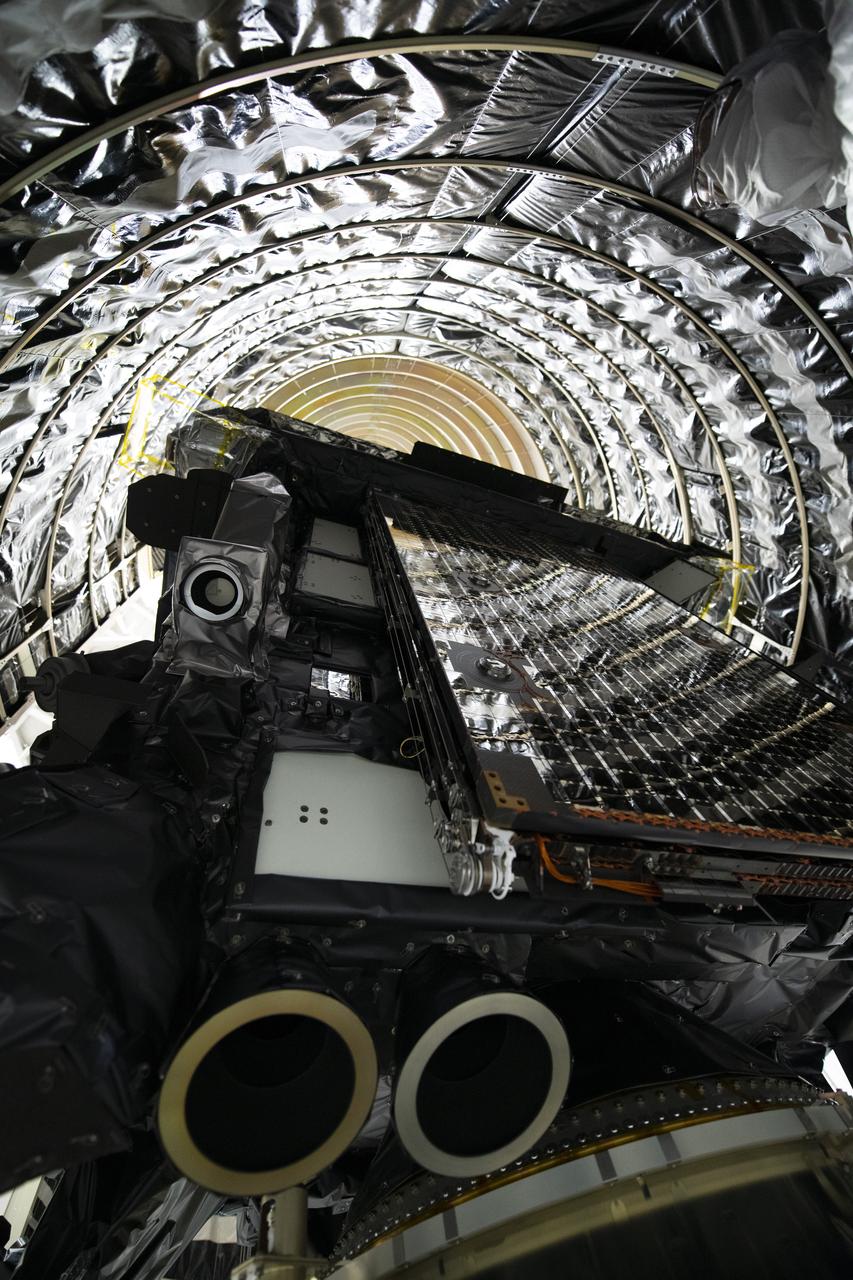
A view of the inside of the United Launch Alliance payload fairing as it is being secured around the Solar Orbiter spacecraft inside the Astrotech Space Operations facility in Titusville, Florida on Jan. 20, 2020. Solar Orbiter is an international cooperative mission between ESA (European Space Agency) and NASA. The mission aims to study the Sun, its outer atmosphere and solar wind. The spacecraft will provide the first images of the Sun’s poles. NASA’s Launch Services Program based at Kennedy is managing the launch. The spacecraft has been developed by Airbus Defence and Space. Solar Orbiter will launch in February 2020 aboard a United Launch Alliance Atlas V rocket from Space Launch Complex 41 at Cape Canaveral Air Force Station in Florida.
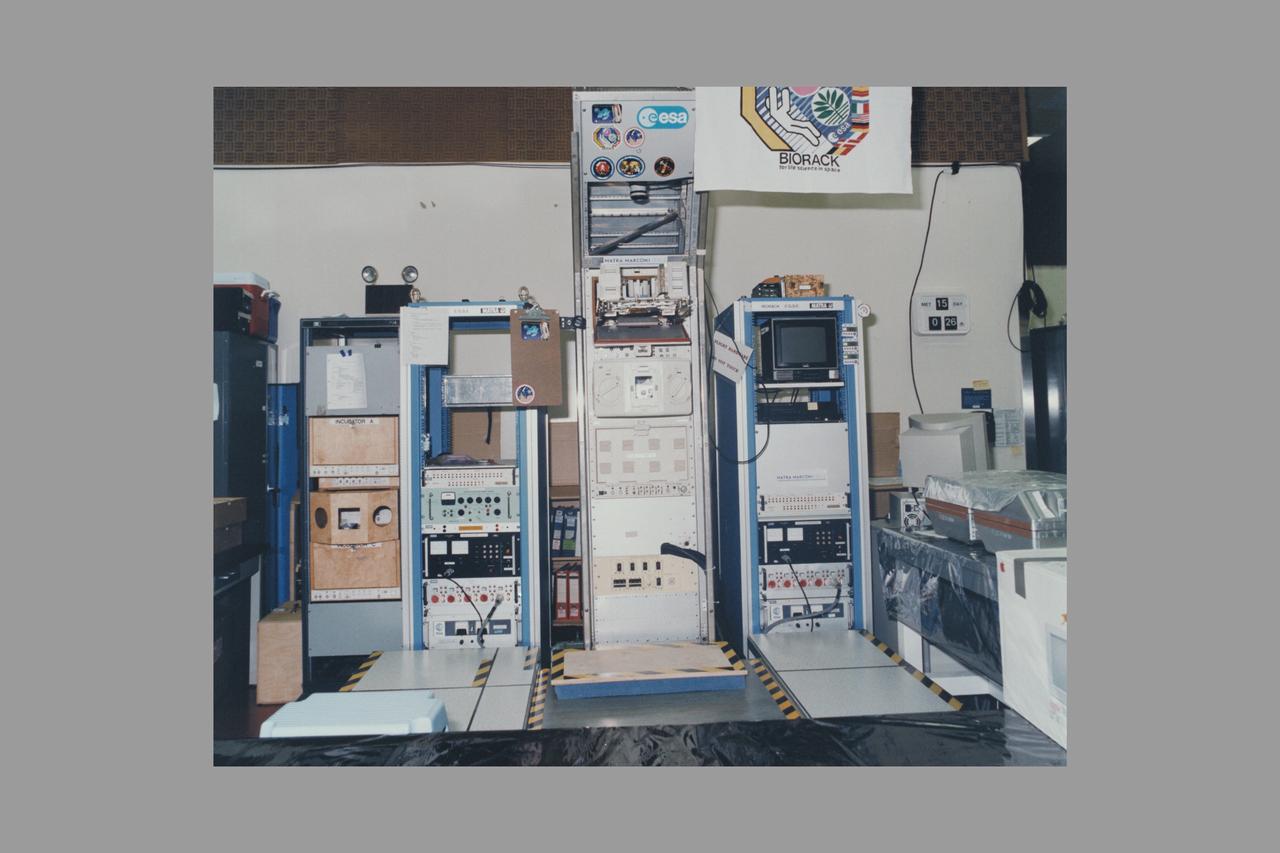
European Space Agency's Biorack facility
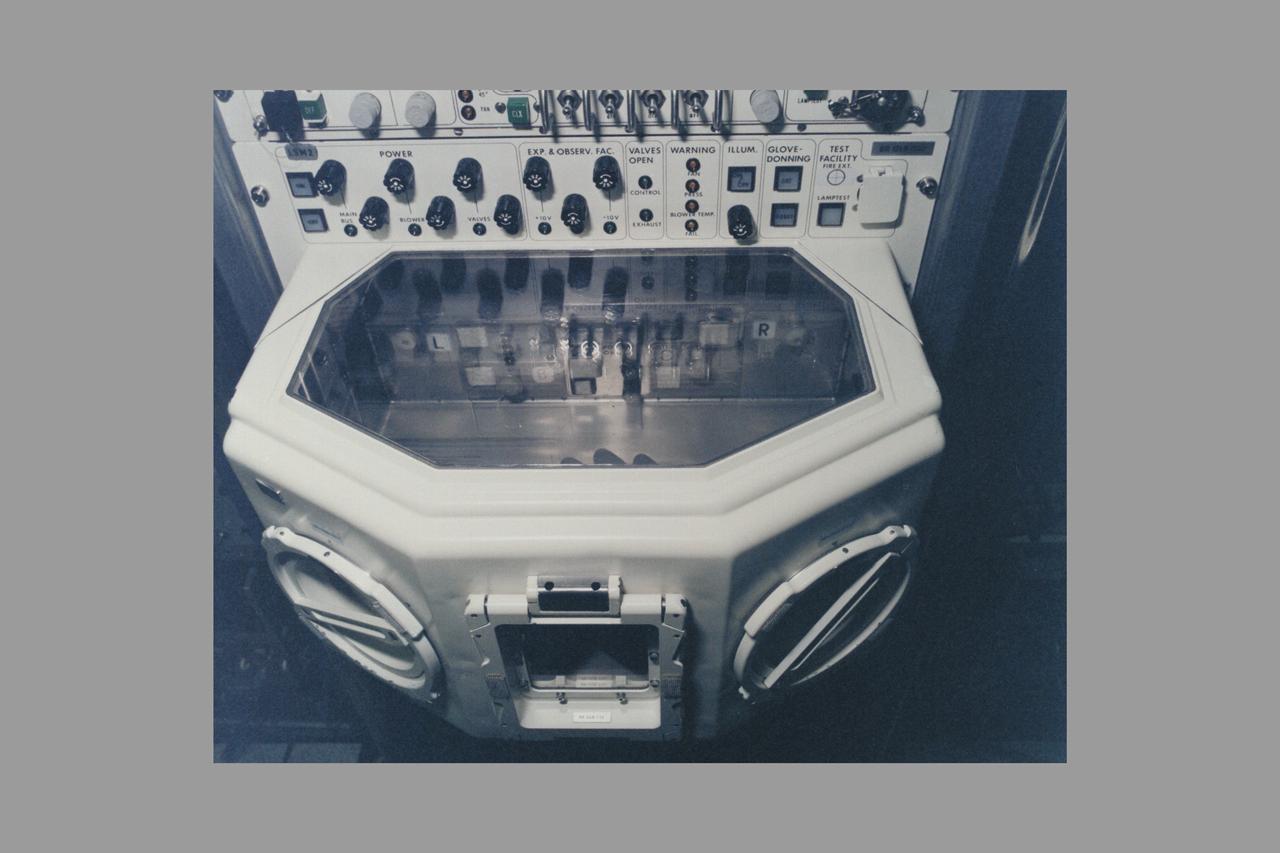
European Space Agency's Biorack glovebox
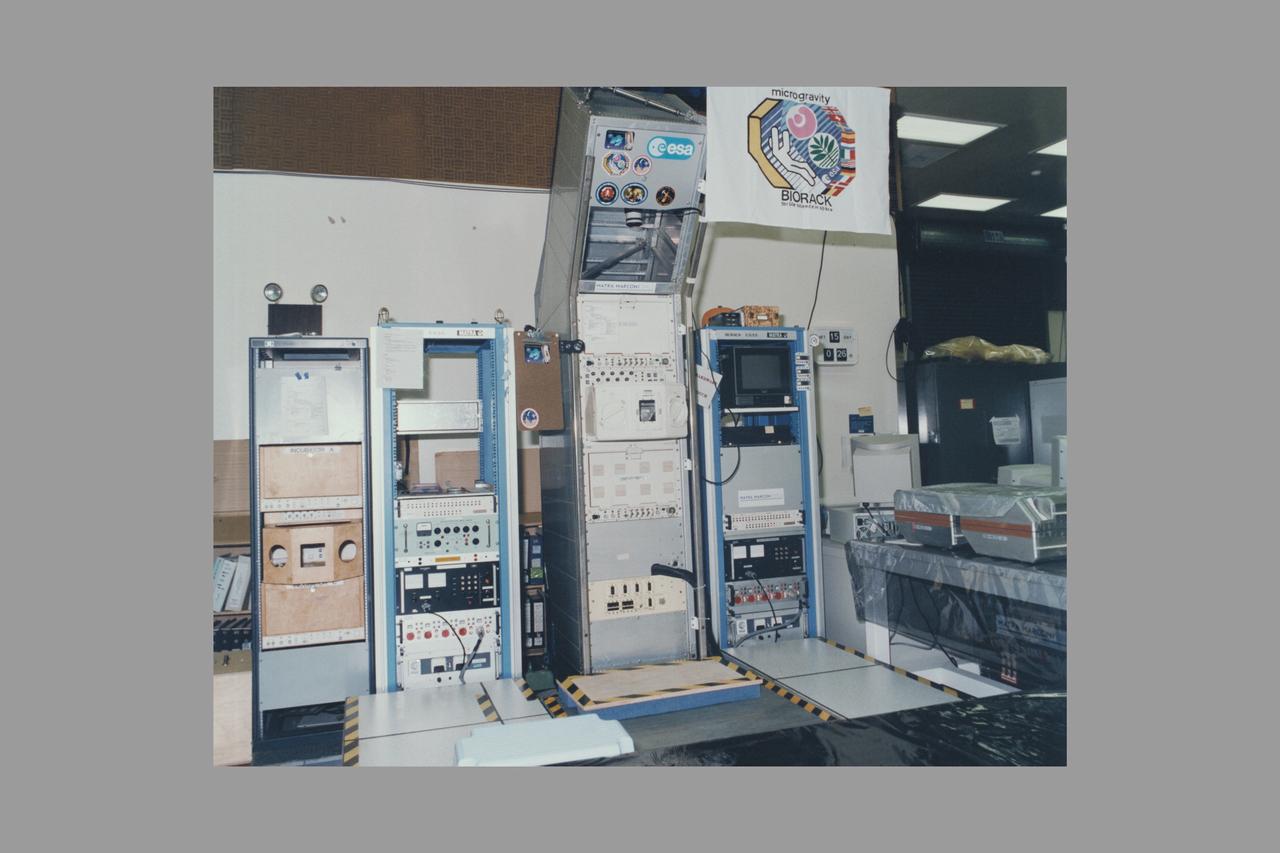
European Space Agency's Biorack facility
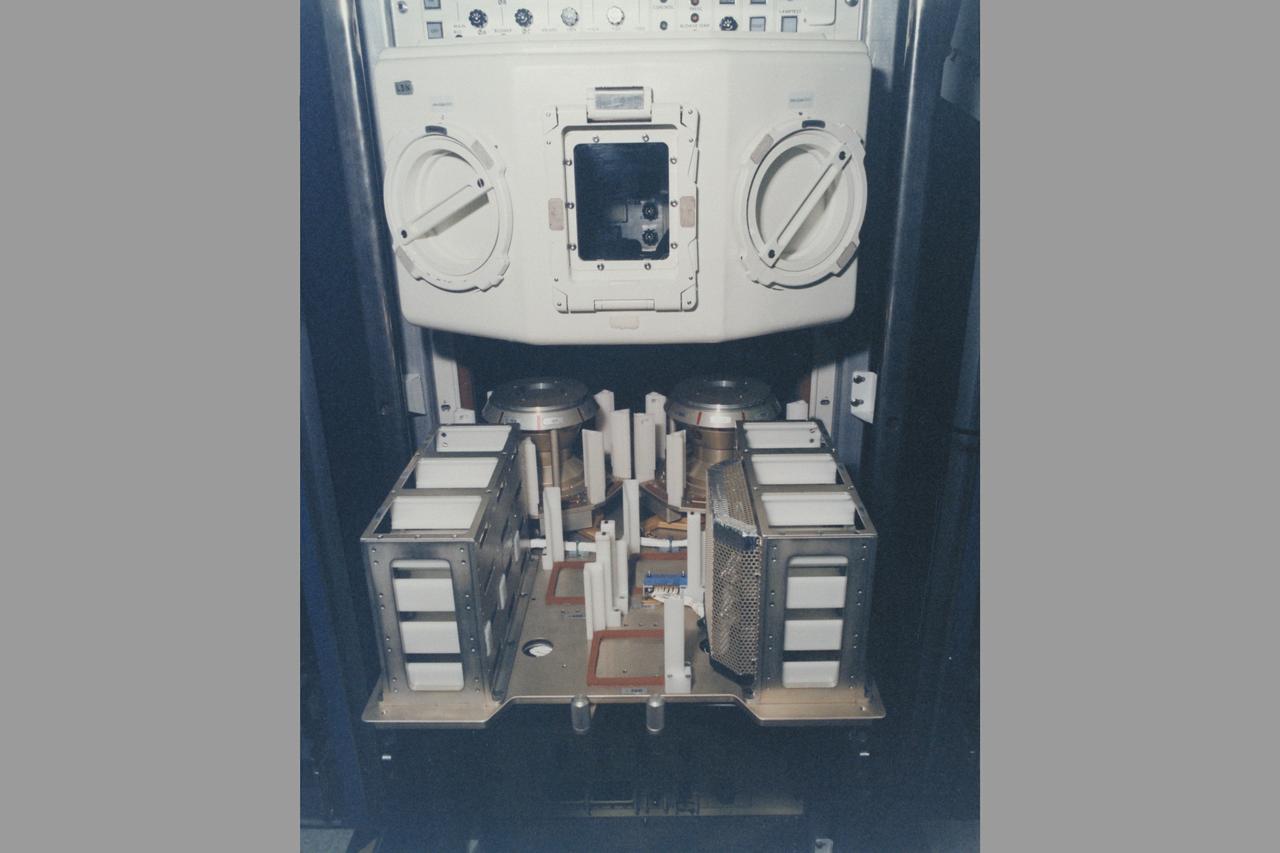
European Space Agency's Biorack incubator (37deg C)
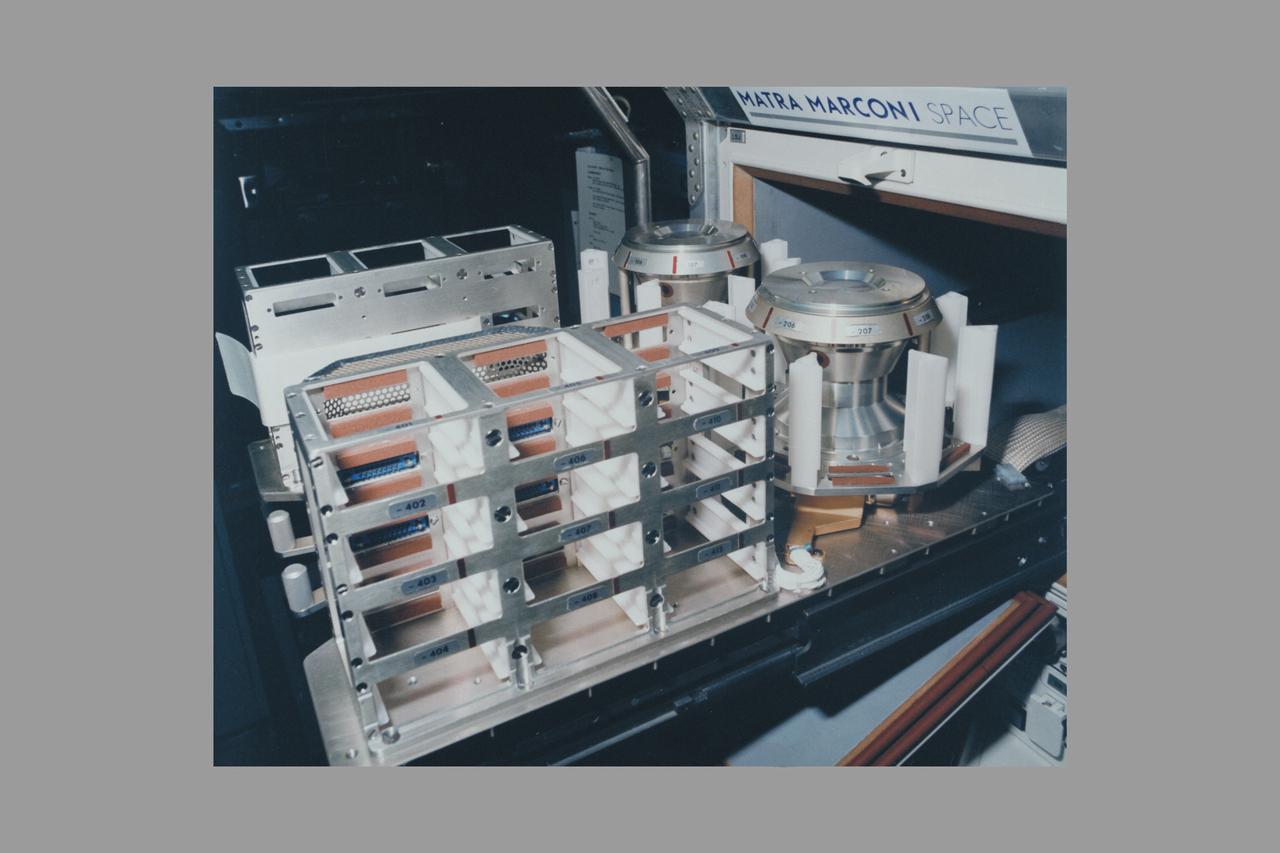
European Space Agency's Biorack incubator A (22deg C)
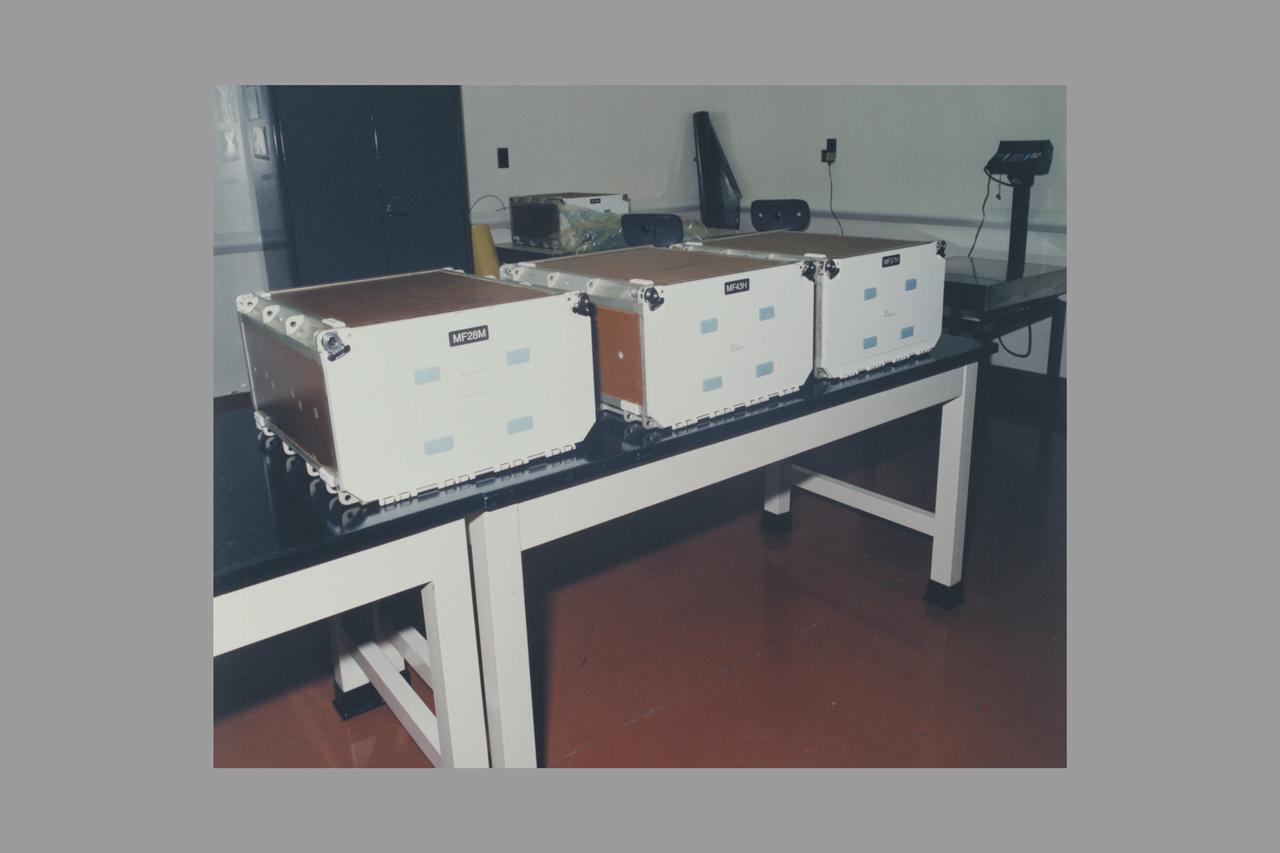
European Space Agency's Biorack middeck lockers

European Space Agency's Biorack incubator A (22deg C)
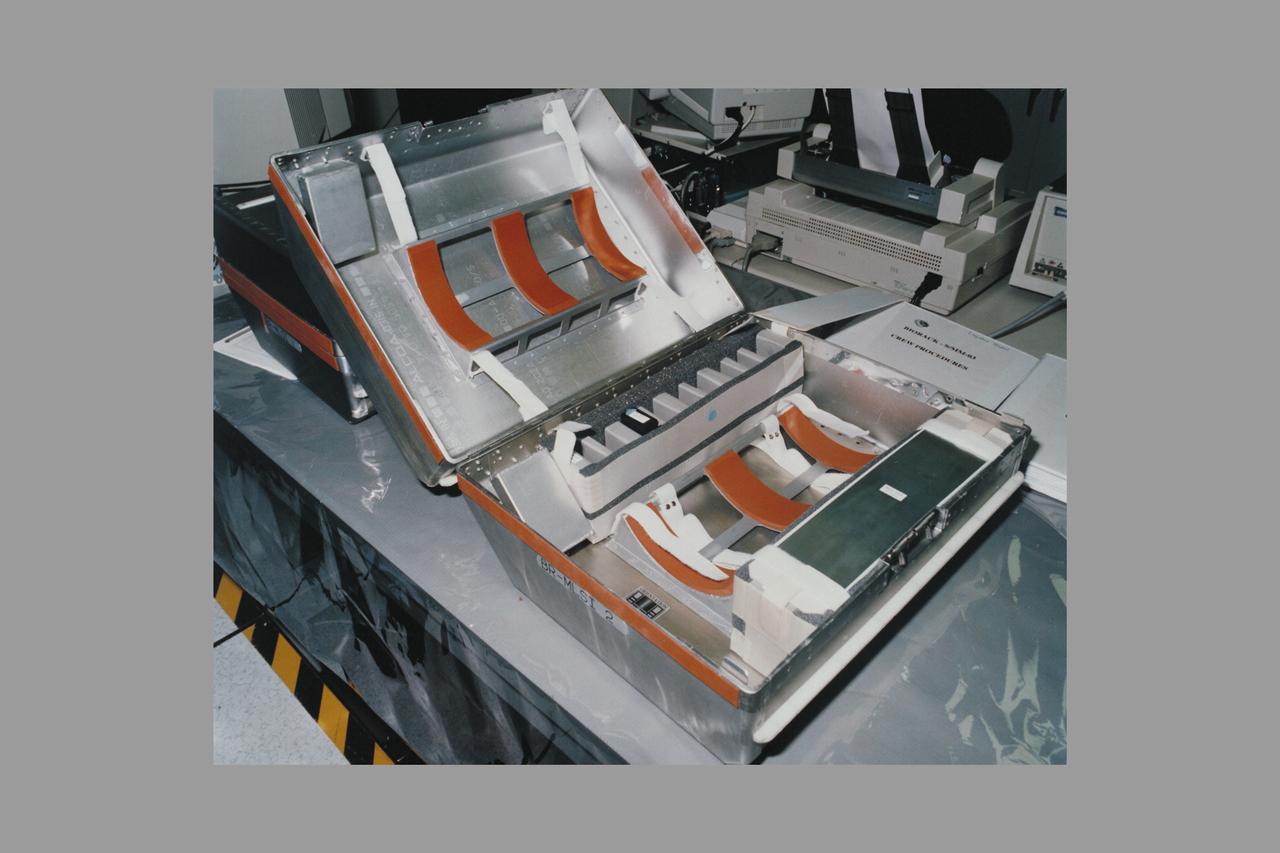
European Space Agency's Biorack MLSI (middeck locker stowage insert) for PTCU
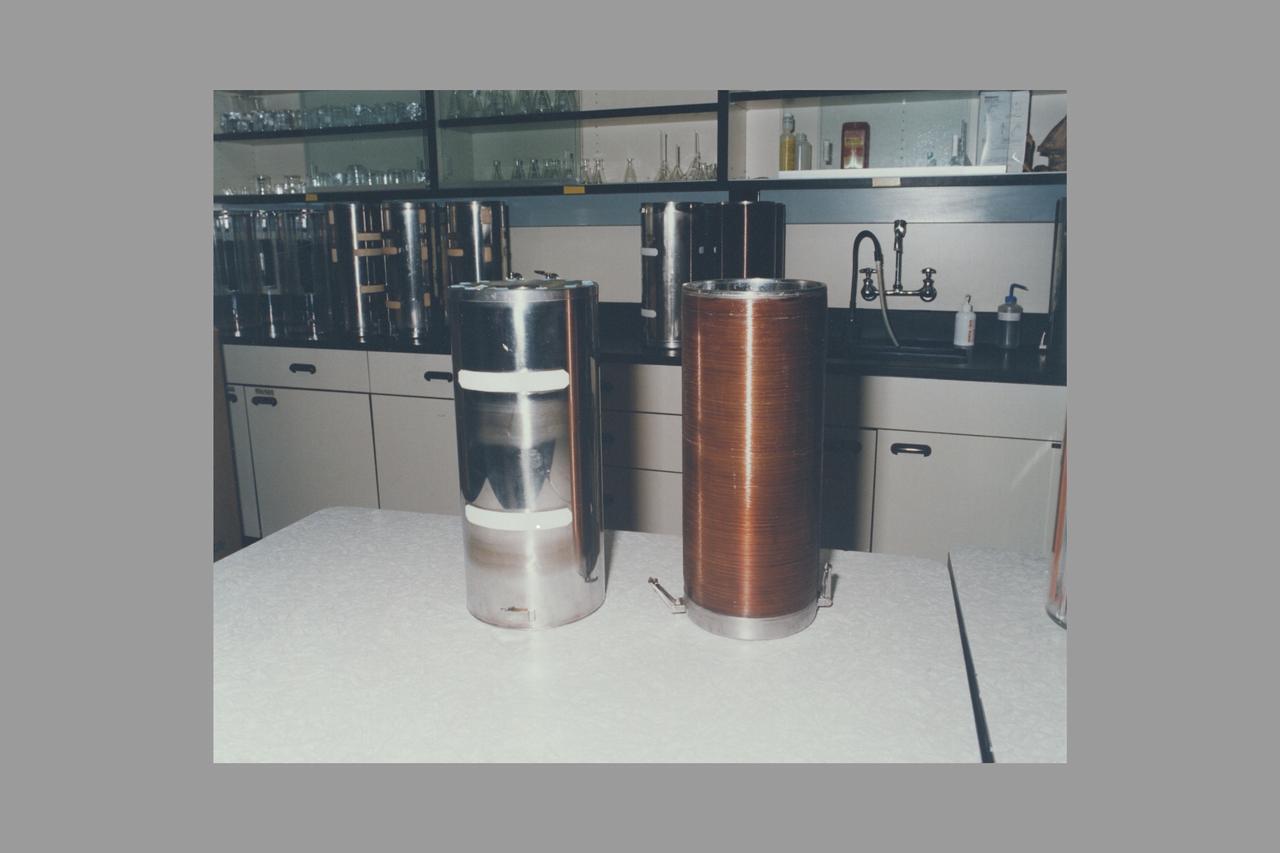
European Space Agency's Biorack passive thermal conditioning unit (PTCU)
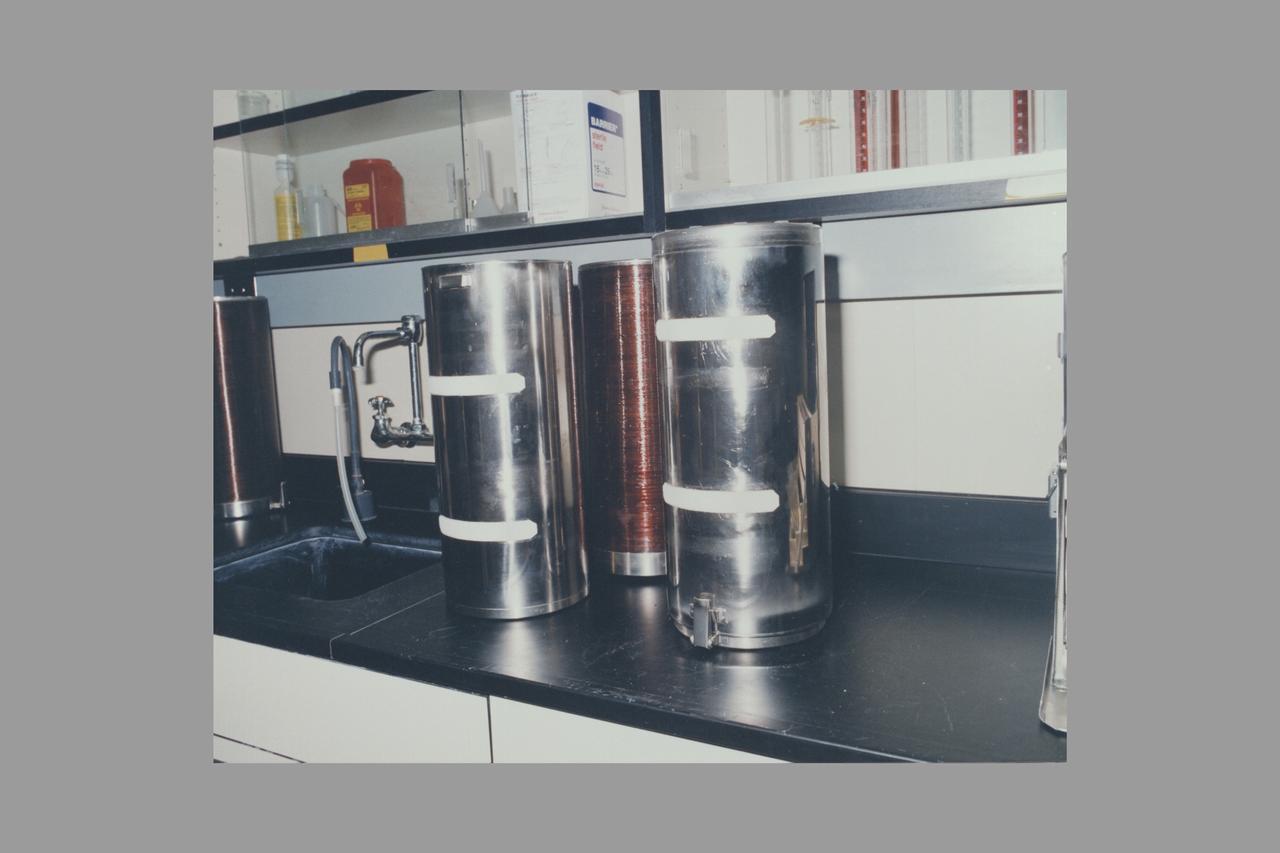
European Space Agency's Biorack passive thermal conditioning unit (PTCU)
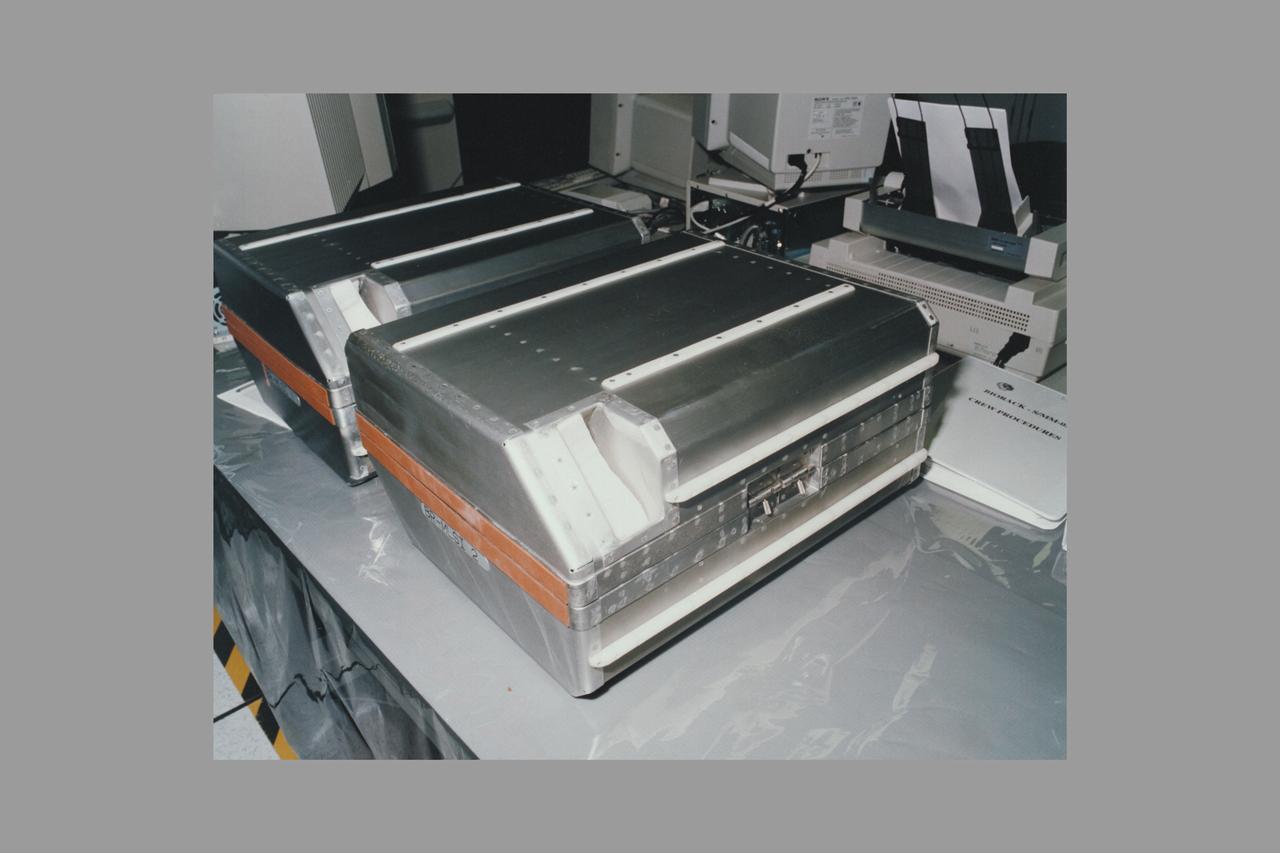
European Space Agency's Biorack MLSI (middeck locker stowage insert)
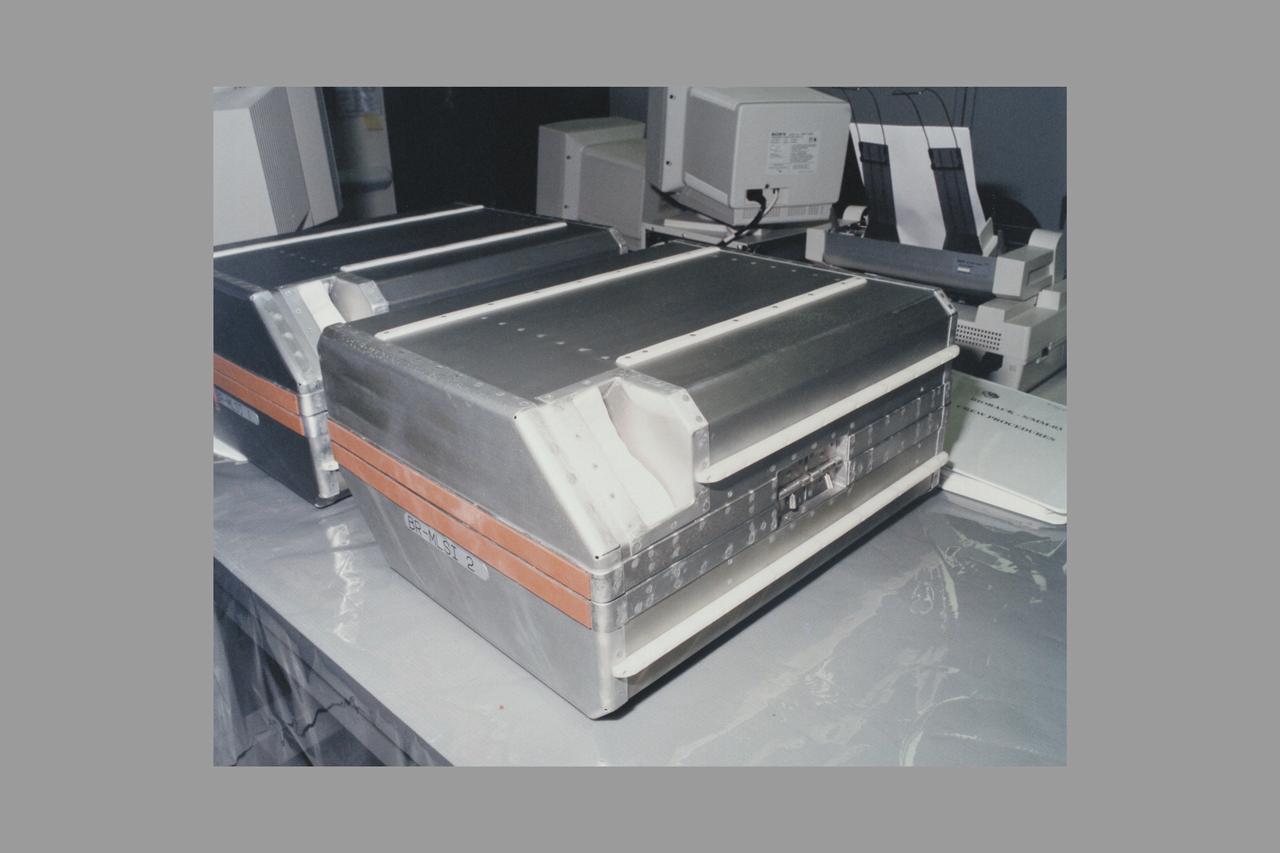
European Space Agency's Biorack MLSI (middeck locker stowage insert)
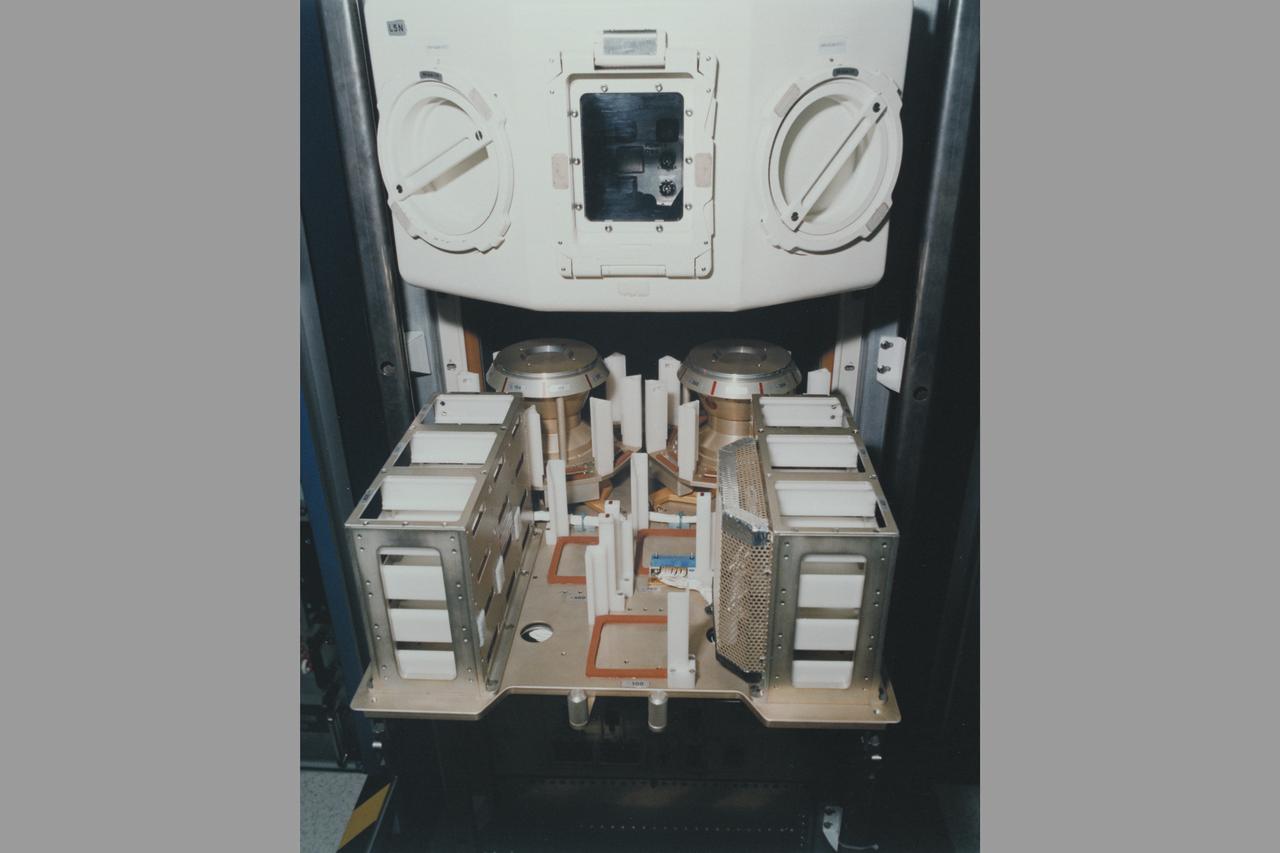
European Space Agency's Biorack incubator C (37deg C)
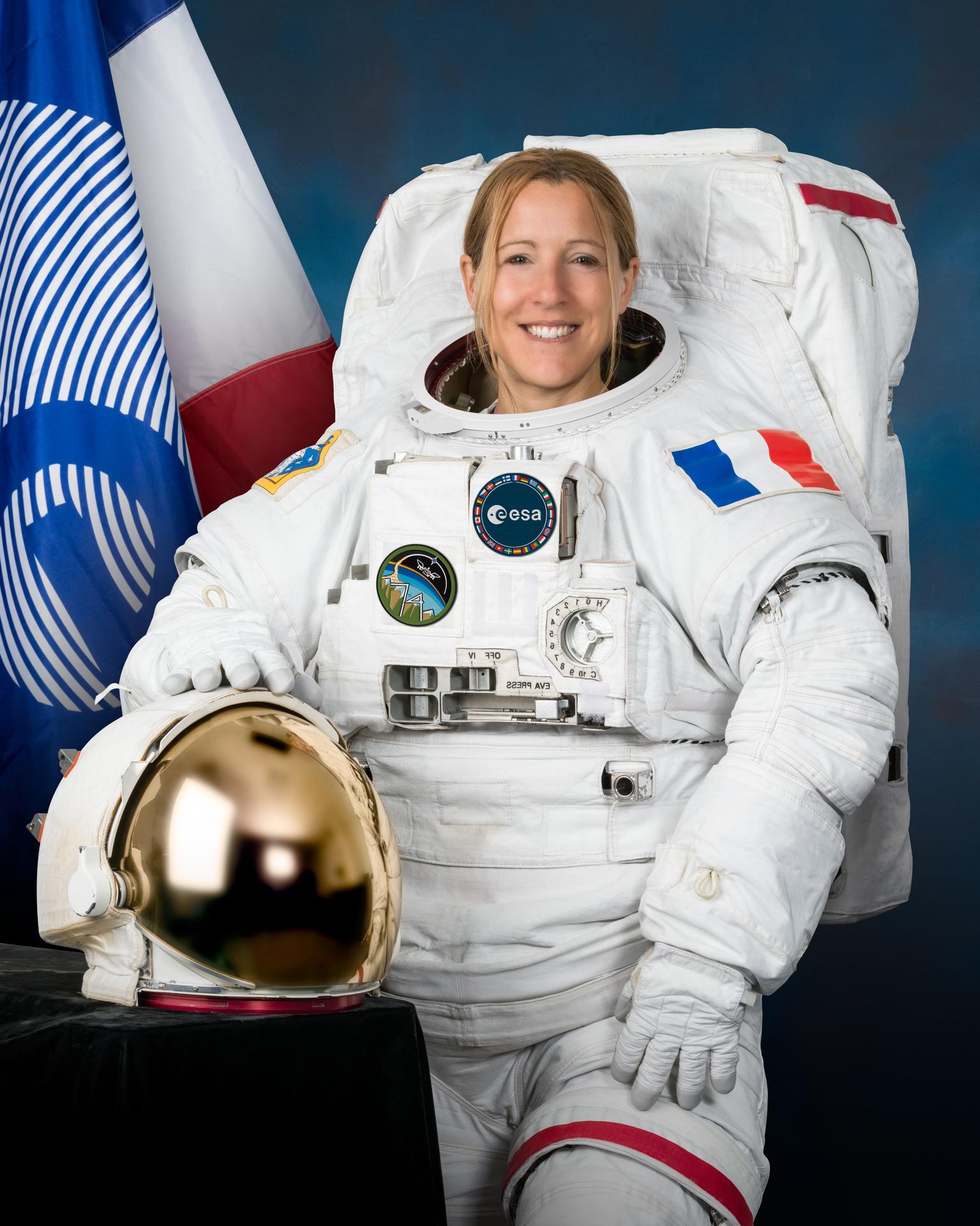
jsc2025e073892_alt (Sept. 11, 2025) --- Official portrait of ESA (European Space Agency) astronaut Sophie Adenot wearing a spacesuit, also called an Extravehicular Mobility Unit (EMU), at NASA's Johnson Space Center in Houston, Texas. Credit: NASA/Helen Arase Vargas and David DeHoyos
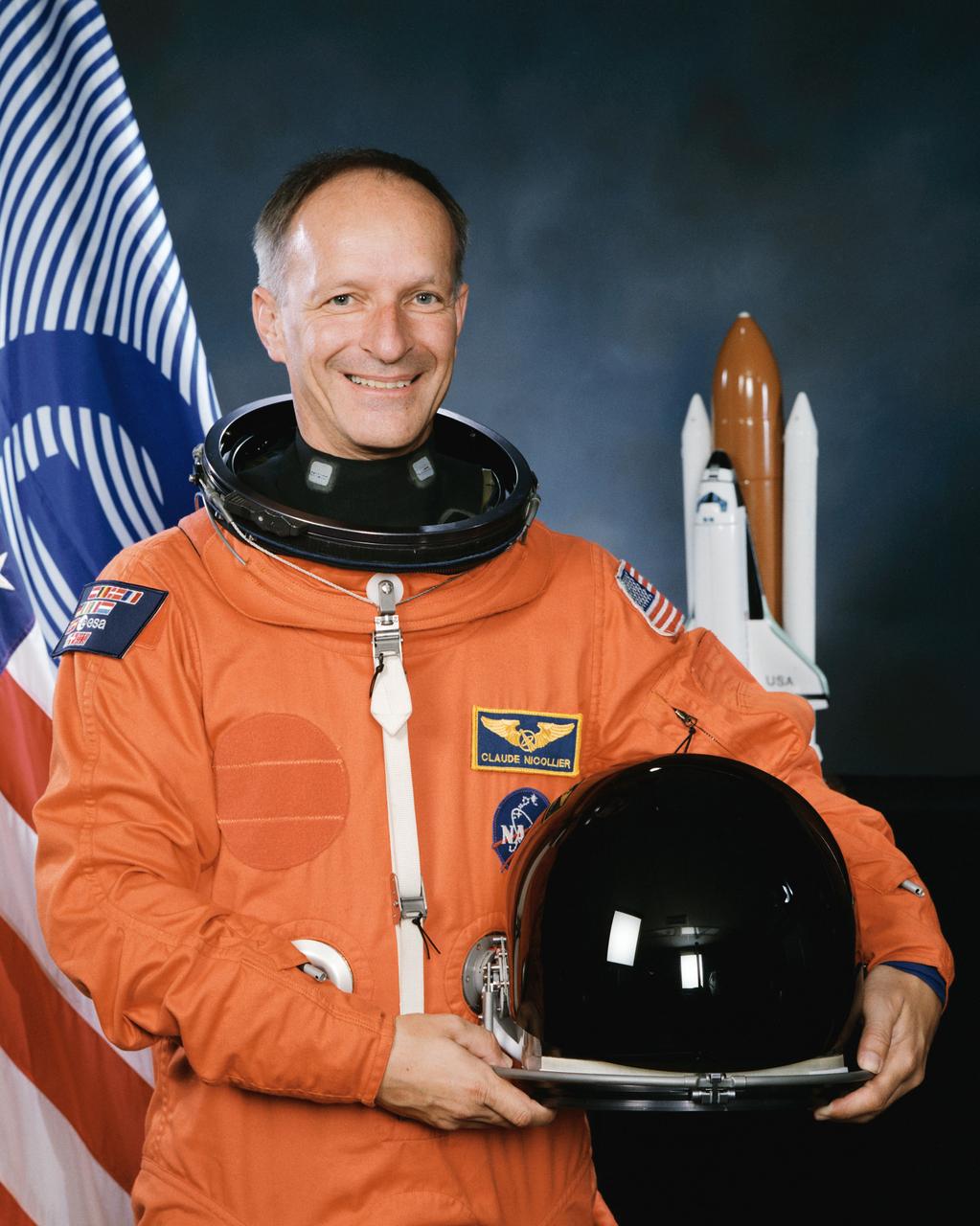
S93-40688 (1993) --- Astronaut Claude Nicollier, representing European Space Agency (ESA).

JSC2005-E-13483 (March 2005) --- Roberto Vittori, European Space Agency, Soyuz flight engineer, TMA-6.
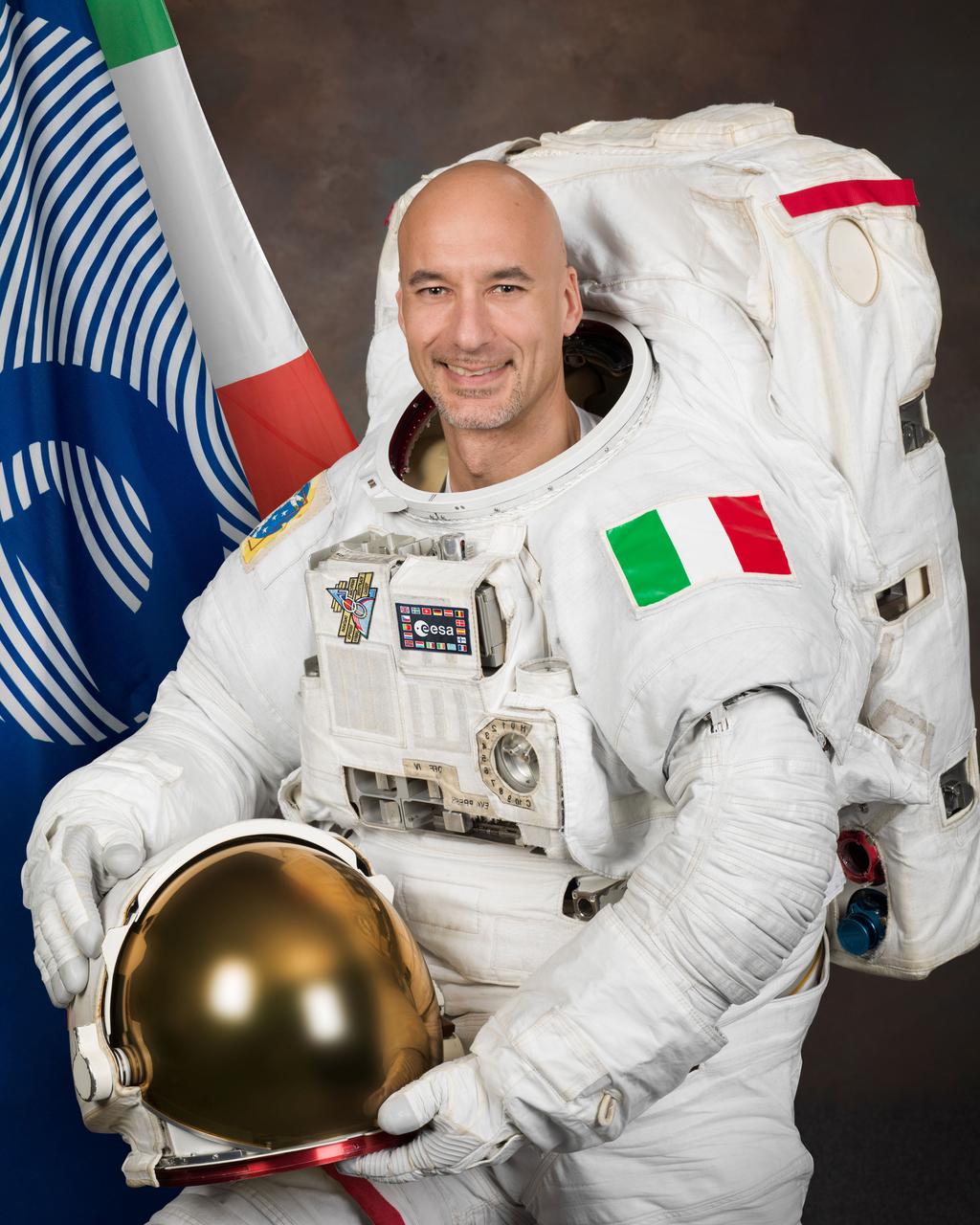
jsc2013e007948 (Jan. 25, 2013) --- ESA (European Space Agency) astronaut Luca Parmitano poses for his official portrait in a U.S. spacesuit at NASA's Johnson Space Center. A patch bearing the flag of his home country of Italy is attached to the spacesuit. The ESA and Italian flags are also in the left background.
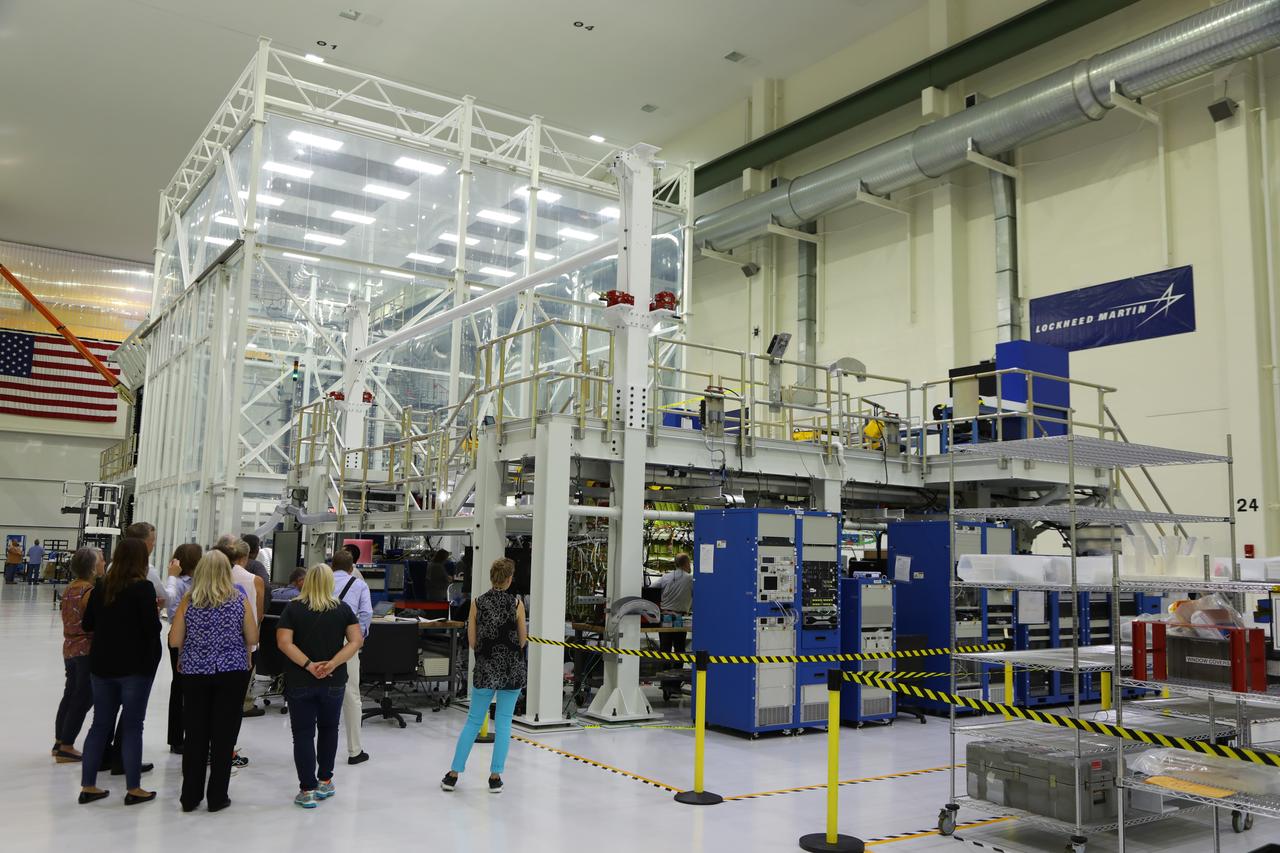
Representatives from the European Space Agency, or ESA, and members of NASA's Communication team, toured the Neil Armstrong Operations and Checkout Building high bay and viewed the Orion crew module for Exploration Mission-1 at NASA’s Kennedy Space Center in Florida.
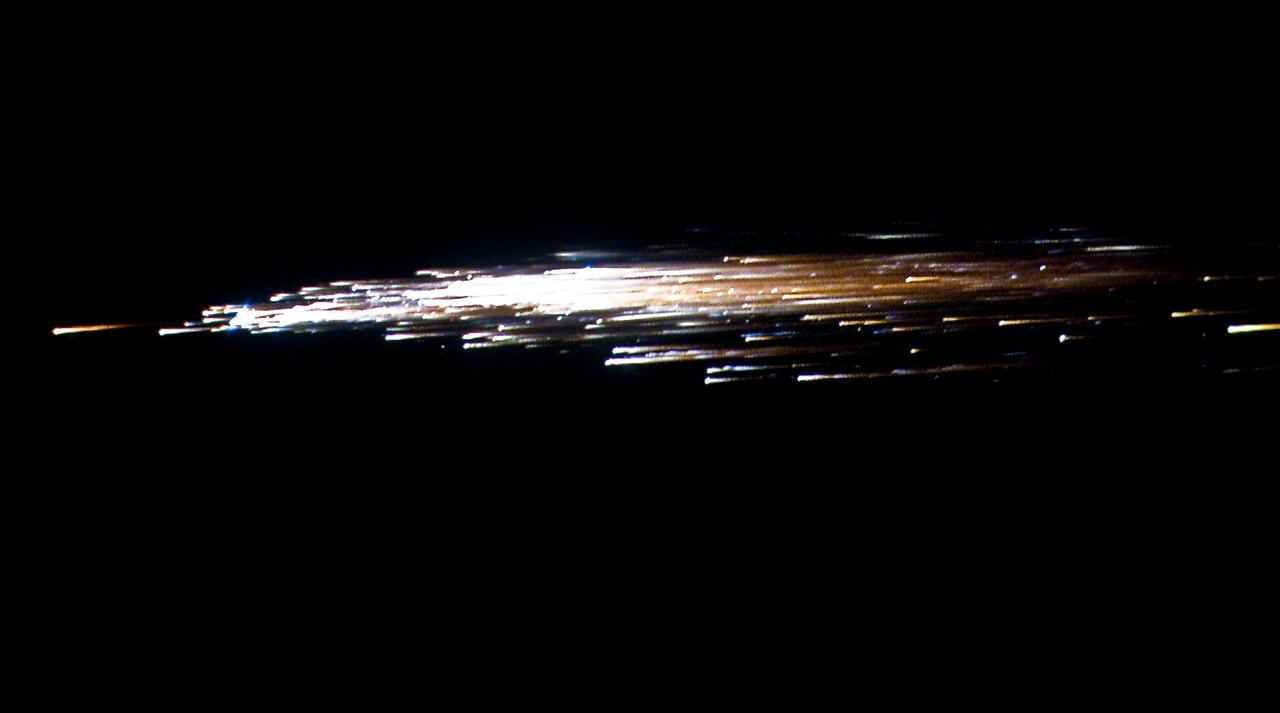
European Space Agency's 'Jules Verne' Automated Transfer Vehicle ATV-1 re-entry in Earth's atmosphere over Pacific Ocean. The breakup ad fragmentation of the ESA's ATV-1 was captured in dramatic fashion by scientists aboard NASA's DC-8 airborne laboratory and a Gulfstream V aircraft as it re-entered the atmosphere early Monday morning over the South Pacific. Photo Credit: NASA Ames Research Center/ESA/Jesse Carpenter/Bill Moede
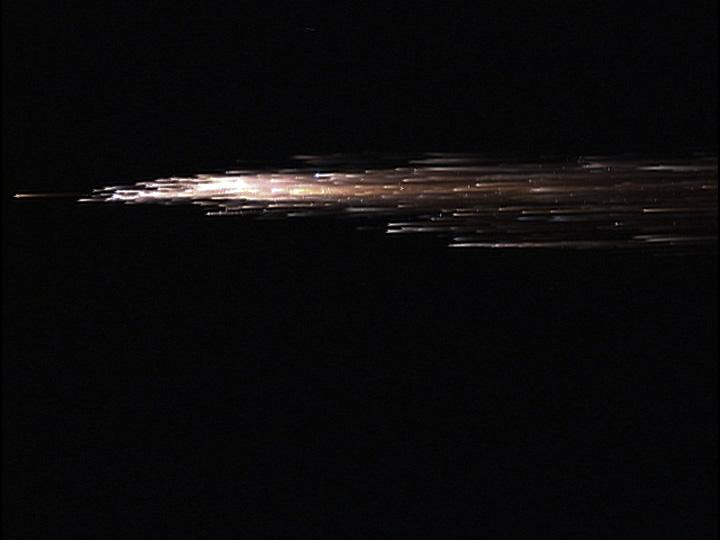
European Space Agency's 'Jules Verne' Automated Transfer Vehicle ATV-1 re-entry in Earth's atmosphere over Pacific Ocean. The breakup ad fragmentation of the ESA's ATV-1 was captured in dramatic fashion by scientists aboard NASA's DC-8 airborne laboratory and a Gulfstream V aircraft as it re-entered the atmosphere early Monday morning over the South Pacific. Photo Credit: NASA Ames Research Center/ESA/Jesse Carpenter/Bill Moede
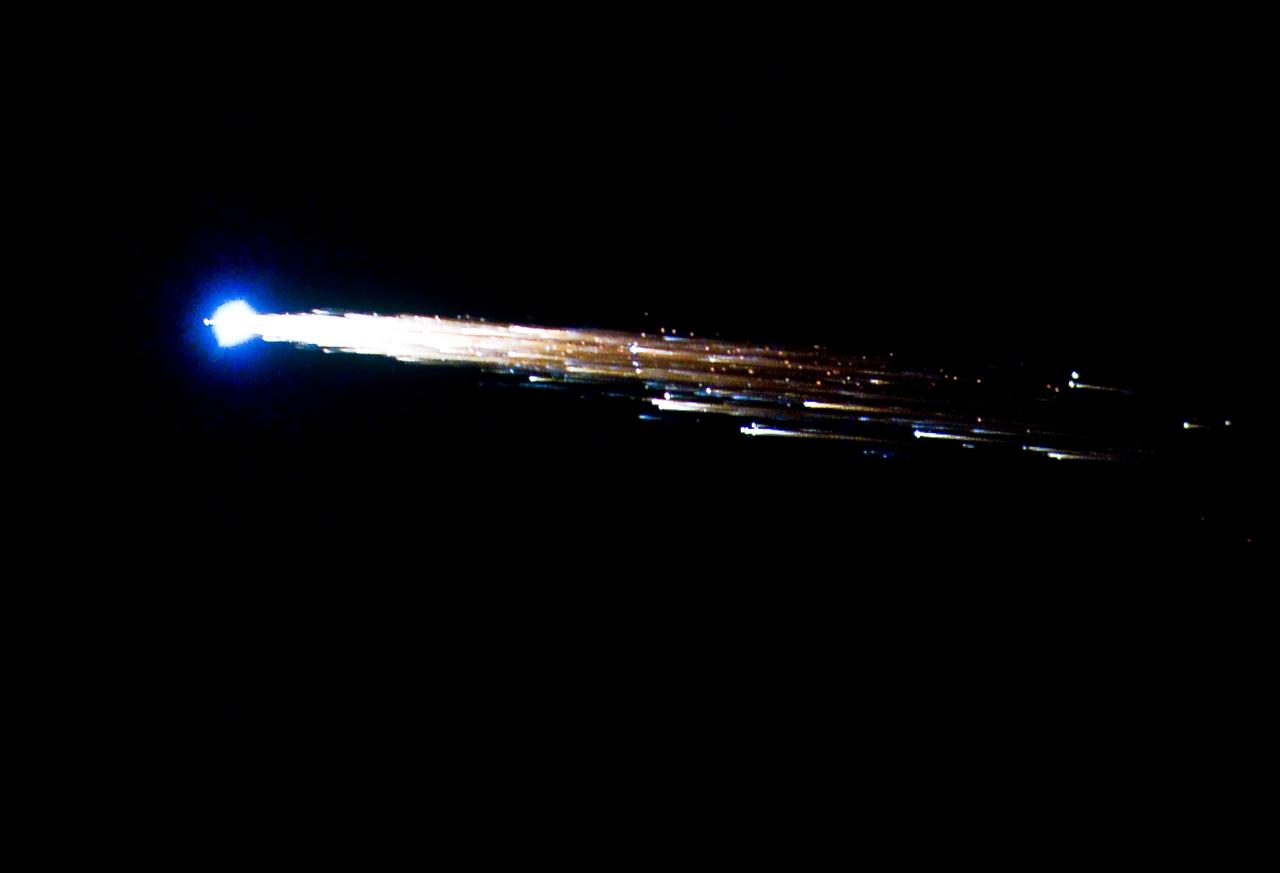
European Space Agency's 'Jules Verne' Automated Transfer Vehicle ATV-1 re-entry in Earth's atmosphere over Pacific Ocean. The breakup ad fragmentation of the ESA's ATV-1 was captured in dramatic fashion by scientists aboard NASA's DC-8 airborne laboratory and a Gulfstream V aircraft as it re-entered the atmosphere early Monday morning over the South Pacific. Photo Credit: NASA Ames Research Center/ESA/Jesse Carpenter/Bill Moede
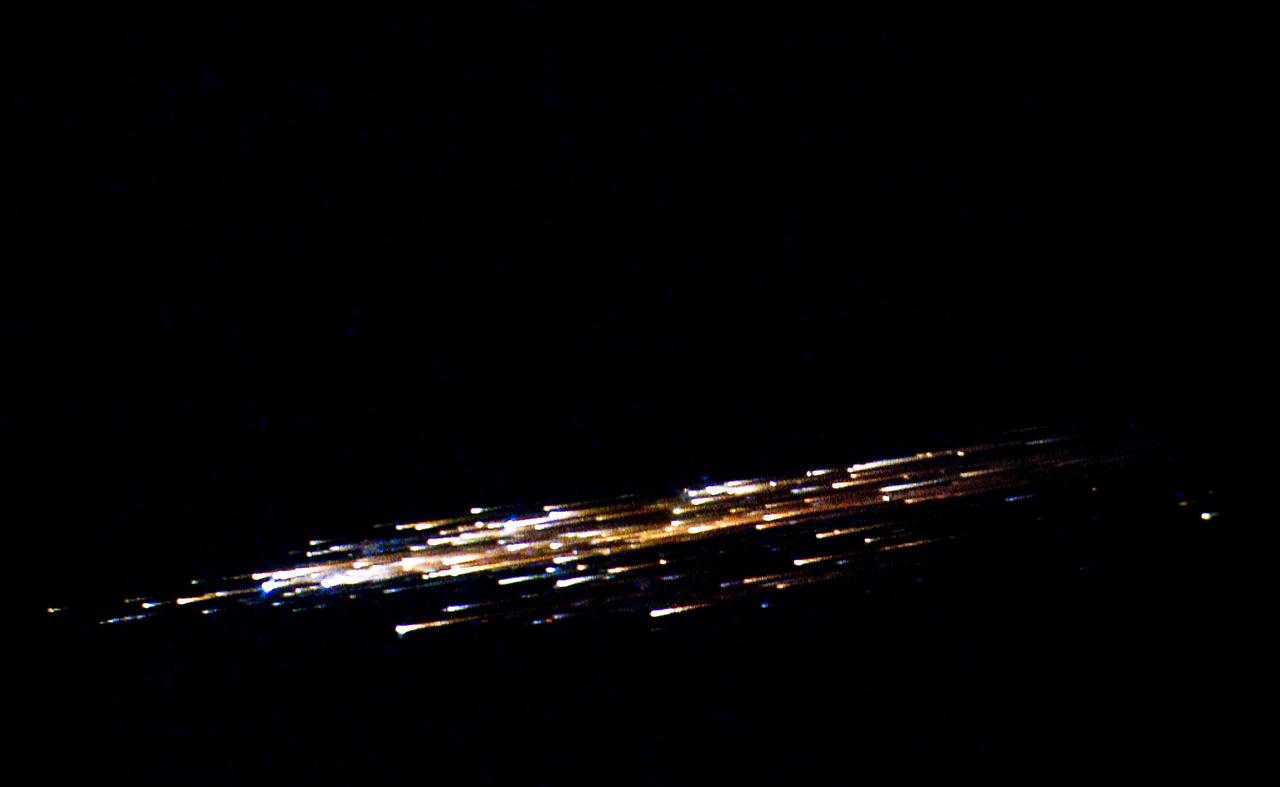
European Space Agency's 'Jules Verne' Automated Transfer Vehicle ATV-1 re-entry in Earth's atmosphere over Pacific Ocean. The breakup ad fragmentation of the ESA's ATV-1 was captured in dramatic fashion by scientists aboard NASA's DC-8 airborne laboratory and a Gulfstream V aircraft as it re-entered the atmosphere early Monday morning over the South Pacific. Photo Credit: NASA Ames Research Center/ESA/Jesse Carpenter/Bill Moede
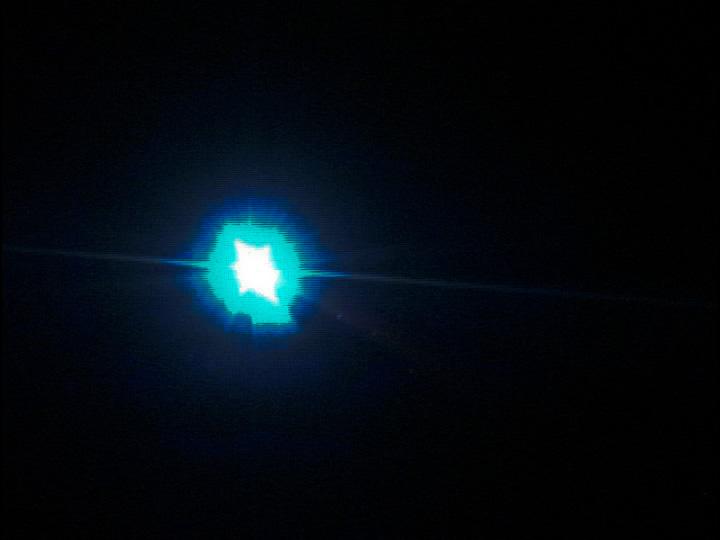
European Space Agency's 'Jules Verne' Automated Transfer Vehicle ATV-1 re-entry in Earth's atmosphere over Pacific Ocean. The breakup ad fragmentation of the ESA's ATV-1 was captured in dramatic fashion by scientists aboard NASA's DC-8 airborne laboratory and a Gulfstream V aircraft as it re-entered the atmosphere early Monday morning over the South Pacific. Photo Credit: NASA Ames Research Center/ESA/Jesse Carpenter/Bill Moede
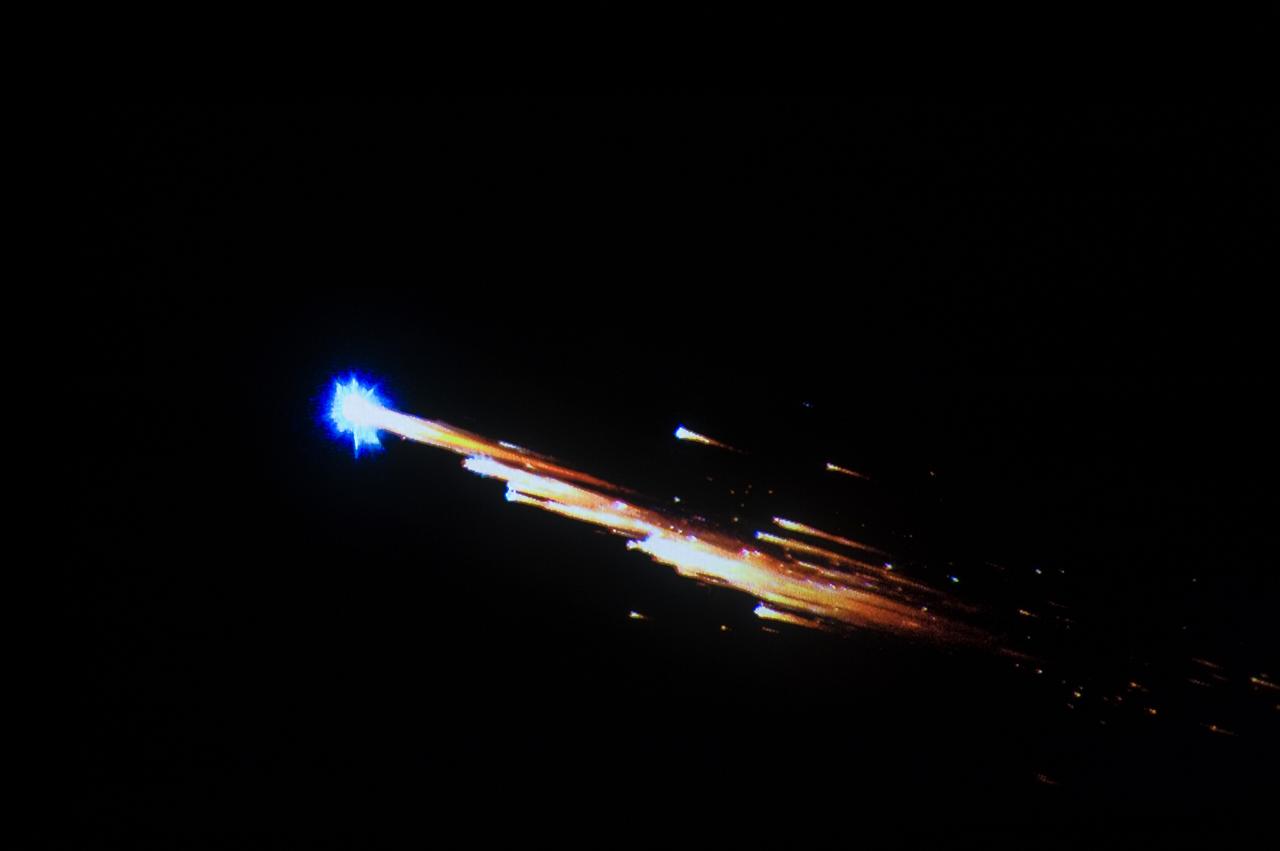
European Space Agency's 'Jules Verne' Automated Transfer Vehicle ATV-1 re-entry in Earth's atmosphere over Pacific Ocean. The breakup ad fragmentation of the ESA's ATV-1 was captured in dramatic fashion by scientists aboard NASA's DC-8 airborne laboratory and a Gulfstream V aircraft as it re-entered the atmosphere early Monday morning over the South Pacific. Photo Credit: NASA Ames Research Center/ESA/Jesse Carpenter/Bill Moede
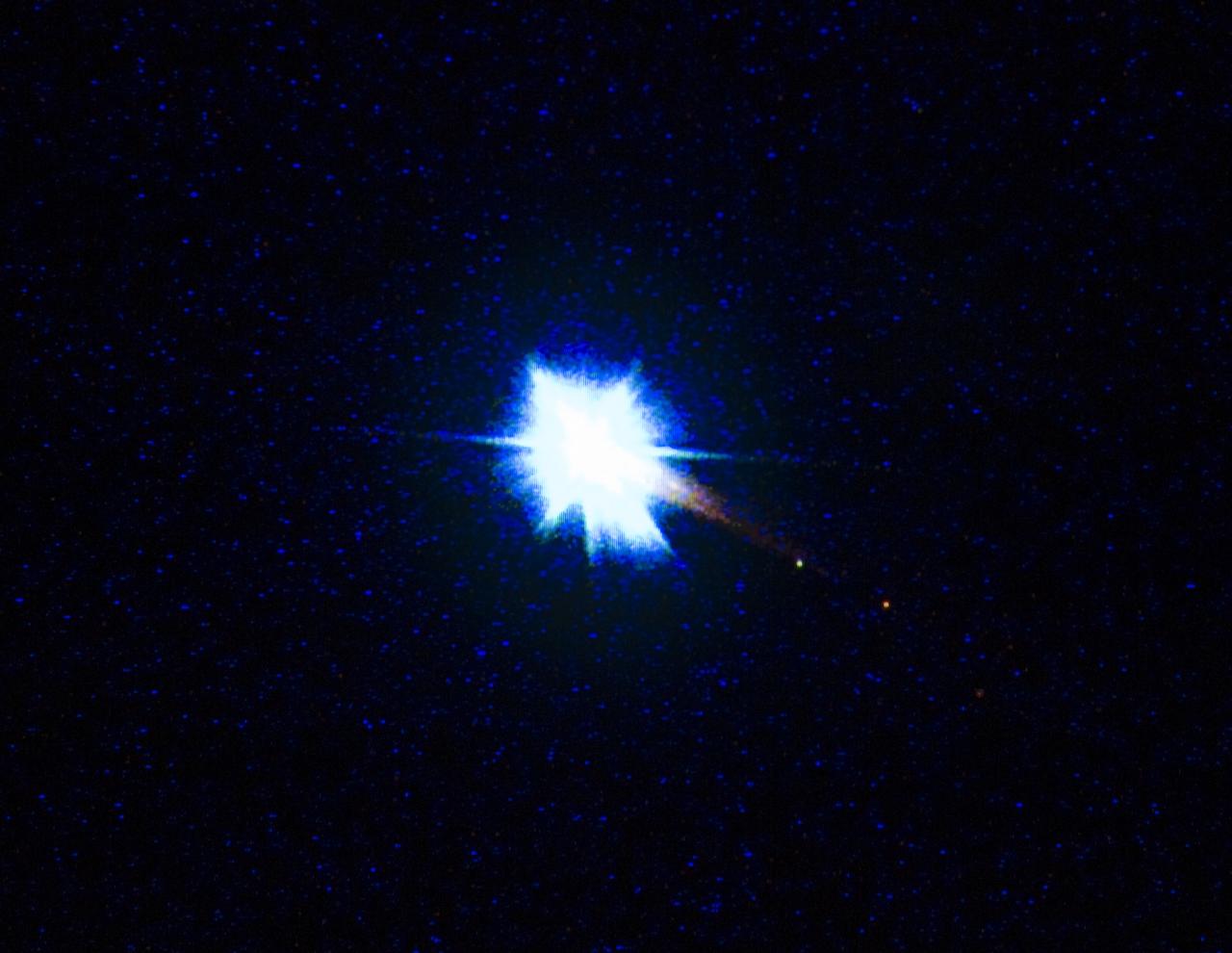
European Space Agency's 'Jules Verne' Automated Transfer Vehicle ATV-1 re-entry in Earth's atmosphere over Pacific Ocean. The breakup ad fragmentation of the ESA's ATV-1 was captured in dramatic fashion by scientists aboard NASA's DC-8 airborne laboratory and a Gulfstream V aircraft as it re-entered the atmosphere early Monday morning over the South Pacific. Photo Credit: NASA Ames Research Center/ESA/Jesse Carpenter/Bill Moede
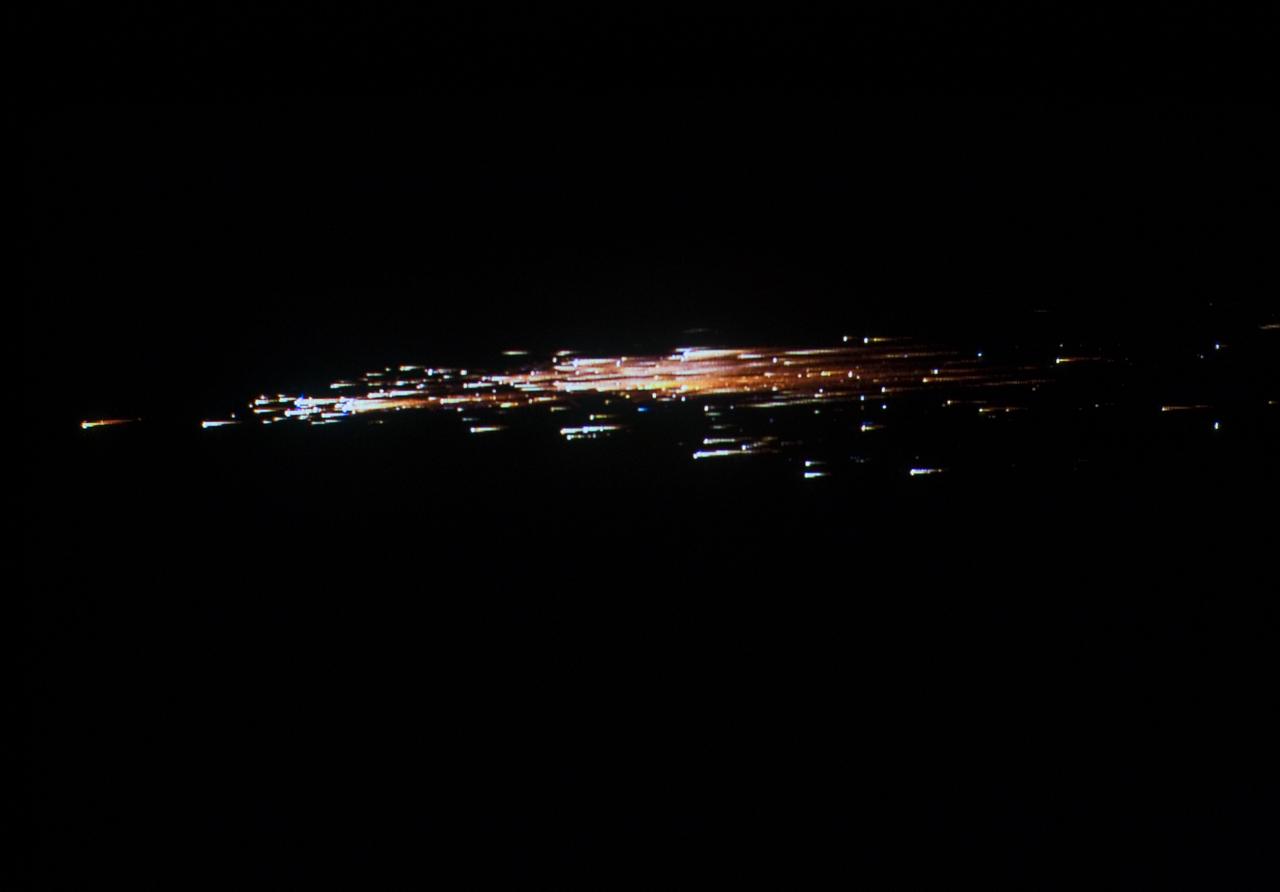
European Space Agency's 'Jules Verne' Automated Transfer Vehicle ATV-1 re-entry in Earth's atmosphere over Pacific Ocean. The breakup ad fragmentation of the ESA's ATV-1 was captured in dramatic fashion by scientists aboard NASA's DC-8 airborne laboratory and a Gulfstream V aircraft as it re-entered the atmosphere early Monday morning over the South Pacific. Photo Credit: NASA Ames Research Center/ESA/Jesse Carpenter/Bill Moede
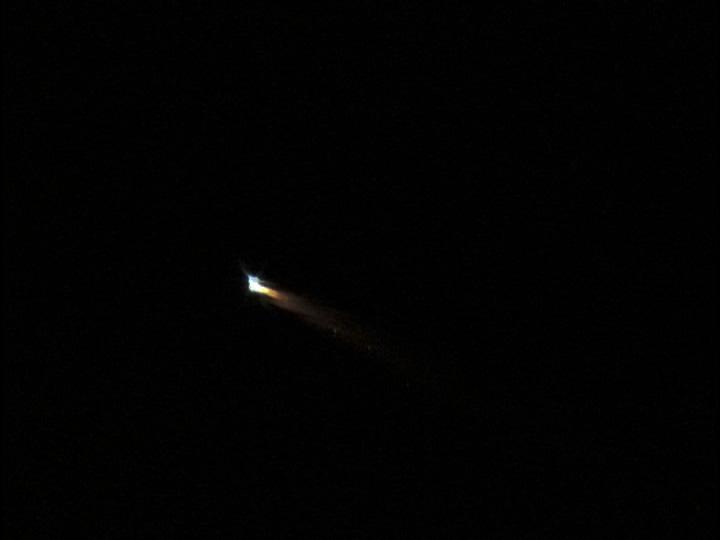
European Space Agency's 'Jules Verne' Automated Transfer Vehicle ATV-1 re-entry in Earth's atmosphere over Pacific Ocean. The breakup ad fragmentation of the ESA's ATV-1 was captured in dramatic fashion by scientists aboard NASA's DC-8 airborne laboratory and a Gulfstream V aircraft as it re-entered the atmosphere early Monday morning over the South Pacific. Photo Credit: NASA Ames Research Center/ESA/Jesse Carpenter/Bill Moede
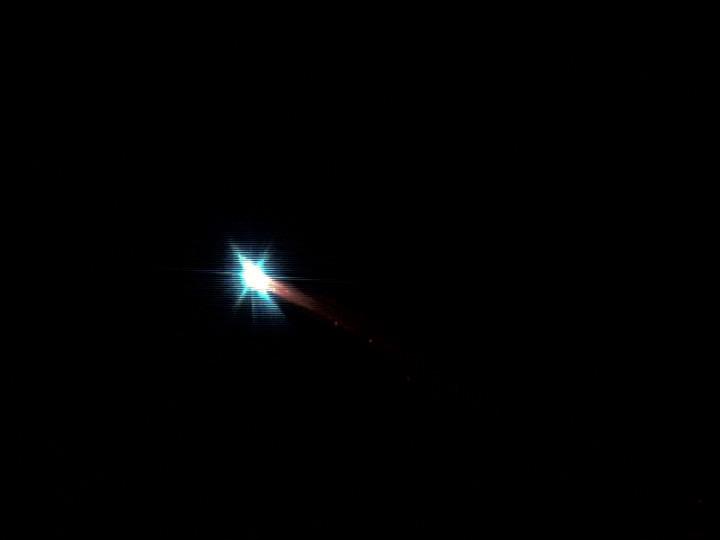
European Space Agency's 'Jules Verne' Automated Transfer Vehicle ATV-1 re-entry in Earth's atmosphere over Pacific Ocean. The breakup ad fragmentation of the ESA's ATV-1 was captured in dramatic fashion by scientists aboard NASA's DC-8 airborne laboratory and a Gulfstream V aircraft as it re-entered the atmosphere early Monday morning over the South Pacific. Photo Credit: NASA Ames Research Center/ESA/Jesse Carpenter/Bill Moede
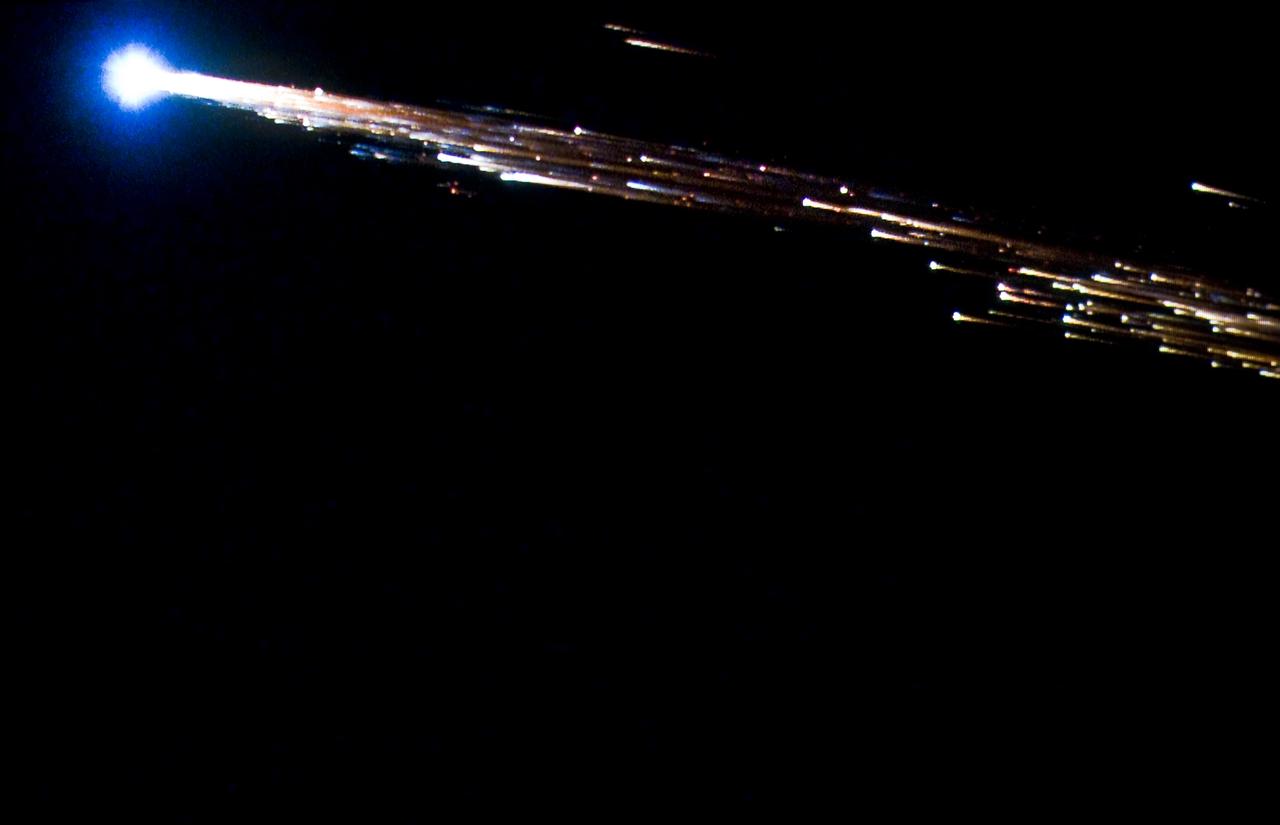
European Space Agency's 'Jules Verne' Automated Transfer Vehicle ATV-1 re-entry in Earth's atmosphere over Pacific Ocean. The breakup ad fragmentation of the ESA's ATV-1 was captured in dramatic fashion by scientists aboard NASA's DC-8 airborne laboratory and a Gulfstream V aircraft as it re-entered the atmosphere early Monday morning over the South Pacific. Photo Credit: NASA Ames Research Center/ESA/Jesse Carpenter/Bill Moede
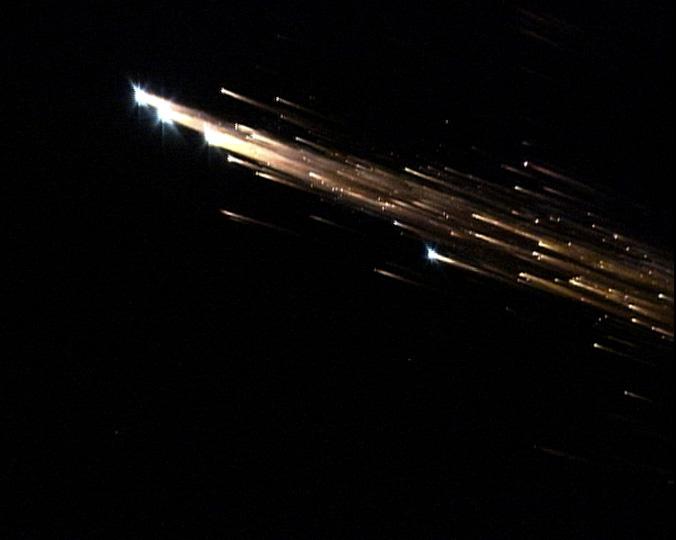
European Space Agency's 'Jules Verne' Automated Transfer Vehicle ATV-1 re-entry in Earth's atmosphere over Pacific Ocean. The breakup ad fragmentation of the ESA's ATV-1 was captured in dramatic fashion by scientists aboard NASA's DC-8 airborne laboratory and a Gulfstream V aircraft as it re-entered the atmosphere early Monday morning over the South Pacific. Photo Credit: NASA Ames Research Center/ESA/Jesse Carpenter/Bill Moede

The bus carrying NASA, Roscosmos, ESA (European Space Agency), along with Russian Search and Rescue teams approaches the town of Zhezkazgan, Kazakhstan, Wednesday, Dec. 13, 2017. Teams are gathering to prepare for the Soyuz MS-05 landing with Expedition 53 Commander Randy Bresnik of NASA and Flight Engineers Paolo Nespoli of ESA (European Space Agency) and Sergey Ryazanskiy of the Russian space agency Roscosmos. Bresnik, Nespoli and Ryazanskiy are returning after 139 days in space where they served as members of the Expedition 52 and 53 crews onboard the International Space Station. Photo Credit: (NASA/Bill Ingalls)
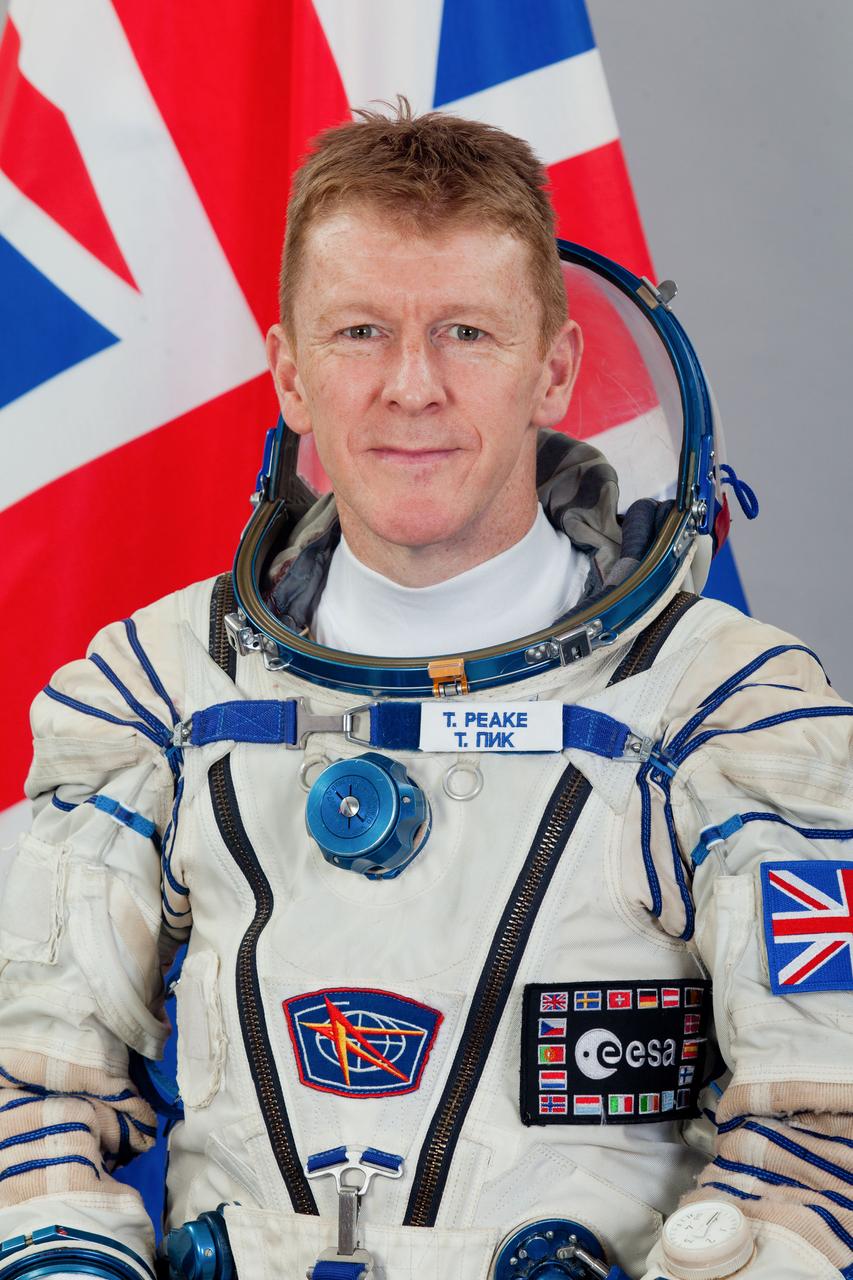
JSC2015E053685 (04/30/2015) ---Expedition 44 backup crewmember ESA (European Space Agency) astronaut Timothy Peake.
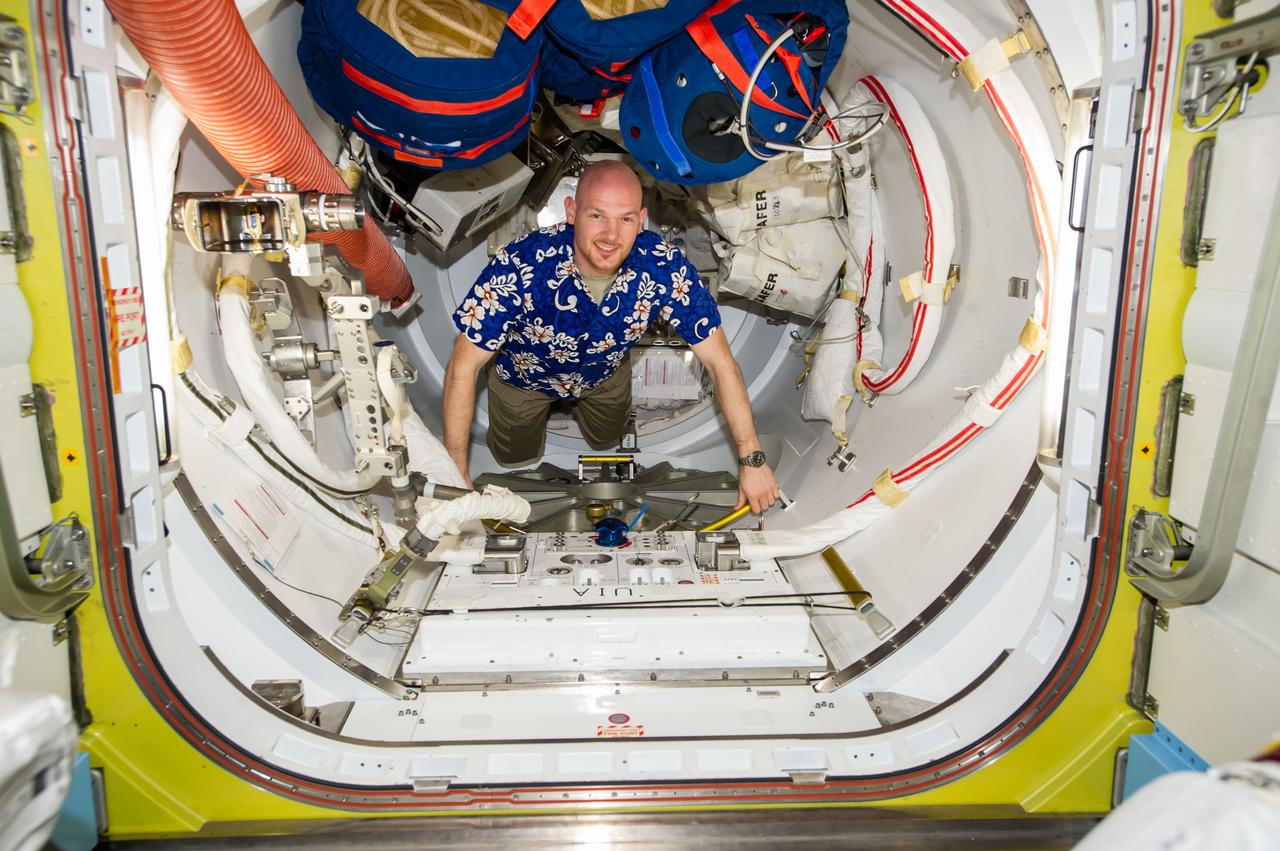
ISS041-E-017020 (19 Sept. 2014) --- European Space Agency astronaut Alexander Gerst, Expedition 41 flight engineer, is pictured in the Quest airlock of the International Space Station.
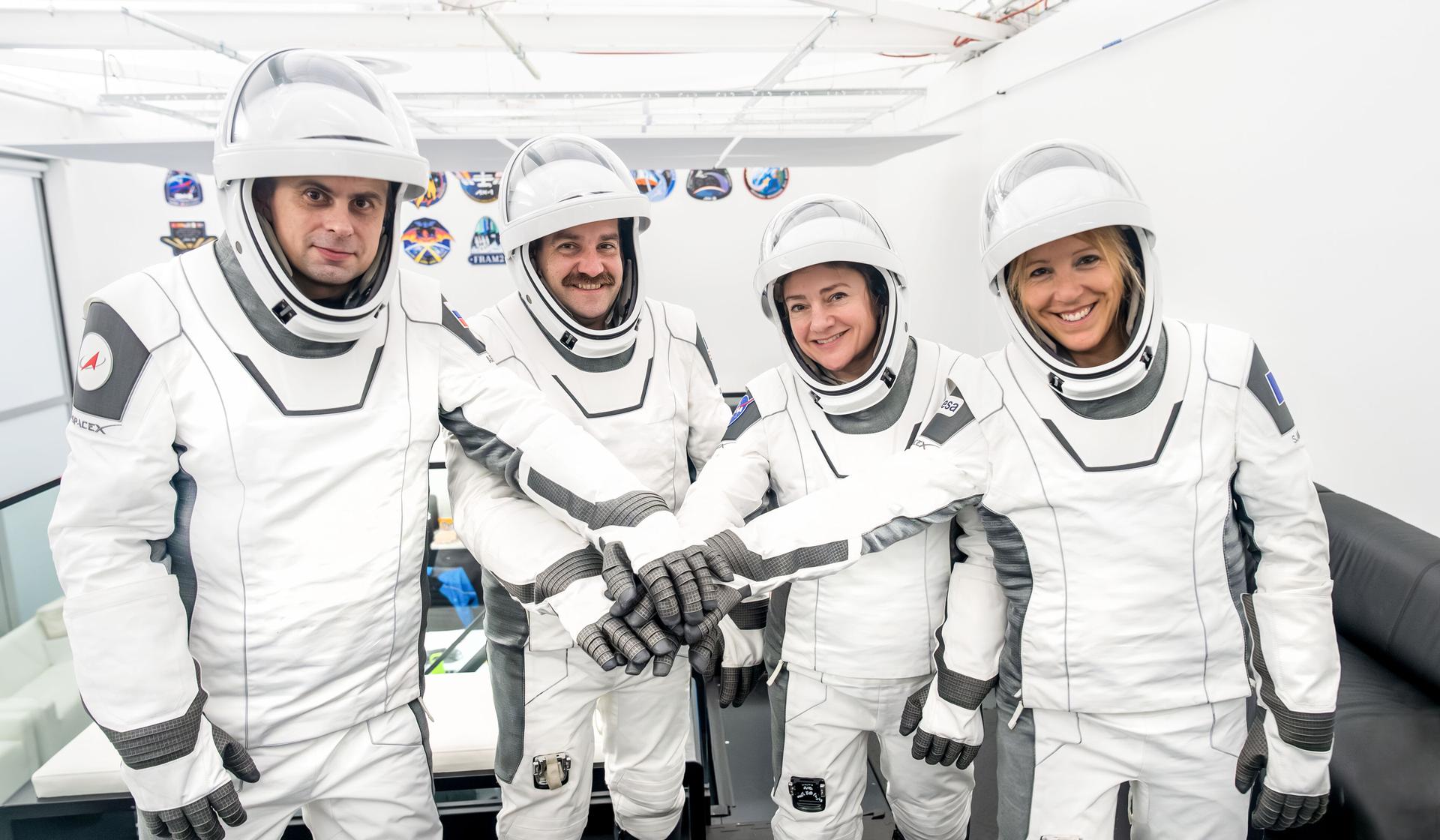
jsc2026e004031 (Jan. 23, 2026) --- The four members of NASA's SpaceX Crew-12 mission to the International Space Station pose together for a crew portrait in their pressure suits at SpaceX headquarters in Hawthorne, California. From left are, Roscosmos cosmonaut and Mission Specialist Andrey Fedyaev, NASA astronauts Jack Hathaway and Jessica Meir, Pilot and Commander respectively, and ESA (European Space Agency) astronaut and Mission Specialist Sophie Adenot. Credit: SpaceX
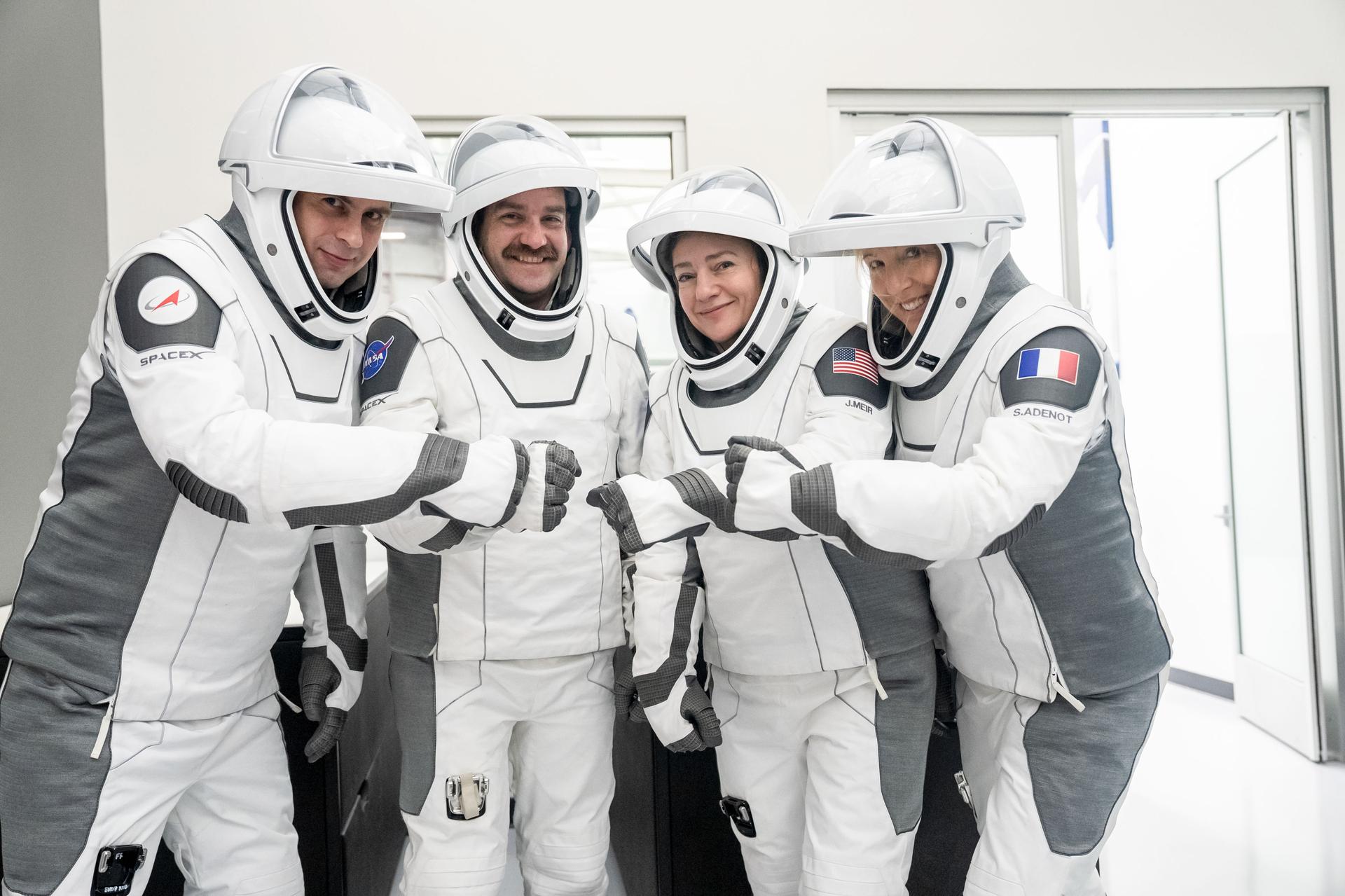
jsc2026e004026 (Jan. 21, 2026) --- The four members of NASA's SpaceX Crew-12 mission to the International Space Station pose together for a crew portrait in their pressure suits at SpaceX headquarters in Hawthorne, California. From left are, Roscosmos cosmonaut and Mission Specialist Andrey Fedyaev, NASA astronauts Jack Hathaway and Jessica Meir, Pilot and Commander respectively, and ESA (European Space Agency) astronaut and Mission Specialist Sophie Adenot. Credit: SpaceX
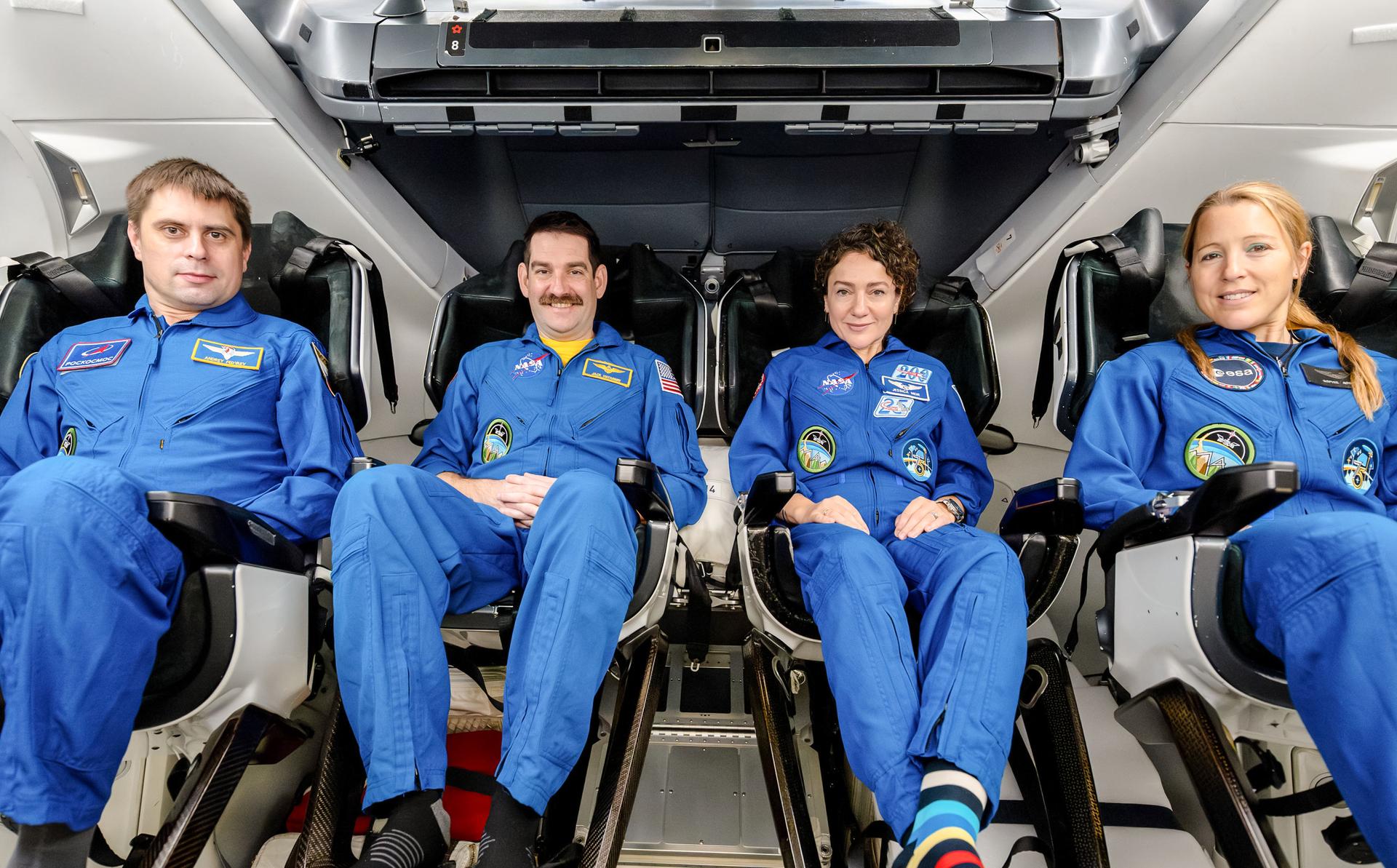
jsc2026e004027 (Jan. 23, 2026) --- The four members of NASA's SpaceX Crew-12 mission to the International Space Station pose together for a crew portrait inside a SpaceX Dragon spacecraft at SpaceX headquarters in Hawthorne, California. From left are, Roscosmos cosmonaut and Mission Specialist Andrey Fedyaev, NASA astronauts Jack Hathaway and Jessica Meir, Pilot and Commander respectively, and ESA (European Space Agency) astronaut and Mission Specialist Sophie Adenot. Credit: SpaceX
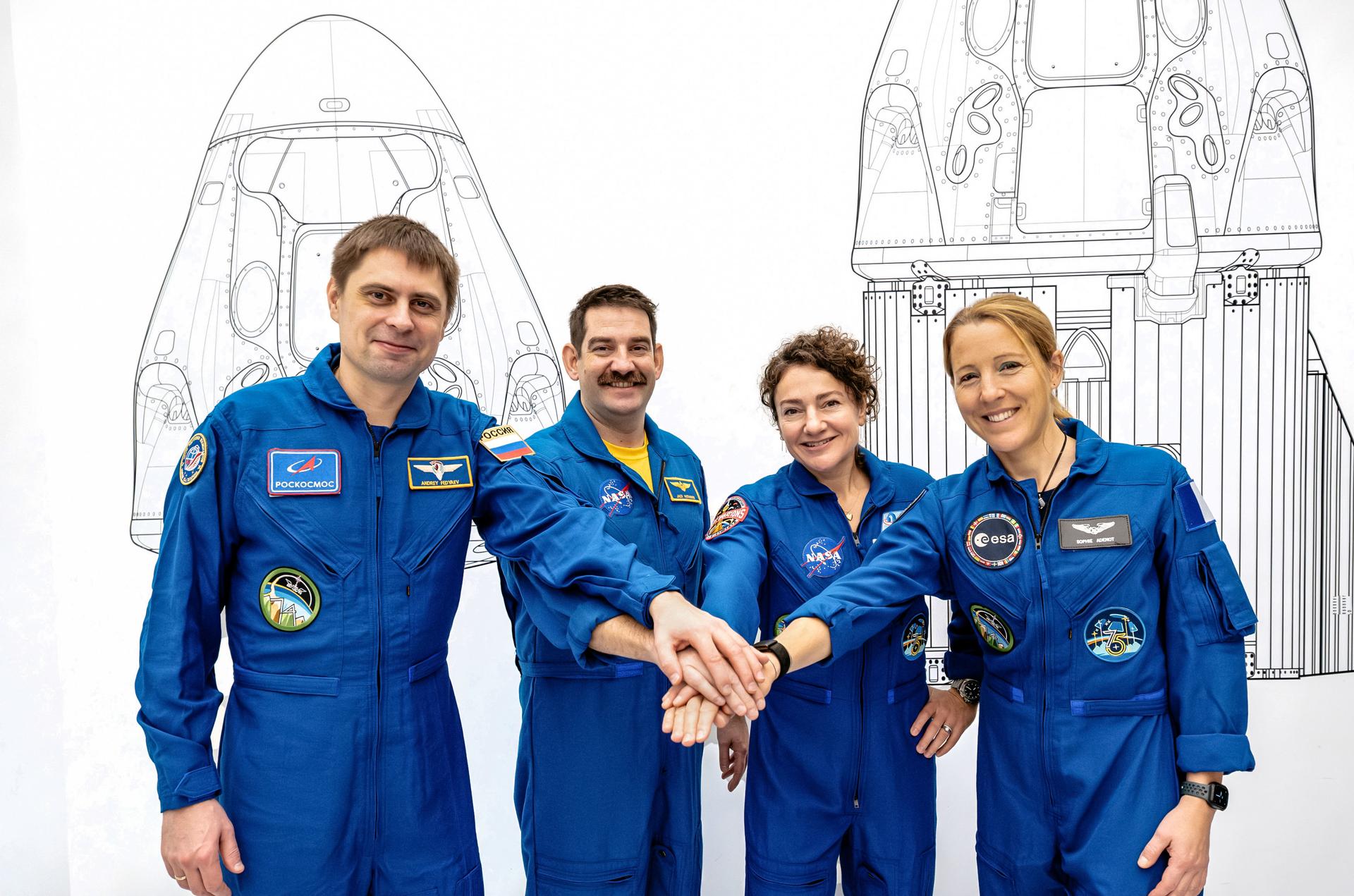
jsc2026e004030 (Jan. 23, 2026) --- The four members of NASA's SpaceX Crew-12 mission to the International Space Station pose together for a crew portrait in their blue flight suits at SpaceX headquarters in Hawthorne, California. From left are, Roscosmos cosmonaut and Mission Specialist Andrey Fedyaev, NASA astronauts Jack Hathaway and Jessica Meir, Pilot and Commander respectively, and ESA (European Space Agency) astronaut and Mission Specialist Sophie Adenot. Credit: SpaceX
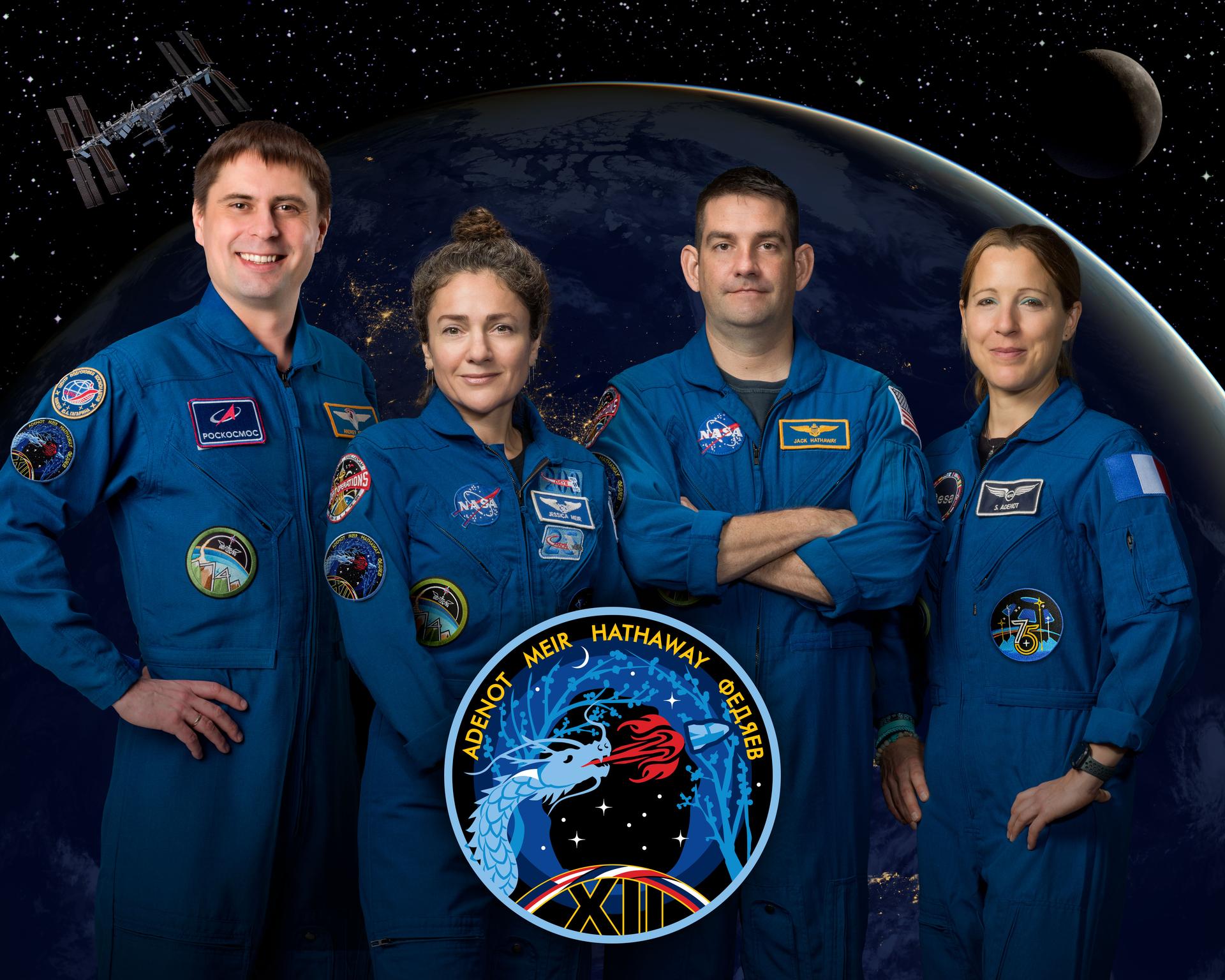
jsc2026e004045 (Oct. 17, 2025) --- The four members of NASA's SpaceX Crew-12 mission to the International Space Station pose together for an official crew portrait. From left are, Roscosmos cosmonaut and Mission Specialist Andrey Fedyaev, NASA astronauts Jessica Meir and Jack Hathaway, Commander and Pilot respectively, and ESA (European Space Agency) astronaut and Mission Specialist Sophie Adenot. Credit: NASA
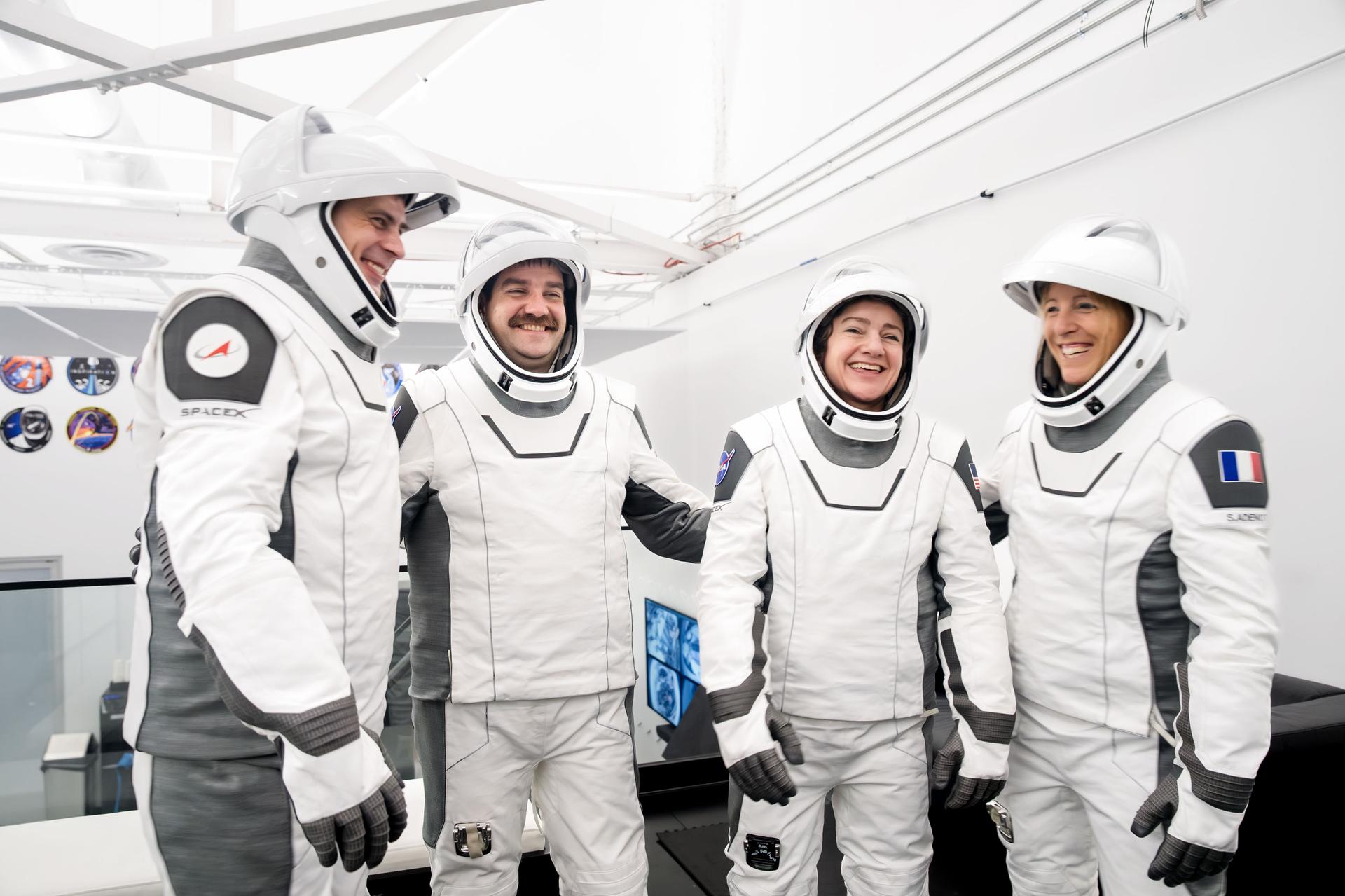
jsc2026e004033 (Jan. 21, 2026) --- The four members of NASA's SpaceX Crew-12 mission to the International Space Station pose together for a crew portrait in their pressure suits at SpaceX headquarters in Hawthorne, California. From left are, Roscosmos cosmonaut and Mission Specialist Andrey Fedyaev, NASA astronauts Jack Hathaway and Jessica Meir, Pilot and Commander respectively, and ESA (European Space Agency) astronaut and Mission Specialist Sophie Adenot. Credit: SpaceX
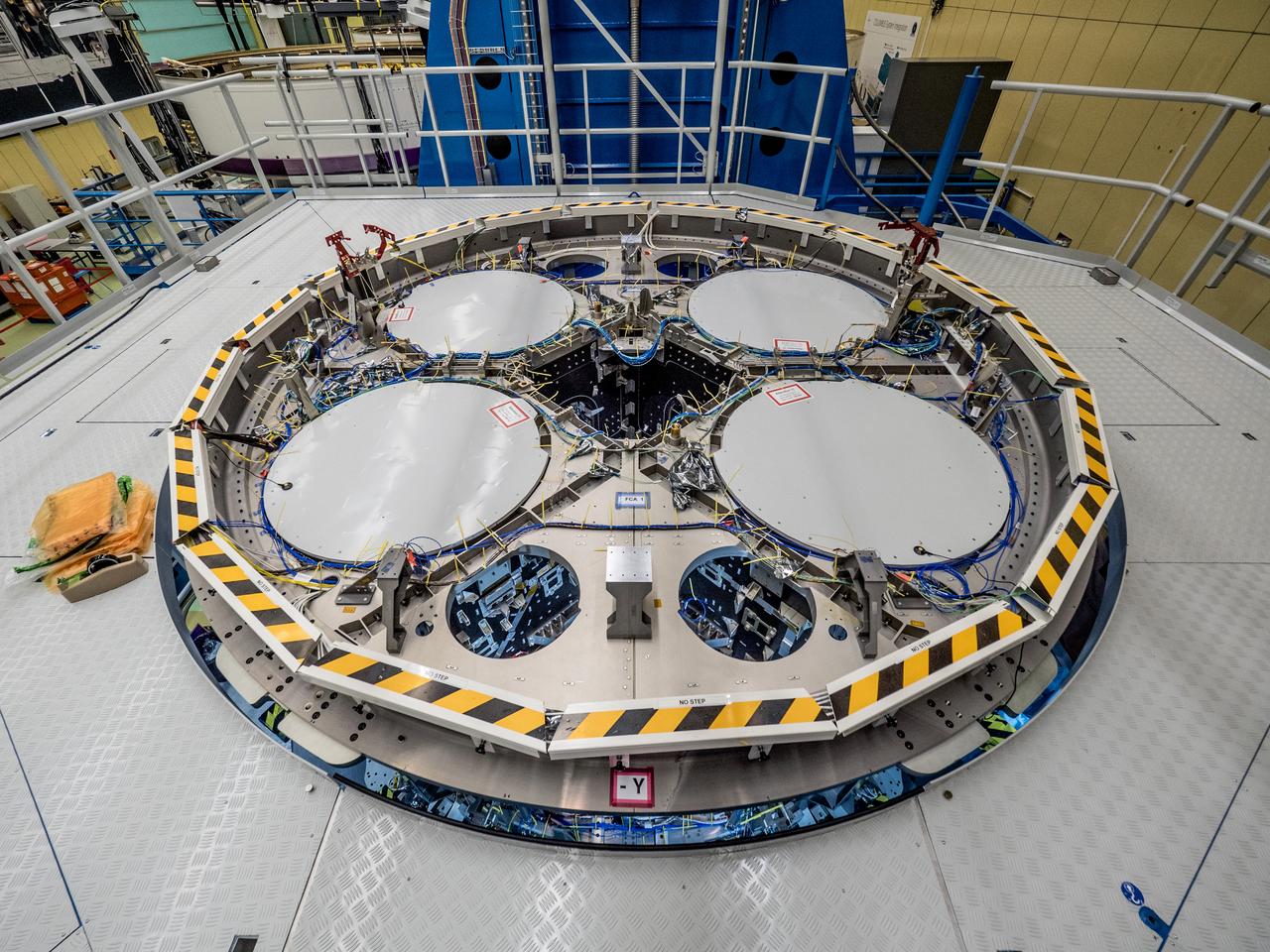
The ESA service module assembly continues at Airbus Defence and Space in Bremen, Germany on June 7, 2017.
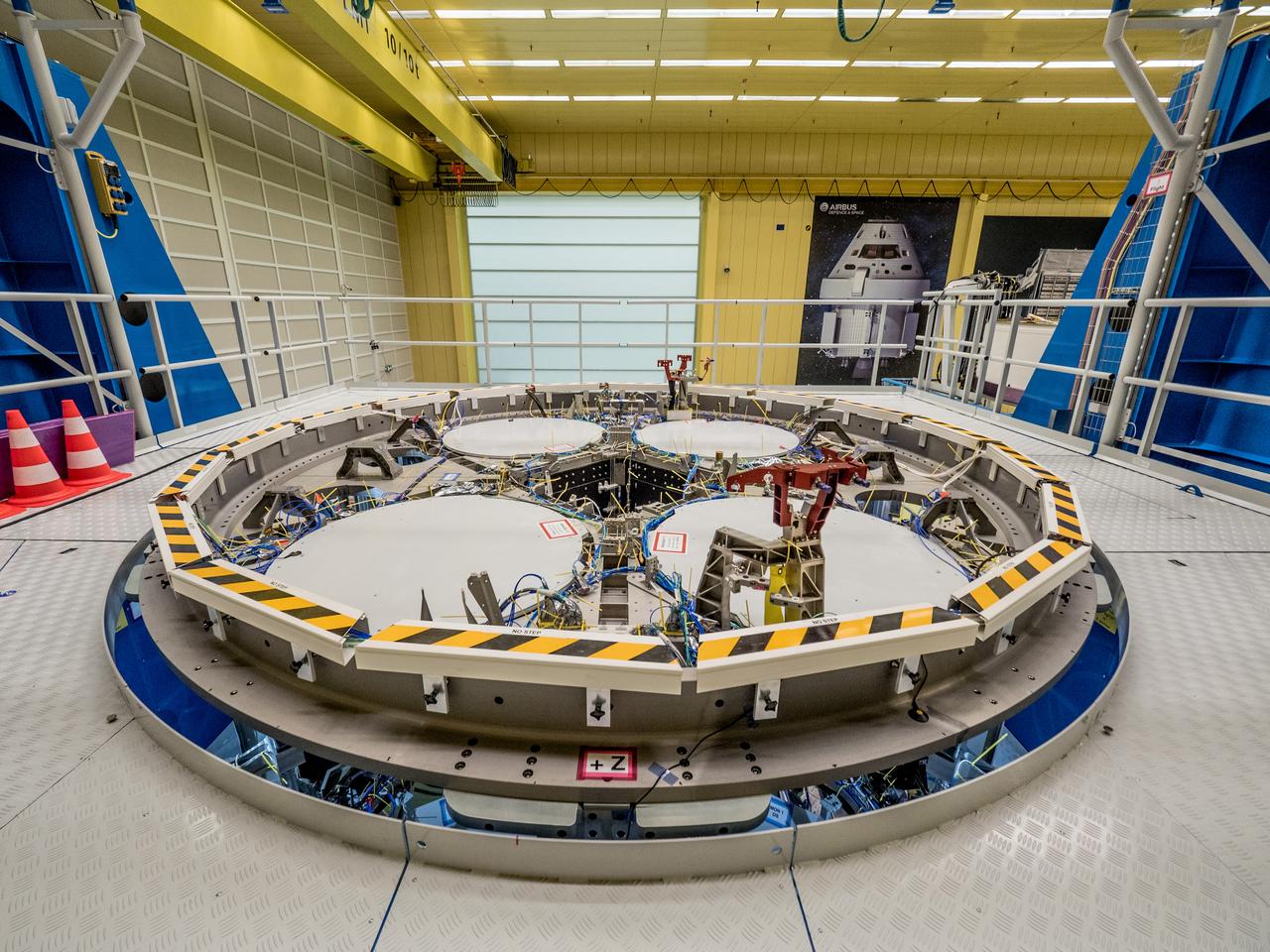
The ESA service module assembly continues at Airbus Defence and Space in Bremen, Germany on June 7, 2017.
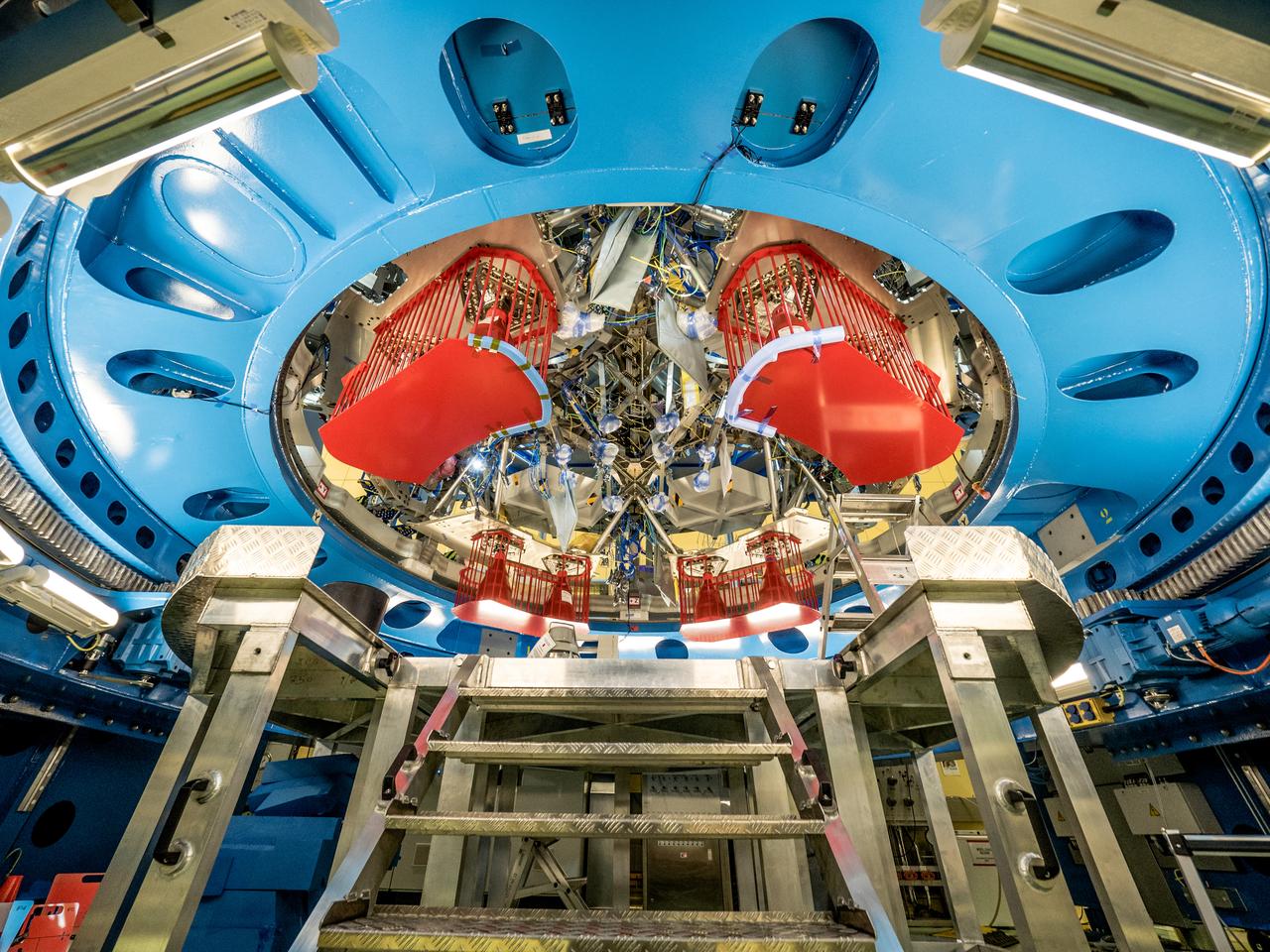
The ESA service module assembly continues at Airbus Defence and Space in Bremen, Germany on June 7, 2017.
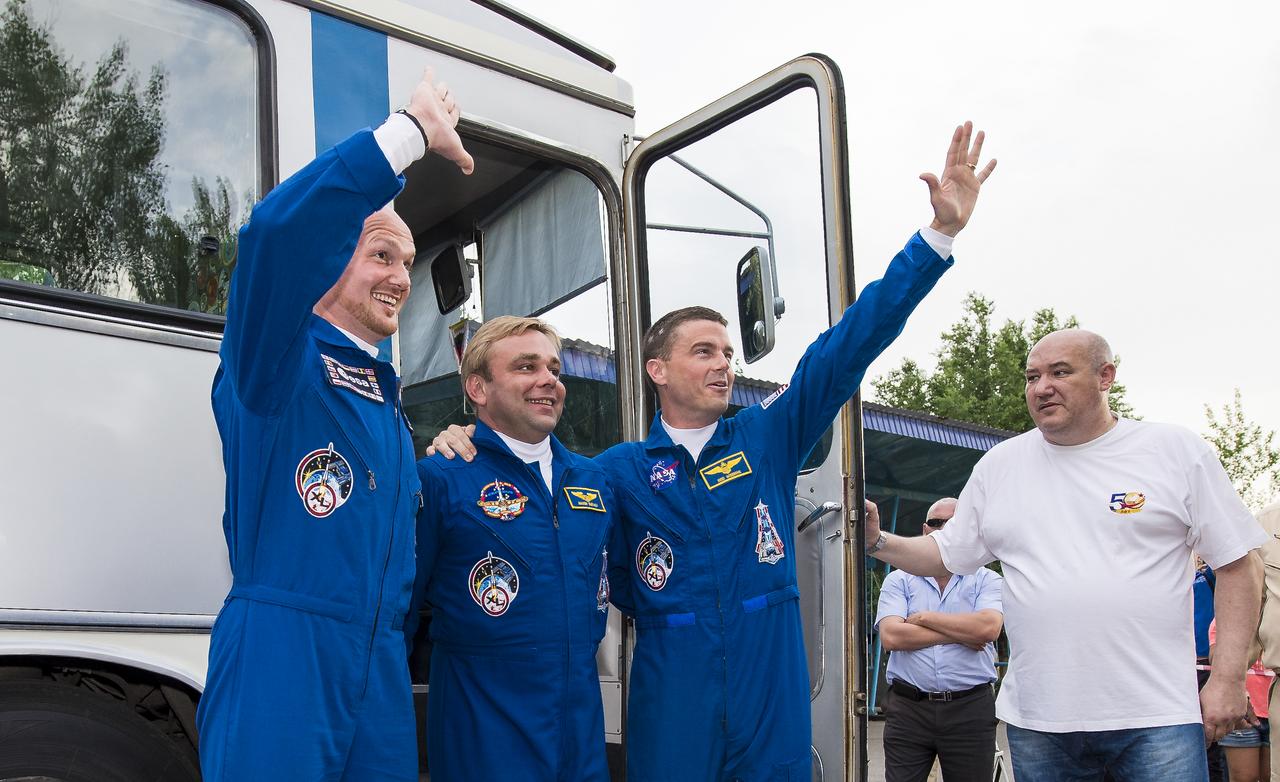
Expedition 40 Flight Engineer Alexander Gerst, of the European Space Agency, ESA, left, Soyuz Commander Maxim Suraev, of the Russian Federal Space Agency, Roscosmos, center, and Flight Engineer Reid Wiseman of NASA, right, are seen as they depart the Cosmonaut Hotel on Wednesday, May 28, 2014 in Baikonur, Kazakhstan. Suraev, Gerst, and Wiseman will launch in their Soyuz TMA-13M spacecraft to the International Space Station to begin a five and a half month mission. Photo Credit: (NASA/Joel Kowsky)
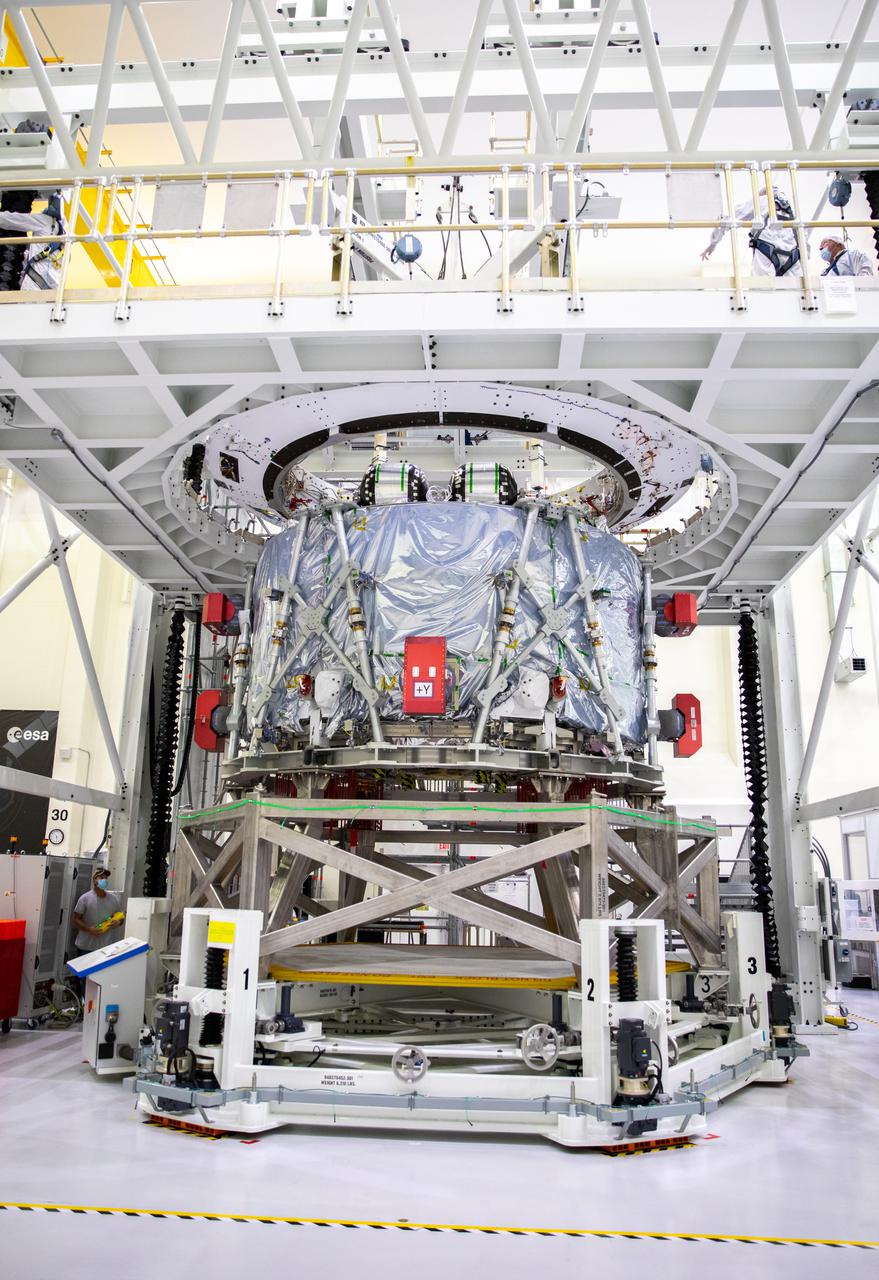
The European-built Service Module (ESM) for NASA’s Artemis II mission shown in a work stand inside the high bay of the Neil A. Armstrong Operations and Checkout Building at NASA’s Kennedy Space Center in Florida on Oct. 15, 2021. Teams from NASA, Lockheed Martin, the European Space Agency and Airbus prepare the service module to be integrated with the Orion crew module adapter and crew module, already housed in the facility. The powerhouse that will fuel and propel Orion in space, the ESM for Artemis II will be the first Artemis mission flying crew aboard Orion. Teams with the European Space Agency and Airbus built the service module.
The International Space Station, with a crew of three onboard, is seen in silhouette as it transits the Sun at roughly five miles per second, Sunday, Oct. 7, 2018 from Suffolk, Va. Onboard are Expedition 57 Commander Alexander Gerst of ESA (European Space Agency), Serena Auñón-Chancellor of NASA, and Sergey Prokopyev of Roscosmos. The trio will soon be joined by Nick Hague of NASA and Alexey Ovchinin of Roscosmos, who are scheduled to launch on October 11 from the Baikonur Cosmodrome in Kazakhstan. Photo Credit: (NASA/Joel Kowsky)
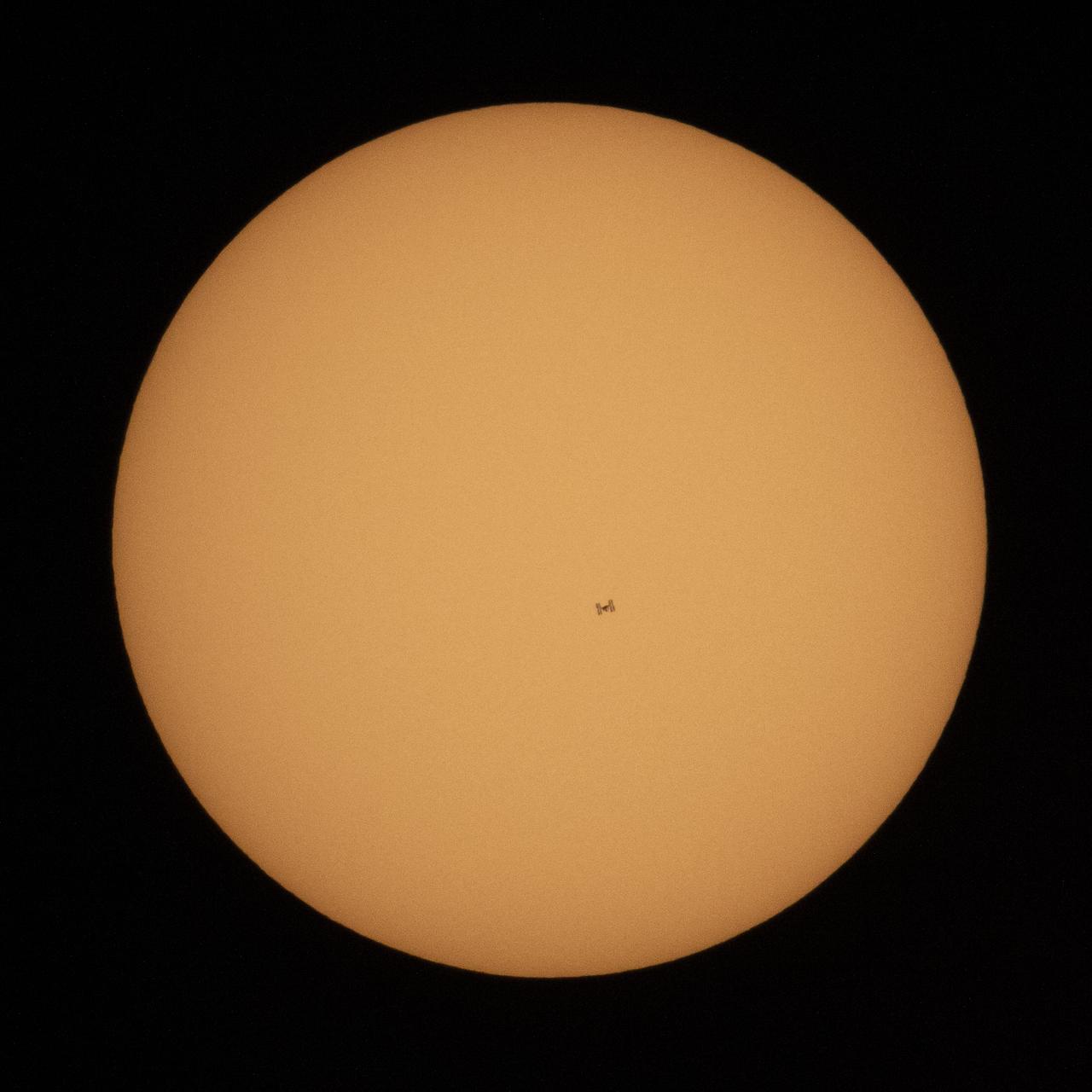
The International Space Station, with a crew of three onboard, is seen in silhouette as it transits the Sun at roughly five miles per second, Sunday, Oct. 7, 2018 from Suffolk, Va. Onboard are Expedition 57 Commander Alexander Gerst of ESA (European Space Agency), Serena Auñón-Chancellor of NASA, and Sergey Prokopyev of Roscosmos. The trio will soon be joined by Nick Hague of NASA and Alexey Ovchinin of Roscosmos, who are scheduled to launch on October 11 from the Baikonur Cosmodrome in Kazakhstan. Photo Credit: (NASA/Joel Kowsky)
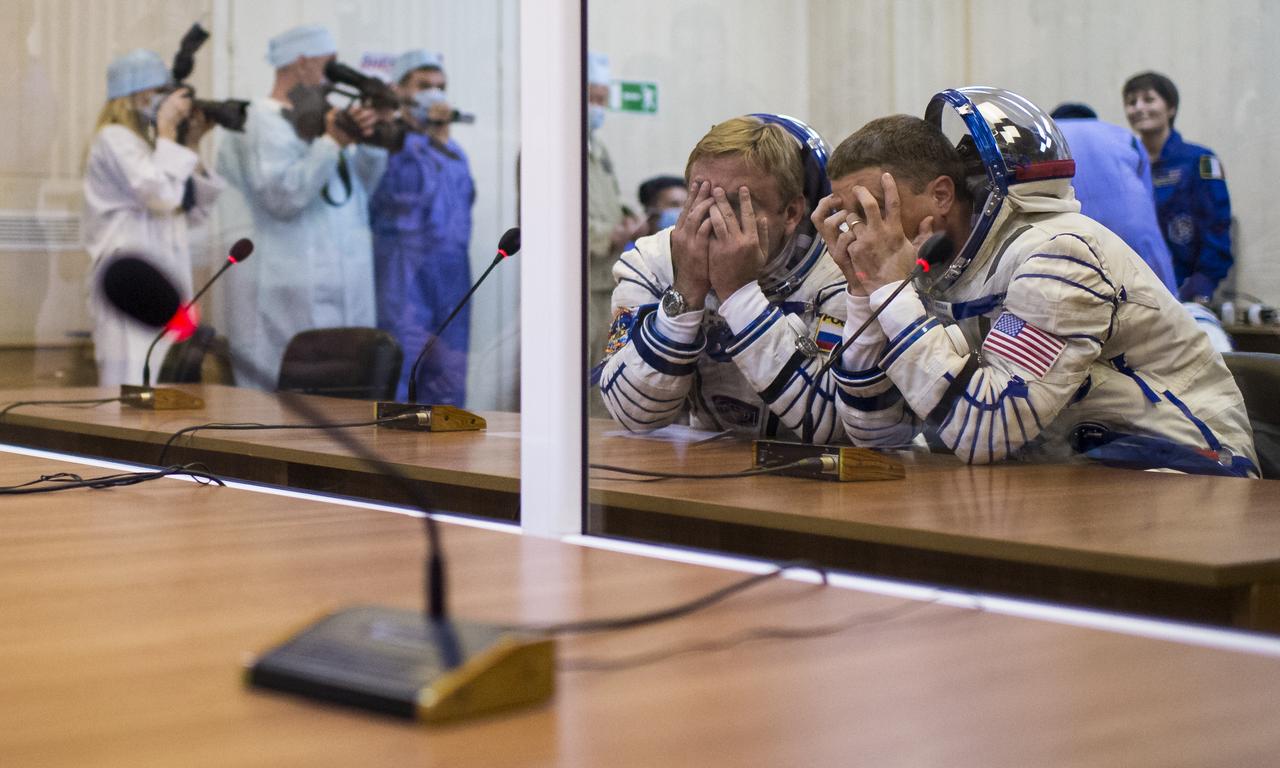
Expedition 40 Soyuz Commander Maxim Suraev of the Russian Federal Space Agency, Roscosmos, left, and Flight Engineer Reid Wiseman of NASA, right, are seen as they talk with family members after having their Russian Sokol suit pressure checked in preparation for his launch onboard the Soyuz TMA-13M spacecraft on Wednesday, May 28, 2014 at the Baikonur Cosmodrome in Kazakhstan. The Soyuz spacecraft with Wiseman, Expedition 40 Soyuz Commander Maxim Suraev of the Russian Federal Space Agency, Roscosmos, and Flight Engineer Alexander Gerst of the European Space Agency, ESA, is scheduled to launch at 1:57 a.m. Kazakhstan time on Thursday, May 29. Photo Credit: (NASA/Joel Kowsky)
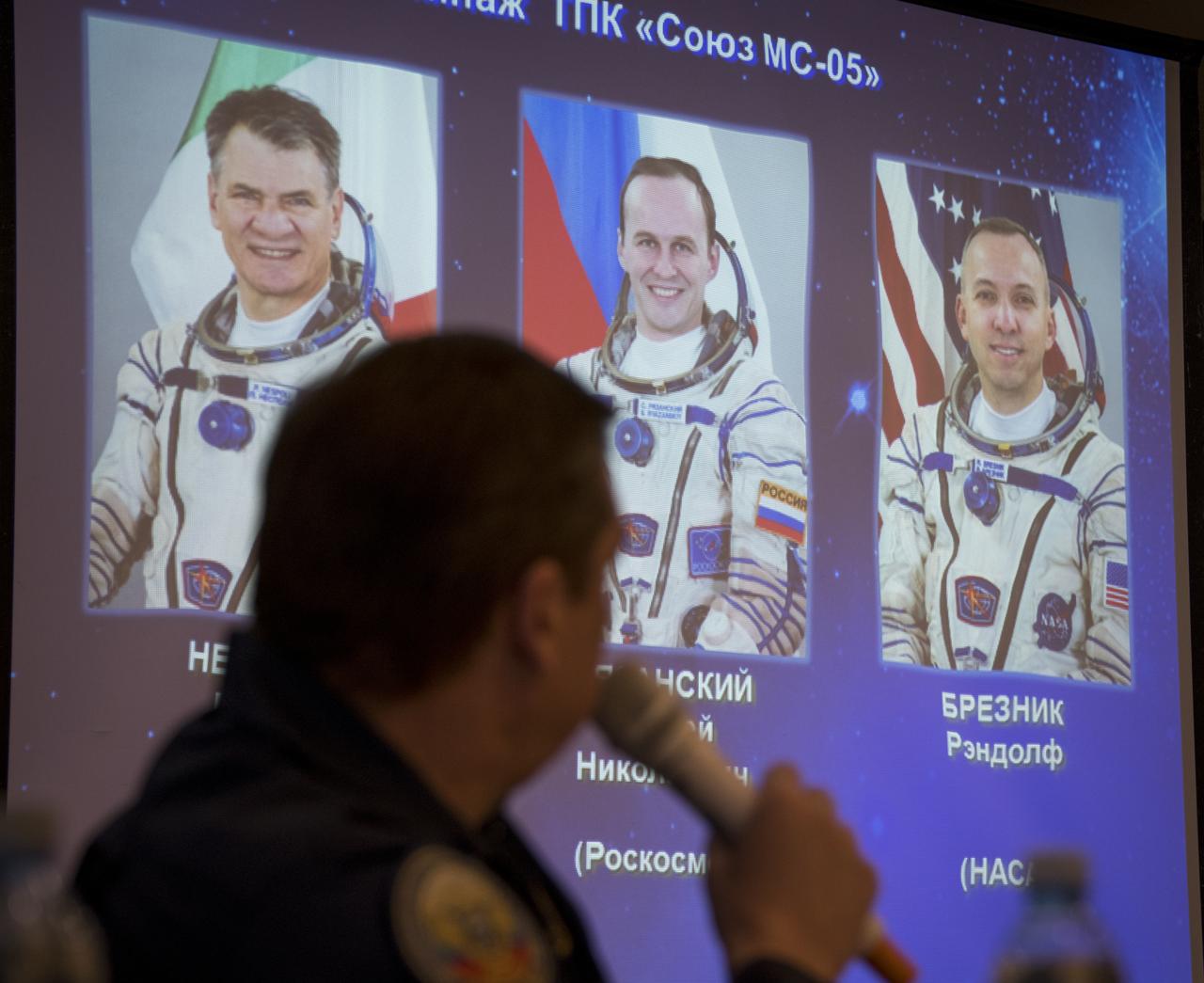
NASA, ESA (European Space Agency), Roscosmos, along with Russian Search and Recovery Forces, meet to discuss the readiness for the landing of Expedition 53 Commander Randy Bresnik of NASA and Flight Engineers Paolo Nespoli of ESA (European Space Agency) and Sergey Ryazanskiy of the Russian space agency Roscosmos Tuesday, Dec. 12, 2017. Bresnik, Nespoli and Ryazanskiy are returning after 139 days in space where they served as members of the Expedition 52 and 53 crews onboard the International Space Station. Photo Credit: (NASA/Bill Ingalls)
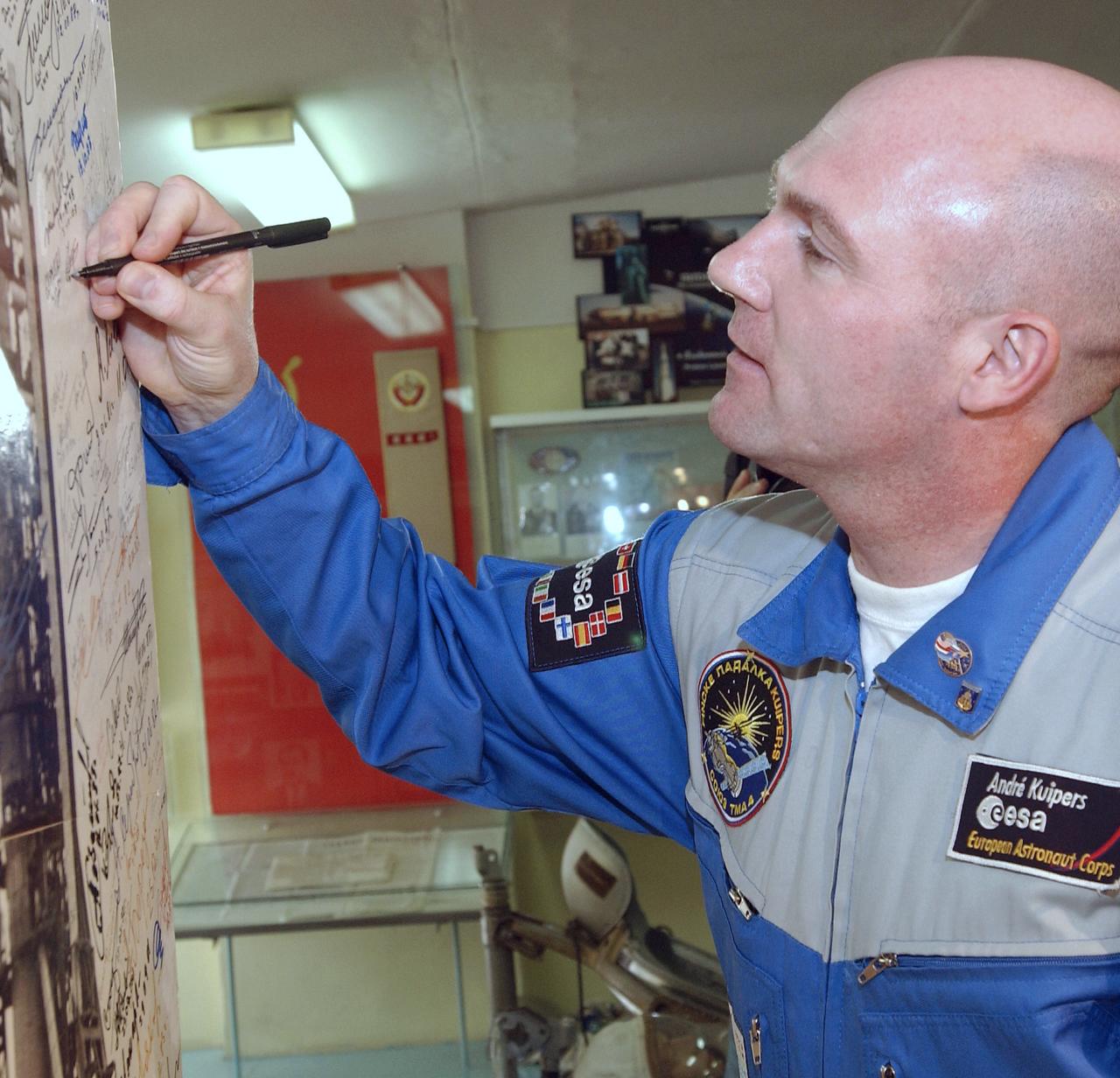
European Space Agency astronaut Andre Kuipers of the Netherlands signs a photograph in the space museum located at the Baikonur Cosmodrome, Wednesday, April 14, 2004, in Baikonur, Kazakhstan. Photo Credit: "NASA/Bill Ingalls"
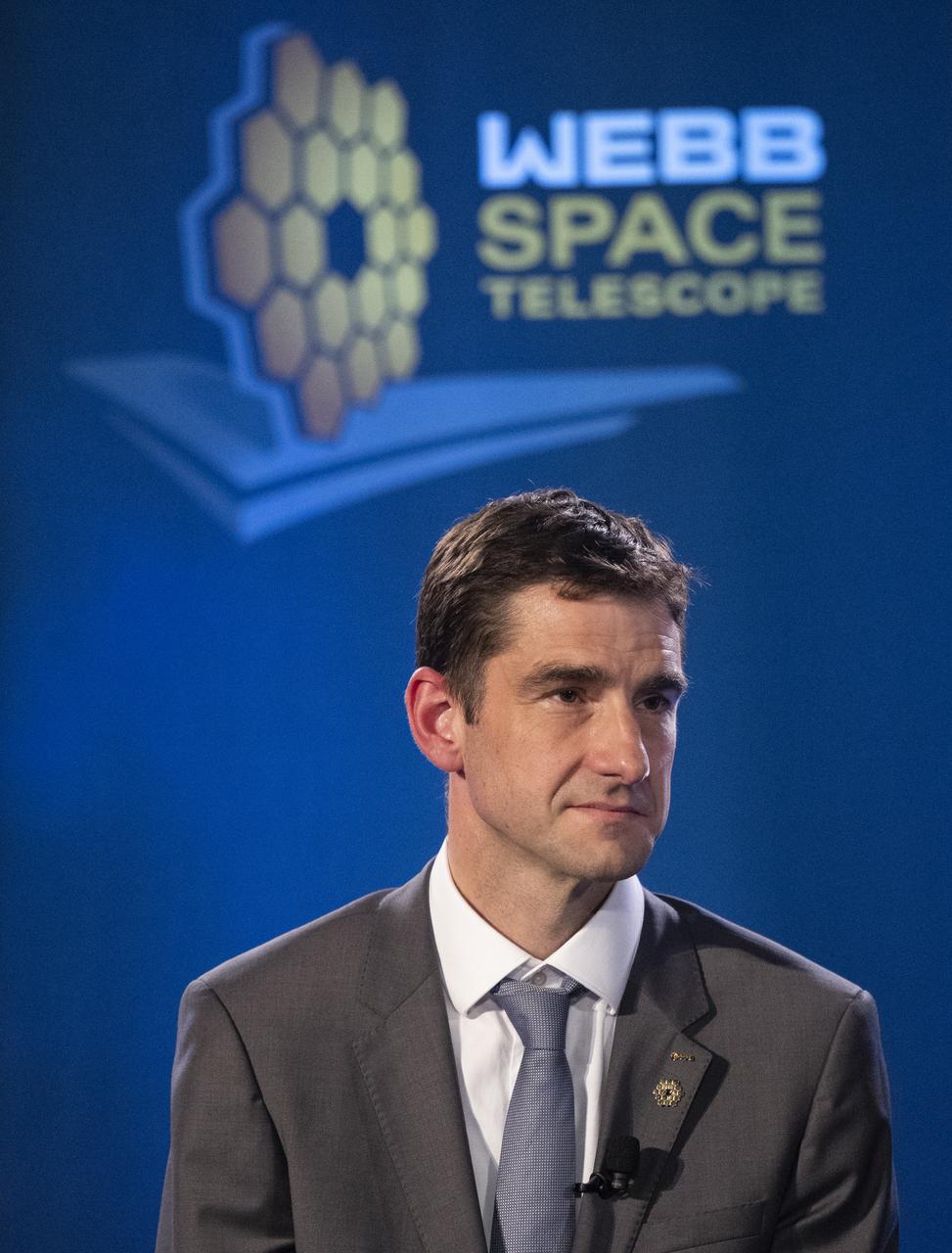
NASA James Webb Space Telescope Project Scientist at ESA (European Space Agency) Christopher Evans is seen during a briefing following the release of the first full-color images from NASA’s James Webb Space Telescope, Tuesday, July 12, 2022, at NASA’s Goddard Space Flight Center in Greenbelt, Md. The first full-color images and spectroscopic data from the James Webb Space Telescope, a partnership with ESA (European Space Agency) and the Canadian Space Agency (CSA), are a demonstration of the power of Webb as the telescope begins its science mission to unfold the infrared universe. Photo Credit: (NASA/Bill Ingalls)
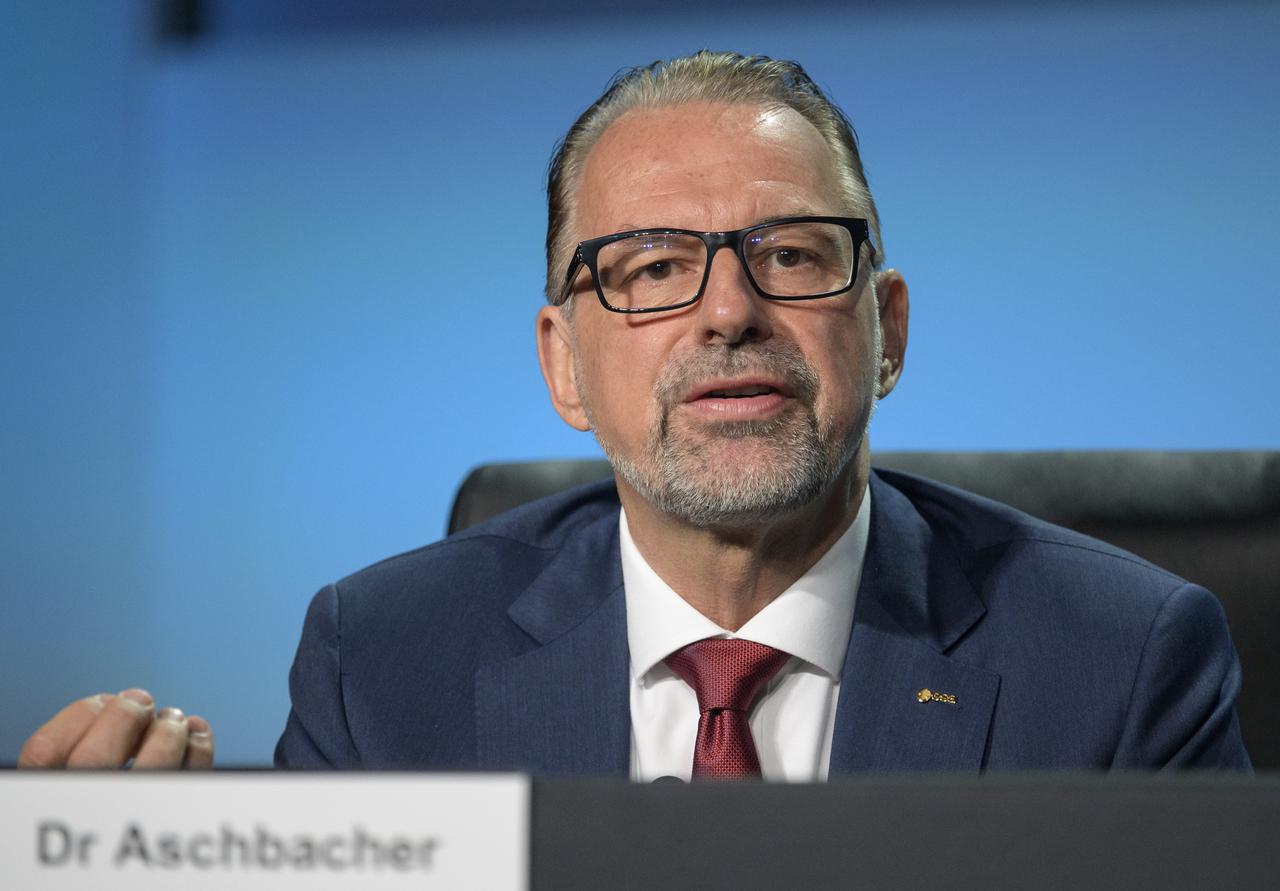
Dr. Josef Aschbacher, Director General, European Space Agency (ESA) gives remarks in a Heads of Agency panel discussion, during the 36th Space Symposium, Wednesday, Aug. 25, 2021, in Colorado Springs, Colorado. Photo Credit: (NASA/Bill Ingalls)
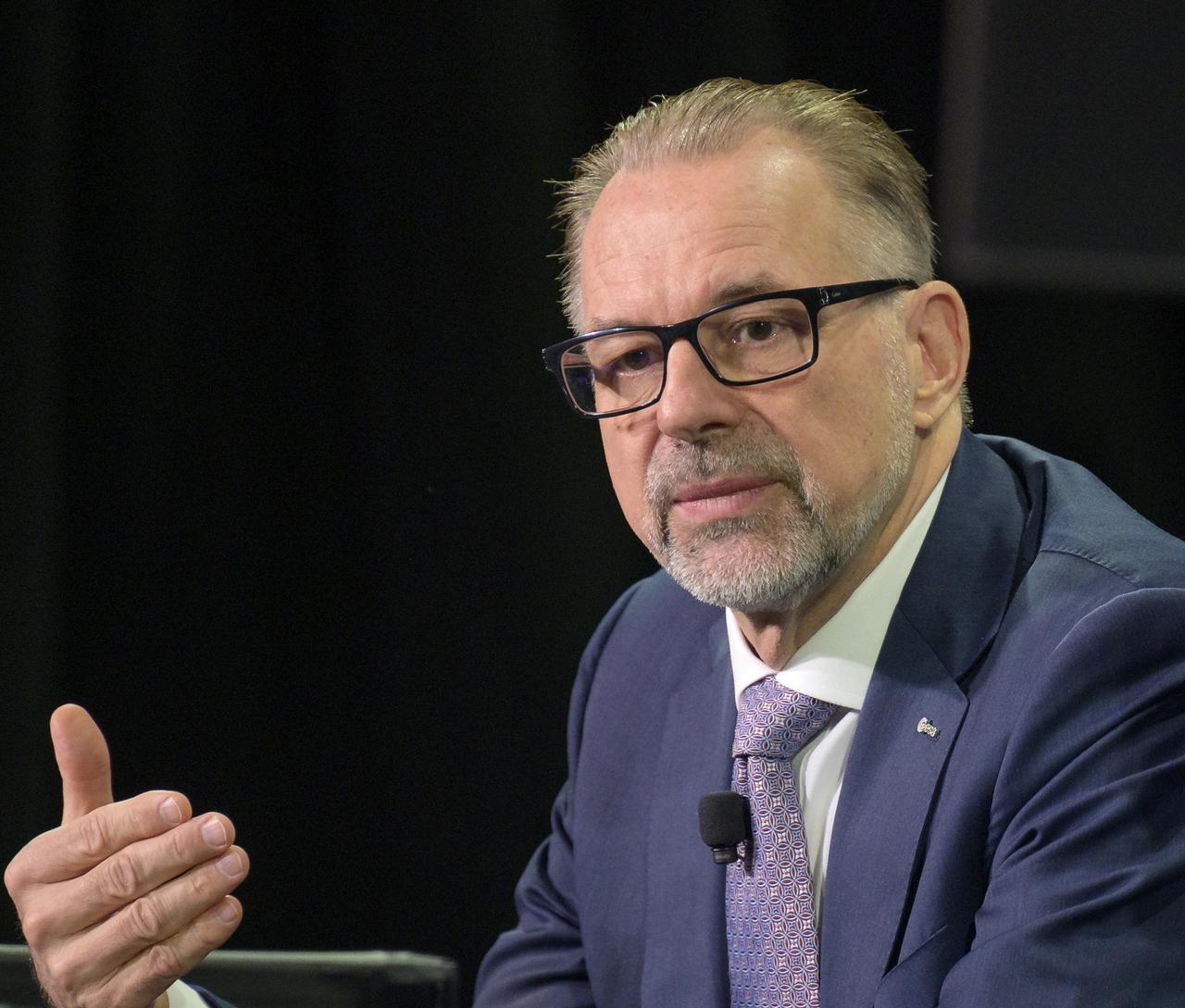
Dr. Josef Aschbacher, Director General, European Space Agency (ESA) speaks during a Heads of Agency panel at the 37th Space Symposium, Wednesday, April 6, 2022, in Colorado Springs, Colorado. Photo Credit: (NASA/Bill Ingalls)
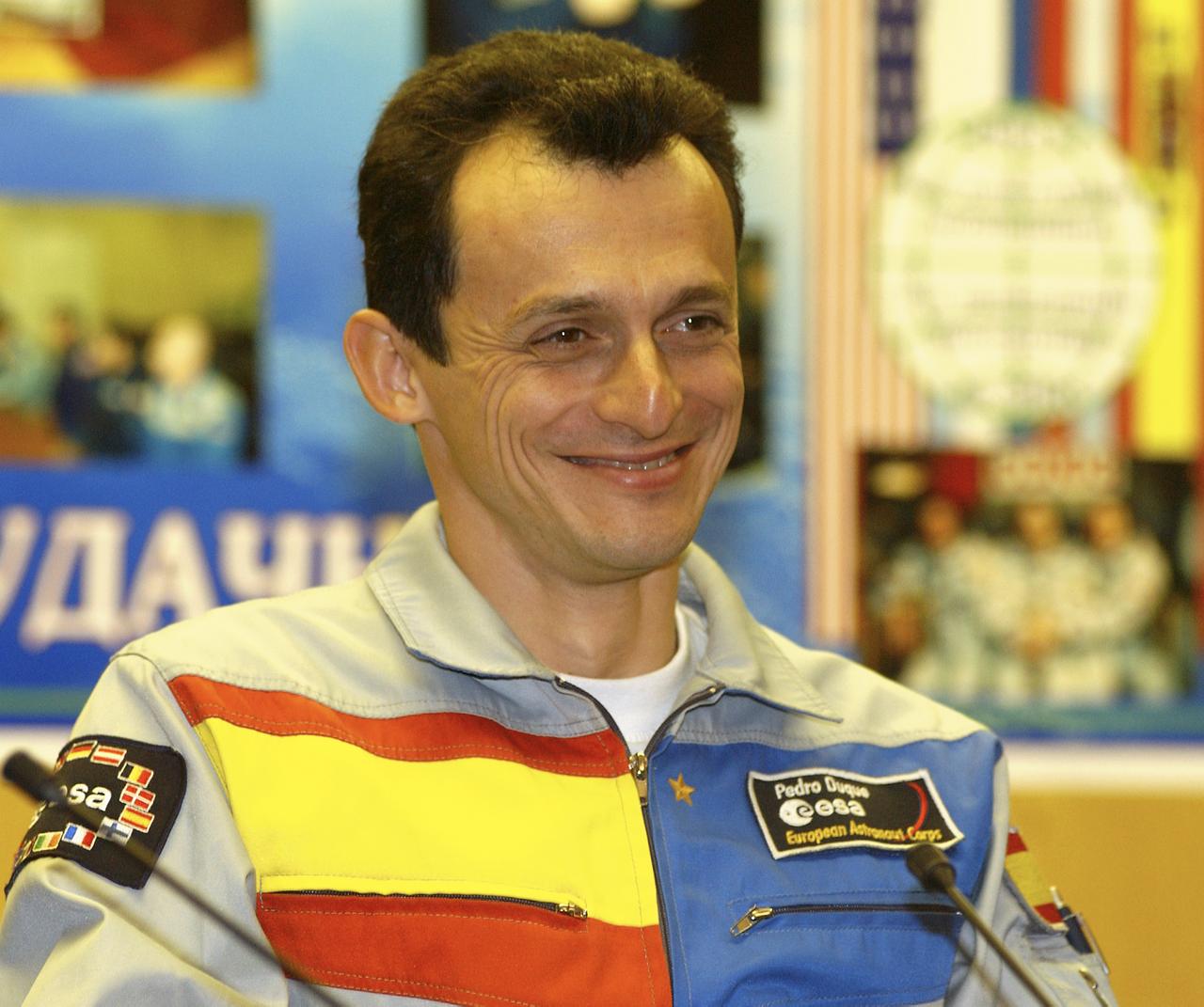
European Space Agency astronaut Pedro Duque of Spain, smiles at a reporter's question during a prelaunch news conference, Friday, Oct. 17, 2003, in Baikonur, Kazakhstan. Photo Credit (NASA/Bill Ingalls)
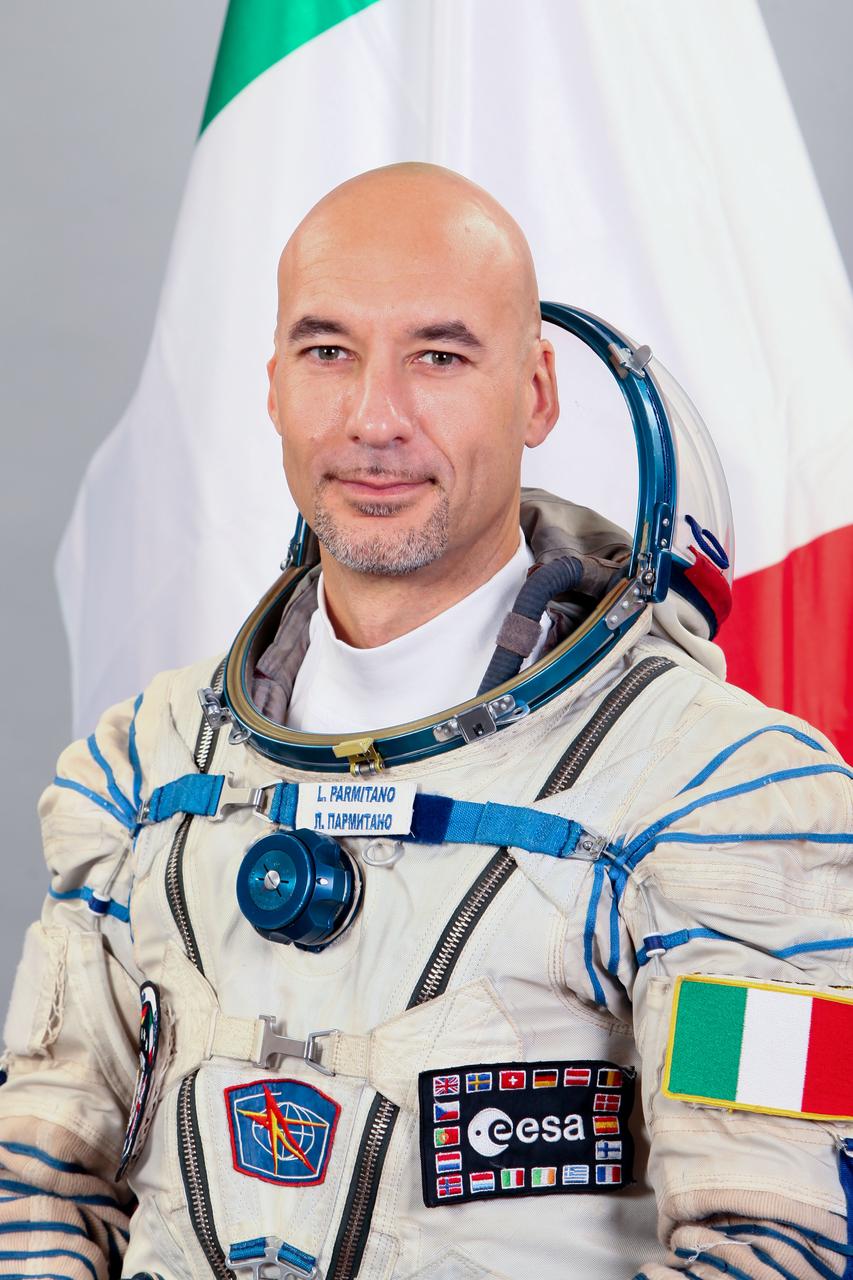
JSC2012-E-238485 (27 Aug. 2012) --- European Space Agency astronaut Luca Parmitano, Expedition 34 backup crew member, attired in a Russian Sokol launch and entry suit, takes a break from training in Star City, Russia to pose for a portrait. Photo credit: Gagarin Cosmonaut Training Center
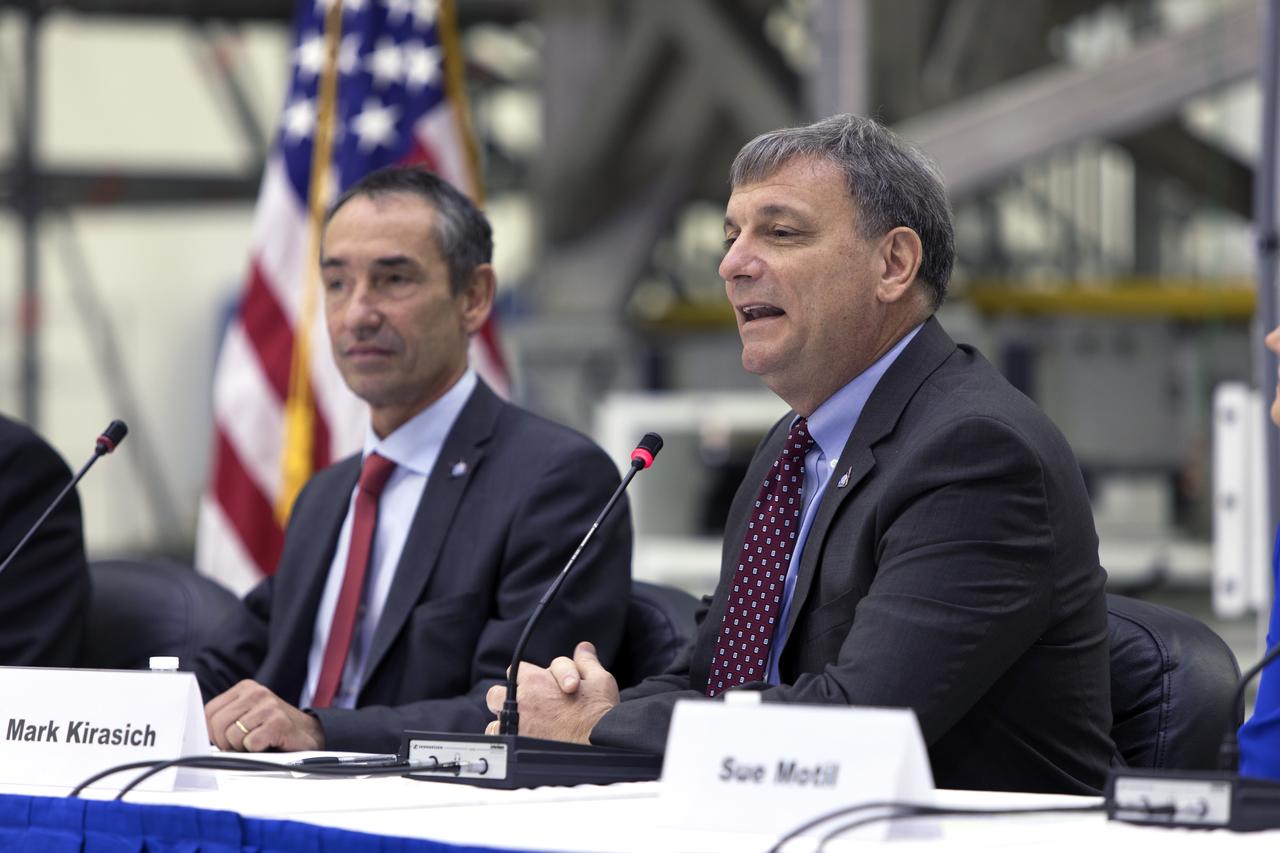
During a "Powering Exploration Mission-1" ceremony in the Neil Armstrong Operations and Checkout Building high bay at NASA's Kennedy Space Center on Nov. 16, 2018, Phillippe Deloo, left, European Service Module program manager at the European Space Agency (ESA); and Mark Kirasich, Orion Program manager at the agency's Johnson Space Center in Houston, answer questions. The event was held to mark a major milestone, the arrival of the European Service Module (ESM) for Orion's Exploration Mission-1. The service module, built by the European Space Agency, will supply the main propulsion system and power to the Orion spacecraft during EM-1, a mission to the Moon. The ESM also will house air and water for astronauts on future missions. EM-1 will be an uncrewed flight test that will provide a foundation for human deep space exploration to destinations beyond Earth orbit. EM-1 will be the first integrated test of NASA's Space Launch System, Orion and the ground systems at Kennedy.
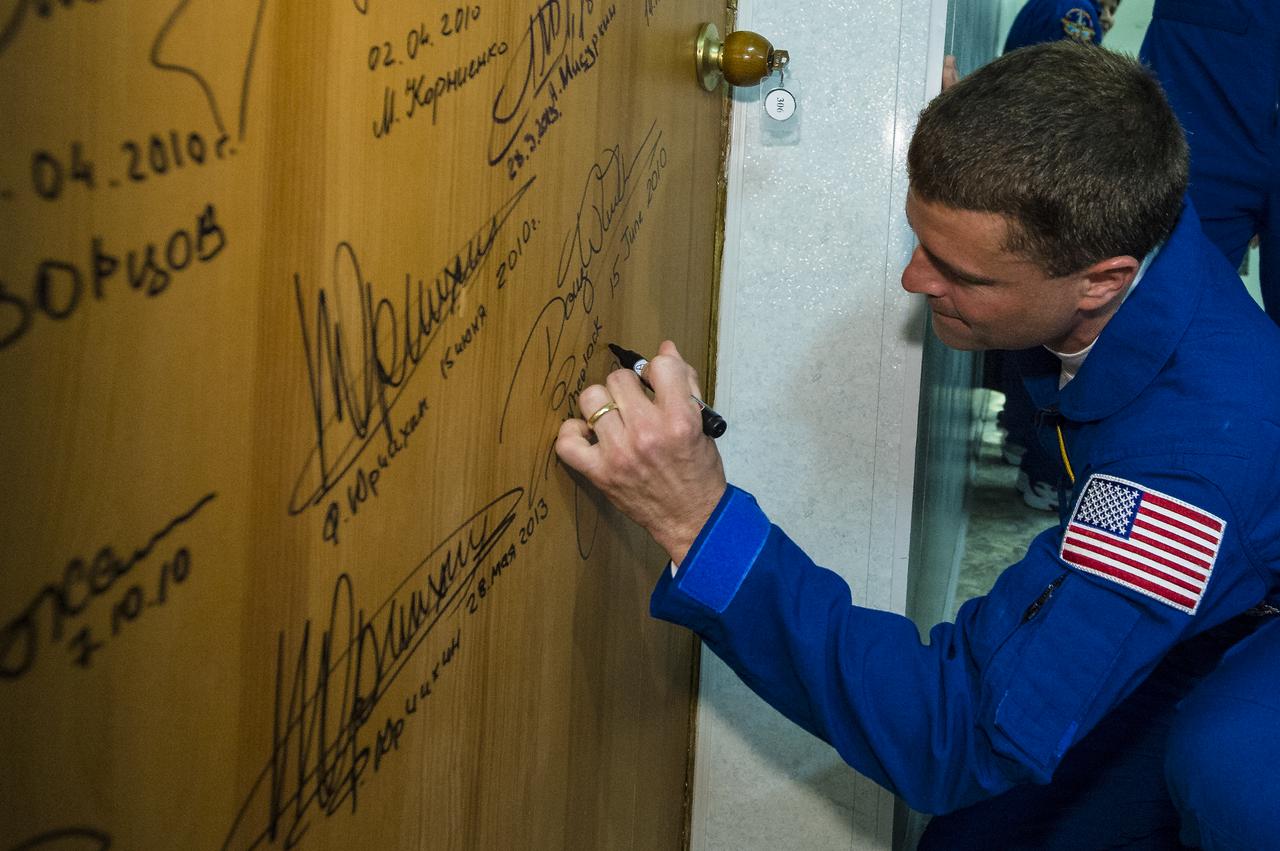
Expedition 40 Flight Engineer Reid Wiseman of NASA, performs the traditional door signing at the Cosmonaut Hotel prior to departing the hotel for launch in a Soyuz rocket with fellow crew mates, Soyuz Commander Maxim Suraev of the Russian Federal Space Agency, Roscosmos, and Flight Engineer Alexander Gerst of the European Space Agency, ESA, Wednesday, May 28, 2014, in Baikonur, Kazakhstan. Wiseman, Suraev, and Gerst will launch in their Soyuz TMA-13M spacecraft to the International Space Station to begin a five and a half month mission. Photo Credit (NASA/Joel Kowsky)
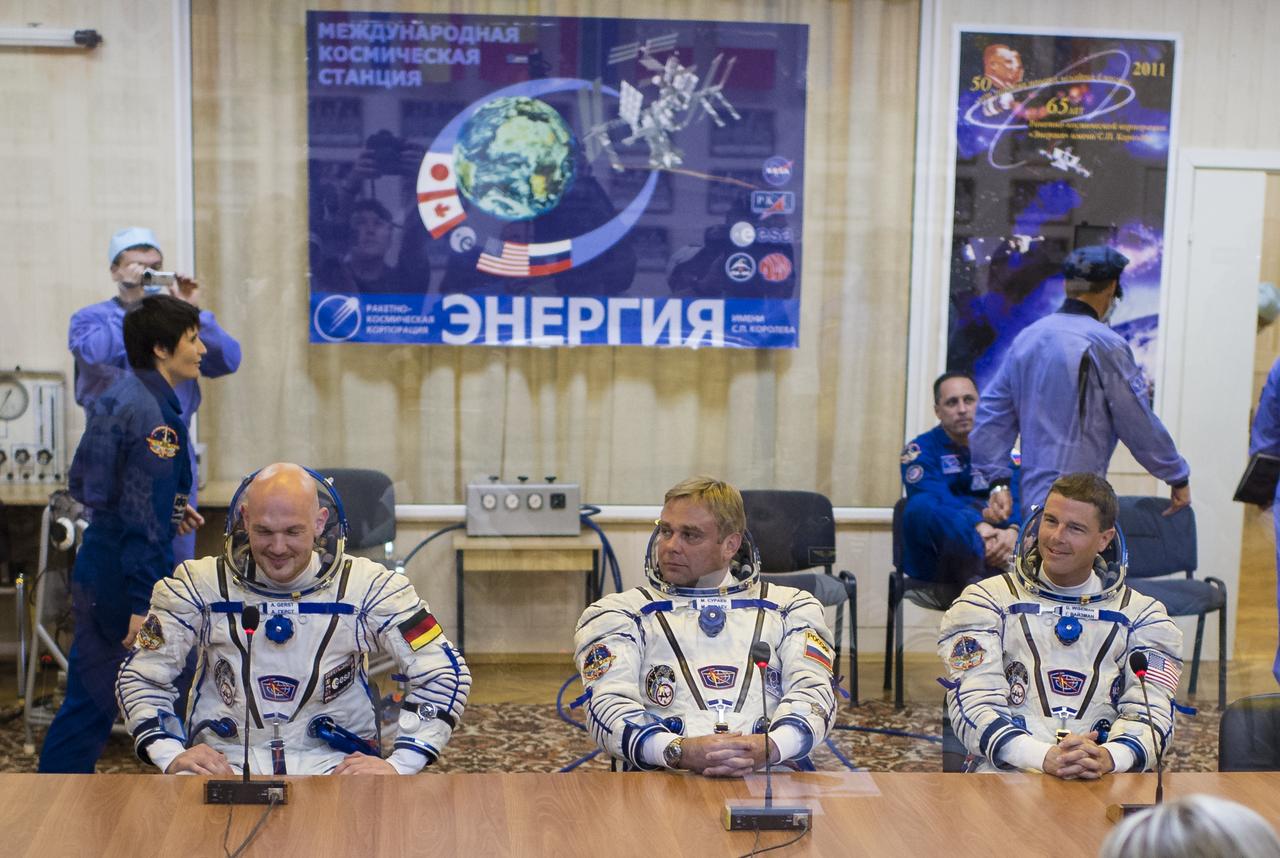
Expedition 40 Flight Engineer Alexander Gerst of the European Space Agency, ESA, left, Soyuz Commander Maxim Suraev of the Russian Federal Space Agency, Roscosmos, center, and Flight Engineer Reid Wiseman of NASA, left, are seen after having their Russian Sokol suits pressure checked in preparation for their launch onboard the Soyuz TMA-13M spacecraft on Wednesday, May 28, 2014 at the Baikonur Cosmodrome in Kazakhstan. The trio is set to launch on a six month mission to the International Space Station onboard the Soyuz TMA-13M spacecraft at 1:57 a.m. Kazakhstan time on Thursday, May 29. Photo Credit: (NASA/Joel Kowsky)
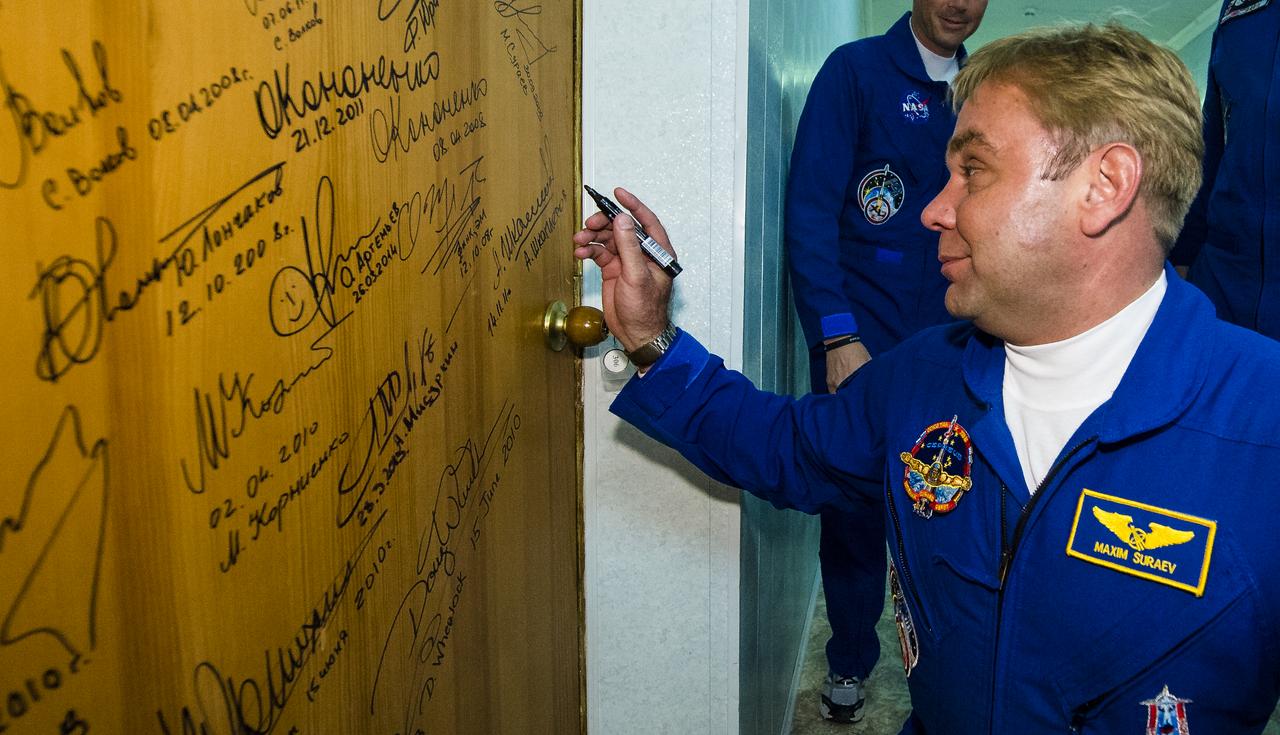
Expedition 40 Soyuz Commander Maxim Suraev of the Russian Federal Space Agency, Roscosmos, performs the traditional door signing at the Cosmonaut Hotel prior to departing the hotel for launch in a Soyuz rocket with fellow crew mates, Flight Engineer Alexander Gerst of the European Space Agency, ESA, and Flight Engineer Reid Wiseman of NASA, Wednesday, May 28, 2014 in Baikonur, Kazakhstan. Suraev, Gerst, and Wiseman will launch in their Soyuz TMA-13M spacecraft to the International Space Station to begin a five and a half month mission. Photo Credit (NASA/Joel Kowsky)
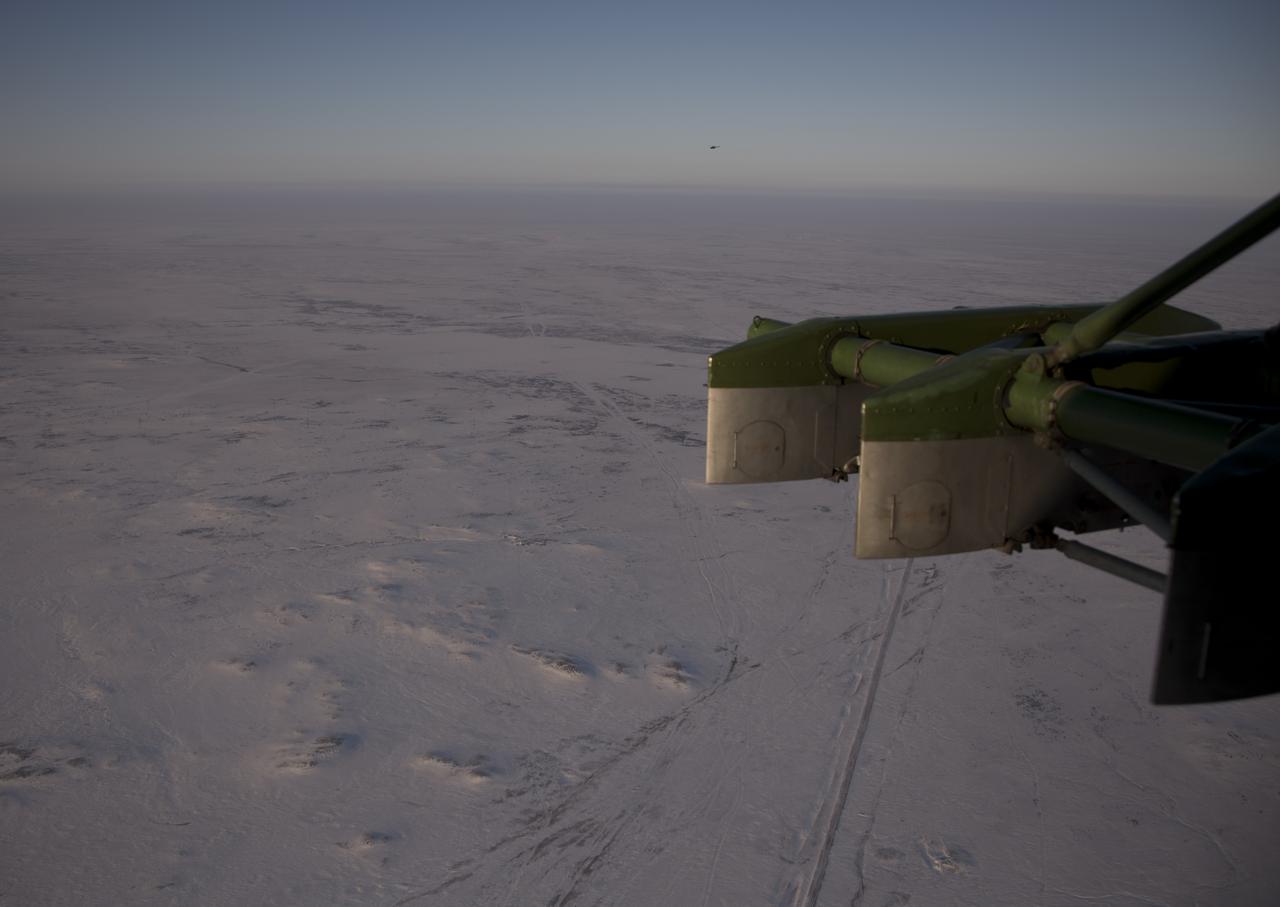
Russian Search and Rescue teams deploy by helicopter from Karaganda, Kazakhstan, Wednesday, Dec. 13, 2017 to prepare for the Soyuz MS-05 landing with Expedition 53 Commander Randy Bresnik of NASA and Flight Engineers Paolo Nespoli of ESA (European Space Agency) and Sergey Ryazanskiy of the Russian space agency Roscosmos near the town of Zhezkazgan, Kazakhstan. Bresnik, Nespoli and Ryazanskiy are returning after 139 days in space where they served as members of the Expedition 52 and 53 crews onboard the International Space Station. Photo Credit: (NASA/Bill Ingalls)
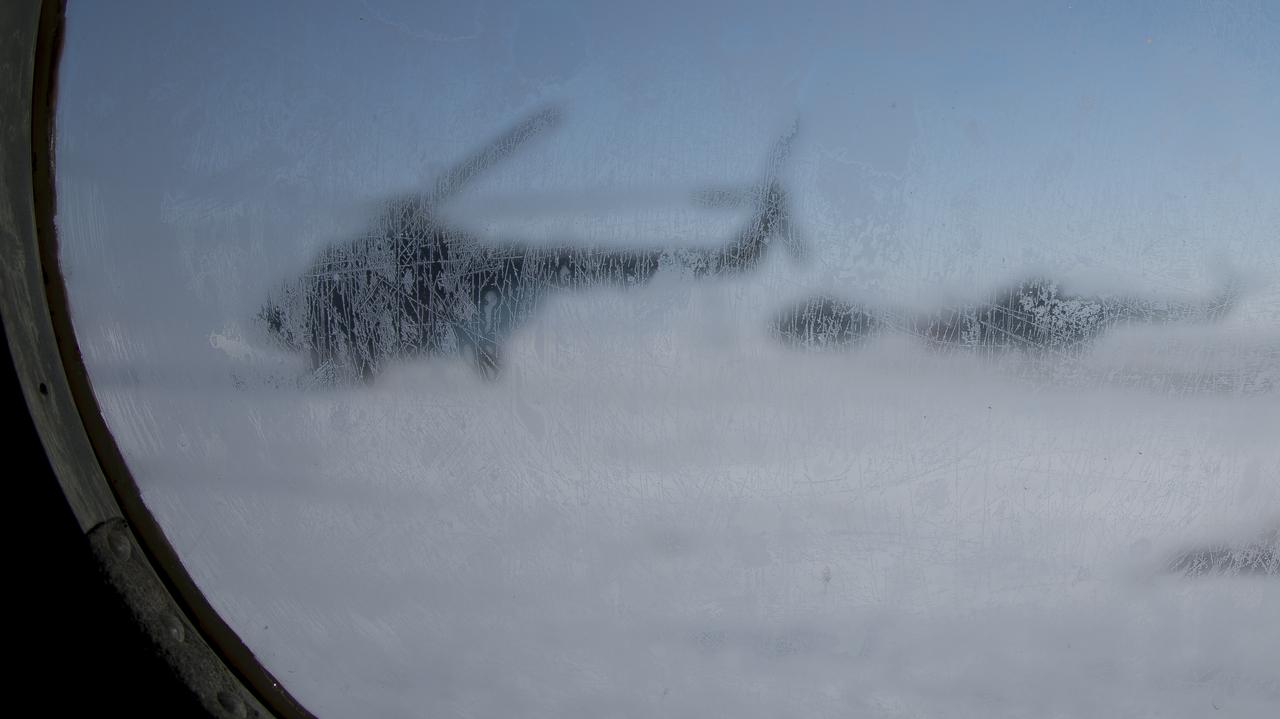
Russian helicopters are seen through the frozen window of another helicopter as teams prepare for the Soyuz MS-05 landing with Expedition 53 Commander Randy Bresnik of NASA and Flight Engineers Paolo Nespoli of ESA (European Space Agency) and Sergey Ryazanskiy of the Russian space agency Roscosmos near the town of Zhezkazgan, Kazakhstan on Thursday, Dec. 14, 2017. Bresnik, Nespoli and Ryazanskiy are returning after 139 days in space where they served as members of the Expedition 52 and 53 crews onboard the International Space Station. Photo Credit: (NASA/Bill Ingalls)
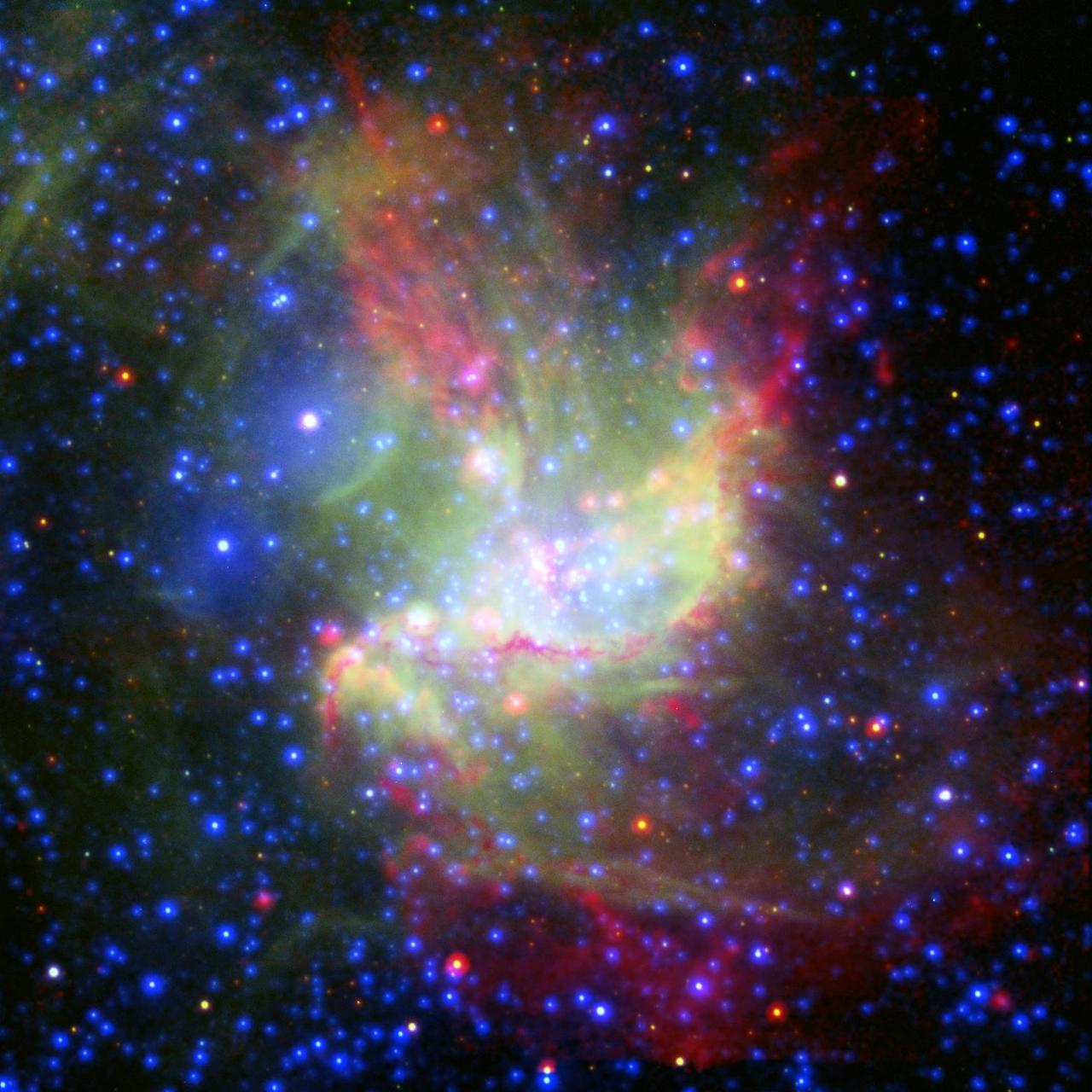
This painterly portrait of a star-forming cloud, called NGC 346, is a combination of multiwavelength light from NASA Spitzer Space Telescope, the European Southern Observatory New Technology Telescope, and the European Space Agency.
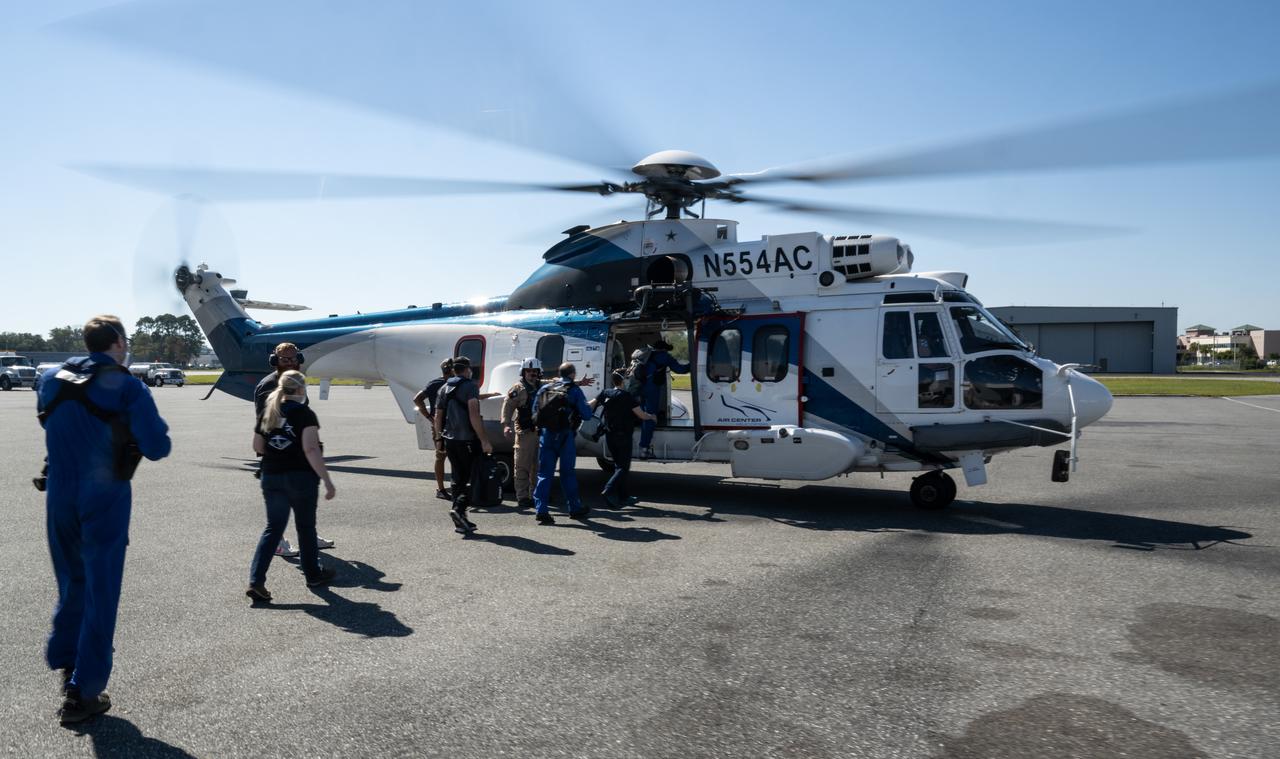
NASA, ESA (European Space Agency), and SpaceX support teams board a helicopter to stage for the landing of the SpaceX Crew Dragon Freedom spacecraft with NASA astronauts Kjell Lindgren, Robert Hines, Jessica Watkins, and ESA (European Space Agency) astronaut Samantha Cristoforetti aboard, Friday, Oct. 14, 2022, in Jacksonville, Florida. Lindgren, Hines, Watkins, and Cristoforetti are landing in the Atlantic Ocean after 170 days in space as part of Expeditions 67 and 68 aboard the International Space Station. Photo Credit: (NASA/Bill Ingalls)
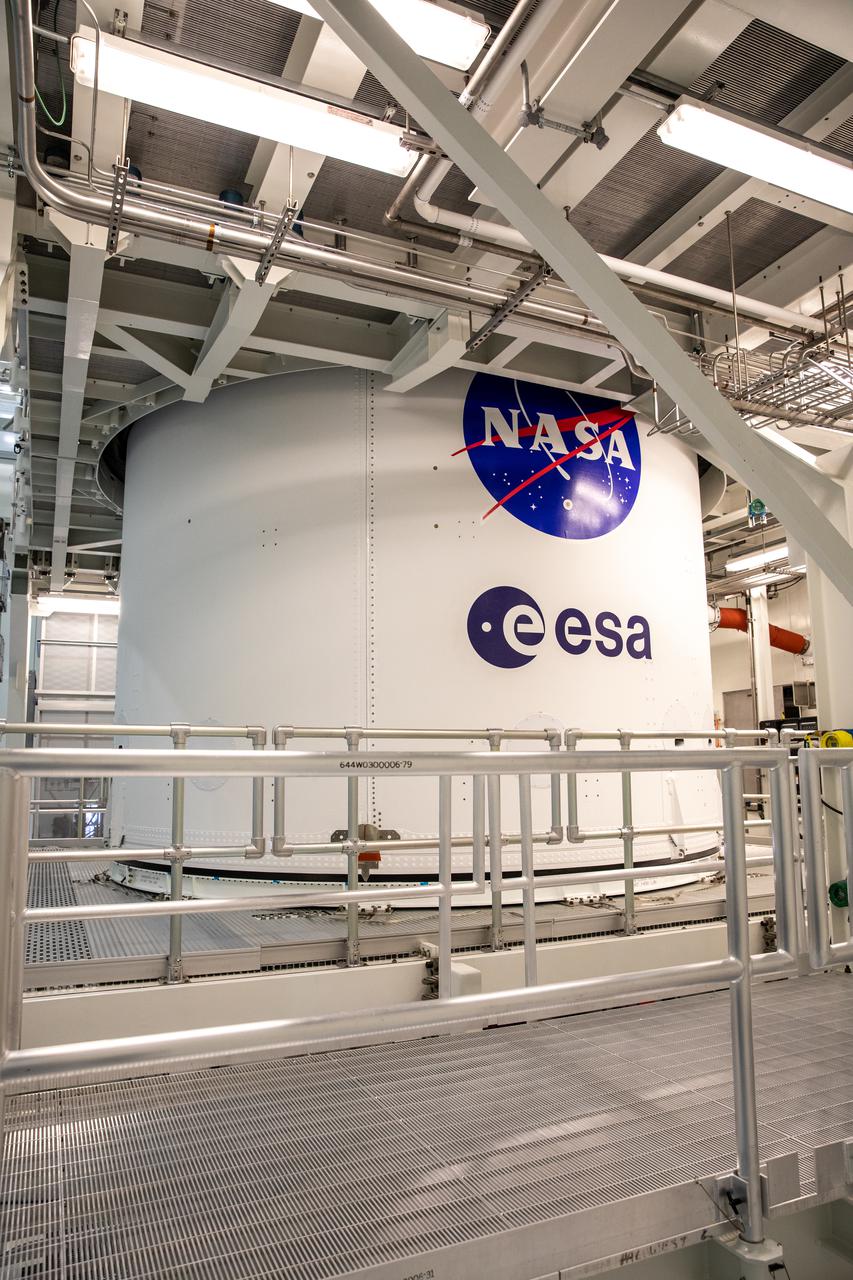
Artemis I extends NASA and ESA’s (European Space Agency) strong international partnership beyond low-Earth orbit to lunar exploration with Orion on Artemis missions, as the ESA logo joins the historic NASA “meatball” insignia on the Artemis I spacecraft adapter jettison fairing panels that protect the service module during launch. Orion is currently stationed at NASA’s Kennedy Space Center in the Multi-Payload Processing Facility, where it will undergo fueling and servicing by NASA’s Exploration Ground Systems and Jacobs Technology teams in preparation for the upcoming flight test with the Space Launch System rocket under the agency’s Artemis program.
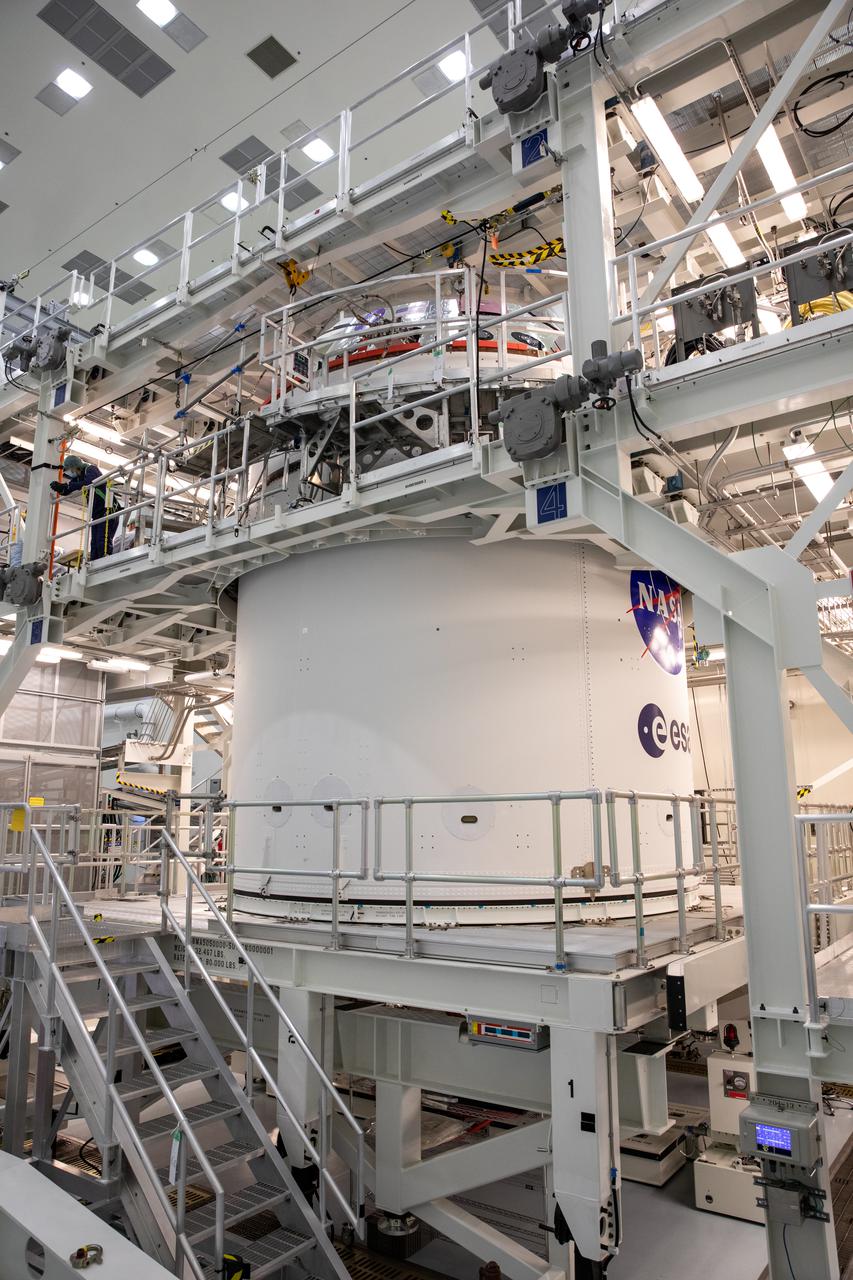
Artemis I extends NASA and ESA’s (European Space Agency) strong international partnership beyond low-Earth orbit to lunar exploration with Orion on Artemis issions, as the the ESA logo joins the historic NASA “meatball” insignia on the Artemis I spacecraft adapter jettison fairing panels that protect the service module during launch. Orion is currently stationed at NASA’s Kennedy Space Center in the Multi-Payload Processing Facility, where it will undergo fueling and servicing by NASA’s Exploration Ground Systems and Jacobs Technology teams in preparation for the upcoming flight test with the Space Launch System rocket under the agency’s Artemis program.
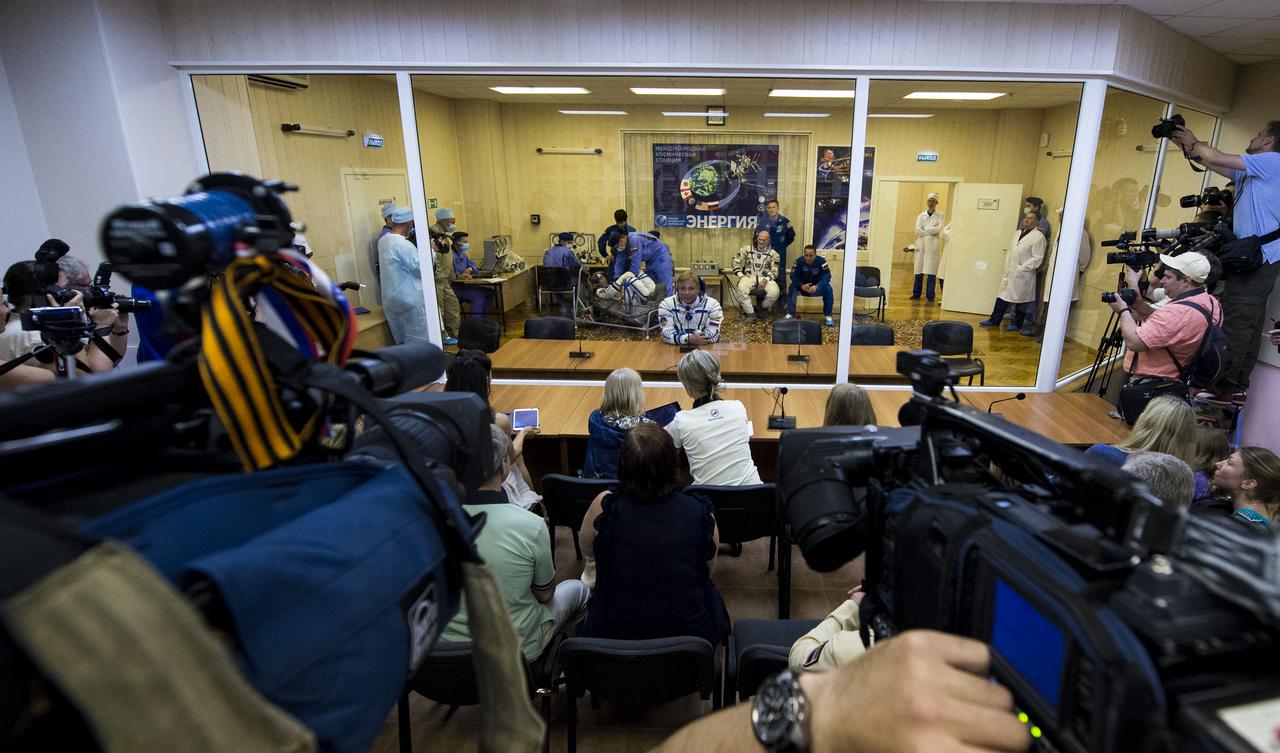
Expedition 40 Soyuz Commander Maxim Suraev of the Russian Federal Space Agency, Roscosmos, speaks with his family after having his Russian Sokol suit pressure checked in preparation for his launch onboard the Soyuz TMA-13M spacecraft on Wednesday, May 28, 2014 at the Baikonur Cosmodrome in Kazakhstan. The Soyuz spacecraft with Suraev, Expedition 40 Flight Engineer Alexander Gerst of the European Space Agency, ESA, and Flight Engineer Reid Wiseman of NASA is scheduled to launch at 1:57 a.m. Kazakhstan Time on Thursday, May 29. Photo Credit: (NASA/Joel Kowsky)
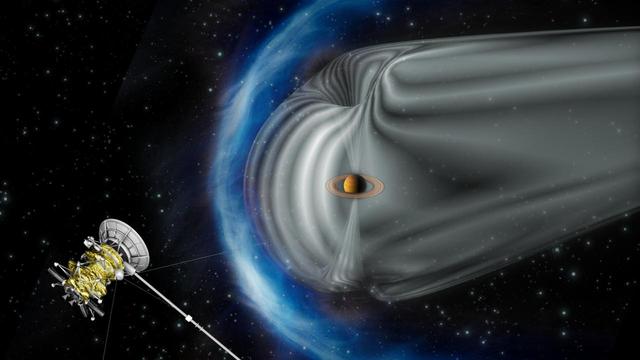
This artist impression by the European Space Agency shows NASA Cassini spacecraft exploring the magnetic environment of Saturn. The image is not to scale.
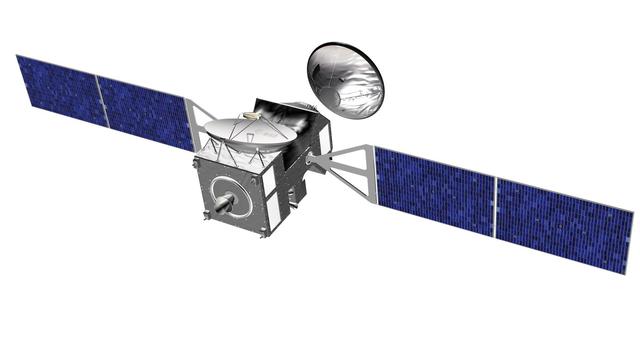
NASA and the European Space Agency are jointly developing the ExoMars Trace Gas Orbiter mission for launch in 2016.
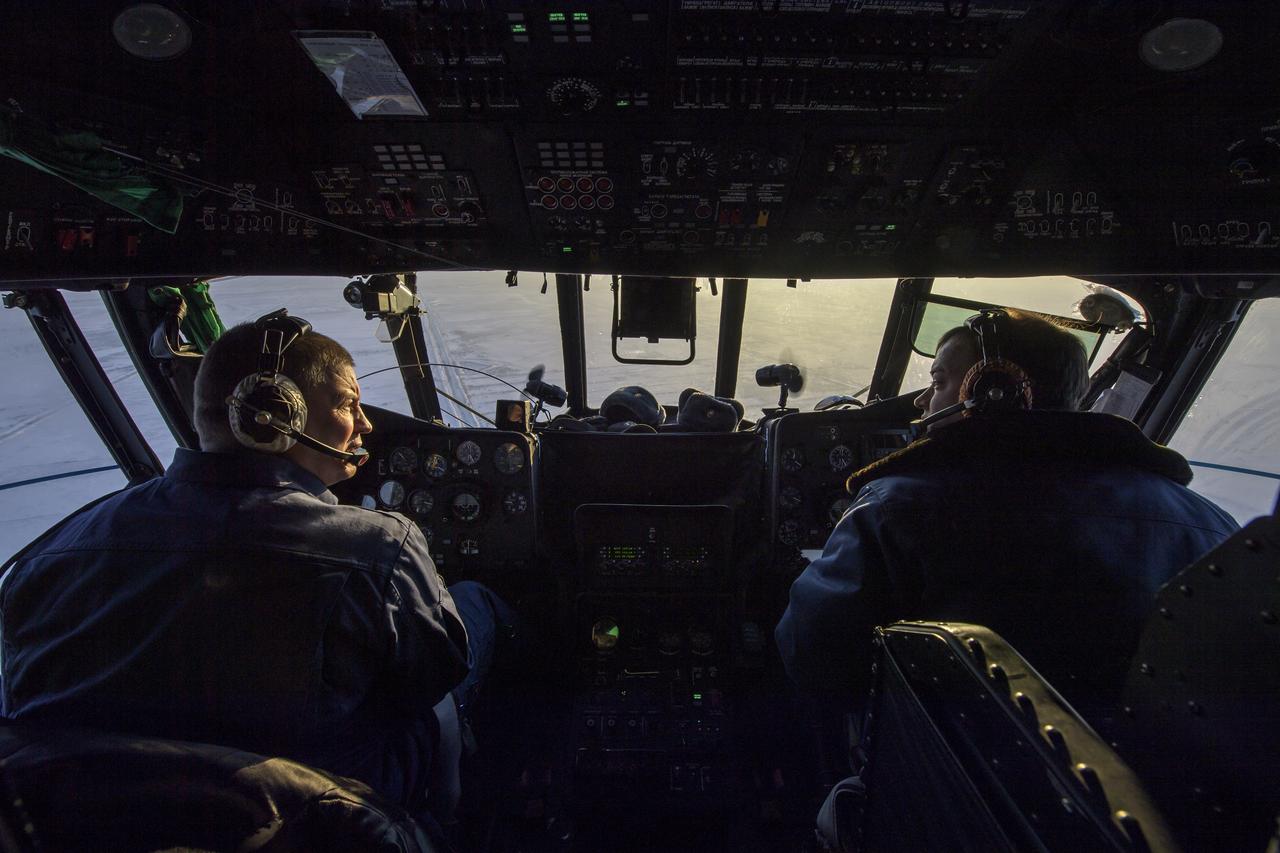
Russian Search and Recovery Force pilots scan the horizon for the Soyuz landing with Expedition 57 crew members Serena Auñón-Chancellor of NASA, Alexander Gerst of ESA (European Space Agency), and Sergey Prokopyev of Roscosmos. Thursday, Dec. 20, 2018. Auñón-Chancellor, Gerst, and Prokopyev are returning after 197 days in space where they served as members of the Expedition 56 and 57 crews onboard the International Space Station. Photo Credit: (NASA/Bill Ingalls)
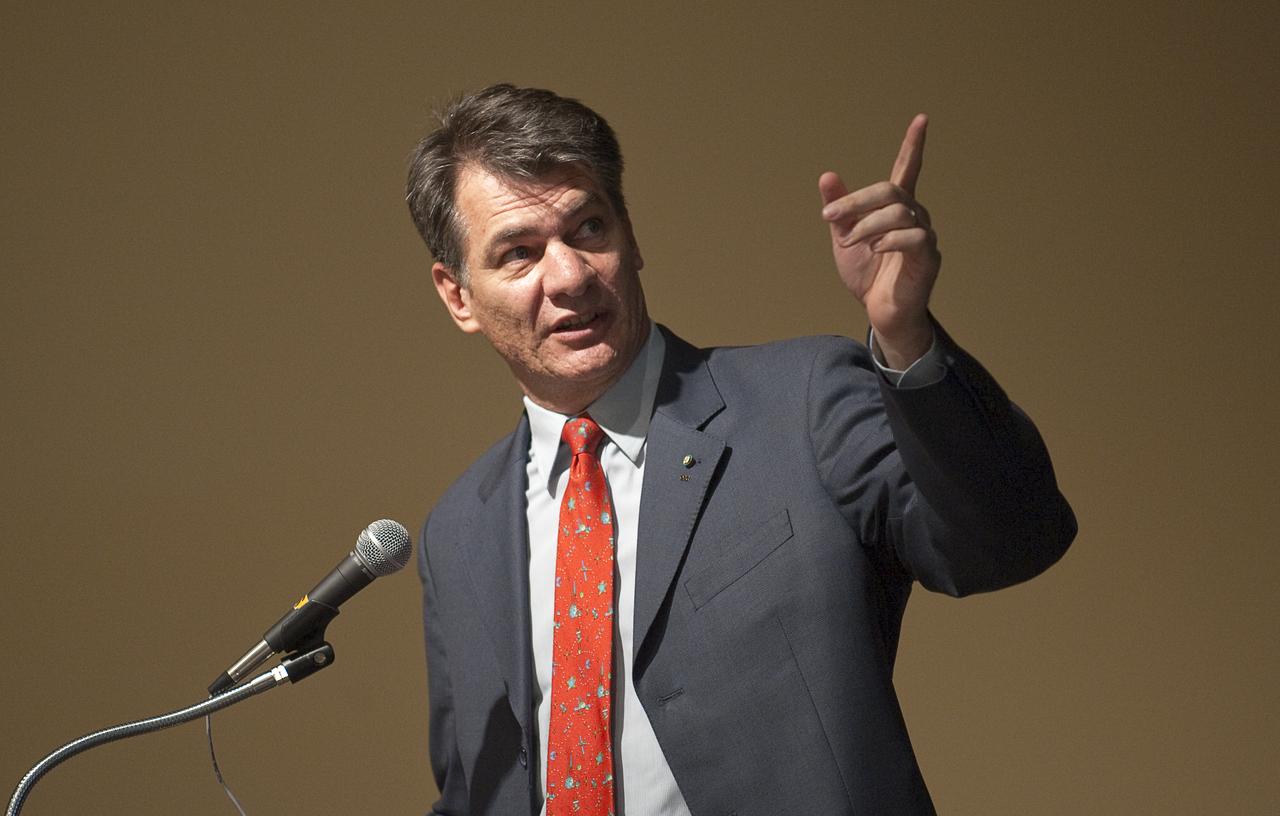
Italian European Space Agency Astronaut Paolo Nespoli makes comments about the STS-125 mission to the Hubble Space Telescope during a visit by the crew to the Embassy of Italy in Washington, Thursday, July 23, 2009. Nespoli was assigned to the crew of STS-120, an International Space Station (ISS) assembly mission. Photo Credit: (NASA/Bill Ingalls)
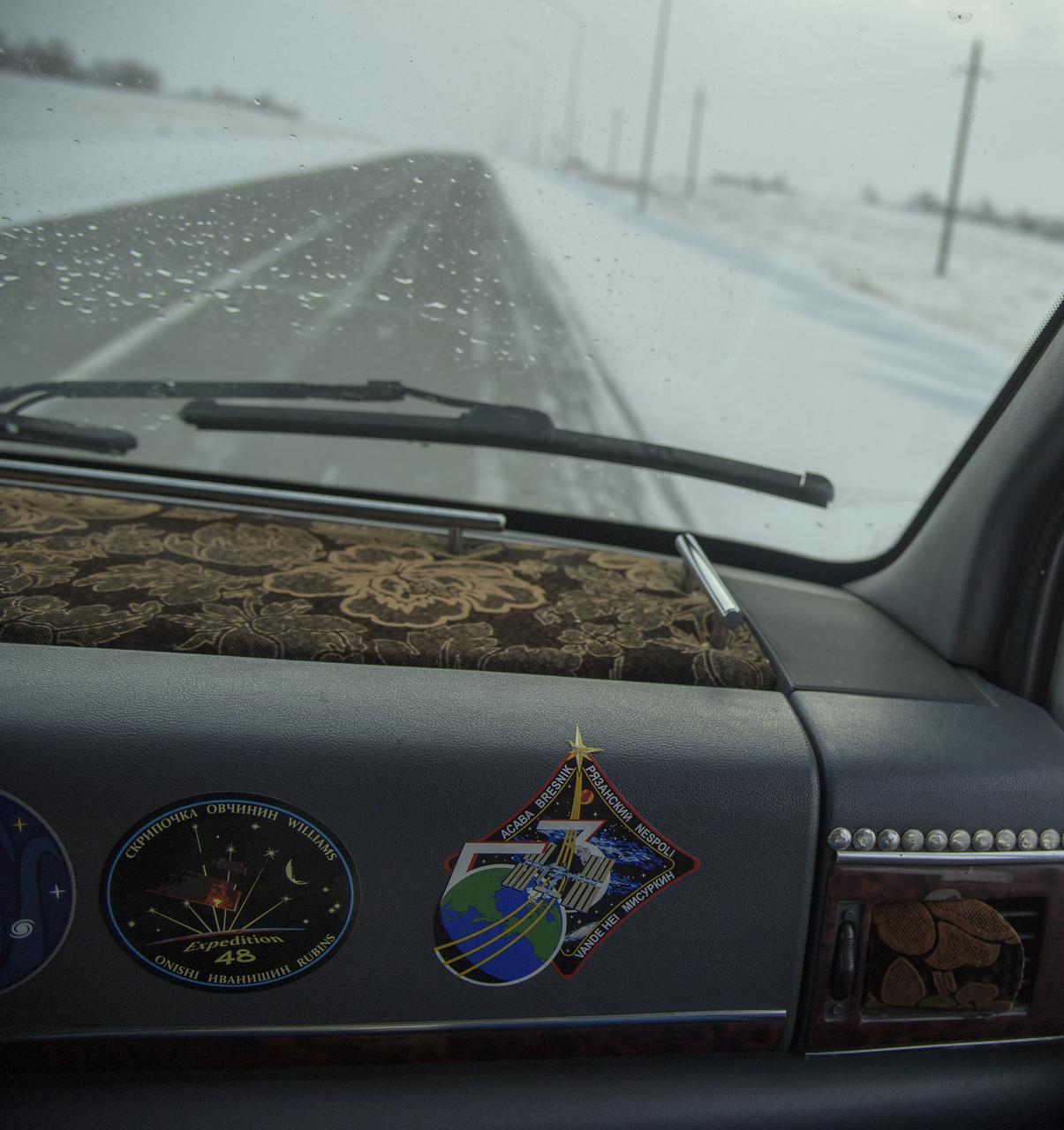
View from a van carrying team members from NASA and ESA to the Karaganda Airport in Kazakhstan in advance of the landing of Expedition 57 crew members Serena Auñón-Chancellor of NASA, Alexander Gerst of ESA (European Space Agency), and Sergey Prokopyev of Roscosmos. Wednesday, Dec. 19, 2018. Auñón-Chancellor, Gerst, and Prokopyev are returning after 197 days in space where they served as members of the Expedition 56 and 57 crews onboard the International Space Station. Photo Credit: (NASA/Bill Ingalls)
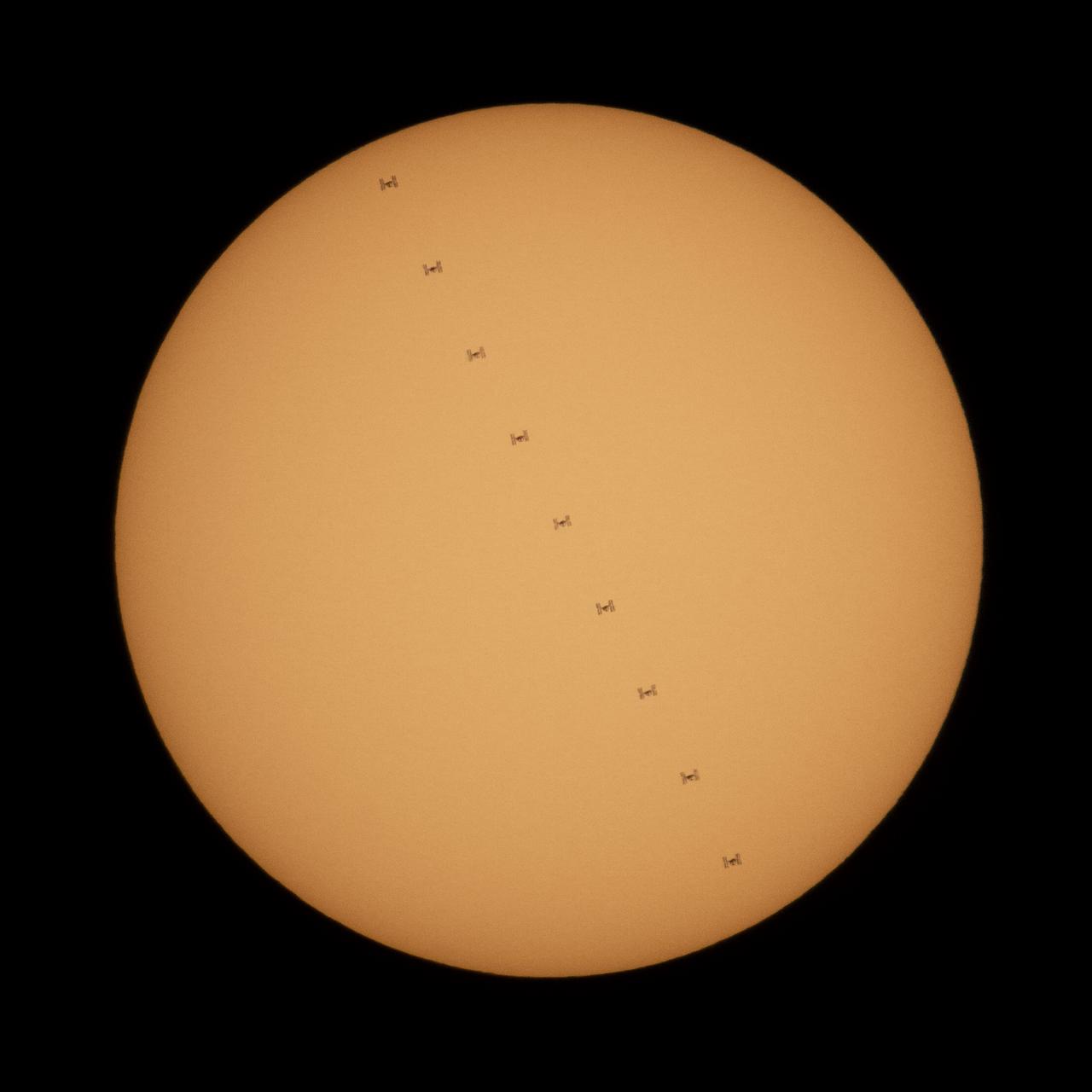
This composite image, made from nine frames, shows the International Space Station, with a crew of three onboard, in silhouette as it transits the Sun at roughly five miles per second, Sunday, Oct. 7, 2018 from Suffolk, Va. Onboard are Expedition 57 Commander Alexander Gerst of ESA (European Space Agency), Serena Auñón-Chancellor of NASA, and Sergey Prokopyev of Roscosmos. The trio will soon be joined by Nick Hague of NASA and Alexey Ovchinin of Roscosmos, who are scheduled to launch on October 11 from the Baikonur Cosmodrome in Kazakhstan. Photo Credit: (NASA/Joel Kowsky)
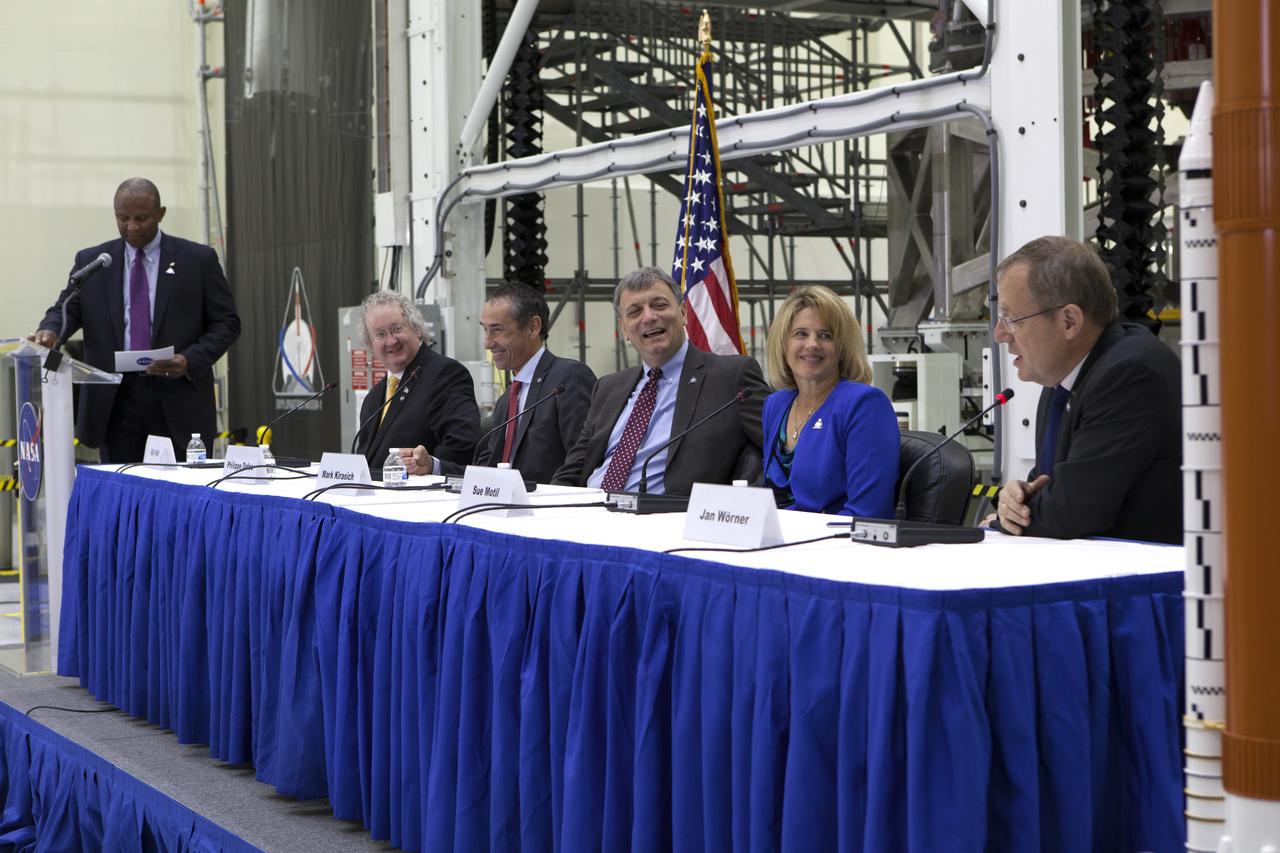
Kennedy Space Center Associate Director Kelvin Manning, far left, moderates questions to NASA and European Space Agency (ESA) senior managers during the "Powering Exploration Mission-1" ceremony in the high bay of the Neil Armstrong Operations and Checkout Building at the center on Nov. 16, 2016. From left, are Bill Hill, deputy associate administrator for Exploration Systems Development; Phillippe Deloo, European Service Module program manager at ESA; Mark Kirasich, Orion Program manager at the agency's Johnson Space Center in Houston; Sue Motil, Orion European Service Module integration manager at the agency's Glenn Research Center; and Jan Worner, ESA director general. The event was held to mark a major milestone, the arrival of the European Service Module (ESM) for Orion's Exploration Mission-1. The service module, built by the European Space Agency, will supply the main propulsion system and power to the Orion spacecraft during EM-1, a mission to the Moon. The ESM also will house air and water for astronauts on future missions. EM-1 will be an uncrewed flight test that will provide a foundation for human deep space exploration to destinations beyond Earth orbit. EM-1 will be the first integrated test of NASA's Space Launch System, Orion and the ground systems at Kennedy.
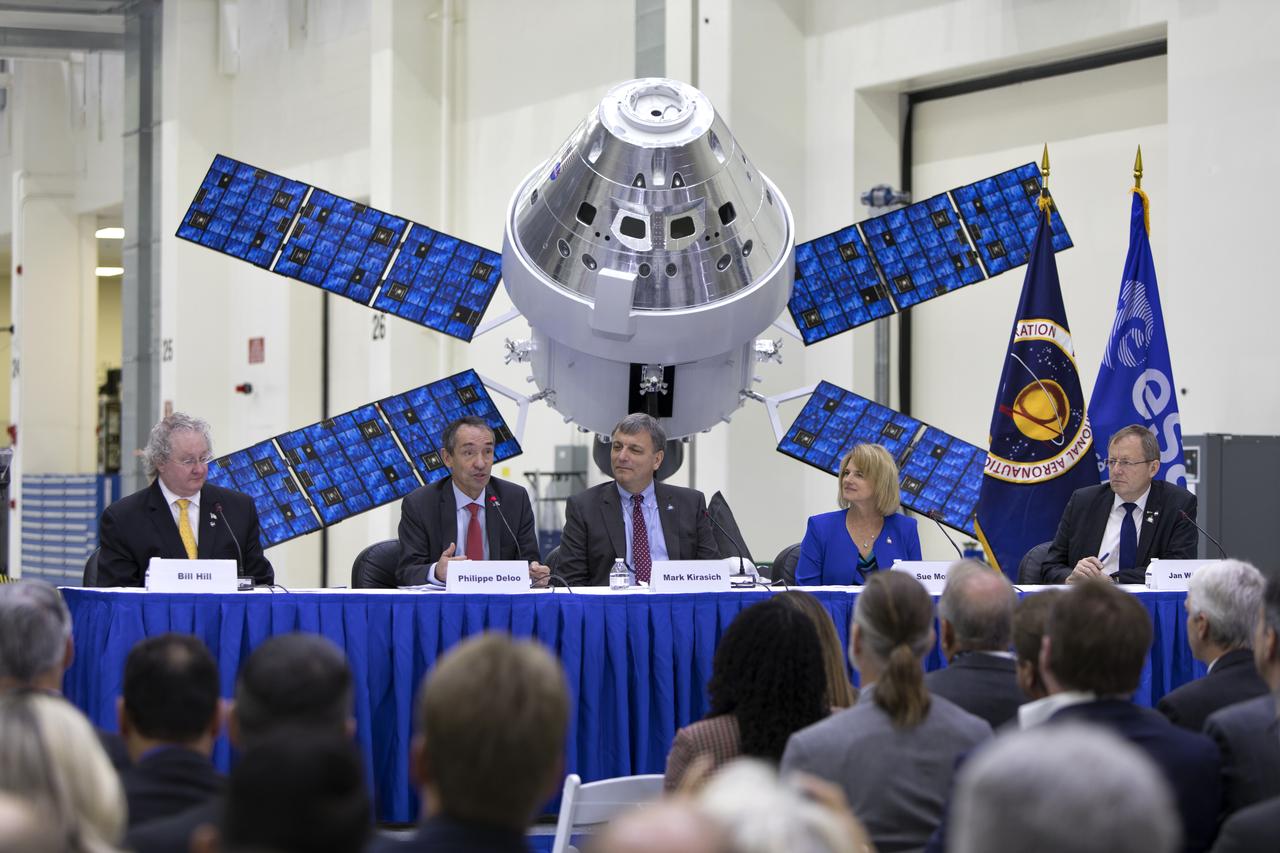
NASA and European Space Agency (ESA) senior managers answer questions during a "Powering Exploration Mission-1" ceremony in the Neil Armstrong Operations and Checkout Building high bay at NASA's Kennedy Space Center on Nov. 16, 2018. From left, are Bill Hill, deputy associate administrator for Exploration Systems Development; Phillippe Deloo, European Service Module program manager at ESA; Mark Kirasich, Orion Program manager at the agency's Johnson Space Center in Houston; Sue Motil, Orion European Service Module integration manager at the agency's Glenn Research Center; and Jan Worner, ESA director general. The event was held to mark a major milestone, the arrival of the European Service Module (ESM) for Orion's Exploration Mission-1. The service module, built by the European Space Agency, will supply the main propulsion system and power to the Orion spacecraft during EM-1, a mission to the Moon. The ESM also will house air and water for astronauts on future missions. EM-1 will be an uncrewed flight test that will provide a foundation for human deep space exploration to destinations beyond Earth orbit. EM-1 will be the first integrated test of NASA's Space Launch System, Orion and the ground systems at Kennedy.
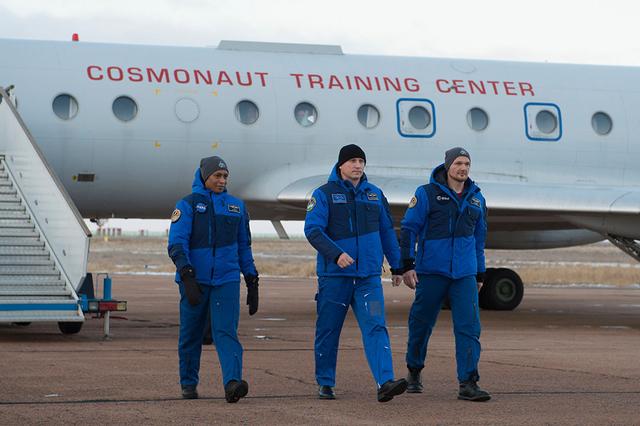
jsc2017e136096 - Expedition 54-55 backup crewmembers Jeanette Epps of NASA (left), Sergey Prokopyev of the Russian Federal Space Agency (Roscosmos, center) and Alexander Gerst of the European Space Agency (right) arrive at the launch site at the Baikonur Cosmodrome in Kazakhstan Dec. 4 following a flight from their training base in Star City, Russia. They are serving as backups to the prime crew, Scott Tingle of NASA, Anton Shkaplerov of the Russian Federal Space Agency (Roscosmos) and Norishige Kanai of the Japan Aerospace Exploration Agency (JAXA), who will launch Dec. 17 on the Soyuz MS-07 spacecraft for a five-month mission on the International Space Station...Andrey Shelepin/Gagarin Cosmonaut Training Center.
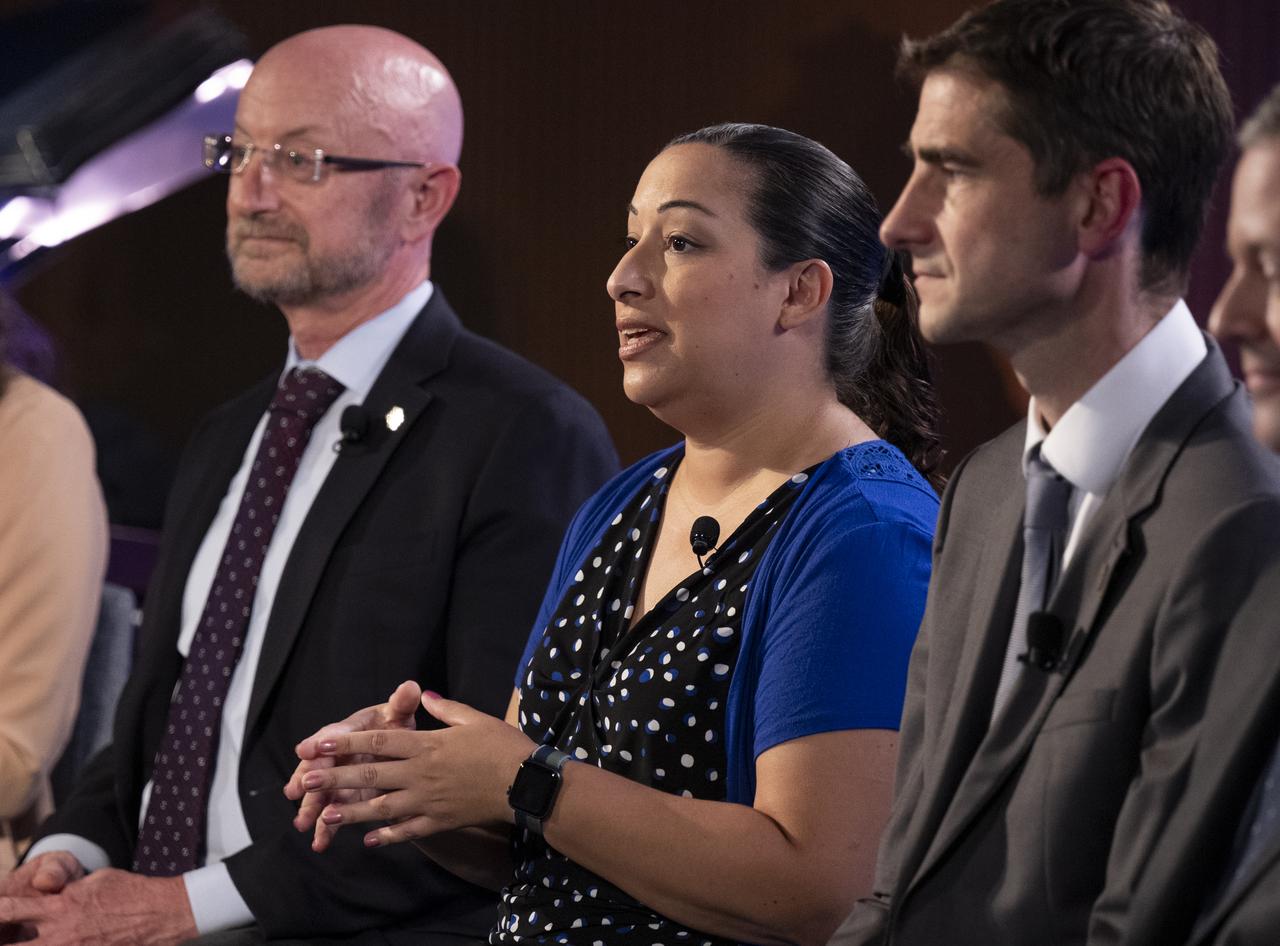
NASA James Webb Space Telescope Deputy Project Scientist for Exoplanet Science Knicole Colón, center, answers a question from a member of the media alongside NASA James Webb Space Telescope Program Scientist and Astrophysics Division Chief Scientist Eric Smith, left, and NASA James Webb Space Telescope Project Scientist at ESA (European Space Agency) Christopher Evans, during a briefing following the release of the first full-color images from NASA’s James Webb Space Telescope, Tuesday, July 12, 2022, at NASA’s Goddard Space Flight Center in Greenbelt, Md. The first full-color images and spectroscopic data from the James Webb Space Telescope, a partnership with ESA (European Space Agency) and the Canadian Space Agency (CSA), are a demonstration of the power of Webb as the telescope begins its science mission to unfold the infrared universe. Photo Credit: (NASA/Bill Ingalls)
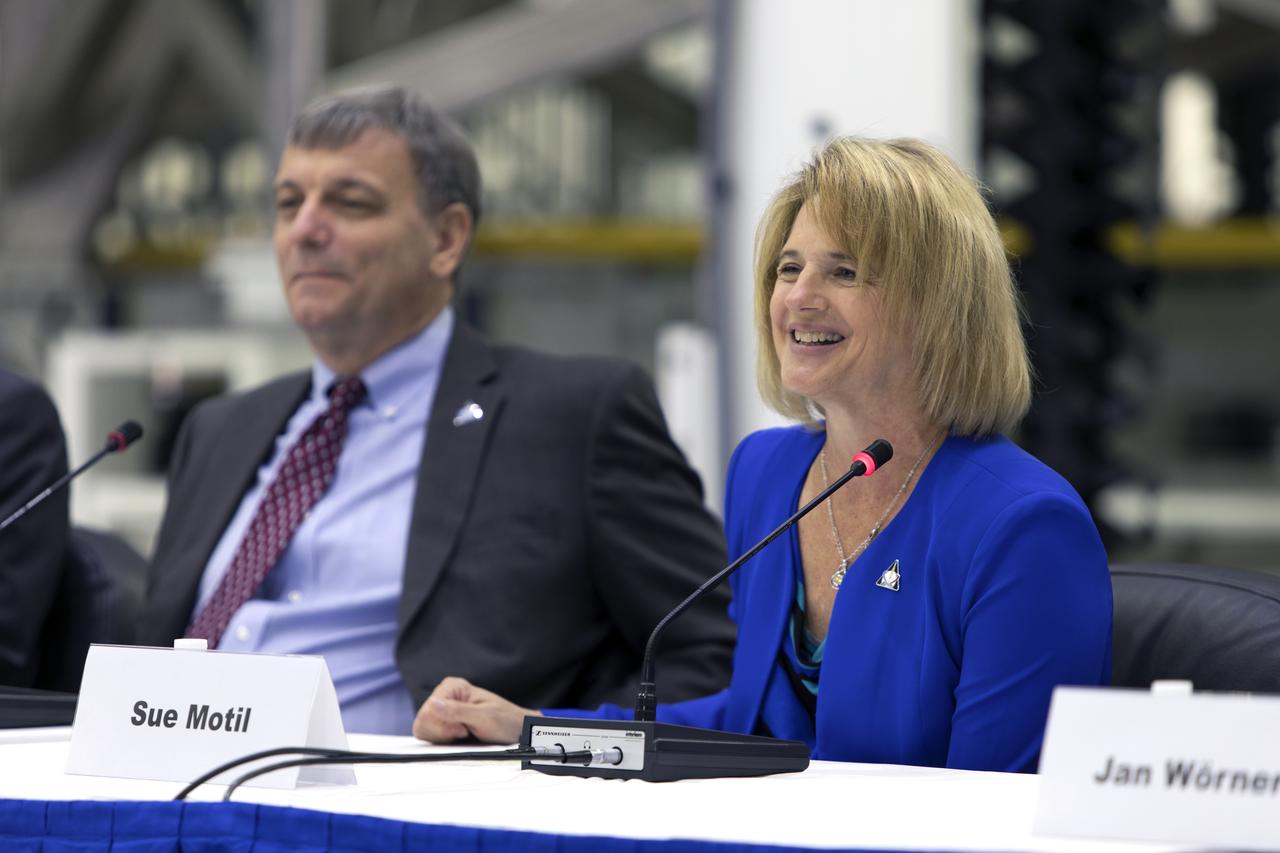
During a "Powering Exploration Mission-1" ceremony in the Neil Armstrong Operations and Checkout Building high bay at NASA's Kennedy Space Center on Nov. 16, 2018, Mark Kirasich, left, Orion Program manager at the agency's Johnson Space Center in Houston; and Sue Motil, Orion European Service Module integration manager at the agency's Glenn Research Center, answer questions. The event was held to mark a major milestone, the arrival of the European Service Module (ESM) for Orion's Exploration Mission-1. The service module, built by the European Space Agency, will supply the main propulsion system and power to the Orion spacecraft during EM-1, a mission to the Moon. The ESM also will house air and water for astronauts on future missions. EM-1 will be an uncrewed flight test that will provide a foundation for human deep space exploration to destinations beyond Earth orbit. EM-1 will be the first integrated test of NASA's Space Launch System, Orion and the ground systems at Kennedy.

Dr. Josef Aschbacher, Director General, European Space Agency (ESA) listens to NASA Administrator Bill Nelson in a bilateral meeting during the 36th Space Symposium, Monday, Aug. 23, 2021, in Colorado Springs, Colorado. Photo Credit: (NASA/Bill Ingalls)
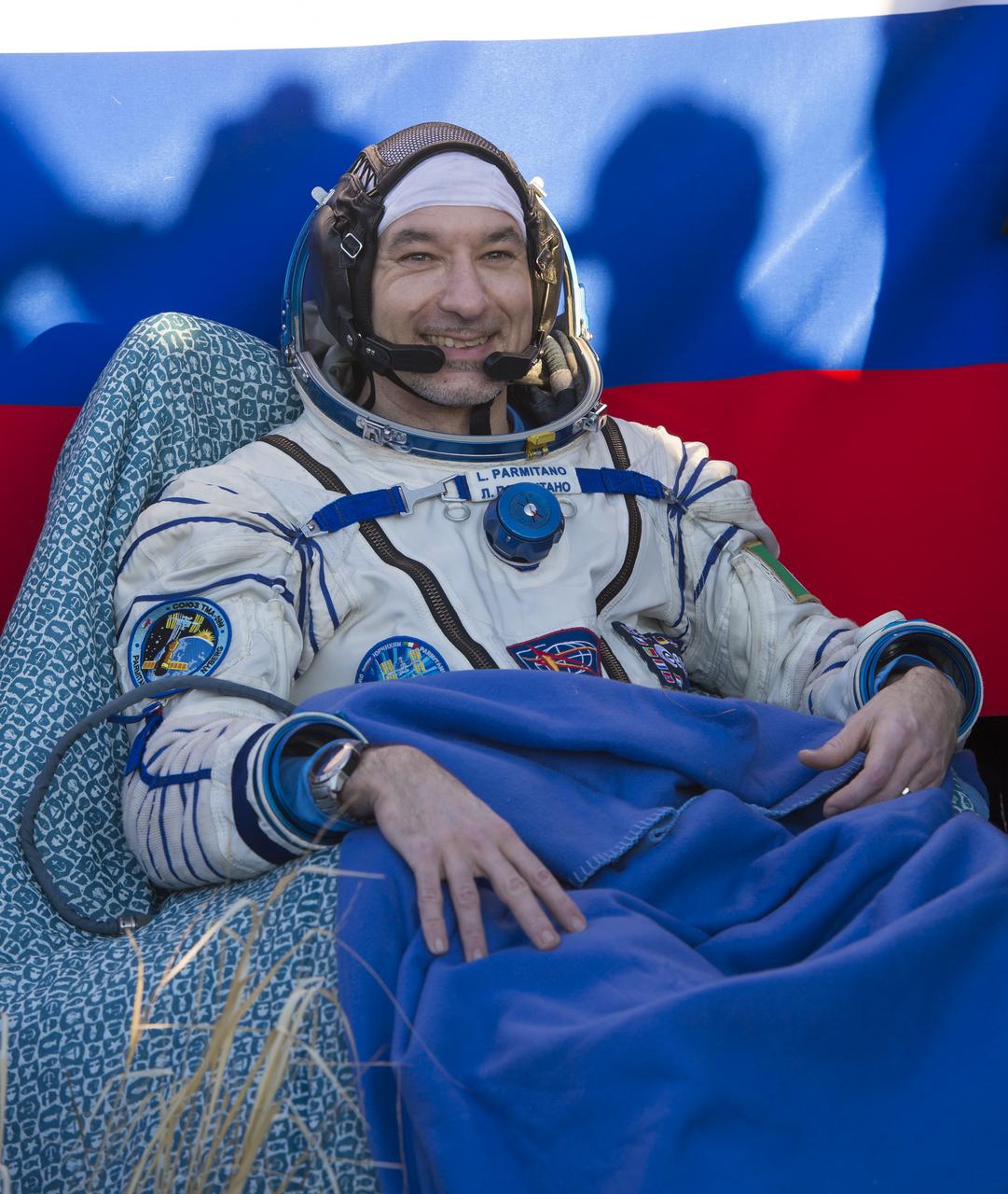
Expedition 37 Luca Parmitano of ESA (European Space Agency) smiles minutes after his landing in the Soyuz TMA-09M spacecraft in a remote area outside the town of Zhezkazgan, Kazakhstan, on Monday, Nov. 11, 2013. Parmitano, Expedition 37 Commander Fyodor Yurchikhin of the Russian Federal Space Agency (Roscosmos) and NASA Flight Engineer Karen Nyberg returned to earth after five and a half months on the International Space Station. Photo Credit: (NASA/Carla Cioffi)
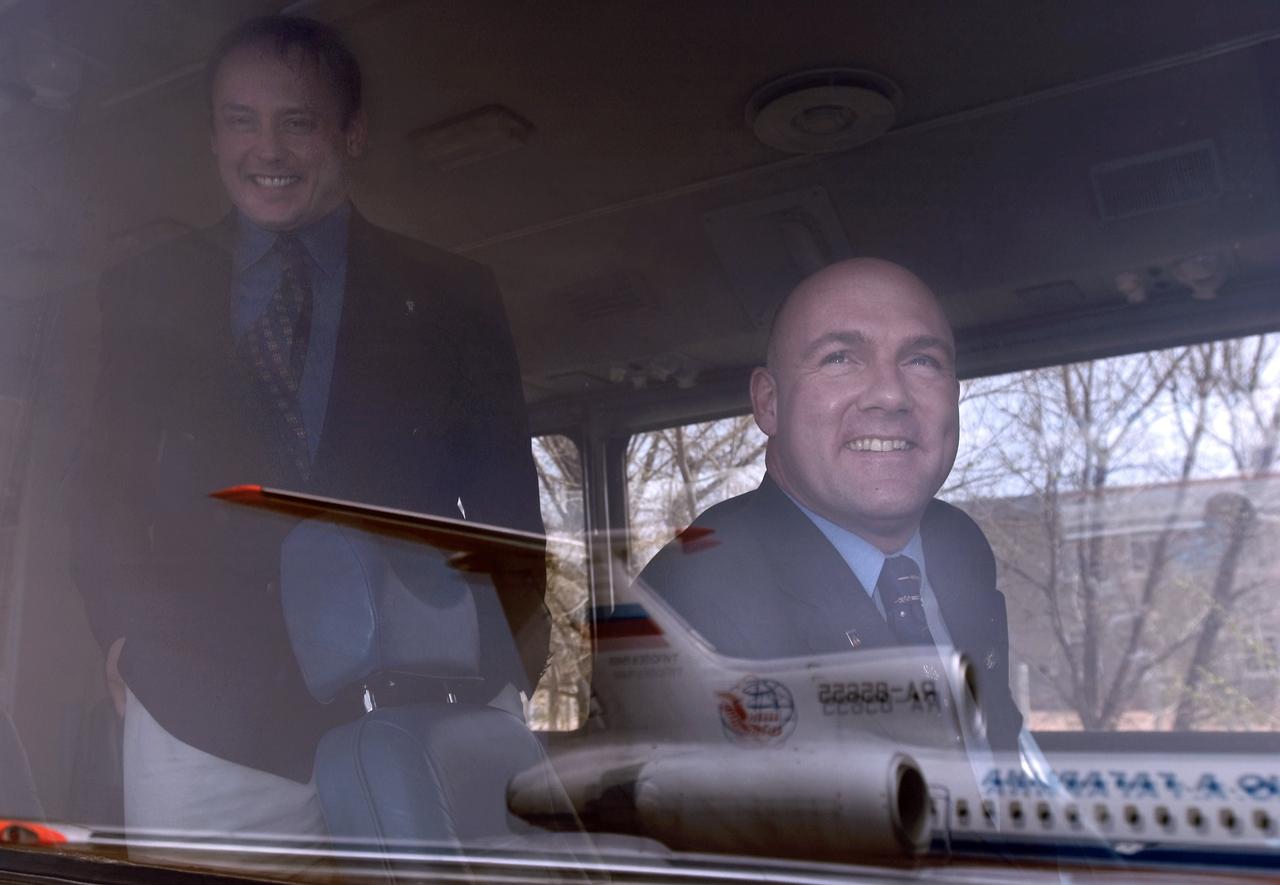
Flight Engineer and NASA International Space Station Science Officer Mike Fincke, left and European Space Agency astronaut Andre Kuipers of the Netherlands on board their bus after arrival at Baikonur, Kazakhstan, Tuesday, April 13, 2004, six days prior to their scheduled launch on board a Soyuz rocket. Kuipers, who is flying under a commercial contract between ESA and the Russian Federal Space Agency, will return to Earth with the Expedition 8 crew on April 30, 2004. Photo Credit: (NASA/Bill Ingalls)

Family, friends, colleagues, and members of the media, watch and photograph Expedition 36/37 Soyuz Commander Fyodor Yurchikhin of the Russian Federal Space Agency (Roscosmos), Flight Engineers; Karen Nyberg of NASA, and Luca Parmitano of the European Space Agency as they depart the Cosmonaut Hotel, Tuesday, May 28, 2013, in Baikonur, Kazakhstan. Yurichikin, Nyberg, Parmitano were departing the hotel in preparation for their launch on a Soyuz rocket to the International Space Station (ISS) on Wednesday May 29, Kazakh time. Photo credit: (NASA/Bill Ingalls)

Family, friends, colleagues, and members of the media, watch and photograph Expedition 36/37 Soyuz Commander Fyodor Yurchikhin of the Russian Federal Space Agency (Roscosmos), Flight Engineers; Karen Nyberg of NASA, and Luca Parmitano of the European Space Agency as they depart the Cosmonaut Hotel, Tuesday, May 28, 2013, in Baikonur, Kazakhstan. Yurichikin, Nyberg, Parmitano were departing the hotel in preparation for their launch on a Soyuz rocket to the International Space Station (ISS) on Wednesday May 29, Kazakh time. Photo credit: (NASA/Bill Ingalls)
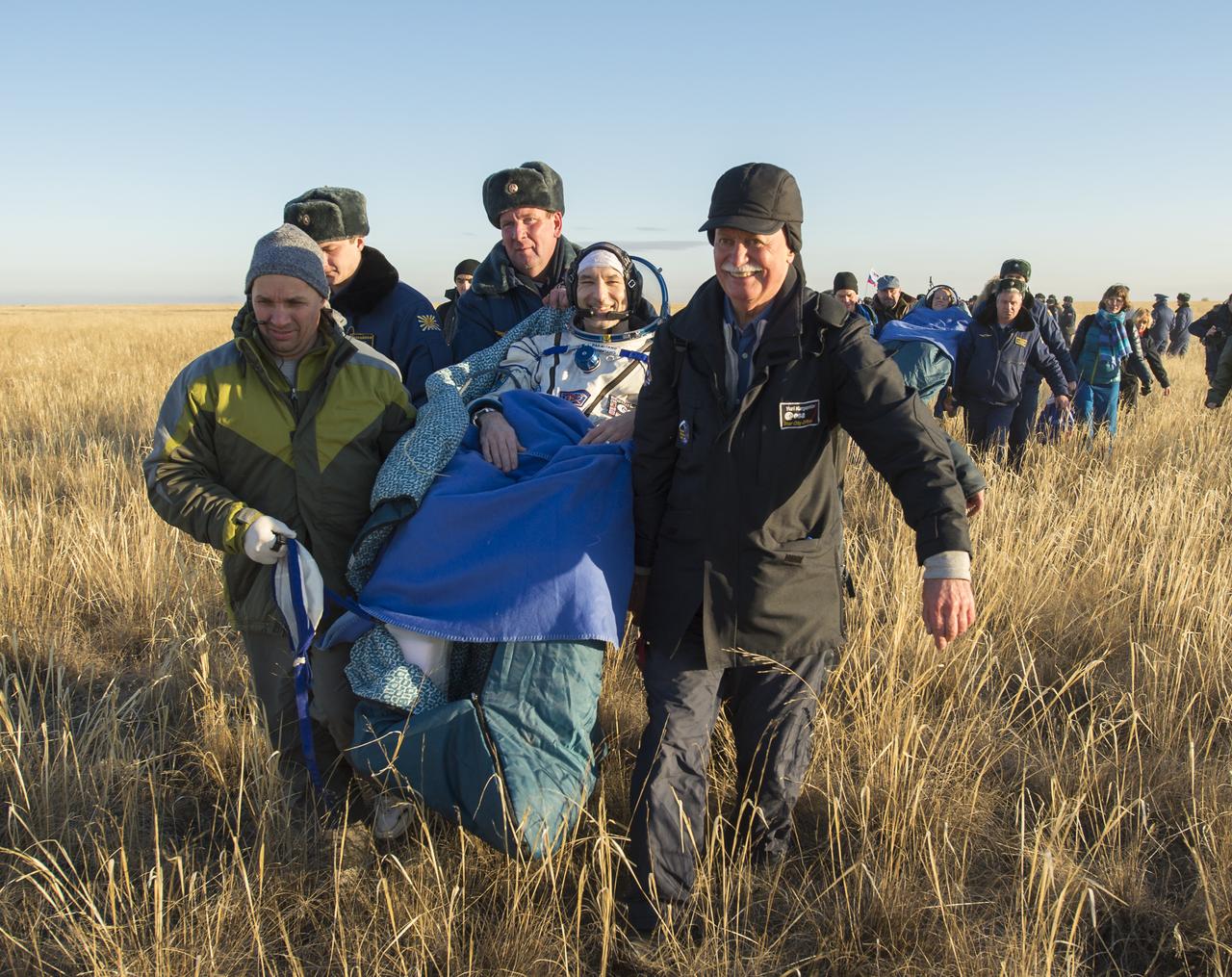
Expedition 37 Luca Parmitano of ESA (European Space Agency) is carried to the inflatable medical tent from minutes after he landed in the Soyuz TMA-09M spacecraft in a remote area outside the town of Zhezkazgan, Kazakhstan, on Monday, Nov. 11, 2013. Parmitano, Expedition 37 Commander Fyodor Yurchikhin of the Russian Federal Space Agency (Roscosmos) and NASA Flight Engineer Karen Nyberg returned to earth after five and a half months on the International Space Station. Photo Credit: (NASA/Carla Cioffi)
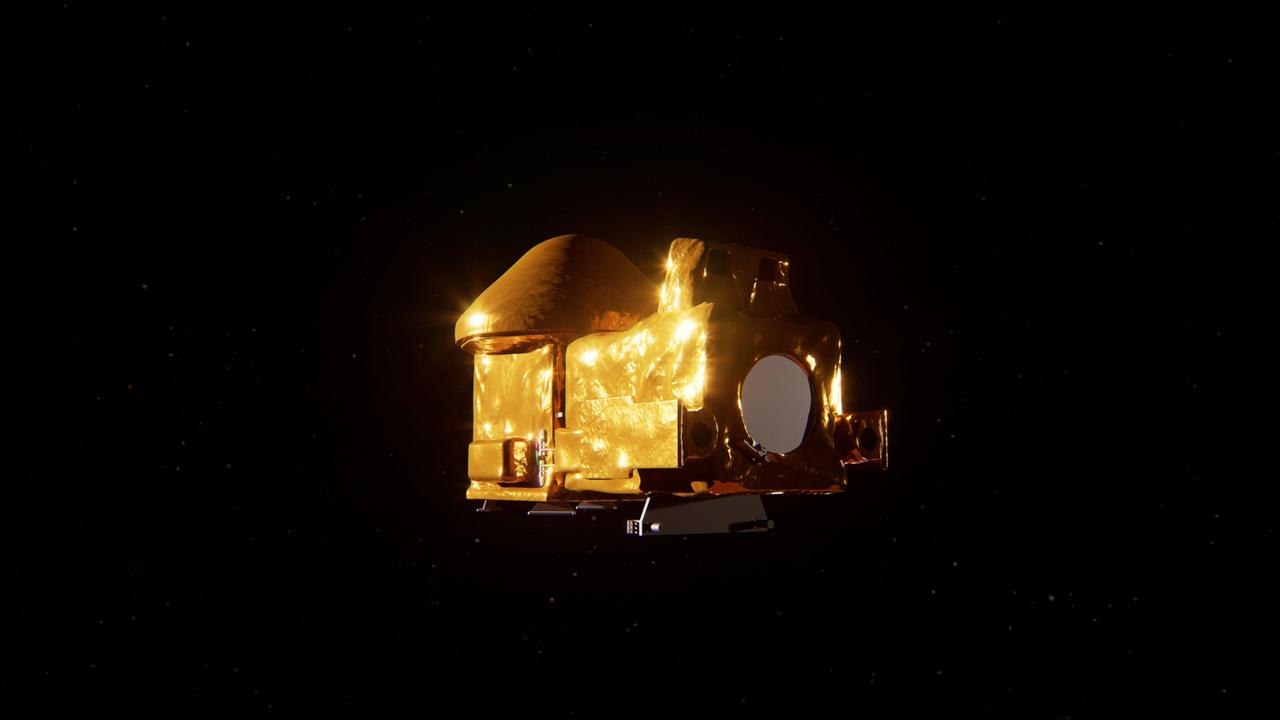
This artist's concept shows the proposed Capture, Containment, and Return System, a NASA payload on the European Space Agency's Earth Return Orbiter. The payload is tasked with capturing the Orbiting Sample container, orienting it, sterilizing its exterior, and transferring it into a clean zone for secondary containment, toward safe return to Earth. The Capture, Containment, and Return System is part of the multi-mission Mars Sample Return program being planned by NASA and European Space Agency (ESA). https://photojournal.jpl.nasa.gov/catalog/PIA25894
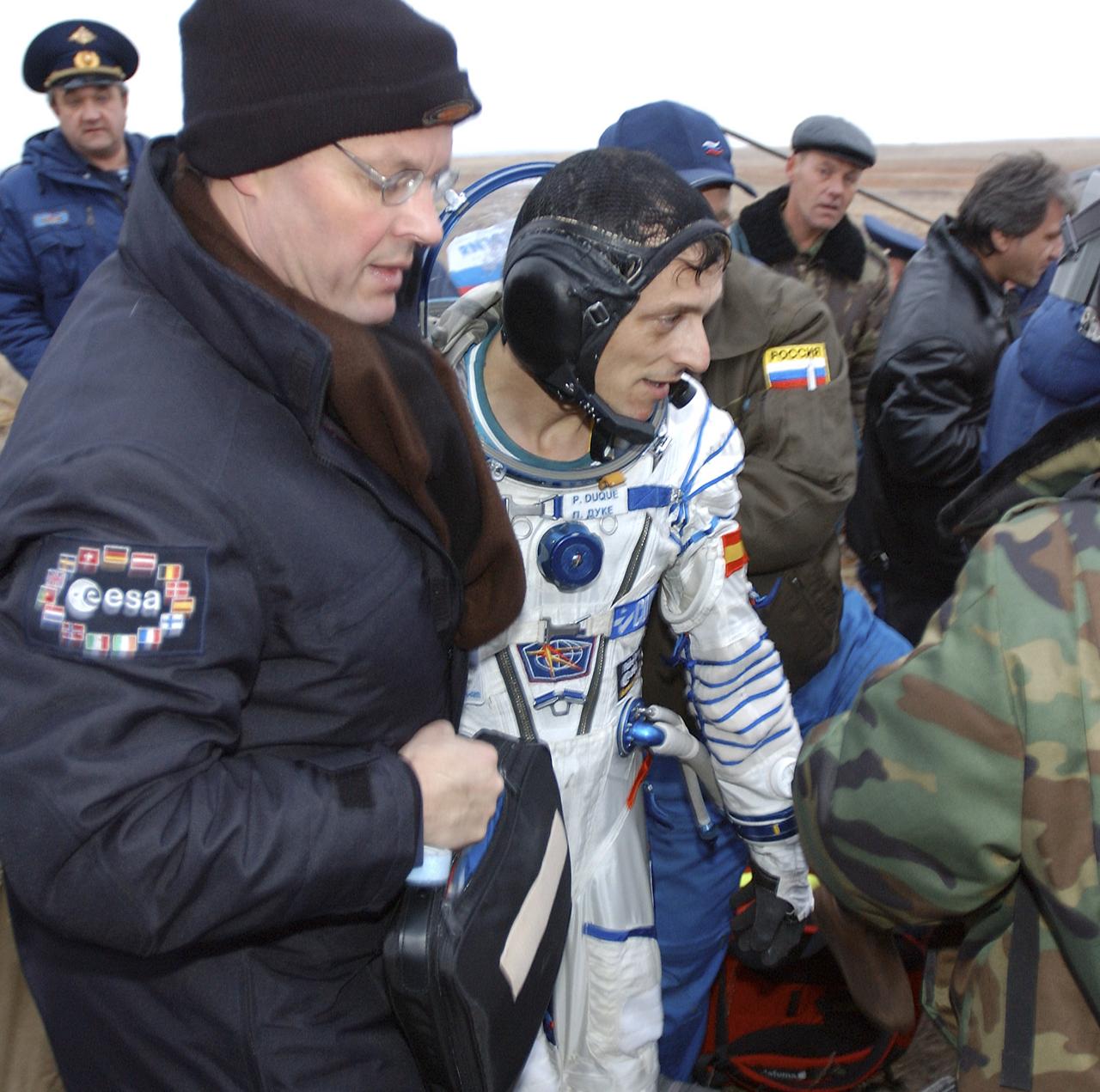
European Space Agency (ESA) astronaut Pedro Deque is assisted by an ESA doctor after landing in the Soyuz TMA-2 spacecraft in Kazakhstan on Monday, October 27, 2003, at 9:41 p.m. EST. Photo Credit: (NASA/Bill Ingalls)
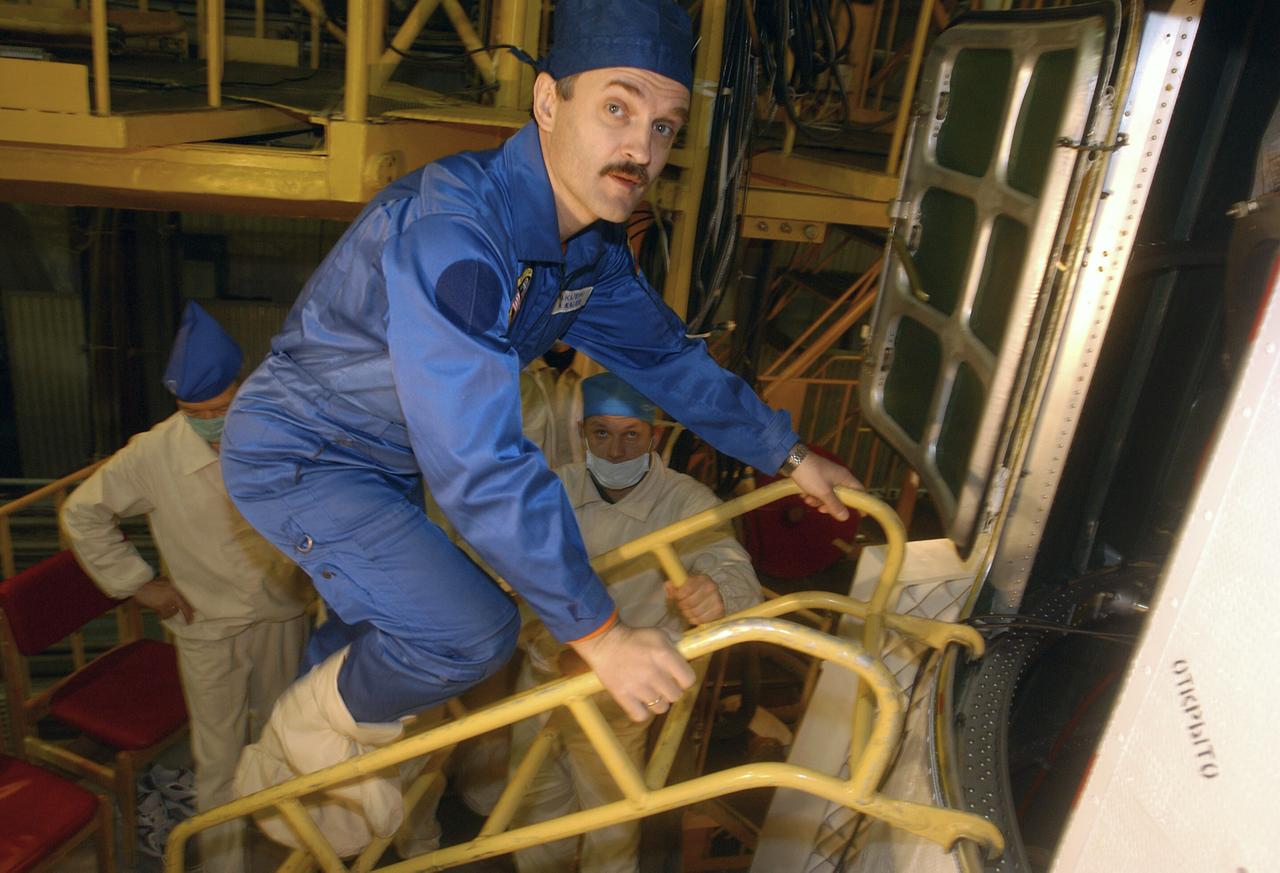
Expedition 8 Soyuz Commander and Flight Engineer Alexander Kaleri, left, Expedition 8 Commander Michael Foale, European Space Agency Astronaut Pedro Duque of Spain, right, along with Valery Korzun, Chief of Cosmonauts, arrive in Baikonur, Kazakhstan, Sunday, Oct. 12, 2003. Photo Credit (NASA/Bill Ingalls)
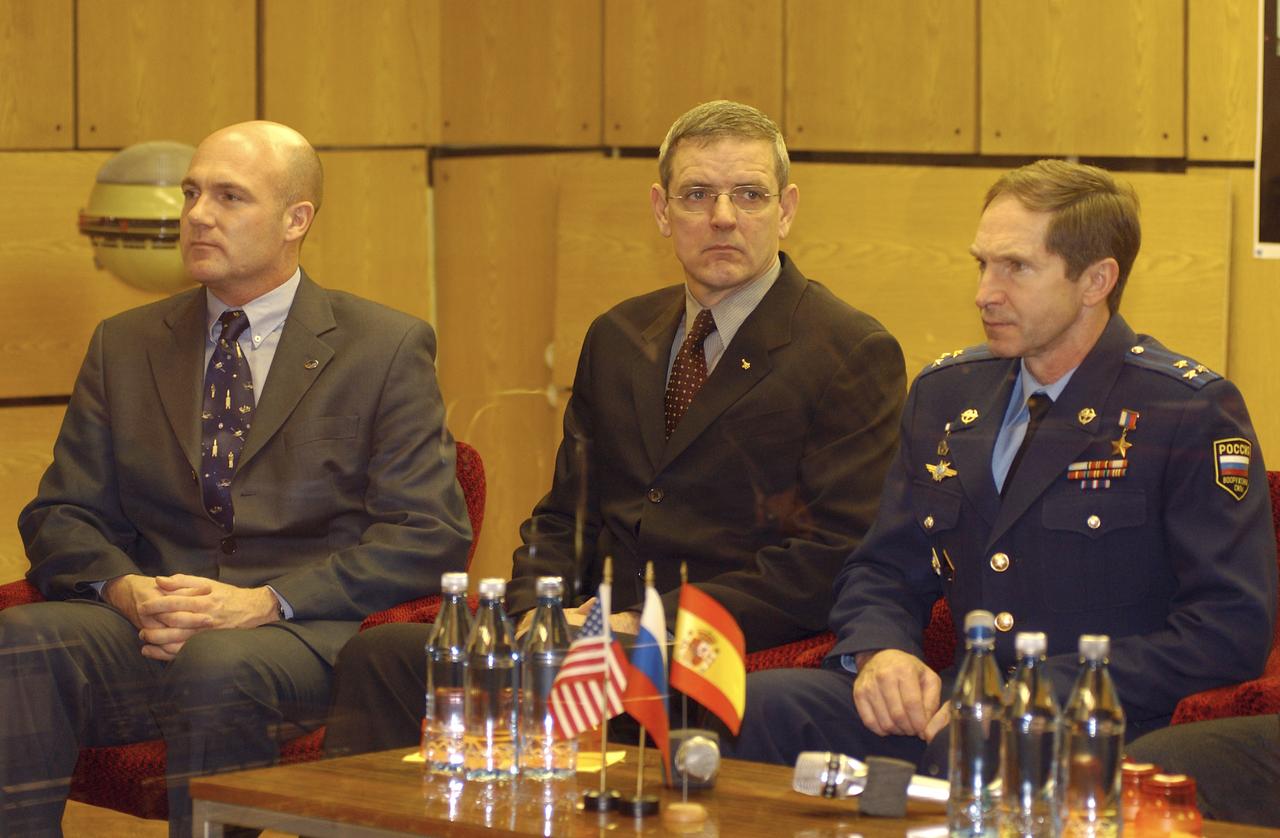
Backup crewmembers Andre Kuipers of the Netherlands of the European Space Agency, center, Bill McArthur of NASA, left, and Valery Tokarev of Russia listen to Russian space officials clear their Expedition 8 and European Space Agency prime crewmembers for launch during a State Commission meeting, Friday, Oct. 17, 2003, at the Cosmonaut Hotel in Baikonur, Kazakhstan. Prime crewmembers Mike Foale, Alexander Kaleri and Pedro Duque launched, Saturday, Oct. 18 to the International Space Station in a Soyuz TMA-3 vehicle.Photo Credit (NASA/Bill Ingalls)