Examining Eminescu
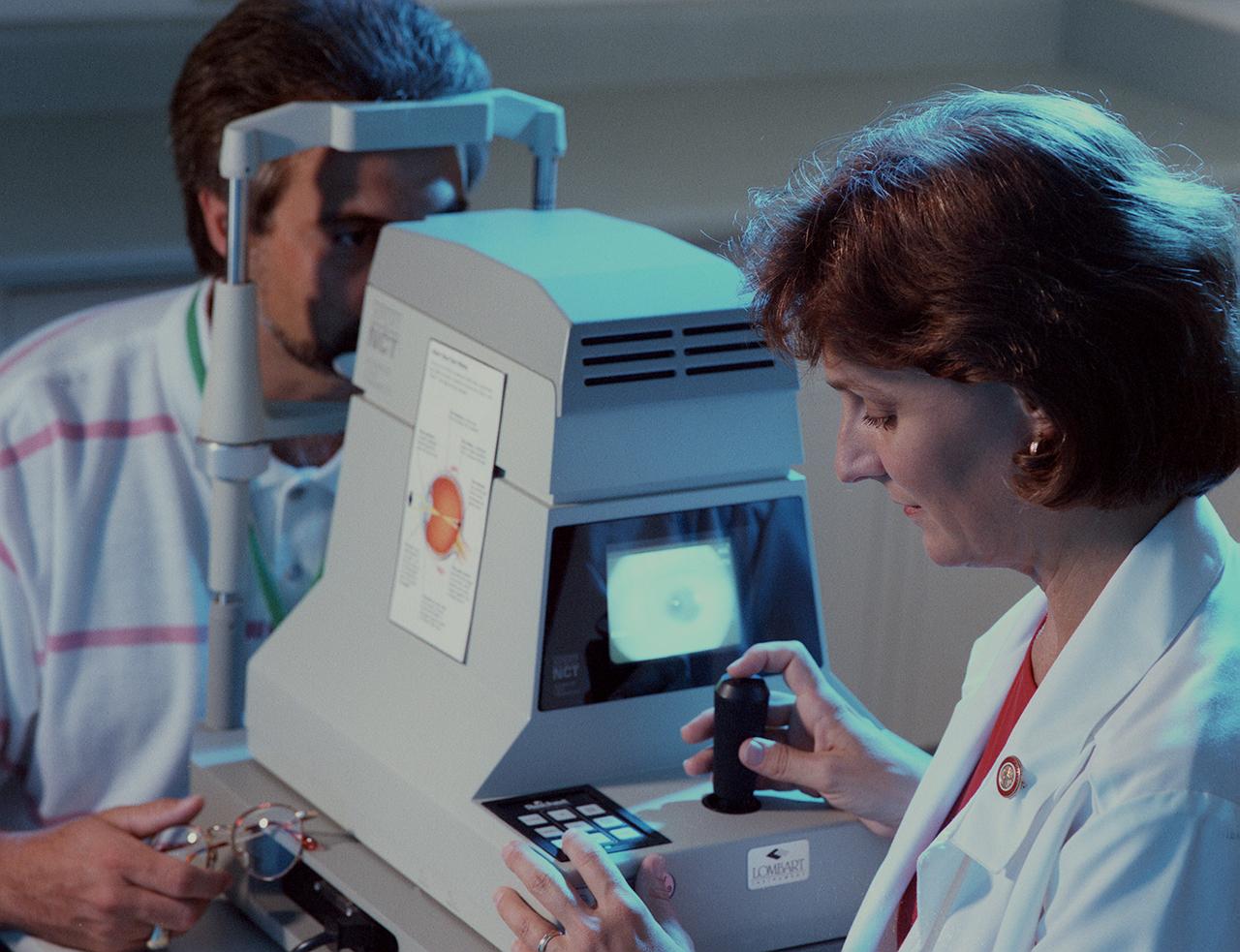
Examining Eminescu
Nurse performs tonometry examination, which measure the tension of the eyeball, during an employee's arnual physical examination given by MSFC Occupational Medicine Environmental Health Services under the Center Operations Directorate.
Around Marshall
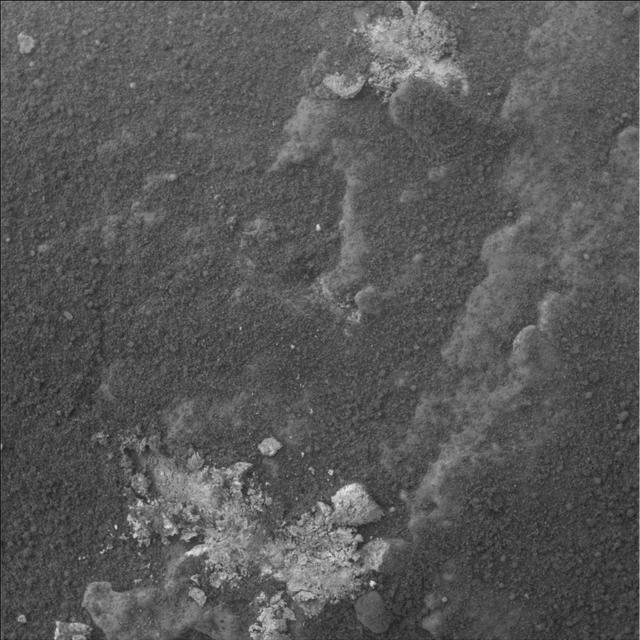
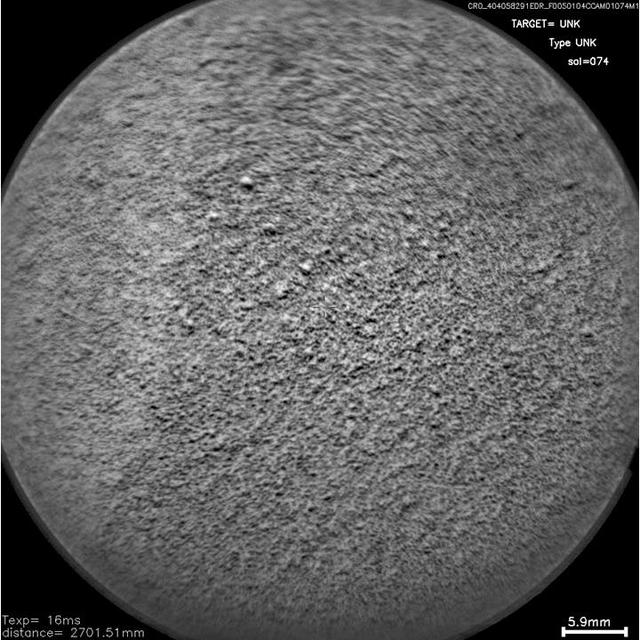
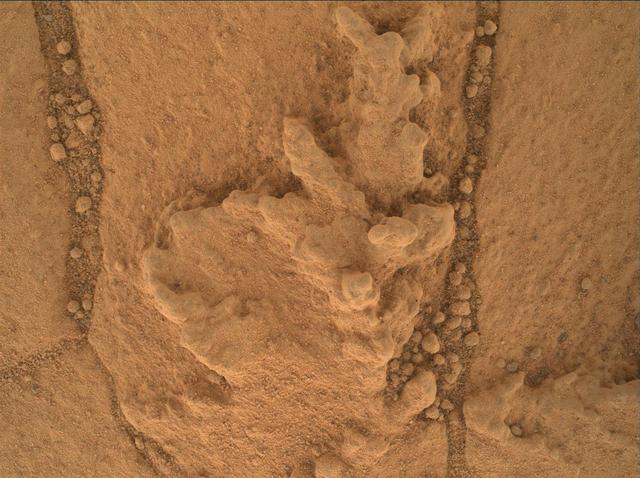
Spirit Examines Light-Toned Halley Microscopic Image
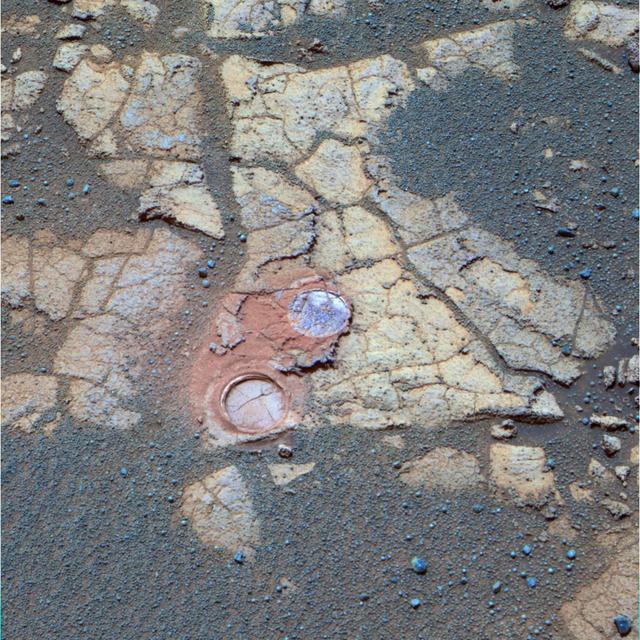
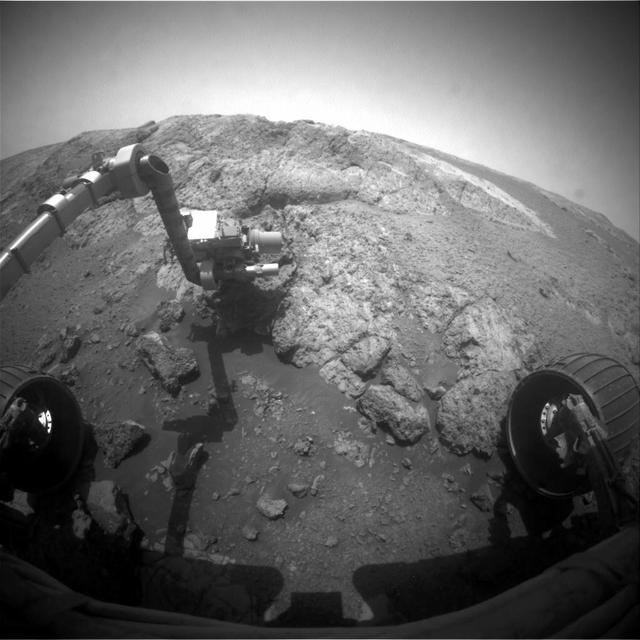
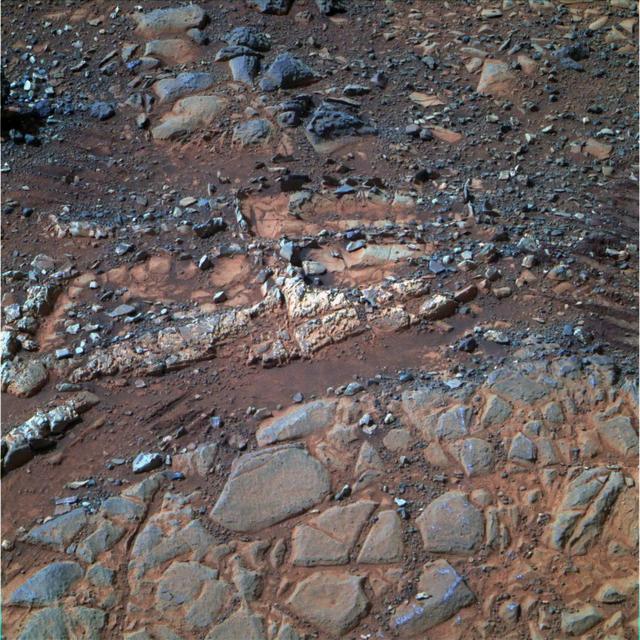
Opportunity Examining Composition of Cook Islands Outcrop
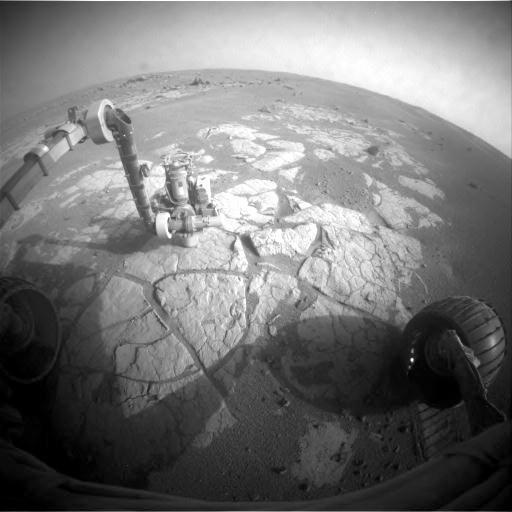
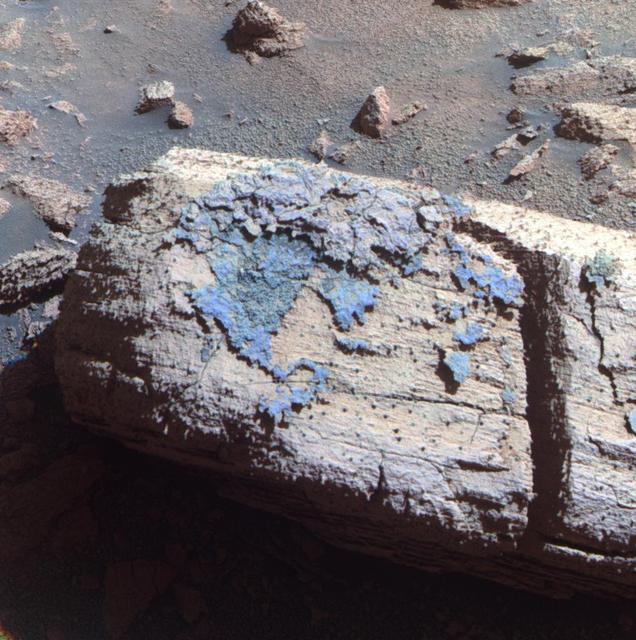
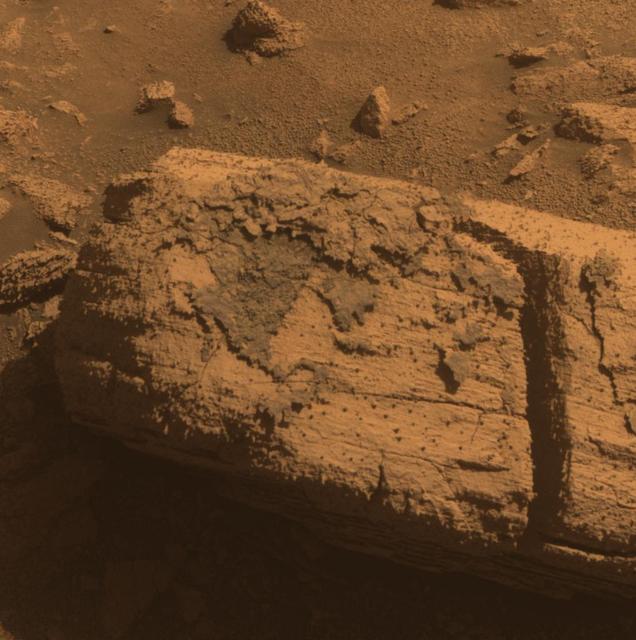
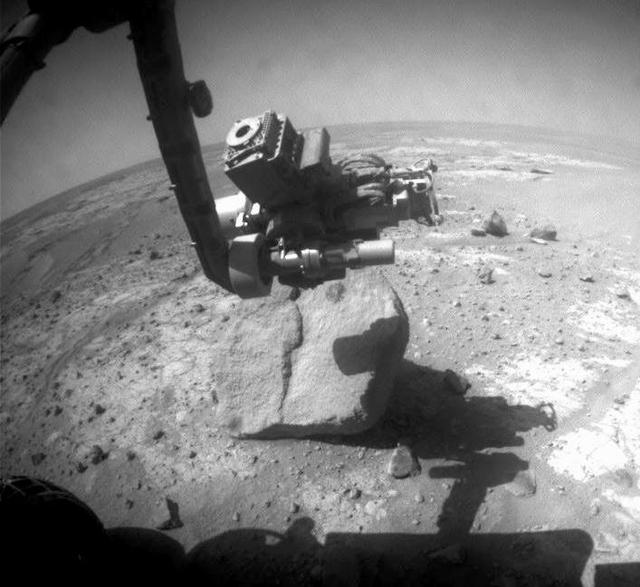
Opportunity Examines Cracks and Coatings on Mars Rocks
S69-53894 (October 1969) --- Dr. Charles H. Walkinshaw, Jr., Spaceflight Biotechnology Branch botanist, Preventive Medicine Division, Manned Spacecraft Center (MSC), examines sorghum and tobacco plants in lunar (germ free) soil in the Plant Laboratory of the MSC’s Lunar Receiving Laboratory.  The soil was brought back from the moon by the crew of the Apollo 11 lunar landing mission.
Examination - Plants - Lunar (Germ Free) Soil - Plant Laboratory - MSC
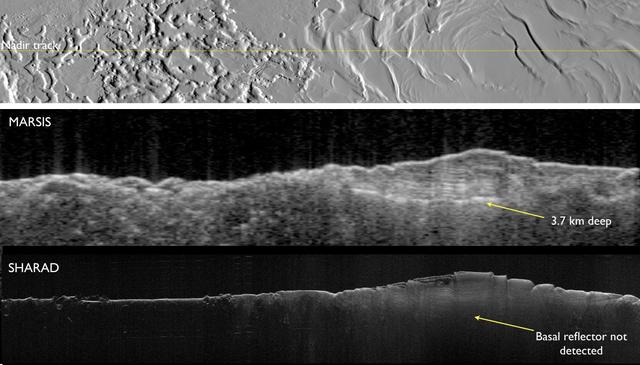
Two Radar Sounders Examine South Polar Layered Deposits on Mars
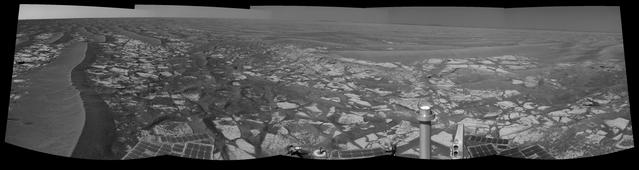
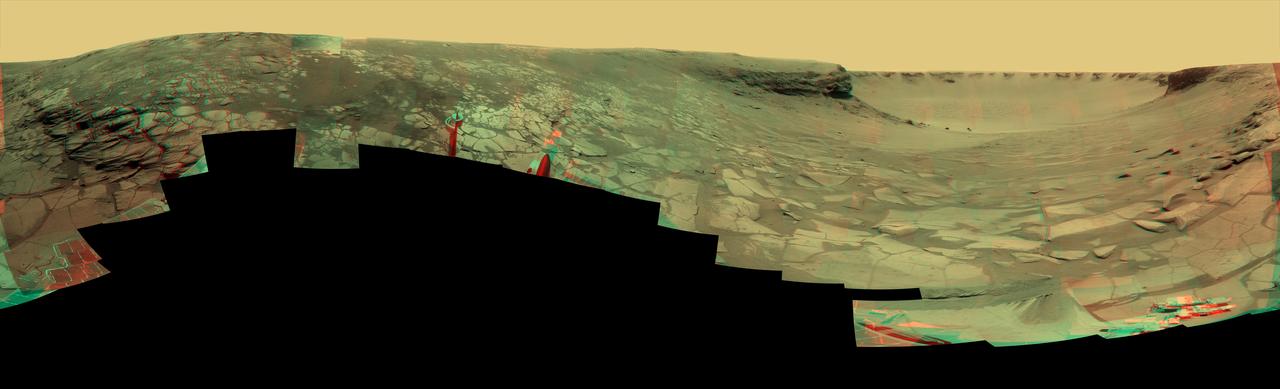
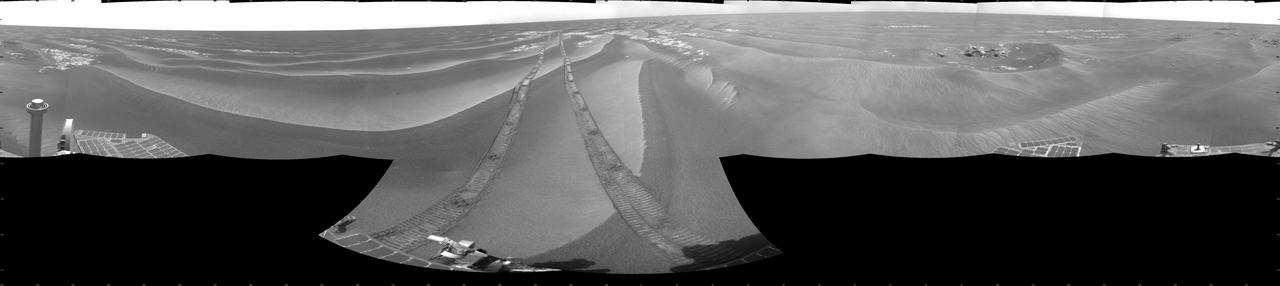
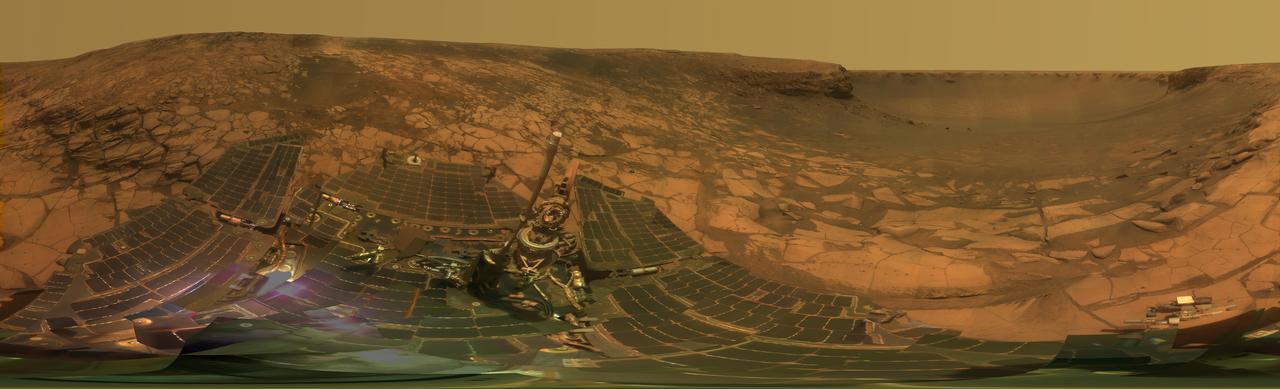
This panorama taken by NASA Mars Exploration Rover Opportunity includes an outcrop informally called Cambridge Bay. Opportunity examined this outcrop in August 2010.
Cambridge Bay Outcrop Examined by Opportunity
Of Craters and Erosion: Opportunity Examines Beagle
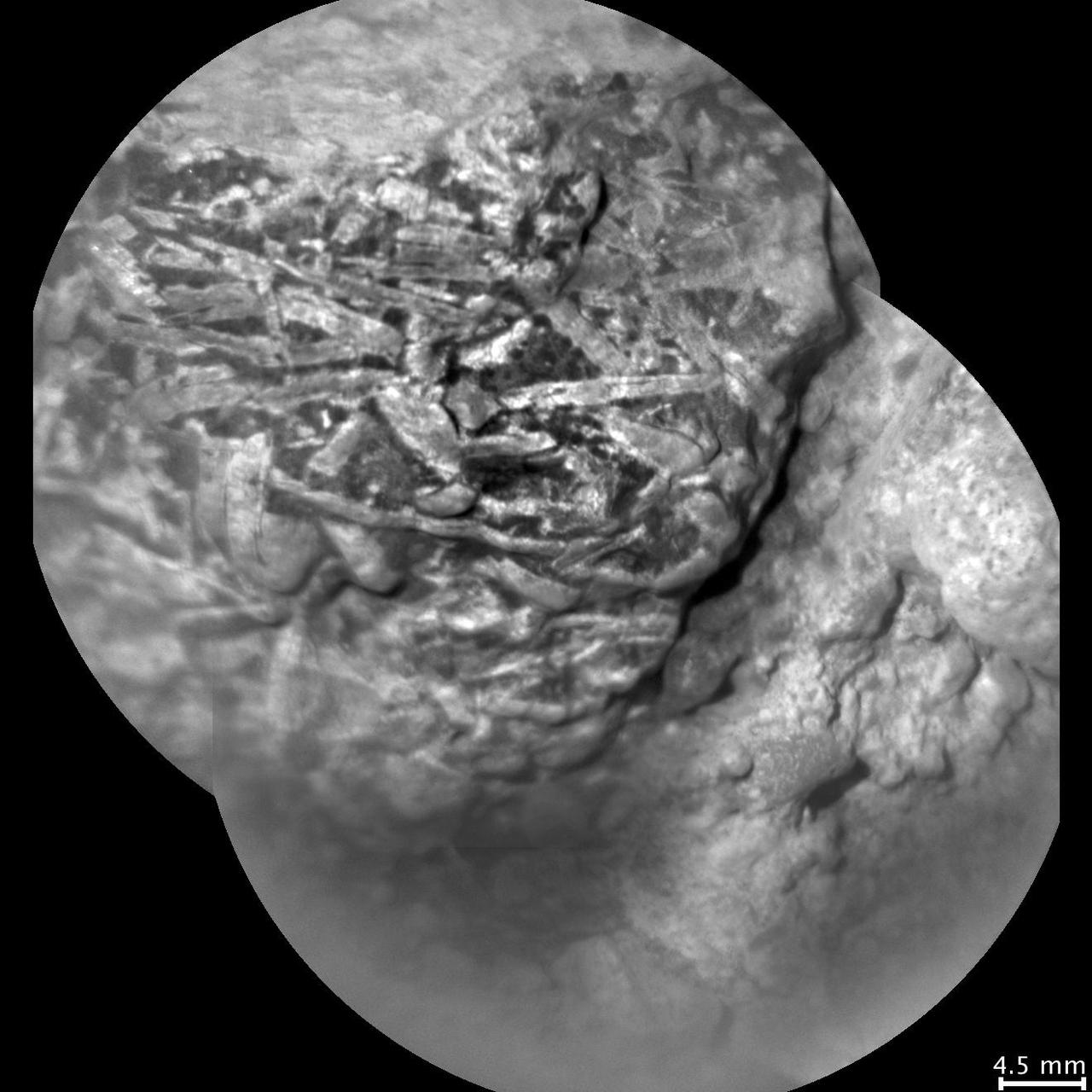
As NASA Mars rover Curiosity is progressing toward Mount Sharp, researchers are using the rover RIM and ChemCam instruments to examine soils and rocks in Gale Crater.
Crystal-Laden Martian Rock Examined by Curiosity Laser Instrument
Of Craters and Erosion: Opportunity Examines Beagle False Color
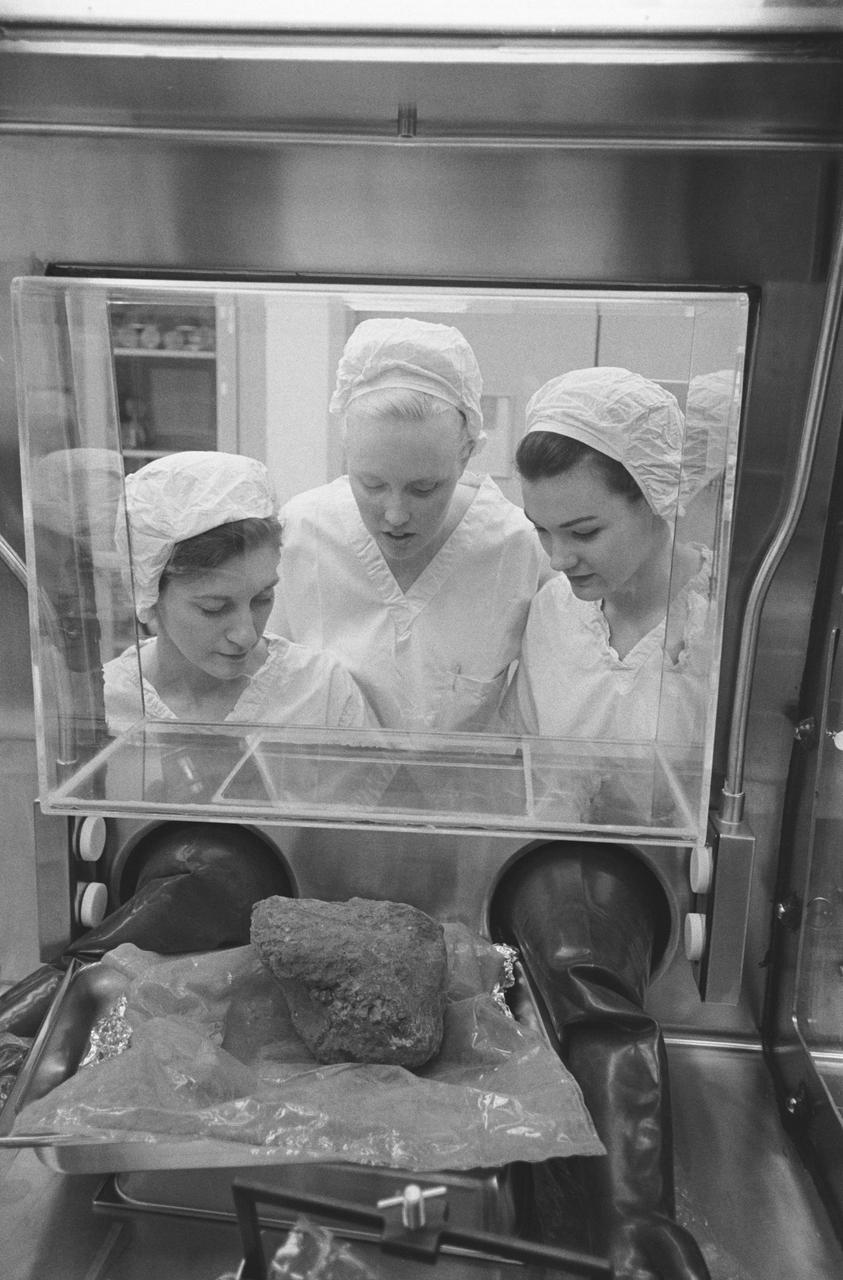
S71-21244 (24 Feb. 1971) --- Three Brown and Root/Northrop technicians in the Nonsterile Nitrogen Laboratory in the Lunar Receiving Laboratory (LRL) peer through glass at the much-discussed basketball size rock which Apollo 14 crewmen brought back from the Fra Mauro area of the moon. They are, left to right, Linda Tyler, Nancy L. Trent and Sandra Richards.
Technicians examine largest lunar rock sample collected
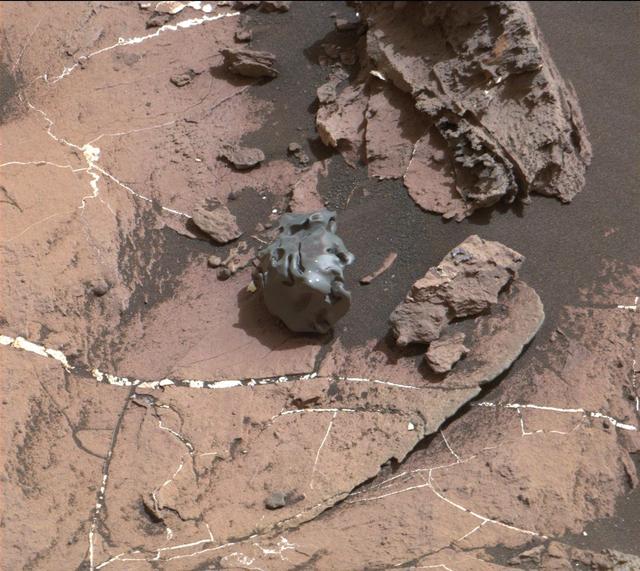
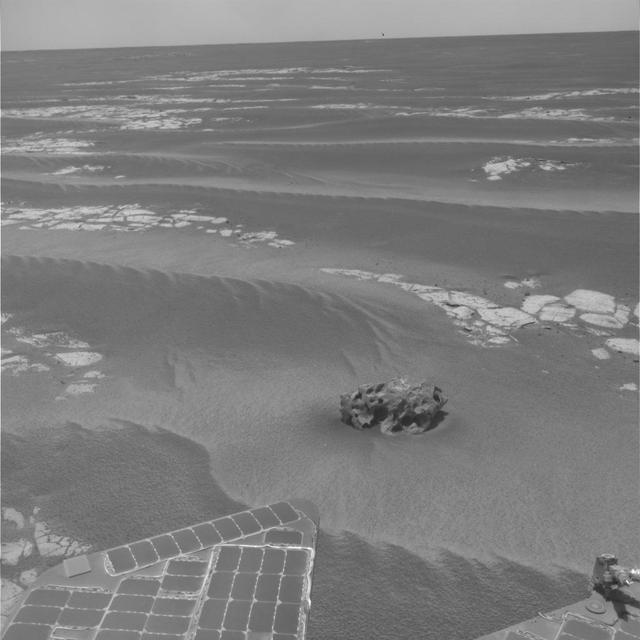
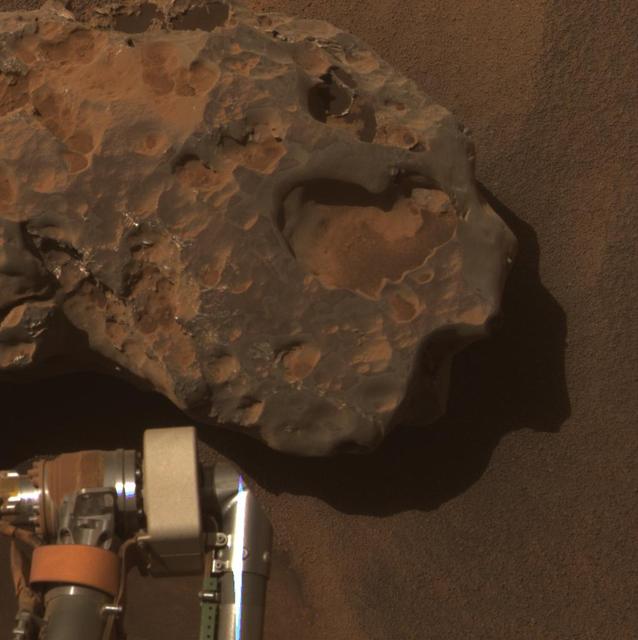
The dark, smooth-surfaced object at the center of this Oct. 30, 2016, image from the Mast Camera (Mastcam) on NASA's Curiosity Mars rover was examined with laser pulses and confirmed to be an iron-nickel meteorite.  The grid of shiny points visible on the object resulted from that laser zapping by Curiosity's Chemistry and Camera (ChemCam) instrument.  The meteorite is about the size of a golf ball. It is informally named "Egg Rock," for a site in Maine. Locations around Bar Harbor, Maine, are the naming theme for an area on Mars' Mount Sharp that Curiosity reached in October.  Iron-nickel meteorites are a common class of space rocks found on Earth, and previous examples have been found on Mars, but Egg Rock is the first on Mars to be examined with a laser-firing spectrometer.  The scene is presented with a color adjustment that approximates white balancing, to resemble how the rocks and sand would appear under daytime lighting conditions on Earth. Figure 1 includes a scale bar of 5 centimeters (about 2 inches).  http://photojournal.jpl.nasa.gov/catalog/PIA21134
Curiosity Rover Finds and Examines a Meteorite on Mars
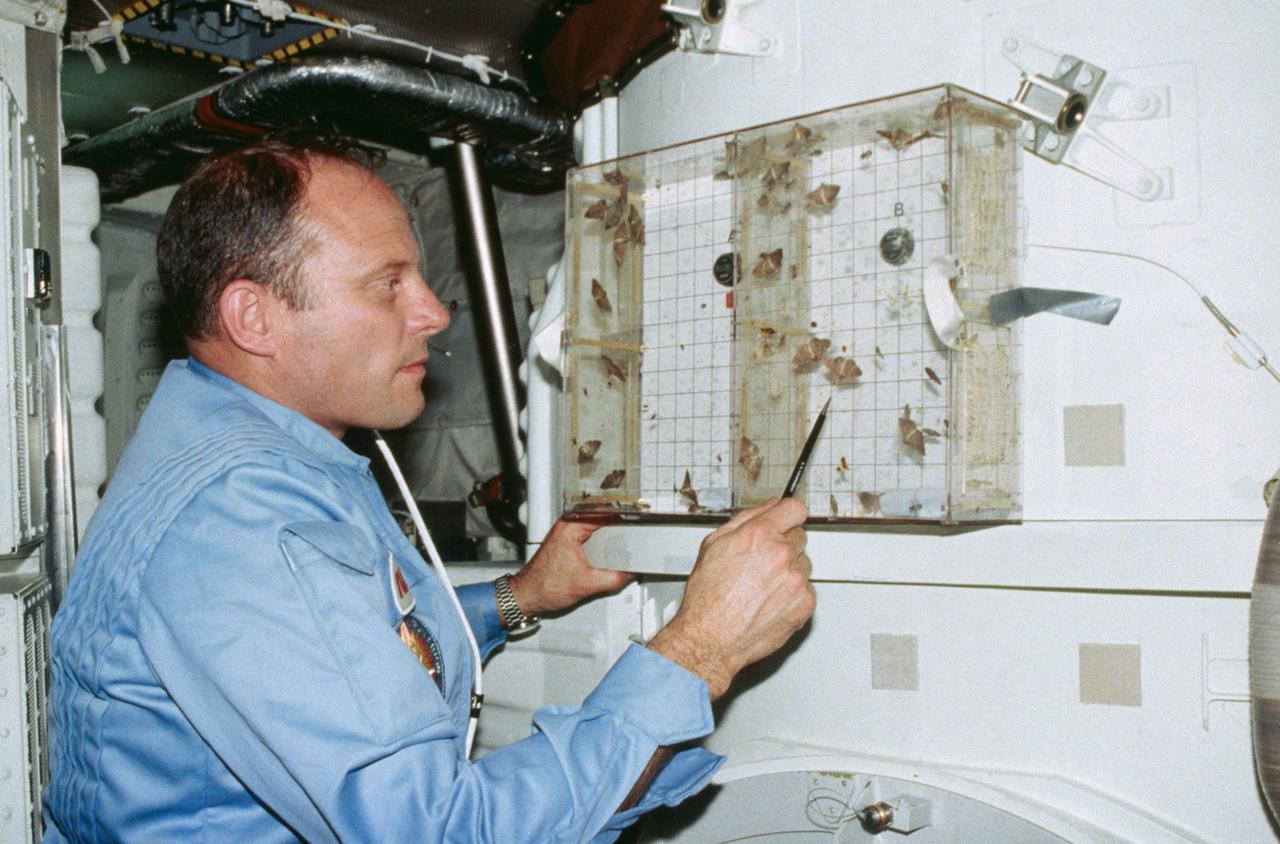
Commander Jack Lousma examines Insect Flight Motion Study (Student Experiment) taped to the airlock on the aft middeck. Lousma points to velvetbean caterpillar moth activity with a pen.
Commander Lousma examines Insect Flight Motion Study
Jason Dworkin, project scientist for NASA's OSIRIS-REx (Origins, Spectral Interpretation, Resource Identification, and Security – Regolith Explorer) mission, examines a portion of the asteroid Bennu sample delivered to Earth in a laboratory at the agency's Goddard Space Flight Center in Greenbelt, Maryland.
Jason Dworkin Examines Asteroid Bennu Sample
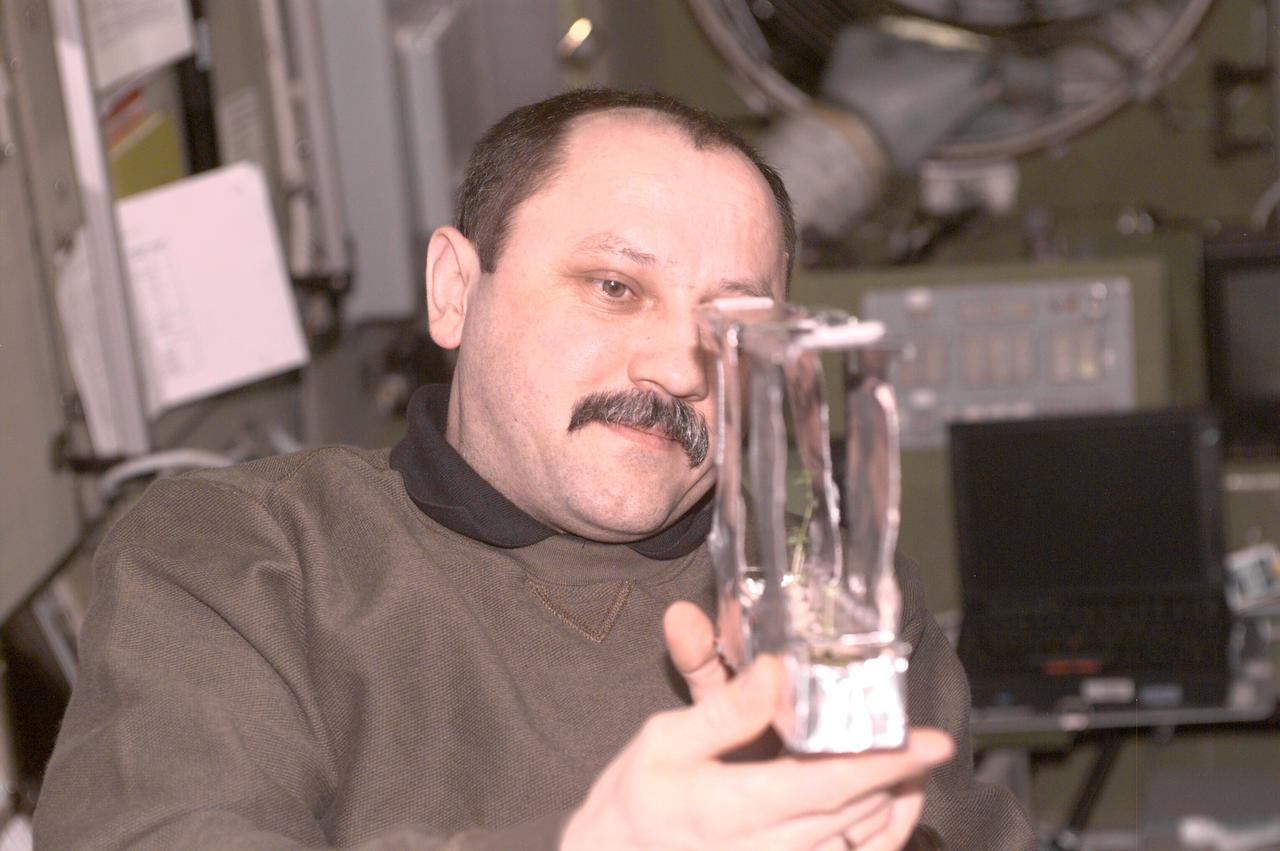
ISS003-E-5048 (August 2001) --- Yury V. Usachev of Rosaviakosmos, Expedition Two mission commander, examines a plant experiment in the Zvezda Service Module.  This image was taken with a digital still camera.
Yury Usachev examines a plant experiment in Zvezda during Expedition Three
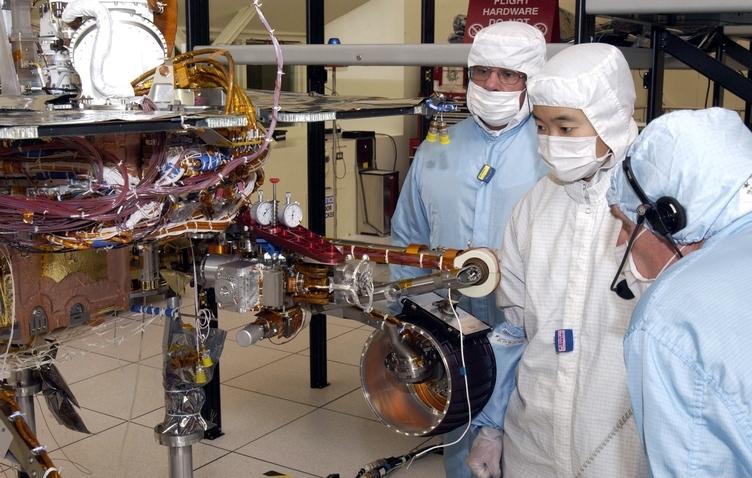
JPL engineers examine the robotic arm of NASA Mars Exploration Rover 1.
Robotic Arm of Rover 1
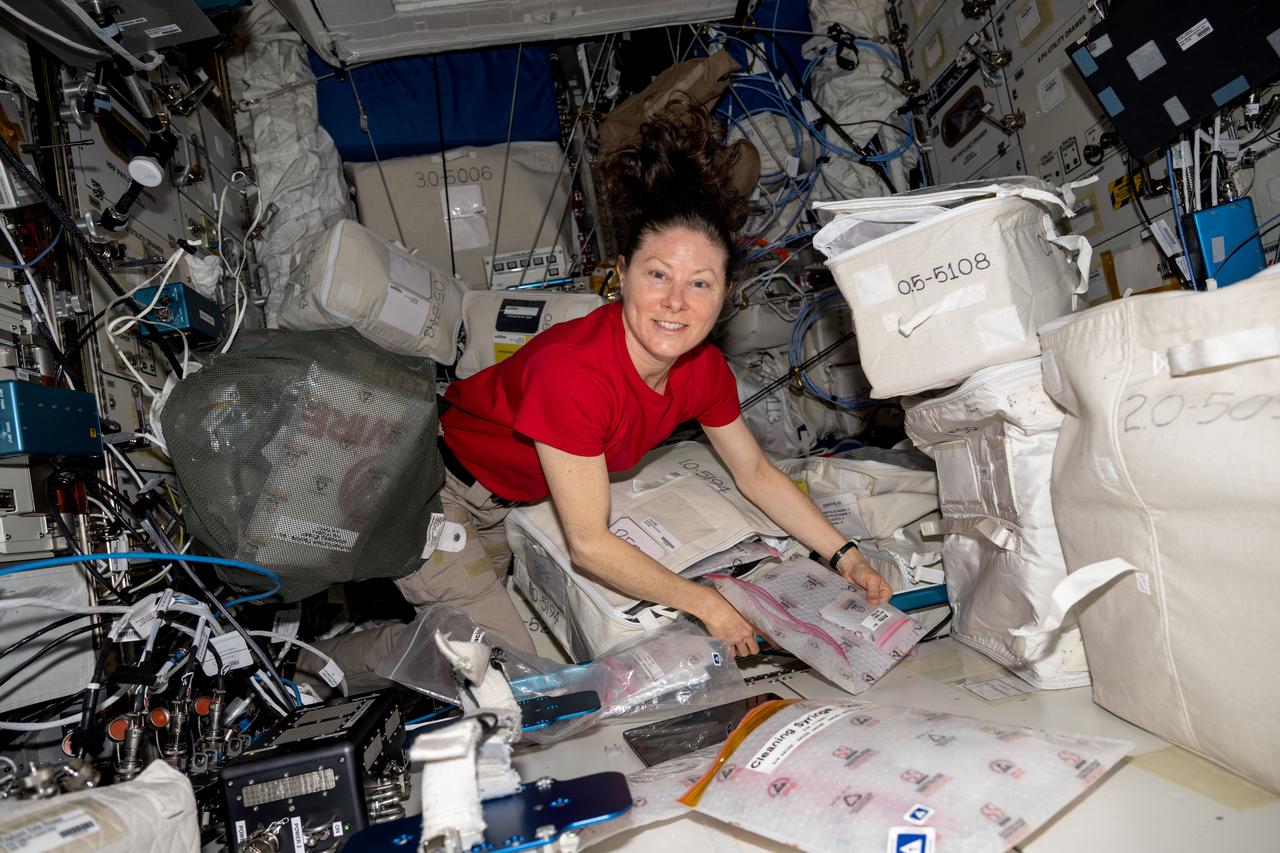
iss071e403579 (July 23, 2024) --- NASA astronaut and Expedition 71 Flight Engineer Tracy C. Dyson unpacks and examines research gear that is part of the BioFabrication Facility (BFF) located inside the International Space Station's Columbus laboratory module. The BFF is a research device being tested for its ability to print organ-like tissues in microgravity.
NASA astronaut Tracy C. Dyson unpacks and examines research gear
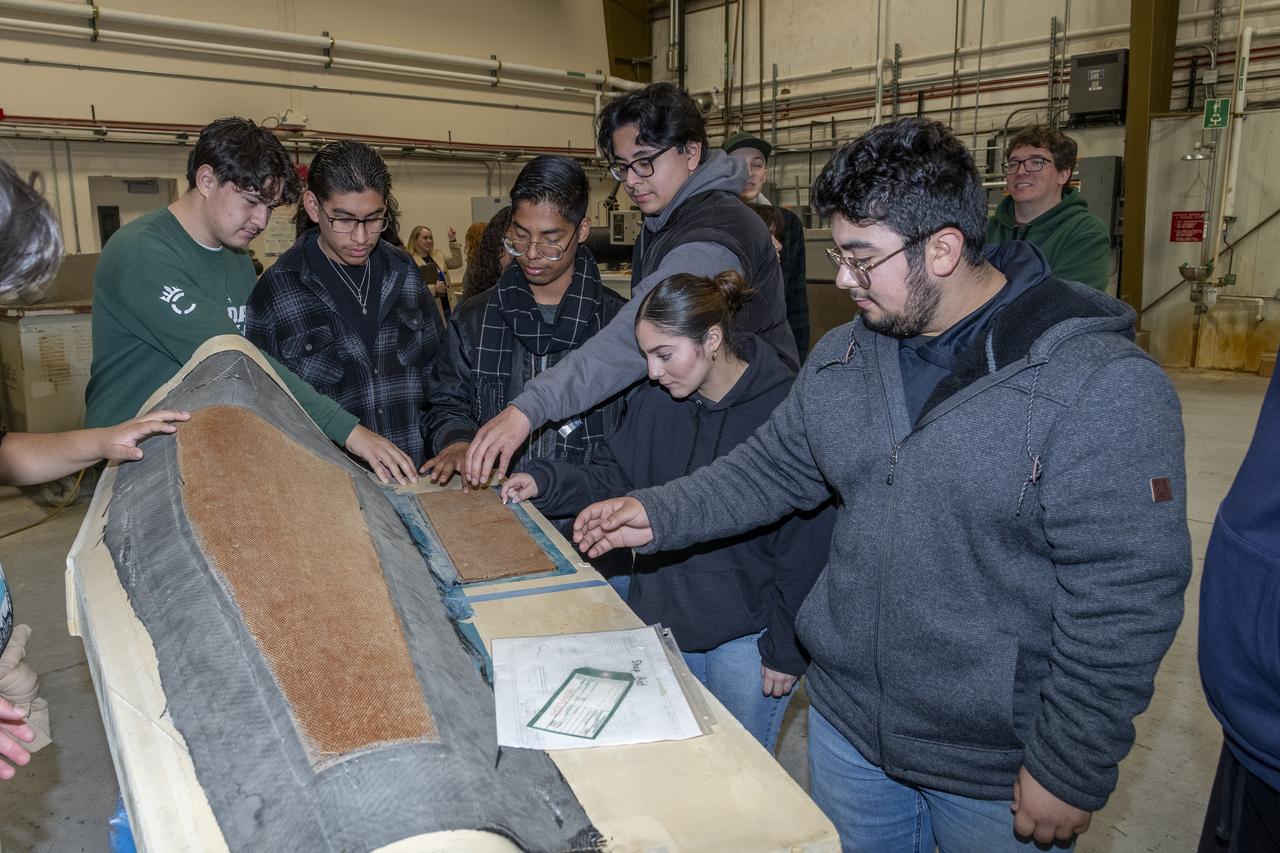
Students examine the Global Hawk Fairing Load Test at the Experimental Fabrication Shop at NASA’s Armstrong Research Flight Center in Edwards, California. The students are from the engineering club from Palmdale High School in Palmdale, California.
Engineering Club Visits NASA Armstrong
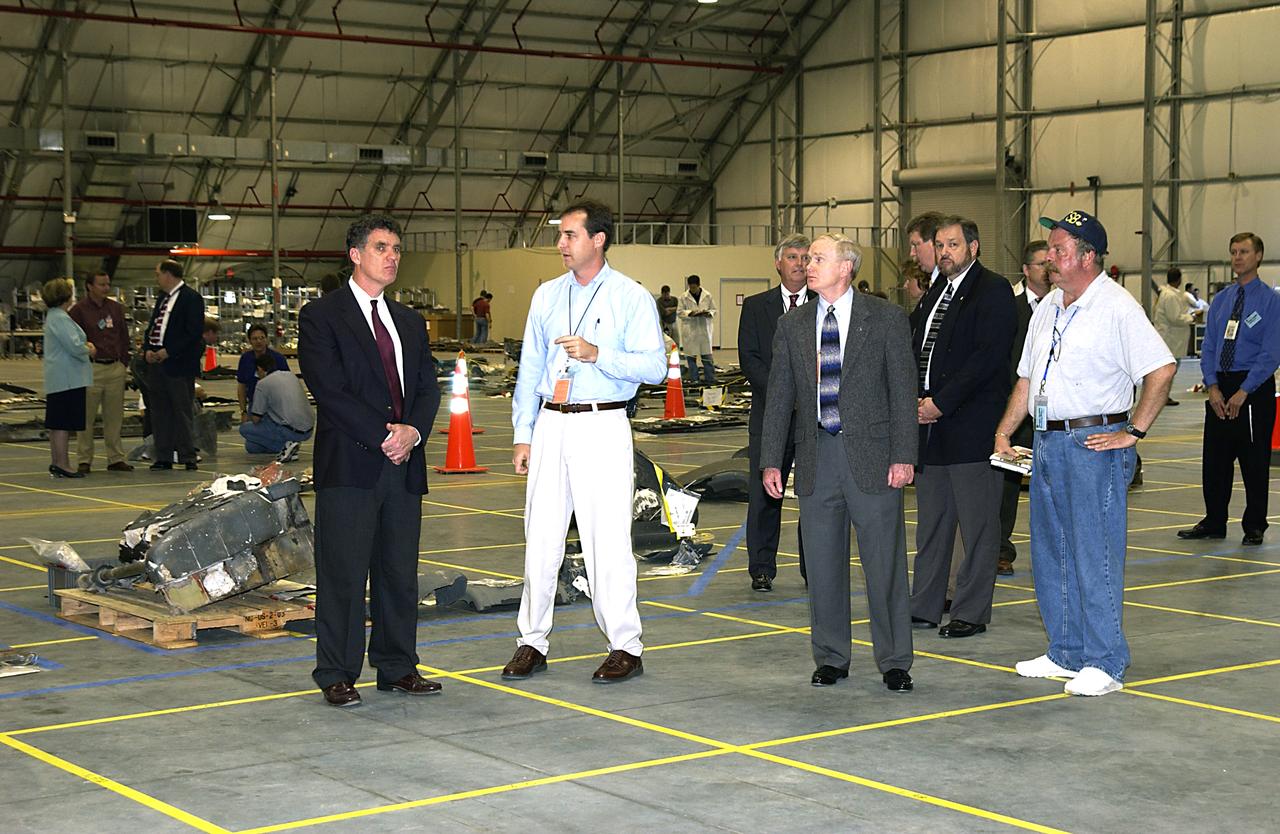
In the RLV Hangar, Congressman Dave Weldon (left) listens to Steve Altemus, Space Shuttle test director. Weldon is visiting the site where pieces of Columbia debris are being examined and stored. Third from left is Center Director Roy Bridges. Workers will attempt to reconstruct the orbiter as part of the ongoing investigation of the accident that destroyed the Columbia and claimed the lives of seven astronauts as they returned to Earth after a 16-day research mission, STS-107.
STS-107 - Congressman Dave Weldon examines debris
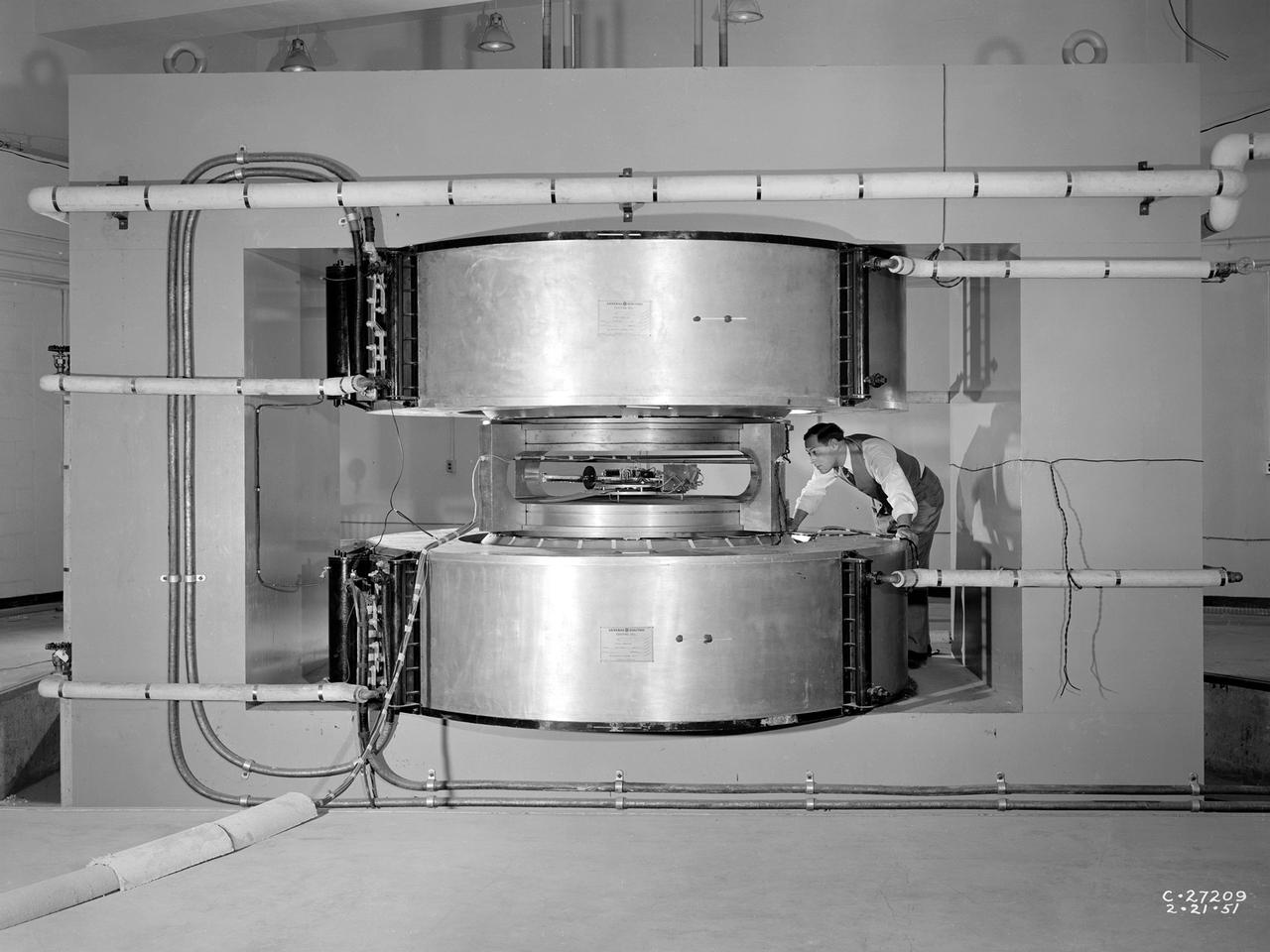
Researcher James Blue examines the new cyclotron at the National Advisory Committee for Aeronautics (NACA) Lewis Flight Propulsion Laboratory. Researchers at NACA Lewis began postulating about the use of atomic power for propulsion immediately after World War II. The NACA concentrated its efforts on the study of high temperature materials and heat transfer since it did not have access to the top secret fission information. The military studied the plausibility of nuclear propulsion for aircraft in the late 1940s. The military program was cancelled after four years without any breakthroughs, but the Atomic Energy Commission took on the effort in 1951.    The NACA Lewis laboratory was expanding its nuclear-related research during this period. In 1948, Lewis engineers were assigned to the Oak Ridge National Laboratory to obtain expertise in high temperature heat transfer and advanced materials technology. The following year a new 80-person Nuclear Reactor Division was created, and an in-house nuclear school was established to train these researchers. The cyclotron was built behind the Materials and Structures Laboratory to support thermodynamic and materials research for both nuclear aircraft and nuclear rockets.    The original NACA Lewis cyclotron was used to accelerate two kinds of particles. To better match the space radiation environment, the cyclotron was later modified to accelerate particles of the newly-discovered Van Allen radiation belts.
NACA Researcher Examines the Cyclotron
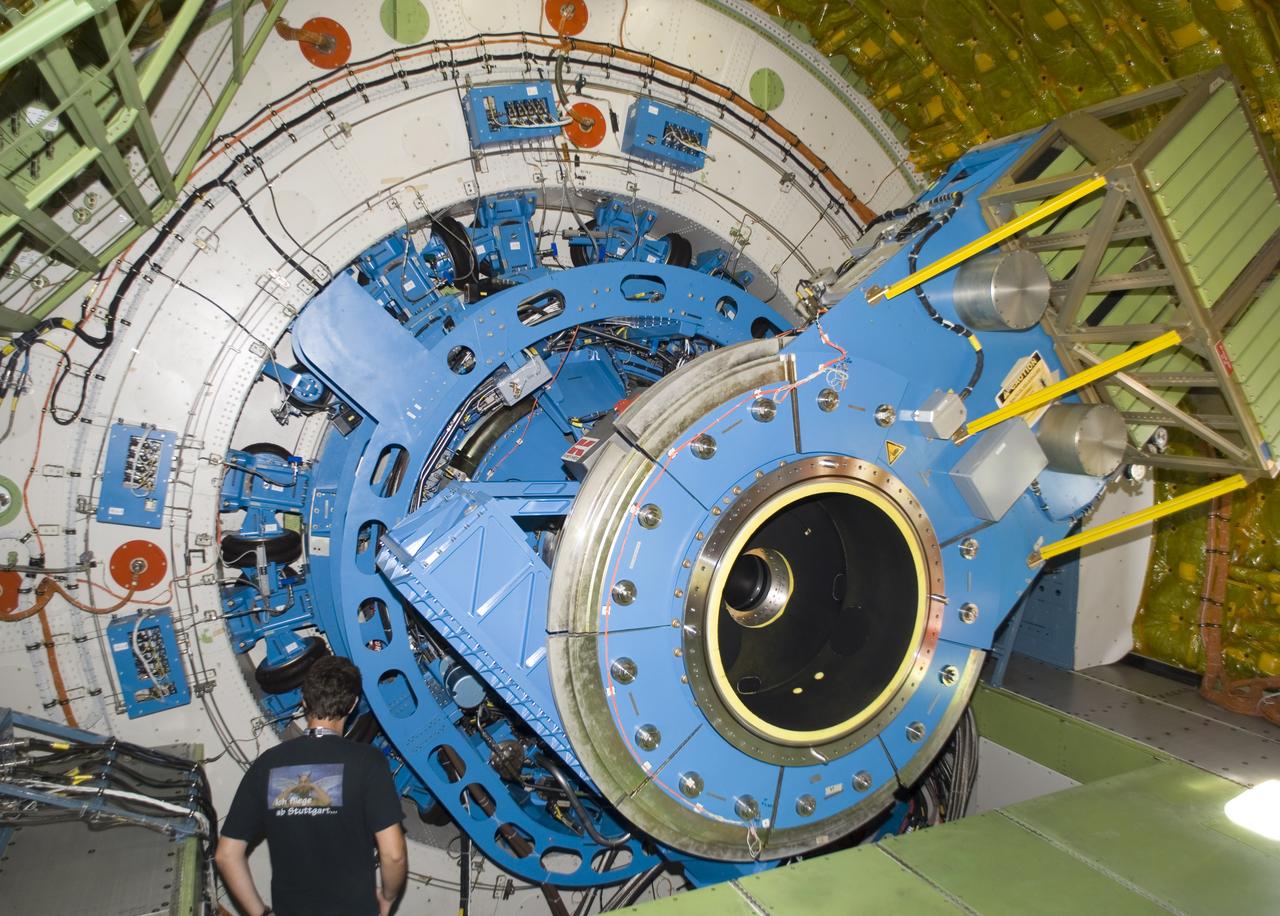
A technician examines the instrument mounting structure and bulkhead of the German-built infrared telescope installed in NASA's SOFIA airborne observatory.
A technician examines the instrument mounting structure and bulkhead of the German-built infrared telescope installed in NASA's SOFIA airborne observatory
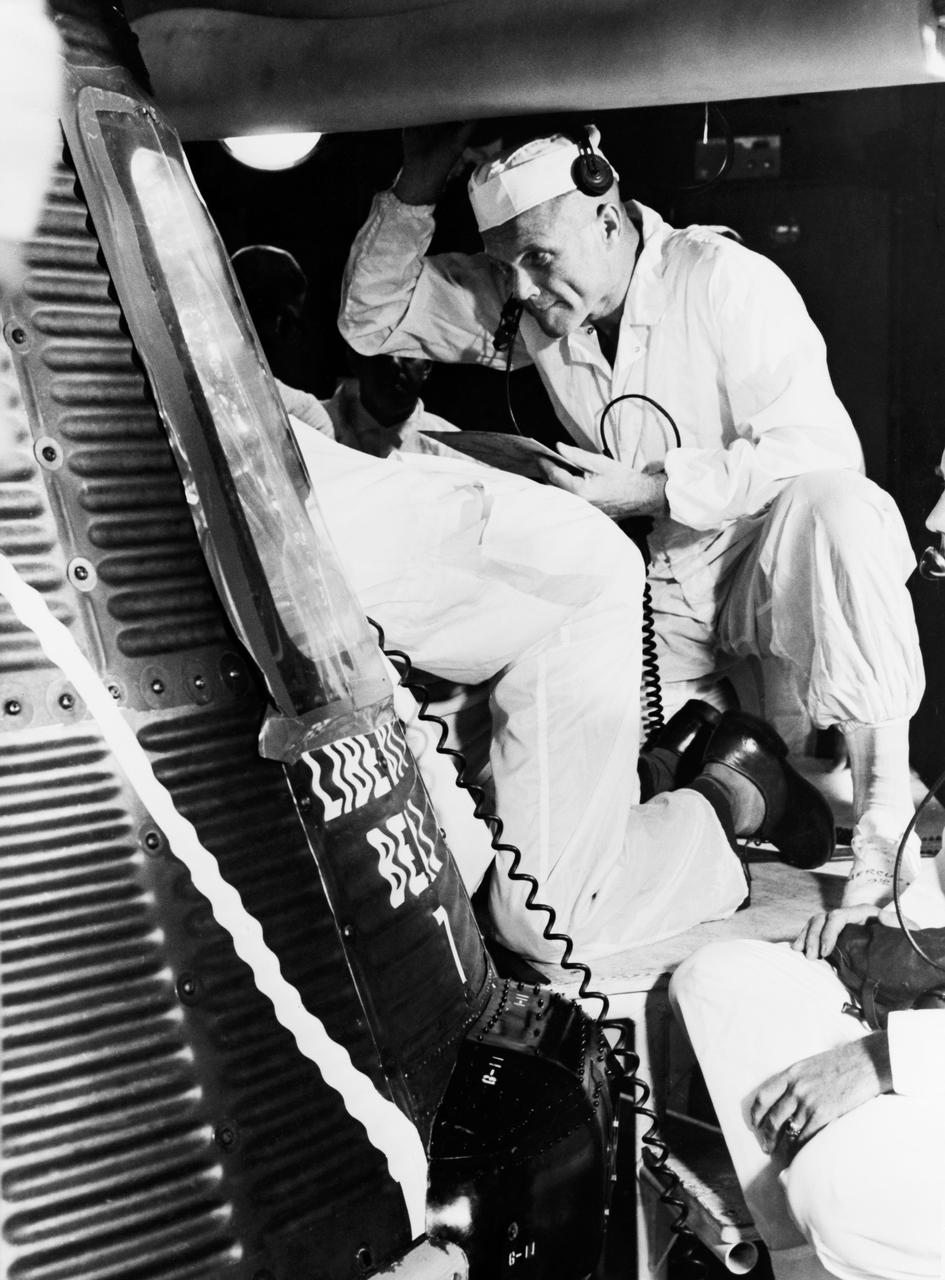
S61-03740 (20 July 1961) --- Astronaut John H. Glenn Jr. and a technician examine the interior of the Liberty Bell 7, the capsule flown a few days later during the Mercury-Redstone 4 mission with astronaut Virgil I. (Gus) Grissom. Photo credit: NASA
Astronaut John Glenn and technician examine interior of Liberty Bell 7
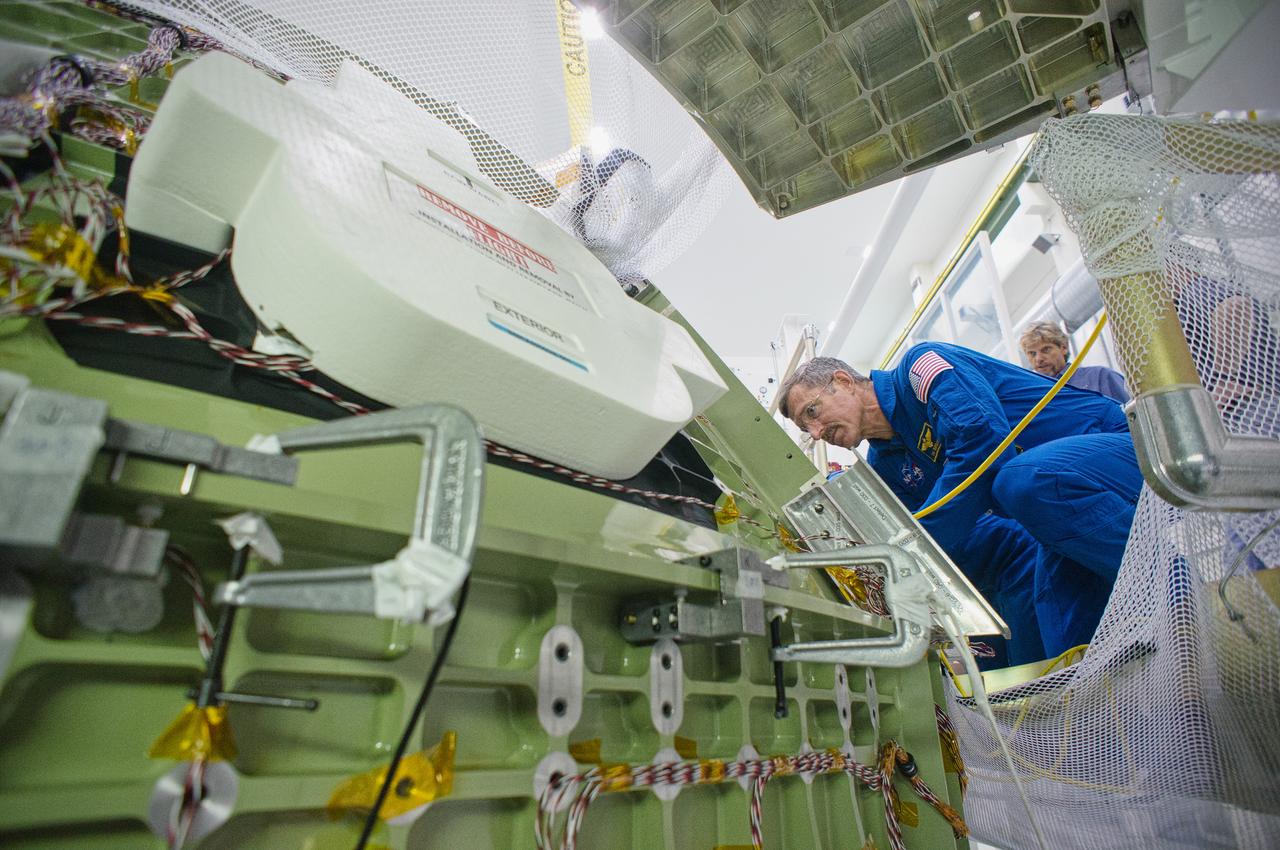
Astronaut Dan Burbank examines work on the Exploration Flight Test-1 (EFT-1) Orion crew module in the Operations and Checkout (O&C) Building at NASA’s Kennedy Space Center on Jan. 1, 2012. Part of Batch image transfer from Flickr.
Astronaut Dan Burbank examines work on EFT-1 Crew Module
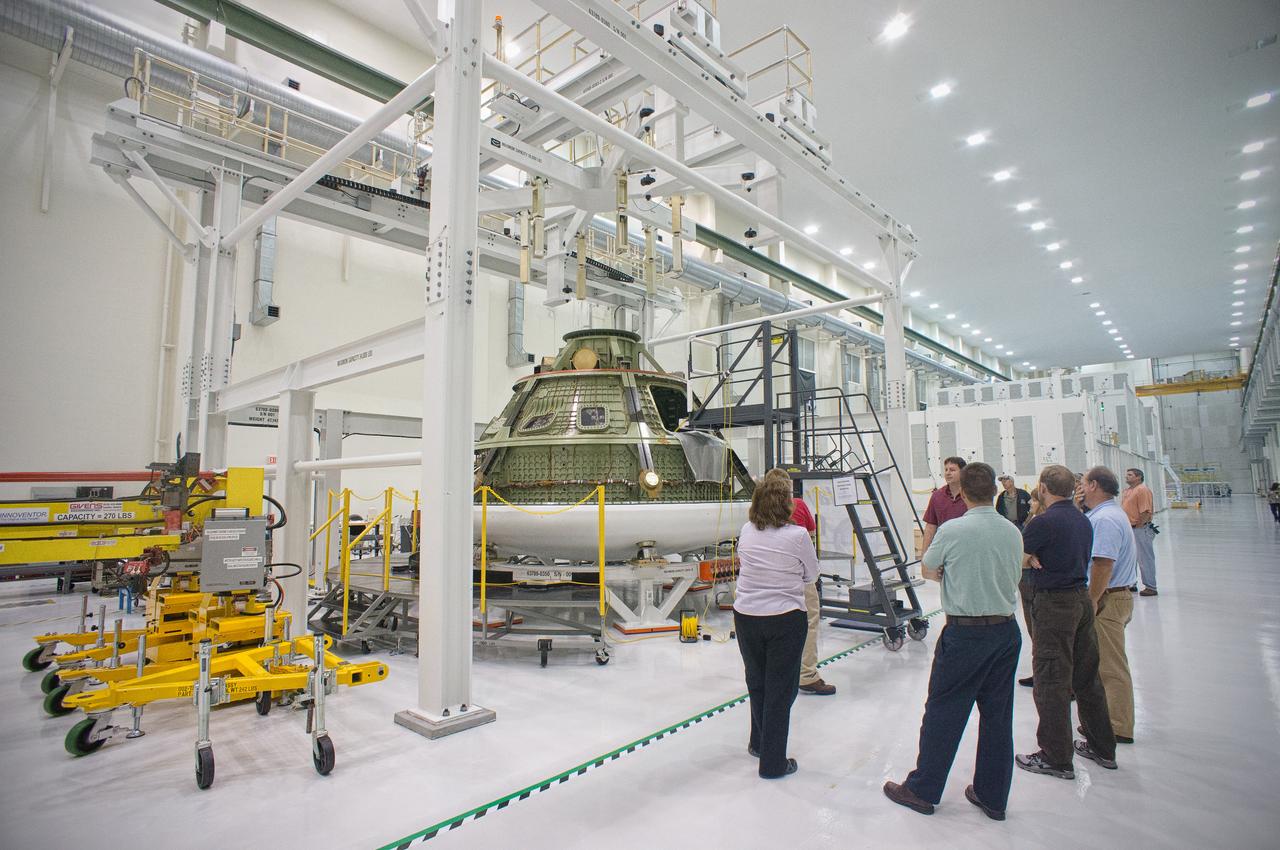
The Structural Passive Landing Attenuation for Survivability of Human Crew (SPLASH) project team from NASA’s Langley Research Center examines the Orion ground test article in the Operations and Checkout (O&C) Building at Kennedy Space Center in Florida on Dec. 31, 2011. Part of Batch image transfer from Flickr.
Langley Research Center SPLASH team examines the Orion Ground Te
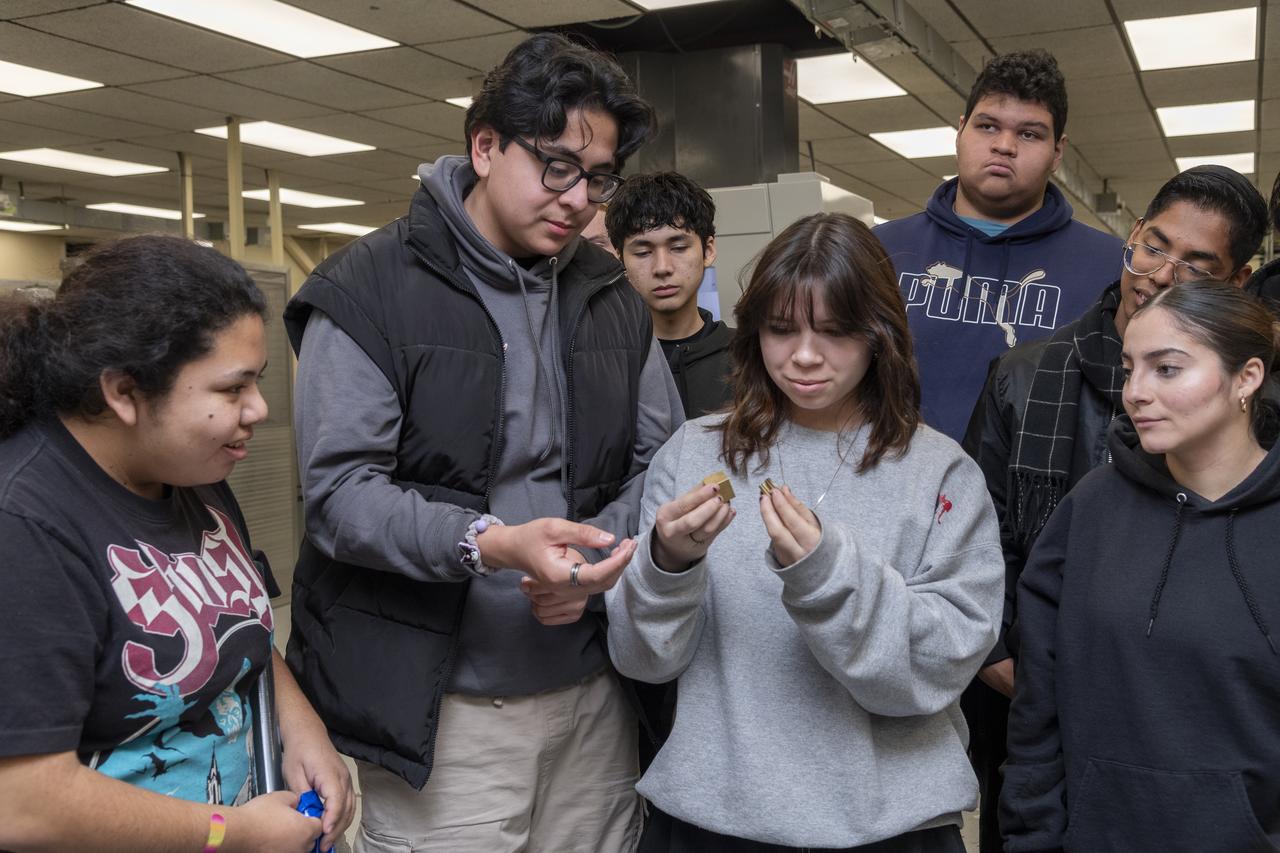
Students examine small parts made at the Experimental Fabrication Shop at NASA’s Armstrong Research Flight Center in Edwards, California. The students are from the engineering club from Palmdale High School in Palmdale, California.
Engineering Club Visits NASA Armstrong
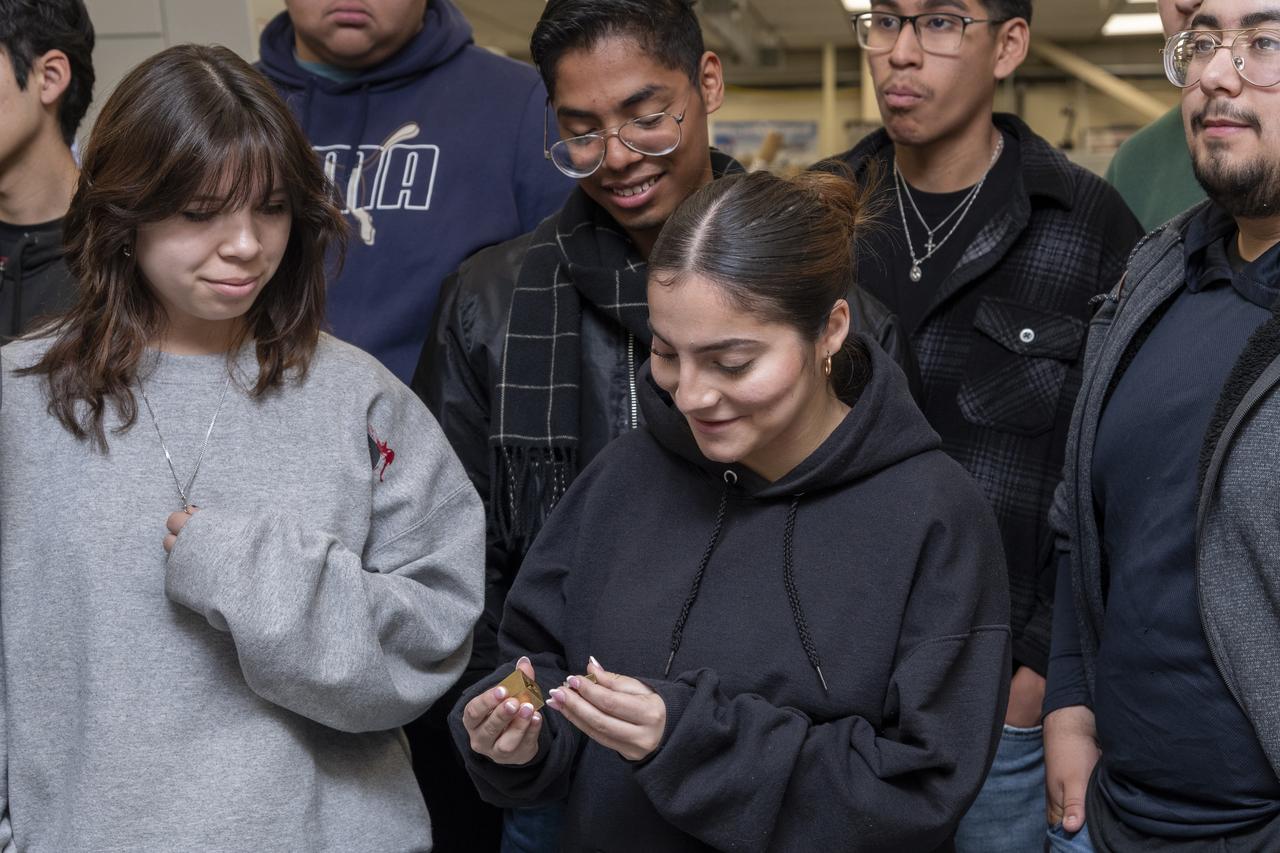
Students examine small parts made at the Experimental Fabrication Shop at NASA’s Armstrong Research Flight Center in Edwards, California. The students are from the engineering club from Palmdale High School in Palmdale, California.
Engineering Club Visits NASA Armstrong
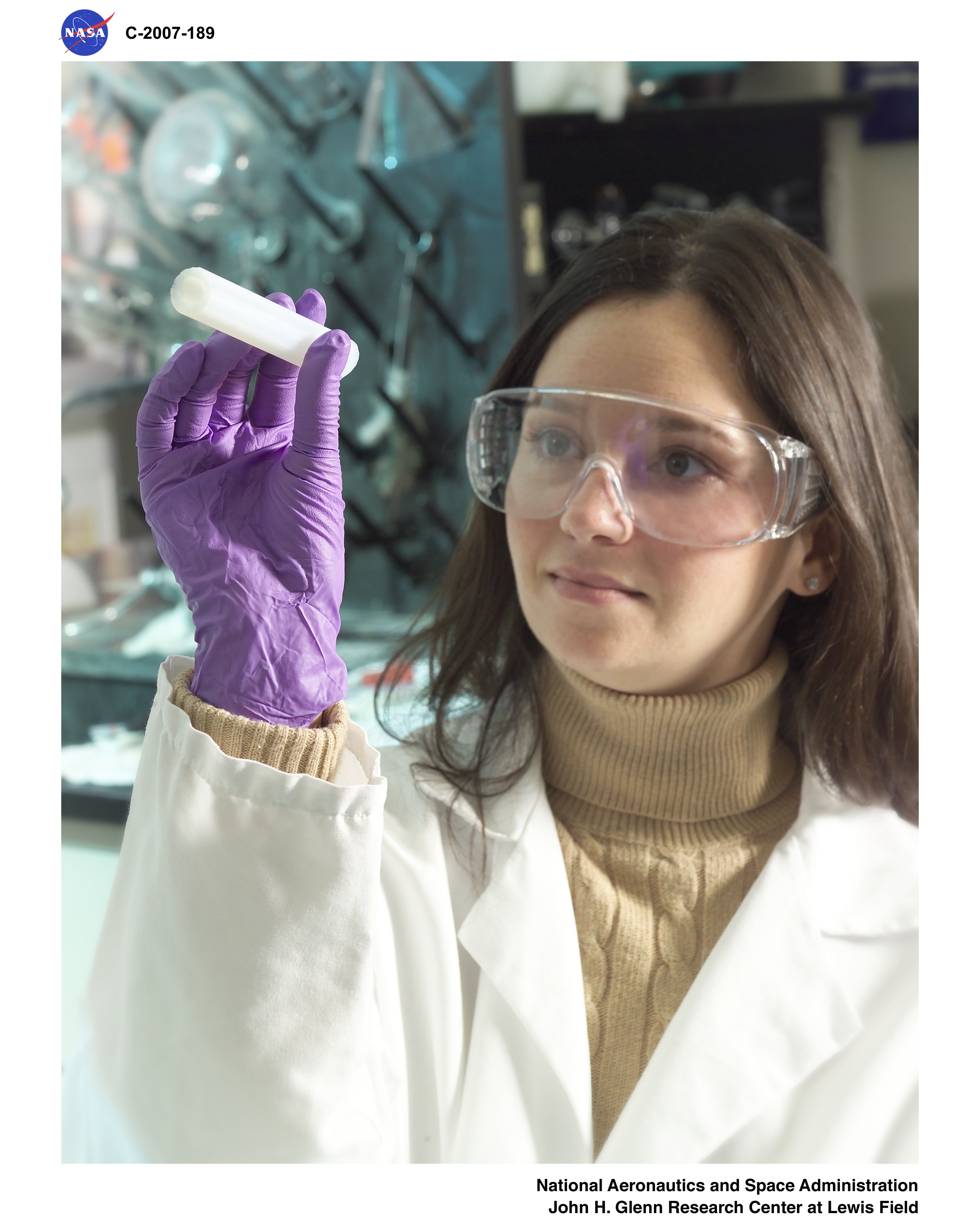
Researcher examines a tubular Aerogel material sample in its "green" state.  Aerogels are among the lightest solid materials known to man. They are created by combining a polymer with a solvent to form a gel, and then removing the liquid from the gel and replacing it with air. Aerogels are extremely porous and very low in density. They are solid to the touch. This translucent material is considered one of the finest insulation materials available.
Researcher examines a tubular Aerogel material sample in its "green" state.
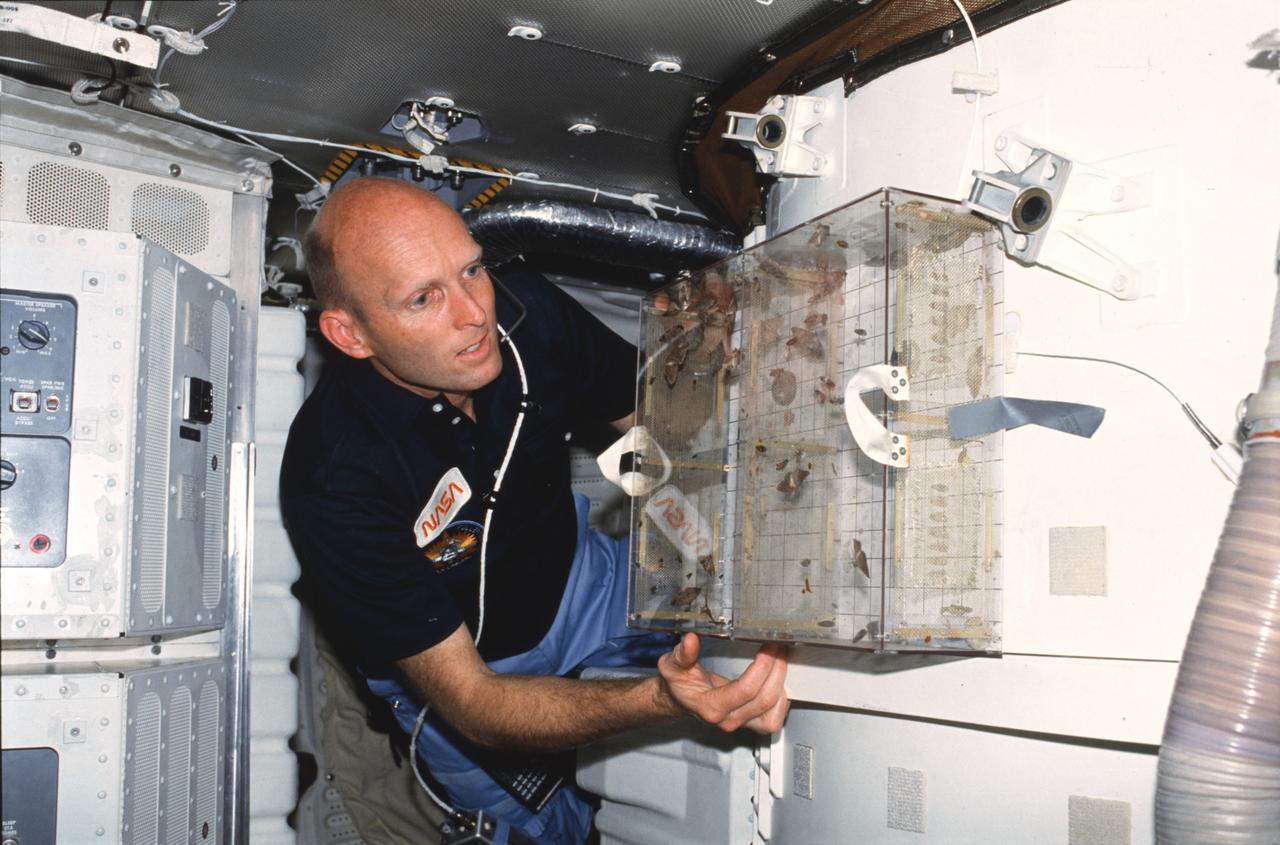
STS003-23-178 (22-30 March 1982) --- Astronaut C. Gordon Fullerton, STS-3 pilot, examines Student Experiment 81-8 (SE-81-8) Insect Flight Motion Study taped to the airlock on aft middeck. Todd Nelson, a high school senior from Minnesota, won a national contest to fly his experiment on this particular flight. Moths, flies, and bees were studied in the near weightless environment. Photo credit: NASA
Pilot Fullerton examines SE-81-8 Insect Flight Motion Study
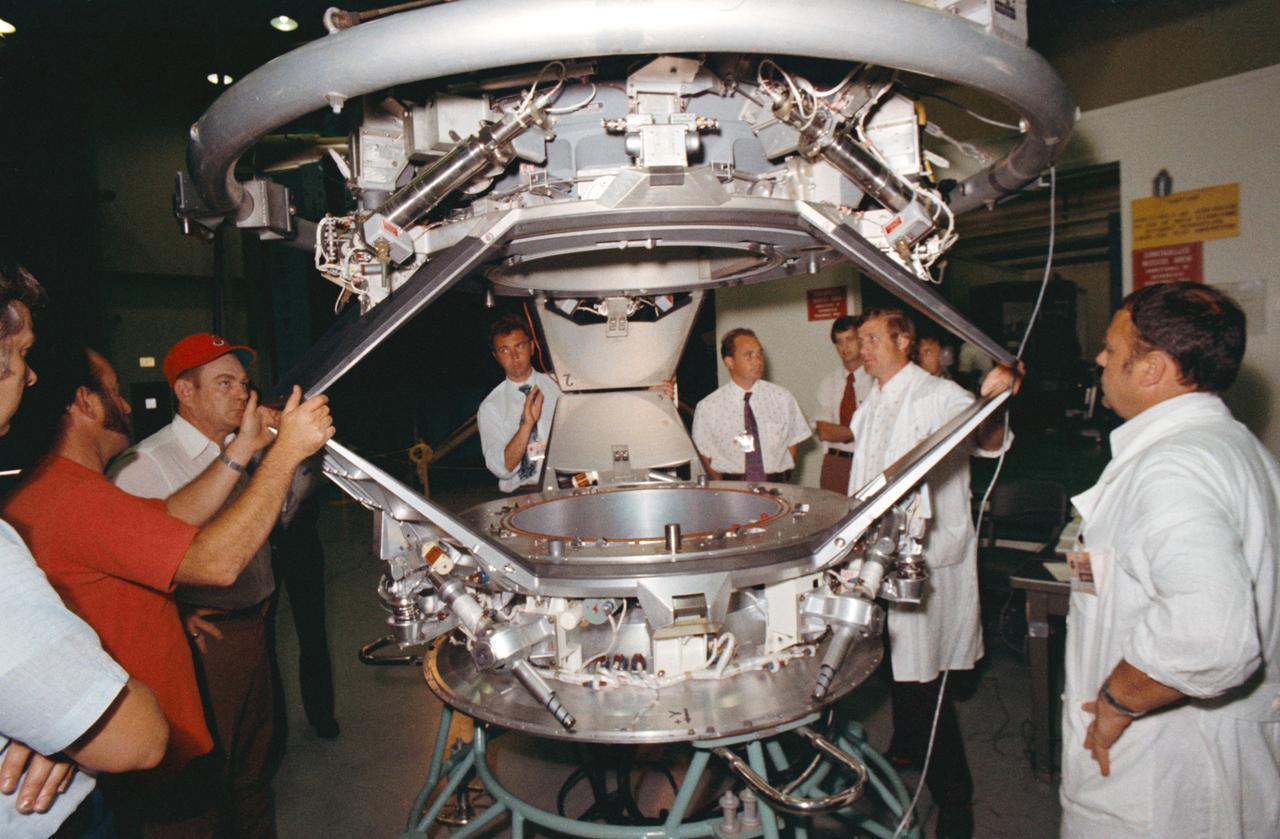
S74-25394 (10 July 1974) --- A group of American and Soviet engineers of the Apollo-Soyuz Test Project working group three examines an ASTP docking set-up following a docking mechanism fitness test conducted in Building 13 at the Johnson Space Center.  Working Group No. 3 is concerned with ASTP docking problems and techniques. The joint U.S.-USSR ASTP docking mission in Earth orbit is scheduled for the summer of 1975.  The Apollo docking mechanism is atop the Soyuz docking mechanism.
American & Soviet engineers examine ASTP docking set-up following tests
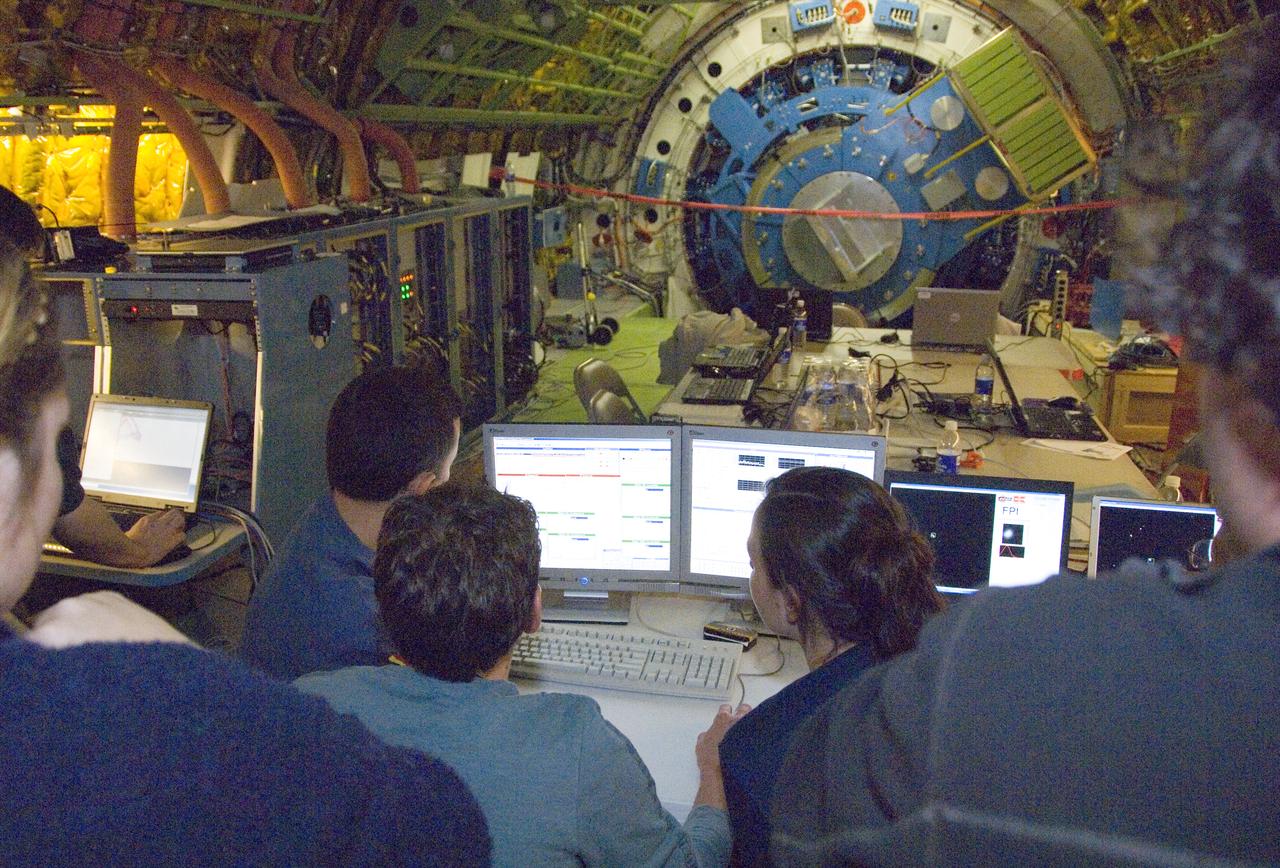
Scientists carefully examine data being received during nighttime line operations testing of the SOFIA airborne observatory's 2.5-meter infrared telescope.
Scientists carefully examine data being received during nighttime line operations testing of the SOFIA airborne observatory's 2.5-meter infrared telescope
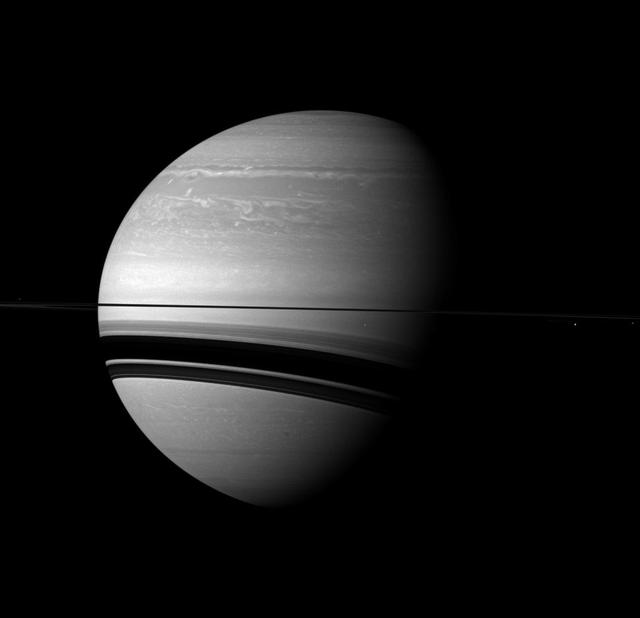
NASA Cassini spacecraft examines Saturn and the planet northern hemisphere, which was ravaged by a huge storm for much of 2011.
Quieted Storm
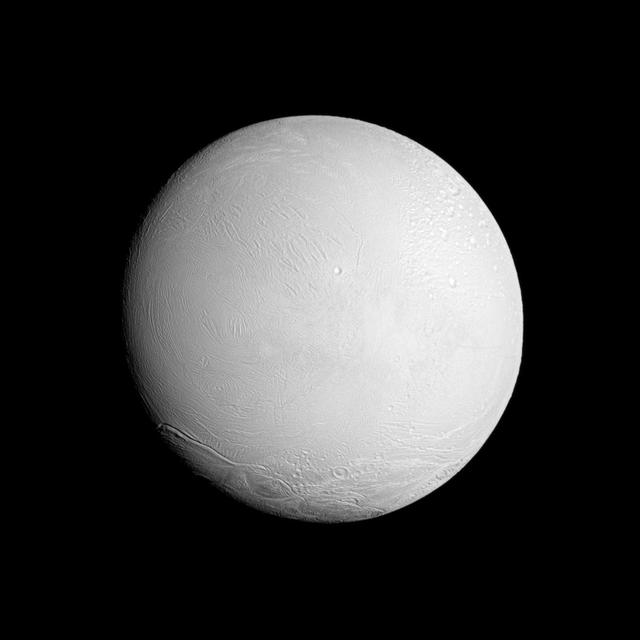
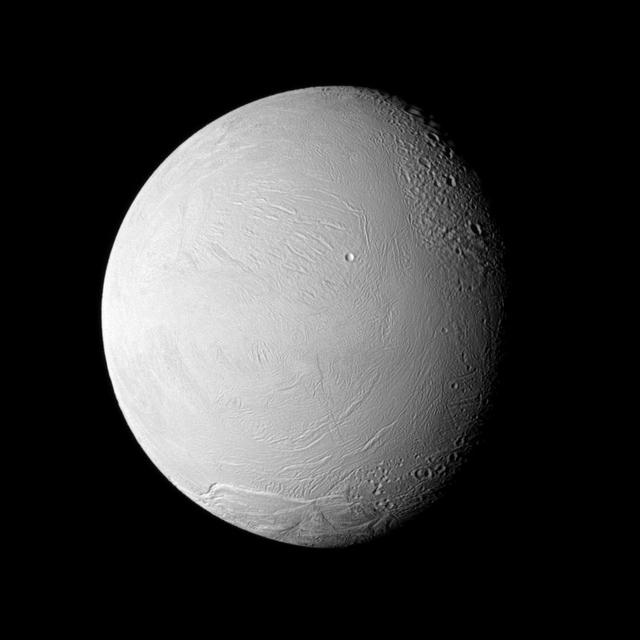
NASA Cassini spacecraft looks at a brightly illuminated Enceladus and examines the surface of the leading hemisphere of this Saturnian moon.
Brilliant Enceladus
This picture is an artist concept portraying what the advanced rover would look like when examining a rock outcrop on Mars
Mars Science Laboratory at Work Artist Concept
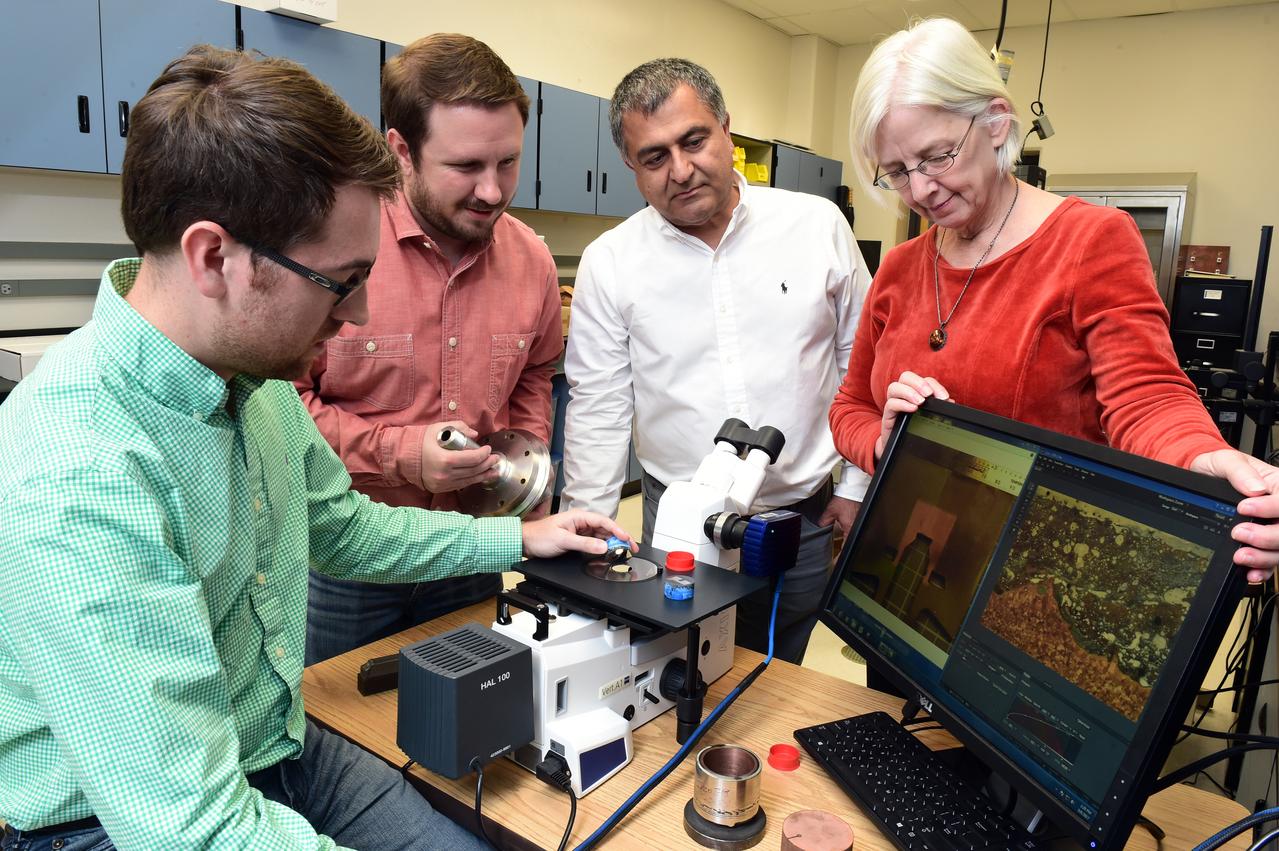
Majid Babai along with Dr. Judy Schneider, and graduate students Chris Hill and Ryan Anderson examine a cross section of the prototype rocket engine igniter created by an innovative bi-metallic 3-D printing advanced manufacturing process under a microscope.
Graduate students Chris Hill and Ryan Anderson examine a cross section of the prototype rocket engine igniter.
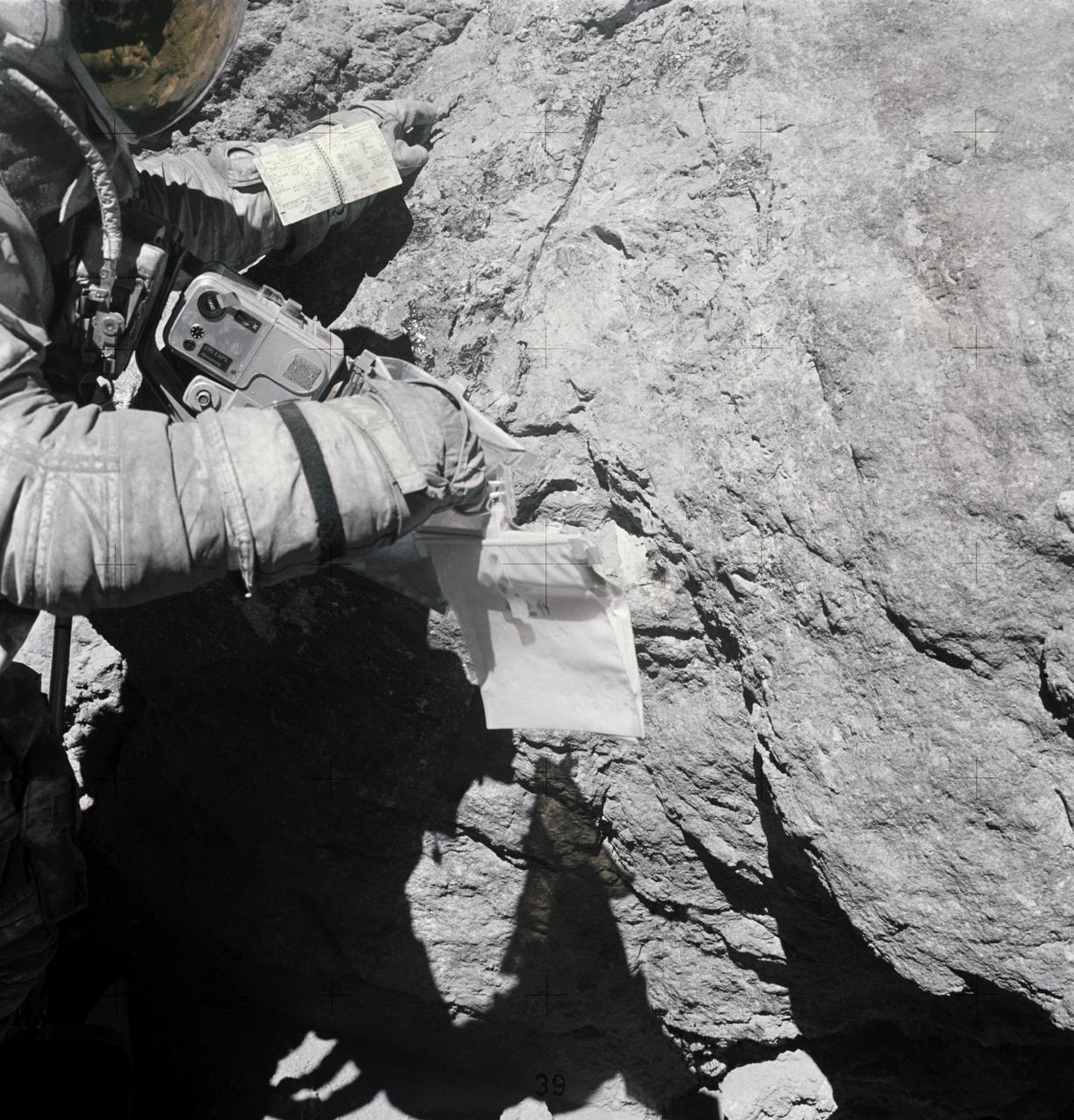
AS16-116-18649 (23 April 1972) --- Astronaut Charles M. Duke Jr., lunar module pilot of the Apollo 16 lunar landing mission, examines closely the surface of a large boulder at North Ray Crater during the third Apollo 16 extravehicular activity (EVA) at the Descartes landing site. This picture was taken by astronaut John W. Young, commander. Note the chest-mounted 70mm Hasselblad camera. While astronauts Young and Duke descended in the Apollo 16 Lunar Module (LM) "Orion" to explore the Descartes highlands landing site on the moon, astronaut Thomas K. Mattingly II, command module pilot, remained with the Command and Service Modules (CSM) "Casper" in lunar orbit.
Astronaut Charles Duke examines surface of boulder at North Ray crater
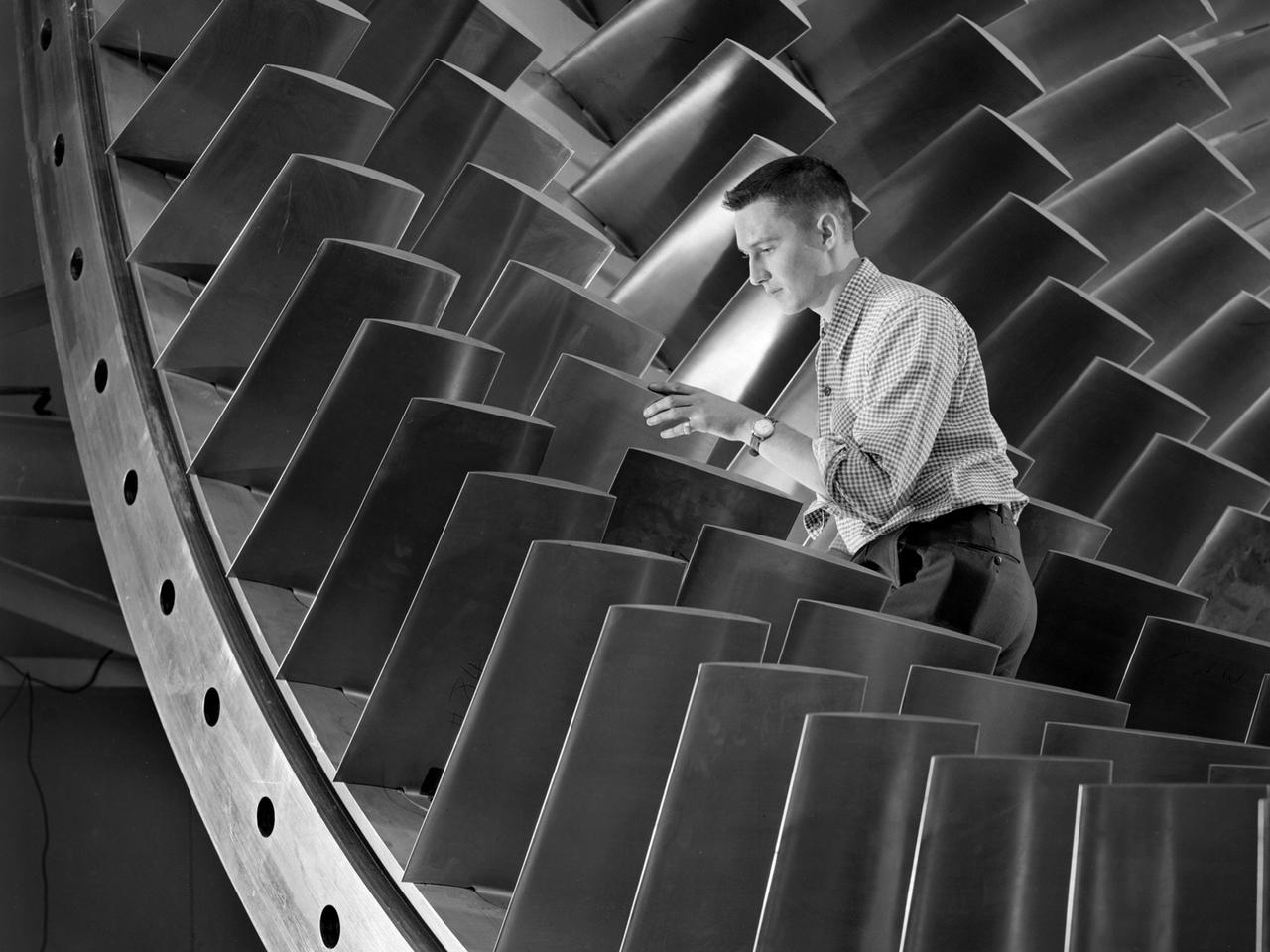
An engineer examines the main compressor for the 10- by 10-Foot Supersonic Wind Tunnel at the National Advisory Committee for Aeronautics (NACA) Lewis Flight Propulsion Laboratory. The engineers were preparing the new wind tunnel for its initial runs in early 1956. The 10- by 10 was the most powerful propulsion wind tunnel in the nation. The facility was part of Congress’ Unitary Plan Act which coordinated wind tunnel construction at the NACA, Air Force, industry, and universities. The 10- by 10 was the largest of the three NACA tunnels built under the act.    The 20-foot diameter eight-stage axial flow compressor, seen in this photograph, could generate air flows up to Mach 2.5 through the test section. The stainless steel compressor had 584 blades ranging from 1.8 to 3.25 feet in length. This main compressor was complemented by a secondary axial flow compressor. Working in tandem the two could generate wind streams up to Mach 3.5.     The Cleveland Chamber of Commerce presented NACA Lewis photographer Bill Bowles with a second place award for this photograph in their Business and Professional category. The photograph was published in October 1955 edition of its periodical, The Clevelander, which highlighted local professional photographers. Fellow Lewis photographer Gene Giczy won second place in another category for a photograph of Cleveland Municipal Airport.
NACA Engineer Examines Wind Tunnel Compressor Blades
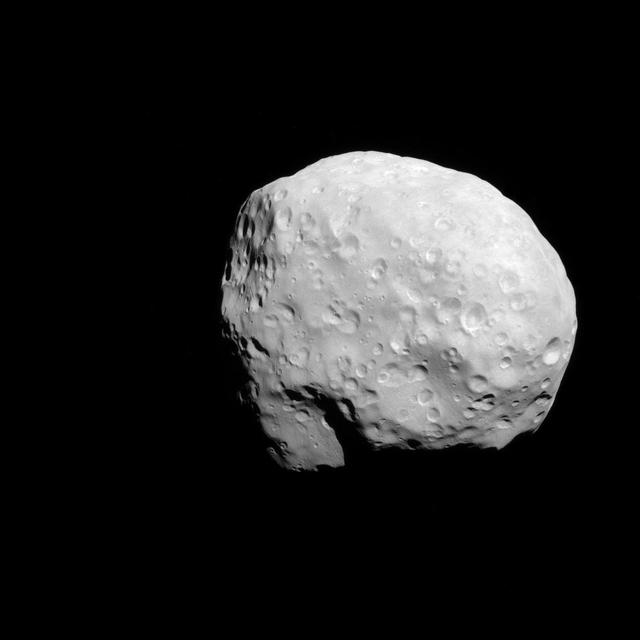
NASA Cassini spacecraft captured this view of Saturn moon Epimetheus 116 kilometers, or 72 miles across during a moderately close flyby on Dec. 6, 2015. This is one of Cassini highest resolution views of the small moon.
Examining Epimetheus
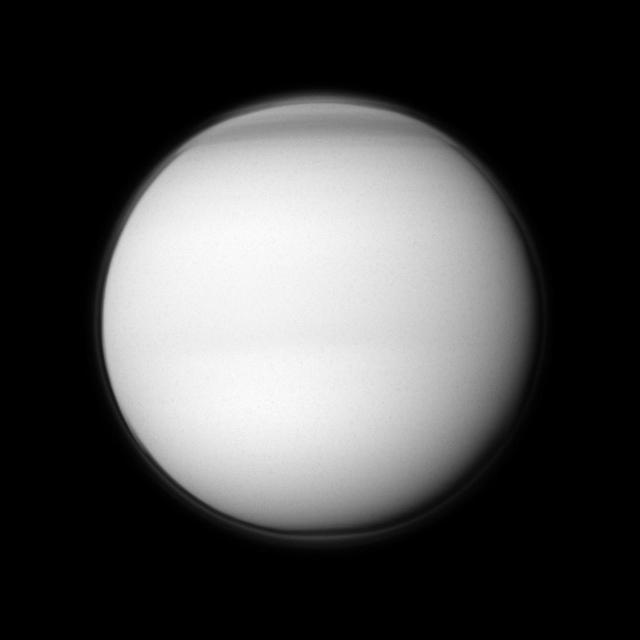
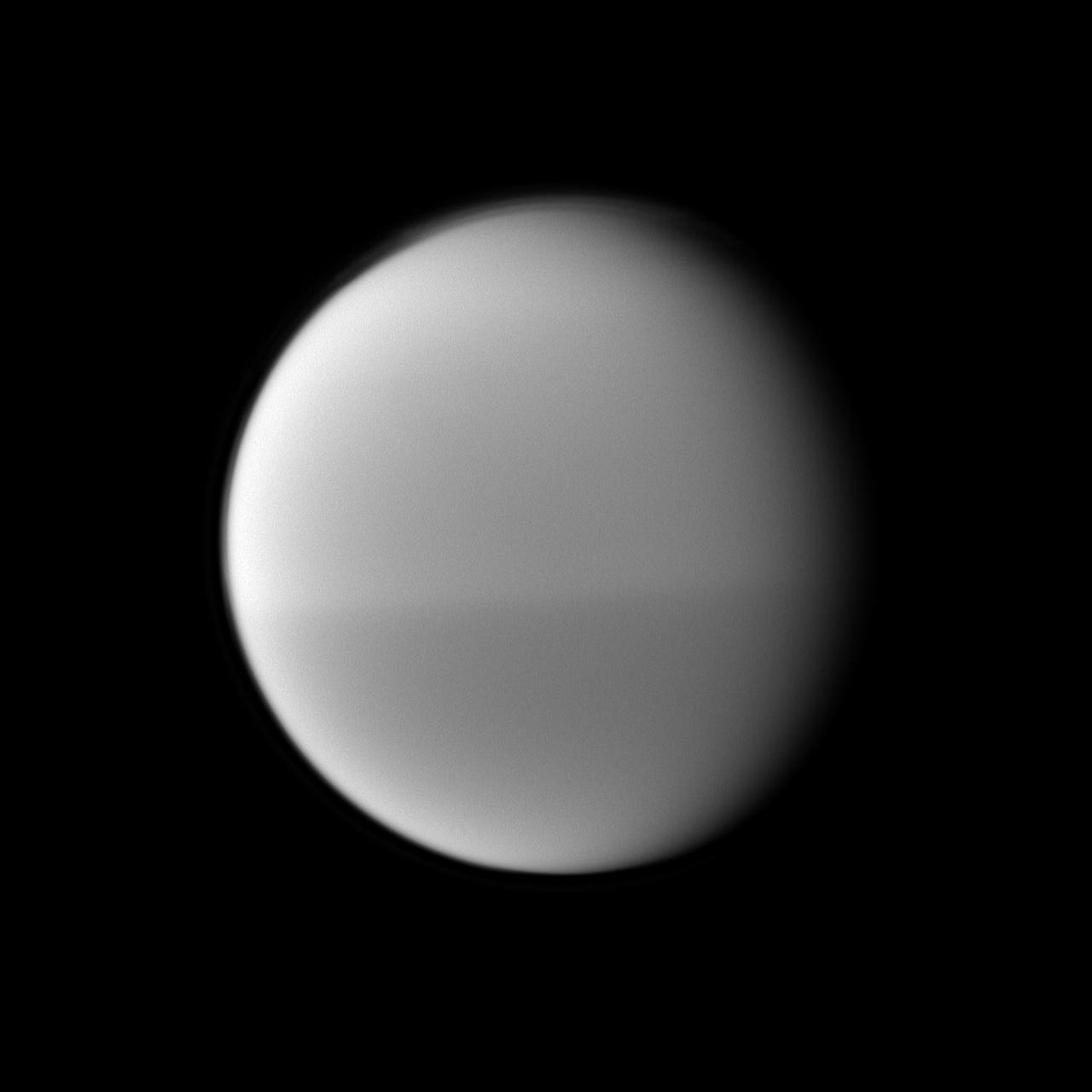
NASA Cassini spacecraft examines the characteristics of Titan atmosphere as it peers at Saturn largest moon using a filter sensitive to visible violet light.
Atmospheric Aspects
Observations at large scales, such as panoramas of Martian landscapes, help researchers identify smaller-scale features of special interest for examination in more detail.
The Importance of Nested Scales of Observations, Large Scales
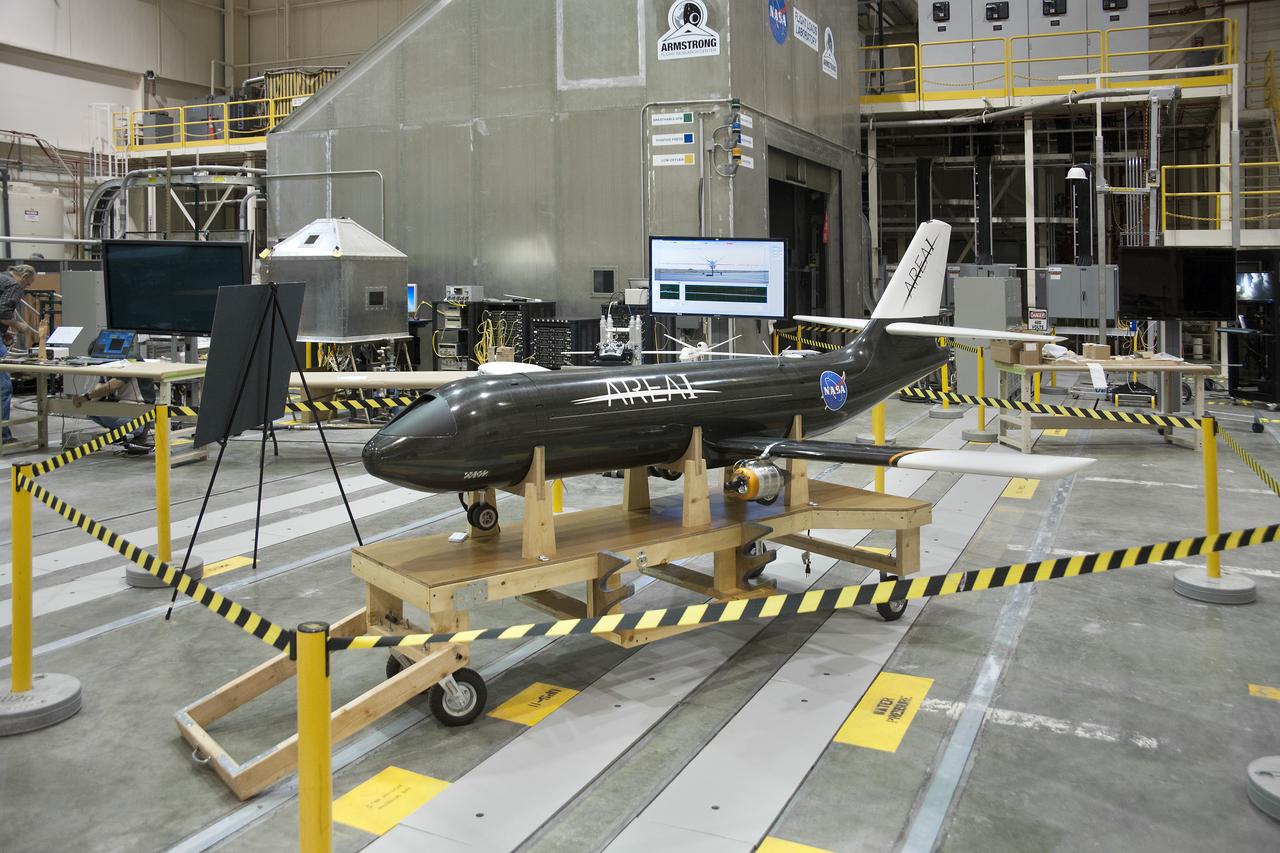
The objectives of testing on PTERA include the development of tools and vetting of system integration, evaluation of vehicle control law, and analysis of SAW airworthiness to examine benefits to in-flight efficiency.
NASA to Test In-Flight Folding Spanwise Adaptive Wing to Enhance Aircraft Efficiency
The objective of this observation by NASA Mars Reconnaissance Orbiter was to examine the edge of impact ejecta from a crater to the north-west of this area north is up, west is to the left.
Sunken and Pitted Ejecta
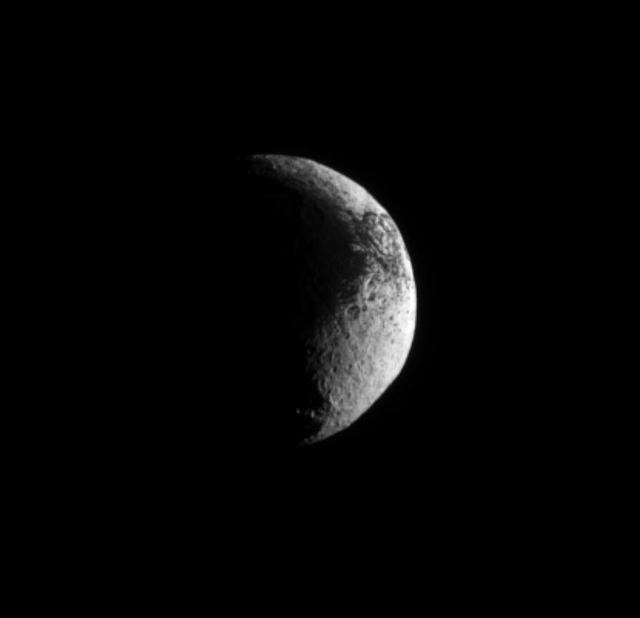
NASA Cassini spacecraft examines the rough dark-light dichotomy of the terrain on Saturn moon Iapetus. Lit terrain seen here is on the Saturn-facing side of Iapetus.
Iapetus Puzzling Surface
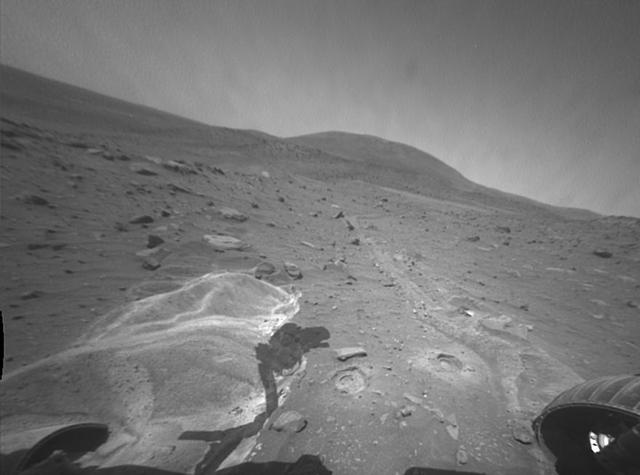
NASA Mars Exploration Rover Spirit looks toward the northwest and shows some of the targets examined by Spirit after the rover became embedded at this site.
Site of Intense Investigation by Spirit
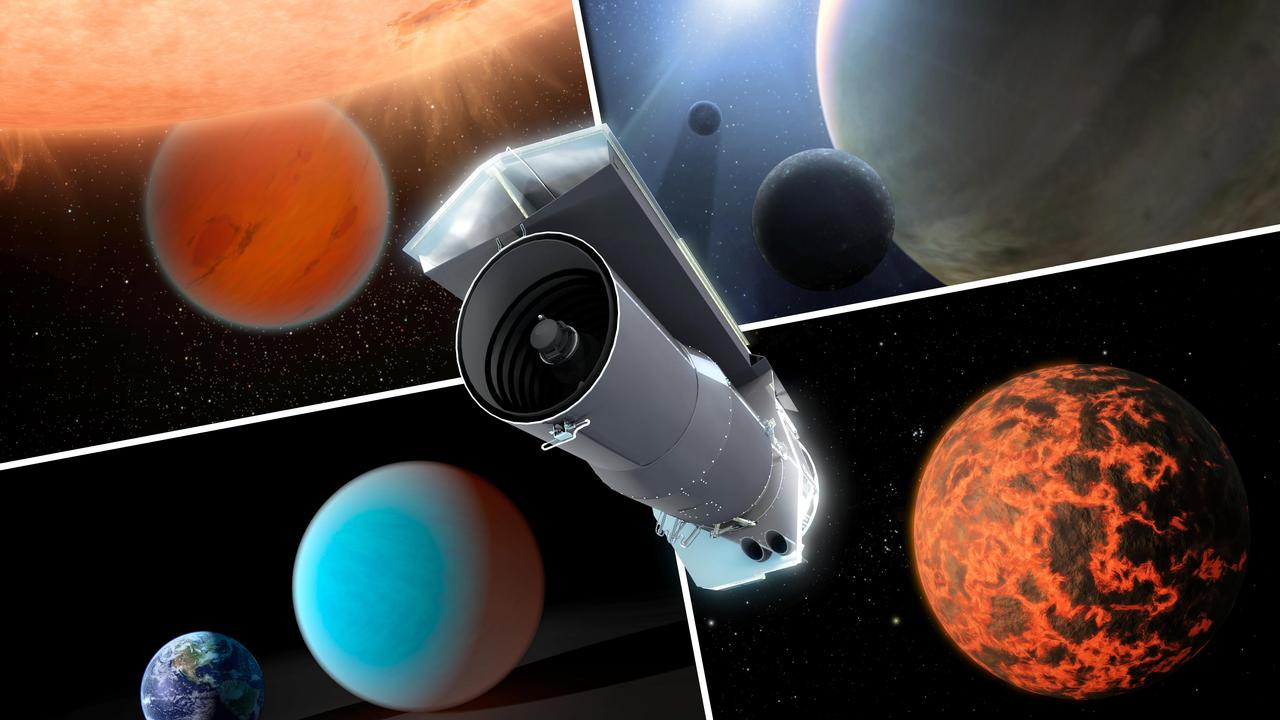
This artist concept shows NASA Spitzer Space Telescope surrounded by examples of exoplanets the telescope has examined in over its ten years in space.
Spitzer Trains Its Eyes on Exoplanets Artist Concept
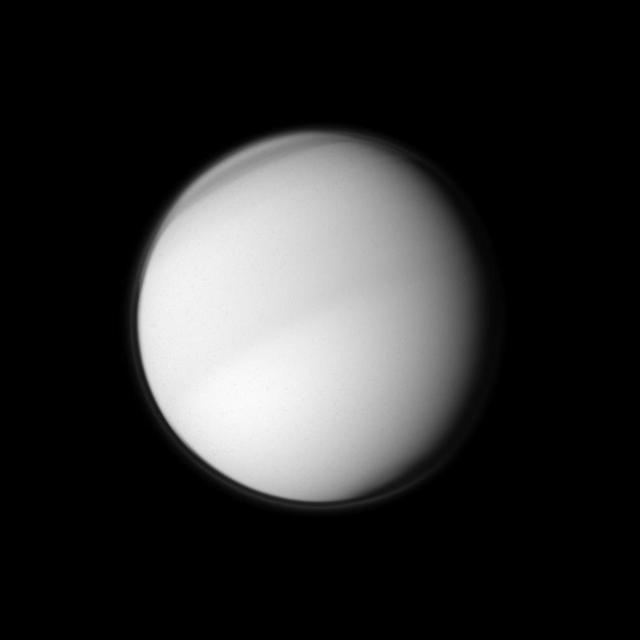
NASA Cassini spacecraft examines Titan north polar hood, the part of the atmosphere of Saturn largest moon appearing dark at the top of this image.
Above Titan North
The area in and near the landing site selected for landing of NASA Mars Science Laboratory offers a diversity of possible targets for examination by the mission rover, Curiosity.
Attractions for Study in and near Curiosity Selected Landing Site
The Cassini spacecraft examines the dark region of Senkyo on Saturn largest moon, Titan. Senkyo is in the center of the image, and it lies just south of the moon equator.
Centered on Senkyo
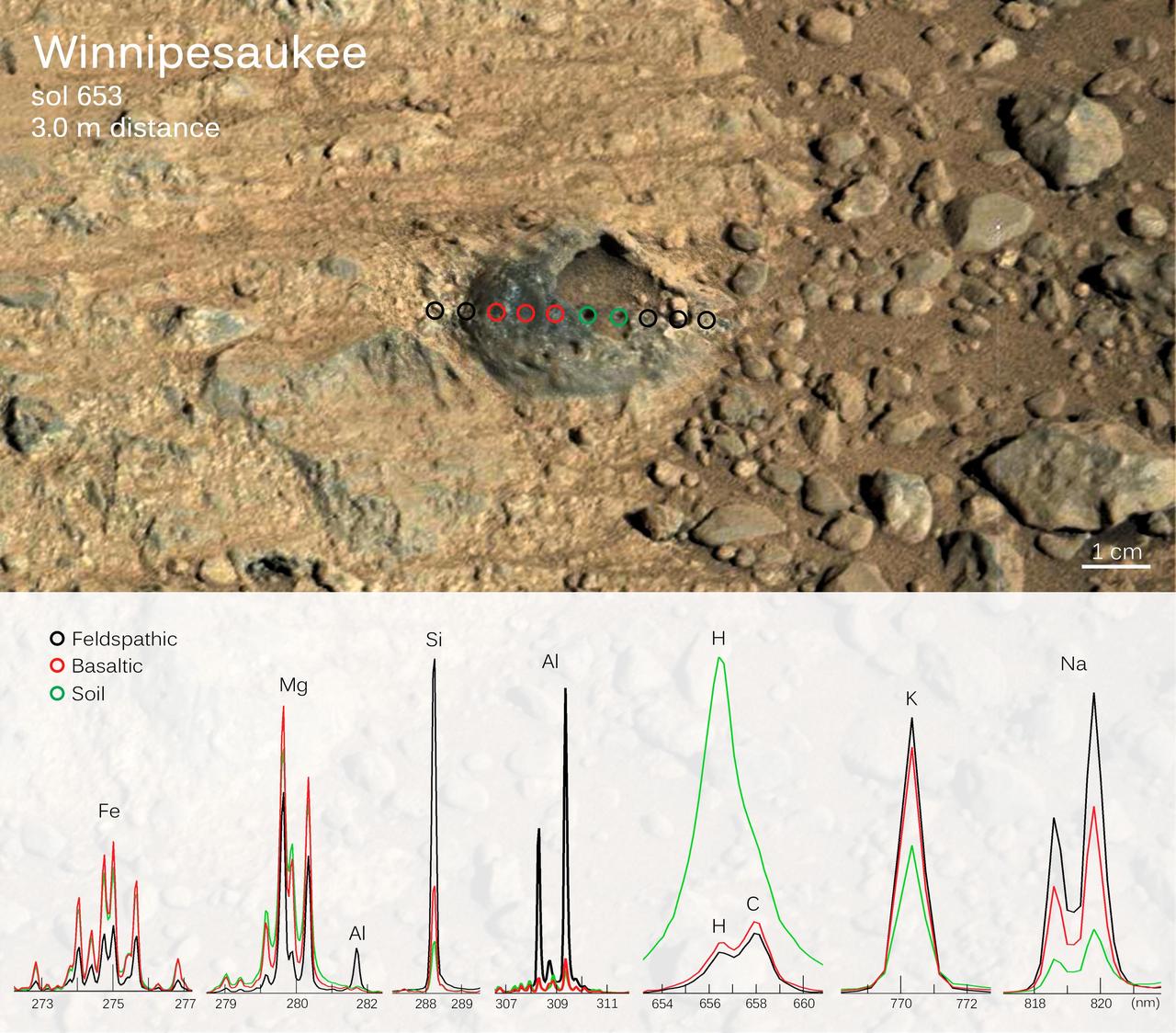
Scientists used the ChemCam instrument on NASA Curiosity Mars rover to examine a Martian rock hell about one inch across, embedded in bedrock and with a hollow interior.
Martian Rock and Dust Filling Studied with Laser and Camera
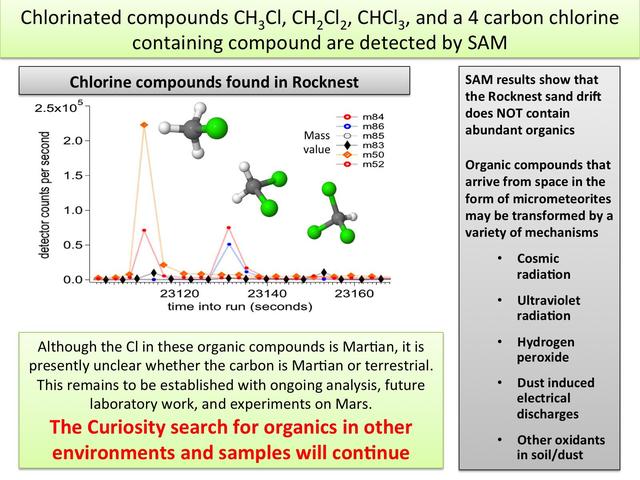
The first examinations of Martian soil by the Sample Analysis at Mars, or SAM, instrument on NASA Mars Curiosity rover show no definitive detection of Martian organic molecules at this point.
Chlorinated Compounds at Rocknest
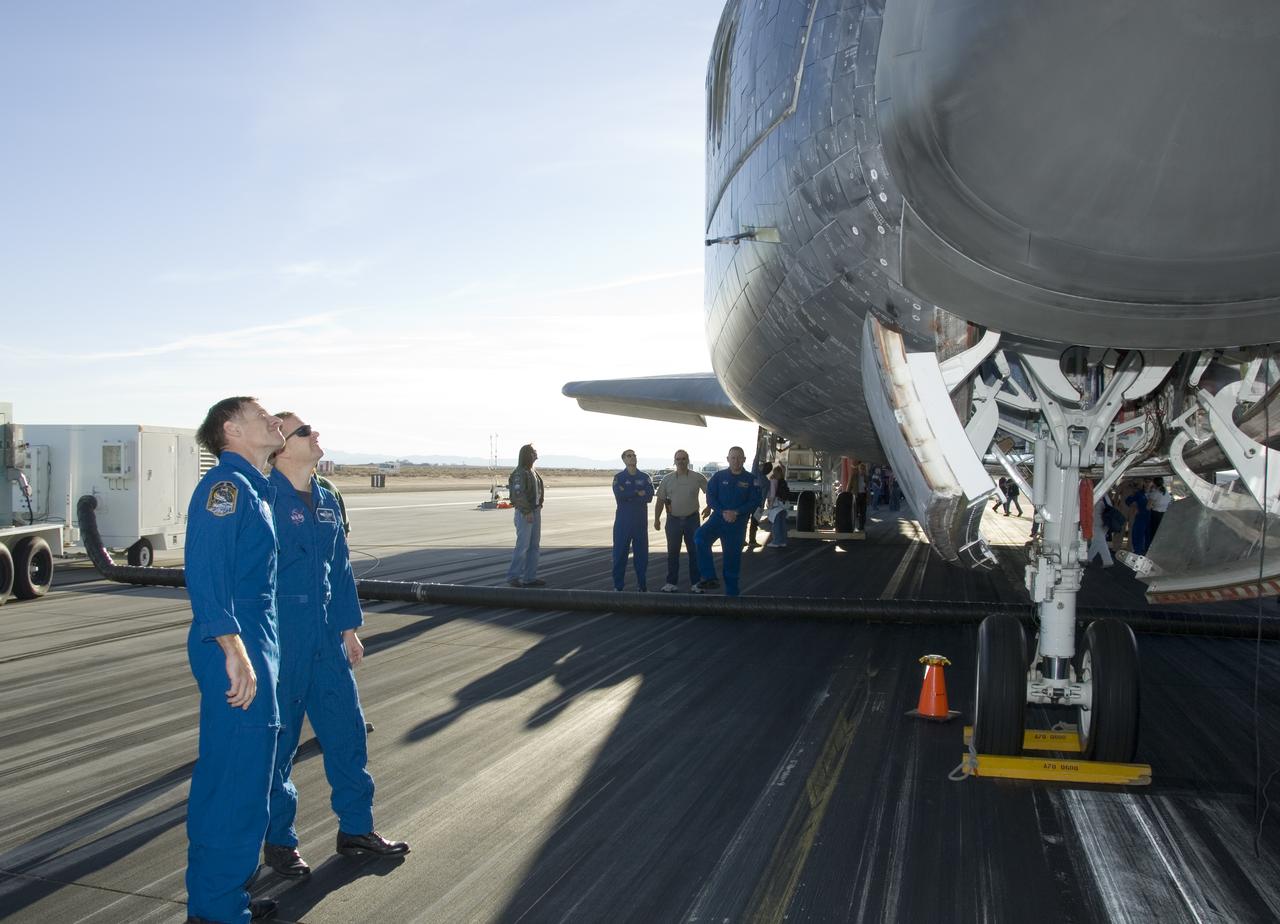
STS-126 commander Chris Ferguson and pilot Eric Boe examine shuttle Endeavour's thermal protection system following the STS-126 landing at Edwards AFB Nov. 30.
STS-126 commander Chris Ferguson and pilot Eric Boe examine shuttle Endeavour's thermal protection system following the STS-126 landing at Edwards AFB Nov. 30
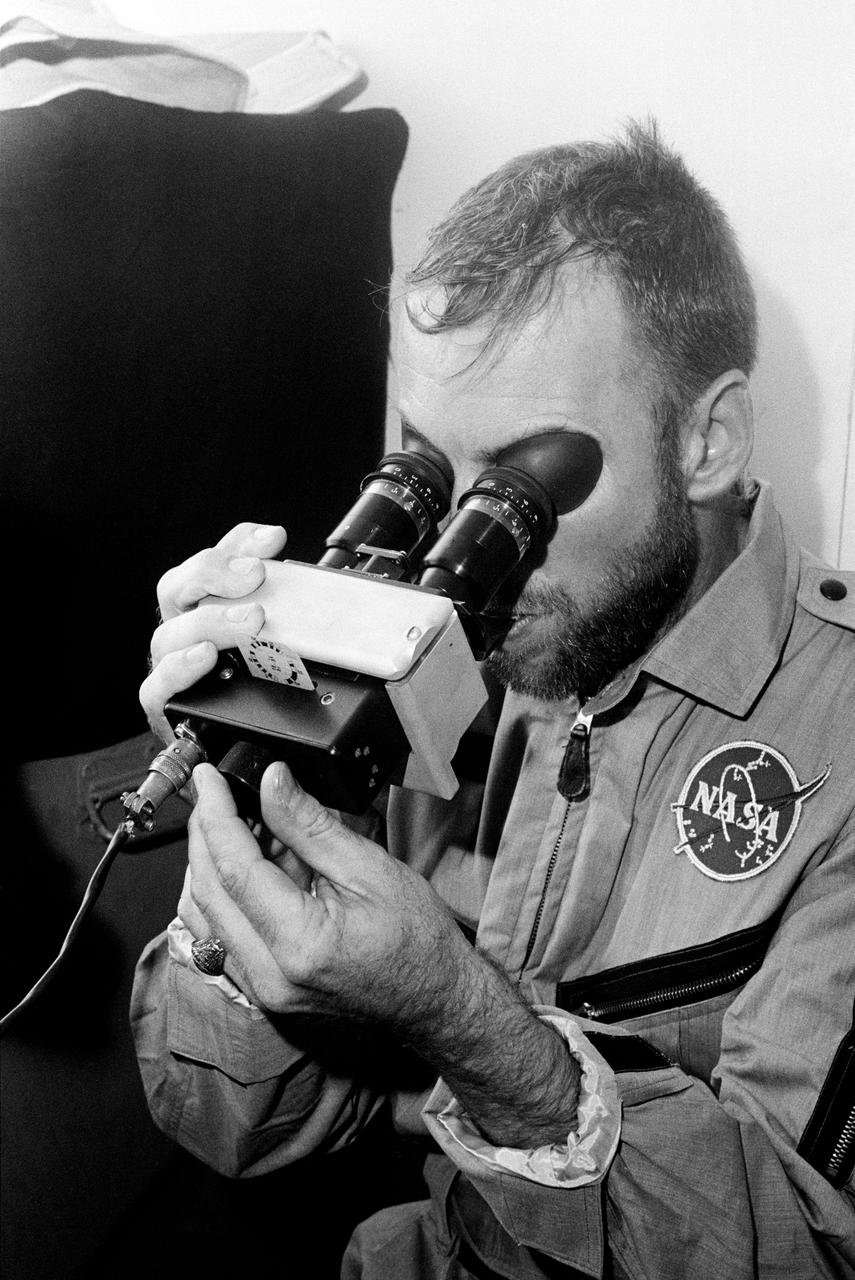
S65-66703 (18 Dec. 1965) --- Astronaut James A. Lovell Jr., pilot of the National Aeronautics and Space Administration's Gemini-7 spaceflight, undergoes an eye examination during a postflight medical checkup aboard the aircraft carrier USS Wasp. Gemini-7 splashed down in the western Atlantic recovery area at 9:05 a.m. (EST) Dec. 16, 1965, after a 14-day mission in space. Photo credit: NASA
ASTRONAUT JAMES A. LOVELL, JR. - MEDICAL - PREFLIGHT (GEMINI-TITAN [GT]-7) - EYES EXAMINED - CAPE
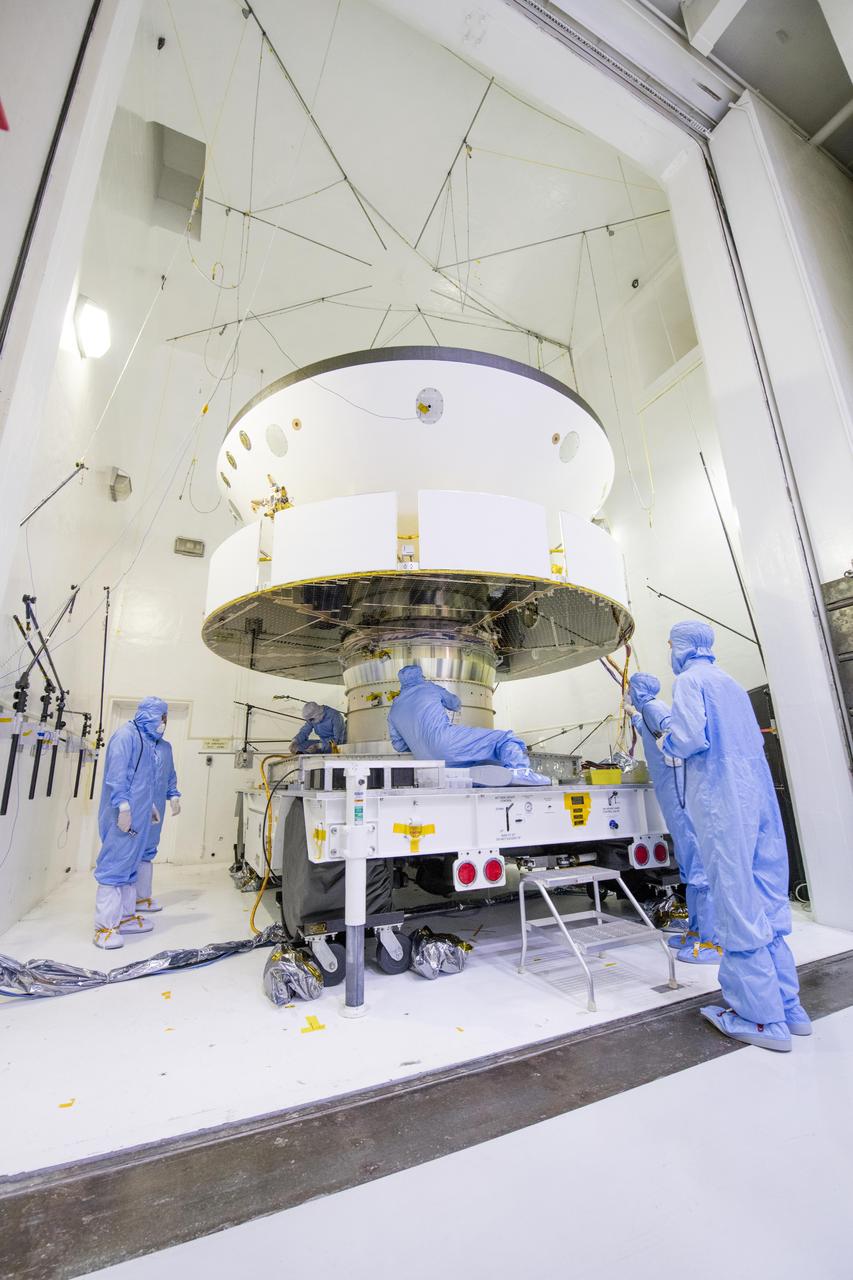
NASA's Mars 2020 spacecraft undergoes examination prior to an acoustic test in the Environmental Test Facility at NASA's Jet Propulsion Laboratory in Pasadena, California.  The image was taken on April 11, 2019, at JPL.  https://photojournal.jpl.nasa.gov/catalog/PIA23264
Prepping Mars 2020 for Sound
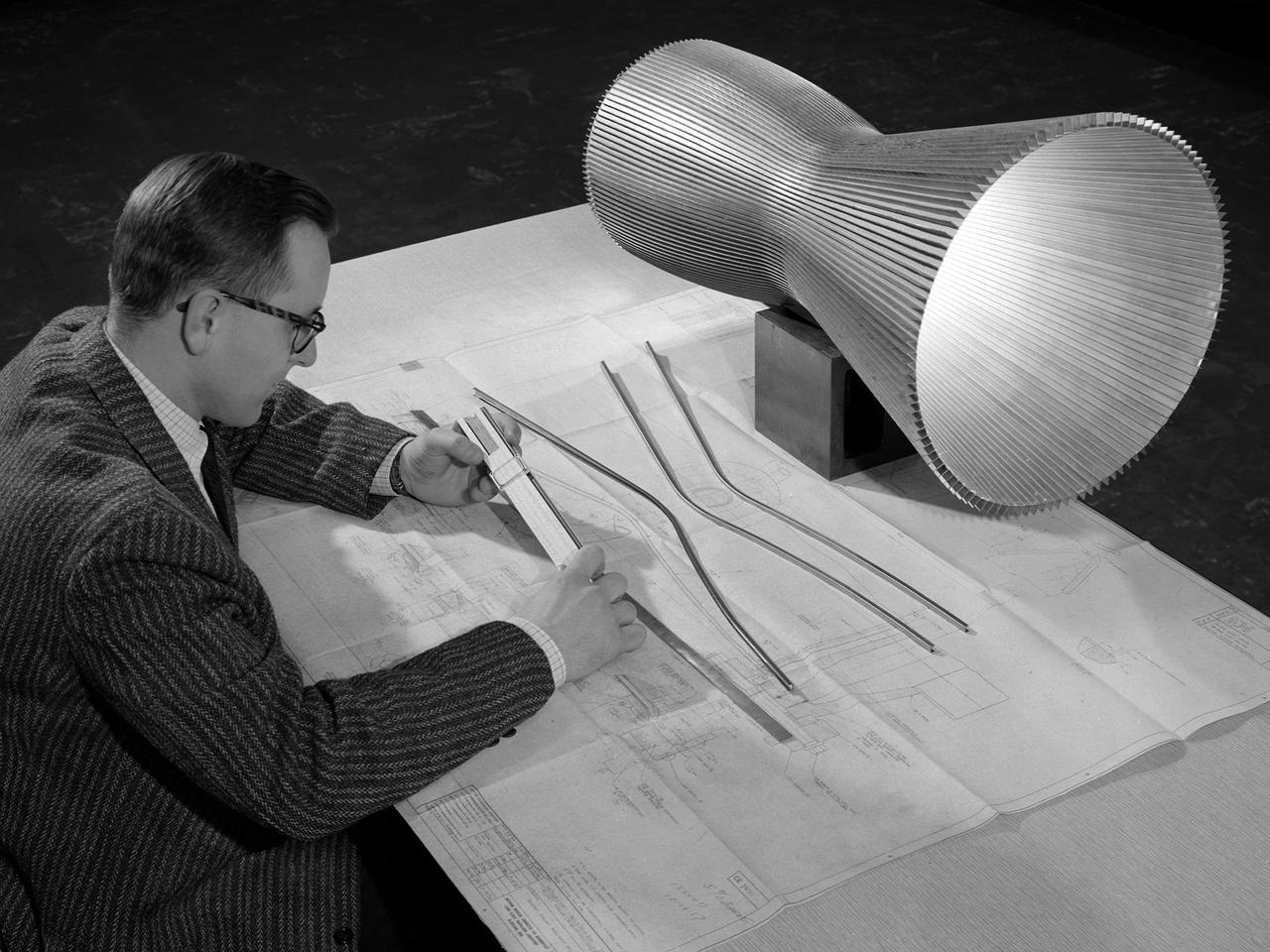
An engineer at the National Aeronautics and Space Administration (NASA) Lewis Research Center examines a drawing showing the assembly and details of a 20,000-pound thrust regeneratively cooled rocket engine. The engine was being designed for testing in Lewis’ new Rocket Engine Test Facility, which began operating in the fall of 1957. The facility was the largest high-energy test facility in the country that was capable of handling liquid hydrogen and other liquid chemical fuels. The facility’s use of subscale engines up to 20,000 pounds of thrust permitted a cost-effective method of testing engines under various conditions.      The Rocket Engine Test Facility was critical to the development of the technology that led to the use of hydrogen as a rocket fuel and the development of lightweight, regeneratively-cooled, hydrogen-fueled rocket engines. Regeneratively-cooled engines use the cryogenic liquid hydrogen as both the propellant and the coolant to prevent the engine from burning up. The fuel was fed through rows of narrow tubes that surrounded the combustion chamber and nozzle before being ignited inside the combustion chamber. The tubes are visible in the liner sitting on the desk.    At the time, Pratt and Whitney was designing a 20,000-pound thrust liquid-hydrogen rocket engine, the RL-10. Two RL-10s would be used to power the Centaur second-stage rocket in the 1960s. The successful development of the Centaur rocket and the upper stages of the Saturn V were largely credited to the work carried out Lewis.
NASA Engineer Examines the Design of a Regeneratively-Cooled Rocket Engine
This image from the panoramic camera Pancam on NASA Mars Exploration Rover Opportunity shows a pale rock called Esperence, which was inspected by the rover in May 2013.
Esperance Target Examined by Opportunity
NASA Mars Exploration Rover Opportunity used the wire brush of its rock abrasion tool to scour dust from a circular target area on a rock called Marquette Island.
Examining Marquette Island
This mosaic, created from images taken by NASA Cassini spacecraft, looks straight at Saturn moon Mimas huge Herschel Crater revealing bright-walled craters, with floors and surroundings about 20 percent darker than the steep crater walls.
Examining Herschel Crater
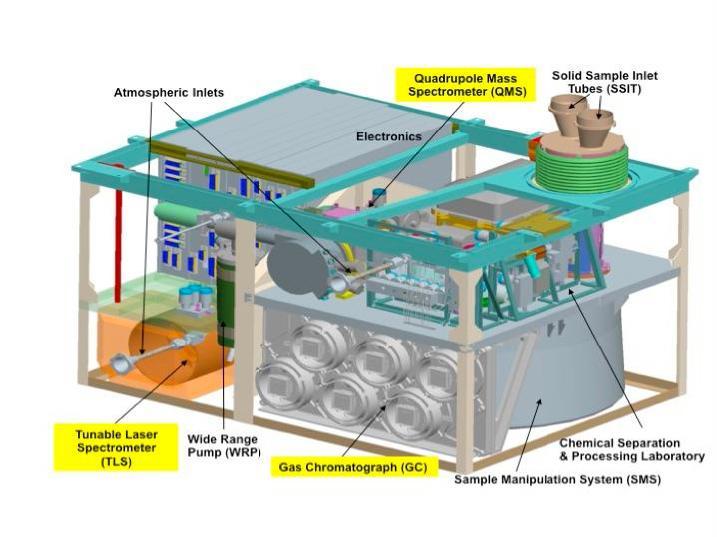
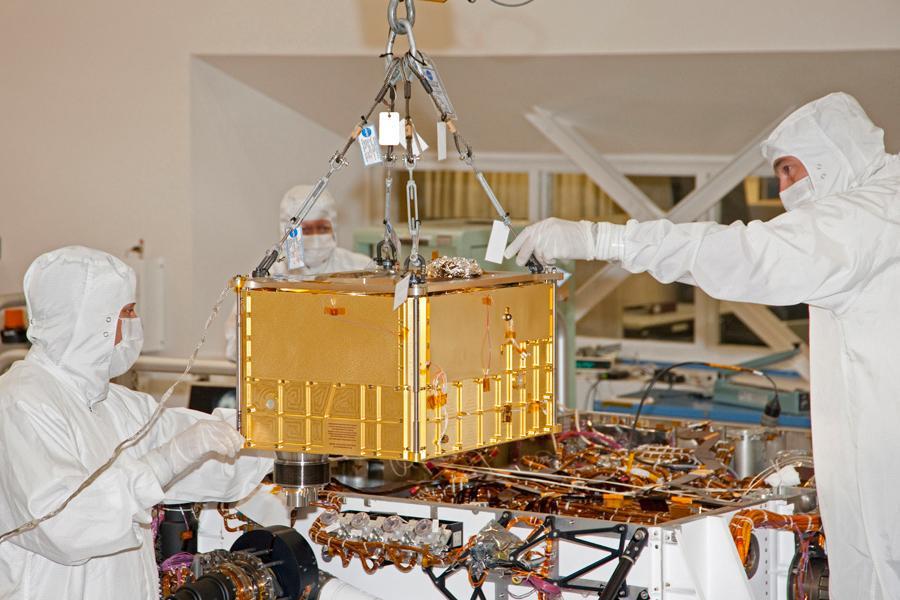
NASA Sample Analysis at Mars SAM instrument, largest of the 10 science instruments for NASA Mars Science Laboratory mission, will examine samples of Martian rocks, soil and atmosphere for information about chemicals that are important to life.
Lifting SAM Instrument for Installation into Mars Rover
NASA Mars Exploration Rover Opportunity examined rocks inside an alcove called Duck Bay in the western portion of Victoria Crater. 3D glasses are necessary to view this image.
Lyell Panorama inside Victoria Crater Stereo
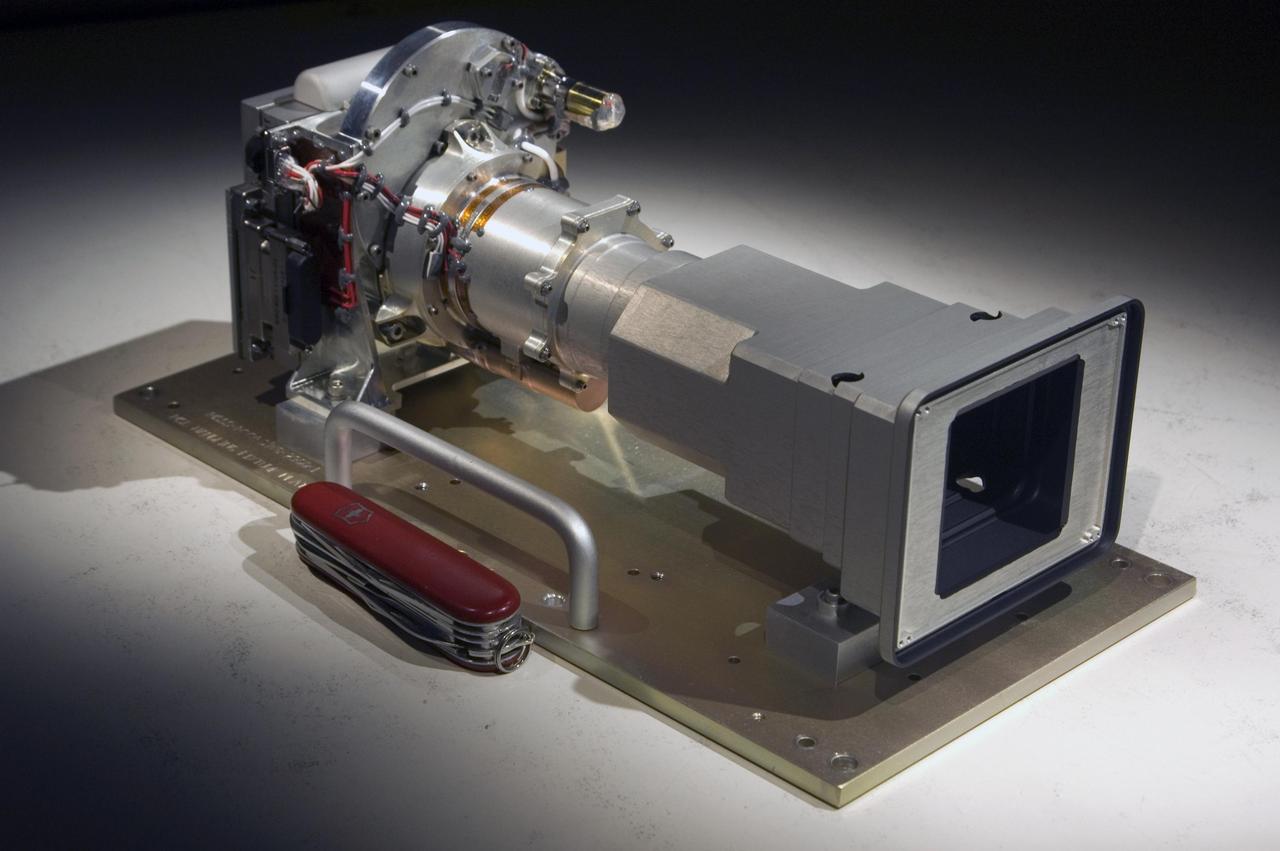
The Mast Camera Mastcam instrument for NASA Mars Science Laboratory will use a side-by side pair of cameras for examining terrain around the mission rover, Curiosity. The Mastcam 100 offers telephoto capability.
Mastcam 100: Longer Focal-Length Eye of Mast Camera Pair for Mars Rover
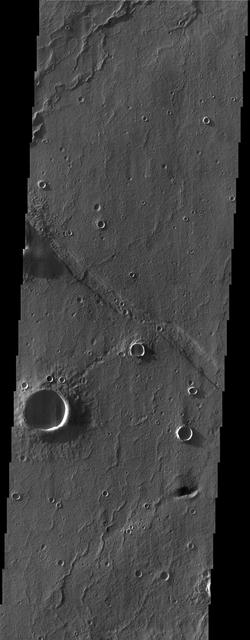
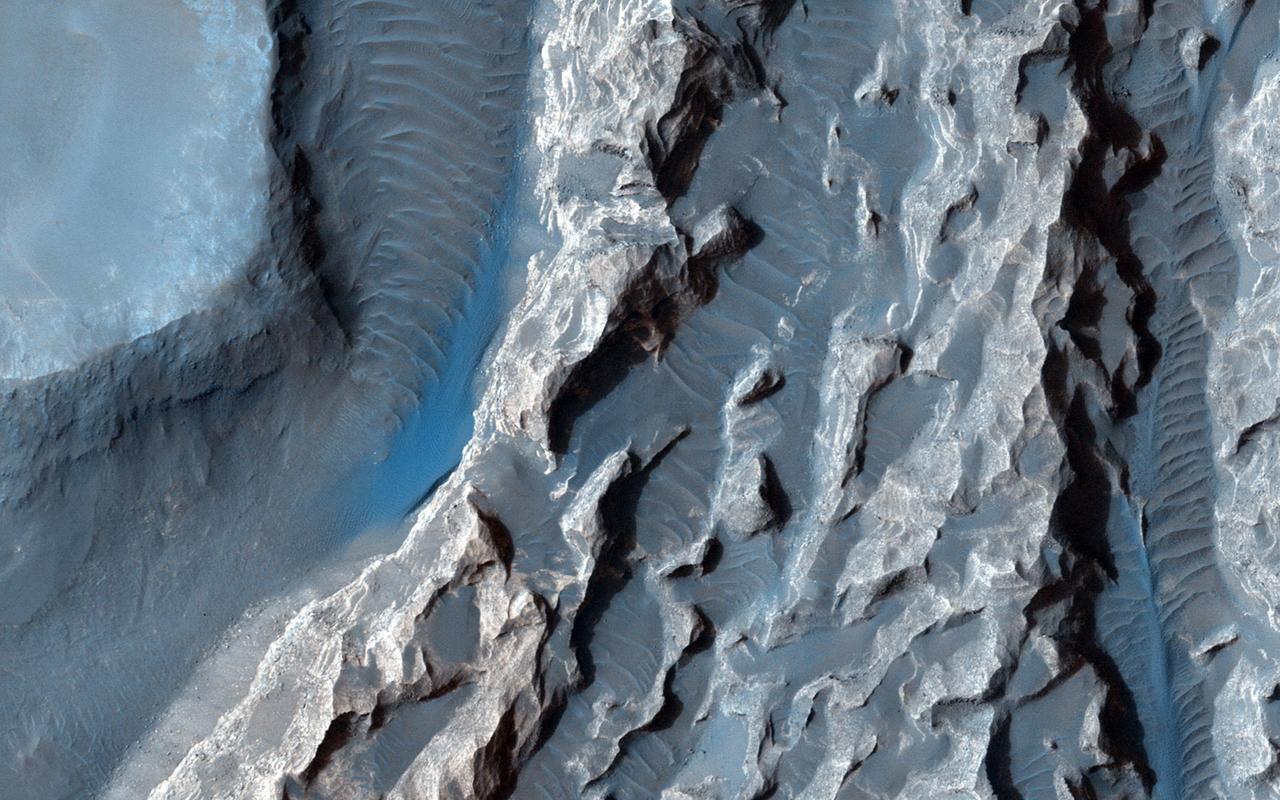
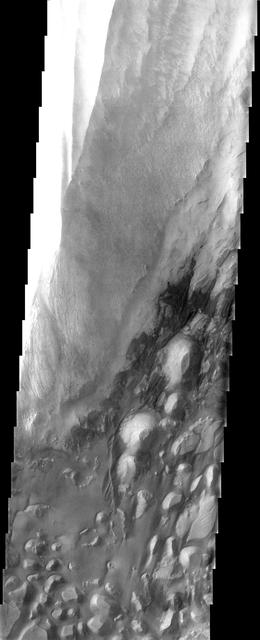
At first glance, this NASA Mars Odyssey image showing impact craters and linear ridges and troughs is typical of the southern highlands. However, upon closer examination migrating sand dunes are observed within the troughs.
Southern Sand Dunes
This plot segregates various minerals examined by NASA Mars Exploration Rover Opportunity according to their different compositions; for example, those with more iron and magnesium oxides are located in the lower right corner.
Mineral Plot from Esperance Target
This image from NASA Mars Exploration Rover Opportunity shows the rover arm extended for examination of a target called Onaping at the base of an outcrop called Copper Cliff in the Matijevic Hill area of the west rim of Endeavour Crater.
Opportunity Investigation Target Onaping
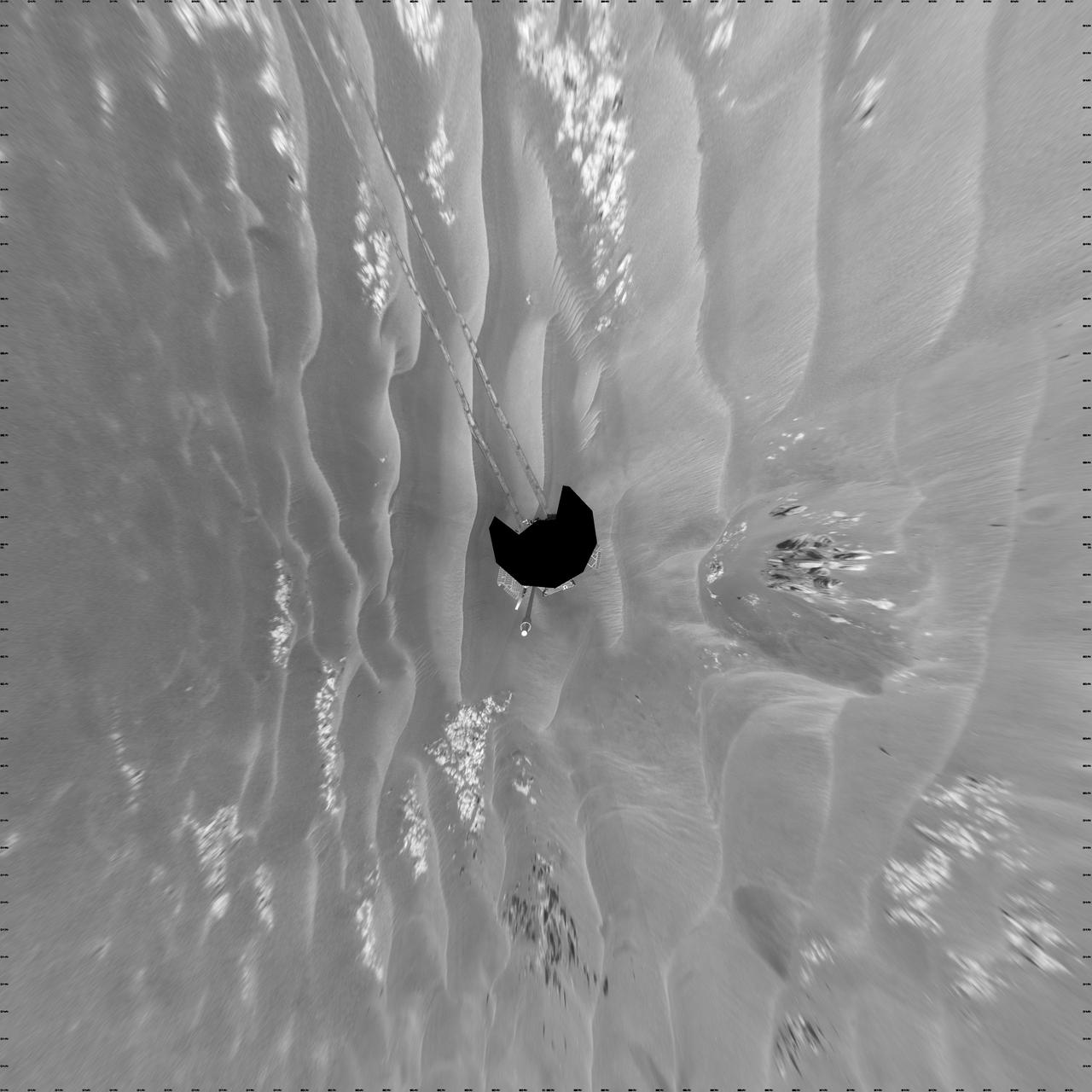
NASA Opportunity had driven 62.5 meters 205 feet that sol, southward away from an outcrop called Penrhyn, which the rover had been examining for a few sols, and toward a crater called Adventure. This is a vertical projection.
Opportunity Surroundings After Backwards Drive, Sol 1850 Vertical
The top half of this NASA Mars Odyssey image shows interior layered deposits that have long been recognized in Valles Marineris. Upon close examination, the layers appear to be eroding differently, indicating different levels of competency.
Valles Marineris - with 3-D
This image from the panoramic camera on NASA Mars Exploration Rover Opportunity shows a rock called Chocolate Hills, which the rover found and examined at the edge of a young crater called Concepción.
Rock with Odd Coating Beside a Young Martian Crater
The Chemistry and Camera ChemCam instrument on NASA Mars rover Curiosity used its laser and spectrometers to examine what chemical elements are in a drift of Martian sand during the mission 74th Martian day, or sol Oct. 20, 2012.
Laser Hit on Martian Sand Target, Before and After
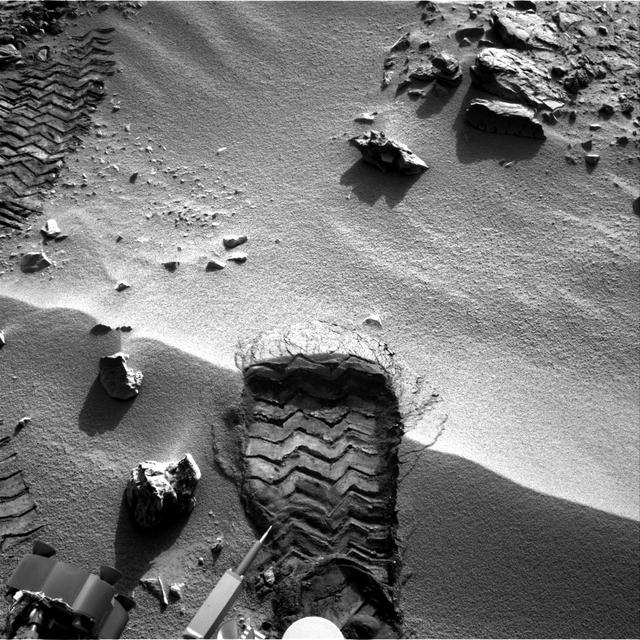
NASA Mars rover Curiosity cut a wheel scuff mark into a wind-formed ripple at the Rocknest site to give researchers a better opportunity to examine the particle-size distribution of the material forming the ripple.
Wheel Scuff Mark at Rocknest
This false color image from the panoramic camera on NASA Mars Exploration Rover Opportunity shows a rock called Chocolate Hills, which the rover found and examined at the edge of a young crater called Concepción.
Rock with Odd Coating Beside a Young Martian Crater, False Color
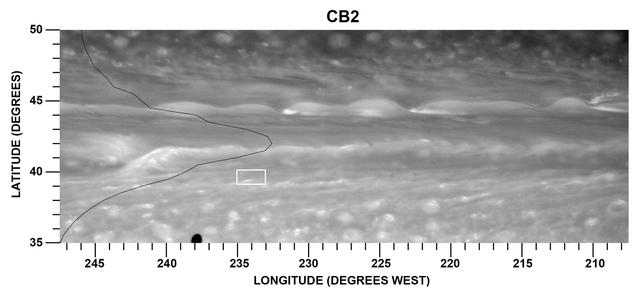
This figure examines a particularly strong jet stream and the eddies that drive it through the atmosphere of Saturn northern hemisphere. Data from NASA Cassini spacecraft were used to create this figure.
Eddy-Powered Jet stream
NASA Cassini spacecraft examines Titan dark and light seasonal hemispheric dichotomy as it images the moon with a filter sensitive to near-infrared light. This image also shows Titan north polar hood.
Dark and Light Titan
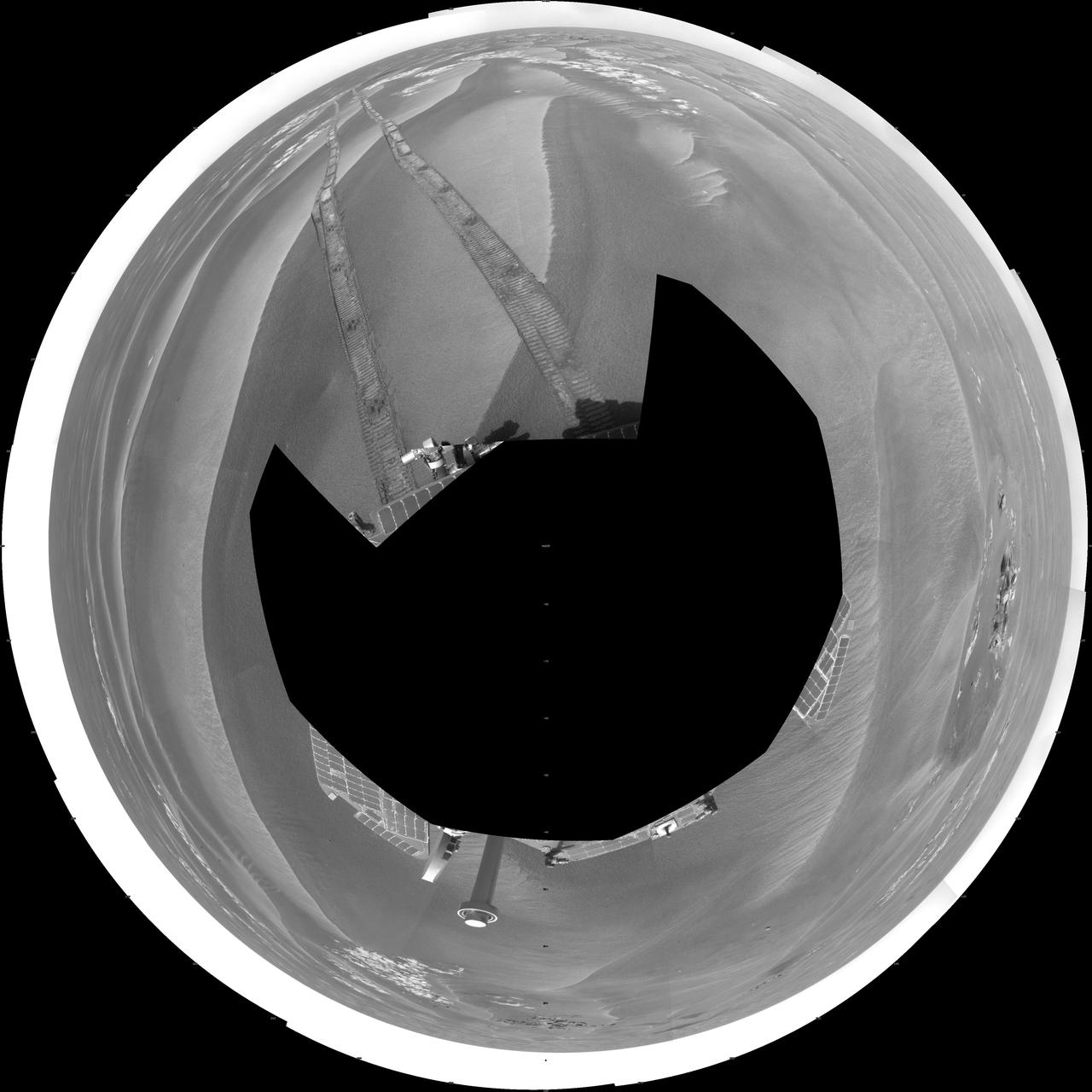
NASA Opportunity had driven 62.5 meters 205 feet that sol, southward away from an outcrop called Penrhyn, which the rover had been examining for a few sols, and toward a crater called Adventure. This is a polar projection.
Opportunity Surroundings After Backwards Drive, Sol 1850 Polar
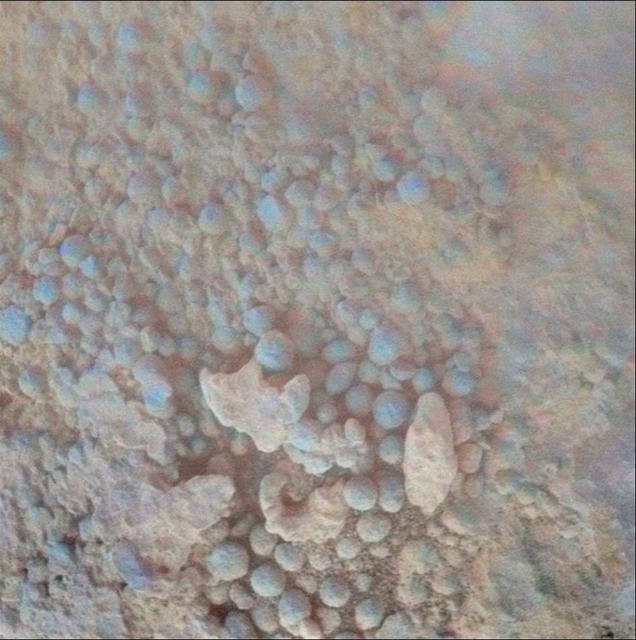
This image from the microscopic imager on NASA Mars Exploration Rover Opportunity shows details of the coating on a rock called Chocolate Hills, which the rover found and examined at the edge of a young crater called Concepción.
Coating on Rock Beside a Young Martian Crater
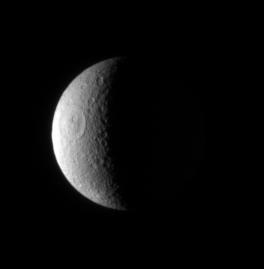
The Cassini spacecraft examines the desolate, cratered crescent of Rhea, a surface so heavily bombarded over the eons that new craters are virtually guaranteed to form on top of older ones. The large Tirawa impact basin is visible here
Rhea Scars
NASA Mars Exploration Rover Opportunity has found a rock that apparently is another meteorite, less than three weeks after driving away from a larger meteorite that the rover examined for six weeks.
Opportunity Finds Another Meteorite
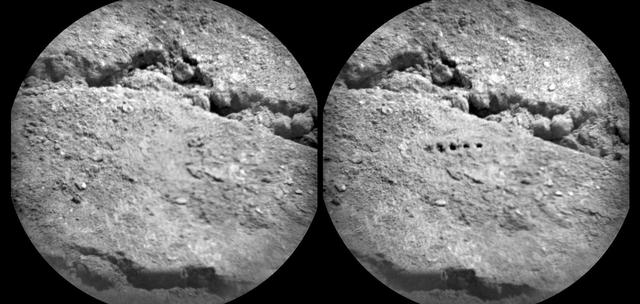
The Chemistry and Camera ChemCam instrument on NASA Mars rover Curiosity used its laser to examine side-by-side points in a target patch of soil, leaving the marks apparent in this before-and-after comparison.
Marks of Laser Exam on Martian Soil
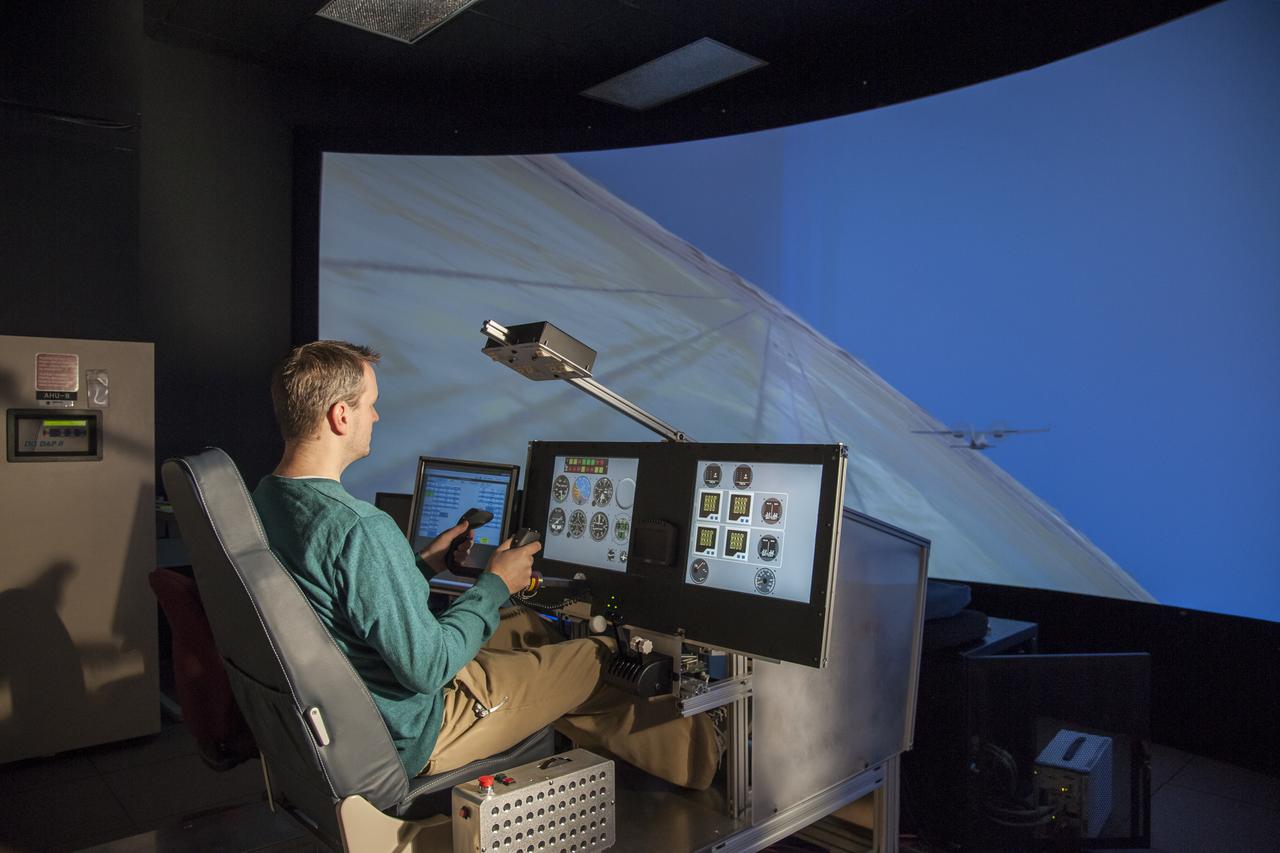
X-57 principal investigator Sean Clarke flies the X-57 simulator at NASA’s Armstrong Flight Research Center, examining ideal maneuvers and reaction times for flight.
NASA X-57 Simulator Prepares Pilots, Engineers for Flight of Electric X-Plane
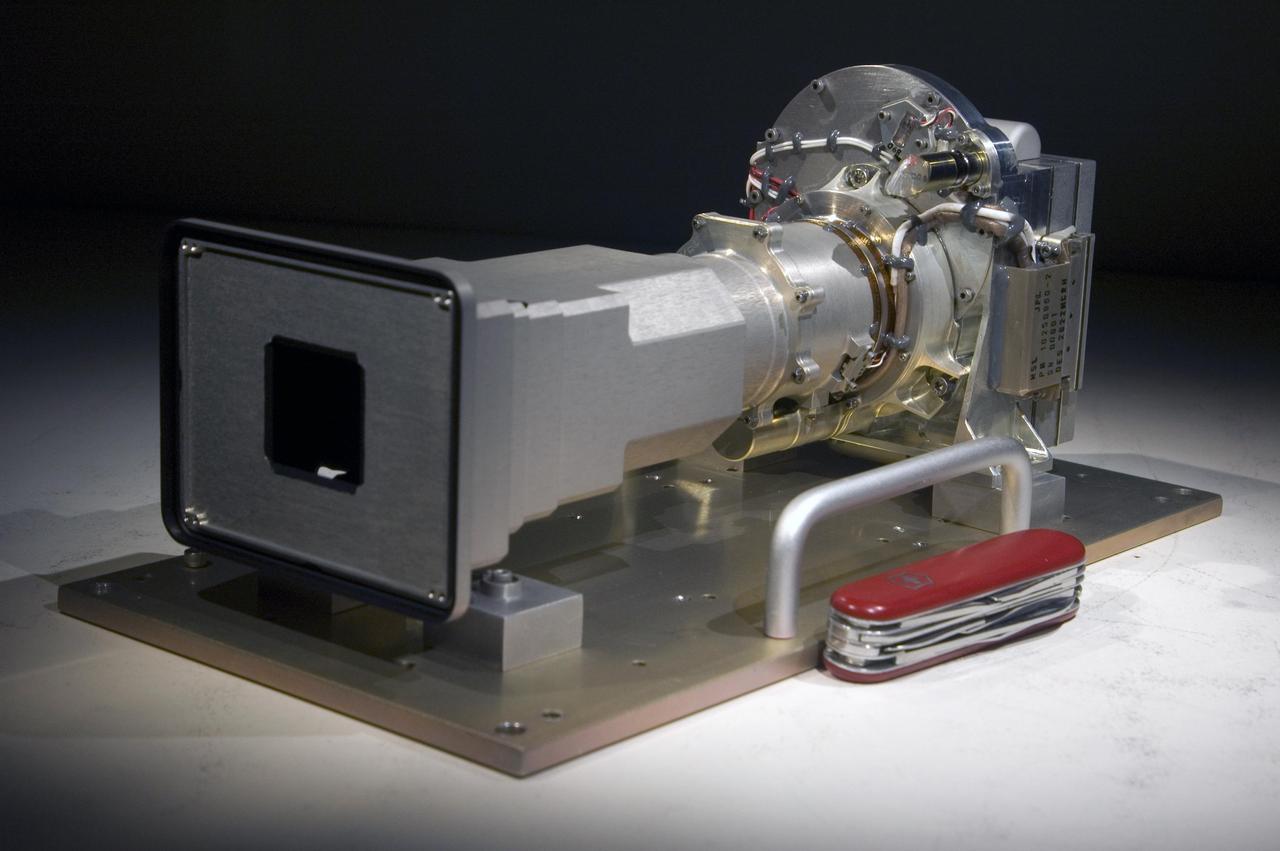
The Mast Camera Mastcam instrument for NASA Mars Science Laboratory will use a side-by side pair of cameras for examining terrain around the mission rover, Curiosity. The Mastcam 34 offers wider-angle viewing.
Mastcam 34: Shorter Focal-Length Eye of Mast Camera Pair for Mars Rover
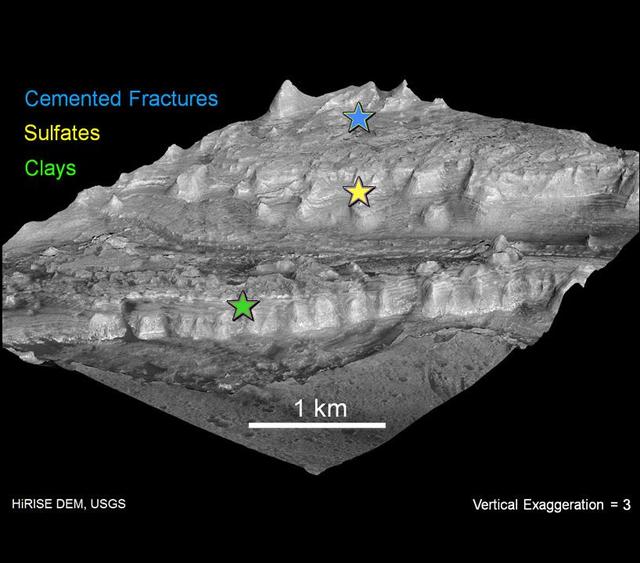
The lower portion of a mountain inside Gale crater on Mars contains layers that may be examined by NASA Mars Science Laboratory. A landing site in Gale, close to the foot of the mountain, has been selected for the mission.
Attractions in Layers of Mountain Inside Gale Crater
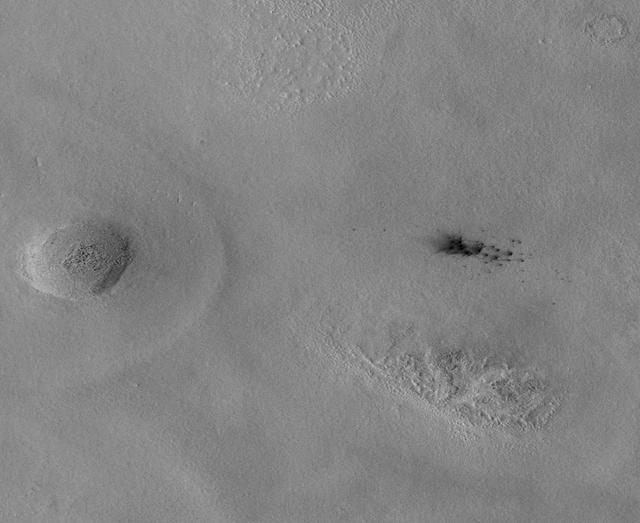
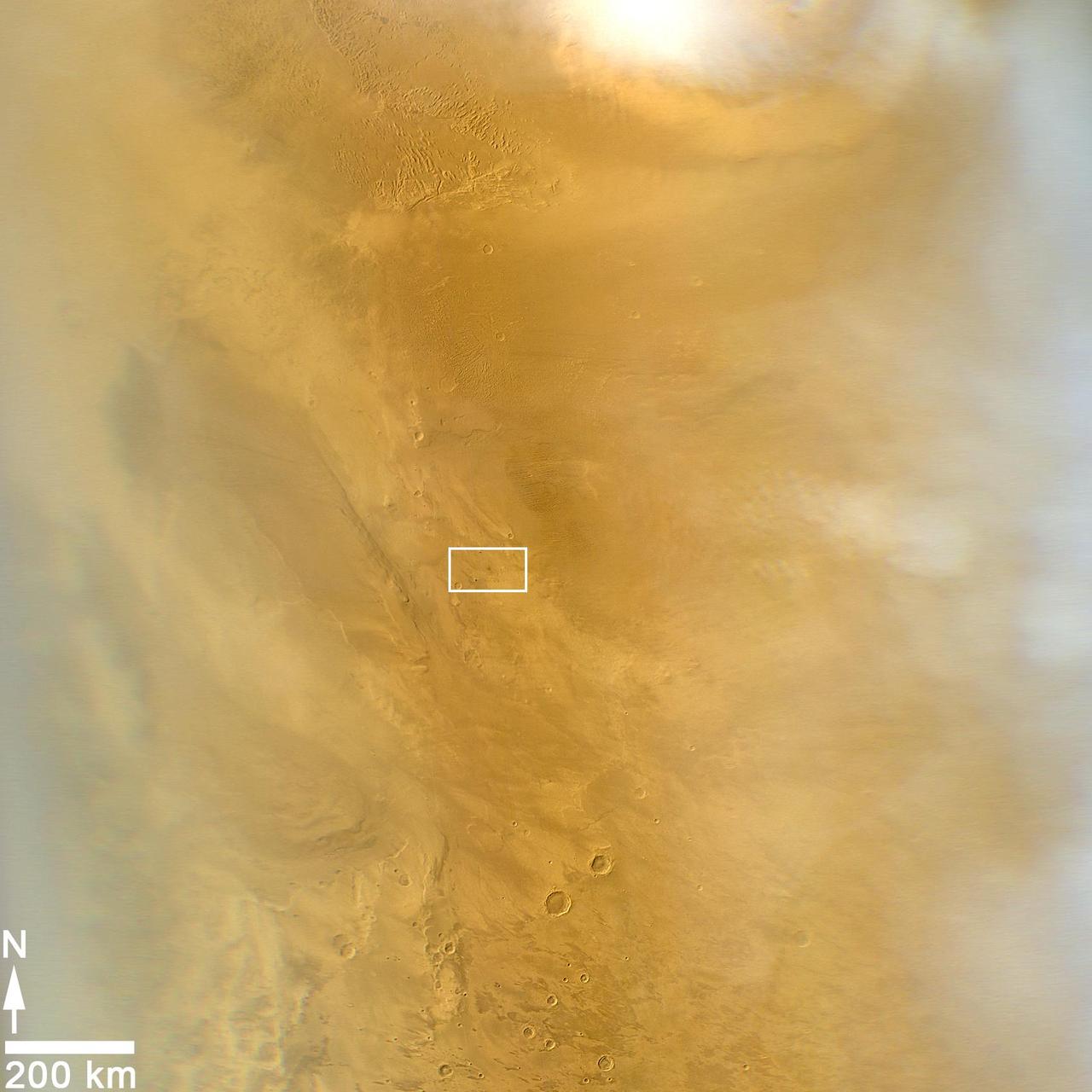
This March 20, 2014, image from the MARCI camera on NASA Mars Reconnaissance Orbiter has a dark spot at center of rectangle noticed while the image was being examined for a weather report.
Impact Scar Detected in Mars Weathercam Image
This schematic illustration for NASA Mars Science Laboratory Sample Analysis at Mars SAM instrument shows major components of the microwave-oven-size instrument, which will examine samples of Martian rocks, soil and atmosphere.
Schematic of Sample Analysis at Mars SAM Instrument
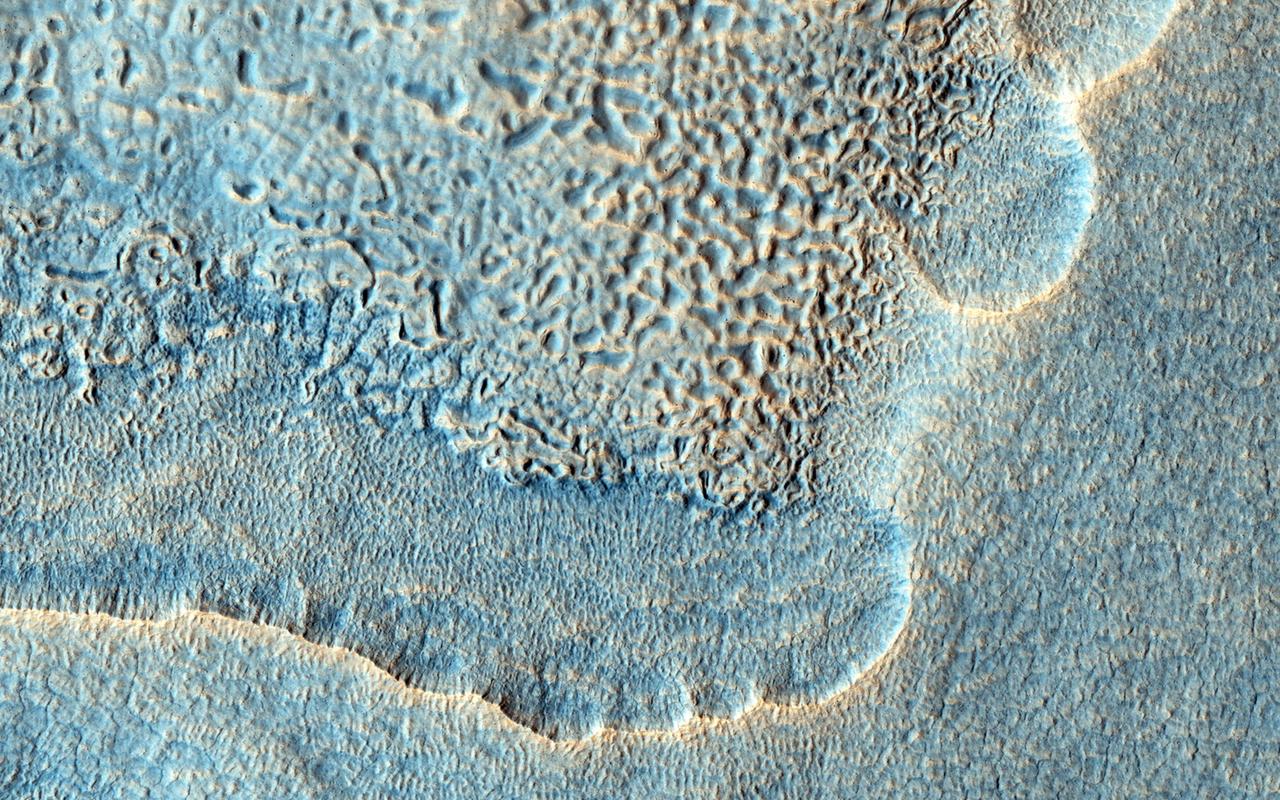
The objective of this observation from NASA Mars Reconnaissance Orbiter is to examine a light-toned deposit in a region of what is called chaotic terrain at the base of the Valles Marineris canyon system.
A Light Toned Deposit in Arsinoes Chaos
NASA Cassini spacecraft peers through the atmosphere of Saturn largest moon, Titan, to examine the dark region Belet. This large region on the moon surface has a low albedo, meaning it reflects little light.
Belet Close-Up
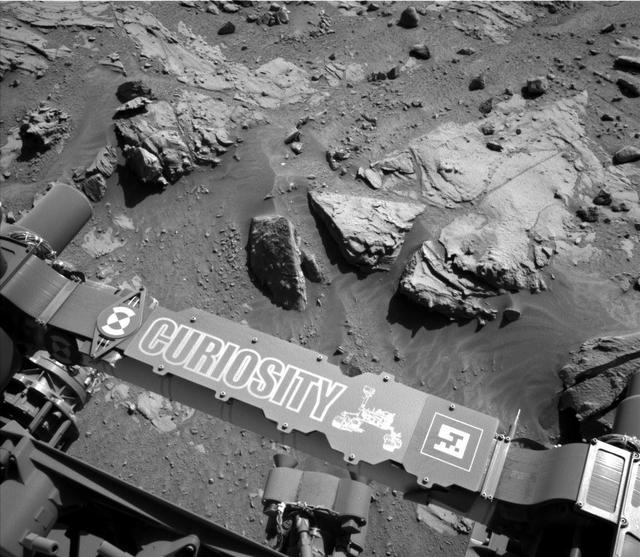
This image from the Navigation Camera on NASA Curiosity Mars rover shows a sandstone slab on which the rover team has selected a target, Windjana, for close-up examination.
Curiosity Mars Rover Beside Sandstone Target Windjana
During four months prior to the fourth anniversary of its landing on Mars, NASA Mars Exploration Rover Opportunity examined rocks inside an alcove called Duck Bay in the western portion of Victoria Crater.
Lyell Panorama inside Victoria Crater
NASA Mars Exploration Rover Opportunity found and examined this meteorite. The science team used two tools on Opportunity arm, the microscopic imager and the alpha particle X-ray spectrometer, to inspect the rock texture and composition.
Opportunity Close-up of a Meteorite: Oileán Ruaidh True Color
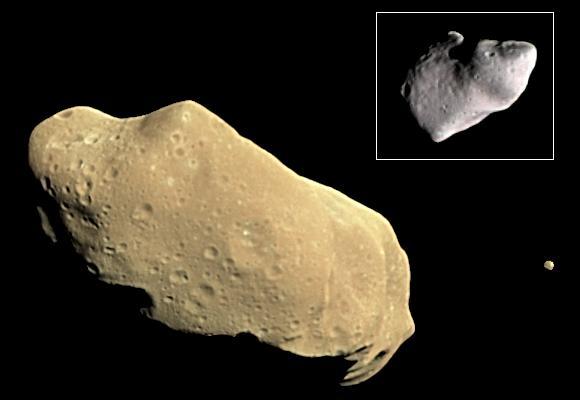
During its examination of the asteroid Ida, NASA Galileo spacecraft returned images of a second object, Dactyl--the first confirmed satellite or moon of an asteroid; the much smaller moon is visible to the right of Ida.  http://photojournal.jpl.nasa.gov/catalog/PIA00333
Asteroid Ida and its Satellite Dactyl in Enhanced Color
The Context Camera aboard NASA Mars Reconnaissance Orbiter discovers new dark spots on Mars that, upon closer examination, turn out to be brand new impact craters.
New Impact Craters on Mars
NASA Opportunity had driven 62.5 meters 205 feet that sol, southward away from an outcrop called Penrhyn, which the rover had been examining for a few sols, and toward a crater called Adventure. This is a cylindrical projection.
Opportunity Surroundings After Backwards Drive, Sol 1850
This image from the Mars Hand Lens Imager MAHLI camera on NASA Curiosity Mars rover shows an example of a type of geometrically distinctive feature that researchers are using Curiosity to examine at a mudstone outcrop at the base of Mount Sharp.
Resistant Features in Pahrump Hills Outcrop
NASA Cassini spacecraft examines old and new terrain on Saturn fascinating Enceladus, a moon where jets of water ice particles and vapor spew from the south pole. Newly created terrain is at the bottom, in the center and on the left of this view.
Differently Aged Terrain
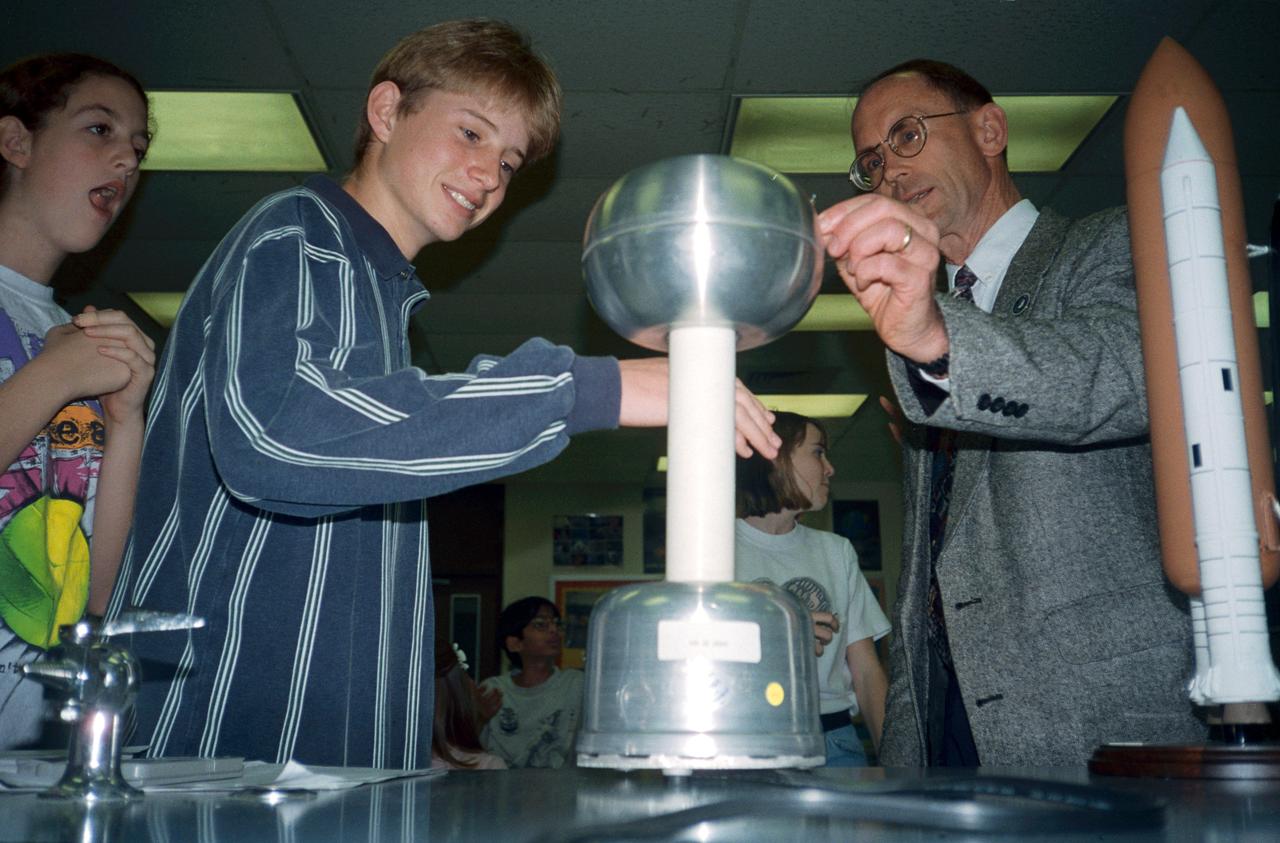
Johnson Space Center (JSC) engineers visit Houston area schools for National Engineers Week. Students examine a machine that generates static electricity (4296-7). Students examine model rockets (4298).
JSC engineers visit area schools for National Engineers Week
CEV (Crew Escape Vehicle) capsule Balistic Range testing to examine static and dynamic stability characteristics  (at the Hypervelocity Free-Flight Facility) HFF - Don Holt (L) & Don Bowling (r) in control room examining poloroids
ARC-2006-ACD06-0177-013
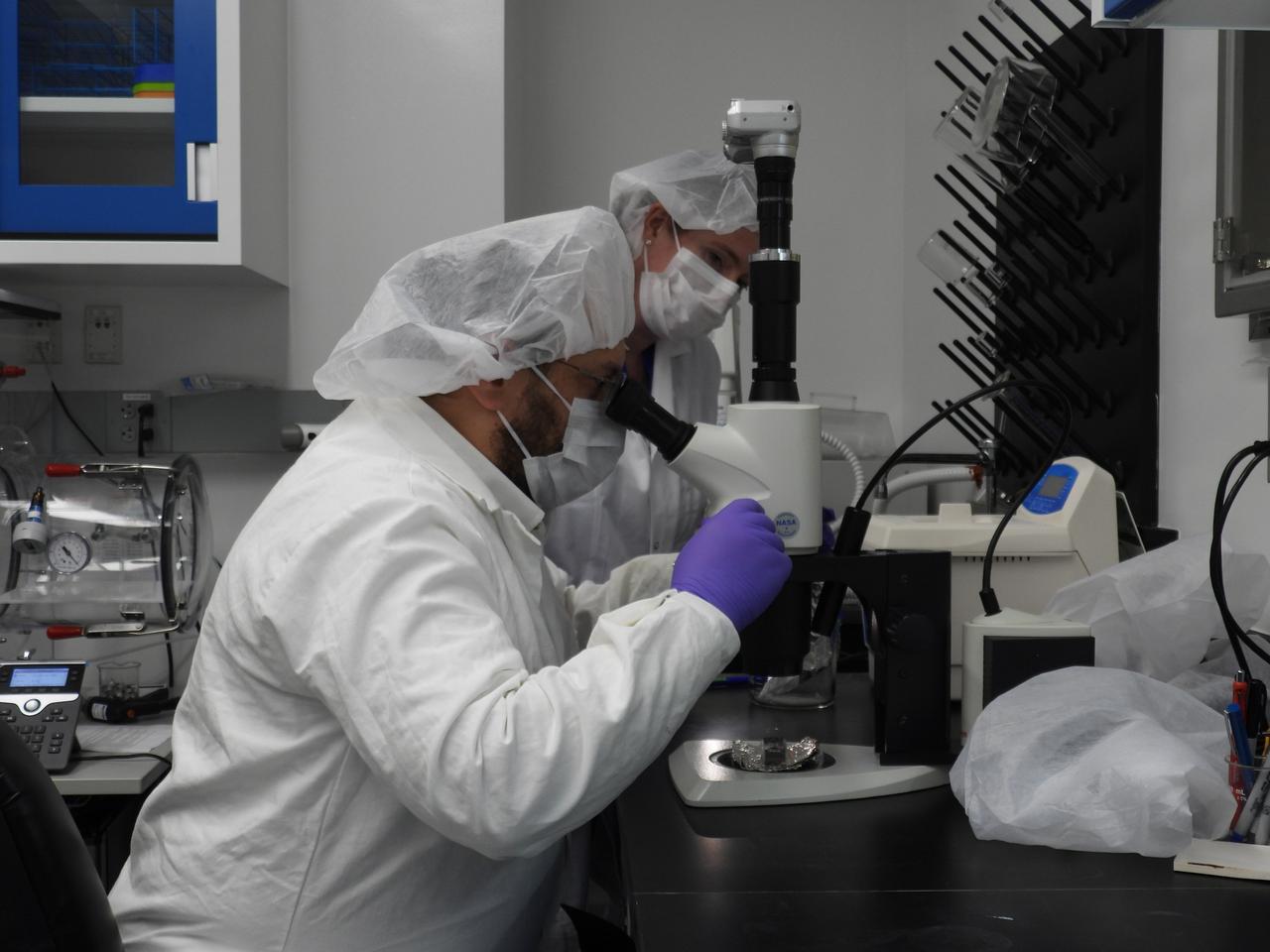
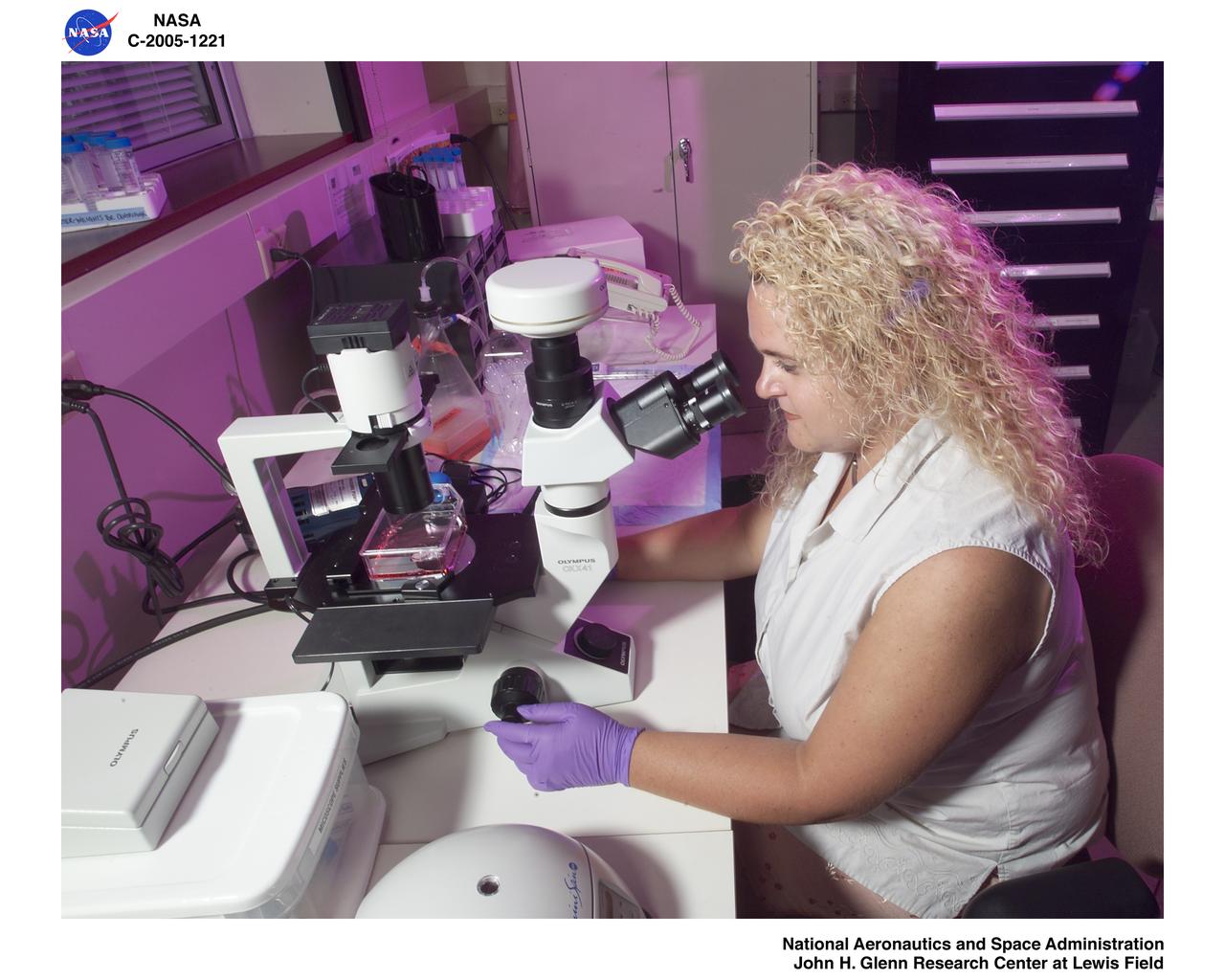
Examination of cells in Microscope
GRC-2005-C-01221
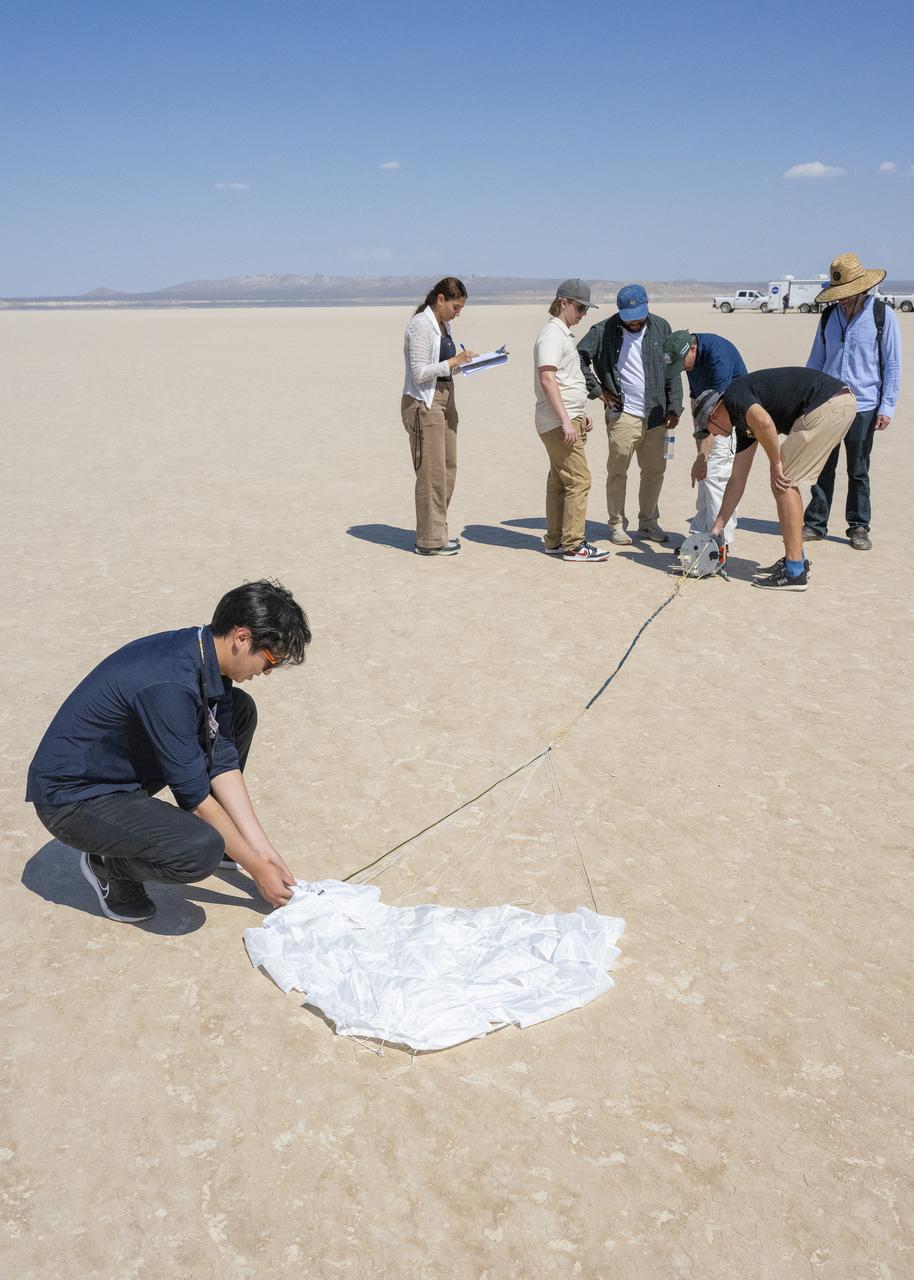
The Enhancing Parachutes by Instrumenting the Canopy project team examines a capsule and parachute following an air launch from an Alta X drone on June 4, 2025, at NASA’s Armstong Flight Research Center in Edwards, California. NASA researchers are developing technology to make supersonic parachutes safer and more reliable for delivering science instruments and payloads to Mars.
NASA Works to Improve Supersonic Parachutes for Mars Missions
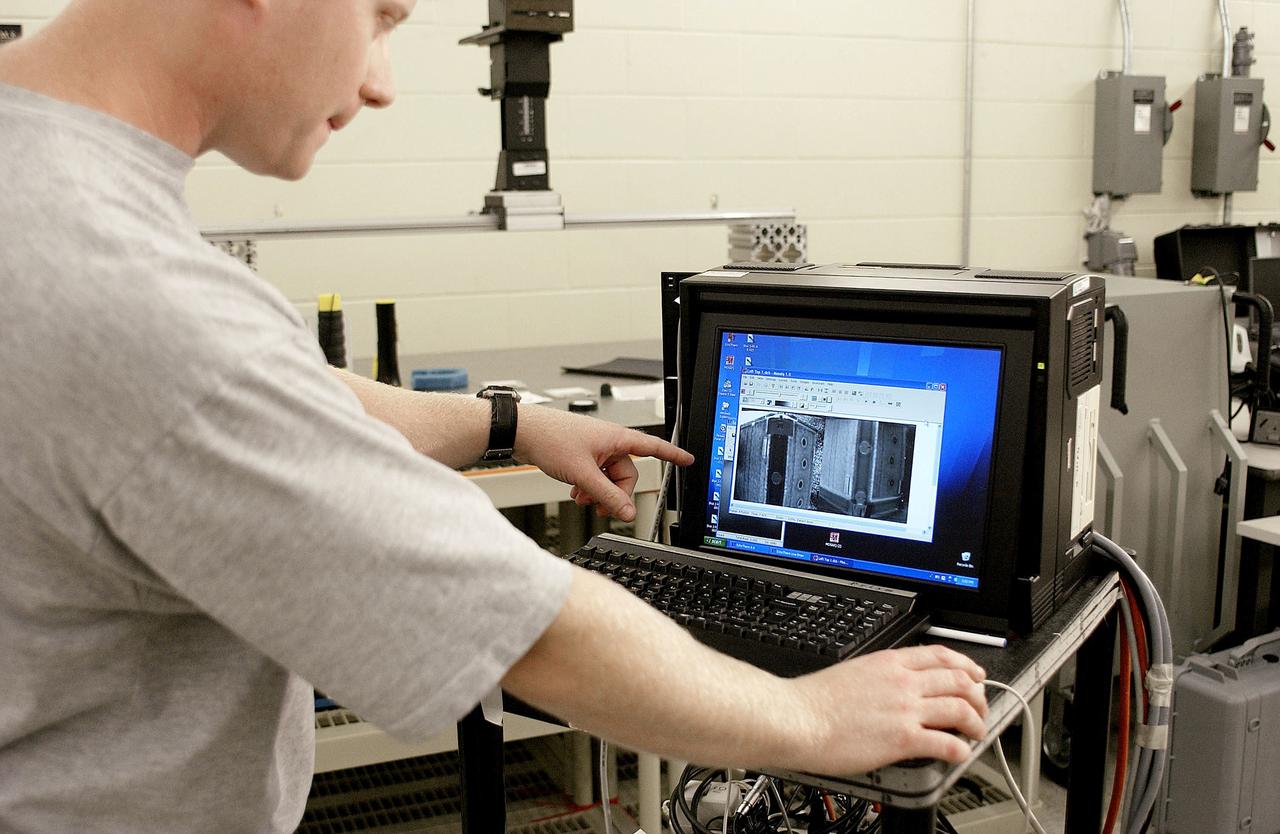
KENNEDY SPACE CENTER, FLA. - In the Vehicle Assembly Building, Jim Landy, NDE specialist, examines flight crew lockers using flash thermography.  He is screening the lockers for hidden damage underneath dings and dents that might occur during handling.
KENNEDY SPACE CENTER, FLA. - In the Vehicle Assembly Building, Jim Landy, NDE specialist, examines flight crew lockers using flash thermography. He is screening the lockers for hidden damage underneath dings and dents that might occur during handling.
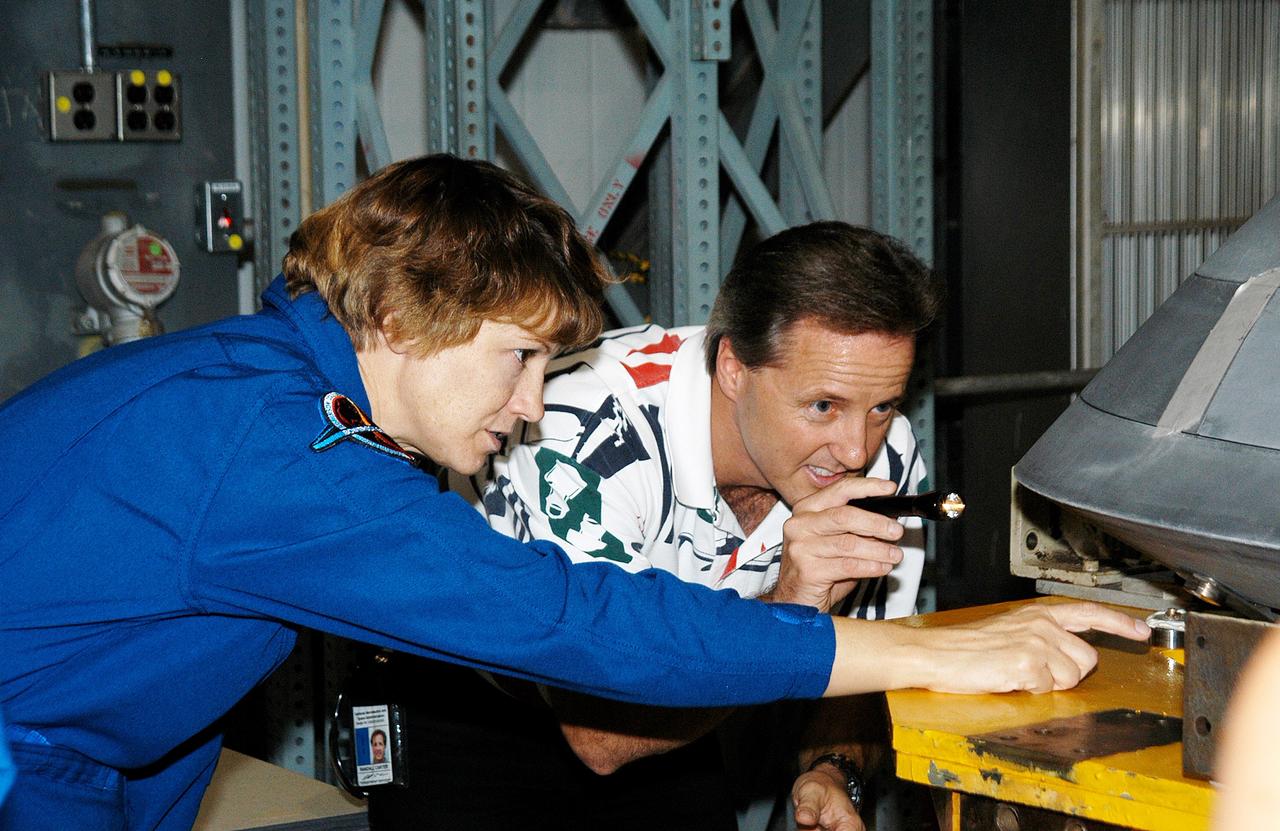
KENNEDY SPACE CENTER, FLA. -  In the Orbiter Processing Facility, STS-114 Commander Eileen Collins examines part of the Atlantis nose cap with Randall Carter, who is with The  Boeing Company.  The nose cap was  recently removed from Atlantis.  The STS-114 crew is at KSC to take part in crew equipment and orbiter familiarization.
KENNEDY SPACE CENTER, FLA. - In the Orbiter Processing Facility, STS-114 Commander Eileen Collins examines part of the Atlantis nose cap with Randall Carter, who is with The Boeing Company. The nose cap was recently removed from Atlantis. The STS-114 crew is at KSC to take part in crew equipment and orbiter familiarization.
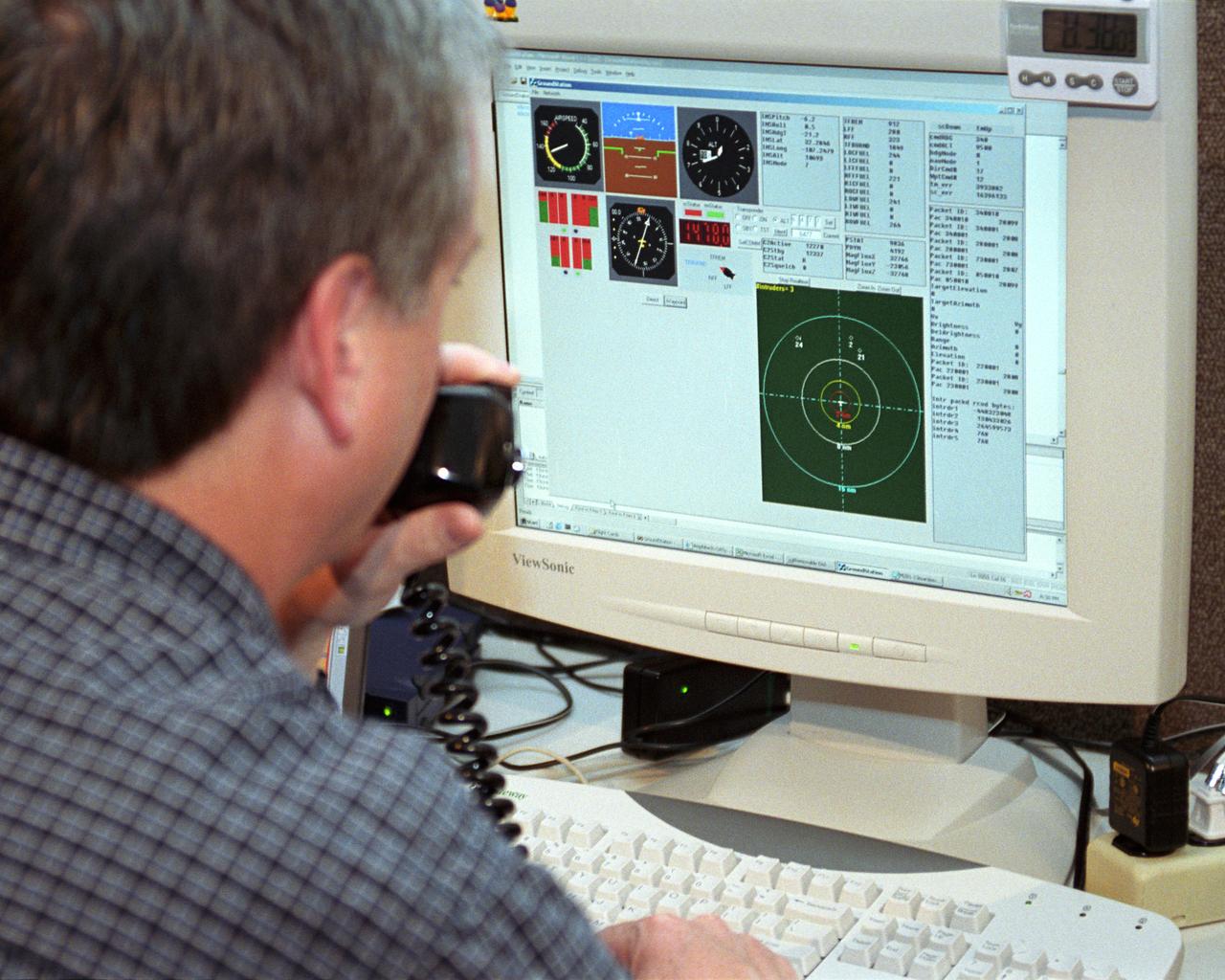
Scaled Composites' Doug Shane examines the screen of his ground control station during tests in New Mexico. Shane used this configuration as the ground control station to remotely pilot the Proteus aircraft during a NASA sponsored series of tests.
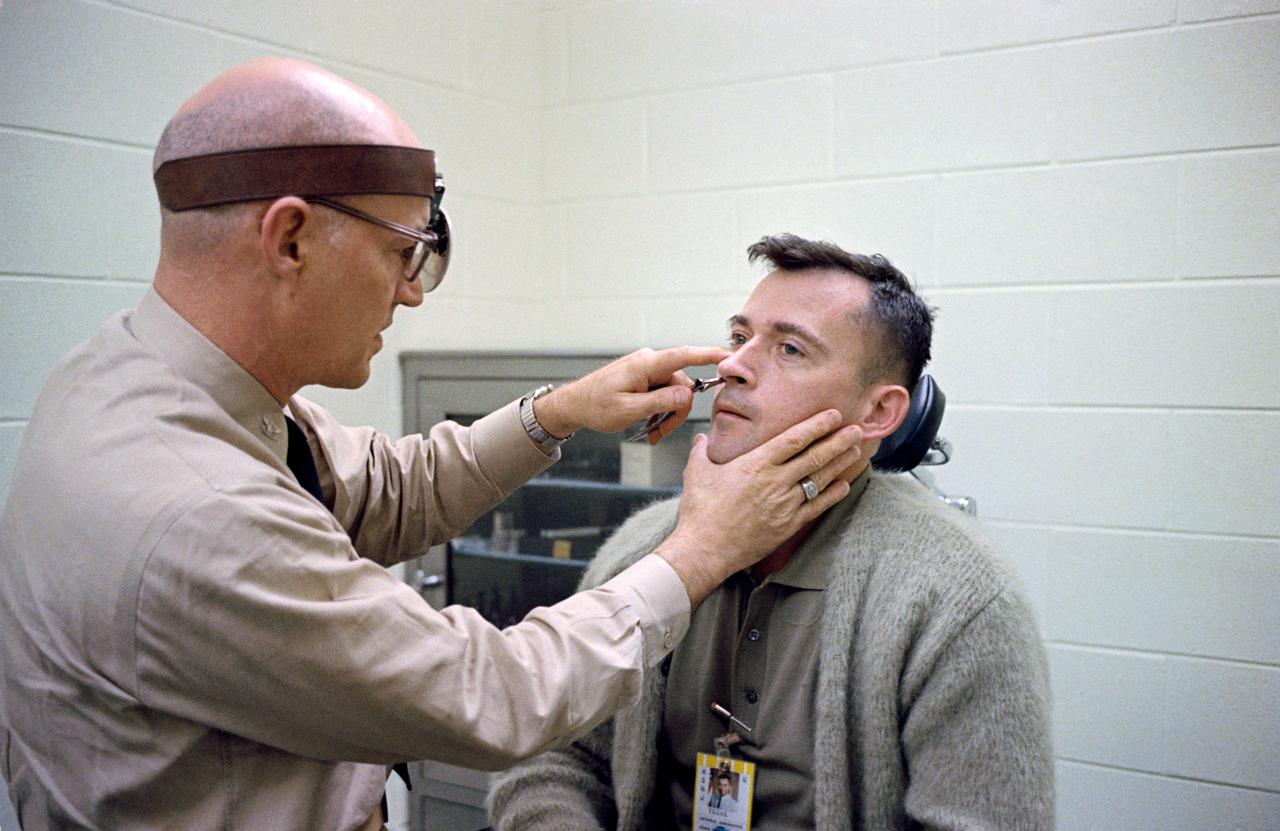
S65-22672 (21 March 1965) --- Astronaut John W. Young, pilot for the Gemini-Titan 3 mission, undergoes an ear, nose and throat examination by Dr. L. Ballenberger, U.S. Navy captain.  The examination took place during the physical given to the GT-3 crew two days before launch.
JOHN W. YOUNG - MISC. - CAPE - medical exam
The scarp cutting through this crater was imaged as NASA MESSENGER approached the planet during the mission second Mercury flyby.
Using Reprojections to Examine Mercury Surface