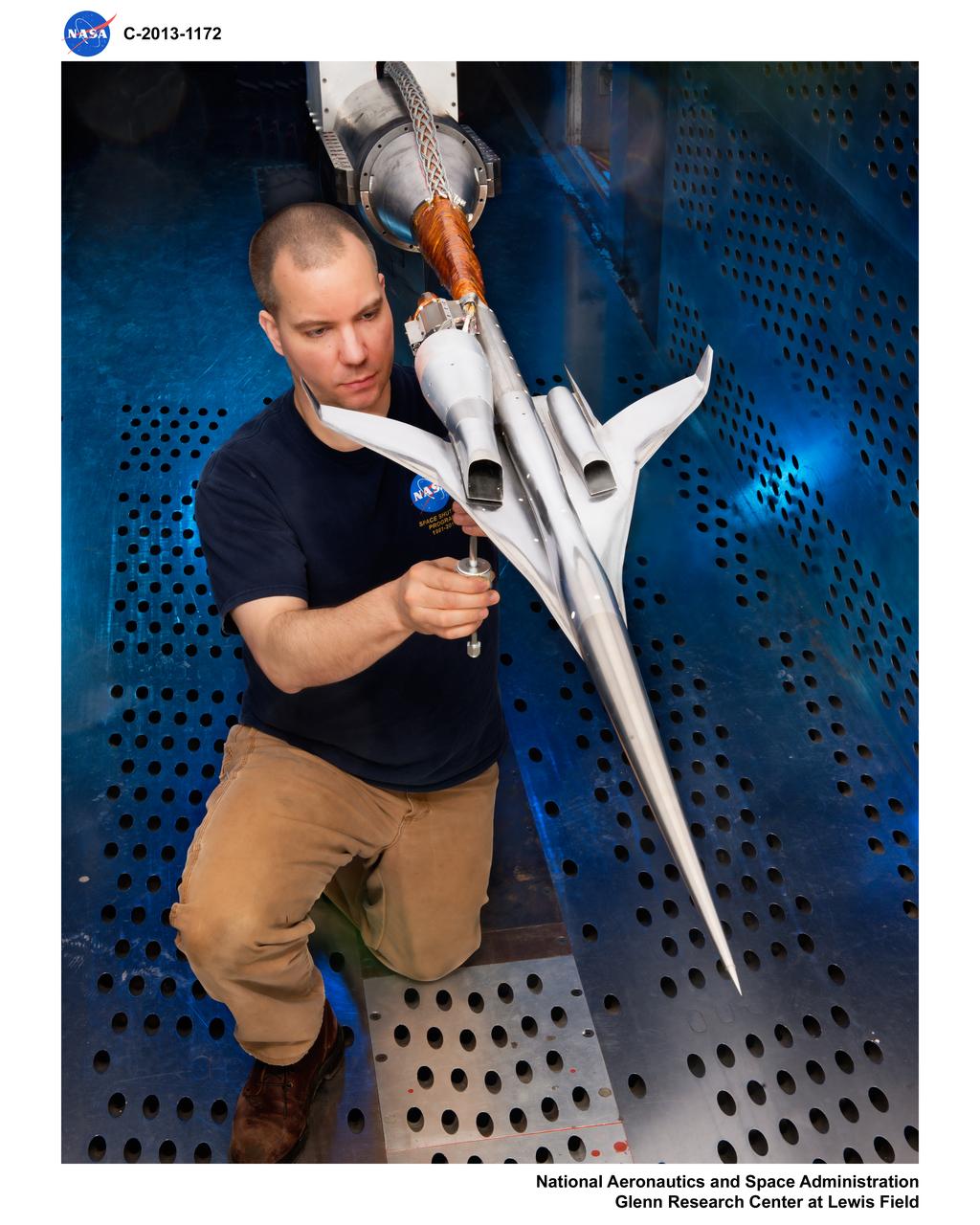
Boeing Quiet Experimental Validation Concept, QEVC, performance model
Engineers gather aerodynamic data on the integrated experimental testbed without the electric motor propellers.
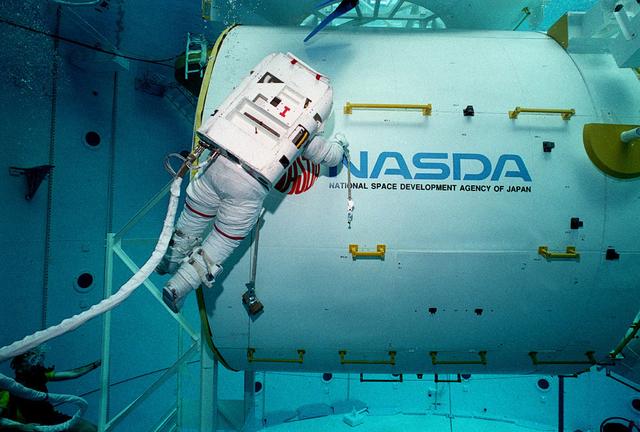
Japanese Experimental Module testing in Marshall's Neutral Buoyancy Simulator (NBS).
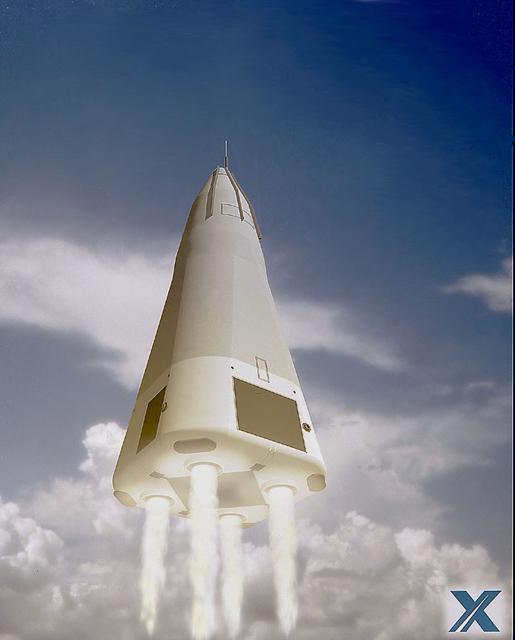
Pictured here is a DC-XA Reusable Launch Vehicle (RLV) prototype concept with an RLV logo. The Delta Clipper-Experimental (DC-X) was originally developed by McDornell Douglas for the Department of Defense (DOD). The DC-XA is a single-stage-to-orbit, vertical takeoff/vertical landing, launch vehicle concept, whose development is geared to significantly reduce launch costs and will provide a test bed for NASA Reusable Launch Vehicle (RLV) technology as the Delta Clipper-Experimental Advanced (DC-XA).
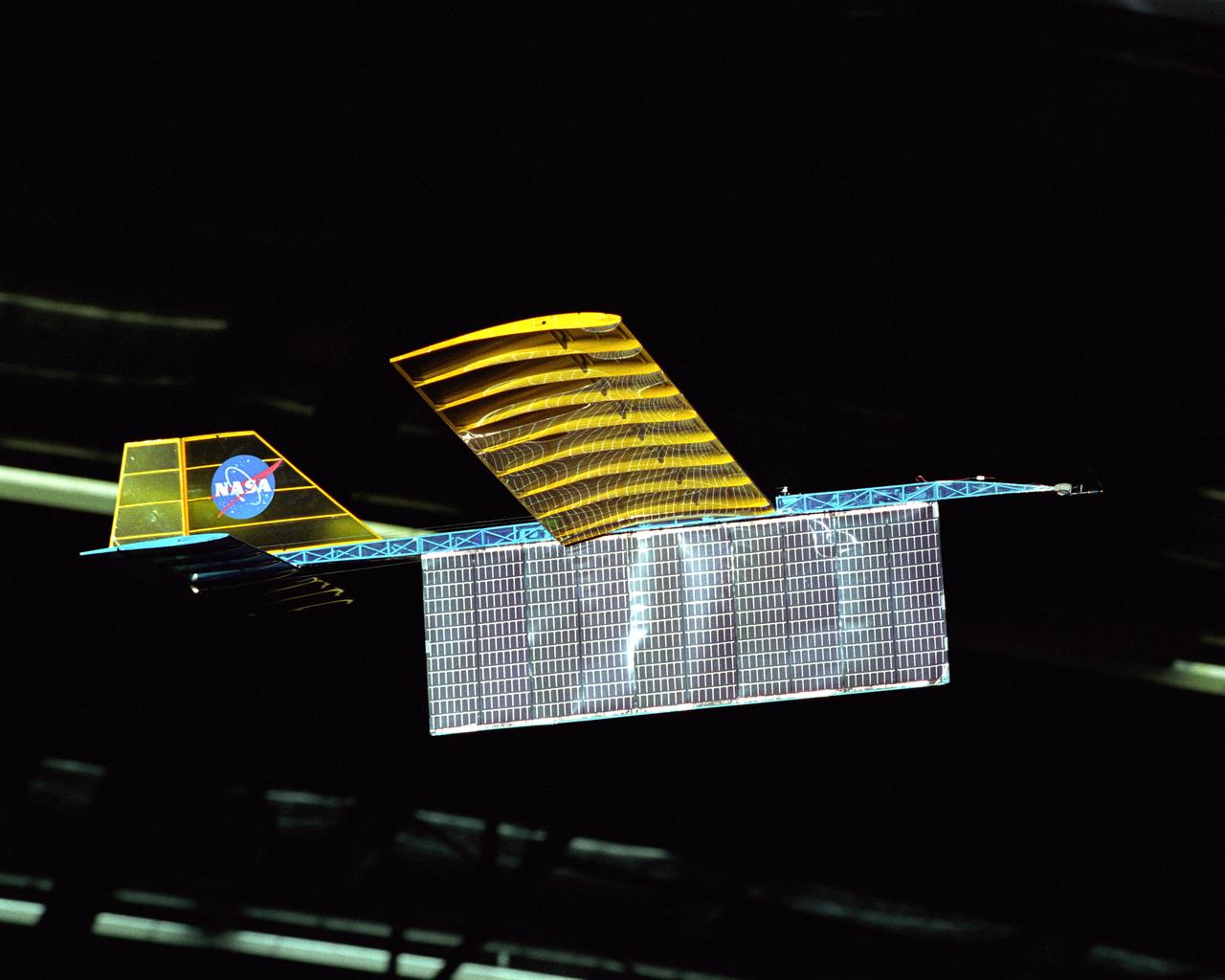
An experimental radio-controlled model aircraft is seen here in flight, powered only by light energy beamed to it by a spotlight.
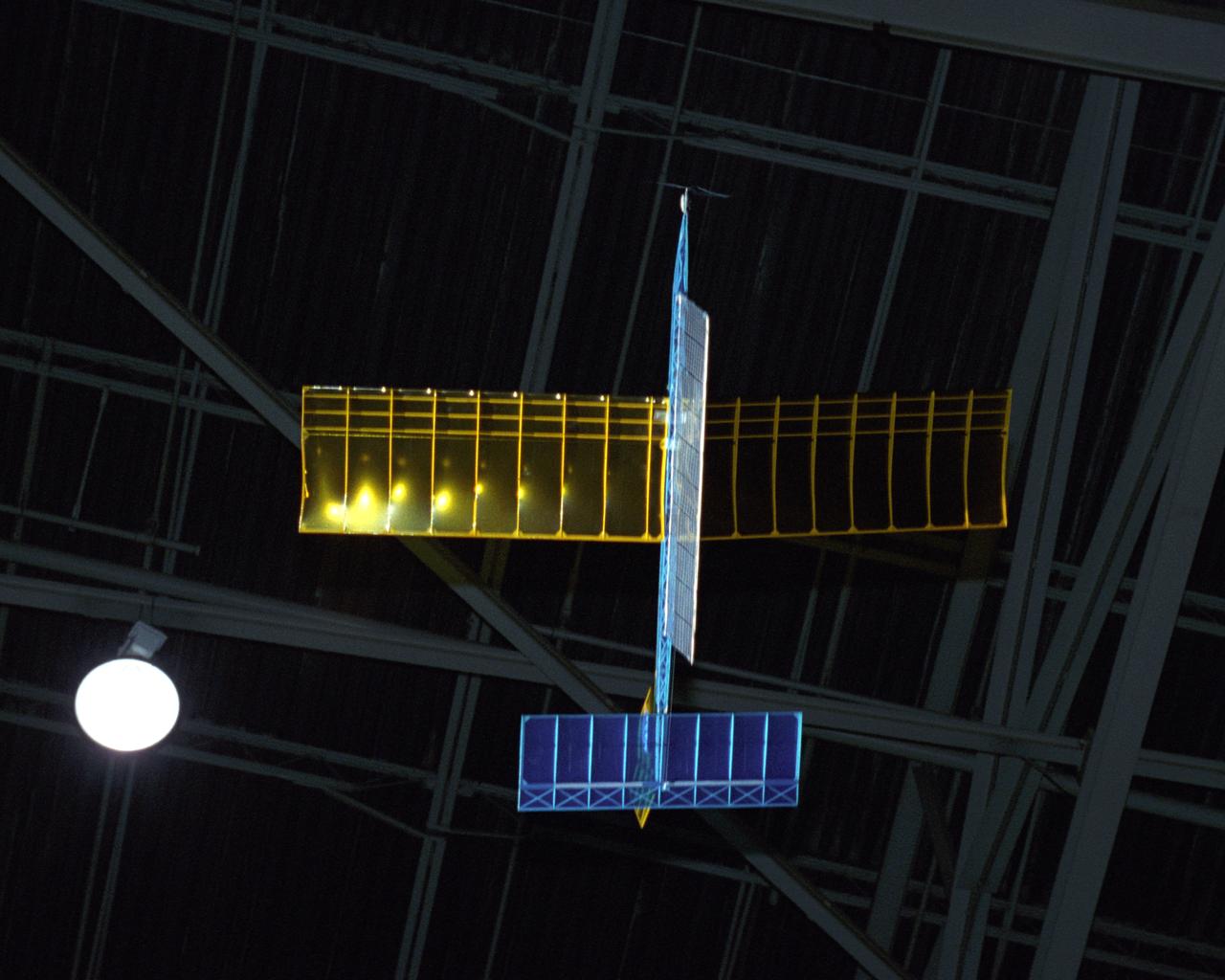
An experimental radio-controlled model aircraft is seen here in flight powered only by light energy beamed to it by a spotlight.
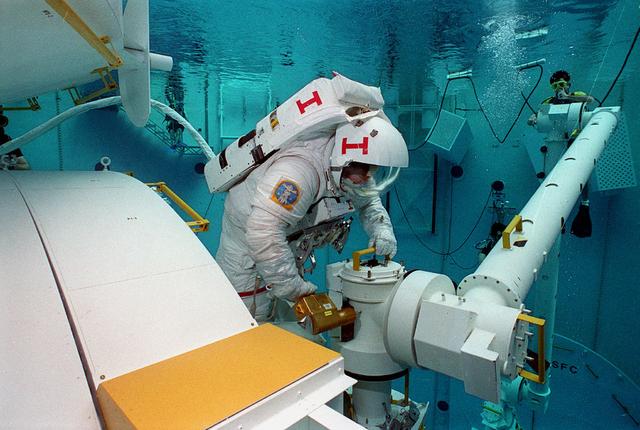
This photograph was taken in the Marshall Space Flight Center (MSFC) Neutral Buoyancy Simulator (NBS) during the testing of the Japanese Experimental Module. The NBS provided the weightless environment encountered in space needed for testing and the practices of extra-vehicular activities.
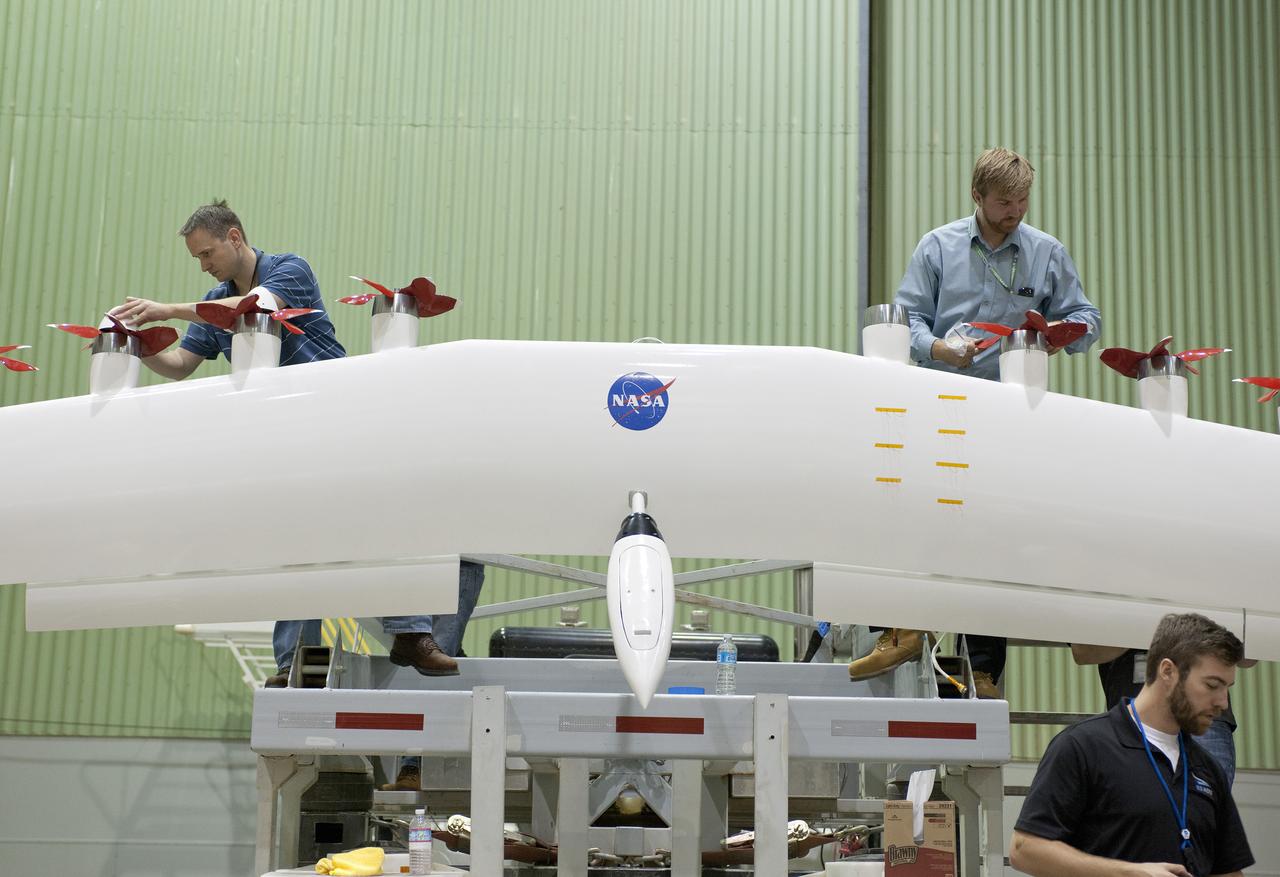
Engineers work on a wing with electric motors that is part of an integrated experimental testbed. From left are Sean Clarke, left, Kurt Papathakis at upper right and Anthony Cash in the foreground.
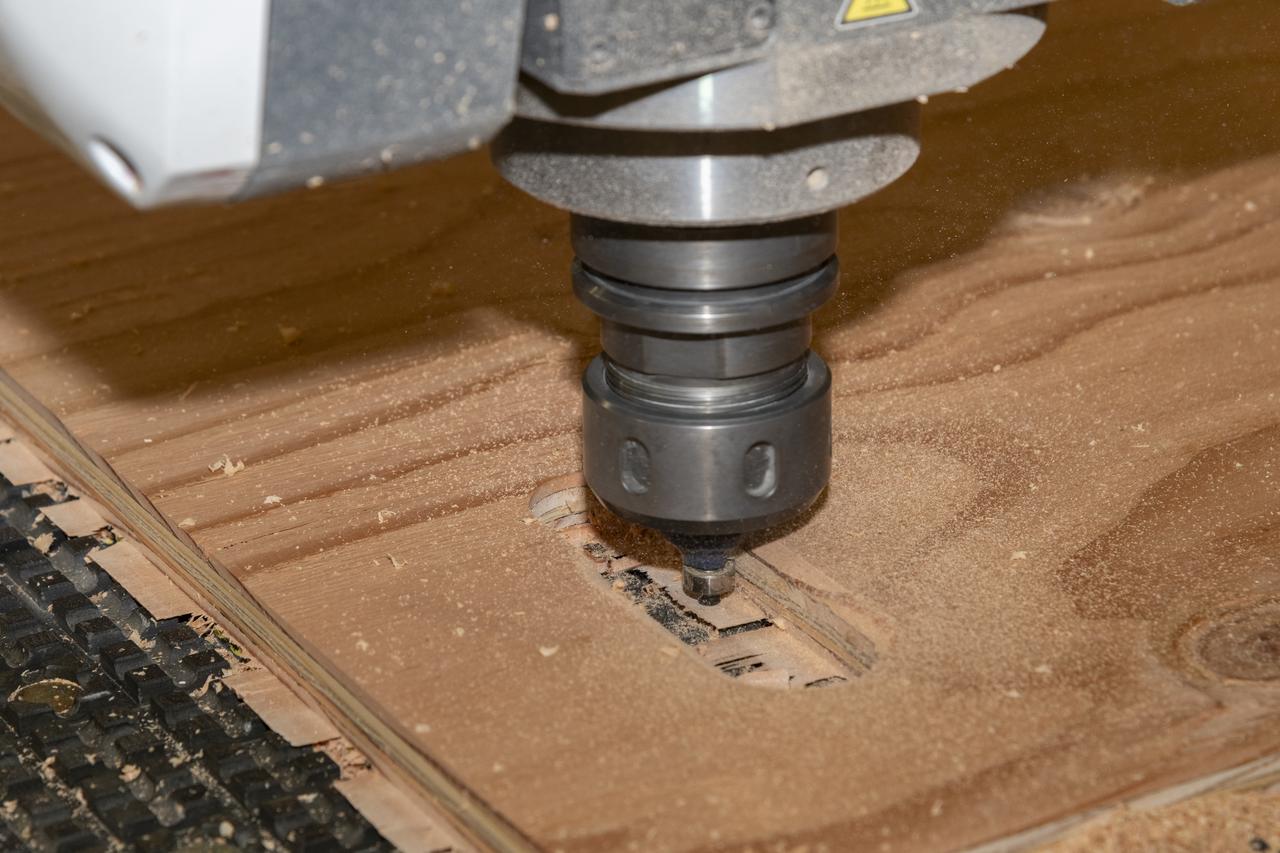
A wood router cuts precise holes in plywood for temporary floorboards on Aug. 26, 2024, in the Experimental Fabrication Shop at NASA’s Armstrong Flight Research Center in Edwards, California. The flooring was designed for the X-66 experimental demonstrator aircraft.
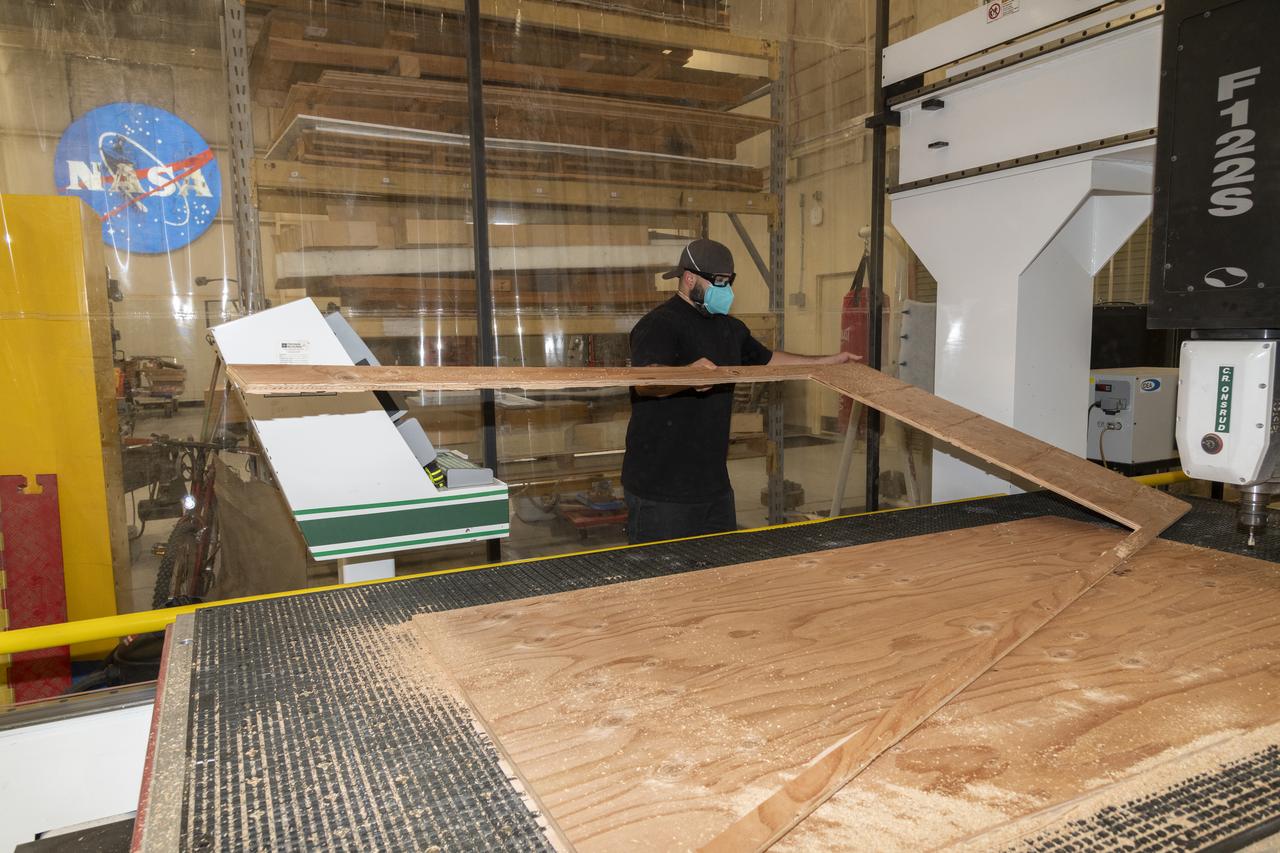
Eric Garza, an engineering technician in the Experimental Fabrication Shop at NASA’s Armstrong Flight Research Center in Edwards, California, cuts plywood to size for temporary floorboards for the X-66 experimental demonstrator aircraft on Aug. 26, 2024.

An experimental radio-controlled model aircraft is seen here in flight powered only by light energy beamed to it by a spotlight.
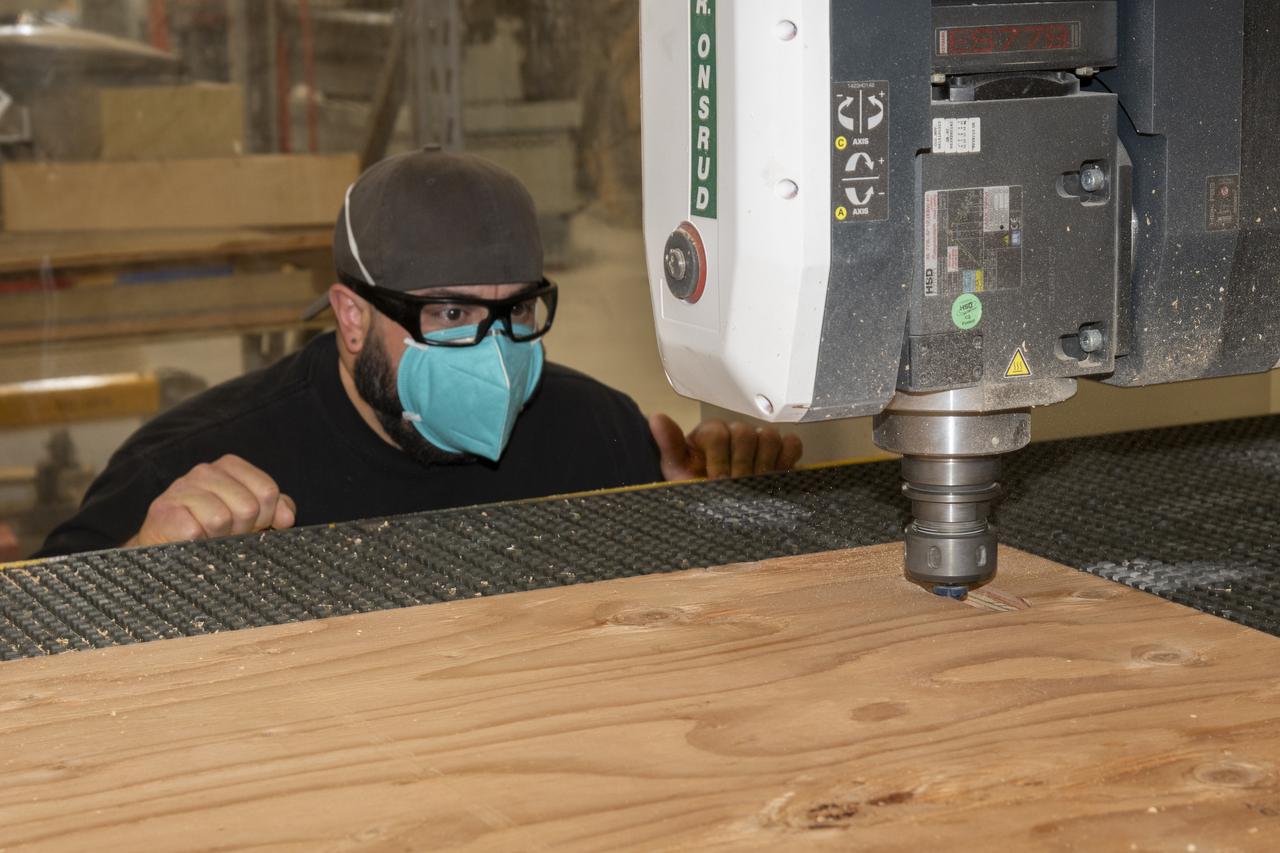
Eric Garza, an engineering technician in the Experimental Fabrication Shop at NASA’s Armstrong Flight Research Center in Edwards, California, observes a wood router cut holes for temporary floorboards on Aug. 26, 2024. The flooring was designed for the X-66 experimental demonstrator aircraft.
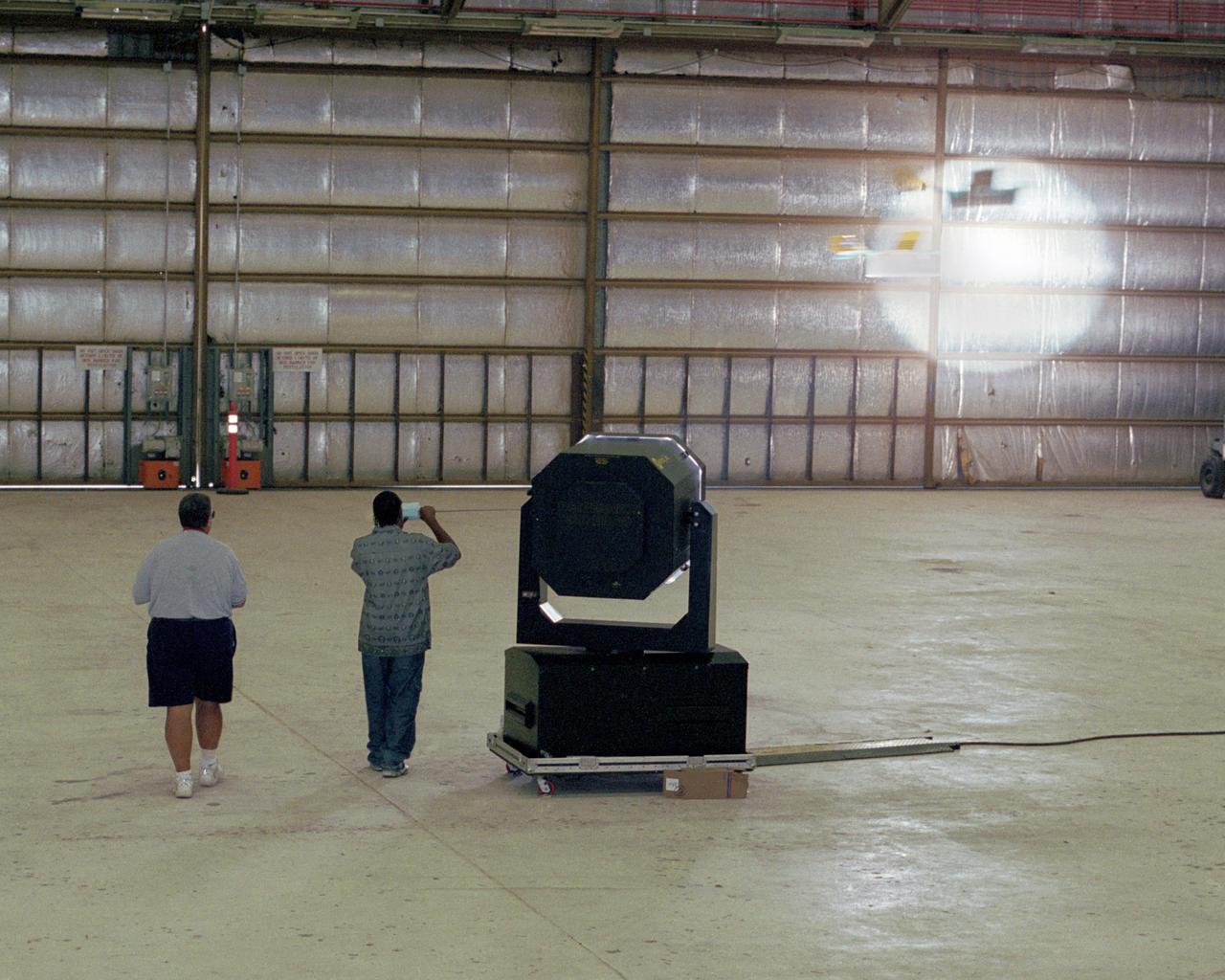
Dryden Model Shop's Tony Frakowiak remotely flies an experimental model aircraft being powered by a spotlight operated by student intern Derrick Barrett.
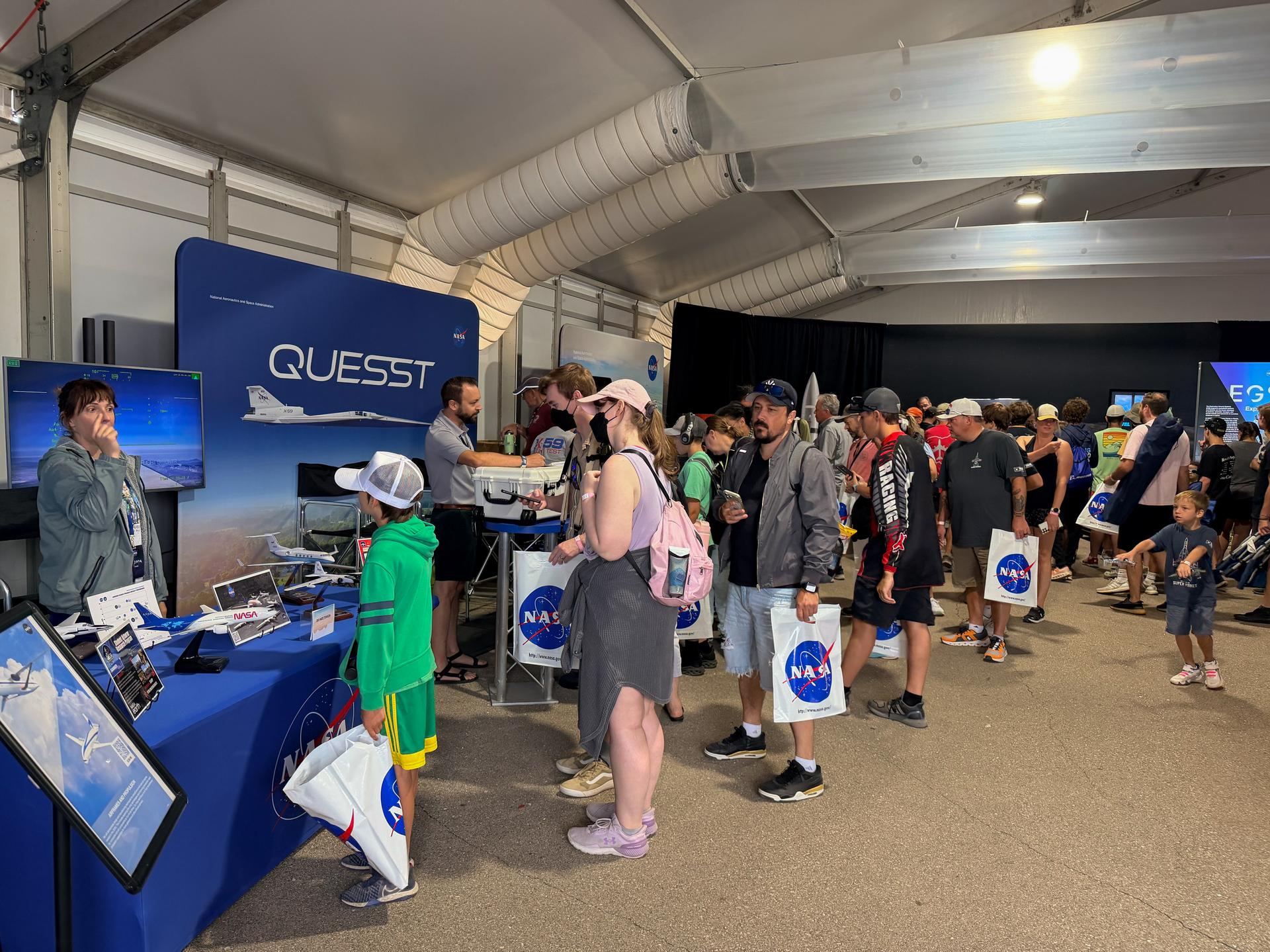
A line of visitors work their way through the exhibits and stop by the Quesst table in the NASA pavilion at the 2026 Experimental Aircraft Association (EAA) AirVenture air show in Oshkosh, Wisconsin, on Saturday, July 25, 2026.
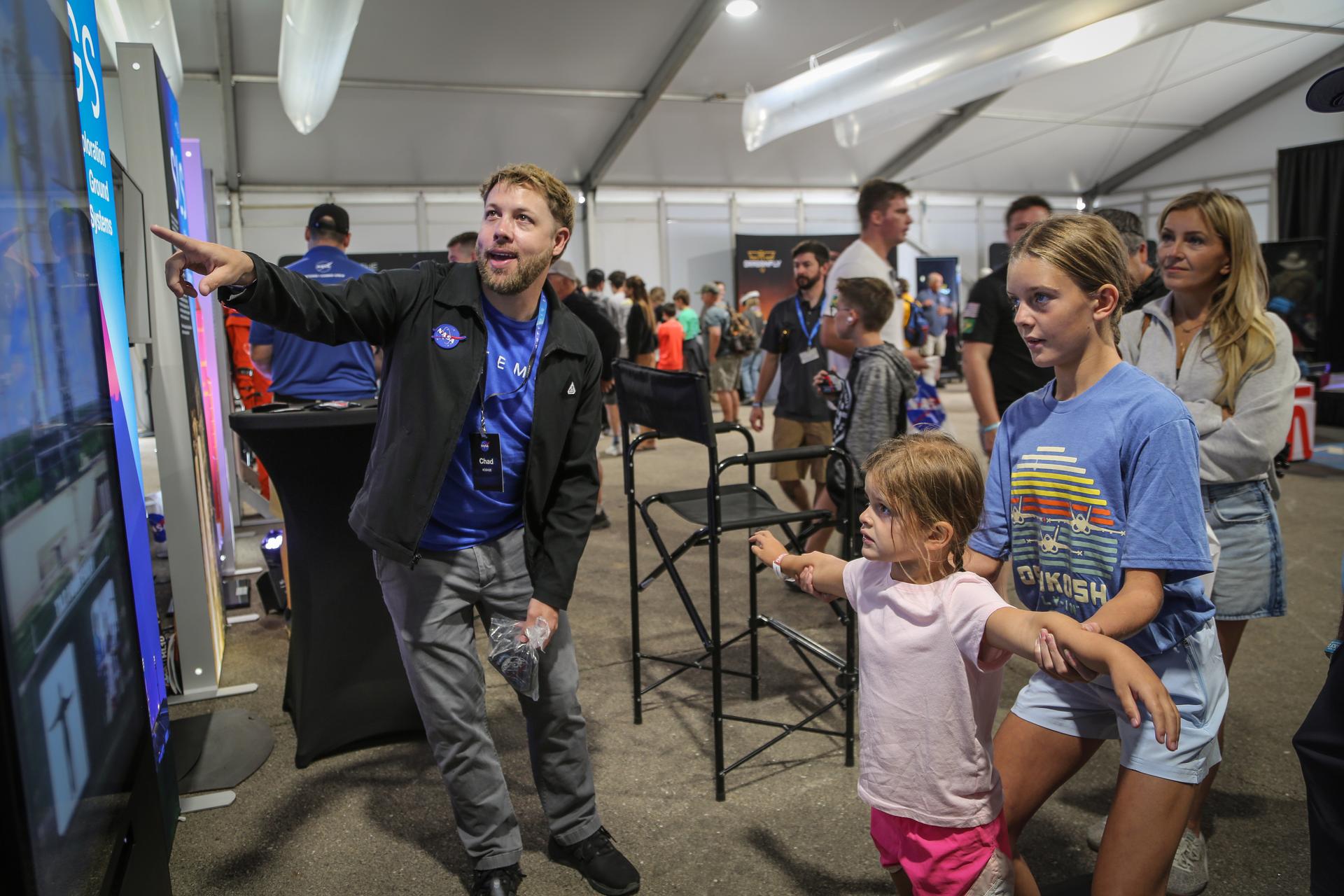
NASA Program Specialist Chad Siwik interacts with visitors at the Artemis exhibit in the NASA pavilion at the 2026 Experimental Aircraft Association (EAA) AirVenture air show in Oshkosh, Wisconsin, on Monday, July 20, 2026.
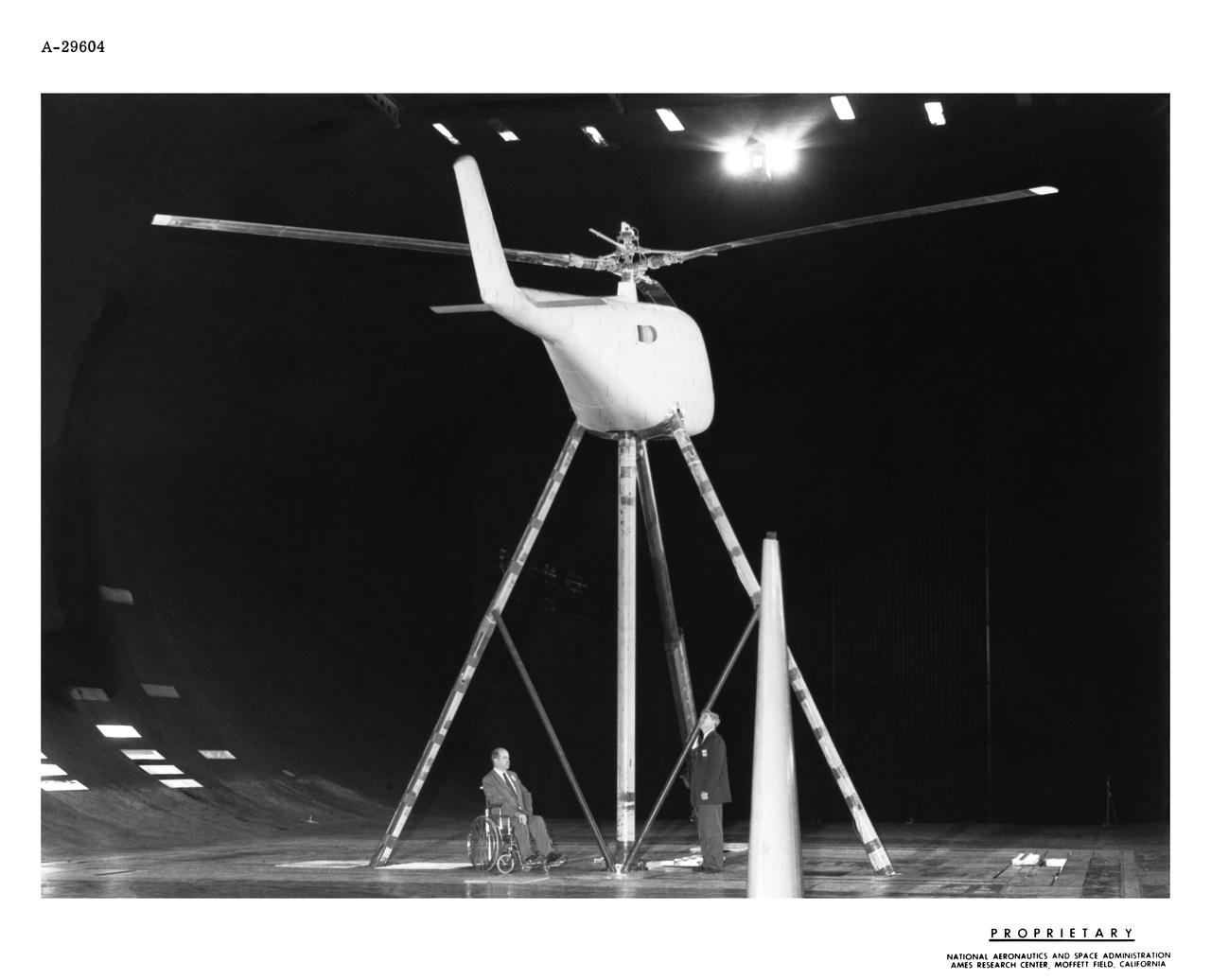
Lockheed XH-51 Experimental Rigid Rotors, no hinges, in Ames 40x80 foot wind tunnel. John McCloud (left sitting) Jack Rabbot (Right).
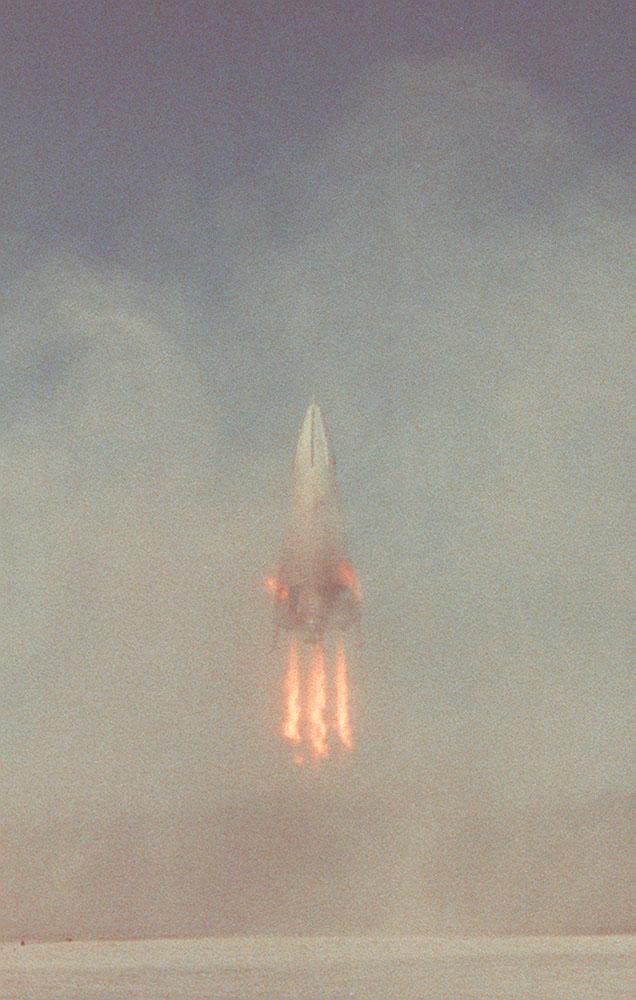
The Delta Clipper-Experimental Advanced (DC-XA) is a single-stage-to-orbit, vertical takeoff / vertical landing launch vehicle concept, whose development was geared to significantly reduce launch cost and provided a test bed for NASA Reusable Launch Vehicle (RLV) technology. This photograph shows the descending vehicle landing during the first successful test flight at White Sands Missile Range, New Mexico. The program was discontinued in 2003.
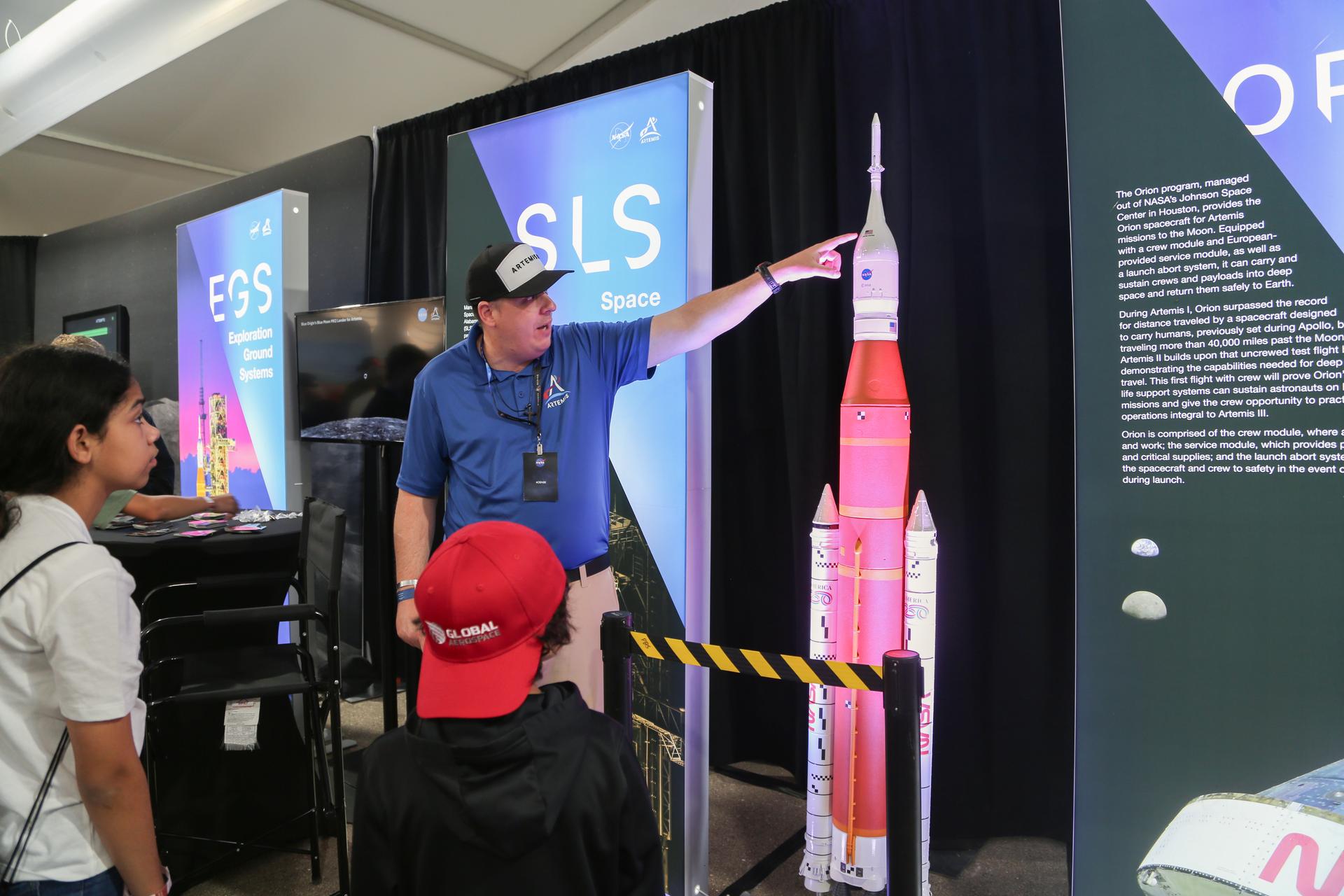
NASA Communications Strategist Will Bryan shows visitors an Orion spacecraft model at the Artemis display in the NASA pavilion at the 2026 Experimental Aircraft Association (EAA) AirVenture air show in Oshkosh, Wisconsin, Monday, July 20, 2026.
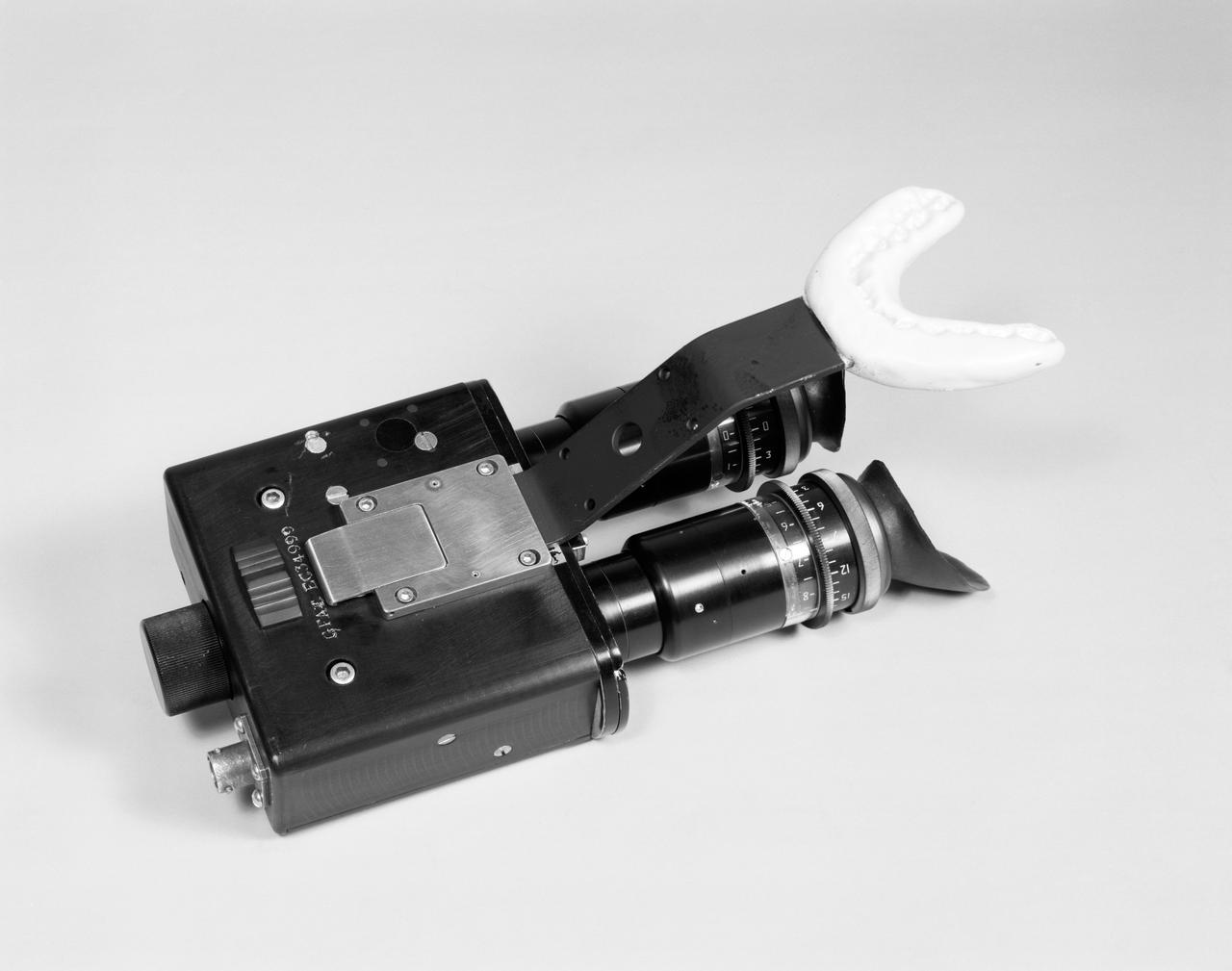
GT-4 Experimental Vision Tester. MSC, HOUSTON, TX
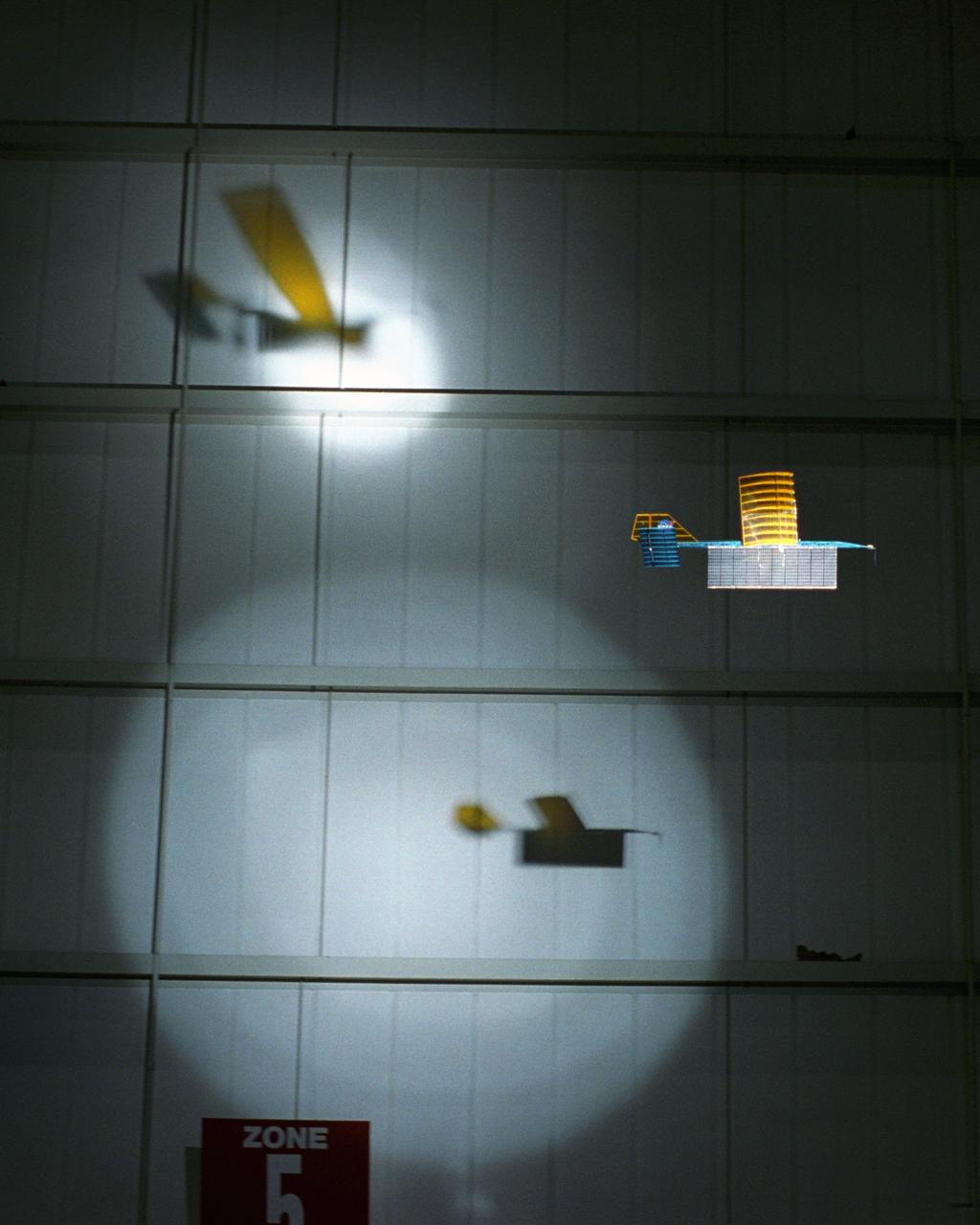
An experimental radio-controlled model aircraft casts two unique shadows as it flies inside a Dryden hangar using two spotlights as energy sources. This phase of testing was used to develop procedures and operations for "handing off" the aircraft between different sources of power.
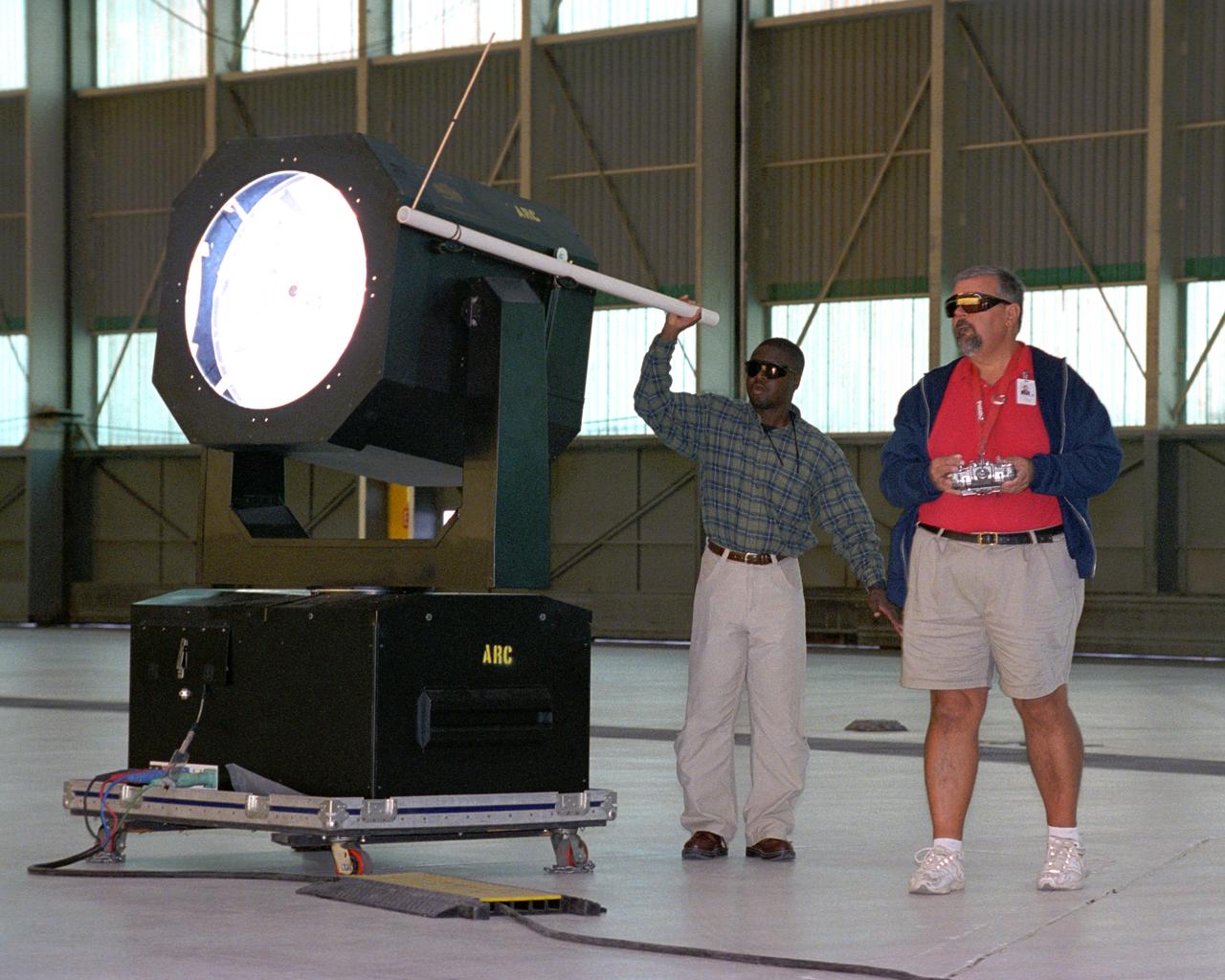
Dryden Model Shop's Tony Frakowiak remotely flies an experimental model aircraft being powered by a spotlight operated by Dryden aerospace engineer (code RA) Ryan Warner.
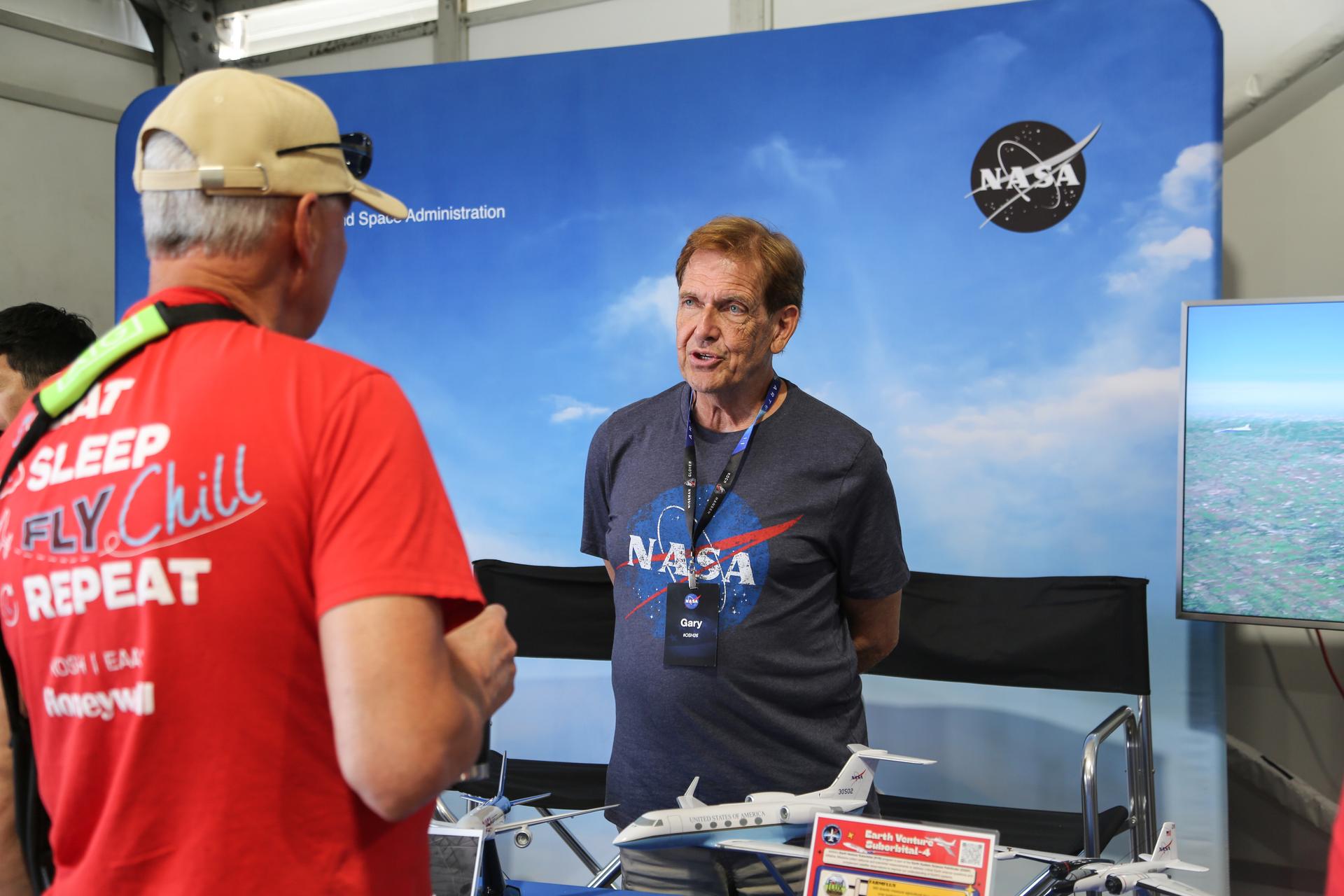
National Suborbital Research Center Program Director Gary Ash talks with a visitor to the Airborne Science display at the NASA pavilion at the 2026 Experimental Aircraft Association (EAA) AirVenture air show in Oshkosh, Wisconsin, on Monday, July 20, 2026.
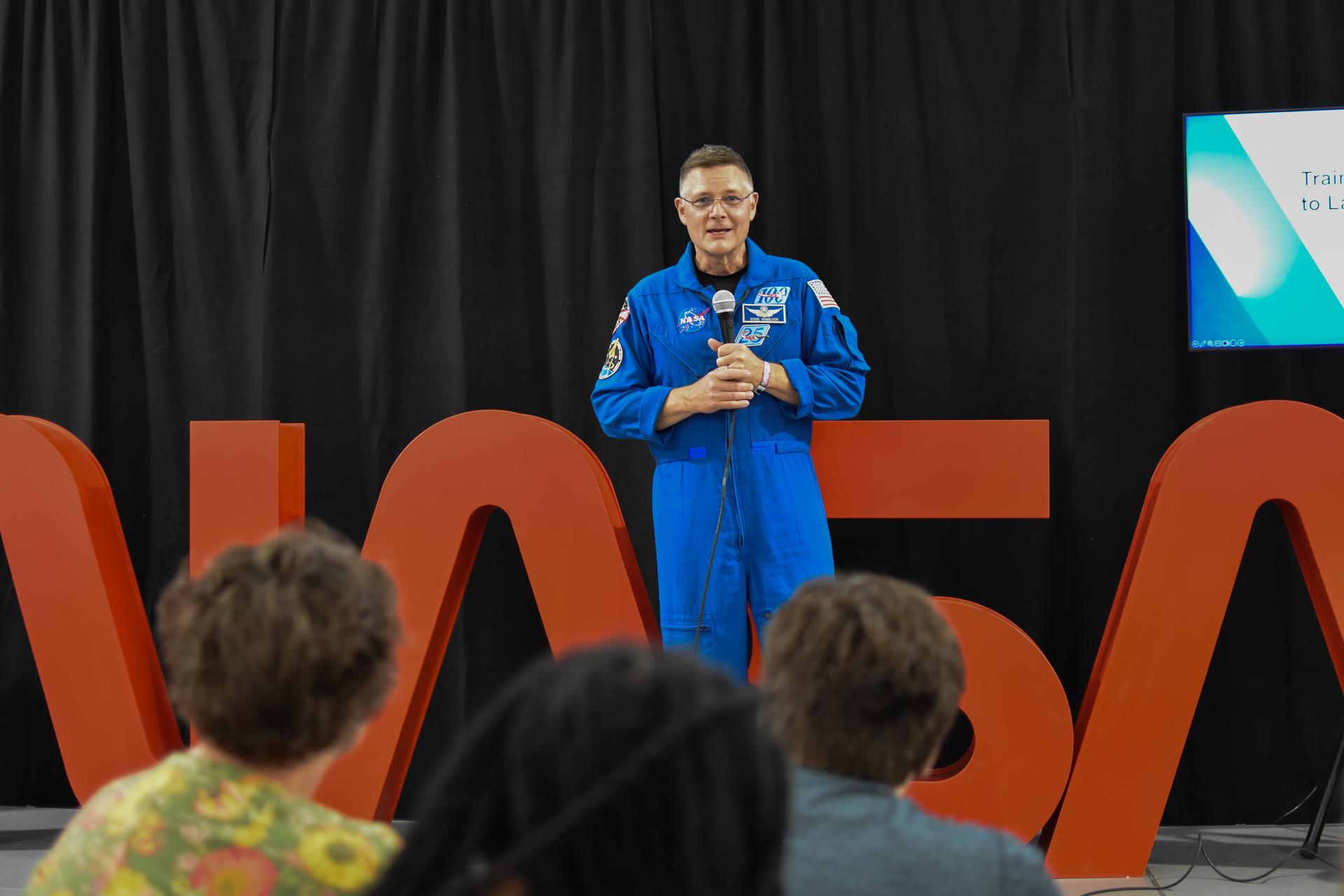
NASA astronaut Doug Weelock speaks at the NASA pavilion during his presentation “Training Artemis Astronauts to Land on the Moon” at the 2026 Experimental Aircraft Association (EAA) AirVenture air show in Oshkosh, Wisconsin, on Tuesday, July 21, 2026.
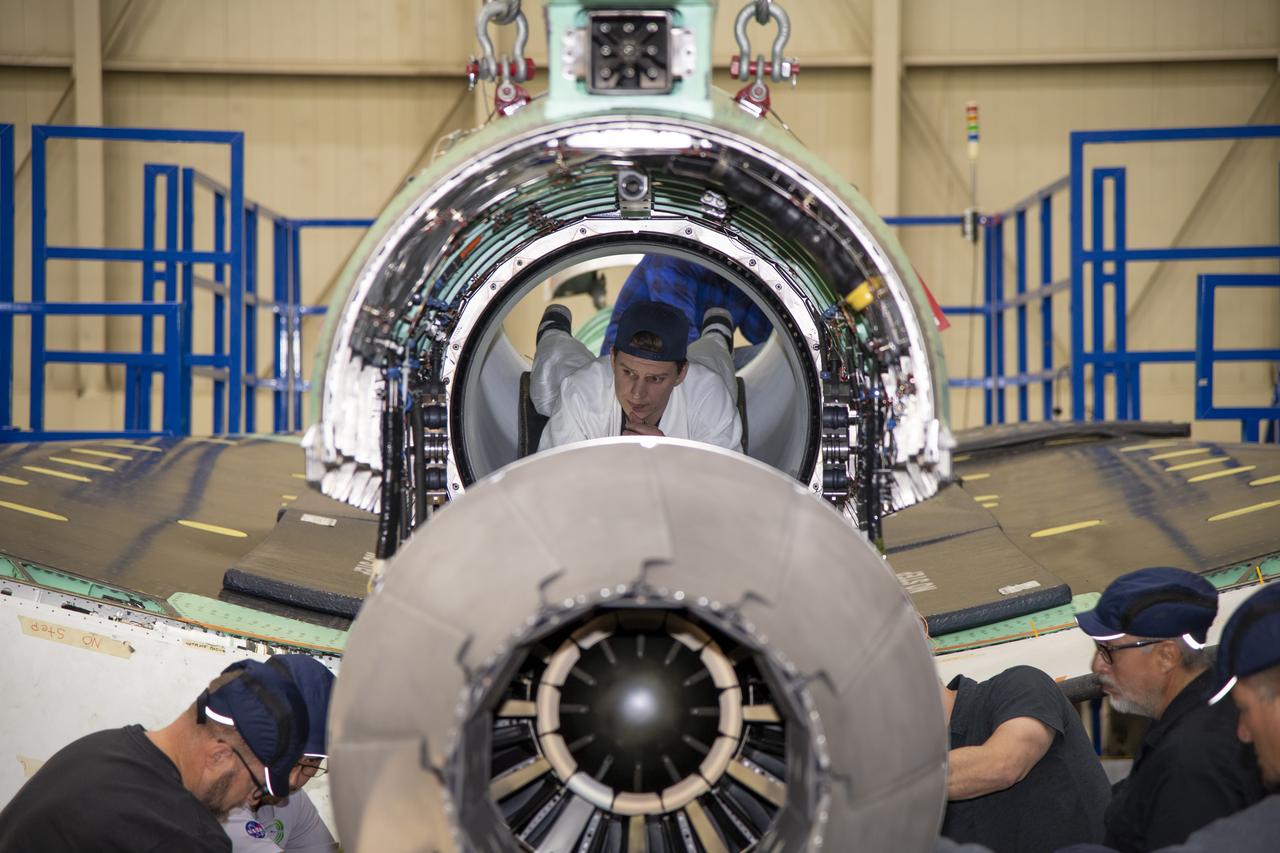
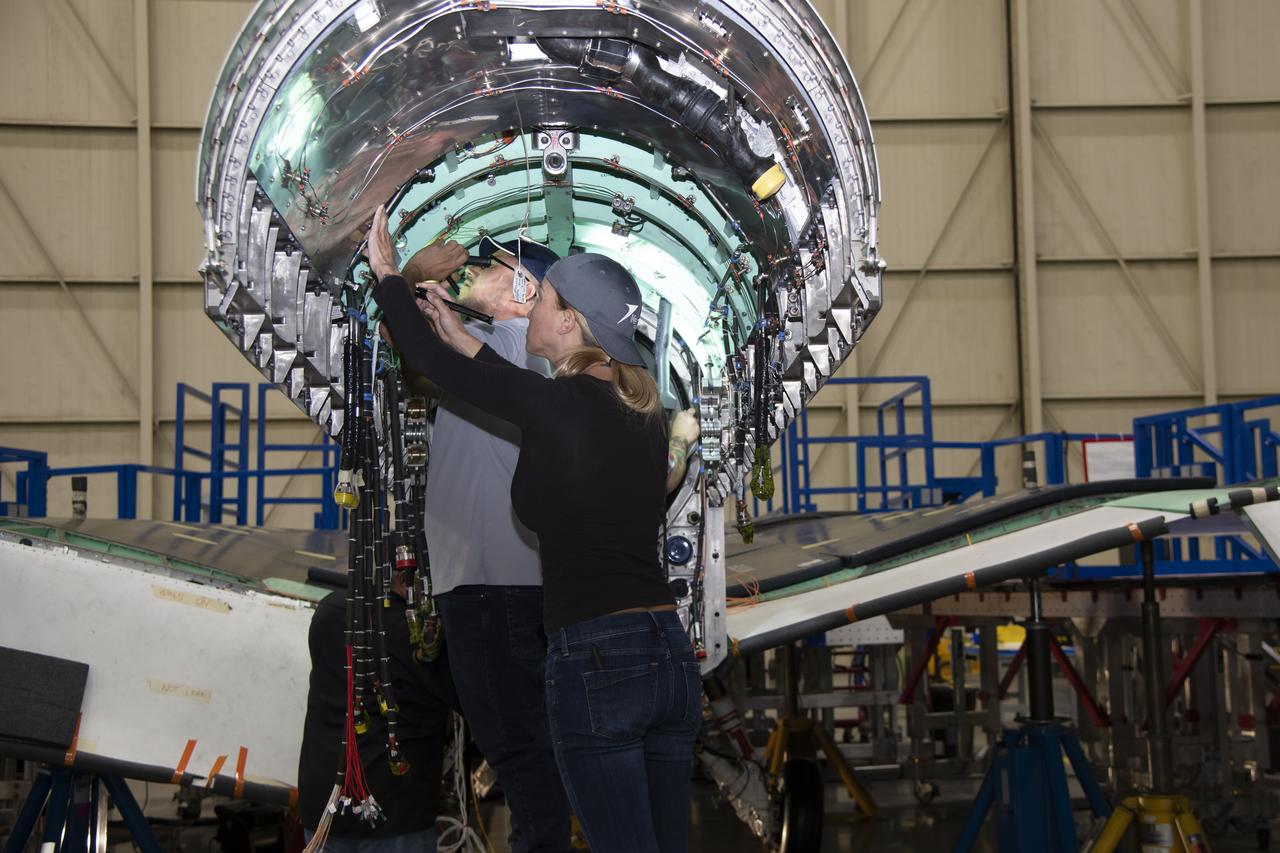
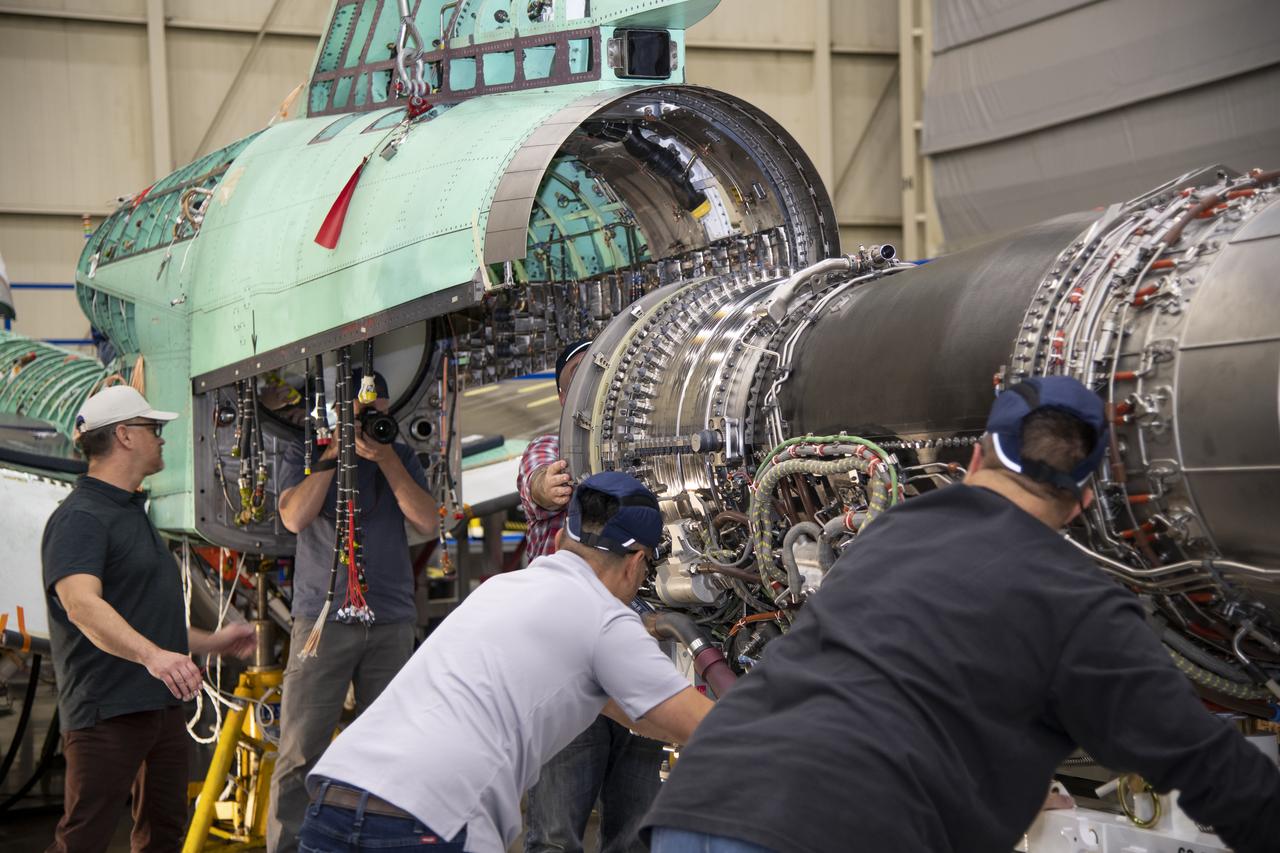
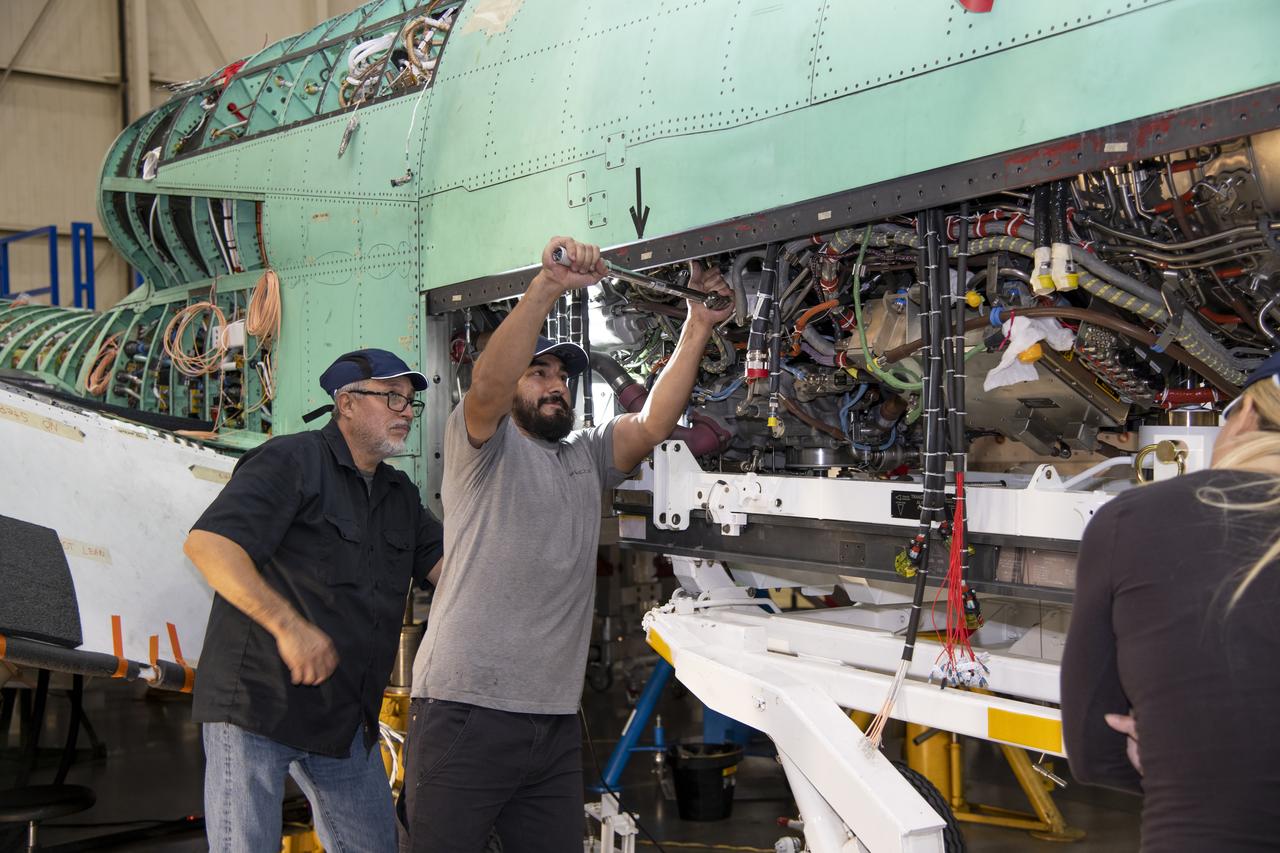
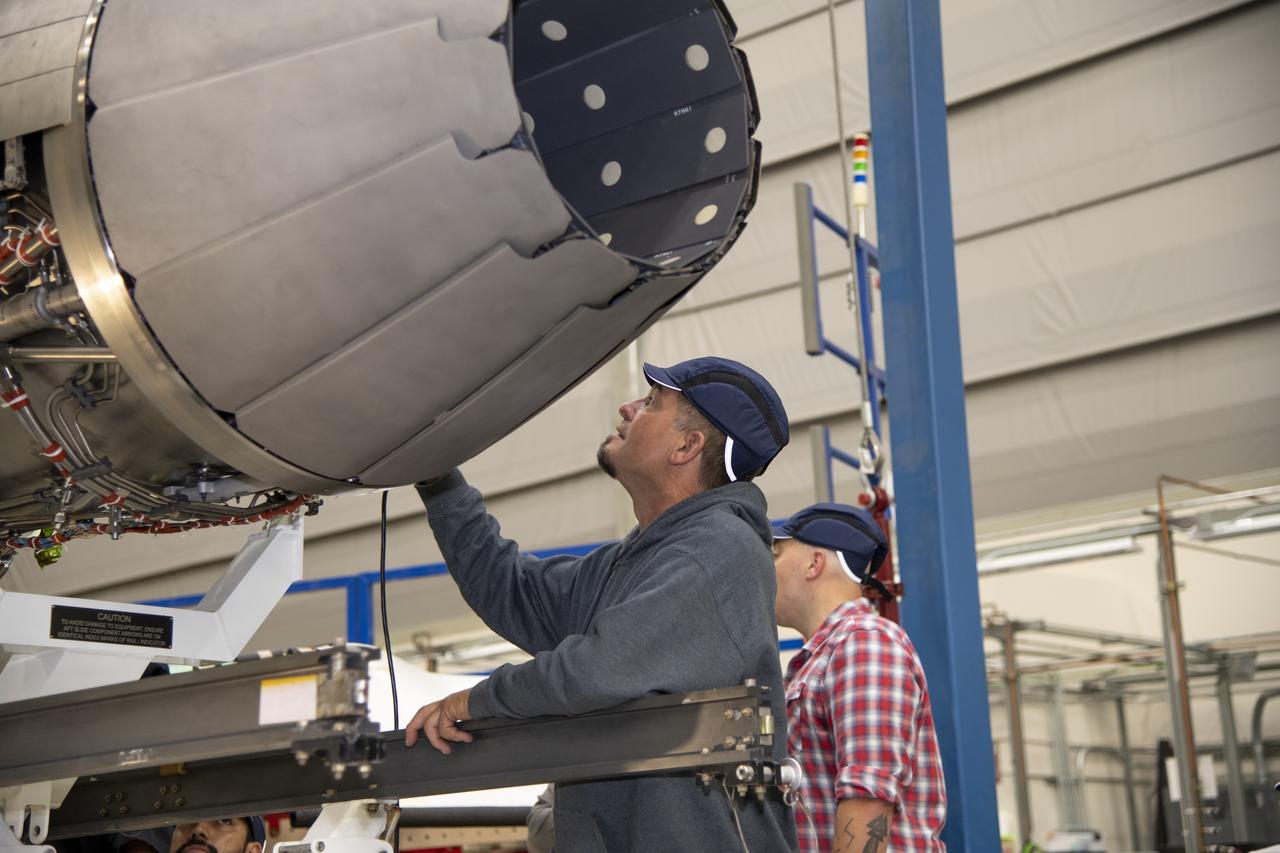
The engine that will power NASA’s quiet supersonic X-59 in flight is installed, marking a major milestone in the experimental aircraft’s journey toward first flight. The installation of the F414-GE-100 engine at Lockheed Martin’s Skunk Works facility brings the vehicle close to the completion of its assembly.
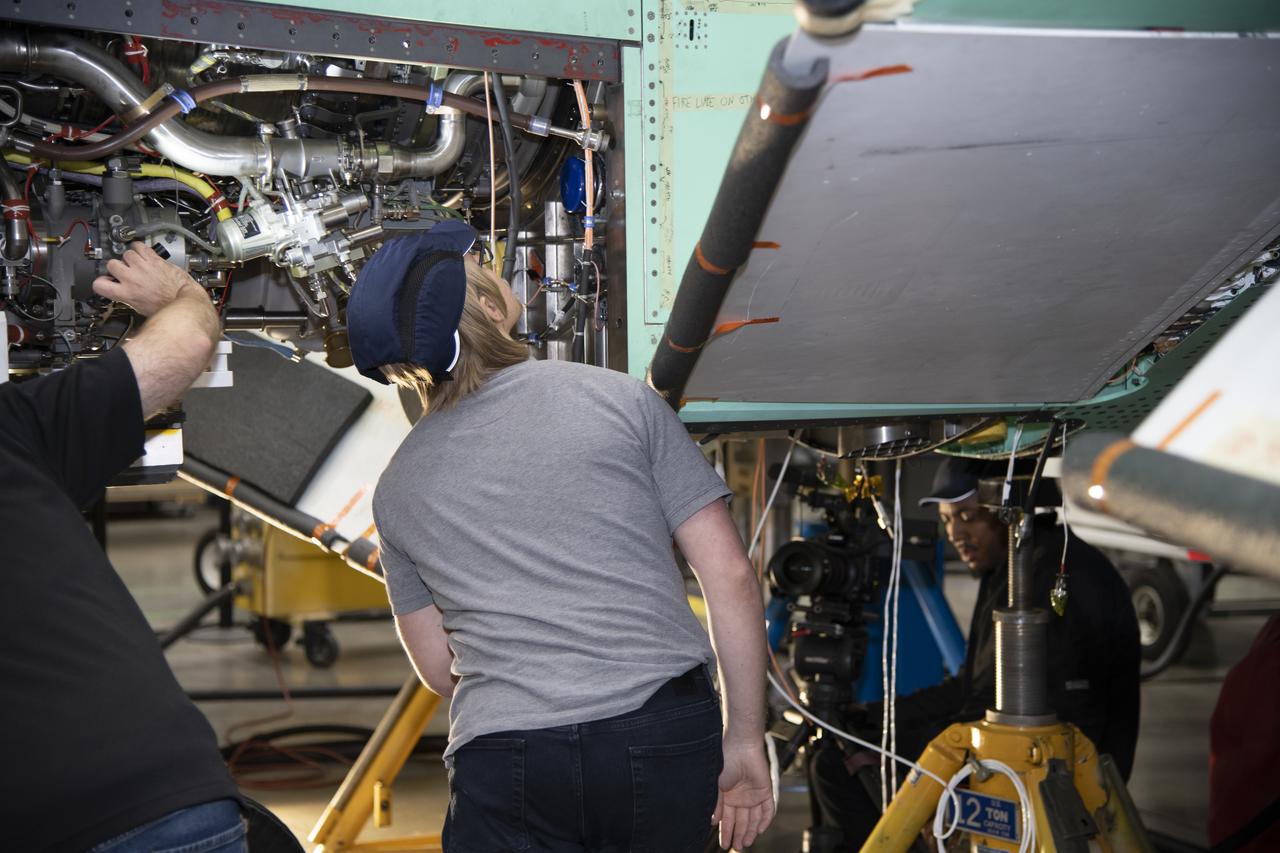
The engine that will power NASA’s quiet supersonic X-59 in flight is installed, marking a major milestone in the experimental aircraft’s journey toward first flight. The installation of the F414-GE-100 engine at Lockheed Martin’s Skunk Works facility brings the vehicle close to the completion of its assembly.
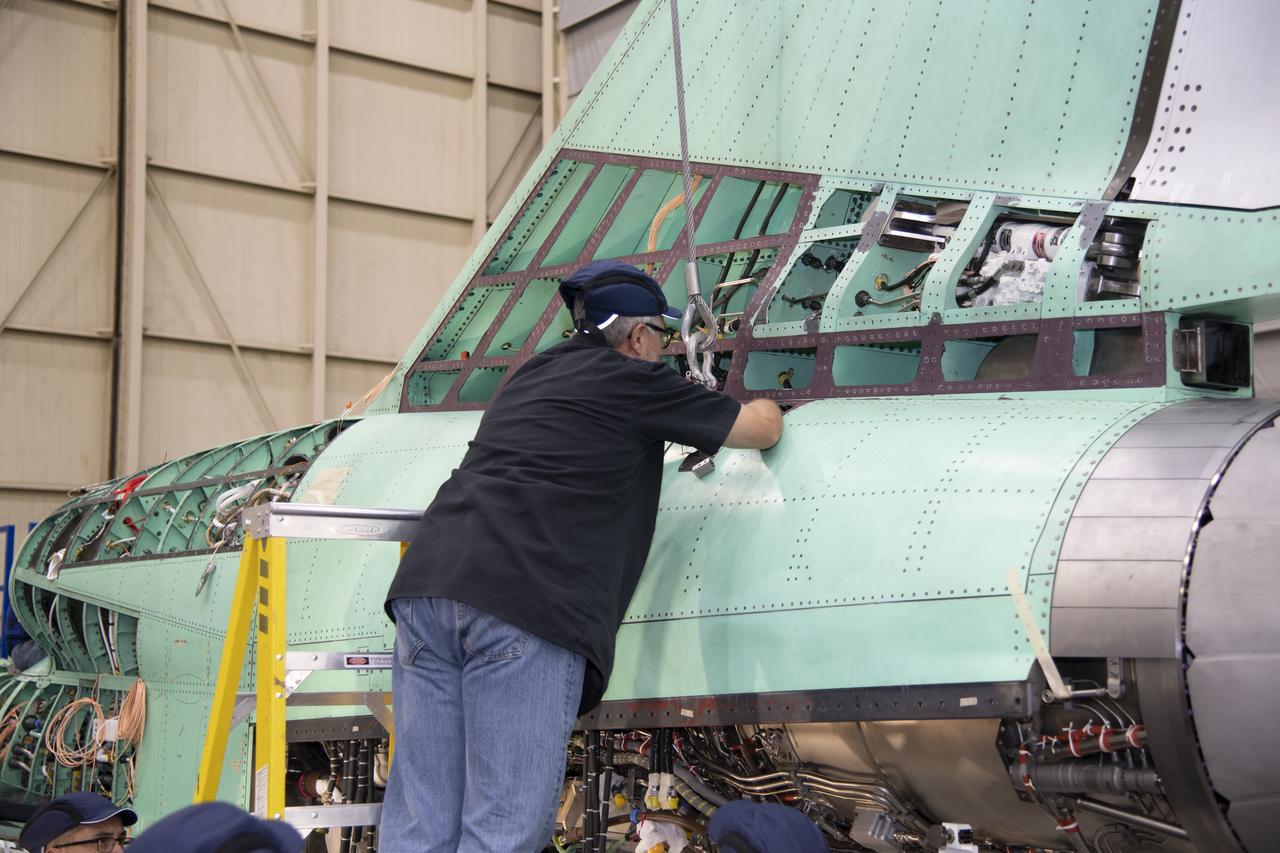
The engine that will power NASA's quiet supersonic X-59 in flight is installed, marking a major milestone in the experimental aircraft's journey toward first flight. The installation of the F414-GE-100 engine at Lockheed Martin's Skunk Works facility brings the vehicle close to the completion of its assembly.
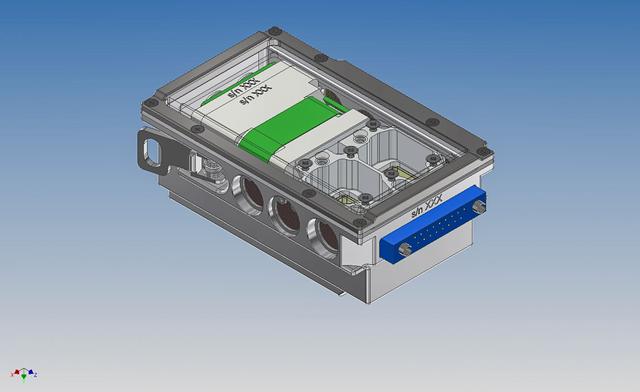
jsc2019e039823 (7/19/2019) --- A CAD image showing the structure of the bioreactor in the BioRock experiment within its experimental container. The two culture chambers are visible along with the body of the unit, which contains media and fixative. (Image Courtesy of: ESA)
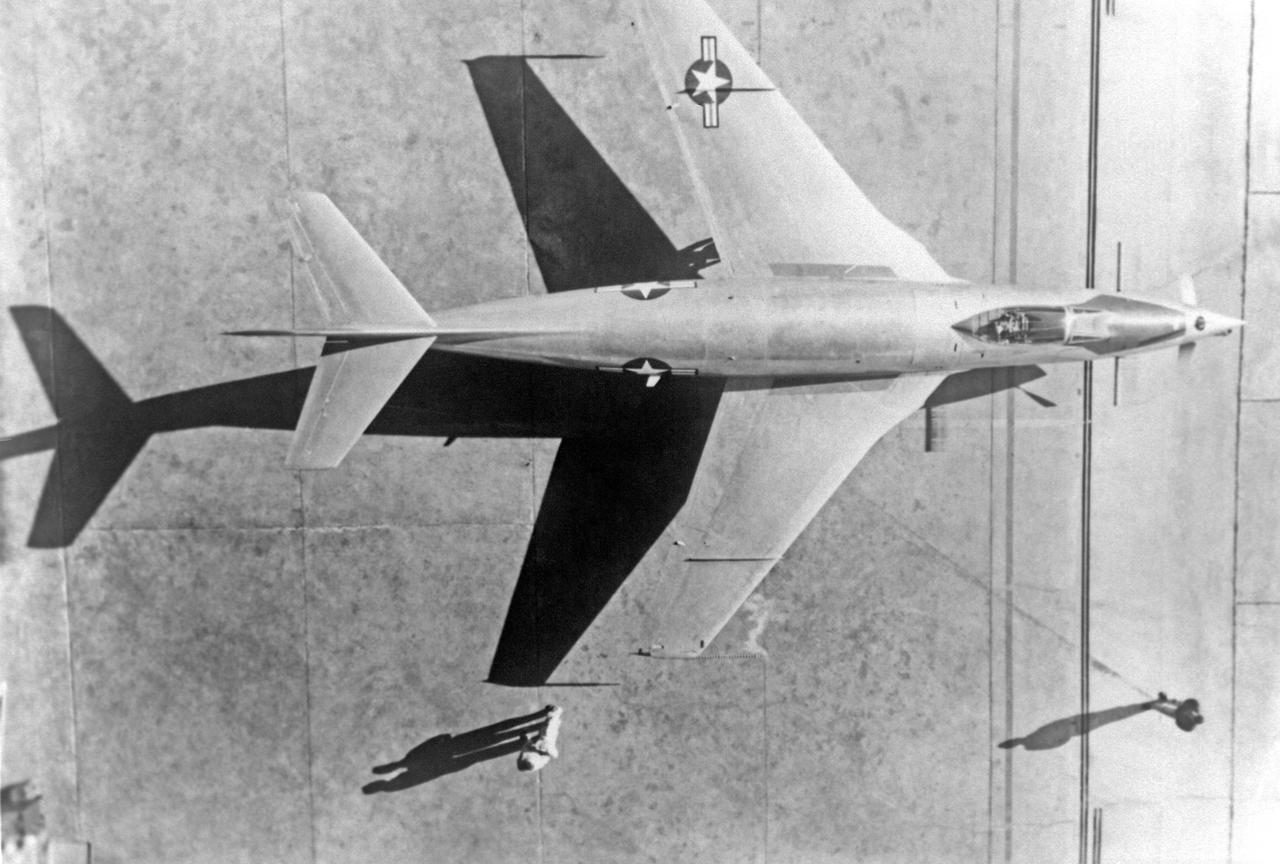
91,591 Overhead view. McDonnell XF-88B Experimental Jet Fighter. Langley used this aircraft in the mid-1950s to explore the potential of a supersonic propeller. Photographed in Engineer in Charge A History of the Langley Aeronautical Laboratory, 1917-1958 by James R. Hansen. Page 508. **Note see L57-2259 for eye level view.
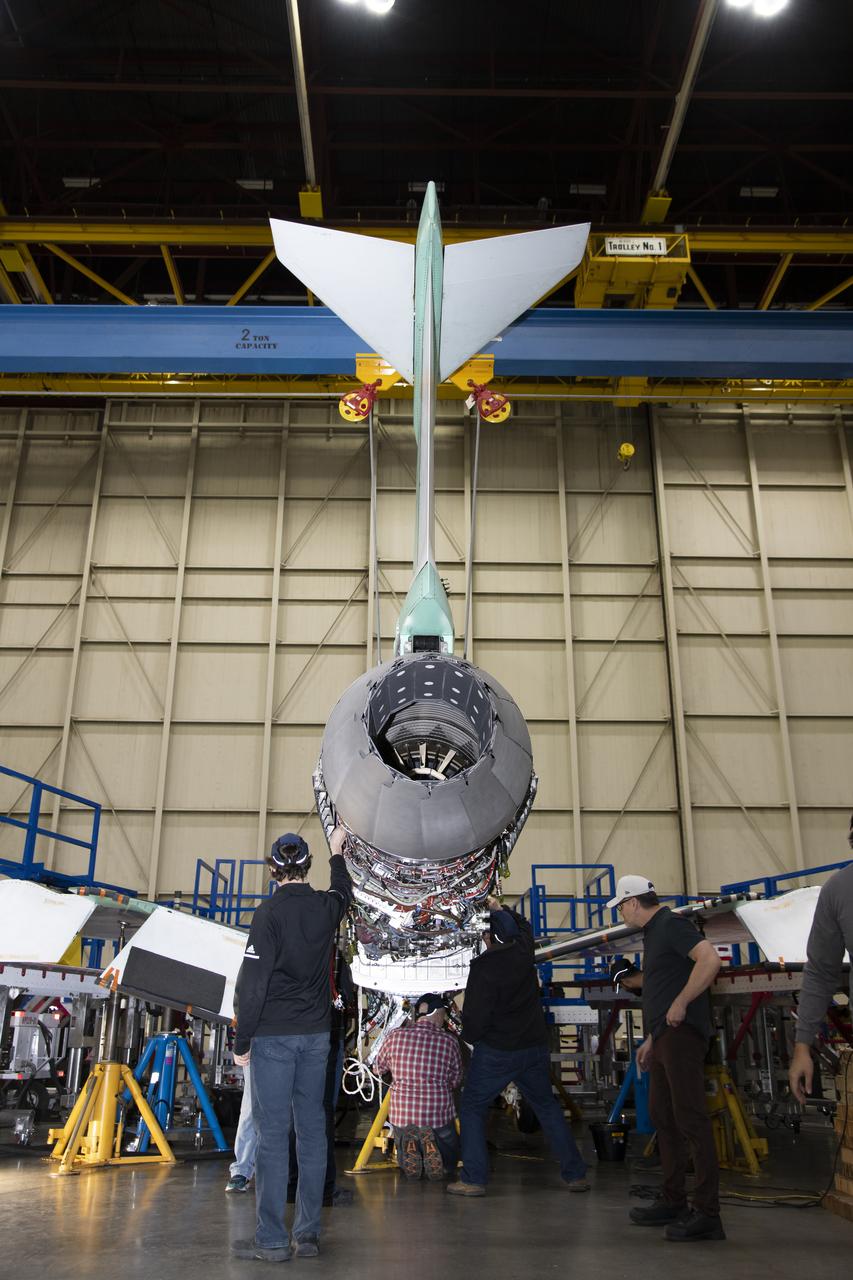
The engine that will power NASA's quiet supersonic X-59 in flight is installed, marking a major milestone in the experimental aircraft's journey toward first flight. The installation of the F414-GE-100 engine at Lockheed Martin's Skunk Works facility brings the vehicle close to the completion of its assembly.
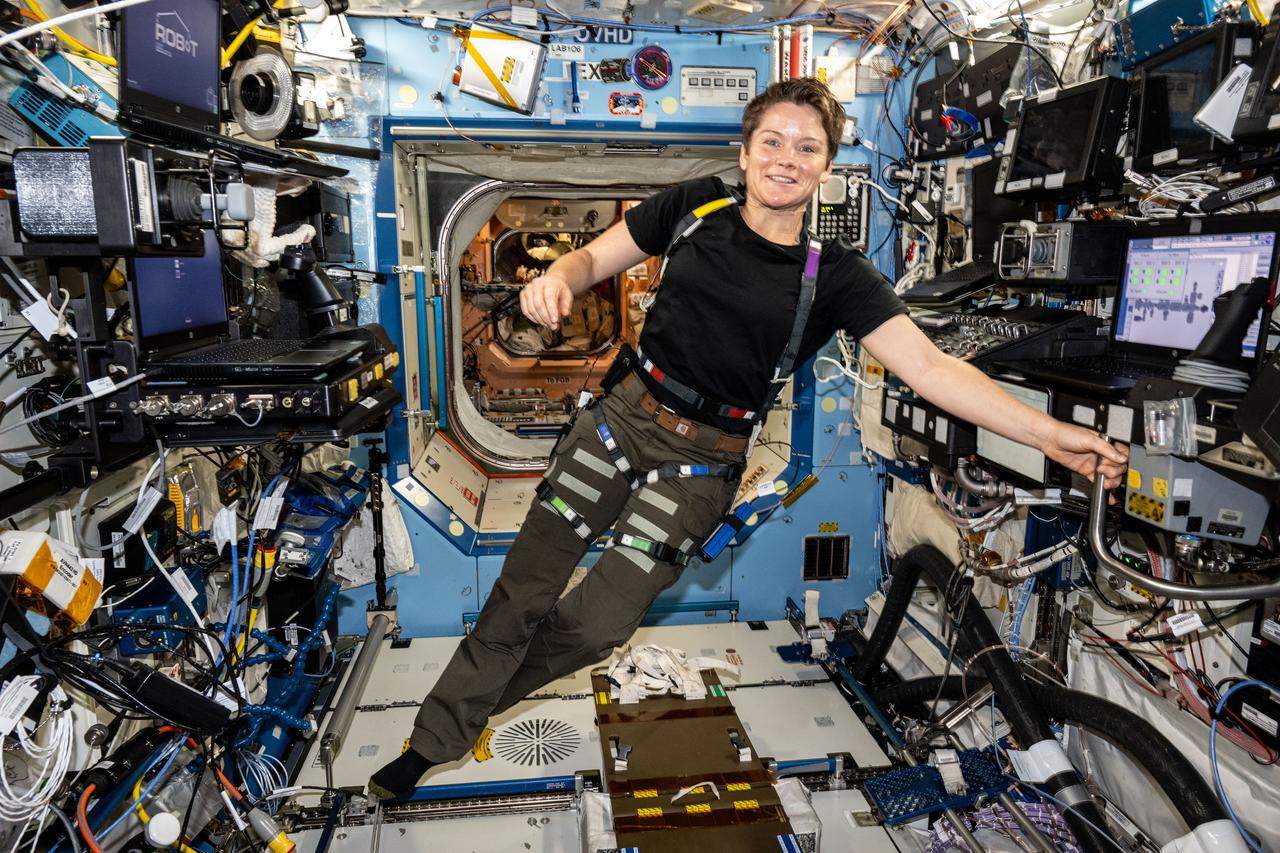
iss072e882087 (April 1, 2025) --- NASA astronaut and Expedition 72 Flight Engineer Anne McClain is pictured in the Destiny laboratory module wearing an experimental wearable dosimeter that measures radiation dosages crews are exposed to in real time aboard the International Space Station.
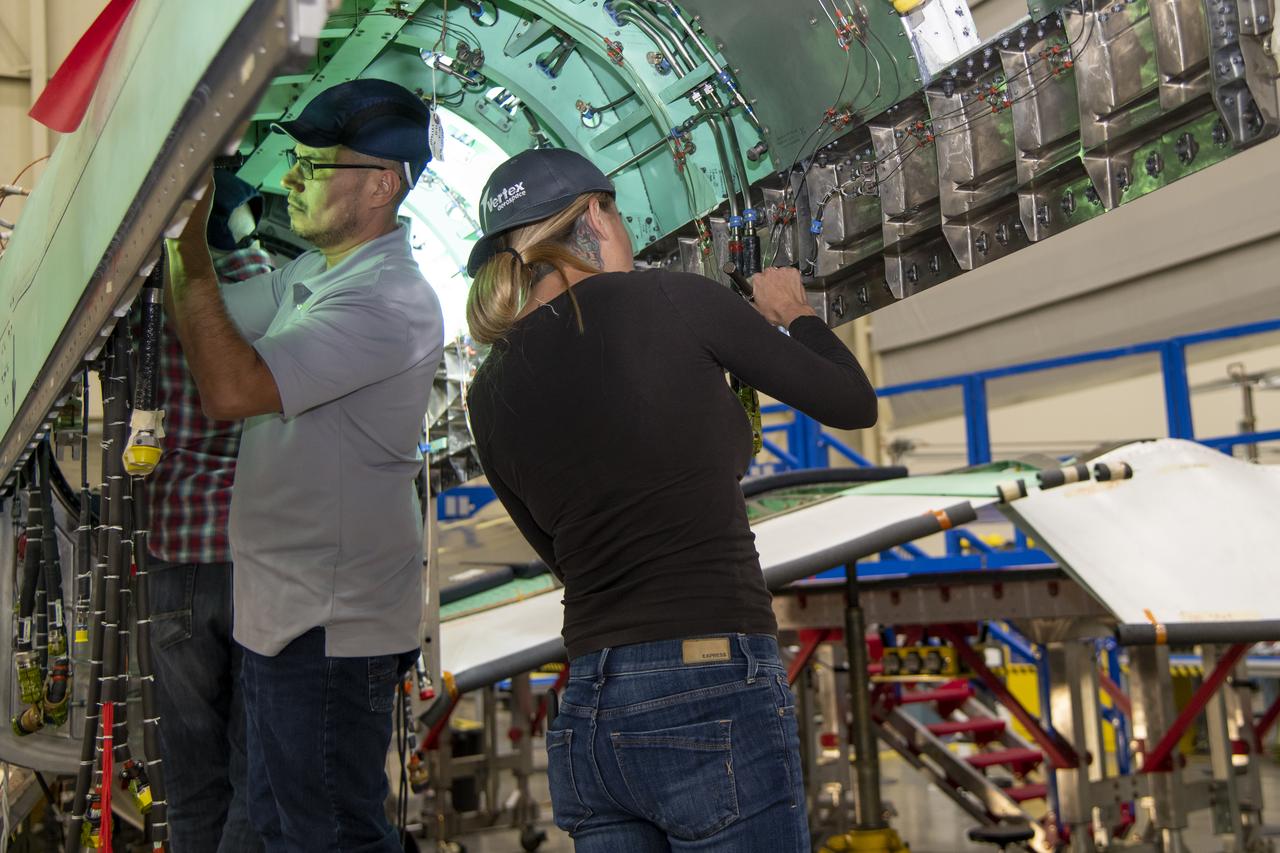
The engine that will power NASA’s quiet supersonic X-59 in flight is installed, marking a major milestone in the experimental aircraft’s journey toward first flight. The installation of the F414-GE-100 engine at Lockheed Martin’s Skunk Works facility brings the vehicle close to the completion of its assembly.
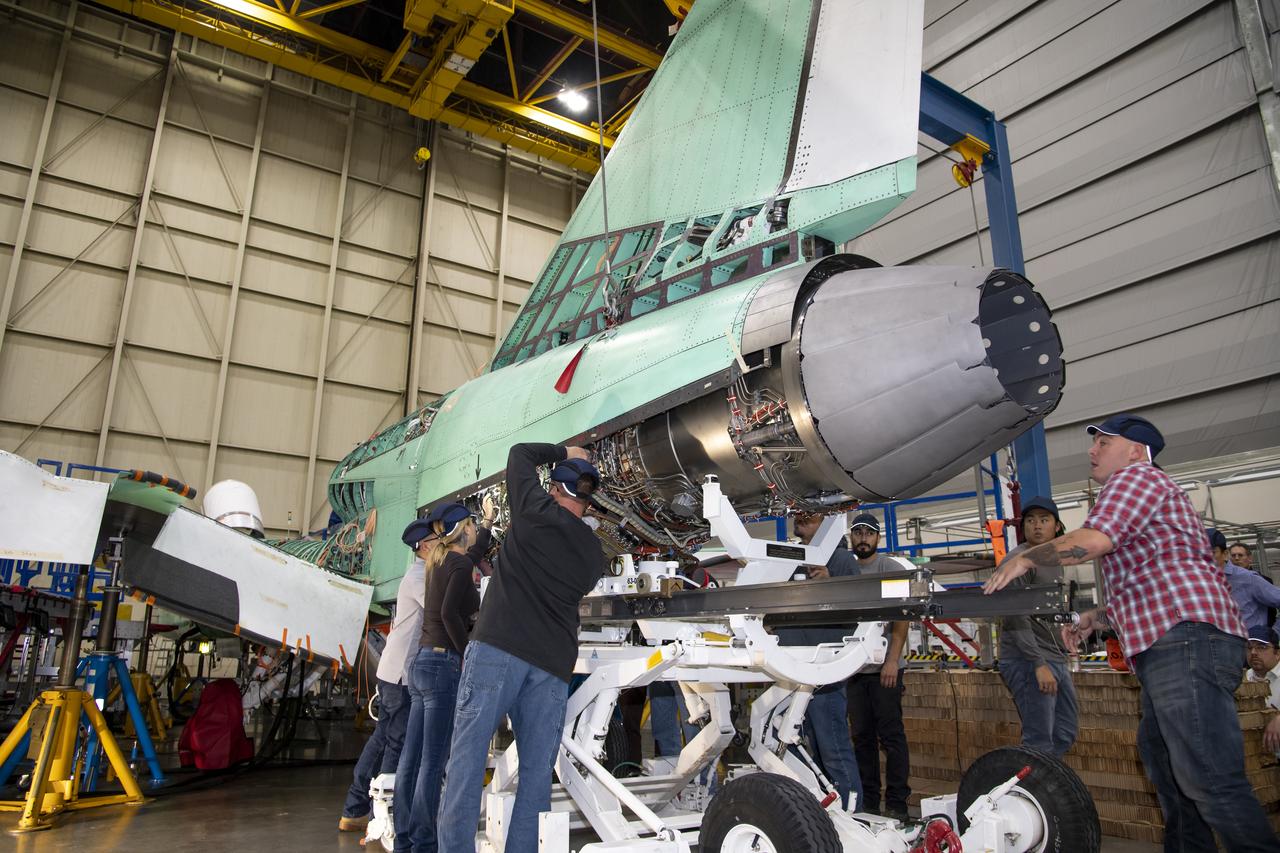
The engine that will power NASA's quiet supersonic X-59 in flight is installed, marking a major milestone in the experimental aircraft's journey toward first flight. The installation of the F414-GE-100 engine at Lockheed Martin's Skunk Works facility brings the vehicle close to the completion of its assembly.
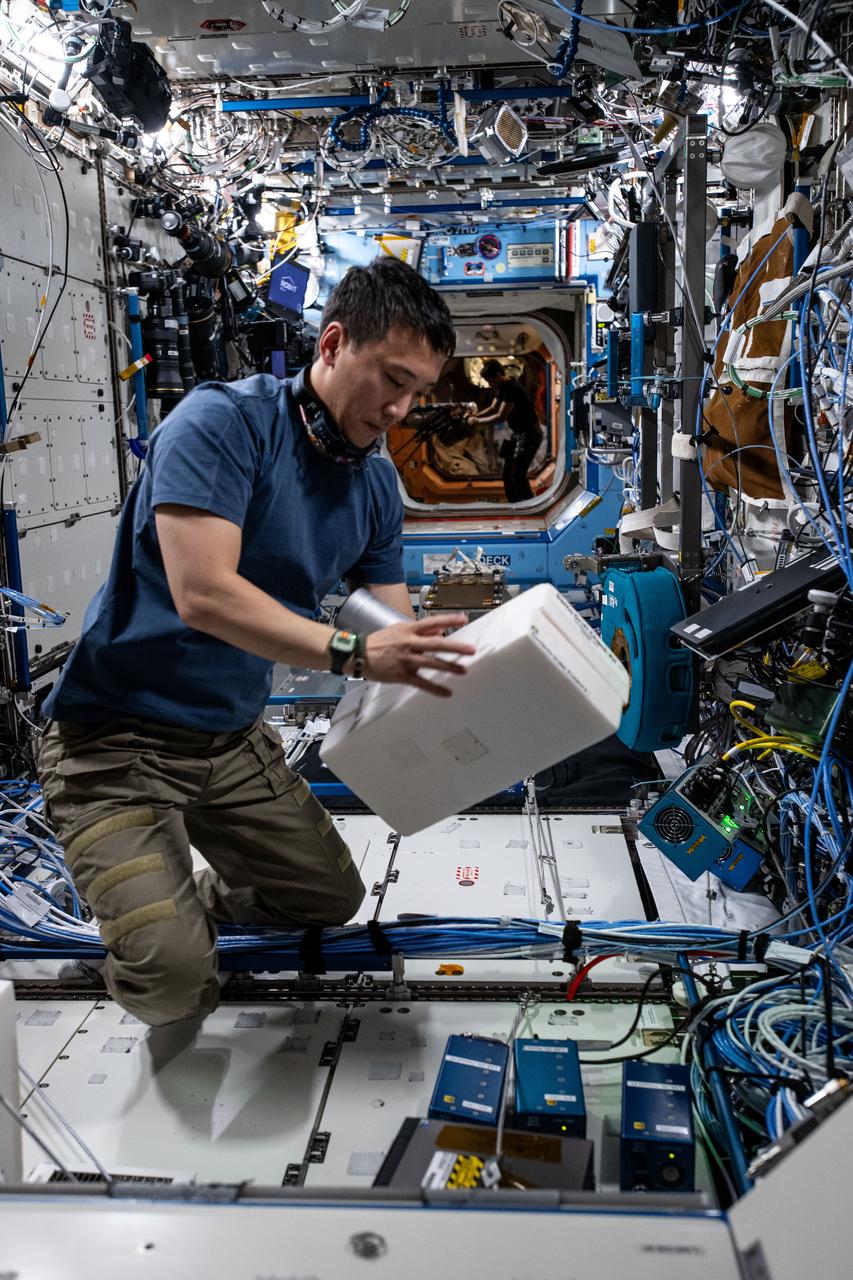
iss072e941778 (April 9, 2025) --- NASA astronaut and Expedition 72 Flight Engineer Jonny Kim installs experimental hydrogen sensors to test the advanced life support gear for longer calibration life and improved reliability aboard the International Space Station's Destiny laboratory module.
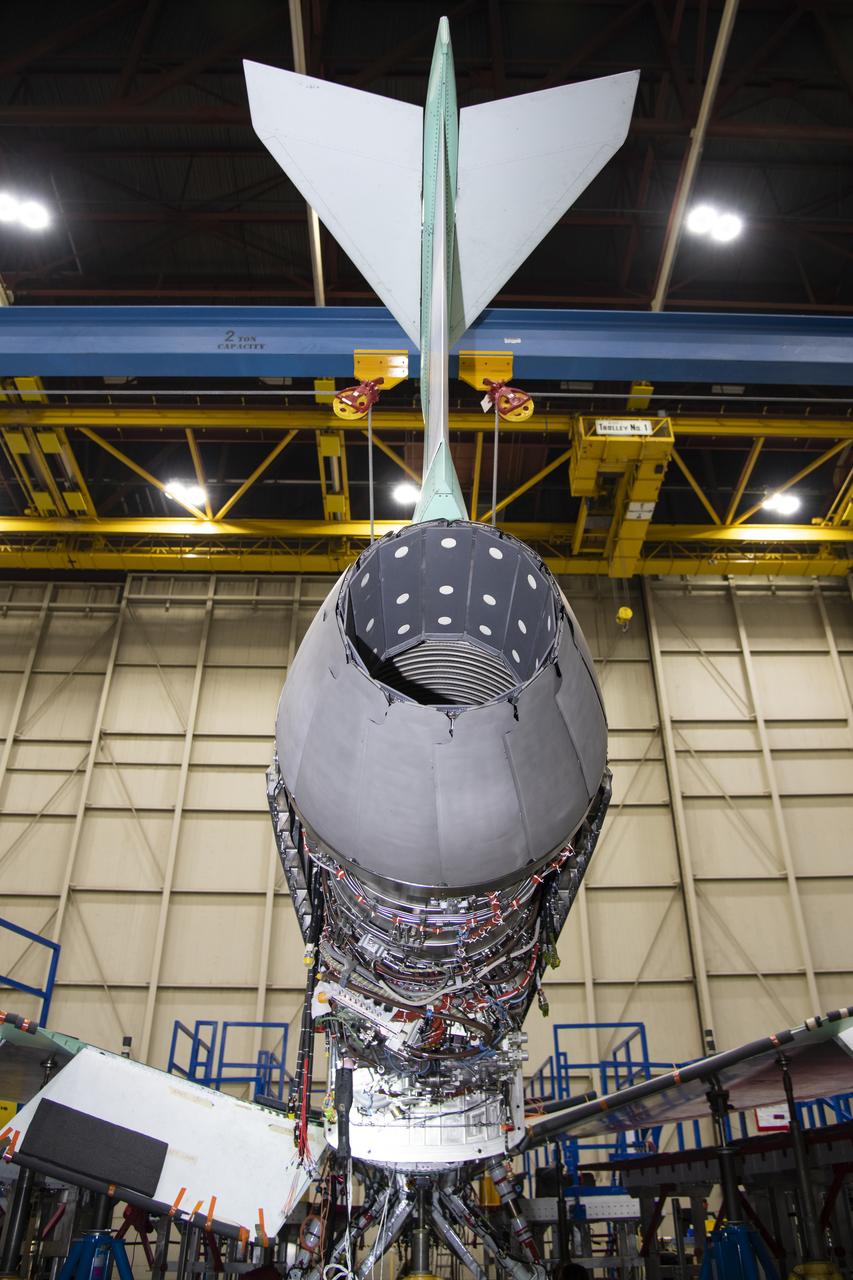
The engine that will power NASA's quiet supersonic X-59 in flight is installed, marking a major milestone in the experimental aircraft's journey toward first flight. The installation of the F414-GE-100 engine at Lockheed Martin's Skunk Works facility brings the vehicle close to the completion of its assembly.
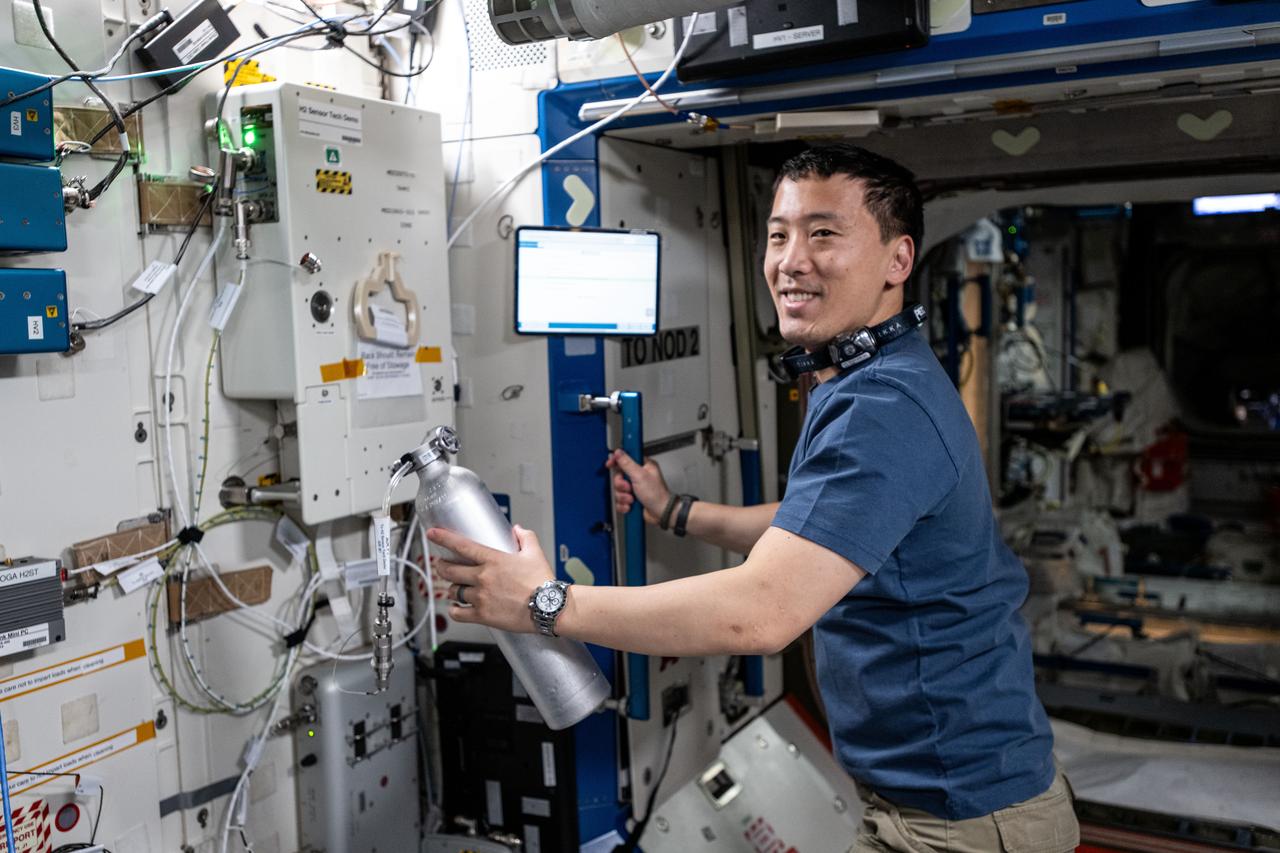
iss072e941773 (April 9, 2025) --- NASA astronaut and Expedition 72 Flight Engineer Jonny Kim installs experimental hydrogen sensors to test the advanced life support gear for longer calibration life and improved reliability aboard the International Space Station's Destiny laboratory module.
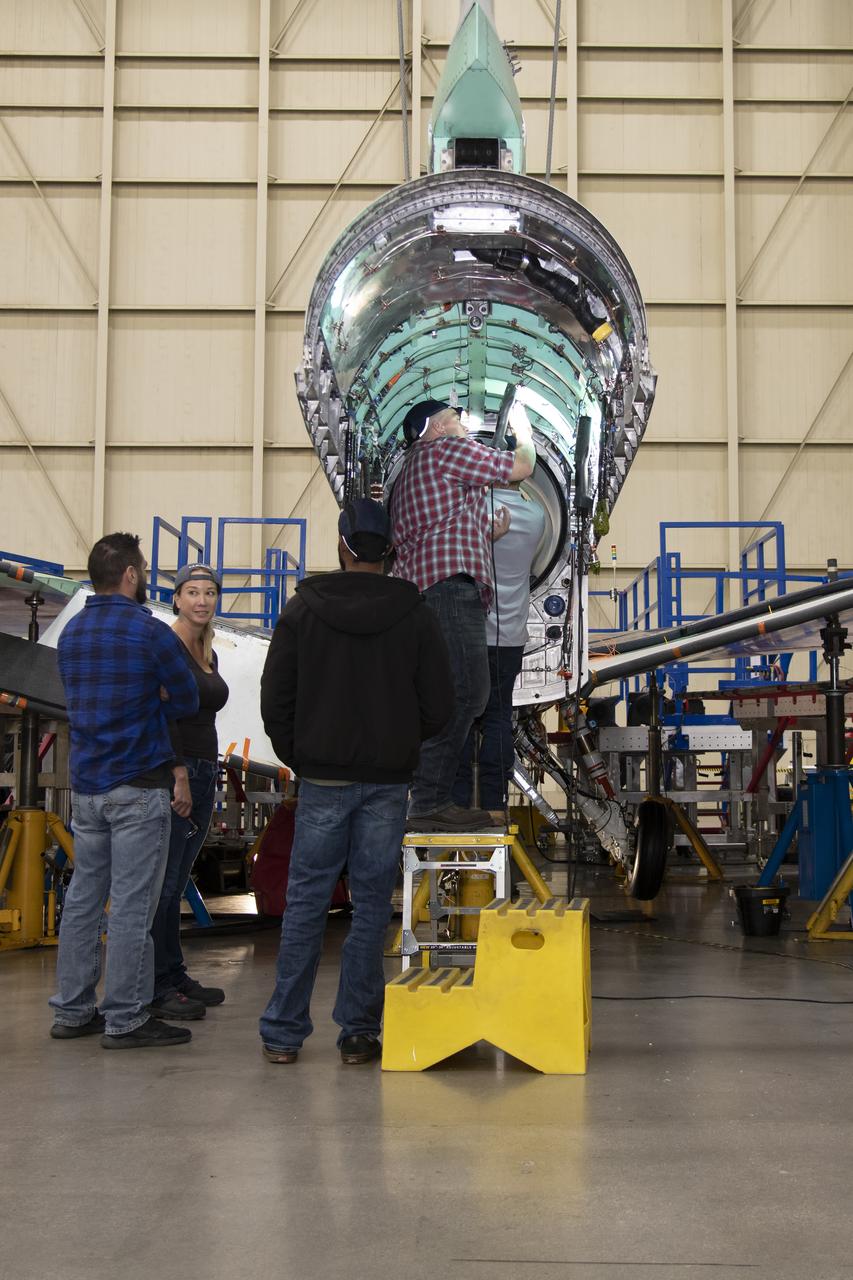
The engine that will power NASA’s quiet supersonic X-59 in flight is installed, marking a major milestone in the experimental aircraft’s journey toward first flight. The installation of the F414-GE-100 engine at Lockheed Martin’s Skunk Works facility brings the vehicle close to the completion of its assembly.

Ron Harris, an engineering technician, works in the Experimental Fabrication Branch at NASA’s Armstrong Flight Research Center in Edwards, California, on Thursday, March 14, 2023. The branch transforms engineering concepts into hardware for research aircraft and technology development, supporting advances in aviation safety, efficiency, and sustainability.

Alexis Moreno, an engineering technician, works with a fabrication machine in the Experimental Fabrication Branch at NASA’s Armstrong Flight Research Center in Edwards, California, on Monday, Nov. 6, 2023. The branch transforms engineering concepts into hardware for research aircraft and technology development, supporting advances in aviation safety, efficiency, and sustainability.

An engineering technician works in the Experimental Fabrication Branch at NASA’s Armstrong Flight Research Center in Edwards, California, on Thursday, March 14, 2023. The branch transforms engineering concepts into hardware for research aircraft and technology development, supporting advances in aviation safety, efficiency, and sustainability.
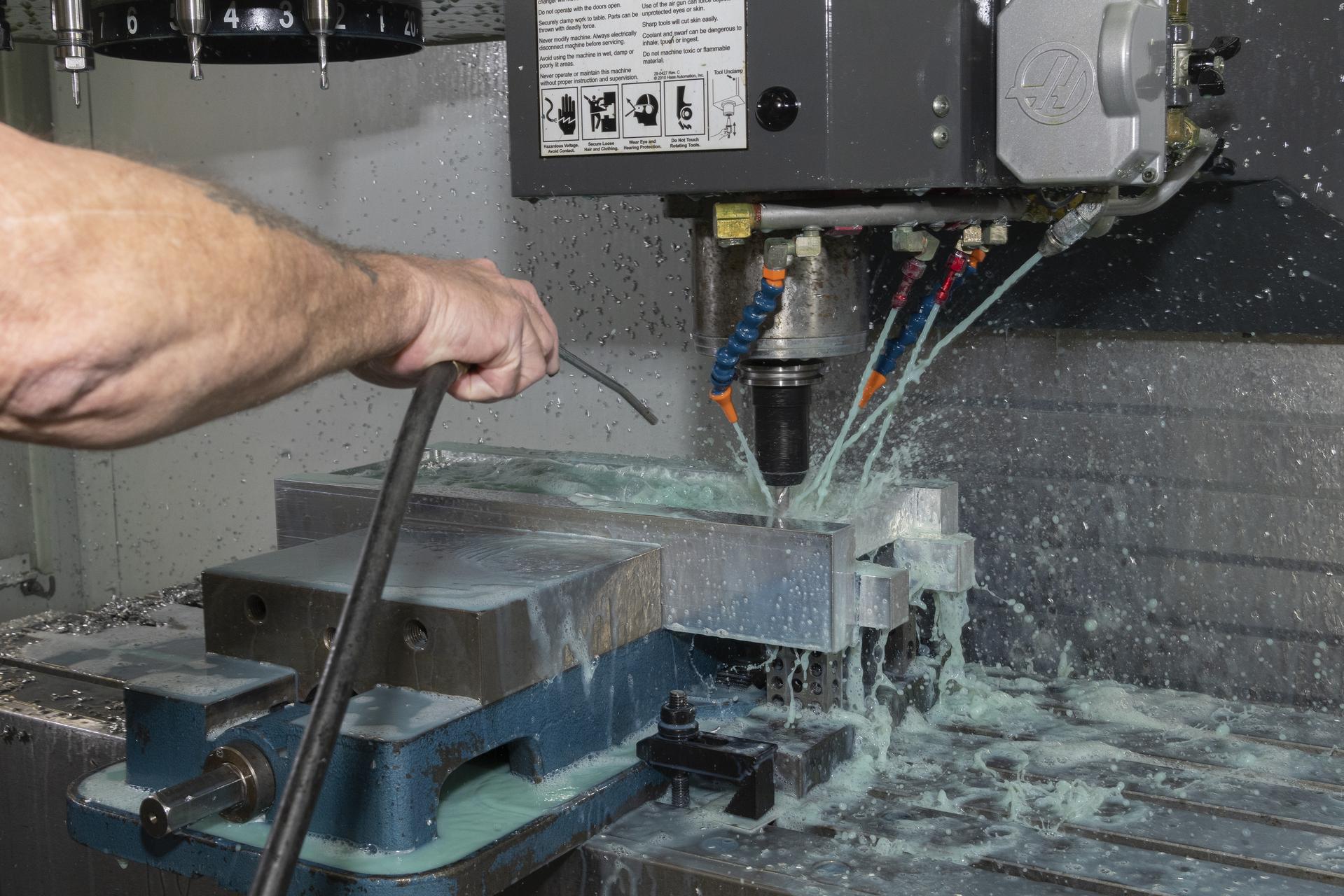
An engineering technician works in the Experimental Fabrication Branch at NASA’s Armstrong Flight Research Center in Edwards, California, on Thursday, March 14, 2023. The branch transforms engineering concepts into hardware for research aircraft and technology development, supporting advances in aviation safety, efficiency, and sustainability.
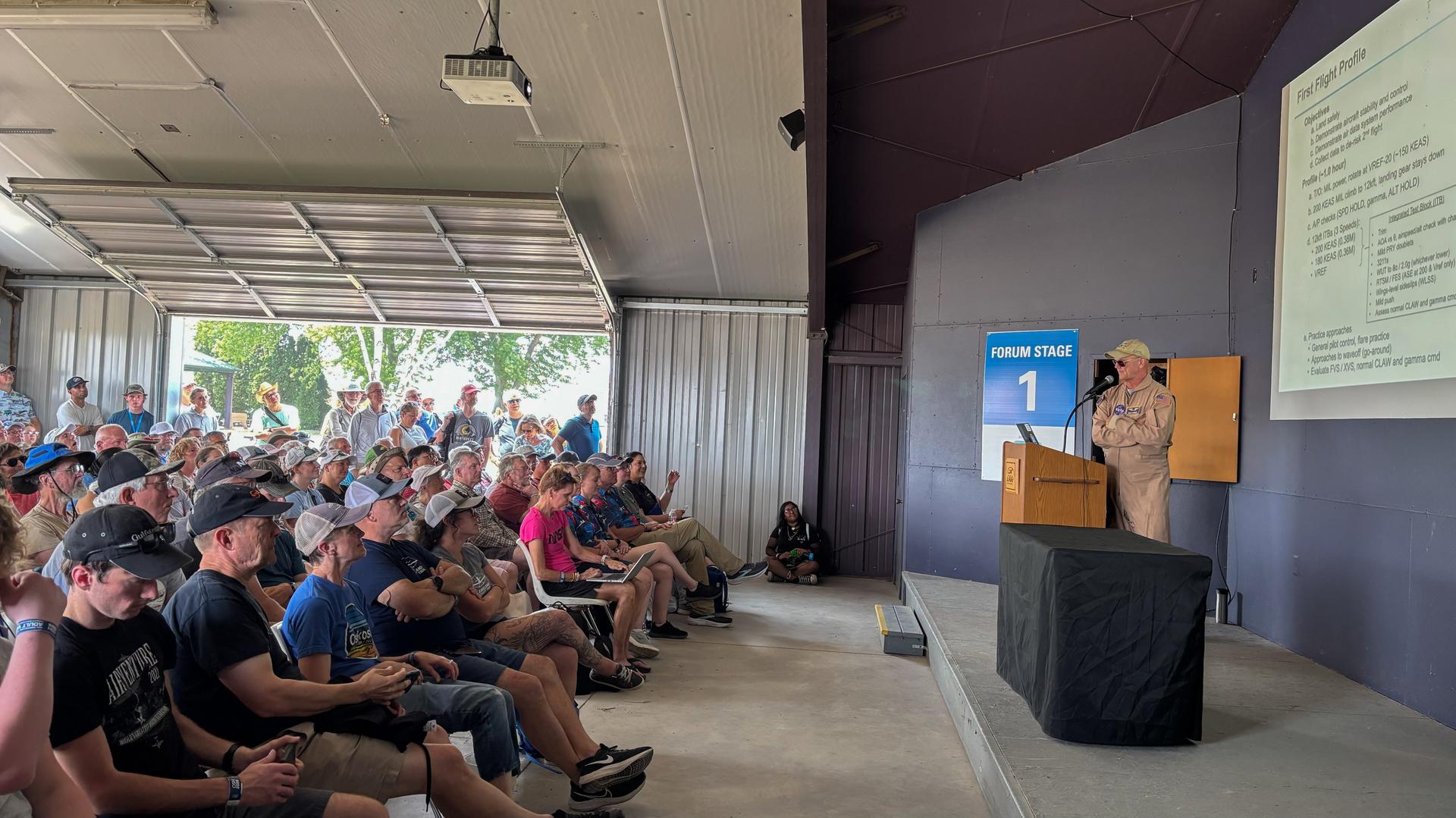
NASA test pilot Nils Larson speaks at his forum presentation “NASA’s X-59 Flight Tests Kick Off!” at the 2026 Experimental Aircraft Association (EAA) AirVenture air show in Oshkosh, Wisconsin, on Monday, July 20, 2026.
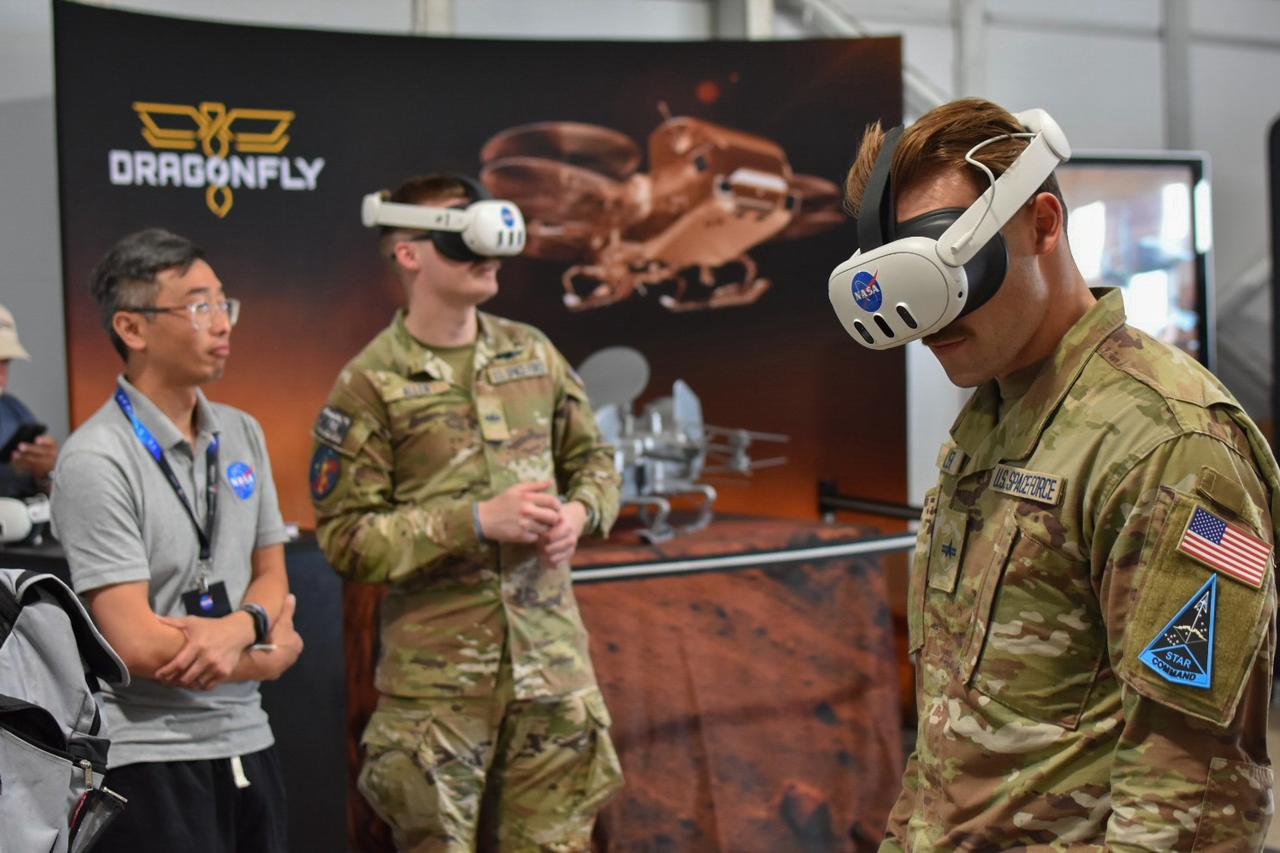
NASA Program Support Specialist David Lam shares a Dragonfly AR reality experience with Space Force service members in the NASA pavilion at the 2026 Experimental Aircraft Association (EAA) AirVenture air show in Oshkosh, Wisconsin, on Monday, July 20, 2026.
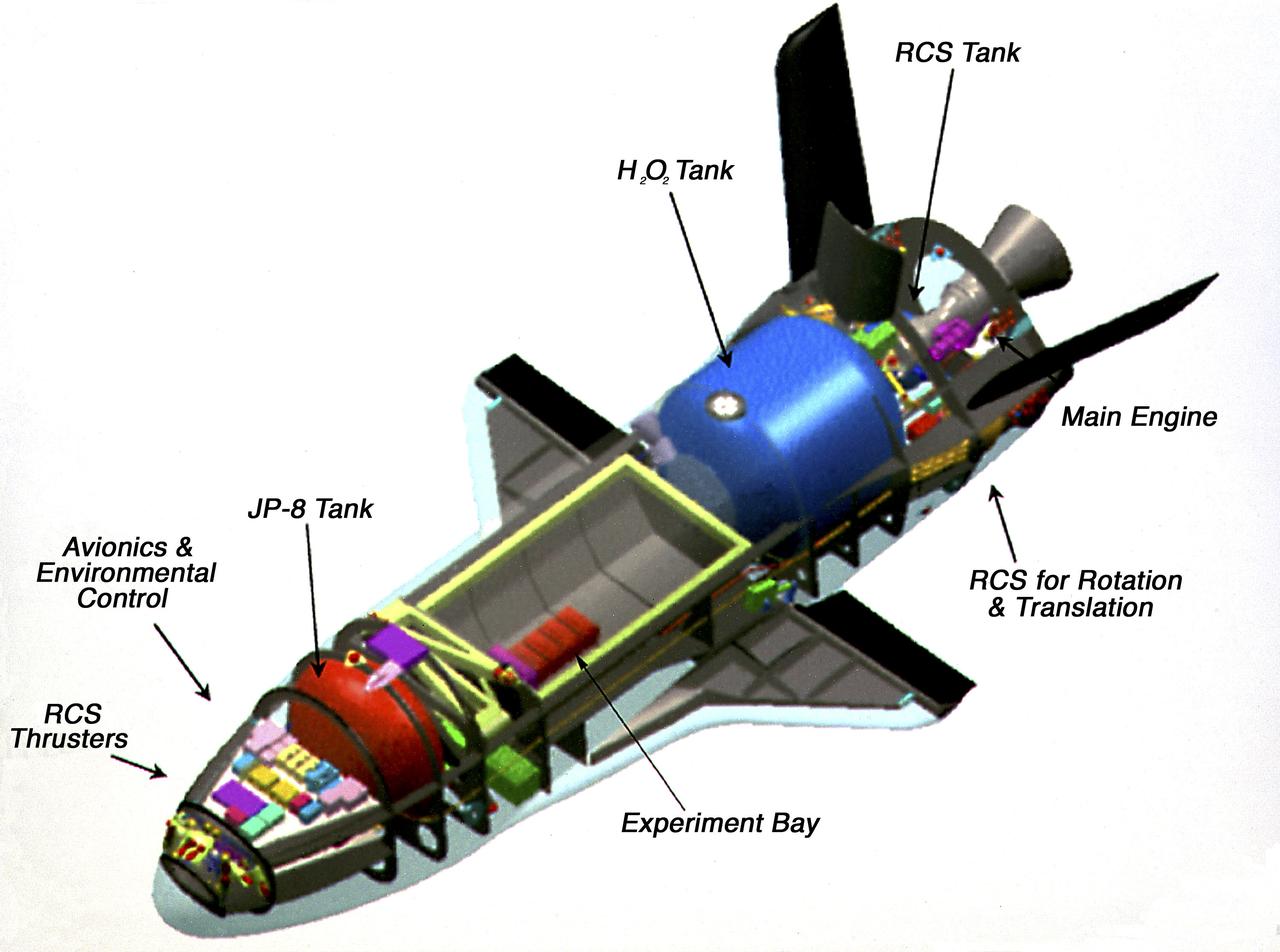
This photograph is an artist's cutaway view of the X-37 flight demonstrator showing its components. The X-37 experimental launch vehicle is roughly 27.5 feet (8.3 meters) long and 15 feet (4.5 meters) in wingspan. Its experiment bay is 7 feet (2.1 meters) long and 4 feet (1.2 meters) in diameter. Designed to operate in both the orbital and reentry phases of flight, the X-37 will increase both safety and reliability, while reducing launch costs from $10,000 per pound to $1000 per pound. The X-37 can be carried into orbit by the Space Shuttle or be launched by an expendable rocket. Managed by Marshall Space Flight Center and built by the Boeing Company, the X-37 is scheduled to fly two orbital missions in 2002/2003 to test the reusable launch vehicle technologies.
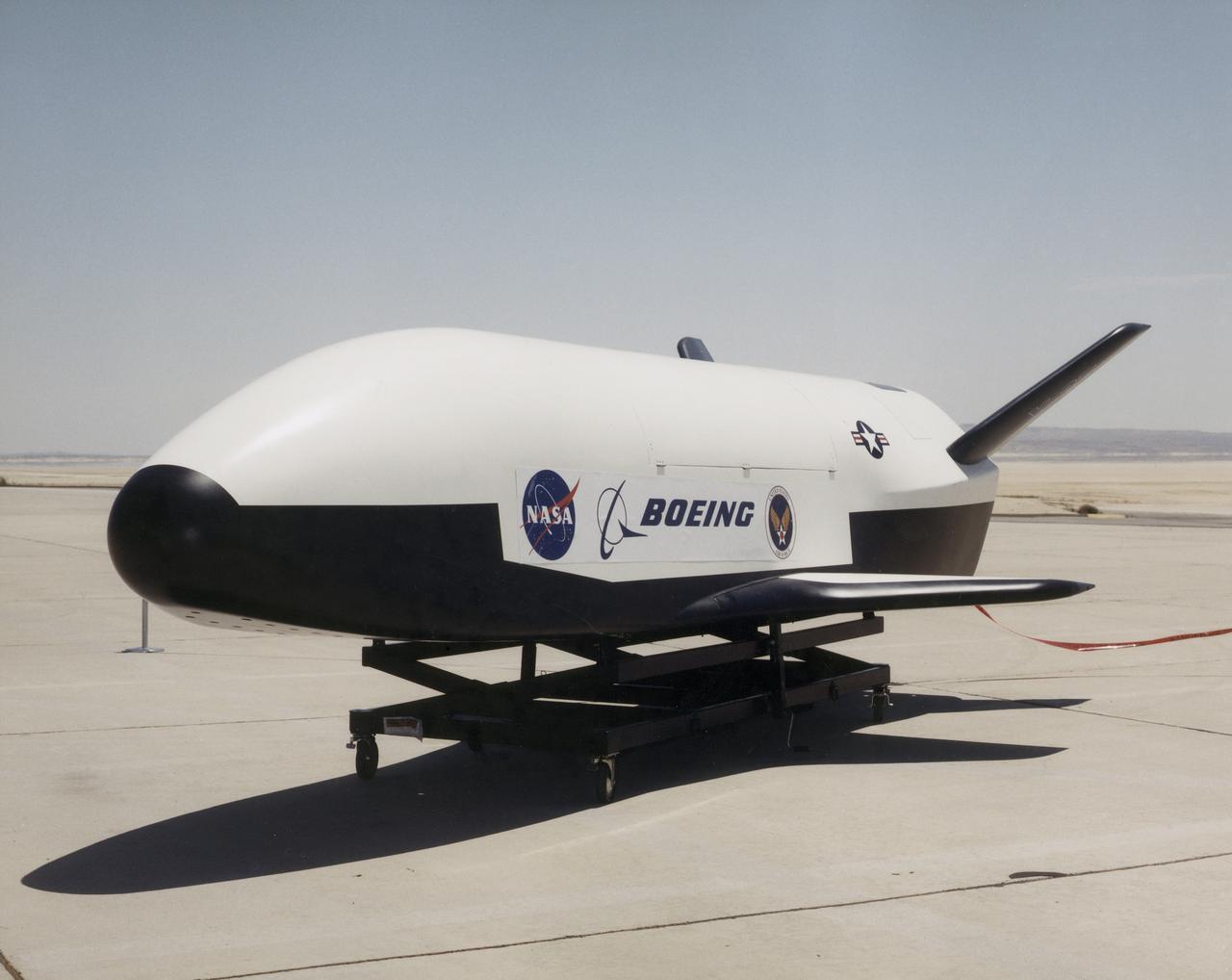
The photograph depicts the X-37 neutral buoyancy simulator mockup at Dryden Flight Research Center. The X-37 experimental launch vehicle is roughly 27.5 feet (8.3 meters) long and 15 feet (4.5 meters) in wingspan. Its experiment bay is 7 feet (2.1 meters) long and 4 feet (1.2 meters) in diameter. Designed to operate in both the orbital and reentry phases of flight, the X-37 will increase both safety and reliabiltiy, while reducing launch costs from $10,000 per pound to $1000 per pound. Managed by Marshall Space Flight Center and built by the boeing Company, the X-37 is scheduled to fly two orbital missions in 2002/2003 to test the reusable launch vehicle technologies.
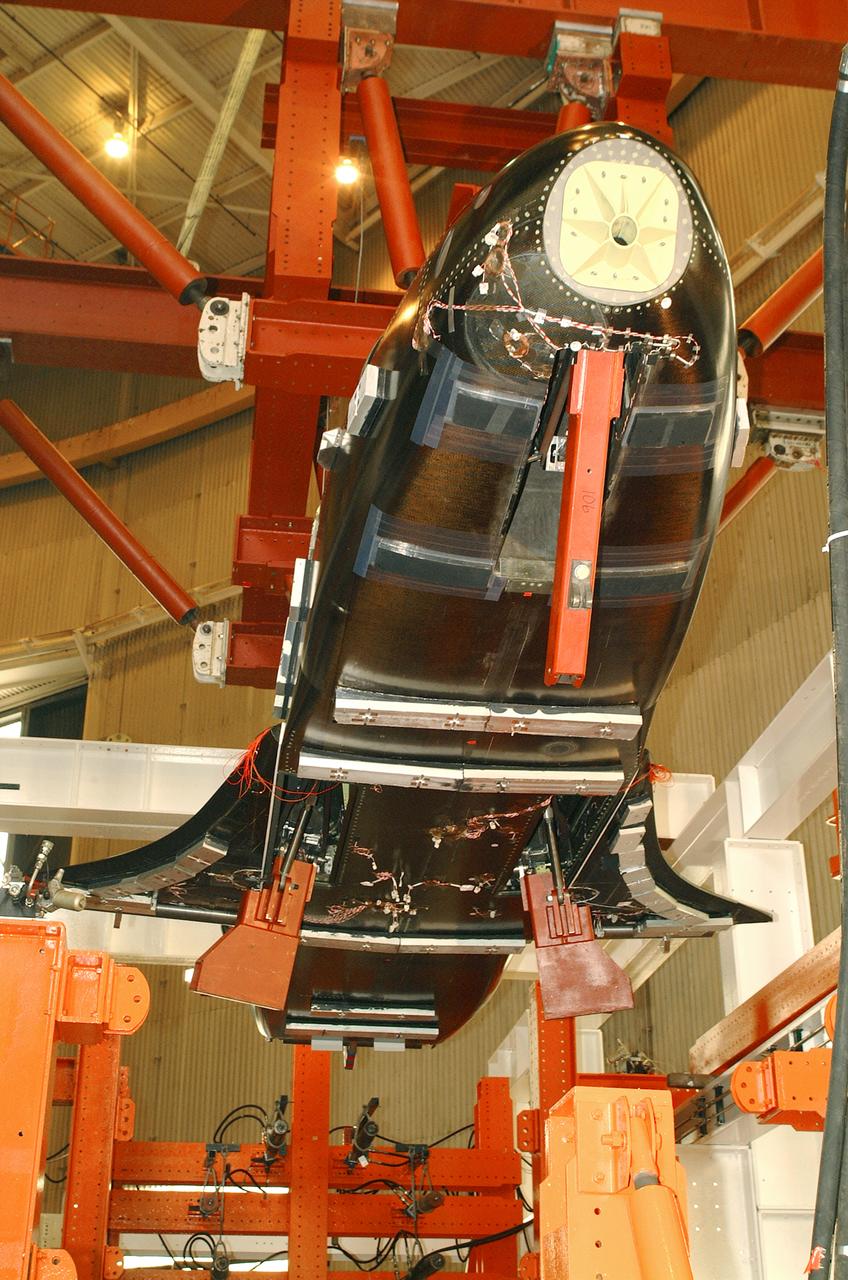
NASA's X-37 Approach and Landing Test Vehicle is installed is a structural facility at Boeing's Huntington Beach, California plant. Tests, completed in July, were conducted to verify the structural integrity of the vehicle in preparation for atmospheric flight tests. Atmospheric flight tests of the Approach and Landing Test Vehicle are scheduled for 2004 and flight tests of the Orbital Vehicle are scheduled for 2006. The X-37 experimental launch vehicle is roughly 27.5 feet (8.3 meters) long and 15 feet (4.5 meters) in wingspan. It's experiment bay is 7 feet (2.1 meters) long and 4 feet (1.2 meters) in diameter. Designed to operate in both the orbital and reentry phases of flight, the X-37 will increase both safety and reliability, while reducing launch costs from $10,000 per pound to $1,000.00 per pound. The X-37 program is managed by the Marshall Space Flight Center and built by the Boeing Company.
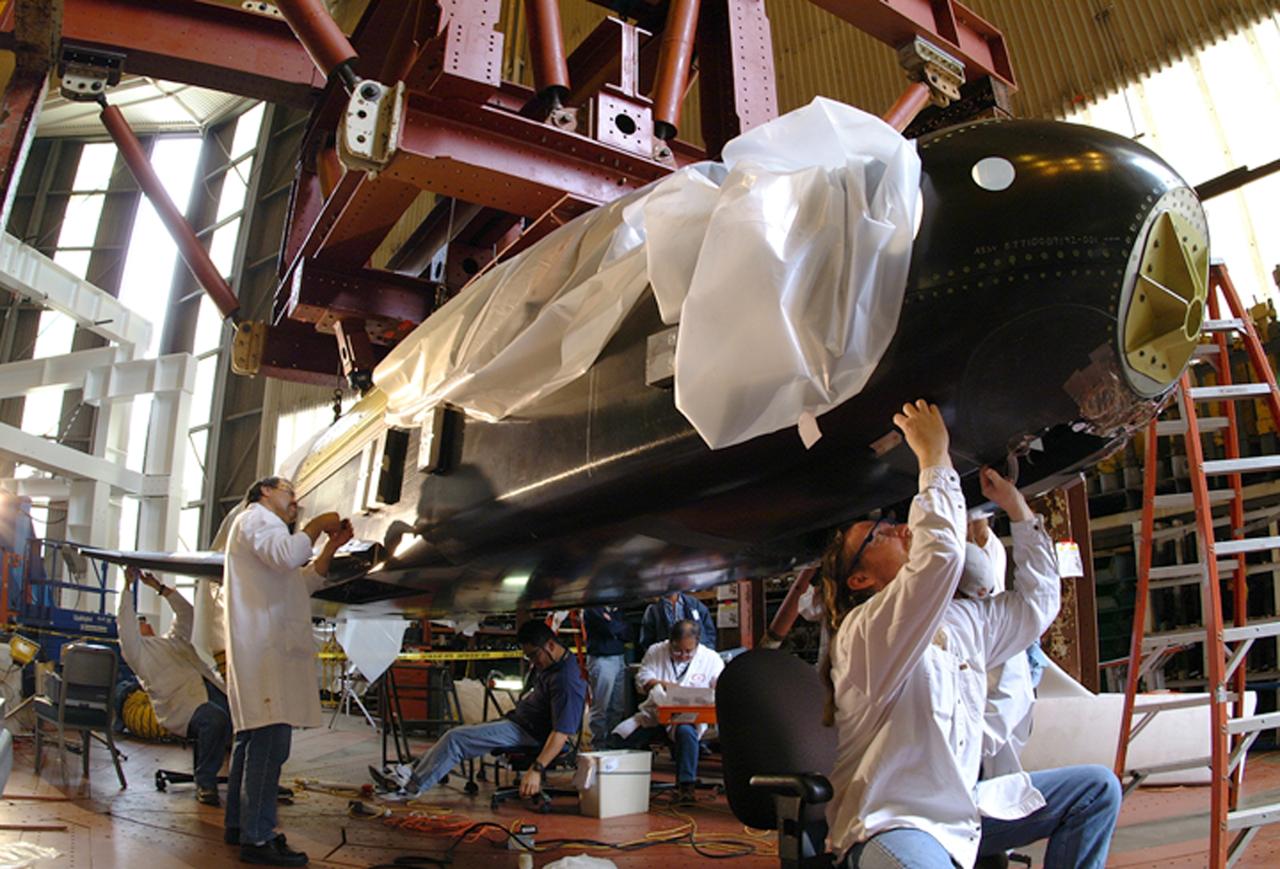
NASA's X-37 Approach and Landing Test Vehicle is installed is a structural facility at Boeing's Huntington Beach, California plant, where technicians make adjustments to composite panels. Tests, completed in July, were conducted to verify the structural integrity of the vehicle in preparation for atmospheric flight tests. Atmospheric flight tests of the Approach and Landing Test Vehicle are scheduled for 2004 and flight tests of the Orbital Vehicle are scheduled for 2006. The X-37 experimental launch vehicle is roughly 27.5 feet (8.3 meters) long and 15 feet (4.5 meters) in wingspan. It's experiment bay is 7 feet (2.1 meters) long and 4 feet (1.2 meters) in diameter. Designed to operate in both the orbital and reentry phases of flight, the X-37 will increase both safety and reliability, while reducing launch costs from $10,000 per pound to $1,000.00 per pound. The X-37 program is managed by the Marshall Space Flight Center and built by the Boeing Company.
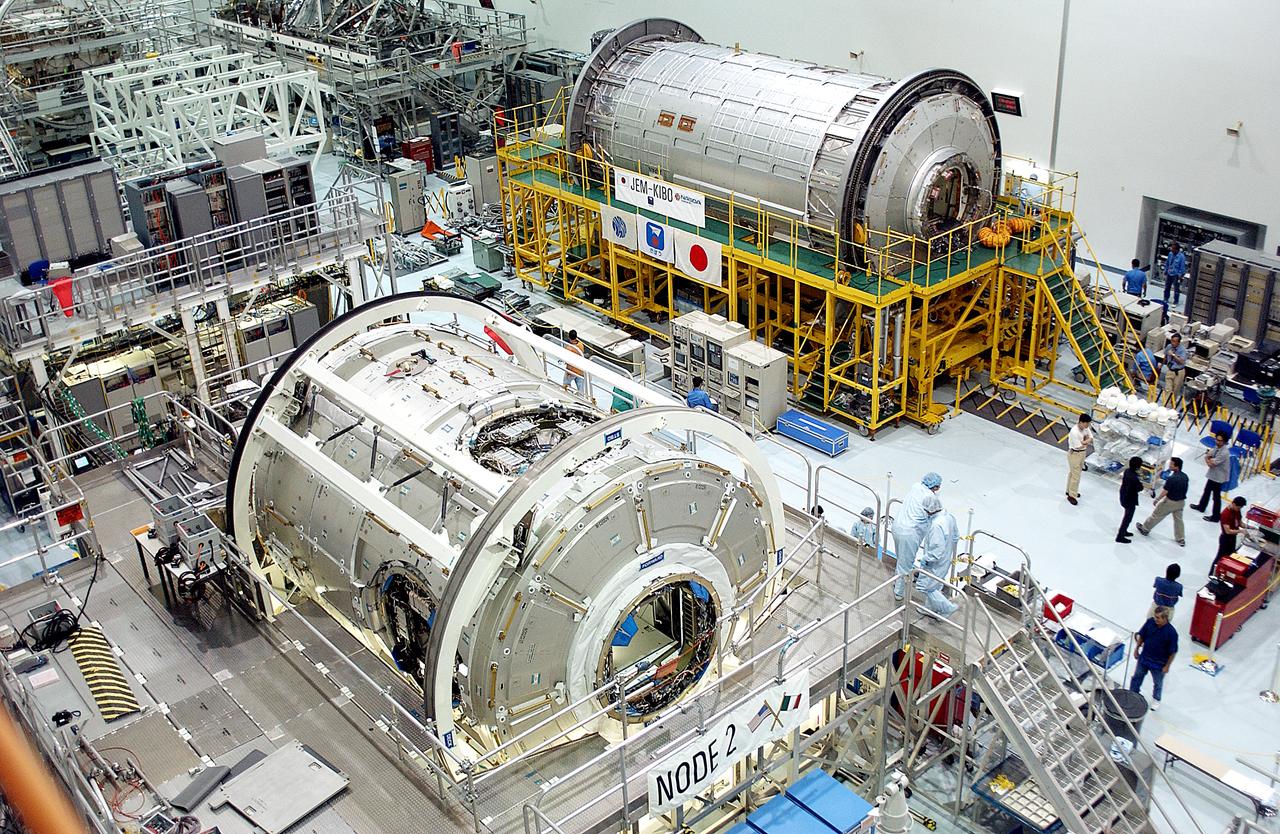
Lining the walls of the Space Station Processing Facility at the Kennedy Space Center (KSC) are the launch awaiting U.S. Node 2 (lower left). and the first pressurized module of the Japanese Experimental Module (JEM) (upper right), named "Kibo" (Hope). Node 2, the "utility hub" and second of three connectors between International Space Station (ISS) modules, was built in the Torino, Italy facility of Alenia Spazio, an International contractor based in Rome. Japan's major contribution to the station, the JEM, was built by the Space Development Agency of Japan (NASDA) at the Tsukuba Space Center near Tokyo and will expand research capabilities aboard the station. Both were part of an agreement between NASA and the European Space Agency (ESA). The Node 2 will be the next pressurized module installed on the Station. Once the Japanese and European laboratories are attached to it, the resulting roomier Station will expand from the equivalent space of a 3-bedroom house to a 5-bedroom house. The Marshall Space Center in Huntsville, Alabama manages the Node program for NASA.
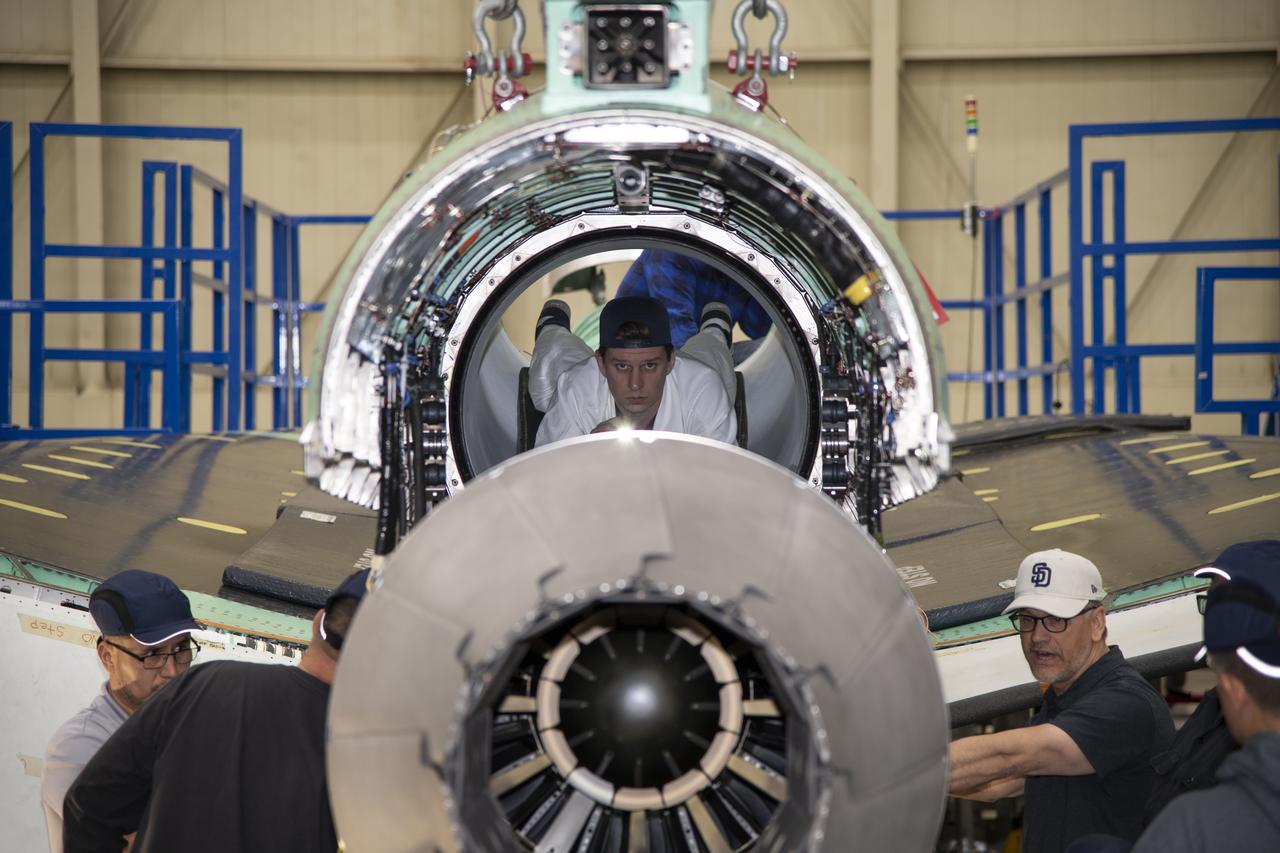
The engine that will power NASA’s quiet supersonic X-59 in flight is installed, marking a major milestone in the experimental aircraft’s journey toward first flight. The installation of the F414-GE-100 engine at Lockheed Martin’s Skunk Works facility brings the vehicle close to the completion of its assembly.
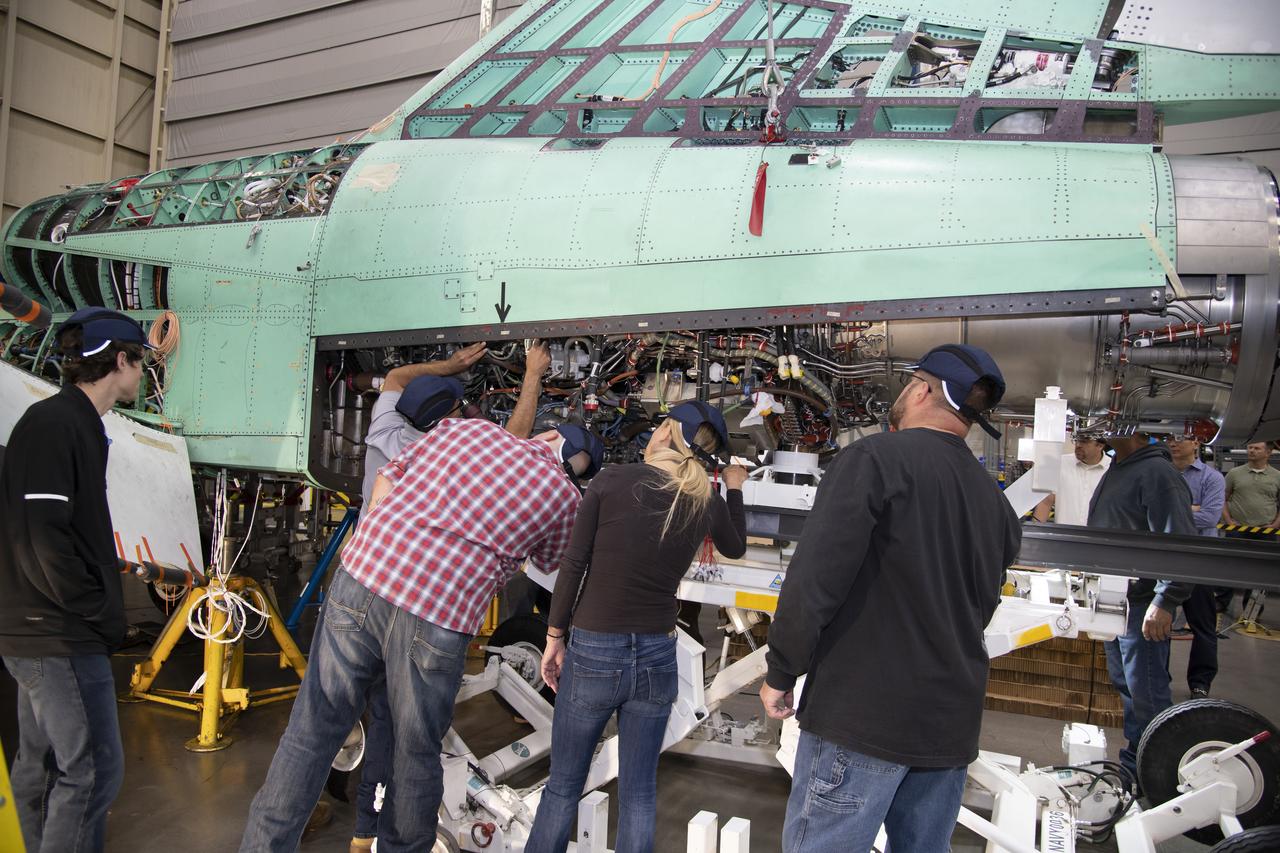
The engine that will power NASA’s quiet supersonic X-59 in flight is installed, marking a major milestone in the experimental aircraft’s journey toward first flight. The installation of the F414-GE-100 engine at Lockheed Martin’s Skunk Works facility brings the vehicle close to the completion of its assembly.
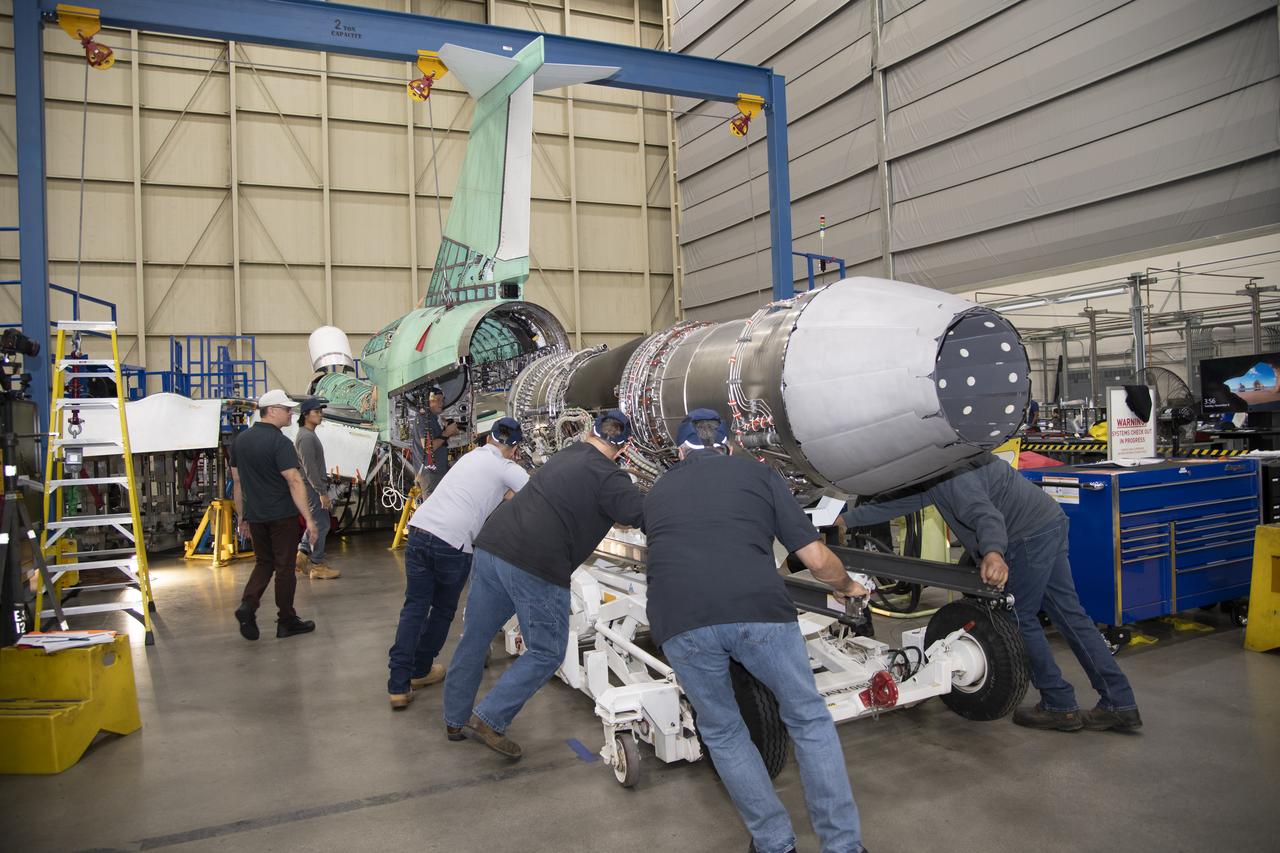
The engine that will power NASA’s quiet supersonic X-59 in flight is installed, marking a major milestone in the experimental aircraft’s journey toward first flight. The installation of the F414-GE-100 engine at Lockheed Martin’s Skunk Works facility brings the vehicle close to the completion of its assembly.

The engine that will power NASA’s quiet supersonic X-59 in flight is installed, marking a major milestone in the experimental aircraft’s journey toward first flight. The installation of the F414-GE-100 engine at Lockheed Martin’s Skunk Works facility brings the vehicle close to the completion of its assembly.
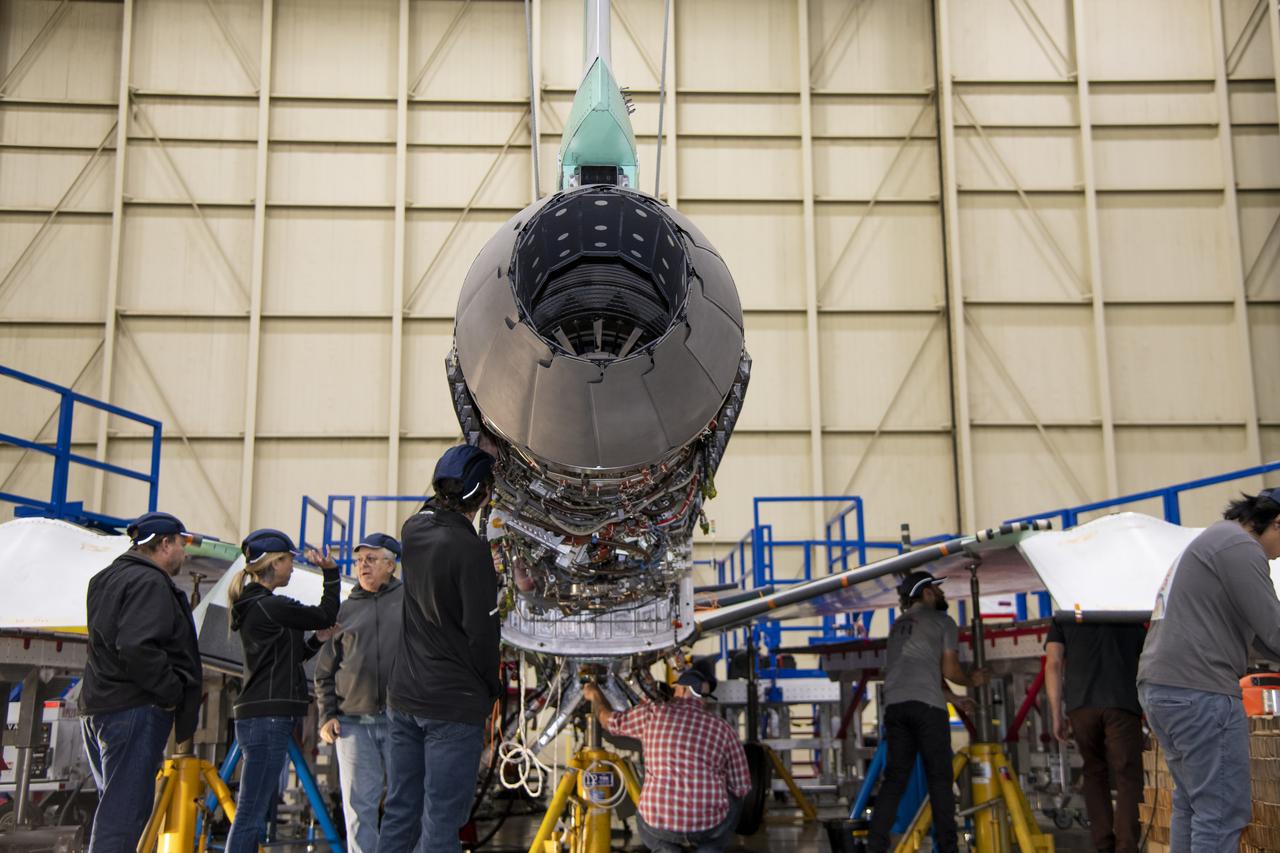
The engine that will power NASA’s quiet supersonic X-59 in flight is installed, marking a major milestone in the experimental aircraft’s journey toward first flight. The installation of the F414-GE-100 engine at Lockheed Martin’s Skunk Works facility brings the vehicle close to the completion of its assembly.
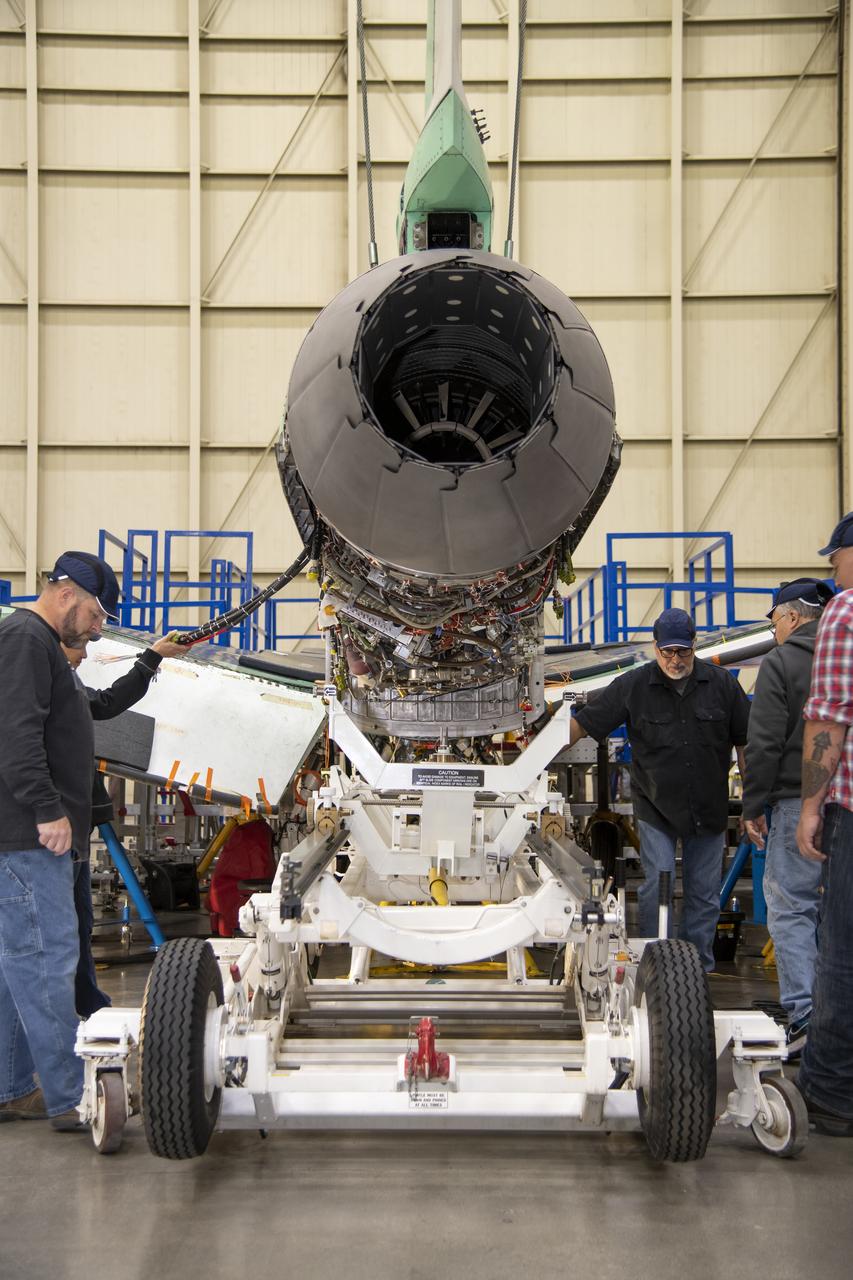
The engine that will power NASA’s quiet supersonic X-59 in flight is installed, marking a major milestone in the experimental aircraft’s journey toward first flight. The installation of the F414-GE-100 engine at Lockheed Martin’s Skunk Works facility brings the vehicle close to the completion of its assembly.
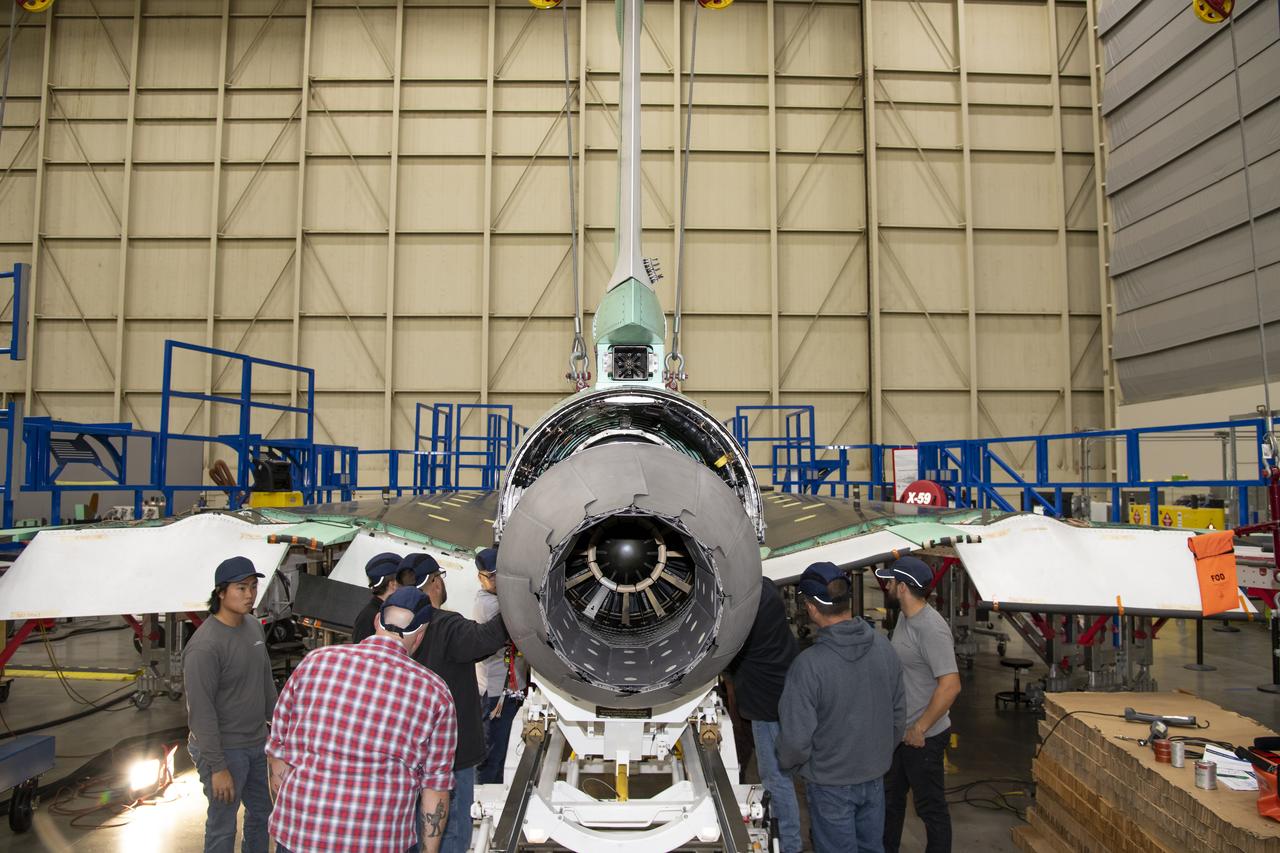
The engine that will power NASA’s quiet supersonic X-59 in flight is installed, marking a major milestone in the experimental aircraft’s journey toward first flight. The installation of the F414-GE-100 engine at Lockheed Martin’s Skunk Works facility brings the vehicle close to the completion of its assembly.

The engine that will power NASA’s quiet supersonic X-59 in flight is installed, marking a major milestone in the experimental aircraft’s journey toward first flight. The installation of the F414-GE-100 engine at Lockheed Martin’s Skunk Works facility brings the vehicle close to the completion of its assembly.
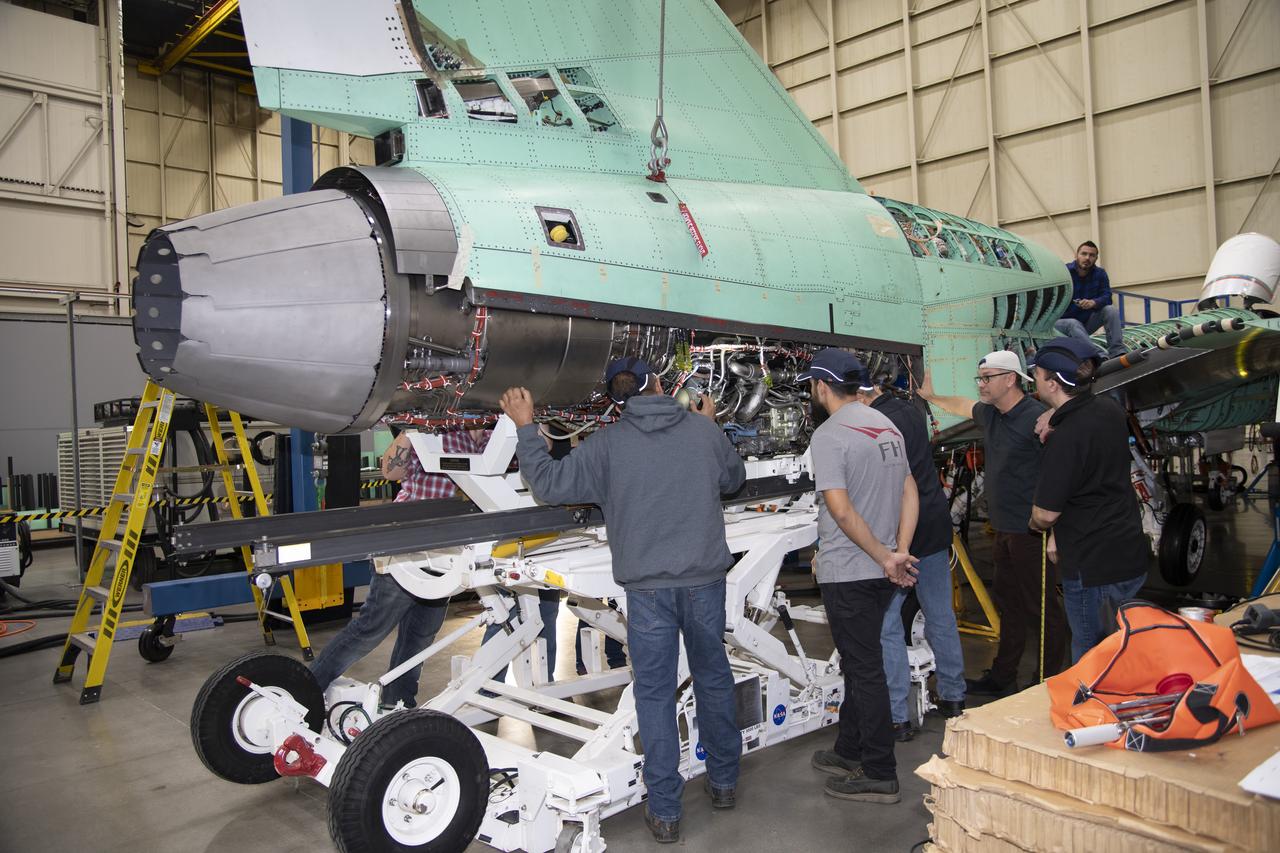
The engine that will power NASA’s quiet supersonic X-59 in flight is installed, marking a major milestone in the experimental aircraft’s journey toward first flight. The installation of the F414-GE-100 engine at Lockheed Martin’s Skunk Works facility brings the vehicle close to the completion of its assembly.
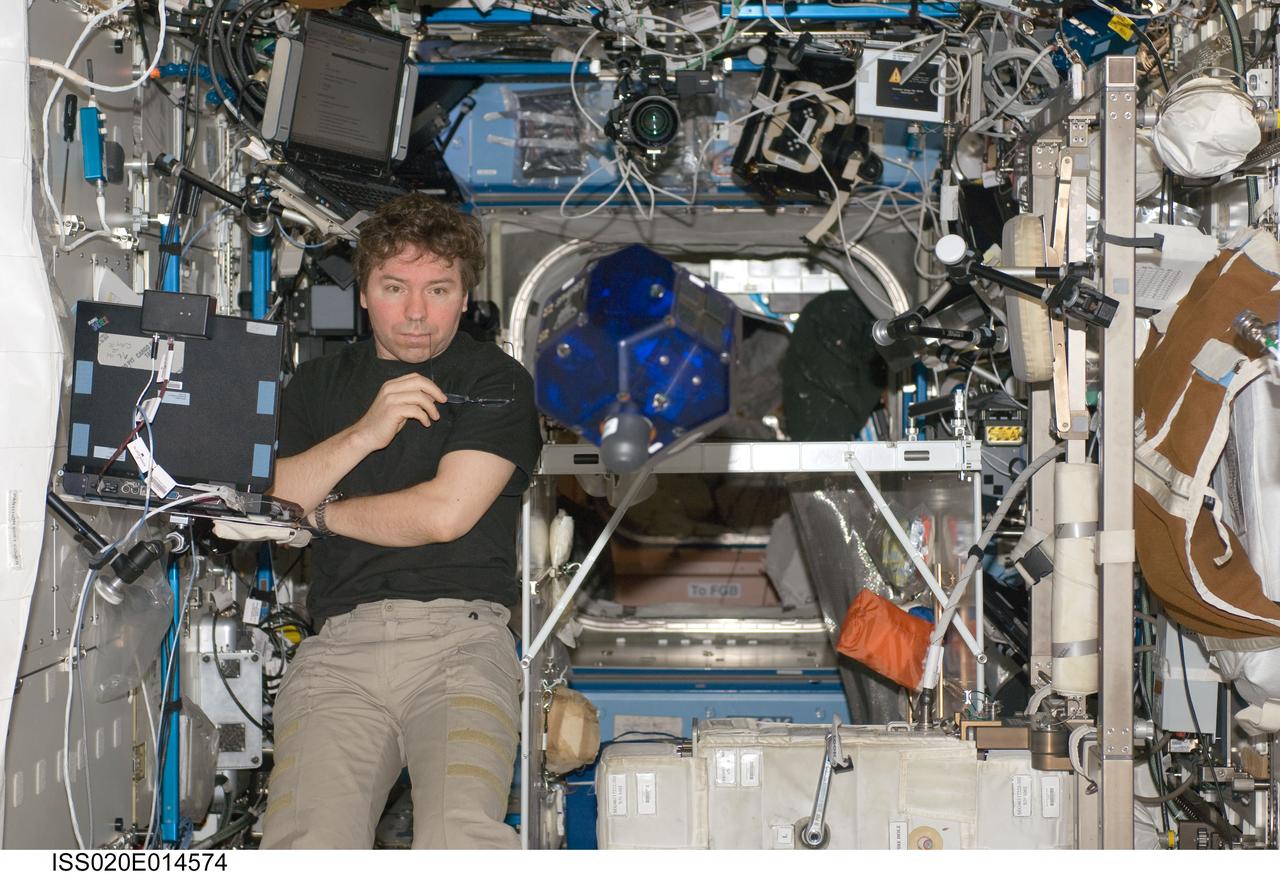
ISS020-E-014574 (26 June 2009) --- NASA astronaut Michael Barratt, Expedition 20 flight engineer, does a check of the Synchronized Position Hold, Engage, Reorient, Experimental Satellites (SPHERES) Beacon / Beacon Tester in the Destiny laboratory of the International Space Station.
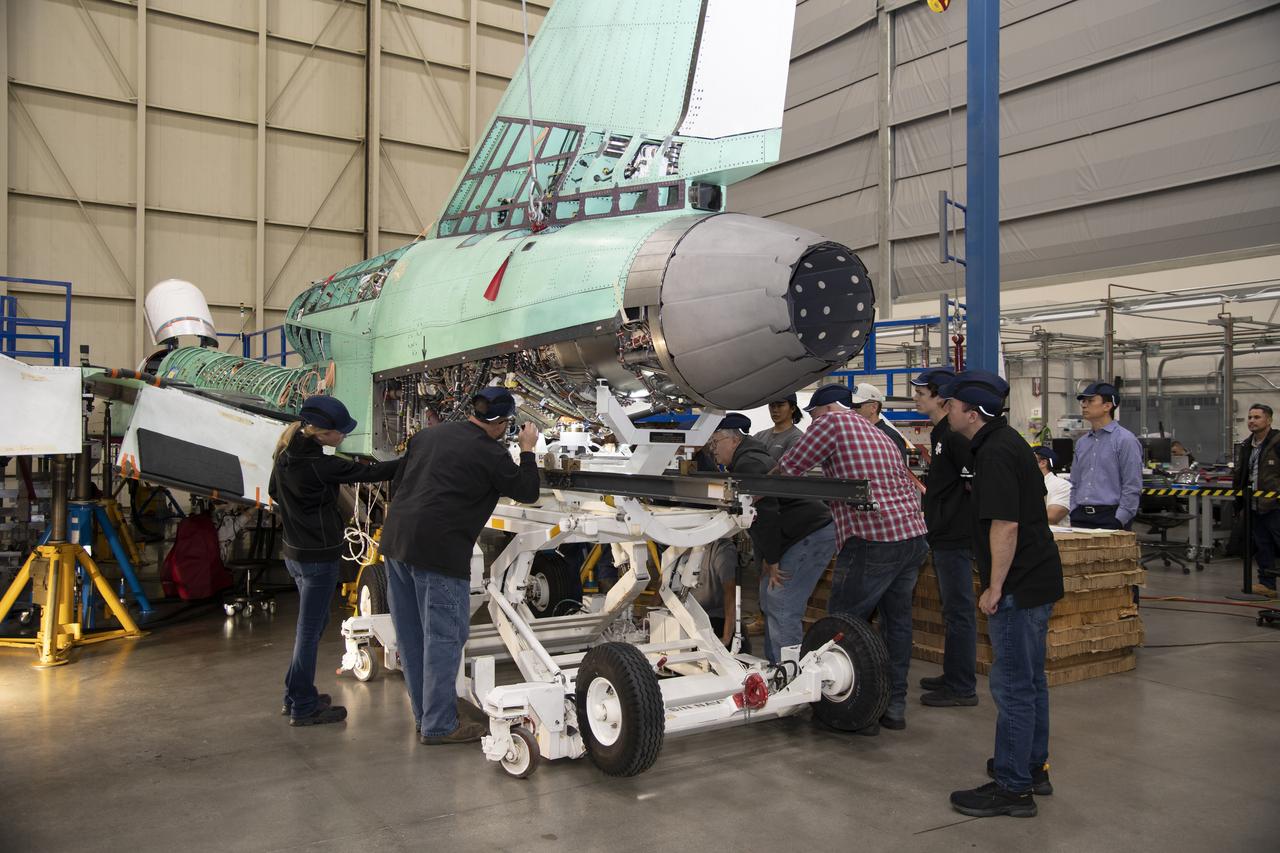
The engine that will power NASA’s quiet supersonic X-59 in flight is installed, marking a major milestone in the experimental aircraft’s journey toward first flight. The installation of the F414-GE-100 engine at Lockheed Martin’s Skunk Works facility brings the vehicle close to the completion of its assembly.
The engine that will power NASA’s quiet supersonic X-59 in flight is installed, marking a major milestone in the experimental aircraft’s journey toward first flight. The installation of the F414-GE-100 engine at Lockheed Martin’s Skunk Works facility brings the vehicle close to the completion of its assembly.
The engine that will power NASA’s quiet supersonic X-59 in flight is installed, marking a major milestone in the experimental aircraft’s journey toward first flight. The installation of the F414-GE-100 engine at Lockheed Martin’s Skunk Works facility brings the vehicle close to the completion of its assembly.
The engine that will power NASA’s quiet supersonic X-59 in flight is installed, marking a major milestone in the experimental aircraft’s journey toward first flight. The installation of the F414-GE-100 engine at Lockheed Martin’s Skunk Works facility brings the vehicle close to the completion of its assembly.
The engine that will power NASA’s quiet supersonic X-59 in flight is installed, marking a major milestone in the experimental aircraft’s journey toward first flight. The installation of the F414-GE-100 engine at Lockheed Martin’s Skunk Works facility brings the vehicle close to the completion of its assembly.
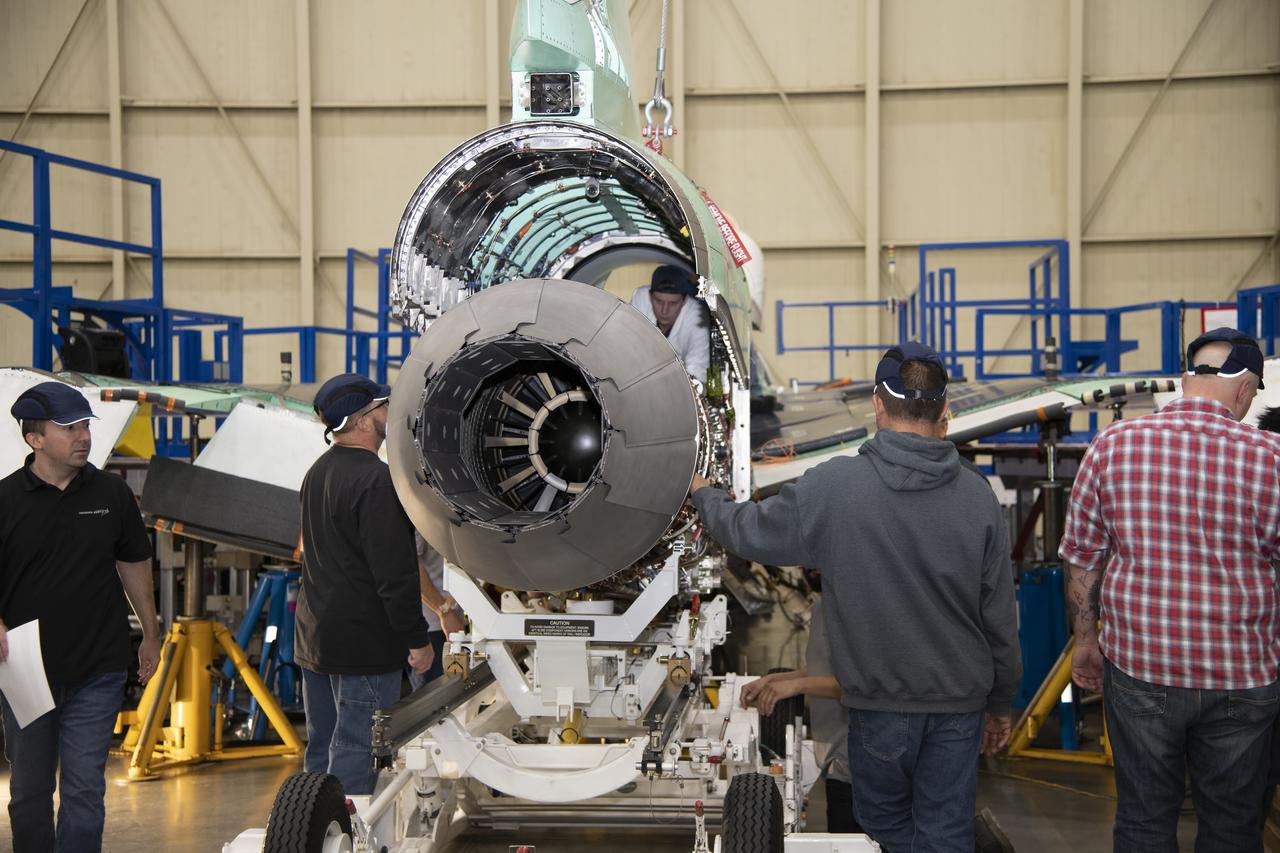
The engine that will power NASA’s quiet supersonic X-59 in flight is installed, marking a major milestone in the experimental aircraft’s journey toward first flight. The installation of the F414-GE-100 engine at Lockheed Martin’s Skunk Works facility brings the vehicle close to the completion of its assembly.
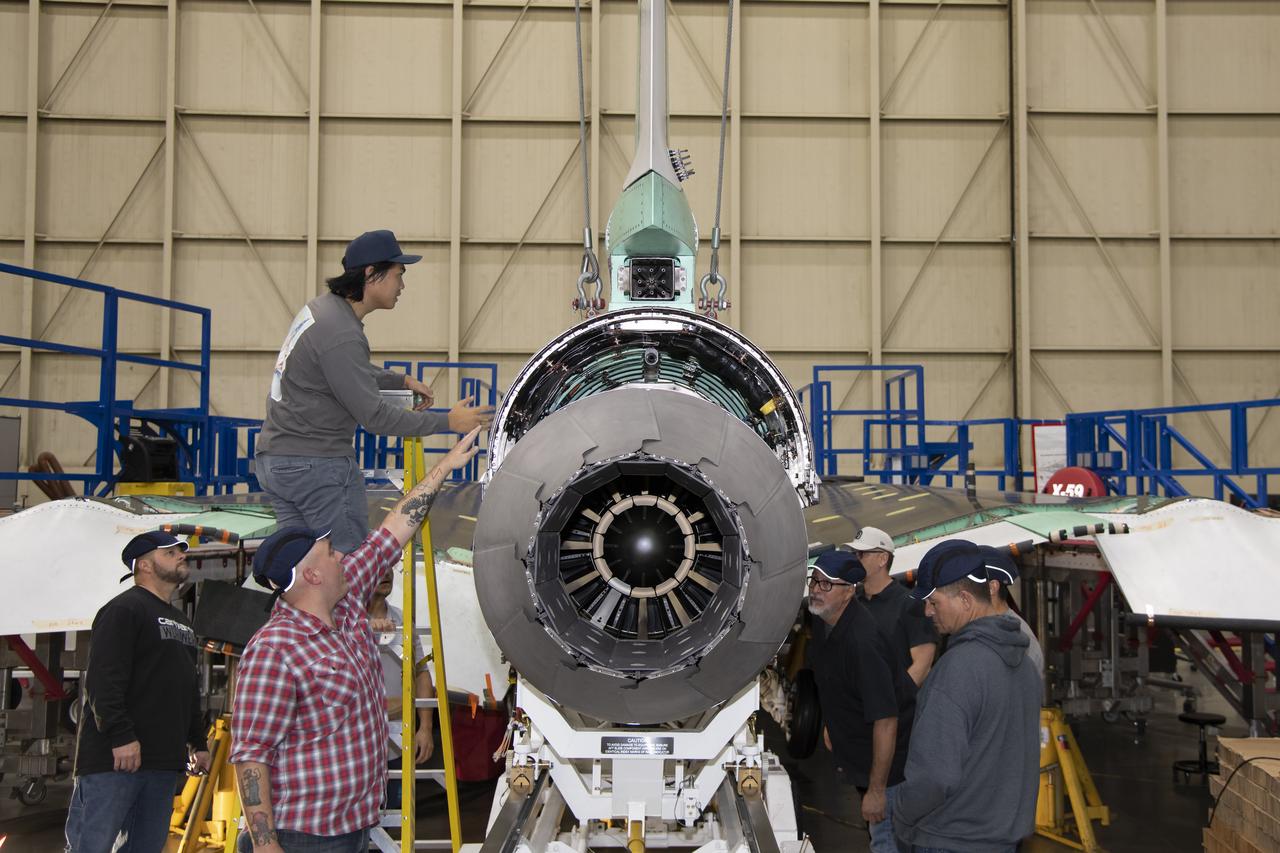
The engine that will power NASA’s quiet supersonic X-59 in flight is installed, marking a major milestone in the experimental aircraft’s journey toward first flight. The installation of the F414-GE-100 engine at Lockheed Martin’s Skunk Works facility brings the vehicle close to the completion of its assembly.
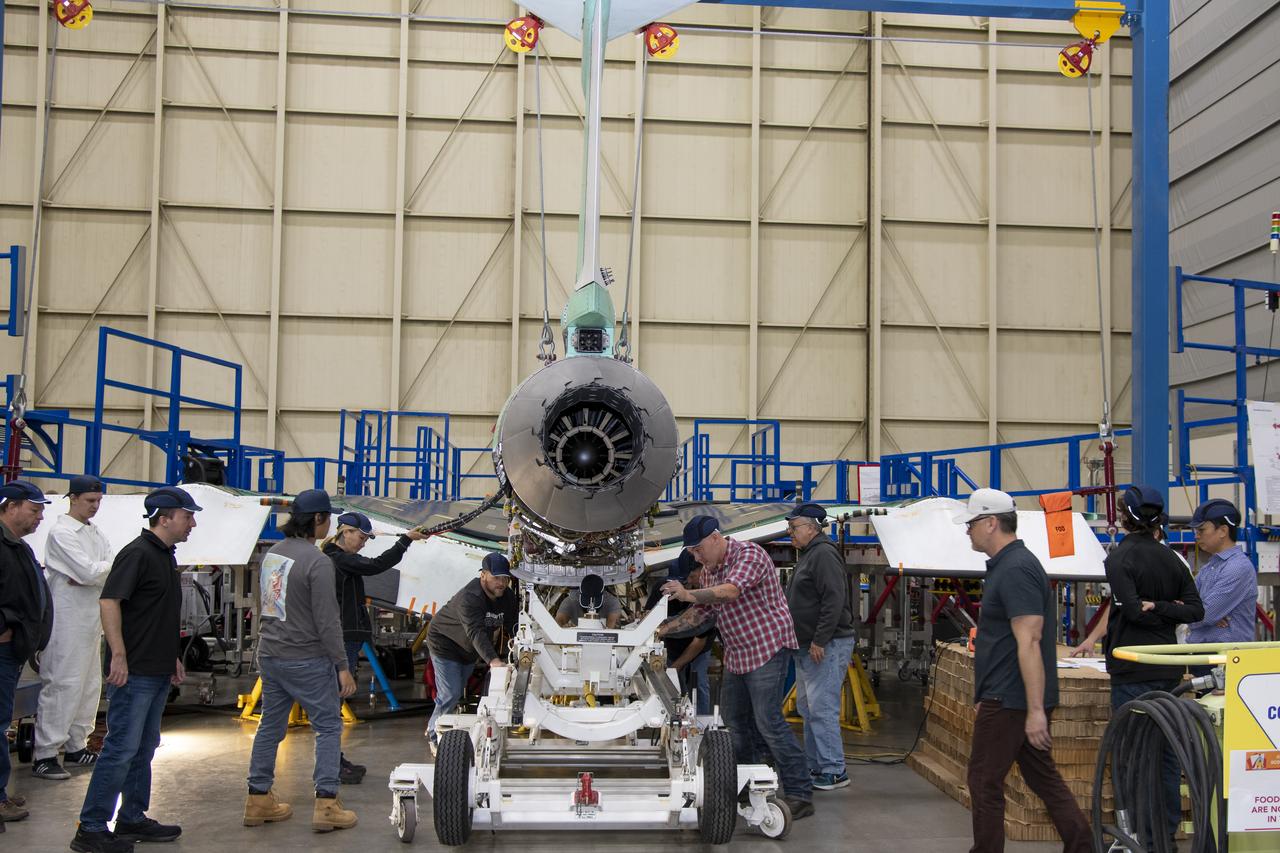
The engine that will power NASA’s quiet supersonic X-59 in flight is installed, marking a major milestone in the experimental aircraft’s journey toward first flight. The installation of the F414-GE-100 engine at Lockheed Martin’s Skunk Works facility brings the vehicle close to the completion of its assembly.

The engine that will power NASA’s quiet supersonic X-59 in flight is installed, marking a major milestone in the experimental aircraft’s journey toward first flight. The installation of the F414-GE-100 engine at Lockheed Martin’s Skunk Works facility brings the vehicle close to the completion of its assembly.
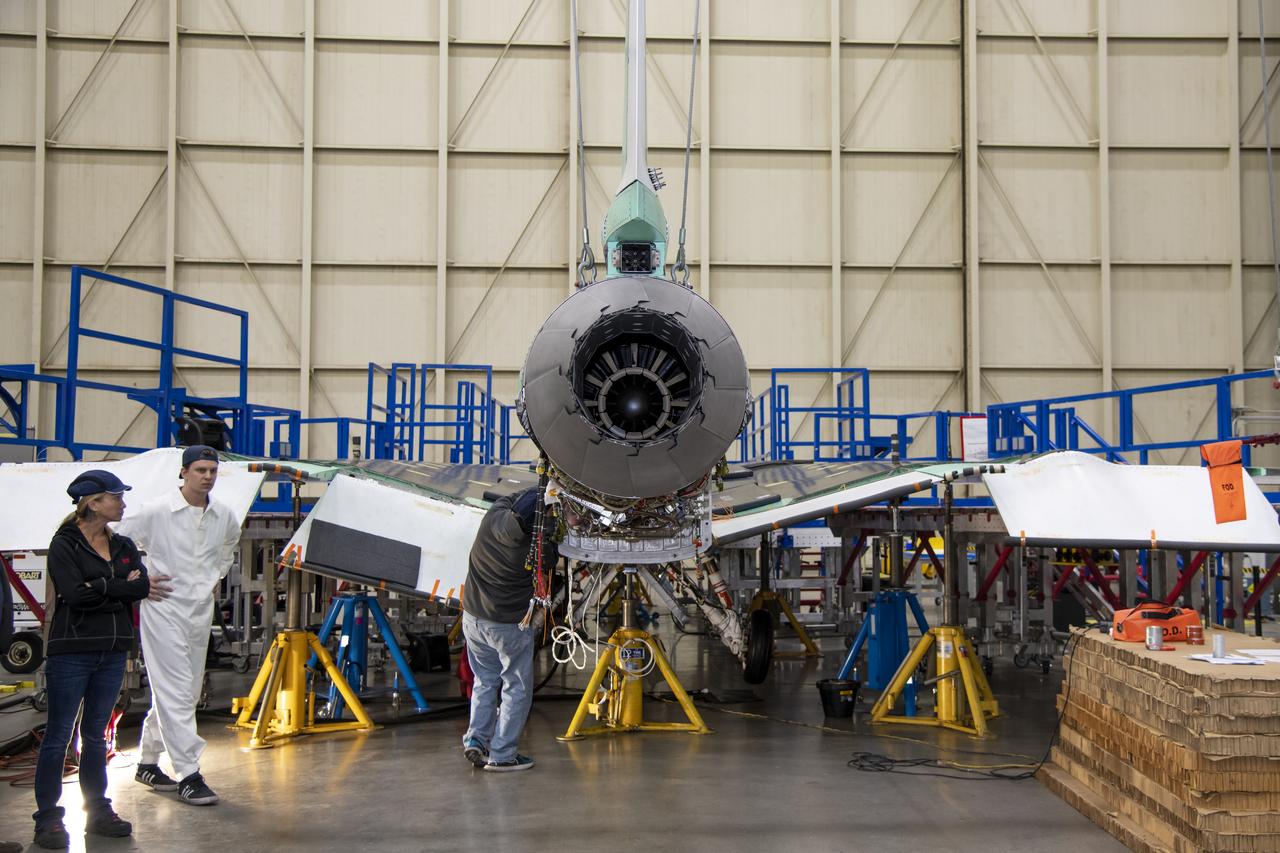
The engine that will power NASA’s quiet supersonic X-59 in flight is installed, marking a major milestone in the experimental aircraft’s journey toward first flight. The installation of the F414-GE-100 engine at Lockheed Martin’s Skunk Works facility brings the vehicle close to the completion of its assembly.
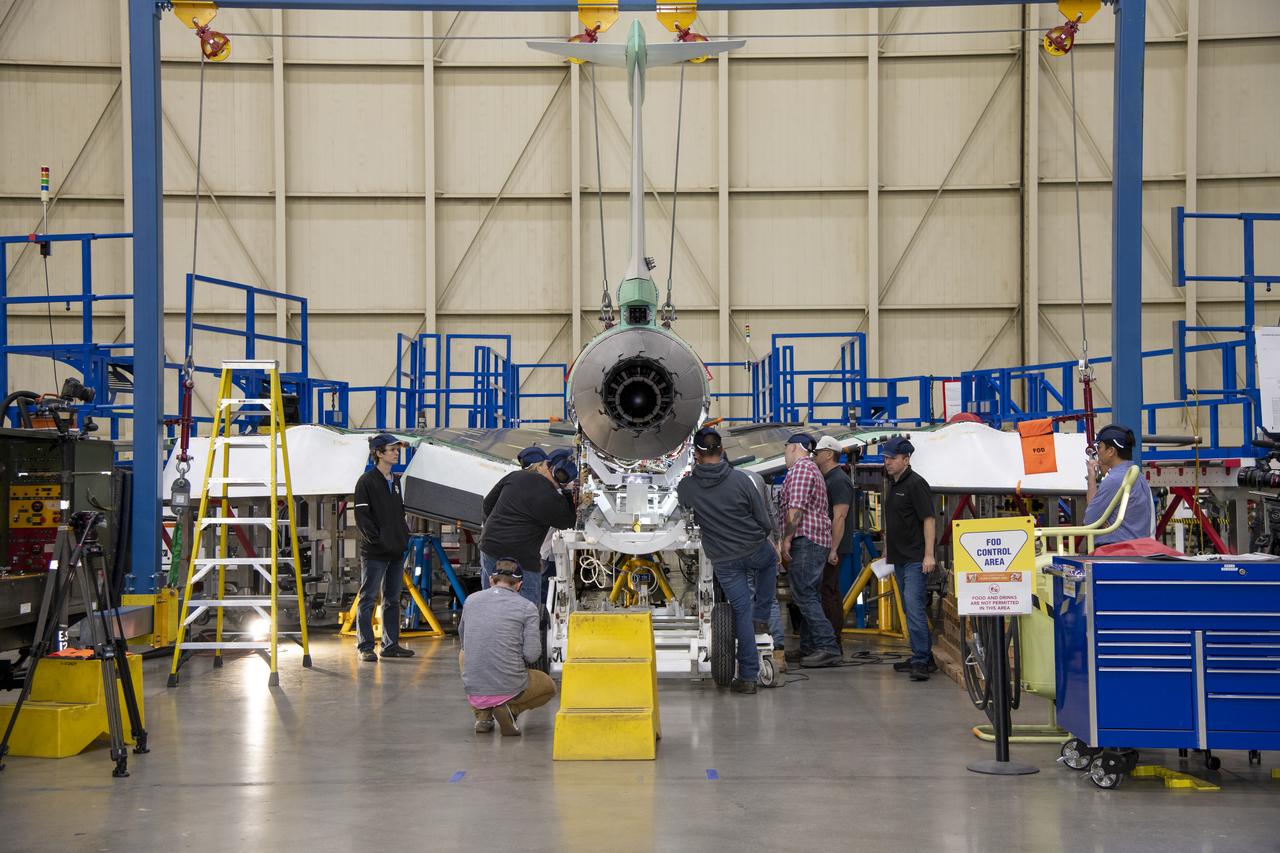
The engine that will power NASA’s quiet supersonic X-59 in flight is installed, marking a major milestone in the experimental aircraft’s journey toward first flight. The installation of the F414-GE-100 engine at Lockheed Martin’s Skunk Works facility brings the vehicle close to the completion of its assembly.
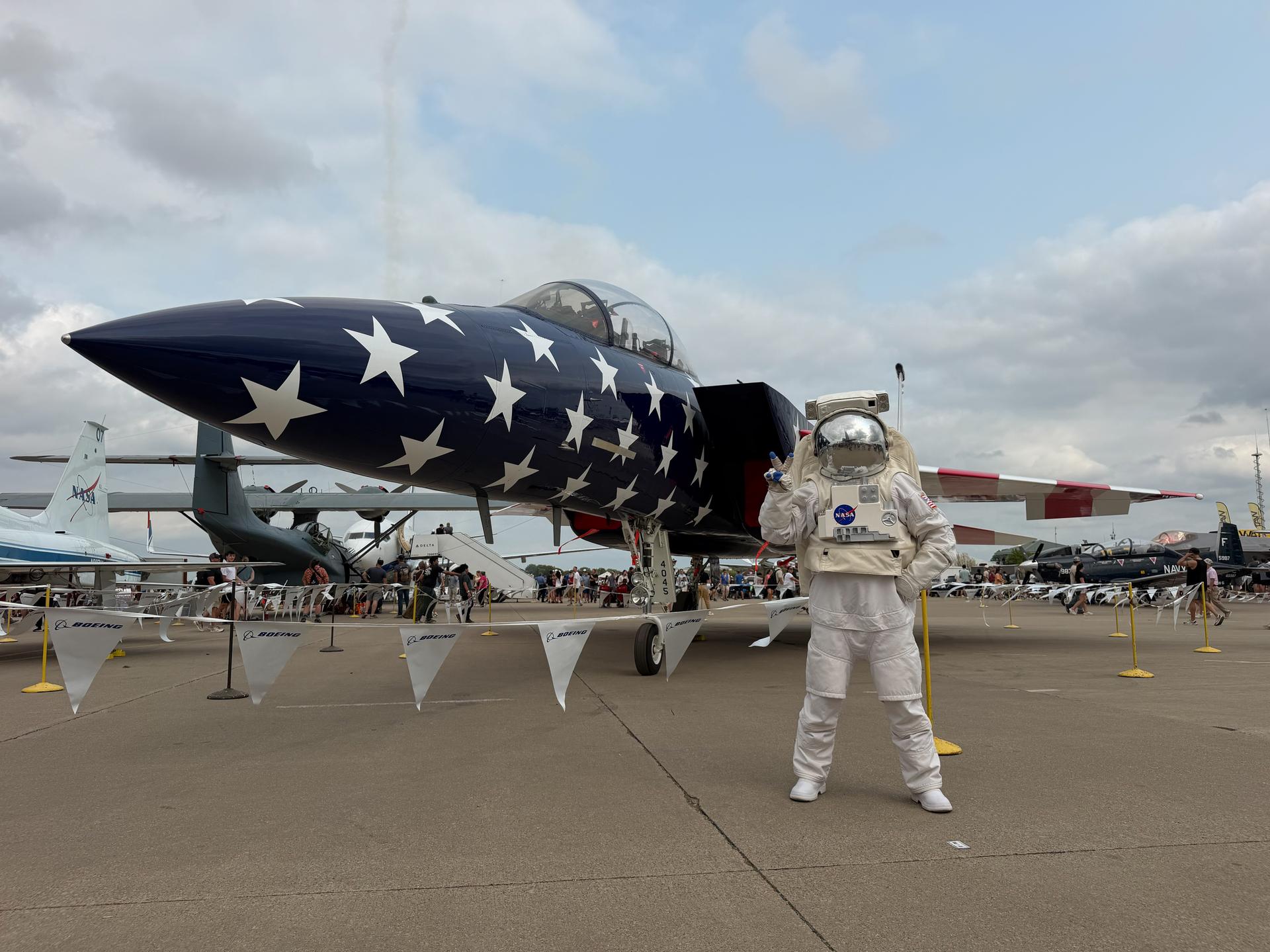
NASA’s Spacey Casey poses in front of NASA’s F-15 painted with new red, white, and blue livery to celebrate America’s 250th birthday at the Boeing Plaza at the 2026 Experimental Aircraft Association (EAA) AirVenture air show in Oshkosh, Wisconsin, on Saturday, July 26, 2026.
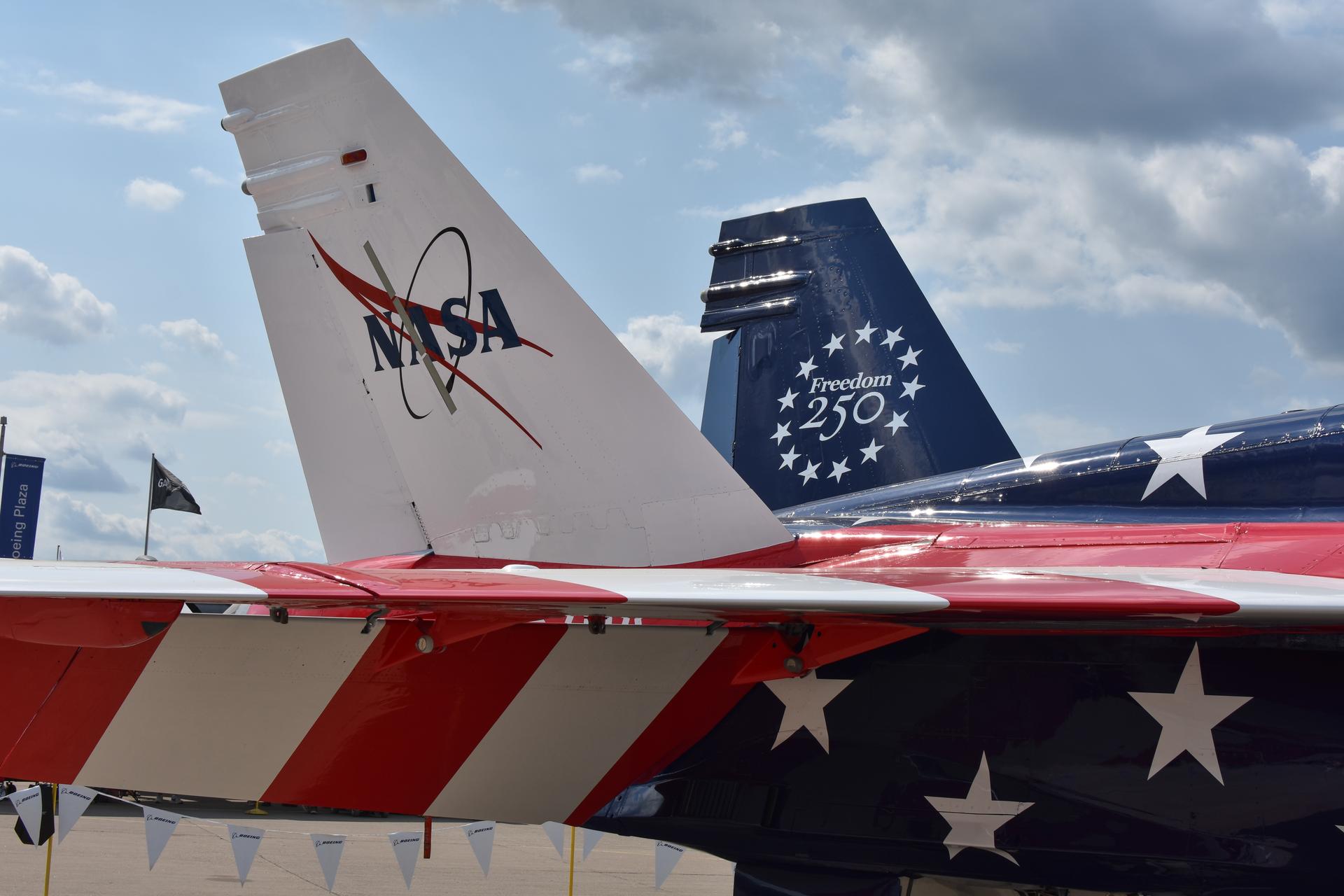
NASA’s F/A-18 aircraft painted with new red, white, and blue livery to celebrate America’s 250th birthday is shown on display at Boeing Plaza at the 2026 Experimental Aircraft Association (EAA) AirVenture air show in Oshkosh, Wisconsin, on Friday, July 24, 2026.
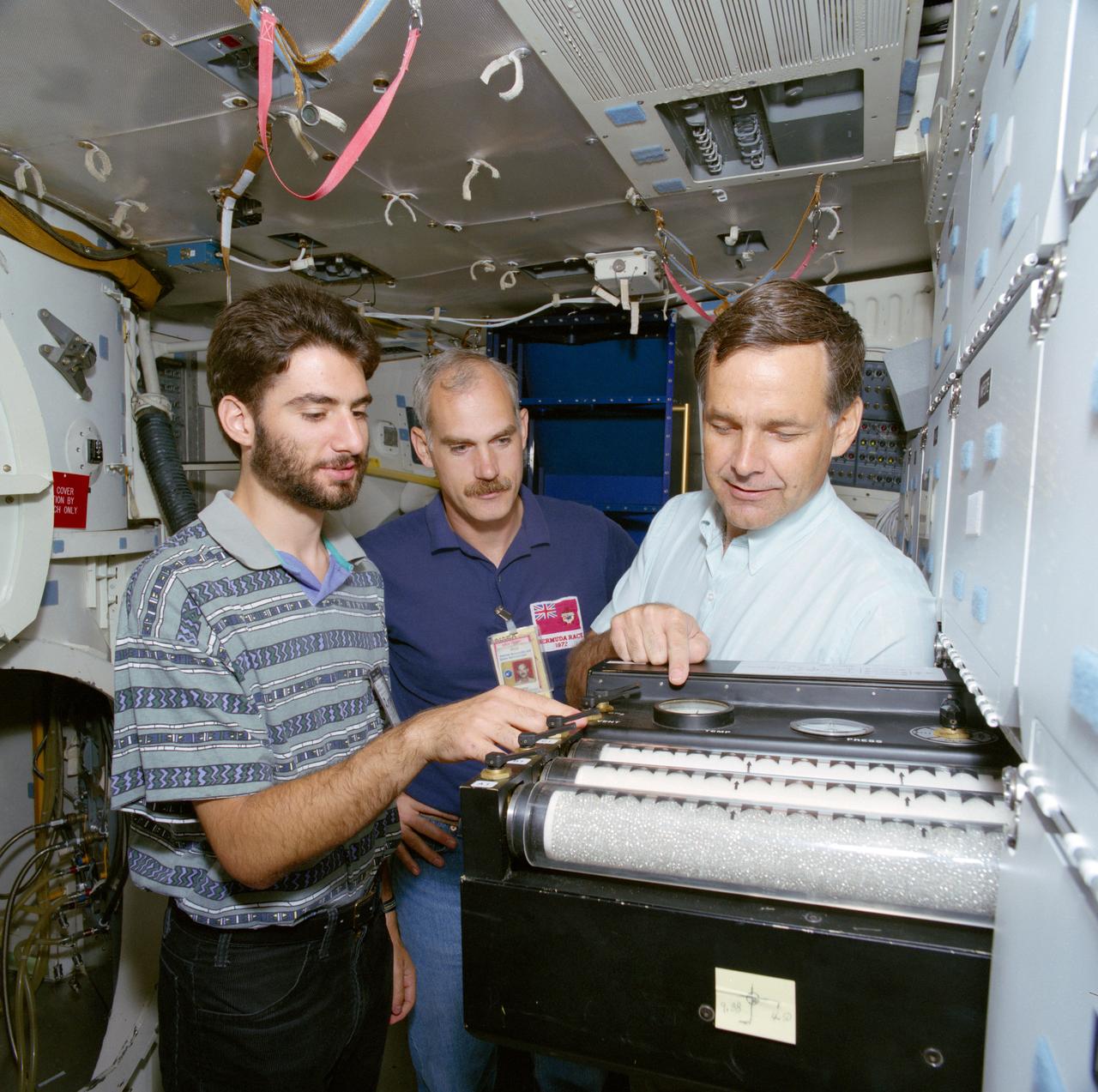
S91-47323 (18 Sept 1991) --- Constantine Costes, left, a student experimenter sponsored by United Space Boosters Inc, in Huntsville, Alabama, discusses his student experiment, "Zero-G Rise of Liquid Through Porous Media" with astronauts Ronald J. Grabe (right), STS 42 mission commander; and William Readdy, mission specialist. The student experimenter and crew members are in the Full Fuselage Trainer (FFT) in the Shuttle Mockup and Integration Laboratory. While attending Randolph School, a high school in Huntsville, Alabama, Costes was chosen in the national competition to participate in the Shuttle Student Involvement Program (SSIP). The experiment, contained in a middeck locker, involves the investigation of the effects of gravity on the flow characteristics of a fluid. Both pure capillary and forced flow behavior will be investigated. A ground based experiment was conducted so that gravity influenced data can be compared to that gathered in weightlessness. Costes is now a candidate for a Ph.D in mathematics at Harvard University.
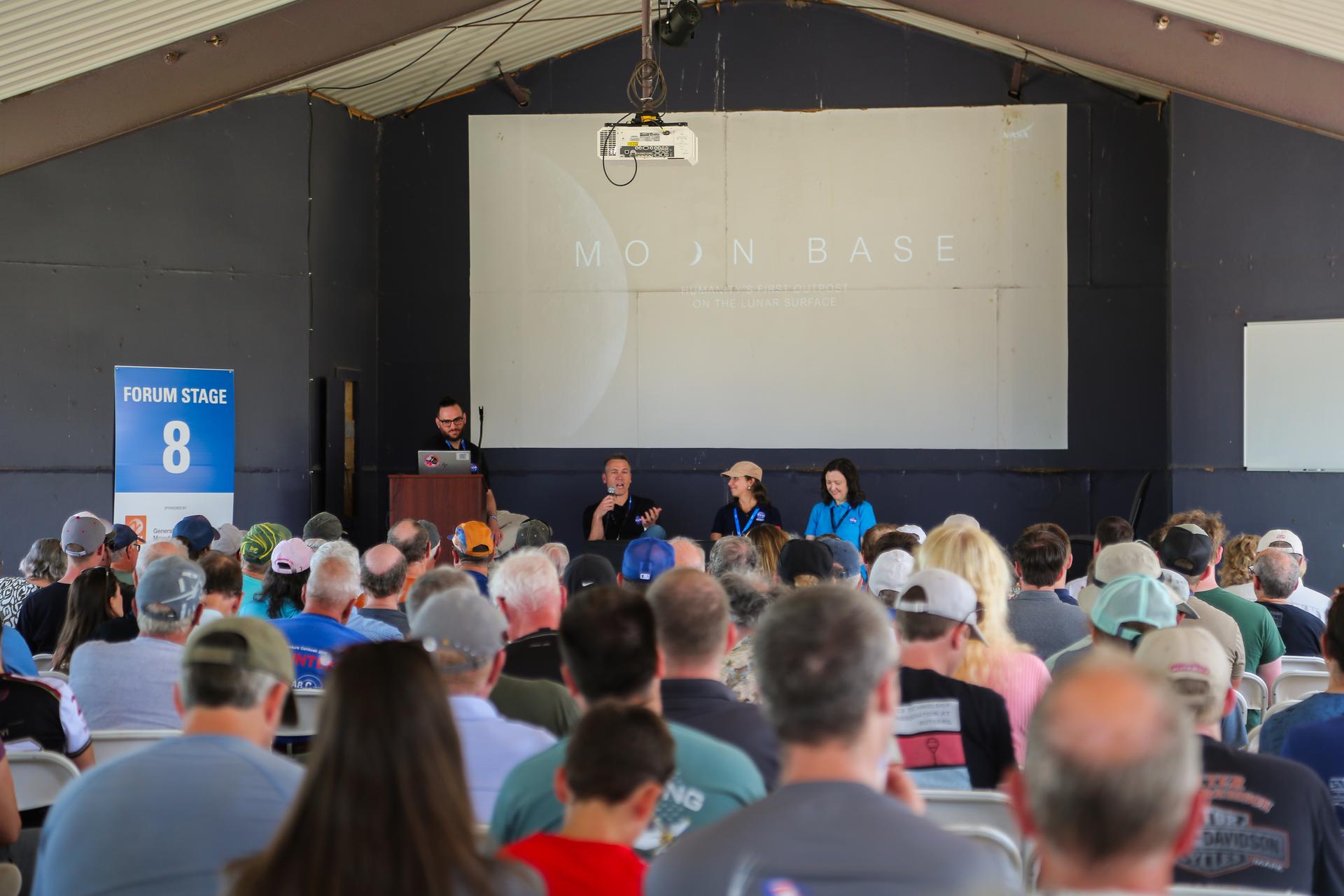
Moon Base Program Deputy Program Manager Jim Geffre speaks alongside Artemis and Moon Base Science and Utilization Manager Stephanie Dudley and Surface Mobility Deputy Lead Julia Badger during the forum presentation “Building Humanity’s First Moon Base” at the 2026 Experimental Aircraft Association (EAA) AirVenture air show in Oshkosh, Wisconsin, on Thursday, July 23, 2026.

NASA successfully launched a NASA Terrier-Improved Orion suborbital sounding rocket carrying student experiments with the RockOn/RockSat-C programs at 6 a.m., today. More than 200 middle school and university students and instructors participating in Rocket Week at Wallops were on hand to witness the launch. Through RockOn and RockSat-C students are learning and applying skills required to develop experiments for suborbital rocket flight. In addition, middle school educators through the Wallops Rocket Academy for Teachers (WRATS) are learning about applying rocketry basics in their curriculum. The payload flew to an altitude of 71.4 miles and descended by parachute into the Atlantic Ocean off the coast of Wallops. Payload recovery is in progress. The next launch from NASA’s Wallops Flight Facility is a Black Brant IX suborbital sounding rocket currently scheduled between 6 and 10 a.m., July 7. Credits: NASA Wallops Optics Lab <b><a href="http://www.nasa.gov/audience/formedia/features/MP_Photo_Guidelines.html" rel="nofollow">NASA image use policy.</a></b> <b><a href="http://www.nasa.gov/centers/goddard/home/index.html" rel="nofollow">NASA Goddard Space Flight Center</a></b> enables NASA’s mission through four scientific endeavors: Earth Science, Heliophysics, Solar System Exploration, and Astrophysics. Goddard plays a leading role in NASA’s accomplishments by contributing compelling scientific knowledge to advance the Agency’s mission. <b>Follow us on <a href="http://twitter.com/NASAGoddardPix" rel="nofollow">Twitter</a></b> <b>Like us on <a href="http://www.facebook.com/pages/Greenbelt-MD/NASA-Goddard/395013845897?ref=tsd" rel="nofollow">Facebook</a></b> <b>Find us on <a href="http://instagrid.me/nasagoddard/?vm=grid" rel="nofollow">Instagram</a></b>
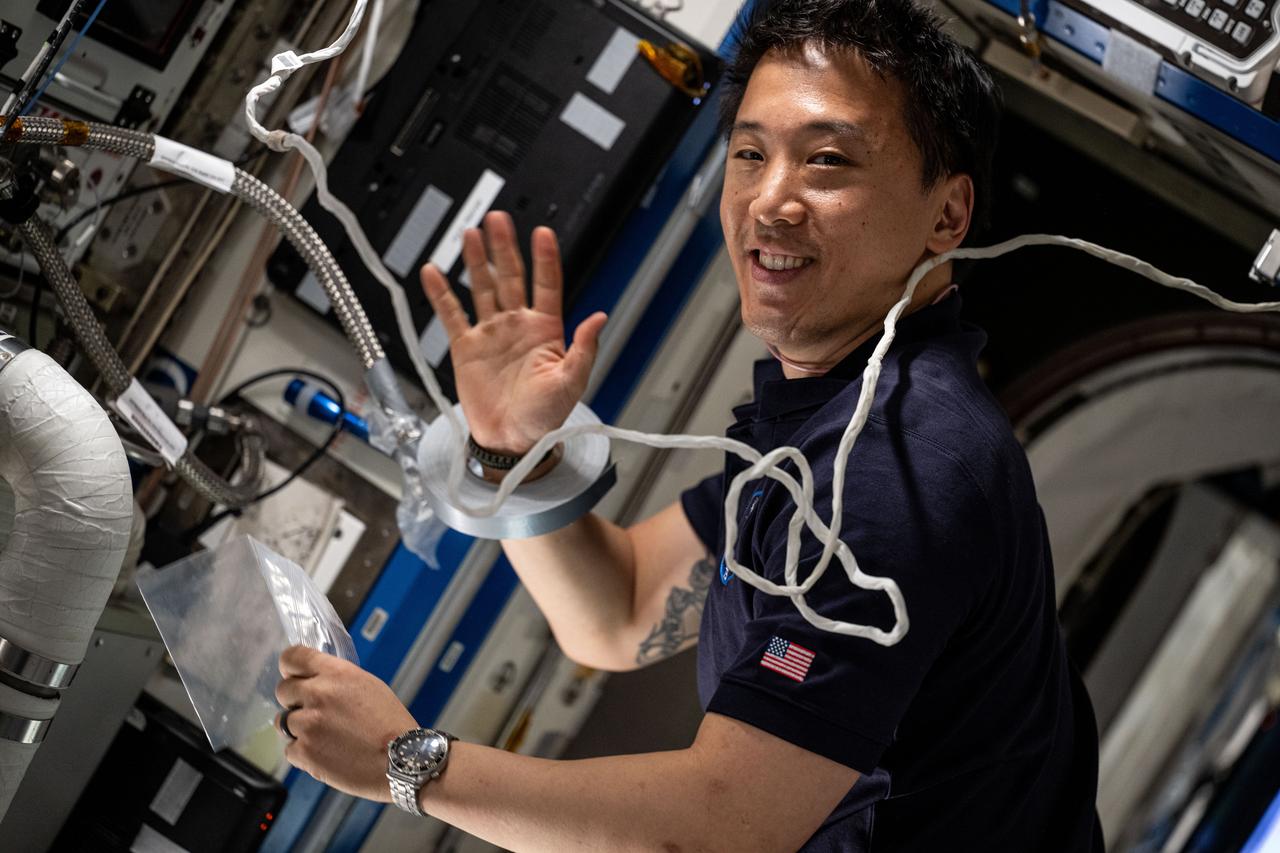
iss073e0118580 (May 27, 2025) --- NASA astronaut and Expedition 73 Flight Engineer Jonny Kim services an experimental carbon dioxide removal device aboard the International Space Station. Also called the Thermal Amine Scrubber, the advanced life support mechanism is testing a new method that removes carbon dioxide from the station’s atmosphere and recovers water for oxygen generation.
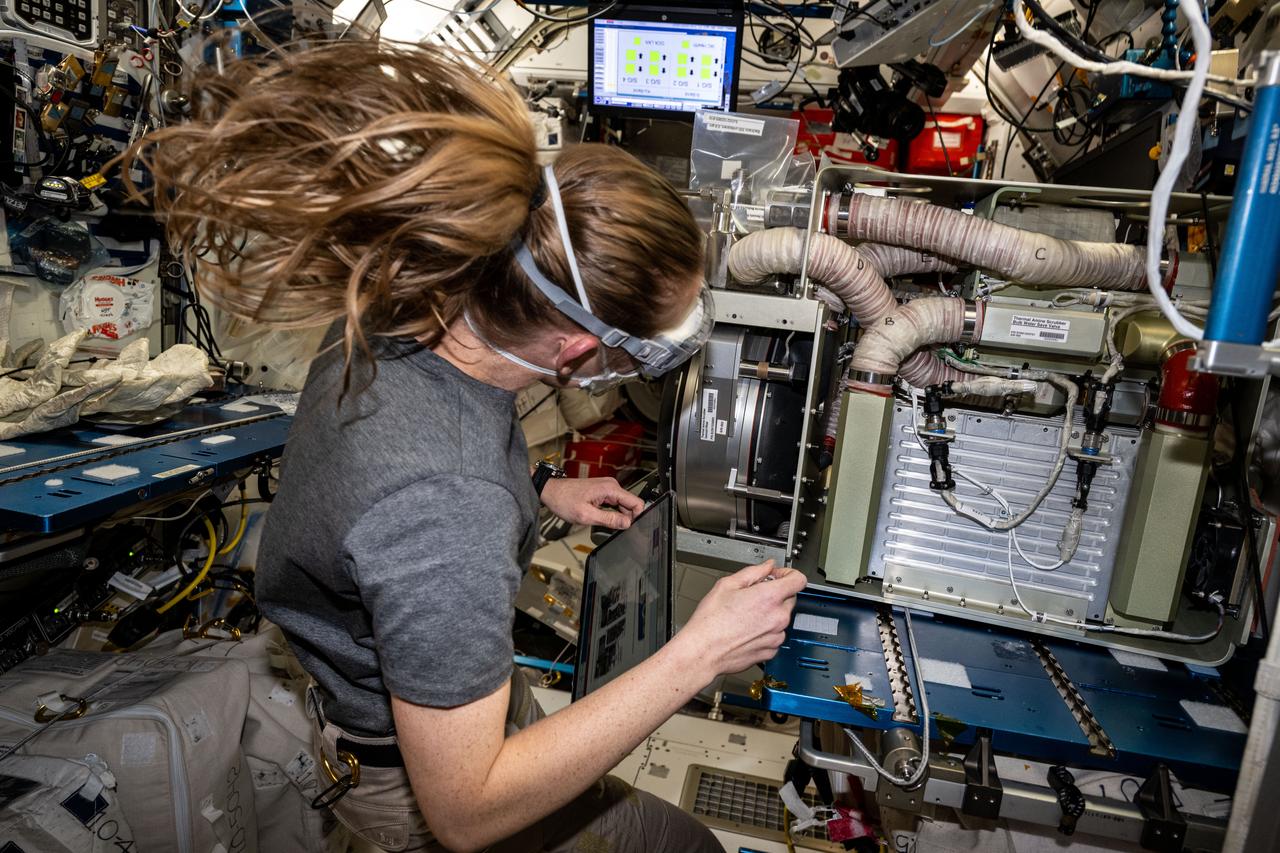
iss073e0078896 (May 27, 2025) --- NASA astronaut and Expedition 73 Flight Engineer Nichole Ayers replaces components on an experimental carbon dioxide removal device. Also called the Thermal Amine Scrubber, the advanced life support mechanism is testing a new method that removes carbon dioxide from the station’s atmosphere and recovers water for oxygen generation.
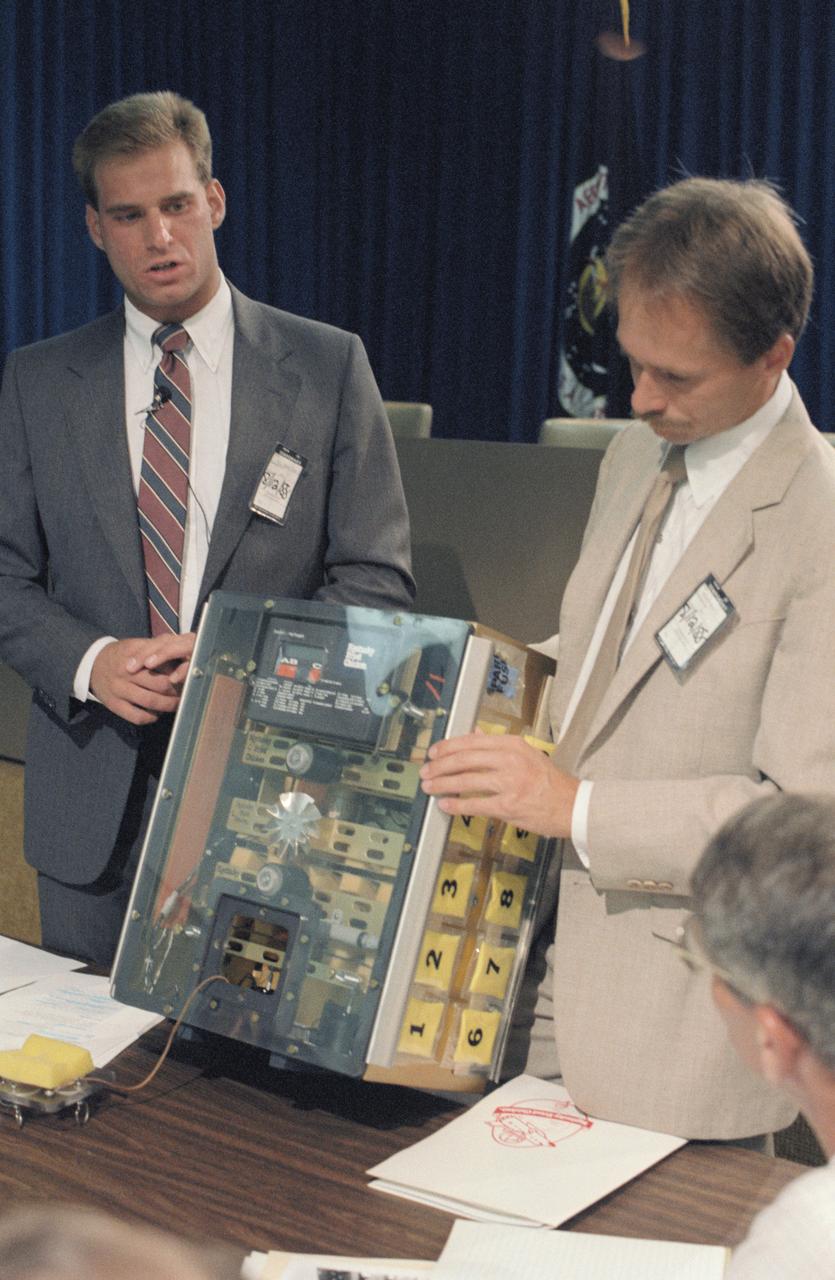
S88-44514 (13 Aug 1988) --- Student experimenter John C. Vellinger, left, explains components of an incubator used in his experiment to be carried onboard the Discovery for NASA's STS-29 mission next year. Mark S. Deusser, representing the sponsoring organization, holds up the incubator for inspection by members of the STS-29 crew who will monitor in-space operation of the experiment, titled "Chicken Embryo Development in Space." Astronaut Robert C. Springer is partially visible in lower right foreground. The student's sponsor is Kentucky Fried Chicken.

iss073e0078897 (May 27, 2025) --- NASA astronaut and Expedition 73 Flight Engineer Nichole Ayers replaces components on an experimental carbon dioxide removal device. Also called the Thermal Amine Scrubber, the advanced life support mechanism is testing a new method that removes carbon dioxide from the station’s atmosphere and recovers water for oxygen generation.
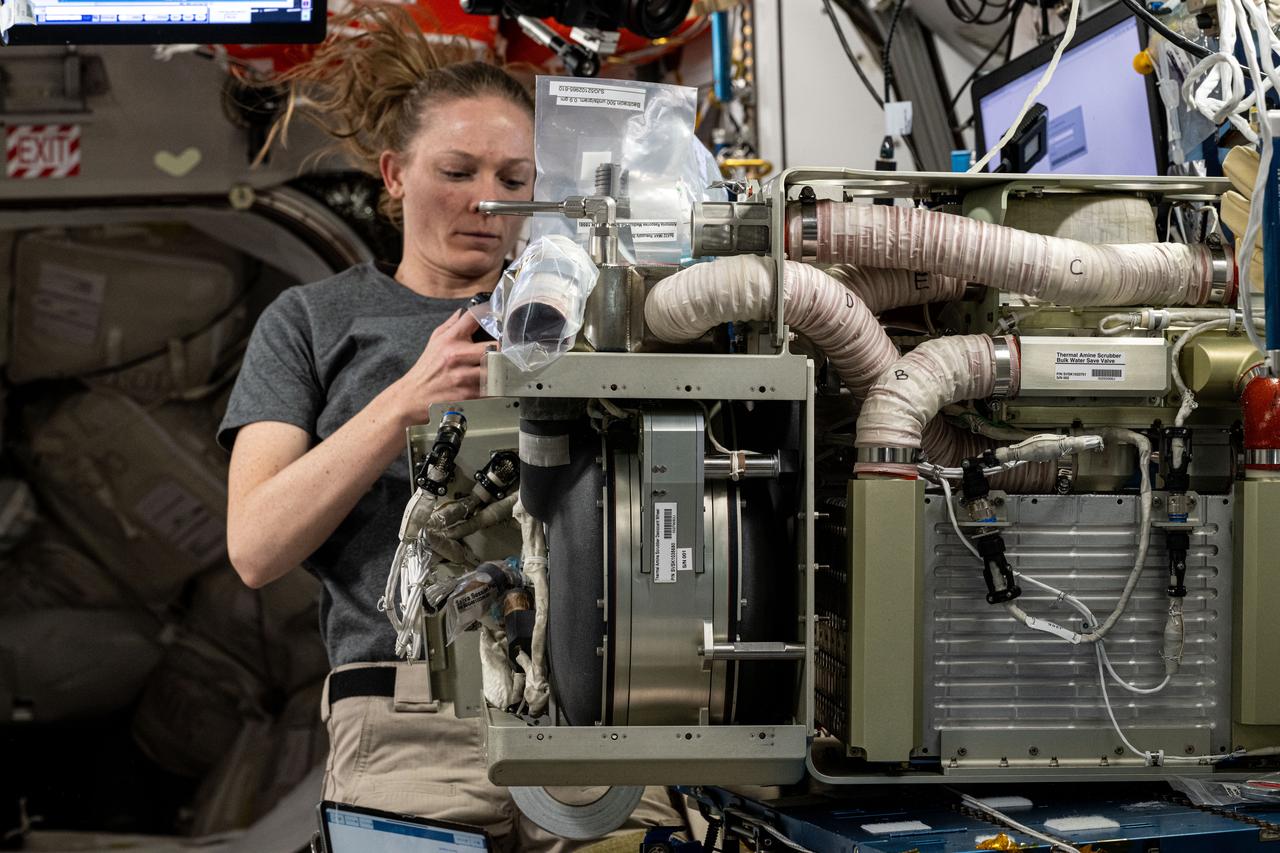
iss073e0118580 (May 27, 2025) --- NASA astronaut and Expedition 73 Flight Engineer Nichole Ayers replaces components on an experimental carbon dioxide removal device aboard the International Space Station. Also called the Thermal Amine Scrubber, the advanced life support mechanism is testing a new method that removes carbon dioxide from the station’s atmosphere and recovers water for oxygen generation.
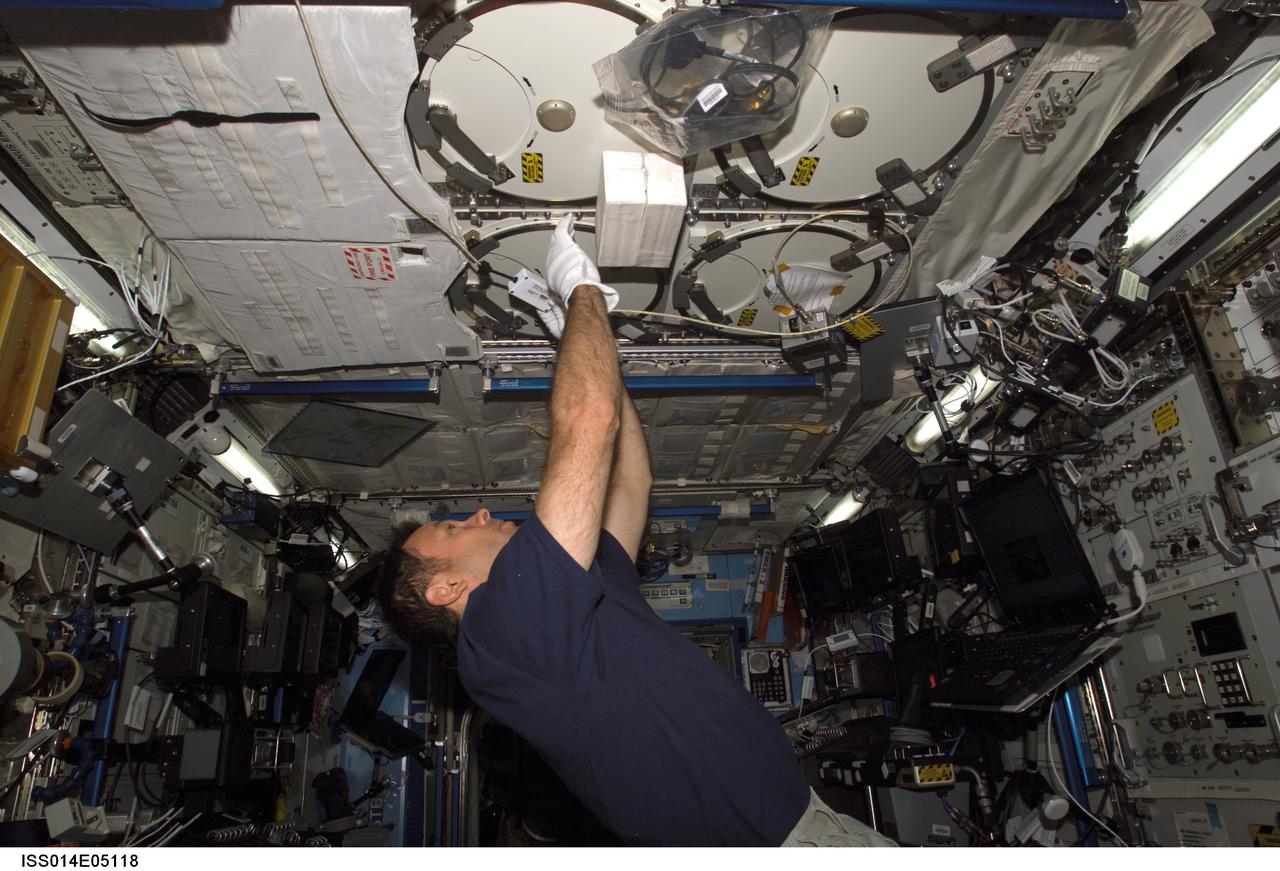
ISS014-E-05118 (3 Oct. 2006) --- Astronaut Michael E. Lopez-Alegria, Expedition 14 commander and NASA space station science officer, works with the Passive Observatories for Experimental Microbial Systems in Micro-G (POEMS) payload in the Minus Eighty Degree Laboratory Freezer for ISS (MELFI) in the Destiny laboratory of the International Space Station. MELFI is a low temperature freezer facility with nominal operating temperatures of -80, -26 and +4 degrees Celsius that will preserve experiment materials over long periods.
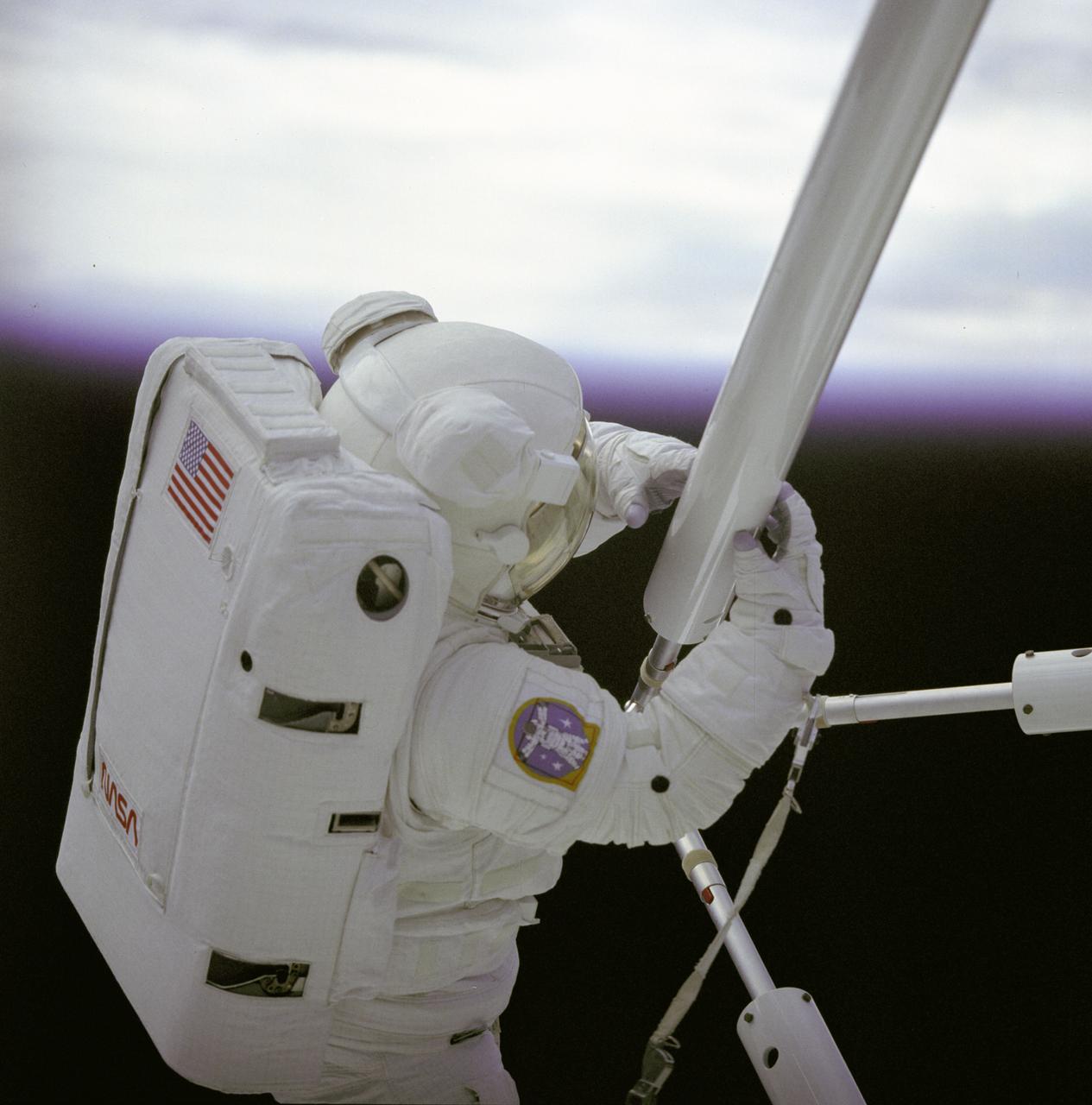
The crew assigned to the STS-61B mission included Bryan D. O’Conner, pilot; Brewster H. Shaw, commander; Charles D. Walker, payload specialist; mission specialists Jerry L. Ross, Mary L. Cleave, and Sherwood C. Spring; and Rodolpho Neri Vela, payload specialist. Launched aboard the Space Shuttle Atlantis November 28, 1985 at 7:29:00 pm (EST), the STS-61B mission’s primary payload included three communications satellites: MORELOS-B (Mexico); AUSSAT-2 (Australia); and SATCOM KU-2 (RCA Americom). Two experiments were conducted to test assembling erectable structures in space: EASE (Experimental Assembly of Structures in Extravehicular Activity), and ACCESS (Assembly Concept for Construction of Erectable Space Structure). In a joint venture between NASA/Langley Research Center in Hampton, Virginia, and the Marshall Space Flight Center (MSFC), the EASE and ACCESS were developed and demonstrated at MSFC's Neutral Buoyancy Simulator (NBS). In this STS-61B onboard photo, astronaut Spring was working on the EASE during an Extravehicular Activity (EVA). The primary objective of this experiment was to test the structural assembly concepts for suitability as the framework for larger space structures and to identify ways to improve the productivity of space construction.

Deep Space Station 13 (DSS-13) at NASA's Goldstone Deep Space Communications Complex near Barstow, California – part of the agency's Deep Space Network – is a 34-meter (112-foot) experimental antenna that has been retrofitted with an optical terminal (the boxy instrument below the center of the antenna's dish). Since November 2023, DSS-13 has been tracking the downlink laser of the Deep Space Optical Communications (DSOC) experiment that is aboard NASA's Psyche mission, which launched on Oct. 13, 2023. In a first, the antenna also synchronously received radio-frequency signals from the spacecraft as it travels through deep space on its way to investigate the metal-rich asteroid Psyche. The laser signal collected by the camera is then transmitted through optical fiber that feeds into a cryogenically cooled semiconducting nanowire single photon detector. Designed and built by JPL's Microdevices Laboratory, the detector is identical to the one used at Caltech's Palomar Observatory, in San Diego County, California, that acts as DSOC's downlink ground station. Goldstone is one of three complexes that comprise NASA's Deep Space Network, which provides radio communications for all of the agency's interplanetary spacecraft and is also utilized for radio astronomy and radar observations of the solar system and the universe. NASA's Jet Propulsion Laboratory, a division of Caltech in Pasadena, California, manages the DSN for the agency. https://photojournal.jpl.nasa.gov/catalog/PIA26148
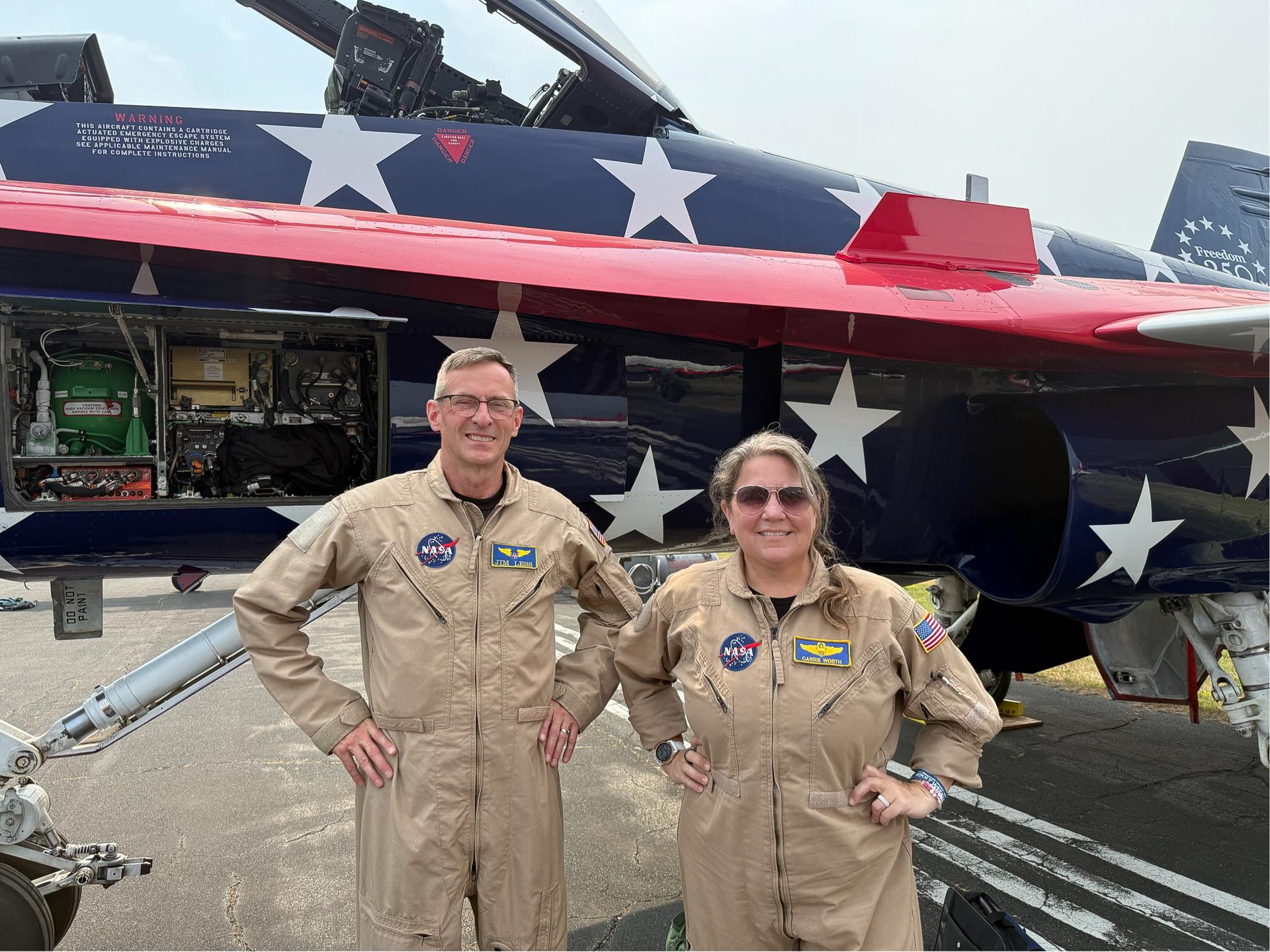
NASA test pilot Jim “Clue” Less and NASA research pilot Carrie Worth stand in front of an F/A-18 Hornet with special patriotic livery celebrating America 250, including navy blue-and-white star covered fuselages and red-and-white striped wings at the 2026 Experimental Aircraft Association (EAA) AirVenture air show in Oshkosh, Wisconsin, on Saturday, July 26, 2026.
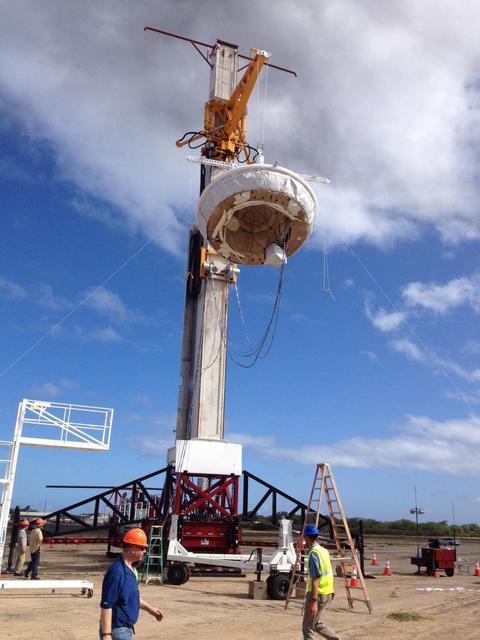
In this picture, NASA saucer-shaped experimental flight vehicle is prepared for a Range Compatibility Test at the U.S. Navy Pacific Missile Range Facility in Kauai, Hawaii.
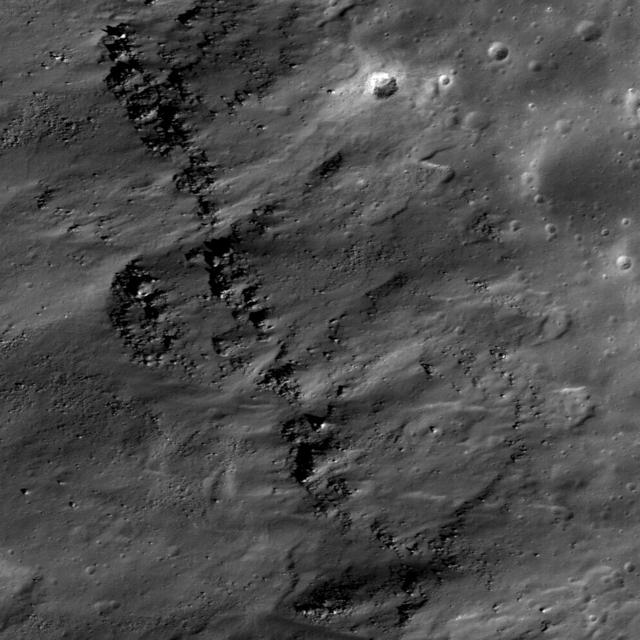
Lichtenberg crater is of Eratosthenian age, located in western Oceanus Procellarum. It is named after George C. Lichtenberg, a German professor of experimental physics 16th century.
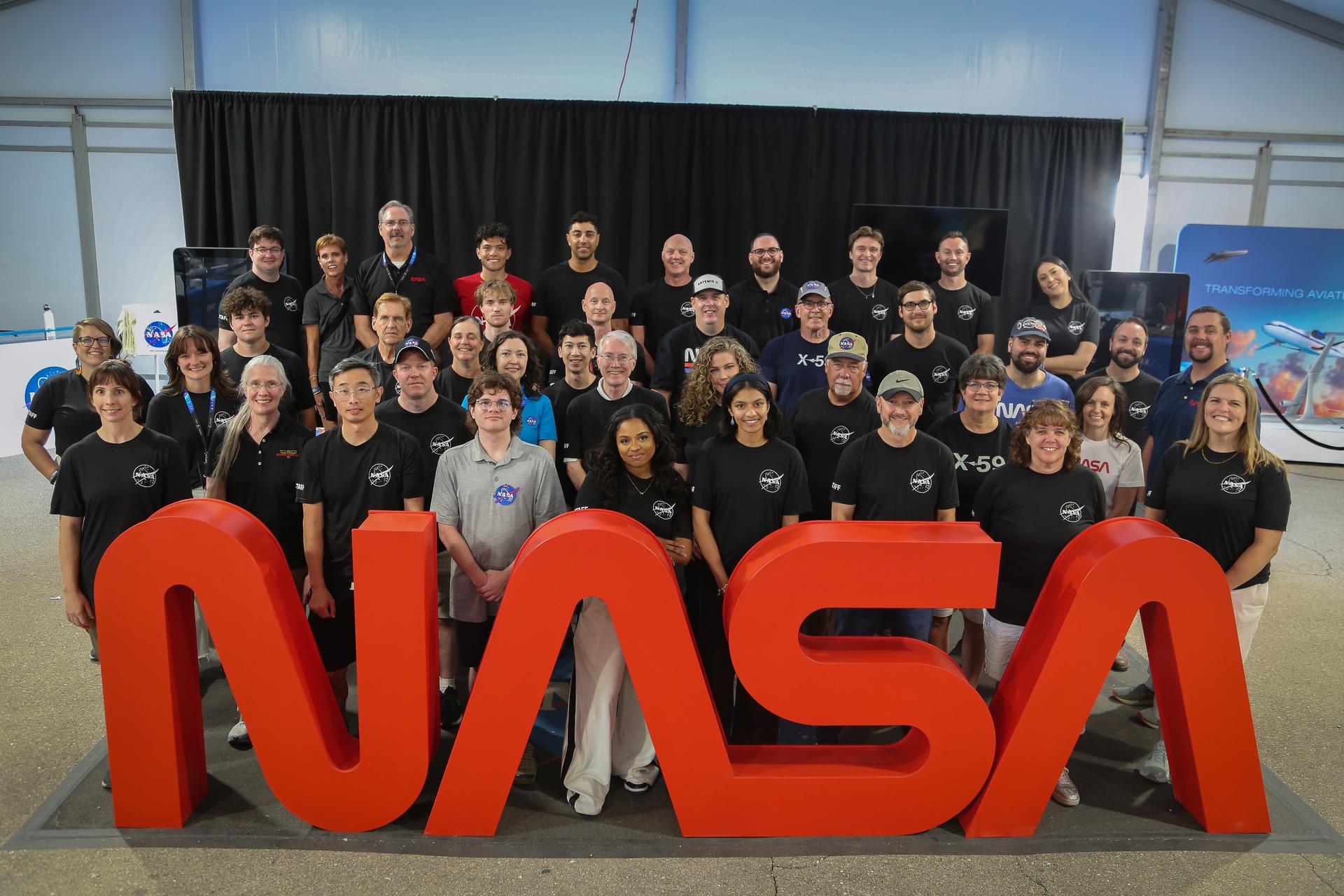
NASA pavilion staff pose for a group photo at the 2026 Experimental Aircraft Association (EAA) AirVenture air show in Oshkosh, Wisconsin, on Thursday, July 23, 2026.
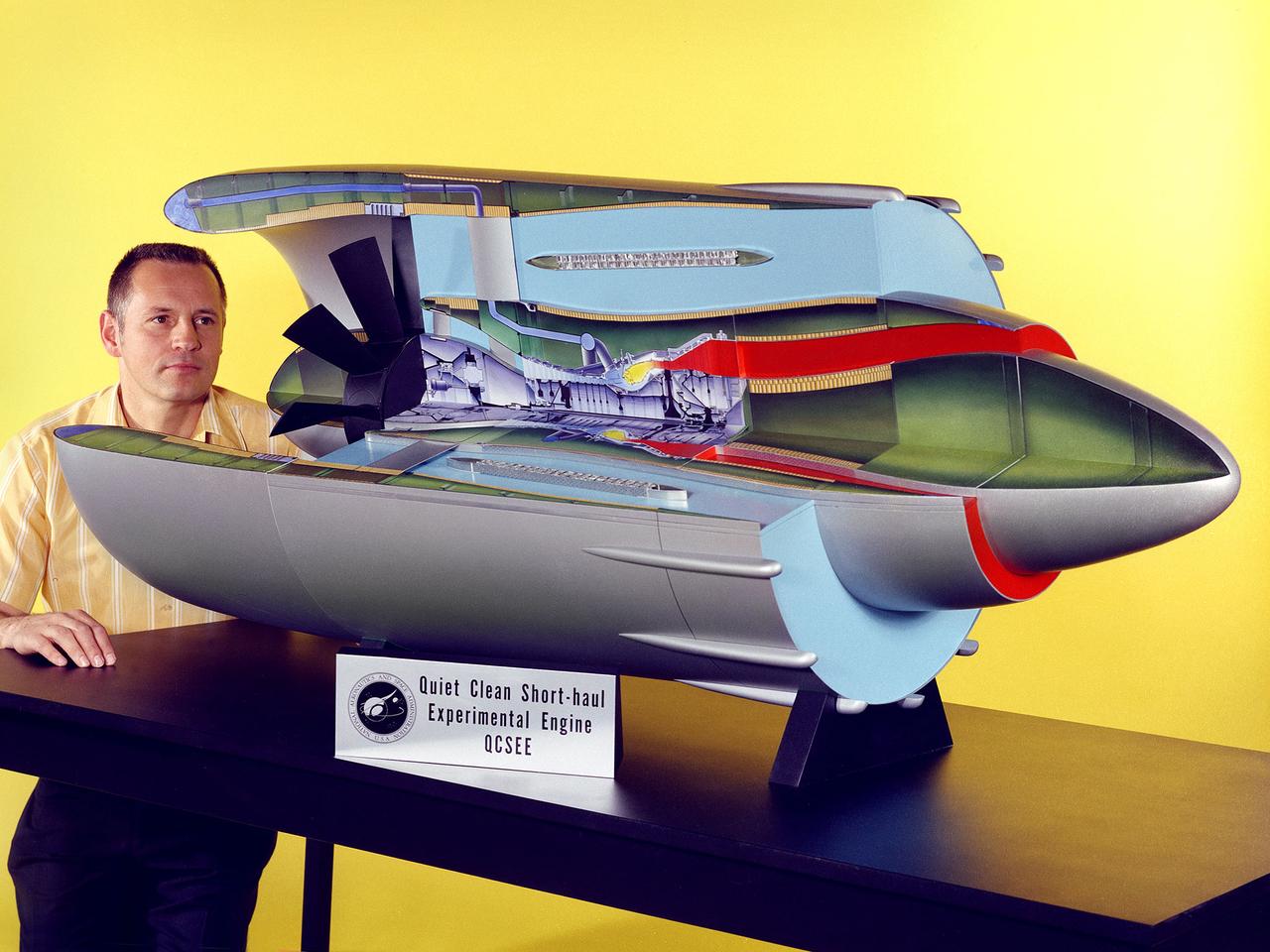
Program manager Carl Ciepluch poses with a model of the Quiet Clean Short Haul Experimental Engine (QCSEE) conceived by the National Aeronautics and Space Administration (NASA) Lewis Research Center. The QCSEE engine was designed to power future short-distance transport aircraft without generating significant levels of noise or pollution and without hindering performance. The engines were designed to be utilized on aircraft operating from small airports with short runways. Lewis researchers investigated two powered-lift designs and an array of new technologies to deal with the shorter runways. Lewis contracted General Electric to design the two QCSEE engines—one with over-the-wing power-lift and one with an under-the-wing design. A scale model of the over-the-wing engine was tested in the Full Scale Tunnel at the Langley Research Center in 1975 and 1976. Lewis researchers investigated both versions in a specially-designed test stand, the Engine Noise Test Facility, on the hangar apron. The QCSEE engines met the goals set out by the NASA researchers. The aircraft industry, however, never built the short-distance transport aircraft for which the engines were intended. Different technological elements of the engine, however, were applied to some future General Electric engines.
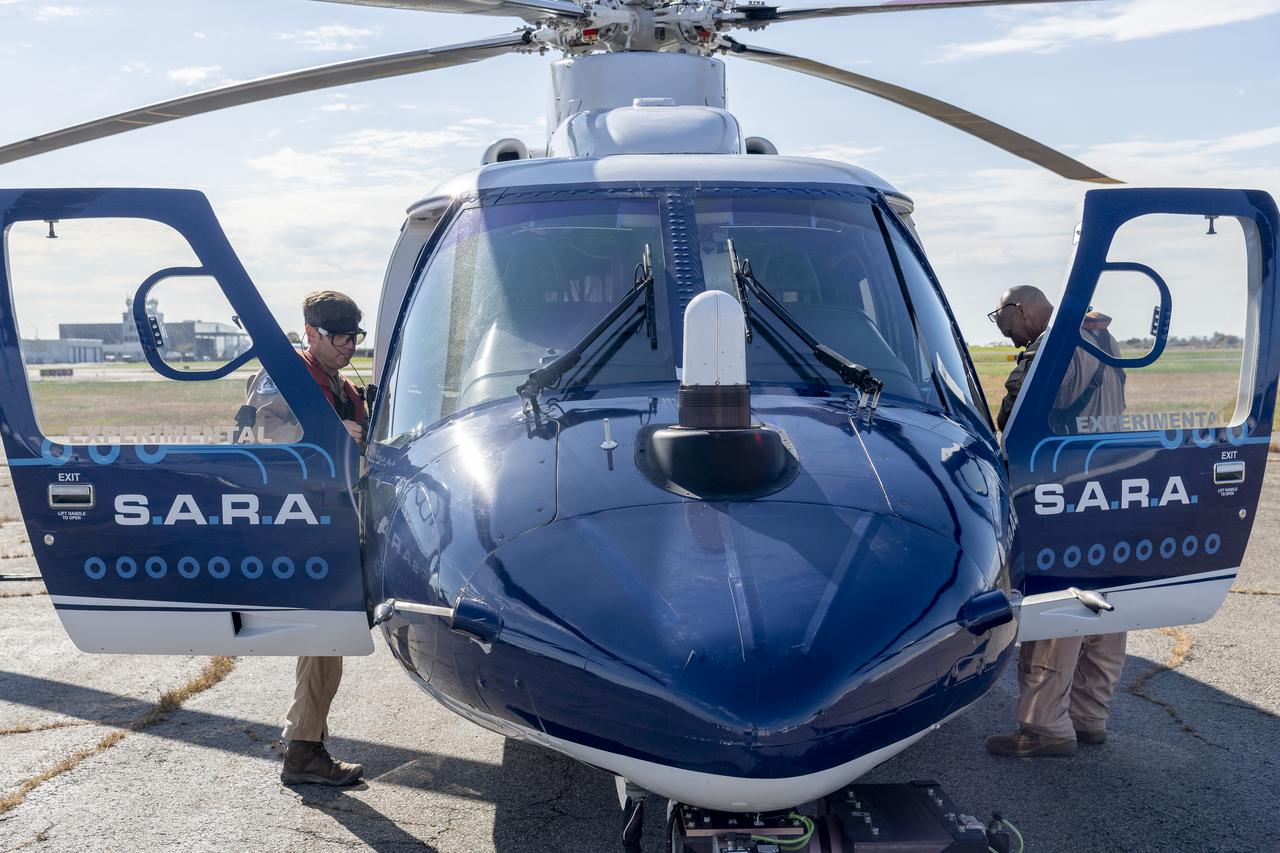
NASA pilot Scott Howe, left, and Sikorsky safety pilot Brent Davis, prepare to board Sikorsky’s SARA S-76B experimental aircraft at Sikorsky Memorial Airport, Bridgeport, Connecticut on Tuesday, Oct. 24, 2023. In addition to Sikorsky’s MATRIX autonomous flight technology, SARA is also outfitted with multiple NASA autonomous flight software systems the pilots and test team will evaluate during their flights over Long Island Sound.
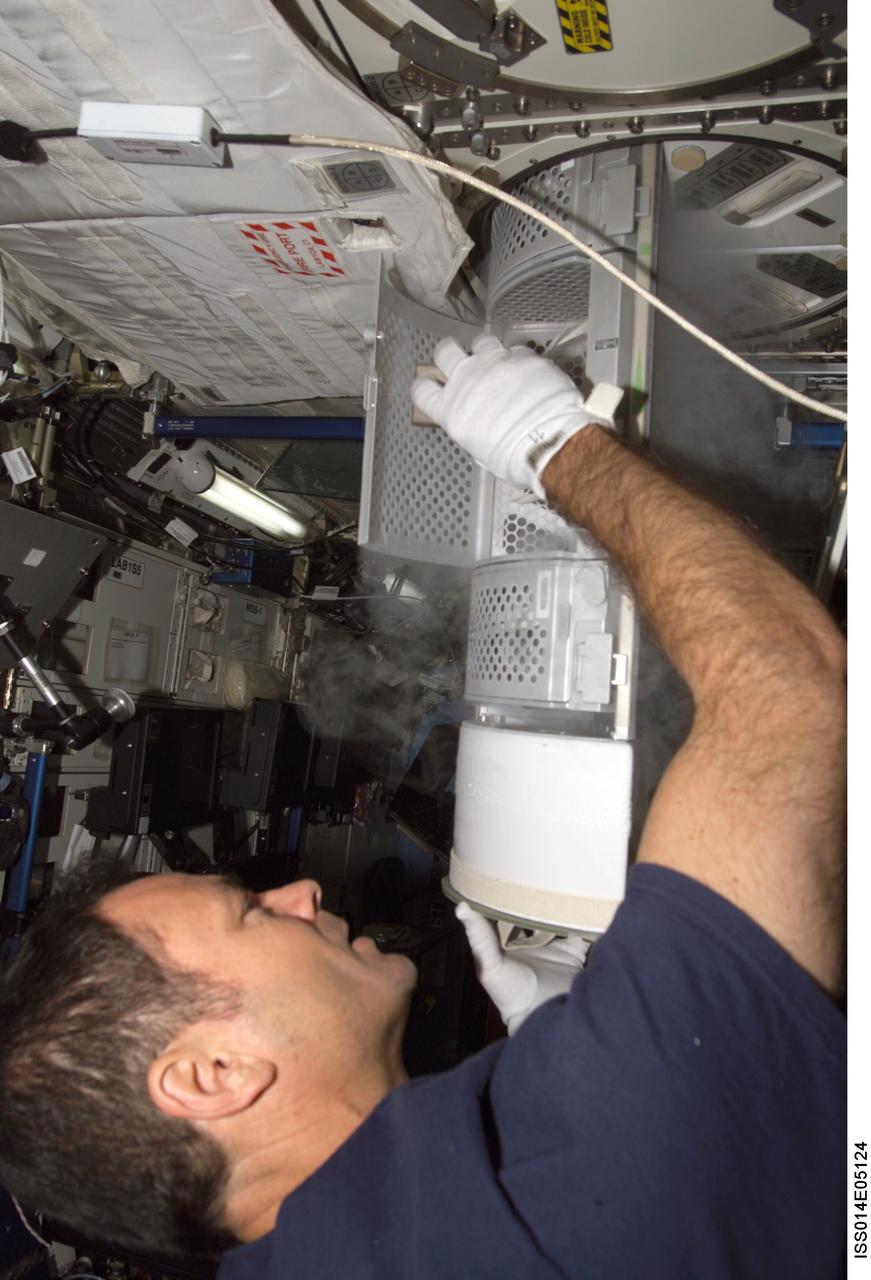
ISS014-E-05124 (3 Oct. 2006) --- Astronaut Michael E. Lopez-Alegria, Expedition 14 commander and NASA space station science officer, works with the Passive Observatories for Experimental Microbial Systems in Micro-G (POEMS) payload in the Minus Eighty Degree Laboratory Freezer for ISS (MELFI) in the Destiny laboratory of the International Space Station. MELFI is a low temperature freezer facility with nominal operating temperatures of -80, -26 and +4 degrees Celsius that will preserve experiment materials over long periods.
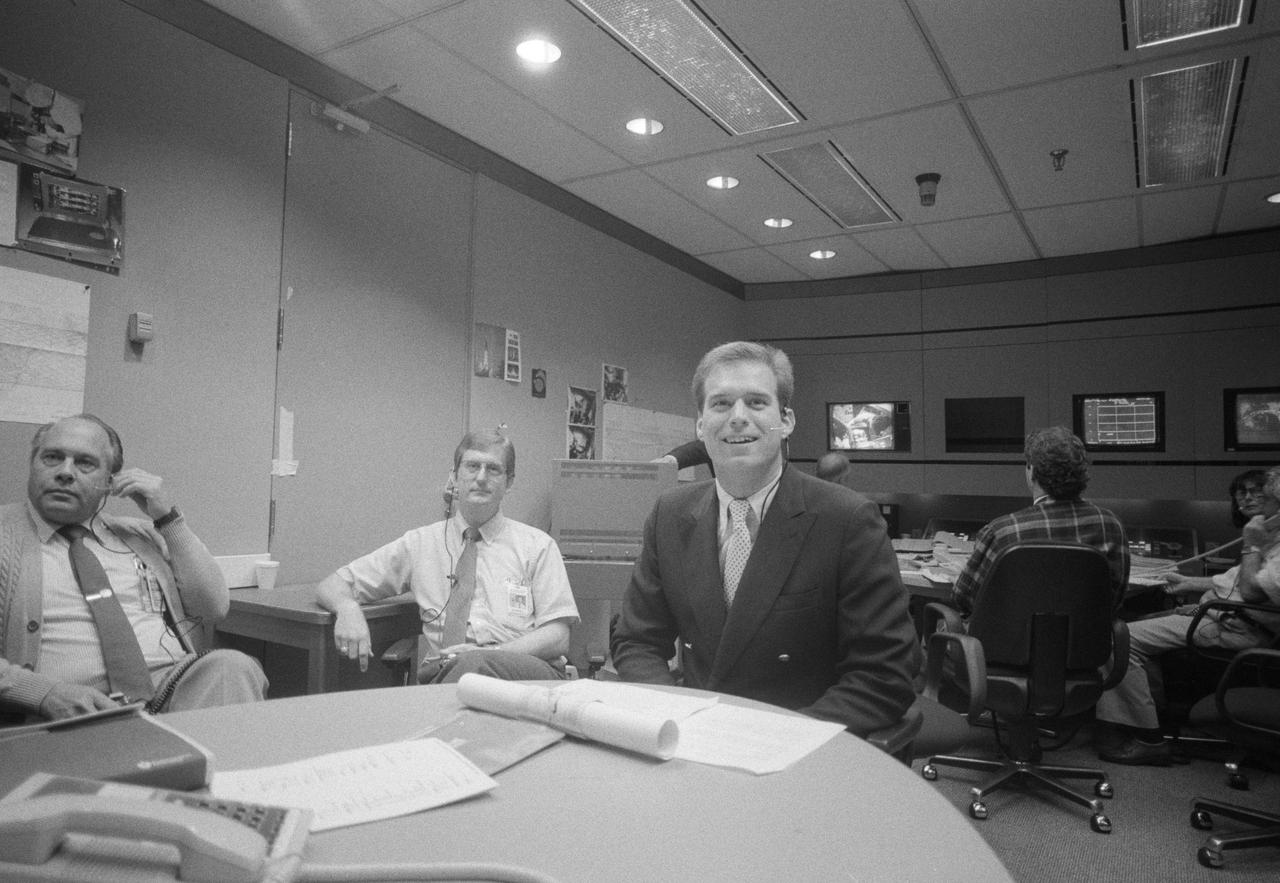
STS029-S-047 (16 Mar 1989) --- Student experimenter John C. Vellinger, right, watches a TV monitor in the customer support room of Johnson Space Center's mission control center during a downlink from the spacecraft of astronaut John E. Blaha conducting the experiment in the incubator used for the test. The experiment is titled "Chicken Embryo Development in Space." Also visible are Neil Criestie and Robert N. Stuckey of JSC. The experiment's sponsor is Kentucky Fried Chicken.
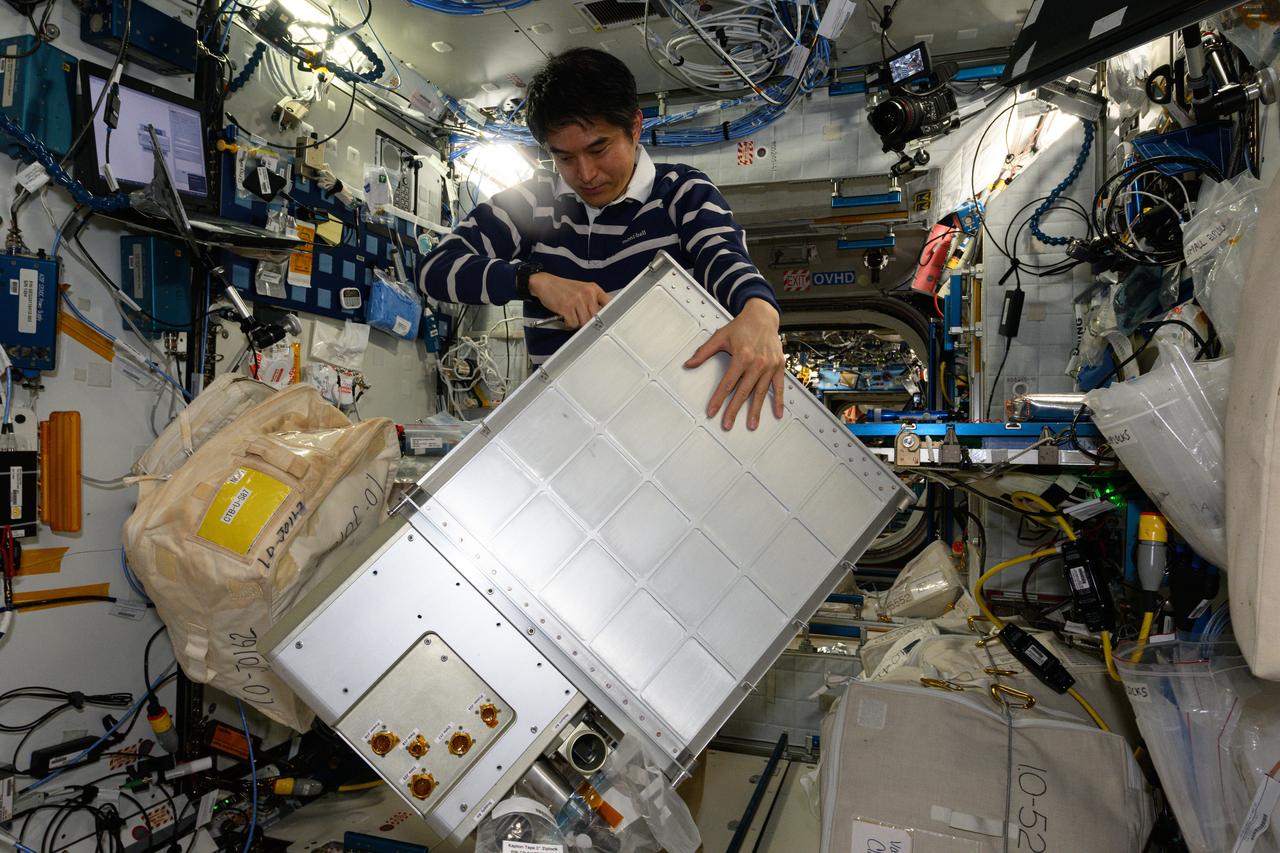
iss073e0118813 (May 28, 2025) --- JAXA (Japan Aerospace Exploration Agency) astronaut and Expedition 73 Commander Takuya Onishi replaces components on an experimental carbon dioxide removal device aboard the International Space Station. Also called the Thermal Amine Scrubber, the advanced life support mechanism is testing a new method that removes carbon dioxide from the station’s atmosphere and recovers water for oxygen generation.
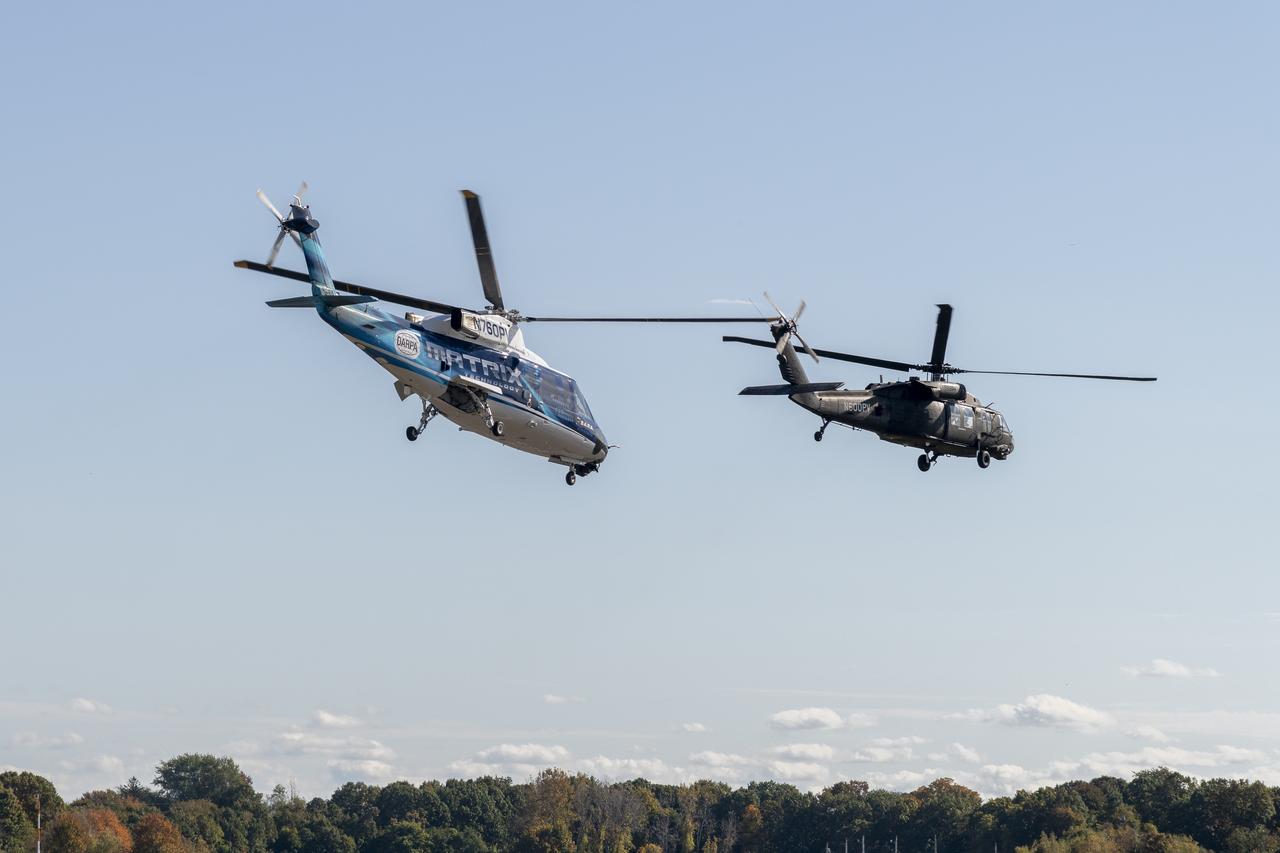
NASA pilots along with Sikorsky safety pilots take off in Sikorsky’s SARA S-76B, left, and Black Hawk Optionally Piloted Vehicle from Sikorsky Memorial Airport, Bridgeport, Connecticut on Tuesday, Oct. 24, 2023. NASA is using these experimental aircraft to test and evaluate multiple autonomous flight software systems designed for Advanced Air Mobility concepts.
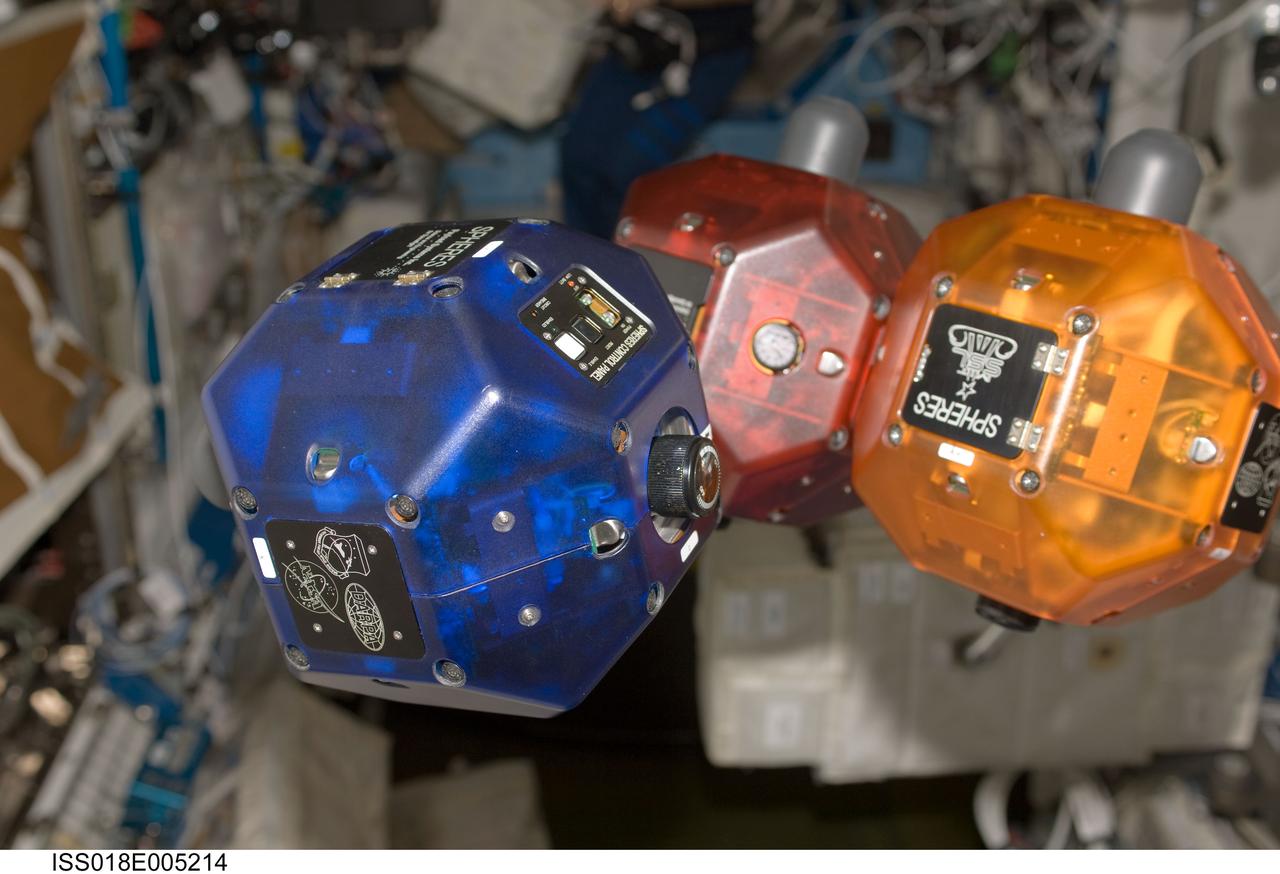
ISS018-E-005214 (26 Oct. 2008) --- This close-up view shows three bowling-ball-sized free-flying satellites called Synchronized Position Hold, Engage, Reorient, Experimental Satellites (SPHERES) in the Destiny laboratory of the International Space Station. SPHERES were designed to test control algorithms for spacecraft by performing autonomous rendezvous and docking maneuvers inside the station. The results are important for multi-body control and in designing constellation and array spacecraft configurations.
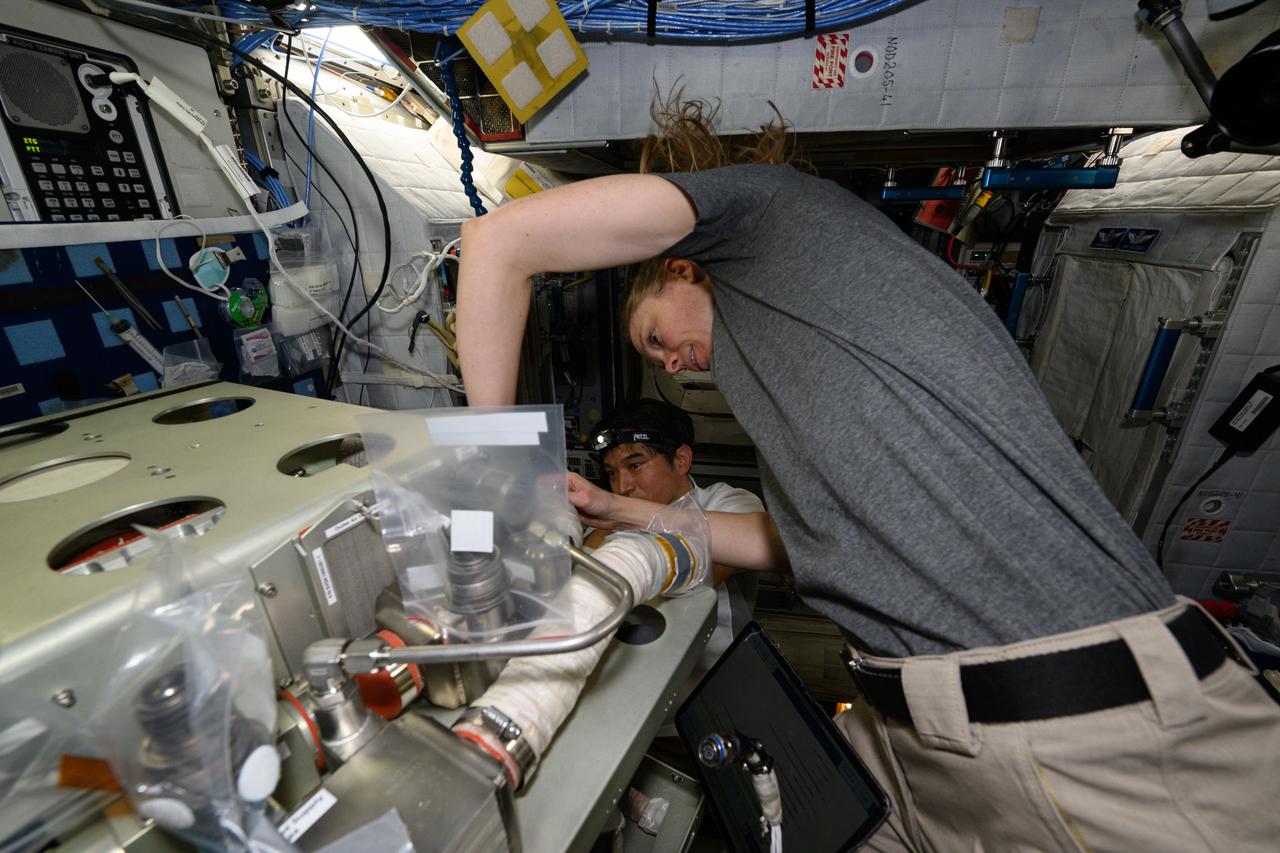
iss073e0118793 (May 27, 2025) --- Astronauts Takuya Onishi of JAXA (Japan Aerospace Exploration Agency) and Nichole Ayers of NASA, Expedition 73 Commander and Flight Engineer respectively, replace components on an experimental carbon dioxide removal device aboard the International Space Station. Also called the Thermal Amine Scrubber, the advanced life support mechanism is testing a new method that removes carbon dioxide from the station’s atmosphere and recovers water for oxygen generation.
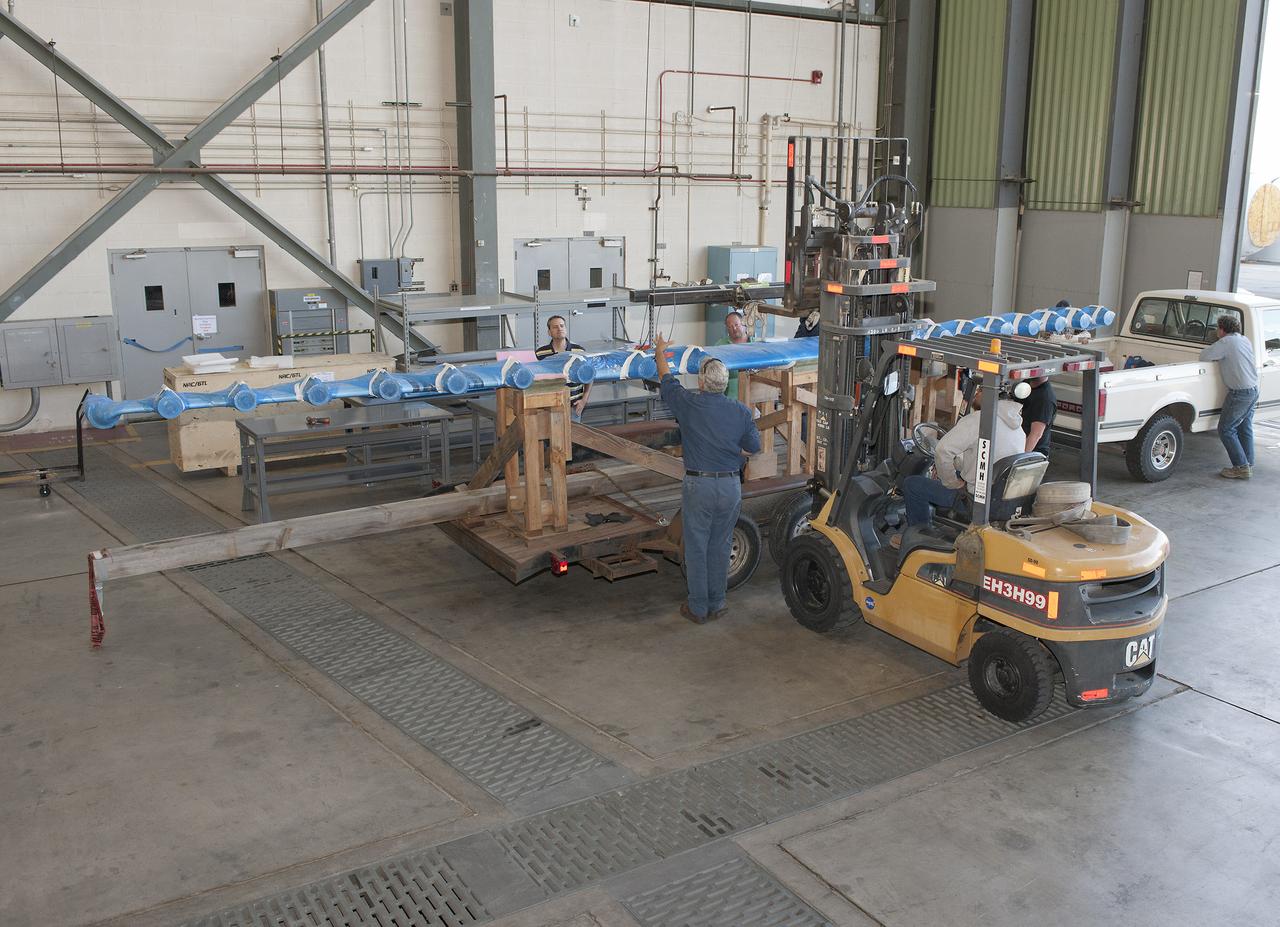
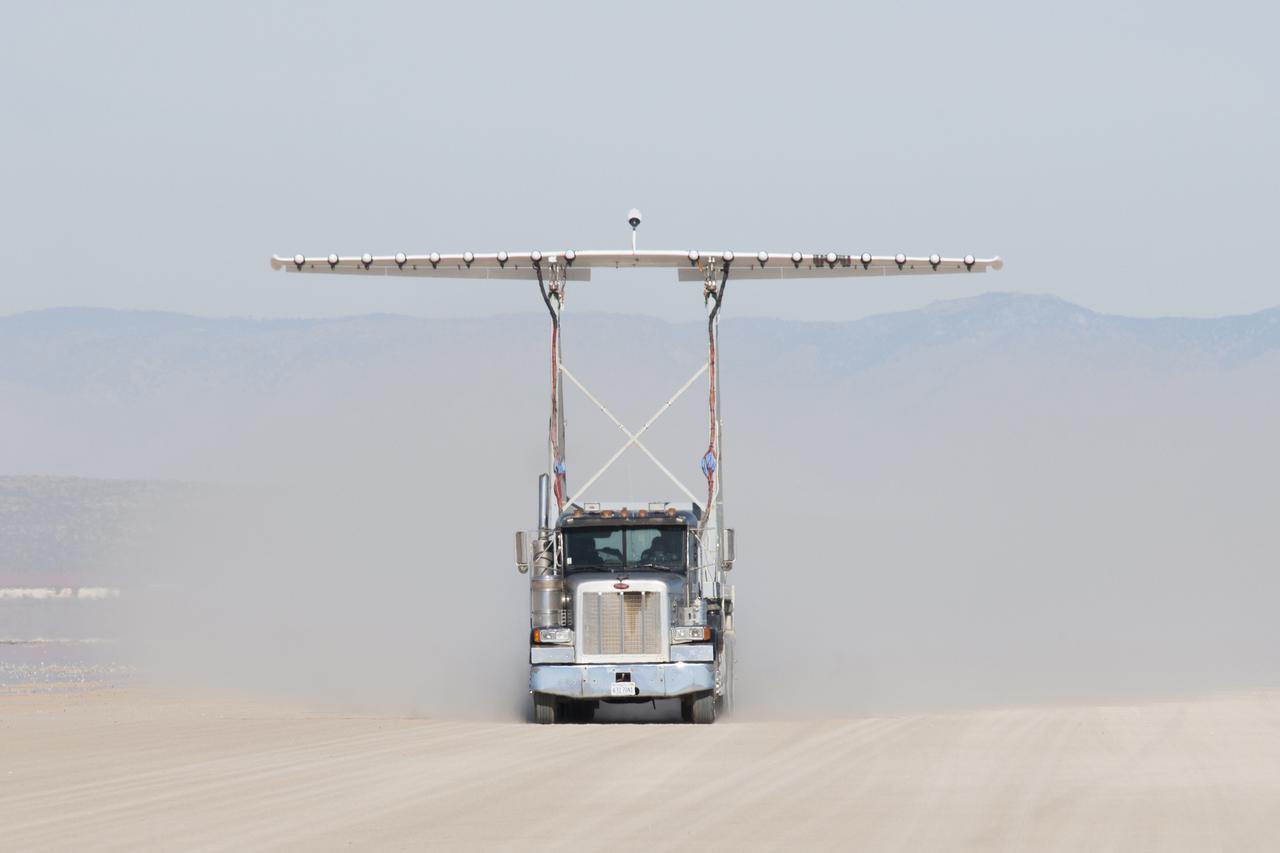
Technicians unload the LEAPTech experimental wing upon its arrival at NASA Armstrong Flight Research Center. Ground testing will begin after the wing is mounted on a specially modified truck.
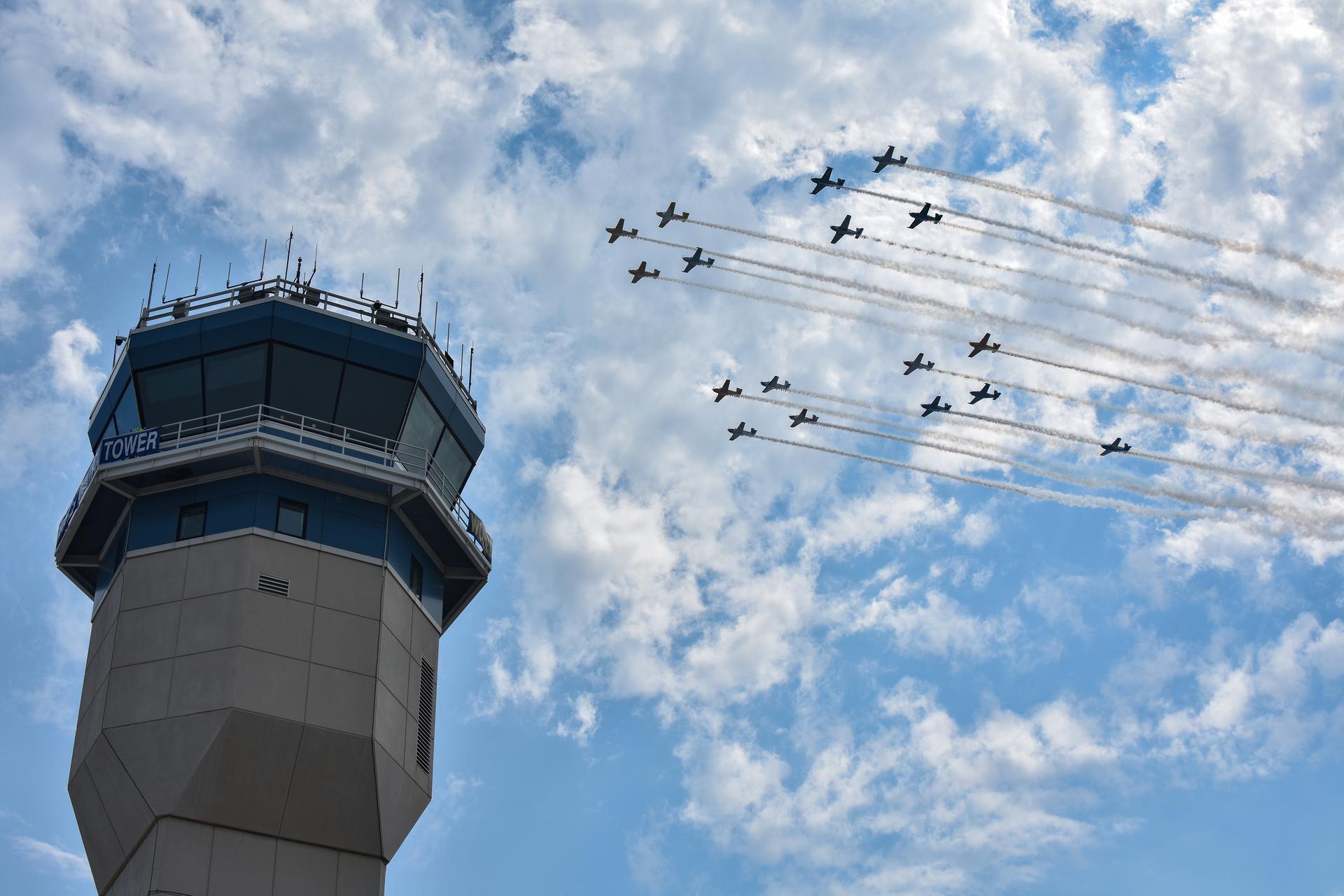
A formation is shown flying by the air traffic control tower at Wittman Regional Airport in Oshkosh, Wisconsin, for the 2026 Experimental Aircraft Association (EAA) AirVenture air show on Monday, July 20, 2026.
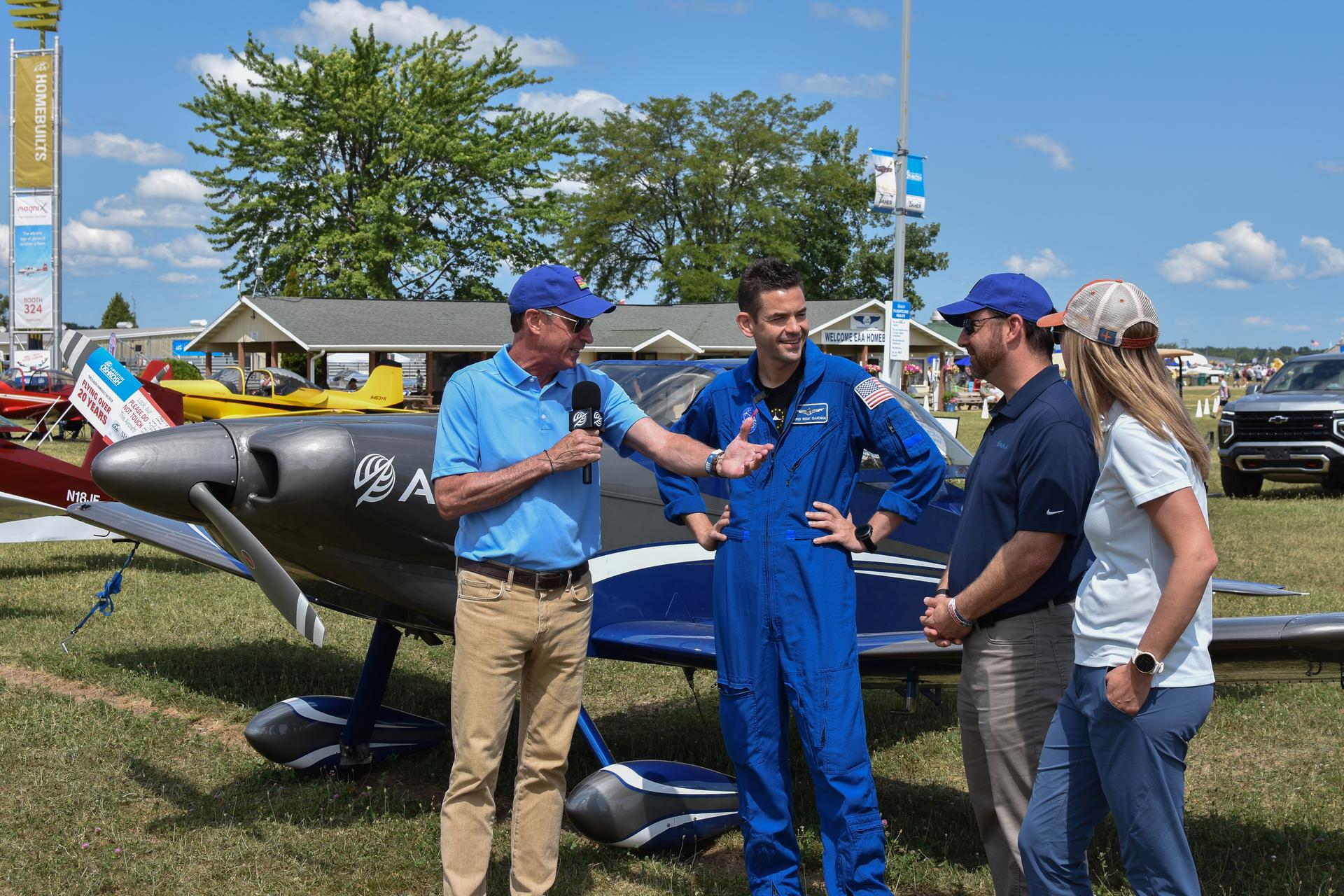
NASA Administrator Jared Isaacman meets with representatives from the American Institute of Aeronautics and Astronautics (AIAA) at the 2026 Experimental Aircraft Association (EAA) AirVenture air show in Oshkosh, Wisconsin, on Thursday, July 23, 2026.
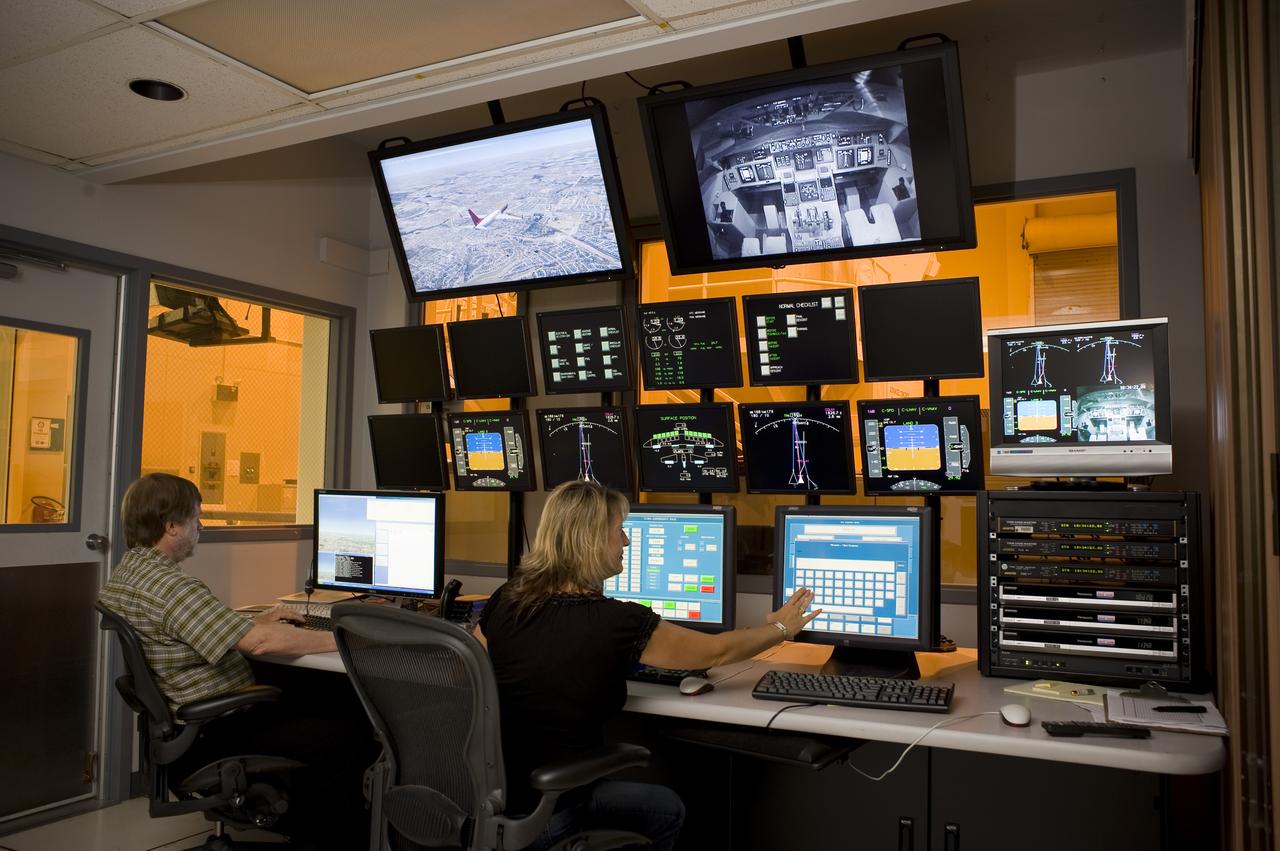
Ames Research Center Bldg N-257 CVSSRF (Crew Vehicle System Research Facility) simulator: Experimenter/Operator Station Experimenter's station with Diane Carpenter (r) and Jim Gibson (L)

EXPERIMENTAL DEMONSTRATION OF QUANTUM FAX

All-Body Hypersonic Vehicle: Experimental Shadowgraph
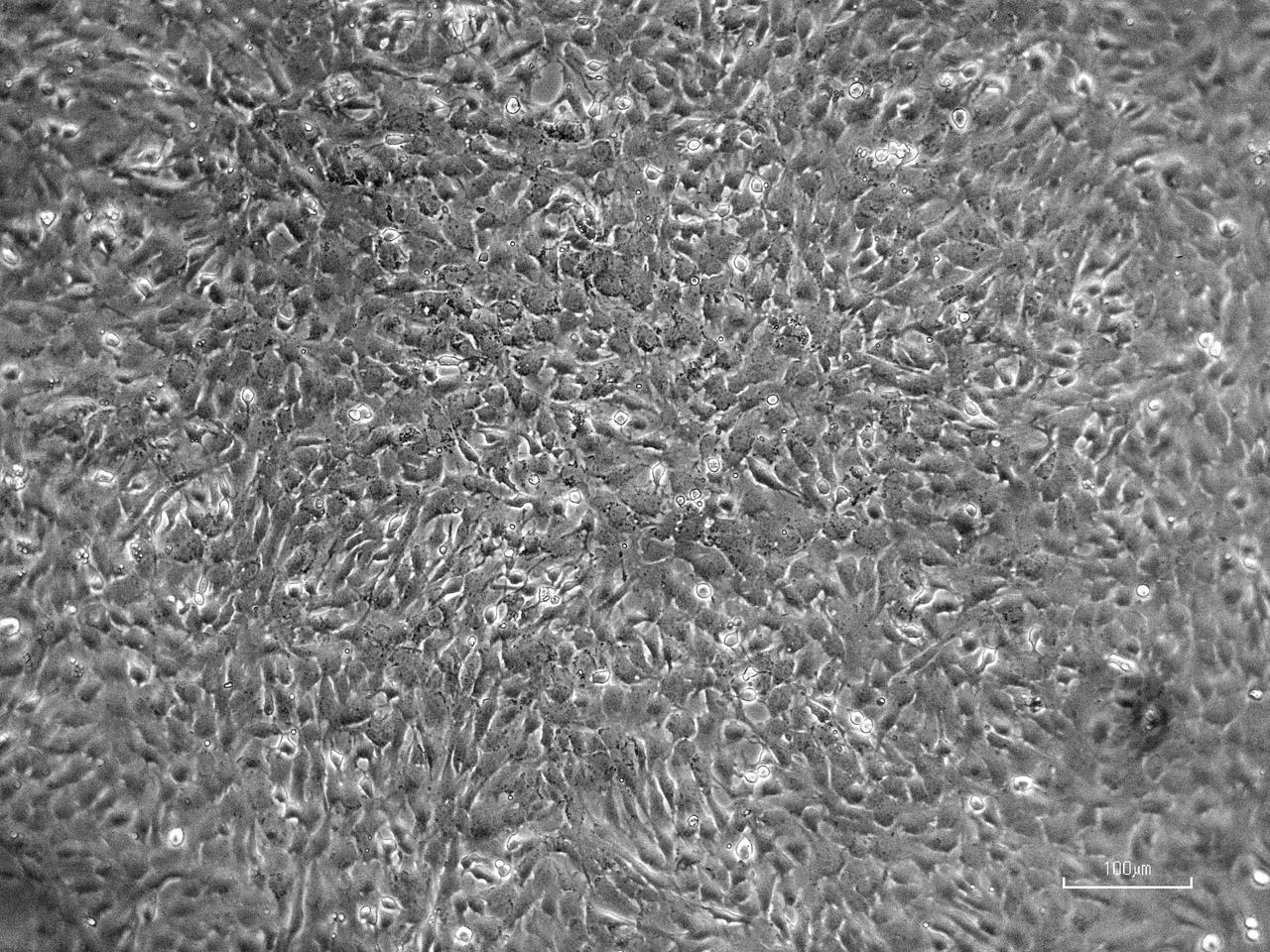
jsc2022e072967 (4/12/2021) --- Image of bovine ovary Granulosa cells. Coordinated by the Italian Space Agency (ASI), OVOSPACE investigates how microgravity influences the maturation and development ovarian cells in mammals, including Granulosa cells. This experiment could help scientists understand how long-term settlement on the Moon or Mars might affect the fertility of astronauts living in reduced gravity for long durations. Image courtesy of Professor Mariano Bizzarri, Department of Experimental Medicine, Sapienza University of Rome.