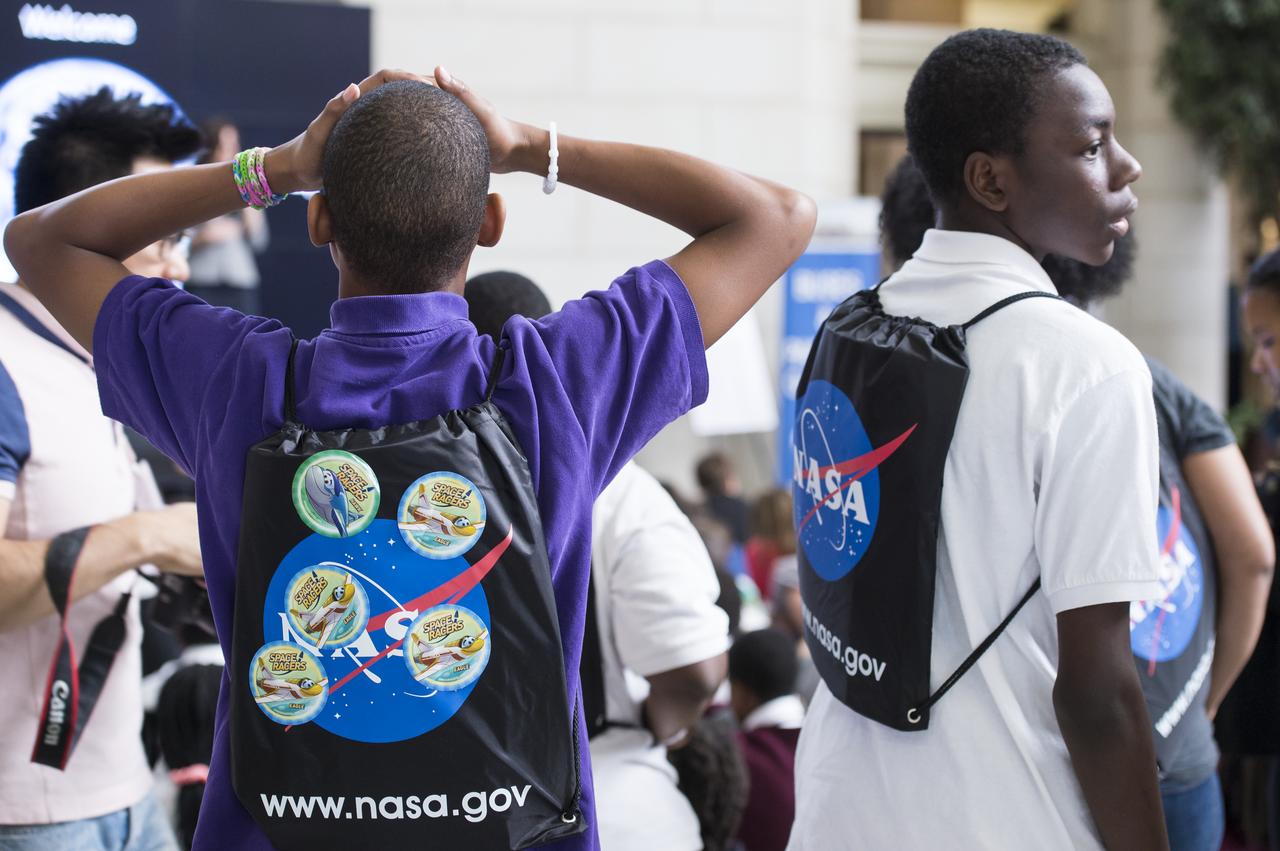
Students listen intently to a speaker while at NASA's Earth Day event. The event took place at Union Station in Washington, DC on April 22, 2014. Photo Credit: (NASA/Aubrey Gemignani)
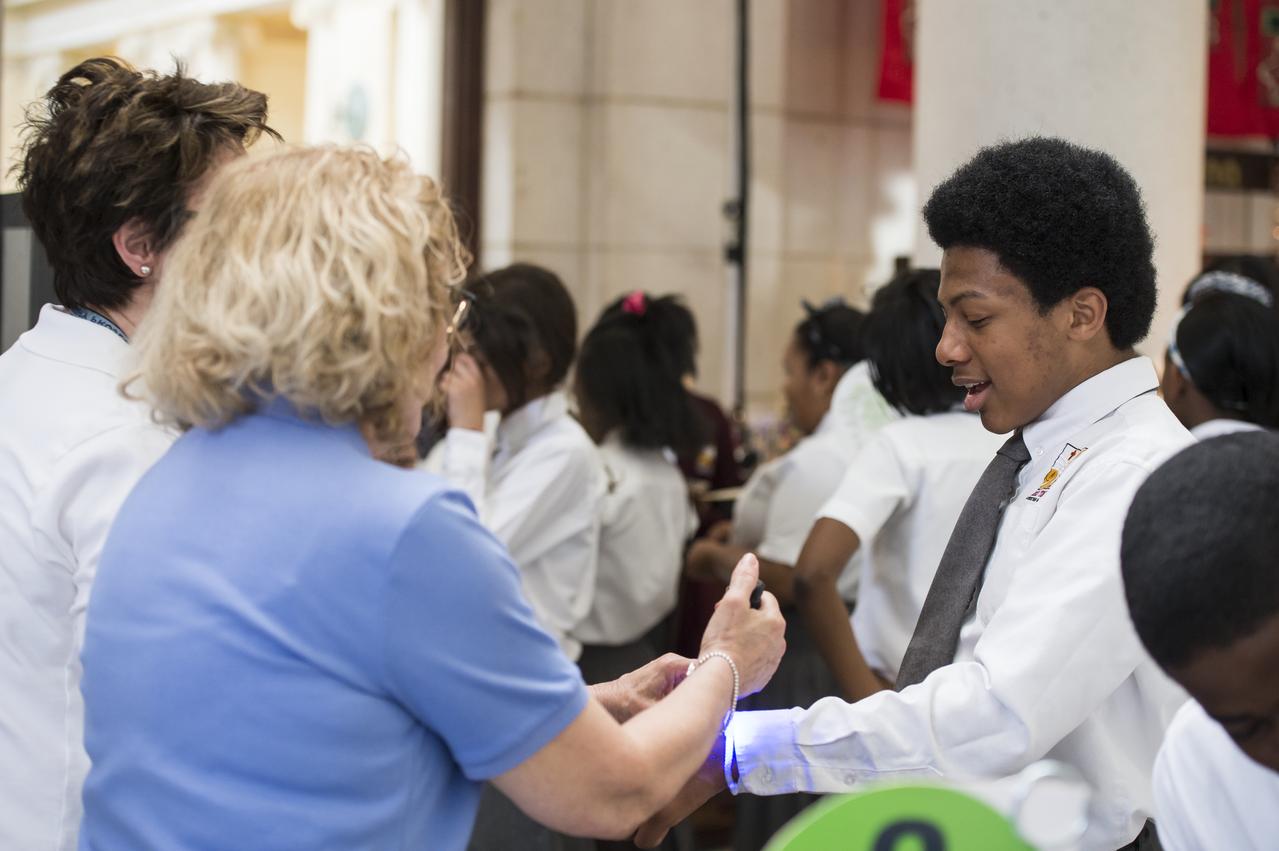
An attendee of NASA's Earth Day event observes the glow from a bracelet that is part of an exhibit at the event. The Earth Day event took place at Union Station in Washington, DC on April 22, 2014. Photo Credit: (NASA/Aubrey Gemignani)
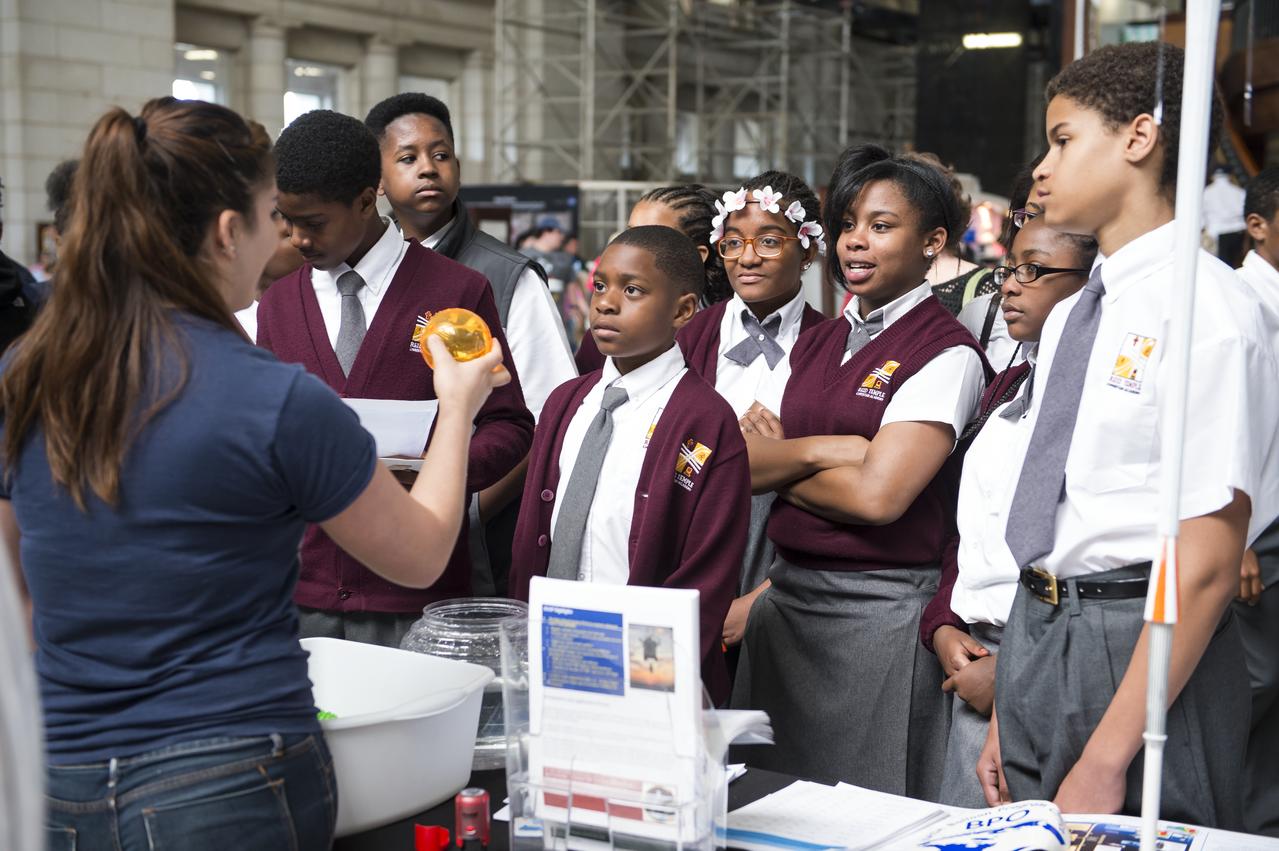
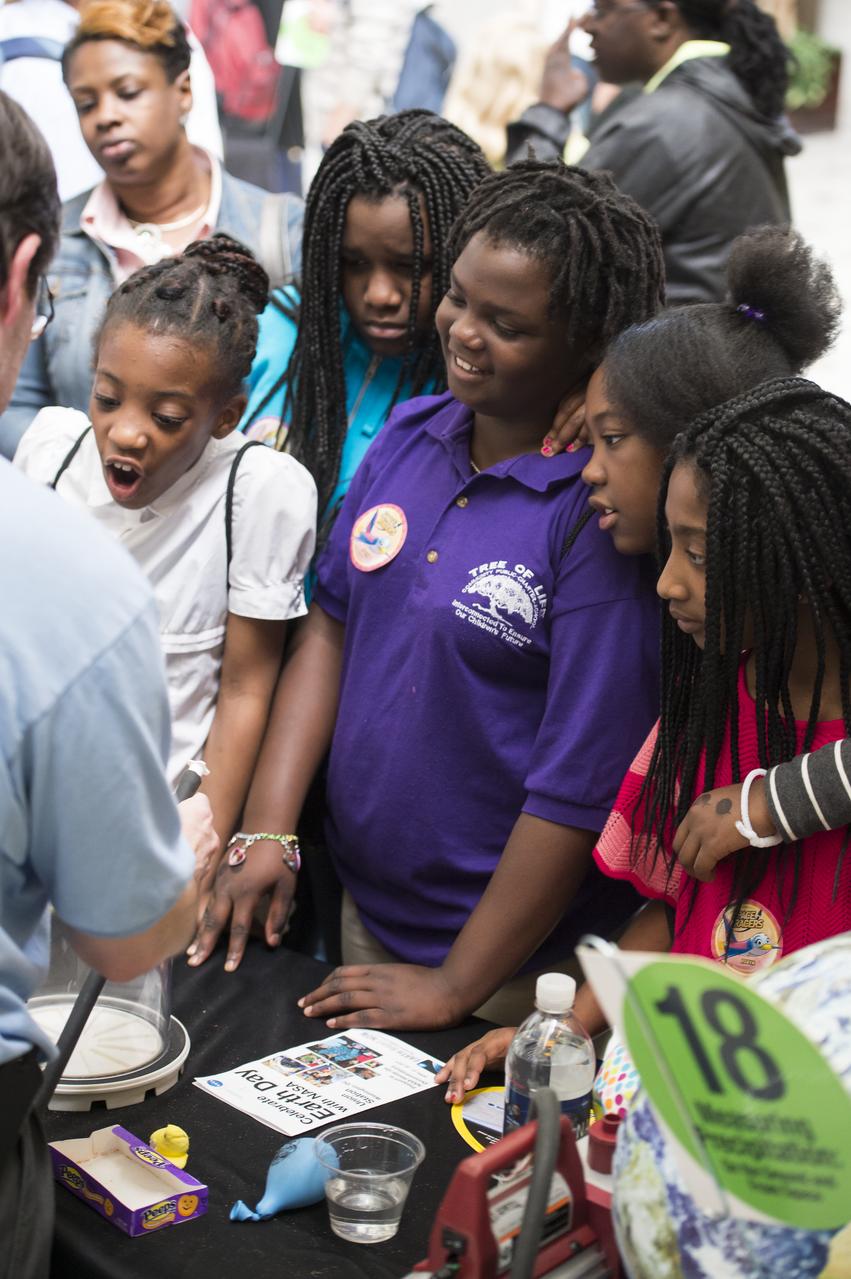
Students listen intently while an exhibitor conducts an experiment at NASA's Earth Day event. The event took place at Union Station in Washington, DC on April 22, 2014. Photo Credit: (NASA/Aubrey Gemignani)
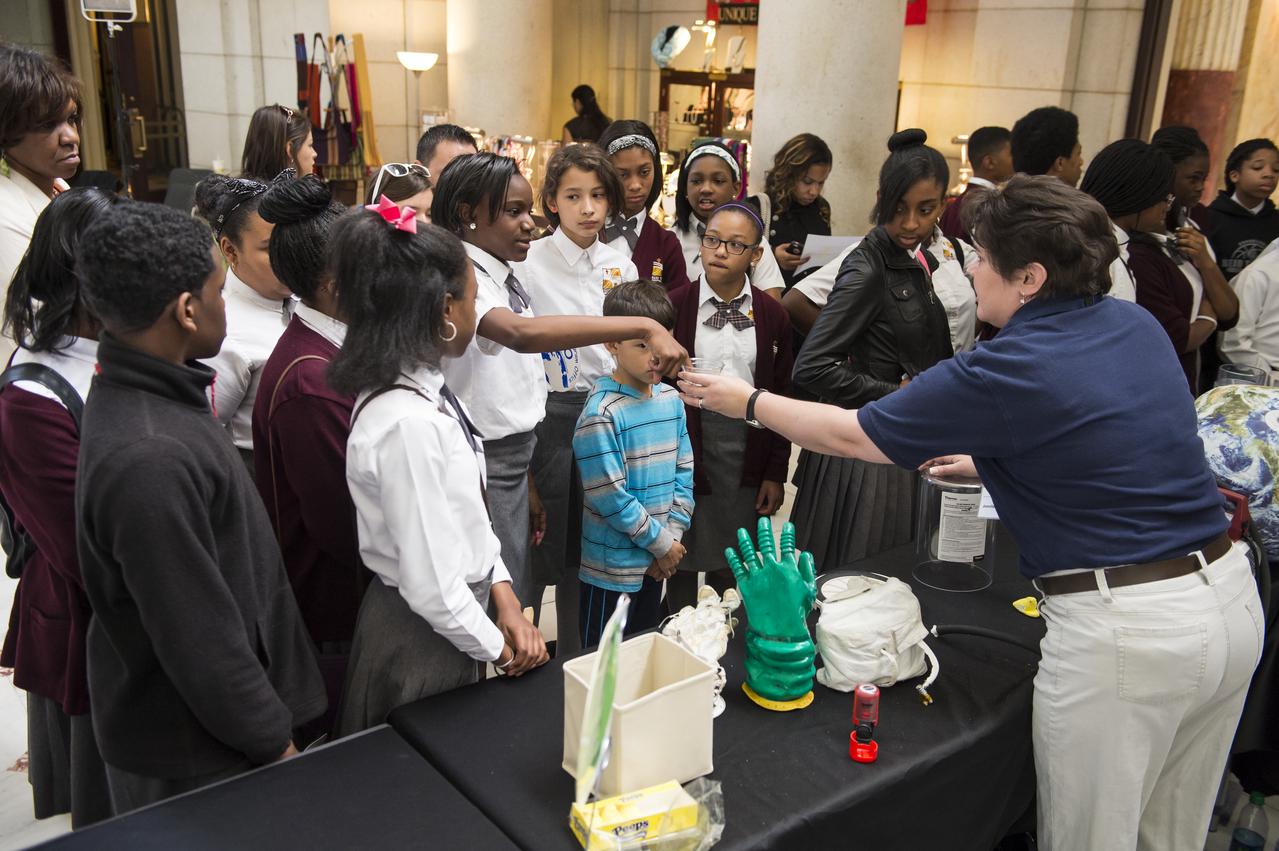
Students listen intently while an exhibitor conducts an experiment at NASA's Earth Day event. The event took place at Union Station in Washington, DC on April 22, 2014. Photo Credit: (NASA/Aubrey Gemignani)
Students listen intently while an exhibitor conducts an experiment at NASA's Earth Day event. The event took place at Union Station in Washington, DC on April 22, 2014. Photo Credit: (NASA/Aubrey Gemignani)
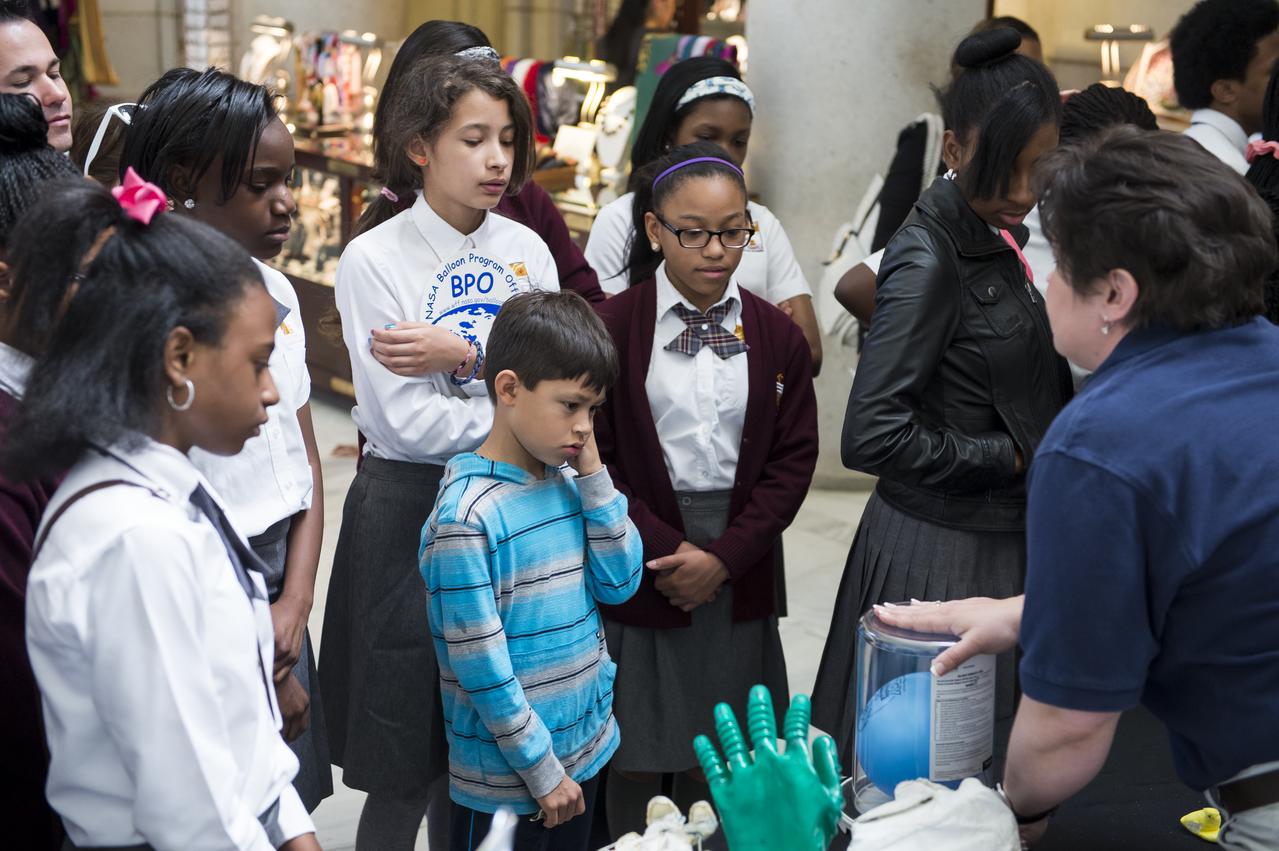
Students listen intently while an exhibitor conducts an experiment at NASA's Earth Day event. The event took place at Union Station in Washington, DC on April 22, 2014. Photo Credit: (NASA/Aubrey Gemignani)

Students listen intently while an exhibitor conducts an experiment at NASA's Earth Day event. The event took place at Union Station in Washington, DC on April 22, 2014. Photo Credit: (NASA/Aubrey Gemignani)
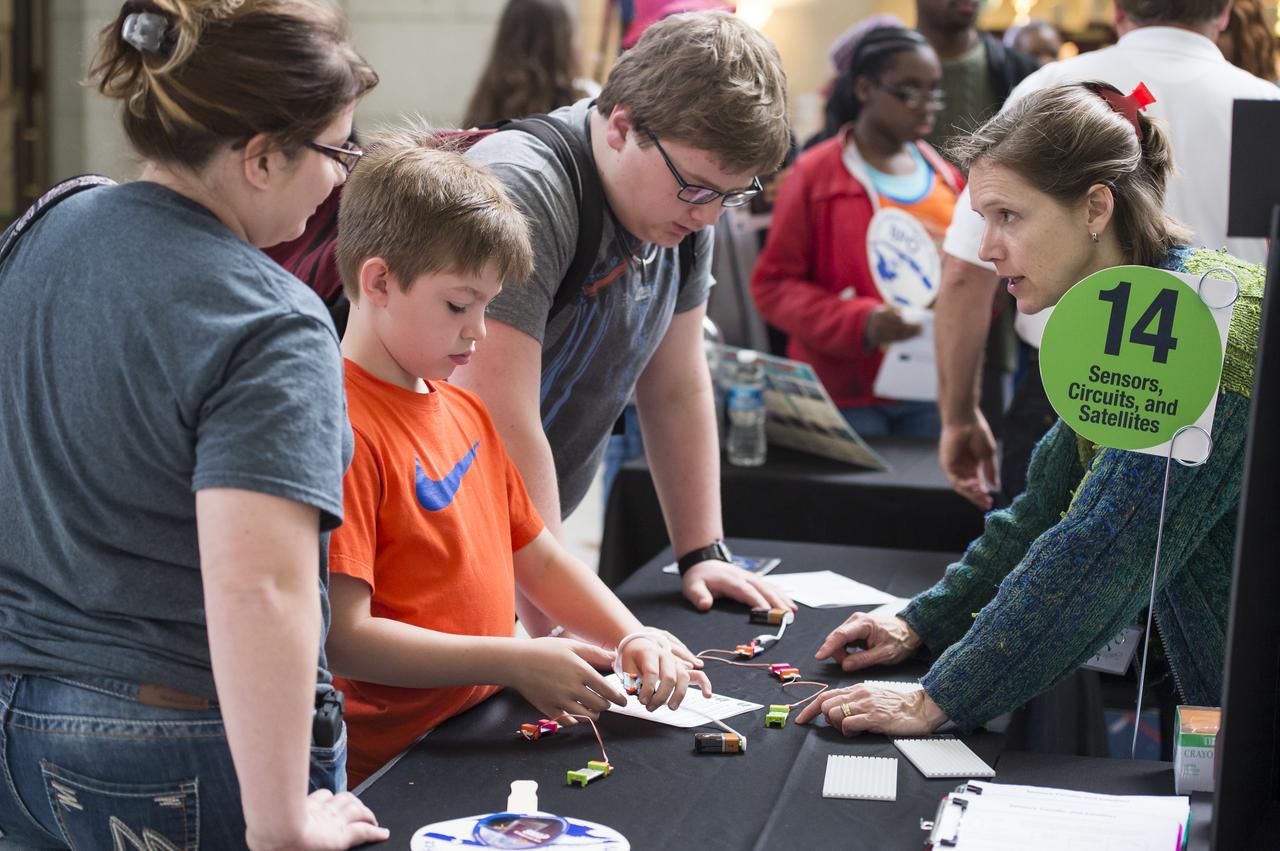
An attendee of NASA's Earth Day event conducts an experiment with circuits. The event took place at Union Station in Washington, DC on April 22, 2014. Photo Credit: (NASA/Aubrey Gemignani)
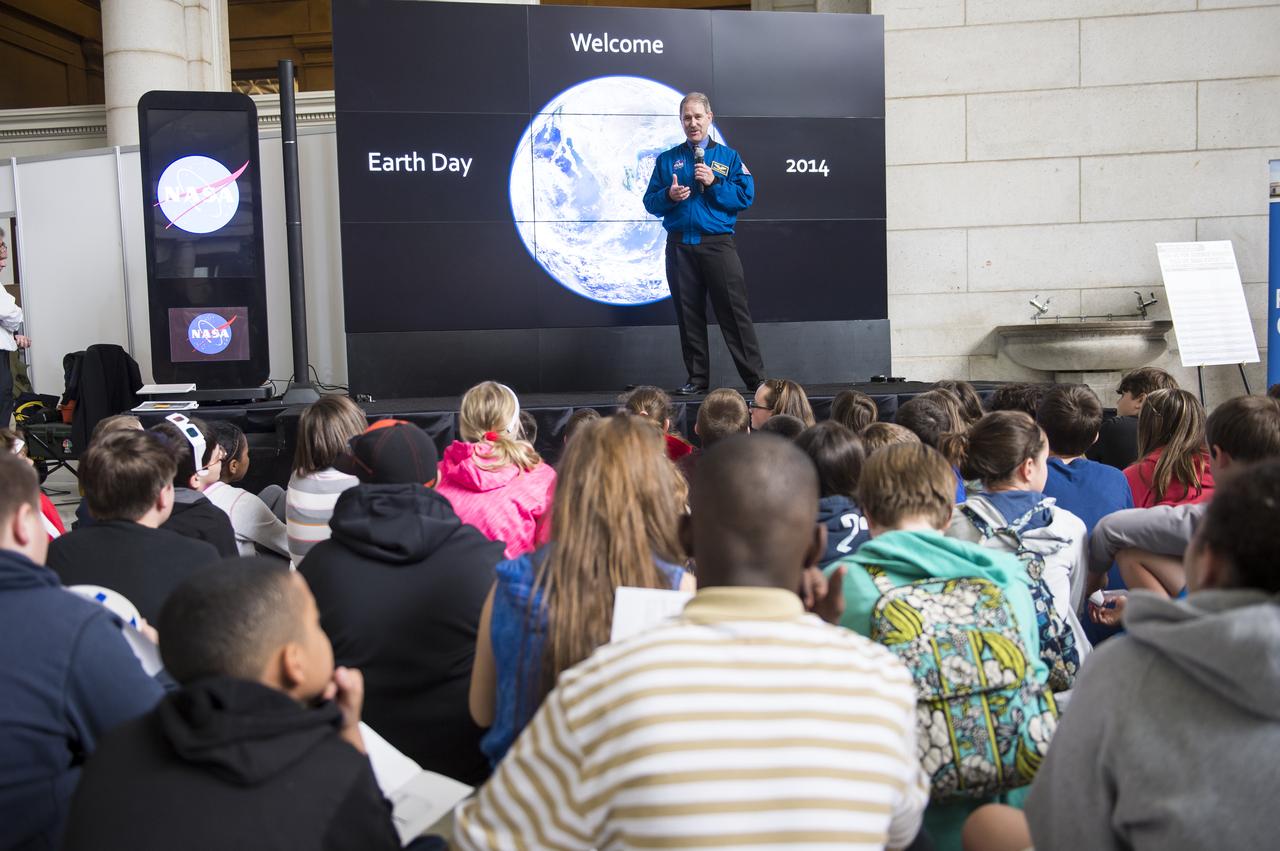
Students listen intently while Astronaut John Mace Grunsfeld speaks at NASA's Earth Day event. The event took place at Union Station in Washington, DC on April 22, 2014. Photo Credit: (NASA/Aubrey Gemignani)
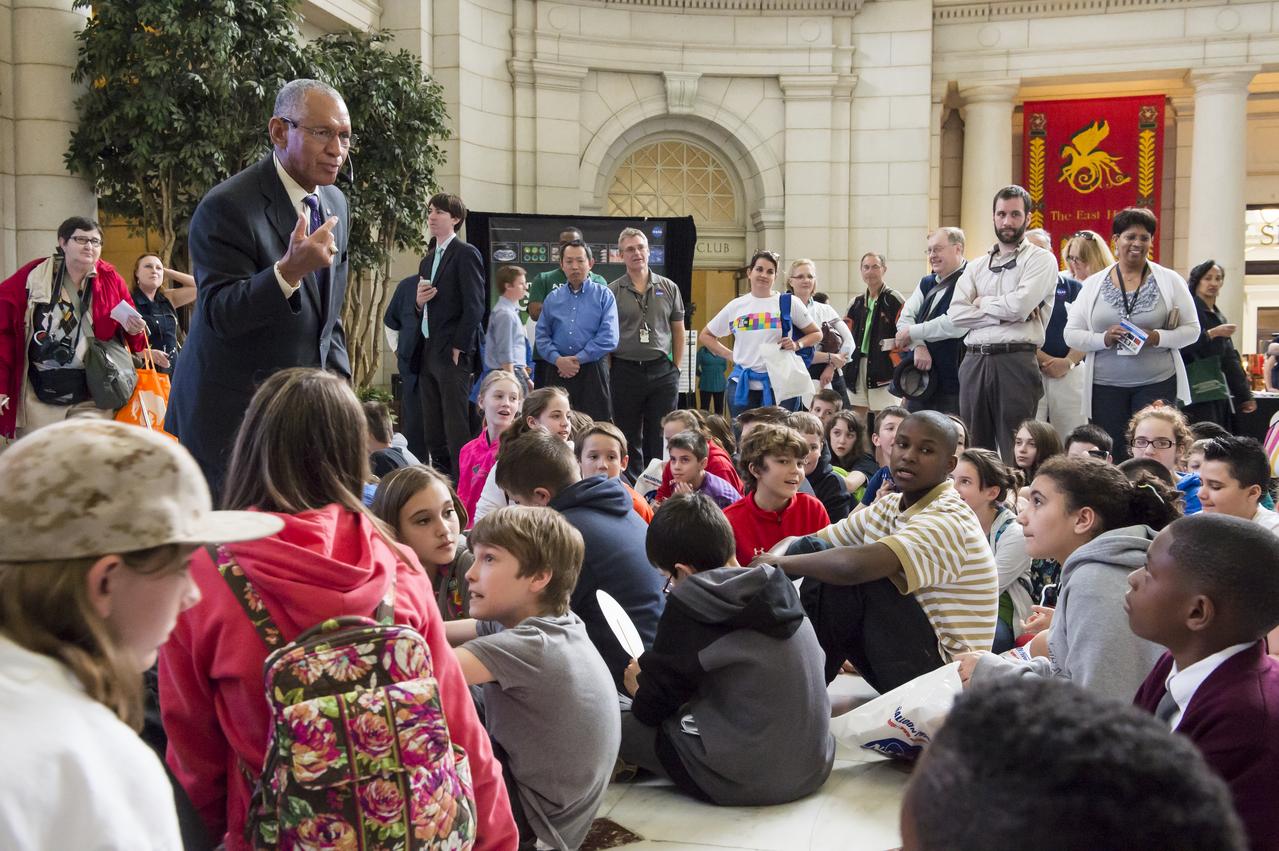
NASA Administrator Charles Bolden speaks to students who attended the NASA sponsored Earth Day event April 22, 2014 at Union Station in Washington, DC. NASA sponsored the Earth Day event as part of its "Earth Right Now" campaign, celebrating the launch of five Earth-observing missions in 2014. Photo Credit: (NASA/Aubrey Gemignani)
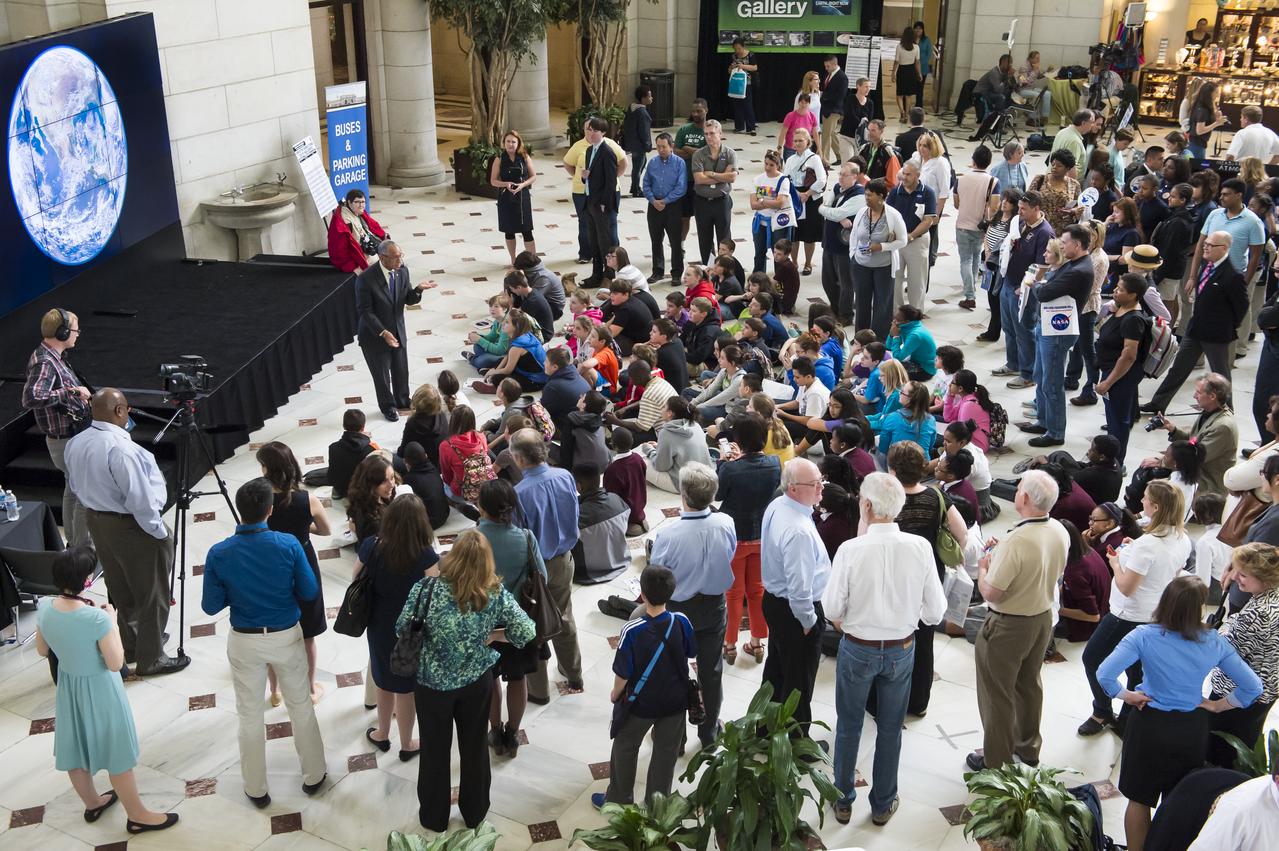
NASA Administrator Charles Bolden speaks to students who attended the NASA sponsored Earth Day event April 22, 2014 at Union Station in Washington, DC. NASA sponsored the Earth Day event as part of its "Earth Right Now" campaign, celebrating the launch of five Earth-observing missions in 2014. Photo Credit: (NASA/Aubrey Gemignani)
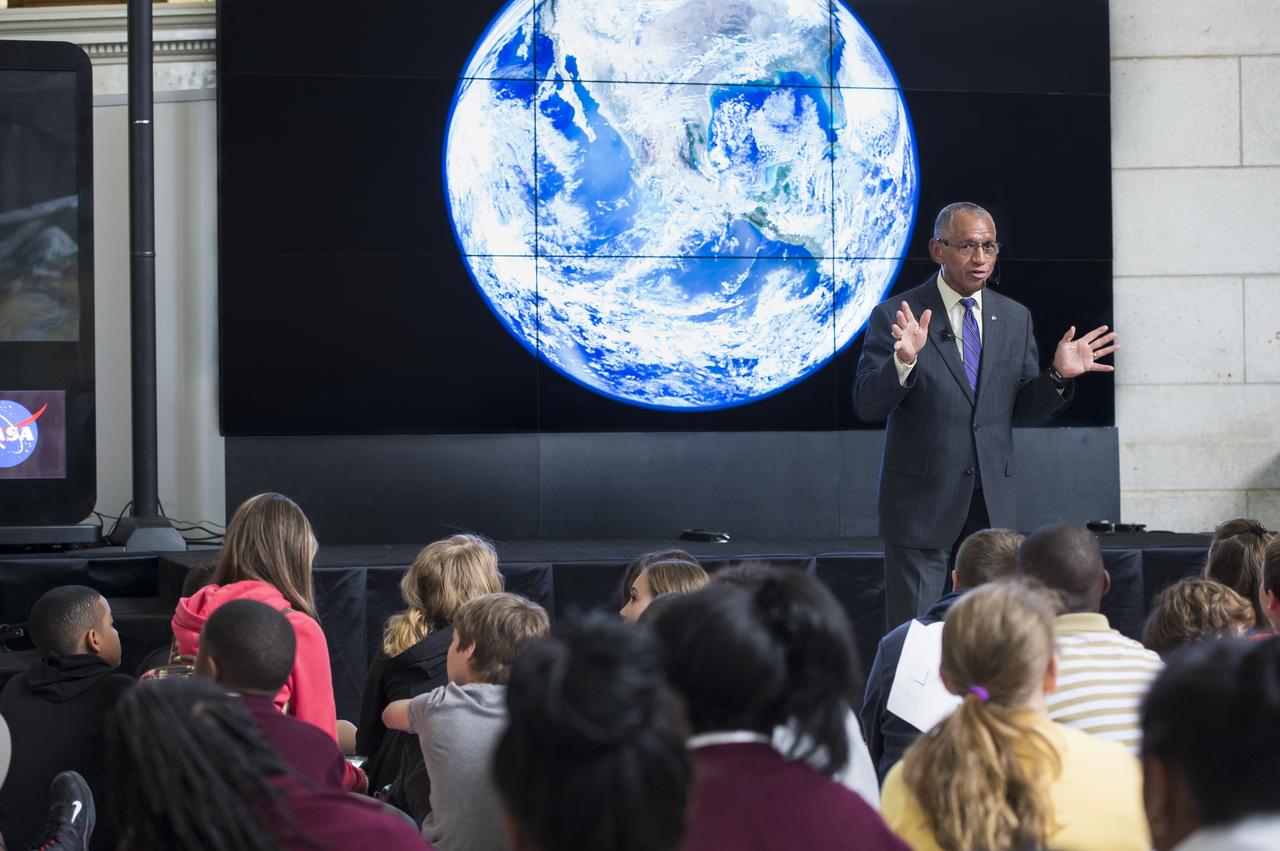
NASA Administrator Charles Bolden speaks to students who attended the NASA sponsored Earth Day event April 22, 2014 at Union Station in Washington, DC. NASA sponsored the Earth Day event as part of its "Earth Right Now" campaign, celebrating the launch of five Earth-observing missions in 2014. Photo Credit: (NASA/Aubrey Gemignani)
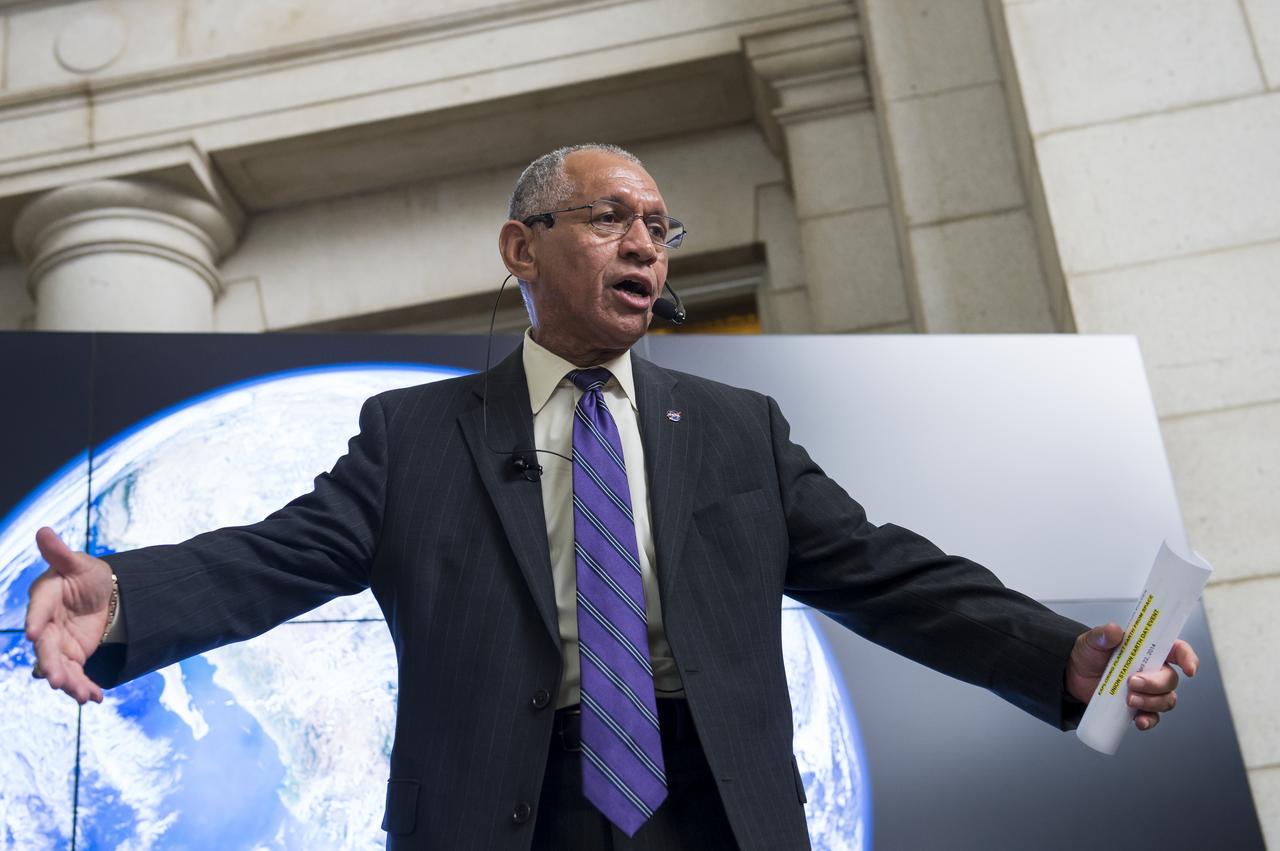
NASA Administrator Charles Bolden speaks to students who attended the NASA sponsored Earth Day event April 22, 2014 at Union Station in Washington, DC. NASA sponsored the Earth Day event as part of its "Earth Right Now" campaign, celebrating the launch of five Earth-observing missions in 2014. Photo Credit: (NASA/Aubrey Gemignani)
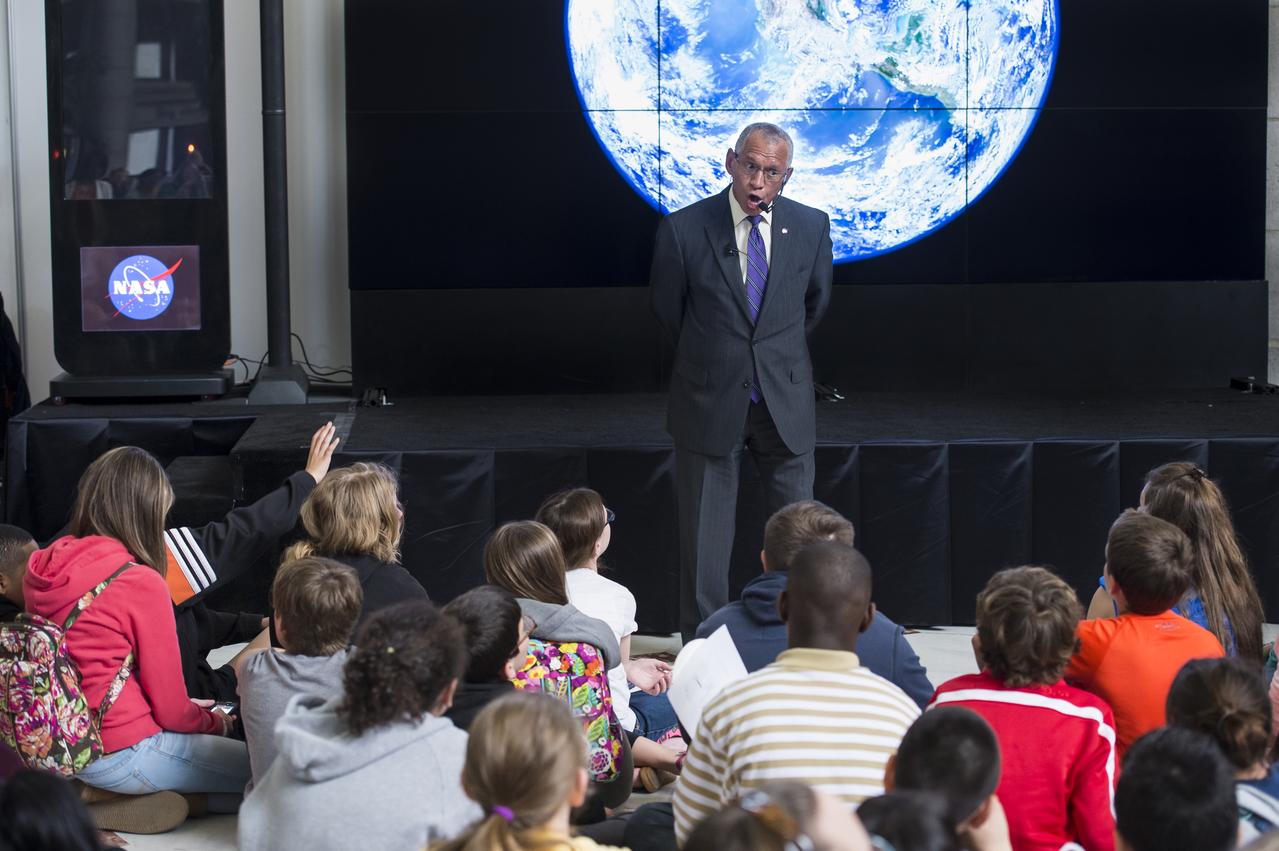
NASA Administrator Charles Bolden speaks to students who attended the NASA sponsored Earth Day event April 22, 2014 at Union Station in Washington, DC. NASA sponsored the Earth Day event as part of its "Earth Right Now" campaign, celebrating the launch of five Earth-observing missions in 2014. Photo Credit: (NASA/Aubrey Gemignani)
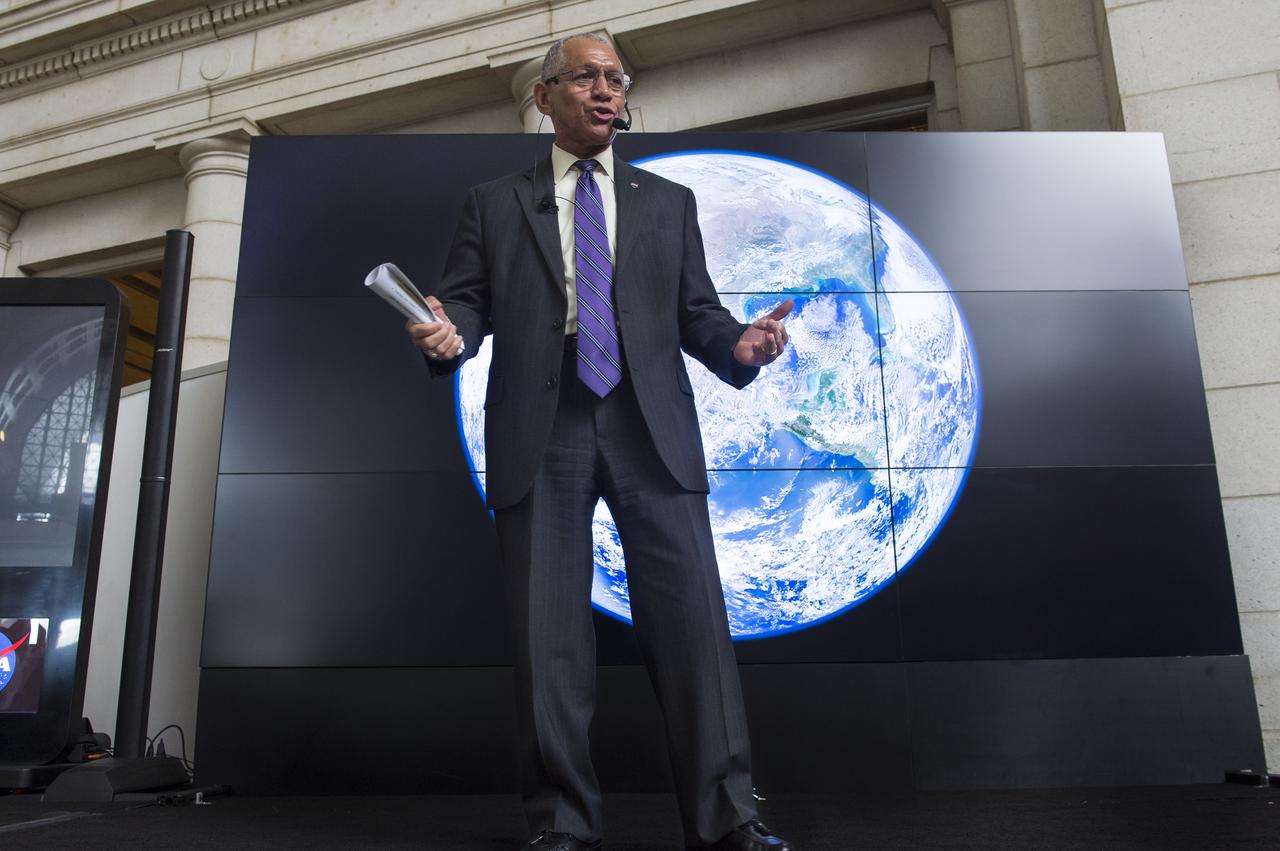
NASA Administrator Charles Bolden speaks to students who attended the NASA sponsored Earth Day event April 22, 2014 at Union Station in Washington, DC. NASA sponsored the Earth Day event as part of its "Earth Right Now" campaign, celebrating the launch of five Earth-observing missions in 2014. Photo Credit: (NASA/Aubrey Gemignani)
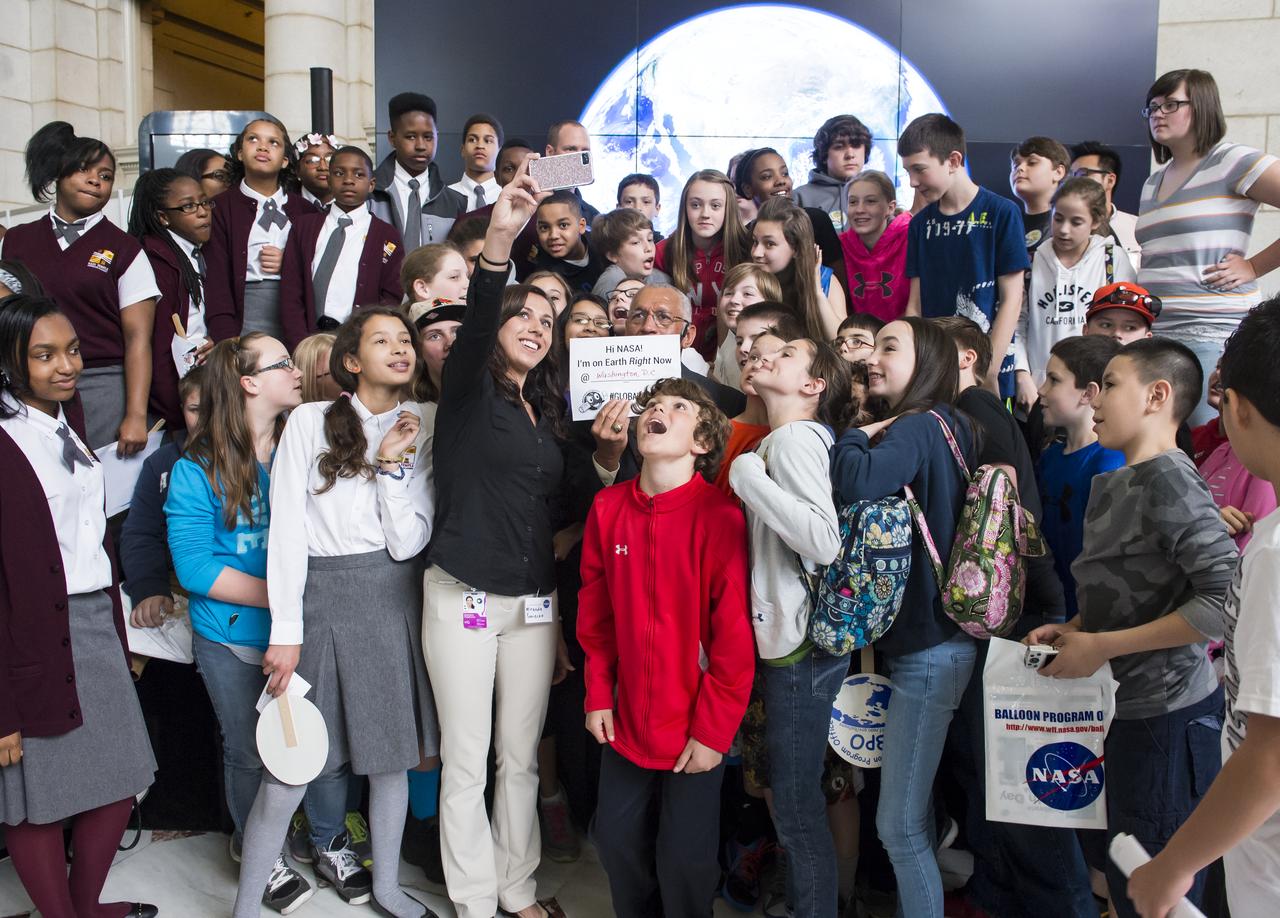
NASA Administrator Charles Bolden poses for a quick selfie with students who attended the NASA sponsored Earth Day event April 22, 2014 at Union Station in Washington, DC. NASA announced the "Global Selfie" event as part of its "Earth Right Now" campaign, celebrating the launch of five Earth-observing missions in 2014. All selfies posted to social media with the hashtag "GlobalSelfie" will be included in a mosaic image of Earth. Photo Credit: (NASA/Aubrey Gemignani)
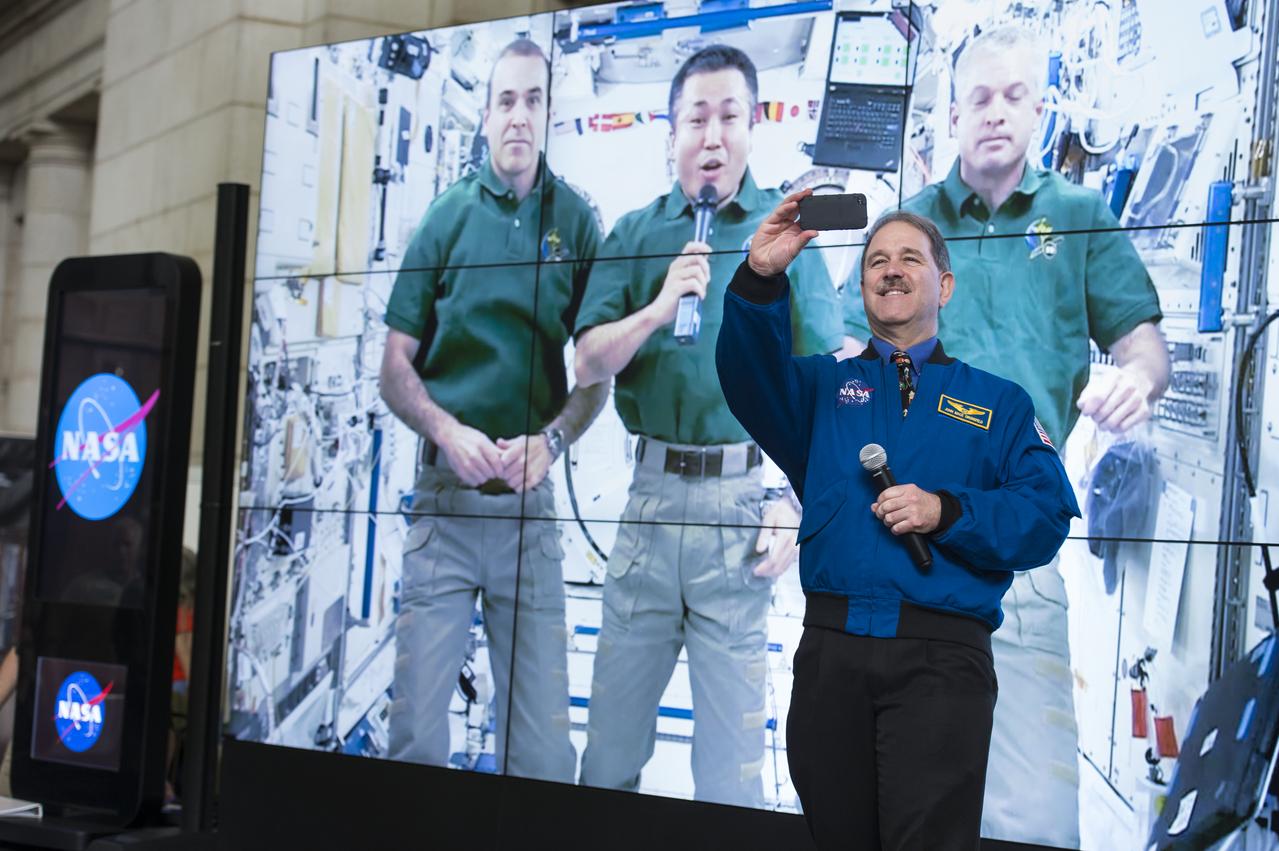
NASA Astronaut John Mace Grunsfeld takes a quick selfie with astronauts at the International Space Station at the NASA sponsored Earth Day event April 22, 2014 at Union Station in Washington, DC. NASA announced the "Global Selfie" event as part of its "Earth Right Now" campaign, celebrating the launch of five Earth-observing missions in 2014. All selfies posted to social media with the hashtag "GlobalSelfie" will be included in a mosaic image of Earth. Photo Credit: (NASA/Aubrey Gemignani)

NASA's Administrator, Charles Bolden, conducts an experiment using circuits at NASA's Earth Day event. The event took place at Union Station in Washington, DC on April 22, 2014. Photo Credit: (NASA/Aubrey Gemignani)
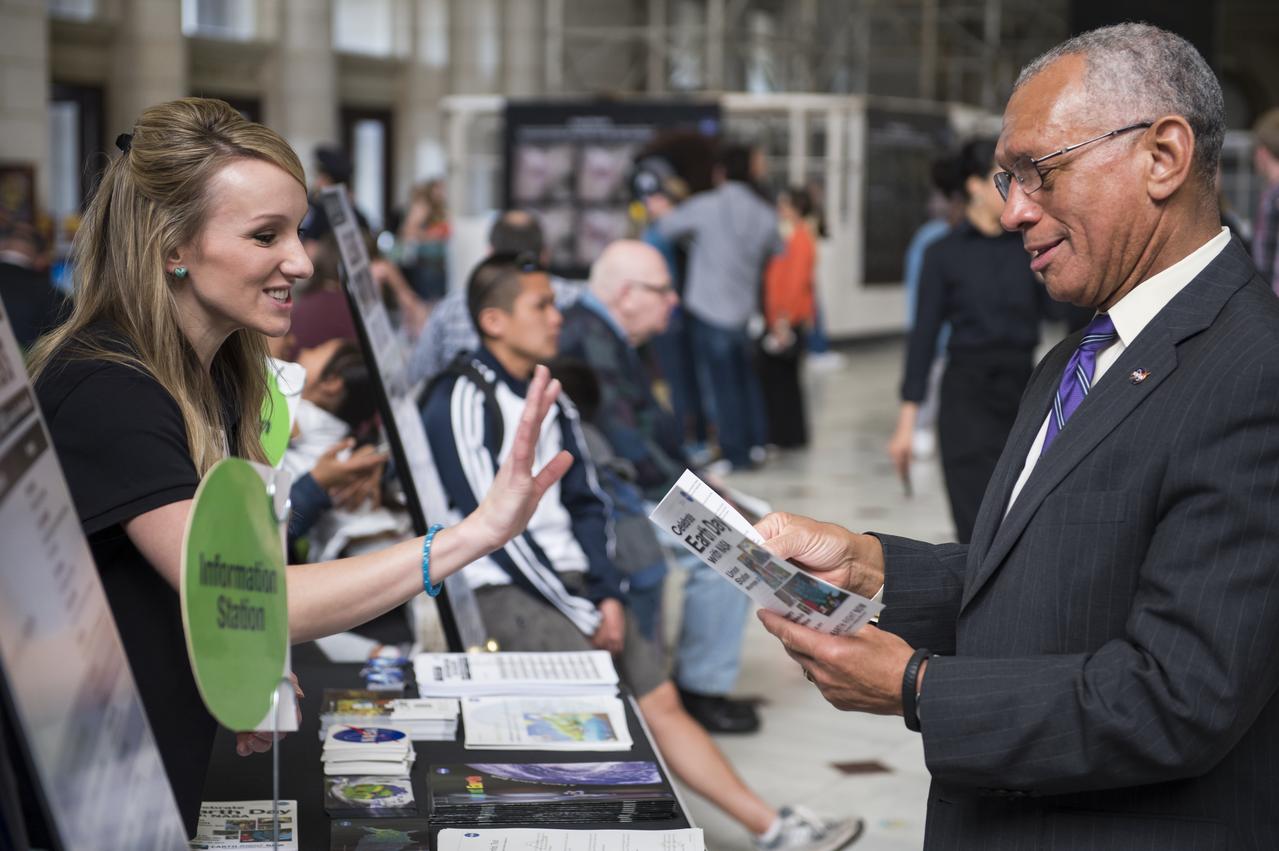
NASA's Administrator, Charles Bolden, visits the exhibits at NASA's Earth Day event. The event took place at Union Station in Washington, DC on April 22, 2014. Photo Credit: (NASA/Aubrey Gemignani)
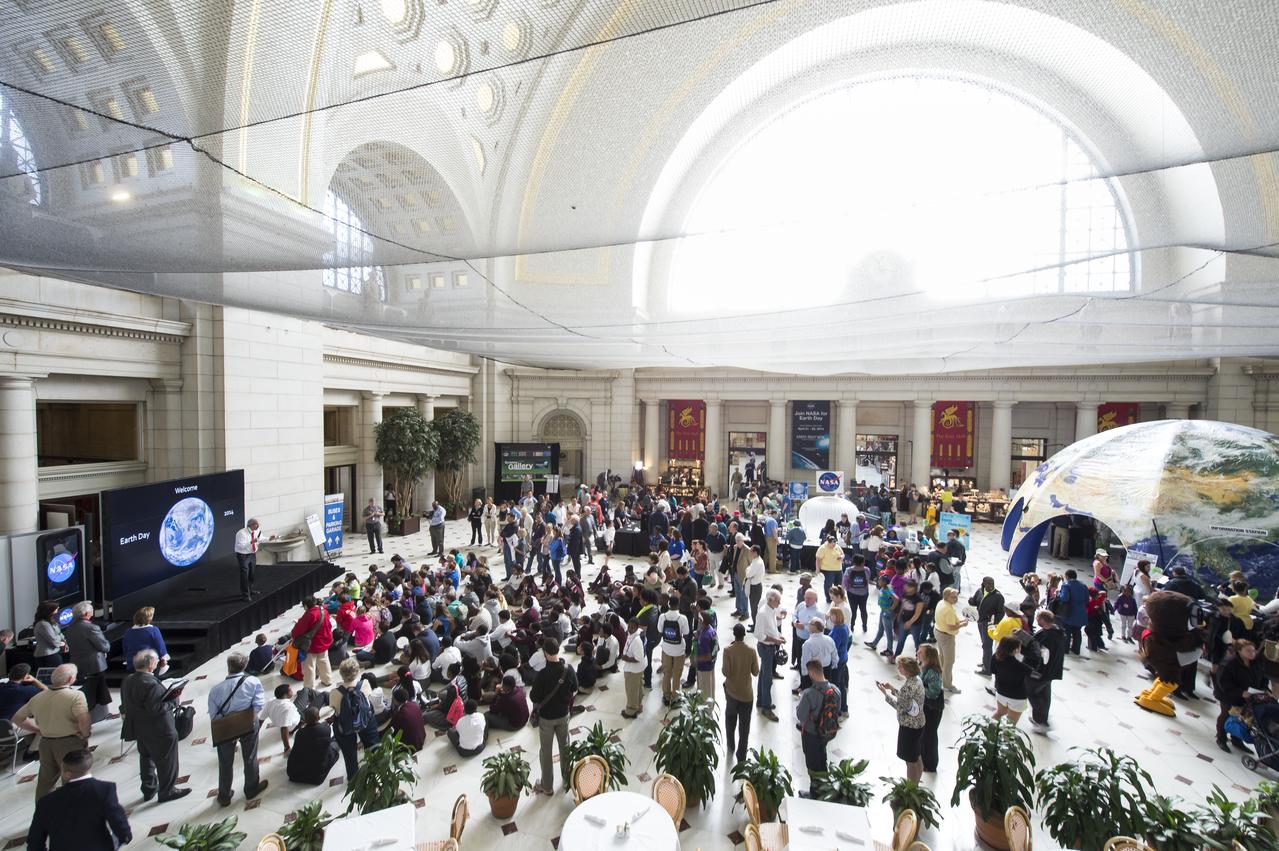
Students listen intently while NASA's Director, Earth Science Division, Mike Freilich, speaks at NASA's Earth Day event. The event took place at Union Station in Washington, DC on April 22, 2014. Photo Credit: (NASA/Aubrey Gemignani)
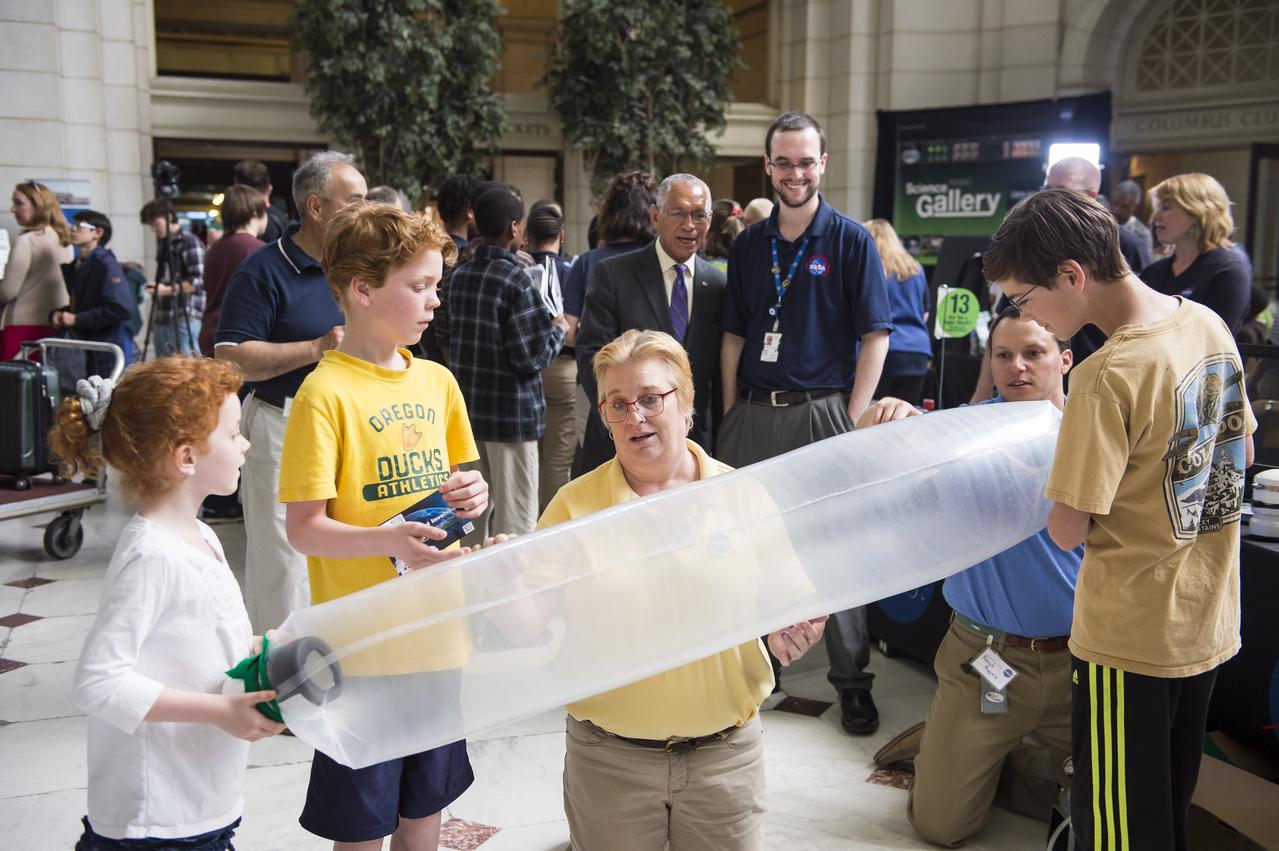
NASA's Administrator, Charles Bolden watches as some students conduct an experiment with a balloon at NASA's Earth Day event. The event took place at Union Station in Washington, DC on April 22, 2014. Photo Credit: (NASA/Aubrey Gemignani)
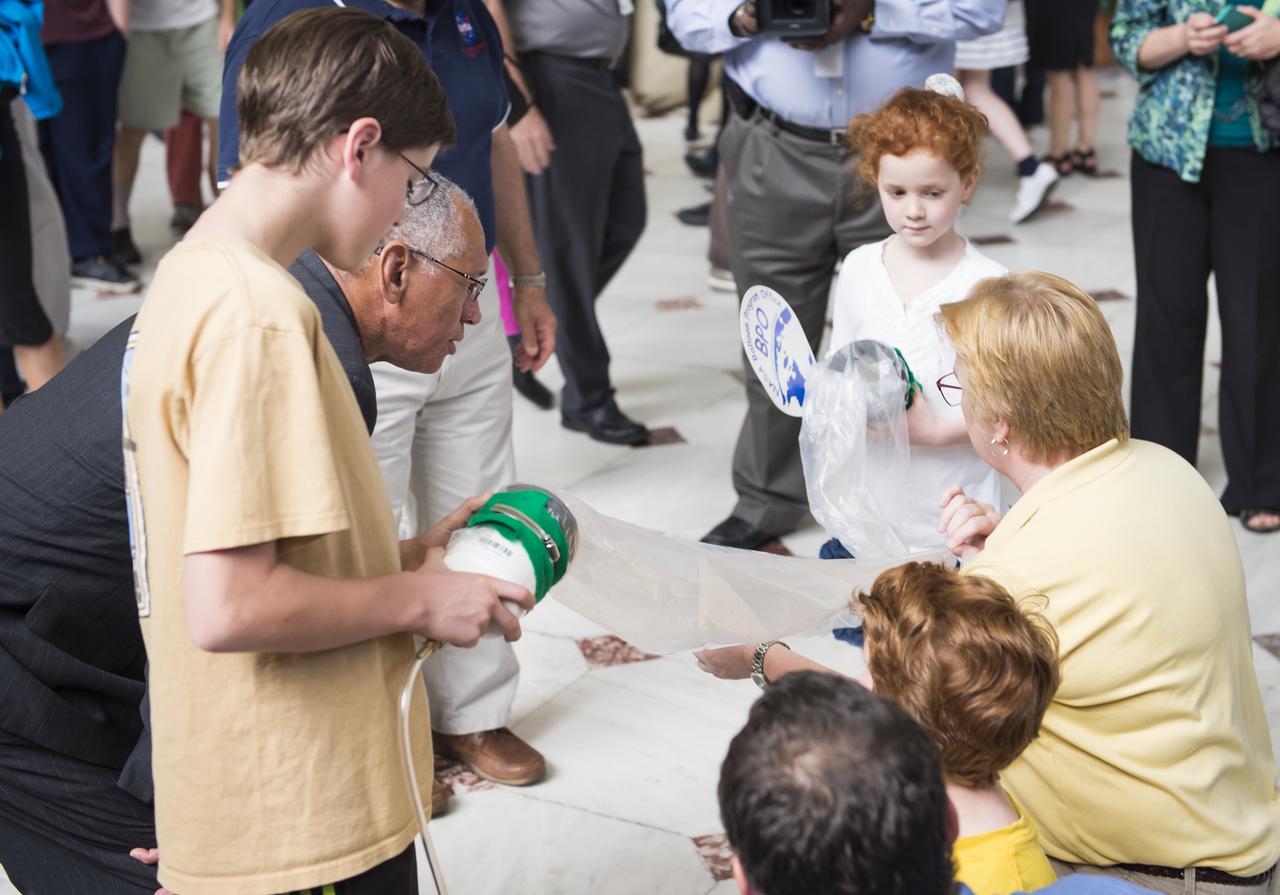
NASA's Administrator, Charles Bolden watches as some students conduct an experiment with a balloon at NASA's Earth Day event. The event took place at Union Station in Washington, DC on April 22, 2014. Photo Credit: (NASA/Aubrey Gemignani)
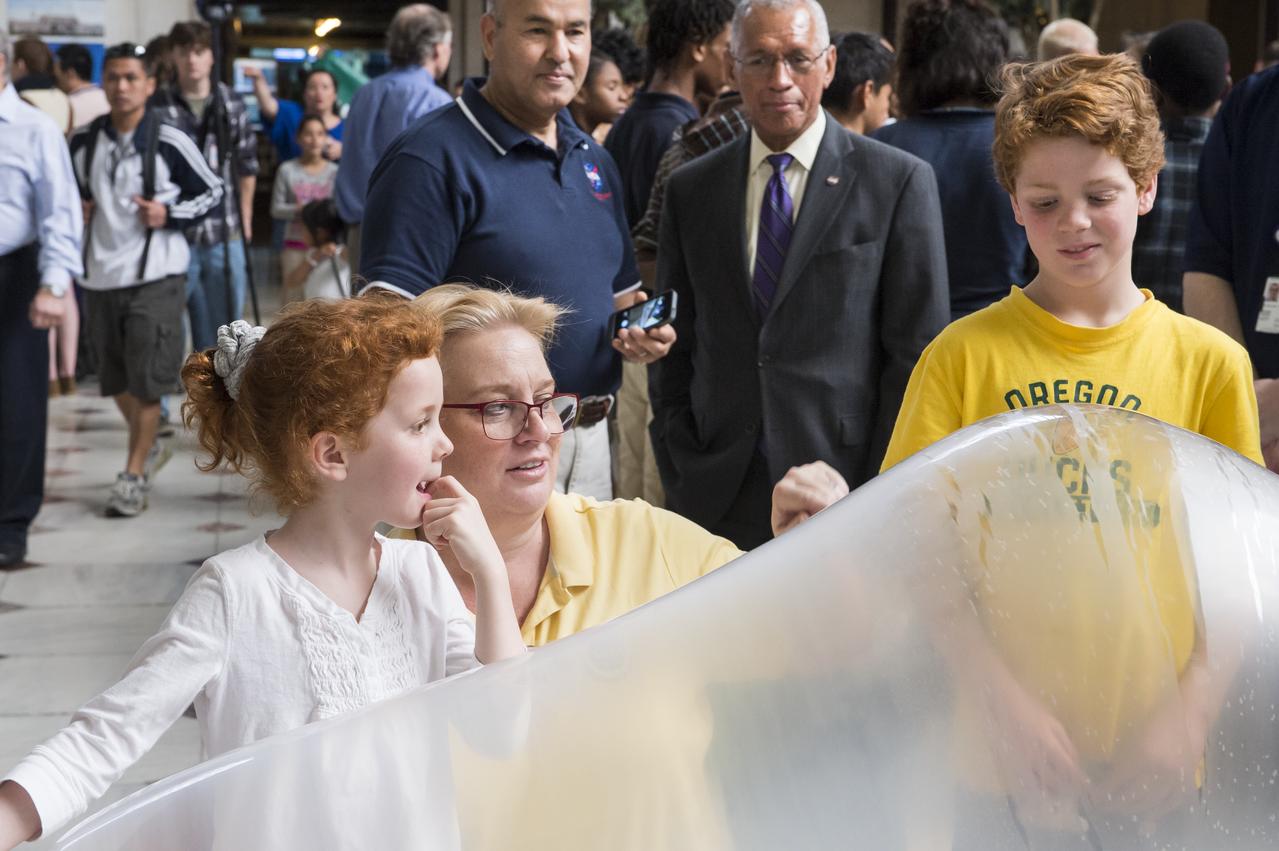
NASA's Administrator, Charles Bolden watches as some students conduct an experiment with a balloon at NASA's Earth Day event. The event took place at Union Station in Washington, DC on April 22, 2014. Photo Credit: (NASA/Aubrey Gemignani)

The two bodies in this portion of an evening-sky view by NASA Mars rover Curiosity are Earth and Earth moon. The rover Mast Camera Mastcam imaged them in the twilight sky of Curiosity 529th Martian day, or sol Jan. 31, 2014.

The 3.2 gigapixel Global Selfie mosaic, hosted by GigaPan, was made with 36,422 individual images that were posted to social media sites on or around Earth Day, April 22, 2014. Zoom in and find yours here: <a href="http://1.usa.gov/SnR7ki" rel="nofollow">1.usa.gov/SnR7ki</a> Credit: NASA The 3.2 gigapixel Global Selfie mosaic, hosted by GigaPan, was made with 36,422 individual images that were posted to social media sites on or around Earth Day, April 22, 2014. Zoom in and find yours here: <a href="http://1.usa.gov/SnR7ki" rel="nofollow">1.usa.gov/SnR7ki</a>
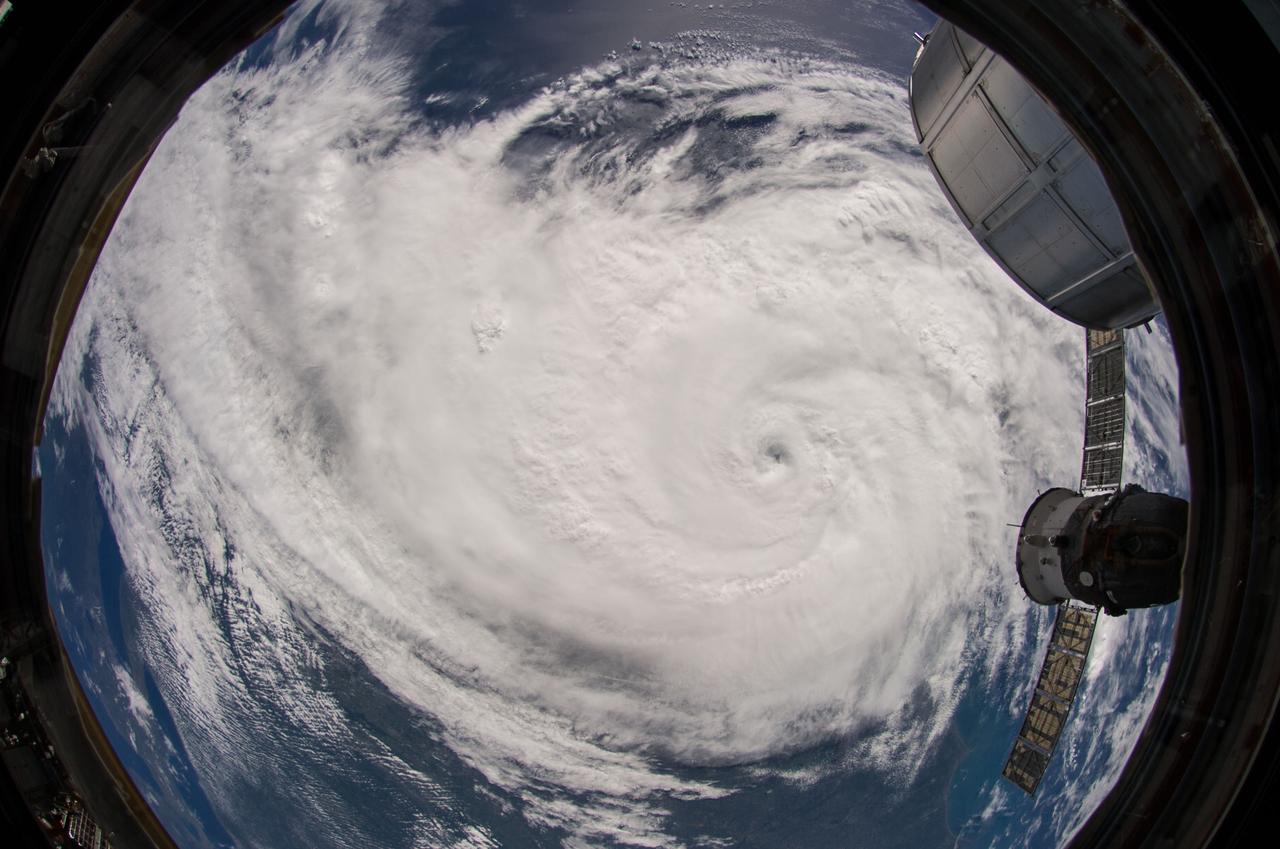
ISS040-E-033548 (4 July 2014) --- One of the Expedition 40 crew members aboard the Earth-orbiting International Space Station made use of a 10.5mm focal length to photograph this fish-eye view of Hurricane Arthur, which altered the holiday plans of millions of residents on the Atlantic Coast on U.S. Independence Day, 2014. This image was taken on July 4 at 13:32:41 GMT. One of the modules of the orbital outpost (top right) and a docked Russian spacecraft (right center) are visible in the photo.
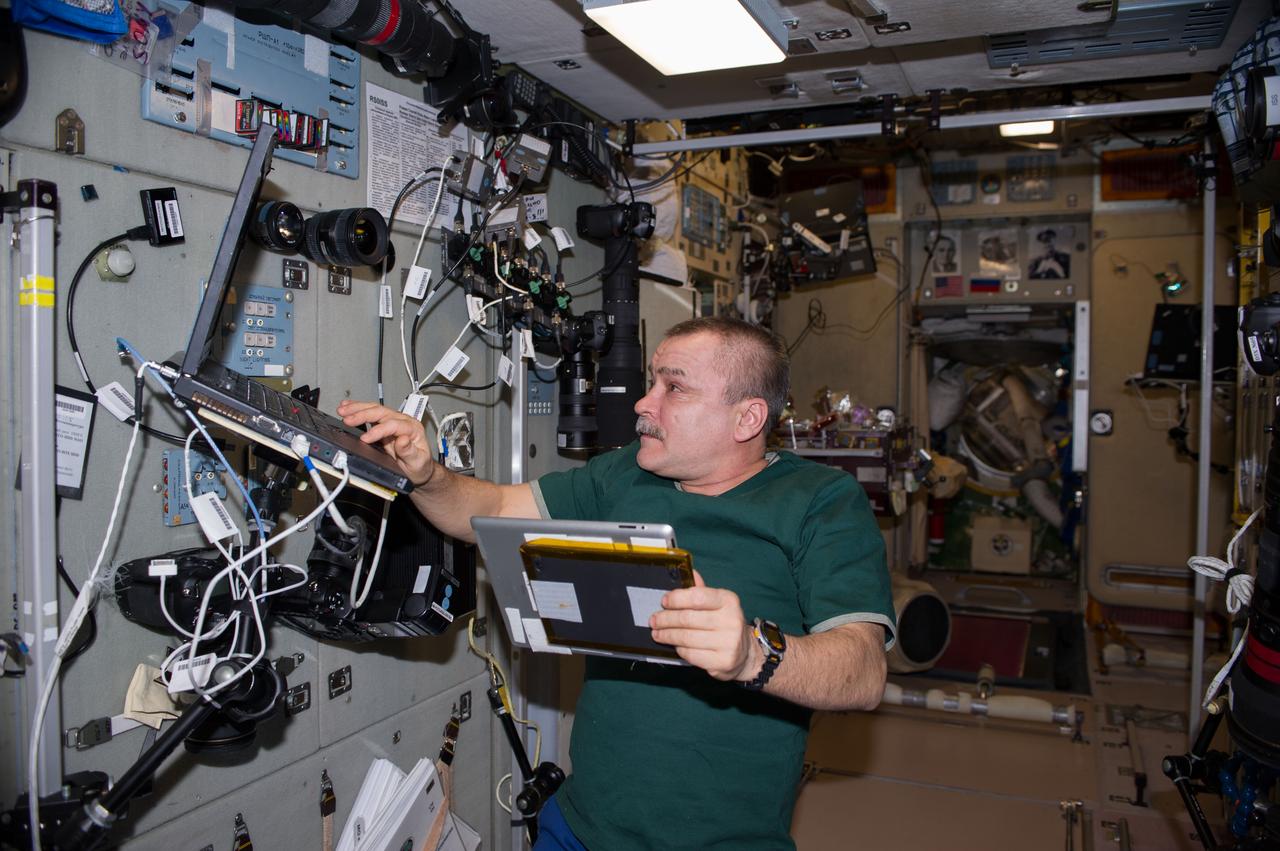
ISS039-E-000027 (11 March 2014) --- In the Zvezda service module of the Earth-orbiting International Space Station, Expedition 39 Flight Engineer Mikhail Tyurin, a cosmonaut with Russia's Federal Space Agency, keeps track of the Soyuz TMA-10M spacecraft as it heads toward Earth with the Expedition 38 crew aboard. Onboard the Soyuz were NASA astronaut Mike Hopkins and cosmonauts Oleg Kotov and Sergey Ryazanskiy who had served 166 days in Earth orbit as members of the Expedition 37 and 38 crews.
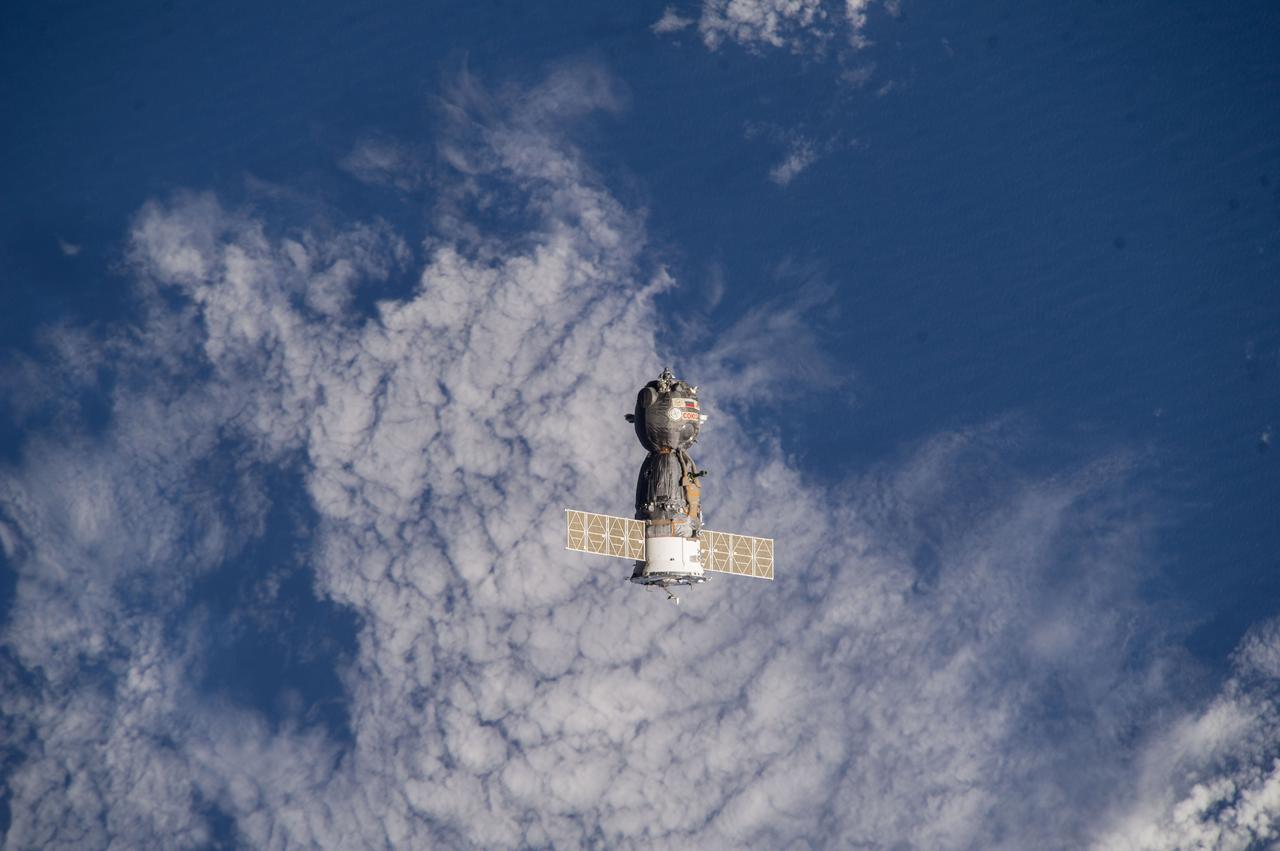
ISS039-E-000143 (11 March 2014) --- As photographed by one of the Expedition 39 crew members aboard the International Space Station, the Soyuz TMA-10M spacecraft heads toward Earth with the Expedition 38 crew aboard. Onboard the Soyuz were NASA astronaut Mike Hopkins and cosmonauts Oleg Kotov and Sergey Ryazanskiy. The trio had served 166 days in Earth orbit as members of the Expedition 37 and 38 crews.

ISS038-E-066838 (8 March 2014) --- Expedition 38 Commander Oleg Kotov of Russia's Federal Space Agency (Roscosmos) looks through an Earth-facing window in the Zvezda service module aboard the International Space Station. Kotov, along with Flight Engineers Mike Hopkins of NASA and cosmonaut Sergey Ryazanskiy of Roscosmos are scheduled to return to Earth in a couple of days.
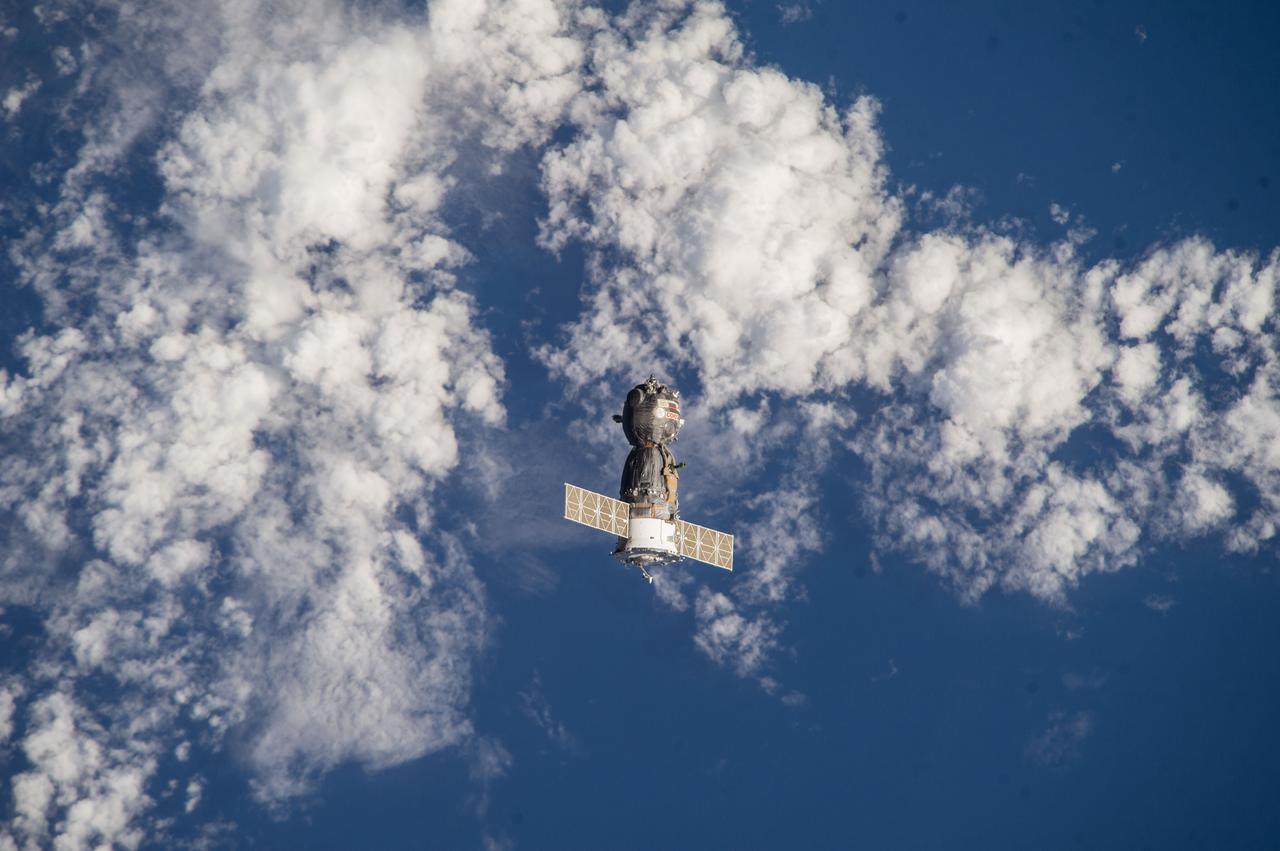
ISS039-E-000169 (11 March 2014) --- As photographed by one of the Expedition 39 crew members aboard the International Space Station, the Soyuz TMA-10M spacecraft heads toward Earth with the Expedition 38 crew aboard. Onboard the Soyuz were NASA astronaut Mike Hopkins and cosmonauts Oleg Kotov and Sergey Ryazanskiy. The trio had served 166 days in Earth orbit as members of the Expedition 37 and 38 crews.
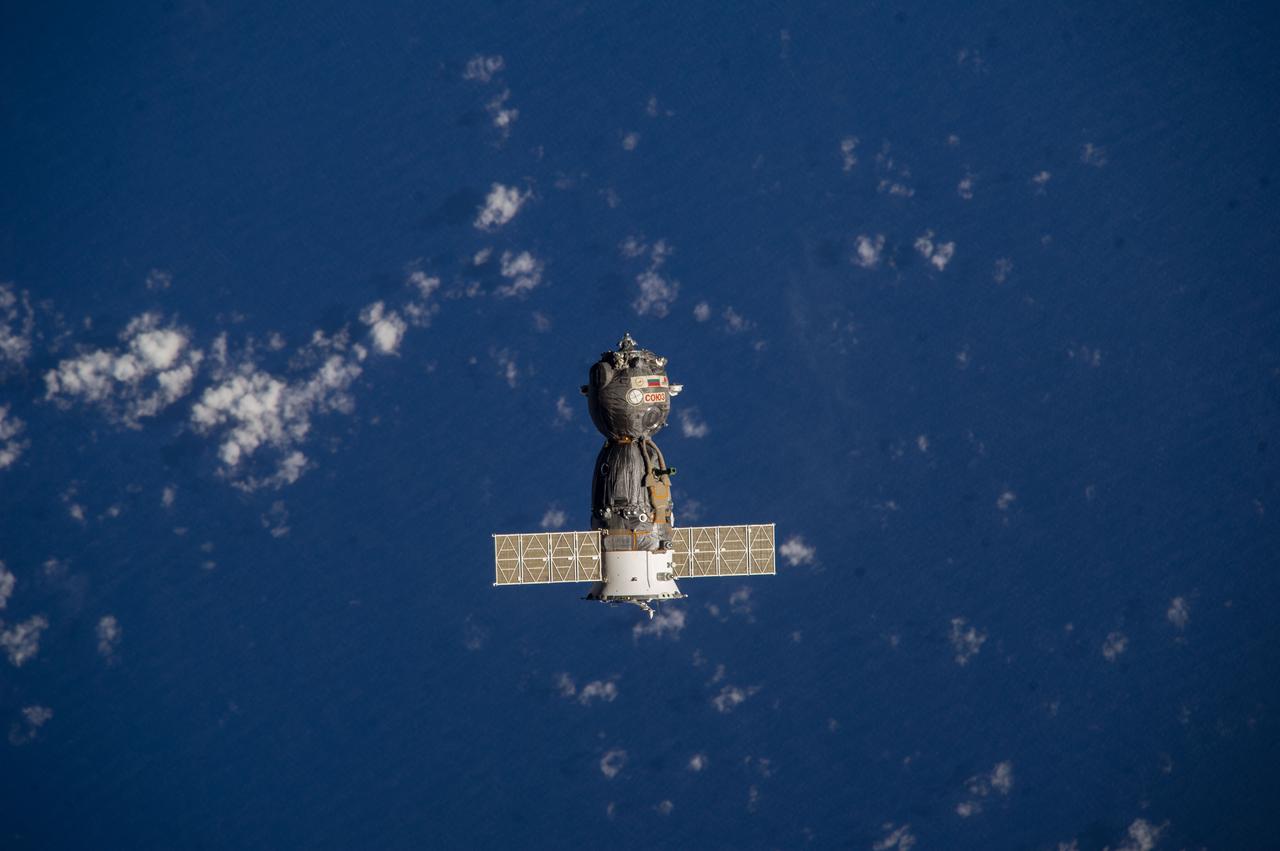
ISS039-E-000061 (11 March 2014) --- As photographed by one of the Expedition 39 crew members aboard the International Space Station, the Soyuz TMA-10M spacecraft heads toward Earth with the Expedition 38 crew aboard. Onboard the Soyuz were NASA astronaut Mike Hopkins and cosmonauts Oleg Kotov and Sergey Ryazanskiy. The trio had served 166 days in Earth orbit as members of the Expedition 37 and 38 crews.
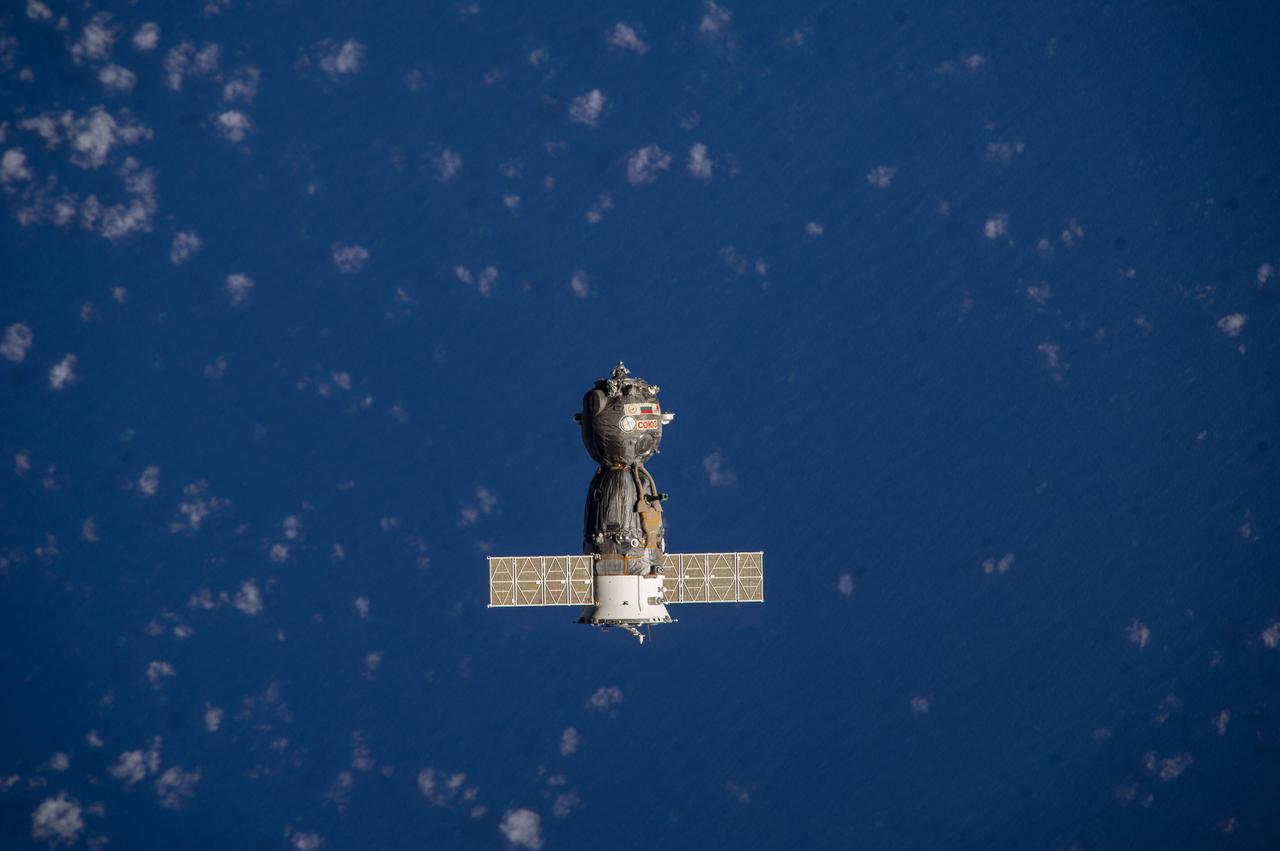
ISS039-E-000067 (11 March 2014) --- As photographed by one of the Expedition 39 crew members aboard the International Space Station, the Soyuz TMA-10M spacecraft heads toward Earth with the Expedition 38 crew aboard. Onboard the Soyuz were NASA astronaut Mike Hopkins and cosmonauts Oleg Kotov and Sergey Ryazanskiy. The trio had served 166 days in Earth orbit as members of the Expedition 37 and 38 crews.
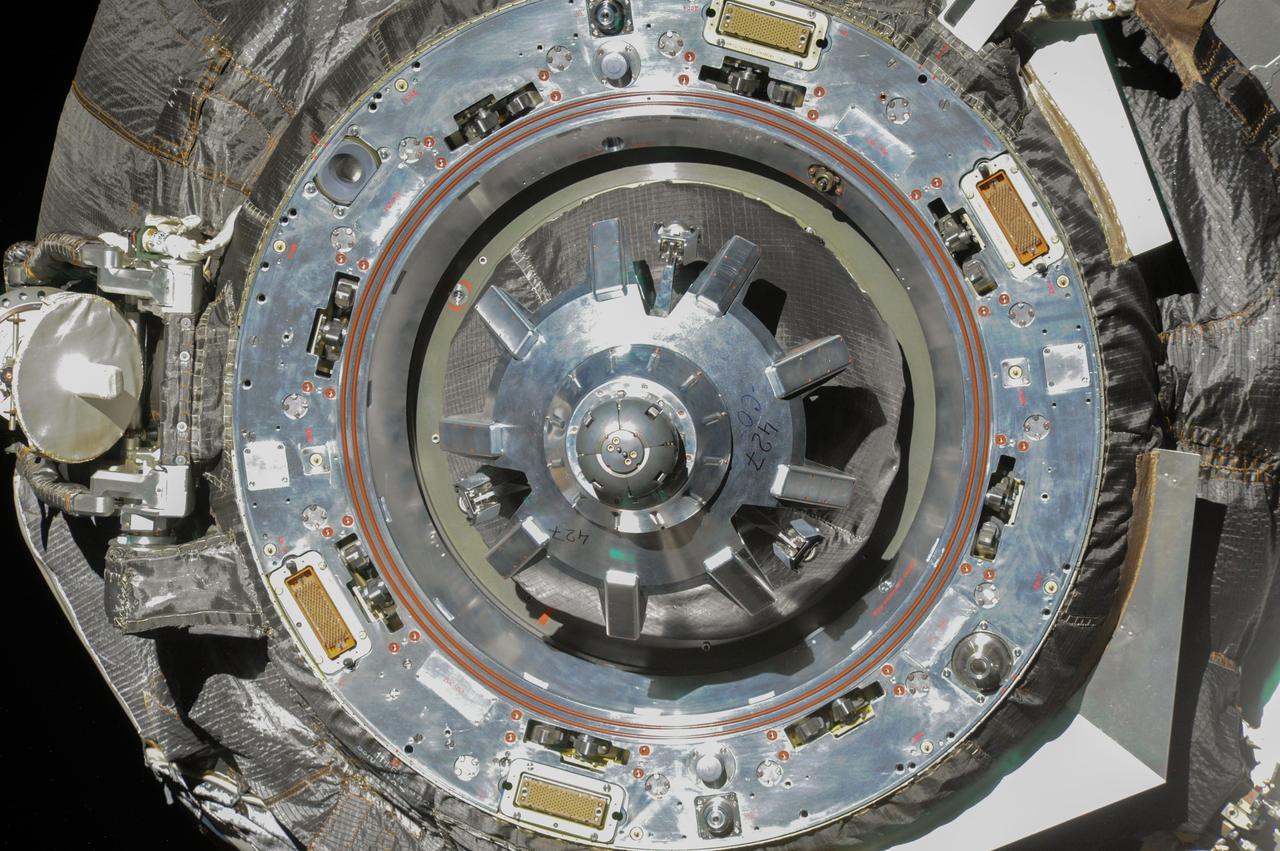
ISS040-E-070868 (21 July 2014) --- This close-up view shows the docking mechanism of the unpiloted Russian ISS Progress 55 resupply ship as it undocks from the International Space Station's Pirs Docking Compartment at 5:44 p.m. (EDT) on July 21, 2014 after spending more than three months at the orbiting complex. After undocking, the Progress moved to a safe distance away from the station for 10 days of engineering tests before it is deorbited on July 31. Filled with trash and station discards, Progress 55 will burn up as it re-enters Earth?s atmosphere over the Pacific Ocean.
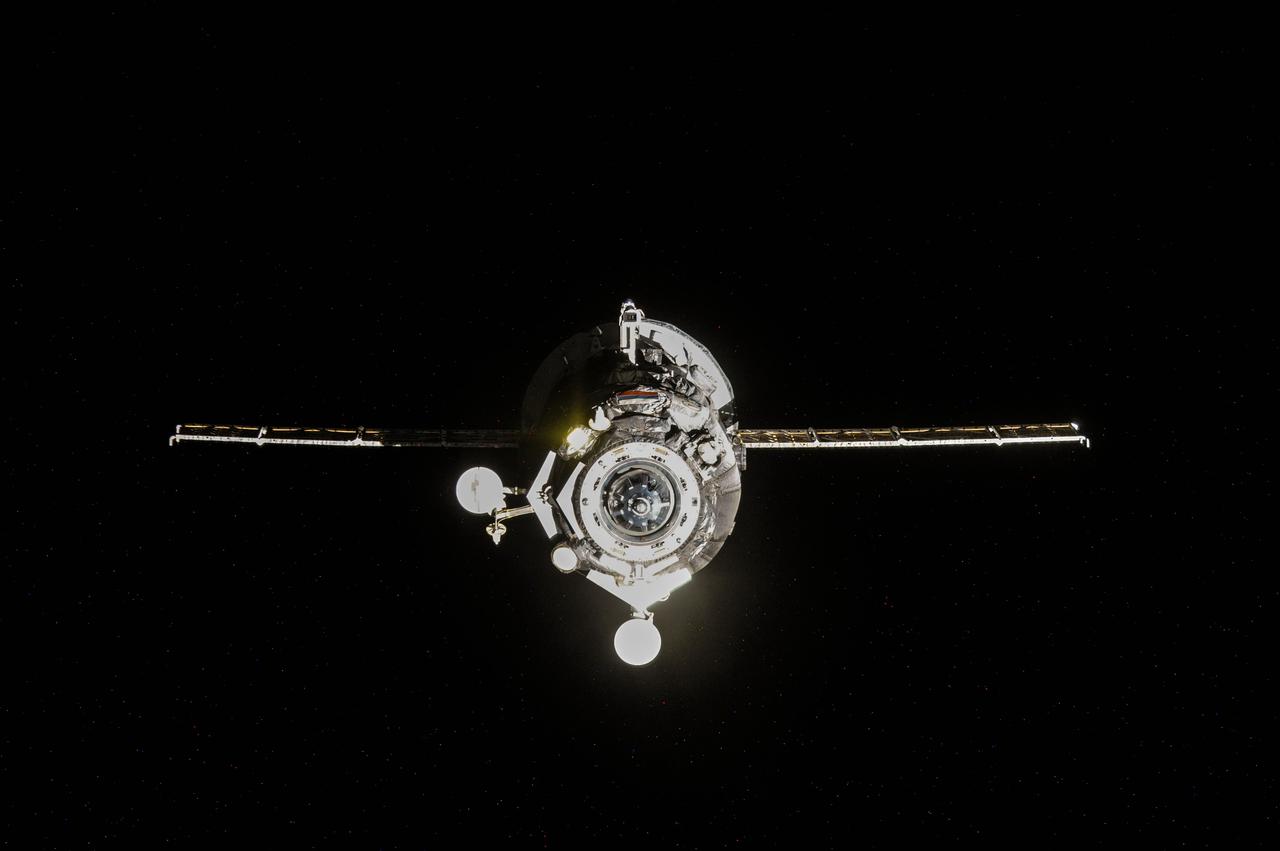
ISS040-E-070870 (21 July 2014) --- The unpiloted Russian ISS Progress 55 resupply ship undocks from the International Space Station's Pirs Docking Compartment at 5:44 p.m. (EDT) on July 21, 2014 after spending more than three months at the orbiting complex. After undocking, the Progress moved to a safe distance away from the station for 10 days of engineering tests before it is deorbited on July 31. Filled with trash and station discards, Progress 55 will burn up as it re-enters Earth?s atmosphere over the Pacific Ocean.
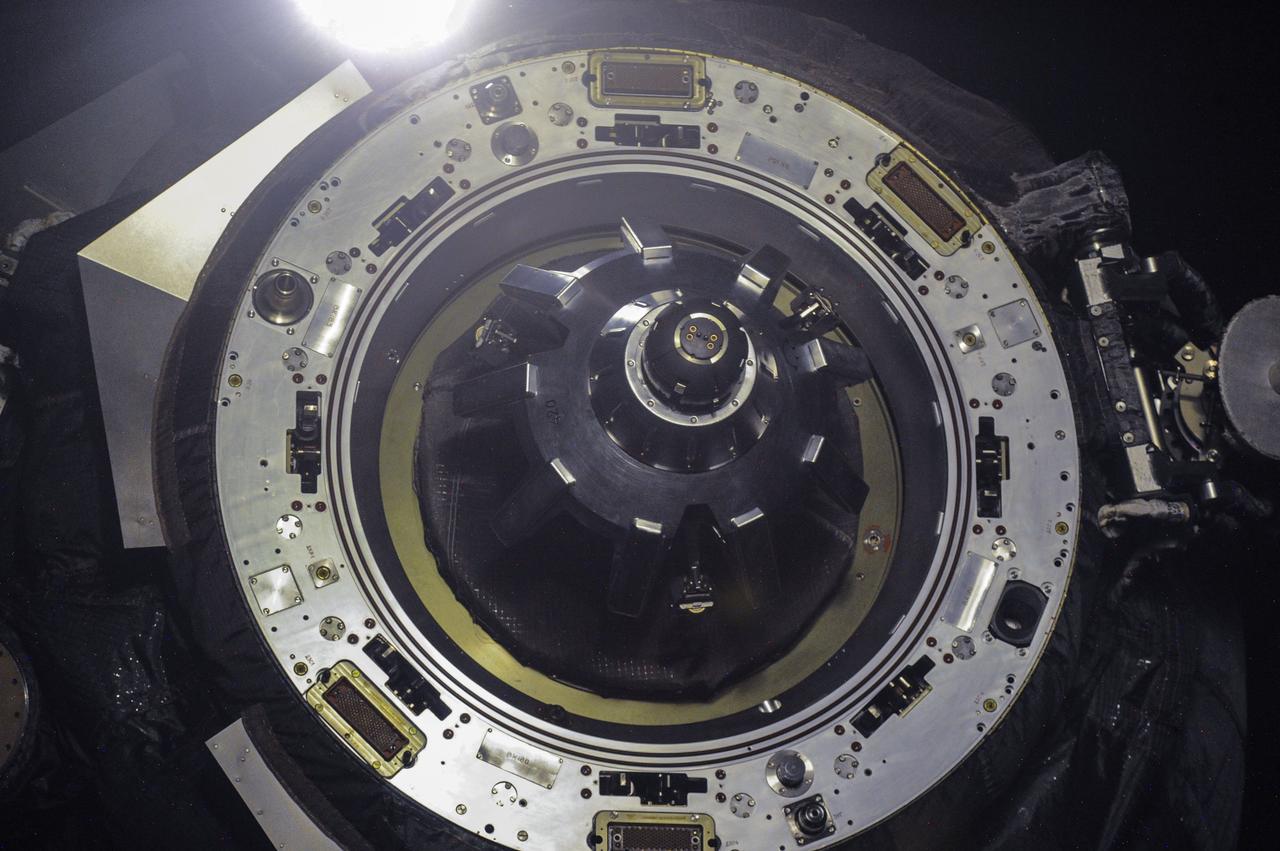
ISS038-E-041175 (3 Feb. 2014) --- This close-up view shows the docking mechanism of the unpiloted Russian ISS Progress 52 resupply ship as it undocks from the International Space Station's Pirs Docking Compartment at 11:21 a.m. (EST) on Feb. 3, 2014. The Progress backed away to a safe distance from the orbital complex to begin several days of tests to study thermal effects of space on its attitude control system. Filled with trash and other unneeded items, the Russian resupply ship will be commanded to re-enter Earth's atmosphere Feb. 11 and disintegrate harmlessly over the Pacific Ocean.
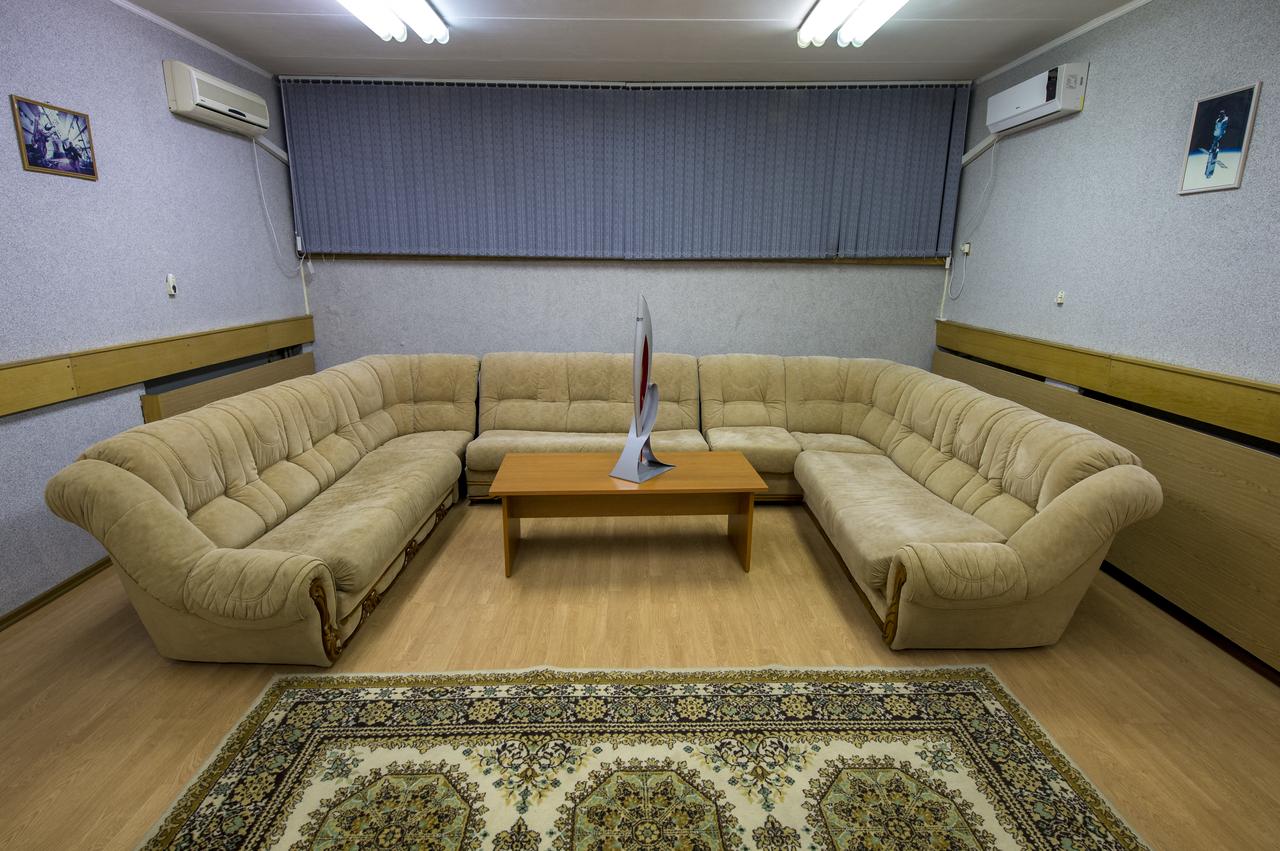
The 2014 Sochi Olympic torch that is to be launched with Expedition 38 Soyuz Commander Mikhail Tyurin of Roscosmos, Flight Engineer Koichi Wakata of the Japan Aerospace Exploration Agency, and, Flight Engineer Rick Mastracchio of NASA, is seen in the Cosmonaut hotel hours ahead of the soyuz launch, Thursday, Nov. 7, 2013, in Baikonur, Kazakhstan. The Olympic torch will be on the International Space Station for a four-day visit and will return to Earth with another trio of station residents on Nov. 11 and will be part of the torch relay that ends with the lighting of the flame at the Fisht Stadium in Sochi, Russia Feb. 7 to mark the opening of the 2014 Winter Olympics. Photo Credit (NASA/Bill Ingalls)
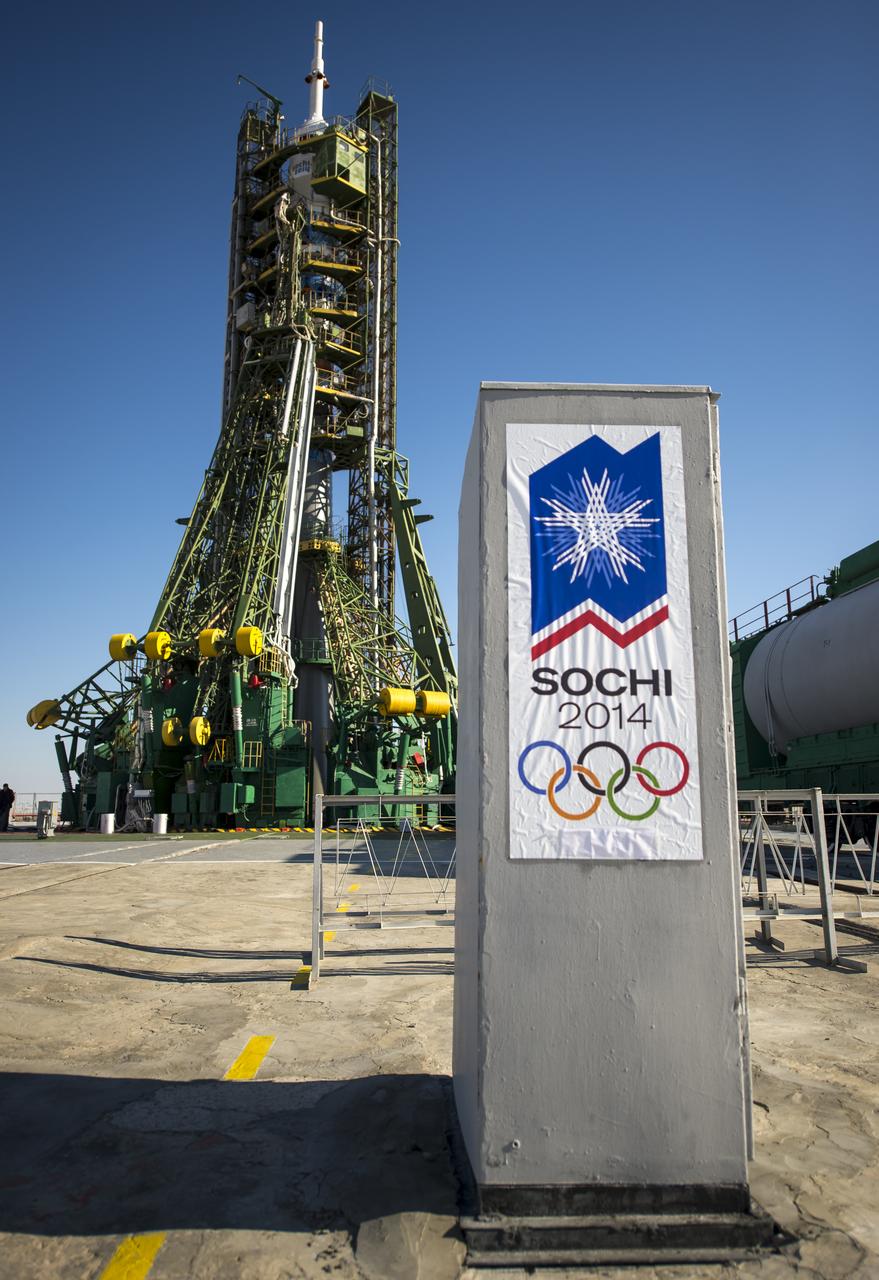
A sign for the Sochi 2014 Winter Olympics is seen at the Soyuz launch pad a day ahead of the scheduled launch of Expedition 38 Soyuz Commander Mikhail Tyurin of Roscosmos, Flight Engineer Koichi Wakata of the Japan Aerospace Exploration Agency, and, Flight Engineer Rick Mastracchio of NASA, Wednesday, Nov. 6, 2013 in Baikonur, Kazakhstan. The rocket is adorned with the logo of the Sochi Olympic Organizing Committee and other related artwork to commemorate the launch of the Olympic torch with the crew for a four-day visit to the station. The torch will return to Earth with another trio of station residents on Nov. 11 and will be part of the torch relay that ends with the lighting of the flame at the Fisht Stadium in Sochi, Russia Feb. 7 to mark the opening of the 2014 Winter Olympics. Photo Credit (NASA/Bill Ingalls)
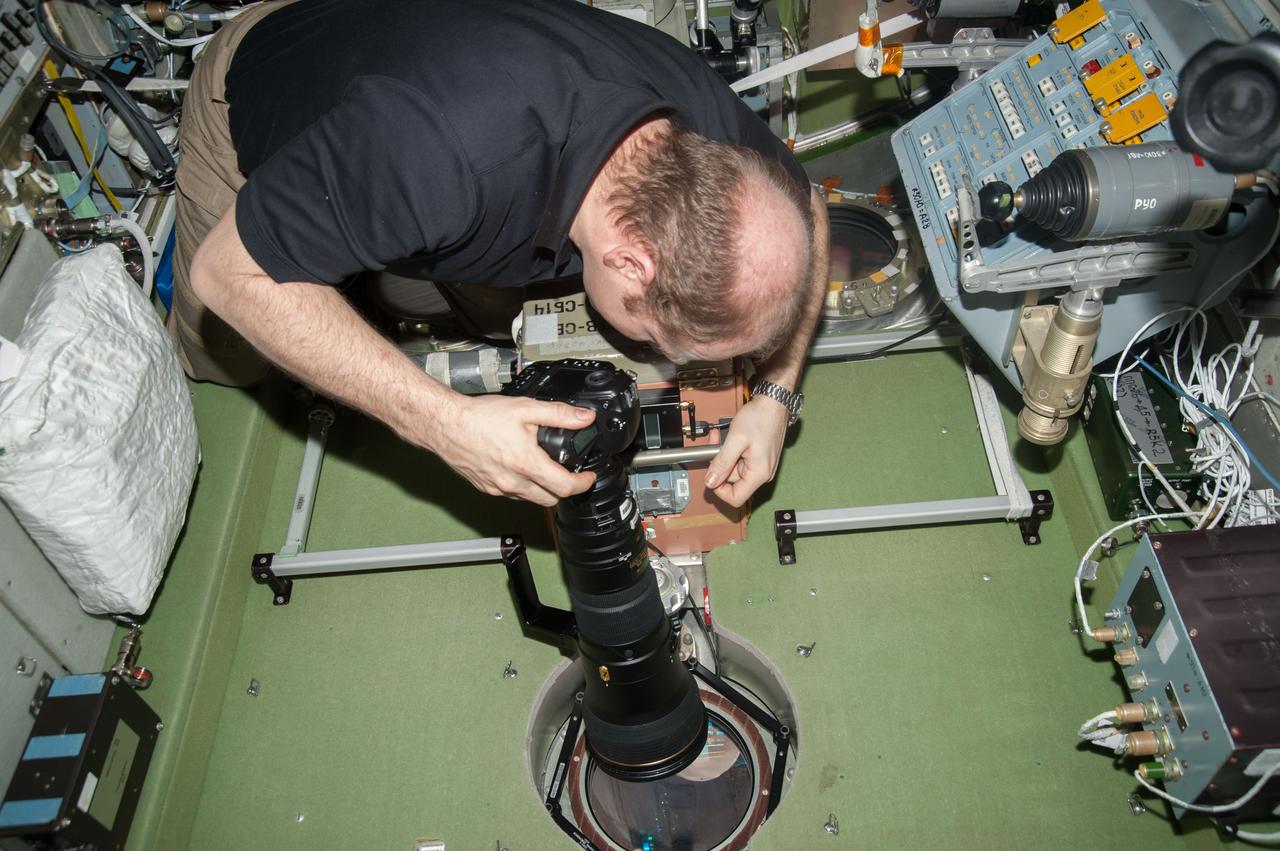
ISS038-E-066832 (8 March 2014) --- Expedition 38 Commander Oleg Kotov of Russia's Federal Space Agency (Roscosmos) aims a camera equipped with a 400mm lens through a window in the Zvezda service module aboard the International Space Station. Kotov, along with Flight Engineers Mike Hopkins of NASA and cosmonaut Sergey Ryazanskiy are scheduled to return to Earth in a couple of days.

ISS038-E-066830 (8 March 2014) --- Expedition 38 Commander Oleg Kotov of Russia's Federal Space Agency (Roscosmos) aims a camera equipped with a 400mm lens through a window in the Zvezda service module aboard the International Space Station. Kotov, along with Flight Engineers Mike Hopkins of NASA (pictured) and cosmonaut Sergey Ryazanskiy are scheduled to return to Earth in a couple of days.
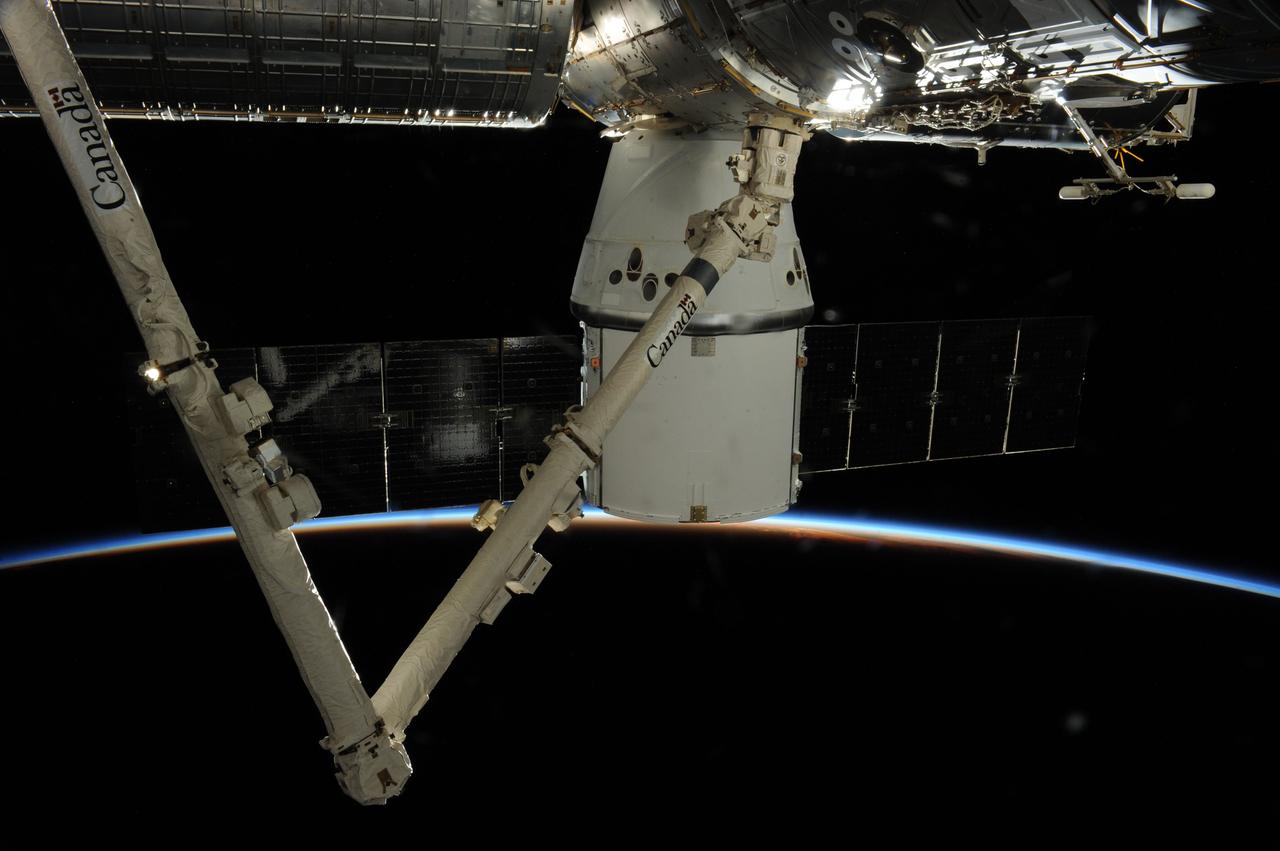
ISS039-E-017064 (26 April 2014) --- One of the Expedition 39 crew members, positioned in the Cupola of the International Space Station, photographed this view of the SpaceX Dragon berthed to the orbital outpost for several days. A thin sliver of Earth's atmosphere runs through the center of the scene. The Space Station Remote Manipulator System (SSRMS) arm or Canadarm 2 is in the left side of the frame.

ISS038-E-0066880 (9 March 2014) --- Expedition 38 Flight Engineer Sergey Ryazanskiy representing Russia's Federal Space Agency (Roscosmos) signs a spot on a wall in the Quest Airlock where a long tradition of mission decal placement continues. Ryazanskiy and two crewmates are scheduled to depart the International Space Station and return to Earth in a couple of days.
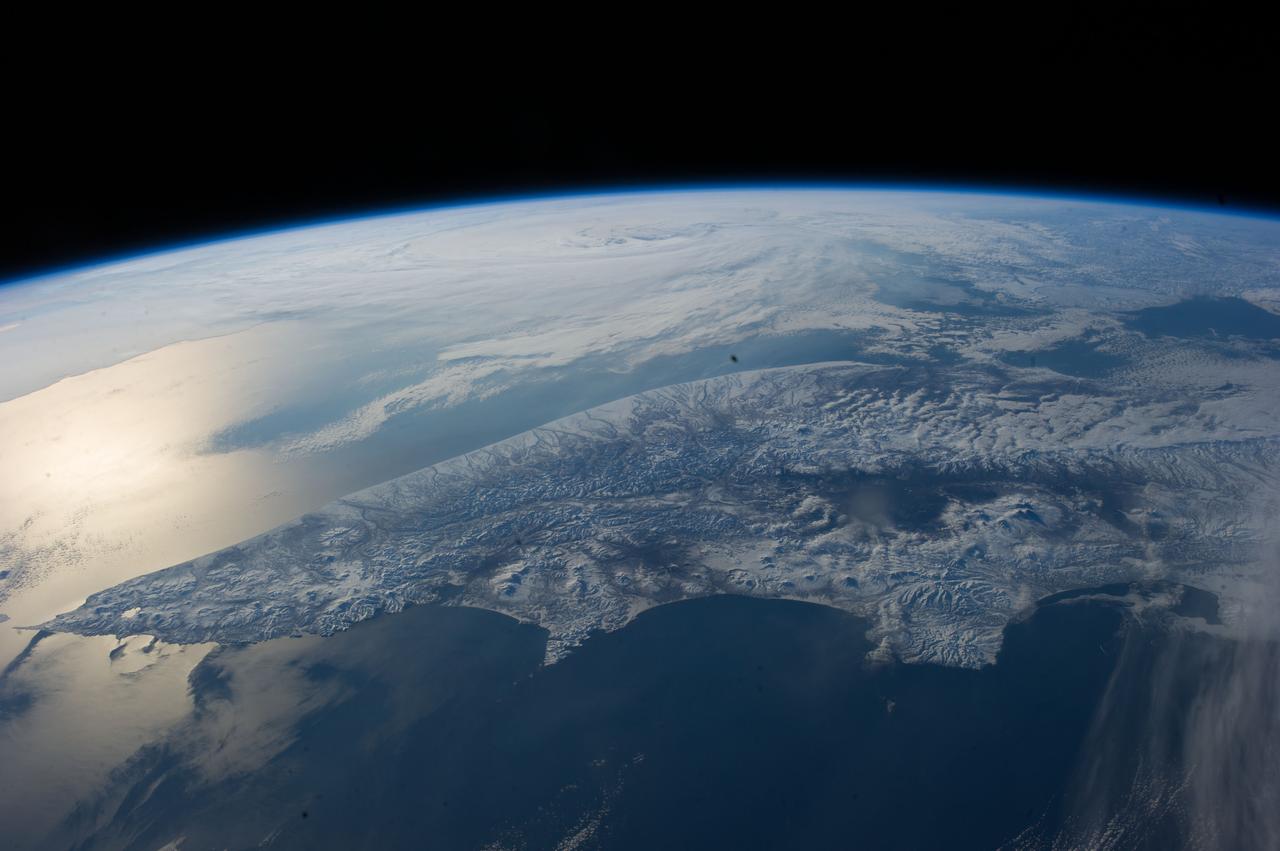
ISS039-E-014807 (22 April 2014) --- As the International Space Station passed over the Bering Sea on Earth Day, one of the Expedition 39 crew members aboard the orbital outpost shot this panoramic scene looking toward Russia. The Kamchatka Peninsula can be seen in the foreground. Sunglint is visible on the left side of the frame. Only two points of view from Earth orbit were better for taking in this scene than that of the crew member with the camera inside, and those belonged to the two spacewalking astronauts -- Flight Engineers Rick Mastracchio and Steve Swanson of NASA.
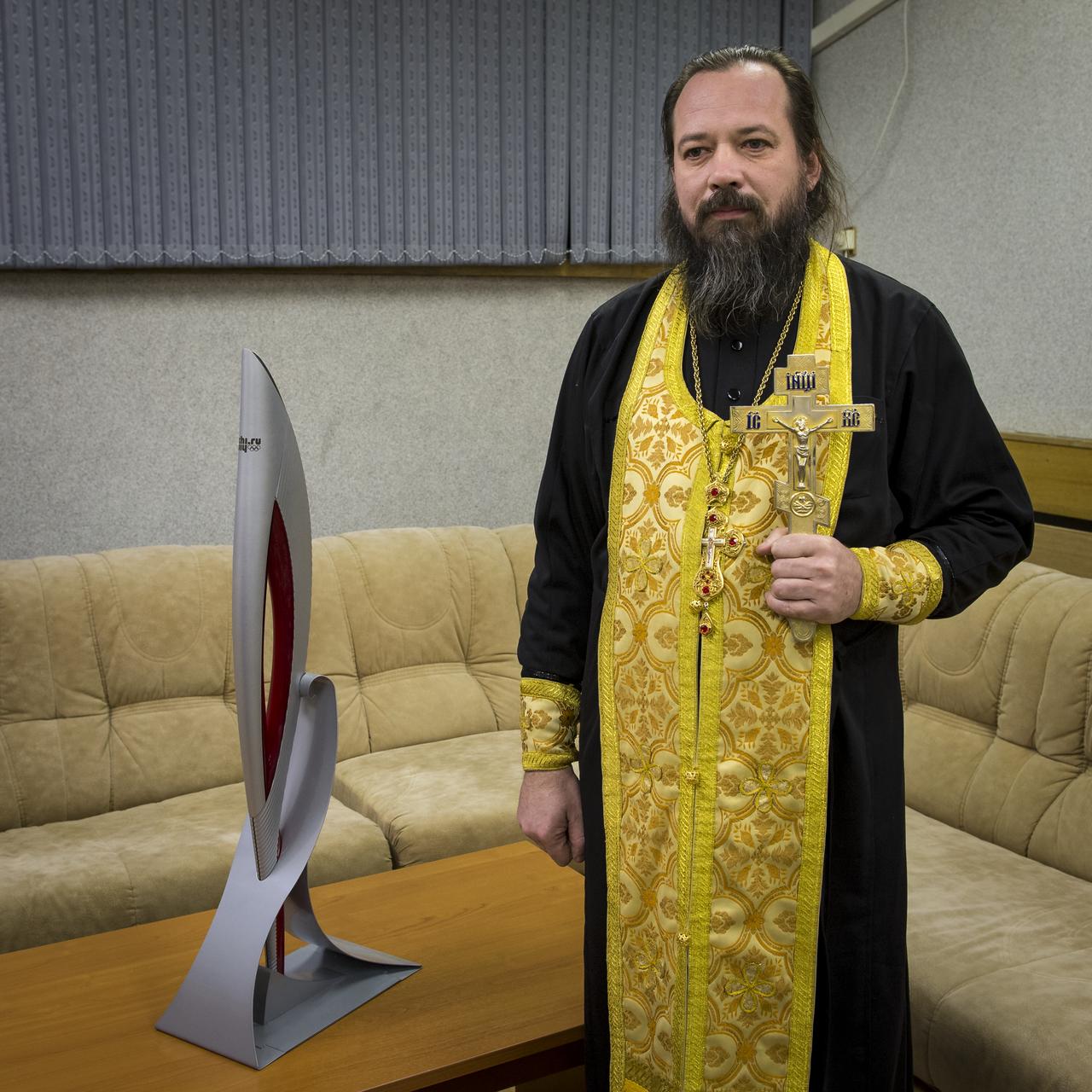
Portrait of Orthodox priest, Father Sergei with the 2014 Sochi Olympic torch that is to be launched with Expedition 38 Soyuz Commander Mikhail Tyurin of Roscosmos, Flight Engineer Koichi Wakata of the Japan Aerospace Exploration Agency, and, Flight Engineer Rick Mastracchio of NASA, Cosmonaut hotel, Thursday, Nov. 7, 2013, in Baikonur, Kazakhstan. Father Sergei was waiting to provide the traditional blessing for the crew prior to their departure from the hotel. The Olympic torch will have a four-day visit to the International Space Station and will return to Earth with another trio of station residents on Nov. 11 and will be part of the torch relay that ends with the lighting of the flame at the Fisht Stadium in Sochi, Russia Feb. 7 to mark the opening of the 2014 Winter Olympics. Photo Credit (NASA/Bill Ingalls)
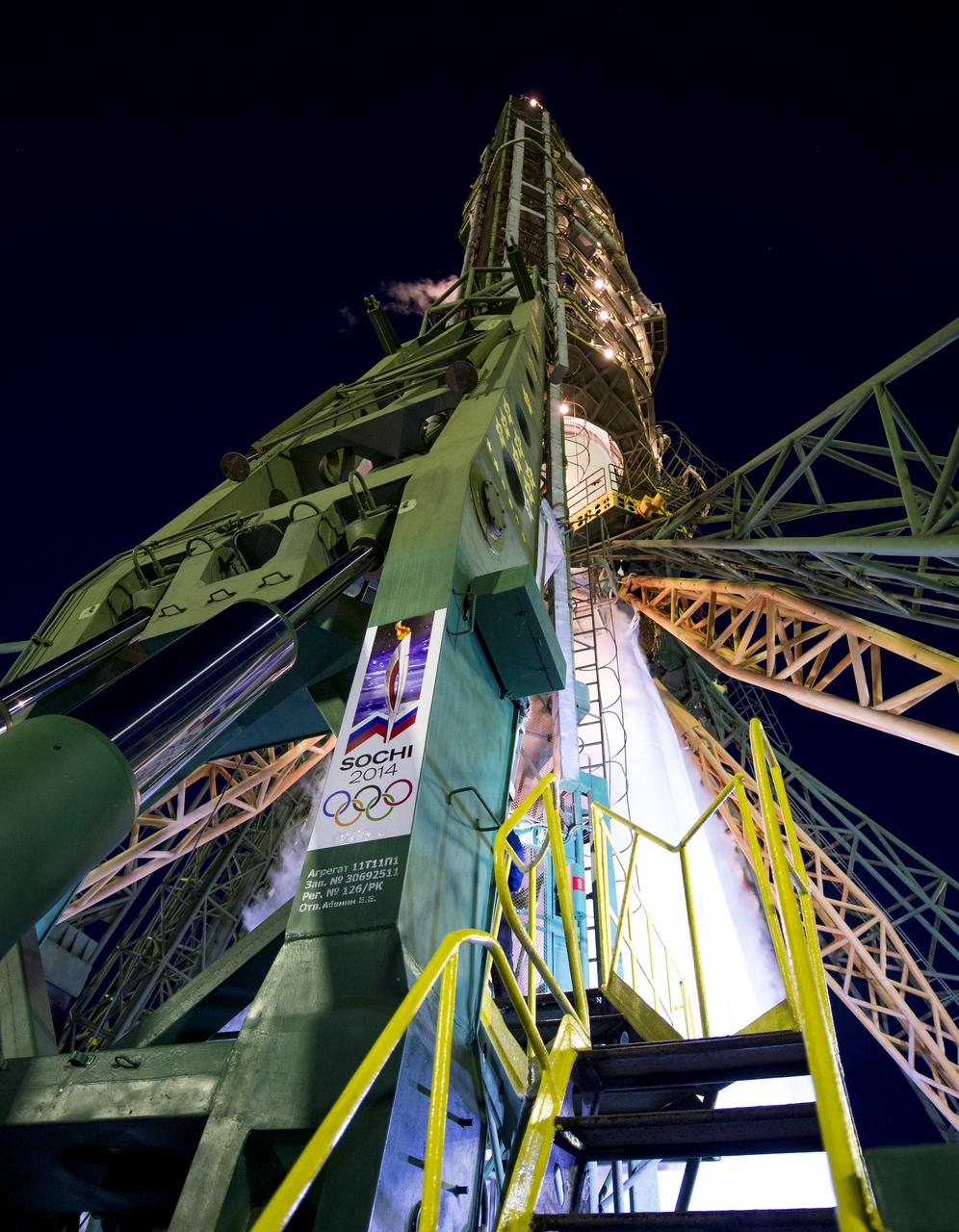
A sign for the Sochi 2014 Winter Olympics is seen at the base of the Soyuz launch gantry after Expedition 38 Soyuz Commander Mikhail Tyurin of Roscosmos, Flight Engineer Koichi Wakata of the Japan Aerospace Exploration Agency, and, Flight Engineer Rick Mastracchio of NASA, boarded their soyuz TMA-11M rocket for their launch to the International Space Station, Thursday, Nov. 7, 2013, in Baikonur, Kazakhstan. The rocket is adorned with the logo of the Sochi Olympic Organizing Committee and other related artwork to commemorate the launch of the Olympic torch with the crew for a four-day visit to the station. The torch will return to Earth with another trio of station residents on Nov. 11 and will be part of the torch relay that ends with the lighting of the flame at the Fisht Stadium in Sochi, Russia Feb. 7 to mark the opening of the 2014 Winter Olympics. Photo Credit (NASA/Bill Ingalls)
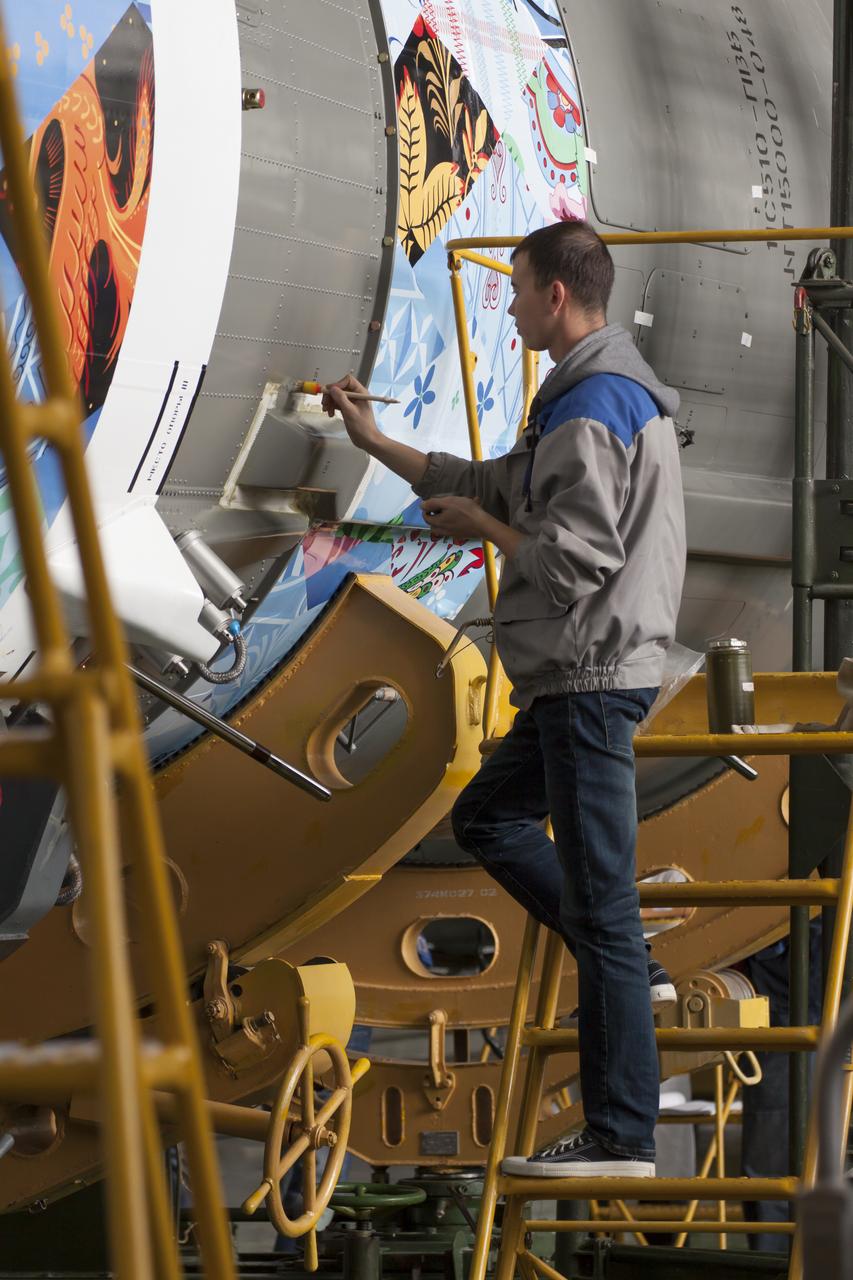
Workers make final preperations to a Soyuz TMA-11M spacecraft on Monday, Nov. 4, 2013, at the Baikonur Cosmodome in Baikonur, Kazakhstan. The rocket is adorned with the logo of the Sochi Olympic Organizing Committee and other related artwork to commemorate the launch of the Olympic torch with the crew for a four-day visit to the station. The torch will return to Earth with another trio of station residents on Nov. 11 and will be part of the torch relay that ends with the lighting of the flame at the Fisht Stadium in Sochi, Russia Feb. 7 to mark the opening of the 2014 Winter Olympics. Photo Credit: (NASA/Victor Zelentsov)
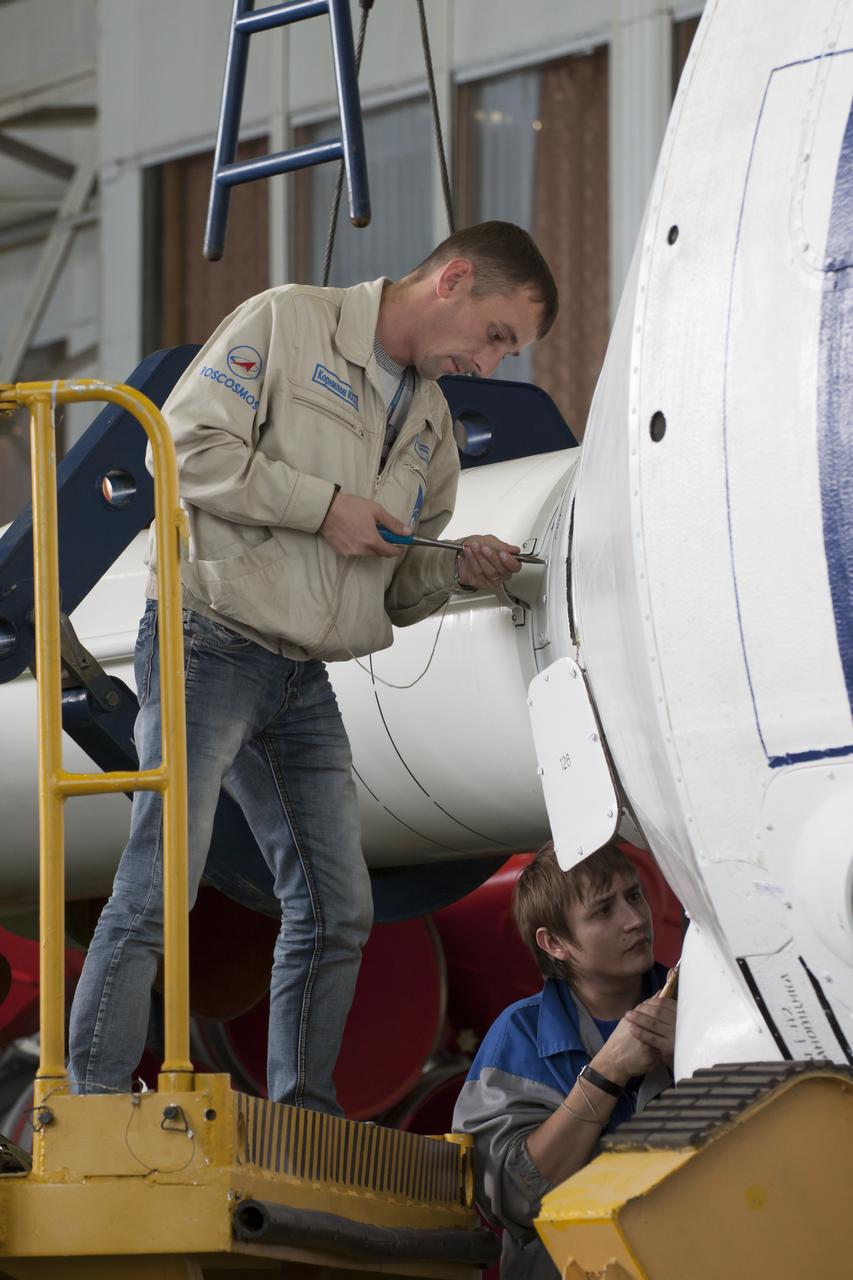
Workers make final preperations to a Soyuz TMA-11M spacecraft on Monday, Nov. 4, 2013, at the Baikonur Cosmodome in Baikonur, Kazakhstan. The rocket is adorned with the logo of the Sochi Olympic Organizing Committee and other related artwork to commemorate the launch of the Olympic torch with the crew for a four-day visit to the station. The torch will return to Earth with another trio of station residents on Nov. 11 and will be part of the torch relay that ends with the lighting of the flame at the Fisht Stadium in Sochi, Russia Feb. 7 to mark the opening of the 2014 Winter Olympics. Photo Credit: (NASA/Victor Zelentsov)
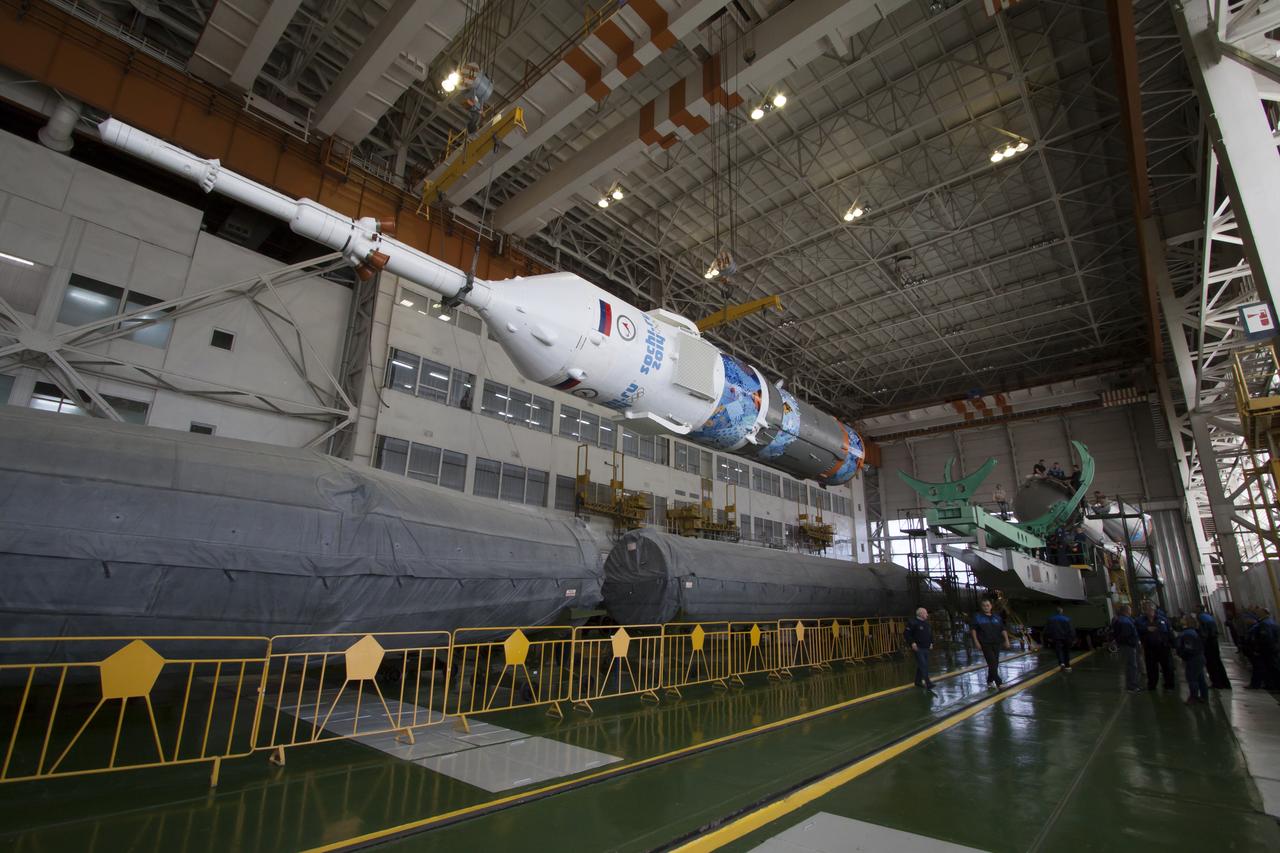
Workers make final preperations to a Soyuz TMA-11M spacecraft on Monday, Nov. 4, 2013, at the Baikonur Cosmodome in Baikonur, Kazakhstan. The rocket is adorned with the logo of the Sochi Olympic Organizing Committee and other related artwork to commemorate the launch of the Olympic torch with the crew for a four-day visit to the station. The torch will return to Earth with another trio of station residents on Nov. 11 and will be part of the torch relay that ends with the lighting of the flame at the Fisht Stadium in Sochi, Russia Feb. 7 to mark the opening of the 2014 Winter Olympics. Photo Credit: (NASA/Victor Zelentsov)
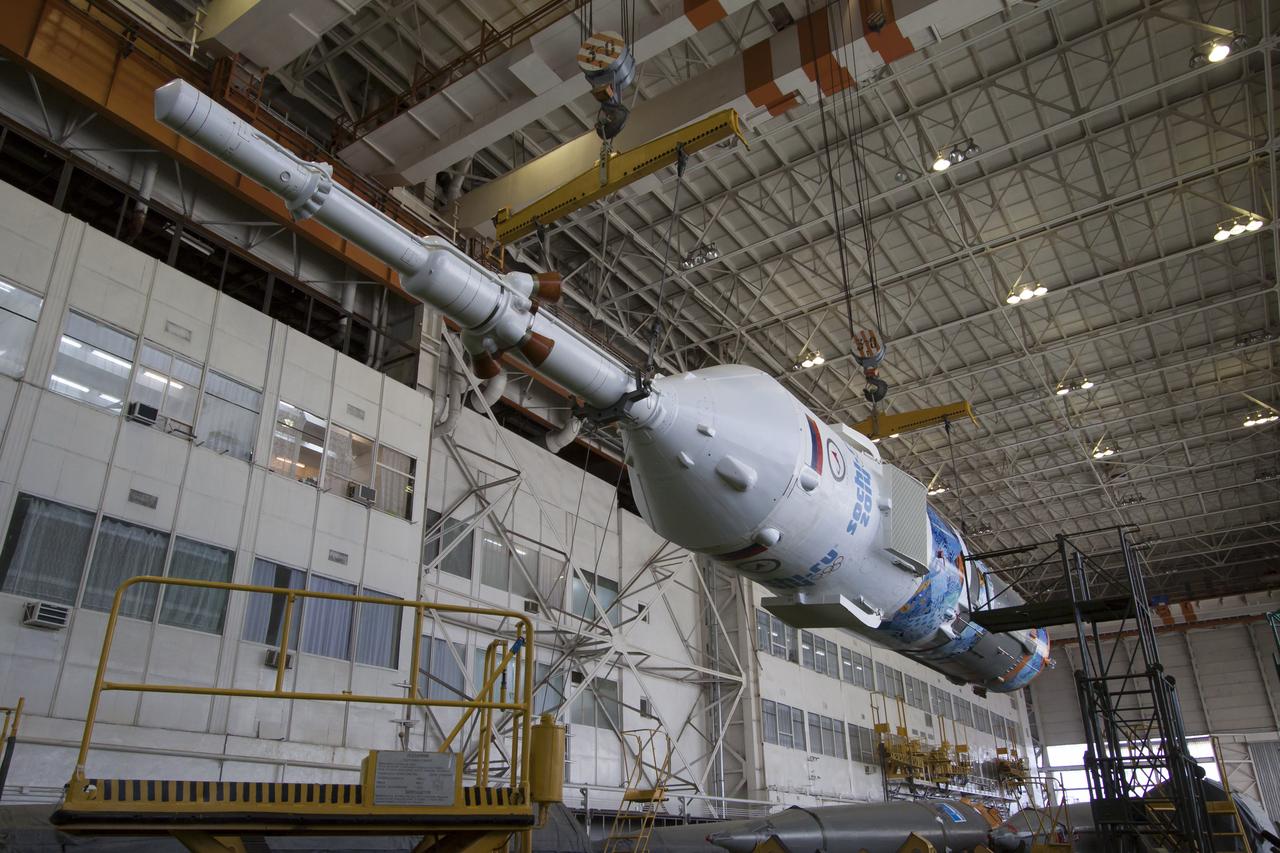
Workers make final preperations to a Soyuz TMA-11M spacecraft on Monday, Nov. 4, 2013, at the Baikonur Cosmodome in Baikonur, Kazakhstan. The rocket is adorned with the logo of the Sochi Olympic Organizing Committee and other related artwork to commemorate the launch of the Olympic torch with the crew for a four-day visit to the station. The torch will return to Earth with another trio of station residents on Nov. 11 and will be part of the torch relay that ends with the lighting of the flame at the Fisht Stadium in Sochi, Russia Feb. 7 to mark the opening of the 2014 Winter Olympics. Photo Credit: (NASA/Victor Zelentsov)

Family, friends, and government officials wait to welcome home Expedition 39 Soyuz Commander Mikhail Tyurin of Roscosmos at the Chkalovsky airport outside Star City, Russia, Wednesday, May 14, 2014. Tyurin, Expedition 39 Commander Koichi Wakata of the Japan Aerospace Exploration Agency (JAXA), and Flight Engineer Rick Mastracchio of NASA landed in their Soyuz TMA-11M spacecraft earlier in the day near the town of Zhezkazgan, Kazakhstan. Wakata, Tyurin and Mastracchio returned to Earth after more than six months onboard the International Space Station where they served as members of the Expedition 38 and 39 crews. Photo Credit: (NASA/Bill Ingalls)
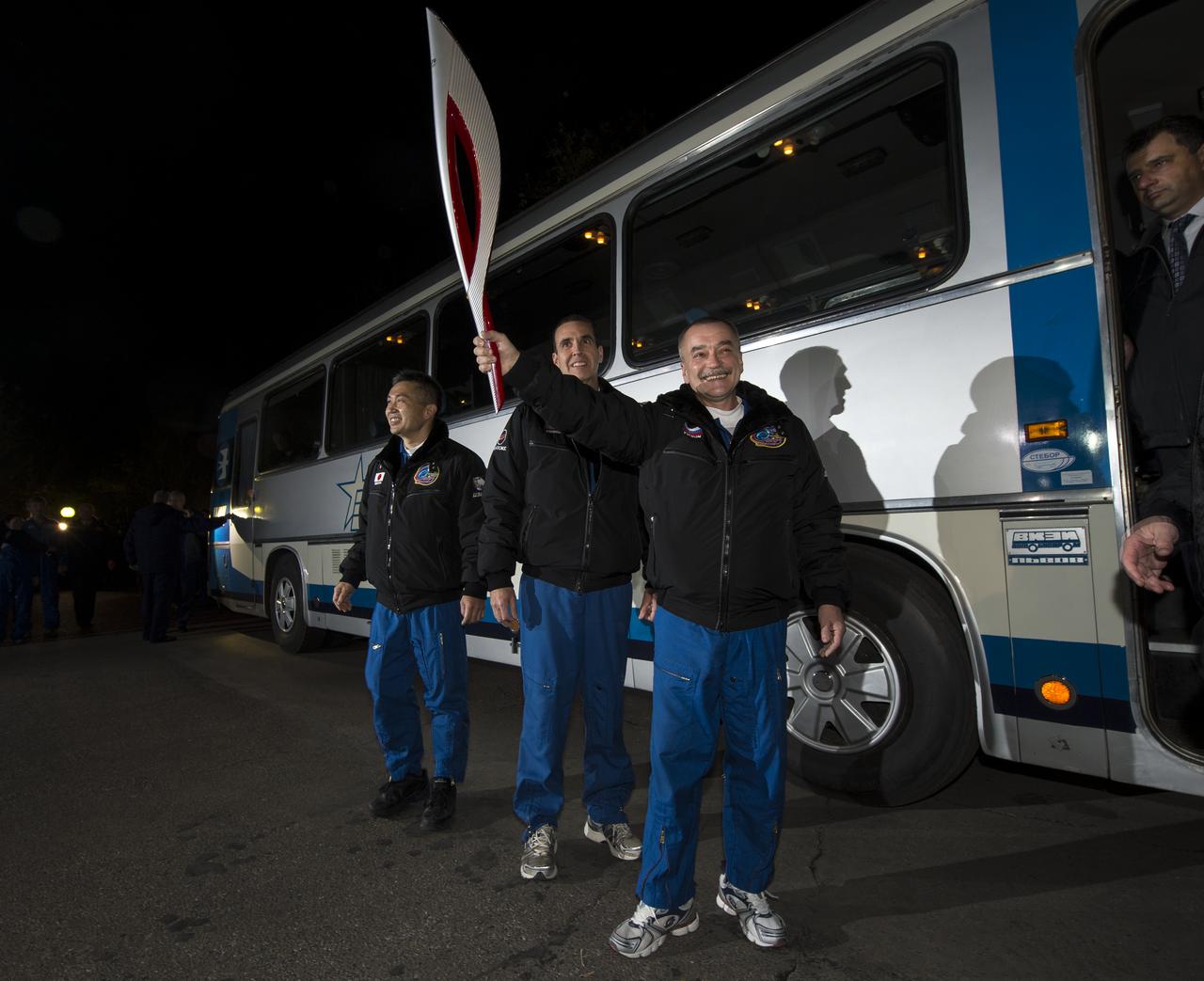
Expedition 38 Flight Engineer Koichi Wakata of the Japan Aerospace Exploration Agency, left, Flight Engineer Rick Mastracchio of NASA, and, Soyuz Commander Mikhail Tyurin of Roscosmos, right, are seen as they depart the Cosmonaut hotel with the Olympic Torch that will be launched with them on the Soyuz rocket to the International Space Station, Thursday, Nov. 7, 2013, in Baikonur, Kazakhstan. The Olympic torch will have a four-day visit to station and will return to Earth with another trio of station residents on Nov. 11 and will be part of the torch relay that ends with the lighting of the flame at the Fisht Stadium in Sochi, Russia Feb. 7 to mark the opening of the 2014 Winter Olympics. Photo Credit: (NASA/Bill Ingalls)
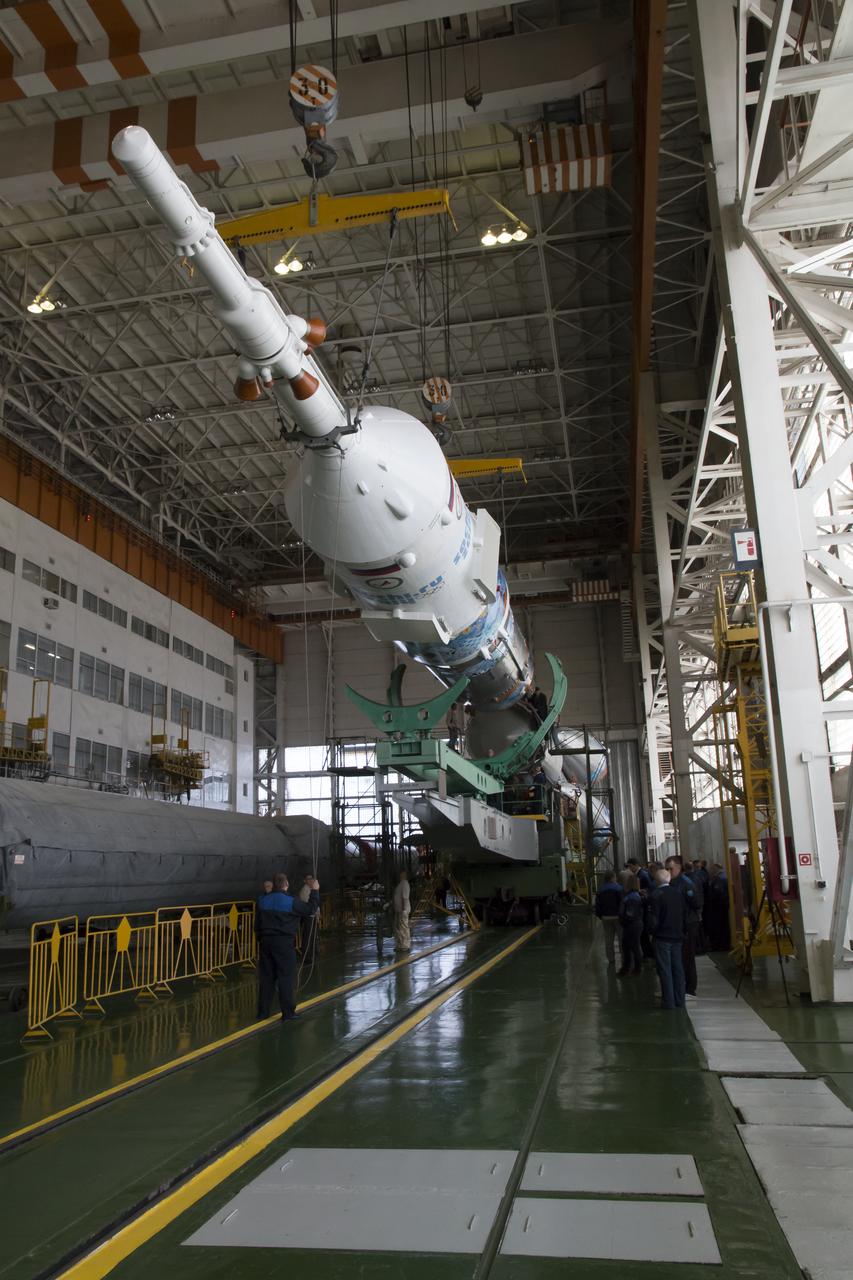
Workers make final preperations to a Soyuz TMA-11M spacecraft on Monday, Nov. 4, 2013, at the Baikonur Cosmodome in Baikonur, Kazakhstan. The rocket is adorned with the logo of the Sochi Olympic Organizing Committee and other related artwork to commemorate the launch of the Olympic torch with the crew for a four-day visit to the station. The torch will return to Earth with another trio of station residents on Nov. 11 and will be part of the torch relay that ends with the lighting of the flame at the Fisht Stadium in Sochi, Russia Feb. 7 to mark the opening of the 2014 Winter Olympics. Photo Credit: (NASA/Victor Zelentsov)
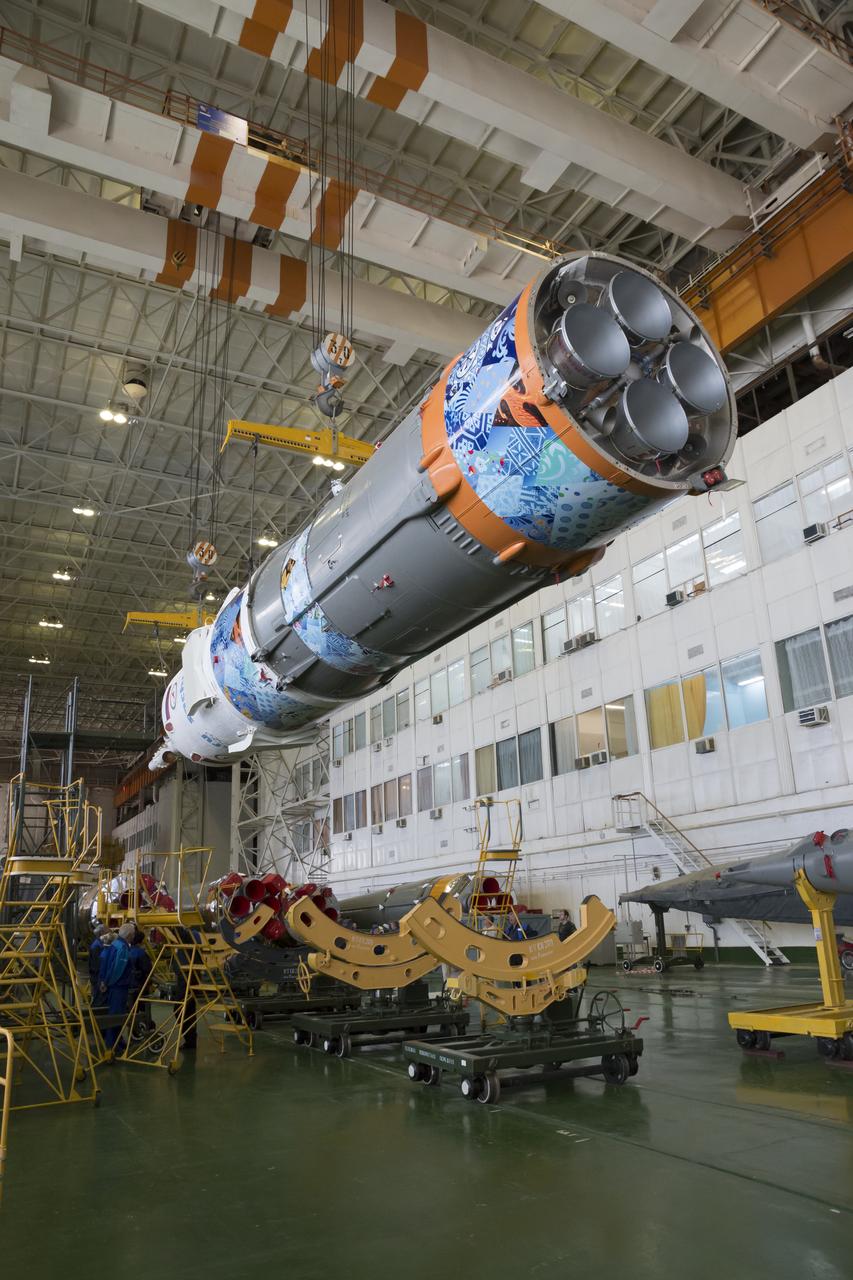
Workers make final preperations to a Soyuz TMA-11M spacecraft on Monday, Nov. 4, 2013, at the Baikonur Cosmodome in Baikonur, Kazakhstan. The rocket is adorned with the logo of the Sochi Olympic Organizing Committee and other related artwork to commemorate the launch of the Olympic torch with the crew for a four-day visit to the station. The torch will return to Earth with another trio of station residents on Nov. 11 and will be part of the torch relay that ends with the lighting of the flame at the Fisht Stadium in Sochi, Russia Feb. 7 to mark the opening of the 2014 Winter Olympics. Photo Credit: (NASA/Victor Zelentsov)
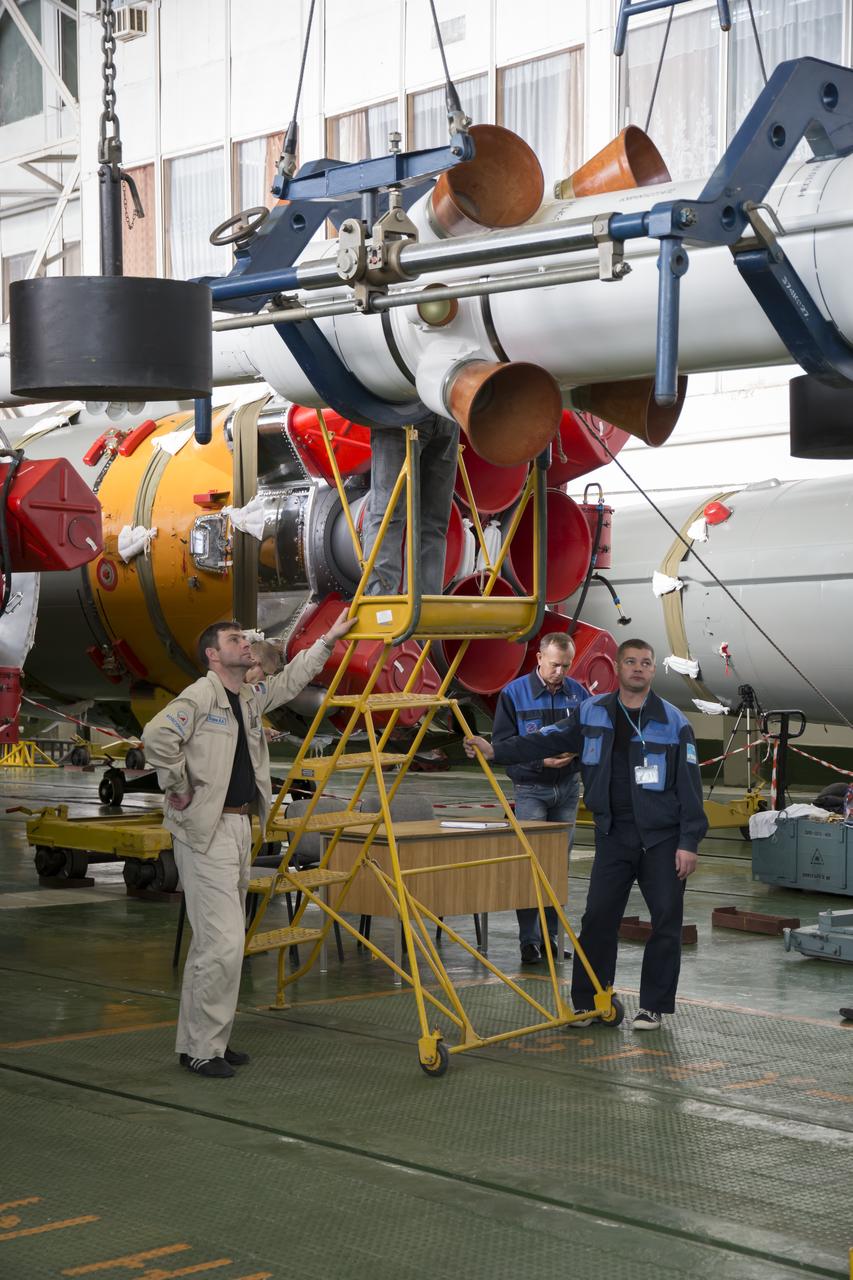
Workers make final preperations to a Soyuz TMA-11M spacecraft on Monday, Nov. 4, 2013, at the Baikonur Cosmodome in Baikonur, Kazakhstan. The rocket is adorned with the logo of the Sochi Olympic Organizing Committee and other related artwork to commemorate the launch of the Olympic torch with the crew for a four-day visit to the station. The torch will return to Earth with another trio of station residents on Nov. 11 and will be part of the torch relay that ends with the lighting of the flame at the Fisht Stadium in Sochi, Russia Feb. 7 to mark the opening of the 2014 Winter Olympics. Photo Credit: (NASA/Victor Zelentsov)
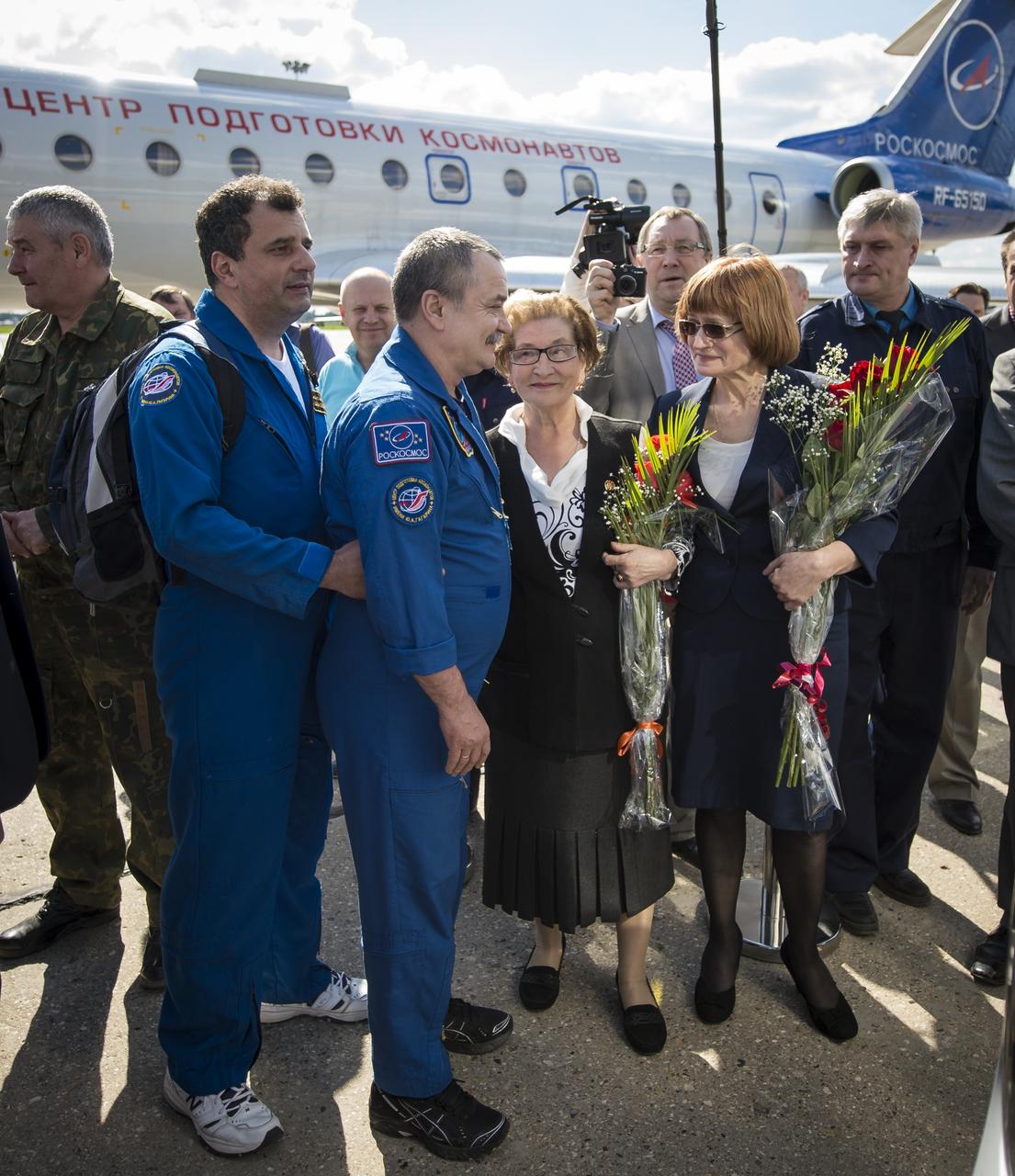
Expedition 39 Soyuz Commander Mikhail Tyurin of Roscosmos, second from left, is welcomed home by family, friends, and government officials at the Chkalovsky airport outside Star City, Russia, Wednesday, May 14, 2014. Tyurin, Expedition 39 Commander Koichi Wakata of the Japan Aerospace Exploration Agency (JAXA), and Flight Engineer Rick Mastracchio of NASA landed in their Soyuz TMA-11M spacecraft earlier in the day near the town of Zhezkazgan, Kazakhstan. Wakata, Tyurin and Mastracchio returned to Earth after more than six months onboard the International Space Station where they served as members of the Expedition 38 and 39 crews. Photo Credit: (NASA/Bill Ingalls)
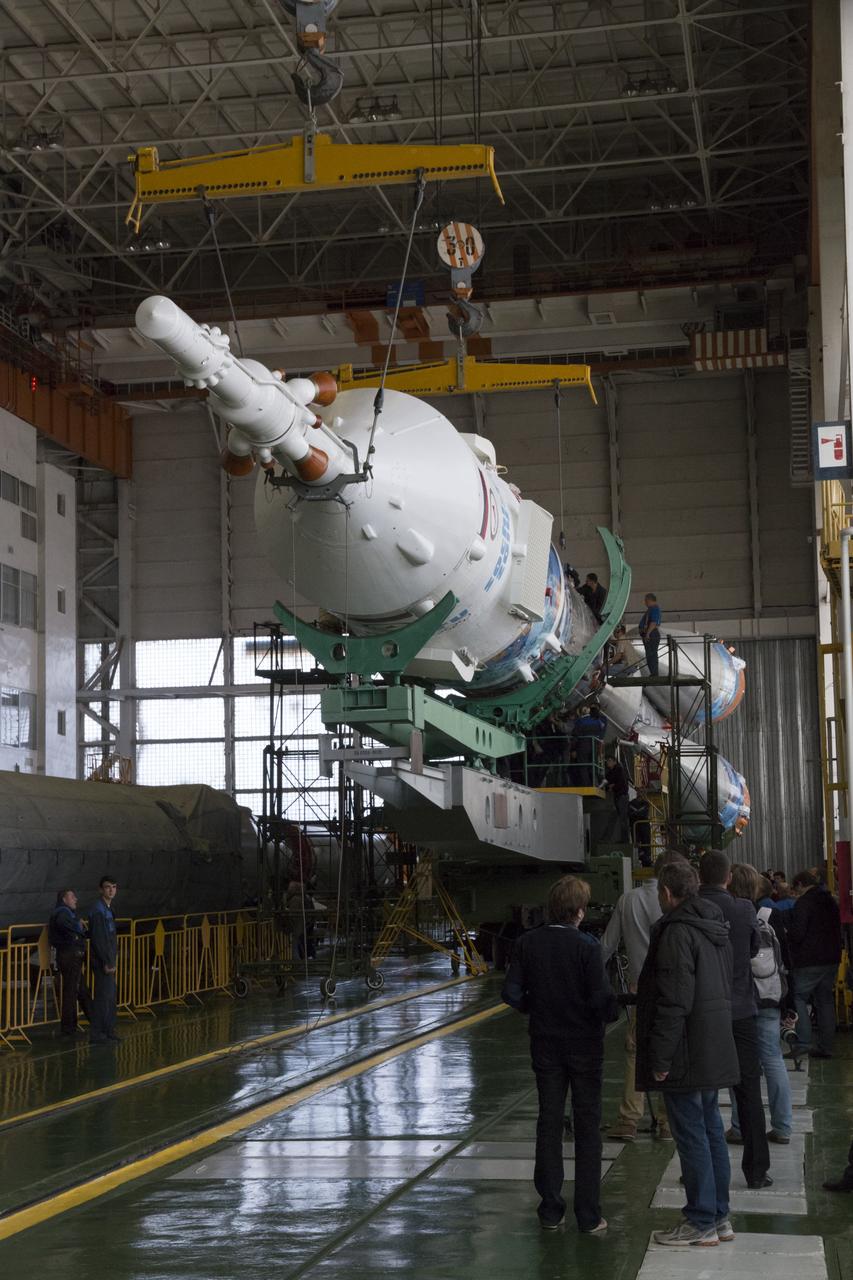
Workers make final preperations to a Soyuz TMA-11M spacecraft on Monday, Nov. 4, 2013, at the Baikonur Cosmodome in Baikonur, Kazakhstan. The rocket is adorned with the logo of the Sochi Olympic Organizing Committee and other related artwork to commemorate the launch of the Olympic torch with the crew for a four-day visit to the station. The torch will return to Earth with another trio of station residents on Nov. 11 and will be part of the torch relay that ends with the lighting of the flame at the Fisht Stadium in Sochi, Russia Feb. 7 to mark the opening of the 2014 Winter Olympics. Photo Credit: (NASA/Victor Zelentsov)
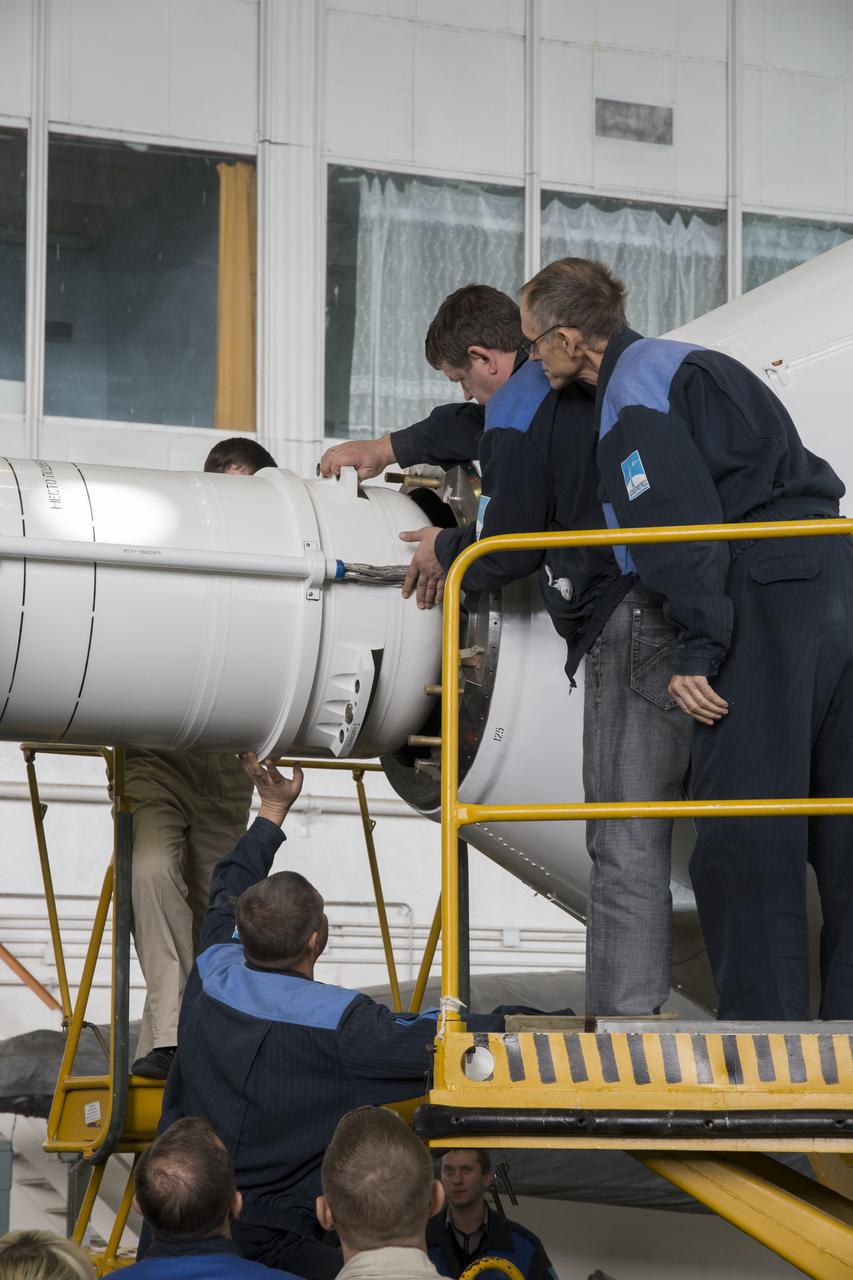
Workers make final preperations to a Soyuz TMA-11M spacecraft on Monday, Nov. 4, 2013, at the Baikonur Cosmodome in Baikonur, Kazakhstan. The rocket is adorned with the logo of the Sochi Olympic Organizing Committee and other related artwork to commemorate the launch of the Olympic torch with the crew for a four-day visit to the station. The torch will return to Earth with another trio of station residents on Nov. 11 and will be part of the torch relay that ends with the lighting of the flame at the Fisht Stadium in Sochi, Russia Feb. 7 to mark the opening of the 2014 Winter Olympics. Photo Credit: (NASA/Victor Zelentsov)
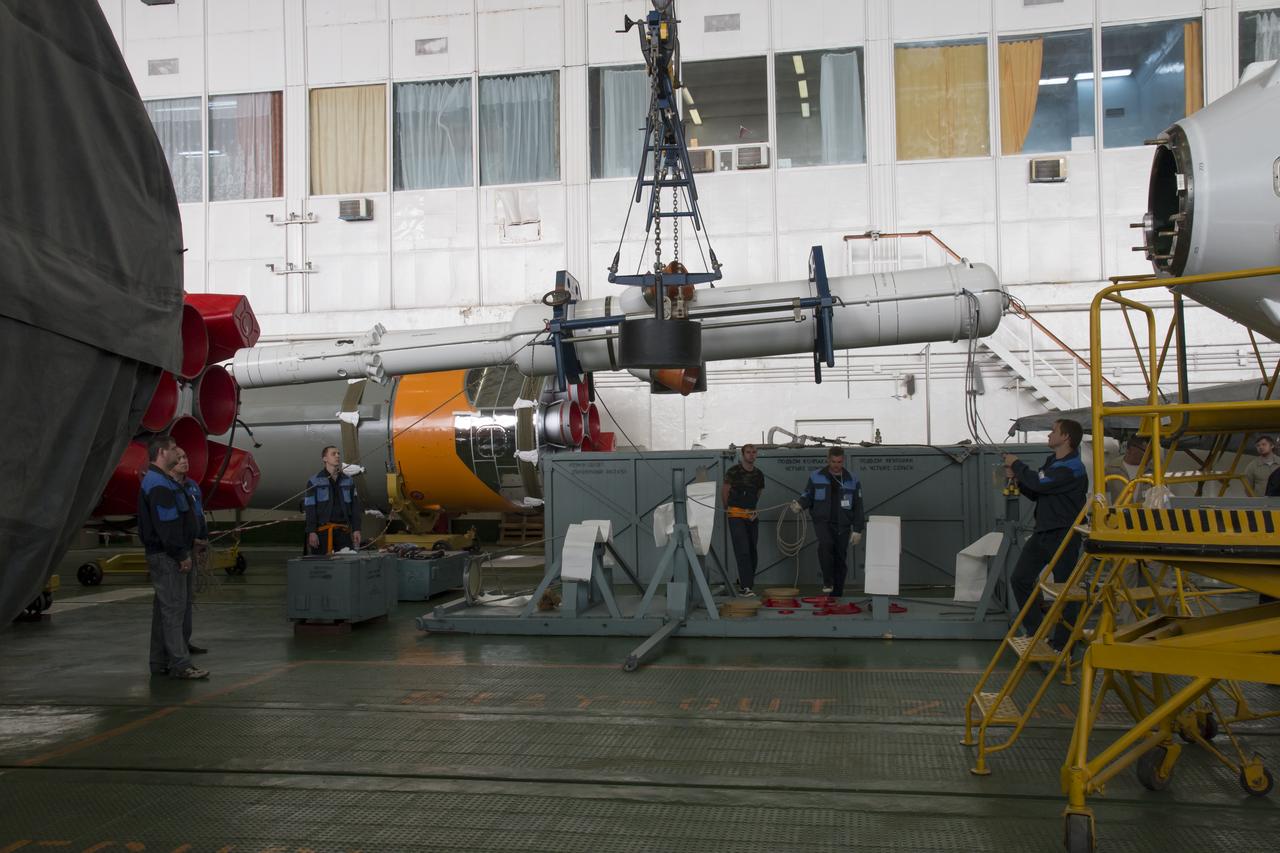
Workers make final preperations to a Soyuz TMA-11M spacecraft on Monday, Nov. 4, 2013, at the Baikonur Cosmodome in Baikonur, Kazakhstan. The rocket is adorned with the logo of the Sochi Olympic Organizing Committee and other related artwork to commemorate the launch of the Olympic torch with the crew for a four-day visit to the station. The torch will return to Earth with another trio of station residents on Nov. 11 and will be part of the torch relay that ends with the lighting of the flame at the Fisht Stadium in Sochi, Russia Feb. 7 to mark the opening of the 2014 Winter Olympics. Photo Credit: (NASA/Victor Zelentsov)
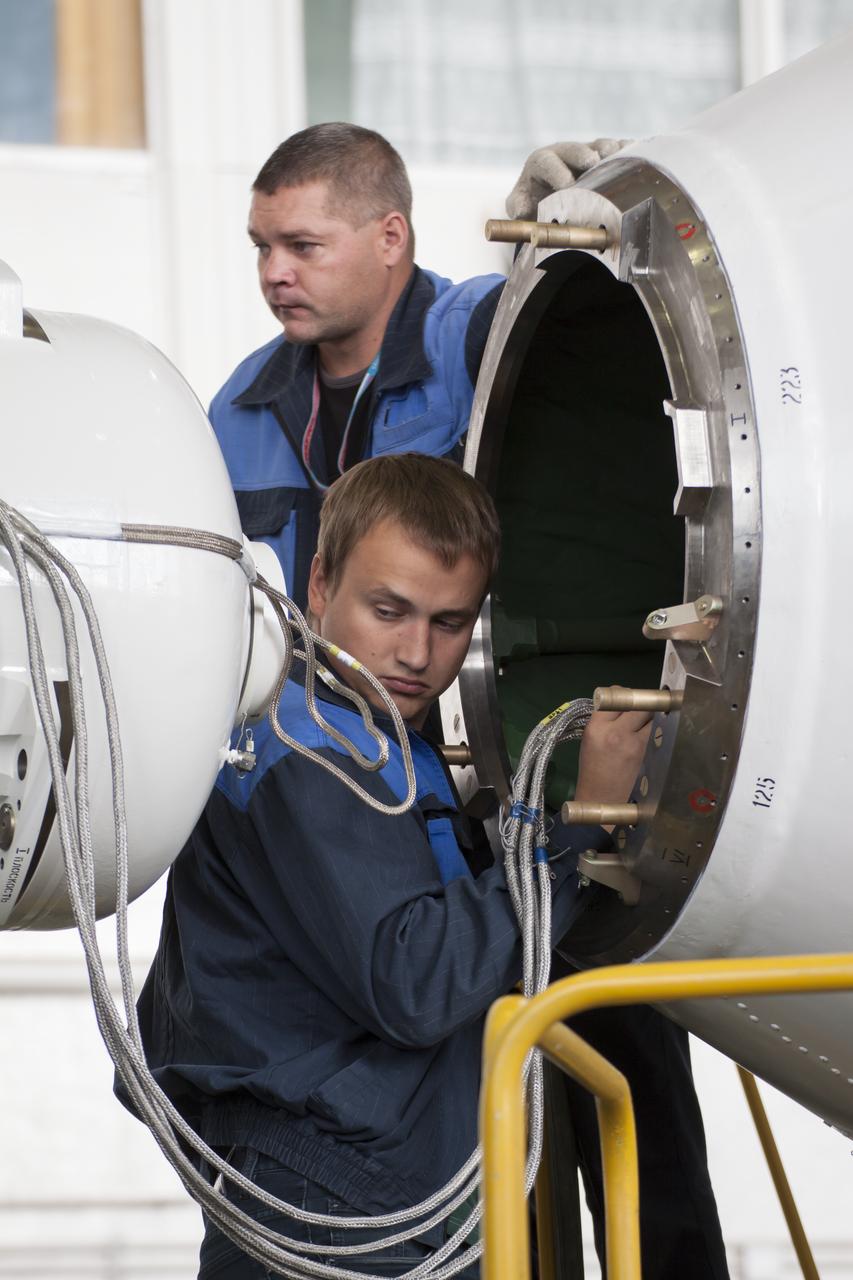
Workers make final preperations to a Soyuz TMA-11M spacecraft on Monday, Nov. 4, 2013, at the Baikonur Cosmodome in Baikonur, Kazakhstan. The rocket is adorned with the logo of the Sochi Olympic Organizing Committee and other related artwork to commemorate the launch of the Olympic torch with the crew for a four-day visit to the station. The torch will return to Earth with another trio of station residents on Nov. 11 and will be part of the torch relay that ends with the lighting of the flame at the Fisht Stadium in Sochi, Russia Feb. 7 to mark the opening of the 2014 Winter Olympics. Photo Credit: (NASA/Victor Zelentsov)
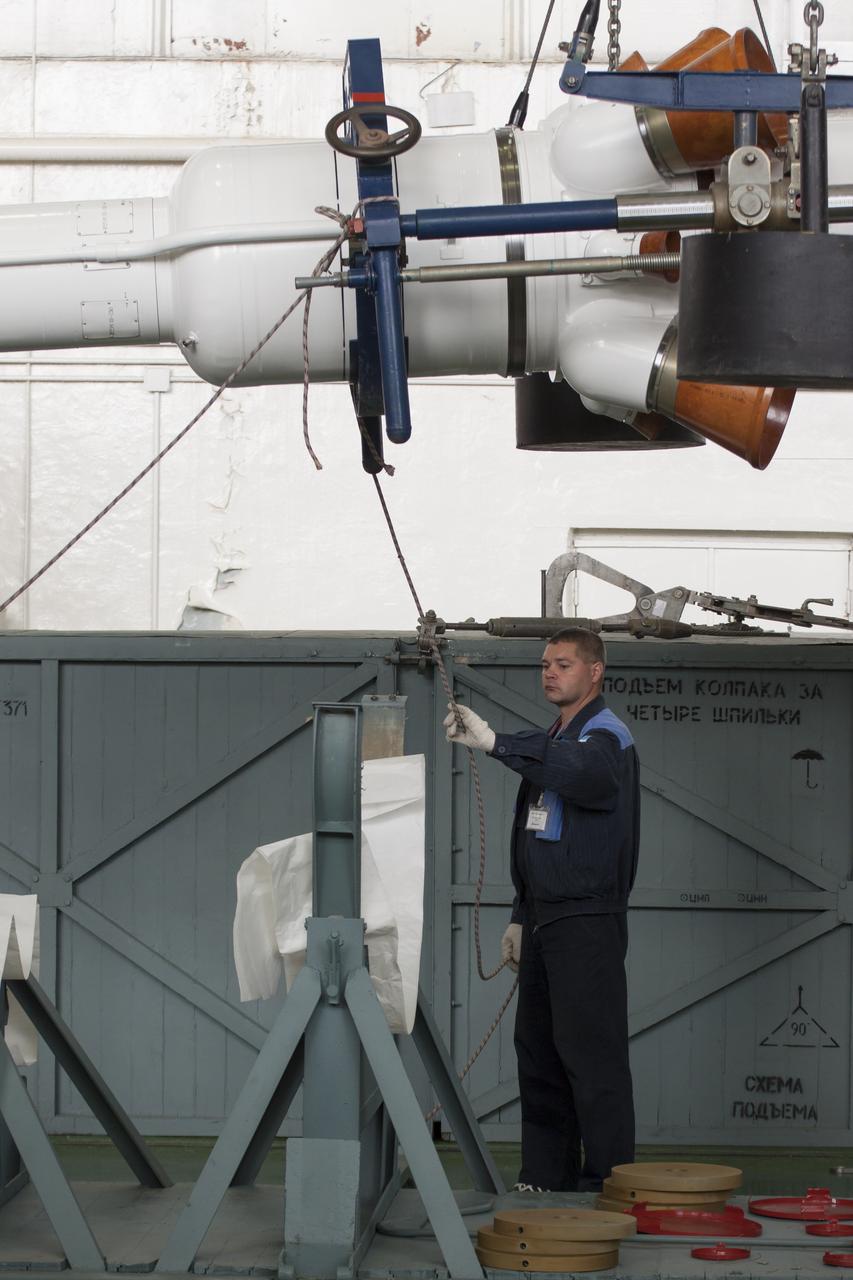
Workers make final preperations to a Soyuz TMA-11M spacecraft on Monday, Nov. 4, 2013, at the Baikonur Cosmodome in Baikonur, Kazakhstan. The rocket is adorned with the logo of the Sochi Olympic Organizing Committee and other related artwork to commemorate the launch of the Olympic torch with the crew for a four-day visit to the station. The torch will return to Earth with another trio of station residents on Nov. 11 and will be part of the torch relay that ends with the lighting of the flame at the Fisht Stadium in Sochi, Russia Feb. 7 to mark the opening of the 2014 Winter Olympics. Photo Credit: (NASA/Victor Zelentsov)
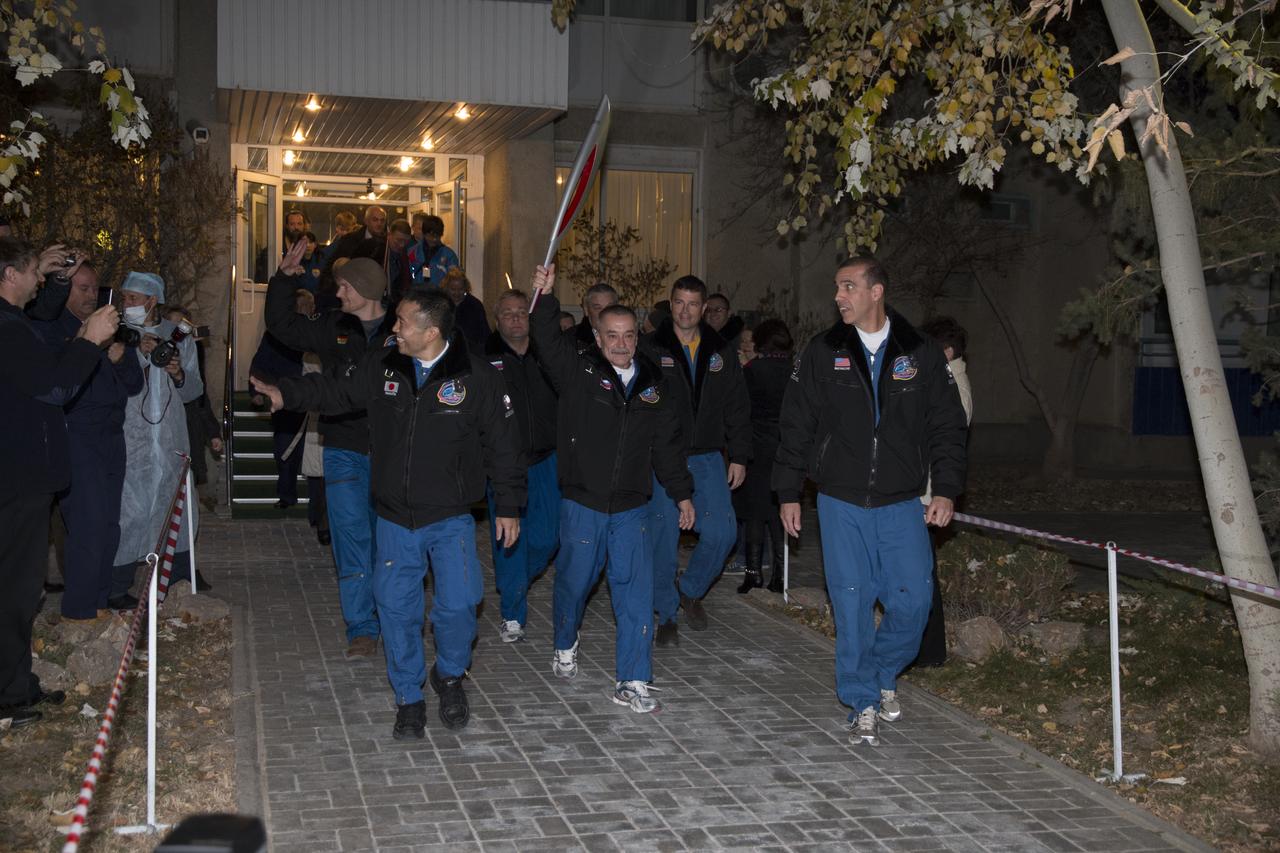
Expedition 38 Flight Engineer Koichi Wakata of the Japan Aerospace Exploration Agency, left, Soyuz Commander Mikhail Tyurin of Roscosmos, and, Flight Engineer Rick Mastracchio of NASA, right, are seen as they depart the Cosmonaut hotel with the Olympic Torch that will be launched with them on a Soyuz rocket to the International Space Station, Thursday, Nov. 7, 2013, in Baikonur, Kazakhstan. The Olympic torch will have a four-day visit to station and will return to Earth with another trio of station residents on Nov. 11 and will be part of the torch relay that ends with the lighting of the flame at the Fisht Stadium in Sochi, Russia Feb. 7 to mark the opening of the 2014 Winter Olympics. Photo Credit: (NASA/Victor Zelentsov)
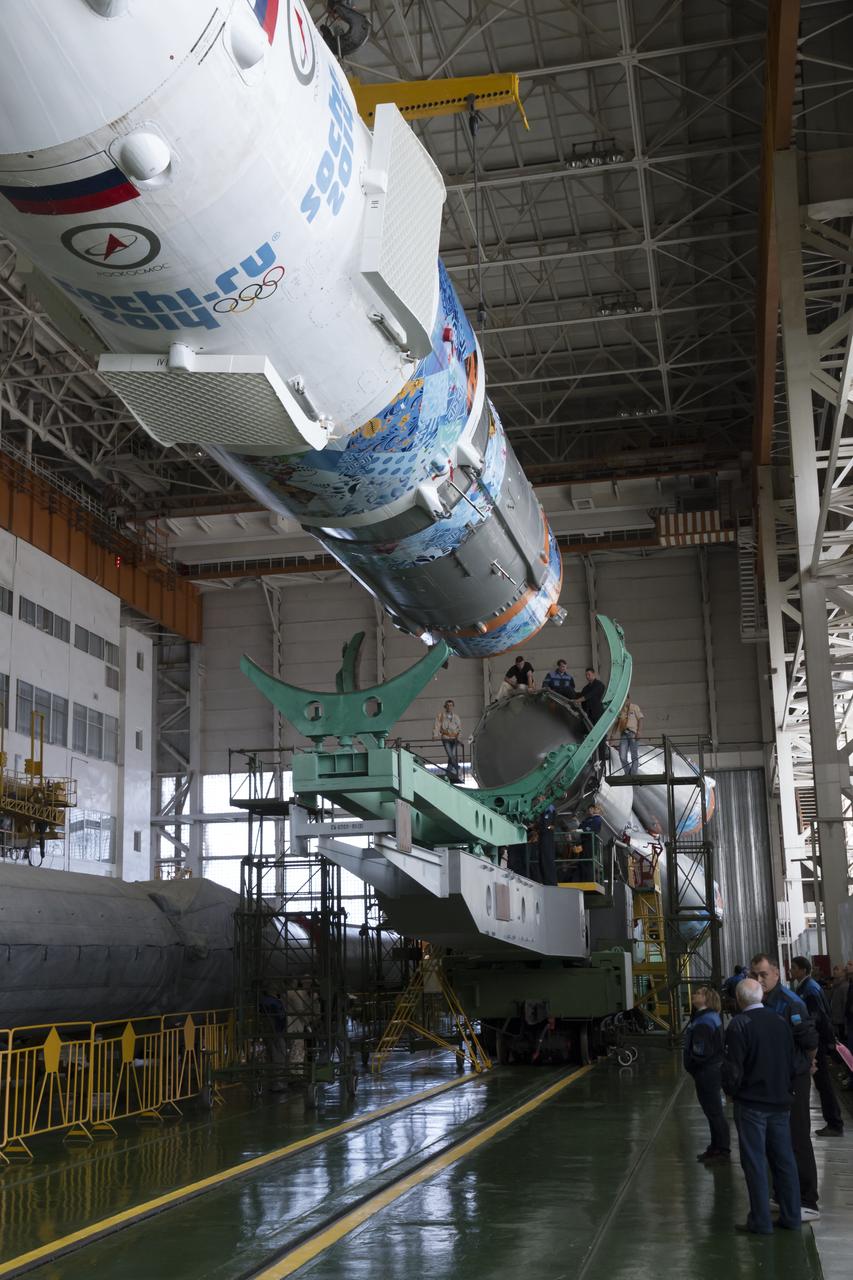
Workers make final preperations to a Soyuz TMA-11M spacecraft on Monday, Nov. 4, 2013, at the Baikonur Cosmodome in Baikonur, Kazakhstan. The rocket is adorned with the logo of the Sochi Olympic Organizing Committee and other related artwork to commemorate the launch of the Olympic torch with the crew for a four-day visit to the station. The torch will return to Earth with another trio of station residents on Nov. 11 and will be part of the torch relay that ends with the lighting of the flame at the Fisht Stadium in Sochi, Russia Feb. 7 to mark the opening of the 2014 Winter Olympics. Photo Credit: (NASA/Victor Zelentsov)
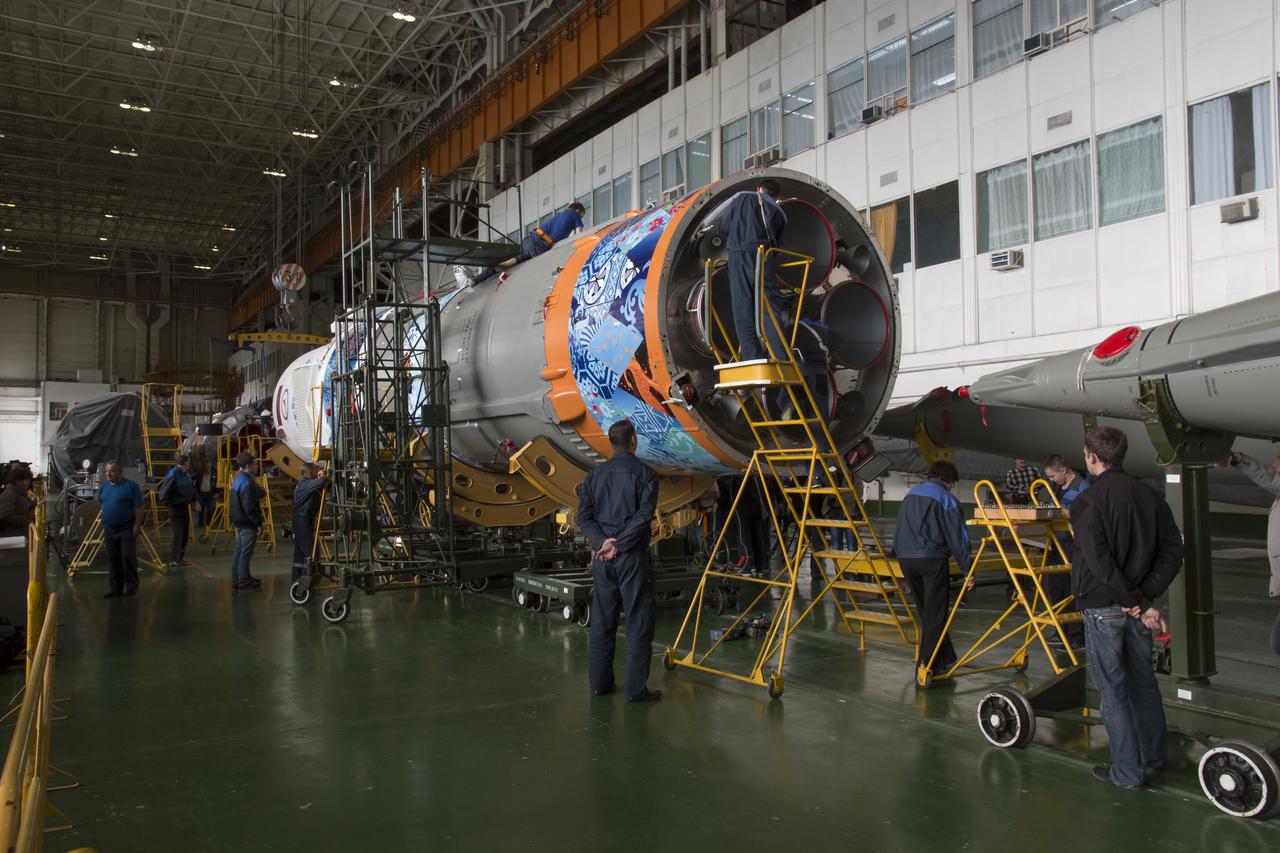
Workers make final preperations to a Soyuz TMA-11M spacecraft on Monday, Nov. 4, 2013, at the Baikonur Cosmodome in Baikonur, Kazakhstan. The rocket is adorned with the logo of the Sochi Olympic Organizing Committee and other related artwork to commemorate the launch of the Olympic torch with the crew for a four-day visit to the station. The torch will return to Earth with another trio of station residents on Nov. 11 and will be part of the torch relay that ends with the lighting of the flame at the Fisht Stadium in Sochi, Russia Feb. 7 to mark the opening of the 2014 Winter Olympics. Photo Credit: (NASA/Victor Zelentsov)
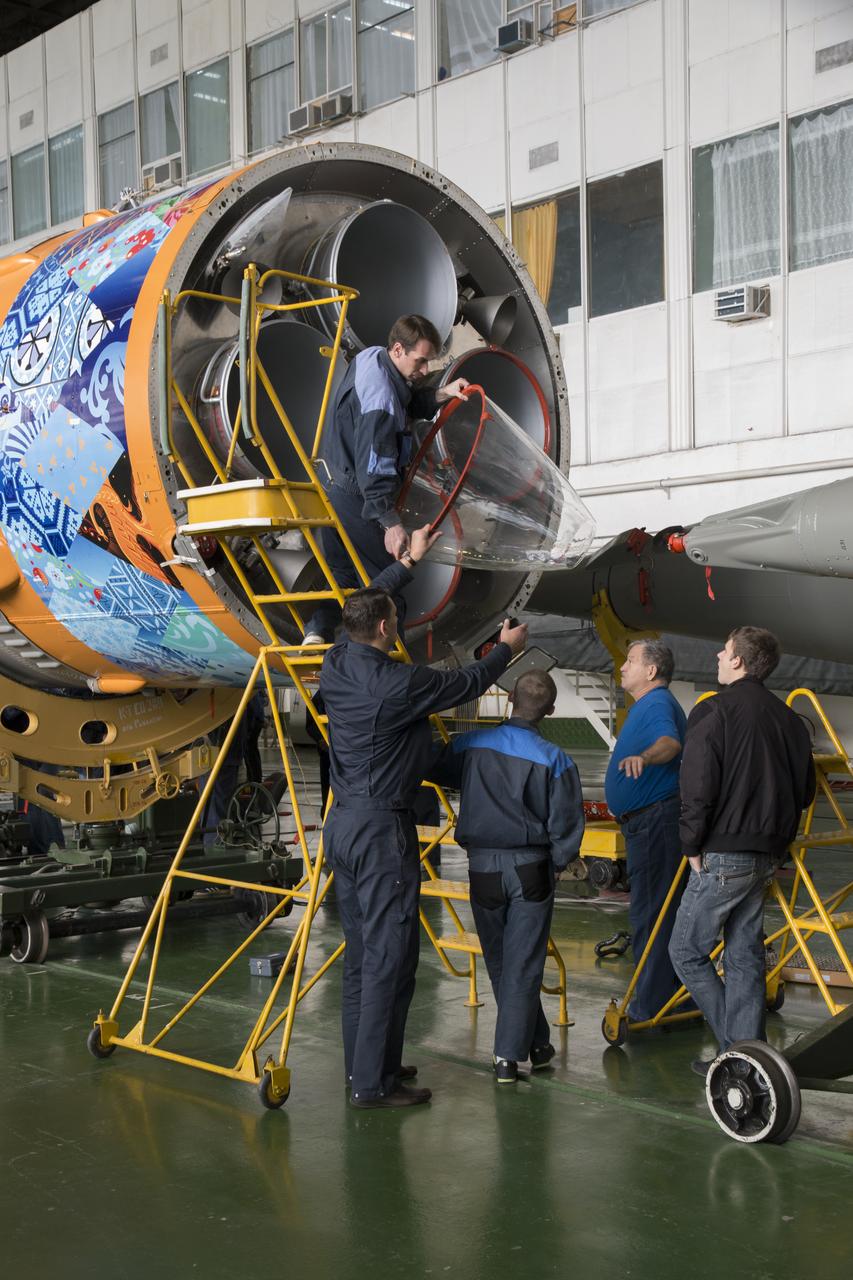
Workers make final preperations to a Soyuz TMA-11M spacecraft on Monday, Nov. 4, 2013, at the Baikonur Cosmodome in Baikonur, Kazakhstan. The rocket is adorned with the logo of the Sochi Olympic Organizing Committee and other related artwork to commemorate the launch of the Olympic torch with the crew for a four-day visit to the station. The torch will return to Earth with another trio of station residents on Nov. 11 and will be part of the torch relay that ends with the lighting of the flame at the Fisht Stadium in Sochi, Russia Feb. 7 to mark the opening of the 2014 Winter Olympics. Photo Credit: (NASA/Victor Zelentsov)
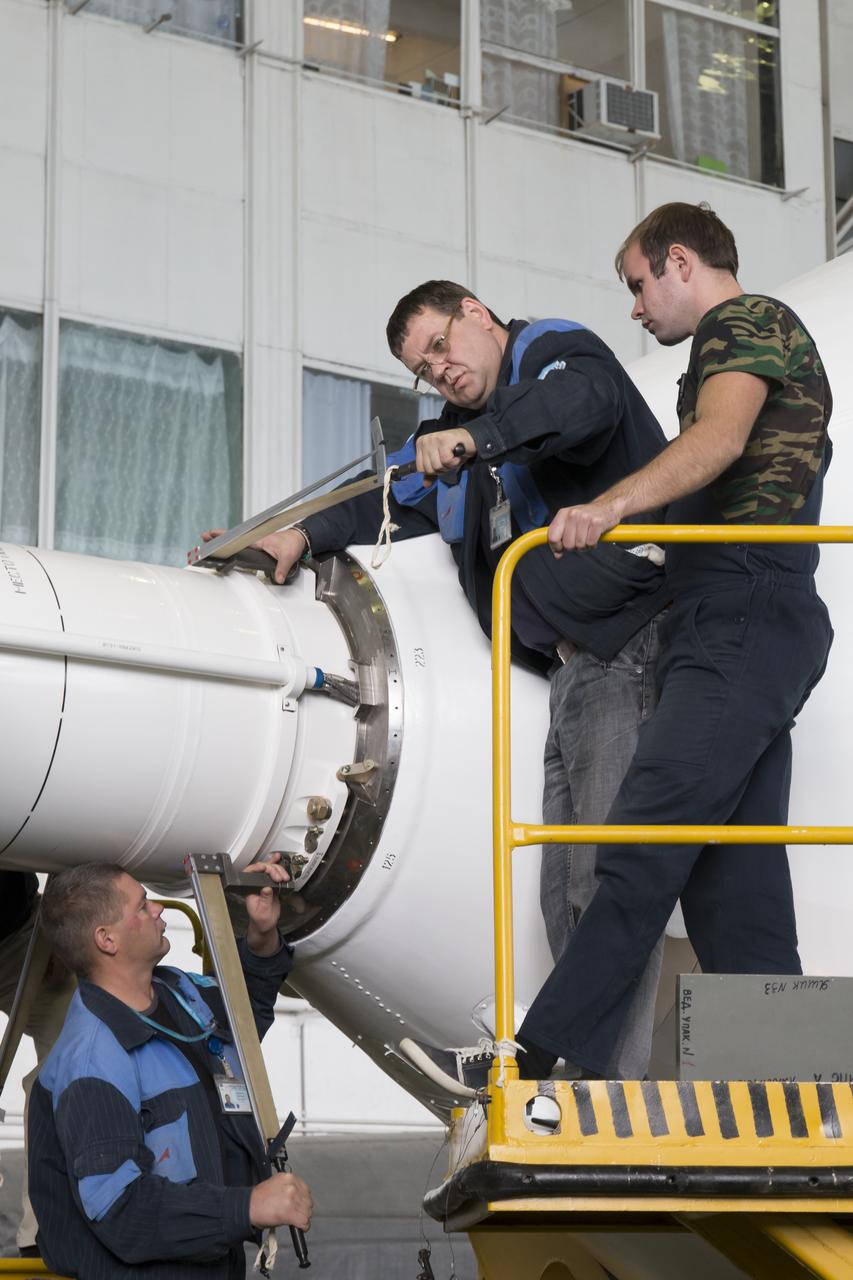
Workers make final preperations to a Soyuz TMA-11M spacecraft on Monday, Nov. 4, 2013, at the Baikonur Cosmodome in Baikonur, Kazakhstan. The rocket is adorned with the logo of the Sochi Olympic Organizing Committee and other related artwork to commemorate the launch of the Olympic torch with the crew for a four-day visit to the station. The torch will return to Earth with another trio of station residents on Nov. 11 and will be part of the torch relay that ends with the lighting of the flame at the Fisht Stadium in Sochi, Russia Feb. 7 to mark the opening of the 2014 Winter Olympics. Photo Credit: (NASA/Victor Zelentsov)
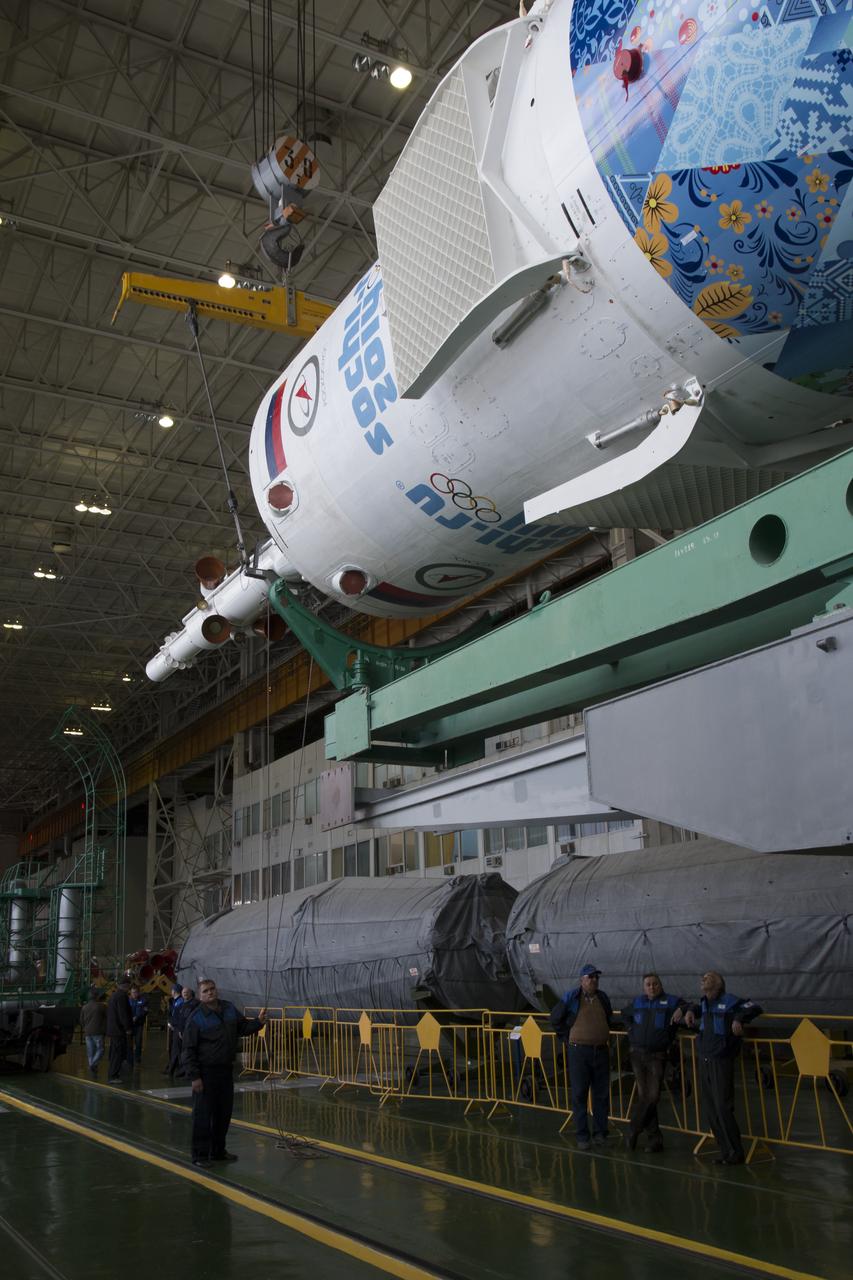
Workers make final preperations to a Soyuz TMA-11M spacecraft on Monday, Nov. 4, 2013, at the Baikonur Cosmodome in Baikonur, Kazakhstan. The rocket is adorned with the logo of the Sochi Olympic Organizing Committee and other related artwork to commemorate the launch of the Olympic torch with the crew for a four-day visit to the station. The torch will return to Earth with another trio of station residents on Nov. 11 and will be part of the torch relay that ends with the lighting of the flame at the Fisht Stadium in Sochi, Russia Feb. 7 to mark the opening of the 2014 Winter Olympics. Photo Credit: (NASA/Victor Zelentsov)
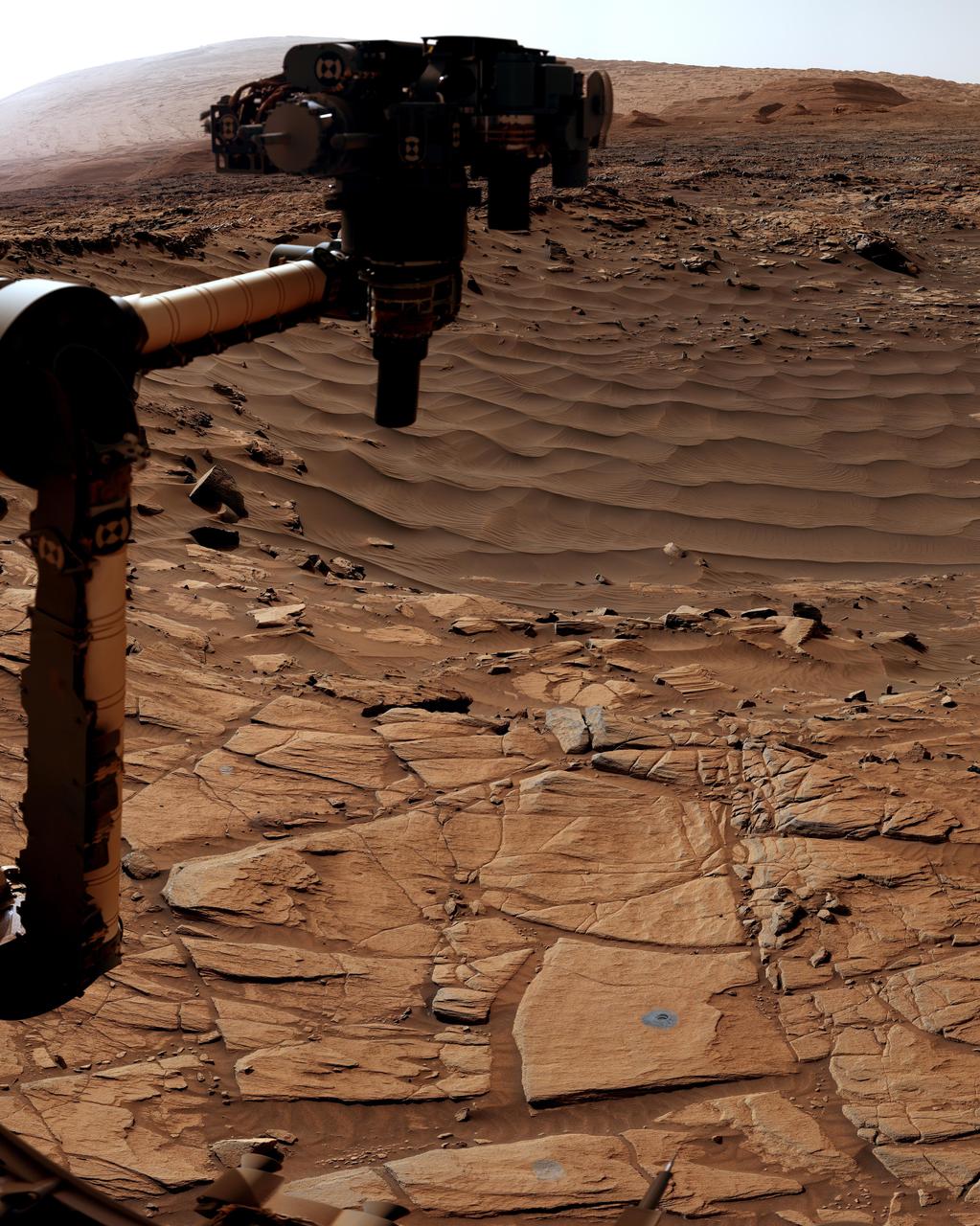
NASA's Curiosity Mars rover used its Mast Camera, or Mastcam, to capture this scene around a drill hole named "Edinburgh." The images used to create the scene were taken on March 22 and 23, 2020, which were the 2,711th and 2,712th Martian days, or sols, of the mission. The scene was captured while Curiosity was parked on top of a feature called the "Greenheugh Pediment." Looming above in the background is the top of Mount Sharp, the 3-mile-tall (5-kilometer-tall) mountain that Curiosity has been ascending since 2014. The color balance of the scene was processed to reflect the way it would look to the human eye under daytime lighting on Earth. https://photojournal.jpl.nasa.gov/catalog/PIA25046
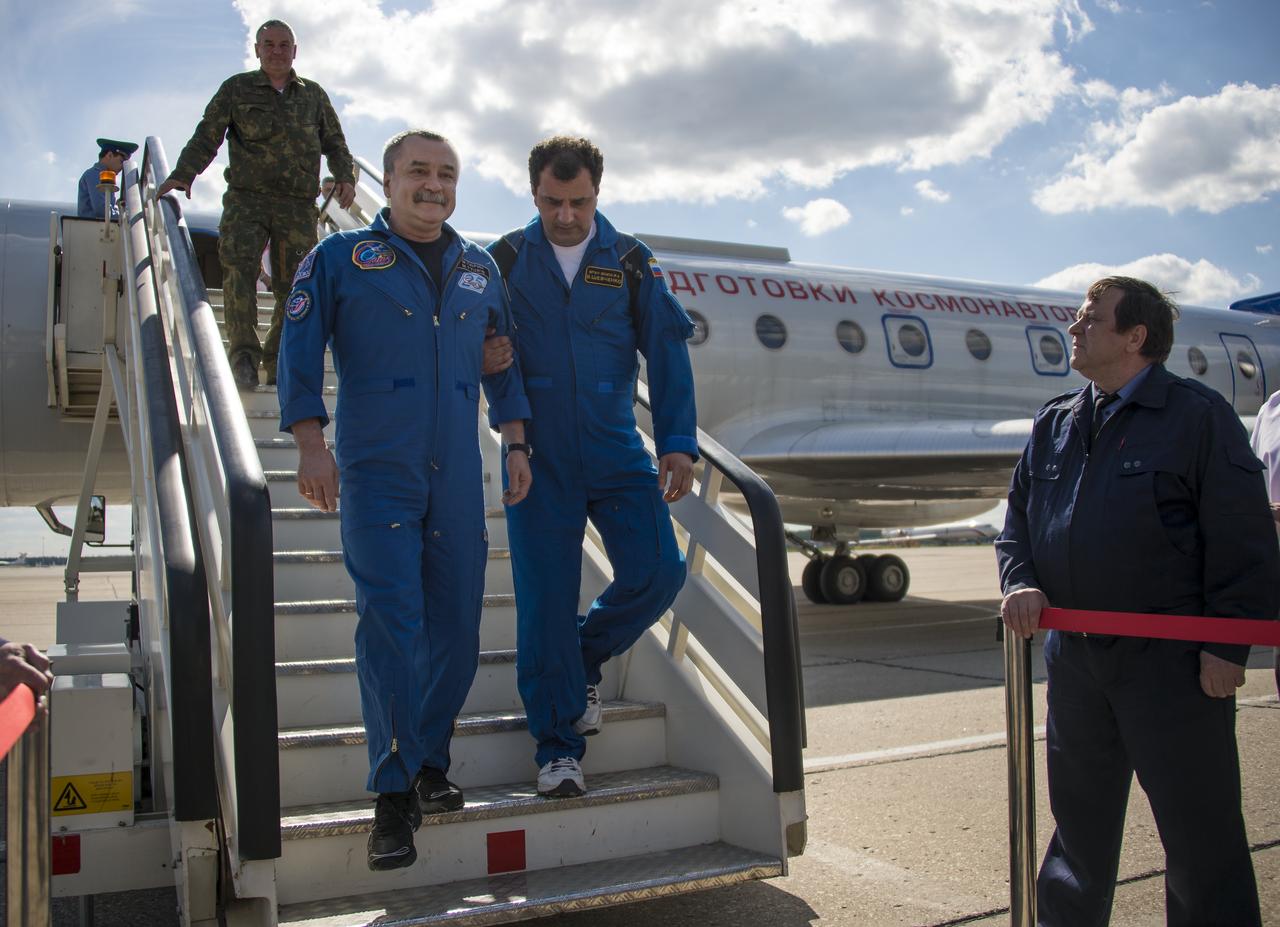
Expedition 39 Soyuz Commander Mikhail Tyurin of Roscosmos, left, departs a plane to a crowd of family, friends, and government officials at the Chkalovsky airport outside Star City, Russia, Wednesday, May 14, 2014. Tyurin, Expedition 39 Commander Koichi Wakata of the Japan Aerospace Exploration Agency (JAXA), and Flight Engineer Rick Mastracchio of NASA landed in their Soyuz TMA-11M spacecraft earlier in the day near the town of Zhezkazgan, Kazakhstan. Wakata, Tyurin and Mastracchio returned to Earth after more than six months onboard the International Space Station where they served as members of the Expedition 38 and 39 crews. Photo Credit: (NASA/Bill Ingalls)
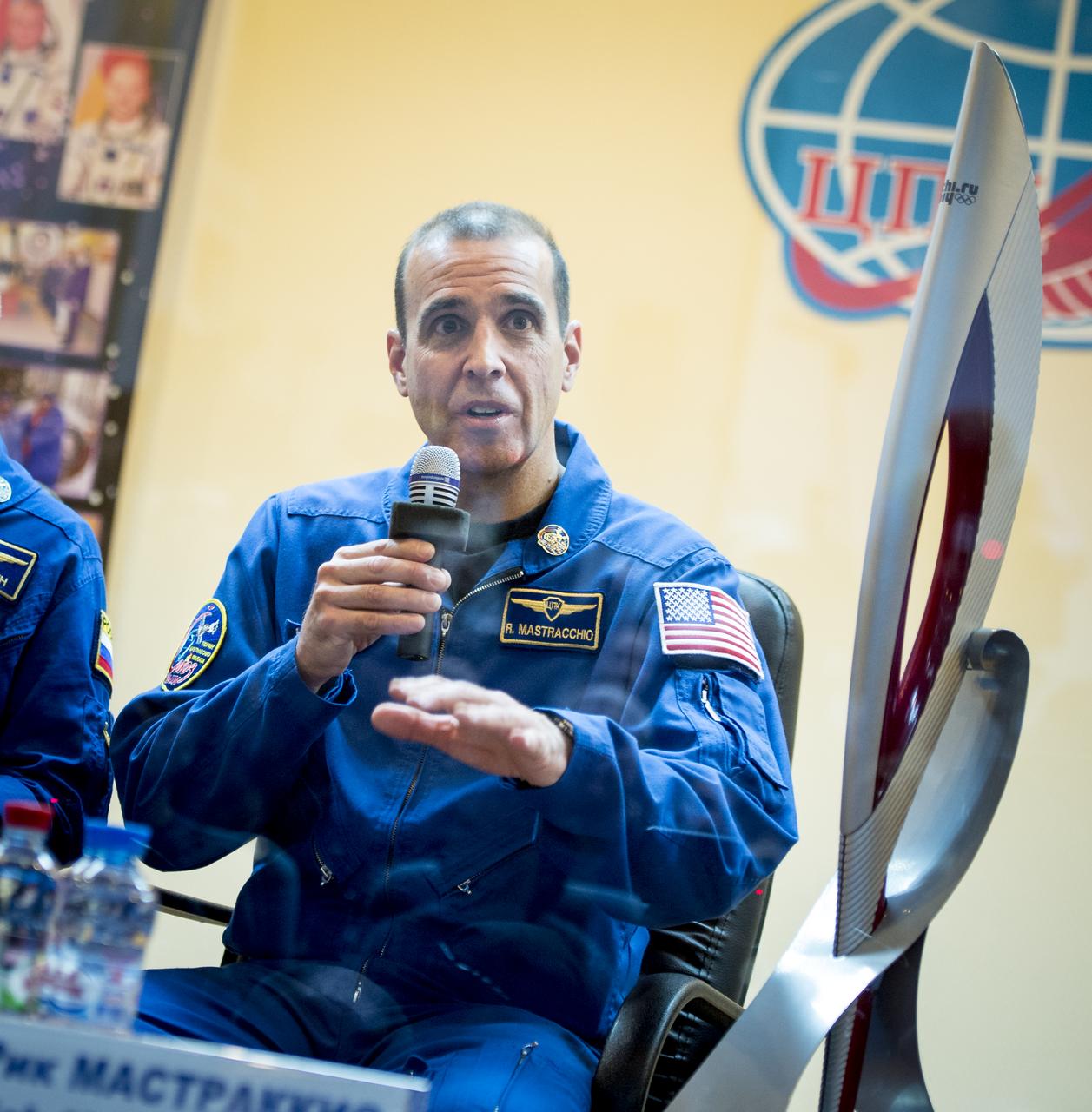
Expedition 38 Flight Engineer Rick Mastracchio of NASA talks, while in quarantine behind glass, during the final press conference held a day ahead of his launch with fellow crew mates, Soyuz Commander Mikhail Tyurin of Roscosmos, and, Flight Engineer Koichi Wakata of the Japan Aerospace Exploration Agency, to the International Space Station, Wednesday, Nov. 6, 2013 at the Cosmonaut Hotel in Baikonur, Kazakhstan. An Olympic torch that will be launched with the crew for a four-day visit to the station is seen next to Mastracchio. The torch will return to Earth with another trio of station residents on Nov. 11 and will be part of the torch relay that ends with the lighting of the flame at the Fisht Stadium in Sochi, Russia Feb. 7 to mark the opening of the 2014 Winter Olympics. Photo Credit: (NASA/Bill Ingalls)
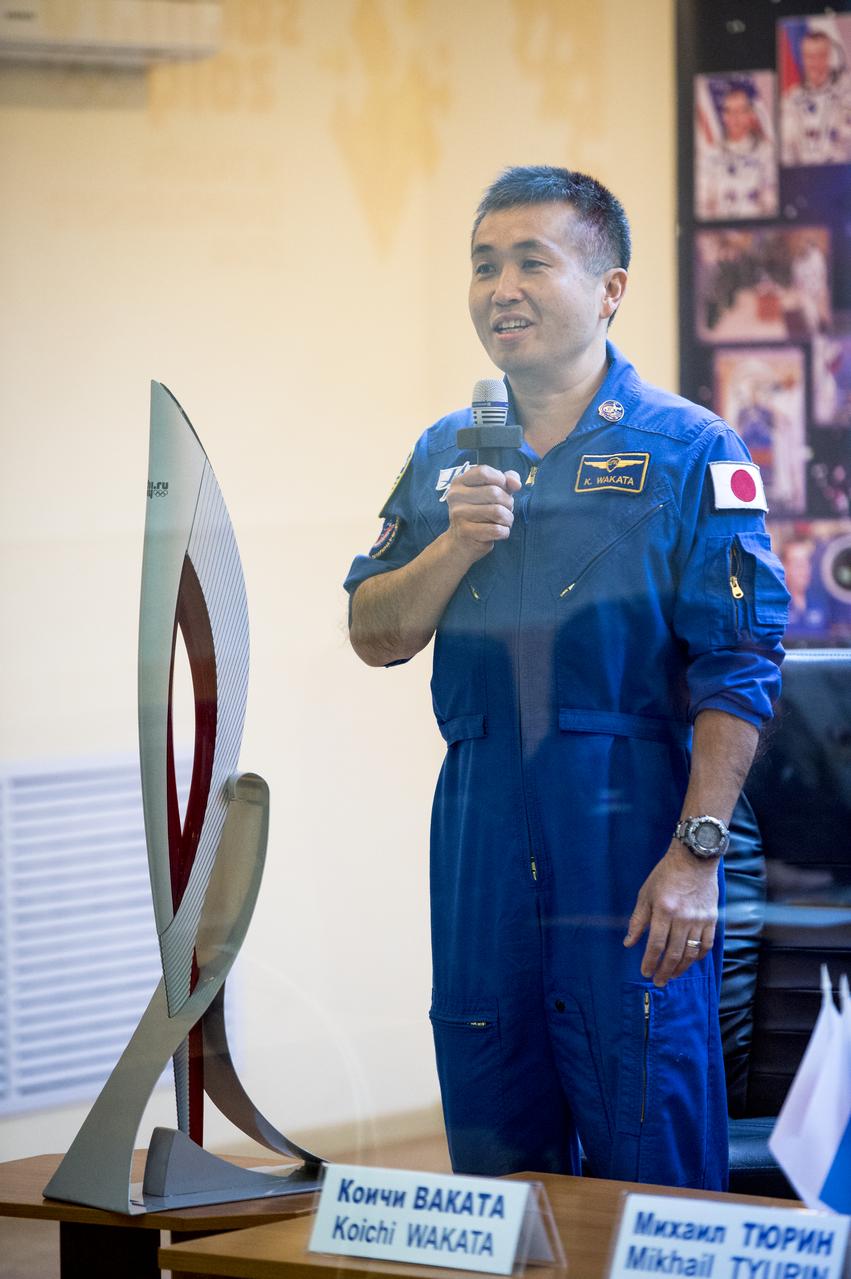
Expedition 38 Flight Engineer Koichi Wakata of the Japan Aerospace Exploration Agency is seen in quarantine, behind glass, during the final press conference held a day ahead of his launch with fellow crew mates, Expedition 38 Soyuz Commander Mikhail Tyurin of Roscosmos, and, Flight Engineer Rick Mastracchio of NASA, to the International Space Station, Wednesday, Nov. 6, 2013 at the Cosmonaut Hotel in Baikonur, Kazakhstan. An Olympic torch that will be launched with the crew for a four-day visit to the station is seen on the left. The torch will return to Earth with another trio of station residents on Nov. 11 and will be part of the torch relay that ends with the lighting of the flame at the Fisht Stadium in Sochi, Russia Feb. 7 to mark the opening of the 2014 Winter Olympics. Photo Credit: (NASA/Bill Ingalls)

NASA's Curiosity Mars rover used its Mast Camera, or Mastcam, to capture this view of Earth setting while Phobos, one of Mars' two moons, is rising. It's the first time an image of the two celestial bodies have been captured together from the surface of Mars. The image is a composite of five short exposures and 12 long exposures all taken on Sept. 5, 2024, the 4,295th Martian day, or sol, of Curiosity's mission. An inset in the image shows Phobos on the left and Earth on the right. From the rover's perspective, the inset area would be about half the width of a thumb held at arm's length. The image shows the sky over Texoli, a butte on lower Mount Sharp, a 3-mile-tall (5-kilometer-tall) mountain that Curiosity has been ascending since 2014. https://photojournal.jpl.nasa.gov/catalog/PIA26362
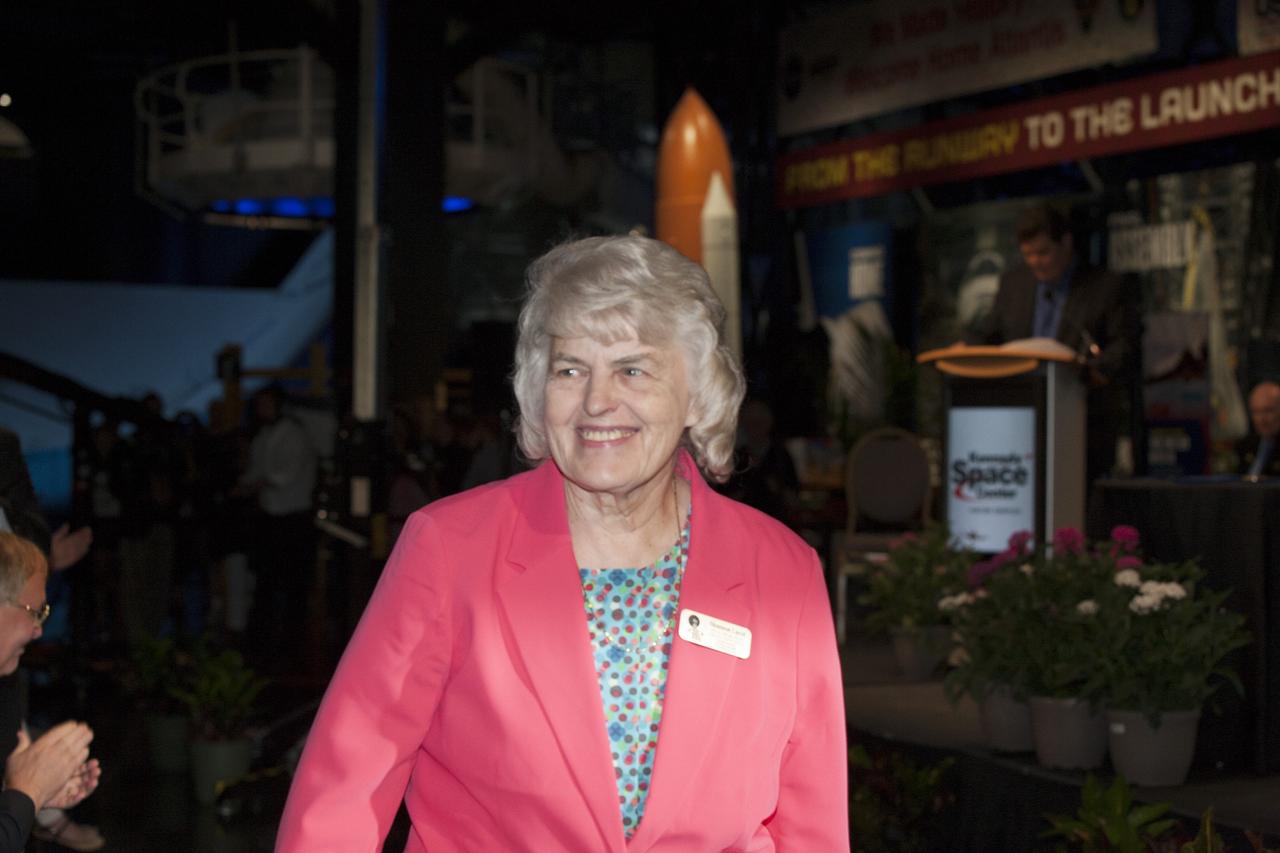
CAPE CANAVERAL, Fla. – Former NASA shuttle astronaut and space explorer Shannon Lucid was inducted into the U.S. Astronaut Hall of Fame class of 2014 during a ceremony inside the Space Shuttle Atlantis attraction at NASA’s Kennedy Space Center Visitor Complex in Florida. Lucid is the only American woman to serve aboard the Russian Space Station Mir and was the first woman to join a U.S. class of astronauts. She held the record until 2007 for the most flight hours in orbit by a female astronaut, 223 days. The 2014 inductees were selected by a committee of Hall of Fame astronauts, former NASA officials, flight directors, historians and journalists. The process is administered by the Astronaut Scholarship Foundation. To be eligible, an astronaut must have made his or her first flight at least 17 years before the induction. Candidates must be a U.S. citizen and a NASA-trained commander, pilot or mission specialist who has orbited the earth at least once. Including Lucid and Ross, 87 astronauts have been inducted into the AHOF. Photo credit: NASA/Kim Shiflett
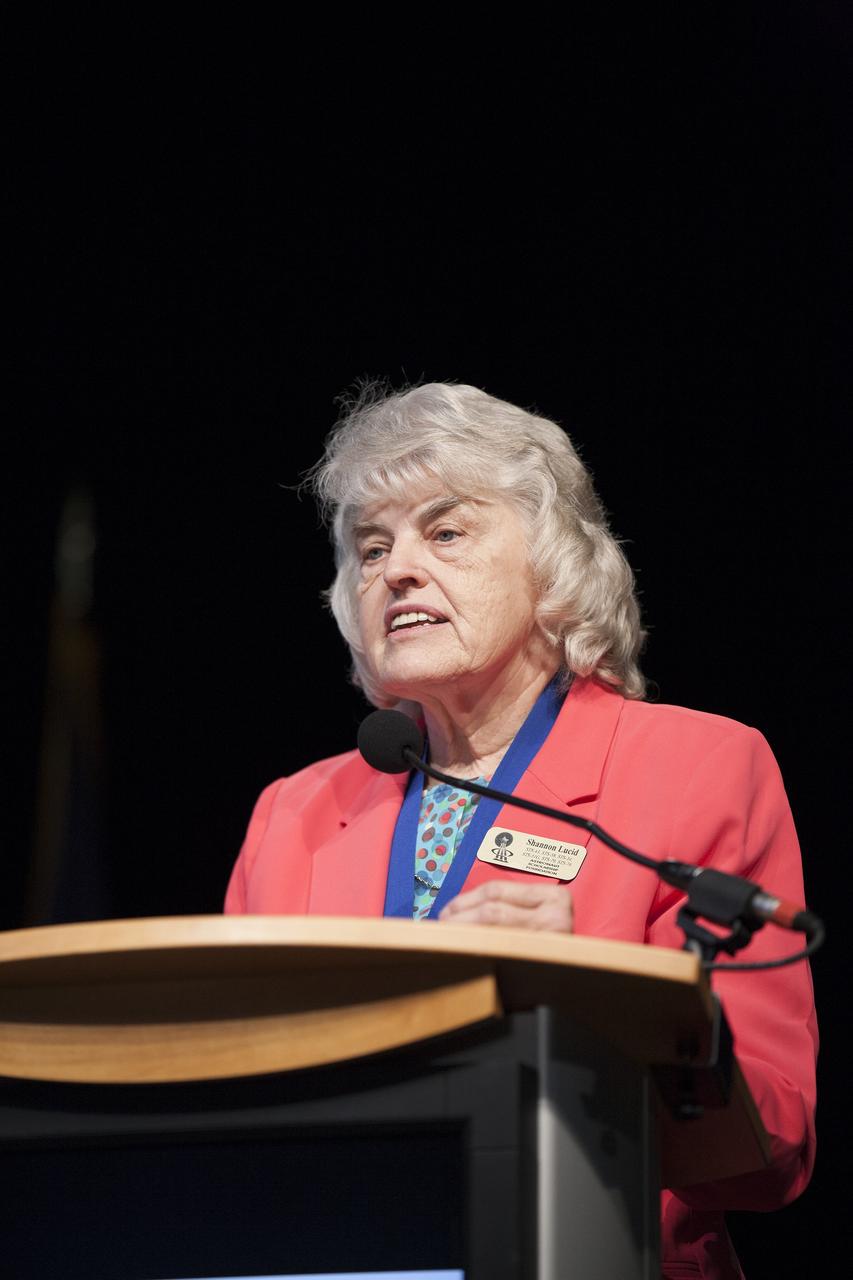
CAPE CANAVERAL, Fla. – Former NASA shuttle astronaut and space explorer Shannon Lucid was inducted into the U.S. Astronaut Hall of Fame class of 2014 during a ceremony inside the Space Shuttle Atlantis attraction at NASA’s Kennedy Space Center Visitor Complex in Florida. Lucid is the only American woman to serve aboard the Russian Space Station Mir and was the first woman to join a U.S. class of astronauts. She held the record until 2007 for the most flight hours in orbit by a female astronaut, 223 days. The 2014 inductees were selected by a committee of Hall of Fame astronauts, former NASA officials, flight directors, historians and journalists. The process is administered by the Astronaut Scholarship Foundation. To be eligible, an astronaut must have made his or her first flight at least 17 years before the induction. Candidates must be a U.S. citizen and a NASA-trained commander, pilot or mission specialist who has orbited the earth at least once. Including Lucid and Ross, 87 astronauts have been inducted into the AHOF. Photo credit: NASA/Kim Shiflett
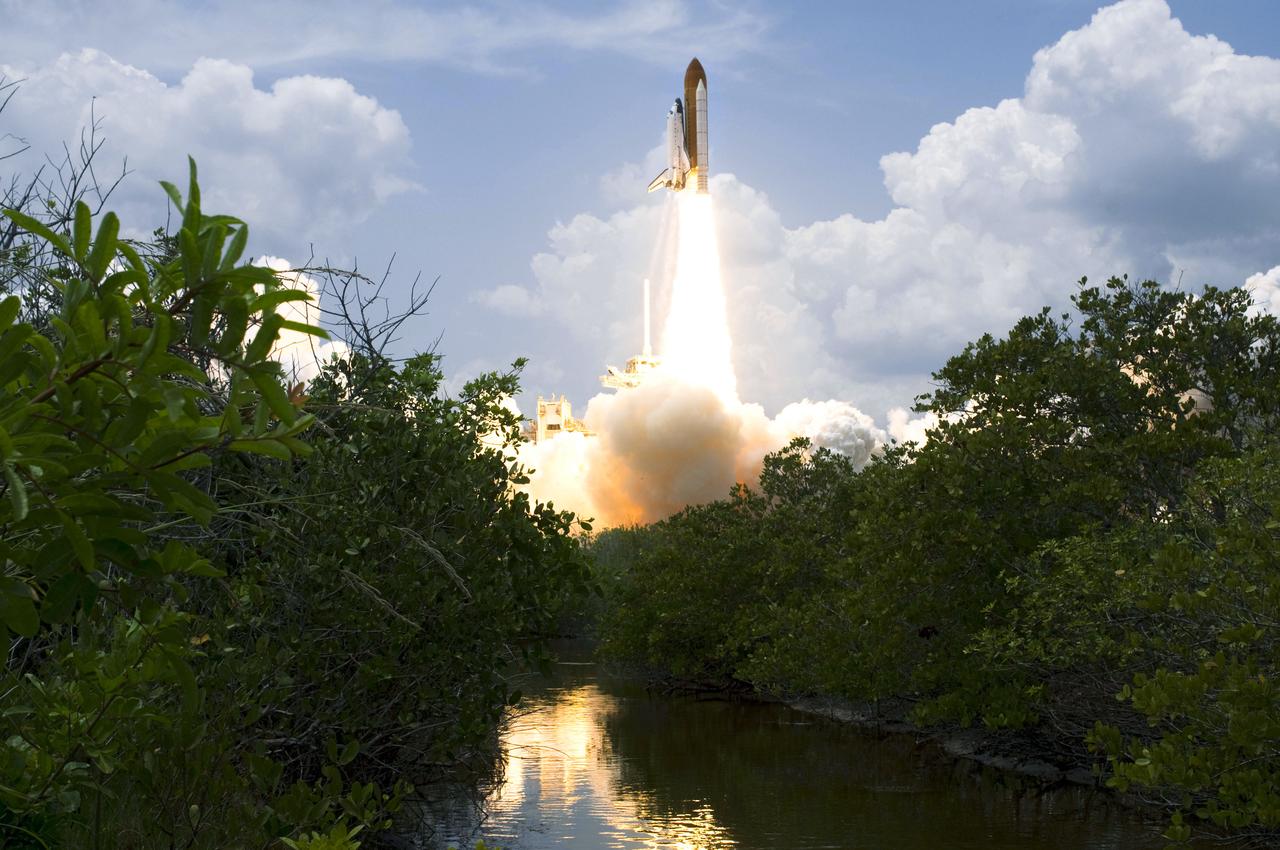
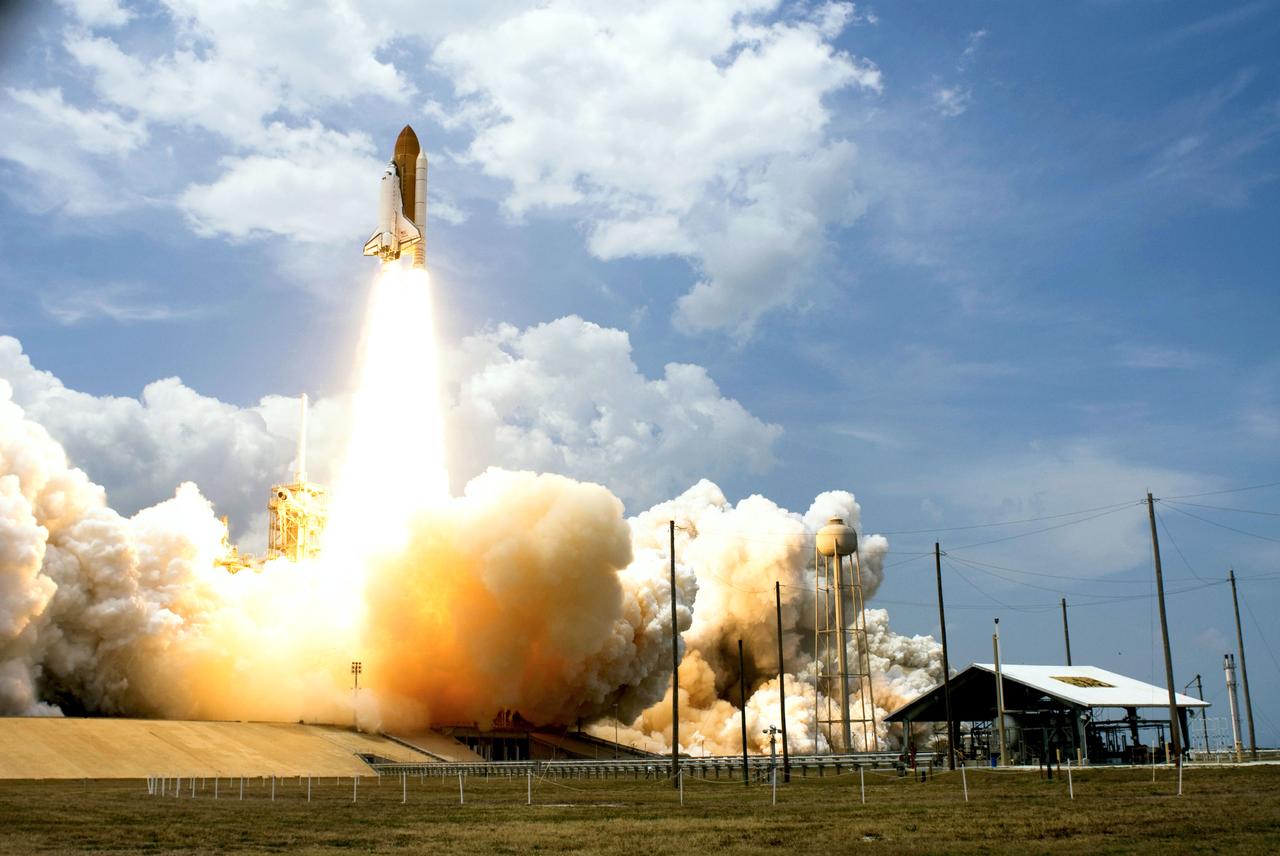
STS125-S-023 (11 May 2009) --- Space Shuttle Atlantis and its seven-member STS-125 crew head toward Earth orbit and rendezvous with NASA?s Hubble Space Telescope. Liftoff was on time at 2:01 p.m. (EDT) on May 11, 2009 from launch pad 39A at NASA's Kennedy Space Center. Onboard are astronauts Scott Altman, commander; Gregory C. Johnson, pilot; Michael Good, Megan McArthur, John Grunsfeld, Mike Massimino and Andrew Feustel, all mission specialists. Atlantis' 11-day flight will include five spacewalks to refurbish and upgrade the telescope with state-of-the-art science instruments that will expand Hubble's capabilities and extend its operational lifespan through at least 2014. The payload includes Wide Field Camera 3, fine guidance sensor and the Cosmic Origins Spectrograph.
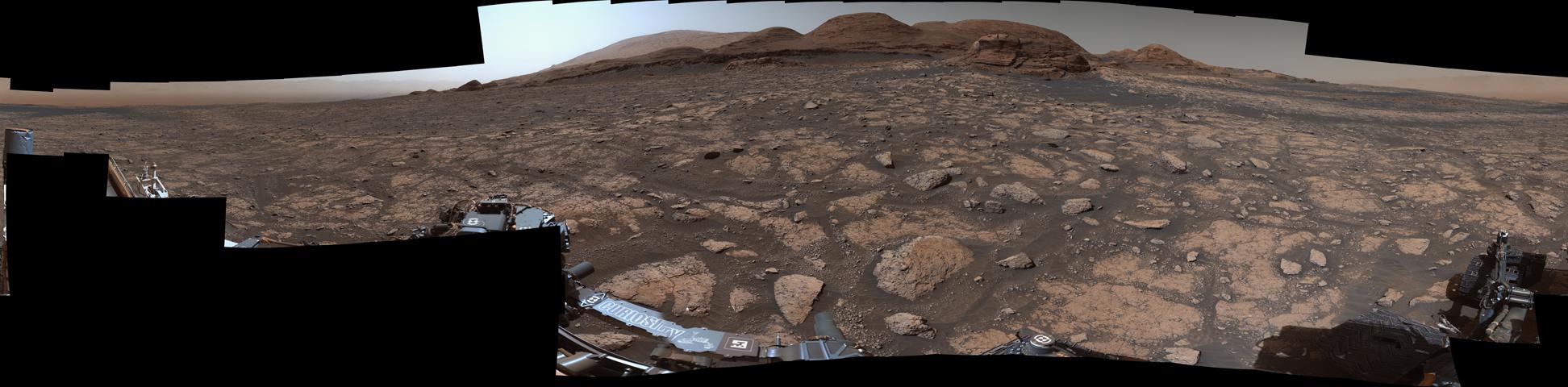
NASA's Curiosity Mars rover used its Mastcam instrument to take the 126 individual images that make up this 360-degree panorama on March 3, 2021, the 3,048th Martian day, or sol, of the mission. Right of center in the upper part of the image is "Mont Mercou," a ˜20-foot-tall (6-meter-tall) outcrop nicknamed after a mountain in France. Beyond the outcrop are peaks higher up Mount Sharp, the mountain Curiosity has been rolling up since 2014. Mount Sharp's summit can be seen at the top of the image, just left of center. The panorama has been white-balanced so that the colors of the rock materials resemble how they would appear under daytime lighting conditions on Earth. https://photojournal.jpl.nasa.gov/catalog/PIA24269
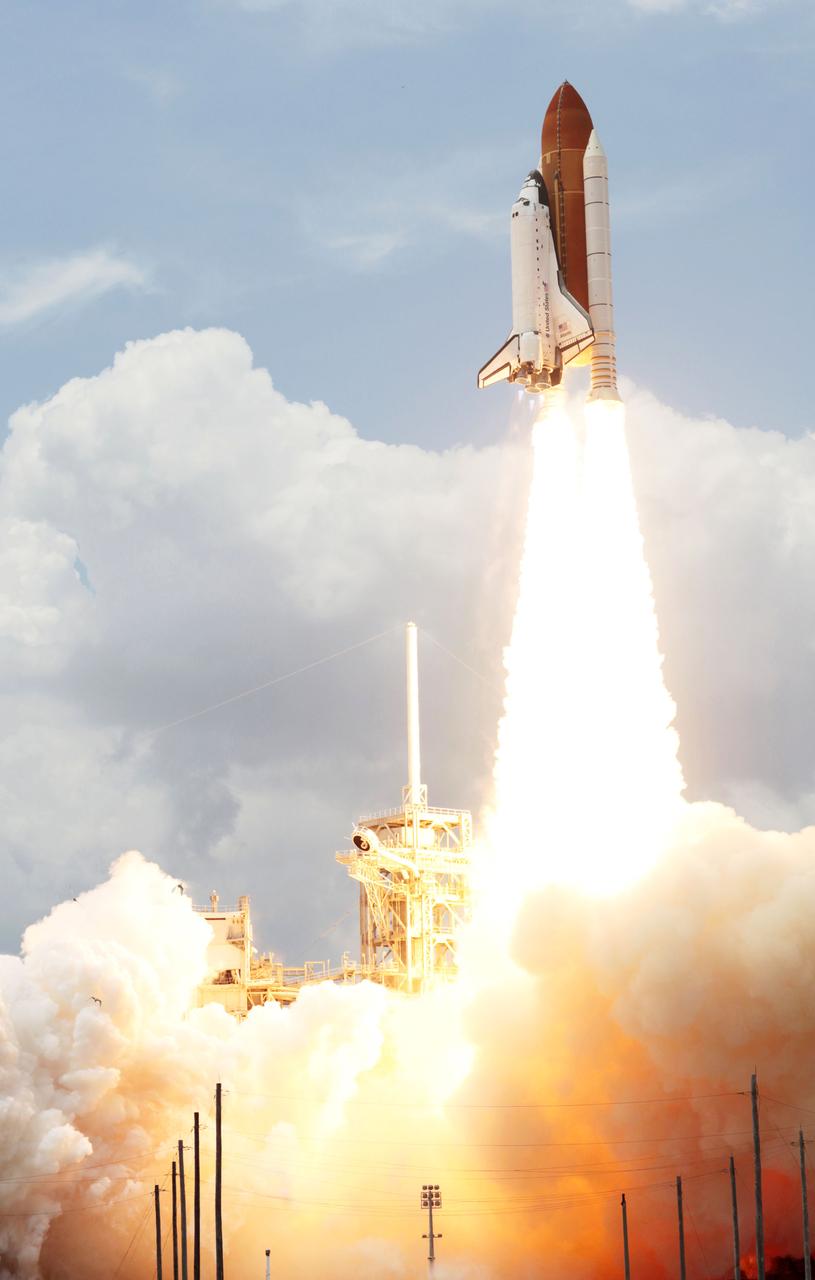
STS125-S-054 (11 May 2009) --- Space Shuttle Atlantis and its seven-member STS-125 crew head toward Earth orbit and rendezvous with NASA?s Hubble Space Telescope. Liftoff was on time at 2:01 p.m. (EDT) on May 11, 2009 from launch pad 39A at NASA's Kennedy Space Center. Onboard are astronauts Scott Altman, commander; Gregory C. Johnson, pilot; Michael Good, Megan McArthur, John Grunsfeld, Mike Massimino and Andrew Feustel, all mission specialists. Atlantis' 11-day flight will include five spacewalks to refurbish and upgrade the telescope with state-of-the-art science instruments that will expand Hubble's capabilities and extend its operational lifespan through at least 2014. The payload includes Wide Field Camera 3, fine guidance sensor and the Cosmic Origins Spectrograph.
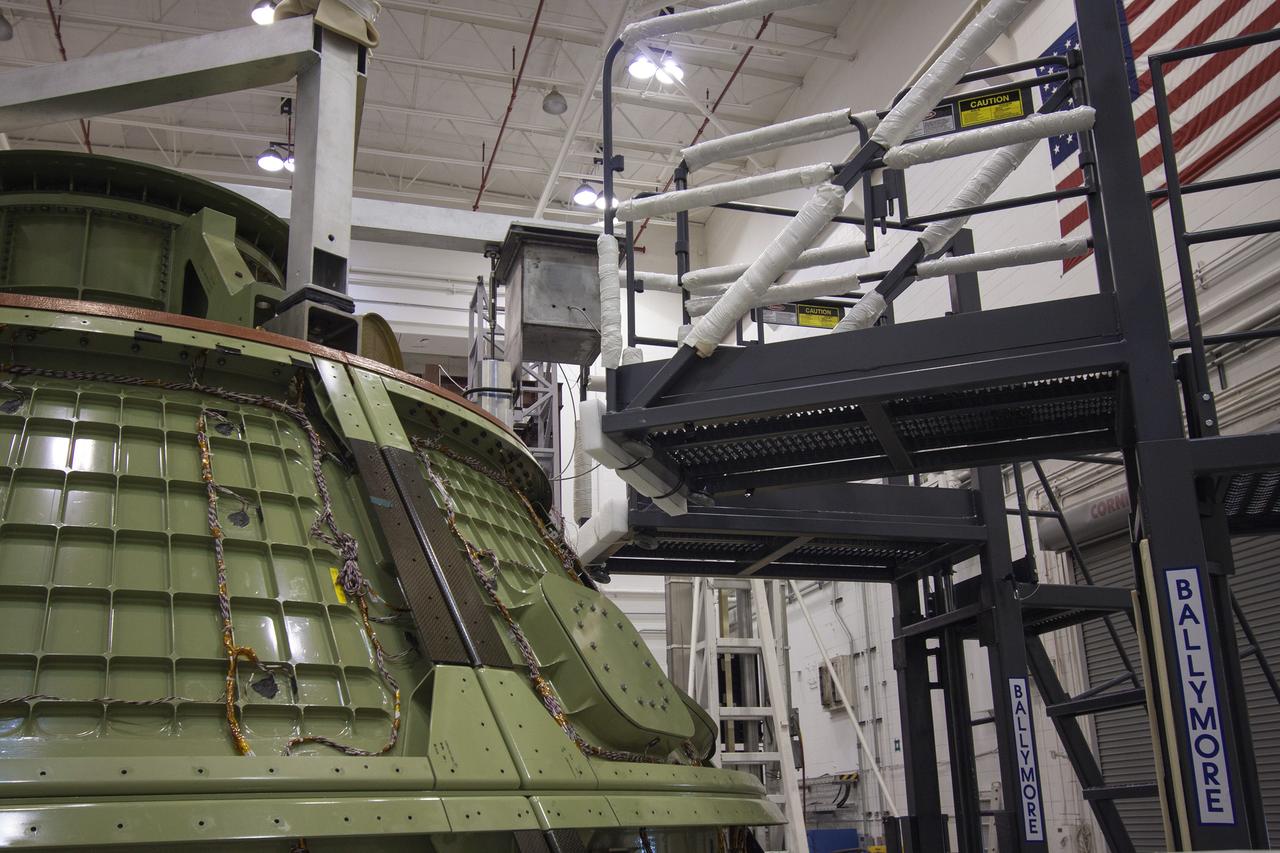
CAPE CANAVERAL, Fla. -- Inside the Launch Equipment Test Facility at NASA’s Kennedy Space in Florida, a second firing of the escape hold down post has occurred during a pyrotechnic bolt test on the Orion ground test vehicle. Lockheed Martin performed tests over a series of days on the explosive bolts that separate Orion from the launch abort system. Data was collected on the effect of shock waves on Orion during the explosive bolt separation. Orion is the exploration spacecraft designed to carry crews to space beyond low Earth orbit. It will provide emergency abort capability, sustain the crew during the space travel and provide safe re-entry from deep space return velocities. The first unpiloted test flight of the Orion is scheduled to launch in 2014 atop a Delta IV rocket and in 2017 on a Space Launch System rocket. For more information, visit http://www.nasa.gov/orion. Photo credit: NASA/Jim Grossmann
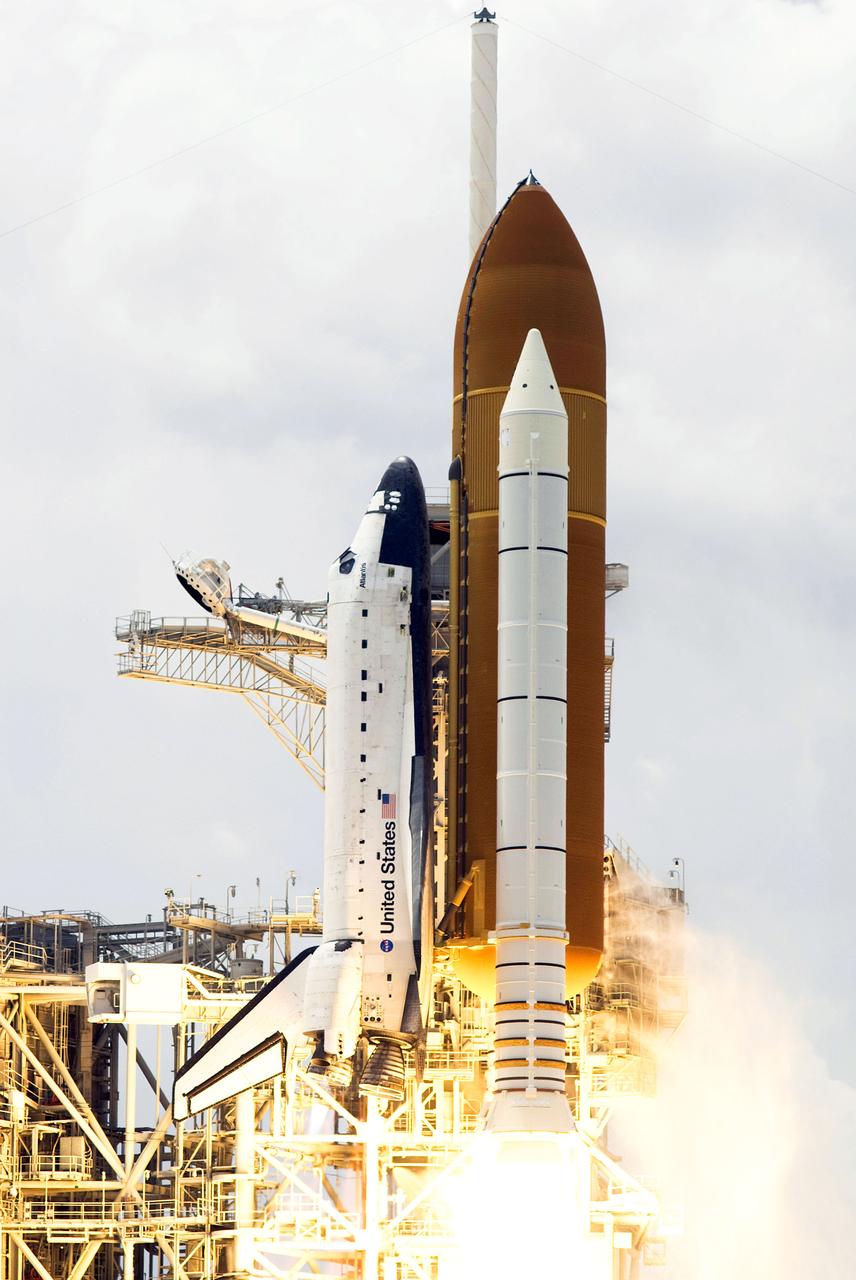
STS125-S-033 (11 May 2009) --- Space Shuttle Atlantis and its seven-member STS-125 crew head toward Earth orbit and rendezvous with NASA?s Hubble Space Telescope. Liftoff was on time at 2:01 p.m. (EDT) on May 11, 2009 from launch pad 39A at NASA's Kennedy Space Center. Onboard are astronauts Scott Altman, commander; Gregory C. Johnson, pilot; Michael Good, Megan McArthur, John Grunsfeld, Mike Massimino and Andrew Feustel, all mission specialists. Atlantis' 11-day flight will include five spacewalks to refurbish and upgrade the telescope with state-of-the-art science instruments that will expand Hubble's capabilities and extend its operational lifespan through at least 2014. The payload includes Wide Field Camera 3, fine guidance sensor and the Cosmic Origins Spectrograph.
STS125-S-037 (11 May 2009) --- Space Shuttle Atlantis and its seven-member STS-125 crew head toward Earth orbit and rendezvous with NASA?s Hubble Space Telescope. Liftoff was on time at 2:01 p.m. (EDT) on May 11, 2009 from launch pad 39A at NASA's Kennedy Space Center. Onboard are astronauts Scott Altman, commander; Gregory C. Johnson, pilot; Michael Good, Megan McArthur, John Grunsfeld, Mike Massimino and Andrew Feustel, all mission specialists. Atlantis' 11-day flight will include five spacewalks to refurbish and upgrade the telescope with state-of-the-art science instruments that will expand Hubble's capabilities and extend its operational lifespan through at least 2014. The payload includes Wide Field Camera 3, fine guidance sensor and the Cosmic Origins Spectrograph.
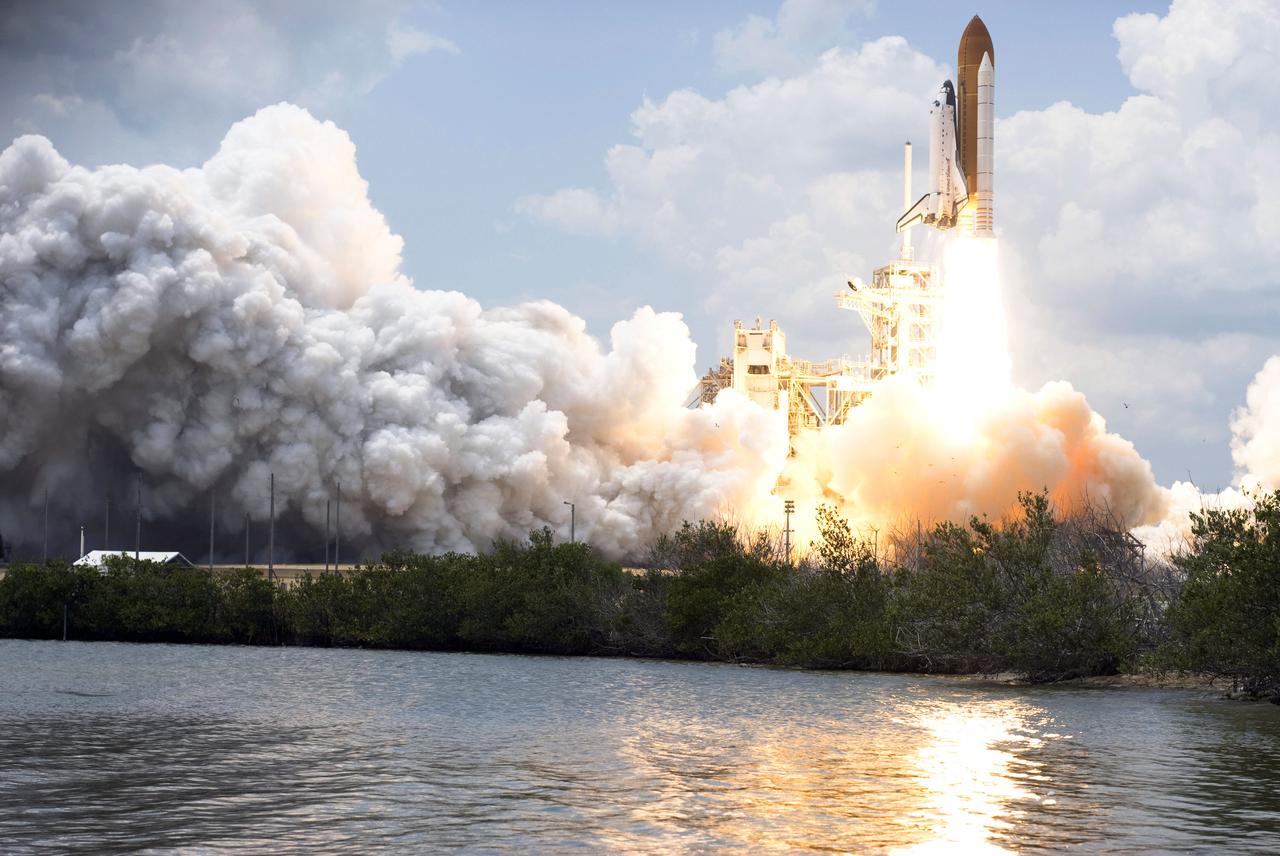
STS125-S-028 (11 May 2009) --- Space Shuttle Atlantis and its seven-member STS-125 crew head toward Earth orbit and rendezvous with NASA?s Hubble Space Telescope. Liftoff was on time at 2:01 p.m. (EDT) on May 11, 2009 from launch pad 39A at NASA's Kennedy Space Center. Onboard are astronauts Scott Altman, commander; Gregory C. Johnson, pilot; Michael Good, Megan McArthur, John Grunsfeld, Mike Massimino and Andrew Feustel, all mission specialists. Atlantis' 11-day flight will include five spacewalks to refurbish and upgrade the telescope with state-of-the-art science instruments that will expand Hubble's capabilities and extend its operational lifespan through at least 2014. The payload includes Wide Field Camera 3, fine guidance sensor and the Cosmic Origins Spectrograph.
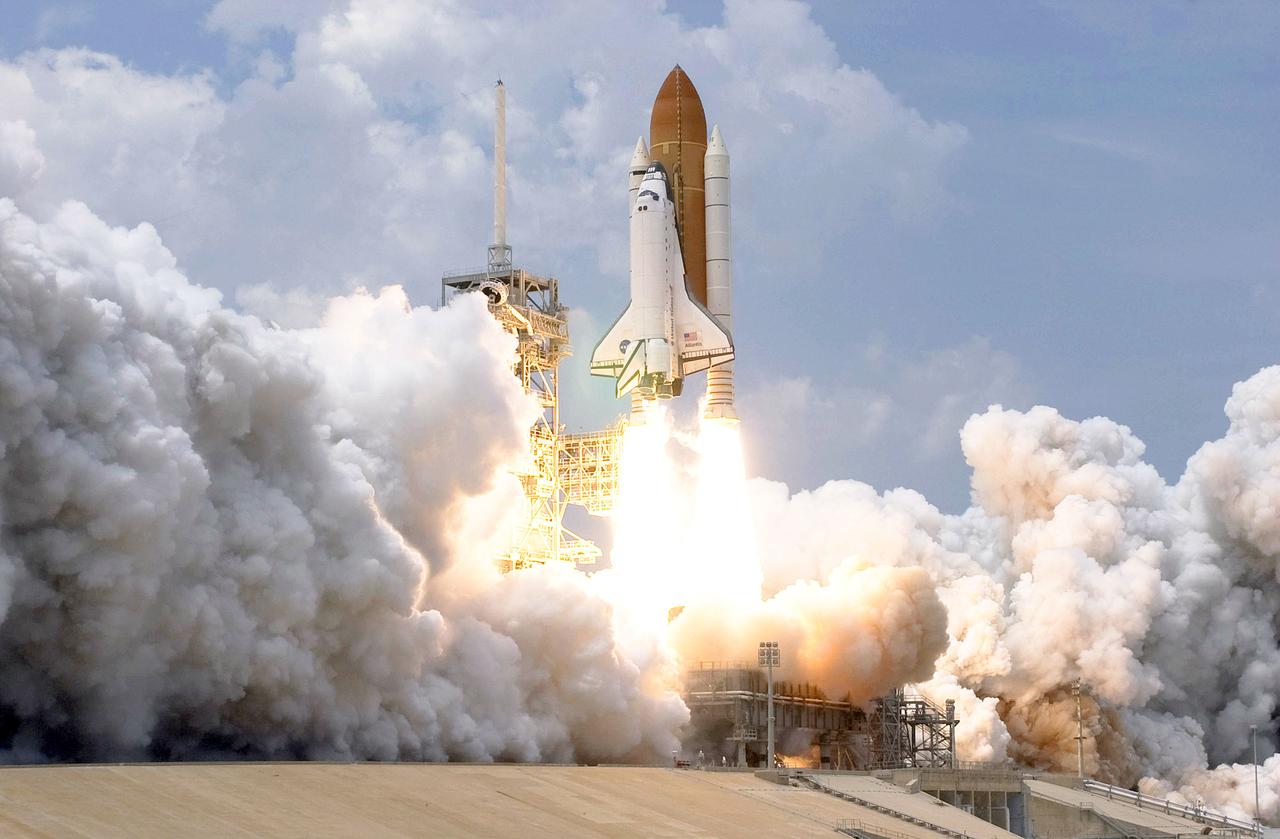
STS125-S-032 (11 May 2009) --- Space Shuttle Atlantis and its seven-member STS-125 crew head toward Earth orbit and rendezvous with NASA?s Hubble Space Telescope. Liftoff was on time at 2:01 p.m. (EDT) on May 11, 2009 from launch pad 39A at NASA's Kennedy Space Center. Onboard are astronauts Scott Altman, commander; Gregory C. Johnson, pilot; Michael Good, Megan McArthur, John Grunsfeld, Mike Massimino and Andrew Feustel, all mission specialists. Atlantis' 11-day flight will include five spacewalks to refurbish and upgrade the telescope with state-of-the-art science instruments that will expand Hubble's capabilities and extend its operational lifespan through at least 2014. The payload includes Wide Field Camera 3, fine guidance sensor and the Cosmic Origins Spectrograph.
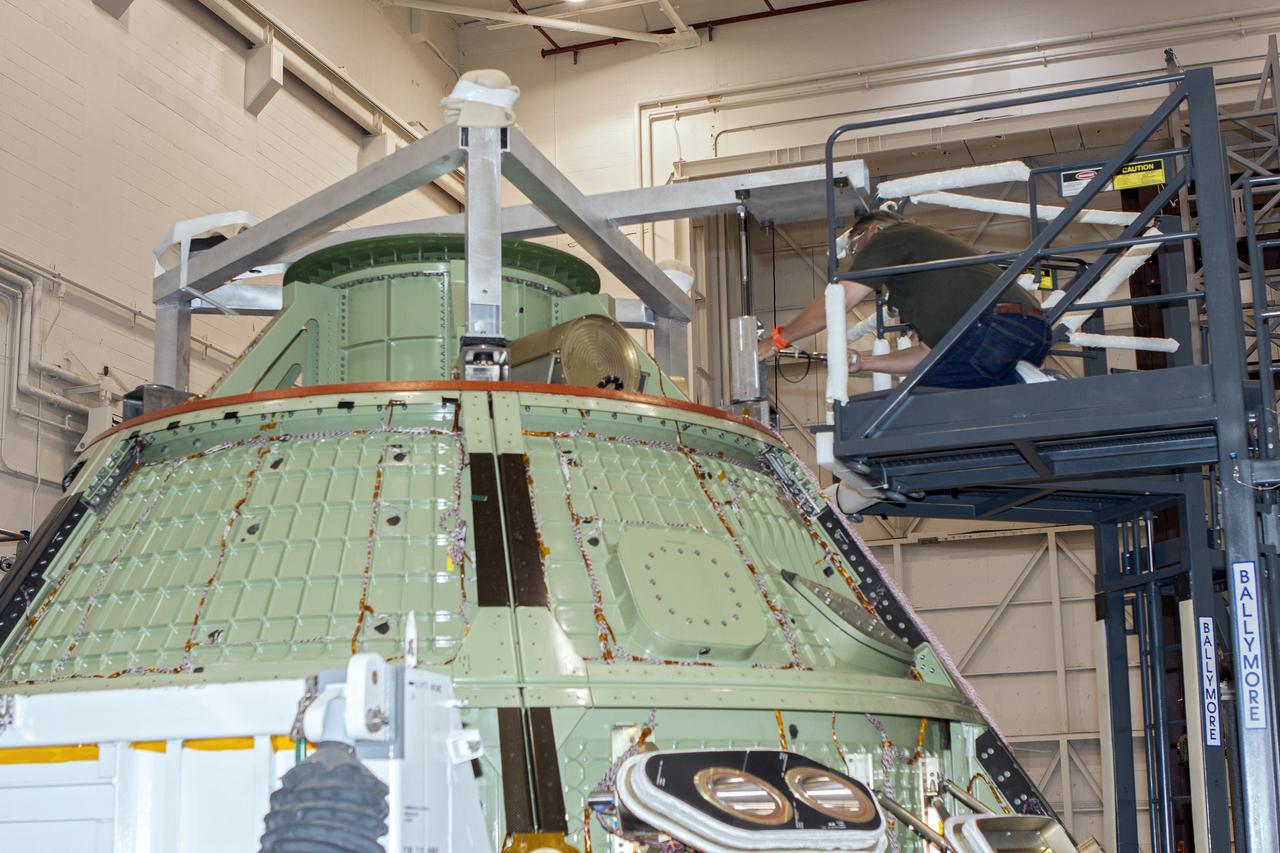
CAPE CANAVERAL, Fla. -- The Orion ground test vehicle sits on a test stand in the Launch Equipment Test Facility at NASA’s Kennedy Space Center in Florida while engineers and technicians prepare it for a pyrotechnic bolt test. Lockheed Martin performed tests over a series of days on the explosive bolts that separate Orion from the launch abort system. Data was collected on the effect of shock waves on Orion during the explosive bolt separation. Orion is the exploration spacecraft designed to carry crews to space beyond low Earth orbit. It will provide emergency abort capability, sustain the crew during the space travel and provide safe re-entry from deep space return velocities. The first unpiloted test flight of the Orion is scheduled to launch in 2014 atop a Delta IV rocket and in 2017 on a Space Launch System rocket. For more information, visit http://www.nasa.gov/orion. Photo credit: NASA/Jim Grossmann
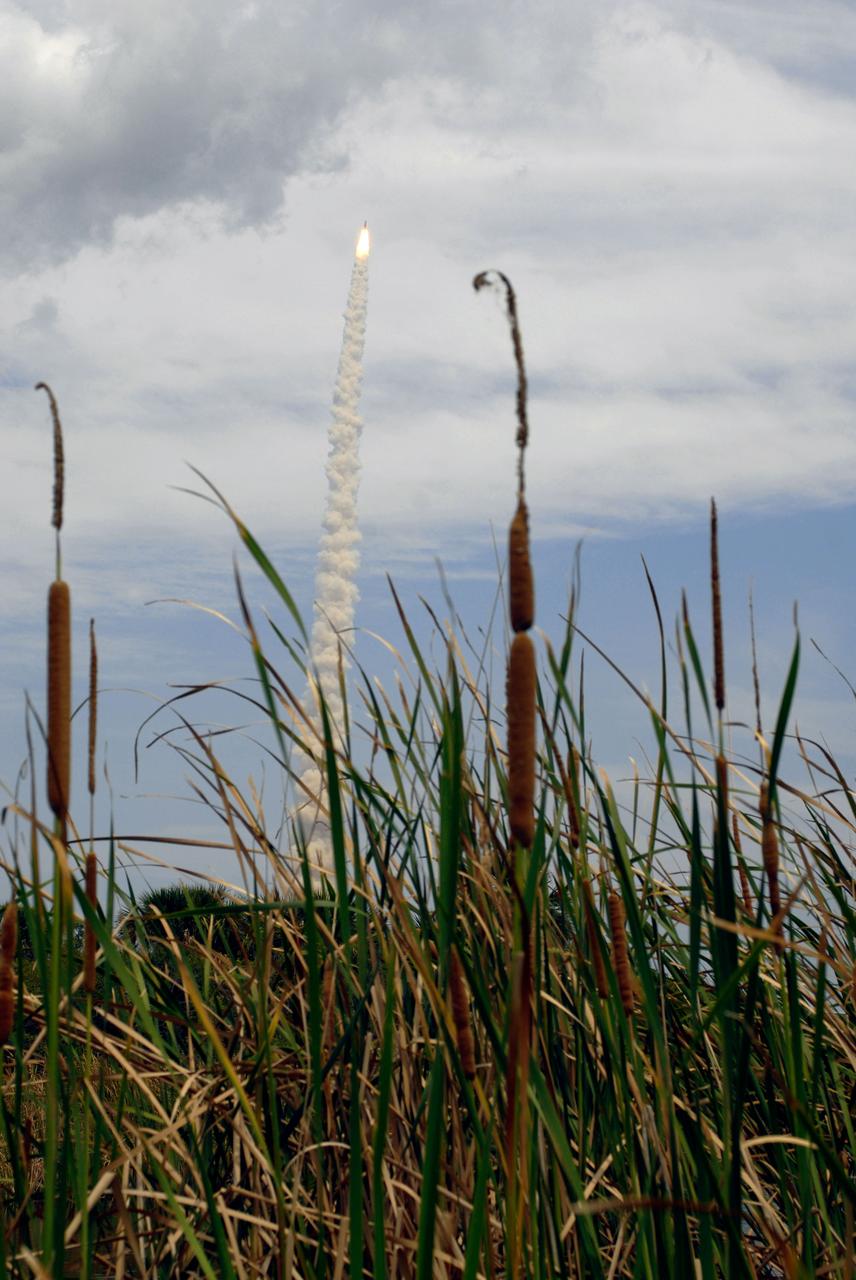
STS125-S-045 (11 May 2009) --- Space Shuttle Atlantis and its seven-member STS-125 crew head toward Earth orbit and rendezvous with NASA?s Hubble Space Telescope. Liftoff was on time at 2:01 p.m. (EDT) on May 11, 2009 from launch pad 39A at NASA's Kennedy Space Center. Onboard are astronauts Scott Altman, commander; Gregory C. Johnson, pilot; Michael Good, Megan McArthur, John Grunsfeld, Mike Massimino and Andrew Feustel, all mission specialists. Atlantis' 11-day flight will include five spacewalks to refurbish and upgrade the telescope with state-of-the-art science instruments that will expand Hubble's capabilities and extend its operational lifespan through at least 2014. The payload includes Wide Field Camera 3, fine guidance sensor and the Cosmic Origins Spectrograph.
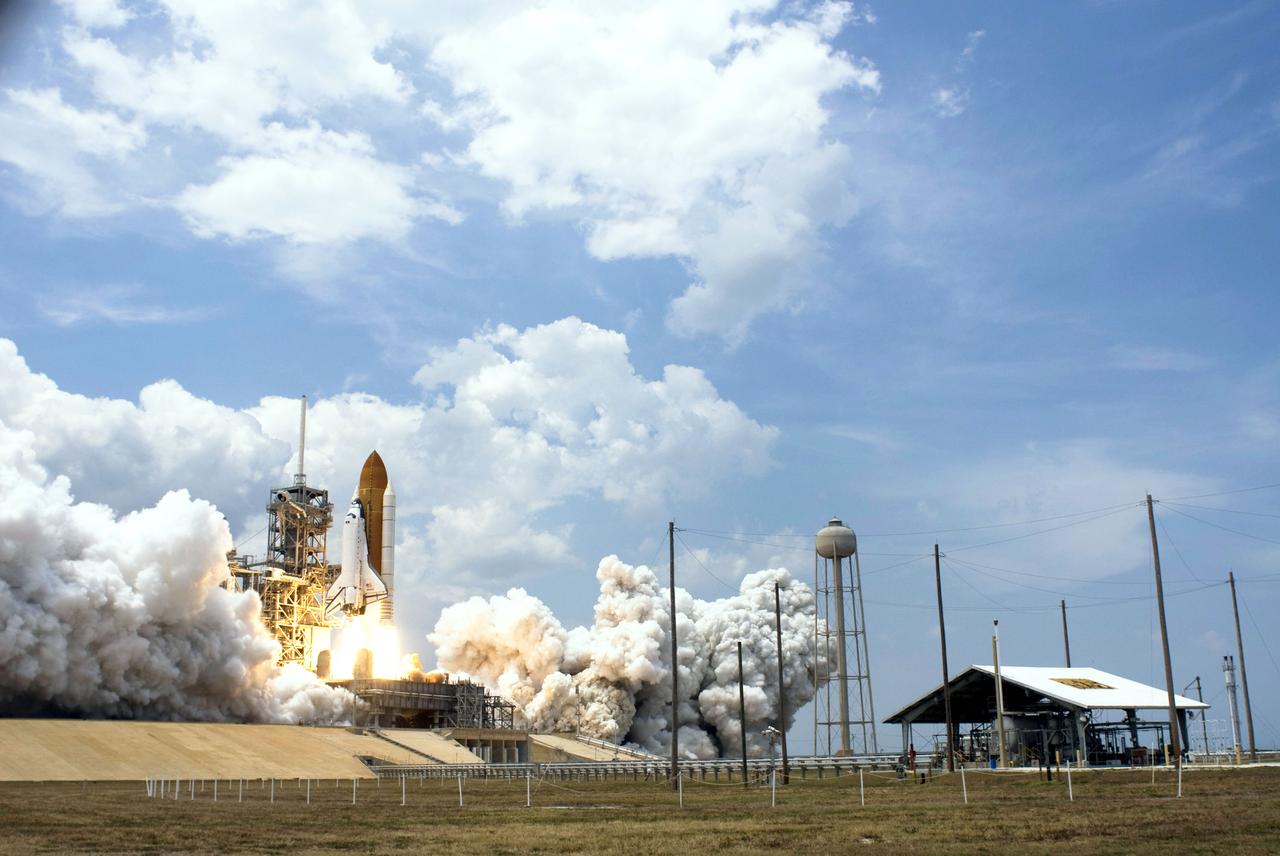
STS125-S-036 (11 May 2009) --- Space Shuttle Atlantis and its seven-member STS-125 crew head toward Earth orbit and rendezvous with NASA?s Hubble Space Telescope. Liftoff was on time at 2:01 p.m. (EDT) on May 11, 2009 from launch pad 39A at NASA's Kennedy Space Center. Onboard are astronauts Scott Altman, commander; Gregory C. Johnson, pilot; Michael Good, Megan McArthur, John Grunsfeld, Mike Massimino and Andrew Feustel, all mission specialists. Atlantis' 11-day flight will include five spacewalks to refurbish and upgrade the telescope with state-of-the-art science instruments that will expand Hubble's capabilities and extend its operational lifespan through at least 2014. The payload includes Wide Field Camera 3, fine guidance sensor and the Cosmic Origins Spectrograph.
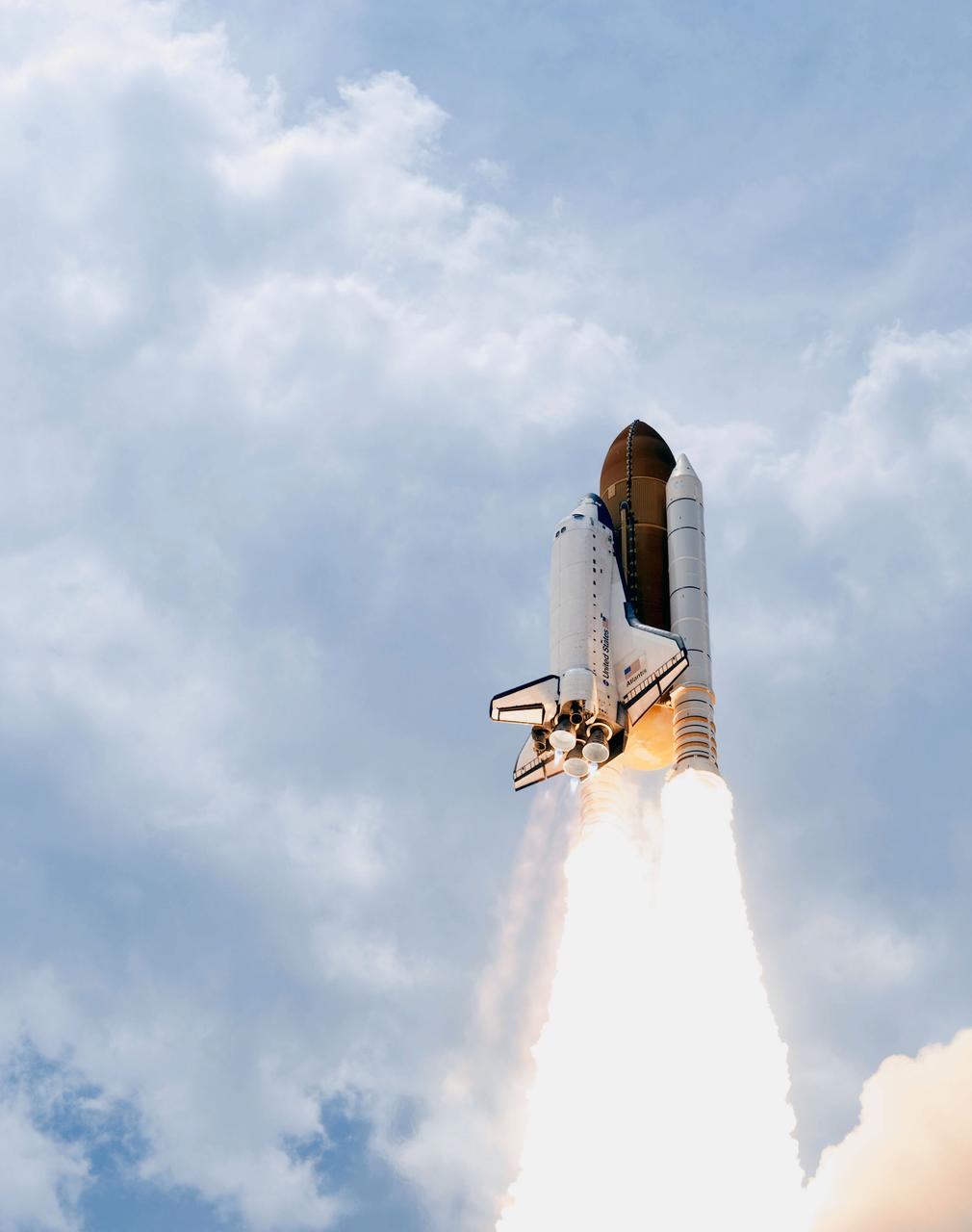
STS125-S-043 (11 May 2009) --- Space Shuttle Atlantis and its seven-member STS-125 crew head toward Earth orbit and rendezvous with NASA?s Hubble Space Telescope. Liftoff was on time at 2:01 p.m. (EDT) on May 11, 2009 from launch pad 39A at NASA's Kennedy Space Center. Onboard are astronauts Scott Altman, commander; Gregory C. Johnson, pilot; Michael Good, Megan McArthur, John Grunsfeld, Mike Massimino and Andrew Feustel, all mission specialists. Atlantis' 11-day flight will include five spacewalks to refurbish and upgrade the telescope with state-of-the-art science instruments that will expand Hubble's capabilities and extend its operational lifespan through at least 2014. The payload includes Wide Field Camera 3, fine guidance sensor and the Cosmic Origins Spectrograph.
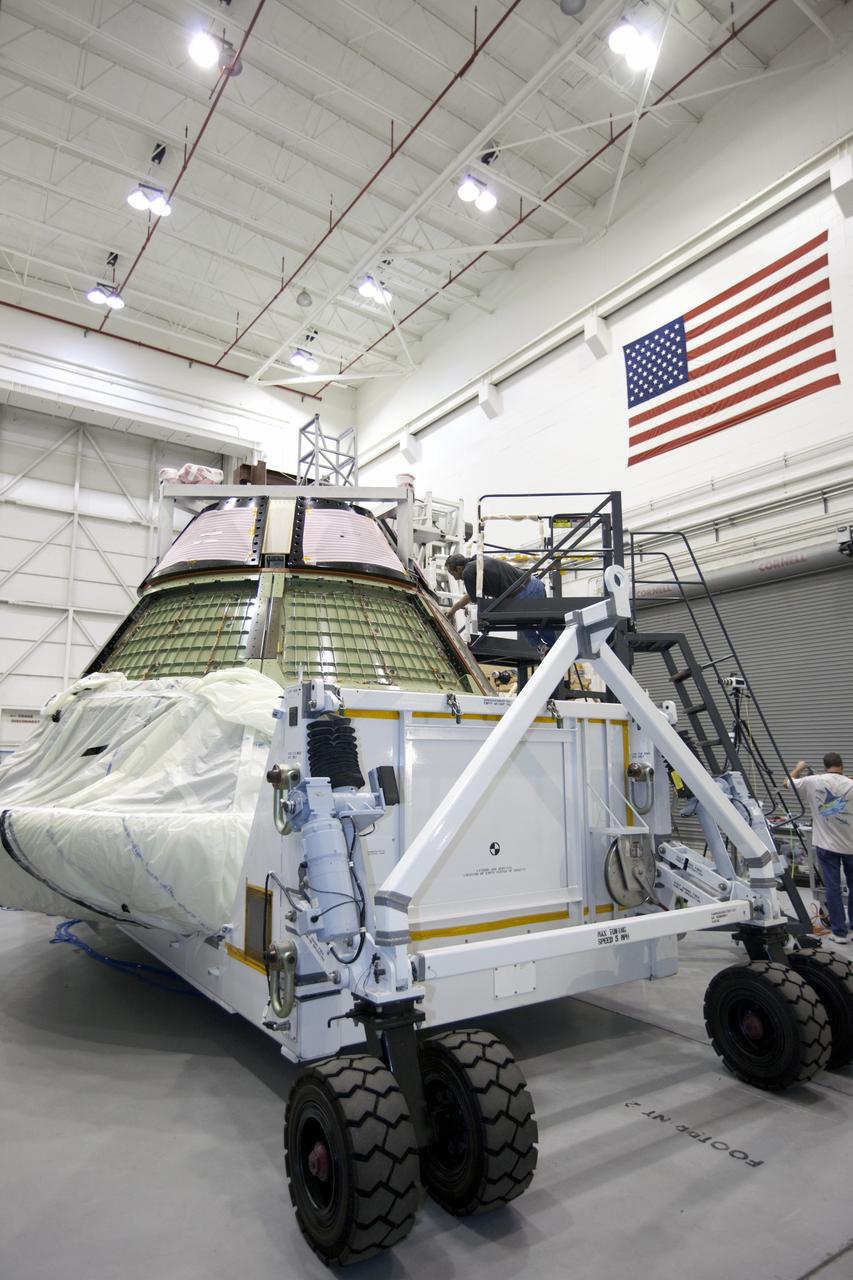
CAPE KENNEDY, Fla. -- The Orion ground test vehicle sits on a test stand in the Launch Equipment Test Facility at NASA’s Kennedy Space Center in Florida while engineers and technicians prepare it for a pyrotechnic bolt test. Lockheed Martin performed tests over a series of days on the explosive bolts that separate Orion from the launch abort system. Data was collected on the effect of shock waves on Orion during the explosive bolt separation. Orion is the exploration spacecraft designed to carry crews to space beyond low Earth orbit. It will provide emergency abort capability, sustain the crew during the space travel and provide safe re-entry from deep space return velocities. The first unpiloted test flight of the Orion is scheduled to launch in 2014 atop a Delta IV rocket and in 2017 on a Space Launch System rocket. For more information, visit http://www.nasa.gov/orion. Photo credit: NASA/Kim Shiflett
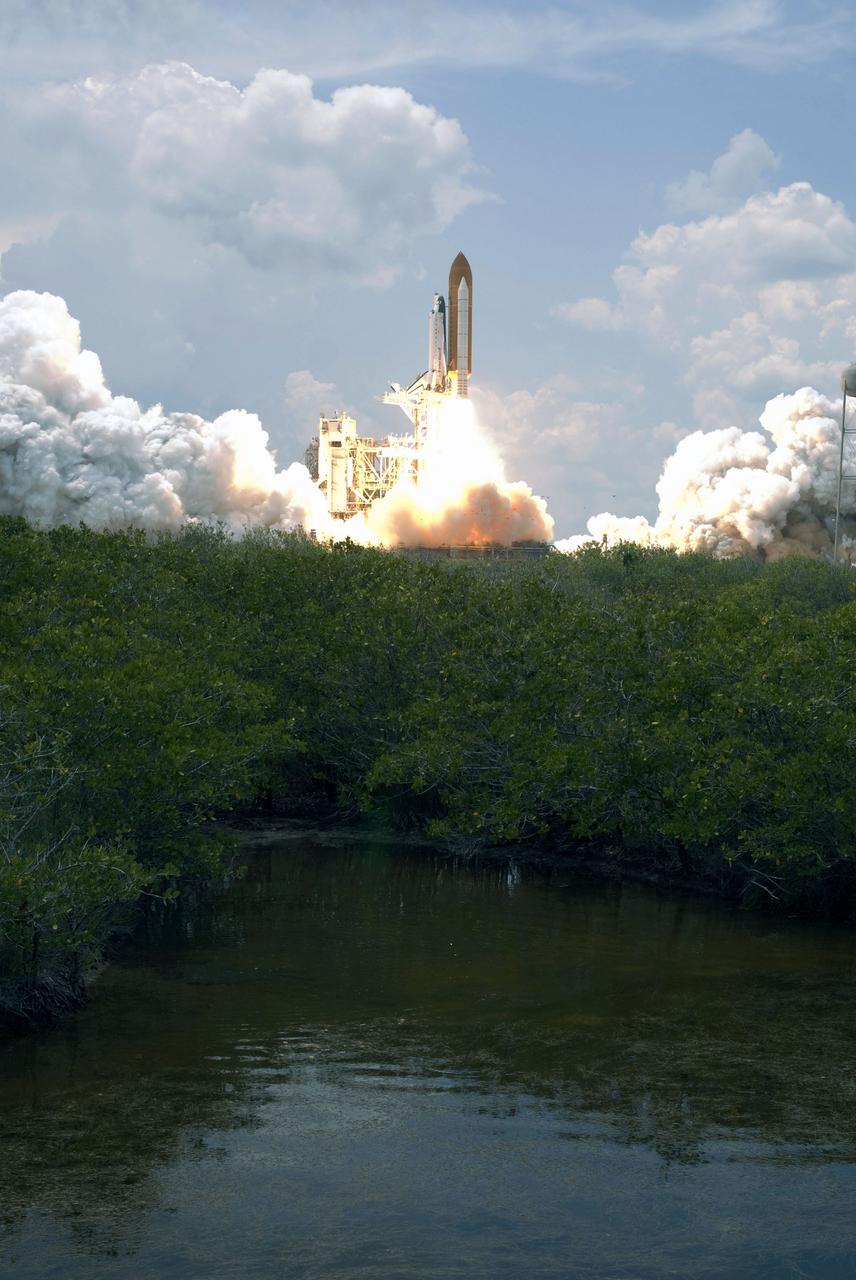
STS125-S-040 (11 May 2009) --- Space Shuttle Atlantis and its seven-member STS-125 crew head toward Earth orbit and rendezvous with NASA?s Hubble Space Telescope. Liftoff was on time at 2:01 p.m. (EDT) on May 11, 2009 from launch pad 39A at NASA's Kennedy Space Center. Onboard are astronauts Scott Altman, commander; Gregory C. Johnson, pilot; Michael Good, Megan McArthur, John Grunsfeld, Mike Massimino and Andrew Feustel, all mission specialists. Atlantis' 11-day flight will include five spacewalks to refurbish and upgrade the telescope with state-of-the-art science instruments that will expand Hubble's capabilities and extend its operational lifespan through at least 2014. The payload includes Wide Field Camera 3, fine guidance sensor and the Cosmic Origins Spectrograph.
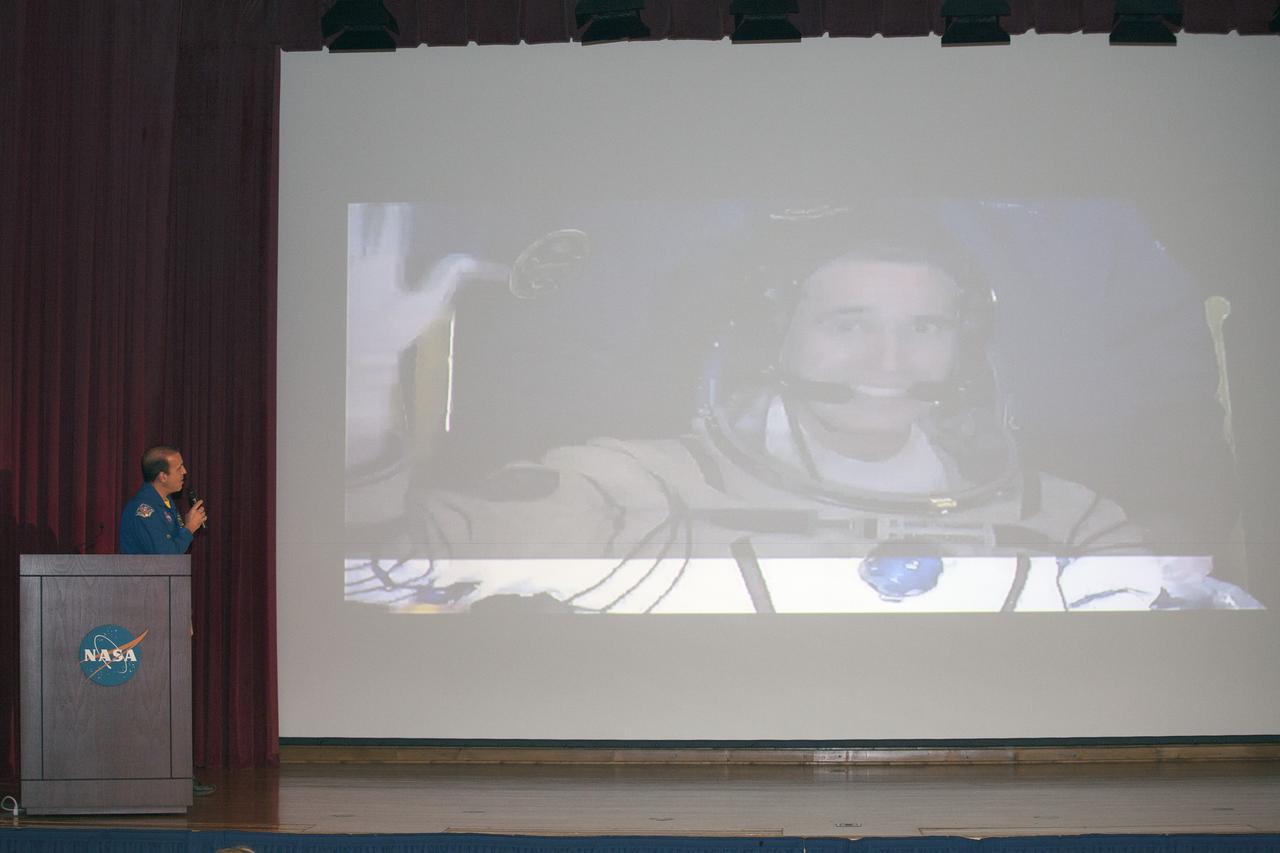
CAPE CANAVERAL, Fla. – NASA astronaut Rick Mastracchio discusses the highlights of the Expedition 38 mission to the International Space Station with the audience at a post-flight presentation. The Space Flight Awareness Program hosted Mastracchio's presentation for employees in the KSC Training Auditorium at NASA's Kennedy Space Center in Florida. An Expedition 38/39 crew member, Mastracchio launched to the station from the Baikonur Cosmodrome in Kazakhstan on Nov. 6, 2013, and returned to Earth on May 13, 2014, after 188 days in space. Following Mastracchio's remarks, employees were given the opportunity to ask questions and to meet him in person. To read Mastracchio's biography, visit http://www.jsc.nasa.gov/Bios/htmlbios/mastracc.html. For more information on Expedition 38, visit http://www.nasa.gov/mission_pages/station/expeditions/expedition38. Photo credit: NASA/Daniel Casper
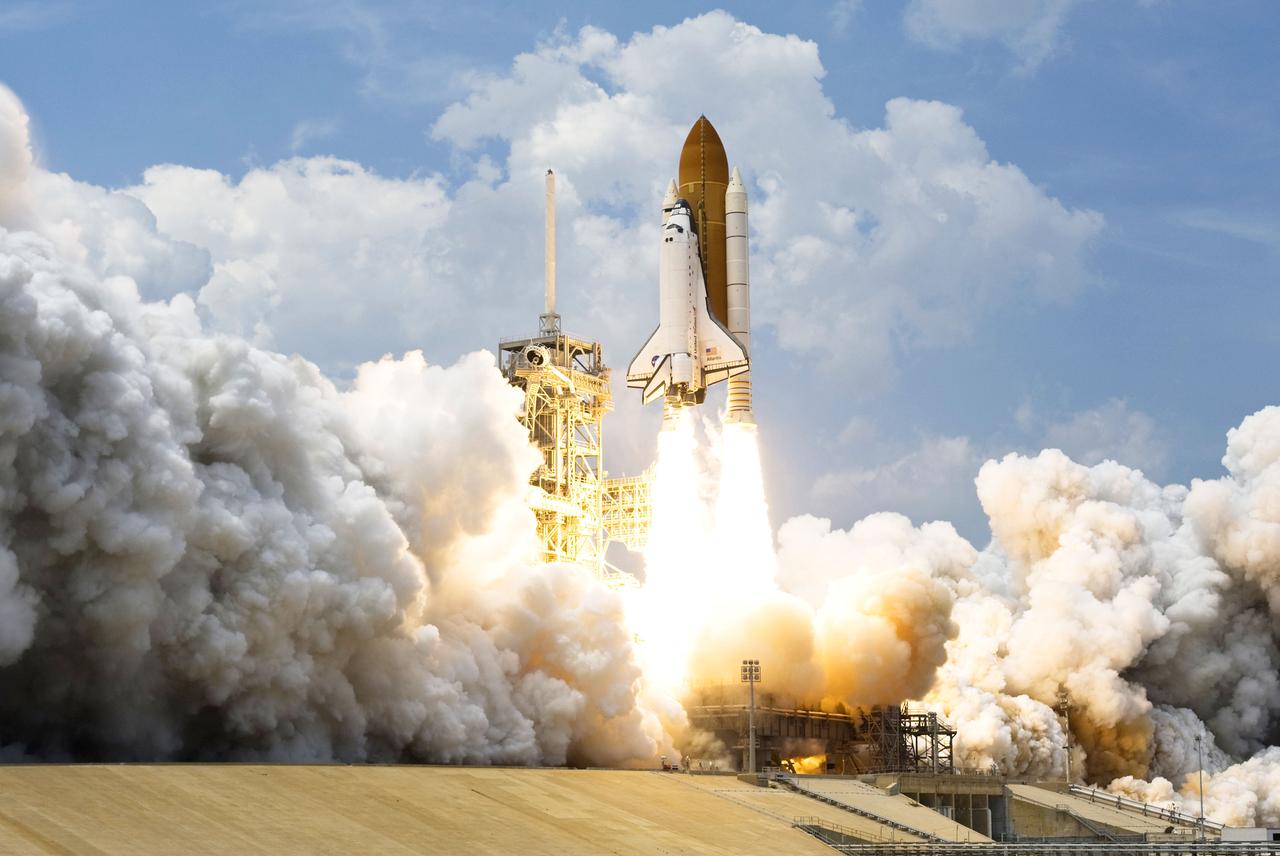
STS125-S-048 (11 May 2009) --- Space Shuttle Atlantis and its seven-member STS-125 crew head toward Earth orbit and rendezvous with NASA?s Hubble Space Telescope. Liftoff was on time at 2:01 p.m. (EDT) on May 11, 2009 from launch pad 39A at NASA's Kennedy Space Center. Onboard are astronauts Scott Altman, commander; Gregory C. Johnson, pilot; Michael Good, Megan McArthur, John Grunsfeld, Mike Massimino and Andrew Feustel, all mission specialists. Atlantis' 11-day flight will include five spacewalks to refurbish and upgrade the telescope with state-of-the-art science instruments that will expand Hubble's capabilities and extend its operational lifespan through at least 2014. The payload includes Wide Field Camera 3, fine guidance sensor and the Cosmic Origins Spectrograph.
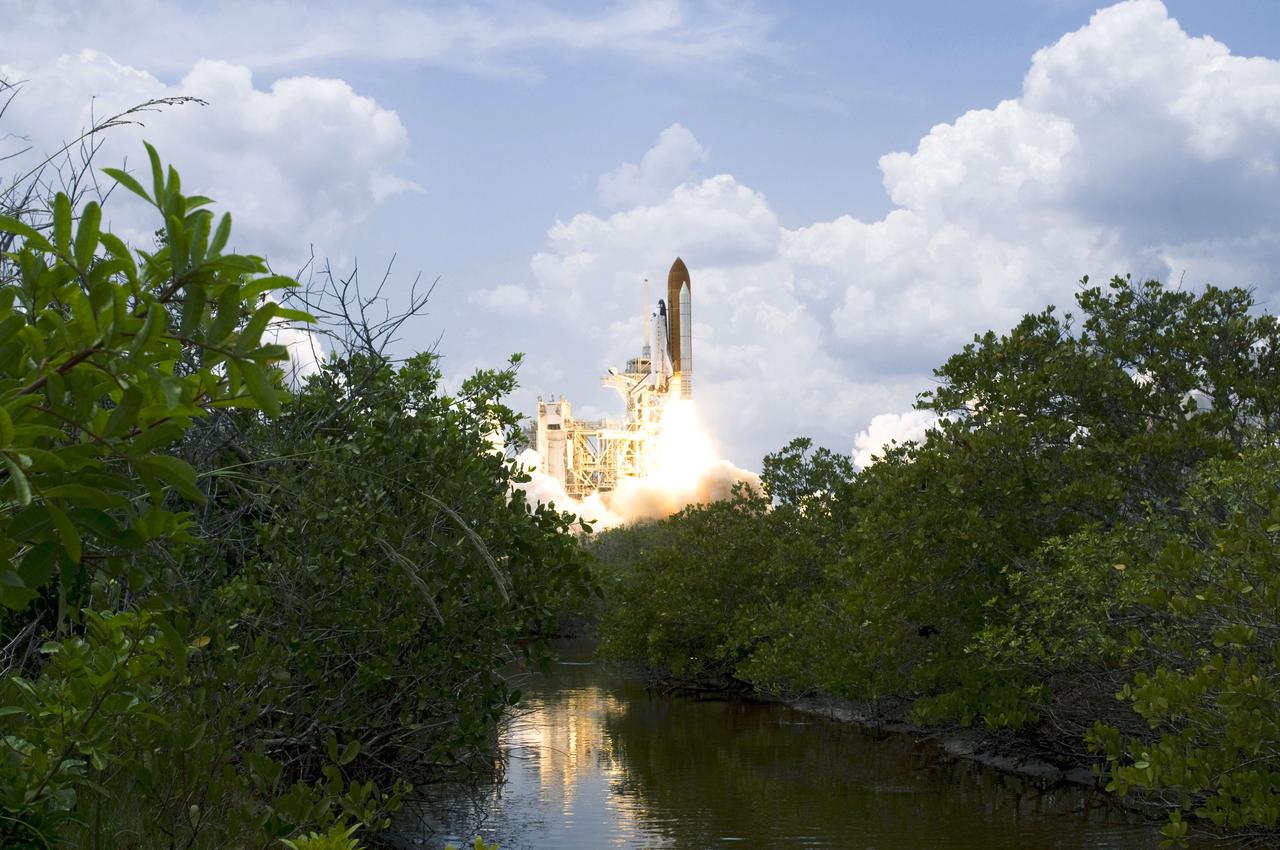
STS125-S-022 (11 May 2009) --- Space Shuttle Atlantis and its seven-member STS-125 crew head toward Earth orbit and rendezvous with NASA?s Hubble Space Telescope. Liftoff was on time at 2:01 p.m. (EDT) on May 11, 2009 from launch pad 39A at NASA's Kennedy Space Center. Onboard are astronauts Scott Altman, commander; Gregory C. Johnson, pilot; Michael Good, Megan McArthur, John Grunsfeld, Mike Massimino and Andrew Feustel, all mission specialists. Atlantis' 11-day flight will include five spacewalks to refurbish and upgrade the telescope with state-of-the-art science instruments that will expand Hubble's capabilities and extend its operational lifespan through at least 2014. The payload includes Wide Field Camera 3, fine guidance sensor and the Cosmic Origins Spectrograph.
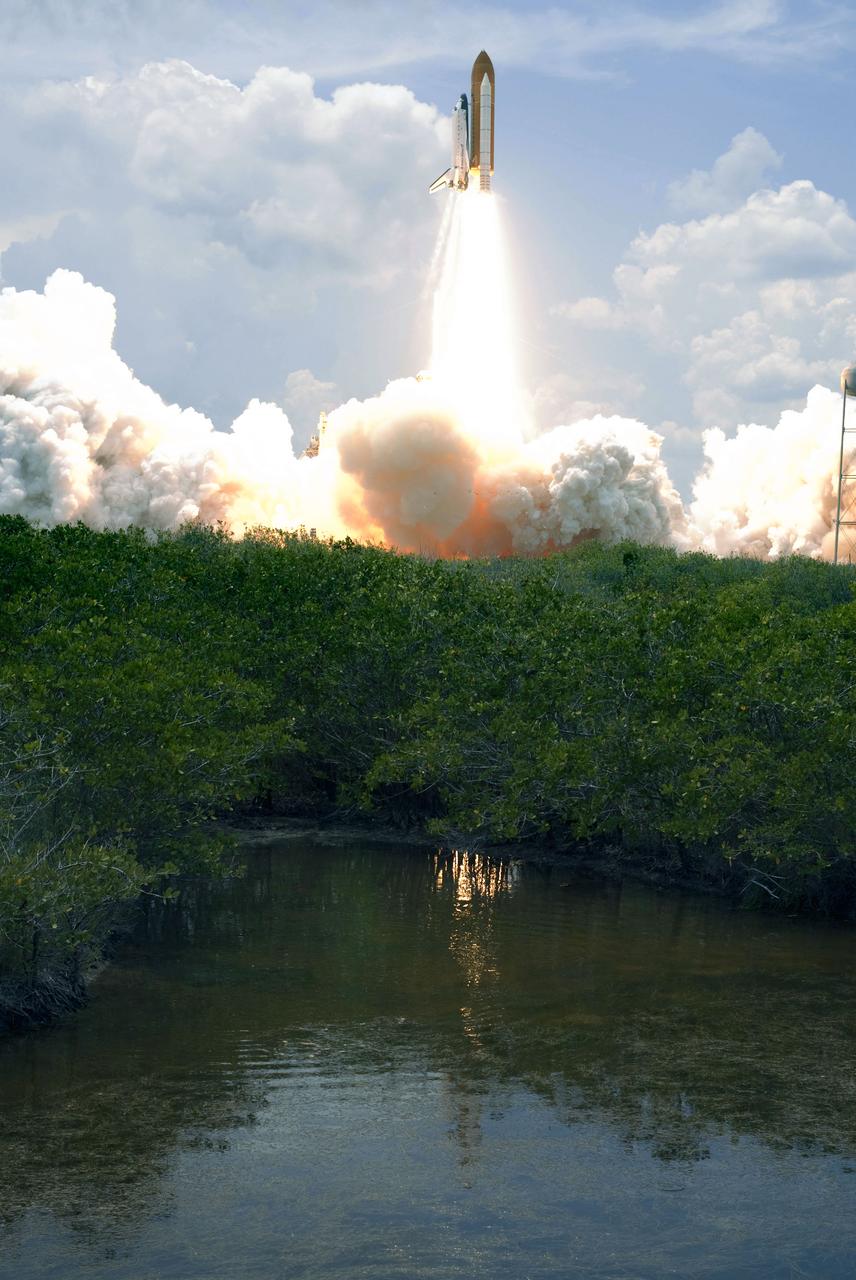
STS125-S-041 (11 May 2009) --- Space Shuttle Atlantis and its seven-member STS-125 crew head toward Earth orbit and rendezvous with NASA?s Hubble Space Telescope. Liftoff was on time at 2:01 p.m. (EDT) on May 11, 2009 from launch pad 39A at NASA's Kennedy Space Center. Onboard are astronauts Scott Altman, commander; Gregory C. Johnson, pilot; Michael Good, Megan McArthur, John Grunsfeld, Mike Massimino and Andrew Feustel, all mission specialists. Atlantis' 11-day flight will include five spacewalks to refurbish and upgrade the telescope with state-of-the-art science instruments that will expand Hubble's capabilities and extend its operational lifespan through at least 2014. The payload includes Wide Field Camera 3, fine guidance sensor and the Cosmic Origins Spectrograph.
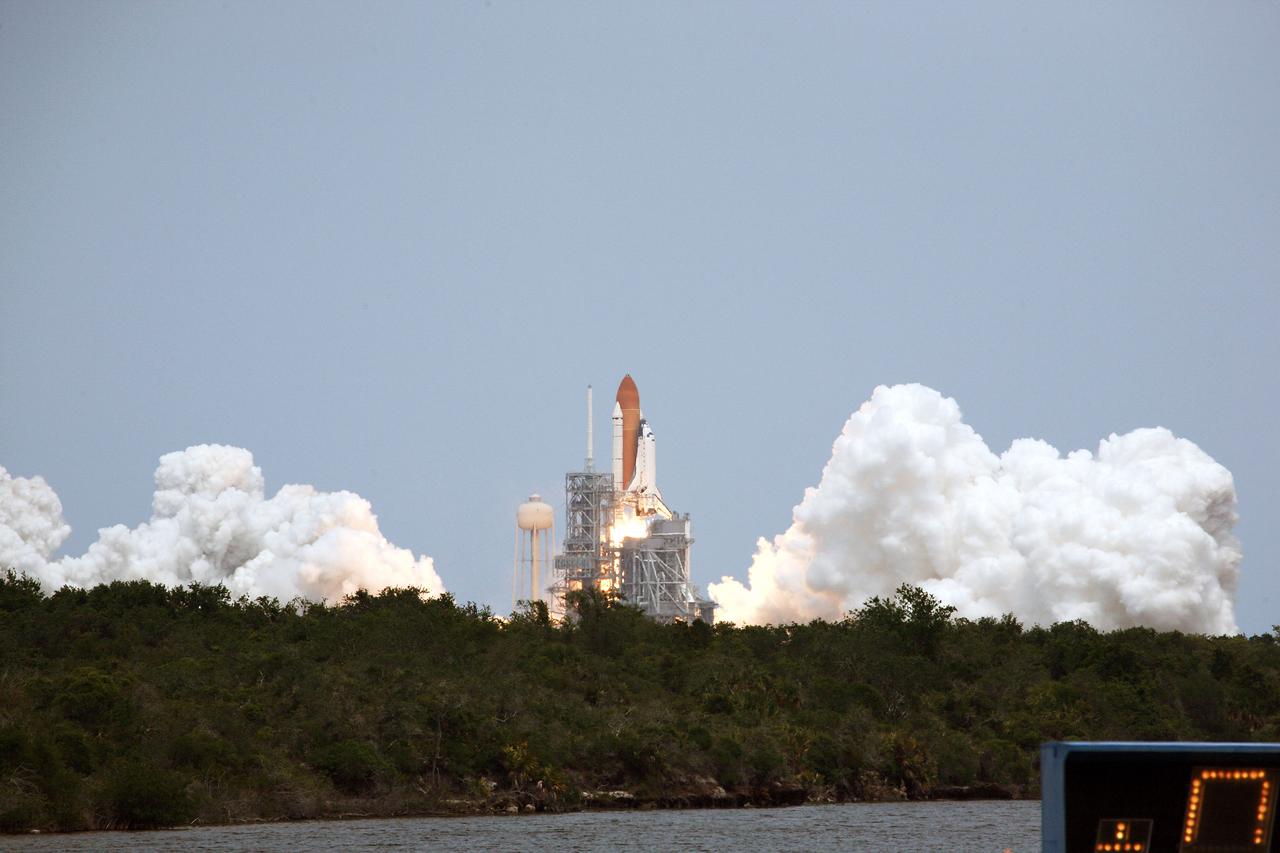
STS125-S-006 (11 May 2009) --- Space Shuttle Atlantis and its seven-member STS-125 crew head toward Earth orbit and rendezvous with NASA?s Hubble Space Telescope. Liftoff was on time at 2:01 p.m. (EDT) on May 11, 2009 from launch pad 39A at NASA's Kennedy Space Center. Onboard are astronauts Scott Altman, commander; Gregory C. Johnson, pilot: Michael Good, Megan McArthur, John Grunsfeld, Mike Massimino and Andrew Feustel, all mission specialists. Atlantis' 11-day flight will include five spacewalks to refurbish and upgrade the telescope with state-of-the-art science instruments that will expand Hubble's capabilities and extend its operational lifespan through at least 2014. The payload includes Wide Field Camera 3, fine guidance sensor and the Cosmic Origins Spectrograph.
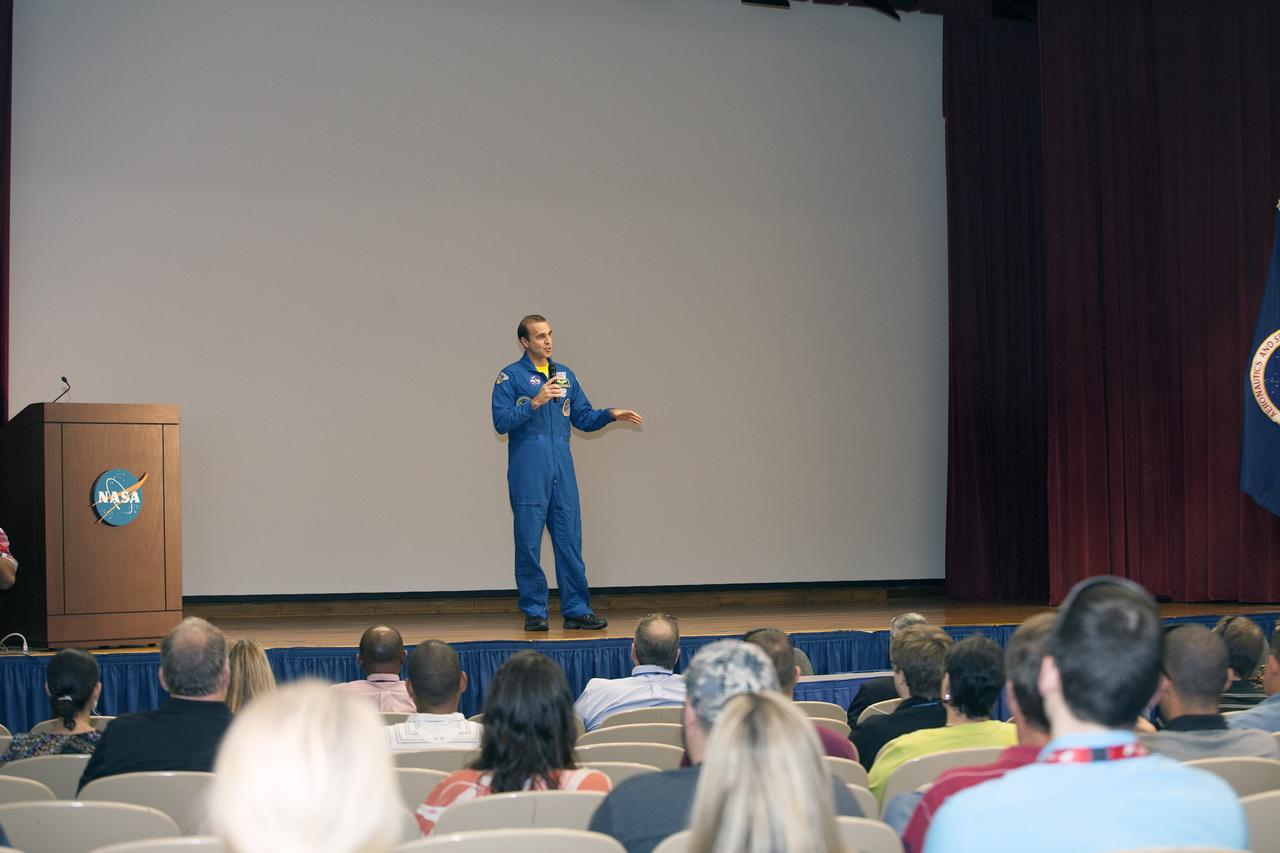
CAPE CANAVERAL, Fla. – NASA astronaut Rick Mastracchio makes his opening remarks to the audience at a post-flight presentation on the Expedition 38 mission to the International Space Station. The Space Flight Awareness Program hosted Mastracchio's presentation for employees in the KSC Training Auditorium at NASA's Kennedy Space Center in Florida. An Expedition 38/39 crew member, Mastracchio launched to the station from the Baikonur Cosmodrome in Kazakhstan on Nov. 6, 2013, and returned to Earth on May 13, 2014, after 188 days in space. Following Mastracchio's remarks, employees were given the opportunity to ask questions and to meet him in person. To read Mastracchio's biography, visit http://www.jsc.nasa.gov/Bios/htmlbios/mastracc.html. For more information on Expedition 38, visit http://www.nasa.gov/mission_pages/station/expeditions/expedition38. Photo credit: NASA/Daniel Casper
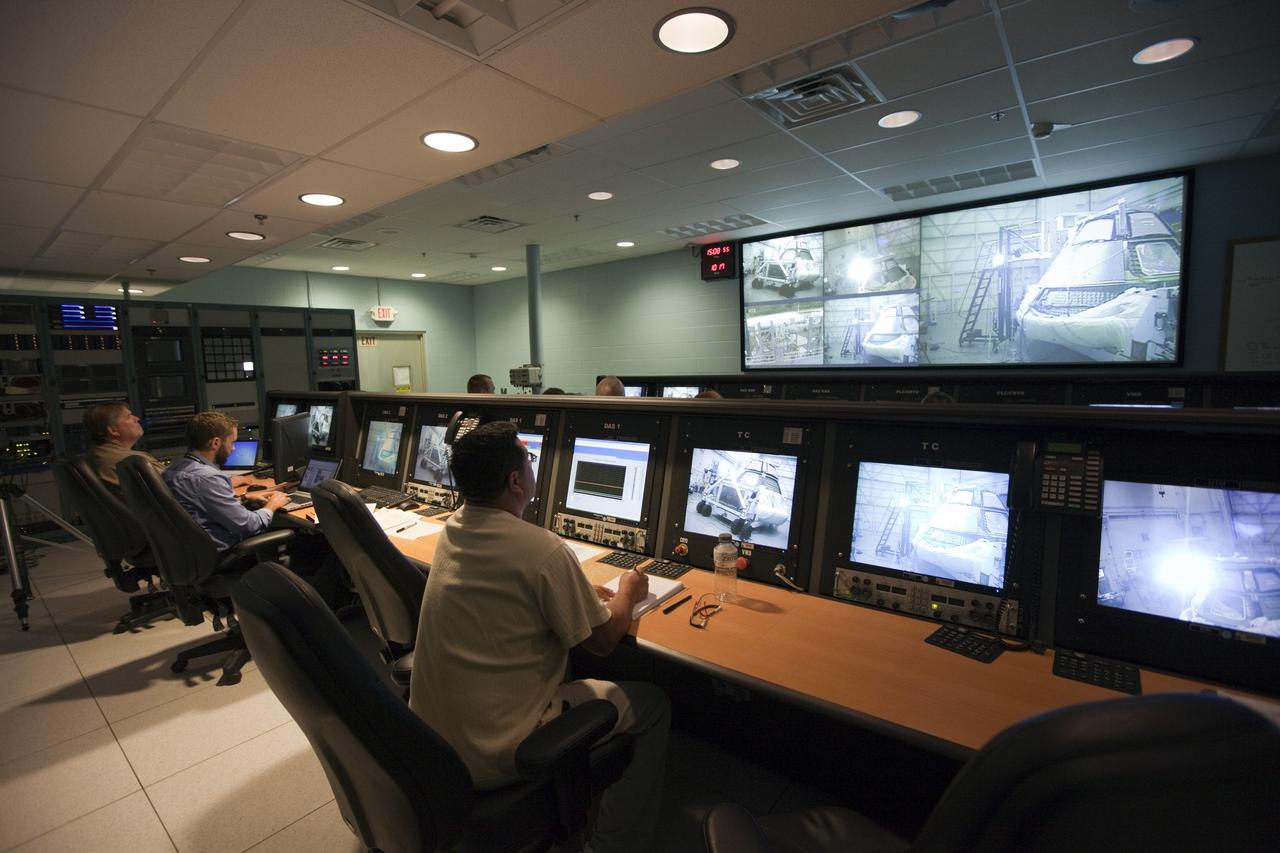
CAPE KENNEDY, Fla. -- Inside the control room at the Launch Equipment Test Facility, or LETF, at NASA’s Kennedy Space Center in Florida, Lockheed Martin engineers monitor the pyrotechnic bolt test on the Orion ground test vehicle at the LETF. Lockheed Martin performed tests over a series of days on the explosive bolts that separate Orion from the launch abort system. Data was collected on the effect of shock waves on Orion during the explosive bolt separation. Orion is the exploration spacecraft designed to carry crews to space beyond low Earth orbit. It will provide emergency abort capability, sustain the crew during the space travel and provide safe re-entry from deep space return velocities. The first unpiloted test flight of the Orion is scheduled to launch in 2014 atop a Delta IV rocket and in 2017 on a Space Launch System rocket. For more information, visit http://www.nasa.gov/orion. Photo credit: NASA/Kim Shiflett
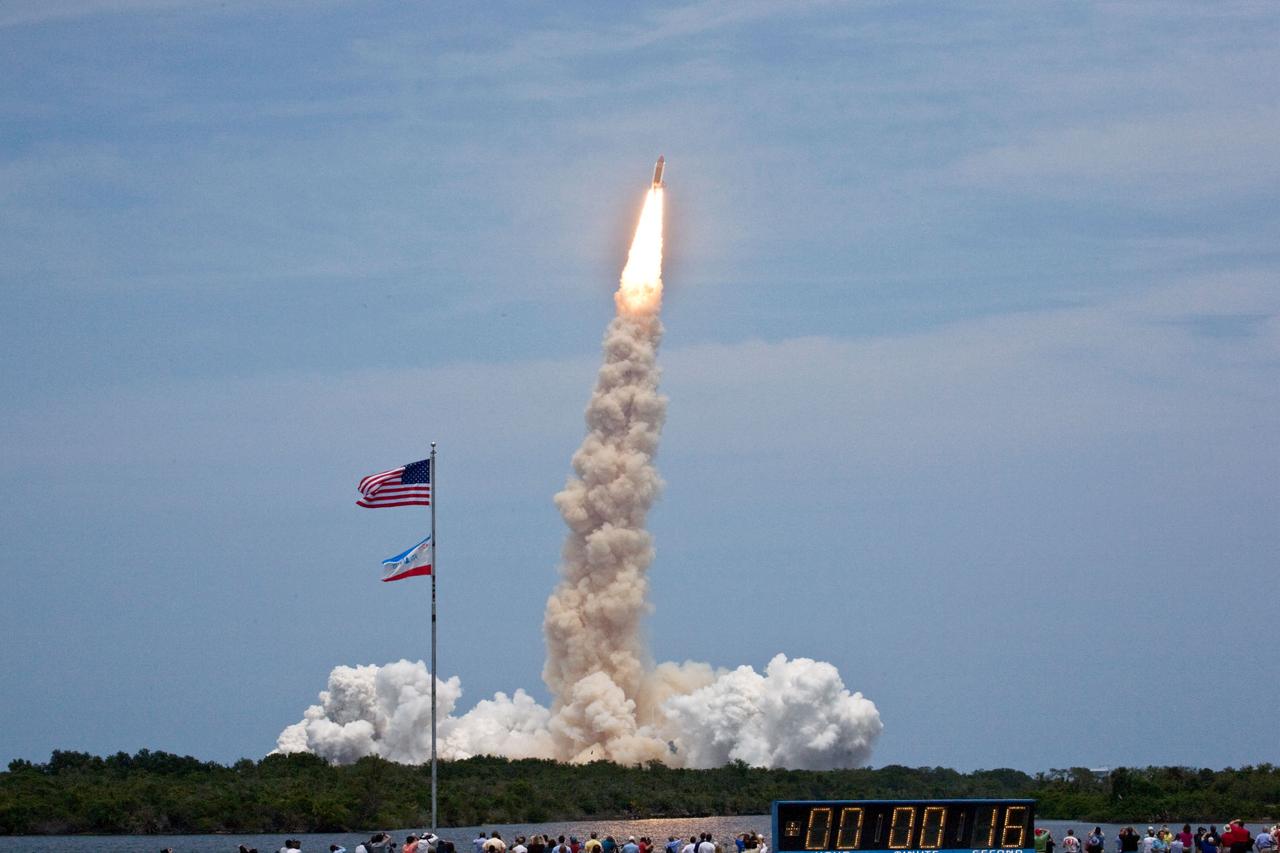
STS125-S-005 (11 May 2009) --- Space Shuttle Atlantis and its seven-member STS-125 crew head toward Earth orbit and rendezvous with NASA?s Hubble Space Telescope. Liftoff was on time at 2:01 p.m. (EDT) on May 11, 2009 from launch pad 39A at NASA's Kennedy Space Center. Onboard are astronauts Scott Altman, commander; Gregory C. Johnson, pilot: Michael Good, Megan McArthur, John Grunsfeld, Mike Massimino and Andrew Feustel, all mission specialists. Atlantis' 11-day flight will include five spacewalks to refurbish and upgrade the telescope with state-of-the-art science instruments that will expand Hubble's capabilities and extend its operational lifespan through at least 2014. The payload includes Wide Field Camera 3, fine guidance sensor and the Cosmic Origins Spectrograph.
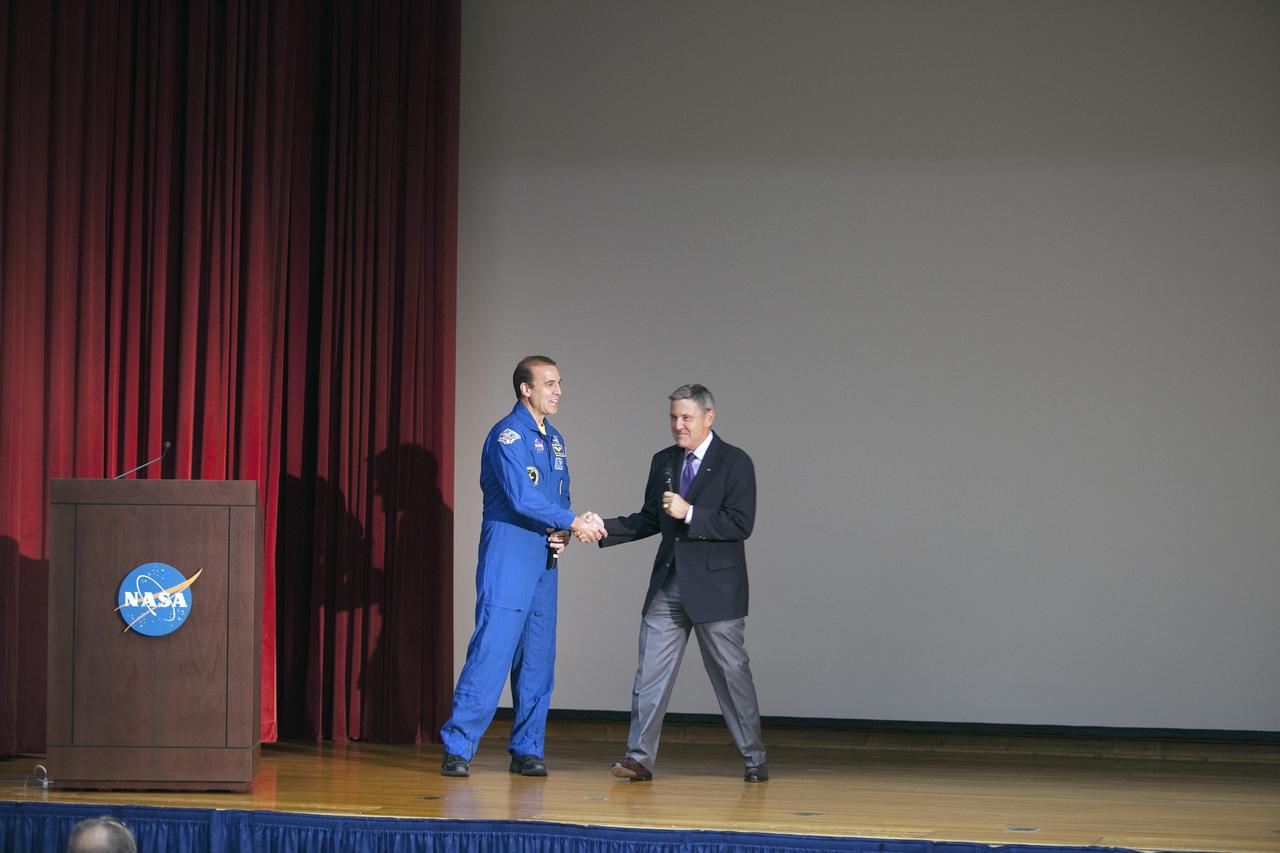
CAPE CANAVERAL, Fla. – NASA Kennedy Space Center Director and former astronaut Bob Cabana, right, welcomes astronaut Rick Mastracchio to the center for a post-flight presentation on the Expedition 38 mission to the International Space Station. The Space Flight Awareness Program hosted Mastracchio's presentation for employees in the KSC Training Auditorium. An Expedition 38/39 crew member, Mastracchio launched to the station from the Baikonur Cosmodrome in Kazakhstan on Nov. 6, 2013, and returned to Earth on May 13, 2014, after 188 days in space. Following Mastracchio's remarks, employees were given the opportunity to ask questions and to meet him in person. To read Mastracchio's biography, visit http://www.jsc.nasa.gov/Bios/htmlbios/mastracc.html. For more information on Expedition 38, visit http://www.nasa.gov/mission_pages/station/expeditions/expedition38. Photo credit: NASA/Daniel Casper
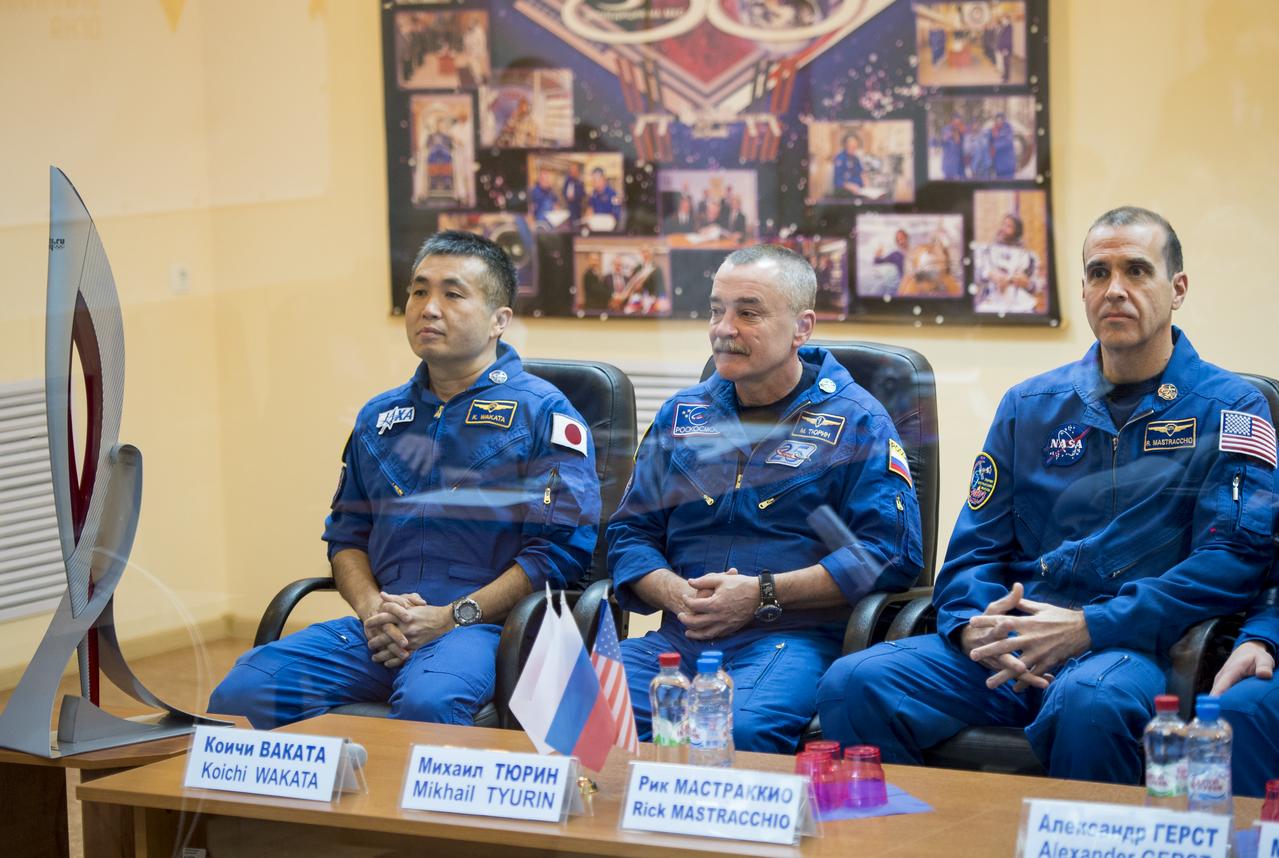
Expedition 38 Flight Engineer Koichi Wakata of the Japan Aerospace Exploration Agency, left, Soyuz Commander Mikhail Tyurin of Roscosmos, and, Flight Engineer Rick Mastracchio of NASA, right, are seen behind glass, while in quarantine, during the State Commission meeting held to approve the Soyuz launch of the crew for a six month mission aboard the International Space Station, Wednesday, Nov. 6, 2013 at the Cosmonaut Hotel in Baikonur, Kazakhstan. An Olympic torch that will be launched with the crew for a four-day visit to the station is seen on the left. The torch will return to Earth with another trio of station residents on Nov. 11 and will be part of the torch relay that ends with the lighting of the flame at the Fisht Stadium in Sochi, Russia Feb. 7 to mark the opening of the 2014 Winter Olympics. Photo Credit: (NASA/Bill Ingalls)
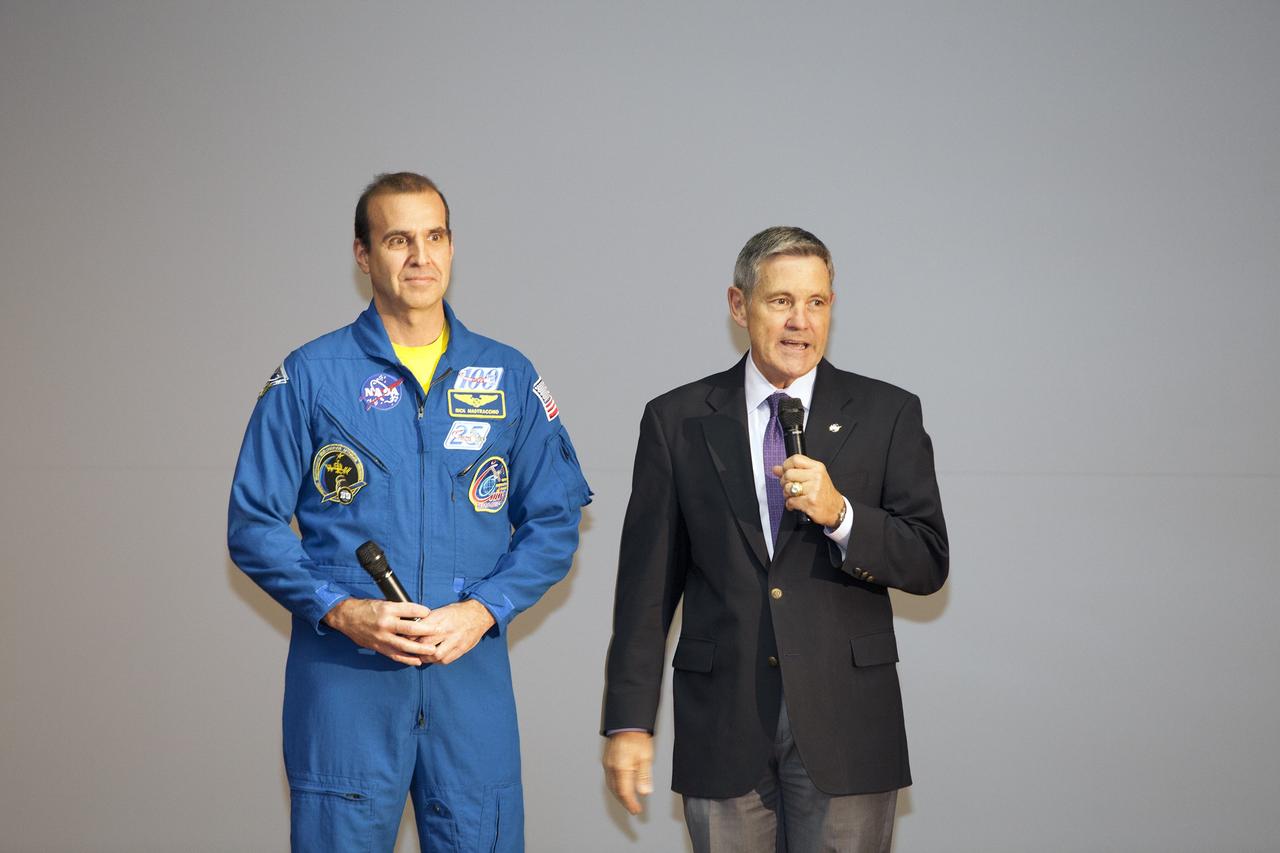
CAPE CANAVERAL, Fla. – NASA Kennedy Space Center Director and former astronaut Bob Cabana, right, introduces astronaut Rick Mastracchio to the audience at a post-flight presentation on the Expedition 38 mission to the International Space Station. The Space Flight Awareness Program hosted Mastracchio's presentation for employees in the KSC Training Auditorium. An Expedition 38/39 crew member, Mastracchio launched to the station from the Baikonur Cosmodrome in Kazakhstan on Nov. 6, 2013, and returned to Earth on May 13, 2014, after 188 days in space. Following Mastracchio's remarks, employees were given the opportunity to ask questions and to meet him in person. To read Mastracchio's biography, visit http://www.jsc.nasa.gov/Bios/htmlbios/mastracc.html. For more information on Expedition 38, visit http://www.nasa.gov/mission_pages/station/expeditions/expedition38. Photo credit: NASA/Daniel Casper
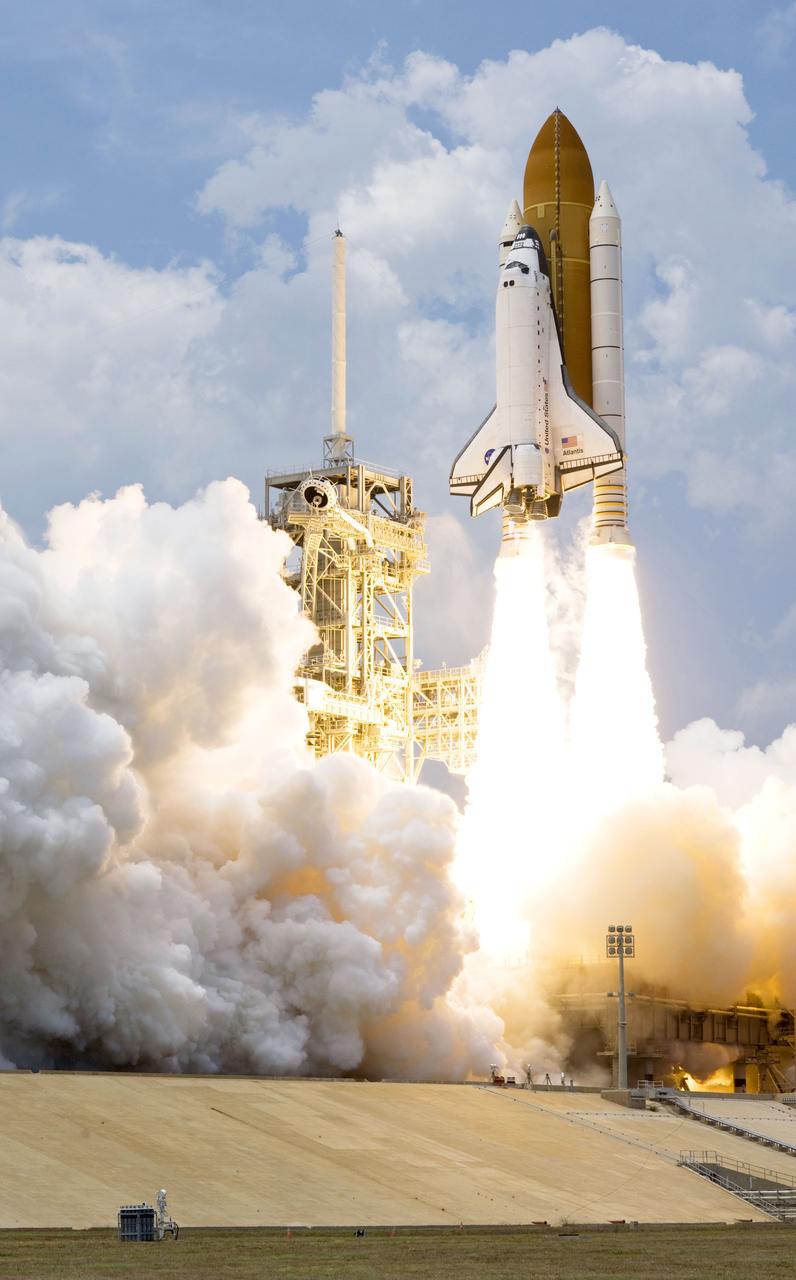
STS125-S-052 (11 May 2009) --- Space Shuttle Atlantis and its seven-member STS-125 crew head toward Earth orbit and rendezvous with NASA?s Hubble Space Telescope. Liftoff was on time at 2:01 p.m. (EDT) on May 11, 2009 from launch pad 39A at NASA's Kennedy Space Center. Onboard are astronauts Scott Altman, commander; Gregory C. Johnson, pilot; Michael Good, Megan McArthur, John Grunsfeld, Mike Massimino and Andrew Feustel, all mission specialists. Atlantis' 11-day flight will include five spacewalks to refurbish and upgrade the telescope with state-of-the-art science instruments that will expand Hubble's capabilities and extend its operational lifespan through at least 2014. The payload includes Wide Field Camera 3, fine guidance sensor and the Cosmic Origins Spectrograph.
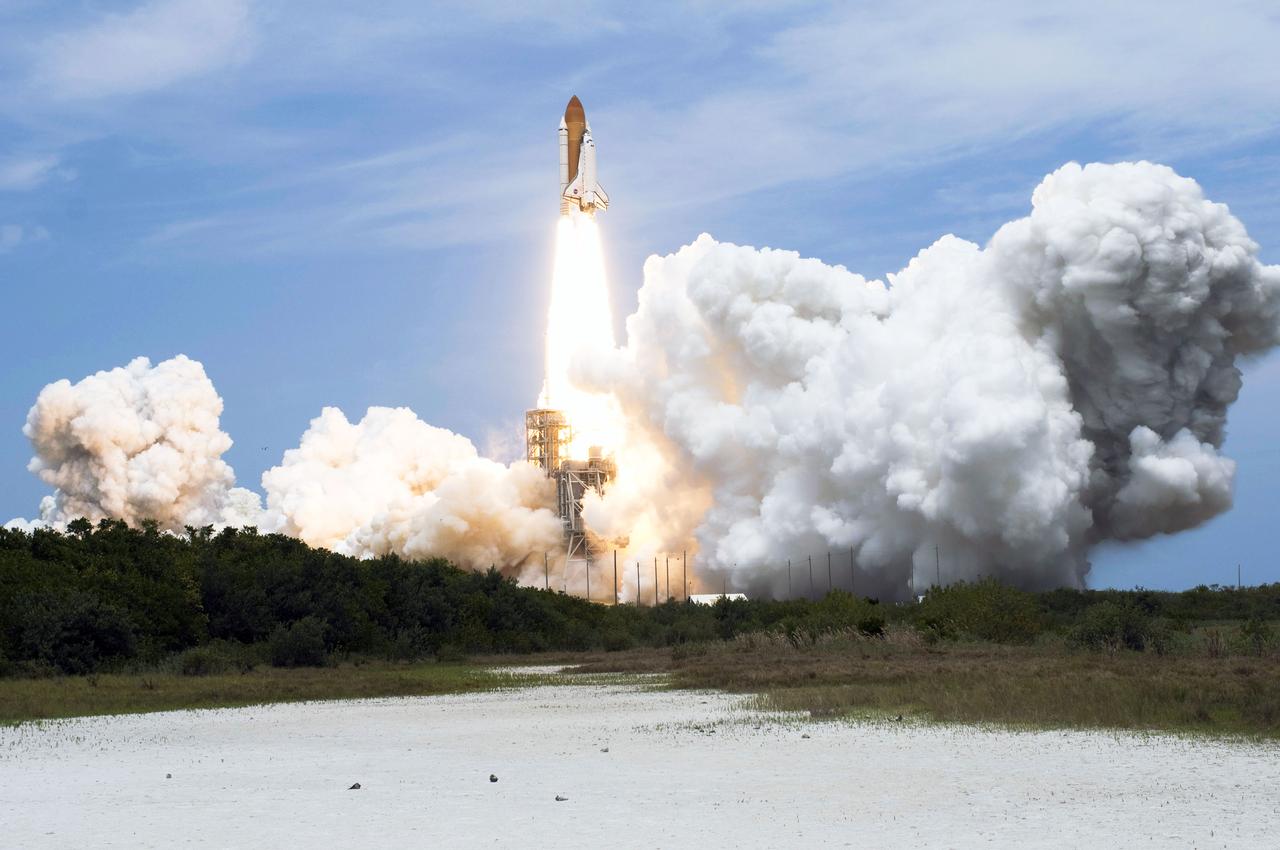
STS125-S-030 (11 May 2009) --- Space Shuttle Atlantis and its seven-member STS-125 crew head toward Earth orbit and rendezvous with NASA?s Hubble Space Telescope. Liftoff was on time at 2:01 p.m. (EDT) on May 11, 2009 from launch pad 39A at NASA's Kennedy Space Center. Onboard are astronauts Scott Altman, commander; Gregory C. Johnson, pilot; Michael Good, Megan McArthur, John Grunsfeld, Mike Massimino and Andrew Feustel, all mission specialists. Atlantis' 11-day flight will include five spacewalks to refurbish and upgrade the telescope with state-of-the-art science instruments that will expand Hubble's capabilities and extend its operational lifespan through at least 2014. The payload includes Wide Field Camera 3, fine guidance sensor and the Cosmic Origins Spectrograph.
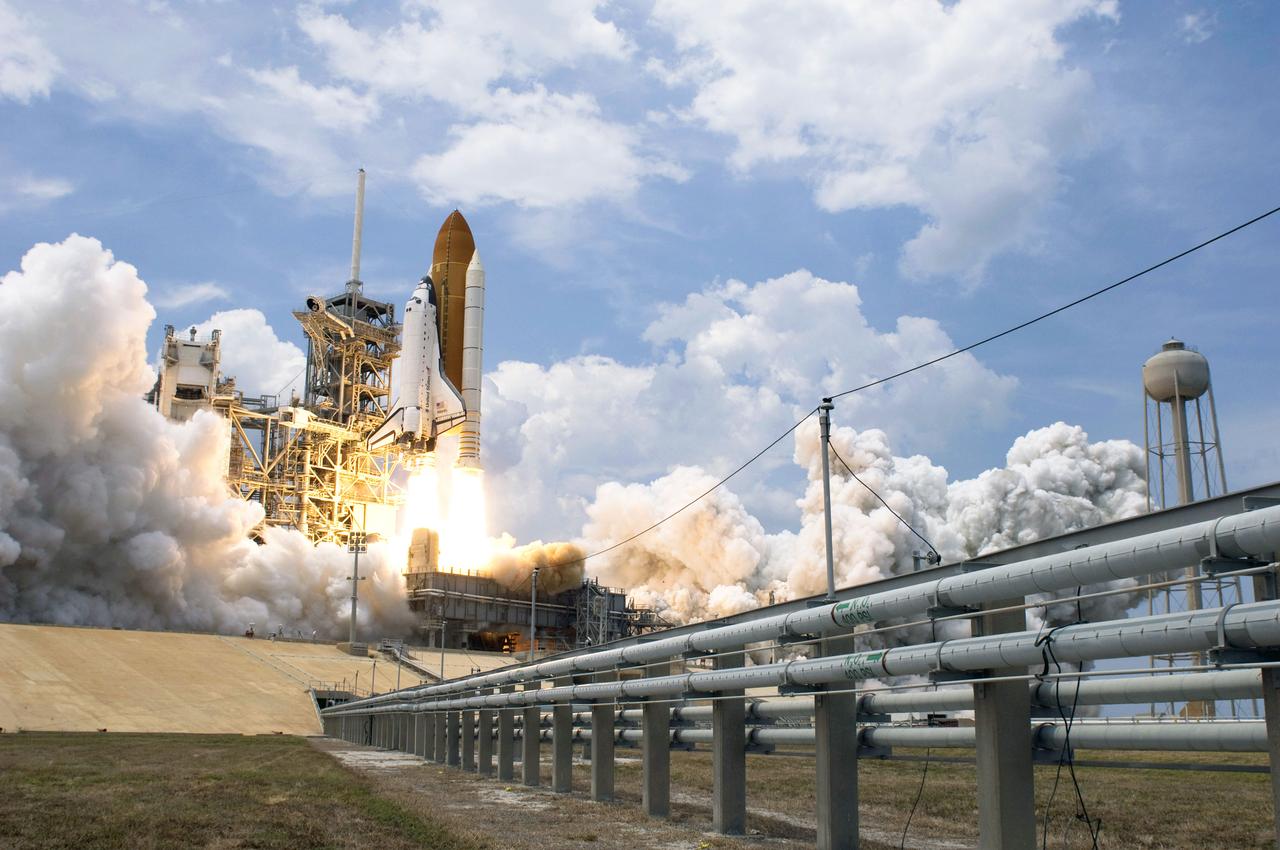
STS125-S-038 (11 May 2009) --- Space Shuttle Atlantis and its seven-member STS-125 crew head toward Earth orbit and rendezvous with NASA?s Hubble Space Telescope. Liftoff was on time at 2:01 p.m. (EDT) on May 11, 2009 from launch pad 39A at NASA's Kennedy Space Center. Onboard are astronauts Scott Altman, commander; Gregory C. Johnson, pilot; Michael Good, Megan McArthur, John Grunsfeld, Mike Massimino and Andrew Feustel, all mission specialists. Atlantis' 11-day flight will include five spacewalks to refurbish and upgrade the telescope with state-of-the-art science instruments that will expand Hubble's capabilities and extend its operational lifespan through at least 2014. The payload includes Wide Field Camera 3, fine guidance sensor and the Cosmic Origins Spectrograph.