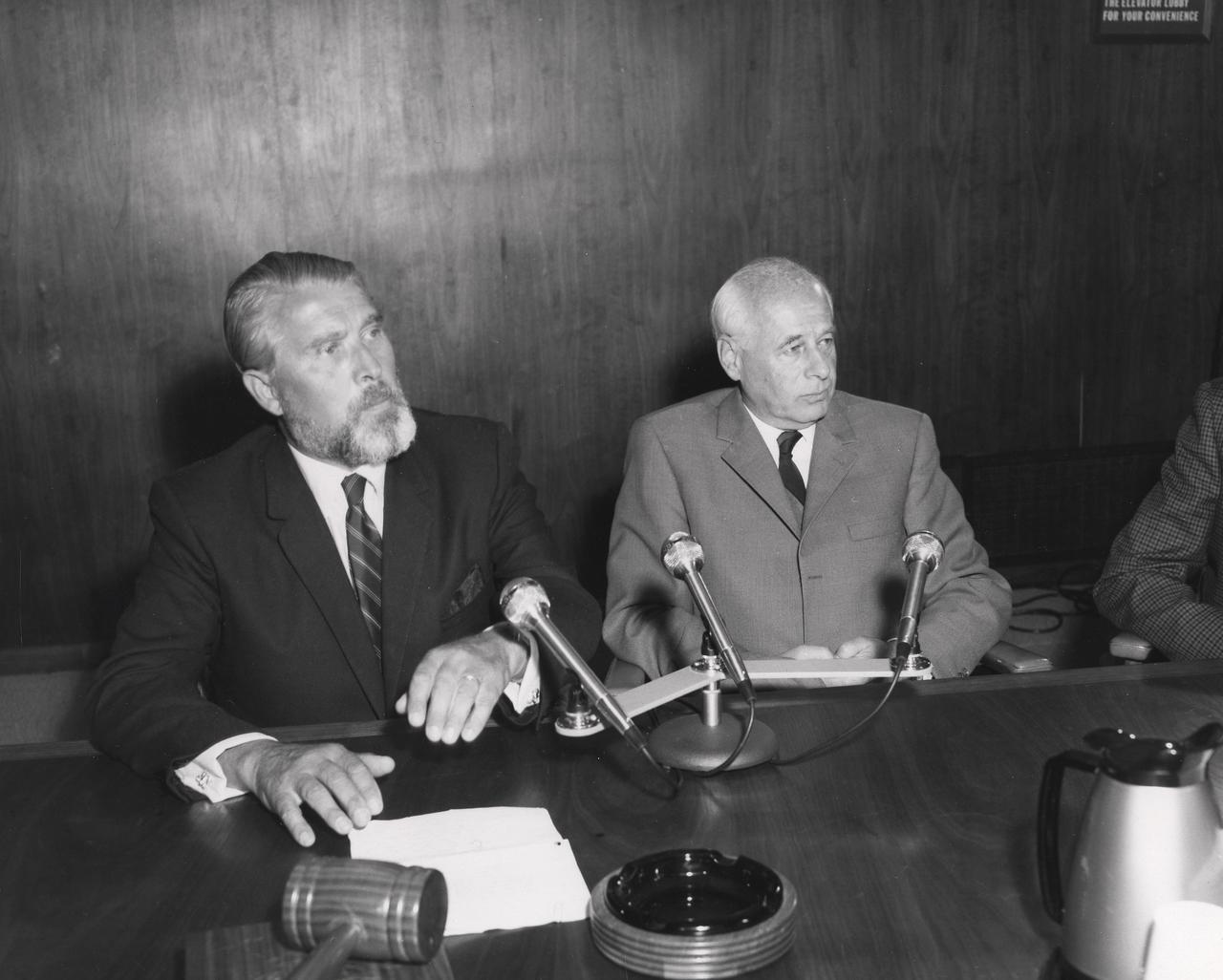
This is a photograph of Dr. von Braun and Dr. Eberhard Rees at a press conference in 1970 at the Marshall Space Flight Center.
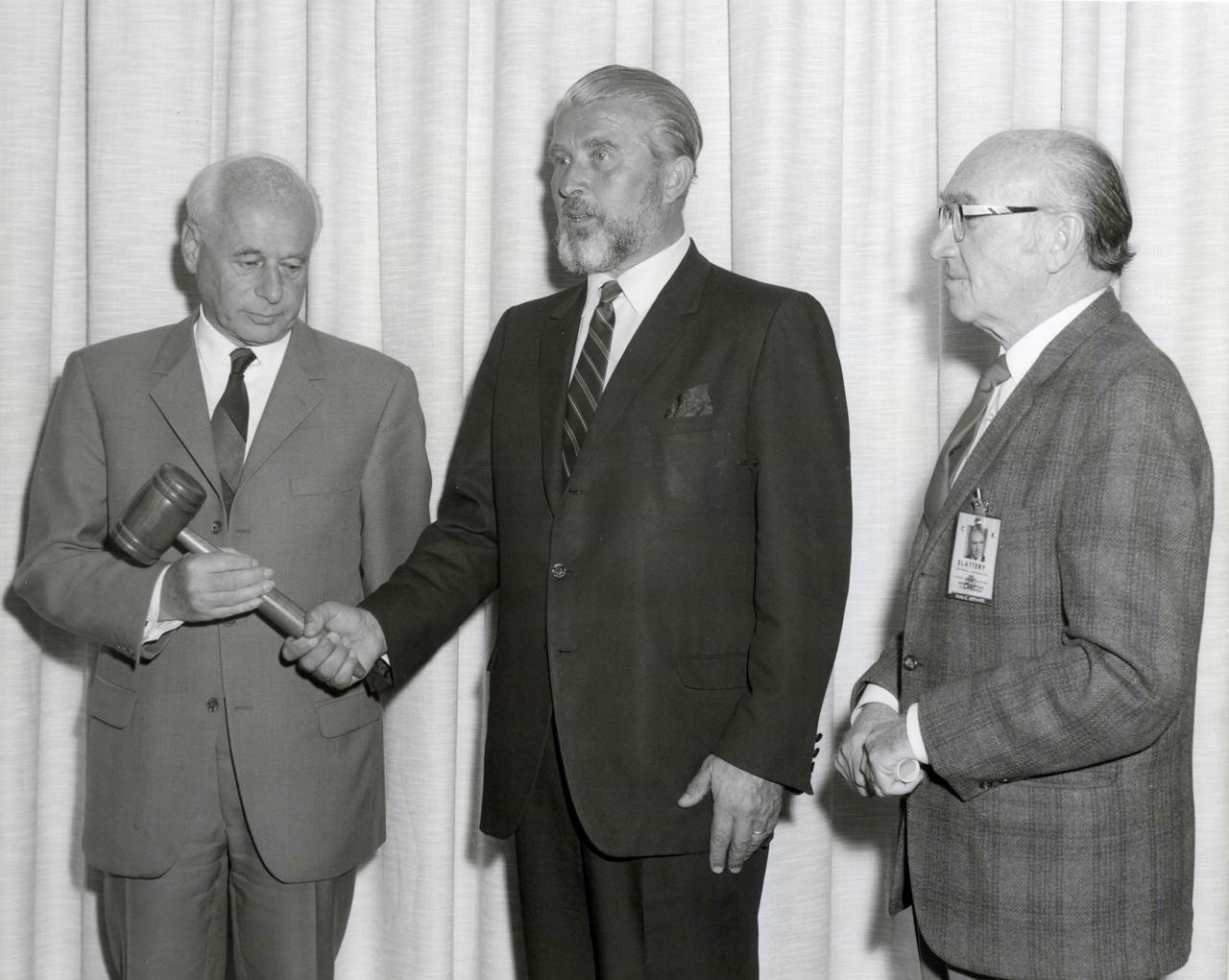
Dr. Wernher Von Braun presents the gavel to incoming center director Dr. Eberhard Rees with Art Slattery looking on.
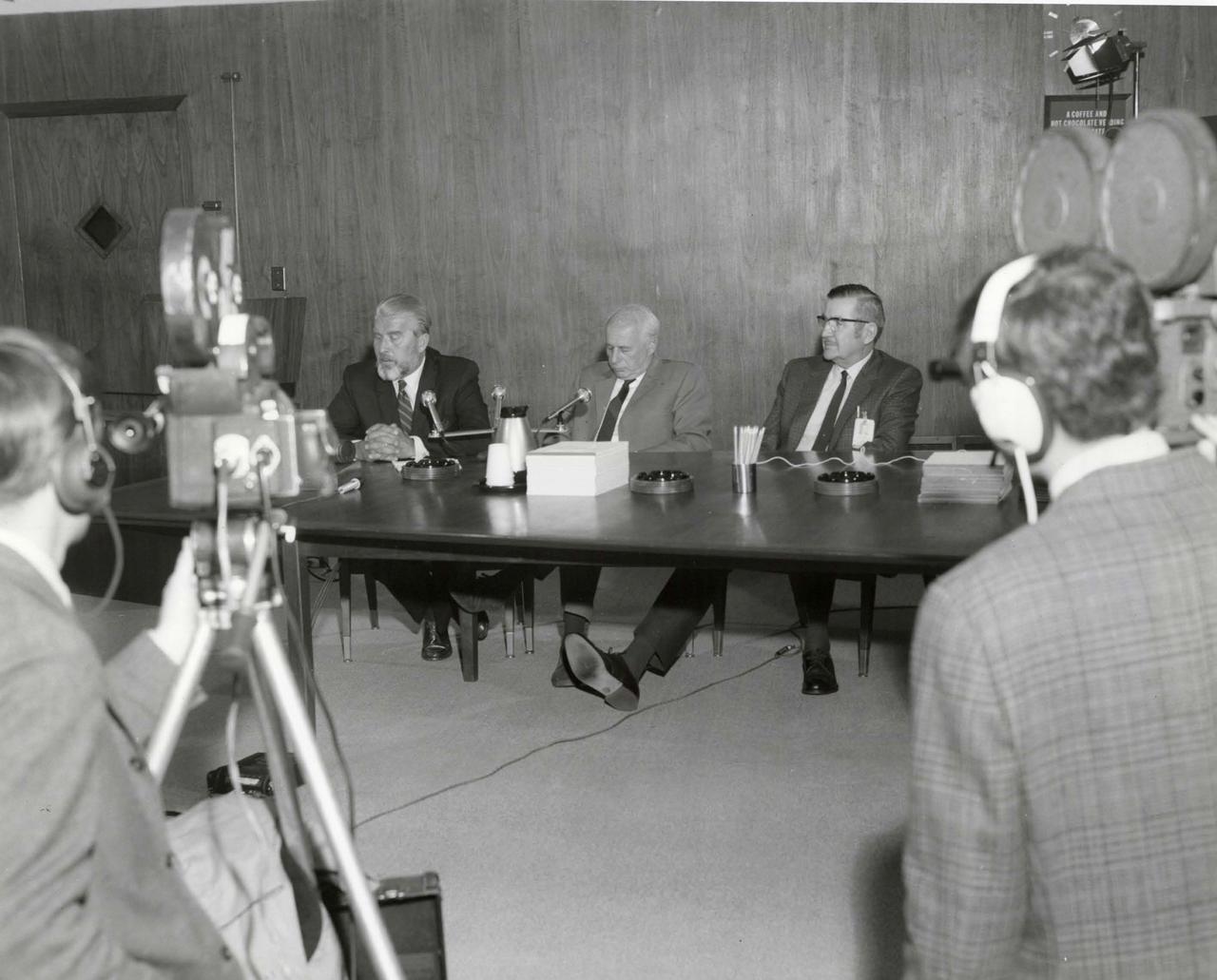
Dr. Wernher Von Braun, Dr. Eberhard Rees, and R.W. Cook at a press conference with cameras in the foreground.
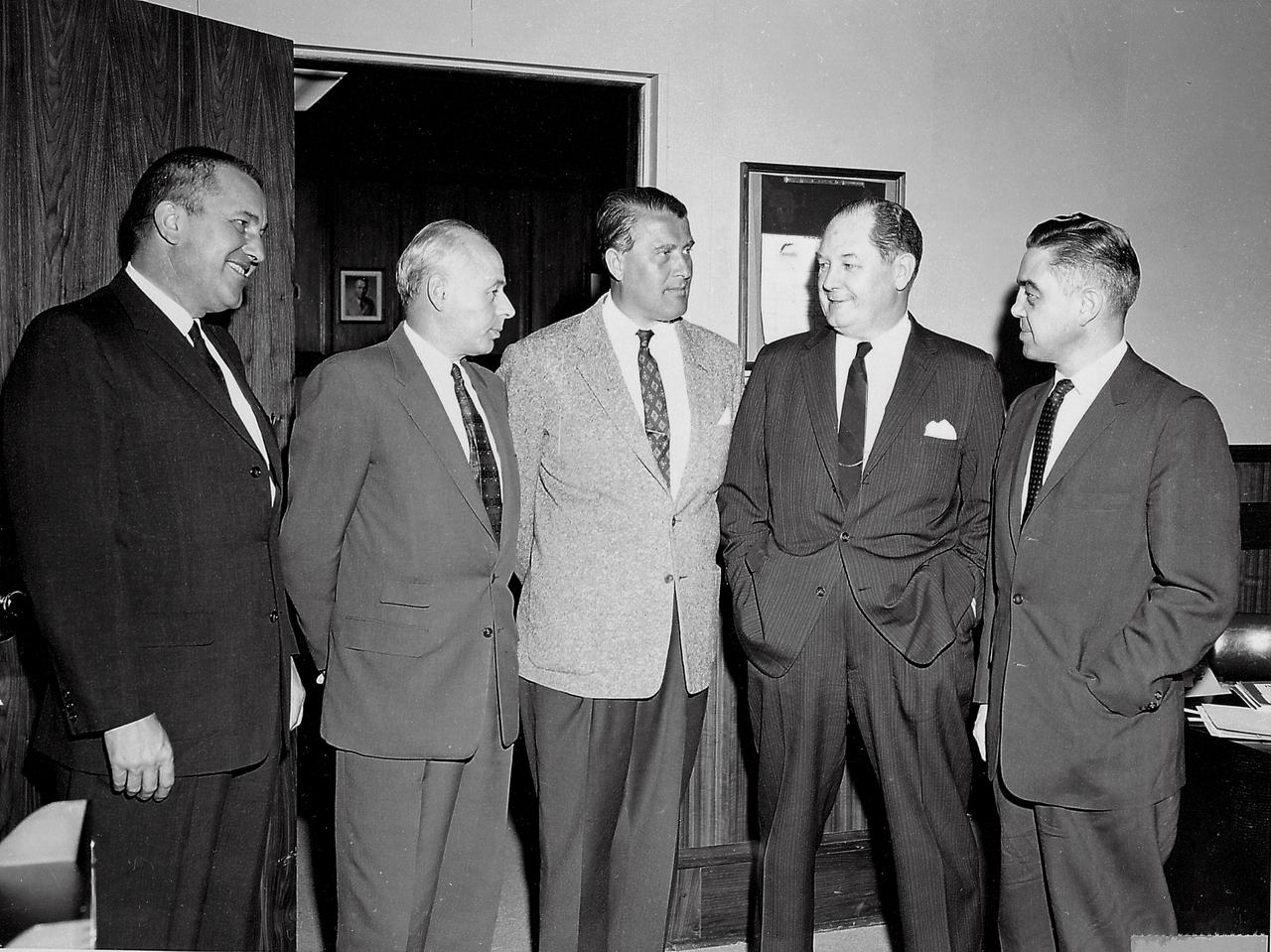
Representing the National Aeronautics and Space Administration (NASA) Headquarters and the Marshall Space Flight Center (MSFC), these officials performed the major work in the formation of MSFC. (Left to right) Delmar M. Morris, Deputy Director for Administration, MSFC; Eberhard Rees, Deputy Director for Research and Development, MSFC; Dr. Wernher von Braun, Director, MSFC; Dr. T. Keith Glernan, NASA Administrator; and Maj. Gen. Don R. Ostrander, Director, Office of Launch Vehicle Program, NASA
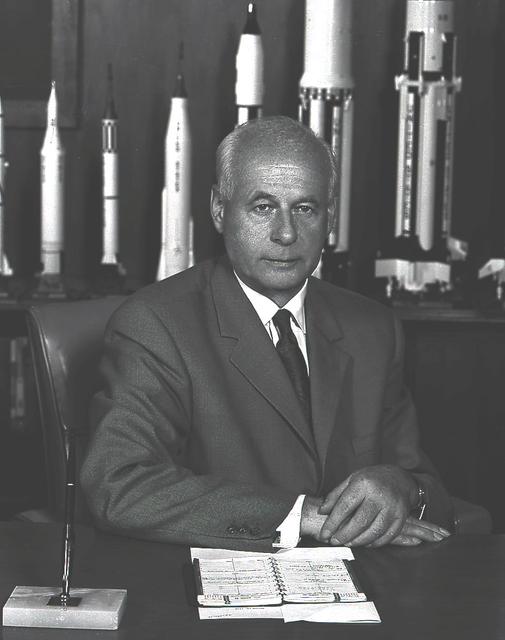
Official portrait of Marshall's second Center Director Dr. Eberhard F. Rees (1970-1973).
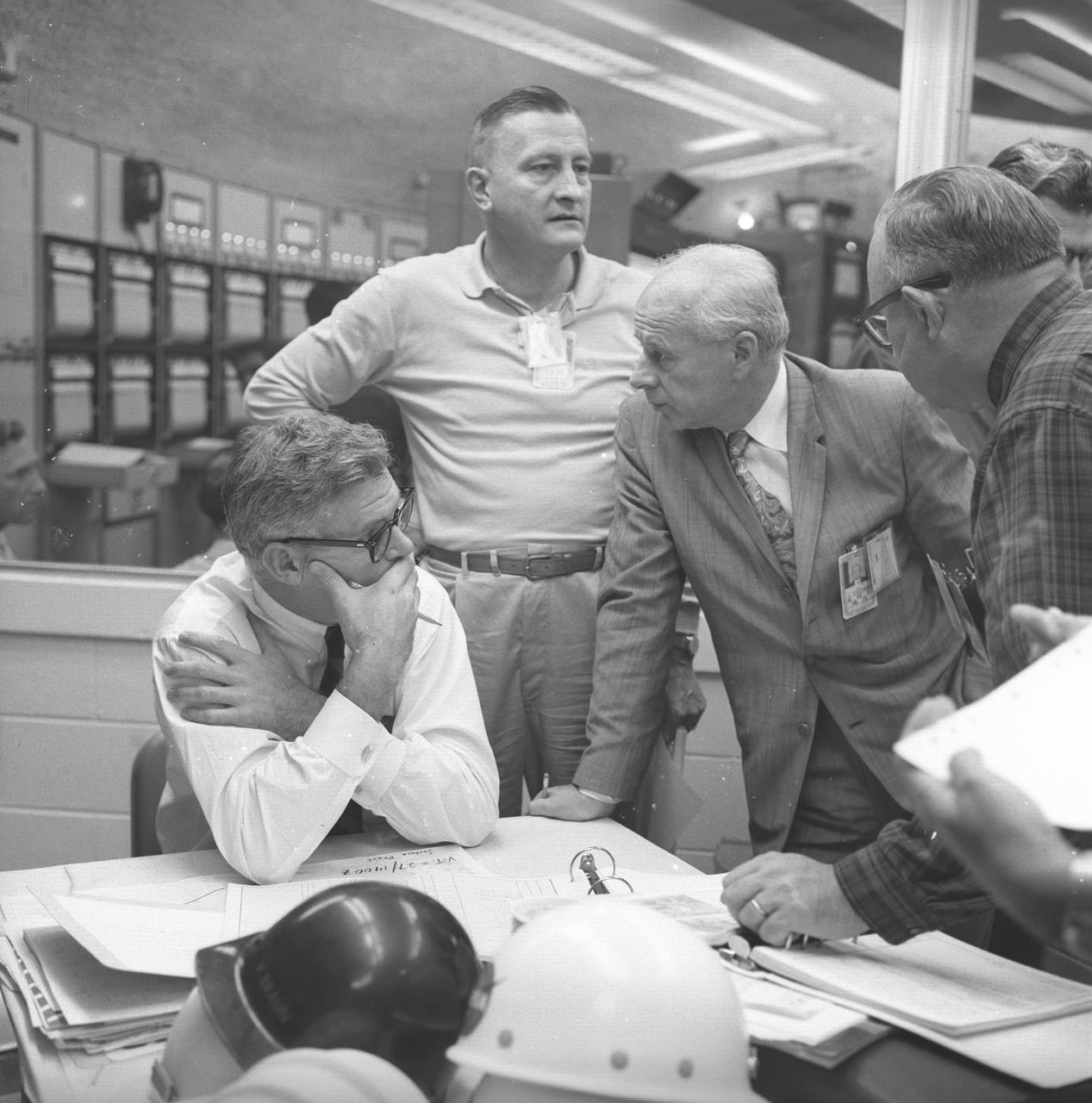
Dr. Eberhard Rees surrounded by other rocket scientist in the blockhouse, a safe viewing area for rocket tests or launches, during a missile launch. Dr. Rees, Marshall's second Center Director (1970-1973), kept most of Von Braun's plans alive but also succeeded in bringing the Saturn program to forebearance.
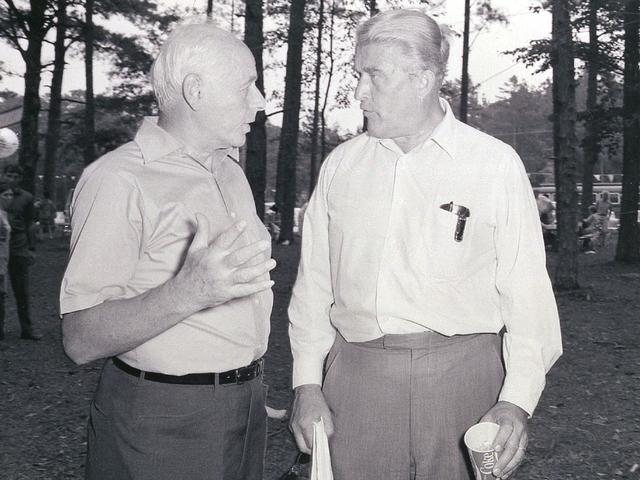
Marshall Space Flight Center (MSFC) Director Dr. Eberhard Rees conversing with former Center Director, Dr. Wernher von Braun, who along with his wife and son, participated in MFSC's Tenth Anniversary Celebration Picnic held at the Center's picnic area.
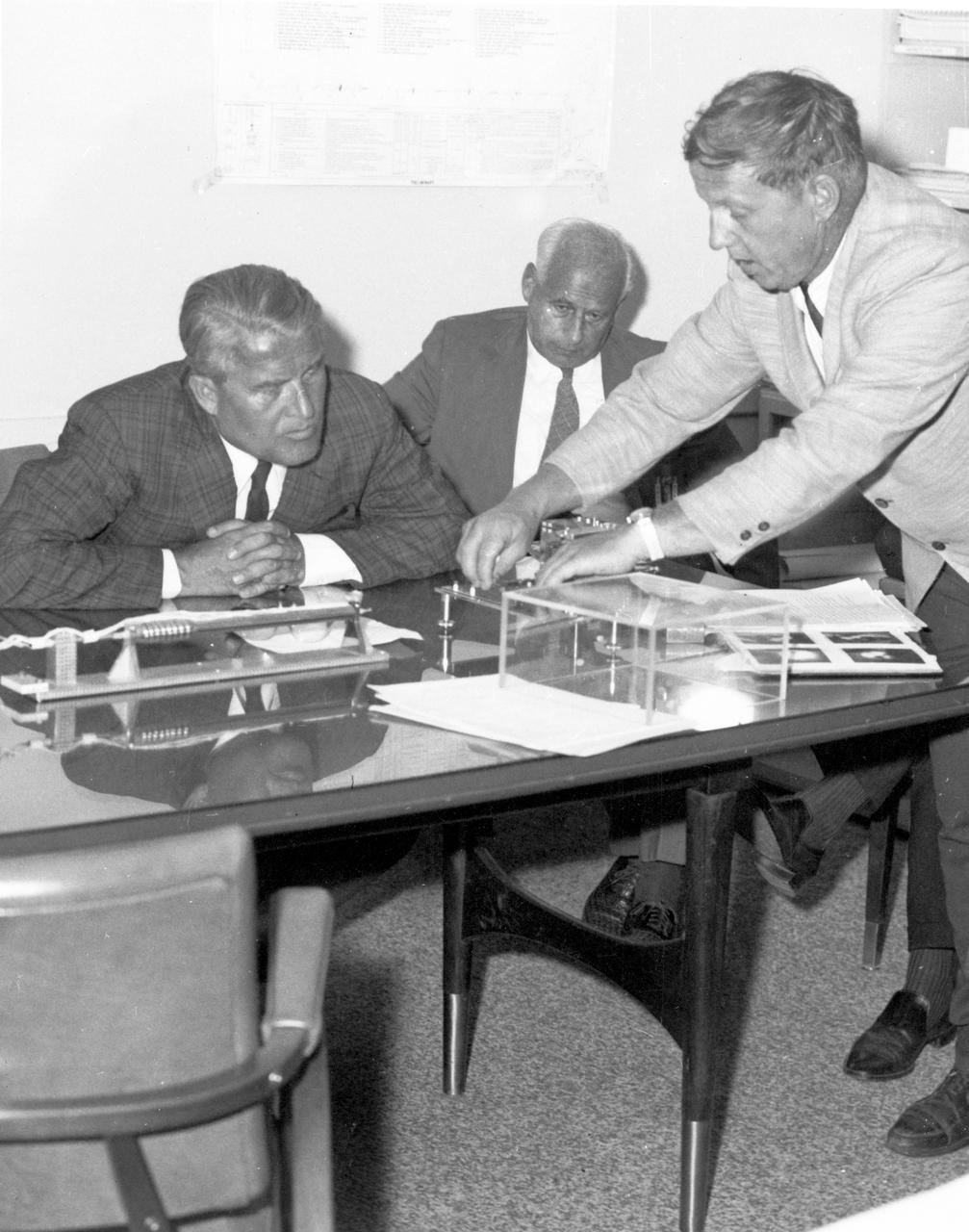
Marshall Space Flight Center’s (MSFC) director, Dr. Wernher von Braun (left), and Deputy Director, Dr. Eberhard Rees (right), get a briefing on an experiment being conducted in the MSFC Space Sciences Laboratory on August 28, 1967.
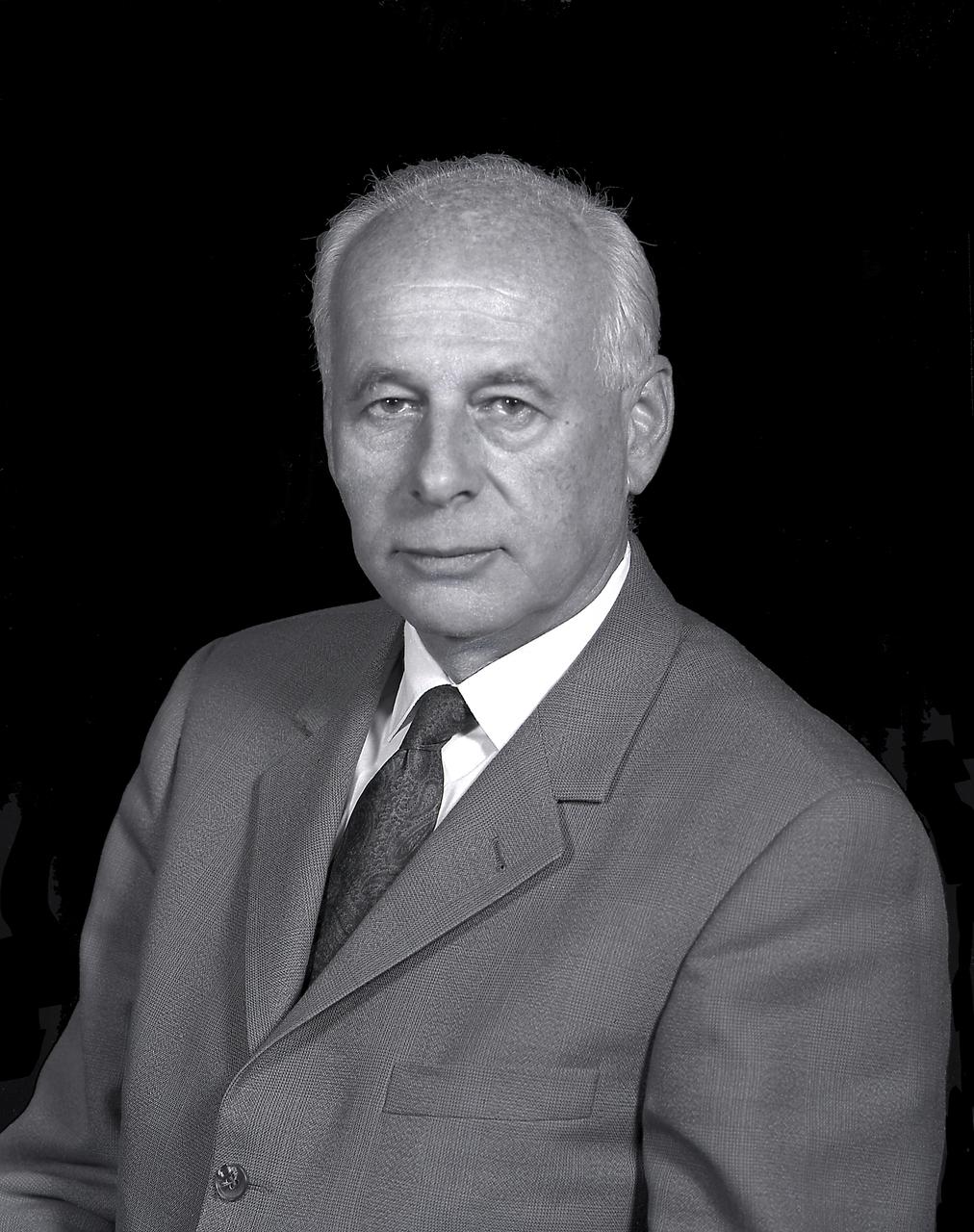
Dr. Eberhard Rees served as director of the Marshall Space Flight Center from March 1, 1970 until January 19, 1973 when he retired from NASA. Prior to his appointment as Director, Rees served as the Center's deputy director under Dr. Wernher von Braun, 1960-1970. Rees came to the United States as part of the Dr. Wernher von Braun's German Rocket team following World War II. He transferred to Huntsville, Alabama from Fort Bliss, Texas in 1950 to work for the Army's rocket program at Redstone Arsenal. From 1956 to 1960 he served as deputy director of development operations at the Army Ballistic Missile Agency under von Braun. In 1960 Rees was transferred to NASA's Marshall Center.
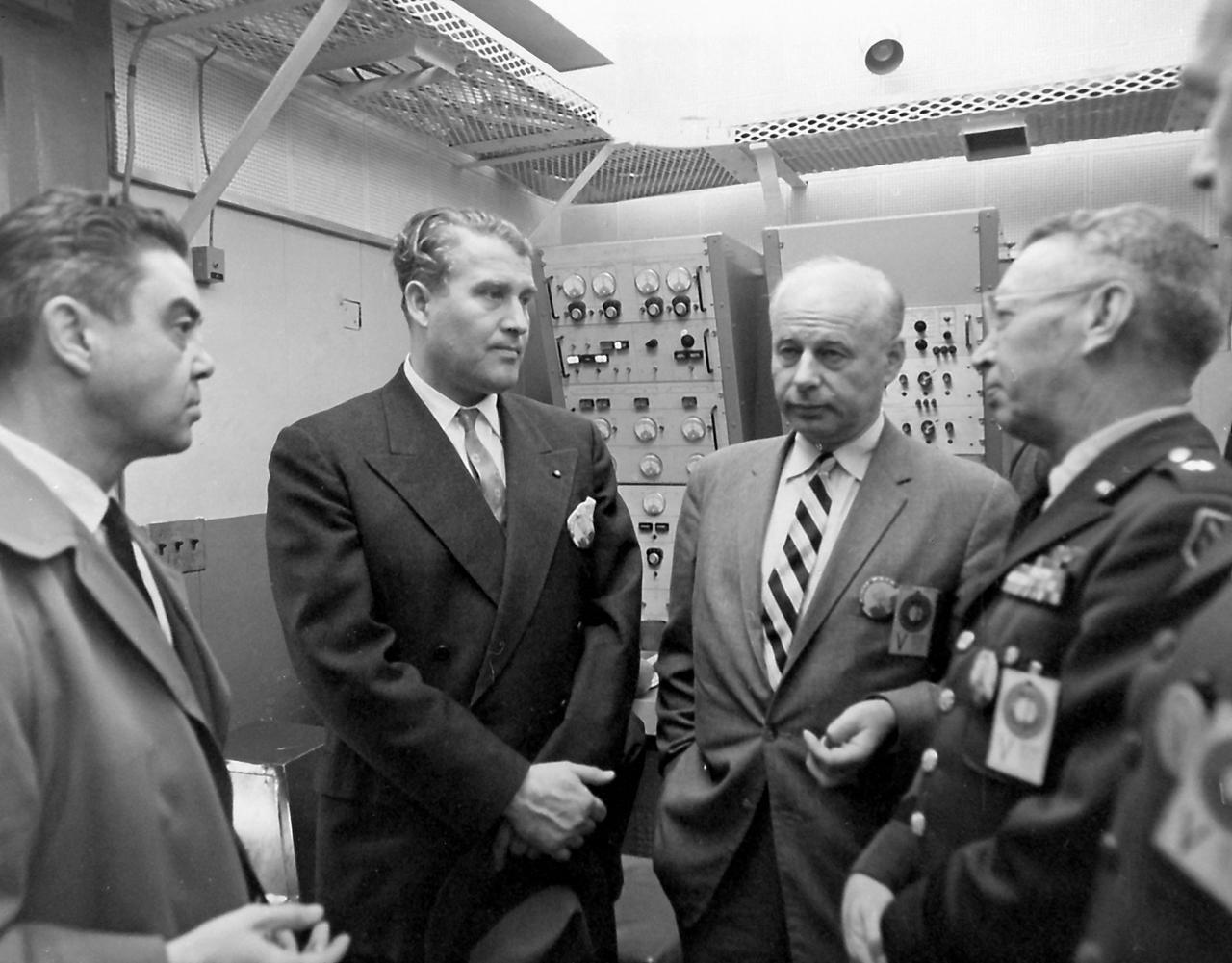
In this 1959 photo, taken at Cape Canaveral, Florida, Dr. von Braun (2nd from left) Director of the U.S. Army Ballistic Missile Agency's (ABMA) Development Operations Division, is shown conferring with Air Force Major General Donald R. Ostrander (left), on assignment at NASA as launch vehicle director; Dr. Eberhard Rees, deputy to Dr. von Braun, and Army Brigadier General John Barclay, commander of the ABMA.
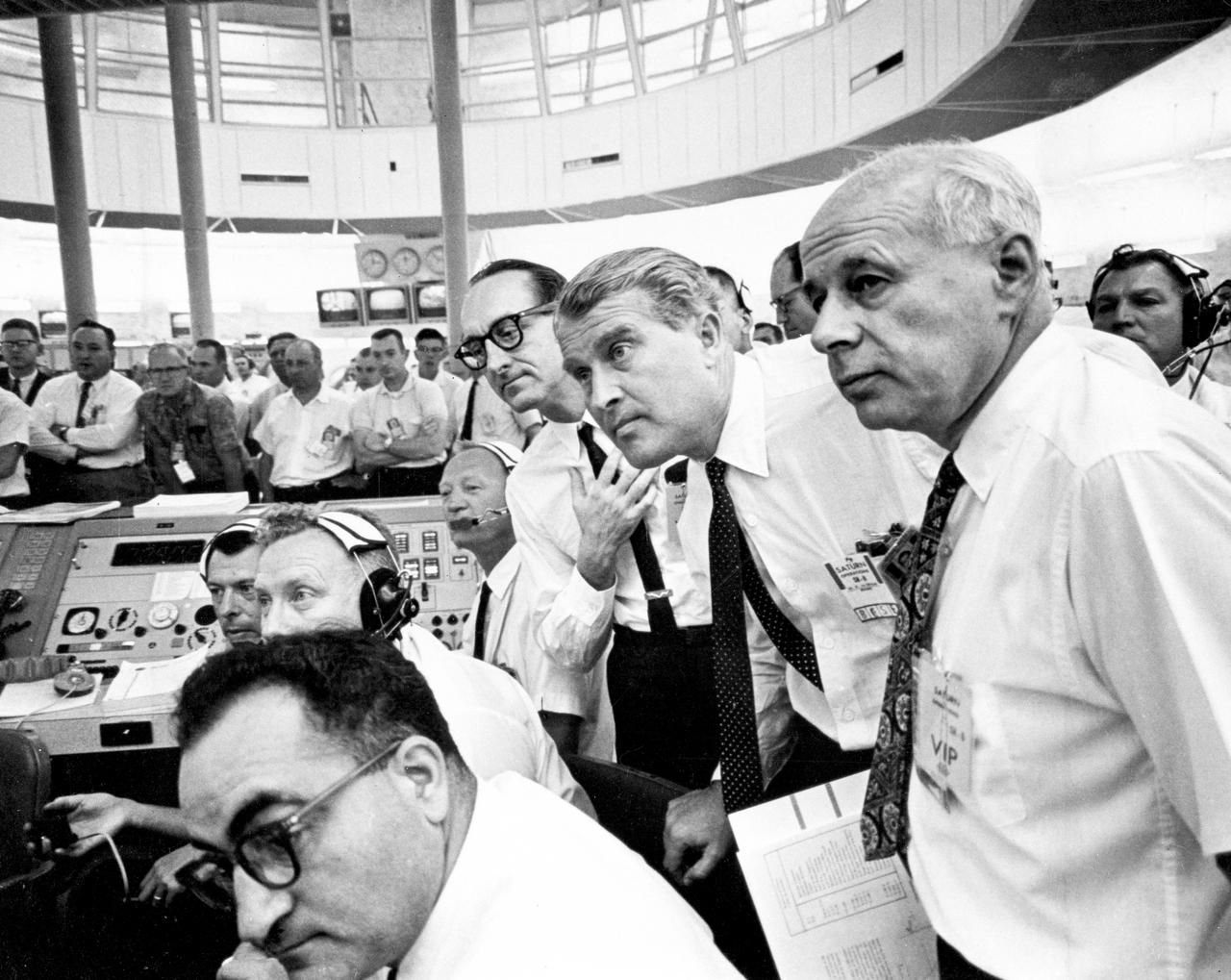
This photograph depicts an intense moment during the SA-6 launch at the Firing Room. Dr. von Braun, Director of the Marshall Space Flight Center (MSFC) is at center; to his left is Dr. George Mueller, Associate Director for Marned Space Flight; and far right is Dr. Eberhard Rees, Director for Research and Development, MSFC. The SA-6, the sixth flight of the Saturn 1 vehicle, launched a S-IV stage (a second stage) and an Apollo boilerplate spacecraft.
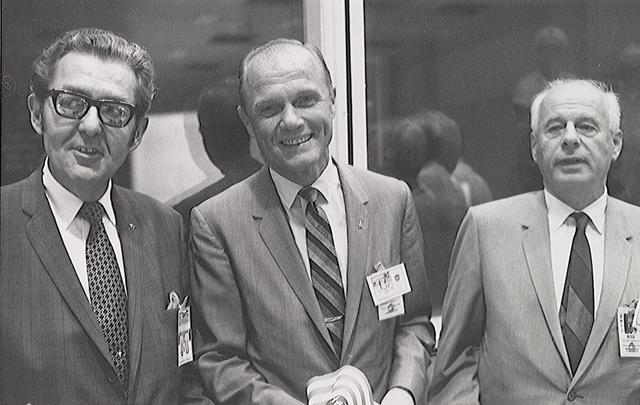
S69-44022 (7-24-69) --- On hand in Houston's mission control center to witness activity associated with the landing and recovery operations for the Apollo 11 mission were, from the left, Bob Kline, chief of the Mission Operations Procurement Branch at the Manned Spacecraft Center (MSC); astronaut John H. Glenn Jr.; and Eberhard Rees, deputy director of the Marshall Space Flight Center (MSFC). They were among a large number of personnel on hand in the MCC's mission operations control room (MOCR). Glenn holds one of the dozens of flags that were handed out for the return's celebration.
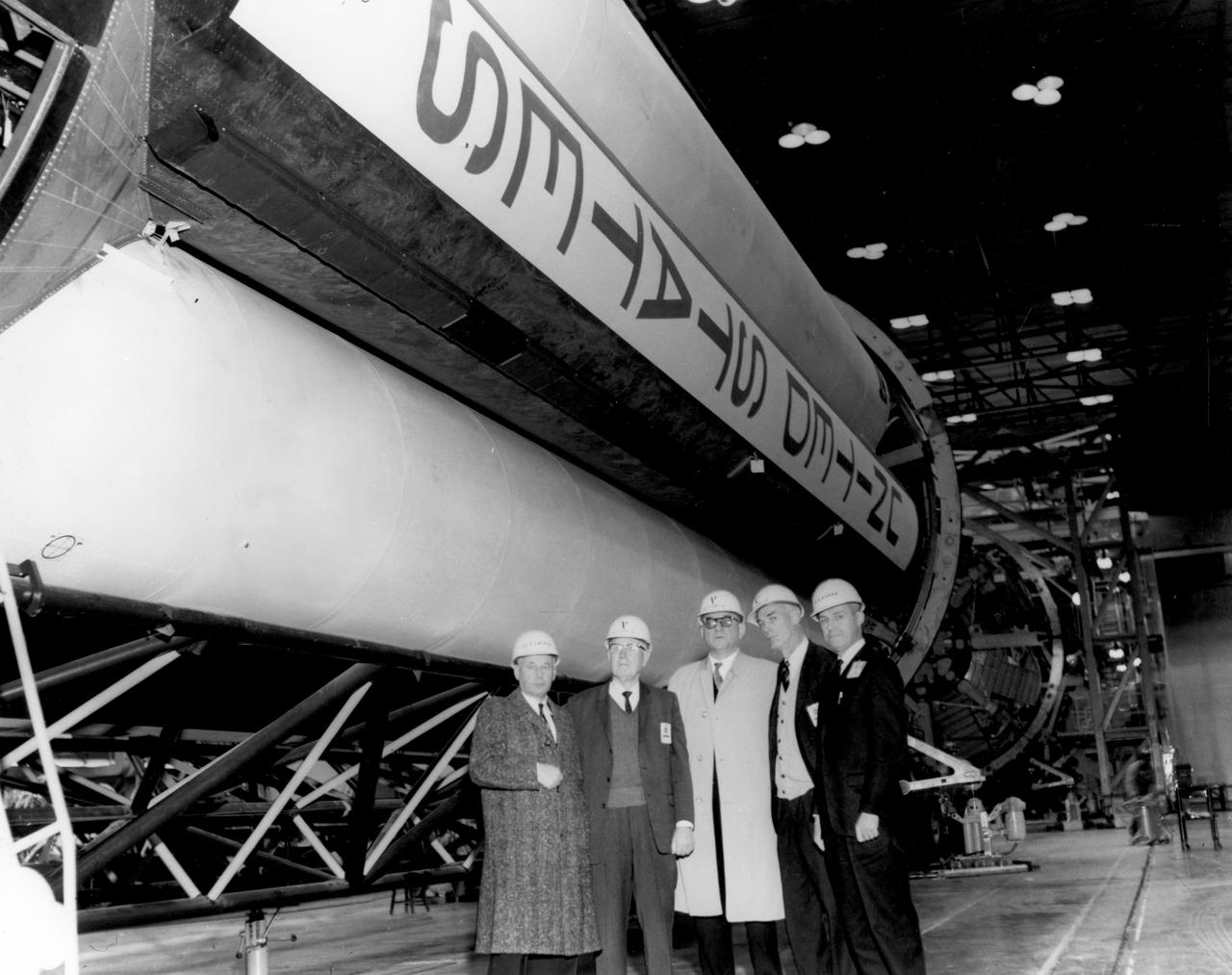
Members of the House Committee on Science and Astronautics visited the Marshall Space Flight Center (MSFC) on January 3, 1962 to gather firsthand information of the nation’s space exploration program. The congressional group was composed of members of the Subcommittee on Manned Space Flight. Shown here at MSFC’s Manufacturing Engineering Laboratory are (left to right): Dr. Eberhard Rees, MSFC; Congressman George P. Miller, Democratic representative of California; Congressman F. Edward Hebert, Democratic representative of Louisiana; Congressman Robert R. Casey, Democratic representative of Texas; and Werner Kuers, MSFC.

This image depicts the tension in the Launch Control Center of the Launch Complex 37 at Cape Canaveral, Florida, during the SA-8 on May 25, 1965. Pointing, center is Dr. Kurt Debus, Director, Launch Operations Directorate, MSFC. To the right is Dr. Hans Gruene, Deputy Director, Launch Operations Directorate, MSFC; Dr. von Braun, Director, Marshall Space Flight Center (MSFC); and leaning, Dr. Eberhard Rees, Director, Deputy Director for Research and Development, MSFC. The SA-8 mission, with a Saturn I launch vehicle, made the first night launch and deployed Pegasus II, micrometeoroid detection satellite.
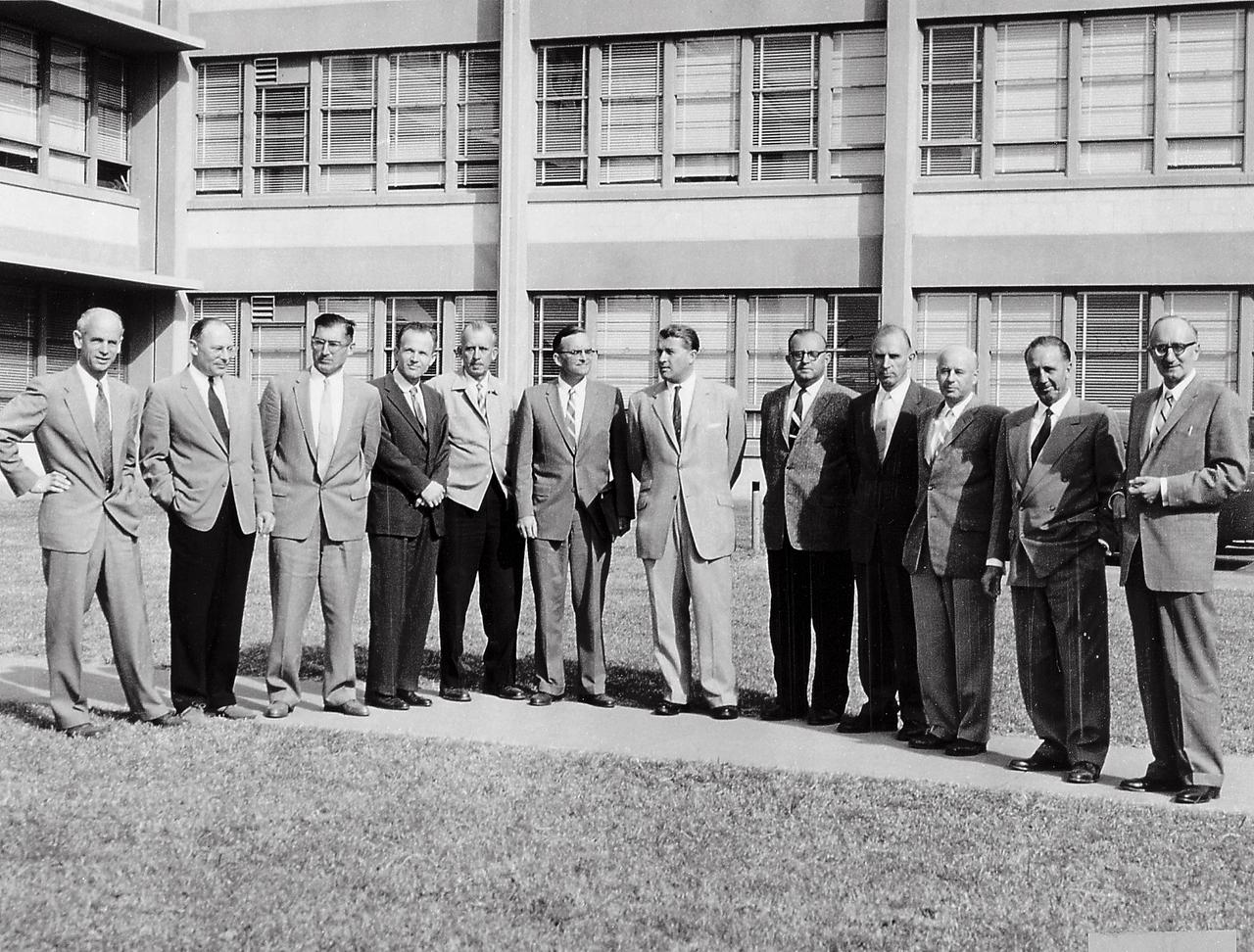
Twelve scientific specialists of the Peenemuende team at the front of Building 4488, Redstone Arsenal, Huntsville, Alabama. They led the Army's space efforts at ABMA before transfer of the team to National Aeronautic and Space Administration (NASA), George C. Marshall Space Flight Center (MSFC). (Left to right) Dr. Ernst Stuhlinger, Director, Research Projects Office; Dr. Helmut Hoelzer, Director, Computation Laboratory: Karl L. Heimburg, Director, Test Laboratory; Dr. Ernst Geissler, Director, Aeroballistics Laboratory; Erich W. Neubert, Director, Systems Analysis Reliability Laboratory; Dr. Walter Haeussermarn, Director, Guidance and Control Laboratory; Dr. Wernher von Braun, Director Development Operations Division; William A. Mrazek, Director, Structures and Mechanics Laboratory; Hans Hueter, Director, System Support Equipment Laboratory;Eberhard Rees, Deputy Director, Development Operations Division; Dr. Kurt Debus, Director Missile Firing Laboratory; Hans H. Maus, Director, Fabrication and Assembly Engineering Laboratory