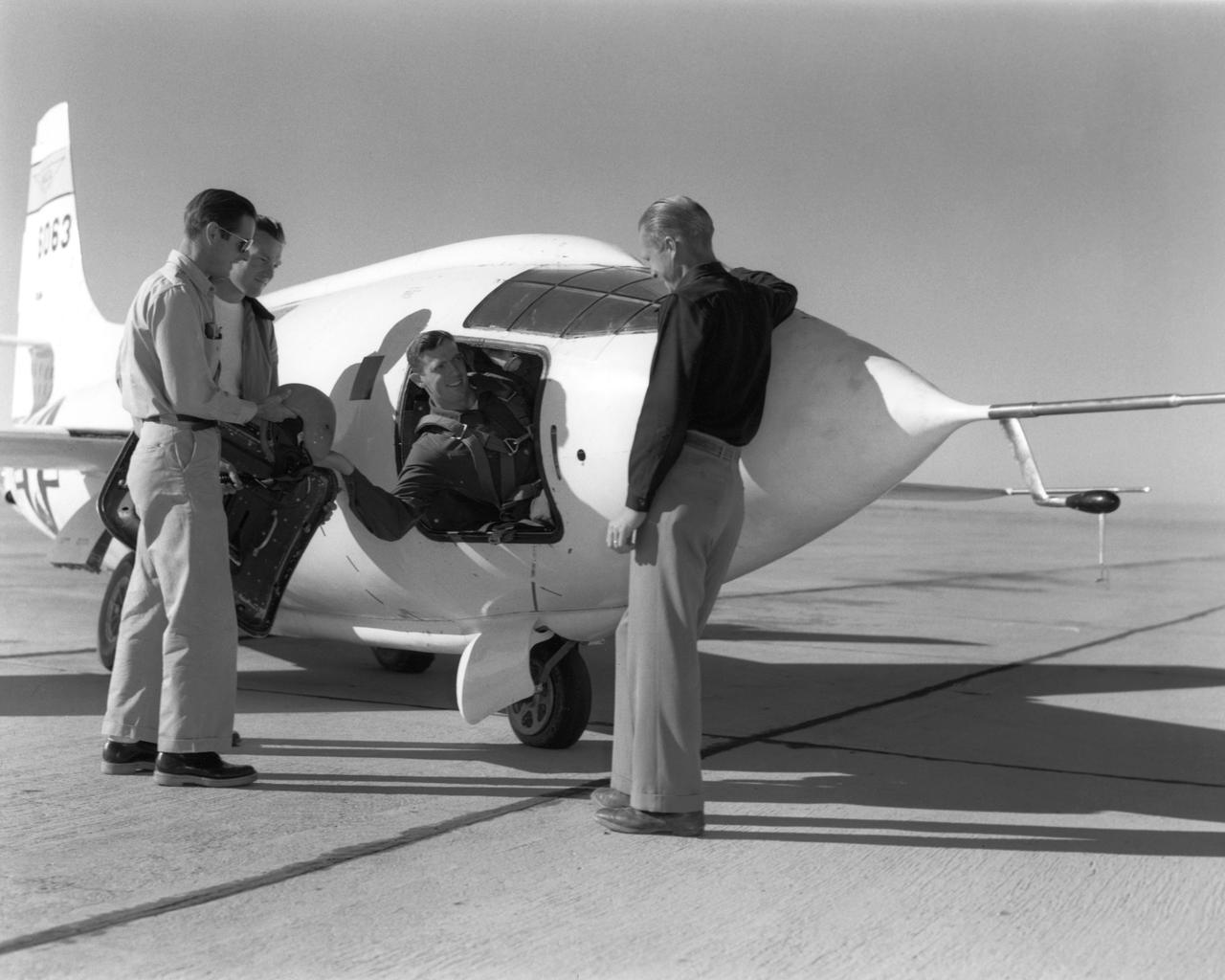
NACA pilot John Griffith hands his flight gear to Dick Payne as crew members Ed Edwards and Clyde Bailey look on.
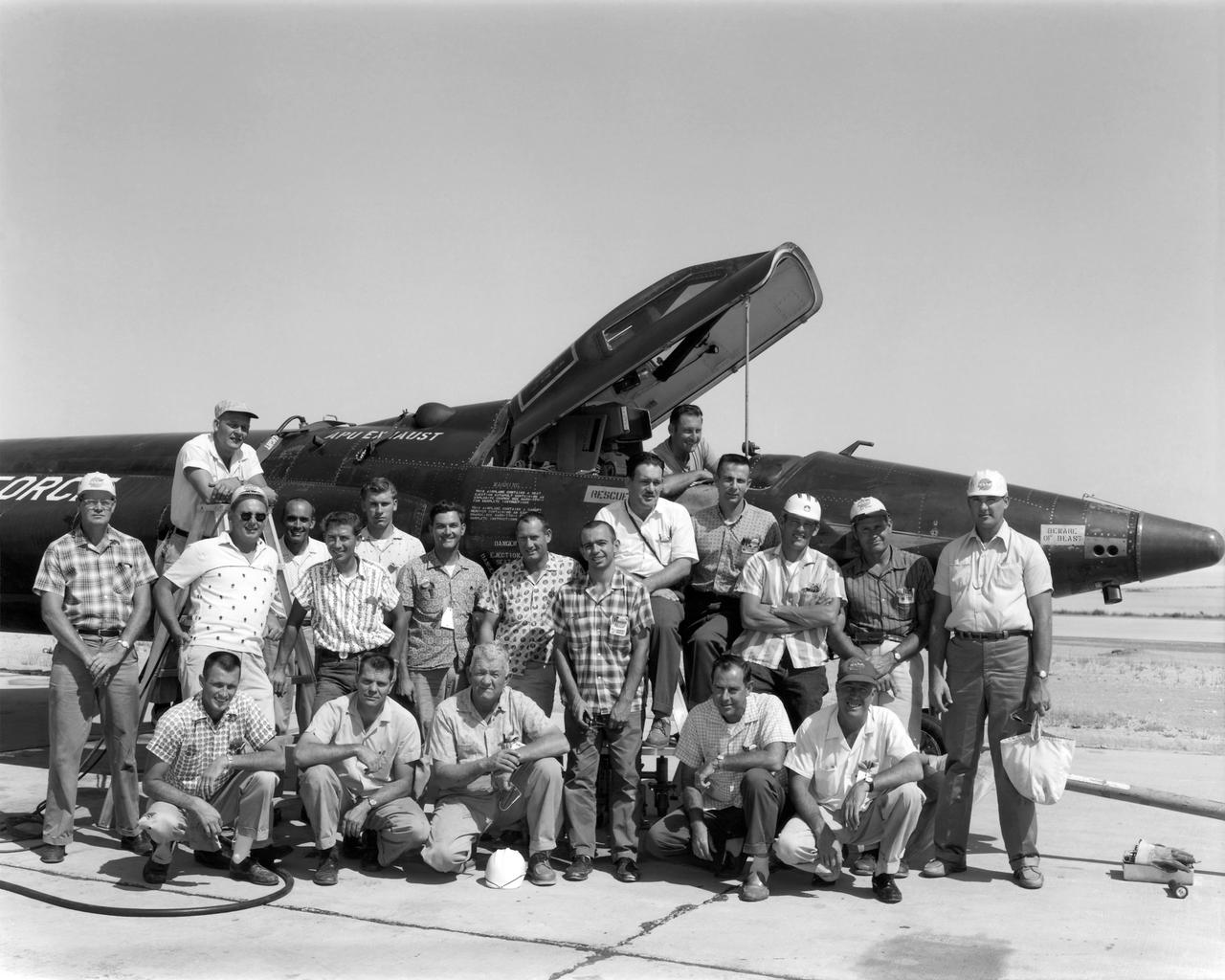
X-15 personnel July 1962 Cockpit: Edward "Ed" Nice Ladder: Thomas "Tom" McAlister Back Row, left to right: William Clark, Edward "Ed" Sabo, Donald "Don" Hall, Billy Furr, Allen Dustin, Raymond "Ray" White, George E. Trott, Alfred "Al" Grieshaber, Merle Curtis, LeRoy "Lee" Adelsbach, Allen Lowe, Jay L. King, Lorenzo "Larry" Barnett. Kneeling, left to right: Byron Gibbs, Price "Bob" Workman, Ira Cupp, unidentified, John Gordon.
New Center Network Deployment ribbon Cutting: from left to right: Maryland Edwards, Code JT upgrade project deputy task manager; Ed Murphy, foundry networks systems engineer; Bohdan Cmaylo, Code JT upgrade project task manager, Scott Santiago, Division Chief, Code JT; Greg Miller, Raytheon Network engineer and Frank Daras, Raytheon network engineering manager.
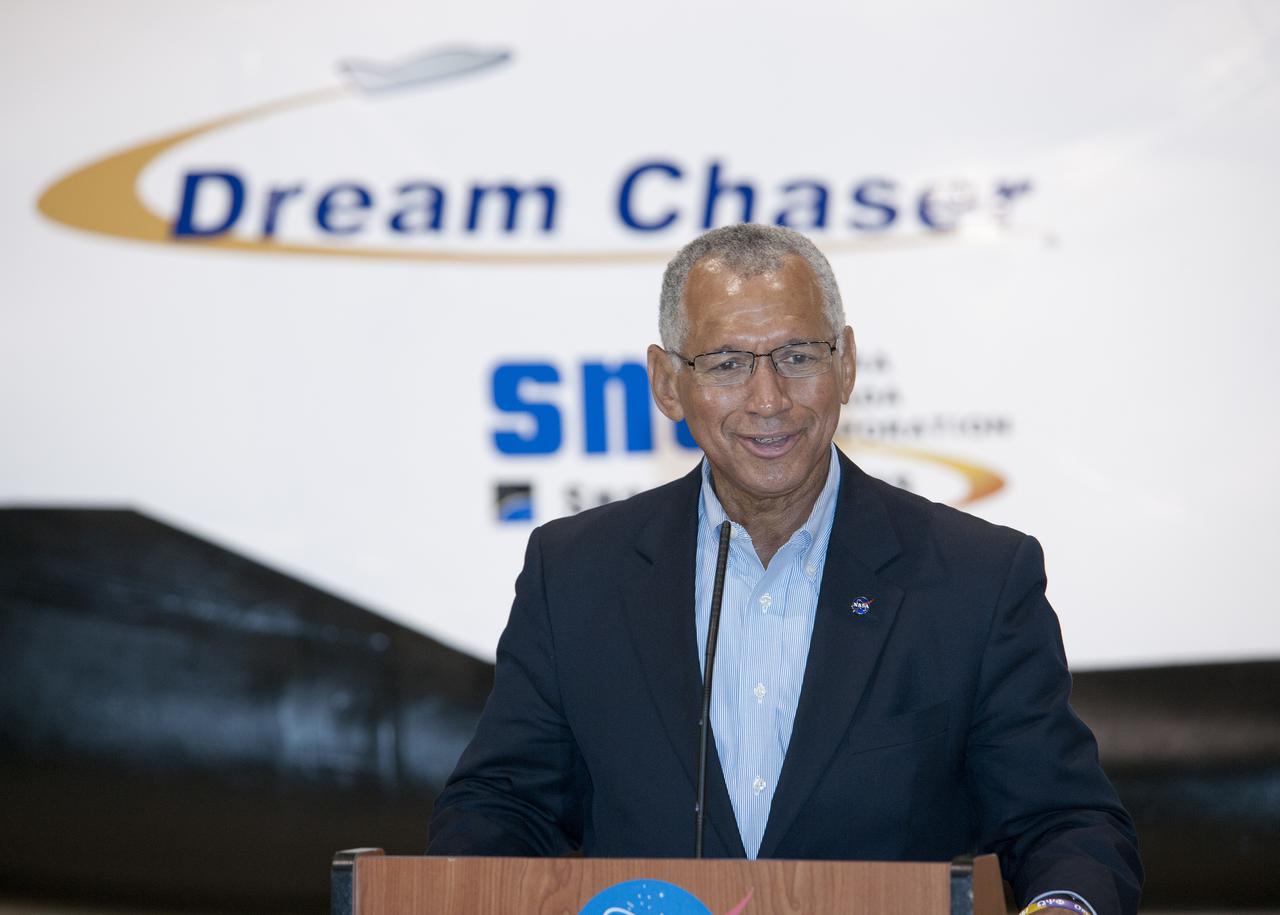
Edwards, Calif. – ED-0155-20 - NASA Administrator Charlie Bolden talks to the media about the importance of the agency's Commercial Crew Program, or CCP, and the development work Sierra Nevada Corporation, or SNC, will perform with its Dream Chaser flight test vehicle at the agency's Dryden Flight Research Center in the coming months. SNC is one of three companies working with CCP during the agency's Commercial Crew Integrated Capability, or CCiCap, initiative, which is intended to lead to the availability of commercial human spaceflight services for government and commercial customers. To learn more about CCP and its industry partners, visit www.nasa.gov_commercialcrew. Image credit: NASA_Ken Ulbrich
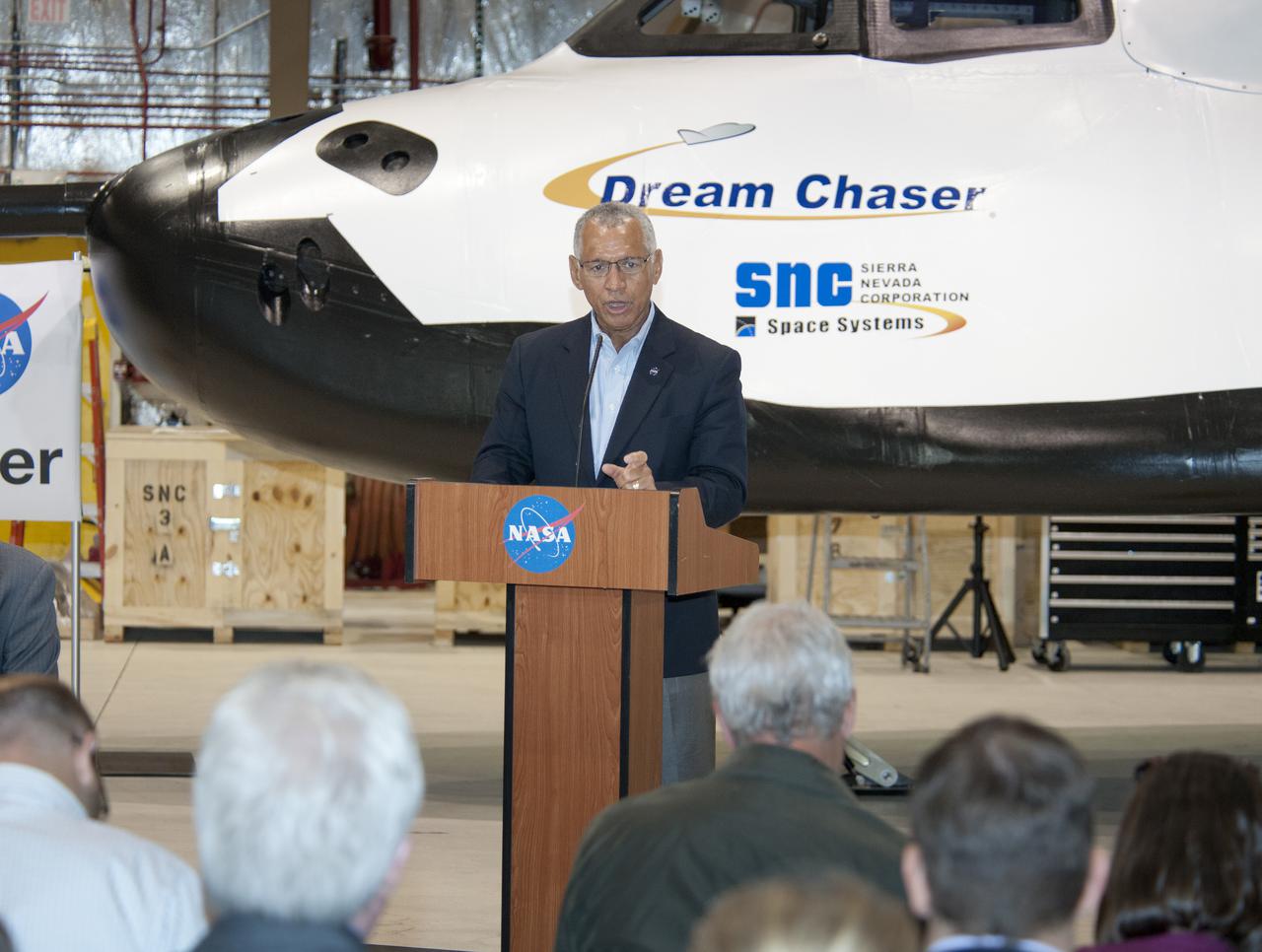
Edwards, Calif. – ED-0155-23 - NASA Administrator Charlie Bolden talks to the media about the importance of the agency's Commercial Crew Program, or CCP, and the development work Sierra Nevada Corporation, or SNC, will perform with its Dream Chaser flight test vehicle at the agency's Dryden Flight Research Center in the coming months. SNC is one of three companies working with CCP during the agency's Commercial Crew Integrated Capability, or CCiCap, initiative, which is intended to lead to the availability of commercial human spaceflight services for government and commercial customers. To learn more about CCP and its industry partners, visit www.nasa.gov_commercialcrew. Image credit: NASA_Ken Ulbrich
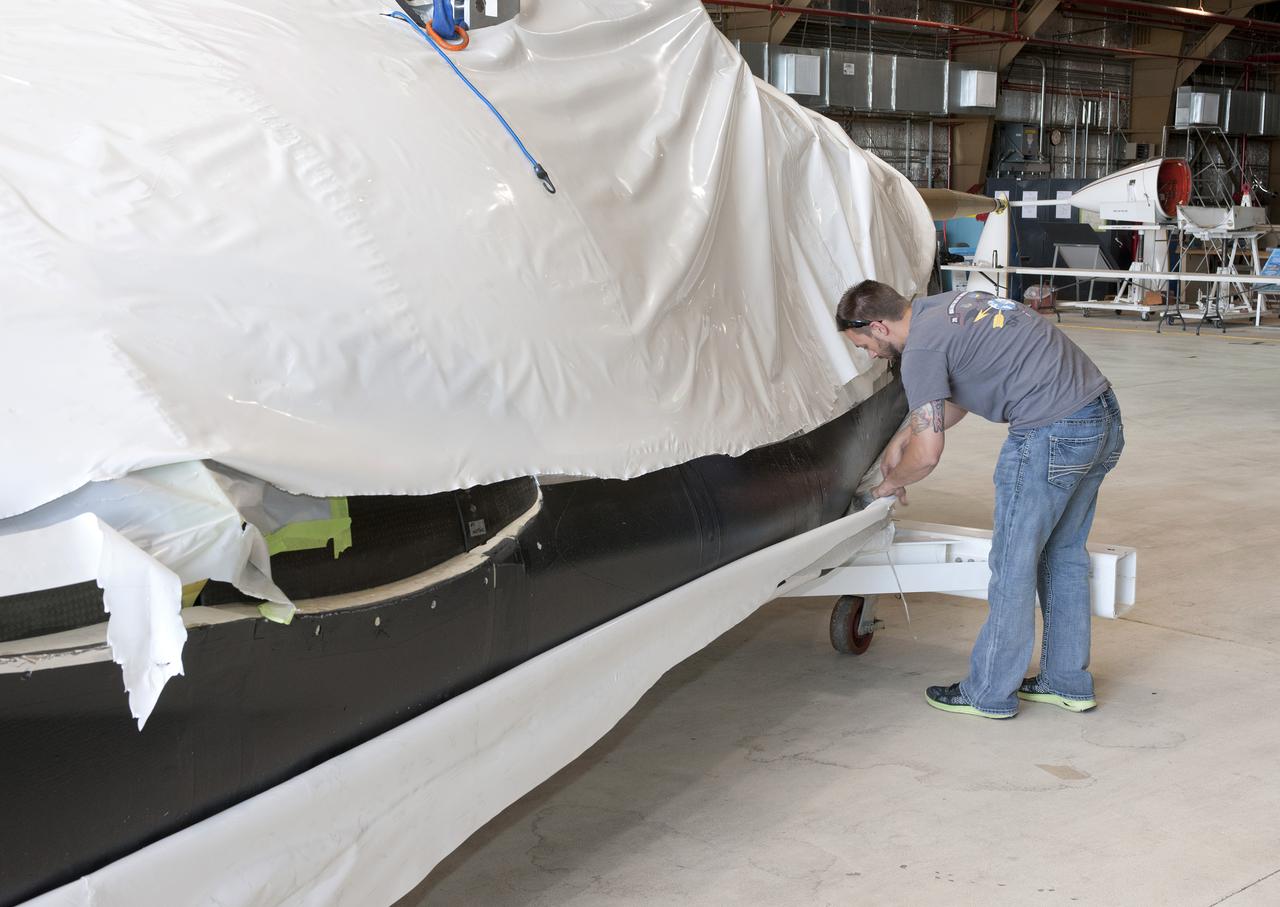
Edwards, Calif. – ED-0144-05 - Plastic wrapping that protected the Sierra Nevada Corporation, or SNC, Dream Chaser flight test vehicle during its transport from Colorado is carefully removed by SNC employee Jason Dixon following the craft's arrival at NASA's Dryden Flight Research Center in southern California. The prototype space access vehicle will undergo ground and approach-and-landing flight tests in the coming months at Dryden as part of NASA's Commercial Crew Program, or CCP, development work. SNC is one of three companies working with CCP during the agency's Commercial Crew Integrated Capability, or CCiCap, initiative, which is intended to lead to the availability of commercial human spaceflight services for government and commercial customers. To learn more about CCP and its industry partners, visit www.nasa.gov_commercialcrew. Image credit: NASA_Tom Tschida
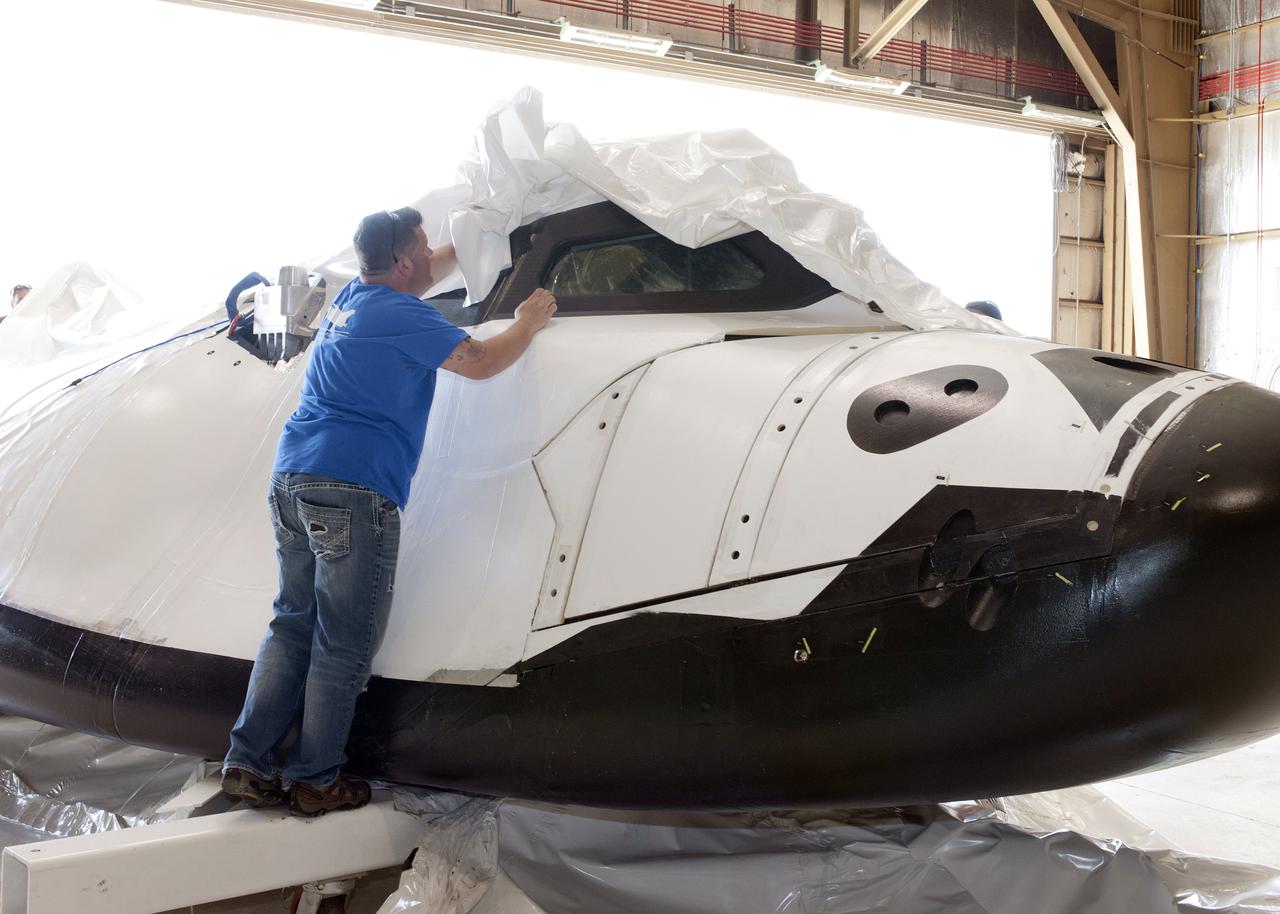
Edwards, Calif. – ED-0144-09 - Plastic wrapping that protected the Sierra Nevada Corporation, or SNC, Dream Chaser flight test vehicle during its transport from Colorado is carefully removed by SNC Dream Chaser crew chief Christian White following the craft's arrival at NASA's Dryden Flight Research Center in southern California. The prototype space access vehicle will undergo ground and approach-and-landing flight tests in the coming months at Dryden as part of NASA's Commercial Crew Program, or CCP, development work. SNC is one of three companies working with CCP during the agency's Commercial Crew Integrated Capability, or CCiCap, initiative, which is intended to lead to the availability of commercial human spaceflight services for government and commercial customers. To learn more about CCP and its industry partners, visit www.nasa.gov_commercialcrew. Image credit: NASA_Tom Tschida
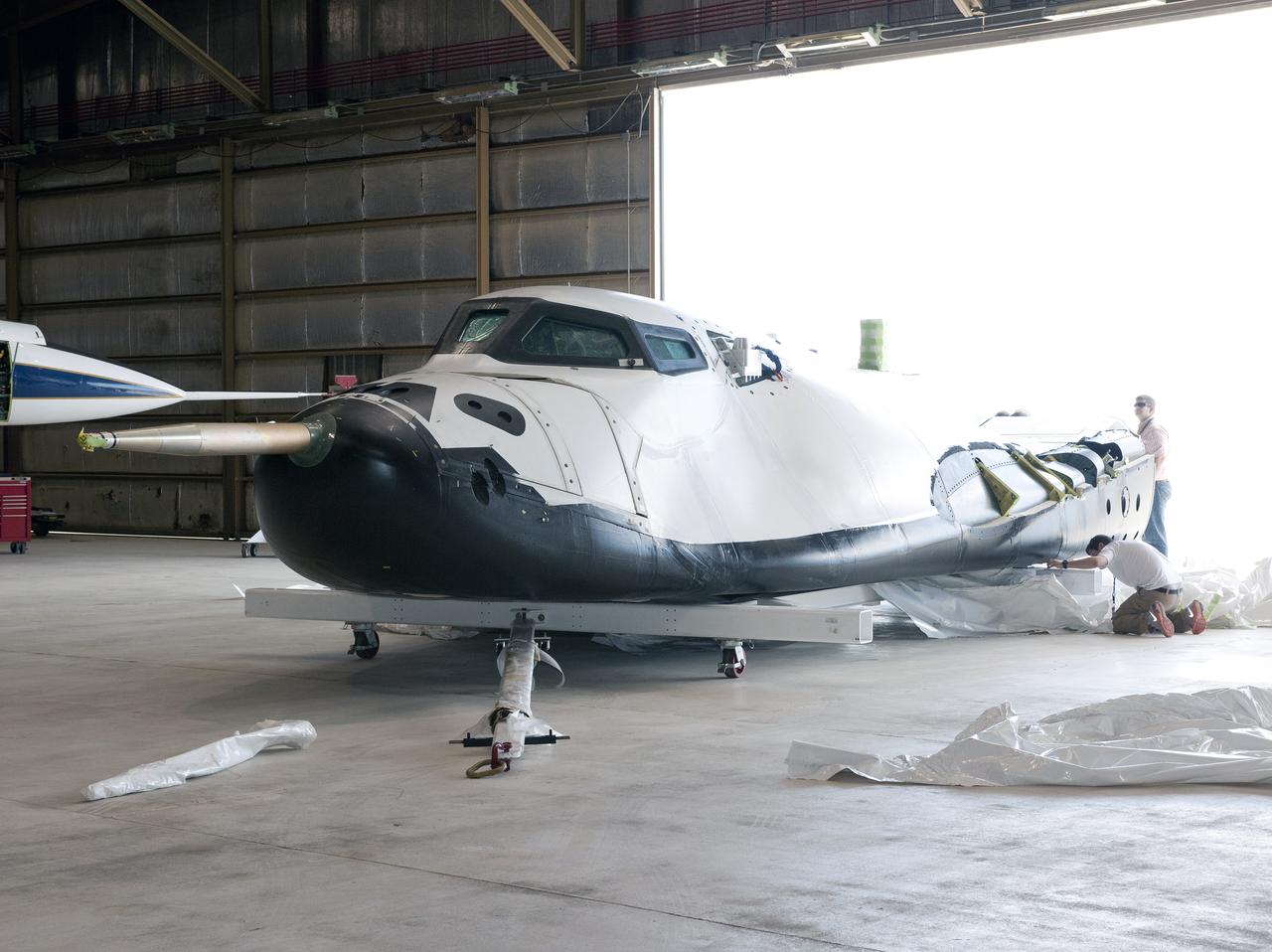
Edwards, Calif. – ED-0144-12 - Plastic wrapping that protected the Sierra Nevada Corporation, or SNC, Dream Chaser flight test vehicle during its transport from Colorado is carefully removed by SNC employee Will Armijo following the craft's arrival at NASA's Dryden Flight Research Center in southern California. The prototype space access vehicle will undergo ground and approach-and-landing flight tests in the coming months at Dryden as part of NASA's Commercial Crew Program, or CCP, development work. SNC is one of three companies working with CCP during the agency's Commercial Crew Integrated Capability, or CCiCap, initiative, which is intended to lead to the availability of commercial human spaceflight services for government and commercial customers. To learn more about CCP and its industry partners, visit www.nasa.gov_commercialcrew. Image credit: NASA_Tom Tschida

Edwards, Calif. – ED-0155-29 - Steve Lindsey, Sierra Nevada Corporation, or SNC, director of flight operations and former space shuttle astronaut, talks to the media about the development work Sierra Nevada Corporation, or SNC, will perform in collaboration with NASA's Commercial Crew Program, or CCP, with its Dream Chaser flight test vehicle at the agency's Dryden Flight Research Center in the coming months. At left is NASA Administrator Charlie Bolden. At right is Dryden Flight Research Deputy Center Director Patrick Stoliker. SNC is one of three companies working with CCP during the agency's Commercial Crew Integrated Capability, or CCiCap, initiative, which is intended to lead to the availability of commercial human spaceflight services for government and commercial customers. To learn more about CCP and its industry partners, visit www.nasa.gov_commercialcrew. Image credit: NASA_Tom Tschida
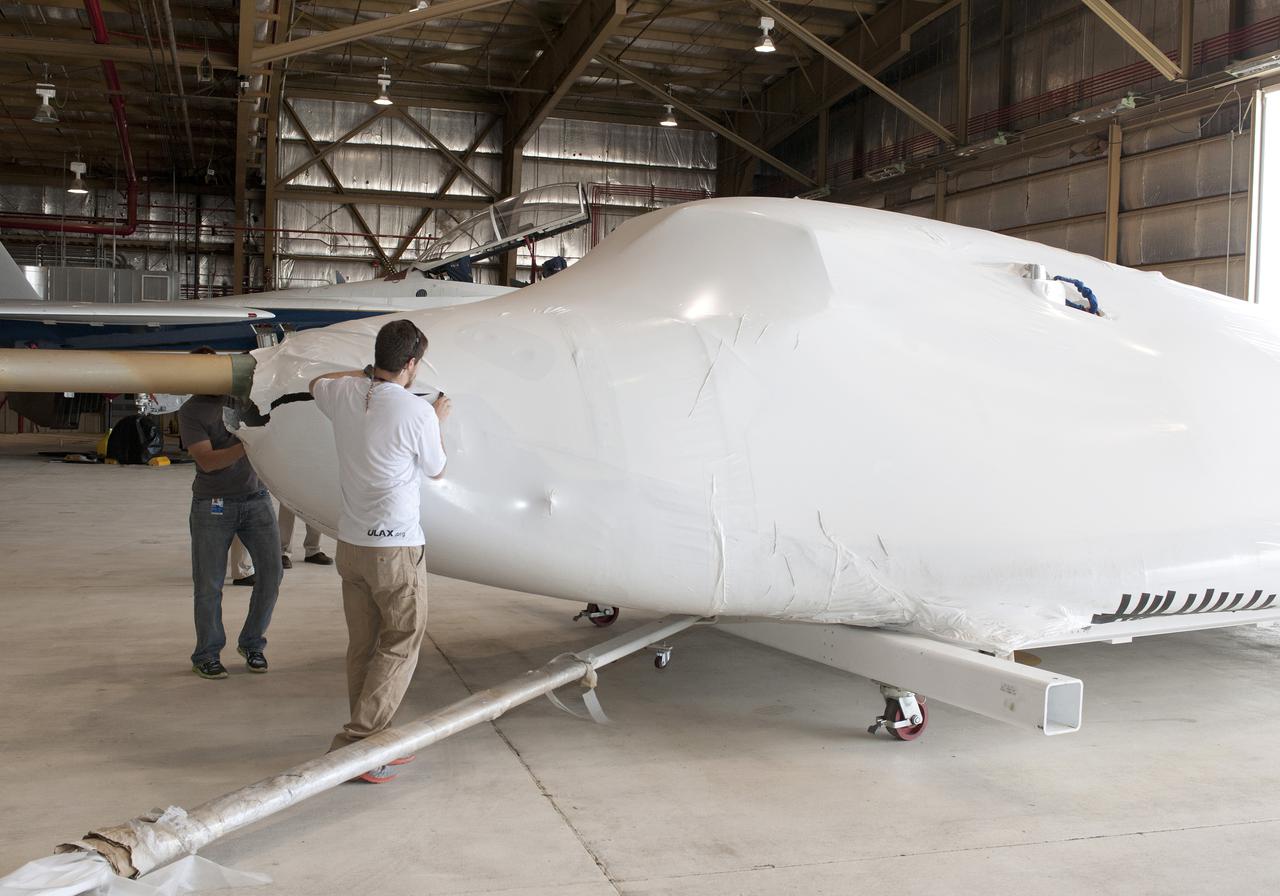
Edwards, Calif. – ED-0144-01 - Plastic wrapping that protected the Sierra Nevada Corporation, or SNC, Dream Chaser flight test vehicle during its transport from Colorado is carefully removed by SNC employee Will Armijo following the craft's arrival at NASA's Dryden Flight Research Center in southern California. The prototype space access vehicle will undergo ground and approach-and-landing flight tests in the coming months as part of NASA's Commercial Crew Program, or CCP, development work. SNC is one of three companies working with CCP during the agency's Commercial Crew Integrated Capability, or CCiCap, initiative, which is intended to lead to the availability of commercial human spaceflight services for government and commercial customers. To learn more about CCP and its industry partners, visit www.nasa.gov_commercialcrew. Image credit: NASA_Tom Tschida
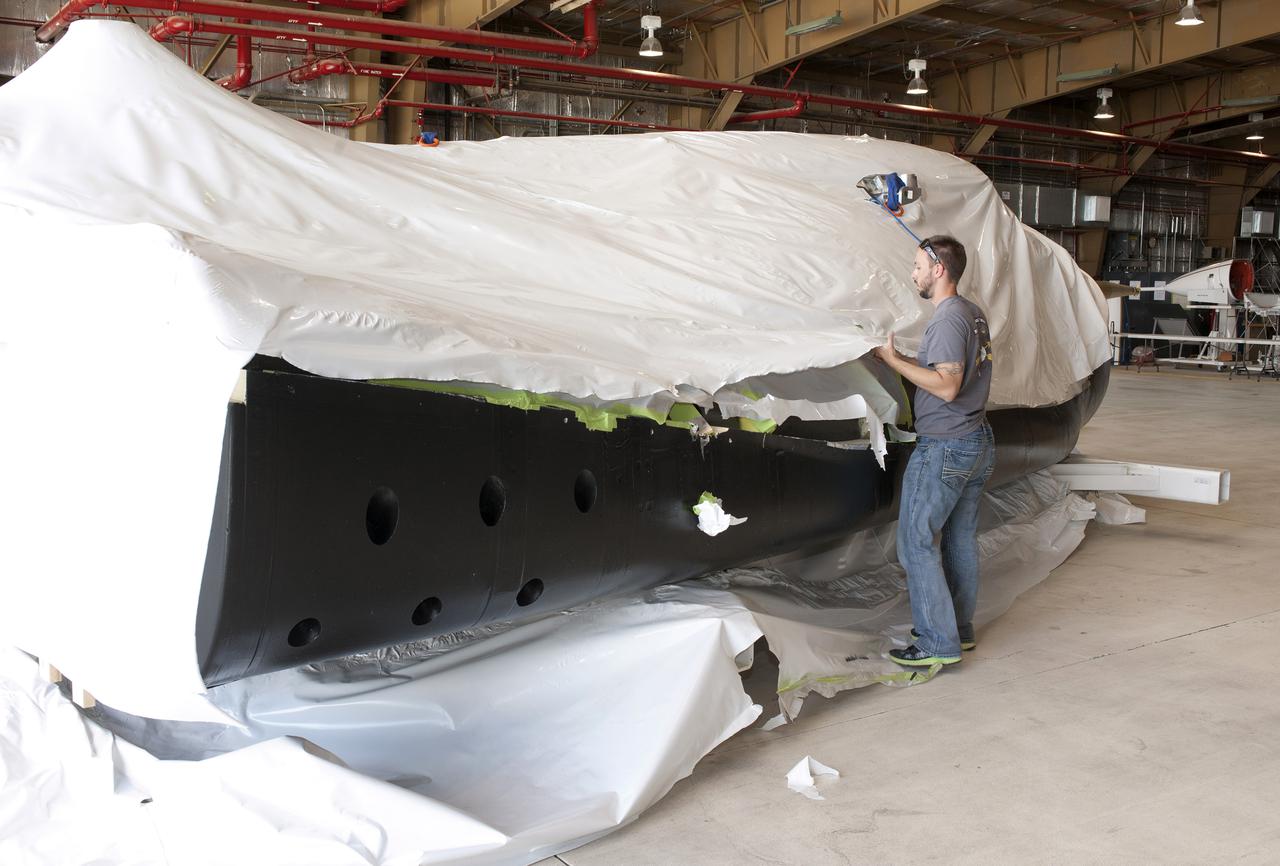
Edwards, Calif. – ED-0144-06 - Plastic wrapping that protected the Sierra Nevada Corporation, or SNC, Dream Chaser flight test vehicle during its transport from Colorado is carefully removed by SNC employee Jason Dixon following the craft's arrival at NASA's Dryden Flight Research Center in southern California. The prototype space access vehicle will undergo ground and approach-and-landing flight tests in the coming months at Dryden as part of NASA's Commercial Crew Program, or CCP, development work. SNC is one of three companies working with CCP during the agency's Commercial Crew Integrated Capability, or CCiCap, initiative, which is intended to lead to the availability of commercial human spaceflight services for government and commercial customers. To learn more about CCP and its industry partners, visit www.nasa.gov_commercialcrew. Image credit: NASA_Tom Tschida
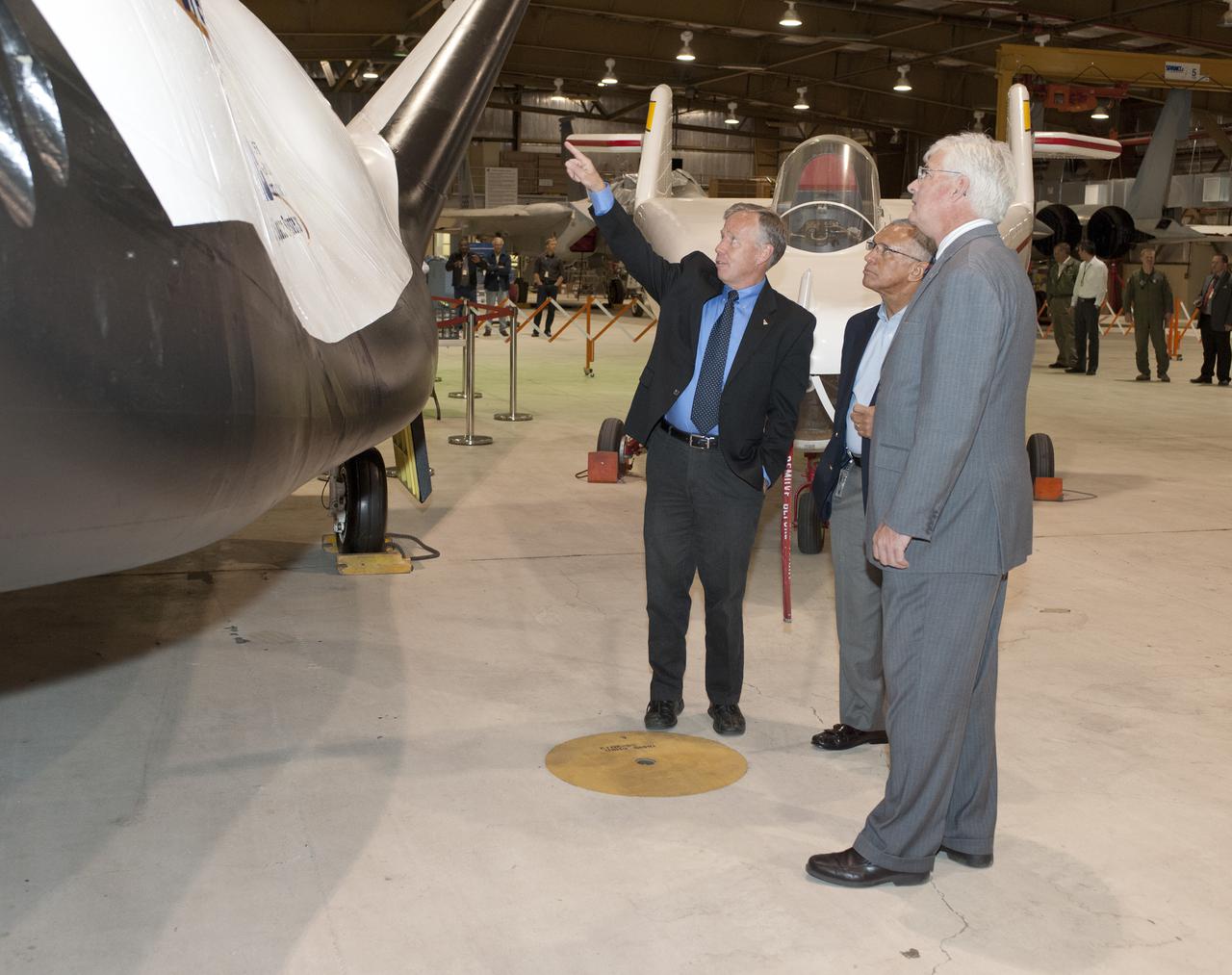
Edwards, Calif. – ED-0155-13 - Steve Lindsey, Sierra Nevada Corporation, or SNC, director of flight operations and former space shuttle astronaut, left, talks to NASA Administrator Charlie Bolden, center, and agency Dryden Flight Research Center Deputy Director Patrick Stoliker about the company's Dream Chaser flight test vehicle. It will undergo ground and approach-and-landing flight tests at Dryden in the coming months as part of NASA's Commercial Crew Program, or CCP, development work. SNC is one of three companies working with CCP during the agency's Commercial Crew Integrated Capability, or CCiCap, initiative, which is intended to lead to the availability of commercial human spaceflight services for government and commercial customers. To learn more about CCP and its industry partners, visit www.nasa.gov_commercialcrew. Image credit: NASA_Tom Tschida
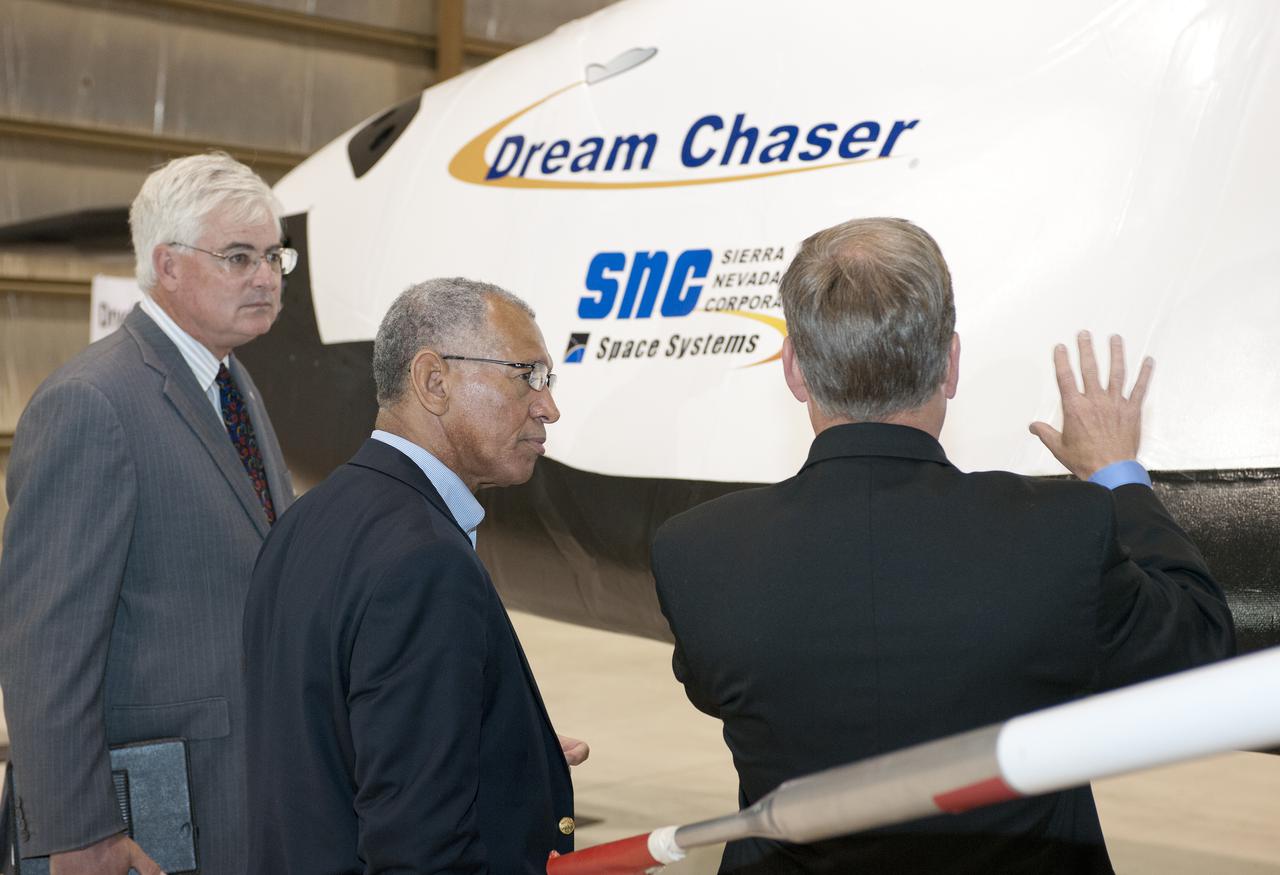
Edwards, Calif. – ED-0155-12 - Steve Lindsey, Sierra Nevada Corporation, or SNC, director of flight operations and former space shuttle astronaut, right, talks to NASA Administrator Charlie Bolden, center, and agency Dryden Flight Research Center Deputy Director Patrick Stoliker about the company's Dream Chaser flight test vehicle. It will undergo ground and approach-and-landing flight tests at Dryden in the coming months as part of NASA's Commercial Crew Program, or CCP, development work. SNC is one of three companies working with CCP during the agency's Commercial Crew Integrated Capability, or CCiCap, initiative, which is intended to lead to the availability of commercial human spaceflight services for government and commercial customers. To learn more about CCP and its industry partners, visit www.nasa.gov_commercialcrew. Image credit: NASA_Tom Tschida

Edwards, Calif. – ED-0144-08 - Plastic wrapping that protected the Sierra Nevada Corporation, or SNC, Dream Chaser flight test vehicle during its transport from Colorado is carefully removed by SNC Dream Chaser crew chief Christian White, left, and SNC employee Will Armijo following the craft's arrival at NASA's Dryden Flight Research Center in southern California. The prototype space access vehicle will undergo ground and approach-and-landing flight tests in the coming months at Dryden as part of NASA's Commercial Crew Program, or CCP, development work. SNC is one of three companies working with CCP during the agency's Commercial Crew Integrated Capability, or CCiCap, initiative, which is intended to lead to the availability of commercial human spaceflight services for government and commercial customers. To learn more about CCP and its industry partners, visit www.nasa.gov_commercialcrew. Image credit: NASA_Tom Tschida

KENNEDY SPACE CENTER, FLA. -- Ed White III touches his father's name engraved in the Space Mirror Memorial at the KSC Visitor Complex. White attended the ceremony held in remembrance of the astronauts lost in the Apollo 1 fire: Virgil "Gus" Grissom, Edward H. White II and Roger B. Chaffee. Members of their families, along with KSC Director Bill Parsons, Associate Administrator for Space Operations William Gerstenmaier, President of the Astronauts Memorial Foundation Stephen Feldman and Chairman of the Board of Directors of the Astronauts Memorial Foundation William Potter, attended the ceremony. The mirror was designated as a national memorial by Congress and President George Bush in 1991 to honor fallen astronauts. Their names are emblazoned on the monument’s 42-½-foot-high by 50-foot-wide black granite surface as if to be projected into the heavens. Photo credit:NASA/Kim Shiflett
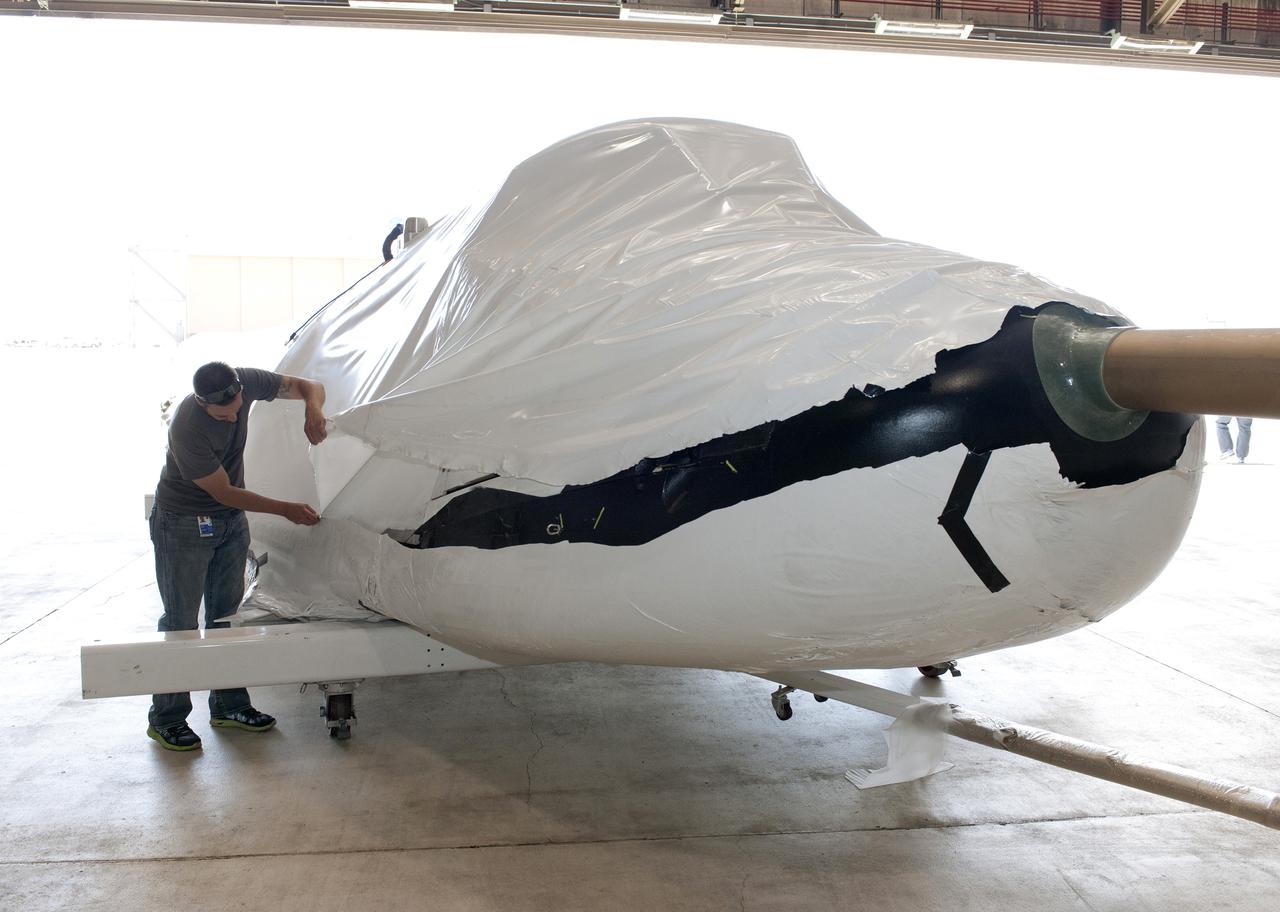
Edwards, Calif. – ED-0144-03 - Plastic wrapping that protected the Sierra Nevada Corporation, or SNC, Dream Chaser flight test vehicle during its transport from Colorado is carefully removed by SNC employee Jason Dixon following the craft's arrival at NASA's Dryden Flight Research Center in southern California. The prototype space access vehicle will undergo ground and approach-and-landing flight tests in the coming months at Dryden as part of NASA's Commercial Crew Program, or CCP, development work. SNC is one of three companies working with CCP during the agency's Commercial Crew Integrated Capability, or CCiCap, initiative, which is intended to lead to the availability of commercial human spaceflight services for government and commercial customers. To learn more about CCP and its industry partners, visit www.nasa.gov_commercialcrew. Image credit: NASA_Tom Tschida

Edwards, Calif. – ED-0155-03 - NASA Administrator Charlie Bolden flies the Sierra Nevada Corporation, or SNC, Dream Chaser simulator at the agency's Dryden Flight Research Center. Marlin Pickett, a simulation engineer at Dryden, left, and Steve Lindsey, SNC's director of flight operations and former space shuttle astronaut, give Bolden pointers for landing the simulated vehicle. SNC is on track to perform development work on its Dream Chaser flight test vehicle in collaboration with NASA's Commercial Crew Program, or CCP, at Dryden in the coming months. SNC is one of three companies working with CCP during the agency's Commercial Crew Integrated Capability, or CCiCap, initiative, which is intended to lead to the availability of commercial human spaceflight services for government and commercial customers. To learn more about CCP and its industry partners, visit www.nasa.gov_commercialcrew. Image credit: NASA_Tom Tschida
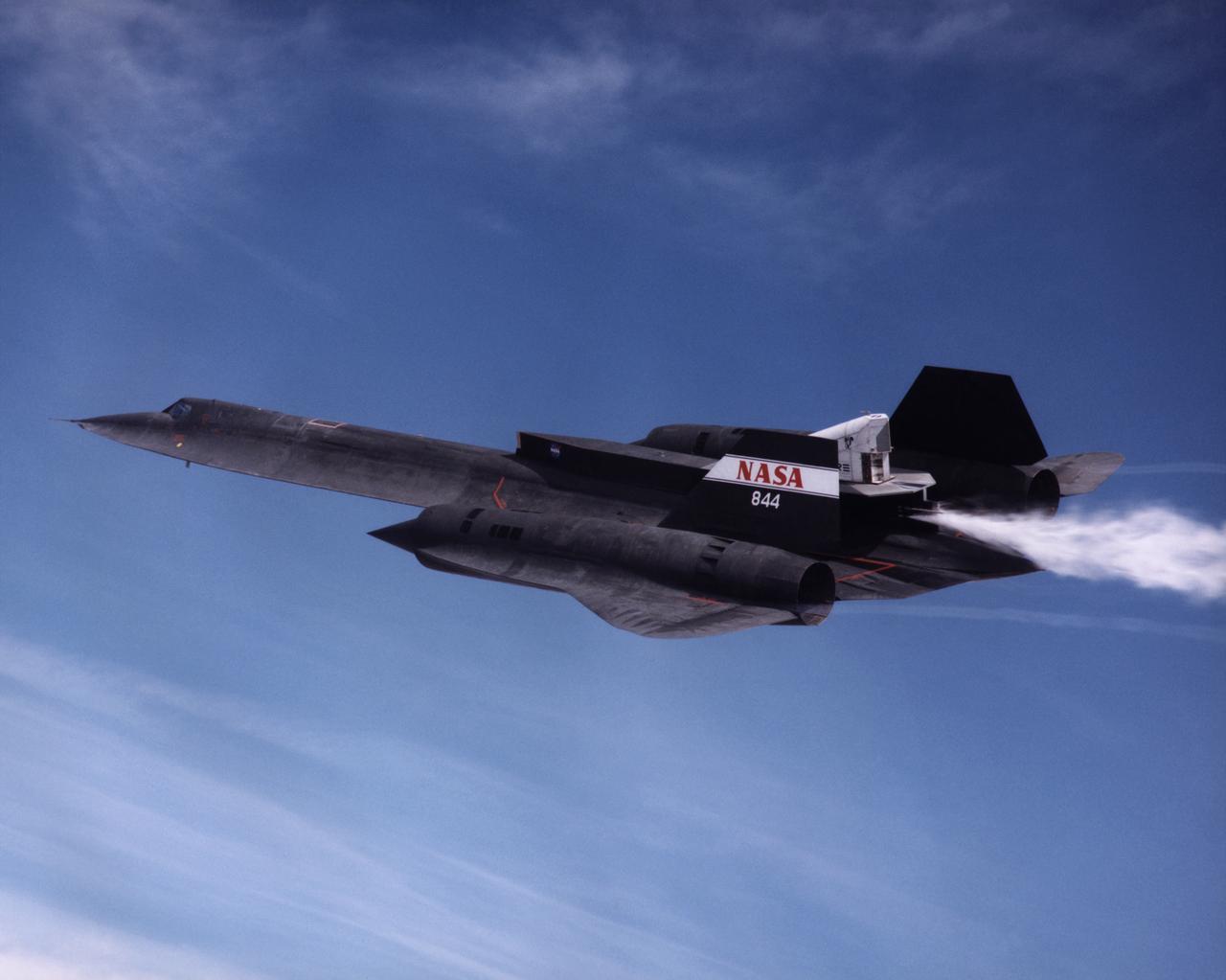
The NASA SR-71A successfully completed its first cold flow flight as part of the NASA/Rocketdyne/Lockheed Martin Linear Aerospike SR-71 Experiment (LASRE) at NASA's Dryden Flight Research Center, Edwards, California on March 4, 1998. During a cold flow flight, gaseous helium and liquid nitrogen are cycled through the linear aerospike engine to check the engine's plumbing system for leaks and to check the engine operating characterisitics. Cold-flow tests must be accomplished successfully before firing the rocket engine experiment in flight. The SR-71 took off at 10:16 a.m. PST. The aircraft flew for one hour and fifty-seven minutes, reaching a maximum speed of Mach 1.58 before landing at Edwards at 12:13 p.m. PST. "I think all in all we had a good mission today," Dryden LASRE Project Manager Dave Lux said. Flight crew member Bob Meyer agreed, saying the crew "thought it was a really good flight." Dryden Research Pilot Ed Schneider piloted the SR-71 during the mission. Lockheed Martin LASRE Project Manager Carl Meade added, "We are extremely pleased with today's results. This will help pave the way for the first in-flight engine data-collection flight of the LASRE."
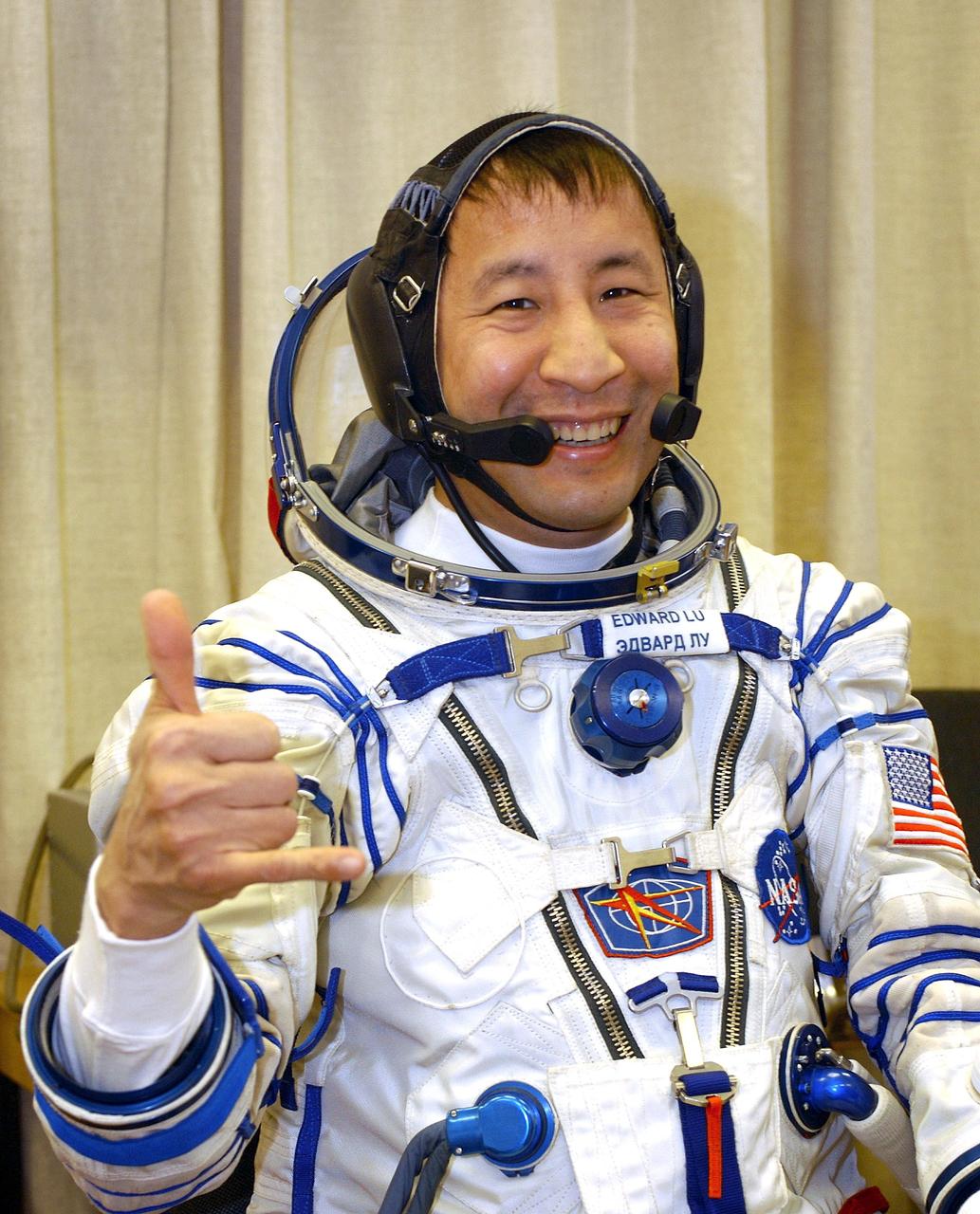
Baikonur Cosmodrome, Kazakhstan -- Astronaut Edward T. Lu, NASA ISS science officer and flight engineer for Expedition Seven dons his Russian Sokol suit for the leak check and Soyuz inspection, seat liner check. Veteran Russian cosmonaut Yuri Malenchenko and veteran NASA astronaut Ed Lu have been named as the primary crew for the planned April 26, 2003, launch of a Russian Soyuz TMA-2 spacecraft to the International Space Station. Malenchenko and Lu will be called the Expedition 7 crew. Russian cosmonaut Alexander Kaleri and NASA astronaut Michael Foale are the backup crewmembers to Malenchenko and Lu. Expedition 6 Commander Ken Bowersox, Flight Engineer Nikolai Budarin and NASA Space Station Science Officer Don Pettit will return to Earth aboard the Soyuz TMA-1 craft in May 2003. The three Expedition 6 crewmembers were launched on Nov. 23, 2002. They have been aboard the Station since November 25. They were originally scheduled to return in March aboard the Space Shuttle Atlantis during the STS-114 mission. Malenchenko and Lu will continue to operate the science payloads already on board, as well as maintaining the Station. Photo Credit: NASA/Bill Ingalls
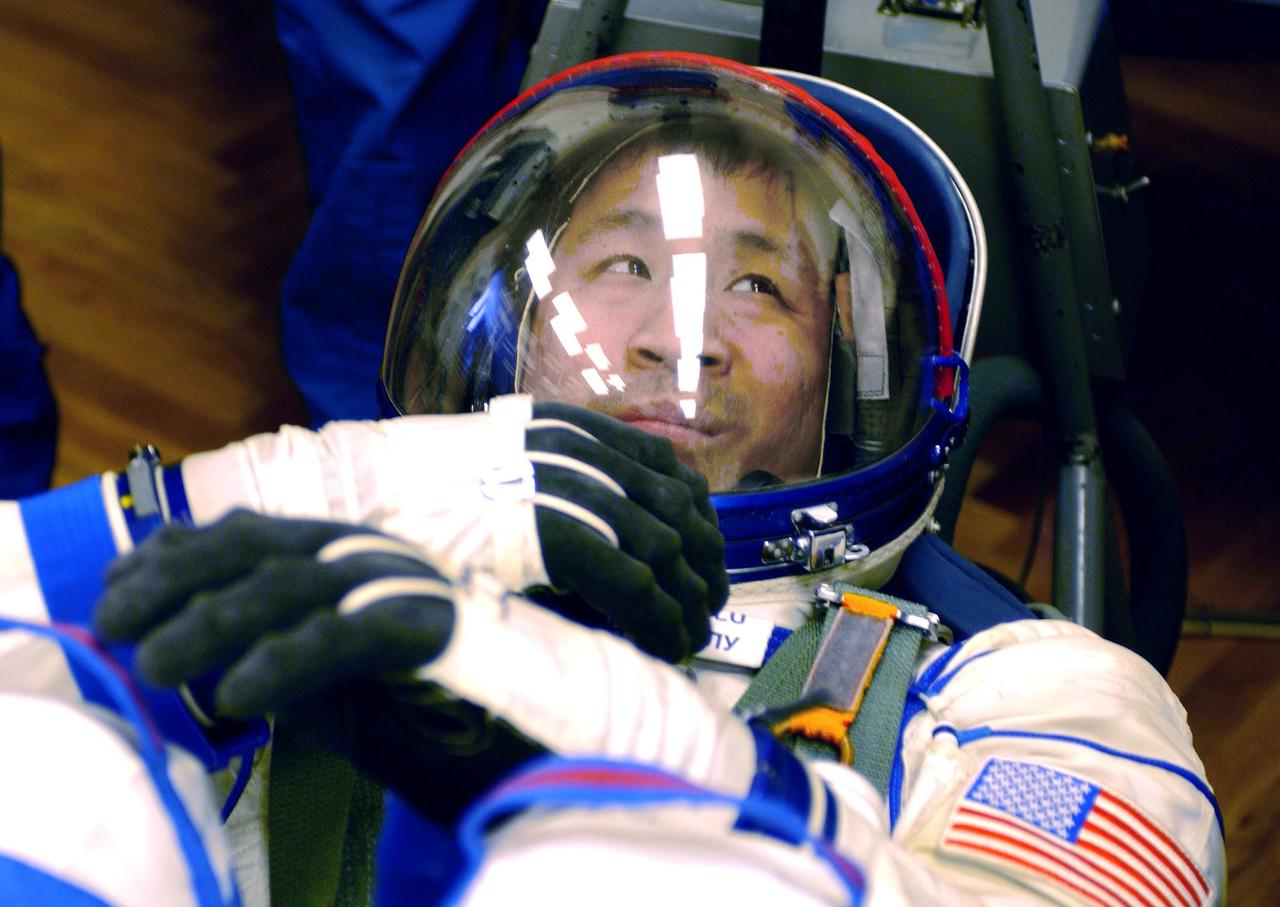
Baikonur Cosmodrome, Kazakhstan -- Building 254, Soyuz Integration Facility. Astronaut Edward T. Lu, NASA ISS science officer and flight engineer for Expedition Seven, has a leak check performed on the Russian Sokol suit. Veteran Russian cosmonaut Yuri Malenchenko and veteran NASA astronaut Ed Lu have been named as the primary crew for the planned April 26, 2003, launch of a Russian Soyuz TMA-2 spacecraft to the International Space Station. Malenchenko and Lu will be called the Expedition 7 crew. Russian cosmonaut Alexander Kaleri and NASA astronaut Michael Foale are the backup crewmembers to Malenchenko and Lu. Expedition 6 Commander Ken Bowersox, Flight Engineer Nikolai Budarin and NASA Space Station Science Officer Don Pettit will return to Earth aboard the Soyuz TMA-1 craft in May 2003. The three Expedition 6 crewmembers were launched on Nov. 23, 2002. They have been aboard the Station since November 25. They were originally scheduled to return in March aboard the Space Shuttle Atlantis during the STS-114 mission. Malenchenko and Lu will continue to operate the science payloads already on board, as well as maintaining the Station. Photo Credit: NASA/Bill Ingalls
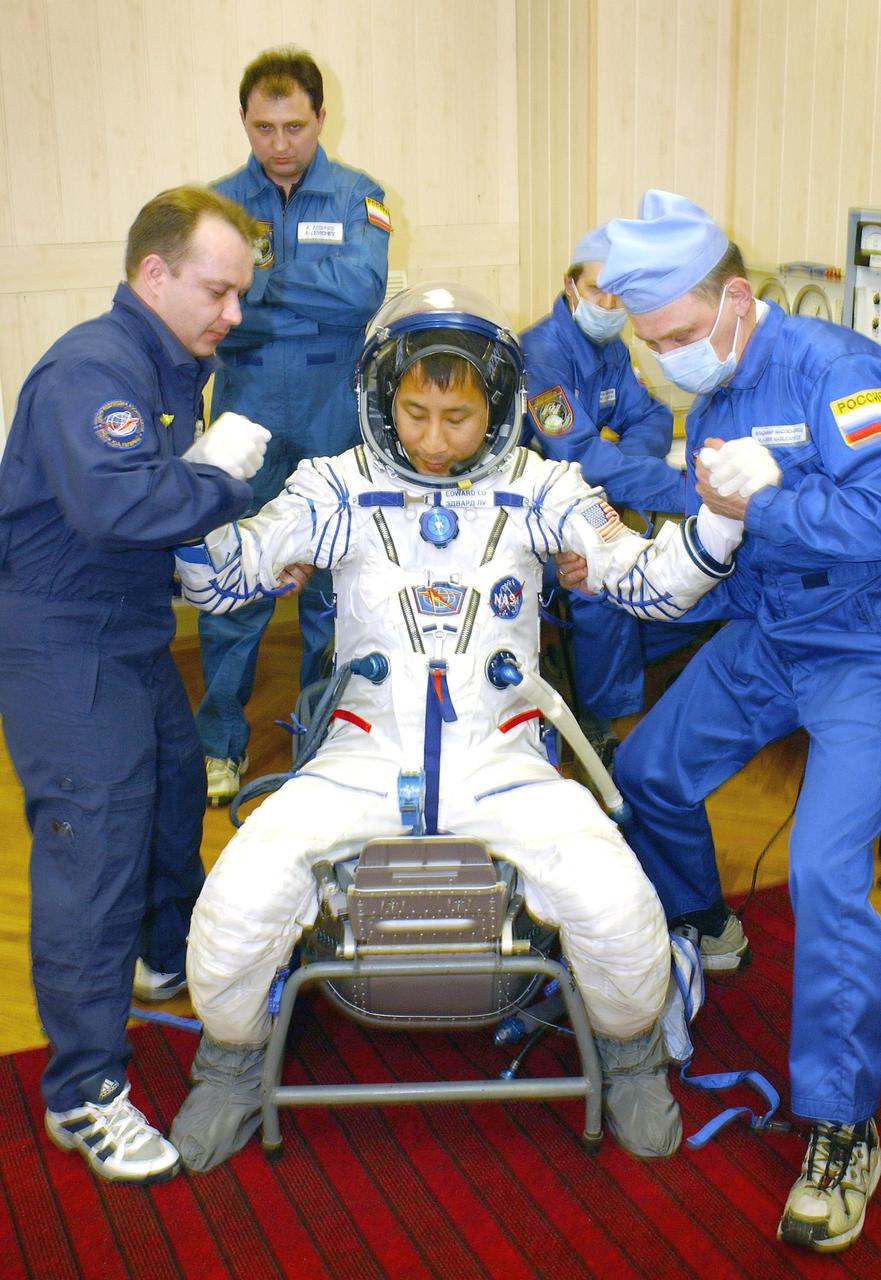
Baikonur Cosmodrome, Kazakhstan -- Building 254, Soyuz Integration Facility. Astronaut Edward T. Lu, NASA ISS science officer and flight engineer for Expedition Seven, has a leak check performed on the Russian Sokol suit. Veteran Russian cosmonaut Yuri Malenchenko and veteran NASA astronaut Ed Lu have been named as the primary crew for the planned April 26, 2003, launch of a Russian Soyuz TMA-2 spacecraft to the International Space Station. Malenchenko and Lu will be called the Expedition 7 crew. Russian cosmonaut Alexander Kaleri and NASA astronaut Michael Foale are the backup crewmembers to Malenchenko and Lu. Expedition 6 Commander Ken Bowersox, Flight Engineer Nikolai Budarin and NASA Space Station Science Officer Don Pettit will return to Earth aboard the Soyuz TMA-1 craft in May 2003. The three Expedition 6 crewmembers were launched on Nov. 23, 2002. They have been aboard the Station since November 25. They were originally scheduled to return in March aboard the Space Shuttle Atlantis during the STS-114 mission. Malenchenko and Lu will continue to operate the science payloads already on board, as well as maintaining the Station. Photo Credit: NASA/Bill Ingalls
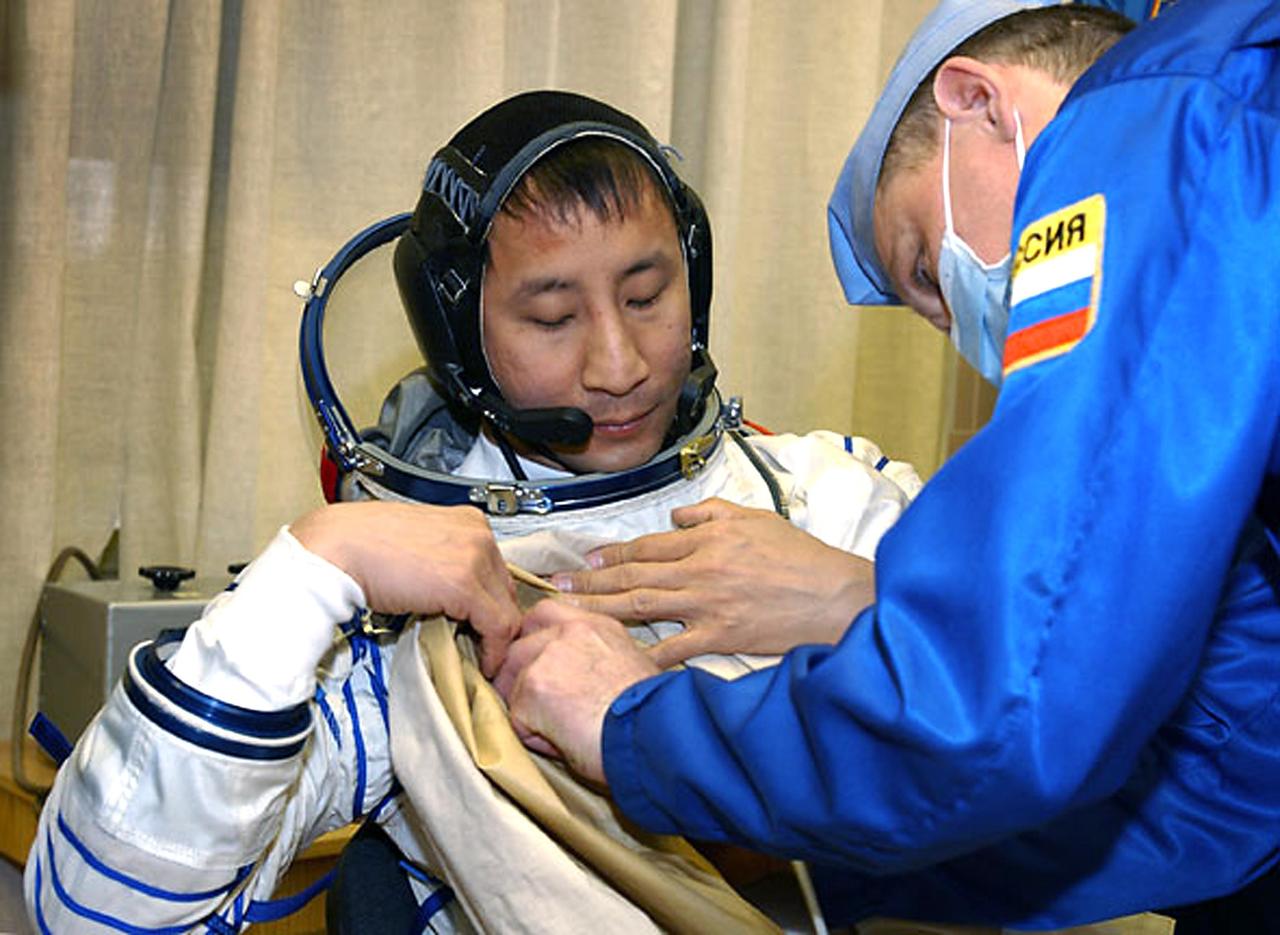
Baikonur Cosmodrome, Kazakhstan. Building 254, Soyuz Integration Facility. Astronaut Edward T. Lu, NASA ISS science officer and flight engineer for Expedition Seven, dons his Russian Sokol suit for the leak check and Soyuz inspection, seat liner check. Veteran Russian cosmonaut Yuri Malenchenko and veteran NASA astronaut Ed Lu have been named as the primary crew for the planned April 26, 2003, launch of a Russian Soyuz TMA-2 spacecraft to the International Space Station. Malenchenko and Lu will be called the Expedition 7 crew. Russian cosmonaut Alexander Kaleri and NASA astronaut Michael Foale are the backup crewmembers to Malenchenko and Lu. Expedition 6 Commander Ken Bowersox, Flight Engineer Nikolai Budarin and NASA Space Station Science Officer Don Pettit will return to Earth aboard the Soyuz TMA-1 craft in May 2003. The three Expedition 6 crewmembers were launched on Nov. 23, 2002. They have been aboard the Station since November 25. They were originally scheduled to return in March aboard the Space Shuttle Atlantis during the STS-114 mission. Malenchenko and Lu will continue to operate the science payloads already on board, as well as maintaining the Station. Photo Credit: NASA/Bill Ingalls
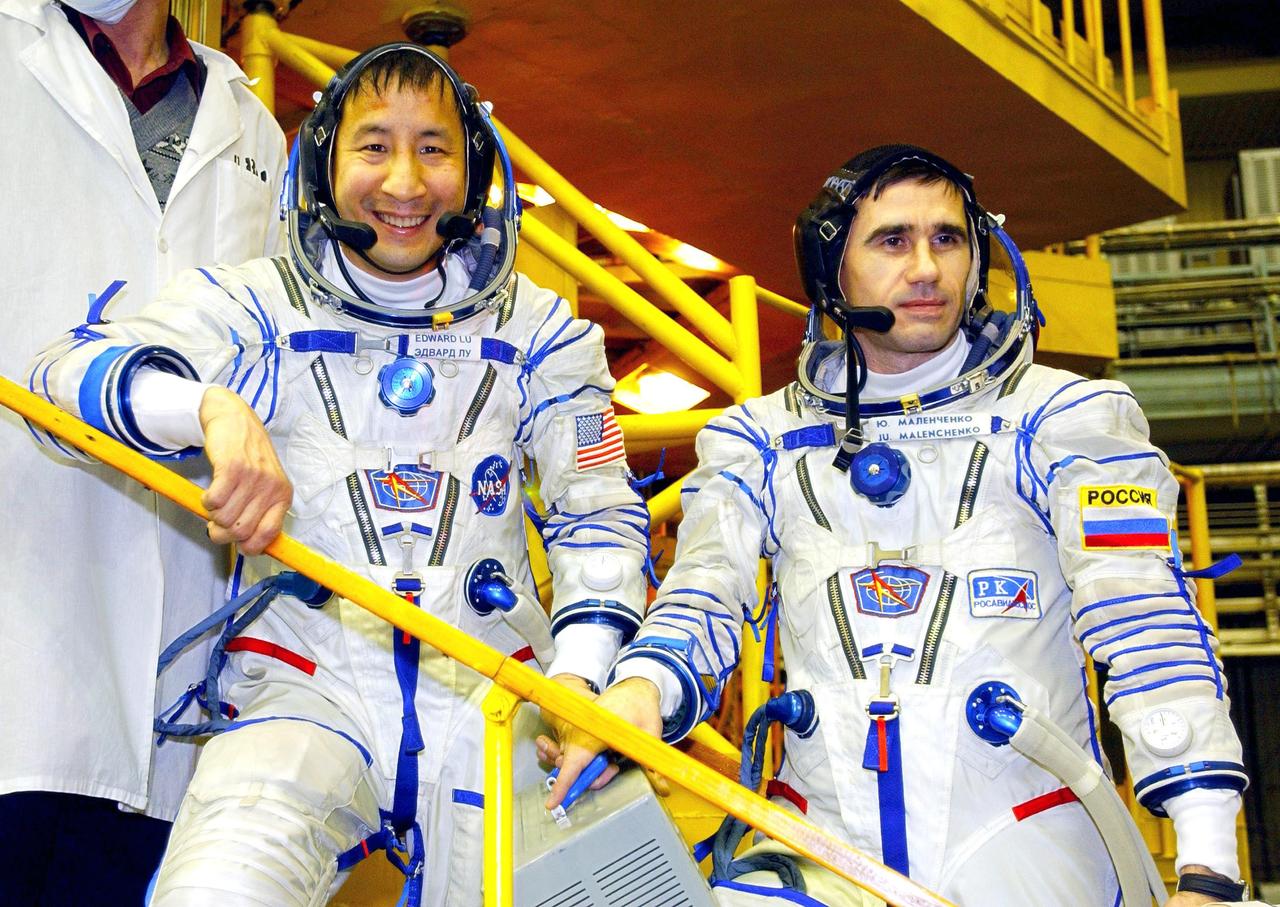
Baikonur Cosmodrome, Kazakhstan -- Building 254, Soyuz Integration Facility. Cosmonaut Yuri I. Malenchenko (right), Expedition Seven commander, and astronaut Edward T. Lu, NASA ISS science officer and flight engineer for Expedition Seven, pause for a photograph on the Soyuz stand after the Soyuz inspection, seat liner check. Veteran Russian cosmonaut Yuri Malenchenko and veteran NASA astronaut Ed Lu were named as the primary crew for the planned April 26, 2003, launch of a Russian Soyuz TMA-2 spacecraft to the International Space Station. Russian cosmonaut Alexander Kaleri and NASA astronaut Michael Foale are the backup crewmembers to Malenchenko and Lu. Expedition 6 Commander Ken Bowersox, Flight Engineer Nikolai Budarin and NASA Space Station Science Officer Don Pettit will return to Earth aboard the Soyuz TMA-1 craft in May 2003. The three Expedition 6 crewmembers were launched on Nov. 23, 2002. They have been aboard the Station since November 25. They were originally scheduled to return in March aboard the Space Shuttle Atlantis during the STS-114 mission. Malenchenko and Lu will continue to operate the science payloads already on board, as well as maintaining the Station. Photo Credit: NASA/Bill Ingalls
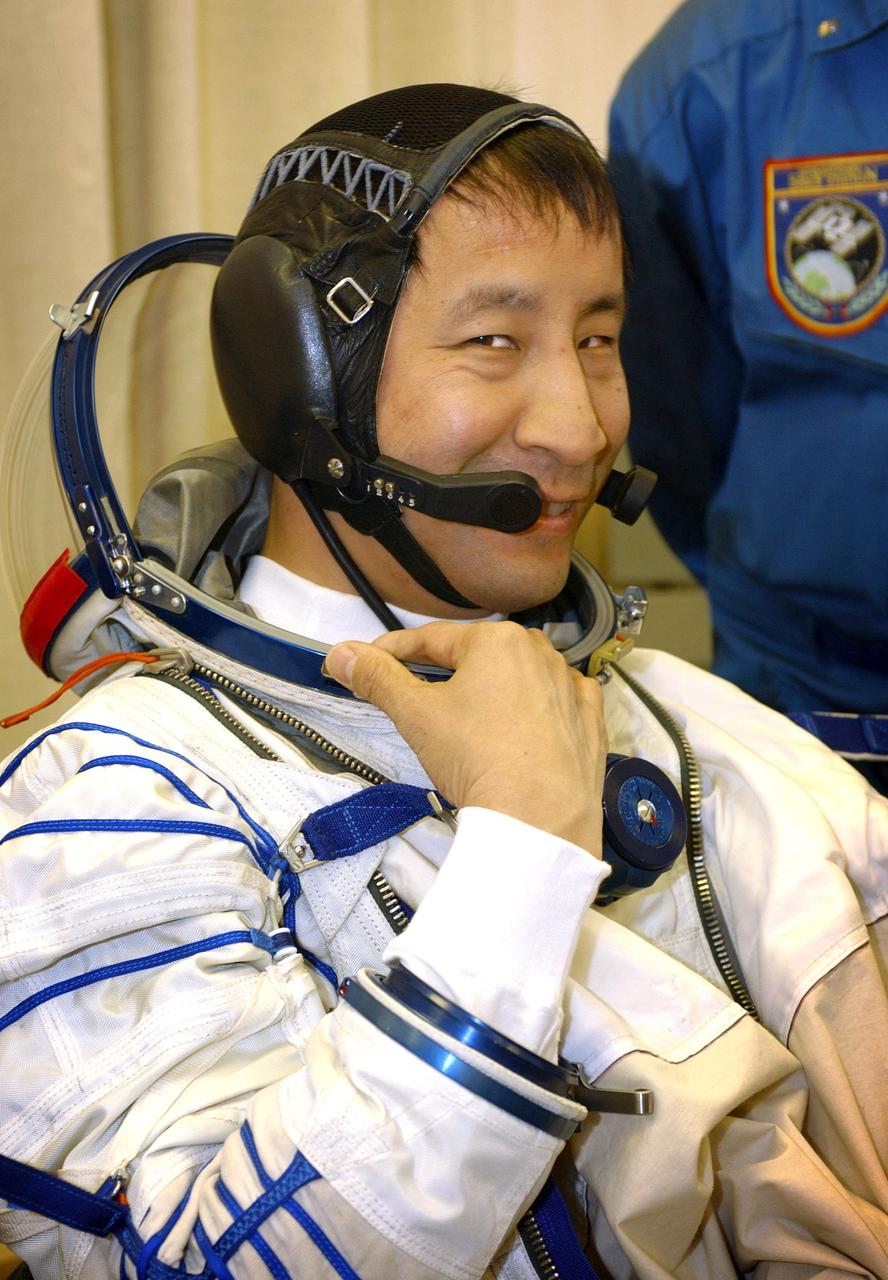
Baikonur Cosmodrome, Kazakhstan. Building 254, Soyuz Integration Facility. Astronaut Edward T. Lu, NASA ISS science officer and flight engineer for Expedition Seven, dons his Russian Sokol suit for the leak check and Soyuz inspection, seat liner check. Veteran Russian cosmonaut Yuri Malenchenko and veteran NASA astronaut Ed Lu have been named as the primary crew for the planned April 26, 2003, launch of a Russian Soyuz TMA-2 spacecraft to the International Space Station. Malenchenko and Lu will be called the Expedition 7 crew. Russian cosmonaut Alexander Kaleri and NASA astronaut Michael Foale are the backup crewmembers to Malenchenko and Lu. Expedition 6 Commander Ken Bowersox, Flight Engineer Nikolai Budarin and NASA Space Station Science Officer Don Pettit will return to Earth aboard the Soyuz TMA-1 craft in May 2003. The three Expedition 6 crewmembers were launched on Nov. 23, 2002. They have been aboard the Station since November 25. They were originally scheduled to return in March aboard the Space Shuttle Atlantis during the STS-114 mission. Malenchenko and Lu will continue to operate the science payloads already on board, as well as maintaining the Station. Photo Credit: NASA/Bill Ingalls
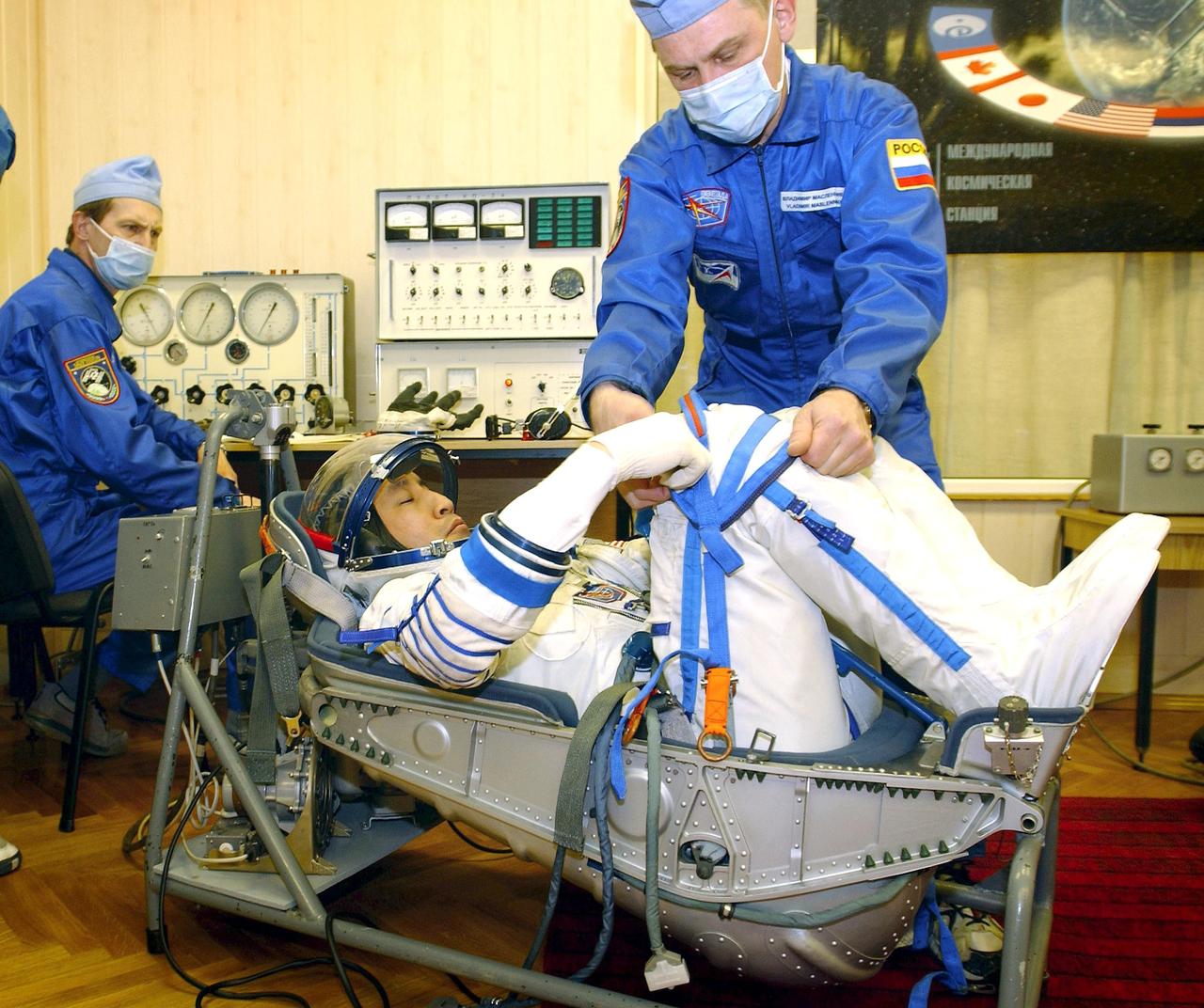
Baikonur Cosmodrome, Kazakhstan -- Building 254, Soyuz Integration Facility. Astronaut Edward T. Lu, NASA ISS science officer and flight engineer for Expedition Seven, has a leak check performed on the Russian Sokol suit. Veteran Russian cosmonaut Yuri Malenchenko and veteran NASA astronaut Ed Lu have been named as the primary crew for the planned April 26, 2003, launch of a Russian Soyuz TMA-2 spacecraft to the International Space Station. Malenchenko and Lu will be called the Expedition 7 crew. Russian cosmonaut Alexander Kaleri and NASA astronaut Michael Foale are the backup crewmembers to Malenchenko and Lu. Expedition 6 Commander Ken Bowersox, Flight Engineer Nikolai Budarin and NASA Space Station Science Officer Don Pettit will return to Earth aboard the Soyuz TMA-1 craft in May 2003. The three Expedition 6 crewmembers were launched on Nov. 23, 2002. They have been aboard the Station since November 25. They were originally scheduled to return in March aboard the Space Shuttle Atlantis during the STS-114 mission. Malenchenko and Lu will continue to operate the science payloads already on board, as well as maintaining the Station. Photo Credit: NASA/Bill Ingalls

The Space Shuttle Endeavour, accompanied by a convoy of recovery vehicles, is towed up the taxiway at NASA's Dryden Flight Research Center at Edwards Air Force Base, California, following its landing on June 19, 2002. The landing, the 49th to occur at Edwards, concluded mission STS-111 to the International Space Station. It was the 18th orbital mission of Endeavour and the 110th space shuttle mission overall.
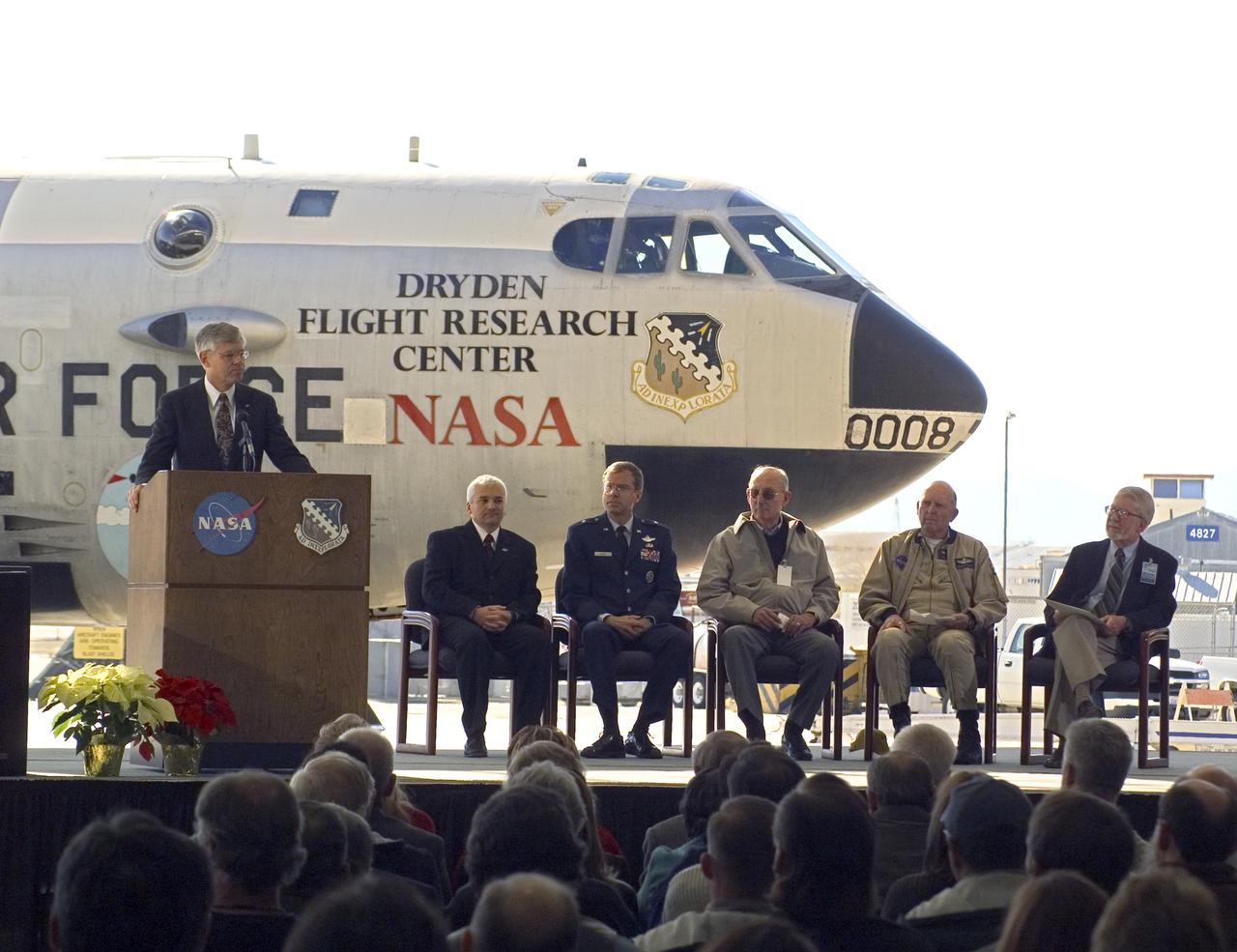
Retired NASA Dryden research pilot Ed Schneider served as master of ceremonies at the retirement ceremony for NASA's B-52B, on Dec. 17, 2004.