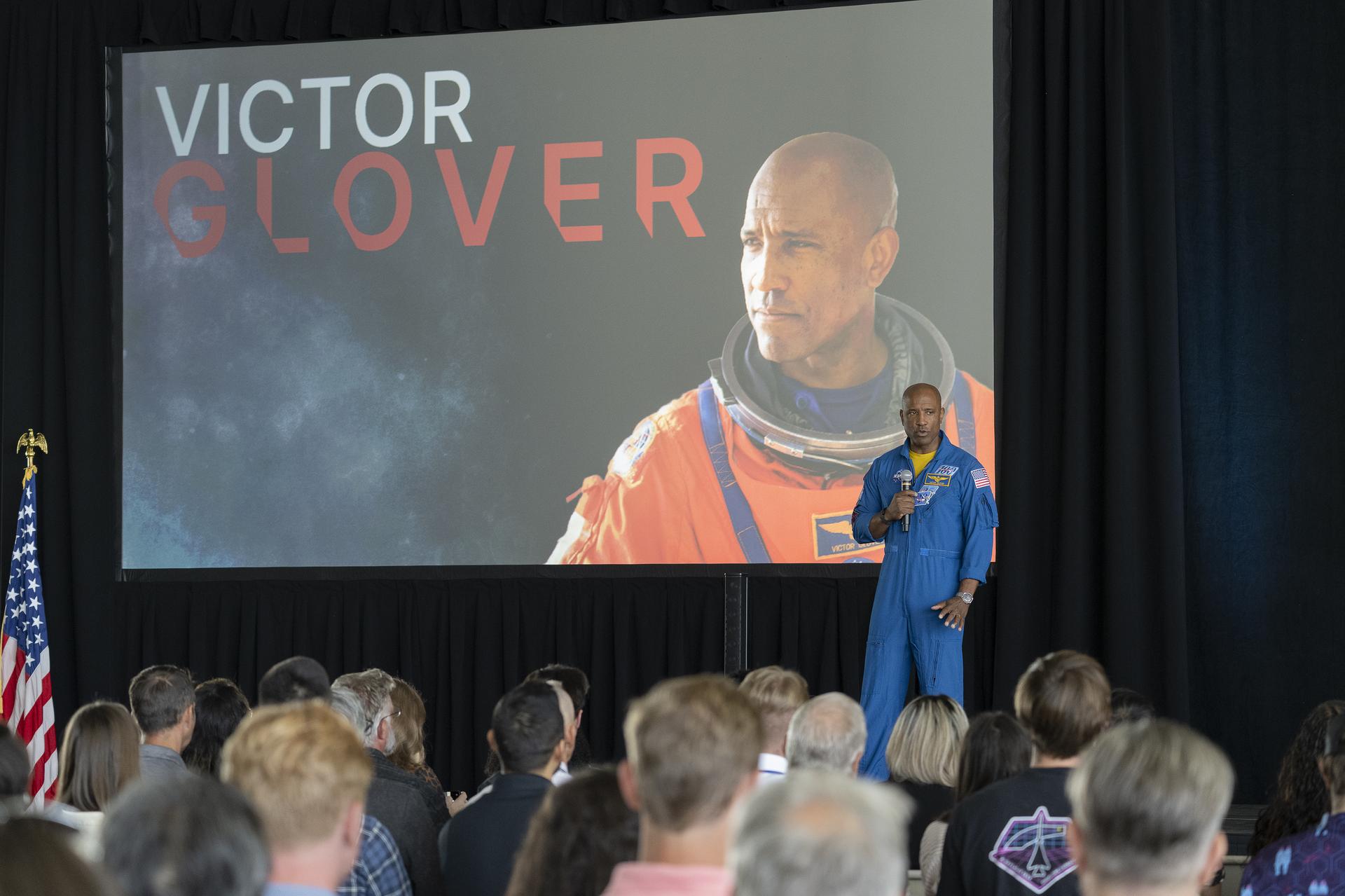
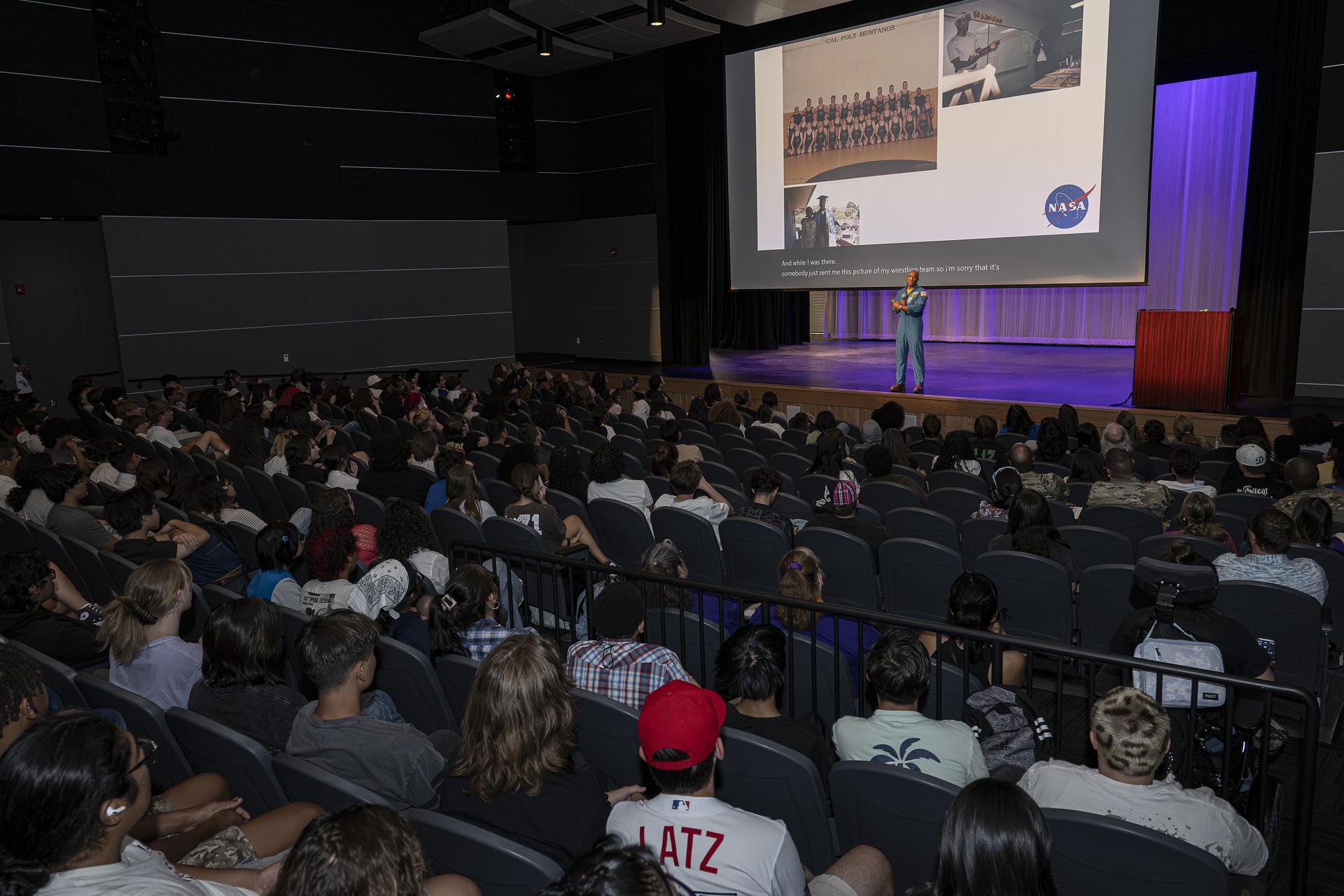
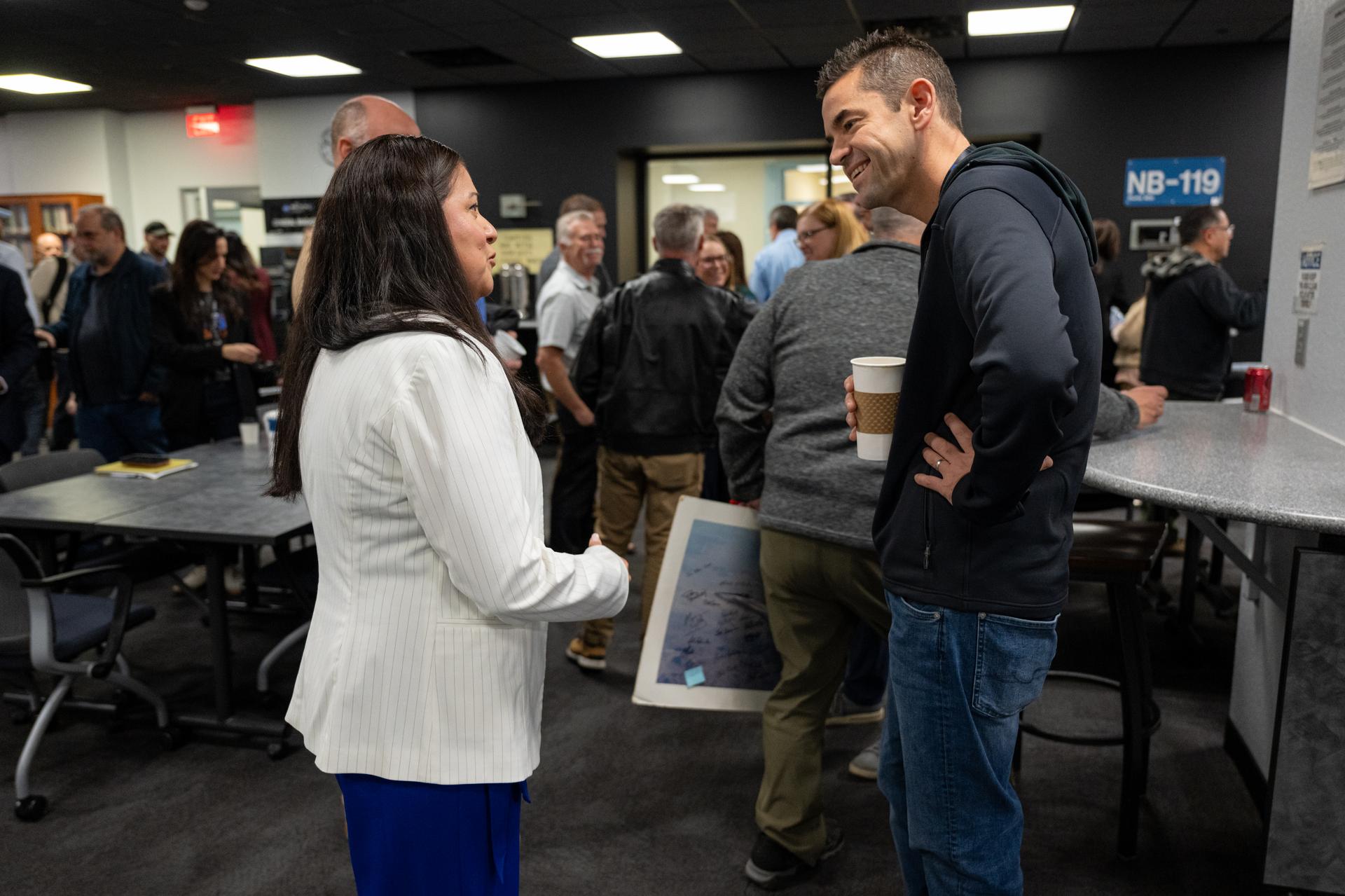
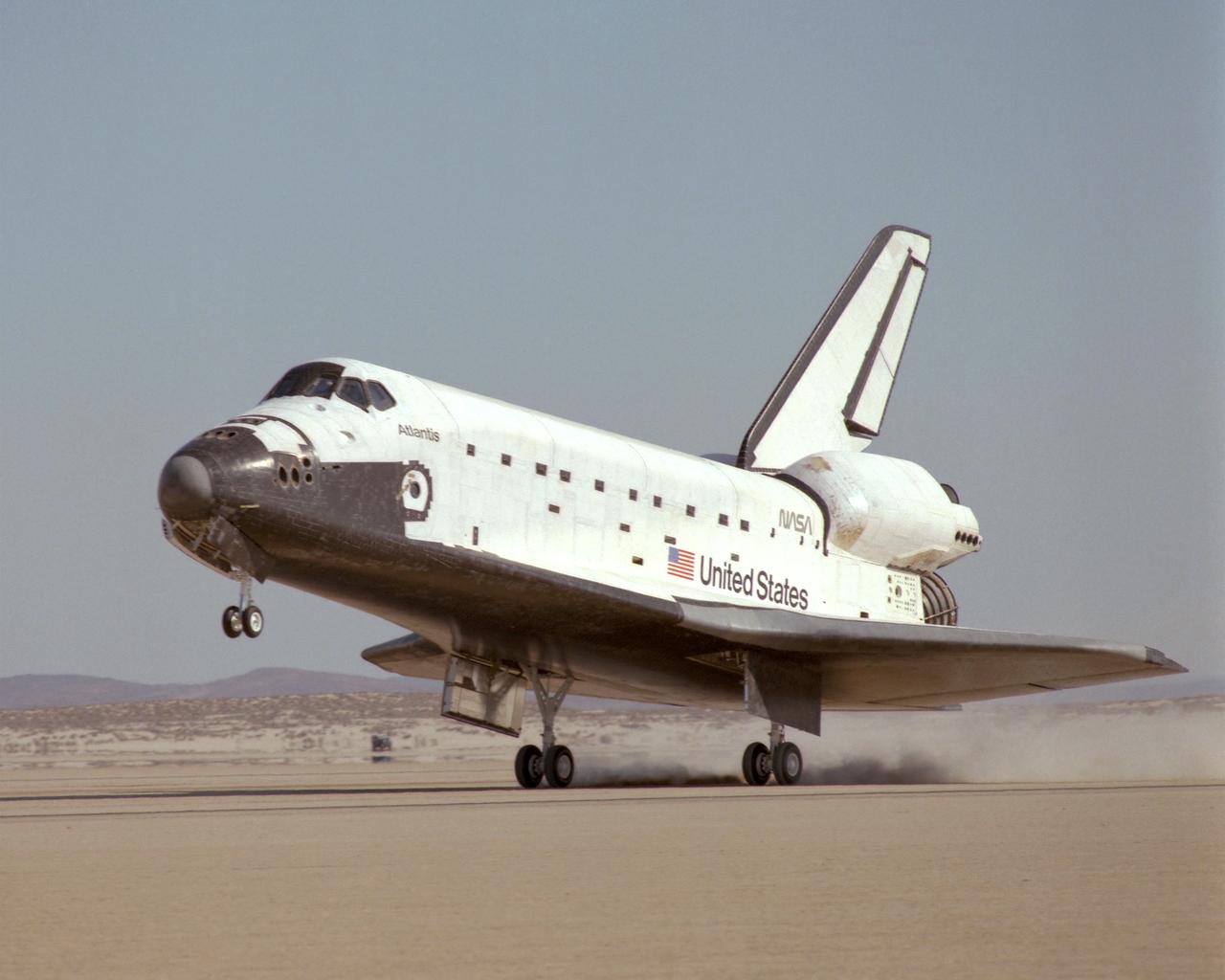
DAVE EDWARDS, CHIEF ENGINEER FOR THE SCIENCE AND TECHNOLOGY OFFICE AT MARSHALL, POSES FOR “I CHART THE PATH” SERIES PHOTO
DAVE EDWARDS FOR "I CHART THE PATH" SERIES
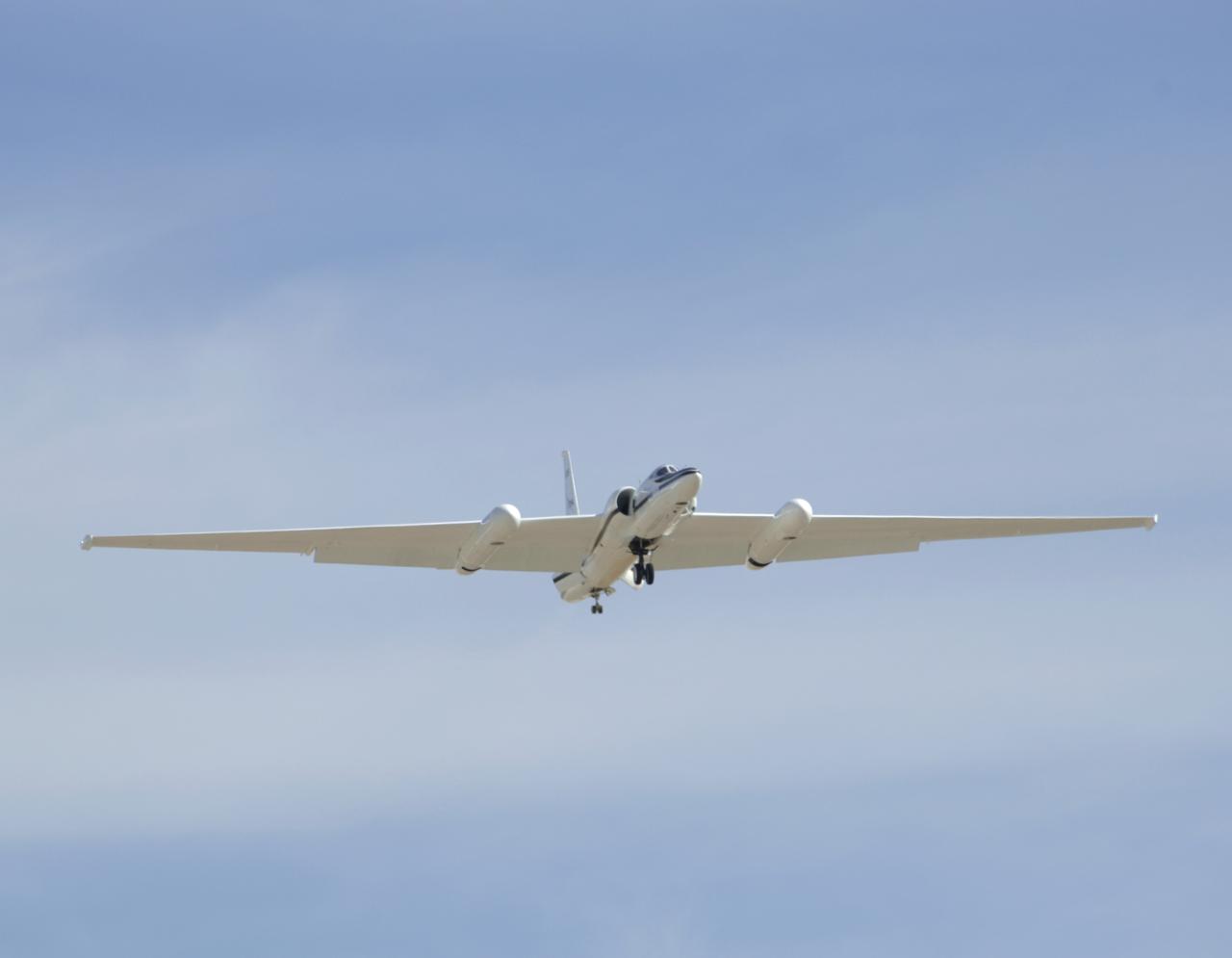
One of NASA's two ER-2 Earth resources aircraft shows off its lines during a flyover at the Edwards Air Force Base open house Oct. 28-29, 2006.
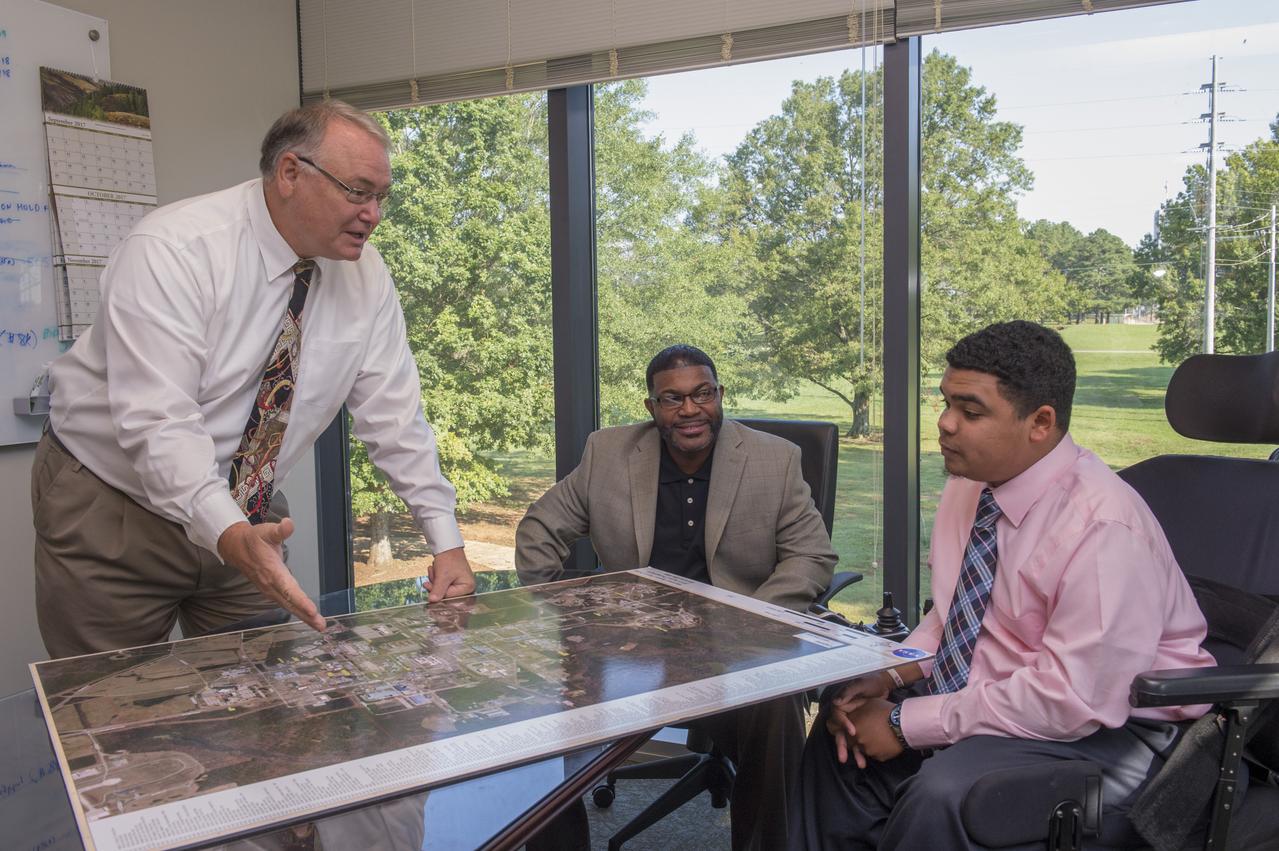
Farley Davis and Edward Ahmad explain map of MSFC  to Fall Job Shadowing Student Deshon Washington, a student at Alabama A&M University.
Farley Davis and Edward Ahmad explain map of MSFC to Fall Job S
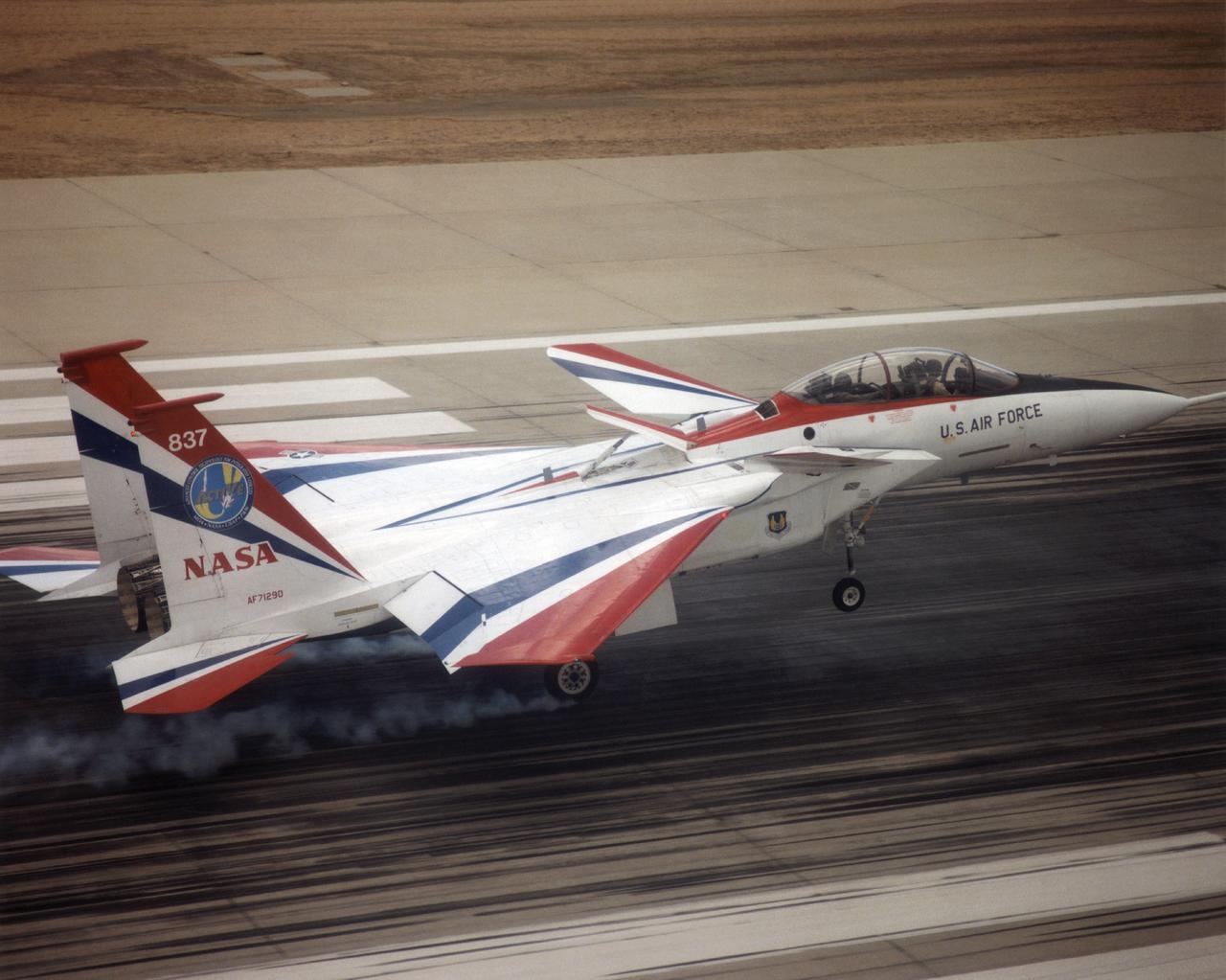
The F-15 ACTIVE touches down on the Edwards runway following its April 14, 1998 flight. The nose is high while the canards have their rear edge raised. the aircraft's speed brake, located on the top of the aircraft behind the canopy, is also raised.
F-15 ACTIVE touches down on Edwards AFB runway
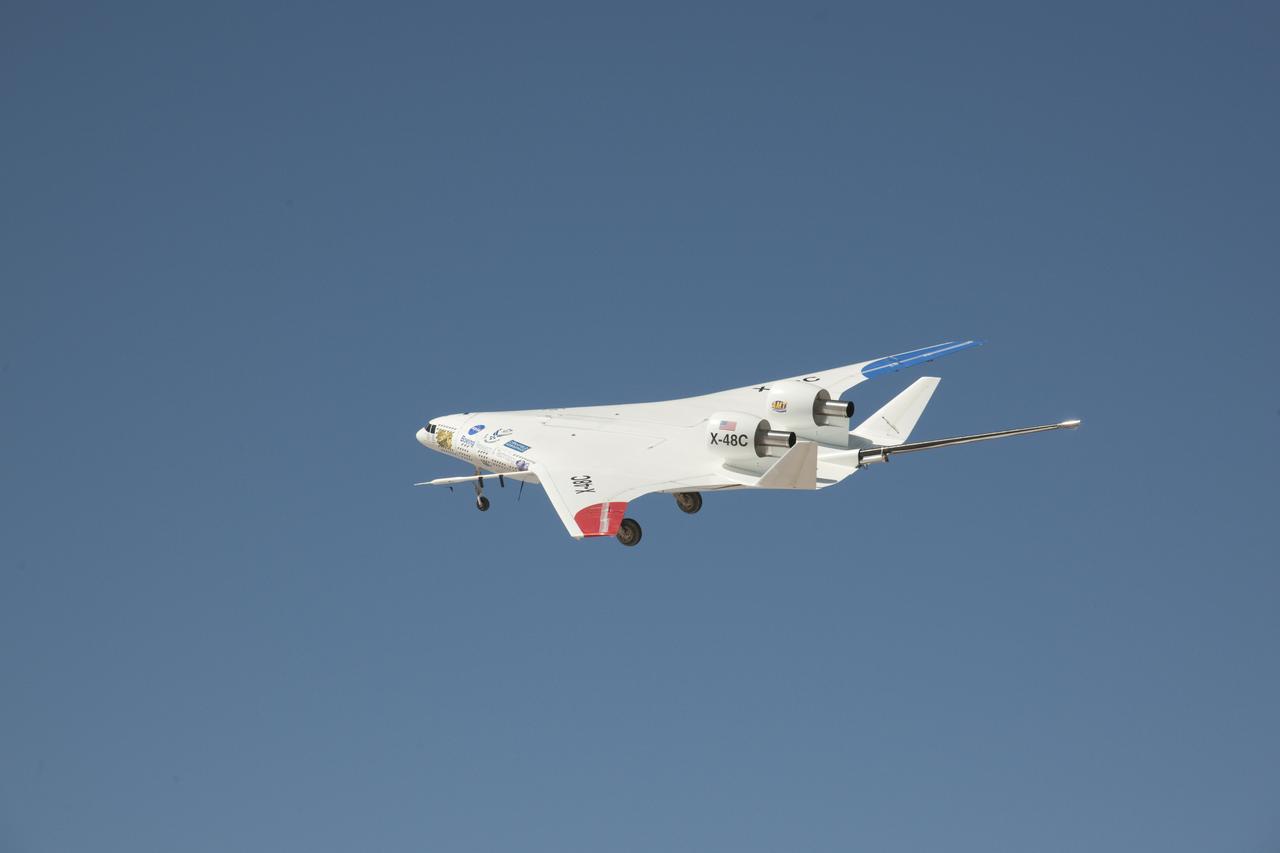
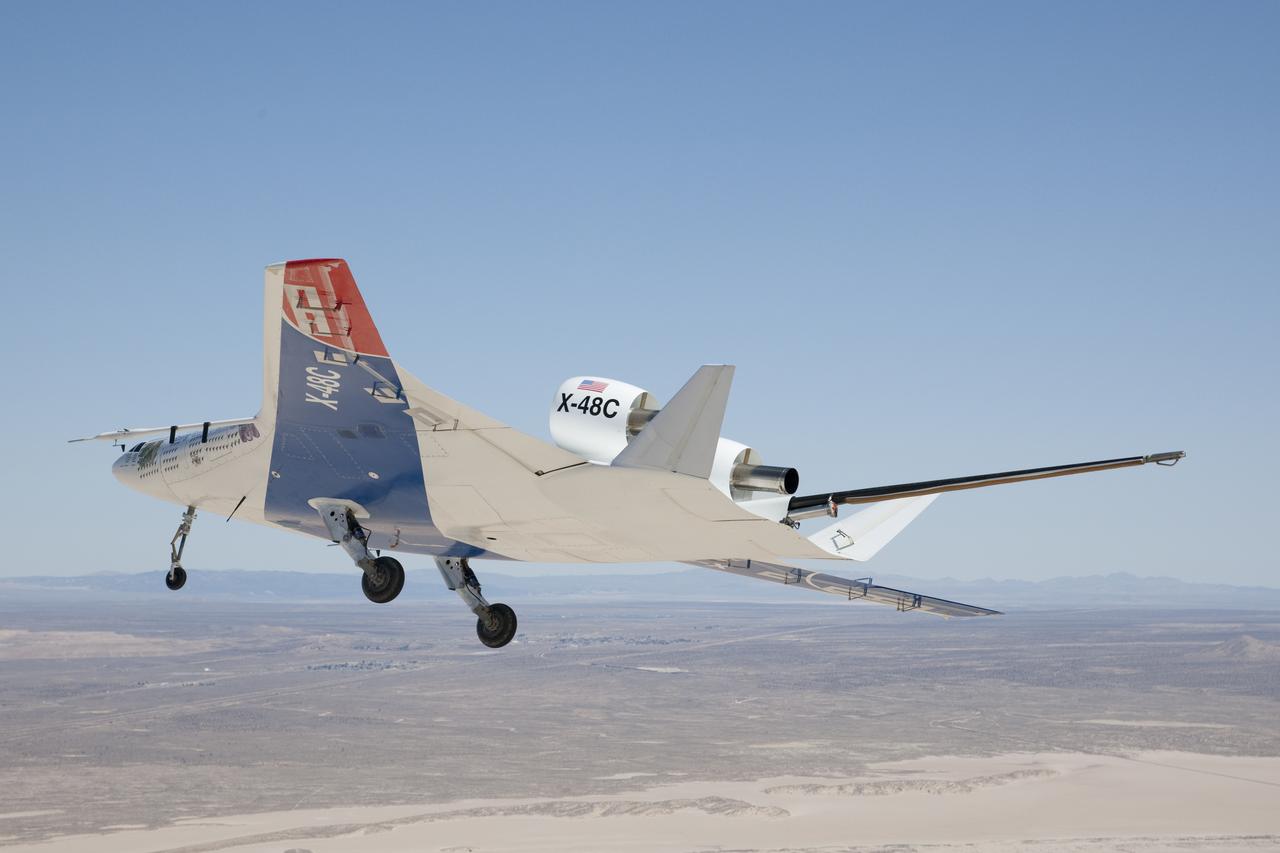
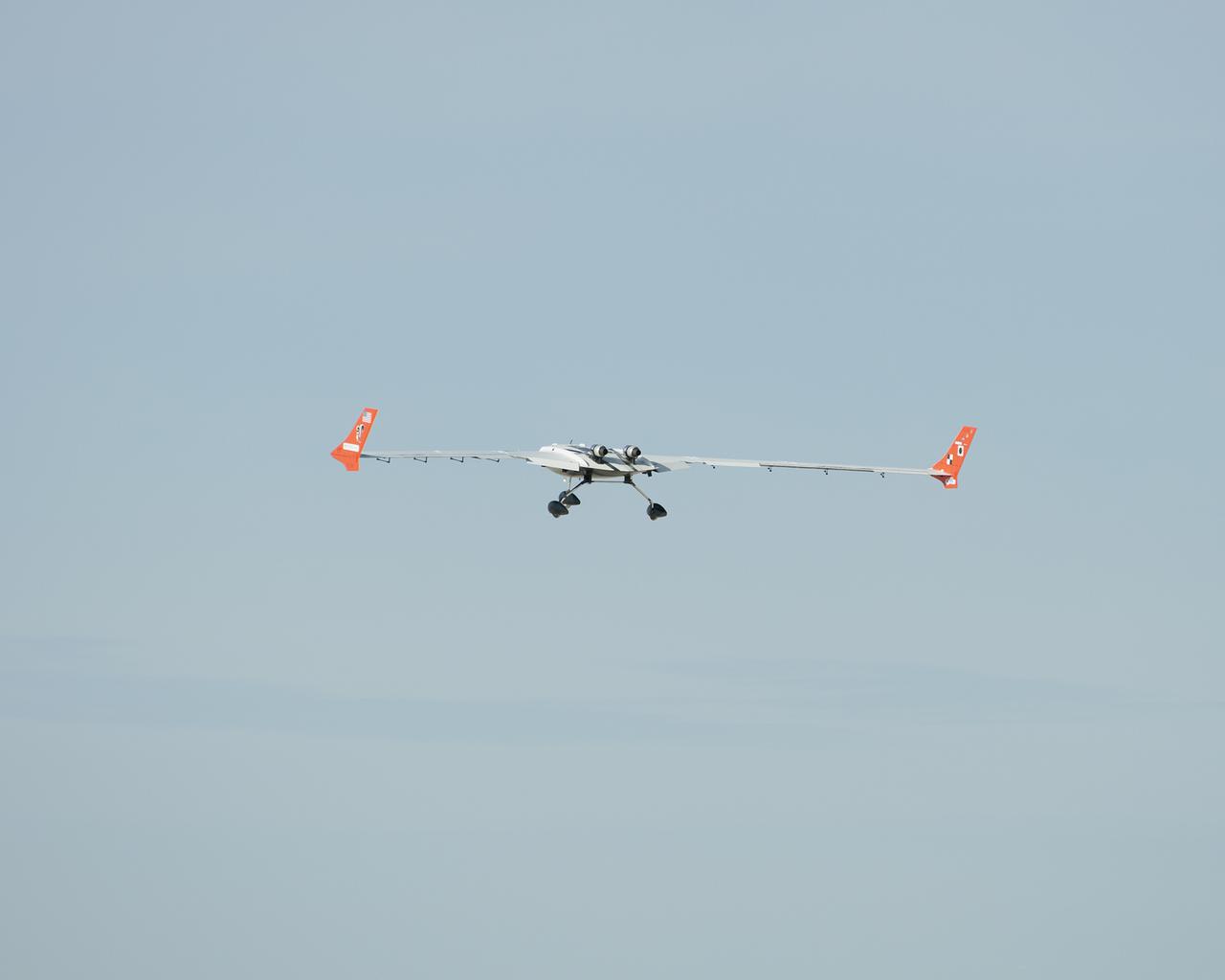
A deep blue sky was a backdrop for the NASA-Boeing X-48C Hybrid Wing Body aircraft as it flew over Edwards AFB on Feb. 28, 2013, during a test flight from NASA's Dryden Flight Research Center, Edwards, CA.
X-48C Flies Over Edwards Air Force Base
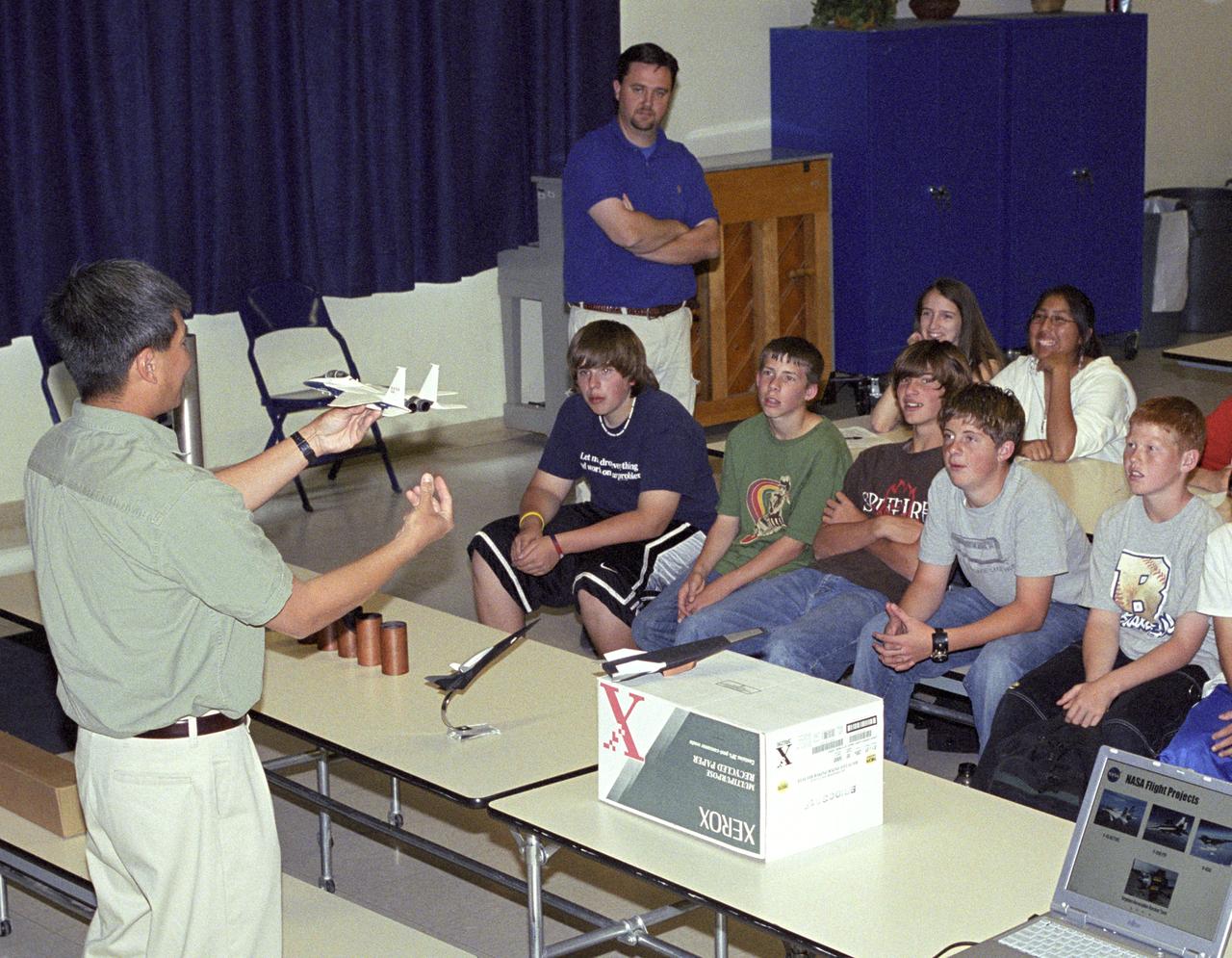
NASA Dryden aerospace engineer Trong Bui explains the dynamics of flight to a group of Edwards Middle School students during a recent Career Day presentation.
Louisiana Gov. John Bel Edwards visited NASA’s Michoud Assembly Facility in New Orleans and spoke about the state’s partnerships with NASA and the 20 companies and government agencies located at the facility. NASA is building its new deep space rocket, the Space Launch System, and the Orion spacecraft at Michoud.
Louisiana Governor John Bel Edwards Visits NASA’s Rocket Factory
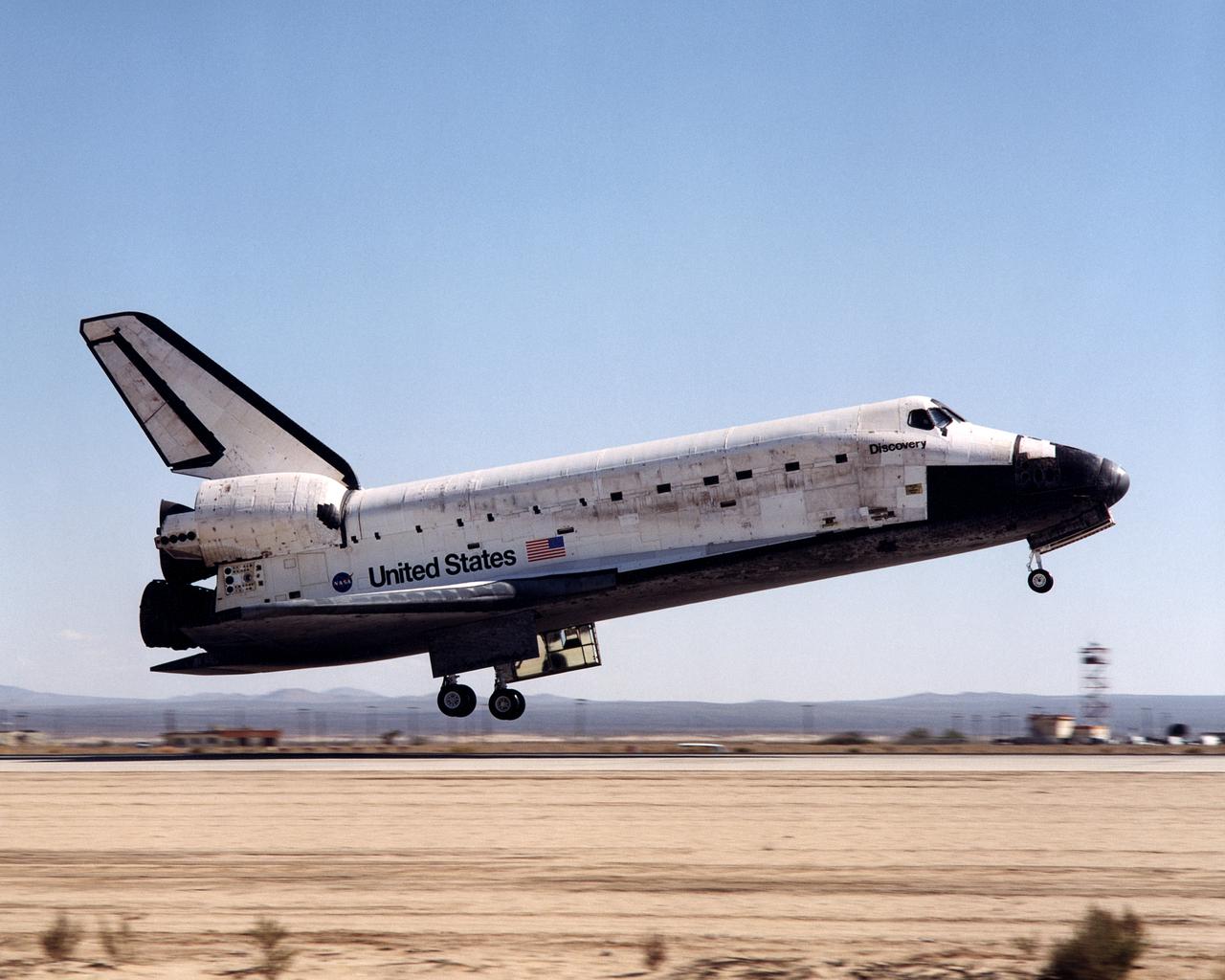
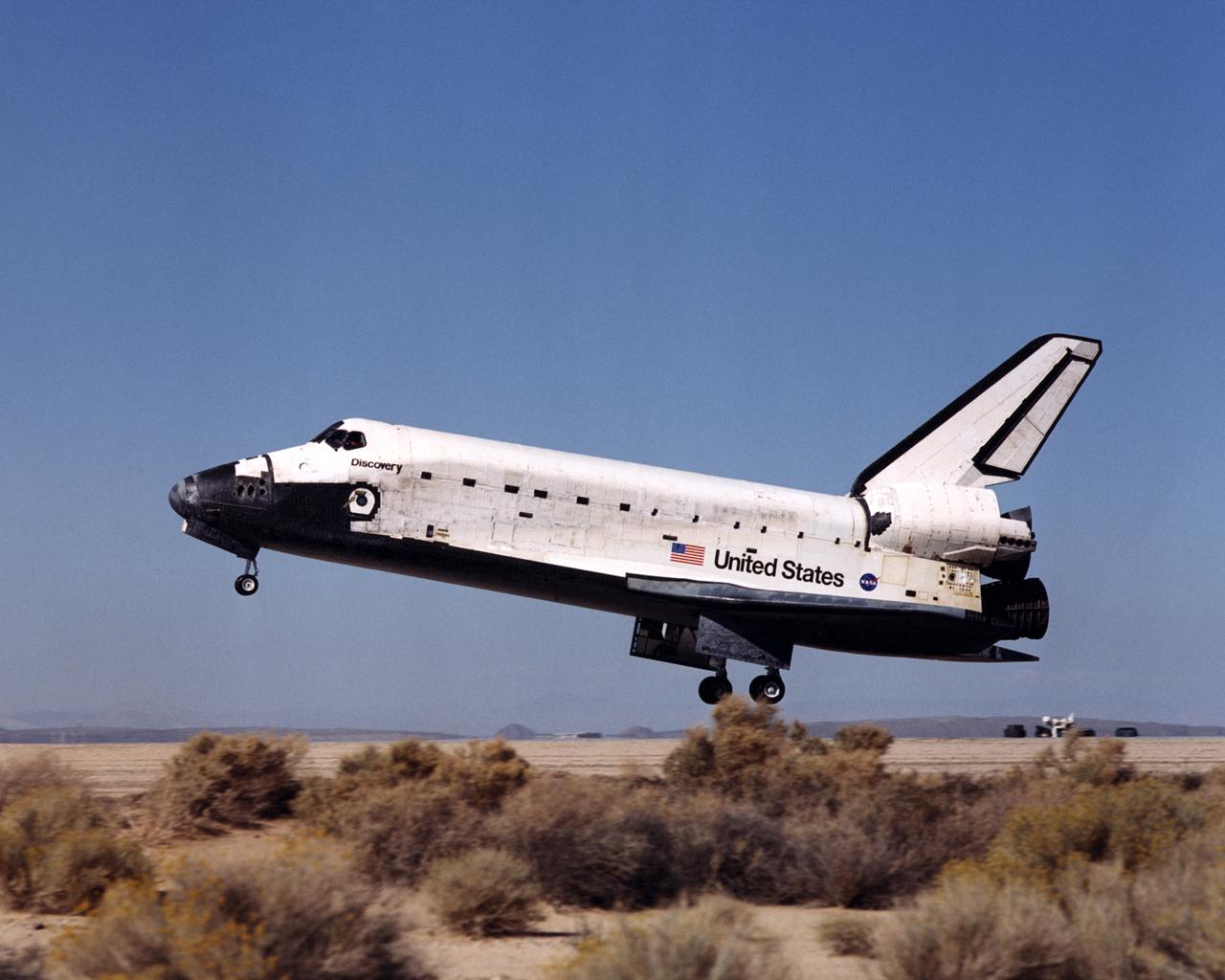
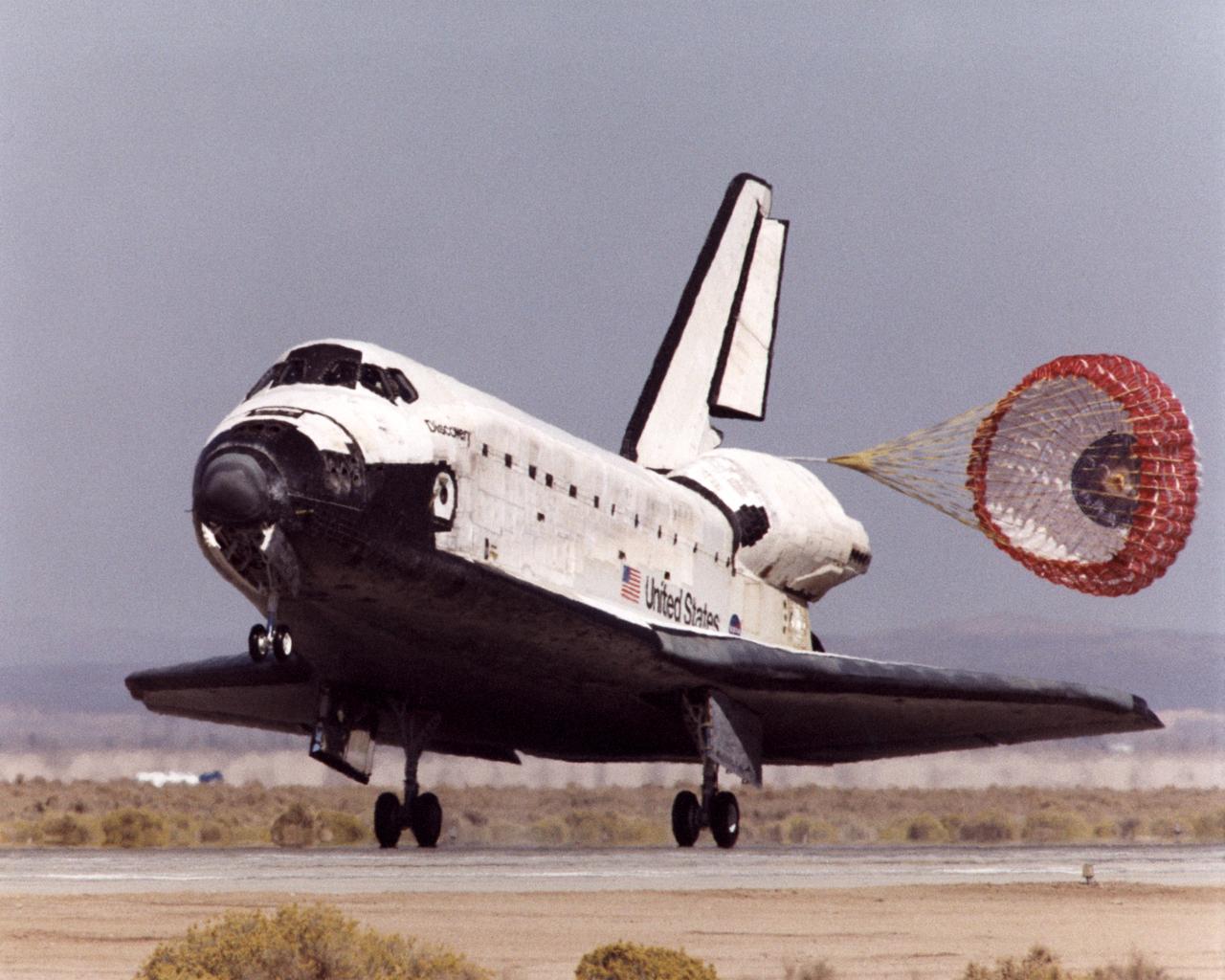
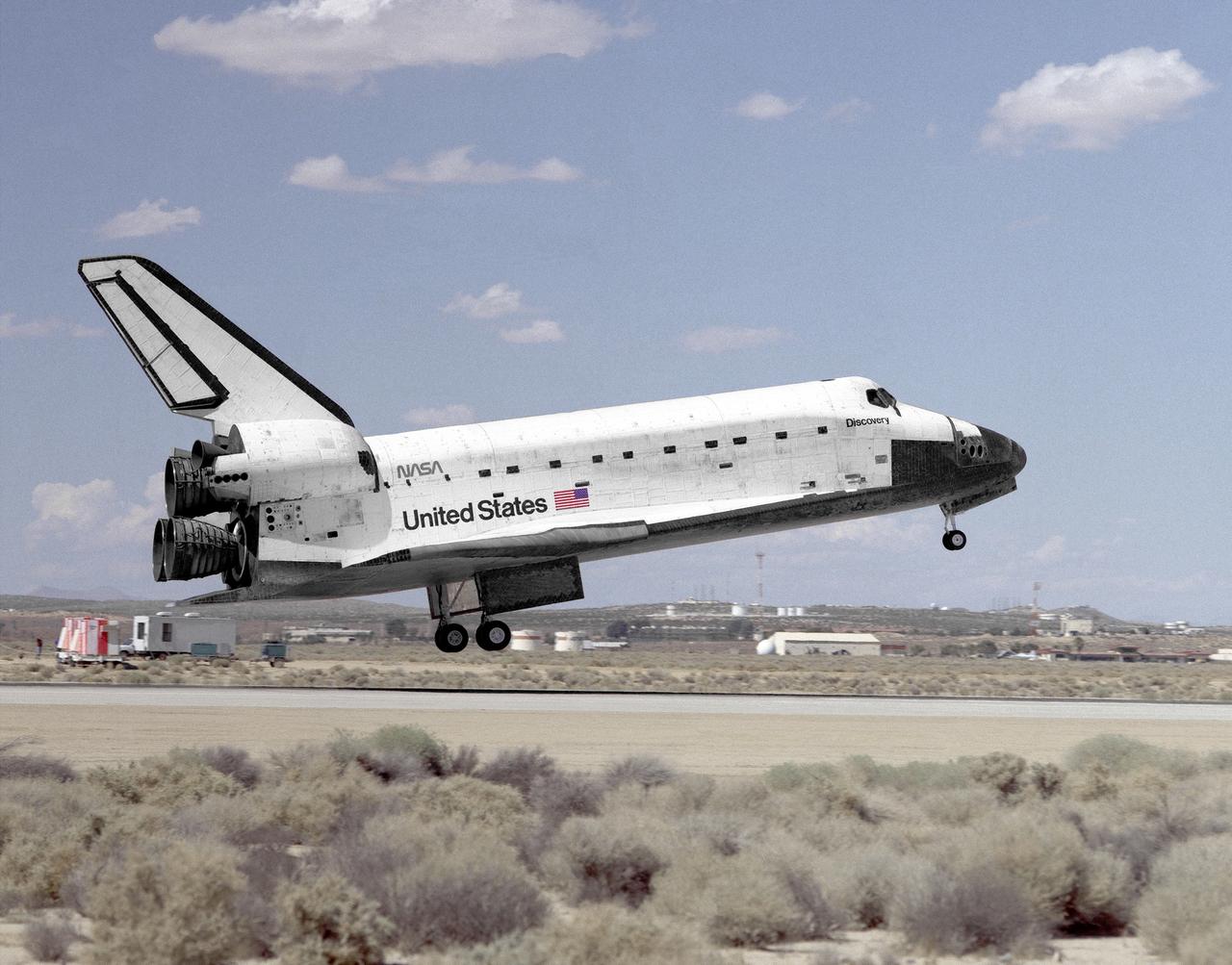
The Space Shuttle Discovery glides in for landing at Edwards Air Force Base in Southern California at the conclusion of mission STS-92 on October 24, 2000.
STS-92 - Landing at Edwards Air Force Base
The Space Shuttle Discovery glides in for landing at Edwards Air Force Base in Southern California at the conclusion of mission STS-92 on October 24, 2000.
STS-92 - Landing at Edwards Air Force Base
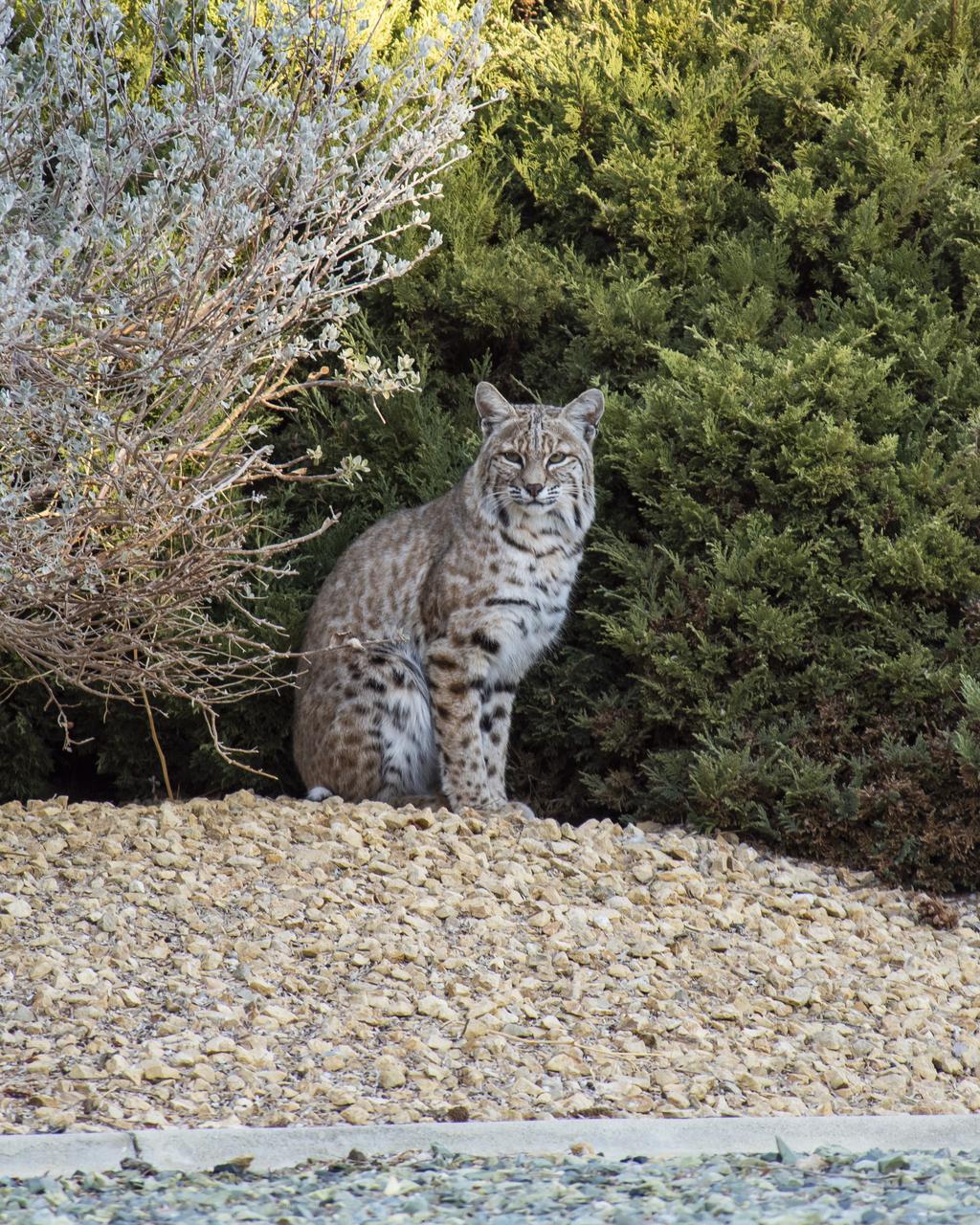
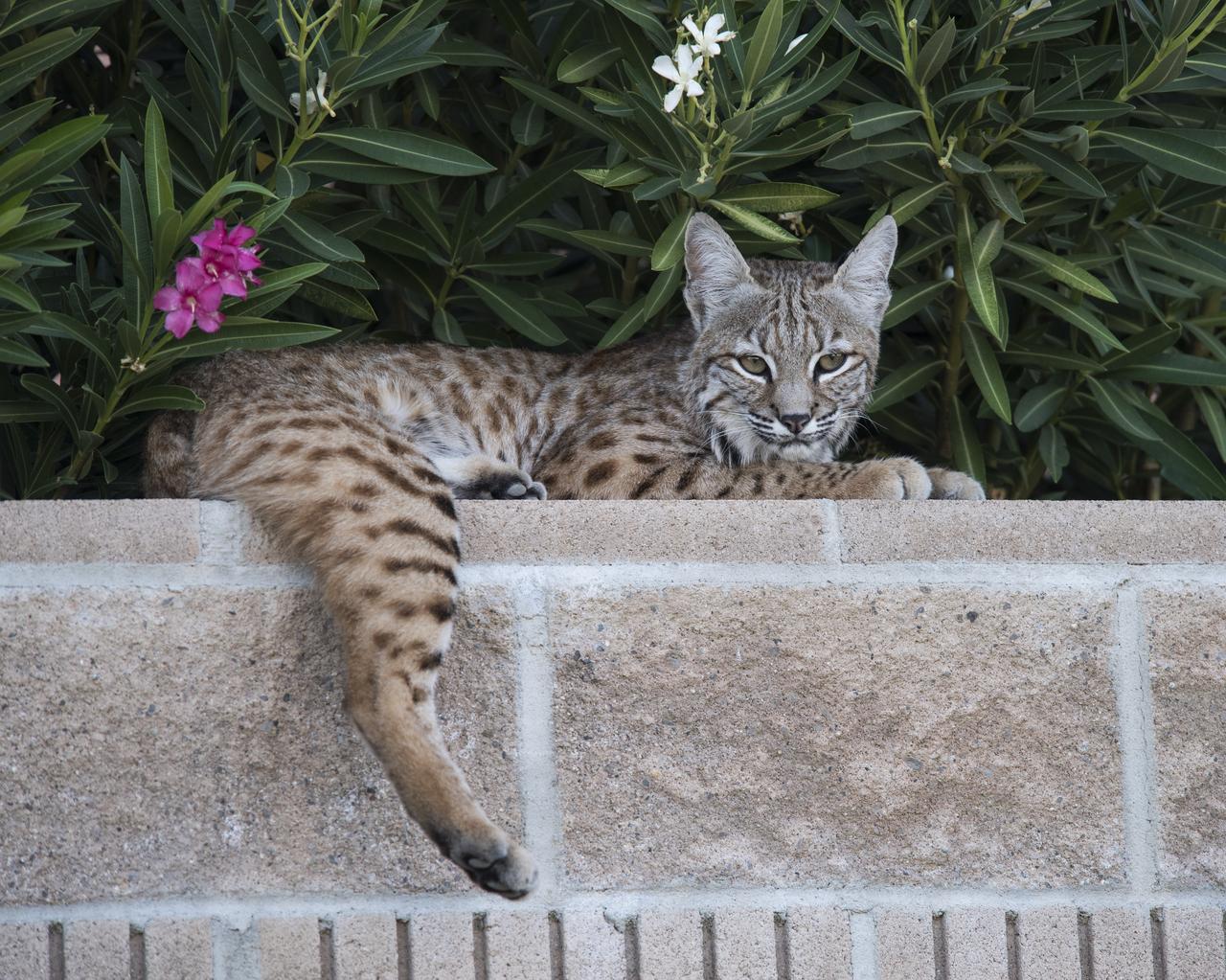
A bobcat surveying the landscape in between bushes at Armstrong Flight Research Center in Edwards, California. The spotted feline makes its home on the more than 300,000 acres of Mojave Desert surrounding the NASA facility housed at Edwards Air Force Base.
Room to roam for wildlife in the Mojave Desert at Armstrong Flight Research Center in Edwards, California
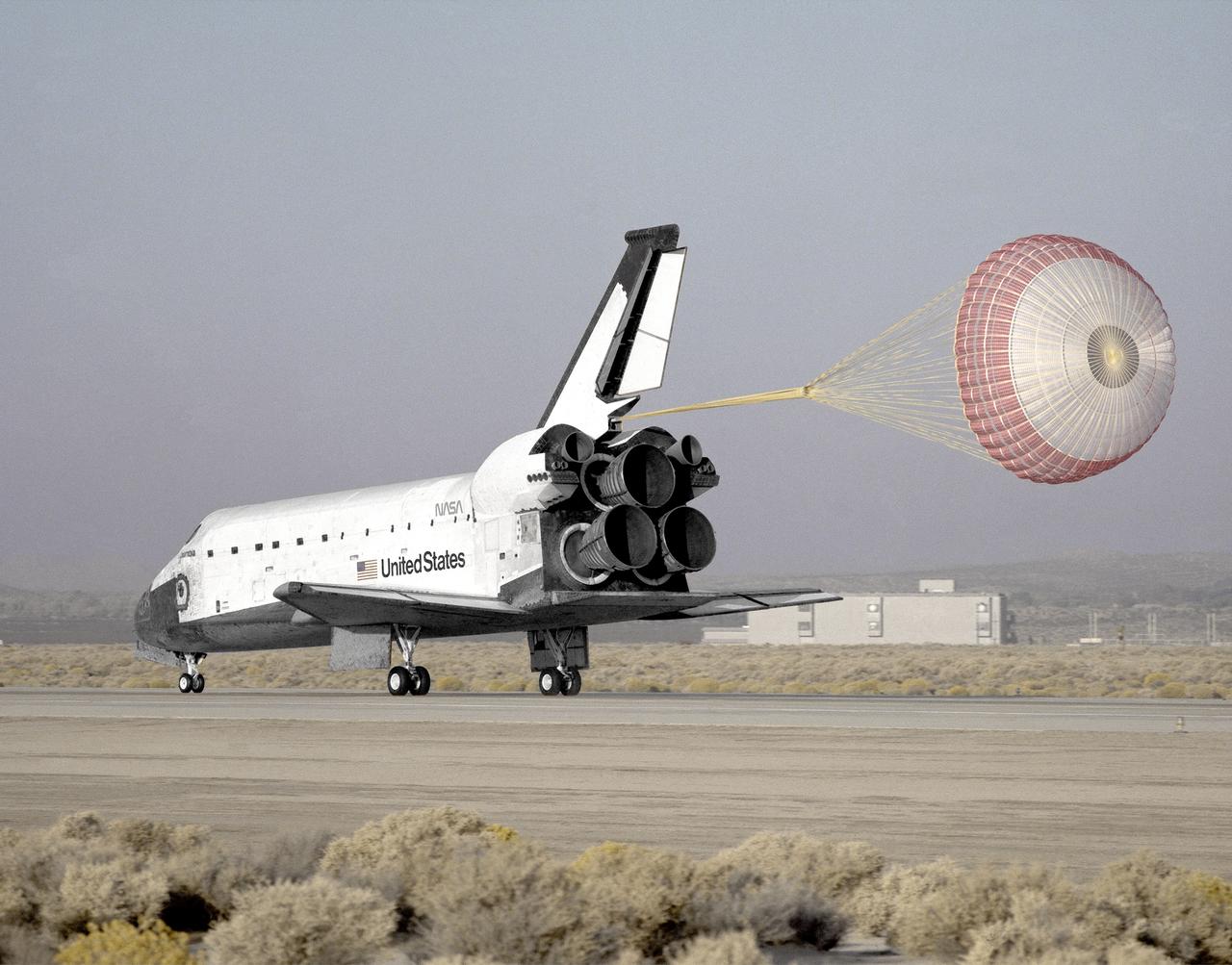
With its drag parachute deployed to help slow it down, the Space Shuttle Discovery rolls down the runway after landing at Edwards Air Force Base in Southern California at the conclusion of mission STS-92 on October 24, 2000.
STS-92 - Landing at Edwards Air Force Base
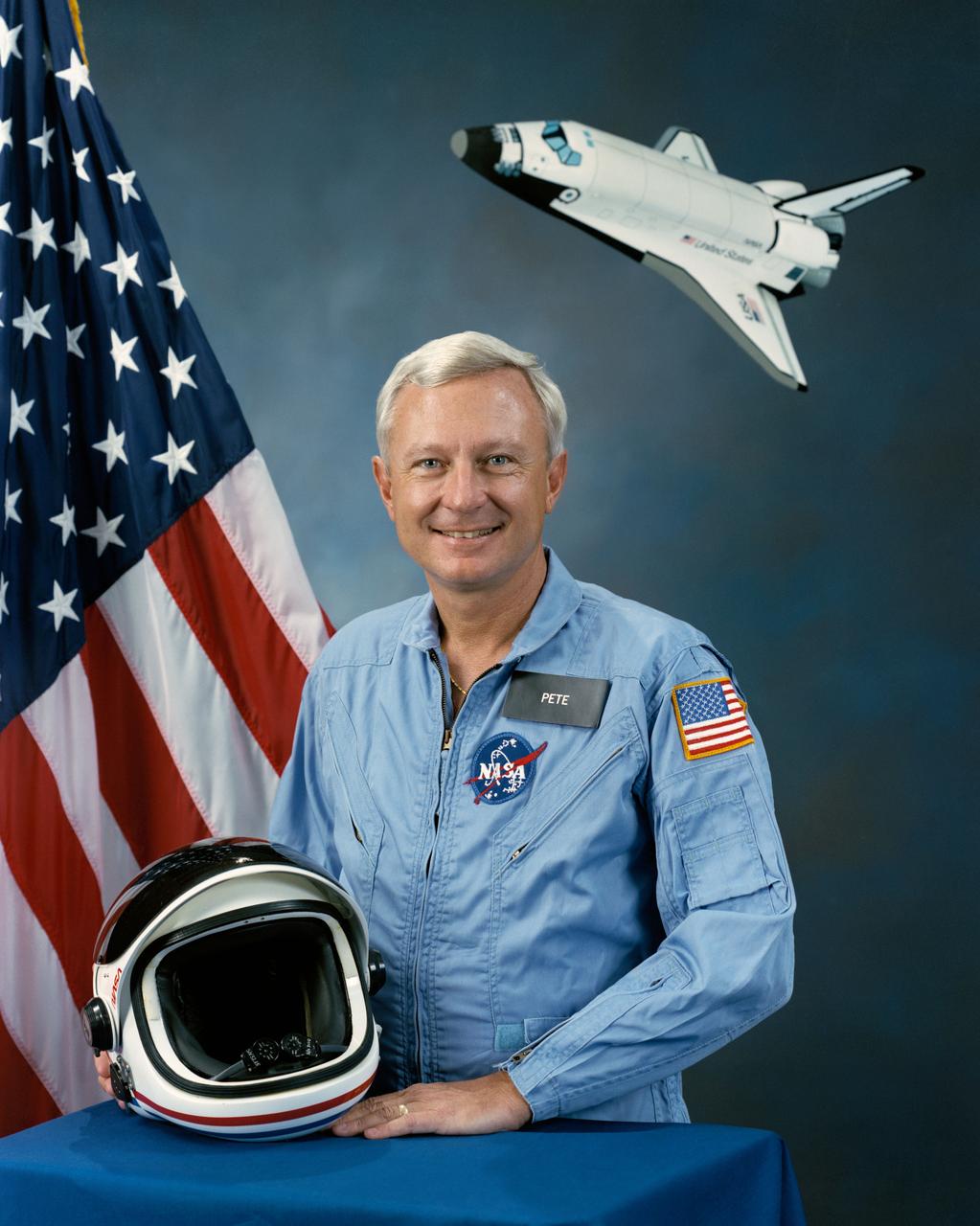
S86-39745 (Oct. 1986) --- Edward C. "Pete" Aldridge, Jr., Under Secretary, United States Air Force, payload specialist.
ALDRIDGE, EDWARD "PETE" - PORTRAIT
S71-52275 (1971) --- Astronaut Edward G. Gibson. Photo credit: NASA
Portrait of Astronaut Edward G. Gibson
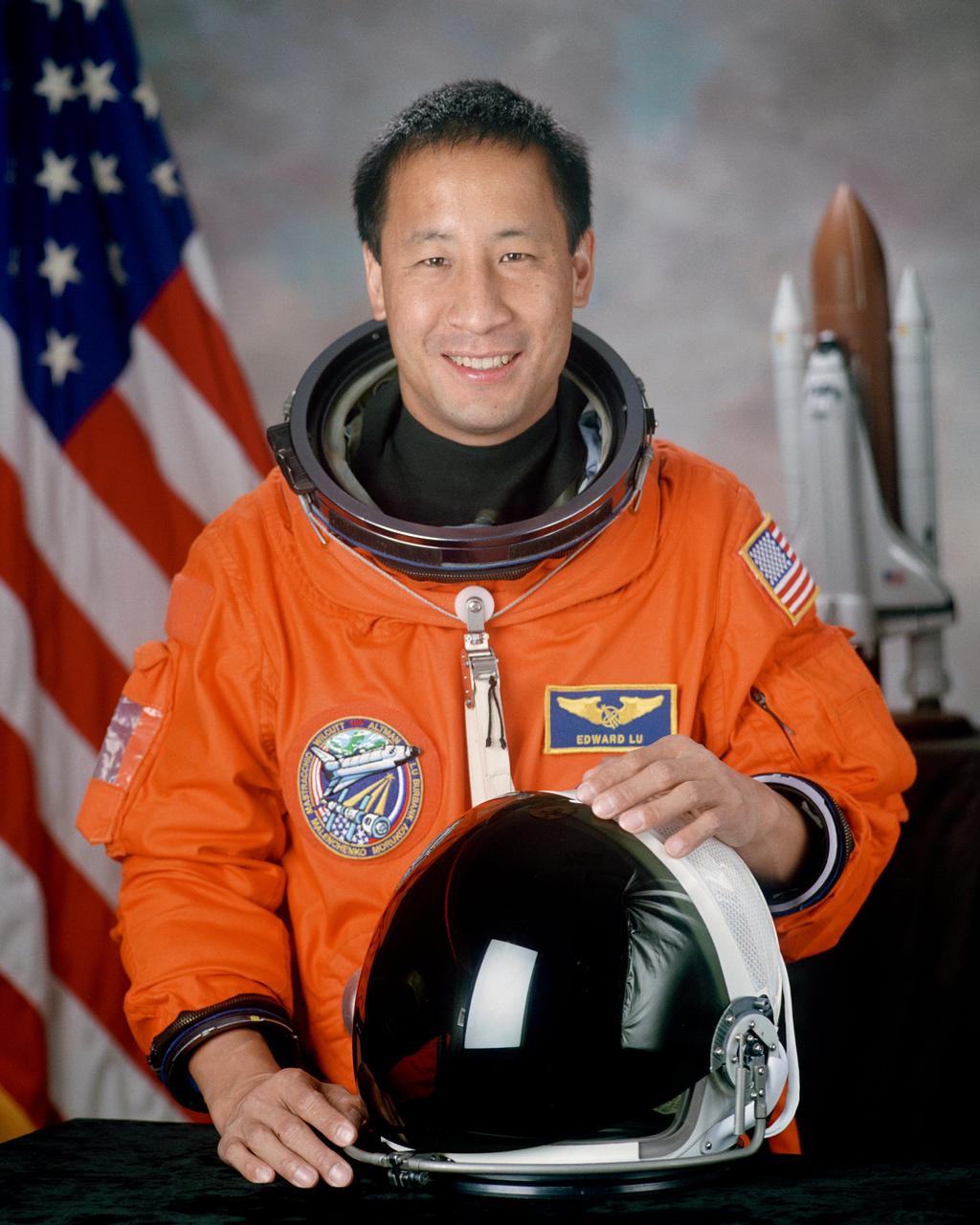
JSC2000-06748 (Oct 2000) --- Astronaut Edward T. Lu.
Official portrait of astronaut Edward Lu
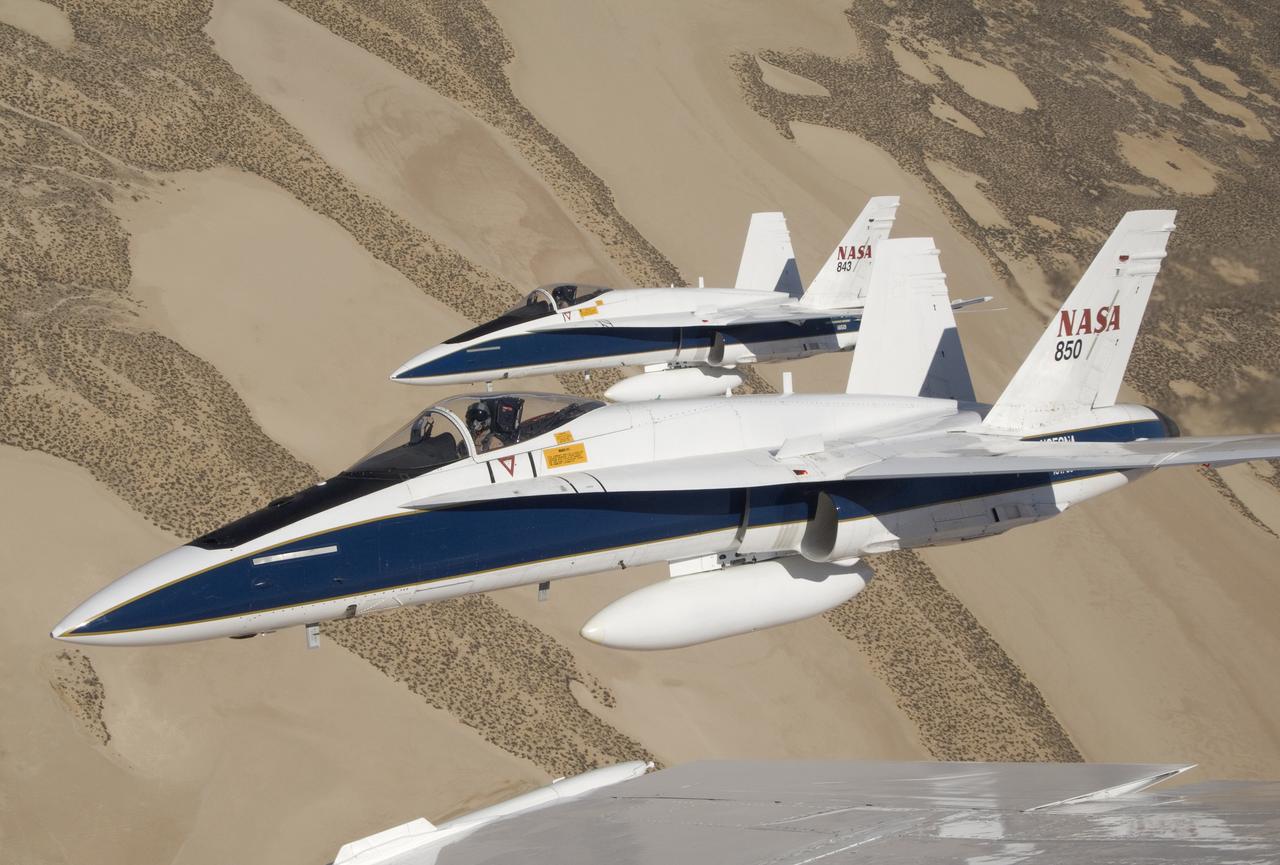
Two NASA Dryden F/A-18s flown by research pilots Frank Batteas and Nils Larson were captured by photographer Lori Losey from a third F/A-18 flown by Dick Ewers as they flew in tight formation over the desert at Edwards Air Force Base.
ED07-0110-12
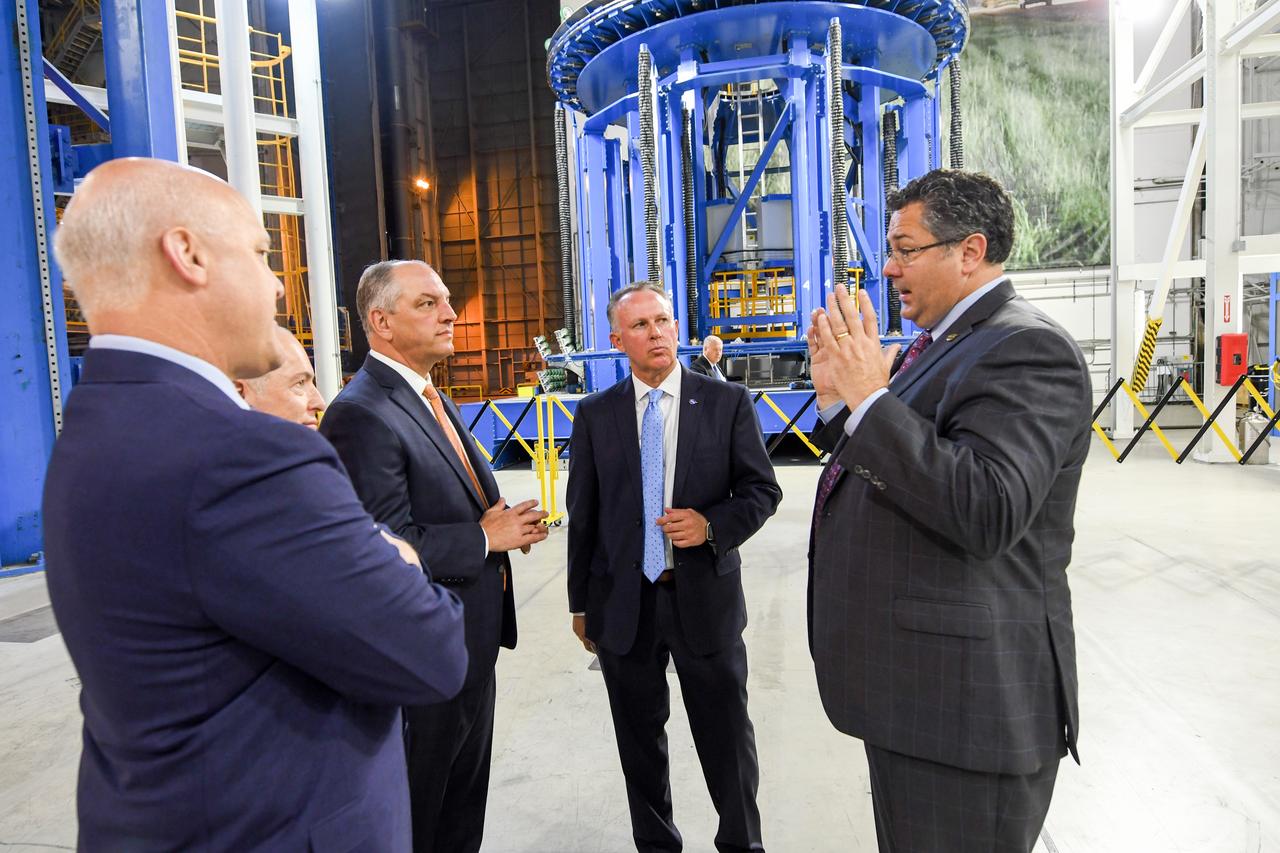
NASA officials were joined by Louisiana Gov. John Bel Edwards and New Orleans  Mayor Mitch Landrieu, who toured the Michoud Assembly Facility in New Orleans and got a first-hand look at NASA’s new deep space vehicles being built at the facility.
Louisiana Governor John Bel Edwards Visits NASA’s Rocket Factory
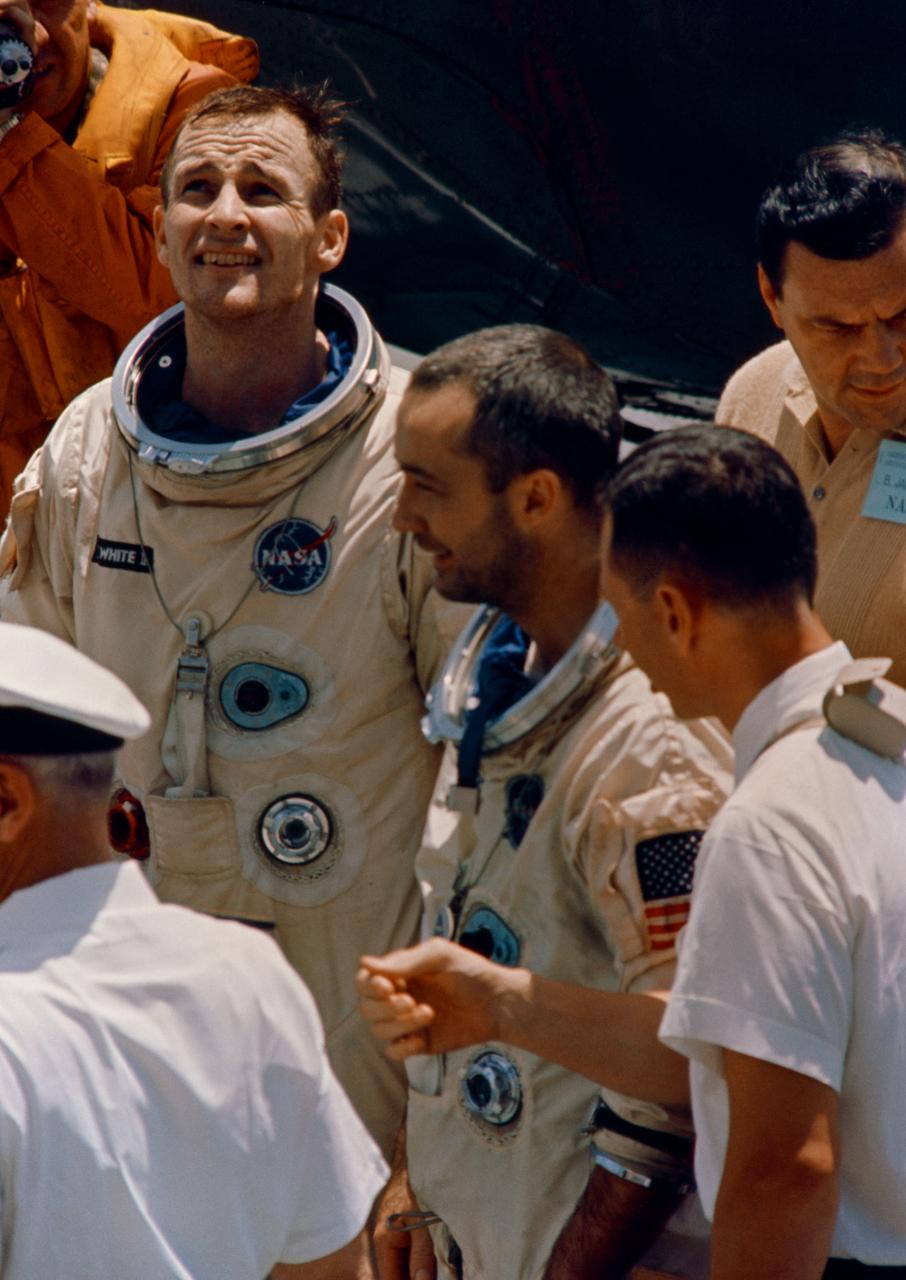
S65-32993 (7 June 1965) --- Astronauts James A. McDivitt (left), Gemini-Titan 4 command pilot; and Edward H. White II, pilot, are seen talking to personnel on the recovery ship USS Wasp.
EDWARD H. WHITE II
Earth and sky met as the X-48C Hybrid Wing Body aircraft flew over Edwards Air Force Base on Feb. 28, 2013, from NASA's Dryden Flight Research Center, Edwards, CA. The long boom protruding from between the tails is part of the aircraft's parachute-deployment flight termination system.
X-48C Hybrid - Blended Wing Body Demonstrator
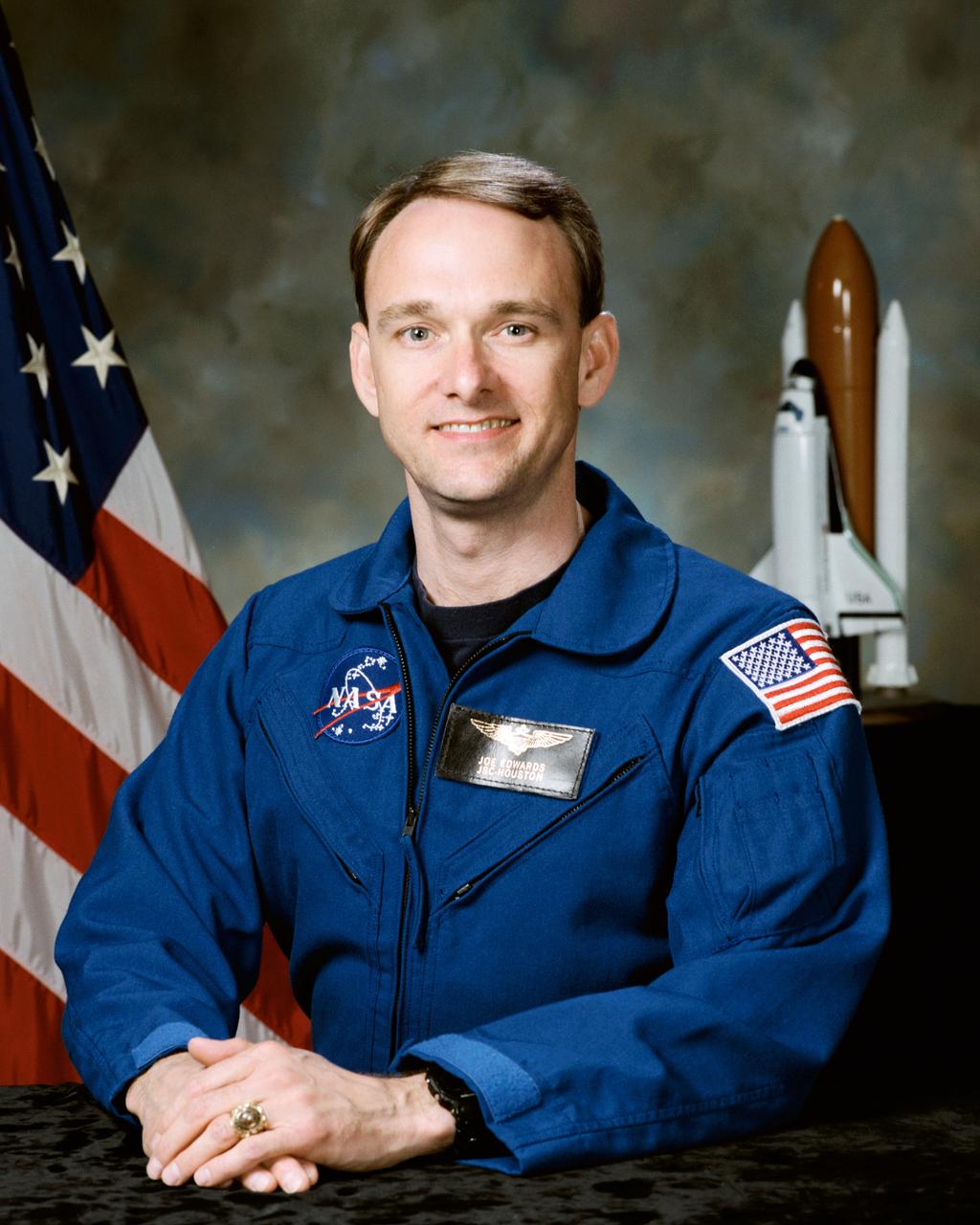
S95-07749 (14 March 1995) - Astronaut Joe F. Edwards Jr., pilot.
ASCAN Joe Edwards individual photo
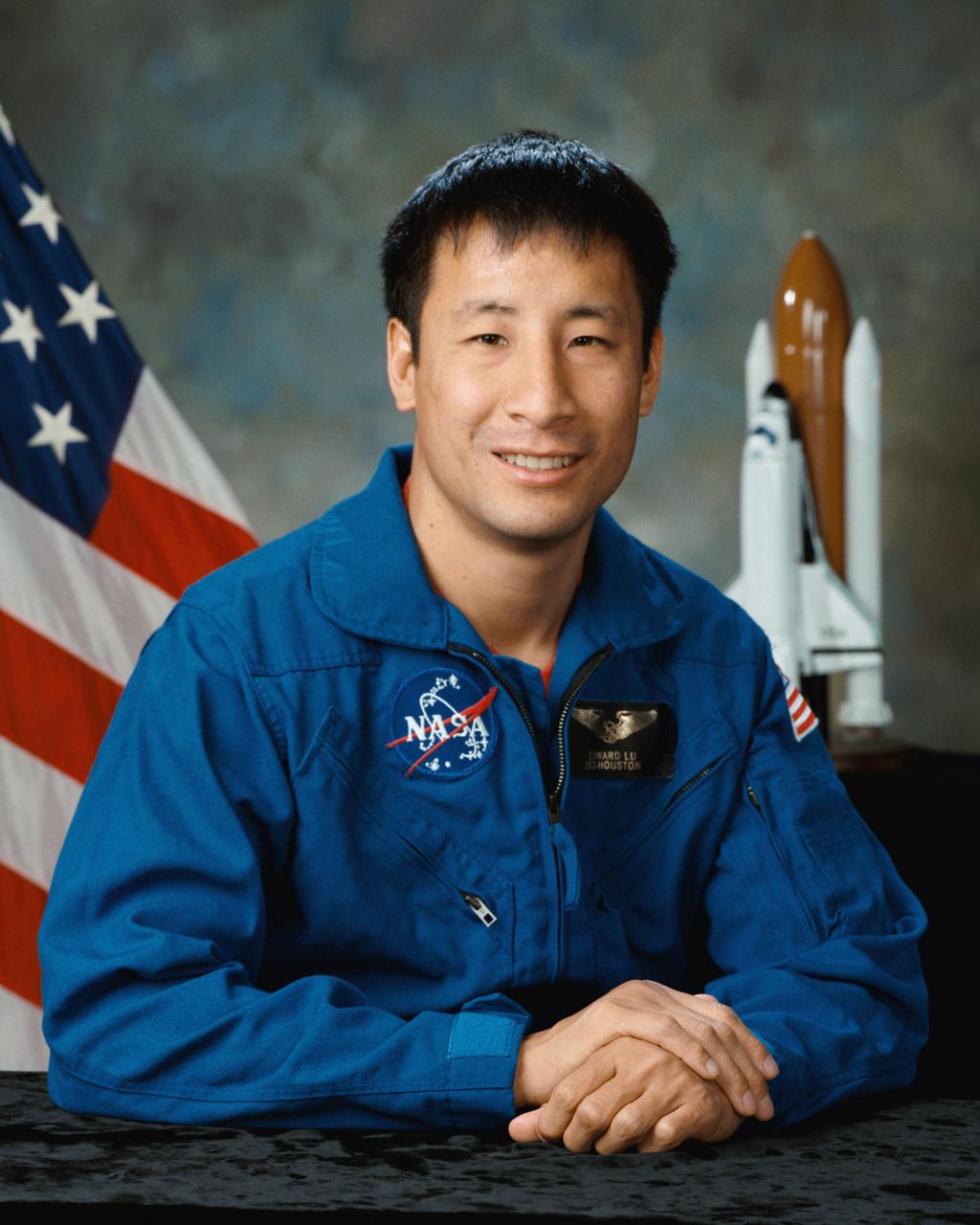
S95-06572 (23 March 1995) --- Astronaut Edward T. Lu, mission specialist.
ASCAN Edward Lu individual photo
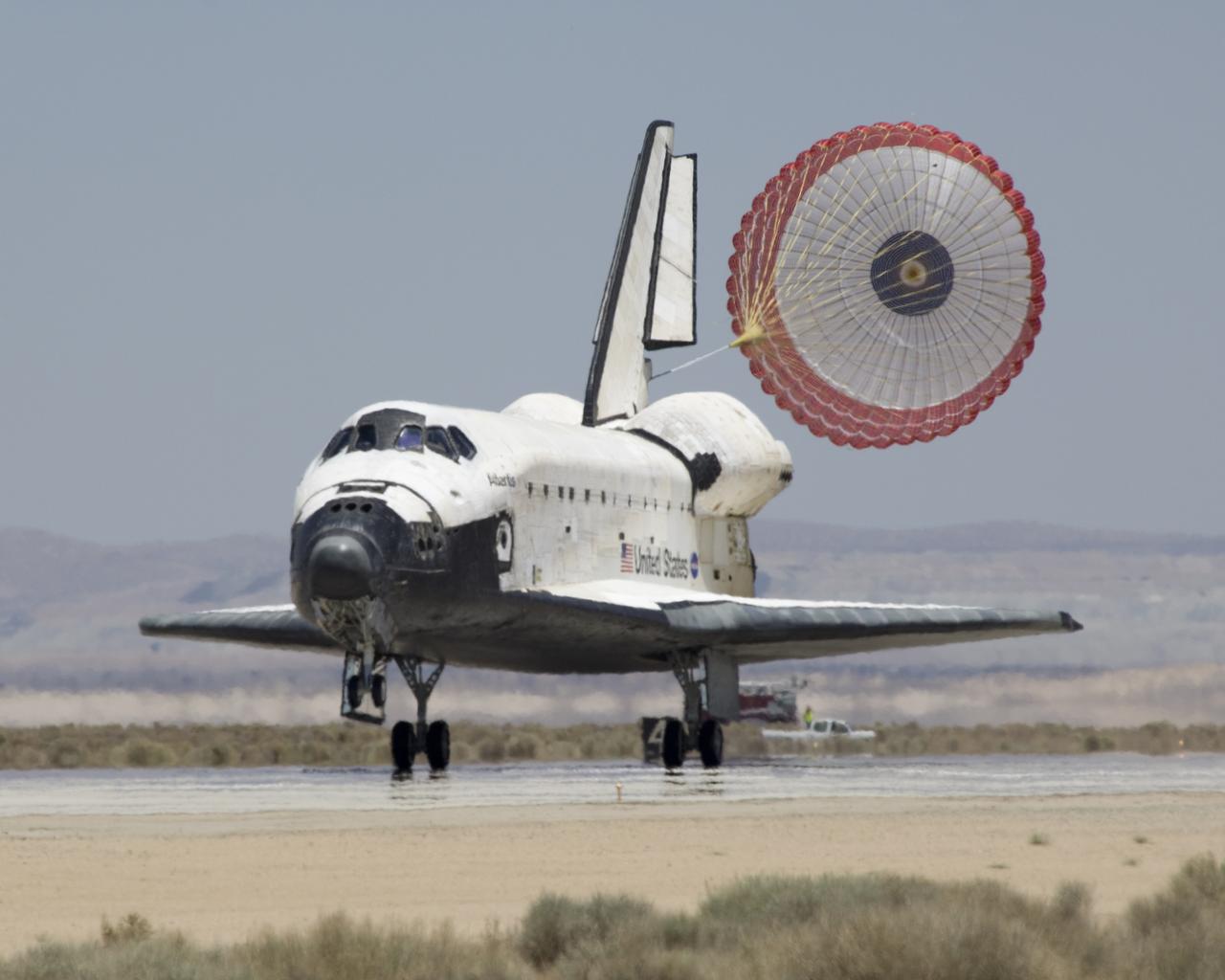
The Space Shuttle Atlantis' drag chute deploys as it rolls out on Runway 22 at Edwards AFB at the conclusion of its 13-day STS-117 mission to the ISS.
The Space Shuttle Atlantis' drag chute deploys as it rolls out on Runway 22 at Edwards AFB at the conclusion of its 13-day STS-117 mission to the ISS
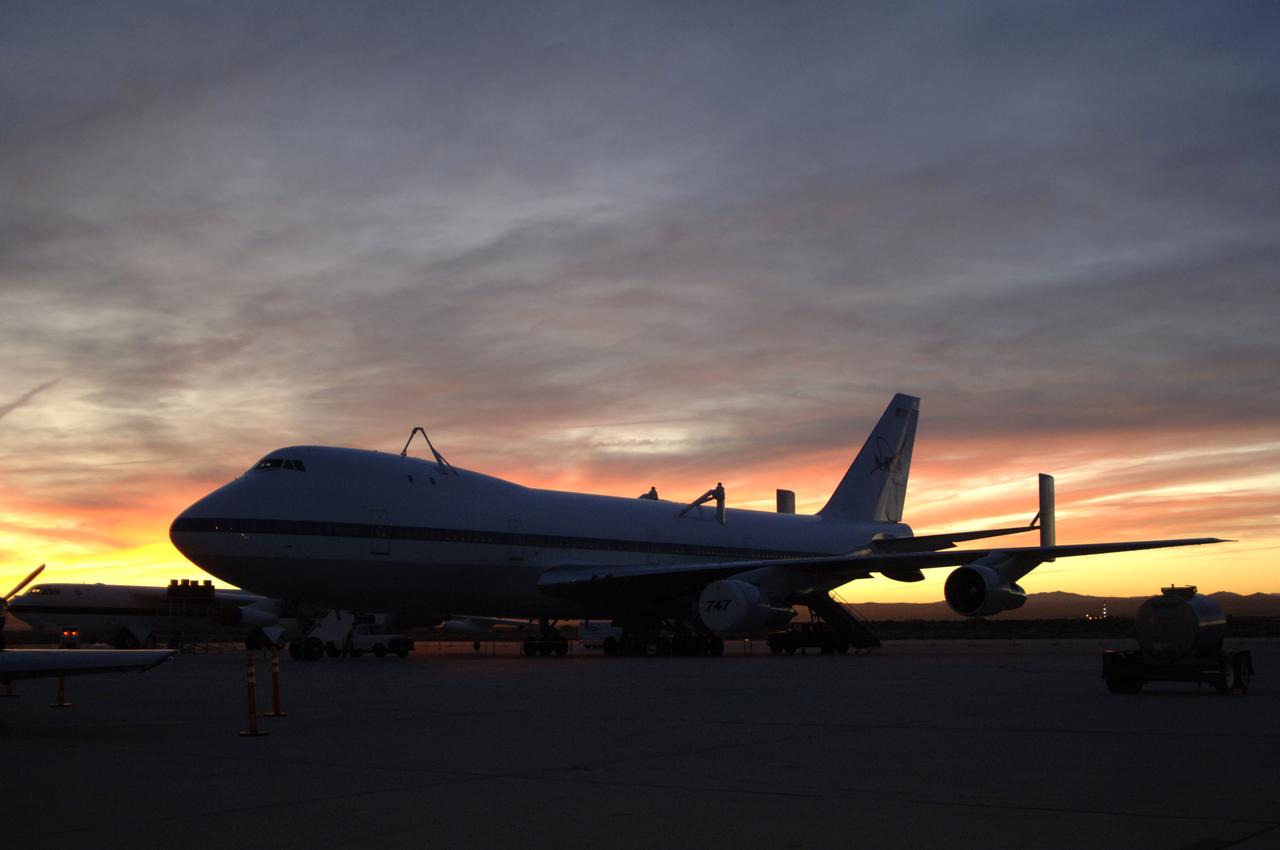
One of NASA's two modified Boeing 747 Shuttle Carrier Aircraft is silhouetted against the morning sky at sunrise on the ramp at Edwards Air Force Base.
One of NASA's two modified Boeing 747 Shuttle Carrier Aircraft is silhouetted against the morning sky at sunrise on the ramp at Edwards Air Force Base
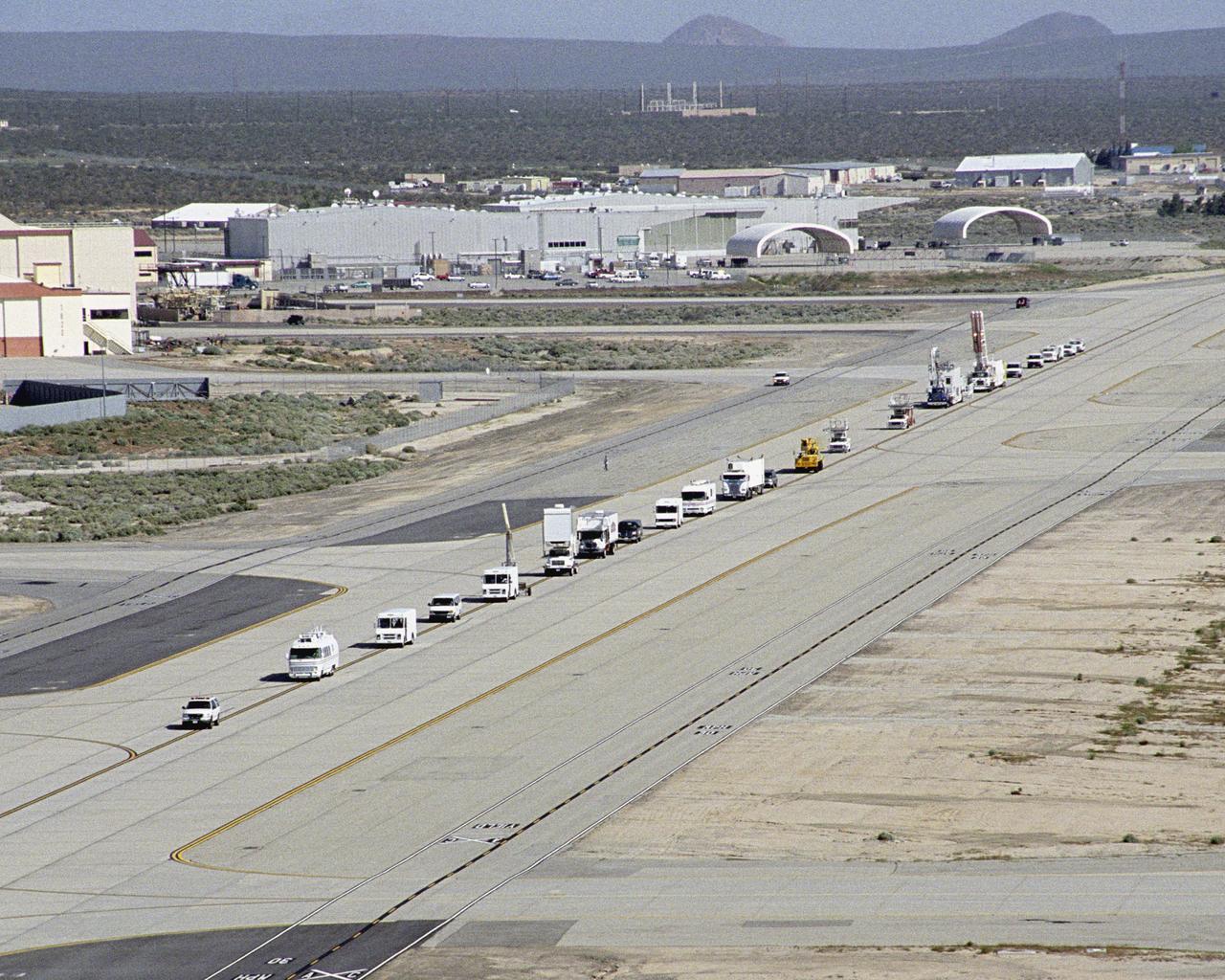
A long string of specialized NASA vehicles convoys down a taxiway at Edwards Air Force Base to begin a Space Shuttle rescue and recovery training exercise.
A long string of specialized NASA vehicles convoys down a taxiway at Edwards Air Force Base to begin a Space Shuttle rescue and recovery training exercise
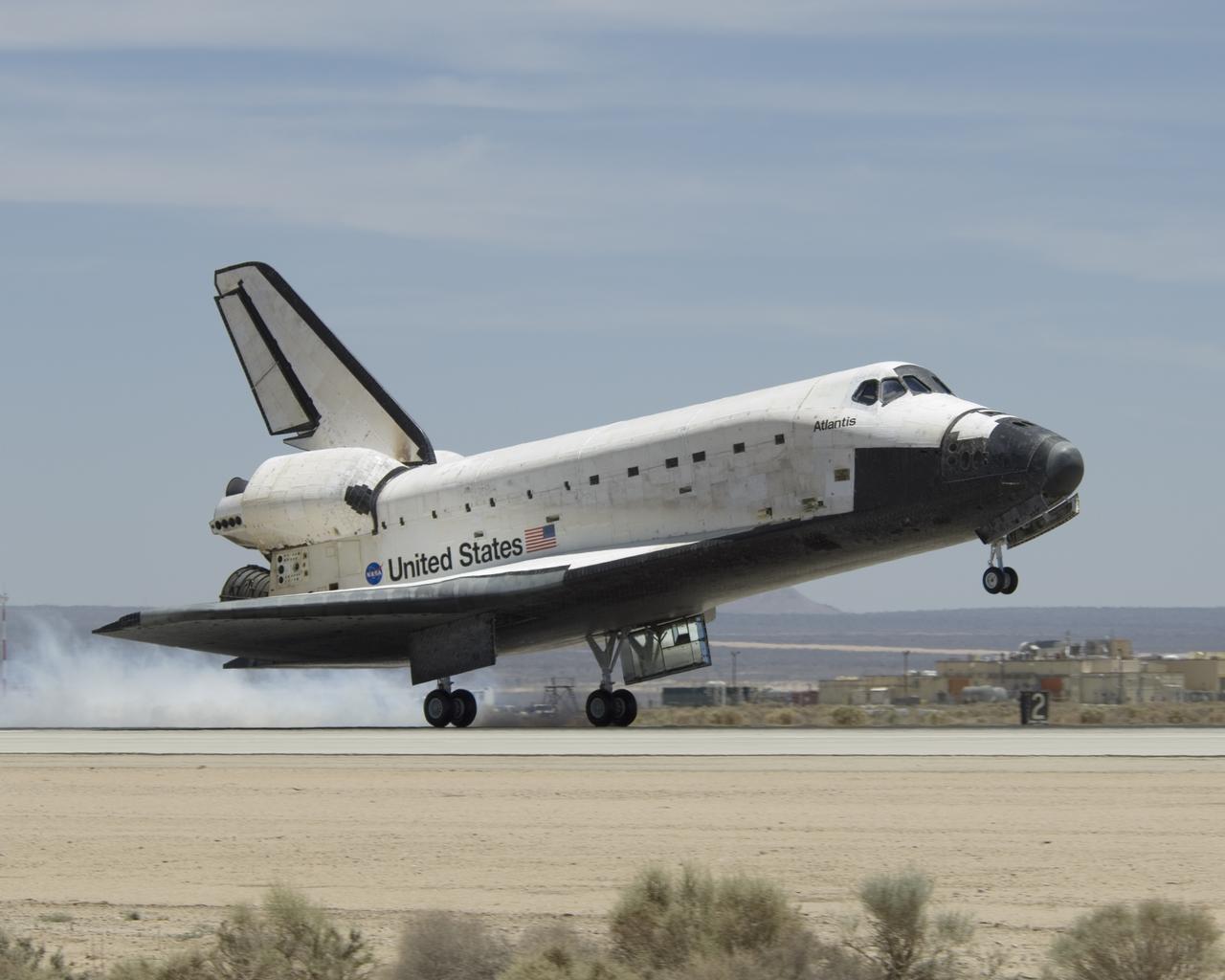
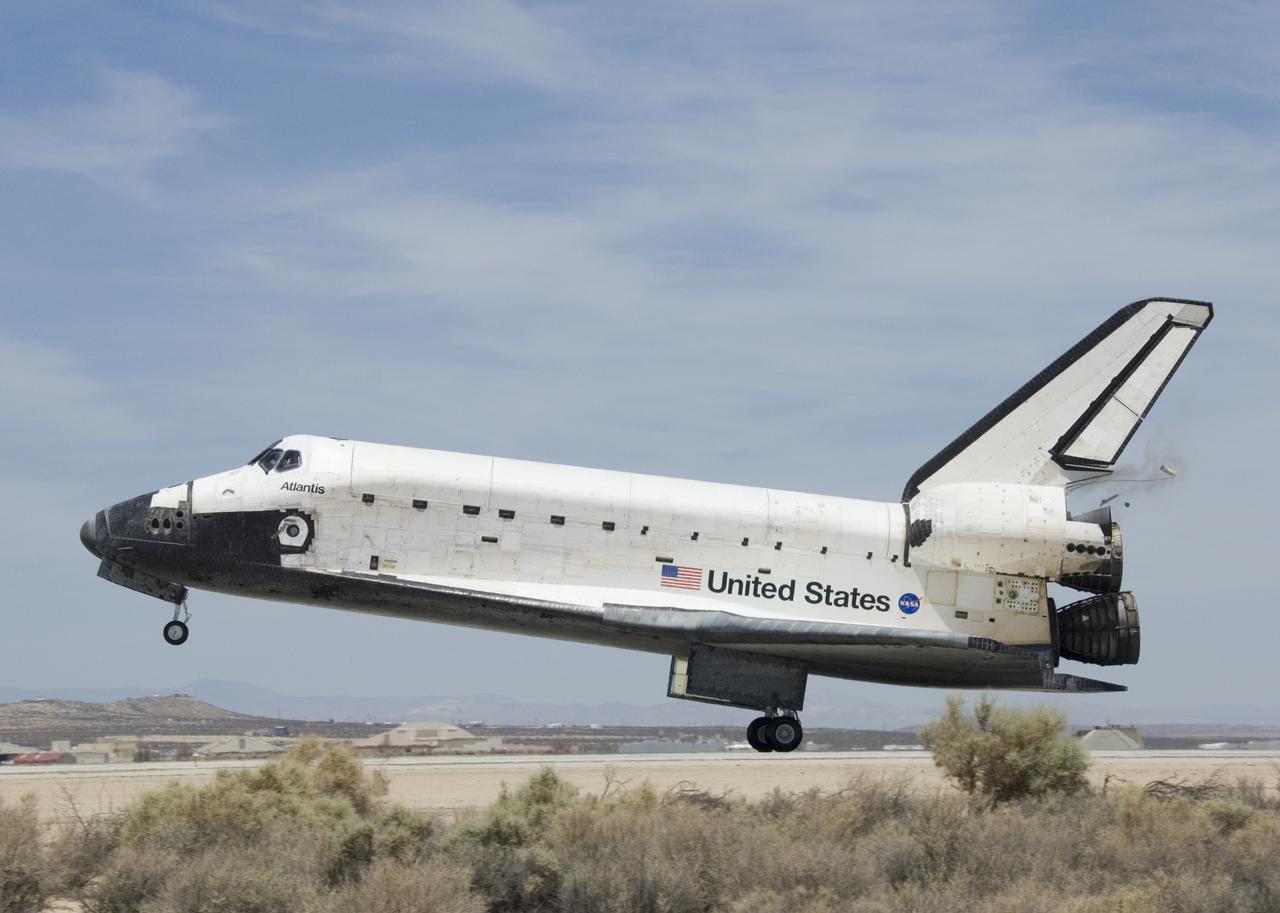
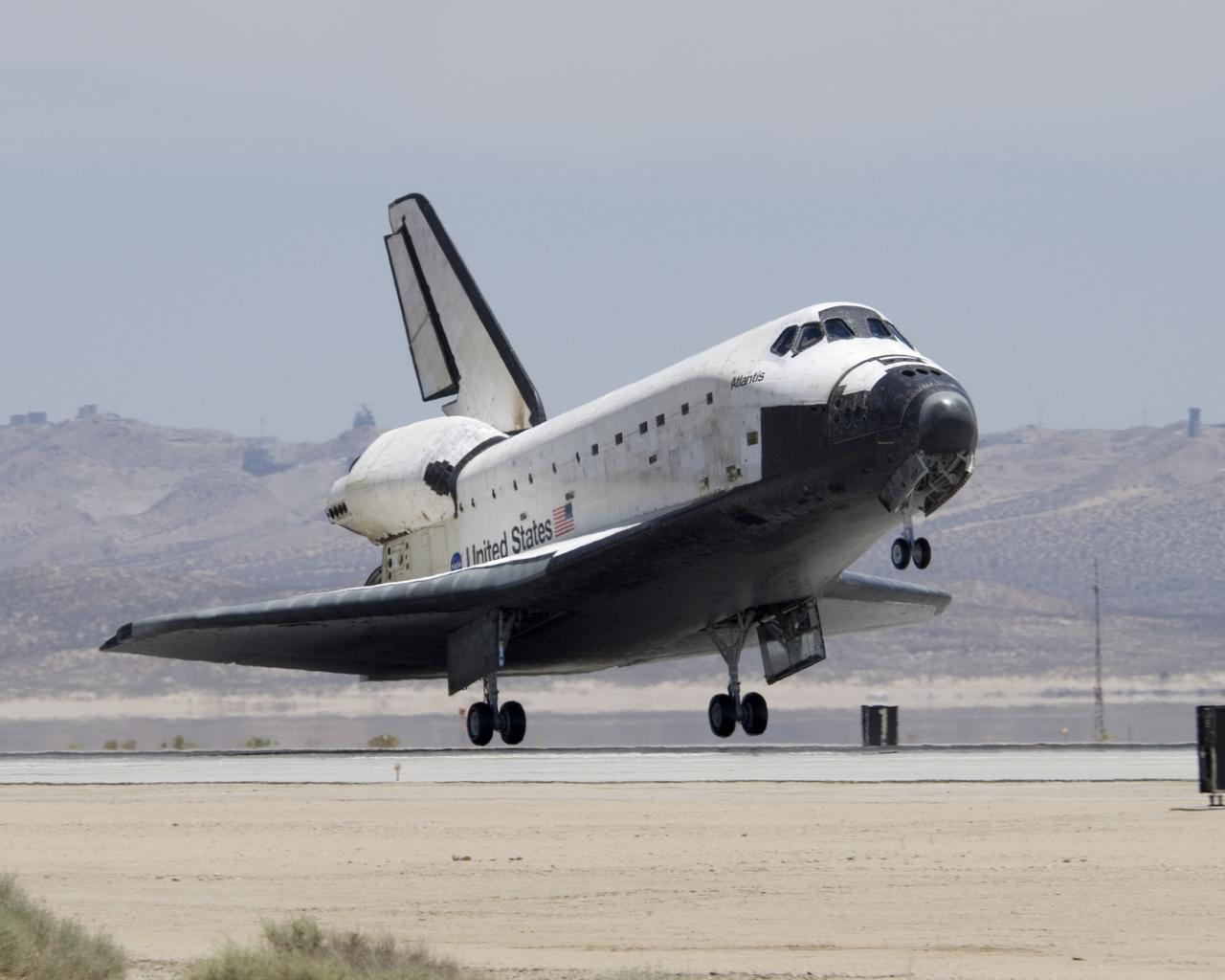
The Space Shuttle Atlantis touches down at Edwards AFB on June 22, 2007, to conclude International Space Station construction and supply mission STS-117.
The Space Shuttle Atlantis touches down at Edwards AFB on June 22, 2007, to conclude International Space Station construction and supply mission STS-117
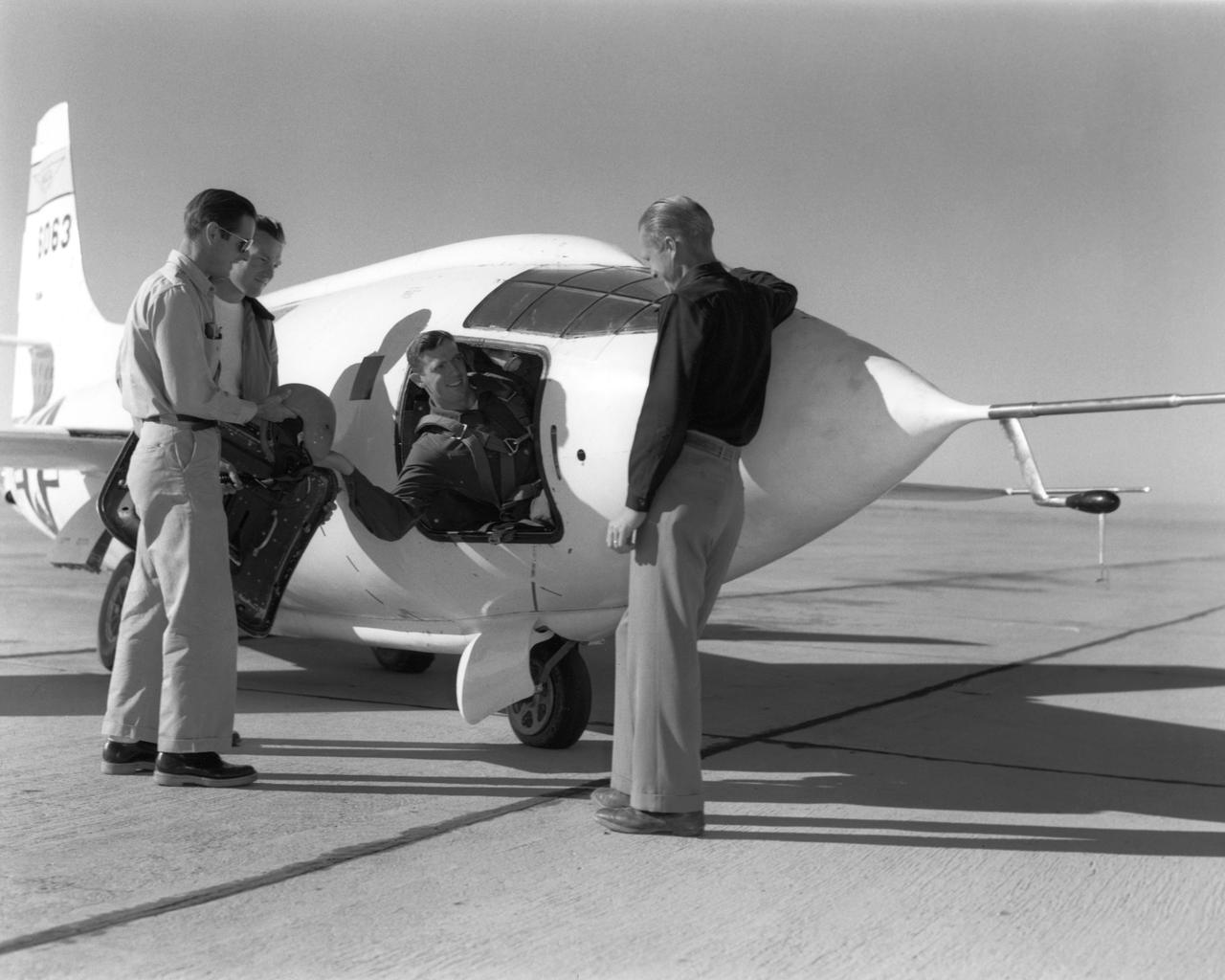
NACA pilot John Griffith hands his flight gear to Dick Payne as crew members Ed Edwards and Clyde Bailey look on.
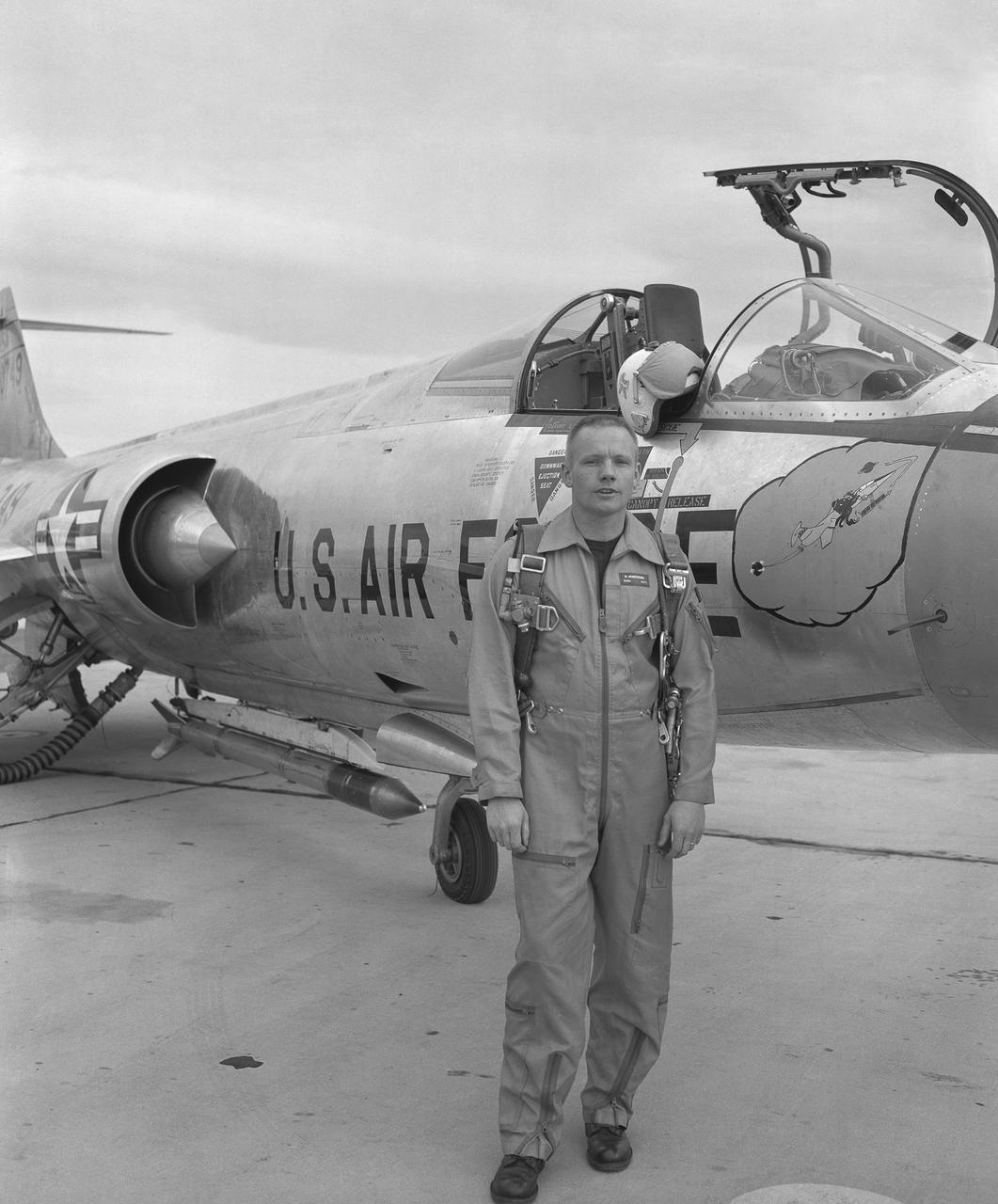
Famed astronaut Neil A. Armstrong – the first person to set foot on the Moon during the historic Apollo 11 mission in July 1969 – spent seven years as a research pilot at the NACA-NASA High-Speed Flight Station, now NASA’s Armstrong Flight Research Center in Edwards, California, before joining the space program. During his time there, he served as a project pilot on the F-100A, F-100C, F-101, and F-104A (pictured here).
Neil Armstrong’s Path to the Moon Began at Edwards
STS089-385-004 (22-31 Jan. 1998) --- Astronaut Joe F. Edwards Jr., STS-89 pilot, highlights important data on a checklist while temporarily occupying the commander's station on the port side of the space shuttle Endeavour's flight deck.  Edwards, making his first spaceflight, is an alumnus of the 1995 class of astronaut candidates (ASCAN). Photo credit: NASA
Pilot Edwards reads a rendezvous timeline
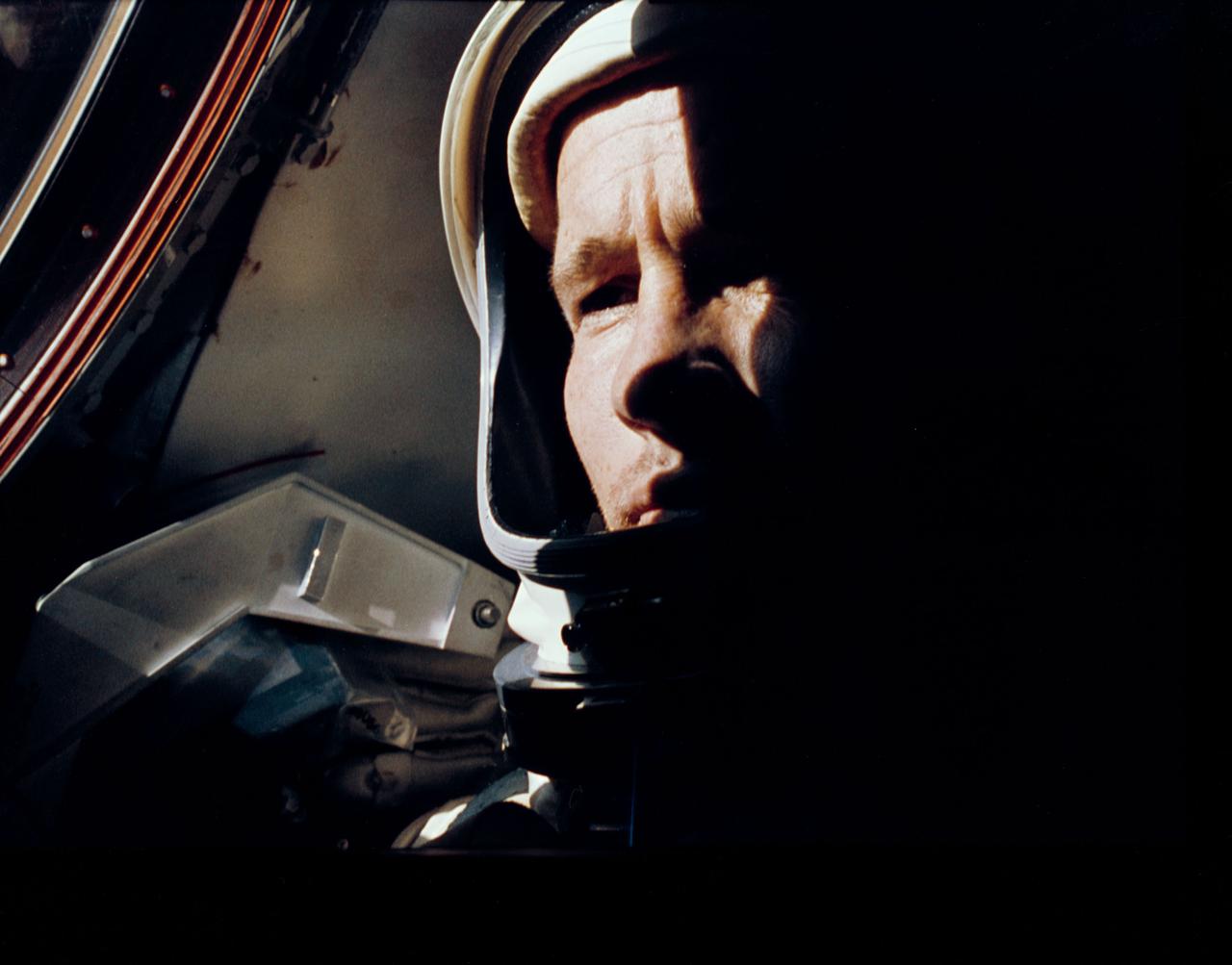
S65-30548 (3-7 June 1965) --- Astronaut Edward H. White II, Gemini IV pilot, is photographed onboard the Gemini-Titan 4 spacecraft during the four-day Earth-orbital mission. Photo credit: NASA
EDWARD H. WHITE II
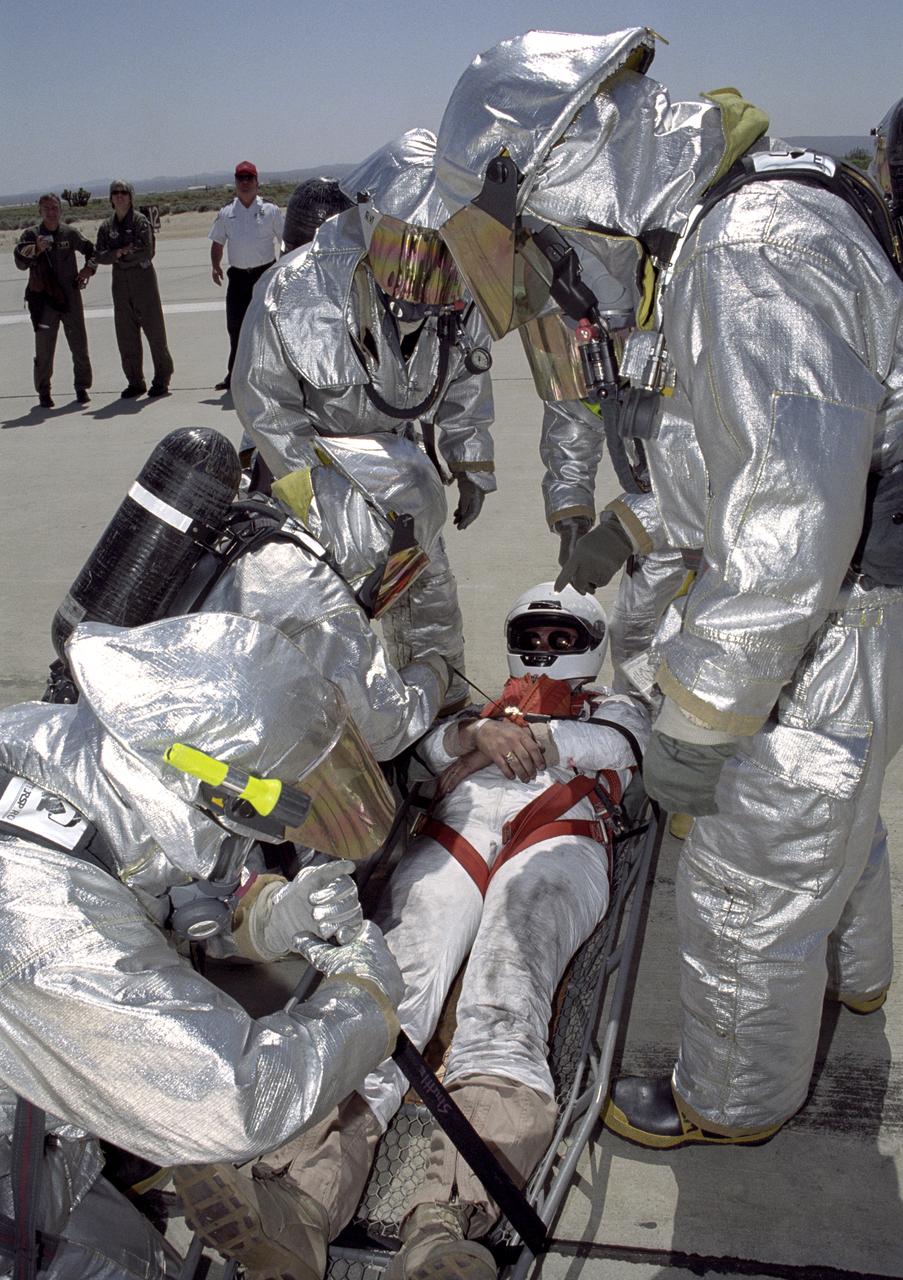
Clad in full thermal protection suits, Air Force fire-rescue crews strap a stand-in "astronaut" into a litter during a Space Shuttle rescue training exercise at Edwards AFB.
Clad in thermal protection suits, fire-rescue crews strap a stand-in "astronaut" into a litter during a Space Shuttle rescue training exercise at Edwards AFB
S64-31631 (10 Sept. 1964) --- Astronaut Edward H. White II. (EDITOR'S NOTE: Astronaut White died in the Apollo/Saturn 204 fire accident at Cape Kennedy on Jan. 27, 1967.)
ASTRONAUT EDWARD H. WHITE -- Portrait
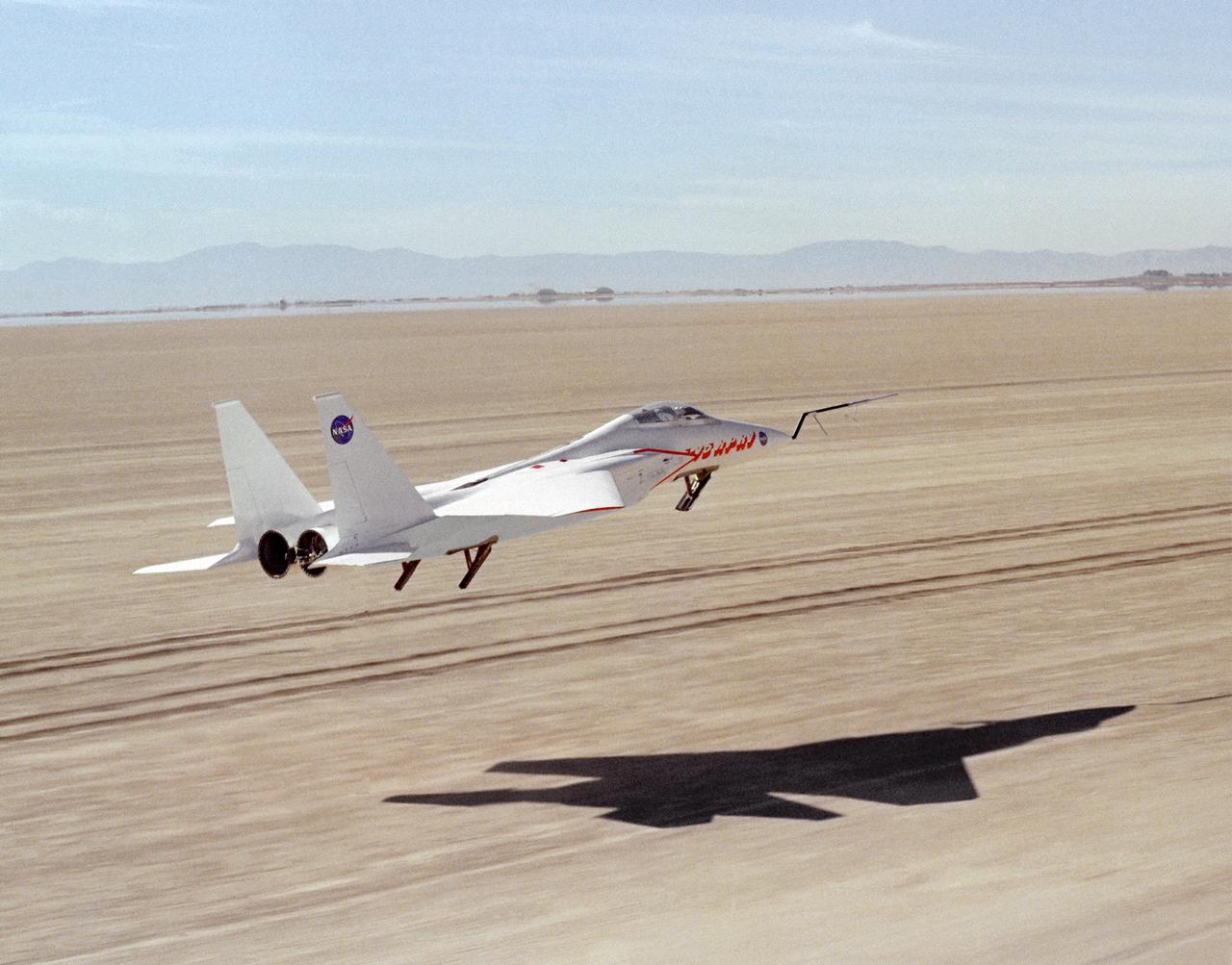
This photograph shows NASA's 3/8th-scale remotely piloted research vehicle landing on Rogers Dry Lakebed at Edwards Air Force Base, California, in 1975.
F-15 RPRV landing on lakebed
The X-56A takes off on its maiden flight from NASA Armstrong Flight Research Center, Edwards, California.
Second X-56A MUTT Makes First Flight
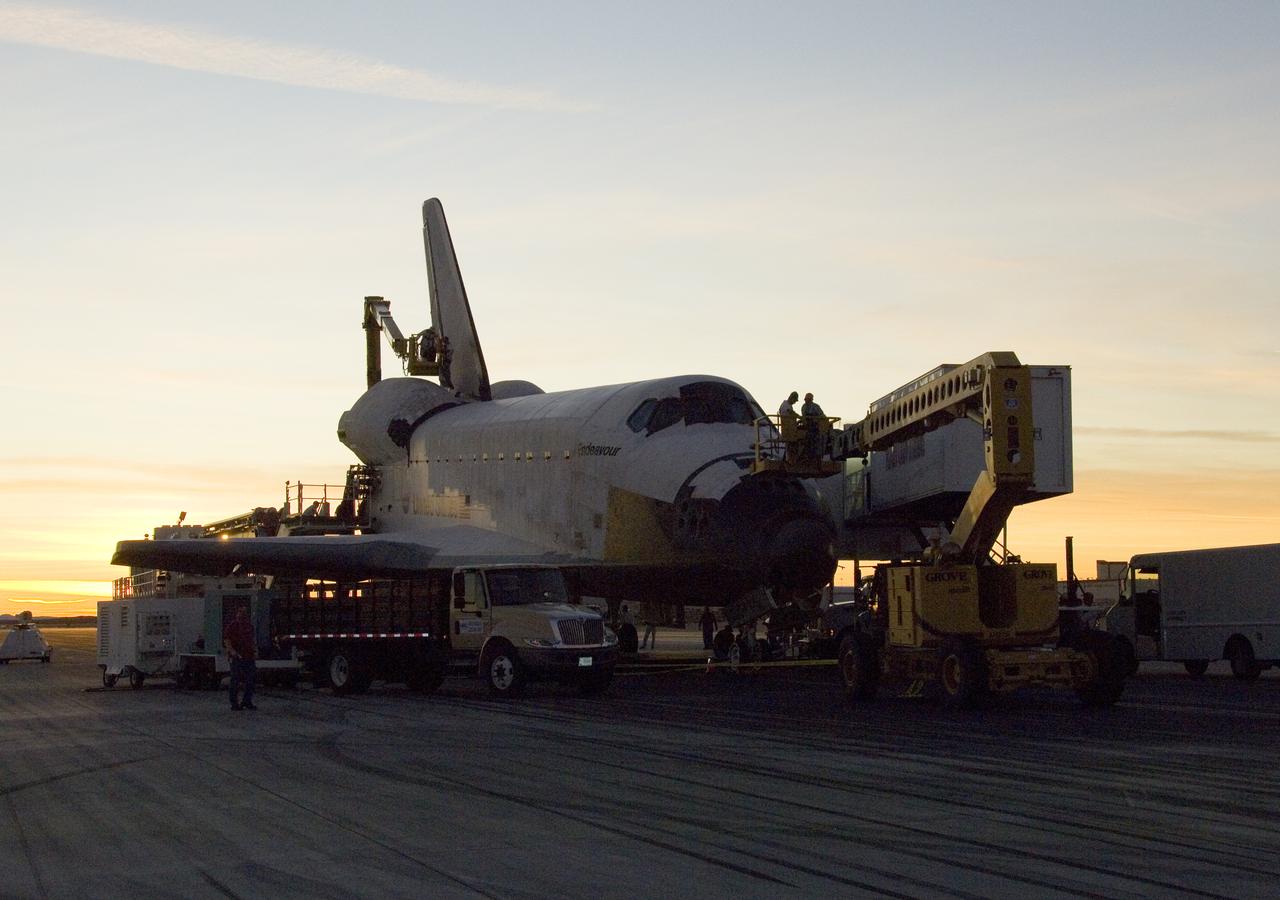
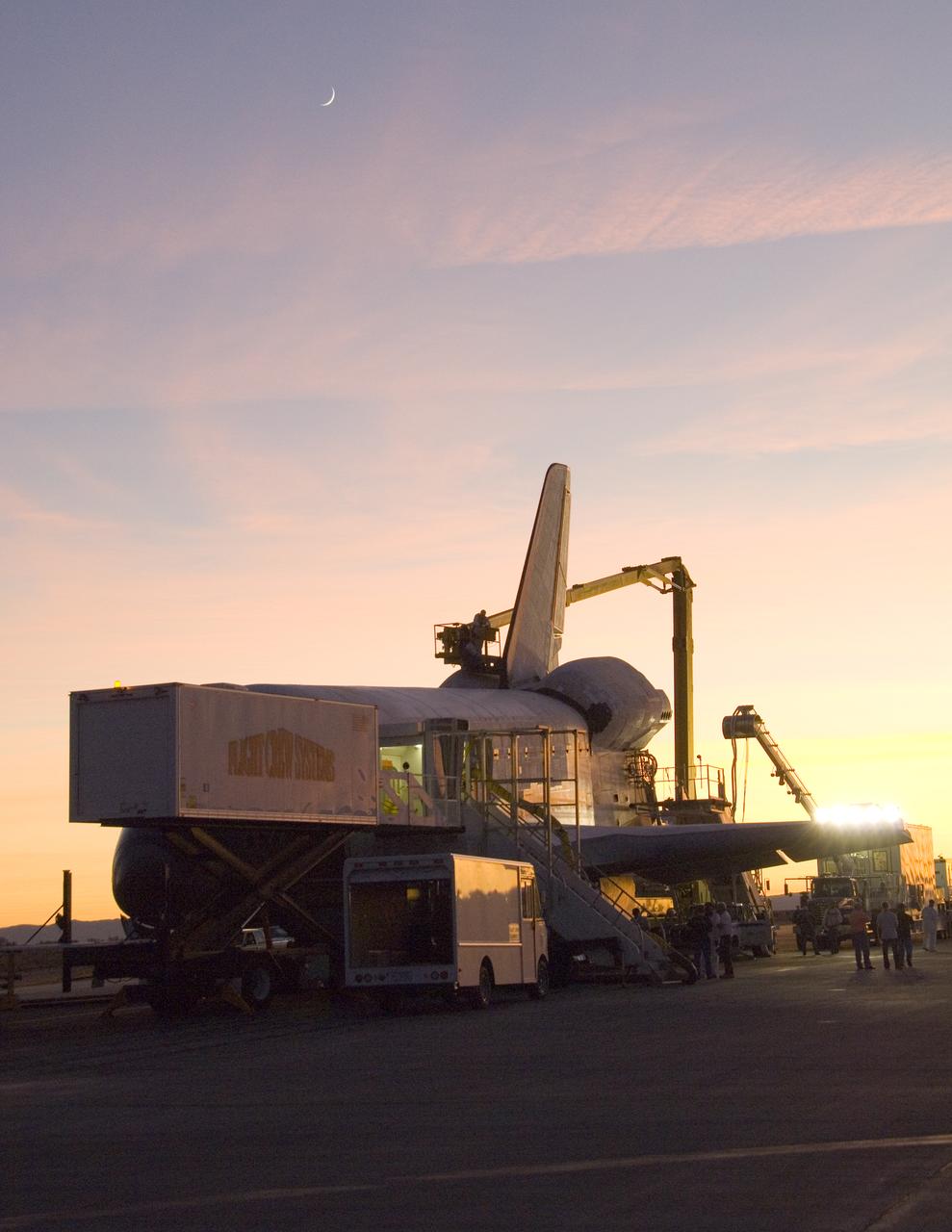
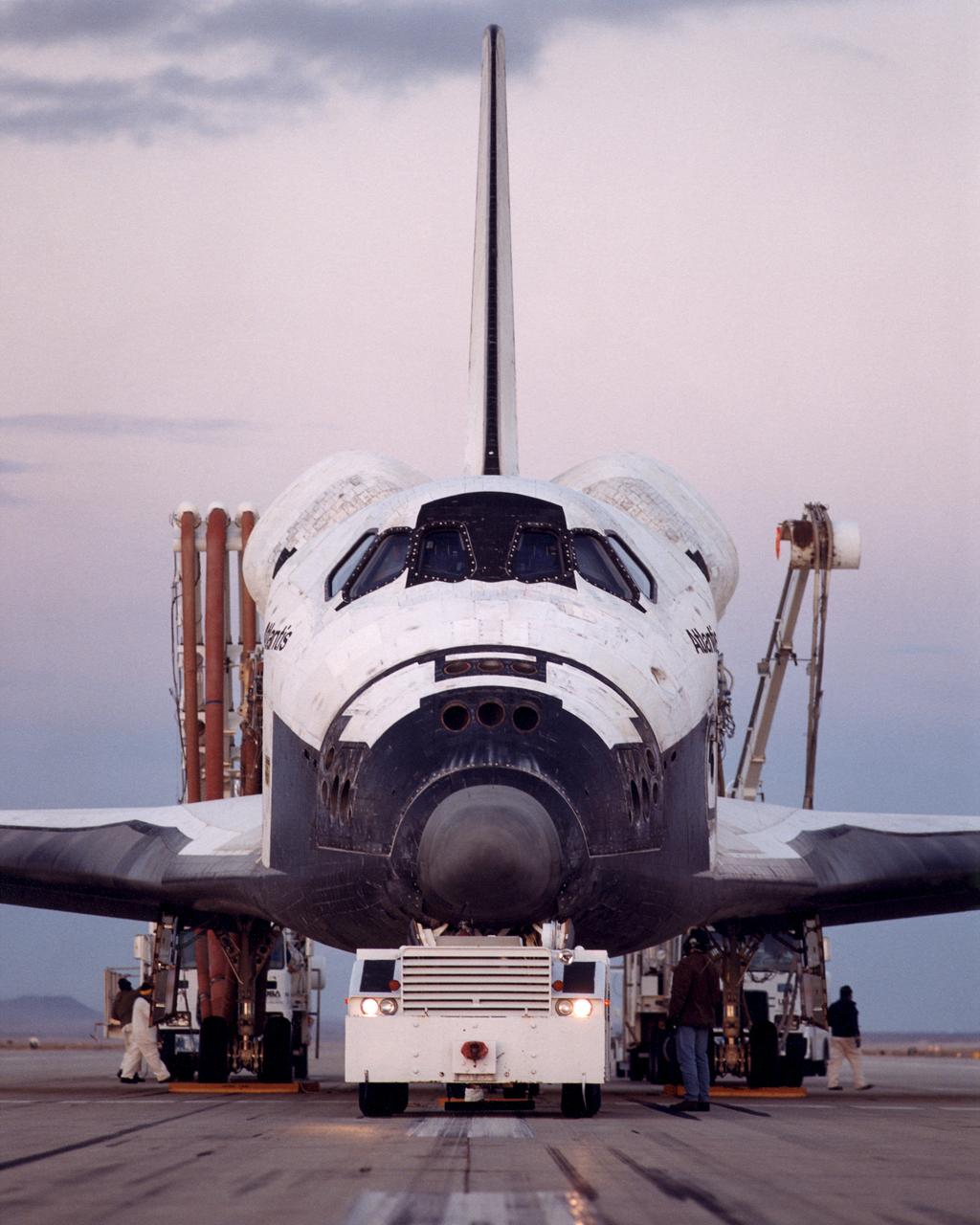
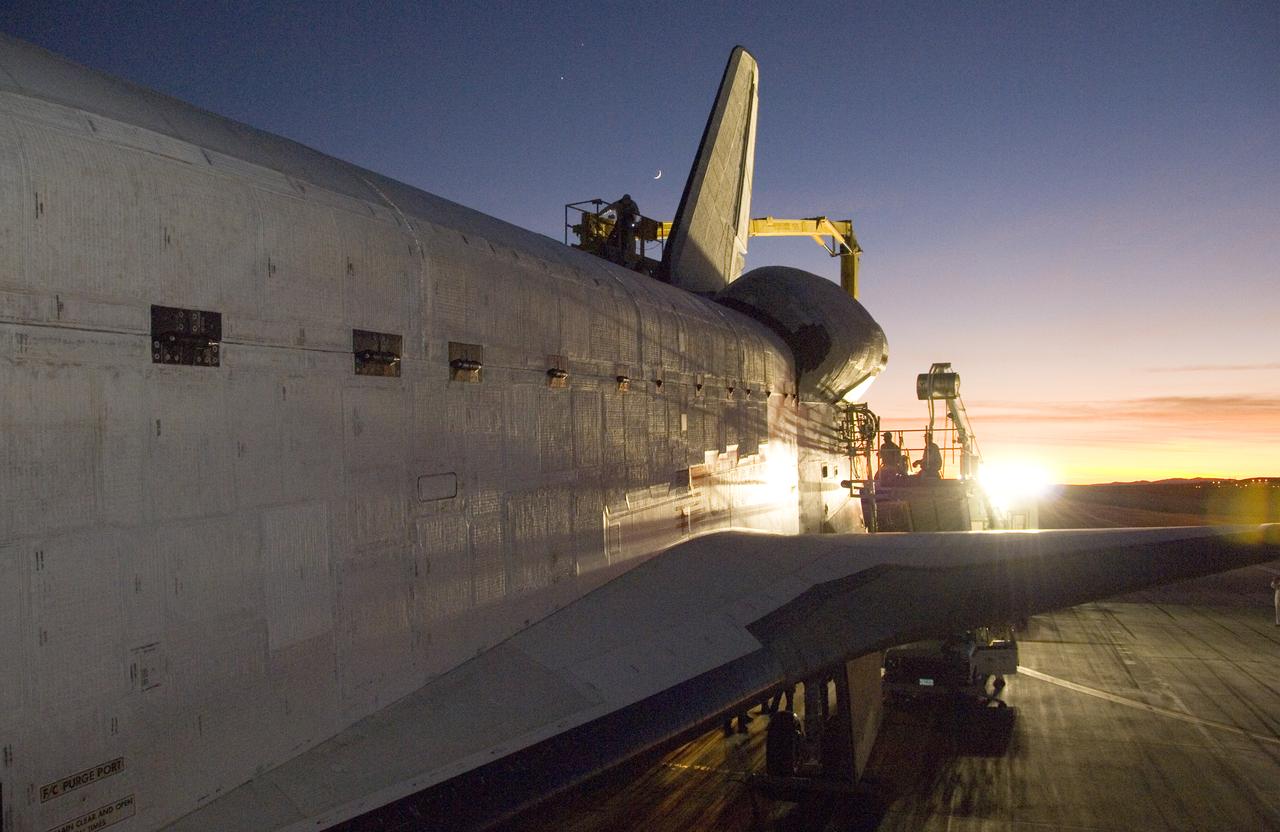
As the sun sets over the high desert, NASA technicians on mobile high-lifts prepare the shuttle Endeavour for towing off the Edwards Air Force Base runway.
As the sun sets over the high desert, NASA technicians on mobile high-lifts prepare the shuttle Endeavour for towing off the Edwards Air Force Base runway
Its STS-126 mission over, Space Shuttle Endeavour is surrounded by recovery equipment before being towed off the Edwards Air Force Base runway.
Its STS-126 mission over, Space Shuttle Endeavour is surrounded by recovery equipment before being towed off the Edwards Air Force Base runway
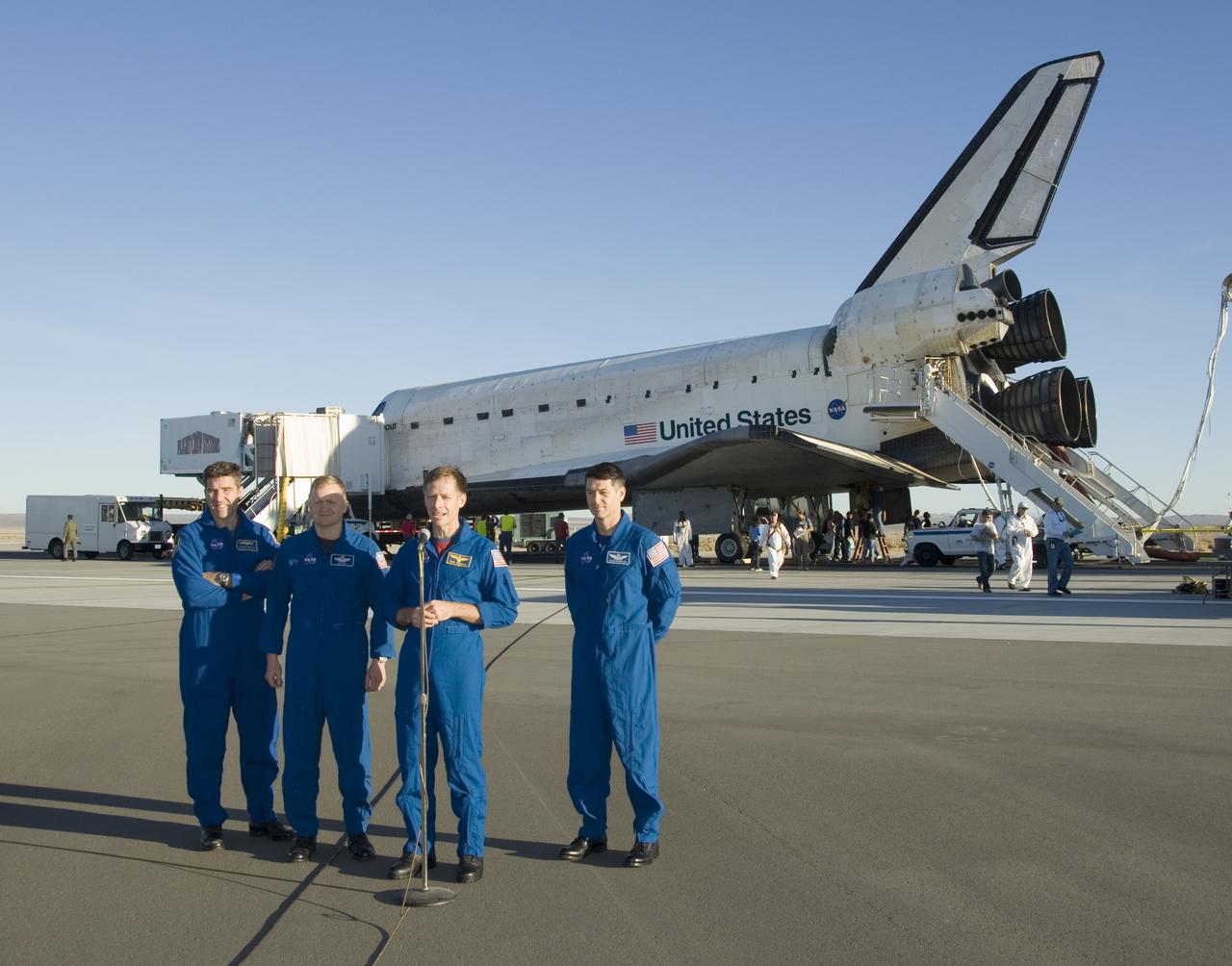
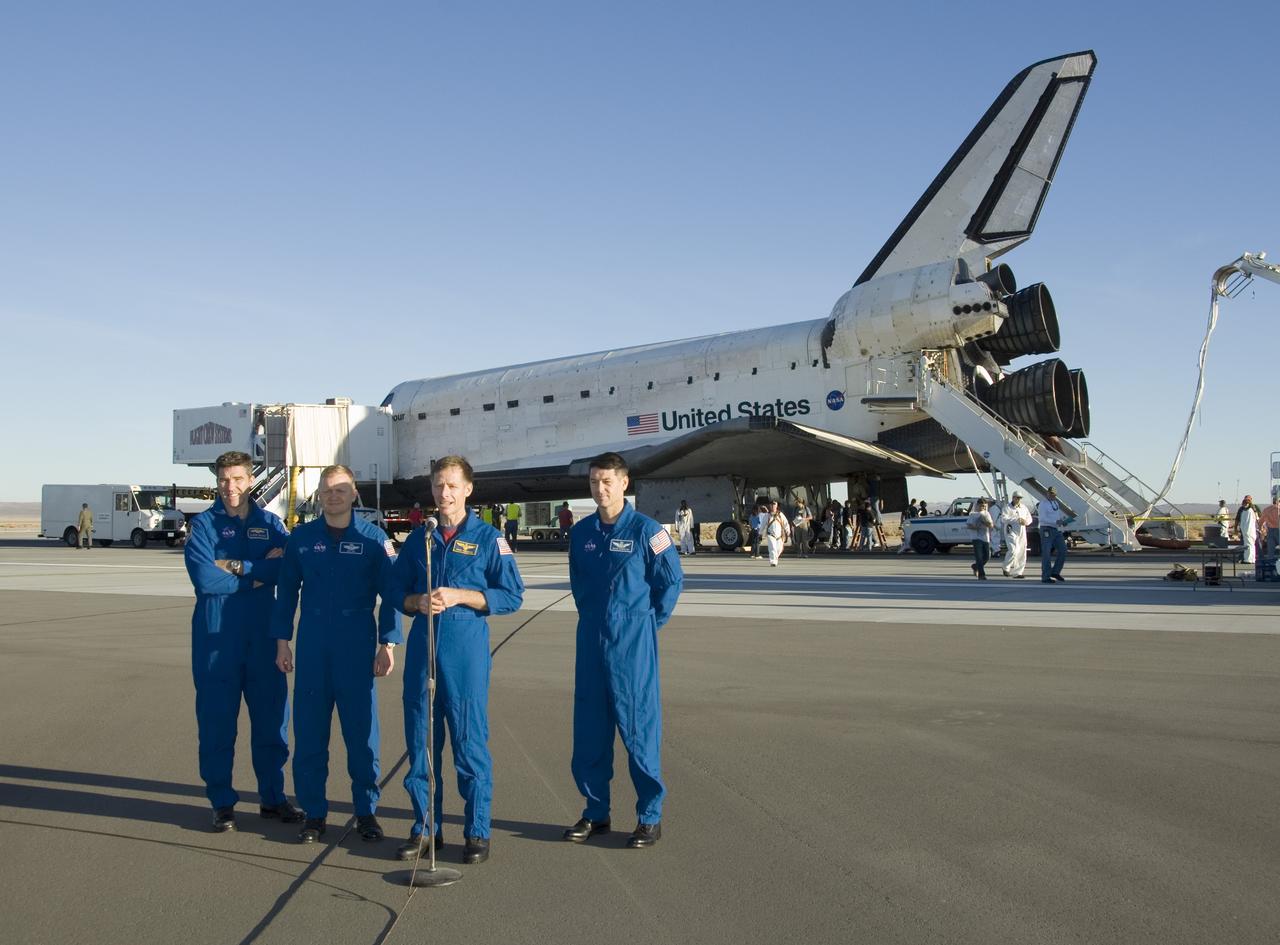
STS-126 commander Chris Ferguson, flanked by crewman Stephen Bowen, Eric Boe and Robert Kimbrough, offers comments on the mission after landing at Edwards AFB.
STS-126 commander Chris Ferguson, flanked by crewman Stephen Bowen, Eric Boe and Robert Kimbrough, offers comments on the mission after landing at Edwards AFB
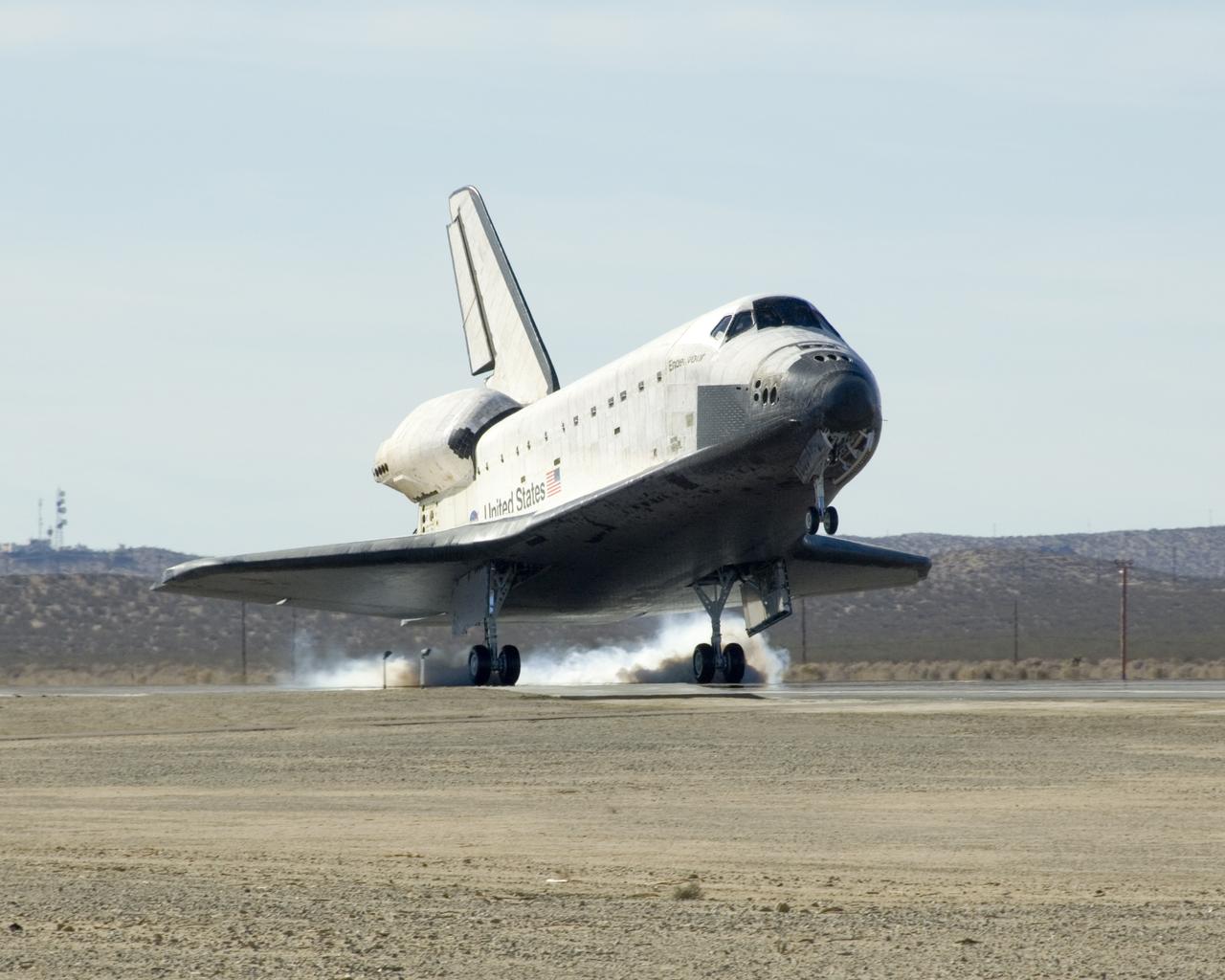
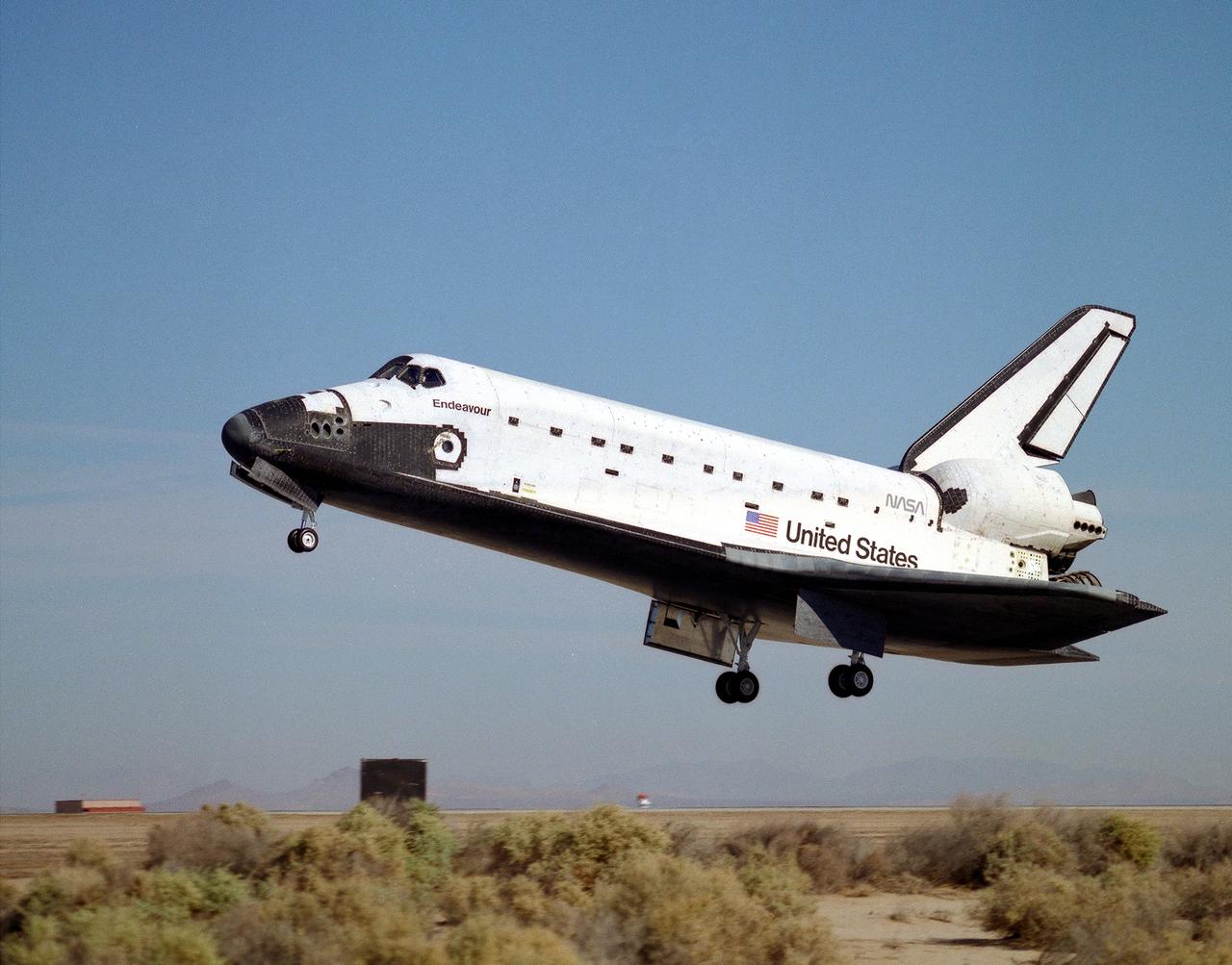
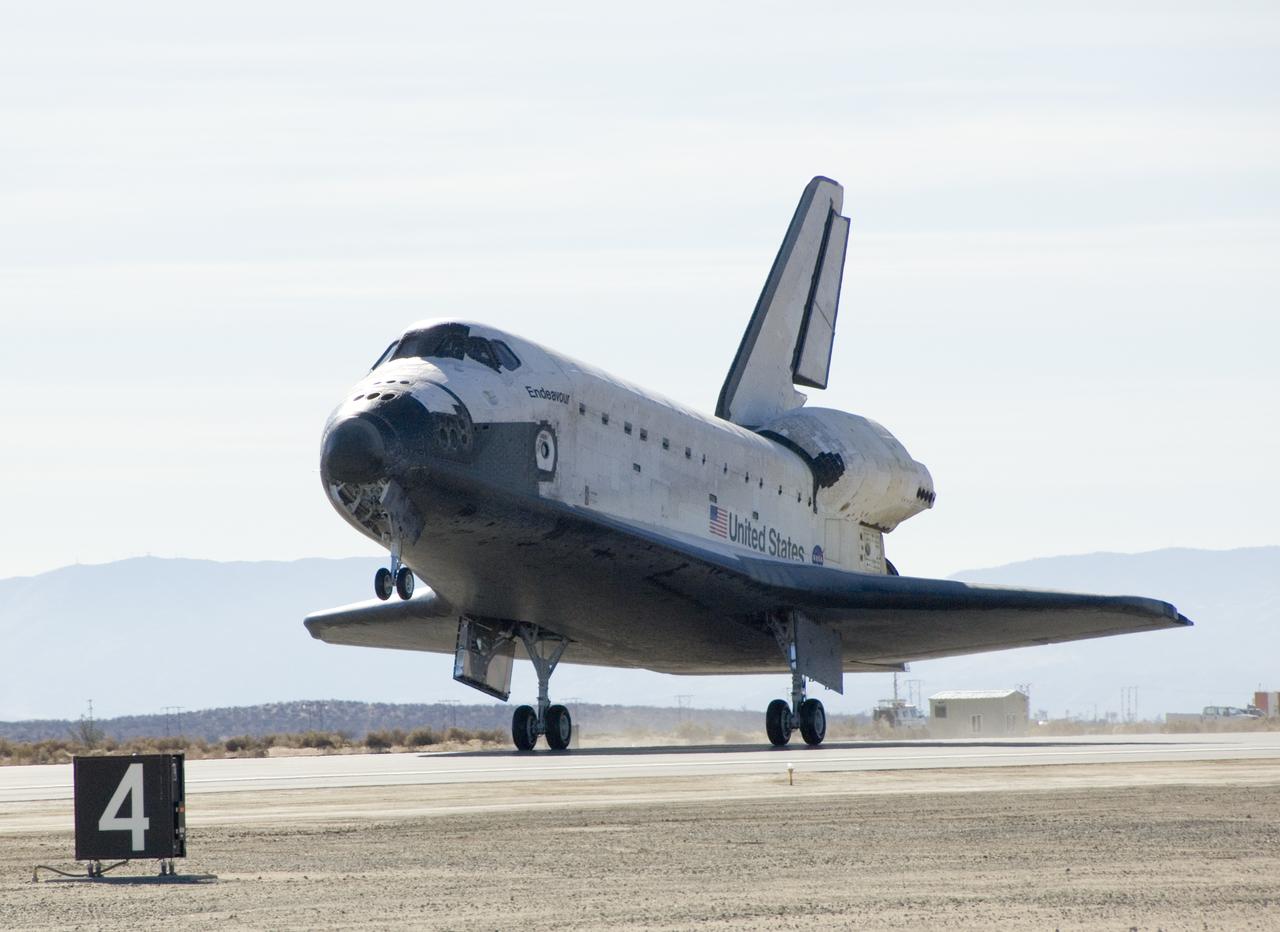
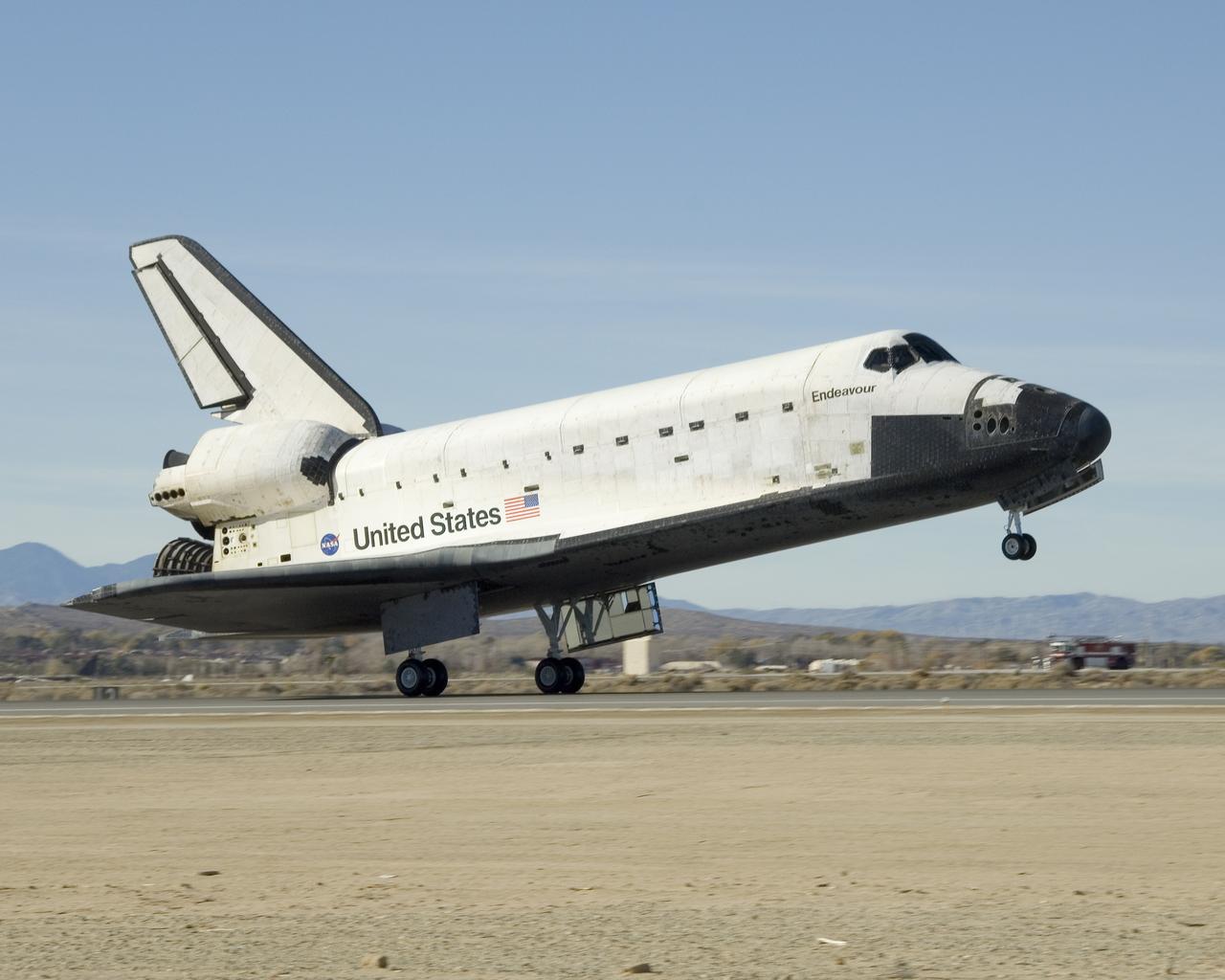
Space Shuttle Endeavour touches down at Edwards Air Force Base Nov. 30, 2008 to conclude mission STS-126 to the International Space Station.
Space Shuttle Endeavour touches down at Edwards Air Force Base Nov. 30, 2008 to conclude mission STS-126 to the International Space Station
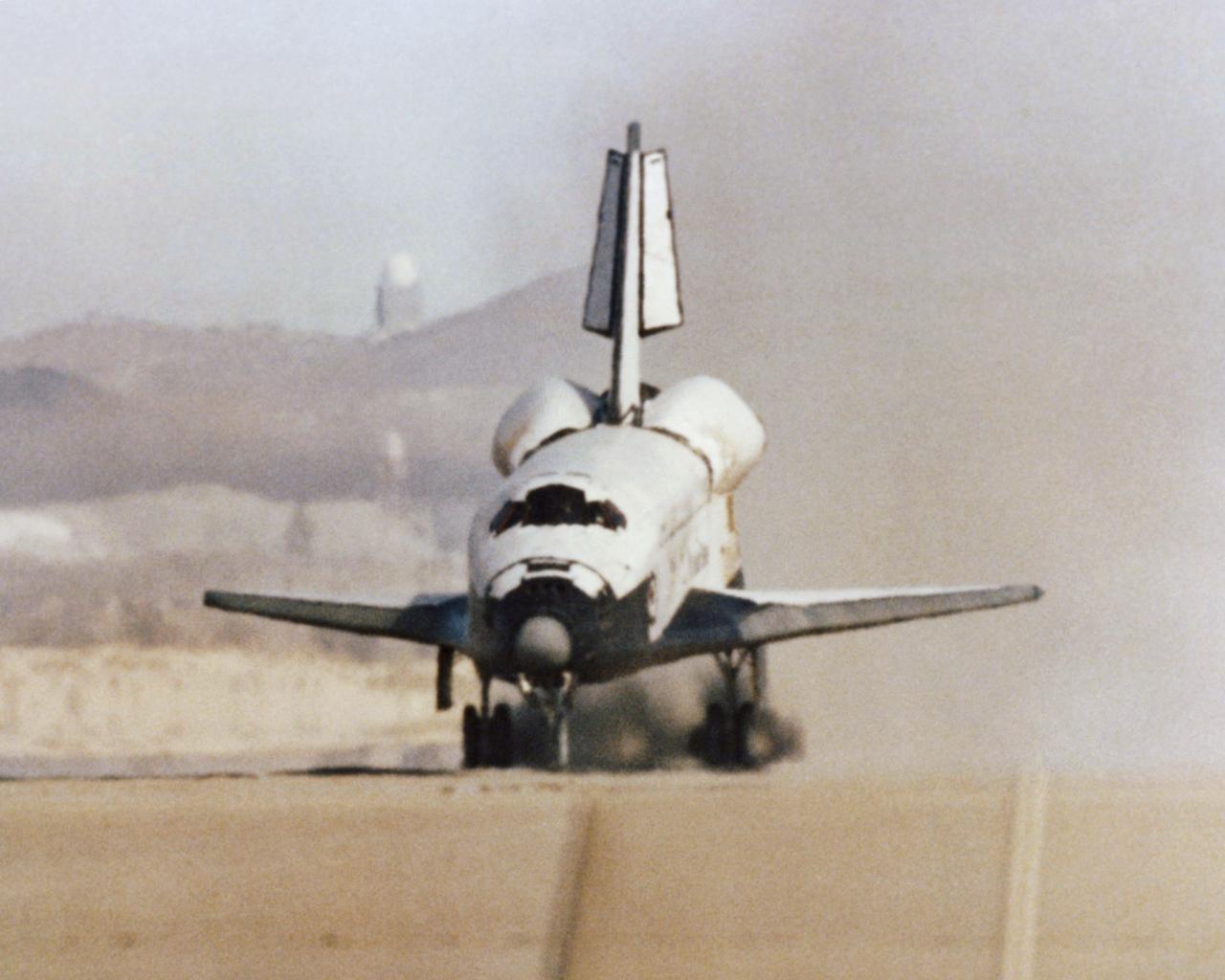
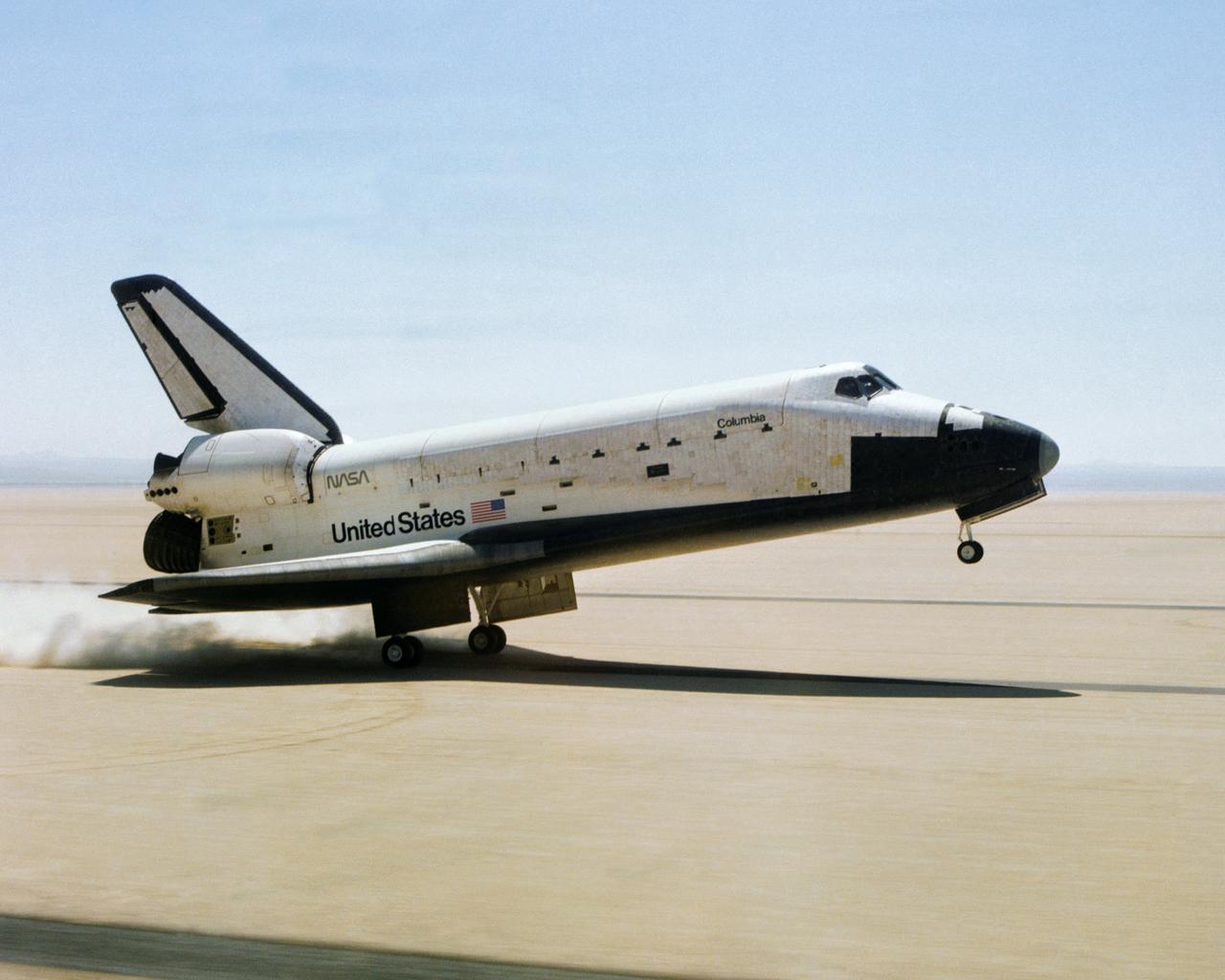
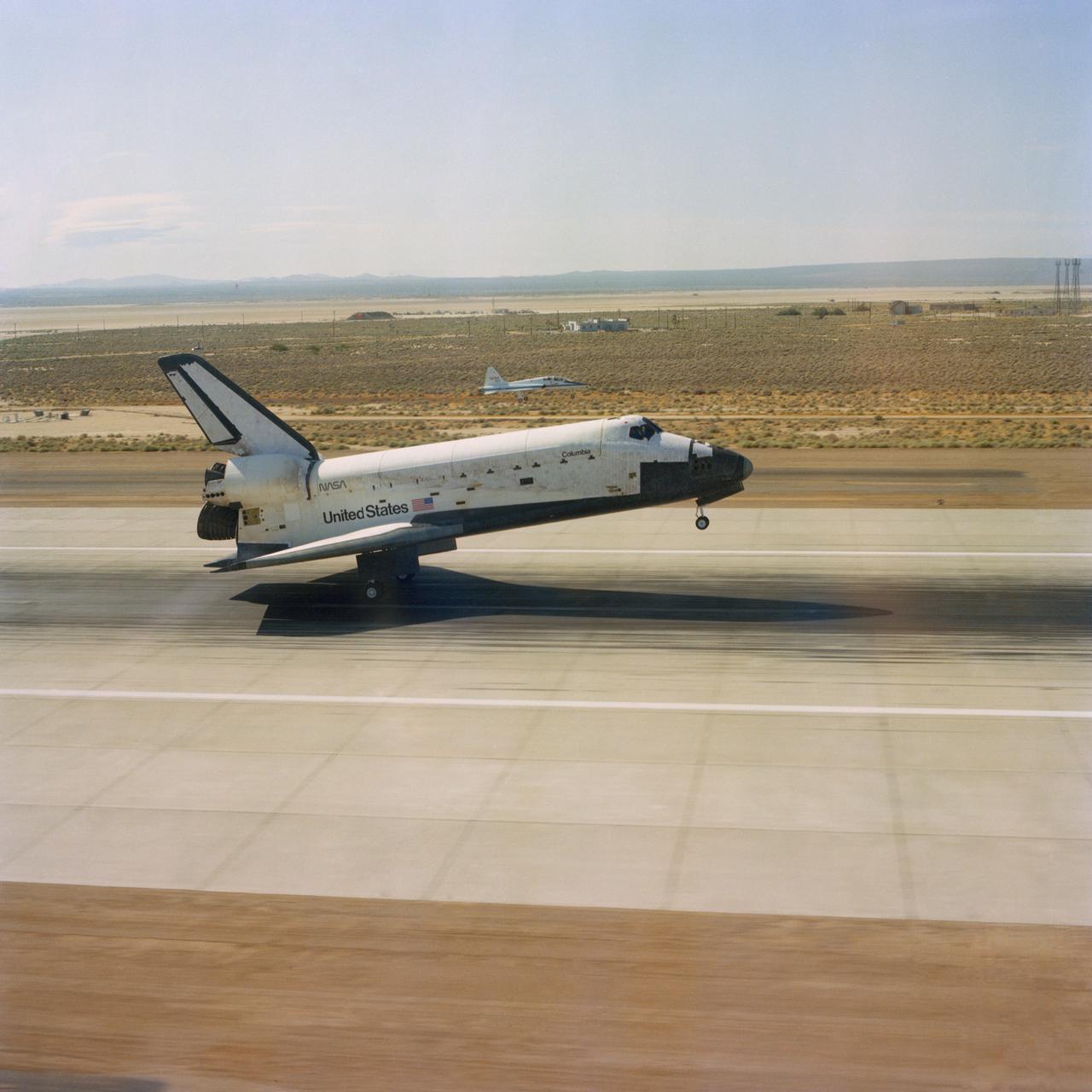
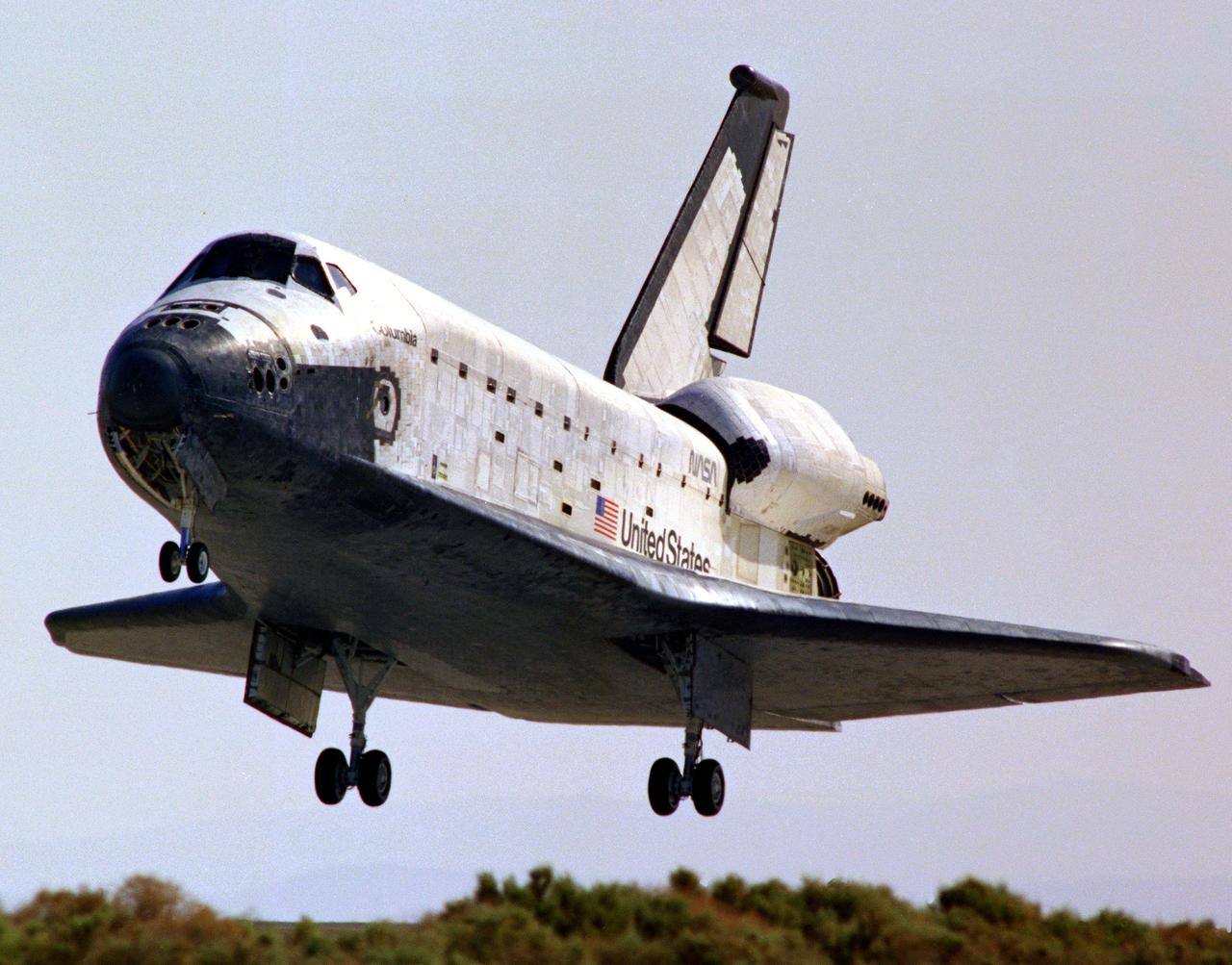
The Space Shuttle Columbia touches down on lakebed runway 23 at Edwards Air Force Base, Calif., to conclude the first orbital shuttle mission.
The Space Shuttle Columbia touches down on lakebed runway 23 at Edwards Air Force Base, Calif., to conclude the first orbital shuttle mission
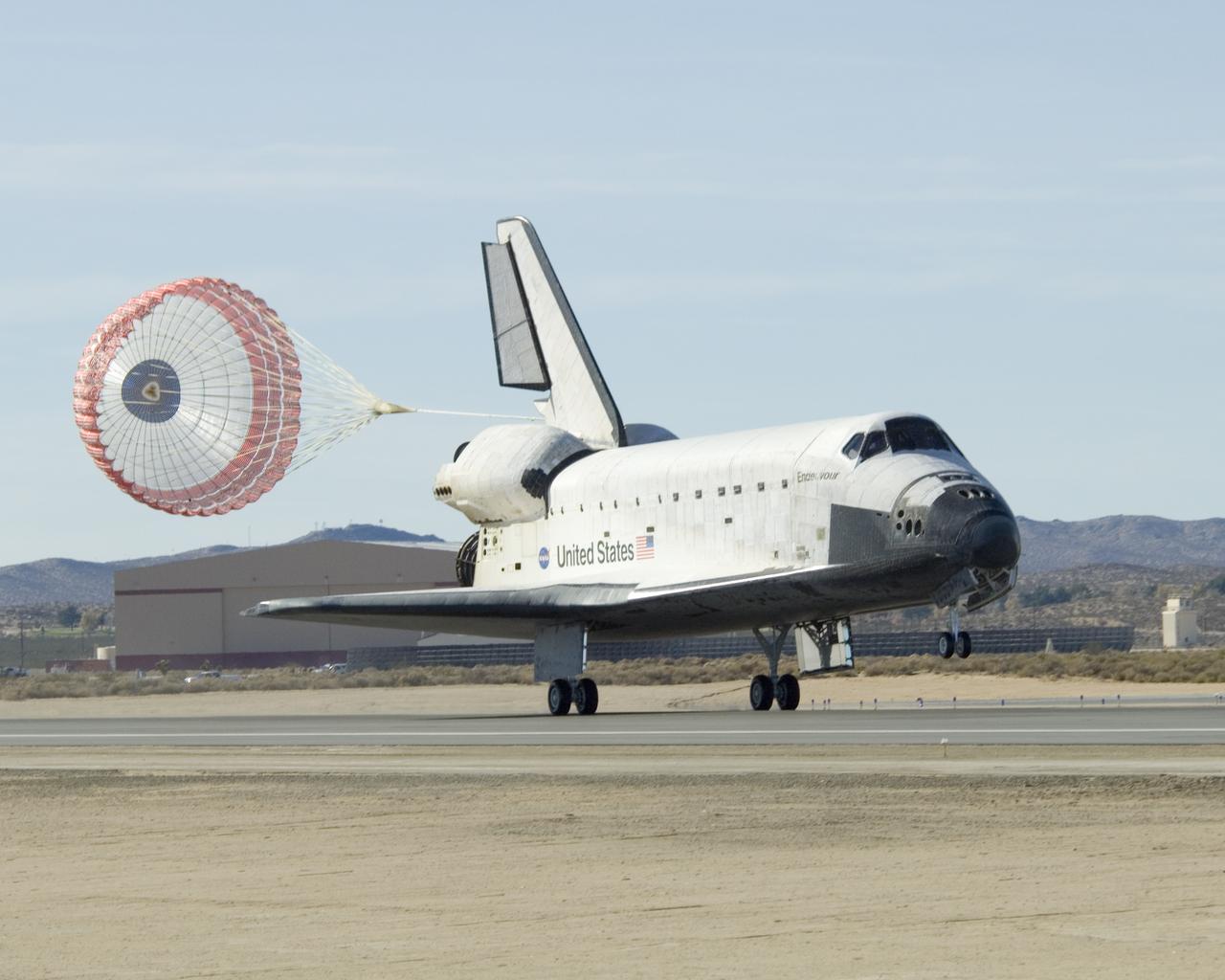
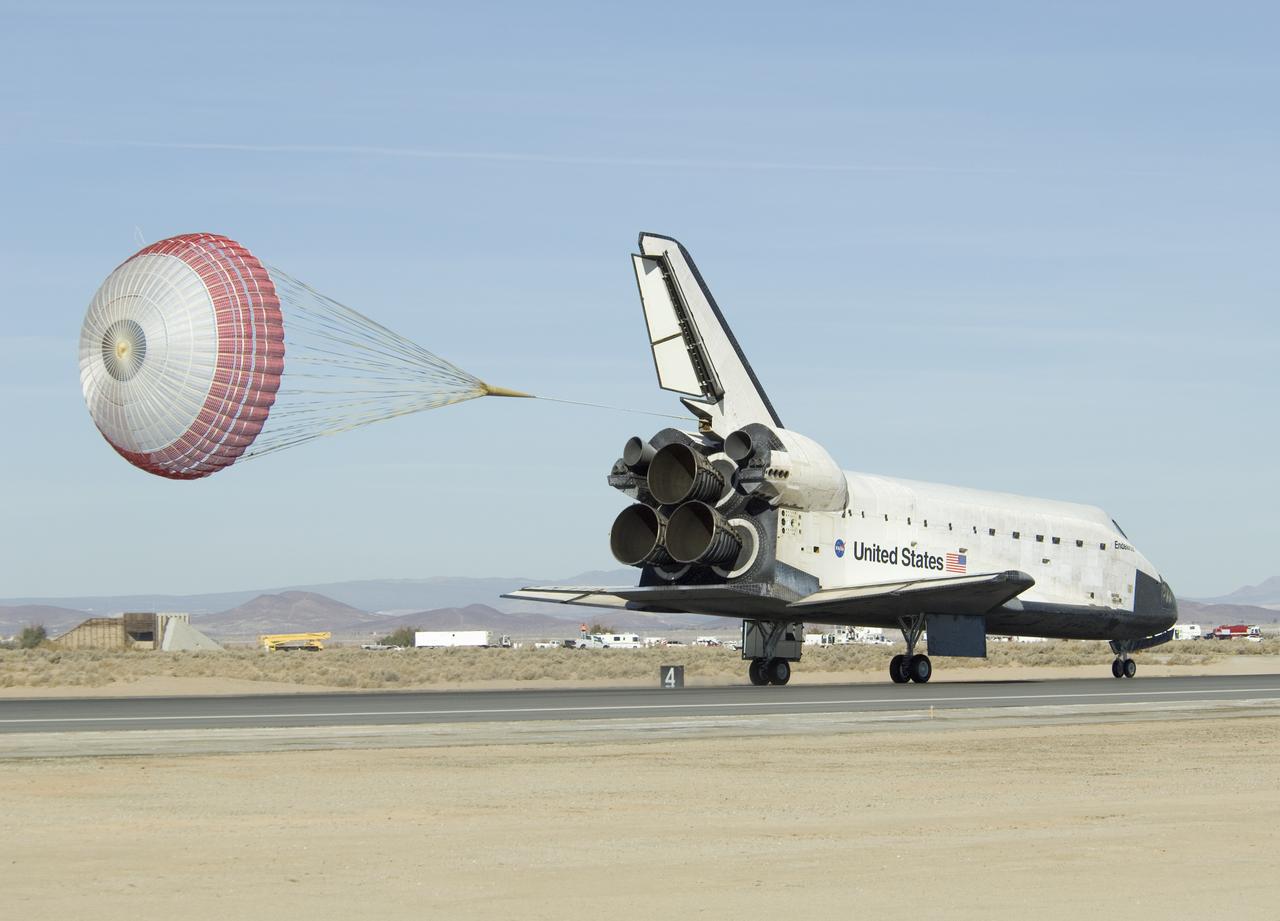
Space Shuttle Endeavour's drag chute deploys as it rolls down Runway 04-L at Edwards AFB moments after landing on Nov. 30, 2008.
Space Shuttle Endeavour's drag chute deploys as it rolls down Runway 04-L at Edwards AFB moments after landing on Nov. 30, 2008
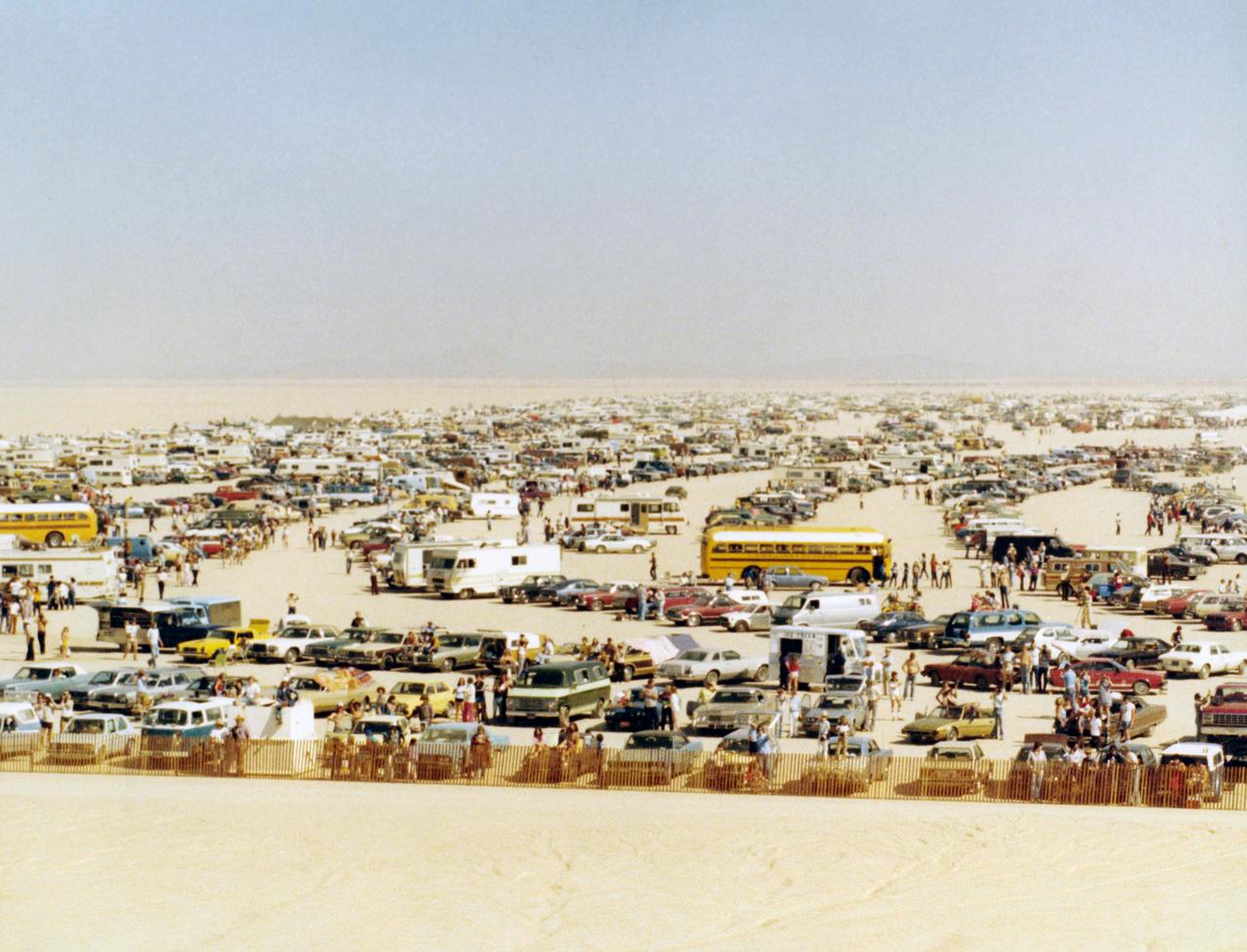
Large crowds gathered on Rogers Dry Lake at Edwards AFB to see the first landing of the Space Shuttle Columbia, completing its first orbital mission.
Large crowds gathered on Rogers Dry Lake at Edwards AFB to see the first landing of the Space Shuttle Columbia, completing its first orbital mission
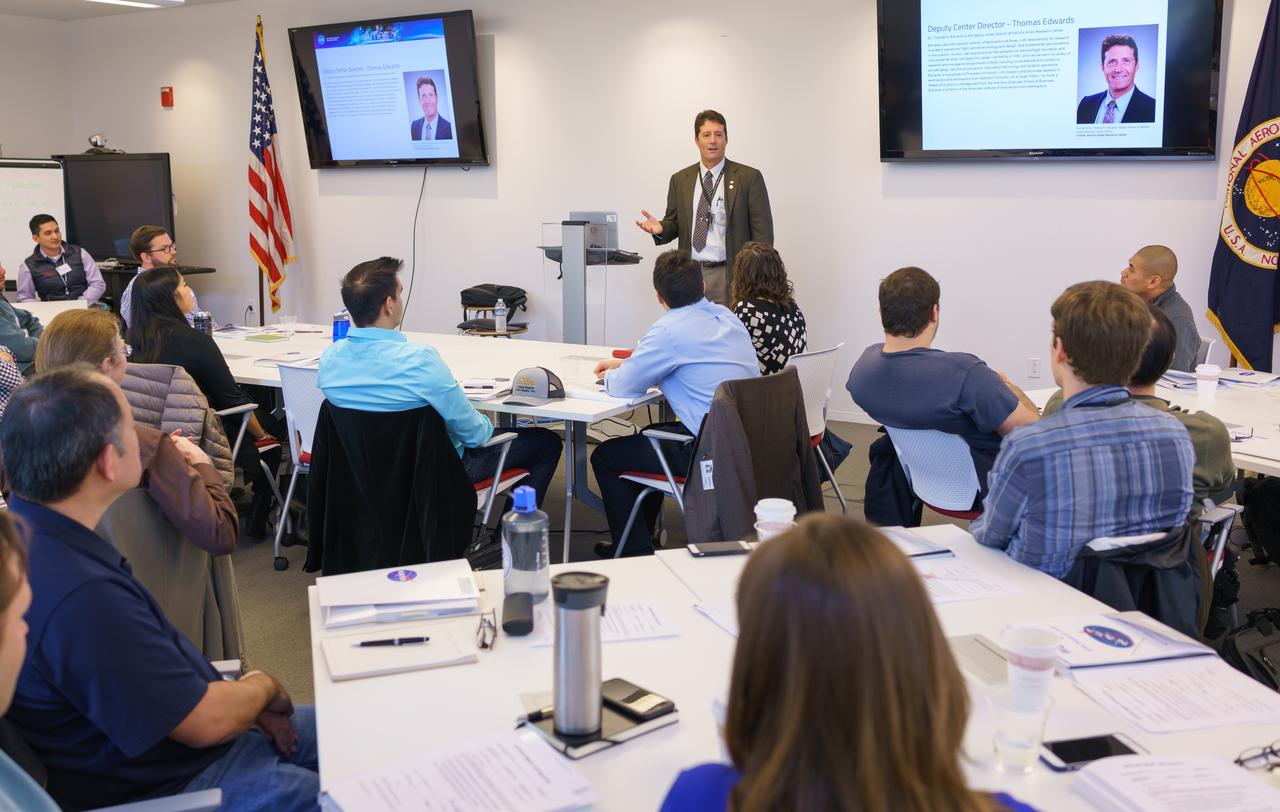
New Employee Orientation swearing-in N-232. Tom Edwards, Ames Deputy Director address the group.
New Employe Orientation and Swearing-in
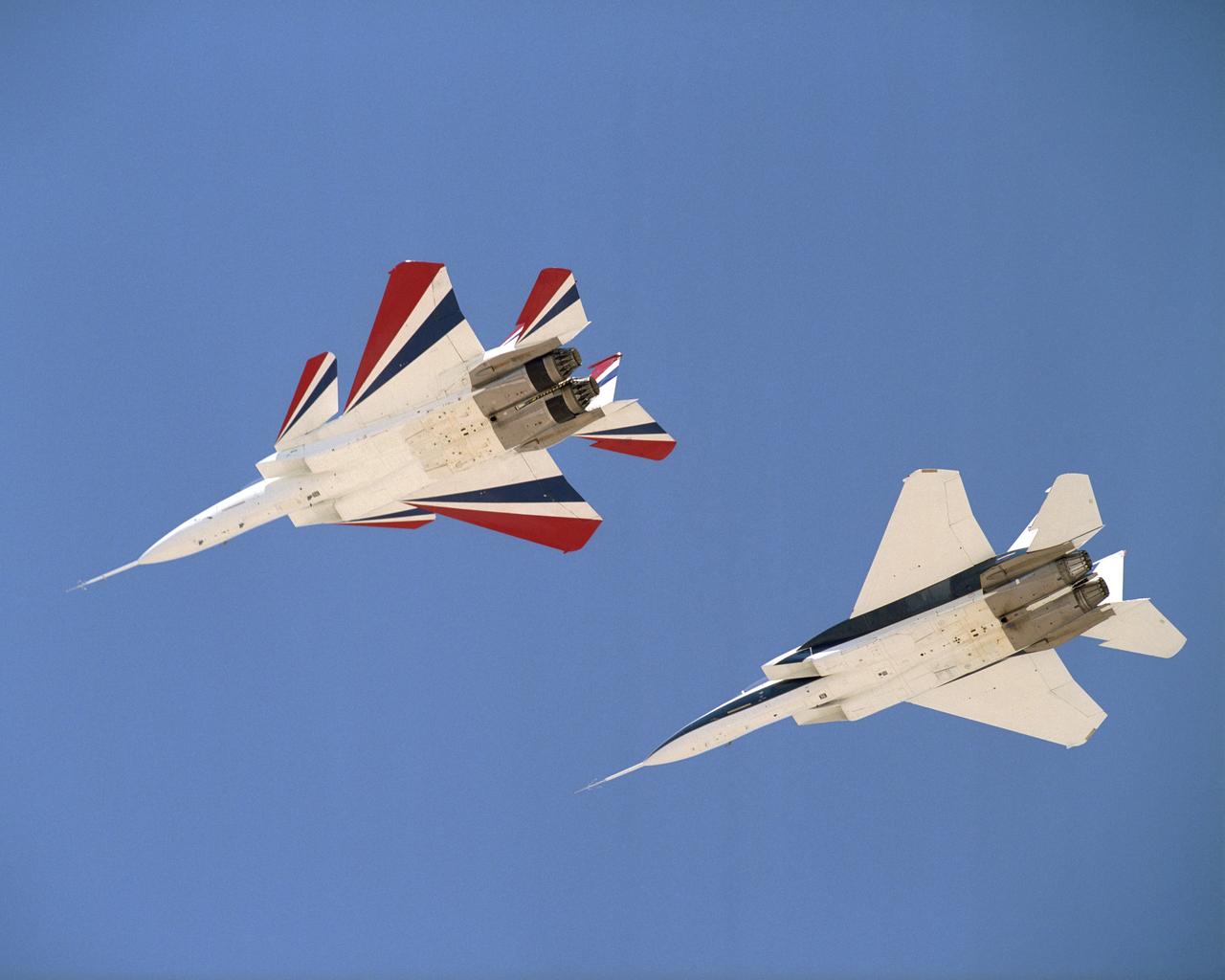
NASA's two modified F-15B research aircraft joined up for a fly-over of NASA's Dryden Flight Research Center on Edwards AFB, Calif., after a research mission.
A bobcat resting leisurely on a retaining wall among the flowering bushes at Armstrong Flight Research Center in Edwards, California. The facility is home to a number of wild animals including the bobcats which are free to roam the more than 300,000 acres of Mojave Desert.
Room to roam for wildlife in the Mojave Desert at Armstrong Flight Research Center in Edwards, California
The Space Shuttle Columbia glides down over Rogers Dry Lake as it heads for a landing at Edwards Air Force Base at the conclusion of its first orbital mission on April 14, 1981.
The Space Shuttle Columbia glides down over Rogers Dry Lake as it heads for a landing at Edwards AFB at the conclusion of its first orbital mission
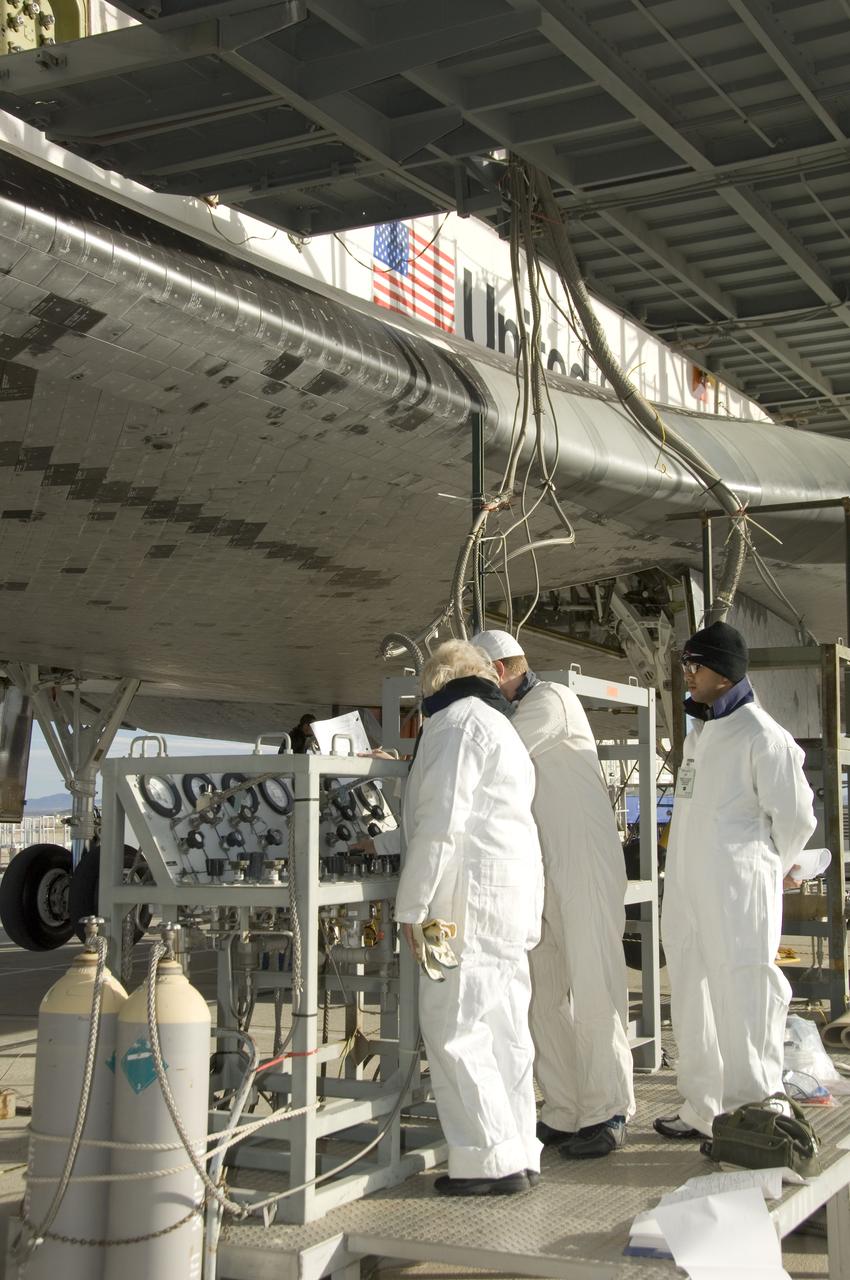
Technicians in protective coveralls check pressures of fluid systems during deservicing operations on Space Shuttle Endeavour after its landing at Edwards Air Force Base Nov. 30, 2008.
Technicians in protective coveralls check pressures of fluid systems during deservicing operations on Space Shuttle Endeavour after its landing at Edwards AFB
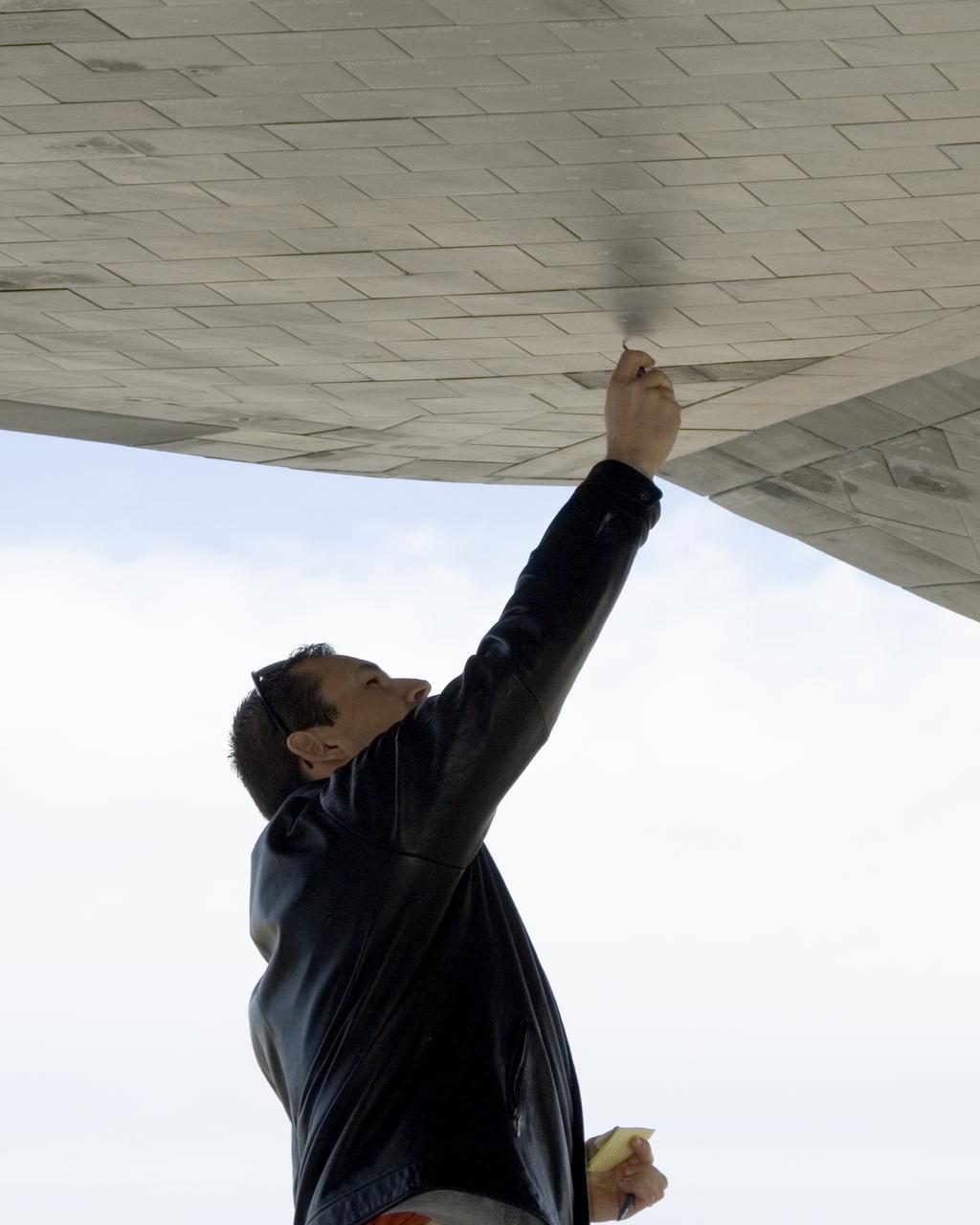
A United Space Alliance technician carefully checks the thermal tiles on the underside of Space Shuttle Endeavour for nicks and dings following its landing at Edwards Air Force Base to conclude mission STS-126.
A technician carefully checks the thermal tiles on the underside of Space Shuttle Endeavour for nicks and dings following its landing at Edwards Air Force Base
The Space Shuttle Columbia touches down on lakebed runway 23 at Edwards Air Force Base, Calif., to conclude the first orbital shuttle mission. (JSC photo # S81-30734)
The Space Shuttle Columbia touches down on lakebed runway 23 at Edwards Air Force Base, Calif., to conclude the first orbital shuttle mission
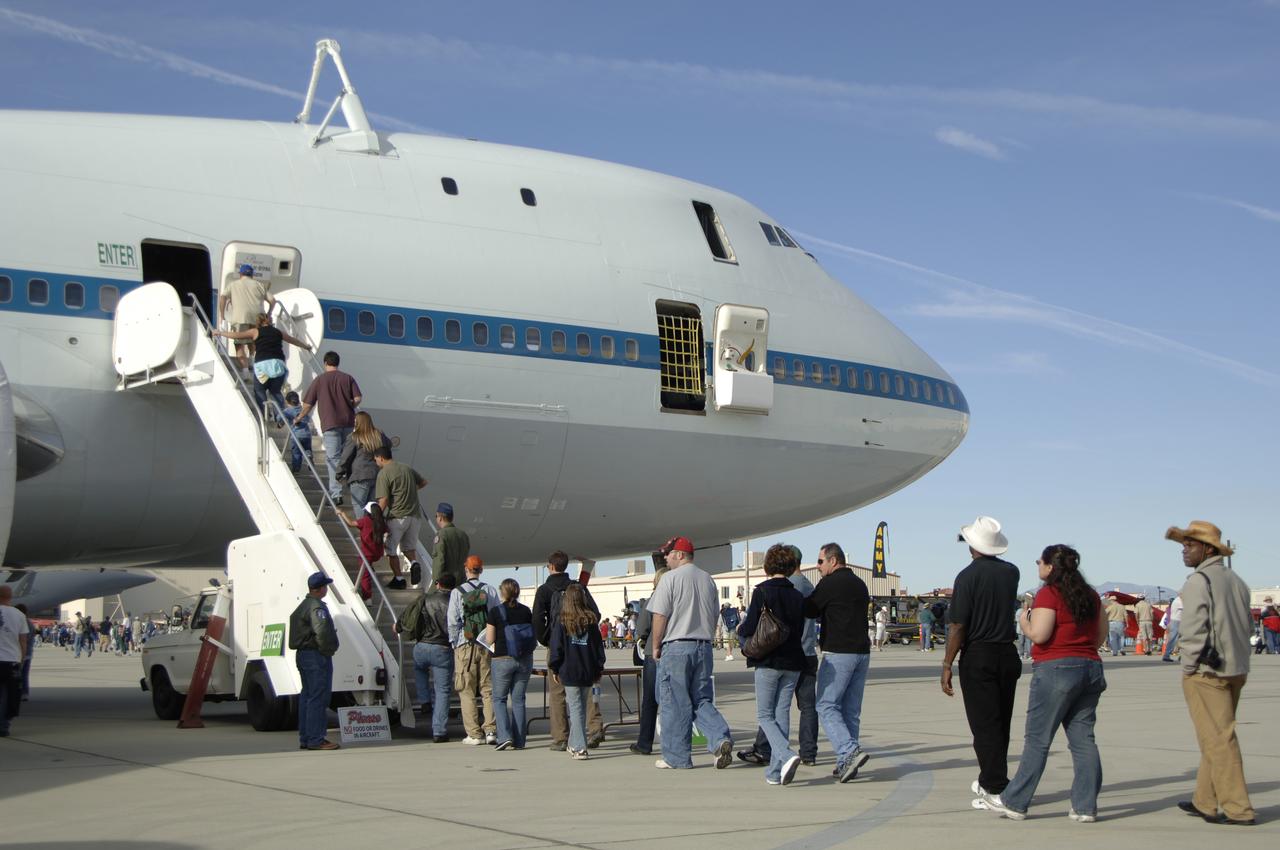
A brief tour through NASA's modified Boeing 747 Shuttle Carrier Aircraft was a popular attraction at the Edwards Air Force Base open house Oct. 28-29, 2006.
A brief tour through NASA's modified Boeing 747 Shuttle Carrier Aircraft was a popular attraction at the Edwards Air Force Base open house Oct. 28-29, 2006
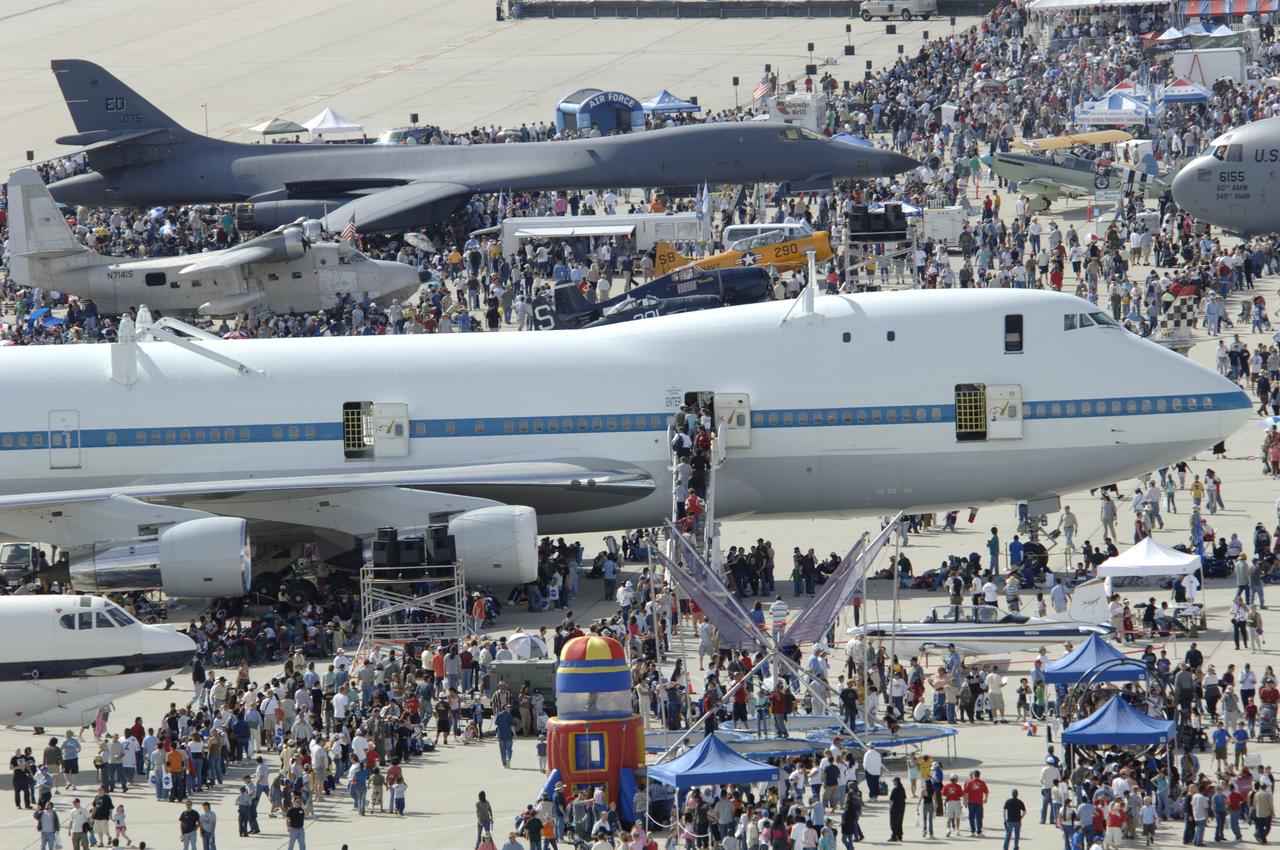
Crowds thronged around NASA's modified 747 Shuttle Carrier Aircraft and an Air Force B-1B Lancer at the Edwards Air Force Base open house Oct. 28-29, 2006.
Crowds thronged around NASA's modified 747 Shuttle Carrier Aircraft and an Air Force B-1B Lancer at the Edwards Air Force Base open house Oct. 28-29, 2006
Space Shuttle Atlantis landed at 12:33 p.m. February 20, 2001, on the runway at Edwards Air Force Base, California, where NASA's Dryden Flight Research Center is located. The mission, which began February 7, logged 5.3 million miles as the shuttle orbited earth while delivering the Destiny science laboratory to the International Space Station. Inclement weather conditions in Florida prompted the decision to land Atlantis at Edwards. The last time a space shuttle landed at Edwards was Oct. 24, 2000.
Space Shuttle Atlantis/STS-98 shortly before being towed to NASA's Dryden Flight Research Center
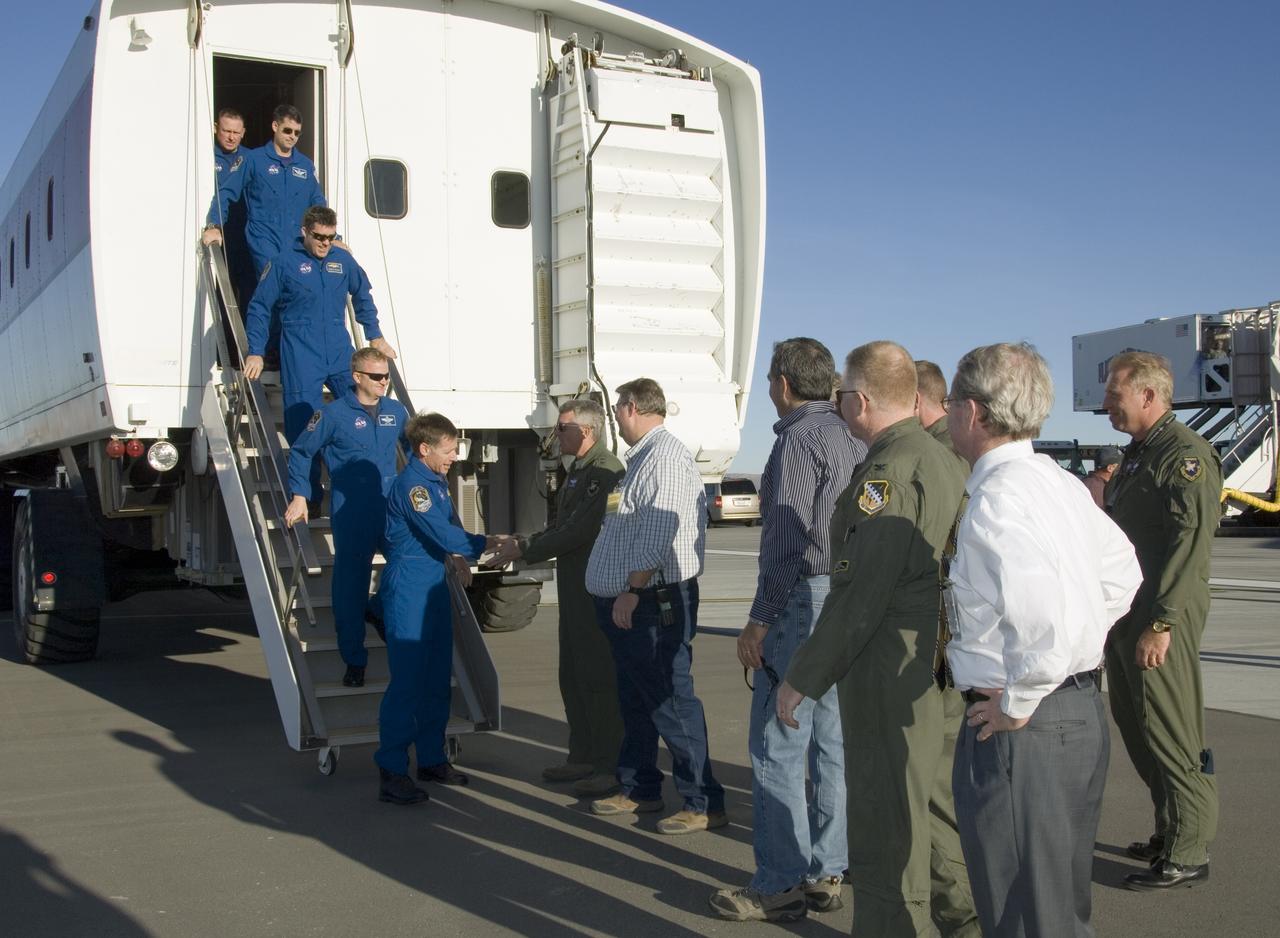
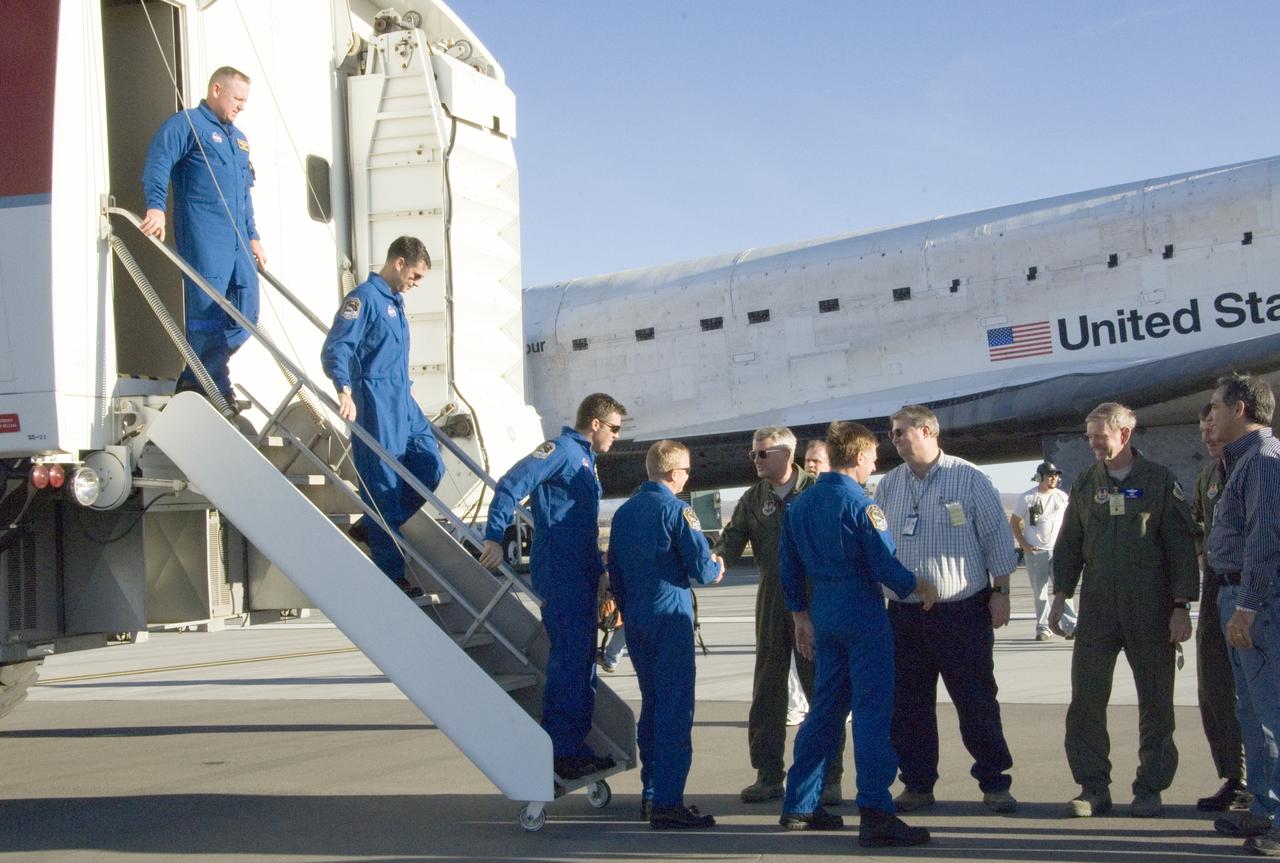
Air Force and NASA officials greet the STS-126 crew as they exit the Crew Transport Vehicle after landing the shuttle Endeavour at Edwards Air Force Base.
Air Force and NASA officials greet the STS-126 crew as they exit the Crew Transport Vehicle after landing the shuttle Endeavour at Edwards Air Force Base
Air Force and NASA officials greet the STS-126 crew as they exit the Crew Transport Vehicle after landing the shuttle Endeavour at Edwards Air Force Base.
Air Force and NASA officials greet the STS-126 crew as they exit the Crew Transport Vehicle after landing the shuttle Endeavour at Edwards Air Force Base
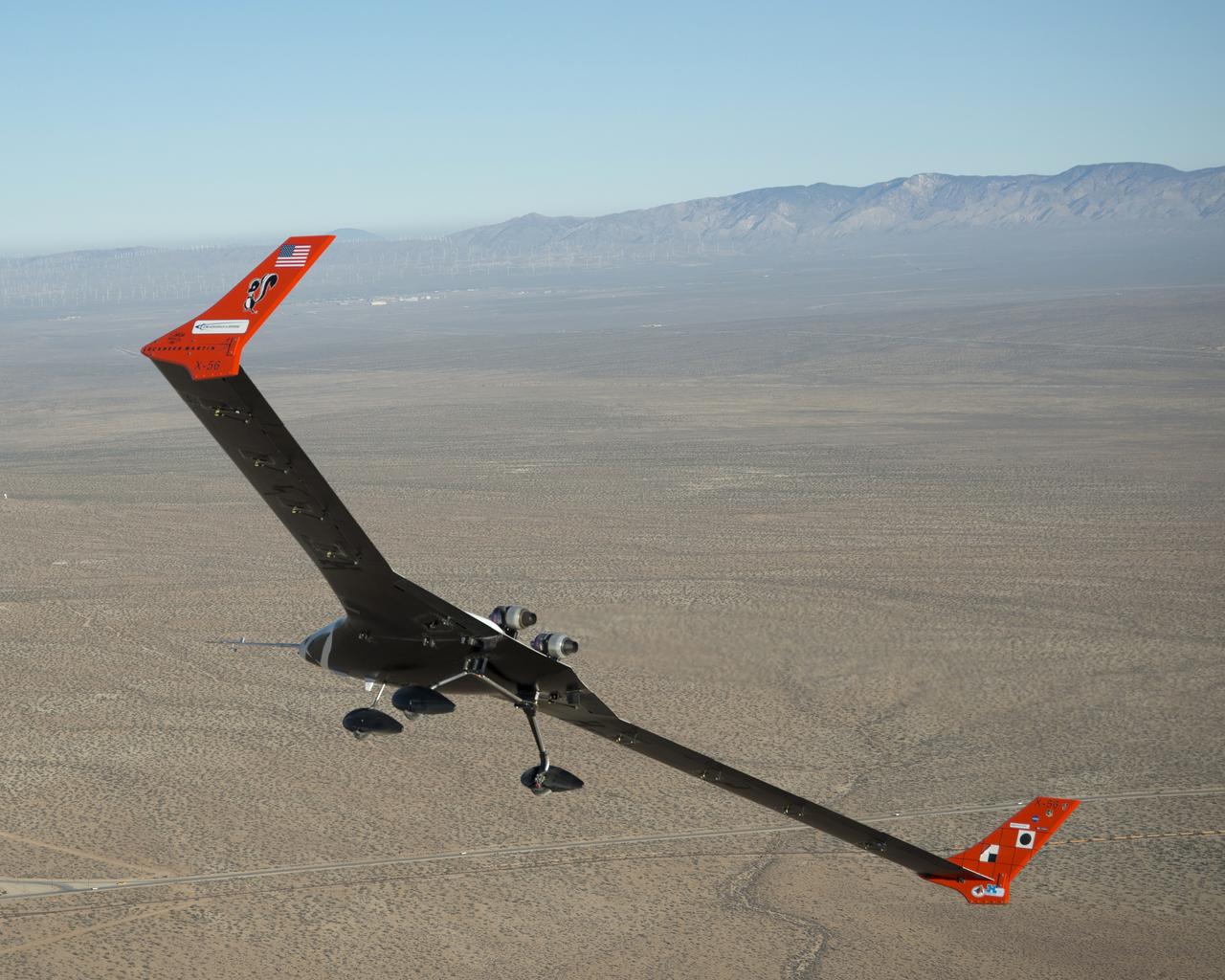
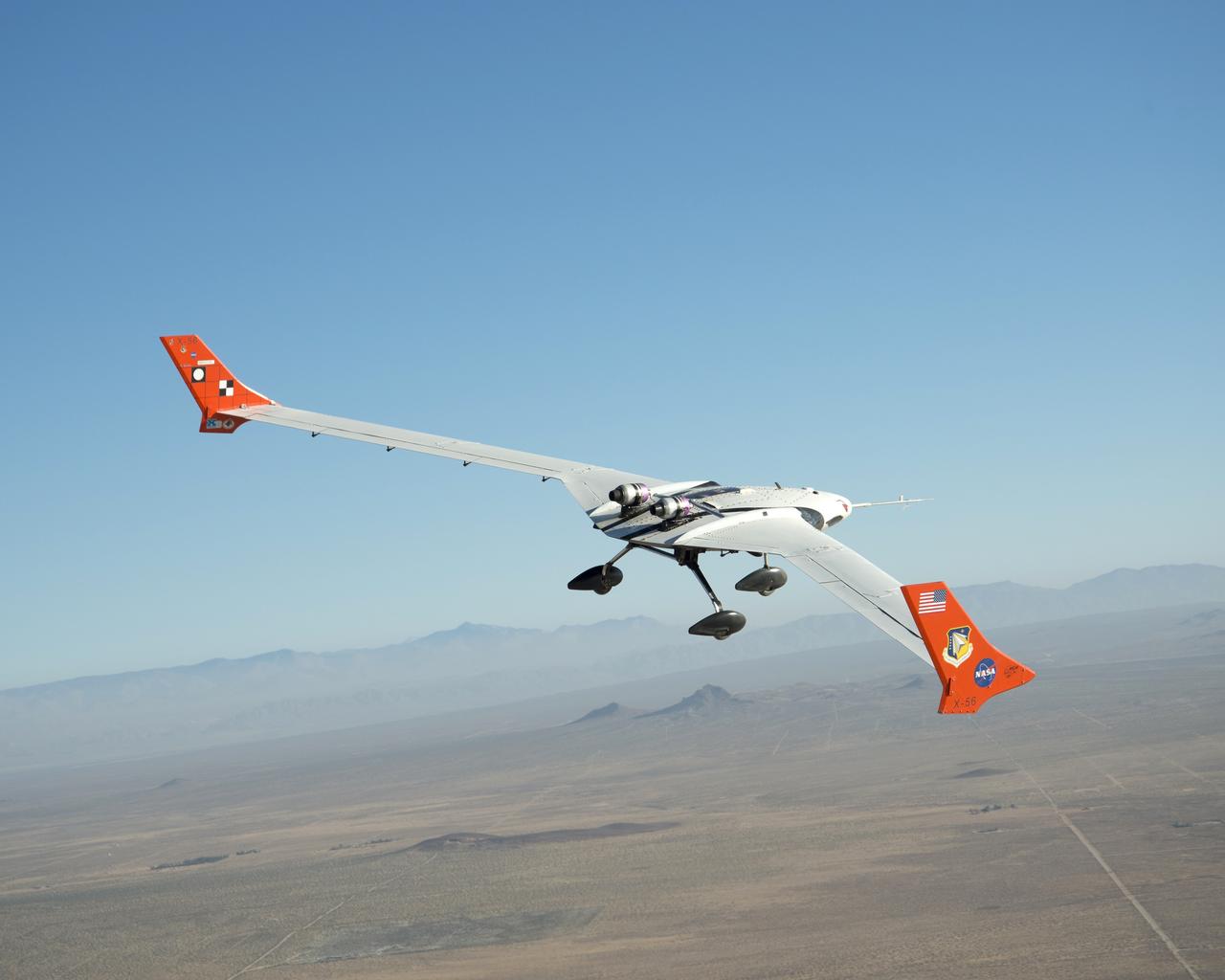
The X-56A flies over the desert near NASA Armstrong Flight Research Center, Edwards, California.  NASA researchers are using the remotely piloted X-56A to explore the behavior of lightweight, flexible aircraft structures.
ED15-0241-21
The X-56A flies over the desert near NASA Armstrong Flight Research Center, Edwards, California.  NASA researchers are using the remotely piloted X-56A to explore the behavior of lightweight, flexible aircraft structures.
ED15-0241-05
The first known proposal for a marned-satellite appeared in a story by Edward Everett Hale entitled "The Brick Moon." The story involved a group of young Bostonians who planned to put an artificial satellite into polar orbit for sailors to use to determine longitude accurately and easily.
Early Rockets
The Space Shuttle Discovery settles to the main runway at Edwards, California, at 2:13 p.m. (PDT) 20 September 1994, to conclude mission STS-64. The spacecraft, with a crew of six, was launched into a 57-degree high inclination orbit from the Kennedy Space Center, Florida, at 3:23 p.m. (PDT), 9 September 1994. The mission featured the study of clouds and the atmosphere with a laser beaming system called Lidar In-Space Technology Experiment (LITE), and the first untethered space walk in over ten years. A Spartan satellite was also deployed and later retrieved in the study of the sun's corona and the solar wind. The mission was scheduled to end Sunday, 18 September, but was extended one day to continue science work. Bad weather at the Kennedy Space Center on September 19, forced a one-day delay to September 20, with a weather divert that day to Edwards. Mission commander was Richard Richards, the pilot Blaine Hammond, while mission specialists were Jerry Linenger, Susan Helms, Carl Meade, and Mark Lee.
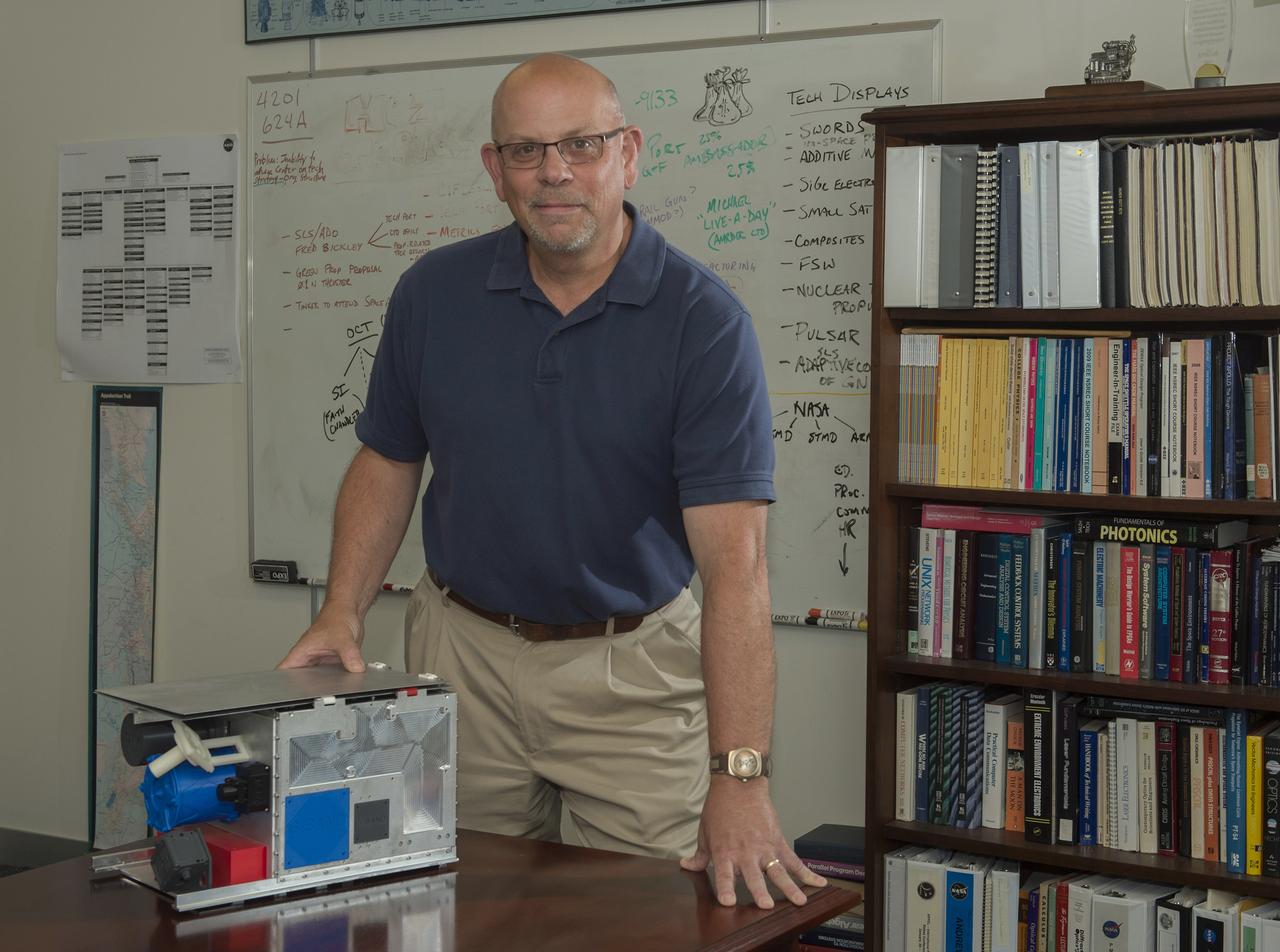
STS-64 Landing at Edwards
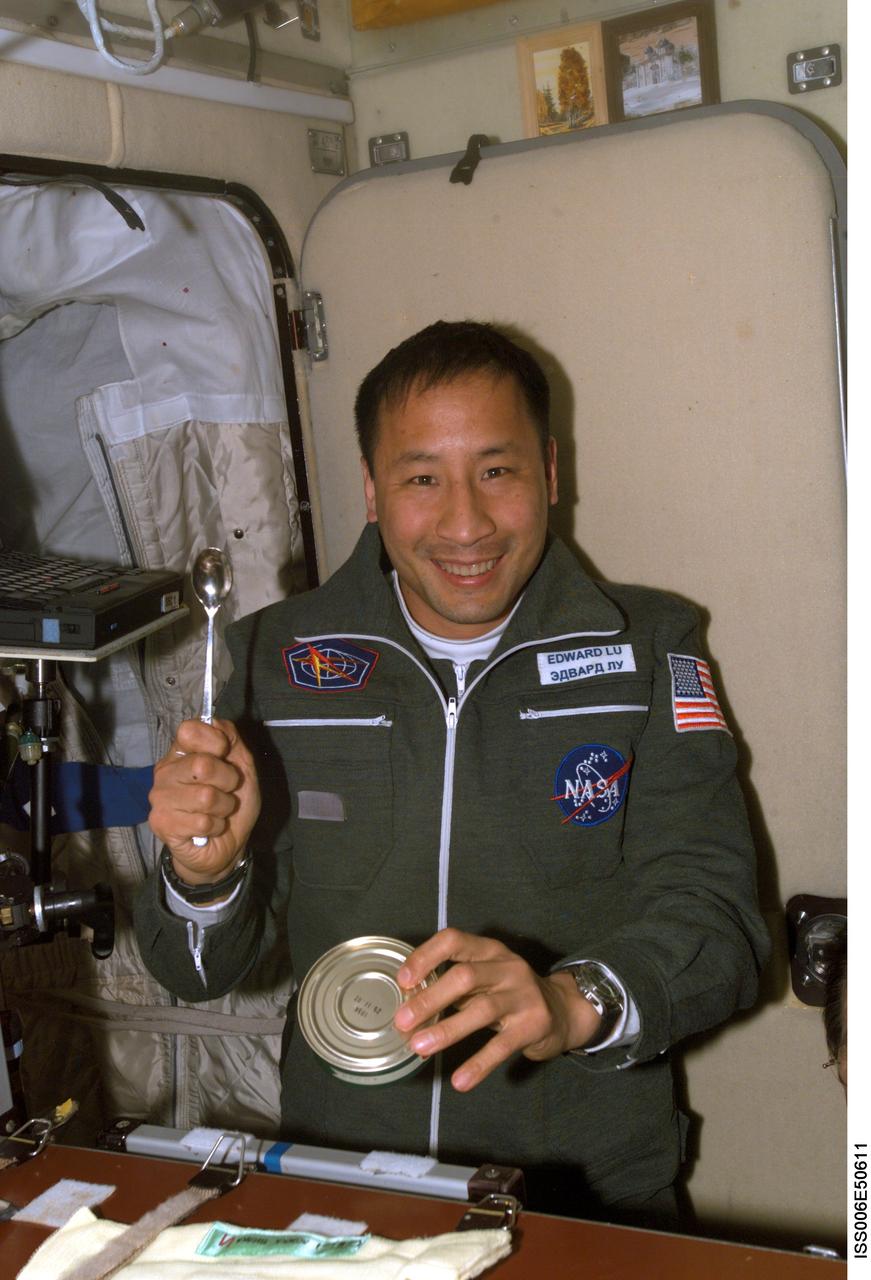
ISS006-E-50611 (28 April 2003) --- Astronaut Edward T. Lu, Expedition Seven NASA ISS science officer and flight engineer, prepares to eat a meal in the Zvezda Service Module on the International Space Station (ISS).
Edward T. Lu prepares to eat a meal in the SM
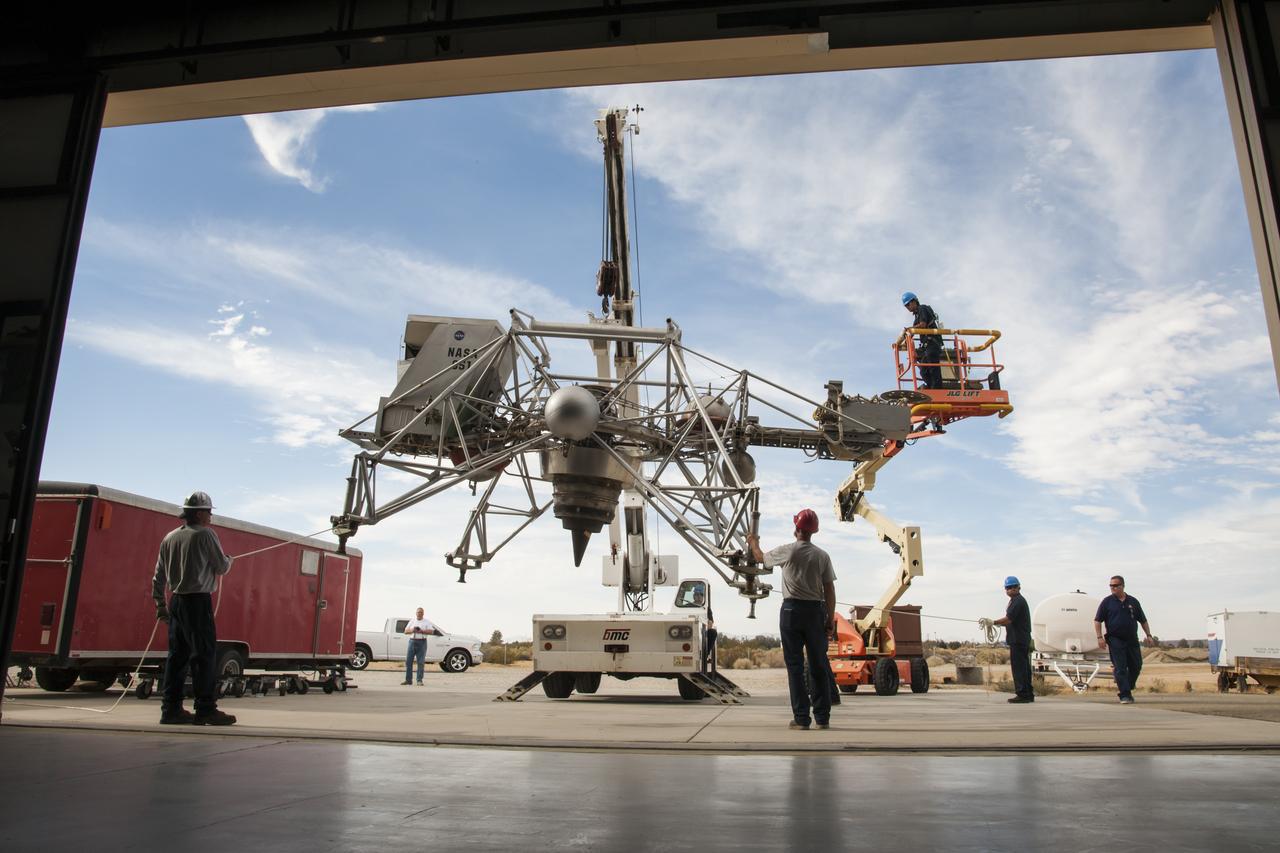
Workers move the Lunar Landing Research Vehicle, or LLRV, into the Edwards Air Force Base Flight Test Museum in California for temporary display.
NASA Lends Space Artifacts to Air Force Museum
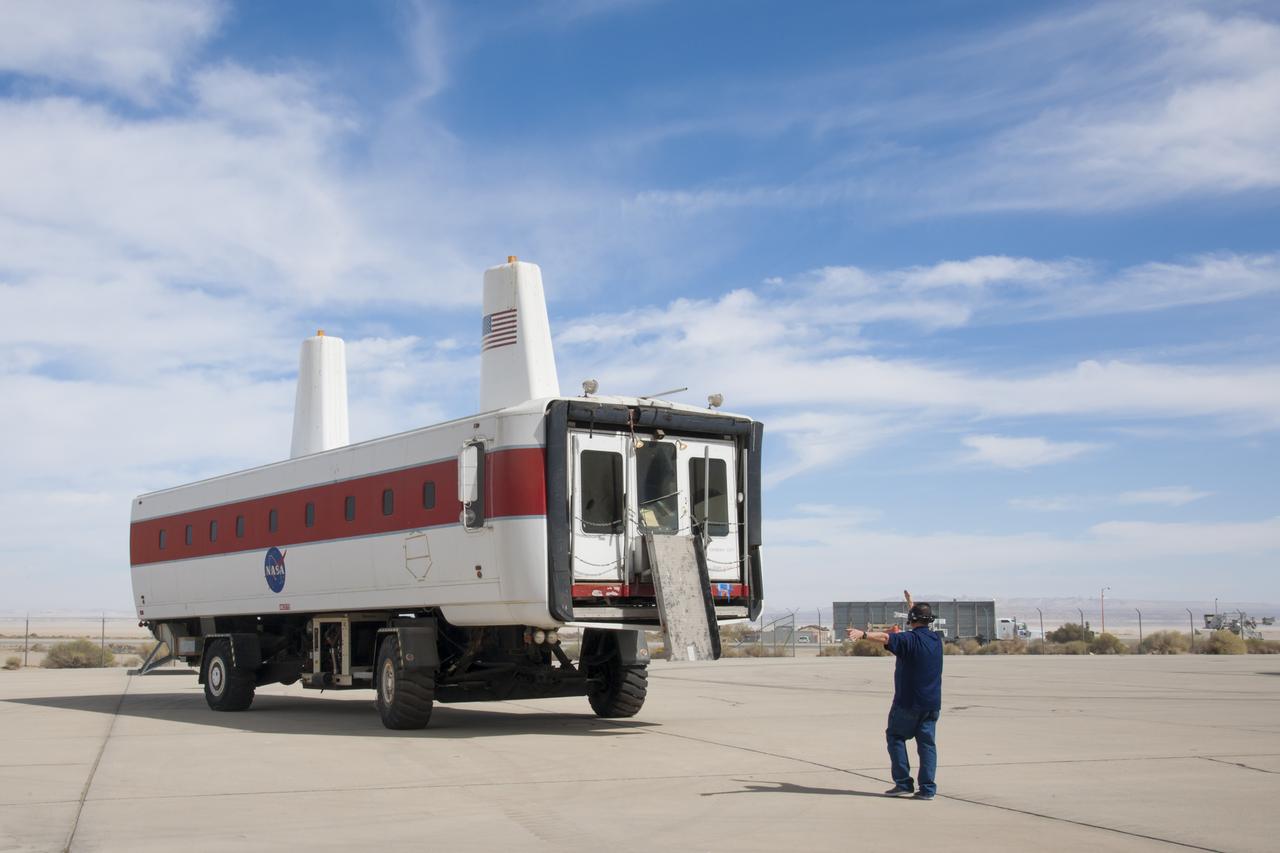
Workers drive the space shuttle Crew Transport Vehicle, or CTV, to the Edwards Air Force Base Flight Test Museum in California for display.
NASA Lends Space Artifacts to Air Force Museum
EDWARDS, Calif. –  After space shuttle Endeavour's landing at Edwards Air Force Base in California, four of the STS-126 crew members greet the media.  From left are Mission Specialist Steve Bowen, Pilot Eric Boe, Commander Chris Ferguson and Mission Specialist Shane Kimbrough. In the 52nd landing at Edwards, Endeavour touched down at 4:25 p.m. EST to end the STS-126 mission, completing its 16-day journey of over 6.6 million miles in space. The STS-126 mission was the 27th flight to the International Space Station, carrying equipment and supplies in the Multi-Purpose Logistics Module Leonardo. The mission featured four spacewalks and work to prepare the space station to house six crew members for long-duration missions.   Photo credit: NASA/Tom Tschida, VAFB
KSC-08pd3881
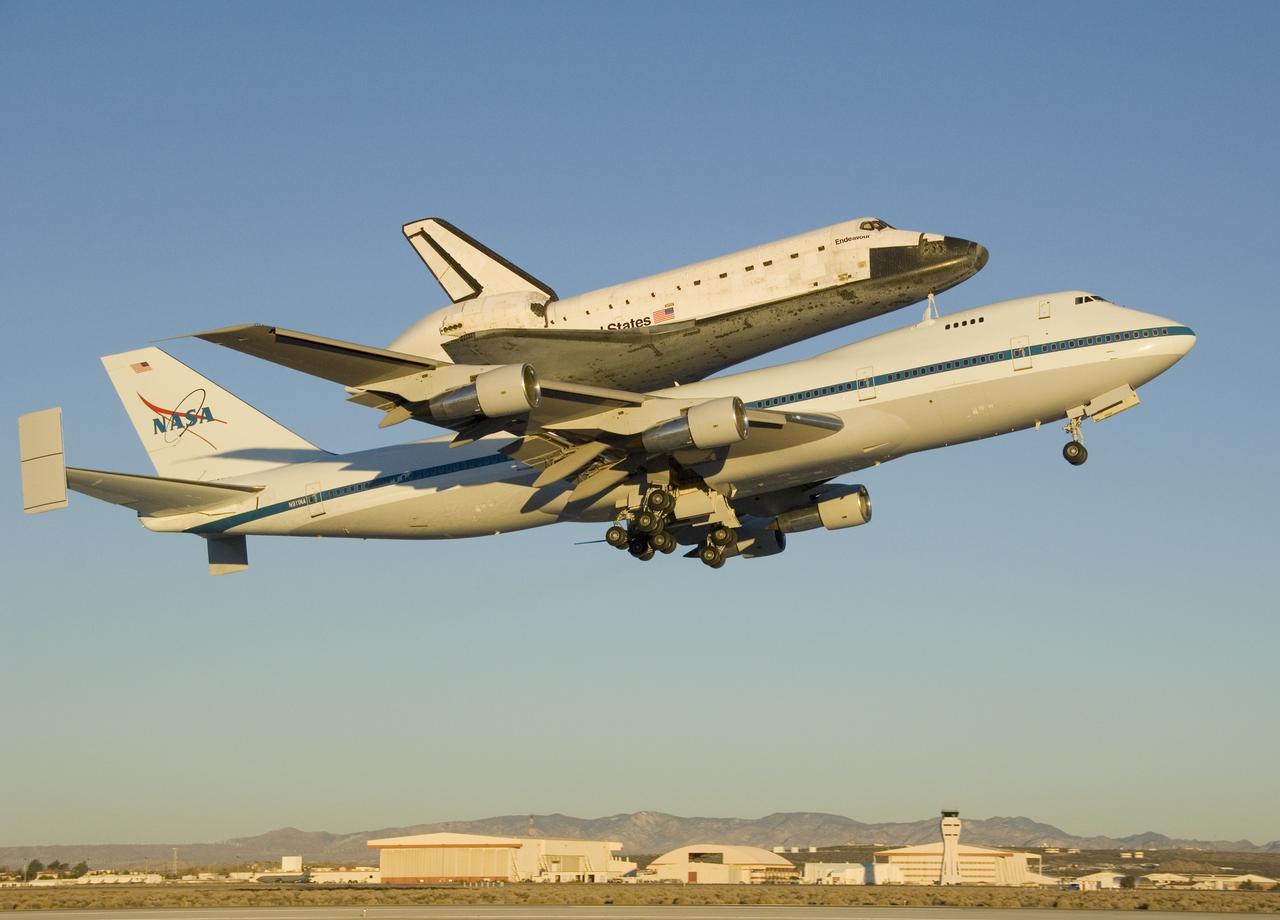
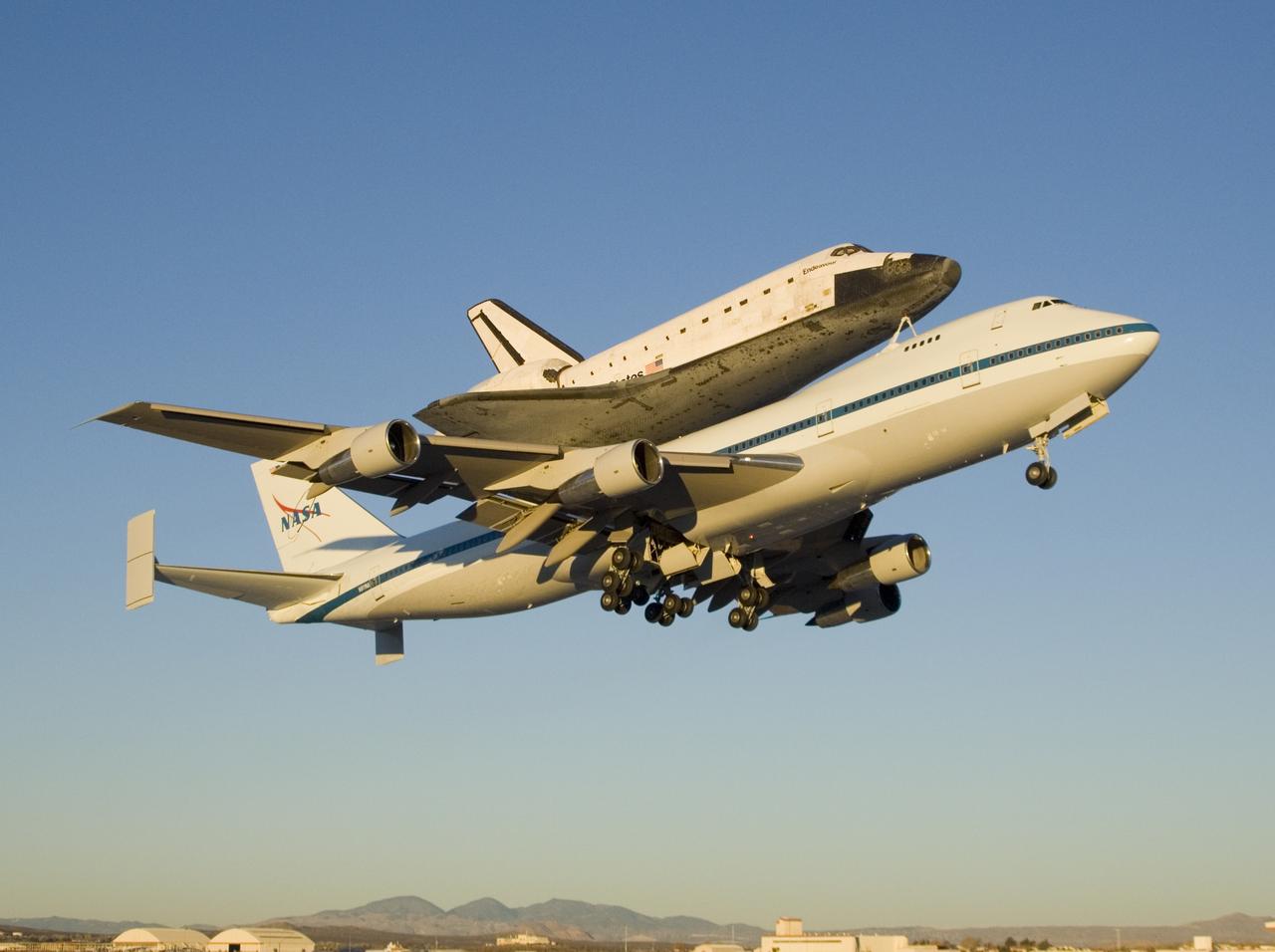
The Space Shuttle Endeavour atop its modified Boeing 747 carrier aircraft lifts off from Edwards Air Force Base on the first leg of its ferry flight back to the Kennedy Space Center just after sunrise on Dec. 10, 2008.
The modified 747 carrier aircraft carrying the Space Shuttle Endeavour soars aloft from Edwards AFB on the first leg of its ferry flight back to Florida
The modified Boeing 747 carrier aircraft carrying the Space Shuttle Endeavour soars aloft from Edwards Air Force Base on the first leg of its ferry flight back to the Kennedy Space Center just after sunrise on Dec. 10, 2008.
The modified 747 carrier aircraft carrying the Space Shuttle Endeavour soars aloft from Edwards AFB on the first leg of its ferry flight back to Florida
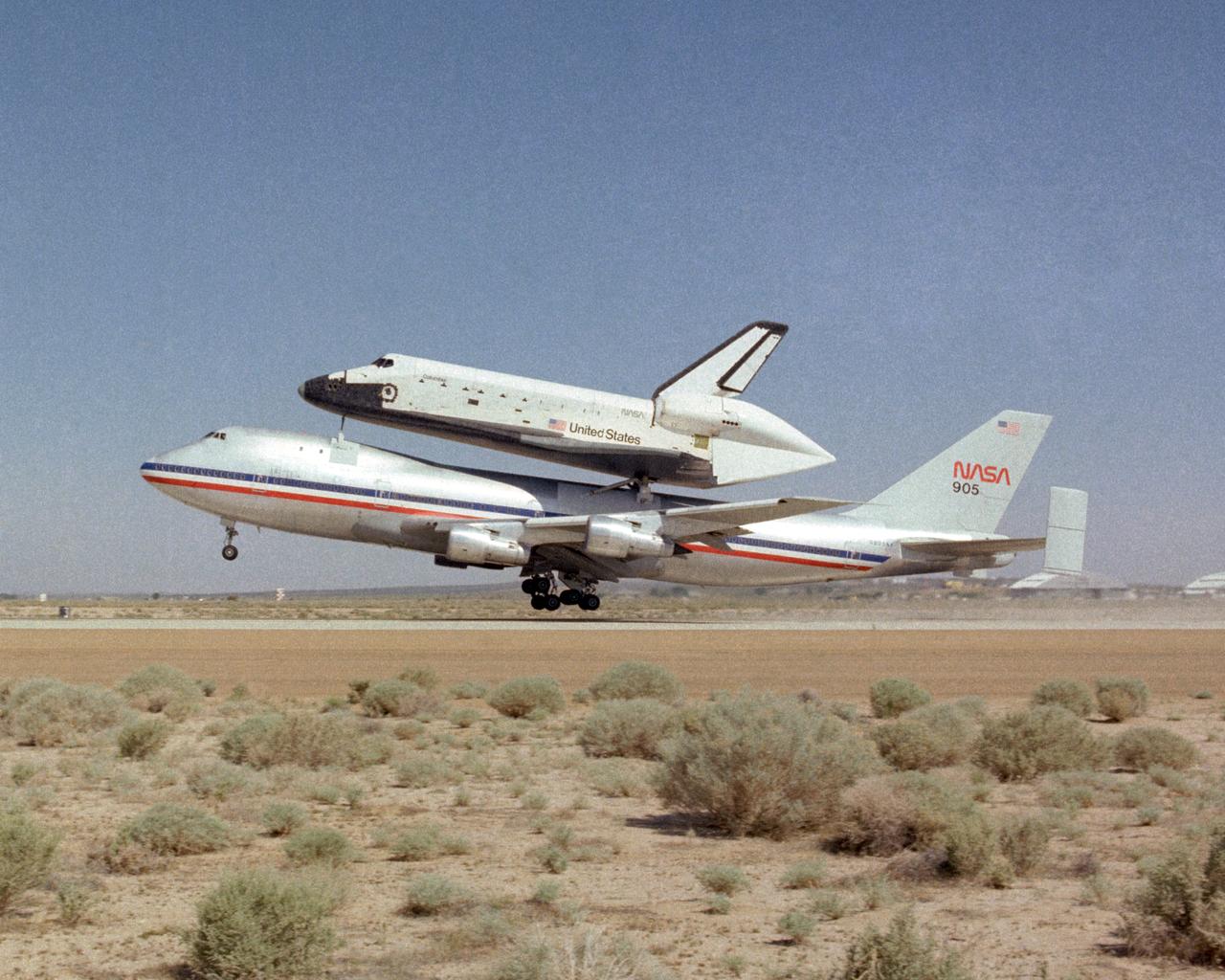
NASA's specially modified 747 with the Space Shuttle Columbia atop takes off to ferry the Shuttle back to Kennedy Space Center in Florida. Columbia had recently completed its first orbital mission with a landing at Edwards Air Force Base in California.
NASA's 747 with Columbia atop takes off to ferry the Shuttle back to KSC in Florida, after completing its first orbital mission with a landing at Edwards AFB
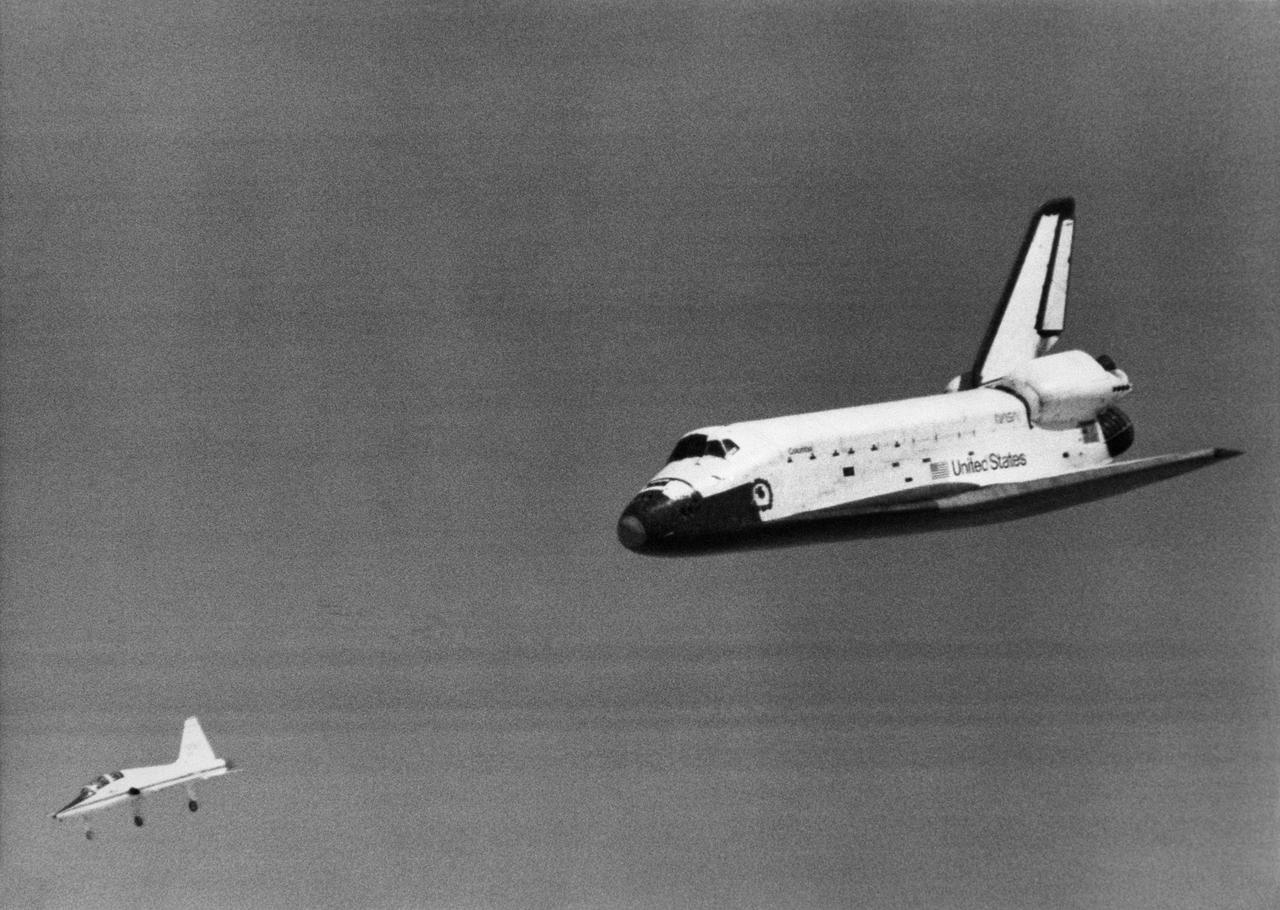
S82-33420 (4 July 1982) --- The aft wheels of the space shuttle Columbia ease down on the runway at Edwards Air Force Base (AFB) today to successfully complete a week-long spaceflight for astronauts Thomas K. Mattingly II, and Henry W. Hartsfield Jr. A T-38 aircraft serves as a chase plane (just above center of photo) in the background. Not long after this photograph was made and the crew had egressed their craft, President Ronald Reagan addressed a giant crowd on hand at Edwards AFB for a special kind of July 4 celebration. Photo credit: NASA
LANDING - STS-3 - EDWARDS AFB (EAFB), CA
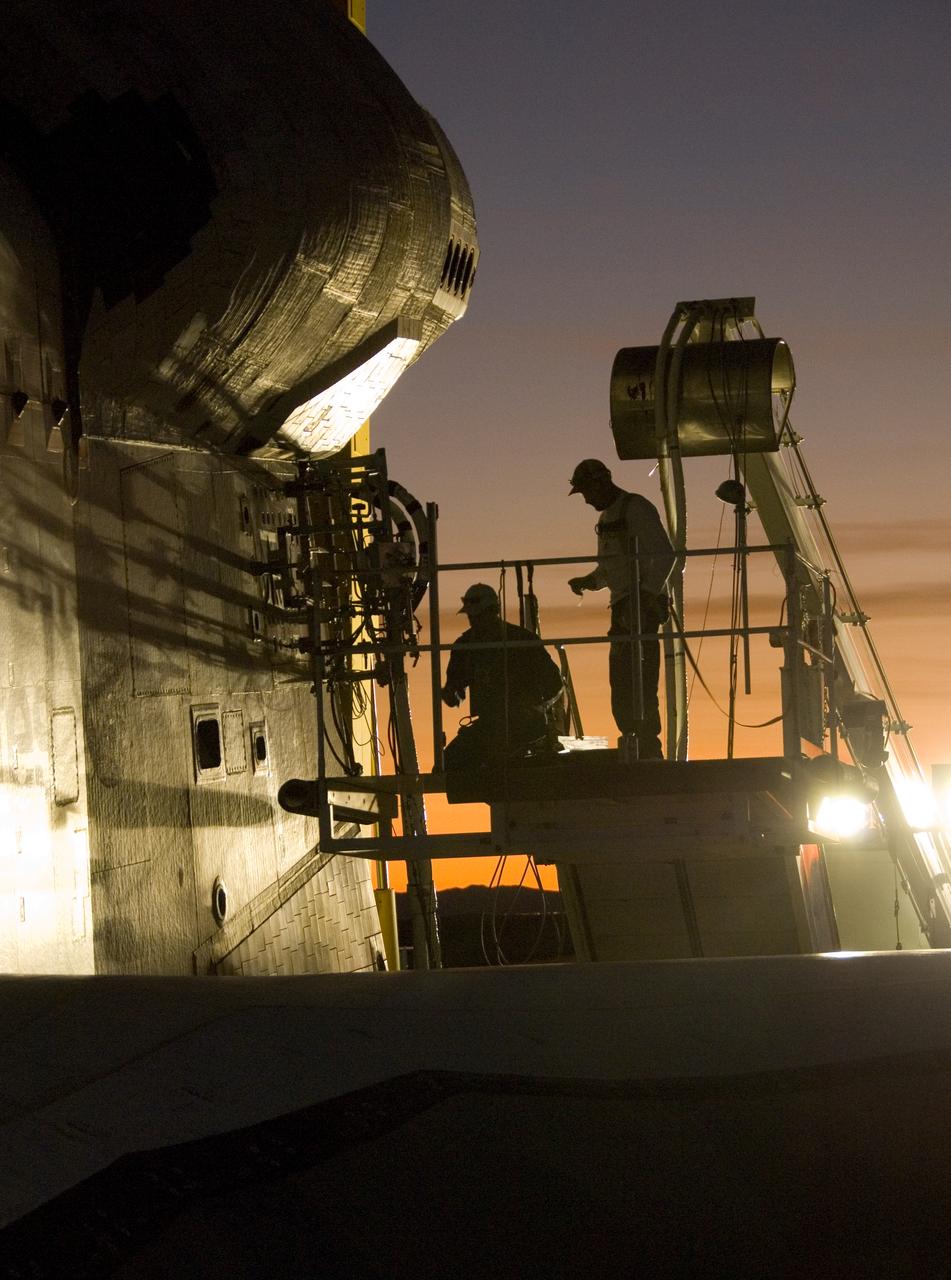
As dusk settles over Edwards Air Force Base, NASA technicians hook up various ground-support systems before shuttle Endeavour is towed off the landing runway.
As dusk settles over Edwards Air Force Base, NASA technicians hook up various ground-support systems before shuttle Endeavour is towed off the landing runway
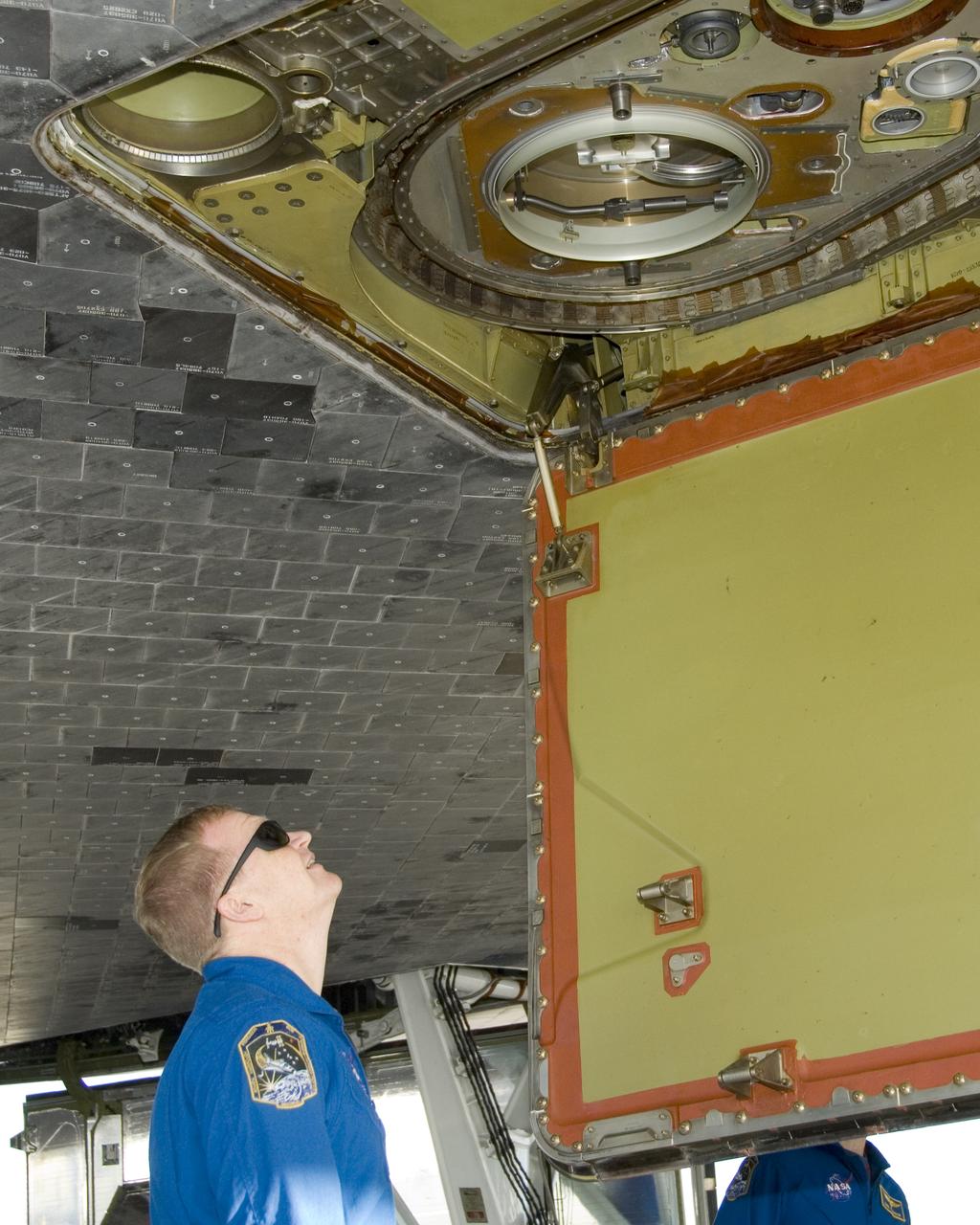
STS-126 pilot Eric Boe inspects the liquid oxygen line connection on the belly of Space Shuttle Endeavour following landing at Edwards Air Force Base Sunday.
STS-126 pilot Eric Boe inspects the liquid oxygen line connection on the belly of Space Shuttle Endeavour following landing at Edwards Air Force Base Sunday
Space Shuttle Endeavour's drag chute streams behind as it rolls down on Runway 04-L at Edwards AFB to conclude mission STS-126 on Nov. 30, 2008.
Space Shuttle Endeavour's drag chute streams behind as it rolls down on Runway 04-L at Edwards AFB to conclude mission STS-126 on Nov. 30, 2008
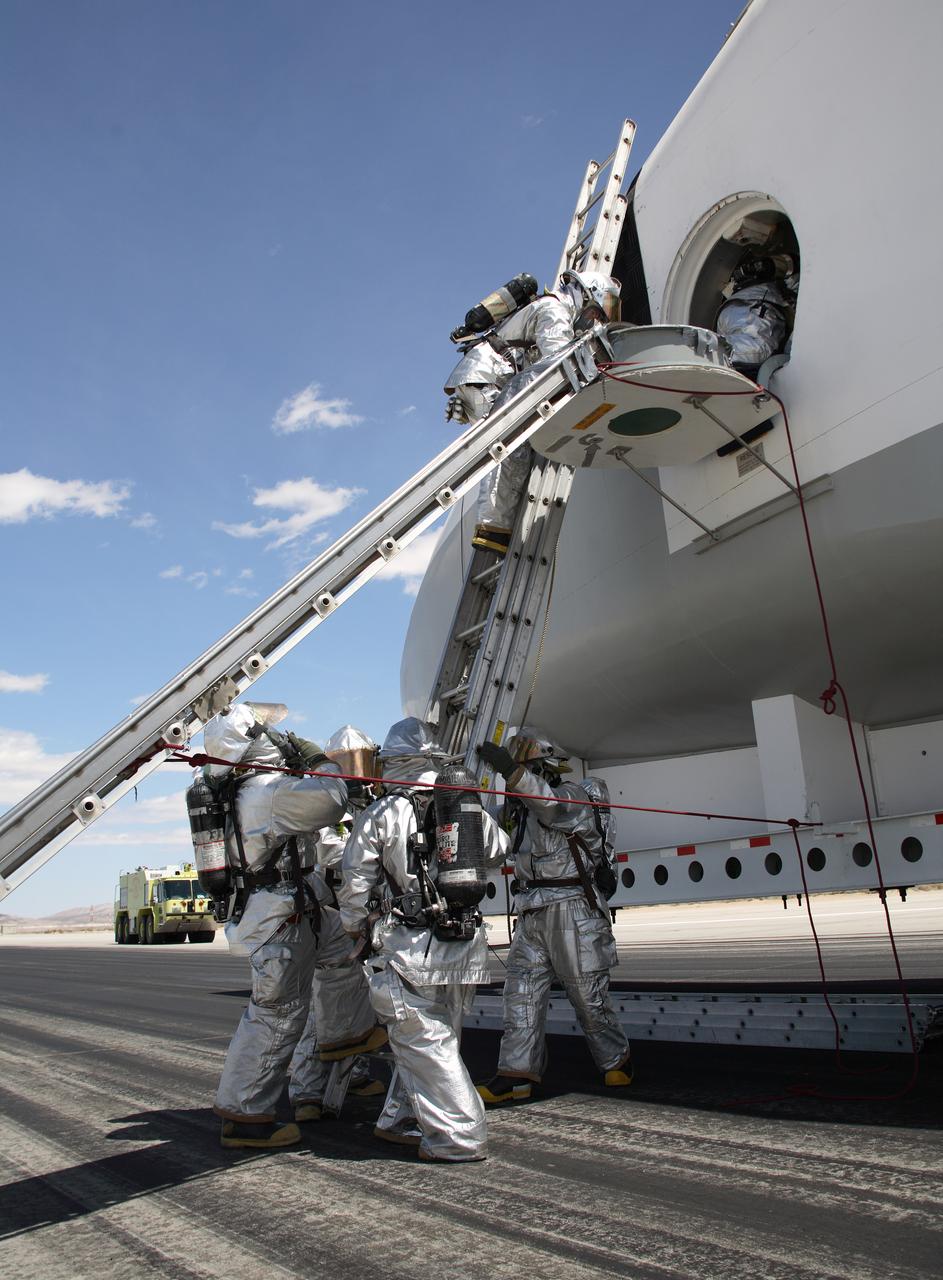
Air Force fire/rescue crew enter the space shuttle cabin mockup hatch to evacuate the shuttle crew during a shuttle rescue training exercise at Edwards AFB. (USAF photo # 070505-F-1287F-118)
Air Force fire/rescue crew enter the space shuttle cabin mockup hatch to evacuate the shuttle crew during a shuttle rescue training exercise at Edwards AFB
Space Shuttle Endeavour rolls out on runway 04-L at Edwards Air Force Base moments after touchdown, ending mission STS-126 to the International Space Station.
Space Shuttle Endeavour rolls out on runway 04-L at Edwards Air Force Base moments after touchdown, ending mission STS-126 to the International Space Station
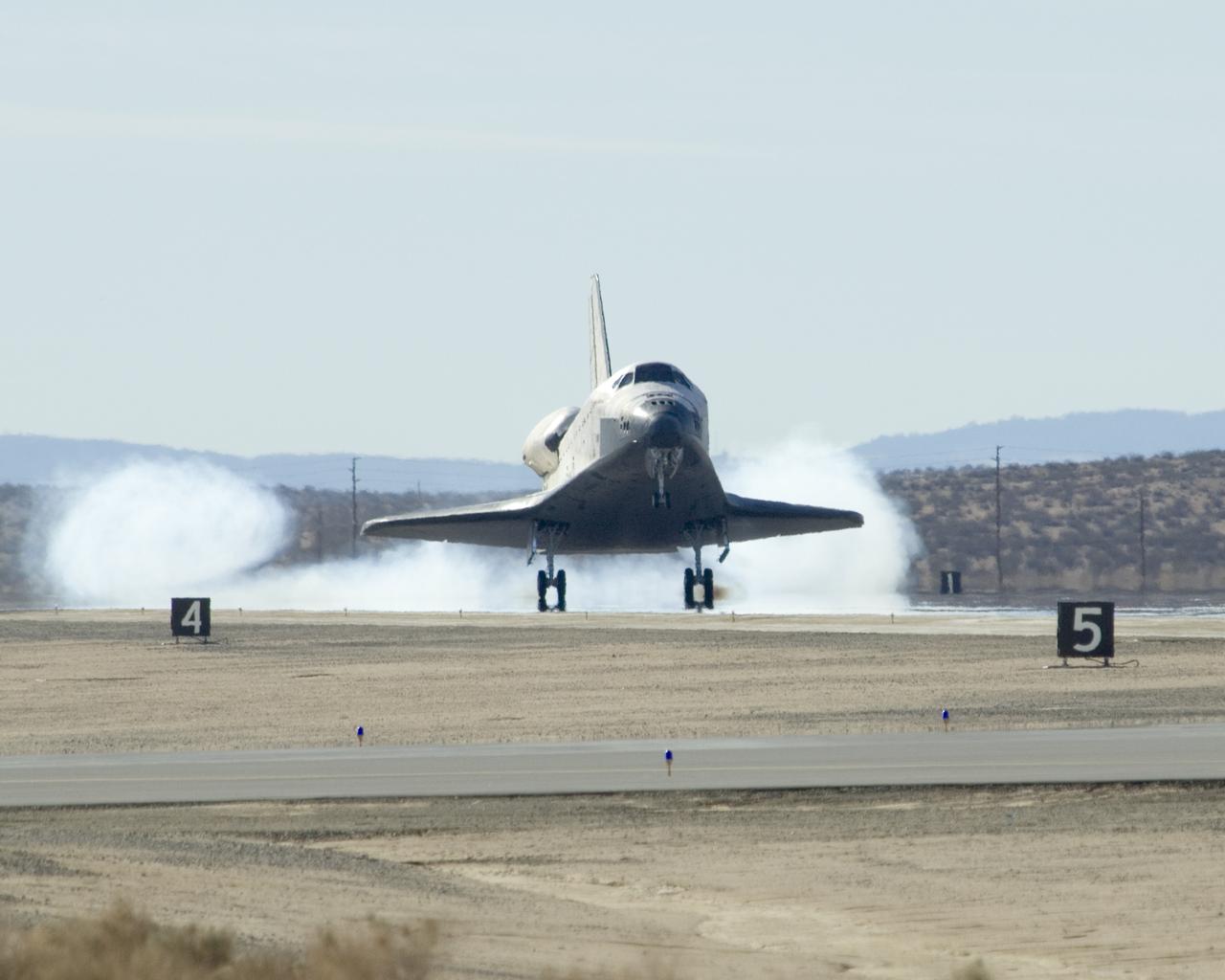
Smoke swirls as Space Shuttle Endeavour's tires strike the runway at Edwards Air Force Base Nov. 30 to conclude mission STS-126 to the International Space Station.
Space Shuttle Endeavour rolls out after landing on runway 04-L at Edwards AFB, ending mission STS-126 to the International Space Station Nov. 30, 2008
Space Shuttle Endeavour rolls out after landing on runway 04-L at Edwards Air Force Base, ending mission STS-126 to the International Space Station Nov. 30, 2008.
Space Shuttle Endeavour rolls out after landing on runway 04-L at Edwards AFB, ending mission STS-126 to the International Space Station Nov. 30, 2008
The setting sun casts long shadows over shuttle Endeavour as technicians prepare to tow the orbiter from the Edwards Air Force Base runway after landing Nov. 30.
he setting sun casts long shadows over shuttle Endeavour as technicians prepare to tow the orbiter from the Edwards AFB runway after landing Nov. 30
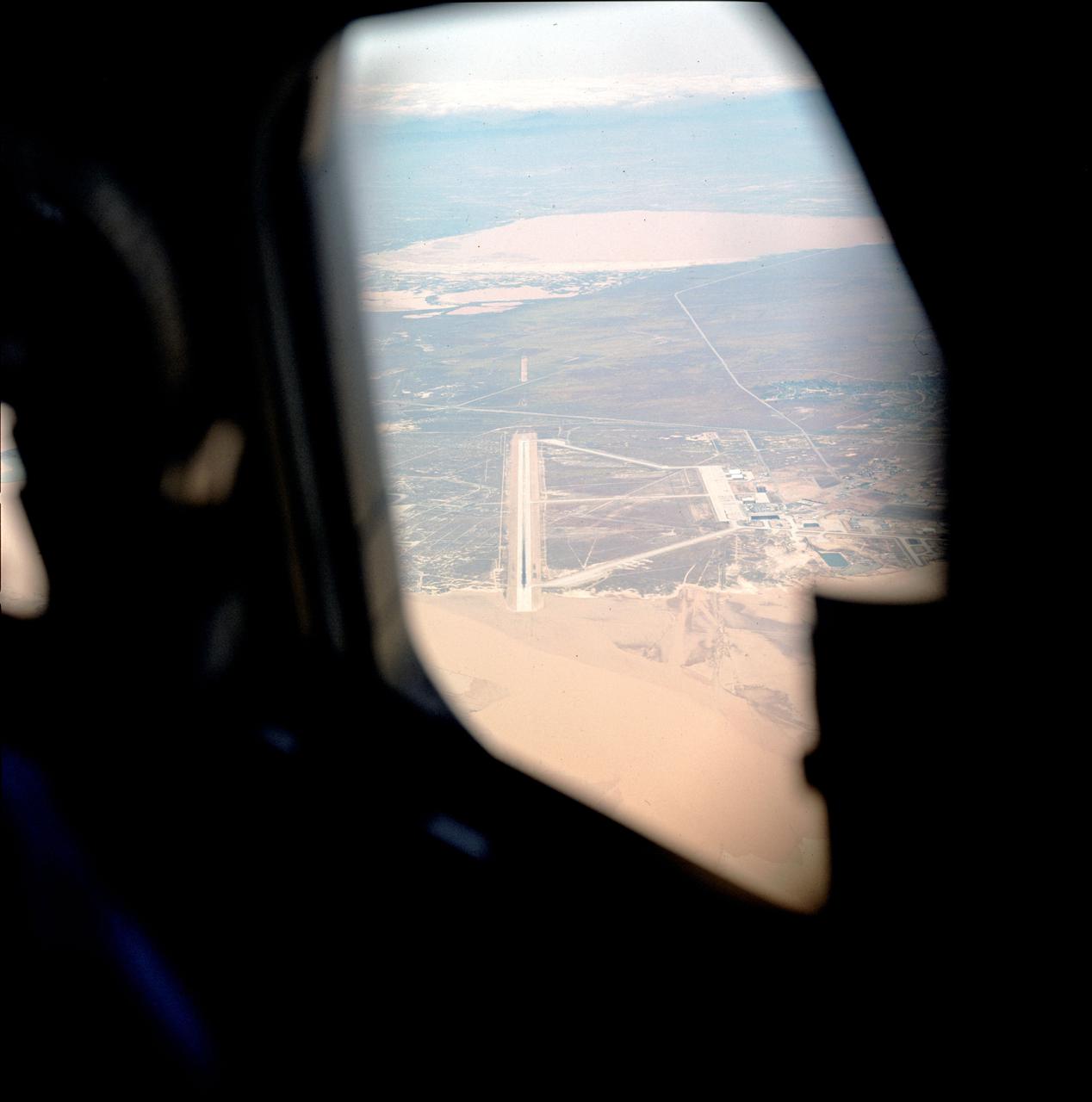
STS006-46-667 (9 April 1983) --- One of the final pictures taken aboard the space shuttle Challenger is this 35mm frame of Landing Strip 22 at Edwards Air Force Base as the reusable spacecraft was lined up for its landing only seconds later. The frame was exposed by astronaut Donald H. Peterson, STS-6 mission specialist, who was stretching behind the commander’s seat occupied by astronaut Paul J. Weitz on the flight deck. Also onboard the spacecraft for the five-day flight were astronauts Karol J. Bobko, pilot, and Dr. F. Story Musgrave, mission specialist. Photo credit: NASA
Landing, Edwards AFB, CA
The space shuttle Endeavour glides to a landing on runway 22 at Edwards, California, to complete the highly successful STS-68 mission dedicated to radar imaging of the earth's surface as part of NASA's Mission To Planet Earth program. The landing was at 10:02 a.m. (PDT) 11 October 1994, after waiving off from the Kennedy Space Center, Florida, earlier that morning due to adverse weather at Kennedy. The Endeavour crew was originally scheduled to land at Kennedy the morning of October 10, but mission planners decided early in the flight to extend the mission by one day. Mission commander was Michael A. Baker, making his third flight, and the pilot was Terrence W. Wilcutt, on his first mission.
STS-68 Landing at Edwards
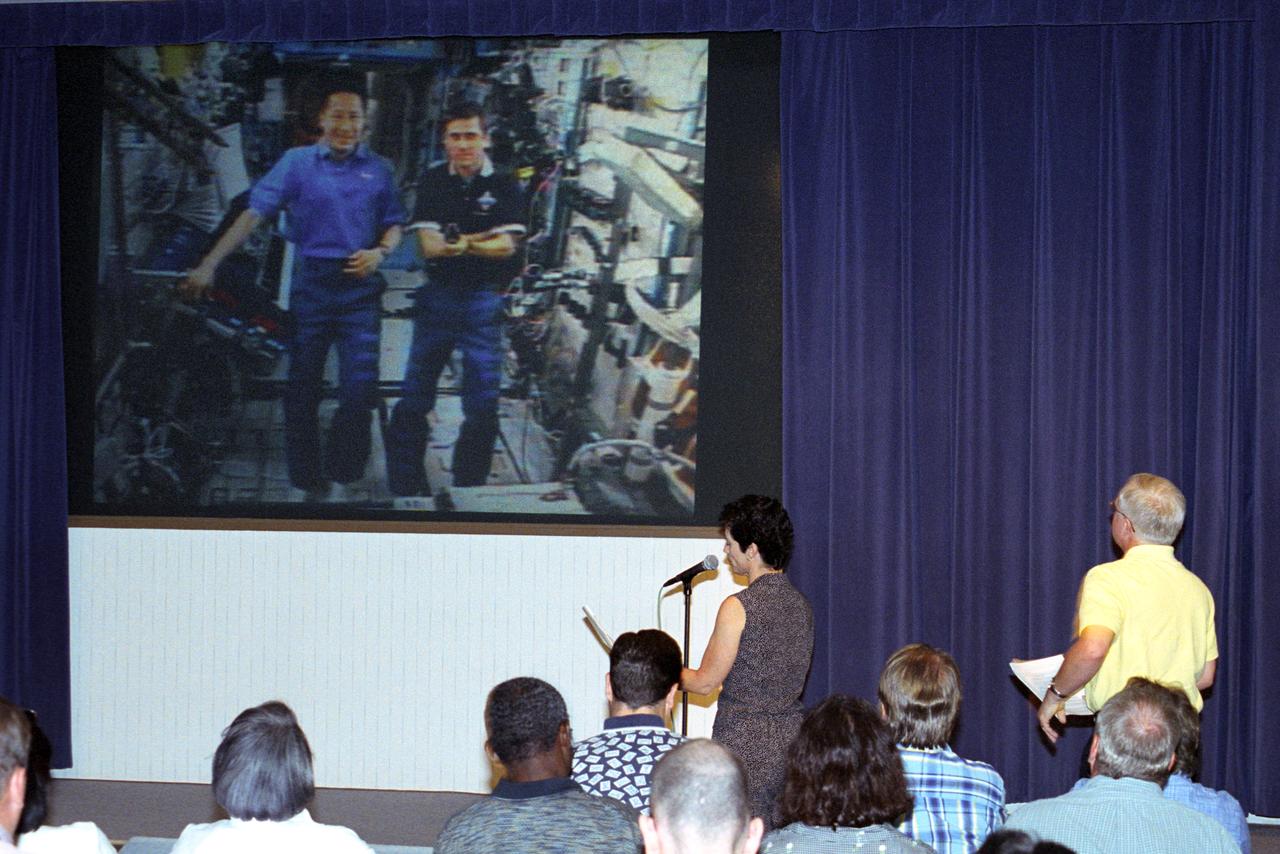
Teacher Kim Cantrell from the Edwards Air Force Base Middle School, Edwards, Calif., participating in a live uplink at NASA Dryden as part of NASA's Explorer Schools program, asks the crew of the International Space Station a question.
Teacher Kim Cantrell from the Edwards Air Force Base Middle School, Edwards, Calif., participating in a live uplink at NASA Dryden as part of NASA's Explorer Schools program, asks the crew of the International Space Station a question
The Space Shuttle Atlantis touches down at Edwards AFB on June 22, 2007, to conclude International Space Station construction and supply mission STS-117.
The Space Shuttle Atlantis touches down at Edwards AFB on June 22, 2007, to conclude International Space Station construction and supply mission STS-117
Space Shuttle Atlantis starts to deploy its braking parachute following touchdown at Edwards Air Force Base, California, on June 22, 2007.
Space Shuttle Atlantis starts to deploy its braking parachute following touchdown at Edwards Air Force Base, California, on June 22, 2007
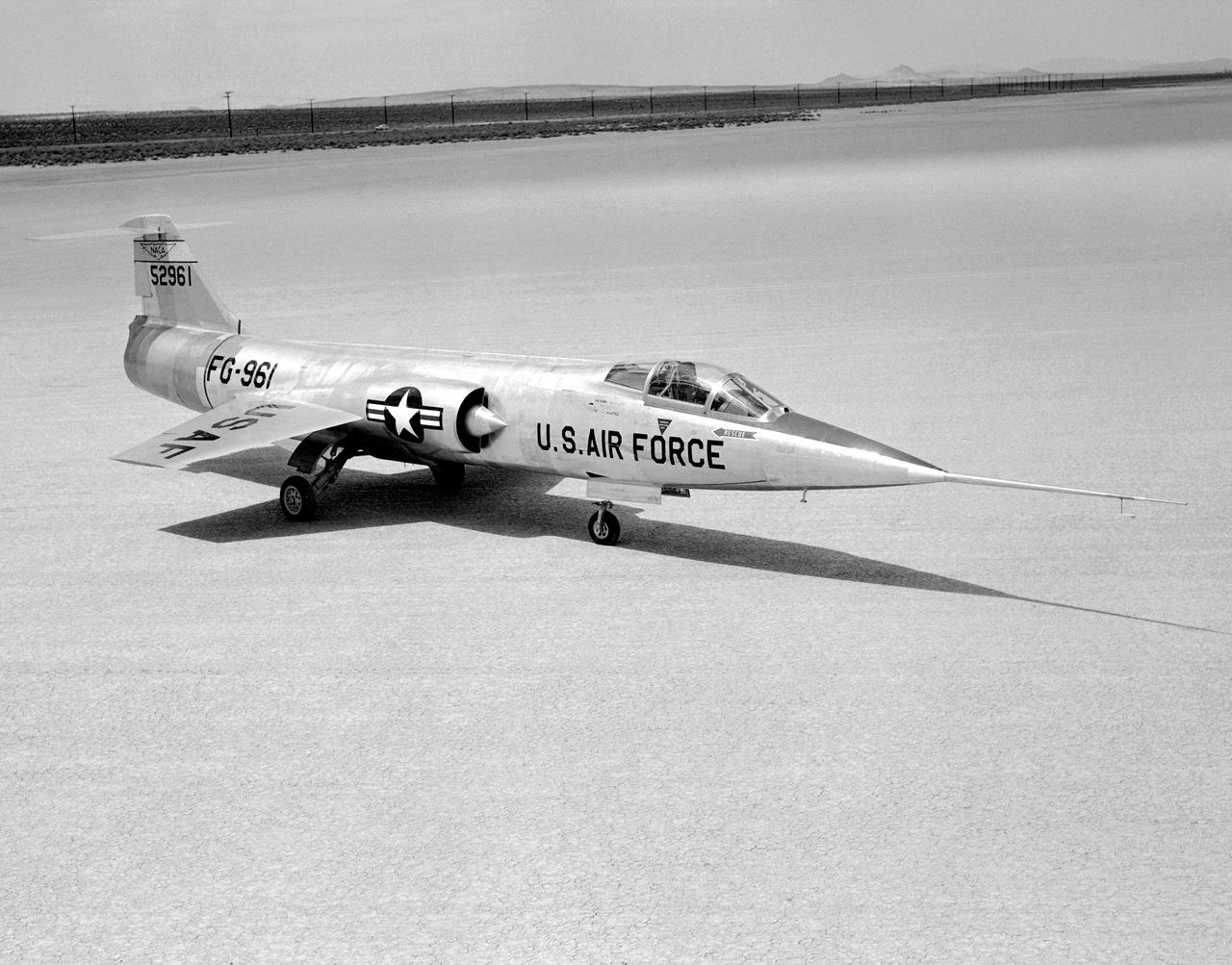
YF-104A (Serial #55-2961) on Rogers Dry Lake at Edwards AFB.
E-3016
YF-104A (Serial # 55-2961) on Rogers Dry Lake at Edwards AFB.
E-3009
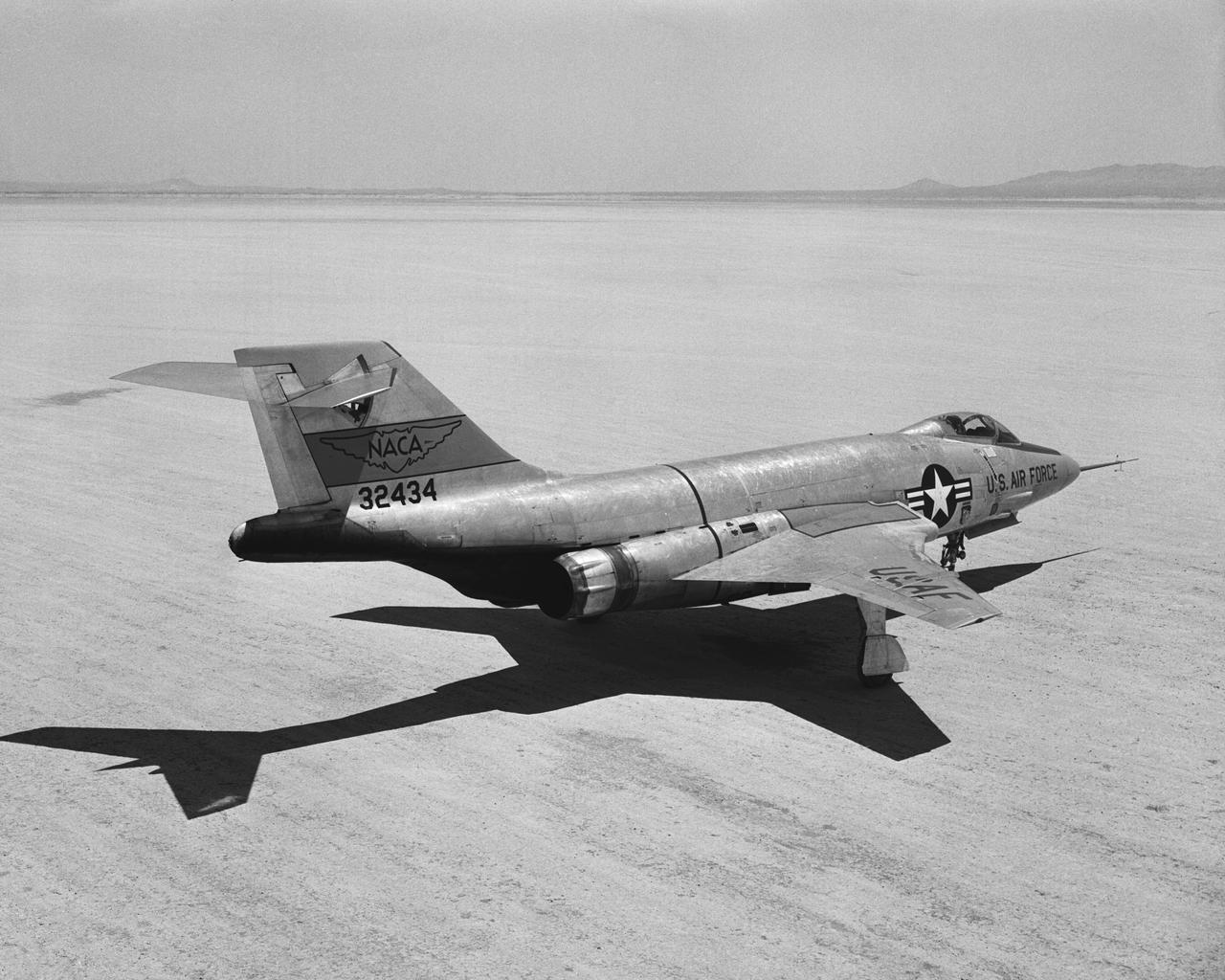
F-101A Rear quarter view on Edwards Lakebed. Aug. 10, 1956
E56-02452
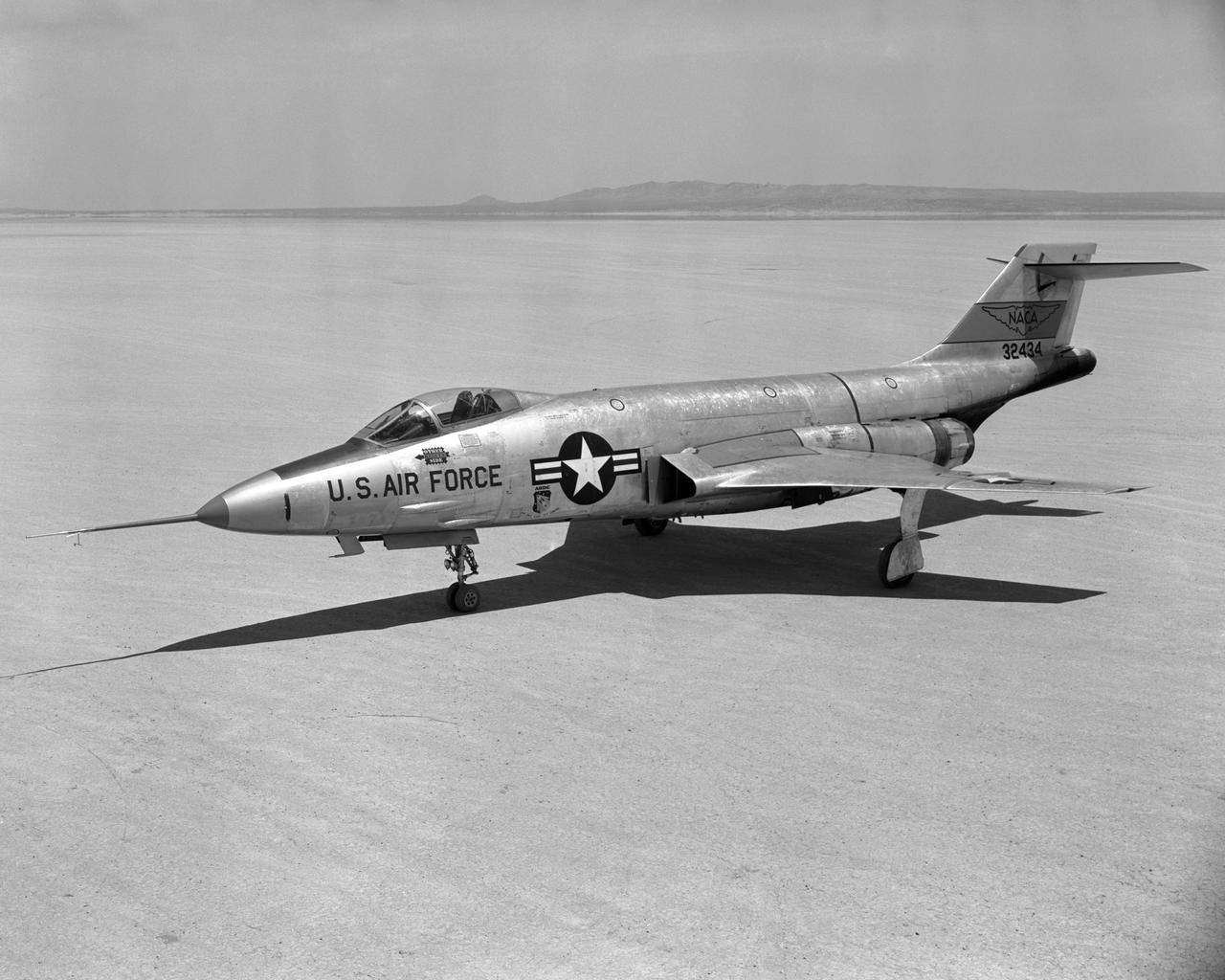
F-101A Front quarter view on Edwards Lakebed Aug. 10, 1956
E56-02456
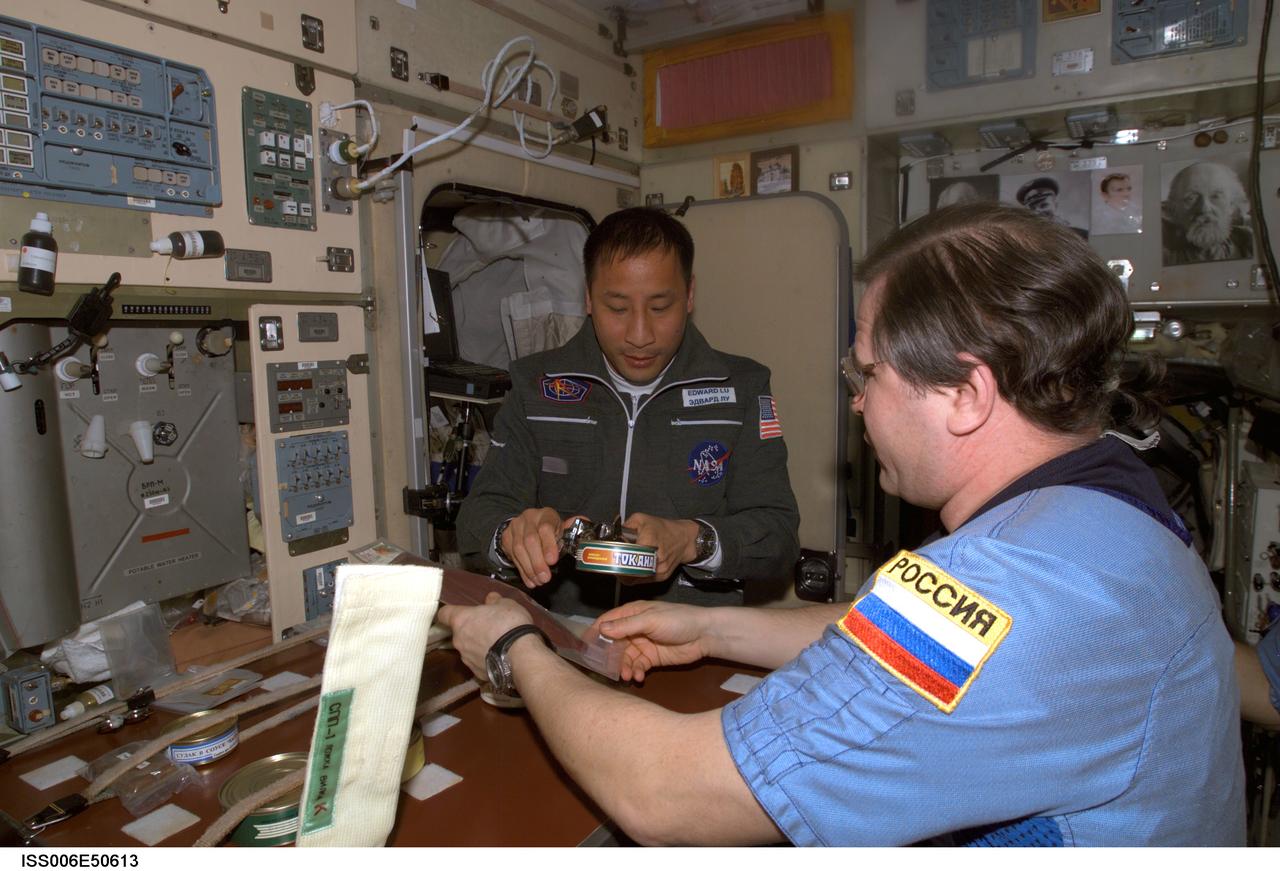
ISS006-E-50613 (28 April 2003) --- Cosmonaut Nikolai M. Budarin (foreground), Expedition Six flight engineer, and astronaut Edward T. Lu, Expedition Seven NASA ISS science officer and flight engineer, share a meal in the Zvezda Service Module on the International Space Station (ISS). Budarin represents Rosaviakosmos.
Nikolai Budarin and Edward Lu share a meal in the SM
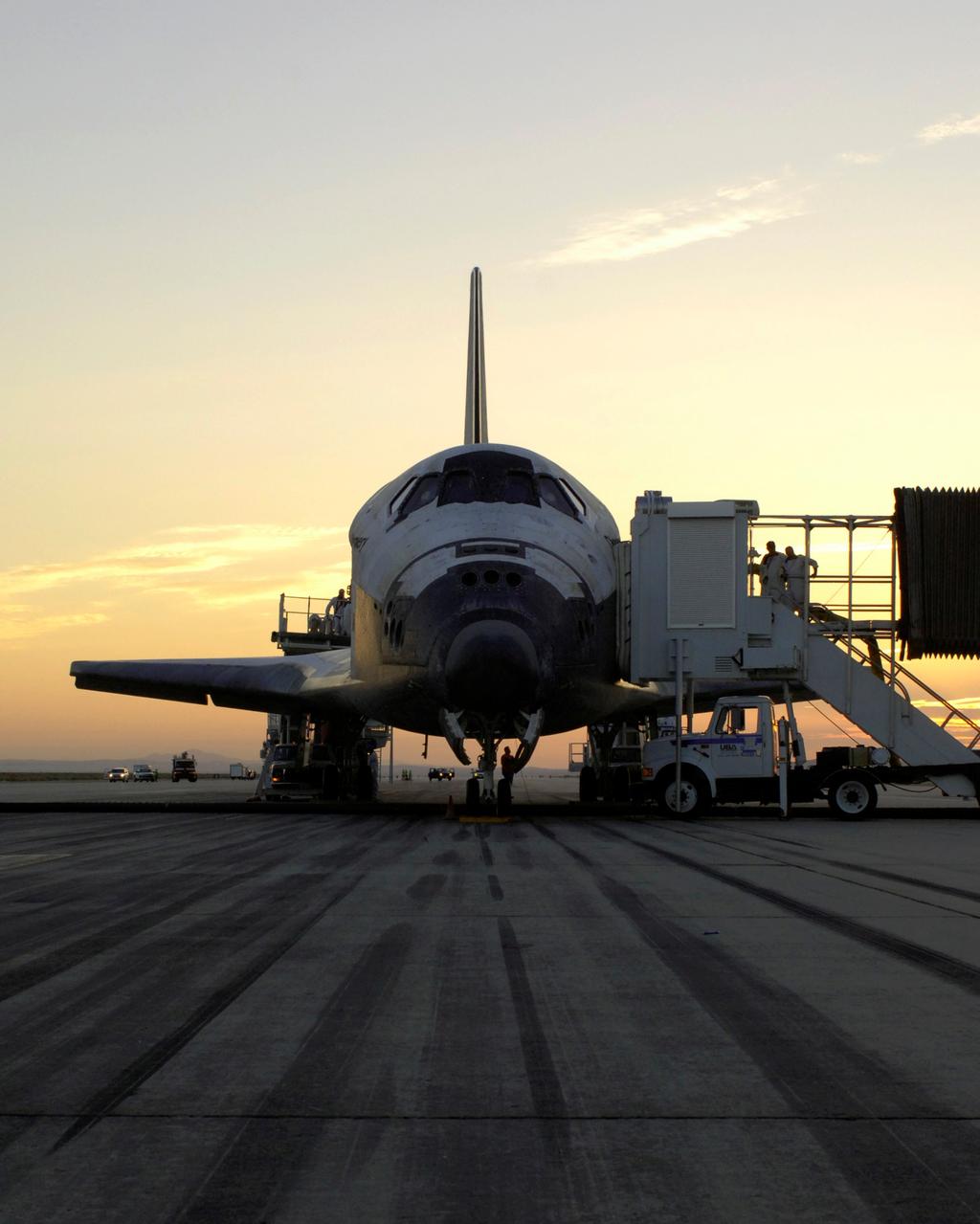
STS114-S-049 (9 August 2005) --- The sun rises on the Space Shuttle Discovery as it rests on the runway at Edwards Air Force Base in California, after a safe landing at 5:11 a.m. (PDT) on August 9, 2005.  The landing concludes a historic 14-day, Return to Flight mission to the International Space Station.
STS-114 landing at Edwards Air Force Base
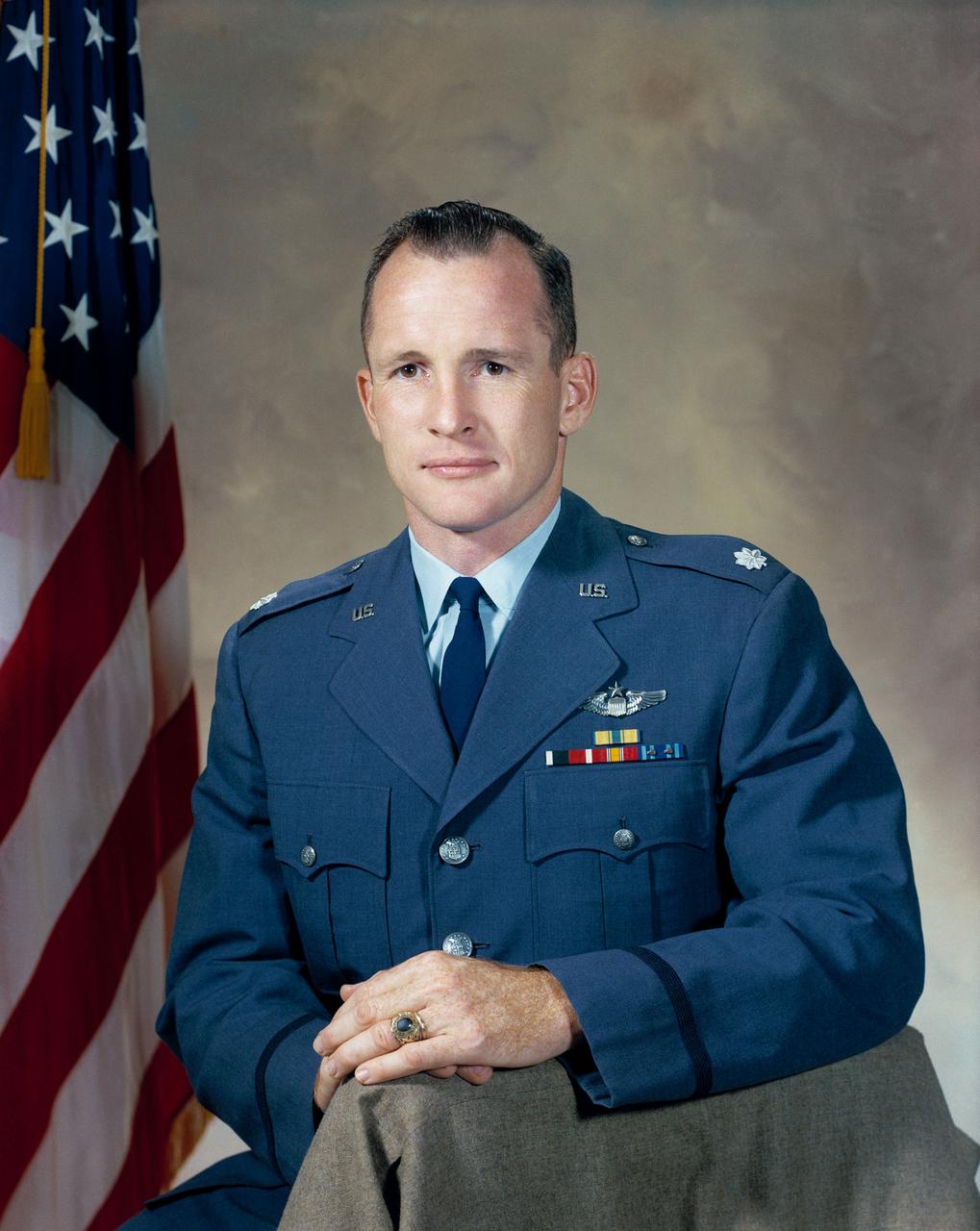
S66-35219 (1966) --- Astronaut Edward H. White II (United States Air Force Lieutenant Colonel), Gemini 4 pilot.     Editor's Note: Since this portrait was taken astronaut White lost his life on Jan. 27, 1967, in the Apollo 1/Saturn 204 fire at Cape Kennedy, KSC, Florida.
PORTRAIT - ASTRONAUT WHITE, EDWARD H. - MSC
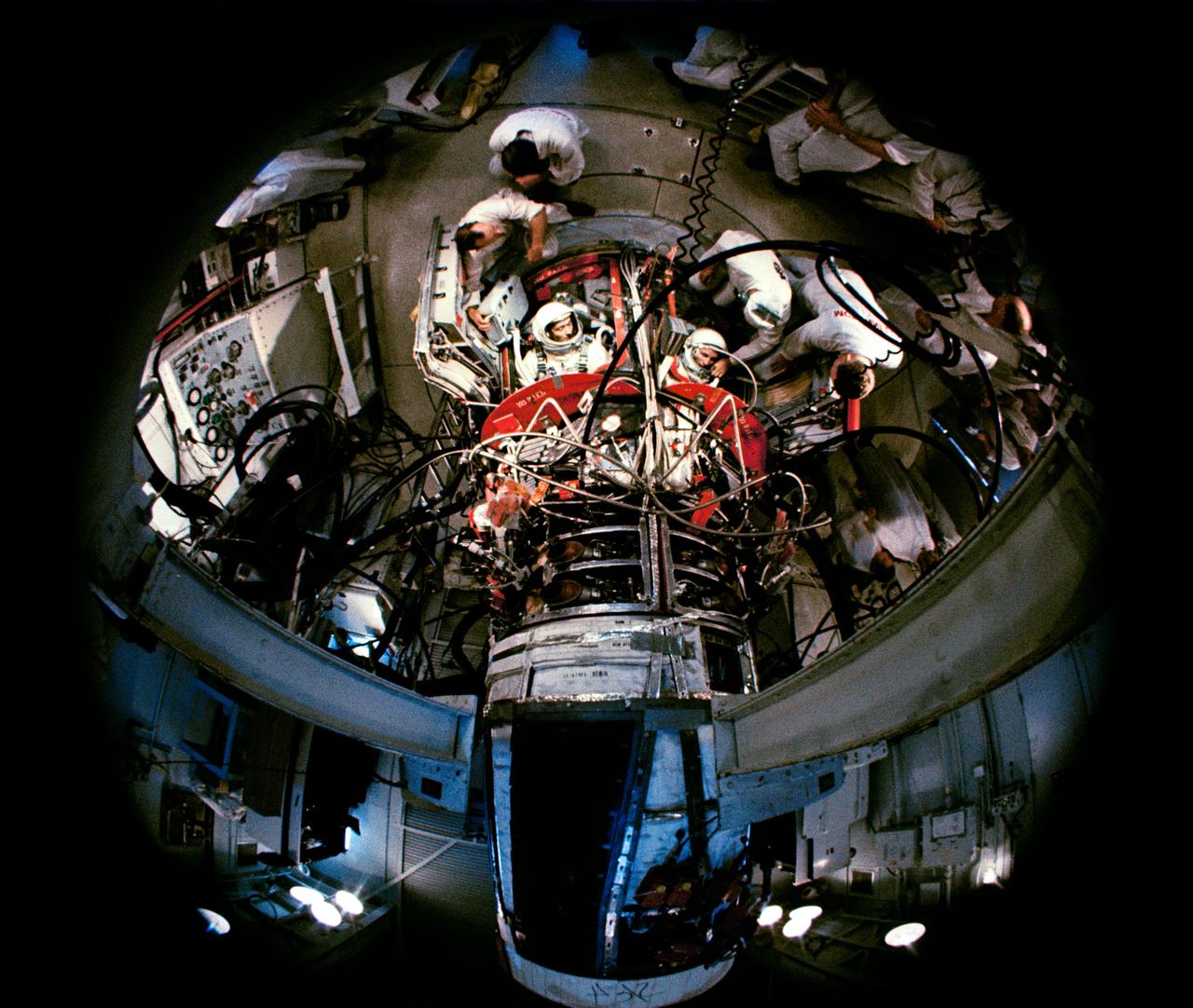
S65-29650 (3 June 1965) --- Fisheye view of astronauts James A. McDivitt and Edward H. White II inside the Gemini-4 spacecraft during simulated exercises at pad 19, Cape Kennedy, Florida. NASA Headquarters alternative photo number is 65-H-274.
SIMULATION - ASTRONAUT EDWARD H. WHITE II - MISC.
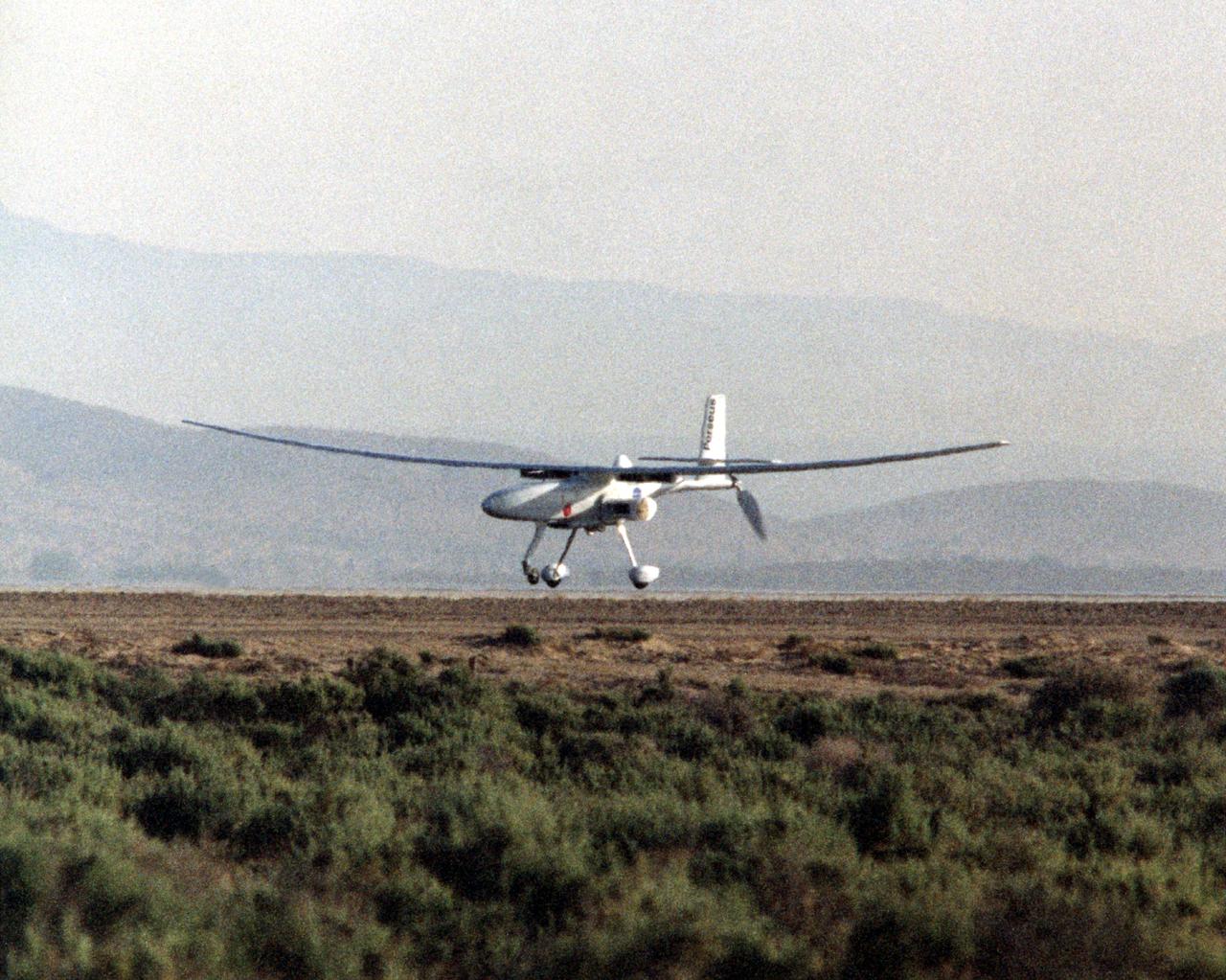
The Perseus B remotely piloted aircraft nears touchdown at Edwards Air Force Base, Calif. at the conclusion of a development flight at NASA's Dryden Flight Research Center. The Perseus B is the latest of three versions of the Perseus design developed by Aurora Flight Sciences under NASA's Environmental Research Aircraft and Sensor Technology (ERAST) program.
Perseus B Heads for Landing on Edwards AFB Runway
The F-18 simulator at NASA's Dryden Flight Research Center, Edwards, California. Simulators offer a safe and economical alternative to actual flights to gather data, as well as being excellent facilities for pilot practice and training. The F-18 Hornet is used primarily as a safety chase and mission support aircraft at NASA's Dryden Flight Research Center, Edwards, California. As support aircraft, the F-18's are used for safety chase, pilot proficiency, aerial photography and other mission support functions.
The F-18 simulator at NASA's Dryden Flight Research Center, Edwards, California
Moments after sunrise, the modified Boeing 747 carrier aircraft carrying the Space Shuttle Endeavour lifts off from Edwards Air Force Base on the first leg of its ferry flight back to the Kennedy Space Center on Dec. 10, 2008.
Moments after sunrise, the modified 747 carrier aircraft carrying the Endeavour lifts off from Edwards AFB on the first leg of its ferry flight back to KSC
NASA officials were joined by Louisiana Gov. John Bel Edwards and New Orleans Mayor Mitch Landrieu, who toured the Michoud Assembly Facility in New Orleans and got a first-hand look at NASA’s new deep space vehicles being built at the facility.
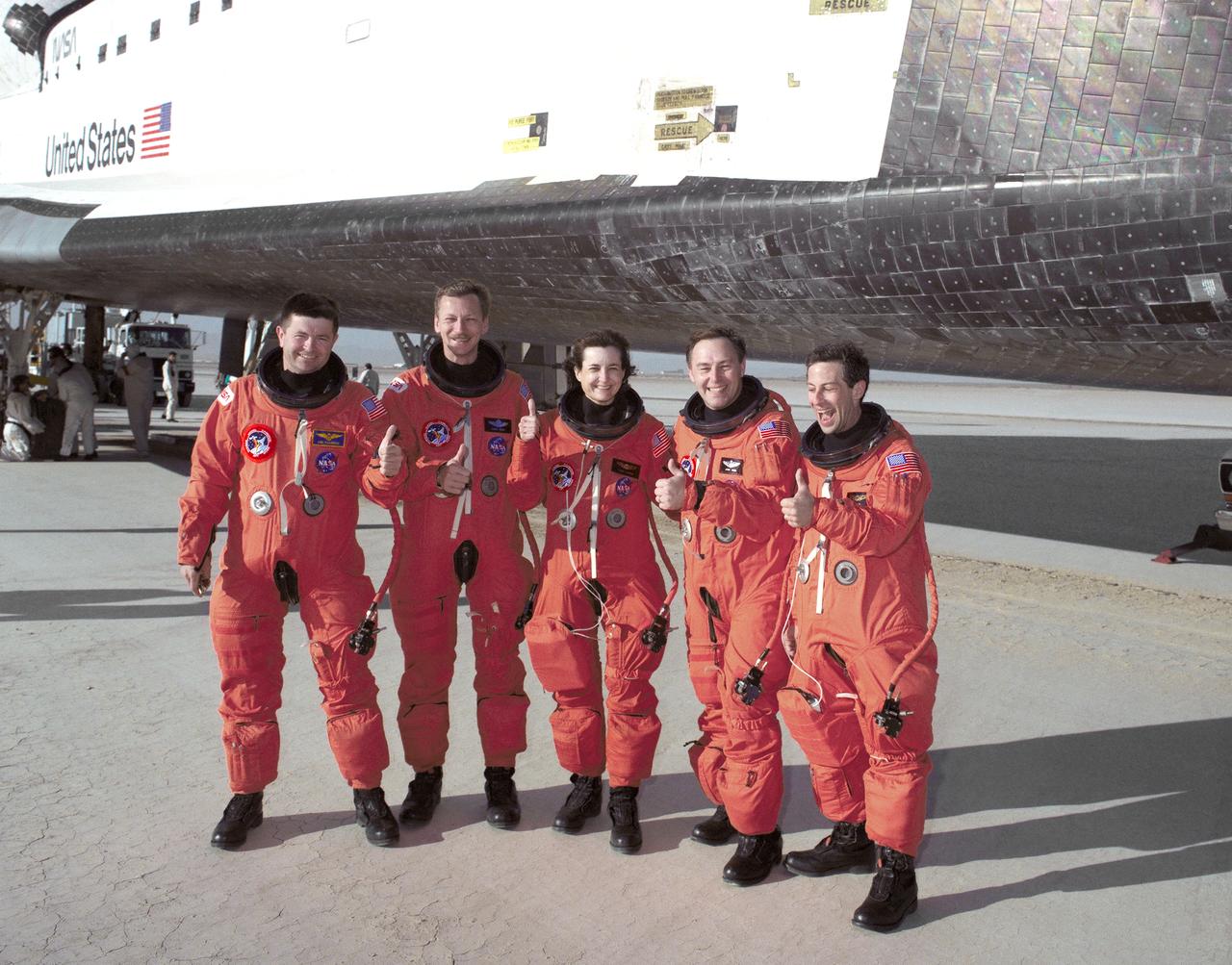
The crew of the Space Shuttle Atlantis gives the "all's well" thumb's-up sign after leaving the 100-ton orbiter following their landing at 6:55 a.m. (PDT), 11 April 1991, at NASA's Ames Dryden Flight Research Facility (later redesignated Dryden Flight Research Center), Edwards, California, to conclude mission STS-37. They are, from left, Kenneth D. Cameron, pilot; Steven R. Nagel, mission commander; and mission specialists Linda M. Godwin, Jerry L. Ross, and Jay Apt. During the mission,which began with launch April 5 at Kennedy Space Center, Florida, the crew deployed the Gamma Ray Observatory. Ross and Jay also carried out two spacewalks, one to deploy an antenna on the Gamma Ray Observatory and the other to test equipment and mobility techniques for the construction of the future Space Station. The planned five-day mission was extended one day because of high winds at Edwards.
STS-37 Shuttle Crew after Edwards landing
A drag chute slows the space shuttle Columbia as it rolls to a perfect landing concluding NASA's longest mission at that time, STS-58, at the Ames-Dryden Flight Research Facility (later redesignated the Dryden Flight Research Center), Edwards, California, with a 8:06 a.m. (PST) touchdown 1 November 1993 on Edward's concrete runway 22. The planned 14 day mission, which began with a launch from Kennedy Space Center, Florida, at 7:53 a.m. (PDT), October 18, was the second spacelab flight dedicated to life sciences research. Seven Columbia crewmembers performed a series of experiments to gain more knowledge on how the human body adapts to the weightless environment of space. Crewmembers on this flight included: John Blaha, commander; Rick Searfoss, pilot; payload commander Rhea Seddon; mission specialists Bill MacArthur, David Wolf, and Shannon Lucid; and payload specialist Martin Fettman.
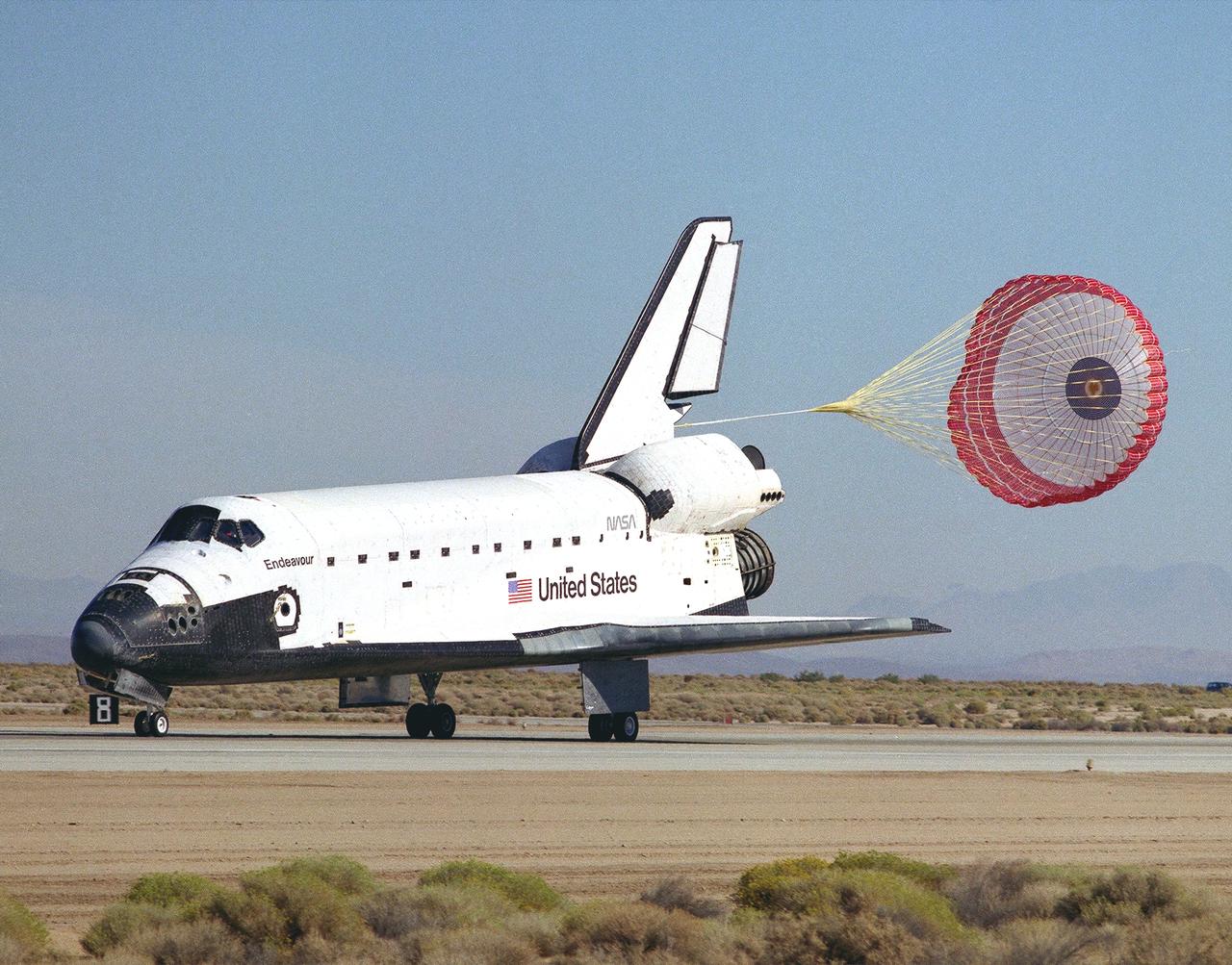
STS-58 Landing at Edwards with Drag Chute
NASA’s Pilatus PC-12, based out of NASA’s Glenn Research Center in Cleveland, is seen flying over NASA’s Armstrong Flight Research Center in Edwards, California. On Sept. 18, 2024, NASA pilots and crew from both centers flew the PC-12 over the Mojave Desert in a series of familiarization flights. Familiarization flights involve egress training, preflight walkaround, interior preflight, engine start, taxi, and takeoff.  
NASA Pilatus PC-12 soars over NASA’s Armstrong Flight Research Center in Edwards, California on Sept. 18, 2024.
A drag chute slows the shuttle Endeavour after landing on runway 22 at Edwards, California, to complete the highly successful STS-68 mission dedicated to radar imaging of the earth's surface as part of NASA's Mission To Planet Earth program. The landing was at 10:02 a.m. (PDT) 11 October 1994, after waiving off from the Kennedy Space Center, Florida, earlier that morning due to adverse weather at Kennedy. The Endeavour crew was originally scheduled to land at Kennedy the morning of 10 October, but mission planners decided early in the flight to extend the mission by one day. Mission commander was Michael A. Baker and the pilot was Terrence W. Wilcutt. The four mission specialists were Thomas D. Jones, payload; Steven L. Smith; Daniel W. Bursch; and Peter J.K. Wisoff.
STS-68 Landing at Edwards
NASA's Space Shuttle Atlantis touched down on the lakebed runway at Edwards Air Force Base in California's Mojave Desert Tuesday, 3 December 1985 at 1:33:49 p.m. Pacific Standard Time, concluding the STS 61-B international mission. The eight-day mission successfully deployed three communications satellites including the Mexican Morelos B, the Australian Aussat 2 and an RCA Satcom K-2 satellite. In addition, two spacewalks were performed to experiment with construction of structures in space. Crew of the 61-B mission included Commander Brewster H. Shaw, Jr.; Pilot Bryan D. O'Connor; Mission Specialists Mary L. Cleave, Sherwood C. Spring and Jerry L. Ross; and Payload Specialists Rudolfo Neri Vela of Mexico and Charles Walker of McDonnell Douglas Astronautics Co.
Shuttle Atlantis Landing at Edwards
The STS-29 Space Shuttle Discovery mission lands at NASA's then Ames-Dryden Flight Research Facility, Edwards AFB, California, early Saturday morning, 18 March 1989. Touchdown was at 6:35:49 a.m. PST and wheel stop was at 6:36:40 a.m. on runway 22. Controllers chose the concrete runway for the landing in order to make tests of braking and nosewheel steering. The STS-29 mission was very successful, completing the launch of a Tracking and Data Relay communications satellite, as well as a range of scientific experiments. Discovery's five-man crew was led by Commander Michael L. Coats, and included pilot John E. Blaha and mission specialists James P. Bagian, Robert C. Springer, and James F. Buchli.
Shuttle Discovery Landing at Edwards
Space Shuttle Columbia nears its touchdown on Runway 22 at Edwards, California, at 8:39 a.m., 14 June 1991, as the STS-40 life sciences mission comes to an end at NASA's Ames-Dryden Flight Research Facility (later redesignated Dryden Flight Research Center) after nine days of orbital flight. Aboard Columbia during the extended mission were Bryan D. O'Connor, mission commander; Sidney M. Gutierrez, pilot; mission specialists James P. Bagian, Tamara E. Jernigan, and Margaret Rhea Seddon; and payload specialists Francis Andrew Gaffney and Millie Hughes-Fulford. STS-40 was the first space shuttle mission dedicated to life sciences research to explore how the body reacts to a weightless environment and how it readjusts to gravity on return to earth. Columbia was launched on the STS-40 mission 5 June 1991, from Kennedy Space Center in Florida.
STS-40 Landing at Edwards
STS-126 commander Chris Ferguson and pilot Eric Boe examine shuttle Endeavour's thermal protection system following the STS-126 landing at Edwards AFB Nov. 30.
STS-126 commander Chris Ferguson and pilot Eric Boe examine shuttle Endeavour's thermal protection system following the STS-126 landing at Edwards AFB Nov. 30
The Space Shuttle Columbia on Rogers Dry lakebed at Edwards AFB after landing to complete its first orbital mission on April 14, 1981. Technicians towed the Shuttle back to the NASA Dryden Flight Research Center for post-flight processing and preparation for a return ferry flight atop a modified 747 to Kennedy Space Center in Florida. (JSC photo # S81-30749)
The Space Shuttle Columbia on Rogers Dry lakebed at Edwards AFB after landing to complete its first orbital mission on April 14, 1981
The Space Shuttle Columbia on Rogers Dry lakebed at Edwards AFB after landing to complete its first orbital mission on April 14, 1981. Technicians towed the Shuttle back to the NASA Dryden Flight Research Center for post-flight processing and preparation for a return ferry flight atop a modified 747 to Kennedy Space Center in Florida. (JSC photo # S81-31163)
The Space Shuttle Columbia on Rogers Dry lakebed at Edwards AFB after landing to complete its first orbital mission on April 14, 1981
With a NASA F/A-18 providing a backdrop, STS-126 commander Chris Ferguson thanked NASA Dryden Flight Research Center employees for their support of Space Shuttle Endeavour's landing at Edwards Air Force Base Nov. 30, 2008. Flanking Ferguson were STS-126 crewmembers (from left) Heidimarie Stefanyshyn-Piper, Eric Boe, Stephen Bowen, Robert Kimbrough and Donald Pettit.
With a NASA F/A-18 providing a backdrop, STS-126 commander Chris Ferguson thanked NASA DFRC employees for their support of Endeavour's landing at Edwards AFB
The Space Shuttle Columbia on Rogers Dry lakebed at Edwards AFB after landing to complete its first orbital mission on April 14, 1981. Technicians towed the Shuttle back to the NASA Dryden Flight Research Center for post-flight processing and preparation for a return ferry flight atop a modified 747 to Kennedy Space Center in Florida.
The Space Shuttle Columbia on Rogers Dry lakebed at Edwards AFB after landing to complete its first orbital mission on April 14, 1981