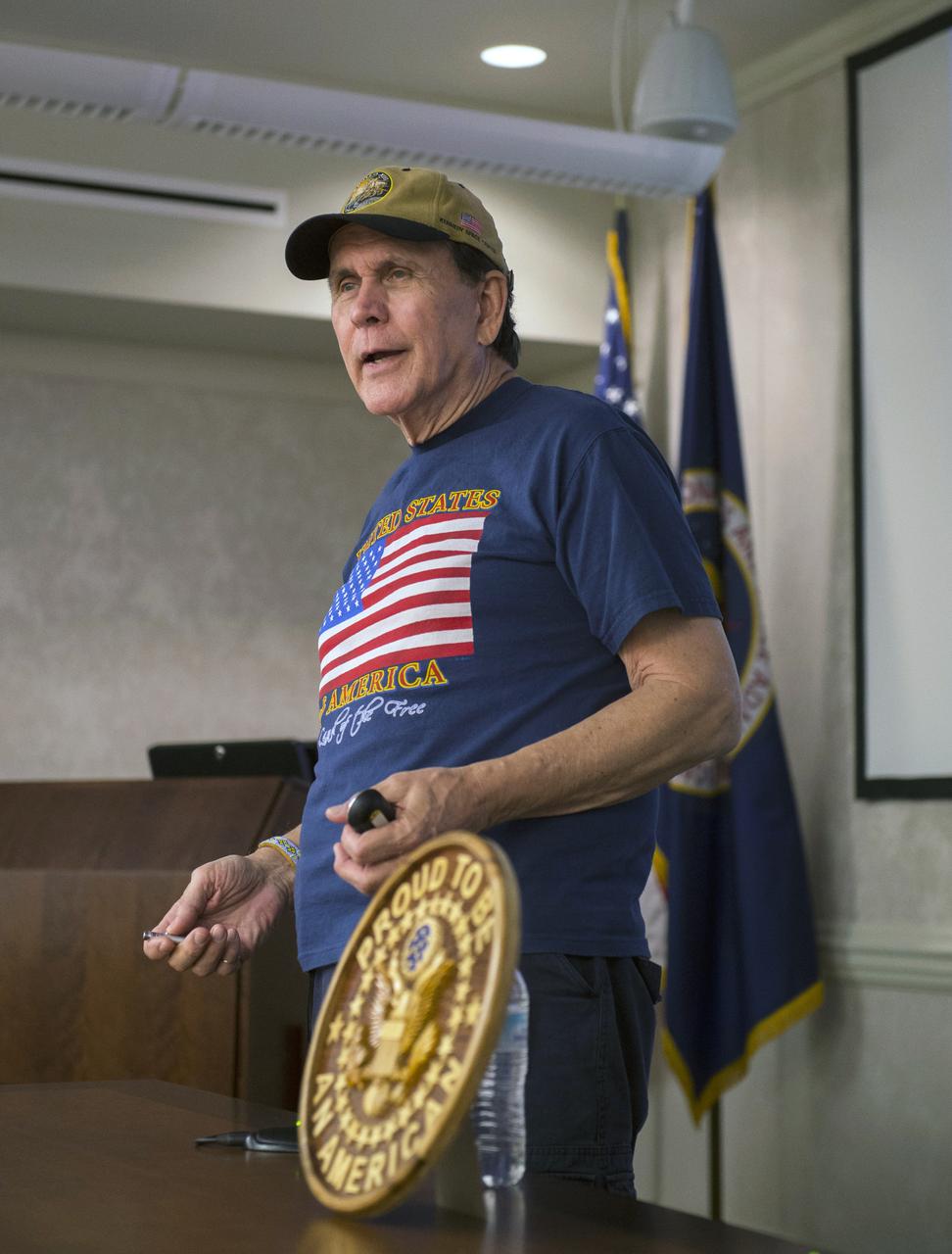
Jerry Elliott, a former NASA physicist and one of the first native americans hired at NASA's Johnson Space Center, speaks during Native American Heritage Month event at NASA's Marshall Space Flight Center.

Pickerington High School student Jordan Elliott, left, and Dayton Regional STEM student Cheyenne Benson participate in the NASA Future Forum Inspiration and Education Panel at The Ohio State University on Monday, Feb. 20, 2012, in Columbus, Ohio. The NASA Future Forum features panel discussions on the importance of education to our nation's future in space, the benefit of commercialized space technology to our economy and lives here on Earth, and the shifting roles for the public, commercial and international communities in space. Photo Credit: (NASA/Bill Ingalls)
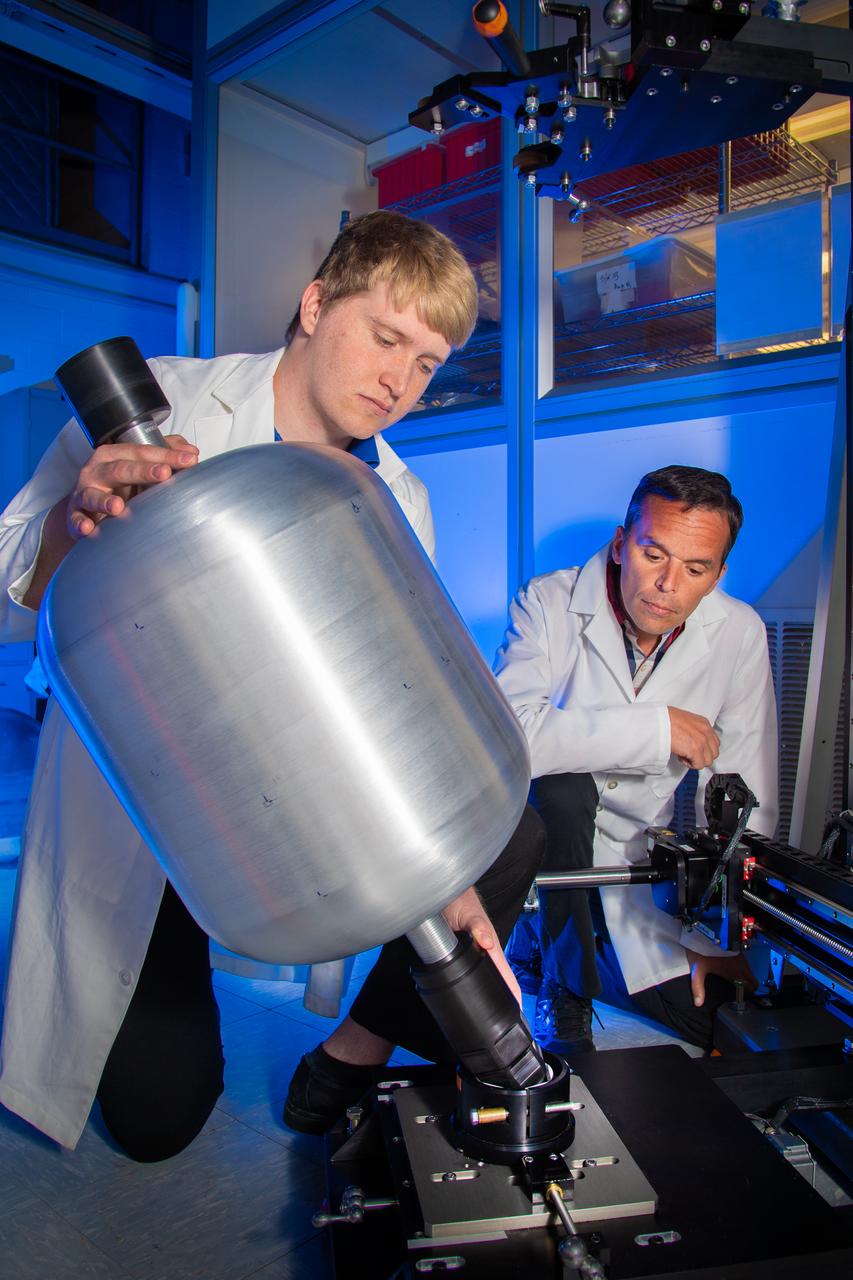
Engineers Ayrton Jordan (left) and Anthony Milana (right) at the NASA White Sands Test Facility (WSTF) in Las Cruces, N.M. install a metallic liner into the multipurpose pressure vessel scanner that could one day become part of a composite overwrapped pressure vessel. A slotted ball joint at the base of the rotary stage allows the tank to pivot resulting in helical scans that are more reliable when measuring interior and exterior 3D surface profiles. Photo Credit: (NASA/Reed P. Elliott)
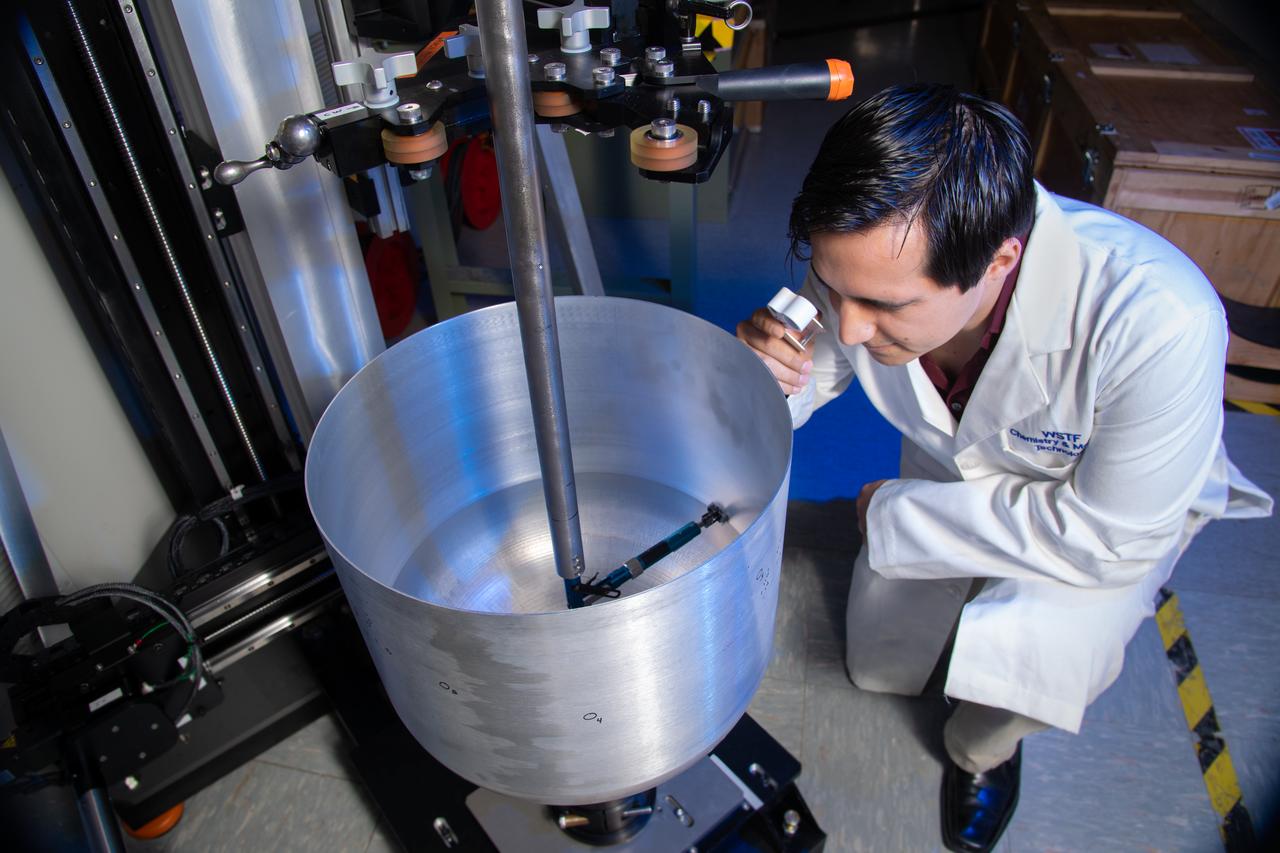
Edgar Reyes, a materials engineer and recent graduate of The University of Texas at El Paso, visually inspects a crack identified on the outer surface of a composite overwrapped pressure vessel (COPV) following an internal eddy-current through-wall nondestructive inspection conducted at the NASA White Sands Test Facility in Las Cruces, N.M. Eddy-current testing is one of many electromagnetic testing methods used in nondestructive testing to identify cracks in COPVS that can potentially threaten spacecraft crew and mission success. Photo Credit: (NASA/Reed P. Elliott)
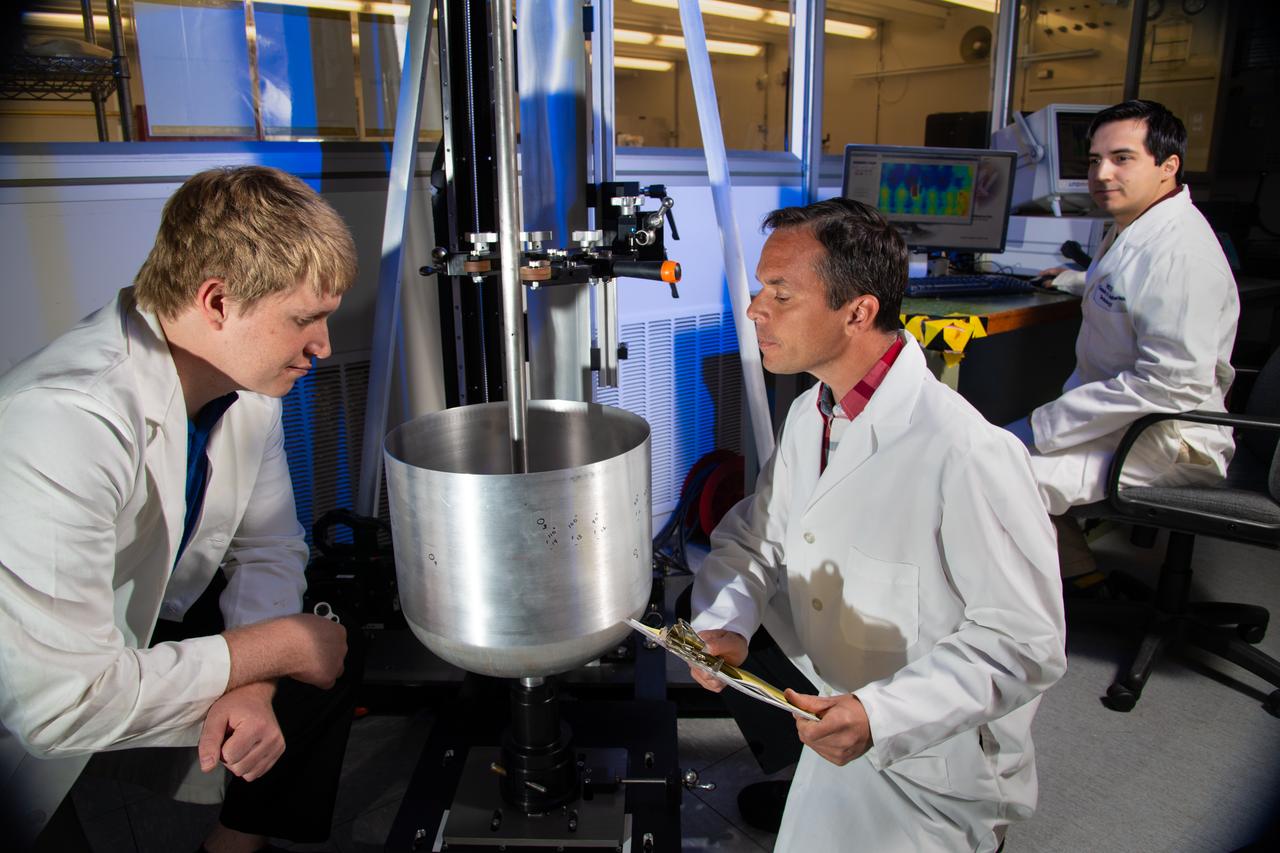
Engineers (from left) Ayrton Jordan, Anthony Milana and Edgar Reyes from the NASA White Sands Test Facility (WSTF) in Las Cruces, N.M. qualify an interior surface pressure vessel crack inspection using the eddy current nondestructive testing technique to find flaws smaller than more common and less capable penetrant testing methods. Detecting cracks smaller than the eye can detect is an important feature as manufacturers push performance limits to achieve lighter, more efficient spacecraft. Photo Credit: (NASA/Reed P. Elliott)
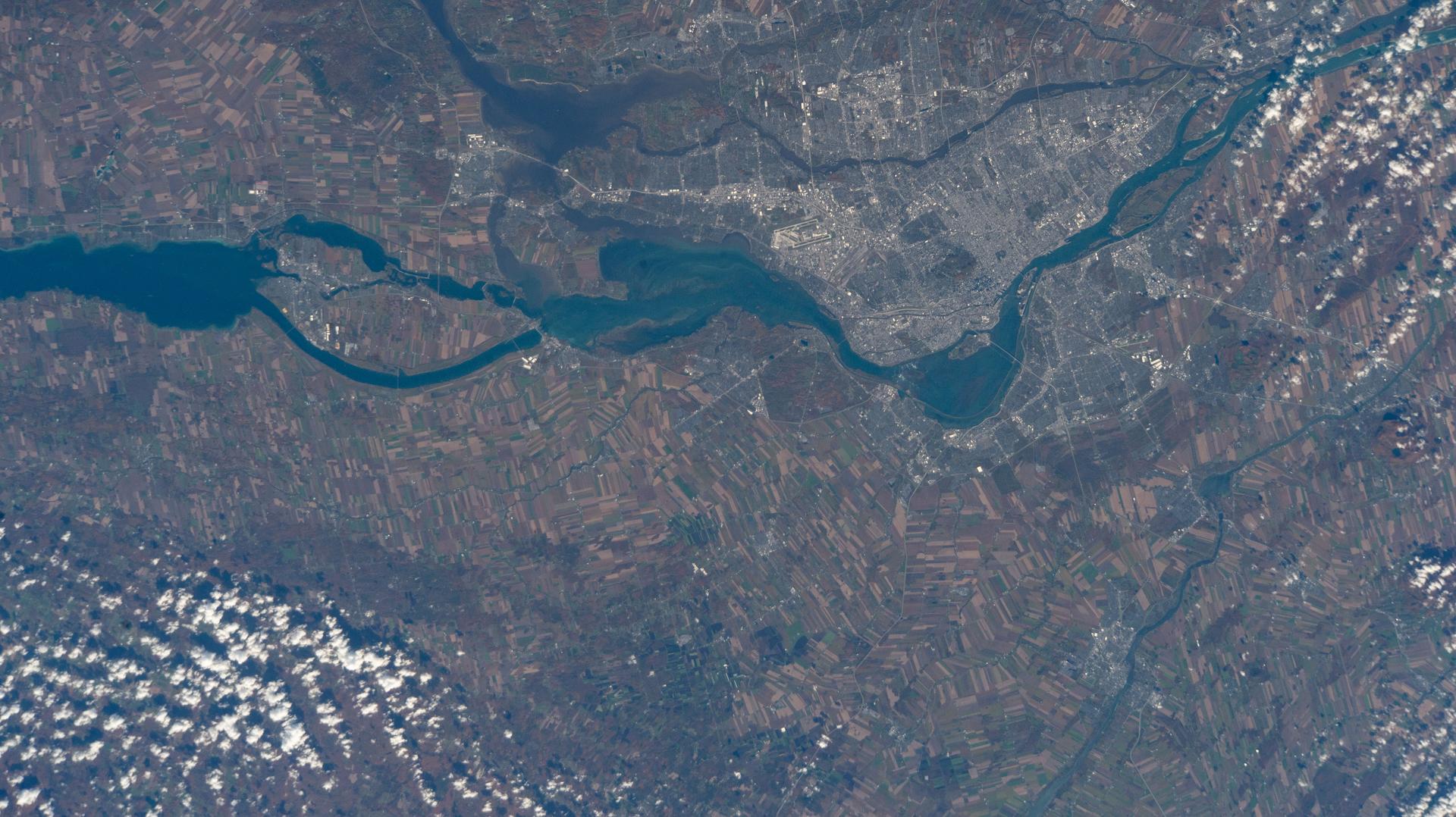
iss073e0866294 (Oct. 8, 2025) --- Montreal, Quebec, the second-most populous Canadian city with a metropolitan population of about 4.29 million, sits between the Prairies River to its north and the St. Lawrence River to the south. Montreal is named after Mount Royal, a prominent and natural landmark in the heart of the city. Montréal-Pierre Elliott Trudeau International Airport, voted North America's cleanest airport in 2025, is pictured near the bank of the St. Lawrence from the International Space Station as it orbited 263 miles above the Earth.
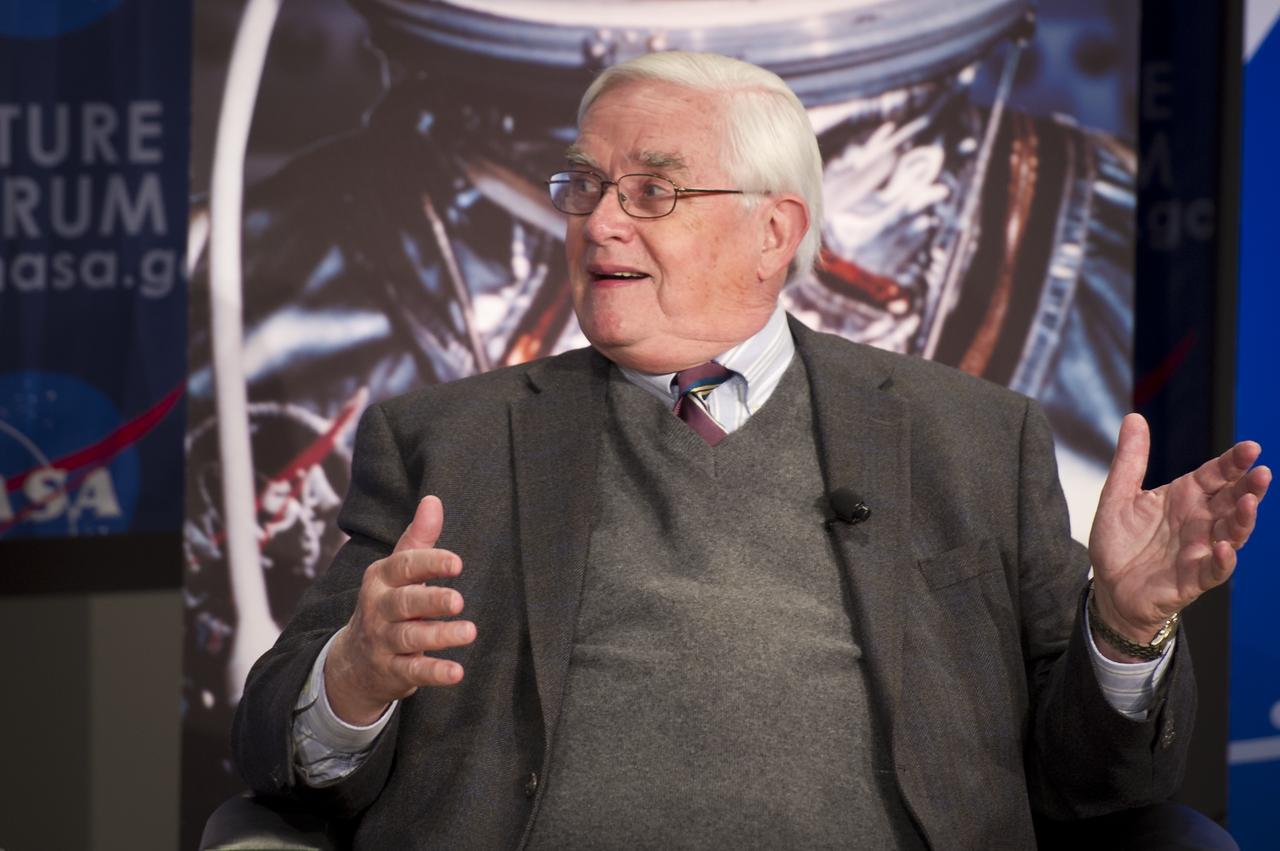
John Logsdon, professor emeritus of Political Science and International Affairs, Elliott School of International Affairs, George Washington University, talks during the NASA Future Forum panel titled "Shifting Roles for Public, Private, and International Players in Space" at The Ohio State University on Tuesday, Feb. 21, 2012 in Columbus, Ohio. The NASA Future Forum features panel discussions on the importance of education to our nation's future in space, the benefit of commercialized space technology to our economy and lives here on Earth, and the shifting roles for the public, commercial and international communities in space. Photo Credit: (NASA/Bill Ingalls)
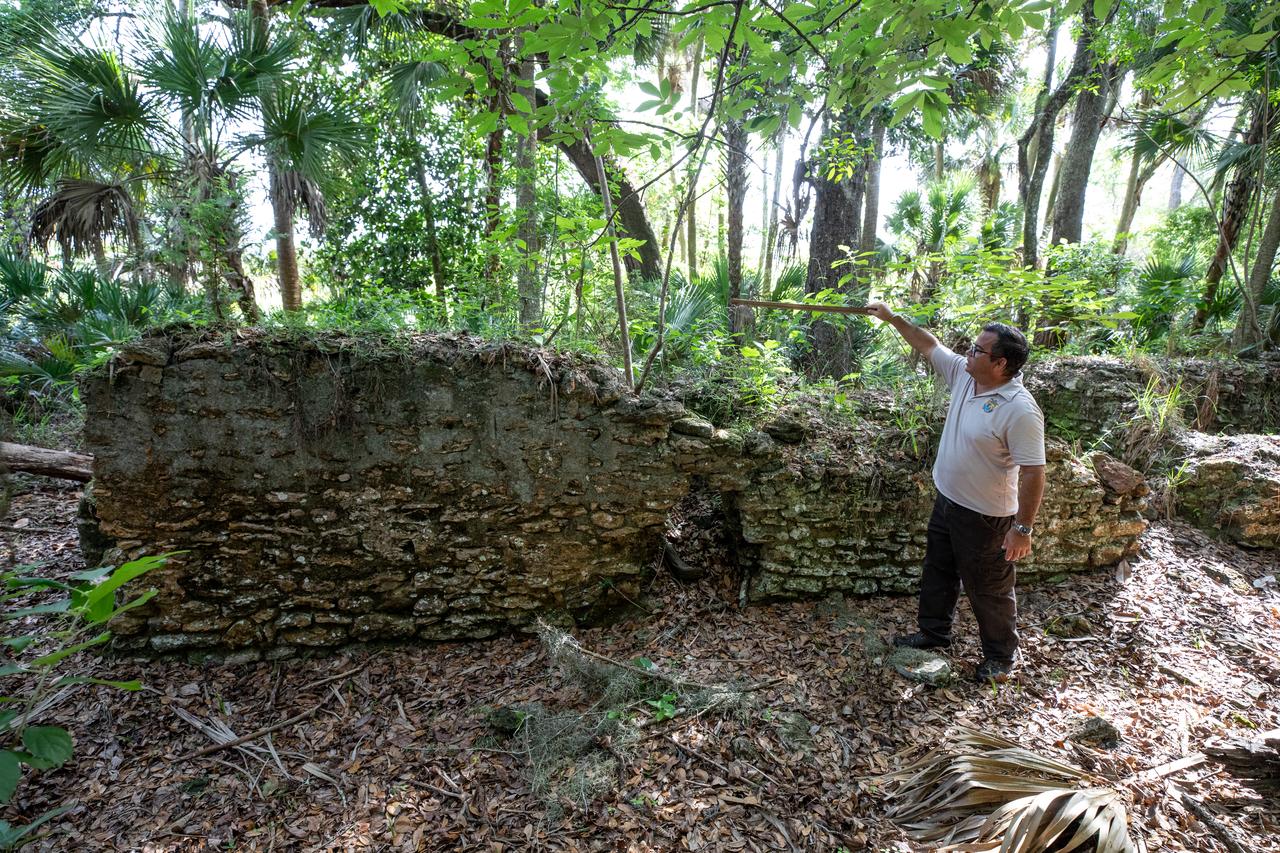
Near the archeological ruins of the Elliot Plantation sugar mill at NASA’s Kennedy Space Center in Florida, Michael Legare, of the U.S. Fish and Wildlife Service, recreates the original wall height of the structure on May 26, 2022. The plantation’s enslaved community built the sugar mill structure, or sugar train, where sugar cane juice would be boiled during processing in graduated copper kettles until the liquid reduced into a thick syrup. The ruins of Elliot Plantation date from the 1760s and represent the largest, earliest, and southernmost British period sugar plantation in the U.S., as well as one of the most intact and best examples of a completely preserved enslaved landscape. The archeological site is managed through interagency cooperation between the National Park Service, the U.S. Fish and Wildlife Service, and NASA.
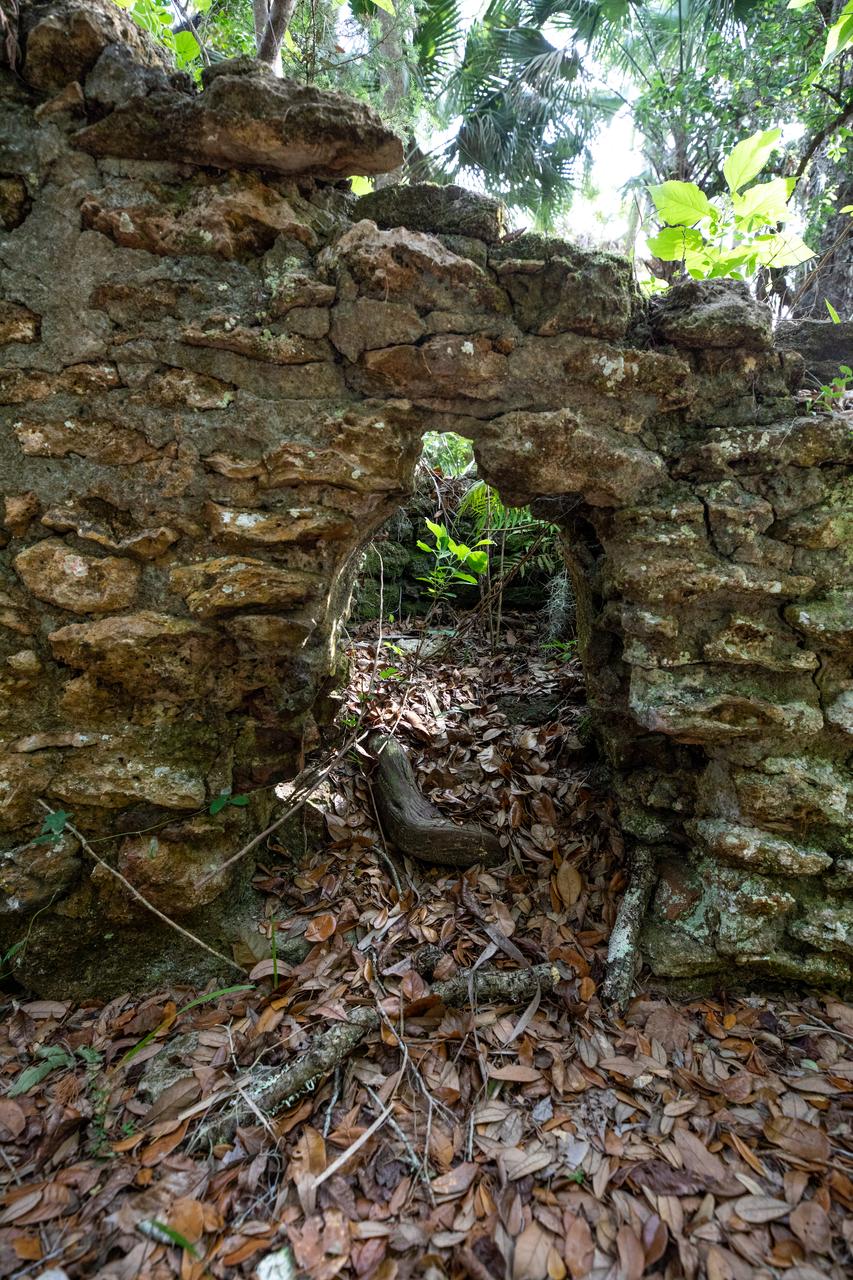
Archeological ruins of the Elliot Plantation sugar mill are revealed through the oak hammock at NASA’s Kennedy Space Center in Florida on May 26, 2022. The plantation’s enslaved community built the sugar mill structure, or sugar train, where sugar cane juice would be boiled during processing in graduated copper kettles until the liquid reduced into a thick syrup. The ruins of Elliot Plantation date from the 1760s and represent the largest, earliest, and southernmost British period sugar plantation in the U.S., as well as one of the most intact and best examples of a completely preserved enslaved landscape. The archeological site is managed through interagency cooperation between the National Park Service, the U.S. Fish and Wildlife Service, and NASA.
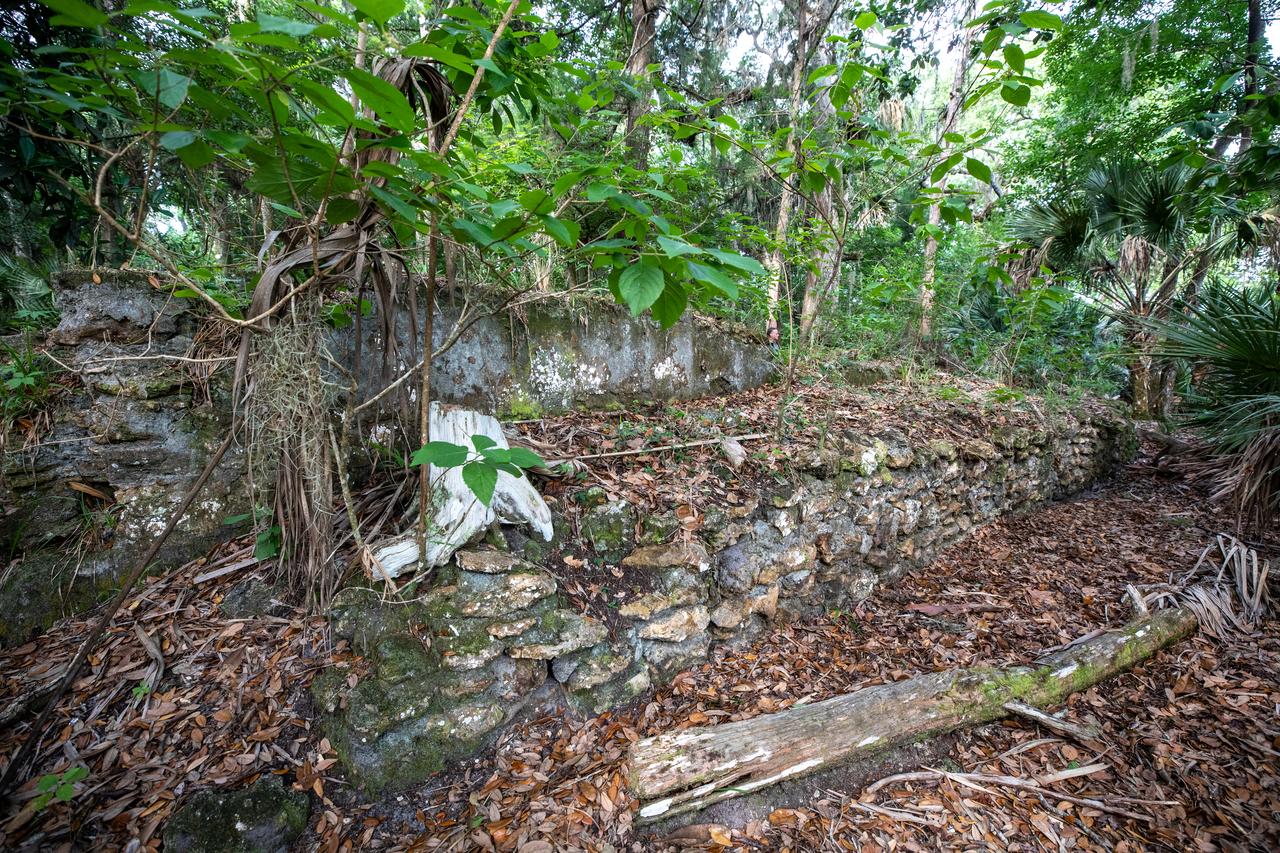
Archeological ruins of the Elliot Plantation sugar mill are revealed through the oak hammock at NASA’s Kennedy Space Center in Florida on May 26, 2022. The plantation’s enslaved community built the sugar mill structure, or sugar train, where sugar cane juice would be boiled during processing in graduated copper kettles until the liquid reduced into a thick syrup. The ruins of Elliot Plantation date from the 1760s and represent the largest, earliest, and southernmost British period sugar plantation in the U.S., as well as one of the most intact and best examples of a completely preserved enslaved landscape. The archeological site is managed through interagency cooperation between the National Park Service, the U.S. Fish and Wildlife Service, and NASA.
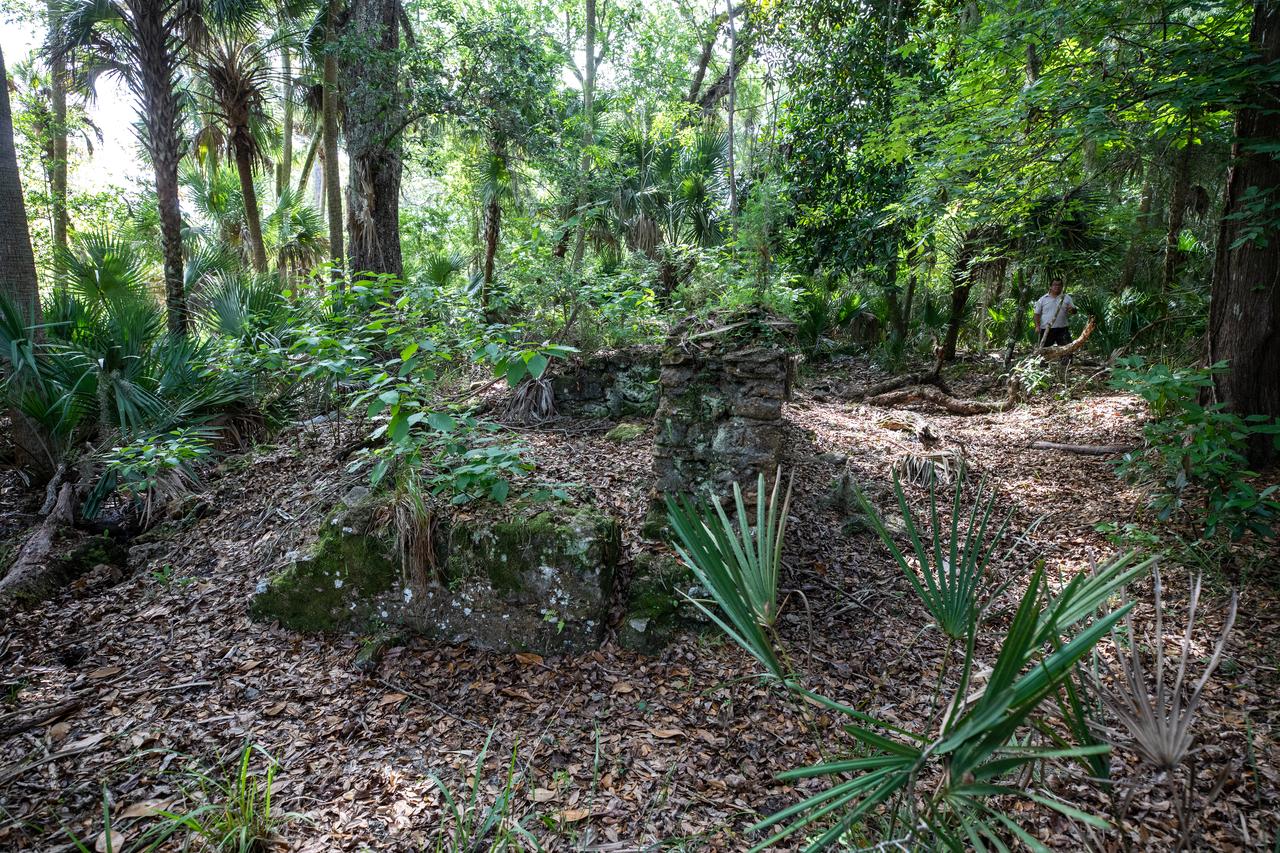
Archeological ruins of the Elliot Plantation sugar mill are revealed through the oak hammock at NASA’s Kennedy Space Center in Florida on May 26, 2022. The plantation’s enslaved community built the sugar mill structure, or sugar train, where sugar cane juice would be boiled during processing in graduated copper kettles until the liquid reduced into a thick syrup. The ruins of Elliot Plantation date from the 1760s and represent the largest, earliest, and southernmost British period sugar plantation in the U.S., as well as one of the most intact and best examples of a completely preserved enslaved landscape. The archeological site is managed through interagency cooperation between the National Park Service, the U.S. Fish and Wildlife Service, and NASA.
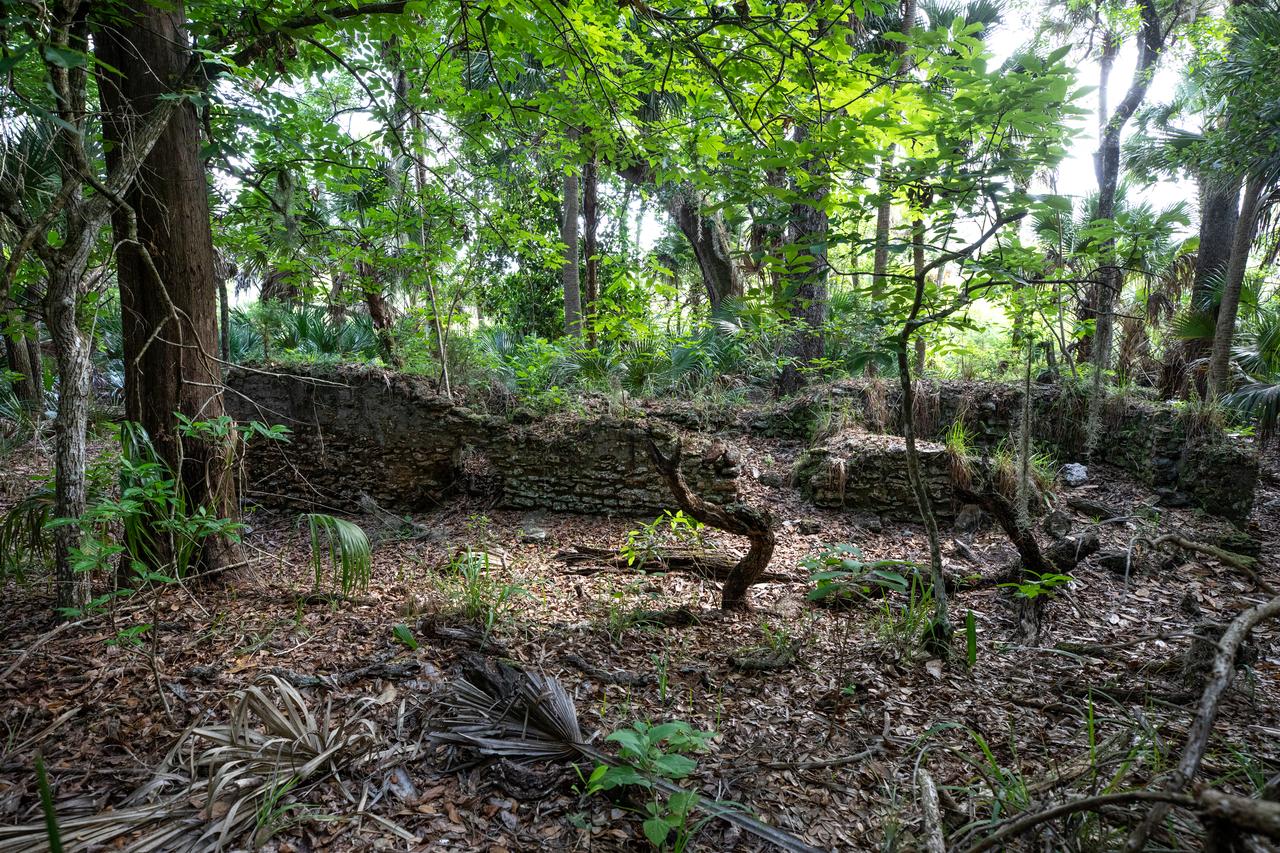
Archeological ruins of the Elliot Plantation sugar mill are revealed through the oak hammock at NASA’s Kennedy Space Center in Florida on May 26, 2022. The plantation’s enslaved community built the sugar mill structure, or sugar train, where sugar cane juice would be boiled during processing in graduated copper kettles until the liquid reduced into a thick syrup. The ruins of Elliot Plantation date from the 1760s and represent the largest, earliest, and southernmost British period sugar plantation in the U.S., as well as one of the most intact and best examples of a completely preserved enslaved landscape. The archeological site is managed through interagency cooperation between the National Park Service, the U.S. Fish and Wildlife Service, and NASA.
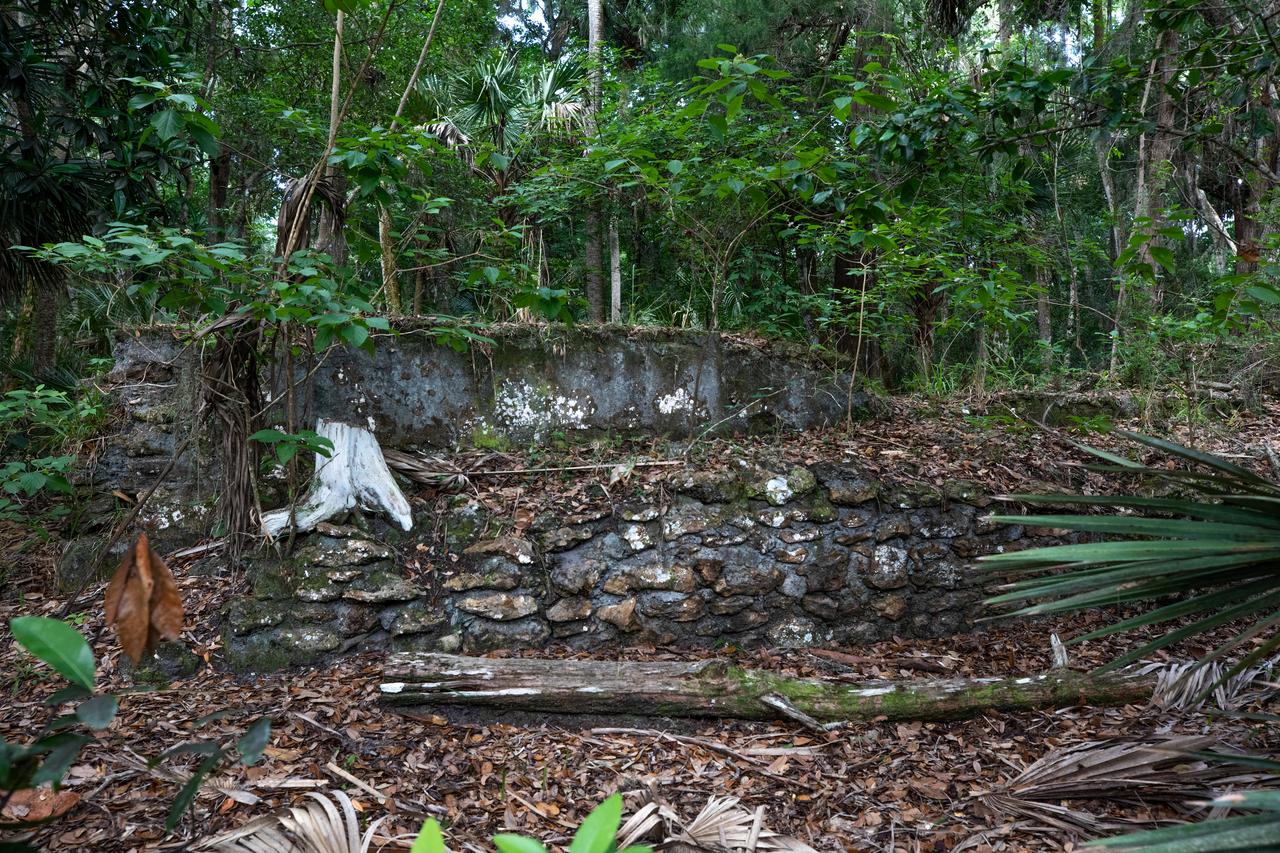
Archeological ruins of the Elliot Plantation sugar mill are revealed through the oak hammock at NASA’s Kennedy Space Center in Florida on May 26, 2022. The plantation’s enslaved community built the sugar mill structure, or sugar train, where sugar cane juice would be boiled during processing in graduated copper kettles until the liquid reduced into a thick syrup. The ruins of Elliot Plantation date from the 1760s and represent the largest, earliest, and southernmost British period sugar plantation in the U.S., as well as one of the most intact and best examples of a completely preserved enslaved landscape. The archeological site is managed through interagency cooperation between the National Park Service, the U.S. Fish and Wildlife Service, and NASA.
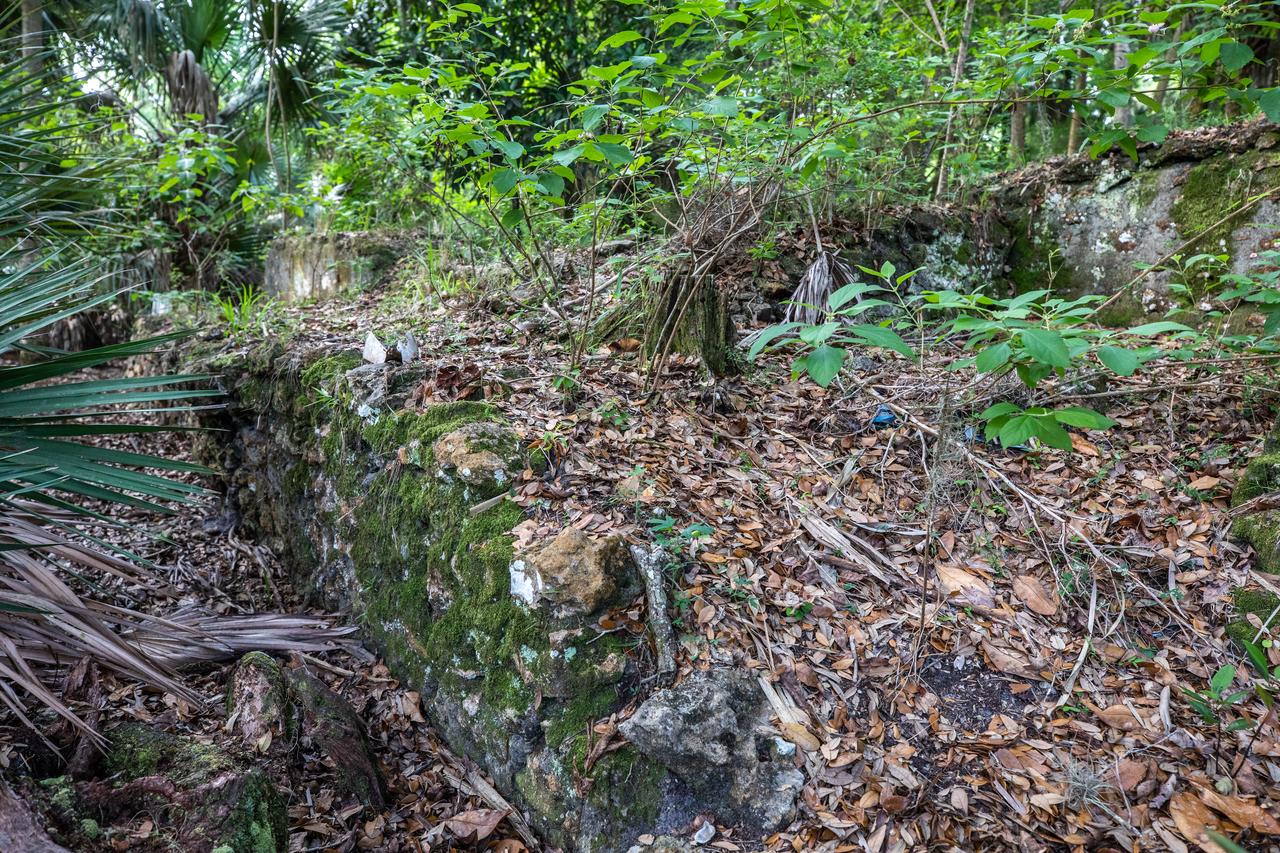
Archeological ruins of the Elliot Plantation sugar mill are revealed through the oak hammock at NASA’s Kennedy Space Center in Florida on May 26, 2022. The plantation’s enslaved community built the sugar mill structure, or sugar train, where sugar cane juice would be boiled during processing in graduated copper kettles until the liquid reduced into a thick syrup. The ruins of Elliot Plantation date from the 1760s and represent the largest, earliest, and southernmost British period sugar plantation in the U.S., as well as one of the most intact and best examples of a completely preserved enslaved landscape. The archeological site is managed through interagency cooperation between the National Park Service, the U.S. Fish and Wildlife Service, and NASA.
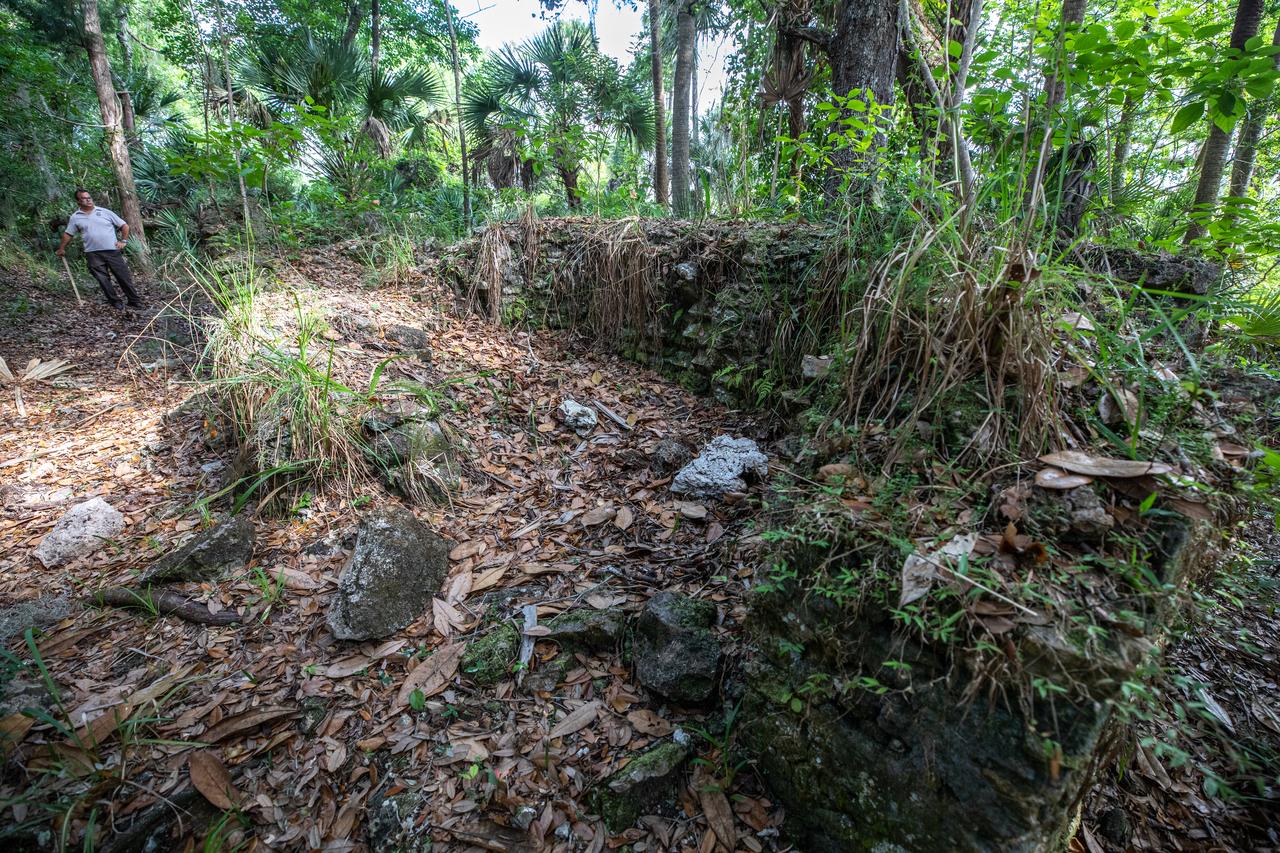
Michael Legare, of the U.S. Fish and Wildlife Service, stands near the archeological ruins of the Elliot Plantation sugar mill at NASA’s Kennedy Space Center in Florida on May 26, 2022. The plantation’s enslaved community built the sugar mill structure, or sugar train, where sugar cane juice would be boiled during processing in graduated copper kettles until the liquid reduced into a thick syrup. The ruins of Elliot Plantation date from the 1760s and represent the largest, earliest, and southernmost British period sugar plantation in the U.S., as well as one of the most intact and best examples of a completely preserved enslaved landscape. The archeological site is managed through interagency cooperation between the National Park Service, the U.S. Fish and Wildlife Service, and NASA.
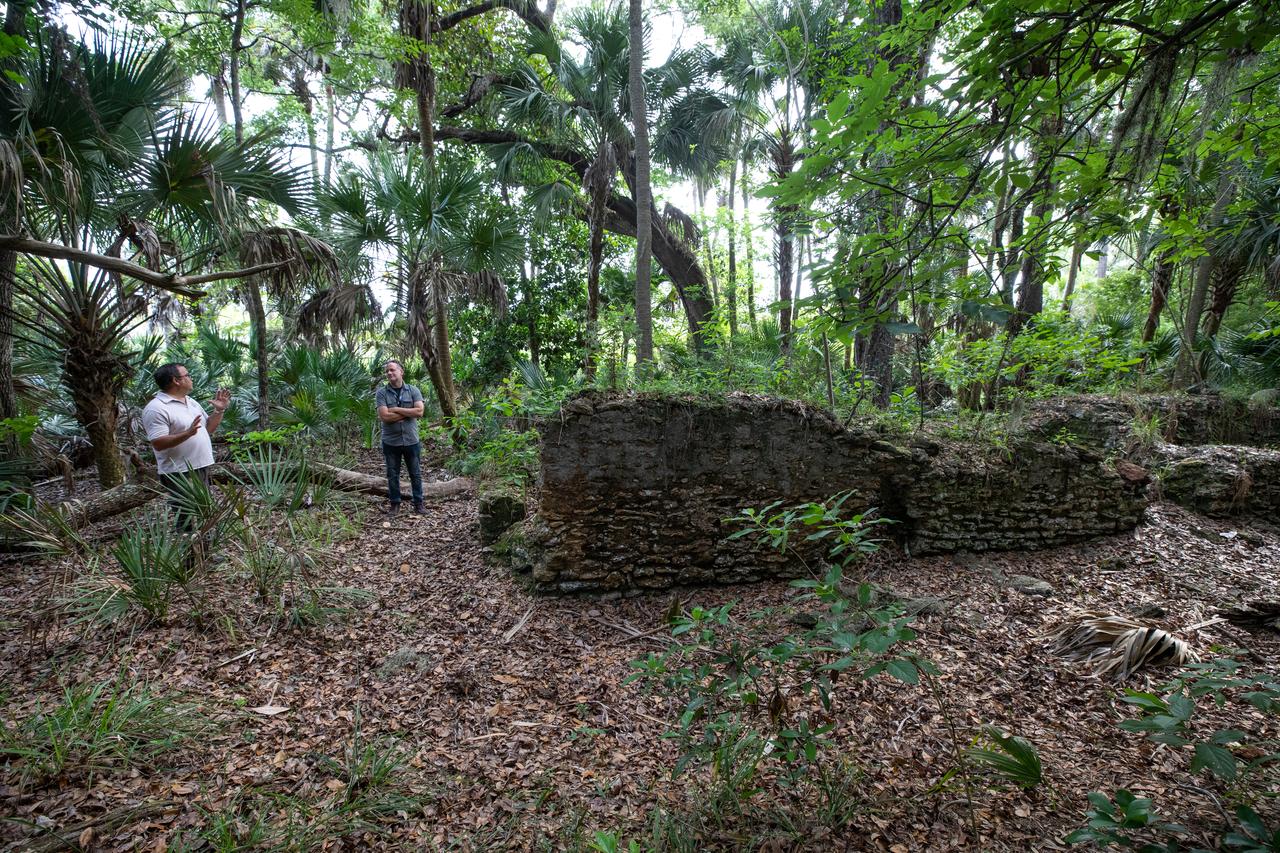
Members of U.S. Fish and Wildlife Service and NASA Communications visit the archeological ruins of the Elliot Plantation sugar mill at NASA’s Kennedy Space Center in Florida on May 26, 2022. The plantation’s enslaved community built the sugar mill structure, or sugar train, where sugar cane juice would be boiled during processing in graduated copper kettles until the liquid reduced into a thick syrup. The ruins of Elliot Plantation date from the 1760s and represent the largest, earliest, and southernmost British period sugar plantation in the U.S., as well as one of the most intact and best examples of a completely preserved enslaved landscape. The archeological site is managed through interagency cooperation between the National Park Service, the U.S. Fish and Wildlife Service, and NASA.
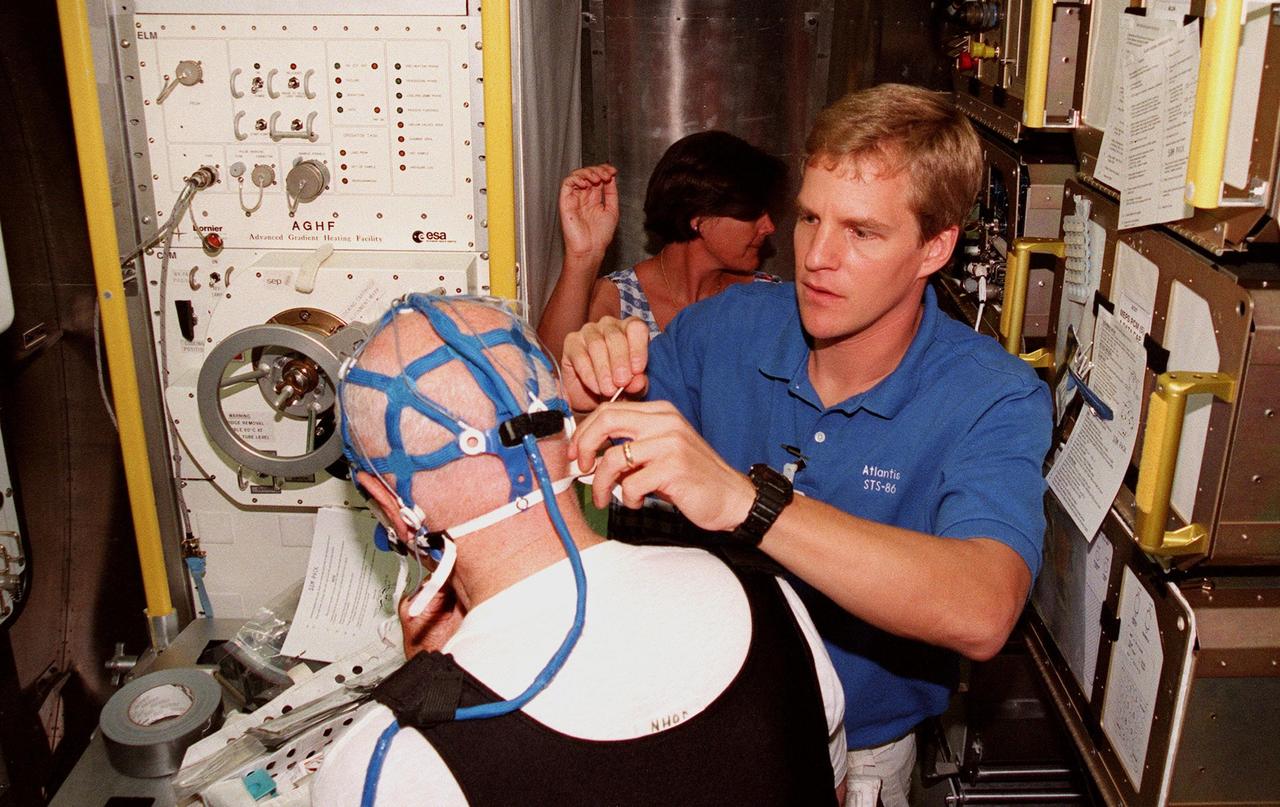
KENNEDY SPACE CENTER, FLA. -- Inside the SPACEHAB training module, STS-95 Mission Specialist Scott Parazynski, M.D. (right), attaches sensors to the mesh cap worn by Payload Specialist John Glenn (back to camera). In the background is Ann Elliott, University of California, San Diego. Glenn will wear the cap on the mission to monitor and record brain waves during sleep. Parazynski and Glenn are participating in SPACEHAB familiarization at the SPACEHAB Payload Processing Facility, Cape Canaveral. The mission, scheduled to launch Oct. 29, includes research payloads such as the Spartan solar-observing deployable spacecraft, the Hubble Space Telescope Orbital Systems Test Platform, the International Extreme Ultraviolet Hitchhiker, as well as the SPACEHAB single module with experiments on space flight and the aging process
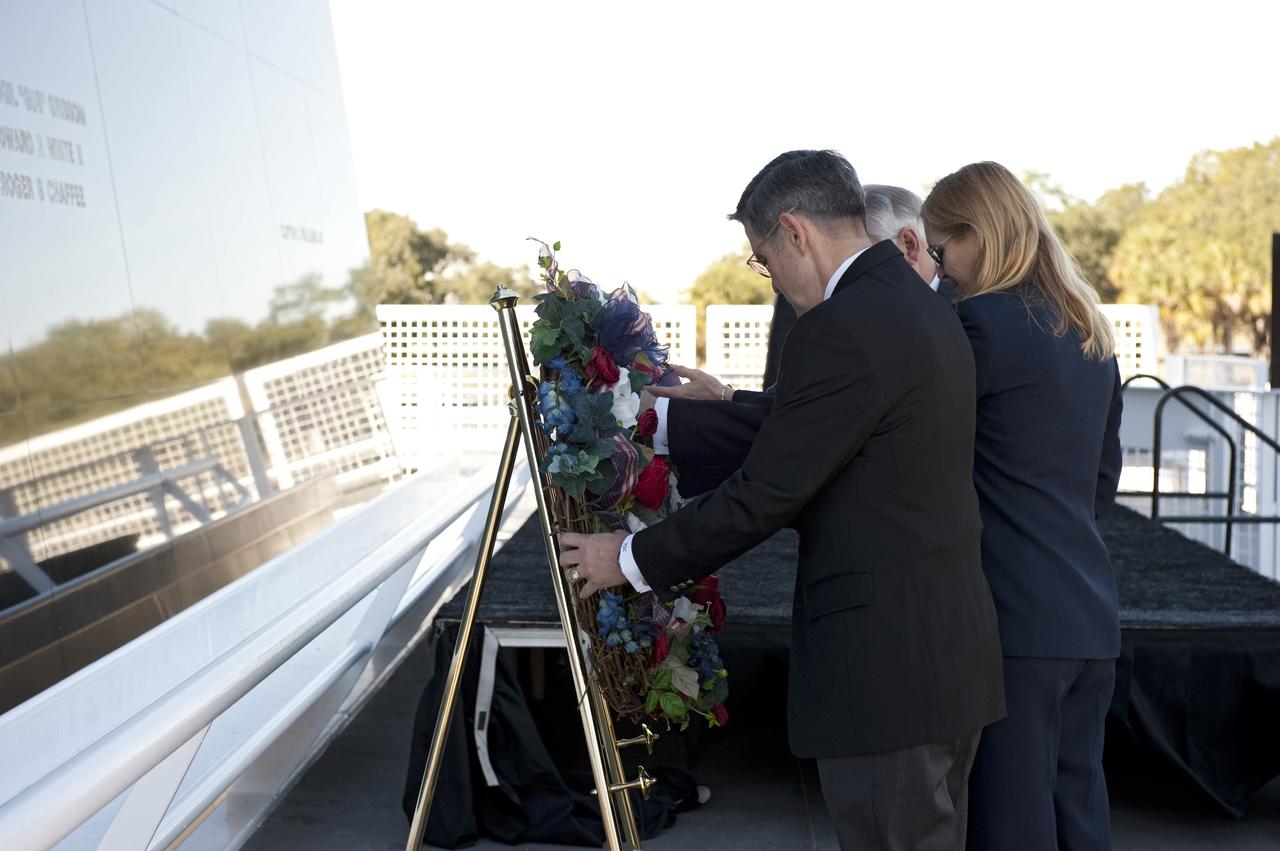
CAPE CANAVERAL, Fla. -- United Space Alliance's Associate Program Manager for Solid Rocket Boosters Roger Elliott, back, Kennedy Space Center Deputy Director Janet Petro, and Center Director and former astronaut Bob Cabana, participate in a Day of Remembrance wreath laying ceremony at the Space Mirror Memorial at the Kennedy Space Center Visitor Complex in Florida. The ceremony honors members of the NASA family who lost their lives while furthering the cause of exploration and discovery. The memorial displays the names of 24 United States astronauts, including the crew members of space shuttles Columbia and Challenger, Apollo 1, and those who died in training and commercial airplane accidents. The memorial is a project of the Astronauts Memorial Foundation and was paid for by Florida residents who purchased special Challenger mission automobile license plates. 2011 marks the 25th anniversary of the loss of Challenger, which broke apart over the Atlantic Ocean 73 seconds into flight on Jan. 28, 1986. Photo credit: NASA/Kim Shiflett
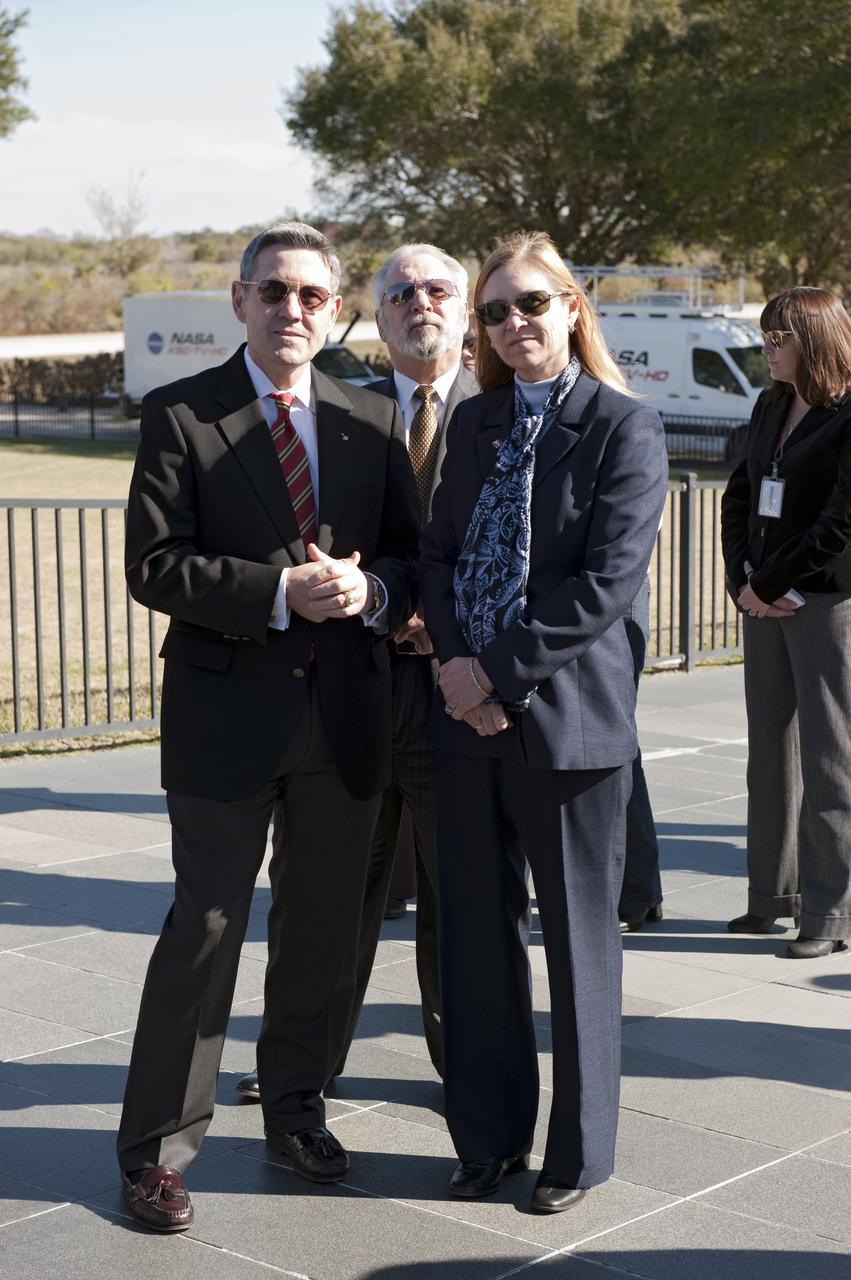
CAPE CANAVERAL, Fla. -- Kennedy Space Center Director and former astronaut Bob Cabana, left, United Space Alliance's Associate Program Manager for Solid Rocket Boosters Roger Elliott and Center Deputy Director Janet Petro participate in a Day of Remembrance wreath laying ceremony at the Space Mirror Memorial at the Kennedy Space Center Visitor Complex in Florida. The ceremony honors members of the NASA family who lost their lives while furthering the cause of exploration and discovery. The memorial displays the names of 24 United States astronauts, including the crew members of space shuttles Columbia and Challenger, Apollo 1, and those who died in training and commercial airplane accidents. The memorial is a project of the Astronauts Memorial Foundation and was paid for by Florida residents who purchased special Challenger mission automobile license plates. 2011 marks the 25th anniversary of the loss of Challenger, which broke apart over the Atlantic Ocean 73 seconds into flight on Jan. 28, 1986. Photo credit: NASA/Kim Shiflett
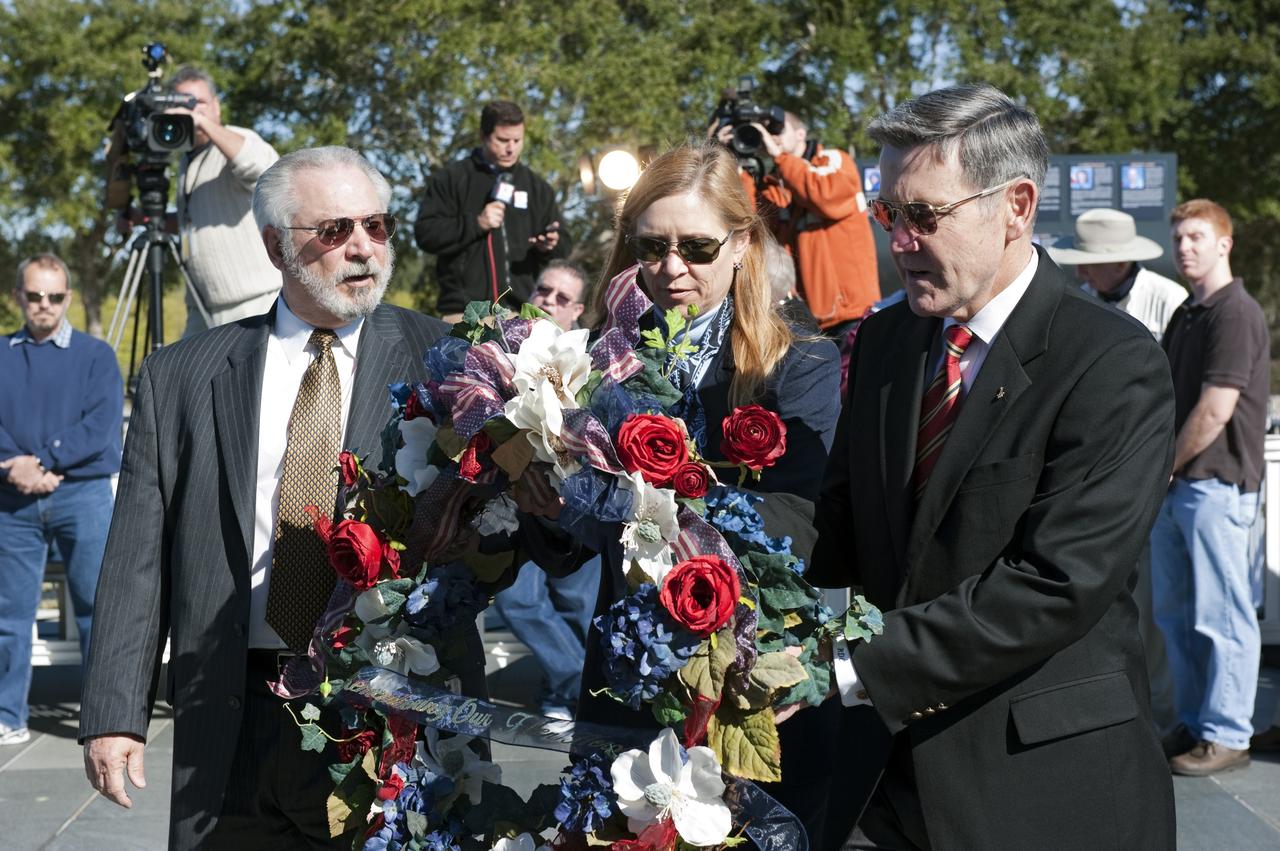
CAPE CANAVERAL, Fla. -- United Space Alliance's Associate Program Manager for Solid Rocket Boosters Roger Elliott, left, Kennedy Space Center Deputy Director Janet Petro, and Center Director and former astronaut Bob Cabana, participate in a Day of Remembrance wreath laying ceremony at the Space Mirror Memorial at the Kennedy Space Center Visitor Complex in Florida. The ceremony honors members of the NASA family who lost their lives while furthering the cause of exploration and discovery. The memorial displays the names of 24 United States astronauts, including the crew members of space shuttles Columbia and Challenger, Apollo 1, and those who died in training and commercial airplane accidents. The memorial is a project of the Astronauts Memorial Foundation and was paid for by Florida residents who purchased special Challenger mission automobile license plates. 2011 marks the 25th anniversary of the loss of Challenger, which broke apart over the Atlantic Ocean 73 seconds into flight on Jan. 28, 1986. Photo credit: NASA/Kim Shiflett
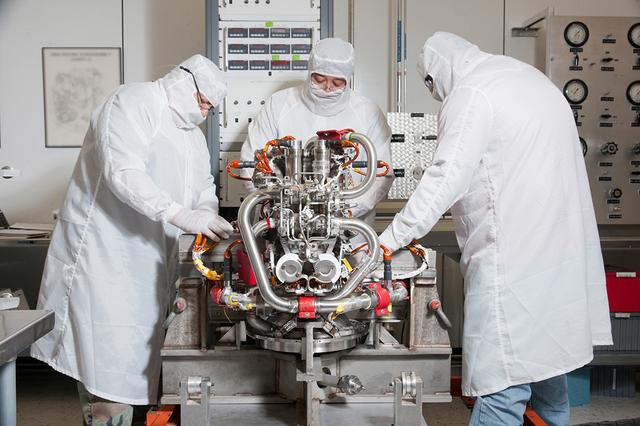
Engineers and technicians in NASA White Sands Test Facility’s Technical Services Section conduct functional tests on Orbital Maneuvering System Engine 108 for Orion on May 1, 2018.
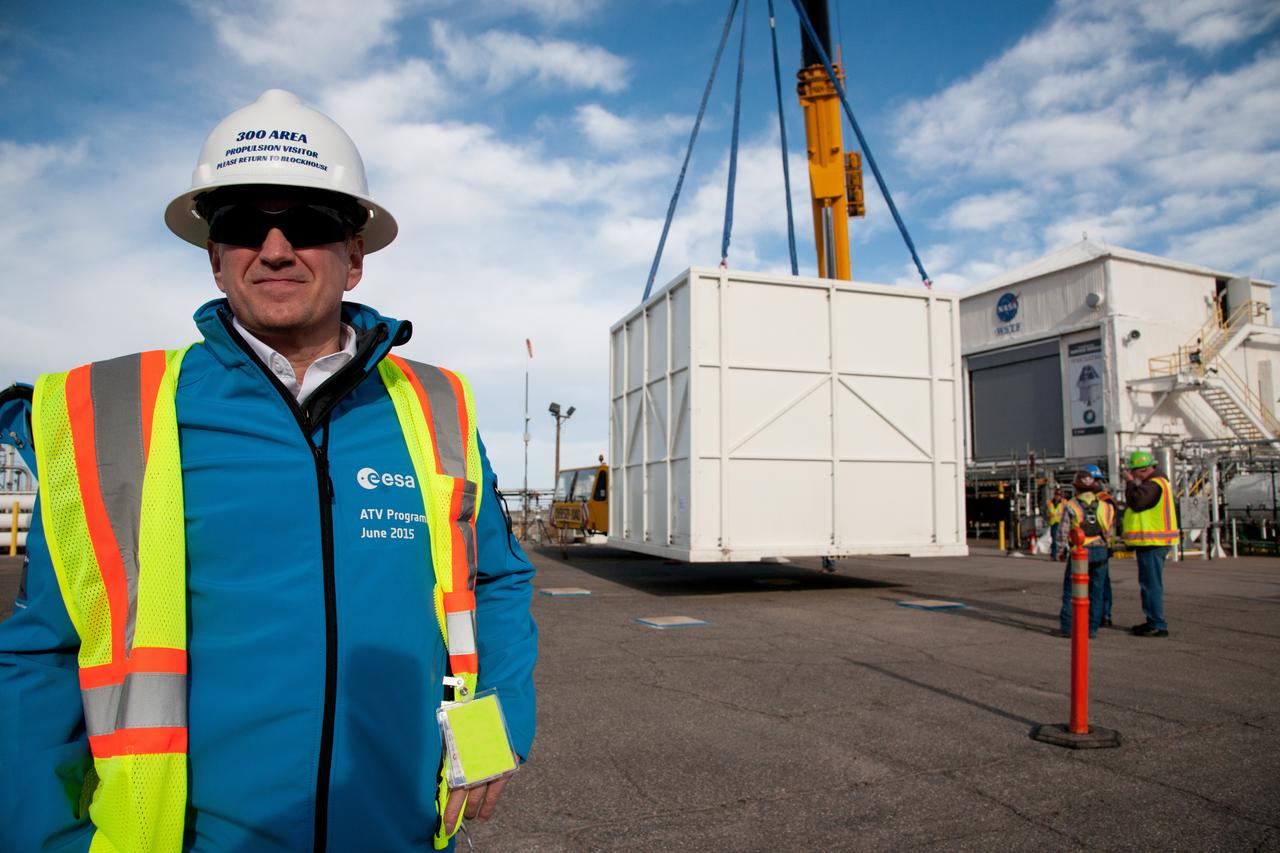
The European Service Module Propulsion Qualification Module (PQM) arrives at White Sands Test Facility in New Mexico on Feb. 18, 2017.
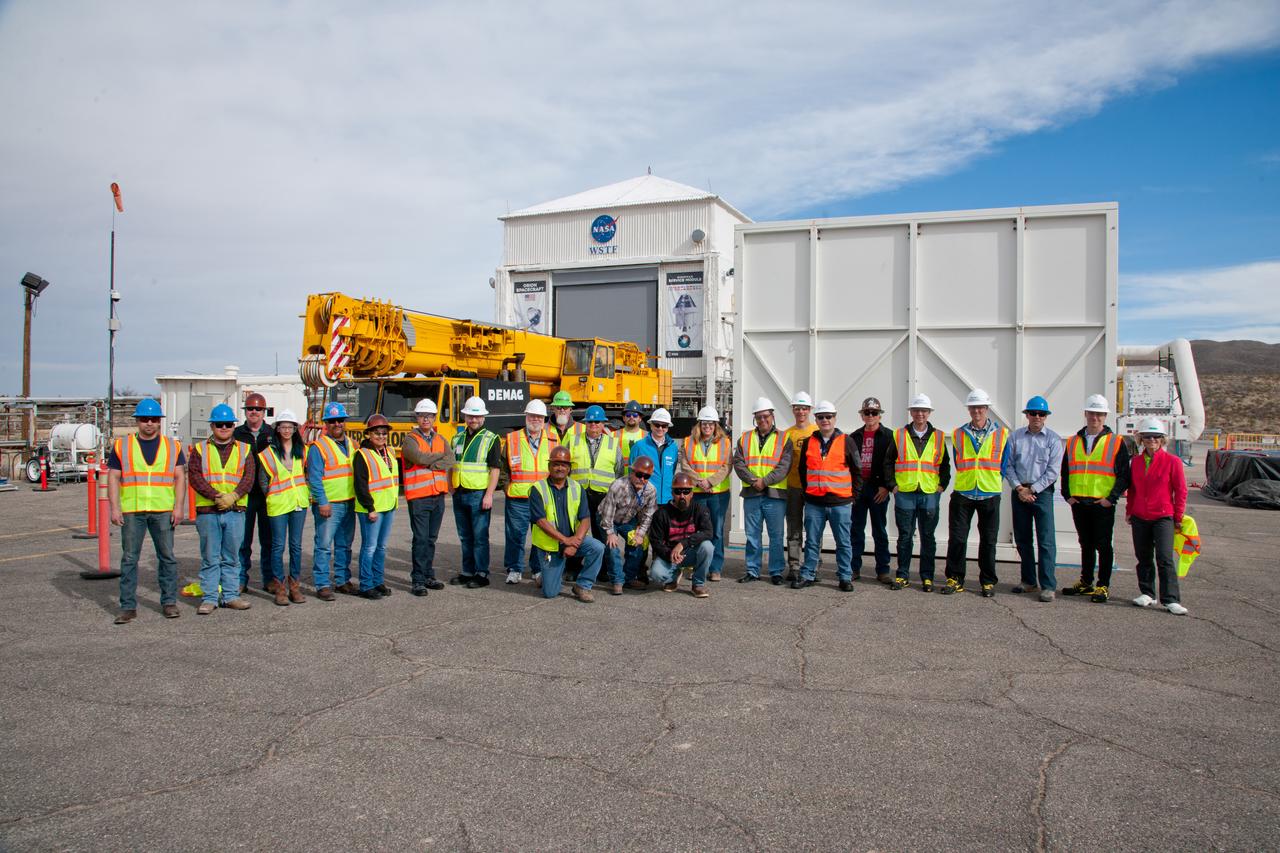
The European Service Module Propulsion Qualification Module (PQM) arrives at White Sands Test Facility in New Mexico on Feb. 18, 2017.

The European Service Module Propulsion Qualification Module (PQM) arrives at White Sands Test Facility in New Mexico on Feb. 18, 2017.
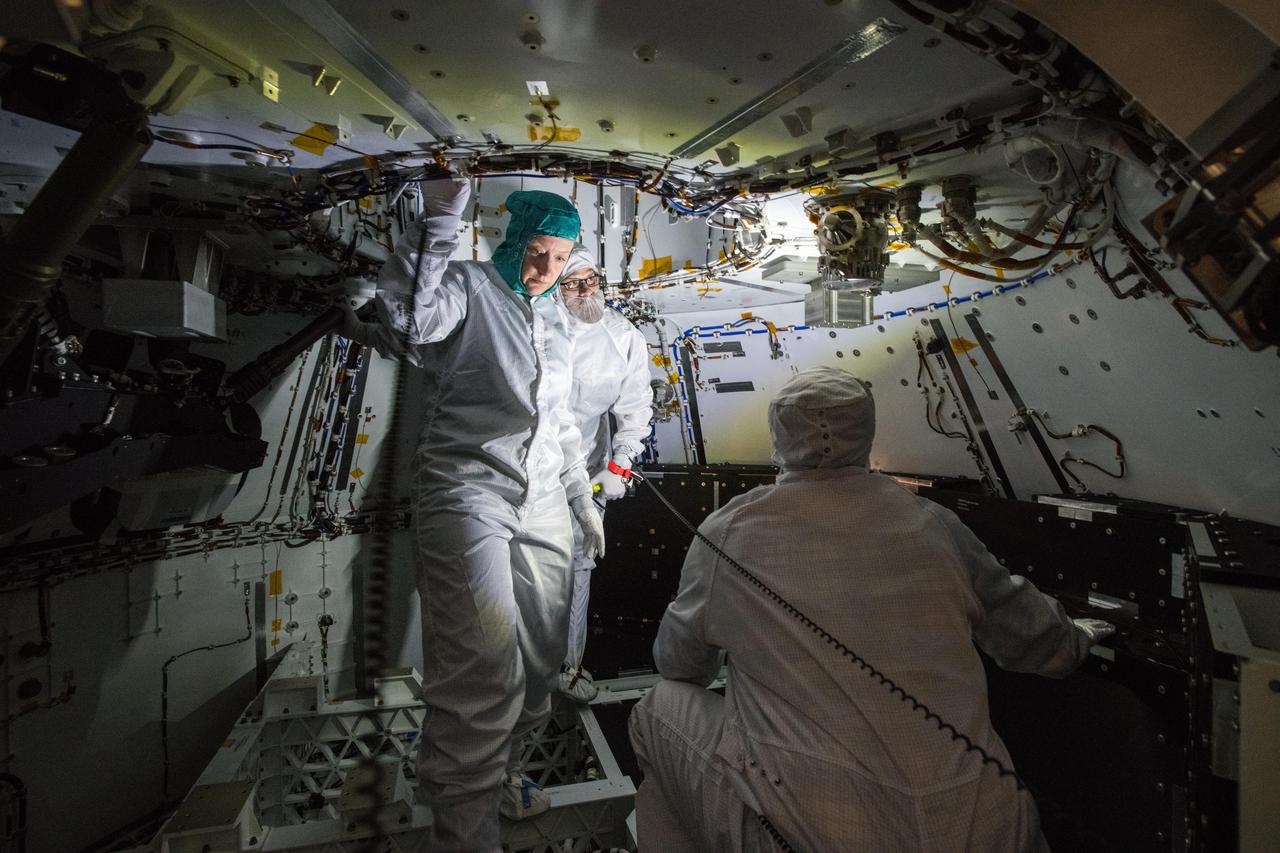
Day In The Life of Artemis Employees
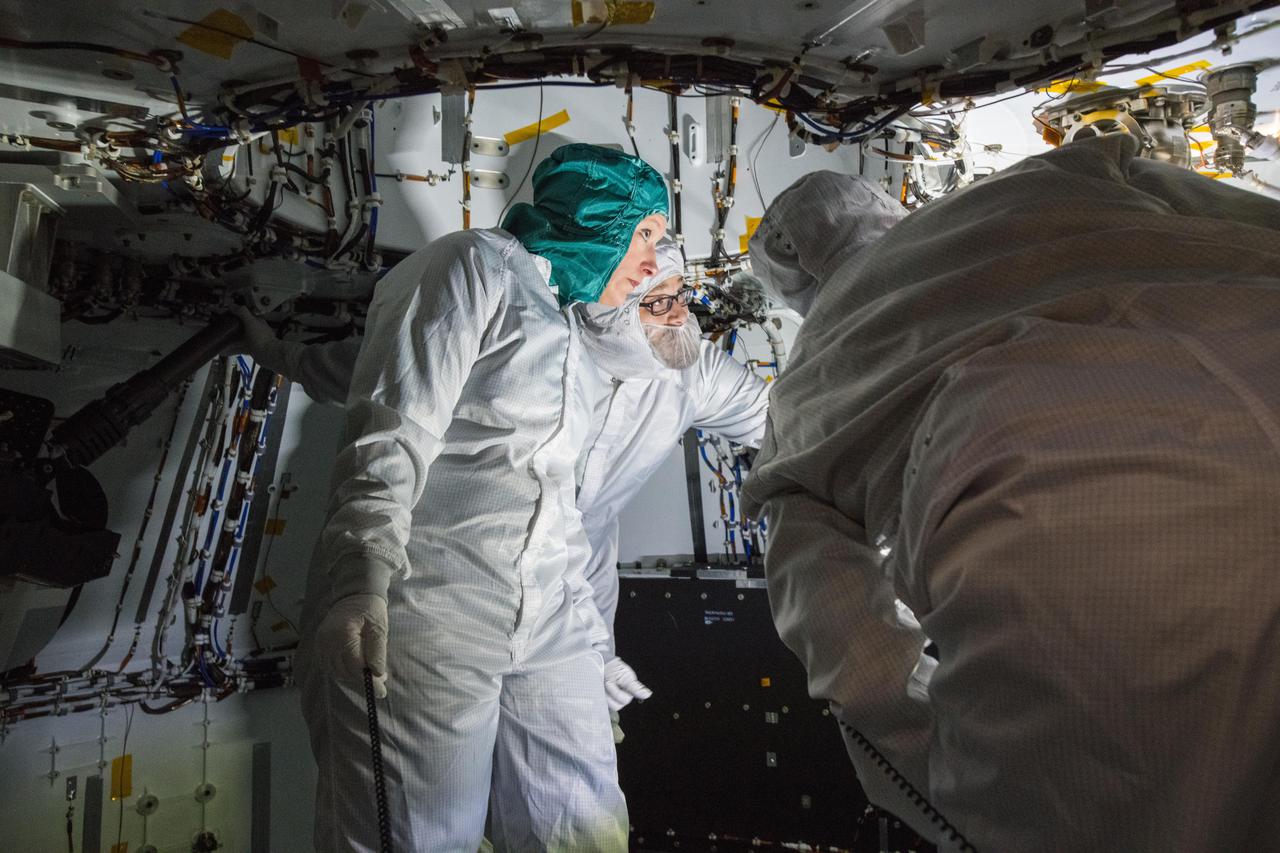
Day In The Life of Artemis Employees
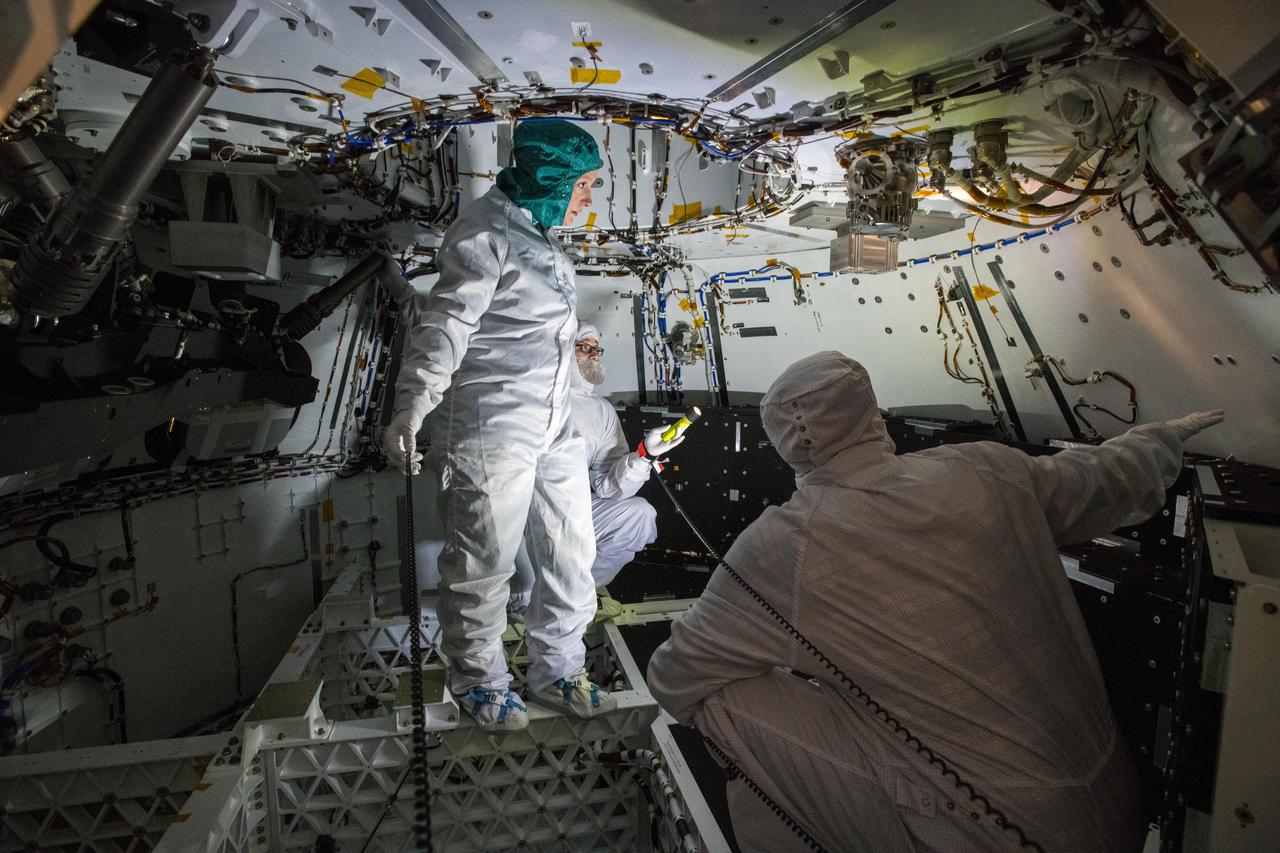
Day In The Life of Artemis Employees
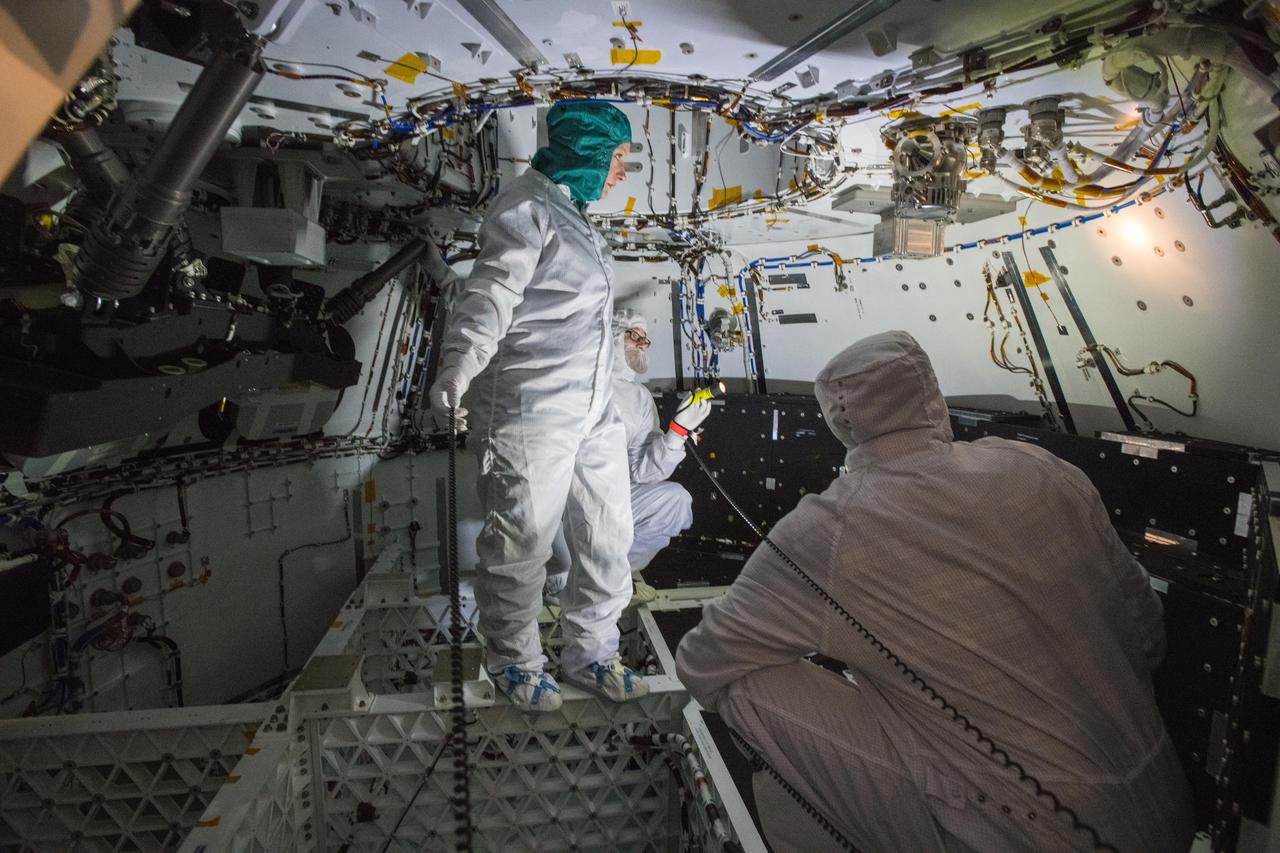
Day In The Life of Artemis Employees
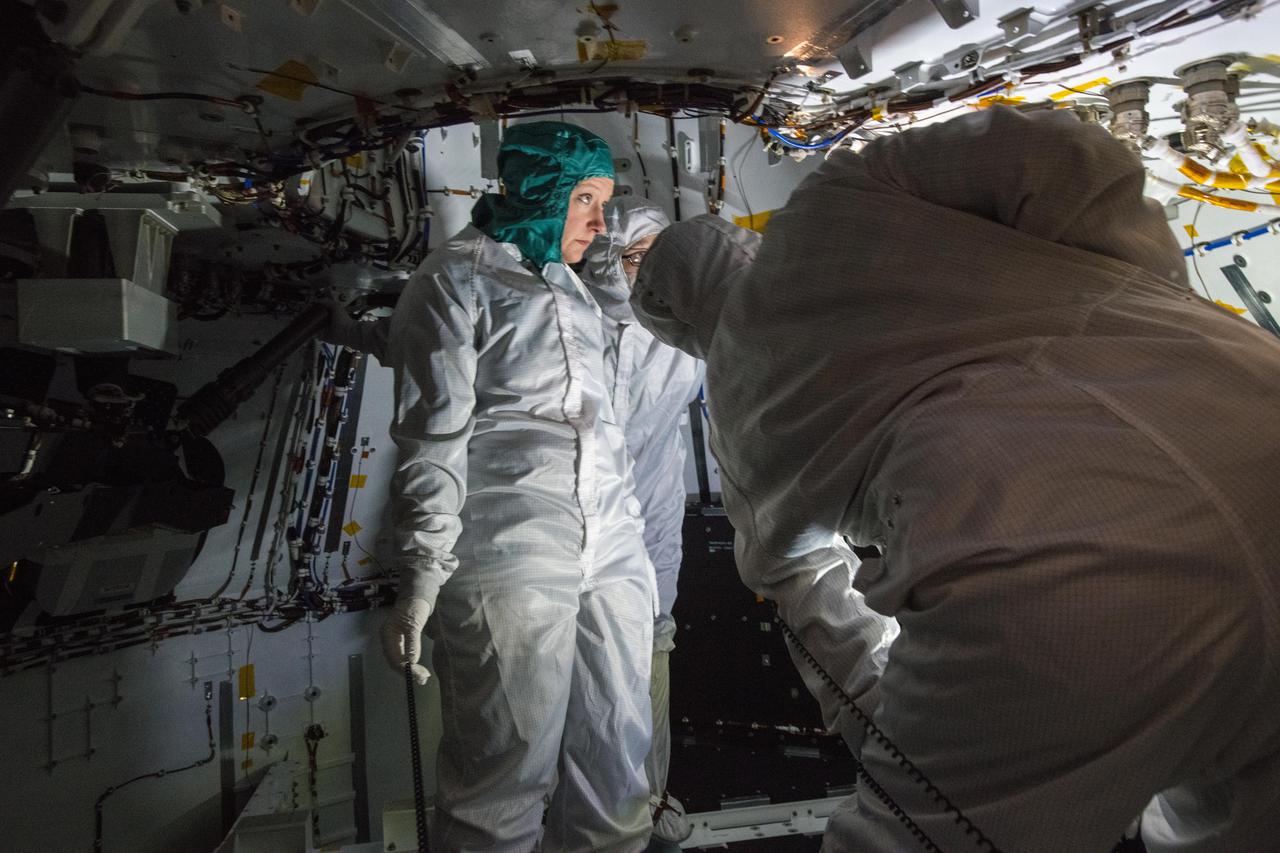
Day In The Life of Artemis Employees
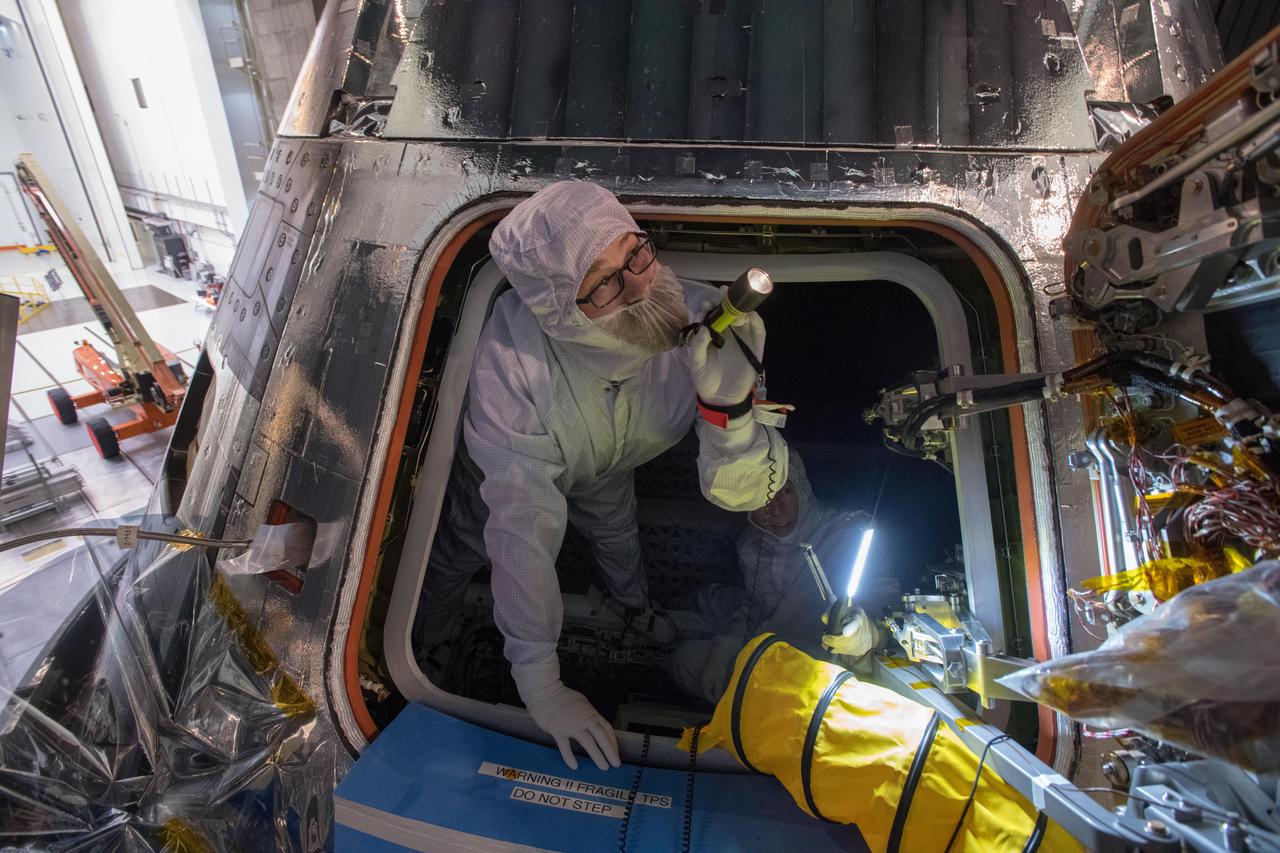
Day In The Life of Artemis Employees
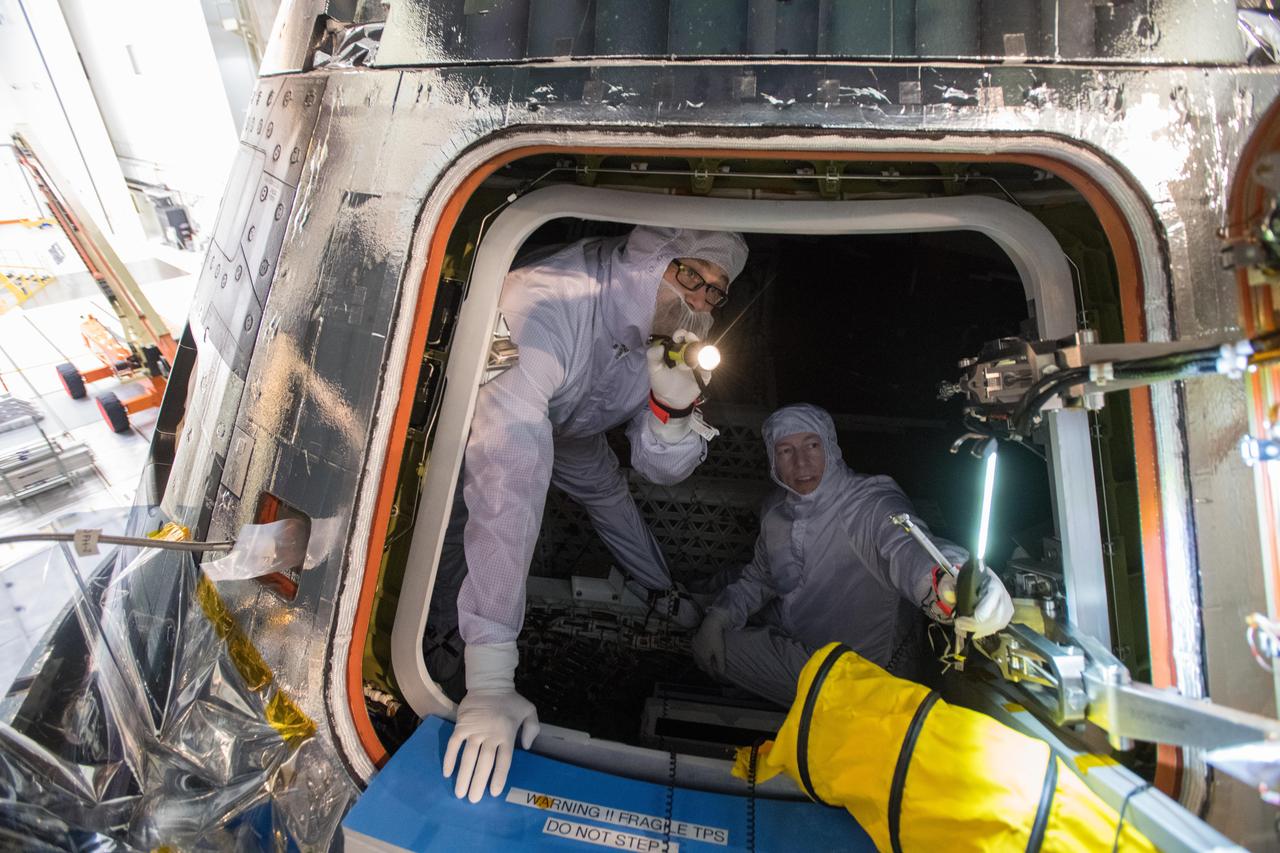
Day In The Life of Artemis Employees