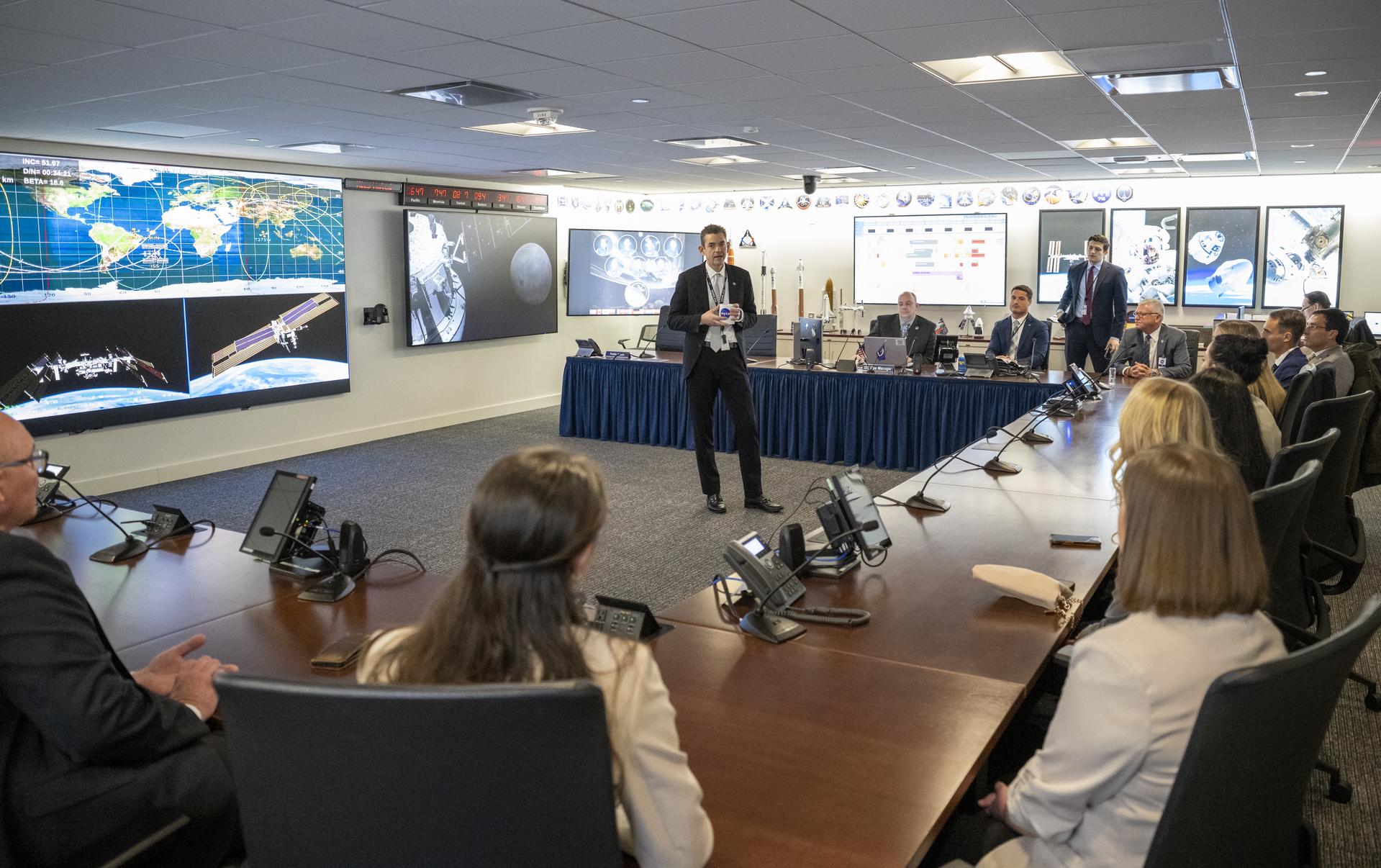
NASA Administrator Jared Isaacman speaks with Embry‑Riddle Aeronautical University students and staff in the Space Operations Center (SOC), Thursday, March 19, 2026, at the Mary W. Jackson NASA Headquarters building in Washington. The group is visiting NASA Headquarters after six Embry‑Riddle Aeronautical University students were named to the Aviation Week Network 20 Twenties Class of 2026, which recognizes outstanding aerospace-focused university students. Photo Credit: (NASA/Keegan Barber)

NASA Administrator Jared Isaacman speaks with Embry‑Riddle Aeronautical University students and staff in the Space Operations Center (SOC), Thursday, March 19, 2026, at the Mary W. Jackson NASA Headquarters building in Washington. The group is visiting NASA Headquarters after six Embry‑Riddle Aeronautical University students were named to the Aviation Week Network 20 Twenties Class of 2026, which recognizes outstanding aerospace-focused university students. Photo Credit: (NASA/Keegan Barber)

Embry‑Riddle Aeronautical University student Daniella Bezuidenhout speaks with NASA Administrator Jared Isaacman in the Space Operations Center (SOC), Thursday, March 19, 2026, at the Mary W. Jackson NASA Headquarters building in Washington. Embry‑Riddle Aeronautical University students and staff are visiting NASA Headquarters after six students were named to the Aviation Week Network 20 Twenties Class of 2026, which recognizes outstanding aerospace-focused university students. Photo Credit: (NASA/Keegan Barber)
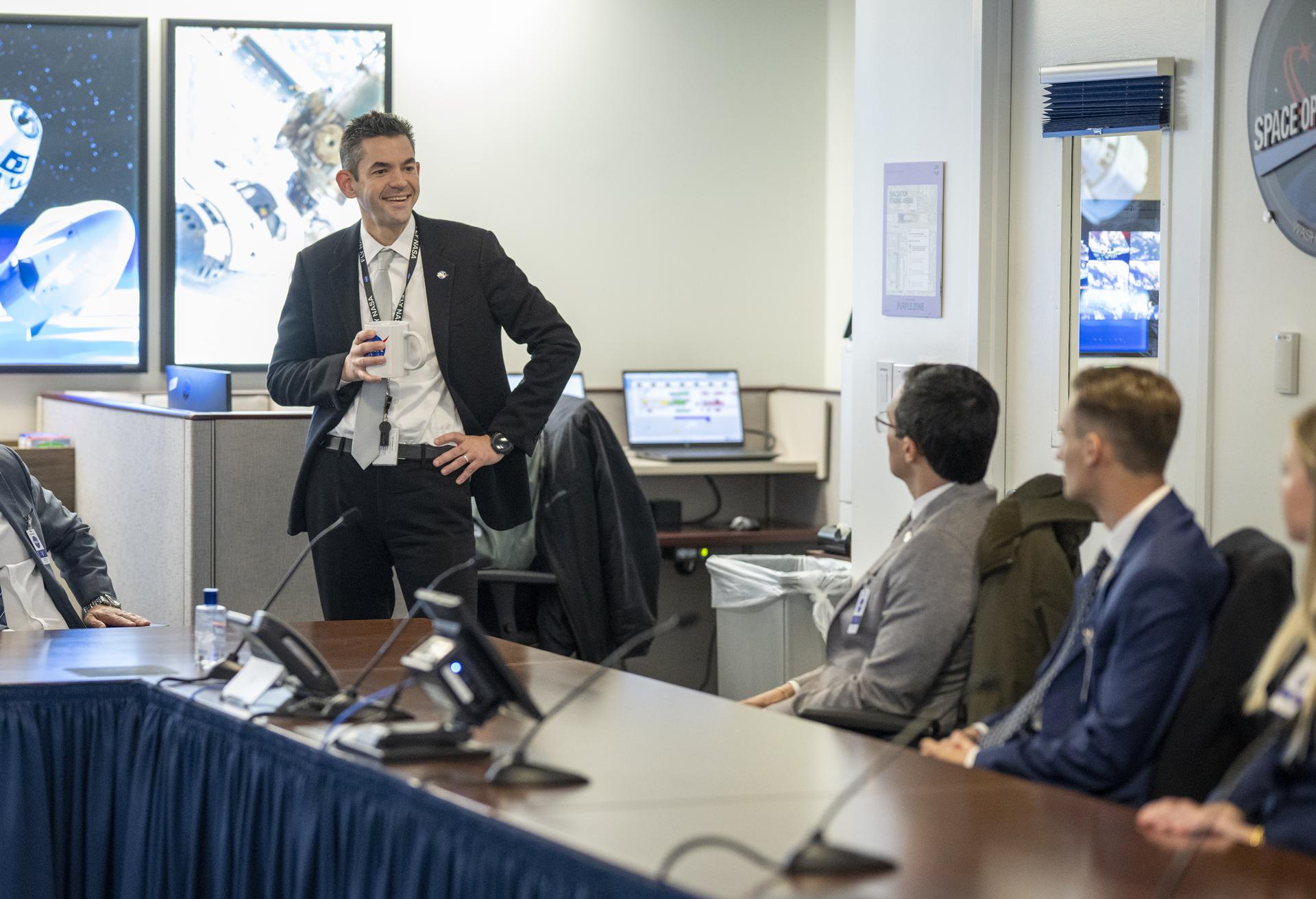
NASA Administrator Jared Isaacman speaks with Embry‑Riddle Aeronautical University students and staff in the Space Operations Center (SOC), Thursday, March 19, 2026, at the Mary W. Jackson NASA Headquarters building in Washington. The group is visiting NASA Headquarters after six Embry‑Riddle Aeronautical University students were named to the Aviation Week Network 20 Twenties Class of 2026, which recognizes outstanding aerospace-focused university students. Photo Credit: (NASA/Keegan Barber)

NASA Administrator Jared Isaacman poses for a photo with Embry‑Riddle Aeronautical University students and staff in the Space Operations Center (SOC), Thursday, March 19, 2026, at the Mary W. Jackson NASA Headquarters building in Washington. The group is visiting NASA Headquarters after six Embry‑Riddle Aeronautical University students were named to the Aviation Week Network 20 Twenties Class of 2026, which recognizes outstanding aerospace-focused university students. Photo Credit: (NASA/Keegan Barber)

NASA Administrator Jared Isaacman speaks with Embry‑Riddle Aeronautical University students and staff in the Space Operations Center (SOC), Thursday, March 19, 2026, at the Mary W. Jackson NASA Headquarters building in Washington. The group is visiting NASA Headquarters after six Embry‑Riddle Aeronautical University students were named to the Aviation Week Network 20 Twenties Class of 2026, which recognizes outstanding aerospace-focused university students. Photo Credit: (NASA/Keegan Barber)

Embry‑Riddle Aeronautical University students and staff ask questions about the International Space Station in the Space Operations Center (SOC), Thursday, March 19, 2026, at the Mary W. Jackson NASA Headquarters building in Washington. The group is visiting NASA Headquarters after six Embry‑Riddle Aeronautical University students were named to the Aviation Week Network 20 Twenties Class of 2026, which recognizes outstanding aerospace-focused university students. Photo Credit: (NASA/Keegan Barber)
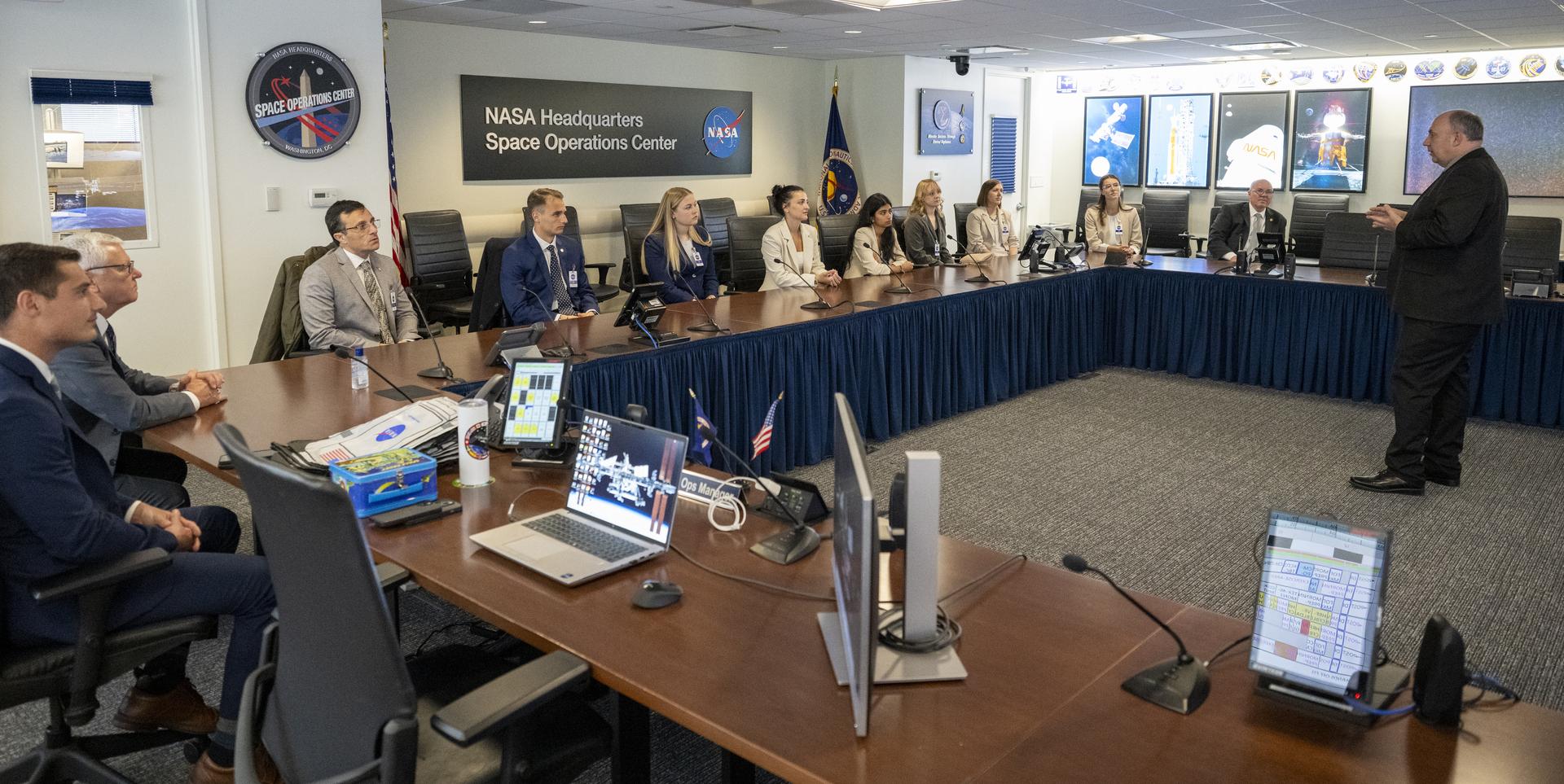
NASA Headquarters Space Operations Center (SOC) Manager Kevin Metrocavage, right, speaks with Embry‑Riddle Aeronautical University students and staff about the International Space Station in the SOC, Thursday, March 19, 2026, at the Mary W. Jackson NASA Headquarters building in Washington. The group is visiting NASA Headquarters after six Embry‑Riddle Aeronautical University students were named to the Aviation Week Network 20 Twenties Class of 2026, which recognizes outstanding aerospace-focused university students. Photo Credit: (NASA/Keegan Barber)
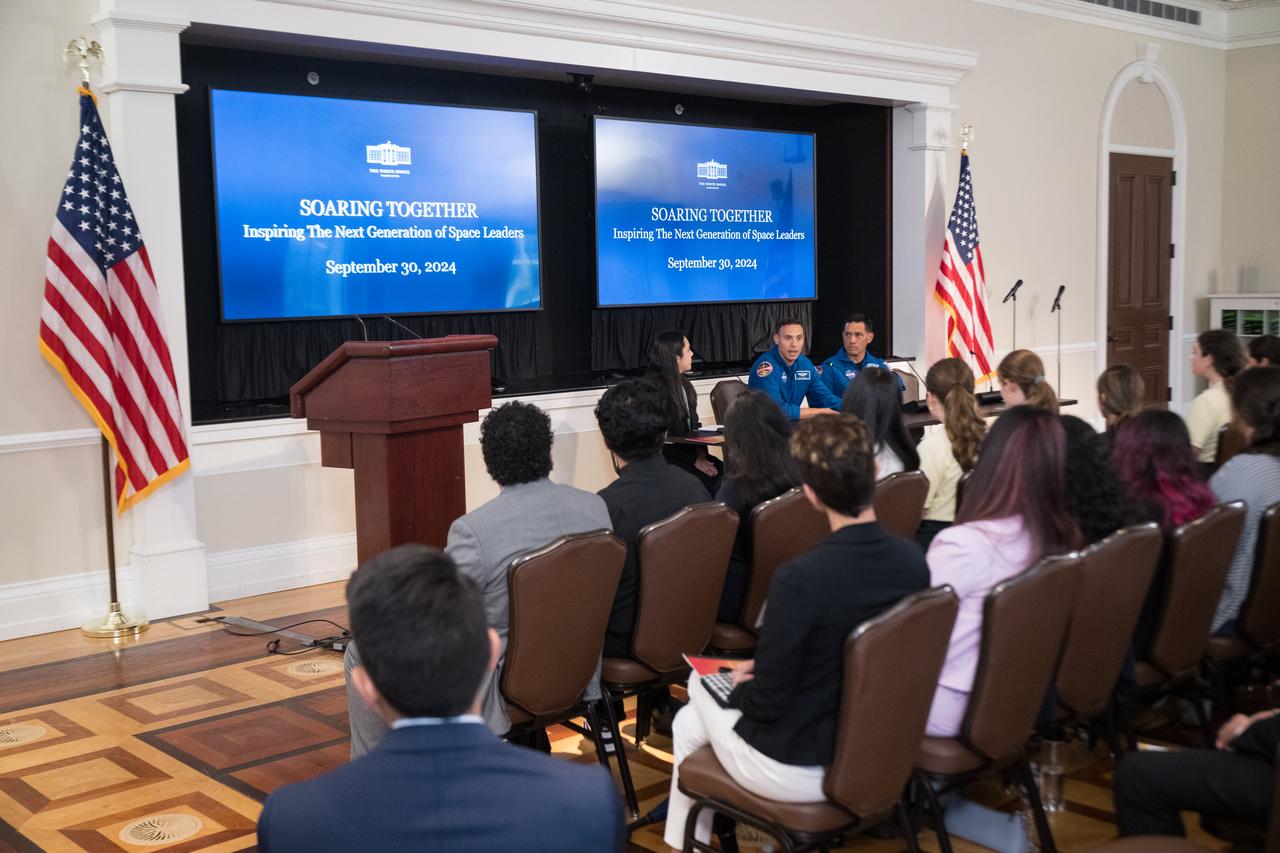
Wilmar Galvez Alfonso, Aerospace Engineering Student, Embry-Riddle Aeronautical University moderates a discussion with NASA astronauts Frank Rubio and Marcos Berrios at a White House Hispanic Heritage month event titled “Soaring Together: Inspiring the Next Generation of Space Leaders” at the Eisenhower Executive Office Building, Monday, Sept. 30, 2024 in Washington. Photo Credit: (NASA/Aubrey Gemignani)
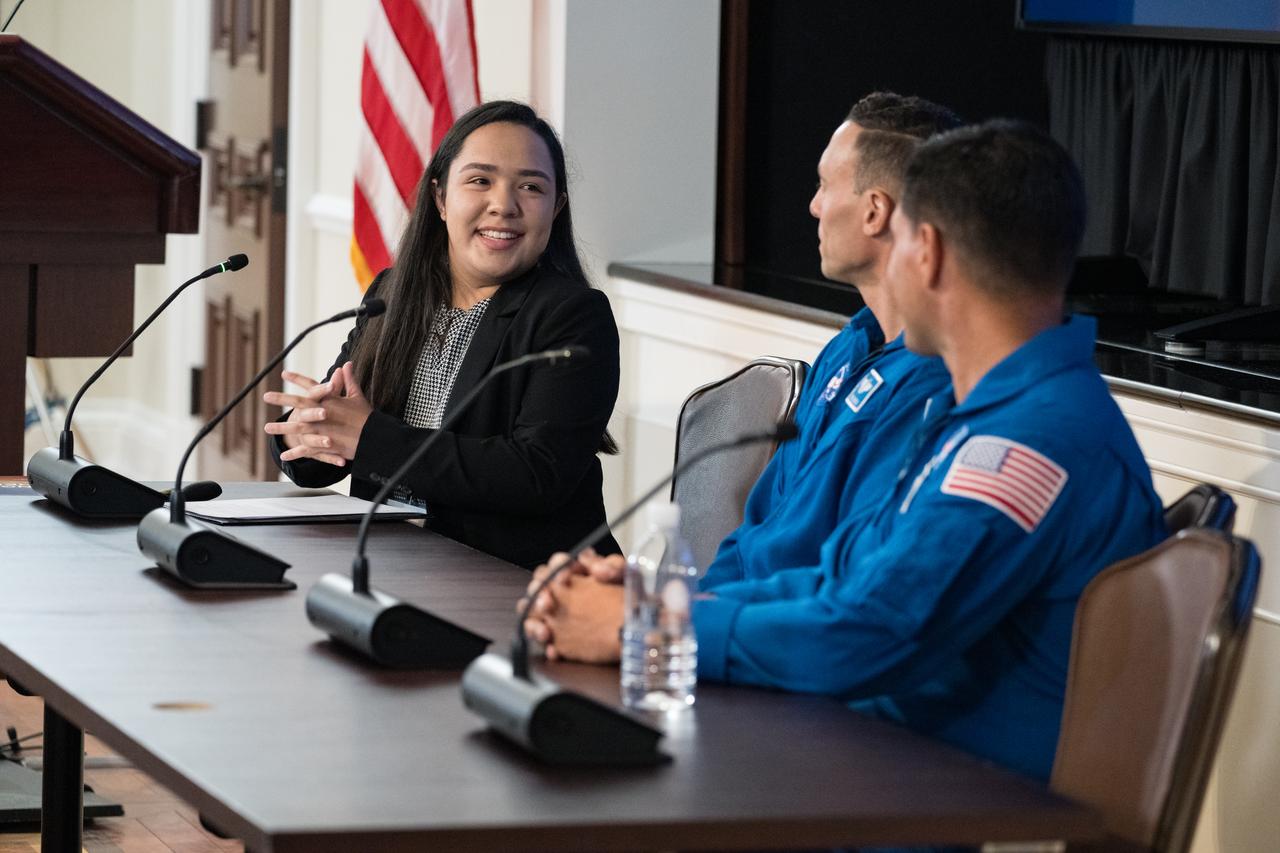
Wilmar Galvez Alfonso, Aerospace Engineering Student, Embry-Riddle Aeronautical University moderates a discussion with NASA astronauts Frank Rubio and Marcos Berrios at a White House Hispanic Heritage month event titled “Soaring Together: Inspiring the Next Generation of Space Leaders” at the Eisenhower Executive Office Building, Monday, Sept. 30, 2024 in Washington. Photo Credit: (NASA/Aubrey Gemignani)
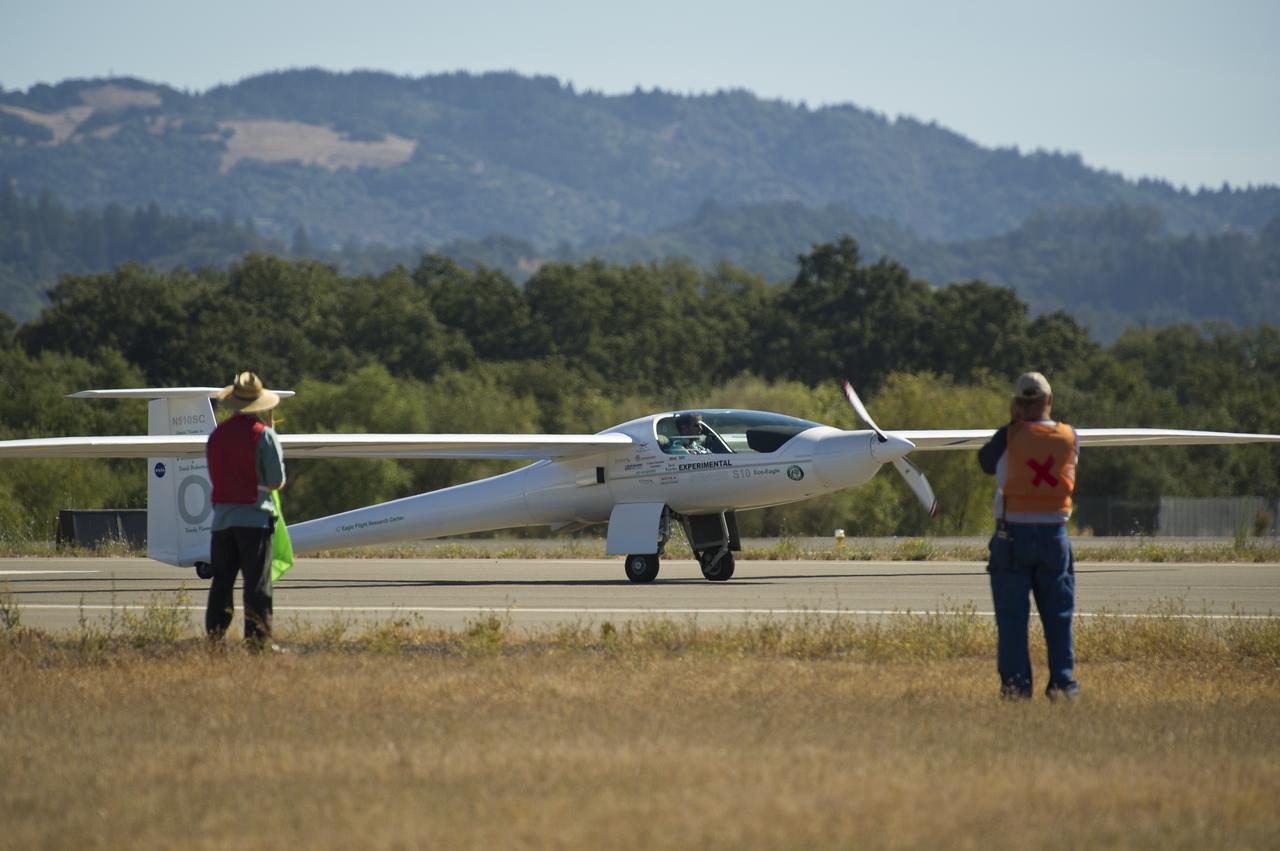
The Embry-Riddle Aeronautical University, EcoEagle prepares to takeoff as an demonstration aircraft for the miles per gallon (MPG) flight during the 2011 Green Flight Challenge, sponsored by Google, at the Charles M. Schulz Sonoma County Airport in Santa Rosa, Calif. on Tuesday, Sept. 27, 2011. NASA and the Comparative Aircraft Flight Efficiency (CAFE) Foundation are having the challenge with the goal to advance technologies in fuel efficiency and reduced emissions with cleaner renewable fuels and electric aircraft. Photo Credit: (NASA/Bill Ingalls)
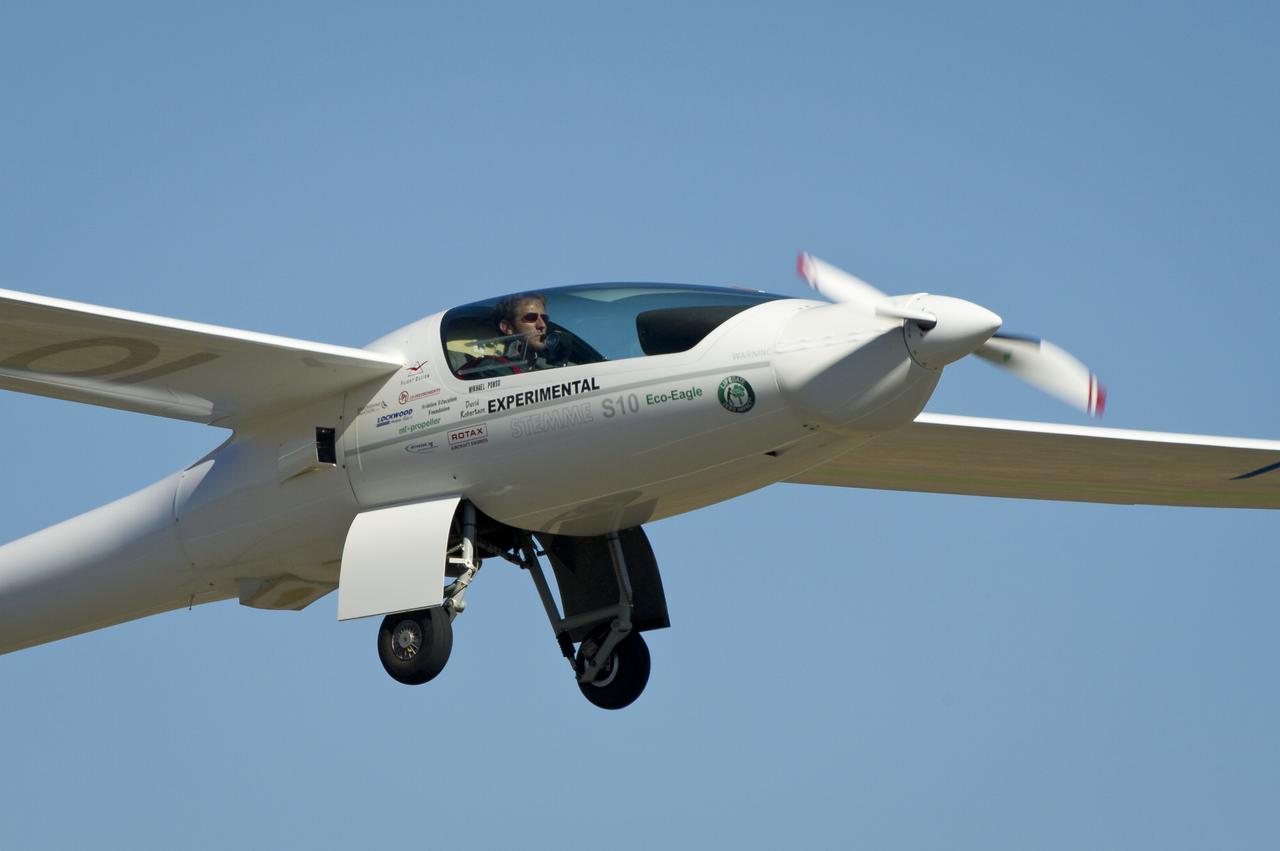
The Embry-Riddle Aeronautical University, EcoEagle aircraft takes off during the 2011 Green Flight Challenge, sponsored by Google, at the Charles M. Schulz Sonoma County Airport in Santa Rosa, Calif. on Monday, Sept. 26, 2011. NASA and the Comparative Aircraft Flight Efficiency (CAFE) Foundation are having the challenge with the goal to advance technologies in fuel efficiency and reduced emissions with cleaner renewable fuels and electric aircraft. Photo Credit: (NASA/Bill Ingalls)
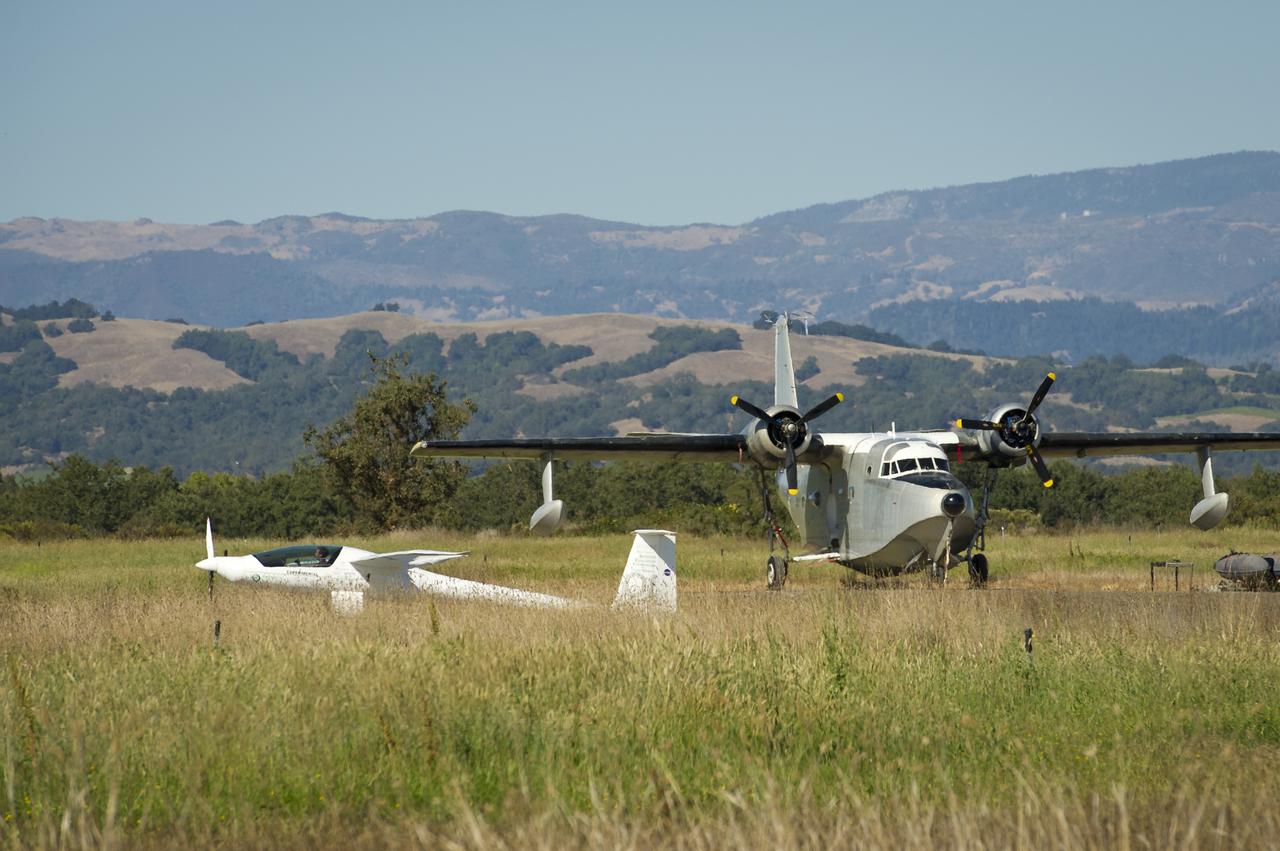
The Embry-Riddle Aeronautical University, EcoEagle is seen as it passes a Grumman Albatross during the 2011 Green Flight Challenge, sponsored by Google, at the Charles M. Schulz Sonoma County Airport in Santa Rosa, Calif. on Monday, Sept. 26, 2011. NASA and the Comparative Aircraft Flight Efficiency (CAFE) Foundation are having the challenge with the goal to advance technologies in fuel efficiency and reduced emissions with cleaner renewable fuels and electric aircraft. Photo Credit: (NASA/Bill Ingalls)
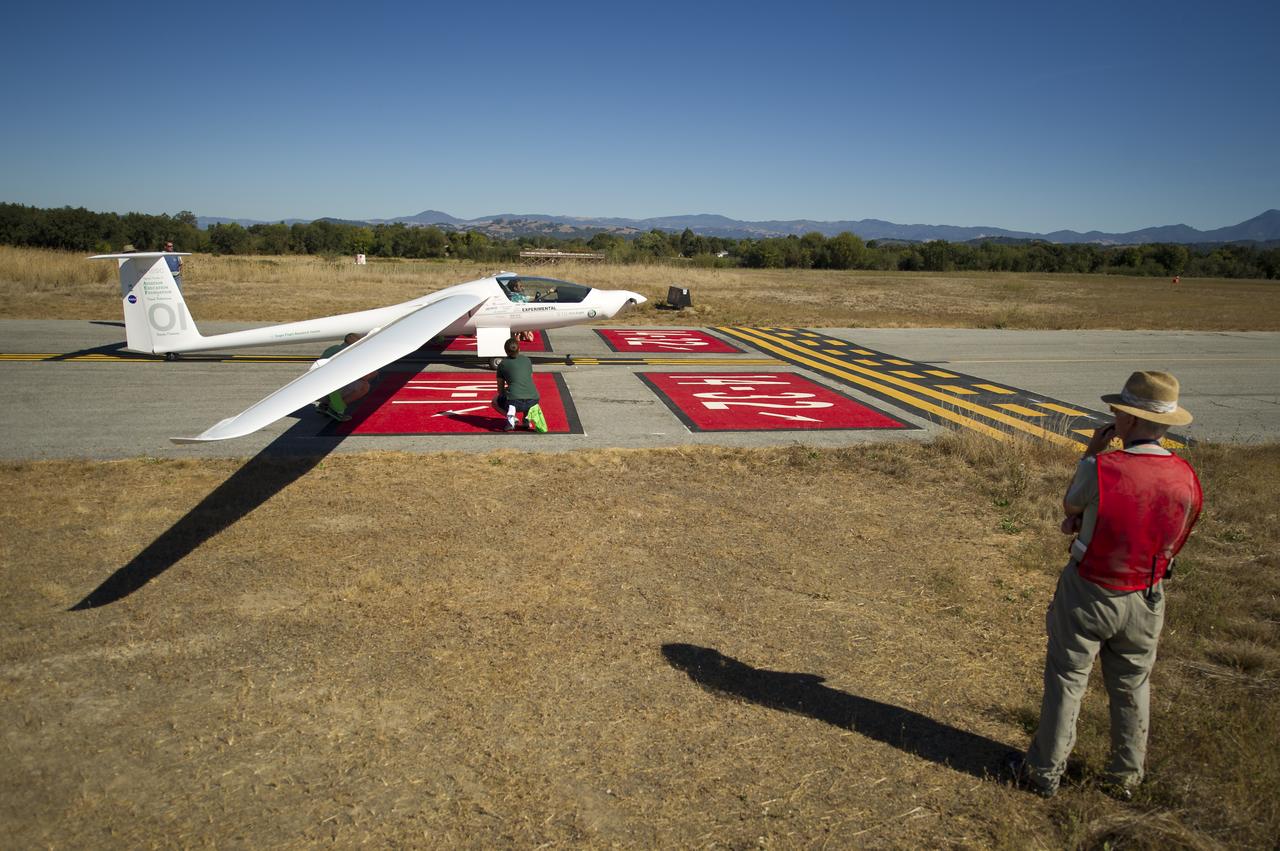
The Embry-Riddle Aeronautical University, EcoEagle prepares to takeoff as an demonstration aircraft for the miles per gallon (MPG) flight during the 2011 Green Flight Challenge, sponsored by Google, at the Charles M. Schulz Sonoma County Airport in Santa Rosa, Calif. on Tuesday, Sept. 27, 2011. NASA and the Comparative Aircraft Flight Efficiency (CAFE) Foundation are having the challenge with the goal to advance technologies in fuel efficiency and reduced emissions with cleaner renewable fuels and electric aircraft. Photo Credit: (NASA/Bill Ingalls)
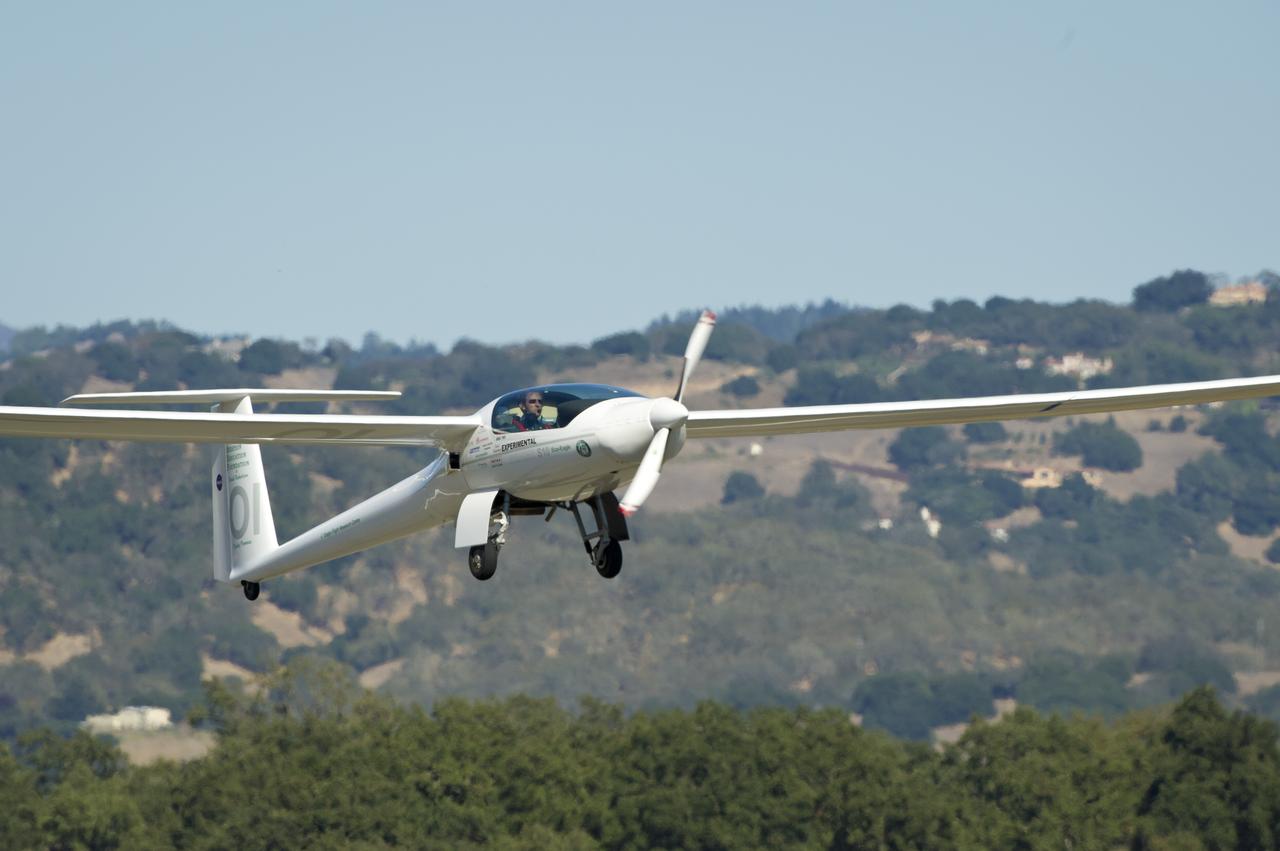
The Embry-Riddle Aeronautical University, EcoEagle aircraft takes off during the 2011 Green Flight Challenge, sponsored by Google, at the Charles M. Schulz Sonoma County Airport in Santa Rosa, Calif. on Monday, Sept. 26, 2011. NASA and the Comparative Aircraft Flight Efficiency (CAFE) Foundation are having the challenge with the goal to advance technologies in fuel efficiency and reduced emissions with cleaner renewable fuels and electric aircraft. Photo Credit: (NASA/Bill Ingalls)
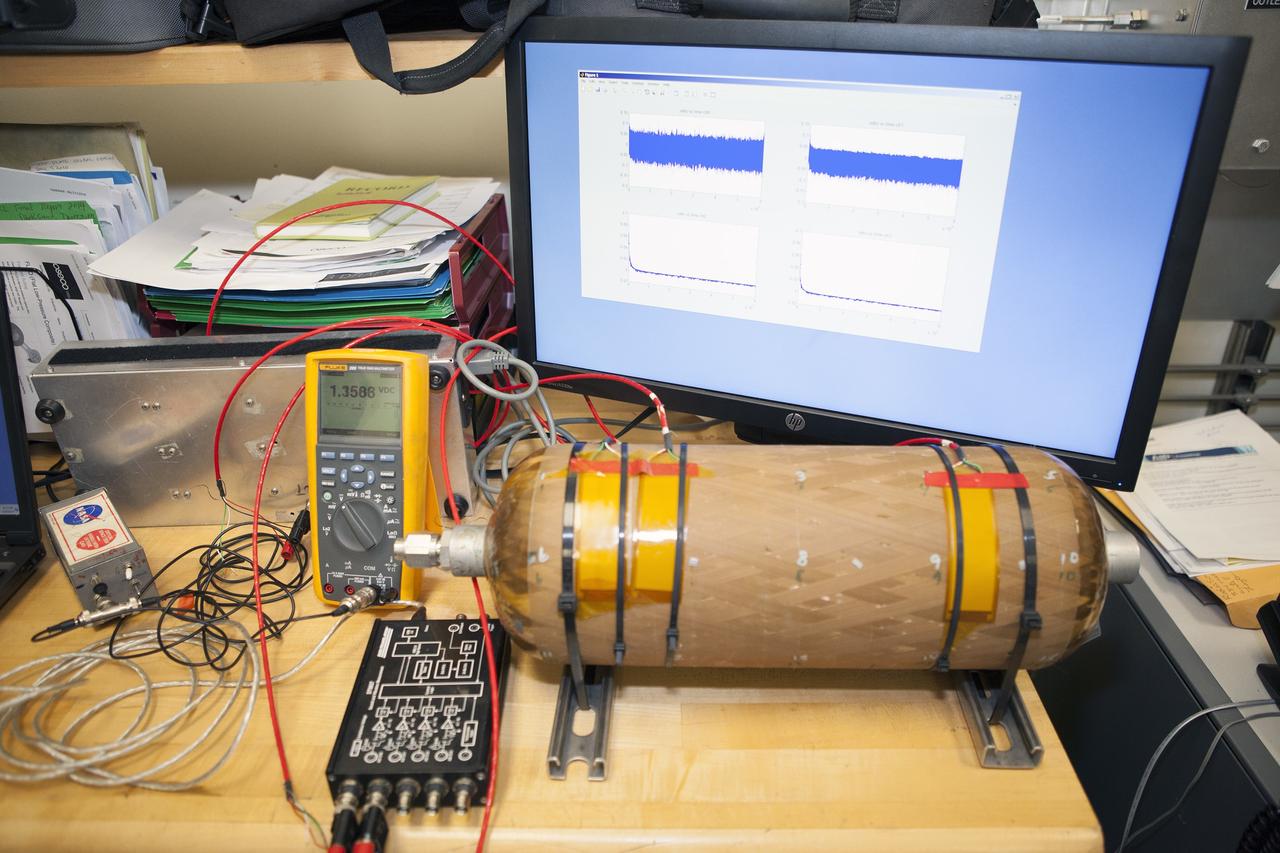
CAPE CANAVERAL, Fla. – Several Lead Zirconate Titanate, or PZT, mass gaging sensors have been attached to a composite tank during a test inside a laboratory at the Cryogenics Testbed Facility at NASA's Kennedy Space Center in Florida. The PZT-based system was developed at Kennedy as a way to measure the mass of a fluid and the structural health of a tank using vibration signatures on Earth or in reduced/zero g gravity. The mass gaging technology has received approval to be on the first sub-orbital flight on the Virgin Galactic Space Plane in 2015. NASA experiments using the PZT technology will be used by Embry-Riddle Aeronautical University in conjunction with Carthage College on a fluid transfer experiment. Photo credit: NASA/Daniel Casper
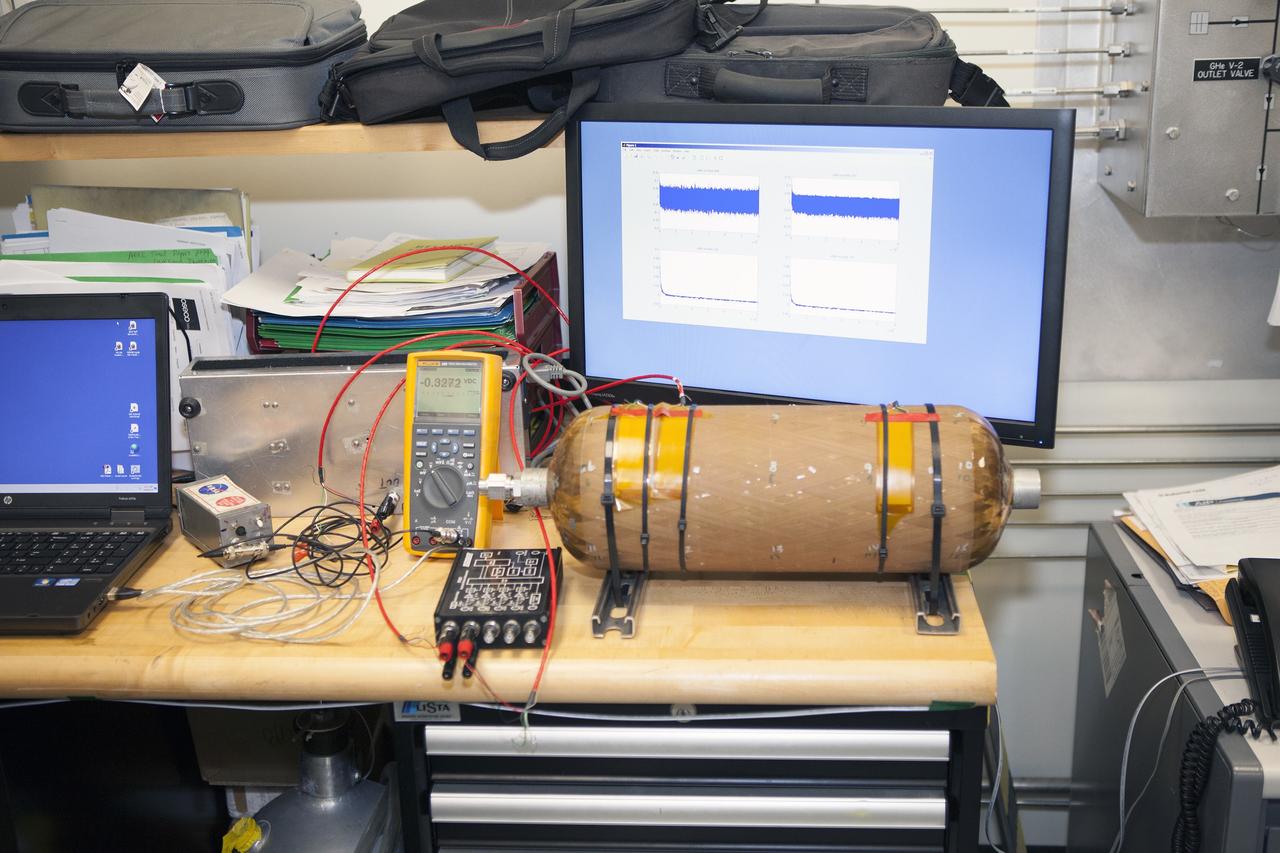
CAPE CANAVERAL, Fla. – Several Lead Zirconate Titanate, or PZT, mass gaging sensors have been attached to a composite tank during a test inside a laboratory at the Cryogenics Testbed Facility at NASA's Kennedy Space Center in Florida. The PZT-based system was developed at Kennedy as a way to measure the mass of a fluid and the structural health of a tank using vibration signatures on Earth or in reduced/zero g gravity. The mass gaging technology has received approval to be on the first sub-orbital flight on the Virgin Galactic Space Plane in 2015. NASA experiments using the PZT technology will be used by Embry-Riddle Aeronautical University in conjunction with Carthage College on a fluid transfer experiment. Photo credit: NASA/Daniel Casper
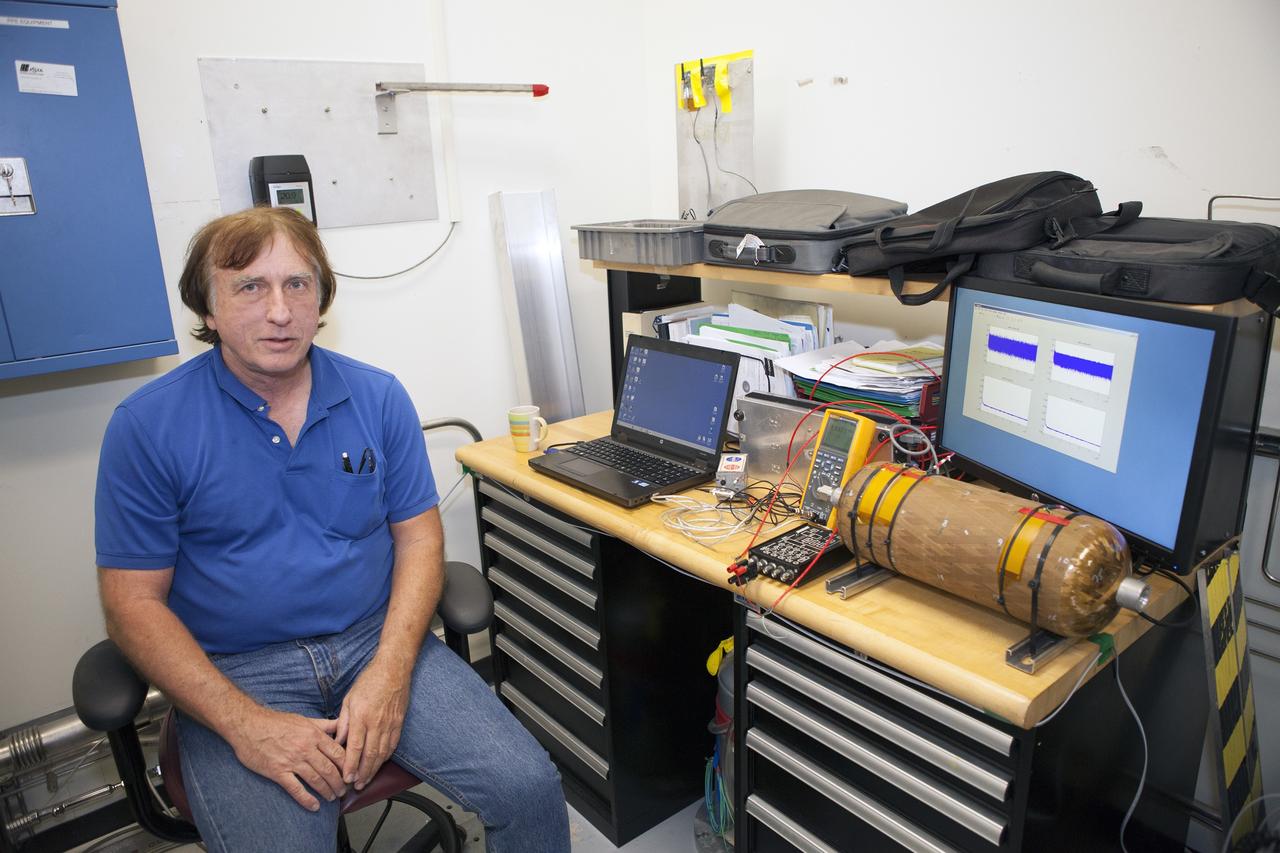
CAPE CANAVERAL, Fla. – Rudy Werlink, a fluid systems engineer in the Engineering Directorate at NASA's Kennedy Space Center in Florida, monitors a test in a lab at the Cryogenics Testbed Facility using the Lead Zirconate Titanate, or PZT-based system that he developed. Werlink developed the PZT-based system at Kennedy as a way to measure the mass of a fluid and the structural health of a tank using vibration signatures on Earth or in reduced/zero g gravity. The mass gaging technology has received approval to be on the first sub-orbital flight on the Virgin Galactic Space Plane in 2015. NASA experiments using the PZT technology will be used by Embry-Riddle Aeronautical University in conjunction with Carthage College on a fluid transfer experiment. Photo credit: NASA/Daniel Casper
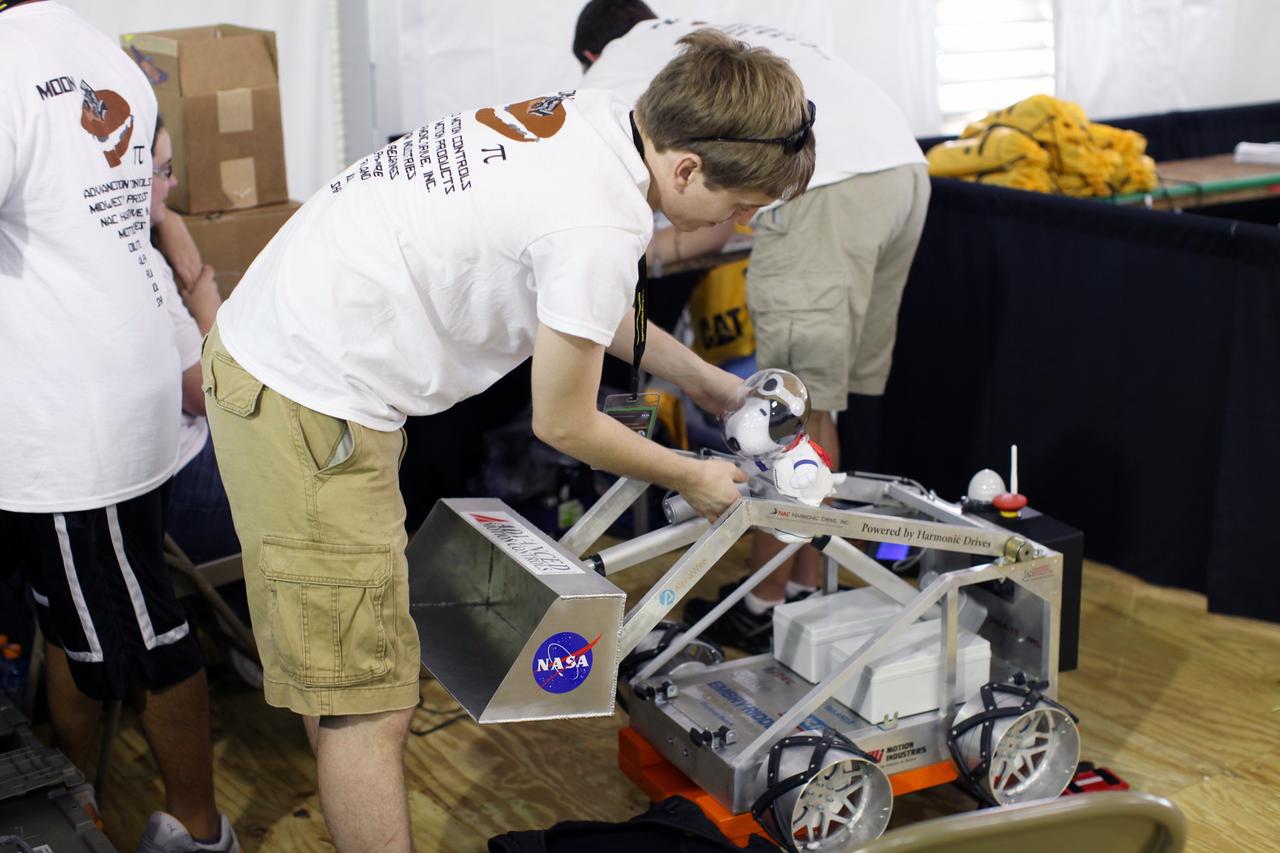
CAPE CANAVERAL, Fla. – “Snoopy” catches a ride aboard the lunabot built by the students from Embry-Riddle Aeronautical University, in Daytona Beach, Fla., during a practice session for the third annual Lunabotics Mining Competition at NASA’s Kennedy Space Center Visitor Complex in Florida. More than 50 teams of undergraduate and graduate students from eight countries are participating. The teams have designed and built remote-controlled or autonomous robots that can excavate simulated lunar soil. During the competition, the teams' designs, known as lunabots, will go head-to-head to determine whose machine can collect and deposit the most simulated moon dust within a specified amount of time. The competition is a NASA Human Exploration and Operations Mission Directorate project designed to engage and retain students in the science, technology, engineering and mathematics, or STEM, fields of study. The project provides a competitive environment that may result in innovative ideas and solutions that potentially could be applied to future NASA missions. For more information, visit http://www.nasa.gov/lunabotics. Photo credit: NASA/Frankie Martin
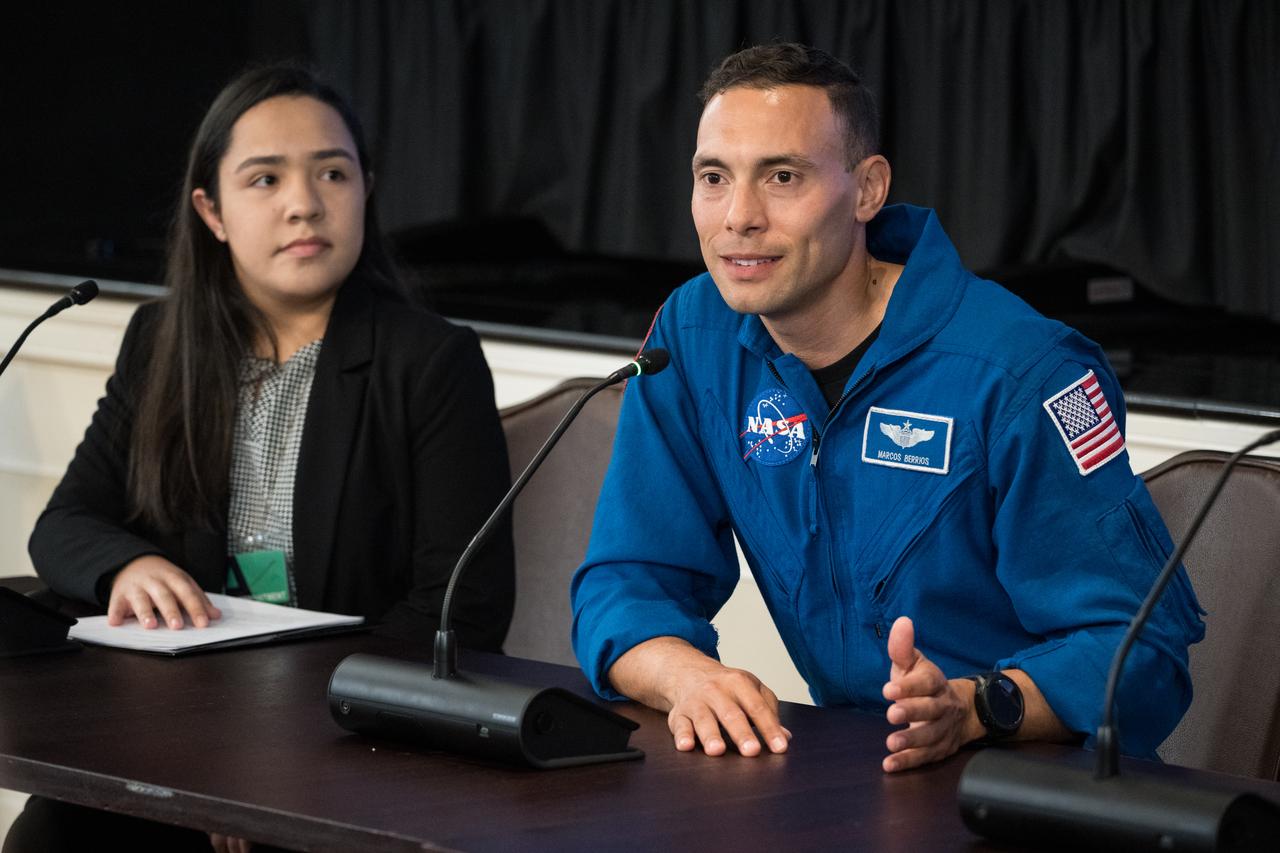
Marcos Berrios, NASA Astronaut, speaks at a White House Hispanic Heritage month event titled “Soaring Together: Inspiring the Next Generation of Space Leaders” at the Eisenhower Executive Office Building, Monday, Sept. 30, 2024 in Washington. Photo Credit: (NASA/Aubrey Gemignani)